window.__IS_SSR__=true
window.__INITIAL_STATE__={
"attachmentsReducer": {
"audio_0": {
"type": "attachments",
"id": "audio_0",
"imgSizes": {
"kqedFullSize": {
"file": "https://ww2.kqed.org/news/wp-content/themes/KQED-unified/img/audio_bgs/background0.jpg"
}
}
},
"audio_1": {
"type": "attachments",
"id": "audio_1",
"imgSizes": {
"kqedFullSize": {
"file": "https://ww2.kqed.org/news/wp-content/themes/KQED-unified/img/audio_bgs/background1.jpg"
}
}
},
"audio_2": {
"type": "attachments",
"id": "audio_2",
"imgSizes": {
"kqedFullSize": {
"file": "https://ww2.kqed.org/news/wp-content/themes/KQED-unified/img/audio_bgs/background2.jpg"
}
}
},
"audio_3": {
"type": "attachments",
"id": "audio_3",
"imgSizes": {
"kqedFullSize": {
"file": "https://ww2.kqed.org/news/wp-content/themes/KQED-unified/img/audio_bgs/background3.jpg"
}
}
},
"audio_4": {
"type": "attachments",
"id": "audio_4",
"imgSizes": {
"kqedFullSize": {
"file": "https://ww2.kqed.org/news/wp-content/themes/KQED-unified/img/audio_bgs/background4.jpg"
}
}
},
"placeholder": {
"type": "attachments",
"id": "placeholder",
"imgSizes": {
"thumbnail": {
"file": "https://cdn.kqed.org/wp-content/uploads/2024/12/KQED-Default-Image-816638274-2000x1333-1-160x107.jpg",
"width": 160,
"height": 107,
"mimeType": "image/jpeg"
},
"medium": {
"file": "https://cdn.kqed.org/wp-content/uploads/2024/12/KQED-Default-Image-816638274-2000x1333-1-800x533.jpg",
"width": 800,
"height": 533,
"mimeType": "image/jpeg"
},
"medium_large": {
"file": "https://cdn.kqed.org/wp-content/uploads/2024/12/KQED-Default-Image-816638274-2000x1333-1-768x512.jpg",
"width": 768,
"height": 512,
"mimeType": "image/jpeg"
},
"large": {
"file": "https://cdn.kqed.org/wp-content/uploads/2024/12/KQED-Default-Image-816638274-2000x1333-1-1020x680.jpg",
"width": 1020,
"height": 680,
"mimeType": "image/jpeg"
},
"1536x1536": {
"file": "https://cdn.kqed.org/wp-content/uploads/2024/12/KQED-Default-Image-816638274-2000x1333-1-1536x1024.jpg",
"width": 1536,
"height": 1024,
"mimeType": "image/jpeg"
},
"fd-lrg": {
"file": "https://cdn.kqed.org/wp-content/uploads/2024/12/KQED-Default-Image-816638274-2000x1333-1-1536x1024.jpg",
"width": 1536,
"height": 1024,
"mimeType": "image/jpeg"
},
"fd-med": {
"file": "https://cdn.kqed.org/wp-content/uploads/2024/12/KQED-Default-Image-816638274-2000x1333-1-1020x680.jpg",
"width": 1020,
"height": 680,
"mimeType": "image/jpeg"
},
"fd-sm": {
"file": "https://cdn.kqed.org/wp-content/uploads/2024/12/KQED-Default-Image-816638274-2000x1333-1-800x533.jpg",
"width": 800,
"height": 533,
"mimeType": "image/jpeg"
},
"post-thumbnail": {
"file": "https://cdn.kqed.org/wp-content/uploads/2024/12/KQED-Default-Image-816638274-2000x1333-1-672x372.jpg",
"width": 672,
"height": 372,
"mimeType": "image/jpeg"
},
"twentyfourteen-full-width": {
"file": "https://cdn.kqed.org/wp-content/uploads/2024/12/KQED-Default-Image-816638274-2000x1333-1-1038x576.jpg",
"width": 1038,
"height": 576,
"mimeType": "image/jpeg"
},
"xxsmall": {
"file": "https://cdn.kqed.org/wp-content/uploads/2024/12/KQED-Default-Image-816638274-2000x1333-1-160x107.jpg",
"width": 160,
"height": 107,
"mimeType": "image/jpeg"
},
"xsmall": {
"file": "https://cdn.kqed.org/wp-content/uploads/2024/12/KQED-Default-Image-816638274-2000x1333-1-672x372.jpg",
"width": 672,
"height": 372,
"mimeType": "image/jpeg"
},
"small": {
"file": "https://cdn.kqed.org/wp-content/uploads/2024/12/KQED-Default-Image-816638274-2000x1333-1-672x372.jpg",
"width": 672,
"height": 372,
"mimeType": "image/jpeg"
},
"xlarge": {
"file": "https://cdn.kqed.org/wp-content/uploads/2024/12/KQED-Default-Image-816638274-2000x1333-1-1020x680.jpg",
"width": 1020,
"height": 680,
"mimeType": "image/jpeg"
},
"full-width": {
"file": "https://cdn.kqed.org/wp-content/uploads/2024/12/KQED-Default-Image-816638274-2000x1333-1-1920x1280.jpg",
"width": 1920,
"height": 1280,
"mimeType": "image/jpeg"
},
"guest-author-32": {
"file": "https://cdn.kqed.org/wp-content/uploads/2025/01/KQED-Default-Image-816638274-1333x1333-1-160x160.jpg",
"width": 32,
"height": 32,
"mimeType": "image/jpeg"
},
"guest-author-50": {
"file": "https://cdn.kqed.org/wp-content/uploads/2025/01/KQED-Default-Image-816638274-1333x1333-1-160x160.jpg",
"width": 50,
"height": 50,
"mimeType": "image/jpeg"
},
"guest-author-64": {
"file": "https://cdn.kqed.org/wp-content/uploads/2025/01/KQED-Default-Image-816638274-1333x1333-1-160x160.jpg",
"width": 64,
"height": 64,
"mimeType": "image/jpeg"
},
"guest-author-96": {
"file": "https://cdn.kqed.org/wp-content/uploads/2025/01/KQED-Default-Image-816638274-1333x1333-1-160x160.jpg",
"width": 96,
"height": 96,
"mimeType": "image/jpeg"
},
"guest-author-128": {
"file": "https://cdn.kqed.org/wp-content/uploads/2025/01/KQED-Default-Image-816638274-1333x1333-1-160x160.jpg",
"width": 128,
"height": 128,
"mimeType": "image/jpeg"
},
"detail": {
"file": "https://cdn.kqed.org/wp-content/uploads/2025/01/KQED-Default-Image-816638274-1333x1333-1-160x160.jpg",
"width": 160,
"height": 160,
"mimeType": "image/jpeg"
},
"kqedFullSize": {
"file": "https://cdn.kqed.org/wp-content/uploads/2024/12/KQED-Default-Image-816638274-2000x1333-1.jpg",
"width": 2000,
"height": 1333
}
}
},
"news_12002546": {
"type": "attachments",
"id": "news_12002546",
"meta": {
"index": "attachments_1716263798",
"site": "news",
"id": "12002546",
"found": true
},
"title": "103020_Emergency-Alert_AP_CM_01 copy",
"publishDate": 1725043031,
"status": "inherit",
"parent": 12002545,
"modified": 1725043054,
"caption": "An emergency alert displayed on a cellphone. ",
"credit": "Susan Montoya Bryan/AP Photo",
"altTag": null,
"description": null,
"imgSizes": {
"medium": {
"file": "https://cdn.kqed.org/wp-content/uploads/sites/10/2024/08/103020_Emergency-Alert_AP_CM_01-copy-800x533.jpg",
"width": 800,
"height": 533,
"mimeType": "image/jpeg"
},
"large": {
"file": "https://cdn.kqed.org/wp-content/uploads/sites/10/2024/08/103020_Emergency-Alert_AP_CM_01-copy-1020x680.jpg",
"width": 1020,
"height": 680,
"mimeType": "image/jpeg"
},
"thumbnail": {
"file": "https://cdn.kqed.org/wp-content/uploads/sites/10/2024/08/103020_Emergency-Alert_AP_CM_01-copy-160x107.jpg",
"width": 160,
"height": 107,
"mimeType": "image/jpeg"
},
"1536x1536": {
"file": "https://cdn.kqed.org/wp-content/uploads/sites/10/2024/08/103020_Emergency-Alert_AP_CM_01-copy-1536x1024.jpg",
"width": 1536,
"height": 1024,
"mimeType": "image/jpeg"
},
"post-thumbnail": {
"file": "https://cdn.kqed.org/wp-content/uploads/sites/10/2024/08/103020_Emergency-Alert_AP_CM_01-copy-672x372.jpg",
"width": 672,
"height": 372,
"mimeType": "image/jpeg"
},
"twentyfourteen-full-width": {
"file": "https://cdn.kqed.org/wp-content/uploads/sites/10/2024/08/103020_Emergency-Alert_AP_CM_01-copy-1038x576.jpg",
"width": 1038,
"height": 576,
"mimeType": "image/jpeg"
},
"full-width": {
"file": "https://cdn.kqed.org/wp-content/uploads/sites/10/2024/08/103020_Emergency-Alert_AP_CM_01-copy-1920x1280.jpg",
"width": 1920,
"height": 1280,
"mimeType": "image/jpeg"
},
"kqedFullSize": {
"file": "https://cdn.kqed.org/wp-content/uploads/sites/10/2024/08/103020_Emergency-Alert_AP_CM_01-copy.jpg",
"width": 2000,
"height": 1333
}
},
"isLoading": false,
"fetchFailed": false
},
"news_12002395": {
"type": "attachments",
"id": "news_12002395",
"meta": {
"index": "attachments_1716263798",
"site": "news",
"id": "12002395",
"found": true
},
"title": "061321_StandfordCommencement_HM_CM-03",
"publishDate": 1724965496,
"status": "inherit",
"parent": 12002383,
"modified": 1724968876,
"caption": "Ryan Wimsatt joins his hands to thank his parents during the graduation ceremony at Stanford University in Palo Alto on June 13, 2021. ",
"credit": "Harika Maddala/CalMatters",
"altTag": "A young Black man wearing a black cap and gown interlocks his fingers, looking up as other young people wearing the same attire walk around. Everyone is in a stadium with white fold-up chairs on the field.",
"description": null,
"imgSizes": {
"medium": {
"file": "https://cdn.kqed.org/wp-content/uploads/sites/10/2024/08/061321_StandfordCommencement_HM_CM-03-800x533.jpg",
"width": 800,
"height": 533,
"mimeType": "image/jpeg"
},
"large": {
"file": "https://cdn.kqed.org/wp-content/uploads/sites/10/2024/08/061321_StandfordCommencement_HM_CM-03-1020x680.jpg",
"width": 1020,
"height": 680,
"mimeType": "image/jpeg"
},
"thumbnail": {
"file": "https://cdn.kqed.org/wp-content/uploads/sites/10/2024/08/061321_StandfordCommencement_HM_CM-03-160x107.jpg",
"width": 160,
"height": 107,
"mimeType": "image/jpeg"
},
"1536x1536": {
"file": "https://cdn.kqed.org/wp-content/uploads/sites/10/2024/08/061321_StandfordCommencement_HM_CM-03-1536x1024.jpg",
"width": 1536,
"height": 1024,
"mimeType": "image/jpeg"
},
"post-thumbnail": {
"file": "https://cdn.kqed.org/wp-content/uploads/sites/10/2024/08/061321_StandfordCommencement_HM_CM-03-672x372.jpg",
"width": 672,
"height": 372,
"mimeType": "image/jpeg"
},
"twentyfourteen-full-width": {
"file": "https://cdn.kqed.org/wp-content/uploads/sites/10/2024/08/061321_StandfordCommencement_HM_CM-03-1038x576.jpg",
"width": 1038,
"height": 576,
"mimeType": "image/jpeg"
},
"full-width": {
"file": "https://cdn.kqed.org/wp-content/uploads/sites/10/2024/08/061321_StandfordCommencement_HM_CM-03-1920x1280.jpg",
"width": 1920,
"height": 1280,
"mimeType": "image/jpeg"
},
"kqedFullSize": {
"file": "https://cdn.kqed.org/wp-content/uploads/sites/10/2024/08/061321_StandfordCommencement_HM_CM-03.jpg",
"width": 2000,
"height": 1333
}
},
"isLoading": false,
"fetchFailed": false
},
"news_12002329": {
"type": "attachments",
"id": "news_12002329",
"meta": {
"index": "attachments_1716263798",
"site": "news",
"id": "12002329",
"found": true
},
"title": "California School Conducts Shooting And Evacuation Drill",
"publishDate": 1724954109,
"status": "inherit",
"parent": 12002315,
"modified": 1724956208,
"caption": "An Alameda Police officer evacuates volunteer students wearing makeup to simulate injuries during a school shooting and mass evacuation drill at Lincoln Middle School on May 22, 2007, in Alameda. The Alameda Police Department, in collaboration with the Alameda Fire Department and the Alameda Unified School District, conducted a drill simulating a school shooting situation with multiple gunmen and hostages.",
"credit": "Justin Sullivan/Getty Images",
"altTag": "Three men dressed in police uniforms holding firearms walk with students and another man across the street.",
"description": null,
"imgSizes": {
"medium": {
"file": "https://cdn.kqed.org/wp-content/uploads/sites/10/2024/08/GettyImages-74220944-800x555.jpg",
"width": 800,
"height": 555,
"mimeType": "image/jpeg"
},
"large": {
"file": "https://cdn.kqed.org/wp-content/uploads/sites/10/2024/08/GettyImages-74220944-1020x707.jpg",
"width": 1020,
"height": 707,
"mimeType": "image/jpeg"
},
"thumbnail": {
"file": "https://cdn.kqed.org/wp-content/uploads/sites/10/2024/08/GettyImages-74220944-160x111.jpg",
"width": 160,
"height": 111,
"mimeType": "image/jpeg"
},
"post-thumbnail": {
"file": "https://cdn.kqed.org/wp-content/uploads/sites/10/2024/08/GettyImages-74220944-672x372.jpg",
"width": 672,
"height": 372,
"mimeType": "image/jpeg"
},
"twentyfourteen-full-width": {
"file": "https://cdn.kqed.org/wp-content/uploads/sites/10/2024/08/GettyImages-74220944-1024x576.jpg",
"width": 1024,
"height": 576,
"mimeType": "image/jpeg"
},
"kqedFullSize": {
"file": "https://cdn.kqed.org/wp-content/uploads/sites/10/2024/08/GettyImages-74220944.jpg",
"width": 1024,
"height": 710
}
},
"isLoading": false,
"fetchFailed": false
},
"news_12002020": {
"type": "attachments",
"id": "news_12002020",
"meta": {
"index": "attachments_1716263798",
"site": "news",
"id": "12002020",
"found": true
},
"title": "Medical-Debt-Bill_AH_CM_02 copy",
"publishDate": 1724779040,
"status": "inherit",
"parent": 12002019,
"modified": 1724785427,
"caption": "California lawmakers are advancing a bill to prevent most medical debt from affecting someone's credit score. ",
"credit": "Illustration by Adriana Heldiz/CalMatters/iStock",
"altTag": null,
"description": null,
"imgSizes": {
"medium": {
"file": "https://cdn.kqed.org/wp-content/uploads/sites/10/2024/08/Medical-Debt-Bill_AH_CM_02-copy-800x533.jpg",
"width": 800,
"height": 533,
"mimeType": "image/jpeg"
},
"large": {
"file": "https://cdn.kqed.org/wp-content/uploads/sites/10/2024/08/Medical-Debt-Bill_AH_CM_02-copy-1020x680.jpg",
"width": 1020,
"height": 680,
"mimeType": "image/jpeg"
},
"thumbnail": {
"file": "https://cdn.kqed.org/wp-content/uploads/sites/10/2024/08/Medical-Debt-Bill_AH_CM_02-copy-160x107.jpg",
"width": 160,
"height": 107,
"mimeType": "image/jpeg"
},
"1536x1536": {
"file": "https://cdn.kqed.org/wp-content/uploads/sites/10/2024/08/Medical-Debt-Bill_AH_CM_02-copy-1536x1024.jpg",
"width": 1536,
"height": 1024,
"mimeType": "image/jpeg"
},
"post-thumbnail": {
"file": "https://cdn.kqed.org/wp-content/uploads/sites/10/2024/08/Medical-Debt-Bill_AH_CM_02-copy-672x372.jpg",
"width": 672,
"height": 372,
"mimeType": "image/jpeg"
},
"twentyfourteen-full-width": {
"file": "https://cdn.kqed.org/wp-content/uploads/sites/10/2024/08/Medical-Debt-Bill_AH_CM_02-copy-1038x576.jpg",
"width": 1038,
"height": 576,
"mimeType": "image/jpeg"
},
"full-width": {
"file": "https://cdn.kqed.org/wp-content/uploads/sites/10/2024/08/Medical-Debt-Bill_AH_CM_02-copy-1920x1280.jpg",
"width": 1920,
"height": 1280,
"mimeType": "image/jpeg"
},
"kqedFullSize": {
"file": "https://cdn.kqed.org/wp-content/uploads/sites/10/2024/08/Medical-Debt-Bill_AH_CM_02-copy.jpg",
"width": 2000,
"height": 1333
}
},
"isLoading": false,
"fetchFailed": false
},
"news_12002023": {
"type": "attachments",
"id": "news_12002023",
"meta": {
"index": "attachments_1716263798",
"site": "news",
"id": "12002023",
"found": true
},
"title": "042924_State-Capitol-Session-MG_CM_25",
"publishDate": 1724779391,
"status": "inherit",
"parent": 12002006,
"modified": 1724779474,
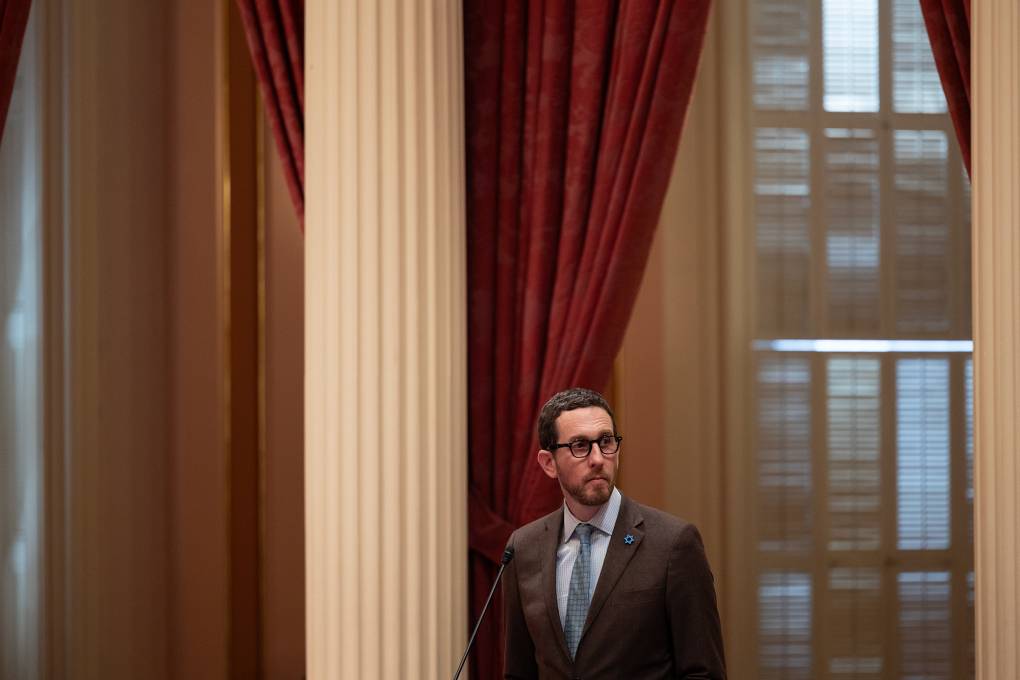
"caption": "State Sen. Scott Wiener on the Senate Floor at the state Capitol in Sacramento on April 29, 2024. ",
"credit": "Miguel Gutierrez Jr. / CalMatters",
"altTag": "A white man wearing glasses and a business suit stands by a microphone inside a building.",
"description": null,
"imgSizes": {
"medium": {
"file": "https://cdn.kqed.org/wp-content/uploads/sites/10/2024/08/042924_State-Capitol-Session-MG_CM_25-800x533.jpg",
"width": 800,
"height": 533,
"mimeType": "image/jpeg"
},
"large": {
"file": "https://cdn.kqed.org/wp-content/uploads/sites/10/2024/08/042924_State-Capitol-Session-MG_CM_25-1020x680.jpg",
"width": 1020,
"height": 680,
"mimeType": "image/jpeg"
},
"thumbnail": {
"file": "https://cdn.kqed.org/wp-content/uploads/sites/10/2024/08/042924_State-Capitol-Session-MG_CM_25-160x107.jpg",
"width": 160,
"height": 107,
"mimeType": "image/jpeg"
},
"1536x1536": {
"file": "https://cdn.kqed.org/wp-content/uploads/sites/10/2024/08/042924_State-Capitol-Session-MG_CM_25-1536x1024.jpg",
"width": 1536,
"height": 1024,
"mimeType": "image/jpeg"
},
"post-thumbnail": {
"file": "https://cdn.kqed.org/wp-content/uploads/sites/10/2024/08/042924_State-Capitol-Session-MG_CM_25-672x372.jpg",
"width": 672,
"height": 372,
"mimeType": "image/jpeg"
},
"twentyfourteen-full-width": {
"file": "https://cdn.kqed.org/wp-content/uploads/sites/10/2024/08/042924_State-Capitol-Session-MG_CM_25-1038x576.jpg",
"width": 1038,
"height": 576,
"mimeType": "image/jpeg"
},
"full-width": {
"file": "https://cdn.kqed.org/wp-content/uploads/sites/10/2024/08/042924_State-Capitol-Session-MG_CM_25-1920x1280.jpg",
"width": 1920,
"height": 1280,
"mimeType": "image/jpeg"
},
"kqedFullSize": {
"file": "https://cdn.kqed.org/wp-content/uploads/sites/10/2024/08/042924_State-Capitol-Session-MG_CM_25.jpg",
"width": 2000,
"height": 1333
}
},
"isLoading": false,
"fetchFailed": false
},
"news_12001841": {
"type": "attachments",
"id": "news_12001841",
"meta": {
"index": "attachments_1716263798",
"site": "news",
"id": "12001841",
"found": true
},
"title": "081324_CHP_FM_CM_03",
"publishDate": 1724692880,
"status": "inherit",
"parent": 12001829,
"modified": 1724693308,
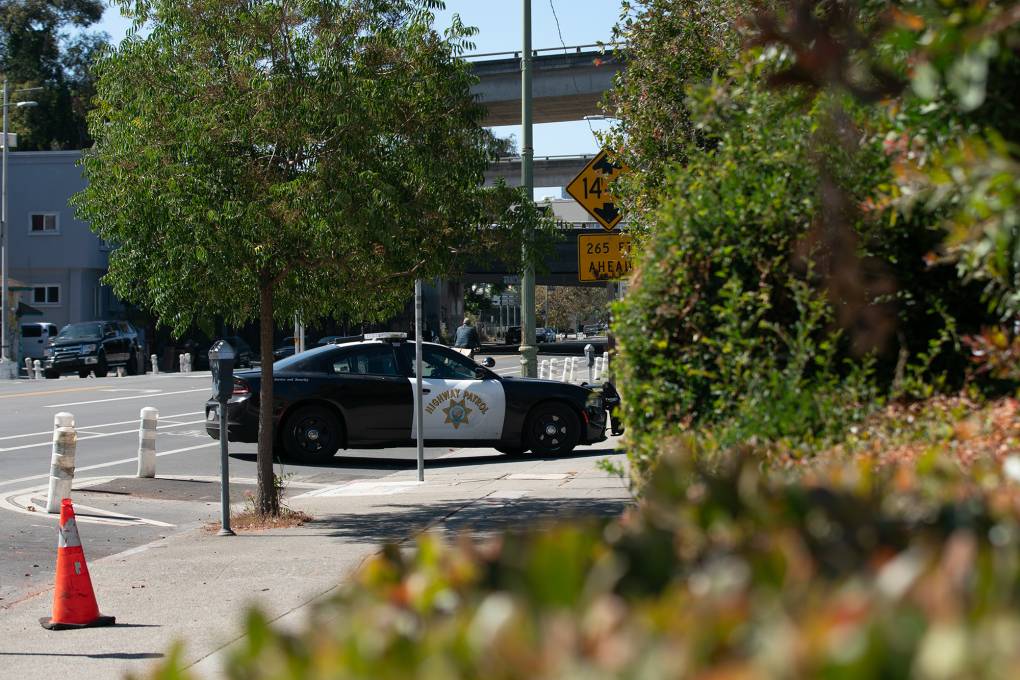
"caption": "A patrol vehicle pulls into the California Highway Patrol office in Oakland on Aug. 13, 2024. ",
"credit": "Florence Middleton/CalMatters",
"altTag": "A police vehicle parked on the street that says \"Highway Patrol\" on the side.",
"description": null,
"imgSizes": {
"medium": {
"file": "https://cdn.kqed.org/wp-content/uploads/sites/10/2024/08/081324_CHP_FM_CM_03-800x533.jpg",
"width": 800,
"height": 533,
"mimeType": "image/jpeg"
},
"large": {
"file": "https://cdn.kqed.org/wp-content/uploads/sites/10/2024/08/081324_CHP_FM_CM_03-1020x680.jpg",
"width": 1020,
"height": 680,
"mimeType": "image/jpeg"
},
"thumbnail": {
"file": "https://cdn.kqed.org/wp-content/uploads/sites/10/2024/08/081324_CHP_FM_CM_03-160x107.jpg",
"width": 160,
"height": 107,
"mimeType": "image/jpeg"
},
"1536x1536": {
"file": "https://cdn.kqed.org/wp-content/uploads/sites/10/2024/08/081324_CHP_FM_CM_03-1536x1024.jpg",
"width": 1536,
"height": 1024,
"mimeType": "image/jpeg"
},
"post-thumbnail": {
"file": "https://cdn.kqed.org/wp-content/uploads/sites/10/2024/08/081324_CHP_FM_CM_03-672x372.jpg",
"width": 672,
"height": 372,
"mimeType": "image/jpeg"
},
"twentyfourteen-full-width": {
"file": "https://cdn.kqed.org/wp-content/uploads/sites/10/2024/08/081324_CHP_FM_CM_03-1038x576.jpg",
"width": 1038,
"height": 576,
"mimeType": "image/jpeg"
},
"full-width": {
"file": "https://cdn.kqed.org/wp-content/uploads/sites/10/2024/08/081324_CHP_FM_CM_03-1920x1280.jpg",
"width": 1920,
"height": 1280,
"mimeType": "image/jpeg"
},
"kqedFullSize": {
"file": "https://cdn.kqed.org/wp-content/uploads/sites/10/2024/08/081324_CHP_FM_CM_03-e1724693289100.jpg",
"width": 1980,
"height": 1320
}
},
"isLoading": false,
"fetchFailed": false
},
"news_12001661": {
"type": "attachments",
"id": "news_12001661",
"meta": {
"index": "attachments_1716263798",
"site": "news",
"id": "12001661",
"found": true
},
"title": "040324-CA-Supreme-Court-CASC-CM-01 copy",
"publishDate": 1724443987,
"status": "inherit",
"parent": 12001659,
"modified": 1724445396,
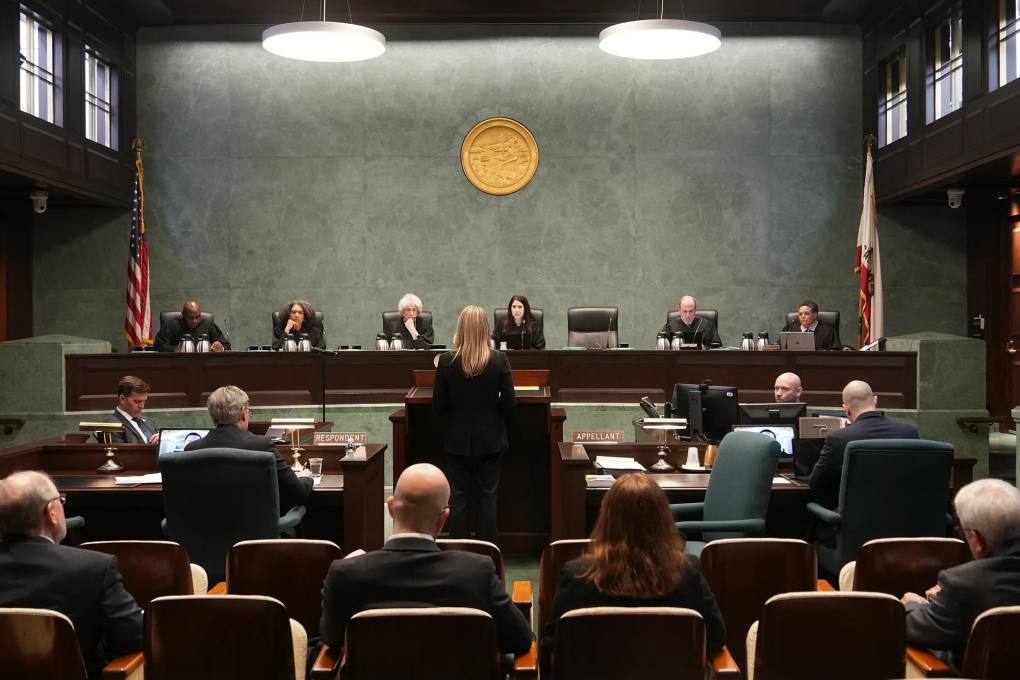
"caption": "The California Supreme Court, in a new ruling, stressed that social workers must investigate claims of Native American ancestry under the Indian Child Welfare Act in foster care cases.",
"credit": "Damian Dovarganes/AP Photo",
"altTag": null,
"description": null,
"imgSizes": {
"medium": {
"file": "https://cdn.kqed.org/wp-content/uploads/sites/10/2024/08/040324-CA-Supreme-Court-CASC-CM-01-copy-800x533.jpg",
"width": 800,
"height": 533,
"mimeType": "image/jpeg"
},
"large": {
"file": "https://cdn.kqed.org/wp-content/uploads/sites/10/2024/08/040324-CA-Supreme-Court-CASC-CM-01-copy-1020x680.jpg",
"width": 1020,
"height": 680,
"mimeType": "image/jpeg"
},
"thumbnail": {
"file": "https://cdn.kqed.org/wp-content/uploads/sites/10/2024/08/040324-CA-Supreme-Court-CASC-CM-01-copy-160x107.jpg",
"width": 160,
"height": 107,
"mimeType": "image/jpeg"
},
"1536x1536": {
"file": "https://cdn.kqed.org/wp-content/uploads/sites/10/2024/08/040324-CA-Supreme-Court-CASC-CM-01-copy-1536x1024.jpg",
"width": 1536,
"height": 1024,
"mimeType": "image/jpeg"
},
"post-thumbnail": {
"file": "https://cdn.kqed.org/wp-content/uploads/sites/10/2024/08/040324-CA-Supreme-Court-CASC-CM-01-copy-672x372.jpg",
"width": 672,
"height": 372,
"mimeType": "image/jpeg"
},
"twentyfourteen-full-width": {
"file": "https://cdn.kqed.org/wp-content/uploads/sites/10/2024/08/040324-CA-Supreme-Court-CASC-CM-01-copy-1038x576.jpg",
"width": 1038,
"height": 576,
"mimeType": "image/jpeg"
},
"full-width": {
"file": "https://cdn.kqed.org/wp-content/uploads/sites/10/2024/08/040324-CA-Supreme-Court-CASC-CM-01-copy-1920x1280.jpg",
"width": 1920,
"height": 1280,
"mimeType": "image/jpeg"
},
"kqedFullSize": {
"file": "https://cdn.kqed.org/wp-content/uploads/sites/10/2024/08/040324-CA-Supreme-Court-CASC-CM-01-copy.jpg",
"width": 2000,
"height": 1333
}
},
"isLoading": false,
"fetchFailed": false
},
"news_12001806": {
"type": "attachments",
"id": "news_12001806",
"meta": {
"index": "attachments_1716263798",
"site": "news",
"id": "12001806",
"found": true
},
"title": "031424_Kamala-Reproductive-Health_AP_CM_01 copy",
"publishDate": 1724537738,
"status": "inherit",
"parent": 12001799,
"modified": 1724537767,
"caption": "Vice President Kamala Harris speaks regularly about abortion in her presidential campaign against Donald Trump and she has a long record of supporting reproductive rights in California. This image shows her at a Planned Parenthood in St. Paul, Minn. on March 14, 2024.",
"credit": "Adam Bettcher/AP Photo",
"altTag": null,
"description": null,
"imgSizes": {
"medium": {
"file": "https://cdn.kqed.org/wp-content/uploads/sites/10/2024/08/031424_Kamala-Reproductive-Health_AP_CM_01-copy-800x533.jpg",
"width": 800,
"height": 533,
"mimeType": "image/jpeg"
},
"large": {
"file": "https://cdn.kqed.org/wp-content/uploads/sites/10/2024/08/031424_Kamala-Reproductive-Health_AP_CM_01-copy-1020x680.jpg",
"width": 1020,
"height": 680,
"mimeType": "image/jpeg"
},
"thumbnail": {
"file": "https://cdn.kqed.org/wp-content/uploads/sites/10/2024/08/031424_Kamala-Reproductive-Health_AP_CM_01-copy-160x107.jpg",
"width": 160,
"height": 107,
"mimeType": "image/jpeg"
},
"1536x1536": {
"file": "https://cdn.kqed.org/wp-content/uploads/sites/10/2024/08/031424_Kamala-Reproductive-Health_AP_CM_01-copy-1536x1024.jpg",
"width": 1536,
"height": 1024,
"mimeType": "image/jpeg"
},
"post-thumbnail": {
"file": "https://cdn.kqed.org/wp-content/uploads/sites/10/2024/08/031424_Kamala-Reproductive-Health_AP_CM_01-copy-672x372.jpg",
"width": 672,
"height": 372,
"mimeType": "image/jpeg"
},
"twentyfourteen-full-width": {
"file": "https://cdn.kqed.org/wp-content/uploads/sites/10/2024/08/031424_Kamala-Reproductive-Health_AP_CM_01-copy-1038x576.jpg",
"width": 1038,
"height": 576,
"mimeType": "image/jpeg"
},
"full-width": {
"file": "https://cdn.kqed.org/wp-content/uploads/sites/10/2024/08/031424_Kamala-Reproductive-Health_AP_CM_01-copy-1920x1280.jpg",
"width": 1920,
"height": 1280,
"mimeType": "image/jpeg"
},
"kqedFullSize": {
"file": "https://cdn.kqed.org/wp-content/uploads/sites/10/2024/08/031424_Kamala-Reproductive-Health_AP_CM_01-copy.jpg",
"width": 2000,
"height": 1333
}
},
"isLoading": false,
"fetchFailed": false
},
"news_12001122": {
"type": "attachments",
"id": "news_12001122",
"meta": {
"index": "attachments_1716263798",
"site": "news",
"id": "12001122",
"found": true
},
"title": "031124-Dolphin-Trucking-School-ZS-CM-23 copy",
"publishDate": 1724260212,
"status": "inherit",
"parent": 12001120,
"modified": 1724260234,
"caption": "A local government agency referred Uriel Zaizar to Dolphin Trucking School in Vernon. But while he was there, the state was investigating it and trying to revoke its license. March 11, 2024. ",
"credit": "Zaydee Sanchez for CalMatters",
"altTag": null,
"description": null,
"imgSizes": {
"medium": {
"file": "https://cdn.kqed.org/wp-content/uploads/sites/10/2024/08/031124-Dolphin-Trucking-School-ZS-CM-23-copy-800x533.jpg",
"width": 800,
"height": 533,
"mimeType": "image/jpeg"
},
"large": {
"file": "https://cdn.kqed.org/wp-content/uploads/sites/10/2024/08/031124-Dolphin-Trucking-School-ZS-CM-23-copy-1020x680.jpg",
"width": 1020,
"height": 680,
"mimeType": "image/jpeg"
},
"thumbnail": {
"file": "https://cdn.kqed.org/wp-content/uploads/sites/10/2024/08/031124-Dolphin-Trucking-School-ZS-CM-23-copy-160x107.jpg",
"width": 160,
"height": 107,
"mimeType": "image/jpeg"
},
"1536x1536": {
"file": "https://cdn.kqed.org/wp-content/uploads/sites/10/2024/08/031124-Dolphin-Trucking-School-ZS-CM-23-copy-1536x1024.jpg",
"width": 1536,
"height": 1024,
"mimeType": "image/jpeg"
},
"post-thumbnail": {
"file": "https://cdn.kqed.org/wp-content/uploads/sites/10/2024/08/031124-Dolphin-Trucking-School-ZS-CM-23-copy-672x372.jpg",
"width": 672,
"height": 372,
"mimeType": "image/jpeg"
},
"twentyfourteen-full-width": {
"file": "https://cdn.kqed.org/wp-content/uploads/sites/10/2024/08/031124-Dolphin-Trucking-School-ZS-CM-23-copy-1038x576.jpg",
"width": 1038,
"height": 576,
"mimeType": "image/jpeg"
},
"full-width": {
"file": "https://cdn.kqed.org/wp-content/uploads/sites/10/2024/08/031124-Dolphin-Trucking-School-ZS-CM-23-copy-1920x1280.jpg",
"width": 1920,
"height": 1280,
"mimeType": "image/jpeg"
},
"kqedFullSize": {
"file": "https://cdn.kqed.org/wp-content/uploads/sites/10/2024/08/031124-Dolphin-Trucking-School-ZS-CM-23-copy.jpg",
"width": 2000,
"height": 1333
}
},
"isLoading": false,
"fetchFailed": false
},
"news_12000959": {
"type": "attachments",
"id": "news_12000959",
"meta": {
"index": "attachments_1716263798",
"site": "news",
"id": "12000959",
"found": true
},
"title": "Cellphone-Ban_AH_CM_01 copy",
"publishDate": 1724184184,
"status": "inherit",
"parent": 12000954,
"modified": 1724184207,
"caption": null,
"credit": "Illustration by Adriana Heldiz/CalMatters; iStock",
"altTag": null,
"description": null,
"imgSizes": {
"medium": {
"file": "https://cdn.kqed.org/wp-content/uploads/sites/10/2024/08/Cellphone-Ban_AH_CM_01-copy-800x533.jpg",
"width": 800,
"height": 533,
"mimeType": "image/jpeg"
},
"large": {
"file": "https://cdn.kqed.org/wp-content/uploads/sites/10/2024/08/Cellphone-Ban_AH_CM_01-copy-1020x680.jpg",
"width": 1020,
"height": 680,
"mimeType": "image/jpeg"
},
"thumbnail": {
"file": "https://cdn.kqed.org/wp-content/uploads/sites/10/2024/08/Cellphone-Ban_AH_CM_01-copy-160x107.jpg",
"width": 160,
"height": 107,
"mimeType": "image/jpeg"
},
"1536x1536": {
"file": "https://cdn.kqed.org/wp-content/uploads/sites/10/2024/08/Cellphone-Ban_AH_CM_01-copy-1536x1024.jpg",
"width": 1536,
"height": 1024,
"mimeType": "image/jpeg"
},
"post-thumbnail": {
"file": "https://cdn.kqed.org/wp-content/uploads/sites/10/2024/08/Cellphone-Ban_AH_CM_01-copy-672x372.jpg",
"width": 672,
"height": 372,
"mimeType": "image/jpeg"
},
"twentyfourteen-full-width": {
"file": "https://cdn.kqed.org/wp-content/uploads/sites/10/2024/08/Cellphone-Ban_AH_CM_01-copy-1038x576.jpg",
"width": 1038,
"height": 576,
"mimeType": "image/jpeg"
},
"full-width": {
"file": "https://cdn.kqed.org/wp-content/uploads/sites/10/2024/08/Cellphone-Ban_AH_CM_01-copy-1920x1280.jpg",
"width": 1920,
"height": 1280,
"mimeType": "image/jpeg"
},
"kqedFullSize": {
"file": "https://cdn.kqed.org/wp-content/uploads/sites/10/2024/08/Cellphone-Ban_AH_CM_01-copy.jpg",
"width": 2000,
"height": 1333
}
},
"isLoading": false,
"fetchFailed": false
},
"news_12000906": {
"type": "attachments",
"id": "news_12000906",
"meta": {
"index": "attachments_1716263798",
"site": "news",
"id": "12000906",
"found": true
},
"title": "081924-DNC-Protest-Chicago-AP-01 copy",
"publishDate": 1724176600,
"status": "inherit",
"parent": 12000903,
"modified": 1724180101,
"caption": "Protesters on the Gaza war gather for a march to the Democratic National Convention in Chicago on Aug. 19, 2024. ",
"credit": "Noah Berger/AP Photo",
"altTag": null,
"description": null,
"imgSizes": {
"medium": {
"file": "https://cdn.kqed.org/wp-content/uploads/sites/10/2024/08/081924-DNC-Protest-Chicago-AP-01-copy-800x534.jpg",
"width": 800,
"height": 534,
"mimeType": "image/jpeg"
},
"large": {
"file": "https://cdn.kqed.org/wp-content/uploads/sites/10/2024/08/081924-DNC-Protest-Chicago-AP-01-copy-1020x680.jpg",
"width": 1020,
"height": 680,
"mimeType": "image/jpeg"
},
"thumbnail": {
"file": "https://cdn.kqed.org/wp-content/uploads/sites/10/2024/08/081924-DNC-Protest-Chicago-AP-01-copy-160x107.jpg",
"width": 160,
"height": 107,
"mimeType": "image/jpeg"
},
"1536x1536": {
"file": "https://cdn.kqed.org/wp-content/uploads/sites/10/2024/08/081924-DNC-Protest-Chicago-AP-01-copy-1536x1025.jpg",
"width": 1536,
"height": 1025,
"mimeType": "image/jpeg"
},
"post-thumbnail": {
"file": "https://cdn.kqed.org/wp-content/uploads/sites/10/2024/08/081924-DNC-Protest-Chicago-AP-01-copy-672x372.jpg",
"width": 672,
"height": 372,
"mimeType": "image/jpeg"
},
"twentyfourteen-full-width": {
"file": "https://cdn.kqed.org/wp-content/uploads/sites/10/2024/08/081924-DNC-Protest-Chicago-AP-01-copy-1038x576.jpg",
"width": 1038,
"height": 576,
"mimeType": "image/jpeg"
},
"full-width": {
"file": "https://cdn.kqed.org/wp-content/uploads/sites/10/2024/08/081924-DNC-Protest-Chicago-AP-01-copy-1920x1281.jpg",
"width": 1920,
"height": 1281,
"mimeType": "image/jpeg"
},
"kqedFullSize": {
"file": "https://cdn.kqed.org/wp-content/uploads/sites/10/2024/08/081924-DNC-Protest-Chicago-AP-01-copy.jpg",
"width": 2000,
"height": 1334
}
},
"isLoading": false,
"fetchFailed": false
},
"news_12000732": {
"type": "attachments",
"id": "news_12000732",
"meta": {
"index": "attachments_1716263798",
"site": "news",
"id": "12000732",
"found": true
},
"title": "California Ballot Initiatives",
"publishDate": 1724091699,
"status": "inherit",
"parent": 12000706,
"modified": 1724095831,
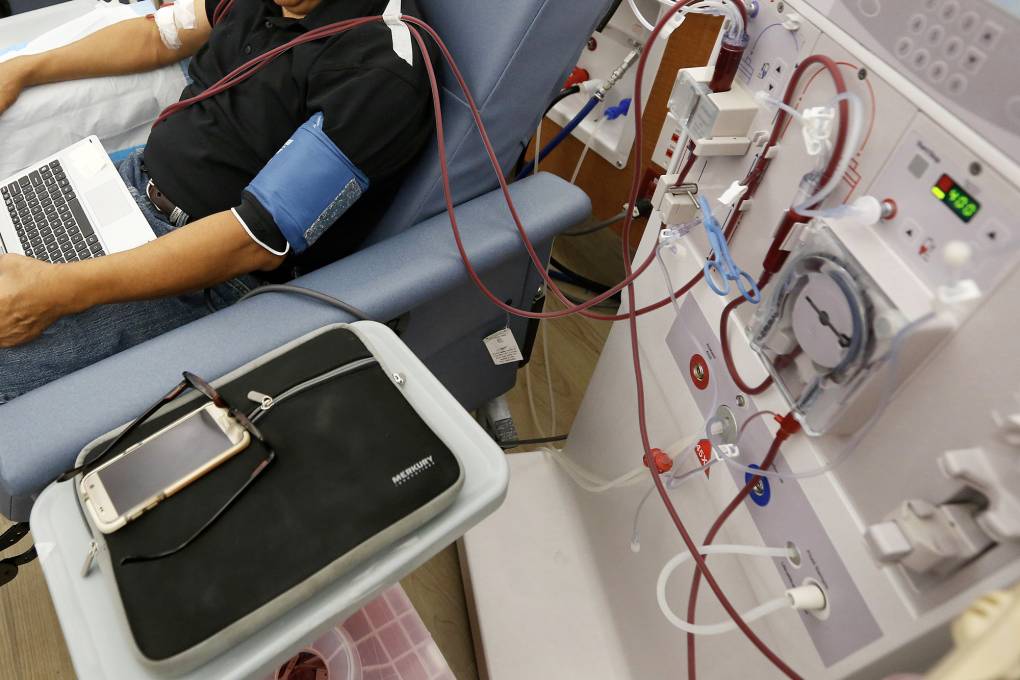
"caption": "A patient undergoes kidney dialysis at a clinic in Sacramento on Sept. 24, 2018.",
"credit": "Rich Pedroncelli/AP Photo",
"altTag": "Wires and an arm attached with wires to a machine.",
"description": null,
"imgSizes": {
"medium": {
"file": "https://cdn.kqed.org/wp-content/uploads/sites/10/2024/08/092418-Dialysis-Center-AP-CM-800x533.jpg",
"width": 800,
"height": 533,
"mimeType": "image/jpeg"
},
"large": {
"file": "https://cdn.kqed.org/wp-content/uploads/sites/10/2024/08/092418-Dialysis-Center-AP-CM-1020x680.jpg",
"width": 1020,
"height": 680,
"mimeType": "image/jpeg"
},
"thumbnail": {
"file": "https://cdn.kqed.org/wp-content/uploads/sites/10/2024/08/092418-Dialysis-Center-AP-CM-160x107.jpg",
"width": 160,
"height": 107,
"mimeType": "image/jpeg"
},
"1536x1536": {
"file": "https://cdn.kqed.org/wp-content/uploads/sites/10/2024/08/092418-Dialysis-Center-AP-CM-1536x1024.jpg",
"width": 1536,
"height": 1024,
"mimeType": "image/jpeg"
},
"post-thumbnail": {
"file": "https://cdn.kqed.org/wp-content/uploads/sites/10/2024/08/092418-Dialysis-Center-AP-CM-672x372.jpg",
"width": 672,
"height": 372,
"mimeType": "image/jpeg"
},
"twentyfourteen-full-width": {
"file": "https://cdn.kqed.org/wp-content/uploads/sites/10/2024/08/092418-Dialysis-Center-AP-CM-1038x576.jpg",
"width": 1038,
"height": 576,
"mimeType": "image/jpeg"
},
"full-width": {
"file": "https://cdn.kqed.org/wp-content/uploads/sites/10/2024/08/092418-Dialysis-Center-AP-CM-1920x1280.jpg",
"width": 1920,
"height": 1280,
"mimeType": "image/jpeg"
},
"kqedFullSize": {
"file": "https://cdn.kqed.org/wp-content/uploads/sites/10/2024/08/092418-Dialysis-Center-AP-CM.jpg",
"width": 2000,
"height": 1333
}
},
"isLoading": false,
"fetchFailed": false
}
},
"audioPlayerReducer": {
"postId": "stream_live",
"isPaused": true,
"isPlaying": false,
"pfsActive": false,
"pledgeModalIsOpen": true,
"playerDrawerIsOpen": false,
"liveAudioPlayStartedAt": 0,
"liveAudioPlayContext": ""
},
"authorsReducer": {
"byline_news_12002545": {
"type": "authors",
"id": "byline_news_12002545",
"meta": {
"override": true
},
"slug": "byline_news_12002545",
"name": "\u003ca href=\"https://calmatters.org/author/natasha-uzcategui-liggett/\">Natasha Uzcátegui-Liggett\u003c/a>, CalMatters",
"isLoading": false
},
"byline_news_12002383": {
"type": "authors",
"id": "byline_news_12002383",
"meta": {
"override": true
},
"slug": "byline_news_12002383",
"name": "\u003ca href=\"https://calmatters.org/author/mikhailzinshteyn\">Mikhail Zinshteyn, \u003c/a>CalMatters",
"isLoading": false
},
"byline_news_12002315": {
"type": "authors",
"id": "byline_news_12002315",
"meta": {
"override": true
},
"slug": "byline_news_12002315",
"name": "\u003ca href=\"https://calmatters.org/author/jenna-peterson\">Jenna Peterson, \u003c/a>CalMatters",
"isLoading": false
},
"byline_news_12002019": {
"type": "authors",
"id": "byline_news_12002019",
"meta": {
"override": true
},
"slug": "byline_news_12002019",
"name": "\u003ca href=\"https://calmatters.org/author/anaibarra/\">Ana B. Ibarra\u003c/a>, CalMatters",
"isLoading": false
},
"byline_news_12002006": {
"type": "authors",
"id": "byline_news_12002006",
"meta": {
"override": true
},
"slug": "byline_news_12002006",
"name": "\u003ca href=\"https://calmatters.org/author/ryan-sabalow\">Ryan Sabalow\u003c/a> and \u003ca href=\"https://calmatters.org/author/jocelyn-wiener\">Jocelyn Wiener, \u003c/a>CalMatters",
"isLoading": false
},
"byline_news_12001829": {
"type": "authors",
"id": "byline_news_12001829",
"meta": {
"override": true
},
"slug": "byline_news_12001829",
"name": "\u003ca href=\"https://calmatters.org/author/feliciacalmatters-org\">Felicia Mello,\u003c/a> CalMatters",
"isLoading": false
},
"byline_news_12001659": {
"type": "authors",
"id": "byline_news_12001659",
"meta": {
"override": true
},
"slug": "byline_news_12001659",
"name": "\u003ca href=\"https://calmatters.org/author/shaanth-nanguneri/\">Shaanth Nanguneri\u003c/a>, CalMatters",
"isLoading": false
},
"byline_news_12001799": {
"type": "authors",
"id": "byline_news_12001799",
"meta": {
"override": true
},
"slug": "byline_news_12001799",
"name": "\u003ca href=\"https://calmatters.org/author/kristen-hwang/\">Kristen Hwang\u003c/a>, CalMatters",
"isLoading": false
},
"byline_news_12001120": {
"type": "authors",
"id": "byline_news_12001120",
"meta": {
"override": true
},
"slug": "byline_news_12001120",
"name": "\u003ca href=\"https://calmatters.org/author/adam-echelman/\">Adam Echelman\u003c/a>, CalMatters",
"isLoading": false
},
"byline_news_12000954": {
"type": "authors",
"id": "byline_news_12000954",
"meta": {
"override": true
},
"slug": "byline_news_12000954",
"name": "\u003ca href=\"https://calmatters.org/author/carolyn-jones/\">Carolyn Jones\u003c/a> and \u003ca href=\"https://calmatters.org/author/khari-johnson/\">Khari Johnson\u003c/a>, CalMatters",
"isLoading": false
},
"byline_news_12000903": {
"type": "authors",
"id": "byline_news_12000903",
"meta": {
"override": true
},
"slug": "byline_news_12000903",
"name": "\u003ca href=\"https://calmatters.org/author/sameea-kamal/\">Sameea Kamal\u003c/a>, CalMatters",
"isLoading": false
},
"byline_news_12000706": {
"type": "authors",
"id": "byline_news_12000706",
"meta": {
"override": true
},
"slug": "byline_news_12000706",
"name": "Kristen Hwang",
"isLoading": false
}
},
"pagesReducer": {
"news_affiliate_calmatters": {
"type": "terms",
"id": "news_18481",
"meta": {
"index": "terms_1716263798",
"site": "news",
"id": "18481",
"score": 15.355862
},
"featImg": null,
"name": "CALmatters",
"description": null,
"taxonomy": "affiliate",
"headData": {
"twImgId": null,
"twTitle": null,
"ogTitle": null,
"ogImgId": null,
"twDescription": null,
"description": null,
"title": "CALmatters Archives | KQED Arts",
"ogDescription": null
},
"ttid": 18515,
"slug": "calmatters",
"isLoading": false,
"title": "CALmatters",
"pageMeta": {
"site": "news",
"WpPageTemplate": "page-topic-editorial",
"currentPage": 26
},
"blocks": [
{
"blockName": "kqed/post-list",
"attrs": {
"layout": "cardArticle2",
"query": "posts/news?affiliate=calmatters",
"seeMore": false,
"paginated": true,
"page": 26
}
},
{
"blockName": "kqed/ad"
}
]
}
},
"pfsSessionReducer": {},
"postsReducer": {
"stream_live": {
"type": "live",
"id": "stream_live",
"audioUrl": "https://streams.kqed.org/kqedradio",
"title": "Live Stream",
"excerpt": "Live Stream information currently unavailable.",
"link": "/radio",
"featImg": "",
"label": {
"name": "KQED Live",
"link": "/"
}
},
"stream_kqedNewscast": {
"type": "posts",
"id": "stream_kqedNewscast",
"audioUrl": "https://www.kqed.org/.stream/anon/radio/RDnews/newscast.mp3?_=1",
"title": "KQED Newscast",
"featImg": "",
"label": {
"name": "88.5 FM",
"link": "/"
}
},
"news_12002545": {
"type": "posts",
"id": "news_12002545",
"meta": {
"index": "posts_1716263798",
"site": "news",
"id": "12002545",
"score": null,
"sort": [
1725115259000
]
},
"guestAuthors": [],
"slug": "will-you-get-the-emergency-alerts-you-need-heres-how-to-sign-up-in-your-county",
"title": "Will You Get the Emergency Alerts You Need? Here's How to Sign Up in Your County",
"publishDate": 1725115259,
"format": "standard",
"headTitle": "Will You Get the Emergency Alerts You Need? Here’s How to Sign Up in Your County | KQED",
"labelTerm": {
"term": 18481,
"site": "news"
},
"content": "\u003cp>Natural disasters \u003ca href=\"https://www.fema.gov/disaster/how-declared\">have affected\u003c/a> nearly \u003ca href=\"https://www.forbes.com/advisor/homeowners-insurance/counties-most-at-risk-for-natural-disasters/\">90% of U.S. counties\u003c/a> since 2013, and while many households know about preparing emergency kits, a \u003ca href=\"https://community.fema.gov/PreparednessConnect/s/article/Results-from-the-2023-National-Household-Survey-on-Disaster-Preparedness\">recent FEMA survey\u003c/a> found a large drop in how many people are signed up to receive emergency alerts and warnings.\u003c/p>\n\u003cp>Early warning systems \u003ca href=\"https://www.un.org/en/climatechange/early-warnings-for-all#:~:text=Early%20warning%20systems%20have%20proven,%243%20to%20%2416%20billion%20annually\">save lives during disasters\u003c/a>. To ensure you can receive these warnings via your phone, text, or email, we recommend turning on your phone’s alerts and signing up for your county’s emergency alert system.\u003c/p>\n\u003cp>\u003cstrong>QUICK LINKS\u003c/strong>: \u003ca href=\"https://calmatters.org/environment/2024/08/california-emergency-alerts/#on-iphones\">Turn on your iPhone’s Wireless Emergency Alerts\u003c/a> | \u003ca href=\"https://calmatters.org/environment/2024/08/california-emergency-alerts/#on-androids\">Turn on your Android’s Wireless Emergency Alerts\u003c/a> | \u003ca href=\"https://calmatters.org/environment/2024/08/california-emergency-alerts/#how-to-sign-up-for-your-countys-alerts\">Sign up for your county’s alerts\u003c/a>\u003c/p>\n\u003ch2>Turn on your phone’s emergency alerts\u003c/h2>\n\u003cp>Wireless Emergency Alerts (\u003ca href=\"https://www.fcc.gov/consumers/guides/wireless-emergency-alerts-wea\">WEAs\u003c/a>) are one-way authorities spread information to the community during an emergency. Most mobile phones are \u003ca href=\"https://www.verizon.com/support/wireless-emergency-alerts-compatible-devices/\">WEA-capable devices\u003c/a>, and alerts are typically enabled by default. But if you’ve ever received an alert or test alert, there’s a chance you may have disabled them after hearing their signature alarm: an insistent and loud blare, accompanied by vibrations, that goes off on every phone in your vicinity. You can turn off some of the alerts you don’t want while receiving the ones you do, so it’s worth checking your phone’s settings.\u003c/p>\n\u003cp>[ad fullwidth]\u003c/p>\n\u003cp>WEAs use cell towers to send notifications to all WEA-capable mobile phones within a specified target area, meaning you receive alerts for your current location, not your home address. WEAs may also occasionally reach some community members \u003ca href=\"https://www.fema.gov/emergency-managers/practitioners/integrated-public-alert-warning-system/public/wireless-emergency-alerts/geographic-accuracy-wea\">outside the target area\u003c/a>, depending on the phones’ technology.\u003c/p>\n\u003cp>Here’s how to make sure your phone can receive WEAs.\u003c/p>\n\u003ch2>On iPhones\u003c/h2>\n\u003col class=\"wp-block-list\">\n\u003cli>Navigate to iPhone \u003cstrong>Settings\u003c/strong>.\u003c/li>\n\u003cli>Select \u003cstrong>Notifications\u003c/strong>.\u003c/li>\n\u003cli>Scroll to the bottom of the \u003cstrong>Notifications\u003c/strong> section to \u003cstrong>GOVERNMENT ALERTS\u003c/strong>.\u003c/li>\n\u003cli>Next to \u003cstrong>Public Safety Alerts\u003c/strong>, toggle the button on (it turns green). These alerts \u003ca href=\"https://www.fcc.gov/consumers/guides/wireless-emergency-alerts-wea\">convey\u003c/a> “recommendations for saving lives and property.”\u003c/li>\n\u003cli>Select \u003cstrong>Emergency Alerts\u003c/strong>.\u003c/li>\n\u003cli>On the following screen, ensure that \u003cstrong>Emergency Alerts\u003c/strong> are toggled on.\u003c/li>\n\u003cli>The \u003cstrong>Local Awareness\u003c/strong> option improves the timeliness and accuracy of emergency alerts in the United States, \u003ca href=\"https://support.apple.com/en-us/102516\">according to Apple\u003c/a>. Toggle to enable or disable.\u003c/li>\n\u003c/ol>\n\u003cp>Here’s \u003ca href=\"https://support.apple.com/en-us/102516\">Apple’s page\u003c/a> on how to turn on emergency alerts.\u003c/p>\n\u003ch2>On Androids\u003c/h2>\n\u003col class=\"wp-block-list\">\n\u003cli>Navigate to Android \u003cstrong>Settings\u003c/strong>.\u003c/li>\n\u003cli>Scroll down and select \u003cstrong>Safety & emergency\u003c/strong>.\u003c/li>\n\u003cli>Select \u003cstrong>Wireless emergency alerts \u003c/strong>at the bottom of the screen.\u003c/li>\n\u003cli>On the following screen, ensure that \u003cstrong>Allow alerts\u003c/strong> is toggled on.\u003c/li>\n\u003cli>Toggle \u003cstrong>Extreme threats\u003c/strong> and \u003cstrong>Severe threats\u003c/strong> to enable or disable alerts for threats to life and property.\u003c/li>\n\u003cli>Toggle \u003cstrong>Public safety messages\u003c/strong> to enable or disable alerts with recommended actions to save lives or property.\u003c/li>\n\u003c/ol>\n\u003cp>You can also visit this \u003ca href=\"https://support.google.com/android/answer/9319337?hl=en#zippy=\">“Android Help”\u003c/a> page and select the blue “Control emergency broadcast notifications” option for instructions on how to manage WEA alert settings on Android.\u003c/p>\n\u003ch2>Local text or email alerts\u003c/h2>\n\u003cp>Authorities may not always use WEAs to circulate information, so it’s also important to enroll in your local government’s emergency alert system. During the deadly 2018 Camp Fire in California, authorities issued evacuation orders through Butte County’s emergency alerts, door-knocking, vehicle-mounted speakers, and social media posts — but did not send any WEAs. At the time, fewer than 40% of residents in \u003ca href=\"https://calmatters.org/environment/2019/10/paradise-california-camp-fire-anniversary-cleanup/\">Paradise, one of the towns destroyed in the fire\u003c/a>, had signed up for the county’s alerts, according to a \u003ca href=\"https://nvlpubs.nist.gov/nistpubs/TechnicalNotes/NIST.TN.2252.pdf\">2023 report (PDF)\u003c/a>.\u003c/p>\n\u003cp>According to \u003ca href=\"https://riversideca.gov/readyriverside/be-informed/alerts-warnings/alerts-warnings\">Riverside County’s alerts and warnings page\u003c/a>, “Wireless Emergency Alerts are important, but some of the most locally-specific and timely information can come from opt-in mass notification services like RiversideAlert.” Although some of these systems automatically enroll landline numbers, Californians must opt in to receive notifications on their mobile devices or via email.\u003c/p>\n\u003cp>There is no standardized emergency alert system across the United States; the enrollment process and your notification system’s features differ based on where you live. Different governments’ mass notification systems may include different types of alerts. Some only notify you in extreme situations, such as disaster evacuations, while others may also send alerts for missing persons or police activity. Note what kind of alerts your local system offers before signing up, and keep in mind you can often choose what type of alerts you’d like to receive.\u003c/p>\n\u003cp>[aside label=\"Related Stories\" postID=\"news_11999982,news_11971374,news_11834901\"]\u003c/p>\n\u003cp>Users will typically be asked to provide their mobile number, email, and street address. Many emergency alert systems have the option to register multiple street addresses, allowing you to keep tabs on other significant locations like your workplace or kids’ schools. Some also allow you to customize whether you’d like to receive alerts via phone call, text message, or email and offer language and accessibility options. If customization options are not offered during initial enrollment, you may be able to log in after enrolling to change your settings and add additional information.\u003c/p>\n\u003cp>Emergency alert systems are often run through third parties. Common ones include OnSolve CodeRED, Everbridge, Rave Mobile Safety’s Smart 911, and Genasys. If your local government uses a third-party system, you will generally be directed to that company’s website to enroll. Once you receive an emergency alert (or a signup confirmation), we recommend that you save the number to your Contacts and \u003ca href=\"https://www.theverge.com/2019/9/26/20883331/iphone-do-not-disturb-mode-exceptions-how-to\">exclude it from being blocked\u003c/a> when using your cell phone’s Do Not Disturb features.\u003c/p>\n\u003cp>Even if you’ve signed up for alerts previously, it’s worth checking to make sure you’re still registered with your county. Some \u003ca href=\"https://www.shastacounty.gov/community/page/alertshasta-shasta-countys-new-public-warning-system\">governments\u003c/a> may have \u003ca href=\"https://humboldtgov.org/2014/Emergency-Notifications\">transitioned\u003c/a> to new systems and might not have migrated residents’ information.\u003c/p>\n\u003ch2>\u003cspan style=\"color: #000000\">How to sign up for your county’s alerts\u003c/span>\u003c/h2>\n\u003cp>Follow our instructions below to sign up for the most up-to-date alerts as of August 2024.\u003c/p>\n\u003cp>\u003cspan style=\"color: #000000\">The list only includes information for California counties’ primary emergency alert systems. Some local governments may offer additional alerts through systems like Nixle or Notify Me, but no county in California uses either of these as its primary emergency alert system. If you are only registered with Nixle or Notify Me, you may miss crucial emergency alerts.\u003c/span>\u003c/p>\n\u003cp>\u003cspan style=\"color: #000000\">\u003cstrong>Find your county\u003c/strong>\u003c/span>\u003c/p>\n\u003cp>\u003cspan style=\"color: #000000\">\u003cstrong>\u003ca style=\"color: #000000\" href=\"https://www.acgov.org/ready/connect.htm\">Alameda County\u003c/a>:\u003c/strong> In the black “AC ALERT” box, click on the yellow “Subscribe” button to get to an Everbridge registration portal. Follow instructions to enroll.\u003c/span>\u003c/p>\n\u003cp>\u003cspan style=\"color: #000000\">\u003cstrong>\u003ca style=\"color: #000000\" href=\"https://www.alpinecountyca.gov/204/Sheriff\">Alpine County\u003c/a>:\u003c/strong> In the “SIGN UP FOR REVERSE 911” section, follow the blue Douglas County link, then click “Proceed to Site.” Check the box next to “Yes, I agree” to agree to the terms, then click “Continue” to proceed to the Douglas County, Nev. registration portal. Enter your information to enroll. Alpine County Public Information Officer JT Chevallier confirmed to CalMatters that the county uses the Douglas County system to send emergency alerts.\u003c/span>\u003c/p>\n\u003cp>\u003cspan style=\"color: #000000\">\u003cstrong>\u003ca style=\"color: #000000\" href=\"https://www.amadorgov.org/departments/office-of-emergency-services/amador-county-emergency-alerts\">Amador County\u003c/a>:\u003c/strong> Click on the blue “Amador County Emergency Alerts” link toward the bottom of the page to get to the Smart911 registration portal. Click on the green “SIGN UP NOW” button to create an account. If you previously registered with the CodeRED system, Amador County encourages you to register with the current system, Amador County Emergency Alerts, to continue receiving emergency notifications.\u003c/span>\u003c/p>\n\u003cp>\u003cspan style=\"color: #000000\">\u003cstrong>\u003ca style=\"color: #000000\" href=\"https://www.buttecounty.net/1757/Be-Prepared\">Butte County\u003c/a>:\u003c/strong> Click on the green “Sign up for BCSO CodeRED Notifications” link and select the “Proceed to Site” button to get to the CodeRED registration portal. Creating a managed account allows you to change notification settings in the future and add additional addresses. You can also create a guest account. In addition to emergency notifications, you can choose to receive “General Notifications” and severe weather alerts.\u003c/span>\u003c/p>\n\u003cp>\u003cspan style=\"color: #000000\">\u003cstrong>\u003ca style=\"color: #000000\" href=\"https://fireprevention.calaverasgov.us/Emergency-Alerts\">Calaveras County\u003c/a>:\u003c/strong> Click on the “SIGN UP FOR CALAVERAS ALERT” image to get to the Everbridge registration portal. Click the blue “SIGN UP HERE” link to create a new account. You can choose to receive severe weather alerts and customize the alert delivery method.\u003c/span>\u003c/p>\n\u003cp>\u003cspan style=\"color: #000000\">\u003cstrong>\u003ca style=\"color: #000000\" href=\"https://countyofcolusa.org/64/Emergency-Alert\">Colusa County\u003c/a>:\u003c/strong> Under the “Our Emergency Alerts” section, click the green “Sign up for Emergency alerts from RAVE Mobile” link to get to the Rave registration portal. Click on the green “REGISTER” button in the upper right-hand corner. Follow the instructions to register.\u003c/span>\u003c/p>\n\u003cp>\u003cspan style=\"color: #000000\">\u003cstrong>\u003ca style=\"color: #000000\" href=\"https://www.contracosta.ca.gov/5435/Public-Safety-Emergency-Info\">Contra Costa County\u003c/a>:\u003c/strong> Click on the “Community Warning System” link. In the black box with a yellow alert icon, click “Register to Receive Emergency Alerts” to get to the emergency alert system site. Click “Acknowledge” to proceed, then enter your information to register.\u003c/span>\u003c/p>\n\u003cp>\u003cspan style=\"color: #000000\">\u003cstrong>\u003ca style=\"color: #000000\" href=\"https://www.co.del-norte.ca.us/CommunityAlertSystem\">Del Norte County\u003c/a>:\u003c/strong> Click the “SIGN UP NOW!” link in the Del Norte Community Alert System Section to get to the Everbridge registration portal. Create an account, then follow instructions to register.\u003c/span>\u003c/p>\n\u003cp>\u003cspan style=\"color: #000000\">\u003cstrong>\u003ca style=\"color: #000000\" href=\"https://www.eldoradocounty.ca.gov/Home/Tabs/Emergency-Alert-System\">El Dorado County\u003c/a>:\u003c/strong> Click the blue “Alert Notification System ‘RAVE’” link to get to the sign-up instructions page. Update your Contacts with the emergency alerts phone number listed under the “Save El Dorado County Emergency Alerts in your Contacts” section. Under “New Users,” select the “CLICK HERE” link to proceed to a Smart911 registration portal. Follow the instructions to register.\u003c/span>\u003c/p>\n\u003cp>\u003cspan style=\"color: #000000\">\u003cstrong>\u003ca style=\"color: #000000\" href=\"https://www.fresnocountyca.gov/Resources/Fresno-County-Emergency\">Fresno County\u003c/a>:\u003c/strong> Scroll down to the black “Register to receive Emergency Alerts” button, located in a red box. Click the button to proceed to the Everbridge registration portal. Create an account, then follow instructions to enroll.\u003c/span>\u003c/p>\n\u003cp>\u003cspan style=\"color: #000000\">\u003cstrong>\u003ca style=\"color: #000000\" href=\"https://www.countyofglenn.net/government/departments/sheriff/office-emergency-services\">Glenn County\u003c/a>:\u003c/strong> Scroll down to the blue “Sign up for CodeRed Emergency Alerts” link. Click the link, then click “OK” to proceed to the CodeRED registration portal. Creating a managed account that allows you to change notification settings in the future and add additional addresses. You can also create a guest account. In addition to emergency notifications, you can choose to receive “General Notifications” and severe weather alerts. Alerts can be received in English or Spanish.\u003c/span>\u003c/p>\n\u003cp>\u003cspan style=\"color: #000000\">\u003cstrong>\u003ca style=\"color: #000000\" href=\"https://humboldtgov.org/2014/Emergency-Notifications\">Humboldt County\u003c/a>:\u003c/strong> Scroll down to read Humboldt Alert Sign Up Instructions or click on the “SIGN UP FOR NOTIFICATIONS” button to proceed to the Everbridge registration portal. Click on the red “SIGN UP HERE” link to create a new account. You can add up to five addresses, include pertinent information about family members’ needs, and choose how you would like alerts delivered. If you previously registered with VESTA Alert, you need to register for the current system, Humboldt ALERT, to continue to receive notifications.\u003c/span>\u003c/p>\n\u003cp>\u003cspan style=\"color: #000000\">\u003cstrong>\u003ca style=\"color: #000000\" href=\"https://imperialcotens.onthealert.com/Terms/Index/?ReturnUrl=%2f\">Imperial County:\u003c/a>\u003c/strong> Check the box next to “Yes, I agree” to agree to the terms, then click “Continue” to proceed to the registration page. Follow instructions to enroll. As of publication, the Imperial County Public Health Department’s Reverse 911 website has a registration link that does not work. Imperial County Public Information Officer Eddie Lopez provided the alternative registration link and said the county is working on making updates to the outdated county page.\u003c/span>\u003c/p>\n\u003cp>\u003cspan style=\"color: #000000\">\u003cstrong>\u003ca style=\"color: #000000\" href=\"https://www.inyocounty.us/services/emergency-services/emergency-alerts-and-warnings\">Inyo County\u003c/a>:\u003c/strong> At the bottom of the page, click on the blue link following “Sign up for CodeRED automatic alerts here” to get to a CodeRED registration portal. Creating a managed account allows you to change notification settings in the future and add additional addresses. You can also create a guest account. In addition to emergency notifications, you can choose to receive “General Notifications.”\u003c/span>\u003c/p>\n\u003cp>\u003cspan style=\"color: #000000\">\u003cstrong>\u003ca style=\"color: #000000\" href=\"https://kerncountyfire.org/education-safety/ready-kern/\">Kern County\u003c/a>:\u003c/strong> Scroll to the bottom of the page, in the blue “Sign Up for Emergency Alerts” section, click the “CLICK HERE TO REGISTER” button to get to the Everbridge registration portal; follow instructions to enroll.\u003c/span>\u003c/p>\n\u003cp>\u003cspan style=\"color: #000000\">\u003cstrong>\u003ca style=\"color: #000000\" href=\"https://www.kingsoes.com/alert\">Kings County\u003c/a>:\u003c/strong> Click the “SIGN UP HERE” link, located in the red button. This will redirect you to a Smart911 registration portal. Click the green “SIGN UP NOW” button to create a new account. Follow instructions to enroll. As of publication, King County’s Office of Emergency Management website contains a registration link that does not work.\u003c/span>\u003c/p>\n\u003cp>\u003cspan style=\"color: #000000\">\u003cstrong>\u003ca style=\"color: #000000\" href=\"https://www.lakecountyca.gov/869/LakeCoAlerts\">Lake County\u003c/a>:\u003c/strong> Click the green “Register for LakeCoAlerts” link, then select the “Proceed to Site” button to get to the Everbridge registration portal. Select the “Sign Up” option in the upper right-hand corner to create an account. In your account, you can register up to five addresses and choose how you want notifications delivered to you. The \u003ca style=\"color: #000000\" href=\"https://www.lakecountyca.gov/869/LakeCoAlerts\">LakeCoAlerts page\u003c/a> lists the numbers used by LakeCoAlerts, which you should save to your Contacts.\u003c/span>\u003c/p>\n\u003cp>\u003cspan style=\"color: #000000\">\u003cstrong>\u003ca style=\"color: #000000\" href=\"https://www.lassencounty.org/alerts\">Lassen County\u003c/a>:\u003c/strong> Under “Click Below to register to receive alerts,” click the “BE PREPARED Before an Emergency Strikes” banner to get to a Genasys registration portal; follow instructions to enroll. In your account portal, click the bell icon in the menu on the left to control which types of notifications you receive.\u003c/span>\u003c/p>\n\u003cp>\u003cspan style=\"color: #000000\">\u003cstrong>\u003ca style=\"color: #000000\" href=\"https://ready.lacounty.gov/alerts/\">Los Angeles County\u003c/a>:\u003c/strong> Click the green “REGISTER FOR ALERT LA COUNTY” button to get to a CodeRED registration portal. Creating a managed account allows you to change notification settings in the future and add additional addresses. You can also create a guest account. In addition to emergency notifications, you can choose to receive “General Notifications” and severe weather alerts.\u003c/span>\u003c/p>\n\u003cp>\u003cspan style=\"color: #000000\">\u003cstrong>\u003ca style=\"color: #000000\" href=\"https://www.maderacounty.com/government/sheriff/office-of-emergency-services/summer-heat\">Madera County\u003c/a>:\u003c/strong> Follow the blue “www.mcalert.org” link to get to an Everbridge registration portal. Click the “Sign Up” option to create a new account. Follow instructions to enroll. You can choose to receive “Weather Notifications” and “Non-Emergency Notifications” in addition to emergency alerts.\u003c/span>\u003c/p>\n\u003cp>\u003cspan style=\"color: #000000\">\u003cstrong>\u003ca style=\"color: #000000\" href=\"https://emergency.marincounty.org/pages/alertmarin\">Marin County\u003c/a>:\u003c/strong> Click the blue “Sign-up for AlertMarin” link to get to an Everbridge registration portal. Follow instructions to enroll.\u003c/span>\u003c/p>\n\u003cp>\u003cspan style=\"color: #000000\">\u003cstrong>\u003ca style=\"color: #000000\" href=\"https://www.mariposacounty.org/1795/Office-of-Emergency-Services\">Mariposa County\u003c/a>:\u003c/strong> In the beige menu (on the left side of the page on desktop and closer to the bottom third of the page on mobile), select “Emergency Alerts Sign-up” to get to an Everbridge registration portal. Click the blue “SIGN UP HERE” link or select the “Sign Up” option in the upper right-hand menu.\u003c/span>\u003c/p>\n\u003cp>\u003cspan style=\"color: #000000\">\u003cstrong>\u003ca style=\"color: #000000\" href=\"https://www.mendocinocounty.gov/government/executive-office/office-of-emergency-services/emergency-notifications-and-alerts\">Mendocino County\u003c/a>:\u003c/strong> In the “How to Sign Up” section, follow the green “Visit the Everbridge Registration page to Sign up for the MendoAlert, the Mendocino County Emergency Notification and Alert System” link to get to an Everbridge registration portal. Follow instructions to create an account. In your account, you will be able to register multiple addresses and have the option to add information about your family’s access or functional needs.\u003c/span>\u003c/p>\n\u003cp>\u003cspan style=\"color: #000000\">\u003cstrong>\u003ca style=\"color: #000000\" href=\"https://www.countyofmerced.com/1922/Merced-County-Emergency-Notification-Sys\">Merced County\u003c/a>:\u003c/strong> Click on the red “Register for the Merced County Emergency Notification System” button to get to an Everbridge registration portal. Click the red “SIGN UP HERE” link to create a new account. Follow instructions to register.\u003c/span>\u003c/p>\n\u003cp>\u003cspan style=\"color: #000000\">\u003cstrong>\u003ca style=\"color: #000000\" href=\"https://www.modocsheriff.us/office-emergency-services\">Modoc County\u003c/a>:\u003c/strong> In the menu (on the left side of the page on desktop and near the bottom of the page on mobile), select “Genasys Emergency Notification” to get to a Genasys login page. Select the green “Click here to register” link located beneath the “Log In” button. Follow instructions to enroll.\u003c/span>\u003c/p>\n\u003cp>\u003cspan style=\"color: #000000\">\u003cstrong>\u003ca style=\"color: #000000\" href=\"https://ready.mono.ca.gov/\">Mono County\u003c/a>:\u003c/strong> Click on the white “Sign Up for Emergency Alerts” link to get to a Genasys registration portal. Follow instructions to enroll.\u003c/span>\u003c/p>\n\u003cp>\u003cspan style=\"color: #000000\">\u003cstrong>\u003ca style=\"color: #000000\" href=\"https://www.readymontereycounty.org/prepare/stay-informed\">Monterey County\u003c/a>:\u003c/strong> Click the green “Sign Up for Alerts” button to get to a Genasys registration portal. Take note of the phone numbers and emails the emergency alert notifications will be coming from and save them to your Contacts. Scroll to the bottom of the page and select “Click here to register” to create a new account. Follow instructions to enroll.\u003c/span>\u003c/p>\n\u003cp>\u003cspan style=\"color: #000000\">\u003cstrong>\u003ca style=\"color: #000000\" href=\"https://readynapacounty.org/214/ALERT-Napa-County\">Napa County\u003c/a>:\u003c/strong> Click the blue “Sign Up” button to get to an Everbridge registration portal. Follow instructions to enroll. You can choose to receive notifications from various agencies.\u003c/span>\u003c/p>\n\u003cp>\u003cspan style=\"color: #000000\">\u003cstrong>\u003ca style=\"color: #000000\" href=\"https://www.nevadacountyca.gov/3780/Emergency-Alerts\">Nevada County\u003c/a>:\u003c/strong> The page lists emergency alert numbers to save to your Contacts. Click the red “Register CodeRed” button on the right-hand side of the page to get to a CodeRED registration portal. Creating a managed account allows you to change notification settings in the future and add additional addresses. You can also create a guest account. In addition to emergency notifications, you can choose to receive “General Notifications” and severe weather alerts.\u003c/span>\u003c/p>\n\u003cp>\u003cspan style=\"color: #000000\">\u003cstrong>\u003ca style=\"color: #000000\" href=\"https://www.ocgov.com/about-county/emergency\">Orange County\u003c/a>:\u003c/strong> In the “Register Alternate Phone Numbers with AlertOC” section, follow the blue “AlertOC” link to get to an Everbridge registration portal. Select the “Sign Up” option from the menu in the top right-hand corner of the page to create a new account. Follow instructions to enroll.\u003c/span>\u003c/p>\n\u003cp>\u003cspan style=\"color: #000000\">\u003cstrong>\u003ca style=\"color: #000000\" href=\"https://www.placer.ca.gov/2426/Placer-Alert\">Placer County\u003c/a>:\u003c/strong> On the “Placer Alert” page, click the “Citizen Alert Notification Sign Up” button or follow the green “Placer Alert system” link. Either of these will redirect you to the Everbridge registration portal. Select the “Sign Up” option from the menu to create a new account. Follow instructions to enroll.\u003c/span>\u003c/p>\n\u003cp>\u003cspan style=\"color: #000000\">\u003cstrong>\u003ca style=\"color: #000000\" href=\"https://www.plumascounty.us/2163/Genasys-Emergency-Alert-System\">Plumas County\u003c/a>:\u003c/strong> Scroll down to the red “Rapid Emergency Notification System — Register Now” link. Follow this link to the Genasys registration portal, or continue scrolling down for detailed registration steps. On the Genasys registration portal, select the “Click here to register” link below the “LOG IN” button to create a new account. Follow instructions to enroll.\u003c/span>\u003c/p>\n\u003cp>\u003cspan style=\"color: #000000\">\u003cstrong>\u003ca style=\"color: #000000\" href=\"https://rivcoready.org/alert-rivco\">Riverside County\u003c/a>:\u003c/strong> Scroll down to the Alert RivCo registration form. Enter your information here to enroll. After enrolling, log in to your account to register your address with the system. You can choose to receive general notifications in addition to emergency notifications.\u003c/span>\u003c/p>\n\u003cp>\u003cspan style=\"color: #000000\">\u003cstrong>\u003ca style=\"color: #000000\" href=\"https://sacramentoready.saccounty.gov/Pages/Emergency-Alerts-Notification-System.aspx\">Sacramento County\u003c/a>:\u003c/strong> Click on the blue “Sign up now on the Emergency Alerts website” link to proceed to the Smart911 registration portal. Select the green “SIGN UP NOW” button to enroll. In your account, you can add additional addresses and include medical, access, and functional needs of your family. You may also choose which types of alerts you’d like to receive and customize the delivery method.\u003c/span>\u003c/p>\n\u003cp>\u003cspan style=\"color: #000000\">\u003cstrong>\u003ca style=\"color: #000000\" href=\"https://www.sanbenitocountyca.gov/departments/office-of-emergency-services-oes-and-emergency-medical-services\">San Benito County\u003c/a>:\u003c/strong> Scroll down to the “Register with Genasys to Stay Informed!” section. Click on the orange link next to the SBC alert icon to proceed to the Genasys registration portal. This page lists the emergency alert numbers to save to your Contacts. Select the “Click here to register” link at the bottom of the page beneath the “LOG IN” button to create a new account. Follow instructions to enroll.\u003c/span>\u003c/p>\n\u003cp>\u003cspan style=\"color: #000000\">\u003cstrong>\u003ca style=\"color: #000000\" href=\"https://wp.sbcounty.gov/sheriff/alerts/\">San Bernardino County\u003c/a>:\u003c/strong> In the “TENS” section, click the blue “Register today” link to get to a Smart911 login page. Click the green “SIGN UP NOW” button to create a new account. Follow instructions to enroll.\u003c/span>\u003c/p>\n\u003cp>\u003cspan style=\"color: #000000\">\u003cstrong>\u003ca style=\"color: #000000\" href=\"https://www.sandiegocounty.gov/\">San Diego County\u003c/a>:\u003c/strong> Scroll down to the orange “AlertSanDiego” box and click the white “Register for emergency alerts” link to get to the Alert San Diego website. Click the green “Register for Emergency Alerts” option in the menu at the top of the page. Enter your information to enroll.\u003c/span>\u003c/p>\n\u003cp>\u003cspan style=\"color: #000000\">\u003cstrong>\u003ca style=\"color: #000000\" href=\"https://www.sf.gov/information/be-know-official-emergency-alerts\">San Francisco County\u003c/a>:\u003c/strong> In the “Sign up for AlertSF” section, click the blue “alertsf.org” link, which will redirect you to an Everbridge registration portal. Select the “Sign Up” option in the menu in the top right-hand corner. Follow instructions to enroll.\u003c/span>\u003c/p>\n\u003cp>\u003cspan style=\"color: #000000\">\u003cstrong>\u003ca style=\"color: #000000\" href=\"https://sjready.org/stay-informed\">San Joaquin County\u003c/a>:\u003c/strong> Click the orange “SIGN UP FOR SJREADY” button in the “SJReady — Community Notification System” section to get to theEverbridge registration portal. Click the blue “SIGN UP HERE” link to create an account. Follow instructions to enroll.\u003c/span>\u003c/p>\n\u003cp>\u003cspan style=\"color: #000000\">\u003cstrong>\u003ca style=\"color: #000000\" href=\"https://www.prepareslo.org/en/reverse-9-1-1.aspx\">San Luis Obispo County\u003c/a>:\u003c/strong> Scroll down to the “Register” button outlined in blue. Click this to proceed to a Smart911 registration portal. Follow instructions to enroll. The county switched to this alert system in October 2023 and recommends you re-register with the new system if you were enrolled with the previous one.\u003c/span>\u003c/p>\n\u003cp>\u003cspan style=\"color: #000000\">\u003cstrong>\u003ca style=\"color: #000000\" href=\"https://www.smcgov.org/dem/smc-alert\">San Mateo County\u003c/a>:\u003c/strong> Scroll down to the blue “Register Now” button near the bottom. Click the button to proceed to the Smart911 registration portal. Follow instructions to enroll. You can opt in to receive precautionary warnings in addition to emergency alerts.\u003c/span>\u003c/p>\n\u003cp>\u003cspan style=\"color: #000000\">\u003cstrong>\u003ca style=\"color: #000000\" href=\"https://www.readysbc.org/\">Santa Barbara County\u003c/a>:\u003c/strong> Click the “Sign Up for ReadySBC Alerts” link in the orange box to get to the Everbridge registration portal. Follow instructions to enroll.\u003c/span>\u003c/p>\n\u003cp>\u003cspan style=\"color: #000000\">\u003cstrong>\u003ca style=\"color: #000000\" href=\"https://emergencymanagement.sccgov.org/AlertSCC\">Santa Clara County\u003c/a>:\u003c/strong> Scroll down to the “Sign Up Today!” section and click on the blue “Sign Up” button to get to the Everbridge registration portal. Follow instructions to enroll.\u003c/span>\u003c/p>\n\u003cp>\u003cspan style=\"color: #000000\">\u003cstrong>\u003ca style=\"color: #000000\" href=\"https://www.santacruzcountyca.gov/OR3/Response/PlanandPrepare/AlertNotificationApplication.aspx\">Santa Cruz County\u003c/a>:\u003c/strong> Click the blue “Cruz Aware Registration” link to get to the Genasys login page. Save the emergency alerts phone numbers to your Contacts. Select the “Click here to register” link under the “LOG IN” button to create a new account. Follow instructions to register. After registering, click the bell icon in the menu to customize which types of notifications you’d like to receive. Santa Cruz County is no longer using the CodeRED system; you should register with the new system if you had enrolled previously.\u003c/span>\u003c/p>\n\u003cp>\u003cspan style=\"color: #000000\">\u003cstrong>\u003ca style=\"color: #000000\" href=\"https://www.shastacounty.gov/ready/page/wildfire-overview\">Shasta County\u003c/a>:\u003c/strong> In the “Resources” section, follow the blue “Alert Shasta” link to get to the Genasys registration portal. Save the emergency alerts phone numbers to your Contacts. Under the “LOG IN” button, select the “Click here to register” link to create a new account. Follow instructions to register. Shasta County switched to a new emergency alert system on May 1, 2024, and asks that you register with the new system even if you were registered with the previous CodeRED system.\u003c/span>\u003c/p>\n\u003cp>\u003cspan style=\"color: #000000\">\u003cstrong>\u003ca style=\"color: #000000\" href=\"https://www.sierracounty.ca.gov/676/Emergency-Alerts\">Sierra County\u003c/a>:\u003c/strong> Under the “Stay Informed” section, follow the blue “Everbridge Emergency Alert System” link, then click the “Proceed to Site” button to access the Everbridge registration portal. Select the “Sign Up” option in the top right corner to create a new account. Follow instructions to register.\u003c/span>\u003c/p>\n\u003cp>\u003cspan style=\"color: #000000\">\u003cstrong>\u003ca style=\"color: #000000\" href=\"https://www.co.siskiyou.ca.us/publichealth/page/siskiyou-county-emergency-preparedness-guide-stay-informed\">Siskiyou County\u003c/a>:\u003c/strong> Click the “ReadySiskiyou-Alerts (Smart911)” link to get to the Smart911 registration portal. Click the green “SIGN UP NOW” button. Follow instructions to register.\u003c/span>\u003c/p>\n\u003cp>\u003cspan style=\"color: #000000\">\u003cstrong>\u003ca style=\"color: #000000\" href=\"https://www.solanocounty.com/depts/oes/alertsolano/information.asp\">Solano County\u003c/a>:\u003c/strong> Follow the blue “CLICK HERE TO REGISTER” link in the white box to get to the Everbridge registration page. Follow instructions to enroll.\u003c/span>\u003c/p>\n\u003cp>\u003cspan style=\"color: #000000\">\u003cstrong>\u003ca style=\"color: #000000\" href=\"https://sonomacounty.ca.gov/administrative-support-and-fiscal-services/emergency-management/resources/soco-alert\">Sonoma County\u003c/a>:\u003c/strong> Click the blue “Sign up for SoCoAlert Today!” link near the bottom of the page to get to the CodeRED registration portal. Creating a managed account allows you to change notification settings in the future and add additional addresses. You can also create a guest account. In addition to emergency notifications, you can choose to receive “General Notifications” and severe weather alerts.\u003c/span>\u003c/p>\n\u003cp>\u003cspan style=\"color: #000000\">\u003cstrong>\u003ca style=\"color: #000000\" href=\"https://www.stanoes.com/stanemergency/register-for-alerts\">Stanislaus County\u003c/a>:\u003c/strong> Scroll down to the blue “Everbridge Member Portal” link. Click this link and wait until it redirects you to the Everbridge registration portal. Follow instructions to register.\u003c/span>\u003c/p>\n\u003cp>\u003cspan style=\"color: #000000\">\u003cstrong>\u003ca style=\"color: #000000\" href=\"https://www.suttercounty.org/government/county-departments/office-of-emergency-services\">Sutter County\u003c/a>:\u003c/strong> Scroll down to the blue “CODE RED” button at the bottom of the page. Click on this button to proceed to the CodeRED registration portal. Creating a managed account allows you to change notification settings in the future and add additional addresses. You can also create a guest account. In addition to emergency notifications, you can choose to receive “General Notifications.”\u003c/span>\u003c/p>\n\u003cp>\u003cspan style=\"color: #000000\">\u003cstrong>\u003ca style=\"color: #000000\" href=\"https://tehamaso.org/tehama-alert/\">Tehama County\u003c/a>:\u003c/strong> In the yellow “Tehama Alert” box near the bottom of the page, click on the green “Sign up for Tehama Alert” button to get to an Everbridge registration portal. Follow instructions to register.\u003c/span>\u003c/p>\n\u003cp>\u003cspan style=\"color: #000000\">\u003cstrong>\u003ca style=\"color: #000000\" href=\"https://www.trinitycounty.org/oes/codered\">Trinity County\u003c/a>:\u003c/strong> Click the blue CodeRED link next to “CodeRED Signup” and select“OK” to proceed to the CodeRED registration portal. Creating a managed account allows you to change notification settings in the future and add additional addresses. You can also create a guest account. In addition to emergency notifications, you can choose to receive “General Notifications” and severe weather alerts.\u003c/span>\u003c/p>\n\u003cp>\u003cspan style=\"color: #000000\">\u003cstrong>\u003ca style=\"color: #000000\" href=\"https://oes.tularecounty.ca.gov/oes/preparedness/be-informed/stay-informed/\">Tulare County\u003c/a>:\u003c/strong> Click the “Register with AlertTC” image or click the blue “www.AlertTC.com” link to get to the AlertTC website. Next, click the blue “Register Now or Login Here” link to proceed to the Everbridge registration portal. Select the “Sign Up” option from the menu in the upper right-hand corner to create a new account. Follow instructions to enroll.\u003c/span>\u003c/p>\n\u003cp>\u003cspan style=\"color: #000000\">\u003cstrong>\u003ca style=\"color: #000000\" href=\"https://www.tuolumnecounty.ca.gov/1170/Emergency-Alerts\">Tuolumne County\u003c/a>:\u003c/strong> Scroll down until you see the words “CLICK HERE TO REGISTER” in large, green font. Follow the “HERE” link to proceed to the Everbridge registration portal. Select the “Sign Up” option from the menu in the upper right-hand corner. Follow instructions to enroll.\u003c/span>\u003c/p>\n\u003cp>\u003cspan style=\"color: #000000\">\u003cstrong>\u003ca style=\"color: #000000\" href=\"https://www.readyventuracounty.org/vc-alert/\">Ventura County\u003c/a>:\u003c/strong> Click the red “REGISTER HERE” button on the right-hand side of the page to get to an Everbridge registration portal. Select the “Sign Up” option from the menu in the upper right-hand corner of the page. Follow instructions to register.\u003c/span>\u003c/p>\n\u003cp>\u003cspan style=\"color: #000000\">\u003cstrong>\u003ca style=\"color: #000000\" href=\"https://www.yolocounty.gov/government/general-government-departments/office-of-emergency-services/alerts\">Yolo County\u003c/a>:\u003c/strong> In the “Sign up for Alerts” section, click the blue “Alert Yolo” link to get to the Everbridge registration portal. Select the “Sign Up” option from the menu in the upper right-hand corner of the page. Follow instructions to register.\u003c/span>\u003c/p>\n\u003cp>\u003cspan style=\"color: #000000\">\u003cstrong>\u003ca style=\"color: #000000\" href=\"https://www.yuba.org/departments/emergency_services/BePreparedYuba.php\">Yuba County\u003c/a>:\u003c/strong> In the yellow “STAY CONNECTED!” box, click the “Click here to register for CodeRED” button to get to the registration portal. Creating a managed account allows you to change notification settings in the future and add additional addresses. You can also create a guest account. In addition to emergency notifications, you can choose to receive “General Notifications.”\u003c/span>\u003c/p>\n\u003cp>One note: Listos California, part of the Governor’s Office of Emergency Services, provides a \u003ca href=\"https://www.listoscalifornia.org/alerts/\">look-up tool\u003c/a> to find alerts in California. Daniel Gutiérrez, Project Manager at Listos California, said that the office relies on counties to reach out when they change alert systems. This may occasionally lead to the tool providing outdated information.\u003c/p>\n\u003cp>Signing up for emergency alerts is a crucial first step in preparing for a natural disaster, but it’s not the last. Alerts delivered via phone or email rely on some combination of phone service, internet, and power, all of which could go down during a natural disaster. Government agencies, however, have also used non-electronic emergency alerts for a long time, including door-to-door knocking or vehicle-mounted speakers. But you may find yourself in a position where you need to evacuate an area before an official order has even been issued. So don’t forget to develop a comprehensive \u003ca href=\"https://www.ready.gov/plan\">disaster plan\u003c/a> and review it with your household.\u003c/p>\n\u003cp>[ad floatright]\u003c/p>\n",
"blocks": [],
"excerpt": "Early warning systems save lives during disasters like wildfires. But a recent FEMA survey found that only a third of people are signed up. Use this resource to find your county’s emergency alert sign-up page.",
"status": "publish",
"parent": 0,
"modified": 1725114767,
"stats": {
"hasAudio": false,
"hasVideo": false,
"hasChartOrMap": false,
"iframeSrcs": [],
"hasGoogleForm": false,
"hasGallery": false,
"hasHearkenModule": false,
"hasPolis": false,
"paragraphCount": 80,
"wordCount": 4520
},
"headData": {
"title": "Will You Get the Emergency Alerts You Need? Here's How to Sign Up in Your County | KQED",
"description": "Early warning systems save lives during disasters like wildfires. But a recent FEMA survey found that only a third of people are signed up. Use this resource to find your county’s emergency alert sign-up page.",
"ogTitle": "",
"ogDescription": "",
"ogImgId": "",
"twTitle": "",
"twDescription": "",
"twImgId": "",
"schema": {
"@context": "https://schema.org",
"@type": "NewsArticle",
"headline": "Will You Get the Emergency Alerts You Need? Here's How to Sign Up in Your County",
"datePublished": "2024-08-31T07:40:59-07:00",
"dateModified": "2024-08-31T07:32:47-07:00",
"image": "https://cdn.kqed.org/wp-content/uploads/2020/02/KQED-OG-Image@1x.png",
"isAccessibleForFree": "True",
"publisher": {
"@type": "NewsMediaOrganization",
"@id": "https://www.kqed.org/#organization",
"name": "KQED",
"logo": "https://cdn.kqed.org/wp-content/uploads/2020/02/KQED-OG-Image@1x.png",
"url": "https://www.kqed.org",
"sameAs": [
"https://www.facebook.com/KQED",
"https://twitter.com/KQED",
"https://www.instagram.com/kqed/",
"https://www.tiktok.com/@kqedofficial",
"https://www.linkedin.com/company/kqed",
"https://www.youtube.com/channel/UCeC0IOo7i1P_61zVUWbJ4nw"
]
}
}
},
"sticky": false,
"nprByline": "\u003ca href=\"https://calmatters.org/author/natasha-uzcategui-liggett/\">Natasha Uzcátegui-Liggett\u003c/a>, CalMatters",
"excludeFromSiteSearch": "Include",
"showOnAuthorArchivePages": "No",
"articleAge": "0",
"path": "/news/12002545/will-you-get-the-emergency-alerts-you-need-heres-how-to-sign-up-in-your-county",
"audioTrackLength": null,
"parsedContent": [
{
"type": "contentString",
"content": "\u003cdiv class=\"post-body\">\u003cp>\u003cp>Natural disasters \u003ca href=\"https://www.fema.gov/disaster/how-declared\">have affected\u003c/a> nearly \u003ca href=\"https://www.forbes.com/advisor/homeowners-insurance/counties-most-at-risk-for-natural-disasters/\">90% of U.S. counties\u003c/a> since 2013, and while many households know about preparing emergency kits, a \u003ca href=\"https://community.fema.gov/PreparednessConnect/s/article/Results-from-the-2023-National-Household-Survey-on-Disaster-Preparedness\">recent FEMA survey\u003c/a> found a large drop in how many people are signed up to receive emergency alerts and warnings.\u003c/p>\n\u003cp>Early warning systems \u003ca href=\"https://www.un.org/en/climatechange/early-warnings-for-all#:~:text=Early%20warning%20systems%20have%20proven,%243%20to%20%2416%20billion%20annually\">save lives during disasters\u003c/a>. To ensure you can receive these warnings via your phone, text, or email, we recommend turning on your phone’s alerts and signing up for your county’s emergency alert system.\u003c/p>\n\u003cp>\u003cstrong>QUICK LINKS\u003c/strong>: \u003ca href=\"https://calmatters.org/environment/2024/08/california-emergency-alerts/#on-iphones\">Turn on your iPhone’s Wireless Emergency Alerts\u003c/a> | \u003ca href=\"https://calmatters.org/environment/2024/08/california-emergency-alerts/#on-androids\">Turn on your Android’s Wireless Emergency Alerts\u003c/a> | \u003ca href=\"https://calmatters.org/environment/2024/08/california-emergency-alerts/#how-to-sign-up-for-your-countys-alerts\">Sign up for your county’s alerts\u003c/a>\u003c/p>\n\u003ch2>Turn on your phone’s emergency alerts\u003c/h2>\n\u003cp>Wireless Emergency Alerts (\u003ca href=\"https://www.fcc.gov/consumers/guides/wireless-emergency-alerts-wea\">WEAs\u003c/a>) are one-way authorities spread information to the community during an emergency. Most mobile phones are \u003ca href=\"https://www.verizon.com/support/wireless-emergency-alerts-compatible-devices/\">WEA-capable devices\u003c/a>, and alerts are typically enabled by default. But if you’ve ever received an alert or test alert, there’s a chance you may have disabled them after hearing their signature alarm: an insistent and loud blare, accompanied by vibrations, that goes off on every phone in your vicinity. You can turn off some of the alerts you don’t want while receiving the ones you do, so it’s worth checking your phone’s settings.\u003c/p>\n\u003cp>\u003c/p>\u003c/div>",
"attributes": {
"named": {},
"numeric": []
}
},
{
"type": "component",
"content": "",
"name": "ad",
"attributes": {
"named": {
"label": "fullwidth"
},
"numeric": [
"fullwidth"
]
}
},
{
"type": "contentString",
"content": "\u003cdiv class=\"post-body\">\u003cp>\u003c/p>\n\u003cp>WEAs use cell towers to send notifications to all WEA-capable mobile phones within a specified target area, meaning you receive alerts for your current location, not your home address. WEAs may also occasionally reach some community members \u003ca href=\"https://www.fema.gov/emergency-managers/practitioners/integrated-public-alert-warning-system/public/wireless-emergency-alerts/geographic-accuracy-wea\">outside the target area\u003c/a>, depending on the phones’ technology.\u003c/p>\n\u003cp>Here’s how to make sure your phone can receive WEAs.\u003c/p>\n\u003ch2>On iPhones\u003c/h2>\n\u003col class=\"wp-block-list\">\n\u003cli>Navigate to iPhone \u003cstrong>Settings\u003c/strong>.\u003c/li>\n\u003cli>Select \u003cstrong>Notifications\u003c/strong>.\u003c/li>\n\u003cli>Scroll to the bottom of the \u003cstrong>Notifications\u003c/strong> section to \u003cstrong>GOVERNMENT ALERTS\u003c/strong>.\u003c/li>\n\u003cli>Next to \u003cstrong>Public Safety Alerts\u003c/strong>, toggle the button on (it turns green). These alerts \u003ca href=\"https://www.fcc.gov/consumers/guides/wireless-emergency-alerts-wea\">convey\u003c/a> “recommendations for saving lives and property.”\u003c/li>\n\u003cli>Select \u003cstrong>Emergency Alerts\u003c/strong>.\u003c/li>\n\u003cli>On the following screen, ensure that \u003cstrong>Emergency Alerts\u003c/strong> are toggled on.\u003c/li>\n\u003cli>The \u003cstrong>Local Awareness\u003c/strong> option improves the timeliness and accuracy of emergency alerts in the United States, \u003ca href=\"https://support.apple.com/en-us/102516\">according to Apple\u003c/a>. Toggle to enable or disable.\u003c/li>\n\u003c/ol>\n\u003cp>Here’s \u003ca href=\"https://support.apple.com/en-us/102516\">Apple’s page\u003c/a> on how to turn on emergency alerts.\u003c/p>\n\u003ch2>On Androids\u003c/h2>\n\u003col class=\"wp-block-list\">\n\u003cli>Navigate to Android \u003cstrong>Settings\u003c/strong>.\u003c/li>\n\u003cli>Scroll down and select \u003cstrong>Safety & emergency\u003c/strong>.\u003c/li>\n\u003cli>Select \u003cstrong>Wireless emergency alerts \u003c/strong>at the bottom of the screen.\u003c/li>\n\u003cli>On the following screen, ensure that \u003cstrong>Allow alerts\u003c/strong> is toggled on.\u003c/li>\n\u003cli>Toggle \u003cstrong>Extreme threats\u003c/strong> and \u003cstrong>Severe threats\u003c/strong> to enable or disable alerts for threats to life and property.\u003c/li>\n\u003cli>Toggle \u003cstrong>Public safety messages\u003c/strong> to enable or disable alerts with recommended actions to save lives or property.\u003c/li>\n\u003c/ol>\n\u003cp>You can also visit this \u003ca href=\"https://support.google.com/android/answer/9319337?hl=en#zippy=\">“Android Help”\u003c/a> page and select the blue “Control emergency broadcast notifications” option for instructions on how to manage WEA alert settings on Android.\u003c/p>\n\u003ch2>Local text or email alerts\u003c/h2>\n\u003cp>Authorities may not always use WEAs to circulate information, so it’s also important to enroll in your local government’s emergency alert system. During the deadly 2018 Camp Fire in California, authorities issued evacuation orders through Butte County’s emergency alerts, door-knocking, vehicle-mounted speakers, and social media posts — but did not send any WEAs. At the time, fewer than 40% of residents in \u003ca href=\"https://calmatters.org/environment/2019/10/paradise-california-camp-fire-anniversary-cleanup/\">Paradise, one of the towns destroyed in the fire\u003c/a>, had signed up for the county’s alerts, according to a \u003ca href=\"https://nvlpubs.nist.gov/nistpubs/TechnicalNotes/NIST.TN.2252.pdf\">2023 report (PDF)\u003c/a>.\u003c/p>\n\u003cp>According to \u003ca href=\"https://riversideca.gov/readyriverside/be-informed/alerts-warnings/alerts-warnings\">Riverside County’s alerts and warnings page\u003c/a>, “Wireless Emergency Alerts are important, but some of the most locally-specific and timely information can come from opt-in mass notification services like RiversideAlert.” Although some of these systems automatically enroll landline numbers, Californians must opt in to receive notifications on their mobile devices or via email.\u003c/p>\n\u003cp>There is no standardized emergency alert system across the United States; the enrollment process and your notification system’s features differ based on where you live. Different governments’ mass notification systems may include different types of alerts. Some only notify you in extreme situations, such as disaster evacuations, while others may also send alerts for missing persons or police activity. Note what kind of alerts your local system offers before signing up, and keep in mind you can often choose what type of alerts you’d like to receive.\u003c/p>\n\u003cp>\u003c/p>\u003c/div>",
"attributes": {
"named": {},
"numeric": []
}
},
{
"type": "component",
"content": "",
"name": "aside",
"attributes": {
"named": {
"label": "Related Stories ",
"postid": "news_11999982,news_11971374,news_11834901"
},
"numeric": []
}
},
{
"type": "contentString",
"content": "\u003cdiv class=\"post-body\">\u003cp>\u003c/p>\n\u003cp>Users will typically be asked to provide their mobile number, email, and street address. Many emergency alert systems have the option to register multiple street addresses, allowing you to keep tabs on other significant locations like your workplace or kids’ schools. Some also allow you to customize whether you’d like to receive alerts via phone call, text message, or email and offer language and accessibility options. If customization options are not offered during initial enrollment, you may be able to log in after enrolling to change your settings and add additional information.\u003c/p>\n\u003cp>Emergency alert systems are often run through third parties. Common ones include OnSolve CodeRED, Everbridge, Rave Mobile Safety’s Smart 911, and Genasys. If your local government uses a third-party system, you will generally be directed to that company’s website to enroll. Once you receive an emergency alert (or a signup confirmation), we recommend that you save the number to your Contacts and \u003ca href=\"https://www.theverge.com/2019/9/26/20883331/iphone-do-not-disturb-mode-exceptions-how-to\">exclude it from being blocked\u003c/a> when using your cell phone’s Do Not Disturb features.\u003c/p>\n\u003cp>Even if you’ve signed up for alerts previously, it’s worth checking to make sure you’re still registered with your county. Some \u003ca href=\"https://www.shastacounty.gov/community/page/alertshasta-shasta-countys-new-public-warning-system\">governments\u003c/a> may have \u003ca href=\"https://humboldtgov.org/2014/Emergency-Notifications\">transitioned\u003c/a> to new systems and might not have migrated residents’ information.\u003c/p>\n\u003ch2>\u003cspan style=\"color: #000000\">How to sign up for your county’s alerts\u003c/span>\u003c/h2>\n\u003cp>Follow our instructions below to sign up for the most up-to-date alerts as of August 2024.\u003c/p>\n\u003cp>\u003cspan style=\"color: #000000\">The list only includes information for California counties’ primary emergency alert systems. Some local governments may offer additional alerts through systems like Nixle or Notify Me, but no county in California uses either of these as its primary emergency alert system. If you are only registered with Nixle or Notify Me, you may miss crucial emergency alerts.\u003c/span>\u003c/p>\n\u003cp>\u003cspan style=\"color: #000000\">\u003cstrong>Find your county\u003c/strong>\u003c/span>\u003c/p>\n\u003cp>\u003cspan style=\"color: #000000\">\u003cstrong>\u003ca style=\"color: #000000\" href=\"https://www.acgov.org/ready/connect.htm\">Alameda County\u003c/a>:\u003c/strong> In the black “AC ALERT” box, click on the yellow “Subscribe” button to get to an Everbridge registration portal. Follow instructions to enroll.\u003c/span>\u003c/p>\n\u003cp>\u003cspan style=\"color: #000000\">\u003cstrong>\u003ca style=\"color: #000000\" href=\"https://www.alpinecountyca.gov/204/Sheriff\">Alpine County\u003c/a>:\u003c/strong> In the “SIGN UP FOR REVERSE 911” section, follow the blue Douglas County link, then click “Proceed to Site.” Check the box next to “Yes, I agree” to agree to the terms, then click “Continue” to proceed to the Douglas County, Nev. registration portal. Enter your information to enroll. Alpine County Public Information Officer JT Chevallier confirmed to CalMatters that the county uses the Douglas County system to send emergency alerts.\u003c/span>\u003c/p>\n\u003cp>\u003cspan style=\"color: #000000\">\u003cstrong>\u003ca style=\"color: #000000\" href=\"https://www.amadorgov.org/departments/office-of-emergency-services/amador-county-emergency-alerts\">Amador County\u003c/a>:\u003c/strong> Click on the blue “Amador County Emergency Alerts” link toward the bottom of the page to get to the Smart911 registration portal. Click on the green “SIGN UP NOW” button to create an account. If you previously registered with the CodeRED system, Amador County encourages you to register with the current system, Amador County Emergency Alerts, to continue receiving emergency notifications.\u003c/span>\u003c/p>\n\u003cp>\u003cspan style=\"color: #000000\">\u003cstrong>\u003ca style=\"color: #000000\" href=\"https://www.buttecounty.net/1757/Be-Prepared\">Butte County\u003c/a>:\u003c/strong> Click on the green “Sign up for BCSO CodeRED Notifications” link and select the “Proceed to Site” button to get to the CodeRED registration portal. Creating a managed account allows you to change notification settings in the future and add additional addresses. You can also create a guest account. In addition to emergency notifications, you can choose to receive “General Notifications” and severe weather alerts.\u003c/span>\u003c/p>\n\u003cp>\u003cspan style=\"color: #000000\">\u003cstrong>\u003ca style=\"color: #000000\" href=\"https://fireprevention.calaverasgov.us/Emergency-Alerts\">Calaveras County\u003c/a>:\u003c/strong> Click on the “SIGN UP FOR CALAVERAS ALERT” image to get to the Everbridge registration portal. Click the blue “SIGN UP HERE” link to create a new account. You can choose to receive severe weather alerts and customize the alert delivery method.\u003c/span>\u003c/p>\n\u003cp>\u003cspan style=\"color: #000000\">\u003cstrong>\u003ca style=\"color: #000000\" href=\"https://countyofcolusa.org/64/Emergency-Alert\">Colusa County\u003c/a>:\u003c/strong> Under the “Our Emergency Alerts” section, click the green “Sign up for Emergency alerts from RAVE Mobile” link to get to the Rave registration portal. Click on the green “REGISTER” button in the upper right-hand corner. Follow the instructions to register.\u003c/span>\u003c/p>\n\u003cp>\u003cspan style=\"color: #000000\">\u003cstrong>\u003ca style=\"color: #000000\" href=\"https://www.contracosta.ca.gov/5435/Public-Safety-Emergency-Info\">Contra Costa County\u003c/a>:\u003c/strong> Click on the “Community Warning System” link. In the black box with a yellow alert icon, click “Register to Receive Emergency Alerts” to get to the emergency alert system site. Click “Acknowledge” to proceed, then enter your information to register.\u003c/span>\u003c/p>\n\u003cp>\u003cspan style=\"color: #000000\">\u003cstrong>\u003ca style=\"color: #000000\" href=\"https://www.co.del-norte.ca.us/CommunityAlertSystem\">Del Norte County\u003c/a>:\u003c/strong> Click the “SIGN UP NOW!” link in the Del Norte Community Alert System Section to get to the Everbridge registration portal. Create an account, then follow instructions to register.\u003c/span>\u003c/p>\n\u003cp>\u003cspan style=\"color: #000000\">\u003cstrong>\u003ca style=\"color: #000000\" href=\"https://www.eldoradocounty.ca.gov/Home/Tabs/Emergency-Alert-System\">El Dorado County\u003c/a>:\u003c/strong> Click the blue “Alert Notification System ‘RAVE’” link to get to the sign-up instructions page. Update your Contacts with the emergency alerts phone number listed under the “Save El Dorado County Emergency Alerts in your Contacts” section. Under “New Users,” select the “CLICK HERE” link to proceed to a Smart911 registration portal. Follow the instructions to register.\u003c/span>\u003c/p>\n\u003cp>\u003cspan style=\"color: #000000\">\u003cstrong>\u003ca style=\"color: #000000\" href=\"https://www.fresnocountyca.gov/Resources/Fresno-County-Emergency\">Fresno County\u003c/a>:\u003c/strong> Scroll down to the black “Register to receive Emergency Alerts” button, located in a red box. Click the button to proceed to the Everbridge registration portal. Create an account, then follow instructions to enroll.\u003c/span>\u003c/p>\n\u003cp>\u003cspan style=\"color: #000000\">\u003cstrong>\u003ca style=\"color: #000000\" href=\"https://www.countyofglenn.net/government/departments/sheriff/office-emergency-services\">Glenn County\u003c/a>:\u003c/strong> Scroll down to the blue “Sign up for CodeRed Emergency Alerts” link. Click the link, then click “OK” to proceed to the CodeRED registration portal. Creating a managed account that allows you to change notification settings in the future and add additional addresses. You can also create a guest account. In addition to emergency notifications, you can choose to receive “General Notifications” and severe weather alerts. Alerts can be received in English or Spanish.\u003c/span>\u003c/p>\n\u003cp>\u003cspan style=\"color: #000000\">\u003cstrong>\u003ca style=\"color: #000000\" href=\"https://humboldtgov.org/2014/Emergency-Notifications\">Humboldt County\u003c/a>:\u003c/strong> Scroll down to read Humboldt Alert Sign Up Instructions or click on the “SIGN UP FOR NOTIFICATIONS” button to proceed to the Everbridge registration portal. Click on the red “SIGN UP HERE” link to create a new account. You can add up to five addresses, include pertinent information about family members’ needs, and choose how you would like alerts delivered. If you previously registered with VESTA Alert, you need to register for the current system, Humboldt ALERT, to continue to receive notifications.\u003c/span>\u003c/p>\n\u003cp>\u003cspan style=\"color: #000000\">\u003cstrong>\u003ca style=\"color: #000000\" href=\"https://imperialcotens.onthealert.com/Terms/Index/?ReturnUrl=%2f\">Imperial County:\u003c/a>\u003c/strong> Check the box next to “Yes, I agree” to agree to the terms, then click “Continue” to proceed to the registration page. Follow instructions to enroll. As of publication, the Imperial County Public Health Department’s Reverse 911 website has a registration link that does not work. Imperial County Public Information Officer Eddie Lopez provided the alternative registration link and said the county is working on making updates to the outdated county page.\u003c/span>\u003c/p>\n\u003cp>\u003cspan style=\"color: #000000\">\u003cstrong>\u003ca style=\"color: #000000\" href=\"https://www.inyocounty.us/services/emergency-services/emergency-alerts-and-warnings\">Inyo County\u003c/a>:\u003c/strong> At the bottom of the page, click on the blue link following “Sign up for CodeRED automatic alerts here” to get to a CodeRED registration portal. Creating a managed account allows you to change notification settings in the future and add additional addresses. You can also create a guest account. In addition to emergency notifications, you can choose to receive “General Notifications.”\u003c/span>\u003c/p>\n\u003cp>\u003cspan style=\"color: #000000\">\u003cstrong>\u003ca style=\"color: #000000\" href=\"https://kerncountyfire.org/education-safety/ready-kern/\">Kern County\u003c/a>:\u003c/strong> Scroll to the bottom of the page, in the blue “Sign Up for Emergency Alerts” section, click the “CLICK HERE TO REGISTER” button to get to the Everbridge registration portal; follow instructions to enroll.\u003c/span>\u003c/p>\n\u003cp>\u003cspan style=\"color: #000000\">\u003cstrong>\u003ca style=\"color: #000000\" href=\"https://www.kingsoes.com/alert\">Kings County\u003c/a>:\u003c/strong> Click the “SIGN UP HERE” link, located in the red button. This will redirect you to a Smart911 registration portal. Click the green “SIGN UP NOW” button to create a new account. Follow instructions to enroll. As of publication, King County’s Office of Emergency Management website contains a registration link that does not work.\u003c/span>\u003c/p>\n\u003cp>\u003cspan style=\"color: #000000\">\u003cstrong>\u003ca style=\"color: #000000\" href=\"https://www.lakecountyca.gov/869/LakeCoAlerts\">Lake County\u003c/a>:\u003c/strong> Click the green “Register for LakeCoAlerts” link, then select the “Proceed to Site” button to get to the Everbridge registration portal. Select the “Sign Up” option in the upper right-hand corner to create an account. In your account, you can register up to five addresses and choose how you want notifications delivered to you. The \u003ca style=\"color: #000000\" href=\"https://www.lakecountyca.gov/869/LakeCoAlerts\">LakeCoAlerts page\u003c/a> lists the numbers used by LakeCoAlerts, which you should save to your Contacts.\u003c/span>\u003c/p>\n\u003cp>\u003cspan style=\"color: #000000\">\u003cstrong>\u003ca style=\"color: #000000\" href=\"https://www.lassencounty.org/alerts\">Lassen County\u003c/a>:\u003c/strong> Under “Click Below to register to receive alerts,” click the “BE PREPARED Before an Emergency Strikes” banner to get to a Genasys registration portal; follow instructions to enroll. In your account portal, click the bell icon in the menu on the left to control which types of notifications you receive.\u003c/span>\u003c/p>\n\u003cp>\u003cspan style=\"color: #000000\">\u003cstrong>\u003ca style=\"color: #000000\" href=\"https://ready.lacounty.gov/alerts/\">Los Angeles County\u003c/a>:\u003c/strong> Click the green “REGISTER FOR ALERT LA COUNTY” button to get to a CodeRED registration portal. Creating a managed account allows you to change notification settings in the future and add additional addresses. You can also create a guest account. In addition to emergency notifications, you can choose to receive “General Notifications” and severe weather alerts.\u003c/span>\u003c/p>\n\u003cp>\u003cspan style=\"color: #000000\">\u003cstrong>\u003ca style=\"color: #000000\" href=\"https://www.maderacounty.com/government/sheriff/office-of-emergency-services/summer-heat\">Madera County\u003c/a>:\u003c/strong> Follow the blue “www.mcalert.org” link to get to an Everbridge registration portal. Click the “Sign Up” option to create a new account. Follow instructions to enroll. You can choose to receive “Weather Notifications” and “Non-Emergency Notifications” in addition to emergency alerts.\u003c/span>\u003c/p>\n\u003cp>\u003cspan style=\"color: #000000\">\u003cstrong>\u003ca style=\"color: #000000\" href=\"https://emergency.marincounty.org/pages/alertmarin\">Marin County\u003c/a>:\u003c/strong> Click the blue “Sign-up for AlertMarin” link to get to an Everbridge registration portal. Follow instructions to enroll.\u003c/span>\u003c/p>\n\u003cp>\u003cspan style=\"color: #000000\">\u003cstrong>\u003ca style=\"color: #000000\" href=\"https://www.mariposacounty.org/1795/Office-of-Emergency-Services\">Mariposa County\u003c/a>:\u003c/strong> In the beige menu (on the left side of the page on desktop and closer to the bottom third of the page on mobile), select “Emergency Alerts Sign-up” to get to an Everbridge registration portal. Click the blue “SIGN UP HERE” link or select the “Sign Up” option in the upper right-hand menu.\u003c/span>\u003c/p>\n\u003cp>\u003cspan style=\"color: #000000\">\u003cstrong>\u003ca style=\"color: #000000\" href=\"https://www.mendocinocounty.gov/government/executive-office/office-of-emergency-services/emergency-notifications-and-alerts\">Mendocino County\u003c/a>:\u003c/strong> In the “How to Sign Up” section, follow the green “Visit the Everbridge Registration page to Sign up for the MendoAlert, the Mendocino County Emergency Notification and Alert System” link to get to an Everbridge registration portal. Follow instructions to create an account. In your account, you will be able to register multiple addresses and have the option to add information about your family’s access or functional needs.\u003c/span>\u003c/p>\n\u003cp>\u003cspan style=\"color: #000000\">\u003cstrong>\u003ca style=\"color: #000000\" href=\"https://www.countyofmerced.com/1922/Merced-County-Emergency-Notification-Sys\">Merced County\u003c/a>:\u003c/strong> Click on the red “Register for the Merced County Emergency Notification System” button to get to an Everbridge registration portal. Click the red “SIGN UP HERE” link to create a new account. Follow instructions to register.\u003c/span>\u003c/p>\n\u003cp>\u003cspan style=\"color: #000000\">\u003cstrong>\u003ca style=\"color: #000000\" href=\"https://www.modocsheriff.us/office-emergency-services\">Modoc County\u003c/a>:\u003c/strong> In the menu (on the left side of the page on desktop and near the bottom of the page on mobile), select “Genasys Emergency Notification” to get to a Genasys login page. Select the green “Click here to register” link located beneath the “Log In” button. Follow instructions to enroll.\u003c/span>\u003c/p>\n\u003cp>\u003cspan style=\"color: #000000\">\u003cstrong>\u003ca style=\"color: #000000\" href=\"https://ready.mono.ca.gov/\">Mono County\u003c/a>:\u003c/strong> Click on the white “Sign Up for Emergency Alerts” link to get to a Genasys registration portal. Follow instructions to enroll.\u003c/span>\u003c/p>\n\u003cp>\u003cspan style=\"color: #000000\">\u003cstrong>\u003ca style=\"color: #000000\" href=\"https://www.readymontereycounty.org/prepare/stay-informed\">Monterey County\u003c/a>:\u003c/strong> Click the green “Sign Up for Alerts” button to get to a Genasys registration portal. Take note of the phone numbers and emails the emergency alert notifications will be coming from and save them to your Contacts. Scroll to the bottom of the page and select “Click here to register” to create a new account. Follow instructions to enroll.\u003c/span>\u003c/p>\n\u003cp>\u003cspan style=\"color: #000000\">\u003cstrong>\u003ca style=\"color: #000000\" href=\"https://readynapacounty.org/214/ALERT-Napa-County\">Napa County\u003c/a>:\u003c/strong> Click the blue “Sign Up” button to get to an Everbridge registration portal. Follow instructions to enroll. You can choose to receive notifications from various agencies.\u003c/span>\u003c/p>\n\u003cp>\u003cspan style=\"color: #000000\">\u003cstrong>\u003ca style=\"color: #000000\" href=\"https://www.nevadacountyca.gov/3780/Emergency-Alerts\">Nevada County\u003c/a>:\u003c/strong> The page lists emergency alert numbers to save to your Contacts. Click the red “Register CodeRed” button on the right-hand side of the page to get to a CodeRED registration portal. Creating a managed account allows you to change notification settings in the future and add additional addresses. You can also create a guest account. In addition to emergency notifications, you can choose to receive “General Notifications” and severe weather alerts.\u003c/span>\u003c/p>\n\u003cp>\u003cspan style=\"color: #000000\">\u003cstrong>\u003ca style=\"color: #000000\" href=\"https://www.ocgov.com/about-county/emergency\">Orange County\u003c/a>:\u003c/strong> In the “Register Alternate Phone Numbers with AlertOC” section, follow the blue “AlertOC” link to get to an Everbridge registration portal. Select the “Sign Up” option from the menu in the top right-hand corner of the page to create a new account. Follow instructions to enroll.\u003c/span>\u003c/p>\n\u003cp>\u003cspan style=\"color: #000000\">\u003cstrong>\u003ca style=\"color: #000000\" href=\"https://www.placer.ca.gov/2426/Placer-Alert\">Placer County\u003c/a>:\u003c/strong> On the “Placer Alert” page, click the “Citizen Alert Notification Sign Up” button or follow the green “Placer Alert system” link. Either of these will redirect you to the Everbridge registration portal. Select the “Sign Up” option from the menu to create a new account. Follow instructions to enroll.\u003c/span>\u003c/p>\n\u003cp>\u003cspan style=\"color: #000000\">\u003cstrong>\u003ca style=\"color: #000000\" href=\"https://www.plumascounty.us/2163/Genasys-Emergency-Alert-System\">Plumas County\u003c/a>:\u003c/strong> Scroll down to the red “Rapid Emergency Notification System — Register Now” link. Follow this link to the Genasys registration portal, or continue scrolling down for detailed registration steps. On the Genasys registration portal, select the “Click here to register” link below the “LOG IN” button to create a new account. Follow instructions to enroll.\u003c/span>\u003c/p>\n\u003cp>\u003cspan style=\"color: #000000\">\u003cstrong>\u003ca style=\"color: #000000\" href=\"https://rivcoready.org/alert-rivco\">Riverside County\u003c/a>:\u003c/strong> Scroll down to the Alert RivCo registration form. Enter your information here to enroll. After enrolling, log in to your account to register your address with the system. You can choose to receive general notifications in addition to emergency notifications.\u003c/span>\u003c/p>\n\u003cp>\u003cspan style=\"color: #000000\">\u003cstrong>\u003ca style=\"color: #000000\" href=\"https://sacramentoready.saccounty.gov/Pages/Emergency-Alerts-Notification-System.aspx\">Sacramento County\u003c/a>:\u003c/strong> Click on the blue “Sign up now on the Emergency Alerts website” link to proceed to the Smart911 registration portal. Select the green “SIGN UP NOW” button to enroll. In your account, you can add additional addresses and include medical, access, and functional needs of your family. You may also choose which types of alerts you’d like to receive and customize the delivery method.\u003c/span>\u003c/p>\n\u003cp>\u003cspan style=\"color: #000000\">\u003cstrong>\u003ca style=\"color: #000000\" href=\"https://www.sanbenitocountyca.gov/departments/office-of-emergency-services-oes-and-emergency-medical-services\">San Benito County\u003c/a>:\u003c/strong> Scroll down to the “Register with Genasys to Stay Informed!” section. Click on the orange link next to the SBC alert icon to proceed to the Genasys registration portal. This page lists the emergency alert numbers to save to your Contacts. Select the “Click here to register” link at the bottom of the page beneath the “LOG IN” button to create a new account. Follow instructions to enroll.\u003c/span>\u003c/p>\n\u003cp>\u003cspan style=\"color: #000000\">\u003cstrong>\u003ca style=\"color: #000000\" href=\"https://wp.sbcounty.gov/sheriff/alerts/\">San Bernardino County\u003c/a>:\u003c/strong> In the “TENS” section, click the blue “Register today” link to get to a Smart911 login page. Click the green “SIGN UP NOW” button to create a new account. Follow instructions to enroll.\u003c/span>\u003c/p>\n\u003cp>\u003cspan style=\"color: #000000\">\u003cstrong>\u003ca style=\"color: #000000\" href=\"https://www.sandiegocounty.gov/\">San Diego County\u003c/a>:\u003c/strong> Scroll down to the orange “AlertSanDiego” box and click the white “Register for emergency alerts” link to get to the Alert San Diego website. Click the green “Register for Emergency Alerts” option in the menu at the top of the page. Enter your information to enroll.\u003c/span>\u003c/p>\n\u003cp>\u003cspan style=\"color: #000000\">\u003cstrong>\u003ca style=\"color: #000000\" href=\"https://www.sf.gov/information/be-know-official-emergency-alerts\">San Francisco County\u003c/a>:\u003c/strong> In the “Sign up for AlertSF” section, click the blue “alertsf.org” link, which will redirect you to an Everbridge registration portal. Select the “Sign Up” option in the menu in the top right-hand corner. Follow instructions to enroll.\u003c/span>\u003c/p>\n\u003cp>\u003cspan style=\"color: #000000\">\u003cstrong>\u003ca style=\"color: #000000\" href=\"https://sjready.org/stay-informed\">San Joaquin County\u003c/a>:\u003c/strong> Click the orange “SIGN UP FOR SJREADY” button in the “SJReady — Community Notification System” section to get to theEverbridge registration portal. Click the blue “SIGN UP HERE” link to create an account. Follow instructions to enroll.\u003c/span>\u003c/p>\n\u003cp>\u003cspan style=\"color: #000000\">\u003cstrong>\u003ca style=\"color: #000000\" href=\"https://www.prepareslo.org/en/reverse-9-1-1.aspx\">San Luis Obispo County\u003c/a>:\u003c/strong> Scroll down to the “Register” button outlined in blue. Click this to proceed to a Smart911 registration portal. Follow instructions to enroll. The county switched to this alert system in October 2023 and recommends you re-register with the new system if you were enrolled with the previous one.\u003c/span>\u003c/p>\n\u003cp>\u003cspan style=\"color: #000000\">\u003cstrong>\u003ca style=\"color: #000000\" href=\"https://www.smcgov.org/dem/smc-alert\">San Mateo County\u003c/a>:\u003c/strong> Scroll down to the blue “Register Now” button near the bottom. Click the button to proceed to the Smart911 registration portal. Follow instructions to enroll. You can opt in to receive precautionary warnings in addition to emergency alerts.\u003c/span>\u003c/p>\n\u003cp>\u003cspan style=\"color: #000000\">\u003cstrong>\u003ca style=\"color: #000000\" href=\"https://www.readysbc.org/\">Santa Barbara County\u003c/a>:\u003c/strong> Click the “Sign Up for ReadySBC Alerts” link in the orange box to get to the Everbridge registration portal. Follow instructions to enroll.\u003c/span>\u003c/p>\n\u003cp>\u003cspan style=\"color: #000000\">\u003cstrong>\u003ca style=\"color: #000000\" href=\"https://emergencymanagement.sccgov.org/AlertSCC\">Santa Clara County\u003c/a>:\u003c/strong> Scroll down to the “Sign Up Today!” section and click on the blue “Sign Up” button to get to the Everbridge registration portal. Follow instructions to enroll.\u003c/span>\u003c/p>\n\u003cp>\u003cspan style=\"color: #000000\">\u003cstrong>\u003ca style=\"color: #000000\" href=\"https://www.santacruzcountyca.gov/OR3/Response/PlanandPrepare/AlertNotificationApplication.aspx\">Santa Cruz County\u003c/a>:\u003c/strong> Click the blue “Cruz Aware Registration” link to get to the Genasys login page. Save the emergency alerts phone numbers to your Contacts. Select the “Click here to register” link under the “LOG IN” button to create a new account. Follow instructions to register. After registering, click the bell icon in the menu to customize which types of notifications you’d like to receive. Santa Cruz County is no longer using the CodeRED system; you should register with the new system if you had enrolled previously.\u003c/span>\u003c/p>\n\u003cp>\u003cspan style=\"color: #000000\">\u003cstrong>\u003ca style=\"color: #000000\" href=\"https://www.shastacounty.gov/ready/page/wildfire-overview\">Shasta County\u003c/a>:\u003c/strong> In the “Resources” section, follow the blue “Alert Shasta” link to get to the Genasys registration portal. Save the emergency alerts phone numbers to your Contacts. Under the “LOG IN” button, select the “Click here to register” link to create a new account. Follow instructions to register. Shasta County switched to a new emergency alert system on May 1, 2024, and asks that you register with the new system even if you were registered with the previous CodeRED system.\u003c/span>\u003c/p>\n\u003cp>\u003cspan style=\"color: #000000\">\u003cstrong>\u003ca style=\"color: #000000\" href=\"https://www.sierracounty.ca.gov/676/Emergency-Alerts\">Sierra County\u003c/a>:\u003c/strong> Under the “Stay Informed” section, follow the blue “Everbridge Emergency Alert System” link, then click the “Proceed to Site” button to access the Everbridge registration portal. Select the “Sign Up” option in the top right corner to create a new account. Follow instructions to register.\u003c/span>\u003c/p>\n\u003cp>\u003cspan style=\"color: #000000\">\u003cstrong>\u003ca style=\"color: #000000\" href=\"https://www.co.siskiyou.ca.us/publichealth/page/siskiyou-county-emergency-preparedness-guide-stay-informed\">Siskiyou County\u003c/a>:\u003c/strong> Click the “ReadySiskiyou-Alerts (Smart911)” link to get to the Smart911 registration portal. Click the green “SIGN UP NOW” button. Follow instructions to register.\u003c/span>\u003c/p>\n\u003cp>\u003cspan style=\"color: #000000\">\u003cstrong>\u003ca style=\"color: #000000\" href=\"https://www.solanocounty.com/depts/oes/alertsolano/information.asp\">Solano County\u003c/a>:\u003c/strong> Follow the blue “CLICK HERE TO REGISTER” link in the white box to get to the Everbridge registration page. Follow instructions to enroll.\u003c/span>\u003c/p>\n\u003cp>\u003cspan style=\"color: #000000\">\u003cstrong>\u003ca style=\"color: #000000\" href=\"https://sonomacounty.ca.gov/administrative-support-and-fiscal-services/emergency-management/resources/soco-alert\">Sonoma County\u003c/a>:\u003c/strong> Click the blue “Sign up for SoCoAlert Today!” link near the bottom of the page to get to the CodeRED registration portal. Creating a managed account allows you to change notification settings in the future and add additional addresses. You can also create a guest account. In addition to emergency notifications, you can choose to receive “General Notifications” and severe weather alerts.\u003c/span>\u003c/p>\n\u003cp>\u003cspan style=\"color: #000000\">\u003cstrong>\u003ca style=\"color: #000000\" href=\"https://www.stanoes.com/stanemergency/register-for-alerts\">Stanislaus County\u003c/a>:\u003c/strong> Scroll down to the blue “Everbridge Member Portal” link. Click this link and wait until it redirects you to the Everbridge registration portal. Follow instructions to register.\u003c/span>\u003c/p>\n\u003cp>\u003cspan style=\"color: #000000\">\u003cstrong>\u003ca style=\"color: #000000\" href=\"https://www.suttercounty.org/government/county-departments/office-of-emergency-services\">Sutter County\u003c/a>:\u003c/strong> Scroll down to the blue “CODE RED” button at the bottom of the page. Click on this button to proceed to the CodeRED registration portal. Creating a managed account allows you to change notification settings in the future and add additional addresses. You can also create a guest account. In addition to emergency notifications, you can choose to receive “General Notifications.”\u003c/span>\u003c/p>\n\u003cp>\u003cspan style=\"color: #000000\">\u003cstrong>\u003ca style=\"color: #000000\" href=\"https://tehamaso.org/tehama-alert/\">Tehama County\u003c/a>:\u003c/strong> In the yellow “Tehama Alert” box near the bottom of the page, click on the green “Sign up for Tehama Alert” button to get to an Everbridge registration portal. Follow instructions to register.\u003c/span>\u003c/p>\n\u003cp>\u003cspan style=\"color: #000000\">\u003cstrong>\u003ca style=\"color: #000000\" href=\"https://www.trinitycounty.org/oes/codered\">Trinity County\u003c/a>:\u003c/strong> Click the blue CodeRED link next to “CodeRED Signup” and select“OK” to proceed to the CodeRED registration portal. Creating a managed account allows you to change notification settings in the future and add additional addresses. You can also create a guest account. In addition to emergency notifications, you can choose to receive “General Notifications” and severe weather alerts.\u003c/span>\u003c/p>\n\u003cp>\u003cspan style=\"color: #000000\">\u003cstrong>\u003ca style=\"color: #000000\" href=\"https://oes.tularecounty.ca.gov/oes/preparedness/be-informed/stay-informed/\">Tulare County\u003c/a>:\u003c/strong> Click the “Register with AlertTC” image or click the blue “www.AlertTC.com” link to get to the AlertTC website. Next, click the blue “Register Now or Login Here” link to proceed to the Everbridge registration portal. Select the “Sign Up” option from the menu in the upper right-hand corner to create a new account. Follow instructions to enroll.\u003c/span>\u003c/p>\n\u003cp>\u003cspan style=\"color: #000000\">\u003cstrong>\u003ca style=\"color: #000000\" href=\"https://www.tuolumnecounty.ca.gov/1170/Emergency-Alerts\">Tuolumne County\u003c/a>:\u003c/strong> Scroll down until you see the words “CLICK HERE TO REGISTER” in large, green font. Follow the “HERE” link to proceed to the Everbridge registration portal. Select the “Sign Up” option from the menu in the upper right-hand corner. Follow instructions to enroll.\u003c/span>\u003c/p>\n\u003cp>\u003cspan style=\"color: #000000\">\u003cstrong>\u003ca style=\"color: #000000\" href=\"https://www.readyventuracounty.org/vc-alert/\">Ventura County\u003c/a>:\u003c/strong> Click the red “REGISTER HERE” button on the right-hand side of the page to get to an Everbridge registration portal. Select the “Sign Up” option from the menu in the upper right-hand corner of the page. Follow instructions to register.\u003c/span>\u003c/p>\n\u003cp>\u003cspan style=\"color: #000000\">\u003cstrong>\u003ca style=\"color: #000000\" href=\"https://www.yolocounty.gov/government/general-government-departments/office-of-emergency-services/alerts\">Yolo County\u003c/a>:\u003c/strong> In the “Sign up for Alerts” section, click the blue “Alert Yolo” link to get to the Everbridge registration portal. Select the “Sign Up” option from the menu in the upper right-hand corner of the page. Follow instructions to register.\u003c/span>\u003c/p>\n\u003cp>\u003cspan style=\"color: #000000\">\u003cstrong>\u003ca style=\"color: #000000\" href=\"https://www.yuba.org/departments/emergency_services/BePreparedYuba.php\">Yuba County\u003c/a>:\u003c/strong> In the yellow “STAY CONNECTED!” box, click the “Click here to register for CodeRED” button to get to the registration portal. Creating a managed account allows you to change notification settings in the future and add additional addresses. You can also create a guest account. In addition to emergency notifications, you can choose to receive “General Notifications.”\u003c/span>\u003c/p>\n\u003cp>One note: Listos California, part of the Governor’s Office of Emergency Services, provides a \u003ca href=\"https://www.listoscalifornia.org/alerts/\">look-up tool\u003c/a> to find alerts in California. Daniel Gutiérrez, Project Manager at Listos California, said that the office relies on counties to reach out when they change alert systems. This may occasionally lead to the tool providing outdated information.\u003c/p>\n\u003cp>Signing up for emergency alerts is a crucial first step in preparing for a natural disaster, but it’s not the last. Alerts delivered via phone or email rely on some combination of phone service, internet, and power, all of which could go down during a natural disaster. Government agencies, however, have also used non-electronic emergency alerts for a long time, including door-to-door knocking or vehicle-mounted speakers. But you may find yourself in a position where you need to evacuate an area before an official order has even been issued. So don’t forget to develop a comprehensive \u003ca href=\"https://www.ready.gov/plan\">disaster plan\u003c/a> and review it with your household.\u003c/p>\n\u003cp>\u003c/p>\u003c/div>",
"attributes": {
"named": {},
"numeric": []
}
},
{
"type": "component",
"content": "",
"name": "ad",
"attributes": {
"named": {
"label": "floatright"
},
"numeric": [
"floatright"
]
}
},
{
"type": "contentString",
"content": "\u003cdiv class=\"post-body\">\u003cp>\u003c/p>\n\u003c/div>\u003c/p>",
"attributes": {
"named": {},
"numeric": []
}
}
],
"link": "/news/12002545/will-you-get-the-emergency-alerts-you-need-heres-how-to-sign-up-in-your-county",
"authors": [
"byline_news_12002545"
],
"categories": [
"news_8",
"news_248"
],
"tags": [
"news_2958",
"news_24504",
"news_4950"
],
"affiliates": [
"news_18481"
],
"featImg": "news_12002546",
"label": "news_18481"
},
"news_12002383": {
"type": "posts",
"id": "news_12002383",
"meta": {
"index": "posts_1716263798",
"site": "news",
"id": "12002383",
"score": null,
"sort": [
1725028226000
]
},
"guestAuthors": [],
"slug": "california-may-ban-legacy-admissions-at-colleges-the-end-of-affirmative-action-is-a-reason-why",
"title": "California May Ban Legacy Admissions at Colleges. The End of Affirmative Action is a Reason Why",
"publishDate": 1725028226,
"format": "standard",
"headTitle": "California May Ban Legacy Admissions at Colleges. The End of Affirmative Action is a Reason Why | KQED",
"labelTerm": {
"term": 18481,
"site": "news"
},
"content": "\u003cp>Call it a ban on affirmative action for the well-connected: California’s Legislature on Wednesday \u003ca href=\"https://digitaldemocracy.calmatters.org/bills/ca_202320240ab1780\">passed a bill\u003c/a> barring the state’s private nonprofit colleges from making admissions decisions based on whether family members of students donated money to the school or had attended the school themselves.\u003c/p>\n\u003cp>If Gov. Gavin Newsom signs it, the state \u003ca href=\"https://calmatters.org/wp-content/uploads/2024/08/NCSL_LegacyAdmissions_August2024-1.pdf\">would join four others\u003c/a> that also made legacy preferences in admissions illegal for either public or private institutions. With California’s outsized national role — it’s the most populous state and enrolls the most college students — bill backers say this legislation will serve as a necessary corrective to last year’s U.S. Supreme Court ruling that banned \u003ca href=\"https://hechingerreport.org/the-supreme-court-affirmative-action-decision-left-a-head-scratching-exemption-for-military-academies-heres-why-it-matters/\">all but military colleges\u003c/a> from using race as a factor in admissions.\u003c/p>\n\u003cp>Assemblymember \u003ca href=\"https://digitaldemocracy.calmatters.org/legislators/philip-ting-30\">Philip Ting\u003c/a>, a Democrat from San Francisco, wrote \u003ca href=\"https://digitaldemocracy.calmatters.org/bills/ca_202320240ab1780\">Assembly Bill 1780\u003c/a> to ban legacy admissions in part as a response to that Supreme Court ruling.\u003c/p>\n\u003cp>“We want to make sure that everyone’s getting in because of their own merit, because of their grades, their test scores, what they provide to that institution, not because of their pocketbooks, of their parents or their family members,” Ting said during\u003ca href=\"https://digitaldemocracy.calmatters.org/hearings/257989?t=1647&f=0eb6d2ced3118ec8ffd612d100d008dd\"> a legislative voting session in May\u003c/a>.\u003c/p>\n\u003cp>The court undid nearly 50 years of precedent that permitted college admissions offices to consider a student’s racial or ethnic background in their \u003ca href=\"https://crsreports.congress.gov/product/pdf/LSB/LSB10893\">effort to promote campus diversity\u003c/a>. In California, the ruling \u003ca href=\"https://calmatters.org/education/higher-education/2023/11/college-admissions/\">affected just a handful of private colleges that used affirmative action\u003c/a>; voters in 1996 changed the state constitution to forbid public schools from using race as a factor in admissions.\u003c/p>\n\u003cp>[ad fullwidth]\u003c/p>\n\u003cp>And like that court decision, Ting’s bill would affect few colleges. About a half-dozen private institutions consider legacy in admissions; none of California’s public universities do.\u003c/p>\n\u003cp>However, like the Supreme Court case, bill backers say the legislation could be a powerful force in influencing the decision of high school students who are low-income and students of color to apply for college, especially highly selective schools that are springboards for corporate and political influence.\u003c/p>\n\u003cp>If the Supreme Court case created doubt for students that they’re welcomed, this bill combats that in California and nationally, supporters say, especially as \u003ca href=\"https://www.ppic.org/publication/college-access-in-california/#:~:text=About%20three%20in%20five%20Californians,67%25%20in%202017%E2%80%9318.\">more high school graduates\u003c/a> avoid enrolling in college altogether, \u003ca href=\"https://www.bls.gov/opub/ted/2024/61-4-percent-of-recent-high-school-graduates-enrolled-in-college-in-october-2023.htm#:~:text=Of%20the%203.1%20million%20people,in%20October%20of%20that%20year.\">particularly men\u003c/a>.\u003c/p>\n\u003cp>“I think that it is fair to say that there are a smaller number of colleges that will be impacted by enrollment slots that will change as a result of this legislative action,” said Jessie Ryan, president of The Campaign for College Opportunity, a California-based advocacy and research organization that co-sponsored Ting’s bill.\u003c/p>\n\u003cp>Although relatively few enrollment slots are affected by this bill, that misses the bigger picture, Ryan said. With any effort that shows students wealth doesn’t offer a leg up in admissions, “you’re doing something bigger related to culture and (social) fabric as students are questioning the value of college altogether and whether or not they want to pursue a higher education,” she said.\u003c/p>\n\u003cp>Just as affirmative action was but one tool in increasing college access to marginalized students, so is this bill, her reasoning went.\u003c/p>\n\u003ch2>Few colleges consider legacy in admissions\u003c/h2>\n\u003cp>In fall 2022, only seven private universities out of about 90 in California admitted students whose family members either donated money to the school or attended it themselves. \u003ca href=\"https://a19.asmdc.org/press-releases/20240228-ting-brings-back-legislation-end-legacy-admissions-practices-make-college\">A little over 3,300 undergraduates\u003c/a> — out of an admissions class of 31,633 — were legacy admissions. \u003ca href=\"https://cdn.ymaws.com/aiccu.edu/resource/resmgr/publications/2024/factsheets_and_reports/ab_697_admission_report__202.pdf#page=4\">Last fall\u003c/a>, it was \u003ca href=\"https://irds.stanford.edu/sites/g/files/sbiybj23826/files/media/file/2024_ab_697_report_1.pdf\">six colleges\u003c/a> and about 2,100 students admitted with legacy or donor ties as a factor.\u003c/p>\n\u003cp>At one school, Northeastern University Oakland, fewer than 10 students were admitted who didn’t meet the school’s admissions criteria last fall. The other campuses — Claremont McKenna College, Harvey Mudd College, Santa Clara University, Stanford University, University of Southern California — admitted students with legacy or donor ties who all met admissions standards.\u003c/p>\n\u003cp>The data exists because of an earlier effort by Ting to end legacy admissions. \u003ca href=\"https://a19.asmdc.org/press-releases/20240228-ting-brings-back-legislation-end-legacy-admissions-practices-make-college\">That 2019 legislation\u003c/a> was significantly altered to instead require colleges to report their legacy admissions numbers.\u003c/p>\n\u003cp>“This is not a lot of students, not in the whole landscape of all the students we serve,” said Kristen Soares, president of the Association of Independent California Colleges and Universities. The organization opposed the bill.\u003c/p>\n\u003cp>A senior association staffer told lawmakers the group has “\u003ca href=\"https://digitaldemocracy.calmatters.org/hearings/258087?t=726&f=c5ae3263aacd5d3e31f91250501ddf56\">strong reservations\u003c/a>” about legislative scrutiny of private colleges, oversight that’s typical for public colleges and universities that receive billions of dollars in direct state support to fund their education missions. Private colleges generally only receive tuition aid for low-income students in California. And while the vast majority of students at California public universities are Californians, private nonprofit colleges in the state pull many of their students from outside the state, \u003ca href=\"https://nces.ed.gov/collegenavigator/?q=university+of+the+pacific&s=all&fv=243744+122931+122436+117946+123961+120883&cp=1&sl=122931+243744+123961+120883\">though it varies by campus\u003c/a>.\u003c/p>\n\u003cp>Colleges will comply with the law if Newsom signs the bill, Soares said.\u003c/p>\n\u003cp>Like other college leaders, Soares continues to worry about the “chilling impact” the ban on affirmative action may have on students. “We want to do more, and we’ll continue to do more to serve all students,” she said,\u003ca href=\"https://calmatters.org/education/higher-education/2023/11/college-admissions/\"> such as increased student outreach\u003c/a>, which the group and its colleges said they’d double down on after last year’s Supreme Court ban.\u003c/p>\n\u003cp>She hasn’t written an appeal to Newsom to veto the measure, she said. The governor’s Department of Finance is neutral on the bill, though it expressed concern that the bill will create the need for the state’s Department of Justice to hire two new employees to monitor the colleges at a time when the state is \u003ca href=\"https://leganalysis.dof.ca.gov/getPdf/8348\">forecasting large budget deficits\u003c/a>.\u003c/p>\n\u003cp>The bill doesn’t have the punitive teeth Ting initially sought. Gone are provisions that would have forced colleges to pay a civil penalty equal to the amount they got in Cal Grant dollars — the state’s main tuition subsidy for low-income students — if they continued to use legacy as a factor in admissions. That would have meant several million dollars for some colleges that enroll relatively high numbers of low-income students.\u003c/p>\n\u003cp>As it stands, the bill’s only punishment for colleges would be to appear on a list compiled by the state’s Department of Justice. However, Ryan said her organization is part of a coalition of groups that includes legal defense funds “that stand ready to take legal action if, in fact, campuses do not comply with the law.”\u003c/p>\n\u003ch2>Impact of legacy admissions ban unclear\u003c/h2>\n\u003cp>But others say it’s still too early to declare that this bill, or the Supreme Court ban on affirmative action, will have an effect on students’ decisions to attend college.\u003c/p>\n\u003cp>On the one hand, Ting’s bill is the Legislature’s reminder to colleges “that they do have a role in providing oversight and accountability for ensuring that higher education is accessible to those who are not just from wealthy backgrounds,” said Steve Desir, an assistant professor at the University of Southern California who studies racial equity issues in college access and admissions.[aside postID=\"news_11966391,news_11988452,news_11998761\" label=\"Related Stories\"]\u003c/p>\n\u003cp>That’s particularly true given that private colleges receive \u003ca href=\"https://calmatters.org/education/higher-education/2024/04/cal-grant-3/\">Cal Grant funding,\u003c/a> he said. Last year, more than 25,000 California students received around $230 million in partial tuition waivers to attend the private colleges.\u003c/p>\n\u003cp>But he doesn’t think the research is clear on whether ending legacy admissions changes student behavior “because that’s kind of a new area,” he said.\u003c/p>\n\u003cp>To him, other decisions, like \u003ca href=\"https://calmatters.org/explainers/cost-of-college-california/\">more financial aid\u003c/a> or eliminating the \u003ca href=\"https://calmatters.org/education/higher-education/2022/03/csu-entrance-requirement/\">SAT in admissions\u003c/a>, are stronger signals to students that college is accessible because students are more directly engaged in filling out forms for grants or studying for standardized tests. The admissions process itself is “opaque” to many, he said.\u003c/p>\n\u003cp>He’s similarly hesitant to guess how students have interpreted the affirmative action ban. “It’s just so new, and I think everyone’s still trying to make sense of what this actually means in practice,” he said.\u003c/p>\n\u003cp>He said the onus is on colleges to continue the outreach to students to tell them they’re welcome, something campuses \u003ca href=\"https://calmatters.org/education/higher-education/2023/11/college-admissions/\">vowed to do even more last year\u003c/a>. Hiring more high school counselors would help students tackle the stress of picking and applying to colleges, too, Desir said.\u003c/p>\n\u003cp>[ad floatright]\u003c/p>\n\u003cp>The bill, if signed, would take effect next year. After Sept. 1, 2025, schools won’t be able to use an applicant’s legacy or donor connections as a factor in admissions, a spokesperson for Ting wrote.\u003c/p>\n\n",
"blocks": [],
"excerpt": "Lawmakers want to ban legacy admissions at California private colleges, even though few colleges admit students that way. Bill backers say the bill will signal to students that college is for them in the aftermath of the national ban on affirmative action.",
"status": "publish",
"parent": 0,
"modified": 1724969529,
"stats": {
"hasAudio": false,
"hasVideo": false,
"hasChartOrMap": false,
"iframeSrcs": [],
"hasGoogleForm": false,
"hasGallery": false,
"hasHearkenModule": false,
"hasPolis": false,
"paragraphCount": 31,
"wordCount": 1486
},
"headData": {
"title": "California May Ban Legacy Admissions at Colleges. The End of Affirmative Action is a Reason Why | KQED",
"description": "Lawmakers want to ban legacy admissions at California private colleges, even though few colleges admit students that way. Bill backers say the bill will signal to students that college is for them in the aftermath of the national ban on affirmative action.",
"ogTitle": "",
"ogDescription": "",
"ogImgId": "",
"twTitle": "",
"twDescription": "",
"twImgId": "",
"schema": {
"@context": "https://schema.org",
"@type": "NewsArticle",
"headline": "California May Ban Legacy Admissions at Colleges. The End of Affirmative Action is a Reason Why",
"datePublished": "2024-08-30T07:30:26-07:00",
"dateModified": "2024-08-29T15:12:09-07:00",
"image": "https://cdn.kqed.org/wp-content/uploads/2020/02/KQED-OG-Image@1x.png",
"isAccessibleForFree": "True",
"publisher": {
"@type": "NewsMediaOrganization",
"@id": "https://www.kqed.org/#organization",
"name": "KQED",
"logo": "https://cdn.kqed.org/wp-content/uploads/2020/02/KQED-OG-Image@1x.png",
"url": "https://www.kqed.org",
"sameAs": [
"https://www.facebook.com/KQED",
"https://twitter.com/KQED",
"https://www.instagram.com/kqed/",
"https://www.tiktok.com/@kqedofficial",
"https://www.linkedin.com/company/kqed",
"https://www.youtube.com/channel/UCeC0IOo7i1P_61zVUWbJ4nw"
]
}
}
},
"sticky": false,
"nprByline": "\u003ca href=\"https://calmatters.org/author/mikhailzinshteyn\">Mikhail Zinshteyn, \u003c/a>CalMatters",
"excludeFromSiteSearch": "Include",
"showOnAuthorArchivePages": "No",
"articleAge": "0",
"path": "/news/12002383/california-may-ban-legacy-admissions-at-colleges-the-end-of-affirmative-action-is-a-reason-why",
"audioTrackLength": null,
"parsedContent": [
{
"type": "contentString",
"content": "\u003cdiv class=\"post-body\">\u003cp>\u003cp>Call it a ban on affirmative action for the well-connected: California’s Legislature on Wednesday \u003ca href=\"https://digitaldemocracy.calmatters.org/bills/ca_202320240ab1780\">passed a bill\u003c/a> barring the state’s private nonprofit colleges from making admissions decisions based on whether family members of students donated money to the school or had attended the school themselves.\u003c/p>\n\u003cp>If Gov. Gavin Newsom signs it, the state \u003ca href=\"https://calmatters.org/wp-content/uploads/2024/08/NCSL_LegacyAdmissions_August2024-1.pdf\">would join four others\u003c/a> that also made legacy preferences in admissions illegal for either public or private institutions. With California’s outsized national role — it’s the most populous state and enrolls the most college students — bill backers say this legislation will serve as a necessary corrective to last year’s U.S. Supreme Court ruling that banned \u003ca href=\"https://hechingerreport.org/the-supreme-court-affirmative-action-decision-left-a-head-scratching-exemption-for-military-academies-heres-why-it-matters/\">all but military colleges\u003c/a> from using race as a factor in admissions.\u003c/p>\n\u003cp>Assemblymember \u003ca href=\"https://digitaldemocracy.calmatters.org/legislators/philip-ting-30\">Philip Ting\u003c/a>, a Democrat from San Francisco, wrote \u003ca href=\"https://digitaldemocracy.calmatters.org/bills/ca_202320240ab1780\">Assembly Bill 1780\u003c/a> to ban legacy admissions in part as a response to that Supreme Court ruling.\u003c/p>\n\u003cp>“We want to make sure that everyone’s getting in because of their own merit, because of their grades, their test scores, what they provide to that institution, not because of their pocketbooks, of their parents or their family members,” Ting said during\u003ca href=\"https://digitaldemocracy.calmatters.org/hearings/257989?t=1647&f=0eb6d2ced3118ec8ffd612d100d008dd\"> a legislative voting session in May\u003c/a>.\u003c/p>\n\u003cp>The court undid nearly 50 years of precedent that permitted college admissions offices to consider a student’s racial or ethnic background in their \u003ca href=\"https://crsreports.congress.gov/product/pdf/LSB/LSB10893\">effort to promote campus diversity\u003c/a>. In California, the ruling \u003ca href=\"https://calmatters.org/education/higher-education/2023/11/college-admissions/\">affected just a handful of private colleges that used affirmative action\u003c/a>; voters in 1996 changed the state constitution to forbid public schools from using race as a factor in admissions.\u003c/p>\n\u003cp>\u003c/p>\u003c/div>",
"attributes": {
"named": {},
"numeric": []
}
},
{
"type": "component",
"content": "",
"name": "ad",
"attributes": {
"named": {
"label": "fullwidth"
},
"numeric": [
"fullwidth"
]
}
},
{
"type": "contentString",
"content": "\u003cdiv class=\"post-body\">\u003cp>\u003c/p>\n\u003cp>And like that court decision, Ting’s bill would affect few colleges. About a half-dozen private institutions consider legacy in admissions; none of California’s public universities do.\u003c/p>\n\u003cp>However, like the Supreme Court case, bill backers say the legislation could be a powerful force in influencing the decision of high school students who are low-income and students of color to apply for college, especially highly selective schools that are springboards for corporate and political influence.\u003c/p>\n\u003cp>If the Supreme Court case created doubt for students that they’re welcomed, this bill combats that in California and nationally, supporters say, especially as \u003ca href=\"https://www.ppic.org/publication/college-access-in-california/#:~:text=About%20three%20in%20five%20Californians,67%25%20in%202017%E2%80%9318.\">more high school graduates\u003c/a> avoid enrolling in college altogether, \u003ca href=\"https://www.bls.gov/opub/ted/2024/61-4-percent-of-recent-high-school-graduates-enrolled-in-college-in-october-2023.htm#:~:text=Of%20the%203.1%20million%20people,in%20October%20of%20that%20year.\">particularly men\u003c/a>.\u003c/p>\n\u003cp>“I think that it is fair to say that there are a smaller number of colleges that will be impacted by enrollment slots that will change as a result of this legislative action,” said Jessie Ryan, president of The Campaign for College Opportunity, a California-based advocacy and research organization that co-sponsored Ting’s bill.\u003c/p>\n\u003cp>Although relatively few enrollment slots are affected by this bill, that misses the bigger picture, Ryan said. With any effort that shows students wealth doesn’t offer a leg up in admissions, “you’re doing something bigger related to culture and (social) fabric as students are questioning the value of college altogether and whether or not they want to pursue a higher education,” she said.\u003c/p>\n\u003cp>Just as affirmative action was but one tool in increasing college access to marginalized students, so is this bill, her reasoning went.\u003c/p>\n\u003ch2>Few colleges consider legacy in admissions\u003c/h2>\n\u003cp>In fall 2022, only seven private universities out of about 90 in California admitted students whose family members either donated money to the school or attended it themselves. \u003ca href=\"https://a19.asmdc.org/press-releases/20240228-ting-brings-back-legislation-end-legacy-admissions-practices-make-college\">A little over 3,300 undergraduates\u003c/a> — out of an admissions class of 31,633 — were legacy admissions. \u003ca href=\"https://cdn.ymaws.com/aiccu.edu/resource/resmgr/publications/2024/factsheets_and_reports/ab_697_admission_report__202.pdf#page=4\">Last fall\u003c/a>, it was \u003ca href=\"https://irds.stanford.edu/sites/g/files/sbiybj23826/files/media/file/2024_ab_697_report_1.pdf\">six colleges\u003c/a> and about 2,100 students admitted with legacy or donor ties as a factor.\u003c/p>\n\u003cp>At one school, Northeastern University Oakland, fewer than 10 students were admitted who didn’t meet the school’s admissions criteria last fall. The other campuses — Claremont McKenna College, Harvey Mudd College, Santa Clara University, Stanford University, University of Southern California — admitted students with legacy or donor ties who all met admissions standards.\u003c/p>\n\u003cp>The data exists because of an earlier effort by Ting to end legacy admissions. \u003ca href=\"https://a19.asmdc.org/press-releases/20240228-ting-brings-back-legislation-end-legacy-admissions-practices-make-college\">That 2019 legislation\u003c/a> was significantly altered to instead require colleges to report their legacy admissions numbers.\u003c/p>\n\u003cp>“This is not a lot of students, not in the whole landscape of all the students we serve,” said Kristen Soares, president of the Association of Independent California Colleges and Universities. The organization opposed the bill.\u003c/p>\n\u003cp>A senior association staffer told lawmakers the group has “\u003ca href=\"https://digitaldemocracy.calmatters.org/hearings/258087?t=726&f=c5ae3263aacd5d3e31f91250501ddf56\">strong reservations\u003c/a>” about legislative scrutiny of private colleges, oversight that’s typical for public colleges and universities that receive billions of dollars in direct state support to fund their education missions. Private colleges generally only receive tuition aid for low-income students in California. And while the vast majority of students at California public universities are Californians, private nonprofit colleges in the state pull many of their students from outside the state, \u003ca href=\"https://nces.ed.gov/collegenavigator/?q=university+of+the+pacific&s=all&fv=243744+122931+122436+117946+123961+120883&cp=1&sl=122931+243744+123961+120883\">though it varies by campus\u003c/a>.\u003c/p>\n\u003cp>Colleges will comply with the law if Newsom signs the bill, Soares said.\u003c/p>\n\u003cp>Like other college leaders, Soares continues to worry about the “chilling impact” the ban on affirmative action may have on students. “We want to do more, and we’ll continue to do more to serve all students,” she said,\u003ca href=\"https://calmatters.org/education/higher-education/2023/11/college-admissions/\"> such as increased student outreach\u003c/a>, which the group and its colleges said they’d double down on after last year’s Supreme Court ban.\u003c/p>\n\u003cp>She hasn’t written an appeal to Newsom to veto the measure, she said. The governor’s Department of Finance is neutral on the bill, though it expressed concern that the bill will create the need for the state’s Department of Justice to hire two new employees to monitor the colleges at a time when the state is \u003ca href=\"https://leganalysis.dof.ca.gov/getPdf/8348\">forecasting large budget deficits\u003c/a>.\u003c/p>\n\u003cp>The bill doesn’t have the punitive teeth Ting initially sought. Gone are provisions that would have forced colleges to pay a civil penalty equal to the amount they got in Cal Grant dollars — the state’s main tuition subsidy for low-income students — if they continued to use legacy as a factor in admissions. That would have meant several million dollars for some colleges that enroll relatively high numbers of low-income students.\u003c/p>\n\u003cp>As it stands, the bill’s only punishment for colleges would be to appear on a list compiled by the state’s Department of Justice. However, Ryan said her organization is part of a coalition of groups that includes legal defense funds “that stand ready to take legal action if, in fact, campuses do not comply with the law.”\u003c/p>\n\u003ch2>Impact of legacy admissions ban unclear\u003c/h2>\n\u003cp>But others say it’s still too early to declare that this bill, or the Supreme Court ban on affirmative action, will have an effect on students’ decisions to attend college.\u003c/p>\n\u003cp>On the one hand, Ting’s bill is the Legislature’s reminder to colleges “that they do have a role in providing oversight and accountability for ensuring that higher education is accessible to those who are not just from wealthy backgrounds,” said Steve Desir, an assistant professor at the University of Southern California who studies racial equity issues in college access and admissions.\u003c/p>\u003c/div>",
"attributes": {
"named": {},
"numeric": []
}
},
{
"type": "component",
"content": "",
"name": "aside",
"attributes": {
"named": {
"postid": "news_11966391,news_11988452,news_11998761",
"label": "Related Stories "
},
"numeric": []
}
},
{
"type": "contentString",
"content": "\u003cdiv class=\"post-body\">\u003cp>\u003c/p>\n\u003cp>That’s particularly true given that private colleges receive \u003ca href=\"https://calmatters.org/education/higher-education/2024/04/cal-grant-3/\">Cal Grant funding,\u003c/a> he said. Last year, more than 25,000 California students received around $230 million in partial tuition waivers to attend the private colleges.\u003c/p>\n\u003cp>But he doesn’t think the research is clear on whether ending legacy admissions changes student behavior “because that’s kind of a new area,” he said.\u003c/p>\n\u003cp>To him, other decisions, like \u003ca href=\"https://calmatters.org/explainers/cost-of-college-california/\">more financial aid\u003c/a> or eliminating the \u003ca href=\"https://calmatters.org/education/higher-education/2022/03/csu-entrance-requirement/\">SAT in admissions\u003c/a>, are stronger signals to students that college is accessible because students are more directly engaged in filling out forms for grants or studying for standardized tests. The admissions process itself is “opaque” to many, he said.\u003c/p>\n\u003cp>He’s similarly hesitant to guess how students have interpreted the affirmative action ban. “It’s just so new, and I think everyone’s still trying to make sense of what this actually means in practice,” he said.\u003c/p>\n\u003cp>He said the onus is on colleges to continue the outreach to students to tell them they’re welcome, something campuses \u003ca href=\"https://calmatters.org/education/higher-education/2023/11/college-admissions/\">vowed to do even more last year\u003c/a>. Hiring more high school counselors would help students tackle the stress of picking and applying to colleges, too, Desir said.\u003c/p>\n\u003cp>\u003c/p>\u003c/div>",
"attributes": {
"named": {},
"numeric": []
}
},
{
"type": "component",
"content": "",
"name": "ad",
"attributes": {
"named": {
"label": "floatright"
},
"numeric": [
"floatright"
]
}
},
{
"type": "contentString",
"content": "\u003cdiv class=\"post-body\">\u003cp>\u003c/p>\n\u003cp>The bill, if signed, would take effect next year. After Sept. 1, 2025, schools won’t be able to use an applicant’s legacy or donor connections as a factor in admissions, a spokesperson for Ting wrote.\u003c/p>\n\n\u003c/div>\u003c/p>",
"attributes": {
"named": {},
"numeric": []
}
}
],
"link": "/news/12002383/california-may-ban-legacy-admissions-at-colleges-the-end-of-affirmative-action-is-a-reason-why",
"authors": [
"byline_news_12002383"
],
"categories": [
"news_18540",
"news_8"
],
"tags": [
"news_1895",
"news_33638",
"news_22809",
"news_1172"
],
"affiliates": [
"news_18481"
],
"featImg": "news_12002395",
"label": "news_18481"
},
"news_12002315": {
"type": "posts",
"id": "news_12002315",
"meta": {
"index": "posts_1716263798",
"site": "news",
"id": "12002315",
"score": null,
"sort": [
1724965240000
]
},
"guestAuthors": [],
"slug": "when-should-police-be-involved-at-school-a-california-bill-would-let-teachers-make-the-call",
"title": "When Should Police Be Involved at School? A California Bill Would Let Teachers Make the Call",
"publishDate": 1724965240,
"format": "standard",
"headTitle": "When Should Police Be Involved at School? A California Bill Would Let Teachers Make the Call | KQED",
"labelTerm": {
"term": 18481,
"site": "news"
},
"content": "\u003cp>\u003cstrong>\u003cem>Update:\u003c/em>\u003c/strong>\u003cem> The bill has been amended to keep mandatory police notification requirements if a student assaults or threatens a teacher. The bill would still let teachers choose to call the police if a student is using or possessing controlled substances, and it would also decriminalize willful disturbance by students.\u003c/em>\u003c/p>\n\u003cp>During Zuleima Baquedano’s first year as a teacher, she faced an important choice.\u003c/p>\n\u003cp>One of her students had difficulty controlling her emotions. One day, she had a meltdown and kicked Baquedano down.\u003c/p>\n\u003cp>The principal asked Baquedano if she wanted to call the police because the incident legally counted as assault. But not long before, the student had moved in with her family after being in and out of foster care, was beginning the diagnostic process for her disability and had been working with Baquedano on coping mechanisms.\u003c/p>\n\u003cp>“Any contact with police would have really put all of that in jeopardy,” Baquedano said. “Calling the police, getting Child Protective Services involved, and all that would have completely just ruined any kind of progress she’d made.”\u003c/p>\n\u003cp>[ad fullwidth]\u003c/p>\n\u003cp>Baquedano decided against calling the police. “I’m never going to regret advocating for her, despite the fact that several teachers told me I couldn’t let her get away with it and that she did this on purpose when they didn’t even know her,” she said.\u003c/p>\n\u003cp>She had a choice because she worked at a charter school in Los Angeles. Staff at traditional public schools don’t have the same freedom: Under California law, they are required to make a police report if a student assaults them — and can be prosecuted if they don’t.\u003c/p>\n\u003cp>A bill before the Legislature in its final week \u003ca href=\"https://digitaldemocracy.calmatters.org/bills/ca_202320240ab2441?slug=CA_202320240AB2441\">would change that\u003c/a>.\u003c/p>\n\u003cp>But what supporters see as a common-sense bill, opponents see as going too far, raising partisan tensions in an election year in which crime and education are top of mind for many voters.\u003c/p>\n\u003ch2>A difficult path to the Senate\u003c/h2>\n\u003cp>\u003ca href=\"https://digitaldemocracy.calmatters.org/legislators/ash-kalra-100938\">Assemblymember Ash Kalra\u003c/a>, a San Jose Democrat, has been trying to get similar legislation passed for four years.\u003c/p>\n\u003cp>“The data very clearly shows that when law enforcement is required to come onto campus, those that they choose to arrest are disproportionately people with disabilities and students of color,” Kalra said in an interview.\u003c/p>\n\u003cp>\u003ca href=\"https://www.aclusocal.org/sites/default/files/field_documents/no_police_in_schools_-_report_-_aclu_-_082421.pdf\">A 2021 study by the ACLU of Southern California\u003c/a> found that students with disabilities make up 26% of school arrests despite being 11% of total enrollment. According to a \u003ca href=\"https://oag.ca.gov/system/files/media/ripa-board-report-2024.pdf\">2024 report by the California Racial and Identity Profiling Advisory Board\u003c/a>, students of color are handcuffed by police at a disproportionate rate — 20% of Black students compared to 9% of white students.\u003c/p>\n\u003cp>“This bill is really a turning point in addressing issues around school climate,” said Oscar Lopez, an associate managing attorney at Disability Rights California, a sponsor of the bill.\u003c/p>\n\u003cfigure id=\"attachment_12002318\" class=\"wp-caption aligncenter\" style=\"max-width: 2000px\">\u003ca href=\"https://cdn.kqed.org/wp-content/uploads/sites/10/2024/08/061323-ACA-5-Marriage-Equality_SN_CM_009-2.jpg\">\u003cimg loading=\"lazy\" decoding=\"async\" class=\"size-full wp-image-12002318\" src=\"https://cdn.kqed.org/wp-content/uploads/sites/10/2024/08/061323-ACA-5-Marriage-Equality_SN_CM_009-2.jpg\" alt=\"A man seated next to two women on both sides of him holds a pen while resting his head on his chin in front of a microphone at a desk.\" width=\"2000\" height=\"1333\" srcset=\"https://cdn.kqed.org/wp-content/uploads/sites/10/2024/08/061323-ACA-5-Marriage-Equality_SN_CM_009-2.jpg 2000w, https://cdn.kqed.org/wp-content/uploads/sites/10/2024/08/061323-ACA-5-Marriage-Equality_SN_CM_009-2-800x533.jpg 800w, https://cdn.kqed.org/wp-content/uploads/sites/10/2024/08/061323-ACA-5-Marriage-Equality_SN_CM_009-2-1020x680.jpg 1020w, https://cdn.kqed.org/wp-content/uploads/sites/10/2024/08/061323-ACA-5-Marriage-Equality_SN_CM_009-2-160x107.jpg 160w, https://cdn.kqed.org/wp-content/uploads/sites/10/2024/08/061323-ACA-5-Marriage-Equality_SN_CM_009-2-1536x1024.jpg 1536w, https://cdn.kqed.org/wp-content/uploads/sites/10/2024/08/061323-ACA-5-Marriage-Equality_SN_CM_009-2-1920x1280.jpg 1920w\" sizes=\"(max-width: 2000px) 100vw, 2000px\">\u003c/a>\u003cfigcaption class=\"wp-caption-text\">Assemblymember Ash Kalra at the state Capitol in Sacramento on June 13, 2023. \u003ccite>(Semantha Norris/CalMatters)\u003c/cite>\u003c/figcaption>\u003c/figure>\n\u003cp>This is the first time Kalra’s bill has made it to the Senate, and it wasn’t easy. It barely squeaked out of the Assembly by a vote of just 41–22, with seven Democrats voting “no.”\u003c/p>\n\u003cp>“It’s unfortunate that a common sense bill like this has struggled so hard to make it through the Legislature,” Kalra said.\u003c/p>\n\u003cp>And opposition is organizing.\u003c/p>\n\u003cp>Last week, Senate Republicans \u003ca href=\"https://src.senate.ca.gov/content/ab-2441-dangerous-risk-school-safety\">released their own bill analysis\u003c/a>, listing concerns about school safety, drug possession and the relationship between schools and law enforcement.\u003c/p>\n\u003cp>“The bottom line is this is going to make our school campuses less safe,” Senate GOP Leader \u003ca href=\"https://digitaldemocracy.calmatters.org/legislators/brian-jones-42\">Brian Jones\u003c/a> of San Diego told CalMatters. “It’s going to endanger our students, teachers, administrators and even the law enforcement professionals who have to serve on these campuses.”\u003c/p>\n\u003cp>Law enforcement officials worry that AB 2441 could open the door to eliminating school resource officers.\u003c/p>\n\u003cp>“School officials and law enforcement should work together, especially when it comes to pupils whose behavior violates the law and puts school safety in jeopardy,” said Cory Salzillo, legislative director of the California State Sheriffs’ Association. “Removing requirements just runs counter to that notion.”\u003c/p>\n\u003cp>If AB 2441 were to pass, there would still be times when staff are required to call the police. Under federal law, local education agencies must call law enforcement if a student has a firearm or is caught selling controlled substances.\u003c/p>\n\u003cp>Some opponents have also raised concerns about school administrators’ ability to discern between students who are selling controlled substances or just possessing them — a task they think should be left to law enforcement, particularly \u003ca href=\"https://calmatters.org/explainers/california-opioid-crisis/\">amid the fentanyl crisis\u003c/a>.\u003c/p>\n\u003cp>“Schools are not isolated in the community, so when there are crimes being committed, even if it’s simple possession of a controlled substance, that’s something that law enforcement should be aware of,” Salzillo said.\u003c/p>\n\u003cp>The California Department of Public Health plans to announce a new fentanyl education campaign on Wednesday.\u003c/p>\n\u003cp>“Fentanyl is so dangerous that we need to be all hands on deck on dealing with that crisis on our school campuses,” Jones said. “Removing this requirement of reporting is just unbelievable to me at this point in time.”\u003c/p>\n\u003cp>Because of an amendment to the bill, staff would also need to notify law enforcement if someone needed immediate medical attention.\u003c/p>\n\u003cp>After the Senate Republican Caucus released its analysis — and sent it to its entire press list for the first time — supporters of the bill accused them of fear-mongering and spreading misinformation.\u003c/p>\n\u003cp>“There’s been a lot of untruths shared and promoted by the opposition to this bill,” said Rachel Bhagwat, legislative advocate at ACLU California Action, a bill sponsor.\u003c/p>\n\u003cp>Jones denied that’s what’s happening.\u003c/p>\n\u003cp>“California voters and taxpayers are fed up with the criminal justice system in California right now,” he said. “They’re fed up with the progressive wing that’s continuing to decriminalize crime.”\u003c/p>\n\u003ch2>Preventing the school-to-prison pipeline\u003c/h2>\n\u003cp>\u003ca href=\"https://civilrightsproject.ucla.edu/resources/projects/center-for-civil-rights-remedies/school-to-prison-folder/summary-reports/the-hidden-cost-of-californias-harsh-discipline\">Research has shown\u003c/a> that when young people face severe discipline at school — such as police interaction, suspension or expulsion — they are less likely to graduate high school and more likely to go to prison.\u003c/p>\n\u003cp>“The interpretation of normal, age-appropriate behaviors as being threatening and criminal and dangerous is leading to a situation where young people are not getting educational opportunities in school, and they’re being funneled into further criminal contact and the criminal system,” Bhagwat said.\u003c/p>\n\u003cp>Under current state law, staff are required to try other methods — such as meeting with parents, speaking with a psychologist, creating an individualized education plan or restorative justice programs — before resorting to something more severe.[aside postID=\"news_11989248,forum_2010101905485\" label=\"Related Stories\"]\u003c/p>\n\u003cp>“Between counseling and other programs, there are methods to use that don’t involve punitive consequences such as a misdemeanor crime,” Naj Alikhan, senior director of marketing and communications for the Association of California School Administrators, wrote in a statement to CalMatters.\u003c/p>\n\u003cp>The bill would also get rid of a clause that makes it a crime to “willfully disturb” public schools and meetings. Under this provision, students could be criminally prosecuted for running in hallways or knocking on doors.\u003c/p>\n\u003cp>“It’s somewhat of a vague term,” Kalra said, “and it’s been used against students who might have behavior issues. There’s a lot of different reasons why a student may be causing a disturbance, and we want to give schools the ability to decide how they want to handle those situations.”\u003c/p>\n\u003cp>An amendment to the bill would make it an infraction for someone to prevent a school staff member from calling the police.\u003c/p>\n\u003cp>Baquedano — who \u003ca href=\"https://digitaldemocracy.calmatters.org/hearings/258155?t=259&f=c59eac2ba51d9cbe9ec760ebe29594b0\">testified on the bill\u003c/a> before the Senate education committee in July and now teaches in Santa Ana — said that if the bill passes, there are serious situations, like having a deadly weapon or being in possession of drugs, where she would still call.\u003c/p>\n\u003cp>“There’s an assumption that we’re going to stop calling the police, and that’s not the case,” she said. “The idea that we wouldn’t have that common sense is a little insulting.”\u003c/p>\n\u003cp>It’s a decision Baquedano said teachers deserve to have.\u003c/p>\n\u003cp>“People should trust us — the professionals in the situation, who’ve been trained, who’ve gone through education to do this — they should be trusting our judgment,” she said. “We’re the ones who best know our students. We spend all these hours with them a year, sometimes more than parents do.”\u003c/p>\n\u003cp>Kalra remains optimistic that AB 2441 will pass the Senate this week and make it to Gov. Gavin Newsom’s desk.\u003c/p>\n\u003cp>[ad floatright]\u003c/p>\n\u003cp>“You would hope,” he said, “that legislators would understand the need for us to support all students, and I’m hopeful that at least we can get this bill through to see that it’s not going to create some doomsday outcome.”\u003c/p>\n\n",
"blocks": [],
"excerpt": "In the final week of session, legislators are debating whether to give more leeway to public school teachers when to report students to law enforcement. Supporters say disabled and students of color are unfairly disciplined, but opponents say school safety is at risk.",
"status": "publish",
"parent": 0,
"modified": 1724965665,
"stats": {
"hasAudio": false,
"hasVideo": false,
"hasChartOrMap": false,
"iframeSrcs": [],
"hasGoogleForm": false,
"hasGallery": false,
"hasHearkenModule": false,
"hasPolis": false,
"paragraphCount": 45,
"wordCount": 1562
},
"headData": {
"title": "When Should Police Be Involved at School? A California Bill Would Let Teachers Make the Call | KQED",
"description": "In the final week of session, legislators are debating whether to give more leeway to public school teachers when to report students to law enforcement. Supporters say disabled and students of color are unfairly disciplined, but opponents say school safety is at risk.",
"ogTitle": "",
"ogDescription": "",
"ogImgId": "",
"twTitle": "",
"twDescription": "",
"twImgId": "",
"schema": {
"@context": "https://schema.org",
"@type": "NewsArticle",
"headline": "When Should Police Be Involved at School? A California Bill Would Let Teachers Make the Call",
"datePublished": "2024-08-29T14:00:40-07:00",
"dateModified": "2024-08-29T14:07:45-07:00",
"image": "https://cdn.kqed.org/wp-content/uploads/2020/02/KQED-OG-Image@1x.png",
"isAccessibleForFree": "True",
"publisher": {
"@type": "NewsMediaOrganization",
"@id": "https://www.kqed.org/#organization",
"name": "KQED",
"logo": "https://cdn.kqed.org/wp-content/uploads/2020/02/KQED-OG-Image@1x.png",
"url": "https://www.kqed.org",
"sameAs": [
"https://www.facebook.com/KQED",
"https://twitter.com/KQED",
"https://www.instagram.com/kqed/",
"https://www.tiktok.com/@kqedofficial",
"https://www.linkedin.com/company/kqed",
"https://www.youtube.com/channel/UCeC0IOo7i1P_61zVUWbJ4nw"
]
}
}
},
"sticky": false,
"nprByline": "\u003ca href=\"https://calmatters.org/author/jenna-peterson\">Jenna Peterson, \u003c/a>CalMatters",
"nprStoryId": "kqed-12002315",
"excludeFromSiteSearch": "Include",
"showOnAuthorArchivePages": "No",
"articleAge": "0",
"path": "/news/12002315/when-should-police-be-involved-at-school-a-california-bill-would-let-teachers-make-the-call",
"audioTrackLength": null,
"parsedContent": [
{
"type": "contentString",
"content": "\u003cdiv class=\"post-body\">\u003cp>\u003cp>\u003cstrong>\u003cem>Update:\u003c/em>\u003c/strong>\u003cem> The bill has been amended to keep mandatory police notification requirements if a student assaults or threatens a teacher. The bill would still let teachers choose to call the police if a student is using or possessing controlled substances, and it would also decriminalize willful disturbance by students.\u003c/em>\u003c/p>\n\u003cp>During Zuleima Baquedano’s first year as a teacher, she faced an important choice.\u003c/p>\n\u003cp>One of her students had difficulty controlling her emotions. One day, she had a meltdown and kicked Baquedano down.\u003c/p>\n\u003cp>The principal asked Baquedano if she wanted to call the police because the incident legally counted as assault. But not long before, the student had moved in with her family after being in and out of foster care, was beginning the diagnostic process for her disability and had been working with Baquedano on coping mechanisms.\u003c/p>\n\u003cp>“Any contact with police would have really put all of that in jeopardy,” Baquedano said. “Calling the police, getting Child Protective Services involved, and all that would have completely just ruined any kind of progress she’d made.”\u003c/p>\n\u003cp>\u003c/p>\u003c/div>",
"attributes": {
"named": {},
"numeric": []
}
},
{
"type": "component",
"content": "",
"name": "ad",
"attributes": {
"named": {
"label": "fullwidth"
},
"numeric": [
"fullwidth"
]
}
},
{
"type": "contentString",
"content": "\u003cdiv class=\"post-body\">\u003cp>\u003c/p>\n\u003cp>Baquedano decided against calling the police. “I’m never going to regret advocating for her, despite the fact that several teachers told me I couldn’t let her get away with it and that she did this on purpose when they didn’t even know her,” she said.\u003c/p>\n\u003cp>She had a choice because she worked at a charter school in Los Angeles. Staff at traditional public schools don’t have the same freedom: Under California law, they are required to make a police report if a student assaults them — and can be prosecuted if they don’t.\u003c/p>\n\u003cp>A bill before the Legislature in its final week \u003ca href=\"https://digitaldemocracy.calmatters.org/bills/ca_202320240ab2441?slug=CA_202320240AB2441\">would change that\u003c/a>.\u003c/p>\n\u003cp>But what supporters see as a common-sense bill, opponents see as going too far, raising partisan tensions in an election year in which crime and education are top of mind for many voters.\u003c/p>\n\u003ch2>A difficult path to the Senate\u003c/h2>\n\u003cp>\u003ca href=\"https://digitaldemocracy.calmatters.org/legislators/ash-kalra-100938\">Assemblymember Ash Kalra\u003c/a>, a San Jose Democrat, has been trying to get similar legislation passed for four years.\u003c/p>\n\u003cp>“The data very clearly shows that when law enforcement is required to come onto campus, those that they choose to arrest are disproportionately people with disabilities and students of color,” Kalra said in an interview.\u003c/p>\n\u003cp>\u003ca href=\"https://www.aclusocal.org/sites/default/files/field_documents/no_police_in_schools_-_report_-_aclu_-_082421.pdf\">A 2021 study by the ACLU of Southern California\u003c/a> found that students with disabilities make up 26% of school arrests despite being 11% of total enrollment. According to a \u003ca href=\"https://oag.ca.gov/system/files/media/ripa-board-report-2024.pdf\">2024 report by the California Racial and Identity Profiling Advisory Board\u003c/a>, students of color are handcuffed by police at a disproportionate rate — 20% of Black students compared to 9% of white students.\u003c/p>\n\u003cp>“This bill is really a turning point in addressing issues around school climate,” said Oscar Lopez, an associate managing attorney at Disability Rights California, a sponsor of the bill.\u003c/p>\n\u003cfigure id=\"attachment_12002318\" class=\"wp-caption aligncenter\" style=\"max-width: 2000px\">\u003ca href=\"https://cdn.kqed.org/wp-content/uploads/sites/10/2024/08/061323-ACA-5-Marriage-Equality_SN_CM_009-2.jpg\">\u003cimg loading=\"lazy\" decoding=\"async\" class=\"size-full wp-image-12002318\" src=\"https://cdn.kqed.org/wp-content/uploads/sites/10/2024/08/061323-ACA-5-Marriage-Equality_SN_CM_009-2.jpg\" alt=\"A man seated next to two women on both sides of him holds a pen while resting his head on his chin in front of a microphone at a desk.\" width=\"2000\" height=\"1333\" srcset=\"https://cdn.kqed.org/wp-content/uploads/sites/10/2024/08/061323-ACA-5-Marriage-Equality_SN_CM_009-2.jpg 2000w, https://cdn.kqed.org/wp-content/uploads/sites/10/2024/08/061323-ACA-5-Marriage-Equality_SN_CM_009-2-800x533.jpg 800w, https://cdn.kqed.org/wp-content/uploads/sites/10/2024/08/061323-ACA-5-Marriage-Equality_SN_CM_009-2-1020x680.jpg 1020w, https://cdn.kqed.org/wp-content/uploads/sites/10/2024/08/061323-ACA-5-Marriage-Equality_SN_CM_009-2-160x107.jpg 160w, https://cdn.kqed.org/wp-content/uploads/sites/10/2024/08/061323-ACA-5-Marriage-Equality_SN_CM_009-2-1536x1024.jpg 1536w, https://cdn.kqed.org/wp-content/uploads/sites/10/2024/08/061323-ACA-5-Marriage-Equality_SN_CM_009-2-1920x1280.jpg 1920w\" sizes=\"(max-width: 2000px) 100vw, 2000px\">\u003c/a>\u003cfigcaption class=\"wp-caption-text\">Assemblymember Ash Kalra at the state Capitol in Sacramento on June 13, 2023. \u003ccite>(Semantha Norris/CalMatters)\u003c/cite>\u003c/figcaption>\u003c/figure>\n\u003cp>This is the first time Kalra’s bill has made it to the Senate, and it wasn’t easy. It barely squeaked out of the Assembly by a vote of just 41–22, with seven Democrats voting “no.”\u003c/p>\n\u003cp>“It’s unfortunate that a common sense bill like this has struggled so hard to make it through the Legislature,” Kalra said.\u003c/p>\n\u003cp>And opposition is organizing.\u003c/p>\n\u003cp>Last week, Senate Republicans \u003ca href=\"https://src.senate.ca.gov/content/ab-2441-dangerous-risk-school-safety\">released their own bill analysis\u003c/a>, listing concerns about school safety, drug possession and the relationship between schools and law enforcement.\u003c/p>\n\u003cp>“The bottom line is this is going to make our school campuses less safe,” Senate GOP Leader \u003ca href=\"https://digitaldemocracy.calmatters.org/legislators/brian-jones-42\">Brian Jones\u003c/a> of San Diego told CalMatters. “It’s going to endanger our students, teachers, administrators and even the law enforcement professionals who have to serve on these campuses.”\u003c/p>\n\u003cp>Law enforcement officials worry that AB 2441 could open the door to eliminating school resource officers.\u003c/p>\n\u003cp>“School officials and law enforcement should work together, especially when it comes to pupils whose behavior violates the law and puts school safety in jeopardy,” said Cory Salzillo, legislative director of the California State Sheriffs’ Association. “Removing requirements just runs counter to that notion.”\u003c/p>\n\u003cp>If AB 2441 were to pass, there would still be times when staff are required to call the police. Under federal law, local education agencies must call law enforcement if a student has a firearm or is caught selling controlled substances.\u003c/p>\n\u003cp>Some opponents have also raised concerns about school administrators’ ability to discern between students who are selling controlled substances or just possessing them — a task they think should be left to law enforcement, particularly \u003ca href=\"https://calmatters.org/explainers/california-opioid-crisis/\">amid the fentanyl crisis\u003c/a>.\u003c/p>\n\u003cp>“Schools are not isolated in the community, so when there are crimes being committed, even if it’s simple possession of a controlled substance, that’s something that law enforcement should be aware of,” Salzillo said.\u003c/p>\n\u003cp>The California Department of Public Health plans to announce a new fentanyl education campaign on Wednesday.\u003c/p>\n\u003cp>“Fentanyl is so dangerous that we need to be all hands on deck on dealing with that crisis on our school campuses,” Jones said. “Removing this requirement of reporting is just unbelievable to me at this point in time.”\u003c/p>\n\u003cp>Because of an amendment to the bill, staff would also need to notify law enforcement if someone needed immediate medical attention.\u003c/p>\n\u003cp>After the Senate Republican Caucus released its analysis — and sent it to its entire press list for the first time — supporters of the bill accused them of fear-mongering and spreading misinformation.\u003c/p>\n\u003cp>“There’s been a lot of untruths shared and promoted by the opposition to this bill,” said Rachel Bhagwat, legislative advocate at ACLU California Action, a bill sponsor.\u003c/p>\n\u003cp>Jones denied that’s what’s happening.\u003c/p>\n\u003cp>“California voters and taxpayers are fed up with the criminal justice system in California right now,” he said. “They’re fed up with the progressive wing that’s continuing to decriminalize crime.”\u003c/p>\n\u003ch2>Preventing the school-to-prison pipeline\u003c/h2>\n\u003cp>\u003ca href=\"https://civilrightsproject.ucla.edu/resources/projects/center-for-civil-rights-remedies/school-to-prison-folder/summary-reports/the-hidden-cost-of-californias-harsh-discipline\">Research has shown\u003c/a> that when young people face severe discipline at school — such as police interaction, suspension or expulsion — they are less likely to graduate high school and more likely to go to prison.\u003c/p>\n\u003cp>“The interpretation of normal, age-appropriate behaviors as being threatening and criminal and dangerous is leading to a situation where young people are not getting educational opportunities in school, and they’re being funneled into further criminal contact and the criminal system,” Bhagwat said.\u003c/p>\n\u003cp>Under current state law, staff are required to try other methods — such as meeting with parents, speaking with a psychologist, creating an individualized education plan or restorative justice programs — before resorting to something more severe.\u003c/p>\u003c/div>",
"attributes": {
"named": {},
"numeric": []
}
},
{
"type": "component",
"content": "",
"name": "aside",
"attributes": {
"named": {
"postid": "news_11989248,forum_2010101905485",
"label": "Related Stories "
},
"numeric": []
}
},
{
"type": "contentString",
"content": "\u003cdiv class=\"post-body\">\u003cp>\u003c/p>\n\u003cp>“Between counseling and other programs, there are methods to use that don’t involve punitive consequences such as a misdemeanor crime,” Naj Alikhan, senior director of marketing and communications for the Association of California School Administrators, wrote in a statement to CalMatters.\u003c/p>\n\u003cp>The bill would also get rid of a clause that makes it a crime to “willfully disturb” public schools and meetings. Under this provision, students could be criminally prosecuted for running in hallways or knocking on doors.\u003c/p>\n\u003cp>“It’s somewhat of a vague term,” Kalra said, “and it’s been used against students who might have behavior issues. There’s a lot of different reasons why a student may be causing a disturbance, and we want to give schools the ability to decide how they want to handle those situations.”\u003c/p>\n\u003cp>An amendment to the bill would make it an infraction for someone to prevent a school staff member from calling the police.\u003c/p>\n\u003cp>Baquedano — who \u003ca href=\"https://digitaldemocracy.calmatters.org/hearings/258155?t=259&f=c59eac2ba51d9cbe9ec760ebe29594b0\">testified on the bill\u003c/a> before the Senate education committee in July and now teaches in Santa Ana — said that if the bill passes, there are serious situations, like having a deadly weapon or being in possession of drugs, where she would still call.\u003c/p>\n\u003cp>“There’s an assumption that we’re going to stop calling the police, and that’s not the case,” she said. “The idea that we wouldn’t have that common sense is a little insulting.”\u003c/p>\n\u003cp>It’s a decision Baquedano said teachers deserve to have.\u003c/p>\n\u003cp>“People should trust us — the professionals in the situation, who’ve been trained, who’ve gone through education to do this — they should be trusting our judgment,” she said. “We’re the ones who best know our students. We spend all these hours with them a year, sometimes more than parents do.”\u003c/p>\n\u003cp>Kalra remains optimistic that AB 2441 will pass the Senate this week and make it to Gov. Gavin Newsom’s desk.\u003c/p>\n\u003cp>\u003c/p>\u003c/div>",
"attributes": {
"named": {},
"numeric": []
}
},
{
"type": "component",
"content": "",
"name": "ad",
"attributes": {
"named": {
"label": "floatright"
},
"numeric": [
"floatright"
]
}
},
{
"type": "contentString",
"content": "\u003cdiv class=\"post-body\">\u003cp>\u003c/p>\n\u003cp>“You would hope,” he said, “that legislators would understand the need for us to support all students, and I’m hopeful that at least we can get this bill through to see that it’s not going to create some doomsday outcome.”\u003c/p>\n\n\u003c/div>\u003c/p>",
"attributes": {
"named": {},
"numeric": []
}
}
],
"link": "/news/12002315/when-should-police-be-involved-at-school-a-california-bill-would-let-teachers-make-the-call",
"authors": [
"byline_news_12002315"
],
"categories": [
"news_8"
],
"tags": [
"news_2044"
],
"affiliates": [
"news_18481"
],
"featImg": "news_12002329",
"label": "news_18481"
},
"news_12002019": {
"type": "posts",
"id": "news_12002019",
"meta": {
"index": "posts_1716263798",
"site": "news",
"id": "12002019",
"score": null,
"sort": [
1724855457000
]
},
"guestAuthors": [],
"slug": "millions-of-californians-have-medical-debt-it-wouldnt-hurt-your-credit-under-proposed-rules",
"title": "Millions of Californians Have Medical Debt. It Wouldn't Hurt Your Credit Under Proposed Rules",
"publishDate": 1724855457,
"format": "standard",
"headTitle": "Millions of Californians Have Medical Debt. It Wouldn’t Hurt Your Credit Under Proposed Rules | KQED",
"labelTerm": {
"term": 18481,
"site": "news"
},
"content": "\u003cp>Medical debt weighs heavily on the lives of millions of Californians. It can ding their credit scores and hurt their chances of landing a rental or securing a home mortgage.\u003c/p>\n\u003cp>Earlier this year, the Biden administration announced a proposal to stop medical debt from showing up on credit reports. That \u003ca href=\"https://www.federalregister.gov/documents/2024/06/18/2024-13208/prohibition-on-creditors-and-consumer-reporting-agencies-concerning-medical-information-regulation-v\" target=\"_blank\" rel=\"noreferrer noopener\">proposed rule is under consideration\u003c/a> with an uncertain timeline.\u003c/p>\n\u003cp>California lawmakers are moving faster with a similar measure that would take effect as soon as January if it becomes law.\u003c/p>\n\u003cp>[ad fullwidth]\u003c/p>\n\u003cp>\u003ca href=\"https://digitaldemocracy.calmatters.org/legislators/monique-limon-13069\" target=\"_blank\" rel=\"noreferrer noopener\">Sen. Monique Limón\u003c/a>, a Santa Barbara Democrat, is carrying \u003ca href=\"https://digitaldemocracy.calmatters.org/bills/ca_202320240sb1061\" target=\"_blank\" rel=\"noreferrer noopener\">Senate Bill 1061\u003c/a>, which would remove medical debt from credit reports and prohibit debt collectors from reporting patients’ medical debt information to credit agencies. It would pertain specifically to debt owed to a medical provider, such as a hospital or a doctor’s office.\u003c/p>\n\u003cp>It passed the Assembly on Monday and is heading to the Senate for a final vote. Until recently, the bill would have also included debt charged to medical credit cards and specialty loans, but changes in the Assembly Appropriations Committee redefined “medical debt” to exclude these.\u003c/p>\n\u003cp>Limón was surprised by the changes. The amendments were a win for a\u003ca href=\"https://ct3.blob.core.windows.net/23blobs/e48c3e46-b46e-4876-a636-22a46392b276\" target=\"_blank\" rel=\"noreferrer noopener\"> coalition of bankers and lenders\u003c/a> that had been requesting that change for months. Following the amendments, the coalition removed its opposition to the proposal.\u003c/p>\n\u003cp>“This legislation passed through three Assembly policy committees without the most recent amendments by Assembly Appropriations, which substantially weaken the bill,” Limon told CalMatters in an emailed statement. “It is clear that … influential entities opposed to the measure prevailed.\u003c/p>\n\u003cp>“In spite of this disappointing setback, I plan to continue pushing for the passage of SB 1061 in the hope that we can provide partial relief to consumers.”\u003c/p>\n\u003cp>Representatives for Assembly Speaker Robert Rivas would not comment on the bill and Assembly Appropriations Committee Chairperson Buffy Wicks did not reply to messages and emails asking why the changes were made. Those lawmakers can change bills in the Appropriations Committee.\u003c/p>\n\u003cp>Supporters of Limon’s bill say even though the feds are moving in a similar direction, California’s bill still has merit.\u003c/p>\n\u003cp>“The (federal) rulemaking right now, it’s just a proposal. It could get watered down; they take a long time. And then, of course, depending on what happens with the election, there’s a big question mark of what happens to any of our federal rules,” said Jenn Engstrom, state director with the California Interest Research Group, a co-sponsor of the bill. “So rather than leaving it up to the uncertainty of the federal government, we think it’s really important that California has a strong role here.”\u003c/p>\n\u003cp>\u003ca href=\"https://oag.ca.gov/news/press-releases/attorney-general-bonta-continues-fight-against-medical-debt-reporting\">Attorney General Rob Bonta\u003c/a> and the California Nurses Association, among other health advocates, back the bill. Proponents argue that people acquire medical debt through no fault of their own. After all, going into debt because you need surgery is not the same as going into debt for a luxury vacation. Experts and advocates say medical debt is also more prone to inaccuracies because of mistakes in billing or disputes with insurers.\u003c/p>\n\u003cp>The bill “does not forgive debt, but it does ensure that when it’s not reported, we don’t negatively impact credit scores for a lifetime for people,” Limón said.\u003c/p>\n\u003cp>If the bill makes it to the governor’s desk and he signs it, California would join states such as Colorado and New York in prohibiting medical debt from damaging credit scores.\u003c/p>\n\u003ch2 id=\"h-the-burden-of-medical-debt\" class=\"wp-block-heading\">The burden of medical debt\u003c/h2>\n\u003cp>About \u003ca href=\"https://www.chcf.org/blog/top-takeaways-california-health-policy-poll/#:~:text=Meanwhile%2C%20close%20to%204%20in,racial%20equity%20in%20health%20care.\" target=\"_blank\" rel=\"noreferrer noopener\">4 in 10 Californians\u003c/a> report carrying some type of medical debt, according to the California Health Care Foundation. Nationally, \u003ca href=\"https://www.consumerfinance.gov/about-us/newsroom/cfpb-finds-15-million-americans-have-medical-bills-on-their-credit-reports/\" target=\"_blank\" rel=\"noreferrer noopener\">the average medical balance\u003c/a> on credit reports is around $3,100.\u003c/p>\n\u003cp>“The impact of this debt is so well-known that many people take it into consideration when deciding whether to seek care when they need it, and many opt not to, deciding to steer clear of the (medical) bill, which puts their health at risk,” said Katie Van Deynze, a policy and legislative advocate with the consumer advocacy group Health Access California.\u003c/p>\n\u003cp>[aside label=\"Related Stories\" postID=\"news_11996598,news_11984163,news_12000706\"]\u003c/p>\n\u003cp>In June, \u003ca href=\"https://www.whitehouse.gov/briefing-room/statements-releases/2024/06/11/fact-sheet-vice-president-harris-announces-proposal-to-prohibit-medical-bills-from-being-included-on-credit-reports-and-calls-on-states-and-localities-to-take-further-actions-to-reduce-medical-debt/\" target=\"_blank\" rel=\"noreferrer noopener\">the Biden administration announced\u003c/a> a proposal to bar medical debt from appearing on credit reports. It’s expected to help raise the credit scores of approximately 15 million Americans by an average of 20 points, according to the administration’s announcement. The administration estimates that would translate to the approval of about 22,000 additional mortgages every year.\u003c/p>\n\u003cp>The federal proposal also leaves out medical credit cards, a gap Limón hoped to close.\u003c/p>\n\u003cp>Medical providers may offer \u003ca href=\"https://www.forbes.com/advisor/credit-cards/medical-credit-cards-should-you-apply/\">medical credit cards\u003c/a> as an option to cover the cost of a procedure. They can be enticing, offering people the option of no payment upfront and a promotional period of deferred interest. However, if interest does kick in, it can be higher than that of a regular credit card.\u003c/p>\n\u003cp>Groups such as the California Bankers Association argued that the definition of “medical debt” in Limón’s bill was too broad. The only debt that should be included in this legislation, they said, is the kind that is directly owed to a medical facility or provider. In hearings and \u003ca href=\"https://ct3.blob.core.windows.net/23blobs/e48c3e46-b46e-4876-a636-22a46392b276\" target=\"_blank\" rel=\"noreferrer noopener\">letters to the Legislature\u003c/a>, lobbyists for these groups argued that medical credit cards could also be used for elective procedures, fitness programs and veterinary services, among other expenses. That type of debt, they argued, should not be hidden from creditors.\u003c/p>\n\u003ch2 id=\"h-medical-debt-forgiveness\" class=\"wp-block-heading\">Medical debt forgiveness\u003c/h2>\n\u003cp>The topic of medical debt resonates so much with the public that some local governments and states are going one step further and pushing for debt relief programs.\u003c/p>\n\u003cp>This summer, the Los Angeles County Board of Supervisors announced a \u003ca href=\"https://www.latimes.com/california/story/2024-06-25/medical-debt\">pilot program to buy off\u003c/a> millions worth of its residents’ medical debt through a partnership with the national nonprofit Undue Medical Debt. Hospitals and other providers can sell unpaid debt to companies that would profit from collecting that money. Undue Medical Debt leverages this arrangement and purchases debt for cents on the dollar, but instead of collecting the debt, it cancels it.\u003c/p>\n\u003cp>Through this model, county supervisors estimate \u003ca href=\"https://hahn.lacounty.gov/la-county-will-launch-pilot-program-to-eliminate-low-income-residents-medical-debt/\" target=\"_blank\" rel=\"noreferrer noopener\">they can spend $5 million\u003c/a> to cancel $500 million worth of debt for 150,000 lower-income residents. Medical debt in Los Angeles County \u003ca href=\"https://www.google.com/search?client=firefox-b-1-d&q=synoynm+for+system\" target=\"_blank\" rel=\"noreferrer noopener\">surpasses $2.9 billion\u003c/a>, according to an analysis by the county’s public health department.\u003c/p>\n\u003cp>New York City and \u003ca href=\"https://azgovernor.gov/office-arizona-governor/medical-debt-relief-faq\">Arizona\u003c/a> have done similar deals with the same nonprofit. And just last week, New Jersey Democratic Gov. Phil Murphy announced that the state would use leftover pandemic relief dollars to eliminate \u003ca href=\"https://www.nj.gov/governor/news/news/562024/approved/20240820a.shtml\" target=\"_blank\" rel=\"noreferrer noopener\">$100 million worth of medical debt\u003c/a> for 50,000 residents.\u003c/p>\n\u003cp>Democratic presidential nominee Kamala Harris has pledged to build on the current administration’s efforts to wipe medical debt from credit reports by incorporating debt forgiveness. Among her campaign promises: “Work with states to cancel medical debt for millions of Americans.”\u003c/p>\n\u003cp>Last month, \u003ca href=\"https://www.washingtonpost.com/health/2024/07/26/vice-president-kamala-harris-medical-debt/\" target=\"_blank\" rel=\"noreferrer noopener\">the \u003cem>Washington Post\u003c/em> reported\u003c/a> that Harris had been working with North Carolina to incentivize hospitals there to forgive patients’ medical debt in exchange for additional Medicaid dollars. In mid-August, North Carolina Democratic \u003ca href=\"https://governor.nc.gov/news/press-releases/2024/08/12/north-carolina-hospitals-sign-relieve-medical-debt\" target=\"_blank\" rel=\"noreferrer noopener\">Gov. Roy Cooper announced\u003c/a> that all of the state’s 99 hospitals agreed to participate in this program. About 2 million lower- and middle-income North Carolina residents will benefit starting next summer.\u003c/p>\n\u003cp>\u003cem>Supported by the California Health Care Foundation (CHCF), which works to ensure that people have access to the care they need, when they need it, at a price they can afford. Visit www.chcf.org to learn more.\u003c/em>\u003c/p>\n\u003cp>[ad floatright]\u003c/p>\n",
"blocks": [],
"excerpt": "About 4 in 10 Californians are carrying medical debt. Lawmakers are advancing a bill to prevent that debt from affecting credit scores.",
"status": "publish",
"parent": 0,
"modified": 1738186120,
"stats": {
"hasAudio": false,
"hasVideo": false,
"hasChartOrMap": false,
"iframeSrcs": [],
"hasGoogleForm": false,
"hasGallery": false,
"hasHearkenModule": false,
"hasPolis": false,
"paragraphCount": 30,
"wordCount": 1302
},
"headData": {
"title": "Millions of Californians Have Medical Debt. It Wouldn't Hurt Your Credit Under Proposed Rules | KQED",
"description": "About 4 in 10 Californians are carrying medical debt. Lawmakers are advancing a bill to prevent that debt from affecting credit scores.",
"ogTitle": "",
"ogDescription": "",
"ogImgId": "",
"twTitle": "",
"twDescription": "",
"twImgId": "",
"schema": {
"@context": "https://schema.org",
"@type": "NewsArticle",
"headline": "Millions of Californians Have Medical Debt. It Wouldn't Hurt Your Credit Under Proposed Rules",
"datePublished": "2024-08-28T07:30:57-07:00",
"dateModified": "2025-01-29T13:28:40-08:00",
"image": "https://cdn.kqed.org/wp-content/uploads/2020/02/KQED-OG-Image@1x.png",
"isAccessibleForFree": "True",
"publisher": {
"@type": "NewsMediaOrganization",
"@id": "https://www.kqed.org/#organization",
"name": "KQED",
"logo": "https://cdn.kqed.org/wp-content/uploads/2020/02/KQED-OG-Image@1x.png",
"url": "https://www.kqed.org",
"sameAs": [
"https://www.facebook.com/KQED",
"https://twitter.com/KQED",
"https://www.instagram.com/kqed/",
"https://www.tiktok.com/@kqedofficial",
"https://www.linkedin.com/company/kqed",
"https://www.youtube.com/channel/UCeC0IOo7i1P_61zVUWbJ4nw"
]
}
}
},
"sticky": false,
"nprByline": "\u003ca href=\"https://calmatters.org/author/anaibarra/\">Ana B. Ibarra\u003c/a>, CalMatters",
"excludeFromSiteSearch": "Include",
"showOnAuthorArchivePages": "No",
"articleAge": "0",
"path": "/news/12002019/millions-of-californians-have-medical-debt-it-wouldnt-hurt-your-credit-under-proposed-rules",
"audioTrackLength": null,
"parsedContent": [
{
"type": "contentString",
"content": "\u003cdiv class=\"post-body\">\u003cp>\u003cp>Medical debt weighs heavily on the lives of millions of Californians. It can ding their credit scores and hurt their chances of landing a rental or securing a home mortgage.\u003c/p>\n\u003cp>Earlier this year, the Biden administration announced a proposal to stop medical debt from showing up on credit reports. That \u003ca href=\"https://www.federalregister.gov/documents/2024/06/18/2024-13208/prohibition-on-creditors-and-consumer-reporting-agencies-concerning-medical-information-regulation-v\" target=\"_blank\" rel=\"noreferrer noopener\">proposed rule is under consideration\u003c/a> with an uncertain timeline.\u003c/p>\n\u003cp>California lawmakers are moving faster with a similar measure that would take effect as soon as January if it becomes law.\u003c/p>\n\u003cp>\u003c/p>\u003c/div>",
"attributes": {
"named": {},
"numeric": []
}
},
{
"type": "component",
"content": "",
"name": "ad",
"attributes": {
"named": {
"label": "fullwidth"
},
"numeric": [
"fullwidth"
]
}
},
{
"type": "contentString",
"content": "\u003cdiv class=\"post-body\">\u003cp>\u003c/p>\n\u003cp>\u003ca href=\"https://digitaldemocracy.calmatters.org/legislators/monique-limon-13069\" target=\"_blank\" rel=\"noreferrer noopener\">Sen. Monique Limón\u003c/a>, a Santa Barbara Democrat, is carrying \u003ca href=\"https://digitaldemocracy.calmatters.org/bills/ca_202320240sb1061\" target=\"_blank\" rel=\"noreferrer noopener\">Senate Bill 1061\u003c/a>, which would remove medical debt from credit reports and prohibit debt collectors from reporting patients’ medical debt information to credit agencies. It would pertain specifically to debt owed to a medical provider, such as a hospital or a doctor’s office.\u003c/p>\n\u003cp>It passed the Assembly on Monday and is heading to the Senate for a final vote. Until recently, the bill would have also included debt charged to medical credit cards and specialty loans, but changes in the Assembly Appropriations Committee redefined “medical debt” to exclude these.\u003c/p>\n\u003cp>Limón was surprised by the changes. The amendments were a win for a\u003ca href=\"https://ct3.blob.core.windows.net/23blobs/e48c3e46-b46e-4876-a636-22a46392b276\" target=\"_blank\" rel=\"noreferrer noopener\"> coalition of bankers and lenders\u003c/a> that had been requesting that change for months. Following the amendments, the coalition removed its opposition to the proposal.\u003c/p>\n\u003cp>“This legislation passed through three Assembly policy committees without the most recent amendments by Assembly Appropriations, which substantially weaken the bill,” Limon told CalMatters in an emailed statement. “It is clear that … influential entities opposed to the measure prevailed.\u003c/p>\n\u003cp>“In spite of this disappointing setback, I plan to continue pushing for the passage of SB 1061 in the hope that we can provide partial relief to consumers.”\u003c/p>\n\u003cp>Representatives for Assembly Speaker Robert Rivas would not comment on the bill and Assembly Appropriations Committee Chairperson Buffy Wicks did not reply to messages and emails asking why the changes were made. Those lawmakers can change bills in the Appropriations Committee.\u003c/p>\n\u003cp>Supporters of Limon’s bill say even though the feds are moving in a similar direction, California’s bill still has merit.\u003c/p>\n\u003cp>“The (federal) rulemaking right now, it’s just a proposal. It could get watered down; they take a long time. And then, of course, depending on what happens with the election, there’s a big question mark of what happens to any of our federal rules,” said Jenn Engstrom, state director with the California Interest Research Group, a co-sponsor of the bill. “So rather than leaving it up to the uncertainty of the federal government, we think it’s really important that California has a strong role here.”\u003c/p>\n\u003cp>\u003ca href=\"https://oag.ca.gov/news/press-releases/attorney-general-bonta-continues-fight-against-medical-debt-reporting\">Attorney General Rob Bonta\u003c/a> and the California Nurses Association, among other health advocates, back the bill. Proponents argue that people acquire medical debt through no fault of their own. After all, going into debt because you need surgery is not the same as going into debt for a luxury vacation. Experts and advocates say medical debt is also more prone to inaccuracies because of mistakes in billing or disputes with insurers.\u003c/p>\n\u003cp>The bill “does not forgive debt, but it does ensure that when it’s not reported, we don’t negatively impact credit scores for a lifetime for people,” Limón said.\u003c/p>\n\u003cp>If the bill makes it to the governor’s desk and he signs it, California would join states such as Colorado and New York in prohibiting medical debt from damaging credit scores.\u003c/p>\n\u003ch2 id=\"h-the-burden-of-medical-debt\" class=\"wp-block-heading\">The burden of medical debt\u003c/h2>\n\u003cp>About \u003ca href=\"https://www.chcf.org/blog/top-takeaways-california-health-policy-poll/#:~:text=Meanwhile%2C%20close%20to%204%20in,racial%20equity%20in%20health%20care.\" target=\"_blank\" rel=\"noreferrer noopener\">4 in 10 Californians\u003c/a> report carrying some type of medical debt, according to the California Health Care Foundation. Nationally, \u003ca href=\"https://www.consumerfinance.gov/about-us/newsroom/cfpb-finds-15-million-americans-have-medical-bills-on-their-credit-reports/\" target=\"_blank\" rel=\"noreferrer noopener\">the average medical balance\u003c/a> on credit reports is around $3,100.\u003c/p>\n\u003cp>“The impact of this debt is so well-known that many people take it into consideration when deciding whether to seek care when they need it, and many opt not to, deciding to steer clear of the (medical) bill, which puts their health at risk,” said Katie Van Deynze, a policy and legislative advocate with the consumer advocacy group Health Access California.\u003c/p>\n\u003cp>\u003c/p>\u003c/div>",
"attributes": {
"named": {},
"numeric": []
}
},
{
"type": "component",
"content": "",
"name": "aside",
"attributes": {
"named": {
"label": "Related Stories ",
"postid": "news_11996598,news_11984163,news_12000706"
},
"numeric": []
}
},
{
"type": "contentString",
"content": "\u003cdiv class=\"post-body\">\u003cp>\u003c/p>\n\u003cp>In June, \u003ca href=\"https://www.whitehouse.gov/briefing-room/statements-releases/2024/06/11/fact-sheet-vice-president-harris-announces-proposal-to-prohibit-medical-bills-from-being-included-on-credit-reports-and-calls-on-states-and-localities-to-take-further-actions-to-reduce-medical-debt/\" target=\"_blank\" rel=\"noreferrer noopener\">the Biden administration announced\u003c/a> a proposal to bar medical debt from appearing on credit reports. It’s expected to help raise the credit scores of approximately 15 million Americans by an average of 20 points, according to the administration’s announcement. The administration estimates that would translate to the approval of about 22,000 additional mortgages every year.\u003c/p>\n\u003cp>The federal proposal also leaves out medical credit cards, a gap Limón hoped to close.\u003c/p>\n\u003cp>Medical providers may offer \u003ca href=\"https://www.forbes.com/advisor/credit-cards/medical-credit-cards-should-you-apply/\">medical credit cards\u003c/a> as an option to cover the cost of a procedure. They can be enticing, offering people the option of no payment upfront and a promotional period of deferred interest. However, if interest does kick in, it can be higher than that of a regular credit card.\u003c/p>\n\u003cp>Groups such as the California Bankers Association argued that the definition of “medical debt” in Limón’s bill was too broad. The only debt that should be included in this legislation, they said, is the kind that is directly owed to a medical facility or provider. In hearings and \u003ca href=\"https://ct3.blob.core.windows.net/23blobs/e48c3e46-b46e-4876-a636-22a46392b276\" target=\"_blank\" rel=\"noreferrer noopener\">letters to the Legislature\u003c/a>, lobbyists for these groups argued that medical credit cards could also be used for elective procedures, fitness programs and veterinary services, among other expenses. That type of debt, they argued, should not be hidden from creditors.\u003c/p>\n\u003ch2 id=\"h-medical-debt-forgiveness\" class=\"wp-block-heading\">Medical debt forgiveness\u003c/h2>\n\u003cp>The topic of medical debt resonates so much with the public that some local governments and states are going one step further and pushing for debt relief programs.\u003c/p>\n\u003cp>This summer, the Los Angeles County Board of Supervisors announced a \u003ca href=\"https://www.latimes.com/california/story/2024-06-25/medical-debt\">pilot program to buy off\u003c/a> millions worth of its residents’ medical debt through a partnership with the national nonprofit Undue Medical Debt. Hospitals and other providers can sell unpaid debt to companies that would profit from collecting that money. Undue Medical Debt leverages this arrangement and purchases debt for cents on the dollar, but instead of collecting the debt, it cancels it.\u003c/p>\n\u003cp>Through this model, county supervisors estimate \u003ca href=\"https://hahn.lacounty.gov/la-county-will-launch-pilot-program-to-eliminate-low-income-residents-medical-debt/\" target=\"_blank\" rel=\"noreferrer noopener\">they can spend $5 million\u003c/a> to cancel $500 million worth of debt for 150,000 lower-income residents. Medical debt in Los Angeles County \u003ca href=\"https://www.google.com/search?client=firefox-b-1-d&q=synoynm+for+system\" target=\"_blank\" rel=\"noreferrer noopener\">surpasses $2.9 billion\u003c/a>, according to an analysis by the county’s public health department.\u003c/p>\n\u003cp>New York City and \u003ca href=\"https://azgovernor.gov/office-arizona-governor/medical-debt-relief-faq\">Arizona\u003c/a> have done similar deals with the same nonprofit. And just last week, New Jersey Democratic Gov. Phil Murphy announced that the state would use leftover pandemic relief dollars to eliminate \u003ca href=\"https://www.nj.gov/governor/news/news/562024/approved/20240820a.shtml\" target=\"_blank\" rel=\"noreferrer noopener\">$100 million worth of medical debt\u003c/a> for 50,000 residents.\u003c/p>\n\u003cp>Democratic presidential nominee Kamala Harris has pledged to build on the current administration’s efforts to wipe medical debt from credit reports by incorporating debt forgiveness. Among her campaign promises: “Work with states to cancel medical debt for millions of Americans.”\u003c/p>\n\u003cp>Last month, \u003ca href=\"https://www.washingtonpost.com/health/2024/07/26/vice-president-kamala-harris-medical-debt/\" target=\"_blank\" rel=\"noreferrer noopener\">the \u003cem>Washington Post\u003c/em> reported\u003c/a> that Harris had been working with North Carolina to incentivize hospitals there to forgive patients’ medical debt in exchange for additional Medicaid dollars. In mid-August, North Carolina Democratic \u003ca href=\"https://governor.nc.gov/news/press-releases/2024/08/12/north-carolina-hospitals-sign-relieve-medical-debt\" target=\"_blank\" rel=\"noreferrer noopener\">Gov. Roy Cooper announced\u003c/a> that all of the state’s 99 hospitals agreed to participate in this program. About 2 million lower- and middle-income North Carolina residents will benefit starting next summer.\u003c/p>\n\u003cp>\u003cem>Supported by the California Health Care Foundation (CHCF), which works to ensure that people have access to the care they need, when they need it, at a price they can afford. Visit www.chcf.org to learn more.\u003c/em>\u003c/p>\n\u003cp>\u003c/p>\u003c/div>",
"attributes": {
"named": {},
"numeric": []
}
},
{
"type": "component",
"content": "",
"name": "ad",
"attributes": {
"named": {
"label": "floatright"
},
"numeric": [
"floatright"
]
}
},
{
"type": "contentString",
"content": "\u003cdiv class=\"post-body\">\u003cp>\u003c/p>\n\u003c/div>\u003c/p>",
"attributes": {
"named": {},
"numeric": []
}
}
],
"link": "/news/12002019/millions-of-californians-have-medical-debt-it-wouldnt-hurt-your-credit-under-proposed-rules",
"authors": [
"byline_news_12002019"
],
"categories": [
"news_457",
"news_8"
],
"tags": [
"news_20382",
"news_18543",
"news_32785"
],
"affiliates": [
"news_18481"
],
"featImg": "news_12002020",
"label": "news_18481"
},
"news_12002006": {
"type": "posts",
"id": "news_12002006",
"meta": {
"index": "posts_1716263798",
"site": "news",
"id": "12002006",
"score": null,
"sort": [
1724792455000
]
},
"guestAuthors": [],
"slug": "lawmakers-say-newsom-staff-inflated-cost-of-failed-health-care-bills",
"title": "Lawmakers Say Newsom Staff ‘Inflated’ Cost of Failed Health Care Bills",
"publishDate": 1724792455,
"format": "standard",
"headTitle": "Lawmakers Say Newsom Staff ‘Inflated’ Cost of Failed Health Care Bills | KQED",
"labelTerm": {
"term": 18481,
"site": "news"
},
"content": "\u003cp>Lawmakers and advocates say Gov. Gavin Newsom’s administration is making inflated estimates about the cost of legislation, with some suggesting his subordinates have been trying to kill the bills without making the governor politically accountable for the outcome.\u003c/p>\n\u003cp>“While people are dying on the streets from a lack of access to behavioral health care treatment, state agencies continue to fabricate exorbitant cost estimates,” Sen. \u003ca href=\"https://digitaldemocracy.calmatters.org/legislators/dave-cortese-164699\">Dave Cortese\u003c/a>, a Democrat from Campbell, told CalMatters after one of his mental health proposals died recently in the Assembly Appropriations Committee.\u003c/p>\n\u003cp>Sen. \u003ca href=\"https://digitaldemocracy.calmatters.org/legislators/scott-wiener-100936\">Scott Wiener\u003c/a>, a Democrat from San Francisco who authored another mental health bill that died recently, \u003ca href=\"https://digitaldemocracy.calmatters.org/hearings/258192?t=295&f=a2f15a64e9e6ef40221b60296d414495\">said in a public hearing last month\u003c/a> that the administration’s cost estimate of his bill was “extreme and outrageous.”\u003c/p>\n\u003cp>The pointed accusations from Democratic lawmakers and health care advocates who tend to be friendly with the Democratic governor are extraordinary because such criticism is rarely made in public. The examples also stand out because they challenge the administration’s response to one of the governor’s top priorities, \u003ca href=\"https://calmatters.org/tag/mental-health/\">mental health\u003c/a>.\u003c/p>\n\u003cp>The administration did not accept an interview request with CalMatters and would not provide more detail — to CalMatters or to lawmakers — to explain the cost estimates. By email, however, a spokesperson insisted the costs were accurate and rejected the idea that they were intentionally inflated.\u003c/p>\n\u003cp>[ad fullwidth]\u003c/p>\n\u003cp>“It’s outrageous and inaccurate for anyone to suggest these numbers are fabricated or artificially inflated,” Rodger Butler, a spokesperson for Newsom’s Health and Human Services Agency, said in an email. “Legislative fiscal analyses from state government departments are informed by real-world, on-the-ground experience implementing legislative mandates.”\u003c/p>\n\u003cp>Whatever the motivations, four health care bills with controversial cost estimates died quietly earlier this month in the Senate and Assembly Appropriations committees even after each had advanced without a single “no” vote from a Democratic legislator.\u003c/p>\n\u003cfigure id=\"attachment_12002025\" class=\"wp-caption aligncenter\" style=\"max-width: 2000px\">\u003ca href=\"https://cdn.kqed.org/wp-content/uploads/sites/10/2024/08/081524-Suspense-File-FG-CM-04.jpg\">\u003cimg loading=\"lazy\" decoding=\"async\" class=\"size-full wp-image-12002025\" src=\"https://cdn.kqed.org/wp-content/uploads/sites/10/2024/08/081524-Suspense-File-FG-CM-04.jpg\" alt=\"Three women dressed in orange, pink and green jackets and a man wearing a dark business suit sit in green chairs with the United States and California flags behind them.\" width=\"2000\" height=\"1333\" srcset=\"https://cdn.kqed.org/wp-content/uploads/sites/10/2024/08/081524-Suspense-File-FG-CM-04.jpg 2000w, https://cdn.kqed.org/wp-content/uploads/sites/10/2024/08/081524-Suspense-File-FG-CM-04-800x533.jpg 800w, https://cdn.kqed.org/wp-content/uploads/sites/10/2024/08/081524-Suspense-File-FG-CM-04-1020x680.jpg 1020w, https://cdn.kqed.org/wp-content/uploads/sites/10/2024/08/081524-Suspense-File-FG-CM-04-160x107.jpg 160w, https://cdn.kqed.org/wp-content/uploads/sites/10/2024/08/081524-Suspense-File-FG-CM-04-1536x1024.jpg 1536w, https://cdn.kqed.org/wp-content/uploads/sites/10/2024/08/081524-Suspense-File-FG-CM-04-1920x1280.jpg 1920w\" sizes=\"auto, (max-width: 2000px) 100vw, 2000px\">\u003c/a>\u003cfigcaption class=\"wp-caption-text\">Assembly lawmakers meet during a Suspense File hearing at the Capitol Annex Swing Space on O Street in Sacramento on Aug. 15, 2024. \u003ccite>(Fred Greaves / CalMatters)\u003c/cite>\u003c/figcaption>\u003c/figure>\n\u003cp>The Appropriations Committees are focused on the cost of legislation, especially in a year when the state is struggling with a \u003ca href=\"https://calmatters.org/tag/california-budget/\">budget deficit\u003c/a>. The four bills were moved to the committees’ “suspense files,” \u003ca href=\"https://calmatters.org/politics/capitol/2024/08/california-laws-legislature-suspense-file/\">along with 263 other controversial or costly bills\u003c/a>. Each committee then killed the bills in their respective suspense file with a single vote.\u003c/p>\n\u003cp>Mike Gatto, a former Democratic lawmaker from Los Angeles who chaired the Assembly Appropriations Committee, said inflated cost estimates from a governor’s administration are nothing new.\u003c/p>\n\u003cp>When an executive branch agency provides “a significantly exaggerated cost” on a piece of legislation, “it’s generally a big flashing light that the administration dislikes the bill and that the governor would likely veto it,” he said.\u003c/p>\n\u003cp>It can be advantageous for the governor when legislators quietly kill those bills, he said.\u003c/p>\n\u003cp>“Having the appropriations committee there to kill it and to take the arrows (of criticism), that is a tremendous benefit politically for any governor,” Gatto said.\u003c/p>\n\u003cp>Gatto has a hand-written note framed on his wall that former Gov. Jerry Brown gave him expressing Brown’s appreciation for keeping bills from reaching the governor’s desk.\u003c/p>\n\u003cp>In a corner of the note are two words: “Keep holding.”\u003c/p>\n\u003cp>But Thad Kousser, a former legislative staffer who’s now a professor of political science at UC San Diego, said the integrity of the legislative process is jeopardized if cost estimates are not accurate.\u003c/p>\n\u003cp>“You’ve got to have reasonable and realistic estimates that are not part of a political strategy in order for everyone to make informed decisions,” he said.\u003c/p>\n\u003cp>This year alone, \u003ca href=\"https://digitaldemocracy.calmatters.org/\">according to the Digital Democracy database\u003c/a>, lawmakers considered 2,522 bills, many of them with large potential costs to taxpayers.\u003c/p>\n\u003ch2>Democrat calls costs ‘extreme and outrageous’\u003c/h2>\n\u003cp>Sen. Wiener’s legislation, \u003ca href=\"https://digitaldemocracy.calmatters.org/bills/ca_202320240sb294?slug=CA_202320240SB294\">Senate Bill 294\u003c/a>, would have required an automatic review of cases in which commercial health plans denied children and young people mental health treatment.\u003c/p>\n\u003cp>Wiener, the chair of the Senate’s mental health caucus, said in the public hearing last month that the measure “does nothing more than require health plans to provide the coverage that they’re required to provide and stop denying covered behavioral health care treatment to children.”\u003c/p>\n\u003cp>So he said it was “outrageous” when the \u003ca href=\"https://s3.documentcloud.org/documents/25074843/sb-294-2024.pdf\">Department of Managed Health Care estimated\u003c/a> that the bill would cost $87.6 million per year by 2028 and would require 340 new employees. That’s a 55% increase over the\u003ca href=\"https://ebudget.ca.gov/reference/2024-PositionVacancyReport.pdf\"> 610 positions in the department’s budget for the 2022–23 fiscal year.\u003c/a> A separate state office, the Department of Insurance, also said the bill would require it to hire an additional five positions by 2026 for $1.2 million. There is no description in the cost estimate about how the departments arrived at the estimate or what jobs the new positions would perform.\u003c/p>\n\u003cp>\u003c!-- iframe plugin v.4.3 wordpress.org/plugins/iframe/ -->\u003cbr>\n\u003ciframe loading=\"lazy\" src=\"https://datawrapper.dwcdn.net/FM6KA/9/\" width=\"800\" height=\"500\" scrolling=\"yes\" class=\"iframe-class\" frameborder=\"0\">\u003c/iframe>\u003c/p>\n\u003cp>The estimate also was a surprise to supporters of Wiener’s bill. In June, they sent a three-page memo to the chair of the Assembly Appropriations Committee, Democrat \u003ca href=\"https://digitaldemocracy.calmatters.org/legislators/buffy-wicks-165044\">Buffy Wicks\u003c/a> from Oakland, saying that a similar bill that failed last year had a significantly lower cost estimate. They also noted that the pending bill was more narrow in scope.\u003c/p>\n\u003cp>Lishaun Francis, director of behavioral health for the advocacy group Children Now, told CalMatters the Department of Managed Health Care, which is intended to protect consumers, inflated the cost of Wiener’s bill, presumably to try to kill it.\u003c/p>\n\u003cp>“This is not an analysis in good faith,” she said. “The unfortunate thing here is that DMHC has fallen into a trap where they are trying to be here for consumers while also inflating costs to make sure bills don’t get to the governor when there is a tight budget year.”\u003c/p>\n\u003cp>Before the bill died, it passed the Senate and an Assembly committee without any Democrats voting against it, according to the Digital Democracy database.\u003c/p>\n\u003ch2>Are there ‘multiple layers of fiscal review?’\u003c/h2>\n\u003cp>The Department of Managed Health Care, which issued the cost estimates, is part of the state’s \u003ca href=\"https://www.chhs.ca.gov/wp-content/uploads/2024/08/CalHHS-Organizational-Chart_AUG24.pdf\">Health and Human Services Agency\u003c/a>. Secretary Dr. Mark Ghaly, a Newsom appointee, oversees the agency.\u003c/p>\n\u003cp>CalMatters requested an interview with Ghaly or another top official to talk about the cost estimates, but the administration would not talk beyond providing the emailed statement from Butler at the Health and Human Services Agency.\u003c/p>\n\u003cp>“It’s important to note there are multiple layers of fiscal review throughout the process,” he said, citing the policy and appropriations committees in the Legislature and the governor’s Department of Finance.\u003c/p>\n\u003cp>However, Department of Finance spokesman H.D. Palmer told CalMatters, “We rely principally on (agencies and departments) to provide us with the personnel and fiscal estimates.”\u003c/p>\n\u003cfigure id=\"attachment_12002024\" class=\"wp-caption aligncenter\" style=\"max-width: 2000px\">\u003ca href=\"https://cdn.kqed.org/wp-content/uploads/sites/10/2024/08/051024_Newsom-Budget_FG_CM_33.jpg\">\u003cimg loading=\"lazy\" decoding=\"async\" class=\"size-full wp-image-12002024\" src=\"https://cdn.kqed.org/wp-content/uploads/sites/10/2024/08/051024_Newsom-Budget_FG_CM_33.jpg\" alt=\"Two men wearing dark business suits stand behind two flags. The man on the left stands in front of a podium with a microphone and gestures with his right hand.\" width=\"2000\" height=\"1333\" srcset=\"https://cdn.kqed.org/wp-content/uploads/sites/10/2024/08/051024_Newsom-Budget_FG_CM_33.jpg 2000w, https://cdn.kqed.org/wp-content/uploads/sites/10/2024/08/051024_Newsom-Budget_FG_CM_33-800x533.jpg 800w, https://cdn.kqed.org/wp-content/uploads/sites/10/2024/08/051024_Newsom-Budget_FG_CM_33-1020x680.jpg 1020w, https://cdn.kqed.org/wp-content/uploads/sites/10/2024/08/051024_Newsom-Budget_FG_CM_33-160x107.jpg 160w, https://cdn.kqed.org/wp-content/uploads/sites/10/2024/08/051024_Newsom-Budget_FG_CM_33-1536x1024.jpg 1536w, https://cdn.kqed.org/wp-content/uploads/sites/10/2024/08/051024_Newsom-Budget_FG_CM_33-1920x1280.jpg 1920w\" sizes=\"auto, (max-width: 2000px) 100vw, 2000px\">\u003c/a>\u003cfigcaption class=\"wp-caption-text\">Gov. Gavin Newsom, left, listens as Joe Stephenshaw, director of the Department of Finance, speaks during a press conference unveiling Newsom’s revised 2024–25 budget proposal at the Capitol Annex Swing Space in Sacramento on May 10, 2024. \u003ccite>(Fred Greaves / CalMatters)\u003c/cite>\u003c/figcaption>\u003c/figure>\n\u003cp>Policy committees, meanwhile, don’t evaluate the costs of bills.\u003c/p>\n\u003cp>“To say that policy committees vetted the finances of a bill is almost uniformly incorrect,” said Gatto, the former Assembly Appropriations chair. “Policy committees don’t do that.”\u003c/p>\n\u003cp>That independent fiscal review is supposed to happen at the Assembly and Senate Appropriations Committees, whose staffers are widely regarded as some of the smartest people in the Capitol. Their job is to independently vet the administration estimate and provide their own cost estimates for bills, Kousser and Gatto said.\u003c/p>\n\u003cp>“These people are professionals,” Kousser said. “They’re trying to get it right.”\u003c/p>\n\u003cp>Yet when it came to these four disputed bills, the analysis written by the staffs of the Appropriations Committees described the administration cost estimates and nothing more. Each of the four analysis included \u003ca href=\"https://digitaldemocracy.calmatters.org/bills/ca_202320240sb999?slug=CA_202320240SB999\">language similar to SB 999\u003c/a>, which said only: “The Department of Managed Health Care (DMHC) reports the total costs of this bill as follows:”\u003c/p>\n\u003cp>Luis Quinonez, chief of staff for Sen. \u003ca href=\"https://digitaldemocracy.calmatters.org/legislators/anna-caballero-101330\">Anna Caballero\u003c/a> of Merced, who chairs the Senate’s Appropriations Committee, declined to discuss specific bills other than to say the committee’s consultants perform their own analyses.\u003c/p>\n\u003cp>Representatives for Assemblymember Wicks, who chairs the Assembly Appropriations Committee, did not return messages.\u003c/p>\n\u003ch2>Another Democrat calls costs ‘exorbitant’\u003c/h2>\n\u003cp>Regarding his mental health bill, Sen. Cortese said in an email he has “serious concerns about how the health care agencies are coming up with these cost projections.” \u003ca href=\"https://digitaldemocracy.calmatters.org/bills/ca_202320240sb999?slug=CA_202320240SB999\">Senate Bill 999 \u003c/a>would have required health insurers to make sure they have mental health and addiction experts review claims for treatment, something advocates say is already required under state law.\u003c/p>\n\u003cp>This was the second time Cortese introduced the bill. A previous version made it through the Legislature in 2022 before Newsom \u003ca href=\"https://www.gov.ca.gov/wp-content/uploads/2022/09/SB-999-VETO.pdf\">vetoed it\u003c/a>, saying the issue could be addressed by new regulations that would be issued soon.\u003c/p>\n\u003cp>After he felt draft regulations last year were inadequate, Cortese introduced a pared-down version of the 2022 bill. \u003cspan style=\"margin: 0px;padding: 0px\">However, advocates were surprised to see the \u003ca href=\"https://s3.documentcloud.org/documents/25074841/sb-999-2024-analysis.pdf\" target=\"_blank\" rel=\"noopener\">department’s cost estimate \u003c/a>increase significantly to $18 million over five years and about $4 million annually after 2028 to pay for 13 permanent positions.\u003c/span> The estimate does not explain how the department determined the number of positions needed or what jobs they would perform.\u003c/p>\n\u003cp>\u003cspan style=\"margin: 0px;padding: 0px\">Advocacy groups supporting the bill noted that, in recent years, budget allocations, the Department of Managed Health Care already received \u003ca href=\"https://bcp.dof.ca.gov/2122/FY2122_ORG4150_BCP4308.pdf\" target=\"_blank\" rel=\"noopener\">millions of\u003c/a> \u003ca href=\"https://bcp.dof.ca.gov/2223/FY2223_ORG4150_BCP5107.pdf\" target=\"_blank\" rel=\"noopener\">dollars \u003c/a>to cover some of the costs of implementing the proposed rules, so it didn’t make sense that the costs would be so high.\u003c/span>\u003c/p>\n\u003cp>“It’s sad to see some of these good faith efforts by advocates to try to bring accountability to the system kind of fall under the weight of a cost estimate that we don’t have a lot of insight into from the department,” said Lauren Finke, policy director for The Kennedy Forum, one of the bill’s sponsors.\u003c/p>\n\u003cfigure id=\"attachment_12002026\" class=\"wp-caption aligncenter\" style=\"max-width: 2000px\">\u003ca href=\"https://cdn.kqed.org/wp-content/uploads/sites/10/2024/08/01192023_Assembly-Chamber_RL_CM_03.jpg\">\u003cimg loading=\"lazy\" decoding=\"async\" class=\"size-full wp-image-12002026\" src=\"https://cdn.kqed.org/wp-content/uploads/sites/10/2024/08/01192023_Assembly-Chamber_RL_CM_03.jpg\" alt=\"A white woman wearing a black jacket and grey shirt looks at a woman wearing a red jacket that has her back turned to the camera.\" width=\"2000\" height=\"1333\" srcset=\"https://cdn.kqed.org/wp-content/uploads/sites/10/2024/08/01192023_Assembly-Chamber_RL_CM_03.jpg 2000w, https://cdn.kqed.org/wp-content/uploads/sites/10/2024/08/01192023_Assembly-Chamber_RL_CM_03-800x533.jpg 800w, https://cdn.kqed.org/wp-content/uploads/sites/10/2024/08/01192023_Assembly-Chamber_RL_CM_03-1020x680.jpg 1020w, https://cdn.kqed.org/wp-content/uploads/sites/10/2024/08/01192023_Assembly-Chamber_RL_CM_03-160x107.jpg 160w, https://cdn.kqed.org/wp-content/uploads/sites/10/2024/08/01192023_Assembly-Chamber_RL_CM_03-1536x1024.jpg 1536w, https://cdn.kqed.org/wp-content/uploads/sites/10/2024/08/01192023_Assembly-Chamber_RL_CM_03-1920x1280.jpg 1920w\" sizes=\"auto, (max-width: 2000px) 100vw, 2000px\">\u003c/a>\u003cfigcaption class=\"wp-caption-text\">Assemblymember Gail Pellerin, a Santa Cruz Democrat, convenes with legislators during a session at the state Capitol in Sacramento on Jan. 19, 2023. \u003ccite>(Rahul Lal / CalMatters)\u003c/cite>\u003c/figcaption>\u003c/figure>\n\u003cp>Santa Cruz Democratic Assemblymember \u003ca href=\"https://digitaldemocracy.calmatters.org/legislators/gail-pellerin-149519\">Gail Pellerin\u003c/a> similarly couldn’t understand why there was such a high cost associated with her \u003ca href=\"https://digitaldemocracy.calmatters.org/bills/ca_202320240ab3260?slug=CA_202320240AB3260\">Assembly Bill 3260\u003c/a>, which would have required health insurers to expedite reviews of mental health claims that doctors deem urgent.\u003c/p>\n\u003cp>The \u003ca href=\"https://s3.documentcloud.org/documents/25074842/ab-3260-analysis.pdf\">Department of Managed Health Care estimated\u003c/a> the bill would cost nearly $140 million in the first five years and $32 million annually after 2029 to pay 144 new positions — a 23% increase in staff size, Pellerin said in an interview. The estimate, which also includes an additional $238,000 annually for the Department of Insurance, does not provide any further description of the need for the positions.\u003c/p>\n\u003cp>Sal Rosselli, president emeritus of the National Union of Healthcare Workers, which supported the bill, said in an email that his organization reached out to agency officials to ask for an explanation of the cost analysis, “but they declined to engage with us.”\u003c/p>\n\u003cp>Eleven other states, plus Washington, D.C., have already adopted similar laws, he said, with no evidence that those laws resulted in a major increase in workload.\u003c/p>\n\u003cp>Pellerin said she and her staff also couldn’t get an answer from the department about how it came up with what she called “inflated” numbers.\u003c/p>\n\u003cp>“Is this taxpayer-funded state department doing the job it is required to do?” she asked.\u003c/p>\n\u003cp>For Pellerin, the issue is personal. She knows firsthand how an urgent mental health crisis can spiral out of control. Her husband died by suicide in 2018.\u003c/p>\n\u003cp>“My family, we’ve experienced this kind of situation,” she told CalMatters.\u003c/p>\n\u003ch2>Are agencies not showing their work?\u003c/h2>\n\u003cp>Advocates for Health Access California also were frustrated by the cost estimates associated with \u003ca href=\"https://digitaldemocracy.calmatters.org/bills/ca_202320240ab236?_gl=1*ip5o3s*_gcl_au*MTQyNDUxODAyMS4xNzIzNTY4MzM1*_ga*OTk2OTcyMDkyLjE2OTk5MTE3MzA.*_ga_5TKXNLE5NK*MTcyNDM2MDMwNi43MjEuMS4xNzI0MzYwNDYwLjU3LjAuMA..*_ga_DX0K9PCWYH*MTcyNDM2MDMwNi4xNjUuMS4xNzI0MzYwNDU3LjAuMC4w*_ga_GNY4L81DZE*MTcyNDM2MDQ1Ny41OTguMC4xNzI0MzYwNDU3LjAuMC4w\">Assembly Bill 236\u003c/a> by Pasadena Democratic Assemblymember \u003ca href=\"https://digitaldemocracy.calmatters.org/legislators/chris-holden-78\">Chris Holden\u003c/a>. The bill \u003ca href=\"https://calmatters.org/health/2024/07/ghost-network-doctor-referrals/\">would have given state regulators\u003c/a> the authority to fine health insurers if their publicly available lists of in-network doctors and specialists aren’t accurate.\u003c/p>\n\u003cp>In testimony supporting the bill’s promises to crack down on so-called “ghost networks,” \u003ca href=\"https://digitaldemocracy.calmatters.org/hearings/258106?t=469&f=723bb83d8559a8dceb9316c055b8b3b2&_gl=1*6kjdh0*_gcl_au*MTQyNDUxODAyMS4xNzIzNTY4MzM1*_ga*OTk2OTcyMDkyLjE2OTk5MTE3MzA.*_ga_5TKXNLE5NK*MTcyNDM1NTkxNS43MjAuMS4xNzI0MzU2NDQ2LjU5LjAuMA..*_ga_DX0K9PCWYH*MTcyNDM1NTkxNS4xNjQuMS4xNzI0MzU2NDQ1LjAuMC4w*_ga_GNY4L81DZE*MTcyNDM1NjQ0NS41OTcuMC4xNzI0MzU2NDQ1LjAuMC4w\">a therapist described\u003c/a> having a patient end up in the emergency room from a suicide attempt after she called through a list of 50 mental health providers and couldn’t find one who’d see her.\u003c/p>\n\u003cp>The bill would have added teeth to a law that insurers and doctors are already supposed to follow and that state regulators are supposed to monitor.[aside postID=\"news_11981977,news_11999996,news_12000706\" label=\"Related Stories\"]\u003c/p>\n\u003cp>The Department of Managed Health Care \u003ca href=\"https://s3.documentcloud.org/documents/25074840/ab-236-2024.pdf\">estimated its cost\u003c/a> to be $3.5 million annually after 2029 for 14 new positions. In its one-sentence description, the Department of Health Care Services said its cost for the bill would be “approximately” $24 million. In an email, the department told CalMatters the bill would lead to “increased costs in the Medi-Cal managed care and behavioral health delivery systems and staffing requirements.”\u003c/p>\n\u003cp>“This $24 million is just mind-blowing,” said Rachel Linn Gish, a spokesperson for Health Access. “We do not understand how they came up with this number.”\u003c/p>\n\u003cp>Michael Genest spent four years as Gov. Arnold Schwarzenegger’s director of the Department of Finance. At CalMatters’ request, he reviewed the cost estimates of the four bills.\u003c/p>\n\u003cp>He said he could expect high costs for Wiener’s and Pellerin’s bills, but he said it wasn’t possible for him to independently evaluate the figures without more detail.\u003c/p>\n\u003cp>However, he said the other two estimates definitely seemed out of line based on the information the administration and the committees provided.\u003c/p>\n\u003cp>He said it wouldn’t surprise him if the agencies were inflating the projected costs of the bills to try to get more money to backfill their budgets — or if top officials in Newsom’s administration had told departments to oppose bills that weren’t the governor’s priorities.\u003c/p>\n\u003cp>Either way, he said the agencies should do a better job of explaining their cost projections.\u003c/p>\n\u003cp>“It’s poor practice,” he said. “It’s not a good thing that they’re not showing the detail.”\u003c/p>\n\u003cp>Genest worked in the Capitol when Willie Brown was Assembly speaker and when John Burton was president of the Senate. He said those leaders, known for their aggressive leadership styles, would never let the governor’s administration get away with blowing off lawmakers’ concerns. Back then, he said, lawmakers would have threatened to cut the departments’ budgets if they felt they were getting the runaround.\u003c/p>\n\u003cp>[ad floatright]\u003c/p>\n\u003cp>“If a member was disrespected to that extent by a member of the bureaucracy,” he said, “there would be consequences.”\u003c/p>\n\n",
"blocks": [],
"excerpt": "A trio of California Democratic lawmakers says they’re frustrated by high-cost estimates that helped kill their health care legislation. Did the Newsom administration inflate the numbers to quietly kill the bills?",
"status": "publish",
"parent": 0,
"modified": 1738186126,
"stats": {
"hasAudio": false,
"hasVideo": false,
"hasChartOrMap": true,
"iframeSrcs": [
"https://datawrapper.dwcdn.net/FM6KA/9/"
],
"hasGoogleForm": false,
"hasGallery": false,
"hasHearkenModule": false,
"hasPolis": false,
"paragraphCount": 64,
"wordCount": 2568
},
"headData": {
"title": "Lawmakers Say Newsom Staff ‘Inflated’ Cost of Failed Health Care Bills | KQED",
"description": "A trio of California Democratic lawmakers says they’re frustrated by high-cost estimates that helped kill their health care legislation. Did the Newsom administration inflate the numbers to quietly kill the bills?",
"ogTitle": "",
"ogDescription": "",
"ogImgId": "",
"twTitle": "",
"twDescription": "",
"twImgId": "",
"schema": {
"@context": "https://schema.org",
"@type": "NewsArticle",
"headline": "Lawmakers Say Newsom Staff ‘Inflated’ Cost of Failed Health Care Bills",
"datePublished": "2024-08-27T14:00:55-07:00",
"dateModified": "2025-01-29T13:28:46-08:00",
"image": "https://cdn.kqed.org/wp-content/uploads/2020/02/KQED-OG-Image@1x.png",
"isAccessibleForFree": "True",
"publisher": {
"@type": "NewsMediaOrganization",
"@id": "https://www.kqed.org/#organization",
"name": "KQED",
"logo": "https://cdn.kqed.org/wp-content/uploads/2020/02/KQED-OG-Image@1x.png",
"url": "https://www.kqed.org",
"sameAs": [
"https://www.facebook.com/KQED",
"https://twitter.com/KQED",
"https://www.instagram.com/kqed/",
"https://www.tiktok.com/@kqedofficial",
"https://www.linkedin.com/company/kqed",
"https://www.youtube.com/channel/UCeC0IOo7i1P_61zVUWbJ4nw"
]
}
}
},
"sticky": false,
"nprByline": "\u003ca href=\"https://calmatters.org/author/ryan-sabalow\">Ryan Sabalow\u003c/a> and \u003ca href=\"https://calmatters.org/author/jocelyn-wiener\">Jocelyn Wiener, \u003c/a>CalMatters",
"excludeFromSiteSearch": "Include",
"showOnAuthorArchivePages": "No",
"articleAge": "0",
"path": "/news/12002006/lawmakers-say-newsom-staff-inflated-cost-of-failed-health-care-bills",
"audioTrackLength": null,
"parsedContent": [
{
"type": "contentString",
"content": "\u003cdiv class=\"post-body\">\u003cp>\u003cp>Lawmakers and advocates say Gov. Gavin Newsom’s administration is making inflated estimates about the cost of legislation, with some suggesting his subordinates have been trying to kill the bills without making the governor politically accountable for the outcome.\u003c/p>\n\u003cp>“While people are dying on the streets from a lack of access to behavioral health care treatment, state agencies continue to fabricate exorbitant cost estimates,” Sen. \u003ca href=\"https://digitaldemocracy.calmatters.org/legislators/dave-cortese-164699\">Dave Cortese\u003c/a>, a Democrat from Campbell, told CalMatters after one of his mental health proposals died recently in the Assembly Appropriations Committee.\u003c/p>\n\u003cp>Sen. \u003ca href=\"https://digitaldemocracy.calmatters.org/legislators/scott-wiener-100936\">Scott Wiener\u003c/a>, a Democrat from San Francisco who authored another mental health bill that died recently, \u003ca href=\"https://digitaldemocracy.calmatters.org/hearings/258192?t=295&f=a2f15a64e9e6ef40221b60296d414495\">said in a public hearing last month\u003c/a> that the administration’s cost estimate of his bill was “extreme and outrageous.”\u003c/p>\n\u003cp>The pointed accusations from Democratic lawmakers and health care advocates who tend to be friendly with the Democratic governor are extraordinary because such criticism is rarely made in public. The examples also stand out because they challenge the administration’s response to one of the governor’s top priorities, \u003ca href=\"https://calmatters.org/tag/mental-health/\">mental health\u003c/a>.\u003c/p>\n\u003cp>The administration did not accept an interview request with CalMatters and would not provide more detail — to CalMatters or to lawmakers — to explain the cost estimates. By email, however, a spokesperson insisted the costs were accurate and rejected the idea that they were intentionally inflated.\u003c/p>\n\u003cp>\u003c/p>\u003c/div>",
"attributes": {
"named": {},
"numeric": []
}
},
{
"type": "component",
"content": "",
"name": "ad",
"attributes": {
"named": {
"label": "fullwidth"
},
"numeric": [
"fullwidth"
]
}
},
{
"type": "contentString",
"content": "\u003cdiv class=\"post-body\">\u003cp>\u003c/p>\n\u003cp>“It’s outrageous and inaccurate for anyone to suggest these numbers are fabricated or artificially inflated,” Rodger Butler, a spokesperson for Newsom’s Health and Human Services Agency, said in an email. “Legislative fiscal analyses from state government departments are informed by real-world, on-the-ground experience implementing legislative mandates.”\u003c/p>\n\u003cp>Whatever the motivations, four health care bills with controversial cost estimates died quietly earlier this month in the Senate and Assembly Appropriations committees even after each had advanced without a single “no” vote from a Democratic legislator.\u003c/p>\n\u003cfigure id=\"attachment_12002025\" class=\"wp-caption aligncenter\" style=\"max-width: 2000px\">\u003ca href=\"https://cdn.kqed.org/wp-content/uploads/sites/10/2024/08/081524-Suspense-File-FG-CM-04.jpg\">\u003cimg loading=\"lazy\" decoding=\"async\" class=\"size-full wp-image-12002025\" src=\"https://cdn.kqed.org/wp-content/uploads/sites/10/2024/08/081524-Suspense-File-FG-CM-04.jpg\" alt=\"Three women dressed in orange, pink and green jackets and a man wearing a dark business suit sit in green chairs with the United States and California flags behind them.\" width=\"2000\" height=\"1333\" srcset=\"https://cdn.kqed.org/wp-content/uploads/sites/10/2024/08/081524-Suspense-File-FG-CM-04.jpg 2000w, https://cdn.kqed.org/wp-content/uploads/sites/10/2024/08/081524-Suspense-File-FG-CM-04-800x533.jpg 800w, https://cdn.kqed.org/wp-content/uploads/sites/10/2024/08/081524-Suspense-File-FG-CM-04-1020x680.jpg 1020w, https://cdn.kqed.org/wp-content/uploads/sites/10/2024/08/081524-Suspense-File-FG-CM-04-160x107.jpg 160w, https://cdn.kqed.org/wp-content/uploads/sites/10/2024/08/081524-Suspense-File-FG-CM-04-1536x1024.jpg 1536w, https://cdn.kqed.org/wp-content/uploads/sites/10/2024/08/081524-Suspense-File-FG-CM-04-1920x1280.jpg 1920w\" sizes=\"auto, (max-width: 2000px) 100vw, 2000px\">\u003c/a>\u003cfigcaption class=\"wp-caption-text\">Assembly lawmakers meet during a Suspense File hearing at the Capitol Annex Swing Space on O Street in Sacramento on Aug. 15, 2024. \u003ccite>(Fred Greaves / CalMatters)\u003c/cite>\u003c/figcaption>\u003c/figure>\n\u003cp>The Appropriations Committees are focused on the cost of legislation, especially in a year when the state is struggling with a \u003ca href=\"https://calmatters.org/tag/california-budget/\">budget deficit\u003c/a>. The four bills were moved to the committees’ “suspense files,” \u003ca href=\"https://calmatters.org/politics/capitol/2024/08/california-laws-legislature-suspense-file/\">along with 263 other controversial or costly bills\u003c/a>. Each committee then killed the bills in their respective suspense file with a single vote.\u003c/p>\n\u003cp>Mike Gatto, a former Democratic lawmaker from Los Angeles who chaired the Assembly Appropriations Committee, said inflated cost estimates from a governor’s administration are nothing new.\u003c/p>\n\u003cp>When an executive branch agency provides “a significantly exaggerated cost” on a piece of legislation, “it’s generally a big flashing light that the administration dislikes the bill and that the governor would likely veto it,” he said.\u003c/p>\n\u003cp>It can be advantageous for the governor when legislators quietly kill those bills, he said.\u003c/p>\n\u003cp>“Having the appropriations committee there to kill it and to take the arrows (of criticism), that is a tremendous benefit politically for any governor,” Gatto said.\u003c/p>\n\u003cp>Gatto has a hand-written note framed on his wall that former Gov. Jerry Brown gave him expressing Brown’s appreciation for keeping bills from reaching the governor’s desk.\u003c/p>\n\u003cp>In a corner of the note are two words: “Keep holding.”\u003c/p>\n\u003cp>But Thad Kousser, a former legislative staffer who’s now a professor of political science at UC San Diego, said the integrity of the legislative process is jeopardized if cost estimates are not accurate.\u003c/p>\n\u003cp>“You’ve got to have reasonable and realistic estimates that are not part of a political strategy in order for everyone to make informed decisions,” he said.\u003c/p>\n\u003cp>This year alone, \u003ca href=\"https://digitaldemocracy.calmatters.org/\">according to the Digital Democracy database\u003c/a>, lawmakers considered 2,522 bills, many of them with large potential costs to taxpayers.\u003c/p>\n\u003ch2>Democrat calls costs ‘extreme and outrageous’\u003c/h2>\n\u003cp>Sen. Wiener’s legislation, \u003ca href=\"https://digitaldemocracy.calmatters.org/bills/ca_202320240sb294?slug=CA_202320240SB294\">Senate Bill 294\u003c/a>, would have required an automatic review of cases in which commercial health plans denied children and young people mental health treatment.\u003c/p>\n\u003cp>Wiener, the chair of the Senate’s mental health caucus, said in the public hearing last month that the measure “does nothing more than require health plans to provide the coverage that they’re required to provide and stop denying covered behavioral health care treatment to children.”\u003c/p>\n\u003cp>So he said it was “outrageous” when the \u003ca href=\"https://s3.documentcloud.org/documents/25074843/sb-294-2024.pdf\">Department of Managed Health Care estimated\u003c/a> that the bill would cost $87.6 million per year by 2028 and would require 340 new employees. That’s a 55% increase over the\u003ca href=\"https://ebudget.ca.gov/reference/2024-PositionVacancyReport.pdf\"> 610 positions in the department’s budget for the 2022–23 fiscal year.\u003c/a> A separate state office, the Department of Insurance, also said the bill would require it to hire an additional five positions by 2026 for $1.2 million. There is no description in the cost estimate about how the departments arrived at the estimate or what jobs the new positions would perform.\u003c/p>\n\u003cp>\u003c!-- iframe plugin v.4.3 wordpress.org/plugins/iframe/ -->\u003cbr>\n\u003ciframe loading=\"lazy\" src=\"https://datawrapper.dwcdn.net/FM6KA/9/\" width=\"800\" height=\"500\" scrolling=\"yes\" class=\"iframe-class\" frameborder=\"0\">\u003c/iframe>\u003c/p>\n\u003cp>The estimate also was a surprise to supporters of Wiener’s bill. In June, they sent a three-page memo to the chair of the Assembly Appropriations Committee, Democrat \u003ca href=\"https://digitaldemocracy.calmatters.org/legislators/buffy-wicks-165044\">Buffy Wicks\u003c/a> from Oakland, saying that a similar bill that failed last year had a significantly lower cost estimate. They also noted that the pending bill was more narrow in scope.\u003c/p>\n\u003cp>Lishaun Francis, director of behavioral health for the advocacy group Children Now, told CalMatters the Department of Managed Health Care, which is intended to protect consumers, inflated the cost of Wiener’s bill, presumably to try to kill it.\u003c/p>\n\u003cp>“This is not an analysis in good faith,” she said. “The unfortunate thing here is that DMHC has fallen into a trap where they are trying to be here for consumers while also inflating costs to make sure bills don’t get to the governor when there is a tight budget year.”\u003c/p>\n\u003cp>Before the bill died, it passed the Senate and an Assembly committee without any Democrats voting against it, according to the Digital Democracy database.\u003c/p>\n\u003ch2>Are there ‘multiple layers of fiscal review?’\u003c/h2>\n\u003cp>The Department of Managed Health Care, which issued the cost estimates, is part of the state’s \u003ca href=\"https://www.chhs.ca.gov/wp-content/uploads/2024/08/CalHHS-Organizational-Chart_AUG24.pdf\">Health and Human Services Agency\u003c/a>. Secretary Dr. Mark Ghaly, a Newsom appointee, oversees the agency.\u003c/p>\n\u003cp>CalMatters requested an interview with Ghaly or another top official to talk about the cost estimates, but the administration would not talk beyond providing the emailed statement from Butler at the Health and Human Services Agency.\u003c/p>\n\u003cp>“It’s important to note there are multiple layers of fiscal review throughout the process,” he said, citing the policy and appropriations committees in the Legislature and the governor’s Department of Finance.\u003c/p>\n\u003cp>However, Department of Finance spokesman H.D. Palmer told CalMatters, “We rely principally on (agencies and departments) to provide us with the personnel and fiscal estimates.”\u003c/p>\n\u003cfigure id=\"attachment_12002024\" class=\"wp-caption aligncenter\" style=\"max-width: 2000px\">\u003ca href=\"https://cdn.kqed.org/wp-content/uploads/sites/10/2024/08/051024_Newsom-Budget_FG_CM_33.jpg\">\u003cimg loading=\"lazy\" decoding=\"async\" class=\"size-full wp-image-12002024\" src=\"https://cdn.kqed.org/wp-content/uploads/sites/10/2024/08/051024_Newsom-Budget_FG_CM_33.jpg\" alt=\"Two men wearing dark business suits stand behind two flags. The man on the left stands in front of a podium with a microphone and gestures with his right hand.\" width=\"2000\" height=\"1333\" srcset=\"https://cdn.kqed.org/wp-content/uploads/sites/10/2024/08/051024_Newsom-Budget_FG_CM_33.jpg 2000w, https://cdn.kqed.org/wp-content/uploads/sites/10/2024/08/051024_Newsom-Budget_FG_CM_33-800x533.jpg 800w, https://cdn.kqed.org/wp-content/uploads/sites/10/2024/08/051024_Newsom-Budget_FG_CM_33-1020x680.jpg 1020w, https://cdn.kqed.org/wp-content/uploads/sites/10/2024/08/051024_Newsom-Budget_FG_CM_33-160x107.jpg 160w, https://cdn.kqed.org/wp-content/uploads/sites/10/2024/08/051024_Newsom-Budget_FG_CM_33-1536x1024.jpg 1536w, https://cdn.kqed.org/wp-content/uploads/sites/10/2024/08/051024_Newsom-Budget_FG_CM_33-1920x1280.jpg 1920w\" sizes=\"auto, (max-width: 2000px) 100vw, 2000px\">\u003c/a>\u003cfigcaption class=\"wp-caption-text\">Gov. Gavin Newsom, left, listens as Joe Stephenshaw, director of the Department of Finance, speaks during a press conference unveiling Newsom’s revised 2024–25 budget proposal at the Capitol Annex Swing Space in Sacramento on May 10, 2024. \u003ccite>(Fred Greaves / CalMatters)\u003c/cite>\u003c/figcaption>\u003c/figure>\n\u003cp>Policy committees, meanwhile, don’t evaluate the costs of bills.\u003c/p>\n\u003cp>“To say that policy committees vetted the finances of a bill is almost uniformly incorrect,” said Gatto, the former Assembly Appropriations chair. “Policy committees don’t do that.”\u003c/p>\n\u003cp>That independent fiscal review is supposed to happen at the Assembly and Senate Appropriations Committees, whose staffers are widely regarded as some of the smartest people in the Capitol. Their job is to independently vet the administration estimate and provide their own cost estimates for bills, Kousser and Gatto said.\u003c/p>\n\u003cp>“These people are professionals,” Kousser said. “They’re trying to get it right.”\u003c/p>\n\u003cp>Yet when it came to these four disputed bills, the analysis written by the staffs of the Appropriations Committees described the administration cost estimates and nothing more. Each of the four analysis included \u003ca href=\"https://digitaldemocracy.calmatters.org/bills/ca_202320240sb999?slug=CA_202320240SB999\">language similar to SB 999\u003c/a>, which said only: “The Department of Managed Health Care (DMHC) reports the total costs of this bill as follows:”\u003c/p>\n\u003cp>Luis Quinonez, chief of staff for Sen. \u003ca href=\"https://digitaldemocracy.calmatters.org/legislators/anna-caballero-101330\">Anna Caballero\u003c/a> of Merced, who chairs the Senate’s Appropriations Committee, declined to discuss specific bills other than to say the committee’s consultants perform their own analyses.\u003c/p>\n\u003cp>Representatives for Assemblymember Wicks, who chairs the Assembly Appropriations Committee, did not return messages.\u003c/p>\n\u003ch2>Another Democrat calls costs ‘exorbitant’\u003c/h2>\n\u003cp>Regarding his mental health bill, Sen. Cortese said in an email he has “serious concerns about how the health care agencies are coming up with these cost projections.” \u003ca href=\"https://digitaldemocracy.calmatters.org/bills/ca_202320240sb999?slug=CA_202320240SB999\">Senate Bill 999 \u003c/a>would have required health insurers to make sure they have mental health and addiction experts review claims for treatment, something advocates say is already required under state law.\u003c/p>\n\u003cp>This was the second time Cortese introduced the bill. A previous version made it through the Legislature in 2022 before Newsom \u003ca href=\"https://www.gov.ca.gov/wp-content/uploads/2022/09/SB-999-VETO.pdf\">vetoed it\u003c/a>, saying the issue could be addressed by new regulations that would be issued soon.\u003c/p>\n\u003cp>After he felt draft regulations last year were inadequate, Cortese introduced a pared-down version of the 2022 bill. \u003cspan style=\"margin: 0px;padding: 0px\">However, advocates were surprised to see the \u003ca href=\"https://s3.documentcloud.org/documents/25074841/sb-999-2024-analysis.pdf\" target=\"_blank\" rel=\"noopener\">department’s cost estimate \u003c/a>increase significantly to $18 million over five years and about $4 million annually after 2028 to pay for 13 permanent positions.\u003c/span> The estimate does not explain how the department determined the number of positions needed or what jobs they would perform.\u003c/p>\n\u003cp>\u003cspan style=\"margin: 0px;padding: 0px\">Advocacy groups supporting the bill noted that, in recent years, budget allocations, the Department of Managed Health Care already received \u003ca href=\"https://bcp.dof.ca.gov/2122/FY2122_ORG4150_BCP4308.pdf\" target=\"_blank\" rel=\"noopener\">millions of\u003c/a> \u003ca href=\"https://bcp.dof.ca.gov/2223/FY2223_ORG4150_BCP5107.pdf\" target=\"_blank\" rel=\"noopener\">dollars \u003c/a>to cover some of the costs of implementing the proposed rules, so it didn’t make sense that the costs would be so high.\u003c/span>\u003c/p>\n\u003cp>“It’s sad to see some of these good faith efforts by advocates to try to bring accountability to the system kind of fall under the weight of a cost estimate that we don’t have a lot of insight into from the department,” said Lauren Finke, policy director for The Kennedy Forum, one of the bill’s sponsors.\u003c/p>\n\u003cfigure id=\"attachment_12002026\" class=\"wp-caption aligncenter\" style=\"max-width: 2000px\">\u003ca href=\"https://cdn.kqed.org/wp-content/uploads/sites/10/2024/08/01192023_Assembly-Chamber_RL_CM_03.jpg\">\u003cimg loading=\"lazy\" decoding=\"async\" class=\"size-full wp-image-12002026\" src=\"https://cdn.kqed.org/wp-content/uploads/sites/10/2024/08/01192023_Assembly-Chamber_RL_CM_03.jpg\" alt=\"A white woman wearing a black jacket and grey shirt looks at a woman wearing a red jacket that has her back turned to the camera.\" width=\"2000\" height=\"1333\" srcset=\"https://cdn.kqed.org/wp-content/uploads/sites/10/2024/08/01192023_Assembly-Chamber_RL_CM_03.jpg 2000w, https://cdn.kqed.org/wp-content/uploads/sites/10/2024/08/01192023_Assembly-Chamber_RL_CM_03-800x533.jpg 800w, https://cdn.kqed.org/wp-content/uploads/sites/10/2024/08/01192023_Assembly-Chamber_RL_CM_03-1020x680.jpg 1020w, https://cdn.kqed.org/wp-content/uploads/sites/10/2024/08/01192023_Assembly-Chamber_RL_CM_03-160x107.jpg 160w, https://cdn.kqed.org/wp-content/uploads/sites/10/2024/08/01192023_Assembly-Chamber_RL_CM_03-1536x1024.jpg 1536w, https://cdn.kqed.org/wp-content/uploads/sites/10/2024/08/01192023_Assembly-Chamber_RL_CM_03-1920x1280.jpg 1920w\" sizes=\"auto, (max-width: 2000px) 100vw, 2000px\">\u003c/a>\u003cfigcaption class=\"wp-caption-text\">Assemblymember Gail Pellerin, a Santa Cruz Democrat, convenes with legislators during a session at the state Capitol in Sacramento on Jan. 19, 2023. \u003ccite>(Rahul Lal / CalMatters)\u003c/cite>\u003c/figcaption>\u003c/figure>\n\u003cp>Santa Cruz Democratic Assemblymember \u003ca href=\"https://digitaldemocracy.calmatters.org/legislators/gail-pellerin-149519\">Gail Pellerin\u003c/a> similarly couldn’t understand why there was such a high cost associated with her \u003ca href=\"https://digitaldemocracy.calmatters.org/bills/ca_202320240ab3260?slug=CA_202320240AB3260\">Assembly Bill 3260\u003c/a>, which would have required health insurers to expedite reviews of mental health claims that doctors deem urgent.\u003c/p>\n\u003cp>The \u003ca href=\"https://s3.documentcloud.org/documents/25074842/ab-3260-analysis.pdf\">Department of Managed Health Care estimated\u003c/a> the bill would cost nearly $140 million in the first five years and $32 million annually after 2029 to pay 144 new positions — a 23% increase in staff size, Pellerin said in an interview. The estimate, which also includes an additional $238,000 annually for the Department of Insurance, does not provide any further description of the need for the positions.\u003c/p>\n\u003cp>Sal Rosselli, president emeritus of the National Union of Healthcare Workers, which supported the bill, said in an email that his organization reached out to agency officials to ask for an explanation of the cost analysis, “but they declined to engage with us.”\u003c/p>\n\u003cp>Eleven other states, plus Washington, D.C., have already adopted similar laws, he said, with no evidence that those laws resulted in a major increase in workload.\u003c/p>\n\u003cp>Pellerin said she and her staff also couldn’t get an answer from the department about how it came up with what she called “inflated” numbers.\u003c/p>\n\u003cp>“Is this taxpayer-funded state department doing the job it is required to do?” she asked.\u003c/p>\n\u003cp>For Pellerin, the issue is personal. She knows firsthand how an urgent mental health crisis can spiral out of control. Her husband died by suicide in 2018.\u003c/p>\n\u003cp>“My family, we’ve experienced this kind of situation,” she told CalMatters.\u003c/p>\n\u003ch2>Are agencies not showing their work?\u003c/h2>\n\u003cp>Advocates for Health Access California also were frustrated by the cost estimates associated with \u003ca href=\"https://digitaldemocracy.calmatters.org/bills/ca_202320240ab236?_gl=1*ip5o3s*_gcl_au*MTQyNDUxODAyMS4xNzIzNTY4MzM1*_ga*OTk2OTcyMDkyLjE2OTk5MTE3MzA.*_ga_5TKXNLE5NK*MTcyNDM2MDMwNi43MjEuMS4xNzI0MzYwNDYwLjU3LjAuMA..*_ga_DX0K9PCWYH*MTcyNDM2MDMwNi4xNjUuMS4xNzI0MzYwNDU3LjAuMC4w*_ga_GNY4L81DZE*MTcyNDM2MDQ1Ny41OTguMC4xNzI0MzYwNDU3LjAuMC4w\">Assembly Bill 236\u003c/a> by Pasadena Democratic Assemblymember \u003ca href=\"https://digitaldemocracy.calmatters.org/legislators/chris-holden-78\">Chris Holden\u003c/a>. The bill \u003ca href=\"https://calmatters.org/health/2024/07/ghost-network-doctor-referrals/\">would have given state regulators\u003c/a> the authority to fine health insurers if their publicly available lists of in-network doctors and specialists aren’t accurate.\u003c/p>\n\u003cp>In testimony supporting the bill’s promises to crack down on so-called “ghost networks,” \u003ca href=\"https://digitaldemocracy.calmatters.org/hearings/258106?t=469&f=723bb83d8559a8dceb9316c055b8b3b2&_gl=1*6kjdh0*_gcl_au*MTQyNDUxODAyMS4xNzIzNTY4MzM1*_ga*OTk2OTcyMDkyLjE2OTk5MTE3MzA.*_ga_5TKXNLE5NK*MTcyNDM1NTkxNS43MjAuMS4xNzI0MzU2NDQ2LjU5LjAuMA..*_ga_DX0K9PCWYH*MTcyNDM1NTkxNS4xNjQuMS4xNzI0MzU2NDQ1LjAuMC4w*_ga_GNY4L81DZE*MTcyNDM1NjQ0NS41OTcuMC4xNzI0MzU2NDQ1LjAuMC4w\">a therapist described\u003c/a> having a patient end up in the emergency room from a suicide attempt after she called through a list of 50 mental health providers and couldn’t find one who’d see her.\u003c/p>\n\u003cp>The bill would have added teeth to a law that insurers and doctors are already supposed to follow and that state regulators are supposed to monitor.\u003c/p>\u003c/div>",
"attributes": {
"named": {},
"numeric": []
}
},
{
"type": "component",
"content": "",
"name": "aside",
"attributes": {
"named": {
"postid": "news_11981977,news_11999996,news_12000706",
"label": "Related Stories "
},
"numeric": []
}
},
{
"type": "contentString",
"content": "\u003cdiv class=\"post-body\">\u003cp>\u003c/p>\n\u003cp>The Department of Managed Health Care \u003ca href=\"https://s3.documentcloud.org/documents/25074840/ab-236-2024.pdf\">estimated its cost\u003c/a> to be $3.5 million annually after 2029 for 14 new positions. In its one-sentence description, the Department of Health Care Services said its cost for the bill would be “approximately” $24 million. In an email, the department told CalMatters the bill would lead to “increased costs in the Medi-Cal managed care and behavioral health delivery systems and staffing requirements.”\u003c/p>\n\u003cp>“This $24 million is just mind-blowing,” said Rachel Linn Gish, a spokesperson for Health Access. “We do not understand how they came up with this number.”\u003c/p>\n\u003cp>Michael Genest spent four years as Gov. Arnold Schwarzenegger’s director of the Department of Finance. At CalMatters’ request, he reviewed the cost estimates of the four bills.\u003c/p>\n\u003cp>He said he could expect high costs for Wiener’s and Pellerin’s bills, but he said it wasn’t possible for him to independently evaluate the figures without more detail.\u003c/p>\n\u003cp>However, he said the other two estimates definitely seemed out of line based on the information the administration and the committees provided.\u003c/p>\n\u003cp>He said it wouldn’t surprise him if the agencies were inflating the projected costs of the bills to try to get more money to backfill their budgets — or if top officials in Newsom’s administration had told departments to oppose bills that weren’t the governor’s priorities.\u003c/p>\n\u003cp>Either way, he said the agencies should do a better job of explaining their cost projections.\u003c/p>\n\u003cp>“It’s poor practice,” he said. “It’s not a good thing that they’re not showing the detail.”\u003c/p>\n\u003cp>Genest worked in the Capitol when Willie Brown was Assembly speaker and when John Burton was president of the Senate. He said those leaders, known for their aggressive leadership styles, would never let the governor’s administration get away with blowing off lawmakers’ concerns. Back then, he said, lawmakers would have threatened to cut the departments’ budgets if they felt they were getting the runaround.\u003c/p>\n\u003cp>\u003c/p>\u003c/div>",
"attributes": {
"named": {},
"numeric": []
}
},
{
"type": "component",
"content": "",
"name": "ad",
"attributes": {
"named": {
"label": "floatright"
},
"numeric": [
"floatright"
]
}
},
{
"type": "contentString",
"content": "\u003cdiv class=\"post-body\">\u003cp>\u003c/p>\n\u003cp>“If a member was disrespected to that extent by a member of the bureaucracy,” he said, “there would be consequences.”\u003c/p>\n\n\u003c/div>\u003c/p>",
"attributes": {
"named": {},
"numeric": []
}
}
],
"link": "/news/12002006/lawmakers-say-newsom-staff-inflated-cost-of-failed-health-care-bills",
"authors": [
"byline_news_12002006"
],
"categories": [
"news_8"
],
"tags": [
"news_34186",
"news_16",
"news_18543",
"news_2960",
"news_32029"
],
"affiliates": [
"news_18481"
],
"featImg": "news_12002023",
"label": "news_18481"
},
"news_12001829": {
"type": "posts",
"id": "news_12001829",
"meta": {
"index": "posts_1716263798",
"site": "news",
"id": "12001829",
"score": null,
"sort": [
1724698821000
]
},
"guestAuthors": [],
"slug": "oakland-residents-divided-over-gov-newsoms-involvement-in-local-crime-solutions",
"title": "Oakland Residents Divided Over Gov. Newsom's Involvement in Local Crime Solutions",
"publishDate": 1724698821,
"format": "standard",
"headTitle": "Oakland Residents Divided Over Gov. Newsom’s Involvement in Local Crime Solutions | KQED",
"labelTerm": {
"term": 18481,
"site": "news"
},
"content": "\u003cp>Gov. Gavin Newsom’s letter to Oakland city leaders last month urging them to change the city’s policy on police vehicle chases seemed out of the ordinary: a governor weighing in forcefully on a somewhat-obscure element of local policing.\u003c/p>\n\u003cp>But it’s part of a larger, slowly unfolding effort to exert state influence on law enforcement in Oakland and other California cities as crime concerns rise during an election year. In the past six months, Newsom has deployed California Highway Patrol officers to Oakland, then quadrupled their shifts, sent National Guard prosecutors to help the Alameda County District Attorney’s Office with drug cases, then chastised DA Pamela Price for not accepting the assistance quickly enough.\u003c/p>\n\u003cp>The state intervention — which includes extra deployments of CHP officers, \u003ca href=\"https://www.gov.ca.gov/wp-content/uploads/2024/07/District-Attorney-Pamela-J.-Price.7-10-2024.pdf\" target=\"_blank\" rel=\"noreferrer noopener\">National Guard lawyers\u003c/a> or both in Oakland, San Francisco, Bakersfield and Riverside — plays well with some worried residents and business owners. And it may help fend off right-wing critiques of California as a liberal dystopia. But it has drawn criticism from police accountability groups and privacy experts concerned about the effect on residents, especially communities of color.\u003c/p>\n\u003cp>“We’re a charter city. We have self rule,” said Brian Hofer, who chairs Oakland’s Privacy Advisory Commission, which recommends policy to the city on technology and privacy rights, including police surveillance. “We certainly need financial help, but we do not need this hostile takeover from Sacramento.”\u003c/p>\n\u003cp>As California’s political pendulum \u003ca href=\"https://www.latimes.com/california/story/2024-08-16/poll-california-ballot-measures-prop-32-prop-33-prop-36\">swings back toward tough-on-crime policies\u003c/a>, the governor has tasked CHP officers with cracking down on auto, retail and cargo theft in Bakersfield and fentanyl dealing in San Francisco. Oakland, however, has drawn the bulk of the state’s attention.\u003c/p>\n\u003ch2>The Highway Patrol in Oakland\u003c/h2>\n\u003cp>The city’s scandal-plagued police department has already operated under the oversight of a federal monitor for the past two decades. Violent crime \u003ca href=\"https://cityofoakland2.app.box.com/s/sjiq7usfy27gy9dfe51hp8arz5l1ixad/file/1404598604813\">rose by more than 20% in 2023\u003c/a> before \u003ca href=\"https://cityofoakland2.app.box.com/s/sjiq7usfy27gy9dfe51hp8arz5l1ixad/file/1576921650750\">dropping again in the first half of 2024\u003c/a>, according to data from the police department and the \u003ca href=\"https://majorcitieschiefs.com/wp-content/uploads/2024/08/MCCA-Violent-Crime-Report-2024-and-2023-Midyear.pdf\">Major Cities Chiefs Association\u003c/a>. Gentrification has brought new waves of residents with different expectations about safety and policing.\u003c/p>\n\u003cp>[ad fullwidth]\u003c/p>\n\u003cp>“Oakland is so fractured right now,” Hofer said. “Fifty percent (of residents) think the CHP should be here and running the show because Oakland City Hall can’t manage itself. The other 50% totally resent this.”\u003c/p>\n\u003cp>Newsom has called the CHP “the Swiss Army knife of law enforcement in the state” and said the agency’s job in Oakland is “not to substitute, but to support” the work of city officials. He’s said the surge is temporary and will last into November.\u003c/p>\n\u003cp>“We’re encouraged by local reporting that crime is going down,” Newsom spokesperson Tara Gallegos said Friday. “It’s a step in the right direction for the Oakland community, but there is more work to do.”\u003c/p>\n\u003cp>Since CHP began surge operations in Oakland in February, the agency — tasked with helping patrol the city’s crime and traffic accident hotspots — said it has made 747 arrests, recovered more than 1,500 stolen vehicles and seized 74 guns as of Friday. Some police watchdogs expressed skepticism about those numbers; CalMatters requested documentation of the arrests and seizures but did not receive it by press time. A spokesperson for Alameda County District Attorney Price said her office has received 11 cases connected to the CHP surge for prosecution. “Their numbers obviously don’t match our numbers,” Price told reporters earlier this month.\u003c/p>\n\u003cp>The inability to agree even on basic data comes at a politically fraught and contradictory moment for criminal justice policy in Oakland and California. Price and Oakland mayor Sheng Thao both face recall campaigns backed by coalitions of residents, business owners and \u003ca href=\"https://oaklandside.org/2024/08/01/oakland-philip-dreyfuss-sheng-thao-mayor-recall/\">a deep-pocketed Piedmont hedge fund manager\u003c/a>, who say they’ve failed to keep residents safe. Californians will vote in November on a ballot measure that would toughen sentences for property and drug crimes.\u003c/p>\n\u003cp>Meanwhile, the latest crime statistics from both \u003ca href=\"https://www.sfchronicle.com/eastbay/article/oakland-crime-rate-down-19429327.php\">Oakland\u003c/a> and \u003ca href=\"https://data-openjustice.doj.ca.gov/sites/default/files/2024-07/Crime%20In%20CA%202023f.pdf\">California\u003c/a> show property crime trending downward and \u003ca href=\"https://www.ppic.org/publication/crime-trends-in-california/\">well below historic highs\u003c/a>, mirroring a nationwide pattern.\u003c/p>\n\u003cp>James Burch, a spokesperson for the Anti Police-Terror Project, said community activists see a mismatch between the specific problems plaguing Oakland and CHP’s historic emphasis on traffic stops and recovering stolen vehicles.\u003c/p>\n\u003cp>“We need to figure out how to support small businesses, especially those getting broken into, and we need to stop the flow of gun violence on our streets,” he said. “We don’t see CHP having the skills, the experience, the technical know-how to address these issues.”\u003c/p>\n\u003cp>Instead, Burch argued, the city should invest more heavily in community violence-prevention programs that support those most likely to be involved in gun crimes to choose a different path.\u003c/p>\n\u003cfigure id=\"attachment_12001842\" class=\"wp-caption aligncenter\" style=\"max-width: 2000px\">\u003ca href=\"https://cdn.kqed.org/wp-content/uploads/sites/10/2024/08/081324_CHP_FM_CM_04.jpg\">\u003cimg loading=\"lazy\" decoding=\"async\" class=\"size-full wp-image-12001842\" src=\"https://cdn.kqed.org/wp-content/uploads/sites/10/2024/08/081324_CHP_FM_CM_04.jpg\" alt=\"Four police cars and a man dressed in a police uniform are seen through bars.\" width=\"2000\" height=\"1333\" srcset=\"https://cdn.kqed.org/wp-content/uploads/sites/10/2024/08/081324_CHP_FM_CM_04.jpg 2000w, https://cdn.kqed.org/wp-content/uploads/sites/10/2024/08/081324_CHP_FM_CM_04-800x533.jpg 800w, https://cdn.kqed.org/wp-content/uploads/sites/10/2024/08/081324_CHP_FM_CM_04-1020x680.jpg 1020w, https://cdn.kqed.org/wp-content/uploads/sites/10/2024/08/081324_CHP_FM_CM_04-160x107.jpg 160w, https://cdn.kqed.org/wp-content/uploads/sites/10/2024/08/081324_CHP_FM_CM_04-1536x1024.jpg 1536w, https://cdn.kqed.org/wp-content/uploads/sites/10/2024/08/081324_CHP_FM_CM_04-1920x1280.jpg 1920w\" sizes=\"(max-width: 2000px) 100vw, 2000px\">\u003c/a>\u003cfigcaption class=\"wp-caption-text\">Patrol vehicles at the California Highway Patrol office in Oakland on Aug. 13, 2024. \u003ccite>(Florence Middleton / CalMatters)\u003c/cite>\u003c/figcaption>\u003c/figure>\n\u003cp>One such program in Oakland, Operation Ceasefire, was scaled back during the pandemic, but city officials say they have revived it this year.\u003c/p>\n\u003cp>At a July press conference, Newsom said a CHP crackdown on things like sideshows and DUIs could help free up local law enforcement to focus on other crimes. And Oakland Police Chief Floyd Mitchell said research shows that traffic stops can depress crime in an area for hours after the stop occurs.\u003c/p>\n\u003cp>“Part of what they’re doing in these traffic stops is to create a high visibility presence within our community to address that perception of crime and crime itself,” Mitchell said.\u003c/p>\n\u003cp>Asked whether business owners she talks to have seen results from the CHP surge, Oakland African-American Chamber of Commerce president Cathy Adams said no.\u003c/p>\n\u003cp>“Every call I get is they’ve been broken into, and it’s taking too long for people to show up,” she said. Still, Adams said that while she’s “not in favor of mass incarceration,” she supports the additional police resources CHP is providing.\u003c/p>\n\u003cp>“Oakland was starting to get a reputation like, ‘Hey, come on over, it’s a grocery store. You can get anything you want and walk right out,’ ” she said.\u003c/p>\n\u003cp>Demario Daniels said he was happy to have support from a CHP officer after another car hit his Mustang near Fruitvale Avenue, then took off.\u003c/p>\n\u003cp>“He was awesome. He helped calm me down,” said Daniels, who said he needed his car to look for work after a recent layoff. He said he appreciated that the officer reassured him but was honest about the fact that if he filed a report, it likely wouldn’t go anywhere.\u003c/p>\n\u003ch2>When state and local policing policies don’t mix\u003c/h2>\n\u003cp>The state intervention in Oakland policing has created the most waves when it comes into conflict with local policies that were crafted with community input.\u003c/p>\n\u003cp>When Newsom said this spring that the state would pay for and install in and around Oakland, nearly 500 automated license plate readers — surveillance cameras that law enforcement can use to track vehicles they suspect of being involved in crimes — police accountability groups raised concern that the devices wouldn’t be subject to the city’s surveillance policy. The policy requires annual reporting on the impact of any surveillance technology and bars data from being retained for longer than 30 days.\u003c/p>\n\u003cp>The CHP and the Oakland Police Department have since signed an agreement to each take custody of some of the cameras and share the data between agencies. The company providing them, Flock Safety, will delete the videos after 30 days. CHP will front the money for the cameras, with Oakland to pay the state back within a year.\u003c/p>\n\u003cp>On vehicle chases, too, CHP’s policy differs from Oakland’s: Oakland officers are \u003ca href=\"https://data.oaklandca.gov/stories/s/Oakland-Police-Pursuits/j6sd-cq8q/\">only allowed to initiate pursuit\u003c/a> when they have a reasonable suspicion that the person they’re chasing has committed a violent crime or has a gun. CHP officers have wider discretion to chase “in order to apprehend a violator of the law who refuses to yield to the officer’s lawful direction.” Officers should not chase if they can identify the suspects well enough to track them down later, CHP policy also says.\u003c/p>\n\u003cp>CHP Commissioner Sean Duryee \u003ca href=\"https://www.sfchronicle.com/politics/article/newsom-oakland-police-chase-19597534.php\">told the \u003cem>San Francisco Chronicle\u003c/em>\u003c/a> that his officers recently chased people at high speeds in Oakland after seeing them commit minor traffic violations, such as passing unsafely and driving without headlights. A CHP spokesperson said those chases led to the recovery of two stolen cars and an illegal gun.\u003c/p>\n\u003cp>In his letter to Oakland officials, Newsom touted a recent CHP blitz in which officers used police cars and a helicopter to chase people suspected of participating in sideshows, making five felony arrests. He acknowledged that such pursuits “can be dangerous to police, suspects and innocent bystanders.”\u003c/p>\n\u003cp>“But there is also extreme danger to the public in allowing criminals to act with impunity,” the governor wrote, calling Oakland’s chase policy “an outlier” and asking the city council to reconsider it.\u003c/p>\n\u003cp>A \u003ca href=\"https://portal.cops.usdoj.gov/resourcecenter/content.ashx/cops-r1134-pub.pdf\">2023 report\u003c/a> by the Police Executive Research Forum, a think tank, recommended police departments only allow vehicle chases when the person fleeing has committed a violent crime and poses an imminent threat to commit another violent crime. Funded by the National Highway Traffic Safety Administration and the U.S. Justice Department, the study found that more than 90% of police chases happen because of traffic violations, that chases rarely lead to arrests for serious crimes and that about a fifth of serious injuries during chases are to innocent bystanders.\u003c/p>\n\u003cp>“The danger is so great, and the potential for innocent people getting killed or severely injured is very high,” said John Burris, the attorney who represented plaintiffs in a landmark 2003 settlement that led to two decades of federal monitoring of Oakland police’s performance on reducing civil rights violations. He said changing the city’s chase policy would likely require a signoff from the federal monitor assigned to that case.\u003c/p>\n\u003cp>Burris also represented the family of Erik Salgado, who CHP officers shot to death after Salgado fled a traffic stop in Oakland in 2020. The CHP settled that case for $7 million last year, and some police accountability activists cite the agency’s chase policy as a factor in the killing.\u003c/p>\n\u003cp>Any CHP officers investigating crimes in Oakland should receive additional training in implicit bias, the city’s communities and aspects of the settlement agreement governing use of force and police misconduct, Burris said. “We don’t want to have cops coming in and just thinking they can stop a car because there are Black and Hispanic kids in the car or demanding to search their cars just because you stopped them,” he said.\u003c/p>\n\u003cp>He said he was unaware of any complaints to his office about CHP stopping Oaklanders without probable cause during the surge but that his staff was monitoring the situation.\u003c/p>\n\u003cp>CHP officers are more likely to be white and male than both Oakland police officers and those in California law enforcement overall, \u003ca href=\"https://post.ca.gov/Law-Enforcement-Demographics\">according to the state’s Commission on Peace Officer Standards and Training\u003c/a>. Helped by the \u003ca href=\"https://calmatters.org/justice/2023/11/chp-2023-salary-increase/\">automatic pay increases\u003c/a> officers receive under California law, CHP recently embarked on a recruiting campaign that \u003ca href=\"https://www.gov.ca.gov/2024/02/26/chp-recruitment/\">boosted applications\u003c/a> to join the agency at a time when many police departments are struggling to attract candidates.[aside postID=\"news_11993611,news_11974920,news_11999063\" label=\"Related Stories\"]\u003c/p>\n\u003cp>The agency also differs from Oakland police in some measures of transparency. Oakland’s vehicle chase policy, for example, is listed on the police department’s website; CHP asked CalMatters to file a formal public records before providing its policy.\u003c/p>\n\u003cp>Neither agency made any officials available for an interview for this story.\u003c/p>\n\u003ch2>More lawyers for prosecution, but not defense\u003c/h2>\n\u003cp>Differences in law enforcement policy can lead to jurisdictional battles. Oakland’s police pulled out of the FBI’s Joint Terrorism Task Force in 2020, and San Francisco’s did in 2017 after participating for at least a decade after civil liberties advocates raised concerns about FBI surveillance and profiling of ethnic and religious groups, immigrants and political protesters.\u003c/p>\n\u003cp>“We have more restrictive policies in the Bay Area because that’s what our community is comfortable with,” Hofer said. “Bring in the state or feds and that all goes out the window.”\u003c/p>\n\u003cp>Police departments’ efforts to build trust with local communities can suffer when another law enforcement agency parachutes in for a brief period, said Jorja Leap, a professor at UCLA’s Luskin School of Public Affairs who studies gang violence and community policing. She called the state’s deployment “a temporary fix for a deeply rooted problem” and a shift away from the efforts by cities, including Oakland, over the past two decades to engage with the root causes of crime.\u003c/p>\n\u003cp>“We have a bunch of police chiefs who all stood up and said, ‘We can’t arrest our way out of the problem,’ ” she said. “And now we’ve got a governor going, ‘Yes, we can.’ ”\u003c/p>\n\u003cp>Newsom has pointed out that the state has also spent millions of dollars on community violence prevention programs, including \u003ca href=\"https://www.bscc.ca.gov/s_cpgpcalvipgrant/\">$6 million over three years for Oakland’s Operation Ceasefire\u003c/a>. However, his announcements of state public safety support to cities over the past year have focused largely on sending cops and prosecutors.\u003c/p>\n\u003cp>At the governor’s request, California National Guard lawyers and case analysts have been working fentanyl cases in San Francisco over the past year. Crime is \u003ca href=\"https://www.kqed.org/news/11996211/san-francisco-crime-is-down-significantly-but-its-not-clear-trend-will-last\">down in the city\u003c/a>, while accidental drug overdose deaths in the first six months of this year ticked down just slightly compared with the same period last year, from 405 to 373. The state help has gotten a warm reception from Mayor London Breed and a chilly one from the San Francisco Public Defender’s office.\u003c/p>\n\u003cp>“The increased arrests for suspected drug-related crimes have filled our jails, clogged our courts, and harmed a lot of people who actually need help,” the public defender’s office said in a statement to CalMatters. “As predicted, arresting people for drug use has largely failed to get people into recovery programs.”\u003c/p>\n\u003cp>When Newsom said in February that he would also send California National Guard lawyers to help prosecute Alameda County drug cases, the county’s chief public defender, Brendon Woods, noted that his office was not receiving any additional state resources. “This is only going to lead to more caging of Black and Brown people,” Woods posted on X at the time.\u003c/p>\n\u003cp>Newsom assigned the lawyers anyway, and when he deemed that District Attorney Price was not taking advantage of the support quickly enough, he inked an agreement earlier this month to have the prosecutors work out of the California Department of Justice instead.\u003c/p>\n\u003cp>[ad floatright]\u003c/p>\n\u003cp>“We just don’t have time,” he told reporters in July. “People don’t want to wait another day. They don’t want to wait another weekend.”\u003c/p>\n\n",
"blocks": [],
"excerpt": "Gov. Gavin Newsom has taken to using state resources to fight crime on a local level. Not everyone in the cities he’s taken an interest in is thrilled with the results.",
"status": "publish",
"parent": 0,
"modified": 1724702231,
"stats": {
"hasAudio": false,
"hasVideo": false,
"hasChartOrMap": false,
"iframeSrcs": [],
"hasGoogleForm": false,
"hasGallery": false,
"hasHearkenModule": false,
"hasPolis": false,
"paragraphCount": 50,
"wordCount": 2595
},
"headData": {
"title": "Oakland Residents Divided Over Gov. Newsom's Involvement in Local Crime Solutions | KQED",
"description": "Gov. Gavin Newsom has taken to using state resources to fight crime on a local level. Not everyone in the cities he’s taken an interest in is thrilled with the results.",
"ogTitle": "",
"ogDescription": "",
"ogImgId": "",
"twTitle": "",
"twDescription": "",
"twImgId": "",
"schema": {
"@context": "https://schema.org",
"@type": "NewsArticle",
"headline": "Oakland Residents Divided Over Gov. Newsom's Involvement in Local Crime Solutions",
"datePublished": "2024-08-26T12:00:21-07:00",
"dateModified": "2024-08-26T12:57:11-07:00",
"image": "https://cdn.kqed.org/wp-content/uploads/2020/02/KQED-OG-Image@1x.png",
"isAccessibleForFree": "True",
"publisher": {
"@type": "NewsMediaOrganization",
"@id": "https://www.kqed.org/#organization",
"name": "KQED",
"logo": "https://cdn.kqed.org/wp-content/uploads/2020/02/KQED-OG-Image@1x.png",
"url": "https://www.kqed.org",
"sameAs": [
"https://www.facebook.com/KQED",
"https://twitter.com/KQED",
"https://www.instagram.com/kqed/",
"https://www.tiktok.com/@kqedofficial",
"https://www.linkedin.com/company/kqed",
"https://www.youtube.com/channel/UCeC0IOo7i1P_61zVUWbJ4nw"
]
}
}
},
"sticky": false,
"nprByline": "\u003ca href=\"https://calmatters.org/author/feliciacalmatters-org\">Felicia Mello,\u003c/a> CalMatters",
"nprStoryId": "kqed-12001829",
"excludeFromSiteSearch": "Include",
"showOnAuthorArchivePages": "No",
"articleAge": "0",
"path": "/news/12001829/oakland-residents-divided-over-gov-newsoms-involvement-in-local-crime-solutions",
"audioTrackLength": null,
"parsedContent": [
{
"type": "contentString",
"content": "\u003cdiv class=\"post-body\">\u003cp>\u003cp>Gov. Gavin Newsom’s letter to Oakland city leaders last month urging them to change the city’s policy on police vehicle chases seemed out of the ordinary: a governor weighing in forcefully on a somewhat-obscure element of local policing.\u003c/p>\n\u003cp>But it’s part of a larger, slowly unfolding effort to exert state influence on law enforcement in Oakland and other California cities as crime concerns rise during an election year. In the past six months, Newsom has deployed California Highway Patrol officers to Oakland, then quadrupled their shifts, sent National Guard prosecutors to help the Alameda County District Attorney’s Office with drug cases, then chastised DA Pamela Price for not accepting the assistance quickly enough.\u003c/p>\n\u003cp>The state intervention — which includes extra deployments of CHP officers, \u003ca href=\"https://www.gov.ca.gov/wp-content/uploads/2024/07/District-Attorney-Pamela-J.-Price.7-10-2024.pdf\" target=\"_blank\" rel=\"noreferrer noopener\">National Guard lawyers\u003c/a> or both in Oakland, San Francisco, Bakersfield and Riverside — plays well with some worried residents and business owners. And it may help fend off right-wing critiques of California as a liberal dystopia. But it has drawn criticism from police accountability groups and privacy experts concerned about the effect on residents, especially communities of color.\u003c/p>\n\u003cp>“We’re a charter city. We have self rule,” said Brian Hofer, who chairs Oakland’s Privacy Advisory Commission, which recommends policy to the city on technology and privacy rights, including police surveillance. “We certainly need financial help, but we do not need this hostile takeover from Sacramento.”\u003c/p>\n\u003cp>As California’s political pendulum \u003ca href=\"https://www.latimes.com/california/story/2024-08-16/poll-california-ballot-measures-prop-32-prop-33-prop-36\">swings back toward tough-on-crime policies\u003c/a>, the governor has tasked CHP officers with cracking down on auto, retail and cargo theft in Bakersfield and fentanyl dealing in San Francisco. Oakland, however, has drawn the bulk of the state’s attention.\u003c/p>\n\u003ch2>The Highway Patrol in Oakland\u003c/h2>\n\u003cp>The city’s scandal-plagued police department has already operated under the oversight of a federal monitor for the past two decades. Violent crime \u003ca href=\"https://cityofoakland2.app.box.com/s/sjiq7usfy27gy9dfe51hp8arz5l1ixad/file/1404598604813\">rose by more than 20% in 2023\u003c/a> before \u003ca href=\"https://cityofoakland2.app.box.com/s/sjiq7usfy27gy9dfe51hp8arz5l1ixad/file/1576921650750\">dropping again in the first half of 2024\u003c/a>, according to data from the police department and the \u003ca href=\"https://majorcitieschiefs.com/wp-content/uploads/2024/08/MCCA-Violent-Crime-Report-2024-and-2023-Midyear.pdf\">Major Cities Chiefs Association\u003c/a>. Gentrification has brought new waves of residents with different expectations about safety and policing.\u003c/p>\n\u003cp>\u003c/p>\u003c/div>",
"attributes": {
"named": {},
"numeric": []
}
},
{
"type": "component",
"content": "",
"name": "ad",
"attributes": {
"named": {
"label": "fullwidth"
},
"numeric": [
"fullwidth"
]
}
},
{
"type": "contentString",
"content": "\u003cdiv class=\"post-body\">\u003cp>\u003c/p>\n\u003cp>“Oakland is so fractured right now,” Hofer said. “Fifty percent (of residents) think the CHP should be here and running the show because Oakland City Hall can’t manage itself. The other 50% totally resent this.”\u003c/p>\n\u003cp>Newsom has called the CHP “the Swiss Army knife of law enforcement in the state” and said the agency’s job in Oakland is “not to substitute, but to support” the work of city officials. He’s said the surge is temporary and will last into November.\u003c/p>\n\u003cp>“We’re encouraged by local reporting that crime is going down,” Newsom spokesperson Tara Gallegos said Friday. “It’s a step in the right direction for the Oakland community, but there is more work to do.”\u003c/p>\n\u003cp>Since CHP began surge operations in Oakland in February, the agency — tasked with helping patrol the city’s crime and traffic accident hotspots — said it has made 747 arrests, recovered more than 1,500 stolen vehicles and seized 74 guns as of Friday. Some police watchdogs expressed skepticism about those numbers; CalMatters requested documentation of the arrests and seizures but did not receive it by press time. A spokesperson for Alameda County District Attorney Price said her office has received 11 cases connected to the CHP surge for prosecution. “Their numbers obviously don’t match our numbers,” Price told reporters earlier this month.\u003c/p>\n\u003cp>The inability to agree even on basic data comes at a politically fraught and contradictory moment for criminal justice policy in Oakland and California. Price and Oakland mayor Sheng Thao both face recall campaigns backed by coalitions of residents, business owners and \u003ca href=\"https://oaklandside.org/2024/08/01/oakland-philip-dreyfuss-sheng-thao-mayor-recall/\">a deep-pocketed Piedmont hedge fund manager\u003c/a>, who say they’ve failed to keep residents safe. Californians will vote in November on a ballot measure that would toughen sentences for property and drug crimes.\u003c/p>\n\u003cp>Meanwhile, the latest crime statistics from both \u003ca href=\"https://www.sfchronicle.com/eastbay/article/oakland-crime-rate-down-19429327.php\">Oakland\u003c/a> and \u003ca href=\"https://data-openjustice.doj.ca.gov/sites/default/files/2024-07/Crime%20In%20CA%202023f.pdf\">California\u003c/a> show property crime trending downward and \u003ca href=\"https://www.ppic.org/publication/crime-trends-in-california/\">well below historic highs\u003c/a>, mirroring a nationwide pattern.\u003c/p>\n\u003cp>James Burch, a spokesperson for the Anti Police-Terror Project, said community activists see a mismatch between the specific problems plaguing Oakland and CHP’s historic emphasis on traffic stops and recovering stolen vehicles.\u003c/p>\n\u003cp>“We need to figure out how to support small businesses, especially those getting broken into, and we need to stop the flow of gun violence on our streets,” he said. “We don’t see CHP having the skills, the experience, the technical know-how to address these issues.”\u003c/p>\n\u003cp>Instead, Burch argued, the city should invest more heavily in community violence-prevention programs that support those most likely to be involved in gun crimes to choose a different path.\u003c/p>\n\u003cfigure id=\"attachment_12001842\" class=\"wp-caption aligncenter\" style=\"max-width: 2000px\">\u003ca href=\"https://cdn.kqed.org/wp-content/uploads/sites/10/2024/08/081324_CHP_FM_CM_04.jpg\">\u003cimg loading=\"lazy\" decoding=\"async\" class=\"size-full wp-image-12001842\" src=\"https://cdn.kqed.org/wp-content/uploads/sites/10/2024/08/081324_CHP_FM_CM_04.jpg\" alt=\"Four police cars and a man dressed in a police uniform are seen through bars.\" width=\"2000\" height=\"1333\" srcset=\"https://cdn.kqed.org/wp-content/uploads/sites/10/2024/08/081324_CHP_FM_CM_04.jpg 2000w, https://cdn.kqed.org/wp-content/uploads/sites/10/2024/08/081324_CHP_FM_CM_04-800x533.jpg 800w, https://cdn.kqed.org/wp-content/uploads/sites/10/2024/08/081324_CHP_FM_CM_04-1020x680.jpg 1020w, https://cdn.kqed.org/wp-content/uploads/sites/10/2024/08/081324_CHP_FM_CM_04-160x107.jpg 160w, https://cdn.kqed.org/wp-content/uploads/sites/10/2024/08/081324_CHP_FM_CM_04-1536x1024.jpg 1536w, https://cdn.kqed.org/wp-content/uploads/sites/10/2024/08/081324_CHP_FM_CM_04-1920x1280.jpg 1920w\" sizes=\"(max-width: 2000px) 100vw, 2000px\">\u003c/a>\u003cfigcaption class=\"wp-caption-text\">Patrol vehicles at the California Highway Patrol office in Oakland on Aug. 13, 2024. \u003ccite>(Florence Middleton / CalMatters)\u003c/cite>\u003c/figcaption>\u003c/figure>\n\u003cp>One such program in Oakland, Operation Ceasefire, was scaled back during the pandemic, but city officials say they have revived it this year.\u003c/p>\n\u003cp>At a July press conference, Newsom said a CHP crackdown on things like sideshows and DUIs could help free up local law enforcement to focus on other crimes. And Oakland Police Chief Floyd Mitchell said research shows that traffic stops can depress crime in an area for hours after the stop occurs.\u003c/p>\n\u003cp>“Part of what they’re doing in these traffic stops is to create a high visibility presence within our community to address that perception of crime and crime itself,” Mitchell said.\u003c/p>\n\u003cp>Asked whether business owners she talks to have seen results from the CHP surge, Oakland African-American Chamber of Commerce president Cathy Adams said no.\u003c/p>\n\u003cp>“Every call I get is they’ve been broken into, and it’s taking too long for people to show up,” she said. Still, Adams said that while she’s “not in favor of mass incarceration,” she supports the additional police resources CHP is providing.\u003c/p>\n\u003cp>“Oakland was starting to get a reputation like, ‘Hey, come on over, it’s a grocery store. You can get anything you want and walk right out,’ ” she said.\u003c/p>\n\u003cp>Demario Daniels said he was happy to have support from a CHP officer after another car hit his Mustang near Fruitvale Avenue, then took off.\u003c/p>\n\u003cp>“He was awesome. He helped calm me down,” said Daniels, who said he needed his car to look for work after a recent layoff. He said he appreciated that the officer reassured him but was honest about the fact that if he filed a report, it likely wouldn’t go anywhere.\u003c/p>\n\u003ch2>When state and local policing policies don’t mix\u003c/h2>\n\u003cp>The state intervention in Oakland policing has created the most waves when it comes into conflict with local policies that were crafted with community input.\u003c/p>\n\u003cp>When Newsom said this spring that the state would pay for and install in and around Oakland, nearly 500 automated license plate readers — surveillance cameras that law enforcement can use to track vehicles they suspect of being involved in crimes — police accountability groups raised concern that the devices wouldn’t be subject to the city’s surveillance policy. The policy requires annual reporting on the impact of any surveillance technology and bars data from being retained for longer than 30 days.\u003c/p>\n\u003cp>The CHP and the Oakland Police Department have since signed an agreement to each take custody of some of the cameras and share the data between agencies. The company providing them, Flock Safety, will delete the videos after 30 days. CHP will front the money for the cameras, with Oakland to pay the state back within a year.\u003c/p>\n\u003cp>On vehicle chases, too, CHP’s policy differs from Oakland’s: Oakland officers are \u003ca href=\"https://data.oaklandca.gov/stories/s/Oakland-Police-Pursuits/j6sd-cq8q/\">only allowed to initiate pursuit\u003c/a> when they have a reasonable suspicion that the person they’re chasing has committed a violent crime or has a gun. CHP officers have wider discretion to chase “in order to apprehend a violator of the law who refuses to yield to the officer’s lawful direction.” Officers should not chase if they can identify the suspects well enough to track them down later, CHP policy also says.\u003c/p>\n\u003cp>CHP Commissioner Sean Duryee \u003ca href=\"https://www.sfchronicle.com/politics/article/newsom-oakland-police-chase-19597534.php\">told the \u003cem>San Francisco Chronicle\u003c/em>\u003c/a> that his officers recently chased people at high speeds in Oakland after seeing them commit minor traffic violations, such as passing unsafely and driving without headlights. A CHP spokesperson said those chases led to the recovery of two stolen cars and an illegal gun.\u003c/p>\n\u003cp>In his letter to Oakland officials, Newsom touted a recent CHP blitz in which officers used police cars and a helicopter to chase people suspected of participating in sideshows, making five felony arrests. He acknowledged that such pursuits “can be dangerous to police, suspects and innocent bystanders.”\u003c/p>\n\u003cp>“But there is also extreme danger to the public in allowing criminals to act with impunity,” the governor wrote, calling Oakland’s chase policy “an outlier” and asking the city council to reconsider it.\u003c/p>\n\u003cp>A \u003ca href=\"https://portal.cops.usdoj.gov/resourcecenter/content.ashx/cops-r1134-pub.pdf\">2023 report\u003c/a> by the Police Executive Research Forum, a think tank, recommended police departments only allow vehicle chases when the person fleeing has committed a violent crime and poses an imminent threat to commit another violent crime. Funded by the National Highway Traffic Safety Administration and the U.S. Justice Department, the study found that more than 90% of police chases happen because of traffic violations, that chases rarely lead to arrests for serious crimes and that about a fifth of serious injuries during chases are to innocent bystanders.\u003c/p>\n\u003cp>“The danger is so great, and the potential for innocent people getting killed or severely injured is very high,” said John Burris, the attorney who represented plaintiffs in a landmark 2003 settlement that led to two decades of federal monitoring of Oakland police’s performance on reducing civil rights violations. He said changing the city’s chase policy would likely require a signoff from the federal monitor assigned to that case.\u003c/p>\n\u003cp>Burris also represented the family of Erik Salgado, who CHP officers shot to death after Salgado fled a traffic stop in Oakland in 2020. The CHP settled that case for $7 million last year, and some police accountability activists cite the agency’s chase policy as a factor in the killing.\u003c/p>\n\u003cp>Any CHP officers investigating crimes in Oakland should receive additional training in implicit bias, the city’s communities and aspects of the settlement agreement governing use of force and police misconduct, Burris said. “We don’t want to have cops coming in and just thinking they can stop a car because there are Black and Hispanic kids in the car or demanding to search their cars just because you stopped them,” he said.\u003c/p>\n\u003cp>He said he was unaware of any complaints to his office about CHP stopping Oaklanders without probable cause during the surge but that his staff was monitoring the situation.\u003c/p>\n\u003cp>CHP officers are more likely to be white and male than both Oakland police officers and those in California law enforcement overall, \u003ca href=\"https://post.ca.gov/Law-Enforcement-Demographics\">according to the state’s Commission on Peace Officer Standards and Training\u003c/a>. Helped by the \u003ca href=\"https://calmatters.org/justice/2023/11/chp-2023-salary-increase/\">automatic pay increases\u003c/a> officers receive under California law, CHP recently embarked on a recruiting campaign that \u003ca href=\"https://www.gov.ca.gov/2024/02/26/chp-recruitment/\">boosted applications\u003c/a> to join the agency at a time when many police departments are struggling to attract candidates.\u003c/p>\u003c/div>",
"attributes": {
"named": {},
"numeric": []
}
},
{
"type": "component",
"content": "",
"name": "aside",
"attributes": {
"named": {
"postid": "news_11993611,news_11974920,news_11999063",
"label": "Related Stories "
},
"numeric": []
}
},
{
"type": "contentString",
"content": "\u003cdiv class=\"post-body\">\u003cp>\u003c/p>\n\u003cp>The agency also differs from Oakland police in some measures of transparency. Oakland’s vehicle chase policy, for example, is listed on the police department’s website; CHP asked CalMatters to file a formal public records before providing its policy.\u003c/p>\n\u003cp>Neither agency made any officials available for an interview for this story.\u003c/p>\n\u003ch2>More lawyers for prosecution, but not defense\u003c/h2>\n\u003cp>Differences in law enforcement policy can lead to jurisdictional battles. Oakland’s police pulled out of the FBI’s Joint Terrorism Task Force in 2020, and San Francisco’s did in 2017 after participating for at least a decade after civil liberties advocates raised concerns about FBI surveillance and profiling of ethnic and religious groups, immigrants and political protesters.\u003c/p>\n\u003cp>“We have more restrictive policies in the Bay Area because that’s what our community is comfortable with,” Hofer said. “Bring in the state or feds and that all goes out the window.”\u003c/p>\n\u003cp>Police departments’ efforts to build trust with local communities can suffer when another law enforcement agency parachutes in for a brief period, said Jorja Leap, a professor at UCLA’s Luskin School of Public Affairs who studies gang violence and community policing. She called the state’s deployment “a temporary fix for a deeply rooted problem” and a shift away from the efforts by cities, including Oakland, over the past two decades to engage with the root causes of crime.\u003c/p>\n\u003cp>“We have a bunch of police chiefs who all stood up and said, ‘We can’t arrest our way out of the problem,’ ” she said. “And now we’ve got a governor going, ‘Yes, we can.’ ”\u003c/p>\n\u003cp>Newsom has pointed out that the state has also spent millions of dollars on community violence prevention programs, including \u003ca href=\"https://www.bscc.ca.gov/s_cpgpcalvipgrant/\">$6 million over three years for Oakland’s Operation Ceasefire\u003c/a>. However, his announcements of state public safety support to cities over the past year have focused largely on sending cops and prosecutors.\u003c/p>\n\u003cp>At the governor’s request, California National Guard lawyers and case analysts have been working fentanyl cases in San Francisco over the past year. Crime is \u003ca href=\"https://www.kqed.org/news/11996211/san-francisco-crime-is-down-significantly-but-its-not-clear-trend-will-last\">down in the city\u003c/a>, while accidental drug overdose deaths in the first six months of this year ticked down just slightly compared with the same period last year, from 405 to 373. The state help has gotten a warm reception from Mayor London Breed and a chilly one from the San Francisco Public Defender’s office.\u003c/p>\n\u003cp>“The increased arrests for suspected drug-related crimes have filled our jails, clogged our courts, and harmed a lot of people who actually need help,” the public defender’s office said in a statement to CalMatters. “As predicted, arresting people for drug use has largely failed to get people into recovery programs.”\u003c/p>\n\u003cp>When Newsom said in February that he would also send California National Guard lawyers to help prosecute Alameda County drug cases, the county’s chief public defender, Brendon Woods, noted that his office was not receiving any additional state resources. “This is only going to lead to more caging of Black and Brown people,” Woods posted on X at the time.\u003c/p>\n\u003cp>Newsom assigned the lawyers anyway, and when he deemed that District Attorney Price was not taking advantage of the support quickly enough, he inked an agreement earlier this month to have the prosecutors work out of the California Department of Justice instead.\u003c/p>\n\u003cp>\u003c/p>\u003c/div>",
"attributes": {
"named": {},
"numeric": []
}
},
{
"type": "component",
"content": "",
"name": "ad",
"attributes": {
"named": {
"label": "floatright"
},
"numeric": [
"floatright"
]
}
},
{
"type": "contentString",
"content": "\u003cdiv class=\"post-body\">\u003cp>\u003c/p>\n\u003cp>“We just don’t have time,” he told reporters in July. “People don’t want to wait another day. They don’t want to wait another weekend.”\u003c/p>\n\n\u003c/div>\u003c/p>",
"attributes": {
"named": {},
"numeric": []
}
}
],
"link": "/news/12001829/oakland-residents-divided-over-gov-newsoms-involvement-in-local-crime-solutions",
"authors": [
"byline_news_12001829"
],
"categories": [
"news_34167",
"news_8"
],
"tags": [
"news_21546",
"news_33706",
"news_17626",
"news_416"
],
"affiliates": [
"news_18481"
],
"featImg": "news_12001841",
"label": "news_18481"
},
"news_12001659": {
"type": "posts",
"id": "news_12001659",
"meta": {
"index": "posts_1716263798",
"site": "news",
"id": "12001659",
"score": null,
"sort": [
1724596227000
]
},
"guestAuthors": [],
"slug": "california-law-helps-tribes-keep-kids-out-of-foster-care-a-new-court-ruling-strengthens-their-hand",
"title": "California Law Helps Tribes Keep Kids Out of Foster Care. A New Court Ruling Strengthens Their Hand",
"publishDate": 1724596227,
"format": "standard",
"headTitle": "California Law Helps Tribes Keep Kids Out of Foster Care. A New Court Ruling Strengthens Their Hand | KQED",
"labelTerm": {
"term": 18481,
"site": "news"
},
"content": "\u003cp>For nearly a century, California and other states forced Native American youth into boarding schools, aiming to erase their cultural practices while separating children from their parents and placing them in a foster system that often left them without any ties to their communities.\u003c/p>\n\u003cp>It was only in the late 1970s that the federal government passed a law to protect families from separation, ensuring that child welfare agencies inquire about Native ancestry and work to keep tribes, relatives and communities together. Decades later, contested cases continue to appear regularly before California courts, where state protections are stronger than federal law.\u003c/p>\n\u003cp>The \u003ca href=\"https://calmatters.org/tag/california-supreme-court/\">California Supreme Court\u003c/a> on Monday reinforced those rules in a new decision, stressing that \u003ca href=\"https://www.courts.ca.gov/opinions/documents/S275578.PDF\">child welfare agencies must investigate (PDF)\u003c/a> whether children have Native American ancestry before placing them in foster care. It’s a decision that could strengthen tribes’ hand in disputes over separating families by compelling social workers to go a step further before removing a child.\u003c/p>\n\u003cp>Incidentally, the case turned on parents who do not claim to have any tribal affiliations or Native ancestry.\u003c/p>\n\u003cp>[ad fullwidth]\u003c/p>\n\u003cp>The Los Angeles Department of Children and Family Services in 2019 accused two children’s parents of substance abuse and domestic violence, eventually getting their custody terminated in court. Their mother, Angelica A., has not indicated in court documents that she is Native American, but she appealed the decision on the grounds that officials did not complete a proper inquiry into her children’s heritage. Her last name is not listed in the ruling.\u003c/p>\n\u003cp>By a 5–2 majority, the justices agreed with the mother, calling into question not just this family’s case but nearly two dozen other cases involving child custody and California courts. They gave little weight to concerns over whether an additional review would make a difference in the actual placement of the children.\u003c/p>\n\u003cp>“The department’s inquiry extended no further than mother and father, both of whom have long-standing issues with substance use disorder, even though their parents, siblings, and father’s cousin were readily available and had been interviewed by the department,” Justice Kelli Evans wrote in the majority opinion.\u003c/p>\n\u003cp>The justices reversed a juvenile court’s decision to terminate the parents’ rights on the condition that the agency conduct an “adequate inquiry, supported by record documentation.”\u003c/p>\n\u003cp>Shiara Davila-Morales, a spokesperson for the Los Angeles Department of Children and Family Services, said the department could not comment in time for publication.\u003c/p>\n\u003ch2>Indian Child Welfare Act recently upheld\u003c/h2>\n\u003cp>The issue of child custody and Native Americans has \u003ca href=\"https://imprintnews.org/child-welfare-2/nations-first-family-separation-policy-indian-child-welfare-act/32431\">long been a point of painful history\u003c/a> in the United States. In June 2023, the U.S. Supreme Court \u003ca href=\"https://www.americanbar.org/groups/crsj/publications/human_rights_magazine_home/native-american-issues/haaland-v-brackeen/#:~:text=Brackeen%20and%2C%20in%20a%207,people%20in%20the%20United%20States.\">upheld the 1978 Indian Child Welfare Act,\u003c/a> which regulates the removal and out-of-home placement of Native children. A July 2024 report from the U.S. Department of the Interior found that \u003ca href=\"https://www.washingtonpost.com/investigations/2024/07/30/indian-boarding-schools-native-americans/#:~:text=More%20than%20900%20Native%20American%20children%20died%20while%20being%20forced,children%20and%20destroy%20their%20culture.\">over 900 children died nationwide\u003c/a> in forced boarding schools from 1819 to 1969.\u003c/p>\n\u003cp>In California, over half of Native American youth in California’s foster care system end up in non-relative and non-Native households, a number that has remained relatively steady in the past decade, according to state \u003ca href=\"https://ccwip.berkeley.edu/childwelfare/reports/4E/MTSG/r/fcp/l\">data analyzed by researchers at UC Berkeley.\u003c/a> Tribes have long argued they have a necessary stake in ensuring the well-being of Native youth and that social workers must make good-faith attempts to inquire about ancestry.\u003c/p>\n\u003cp>“Ironically, such (an) inquiry could take only a few days to complete — which is significantly faster than the nearly two years that this appeal was litigated,” wrote Michelle Castagne, executive director of the California Tribal Families Coalition, in a statement. “The court’s decision recognizes the vital role that tribes have in the lives of tribal children and families.”\u003c/p>\n\u003ch2>Dissent emphasizes children’s ‘instability’\u003c/h2>\n\u003cp>The two dissenting justices blasted the majority for taking a “formulaic approach” that “needlessly condemns these children and others like them to more uncertainty, more instability and more trauma.” The two children were taken into the care of their paternal grandparents, according to the ruling, who are ready to formally adopt them.\u003c/p>\n\u003cp>They wrote that the children would have been better off by resolving the case quickly.\u003c/p>\n\u003cp>[aside label=\"Related Stories\" postID=\"mindshift_64338,news_11985946,news_11985946\"]\u003c/p>\n\u003cp>“Nonetheless, because the department failed to ask additional family members about the children’s ancestry, my colleagues invoke a rule of automatic conditional reversal that is wholly inconsistent with the way in which California courts have assessed state law error for almost seven decades,” Justice Joshua Groban wrote in the dissent.\u003c/p>\n\u003cp>John L. Dodd, an attorney representing the mother, said those concerns are overblown. For far too long, he said, social workers have been making inadequate inquiries about Native ancestry. It’s an often unintentional omission, he said, because investigators are juggling delicate family dynamics involving substance abuse or mental health.\u003c/p>\n\u003cp>Though the family he represented did not indicate having any Native ancestry, he said the case matters because it sends a message to child welfare agencies that they can’t ignore state and federal regulations.\u003c/p>\n\u003cp>“All the social worker has to do is ask three or four questions when the social worker is doing a report,” he told CalMatters. “So the parade of horribles that the dissent is concerned about is not going to occur because now everybody knows that you can’t just risk it.”\u003c/p>\n\u003cp>The children at the center of the case are now 8 and 6 years old, according to the decision, and for the four years it has lasted, they have been in their grandparent’s custody. California is home to around 350,000 Native American youth under 18, according to the \u003ca href=\"https://first5center.org/\">First 5 Center for Children’s policy\u003c/a>.\u003c/p>\n\u003cp>\u003c/p>\n",
"blocks": [],
"excerpt": "California child welfare agencies must investigate claims of Native American ancestry before separating a family, the California Supreme Court stressed in a new ruling that affects several contested cases.",
"status": "publish",
"parent": 0,
"modified": 1724446600,
"stats": {
"hasAudio": false,
"hasVideo": false,
"hasChartOrMap": false,
"iframeSrcs": [],
"hasGoogleForm": false,
"hasGallery": false,
"hasHearkenModule": false,
"hasPolis": false,
"paragraphCount": 22,
"wordCount": 997
},
"headData": {
"title": "California Law Helps Tribes Keep Kids Out of Foster Care. A New Court Ruling Strengthens Their Hand | KQED",
"description": "California child welfare agencies must investigate claims of Native American ancestry before separating a family, the California Supreme Court stressed in a new ruling that affects several contested cases.",
"ogTitle": "",
"ogDescription": "",
"ogImgId": "",
"twTitle": "",
"twDescription": "",
"twImgId": "",
"schema": {
"@context": "https://schema.org",
"@type": "NewsArticle",
"headline": "California Law Helps Tribes Keep Kids Out of Foster Care. A New Court Ruling Strengthens Their Hand",
"datePublished": "2024-08-25T07:30:27-07:00",
"dateModified": "2024-08-23T13:56:40-07:00",
"image": "https://cdn.kqed.org/wp-content/uploads/2020/02/KQED-OG-Image@1x.png",
"isAccessibleForFree": "True",
"publisher": {
"@type": "NewsMediaOrganization",
"@id": "https://www.kqed.org/#organization",
"name": "KQED",
"logo": "https://cdn.kqed.org/wp-content/uploads/2020/02/KQED-OG-Image@1x.png",
"url": "https://www.kqed.org",
"sameAs": [
"https://www.facebook.com/KQED",
"https://twitter.com/KQED",
"https://www.instagram.com/kqed/",
"https://www.tiktok.com/@kqedofficial",
"https://www.linkedin.com/company/kqed",
"https://www.youtube.com/channel/UCeC0IOo7i1P_61zVUWbJ4nw"
]
}
}
},
"sticky": false,
"nprByline": "\u003ca href=\"https://calmatters.org/author/shaanth-nanguneri/\">Shaanth Nanguneri\u003c/a>, CalMatters",
"excludeFromSiteSearch": "Include",
"showOnAuthorArchivePages": "No",
"articleAge": "0",
"path": "/news/12001659/california-law-helps-tribes-keep-kids-out-of-foster-care-a-new-court-ruling-strengthens-their-hand",
"audioTrackLength": null,
"parsedContent": [
{
"type": "contentString",
"content": "\u003cdiv class=\"post-body\">\u003cp>\u003cp>For nearly a century, California and other states forced Native American youth into boarding schools, aiming to erase their cultural practices while separating children from their parents and placing them in a foster system that often left them without any ties to their communities.\u003c/p>\n\u003cp>It was only in the late 1970s that the federal government passed a law to protect families from separation, ensuring that child welfare agencies inquire about Native ancestry and work to keep tribes, relatives and communities together. Decades later, contested cases continue to appear regularly before California courts, where state protections are stronger than federal law.\u003c/p>\n\u003cp>The \u003ca href=\"https://calmatters.org/tag/california-supreme-court/\">California Supreme Court\u003c/a> on Monday reinforced those rules in a new decision, stressing that \u003ca href=\"https://www.courts.ca.gov/opinions/documents/S275578.PDF\">child welfare agencies must investigate (PDF)\u003c/a> whether children have Native American ancestry before placing them in foster care. It’s a decision that could strengthen tribes’ hand in disputes over separating families by compelling social workers to go a step further before removing a child.\u003c/p>\n\u003cp>Incidentally, the case turned on parents who do not claim to have any tribal affiliations or Native ancestry.\u003c/p>\n\u003cp>\u003c/p>\u003c/div>",
"attributes": {
"named": {},
"numeric": []
}
},
{
"type": "component",
"content": "",
"name": "ad",
"attributes": {
"named": {
"label": "fullwidth"
},
"numeric": [
"fullwidth"
]
}
},
{
"type": "contentString",
"content": "\u003cdiv class=\"post-body\">\u003cp>\u003c/p>\n\u003cp>The Los Angeles Department of Children and Family Services in 2019 accused two children’s parents of substance abuse and domestic violence, eventually getting their custody terminated in court. Their mother, Angelica A., has not indicated in court documents that she is Native American, but she appealed the decision on the grounds that officials did not complete a proper inquiry into her children’s heritage. Her last name is not listed in the ruling.\u003c/p>\n\u003cp>By a 5–2 majority, the justices agreed with the mother, calling into question not just this family’s case but nearly two dozen other cases involving child custody and California courts. They gave little weight to concerns over whether an additional review would make a difference in the actual placement of the children.\u003c/p>\n\u003cp>“The department’s inquiry extended no further than mother and father, both of whom have long-standing issues with substance use disorder, even though their parents, siblings, and father’s cousin were readily available and had been interviewed by the department,” Justice Kelli Evans wrote in the majority opinion.\u003c/p>\n\u003cp>The justices reversed a juvenile court’s decision to terminate the parents’ rights on the condition that the agency conduct an “adequate inquiry, supported by record documentation.”\u003c/p>\n\u003cp>Shiara Davila-Morales, a spokesperson for the Los Angeles Department of Children and Family Services, said the department could not comment in time for publication.\u003c/p>\n\u003ch2>Indian Child Welfare Act recently upheld\u003c/h2>\n\u003cp>The issue of child custody and Native Americans has \u003ca href=\"https://imprintnews.org/child-welfare-2/nations-first-family-separation-policy-indian-child-welfare-act/32431\">long been a point of painful history\u003c/a> in the United States. In June 2023, the U.S. Supreme Court \u003ca href=\"https://www.americanbar.org/groups/crsj/publications/human_rights_magazine_home/native-american-issues/haaland-v-brackeen/#:~:text=Brackeen%20and%2C%20in%20a%207,people%20in%20the%20United%20States.\">upheld the 1978 Indian Child Welfare Act,\u003c/a> which regulates the removal and out-of-home placement of Native children. A July 2024 report from the U.S. Department of the Interior found that \u003ca href=\"https://www.washingtonpost.com/investigations/2024/07/30/indian-boarding-schools-native-americans/#:~:text=More%20than%20900%20Native%20American%20children%20died%20while%20being%20forced,children%20and%20destroy%20their%20culture.\">over 900 children died nationwide\u003c/a> in forced boarding schools from 1819 to 1969.\u003c/p>\n\u003cp>In California, over half of Native American youth in California’s foster care system end up in non-relative and non-Native households, a number that has remained relatively steady in the past decade, according to state \u003ca href=\"https://ccwip.berkeley.edu/childwelfare/reports/4E/MTSG/r/fcp/l\">data analyzed by researchers at UC Berkeley.\u003c/a> Tribes have long argued they have a necessary stake in ensuring the well-being of Native youth and that social workers must make good-faith attempts to inquire about ancestry.\u003c/p>\n\u003cp>“Ironically, such (an) inquiry could take only a few days to complete — which is significantly faster than the nearly two years that this appeal was litigated,” wrote Michelle Castagne, executive director of the California Tribal Families Coalition, in a statement. “The court’s decision recognizes the vital role that tribes have in the lives of tribal children and families.”\u003c/p>\n\u003ch2>Dissent emphasizes children’s ‘instability’\u003c/h2>\n\u003cp>The two dissenting justices blasted the majority for taking a “formulaic approach” that “needlessly condemns these children and others like them to more uncertainty, more instability and more trauma.” The two children were taken into the care of their paternal grandparents, according to the ruling, who are ready to formally adopt them.\u003c/p>\n\u003cp>They wrote that the children would have been better off by resolving the case quickly.\u003c/p>\n\u003cp>\u003c/p>\u003c/div>",
"attributes": {
"named": {},
"numeric": []
}
},
{
"type": "component",
"content": "",
"name": "aside",
"attributes": {
"named": {
"label": "Related Stories ",
"postid": "mindshift_64338,news_11985946,news_11985946"
},
"numeric": []
}
},
{
"type": "contentString",
"content": "\u003cdiv class=\"post-body\">\u003cp>\u003c/p>\n\u003cp>“Nonetheless, because the department failed to ask additional family members about the children’s ancestry, my colleagues invoke a rule of automatic conditional reversal that is wholly inconsistent with the way in which California courts have assessed state law error for almost seven decades,” Justice Joshua Groban wrote in the dissent.\u003c/p>\n\u003cp>John L. Dodd, an attorney representing the mother, said those concerns are overblown. For far too long, he said, social workers have been making inadequate inquiries about Native ancestry. It’s an often unintentional omission, he said, because investigators are juggling delicate family dynamics involving substance abuse or mental health.\u003c/p>\n\u003cp>Though the family he represented did not indicate having any Native ancestry, he said the case matters because it sends a message to child welfare agencies that they can’t ignore state and federal regulations.\u003c/p>\n\u003cp>“All the social worker has to do is ask three or four questions when the social worker is doing a report,” he told CalMatters. “So the parade of horribles that the dissent is concerned about is not going to occur because now everybody knows that you can’t just risk it.”\u003c/p>\n\u003cp>The children at the center of the case are now 8 and 6 years old, according to the decision, and for the four years it has lasted, they have been in their grandparent’s custody. California is home to around 350,000 Native American youth under 18, according to the \u003ca href=\"https://first5center.org/\">First 5 Center for Children’s policy\u003c/a>.\u003c/p>\n\u003cp>\u003c/p>\n\u003c/div>\u003c/p>",
"attributes": {
"named": {},
"numeric": []
}
}
],
"link": "/news/12001659/california-law-helps-tribes-keep-kids-out-of-foster-care-a-new-court-ruling-strengthens-their-hand",
"authors": [
"byline_news_12001659"
],
"categories": [
"news_6188",
"news_8"
],
"tags": [
"news_29755",
"news_20754",
"news_27626",
"news_21512"
],
"affiliates": [
"news_18481"
],
"featImg": "news_12001661",
"label": "news_18481"
},
"news_12001799": {
"type": "posts",
"id": "news_12001799",
"meta": {
"index": "posts_1716263798",
"site": "news",
"id": "12001799",
"score": null,
"sort": [
1724539407000
]
},
"guestAuthors": [],
"slug": "kamala-harris-put-abortion-at-the-center-of-the-election-what-her-california-record-shows",
"title": "Kamala Harris Put Abortion at the Center of the Election. What Her California Record Shows",
"publishDate": 1724539407,
"format": "standard",
"headTitle": "Kamala Harris Put Abortion at the Center of the Election. What Her California Record Shows | KQED",
"labelTerm": {
"term": 18481,
"site": "news"
},
"content": "\u003cp>At a fundraiser in San Francisco last week, Vice President \u003ca href=\"https://calmatters.org/tag/Kamala-Harris/\">Kamala Harris\u003c/a> spoke bluntly about the future of reproductive rights: California is not immune to a national abortion ban, she said.\u003c/p>\n\u003cp>“The stakes are high,” Harris, the Democratic presidential nominee, said to a cheering crowd at the Fairmont Hotel that included Gov. Gavin Newsom and other high-profile Democrats. She continued the theme this week at the Democratic National Convention, where delegates have stressed their fears that reproductive rights could be curtailed nationwide.\u003c/p>\n\u003cp>As the Democratic nominee, Harris has made \u003ca href=\"https://calmatters.org/explainers/abortion-in-california-laws/\">abortion and reproductive rights\u003c/a> a central issue in the presidential race. Political strategists and pollsters say it’s a winning issue for Democrats, with the majority of the American public supportive of \u003ca href=\"https://calmatters.org/tag/abortion/\">abortion\u003c/a> to some degree even as nearly two dozen states have passed abortion bans since the U.S. Supreme Court overturned Roe v. Wade and ended federal abortion protections.\u003c/p>\n\u003cp>[ad fullwidth]\u003c/p>\n\u003cp>Where did Harris’ full-throated support for abortion rights come from? According to colleagues, friends and Harris’ public record, it’s anything but new.\u003c/p>\n\u003cp>She built a reputation in California as a prosecutor who backed abortion rights, and, as attorney general, Harris threw her weight behind multiple abortion issues with national consequences. Two standouts include investigating claims that Planned Parenthood \u003ca href=\"https://www.latimes.com/local/lanow/la-me-attorney-general-seizes-planned-parenthood-videos-20160405-story.html\">sold fetal remains\u003c/a> and supporting regulation of \u003ca href=\"https://oag.ca.gov/news/press-releases/attorney-general-kamala-d-harris-issues-statement-governor-brown-signing\">anti-abortion pregnancy centers\u003c/a>.\u003c/p>\n\u003cp>“As long as I have known her, this has always been a core issue,” said San Francisco City Attorney David Chiu. Chiu is a former Democratic Assembly member who has known Harris for more than 20 years and worked with her on multiple statewide campaigns opposing ballot measures that would have required doctors to tell parents before performing an abortion on a minor.\u003c/p>\n\u003cp>That record gives her credibility to her platform on reproductive rights, but it also makes her a target among anti-abortion groups who stamp Harris as an extremist.\u003c/p>\n\u003cp>“The party that called for abortions to be ‘safe, legal and rare’ is long gone,” said Marjorie Dannefelser, president of Susan B. Anthony Pro-Life America, in a press release on the Democratic National Convention’s 2024 platform. “They ignore the majority of women facing unplanned pregnancy who want real solutions to keep their children, not more pressure to abort. And they lack the courage to tell the truth about their agenda to go even further than Roe by passing a national all-trimester abortion mandate.”\u003c/p>\n\u003ch2>Investigating anti-abortion group\u003c/h2>\n\u003cp>As attorney general, Harris’ first foray into the highly charged national abortion debate came in April 2016 when investigators from the California Department of Justice raided the home of anti-abortion activist David Daleiden, seizing a laptop and hard drives.\u003c/p>\n\u003cp>Nine months prior, Daleiden posted videos purporting to show Planned Parenthood executives engaging in the illegal sale of fetal remains. The videos showed covertly filmed conversations of Planned Parenthood executives discussing abortion procedures and how tissue is collected and exchanged with research companies. At least 13 state investigations, including those initiated by Republican lawmakers, have since debunked the claims made by Daleiden in the videos.\u003c/p>\n\u003cp>Donating fetal tissue to researchers and recouping expenses is legal under U.S. law and states may impose additional regulations.\u003c/p>\n\u003cp>But at the time the videos set off a firestorm of outrage across the country. They’re circulating again on social media this election cycle.\u003c/p>\n\u003cfigure id=\"attachment_12001800\" class=\"wp-caption alignnone\" style=\"max-width: 780px\">\u003cimg loading=\"lazy\" decoding=\"async\" class=\"size-full wp-image-12001800\" src=\"https://cdn.kqed.org/wp-content/uploads/sites/10/2024/08/AP_19042799392760_sized-copy.jpg\" alt=\"\" width=\"780\" height=\"535\" srcset=\"https://cdn.kqed.org/wp-content/uploads/sites/10/2024/08/AP_19042799392760_sized-copy.jpg 780w, https://cdn.kqed.org/wp-content/uploads/sites/10/2024/08/AP_19042799392760_sized-copy-160x110.jpg 160w\" sizes=\"(max-width: 780px) 100vw, 780px\">\u003cfigcaption class=\"wp-caption-text\">As attorney general, Kamala Harris opened an investigation into anti-abortion activist David Daleiden after he published secretly recorded videos of discussions with Planned Parenthood leaders. His criminal case is expected to go to trial in December. He has denied wrongdoing. Daleiden is shown here outside a San Francisco courtroom on Feb. 11, 2019. \u003ccite>(Jeff Chiu/AP Photo)\u003c/cite>\u003c/figcaption>\u003c/figure>\n\u003cp>Conservatives characterized Harris’ investigation into Daleiden as a political inquisition. Anti-abortion groups protested the raid, and some California Republicans called on Harris to investigate Planned Parenthood instead of Daleiden.\u003c/p>\n\u003cp>She made no public remarks about Daleiden.\u003c/p>\n\u003cp>“Harris never held a press conference. She didn’t do that,” said Dan Morain, a former CalMatters editor who wrote a biography of the vice president called \u003ca href=\"https://www.simonandschuster.com/books/Kamalas-Way/Dan-Morain/9781982175771\">\u003cem>Kamala’s Way, An American Life\u003c/em>\u003c/a>. “She was doing what prosecutors need to do, (which) is not try the case in public.”\u003c/p>\n\u003cp>The evidence gathered by Harris’ justice department laid the groundwork for \u003ca href=\"https://oag.ca.gov/system/files/attachments/press_releases/Complaint%20Affidavit_SF.PDF\">15 felony charges (PDF)\u003c/a> later filed by then-Attorney General Xavier Becerra against Daleiden and his counterpart Sandra Merritt, alleging they recorded conversations without consent in violation of state law.\u003c/p>\n\u003cp>At the time, Daleiden called the charges “bogus.” He has maintained he was exercising his First Amendment rights when he recorded conversations with Planned Parenthood leaders, and that the recordings were obtained legitimately in public places.\u003c/p>\n\u003cp>“Instead of prosecuting the persons and organizations caught on tape (of) commercially exploiting fetal tissue transfers, the Attorney General instead targeted Daleiden and Merritt,” court documents filed by Daleiden’s attorney state.\u003c/p>\n\u003cp>Kathy Kneer, who was chief executive of Planned Parenthood Affiliates of California, refuted the idea that Harris granted the organization “any special favors.” Instead, the organization was required to supply investigators with reams of documentation, she said.\u003c/p>\n\u003cp>“They really held our feet to the fire and did everything within the letter of the law,” Kneer said.\u003c/p>\n\u003cp>Planned Parenthood Affiliates of California declined to be interviewed for this story. The organization has endorsed Harris.\u003c/p>\n\u003cp>The criminal case against Daleiden is ongoing with a jury trial scheduled for December. The state Supreme Court most recently \u003ca href=\"https://www.sfchronicle.com/politics/article/antiabortion-activists-face-criminal-trial-top-17867476.php\">rejected an appeal\u003c/a> from Daleiden and Merritt in 2023, allowing the jury trial to move forward. In 2019, a civil jury ruled against Daleiden and awarded Planned Parenthood $2.2 million in damages, which the U.S. Supreme Court affirmed by dismissing Daleiden’s federal appeal in 2023.\u003c/p>\n\u003ch2>Backed California law regulating pregnancy centers\u003c/h2>\n\u003cp>Around the same time, Harris sponsored a bill in the Legislature to regulate crisis pregnancy centers. It was a relatively risky move, some say, which would end up backfiring when the U.S. Supreme Court sided with anti-abortion groups and overturned the law.\u003c/p>\n\u003cp>“She stuck her neck out on that one by sponsoring the bill,” Morain said. “It’s quite apparent that it wasn’t necessarily going to be the case that it was deemed constitutional.”\u003c/p>\n\u003cp>The legislation — simple on its face — required crisis pregnancy centers to post a notification stating that comprehensive family planning services including contraception and abortion were available through state public programs.\u003c/p>\n\u003cfigure id=\"attachment_12001801\" class=\"wp-caption alignnone\" style=\"max-width: 1536px\">\u003cimg loading=\"lazy\" decoding=\"async\" class=\"size-full wp-image-12001801\" src=\"https://cdn.kqed.org/wp-content/uploads/sites/10/2024/08/060123_Alternatives-Pregnancy-Center_MG_CM_07-copy.jpg\" alt=\"\" width=\"1536\" height=\"1024\" srcset=\"https://cdn.kqed.org/wp-content/uploads/sites/10/2024/08/060123_Alternatives-Pregnancy-Center_MG_CM_07-copy.jpg 1536w, https://cdn.kqed.org/wp-content/uploads/sites/10/2024/08/060123_Alternatives-Pregnancy-Center_MG_CM_07-copy-800x533.jpg 800w, https://cdn.kqed.org/wp-content/uploads/sites/10/2024/08/060123_Alternatives-Pregnancy-Center_MG_CM_07-copy-1020x680.jpg 1020w, https://cdn.kqed.org/wp-content/uploads/sites/10/2024/08/060123_Alternatives-Pregnancy-Center_MG_CM_07-copy-160x107.jpg 160w\" sizes=\"(max-width: 1536px) 100vw, 1536px\">\u003cfigcaption class=\"wp-caption-text\">As California attorney general, Kamala Harris supported a law to regulate anti-abortion pregnancy centers. Here, an examination room at the Alternatives Pregnancy Center in Sacramento is ready for patients on June 1, 2023. \u003ccite>(Miguel Gutierrez Jr./CalMatters)\u003c/cite>\u003c/figcaption>\u003c/figure>\n\u003cp>\u003ca href=\"https://calmatters.org/health/2023/06/crisis-pregnancy-centers-california/\">Crisis pregnancy centers\u003c/a> are often religiously affiliated organizations that aim to prevent women from getting abortions. They may offer free diapers, parenting classes and other social services, but abortion rights advocates also accuse them of misleading women about the dangers of abortion and contraception — an accusation that many centers deny.\u003c/p>\n\u003cp>Center owners and those in the anti-abortion movement vehemently opposed the law, stating that the government was forcing them to advertise something with which they fundamentally disagreed.\u003c/p>\n\u003cp>“It was not right, not fair and clearly unconstitutional,” said Thomas Glessner, president of the National Institute of Family and Life Advocates, a legal organization with about 155 member pregnancy centers in California.\u003c/p>\n\u003cp>Almost as soon as then-\u003ca href=\"https://calmatters.org/politics/2019/11/abortion-law-california-settlement-nifla-becerra-daleiden-sekulow/\">Gov. Jerry Brown signed the requirement into law\u003c/a>, the National Institute of Family and Life Advocates filed a lawsuit to stop it.\u003c/p>\n\u003cp>In 2018, the \u003ca href=\"https://www.supremecourt.gov/opinions/17pdf/16-1140_5368.pdf\">U.S. Supreme Court overturned the law (PDF)\u003c/a> on First Amendment grounds. Since then, lawmakers across the country have struggled to regulate pregnancy centers. There are at least \u003ca href=\"https://calmatters.org/health/2023/06/crisis-pregnancy-centers-california/\">176 pregnancy centers in California\u003c/a>, according to a 2023 CalMatters analysis.\u003c/p>\n\u003cp>“We won the case and it was hailed by a lot of free speech advocates as … the most significant free speech case in a generation,” Glessner said.\u003c/p>\n\u003cp>Though the law was struck down, supporters don’t necessarily see it as a strike against Harris’ record. Chiu, who co-authored the bill, said he believes the law was narrowly tailored and would have been upheld if former President Donald Trump had not appointed three Supreme Court justices during his term.\u003c/p>\n\u003ch2>Abortion on the ballot after Roe\u003c/h2>\n\u003cp>Harris’ public messaging on abortion has been remarkably consistent throughout her career. She has repeatedly credited her work as a local prosecutor specializing in sex crimes against women and children for her condemnation of total and near total abortion bans that make no exceptions for rape or incest.\u003c/p>\n\u003cp>“The idea that states would be passing laws that would take from an individual their right to self determination after they have endured such an atrocious act of violence is unconscionable,” Harris said during a \u003ca href=\"https://www.facebook.com/watch/live/?extid=NS-UNK-UNK-UNK-IOS_GK0T-GK1C-GK2T&ref=watch_permalink&v=3349840731967661\">reproductive rights forum with California lawmakers\u003c/a> in 2022.\u003c/p>\n\u003cp>On the campaign trail, Republican presidential nominee Trump has said he would \u003ca href=\"https://www.npr.org/2024/04/10/1243942019/trump-abortion-ban-arizona-supreme-court-florida-6-week-ban\">not sign a national ban\u003c/a> and pushed the \u003ca href=\"https://apnews.com/article/republicans-abortion-party-platform-trump-rnc-5561e857c5501df9864ab8ca666d8bc5\">Republican National Committee to adopt a softer stance\u003c/a> that hints at, but doesn’t outright acknowledge, fetal personhood. He has taken credit for the Supreme Court repealing Roe v. Wade, and said the issue should be settled by individual states.\u003c/p>\n\u003cp>[aside label=\"Related Stories\" postID=\"news_11998607,news_11999170,news_11999957\"]\u003c/p>\n\u003cp>Republicans “backed away from clarity,” said Mary Ruth Ziegler, an abortion historian and legal scholar from UC Davis School of Law, on the updated Republican platform. “The platform is very confusing, and I think that’s on purpose because it’s designed to appeal to people with a wide variety of positions on abortion.”\u003c/p>\n\u003cp>It’s an unsurprising, calculated move, said Mike Madrid, a long-time California GOP strategist and Trump opponent, because abortion is a losing issue for Republicans. It’s Harris’ strongest issue, he said.\u003c/p>\n\u003cp>“As long as you’re focused on an issue that is not your strength, you either do a complete 180 on it or you’re going to suffer on the polls,” Madrid said.\u003c/p>\n\u003cp>Ziegler also said the type of outrage Daleiden and his organization Center for Medical Progress tried to stoke 10 years ago with his undercover videos may have less impact on today’s voter in part because states have actually banned abortion.\u003c/p>\n\u003cp>“The strategies that might have worked to paint supporters of abortion rights as extremists don’t seem to be as effective in a world where, you know, almost half the country has some kind of ban,” Ziegler said.\u003c/p>\n\u003cp>San Diego Democratic state State Sen. Toni Atkins, who ran two reproductive health clinics before seeking public office, called Harris “the loudest and most visible and most prominent voice on reproductive freedom.”\u003c/p>\n\u003cp>That visibility has included her visiting a Planned Parenthood clinic earlier this year, the first vice president to do so. But because of her long-running support, anti-abortion advocates like Glessner see a Harris presidency as a threat.\u003c/p>\n\u003cp>“We immediately sent out an invitation for her to visit a pro-life pregnancy center … and of course never got a response,” Glessner said. “Why don’t you come and see who you’re criticizing and give us a fair shake?”\u003c/p>\n\u003cp>The Harris campaign did not respond to several interview requests for this story.\u003c/p>\n\u003cp>[ad floatright]\u003c/p>\n",
"blocks": [],
"excerpt": "Kamala Harris has a long record of supporting abortion rights in California. In one case, she launched an investigation into an anti-abortion group that published secretly recorded interviews with Planned Parenthood leaders.",
"status": "publish",
"parent": 0,
"modified": 1724539407,
"stats": {
"hasAudio": false,
"hasVideo": false,
"hasChartOrMap": false,
"iframeSrcs": [],
"hasGoogleForm": false,
"hasGallery": false,
"hasHearkenModule": false,
"hasPolis": false,
"paragraphCount": 47,
"wordCount": 1954
},
"headData": {
"title": "Kamala Harris Put Abortion at the Center of the Election. What Her California Record Shows | KQED",
"description": "Kamala Harris has a long record of supporting abortion rights in California. In one case, she launched an investigation into an anti-abortion group that published secretly recorded interviews with Planned Parenthood leaders.",
"ogTitle": "",
"ogDescription": "",
"ogImgId": "",
"twTitle": "",
"twDescription": "",
"twImgId": "",
"schema": {
"@context": "https://schema.org",
"@type": "NewsArticle",
"headline": "Kamala Harris Put Abortion at the Center of the Election. What Her California Record Shows",
"datePublished": "2024-08-24T15:43:27-07:00",
"dateModified": "2024-08-24T15:43:27-07:00",
"image": "https://cdn.kqed.org/wp-content/uploads/2020/02/KQED-OG-Image@1x.png",
"isAccessibleForFree": "True",
"publisher": {
"@type": "NewsMediaOrganization",
"@id": "https://www.kqed.org/#organization",
"name": "KQED",
"logo": "https://cdn.kqed.org/wp-content/uploads/2020/02/KQED-OG-Image@1x.png",
"url": "https://www.kqed.org",
"sameAs": [
"https://www.facebook.com/KQED",
"https://twitter.com/KQED",
"https://www.instagram.com/kqed/",
"https://www.tiktok.com/@kqedofficial",
"https://www.linkedin.com/company/kqed",
"https://www.youtube.com/channel/UCeC0IOo7i1P_61zVUWbJ4nw"
]
}
}
},
"sticky": false,
"nprByline": "\u003ca href=\"https://calmatters.org/author/kristen-hwang/\">Kristen Hwang\u003c/a>, CalMatters",
"nprStoryId": "kqed-12001799",
"excludeFromSiteSearch": "Include",
"showOnAuthorArchivePages": "No",
"articleAge": "0",
"path": "/news/12001799/kamala-harris-put-abortion-at-the-center-of-the-election-what-her-california-record-shows",
"audioTrackLength": null,
"parsedContent": [
{
"type": "contentString",
"content": "\u003cdiv class=\"post-body\">\u003cp>\u003cp>At a fundraiser in San Francisco last week, Vice President \u003ca href=\"https://calmatters.org/tag/Kamala-Harris/\">Kamala Harris\u003c/a> spoke bluntly about the future of reproductive rights: California is not immune to a national abortion ban, she said.\u003c/p>\n\u003cp>“The stakes are high,” Harris, the Democratic presidential nominee, said to a cheering crowd at the Fairmont Hotel that included Gov. Gavin Newsom and other high-profile Democrats. She continued the theme this week at the Democratic National Convention, where delegates have stressed their fears that reproductive rights could be curtailed nationwide.\u003c/p>\n\u003cp>As the Democratic nominee, Harris has made \u003ca href=\"https://calmatters.org/explainers/abortion-in-california-laws/\">abortion and reproductive rights\u003c/a> a central issue in the presidential race. Political strategists and pollsters say it’s a winning issue for Democrats, with the majority of the American public supportive of \u003ca href=\"https://calmatters.org/tag/abortion/\">abortion\u003c/a> to some degree even as nearly two dozen states have passed abortion bans since the U.S. Supreme Court overturned Roe v. Wade and ended federal abortion protections.\u003c/p>\n\u003cp>\u003c/p>\u003c/div>",
"attributes": {
"named": {},
"numeric": []
}
},
{
"type": "component",
"content": "",
"name": "ad",
"attributes": {
"named": {
"label": "fullwidth"
},
"numeric": [
"fullwidth"
]
}
},
{
"type": "contentString",
"content": "\u003cdiv class=\"post-body\">\u003cp>\u003c/p>\n\u003cp>Where did Harris’ full-throated support for abortion rights come from? According to colleagues, friends and Harris’ public record, it’s anything but new.\u003c/p>\n\u003cp>She built a reputation in California as a prosecutor who backed abortion rights, and, as attorney general, Harris threw her weight behind multiple abortion issues with national consequences. Two standouts include investigating claims that Planned Parenthood \u003ca href=\"https://www.latimes.com/local/lanow/la-me-attorney-general-seizes-planned-parenthood-videos-20160405-story.html\">sold fetal remains\u003c/a> and supporting regulation of \u003ca href=\"https://oag.ca.gov/news/press-releases/attorney-general-kamala-d-harris-issues-statement-governor-brown-signing\">anti-abortion pregnancy centers\u003c/a>.\u003c/p>\n\u003cp>“As long as I have known her, this has always been a core issue,” said San Francisco City Attorney David Chiu. Chiu is a former Democratic Assembly member who has known Harris for more than 20 years and worked with her on multiple statewide campaigns opposing ballot measures that would have required doctors to tell parents before performing an abortion on a minor.\u003c/p>\n\u003cp>That record gives her credibility to her platform on reproductive rights, but it also makes her a target among anti-abortion groups who stamp Harris as an extremist.\u003c/p>\n\u003cp>“The party that called for abortions to be ‘safe, legal and rare’ is long gone,” said Marjorie Dannefelser, president of Susan B. Anthony Pro-Life America, in a press release on the Democratic National Convention’s 2024 platform. “They ignore the majority of women facing unplanned pregnancy who want real solutions to keep their children, not more pressure to abort. And they lack the courage to tell the truth about their agenda to go even further than Roe by passing a national all-trimester abortion mandate.”\u003c/p>\n\u003ch2>Investigating anti-abortion group\u003c/h2>\n\u003cp>As attorney general, Harris’ first foray into the highly charged national abortion debate came in April 2016 when investigators from the California Department of Justice raided the home of anti-abortion activist David Daleiden, seizing a laptop and hard drives.\u003c/p>\n\u003cp>Nine months prior, Daleiden posted videos purporting to show Planned Parenthood executives engaging in the illegal sale of fetal remains. The videos showed covertly filmed conversations of Planned Parenthood executives discussing abortion procedures and how tissue is collected and exchanged with research companies. At least 13 state investigations, including those initiated by Republican lawmakers, have since debunked the claims made by Daleiden in the videos.\u003c/p>\n\u003cp>Donating fetal tissue to researchers and recouping expenses is legal under U.S. law and states may impose additional regulations.\u003c/p>\n\u003cp>But at the time the videos set off a firestorm of outrage across the country. They’re circulating again on social media this election cycle.\u003c/p>\n\u003cfigure id=\"attachment_12001800\" class=\"wp-caption alignnone\" style=\"max-width: 780px\">\u003cimg loading=\"lazy\" decoding=\"async\" class=\"size-full wp-image-12001800\" src=\"https://cdn.kqed.org/wp-content/uploads/sites/10/2024/08/AP_19042799392760_sized-copy.jpg\" alt=\"\" width=\"780\" height=\"535\" srcset=\"https://cdn.kqed.org/wp-content/uploads/sites/10/2024/08/AP_19042799392760_sized-copy.jpg 780w, https://cdn.kqed.org/wp-content/uploads/sites/10/2024/08/AP_19042799392760_sized-copy-160x110.jpg 160w\" sizes=\"(max-width: 780px) 100vw, 780px\">\u003cfigcaption class=\"wp-caption-text\">As attorney general, Kamala Harris opened an investigation into anti-abortion activist David Daleiden after he published secretly recorded videos of discussions with Planned Parenthood leaders. His criminal case is expected to go to trial in December. He has denied wrongdoing. Daleiden is shown here outside a San Francisco courtroom on Feb. 11, 2019. \u003ccite>(Jeff Chiu/AP Photo)\u003c/cite>\u003c/figcaption>\u003c/figure>\n\u003cp>Conservatives characterized Harris’ investigation into Daleiden as a political inquisition. Anti-abortion groups protested the raid, and some California Republicans called on Harris to investigate Planned Parenthood instead of Daleiden.\u003c/p>\n\u003cp>She made no public remarks about Daleiden.\u003c/p>\n\u003cp>“Harris never held a press conference. She didn’t do that,” said Dan Morain, a former CalMatters editor who wrote a biography of the vice president called \u003ca href=\"https://www.simonandschuster.com/books/Kamalas-Way/Dan-Morain/9781982175771\">\u003cem>Kamala’s Way, An American Life\u003c/em>\u003c/a>. “She was doing what prosecutors need to do, (which) is not try the case in public.”\u003c/p>\n\u003cp>The evidence gathered by Harris’ justice department laid the groundwork for \u003ca href=\"https://oag.ca.gov/system/files/attachments/press_releases/Complaint%20Affidavit_SF.PDF\">15 felony charges (PDF)\u003c/a> later filed by then-Attorney General Xavier Becerra against Daleiden and his counterpart Sandra Merritt, alleging they recorded conversations without consent in violation of state law.\u003c/p>\n\u003cp>At the time, Daleiden called the charges “bogus.” He has maintained he was exercising his First Amendment rights when he recorded conversations with Planned Parenthood leaders, and that the recordings were obtained legitimately in public places.\u003c/p>\n\u003cp>“Instead of prosecuting the persons and organizations caught on tape (of) commercially exploiting fetal tissue transfers, the Attorney General instead targeted Daleiden and Merritt,” court documents filed by Daleiden’s attorney state.\u003c/p>\n\u003cp>Kathy Kneer, who was chief executive of Planned Parenthood Affiliates of California, refuted the idea that Harris granted the organization “any special favors.” Instead, the organization was required to supply investigators with reams of documentation, she said.\u003c/p>\n\u003cp>“They really held our feet to the fire and did everything within the letter of the law,” Kneer said.\u003c/p>\n\u003cp>Planned Parenthood Affiliates of California declined to be interviewed for this story. The organization has endorsed Harris.\u003c/p>\n\u003cp>The criminal case against Daleiden is ongoing with a jury trial scheduled for December. The state Supreme Court most recently \u003ca href=\"https://www.sfchronicle.com/politics/article/antiabortion-activists-face-criminal-trial-top-17867476.php\">rejected an appeal\u003c/a> from Daleiden and Merritt in 2023, allowing the jury trial to move forward. In 2019, a civil jury ruled against Daleiden and awarded Planned Parenthood $2.2 million in damages, which the U.S. Supreme Court affirmed by dismissing Daleiden’s federal appeal in 2023.\u003c/p>\n\u003ch2>Backed California law regulating pregnancy centers\u003c/h2>\n\u003cp>Around the same time, Harris sponsored a bill in the Legislature to regulate crisis pregnancy centers. It was a relatively risky move, some say, which would end up backfiring when the U.S. Supreme Court sided with anti-abortion groups and overturned the law.\u003c/p>\n\u003cp>“She stuck her neck out on that one by sponsoring the bill,” Morain said. “It’s quite apparent that it wasn’t necessarily going to be the case that it was deemed constitutional.”\u003c/p>\n\u003cp>The legislation — simple on its face — required crisis pregnancy centers to post a notification stating that comprehensive family planning services including contraception and abortion were available through state public programs.\u003c/p>\n\u003cfigure id=\"attachment_12001801\" class=\"wp-caption alignnone\" style=\"max-width: 1536px\">\u003cimg loading=\"lazy\" decoding=\"async\" class=\"size-full wp-image-12001801\" src=\"https://cdn.kqed.org/wp-content/uploads/sites/10/2024/08/060123_Alternatives-Pregnancy-Center_MG_CM_07-copy.jpg\" alt=\"\" width=\"1536\" height=\"1024\" srcset=\"https://cdn.kqed.org/wp-content/uploads/sites/10/2024/08/060123_Alternatives-Pregnancy-Center_MG_CM_07-copy.jpg 1536w, https://cdn.kqed.org/wp-content/uploads/sites/10/2024/08/060123_Alternatives-Pregnancy-Center_MG_CM_07-copy-800x533.jpg 800w, https://cdn.kqed.org/wp-content/uploads/sites/10/2024/08/060123_Alternatives-Pregnancy-Center_MG_CM_07-copy-1020x680.jpg 1020w, https://cdn.kqed.org/wp-content/uploads/sites/10/2024/08/060123_Alternatives-Pregnancy-Center_MG_CM_07-copy-160x107.jpg 160w\" sizes=\"(max-width: 1536px) 100vw, 1536px\">\u003cfigcaption class=\"wp-caption-text\">As California attorney general, Kamala Harris supported a law to regulate anti-abortion pregnancy centers. Here, an examination room at the Alternatives Pregnancy Center in Sacramento is ready for patients on June 1, 2023. \u003ccite>(Miguel Gutierrez Jr./CalMatters)\u003c/cite>\u003c/figcaption>\u003c/figure>\n\u003cp>\u003ca href=\"https://calmatters.org/health/2023/06/crisis-pregnancy-centers-california/\">Crisis pregnancy centers\u003c/a> are often religiously affiliated organizations that aim to prevent women from getting abortions. They may offer free diapers, parenting classes and other social services, but abortion rights advocates also accuse them of misleading women about the dangers of abortion and contraception — an accusation that many centers deny.\u003c/p>\n\u003cp>Center owners and those in the anti-abortion movement vehemently opposed the law, stating that the government was forcing them to advertise something with which they fundamentally disagreed.\u003c/p>\n\u003cp>“It was not right, not fair and clearly unconstitutional,” said Thomas Glessner, president of the National Institute of Family and Life Advocates, a legal organization with about 155 member pregnancy centers in California.\u003c/p>\n\u003cp>Almost as soon as then-\u003ca href=\"https://calmatters.org/politics/2019/11/abortion-law-california-settlement-nifla-becerra-daleiden-sekulow/\">Gov. Jerry Brown signed the requirement into law\u003c/a>, the National Institute of Family and Life Advocates filed a lawsuit to stop it.\u003c/p>\n\u003cp>In 2018, the \u003ca href=\"https://www.supremecourt.gov/opinions/17pdf/16-1140_5368.pdf\">U.S. Supreme Court overturned the law (PDF)\u003c/a> on First Amendment grounds. Since then, lawmakers across the country have struggled to regulate pregnancy centers. There are at least \u003ca href=\"https://calmatters.org/health/2023/06/crisis-pregnancy-centers-california/\">176 pregnancy centers in California\u003c/a>, according to a 2023 CalMatters analysis.\u003c/p>\n\u003cp>“We won the case and it was hailed by a lot of free speech advocates as … the most significant free speech case in a generation,” Glessner said.\u003c/p>\n\u003cp>Though the law was struck down, supporters don’t necessarily see it as a strike against Harris’ record. Chiu, who co-authored the bill, said he believes the law was narrowly tailored and would have been upheld if former President Donald Trump had not appointed three Supreme Court justices during his term.\u003c/p>\n\u003ch2>Abortion on the ballot after Roe\u003c/h2>\n\u003cp>Harris’ public messaging on abortion has been remarkably consistent throughout her career. She has repeatedly credited her work as a local prosecutor specializing in sex crimes against women and children for her condemnation of total and near total abortion bans that make no exceptions for rape or incest.\u003c/p>\n\u003cp>“The idea that states would be passing laws that would take from an individual their right to self determination after they have endured such an atrocious act of violence is unconscionable,” Harris said during a \u003ca href=\"https://www.facebook.com/watch/live/?extid=NS-UNK-UNK-UNK-IOS_GK0T-GK1C-GK2T&ref=watch_permalink&v=3349840731967661\">reproductive rights forum with California lawmakers\u003c/a> in 2022.\u003c/p>\n\u003cp>On the campaign trail, Republican presidential nominee Trump has said he would \u003ca href=\"https://www.npr.org/2024/04/10/1243942019/trump-abortion-ban-arizona-supreme-court-florida-6-week-ban\">not sign a national ban\u003c/a> and pushed the \u003ca href=\"https://apnews.com/article/republicans-abortion-party-platform-trump-rnc-5561e857c5501df9864ab8ca666d8bc5\">Republican National Committee to adopt a softer stance\u003c/a> that hints at, but doesn’t outright acknowledge, fetal personhood. He has taken credit for the Supreme Court repealing Roe v. Wade, and said the issue should be settled by individual states.\u003c/p>\n\u003cp>\u003c/p>\u003c/div>",
"attributes": {
"named": {},
"numeric": []
}
},
{
"type": "component",
"content": "",
"name": "aside",
"attributes": {
"named": {
"label": "Related Stories ",
"postid": "news_11998607,news_11999170,news_11999957"
},
"numeric": []
}
},
{
"type": "contentString",
"content": "\u003cdiv class=\"post-body\">\u003cp>\u003c/p>\n\u003cp>Republicans “backed away from clarity,” said Mary Ruth Ziegler, an abortion historian and legal scholar from UC Davis School of Law, on the updated Republican platform. “The platform is very confusing, and I think that’s on purpose because it’s designed to appeal to people with a wide variety of positions on abortion.”\u003c/p>\n\u003cp>It’s an unsurprising, calculated move, said Mike Madrid, a long-time California GOP strategist and Trump opponent, because abortion is a losing issue for Republicans. It’s Harris’ strongest issue, he said.\u003c/p>\n\u003cp>“As long as you’re focused on an issue that is not your strength, you either do a complete 180 on it or you’re going to suffer on the polls,” Madrid said.\u003c/p>\n\u003cp>Ziegler also said the type of outrage Daleiden and his organization Center for Medical Progress tried to stoke 10 years ago with his undercover videos may have less impact on today’s voter in part because states have actually banned abortion.\u003c/p>\n\u003cp>“The strategies that might have worked to paint supporters of abortion rights as extremists don’t seem to be as effective in a world where, you know, almost half the country has some kind of ban,” Ziegler said.\u003c/p>\n\u003cp>San Diego Democratic state State Sen. Toni Atkins, who ran two reproductive health clinics before seeking public office, called Harris “the loudest and most visible and most prominent voice on reproductive freedom.”\u003c/p>\n\u003cp>That visibility has included her visiting a Planned Parenthood clinic earlier this year, the first vice president to do so. But because of her long-running support, anti-abortion advocates like Glessner see a Harris presidency as a threat.\u003c/p>\n\u003cp>“We immediately sent out an invitation for her to visit a pro-life pregnancy center … and of course never got a response,” Glessner said. “Why don’t you come and see who you’re criticizing and give us a fair shake?”\u003c/p>\n\u003cp>The Harris campaign did not respond to several interview requests for this story.\u003c/p>\n\u003cp>\u003c/p>\u003c/div>",
"attributes": {
"named": {},
"numeric": []
}
},
{
"type": "component",
"content": "",
"name": "ad",
"attributes": {
"named": {
"label": "floatright"
},
"numeric": [
"floatright"
]
}
},
{
"type": "contentString",
"content": "\u003cdiv class=\"post-body\">\u003cp>\u003c/p>\n\u003c/div>\u003c/p>",
"attributes": {
"named": {},
"numeric": []
}
}
],
"link": "/news/12001799/kamala-harris-put-abortion-at-the-center-of-the-election-what-her-california-record-shows",
"authors": [
"byline_news_12001799"
],
"categories": [
"news_457",
"news_8",
"news_13"
],
"tags": [
"news_866",
"news_21983",
"news_61"
],
"affiliates": [
"news_18481"
],
"featImg": "news_12001806",
"label": "news_18481"
},
"news_12001120": {
"type": "posts",
"id": "news_12001120",
"meta": {
"index": "posts_1716263798",
"site": "news",
"id": "12001120",
"score": null,
"sort": [
1724274053000
]
},
"guestAuthors": [],
"slug": "how-california-channeled-money-to-for-profit-schools-while-they-were-under-investigation",
"title": "California Channeled Money to For-Profit Schools — While They Were Under Investigation",
"publishDate": 1724274053,
"format": "standard",
"headTitle": "California Channeled Money to For-Profit Schools — While They Were Under Investigation | KQED",
"labelTerm": {
"term": 18481,
"site": "news"
},
"content": "\u003cp>When state education investigator Leslie Feist visited Dolphin Trucking School in 2021, a teacher gave her a warning: Don’t stand near the truck while it’s moving. A tire might explode.\u003c/p>\n\u003cp>In fact, most of the trucks on the training lot “did not appear to be roadworthy,” Feist also observed in \u003ca href=\"https://www.bppe.ca.gov/enforcement/actions/accusation_1006582.pdf#page=20\">her report (PDF)\u003c/a>. Over the next two years, investigators found that Dolphin hired instructors who lacked the experience necessary to teach and that the school didn’t give students enough instruction, leaving graduates unprepared for the state’s truck driving exam.\u003c/p>\n\u003cp>“Those who did not pass suffered significant financial loss while those who did pass pose a significant danger to the public,” wrote an administrative judge, who \u003ca href=\"https://www.bppe.ca.gov/enforcement/actions/20240821_dolphin_trucking.pdf#page=27\">affirmed (PDF)\u003c/a> the state’s proposal to revoke the school’s license, effective Wednesday.\u003c/p>\n\u003cp>[ad fullwidth]\u003c/p>\n\u003cp>Yet for years, California’s Employment Development Department used taxpayer dollars to subsidize tuition for students who attended Dolphin Trucking School, transforming it into one of the largest recipients of federal job training money in the state. The department continued recommending the school after it was under investigation — a violation of \u003ca href=\"https://calmatters.org/wp-content/uploads/2024/07/ETPL-Policy-and-Procedures.pdf#page=18\">department policy (PDF)\u003c/a> — and when state education officials had moved to revoke the school’s license.\u003c/p>\n\u003cp>In fact, the department removed Dolphin and three other schools from its list only after CalMatters asked why it was still recommending schools that were unlicensed or with a license under appeal, and schools that were under state or federal investigation.\u003c/p>\n\u003cfigure id=\"attachment_12001136\" class=\"wp-caption alignnone\" style=\"max-width: 1536px\">\u003cimg loading=\"lazy\" decoding=\"async\" class=\"size-full wp-image-12001136\" src=\"https://cdn.kqed.org/wp-content/uploads/sites/10/2024/08/031124-Dolphin-Trucking-School-ZS-CM-9-copy.jpg\" alt=\"\" width=\"1536\" height=\"1024\" srcset=\"https://cdn.kqed.org/wp-content/uploads/sites/10/2024/08/031124-Dolphin-Trucking-School-ZS-CM-9-copy.jpg 1536w, https://cdn.kqed.org/wp-content/uploads/sites/10/2024/08/031124-Dolphin-Trucking-School-ZS-CM-9-copy-800x533.jpg 800w, https://cdn.kqed.org/wp-content/uploads/sites/10/2024/08/031124-Dolphin-Trucking-School-ZS-CM-9-copy-1020x680.jpg 1020w, https://cdn.kqed.org/wp-content/uploads/sites/10/2024/08/031124-Dolphin-Trucking-School-ZS-CM-9-copy-160x107.jpg 160w\" sizes=\"(max-width: 1536px) 100vw, 1536px\">\u003cfigcaption class=\"wp-caption-text\">Students at Dolphin Trucking School listen attentively as their instructor reviews the parts of the truck’s engine. \u003ccite>(Zaydee Sanchez for CalMatters)\u003c/cite>\u003c/figcaption>\u003c/figure>\n\u003cp>About half of the students who use the tuition subsidies that the employment department oversees attend for-profit schools, according to its most recent data. (Most of the rest attend a public institution, such as a community college, where tuition is usually free.) A CalMatters review found that among the nearly 120 for-profits enrolling at least four subsidized students, 75 faced disciplinary actions — for violations ranging from unpaid state fees to falsifying records.\u003c/p>\n\u003cp>California relies on these for-profit trade schools to train thousands of students. It channels taxpayer dollars their way to cover tuition, sometimes up to $10,000 per student.\u003c/p>\n\u003cp>Yet, it does so with unmistakable ambivalence.\u003c/p>\n\u003cp>The state \u003ca href=\"https://oag.ca.gov/consumers/general/for-profit-schools#:~:text=Be%20careful%20and,get%20a%20job.\">attorney general’s website\u003c/a> cautions students to “be careful and do your homework” before enrolling in a for-profit school, noting that they “have been accused of fraud, abuse, and predatory practices targeting the poor, veterans and minorities by offering expensive degrees that often fail to deliver promised skills and jobs.”\u003c/p>\n\u003cp>To receive public money, for-profit schools are supposed to meet strict federal and state requirements. Then, if the state employment department is satisfied that qualifying schools’ programs are appropriate for the job market, the department will place them on a recommended schools list so local agencies can refer students there.\u003c/p>\n\u003cp>California’s Bureau for Private Postsecondary Education is in charge of licensing, vetting, and inspecting the state’s for-profit institutions, and it logs every violation it finds. The employment department is supposed to keep abreast of the bureau’s findings and act accordingly.\u003c/p>\n\u003cp>While the employment department’s policy explicitly states that a training provider won’t be eligible for funding if it is under “any federal, state or local investigation,” department spokesperson Gareth Lacy said enforcement depends on the circumstances. If the investigation is for “egregious activity,” the department will stop recommending the school until it’s concluded, he said — but that’s not the consequence if a school makes administrative mistakes, such as incomplete reports or late fees.\u003c/p>\n\u003cp>If a school loses its license or its owner is convicted of a crime related to the institution, Lacy said the department bars the school from receiving taxpayer dollars for at least two years.\u003c/p>\n\u003cp>Bureau chief Deborah Cochrane declined to comment on the employment department’s policies but warned that some administrative issues, such as a pattern of unpaid fines and fees, can “call into question the administrative capability of the institution.”\u003c/p>\n\u003cp>Lacy said that the employment department is “continually looking for ways to tighten the process” of recommending schools and now plans to create a “formal working group” with the education bureau to improve communication.\u003c/p>\n\u003ch2 id=\"h-they-don-t-understand-the-trucking-industry-nbsp\" class=\"wp-block-heading\">‘They don’t understand the trucking industry’\u003c/h2>\n\u003cp>The main facility of Dolphin Trucking School sits between the Los Angeles River and a topless sports bar next to an on-ramp for the I-10 freeway. It’s a parking lot, about the size of a soccer field, where students practice driving trucks through orange cones.\u003c/p>\n\u003cp>On a sunny day in the lot earlier this year, Uriel Zaizar, 24, waited in line for his turn to practice. For him and many others, the journey to this parking lot began with a search for a well-paying job.\u003c/p>\n\u003cp>Zaizar said he’s been in and out of jail since he was 18 and is on probation for a drug dealing conviction. In January, he went to a local job center, where career counselors provide advice, job placement, and sometimes financial assistance.\u003c/p>\n\u003cp>That financial assistance is the final step in the nation’s complicated workforce development system. Money comes via the federal Workforce Innovation and Opportunity Act, which is then allocated by California’s employment department through a network of 45 regional intermediaries known as workforce development boards. The boards collectively manage the state’s nearly 180 job centers.\u003c/p>\n\u003cp>In south Los Angeles, a job center spent more than $6,000 of taxpayer dollars to cover Zaizar’s tuition for an eight-week commercial truck driving class at Dolphin. Though Zaizar didn’t know that his school was under investigation, he said he wasn’t surprised, given the school’s mixed reviews online. “I get it,” he said. “It’s not top-notch. It’s the government-funded facility.”\u003c/p>\n\u003cp>Around him, about 20 students milled about. None knew about the investigation, and most didn’t care once they did. At any time, about half of the school’s students receive some form of public tuition subsidy, owner Carla Galvez said.\u003c/p>\n\u003cfigure id=\"attachment_12001127\" class=\"wp-caption alignnone\" style=\"max-width: 1536px\">\u003cimg loading=\"lazy\" decoding=\"async\" class=\"size-full wp-image-12001127\" src=\"https://cdn.kqed.org/wp-content/uploads/sites/10/2024/08/031124-Dolphin-Trucking-School-ZS-CM-41-copy.jpg\" alt=\"\" width=\"1536\" height=\"1024\" srcset=\"https://cdn.kqed.org/wp-content/uploads/sites/10/2024/08/031124-Dolphin-Trucking-School-ZS-CM-41-copy.jpg 1536w, https://cdn.kqed.org/wp-content/uploads/sites/10/2024/08/031124-Dolphin-Trucking-School-ZS-CM-41-copy-800x533.jpg 800w, https://cdn.kqed.org/wp-content/uploads/sites/10/2024/08/031124-Dolphin-Trucking-School-ZS-CM-41-copy-1020x680.jpg 1020w, https://cdn.kqed.org/wp-content/uploads/sites/10/2024/08/031124-Dolphin-Trucking-School-ZS-CM-41-copy-160x107.jpg 160w\" sizes=\"(max-width: 1536px) 100vw, 1536px\">\u003cfigcaption class=\"wp-caption-text\">Zaizar said he’s excited to get his truck driving license and start working as soon as possible. \u003ccite>(Zaydee Sanchez for CalMatters)\u003c/cite>\u003c/figcaption>\u003c/figure>\n\u003cp>California’s Bureau for Private Postsecondary Education states in its reports that Dolphin committed 38 violations, including poor record-keeping, insufficient equipment for students, and under-qualified teachers. Many students told the bureau that they didn’t get enough class time to meet the state’s requirements for a truck driving license. Instead of learning, one student told the bureau that teachers often spent the first 45 minutes of class switching out batteries and checking equipment.\u003c/p>\n\u003cp>The operators of Dolphin Trucking denied the bureau’s allegations. Galvez said the trucks have complied with all required maintenance, and she cited inspections by the California Highway Patrol, which show the school’s trucks were “satisfactory” in 2020, 2022, and 2023. Many courses are similar, she said, and students often practice the same skill repeatedly, which is why the curriculum can appear disorganized. She said all the instructors have the relevant experience to teach.\u003c/p>\n\u003cfigure id=\"attachment_12001128\" class=\"wp-caption alignnone\" style=\"max-width: 1536px\">\u003cimg loading=\"lazy\" decoding=\"async\" class=\"size-full wp-image-12001128\" src=\"https://cdn.kqed.org/wp-content/uploads/sites/10/2024/08/031124-Dolphin-Trucking-School-ZS-CM-4-copy.jpg\" alt=\"\" width=\"1536\" height=\"1024\" srcset=\"https://cdn.kqed.org/wp-content/uploads/sites/10/2024/08/031124-Dolphin-Trucking-School-ZS-CM-4-copy.jpg 1536w, https://cdn.kqed.org/wp-content/uploads/sites/10/2024/08/031124-Dolphin-Trucking-School-ZS-CM-4-copy-800x533.jpg 800w, https://cdn.kqed.org/wp-content/uploads/sites/10/2024/08/031124-Dolphin-Trucking-School-ZS-CM-4-copy-1020x680.jpg 1020w, https://cdn.kqed.org/wp-content/uploads/sites/10/2024/08/031124-Dolphin-Trucking-School-ZS-CM-4-copy-160x107.jpg 160w\" sizes=\"(max-width: 1536px) 100vw, 1536px\">\u003cfigcaption class=\"wp-caption-text\">Orange cones divide the yard at Dolphin Trucking School, where students practice driving trucks. \u003ccite>(Zaydee Sanchez for CalMatters)\u003c/cite>\u003c/figcaption>\u003c/figure>\n\u003cp>“The thing about the bureau is, they don’t understand the trucking industry,” said Carla’s daughter, Alejandra Galvez, a school representative. “It’s pretty much whatever complaint they get; they come get the school right away.”\u003c/p>\n\u003cp>Just as Zaizar was preparing to enroll, Dolphin Trucking School was disputing the bureau’s findings in an administrative court. The bureau makes a final decision but typically asks an administrative judge to weigh in first. After hearings in January, April and June, a judge agreed that the bureau should revoke its license.\u003c/p>\n\u003ch2 id=\"h-when-schools-lose-their-licenses\" class=\"wp-block-heading\">\u003cstrong>When schools lose their licenses\u003c/strong>\u003c/h2>\n\u003cp>In 2019, the education bureau found that the Computer Institute of Technology in Los Angeles provided \u003ca href=\"https://www.bppe.ca.gov/enforcement/actions/1004198_accusation.pdf#page=12\">“false and misleading information” (PDF)\u003c/a> to its state inspectors. The bureau sought to revoke the school’s license, but after bringing the investigation to an administrative judge, the bureau decided to put it \u003ca href=\"https://www.bppe.ca.gov/enforcement/actions/compinstitutetech_sso1.pdf#page=5\">on probation (PDF)\u003c/a> instead, allowing the school to operate as long as the owner agreed to certain tasks, such as providing quarterly reports and a financial audit. The owner also agreed to provide students with a copy of the bureau’s complaints and information about the school’s probation.\u003c/p>\n\u003cp>In 2021, the bureau investigated it again, this time in response to students who complained to the state that \u003ca href=\"https://www.bppe.ca.gov/enforcement/actions/computer_institute_of_technology_final_accusation.pdf#page=11\">the school had stolen tuition money (PDF),\u003c/a> both before and after probation began.\u003c/p>\n\u003cp>Meanwhile, the state employment department continued to recommend the school — even after the department released its policy in 2021, which prohibited supporting schools under investigation. Lacy, the department spokesperson, confirmed that the last student receiving a subsidy to attend the Computer Institute of Technology graduated in June 2022. A few months later, the Los Angeles district attorney charged the school’s owner with using the Computer Institute of Technology to conduct \u003ca href=\"https://www.bppe.ca.gov/enforcement/actions/ba_508660_complaint.pdf\">fraud, forgery, and grand theft (PDF)\u003c/a>. The owner was convicted of conspiracy to commit a crime and of obtaining money through false pretenses. Prosecutors dropped the other charges, and as part of the plea deal, the owner served probation instead of jail time.\u003c/p>\n\u003cp>The bureau was still processing its own investigation. In March 2023, more than six months after the owner’s arrest and over a year after launching the latest investigation, the bureau \u003ca href=\"https://www.bppe.ca.gov/enforcement/actions/1006223_computer_institute_of_technology_order.pdf\">revoked the school’s license (PDF)\u003c/a>.\u003c/p>\n\u003cp>In general, the bureau is slow, taking over a year to process many routine licensing decisions. For-profit trade schools typically need to renew their licenses with the state every five years, but applications that are going to get denied or are otherwise “problematic” take longer, said Cochrane, the bureau chief. Dolphin Trucking School applied to renew its license in October 2022, the same month that its license expired. While the bureau deliberates on a licensing decision, it treats the school as though it’s still licensed, Cochrane said. In March of this year, the employment department stopped sending students to Dolphin after receiving questions about it from CalMatters. Today, nearly three years after Feist was warned about exploding tires and other problems, the bureau revoked the school’s license, effectively shutting the school down for any other student who wants to enroll.\u003c/p>\n\u003cp>“There is almost certainly room for improvement,” Cochrane acknowledged but added that some delays are inevitable. The licensing process is lengthy and rigorous, and, she said, schools commonly submit incomplete applications, forcing the bureau to spend months filling in the gaps.\u003c/p>\n\u003cfigure id=\"attachment_12001138\" class=\"wp-caption alignnone\" style=\"max-width: 1536px\">\u003cimg loading=\"lazy\" decoding=\"async\" class=\"size-full wp-image-12001138\" src=\"https://cdn.kqed.org/wp-content/uploads/sites/10/2024/08/031124-Dolphin-Trucking-School-ZS-CM-11-copy.jpg\" alt=\"\" width=\"1536\" height=\"1024\" srcset=\"https://cdn.kqed.org/wp-content/uploads/sites/10/2024/08/031124-Dolphin-Trucking-School-ZS-CM-11-copy.jpg 1536w, https://cdn.kqed.org/wp-content/uploads/sites/10/2024/08/031124-Dolphin-Trucking-School-ZS-CM-11-copy-800x533.jpg 800w, https://cdn.kqed.org/wp-content/uploads/sites/10/2024/08/031124-Dolphin-Trucking-School-ZS-CM-11-copy-1020x680.jpg 1020w, https://cdn.kqed.org/wp-content/uploads/sites/10/2024/08/031124-Dolphin-Trucking-School-ZS-CM-11-copy-160x107.jpg 160w\" sizes=\"(max-width: 1536px) 100vw, 1536px\">\u003cfigcaption class=\"wp-caption-text\">Students at Dolphin Trucking School listen as their instructor reviews the truck’s engine parts. \u003ccite>(Zaydee Sanchez for CalMatters)\u003c/cite>\u003c/figcaption>\u003c/figure>\n\u003cp>One potential solution would be to clamp down on job training schools that submit incomplete applications. Another would be to require schools to apply long before their licenses expire. Cochrane said the bureau is considering both.\u003c/p>\n\u003cp>In two cases, the state employment department continued recommending schools even after the bureau rescinded their licenses. In June 2023, the bureau denied a license renewal request from the Micro-Easy Vocational Institute in Contra Costa County, citing \u003ca href=\"https://www.bppe.ca.gov/enforcement/actions/micro-easy_vocational_institute_ord.pdf#page=14\">multiple financial and administrative violations (PDF).\u003c/a> Nine months later, CalMatters asked the department why it still included the school on its recommended list. The department then removed it.\u003c/p>\n\u003cp>Crescent College in Huntington Park lost its license in September 2023 but appealed the decision in November. This May, the bureau published \u003ca href=\"https://www.bppe.ca.gov/enforcement/actions/20240528_crescent_college_soi.pdf\">a statement (PDF)\u003c/a> defending its decision and asking an administrative judge to weigh in.\u003c/p>\n\u003cp>CalMatters asked the employment department why the school was still recommended after it first lost its license and what the policy is for schools who have licenses under appeal. The department then stopped recommending it.\u003c/p>\n\u003ch2 id=\"h-how-the-law-helped-for-profit-job-training-schools\" class=\"wp-block-heading\">\u003cstrong>How the law helped for-profit\u003c/strong> job training schools\u003c/h2>\n\u003cp>\u003ca href=\"https://cwdb.ca.gov/wp-content/uploads/sites/43/2022/09/AJCC-Evaluation-Report_FINAL_ACCESSIBLE.pdf#page=10\">Research shows (PDF) \u003c/a>that job seekers who return to school are more likely to earn a higher wage in the long term. However, many job centers send adults directly into the workforce.\u003c/p>\n\u003cp>As a result, state legislators passed \u003ca href=\"http://www.leginfo.ca.gov/pub/11-12/bill/sen/sb_0701-0750/sb_734_bill_20111006_chaptered.html\">a law\u003c/a> in 2011 that requires California’s workforce development boards to spend at least 20% of their money on education, such as tuition subsidies. Because the law regulates the amount of money spent — instead of the number of people trained — workforce boards and job centers are under pressure to spend those dollars, said Bob Lanter, the former director of the California Workforce Association. For years, he advocated on behalf of the regional workforce development boards, which directly oversee job centers.\u003c/p>\n\u003cp>[aside label=\"Related Stories\" postID=\"news_11962723,news_11959751,news_11773028\"]\u003c/p>\n\u003cp>After the law was passed, Lanter said that many for-profit schools raised tuition, knowing boards and job centers needed to spend more money.\u003c/p>\n\u003cp>“Let’s not be so focused on how much money is spent,” he said. “Let’s be focused on how many people are receiving services, and maybe, the type of services they’re receiving.”\u003c/p>\n\u003cp>In April, the U.S. House of Representatives passed \u003ca href=\"https://www.congress.gov/bill/118th-congress/house-bill/6655/text\">a bipartisan bill\u003c/a>, sponsored by North Carolina Republican Virginia Foxx, that would require workforce development boards to spend at least 50% of the money earmarked for lower-income and unemployed adults on tuition subsidies or other forms of job training. It won’t just lead to more spending, though, said a spokesperson for Foxx, AnnMarie Graham-Barnes. She said the idea that workforce boards would spend more money without training more people “rests on a cynical view.”\u003c/p>\n\u003cp>This bill calls for more collaboration between community colleges and job centers, and it would create new requirements meant to weed out programs that charge a high tuition but lead to low-paying jobs.\u003c/p>\n\u003cp>Javier Romero, deputy director of workforce services at California’s employment department, said the state is also encouraging students to attend cheaper institutions, such as community colleges. Instead of putting money toward tuition at for-profit schools, job centers can use those dollars to help cover other student expenses, such as bus fare or rent. In total, the state’s job centers gave students just shy of $870,000 for personal expenses for the year ending in June 2023, according to Lacy, the department spokesperson.\u003c/p>\n\u003cfigure id=\"attachment_12001130\" class=\"wp-caption alignnone\" style=\"max-width: 1536px\">\u003cimg loading=\"lazy\" decoding=\"async\" class=\"size-full wp-image-12001130\" src=\"https://cdn.kqed.org/wp-content/uploads/sites/10/2024/08/031124-Dolphin-Trucking-School-ZS-CM-43-copy.jpg\" alt=\"\" width=\"1536\" height=\"1024\" srcset=\"https://cdn.kqed.org/wp-content/uploads/sites/10/2024/08/031124-Dolphin-Trucking-School-ZS-CM-43-copy.jpg 1536w, https://cdn.kqed.org/wp-content/uploads/sites/10/2024/08/031124-Dolphin-Trucking-School-ZS-CM-43-copy-800x533.jpg 800w, https://cdn.kqed.org/wp-content/uploads/sites/10/2024/08/031124-Dolphin-Trucking-School-ZS-CM-43-copy-1020x680.jpg 1020w, https://cdn.kqed.org/wp-content/uploads/sites/10/2024/08/031124-Dolphin-Trucking-School-ZS-CM-43-copy-160x107.jpg 160w\" sizes=\"(max-width: 1536px) 100vw, 1536px\">\u003cfigcaption class=\"wp-caption-text\">Zaizar at Dolphin Trucking School. \u003ccite>(Zaydee Sanchez for CalMatters)\u003c/cite>\u003c/figcaption>\u003c/figure>\n\u003cp>Uriel Zaizar was one of the last students to attend Dolphin Trucking School using job training tuition money from the employment department. Earlier this year, as he was wrapping up the course, he said that, in retrospect, he would have been better off sticking with a community college. Before the pandemic, he was in a two-year program at a community college, Los Angeles Trade-Technical College, to become a contractor. But he dropped out after one semester, opting for something that seemed to promise a quicker job. “Here is only two months,” he said, referring to the trucking program.\u003c/p>\n\u003cp>On many days after class ended, Zaizar would linger in the parking lot for another hour, waiting for his girlfriend to pick him up because they shared a car.\u003c/p>\n\u003cp>A trucking license, he said, would be his best shot at making money, fast.\u003c/p>\n\u003cp>\u003cem>Check to see if a \u003c/em>\u003ca href=\"https://www.bppe.ca.gov/enforcement/disciplinary_actions.shtml\">\u003cem>for-profit job training school faces state violations\u003c/em>\u003c/a>\u003cem> with this lookup tool. \u003c/em>\u003c/p>\n\u003cp>[ad floatright]\u003c/p>\n",
"blocks": [],
"excerpt": "California uses federal dollars intended to help students train for better jobs, but the money often goes to for-profit schools — even some under investigation.",
"status": "publish",
"parent": 0,
"modified": 1724268442,
"stats": {
"hasAudio": false,
"hasVideo": false,
"hasChartOrMap": false,
"iframeSrcs": [],
"hasGoogleForm": false,
"hasGallery": false,
"hasHearkenModule": false,
"hasPolis": false,
"paragraphCount": 49,
"wordCount": 2662
},
"headData": {
"title": "California Channeled Money to For-Profit Schools — While They Were Under Investigation | KQED",
"description": "California uses federal dollars intended to help students train for better jobs, but the money often goes to for-profit schools — even some under investigation.",
"ogTitle": "",
"ogDescription": "",
"ogImgId": "",
"twTitle": "",
"twDescription": "",
"twImgId": "",
"schema": {
"@context": "https://schema.org",
"@type": "NewsArticle",
"headline": "California Channeled Money to For-Profit Schools — While They Were Under Investigation",
"datePublished": "2024-08-21T14:00:53-07:00",
"dateModified": "2024-08-21T12:27:22-07:00",
"image": "https://cdn.kqed.org/wp-content/uploads/2020/02/KQED-OG-Image@1x.png",
"isAccessibleForFree": "True",
"publisher": {
"@type": "NewsMediaOrganization",
"@id": "https://www.kqed.org/#organization",
"name": "KQED",
"logo": "https://cdn.kqed.org/wp-content/uploads/2020/02/KQED-OG-Image@1x.png",
"url": "https://www.kqed.org",
"sameAs": [
"https://www.facebook.com/KQED",
"https://twitter.com/KQED",
"https://www.instagram.com/kqed/",
"https://www.tiktok.com/@kqedofficial",
"https://www.linkedin.com/company/kqed",
"https://www.youtube.com/channel/UCeC0IOo7i1P_61zVUWbJ4nw"
]
}
}
},
"sticky": false,
"nprByline": "\u003ca href=\"https://calmatters.org/author/adam-echelman/\">Adam Echelman\u003c/a>, CalMatters",
"excludeFromSiteSearch": "Include",
"showOnAuthorArchivePages": "No",
"articleAge": "0",
"path": "/news/12001120/how-california-channeled-money-to-for-profit-schools-while-they-were-under-investigation",
"audioTrackLength": null,
"parsedContent": [
{
"type": "contentString",
"content": "\u003cdiv class=\"post-body\">\u003cp>\u003cp>When state education investigator Leslie Feist visited Dolphin Trucking School in 2021, a teacher gave her a warning: Don’t stand near the truck while it’s moving. A tire might explode.\u003c/p>\n\u003cp>In fact, most of the trucks on the training lot “did not appear to be roadworthy,” Feist also observed in \u003ca href=\"https://www.bppe.ca.gov/enforcement/actions/accusation_1006582.pdf#page=20\">her report (PDF)\u003c/a>. Over the next two years, investigators found that Dolphin hired instructors who lacked the experience necessary to teach and that the school didn’t give students enough instruction, leaving graduates unprepared for the state’s truck driving exam.\u003c/p>\n\u003cp>“Those who did not pass suffered significant financial loss while those who did pass pose a significant danger to the public,” wrote an administrative judge, who \u003ca href=\"https://www.bppe.ca.gov/enforcement/actions/20240821_dolphin_trucking.pdf#page=27\">affirmed (PDF)\u003c/a> the state’s proposal to revoke the school’s license, effective Wednesday.\u003c/p>\n\u003cp>\u003c/p>\u003c/div>",
"attributes": {
"named": {},
"numeric": []
}
},
{
"type": "component",
"content": "",
"name": "ad",
"attributes": {
"named": {
"label": "fullwidth"
},
"numeric": [
"fullwidth"
]
}
},
{
"type": "contentString",
"content": "\u003cdiv class=\"post-body\">\u003cp>\u003c/p>\n\u003cp>Yet for years, California’s Employment Development Department used taxpayer dollars to subsidize tuition for students who attended Dolphin Trucking School, transforming it into one of the largest recipients of federal job training money in the state. The department continued recommending the school after it was under investigation — a violation of \u003ca href=\"https://calmatters.org/wp-content/uploads/2024/07/ETPL-Policy-and-Procedures.pdf#page=18\">department policy (PDF)\u003c/a> — and when state education officials had moved to revoke the school’s license.\u003c/p>\n\u003cp>In fact, the department removed Dolphin and three other schools from its list only after CalMatters asked why it was still recommending schools that were unlicensed or with a license under appeal, and schools that were under state or federal investigation.\u003c/p>\n\u003cfigure id=\"attachment_12001136\" class=\"wp-caption alignnone\" style=\"max-width: 1536px\">\u003cimg loading=\"lazy\" decoding=\"async\" class=\"size-full wp-image-12001136\" src=\"https://cdn.kqed.org/wp-content/uploads/sites/10/2024/08/031124-Dolphin-Trucking-School-ZS-CM-9-copy.jpg\" alt=\"\" width=\"1536\" height=\"1024\" srcset=\"https://cdn.kqed.org/wp-content/uploads/sites/10/2024/08/031124-Dolphin-Trucking-School-ZS-CM-9-copy.jpg 1536w, https://cdn.kqed.org/wp-content/uploads/sites/10/2024/08/031124-Dolphin-Trucking-School-ZS-CM-9-copy-800x533.jpg 800w, https://cdn.kqed.org/wp-content/uploads/sites/10/2024/08/031124-Dolphin-Trucking-School-ZS-CM-9-copy-1020x680.jpg 1020w, https://cdn.kqed.org/wp-content/uploads/sites/10/2024/08/031124-Dolphin-Trucking-School-ZS-CM-9-copy-160x107.jpg 160w\" sizes=\"(max-width: 1536px) 100vw, 1536px\">\u003cfigcaption class=\"wp-caption-text\">Students at Dolphin Trucking School listen attentively as their instructor reviews the parts of the truck’s engine. \u003ccite>(Zaydee Sanchez for CalMatters)\u003c/cite>\u003c/figcaption>\u003c/figure>\n\u003cp>About half of the students who use the tuition subsidies that the employment department oversees attend for-profit schools, according to its most recent data. (Most of the rest attend a public institution, such as a community college, where tuition is usually free.) A CalMatters review found that among the nearly 120 for-profits enrolling at least four subsidized students, 75 faced disciplinary actions — for violations ranging from unpaid state fees to falsifying records.\u003c/p>\n\u003cp>California relies on these for-profit trade schools to train thousands of students. It channels taxpayer dollars their way to cover tuition, sometimes up to $10,000 per student.\u003c/p>\n\u003cp>Yet, it does so with unmistakable ambivalence.\u003c/p>\n\u003cp>The state \u003ca href=\"https://oag.ca.gov/consumers/general/for-profit-schools#:~:text=Be%20careful%20and,get%20a%20job.\">attorney general’s website\u003c/a> cautions students to “be careful and do your homework” before enrolling in a for-profit school, noting that they “have been accused of fraud, abuse, and predatory practices targeting the poor, veterans and minorities by offering expensive degrees that often fail to deliver promised skills and jobs.”\u003c/p>\n\u003cp>To receive public money, for-profit schools are supposed to meet strict federal and state requirements. Then, if the state employment department is satisfied that qualifying schools’ programs are appropriate for the job market, the department will place them on a recommended schools list so local agencies can refer students there.\u003c/p>\n\u003cp>California’s Bureau for Private Postsecondary Education is in charge of licensing, vetting, and inspecting the state’s for-profit institutions, and it logs every violation it finds. The employment department is supposed to keep abreast of the bureau’s findings and act accordingly.\u003c/p>\n\u003cp>While the employment department’s policy explicitly states that a training provider won’t be eligible for funding if it is under “any federal, state or local investigation,” department spokesperson Gareth Lacy said enforcement depends on the circumstances. If the investigation is for “egregious activity,” the department will stop recommending the school until it’s concluded, he said — but that’s not the consequence if a school makes administrative mistakes, such as incomplete reports or late fees.\u003c/p>\n\u003cp>If a school loses its license or its owner is convicted of a crime related to the institution, Lacy said the department bars the school from receiving taxpayer dollars for at least two years.\u003c/p>\n\u003cp>Bureau chief Deborah Cochrane declined to comment on the employment department’s policies but warned that some administrative issues, such as a pattern of unpaid fines and fees, can “call into question the administrative capability of the institution.”\u003c/p>\n\u003cp>Lacy said that the employment department is “continually looking for ways to tighten the process” of recommending schools and now plans to create a “formal working group” with the education bureau to improve communication.\u003c/p>\n\u003ch2 id=\"h-they-don-t-understand-the-trucking-industry-nbsp\" class=\"wp-block-heading\">‘They don’t understand the trucking industry’\u003c/h2>\n\u003cp>The main facility of Dolphin Trucking School sits between the Los Angeles River and a topless sports bar next to an on-ramp for the I-10 freeway. It’s a parking lot, about the size of a soccer field, where students practice driving trucks through orange cones.\u003c/p>\n\u003cp>On a sunny day in the lot earlier this year, Uriel Zaizar, 24, waited in line for his turn to practice. For him and many others, the journey to this parking lot began with a search for a well-paying job.\u003c/p>\n\u003cp>Zaizar said he’s been in and out of jail since he was 18 and is on probation for a drug dealing conviction. In January, he went to a local job center, where career counselors provide advice, job placement, and sometimes financial assistance.\u003c/p>\n\u003cp>That financial assistance is the final step in the nation’s complicated workforce development system. Money comes via the federal Workforce Innovation and Opportunity Act, which is then allocated by California’s employment department through a network of 45 regional intermediaries known as workforce development boards. The boards collectively manage the state’s nearly 180 job centers.\u003c/p>\n\u003cp>In south Los Angeles, a job center spent more than $6,000 of taxpayer dollars to cover Zaizar’s tuition for an eight-week commercial truck driving class at Dolphin. Though Zaizar didn’t know that his school was under investigation, he said he wasn’t surprised, given the school’s mixed reviews online. “I get it,” he said. “It’s not top-notch. It’s the government-funded facility.”\u003c/p>\n\u003cp>Around him, about 20 students milled about. None knew about the investigation, and most didn’t care once they did. At any time, about half of the school’s students receive some form of public tuition subsidy, owner Carla Galvez said.\u003c/p>\n\u003cfigure id=\"attachment_12001127\" class=\"wp-caption alignnone\" style=\"max-width: 1536px\">\u003cimg loading=\"lazy\" decoding=\"async\" class=\"size-full wp-image-12001127\" src=\"https://cdn.kqed.org/wp-content/uploads/sites/10/2024/08/031124-Dolphin-Trucking-School-ZS-CM-41-copy.jpg\" alt=\"\" width=\"1536\" height=\"1024\" srcset=\"https://cdn.kqed.org/wp-content/uploads/sites/10/2024/08/031124-Dolphin-Trucking-School-ZS-CM-41-copy.jpg 1536w, https://cdn.kqed.org/wp-content/uploads/sites/10/2024/08/031124-Dolphin-Trucking-School-ZS-CM-41-copy-800x533.jpg 800w, https://cdn.kqed.org/wp-content/uploads/sites/10/2024/08/031124-Dolphin-Trucking-School-ZS-CM-41-copy-1020x680.jpg 1020w, https://cdn.kqed.org/wp-content/uploads/sites/10/2024/08/031124-Dolphin-Trucking-School-ZS-CM-41-copy-160x107.jpg 160w\" sizes=\"(max-width: 1536px) 100vw, 1536px\">\u003cfigcaption class=\"wp-caption-text\">Zaizar said he’s excited to get his truck driving license and start working as soon as possible. \u003ccite>(Zaydee Sanchez for CalMatters)\u003c/cite>\u003c/figcaption>\u003c/figure>\n\u003cp>California’s Bureau for Private Postsecondary Education states in its reports that Dolphin committed 38 violations, including poor record-keeping, insufficient equipment for students, and under-qualified teachers. Many students told the bureau that they didn’t get enough class time to meet the state’s requirements for a truck driving license. Instead of learning, one student told the bureau that teachers often spent the first 45 minutes of class switching out batteries and checking equipment.\u003c/p>\n\u003cp>The operators of Dolphin Trucking denied the bureau’s allegations. Galvez said the trucks have complied with all required maintenance, and she cited inspections by the California Highway Patrol, which show the school’s trucks were “satisfactory” in 2020, 2022, and 2023. Many courses are similar, she said, and students often practice the same skill repeatedly, which is why the curriculum can appear disorganized. She said all the instructors have the relevant experience to teach.\u003c/p>\n\u003cfigure id=\"attachment_12001128\" class=\"wp-caption alignnone\" style=\"max-width: 1536px\">\u003cimg loading=\"lazy\" decoding=\"async\" class=\"size-full wp-image-12001128\" src=\"https://cdn.kqed.org/wp-content/uploads/sites/10/2024/08/031124-Dolphin-Trucking-School-ZS-CM-4-copy.jpg\" alt=\"\" width=\"1536\" height=\"1024\" srcset=\"https://cdn.kqed.org/wp-content/uploads/sites/10/2024/08/031124-Dolphin-Trucking-School-ZS-CM-4-copy.jpg 1536w, https://cdn.kqed.org/wp-content/uploads/sites/10/2024/08/031124-Dolphin-Trucking-School-ZS-CM-4-copy-800x533.jpg 800w, https://cdn.kqed.org/wp-content/uploads/sites/10/2024/08/031124-Dolphin-Trucking-School-ZS-CM-4-copy-1020x680.jpg 1020w, https://cdn.kqed.org/wp-content/uploads/sites/10/2024/08/031124-Dolphin-Trucking-School-ZS-CM-4-copy-160x107.jpg 160w\" sizes=\"(max-width: 1536px) 100vw, 1536px\">\u003cfigcaption class=\"wp-caption-text\">Orange cones divide the yard at Dolphin Trucking School, where students practice driving trucks. \u003ccite>(Zaydee Sanchez for CalMatters)\u003c/cite>\u003c/figcaption>\u003c/figure>\n\u003cp>“The thing about the bureau is, they don’t understand the trucking industry,” said Carla’s daughter, Alejandra Galvez, a school representative. “It’s pretty much whatever complaint they get; they come get the school right away.”\u003c/p>\n\u003cp>Just as Zaizar was preparing to enroll, Dolphin Trucking School was disputing the bureau’s findings in an administrative court. The bureau makes a final decision but typically asks an administrative judge to weigh in first. After hearings in January, April and June, a judge agreed that the bureau should revoke its license.\u003c/p>\n\u003ch2 id=\"h-when-schools-lose-their-licenses\" class=\"wp-block-heading\">\u003cstrong>When schools lose their licenses\u003c/strong>\u003c/h2>\n\u003cp>In 2019, the education bureau found that the Computer Institute of Technology in Los Angeles provided \u003ca href=\"https://www.bppe.ca.gov/enforcement/actions/1004198_accusation.pdf#page=12\">“false and misleading information” (PDF)\u003c/a> to its state inspectors. The bureau sought to revoke the school’s license, but after bringing the investigation to an administrative judge, the bureau decided to put it \u003ca href=\"https://www.bppe.ca.gov/enforcement/actions/compinstitutetech_sso1.pdf#page=5\">on probation (PDF)\u003c/a> instead, allowing the school to operate as long as the owner agreed to certain tasks, such as providing quarterly reports and a financial audit. The owner also agreed to provide students with a copy of the bureau’s complaints and information about the school’s probation.\u003c/p>\n\u003cp>In 2021, the bureau investigated it again, this time in response to students who complained to the state that \u003ca href=\"https://www.bppe.ca.gov/enforcement/actions/computer_institute_of_technology_final_accusation.pdf#page=11\">the school had stolen tuition money (PDF),\u003c/a> both before and after probation began.\u003c/p>\n\u003cp>Meanwhile, the state employment department continued to recommend the school — even after the department released its policy in 2021, which prohibited supporting schools under investigation. Lacy, the department spokesperson, confirmed that the last student receiving a subsidy to attend the Computer Institute of Technology graduated in June 2022. A few months later, the Los Angeles district attorney charged the school’s owner with using the Computer Institute of Technology to conduct \u003ca href=\"https://www.bppe.ca.gov/enforcement/actions/ba_508660_complaint.pdf\">fraud, forgery, and grand theft (PDF)\u003c/a>. The owner was convicted of conspiracy to commit a crime and of obtaining money through false pretenses. Prosecutors dropped the other charges, and as part of the plea deal, the owner served probation instead of jail time.\u003c/p>\n\u003cp>The bureau was still processing its own investigation. In March 2023, more than six months after the owner’s arrest and over a year after launching the latest investigation, the bureau \u003ca href=\"https://www.bppe.ca.gov/enforcement/actions/1006223_computer_institute_of_technology_order.pdf\">revoked the school’s license (PDF)\u003c/a>.\u003c/p>\n\u003cp>In general, the bureau is slow, taking over a year to process many routine licensing decisions. For-profit trade schools typically need to renew their licenses with the state every five years, but applications that are going to get denied or are otherwise “problematic” take longer, said Cochrane, the bureau chief. Dolphin Trucking School applied to renew its license in October 2022, the same month that its license expired. While the bureau deliberates on a licensing decision, it treats the school as though it’s still licensed, Cochrane said. In March of this year, the employment department stopped sending students to Dolphin after receiving questions about it from CalMatters. Today, nearly three years after Feist was warned about exploding tires and other problems, the bureau revoked the school’s license, effectively shutting the school down for any other student who wants to enroll.\u003c/p>\n\u003cp>“There is almost certainly room for improvement,” Cochrane acknowledged but added that some delays are inevitable. The licensing process is lengthy and rigorous, and, she said, schools commonly submit incomplete applications, forcing the bureau to spend months filling in the gaps.\u003c/p>\n\u003cfigure id=\"attachment_12001138\" class=\"wp-caption alignnone\" style=\"max-width: 1536px\">\u003cimg loading=\"lazy\" decoding=\"async\" class=\"size-full wp-image-12001138\" src=\"https://cdn.kqed.org/wp-content/uploads/sites/10/2024/08/031124-Dolphin-Trucking-School-ZS-CM-11-copy.jpg\" alt=\"\" width=\"1536\" height=\"1024\" srcset=\"https://cdn.kqed.org/wp-content/uploads/sites/10/2024/08/031124-Dolphin-Trucking-School-ZS-CM-11-copy.jpg 1536w, https://cdn.kqed.org/wp-content/uploads/sites/10/2024/08/031124-Dolphin-Trucking-School-ZS-CM-11-copy-800x533.jpg 800w, https://cdn.kqed.org/wp-content/uploads/sites/10/2024/08/031124-Dolphin-Trucking-School-ZS-CM-11-copy-1020x680.jpg 1020w, https://cdn.kqed.org/wp-content/uploads/sites/10/2024/08/031124-Dolphin-Trucking-School-ZS-CM-11-copy-160x107.jpg 160w\" sizes=\"(max-width: 1536px) 100vw, 1536px\">\u003cfigcaption class=\"wp-caption-text\">Students at Dolphin Trucking School listen as their instructor reviews the truck’s engine parts. \u003ccite>(Zaydee Sanchez for CalMatters)\u003c/cite>\u003c/figcaption>\u003c/figure>\n\u003cp>One potential solution would be to clamp down on job training schools that submit incomplete applications. Another would be to require schools to apply long before their licenses expire. Cochrane said the bureau is considering both.\u003c/p>\n\u003cp>In two cases, the state employment department continued recommending schools even after the bureau rescinded their licenses. In June 2023, the bureau denied a license renewal request from the Micro-Easy Vocational Institute in Contra Costa County, citing \u003ca href=\"https://www.bppe.ca.gov/enforcement/actions/micro-easy_vocational_institute_ord.pdf#page=14\">multiple financial and administrative violations (PDF).\u003c/a> Nine months later, CalMatters asked the department why it still included the school on its recommended list. The department then removed it.\u003c/p>\n\u003cp>Crescent College in Huntington Park lost its license in September 2023 but appealed the decision in November. This May, the bureau published \u003ca href=\"https://www.bppe.ca.gov/enforcement/actions/20240528_crescent_college_soi.pdf\">a statement (PDF)\u003c/a> defending its decision and asking an administrative judge to weigh in.\u003c/p>\n\u003cp>CalMatters asked the employment department why the school was still recommended after it first lost its license and what the policy is for schools who have licenses under appeal. The department then stopped recommending it.\u003c/p>\n\u003ch2 id=\"h-how-the-law-helped-for-profit-job-training-schools\" class=\"wp-block-heading\">\u003cstrong>How the law helped for-profit\u003c/strong> job training schools\u003c/h2>\n\u003cp>\u003ca href=\"https://cwdb.ca.gov/wp-content/uploads/sites/43/2022/09/AJCC-Evaluation-Report_FINAL_ACCESSIBLE.pdf#page=10\">Research shows (PDF) \u003c/a>that job seekers who return to school are more likely to earn a higher wage in the long term. However, many job centers send adults directly into the workforce.\u003c/p>\n\u003cp>As a result, state legislators passed \u003ca href=\"http://www.leginfo.ca.gov/pub/11-12/bill/sen/sb_0701-0750/sb_734_bill_20111006_chaptered.html\">a law\u003c/a> in 2011 that requires California’s workforce development boards to spend at least 20% of their money on education, such as tuition subsidies. Because the law regulates the amount of money spent — instead of the number of people trained — workforce boards and job centers are under pressure to spend those dollars, said Bob Lanter, the former director of the California Workforce Association. For years, he advocated on behalf of the regional workforce development boards, which directly oversee job centers.\u003c/p>\n\u003cp>\u003c/p>\u003c/div>",
"attributes": {
"named": {},
"numeric": []
}
},
{
"type": "component",
"content": "",
"name": "aside",
"attributes": {
"named": {
"label": "Related Stories ",
"postid": "news_11962723,news_11959751,news_11773028"
},
"numeric": []
}
},
{
"type": "contentString",
"content": "\u003cdiv class=\"post-body\">\u003cp>\u003c/p>\n\u003cp>After the law was passed, Lanter said that many for-profit schools raised tuition, knowing boards and job centers needed to spend more money.\u003c/p>\n\u003cp>“Let’s not be so focused on how much money is spent,” he said. “Let’s be focused on how many people are receiving services, and maybe, the type of services they’re receiving.”\u003c/p>\n\u003cp>In April, the U.S. House of Representatives passed \u003ca href=\"https://www.congress.gov/bill/118th-congress/house-bill/6655/text\">a bipartisan bill\u003c/a>, sponsored by North Carolina Republican Virginia Foxx, that would require workforce development boards to spend at least 50% of the money earmarked for lower-income and unemployed adults on tuition subsidies or other forms of job training. It won’t just lead to more spending, though, said a spokesperson for Foxx, AnnMarie Graham-Barnes. She said the idea that workforce boards would spend more money without training more people “rests on a cynical view.”\u003c/p>\n\u003cp>This bill calls for more collaboration between community colleges and job centers, and it would create new requirements meant to weed out programs that charge a high tuition but lead to low-paying jobs.\u003c/p>\n\u003cp>Javier Romero, deputy director of workforce services at California’s employment department, said the state is also encouraging students to attend cheaper institutions, such as community colleges. Instead of putting money toward tuition at for-profit schools, job centers can use those dollars to help cover other student expenses, such as bus fare or rent. In total, the state’s job centers gave students just shy of $870,000 for personal expenses for the year ending in June 2023, according to Lacy, the department spokesperson.\u003c/p>\n\u003cfigure id=\"attachment_12001130\" class=\"wp-caption alignnone\" style=\"max-width: 1536px\">\u003cimg loading=\"lazy\" decoding=\"async\" class=\"size-full wp-image-12001130\" src=\"https://cdn.kqed.org/wp-content/uploads/sites/10/2024/08/031124-Dolphin-Trucking-School-ZS-CM-43-copy.jpg\" alt=\"\" width=\"1536\" height=\"1024\" srcset=\"https://cdn.kqed.org/wp-content/uploads/sites/10/2024/08/031124-Dolphin-Trucking-School-ZS-CM-43-copy.jpg 1536w, https://cdn.kqed.org/wp-content/uploads/sites/10/2024/08/031124-Dolphin-Trucking-School-ZS-CM-43-copy-800x533.jpg 800w, https://cdn.kqed.org/wp-content/uploads/sites/10/2024/08/031124-Dolphin-Trucking-School-ZS-CM-43-copy-1020x680.jpg 1020w, https://cdn.kqed.org/wp-content/uploads/sites/10/2024/08/031124-Dolphin-Trucking-School-ZS-CM-43-copy-160x107.jpg 160w\" sizes=\"(max-width: 1536px) 100vw, 1536px\">\u003cfigcaption class=\"wp-caption-text\">Zaizar at Dolphin Trucking School. \u003ccite>(Zaydee Sanchez for CalMatters)\u003c/cite>\u003c/figcaption>\u003c/figure>\n\u003cp>Uriel Zaizar was one of the last students to attend Dolphin Trucking School using job training tuition money from the employment department. Earlier this year, as he was wrapping up the course, he said that, in retrospect, he would have been better off sticking with a community college. Before the pandemic, he was in a two-year program at a community college, Los Angeles Trade-Technical College, to become a contractor. But he dropped out after one semester, opting for something that seemed to promise a quicker job. “Here is only two months,” he said, referring to the trucking program.\u003c/p>\n\u003cp>On many days after class ended, Zaizar would linger in the parking lot for another hour, waiting for his girlfriend to pick him up because they shared a car.\u003c/p>\n\u003cp>A trucking license, he said, would be his best shot at making money, fast.\u003c/p>\n\u003cp>\u003cem>Check to see if a \u003c/em>\u003ca href=\"https://www.bppe.ca.gov/enforcement/disciplinary_actions.shtml\">\u003cem>for-profit job training school faces state violations\u003c/em>\u003c/a>\u003cem> with this lookup tool. \u003c/em>\u003c/p>\n\u003cp>\u003c/p>\u003c/div>",
"attributes": {
"named": {},
"numeric": []
}
},
{
"type": "component",
"content": "",
"name": "ad",
"attributes": {
"named": {
"label": "floatright"
},
"numeric": [
"floatright"
]
}
},
{
"type": "contentString",
"content": "\u003cdiv class=\"post-body\">\u003cp>\u003c/p>\n\u003c/div>\u003c/p>",
"attributes": {
"named": {},
"numeric": []
}
}
],
"link": "/news/12001120/how-california-channeled-money-to-for-profit-schools-while-they-were-under-investigation",
"authors": [
"byline_news_12001120"
],
"categories": [
"news_31795",
"news_18540",
"news_8"
],
"tags": [
"news_30911",
"news_20013",
"news_2924",
"news_1760"
],
"affiliates": [
"news_18481"
],
"featImg": "news_12001122",
"label": "news_18481"
},
"news_12000954": {
"type": "posts",
"id": "news_12000954",
"meta": {
"index": "posts_1716263798",
"site": "news",
"id": "12000954",
"score": null,
"sort": [
1724250603000
]
},
"guestAuthors": [],
"slug": "smartphone-bans-havent-worked-in-california-schools-but-some-districts-share-advice-on-what-may-work",
"title": "More California Schools Are Banning Smartphones, but Kids Keep Bringing Them",
"publishDate": 1724250603,
"format": "standard",
"headTitle": "More California Schools Are Banning Smartphones, but Kids Keep Bringing Them | KQED",
"labelTerm": {
"term": 18481,
"site": "news"
},
"content": "\u003cp>At Bullard High School in Fresno, it’s easy to see the benefits of banning students’ cellphones. Bullying is down and socialization is up, principal Armen Torigian said.\u003c/p>\n\u003cp>Enforcing the smartphone restrictions? That’s been harder.\u003c/p>\n\u003cp>Instead of putting their devices in magnetically locked pouches, like they’re supposed to, some kids will stick something else in there instead, like a disused old phone, a calculator, a glue bottle or just the phone case. Others attack the pouch, pulling at stitches, cutting the bottom, or defacing it so it looks closed when it’s really open. Most students comply, but those who don’t create disproportionate chaos.\u003c/p>\n\u003cp>[ad fullwidth]\u003c/p>\n\u003cp>“You should see how bad it is,” Torigian said. “It’s great to say no phones, but I don’t think people realize the addiction of the phones and what students will go to to tell you ‘No, you’re not taking my phone.’”\u003c/p>\n\u003cp>Bullard, which began restricting phones two years ago, is a step ahead of other schools around the state that have moved recently to prohibit cellphones in classrooms. Bullard and other pioneering schools offer a preview of how such bans might play out as they become more common. Educators who have enacted the smartphone restrictions said they help bolster student participation and reduce bullying but also raise challenges, like how to effectively keep phones locked up against determined students and how to identify and treat kids truly addicted to their devices.\u003c/p>\n\u003cp>Citing Bullard as an example, Gov. Gavin Newsom last week \u003ca href=\"https://mclist.us7.list-manage.com/track/click?u=afffa58af0d1d42fee9a20e55&id=c17c816541&e=5c1534d153\">urged school districts statewide to “act now”\u003c/a> and adopt similar restrictions on smartphone use, reminding them that a \u003ca href=\"https://leginfo.legislature.ca.gov/faces/billTextClient.xhtml?bill_id=201920200AB272\">2019 law\u003c/a> gives them the authority to do so. Los Angeles Unified, the nation’s second-largest school district, recently approved plans to \u003ca href=\"https://www.latimes.com/california/story/2024-06-18/lausd-board-approved-strict-cell-phone-ban\">ban phones\u003c/a> in January. \u003ca href=\"https://digitaldemocracy.calmatters.org/bills/ca_202320240ab3216?slug=CA_202320240AB3216\">One bill before the state Legislature\u003c/a> would impose similar limits statewide while another would \u003ca href=\"https://digitaldemocracy.calmatters.org/bills/ca_202320240sb1283?slug=CA_202320240SB1283\">ban the use of social media at school\u003c/a>. \u003ca href=\"https://digitaldemocracy.calmatters.org/bills/ca_202320240sb976\">Another would prevent\u003c/a> social media companies from sending notifications during school hours as part of a broader set of regulations intended to disrupt social media addiction.\u003c/p>\n\u003cp>Calls to limit how students use smartphones are driven in part by concerned educators. A Pew Research Center \u003ca href=\"https://www.pewresearch.org/short-reads/2024/06/12/72-percent-of-us-high-school-teachers-say-cellphone-distraction-is-a-major-problem-in-the-classroom/\">survey released in June\u003c/a> found that 1 in 3 middle school teachers and nearly 3 in 4 high school teachers call smartphones a major problem. During school hours in a single day, the average student receives 60 notifications and spends 43 minutes — roughly the length of a classroom period — on their phone, according to \u003ca href=\"https://www.commonsensemedia.org/sites/default/files/research/report/2023-cs-smartphone-research-report_final-for-web.pdf\">a 2023 study (PDF)\u003c/a> by Common Sense Media.\u003c/p>\n\u003cp>There is growing pressure to protect young people from excessive screen time generally:\u003c/p>\n\u003cul class=\"wp-block-list\">\n\u003cli>In June, U.S. Surgeon General Dr. Vivek Murthy \u003ca href=\"https://www.nytimes.com/2024/06/17/opinion/social-media-health-warning.html\">urged Congress\u003c/a> to require social media companies to place warning labels on their content in order to protect young people.\u003c/li>\n\u003cli>Attorneys general \u003ca href=\"https://www.nytimes.com/2024/06/22/technology/zuckerberg-instagram-child-safety-lawsuits.html\">from 45 U.S. states filed lawsuits\u003c/a> against Meta for failing to protect children.\u003c/li>\n\u003cli>Released in March, the popular book \u003ca href=\"https://www.anxiousgeneration.com/\">\u003cem>The Anxious Generation\u003c/em>\u003c/a> correlates declining mental health among young people with smartphone adoption and encourages parents to demand school districts ban smartphones until high school.\u003c/li>\n\u003c/ul>\n\u003cfigure id=\"attachment_12000960\" class=\"wp-caption alignnone\" style=\"max-width: 1536px\">\u003cimg loading=\"lazy\" decoding=\"async\" class=\"size-full wp-image-12000960\" src=\"https://cdn.kqed.org/wp-content/uploads/sites/10/2024/08/031524_Wellness-Center_MO_CM_03-copy.jpg\" alt=\"\" width=\"1536\" height=\"1024\" srcset=\"https://cdn.kqed.org/wp-content/uploads/sites/10/2024/08/031524_Wellness-Center_MO_CM_03-copy.jpg 1536w, https://cdn.kqed.org/wp-content/uploads/sites/10/2024/08/031524_Wellness-Center_MO_CM_03-copy-800x533.jpg 800w, https://cdn.kqed.org/wp-content/uploads/sites/10/2024/08/031524_Wellness-Center_MO_CM_03-copy-1020x680.jpg 1020w, https://cdn.kqed.org/wp-content/uploads/sites/10/2024/08/031524_Wellness-Center_MO_CM_03-copy-160x107.jpg 160w\" sizes=\"(max-width: 1536px) 100vw, 1536px\">\u003cfigcaption class=\"wp-caption-text\">College Park High School students relax in the Wellness Center, which provides a quiet environment as well as meditation, peer support and social services for students. Pleasant Hill on March 15, 2024. \u003ccite>(Manuel Orbegozo for CalMatters)\u003c/cite>\u003c/figcaption>\u003c/figure>\n\u003cp>The moves to limit smartphone use in California put it near the forefront of an increasingly national trend. In New York, Gov. Kathy Hochul \u003ca href=\"https://nymag.com/intelligencer/article/ban-cell-phones-schools-nyc-new-york-kathy-hochul-plan.html\">has reportedly been mulling\u003c/a> a statewide school smartphone ban \u003ca href=\"https://www.chalkbeat.org/newyork/2024/05/30/kathy-hochul-considers-smartphone-ban-amid-student-mental-health-concerns/\">for several months\u003c/a> now. Florida, Ohio, and Indiana have all \u003ca href=\"https://www.usatoday.com/story/news/education/2024/06/09/cell-phone-school-laws/73975232007/\">imposed some degree of statewide restrictions on phones in schools, and several other states\u003c/a> have introduced similar legislation. Education Week in June said \u003ca href=\"https://www.edweek.org/technology/which-states-ban-or-restrict-cellphones-in-schools/2024/06\">11 states either restrict or encourage school districts to restrict\u003c/a> student phone use.\u003c/p>\n\u003ch2 id=\"h-in-san-bernardino-ban-leads-to-higher-teacher-satisfaction\" class=\"wp-block-heading\">In San Bernardino, ban leads to higher teacher satisfaction\u003c/h2>\n\u003cp>Teachers have had classroom phone policies for years; what’s new at schools like Bullard are that their bans are blanket, campus-wide restrictions. Many of the schools that moved early to adopt such bans are smaller and charter schools, like Soar Academy, a TK–8 charter school with 430 mostly low-income students in San Bernardino. Like Bullard, it also found enforcement of its ban was tough. Suspending students wasn’t an option. Neither was yanking phones from students’ hands. That left an honor system, which relied on students’ willingness to accept that smartphones and social media are harmful to their mental health and a distraction from learning.\u003c/p>\n\u003cp>“The key was that we needed 100% buy-in from teachers. There couldn’t be a weak link,” said Soar principal Trisha Lancaster. “It was scary, because we weren’t sure it was going to work. But we were determined to try.”\u003c/p>\n\u003cp>Lancaster said it also helped not to give parents or students a choice in the matter. The school simply presented the new policy, \u003ca href=\"https://www.ncbi.nlm.nih.gov/pmc/articles/PMC7012622/#:~:text=Evidence%20from%20a%20variety%20of,to%20be%20greatest%20among%20girls.\">alongside ample research\u003c/a> on the harmful effects of cellphones and social media on young people, and made it clear what the punishments would be.\u003c/p>\n\u003cp>For the first violation, staff would keep a student’s phone for the day and call their parents. Punishments would escalate until the sixth offense, when a student would have to meet with the school board, whose members might suggest the student enroll elsewhere.\u003c/p>\n\u003cp>At Soar, the idea originated at the end of the 2022–23 school year, when teachers said they were fed up with distracted students and an overall dispiriting school climate. Students, Lancaster said, “had lost their social skills.”\u003c/p>\n\u003cp>So the staff decided to ban phones during class, at recess, at lunch and after school — essentially, all times except when in a special area where parents or others can pick them up from school. Students must keep phones off and in backpacks when they are not permitted.\u003c/p>\n\u003cp>The first year of the ban went smoother than expected, Lancaster said. Some students and parents protested, but most understood the policy was in students’ best interests. Test scores didn’t budge much, but at the end of the school year, a survey of teachers showed much higher job satisfaction than they recorded previously. And walking across campus, the improvements are obvious, Lancaster said.\u003c/p>\n\u003cp>“Everyone on campus is so much happier. You see kids actually socializing, problem solving, enjoying themselves,” Lancaster said, choking up as she described the school atmosphere. “It’s true, it’s one more thing to enforce. But education matters, and now kids are learning. That’s the No. 1 reason we did this.”\u003c/p>\n\u003ch2 id=\"h-bans-from-san-mateo-to-san-diego\" class=\"wp-block-heading\">Bans from San Mateo to San Diego\u003c/h2>\n\u003cp>Soar’s experience has been mirrored on a larger scale in the San Mateo-Foster City School District, which serves 10,000 students at 21 TK–8 schools south of San Francisco. After a full-time return to campus in 2022, teachers in the district found many students were “interacting intensely with cellphones in a way we didn’t see before the pandemic,” said superintendent Diego Ochoa, and so the school district adopted a smartphone ban for four middle schools in 2022.\u003c/p>\n\u003cp>Administrators were convinced to do so following a trip to a nearby high school with a smartphone ban. There, they saw students speaking to each other and looking at one another during break time instead of their phones.\u003c/p>\n\u003cp>Ochoa said the benefits of locking smartphones away is evident from improved test scores and an anonymous annual student survey that found a decline in depression, bullying, and fights in the 2023–24 school year relative to prior years. But saying the smartphone ban led to those benefits is tricky because they could have also been caused by other policy changes that happened at the same time, including a \u003ca href=\"https://www.edutopia.org/article/using-restorative-practices-high-school/\">”restorative” approach to discipline\u003c/a> that relied less on detention and suspension and more on support from counselors. Still, when students were surveyed specifically about the policy and the biggest difference in their education since it was put into place, they said that they pay more attention in class.\u003c/p>\n\u003cfigure id=\"attachment_12000961\" class=\"wp-caption alignnone\" style=\"max-width: 1536px\">\u003cimg loading=\"lazy\" decoding=\"async\" class=\"size-full wp-image-12000961\" src=\"https://cdn.kqed.org/wp-content/uploads/sites/10/2024/08/050324_School-AI-San-Diego_AH_CM_31-copy.jpg\" alt=\"\" width=\"1536\" height=\"1024\" srcset=\"https://cdn.kqed.org/wp-content/uploads/sites/10/2024/08/050324_School-AI-San-Diego_AH_CM_31-copy.jpg 1536w, https://cdn.kqed.org/wp-content/uploads/sites/10/2024/08/050324_School-AI-San-Diego_AH_CM_31-copy-800x533.jpg 800w, https://cdn.kqed.org/wp-content/uploads/sites/10/2024/08/050324_School-AI-San-Diego_AH_CM_31-copy-1020x680.jpg 1020w, https://cdn.kqed.org/wp-content/uploads/sites/10/2024/08/050324_School-AI-San-Diego_AH_CM_31-copy-160x107.jpg 160w\" sizes=\"(max-width: 1536px) 100vw, 1536px\">\u003cfigcaption class=\"wp-caption-text\">A sign that reads “no phone zone” in English teacher Jen Roberts’ class at Point Loma High School in San Diego on May 3, 2024. \u003ccite>(Adriana Heldiz/CalMatters)\u003c/cite>\u003c/figcaption>\u003c/figure>\n\u003cp>Ron Dyste also implemented a smartphone ban and, like Ochoa, recommends them. Dyste is principal at Urban Discovery Academy, a TK–12 charter school in San Diego, which banned cellphones during the 2023–24 academic year amid an uptick in bullying, harassment and anxiety among students, staff told CalMatters. Nearly 90% of discipline cases, across Urban Discovery Academy and a school where he worked previously, could be traced to misuse of phones or social media, including students filming fights, spreading nude photos of classmates and encouraging students to kill themselves.\u003c/p>\n\u003cp>“I may never get some of those images out of my head. It’s horrible, what kids can do to each other,” Dyste said. “The damage to our kids and our communities is real.”\u003c/p>\n\u003cp>Dyste got the idea to ban phones when he and his wife went to a Dave Chapelle performance where audience members were required to secure their phones in locked pouches.\u003c/p>\n\u003cp>“My wife said, why don’t we do this in schools?” he said. “We knew we had to do something.”\u003c/p>\n\u003cp>Over last summer, the school sent out notices to families about the new policy, explaining the rationale. Some students complained, but parents were thrilled, Dyste said. And the improvements in campus climate were almost immediate.\u003c/p>\n\u003cp>Instead of “hiding away with their screens,” said Jenni Owen, the school’s chief operations officer, students spent their breaks talking, dancing, playing volleyball, and having fun. They developed empathy and a sense of community, she said.\u003c/p>\n\u003cp>At the end of the academic year, the school logged zero fights. The previous year, the school’s suspension rate was 13.5%, almost four times the state average.\u003c/p>\n\u003cp>“For schools that are wondering if they should take this on, I think the answer is, we have to,” Dyste said. “If we don’t educate kids on how and when to use this technology, we’re going to continue seeing a rise in suicide, sexual harassment, and anxiety.”\u003c/p>\n\u003cp>State legislators have recognized the importance of healthier technology use among children. California students are \u003ca href=\"https://leginfo.legislature.ca.gov/faces/billTextClient.xhtml?bill_id=202320240AB873\">supposed to learn about\u003c/a> “appropriate, responsible, and healthy behavior … related to current technology” under a \u003ca href=\"https://calmatters.org/education/k-12-education/2023/11/fake-news-california-school/\">media literacy law passed in October\u003c/a>.\u003c/p>\n\u003ch2 id=\"h-to-pouch-or-not-to-pouch\" class=\"wp-block-heading\">To pouch or not to pouch\u003c/h2>\n\u003cp>To enforce smartphone bans, some schools rely on smartphone lockers or locked pouches like the kind Dyste saw in use at the Dave Chappelle show.\u003c/p>\n\u003cp>He tried using locked pouches from the Los Angeles-based company Yondr but encountered numerous issues. Some kids were breaking and smashing the pouches to open them, or they’d listen to music all day by connecting their earbuds to their locked-away phones using Bluetooth.\u003c/p>\n\u003cp>[aside label=\"Related Stories\" postID=\"news_11999993,mindshift_64133,news_11977206\"]\u003c/p>\n\u003cp>“We had to return what was left of the equipment,” he said. Instead of going with Yondr, which wanted $6,000 to cover 110 kids, Dyste found clear, plastic phone lockers on Amazon that cost $50 each and put one in each classroom.\u003c/p>\n\u003cp>Yondr told CalMatters: “Our pouches are designed to withstand heavy-duty usage, and we are continuously working to improve the durability of our solution. However, there will always be students who try to push boundaries, especially when policies are initially rolled out. For this reason, it is critical that our team works directly with districts and administrators in rolling out the Yondr Program, to ensure that the most effective policies and procedures are implemented for successful school-wide adoption. Without adherence to strong policies, schools may struggle with student compliance.”\u003c/p>\n\u003cp>Soar Academy also considered purchasing Yondr phone pouches but was discouraged by the $19,000 price tag.\u003c/p>\n\u003cp>The San Mateo-Foster City School District paid $50,000 to obtain Yondr pouches for roughly 3,000 students. To use them, staff hand out pouches at school entryways each morning, then students swab the pouch over a demagnetizer to unlock the pouch at the end of the day. Kids who want an exception to the rule — for a family emergency for example — must come to the school front office and ask for permission.\u003c/p>\n\u003cp>Yondr pouches come with a hefty price tag, Ochoa said, but he thinks it’s worth it to improve student focus.\u003c/p>\n\u003cp>“Call up five random superintendents, I don’t care where they’re at and ask them, how much would you spend to have your students pay more attention? It’s worth millions,” he said.\u003c/p>\n\u003ch2 id=\"h-mixed-feelings-among-students\" class=\"wp-block-heading\">Mixed feelings among students\u003c/h2>\n\u003cp>Whether phones get locked in a clear box or a silver pouch, Oakland High School senior Leah West said she finds it punitive to require students to lock their phones away before they have broken any rules with the devices. While Oakland High School does not have a blanket smartphone ban, her former English teacher sometimes locked student phones in Yondr pouches.\u003c/p>\n\u003cp>“We should be given a chance to prove ourselves,” she said, adding that such an approach can motivate a rebellious streak in students like her who like freedom and don’t like when she isn’t trusted to make a responsible decision.\u003c/p>\n\u003cp>Louisa Perry-Picciotto, who graduated from high school in Alameda in June, said students with jobs rely on their phones for work updates and all teens use their phones to communicate with their friends.\u003c/p>\n\u003cp>Still, she’s grateful her parents didn’t get her a smartphone until she was in eighth grade.\u003c/p>\n\u003cp>“I get distracted easily, and without a phone I was a lot more connected to the world,” she said.\u003c/p>\n\u003cfigure id=\"attachment_12000964\" class=\"wp-caption alignnone\" style=\"max-width: 1536px\">\u003cimg loading=\"lazy\" decoding=\"async\" class=\"size-full wp-image-12000964\" src=\"https://cdn.kqed.org/wp-content/uploads/sites/10/2024/08/081624_CellPhoneBan_FM_CM_03-copy.jpg\" alt=\"\" width=\"1536\" height=\"1025\" srcset=\"https://cdn.kqed.org/wp-content/uploads/sites/10/2024/08/081624_CellPhoneBan_FM_CM_03-copy.jpg 1536w, https://cdn.kqed.org/wp-content/uploads/sites/10/2024/08/081624_CellPhoneBan_FM_CM_03-copy-800x534.jpg 800w, https://cdn.kqed.org/wp-content/uploads/sites/10/2024/08/081624_CellPhoneBan_FM_CM_03-copy-1020x681.jpg 1020w, https://cdn.kqed.org/wp-content/uploads/sites/10/2024/08/081624_CellPhoneBan_FM_CM_03-copy-160x107.jpg 160w\" sizes=\"(max-width: 1536px) 100vw, 1536px\">\u003cfigcaption class=\"wp-caption-text\">Leah West, 17, in Oakland on Aug. 16, 2024, is in 12th grade at Oakland High School. \u003ccite>(Florence Middleton/CalMatters)\u003c/cite>\u003c/figcaption>\u003c/figure>\n\u003cp>Edamevoh Ajayi, who is a junior at Oakland Technical High School, said there’s no question some students don’t pay attention in class because they’re busy texting or playing games. Those students would definitely benefit from rules surrounding cellphone use like the kind being implemented at her school this year.\u003c/p>\n\u003cp>But she feels like she has a strong sense of self-control and a desire to learn, and doesn’t need a phone ban.\u003c/p>\n\u003cp>“When they take away my belongings, I feel like I’m being treated like a child,” she said. At her school, policies vary by classroom. In general, students are free to use their phones between classes and at lunch.\u003c/p>\n\u003cp>When students use their phones in class it can be frustrating for everyone else, said Fremont High School science teacher Chris Jackson. It puts teachers in a tough position: Either ignore that student and carry on for the sake of the students who are listening or disrupt learning for all students and confront them.\u003c/p>\n\u003cp>In the long run, Jackson said he’s worried that Black and brown students, who have historically faced \u003ca href=\"https://www.vox.com/identities/2018/4/5/17199810/school-discipline-race-racism-gao\">higher rates of punishment than other students\u003c/a>, will again bear the brunt of disciplinary actions related to smartphone bans. Rather than punishment, Jackson would prefer to see solutions that address root issues like addiction that lead students to use their devices in violation of the rules. So no matter what policy school districts adopt, he wants the focus to remain on teaching students digital literacy and how social media can be a risk to their health.\u003c/p>\n\u003ch2 id=\"h-course-corrections\" class=\"wp-block-heading\">Course corrections\u003c/h2>\n\u003cp>Some schools who helped pioneer smartphone bans have reassessed their initial approach.\u003c/p>\n\u003cp>This year, Bullard is changing its policy to allow students to access their smartphones at lunch time. Torigian said school administrators wanted to make room for important communications, for example by allowing students who pick up younger siblings to text with their parents. They also hoped the looser rules would encourage more students to comply with the ban.\u003c/p>\n\u003cp>If kids don’t comply, teachers call parents, and if they still refuse they’re sent to what the school calls the re-engagement center. Starting last month, California \u003ca href=\"https://sd09.senate.ca.gov/news/20231010-california-law-will-make-student-suspensions-willful-defiance-illegal\">began prohibiting suspensions for “willful defiance\u003c/a>.” Torigian believes that schools need an exemption from the policy in order to enforce smartphone restrictions. He wants it back because he said he needs a way to hold kids accountable.\u003c/p>\n\u003cp>“That’s why the governor’s got to give us some leeway on this willful defiance; you can’t do one [smartphone restrictions] without the other.”\u003c/p>\n\u003cp>Ochoa said if he had to do it over again in San Mateo-Foster City he would devote more time to explaining to students why they adopted such a policy before putting it into place. Getting a smartphone is a big deal for middle school students, a milestone for adolescents that represents more freedom and autonomy, and it’s counterproductive for the school environment if they feel punished or something they value is taken away with little explanation.\u003c/p>\n\u003cp>“Our teenagers told us, ‘you forgot to explain why we’re doing this,’” he said, adding that even if a small percentage of kids violate the policy it can be really harmful academically and to school culture. “Even with your conviction to implement a policy like this, spend the time developing the language around the policy and explaining it to your students.”\u003c/p>\n\u003cp>Common Sense Media CEO Jim Steyer, whose nonprofit is focused on how children use media and technology, agreed that it works best to explain to kids why a rule to limit smartphone access at school is necessary. Parents and teachers need the same explanation so that they can help enforce some restrictions in order to keep kids safe and healthy.\u003c/p>\n\u003cp>“Any even remotely engaged parent is going to want their kid to do well in school, and is going to want them to understand why phones and social media platforms get in the way of learning and can be really distracting and can affect your mental health,” he said.\u003c/p>\n\u003cp>[ad floatright]\u003c/p>\n",
"blocks": [],
"excerpt": "Schools that banned phones a few years ago have advice for other districts as Gov. Gavin Newsom calls for a crackdown.",
"status": "publish",
"parent": 0,
"modified": 1724197242,
"stats": {
"hasAudio": false,
"hasVideo": false,
"hasChartOrMap": false,
"iframeSrcs": [],
"hasGoogleForm": false,
"hasGallery": false,
"hasHearkenModule": false,
"hasPolis": false,
"paragraphCount": 58,
"wordCount": 3123
},
"headData": {
"title": "More California Schools Are Banning Smartphones, but Kids Keep Bringing Them | KQED",
"description": "Schools that banned phones a few years ago have advice for other districts as Gov. Gavin Newsom calls for a crackdown.",
"ogTitle": "",
"ogDescription": "",
"ogImgId": "",
"twTitle": "",
"twDescription": "",
"twImgId": "",
"schema": {
"@context": "https://schema.org",
"@type": "NewsArticle",
"headline": "More California Schools Are Banning Smartphones, but Kids Keep Bringing Them",
"datePublished": "2024-08-21T07:30:03-07:00",
"dateModified": "2024-08-20T16:40:42-07:00",
"image": "https://cdn.kqed.org/wp-content/uploads/2020/02/KQED-OG-Image@1x.png",
"isAccessibleForFree": "True",
"publisher": {
"@type": "NewsMediaOrganization",
"@id": "https://www.kqed.org/#organization",
"name": "KQED",
"logo": "https://cdn.kqed.org/wp-content/uploads/2020/02/KQED-OG-Image@1x.png",
"url": "https://www.kqed.org",
"sameAs": [
"https://www.facebook.com/KQED",
"https://twitter.com/KQED",
"https://www.instagram.com/kqed/",
"https://www.tiktok.com/@kqedofficial",
"https://www.linkedin.com/company/kqed",
"https://www.youtube.com/channel/UCeC0IOo7i1P_61zVUWbJ4nw"
]
}
}
},
"sticky": false,
"nprByline": "\u003ca href=\"https://calmatters.org/author/carolyn-jones/\">Carolyn Jones\u003c/a> and \u003ca href=\"https://calmatters.org/author/khari-johnson/\">Khari Johnson\u003c/a>, CalMatters",
"excludeFromSiteSearch": "Include",
"showOnAuthorArchivePages": "No",
"articleAge": "0",
"path": "/news/12000954/smartphone-bans-havent-worked-in-california-schools-but-some-districts-share-advice-on-what-may-work",
"audioTrackLength": null,
"parsedContent": [
{
"type": "contentString",
"content": "\u003cdiv class=\"post-body\">\u003cp>\u003cp>At Bullard High School in Fresno, it’s easy to see the benefits of banning students’ cellphones. Bullying is down and socialization is up, principal Armen Torigian said.\u003c/p>\n\u003cp>Enforcing the smartphone restrictions? That’s been harder.\u003c/p>\n\u003cp>Instead of putting their devices in magnetically locked pouches, like they’re supposed to, some kids will stick something else in there instead, like a disused old phone, a calculator, a glue bottle or just the phone case. Others attack the pouch, pulling at stitches, cutting the bottom, or defacing it so it looks closed when it’s really open. Most students comply, but those who don’t create disproportionate chaos.\u003c/p>\n\u003cp>\u003c/p>\u003c/div>",
"attributes": {
"named": {},
"numeric": []
}
},
{
"type": "component",
"content": "",
"name": "ad",
"attributes": {
"named": {
"label": "fullwidth"
},
"numeric": [
"fullwidth"
]
}
},
{
"type": "contentString",
"content": "\u003cdiv class=\"post-body\">\u003cp>\u003c/p>\n\u003cp>“You should see how bad it is,” Torigian said. “It’s great to say no phones, but I don’t think people realize the addiction of the phones and what students will go to to tell you ‘No, you’re not taking my phone.’”\u003c/p>\n\u003cp>Bullard, which began restricting phones two years ago, is a step ahead of other schools around the state that have moved recently to prohibit cellphones in classrooms. Bullard and other pioneering schools offer a preview of how such bans might play out as they become more common. Educators who have enacted the smartphone restrictions said they help bolster student participation and reduce bullying but also raise challenges, like how to effectively keep phones locked up against determined students and how to identify and treat kids truly addicted to their devices.\u003c/p>\n\u003cp>Citing Bullard as an example, Gov. Gavin Newsom last week \u003ca href=\"https://mclist.us7.list-manage.com/track/click?u=afffa58af0d1d42fee9a20e55&id=c17c816541&e=5c1534d153\">urged school districts statewide to “act now”\u003c/a> and adopt similar restrictions on smartphone use, reminding them that a \u003ca href=\"https://leginfo.legislature.ca.gov/faces/billTextClient.xhtml?bill_id=201920200AB272\">2019 law\u003c/a> gives them the authority to do so. Los Angeles Unified, the nation’s second-largest school district, recently approved plans to \u003ca href=\"https://www.latimes.com/california/story/2024-06-18/lausd-board-approved-strict-cell-phone-ban\">ban phones\u003c/a> in January. \u003ca href=\"https://digitaldemocracy.calmatters.org/bills/ca_202320240ab3216?slug=CA_202320240AB3216\">One bill before the state Legislature\u003c/a> would impose similar limits statewide while another would \u003ca href=\"https://digitaldemocracy.calmatters.org/bills/ca_202320240sb1283?slug=CA_202320240SB1283\">ban the use of social media at school\u003c/a>. \u003ca href=\"https://digitaldemocracy.calmatters.org/bills/ca_202320240sb976\">Another would prevent\u003c/a> social media companies from sending notifications during school hours as part of a broader set of regulations intended to disrupt social media addiction.\u003c/p>\n\u003cp>Calls to limit how students use smartphones are driven in part by concerned educators. A Pew Research Center \u003ca href=\"https://www.pewresearch.org/short-reads/2024/06/12/72-percent-of-us-high-school-teachers-say-cellphone-distraction-is-a-major-problem-in-the-classroom/\">survey released in June\u003c/a> found that 1 in 3 middle school teachers and nearly 3 in 4 high school teachers call smartphones a major problem. During school hours in a single day, the average student receives 60 notifications and spends 43 minutes — roughly the length of a classroom period — on their phone, according to \u003ca href=\"https://www.commonsensemedia.org/sites/default/files/research/report/2023-cs-smartphone-research-report_final-for-web.pdf\">a 2023 study (PDF)\u003c/a> by Common Sense Media.\u003c/p>\n\u003cp>There is growing pressure to protect young people from excessive screen time generally:\u003c/p>\n\u003cul class=\"wp-block-list\">\n\u003cli>In June, U.S. Surgeon General Dr. Vivek Murthy \u003ca href=\"https://www.nytimes.com/2024/06/17/opinion/social-media-health-warning.html\">urged Congress\u003c/a> to require social media companies to place warning labels on their content in order to protect young people.\u003c/li>\n\u003cli>Attorneys general \u003ca href=\"https://www.nytimes.com/2024/06/22/technology/zuckerberg-instagram-child-safety-lawsuits.html\">from 45 U.S. states filed lawsuits\u003c/a> against Meta for failing to protect children.\u003c/li>\n\u003cli>Released in March, the popular book \u003ca href=\"https://www.anxiousgeneration.com/\">\u003cem>The Anxious Generation\u003c/em>\u003c/a> correlates declining mental health among young people with smartphone adoption and encourages parents to demand school districts ban smartphones until high school.\u003c/li>\n\u003c/ul>\n\u003cfigure id=\"attachment_12000960\" class=\"wp-caption alignnone\" style=\"max-width: 1536px\">\u003cimg loading=\"lazy\" decoding=\"async\" class=\"size-full wp-image-12000960\" src=\"https://cdn.kqed.org/wp-content/uploads/sites/10/2024/08/031524_Wellness-Center_MO_CM_03-copy.jpg\" alt=\"\" width=\"1536\" height=\"1024\" srcset=\"https://cdn.kqed.org/wp-content/uploads/sites/10/2024/08/031524_Wellness-Center_MO_CM_03-copy.jpg 1536w, https://cdn.kqed.org/wp-content/uploads/sites/10/2024/08/031524_Wellness-Center_MO_CM_03-copy-800x533.jpg 800w, https://cdn.kqed.org/wp-content/uploads/sites/10/2024/08/031524_Wellness-Center_MO_CM_03-copy-1020x680.jpg 1020w, https://cdn.kqed.org/wp-content/uploads/sites/10/2024/08/031524_Wellness-Center_MO_CM_03-copy-160x107.jpg 160w\" sizes=\"(max-width: 1536px) 100vw, 1536px\">\u003cfigcaption class=\"wp-caption-text\">College Park High School students relax in the Wellness Center, which provides a quiet environment as well as meditation, peer support and social services for students. Pleasant Hill on March 15, 2024. \u003ccite>(Manuel Orbegozo for CalMatters)\u003c/cite>\u003c/figcaption>\u003c/figure>\n\u003cp>The moves to limit smartphone use in California put it near the forefront of an increasingly national trend. In New York, Gov. Kathy Hochul \u003ca href=\"https://nymag.com/intelligencer/article/ban-cell-phones-schools-nyc-new-york-kathy-hochul-plan.html\">has reportedly been mulling\u003c/a> a statewide school smartphone ban \u003ca href=\"https://www.chalkbeat.org/newyork/2024/05/30/kathy-hochul-considers-smartphone-ban-amid-student-mental-health-concerns/\">for several months\u003c/a> now. Florida, Ohio, and Indiana have all \u003ca href=\"https://www.usatoday.com/story/news/education/2024/06/09/cell-phone-school-laws/73975232007/\">imposed some degree of statewide restrictions on phones in schools, and several other states\u003c/a> have introduced similar legislation. Education Week in June said \u003ca href=\"https://www.edweek.org/technology/which-states-ban-or-restrict-cellphones-in-schools/2024/06\">11 states either restrict or encourage school districts to restrict\u003c/a> student phone use.\u003c/p>\n\u003ch2 id=\"h-in-san-bernardino-ban-leads-to-higher-teacher-satisfaction\" class=\"wp-block-heading\">In San Bernardino, ban leads to higher teacher satisfaction\u003c/h2>\n\u003cp>Teachers have had classroom phone policies for years; what’s new at schools like Bullard are that their bans are blanket, campus-wide restrictions. Many of the schools that moved early to adopt such bans are smaller and charter schools, like Soar Academy, a TK–8 charter school with 430 mostly low-income students in San Bernardino. Like Bullard, it also found enforcement of its ban was tough. Suspending students wasn’t an option. Neither was yanking phones from students’ hands. That left an honor system, which relied on students’ willingness to accept that smartphones and social media are harmful to their mental health and a distraction from learning.\u003c/p>\n\u003cp>“The key was that we needed 100% buy-in from teachers. There couldn’t be a weak link,” said Soar principal Trisha Lancaster. “It was scary, because we weren’t sure it was going to work. But we were determined to try.”\u003c/p>\n\u003cp>Lancaster said it also helped not to give parents or students a choice in the matter. The school simply presented the new policy, \u003ca href=\"https://www.ncbi.nlm.nih.gov/pmc/articles/PMC7012622/#:~:text=Evidence%20from%20a%20variety%20of,to%20be%20greatest%20among%20girls.\">alongside ample research\u003c/a> on the harmful effects of cellphones and social media on young people, and made it clear what the punishments would be.\u003c/p>\n\u003cp>For the first violation, staff would keep a student’s phone for the day and call their parents. Punishments would escalate until the sixth offense, when a student would have to meet with the school board, whose members might suggest the student enroll elsewhere.\u003c/p>\n\u003cp>At Soar, the idea originated at the end of the 2022–23 school year, when teachers said they were fed up with distracted students and an overall dispiriting school climate. Students, Lancaster said, “had lost their social skills.”\u003c/p>\n\u003cp>So the staff decided to ban phones during class, at recess, at lunch and after school — essentially, all times except when in a special area where parents or others can pick them up from school. Students must keep phones off and in backpacks when they are not permitted.\u003c/p>\n\u003cp>The first year of the ban went smoother than expected, Lancaster said. Some students and parents protested, but most understood the policy was in students’ best interests. Test scores didn’t budge much, but at the end of the school year, a survey of teachers showed much higher job satisfaction than they recorded previously. And walking across campus, the improvements are obvious, Lancaster said.\u003c/p>\n\u003cp>“Everyone on campus is so much happier. You see kids actually socializing, problem solving, enjoying themselves,” Lancaster said, choking up as she described the school atmosphere. “It’s true, it’s one more thing to enforce. But education matters, and now kids are learning. That’s the No. 1 reason we did this.”\u003c/p>\n\u003ch2 id=\"h-bans-from-san-mateo-to-san-diego\" class=\"wp-block-heading\">Bans from San Mateo to San Diego\u003c/h2>\n\u003cp>Soar’s experience has been mirrored on a larger scale in the San Mateo-Foster City School District, which serves 10,000 students at 21 TK–8 schools south of San Francisco. After a full-time return to campus in 2022, teachers in the district found many students were “interacting intensely with cellphones in a way we didn’t see before the pandemic,” said superintendent Diego Ochoa, and so the school district adopted a smartphone ban for four middle schools in 2022.\u003c/p>\n\u003cp>Administrators were convinced to do so following a trip to a nearby high school with a smartphone ban. There, they saw students speaking to each other and looking at one another during break time instead of their phones.\u003c/p>\n\u003cp>Ochoa said the benefits of locking smartphones away is evident from improved test scores and an anonymous annual student survey that found a decline in depression, bullying, and fights in the 2023–24 school year relative to prior years. But saying the smartphone ban led to those benefits is tricky because they could have also been caused by other policy changes that happened at the same time, including a \u003ca href=\"https://www.edutopia.org/article/using-restorative-practices-high-school/\">”restorative” approach to discipline\u003c/a> that relied less on detention and suspension and more on support from counselors. Still, when students were surveyed specifically about the policy and the biggest difference in their education since it was put into place, they said that they pay more attention in class.\u003c/p>\n\u003cfigure id=\"attachment_12000961\" class=\"wp-caption alignnone\" style=\"max-width: 1536px\">\u003cimg loading=\"lazy\" decoding=\"async\" class=\"size-full wp-image-12000961\" src=\"https://cdn.kqed.org/wp-content/uploads/sites/10/2024/08/050324_School-AI-San-Diego_AH_CM_31-copy.jpg\" alt=\"\" width=\"1536\" height=\"1024\" srcset=\"https://cdn.kqed.org/wp-content/uploads/sites/10/2024/08/050324_School-AI-San-Diego_AH_CM_31-copy.jpg 1536w, https://cdn.kqed.org/wp-content/uploads/sites/10/2024/08/050324_School-AI-San-Diego_AH_CM_31-copy-800x533.jpg 800w, https://cdn.kqed.org/wp-content/uploads/sites/10/2024/08/050324_School-AI-San-Diego_AH_CM_31-copy-1020x680.jpg 1020w, https://cdn.kqed.org/wp-content/uploads/sites/10/2024/08/050324_School-AI-San-Diego_AH_CM_31-copy-160x107.jpg 160w\" sizes=\"(max-width: 1536px) 100vw, 1536px\">\u003cfigcaption class=\"wp-caption-text\">A sign that reads “no phone zone” in English teacher Jen Roberts’ class at Point Loma High School in San Diego on May 3, 2024. \u003ccite>(Adriana Heldiz/CalMatters)\u003c/cite>\u003c/figcaption>\u003c/figure>\n\u003cp>Ron Dyste also implemented a smartphone ban and, like Ochoa, recommends them. Dyste is principal at Urban Discovery Academy, a TK–12 charter school in San Diego, which banned cellphones during the 2023–24 academic year amid an uptick in bullying, harassment and anxiety among students, staff told CalMatters. Nearly 90% of discipline cases, across Urban Discovery Academy and a school where he worked previously, could be traced to misuse of phones or social media, including students filming fights, spreading nude photos of classmates and encouraging students to kill themselves.\u003c/p>\n\u003cp>“I may never get some of those images out of my head. It’s horrible, what kids can do to each other,” Dyste said. “The damage to our kids and our communities is real.”\u003c/p>\n\u003cp>Dyste got the idea to ban phones when he and his wife went to a Dave Chapelle performance where audience members were required to secure their phones in locked pouches.\u003c/p>\n\u003cp>“My wife said, why don’t we do this in schools?” he said. “We knew we had to do something.”\u003c/p>\n\u003cp>Over last summer, the school sent out notices to families about the new policy, explaining the rationale. Some students complained, but parents were thrilled, Dyste said. And the improvements in campus climate were almost immediate.\u003c/p>\n\u003cp>Instead of “hiding away with their screens,” said Jenni Owen, the school’s chief operations officer, students spent their breaks talking, dancing, playing volleyball, and having fun. They developed empathy and a sense of community, she said.\u003c/p>\n\u003cp>At the end of the academic year, the school logged zero fights. The previous year, the school’s suspension rate was 13.5%, almost four times the state average.\u003c/p>\n\u003cp>“For schools that are wondering if they should take this on, I think the answer is, we have to,” Dyste said. “If we don’t educate kids on how and when to use this technology, we’re going to continue seeing a rise in suicide, sexual harassment, and anxiety.”\u003c/p>\n\u003cp>State legislators have recognized the importance of healthier technology use among children. California students are \u003ca href=\"https://leginfo.legislature.ca.gov/faces/billTextClient.xhtml?bill_id=202320240AB873\">supposed to learn about\u003c/a> “appropriate, responsible, and healthy behavior … related to current technology” under a \u003ca href=\"https://calmatters.org/education/k-12-education/2023/11/fake-news-california-school/\">media literacy law passed in October\u003c/a>.\u003c/p>\n\u003ch2 id=\"h-to-pouch-or-not-to-pouch\" class=\"wp-block-heading\">To pouch or not to pouch\u003c/h2>\n\u003cp>To enforce smartphone bans, some schools rely on smartphone lockers or locked pouches like the kind Dyste saw in use at the Dave Chappelle show.\u003c/p>\n\u003cp>He tried using locked pouches from the Los Angeles-based company Yondr but encountered numerous issues. Some kids were breaking and smashing the pouches to open them, or they’d listen to music all day by connecting their earbuds to their locked-away phones using Bluetooth.\u003c/p>\n\u003cp>\u003c/p>\u003c/div>",
"attributes": {
"named": {},
"numeric": []
}
},
{
"type": "component",
"content": "",
"name": "aside",
"attributes": {
"named": {
"label": "Related Stories ",
"postid": "news_11999993,mindshift_64133,news_11977206"
},
"numeric": []
}
},
{
"type": "contentString",
"content": "\u003cdiv class=\"post-body\">\u003cp>\u003c/p>\n\u003cp>“We had to return what was left of the equipment,” he said. Instead of going with Yondr, which wanted $6,000 to cover 110 kids, Dyste found clear, plastic phone lockers on Amazon that cost $50 each and put one in each classroom.\u003c/p>\n\u003cp>Yondr told CalMatters: “Our pouches are designed to withstand heavy-duty usage, and we are continuously working to improve the durability of our solution. However, there will always be students who try to push boundaries, especially when policies are initially rolled out. For this reason, it is critical that our team works directly with districts and administrators in rolling out the Yondr Program, to ensure that the most effective policies and procedures are implemented for successful school-wide adoption. Without adherence to strong policies, schools may struggle with student compliance.”\u003c/p>\n\u003cp>Soar Academy also considered purchasing Yondr phone pouches but was discouraged by the $19,000 price tag.\u003c/p>\n\u003cp>The San Mateo-Foster City School District paid $50,000 to obtain Yondr pouches for roughly 3,000 students. To use them, staff hand out pouches at school entryways each morning, then students swab the pouch over a demagnetizer to unlock the pouch at the end of the day. Kids who want an exception to the rule — for a family emergency for example — must come to the school front office and ask for permission.\u003c/p>\n\u003cp>Yondr pouches come with a hefty price tag, Ochoa said, but he thinks it’s worth it to improve student focus.\u003c/p>\n\u003cp>“Call up five random superintendents, I don’t care where they’re at and ask them, how much would you spend to have your students pay more attention? It’s worth millions,” he said.\u003c/p>\n\u003ch2 id=\"h-mixed-feelings-among-students\" class=\"wp-block-heading\">Mixed feelings among students\u003c/h2>\n\u003cp>Whether phones get locked in a clear box or a silver pouch, Oakland High School senior Leah West said she finds it punitive to require students to lock their phones away before they have broken any rules with the devices. While Oakland High School does not have a blanket smartphone ban, her former English teacher sometimes locked student phones in Yondr pouches.\u003c/p>\n\u003cp>“We should be given a chance to prove ourselves,” she said, adding that such an approach can motivate a rebellious streak in students like her who like freedom and don’t like when she isn’t trusted to make a responsible decision.\u003c/p>\n\u003cp>Louisa Perry-Picciotto, who graduated from high school in Alameda in June, said students with jobs rely on their phones for work updates and all teens use their phones to communicate with their friends.\u003c/p>\n\u003cp>Still, she’s grateful her parents didn’t get her a smartphone until she was in eighth grade.\u003c/p>\n\u003cp>“I get distracted easily, and without a phone I was a lot more connected to the world,” she said.\u003c/p>\n\u003cfigure id=\"attachment_12000964\" class=\"wp-caption alignnone\" style=\"max-width: 1536px\">\u003cimg loading=\"lazy\" decoding=\"async\" class=\"size-full wp-image-12000964\" src=\"https://cdn.kqed.org/wp-content/uploads/sites/10/2024/08/081624_CellPhoneBan_FM_CM_03-copy.jpg\" alt=\"\" width=\"1536\" height=\"1025\" srcset=\"https://cdn.kqed.org/wp-content/uploads/sites/10/2024/08/081624_CellPhoneBan_FM_CM_03-copy.jpg 1536w, https://cdn.kqed.org/wp-content/uploads/sites/10/2024/08/081624_CellPhoneBan_FM_CM_03-copy-800x534.jpg 800w, https://cdn.kqed.org/wp-content/uploads/sites/10/2024/08/081624_CellPhoneBan_FM_CM_03-copy-1020x681.jpg 1020w, https://cdn.kqed.org/wp-content/uploads/sites/10/2024/08/081624_CellPhoneBan_FM_CM_03-copy-160x107.jpg 160w\" sizes=\"(max-width: 1536px) 100vw, 1536px\">\u003cfigcaption class=\"wp-caption-text\">Leah West, 17, in Oakland on Aug. 16, 2024, is in 12th grade at Oakland High School. \u003ccite>(Florence Middleton/CalMatters)\u003c/cite>\u003c/figcaption>\u003c/figure>\n\u003cp>Edamevoh Ajayi, who is a junior at Oakland Technical High School, said there’s no question some students don’t pay attention in class because they’re busy texting or playing games. Those students would definitely benefit from rules surrounding cellphone use like the kind being implemented at her school this year.\u003c/p>\n\u003cp>But she feels like she has a strong sense of self-control and a desire to learn, and doesn’t need a phone ban.\u003c/p>\n\u003cp>“When they take away my belongings, I feel like I’m being treated like a child,” she said. At her school, policies vary by classroom. In general, students are free to use their phones between classes and at lunch.\u003c/p>\n\u003cp>When students use their phones in class it can be frustrating for everyone else, said Fremont High School science teacher Chris Jackson. It puts teachers in a tough position: Either ignore that student and carry on for the sake of the students who are listening or disrupt learning for all students and confront them.\u003c/p>\n\u003cp>In the long run, Jackson said he’s worried that Black and brown students, who have historically faced \u003ca href=\"https://www.vox.com/identities/2018/4/5/17199810/school-discipline-race-racism-gao\">higher rates of punishment than other students\u003c/a>, will again bear the brunt of disciplinary actions related to smartphone bans. Rather than punishment, Jackson would prefer to see solutions that address root issues like addiction that lead students to use their devices in violation of the rules. So no matter what policy school districts adopt, he wants the focus to remain on teaching students digital literacy and how social media can be a risk to their health.\u003c/p>\n\u003ch2 id=\"h-course-corrections\" class=\"wp-block-heading\">Course corrections\u003c/h2>\n\u003cp>Some schools who helped pioneer smartphone bans have reassessed their initial approach.\u003c/p>\n\u003cp>This year, Bullard is changing its policy to allow students to access their smartphones at lunch time. Torigian said school administrators wanted to make room for important communications, for example by allowing students who pick up younger siblings to text with their parents. They also hoped the looser rules would encourage more students to comply with the ban.\u003c/p>\n\u003cp>If kids don’t comply, teachers call parents, and if they still refuse they’re sent to what the school calls the re-engagement center. Starting last month, California \u003ca href=\"https://sd09.senate.ca.gov/news/20231010-california-law-will-make-student-suspensions-willful-defiance-illegal\">began prohibiting suspensions for “willful defiance\u003c/a>.” Torigian believes that schools need an exemption from the policy in order to enforce smartphone restrictions. He wants it back because he said he needs a way to hold kids accountable.\u003c/p>\n\u003cp>“That’s why the governor’s got to give us some leeway on this willful defiance; you can’t do one [smartphone restrictions] without the other.”\u003c/p>\n\u003cp>Ochoa said if he had to do it over again in San Mateo-Foster City he would devote more time to explaining to students why they adopted such a policy before putting it into place. Getting a smartphone is a big deal for middle school students, a milestone for adolescents that represents more freedom and autonomy, and it’s counterproductive for the school environment if they feel punished or something they value is taken away with little explanation.\u003c/p>\n\u003cp>“Our teenagers told us, ‘you forgot to explain why we’re doing this,’” he said, adding that even if a small percentage of kids violate the policy it can be really harmful academically and to school culture. “Even with your conviction to implement a policy like this, spend the time developing the language around the policy and explaining it to your students.”\u003c/p>\n\u003cp>Common Sense Media CEO Jim Steyer, whose nonprofit is focused on how children use media and technology, agreed that it works best to explain to kids why a rule to limit smartphone access at school is necessary. Parents and teachers need the same explanation so that they can help enforce some restrictions in order to keep kids safe and healthy.\u003c/p>\n\u003cp>“Any even remotely engaged parent is going to want their kid to do well in school, and is going to want them to understand why phones and social media platforms get in the way of learning and can be really distracting and can affect your mental health,” he said.\u003c/p>\n\u003cp>\u003c/p>\u003c/div>",
"attributes": {
"named": {},
"numeric": []
}
},
{
"type": "component",
"content": "",
"name": "ad",
"attributes": {
"named": {
"label": "floatright"
},
"numeric": [
"floatright"
]
}
},
{
"type": "contentString",
"content": "\u003cdiv class=\"post-body\">\u003cp>\u003c/p>\n\u003c/div>\u003c/p>",
"attributes": {
"named": {},
"numeric": []
}
}
],
"link": "/news/12000954/smartphone-bans-havent-worked-in-california-schools-but-some-districts-share-advice-on-what-may-work",
"authors": [
"byline_news_12000954"
],
"categories": [
"news_18540",
"news_8",
"news_248"
],
"tags": [
"news_20013",
"news_16",
"news_1651",
"news_1631"
],
"affiliates": [
"news_18481"
],
"featImg": "news_12000959",
"label": "news_18481"
},
"news_12000903": {
"type": "posts",
"id": "news_12000903",
"meta": {
"index": "posts_1716263798",
"site": "news",
"id": "12000903",
"score": null,
"sort": [
1724187650000
]
},
"guestAuthors": [],
"slug": "some-california-democrats-want-an-arms-embargo-on-israel-how-far-will-they-push-kamala-harris",
"title": "Some California Democrats Want an Arms Embargo on Israel. How Far Will They Push Kamala Harris?",
"publishDate": 1724187650,
"format": "standard",
"headTitle": "Some California Democrats Want an Arms Embargo on Israel. How Far Will They Push Kamala Harris? | KQED",
"labelTerm": {
"term": 18481,
"site": "news"
},
"content": "\u003cp>CHICAGO — What will Kamala Harris do about the Gaza war if she’s elected president? To some Californians watching, the best indicator might be what she’s doing now.\u003c/p>\n\u003cp>The vice president seemed to take a stronger stance against Israel’s military response since Hamas’ attack on Oct. 7 — \u003ca href=\"https://www.npr.org/2024/03/03/1235712368/kamala-harris-gaza-ceasefire-israel-aid\">calling for a cease-fire before President Joe Biden\u003c/a> did and skipped Israeli Prime Minister \u003ca href=\"https://www.c-span.org/video/?536521-1/israeli-prime-minister-address-joint-meeting-congress\">Benjamin Netanyahu’s speech before Congress\u003c/a> in July. After meeting him, she said she pressed him for a cease-fire and \u003ca href=\"https://www.npr.org/2024/07/25/nx-s1-5048285/harris-gaza-war\">pledged not to stay silent about the humanitarian crisis\u003c/a>.\u003c/p>\n\u003cp>But then came her \u003ca href=\"https://www.nytimes.com/2024/08/08/us/politics/harris-rally-gaza-protesters.html\">shutdown of pro-Palestinian protesters at a campaign rally\u003c/a> this month in Michigan. And, perhaps most importantly, she declined to support an \u003ca href=\"https://www.nytimes.com/2024/08/08/us/politics/harris-israel-arms-embargo.html\">arms embargo on weapons sold to Israel\u003c/a>.\u003c/p>\n\u003cp>[ad fullwidth]\u003c/p>\n\u003cp>The mixed messaging has had mixed reactions from those who oppose the war at this week’s Democratic National Convention in Chicago, with delegates and protesters from California seeking different ways to pressure the party for change.\u003c/p>\n\u003cp>Inside the convention hall, some delegates want the party platform to call for the arms embargo, though the one adopted on a voice vote on Monday does not include it.\u003c/p>\n\u003cp>Joseph Salas, a delegate from California, said he wants a stronger stand from Harris and wants to see the party acknowledge Palestinians’ loss of land in its platform. “We need to hold our elected officials accountable to the platform we write,” he said.\u003c/p>\n\u003cp>On the streets outside the United Center, hundreds of protesters marched Monday to send a message to Democratic leaders.\u003c/p>\n\u003cp>The demonstrators included Wassim Hage, a community leader with the San Francisco-based Arab Resource and Organizing Center, who traveled to Chicago not for the convention but for the March on DNC, arranged by a coalition that included labor, gender justice and other groups.\u003c/p>\n\u003cp>Hage said he sees an opportunity in \u003ca href=\"https://calmatters.org/politics/2023/11/gaza-war-california-leaders/\">activism from within the party\u003c/a> and those on the outside: “We are watching the cracks in the Democratic Party establishment emerge, and I think our goal is to pressure those cracks, to make sure that support for Israel, support for Zionism in the short-term and the long-term is not, is not tenable for American politicians.”\u003c/p>\n\u003cp>\u003ca href=\"https://www.pbs.org/newshour/show/blinken-urges-hamas-to-accept-bridging-proposal-agreed-to-by-israel\">While cease-fire talks continue\u003c/a>, as of this week, Israel’s military has killed 40,000 people, \u003ca href=\"https://apnews.com/article/israel-hamas-gaza-war-palestinians-statistics-40000-7ebec13101f6d08fe10cedbf5e172dde\">a quarter of them reported to be children\u003c/a>, the Associated Press reports.\u003c/p>\n\u003cp>[aside label=\"Related Stories\" postID=\"news_11996920,forum_2010101905301,news_11982112\"]\u003c/p>\n\u003cp>According to the \u003ca href=\"https://www.cfr.org/article/us-aid-israel-four-charts\">Council on Foreign Relations\u003c/a>, since October, the United States has allocated at least $12.5 billion in military aid to Israel and has provisionally agreed to provide Israel with $3.8 billion per year through 2028. As of June, the U.S. had pledged $674 million in humanitarian aid to Palestinians since October.\u003c/p>\n\u003cp>For many attending the convention, the choice between Harris and former president Donald Trump is an obvious one — and one they’re excited about, donning Harris-emblazoned shirts and other fashion accessories.\u003c/p>\n\u003cp>But for others for whom the conflict is central, the path forward weighs heavy.\u003c/p>\n\u003cp>Sabrene Odeh, an uncommitted delegate from Washington state, said for her to vote for Harris, she wants to see tangible movement on the Gaza issue.\u003c/p>\n\u003cp>“A lot of folks have been talking about sympathetic words, feelings, vibes,” said Odeh, who is Palestinian. “That, unfortunately, doesn’t save lives, and we need lives saved now.”\u003c/p>\n\u003cp>Even though the convention adopted the party platform, Liano Sharon, a delegate from Michigan, said some still plan to push for language that would include a cease-fire plus an arms embargo, which was a main point of contention during the public drafting phase, the \u003ca href=\"https://www.washingtonpost.com/politics/2024/08/18/dnc-platform/\">\u003cem>Washington Post\u003c/em> reports\u003c/a>.\u003c/p>\n\u003cp>\u003ca href=\"https://democrats.org/wp-content/uploads/2024/08/FINAL-MASTER-PLATFORM.pdf#page=83\">The platform (PDF)\u003c/a> currently states that Democrats “commitment to Israel’s security, its qualitative military edge, its right to defend itself, and the 2016 Memorandum of Understanding is ironclad.”\u003c/p>\n\u003cp>The platform also states the party recognizes the worth of every innocent life, “whether Israeli or Palestinian.”\u003c/p>\n\u003cp>Separate from the platform push, delegates from around the U.S. are collecting signatures on \u003ca href=\"https://airtable.com/appPU7Smi9CEtJq2A/pagMCamXvS2MUj2I4/form\">a letter\u003c/a> asking Harris to “turn the page on President Biden’s policy on Gaza.” One delegate who signed the letter on Sunday said there were about 150 signatures at that point.\u003c/p>\n\u003cp>In his convention speech on Monday night, \u003ca href=\"https://www.axios.com/2024/08/20/biden-dnc-gaza-war-protesters-point\">Biden said\u003c/a> he’s “working around the clock” to end civilian suffering, “finally deliver a cease-fire and end this war.” He also said that protesters on the streets “have a point. A lot of innocent people are being killed on both sides.”\u003c/p>\n\u003cfigure id=\"attachment_12000908\" class=\"wp-caption alignnone\" style=\"max-width: 1536px\">\u003cimg loading=\"lazy\" decoding=\"async\" class=\"size-full wp-image-12000908\" src=\"https://cdn.kqed.org/wp-content/uploads/sites/10/2024/08/081824-DNC-Gaza-Protest-Chicago-AP-01-copy.jpg\" alt=\"\" width=\"1536\" height=\"1024\" srcset=\"https://cdn.kqed.org/wp-content/uploads/sites/10/2024/08/081824-DNC-Gaza-Protest-Chicago-AP-01-copy.jpg 1536w, https://cdn.kqed.org/wp-content/uploads/sites/10/2024/08/081824-DNC-Gaza-Protest-Chicago-AP-01-copy-800x533.jpg 800w, https://cdn.kqed.org/wp-content/uploads/sites/10/2024/08/081824-DNC-Gaza-Protest-Chicago-AP-01-copy-1020x680.jpg 1020w, https://cdn.kqed.org/wp-content/uploads/sites/10/2024/08/081824-DNC-Gaza-Protest-Chicago-AP-01-copy-160x107.jpg 160w\" sizes=\"(max-width: 1536px) 100vw, 1536px\">\u003cfigcaption class=\"wp-caption-text\">Thousands take part in the Bodies Outside of Unjust Laws march and rally a day before the start of the Democratic National Convention in Chicago on Aug. 18, 2024. \u003ccite>(Alexandra Buxbaum/Sipa USA via AP Photo)\u003c/cite>\u003c/figcaption>\u003c/figure>\n\u003cp>But delegates aren’t the only ones in action this week.\u003c/p>\n\u003cp>Kitzia Esteva, an organizer with the Grassroots Global Justice Alliance from San Francisco, said that they flew to Chicago because the plight of Palestinians intersects with a lot of important movements.\u003c/p>\n\u003cp>“The funding that goes to those things is in direct correlation to the funding we don’t receive for our communities, from things like healthcare, like access to reproductive care, like access to childcare,” they said.\u003c/p>\n\u003cp>“Yet we’re seeing billions upon billions of dollars going to killing and to literally breaking down the infrastructures of care that Palestinians have,” they said.\u003c/p>\n\u003cp>Esteva said Harris has a \u003ca href=\"https://calmatters.org/politics/2024/07/kamala-harris-california-background/\">history of being pushed\u003c/a> to support more progressive policies, including on climate issues: “I think all of those things didn’t happen because of the goodness of her heart or even her political leanings, but because we were a steady drum intervening and really pushing her to right side of history.”\u003c/p>\n\u003cp>Fatima Iqbal-Zubair, chairperson of the California Democratic Party’s Progressive Caucus, told CalMatters last week that she had endorsed Harris and Gov. Tim Walz early on despite her concerns about their stances on Gaza.\u003c/p>\n\u003cp>Under Harris and Walz, she said, “a lot of vulnerable communities will keep their rights or have more rights.”\u003c/p>\n\u003cp>\u003c/p>\n",
"blocks": [],
"excerpt": "The Gaza war has divided California Democrats for months. Now, some of them are pushing the national party at the Chicago convention to support an arms embargo on Israel.",
"status": "publish",
"parent": 0,
"modified": 1724181261,
"stats": {
"hasAudio": false,
"hasVideo": false,
"hasChartOrMap": false,
"iframeSrcs": [],
"hasGoogleForm": false,
"hasGallery": false,
"hasHearkenModule": false,
"hasPolis": false,
"paragraphCount": 30,
"wordCount": 1063
},
"headData": {
"title": "Some California Democrats Want an Arms Embargo on Israel. How Far Will They Push Kamala Harris? | KQED",
"description": "The Gaza war has divided California Democrats for months. Now, some of them are pushing the national party at the Chicago convention to support an arms embargo on Israel.",
"ogTitle": "",
"ogDescription": "",
"ogImgId": "",
"twTitle": "",
"twDescription": "",
"twImgId": "",
"schema": {
"@context": "https://schema.org",
"@type": "NewsArticle",
"headline": "Some California Democrats Want an Arms Embargo on Israel. How Far Will They Push Kamala Harris?",
"datePublished": "2024-08-20T14:00:50-07:00",
"dateModified": "2024-08-20T12:14:21-07:00",
"image": "https://cdn.kqed.org/wp-content/uploads/2020/02/KQED-OG-Image@1x.png",
"isAccessibleForFree": "True",
"publisher": {
"@type": "NewsMediaOrganization",
"@id": "https://www.kqed.org/#organization",
"name": "KQED",
"logo": "https://cdn.kqed.org/wp-content/uploads/2020/02/KQED-OG-Image@1x.png",
"url": "https://www.kqed.org",
"sameAs": [
"https://www.facebook.com/KQED",
"https://twitter.com/KQED",
"https://www.instagram.com/kqed/",
"https://www.tiktok.com/@kqedofficial",
"https://www.linkedin.com/company/kqed",
"https://www.youtube.com/channel/UCeC0IOo7i1P_61zVUWbJ4nw"
]
}
}
},
"sticky": false,
"nprByline": "\u003ca href=\"https://calmatters.org/author/sameea-kamal/\">Sameea Kamal\u003c/a>, CalMatters",
"excludeFromSiteSearch": "Include",
"showOnAuthorArchivePages": "No",
"articleAge": "0",
"path": "/news/12000903/some-california-democrats-want-an-arms-embargo-on-israel-how-far-will-they-push-kamala-harris",
"audioTrackLength": null,
"parsedContent": [
{
"type": "contentString",
"content": "\u003cdiv class=\"post-body\">\u003cp>\u003cp>CHICAGO — What will Kamala Harris do about the Gaza war if she’s elected president? To some Californians watching, the best indicator might be what she’s doing now.\u003c/p>\n\u003cp>The vice president seemed to take a stronger stance against Israel’s military response since Hamas’ attack on Oct. 7 — \u003ca href=\"https://www.npr.org/2024/03/03/1235712368/kamala-harris-gaza-ceasefire-israel-aid\">calling for a cease-fire before President Joe Biden\u003c/a> did and skipped Israeli Prime Minister \u003ca href=\"https://www.c-span.org/video/?536521-1/israeli-prime-minister-address-joint-meeting-congress\">Benjamin Netanyahu’s speech before Congress\u003c/a> in July. After meeting him, she said she pressed him for a cease-fire and \u003ca href=\"https://www.npr.org/2024/07/25/nx-s1-5048285/harris-gaza-war\">pledged not to stay silent about the humanitarian crisis\u003c/a>.\u003c/p>\n\u003cp>But then came her \u003ca href=\"https://www.nytimes.com/2024/08/08/us/politics/harris-rally-gaza-protesters.html\">shutdown of pro-Palestinian protesters at a campaign rally\u003c/a> this month in Michigan. And, perhaps most importantly, she declined to support an \u003ca href=\"https://www.nytimes.com/2024/08/08/us/politics/harris-israel-arms-embargo.html\">arms embargo on weapons sold to Israel\u003c/a>.\u003c/p>\n\u003cp>\u003c/p>\u003c/div>",
"attributes": {
"named": {},
"numeric": []
}
},
{
"type": "component",
"content": "",
"name": "ad",
"attributes": {
"named": {
"label": "fullwidth"
},
"numeric": [
"fullwidth"
]
}
},
{
"type": "contentString",
"content": "\u003cdiv class=\"post-body\">\u003cp>\u003c/p>\n\u003cp>The mixed messaging has had mixed reactions from those who oppose the war at this week’s Democratic National Convention in Chicago, with delegates and protesters from California seeking different ways to pressure the party for change.\u003c/p>\n\u003cp>Inside the convention hall, some delegates want the party platform to call for the arms embargo, though the one adopted on a voice vote on Monday does not include it.\u003c/p>\n\u003cp>Joseph Salas, a delegate from California, said he wants a stronger stand from Harris and wants to see the party acknowledge Palestinians’ loss of land in its platform. “We need to hold our elected officials accountable to the platform we write,” he said.\u003c/p>\n\u003cp>On the streets outside the United Center, hundreds of protesters marched Monday to send a message to Democratic leaders.\u003c/p>\n\u003cp>The demonstrators included Wassim Hage, a community leader with the San Francisco-based Arab Resource and Organizing Center, who traveled to Chicago not for the convention but for the March on DNC, arranged by a coalition that included labor, gender justice and other groups.\u003c/p>\n\u003cp>Hage said he sees an opportunity in \u003ca href=\"https://calmatters.org/politics/2023/11/gaza-war-california-leaders/\">activism from within the party\u003c/a> and those on the outside: “We are watching the cracks in the Democratic Party establishment emerge, and I think our goal is to pressure those cracks, to make sure that support for Israel, support for Zionism in the short-term and the long-term is not, is not tenable for American politicians.”\u003c/p>\n\u003cp>\u003ca href=\"https://www.pbs.org/newshour/show/blinken-urges-hamas-to-accept-bridging-proposal-agreed-to-by-israel\">While cease-fire talks continue\u003c/a>, as of this week, Israel’s military has killed 40,000 people, \u003ca href=\"https://apnews.com/article/israel-hamas-gaza-war-palestinians-statistics-40000-7ebec13101f6d08fe10cedbf5e172dde\">a quarter of them reported to be children\u003c/a>, the Associated Press reports.\u003c/p>\n\u003cp>\u003c/p>\u003c/div>",
"attributes": {
"named": {},
"numeric": []
}
},
{
"type": "component",
"content": "",
"name": "aside",
"attributes": {
"named": {
"label": "Related Stories ",
"postid": "news_11996920,forum_2010101905301,news_11982112"
},
"numeric": []
}
},
{
"type": "contentString",
"content": "\u003cdiv class=\"post-body\">\u003cp>\u003c/p>\n\u003cp>According to the \u003ca href=\"https://www.cfr.org/article/us-aid-israel-four-charts\">Council on Foreign Relations\u003c/a>, since October, the United States has allocated at least $12.5 billion in military aid to Israel and has provisionally agreed to provide Israel with $3.8 billion per year through 2028. As of June, the U.S. had pledged $674 million in humanitarian aid to Palestinians since October.\u003c/p>\n\u003cp>For many attending the convention, the choice between Harris and former president Donald Trump is an obvious one — and one they’re excited about, donning Harris-emblazoned shirts and other fashion accessories.\u003c/p>\n\u003cp>But for others for whom the conflict is central, the path forward weighs heavy.\u003c/p>\n\u003cp>Sabrene Odeh, an uncommitted delegate from Washington state, said for her to vote for Harris, she wants to see tangible movement on the Gaza issue.\u003c/p>\n\u003cp>“A lot of folks have been talking about sympathetic words, feelings, vibes,” said Odeh, who is Palestinian. “That, unfortunately, doesn’t save lives, and we need lives saved now.”\u003c/p>\n\u003cp>Even though the convention adopted the party platform, Liano Sharon, a delegate from Michigan, said some still plan to push for language that would include a cease-fire plus an arms embargo, which was a main point of contention during the public drafting phase, the \u003ca href=\"https://www.washingtonpost.com/politics/2024/08/18/dnc-platform/\">\u003cem>Washington Post\u003c/em> reports\u003c/a>.\u003c/p>\n\u003cp>\u003ca href=\"https://democrats.org/wp-content/uploads/2024/08/FINAL-MASTER-PLATFORM.pdf#page=83\">The platform (PDF)\u003c/a> currently states that Democrats “commitment to Israel’s security, its qualitative military edge, its right to defend itself, and the 2016 Memorandum of Understanding is ironclad.”\u003c/p>\n\u003cp>The platform also states the party recognizes the worth of every innocent life, “whether Israeli or Palestinian.”\u003c/p>\n\u003cp>Separate from the platform push, delegates from around the U.S. are collecting signatures on \u003ca href=\"https://airtable.com/appPU7Smi9CEtJq2A/pagMCamXvS2MUj2I4/form\">a letter\u003c/a> asking Harris to “turn the page on President Biden’s policy on Gaza.” One delegate who signed the letter on Sunday said there were about 150 signatures at that point.\u003c/p>\n\u003cp>In his convention speech on Monday night, \u003ca href=\"https://www.axios.com/2024/08/20/biden-dnc-gaza-war-protesters-point\">Biden said\u003c/a> he’s “working around the clock” to end civilian suffering, “finally deliver a cease-fire and end this war.” He also said that protesters on the streets “have a point. A lot of innocent people are being killed on both sides.”\u003c/p>\n\u003cfigure id=\"attachment_12000908\" class=\"wp-caption alignnone\" style=\"max-width: 1536px\">\u003cimg loading=\"lazy\" decoding=\"async\" class=\"size-full wp-image-12000908\" src=\"https://cdn.kqed.org/wp-content/uploads/sites/10/2024/08/081824-DNC-Gaza-Protest-Chicago-AP-01-copy.jpg\" alt=\"\" width=\"1536\" height=\"1024\" srcset=\"https://cdn.kqed.org/wp-content/uploads/sites/10/2024/08/081824-DNC-Gaza-Protest-Chicago-AP-01-copy.jpg 1536w, https://cdn.kqed.org/wp-content/uploads/sites/10/2024/08/081824-DNC-Gaza-Protest-Chicago-AP-01-copy-800x533.jpg 800w, https://cdn.kqed.org/wp-content/uploads/sites/10/2024/08/081824-DNC-Gaza-Protest-Chicago-AP-01-copy-1020x680.jpg 1020w, https://cdn.kqed.org/wp-content/uploads/sites/10/2024/08/081824-DNC-Gaza-Protest-Chicago-AP-01-copy-160x107.jpg 160w\" sizes=\"(max-width: 1536px) 100vw, 1536px\">\u003cfigcaption class=\"wp-caption-text\">Thousands take part in the Bodies Outside of Unjust Laws march and rally a day before the start of the Democratic National Convention in Chicago on Aug. 18, 2024. \u003ccite>(Alexandra Buxbaum/Sipa USA via AP Photo)\u003c/cite>\u003c/figcaption>\u003c/figure>\n\u003cp>But delegates aren’t the only ones in action this week.\u003c/p>\n\u003cp>Kitzia Esteva, an organizer with the Grassroots Global Justice Alliance from San Francisco, said that they flew to Chicago because the plight of Palestinians intersects with a lot of important movements.\u003c/p>\n\u003cp>“The funding that goes to those things is in direct correlation to the funding we don’t receive for our communities, from things like healthcare, like access to reproductive care, like access to childcare,” they said.\u003c/p>\n\u003cp>“Yet we’re seeing billions upon billions of dollars going to killing and to literally breaking down the infrastructures of care that Palestinians have,” they said.\u003c/p>\n\u003cp>Esteva said Harris has a \u003ca href=\"https://calmatters.org/politics/2024/07/kamala-harris-california-background/\">history of being pushed\u003c/a> to support more progressive policies, including on climate issues: “I think all of those things didn’t happen because of the goodness of her heart or even her political leanings, but because we were a steady drum intervening and really pushing her to right side of history.”\u003c/p>\n\u003cp>Fatima Iqbal-Zubair, chairperson of the California Democratic Party’s Progressive Caucus, told CalMatters last week that she had endorsed Harris and Gov. Tim Walz early on despite her concerns about their stances on Gaza.\u003c/p>\n\u003cp>Under Harris and Walz, she said, “a lot of vulnerable communities will keep their rights or have more rights.”\u003c/p>\n\u003cp>\u003c/p>\n\u003c/div>\u003c/p>",
"attributes": {
"named": {},
"numeric": []
}
}
],
"link": "/news/12000903/some-california-democrats-want-an-arms-embargo-on-israel-how-far-will-they-push-kamala-harris",
"authors": [
"byline_news_12000903"
],
"categories": [
"news_8",
"news_13"
],
"tags": [
"news_21983",
"news_6631",
"news_33333",
"news_61"
],
"affiliates": [
"news_18481"
],
"featImg": "news_12000906",
"label": "news_18481"
},
"news_12000706": {
"type": "posts",
"id": "news_12000706",
"meta": {
"index": "posts_1716263798",
"site": "news",
"id": "12000706",
"score": null,
"sort": [
1724164257000
]
},
"guestAuthors": [],
"slug": "will-california-regulate-hedge-funds-in-health-care-lawmakers-will-decide-soon",
"title": "Will California Regulate Hedge Funds in Health Care? Lawmakers Will Decide Soon",
"publishDate": 1724164257,
"format": "standard",
"headTitle": "Will California Regulate Hedge Funds in Health Care? Lawmakers Will Decide Soon | KQED",
"labelTerm": {
"term": 18481,
"site": "news"
},
"content": "\u003cp>California lawmakers are poised to vote for the first time on regulating private equity investments in \u003ca href=\"https://calmatters.org/tag/health-care/\">health care\u003c/a>, but the proposal they will weigh in on carves out exemptions for some of the industry’s biggest players.\u003c/p>\n\u003cp>Heavy lobbying from deep-pocketed health care and investor groups forced Assemblymember Jim Wood to agree to exclude for-profit hospitals — about 20% of hospitals — from oversight.\u003c/p>\n\u003cp>Supporters of the \u003ca href=\"https://digitaldemocracy.calmatters.org/bills/ca_202320240ab3129?slug=CA_202320240AB3129&_gl=1*bxg5ij*_gcl_au*MTc1NzI0OTU3NC4xNzI0MDg3MzQw*_ga*MTczNTMzMjUzMS4xNzI0MDg3MzQw*_ga_5TKXNLE5NK*MTcyNDA4NzM0MC4xLjAuMTcyNDA4NzUzNC42MC4wLjA.*_ga_DX0K9PCWYH*MTcyNDA4NzM0MC4xLjAuMTcyNDA4NzM0MC4wLjAuMA..*_ga_GNY4L81DZE*MTcyNDA4NzM0MC4xLjAuMTcyNDA4NzM0MC4wLjAuMA..\">hotly contested measure\u003c/a> warn that private equity takeovers are already driving increased consolidation, higher prices and less access. Opponents contend that the measure will stifle much-needed investment in health care, leading to service cuts and hospital closures.\u003c/p>\n\u003cp>Wood, a Democrat from Healdsburg, said during a previous committee hearing that no one is more disappointed than he is to have to make concessions, but the bill still has merit.\u003c/p>\n\u003cp>“I’d rather make progress on (private equity) than lose this,” Wood said.\u003c/p>\n\u003cp>[ad fullwidth]\u003c/p>\n\u003cp>The measure attempts to place guardrails on private equity and hedge funds by requiring the attorney general to approve the majority of their health care transactions. The amendments exclude hospitals, dermatology practices, and government-run facilities.\u003c/p>\n\u003cp>The attorney general already has the authority to regulate nonprofit hospital mergers and stipulate conditions intended to protect patient access and cost, such as preventing facilities from eliminating certain services.\u003c/p>\n\u003cp>Even with the exclusions, many types of health businesses, such as nursing homes, dialysis centers and large physician groups, would be regulated, according to \u003ca href=\"https://digitaldemocracy.calmatters.org/bills/ca_202320240ab3129?slug=CA_202320240AB3129&_gl=1*bxg5ij*_gcl_au*MTc1NzI0OTU3NC4xNzI0MDg3MzQw*_ga*MTczNTMzMjUzMS4xNzI0MDg3MzQw*_ga_5TKXNLE5NK*MTcyNDA4NzM0MC4xLjAuMTcyNDA4NzUzNC42MC4wLjA.*_ga_DX0K9PCWYH*MTcyNDA4NzM0MC4xLjAuMTcyNDA4NzM0MC4wLjAuMA..*_ga_GNY4L81DZE*MTcyNDA4NzM0MC4xLjAuMTcyNDA4NzM0MC4wLjAuMA..\">CalMatters’ Digital Democracy project\u003c/a>.\u003c/p>\n\u003cp>More amendments are expected as Wood advocates for the bill in the final weeks of the legislative session. Between April and June, a coalition representing hospitals, investors, some dentists and doctors spent $583,000 lobbying against the measure, according to state financial reporting records. The California Hospital Association, one of the state’s largest political trade associations and a coalition member, independently spent more than $2 million since January on issues it cares about, including opposition to this bill.\u003c/p>\n\u003cp>Its members include the hospitals that are now exempted from the proposal.\u003c/p>\n\u003cp>“California has made significant strides in improving access to affordable health care in recent years, but parts of the health care system remain severely underfunded, harming the ability of many families and communities to access the care they need,” said Ned Wigglesworth, spokesperson for \u003ca href=\"https://protectcommunityhealthcare.org/\">Californians to Protect Community Health Care\u003c/a>, the coalition that opposes the measure.\u003c/p>\n\u003cp>Wood, who is not running for reelection, has staked his political legacy on tackling thorny health care issues. In 2021, he brokered the deal that resulted in the creation of the Office of Health Care Affordability, a new oversight agency tasked with controlling inflationary health costs.\u003c/p>\n\u003cp>Addressing private equity’s incursion into health care has been Wood’s No. 1 priority in his final few weeks as a legislator, his staff said. For the five-term lawmaker, the growing market share of private equity in health care is something to be alarmed about. Mounting evidence nationally suggests \u003ca href=\"https://nihcm.org/publications/the-growth-of-private-equity-in-us-health-care-impact-and-outlook\">private equity acquisitions lead to higher prices\u003c/a> and spending with mixed effects on quality.\u003c/p>\n\u003cp>“There is no oversight at all on private equity in the health care space, period,” Wood said in a hearing last month.\u003c/p>\n\u003ch3>More private equity deals in California health care\u003c/h3>\n\u003cp>His allies say the proposal would not necessarily prevent private equity investments in California health care businesses. For instance, the attorney general’s office generally approved mergers and acquisitions among nonprofit hospitals, said Katie Van Deynze, a lobbyist with Health Access California, which supports the legislation.\u003c/p>\n\u003cp>“In the history of the attorney general…80-90% of mergers have been approved,” Van Deynze said. “The goal has been to maintain access to care.”\u003c/p>\n\u003cp>In health care, private equity firms tend to finance the purchase of hospitals, doctors offices, nursing homes and the like with borrowed money. The acquired entity then becomes responsible for the debt, which private equity firms rationalize can be paid for by increasing efficiency or selling off assets.\u003c/p>\n\u003cp>Investors typically sell the acquired facilities after three to seven years, according to a national advocacy group called the \u003ca href=\"https://pestakeholder.org/issues/healthcare/\">Private Equity Stakeholder Project\u003c/a>. Nationally, private equity has garnered a larger and larger share of health care, investing more than $200 billion in 2021 on acquisitions alone, according to \u003ca href=\"https://www.commonwealthfund.org/publications/explainer/2023/nov/private-equity-role-health-care#:~:text=Private%20equity%20investors%20spent%20more,home%2C%20and%20home%20care%20settings.\">the Commonwealth Fund\u003c/a>.\u003c/p>\n\u003cp>California health care companies — battered by inflation, thinning margins and a sometimes rocky pandemic recovery — have also increasingly turned to private equity investors for an influx of cash.\u003c/p>\n\u003cp>Between 2005 and 2021, private equity deals grew from $1 billion to $20 billion annually, according to a recent policy paper from \u003ca href=\"https://www.chcf.org/wp-content/uploads/2024/05/PrivateEquityPrevalenceImpactPolicy.pdf\">the California Health Care Foundation\u003c/a>. The paper identified 22 hospitals owned by private equity in California. The majority of investments have been in pharmaceuticals and biotechnology.\u003c/p>\n\u003cp>“It is not an emerging issue. It is here, and it is creating challenges for the delivery of health care,” Wood said in a recent hearing.\u003c/p>\n\u003ch3>Hospital sold its land to a private equity firm\u003c/h3>\n\u003cp>In one recent example, a public buyout and an $8 million state loan saved \u003ca href=\"https://www.wsj.com/articles/hospital-deal-gone-bust-puts-real-estate-firm-in-spotlight-11648734104\">Watsonville Community Hospital\u003c/a> from bankruptcy after its for-profit owners sold the hospital’s land to a private equity real estate group, The Wall Street Journal reported. That group, Medical Properties Trust, is also entangled in the \u003ca href=\"https://www.wsj.com/finance/the-private-equity-deal-that-flattened-a-hospital-chain-and-its-landlord-3096747d\">collapse of Steward Health Care System\u003c/a>, a 30-hospital chain primarily on the East Coast owned by another private equity firm that filed for bankruptcy earlier this year.\u003c/p>\n\u003cp>“They take over, and bad things happen. How can you see all of that and not try to keep it from happening to our health care?” Van Deynze said.\u003c/p>\n\u003cp>However, investors and some industry groups take issue with the characterization that private equity investors are inherently bad actors. The group opposing the measure points to recent partnerships like those made between UC Davis and UC Irvine and Lifepoint Rehabilitation, which is backed by investment firm Apollo Global Management, to open new rehab hospitals.[aside tag=\"hospital, medical\" label=\"More Related Stories\"]\u003c/p>\n\u003cp>“A fundamental question we pose…is when does less capital in the marketplace lower prices?” said Marc Aprea, a lobbyist representing the American Investment Council and Children’s Choice Dental, during a committee meeting.\u003c/p>\n\u003cp>Those opposed also argue that the new Office of Health Care Affordability will have some regulatory powers over these transactions. The office has the ability to review how major health transactions impact the market and to request data from the companies, but it does not have the authority to stop a transaction.\u003c/p>\n\u003cp>Wood contends that the same opponents prevented similar regulatory oversight from being granted to the affordability office and that it consequently does not have any power over transactions.\u003c/p>\n\u003cp>“Let’s get the evidence in before we start fashioning any policy solutions,” Wigglesworth with the opposition campaign said.\u003c/p>\n\u003cp>\u003cem>CaMatters data reporter Jeremia Kimelman contributed to this reporting.\u003c/em>\u003c/p>\n\u003cp>[ad floatright]\u003c/p>\n\u003cp>\u003cem>Supported by the California Health Care Foundation (CHCF), which works to ensure that people have access to the care they need, when they need it, at a price they can afford. Visit www.chcf.org to learn more.\u003c/em>\u003c/p>\n\n",
"blocks": [],
"excerpt": "A California Democrat who made a name for himself by taking on the health care industry is carrying a bill to regulate private equity stakes in the sector.",
"status": "publish",
"parent": 0,
"modified": 1724780515,
"stats": {
"hasAudio": false,
"hasVideo": false,
"hasChartOrMap": false,
"iframeSrcs": [],
"hasGoogleForm": false,
"hasGallery": false,
"hasHearkenModule": false,
"hasPolis": false,
"paragraphCount": 32,
"wordCount": 1201
},
"headData": {
"title": "Will California Regulate Hedge Funds in Health Care? Lawmakers Will Decide Soon | KQED",
"description": "A California Democrat who made a name for himself by taking on the health care industry is carrying a bill to regulate private equity stakes in the sector.",
"ogTitle": "",
"ogDescription": "",
"ogImgId": "",
"twTitle": "",
"twDescription": "",
"twImgId": "",
"schema": {
"@context": "https://schema.org",
"@type": "NewsArticle",
"headline": "Will California Regulate Hedge Funds in Health Care? Lawmakers Will Decide Soon",
"datePublished": "2024-08-20T07:30:57-07:00",
"dateModified": "2024-08-27T10:41:55-07:00",
"image": "https://cdn.kqed.org/wp-content/uploads/2020/02/KQED-OG-Image@1x.png",
"isAccessibleForFree": "True",
"publisher": {
"@type": "NewsMediaOrganization",
"@id": "https://www.kqed.org/#organization",
"name": "KQED",
"logo": "https://cdn.kqed.org/wp-content/uploads/2020/02/KQED-OG-Image@1x.png",
"url": "https://www.kqed.org",
"sameAs": [
"https://www.facebook.com/KQED",
"https://twitter.com/KQED",
"https://www.instagram.com/kqed/",
"https://www.tiktok.com/@kqedofficial",
"https://www.linkedin.com/company/kqed",
"https://www.youtube.com/channel/UCeC0IOo7i1P_61zVUWbJ4nw"
]
}
}
},
"sticky": false,
"nprByline": "Kristen Hwang",
"nprStoryId": "kqed-12000706",
"excludeFromSiteSearch": "Include",
"showOnAuthorArchivePages": "No",
"articleAge": "0",
"path": "/news/12000706/will-california-regulate-hedge-funds-in-health-care-lawmakers-will-decide-soon",
"audioTrackLength": null,
"parsedContent": [
{
"type": "contentString",
"content": "\u003cdiv class=\"post-body\">\u003cp>\u003cp>California lawmakers are poised to vote for the first time on regulating private equity investments in \u003ca href=\"https://calmatters.org/tag/health-care/\">health care\u003c/a>, but the proposal they will weigh in on carves out exemptions for some of the industry’s biggest players.\u003c/p>\n\u003cp>Heavy lobbying from deep-pocketed health care and investor groups forced Assemblymember Jim Wood to agree to exclude for-profit hospitals — about 20% of hospitals — from oversight.\u003c/p>\n\u003cp>Supporters of the \u003ca href=\"https://digitaldemocracy.calmatters.org/bills/ca_202320240ab3129?slug=CA_202320240AB3129&_gl=1*bxg5ij*_gcl_au*MTc1NzI0OTU3NC4xNzI0MDg3MzQw*_ga*MTczNTMzMjUzMS4xNzI0MDg3MzQw*_ga_5TKXNLE5NK*MTcyNDA4NzM0MC4xLjAuMTcyNDA4NzUzNC42MC4wLjA.*_ga_DX0K9PCWYH*MTcyNDA4NzM0MC4xLjAuMTcyNDA4NzM0MC4wLjAuMA..*_ga_GNY4L81DZE*MTcyNDA4NzM0MC4xLjAuMTcyNDA4NzM0MC4wLjAuMA..\">hotly contested measure\u003c/a> warn that private equity takeovers are already driving increased consolidation, higher prices and less access. Opponents contend that the measure will stifle much-needed investment in health care, leading to service cuts and hospital closures.\u003c/p>\n\u003cp>Wood, a Democrat from Healdsburg, said during a previous committee hearing that no one is more disappointed than he is to have to make concessions, but the bill still has merit.\u003c/p>\n\u003cp>“I’d rather make progress on (private equity) than lose this,” Wood said.\u003c/p>\n\u003cp>\u003c/p>\u003c/div>",
"attributes": {
"named": {},
"numeric": []
}
},
{
"type": "component",
"content": "",
"name": "ad",
"attributes": {
"named": {
"label": "fullwidth"
},
"numeric": [
"fullwidth"
]
}
},
{
"type": "contentString",
"content": "\u003cdiv class=\"post-body\">\u003cp>\u003c/p>\n\u003cp>The measure attempts to place guardrails on private equity and hedge funds by requiring the attorney general to approve the majority of their health care transactions. The amendments exclude hospitals, dermatology practices, and government-run facilities.\u003c/p>\n\u003cp>The attorney general already has the authority to regulate nonprofit hospital mergers and stipulate conditions intended to protect patient access and cost, such as preventing facilities from eliminating certain services.\u003c/p>\n\u003cp>Even with the exclusions, many types of health businesses, such as nursing homes, dialysis centers and large physician groups, would be regulated, according to \u003ca href=\"https://digitaldemocracy.calmatters.org/bills/ca_202320240ab3129?slug=CA_202320240AB3129&_gl=1*bxg5ij*_gcl_au*MTc1NzI0OTU3NC4xNzI0MDg3MzQw*_ga*MTczNTMzMjUzMS4xNzI0MDg3MzQw*_ga_5TKXNLE5NK*MTcyNDA4NzM0MC4xLjAuMTcyNDA4NzUzNC42MC4wLjA.*_ga_DX0K9PCWYH*MTcyNDA4NzM0MC4xLjAuMTcyNDA4NzM0MC4wLjAuMA..*_ga_GNY4L81DZE*MTcyNDA4NzM0MC4xLjAuMTcyNDA4NzM0MC4wLjAuMA..\">CalMatters’ Digital Democracy project\u003c/a>.\u003c/p>\n\u003cp>More amendments are expected as Wood advocates for the bill in the final weeks of the legislative session. Between April and June, a coalition representing hospitals, investors, some dentists and doctors spent $583,000 lobbying against the measure, according to state financial reporting records. The California Hospital Association, one of the state’s largest political trade associations and a coalition member, independently spent more than $2 million since January on issues it cares about, including opposition to this bill.\u003c/p>\n\u003cp>Its members include the hospitals that are now exempted from the proposal.\u003c/p>\n\u003cp>“California has made significant strides in improving access to affordable health care in recent years, but parts of the health care system remain severely underfunded, harming the ability of many families and communities to access the care they need,” said Ned Wigglesworth, spokesperson for \u003ca href=\"https://protectcommunityhealthcare.org/\">Californians to Protect Community Health Care\u003c/a>, the coalition that opposes the measure.\u003c/p>\n\u003cp>Wood, who is not running for reelection, has staked his political legacy on tackling thorny health care issues. In 2021, he brokered the deal that resulted in the creation of the Office of Health Care Affordability, a new oversight agency tasked with controlling inflationary health costs.\u003c/p>\n\u003cp>Addressing private equity’s incursion into health care has been Wood’s No. 1 priority in his final few weeks as a legislator, his staff said. For the five-term lawmaker, the growing market share of private equity in health care is something to be alarmed about. Mounting evidence nationally suggests \u003ca href=\"https://nihcm.org/publications/the-growth-of-private-equity-in-us-health-care-impact-and-outlook\">private equity acquisitions lead to higher prices\u003c/a> and spending with mixed effects on quality.\u003c/p>\n\u003cp>“There is no oversight at all on private equity in the health care space, period,” Wood said in a hearing last month.\u003c/p>\n\u003ch3>More private equity deals in California health care\u003c/h3>\n\u003cp>His allies say the proposal would not necessarily prevent private equity investments in California health care businesses. For instance, the attorney general’s office generally approved mergers and acquisitions among nonprofit hospitals, said Katie Van Deynze, a lobbyist with Health Access California, which supports the legislation.\u003c/p>\n\u003cp>“In the history of the attorney general…80-90% of mergers have been approved,” Van Deynze said. “The goal has been to maintain access to care.”\u003c/p>\n\u003cp>In health care, private equity firms tend to finance the purchase of hospitals, doctors offices, nursing homes and the like with borrowed money. The acquired entity then becomes responsible for the debt, which private equity firms rationalize can be paid for by increasing efficiency or selling off assets.\u003c/p>\n\u003cp>Investors typically sell the acquired facilities after three to seven years, according to a national advocacy group called the \u003ca href=\"https://pestakeholder.org/issues/healthcare/\">Private Equity Stakeholder Project\u003c/a>. Nationally, private equity has garnered a larger and larger share of health care, investing more than $200 billion in 2021 on acquisitions alone, according to \u003ca href=\"https://www.commonwealthfund.org/publications/explainer/2023/nov/private-equity-role-health-care#:~:text=Private%20equity%20investors%20spent%20more,home%2C%20and%20home%20care%20settings.\">the Commonwealth Fund\u003c/a>.\u003c/p>\n\u003cp>California health care companies — battered by inflation, thinning margins and a sometimes rocky pandemic recovery — have also increasingly turned to private equity investors for an influx of cash.\u003c/p>\n\u003cp>Between 2005 and 2021, private equity deals grew from $1 billion to $20 billion annually, according to a recent policy paper from \u003ca href=\"https://www.chcf.org/wp-content/uploads/2024/05/PrivateEquityPrevalenceImpactPolicy.pdf\">the California Health Care Foundation\u003c/a>. The paper identified 22 hospitals owned by private equity in California. The majority of investments have been in pharmaceuticals and biotechnology.\u003c/p>\n\u003cp>“It is not an emerging issue. It is here, and it is creating challenges for the delivery of health care,” Wood said in a recent hearing.\u003c/p>\n\u003ch3>Hospital sold its land to a private equity firm\u003c/h3>\n\u003cp>In one recent example, a public buyout and an $8 million state loan saved \u003ca href=\"https://www.wsj.com/articles/hospital-deal-gone-bust-puts-real-estate-firm-in-spotlight-11648734104\">Watsonville Community Hospital\u003c/a> from bankruptcy after its for-profit owners sold the hospital’s land to a private equity real estate group, The Wall Street Journal reported. That group, Medical Properties Trust, is also entangled in the \u003ca href=\"https://www.wsj.com/finance/the-private-equity-deal-that-flattened-a-hospital-chain-and-its-landlord-3096747d\">collapse of Steward Health Care System\u003c/a>, a 30-hospital chain primarily on the East Coast owned by another private equity firm that filed for bankruptcy earlier this year.\u003c/p>\n\u003cp>“They take over, and bad things happen. How can you see all of that and not try to keep it from happening to our health care?” Van Deynze said.\u003c/p>\n\u003cp>However, investors and some industry groups take issue with the characterization that private equity investors are inherently bad actors. The group opposing the measure points to recent partnerships like those made between UC Davis and UC Irvine and Lifepoint Rehabilitation, which is backed by investment firm Apollo Global Management, to open new rehab hospitals.\u003c/p>\u003c/div>",
"attributes": {
"named": {},
"numeric": []
}
},
{
"type": "component",
"content": "",
"name": "aside",
"attributes": {
"named": {
"tag": "hospital, medical",
"label": "More Related Stories "
},
"numeric": []
}
},
{
"type": "contentString",
"content": "\u003cdiv class=\"post-body\">\u003cp>\u003c/p>\n\u003cp>“A fundamental question we pose…is when does less capital in the marketplace lower prices?” said Marc Aprea, a lobbyist representing the American Investment Council and Children’s Choice Dental, during a committee meeting.\u003c/p>\n\u003cp>Those opposed also argue that the new Office of Health Care Affordability will have some regulatory powers over these transactions. The office has the ability to review how major health transactions impact the market and to request data from the companies, but it does not have the authority to stop a transaction.\u003c/p>\n\u003cp>Wood contends that the same opponents prevented similar regulatory oversight from being granted to the affordability office and that it consequently does not have any power over transactions.\u003c/p>\n\u003cp>“Let’s get the evidence in before we start fashioning any policy solutions,” Wigglesworth with the opposition campaign said.\u003c/p>\n\u003cp>\u003cem>CaMatters data reporter Jeremia Kimelman contributed to this reporting.\u003c/em>\u003c/p>\n\u003cp>\u003c/p>\u003c/div>",
"attributes": {
"named": {},
"numeric": []
}
},
{
"type": "component",
"content": "",
"name": "ad",
"attributes": {
"named": {
"label": "floatright"
},
"numeric": [
"floatright"
]
}
},
{
"type": "contentString",
"content": "\u003cdiv class=\"post-body\">\u003cp>\u003c/p>\n\u003cp>\u003cem>Supported by the California Health Care Foundation (CHCF), which works to ensure that people have access to the care they need, when they need it, at a price they can afford. Visit www.chcf.org to learn more.\u003c/em>\u003c/p>\n\n\u003c/div>\u003c/p>",
"attributes": {
"named": {},
"numeric": []
}
}
],
"link": "/news/12000706/will-california-regulate-hedge-funds-in-health-care-lawmakers-will-decide-soon",
"authors": [
"byline_news_12000706"
],
"categories": [
"news_31795",
"news_8"
],
"tags": [
"news_18538"
],
"affiliates": [
"news_18481"
],
"featImg": "news_12000732",
"label": "news_18481"
}
},
"podcastsReducer": {
"isFetching": false,
"fetchFailed": false,
"hasFetched": false,
"podcasts": {}
},
"radioProgramsReducer": {
"isFetching": false,
"fetchFailed": false,
"hasFetched": false,
"radioPrograms": {}
},
"radioSearchSegmentsReducer": {},
"programsReducer": {
"all-things-considered": {
"id": "all-things-considered",
"title": "All Things Considered",
"info": "Every weekday, \u003cem>All Things Considered\u003c/em> hosts Robert Siegel, Audie Cornish, Ari Shapiro, and Kelly McEvers present the program's trademark mix of news, interviews, commentaries, reviews, and offbeat features. Michel Martin hosts on the weekends.",
"airtime": "MON-FRI 1pm-2pm, 4:30pm-6:30pm\u003cbr />SAT-SUN 5pm-6pm",
"imageSrc": "https://cdn.kqed.org/wp-content/uploads/2024/04/All-Things-Considered-Podcast-Tile-360x360-1.jpg",
"officialWebsiteLink": "https://www.npr.org/programs/all-things-considered/",
"meta": {
"site": "news",
"source": "npr"
},
"link": "/radio/program/all-things-considered"
},
"american-suburb-podcast": {
"id": "american-suburb-podcast",
"title": "American Suburb: The Podcast",
"tagline": "The flip side of gentrification, told through one town",
"info": "Gentrification is changing cities across America, forcing people from neighborhoods they have long called home. Call them the displaced. Now those priced out of the Bay Area are looking for a better life in an unlikely place. American Suburb follows this migration to one California town along the Delta, 45 miles from San Francisco. But is this once sleepy suburb ready for them?",
"imageSrc": "https://cdn.kqed.org/wp-content/uploads/2024/04/American-Suburb-Podcast-Tile-703x703-1.jpg",
"officialWebsiteLink": "/news/series/american-suburb-podcast",
"meta": {
"site": "news",
"source": "kqed",
"order": 19
},
"link": "/news/series/american-suburb-podcast/",
"subscribe": {
"npr": "https://rpb3r.app.goo.gl/RBrW",
"apple": "https://itunes.apple.com/WebObjects/MZStore.woa/wa/viewPodcast?mt=2&id=1287748328",
"tuneIn": "https://tunein.com/radio/American-Suburb-p1086805/",
"rss": "https://ww2.kqed.org/news/series/american-suburb-podcast/feed/podcast",
"google": "https://podcasts.google.com/feed/aHR0cHM6Ly9mZWVkcy5tZWdhcGhvbmUuZm0vS1FJTkMzMDExODgxNjA5"
}
},
"baycurious": {
"id": "baycurious",
"title": "Bay Curious",
"tagline": "Exploring the Bay Area, one question at a time",
"info": "KQED’s new podcast, Bay Curious, gets to the bottom of the mysteries — both profound and peculiar — that give the Bay Area its unique identity. And we’ll do it with your help! You ask the questions. You decide what Bay Curious investigates. And you join us on the journey to find the answers.",
"imageSrc": "https://cdn.kqed.org/wp-content/uploads/2024/04/Bay-Curious-Podcast-Tile-703x703-1.jpg",
"imageAlt": "KQED Bay Curious",
"officialWebsiteLink": "/news/series/baycurious",
"meta": {
"site": "news",
"source": "kqed",
"order": 3
},
"link": "/podcasts/baycurious",
"subscribe": {
"apple": "https://podcasts.apple.com/us/podcast/bay-curious/id1172473406",
"npr": "https://www.npr.org/podcasts/500557090/bay-curious",
"rss": "https://ww2.kqed.org/news/category/bay-curious-podcast/feed/podcast",
"amazon": "https://music.amazon.com/podcasts/9a90d476-aa04-455d-9a4c-0871ed6216d4/bay-curious",
"stitcher": "https://www.stitcher.com/podcast/kqed/bay-curious",
"spotify": "https://open.spotify.com/show/6O76IdmhixfijmhTZLIJ8k"
}
},
"bbc-world-service": {
"id": "bbc-world-service",
"title": "BBC World Service",
"info": "The day's top stories from BBC News compiled twice daily in the week, once at weekends.",
"airtime": "MON-FRI 9pm-10pm, TUE-FRI 1am-2am",
"imageSrc": "https://cdn.kqed.org/wp-content/uploads/2024/04/BBC-World-Service-Podcast-Tile-360x360-1.jpg",
"officialWebsiteLink": "https://www.bbc.co.uk/sounds/play/live:bbc_world_service",
"meta": {
"site": "news",
"source": "BBC World Service"
},
"link": "/radio/program/bbc-world-service",
"subscribe": {
"apple": "https://itunes.apple.com/us/podcast/global-news-podcast/id135067274?mt=2",
"tuneIn": "https://tunein.com/radio/BBC-World-Service-p455581/",
"rss": "https://podcasts.files.bbci.co.uk/p02nq0gn.rss"
}
},
"californiareport": {
"id": "californiareport",
"title": "The California Report",
"tagline": "California, day by day",
"info": "KQED’s statewide radio news program providing daily coverage of issues, trends and public policy decisions.",
"imageSrc": "https://cdn.kqed.org/wp-content/uploads/2024/04/The-California-Report-Podcast-Tile-703x703-1.jpg",
"imageAlt": "KQED The California Report",
"officialWebsiteLink": "/californiareport",
"meta": {
"site": "news",
"source": "kqed",
"order": 8
},
"link": "/californiareport",
"subscribe": {
"apple": "https://podcasts.apple.com/us/podcast/kqeds-the-california-report/id79681292",
"amazon": "https://music.amazon.com/podcasts/26099305-72af-4542-9dde-ac1807fe36d5/kqed-s-the-california-report",
"npr": "https://www.npr.org/podcasts/432285393/the-california-report",
"stitcher": "https://www.stitcher.com/podcast/kqedfm-kqeds-the-california-report-podcast-8838",
"rss": "https://ww2.kqed.org/news/tag/tcram/feed/podcast"
}
},
"californiareportmagazine": {
"id": "californiareportmagazine",
"title": "The California Report Magazine",
"tagline": "Your state, your stories",
"info": "Every week, The California Report Magazine takes you on a road trip for the ears: to visit the places and meet the people who make California unique. The in-depth storytelling podcast from the California Report.",
"airtime": "FRI 4:30pm-5pm, 6:30pm-7pm, 11pm-11:30pm",
"imageSrc": "https://cdn.kqed.org/wp-content/uploads/2024/04/The-California-Report-Magazine-Podcast-Tile-703x703-1.jpg",
"imageAlt": "KQED The California Report Magazine",
"officialWebsiteLink": "/californiareportmagazine",
"meta": {
"site": "news",
"source": "kqed",
"order": 10
},
"link": "/californiareportmagazine",
"subscribe": {
"apple": "https://podcasts.apple.com/us/podcast/the-california-report-magazine/id1314750545",
"google": "https://podcasts.google.com/feed/aHR0cHM6Ly9mZWVkcy5tZWdhcGhvbmUuZm0vS1FJTkM3NjkwNjk1OTAz",
"npr": "https://www.npr.org/podcasts/564733126/the-california-report-magazine",
"stitcher": "https://www.stitcher.com/podcast/kqed/the-california-report-magazine",
"rss": "https://ww2.kqed.org/news/tag/tcrmag/feed/podcast"
}
},
"city-arts": {
"id": "city-arts",
"title": "City Arts & Lectures",
"info": "A one-hour radio program to hear celebrated writers, artists and thinkers address contemporary ideas and values, often discussing the creative process. Please note: tapes or transcripts are not available",
"imageSrc": "https://ww2.kqed.org/radio/wp-content/uploads/sites/50/2018/05/cityartsandlecture-300x300.jpg",
"officialWebsiteLink": "https://www.cityarts.net/",
"airtime": "SUN 1pm-2pm, TUE 10pm, WED 1am",
"meta": {
"site": "news",
"source": "City Arts & Lectures"
},
"link": "https://www.cityarts.net",
"subscribe": {
"tuneIn": "https://tunein.com/radio/City-Arts-and-Lectures-p692/",
"rss": "https://www.cityarts.net/feed/"
}
},
"closealltabs": {
"id": "closealltabs",
"title": "Close All Tabs",
"tagline": "Your irreverent guide to the trends redefining our world",
"info": "Close All Tabs breaks down how digital culture shapes our world through thoughtful insights and irreverent humor.",
"imageSrc": "https://cdn.kqed.org/wp-content/uploads/2025/02/CAT_2_Tile-scaled.jpg",
"imageAlt": "KQED Close All Tabs",
"officialWebsiteLink": "/podcasts/closealltabs",
"meta": {
"site": "news",
"source": "kqed",
"order": 1
},
"link": "/podcasts/closealltabs",
"subscribe": {
"apple": "https://podcasts.apple.com/us/podcast/close-all-tabs/id214663465",
"rss": "https://feeds.megaphone.fm/KQINC6993880386",
"amazon": "https://music.amazon.com/podcasts/92d9d4ac-67a3-4eed-b10a-fb45d45b1ef2/close-all-tabs",
"spotify": "https://open.spotify.com/show/6LAJFHnGK1pYXYzv6SIol6?si=deb0cae19813417c"
}
},
"code-switch-life-kit": {
"id": "code-switch-life-kit",
"title": "Code Switch / Life Kit",
"info": "\u003cem>Code Switch\u003c/em>, which listeners will hear in the first part of the hour, has fearless and much-needed conversations about race. Hosted by journalists of color, the show tackles the subject of race head-on, exploring how it impacts every part of society — from politics and pop culture to history, sports and more.\u003cbr />\u003cbr />\u003cem>Life Kit\u003c/em>, which will be in the second part of the hour, guides you through spaces and feelings no one prepares you for — from finances to mental health, from workplace microaggressions to imposter syndrome, from relationships to parenting. The show features experts with real world experience and shares their knowledge. Because everyone needs a little help being human.\u003cbr />\u003cbr />\u003ca href=\"https://www.npr.org/podcasts/510312/codeswitch\">\u003cem>Code Switch\u003c/em> offical site and podcast\u003c/a>\u003cbr />\u003ca href=\"https://www.npr.org/lifekit\">\u003cem>Life Kit\u003c/em> offical site and podcast\u003c/a>\u003cbr />",
"airtime": "SUN 9pm-10pm",
"imageSrc": "https://cdn.kqed.org/wp-content/uploads/2024/04/Code-Switch-Life-Kit-Podcast-Tile-360x360-1.jpg",
"meta": {
"site": "radio",
"source": "npr"
},
"link": "/radio/program/code-switch-life-kit",
"subscribe": {
"apple": "https://podcasts.apple.com/podcast/1112190608?mt=2&at=11l79Y&ct=nprdirectory",
"google": "https://podcasts.google.com/feed/aHR0cHM6Ly93d3cubnByLm9yZy9yc3MvcG9kY2FzdC5waHA_aWQ9NTEwMzEy",
"spotify": "https://open.spotify.com/show/3bExJ9JQpkwNhoHvaIIuyV",
"rss": "https://feeds.npr.org/510312/podcast.xml"
}
},
"commonwealth-club": {
"id": "commonwealth-club",
"title": "Commonwealth Club of California Podcast",
"info": "The Commonwealth Club of California is the nation's oldest and largest public affairs forum. As a non-partisan forum, The Club brings to the public airwaves diverse viewpoints on important topics. The Club's weekly radio broadcast - the oldest in the U.S., dating back to 1924 - is carried across the nation on public radio stations and is now podcasting. Our website archive features audio of our recent programs, as well as selected speeches from our long and distinguished history. This podcast feed is usually updated twice a week and is always un-edited.",
"airtime": "THU 10pm, FRI 1am",
"imageSrc": "https://cdn.kqed.org/wp-content/uploads/2024/04/Commonwealth-Club-Podcast-Tile-360x360-1.jpg",
"officialWebsiteLink": "https://www.commonwealthclub.org/podcasts",
"meta": {
"site": "news",
"source": "Commonwealth Club of California"
},
"link": "/radio/program/commonwealth-club",
"subscribe": {
"apple": "https://itunes.apple.com/us/podcast/commonwealth-club-of-california-podcast/id976334034?mt=2",
"google": "https://podcasts.google.com/feed/aHR0cDovL3d3dy5jb21tb253ZWFsdGhjbHViLm9yZy9hdWRpby9wb2RjYXN0L3dlZWtseS54bWw",
"tuneIn": "https://tunein.com/radio/Commonwealth-Club-of-California-p1060/"
}
},
"forum": {
"id": "forum",
"title": "Forum",
"tagline": "The conversation starts here",
"info": "KQED’s live call-in program discussing local, state, national and international issues, as well as in-depth interviews.",
"airtime": "MON-FRI 9am-11am, 10pm-11pm",
"imageSrc": "https://cdn.kqed.org/wp-content/uploads/2024/04/Forum-Podcast-Tile-703x703-1.jpg",
"imageAlt": "KQED Forum with Mina Kim and Alexis Madrigal",
"officialWebsiteLink": "/forum",
"meta": {
"site": "news",
"source": "kqed",
"order": 9
},
"link": "/forum",
"subscribe": {
"apple": "https://podcasts.apple.com/us/podcast/kqeds-forum/id73329719",
"google": "https://podcasts.google.com/feed/aHR0cHM6Ly9mZWVkcy5tZWdhcGhvbmUuZm0vS1FJTkM5NTU3MzgxNjMz",
"npr": "https://www.npr.org/podcasts/432307980/forum",
"stitcher": "https://www.stitcher.com/podcast/kqedfm-kqeds-forum-podcast",
"rss": "https://feeds.megaphone.fm/KQINC9557381633"
}
},
"freakonomics-radio": {
"id": "freakonomics-radio",
"title": "Freakonomics Radio",
"info": "Freakonomics Radio is a one-hour award-winning podcast and public-radio project hosted by Stephen Dubner, with co-author Steve Levitt as a regular guest. It is produced in partnership with WNYC.",
"imageSrc": "https://ww2.kqed.org/news/wp-content/uploads/sites/10/2018/05/freakonomicsRadio.png",
"officialWebsiteLink": "http://freakonomics.com/",
"airtime": "SUN 1am-2am, SAT 3pm-4pm",
"meta": {
"site": "radio",
"source": "WNYC"
},
"link": "/radio/program/freakonomics-radio",
"subscribe": {
"npr": "https://rpb3r.app.goo.gl/4s8b",
"apple": "https://itunes.apple.com/us/podcast/freakonomics-radio/id354668519",
"tuneIn": "https://tunein.com/podcasts/WNYC-Podcasts/Freakonomics-Radio-p272293/",
"rss": "https://feeds.feedburner.com/freakonomicsradio"
}
},
"fresh-air": {
"id": "fresh-air",
"title": "Fresh Air",
"info": "Hosted by Terry Gross, \u003cem>Fresh Air from WHYY\u003c/em> is the Peabody Award-winning weekday magazine of contemporary arts and issues. One of public radio's most popular programs, Fresh Air features intimate conversations with today's biggest luminaries.",
"airtime": "MON-FRI 7pm-8pm",
"imageSrc": "https://cdn.kqed.org/wp-content/uploads/2024/04/Fresh-Air-Podcast-Tile-360x360-1.jpg",
"officialWebsiteLink": "https://www.npr.org/programs/fresh-air/",
"meta": {
"site": "radio",
"source": "npr"
},
"link": "/radio/program/fresh-air",
"subscribe": {
"npr": "https://rpb3r.app.goo.gl/4s8b",
"apple": "https://itunes.apple.com/WebObjects/MZStore.woa/wa/viewPodcast?s=143441&mt=2&id=214089682&at=11l79Y&ct=nprdirectory",
"tuneIn": "https://tunein.com/radio/Fresh-Air-p17/",
"rss": "https://feeds.npr.org/381444908/podcast.xml"
}
},
"here-and-now": {
"id": "here-and-now",
"title": "Here & Now",
"info": "A live production of NPR and WBUR Boston, in collaboration with stations across the country, Here & Now reflects the fluid world of news as it's happening in the middle of the day, with timely, in-depth news, interviews and conversation. Hosted by Robin Young, Jeremy Hobson and Tonya Mosley.",
"airtime": "MON-THU 11am-12pm",
"imageSrc": "https://cdn.kqed.org/wp-content/uploads/2024/04/Here-And-Now-Podcast-Tile-360x360-1.jpg",
"officialWebsiteLink": "http://www.wbur.org/hereandnow",
"meta": {
"site": "news",
"source": "npr"
},
"link": "/radio/program/here-and-now",
"subsdcribe": {
"apple": "https://itunes.apple.com/WebObjects/MZStore.woa/wa/viewPodcast?mt=2&id=426698661",
"tuneIn": "https://tunein.com/radio/Here--Now-p211/",
"rss": "https://feeds.npr.org/510051/podcast.xml"
}
},
"hidden-brain": {
"id": "hidden-brain",
"title": "Hidden Brain",
"info": "Shankar Vedantam uses science and storytelling to reveal the unconscious patterns that drive human behavior, shape our choices and direct our relationships.",
"imageSrc": "https://ww2.kqed.org/radio/wp-content/uploads/sites/50/2018/05/hiddenbrain.jpg",
"officialWebsiteLink": "https://www.npr.org/series/423302056/hidden-brain",
"airtime": "SUN 7pm-8pm",
"meta": {
"site": "news",
"source": "NPR"
},
"link": "/radio/program/hidden-brain",
"subscribe": {
"apple": "https://itunes.apple.com/us/podcast/hidden-brain/id1028908750?mt=2",
"tuneIn": "https://tunein.com/podcasts/Science-Podcasts/Hidden-Brain-p787503/",
"rss": "https://feeds.npr.org/510308/podcast.xml"
}
},
"how-i-built-this": {
"id": "how-i-built-this",
"title": "How I Built This with Guy Raz",
"info": "Guy Raz dives into the stories behind some of the world's best known companies. How I Built This weaves a narrative journey about innovators, entrepreneurs and idealists—and the movements they built.",
"imageSrc": "https://ww2.kqed.org/news/wp-content/uploads/sites/10/2018/05/howIBuiltThis.png",
"officialWebsiteLink": "https://www.npr.org/podcasts/510313/how-i-built-this",
"airtime": "SUN 7:30pm-8pm",
"meta": {
"site": "news",
"source": "npr"
},
"link": "/radio/program/how-i-built-this",
"subscribe": {
"npr": "https://rpb3r.app.goo.gl/3zxy",
"apple": "https://itunes.apple.com/us/podcast/how-i-built-this-with-guy-raz/id1150510297?mt=2",
"tuneIn": "https://tunein.com/podcasts/Arts--Culture-Podcasts/How-I-Built-This-p910896/",
"rss": "https://feeds.npr.org/510313/podcast.xml"
}
},
"hyphenacion": {
"id": "hyphenacion",
"title": "Hyphenación",
"tagline": "Where conversation and cultura meet",
"info": "What kind of no sabo word is Hyphenación? For us, it’s about living within a hyphenation. Like being a third-gen Mexican-American from the Texas border now living that Bay Area Chicano life. Like Xorje! Each week we bring together a couple of hyphenated Latinos to talk all about personal life choices: family, careers, relationships, belonging … everything is on the table. ",
"imageSrc": "https://cdn.kqed.org/wp-content/uploads/2025/03/Hyphenacion_FinalAssets_PodcastTile.png",
"imageAlt": "KQED Hyphenación",
"officialWebsiteLink": "/podcasts/hyphenacion",
"meta": {
"site": "news",
"source": "kqed",
"order": 15
},
"link": "/podcasts/hyphenacion",
"subscribe": {
"apple": "https://podcasts.apple.com/us/podcast/hyphenaci%C3%B3n/id1191591838",
"spotify": "https://open.spotify.com/show/2p3Fifq96nw9BPcmFdIq0o?si=39209f7b25774f38",
"youtube": "https://www.youtube.com/c/kqedarts",
"amazon": "https://music.amazon.com/podcasts/6c3dd23c-93fb-4aab-97ba-1725fa6315f1/hyphenaci%C3%B3n",
"rss": "https://feeds.megaphone.fm/KQINC2275451163"
}
},
"jerrybrown": {
"id": "jerrybrown",
"title": "The Political Mind of Jerry Brown",
"tagline": "Lessons from a lifetime in politics",
"info": "The Political Mind of Jerry Brown brings listeners the wisdom of the former Governor, Mayor, and presidential candidate. Scott Shafer interviewed Brown for more than 40 hours, covering the former governor's life and half-century in the political game – and Brown has some lessons he'd like to share. ",
"imageSrc": "https://cdn.kqed.org/wp-content/uploads/2024/04/The-Political-Mind-of-Jerry-Brown-Podcast-Tile-703x703-1.jpg",
"imageAlt": "KQED The Political Mind of Jerry Brown",
"officialWebsiteLink": "/podcasts/jerrybrown",
"meta": {
"site": "news",
"source": "kqed",
"order": 18
},
"link": "/podcasts/jerrybrown",
"subscribe": {
"npr": "https://www.npr.org/podcasts/790253322/the-political-mind-of-jerry-brown",
"apple": "https://itunes.apple.com/us/podcast/id1492194549",
"rss": "https://ww2.kqed.org/news/series/jerrybrown/feed/podcast/",
"tuneIn": "http://tun.in/pjGcK",
"stitcher": "https://www.stitcher.com/podcast/kqed/the-political-mind-of-jerry-brown",
"spotify": "https://open.spotify.com/show/54C1dmuyFyKMFttY6X2j6r?si=K8SgRCoISNK6ZbjpXrX5-w",
"amazon": "https://music.amazon.com/podcasts/44420f75-3b0e-4301-ab3b-16da6b09e543/the-political-mind-of-jerry-brown"
}
},
"latino-usa": {
"id": "latino-usa",
"title": "Latino USA",
"airtime": "MON 1am-2am, SUN 6pm-7pm",
"info": "Latino USA, the radio journal of news and culture, is the only national, English-language radio program produced from a Latino perspective.",
"imageSrc": "https://ww2.kqed.org/radio/wp-content/uploads/sites/50/2018/04/latinoUsa.jpg",
"officialWebsiteLink": "http://latinousa.org/",
"meta": {
"site": "news",
"source": "npr"
},
"link": "/radio/program/latino-usa",
"subscribe": {
"npr": "https://rpb3r.app.goo.gl/xtTd",
"apple": "https://itunes.apple.com/WebObjects/MZStore.woa/wa/viewPodcast?s=143441&mt=2&id=79681317&at=11l79Y&ct=nprdirectory",
"tuneIn": "https://tunein.com/radio/Latino-USA-p621/",
"rss": "https://feeds.npr.org/510016/podcast.xml"
}
},
"marketplace": {
"id": "marketplace",
"title": "Marketplace",
"info": "Our flagship program, helmed by Kai Ryssdal, examines what the day in money delivered, through stories, conversations, newsworthy numbers and more. Updated Monday through Friday at about 3:30 p.m. PT.",
"airtime": "MON-FRI 4pm-4:30pm, MON-WED 6:30pm-7pm",
"imageSrc": "https://cdn.kqed.org/wp-content/uploads/2024/04/Marketplace-Podcast-Tile-360x360-1.jpg",
"officialWebsiteLink": "https://www.marketplace.org/",
"meta": {
"site": "news",
"source": "American Public Media"
},
"link": "/radio/program/marketplace",
"subscribe": {
"apple": "https://itunes.apple.com/WebObjects/MZStore.woa/wa/viewPodcast?s=143441&mt=2&id=201853034&at=11l79Y&ct=nprdirectory",
"tuneIn": "https://tunein.com/radio/APM-Marketplace-p88/",
"rss": "https://feeds.publicradio.org/public_feeds/marketplace-pm/rss/rss"
}
},
"masters-of-scale": {
"id": "masters-of-scale",
"title": "Masters of Scale",
"info": "Masters of Scale is an original podcast in which LinkedIn co-founder and Greylock Partner Reid Hoffman sets out to describe and prove theories that explain how great entrepreneurs take their companies from zero to a gazillion in ingenious fashion.",
"airtime": "Every other Wednesday June 12 through October 16 at 8pm (repeats Thursdays at 2am)",
"imageSrc": "https://cdn.kqed.org/wp-content/uploads/2024/04/Masters-of-Scale-Podcast-Tile-360x360-1.jpg",
"officialWebsiteLink": "https://mastersofscale.com/",
"meta": {
"site": "radio",
"source": "WaitWhat"
},
"link": "/radio/program/masters-of-scale",
"subscribe": {
"apple": "http://mastersofscale.app.link/",
"rss": "https://rss.art19.com/masters-of-scale"
}
},
"mindshift": {
"id": "mindshift",
"title": "MindShift",
"tagline": "A podcast about the future of learning and how we raise our kids",
"info": "The MindShift podcast explores the innovations in education that are shaping how kids learn. Hosts Ki Sung and Katrina Schwartz introduce listeners to educators, researchers, parents and students who are developing effective ways to improve how kids learn. We cover topics like how fed-up administrators are developing surprising tactics to deal with classroom disruptions; how listening to podcasts are helping kids develop reading skills; the consequences of overparenting; and why interdisciplinary learning can engage students on all ends of the traditional achievement spectrum. This podcast is part of the MindShift education site, a division of KQED News. KQED is an NPR/PBS member station based in San Francisco. You can also visit the MindShift website for episodes and supplemental blog posts or tweet us \u003ca href=\"https://twitter.com/MindShiftKQED\">@MindShiftKQED\u003c/a> or visit us at \u003ca href=\"/mindshift\">MindShift.KQED.org\u003c/a>",
"imageSrc": "https://cdn.kqed.org/wp-content/uploads/2024/04/Mindshift-Podcast-Tile-703x703-1.jpg",
"imageAlt": "KQED MindShift: How We Will Learn",
"officialWebsiteLink": "/mindshift/",
"meta": {
"site": "news",
"source": "kqed",
"order": 12
},
"link": "/podcasts/mindshift",
"subscribe": {
"apple": "https://podcasts.apple.com/us/podcast/mindshift-podcast/id1078765985",
"google": "https://podcasts.google.com/feed/aHR0cHM6Ly9mZWVkcy5tZWdhcGhvbmUuZm0vS1FJTkM1NzY0NjAwNDI5",
"npr": "https://www.npr.org/podcasts/464615685/mind-shift-podcast",
"stitcher": "https://www.stitcher.com/podcast/kqed/stories-teachers-share",
"spotify": "https://open.spotify.com/show/0MxSpNYZKNprFLCl7eEtyx"
}
},
"morning-edition": {
"id": "morning-edition",
"title": "Morning Edition",
"info": "\u003cem>Morning Edition\u003c/em> takes listeners around the country and the world with multi-faceted stories and commentaries every weekday. Hosts Steve Inskeep, David Greene and Rachel Martin bring you the latest breaking news and features to prepare you for the day.",
"airtime": "MON-FRI 3am-9am",
"imageSrc": "https://cdn.kqed.org/wp-content/uploads/2024/04/Morning-Edition-Podcast-Tile-360x360-1.jpg",
"officialWebsiteLink": "https://www.npr.org/programs/morning-edition/",
"meta": {
"site": "news",
"source": "npr"
},
"link": "/radio/program/morning-edition"
},
"onourwatch": {
"id": "onourwatch",
"title": "On Our Watch",
"tagline": "Deeply-reported investigative journalism",
"info": "For decades, the process for how police police themselves has been inconsistent – if not opaque. In some states, like California, these proceedings were completely hidden. After a new police transparency law unsealed scores of internal affairs files, our reporters set out to examine these cases and the shadow world of police discipline. On Our Watch brings listeners into the rooms where officers are questioned and witnesses are interrogated to find out who this system is really protecting. Is it the officers, or the public they've sworn to serve?",
"imageSrc": "https://cdn.kqed.org/wp-content/uploads/2024/04/On-Our-Watch-Podcast-Tile-703x703-1.jpg",
"imageAlt": "On Our Watch from NPR and KQED",
"officialWebsiteLink": "/podcasts/onourwatch",
"meta": {
"site": "news",
"source": "kqed",
"order": 11
},
"link": "/podcasts/onourwatch",
"subscribe": {
"apple": "https://podcasts.apple.com/podcast/id1567098962",
"google": "https://podcasts.google.com/feed/aHR0cHM6Ly9mZWVkcy5ucHIub3JnLzUxMDM2MC9wb2RjYXN0LnhtbD9zYz1nb29nbGVwb2RjYXN0cw",
"npr": "https://rpb3r.app.goo.gl/onourwatch",
"spotify": "https://open.spotify.com/show/0OLWoyizopu6tY1XiuX70x",
"tuneIn": "https://tunein.com/radio/On-Our-Watch-p1436229/",
"stitcher": "https://www.stitcher.com/show/on-our-watch",
"rss": "https://feeds.npr.org/510360/podcast.xml"
}
},
"on-the-media": {
"id": "on-the-media",
"title": "On The Media",
"info": "Our weekly podcast explores how the media 'sausage' is made, casts an incisive eye on fluctuations in the marketplace of ideas, and examines threats to the freedom of information and expression in America and abroad. For one hour a week, the show tries to lift the veil from the process of \"making media,\" especially news media, because it's through that lens that we see the world and the world sees us",
"airtime": "SUN 2pm-3pm, MON 12am-1am",
"imageSrc": "https://ww2.kqed.org/radio/wp-content/uploads/sites/50/2018/04/onTheMedia.png",
"officialWebsiteLink": "https://www.wnycstudios.org/shows/otm",
"meta": {
"site": "news",
"source": "wnyc"
},
"link": "/radio/program/on-the-media",
"subscribe": {
"apple": "https://itunes.apple.com/us/podcast/on-the-media/id73330715?mt=2",
"tuneIn": "https://tunein.com/radio/On-the-Media-p69/",
"rss": "http://feeds.wnyc.org/onthemedia"
}
},
"pbs-newshour": {
"id": "pbs-newshour",
"title": "PBS NewsHour",
"info": "Analysis, background reports and updates from the PBS NewsHour putting today's news in context.",
"airtime": "MON-FRI 3pm-4pm",
"imageSrc": "https://cdn.kqed.org/wp-content/uploads/2024/04/PBS-News-Hour-Podcast-Tile-360x360-1.jpg",
"officialWebsiteLink": "https://www.pbs.org/newshour/",
"meta": {
"site": "news",
"source": "pbs"
},
"link": "/radio/program/pbs-newshour",
"subscribe": {
"apple": "https://itunes.apple.com/us/podcast/pbs-newshour-full-show/id394432287?mt=2",
"tuneIn": "https://tunein.com/radio/PBS-NewsHour---Full-Show-p425698/",
"rss": "https://www.pbs.org/newshour/feeds/rss/podcasts/show"
}
},
"perspectives": {
"id": "perspectives",
"title": "Perspectives",
"tagline": "KQED's series of daily listener commentaries since 1991",
"info": "KQED's series of daily listener commentaries since 1991.",
"imageSrc": "https://cdn.kqed.org/wp-content/uploads/2025/01/Perspectives_Tile_Final.jpg",
"imageAlt": "KQED Perspectives",
"officialWebsiteLink": "/perspectives/",
"meta": {
"site": "radio",
"source": "kqed",
"order": 14
},
"link": "/perspectives",
"subscribe": {
"apple": "https://podcasts.apple.com/us/podcast/id73801135",
"npr": "https://www.npr.org/podcasts/432309616/perspectives",
"rss": "https://ww2.kqed.org/perspectives/category/perspectives/feed/",
"google": "https://podcasts.google.com/feed/aHR0cHM6Ly93dzIua3FlZC5vcmcvcGVyc3BlY3RpdmVzL2NhdGVnb3J5L3BlcnNwZWN0aXZlcy9mZWVkLw"
}
},
"planet-money": {
"id": "planet-money",
"title": "Planet Money",
"info": "The economy explained. Imagine you could call up a friend and say, Meet me at the bar and tell me what's going on with the economy. Now imagine that's actually a fun evening.",
"airtime": "SUN 3pm-4pm",
"imageSrc": "https://ww2.kqed.org/radio/wp-content/uploads/sites/50/2018/04/planetmoney.jpg",
"officialWebsiteLink": "https://www.npr.org/sections/money/",
"meta": {
"site": "news",
"source": "npr"
},
"link": "/radio/program/planet-money",
"subscribe": {
"npr": "https://rpb3r.app.goo.gl/M4f5",
"apple": "https://itunes.apple.com/us/podcast/planet-money/id290783428?mt=2",
"tuneIn": "https://tunein.com/podcasts/Business--Economics-Podcasts/Planet-Money-p164680/",
"rss": "https://feeds.npr.org/510289/podcast.xml"
}
},
"politicalbreakdown": {
"id": "politicalbreakdown",
"title": "Political Breakdown",
"tagline": "Politics from a personal perspective",
"info": "Political Breakdown is a new series that explores the political intersection of California and the nation. Each week hosts Scott Shafer and Marisa Lagos are joined with a new special guest to unpack politics -- with personality — and offer an insider’s glimpse at how politics happens.",
"airtime": "THU 6:30pm-7pm",
"imageSrc": "https://cdn.kqed.org/wp-content/uploads/2024/04/Political-Breakdown-2024-Podcast-Tile-703x703-1.jpg",
"imageAlt": "KQED Political Breakdown",
"officialWebsiteLink": "/podcasts/politicalbreakdown",
"meta": {
"site": "radio",
"source": "kqed",
"order": 5
},
"link": "/podcasts/politicalbreakdown",
"subscribe": {
"apple": "https://podcasts.apple.com/us/podcast/political-breakdown/id1327641087",
"amazon": "https://music.amazon.com/podcasts/e0c2d153-ad36-4c8d-901d-f1da6a724824/political-breakdown",
"npr": "https://www.npr.org/podcasts/572155894/political-breakdown",
"stitcher": "https://www.stitcher.com/podcast/kqed/political-breakdown",
"spotify": "https://open.spotify.com/show/07RVyIjIdk2WDuVehvBMoN",
"rss": "https://ww2.kqed.org/news/tag/political-breakdown/feed/podcast"
}
},
"possible": {
"id": "possible",
"title": "Possible",
"info": "Possible is hosted by entrepreneur Reid Hoffman and writer Aria Finger. Together in Possible, Hoffman and Finger lead enlightening discussions about building a brighter collective future. The show features interviews with visionary guests like Trevor Noah, Sam Altman and Janette Sadik-Khan. Possible paints an optimistic portrait of the world we can create through science, policy, business, art and our shared humanity. It asks: What if everything goes right for once? How can we get there? Each episode also includes a short fiction story generated by advanced AI GPT-4, serving as a thought-provoking springboard to speculate how humanity could leverage technology for good.",
"airtime": "SUN 2pm",
"imageSrc": "https://cdn.kqed.org/wp-content/uploads/2024/04/Possible-Podcast-Tile-360x360-1.jpg",
"officialWebsiteLink": "https://www.possible.fm/",
"meta": {
"site": "news",
"source": "Possible"
},
"link": "/radio/program/possible",
"subscribe": {
"apple": "https://podcasts.apple.com/us/podcast/possible/id1677184070",
"spotify": "https://open.spotify.com/show/730YpdUSNlMyPQwNnyjp4k"
}
},
"pri-the-world": {
"id": "pri-the-world",
"title": "PRI's The World: Latest Edition",
"info": "Each weekday, host Marco Werman and his team of producers bring you the world's most interesting stories in an hour of radio that reminds us just how small our planet really is.",
"airtime": "MON-FRI 2pm-3pm",
"imageSrc": "https://cdn.kqed.org/wp-content/uploads/2024/04/The-World-Podcast-Tile-360x360-1.jpg",
"officialWebsiteLink": "https://www.pri.org/programs/the-world",
"meta": {
"site": "news",
"source": "PRI"
},
"link": "/radio/program/pri-the-world",
"subscribe": {
"apple": "https://itunes.apple.com/us/podcast/pris-the-world-latest-edition/id278196007?mt=2",
"tuneIn": "https://tunein.com/podcasts/News--Politics-Podcasts/PRIs-The-World-p24/",
"rss": "http://feeds.feedburner.com/pri/theworld"
}
},
"radiolab": {
"id": "radiolab",
"title": "Radiolab",
"info": "A two-time Peabody Award-winner, Radiolab is an investigation told through sounds and stories, and centered around one big idea. In the Radiolab world, information sounds like music and science and culture collide. Hosted by Jad Abumrad and Robert Krulwich, the show is designed for listeners who demand skepticism, but appreciate wonder. WNYC Studios is the producer of other leading podcasts including Freakonomics Radio, Death, Sex & Money, On the Media and many more.",
"airtime": "SUN 12am-1am, SAT 2pm-3pm",
"imageSrc": "https://ww2.kqed.org/radio/wp-content/uploads/sites/50/2018/04/radiolab1400.png",
"officialWebsiteLink": "https://www.wnycstudios.org/shows/radiolab/",
"meta": {
"site": "science",
"source": "WNYC"
},
"link": "/radio/program/radiolab",
"subscribe": {
"apple": "https://itunes.apple.com/us/podcast/radiolab/id152249110?mt=2",
"tuneIn": "https://tunein.com/radio/RadioLab-p68032/",
"rss": "https://feeds.wnyc.org/radiolab"
}
},
"reveal": {
"id": "reveal",
"title": "Reveal",
"info": "Created by The Center for Investigative Reporting and PRX, Reveal is public radios first one-hour weekly radio show and podcast dedicated to investigative reporting. Credible, fact based and without a partisan agenda, Reveal combines the power and artistry of driveway moment storytelling with data-rich reporting on critically important issues. The result is stories that inform and inspire, arming our listeners with information to right injustices, hold the powerful accountable and improve lives.Reveal is hosted by Al Letson and showcases the award-winning work of CIR and newsrooms large and small across the nation. In a radio and podcast market crowded with choices, Reveal focuses on important and often surprising stories that illuminate the world for our listeners.",
"airtime": "SAT 4pm-5pm",
"imageSrc": "https://ww2.kqed.org/radio/wp-content/uploads/sites/50/2018/04/reveal300px.png",
"officialWebsiteLink": "https://www.revealnews.org/episodes/",
"meta": {
"site": "news",
"source": "npr"
},
"link": "/radio/program/reveal",
"subscribe": {
"apple": "https://itunes.apple.com/us/podcast/reveal/id886009669",
"tuneIn": "https://tunein.com/radio/Reveal-p679597/",
"rss": "http://feeds.revealradio.org/revealpodcast"
}
},
"rightnowish": {
"id": "rightnowish",
"title": "Rightnowish",
"tagline": "Art is where you find it",
"info": "Rightnowish digs into life in the Bay Area right now… ish. Journalist Pendarvis Harshaw takes us to galleries painted on the sides of liquor stores in West Oakland. We'll dance in warehouses in the Bayview, make smoothies with kids in South Berkeley, and listen to classical music in a 1984 Cutlass Supreme in Richmond. Every week, Pen talks to movers and shakers about how the Bay Area shapes what they create, and how they shape the place we call home.",
"imageSrc": "https://cdn.kqed.org/wp-content/uploads/2024/04/Rightnowish-Podcast-Tile-500x500-1.jpg",
"imageAlt": "KQED Rightnowish with Pendarvis Harshaw",
"officialWebsiteLink": "/podcasts/rightnowish",
"meta": {
"site": "arts",
"source": "kqed",
"order": 16
},
"link": "/podcasts/rightnowish",
"subscribe": {
"npr": "https://www.npr.org/podcasts/721590300/rightnowish",
"rss": "https://ww2.kqed.org/arts/programs/rightnowish/feed/podcast",
"apple": "https://podcasts.apple.com/us/podcast/rightnowish/id1482187648",
"stitcher": "https://www.stitcher.com/podcast/kqed/rightnowish",
"google": "https://podcasts.google.com/feed/aHR0cHM6Ly9mZWVkcy5tZWdhcGhvbmUuZm0vS1FJTkMxMjU5MTY3NDc4",
"spotify": "https://open.spotify.com/show/7kEJuafTzTVan7B78ttz1I"
}
},
"science-friday": {
"id": "science-friday",
"title": "Science Friday",
"info": "Science Friday is a weekly science talk show, broadcast live over public radio stations nationwide. Each week, the show focuses on science topics that are in the news and tries to bring an educated, balanced discussion to bear on the scientific issues at hand. Panels of expert guests join host Ira Flatow, a veteran science journalist, to discuss science and to take questions from listeners during the call-in portion of the program.",
"airtime": "FRI 11am-1pm",
"imageSrc": "https://cdn.kqed.org/wp-content/uploads/2024/04/Science-Friday-Podcast-Tile-360x360-1.jpg",
"officialWebsiteLink": "https://www.wnycstudios.org/shows/science-friday",
"meta": {
"site": "news",
"source": "npr"
},
"link": "/radio/program/science-friday",
"subscribe": {
"apple": "https://itunes.apple.com/WebObjects/MZStore.woa/wa/viewPodcast?s=143441&mt=2&id=73329284&at=11l79Y&ct=nprdirectory",
"tuneIn": "https://tunein.com/radio/Science-Friday-p394/",
"rss": "http://feeds.wnyc.org/science-friday"
}
},
"snap-judgment": {
"id": "snap-judgment",
"title": "Snap Judgment",
"tagline": "Real stories with killer beats",
"info": "The Snap Judgment radio show and podcast mixes real stories with killer beats to produce cinematic, dramatic radio. Snap's musical brand of storytelling dares listeners to see the world through the eyes of another. This is storytelling... with a BEAT!! Snap first aired on public radio stations nationwide in July 2010. Today, Snap Judgment airs on over 450 public radio stations and is brought to the airwaves by KQED & PRX.",
"airtime": "SAT 1pm-2pm, 9pm-10pm",
"imageSrc": "https://cdn.kqed.org/wp-content/uploads/2024/05/Snap-Judgment-Podcast-Tile-703x703-1.jpg",
"imageAlt": "KQED Snap Judgment",
"officialWebsiteLink": "https://snapjudgment.org",
"meta": {
"site": "arts",
"source": "kqed",
"order": 4
},
"link": "https://snapjudgment.org",
"subscribe": {
"apple": "https://podcasts.apple.com/us/podcast/snap-judgment/id283657561",
"npr": "https://www.npr.org/podcasts/449018144/snap-judgment",
"stitcher": "https://www.pandora.com/podcast/snap-judgment/PC:241?source=stitcher-sunset",
"spotify": "https://open.spotify.com/show/3Cct7ZWmxHNAtLgBTqjC5v",
"rss": "https://snap.feed.snapjudgment.org/"
}
},
"soldout": {
"id": "soldout",
"title": "SOLD OUT: Rethinking Housing in America",
"tagline": "A new future for housing",
"info": "Sold Out: Rethinking Housing in America",
"imageSrc": "https://cdn.kqed.org/wp-content/uploads/2024/04/Sold-Out-Podcast-Tile-703x703-1.jpg",
"imageAlt": "KQED Sold Out: Rethinking Housing in America",
"officialWebsiteLink": "/podcasts/soldout",
"meta": {
"site": "news",
"source": "kqed",
"order": 13
},
"link": "/podcasts/soldout",
"subscribe": {
"npr": "https://www.npr.org/podcasts/911586047/s-o-l-d-o-u-t-a-new-future-for-housing",
"apple": "https://podcasts.apple.com/us/podcast/introducing-sold-out-rethinking-housing-in-america/id1531354937",
"rss": "https://feeds.megaphone.fm/soldout",
"spotify": "https://open.spotify.com/show/38dTBSk2ISFoPiyYNoKn1X",
"stitcher": "https://www.stitcher.com/podcast/kqed/sold-out-rethinking-housing-in-america",
"tunein": "https://tunein.com/radio/SOLD-OUT-Rethinking-Housing-in-America-p1365871/"
}
},
"spooked": {
"id": "spooked",
"title": "Spooked",
"tagline": "True-life supernatural stories",
"info": "",
"imageSrc": "https://cdn.kqed.org/wp-content/uploads/2024/10/Spooked-Podcast-Tile-703x703-1.jpg",
"imageAlt": "KQED Spooked",
"officialWebsiteLink": "https://spookedpodcast.org/",
"meta": {
"site": "news",
"source": "kqed",
"order": 7
},
"link": "https://spookedpodcast.org/",
"subscribe": {
"apple": "https://podcasts.apple.com/us/podcast/spooked/id1279361017",
"npr": "https://www.npr.org/podcasts/549547848/snap-judgment-presents-spooked",
"spotify": "https://open.spotify.com/show/76571Rfl3m7PLJQZKQIGCT",
"rss": "https://feeds.simplecast.com/TBotaapn"
}
},
"tech-nation": {
"id": "tech-nation",
"title": "Tech Nation Radio Podcast",
"info": "Tech Nation is a weekly public radio program, hosted by Dr. Moira Gunn. Founded in 1993, it has grown from a simple interview show to a multi-faceted production, featuring conversations with noted technology and science leaders, and a weekly science and technology-related commentary.",
"airtime": "FRI 10pm",
"imageSrc": "https://cdn.kqed.org/wp-content/uploads/2024/04/Tech-Nation-Radio-Podcast-Tile-360x360-1.jpg",
"officialWebsiteLink": "http://technation.podomatic.com/",
"meta": {
"site": "science",
"source": "Tech Nation Media"
},
"link": "/radio/program/tech-nation",
"subscribe": {
"rss": "https://technation.podomatic.com/rss2.xml"
}
},
"ted-radio-hour": {
"id": "ted-radio-hour",
"title": "TED Radio Hour",
"info": "The TED Radio Hour is a journey through fascinating ideas, astonishing inventions, fresh approaches to old problems, and new ways to think and create.",
"airtime": "SUN 3pm-4pm, SAT 10pm-11pm",
"imageSrc": "https://ww2.kqed.org/radio/wp-content/uploads/sites/50/2018/04/tedRadioHour.jpg",
"officialWebsiteLink": "https://www.npr.org/programs/ted-radio-hour/?showDate=2018-06-22",
"meta": {
"site": "news",
"source": "npr"
},
"link": "/radio/program/ted-radio-hour",
"subscribe": {
"npr": "https://rpb3r.app.goo.gl/8vsS",
"apple": "https://itunes.apple.com/WebObjects/MZStore.woa/wa/viewPodcast?s=143441&mt=2&id=523121474&at=11l79Y&ct=nprdirectory",
"tuneIn": "https://tunein.com/radio/TED-Radio-Hour-p418021/",
"rss": "https://feeds.npr.org/510298/podcast.xml"
}
},
"thebay": {
"id": "thebay",
"title": "The Bay",
"tagline": "Local news to keep you rooted",
"info": "Host Devin Katayama walks you through the biggest story of the day with reporters and newsmakers.",
"imageSrc": "https://cdn.kqed.org/wp-content/uploads/2024/04/The-Bay-Podcast-Tile-703x703-1.jpg",
"imageAlt": "KQED The Bay",
"officialWebsiteLink": "/podcasts/thebay",
"meta": {
"site": "radio",
"source": "kqed",
"order": 2
},
"link": "/podcasts/thebay",
"subscribe": {
"apple": "https://podcasts.apple.com/us/podcast/the-bay/id1350043452",
"amazon": "https://music.amazon.com/podcasts/d800ea4c-7a2c-42f2-b861-edaf78a5db0b/the-bay",
"npr": "https://www.npr.org/podcasts/586725995/the-bay",
"stitcher": "https://www.stitcher.com/podcast/kqed/the-bay",
"spotify": "https://open.spotify.com/show/4BIKBKIujizLHlIlBNaAqQ",
"rss": "https://feeds.megaphone.fm/KQINC8259786327"
}
},
"thelatest": {
"id": "thelatest",
"title": "The Latest",
"tagline": "Trusted local news in real time",
"info": "",
"imageSrc": "https://cdn.kqed.org/wp-content/uploads/2025/05/The-Latest-2025-Podcast-Tile-703x703-1.jpg",
"imageAlt": "KQED The Latest",
"officialWebsiteLink": "/thelatest",
"meta": {
"site": "news",
"source": "kqed",
"order": 6
},
"link": "/thelatest",
"subscribe": {
"apple": "https://podcasts.apple.com/us/podcast/the-latest-from-kqed/id1197721799",
"npr": "https://www.npr.org/podcasts/1257949365/the-latest-from-k-q-e-d",
"spotify": "https://open.spotify.com/show/5KIIXMgM9GTi5AepwOYvIZ?si=bd3053fec7244dba",
"rss": "https://feeds.megaphone.fm/KQINC9137121918"
}
},
"theleap": {
"id": "theleap",
"title": "The Leap",
"tagline": "What if you closed your eyes, and jumped?",
"info": "Stories about people making dramatic, risky changes, told by award-winning public radio reporter Judy Campbell.",
"imageSrc": "https://cdn.kqed.org/wp-content/uploads/2024/04/The-Leap-Podcast-Tile-703x703-1.jpg",
"imageAlt": "KQED The Leap",
"officialWebsiteLink": "/podcasts/theleap",
"meta": {
"site": "news",
"source": "kqed",
"order": 17
},
"link": "/podcasts/theleap",
"subscribe": {
"apple": "https://podcasts.apple.com/us/podcast/the-leap/id1046668171",
"npr": "https://www.npr.org/podcasts/447248267/the-leap",
"stitcher": "https://www.stitcher.com/podcast/kqed/the-leap",
"spotify": "https://open.spotify.com/show/3sSlVHHzU0ytLwuGs1SD1U",
"rss": "https://ww2.kqed.org/news/programs/the-leap/feed/podcast"
}
},
"the-moth-radio-hour": {
"id": "the-moth-radio-hour",
"title": "The Moth Radio Hour",
"info": "Since its launch in 1997, The Moth has presented thousands of true stories, told live and without notes, to standing-room-only crowds worldwide. Moth storytellers stand alone, under a spotlight, with only a microphone and a roomful of strangers. The storyteller and the audience embark on a high-wire act of shared experience which is both terrifying and exhilarating. Since 2008, The Moth podcast has featured many of our favorite stories told live on Moth stages around the country. For information on all of our programs and live events, visit themoth.org.",
"airtime": "SAT 8pm-9pm and SUN 11am-12pm",
"imageSrc": "https://ww2.kqed.org/radio/wp-content/uploads/sites/50/2018/04/theMoth.jpg",
"officialWebsiteLink": "https://themoth.org/",
"meta": {
"site": "arts",
"source": "prx"
},
"link": "/radio/program/the-moth-radio-hour",
"subscribe": {
"apple": "https://itunes.apple.com/us/podcast/the-moth-podcast/id275699983?mt=2",
"tuneIn": "https://tunein.com/radio/The-Moth-p273888/",
"rss": "http://feeds.themoth.org/themothpodcast"
}
},
"the-new-yorker-radio-hour": {
"id": "the-new-yorker-radio-hour",
"title": "The New Yorker Radio Hour",
"info": "The New Yorker Radio Hour is a weekly program presented by the magazine's editor, David Remnick, and produced by WNYC Studios and The New Yorker. Each episode features a diverse mix of interviews, profiles, storytelling, and an occasional burst of humor inspired by the magazine, and shaped by its writers, artists, and editors. This isn't a radio version of a magazine, but something all its own, reflecting the rich possibilities of audio storytelling and conversation. Theme music for the show was composed and performed by Merrill Garbus of tUnE-YArDs.",
"airtime": "SAT 10am-11am",
"imageSrc": "https://cdn.kqed.org/wp-content/uploads/2024/04/The-New-Yorker-Podcast-Tile-360x360-1.jpg",
"officialWebsiteLink": "https://www.wnycstudios.org/shows/tnyradiohour",
"meta": {
"site": "arts",
"source": "WNYC"
},
"link": "/radio/program/the-new-yorker-radio-hour",
"subscribe": {
"apple": "https://itunes.apple.com/us/podcast/id1050430296",
"tuneIn": "https://tunein.com/podcasts/WNYC-Podcasts/New-Yorker-Radio-Hour-p803804/",
"rss": "https://feeds.feedburner.com/newyorkerradiohour"
}
},
"the-sam-sanders-show": {
"id": "the-sam-sanders-show",
"title": "The Sam Sanders Show",
"info": "One of public radio's most dynamic voices, Sam Sanders helped launch The NPR Politics Podcast and hosted NPR's hit show It's Been A Minute. Now, the award-winning host returns with something brand new, The Sam Sanders Show. Every week, Sam Sanders and friends dig into the culture that shapes our lives: what's driving the biggest trends, how artists really think, and even the memes you can't stop scrolling past. Sam is beloved for his way of unpacking the world and bringing you up close to fresh currents and engaging conversations. The Sam Sanders Show is smart, funny and always a good time.",
"airtime": "FRI 12-1pm AND SAT 11am-12pm",
"imageSrc": "https://cdn.kqed.org/wp-content/uploads/2025/11/The-Sam-Sanders-Show-Podcast-Tile-400x400-1.jpg",
"officialWebsiteLink": "https://www.kcrw.com/shows/the-sam-sanders-show/latest",
"meta": {
"site": "arts",
"source": "KCRW"
},
"link": "https://www.kcrw.com/shows/the-sam-sanders-show/latest",
"subscribe": {
"rss": "https://feed.cdnstream1.com/zjb/feed/download/ac/28/59/ac28594c-e1d0-4231-8728-61865cdc80e8.xml"
}
},
"the-splendid-table": {
"id": "the-splendid-table",
"title": "The Splendid Table",
"info": "\u003cem>The Splendid Table\u003c/em> hosts our nation's conversations about cooking, sustainability and food culture.",
"imageSrc": "https://cdn.kqed.org/wp-content/uploads/2024/04/The-Splendid-Table-Podcast-Tile-360x360-1.jpg",
"officialWebsiteLink": "https://www.splendidtable.org/",
"airtime": "SUN 10-11 pm",
"meta": {
"site": "radio",
"source": "npr"
},
"link": "/radio/program/the-splendid-table"
},
"this-american-life": {
"id": "this-american-life",
"title": "This American Life",
"info": "This American Life is a weekly public radio show, heard by 2.2 million people on more than 500 stations. Another 2.5 million people download the weekly podcast. It is hosted by Ira Glass, produced in collaboration with Chicago Public Media, delivered to stations by PRX The Public Radio Exchange, and has won all of the major broadcasting awards.",
"airtime": "SAT 12pm-1pm, 7pm-8pm",
"imageSrc": "https://ww2.kqed.org/radio/wp-content/uploads/sites/50/2018/04/thisAmericanLife.png",
"officialWebsiteLink": "https://www.thisamericanlife.org/",
"meta": {
"site": "news",
"source": "wbez"
},
"link": "/radio/program/this-american-life",
"subscribe": {
"apple": "https://itunes.apple.com/WebObjects/MZStore.woa/wa/viewPodcast?s=143441&mt=2&id=201671138&at=11l79Y&ct=nprdirectory",
"rss": "https://www.thisamericanlife.org/podcast/rss.xml"
}
},
"tinydeskradio": {
"id": "tinydeskradio",
"title": "Tiny Desk Radio",
"info": "We're bringing the best of Tiny Desk to the airwaves, only on public radio.",
"airtime": "SUN 8pm and SAT 9pm",
"imageSrc": "https://cdn.kqed.org/wp-content/uploads/2025/04/300x300-For-Member-Station-Logo-Tiny-Desk-Radio-@2x.png",
"officialWebsiteLink": "https://www.npr.org/series/g-s1-52030/tiny-desk-radio",
"meta": {
"site": "news",
"source": "npr"
},
"link": "/radio/program/tinydeskradio",
"subscribe": {
"rss": "https://feeds.npr.org/g-s1-52030/rss.xml"
}
},
"wait-wait-dont-tell-me": {
"id": "wait-wait-dont-tell-me",
"title": "Wait Wait... Don't Tell Me!",
"info": "Peter Sagal and Bill Kurtis host the weekly NPR News quiz show alongside some of the best and brightest news and entertainment personalities.",
"airtime": "SUN 10am-11am, SAT 11am-12pm, SAT 6pm-7pm",
"imageSrc": "https://cdn.kqed.org/wp-content/uploads/2024/04/Wait-Wait-Podcast-Tile-300x300-1.jpg",
"officialWebsiteLink": "https://www.npr.org/programs/wait-wait-dont-tell-me/",
"meta": {
"site": "news",
"source": "npr"
},
"link": "/radio/program/wait-wait-dont-tell-me",
"subscribe": {
"npr": "https://rpb3r.app.goo.gl/Xogv",
"apple": "https://itunes.apple.com/WebObjects/MZStore.woa/wa/viewPodcast?s=143441&mt=2&id=121493804&at=11l79Y&ct=nprdirectory",
"tuneIn": "https://tunein.com/radio/Wait-Wait-Dont-Tell-Me-p46/",
"rss": "https://feeds.npr.org/344098539/podcast.xml"
}
},
"weekend-edition-saturday": {
"id": "weekend-edition-saturday",
"title": "Weekend Edition Saturday",
"info": "Weekend Edition Saturday wraps up the week's news and offers a mix of analysis and features on a wide range of topics, including arts, sports, entertainment, and human interest stories. The two-hour program is hosted by NPR's Peabody Award-winning Scott Simon.",
"airtime": "SAT 5am-10am",
"imageSrc": "https://cdn.kqed.org/wp-content/uploads/2024/04/Weekend-Edition-Podcast-Tile-360x360-1.jpg",
"officialWebsiteLink": "https://www.npr.org/programs/weekend-edition-saturday/",
"meta": {
"site": "news",
"source": "npr"
},
"link": "/radio/program/weekend-edition-saturday"
},
"weekend-edition-sunday": {
"id": "weekend-edition-sunday",
"title": "Weekend Edition Sunday",
"info": "Weekend Edition Sunday features interviews with newsmakers, artists, scientists, politicians, musicians, writers, theologians and historians. The program has covered news events from Nelson Mandela's 1990 release from a South African prison to the capture of Saddam Hussein.",
"airtime": "SUN 5am-10am",
"imageSrc": "https://cdn.kqed.org/wp-content/uploads/2024/04/Weekend-Edition-Podcast-Tile-360x360-1.jpg",
"officialWebsiteLink": "https://www.npr.org/programs/weekend-edition-sunday/",
"meta": {
"site": "news",
"source": "npr"
},
"link": "/radio/program/weekend-edition-sunday"
}
},
"racesReducer": {},
"racesGenElectionReducer": {},
"racesGenElection2026Reducer": {},
"racesGenElection2026PresidentialReducer": {},
"radioSchedulesReducer": {},
"listsReducer": {
"posts/news?affiliate=calmatters": {
"isFetching": false,
"latestQuery": {
"from": 300,
"size": 12
},
"vitalsOnly": false,
"totalRequested": 12,
"isLoading": false,
"isLoadingMore": true,
"total": {
"value": 1005,
"relation": "eq"
},
"items": [
"news_12002545",
"news_12002383",
"news_12002315",
"news_12002019",
"news_12002006",
"news_12001829",
"news_12001659",
"news_12001799",
"news_12001120",
"news_12000954",
"news_12000903",
"news_12000706"
],
"complete": true
}
},
"recallGuideReducer": {
"intros": {},
"policy": {},
"candidates": {}
},
"savedArticleReducer": {
"articles": [],
"status": {}
},
"newslettersReducer": {
"isFetching": false,
"fetchFailed": false,
"hasFetched": false,
"newsletters": {},
"isSubscribing": false,
"isUnsubscribing": false,
"subscribedNewsletters": {}
},
"termsReducer": {
"about": {
"name": "About",
"type": "terms",
"id": "about",
"slug": "about",
"link": "/about",
"taxonomy": "site"
},
"arts": {
"name": "Arts & Culture",
"grouping": [
"arts",
"pop",
"trulyca"
],
"description": "KQED Arts provides daily in-depth coverage of the Bay Area's music, art, film, performing arts, literature and arts news, as well as cultural commentary and criticism.",
"type": "terms",
"id": "arts",
"slug": "arts",
"link": "/arts",
"taxonomy": "site"
},
"artschool": {
"name": "Art School",
"parent": "arts",
"type": "terms",
"id": "artschool",
"slug": "artschool",
"link": "/artschool",
"taxonomy": "site"
},
"bayareabites": {
"name": "KQED food",
"grouping": [
"food",
"bayareabites",
"checkplease"
],
"parent": "food",
"type": "terms",
"id": "bayareabites",
"slug": "bayareabites",
"link": "/food",
"taxonomy": "site"
},
"bayareahiphop": {
"name": "Bay Area Hiphop",
"type": "terms",
"id": "bayareahiphop",
"slug": "bayareahiphop",
"link": "/bayareahiphop",
"taxonomy": "site"
},
"campaign21": {
"name": "Campaign 21",
"type": "terms",
"id": "campaign21",
"slug": "campaign21",
"link": "/campaign21",
"taxonomy": "site"
},
"careers": {
"name": "Careers",
"type": "terms",
"id": "careers",
"slug": "careers",
"link": "/careers",
"taxonomy": "site"
},
"checkplease": {
"name": "KQED food",
"grouping": [
"food",
"bayareabites",
"checkplease"
],
"parent": "food",
"type": "terms",
"id": "checkplease",
"slug": "checkplease",
"link": "/food",
"taxonomy": "site"
},
"education": {
"name": "Education",
"grouping": [
"education"
],
"type": "terms",
"id": "education",
"slug": "education",
"link": "/education",
"taxonomy": "site"
},
"elections": {
"name": "Elections",
"type": "terms",
"id": "elections",
"slug": "elections",
"link": "/elections",
"taxonomy": "site"
},
"events": {
"name": "Events",
"type": "terms",
"id": "events",
"slug": "events",
"link": "/events",
"taxonomy": "site"
},
"event": {
"name": "Event",
"alias": "events",
"type": "terms",
"id": "event",
"slug": "event",
"link": "/event",
"taxonomy": "site"
},
"filmschoolshorts": {
"name": "Film School Shorts",
"type": "terms",
"id": "filmschoolshorts",
"slug": "filmschoolshorts",
"link": "/filmschoolshorts",
"taxonomy": "site"
},
"food": {
"name": "KQED food",
"grouping": [
"food",
"bayareabites",
"checkplease"
],
"type": "terms",
"id": "food",
"slug": "food",
"link": "/food",
"taxonomy": "site"
},
"forum": {
"name": "Forum",
"relatedContentQuery": "posts/forum?",
"parent": "news",
"type": "terms",
"id": "forum",
"slug": "forum",
"link": "/forum",
"taxonomy": "site"
},
"futureofyou": {
"name": "Future of You",
"grouping": [
"science",
"futureofyou"
],
"parent": "science",
"type": "terms",
"id": "futureofyou",
"slug": "futureofyou",
"link": "/futureofyou",
"taxonomy": "site"
},
"jpepinheart": {
"name": "KQED food",
"relatedContentQuery": "posts/food,bayareabites,checkplease",
"parent": "food",
"type": "terms",
"id": "jpepinheart",
"slug": "jpepinheart",
"link": "/food",
"taxonomy": "site"
},
"liveblog": {
"name": "Live Blog",
"type": "terms",
"id": "liveblog",
"slug": "liveblog",
"link": "/liveblog",
"taxonomy": "site"
},
"livetv": {
"name": "Live TV",
"parent": "tv",
"type": "terms",
"id": "livetv",
"slug": "livetv",
"link": "/livetv",
"taxonomy": "site"
},
"lowdown": {
"name": "The Lowdown",
"relatedContentQuery": "posts/lowdown?",
"parent": "news",
"type": "terms",
"id": "lowdown",
"slug": "lowdown",
"link": "/lowdown",
"taxonomy": "site"
},
"mindshift": {
"name": "Mindshift",
"parent": "news",
"description": "MindShift explores the future of education by highlighting the innovative – and sometimes counterintuitive – ways educators and parents are helping all children succeed.",
"type": "terms",
"id": "mindshift",
"slug": "mindshift",
"link": "/mindshift",
"taxonomy": "site"
},
"news": {
"name": "News",
"grouping": [
"news",
"forum"
],
"type": "terms",
"id": "news",
"slug": "news",
"link": "/news",
"taxonomy": "site"
},
"newsletters": {
"name": "newsletters",
"type": "terms",
"id": "newsletters",
"slug": "newsletters",
"link": "/newsletters",
"taxonomy": "site"
},
"perspectives": {
"name": "Perspectives",
"parent": "radio",
"type": "terms",
"id": "perspectives",
"slug": "perspectives",
"link": "/perspectives",
"taxonomy": "site"
},
"podcasts": {
"name": "Podcasts",
"type": "terms",
"id": "podcasts",
"slug": "podcasts",
"link": "/podcasts",
"taxonomy": "site"
},
"pop": {
"name": "Pop",
"parent": "arts",
"type": "terms",
"id": "pop",
"slug": "pop",
"link": "/pop",
"taxonomy": "site"
},
"pressroom": {
"name": "Pressroom",
"type": "terms",
"id": "pressroom",
"slug": "pressroom",
"link": "/pressroom",
"taxonomy": "site"
},
"quest": {
"name": "Quest",
"parent": "science",
"type": "terms",
"id": "quest",
"slug": "quest",
"link": "/quest",
"taxonomy": "site"
},
"radio": {
"name": "Radio",
"grouping": [
"forum",
"perspectives"
],
"description": "Listen to KQED Public Radio – home of Forum and The California Report – on 88.5 FM in San Francisco, 89.3 FM in Sacramento, 88.3 FM in Santa Rosa and 88.1 FM in Martinez.",
"type": "terms",
"id": "radio",
"slug": "radio",
"link": "/radio",
"taxonomy": "site"
},
"root": {
"name": "KQED",
"image": "https://ww2.kqed.org/app/uploads/2020/02/KQED-OG-Image@1x.png",
"imageWidth": 1200,
"imageHeight": 630,
"headData": {
"title": "KQED | News, Radio, Podcasts, TV | Public Media for Northern California",
"description": "KQED provides public radio, television, and independent reporting on issues that matter to the Bay Area. We’re the NPR and PBS member station for Northern California."
},
"type": "terms",
"id": "root",
"slug": "root",
"link": "/root",
"taxonomy": "site"
},
"science": {
"name": "Science",
"grouping": [
"science",
"futureofyou"
],
"description": "KQED Science brings you award-winning science and environment coverage from the Bay Area and beyond.",
"type": "terms",
"id": "science",
"slug": "science",
"link": "/science",
"taxonomy": "site"
},
"stateofhealth": {
"name": "State of Health",
"parent": "science",
"type": "terms",
"id": "stateofhealth",
"slug": "stateofhealth",
"link": "/stateofhealth",
"taxonomy": "site"
},
"support": {
"name": "Support",
"type": "terms",
"id": "support",
"slug": "support",
"link": "/support",
"taxonomy": "site"
},
"thedolist": {
"name": "The Do List",
"parent": "arts",
"type": "terms",
"id": "thedolist",
"slug": "thedolist",
"link": "/thedolist",
"taxonomy": "site"
},
"trulyca": {
"name": "Truly CA",
"grouping": [
"arts",
"pop",
"trulyca"
],
"parent": "arts",
"type": "terms",
"id": "trulyca",
"slug": "trulyca",
"link": "/trulyca",
"taxonomy": "site"
},
"tv": {
"name": "TV",
"type": "terms",
"id": "tv",
"slug": "tv",
"link": "/tv",
"taxonomy": "site"
},
"voterguide": {
"name": "Voter Guide",
"parent": "elections",
"alias": "elections",
"type": "terms",
"id": "voterguide",
"slug": "voterguide",
"link": "/voterguide",
"taxonomy": "site"
},
"guiaelectoral": {
"name": "Guia Electoral",
"parent": "elections",
"alias": "elections",
"type": "terms",
"id": "guiaelectoral",
"slug": "guiaelectoral",
"link": "/guiaelectoral",
"taxonomy": "site"
},
"news_affiliate_calmatters": {
"isLoading": true
},
"news_18481": {
"type": "terms",
"id": "news_18481",
"meta": {
"index": "terms_1716263798",
"site": "news",
"id": "18481",
"found": true
},
"relationships": {},
"featImg": null,
"name": "CALmatters",
"description": null,
"taxonomy": "affiliate",
"headData": {
"twImgId": null,
"twTitle": null,
"ogTitle": null,
"ogImgId": null,
"twDescription": null,
"description": null,
"title": "CALmatters Archives | KQED Arts",
"ogDescription": null
},
"ttid": 18515,
"slug": "calmatters",
"isLoading": false,
"link": "/news/affiliate/calmatters"
},
"news_8": {
"type": "terms",
"id": "news_8",
"meta": {
"index": "terms_1716263798",
"site": "news",
"id": "8",
"found": true
},
"relationships": {},
"featImg": null,
"name": "News",
"description": null,
"taxonomy": "category",
"headData": {
"twImgId": null,
"twTitle": null,
"ogTitle": null,
"ogImgId": null,
"twDescription": null,
"description": null,
"title": "News Archives | KQED News",
"ogDescription": null
},
"ttid": 8,
"slug": "news",
"isLoading": false,
"link": "/news/category/news"
},
"news_248": {
"type": "terms",
"id": "news_248",
"meta": {
"index": "terms_1716263798",
"site": "news",
"id": "248",
"found": true
},
"relationships": {},
"featImg": null,
"name": "Technology",
"description": null,
"taxonomy": "category",
"headData": {
"twImgId": null,
"twTitle": null,
"ogTitle": null,
"ogImgId": null,
"twDescription": null,
"description": null,
"title": "Technology Archives | KQED News",
"ogDescription": null
},
"ttid": 256,
"slug": "technology",
"isLoading": false,
"link": "/news/category/technology"
},
"news_2958": {
"type": "terms",
"id": "news_2958",
"meta": {
"index": "terms_1716263798",
"site": "news",
"id": "2958",
"found": true
},
"relationships": {},
"featImg": null,
"name": "cell phones",
"description": null,
"taxonomy": "tag",
"headData": {
"twImgId": null,
"twTitle": null,
"ogTitle": null,
"ogImgId": null,
"twDescription": null,
"description": null,
"title": "cell phones Archives | KQED News",
"ogDescription": null
},
"ttid": 2976,
"slug": "cell-phones",
"isLoading": false,
"link": "/news/tag/cell-phones"
},
"news_24504": {
"type": "terms",
"id": "news_24504",
"meta": {
"index": "terms_1716263798",
"site": "news",
"id": "24504",
"found": true
},
"relationships": {},
"featImg": null,
"name": "emergency alerts",
"description": null,
"taxonomy": "tag",
"headData": {
"twImgId": null,
"twTitle": null,
"ogTitle": null,
"ogImgId": null,
"twDescription": null,
"description": null,
"title": "emergency alerts Archives | KQED News",
"ogDescription": null
},
"ttid": 24521,
"slug": "emergency-alerts",
"isLoading": false,
"link": "/news/tag/emergency-alerts"
},
"news_4950": {
"type": "terms",
"id": "news_4950",
"meta": {
"index": "terms_1716263798",
"site": "news",
"id": "4950",
"found": true
},
"relationships": {},
"featImg": null,
"name": "smartphones",
"description": null,
"taxonomy": "tag",
"headData": {
"twImgId": null,
"twTitle": null,
"ogTitle": null,
"ogImgId": null,
"twDescription": null,
"description": null,
"title": "smartphones Archives | KQED News",
"ogDescription": null
},
"ttid": 4969,
"slug": "smartphones",
"isLoading": false,
"link": "/news/tag/smartphones"
},
"news_33733": {
"type": "terms",
"id": "news_33733",
"meta": {
"index": "terms_1716263798",
"site": "news",
"id": "33733",
"found": true
},
"relationships": {},
"featImg": null,
"name": "News",
"description": null,
"taxonomy": "interest",
"headData": {
"twImgId": null,
"twTitle": null,
"ogTitle": null,
"ogImgId": null,
"twDescription": null,
"description": null,
"title": "News Archives | KQED News",
"ogDescription": null
},
"ttid": 33750,
"slug": "news",
"isLoading": false,
"link": "/news/interest/news"
},
"news_33732": {
"type": "terms",
"id": "news_33732",
"meta": {
"index": "terms_1716263798",
"site": "news",
"id": "33732",
"found": true
},
"relationships": {},
"featImg": null,
"name": "Technology",
"description": null,
"taxonomy": "interest",
"headData": {
"twImgId": null,
"twTitle": null,
"ogTitle": null,
"ogImgId": null,
"twDescription": null,
"description": null,
"title": "Technology Archives | KQED News",
"ogDescription": null
},
"ttid": 33749,
"slug": "technology",
"isLoading": false,
"link": "/news/interest/technology"
},
"news_18540": {
"type": "terms",
"id": "news_18540",
"meta": {
"index": "terms_1716263798",
"site": "news",
"id": "18540",
"found": true
},
"relationships": {},
"featImg": null,
"name": "Education",
"description": null,
"taxonomy": "category",
"headData": {
"twImgId": null,
"twTitle": null,
"ogTitle": null,
"ogImgId": null,
"twDescription": null,
"description": null,
"title": "Education Archives | KQED News",
"ogDescription": null
},
"ttid": 2595,
"slug": "education",
"isLoading": false,
"link": "/news/category/education"
},
"news_1895": {
"type": "terms",
"id": "news_1895",
"meta": {
"index": "terms_1716263798",
"site": "news",
"id": "1895",
"found": true
},
"relationships": {},
"featImg": null,
"name": "affirmative action",
"description": null,
"taxonomy": "tag",
"headData": {
"twImgId": null,
"twTitle": null,
"ogTitle": null,
"ogImgId": null,
"twDescription": null,
"description": null,
"title": "affirmative action Archives | KQED News",
"ogDescription": null
},
"ttid": 1910,
"slug": "affirmative-action",
"isLoading": false,
"link": "/news/tag/affirmative-action"
},
"news_33638": {
"type": "terms",
"id": "news_33638",
"meta": {
"index": "terms_1716263798",
"site": "news",
"id": "33638",
"found": true
},
"relationships": {},
"featImg": null,
"name": "california colleges",
"description": null,
"taxonomy": "tag",
"headData": {
"twImgId": null,
"twTitle": null,
"ogTitle": null,
"ogImgId": null,
"twDescription": null,
"description": null,
"title": "california colleges Archives | KQED News",
"ogDescription": null
},
"ttid": 33655,
"slug": "california-colleges",
"isLoading": false,
"link": "/news/tag/california-colleges"
},
"news_22809": {
"type": "terms",
"id": "news_22809",
"meta": {
"index": "terms_1716263798",
"site": "news",
"id": "22809",
"found": true
},
"relationships": {},
"featImg": null,
"name": "college admissions",
"description": null,
"taxonomy": "tag",
"headData": {
"twImgId": null,
"twTitle": null,
"ogTitle": null,
"ogImgId": null,
"twDescription": null,
"description": null,
"title": "college admissions Archives | KQED News",
"ogDescription": null
},
"ttid": 22826,
"slug": "college-admissions",
"isLoading": false,
"link": "/news/tag/college-admissions"
},
"news_1172": {
"type": "terms",
"id": "news_1172",
"meta": {
"index": "terms_1716263798",
"site": "news",
"id": "1172",
"found": true
},
"relationships": {},
"featImg": null,
"name": "U.S. Supreme Court",
"description": null,
"taxonomy": "tag",
"headData": {
"twImgId": null,
"twTitle": null,
"ogTitle": null,
"ogImgId": null,
"twDescription": null,
"description": null,
"title": "U.S. Supreme Court Archives | KQED News",
"ogDescription": null
},
"ttid": 1183,
"slug": "u-s-supreme-court",
"isLoading": false,
"link": "/news/tag/u-s-supreme-court"
},
"news_33746": {
"type": "terms",
"id": "news_33746",
"meta": {
"index": "terms_1716263798",
"site": "news",
"id": "33746",
"found": true
},
"relationships": {},
"featImg": null,
"name": "Education",
"description": null,
"taxonomy": "interest",
"headData": {
"twImgId": null,
"twTitle": null,
"ogTitle": null,
"ogImgId": null,
"twDescription": null,
"description": null,
"title": "Education Archives | KQED News",
"ogDescription": null
},
"ttid": 33763,
"slug": "education",
"isLoading": false,
"link": "/news/interest/education"
},
"news_2044": {
"type": "terms",
"id": "news_2044",
"meta": {
"index": "terms_1716263798",
"site": "news",
"id": "2044",
"found": true
},
"relationships": {},
"featImg": null,
"name": "teachers",
"description": null,
"taxonomy": "tag",
"headData": {
"twImgId": null,
"twTitle": null,
"ogTitle": null,
"ogImgId": null,
"twDescription": null,
"description": null,
"title": "teachers Archives | KQED News",
"ogDescription": null
},
"ttid": 2059,
"slug": "teachers",
"isLoading": false,
"link": "/news/tag/teachers"
},
"news_33745": {
"type": "terms",
"id": "news_33745",
"meta": {
"index": "terms_1716263798",
"site": "news",
"id": "33745",
"found": true
},
"relationships": {},
"featImg": null,
"name": "Criminal Justice",
"description": null,
"taxonomy": "interest",
"headData": {
"twImgId": null,
"twTitle": null,
"ogTitle": null,
"ogImgId": null,
"twDescription": null,
"description": null,
"title": "Criminal Justice Archives | KQED News",
"ogDescription": null
},
"ttid": 33762,
"slug": "criminal-justice",
"isLoading": false,
"link": "/news/interest/criminal-justice"
},
"news_457": {
"type": "terms",
"id": "news_457",
"meta": {
"index": "terms_1716263798",
"site": "news",
"id": "457",
"found": true
},
"relationships": {},
"featImg": null,
"name": "Health",
"description": null,
"taxonomy": "category",
"headData": {
"twImgId": null,
"twTitle": null,
"ogTitle": null,
"ogImgId": null,
"twDescription": null,
"description": null,
"title": "Health Archives | KQED News",
"ogDescription": null
},
"ttid": 16998,
"slug": "health",
"isLoading": false,
"link": "/news/category/health"
},
"news_20382": {
"type": "terms",
"id": "news_20382",
"meta": {
"index": "terms_1716263798",
"site": "news",
"id": "20382",
"found": true
},
"relationships": {},
"featImg": null,
"name": "debt",
"description": null,
"taxonomy": "tag",
"headData": {
"twImgId": null,
"twTitle": null,
"ogTitle": null,
"ogImgId": null,
"twDescription": null,
"description": null,
"title": "debt Archives | KQED News",
"ogDescription": null
},
"ttid": 20399,
"slug": "debt",
"isLoading": false,
"link": "/news/tag/debt"
},
"news_18543": {
"type": "terms",
"id": "news_18543",
"meta": {
"index": "terms_1716263798",
"site": "news",
"id": "18543",
"found": true
},
"relationships": {},
"featImg": null,
"name": "Health",
"description": null,
"taxonomy": "tag",
"headData": {
"twImgId": null,
"twTitle": null,
"ogTitle": null,
"ogImgId": null,
"twDescription": null,
"description": null,
"title": "Health Archives | KQED News",
"ogDescription": null
},
"ttid": 466,
"slug": "health",
"isLoading": false,
"link": "/news/tag/health"
},
"news_32785": {
"type": "terms",
"id": "news_32785",
"meta": {
"index": "terms_1716263798",
"site": "news",
"id": "32785",
"found": true
},
"relationships": {},
"featImg": null,
"name": "medical insurance",
"description": null,
"taxonomy": "tag",
"headData": {
"twImgId": null,
"twTitle": null,
"ogTitle": null,
"ogImgId": null,
"twDescription": null,
"description": null,
"title": "medical insurance Archives | KQED News",
"ogDescription": null
},
"ttid": 32802,
"slug": "medical-insurance",
"isLoading": false,
"link": "/news/tag/medical-insurance"
},
"news_33738": {
"type": "terms",
"id": "news_33738",
"meta": {
"index": "terms_1716263798",
"site": "news",
"id": "33738",
"found": true
},
"relationships": {},
"featImg": null,
"name": "California",
"description": null,
"taxonomy": "interest",
"headData": {
"twImgId": null,
"twTitle": null,
"ogTitle": null,
"ogImgId": null,
"twDescription": null,
"description": null,
"title": "California Archives | KQED News",
"ogDescription": null
},
"ttid": 33755,
"slug": "california",
"isLoading": false,
"link": "/news/interest/california"
},
"news_33747": {
"type": "terms",
"id": "news_33747",
"meta": {
"index": "terms_1716263798",
"site": "news",
"id": "33747",
"found": true
},
"relationships": {},
"featImg": null,
"name": "Health",
"description": null,
"taxonomy": "interest",
"headData": {
"twImgId": null,
"twTitle": null,
"ogTitle": null,
"ogImgId": null,
"twDescription": null,
"description": null,
"title": "Health Archives | KQED News",
"ogDescription": null
},
"ttid": 33764,
"slug": "health",
"isLoading": false,
"link": "/news/interest/health"
},
"news_34186": {
"type": "terms",
"id": "news_34186",
"meta": {
"index": "terms_1716263798",
"site": "news",
"id": "34186",
"found": true
},
"relationships": {},
"name": "budget deficit",
"slug": "budget-deficit",
"taxonomy": "tag",
"description": null,
"featImg": null,
"headData": {
"title": "budget deficit Archives | KQED News",
"description": null,
"ogTitle": null,
"ogDescription": null,
"ogImgId": null,
"twTitle": null,
"twDescription": null,
"twImgId": null
},
"ttid": 34203,
"isLoading": false,
"link": "/news/tag/budget-deficit"
},
"news_16": {
"type": "terms",
"id": "news_16",
"meta": {
"index": "terms_1716263798",
"site": "news",
"id": "16",
"found": true
},
"relationships": {},
"featImg": null,
"name": "Gavin Newsom",
"description": null,
"taxonomy": "tag",
"headData": {
"twImgId": null,
"twTitle": null,
"ogTitle": null,
"ogImgId": null,
"twDescription": null,
"description": null,
"title": "Gavin Newsom Archives | KQED News",
"ogDescription": null
},
"ttid": 16,
"slug": "gavin-newsom",
"isLoading": false,
"link": "/news/tag/gavin-newsom"
},
"news_2960": {
"type": "terms",
"id": "news_2960",
"meta": {
"index": "terms_1716263798",
"site": "news",
"id": "2960",
"found": true
},
"relationships": {},
"featImg": null,
"name": "legislation",
"description": null,
"taxonomy": "tag",
"headData": {
"twImgId": null,
"twTitle": null,
"ogTitle": null,
"ogImgId": null,
"twDescription": null,
"description": null,
"title": "legislation Archives | KQED News",
"ogDescription": null
},
"ttid": 2978,
"slug": "legislation",
"isLoading": false,
"link": "/news/tag/legislation"
},
"news_32029": {
"type": "terms",
"id": "news_32029",
"meta": {
"index": "terms_1716263798",
"site": "news",
"id": "32029",
"found": true
},
"relationships": {},
"name": "state Sen. Scott Wiener",
"slug": "state-sen-scott-wiener",
"taxonomy": "tag",
"description": null,
"featImg": null,
"headData": {
"title": "state Sen. Scott Wiener | KQED News",
"description": null,
"ogTitle": null,
"ogDescription": null,
"ogImgId": null,
"twTitle": null,
"twDescription": null,
"twImgId": null,
"metaRobotsNoIndex": "noindex"
},
"ttid": 32046,
"isLoading": false,
"link": "/news/tag/state-sen-scott-wiener"
},
"news_34167": {
"type": "terms",
"id": "news_34167",
"meta": {
"index": "terms_1716263798",
"site": "news",
"id": "34167",
"found": true
},
"relationships": {},
"name": "Criminal Justice",
"slug": "criminal-justice",
"taxonomy": "category",
"description": null,
"featImg": null,
"headData": {
"title": "Criminal Justice Archives | KQED News",
"description": null,
"ogTitle": null,
"ogDescription": null,
"ogImgId": null,
"twTitle": null,
"twDescription": null,
"twImgId": null
},
"ttid": 34184,
"isLoading": false,
"link": "/news/category/criminal-justice"
},
"news_21546": {
"type": "terms",
"id": "news_21546",
"meta": {
"index": "terms_1716263798",
"site": "news",
"id": "21546",
"found": true
},
"relationships": {},
"featImg": null,
"name": "California Highway Patrol",
"description": null,
"taxonomy": "tag",
"headData": {
"twImgId": null,
"twTitle": null,
"ogTitle": null,
"ogImgId": null,
"twDescription": null,
"description": null,
"title": "California Highway Patrol Archives | KQED News",
"ogDescription": null
},
"ttid": 21563,
"slug": "california-highway-patrol",
"isLoading": false,
"link": "/news/tag/california-highway-patrol"
},
"news_33706": {
"type": "terms",
"id": "news_33706",
"meta": {
"index": "terms_1716263798",
"site": "news",
"id": "33706",
"found": true
},
"relationships": {},
"featImg": null,
"name": "ceasefire",
"description": null,
"taxonomy": "tag",
"headData": {
"twImgId": null,
"twTitle": null,
"ogTitle": null,
"ogImgId": null,
"twDescription": null,
"description": null,
"title": "ceasefire Archives | KQED News",
"ogDescription": null
},
"ttid": 33723,
"slug": "ceasefire",
"isLoading": false,
"link": "/news/tag/ceasefire"
},
"news_17626": {
"type": "terms",
"id": "news_17626",
"meta": {
"index": "terms_1716263798",
"site": "news",
"id": "17626",
"found": true
},
"relationships": {},
"featImg": null,
"name": "crime",
"description": null,
"taxonomy": "tag",
"headData": {
"twImgId": null,
"twTitle": null,
"ogTitle": null,
"ogImgId": null,
"twDescription": null,
"description": null,
"title": "crime Archives | KQED News",
"ogDescription": null
},
"ttid": 17660,
"slug": "crime",
"isLoading": false,
"link": "/news/tag/crime"
},
"news_416": {
"type": "terms",
"id": "news_416",
"meta": {
"index": "terms_1716263798",
"site": "news",
"id": "416",
"found": true
},
"relationships": {},
"featImg": null,
"name": "Oakland Police Department",
"description": null,
"taxonomy": "tag",
"headData": {
"twImgId": null,
"twTitle": null,
"ogTitle": null,
"ogImgId": null,
"twDescription": null,
"description": null,
"title": "Oakland Police Department Archives | KQED News",
"ogDescription": null
},
"ttid": 425,
"slug": "oakland-police-department",
"isLoading": false,
"link": "/news/tag/oakland-police-department"
},
"news_6188": {
"type": "terms",
"id": "news_6188",
"meta": {
"index": "terms_1716263798",
"site": "news",
"id": "6188",
"found": true
},
"relationships": {},
"featImg": null,
"name": "Law and Justice",
"description": null,
"taxonomy": "category",
"headData": {
"twImgId": null,
"twTitle": null,
"ogTitle": null,
"ogImgId": null,
"twDescription": null,
"description": null,
"title": "Law and Justice Archives | KQED News",
"ogDescription": null
},
"ttid": 6212,
"slug": "law-and-justice",
"isLoading": false,
"link": "/news/category/law-and-justice"
},
"news_29755": {
"type": "terms",
"id": "news_29755",
"meta": {
"index": "terms_1716263798",
"site": "news",
"id": "29755",
"found": true
},
"relationships": {},
"featImg": null,
"name": "American indian",
"description": null,
"taxonomy": "tag",
"headData": {
"twImgId": null,
"twTitle": null,
"ogTitle": null,
"ogImgId": null,
"twDescription": null,
"description": null,
"title": "American indian Archives | KQED News",
"ogDescription": null
},
"ttid": 29772,
"slug": "american-indian",
"isLoading": false,
"link": "/news/tag/american-indian"
},
"news_20754": {
"type": "terms",
"id": "news_20754",
"meta": {
"index": "terms_1716263798",
"site": "news",
"id": "20754",
"found": true
},
"relationships": {},
"featImg": null,
"name": "child care",
"description": null,
"taxonomy": "tag",
"headData": {
"twImgId": null,
"twTitle": null,
"ogTitle": null,
"ogImgId": null,
"twDescription": null,
"description": null,
"title": "child care Archives | KQED News",
"ogDescription": null
},
"ttid": 20771,
"slug": "child-care",
"isLoading": false,
"link": "/news/tag/child-care"
},
"news_27626": {
"type": "terms",
"id": "news_27626",
"meta": {
"index": "terms_1716263798",
"site": "news",
"id": "27626",
"found": true
},
"relationships": {},
"featImg": null,
"name": "featured-news",
"description": null,
"taxonomy": "tag",
"headData": {
"twImgId": null,
"twTitle": null,
"ogTitle": null,
"ogImgId": null,
"twDescription": null,
"description": null,
"title": "featured-news Archives | KQED News",
"ogDescription": null
},
"ttid": 27643,
"slug": "featured-news",
"isLoading": false,
"link": "/news/tag/featured-news"
},
"news_21512": {
"type": "terms",
"id": "news_21512",
"meta": {
"index": "terms_1716263798",
"site": "news",
"id": "21512",
"found": true
},
"relationships": {},
"featImg": null,
"name": "Native American",
"description": null,
"taxonomy": "tag",
"headData": {
"twImgId": null,
"twTitle": null,
"ogTitle": null,
"ogImgId": null,
"twDescription": null,
"description": null,
"title": "Native American Archives | KQED News",
"ogDescription": null
},
"ttid": 21529,
"slug": "native-american",
"isLoading": false,
"link": "/news/tag/native-american"
},
"news_13": {
"type": "terms",
"id": "news_13",
"meta": {
"index": "terms_1716263798",
"site": "news",
"id": "13",
"found": true
},
"relationships": {},
"name": "Politics",
"slug": "politics",
"taxonomy": "category",
"description": null,
"featImg": null,
"headData": {
"title": "Politics | KQED News",
"description": null,
"ogTitle": null,
"ogDescription": null,
"ogImgId": null,
"twTitle": null,
"twDescription": null,
"twImgId": null
},
"ttid": 13,
"isLoading": false,
"link": "/news/category/politics"
},
"news_866": {
"type": "terms",
"id": "news_866",
"meta": {
"index": "terms_1716263798",
"site": "news",
"id": "866",
"found": true
},
"relationships": {},
"featImg": null,
"name": "abortion",
"description": null,
"taxonomy": "tag",
"headData": {
"twImgId": null,
"twTitle": null,
"ogTitle": null,
"ogImgId": null,
"twDescription": null,
"description": null,
"title": "abortion Archives | KQED News",
"ogDescription": null
},
"ttid": 876,
"slug": "abortion",
"isLoading": false,
"link": "/news/tag/abortion"
},
"news_21983": {
"type": "terms",
"id": "news_21983",
"meta": {
"index": "terms_1716263798",
"site": "news",
"id": "21983",
"found": true
},
"relationships": {},
"featImg": null,
"name": "democratic party",
"description": null,
"taxonomy": "tag",
"headData": {
"twImgId": null,
"twTitle": null,
"ogTitle": null,
"ogImgId": null,
"twDescription": null,
"description": null,
"title": "democratic party Archives | KQED News",
"ogDescription": null
},
"ttid": 22000,
"slug": "democratic-party",
"isLoading": false,
"link": "/news/tag/democratic-party"
},
"news_61": {
"type": "terms",
"id": "news_61",
"meta": {
"index": "terms_1716263798",
"site": "news",
"id": "61",
"found": true
},
"relationships": {},
"name": "Kamala Harris",
"slug": "kamala-harris",
"taxonomy": "tag",
"description": "Browse all our stories on Vice President Kamala Harris, including archive coverage of her accomplishments — and controversies — during her time in Bay Area and California politics before 2020.\r\n\r\nThe Oakland-born, Berkeley-raised Harris was San Francisco district attorney from 2004–10, California attorney general from 2011–17 and United States senator for California from 2017–21. In 2020, she became the first woman, the first Black woman and the first South Asian woman to be elected to vice president.",
"featImg": null,
"headData": {
"title": "Kamala Harris Archives | KQED News",
"description": "Browse all our stories on Vice President Kamala Harris, including archive coverage of her accomplishments — and controversies — during her time in Bay Area and California politics before 2020. The Oakland-born, Berkeley-raised Harris was San Francisco district attorney from 2004–10, California attorney general from 2011–17 and United States senator for California from 2017–21. In 2020, she became the first woman, the first Black woman and the first South Asian woman to be elected to vice president.",
"ogTitle": null,
"ogDescription": null,
"ogImgId": null,
"twTitle": null,
"twDescription": null,
"twImgId": null
},
"ttid": 62,
"isLoading": false,
"link": "/news/tag/kamala-harris"
},
"news_31795": {
"type": "terms",
"id": "news_31795",
"meta": {
"index": "terms_1716263798",
"site": "news",
"id": "31795",
"found": true
},
"relationships": {},
"featImg": null,
"name": "California",
"description": null,
"taxonomy": "category",
"headData": {
"twImgId": null,
"twTitle": null,
"ogTitle": null,
"ogImgId": null,
"twDescription": null,
"description": null,
"title": "California Archives | KQED News",
"ogDescription": null
},
"ttid": 31812,
"slug": "california",
"isLoading": false,
"link": "/news/category/california"
},
"news_30911": {
"type": "terms",
"id": "news_30911",
"meta": {
"index": "terms_1716263798",
"site": "news",
"id": "30911",
"found": true
},
"relationships": {},
"featImg": null,
"name": "california schools",
"description": null,
"taxonomy": "tag",
"headData": {
"twImgId": null,
"twTitle": null,
"ogTitle": null,
"ogImgId": null,
"twDescription": null,
"description": null,
"title": "california schools Archives | KQED News",
"ogDescription": null
},
"ttid": 30928,
"slug": "california-schools",
"isLoading": false,
"link": "/news/tag/california-schools"
},
"news_20013": {
"type": "terms",
"id": "news_20013",
"meta": {
"index": "terms_1716263798",
"site": "news",
"id": "20013",
"found": true
},
"relationships": {},
"featImg": null,
"name": "education",
"description": null,
"taxonomy": "tag",
"headData": {
"twImgId": null,
"twTitle": null,
"ogTitle": null,
"ogImgId": null,
"twDescription": null,
"description": null,
"title": "education Archives | KQED News",
"ogDescription": null
},
"ttid": 20030,
"slug": "education",
"isLoading": false,
"link": "/news/tag/education"
},
"news_2924": {
"type": "terms",
"id": "news_2924",
"meta": {
"index": "terms_1716263798",
"site": "news",
"id": "2924",
"found": true
},
"relationships": {},
"featImg": null,
"name": "for-profit colleges",
"description": null,
"taxonomy": "tag",
"headData": {
"twImgId": null,
"twTitle": null,
"ogTitle": null,
"ogImgId": null,
"twDescription": null,
"description": null,
"title": "for-profit colleges Archives | KQED News",
"ogDescription": null
},
"ttid": 2942,
"slug": "for-profit-colleges",
"isLoading": false,
"link": "/news/tag/for-profit-colleges"
},
"news_1760": {
"type": "terms",
"id": "news_1760",
"meta": {
"index": "terms_1716263798",
"site": "news",
"id": "1760",
"found": true
},
"relationships": {},
"featImg": null,
"name": "Jobs",
"description": null,
"taxonomy": "tag",
"headData": {
"twImgId": null,
"twTitle": null,
"ogTitle": null,
"ogImgId": null,
"twDescription": null,
"description": null,
"title": "Jobs Archives | KQED News",
"ogDescription": null
},
"ttid": 1773,
"slug": "jobs",
"isLoading": false,
"link": "/news/tag/jobs"
},
"news_1651": {
"type": "terms",
"id": "news_1651",
"meta": {
"index": "terms_1716263798",
"site": "news",
"id": "1651",
"found": true
},
"relationships": {},
"featImg": null,
"name": "smart phones",
"description": null,
"taxonomy": "tag",
"headData": {
"twImgId": null,
"twTitle": null,
"ogTitle": null,
"ogImgId": null,
"twDescription": null,
"description": null,
"title": "smart phones Archives | KQED News",
"ogDescription": null
},
"ttid": 1663,
"slug": "smart-phones",
"isLoading": false,
"link": "/news/tag/smart-phones"
},
"news_1631": {
"type": "terms",
"id": "news_1631",
"meta": {
"index": "terms_1716263798",
"site": "news",
"id": "1631",
"found": true
},
"relationships": {},
"name": "Technology",
"slug": "technology",
"taxonomy": "tag",
"description": null,
"featImg": null,
"headData": {
"title": "Technology | KQED News",
"description": null,
"ogTitle": null,
"ogDescription": null,
"ogImgId": null,
"twTitle": null,
"twDescription": null,
"twImgId": null
},
"ttid": 1643,
"isLoading": false,
"link": "/news/tag/technology"
},
"news_6631": {
"type": "terms",
"id": "news_6631",
"meta": {
"index": "terms_1716263798",
"site": "news",
"id": "6631",
"found": true
},
"relationships": {},
"featImg": null,
"name": "Gaza",
"description": null,
"taxonomy": "tag",
"headData": {
"twImgId": null,
"twTitle": null,
"ogTitle": null,
"ogImgId": null,
"twDescription": null,
"description": null,
"title": "Gaza Archives | KQED News",
"ogDescription": null
},
"ttid": 6655,
"slug": "gaza",
"isLoading": false,
"link": "/news/tag/gaza"
},
"news_33333": {
"type": "terms",
"id": "news_33333",
"meta": {
"index": "terms_1716263798",
"site": "news",
"id": "33333",
"found": true
},
"relationships": {},
"featImg": null,
"name": "Israel-Hamas War",
"description": null,
"taxonomy": "tag",
"headData": {
"twImgId": null,
"twTitle": null,
"ogTitle": null,
"ogImgId": null,
"twDescription": null,
"description": null,
"title": "Israel-Hamas War Archives | KQED News",
"ogDescription": null
},
"ttid": 33350,
"slug": "israel-hamas-war",
"isLoading": false,
"link": "/news/tag/israel-hamas-war"
},
"news_33734": {
"type": "terms",
"id": "news_33734",
"meta": {
"index": "terms_1716263798",
"site": "news",
"id": "33734",
"found": true
},
"relationships": {},
"featImg": null,
"name": "Local Politics",
"description": null,
"taxonomy": "interest",
"headData": {
"twImgId": null,
"twTitle": null,
"ogTitle": null,
"ogImgId": null,
"twDescription": null,
"description": null,
"title": "Local Politics Archives | KQED News",
"ogDescription": null
},
"ttid": 33751,
"slug": "local-politics",
"isLoading": false,
"link": "/news/interest/local-politics"
},
"news_18538": {
"type": "terms",
"id": "news_18538",
"meta": {
"index": "terms_1716263798",
"site": "news",
"id": "18538",
"found": true
},
"relationships": {},
"featImg": null,
"name": "California",
"description": null,
"taxonomy": "tag",
"headData": {
"twImgId": null,
"twTitle": null,
"ogTitle": null,
"ogImgId": null,
"twDescription": null,
"description": null,
"title": "California Archives | KQED News",
"ogDescription": null
},
"ttid": 31,
"slug": "california",
"isLoading": false,
"link": "/news/tag/california"
}
},
"userPermissionsReducer": {
"wpLoggedIn": false
},
"eventsReducer": {},
"fssReducer": {},
"tvDailyScheduleReducer": {},
"tvWeeklyScheduleReducer": {},
"tvPrimetimeScheduleReducer": {},
"tvMonthlyScheduleReducer": {},
"userAccountReducer": {
"user": {
"email": null,
"emailStatus": "EMAIL_UNVALIDATED",
"loggedStatus": "LOGGED_OUT",
"loggingChecked": false,
"articles": [],
"firstName": null,
"lastName": null,
"phoneNumber": null,
"fetchingMembership": false,
"membershipError": false,
"memberships": [
{
"id": null,
"startDate": null,
"firstName": null,
"lastName": null,
"familyNumber": null,
"memberNumber": null,
"memberSince": null,
"expirationDate": null,
"pfsEligible": false,
"isSustaining": false,
"membershipLevel": "Prospect",
"membershipStatus": "Non Member",
"lastGiftDate": null,
"renewalDate": null,
"lastDonationAmount": null
}
]
},
"authModal": {
"isOpen": false,
"view": "LANDING_VIEW"
},
"error": null
},
"youthMediaReducer": {},
"checkPleaseReducer": {
"filterData": {
"region": {
"key": "Restaurant Region",
"filters": [
"Any Region"
]
},
"cuisine": {
"key": "Restaurant Cuisine",
"filters": [
"Any Cuisine"
]
}
},
"restaurantDataById": {},
"restaurantIdsSorted": [],
"error": null
},
"userAgentReducer": {
"userAgent": "Mozilla/5.0 AppleWebKit/537.36 (KHTML, like Gecko; compatible; ClaudeBot/1.0; +claudebot@anthropic.com)",
"isBot": true
},
"requestOutcomesReducer": {
"notFound": []
}
}