window.__IS_SSR__=true
window.__INITIAL_STATE__={
"attachmentsReducer": {
"audio_0": {
"type": "attachments",
"id": "audio_0",
"imgSizes": {
"kqedFullSize": {
"file": "https://ww2.kqed.org/news/wp-content/themes/KQED-unified/img/audio_bgs/background0.jpg"
}
}
},
"audio_1": {
"type": "attachments",
"id": "audio_1",
"imgSizes": {
"kqedFullSize": {
"file": "https://ww2.kqed.org/news/wp-content/themes/KQED-unified/img/audio_bgs/background1.jpg"
}
}
},
"audio_2": {
"type": "attachments",
"id": "audio_2",
"imgSizes": {
"kqedFullSize": {
"file": "https://ww2.kqed.org/news/wp-content/themes/KQED-unified/img/audio_bgs/background2.jpg"
}
}
},
"audio_3": {
"type": "attachments",
"id": "audio_3",
"imgSizes": {
"kqedFullSize": {
"file": "https://ww2.kqed.org/news/wp-content/themes/KQED-unified/img/audio_bgs/background3.jpg"
}
}
},
"audio_4": {
"type": "attachments",
"id": "audio_4",
"imgSizes": {
"kqedFullSize": {
"file": "https://ww2.kqed.org/news/wp-content/themes/KQED-unified/img/audio_bgs/background4.jpg"
}
}
},
"placeholder": {
"type": "attachments",
"id": "placeholder",
"imgSizes": {
"thumbnail": {
"file": "https://cdn.kqed.org/wp-content/uploads/2024/12/KQED-Default-Image-816638274-2000x1333-1-160x107.jpg",
"width": 160,
"height": 107,
"mimeType": "image/jpeg"
},
"medium": {
"file": "https://cdn.kqed.org/wp-content/uploads/2024/12/KQED-Default-Image-816638274-2000x1333-1-800x533.jpg",
"width": 800,
"height": 533,
"mimeType": "image/jpeg"
},
"medium_large": {
"file": "https://cdn.kqed.org/wp-content/uploads/2024/12/KQED-Default-Image-816638274-2000x1333-1-768x512.jpg",
"width": 768,
"height": 512,
"mimeType": "image/jpeg"
},
"large": {
"file": "https://cdn.kqed.org/wp-content/uploads/2024/12/KQED-Default-Image-816638274-2000x1333-1-1020x680.jpg",
"width": 1020,
"height": 680,
"mimeType": "image/jpeg"
},
"1536x1536": {
"file": "https://cdn.kqed.org/wp-content/uploads/2024/12/KQED-Default-Image-816638274-2000x1333-1-1536x1024.jpg",
"width": 1536,
"height": 1024,
"mimeType": "image/jpeg"
},
"fd-lrg": {
"file": "https://cdn.kqed.org/wp-content/uploads/2024/12/KQED-Default-Image-816638274-2000x1333-1-1536x1024.jpg",
"width": 1536,
"height": 1024,
"mimeType": "image/jpeg"
},
"fd-med": {
"file": "https://cdn.kqed.org/wp-content/uploads/2024/12/KQED-Default-Image-816638274-2000x1333-1-1020x680.jpg",
"width": 1020,
"height": 680,
"mimeType": "image/jpeg"
},
"fd-sm": {
"file": "https://cdn.kqed.org/wp-content/uploads/2024/12/KQED-Default-Image-816638274-2000x1333-1-800x533.jpg",
"width": 800,
"height": 533,
"mimeType": "image/jpeg"
},
"post-thumbnail": {
"file": "https://cdn.kqed.org/wp-content/uploads/2024/12/KQED-Default-Image-816638274-2000x1333-1-672x372.jpg",
"width": 672,
"height": 372,
"mimeType": "image/jpeg"
},
"twentyfourteen-full-width": {
"file": "https://cdn.kqed.org/wp-content/uploads/2024/12/KQED-Default-Image-816638274-2000x1333-1-1038x576.jpg",
"width": 1038,
"height": 576,
"mimeType": "image/jpeg"
},
"xxsmall": {
"file": "https://cdn.kqed.org/wp-content/uploads/2024/12/KQED-Default-Image-816638274-2000x1333-1-160x107.jpg",
"width": 160,
"height": 107,
"mimeType": "image/jpeg"
},
"xsmall": {
"file": "https://cdn.kqed.org/wp-content/uploads/2024/12/KQED-Default-Image-816638274-2000x1333-1-672x372.jpg",
"width": 672,
"height": 372,
"mimeType": "image/jpeg"
},
"small": {
"file": "https://cdn.kqed.org/wp-content/uploads/2024/12/KQED-Default-Image-816638274-2000x1333-1-672x372.jpg",
"width": 672,
"height": 372,
"mimeType": "image/jpeg"
},
"xlarge": {
"file": "https://cdn.kqed.org/wp-content/uploads/2024/12/KQED-Default-Image-816638274-2000x1333-1-1020x680.jpg",
"width": 1020,
"height": 680,
"mimeType": "image/jpeg"
},
"full-width": {
"file": "https://cdn.kqed.org/wp-content/uploads/2024/12/KQED-Default-Image-816638274-2000x1333-1-1920x1280.jpg",
"width": 1920,
"height": 1280,
"mimeType": "image/jpeg"
},
"guest-author-32": {
"file": "https://cdn.kqed.org/wp-content/uploads/2025/01/KQED-Default-Image-816638274-1333x1333-1-160x160.jpg",
"width": 32,
"height": 32,
"mimeType": "image/jpeg"
},
"guest-author-50": {
"file": "https://cdn.kqed.org/wp-content/uploads/2025/01/KQED-Default-Image-816638274-1333x1333-1-160x160.jpg",
"width": 50,
"height": 50,
"mimeType": "image/jpeg"
},
"guest-author-64": {
"file": "https://cdn.kqed.org/wp-content/uploads/2025/01/KQED-Default-Image-816638274-1333x1333-1-160x160.jpg",
"width": 64,
"height": 64,
"mimeType": "image/jpeg"
},
"guest-author-96": {
"file": "https://cdn.kqed.org/wp-content/uploads/2025/01/KQED-Default-Image-816638274-1333x1333-1-160x160.jpg",
"width": 96,
"height": 96,
"mimeType": "image/jpeg"
},
"guest-author-128": {
"file": "https://cdn.kqed.org/wp-content/uploads/2025/01/KQED-Default-Image-816638274-1333x1333-1-160x160.jpg",
"width": 128,
"height": 128,
"mimeType": "image/jpeg"
},
"detail": {
"file": "https://cdn.kqed.org/wp-content/uploads/2025/01/KQED-Default-Image-816638274-1333x1333-1-160x160.jpg",
"width": 160,
"height": 160,
"mimeType": "image/jpeg"
},
"kqedFullSize": {
"file": "https://cdn.kqed.org/wp-content/uploads/2024/12/KQED-Default-Image-816638274-2000x1333-1.jpg",
"width": 2000,
"height": 1333
}
}
},
"news_12035926": {
"type": "attachments",
"id": "news_12035926",
"meta": {
"index": "attachments_1716263798",
"site": "news",
"id": "12035926",
"found": true
},
"title": "040925-LICENSE-TO-KILL-LV",
"publishDate": 1744664112,
"status": "inherit",
"parent": 12035925,
"modified": 1744664348,
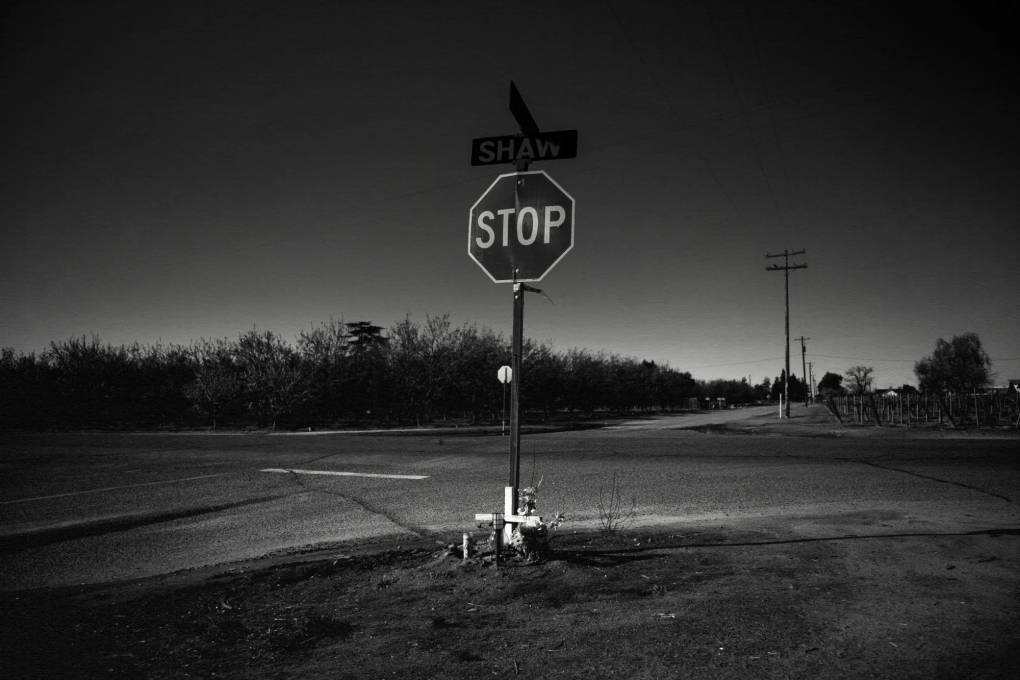
"caption": "The California DMV routinely allows dangerous drivers with horrifying histories to continue to operate on our roadways. Too often they go on to kill. Many keep driving even after they kill. Some go on to kill again.",
"credit": "Photo Illustration by Gabe Hongsdusit, CalMatters; Larry Valenzuela CalMatters/CatchLight Local",
"altTag": null,
"description": null,
"imgSizes": {
"medium": {
"file": "https://cdn.kqed.org/wp-content/uploads/sites/10/2025/04/040925-LICENSE-TO-KILL-LV-800x533.jpg",
"width": 800,
"height": 533,
"mimeType": "image/jpeg"
},
"large": {
"file": "https://cdn.kqed.org/wp-content/uploads/sites/10/2025/04/040925-LICENSE-TO-KILL-LV-1020x680.jpg",
"width": 1020,
"height": 680,
"mimeType": "image/jpeg"
},
"thumbnail": {
"file": "https://cdn.kqed.org/wp-content/uploads/sites/10/2025/04/040925-LICENSE-TO-KILL-LV-160x107.jpg",
"width": 160,
"height": 107,
"mimeType": "image/jpeg"
},
"1536x1536": {
"file": "https://cdn.kqed.org/wp-content/uploads/sites/10/2025/04/040925-LICENSE-TO-KILL-LV-1536x1024.jpg",
"width": 1536,
"height": 1024,
"mimeType": "image/jpeg"
},
"post-thumbnail": {
"file": "https://cdn.kqed.org/wp-content/uploads/sites/10/2025/04/040925-LICENSE-TO-KILL-LV-672x372.jpg",
"width": 672,
"height": 372,
"mimeType": "image/jpeg"
},
"twentyfourteen-full-width": {
"file": "https://cdn.kqed.org/wp-content/uploads/sites/10/2025/04/040925-LICENSE-TO-KILL-LV-1038x576.jpg",
"width": 1038,
"height": 576,
"mimeType": "image/jpeg"
},
"full-width": {
"file": "https://cdn.kqed.org/wp-content/uploads/sites/10/2025/04/040925-LICENSE-TO-KILL-LV-1920x1280.jpg",
"width": 1920,
"height": 1280,
"mimeType": "image/jpeg"
},
"kqedFullSize": {
"file": "https://cdn.kqed.org/wp-content/uploads/sites/10/2025/04/040925-LICENSE-TO-KILL-LV.jpg",
"width": 2000,
"height": 1333
}
},
"isLoading": false,
"fetchFailed": false
},
"news_12036668": {
"type": "attachments",
"id": "news_12036668",
"meta": {
"index": "attachments_1716263798",
"site": "news",
"id": "12036668",
"found": true
},
"title": "041025_Homeless-Case_AP_CM_35 copy",
"publishDate": 1745006676,
"status": "inherit",
"parent": 12036665,
"modified": 1745006696,
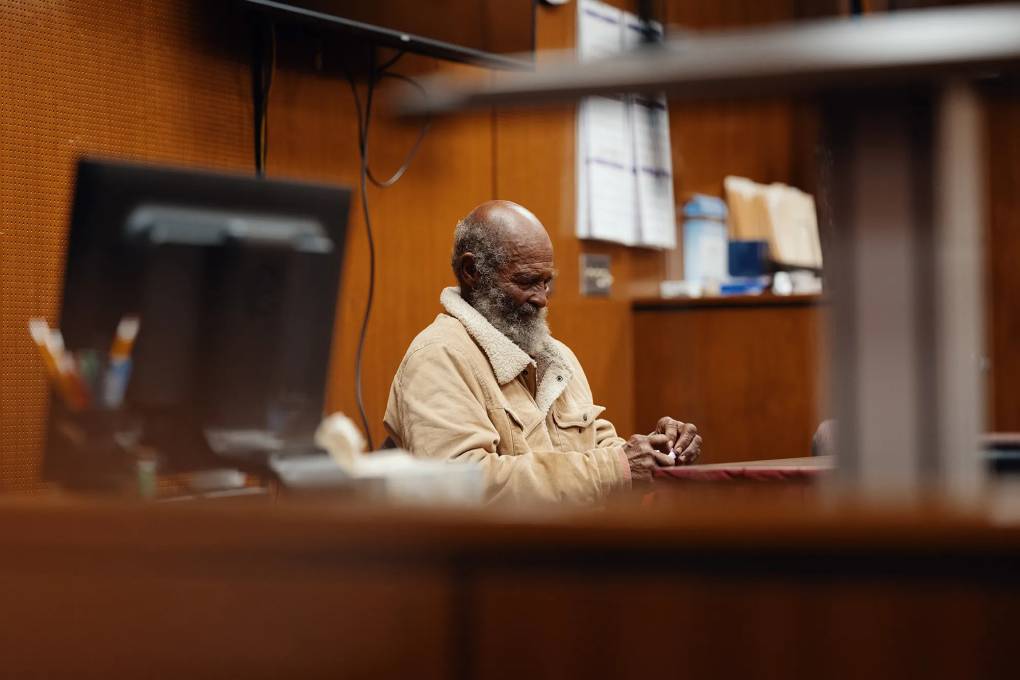
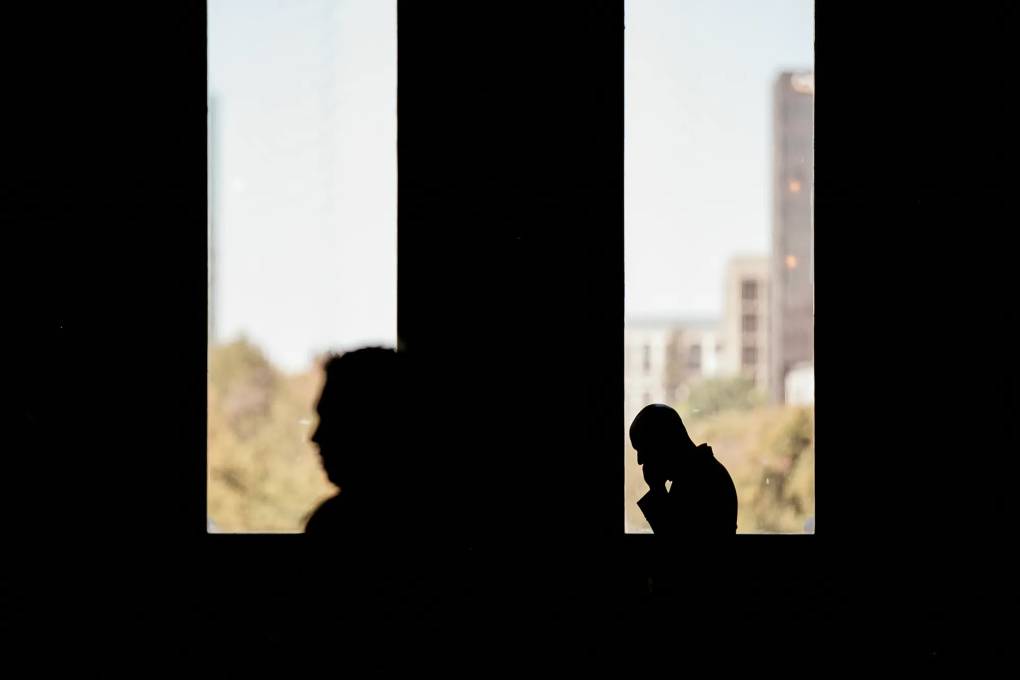
"caption": "Wickey Two Hands, 77, awaits Fresno Superior Court Judge Brian Alvarez’s decision on April 10, 2025. \n",
"credit": "Adam Perez for CalMatters",
"altTag": null,
"description": null,
"imgSizes": {
"medium": {
"file": "https://cdn.kqed.org/wp-content/uploads/sites/10/2025/04/041025_Homeless-Case_AP_CM_35-copy-800x533.jpg",
"width": 800,
"height": 533,
"mimeType": "image/jpeg"
},
"large": {
"file": "https://cdn.kqed.org/wp-content/uploads/sites/10/2025/04/041025_Homeless-Case_AP_CM_35-copy-1020x680.jpg",
"width": 1020,
"height": 680,
"mimeType": "image/jpeg"
},
"thumbnail": {
"file": "https://cdn.kqed.org/wp-content/uploads/sites/10/2025/04/041025_Homeless-Case_AP_CM_35-copy-160x107.jpg",
"width": 160,
"height": 107,
"mimeType": "image/jpeg"
},
"1536x1536": {
"file": "https://cdn.kqed.org/wp-content/uploads/sites/10/2025/04/041025_Homeless-Case_AP_CM_35-copy-1536x1024.jpg",
"width": 1536,
"height": 1024,
"mimeType": "image/jpeg"
},
"post-thumbnail": {
"file": "https://cdn.kqed.org/wp-content/uploads/sites/10/2025/04/041025_Homeless-Case_AP_CM_35-copy-672x372.jpg",
"width": 672,
"height": 372,
"mimeType": "image/jpeg"
},
"twentyfourteen-full-width": {
"file": "https://cdn.kqed.org/wp-content/uploads/sites/10/2025/04/041025_Homeless-Case_AP_CM_35-copy-1038x576.jpg",
"width": 1038,
"height": 576,
"mimeType": "image/jpeg"
},
"full-width": {
"file": "https://cdn.kqed.org/wp-content/uploads/sites/10/2025/04/041025_Homeless-Case_AP_CM_35-copy-1920x1280.jpg",
"width": 1920,
"height": 1280,
"mimeType": "image/jpeg"
},
"kqedFullSize": {
"file": "https://cdn.kqed.org/wp-content/uploads/sites/10/2025/04/041025_Homeless-Case_AP_CM_35-copy.jpg",
"width": 2000,
"height": 1333
}
},
"isLoading": false,
"fetchFailed": false
},
"news_12035907": {
"type": "attachments",
"id": "news_12035907",
"meta": {
"index": "attachments_1716263798",
"site": "news",
"id": "12035907",
"found": true
},
"title": "081524-Suspense-File-FG-CM-05",
"publishDate": 1744656506,
"status": "inherit",
"parent": 12035888,
"modified": 1744656535,
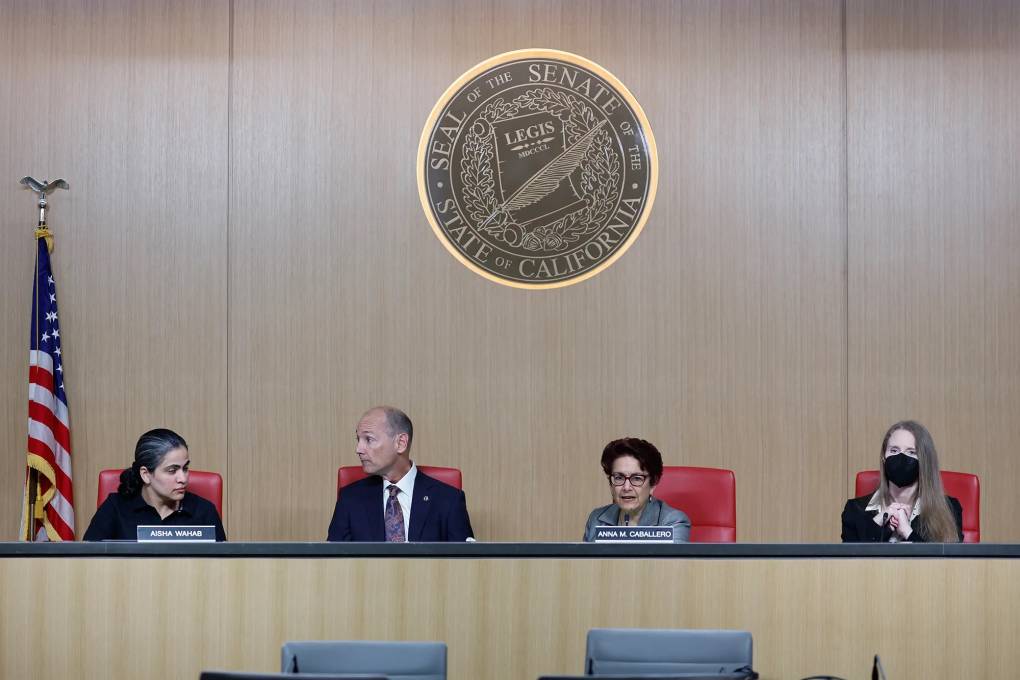
"caption": "State senators meet during a suspense file hearing at the Capitol Annex Swing Space on O Street in Sacramento, on Aug. 15, 2024. \n",
"credit": "Fred Greaves for CalMatters",
"altTag": null,
"description": null,
"imgSizes": {
"medium": {
"file": "https://cdn.kqed.org/wp-content/uploads/sites/10/2025/04/081524-Suspense-File-FG-CM-05-800x533.jpg",
"width": 800,
"height": 533,
"mimeType": "image/jpeg"
},
"large": {
"file": "https://cdn.kqed.org/wp-content/uploads/sites/10/2025/04/081524-Suspense-File-FG-CM-05-1020x680.jpg",
"width": 1020,
"height": 680,
"mimeType": "image/jpeg"
},
"thumbnail": {
"file": "https://cdn.kqed.org/wp-content/uploads/sites/10/2025/04/081524-Suspense-File-FG-CM-05-160x107.jpg",
"width": 160,
"height": 107,
"mimeType": "image/jpeg"
},
"1536x1536": {
"file": "https://cdn.kqed.org/wp-content/uploads/sites/10/2025/04/081524-Suspense-File-FG-CM-05-1536x1024.jpg",
"width": 1536,
"height": 1024,
"mimeType": "image/jpeg"
},
"post-thumbnail": {
"file": "https://cdn.kqed.org/wp-content/uploads/sites/10/2025/04/081524-Suspense-File-FG-CM-05-672x372.jpg",
"width": 672,
"height": 372,
"mimeType": "image/jpeg"
},
"twentyfourteen-full-width": {
"file": "https://cdn.kqed.org/wp-content/uploads/sites/10/2025/04/081524-Suspense-File-FG-CM-05-1038x576.jpg",
"width": 1038,
"height": 576,
"mimeType": "image/jpeg"
},
"full-width": {
"file": "https://cdn.kqed.org/wp-content/uploads/sites/10/2025/04/081524-Suspense-File-FG-CM-05-1920x1280.jpg",
"width": 1920,
"height": 1280,
"mimeType": "image/jpeg"
},
"kqedFullSize": {
"file": "https://cdn.kqed.org/wp-content/uploads/sites/10/2025/04/081524-Suspense-File-FG-CM-05.jpg",
"width": 2000,
"height": 1333
}
},
"isLoading": false,
"fetchFailed": false
},
"news_12035840": {
"type": "attachments",
"id": "news_12035840",
"meta": {
"index": "attachments_1716263798",
"site": "news",
"id": "12035840",
"found": true
},
"title": "061121_SummerSchool_AW_CM_06",
"publishDate": 1744574510,
"status": "inherit",
"parent": 12035838,
"modified": 1746053532,
"caption": "Rising first graders walk to their classroom at the start of the day during summer session at Laurel Elementary in Oakland on June 11, 2021. ",
"credit": "Anne Wernikoff/CalMatters",
"altTag": "The bottom half of several children on a concrete playground with yellow chalk outlining numbers and letters is shown.",
"description": null,
"imgSizes": {
"medium": {
"file": "https://cdn.kqed.org/wp-content/uploads/sites/10/2025/04/061121_SummerSchool_AW_CM_06-800x533.jpg",
"width": 800,
"height": 533,
"mimeType": "image/jpeg"
},
"large": {
"file": "https://cdn.kqed.org/wp-content/uploads/sites/10/2025/04/061121_SummerSchool_AW_CM_06-1020x680.jpg",
"width": 1020,
"height": 680,
"mimeType": "image/jpeg"
},
"thumbnail": {
"file": "https://cdn.kqed.org/wp-content/uploads/sites/10/2025/04/061121_SummerSchool_AW_CM_06-160x107.jpg",
"width": 160,
"height": 107,
"mimeType": "image/jpeg"
},
"1536x1536": {
"file": "https://cdn.kqed.org/wp-content/uploads/sites/10/2025/04/061121_SummerSchool_AW_CM_06-1536x1024.jpg",
"width": 1536,
"height": 1024,
"mimeType": "image/jpeg"
},
"post-thumbnail": {
"file": "https://cdn.kqed.org/wp-content/uploads/sites/10/2025/04/061121_SummerSchool_AW_CM_06-672x372.jpg",
"width": 672,
"height": 372,
"mimeType": "image/jpeg"
},
"twentyfourteen-full-width": {
"file": "https://cdn.kqed.org/wp-content/uploads/sites/10/2025/04/061121_SummerSchool_AW_CM_06-1038x576.jpg",
"width": 1038,
"height": 576,
"mimeType": "image/jpeg"
},
"full-width": {
"file": "https://cdn.kqed.org/wp-content/uploads/sites/10/2025/04/061121_SummerSchool_AW_CM_06-1920x1280.jpg",
"width": 1920,
"height": 1280,
"mimeType": "image/jpeg"
},
"kqedFullSize": {
"file": "https://cdn.kqed.org/wp-content/uploads/sites/10/2025/04/061121_SummerSchool_AW_CM_06.jpg",
"width": 2000,
"height": 1333
}
},
"isLoading": false,
"fetchFailed": false
},
"news_12035454": {
"type": "attachments",
"id": "news_12035454",
"meta": {
"index": "attachments_1716263798",
"site": "news",
"id": "12035454",
"found": true
},
"title": "040125_Isleton-Delta_MG_11 copy",
"publishDate": 1744315283,
"status": "inherit",
"parent": 12035453,
"modified": 1744315306,
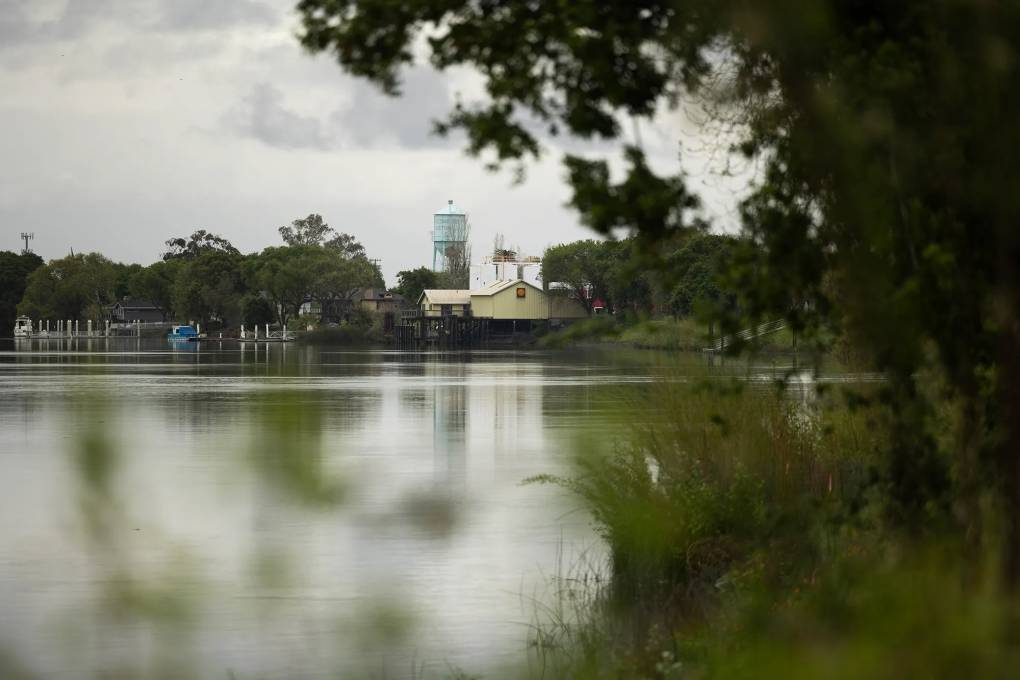
"caption": "The community of Isleton is visible in the distance from the banks of the Sacramento River on April 1, 2025. Like many Delta communities, levees protect Isleton from flooding along the river. \n",
"credit": "Miguel Gutierrez Jr./CalMatters",
"altTag": null,
"description": null,
"imgSizes": {
"medium": {
"file": "https://cdn.kqed.org/wp-content/uploads/sites/10/2025/04/040125_Isleton-Delta_MG_11-copy-800x533.jpg",
"width": 800,
"height": 533,
"mimeType": "image/jpeg"
},
"large": {
"file": "https://cdn.kqed.org/wp-content/uploads/sites/10/2025/04/040125_Isleton-Delta_MG_11-copy-1020x680.jpg",
"width": 1020,
"height": 680,
"mimeType": "image/jpeg"
},
"thumbnail": {
"file": "https://cdn.kqed.org/wp-content/uploads/sites/10/2025/04/040125_Isleton-Delta_MG_11-copy-160x107.jpg",
"width": 160,
"height": 107,
"mimeType": "image/jpeg"
},
"1536x1536": {
"file": "https://cdn.kqed.org/wp-content/uploads/sites/10/2025/04/040125_Isleton-Delta_MG_11-copy-1536x1024.jpg",
"width": 1536,
"height": 1024,
"mimeType": "image/jpeg"
},
"post-thumbnail": {
"file": "https://cdn.kqed.org/wp-content/uploads/sites/10/2025/04/040125_Isleton-Delta_MG_11-copy-672x372.jpg",
"width": 672,
"height": 372,
"mimeType": "image/jpeg"
},
"twentyfourteen-full-width": {
"file": "https://cdn.kqed.org/wp-content/uploads/sites/10/2025/04/040125_Isleton-Delta_MG_11-copy-1038x576.jpg",
"width": 1038,
"height": 576,
"mimeType": "image/jpeg"
},
"full-width": {
"file": "https://cdn.kqed.org/wp-content/uploads/sites/10/2025/04/040125_Isleton-Delta_MG_11-copy-1920x1280.jpg",
"width": 1920,
"height": 1280,
"mimeType": "image/jpeg"
},
"kqedFullSize": {
"file": "https://cdn.kqed.org/wp-content/uploads/sites/10/2025/04/040125_Isleton-Delta_MG_11-copy.jpg",
"width": 2000,
"height": 1333
}
},
"isLoading": false,
"fetchFailed": false
},
"news_12035671": {
"type": "attachments",
"id": "news_12035671",
"meta": {
"index": "attachments_1716263798",
"site": "news",
"id": "12035671",
"found": true
},
"title": "022525_Evident-Border-Trip_EM_CM_02 copy",
"publishDate": 1744395442,
"status": "inherit",
"parent": 12035669,
"modified": 1744395478,
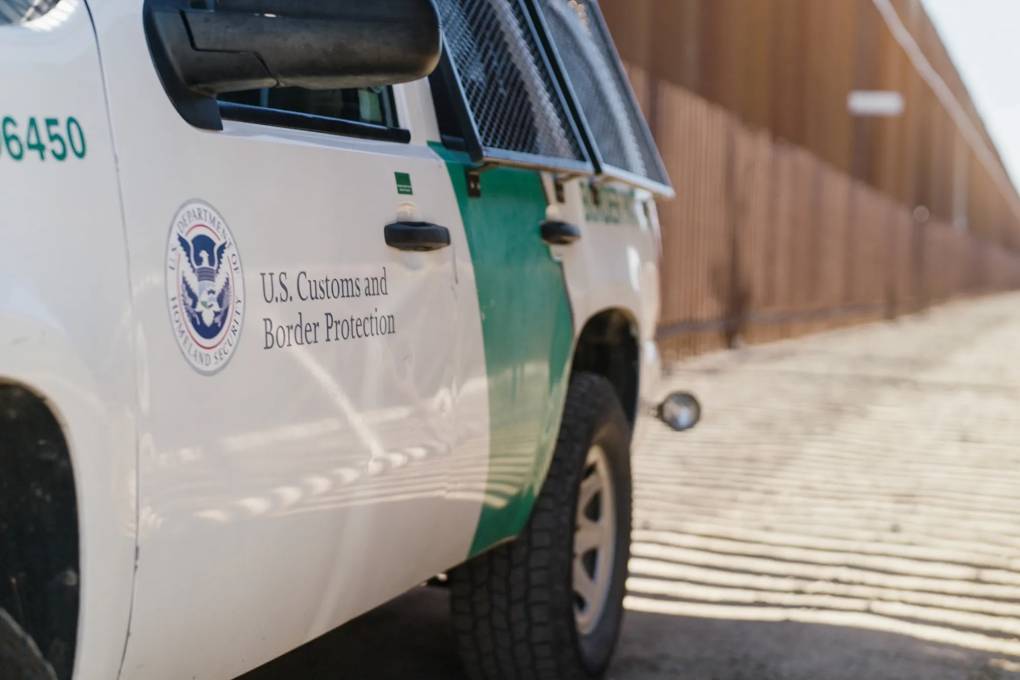
"caption": "A US Customs and Border Protection vehicle near the US and Mexico border in Calexico on Feb. 25, 2025. ",
"credit": "Kevin Clancy/Evident",
"altTag": null,
"description": null,
"imgSizes": {
"medium": {
"file": "https://cdn.kqed.org/wp-content/uploads/sites/10/2025/04/022525_Evident-Border-Trip_EM_CM_02-copy-800x533.jpg",
"width": 800,
"height": 533,
"mimeType": "image/jpeg"
},
"large": {
"file": "https://cdn.kqed.org/wp-content/uploads/sites/10/2025/04/022525_Evident-Border-Trip_EM_CM_02-copy-1020x680.jpg",
"width": 1020,
"height": 680,
"mimeType": "image/jpeg"
},
"thumbnail": {
"file": "https://cdn.kqed.org/wp-content/uploads/sites/10/2025/04/022525_Evident-Border-Trip_EM_CM_02-copy-160x107.jpg",
"width": 160,
"height": 107,
"mimeType": "image/jpeg"
},
"1536x1536": {
"file": "https://cdn.kqed.org/wp-content/uploads/sites/10/2025/04/022525_Evident-Border-Trip_EM_CM_02-copy-1536x1024.jpg",
"width": 1536,
"height": 1024,
"mimeType": "image/jpeg"
},
"post-thumbnail": {
"file": "https://cdn.kqed.org/wp-content/uploads/sites/10/2025/04/022525_Evident-Border-Trip_EM_CM_02-copy-672x372.jpg",
"width": 672,
"height": 372,
"mimeType": "image/jpeg"
},
"twentyfourteen-full-width": {
"file": "https://cdn.kqed.org/wp-content/uploads/sites/10/2025/04/022525_Evident-Border-Trip_EM_CM_02-copy-1038x576.jpg",
"width": 1038,
"height": 576,
"mimeType": "image/jpeg"
},
"full-width": {
"file": "https://cdn.kqed.org/wp-content/uploads/sites/10/2025/04/022525_Evident-Border-Trip_EM_CM_02-copy-1920x1280.jpg",
"width": 1920,
"height": 1280,
"mimeType": "image/jpeg"
},
"kqedFullSize": {
"file": "https://cdn.kqed.org/wp-content/uploads/sites/10/2025/04/022525_Evident-Border-Trip_EM_CM_02-copy.jpg",
"width": 2000,
"height": 1333
}
},
"isLoading": false,
"fetchFailed": false
},
"news_12034929": {
"type": "attachments",
"id": "news_12034929",
"meta": {
"index": "attachments_1716263798",
"site": "news",
"id": "12034929",
"found": true
},
"title": "022525-Evident-Border-Trip-EM-CM-01 copy",
"publishDate": 1744144102,
"status": "inherit",
"parent": 12034926,
"modified": 1744144127,
"caption": "Sergeant Gregory Bovino during an interview at El Centro Border Patrol headquarters on Feb. 25, 2025. ",
"credit": "Kevin Clancy/CalMatters and Evident Media",
"altTag": null,
"description": null,
"imgSizes": {
"medium": {
"file": "https://cdn.kqed.org/wp-content/uploads/sites/10/2025/04/022525-Evident-Border-Trip-EM-CM-01-copy-800x533.jpg",
"width": 800,
"height": 533,
"mimeType": "image/jpeg"
},
"large": {
"file": "https://cdn.kqed.org/wp-content/uploads/sites/10/2025/04/022525-Evident-Border-Trip-EM-CM-01-copy-1020x680.jpg",
"width": 1020,
"height": 680,
"mimeType": "image/jpeg"
},
"thumbnail": {
"file": "https://cdn.kqed.org/wp-content/uploads/sites/10/2025/04/022525-Evident-Border-Trip-EM-CM-01-copy-160x107.jpg",
"width": 160,
"height": 107,
"mimeType": "image/jpeg"
},
"1536x1536": {
"file": "https://cdn.kqed.org/wp-content/uploads/sites/10/2025/04/022525-Evident-Border-Trip-EM-CM-01-copy-1536x1024.jpg",
"width": 1536,
"height": 1024,
"mimeType": "image/jpeg"
},
"post-thumbnail": {
"file": "https://cdn.kqed.org/wp-content/uploads/sites/10/2025/04/022525-Evident-Border-Trip-EM-CM-01-copy-672x372.jpg",
"width": 672,
"height": 372,
"mimeType": "image/jpeg"
},
"twentyfourteen-full-width": {
"file": "https://cdn.kqed.org/wp-content/uploads/sites/10/2025/04/022525-Evident-Border-Trip-EM-CM-01-copy-1038x576.jpg",
"width": 1038,
"height": 576,
"mimeType": "image/jpeg"
},
"full-width": {
"file": "https://cdn.kqed.org/wp-content/uploads/sites/10/2025/04/022525-Evident-Border-Trip-EM-CM-01-copy-1920x1280.jpg",
"width": 1920,
"height": 1280,
"mimeType": "image/jpeg"
},
"kqedFullSize": {
"file": "https://cdn.kqed.org/wp-content/uploads/sites/10/2025/04/022525-Evident-Border-Trip-EM-CM-01-copy.jpg",
"width": 2000,
"height": 1333
}
},
"isLoading": false,
"fetchFailed": false
},
"news_12034685": {
"type": "attachments",
"id": "news_12034685",
"meta": {
"index": "attachments_1716263798",
"site": "news",
"id": "12034685",
"found": true
},
"title": "OaklandInternationalHighSchool",
"publishDate": 1743968869,
"status": "inherit",
"parent": 12034679,
"modified": 1743968940,
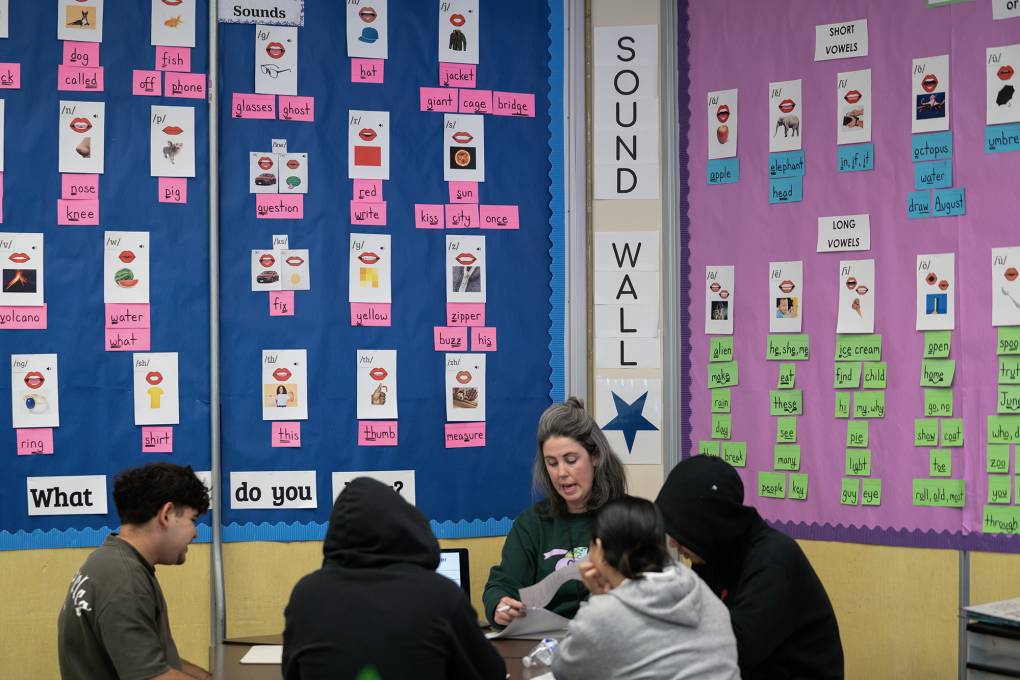
"caption": "Teacher Katy Reese, center, works with students in a literacy class at Oakland International High School in Oakland on March 7, 2025. ",
"credit": "Florence Middleton/CalMatters",
"altTag": "A white woman wearing a green sweater sits down at a desk surrounded by four students in a classroom.",
"description": null,
"imgSizes": {
"medium": {
"file": "https://cdn.kqed.org/wp-content/uploads/sites/10/2025/04/030725_Literacy_FM_CM_11-800x534.jpg",
"width": 800,
"height": 534,
"mimeType": "image/jpeg"
},
"large": {
"file": "https://cdn.kqed.org/wp-content/uploads/sites/10/2025/04/030725_Literacy_FM_CM_11-1020x680.jpg",
"width": 1020,
"height": 680,
"mimeType": "image/jpeg"
},
"thumbnail": {
"file": "https://cdn.kqed.org/wp-content/uploads/sites/10/2025/04/030725_Literacy_FM_CM_11-160x107.jpg",
"width": 160,
"height": 107,
"mimeType": "image/jpeg"
},
"1536x1536": {
"file": "https://cdn.kqed.org/wp-content/uploads/sites/10/2025/04/030725_Literacy_FM_CM_11-1536x1025.jpg",
"width": 1536,
"height": 1025,
"mimeType": "image/jpeg"
},
"post-thumbnail": {
"file": "https://cdn.kqed.org/wp-content/uploads/sites/10/2025/04/030725_Literacy_FM_CM_11-672x372.jpg",
"width": 672,
"height": 372,
"mimeType": "image/jpeg"
},
"twentyfourteen-full-width": {
"file": "https://cdn.kqed.org/wp-content/uploads/sites/10/2025/04/030725_Literacy_FM_CM_11-1038x576.jpg",
"width": 1038,
"height": 576,
"mimeType": "image/jpeg"
},
"full-width": {
"file": "https://cdn.kqed.org/wp-content/uploads/sites/10/2025/04/030725_Literacy_FM_CM_11-1920x1281.jpg",
"width": 1920,
"height": 1281,
"mimeType": "image/jpeg"
},
"kqedFullSize": {
"file": "https://cdn.kqed.org/wp-content/uploads/sites/10/2025/04/030725_Literacy_FM_CM_11.jpg",
"width": 2000,
"height": 1334
}
},
"isLoading": false,
"fetchFailed": false
},
"news_12034415": {
"type": "attachments",
"id": "news_12034415",
"meta": {
"index": "attachments_1716263798",
"site": "news",
"id": "12034415",
"found": true
},
"title": "071322-Mt-Shasta-GETTY-CM-01 copy",
"publishDate": 1743707869,
"status": "inherit",
"parent": 12034414,
"modified": 1743707908,
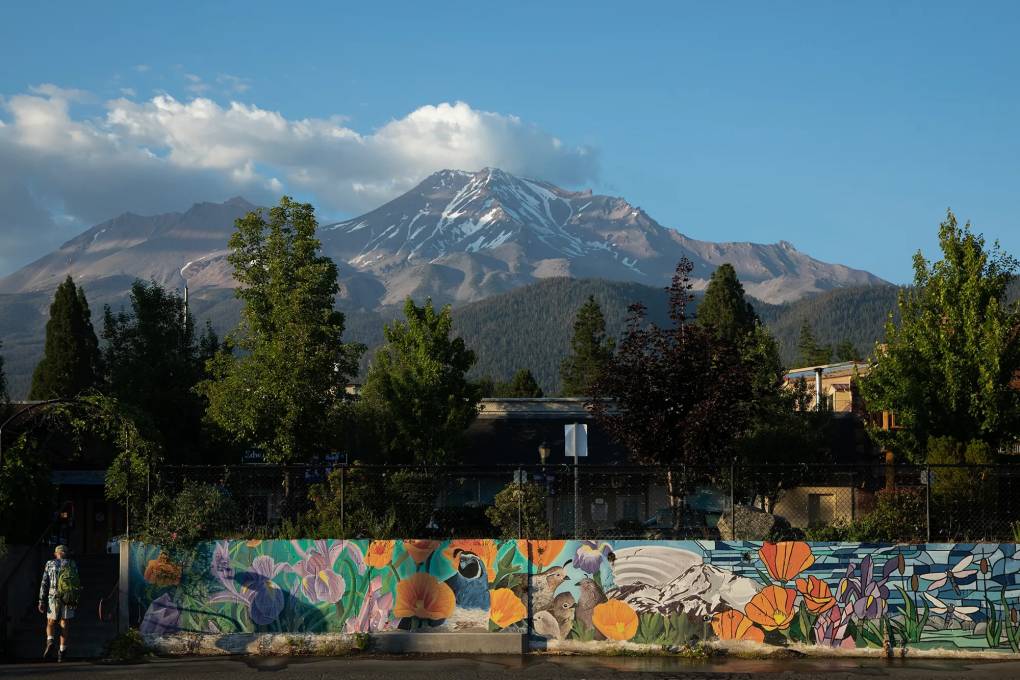
"caption": "Mount Shasta (right) and its geologic sibling Shastina, left, as seen from the city of Mount Shasta on July 13, 2022.",
"credit": "Myung J. Chun/Los Angeles Times via Getty Images",
"altTag": null,
"description": null,
"imgSizes": {
"medium": {
"file": "https://cdn.kqed.org/wp-content/uploads/sites/10/2025/04/071322-Mt-Shasta-GETTY-CM-01-copy-800x534.jpg",
"width": 800,
"height": 534,
"mimeType": "image/jpeg"
},
"large": {
"file": "https://cdn.kqed.org/wp-content/uploads/sites/10/2025/04/071322-Mt-Shasta-GETTY-CM-01-copy-1020x680.jpg",
"width": 1020,
"height": 680,
"mimeType": "image/jpeg"
},
"thumbnail": {
"file": "https://cdn.kqed.org/wp-content/uploads/sites/10/2025/04/071322-Mt-Shasta-GETTY-CM-01-copy-160x107.jpg",
"width": 160,
"height": 107,
"mimeType": "image/jpeg"
},
"1536x1536": {
"file": "https://cdn.kqed.org/wp-content/uploads/sites/10/2025/04/071322-Mt-Shasta-GETTY-CM-01-copy-1536x1025.jpg",
"width": 1536,
"height": 1025,
"mimeType": "image/jpeg"
},
"post-thumbnail": {
"file": "https://cdn.kqed.org/wp-content/uploads/sites/10/2025/04/071322-Mt-Shasta-GETTY-CM-01-copy-672x372.jpg",
"width": 672,
"height": 372,
"mimeType": "image/jpeg"
},
"twentyfourteen-full-width": {
"file": "https://cdn.kqed.org/wp-content/uploads/sites/10/2025/04/071322-Mt-Shasta-GETTY-CM-01-copy-1038x576.jpg",
"width": 1038,
"height": 576,
"mimeType": "image/jpeg"
},
"full-width": {
"file": "https://cdn.kqed.org/wp-content/uploads/sites/10/2025/04/071322-Mt-Shasta-GETTY-CM-01-copy-1920x1281.jpg",
"width": 1920,
"height": 1281,
"mimeType": "image/jpeg"
},
"kqedFullSize": {
"file": "https://cdn.kqed.org/wp-content/uploads/sites/10/2025/04/071322-Mt-Shasta-GETTY-CM-01-copy.jpg",
"width": 2000,
"height": 1334
}
},
"isLoading": false,
"fetchFailed": false
},
"news_12034360": {
"type": "attachments",
"id": "news_12034360",
"meta": {
"index": "attachments_1716263798",
"site": "news",
"id": "12034360",
"found": true
},
"title": "10072022_College-Corps_RL_CM_13 copy",
"publishDate": 1743633747,
"status": "inherit",
"parent": 12034359,
"modified": 1743633775,
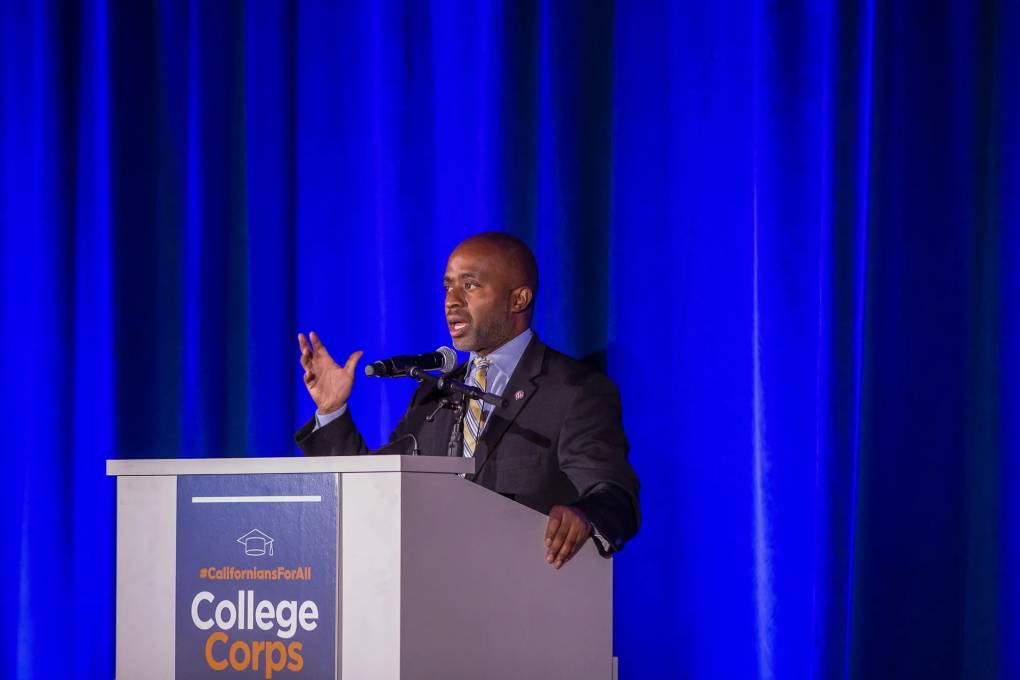
"caption": "State Superintendent of Public Instruction Tony Thurmond speaks at the College Corps fellows swearing-in event in Sacramento on Oct. 7, 2022. ",
"credit": "Rahul Lal/CalMatters",
"altTag": null,
"description": null,
"imgSizes": {
"medium": {
"file": "https://cdn.kqed.org/wp-content/uploads/sites/10/2025/04/10072022_College-Corps_RL_CM_13-copy-800x533.jpg",
"width": 800,
"height": 533,
"mimeType": "image/jpeg"
},
"large": {
"file": "https://cdn.kqed.org/wp-content/uploads/sites/10/2025/04/10072022_College-Corps_RL_CM_13-copy-1020x680.jpg",
"width": 1020,
"height": 680,
"mimeType": "image/jpeg"
},
"thumbnail": {
"file": "https://cdn.kqed.org/wp-content/uploads/sites/10/2025/04/10072022_College-Corps_RL_CM_13-copy-160x107.jpg",
"width": 160,
"height": 107,
"mimeType": "image/jpeg"
},
"1536x1536": {
"file": "https://cdn.kqed.org/wp-content/uploads/sites/10/2025/04/10072022_College-Corps_RL_CM_13-copy-1536x1024.jpg",
"width": 1536,
"height": 1024,
"mimeType": "image/jpeg"
},
"post-thumbnail": {
"file": "https://cdn.kqed.org/wp-content/uploads/sites/10/2025/04/10072022_College-Corps_RL_CM_13-copy-672x372.jpg",
"width": 672,
"height": 372,
"mimeType": "image/jpeg"
},
"twentyfourteen-full-width": {
"file": "https://cdn.kqed.org/wp-content/uploads/sites/10/2025/04/10072022_College-Corps_RL_CM_13-copy-1038x576.jpg",
"width": 1038,
"height": 576,
"mimeType": "image/jpeg"
},
"full-width": {
"file": "https://cdn.kqed.org/wp-content/uploads/sites/10/2025/04/10072022_College-Corps_RL_CM_13-copy-1920x1280.jpg",
"width": 1920,
"height": 1280,
"mimeType": "image/jpeg"
},
"kqedFullSize": {
"file": "https://cdn.kqed.org/wp-content/uploads/sites/10/2025/04/10072022_College-Corps_RL_CM_13-copy.jpg",
"width": 2000,
"height": 1333
}
},
"isLoading": false,
"fetchFailed": false
},
"news_12034084": {
"type": "attachments",
"id": "news_12034084",
"meta": {
"index": "attachments_1716263798",
"site": "news",
"id": "12034084",
"found": true
},
"title": "082322-CA-Capitol-08-23-RL-CM-02 copy",
"publishDate": 1743539608,
"status": "inherit",
"parent": 12034082,
"modified": 1743539649,
"caption": "Legislative aides at the state Capitol in Sacramento, on Aug. 23, 2022.\n",
"credit": "Rahul Lal/CalMatters",
"altTag": null,
"description": null,
"imgSizes": {
"medium": {
"file": "https://cdn.kqed.org/wp-content/uploads/sites/10/2025/04/082322-CA-Capitol-08-23-RL-CM-02-copy-800x533.jpg",
"width": 800,
"height": 533,
"mimeType": "image/jpeg"
},
"large": {
"file": "https://cdn.kqed.org/wp-content/uploads/sites/10/2025/04/082322-CA-Capitol-08-23-RL-CM-02-copy-1020x680.jpg",
"width": 1020,
"height": 680,
"mimeType": "image/jpeg"
},
"thumbnail": {
"file": "https://cdn.kqed.org/wp-content/uploads/sites/10/2025/04/082322-CA-Capitol-08-23-RL-CM-02-copy-160x107.jpg",
"width": 160,
"height": 107,
"mimeType": "image/jpeg"
},
"1536x1536": {
"file": "https://cdn.kqed.org/wp-content/uploads/sites/10/2025/04/082322-CA-Capitol-08-23-RL-CM-02-copy-1536x1024.jpg",
"width": 1536,
"height": 1024,
"mimeType": "image/jpeg"
},
"post-thumbnail": {
"file": "https://cdn.kqed.org/wp-content/uploads/sites/10/2025/04/082322-CA-Capitol-08-23-RL-CM-02-copy-672x372.jpg",
"width": 672,
"height": 372,
"mimeType": "image/jpeg"
},
"twentyfourteen-full-width": {
"file": "https://cdn.kqed.org/wp-content/uploads/sites/10/2025/04/082322-CA-Capitol-08-23-RL-CM-02-copy-1038x576.jpg",
"width": 1038,
"height": 576,
"mimeType": "image/jpeg"
},
"full-width": {
"file": "https://cdn.kqed.org/wp-content/uploads/sites/10/2025/04/082322-CA-Capitol-08-23-RL-CM-02-copy-1920x1280.jpg",
"width": 1920,
"height": 1280,
"mimeType": "image/jpeg"
},
"kqedFullSize": {
"file": "https://cdn.kqed.org/wp-content/uploads/sites/10/2025/04/082322-CA-Capitol-08-23-RL-CM-02-copy.jpg",
"width": 2000,
"height": 1333
}
},
"isLoading": false,
"fetchFailed": false
},
"news_12033775": {
"type": "attachments",
"id": "news_12033775",
"meta": {
"index": "attachments_1716263798",
"site": "news",
"id": "12033775",
"found": true
},
"title": "021220_WestClimateEmergency_09",
"publishDate": 1743377922,
"status": "inherit",
"parent": 12033771,
"modified": 1743377974,
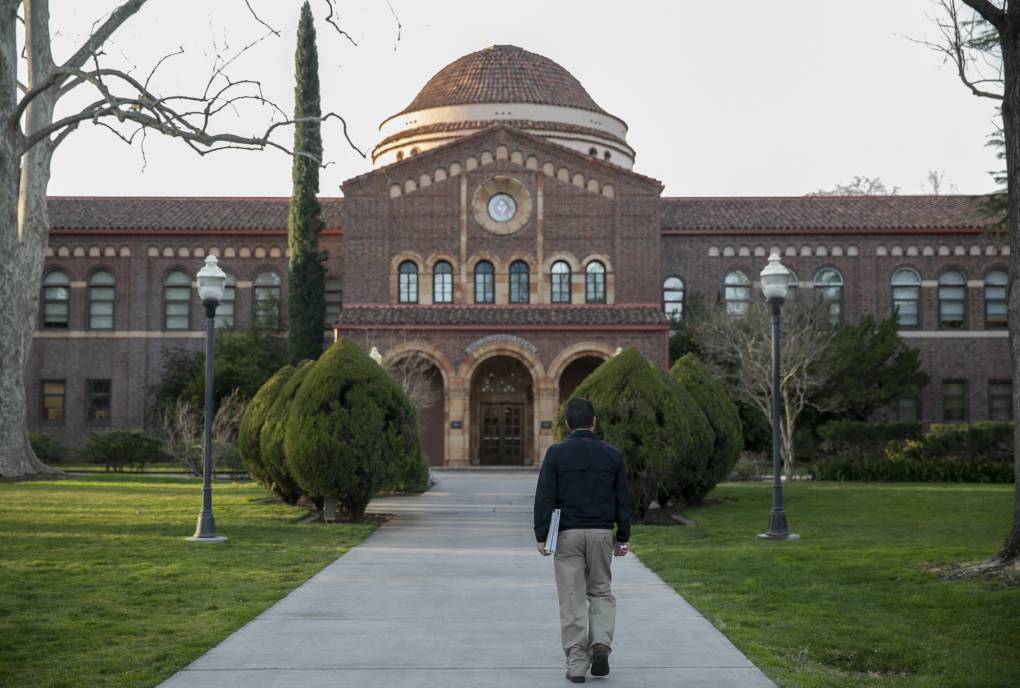
"caption": "A student walks across campus at Chico State University on February 12, 2020. ",
"credit": "Anne Wernikoff/CalMatters",
"altTag": "A person wearing a dark shirt and grey pants walks toward a building on a campus.",
"description": null,
"imgSizes": {
"medium": {
"file": "https://cdn.kqed.org/wp-content/uploads/sites/10/2025/03/021220_WestClimateEmergency_09-800x540.jpg",
"width": 800,
"height": 540,
"mimeType": "image/jpeg"
},
"large": {
"file": "https://cdn.kqed.org/wp-content/uploads/sites/10/2025/03/021220_WestClimateEmergency_09-1020x688.jpg",
"width": 1020,
"height": 688,
"mimeType": "image/jpeg"
},
"thumbnail": {
"file": "https://cdn.kqed.org/wp-content/uploads/sites/10/2025/03/021220_WestClimateEmergency_09-160x108.jpg",
"width": 160,
"height": 108,
"mimeType": "image/jpeg"
},
"1536x1536": {
"file": "https://cdn.kqed.org/wp-content/uploads/sites/10/2025/03/021220_WestClimateEmergency_09-1536x1036.jpg",
"width": 1536,
"height": 1036,
"mimeType": "image/jpeg"
},
"post-thumbnail": {
"file": "https://cdn.kqed.org/wp-content/uploads/sites/10/2025/03/021220_WestClimateEmergency_09-672x372.jpg",
"width": 672,
"height": 372,
"mimeType": "image/jpeg"
},
"twentyfourteen-full-width": {
"file": "https://cdn.kqed.org/wp-content/uploads/sites/10/2025/03/021220_WestClimateEmergency_09-1038x576.jpg",
"width": 1038,
"height": 576,
"mimeType": "image/jpeg"
},
"full-width": {
"file": "https://cdn.kqed.org/wp-content/uploads/sites/10/2025/03/021220_WestClimateEmergency_09-1920x1295.jpg",
"width": 1920,
"height": 1295,
"mimeType": "image/jpeg"
},
"kqedFullSize": {
"file": "https://cdn.kqed.org/wp-content/uploads/sites/10/2025/03/021220_WestClimateEmergency_09.jpg",
"width": 2000,
"height": 1349
}
},
"isLoading": false,
"fetchFailed": false
}
},
"audioPlayerReducer": {
"postId": "stream_live",
"isPaused": true,
"isPlaying": false,
"pfsActive": false,
"pledgeModalIsOpen": true,
"playerDrawerIsOpen": false,
"liveAudioPlayStartedAt": 0,
"liveAudioPlayContext": ""
},
"authorsReducer": {
"byline_news_12035925": {
"type": "authors",
"id": "byline_news_12035925",
"meta": {
"override": true
},
"slug": "byline_news_12035925",
"name": "\u003ca href=\"https://calmatters.org/author/robert-lewis/\">Robert Lewis\u003c/a>, CalMatters",
"isLoading": false
},
"byline_news_12036665": {
"type": "authors",
"id": "byline_news_12036665",
"meta": {
"override": true
},
"slug": "byline_news_12036665",
"name": "\u003ca href=\"https://calmatters.org/author/marisa-kendall/\">Marisa Kendall\u003c/a>, CalMatters",
"isLoading": false
},
"byline_news_12035888": {
"type": "authors",
"id": "byline_news_12035888",
"meta": {
"override": true
},
"slug": "byline_news_12035888",
"name": "Ryan Sabalow, CalMatters",
"isLoading": false
},
"byline_news_12035838": {
"type": "authors",
"id": "byline_news_12035838",
"meta": {
"override": true
},
"slug": "byline_news_12035838",
"name": "\u003ca href=\"https://calmatters.org/author/carolyn-jones/\">Carolyn Jones, \u003c/a>CalMatters",
"isLoading": false
},
"byline_news_12035453": {
"type": "authors",
"id": "byline_news_12035453",
"meta": {
"override": true
},
"slug": "byline_news_12035453",
"name": "\u003ca href=\"https://calmatters.org/author/alastair-bland/\">Alastair Bland\u003c/a>, CalMatters",
"isLoading": false
},
"byline_news_12035669": {
"type": "authors",
"id": "byline_news_12035669",
"meta": {
"override": true
},
"slug": "byline_news_12035669",
"name": "\u003ca href=\"https://calmatters.org/author/wendy-fry/\">Wendy Fry\u003c/a> and \u003ca href=\"https://calmatters.org/author/sergio-olmos/\">Sergio Olmos\u003c/a>, CalMatters",
"isLoading": false
},
"byline_news_12034926": {
"type": "authors",
"id": "byline_news_12034926",
"meta": {
"override": true
},
"slug": "byline_news_12034926",
"name": "\u003ca href=\"https://calmatters.org/author/sergio-olmos/\">Sergio Olmos\u003c/a> and \u003ca href=\"https://calmatters.org/author/wendy-fry/\">Wendy Fry\u003c/a>, CalMatters",
"isLoading": false
},
"byline_news_12034679": {
"type": "authors",
"id": "byline_news_12034679",
"meta": {
"override": true
},
"slug": "byline_news_12034679",
"name": "\u003ca href=\"https://calmatters.org/author/carolyn-jones/\">Carolyn Jones, \u003c/a>CalMatters",
"isLoading": false
},
"byline_news_12034414": {
"type": "authors",
"id": "byline_news_12034414",
"meta": {
"override": true
},
"slug": "byline_news_12034414",
"name": "\u003ca href=\"https://calmatters.org/author/jeanne-kuang/\">Jeanne Kuang\u003c/a>, CalMatters",
"isLoading": false
},
"byline_news_12034359": {
"type": "authors",
"id": "byline_news_12034359",
"meta": {
"override": true
},
"slug": "byline_news_12034359",
"name": "\u003ca href=\"https://calmatters.org/author/alexei-koseff/\">Alexei Koseff\u003c/a>, CalMatters",
"isLoading": false
},
"byline_news_12034082": {
"type": "authors",
"id": "byline_news_12034082",
"meta": {
"override": true
},
"slug": "byline_news_12034082",
"name": "\u003ca href=\"https://calmatters.org/author/sameea-kamal/\">Sameea Kamal\u003c/a> and \u003ca href=\"https://calmatters.org/author/yue-yu/\">Yue Stella Yu\u003c/a>, CalMatters",
"isLoading": false
},
"byline_news_12033771": {
"type": "authors",
"id": "byline_news_12033771",
"meta": {
"override": true
},
"slug": "byline_news_12033771",
"name": "\u003ca href=\"https://calmatters.org/author/mikhailzinshteyn\">Mikhail Zinshteyn, \u003c/a>CalMatters",
"isLoading": false
}
},
"pagesReducer": {
"news_affiliate_calmatters": {
"type": "terms",
"id": "news_18481",
"meta": {
"index": "terms_1716263798",
"site": "news",
"id": "18481",
"score": 15.355904
},
"featImg": null,
"name": "CALmatters",
"description": null,
"taxonomy": "affiliate",
"headData": {
"twImgId": null,
"twTitle": null,
"ogTitle": null,
"ogImgId": null,
"twDescription": null,
"description": null,
"title": "CALmatters Archives | KQED Arts",
"ogDescription": null
},
"ttid": 18515,
"slug": "calmatters",
"isLoading": false,
"title": "CALmatters",
"pageMeta": {
"site": "news",
"WpPageTemplate": "page-topic-editorial",
"currentPage": 15
},
"blocks": [
{
"blockName": "kqed/post-list",
"attrs": {
"layout": "cardArticle2",
"query": "posts/news?affiliate=calmatters",
"seeMore": false,
"paginated": true,
"page": 15
}
},
{
"blockName": "kqed/ad"
}
]
}
},
"pfsSessionReducer": {},
"postsReducer": {
"stream_live": {
"type": "live",
"id": "stream_live",
"audioUrl": "https://streams.kqed.org/kqedradio",
"title": "Live Stream",
"excerpt": "Live Stream information currently unavailable.",
"link": "/radio",
"featImg": "",
"label": {
"name": "KQED Live",
"link": "/"
}
},
"stream_kqedNewscast": {
"type": "posts",
"id": "stream_kqedNewscast",
"audioUrl": "https://www.kqed.org/.stream/anon/radio/RDnews/newscast.mp3?_=1",
"title": "KQED Newscast",
"featImg": "",
"label": {
"name": "88.5 FM",
"link": "/"
}
},
"news_12035925": {
"type": "posts",
"id": "news_12035925",
"meta": {
"index": "posts_1716263798",
"site": "news",
"id": "12035925",
"score": null,
"sort": [
1745071233000
]
},
"guestAuthors": [],
"slug": "license-to-kill",
"title": "License to Kill: Why California's Dangerous Drivers Get to Keep Their Licenses",
"publishDate": 1745071233,
"format": "image",
"headTitle": "License to Kill: Why California’s Dangerous Drivers Get to Keep Their Licenses | KQED",
"labelTerm": {
"term": 18481,
"site": "news"
},
"content": "\u003cp>\u003cem>This story was originally published by \u003ca href=\"https://calmatters.org/\">CalMatters\u003c/a>. \u003ca href=\"https://calmatters.org/subscribe-to-calmatters/\">Sign up\u003c/a> for their newsletters.\u003c/em>\u003c/p>\n\u003cp>[dropcap]I[/dropcap]van Dimov was convicted of reckless driving in 2013, after fleeing police in Washington state while his passenger allegedly dumped heroin out the window. Before that, he got six DUIs in California over a six-year period. None of that would keep him off the road.\u003c/p>\n\u003cp>The California Department of Motor Vehicles reissued him a driver’s license in 2017. The next year, on Christmas Eve, he drove drunk again, running stop signs and a traffic light in midtown Sacramento, going more than 80 mph, court records show. He T-boned another car, killing a 28-year-old man who was going home to feed the cat before heading to his mom’s for the holiday.\u003c/p>\n\u003cp>[ad fullwidth]\u003c/p>\n\u003cp>Kostas Linardos had 17 tickets — including for speeding, reckless driving and street racing — and had been in four collisions. Then, in November 2022, he gunned his Ram 2500 truck as he entered a Placer County highway and slammed into the back of a disabled sedan, killing a toddler, court records show. He’s now facing felony manslaughter charges.\u003c/p>\n\u003cp>In December of last year, while that case was open, the DMV renewed his driver’s license.\u003c/p>\n\u003cp>Ervin Wyatt’s history behind the wheel spreads across two pages of a recent court filing: Fleeing police. Fleeing police again. Running a red light. Causing a traffic collision. Driving without a license, four times. A dozen speeding tickets.\u003c/p>\n\u003cp>Yet the DMV issued him a license in 2019. Wyatt promptly got three more speeding tickets, court records show. Prosecutors say he was speeding again in 2023 when he lost control and crashed into oncoming traffic, killing three women. He’s now facing murder charges in Stanislaus County.\u003c/p>\n\u003cp>The California Department of Motor Vehicles routinely allows drivers like these — with horrifying histories of dangerous driving, including DUIs, crashes and numerous tickets — to continue to operate on our roadways, a CalMatters investigation has found. Too often they go on to kill. Many keep driving even after they kill. Some go on to kill again.\u003c/p>\n\u003cp>With state lawmakers \u003ca href=\"https://apnews.com/article/california-speed-alert-cars-bill-veto-588605f3980c952c894756da6579bf3d\">grappling\u003c/a> \u003ca href=\"https://calmatters.digitaldemocracy.org/bills/ca_202320240ab2210\">with\u003c/a> how to address \u003ca href=\"https://www.latimes.com/california/story/2024-01-25/traffic-deaths-surpass-homicides-in-los-angeles\">the death toll\u003c/a> on our roads, CalMatters wanted to understand how California handles dangerous drivers. We first asked the district attorneys for all 58 counties to provide us with a list of their vehicular manslaughter cases from 2019 through early last year. Every county but Santa Cruz provided the information.\u003c/p>\n\u003cp>[aside postID=news_12020559 hero='https://cdn.kqed.org/wp-content/uploads/sites/10/2025/01/250107-PedestrianDeathStepback-26-1020x680.jpg']\u003c/p>\n\u003cp>Because California has no centralized court system and records aren’t online, we then traveled to courthouses up and down the state to read through tens of thousands of pages of files. Once we had defendants’ names and other information, we were able to get DMV driver reports for more than 2,600 of the defendants, providing details on their recent collisions, citations and license status.\u003c/p>\n\u003cp>The court records and driving histories reveal a state so concerned with people having access to motor vehicles for work and life that it allows deadly drivers to share our roads despite the cost. Officials may call driving a privilege, but they treat it as a right — often failing to take drivers’ licenses even after they kill someone on the road.\u003c/p>\n\u003cp>We found nearly 40% of the drivers charged with vehicular manslaughter since 2019 have a valid license.\u003c/p>\n\u003cp>That includes a driver with two separate convictions for vehicular manslaughter, for crashes that killed a 16-year-old girl in 2009 and a 25-year-old woman in 2020. In July of last year, the DMV issued him a driver’s license.\u003c/p>\n\u003cp>The agency gave licenses to nearly 150 people less than a year after they allegedly killed someone on the road, we found. And while the agency has since suspended some of those, often after a conviction, the majority remain valid. In Santa Clara County, a man prosecutors charged with manslaughter got his current license just a month and a half after the collision that killed a mother of three young children.\u003c/p>\n\u003cp>And many drivers accused of causing roadway deaths don’t appear to have stopped driving recklessly. Records show that nearly 400 got a ticket or were in another crash — or both — after their deadly collisions.\u003c/p>\n\u003cp>A commercial driver drove his semi truck on the wrong side of the road into oncoming traffic, killing a motorcyclist in Kern County in 2021. Less than a year later, he still had a valid license when he barreled his semi into slow-moving traffic, hitting four vehicles and killing a woman in Fresno County, records show. Another man, sentenced to nine years in prison for killing two women while driving drunk, got his privileges restored by the DMV after being paroled, only to drive high on meth in Riverside and weave head-on into another car, killing a woman.\u003c/p>\n\u003cp>“It is somewhat shocking to see how much you can get away with and still be a licensed driver in the state of California,” Placer County District Attorney Morgan Gire said. “I don’t think anyone fully understands what you need to do behind the wheel to lose your driving privilege.”\u003c/p>\n\u003cp>Almost as interesting as the information in the drivers’ DMV records is what’s not there.[aside postID=news_12010882 hero='https://cdn.kqed.org/wp-content/uploads/sites/10/2024/10/241025-FATAL-UCSF-DUMP-TRUCK-CRASH-MD-02-KQED-1020x680.jpg']Hundreds of drivers’ DMV records simply don’t list convictions for manslaughter or another crime related to a fatal crash, we found. The apparent error means some drivers who should have their driving privileges suspended instead show up in DMV records as having a valid license.\u003c/p>\n\u003cp>The cases we reviewed cut across demographics and geography. Defendants include farmworkers and a farm owner. They include off-duty police officers and people with lengthy rap sheets, drivers who killed in a fit of rage and others whose recklessness took the lives of those they loved most — high school sweethearts, siblings, children. The tragedies span this vast state. From twisty two-lane mountain roads near the Oregon border to the dusty scrubland touching Mexico. From the crowded streets of San Francisco to the highways of the Inland Empire. From Gold Country, to timber country, to Silicon Valley, to the almond capital of the world. So much death. More people than are killed by guns.\u003c/p>\n\u003cp>Dangerous drivers are able to stay on the roads for many reasons. The state system that targets motorists who rack up tickets is designed to catch clusters of reckless behavior, not long-term patterns. And while there are laws requiring the DMV to suspend a driver’s license for certain crimes, like DUIs, there is no such requirement for many vehicular manslaughter convictions.\u003c/p>\n\u003cp>It’s often up to the DMV whether to act. Routinely it doesn’t.\u003c/p>\n\u003cp>The DMV declined to make its director, Steve Gordon — who has been in charge since Gov. Gavin Newsom appointed him in 2019 — available for an interview to discuss our findings.\u003c/p>\n\u003cp>Chris Orrock, a DMV spokesperson, said the agency follows the law when issuing licenses. “We use our authority as mandated and as necessary,” he said.\u003c/p>\n\u003cp>Even when the DMV does take away motorists’ driving privileges, state officials, law enforcement and the courts are often unable or unwilling to keep them off the road. We found cases where drivers racked up numerous tickets while driving on a suspended license and faced little more than fines before eventually causing a fatal crash, even though authorities could have sent them to jail.\u003c/p>\n\u003cp>Taking away someone’s driving privilege is no small decision. It can consign a family to poverty, affecting job prospects, child care and medical decisions.\u003c/p>\n\u003cp>Still, the stakes couldn’t be higher. More than 20,000 people died on the roads of California from 2019 to early 2024.\u003c/p>\n\u003cp>Kowana Strong thinks part of the problem is that lawmakers and regulators are too quick to treat fatal crashes as an unfortunate fact of life, as opposed to something they can address.\u003c/p>\n\u003cp>Her son Melvin Strong III — who went by his middle name, Kwaun — was finishing college and planning to start a master’s program in kinesiology when he was killed by Dimov, the driver with six prior DUI convictions. Kwaun was a bright and innocent young man, she said, just starting his life.\u003c/p>\n\u003cp>“It’s just another accident as far as they’re concerned,” Kowana Strong said.\u003c/p>\n\u003ch2>\u003cstrong>Holes in the DMV’s point system\u003c/strong>\u003c/h2>\n\u003cp>Young people think they’re invincible. It’s the old who know how unfair life is, Jerrod Tejeda said.\u003c/p>\n\u003cp>She had a girlfriend who was visiting. Courtney Kendall was 24 and a student at Louisiana State University.\u003c/p>\n\u003cp>On a Sunday afternoon in January 2022, a Volvo SUV topping speeds of 75 mph ran a red light and smashed into their Jeep, court records show. The collision killed them both.\u003c/p>\n\u003cp>“The most difficult part besides the incident is every day that goes by you’re always wondering what if. What would they be doing today?” Jerrod Tejeda said. “Would they be married? Would they have developed into the career that they chose? Where would she be living?”\u003c/p>\n\u003cp>Tanya Kendall lamented not being there to protect her daughter, hold her hand or say goodbye.\u003c/p>\n\u003cfigure id=\"attachment_12035929\" class=\"wp-caption aligncenter\" style=\"max-width: 1536px\">\u003ca href=\"https://cdn.kqed.org/wp-content/uploads/sites/10/2025/04/030625-License-Visalia-LV_CM_05.jpg\">\u003cimg loading=\"lazy\" decoding=\"async\" class=\"size-full wp-image-12035929\" src=\"https://cdn.kqed.org/wp-content/uploads/sites/10/2025/04/030625-License-Visalia-LV_CM_05.jpg\" alt=\"\" width=\"1536\" height=\"1024\" srcset=\"https://cdn.kqed.org/wp-content/uploads/sites/10/2025/04/030625-License-Visalia-LV_CM_05.jpg 1536w, https://cdn.kqed.org/wp-content/uploads/sites/10/2025/04/030625-License-Visalia-LV_CM_05-800x533.jpg 800w, https://cdn.kqed.org/wp-content/uploads/sites/10/2025/04/030625-License-Visalia-LV_CM_05-1020x680.jpg 1020w, https://cdn.kqed.org/wp-content/uploads/sites/10/2025/04/030625-License-Visalia-LV_CM_05-160x107.jpg 160w\" sizes=\"auto, (max-width: 1536px) 100vw, 1536px\">\u003c/a>\u003cfigcaption class=\"wp-caption-text\">Jerrod Tejeda holds a framed photo of his daughter Cassi Tejeda, at his home in Visalia on March 6, 2025. \u003ccite>(Photo by Larry Valenzuela, CalMatters/CatchLight Local)\u003c/cite>\u003c/figcaption>\u003c/figure>\n\u003cfigure id=\"attachment_12036829\" class=\"wp-caption aligncenter\" style=\"max-width: 2500px\">\u003cimg loading=\"lazy\" decoding=\"async\" class=\"size-full wp-image-12036829\" src=\"https://cdn.kqed.org/wp-content/uploads/sites/10/2025/04/Copy-of-KQED-side-by-side-downpage-image-15.jpg\" alt=\"\" width=\"2500\" height=\"833\" srcset=\"https://cdn.kqed.org/wp-content/uploads/sites/10/2025/04/Copy-of-KQED-side-by-side-downpage-image-15.jpg 2500w, https://cdn.kqed.org/wp-content/uploads/sites/10/2025/04/Copy-of-KQED-side-by-side-downpage-image-15-800x267.jpg 800w, https://cdn.kqed.org/wp-content/uploads/sites/10/2025/04/Copy-of-KQED-side-by-side-downpage-image-15-1020x340.jpg 1020w, https://cdn.kqed.org/wp-content/uploads/sites/10/2025/04/Copy-of-KQED-side-by-side-downpage-image-15-160x53.jpg 160w, https://cdn.kqed.org/wp-content/uploads/sites/10/2025/04/Copy-of-KQED-side-by-side-downpage-image-15-1536x512.jpg 1536w, https://cdn.kqed.org/wp-content/uploads/sites/10/2025/04/Copy-of-KQED-side-by-side-downpage-image-15-2048x682.jpg 2048w, https://cdn.kqed.org/wp-content/uploads/sites/10/2025/04/Copy-of-KQED-side-by-side-downpage-image-15-1920x640.jpg 1920w\" sizes=\"auto, (max-width: 2500px) 100vw, 2500px\">\u003cfigcaption class=\"wp-caption-text\">A scrapbook of photographs of Cassi Tejeda on the table of Jerrod Tejeda’s home in Visalia on March 6, 2025. \u003ccite>(Larry Valenzuela/CalMatters/CatchLight Local )\u003c/cite>\u003c/figcaption>\u003c/figure>\n\u003cp>“Instead, I was left with the unbearable task of choosing what outfit she would be buried in. Buried, Your Honor. Not the gown she would wear to her graduation from LSU — the one she will never attend,” the mother wrote in a letter to a Butte County judge, adding that she and her husband stood in their daughter’s place, accepting her diploma.\u003c/p>\n\u003cp>Such pain was preventable.\u003c/p>\n\u003cp>The driver of the Volvo, Matthew Moen, had a blood alcohol level more than three times the legal limit, according to court filings. And it wasn’t his first time drinking and driving. Moen was caught driving drunk in Oregon in 2016. He never completed the requirements of a diversion program and had an outstanding warrant at the time of the fatal crash, the Butte County district attorney’s office said. In January 2020, he was convicted of DUI in Nevada County for driving with a blood alcohol level more than twice the legal limit, given a couple weeks in jail and put on probation for three years.\u003c/p>\n\u003cfigure id=\"attachment_12035930\" class=\"wp-caption alignright\" style=\"max-width: 1229px\">\u003ca href=\"https://cdn.kqed.org/wp-content/uploads/sites/10/2025/04/Cassi-Tejeda-Courtney-Kendall_CM_01.jpg\">\u003cimg loading=\"lazy\" decoding=\"async\" class=\"size-full wp-image-12035930\" src=\"https://cdn.kqed.org/wp-content/uploads/sites/10/2025/04/Cassi-Tejeda-Courtney-Kendall_CM_01.jpg\" alt=\"\" width=\"1229\" height=\"1536\" srcset=\"https://cdn.kqed.org/wp-content/uploads/sites/10/2025/04/Cassi-Tejeda-Courtney-Kendall_CM_01.jpg 1229w, https://cdn.kqed.org/wp-content/uploads/sites/10/2025/04/Cassi-Tejeda-Courtney-Kendall_CM_01-800x1000.jpg 800w, https://cdn.kqed.org/wp-content/uploads/sites/10/2025/04/Cassi-Tejeda-Courtney-Kendall_CM_01-1020x1275.jpg 1020w, https://cdn.kqed.org/wp-content/uploads/sites/10/2025/04/Cassi-Tejeda-Courtney-Kendall_CM_01-160x200.jpg 160w\" sizes=\"auto, (max-width: 1229px) 100vw, 1229px\">\u003c/a>\u003cfigcaption class=\"wp-caption-text\">Cassi Tejeda and Courtney Kendall. \u003ccite>(Photo via Butte County District Attorney)\u003c/cite>\u003c/figcaption>\u003c/figure>\n\u003cp>His license was valid at the time of the fatal 2022 crash, records show.\u003c/p>\n\u003cp>Across the country, states grapple with how to effectively spot and punish drivers who could be a danger on the road. Often they rely on a basic point system, with drivers accruing points for various types of traffic violations and thresholds for when the state will take away a motorist’s driving privileges. But like many, California has such high limits that drivers with a pattern of reckless behavior can avoid punishment.\u003c/p>\n\u003cp>The state suspends a driver’s license for accumulating four points in a year, six points in two years or eight points in three years. What does it take to get that many points? Using a cellphone while driving is zero points. A speeding ticket is a point. Vehicular manslaughter is two points.\u003c/p>\n\u003cp>Between March 2017 and March 2022, Trevor Cook received two citations for running red lights, got two speeding tickets and was deemed responsible for two collisions, including one in which someone was injured, court records show. (A third red-light ticket was dismissed.) At-fault collisions add a point to a driver’s license, according to the DMV. But the incidents were spaced out enough that none resulted in a suspension.\u003c/p>\n\u003cp>So Cook had a valid license on April 14, 2022, just a month after his last speeding ticket, when he blew through a Yolo County stop sign at more than 100 mph.\u003c/p>\n\u003cp>At that exact moment, Prajal Bista passed through the intersection, on his way to work after dinner and a movie with his wife, according to details of the crash that prosecutors included in court filings. Bista was driving the speed limit and on track to make it to work 30 minutes early.[aside postID=news_12033438 hero='https://cdn.kqed.org/wp-content/uploads/sites/10/2025/03/250319-SF-SPEED-CAMERAS-MD-03-KQED-1020x680.jpg']The force of the collision nearly split Bista’s Honda Civic in half. Investigators determined Bista had been wearing his seat belt, but the crash tore it apart. They found his body 75 feet from the intersection.\u003c/p>\n\u003cp>On March 28, 2024, Cook pleaded no contest to felony vehicular manslaughter.\u003c/p>\n\u003cp>Just a month later, on April 30, the DMV issued Cook his current driver’s license, agency records show. Less than two weeks after that, he got a ticket for disobeying a traffic signal.\u003c/p>\n\u003cp>Melinda Aiello, chief deputy district attorney in Yolo County, said her office didn’t know anything about the new license or the red-light ticket until contacted by CalMatters. What’s more, the manslaughter conviction — like hundreds of others we found — isn’t listed on Cook’s driving record.\u003c/p>\n\u003cp>Cook’s license was still listed as valid in California DMV records as of early 2025. But for now, he’s off the roadways: Last summer, Cook started serving time in state prison.\u003c/p>\n\u003cp>“It’s stunning to me that eight months later his license is still showing as valid and the conviction for killing someone while driving is not reflected in his driving record,” Aiello said. “You killed somebody. I’d think there might be some license implications.”\u003c/p>\n\u003cp>Orrock, the DMV spokesperson, said he couldn’t speak directly to why so many convictions are missing. But, he said, “we acknowledge that the process and coordination between the judicial system and the DMV must continually evolve to address any gaps that have been identified. And we’re looking into that.”\u003c/p>\n\u003ch2>\u003cstrong>Kill someone, get your license back\u003c/strong>\u003c/h2>\n\u003cp>There are laws requiring the DMV to suspend a driver’s license for various convictions. A first DUI conviction, for example, is a 6-to-10-month suspension. Felony vehicular manslaughter is a three-year loss of driving privileges. The agency isn’t necessarily required to give a license back if its driver safety branch deems a motorist too dangerous to drive, agency officials said.\u003c/p>\n\u003cp>But CalMatters found the agency regularly gives drivers their licenses back as soon as the legally required period ends. And once crashes, tickets and suspensions fall off a driver’s record after a few years, it’s often as if the motorist’s record is wiped clean. So even if the driver gets in trouble again, the agency often treats any future crashes and traffic violations as isolated incidents, not as part of a longer pattern of reckless driving.\u003c/p>\n\u003cp>Perhaps that’s why Joshua Daugherty is licensed to drive in California.\u003c/p>\n\u003cp>In July 2020, Daugherty drifted onto the highway shoulder while driving near Mammoth Lakes, overcorrected to the left and lost control, court filings show. His Toyota Tacoma cut across the lane into oncoming traffic, where an SUV broadsided it. Daugherty’s girlfriend, 25-year-old Krystal Kazmark, died. Police noted that Daugherty’s eyes were red and watery and his speech was slurred when they arrived. He told officers that he’d smoked “a couple of bowls” of marijuana earlier in the day, according to records filed in court.\u003c/p>\n\u003cfigure id=\"attachment_12035934\" class=\"wp-caption alignright\" style=\"max-width: 1229px\">\u003ca href=\"https://cdn.kqed.org/wp-content/uploads/sites/10/2025/04/Josh-Daugherty-Krystal-Kazmark_CM_01.jpg\">\u003cimg loading=\"lazy\" decoding=\"async\" class=\"size-full wp-image-12035934\" src=\"https://cdn.kqed.org/wp-content/uploads/sites/10/2025/04/Josh-Daugherty-Krystal-Kazmark_CM_01.jpg\" alt=\"\" width=\"1229\" height=\"1536\" srcset=\"https://cdn.kqed.org/wp-content/uploads/sites/10/2025/04/Josh-Daugherty-Krystal-Kazmark_CM_01.jpg 1229w, https://cdn.kqed.org/wp-content/uploads/sites/10/2025/04/Josh-Daugherty-Krystal-Kazmark_CM_01-800x1000.jpg 800w, https://cdn.kqed.org/wp-content/uploads/sites/10/2025/04/Josh-Daugherty-Krystal-Kazmark_CM_01-1020x1275.jpg 1020w, https://cdn.kqed.org/wp-content/uploads/sites/10/2025/04/Josh-Daugherty-Krystal-Kazmark_CM_01-160x200.jpg 160w\" sizes=\"auto, (max-width: 1229px) 100vw, 1229px\">\u003c/a>\u003cfigcaption class=\"wp-caption-text\">Joshua Daugherty and Krystal Kazmark. \u003ccite>(Photo courtesy of Mary Kazmark)\u003c/cite>\u003c/figcaption>\u003c/figure>\n\u003cp>Kazmark’s mother was devastated. Like other victim relatives we spoke to for this story, Mary Kazmark tried as best she could to summarize a life into a few words — an impossible task. Her daughter liked to sing, travel, cook, draw, snow-ski, water-ski, wakeboard, hike, read, entertain friends and plan parties. She was a responsible kid, her mother said, always the designated driver with her friends. She oversaw guest reservations at one of the Mammoth Lakes lodges.\u003c/p>\n\u003cp>Mary Kazmark said she tracked down Daugherty on the phone a few days after the crash.\u003c/p>\n\u003cp>“He just said, ‘I can’t believe this happened again.’ And I was like, ‘What do you mean?’”\u003c/p>\n\u003cp>She eventually learned it wasn’t the first time Daugherty’s driving had killed.\u003c/p>\n\u003cp>In August 2009, in a strikingly similar incident, Daugherty was speeding along a Riverside County highway when his Ford Expedition drifted onto the shoulder. Witnesses told police he veered back to the left, lost control, hit a dirt embankment and went airborne, the SUV flipping onto its roof. A 16-year-old girl riding in the back died. Daugherty was convicted of misdemeanor vehicular manslaughter. He was sentenced to 180 days in custody and three years’ probation, according to a summary of the case filed in court.\u003c/p>\n\u003cp>Because of the earlier manslaughter conviction, police recommended he be charged with murder for the death of Krystal Kazmark. But the Mono County district attorney’s office charged him with a mere misdemeanor.\u003c/p>\n\u003cp>Felony charges typically require a prosecutor to prove “gross negligence.” A prosecutor in another county described the difference between a felony and a misdemeanor this way: A felony is one in which you tell the average person the facts and they say, “Wow, that’s really dangerous.” A misdemeanor is one which they say, “That’s dumb but I’ve probably done it.”\u003c/p>\n\u003cp>The Mono County district attorney’s office refused to comment on the case, because the prosecutor and the elected DA at the time have both since retired. The office did provide a prepared statement explaining the charging decision. “It was determined that there was not a substantial likelihood of conviction at trial,” it said.[aside postID=news_12026453 hero='https://cdn.kqed.org/wp-content/uploads/sites/10/2025/02/250210_SF-Parklet-Crash_MD_04_qed-1020x680.jpg']Daugherty pleaded guilty and was convicted in January 2023. He was sentenced to a year in jail. The DMV suspended his driving privileges after the fatal 2020 crash, a DMV report shows. But losing his license wasn’t enough to keep Daugherty off the road, records show.\u003c/p>\n\u003cp>Two months after his conviction for killing Kazmark, before he reported to jail, police caught him driving on a suspended license.\u003c/p>\n\u003cp>Still, the DMV reissued Daugherty a license in July 2024.\u003c/p>\n\u003cp>To recap: That’s two convictions for two dead young women, plus a conviction for driving on a suspended license, and the California DMV says Daugherty can still share the road with you.\u003c/p>\n\u003cp>“It’s so sad. You make a mistake and then you don’t learn from it and then you cause another person to lose their life,” Mary Kazmark said. “It’s unbelievable that he can continue to drive.”\u003c/p>\n\u003cp>Orrock said the DMV couldn’t comment on individual drivers.\u003c/p>\n\u003cp>When law enforcement reports a fatal crash, the agency’s driver safety branch flags all drivers who might be at fault. It then looks into the collision and decides whether the agency should suspend those motorists’ driving privileges. If the driver contests the action, there’s a hearing that could include witness testimony. Suspensions are open-ended. Drivers need to ask for their license back, and agency personnel decide whether the suspension should end or continue. These discretionary suspensions typically last for about a year.\u003c/p>\n\u003cp>And while officials said the DMV can continue a suspension if they think a driver poses a danger, Orrock said they need to give drivers an opportunity to get their license back. He said there’s no process in the state “to permanently revoke a license.”\u003c/p>\n\u003ch2>\u003cstrong>Get your license back, get in trouble again\u003c/strong>\u003c/h2>\n\u003cp>Roughly 400 drivers accused of causing a fatal crash since 2019 received a ticket, got in another collision or did both after the date they allegedly killed someone on the road. (The reports don’t show whether the drivers were found at fault, only that they were involved in an accident.) That’s about 15% of the drivers for whom we could get DMV reports.\u003c/p>\n\u003cp>Drivers like William Beasley.\u003c/p>\n\u003cp>From 2011 to 2016, Beasley collected five speeding tickets and a citation for running a red light in Sacramento County, court records show. Then around 9 a.m. on a sunny Tuesday in October 2019, he killed a man.\u003c/p>\n\u003cp>William and Deborah Hester were crossing the street to go to a dentist appointment at a veterans facility when Beasley’s silver pickup sped toward them. They thought they would make it across. But the truck didn’t stop. At the last minute, William Hester shoved his wife out of the way. She heard the truck smash into her husband’s body and screamed, according to court records.\u003c/p>\n\u003cp>Beasley still didn’t stop. He fled the area and tried to hide his truck. Investigators used nearby cameras and license plate readers to track him down days later. Beasley admitted to being in a collision.\u003c/p>\n\u003cfigure id=\"attachment_12035935\" class=\"wp-caption alignright\" style=\"max-width: 1000px\">\u003ca href=\"https://cdn.kqed.org/wp-content/uploads/sites/10/2025/04/040825-William-Hester-L2K-CM-01.jpg\">\u003cimg loading=\"lazy\" decoding=\"async\" class=\"size-full wp-image-12035935\" src=\"https://cdn.kqed.org/wp-content/uploads/sites/10/2025/04/040825-William-Hester-L2K-CM-01.jpg\" alt=\"\" width=\"1000\" height=\"1000\" srcset=\"https://cdn.kqed.org/wp-content/uploads/sites/10/2025/04/040825-William-Hester-L2K-CM-01.jpg 1000w, https://cdn.kqed.org/wp-content/uploads/sites/10/2025/04/040825-William-Hester-L2K-CM-01-800x800.jpg 800w, https://cdn.kqed.org/wp-content/uploads/sites/10/2025/04/040825-William-Hester-L2K-CM-01-160x160.jpg 160w\" sizes=\"auto, (max-width: 1000px) 100vw, 1000px\">\u003c/a>\u003cfigcaption class=\"wp-caption-text\">From left, William Hester and Loriann Hester Page. \u003ccite>(Photo courtesy of Loriann Hester Page)\u003c/cite>\u003c/figcaption>\u003c/figure>\n\u003cp>He later pleaded no contest in Sacramento to hit-and-run and misdemeanor vehicular manslaughter. A probation report in the case revealed Beasley was nearly blind in his left eye.\u003c/p>\n\u003cp>“Mr. Hester is with me every moment of my life,” Beasley said in an interview. “I took away a father, a grandfather, a husband, and they consider me a murderer. That’s not who I am.”\u003c/p>\n\u003cp>“My accident with Mr. Hester was just that, an accident. Nothing more,” he said, adding that he worked as a courier for years and sometimes got speeding tickets because he was rushing.\u003c/p>\n\u003cp>In May 2020, the DMV took away his driving privileges.\u003c/p>\n\u003cp>In November 2022, Beasley got his license back — “because I could and I needed to,” he said, adding that people deserve second chances, particularly for accidents.\u003c/p>\n\u003cp>Almost immediately — less than three weeks after getting his license — he was in another collision, his DMV report shows. In early 2024, he got in yet another. His license was suspended when his car insurance was canceled, records show.\u003c/p>\n\u003cp>“It makes no sense to me that they would give him a license and give him the opportunity to hurt someone else,” said Loriann Hester Page, William Hester’s daughter.\u003c/p>\n\u003cp>Her father’s death broke the family, she said. He drove a tank in the Army, played guitar in a band, liked to ride horses.\u003c/p>\n\u003cp>“My dad was such a wonderful, kind man,” she said. “He would always walk in a room and wanted to make everyone smile.”\u003c/p>\n\u003cp>Beasley said he doesn’t plan to drive again.\u003c/p>\n\u003cp>“I am 75 years old,” he said. “I am blind in one eye. I have had a situation where a man was killed, he lost his life. I am not going to repeat that situation at all.”\u003c/p>\n\u003ch2>\u003cstrong>Still on the road, license not suspended\u003c/strong>\u003c/h2>\n\u003cp>The DMV does have the ability to act quickly. In some cases, it suspended a driver’s license shortly after a fatal crash. However, we found numerous cases in which the DMV did nothing for months or years, often not until a criminal conviction.\u003c/p>\n\u003cp>In July 2021, truck driver Baljit Singh drove his semi on the wrong side of the road into oncoming traffic, killing a motorcyclist in Kern County, court records show. There are no suspensions listed on his DMV record during that time, even though the agency has the discretion to suspend someone’s license without a conviction.[aside postID=news_12018833 hero='https://cdn.kqed.org/wp-content/uploads/sites/10/2024/07/SFPD-1020x765.jpg']Less than a year later, as his case wound its way through the slow-moving court system, Singh plowed his semi into the back of a car in Fresno County, killing a woman, records show. He ultimately pleaded no contest to felony vehicular manslaughter in Kern County. He pleaded no contest to misdemeanor vehicular manslaughter in Fresno for the second fatal crash. The DMV finally took away his driving privileges in February of last year.\u003c/p>\n\u003cp>Prosecutors say Jadon Mendez was speeding in December 2021 in Santa Clara County when he lost control and caused a crash that killed a mother of three young children. A few weeks later he got a speeding ticket. And yet, the DMV issued him his current driver’s license on Jan. 27, 2022 — 49 days after the fatal crash.\u003c/p>\n\u003cp>There were no suspensions listed on his DMV record as of early this year, even though Mendez was charged with manslaughter in May 2022. The judge in his case ordered him not to drive, as a condition of his release. But such court orders don’t necessarily show up on a driver’s DMV record.\u003c/p>\n\u003cp>That might be why he didn’t get in more trouble in December 2022 when he got a speeding ticket in Alameda County. Prosecutors didn’t know about that ticket until CalMatters asked about it, said Angela Bernhard, assistant DA in the Santa Clara County district attorney’s office.\u003c/p>\n\u003cp>Mendez’s manslaughter case is still open, and his license is still listed as valid.\u003c/p>\n\u003cp>When asked about the Mendez case and others, Orrock acknowledged that while there’s a DMV process for deciding when to revoke or suspend a license, “sometimes the process takes a while to happen.”\u003c/p>\n\u003ch2>\u003cstrong>When the DMV doesn’t act at all\u003c/strong>\u003c/h2>\n\u003cp>In many cases, the DMV doesn’t take action even after a conviction.\u003c/p>\n\u003cp>In May 2022, a semi driver named Ramon Pacheco made a U-turn in front of an oncoming motorcycle, killing 29-year-old Dominic Lopez-Toney, who was finishing his rotations to be a doctor.\u003c/p>\n\u003cp>Court records show Pacheco had gotten in trouble behind the wheel before. He had been arrested for DUI in 2009, caused a collision in 2013 and got a ticket in 2016 for making an unsafe turn. It wasn’t enough to keep him off the road.\u003c/p>\n\u003cp>Neither was killing a man.\u003c/p>\n\u003cp>Months after San Joaquin prosecutors charged Pacheco with vehicular manslaughter, he got into another collision for which he was also deemed most at fault.\u003c/p>\n\u003cp>As the case dragged on, Lopez-Toney’s large but tight-knit family wrote dozens of letters to the court, pleading for justice. Dorothy Toney wrote that, more than a year since her grandson’s death, she was still haunted by images of his “mangled and broken body” and the gruesome details in the police report. “Somedays,” she wrote, “I wish I had been there to gently hold his hands” and “tell him how much I loved him.”\u003c/p>\n\u003cp>The letters are full of shock and outrage that the driver had faced so few consequences. “Allowing this truck driver to continue driving and engaging in civilian activities with only a mere consequence of probation is appalling,” wrote Lynelle Sigona, the victim’s aunt.\u003c/p>\n\u003cp>Pacheco ultimately pleaded no contest to misdemeanor manslaughter and received probation. His DMV record as of Feb. 11 indicates his driving privileges were never suspended; his commercial driver’s license is valid.\u003c/p>\n\u003cp>Pacheco’s defense attorney, Gil Somera, said his client isn’t a reckless driver. His prior incidents are relatively minimal, he said, given the fact that “truck drivers drive thousands and thousands of miles a year.” Pacheco needed to turn around and didn’t think there was another place he could do so, since he was approaching a residential area, Somera added.\u003c/p>\n\u003cp>Pacheco wasn’t being “inattentive or reckless,” Somera said. “And it’s unfortunate and sad and tragic this young man died because of this decision he made to make a U-turn.”\u003c/p>\n\u003cp>In the wake of the tragedy, Lopez-Toney’s mother has become an advocate for truck safety.\u003c/p>\n\u003cfigure id=\"attachment_12035936\" class=\"wp-caption aligncenter\" style=\"max-width: 1536px\">\u003ca href=\"https://cdn.kqed.org/wp-content/uploads/sites/10/2025/04/031225_Nora-Lopez_CHK_CM_26.jpg\">\u003cimg loading=\"lazy\" decoding=\"async\" class=\"size-full wp-image-12035936\" src=\"https://cdn.kqed.org/wp-content/uploads/sites/10/2025/04/031225_Nora-Lopez_CHK_CM_26.jpg\" alt=\"\" width=\"1536\" height=\"1025\" srcset=\"https://cdn.kqed.org/wp-content/uploads/sites/10/2025/04/031225_Nora-Lopez_CHK_CM_26.jpg 1536w, https://cdn.kqed.org/wp-content/uploads/sites/10/2025/04/031225_Nora-Lopez_CHK_CM_26-800x534.jpg 800w, https://cdn.kqed.org/wp-content/uploads/sites/10/2025/04/031225_Nora-Lopez_CHK_CM_26-1020x681.jpg 1020w, https://cdn.kqed.org/wp-content/uploads/sites/10/2025/04/031225_Nora-Lopez_CHK_CM_26-160x107.jpg 160w\" sizes=\"auto, (max-width: 1536px) 100vw, 1536px\">\u003c/a>\u003cfigcaption class=\"wp-caption-text\">Nora Lopez holds a framed photo of her son at her home in Castro Valley on March 12, 2025. Her 29-year-old son, Dominic Lopez-Toney, was struck and killed by a semi-truck days before starting his surgical rotation at a San Joaquin hospital. \u003ccite>(Photo by Christie Hemm Klok for CalMatters)\u003c/cite>\u003c/figcaption>\u003c/figure>\n\u003cp>“Road safety and truck safety is not a priority right now with our legislators, with our government,” Nora Lopez said. “Changing our mindset, our attitudes, our culture on the roads is not impossible.”\u003c/p>\n\u003cp>In an interview at her Castro Valley home, she talked about her only child. He was smart and caring, liked snowboarding and animals, loved food. On vacations they would take cooking classes together, Lopez said. He studied molecular and cell biology at UC Berkeley and was almost done with medical school.\u003c/p>\n\u003cp>She still has the dry-erase whiteboards in his old room. One is filled with his small and neat study notes; another has what appears to be a to-do list. There’s a note that says “Surgery: 600.” Lopez said that’s when he was due to start his surgical rotation in a San Joaquin hospital, just a couple of days after he died.\u003c/p>\n\u003cp>She said he just wanted to help people and serve the Native American community as a doctor, a future that a driver snatched away.\u003c/p>\n\u003cp>“It’s because of a man’s recklessness and carelessness — no regard for humanity,” she said.\u003c/p>\n\u003cp>While felony manslaughter is an automatic three-year loss of driving privileges, a misdemeanor typically carries no such penalty. It’s discretionary — it’s up to the DMV to decide whether to do anything. And the man who killed Lopez-Toney is far from alone in facing no apparent punishment from the DMV.\u003c/p>\n\u003cp>We found nearly 200 drivers with a valid license whose DMV record shows a conviction for misdemeanor vehicular manslaughter but for whom there is no suspension listed.\u003c/p>\n\u003cp>When shown a copy of Pacheco’s current driving report, Lopez sat in silence for several seconds.\u003c/p>\n\u003cp>“Does this make sense to you? It makes no sense to me,” she said. “With his record, how does he still have a license?”\u003c/p>\n\u003ch2>\u003cstrong>‘Are we going to put that loaded gun back in their hands?’\u003c/strong>\u003c/h2>\n\u003cp>Research on dangerous drivers appears to be thin and largely outdated.\u003c/p>\n\u003cp>Liza Lutzker, a researcher at UC Berkeley’s Safe Transportation Research and Education Center, said much of the focus in the traffic safety world is on creating better design and infrastructure, so people who make honest mistakes don’t end up killing someone.\u003c/p>\n\u003cp>“I think that the issues of these reckless drivers are a separate and complex problem,” Lutzker said. “The system we have clearly is not working. And people are paying with their lives for it.”\u003c/p>\n\u003cp>Jeffrey Michael, who researches roadway safety issues at Johns Hopkins University and spent three decades working at the National Highway Traffic Safety Administration, said he understands officials might be hesitant to impose harsher penalties more broadly, “for fear of the unintended consequences.”\u003c/p>\n\u003cp>“We live in a society where driving is really essential,” he said. But he said the findings show the agency needs more scrutiny and analysis of who is on the roads.\u003c/p>\n\u003cp>“These are not unresolvable problems,” he said.\u003c/p>\n\u003cp>Leah Shahum, executive director of the Vision Zero Network, a nonprofit promoting safe streets, said sometimes officials prioritize preserving people’s ability to drive rather than ensuring safety.\u003c/p>\n\u003cp>“We don’t all have the right to drive,” Shahum said. “We have the responsibility to drive safely and ensure we don’t hurt others.” She added that many people need to drive in this car-centric state. “That does not mean there can be a license to kill.”\u003c/p>\n\u003cp>“If we know somebody has a history of dangerous behavior,” she said, “are we going to put that loaded gun back in their hands?”\u003c/p>\n\u003cfigure>\u003cimg decoding=\"async\" src=\"https://calmatters.org/wp-content/uploads/2025/03/032025-Roadside-Memorials-Fresno2-LV_CM_11.jpg\" alt=\"A roadside memorial at the base of a palm tree along a rural highway. A white wooden cross with handwritten messages is placed against the tree, surrounded by candles, flowers, photos, and other personal items. A car drives past in the background, showing how traffic continues near the site of the crash. The image documents a space where people are remembering someone who died.\">\u003cfigcaption>A memorial for car accident victims on a roadside outside Fresno on March 20, 2025. (\u003cem>Larry Valenzuela/CalMatters/CatchLight Local\u003c/em>)\u003c/figcaption>\u003c/figure>\n\u003cp>The gun metaphor was common in the thousands of vehicular manslaughter cases we looked at across California. One prosecutor described dangerous behavior behind the wheel as akin to firing a gun into a crowd.\u003c/p>\n\u003cp>In letters to the court, surviving relatives and friends described the hole left behind, writing about an empty seat at a high school graduation, a photo cutout taken without fail to home baseball games.\u003c/p>\n\u003cp>It’s a void one young man tried to explain to authorities — the sudden, violent, blink-of-an-eye moment where life forever changes. For him, it was at 6:45 p.m. on Feb. 27, 2020, on Lone Tree Way in the Bay Area city of Antioch.\u003c/p>\n\u003cp>Two brothers, ages 11 and 15, were going to meet their dad at a Burger King. They crossed to the median and then waited for a break in the traffic before continuing to the other side. The older one made it across, according to court documents. His younger brother stepped into the street just as a driver gunned his car to 75 miles an hour — 30 over the speed limit.\u003c/p>\n\u003cp>The older boy watched as his younger brother “just disappeared.”\u003c/p>\n\u003cp>\u003cem>This is the first piece in a series about how California lets dangerous drivers stay on the road. \u003c/em>\u003ca href=\"https://calmatters.org/subscribe-to-calmatters/license-to-kill/\">\u003cem>Sign up for our License to Kill newsletter\u003c/em>\u003c/a>\u003cem> to be notified when the next story comes out, and to get more behind-the-scenes information from our reporting. \u003c/em>\u003c/p>\n\u003cp>\u003cem>Court research by Robert Lewis, Lauren Hepler, Anat Rubin, Sergio Olmos, Cayla Mihalovich, Ese Olumhense, Ko Bragg, Andrew Donohue and Jenna Peterson\u003c/em>\u003c/p>\n\u003cp>[ad floatright]\u003c/p>\n",
"blocks": [],
"excerpt": "The California DMV routinely allows dangerous drivers with horrifying histories to continue to operate on our roadways. Too often they go on to kill. Many keep driving even after they kill. Some go on to kill again.",
"status": "publish",
"parent": 0,
"modified": 1745094877,
"stats": {
"hasAudio": false,
"hasVideo": false,
"hasChartOrMap": false,
"iframeSrcs": [],
"hasGoogleForm": false,
"hasGallery": false,
"hasHearkenModule": false,
"hasPolis": false,
"paragraphCount": 130,
"wordCount": 5841
},
"headData": {
"title": "License to Kill: Why California's Dangerous Drivers Get to Keep Their Licenses | KQED",
"description": "The California DMV routinely allows dangerous drivers with horrifying histories to continue to operate on our roadways. Too often they go on to kill. Many keep driving even after they kill. Some go on to kill again.",
"ogTitle": "",
"ogDescription": "",
"ogImgId": "",
"twTitle": "",
"twDescription": "",
"twImgId": "",
"schema": {
"@context": "https://schema.org",
"@type": "NewsArticle",
"headline": "License to Kill: Why California's Dangerous Drivers Get to Keep Their Licenses",
"datePublished": "2025-04-19T07:00:33-07:00",
"dateModified": "2025-04-19T13:34:37-07:00",
"image": "https://cdn.kqed.org/wp-content/uploads/2020/02/KQED-OG-Image@1x.png",
"isAccessibleForFree": "True",
"publisher": {
"@type": "NewsMediaOrganization",
"@id": "https://www.kqed.org/#organization",
"name": "KQED",
"logo": "https://cdn.kqed.org/wp-content/uploads/2020/02/KQED-OG-Image@1x.png",
"url": "https://www.kqed.org",
"sameAs": [
"https://www.facebook.com/KQED",
"https://twitter.com/KQED",
"https://www.instagram.com/kqed/",
"https://www.tiktok.com/@kqedofficial",
"https://www.linkedin.com/company/kqed",
"https://www.youtube.com/channel/UCeC0IOo7i1P_61zVUWbJ4nw"
]
}
}
},
"sticky": false,
"nprByline": "\u003ca href=\"https://calmatters.org/author/robert-lewis/\">Robert Lewis\u003c/a>, CalMatters",
"nprStoryId": "kqed-12035925",
"templateType": "standard",
"featuredImageType": "standard",
"excludeFromSiteSearch": "Include",
"showOnAuthorArchivePages": "No",
"articleAge": "0",
"path": "/news/12035925/license-to-kill",
"audioTrackLength": null,
"parsedContent": [
{
"type": "contentString",
"content": "\u003cdiv class=\"post-body\">\u003cp>\u003cp>\u003cem>This story was originally published by \u003ca href=\"https://calmatters.org/\">CalMatters\u003c/a>. \u003ca href=\"https://calmatters.org/subscribe-to-calmatters/\">Sign up\u003c/a> for their newsletters.\u003c/em>\u003c/p>\n\u003cp>\u003c/p>\u003cp>\u003cspan class=\"utils-parseShortcode-shortcodes-__dropcapShortcode__dropcap\">I\u003c/span>\u003c/p>\u003cp>van Dimov was convicted of reckless driving in 2013, after fleeing police in Washington state while his passenger allegedly dumped heroin out the window. Before that, he got six DUIs in California over a six-year period. None of that would keep him off the road.\u003c/p>\n\u003cp>The California Department of Motor Vehicles reissued him a driver’s license in 2017. The next year, on Christmas Eve, he drove drunk again, running stop signs and a traffic light in midtown Sacramento, going more than 80 mph, court records show. He T-boned another car, killing a 28-year-old man who was going home to feed the cat before heading to his mom’s for the holiday.\u003c/p>\n\u003cp>\u003c/p>\u003c/div>",
"attributes": {
"named": {},
"numeric": []
}
},
{
"type": "component",
"content": "",
"name": "ad",
"attributes": {
"named": {
"label": "fullwidth"
},
"numeric": [
"fullwidth"
]
}
},
{
"type": "contentString",
"content": "\u003cdiv class=\"post-body\">\u003cp>\u003c/p>\n\u003cp>Kostas Linardos had 17 tickets — including for speeding, reckless driving and street racing — and had been in four collisions. Then, in November 2022, he gunned his Ram 2500 truck as he entered a Placer County highway and slammed into the back of a disabled sedan, killing a toddler, court records show. He’s now facing felony manslaughter charges.\u003c/p>\n\u003cp>In December of last year, while that case was open, the DMV renewed his driver’s license.\u003c/p>\n\u003cp>Ervin Wyatt’s history behind the wheel spreads across two pages of a recent court filing: Fleeing police. Fleeing police again. Running a red light. Causing a traffic collision. Driving without a license, four times. A dozen speeding tickets.\u003c/p>\n\u003cp>Yet the DMV issued him a license in 2019. Wyatt promptly got three more speeding tickets, court records show. Prosecutors say he was speeding again in 2023 when he lost control and crashed into oncoming traffic, killing three women. He’s now facing murder charges in Stanislaus County.\u003c/p>\n\u003cp>The California Department of Motor Vehicles routinely allows drivers like these — with horrifying histories of dangerous driving, including DUIs, crashes and numerous tickets — to continue to operate on our roadways, a CalMatters investigation has found. Too often they go on to kill. Many keep driving even after they kill. Some go on to kill again.\u003c/p>\n\u003cp>With state lawmakers \u003ca href=\"https://apnews.com/article/california-speed-alert-cars-bill-veto-588605f3980c952c894756da6579bf3d\">grappling\u003c/a> \u003ca href=\"https://calmatters.digitaldemocracy.org/bills/ca_202320240ab2210\">with\u003c/a> how to address \u003ca href=\"https://www.latimes.com/california/story/2024-01-25/traffic-deaths-surpass-homicides-in-los-angeles\">the death toll\u003c/a> on our roads, CalMatters wanted to understand how California handles dangerous drivers. We first asked the district attorneys for all 58 counties to provide us with a list of their vehicular manslaughter cases from 2019 through early last year. Every county but Santa Cruz provided the information.\u003c/p>\n\u003cp>\u003c/p>\u003c/div>",
"attributes": {
"named": {},
"numeric": []
}
},
{
"type": "component",
"content": "",
"name": "aside",
"attributes": {
"named": {
"postid": "news_12020559",
"hero": "https://cdn.kqed.org/wp-content/uploads/sites/10/2025/01/250107-PedestrianDeathStepback-26-1020x680.jpg",
"label": ""
},
"numeric": []
}
},
{
"type": "contentString",
"content": "\u003cdiv class=\"post-body\">\u003cp>\u003c/p>\n\u003cp>Because California has no centralized court system and records aren’t online, we then traveled to courthouses up and down the state to read through tens of thousands of pages of files. Once we had defendants’ names and other information, we were able to get DMV driver reports for more than 2,600 of the defendants, providing details on their recent collisions, citations and license status.\u003c/p>\n\u003cp>The court records and driving histories reveal a state so concerned with people having access to motor vehicles for work and life that it allows deadly drivers to share our roads despite the cost. Officials may call driving a privilege, but they treat it as a right — often failing to take drivers’ licenses even after they kill someone on the road.\u003c/p>\n\u003cp>We found nearly 40% of the drivers charged with vehicular manslaughter since 2019 have a valid license.\u003c/p>\n\u003cp>That includes a driver with two separate convictions for vehicular manslaughter, for crashes that killed a 16-year-old girl in 2009 and a 25-year-old woman in 2020. In July of last year, the DMV issued him a driver’s license.\u003c/p>\n\u003cp>The agency gave licenses to nearly 150 people less than a year after they allegedly killed someone on the road, we found. And while the agency has since suspended some of those, often after a conviction, the majority remain valid. In Santa Clara County, a man prosecutors charged with manslaughter got his current license just a month and a half after the collision that killed a mother of three young children.\u003c/p>\n\u003cp>And many drivers accused of causing roadway deaths don’t appear to have stopped driving recklessly. Records show that nearly 400 got a ticket or were in another crash — or both — after their deadly collisions.\u003c/p>\n\u003cp>A commercial driver drove his semi truck on the wrong side of the road into oncoming traffic, killing a motorcyclist in Kern County in 2021. Less than a year later, he still had a valid license when he barreled his semi into slow-moving traffic, hitting four vehicles and killing a woman in Fresno County, records show. Another man, sentenced to nine years in prison for killing two women while driving drunk, got his privileges restored by the DMV after being paroled, only to drive high on meth in Riverside and weave head-on into another car, killing a woman.\u003c/p>\n\u003cp>“It is somewhat shocking to see how much you can get away with and still be a licensed driver in the state of California,” Placer County District Attorney Morgan Gire said. “I don’t think anyone fully understands what you need to do behind the wheel to lose your driving privilege.”\u003c/p>\n\u003cp>Almost as interesting as the information in the drivers’ DMV records is what’s not there.\u003c/p>\u003c/div>",
"attributes": {
"named": {},
"numeric": []
}
},
{
"type": "component",
"content": "",
"name": "aside",
"attributes": {
"named": {
"postid": "news_12010882",
"hero": "https://cdn.kqed.org/wp-content/uploads/sites/10/2024/10/241025-FATAL-UCSF-DUMP-TRUCK-CRASH-MD-02-KQED-1020x680.jpg",
"label": ""
},
"numeric": []
}
},
{
"type": "contentString",
"content": "\u003cdiv class=\"post-body\">\u003cp>Hundreds of drivers’ DMV records simply don’t list convictions for manslaughter or another crime related to a fatal crash, we found. The apparent error means some drivers who should have their driving privileges suspended instead show up in DMV records as having a valid license.\u003c/p>\n\u003cp>The cases we reviewed cut across demographics and geography. Defendants include farmworkers and a farm owner. They include off-duty police officers and people with lengthy rap sheets, drivers who killed in a fit of rage and others whose recklessness took the lives of those they loved most — high school sweethearts, siblings, children. The tragedies span this vast state. From twisty two-lane mountain roads near the Oregon border to the dusty scrubland touching Mexico. From the crowded streets of San Francisco to the highways of the Inland Empire. From Gold Country, to timber country, to Silicon Valley, to the almond capital of the world. So much death. More people than are killed by guns.\u003c/p>\n\u003cp>Dangerous drivers are able to stay on the roads for many reasons. The state system that targets motorists who rack up tickets is designed to catch clusters of reckless behavior, not long-term patterns. And while there are laws requiring the DMV to suspend a driver’s license for certain crimes, like DUIs, there is no such requirement for many vehicular manslaughter convictions.\u003c/p>\n\u003cp>It’s often up to the DMV whether to act. Routinely it doesn’t.\u003c/p>\n\u003cp>The DMV declined to make its director, Steve Gordon — who has been in charge since Gov. Gavin Newsom appointed him in 2019 — available for an interview to discuss our findings.\u003c/p>\n\u003cp>Chris Orrock, a DMV spokesperson, said the agency follows the law when issuing licenses. “We use our authority as mandated and as necessary,” he said.\u003c/p>\n\u003cp>Even when the DMV does take away motorists’ driving privileges, state officials, law enforcement and the courts are often unable or unwilling to keep them off the road. We found cases where drivers racked up numerous tickets while driving on a suspended license and faced little more than fines before eventually causing a fatal crash, even though authorities could have sent them to jail.\u003c/p>\n\u003cp>Taking away someone’s driving privilege is no small decision. It can consign a family to poverty, affecting job prospects, child care and medical decisions.\u003c/p>\n\u003cp>Still, the stakes couldn’t be higher. More than 20,000 people died on the roads of California from 2019 to early 2024.\u003c/p>\n\u003cp>Kowana Strong thinks part of the problem is that lawmakers and regulators are too quick to treat fatal crashes as an unfortunate fact of life, as opposed to something they can address.\u003c/p>\n\u003cp>Her son Melvin Strong III — who went by his middle name, Kwaun — was finishing college and planning to start a master’s program in kinesiology when he was killed by Dimov, the driver with six prior DUI convictions. Kwaun was a bright and innocent young man, she said, just starting his life.\u003c/p>\n\u003cp>“It’s just another accident as far as they’re concerned,” Kowana Strong said.\u003c/p>\n\u003ch2>\u003cstrong>Holes in the DMV’s point system\u003c/strong>\u003c/h2>\n\u003cp>Young people think they’re invincible. It’s the old who know how unfair life is, Jerrod Tejeda said.\u003c/p>\n\u003cp>She had a girlfriend who was visiting. Courtney Kendall was 24 and a student at Louisiana State University.\u003c/p>\n\u003cp>On a Sunday afternoon in January 2022, a Volvo SUV topping speeds of 75 mph ran a red light and smashed into their Jeep, court records show. The collision killed them both.\u003c/p>\n\u003cp>“The most difficult part besides the incident is every day that goes by you’re always wondering what if. What would they be doing today?” Jerrod Tejeda said. “Would they be married? Would they have developed into the career that they chose? Where would she be living?”\u003c/p>\n\u003cp>Tanya Kendall lamented not being there to protect her daughter, hold her hand or say goodbye.\u003c/p>\n\u003cfigure id=\"attachment_12035929\" class=\"wp-caption aligncenter\" style=\"max-width: 1536px\">\u003ca href=\"https://cdn.kqed.org/wp-content/uploads/sites/10/2025/04/030625-License-Visalia-LV_CM_05.jpg\">\u003cimg loading=\"lazy\" decoding=\"async\" class=\"size-full wp-image-12035929\" src=\"https://cdn.kqed.org/wp-content/uploads/sites/10/2025/04/030625-License-Visalia-LV_CM_05.jpg\" alt=\"\" width=\"1536\" height=\"1024\" srcset=\"https://cdn.kqed.org/wp-content/uploads/sites/10/2025/04/030625-License-Visalia-LV_CM_05.jpg 1536w, https://cdn.kqed.org/wp-content/uploads/sites/10/2025/04/030625-License-Visalia-LV_CM_05-800x533.jpg 800w, https://cdn.kqed.org/wp-content/uploads/sites/10/2025/04/030625-License-Visalia-LV_CM_05-1020x680.jpg 1020w, https://cdn.kqed.org/wp-content/uploads/sites/10/2025/04/030625-License-Visalia-LV_CM_05-160x107.jpg 160w\" sizes=\"auto, (max-width: 1536px) 100vw, 1536px\">\u003c/a>\u003cfigcaption class=\"wp-caption-text\">Jerrod Tejeda holds a framed photo of his daughter Cassi Tejeda, at his home in Visalia on March 6, 2025. \u003ccite>(Photo by Larry Valenzuela, CalMatters/CatchLight Local)\u003c/cite>\u003c/figcaption>\u003c/figure>\n\u003cfigure id=\"attachment_12036829\" class=\"wp-caption aligncenter\" style=\"max-width: 2500px\">\u003cimg loading=\"lazy\" decoding=\"async\" class=\"size-full wp-image-12036829\" src=\"https://cdn.kqed.org/wp-content/uploads/sites/10/2025/04/Copy-of-KQED-side-by-side-downpage-image-15.jpg\" alt=\"\" width=\"2500\" height=\"833\" srcset=\"https://cdn.kqed.org/wp-content/uploads/sites/10/2025/04/Copy-of-KQED-side-by-side-downpage-image-15.jpg 2500w, https://cdn.kqed.org/wp-content/uploads/sites/10/2025/04/Copy-of-KQED-side-by-side-downpage-image-15-800x267.jpg 800w, https://cdn.kqed.org/wp-content/uploads/sites/10/2025/04/Copy-of-KQED-side-by-side-downpage-image-15-1020x340.jpg 1020w, https://cdn.kqed.org/wp-content/uploads/sites/10/2025/04/Copy-of-KQED-side-by-side-downpage-image-15-160x53.jpg 160w, https://cdn.kqed.org/wp-content/uploads/sites/10/2025/04/Copy-of-KQED-side-by-side-downpage-image-15-1536x512.jpg 1536w, https://cdn.kqed.org/wp-content/uploads/sites/10/2025/04/Copy-of-KQED-side-by-side-downpage-image-15-2048x682.jpg 2048w, https://cdn.kqed.org/wp-content/uploads/sites/10/2025/04/Copy-of-KQED-side-by-side-downpage-image-15-1920x640.jpg 1920w\" sizes=\"auto, (max-width: 2500px) 100vw, 2500px\">\u003cfigcaption class=\"wp-caption-text\">A scrapbook of photographs of Cassi Tejeda on the table of Jerrod Tejeda’s home in Visalia on March 6, 2025. \u003ccite>(Larry Valenzuela/CalMatters/CatchLight Local )\u003c/cite>\u003c/figcaption>\u003c/figure>\n\u003cp>“Instead, I was left with the unbearable task of choosing what outfit she would be buried in. Buried, Your Honor. Not the gown she would wear to her graduation from LSU — the one she will never attend,” the mother wrote in a letter to a Butte County judge, adding that she and her husband stood in their daughter’s place, accepting her diploma.\u003c/p>\n\u003cp>Such pain was preventable.\u003c/p>\n\u003cp>The driver of the Volvo, Matthew Moen, had a blood alcohol level more than three times the legal limit, according to court filings. And it wasn’t his first time drinking and driving. Moen was caught driving drunk in Oregon in 2016. He never completed the requirements of a diversion program and had an outstanding warrant at the time of the fatal crash, the Butte County district attorney’s office said. In January 2020, he was convicted of DUI in Nevada County for driving with a blood alcohol level more than twice the legal limit, given a couple weeks in jail and put on probation for three years.\u003c/p>\n\u003cfigure id=\"attachment_12035930\" class=\"wp-caption alignright\" style=\"max-width: 1229px\">\u003ca href=\"https://cdn.kqed.org/wp-content/uploads/sites/10/2025/04/Cassi-Tejeda-Courtney-Kendall_CM_01.jpg\">\u003cimg loading=\"lazy\" decoding=\"async\" class=\"size-full wp-image-12035930\" src=\"https://cdn.kqed.org/wp-content/uploads/sites/10/2025/04/Cassi-Tejeda-Courtney-Kendall_CM_01.jpg\" alt=\"\" width=\"1229\" height=\"1536\" srcset=\"https://cdn.kqed.org/wp-content/uploads/sites/10/2025/04/Cassi-Tejeda-Courtney-Kendall_CM_01.jpg 1229w, https://cdn.kqed.org/wp-content/uploads/sites/10/2025/04/Cassi-Tejeda-Courtney-Kendall_CM_01-800x1000.jpg 800w, https://cdn.kqed.org/wp-content/uploads/sites/10/2025/04/Cassi-Tejeda-Courtney-Kendall_CM_01-1020x1275.jpg 1020w, https://cdn.kqed.org/wp-content/uploads/sites/10/2025/04/Cassi-Tejeda-Courtney-Kendall_CM_01-160x200.jpg 160w\" sizes=\"auto, (max-width: 1229px) 100vw, 1229px\">\u003c/a>\u003cfigcaption class=\"wp-caption-text\">Cassi Tejeda and Courtney Kendall. \u003ccite>(Photo via Butte County District Attorney)\u003c/cite>\u003c/figcaption>\u003c/figure>\n\u003cp>His license was valid at the time of the fatal 2022 crash, records show.\u003c/p>\n\u003cp>Across the country, states grapple with how to effectively spot and punish drivers who could be a danger on the road. Often they rely on a basic point system, with drivers accruing points for various types of traffic violations and thresholds for when the state will take away a motorist’s driving privileges. But like many, California has such high limits that drivers with a pattern of reckless behavior can avoid punishment.\u003c/p>\n\u003cp>The state suspends a driver’s license for accumulating four points in a year, six points in two years or eight points in three years. What does it take to get that many points? Using a cellphone while driving is zero points. A speeding ticket is a point. Vehicular manslaughter is two points.\u003c/p>\n\u003cp>Between March 2017 and March 2022, Trevor Cook received two citations for running red lights, got two speeding tickets and was deemed responsible for two collisions, including one in which someone was injured, court records show. (A third red-light ticket was dismissed.) At-fault collisions add a point to a driver’s license, according to the DMV. But the incidents were spaced out enough that none resulted in a suspension.\u003c/p>\n\u003cp>So Cook had a valid license on April 14, 2022, just a month after his last speeding ticket, when he blew through a Yolo County stop sign at more than 100 mph.\u003c/p>\n\u003cp>At that exact moment, Prajal Bista passed through the intersection, on his way to work after dinner and a movie with his wife, according to details of the crash that prosecutors included in court filings. Bista was driving the speed limit and on track to make it to work 30 minutes early.\u003c/p>\u003c/div>",
"attributes": {
"named": {},
"numeric": []
}
},
{
"type": "component",
"content": "",
"name": "aside",
"attributes": {
"named": {
"postid": "news_12033438",
"hero": "https://cdn.kqed.org/wp-content/uploads/sites/10/2025/03/250319-SF-SPEED-CAMERAS-MD-03-KQED-1020x680.jpg",
"label": ""
},
"numeric": []
}
},
{
"type": "contentString",
"content": "\u003cdiv class=\"post-body\">\u003cp>The force of the collision nearly split Bista’s Honda Civic in half. Investigators determined Bista had been wearing his seat belt, but the crash tore it apart. They found his body 75 feet from the intersection.\u003c/p>\n\u003cp>On March 28, 2024, Cook pleaded no contest to felony vehicular manslaughter.\u003c/p>\n\u003cp>Just a month later, on April 30, the DMV issued Cook his current driver’s license, agency records show. Less than two weeks after that, he got a ticket for disobeying a traffic signal.\u003c/p>\n\u003cp>Melinda Aiello, chief deputy district attorney in Yolo County, said her office didn’t know anything about the new license or the red-light ticket until contacted by CalMatters. What’s more, the manslaughter conviction — like hundreds of others we found — isn’t listed on Cook’s driving record.\u003c/p>\n\u003cp>Cook’s license was still listed as valid in California DMV records as of early 2025. But for now, he’s off the roadways: Last summer, Cook started serving time in state prison.\u003c/p>\n\u003cp>“It’s stunning to me that eight months later his license is still showing as valid and the conviction for killing someone while driving is not reflected in his driving record,” Aiello said. “You killed somebody. I’d think there might be some license implications.”\u003c/p>\n\u003cp>Orrock, the DMV spokesperson, said he couldn’t speak directly to why so many convictions are missing. But, he said, “we acknowledge that the process and coordination between the judicial system and the DMV must continually evolve to address any gaps that have been identified. And we’re looking into that.”\u003c/p>\n\u003ch2>\u003cstrong>Kill someone, get your license back\u003c/strong>\u003c/h2>\n\u003cp>There are laws requiring the DMV to suspend a driver’s license for various convictions. A first DUI conviction, for example, is a 6-to-10-month suspension. Felony vehicular manslaughter is a three-year loss of driving privileges. The agency isn’t necessarily required to give a license back if its driver safety branch deems a motorist too dangerous to drive, agency officials said.\u003c/p>\n\u003cp>But CalMatters found the agency regularly gives drivers their licenses back as soon as the legally required period ends. And once crashes, tickets and suspensions fall off a driver’s record after a few years, it’s often as if the motorist’s record is wiped clean. So even if the driver gets in trouble again, the agency often treats any future crashes and traffic violations as isolated incidents, not as part of a longer pattern of reckless driving.\u003c/p>\n\u003cp>Perhaps that’s why Joshua Daugherty is licensed to drive in California.\u003c/p>\n\u003cp>In July 2020, Daugherty drifted onto the highway shoulder while driving near Mammoth Lakes, overcorrected to the left and lost control, court filings show. His Toyota Tacoma cut across the lane into oncoming traffic, where an SUV broadsided it. Daugherty’s girlfriend, 25-year-old Krystal Kazmark, died. Police noted that Daugherty’s eyes were red and watery and his speech was slurred when they arrived. He told officers that he’d smoked “a couple of bowls” of marijuana earlier in the day, according to records filed in court.\u003c/p>\n\u003cfigure id=\"attachment_12035934\" class=\"wp-caption alignright\" style=\"max-width: 1229px\">\u003ca href=\"https://cdn.kqed.org/wp-content/uploads/sites/10/2025/04/Josh-Daugherty-Krystal-Kazmark_CM_01.jpg\">\u003cimg loading=\"lazy\" decoding=\"async\" class=\"size-full wp-image-12035934\" src=\"https://cdn.kqed.org/wp-content/uploads/sites/10/2025/04/Josh-Daugherty-Krystal-Kazmark_CM_01.jpg\" alt=\"\" width=\"1229\" height=\"1536\" srcset=\"https://cdn.kqed.org/wp-content/uploads/sites/10/2025/04/Josh-Daugherty-Krystal-Kazmark_CM_01.jpg 1229w, https://cdn.kqed.org/wp-content/uploads/sites/10/2025/04/Josh-Daugherty-Krystal-Kazmark_CM_01-800x1000.jpg 800w, https://cdn.kqed.org/wp-content/uploads/sites/10/2025/04/Josh-Daugherty-Krystal-Kazmark_CM_01-1020x1275.jpg 1020w, https://cdn.kqed.org/wp-content/uploads/sites/10/2025/04/Josh-Daugherty-Krystal-Kazmark_CM_01-160x200.jpg 160w\" sizes=\"auto, (max-width: 1229px) 100vw, 1229px\">\u003c/a>\u003cfigcaption class=\"wp-caption-text\">Joshua Daugherty and Krystal Kazmark. \u003ccite>(Photo courtesy of Mary Kazmark)\u003c/cite>\u003c/figcaption>\u003c/figure>\n\u003cp>Kazmark’s mother was devastated. Like other victim relatives we spoke to for this story, Mary Kazmark tried as best she could to summarize a life into a few words — an impossible task. Her daughter liked to sing, travel, cook, draw, snow-ski, water-ski, wakeboard, hike, read, entertain friends and plan parties. She was a responsible kid, her mother said, always the designated driver with her friends. She oversaw guest reservations at one of the Mammoth Lakes lodges.\u003c/p>\n\u003cp>Mary Kazmark said she tracked down Daugherty on the phone a few days after the crash.\u003c/p>\n\u003cp>“He just said, ‘I can’t believe this happened again.’ And I was like, ‘What do you mean?’”\u003c/p>\n\u003cp>She eventually learned it wasn’t the first time Daugherty’s driving had killed.\u003c/p>\n\u003cp>In August 2009, in a strikingly similar incident, Daugherty was speeding along a Riverside County highway when his Ford Expedition drifted onto the shoulder. Witnesses told police he veered back to the left, lost control, hit a dirt embankment and went airborne, the SUV flipping onto its roof. A 16-year-old girl riding in the back died. Daugherty was convicted of misdemeanor vehicular manslaughter. He was sentenced to 180 days in custody and three years’ probation, according to a summary of the case filed in court.\u003c/p>\n\u003cp>Because of the earlier manslaughter conviction, police recommended he be charged with murder for the death of Krystal Kazmark. But the Mono County district attorney’s office charged him with a mere misdemeanor.\u003c/p>\n\u003cp>Felony charges typically require a prosecutor to prove “gross negligence.” A prosecutor in another county described the difference between a felony and a misdemeanor this way: A felony is one in which you tell the average person the facts and they say, “Wow, that’s really dangerous.” A misdemeanor is one which they say, “That’s dumb but I’ve probably done it.”\u003c/p>\n\u003cp>The Mono County district attorney’s office refused to comment on the case, because the prosecutor and the elected DA at the time have both since retired. The office did provide a prepared statement explaining the charging decision. “It was determined that there was not a substantial likelihood of conviction at trial,” it said.\u003c/p>\u003c/div>",
"attributes": {
"named": {},
"numeric": []
}
},
{
"type": "component",
"content": "",
"name": "aside",
"attributes": {
"named": {
"postid": "news_12026453",
"hero": "https://cdn.kqed.org/wp-content/uploads/sites/10/2025/02/250210_SF-Parklet-Crash_MD_04_qed-1020x680.jpg",
"label": ""
},
"numeric": []
}
},
{
"type": "contentString",
"content": "\u003cdiv class=\"post-body\">\u003cp>Daugherty pleaded guilty and was convicted in January 2023. He was sentenced to a year in jail. The DMV suspended his driving privileges after the fatal 2020 crash, a DMV report shows. But losing his license wasn’t enough to keep Daugherty off the road, records show.\u003c/p>\n\u003cp>Two months after his conviction for killing Kazmark, before he reported to jail, police caught him driving on a suspended license.\u003c/p>\n\u003cp>Still, the DMV reissued Daugherty a license in July 2024.\u003c/p>\n\u003cp>To recap: That’s two convictions for two dead young women, plus a conviction for driving on a suspended license, and the California DMV says Daugherty can still share the road with you.\u003c/p>\n\u003cp>“It’s so sad. You make a mistake and then you don’t learn from it and then you cause another person to lose their life,” Mary Kazmark said. “It’s unbelievable that he can continue to drive.”\u003c/p>\n\u003cp>Orrock said the DMV couldn’t comment on individual drivers.\u003c/p>\n\u003cp>When law enforcement reports a fatal crash, the agency’s driver safety branch flags all drivers who might be at fault. It then looks into the collision and decides whether the agency should suspend those motorists’ driving privileges. If the driver contests the action, there’s a hearing that could include witness testimony. Suspensions are open-ended. Drivers need to ask for their license back, and agency personnel decide whether the suspension should end or continue. These discretionary suspensions typically last for about a year.\u003c/p>\n\u003cp>And while officials said the DMV can continue a suspension if they think a driver poses a danger, Orrock said they need to give drivers an opportunity to get their license back. He said there’s no process in the state “to permanently revoke a license.”\u003c/p>\n\u003ch2>\u003cstrong>Get your license back, get in trouble again\u003c/strong>\u003c/h2>\n\u003cp>Roughly 400 drivers accused of causing a fatal crash since 2019 received a ticket, got in another collision or did both after the date they allegedly killed someone on the road. (The reports don’t show whether the drivers were found at fault, only that they were involved in an accident.) That’s about 15% of the drivers for whom we could get DMV reports.\u003c/p>\n\u003cp>Drivers like William Beasley.\u003c/p>\n\u003cp>From 2011 to 2016, Beasley collected five speeding tickets and a citation for running a red light in Sacramento County, court records show. Then around 9 a.m. on a sunny Tuesday in October 2019, he killed a man.\u003c/p>\n\u003cp>William and Deborah Hester were crossing the street to go to a dentist appointment at a veterans facility when Beasley’s silver pickup sped toward them. They thought they would make it across. But the truck didn’t stop. At the last minute, William Hester shoved his wife out of the way. She heard the truck smash into her husband’s body and screamed, according to court records.\u003c/p>\n\u003cp>Beasley still didn’t stop. He fled the area and tried to hide his truck. Investigators used nearby cameras and license plate readers to track him down days later. Beasley admitted to being in a collision.\u003c/p>\n\u003cfigure id=\"attachment_12035935\" class=\"wp-caption alignright\" style=\"max-width: 1000px\">\u003ca href=\"https://cdn.kqed.org/wp-content/uploads/sites/10/2025/04/040825-William-Hester-L2K-CM-01.jpg\">\u003cimg loading=\"lazy\" decoding=\"async\" class=\"size-full wp-image-12035935\" src=\"https://cdn.kqed.org/wp-content/uploads/sites/10/2025/04/040825-William-Hester-L2K-CM-01.jpg\" alt=\"\" width=\"1000\" height=\"1000\" srcset=\"https://cdn.kqed.org/wp-content/uploads/sites/10/2025/04/040825-William-Hester-L2K-CM-01.jpg 1000w, https://cdn.kqed.org/wp-content/uploads/sites/10/2025/04/040825-William-Hester-L2K-CM-01-800x800.jpg 800w, https://cdn.kqed.org/wp-content/uploads/sites/10/2025/04/040825-William-Hester-L2K-CM-01-160x160.jpg 160w\" sizes=\"auto, (max-width: 1000px) 100vw, 1000px\">\u003c/a>\u003cfigcaption class=\"wp-caption-text\">From left, William Hester and Loriann Hester Page. \u003ccite>(Photo courtesy of Loriann Hester Page)\u003c/cite>\u003c/figcaption>\u003c/figure>\n\u003cp>He later pleaded no contest in Sacramento to hit-and-run and misdemeanor vehicular manslaughter. A probation report in the case revealed Beasley was nearly blind in his left eye.\u003c/p>\n\u003cp>“Mr. Hester is with me every moment of my life,” Beasley said in an interview. “I took away a father, a grandfather, a husband, and they consider me a murderer. That’s not who I am.”\u003c/p>\n\u003cp>“My accident with Mr. Hester was just that, an accident. Nothing more,” he said, adding that he worked as a courier for years and sometimes got speeding tickets because he was rushing.\u003c/p>\n\u003cp>In May 2020, the DMV took away his driving privileges.\u003c/p>\n\u003cp>In November 2022, Beasley got his license back — “because I could and I needed to,” he said, adding that people deserve second chances, particularly for accidents.\u003c/p>\n\u003cp>Almost immediately — less than three weeks after getting his license — he was in another collision, his DMV report shows. In early 2024, he got in yet another. His license was suspended when his car insurance was canceled, records show.\u003c/p>\n\u003cp>“It makes no sense to me that they would give him a license and give him the opportunity to hurt someone else,” said Loriann Hester Page, William Hester’s daughter.\u003c/p>\n\u003cp>Her father’s death broke the family, she said. He drove a tank in the Army, played guitar in a band, liked to ride horses.\u003c/p>\n\u003cp>“My dad was such a wonderful, kind man,” she said. “He would always walk in a room and wanted to make everyone smile.”\u003c/p>\n\u003cp>Beasley said he doesn’t plan to drive again.\u003c/p>\n\u003cp>“I am 75 years old,” he said. “I am blind in one eye. I have had a situation where a man was killed, he lost his life. I am not going to repeat that situation at all.”\u003c/p>\n\u003ch2>\u003cstrong>Still on the road, license not suspended\u003c/strong>\u003c/h2>\n\u003cp>The DMV does have the ability to act quickly. In some cases, it suspended a driver’s license shortly after a fatal crash. However, we found numerous cases in which the DMV did nothing for months or years, often not until a criminal conviction.\u003c/p>\n\u003cp>In July 2021, truck driver Baljit Singh drove his semi on the wrong side of the road into oncoming traffic, killing a motorcyclist in Kern County, court records show. There are no suspensions listed on his DMV record during that time, even though the agency has the discretion to suspend someone’s license without a conviction.\u003c/p>\u003c/div>",
"attributes": {
"named": {},
"numeric": []
}
},
{
"type": "component",
"content": "",
"name": "aside",
"attributes": {
"named": {
"postid": "news_12018833",
"hero": "https://cdn.kqed.org/wp-content/uploads/sites/10/2024/07/SFPD-1020x765.jpg",
"label": ""
},
"numeric": []
}
},
{
"type": "contentString",
"content": "\u003cdiv class=\"post-body\">\u003cp>Less than a year later, as his case wound its way through the slow-moving court system, Singh plowed his semi into the back of a car in Fresno County, killing a woman, records show. He ultimately pleaded no contest to felony vehicular manslaughter in Kern County. He pleaded no contest to misdemeanor vehicular manslaughter in Fresno for the second fatal crash. The DMV finally took away his driving privileges in February of last year.\u003c/p>\n\u003cp>Prosecutors say Jadon Mendez was speeding in December 2021 in Santa Clara County when he lost control and caused a crash that killed a mother of three young children. A few weeks later he got a speeding ticket. And yet, the DMV issued him his current driver’s license on Jan. 27, 2022 — 49 days after the fatal crash.\u003c/p>\n\u003cp>There were no suspensions listed on his DMV record as of early this year, even though Mendez was charged with manslaughter in May 2022. The judge in his case ordered him not to drive, as a condition of his release. But such court orders don’t necessarily show up on a driver’s DMV record.\u003c/p>\n\u003cp>That might be why he didn’t get in more trouble in December 2022 when he got a speeding ticket in Alameda County. Prosecutors didn’t know about that ticket until CalMatters asked about it, said Angela Bernhard, assistant DA in the Santa Clara County district attorney’s office.\u003c/p>\n\u003cp>Mendez’s manslaughter case is still open, and his license is still listed as valid.\u003c/p>\n\u003cp>When asked about the Mendez case and others, Orrock acknowledged that while there’s a DMV process for deciding when to revoke or suspend a license, “sometimes the process takes a while to happen.”\u003c/p>\n\u003ch2>\u003cstrong>When the DMV doesn’t act at all\u003c/strong>\u003c/h2>\n\u003cp>In many cases, the DMV doesn’t take action even after a conviction.\u003c/p>\n\u003cp>In May 2022, a semi driver named Ramon Pacheco made a U-turn in front of an oncoming motorcycle, killing 29-year-old Dominic Lopez-Toney, who was finishing his rotations to be a doctor.\u003c/p>\n\u003cp>Court records show Pacheco had gotten in trouble behind the wheel before. He had been arrested for DUI in 2009, caused a collision in 2013 and got a ticket in 2016 for making an unsafe turn. It wasn’t enough to keep him off the road.\u003c/p>\n\u003cp>Neither was killing a man.\u003c/p>\n\u003cp>Months after San Joaquin prosecutors charged Pacheco with vehicular manslaughter, he got into another collision for which he was also deemed most at fault.\u003c/p>\n\u003cp>As the case dragged on, Lopez-Toney’s large but tight-knit family wrote dozens of letters to the court, pleading for justice. Dorothy Toney wrote that, more than a year since her grandson’s death, she was still haunted by images of his “mangled and broken body” and the gruesome details in the police report. “Somedays,” she wrote, “I wish I had been there to gently hold his hands” and “tell him how much I loved him.”\u003c/p>\n\u003cp>The letters are full of shock and outrage that the driver had faced so few consequences. “Allowing this truck driver to continue driving and engaging in civilian activities with only a mere consequence of probation is appalling,” wrote Lynelle Sigona, the victim’s aunt.\u003c/p>\n\u003cp>Pacheco ultimately pleaded no contest to misdemeanor manslaughter and received probation. His DMV record as of Feb. 11 indicates his driving privileges were never suspended; his commercial driver’s license is valid.\u003c/p>\n\u003cp>Pacheco’s defense attorney, Gil Somera, said his client isn’t a reckless driver. His prior incidents are relatively minimal, he said, given the fact that “truck drivers drive thousands and thousands of miles a year.” Pacheco needed to turn around and didn’t think there was another place he could do so, since he was approaching a residential area, Somera added.\u003c/p>\n\u003cp>Pacheco wasn’t being “inattentive or reckless,” Somera said. “And it’s unfortunate and sad and tragic this young man died because of this decision he made to make a U-turn.”\u003c/p>\n\u003cp>In the wake of the tragedy, Lopez-Toney’s mother has become an advocate for truck safety.\u003c/p>\n\u003cfigure id=\"attachment_12035936\" class=\"wp-caption aligncenter\" style=\"max-width: 1536px\">\u003ca href=\"https://cdn.kqed.org/wp-content/uploads/sites/10/2025/04/031225_Nora-Lopez_CHK_CM_26.jpg\">\u003cimg loading=\"lazy\" decoding=\"async\" class=\"size-full wp-image-12035936\" src=\"https://cdn.kqed.org/wp-content/uploads/sites/10/2025/04/031225_Nora-Lopez_CHK_CM_26.jpg\" alt=\"\" width=\"1536\" height=\"1025\" srcset=\"https://cdn.kqed.org/wp-content/uploads/sites/10/2025/04/031225_Nora-Lopez_CHK_CM_26.jpg 1536w, https://cdn.kqed.org/wp-content/uploads/sites/10/2025/04/031225_Nora-Lopez_CHK_CM_26-800x534.jpg 800w, https://cdn.kqed.org/wp-content/uploads/sites/10/2025/04/031225_Nora-Lopez_CHK_CM_26-1020x681.jpg 1020w, https://cdn.kqed.org/wp-content/uploads/sites/10/2025/04/031225_Nora-Lopez_CHK_CM_26-160x107.jpg 160w\" sizes=\"auto, (max-width: 1536px) 100vw, 1536px\">\u003c/a>\u003cfigcaption class=\"wp-caption-text\">Nora Lopez holds a framed photo of her son at her home in Castro Valley on March 12, 2025. Her 29-year-old son, Dominic Lopez-Toney, was struck and killed by a semi-truck days before starting his surgical rotation at a San Joaquin hospital. \u003ccite>(Photo by Christie Hemm Klok for CalMatters)\u003c/cite>\u003c/figcaption>\u003c/figure>\n\u003cp>“Road safety and truck safety is not a priority right now with our legislators, with our government,” Nora Lopez said. “Changing our mindset, our attitudes, our culture on the roads is not impossible.”\u003c/p>\n\u003cp>In an interview at her Castro Valley home, she talked about her only child. He was smart and caring, liked snowboarding and animals, loved food. On vacations they would take cooking classes together, Lopez said. He studied molecular and cell biology at UC Berkeley and was almost done with medical school.\u003c/p>\n\u003cp>She still has the dry-erase whiteboards in his old room. One is filled with his small and neat study notes; another has what appears to be a to-do list. There’s a note that says “Surgery: 600.” Lopez said that’s when he was due to start his surgical rotation in a San Joaquin hospital, just a couple of days after he died.\u003c/p>\n\u003cp>She said he just wanted to help people and serve the Native American community as a doctor, a future that a driver snatched away.\u003c/p>\n\u003cp>“It’s because of a man’s recklessness and carelessness — no regard for humanity,” she said.\u003c/p>\n\u003cp>While felony manslaughter is an automatic three-year loss of driving privileges, a misdemeanor typically carries no such penalty. It’s discretionary — it’s up to the DMV to decide whether to do anything. And the man who killed Lopez-Toney is far from alone in facing no apparent punishment from the DMV.\u003c/p>\n\u003cp>We found nearly 200 drivers with a valid license whose DMV record shows a conviction for misdemeanor vehicular manslaughter but for whom there is no suspension listed.\u003c/p>\n\u003cp>When shown a copy of Pacheco’s current driving report, Lopez sat in silence for several seconds.\u003c/p>\n\u003cp>“Does this make sense to you? It makes no sense to me,” she said. “With his record, how does he still have a license?”\u003c/p>\n\u003ch2>\u003cstrong>‘Are we going to put that loaded gun back in their hands?’\u003c/strong>\u003c/h2>\n\u003cp>Research on dangerous drivers appears to be thin and largely outdated.\u003c/p>\n\u003cp>Liza Lutzker, a researcher at UC Berkeley’s Safe Transportation Research and Education Center, said much of the focus in the traffic safety world is on creating better design and infrastructure, so people who make honest mistakes don’t end up killing someone.\u003c/p>\n\u003cp>“I think that the issues of these reckless drivers are a separate and complex problem,” Lutzker said. “The system we have clearly is not working. And people are paying with their lives for it.”\u003c/p>\n\u003cp>Jeffrey Michael, who researches roadway safety issues at Johns Hopkins University and spent three decades working at the National Highway Traffic Safety Administration, said he understands officials might be hesitant to impose harsher penalties more broadly, “for fear of the unintended consequences.”\u003c/p>\n\u003cp>“We live in a society where driving is really essential,” he said. But he said the findings show the agency needs more scrutiny and analysis of who is on the roads.\u003c/p>\n\u003cp>“These are not unresolvable problems,” he said.\u003c/p>\n\u003cp>Leah Shahum, executive director of the Vision Zero Network, a nonprofit promoting safe streets, said sometimes officials prioritize preserving people’s ability to drive rather than ensuring safety.\u003c/p>\n\u003cp>“We don’t all have the right to drive,” Shahum said. “We have the responsibility to drive safely and ensure we don’t hurt others.” She added that many people need to drive in this car-centric state. “That does not mean there can be a license to kill.”\u003c/p>\n\u003cp>“If we know somebody has a history of dangerous behavior,” she said, “are we going to put that loaded gun back in their hands?”\u003c/p>\n\u003cfigure>\u003cimg decoding=\"async\" src=\"https://calmatters.org/wp-content/uploads/2025/03/032025-Roadside-Memorials-Fresno2-LV_CM_11.jpg\" alt=\"A roadside memorial at the base of a palm tree along a rural highway. A white wooden cross with handwritten messages is placed against the tree, surrounded by candles, flowers, photos, and other personal items. A car drives past in the background, showing how traffic continues near the site of the crash. The image documents a space where people are remembering someone who died.\">\u003cfigcaption>A memorial for car accident victims on a roadside outside Fresno on March 20, 2025. (\u003cem>Larry Valenzuela/CalMatters/CatchLight Local\u003c/em>)\u003c/figcaption>\u003c/figure>\n\u003cp>The gun metaphor was common in the thousands of vehicular manslaughter cases we looked at across California. One prosecutor described dangerous behavior behind the wheel as akin to firing a gun into a crowd.\u003c/p>\n\u003cp>In letters to the court, surviving relatives and friends described the hole left behind, writing about an empty seat at a high school graduation, a photo cutout taken without fail to home baseball games.\u003c/p>\n\u003cp>It’s a void one young man tried to explain to authorities — the sudden, violent, blink-of-an-eye moment where life forever changes. For him, it was at 6:45 p.m. on Feb. 27, 2020, on Lone Tree Way in the Bay Area city of Antioch.\u003c/p>\n\u003cp>Two brothers, ages 11 and 15, were going to meet their dad at a Burger King. They crossed to the median and then waited for a break in the traffic before continuing to the other side. The older one made it across, according to court documents. His younger brother stepped into the street just as a driver gunned his car to 75 miles an hour — 30 over the speed limit.\u003c/p>\n\u003cp>The older boy watched as his younger brother “just disappeared.”\u003c/p>\n\u003cp>\u003cem>This is the first piece in a series about how California lets dangerous drivers stay on the road. \u003c/em>\u003ca href=\"https://calmatters.org/subscribe-to-calmatters/license-to-kill/\">\u003cem>Sign up for our License to Kill newsletter\u003c/em>\u003c/a>\u003cem> to be notified when the next story comes out, and to get more behind-the-scenes information from our reporting. \u003c/em>\u003c/p>\n\u003cp>\u003cem>Court research by Robert Lewis, Lauren Hepler, Anat Rubin, Sergio Olmos, Cayla Mihalovich, Ese Olumhense, Ko Bragg, Andrew Donohue and Jenna Peterson\u003c/em>\u003c/p>\n\u003cp>\u003c/p>\u003c/div>",
"attributes": {
"named": {},
"numeric": []
}
},
{
"type": "component",
"content": "",
"name": "ad",
"attributes": {
"named": {
"label": "floatright"
},
"numeric": [
"floatright"
]
}
},
{
"type": "contentString",
"content": "\u003cdiv class=\"post-body\">\u003cp>\u003c/p>\n\u003c/div>\u003c/p>",
"attributes": {
"named": {},
"numeric": []
}
}
],
"link": "/news/12035925/license-to-kill",
"authors": [
"byline_news_12035925"
],
"categories": [
"news_8"
],
"tags": [
"news_1386",
"news_18538",
"news_22456",
"news_18188"
],
"affiliates": [
"news_18481"
],
"featImg": "news_12035926",
"label": "news_18481"
},
"news_12036665": {
"type": "posts",
"id": "news_12036665",
"meta": {
"index": "posts_1716263798",
"site": "news",
"id": "12036665",
"score": null,
"sort": [
1745010012000
]
},
"guestAuthors": [],
"slug": "what-happens-after-a-homeless-person-is-arrested-for-camping-often-not-much",
"title": "What Happens After a Homeless Person Is Arrested for Camping? Often, Not Much",
"publishDate": 1745010012,
"format": "standard",
"headTitle": "What Happens After a Homeless Person Is Arrested for Camping? Often, Not Much | KQED",
"labelTerm": {
"term": 18481,
"site": "news"
},
"content": "\u003cp>\u003cem>This story was originally published by \u003ca href=\"https://calmatters.org/\">CalMatters\u003c/a>. \u003ca href=\"https://calmatters.org/subscribe-to-calmatters/\">Sign up\u003c/a> for their newsletters.\u003c/em>\u003c/p>\n\u003cp>Wickey Two Hands sat at the defense table on a recent Thursday morning, holding in his lap the red baseball cap he’d doffed out of respect for the judge.\u003c/p>\n\u003cp>The 77-year-old homeless man was supposed to be the first person tried in court under an ordinance Fresno passed last year making it a crime to camp in all public places. Over the past six months, he’d spent hours in a courtroom, arriving early for each hearing. He’d packed up and moved his campsite multiple times, trying to find out-of-the-way spots where he could avoid getting arrested again.\u003c/p>\n\u003cp>But instead of sending Two Hands’ case before a jury, the judge — on the day trial was supposed to begin — dismissed all charges. The reason? The city waited too long to prosecute.\u003c/p>\n\u003cp>[ad fullwidth]\u003c/p>\n\u003cp>Two Hands’ case shines a spotlight on a contradiction seen around the state in recent months. California \u003ca href=\"https://calmatters.org/housing/homelessness/2024/09/camping-ban-ordinances/\">cities are passing\u003c/a> ordinances \u003ca href=\"https://www.fremont.gov/Home/Components/News/News/1255/1067\">left\u003c/a> and \u003ca href=\"https://www.sandiego.gov/police/services/neighborhood-policing-division/unsafe-camping\">right\u003c/a> that allow police to arrest or cite unhoused people for camping on their streets and sidewalks, or in their parks. Police are making arrests. But when it comes to prosecuting, trying or sentencing people for violating these ordinances, some cities haven’t been able to follow through. In many cases, prosecutors aren’t filing charges. If people are charged, their cases often are dismissed quickly. Two Hands’ case was a rarity for how close it came to trial. But in the end, it too was thrown out.\u003c/p>\n\u003cp>[aside postID=news_12005898 hero='https://cdn.kqed.org/wp-content/uploads/sites/10/2023/07/230701-FRESNO-UNHOUSED-HEAT-MHN-01-KQED-1020x680.jpg']\u003c/p>\n\u003cp>That has some wondering: what’s the point of arresting people at all?\u003c/p>\n\u003cp>Two Hands’ case was set to be a bellwether to see if Fresno’s camping ban — under which police have made several hundred arrests already — would hold up before a jury. The city and county — as well as Two Hands’ lawyer, activists and even local journalists — invested a considerable amount of resources in the case before it was ultimately dismissed last week without a trial or any public hearings on its merits.\u003c/p>\n\u003cp>“They wasted a lot of time and money pursuing this case,” said Ron Hochbaum, a law professor at the University of the Pacific who specializes in homelessness and poverty law. “When you think about all the people who were involved, from police to the city attorney’s office to judges and court clerks and so on. That’s probably hundreds of hours of work and thousands of dollars wasted. And that money would be better spent by simply offering Mr. Two Hands housing without arresting him.”\u003c/p>\n\u003cfigure id=\"attachment_12036675\" class=\"wp-caption aligncenter\" style=\"max-width: 2000px\">\u003cimg loading=\"lazy\" decoding=\"async\" class=\"size-full wp-image-12036675\" src=\"https://cdn.kqed.org/wp-content/uploads/sites/10/2025/04/020525-Homeless-Encampment-Sweep-Fresno-LV_CM_22-copy.jpg\" alt=\"\" width=\"2000\" height=\"1333\" srcset=\"https://cdn.kqed.org/wp-content/uploads/sites/10/2025/04/020525-Homeless-Encampment-Sweep-Fresno-LV_CM_22-copy.jpg 2000w, https://cdn.kqed.org/wp-content/uploads/sites/10/2025/04/020525-Homeless-Encampment-Sweep-Fresno-LV_CM_22-copy-800x533.jpg 800w, https://cdn.kqed.org/wp-content/uploads/sites/10/2025/04/020525-Homeless-Encampment-Sweep-Fresno-LV_CM_22-copy-1020x680.jpg 1020w, https://cdn.kqed.org/wp-content/uploads/sites/10/2025/04/020525-Homeless-Encampment-Sweep-Fresno-LV_CM_22-copy-160x107.jpg 160w, https://cdn.kqed.org/wp-content/uploads/sites/10/2025/04/020525-Homeless-Encampment-Sweep-Fresno-LV_CM_22-copy-1536x1024.jpg 1536w, https://cdn.kqed.org/wp-content/uploads/sites/10/2025/04/020525-Homeless-Encampment-Sweep-Fresno-LV_CM_22-copy-1920x1280.jpg 1920w\" sizes=\"auto, (max-width: 2000px) 100vw, 2000px\">\u003cfigcaption class=\"wp-caption-text\">Fresno Police and city workers conduct a homeless encampment sweep under a highway overpass in downtown on Feb. 3, 2025. \u003ccite>(Larry Valenzuela/CalMatters/CatchLight Local)\u003c/cite>\u003c/figcaption>\u003c/figure>\n\u003cfigure id=\"attachment_12036697\" class=\"wp-caption aligncenter\" style=\"max-width: 2000px\">\u003cimg loading=\"lazy\" decoding=\"async\" class=\"size-full wp-image-12036697\" src=\"https://cdn.kqed.org/wp-content/uploads/sites/10/2025/04/041025_Homeless-Case_AP_CM_26_DIPTYCH.jpg\" alt=\"\" width=\"2000\" height=\"1333\" srcset=\"https://cdn.kqed.org/wp-content/uploads/sites/10/2025/04/041025_Homeless-Case_AP_CM_26_DIPTYCH.jpg 2000w, https://cdn.kqed.org/wp-content/uploads/sites/10/2025/04/041025_Homeless-Case_AP_CM_26_DIPTYCH-800x533.jpg 800w, https://cdn.kqed.org/wp-content/uploads/sites/10/2025/04/041025_Homeless-Case_AP_CM_26_DIPTYCH-1020x680.jpg 1020w, https://cdn.kqed.org/wp-content/uploads/sites/10/2025/04/041025_Homeless-Case_AP_CM_26_DIPTYCH-160x107.jpg 160w, https://cdn.kqed.org/wp-content/uploads/sites/10/2025/04/041025_Homeless-Case_AP_CM_26_DIPTYCH-1536x1024.jpg 1536w, https://cdn.kqed.org/wp-content/uploads/sites/10/2025/04/041025_Homeless-Case_AP_CM_26_DIPTYCH-1920x1280.jpg 1920w\" sizes=\"auto, (max-width: 2000px) 100vw, 2000px\">\u003cfigcaption class=\"wp-caption-text\">Left: Brandi Nuse-Villegas, a resident who has worked with the unhoused community in Fresno for 10 years, holds a poster she designed in support of Wickey Two Hands. Right: Two Hands after his case was dismissed at the Fresno Superior Court on April 10, 2025. \u003ccite>(Adam Perez for CalMatters)\u003c/cite>\u003c/figcaption>\u003c/figure>\n\u003cp>CalMatters analyzed the resources that went into prosecuting Two Hands’ case:\u003c/p>\n\u003cp>At 8:40 a.m. on Oct. 14, 2024, two Fresno police officers came across Two Hands and his belongings on the side of the road and arrested him for camping in a public place and illegally possessing a shopping cart.\u003c/p>\n\u003cp>Over the next six months, Two Hands attended four hearings in three different courtrooms. Before each hearing, he dropped off his belongings at a friend’s house and then caught the bus to the downtown Fresno courthouse, sometimes arriving as much as an hour early so he didn’t miss anything. After court, an advocate sometimes drove him back to his campsite. On April 10, the day his trial was supposed to begin, he missed work to attend court, skipping his scheduled shift at a wrecking yard and with it, his chance to earn money for food and other necessities for the day.[aside postID=news_12029706 hero='https://cdn.kqed.org/wp-content/uploads/sites/10/2025/03/051424-OC-Shelter-JAH-CM-32-1020x680.jpg']City and county resources also went into each hearing. Public funds paid for the presence of a judge, a bailiff and staff from the city attorney’s office. The city brought on outside law firm Manning Kass to help prosecute the case.\u003c/p>\n\u003cp>Kevin Little, a private attorney who specializes in civil rights litigation, signed on to defend Two Hands pro bono. Little estimates he spent between 100 and 150 hours on Two Hands’ case. He had two additional staff members helping him, and they put in another 50 to 100 hours. The week the case was supposed to go to trial, Little said he spent a couple nights working in his office until 3 a.m.\u003c/p>\n\u003cp>Another attorney, Patience Milrod, was also in court on April 10. She was there to represent Pablo Orihuela, a Fresnoland journalist who had been \u003ca href=\"https://fresnoland.org/2025/04/10/two-hands/\">covering Two Hands’ case\u003c/a> and received a subpoena to testify on behalf of the prosecution. Attorney Karl Olson was standing by to contest a subpoena issued to Fresno Bee reporter Thaddeus Miller, \u003ca href=\"https://www.fresnobee.com/news/local/article304201836.html\">according\u003c/a> to the Bee.\u003c/p>\n\u003cp>In addition to Orihuela and Miller, journalists from CalMatters and ABC30 were there to cover the trial.\u003c/p>\n\u003cp>About two-dozen activists and local community members also showed up at the courthouse — some arriving as early as 7 a.m. despite work and childcare obligations — to support Two Hands on the day his trial was set to start. Activist Wes White drove two-and-a-half hours from Salinas to be there.\u003c/p>\n\u003cp>After all that, Judge Brian Alvarez dismissed the case. He found that the trial should have started by March 6, and going past that date would violate Two Hands’ right to a speedy trial. Two Hands’ supporters filed out of the courtroom and filled the hallway, cheering, until a bailiff asked them to keep it down.\u003c/p>\n\u003cfigure id=\"attachment_12036676\" class=\"wp-caption aligncenter\" style=\"max-width: 2000px\">\u003cimg loading=\"lazy\" decoding=\"async\" class=\"size-full wp-image-12036676\" src=\"https://cdn.kqed.org/wp-content/uploads/sites/10/2025/04/041025_Homeless-Case_AP_CM_39-copy.jpg\" alt=\"\" width=\"2000\" height=\"1333\" srcset=\"https://cdn.kqed.org/wp-content/uploads/sites/10/2025/04/041025_Homeless-Case_AP_CM_39-copy.jpg 2000w, https://cdn.kqed.org/wp-content/uploads/sites/10/2025/04/041025_Homeless-Case_AP_CM_39-copy-800x533.jpg 800w, https://cdn.kqed.org/wp-content/uploads/sites/10/2025/04/041025_Homeless-Case_AP_CM_39-copy-1020x680.jpg 1020w, https://cdn.kqed.org/wp-content/uploads/sites/10/2025/04/041025_Homeless-Case_AP_CM_39-copy-160x107.jpg 160w, https://cdn.kqed.org/wp-content/uploads/sites/10/2025/04/041025_Homeless-Case_AP_CM_39-copy-1536x1024.jpg 1536w, https://cdn.kqed.org/wp-content/uploads/sites/10/2025/04/041025_Homeless-Case_AP_CM_39-copy-1920x1280.jpg 1920w\" sizes=\"auto, (max-width: 2000px) 100vw, 2000px\">\u003cfigcaption class=\"wp-caption-text\">Wickey Two Hands’ attorney Kevin Little celebrates after Fresno Superior Court Judge Brian Alvarez dismisses his client’s trial on April 10, 2025. \u003ccite>(Adam Perez for CalMatters)\u003c/cite>\u003c/figcaption>\u003c/figure>\n\u003cp>“I’m really shocked by how much money and resources they put into this,” said advocate Dez Martinez, who recently helped Two Hands get into a shelter. “There was so much money used in this so they can make a point because they don’t want to lose a case. It just bothers me that they used that (many resources) and finances into punishing Wickey instead of doing what I did: sit down and talk to him, figure out why does he not want to go inside.”\u003c/p>\n\u003cp>The trial originally was set to start Feb. 20, but the city asked for a delay, which was granted by Judge Carlos Cabrera. Judge Alvarez appeared to disagree with that ruling.\u003c/p>\n\u003cp>The city blamed Two Hands’ team for the case getting thrown out. The defense’s subpoena request forced the city to review an extensive amount of documents, which took extra time, Deputy City Attorney Daniel Cisneros told the court. The city also had tried to prevent the case from going to trial by offering Two Hands a plea deal, which it said would come with a shelter bed. Two Hands declined, instead opting to try to clear his name through a trial.[aside postID=news_12030023 hero='https://cdn.kqed.org/wp-content/uploads/sites/10/2025/03/20250210_Unhoused-Ban_DMB_00270_qed-1020x680.jpg']“The City’s position is to continue to offer plea deals to defendants who accept housing and services offered by the City,” the city attorney’s office said in an emailed statement from Noemi Schwartz. “It is unfortunate that this defendant declined the services and housing offered by City at a congregate shelter at Travel Inn and will likely end up back on the streets without shelter and assistance.”\u003c/p>\n\u003cp>Fresno’s new camping ordinance \u003ca href=\"https://www.kqed.org/news/12005898/fresno-rolls-out-one-of-californias-most-aggressive-camping-bans\">went into effect\u003c/a> in September, making it a misdemeanor to sit, lie, sleep or camp in a public place. But most people arrested aren’t prosecuted, and even fewer come close to a trial. Fresno police made 322 arrests under that ordinance from October 2024 through January 2025. During that time, the city attorney’s office filed charges in just 132 camping cases. The defendant failed to show up in court in more than half of the cases in which charges were filed. Only one other case, in addition to Two Hands’, was listed as headed toward trial.\u003c/p>\n\u003cp>It’s a similar situation in other cities, from the Bay Area to Southern California. Police in Los Angeles made 238 camping arrests last year, and the city attorney’s office declined to file charges in two-thirds of those cases. In San Francisco, nearly four in five illegal lodging arrests made since August 2024 have not resulted in charges, according to the \u003ca href=\"https://www.sfchronicle.com/sf/article/illegal-lodging-arrests-are-soaring-in-s-f-20269807.php\">\u003cem>San Francisco Chronicle\u003c/em>\u003c/a>.\u003c/p>\n\u003cp>“Cities and district attorneys aren’t interested in prosecuting the cases because they know they don’t have enough room in jail and prisons to incarcerate everyone who is experiencing homelessness,” Hochbaum said. And they know slapping someone with a fine won’t stop them from sleeping outside, he said.\u003c/p>\n\u003cp>Instead, he said, many cities are using the threat of arrest to force unhoused people to move when they want to clear an encampment.\u003c/p>\n\u003cp>For the time being, Two Hands is sleeping inside after five years on the street. Martinez said she got him a 90-day stay at a city-run shelter — with no help from the city attorney’s office.\u003c/p>\n\u003cp>“(It’s) a pretty good day in my life,” Two Hands said outside the courthouse, after his case was dismissed. “Seventy-seven seasons I’ve been here, you know, I think I deserve it.”\u003c/p>\n\u003cp>While Two Hands was hesitant to accept a shelter bed at first, Martinez said after spending months talking to him, getting to know him and showing up at his side to his court dates, she won his trust. She promised to keep fighting to get Two Hands into permanent housing, sign him up for Social Security, help him access health care, and get him whatever else he needs.\u003c/p>\n\u003cp>“It’s not that he wants to stay outside,” Martinez said. “He’s tired. He doesn’t want to die on the sidewalk. He didn’t want to be given something and have it be taken away.”\u003c/p>\n\u003cp>Fresno still has yet to try anyone for sleeping outside, but that could change. Little is representing another unhoused man who was arrested for camping — and plans on bringing that case to trial.\u003c/p>\n\u003cp>“I hope the message the city gets,” Little said, “is leave the unhoused alone. Help them and don’t prosecute them. But if you are going to choose unfortunately to prosecute these cases, then you better come ready, because we’re not backing down.”\u003c/p>\n\u003cp>\u003cem>This article was \u003ca href=\"https://calmatters.org/housing/homelessness/2025/04/homeless-camping-california-trial/\">originally published on CalMatters\u003c/a> and was republished under the \u003ca href=\"https://creativecommons.org/licenses/by-nc-nd/4.0/\">Creative Commons Attribution-NonCommercial-NoDerivatives\u003c/a> license.\u003c/em>\u003c/p>\n\u003cp>[ad floatright]\u003c/p>\n",
"blocks": [],
"excerpt": "Wickey Two Hands was supposed to be the first person tried for camping in Fresno. Instead, after the city and county poured resources into his case, it was dismissed at the last minute.",
"status": "publish",
"parent": 0,
"modified": 1745015997,
"stats": {
"hasAudio": false,
"hasVideo": false,
"hasChartOrMap": false,
"iframeSrcs": [],
"hasGoogleForm": false,
"hasGallery": false,
"hasHearkenModule": false,
"hasPolis": false,
"paragraphCount": 33,
"wordCount": 1929
},
"headData": {
"title": "What Happens After a Homeless Person Is Arrested for Camping? Often, Not Much | KQED",
"description": "Wickey Two Hands was supposed to be the first person tried for camping in Fresno. Instead, after the city and county poured resources into his case, it was dismissed at the last minute.",
"ogTitle": "",
"ogDescription": "",
"ogImgId": "",
"twTitle": "",
"twDescription": "",
"twImgId": "",
"schema": {
"@context": "https://schema.org",
"@type": "NewsArticle",
"headline": "What Happens After a Homeless Person Is Arrested for Camping? Often, Not Much",
"datePublished": "2025-04-18T14:00:12-07:00",
"dateModified": "2025-04-18T15:39:57-07:00",
"image": "https://cdn.kqed.org/wp-content/uploads/2020/02/KQED-OG-Image@1x.png",
"isAccessibleForFree": "True",
"publisher": {
"@type": "NewsMediaOrganization",
"@id": "https://www.kqed.org/#organization",
"name": "KQED",
"logo": "https://cdn.kqed.org/wp-content/uploads/2020/02/KQED-OG-Image@1x.png",
"url": "https://www.kqed.org",
"sameAs": [
"https://www.facebook.com/KQED",
"https://twitter.com/KQED",
"https://www.instagram.com/kqed/",
"https://www.tiktok.com/@kqedofficial",
"https://www.linkedin.com/company/kqed",
"https://www.youtube.com/channel/UCeC0IOo7i1P_61zVUWbJ4nw"
]
}
}
},
"sticky": false,
"nprByline": "\u003ca href=\"https://calmatters.org/author/marisa-kendall/\">Marisa Kendall\u003c/a>, CalMatters",
"nprStoryId": "kqed-12036665",
"templateType": "standard",
"featuredImageType": "standard",
"excludeFromSiteSearch": "Include",
"showOnAuthorArchivePages": "No",
"articleAge": "0",
"path": "/news/12036665/what-happens-after-a-homeless-person-is-arrested-for-camping-often-not-much",
"audioTrackLength": null,
"parsedContent": [
{
"type": "contentString",
"content": "\u003cdiv class=\"post-body\">\u003cp>\u003cp>\u003cem>This story was originally published by \u003ca href=\"https://calmatters.org/\">CalMatters\u003c/a>. \u003ca href=\"https://calmatters.org/subscribe-to-calmatters/\">Sign up\u003c/a> for their newsletters.\u003c/em>\u003c/p>\n\u003cp>Wickey Two Hands sat at the defense table on a recent Thursday morning, holding in his lap the red baseball cap he’d doffed out of respect for the judge.\u003c/p>\n\u003cp>The 77-year-old homeless man was supposed to be the first person tried in court under an ordinance Fresno passed last year making it a crime to camp in all public places. Over the past six months, he’d spent hours in a courtroom, arriving early for each hearing. He’d packed up and moved his campsite multiple times, trying to find out-of-the-way spots where he could avoid getting arrested again.\u003c/p>\n\u003cp>But instead of sending Two Hands’ case before a jury, the judge — on the day trial was supposed to begin — dismissed all charges. The reason? The city waited too long to prosecute.\u003c/p>\n\u003cp>\u003c/p>\u003c/div>",
"attributes": {
"named": {},
"numeric": []
}
},
{
"type": "component",
"content": "",
"name": "ad",
"attributes": {
"named": {
"label": "fullwidth"
},
"numeric": [
"fullwidth"
]
}
},
{
"type": "contentString",
"content": "\u003cdiv class=\"post-body\">\u003cp>\u003c/p>\n\u003cp>Two Hands’ case shines a spotlight on a contradiction seen around the state in recent months. California \u003ca href=\"https://calmatters.org/housing/homelessness/2024/09/camping-ban-ordinances/\">cities are passing\u003c/a> ordinances \u003ca href=\"https://www.fremont.gov/Home/Components/News/News/1255/1067\">left\u003c/a> and \u003ca href=\"https://www.sandiego.gov/police/services/neighborhood-policing-division/unsafe-camping\">right\u003c/a> that allow police to arrest or cite unhoused people for camping on their streets and sidewalks, or in their parks. Police are making arrests. But when it comes to prosecuting, trying or sentencing people for violating these ordinances, some cities haven’t been able to follow through. In many cases, prosecutors aren’t filing charges. If people are charged, their cases often are dismissed quickly. Two Hands’ case was a rarity for how close it came to trial. But in the end, it too was thrown out.\u003c/p>\n\u003cp>\u003c/p>\u003c/div>",
"attributes": {
"named": {},
"numeric": []
}
},
{
"type": "component",
"content": "",
"name": "aside",
"attributes": {
"named": {
"postid": "news_12005898",
"hero": "https://cdn.kqed.org/wp-content/uploads/sites/10/2023/07/230701-FRESNO-UNHOUSED-HEAT-MHN-01-KQED-1020x680.jpg",
"label": ""
},
"numeric": []
}
},
{
"type": "contentString",
"content": "\u003cdiv class=\"post-body\">\u003cp>\u003c/p>\n\u003cp>That has some wondering: what’s the point of arresting people at all?\u003c/p>\n\u003cp>Two Hands’ case was set to be a bellwether to see if Fresno’s camping ban — under which police have made several hundred arrests already — would hold up before a jury. The city and county — as well as Two Hands’ lawyer, activists and even local journalists — invested a considerable amount of resources in the case before it was ultimately dismissed last week without a trial or any public hearings on its merits.\u003c/p>\n\u003cp>“They wasted a lot of time and money pursuing this case,” said Ron Hochbaum, a law professor at the University of the Pacific who specializes in homelessness and poverty law. “When you think about all the people who were involved, from police to the city attorney’s office to judges and court clerks and so on. That’s probably hundreds of hours of work and thousands of dollars wasted. And that money would be better spent by simply offering Mr. Two Hands housing without arresting him.”\u003c/p>\n\u003cfigure id=\"attachment_12036675\" class=\"wp-caption aligncenter\" style=\"max-width: 2000px\">\u003cimg loading=\"lazy\" decoding=\"async\" class=\"size-full wp-image-12036675\" src=\"https://cdn.kqed.org/wp-content/uploads/sites/10/2025/04/020525-Homeless-Encampment-Sweep-Fresno-LV_CM_22-copy.jpg\" alt=\"\" width=\"2000\" height=\"1333\" srcset=\"https://cdn.kqed.org/wp-content/uploads/sites/10/2025/04/020525-Homeless-Encampment-Sweep-Fresno-LV_CM_22-copy.jpg 2000w, https://cdn.kqed.org/wp-content/uploads/sites/10/2025/04/020525-Homeless-Encampment-Sweep-Fresno-LV_CM_22-copy-800x533.jpg 800w, https://cdn.kqed.org/wp-content/uploads/sites/10/2025/04/020525-Homeless-Encampment-Sweep-Fresno-LV_CM_22-copy-1020x680.jpg 1020w, https://cdn.kqed.org/wp-content/uploads/sites/10/2025/04/020525-Homeless-Encampment-Sweep-Fresno-LV_CM_22-copy-160x107.jpg 160w, https://cdn.kqed.org/wp-content/uploads/sites/10/2025/04/020525-Homeless-Encampment-Sweep-Fresno-LV_CM_22-copy-1536x1024.jpg 1536w, https://cdn.kqed.org/wp-content/uploads/sites/10/2025/04/020525-Homeless-Encampment-Sweep-Fresno-LV_CM_22-copy-1920x1280.jpg 1920w\" sizes=\"auto, (max-width: 2000px) 100vw, 2000px\">\u003cfigcaption class=\"wp-caption-text\">Fresno Police and city workers conduct a homeless encampment sweep under a highway overpass in downtown on Feb. 3, 2025. \u003ccite>(Larry Valenzuela/CalMatters/CatchLight Local)\u003c/cite>\u003c/figcaption>\u003c/figure>\n\u003cfigure id=\"attachment_12036697\" class=\"wp-caption aligncenter\" style=\"max-width: 2000px\">\u003cimg loading=\"lazy\" decoding=\"async\" class=\"size-full wp-image-12036697\" src=\"https://cdn.kqed.org/wp-content/uploads/sites/10/2025/04/041025_Homeless-Case_AP_CM_26_DIPTYCH.jpg\" alt=\"\" width=\"2000\" height=\"1333\" srcset=\"https://cdn.kqed.org/wp-content/uploads/sites/10/2025/04/041025_Homeless-Case_AP_CM_26_DIPTYCH.jpg 2000w, https://cdn.kqed.org/wp-content/uploads/sites/10/2025/04/041025_Homeless-Case_AP_CM_26_DIPTYCH-800x533.jpg 800w, https://cdn.kqed.org/wp-content/uploads/sites/10/2025/04/041025_Homeless-Case_AP_CM_26_DIPTYCH-1020x680.jpg 1020w, https://cdn.kqed.org/wp-content/uploads/sites/10/2025/04/041025_Homeless-Case_AP_CM_26_DIPTYCH-160x107.jpg 160w, https://cdn.kqed.org/wp-content/uploads/sites/10/2025/04/041025_Homeless-Case_AP_CM_26_DIPTYCH-1536x1024.jpg 1536w, https://cdn.kqed.org/wp-content/uploads/sites/10/2025/04/041025_Homeless-Case_AP_CM_26_DIPTYCH-1920x1280.jpg 1920w\" sizes=\"auto, (max-width: 2000px) 100vw, 2000px\">\u003cfigcaption class=\"wp-caption-text\">Left: Brandi Nuse-Villegas, a resident who has worked with the unhoused community in Fresno for 10 years, holds a poster she designed in support of Wickey Two Hands. Right: Two Hands after his case was dismissed at the Fresno Superior Court on April 10, 2025. \u003ccite>(Adam Perez for CalMatters)\u003c/cite>\u003c/figcaption>\u003c/figure>\n\u003cp>CalMatters analyzed the resources that went into prosecuting Two Hands’ case:\u003c/p>\n\u003cp>At 8:40 a.m. on Oct. 14, 2024, two Fresno police officers came across Two Hands and his belongings on the side of the road and arrested him for camping in a public place and illegally possessing a shopping cart.\u003c/p>\n\u003cp>Over the next six months, Two Hands attended four hearings in three different courtrooms. Before each hearing, he dropped off his belongings at a friend’s house and then caught the bus to the downtown Fresno courthouse, sometimes arriving as much as an hour early so he didn’t miss anything. After court, an advocate sometimes drove him back to his campsite. On April 10, the day his trial was supposed to begin, he missed work to attend court, skipping his scheduled shift at a wrecking yard and with it, his chance to earn money for food and other necessities for the day.\u003c/p>\u003c/div>",
"attributes": {
"named": {},
"numeric": []
}
},
{
"type": "component",
"content": "",
"name": "aside",
"attributes": {
"named": {
"postid": "news_12029706",
"hero": "https://cdn.kqed.org/wp-content/uploads/sites/10/2025/03/051424-OC-Shelter-JAH-CM-32-1020x680.jpg",
"label": ""
},
"numeric": []
}
},
{
"type": "contentString",
"content": "\u003cdiv class=\"post-body\">\u003cp>City and county resources also went into each hearing. Public funds paid for the presence of a judge, a bailiff and staff from the city attorney’s office. The city brought on outside law firm Manning Kass to help prosecute the case.\u003c/p>\n\u003cp>Kevin Little, a private attorney who specializes in civil rights litigation, signed on to defend Two Hands pro bono. Little estimates he spent between 100 and 150 hours on Two Hands’ case. He had two additional staff members helping him, and they put in another 50 to 100 hours. The week the case was supposed to go to trial, Little said he spent a couple nights working in his office until 3 a.m.\u003c/p>\n\u003cp>Another attorney, Patience Milrod, was also in court on April 10. She was there to represent Pablo Orihuela, a Fresnoland journalist who had been \u003ca href=\"https://fresnoland.org/2025/04/10/two-hands/\">covering Two Hands’ case\u003c/a> and received a subpoena to testify on behalf of the prosecution. Attorney Karl Olson was standing by to contest a subpoena issued to Fresno Bee reporter Thaddeus Miller, \u003ca href=\"https://www.fresnobee.com/news/local/article304201836.html\">according\u003c/a> to the Bee.\u003c/p>\n\u003cp>In addition to Orihuela and Miller, journalists from CalMatters and ABC30 were there to cover the trial.\u003c/p>\n\u003cp>About two-dozen activists and local community members also showed up at the courthouse — some arriving as early as 7 a.m. despite work and childcare obligations — to support Two Hands on the day his trial was set to start. Activist Wes White drove two-and-a-half hours from Salinas to be there.\u003c/p>\n\u003cp>After all that, Judge Brian Alvarez dismissed the case. He found that the trial should have started by March 6, and going past that date would violate Two Hands’ right to a speedy trial. Two Hands’ supporters filed out of the courtroom and filled the hallway, cheering, until a bailiff asked them to keep it down.\u003c/p>\n\u003cfigure id=\"attachment_12036676\" class=\"wp-caption aligncenter\" style=\"max-width: 2000px\">\u003cimg loading=\"lazy\" decoding=\"async\" class=\"size-full wp-image-12036676\" src=\"https://cdn.kqed.org/wp-content/uploads/sites/10/2025/04/041025_Homeless-Case_AP_CM_39-copy.jpg\" alt=\"\" width=\"2000\" height=\"1333\" srcset=\"https://cdn.kqed.org/wp-content/uploads/sites/10/2025/04/041025_Homeless-Case_AP_CM_39-copy.jpg 2000w, https://cdn.kqed.org/wp-content/uploads/sites/10/2025/04/041025_Homeless-Case_AP_CM_39-copy-800x533.jpg 800w, https://cdn.kqed.org/wp-content/uploads/sites/10/2025/04/041025_Homeless-Case_AP_CM_39-copy-1020x680.jpg 1020w, https://cdn.kqed.org/wp-content/uploads/sites/10/2025/04/041025_Homeless-Case_AP_CM_39-copy-160x107.jpg 160w, https://cdn.kqed.org/wp-content/uploads/sites/10/2025/04/041025_Homeless-Case_AP_CM_39-copy-1536x1024.jpg 1536w, https://cdn.kqed.org/wp-content/uploads/sites/10/2025/04/041025_Homeless-Case_AP_CM_39-copy-1920x1280.jpg 1920w\" sizes=\"auto, (max-width: 2000px) 100vw, 2000px\">\u003cfigcaption class=\"wp-caption-text\">Wickey Two Hands’ attorney Kevin Little celebrates after Fresno Superior Court Judge Brian Alvarez dismisses his client’s trial on April 10, 2025. \u003ccite>(Adam Perez for CalMatters)\u003c/cite>\u003c/figcaption>\u003c/figure>\n\u003cp>“I’m really shocked by how much money and resources they put into this,” said advocate Dez Martinez, who recently helped Two Hands get into a shelter. “There was so much money used in this so they can make a point because they don’t want to lose a case. It just bothers me that they used that (many resources) and finances into punishing Wickey instead of doing what I did: sit down and talk to him, figure out why does he not want to go inside.”\u003c/p>\n\u003cp>The trial originally was set to start Feb. 20, but the city asked for a delay, which was granted by Judge Carlos Cabrera. Judge Alvarez appeared to disagree with that ruling.\u003c/p>\n\u003cp>The city blamed Two Hands’ team for the case getting thrown out. The defense’s subpoena request forced the city to review an extensive amount of documents, which took extra time, Deputy City Attorney Daniel Cisneros told the court. The city also had tried to prevent the case from going to trial by offering Two Hands a plea deal, which it said would come with a shelter bed. Two Hands declined, instead opting to try to clear his name through a trial.\u003c/p>\u003c/div>",
"attributes": {
"named": {},
"numeric": []
}
},
{
"type": "component",
"content": "",
"name": "aside",
"attributes": {
"named": {
"postid": "news_12030023",
"hero": "https://cdn.kqed.org/wp-content/uploads/sites/10/2025/03/20250210_Unhoused-Ban_DMB_00270_qed-1020x680.jpg",
"label": ""
},
"numeric": []
}
},
{
"type": "contentString",
"content": "\u003cdiv class=\"post-body\">\u003cp>“The City’s position is to continue to offer plea deals to defendants who accept housing and services offered by the City,” the city attorney’s office said in an emailed statement from Noemi Schwartz. “It is unfortunate that this defendant declined the services and housing offered by City at a congregate shelter at Travel Inn and will likely end up back on the streets without shelter and assistance.”\u003c/p>\n\u003cp>Fresno’s new camping ordinance \u003ca href=\"https://www.kqed.org/news/12005898/fresno-rolls-out-one-of-californias-most-aggressive-camping-bans\">went into effect\u003c/a> in September, making it a misdemeanor to sit, lie, sleep or camp in a public place. But most people arrested aren’t prosecuted, and even fewer come close to a trial. Fresno police made 322 arrests under that ordinance from October 2024 through January 2025. During that time, the city attorney’s office filed charges in just 132 camping cases. The defendant failed to show up in court in more than half of the cases in which charges were filed. Only one other case, in addition to Two Hands’, was listed as headed toward trial.\u003c/p>\n\u003cp>It’s a similar situation in other cities, from the Bay Area to Southern California. Police in Los Angeles made 238 camping arrests last year, and the city attorney’s office declined to file charges in two-thirds of those cases. In San Francisco, nearly four in five illegal lodging arrests made since August 2024 have not resulted in charges, according to the \u003ca href=\"https://www.sfchronicle.com/sf/article/illegal-lodging-arrests-are-soaring-in-s-f-20269807.php\">\u003cem>San Francisco Chronicle\u003c/em>\u003c/a>.\u003c/p>\n\u003cp>“Cities and district attorneys aren’t interested in prosecuting the cases because they know they don’t have enough room in jail and prisons to incarcerate everyone who is experiencing homelessness,” Hochbaum said. And they know slapping someone with a fine won’t stop them from sleeping outside, he said.\u003c/p>\n\u003cp>Instead, he said, many cities are using the threat of arrest to force unhoused people to move when they want to clear an encampment.\u003c/p>\n\u003cp>For the time being, Two Hands is sleeping inside after five years on the street. Martinez said she got him a 90-day stay at a city-run shelter — with no help from the city attorney’s office.\u003c/p>\n\u003cp>“(It’s) a pretty good day in my life,” Two Hands said outside the courthouse, after his case was dismissed. “Seventy-seven seasons I’ve been here, you know, I think I deserve it.”\u003c/p>\n\u003cp>While Two Hands was hesitant to accept a shelter bed at first, Martinez said after spending months talking to him, getting to know him and showing up at his side to his court dates, she won his trust. She promised to keep fighting to get Two Hands into permanent housing, sign him up for Social Security, help him access health care, and get him whatever else he needs.\u003c/p>\n\u003cp>“It’s not that he wants to stay outside,” Martinez said. “He’s tired. He doesn’t want to die on the sidewalk. He didn’t want to be given something and have it be taken away.”\u003c/p>\n\u003cp>Fresno still has yet to try anyone for sleeping outside, but that could change. Little is representing another unhoused man who was arrested for camping — and plans on bringing that case to trial.\u003c/p>\n\u003cp>“I hope the message the city gets,” Little said, “is leave the unhoused alone. Help them and don’t prosecute them. But if you are going to choose unfortunately to prosecute these cases, then you better come ready, because we’re not backing down.”\u003c/p>\n\u003cp>\u003cem>This article was \u003ca href=\"https://calmatters.org/housing/homelessness/2025/04/homeless-camping-california-trial/\">originally published on CalMatters\u003c/a> and was republished under the \u003ca href=\"https://creativecommons.org/licenses/by-nc-nd/4.0/\">Creative Commons Attribution-NonCommercial-NoDerivatives\u003c/a> license.\u003c/em>\u003c/p>\n\u003cp>\u003c/p>\u003c/div>",
"attributes": {
"named": {},
"numeric": []
}
},
{
"type": "component",
"content": "",
"name": "ad",
"attributes": {
"named": {
"label": "floatright"
},
"numeric": [
"floatright"
]
}
},
{
"type": "contentString",
"content": "\u003cdiv class=\"post-body\">\u003cp>\u003c/p>\n\u003c/div>\u003c/p>",
"attributes": {
"named": {},
"numeric": []
}
}
],
"link": "/news/12036665/what-happens-after-a-homeless-person-is-arrested-for-camping-often-not-much",
"authors": [
"byline_news_12036665"
],
"categories": [
"news_6266",
"news_6188",
"news_8"
],
"tags": [
"news_34431",
"news_37",
"news_21214",
"news_4020"
],
"affiliates": [
"news_18481"
],
"featImg": "news_12036668",
"label": "news_18481"
},
"news_12035888": {
"type": "posts",
"id": "news_12035888",
"meta": {
"index": "posts_1716263798",
"site": "news",
"id": "12035888",
"score": null,
"sort": [
1744669845000
]
},
"guestAuthors": [],
"slug": "california-lawmakers-quietly-sideline-bills-in-secretive-suspense-process",
"title": "California Lawmakers Quietly Sideline Bills in Secretive Suspense Process",
"publishDate": 1744669845,
"format": "standard",
"headTitle": "California Lawmakers Quietly Sideline Bills in Secretive Suspense Process | KQED",
"labelTerm": {
"term": 18481,
"site": "news"
},
"content": "\u003cp>In just 24 minutes and without any debate, the most powerful committee in the \u003ca href=\"https://www.kqed.org/news/12034385/politics-friday-trans-bills-die-in-sacramento-becerra-is-running-for-governor\">state Senate\u003c/a> last week moved 33 bills from public view into a secretive process that will decide whether the measures live or die.\u003c/p>\n\u003cp>Two days later, its sister committee in the Assembly \u003ca href=\"https://calmatters.digitaldemocracy.org/hearings/258908?t=1021&f=d51dbab457534dd5347a16ea035602e3\">moved 82 of its bills in under two minutes\u003c/a> to the same secretive, uncertain future.\u003c/p>\n\u003cp>If history is any guide, between a quarter to a third of those bills will be killed next month. For most of the bills, no one but lobbyists, a handful of capital staffers, lawmakers and \u003ca href=\"https://www.kqed.org/news/tag/gavin-newsom\">Gov. Gavin Newsom’s\u003c/a> policy team will know exactly why.\u003c/p>\n\u003cp>[ad fullwidth]\u003c/p>\n\u003cp>So it goes with the Senate and Assembly’s appropriations committees, the gatekeepers for bills proposing to spend taxpayer money. The committees’ “suspense files” are where hundreds of bills die quietly each year. The fates of the bills that were moved to the file last week – along with dozens of others that will be added later – will be announced in a single hearing on what’s known as “suspense day” scheduled for May. \u003c/p>\n\u003cp>\u003ca href=\"https://calmatters.org/digital-democracy/2024/04/california-democrats-no-votes/\">As CalMatters has reported\u003c/a>, members of the Legislature almost never vote in public hearings to kill bills by attaching their names to a formal “no” vote. For instance, of 2,403 bills that died in the two-year session that concluded last fall, \u003ca href=\"https://calmatters.org/politics/2024/12/failed-bills-california/\">only 25 were killed \u003c/a>by a majority of lawmakers voting “no.” Instead, bills tend to die behind the scenes. It can be incredibly difficult for members of the public to learn who killed a measure and why.\u003c/p>\n\u003cp>The appropriations committees’ suspense files are the most notorious example. \u003c/p>\n\u003cp>[aside postID=news_12034707 hero='https://cdn.kqed.org/wp-content/uploads/sites/10/2024/12/230817-UC-BERKELEY-CAMPUS-MD-02_qed-1020x680.jpg']\u003c/p>\n\u003cp>The opaque process frustrates some lawmakers, including Assemblymember \u003ca href=\"https://calmatters.digitaldemocracy.org/legislators/corey-jackson-165443\">Corey Jackson\u003c/a>, a Democrat representing Moreno Valley. He \u003ca href=\"https://x.com/jackson835/status/1909992574783488216\">has criticized\u003c/a> Democratic leadership for not doing more to address homelessness, inequality and people moving out of state.\u003c/p>\n\u003cp>“The way we treat the appropriations process is a non-democratic process; I believe that it’s a corrupt process,” Jackson said.\u003c/p>\n\u003cp>Per decades-old policy, any bill that’s estimated to cost taxpayers at least \u003ca href=\"https://sapro.senate.ca.gov/FAQs#:~:text=Generally%2C%20if%20the%20cost%20of,referral%20to%20the%20Suspense%20File.\">$50,000\u003c/a> gets placed on the suspense file. Twice a year – once in May and again in August – the committees announce which bills move bills off of “suspense” and can advance through the Legislature.\u003c/p>\n\u003cp>\u003ca href=\"https://calmatters.org/politics/capitol/2024/08/california-laws-legislature-suspense-file/\">Last summer\u003c/a>, the committees culled about a third of the 830 bills that had been placed on suspense. Some of them were controversial.\u003c/p>\n\u003cp>Republicans were outraged that the committee didn’t vote on their bill seeking to add new requirements before state officials could place “sexually violent predators” in communities.\u003c/p>\n\u003cp>The Senate’s top Republican, Sen. \u003ca href=\"https://calmatters.digitaldemocracy.org/legislators/brian-jones-42\">Brian Jones\u003c/a> of San Diego, accused Democratic leaders of protecting “predators over families.”\u003c/p>\n\u003cp>But some Democrats, including Jackson, also were frustrated. \u003ca href=\"https://calmatters.digitaldemocracy.org/bills/ca_202320240ab2977\">Jackson had a child tax credit bill\u003c/a> die in the suspense file. Asked last week if he knew who was responsible for killing the bill, Jackson said, “That’s part of the process. You don’t know in many cases.”\u003c/p>\n\u003ch2>When cost estimates kill California bills\u003c/h2>\n\u003cp>Other Democrats last summer also accused the Newsom administration of \u003ca href=\"https://calmatters.org/digital-democracy/2024/08/newsom-healthcare-costs-inflated-estimates/\">inflating cost estimates\u003c/a> to kill health care legislation the governor’s team didn’t like through the suspense process. The Newsom administration insisted its estimates were accurate. \u003c/p>\n\u003cp>[aside postID=news_12032042 hero='https://cdn.kqed.org/wp-content/uploads/sites/10/2025/03/14772659073_f7e7f00d0a_k_qed-1020x765.jpg']\u003c/p>\n\u003cp>“The administration looks forward to tackling some of the most pressing policy challenges with the Legislature, but doing so within the confines of our budgetary constraints,” Christian Beltran, legislative director for Newsom’s Department of Finance, \u003ca href=\"https://calmatters.digitaldemocracy.org/hearings/258841?t=272&f=3a46f72f3543642bbed8a1938494f85b\">told the Senate Appropriations Committee last week\u003c/a>.\u003c/p>\n\u003cp>Last week, the 82 bills that moved to the Assembly appropriations suspense file included measures on \u003ca href=\"https://calmatters.digitaldemocracy.org/bills/ca_202520260ab90\">overnight parking for homeless students\u003c/a>, \u003ca href=\"https://calmatters.digitaldemocracy.org/bills/ca_202520260ab800\">vending machine prices in prisons\u003c/a> and \u003ca href=\"https://calmatters.digitaldemocracy.org/bills/ca_202520260ab1240\">corporate homeownership\u003c/a>.\u003c/p>\n\u003cp>In the Senate committee, measures on \u003ca href=\"https://calmatters.digitaldemocracy.org/bills/ca_202520260sb4\">indigenous missing persons cases\u003c/a>, \u003ca href=\"https://calmatters.digitaldemocracy.org/bills/ca_202520260sb15\">gun-dealership inspections\u003c/a> and the formation of a \u003ca href=\"https://calmatters.digitaldemocracy.org/bills/ca_202520260sb388\">California Latino Commission\u003c/a> were all moved to the suspense file.\u003c/p>\n\u003cp>Now the behind-the-scenes work begins for lobbyists such as Chris Micheli, who is advocating for a bill that was moved last week to suspense.\u003c/p>\n\u003cp>“You’re going to have conversations with the staff of the committee and the members of the committee, particularly the chair, who is most influential in terms of what bills, you know, stay or go,” Micheli said.\u003c/p>\n\u003ch2>Appropriations chairs make hard calls\u003c/h2>\n\u003cp>Former chairs of the appropriations committees – called “approps” in Capitol shorthand – told CalMatters it can be a difficult position to be in. The chairs often have to make tough decisions to kill particularly controversial, poorly thought out or expensive bills that the leaders of the other legislative committees didn’t want to make. \u003c/p>\n\u003cp>“I would get angry with people,” said Lorena Gonzalez, a former Democratic assemblymember from San Diego who is now president of the California Labor Federation. “I’d have policy (committee) chairs come to me and they’re like, ‘Oh, I couldn’t kill these. But here are the bills I think you should kill.’ I’m like, you know, ‘Grow some balls.’ ” \u003c/p>\n\u003cp>[aside postID=news_12033818 hero='https://cdn.kqed.org/wp-content/uploads/sites/10/2025/03/250331-Trans-Newsom-Rally-AC-01-KQED-1020x680.jpg']\u003c/p>\n\u003cp>Plus, chairs also have to deal with colleagues who take it personally when their favorite bills are killed.\u003c/p>\n\u003cp>Mike Gatto, a former Democratic Assembly appropriations chair from Los Angeles, said he faced intense blowback from some colleagues. He said one fellow Democrat targeted him during a reelection campaign after Gatto killed his bill in suspense. Another retaliated by killing one of Gatto’s bills in a different committee.\u003c/p>\n\u003cp>“My mandate was to engage in a cost-benefit analysis for the good of the state, to make sure that we did not spend any more than we had,” Gatto said. “Maybe I took the mandate too seriously, or maybe I was not that great with managing human relationships, but I ended up having a number of very upset colleagues.”\u003c/p>\n\u003cp>Gonzalez said she didn’t think it was fair to call the suspense file process secretive. She said anyone can review the committee’s fiscal estimates and its analyses and weigh in. \u003c/p>\n\u003cp>But in the end, it’s the chairperson who usually has to take the heat.\u003c/p>\n\u003cp>“‘I think everybody leaves being approps chair with a lot of people upset with them,” she said.\u003c/p>\n\u003cp>\u003cem>Digital Democracy transcription manager Hans Poschman contributed to this story.\u003c/em>\u003c/p>\n\u003cp>[ad floatright]\u003c/p>\n",
"blocks": [],
"excerpt": null,
"status": "publish",
"parent": 0,
"modified": 1744663854,
"stats": {
"hasAudio": false,
"hasVideo": false,
"hasChartOrMap": false,
"iframeSrcs": [],
"hasGoogleForm": false,
"hasGallery": false,
"hasHearkenModule": false,
"hasPolis": false,
"paragraphCount": 33,
"wordCount": 1162
},
"headData": {
"title": "California Lawmakers Quietly Sideline Bills in Secretive Suspense Process | KQED",
"description": "In just 24 minutes and without any debate, the most powerful committee in the state Senate last week moved 33 bills from public view into a secretive process that will decide whether the measures live or die. Two days later, its sister committee in the Assembly moved 82 of its bills in under two minutes to the same secretive, uncertain future. If history is any guide, between a quarter to a third of those bills will be killed next month. For most of the bills, no one but lobbyists, a handful of capital staffers, lawmakers and Gov. Gavin Newsom’s policy",
"ogTitle": "",
"ogDescription": "",
"ogImgId": "",
"twTitle": "",
"twDescription": "",
"twImgId": "",
"schema": {
"@context": "https://schema.org",
"@type": "NewsArticle",
"headline": "California Lawmakers Quietly Sideline Bills in Secretive Suspense Process",
"datePublished": "2025-04-14T15:30:45-07:00",
"dateModified": "2025-04-14T13:50:54-07:00",
"image": "https://cdn.kqed.org/wp-content/uploads/2020/02/KQED-OG-Image@1x.png",
"isAccessibleForFree": "True",
"publisher": {
"@type": "NewsMediaOrganization",
"@id": "https://www.kqed.org/#organization",
"name": "KQED",
"logo": "https://cdn.kqed.org/wp-content/uploads/2020/02/KQED-OG-Image@1x.png",
"url": "https://www.kqed.org",
"sameAs": [
"https://www.facebook.com/KQED",
"https://twitter.com/KQED",
"https://www.instagram.com/kqed/",
"https://www.tiktok.com/@kqedofficial",
"https://www.linkedin.com/company/kqed",
"https://www.youtube.com/channel/UCeC0IOo7i1P_61zVUWbJ4nw"
]
}
}
},
"sticky": false,
"nprByline": "Ryan Sabalow, CalMatters",
"templateType": "standard",
"featuredImageType": "standard",
"excludeFromSiteSearch": "Include",
"showOnAuthorArchivePages": "No",
"articleAge": "0",
"path": "/news/12035888/california-lawmakers-quietly-sideline-bills-in-secretive-suspense-process",
"audioTrackLength": null,
"parsedContent": [
{
"type": "contentString",
"content": "\u003cdiv class=\"post-body\">\u003cp>\u003cp>In just 24 minutes and without any debate, the most powerful committee in the \u003ca href=\"https://www.kqed.org/news/12034385/politics-friday-trans-bills-die-in-sacramento-becerra-is-running-for-governor\">state Senate\u003c/a> last week moved 33 bills from public view into a secretive process that will decide whether the measures live or die.\u003c/p>\n\u003cp>Two days later, its sister committee in the Assembly \u003ca href=\"https://calmatters.digitaldemocracy.org/hearings/258908?t=1021&f=d51dbab457534dd5347a16ea035602e3\">moved 82 of its bills in under two minutes\u003c/a> to the same secretive, uncertain future.\u003c/p>\n\u003cp>If history is any guide, between a quarter to a third of those bills will be killed next month. For most of the bills, no one but lobbyists, a handful of capital staffers, lawmakers and \u003ca href=\"https://www.kqed.org/news/tag/gavin-newsom\">Gov. Gavin Newsom’s\u003c/a> policy team will know exactly why.\u003c/p>\n\u003cp>\u003c/p>\u003c/div>",
"attributes": {
"named": {},
"numeric": []
}
},
{
"type": "component",
"content": "",
"name": "ad",
"attributes": {
"named": {
"label": "fullwidth"
},
"numeric": [
"fullwidth"
]
}
},
{
"type": "contentString",
"content": "\u003cdiv class=\"post-body\">\u003cp>\u003c/p>\n\u003cp>So it goes with the Senate and Assembly’s appropriations committees, the gatekeepers for bills proposing to spend taxpayer money. The committees’ “suspense files” are where hundreds of bills die quietly each year. The fates of the bills that were moved to the file last week – along with dozens of others that will be added later – will be announced in a single hearing on what’s known as “suspense day” scheduled for May. \u003c/p>\n\u003cp>\u003ca href=\"https://calmatters.org/digital-democracy/2024/04/california-democrats-no-votes/\">As CalMatters has reported\u003c/a>, members of the Legislature almost never vote in public hearings to kill bills by attaching their names to a formal “no” vote. For instance, of 2,403 bills that died in the two-year session that concluded last fall, \u003ca href=\"https://calmatters.org/politics/2024/12/failed-bills-california/\">only 25 were killed \u003c/a>by a majority of lawmakers voting “no.” Instead, bills tend to die behind the scenes. It can be incredibly difficult for members of the public to learn who killed a measure and why.\u003c/p>\n\u003cp>The appropriations committees’ suspense files are the most notorious example. \u003c/p>\n\u003cp>\u003c/p>\u003c/div>",
"attributes": {
"named": {},
"numeric": []
}
},
{
"type": "component",
"content": "",
"name": "aside",
"attributes": {
"named": {
"postid": "news_12034707",
"hero": "https://cdn.kqed.org/wp-content/uploads/sites/10/2024/12/230817-UC-BERKELEY-CAMPUS-MD-02_qed-1020x680.jpg",
"label": ""
},
"numeric": []
}
},
{
"type": "contentString",
"content": "\u003cdiv class=\"post-body\">\u003cp>\u003c/p>\n\u003cp>The opaque process frustrates some lawmakers, including Assemblymember \u003ca href=\"https://calmatters.digitaldemocracy.org/legislators/corey-jackson-165443\">Corey Jackson\u003c/a>, a Democrat representing Moreno Valley. He \u003ca href=\"https://x.com/jackson835/status/1909992574783488216\">has criticized\u003c/a> Democratic leadership for not doing more to address homelessness, inequality and people moving out of state.\u003c/p>\n\u003cp>“The way we treat the appropriations process is a non-democratic process; I believe that it’s a corrupt process,” Jackson said.\u003c/p>\n\u003cp>Per decades-old policy, any bill that’s estimated to cost taxpayers at least \u003ca href=\"https://sapro.senate.ca.gov/FAQs#:~:text=Generally%2C%20if%20the%20cost%20of,referral%20to%20the%20Suspense%20File.\">$50,000\u003c/a> gets placed on the suspense file. Twice a year – once in May and again in August – the committees announce which bills move bills off of “suspense” and can advance through the Legislature.\u003c/p>\n\u003cp>\u003ca href=\"https://calmatters.org/politics/capitol/2024/08/california-laws-legislature-suspense-file/\">Last summer\u003c/a>, the committees culled about a third of the 830 bills that had been placed on suspense. Some of them were controversial.\u003c/p>\n\u003cp>Republicans were outraged that the committee didn’t vote on their bill seeking to add new requirements before state officials could place “sexually violent predators” in communities.\u003c/p>\n\u003cp>The Senate’s top Republican, Sen. \u003ca href=\"https://calmatters.digitaldemocracy.org/legislators/brian-jones-42\">Brian Jones\u003c/a> of San Diego, accused Democratic leaders of protecting “predators over families.”\u003c/p>\n\u003cp>But some Democrats, including Jackson, also were frustrated. \u003ca href=\"https://calmatters.digitaldemocracy.org/bills/ca_202320240ab2977\">Jackson had a child tax credit bill\u003c/a> die in the suspense file. Asked last week if he knew who was responsible for killing the bill, Jackson said, “That’s part of the process. You don’t know in many cases.”\u003c/p>\n\u003ch2>When cost estimates kill California bills\u003c/h2>\n\u003cp>Other Democrats last summer also accused the Newsom administration of \u003ca href=\"https://calmatters.org/digital-democracy/2024/08/newsom-healthcare-costs-inflated-estimates/\">inflating cost estimates\u003c/a> to kill health care legislation the governor’s team didn’t like through the suspense process. The Newsom administration insisted its estimates were accurate. \u003c/p>\n\u003cp>\u003c/p>\u003c/div>",
"attributes": {
"named": {},
"numeric": []
}
},
{
"type": "component",
"content": "",
"name": "aside",
"attributes": {
"named": {
"postid": "news_12032042",
"hero": "https://cdn.kqed.org/wp-content/uploads/sites/10/2025/03/14772659073_f7e7f00d0a_k_qed-1020x765.jpg",
"label": ""
},
"numeric": []
}
},
{
"type": "contentString",
"content": "\u003cdiv class=\"post-body\">\u003cp>\u003c/p>\n\u003cp>“The administration looks forward to tackling some of the most pressing policy challenges with the Legislature, but doing so within the confines of our budgetary constraints,” Christian Beltran, legislative director for Newsom’s Department of Finance, \u003ca href=\"https://calmatters.digitaldemocracy.org/hearings/258841?t=272&f=3a46f72f3543642bbed8a1938494f85b\">told the Senate Appropriations Committee last week\u003c/a>.\u003c/p>\n\u003cp>Last week, the 82 bills that moved to the Assembly appropriations suspense file included measures on \u003ca href=\"https://calmatters.digitaldemocracy.org/bills/ca_202520260ab90\">overnight parking for homeless students\u003c/a>, \u003ca href=\"https://calmatters.digitaldemocracy.org/bills/ca_202520260ab800\">vending machine prices in prisons\u003c/a> and \u003ca href=\"https://calmatters.digitaldemocracy.org/bills/ca_202520260ab1240\">corporate homeownership\u003c/a>.\u003c/p>\n\u003cp>In the Senate committee, measures on \u003ca href=\"https://calmatters.digitaldemocracy.org/bills/ca_202520260sb4\">indigenous missing persons cases\u003c/a>, \u003ca href=\"https://calmatters.digitaldemocracy.org/bills/ca_202520260sb15\">gun-dealership inspections\u003c/a> and the formation of a \u003ca href=\"https://calmatters.digitaldemocracy.org/bills/ca_202520260sb388\">California Latino Commission\u003c/a> were all moved to the suspense file.\u003c/p>\n\u003cp>Now the behind-the-scenes work begins for lobbyists such as Chris Micheli, who is advocating for a bill that was moved last week to suspense.\u003c/p>\n\u003cp>“You’re going to have conversations with the staff of the committee and the members of the committee, particularly the chair, who is most influential in terms of what bills, you know, stay or go,” Micheli said.\u003c/p>\n\u003ch2>Appropriations chairs make hard calls\u003c/h2>\n\u003cp>Former chairs of the appropriations committees – called “approps” in Capitol shorthand – told CalMatters it can be a difficult position to be in. The chairs often have to make tough decisions to kill particularly controversial, poorly thought out or expensive bills that the leaders of the other legislative committees didn’t want to make. \u003c/p>\n\u003cp>“I would get angry with people,” said Lorena Gonzalez, a former Democratic assemblymember from San Diego who is now president of the California Labor Federation. “I’d have policy (committee) chairs come to me and they’re like, ‘Oh, I couldn’t kill these. But here are the bills I think you should kill.’ I’m like, you know, ‘Grow some balls.’ ” \u003c/p>\n\u003cp>\u003c/p>\u003c/div>",
"attributes": {
"named": {},
"numeric": []
}
},
{
"type": "component",
"content": "",
"name": "aside",
"attributes": {
"named": {
"postid": "news_12033818",
"hero": "https://cdn.kqed.org/wp-content/uploads/sites/10/2025/03/250331-Trans-Newsom-Rally-AC-01-KQED-1020x680.jpg",
"label": ""
},
"numeric": []
}
},
{
"type": "contentString",
"content": "\u003cdiv class=\"post-body\">\u003cp>\u003c/p>\n\u003cp>Plus, chairs also have to deal with colleagues who take it personally when their favorite bills are killed.\u003c/p>\n\u003cp>Mike Gatto, a former Democratic Assembly appropriations chair from Los Angeles, said he faced intense blowback from some colleagues. He said one fellow Democrat targeted him during a reelection campaign after Gatto killed his bill in suspense. Another retaliated by killing one of Gatto’s bills in a different committee.\u003c/p>\n\u003cp>“My mandate was to engage in a cost-benefit analysis for the good of the state, to make sure that we did not spend any more than we had,” Gatto said. “Maybe I took the mandate too seriously, or maybe I was not that great with managing human relationships, but I ended up having a number of very upset colleagues.”\u003c/p>\n\u003cp>Gonzalez said she didn’t think it was fair to call the suspense file process secretive. She said anyone can review the committee’s fiscal estimates and its analyses and weigh in. \u003c/p>\n\u003cp>But in the end, it’s the chairperson who usually has to take the heat.\u003c/p>\n\u003cp>“‘I think everybody leaves being approps chair with a lot of people upset with them,” she said.\u003c/p>\n\u003cp>\u003cem>Digital Democracy transcription manager Hans Poschman contributed to this story.\u003c/em>\u003c/p>\n\u003cp>\u003c/p>\u003c/div>",
"attributes": {
"named": {},
"numeric": []
}
},
{
"type": "component",
"content": "",
"name": "ad",
"attributes": {
"named": {
"label": "floatright"
},
"numeric": [
"floatright"
]
}
},
{
"type": "contentString",
"content": "\u003cdiv class=\"post-body\">\u003cp>\u003c/p>\n\u003c/div>\u003c/p>",
"attributes": {
"named": {},
"numeric": []
}
}
],
"link": "/news/12035888/california-lawmakers-quietly-sideline-bills-in-secretive-suspense-process",
"authors": [
"byline_news_12035888"
],
"categories": [
"news_8"
],
"tags": [
"news_1386",
"news_18538",
"news_20251",
"news_3976",
"news_16",
"news_2582",
"news_17968"
],
"affiliates": [
"news_18481"
],
"featImg": "news_12035907",
"label": "news_18481"
},
"news_12035838": {
"type": "posts",
"id": "news_12035838",
"meta": {
"index": "posts_1716263798",
"site": "news",
"id": "12035838",
"score": null,
"sort": [
1744579847000
]
},
"guestAuthors": [],
"slug": "trump-canceled-millions-in-california-school-grants-the-state-is-suing-to-reclaim-the-money",
"title": "Trump Canceled Millions in California School Grants. The State Is Suing to Reclaim the Money",
"publishDate": 1744579847,
"format": "standard",
"headTitle": "Trump Canceled Millions in California School Grants. The State Is Suing to Reclaim the Money | KQED",
"labelTerm": {
"term": 18481,
"site": "news"
},
"content": "\u003cp>The Trump administration overstepped its authority when it cut short pandemic relief grants for K–12 schools, a move that cost them hundreds of millions of dollars, according to a lawsuit filed today by California and a dozen other states.\u003c/p>\n\u003cp>The \u003ca href=\"https://oag.ca.gov/system/files/attachments/press-docs/1_0.pdf\">suit\u003c/a>, filed against the U.S. Department of Education in the Southern District of New York, is California Attorney General Rob Bonta’s 13th lawsuit against the Trump administration.\u003c/p>\n\u003cp>“When the president breaks the law, we sue. It’s that simple,” Bonta said. “And he’s broken the law again, unfortunately, this time harming children in the process.”\u003c/p>\n\u003cp>[ad fullwidth]\u003c/p>\n\u003cp>“Our students have congressionally appropriated funding coming their way post-pandemic to help with all the challenges,” Bonta added. “The funds had a rollout period of another year but (U.S. Secretary of Education Secretary Linda McMahon) cut them overnight, and she doesn’t have the authority to do that.”\u003c/p>\n\u003cp>The lawsuit stems from a March 28 letter McMahon sent to state education chiefs, saying that the government would no longer honor extensions of COVID relief grants. States can ask for new extensions for individual projects, but in general the government would no longer send out COVID-relief grant money.\u003c/p>\n\u003cp>“Extending deadlines for COVID-related grants, which are in fact taxpayer funds, years after the COVID pandemic ended is not consistent with the Department’s priorities and thus not a worthwhile exercise of its discretion,” McMahon wrote.\u003c/p>\n\u003cp>In California, schools would lose about $200 million, Bonta said.\u003c/p>\n\u003ch2>Tutoring and mental health\u003c/h2>\n\u003cp>During the pandemic, the federal government gave out \u003ca href=\"https://pandemicoversight.gov/data-interactive-tools/data-stories/states-received-1895-billion-relief-schools-heres-breakdown#:~:text=States%20received%20%24189.5%20billion%20in,Pandemic%20Oversight\">almost $200 billion\u003c/a> to K–12 schools to help students recover academically and emotionally from school closures related to COVID-19. Schools used the money for tablets, after-school programs, tutoring, summer school, mental health counseling and other initiatives. California schools received more than $13 billion through several rounds of grants.\u003c/p>\n\u003cp>Most of those grants expired last year, but the Biden administration extended the spending deadline until March 2026 for \u003ca href=\"https://calmatters.org/education/k-12-education/2024/09/pandemic-relief/\">districts that needed it\u003c/a>.[aside postID=news_12034707 hero='https://cdn.kqed.org/wp-content/uploads/sites/10/2024/12/230817-UC-BERKELEY-CAMPUS-MD-02_qed-1020x680.jpg']Bonta’s lawsuit argues that McMahon’s order is illegal because the money was approved by Congress and the Trump administration doesn’t have a right to slash it. The suit is asking that the Department of Education reinstate the original deadline of March 2026 and give schools the money they were originally allotted.\u003c/p>\n\u003cp>The pandemic had a \u003ca href=\"https://calmatters.org/education/k-12-education/2024/02/student-learning-loss/\">profound effect on schools\u003c/a>, as thousands closed their campuses for at least a year and switched to remote learning. Low-income students in particular fell behind academically, as they often lacked reliable Wi-Fi service or a quiet place to study. Many students also experienced depression and anxiety if a parent lost a job, a relative died, or they simply couldn’t see their friends.\u003c/p>\n\u003cp>Although test scores, discipline rates and attendance have all improved since 2020, most schools \u003ca href=\"https://calmatters.org/education/k-12-education/2024/10/test-scores/\">still lag behind\u003c/a> their pre-pandemic performance.\u003c/p>\n\u003cp>\u003c/p>\n",
"blocks": [],
"excerpt": "Schools had until March 2026 to spend remaining COVID relief money. The U.S. Department of Education cut those funds, amounting to about $200 million for California K–12 schools.",
"status": "publish",
"parent": 0,
"modified": 1744755446,
"stats": {
"hasAudio": false,
"hasVideo": false,
"hasChartOrMap": false,
"iframeSrcs": [],
"hasGoogleForm": false,
"hasGallery": false,
"hasHearkenModule": false,
"hasPolis": false,
"paragraphCount": 13,
"wordCount": 522
},
"headData": {
"title": "Trump Canceled Millions in California School Grants. The State Is Suing to Reclaim the Money | KQED",
"description": "Schools had until March 2026 to spend remaining COVID relief money. The U.S. Department of Education cut those funds, amounting to about $200 million for California K–12 schools.",
"ogTitle": "",
"ogDescription": "",
"ogImgId": "",
"twTitle": "",
"twDescription": "",
"twImgId": "",
"schema": {
"@context": "https://schema.org",
"@type": "NewsArticle",
"headline": "Trump Canceled Millions in California School Grants. The State Is Suing to Reclaim the Money",
"datePublished": "2025-04-13T14:30:47-07:00",
"dateModified": "2025-04-15T15:17:26-07:00",
"image": "https://cdn.kqed.org/wp-content/uploads/2020/02/KQED-OG-Image@1x.png",
"isAccessibleForFree": "True",
"publisher": {
"@type": "NewsMediaOrganization",
"@id": "https://www.kqed.org/#organization",
"name": "KQED",
"logo": "https://cdn.kqed.org/wp-content/uploads/2020/02/KQED-OG-Image@1x.png",
"url": "https://www.kqed.org",
"sameAs": [
"https://www.facebook.com/KQED",
"https://twitter.com/KQED",
"https://www.instagram.com/kqed/",
"https://www.tiktok.com/@kqedofficial",
"https://www.linkedin.com/company/kqed",
"https://www.youtube.com/channel/UCeC0IOo7i1P_61zVUWbJ4nw"
]
}
}
},
"sticky": false,
"nprByline": "\u003ca href=\"https://calmatters.org/author/carolyn-jones/\">Carolyn Jones, \u003c/a>CalMatters",
"nprStoryId": "kqed-12035838",
"templateType": "standard",
"featuredImageType": "standard",
"excludeFromSiteSearch": "Include",
"showOnAuthorArchivePages": "No",
"articleAge": "0",
"path": "/news/12035838/trump-canceled-millions-in-california-school-grants-the-state-is-suing-to-reclaim-the-money",
"audioTrackLength": null,
"parsedContent": [
{
"type": "contentString",
"content": "\u003cdiv class=\"post-body\">\u003cp>\u003cp>The Trump administration overstepped its authority when it cut short pandemic relief grants for K–12 schools, a move that cost them hundreds of millions of dollars, according to a lawsuit filed today by California and a dozen other states.\u003c/p>\n\u003cp>The \u003ca href=\"https://oag.ca.gov/system/files/attachments/press-docs/1_0.pdf\">suit\u003c/a>, filed against the U.S. Department of Education in the Southern District of New York, is California Attorney General Rob Bonta’s 13th lawsuit against the Trump administration.\u003c/p>\n\u003cp>“When the president breaks the law, we sue. It’s that simple,” Bonta said. “And he’s broken the law again, unfortunately, this time harming children in the process.”\u003c/p>\n\u003cp>\u003c/p>\u003c/div>",
"attributes": {
"named": {},
"numeric": []
}
},
{
"type": "component",
"content": "",
"name": "ad",
"attributes": {
"named": {
"label": "fullwidth"
},
"numeric": [
"fullwidth"
]
}
},
{
"type": "contentString",
"content": "\u003cdiv class=\"post-body\">\u003cp>\u003c/p>\n\u003cp>“Our students have congressionally appropriated funding coming their way post-pandemic to help with all the challenges,” Bonta added. “The funds had a rollout period of another year but (U.S. Secretary of Education Secretary Linda McMahon) cut them overnight, and she doesn’t have the authority to do that.”\u003c/p>\n\u003cp>The lawsuit stems from a March 28 letter McMahon sent to state education chiefs, saying that the government would no longer honor extensions of COVID relief grants. States can ask for new extensions for individual projects, but in general the government would no longer send out COVID-relief grant money.\u003c/p>\n\u003cp>“Extending deadlines for COVID-related grants, which are in fact taxpayer funds, years after the COVID pandemic ended is not consistent with the Department’s priorities and thus not a worthwhile exercise of its discretion,” McMahon wrote.\u003c/p>\n\u003cp>In California, schools would lose about $200 million, Bonta said.\u003c/p>\n\u003ch2>Tutoring and mental health\u003c/h2>\n\u003cp>During the pandemic, the federal government gave out \u003ca href=\"https://pandemicoversight.gov/data-interactive-tools/data-stories/states-received-1895-billion-relief-schools-heres-breakdown#:~:text=States%20received%20%24189.5%20billion%20in,Pandemic%20Oversight\">almost $200 billion\u003c/a> to K–12 schools to help students recover academically and emotionally from school closures related to COVID-19. Schools used the money for tablets, after-school programs, tutoring, summer school, mental health counseling and other initiatives. California schools received more than $13 billion through several rounds of grants.\u003c/p>\n\u003cp>Most of those grants expired last year, but the Biden administration extended the spending deadline until March 2026 for \u003ca href=\"https://calmatters.org/education/k-12-education/2024/09/pandemic-relief/\">districts that needed it\u003c/a>.\u003c/p>\u003c/div>",
"attributes": {
"named": {},
"numeric": []
}
},
{
"type": "component",
"content": "",
"name": "aside",
"attributes": {
"named": {
"postid": "news_12034707",
"hero": "https://cdn.kqed.org/wp-content/uploads/sites/10/2024/12/230817-UC-BERKELEY-CAMPUS-MD-02_qed-1020x680.jpg",
"label": ""
},
"numeric": []
}
},
{
"type": "contentString",
"content": "\u003cdiv class=\"post-body\">\u003cp>Bonta’s lawsuit argues that McMahon’s order is illegal because the money was approved by Congress and the Trump administration doesn’t have a right to slash it. The suit is asking that the Department of Education reinstate the original deadline of March 2026 and give schools the money they were originally allotted.\u003c/p>\n\u003cp>The pandemic had a \u003ca href=\"https://calmatters.org/education/k-12-education/2024/02/student-learning-loss/\">profound effect on schools\u003c/a>, as thousands closed their campuses for at least a year and switched to remote learning. Low-income students in particular fell behind academically, as they often lacked reliable Wi-Fi service or a quiet place to study. Many students also experienced depression and anxiety if a parent lost a job, a relative died, or they simply couldn’t see their friends.\u003c/p>\n\u003cp>Although test scores, discipline rates and attendance have all improved since 2020, most schools \u003ca href=\"https://calmatters.org/education/k-12-education/2024/10/test-scores/\">still lag behind\u003c/a> their pre-pandemic performance.\u003c/p>\n\u003cp>\u003c/p>\n\u003c/div>\u003c/p>",
"attributes": {
"named": {},
"numeric": []
}
}
],
"link": "/news/12035838/trump-canceled-millions-in-california-school-grants-the-state-is-suing-to-reclaim-the-money",
"authors": [
"byline_news_12035838"
],
"categories": [
"news_8"
],
"tags": [
"news_20013",
"news_31555",
"news_3674",
"news_35256"
],
"affiliates": [
"news_18481"
],
"featImg": "news_12035840",
"label": "news_18481"
},
"news_12035453": {
"type": "posts",
"id": "news_12035453",
"meta": {
"index": "posts_1716263798",
"site": "news",
"id": "12035453",
"score": null,
"sort": [
1744565459000
]
},
"guestAuthors": [],
"slug": "miles-of-delta-levees-are-at-risk-of-floods-repairs-could-cost-3-billion",
"title": "Miles of Delta Levees Are at Risk of Floods. Repairs Could Cost $3 billion",
"publishDate": 1744565459,
"format": "standard",
"headTitle": "Miles of Delta Levees Are at Risk of Floods. Repairs Could Cost $3 billion | KQED",
"labelTerm": {
"term": 18481,
"site": "news"
},
"content": "\u003cp>\u003cem>This story was originally published by \u003ca href=\"https://calmatters.org/\">CalMatters\u003c/a>. \u003ca href=\"https://calmatters.org/subscribe-to-calmatters/\">Sign up\u003c/a> for their newsletters.\u003c/em>\u003c/p>\n\u003cp>As winter storms soaked California in \u003ca href=\"https://calmatters.org/environment/2023/01/california-floods-sacramento-valley/\">early 2023\u003c/a>, the Sacramento River swelled toward flood stage. Levees protecting large expanses of farmland and many towns sprung leaks. At one site, response crews drove metal sheets into the earthen berm and lined the levee face with heavy rock.\u003c/p>\n\u003cp>The work cost almost $700,000, paid by local farmers who had to take out a loan.\u003c/p>\n\u003cp>“It was way beyond our means, but we had to do it,” said Daniel Wilson, a farmer near the Delta town of Walnut Grove and trustee of the management agency responsible for the levee.\u003c/p>\n\u003cp>Because the region was declared a disaster zone, funding help was available through the \u003ca href=\"https://www.fema.gov/sites/default/files/documents/fema_dr-4699-ca-public-notice-004.pdf\" target=\"_blank\" rel=\"noopener\">Federal Emergency Management Agency (PDF)\u003c/a>. But two years later, the money still hasn’t arrived. Other districts in the region also are waiting for reimbursements.\u003c/p>\n\u003cp>[ad fullwidth]\u003c/p>\n\u003cp>The Sacramento-San Joaquin Delta is facing a funding crisis that has bogged down efforts to repair and maintain an aging network of about 1,100 miles of levees that protect the region from floods.\u003c/p>\n\u003cp>These protective ridges of dirt and rocks, mostly on private land, are at growing risk of rupturing, which would endanger half a million people, mostly in Stockton but also in smaller towns and farmsteads. Also threatened are thousands of acres of farmland, highways and water supply pumps that send water to much of the state.\u003c/p>\n\u003cp>The summer of 2004 saw a major failure when the privately owned levee surrounding a large parcel of farmers’ fields called \u003ca href=\"https://www.waterboards.ca.gov/waterrights/water_issues/programs/bay_delta/california_waterfix/exhibits/docs/PPorgans/porgans_301.pdf\" target=\"_blank\" rel=\"noopener\">Jones Tract (PDF)\u003c/a>, which mostly sits below sea level, burst. Water surged through the break, flooding 12,000 acres, which remained swamped for months. Dozens of barns and a few homes were submerged. The response and repair effort — including rebuilding hundreds of feet of levee and pumping out the water — cost $90 million in government and private funding.\u003c/p>\n\u003cp>More recently, last year, water seeped under a levee that rings Victoria Island west of Stockton, just a few miles north of pumping stations that send water to 30 million Californians and vast tracts of farmland. A breach would have created powerful suction, drawing in large volumes of brackish San Francisco Bay water and forcing the pumps to shut down for weeks. Crews drove sheet piles deep into the levee to stem the leak and stop the flow of water under the levee.\u003c/p>\n\u003cp>Without substantial improvements to Delta levees in the next 25 years, “more than $10 billion in agricultural, residential, commercial, and infrastructure assets and nearly $2 billion in annual economic activity would be exposed to flooding,” according to an estimate from the Delta Stewardship Council.\u003c/p>\n\u003cp>Jeffrey Mount, a geomorphologist and water infrastructure expert with the Public Policy Institute of California, said the recent near-miss at Victoria Island could be a harbinger of more dangerous levee breaks to come.\u003c/p>\n\u003cp>[aside postID=news_12025860 hero='https://cdn.kqed.org/wp-content/uploads/sites/10/2023/09/GettyImages-1252054830-1020x574.jpg']\u003c/p>\n\u003cp>“That is considered one of the really good levees, and they nearly lost it,” Mount said. “So what about the other ones?”\u003c/p>\n\u003cp>With state and federal assistance programs falling behind on reimbursements or losing funding, landowners are struggling to keep pace with maintenance. Many are in debt from recent projects, and the backlog of upgrades and repairs is growing.\u003c/p>\n\u003cp>Billions of dollars are needed to upgrade the Delta’s levees to basic safety standards, but the estimated costs far exceed the funding metered out by state and federal agencies.\u003c/p>\n\u003cp>Repairing Delta levees could cost at least $3.2 billion by 2050, according to the \u003ca href=\"https://deltacouncil.ca.gov/pdf/delta-plan/2024-11-18-delta-adapts-draft-adaptation-plan.pdf\" target=\"_blank\" rel=\"noopener\">Delta Stewardship Council (PDF)\u003c/a>. State water officials estimate that about \u003ca href=\"https://water.ca.gov/-/media/DWR-Website/Web-Pages/Work-With-Us/Grants-And-Loans/Delta-Levees-Special-Flood-Control-Projects/Files/Compilation-of-2018-Delta-Levees-Five-Year-Plan-Data.pdf\" target=\"_blank\" rel=\"noopener\">$1.06 billion (PDF)\u003c/a> is needed for Delta levee upgrades in just the next five years.\u003c/p>\n\u003cp>Across the entire Central Valley, the problem balloons to $30 billion in overdue upgrades to protect against worst-case scenario flooding, which could cause $1 trillion in damage, according to the state’s 2022 \u003ca href=\"https://cvfpb.ca.gov/wp-content/uploads/2022/12/Central_Valley_Flood_Protection_Plan_Update_2022_ADOPTED.pdf\" target=\"_blank\" rel=\"noopener\">Central Valley Flood Protection Plan (PDF)\u003c/a>.\u003c/p>\n\u003cp>“All the districts in the Central Valley have a list of projects that they would like to get accomplished,” said Meegan Nagy, general manager of the Sacramento River West Side Levee District, which manages levees upstream of the state capital.\u003c/p>\n\u003cp>A few miles southeast of Sacramento, a privately owned levee system beside the Cosumnes River ruptured on New Year’s Eve in 2022 during a powerful downpour. The \u003ca href=\"https://calmatters.org/environment/2023/01/california-floods-sacramento-valley/\">flooding\u003c/a> killed three people, swamped homes, shut down Highway 99 and washed away vehicles. The local levee management agency, funded by its landowners, was \u003ca href=\"https://www.therivervalleytimes.com/2025/02/05/522291/sloughhouse-levee-erosion-prompts-emergency-declaration\">reportedly still waiting\u003c/a> for federal emergency relief money two years later and, as of January, still owed the bank $7 million.\u003c/p>\n\u003cfigure id=\"attachment_12035463\" class=\"wp-caption aligncenter\" style=\"max-width: 2000px\">\u003cimg loading=\"lazy\" decoding=\"async\" class=\"size-full wp-image-12035463\" src=\"https://cdn.kqed.org/wp-content/uploads/sites/10/2025/04/010323-WILTON-FLOODING-REUTERS-FG-CM-copy.jpg\" alt=\"\" width=\"2000\" height=\"1402\" srcset=\"https://cdn.kqed.org/wp-content/uploads/sites/10/2025/04/010323-WILTON-FLOODING-REUTERS-FG-CM-copy.jpg 2000w, https://cdn.kqed.org/wp-content/uploads/sites/10/2025/04/010323-WILTON-FLOODING-REUTERS-FG-CM-copy-800x561.jpg 800w, https://cdn.kqed.org/wp-content/uploads/sites/10/2025/04/010323-WILTON-FLOODING-REUTERS-FG-CM-copy-1020x715.jpg 1020w, https://cdn.kqed.org/wp-content/uploads/sites/10/2025/04/010323-WILTON-FLOODING-REUTERS-FG-CM-copy-160x112.jpg 160w, https://cdn.kqed.org/wp-content/uploads/sites/10/2025/04/010323-WILTON-FLOODING-REUTERS-FG-CM-copy-1536x1077.jpg 1536w, https://cdn.kqed.org/wp-content/uploads/sites/10/2025/04/010323-WILTON-FLOODING-REUTERS-FG-CM-copy-1920x1346.jpg 1920w\" sizes=\"auto, (max-width: 2000px) 100vw, 2000px\">\u003cfigcaption class=\"wp-caption-text\">Crews repair a levee on the north side of the Cosumnes River on Jan. 2, 2023, after it was breached by heavy rains that flooded Sacramento County roads and properties near Wilton. \u003ccite>(Fred Greaves/Reuters)\u003c/cite>\u003c/figcaption>\u003c/figure>\n\u003cp>Stockton, on the eastern edge of the Delta, faces a constant risk of flooding. U.S. Rep. Josh Harder, a Democrat from Tracy, said the problem stems from inadequate federal funding for levee upkeep and red tape that hinders maintenance and repairs by local agencies. He has co-authored a bill, the \u003ca href=\"https://www.congress.gov/bill/118th-congress/house-bill/5304/text\">Safeguarding Our Levees Act\u003c/a>, that would address some of these issues.\u003c/p>\n\u003cp>“For too long we’ve been left behind in federal funding,” Harder said. “No family should have to watch floodwater pour into their living room while government stalls.”\u003c/p>\n\u003cp>Parts of the region are essentially on borrowed time, with levees facing a uniquely overbearing workload, said Steven Deverel, a hydrologist at HydroFocus, Inc., who has studied Delta levees.\u003c/p>\n\u003cp>Most levees, he explained, hold back water only during high flow events. But in the Delta, “levees are really more like dams in that they have to hold back water 24–7.” This unique arrangement makes much of the region particularly vulnerable to flooding.\u003c/p>\n\u003cp>“You basically have holes in the ground as much as 25 feet deep, and the only thing that holds back the water is levees,” Mount said.\u003c/p>\n\u003cp>Pumping the water out is increasingly expensive because of rising electricity rates, said engineer Gilbert Cosio with River Delta Consulting.\u003c/p>\n\u003cp>“The last few years have been a perfect storm for expenditures,” he said.\u003c/p>\n\u003ch2>Landowners in debt for fixing levees\u003c/h2>\n\u003cp>Since the 1970s, California has invested \u003ca href=\"https://escholarship.org/uc/item/36t9s0mp#:~:text=%3E%20%24700%20million%20since%20the%20mid%2D1970s\">more than $700 million\u003c/a> in Delta levee work. Just the last two budget cycles have dedicated $560 million to flood response and flood protection statewide, plus other investments, according to Laura Hollender, the California Department of Water Resources’ deputy director of flood management and dam safety.\u003c/p>\n\u003cp>Still, Delta locals worry that critical programs protecting their region are being sidelined. The state cut a key levee maintenance fund from the budget this year.\u003c/p>\n\u003cp>The sluggish state reimbursements on cost-shared projects through the \u003ca href=\"https://water.ca.gov/Work-With-Us/Grants-And-Loans/Delta-Levees-Maintenance-Subventions\">Delta Levees Maintenance Subventions Program\u003c/a> leaves local landowners — who must front the costs of repairs — accruing interest on loans they can’t pay back.\u003c/p>\n\u003cp>“It’s expensive and these districts go into debt to do these projects,” said Emily Pappalardo, an engineer with the local firm that designed and directed Wilson’s levee repair in 2023, DCC Engineering Co., in Walnut Grove. “Every dollar these districts spend should be on improving and maintaining their levees instead of chasing after the money to do it … or paying interest on loans.”\u003c/p>\n\u003cp>Wilson said that the FEMA reimbursement would not cover the costs of borrowing money to pay for the repairs. “The whole time the interest clock is ticking,” he said. That means less money for further levee upkeep. “If we had an issue this winter or last winter, we’d have been in a world of hurt,” Wilson said.\u003c/p>\n\u003cfigure id=\"attachment_12035467\" class=\"wp-caption aligncenter\" style=\"max-width: 2500px\">\u003cimg loading=\"lazy\" decoding=\"async\" class=\"size-full wp-image-12035467\" src=\"https://cdn.kqed.org/wp-content/uploads/sites/10/2025/04/Copy-of-KQED-side-by-side-downpage-image-6.jpg\" alt=\"\" width=\"2500\" height=\"833\" srcset=\"https://cdn.kqed.org/wp-content/uploads/sites/10/2025/04/Copy-of-KQED-side-by-side-downpage-image-6.jpg 2500w, https://cdn.kqed.org/wp-content/uploads/sites/10/2025/04/Copy-of-KQED-side-by-side-downpage-image-6-800x267.jpg 800w, https://cdn.kqed.org/wp-content/uploads/sites/10/2025/04/Copy-of-KQED-side-by-side-downpage-image-6-1020x340.jpg 1020w, https://cdn.kqed.org/wp-content/uploads/sites/10/2025/04/Copy-of-KQED-side-by-side-downpage-image-6-160x53.jpg 160w, https://cdn.kqed.org/wp-content/uploads/sites/10/2025/04/Copy-of-KQED-side-by-side-downpage-image-6-1536x512.jpg 1536w, https://cdn.kqed.org/wp-content/uploads/sites/10/2025/04/Copy-of-KQED-side-by-side-downpage-image-6-2048x682.jpg 2048w, https://cdn.kqed.org/wp-content/uploads/sites/10/2025/04/Copy-of-KQED-side-by-side-downpage-image-6-1920x640.jpg 1920w\" sizes=\"auto, (max-width: 2500px) 100vw, 2500px\">\u003cfigcaption class=\"wp-caption-text\">Left: River Road, also known as State Route 160, runs along a levee on the Sacramento River. Right: A repaired section of the levee near Isleton on the Sacramento River. \u003ccite>(Miguel Gutierrez Jr./CalMatters)\u003c/cite>\u003c/figcaption>\u003c/figure>\n\u003cp>Until several years ago, according to sources, levee upgrades completed in the fall were followed by state reimbursements in the spring. “By the end of June, everyone had their money” in time to start working on spring and summer levee projects, said Cosio, at River Delta Consulting. “Now, it’s not until the fall or later that we get the money.”\u003c/p>\n\u003cp>Farmer Harvey Correia, who has orchards near Isleton, said state claim filing requirements and slow processing mean that in some cases more than two years can pass before landowners are reimbursed.\u003c/p>\n\u003cp>“So we’re paying interest on loans while we’re waiting for money from the state,” Correia said.\u003c/p>\n\u003cp>Jason Ince, a spokesperson at the Department of Water Resources, said the agency strives to process payments “as quickly as possible” but said each request must be investigated and verified through site visits and coordination with other agencies.\u003c/p>\n\u003cp>Wilson, near Walnut Grove, said many local levee managers are financially swamped. “They’re in debt beyond their ability to pay it back.”\u003c/p>\n\u003cp>Pappalardo, who grew up in the Delta, wants to see more consistent funding of the levees subventions program.\u003c/p>\n\u003cp>However, the program relies on periodic bond funding. The current cash pool amounts to about $14 million and derives from bonds that voters approved in 2014 and 2006, Ince said.[aside postID=science_1994168 hero='https://cdn.kqed.org/wp-content/uploads/sites/35/2024/09/240820-PajaroFolo-112-BL-2-1020x680.jpg']Late last year, voters approved \u003ca href=\"https://calmatters.org/politics/elections/2024/11/california-election-news-proposition-4-environment/\">Proposition 4\u003c/a>, a $10 billion water, wildlife and climate bond, directing \u003ca href=\"https://vig.cdn.sos.ca.gov/2024/general/pdf/prop4-text-proposed-laws.pdf\" target=\"_blank\" rel=\"noopener\">$150 million (PDF)\u003c/a> to Delta flood protection, levee upgrades and climate resiliency work.\u003c/p>\n\u003cp>Sources said they expect it will provide more money for the program, but they emphasized that it, too, will run out.\u003c/p>\n\u003cp>“These levees aren’t going anywhere,” Pappalardo said. “This is infrastructure and these costs are always going to be here … this is general maintenance.” Ideally, she said, money would come from the state’s general fund.\u003c/p>\n\u003cp>Also frustrated at the trickling pace of subventions funding for Delta levees is Stockton attorney Dante Nomellini, Jr., who has represented the Central Delta Water Agency and several Delta reclamation districts. He said the program is “well-oiled” but that its funding could be more reliable.\u003c/p>\n\u003cp>“The funding dries up every few years and we have to fight to get more,” he said.\u003c/p>\n\u003cp>Chris Neudeck, a levee engineer whose firm — Kjeldsen, Sinnock & Neudeck, Inc — repaired the Victoria Island breach this winter, believes the flagging funding for levees has a simple explanation:\u003c/p>\n\u003cp>“It’s called the flood memory half-life,” he said. “How long does a politician hold memory of a disaster? Many say it’s six months, others say nine months … If we don’t have a flood event every year, we’re screwed.”\u003c/p>\n\u003ch2>An uncertain future for the Delta\u003c/h2>\n\u003cp>Levee upgrades come in different forms. Some are relatively quick and easy, involving basic materials — like riprap, the rocks and boulders that line many levees — to provide armoring against erosion.\u003c/p>\n\u003cp>Others are more sophisticated. One nearly finished project near the Delta town of Isleton, along Highway 160, builds in fish and bird habitat in the form of vegetated “benches” near the water line.\u003c/p>\n\u003cp>“The benches serve a double purpose,” said Pappalardo, whose firm designed the project. “While they provide habitat, they also reduce the velocity of the river.”\u003c/p>\n\u003cp>Because Pappalardo’s project provides multiple benefits, the upgrade qualified for a 94% funding reimbursement from the state. But the total cost was about $18 million for 1.4 miles of levee, and the 6% that the reclamation district must cover on its own “is still a heavy lift for them,” Pappalardo said.\u003c/p>\n\u003cfigure id=\"attachment_12035471\" class=\"wp-caption aligncenter\" style=\"max-width: 2000px\">\u003cimg loading=\"lazy\" decoding=\"async\" class=\"size-full wp-image-12035471\" src=\"https://cdn.kqed.org/wp-content/uploads/sites/10/2025/04/040125_Isleton-Delta_MG_10-copy.jpg\" alt=\"\" width=\"2000\" height=\"1333\" srcset=\"https://cdn.kqed.org/wp-content/uploads/sites/10/2025/04/040125_Isleton-Delta_MG_10-copy.jpg 2000w, https://cdn.kqed.org/wp-content/uploads/sites/10/2025/04/040125_Isleton-Delta_MG_10-copy-800x533.jpg 800w, https://cdn.kqed.org/wp-content/uploads/sites/10/2025/04/040125_Isleton-Delta_MG_10-copy-1020x680.jpg 1020w, https://cdn.kqed.org/wp-content/uploads/sites/10/2025/04/040125_Isleton-Delta_MG_10-copy-160x107.jpg 160w, https://cdn.kqed.org/wp-content/uploads/sites/10/2025/04/040125_Isleton-Delta_MG_10-copy-1536x1024.jpg 1536w, https://cdn.kqed.org/wp-content/uploads/sites/10/2025/04/040125_Isleton-Delta_MG_10-copy-1920x1280.jpg 1920w\" sizes=\"auto, (max-width: 2000px) 100vw, 2000px\">\u003cfigcaption class=\"wp-caption-text\">Emily Pappalardo, principal engineer at DCC Engineering Co. Inc., is shown on the banks of the Sacramento River near Isleton. Pappalardo helped oversee the Sacramento River Erosion Repair and Habitat Enhancement Project to reduce bank erosion by planting native vegetation along the Sacramento River and levees. \u003ccite>(Miguel Gutierrez Jr./CalMatters)\u003c/cite>\u003c/figcaption>\u003c/figure>\n\u003cfigure id=\"attachment_12035473\" class=\"wp-caption aligncenter\" style=\"max-width: 2500px\">\u003cimg loading=\"lazy\" decoding=\"async\" class=\"size-full wp-image-12035473\" src=\"https://cdn.kqed.org/wp-content/uploads/sites/10/2025/04/Copy-of-KQED-side-by-side-downpage-image-7.jpg\" alt=\"\" width=\"2500\" height=\"833\" srcset=\"https://cdn.kqed.org/wp-content/uploads/sites/10/2025/04/Copy-of-KQED-side-by-side-downpage-image-7.jpg 2500w, https://cdn.kqed.org/wp-content/uploads/sites/10/2025/04/Copy-of-KQED-side-by-side-downpage-image-7-800x267.jpg 800w, https://cdn.kqed.org/wp-content/uploads/sites/10/2025/04/Copy-of-KQED-side-by-side-downpage-image-7-1020x340.jpg 1020w, https://cdn.kqed.org/wp-content/uploads/sites/10/2025/04/Copy-of-KQED-side-by-side-downpage-image-7-160x53.jpg 160w, https://cdn.kqed.org/wp-content/uploads/sites/10/2025/04/Copy-of-KQED-side-by-side-downpage-image-7-1536x512.jpg 1536w, https://cdn.kqed.org/wp-content/uploads/sites/10/2025/04/Copy-of-KQED-side-by-side-downpage-image-7-2048x682.jpg 2048w, https://cdn.kqed.org/wp-content/uploads/sites/10/2025/04/Copy-of-KQED-side-by-side-downpage-image-7-1920x640.jpg 1920w\" sizes=\"auto, (max-width: 2500px) 100vw, 2500px\">\u003cfigcaption class=\"wp-caption-text\">First: Native vegetation is protected by beaver fencing on the bank of the Sacramento River near Isleton. Last: Tule was planted along the banks of the Sacramento River near Isleton. The native plants reduce erosion of the river’s levee system. \u003ccite>(Miguel Gutierrez Jr./CalMatters)\u003c/cite>\u003c/figcaption>\u003c/figure>\n\u003cp>Though costly and tangled in thickets of program and agency acronyms, most levee upgrade projects are not terribly complicated. They often involve dump trucks dropping material on top of or down a slope of a levee. Barges can help. The goal in most projects is to build the levee, vertically and horizontally, to dimensions defined by several distinct \u003ca href=\"https://water.ca.gov/-/media/DWR-Website/Web-Pages/Work-With-Us/Grants-And-Loans/Delta-Levees-Special-Flood-Control-Projects/Files/Compilation-of-2018-Delta-Levees-Five-Year-Plan-Data.pdf\" target=\"_blank\" rel=\"noopener\">standards (PDF)\u003c/a>.\u003c/p>\n\u003cp>These federal and state standards call for a range of parameters in levee height, width and slope steepness. Among these standards is that of the U.S. Army Corps of Engineers known as \u003ca href=\"https://www.usace.army.mil/Missions/Emergency-Operations/PL-84-99/#:~:text=Public%20Law%2084%2D99%2C%20Emergency,and%20after%20a%20flood%20event.\">Public Law 84-99\u003c/a>. Certain levees built to this standard are eligible for support from the Army Corps should they leak or break.\u003c/p>\n\u003cp>Since 2019, the \u003ca href=\"https://cvfpb.ca.gov/news/dwr-has-released-the-flood-maintenance-assistance-program-fmap-guidelines/\">Flood Maintenance Assistance Program\u003c/a>, enacted by the Department of Water Resources, has provided local levee maintenance agencies with $40 million to help their levees comply with the federal standard.[aside postID=news_12016813 hero='https://cdn.kqed.org/wp-content/uploads/sites/10/2024/12/170111_KingTide_bhs14-1020x680.jpg']This has leveraged massive amounts of federal funding when levees damaged by high waters need to be repaired, said Nagy at the Sacramento River West Side Levee District.\u003c/p>\n\u003cp>“In my district alone, since 2017, we have had about $30 million worth of federal funding for post-flood repairs,” Nagy said. The program “is one of the most successful programs the department has executed.”\u003c/p>\n\u003cp>But the state’s Flood Maintenance Assistance Program was put “on hold” this year due to budget constraints, according to the Department of Water Resources. Nagy worries this could accelerate levee deterioration.\u003c/p>\n\u003cp>“If we have multiple years when that program is not funded, then every year we get closer to losing eligibility for federal funding post-flood,” she said.\u003c/p>\n\u003cp>In an \u003ca href=\"https://escholarship.org/uc/item/36t9s0mp\">assessment\u003c/a> of Delta levee vulnerability in 2016, Deverel and several coauthors wrote that although general compliance with various standards is “encouraging,” fully protecting any given island in the Delta “requires 100% compliance.”\u003c/p>\n\u003cp>Nomellini thinks full protection is achievable. “This is not rocket science,” he said. “This is dirt and rock. If there was the political will, we could have the best levees west of the Mississippi.”\u003c/p>\n\u003cp>Mount said the amount of money needed to maintain the Delta’s levees may be the most insurmountable obstacle.\u003c/p>\n\u003cp>“What do you do if you don’t have the money?” he said. “What is the long-term vision for the Delta?”\u003c/p>\n\u003cp>At the Delta Stewardship Council, Jeff Henderson, deputy executive officer of planning and performance, said parts of the western Delta more exposed to the influence of tides and rising sea level may face an uncertain future.\u003c/p>\n\u003cp>“In such locations, reinforcing levees may become technically or financially unsustainable over time, prompting conversations about alternative strategies,” Henderson said.\u003c/p>\n\u003cp>Erosion and weathering are just two factors gnawing at levee integrity. Burrowing beavers cause occasional collapses. So have invasive \u003ca href=\"https://wildlife.ca.gov/Conservation/Invasives/Species/Nutria/Infestation\">nutria\u003c/a>, semi-aquatic rodents native to South America and now a recognized nuisance to California’s wetlands and levees. Toppling trees, too, can tear out the flank of a levee, and earthquakes are considered a constant danger — though just how serious is debated.\u003c/p>\n\u003cp>Another matter that has progressively compromised the Delta’s levees is subsidence — the land is sinking, an outcome of when \u003ca href=\"https://www.wri.org/insights/what-peat-subsidence-and-how-can-countries-prevent-environmental-disaster#:~:text=As%20a%20result%2C%20the%20previously,carbon%20losses%20%2C%20which%20triggers%20subsidence.\">peat soil\u003c/a> is exposed to oxygen and breaks down, emitting carbon dioxide.\u003c/p>\n\u003cp>More than 2 billion cubic meters of Delta soil volume has disappeared since the 1850s, according to Deverel’s 2016 paper. Today, much cropland and scattered residences lie a precarious 15 to 20 feet and more \u003ca href=\"https://escholarship.org/uc/item/36t9s0mp#:~:text=Land%20surface%20elevations\">below sea level\u003c/a>. All the while, the ocean is rising, though slowly, and winter flooding is growing more extreme.\u003c/p>\n\u003cp>“You have rising sea level, increasing winter storms and atmospheric rivers, and the longer it’s been since the last earthquake the closer we are to the next,” Mount said.\u003c/p>\n\u003cp>He predicts that lower-value land will eventually go underwater as levees wear out and the will to maintain them wanes.\u003c/p>\n\u003cp>“Will the Delta look like this forever?” he asked. “The answer is no.”\u003c/p>\n\u003cp>\u003cem>This story was updated on April 8 to clarify a grower’s comments on why reimbursements sometimes take two years.\u003c/em>\u003c/p>\n\u003cp>\u003cem>This article was \u003ca href=\"https://calmatters.org/environment/water/2025/04/delta-levees-risk-of-floods-repairs-cost-3-billion/\">originally published on CalMatters\u003c/a> and was republished under the \u003ca href=\"https://creativecommons.org/licenses/by-nc-nd/4.0/\">Creative Commons Attribution-NonCommercial-NoDerivatives\u003c/a> license.\u003c/em>\u003c/p>\n\u003cp>[ad floatright]\u003c/p>\n",
"blocks": [],
"excerpt": "The Delta faces a funding crisis to repair and maintain an aging network of 1,100 miles of levees. These earthen berms, mostly on private land, could rupture and endanger half a million people and flood thousands of acres of farmland.",
"status": "publish",
"parent": 0,
"modified": 1744317094,
"stats": {
"hasAudio": false,
"hasVideo": false,
"hasChartOrMap": false,
"iframeSrcs": [],
"hasGoogleForm": false,
"hasGallery": false,
"hasHearkenModule": false,
"hasPolis": false,
"paragraphCount": 70,
"wordCount": 2858
},
"headData": {
"title": "Miles of Delta Levees Are at Risk of Floods. Repairs Could Cost $3 billion | KQED",
"description": "The Delta faces a funding crisis to repair and maintain an aging network of 1,100 miles of levees. These earthen berms, mostly on private land, could rupture and endanger half a million people and flood thousands of acres of farmland.",
"ogTitle": "",
"ogDescription": "",
"ogImgId": "",
"twTitle": "",
"twDescription": "",
"twImgId": "",
"schema": {
"@context": "https://schema.org",
"@type": "NewsArticle",
"headline": "Miles of Delta Levees Are at Risk of Floods. Repairs Could Cost $3 billion",
"datePublished": "2025-04-13T10:30:59-07:00",
"dateModified": "2025-04-10T13:31:34-07:00",
"image": "https://cdn.kqed.org/wp-content/uploads/2020/02/KQED-OG-Image@1x.png",
"isAccessibleForFree": "True",
"publisher": {
"@type": "NewsMediaOrganization",
"@id": "https://www.kqed.org/#organization",
"name": "KQED",
"logo": "https://cdn.kqed.org/wp-content/uploads/2020/02/KQED-OG-Image@1x.png",
"url": "https://www.kqed.org",
"sameAs": [
"https://www.facebook.com/KQED",
"https://twitter.com/KQED",
"https://www.instagram.com/kqed/",
"https://www.tiktok.com/@kqedofficial",
"https://www.linkedin.com/company/kqed",
"https://www.youtube.com/channel/UCeC0IOo7i1P_61zVUWbJ4nw"
]
}
}
},
"sticky": false,
"nprByline": "\u003ca href=\"https://calmatters.org/author/alastair-bland/\">Alastair Bland\u003c/a>, CalMatters",
"templateType": "standard",
"featuredImageType": "standard",
"excludeFromSiteSearch": "Include",
"showOnAuthorArchivePages": "No",
"articleAge": "0",
"path": "/news/12035453/miles-of-delta-levees-are-at-risk-of-floods-repairs-could-cost-3-billion",
"audioTrackLength": null,
"parsedContent": [
{
"type": "contentString",
"content": "\u003cdiv class=\"post-body\">\u003cp>\u003cp>\u003cem>This story was originally published by \u003ca href=\"https://calmatters.org/\">CalMatters\u003c/a>. \u003ca href=\"https://calmatters.org/subscribe-to-calmatters/\">Sign up\u003c/a> for their newsletters.\u003c/em>\u003c/p>\n\u003cp>As winter storms soaked California in \u003ca href=\"https://calmatters.org/environment/2023/01/california-floods-sacramento-valley/\">early 2023\u003c/a>, the Sacramento River swelled toward flood stage. Levees protecting large expanses of farmland and many towns sprung leaks. At one site, response crews drove metal sheets into the earthen berm and lined the levee face with heavy rock.\u003c/p>\n\u003cp>The work cost almost $700,000, paid by local farmers who had to take out a loan.\u003c/p>\n\u003cp>“It was way beyond our means, but we had to do it,” said Daniel Wilson, a farmer near the Delta town of Walnut Grove and trustee of the management agency responsible for the levee.\u003c/p>\n\u003cp>Because the region was declared a disaster zone, funding help was available through the \u003ca href=\"https://www.fema.gov/sites/default/files/documents/fema_dr-4699-ca-public-notice-004.pdf\" target=\"_blank\" rel=\"noopener\">Federal Emergency Management Agency (PDF)\u003c/a>. But two years later, the money still hasn’t arrived. Other districts in the region also are waiting for reimbursements.\u003c/p>\n\u003cp>\u003c/p>\u003c/div>",
"attributes": {
"named": {},
"numeric": []
}
},
{
"type": "component",
"content": "",
"name": "ad",
"attributes": {
"named": {
"label": "fullwidth"
},
"numeric": [
"fullwidth"
]
}
},
{
"type": "contentString",
"content": "\u003cdiv class=\"post-body\">\u003cp>\u003c/p>\n\u003cp>The Sacramento-San Joaquin Delta is facing a funding crisis that has bogged down efforts to repair and maintain an aging network of about 1,100 miles of levees that protect the region from floods.\u003c/p>\n\u003cp>These protective ridges of dirt and rocks, mostly on private land, are at growing risk of rupturing, which would endanger half a million people, mostly in Stockton but also in smaller towns and farmsteads. Also threatened are thousands of acres of farmland, highways and water supply pumps that send water to much of the state.\u003c/p>\n\u003cp>The summer of 2004 saw a major failure when the privately owned levee surrounding a large parcel of farmers’ fields called \u003ca href=\"https://www.waterboards.ca.gov/waterrights/water_issues/programs/bay_delta/california_waterfix/exhibits/docs/PPorgans/porgans_301.pdf\" target=\"_blank\" rel=\"noopener\">Jones Tract (PDF)\u003c/a>, which mostly sits below sea level, burst. Water surged through the break, flooding 12,000 acres, which remained swamped for months. Dozens of barns and a few homes were submerged. The response and repair effort — including rebuilding hundreds of feet of levee and pumping out the water — cost $90 million in government and private funding.\u003c/p>\n\u003cp>More recently, last year, water seeped under a levee that rings Victoria Island west of Stockton, just a few miles north of pumping stations that send water to 30 million Californians and vast tracts of farmland. A breach would have created powerful suction, drawing in large volumes of brackish San Francisco Bay water and forcing the pumps to shut down for weeks. Crews drove sheet piles deep into the levee to stem the leak and stop the flow of water under the levee.\u003c/p>\n\u003cp>Without substantial improvements to Delta levees in the next 25 years, “more than $10 billion in agricultural, residential, commercial, and infrastructure assets and nearly $2 billion in annual economic activity would be exposed to flooding,” according to an estimate from the Delta Stewardship Council.\u003c/p>\n\u003cp>Jeffrey Mount, a geomorphologist and water infrastructure expert with the Public Policy Institute of California, said the recent near-miss at Victoria Island could be a harbinger of more dangerous levee breaks to come.\u003c/p>\n\u003cp>\u003c/p>\u003c/div>",
"attributes": {
"named": {},
"numeric": []
}
},
{
"type": "component",
"content": "",
"name": "aside",
"attributes": {
"named": {
"postid": "news_12025860",
"hero": "https://cdn.kqed.org/wp-content/uploads/sites/10/2023/09/GettyImages-1252054830-1020x574.jpg",
"label": ""
},
"numeric": []
}
},
{
"type": "contentString",
"content": "\u003cdiv class=\"post-body\">\u003cp>\u003c/p>\n\u003cp>“That is considered one of the really good levees, and they nearly lost it,” Mount said. “So what about the other ones?”\u003c/p>\n\u003cp>With state and federal assistance programs falling behind on reimbursements or losing funding, landowners are struggling to keep pace with maintenance. Many are in debt from recent projects, and the backlog of upgrades and repairs is growing.\u003c/p>\n\u003cp>Billions of dollars are needed to upgrade the Delta’s levees to basic safety standards, but the estimated costs far exceed the funding metered out by state and federal agencies.\u003c/p>\n\u003cp>Repairing Delta levees could cost at least $3.2 billion by 2050, according to the \u003ca href=\"https://deltacouncil.ca.gov/pdf/delta-plan/2024-11-18-delta-adapts-draft-adaptation-plan.pdf\" target=\"_blank\" rel=\"noopener\">Delta Stewardship Council (PDF)\u003c/a>. State water officials estimate that about \u003ca href=\"https://water.ca.gov/-/media/DWR-Website/Web-Pages/Work-With-Us/Grants-And-Loans/Delta-Levees-Special-Flood-Control-Projects/Files/Compilation-of-2018-Delta-Levees-Five-Year-Plan-Data.pdf\" target=\"_blank\" rel=\"noopener\">$1.06 billion (PDF)\u003c/a> is needed for Delta levee upgrades in just the next five years.\u003c/p>\n\u003cp>Across the entire Central Valley, the problem balloons to $30 billion in overdue upgrades to protect against worst-case scenario flooding, which could cause $1 trillion in damage, according to the state’s 2022 \u003ca href=\"https://cvfpb.ca.gov/wp-content/uploads/2022/12/Central_Valley_Flood_Protection_Plan_Update_2022_ADOPTED.pdf\" target=\"_blank\" rel=\"noopener\">Central Valley Flood Protection Plan (PDF)\u003c/a>.\u003c/p>\n\u003cp>“All the districts in the Central Valley have a list of projects that they would like to get accomplished,” said Meegan Nagy, general manager of the Sacramento River West Side Levee District, which manages levees upstream of the state capital.\u003c/p>\n\u003cp>A few miles southeast of Sacramento, a privately owned levee system beside the Cosumnes River ruptured on New Year’s Eve in 2022 during a powerful downpour. The \u003ca href=\"https://calmatters.org/environment/2023/01/california-floods-sacramento-valley/\">flooding\u003c/a> killed three people, swamped homes, shut down Highway 99 and washed away vehicles. The local levee management agency, funded by its landowners, was \u003ca href=\"https://www.therivervalleytimes.com/2025/02/05/522291/sloughhouse-levee-erosion-prompts-emergency-declaration\">reportedly still waiting\u003c/a> for federal emergency relief money two years later and, as of January, still owed the bank $7 million.\u003c/p>\n\u003cfigure id=\"attachment_12035463\" class=\"wp-caption aligncenter\" style=\"max-width: 2000px\">\u003cimg loading=\"lazy\" decoding=\"async\" class=\"size-full wp-image-12035463\" src=\"https://cdn.kqed.org/wp-content/uploads/sites/10/2025/04/010323-WILTON-FLOODING-REUTERS-FG-CM-copy.jpg\" alt=\"\" width=\"2000\" height=\"1402\" srcset=\"https://cdn.kqed.org/wp-content/uploads/sites/10/2025/04/010323-WILTON-FLOODING-REUTERS-FG-CM-copy.jpg 2000w, https://cdn.kqed.org/wp-content/uploads/sites/10/2025/04/010323-WILTON-FLOODING-REUTERS-FG-CM-copy-800x561.jpg 800w, https://cdn.kqed.org/wp-content/uploads/sites/10/2025/04/010323-WILTON-FLOODING-REUTERS-FG-CM-copy-1020x715.jpg 1020w, https://cdn.kqed.org/wp-content/uploads/sites/10/2025/04/010323-WILTON-FLOODING-REUTERS-FG-CM-copy-160x112.jpg 160w, https://cdn.kqed.org/wp-content/uploads/sites/10/2025/04/010323-WILTON-FLOODING-REUTERS-FG-CM-copy-1536x1077.jpg 1536w, https://cdn.kqed.org/wp-content/uploads/sites/10/2025/04/010323-WILTON-FLOODING-REUTERS-FG-CM-copy-1920x1346.jpg 1920w\" sizes=\"auto, (max-width: 2000px) 100vw, 2000px\">\u003cfigcaption class=\"wp-caption-text\">Crews repair a levee on the north side of the Cosumnes River on Jan. 2, 2023, after it was breached by heavy rains that flooded Sacramento County roads and properties near Wilton. \u003ccite>(Fred Greaves/Reuters)\u003c/cite>\u003c/figcaption>\u003c/figure>\n\u003cp>Stockton, on the eastern edge of the Delta, faces a constant risk of flooding. U.S. Rep. Josh Harder, a Democrat from Tracy, said the problem stems from inadequate federal funding for levee upkeep and red tape that hinders maintenance and repairs by local agencies. He has co-authored a bill, the \u003ca href=\"https://www.congress.gov/bill/118th-congress/house-bill/5304/text\">Safeguarding Our Levees Act\u003c/a>, that would address some of these issues.\u003c/p>\n\u003cp>“For too long we’ve been left behind in federal funding,” Harder said. “No family should have to watch floodwater pour into their living room while government stalls.”\u003c/p>\n\u003cp>Parts of the region are essentially on borrowed time, with levees facing a uniquely overbearing workload, said Steven Deverel, a hydrologist at HydroFocus, Inc., who has studied Delta levees.\u003c/p>\n\u003cp>Most levees, he explained, hold back water only during high flow events. But in the Delta, “levees are really more like dams in that they have to hold back water 24–7.” This unique arrangement makes much of the region particularly vulnerable to flooding.\u003c/p>\n\u003cp>“You basically have holes in the ground as much as 25 feet deep, and the only thing that holds back the water is levees,” Mount said.\u003c/p>\n\u003cp>Pumping the water out is increasingly expensive because of rising electricity rates, said engineer Gilbert Cosio with River Delta Consulting.\u003c/p>\n\u003cp>“The last few years have been a perfect storm for expenditures,” he said.\u003c/p>\n\u003ch2>Landowners in debt for fixing levees\u003c/h2>\n\u003cp>Since the 1970s, California has invested \u003ca href=\"https://escholarship.org/uc/item/36t9s0mp#:~:text=%3E%20%24700%20million%20since%20the%20mid%2D1970s\">more than $700 million\u003c/a> in Delta levee work. Just the last two budget cycles have dedicated $560 million to flood response and flood protection statewide, plus other investments, according to Laura Hollender, the California Department of Water Resources’ deputy director of flood management and dam safety.\u003c/p>\n\u003cp>Still, Delta locals worry that critical programs protecting their region are being sidelined. The state cut a key levee maintenance fund from the budget this year.\u003c/p>\n\u003cp>The sluggish state reimbursements on cost-shared projects through the \u003ca href=\"https://water.ca.gov/Work-With-Us/Grants-And-Loans/Delta-Levees-Maintenance-Subventions\">Delta Levees Maintenance Subventions Program\u003c/a> leaves local landowners — who must front the costs of repairs — accruing interest on loans they can’t pay back.\u003c/p>\n\u003cp>“It’s expensive and these districts go into debt to do these projects,” said Emily Pappalardo, an engineer with the local firm that designed and directed Wilson’s levee repair in 2023, DCC Engineering Co., in Walnut Grove. “Every dollar these districts spend should be on improving and maintaining their levees instead of chasing after the money to do it … or paying interest on loans.”\u003c/p>\n\u003cp>Wilson said that the FEMA reimbursement would not cover the costs of borrowing money to pay for the repairs. “The whole time the interest clock is ticking,” he said. That means less money for further levee upkeep. “If we had an issue this winter or last winter, we’d have been in a world of hurt,” Wilson said.\u003c/p>\n\u003cfigure id=\"attachment_12035467\" class=\"wp-caption aligncenter\" style=\"max-width: 2500px\">\u003cimg loading=\"lazy\" decoding=\"async\" class=\"size-full wp-image-12035467\" src=\"https://cdn.kqed.org/wp-content/uploads/sites/10/2025/04/Copy-of-KQED-side-by-side-downpage-image-6.jpg\" alt=\"\" width=\"2500\" height=\"833\" srcset=\"https://cdn.kqed.org/wp-content/uploads/sites/10/2025/04/Copy-of-KQED-side-by-side-downpage-image-6.jpg 2500w, https://cdn.kqed.org/wp-content/uploads/sites/10/2025/04/Copy-of-KQED-side-by-side-downpage-image-6-800x267.jpg 800w, https://cdn.kqed.org/wp-content/uploads/sites/10/2025/04/Copy-of-KQED-side-by-side-downpage-image-6-1020x340.jpg 1020w, https://cdn.kqed.org/wp-content/uploads/sites/10/2025/04/Copy-of-KQED-side-by-side-downpage-image-6-160x53.jpg 160w, https://cdn.kqed.org/wp-content/uploads/sites/10/2025/04/Copy-of-KQED-side-by-side-downpage-image-6-1536x512.jpg 1536w, https://cdn.kqed.org/wp-content/uploads/sites/10/2025/04/Copy-of-KQED-side-by-side-downpage-image-6-2048x682.jpg 2048w, https://cdn.kqed.org/wp-content/uploads/sites/10/2025/04/Copy-of-KQED-side-by-side-downpage-image-6-1920x640.jpg 1920w\" sizes=\"auto, (max-width: 2500px) 100vw, 2500px\">\u003cfigcaption class=\"wp-caption-text\">Left: River Road, also known as State Route 160, runs along a levee on the Sacramento River. Right: A repaired section of the levee near Isleton on the Sacramento River. \u003ccite>(Miguel Gutierrez Jr./CalMatters)\u003c/cite>\u003c/figcaption>\u003c/figure>\n\u003cp>Until several years ago, according to sources, levee upgrades completed in the fall were followed by state reimbursements in the spring. “By the end of June, everyone had their money” in time to start working on spring and summer levee projects, said Cosio, at River Delta Consulting. “Now, it’s not until the fall or later that we get the money.”\u003c/p>\n\u003cp>Farmer Harvey Correia, who has orchards near Isleton, said state claim filing requirements and slow processing mean that in some cases more than two years can pass before landowners are reimbursed.\u003c/p>\n\u003cp>“So we’re paying interest on loans while we’re waiting for money from the state,” Correia said.\u003c/p>\n\u003cp>Jason Ince, a spokesperson at the Department of Water Resources, said the agency strives to process payments “as quickly as possible” but said each request must be investigated and verified through site visits and coordination with other agencies.\u003c/p>\n\u003cp>Wilson, near Walnut Grove, said many local levee managers are financially swamped. “They’re in debt beyond their ability to pay it back.”\u003c/p>\n\u003cp>Pappalardo, who grew up in the Delta, wants to see more consistent funding of the levees subventions program.\u003c/p>\n\u003cp>However, the program relies on periodic bond funding. The current cash pool amounts to about $14 million and derives from bonds that voters approved in 2014 and 2006, Ince said.\u003c/p>\u003c/div>",
"attributes": {
"named": {},
"numeric": []
}
},
{
"type": "component",
"content": "",
"name": "aside",
"attributes": {
"named": {
"postid": "science_1994168",
"hero": "https://cdn.kqed.org/wp-content/uploads/sites/35/2024/09/240820-PajaroFolo-112-BL-2-1020x680.jpg",
"label": ""
},
"numeric": []
}
},
{
"type": "contentString",
"content": "\u003cdiv class=\"post-body\">\u003cp>Late last year, voters approved \u003ca href=\"https://calmatters.org/politics/elections/2024/11/california-election-news-proposition-4-environment/\">Proposition 4\u003c/a>, a $10 billion water, wildlife and climate bond, directing \u003ca href=\"https://vig.cdn.sos.ca.gov/2024/general/pdf/prop4-text-proposed-laws.pdf\" target=\"_blank\" rel=\"noopener\">$150 million (PDF)\u003c/a> to Delta flood protection, levee upgrades and climate resiliency work.\u003c/p>\n\u003cp>Sources said they expect it will provide more money for the program, but they emphasized that it, too, will run out.\u003c/p>\n\u003cp>“These levees aren’t going anywhere,” Pappalardo said. “This is infrastructure and these costs are always going to be here … this is general maintenance.” Ideally, she said, money would come from the state’s general fund.\u003c/p>\n\u003cp>Also frustrated at the trickling pace of subventions funding for Delta levees is Stockton attorney Dante Nomellini, Jr., who has represented the Central Delta Water Agency and several Delta reclamation districts. He said the program is “well-oiled” but that its funding could be more reliable.\u003c/p>\n\u003cp>“The funding dries up every few years and we have to fight to get more,” he said.\u003c/p>\n\u003cp>Chris Neudeck, a levee engineer whose firm — Kjeldsen, Sinnock & Neudeck, Inc — repaired the Victoria Island breach this winter, believes the flagging funding for levees has a simple explanation:\u003c/p>\n\u003cp>“It’s called the flood memory half-life,” he said. “How long does a politician hold memory of a disaster? Many say it’s six months, others say nine months … If we don’t have a flood event every year, we’re screwed.”\u003c/p>\n\u003ch2>An uncertain future for the Delta\u003c/h2>\n\u003cp>Levee upgrades come in different forms. Some are relatively quick and easy, involving basic materials — like riprap, the rocks and boulders that line many levees — to provide armoring against erosion.\u003c/p>\n\u003cp>Others are more sophisticated. One nearly finished project near the Delta town of Isleton, along Highway 160, builds in fish and bird habitat in the form of vegetated “benches” near the water line.\u003c/p>\n\u003cp>“The benches serve a double purpose,” said Pappalardo, whose firm designed the project. “While they provide habitat, they also reduce the velocity of the river.”\u003c/p>\n\u003cp>Because Pappalardo’s project provides multiple benefits, the upgrade qualified for a 94% funding reimbursement from the state. But the total cost was about $18 million for 1.4 miles of levee, and the 6% that the reclamation district must cover on its own “is still a heavy lift for them,” Pappalardo said.\u003c/p>\n\u003cfigure id=\"attachment_12035471\" class=\"wp-caption aligncenter\" style=\"max-width: 2000px\">\u003cimg loading=\"lazy\" decoding=\"async\" class=\"size-full wp-image-12035471\" src=\"https://cdn.kqed.org/wp-content/uploads/sites/10/2025/04/040125_Isleton-Delta_MG_10-copy.jpg\" alt=\"\" width=\"2000\" height=\"1333\" srcset=\"https://cdn.kqed.org/wp-content/uploads/sites/10/2025/04/040125_Isleton-Delta_MG_10-copy.jpg 2000w, https://cdn.kqed.org/wp-content/uploads/sites/10/2025/04/040125_Isleton-Delta_MG_10-copy-800x533.jpg 800w, https://cdn.kqed.org/wp-content/uploads/sites/10/2025/04/040125_Isleton-Delta_MG_10-copy-1020x680.jpg 1020w, https://cdn.kqed.org/wp-content/uploads/sites/10/2025/04/040125_Isleton-Delta_MG_10-copy-160x107.jpg 160w, https://cdn.kqed.org/wp-content/uploads/sites/10/2025/04/040125_Isleton-Delta_MG_10-copy-1536x1024.jpg 1536w, https://cdn.kqed.org/wp-content/uploads/sites/10/2025/04/040125_Isleton-Delta_MG_10-copy-1920x1280.jpg 1920w\" sizes=\"auto, (max-width: 2000px) 100vw, 2000px\">\u003cfigcaption class=\"wp-caption-text\">Emily Pappalardo, principal engineer at DCC Engineering Co. Inc., is shown on the banks of the Sacramento River near Isleton. Pappalardo helped oversee the Sacramento River Erosion Repair and Habitat Enhancement Project to reduce bank erosion by planting native vegetation along the Sacramento River and levees. \u003ccite>(Miguel Gutierrez Jr./CalMatters)\u003c/cite>\u003c/figcaption>\u003c/figure>\n\u003cfigure id=\"attachment_12035473\" class=\"wp-caption aligncenter\" style=\"max-width: 2500px\">\u003cimg loading=\"lazy\" decoding=\"async\" class=\"size-full wp-image-12035473\" src=\"https://cdn.kqed.org/wp-content/uploads/sites/10/2025/04/Copy-of-KQED-side-by-side-downpage-image-7.jpg\" alt=\"\" width=\"2500\" height=\"833\" srcset=\"https://cdn.kqed.org/wp-content/uploads/sites/10/2025/04/Copy-of-KQED-side-by-side-downpage-image-7.jpg 2500w, https://cdn.kqed.org/wp-content/uploads/sites/10/2025/04/Copy-of-KQED-side-by-side-downpage-image-7-800x267.jpg 800w, https://cdn.kqed.org/wp-content/uploads/sites/10/2025/04/Copy-of-KQED-side-by-side-downpage-image-7-1020x340.jpg 1020w, https://cdn.kqed.org/wp-content/uploads/sites/10/2025/04/Copy-of-KQED-side-by-side-downpage-image-7-160x53.jpg 160w, https://cdn.kqed.org/wp-content/uploads/sites/10/2025/04/Copy-of-KQED-side-by-side-downpage-image-7-1536x512.jpg 1536w, https://cdn.kqed.org/wp-content/uploads/sites/10/2025/04/Copy-of-KQED-side-by-side-downpage-image-7-2048x682.jpg 2048w, https://cdn.kqed.org/wp-content/uploads/sites/10/2025/04/Copy-of-KQED-side-by-side-downpage-image-7-1920x640.jpg 1920w\" sizes=\"auto, (max-width: 2500px) 100vw, 2500px\">\u003cfigcaption class=\"wp-caption-text\">First: Native vegetation is protected by beaver fencing on the bank of the Sacramento River near Isleton. Last: Tule was planted along the banks of the Sacramento River near Isleton. The native plants reduce erosion of the river’s levee system. \u003ccite>(Miguel Gutierrez Jr./CalMatters)\u003c/cite>\u003c/figcaption>\u003c/figure>\n\u003cp>Though costly and tangled in thickets of program and agency acronyms, most levee upgrade projects are not terribly complicated. They often involve dump trucks dropping material on top of or down a slope of a levee. Barges can help. The goal in most projects is to build the levee, vertically and horizontally, to dimensions defined by several distinct \u003ca href=\"https://water.ca.gov/-/media/DWR-Website/Web-Pages/Work-With-Us/Grants-And-Loans/Delta-Levees-Special-Flood-Control-Projects/Files/Compilation-of-2018-Delta-Levees-Five-Year-Plan-Data.pdf\" target=\"_blank\" rel=\"noopener\">standards (PDF)\u003c/a>.\u003c/p>\n\u003cp>These federal and state standards call for a range of parameters in levee height, width and slope steepness. Among these standards is that of the U.S. Army Corps of Engineers known as \u003ca href=\"https://www.usace.army.mil/Missions/Emergency-Operations/PL-84-99/#:~:text=Public%20Law%2084%2D99%2C%20Emergency,and%20after%20a%20flood%20event.\">Public Law 84-99\u003c/a>. Certain levees built to this standard are eligible for support from the Army Corps should they leak or break.\u003c/p>\n\u003cp>Since 2019, the \u003ca href=\"https://cvfpb.ca.gov/news/dwr-has-released-the-flood-maintenance-assistance-program-fmap-guidelines/\">Flood Maintenance Assistance Program\u003c/a>, enacted by the Department of Water Resources, has provided local levee maintenance agencies with $40 million to help their levees comply with the federal standard.\u003c/p>\u003c/div>",
"attributes": {
"named": {},
"numeric": []
}
},
{
"type": "component",
"content": "",
"name": "aside",
"attributes": {
"named": {
"postid": "news_12016813",
"hero": "https://cdn.kqed.org/wp-content/uploads/sites/10/2024/12/170111_KingTide_bhs14-1020x680.jpg",
"label": ""
},
"numeric": []
}
},
{
"type": "contentString",
"content": "\u003cdiv class=\"post-body\">\u003cp>This has leveraged massive amounts of federal funding when levees damaged by high waters need to be repaired, said Nagy at the Sacramento River West Side Levee District.\u003c/p>\n\u003cp>“In my district alone, since 2017, we have had about $30 million worth of federal funding for post-flood repairs,” Nagy said. The program “is one of the most successful programs the department has executed.”\u003c/p>\n\u003cp>But the state’s Flood Maintenance Assistance Program was put “on hold” this year due to budget constraints, according to the Department of Water Resources. Nagy worries this could accelerate levee deterioration.\u003c/p>\n\u003cp>“If we have multiple years when that program is not funded, then every year we get closer to losing eligibility for federal funding post-flood,” she said.\u003c/p>\n\u003cp>In an \u003ca href=\"https://escholarship.org/uc/item/36t9s0mp\">assessment\u003c/a> of Delta levee vulnerability in 2016, Deverel and several coauthors wrote that although general compliance with various standards is “encouraging,” fully protecting any given island in the Delta “requires 100% compliance.”\u003c/p>\n\u003cp>Nomellini thinks full protection is achievable. “This is not rocket science,” he said. “This is dirt and rock. If there was the political will, we could have the best levees west of the Mississippi.”\u003c/p>\n\u003cp>Mount said the amount of money needed to maintain the Delta’s levees may be the most insurmountable obstacle.\u003c/p>\n\u003cp>“What do you do if you don’t have the money?” he said. “What is the long-term vision for the Delta?”\u003c/p>\n\u003cp>At the Delta Stewardship Council, Jeff Henderson, deputy executive officer of planning and performance, said parts of the western Delta more exposed to the influence of tides and rising sea level may face an uncertain future.\u003c/p>\n\u003cp>“In such locations, reinforcing levees may become technically or financially unsustainable over time, prompting conversations about alternative strategies,” Henderson said.\u003c/p>\n\u003cp>Erosion and weathering are just two factors gnawing at levee integrity. Burrowing beavers cause occasional collapses. So have invasive \u003ca href=\"https://wildlife.ca.gov/Conservation/Invasives/Species/Nutria/Infestation\">nutria\u003c/a>, semi-aquatic rodents native to South America and now a recognized nuisance to California’s wetlands and levees. Toppling trees, too, can tear out the flank of a levee, and earthquakes are considered a constant danger — though just how serious is debated.\u003c/p>\n\u003cp>Another matter that has progressively compromised the Delta’s levees is subsidence — the land is sinking, an outcome of when \u003ca href=\"https://www.wri.org/insights/what-peat-subsidence-and-how-can-countries-prevent-environmental-disaster#:~:text=As%20a%20result%2C%20the%20previously,carbon%20losses%20%2C%20which%20triggers%20subsidence.\">peat soil\u003c/a> is exposed to oxygen and breaks down, emitting carbon dioxide.\u003c/p>\n\u003cp>More than 2 billion cubic meters of Delta soil volume has disappeared since the 1850s, according to Deverel’s 2016 paper. Today, much cropland and scattered residences lie a precarious 15 to 20 feet and more \u003ca href=\"https://escholarship.org/uc/item/36t9s0mp#:~:text=Land%20surface%20elevations\">below sea level\u003c/a>. All the while, the ocean is rising, though slowly, and winter flooding is growing more extreme.\u003c/p>\n\u003cp>“You have rising sea level, increasing winter storms and atmospheric rivers, and the longer it’s been since the last earthquake the closer we are to the next,” Mount said.\u003c/p>\n\u003cp>He predicts that lower-value land will eventually go underwater as levees wear out and the will to maintain them wanes.\u003c/p>\n\u003cp>“Will the Delta look like this forever?” he asked. “The answer is no.”\u003c/p>\n\u003cp>\u003cem>This story was updated on April 8 to clarify a grower’s comments on why reimbursements sometimes take two years.\u003c/em>\u003c/p>\n\u003cp>\u003cem>This article was \u003ca href=\"https://calmatters.org/environment/water/2025/04/delta-levees-risk-of-floods-repairs-cost-3-billion/\">originally published on CalMatters\u003c/a> and was republished under the \u003ca href=\"https://creativecommons.org/licenses/by-nc-nd/4.0/\">Creative Commons Attribution-NonCommercial-NoDerivatives\u003c/a> license.\u003c/em>\u003c/p>\n\u003cp>\u003c/p>\u003c/div>",
"attributes": {
"named": {},
"numeric": []
}
},
{
"type": "component",
"content": "",
"name": "ad",
"attributes": {
"named": {
"label": "floatright"
},
"numeric": [
"floatright"
]
}
},
{
"type": "contentString",
"content": "\u003cdiv class=\"post-body\">\u003cp>\u003c/p>\n\u003c/div>\u003c/p>",
"attributes": {
"named": {},
"numeric": []
}
}
],
"link": "/news/12035453/miles-of-delta-levees-are-at-risk-of-floods-repairs-could-cost-3-billion",
"authors": [
"byline_news_12035453"
],
"categories": [
"news_34165",
"news_19906",
"news_8",
"news_356"
],
"tags": [
"news_3431",
"news_34611",
"news_34982",
"news_2513"
],
"affiliates": [
"news_18481"
],
"featImg": "news_12035454",
"label": "news_18481"
},
"news_12035669": {
"type": "posts",
"id": "news_12035669",
"meta": {
"index": "posts_1716263798",
"site": "news",
"id": "12035669",
"score": null,
"sort": [
1744477206000
]
},
"guestAuthors": [],
"slug": "border-patrol-to-retrain-hundreds-of-california-agents-on-how-to-comply-with-the-constitution",
"title": "Border Patrol to Retrain Hundreds of California Agents on How to Comply With the Constitution",
"publishDate": 1744477206,
"format": "standard",
"headTitle": "Border Patrol to Retrain Hundreds of California Agents on How to Comply With the Constitution | KQED",
"labelTerm": {
"term": 18481,
"site": "news"
},
"content": "\u003cp>\u003cem>This story was originally published by \u003ca href=\"https://calmatters.org/\">CalMatters\u003c/a>. \u003ca href=\"https://calmatters.org/subscribe-to-calmatters/\">Sign up\u003c/a> for their newsletters.\u003c/em>\u003c/p>\n\u003cp>The Department of Homeland Security told a federal court it will retrain more than 900 California-based Border Patrol agents after controversial immigration sweeps in Kern County in January.\u003c/p>\n\u003cp>The sweeps are the subject of a \u003ca href=\"https://calmatters.org/justice/2025/02/border-patrol-sued-over-kern-county-raids/\">federal lawsuit against the agencies\u003c/a> by the American Civil Liberties Union, which argued that agents targeted people solely for looking Latino or like farmworkers, violating Fourth Amendment protections against arbitrary arrest.\u003c/p>\n\u003cp>The leader of the Border Patrol’s El Centro sector, which conducted the raids, has maintained that his agents targeted specific people with criminal and deportation histories.\u003c/p>\n\u003cp>But agents hit targets frequented by day laborers and farmworkers, such as Home Depot, a convenience store and routes to local orchards and farms. Witnesses said people were stopped indiscriminately and asked for their immigration papers.\u003c/p>\n\u003cp>[ad fullwidth]\u003c/p>\n\u003cp>And a CalMatters investigation, based on U.S. Customs and Border Protection records, \u003ca href=\"https://calmatters.org/economy/2025/04/border-patrol-records-kern-county/\">found that the agency had no criminal or immigration history on 77 of the 78 people arrested\u003c/a> in what was called “Operation Return to Sender.”\u003c/p>\n\u003cp>“Border Patrol does not admit to wrongdoing in the filing, but it’s also really striking that Border Patrol doesn’t defend its conduct in the filing,” said Bree Bernwanger, a senior staff attorney with the ACLU. “We know that their conduct was indefensible. The law doesn’t permit Border Patrol to assume that people are violating immigration law because they’re Brown.”\u003c/p>\n\u003cp>The ACLU lawsuit was filed on behalf of the United Farm Workers and those detained. It asks a judge to issue an injunction to prevent the Border Patrol from any similar sweeps in California the future.\u003c/p>\n\u003cp>In court filings, DHS argued the court doesn’t have jurisdiction to review Border Patrol detentions — but also that the ACLU’s claims “have, in any event, been resolved” by new guidelines and training issued to its El Centro sector.\u003c/p>\n\u003cp>[aside postID=news_12029195 hero='https://cdn.kqed.org/wp-content/uploads/sites/10/2025/02/BakersfieldFarmworkersGetty-1020x680.jpg']\u003c/p>\n\u003cp>“Accordingly, [Border Patrol]’s prompt, responsive, and demonstrated commitment to forestalling similar alleged violations in the future renders an injunction inappropriate, either as a matter of mootness or lack of a cognizable continued and future irreparable injury,” lawyers for the federal Office of Immigration Litigation wrote.\u003c/p>\n\u003cp>The Central Valley immigration sweeps appeared to foreshadow the lengths federal agencies would go to fulfill President Donald Trump’s vow to dramatically ramp up immigration enforcement in the United States.\u003c/p>\n\u003cp>A sworn declaration included with the DHS response, from senior Border Patrol official Sergio Guzman, said agents were issued updated legal guidance on April 4, 2025 prohibiting the El Centro Sector from making warrantless arrests unless they can show both probable cause that someone is in the United States in violation of immigration laws and that the person is likely to flee before a warrant can be obtained. Just being in the U.S. without authorization, the new guidance says, is no longer enough to justify such an arrest. Vehicle stops must be based on “specific, articulable facts,” and agents must document those reasons in formal immigration arrest records.\u003c/p>\n\u003cp>The federal government said more than 900 agents in the El Centro sector will be trained on the new guidelines, including on how to write reports and how to comply with the Fourth Amendment.\u003c/p>\n\u003cp>The court documents also say the new guidance is the same as guidelines to follow the law already issued by DHS.\u003c/p>\n\u003cp>“The law has been the same all along, and in January, we saw that Border Patrol, which obviously should have known what this law is that has been on the books for decades requires, they didn’t and couldn’t follow it,” said Bernwanger. “We really don’t have any meaningful assurance that they’re going to follow the law now.”\u003c/p>\n\u003cp>“It’s just a pinky swear” said Elizabeth Strater, national vice president at the United Farm Workers. “It’s a policy that could be withdrawn or changed at any time.”\u003c/p>\n\u003cp>Whatever the outcome of the case, for many people detained or otherwise affected by the January raids, the damage has already been done.\u003c/p>\n\u003cp>Wilder Munguia Esquivel, 38, a licensed handyman and longtime Bakersfield resident, said in an affidavit filed with the ACLU lawsuit that agents in masks and sunglasses yanked him from a group of day laborers outside a Home Depot. “My first thought was they might be terrorists mugging or kidnapping us. I even wondered if we could be murdered,” he stated. He said he still suffers pain in his arm from the encounter.\u003c/p>\n\u003cp>Maria Guadalupe Hernandez Espinoza, a 46-year-old greenhouse worker with no criminal record, said in another affidavit that agents forcibly expelled her to Mexico under what they falsely labeled a “voluntary” departure. “My whole life was left in Bakersfield,” she said. “Everything I worked for is in Bakersfield.”\u003c/p>\n\u003cp>U.S. citizen Ernesto Campos Gutierrez, a 44-year-old landscaper, said he was stopped by armed Border Patrol agents who slashed the tires of his work truck with a knife and refused to explain why he was being detained. “I believe the Border Patrol stopped me solely because of the color of my skin and my appearance,” he said in court filings.\u003c/p>\n\u003cp>A hearing on the case is set for April 28 in the U.S. District Court in the Eastern District of California in Fresno.\u003c/p>\n\u003cp>\u003cem>This article was \u003ca href=\"https://calmatters.org/justice/2025/04/border-patrol-to-retrain-hundreds-of-california-agents-on-how-to-comply-with-the-constitution/\">originally published on CalMatters\u003c/a> and was republished under the \u003ca href=\"https://creativecommons.org/licenses/by-nc-nd/4.0/\">Creative Commons Attribution-NonCommercial-NoDerivatives\u003c/a> license.\u003c/em>\u003c/p>\n\u003cp>\u003c/p>\n",
"blocks": [],
"excerpt": "After controversial sweeps in Kern County and a CalMatters investigation, the federal government will train agents on when they can stop and arrest people.",
"status": "publish",
"parent": 0,
"modified": 1744407167,
"stats": {
"hasAudio": false,
"hasVideo": false,
"hasChartOrMap": false,
"iframeSrcs": [],
"hasGoogleForm": false,
"hasGallery": false,
"hasHearkenModule": false,
"hasPolis": false,
"paragraphCount": 25,
"wordCount": 966
},
"headData": {
"title": "Border Patrol to Retrain Hundreds of California Agents on How to Comply With the Constitution | KQED",
"description": "After controversial sweeps in Kern County and a CalMatters investigation, the federal government will train agents on when they can stop and arrest people.",
"ogTitle": "",
"ogDescription": "",
"ogImgId": "",
"twTitle": "",
"twDescription": "",
"twImgId": "",
"schema": {
"@context": "https://schema.org",
"@type": "NewsArticle",
"headline": "Border Patrol to Retrain Hundreds of California Agents on How to Comply With the Constitution",
"datePublished": "2025-04-12T10:00:06-07:00",
"dateModified": "2025-04-11T14:32:47-07:00",
"image": "https://cdn.kqed.org/wp-content/uploads/2020/02/KQED-OG-Image@1x.png",
"isAccessibleForFree": "True",
"publisher": {
"@type": "NewsMediaOrganization",
"@id": "https://www.kqed.org/#organization",
"name": "KQED",
"logo": "https://cdn.kqed.org/wp-content/uploads/2020/02/KQED-OG-Image@1x.png",
"url": "https://www.kqed.org",
"sameAs": [
"https://www.facebook.com/KQED",
"https://twitter.com/KQED",
"https://www.instagram.com/kqed/",
"https://www.tiktok.com/@kqedofficial",
"https://www.linkedin.com/company/kqed",
"https://www.youtube.com/channel/UCeC0IOo7i1P_61zVUWbJ4nw"
]
}
}
},
"sticky": false,
"nprByline": "\u003ca href=\"https://calmatters.org/author/wendy-fry/\">Wendy Fry\u003c/a> and \u003ca href=\"https://calmatters.org/author/sergio-olmos/\">Sergio Olmos\u003c/a>, CalMatters",
"templateType": "standard",
"featuredImageType": "standard",
"excludeFromSiteSearch": "Include",
"showOnAuthorArchivePages": "No",
"articleAge": "0",
"path": "/news/12035669/border-patrol-to-retrain-hundreds-of-california-agents-on-how-to-comply-with-the-constitution",
"audioTrackLength": null,
"parsedContent": [
{
"type": "contentString",
"content": "\u003cdiv class=\"post-body\">\u003cp>\u003cp>\u003cem>This story was originally published by \u003ca href=\"https://calmatters.org/\">CalMatters\u003c/a>. \u003ca href=\"https://calmatters.org/subscribe-to-calmatters/\">Sign up\u003c/a> for their newsletters.\u003c/em>\u003c/p>\n\u003cp>The Department of Homeland Security told a federal court it will retrain more than 900 California-based Border Patrol agents after controversial immigration sweeps in Kern County in January.\u003c/p>\n\u003cp>The sweeps are the subject of a \u003ca href=\"https://calmatters.org/justice/2025/02/border-patrol-sued-over-kern-county-raids/\">federal lawsuit against the agencies\u003c/a> by the American Civil Liberties Union, which argued that agents targeted people solely for looking Latino or like farmworkers, violating Fourth Amendment protections against arbitrary arrest.\u003c/p>\n\u003cp>The leader of the Border Patrol’s El Centro sector, which conducted the raids, has maintained that his agents targeted specific people with criminal and deportation histories.\u003c/p>\n\u003cp>But agents hit targets frequented by day laborers and farmworkers, such as Home Depot, a convenience store and routes to local orchards and farms. Witnesses said people were stopped indiscriminately and asked for their immigration papers.\u003c/p>\n\u003cp>\u003c/p>\u003c/div>",
"attributes": {
"named": {},
"numeric": []
}
},
{
"type": "component",
"content": "",
"name": "ad",
"attributes": {
"named": {
"label": "fullwidth"
},
"numeric": [
"fullwidth"
]
}
},
{
"type": "contentString",
"content": "\u003cdiv class=\"post-body\">\u003cp>\u003c/p>\n\u003cp>And a CalMatters investigation, based on U.S. Customs and Border Protection records, \u003ca href=\"https://calmatters.org/economy/2025/04/border-patrol-records-kern-county/\">found that the agency had no criminal or immigration history on 77 of the 78 people arrested\u003c/a> in what was called “Operation Return to Sender.”\u003c/p>\n\u003cp>“Border Patrol does not admit to wrongdoing in the filing, but it’s also really striking that Border Patrol doesn’t defend its conduct in the filing,” said Bree Bernwanger, a senior staff attorney with the ACLU. “We know that their conduct was indefensible. The law doesn’t permit Border Patrol to assume that people are violating immigration law because they’re Brown.”\u003c/p>\n\u003cp>The ACLU lawsuit was filed on behalf of the United Farm Workers and those detained. It asks a judge to issue an injunction to prevent the Border Patrol from any similar sweeps in California the future.\u003c/p>\n\u003cp>In court filings, DHS argued the court doesn’t have jurisdiction to review Border Patrol detentions — but also that the ACLU’s claims “have, in any event, been resolved” by new guidelines and training issued to its El Centro sector.\u003c/p>\n\u003cp>\u003c/p>\u003c/div>",
"attributes": {
"named": {},
"numeric": []
}
},
{
"type": "component",
"content": "",
"name": "aside",
"attributes": {
"named": {
"postid": "news_12029195",
"hero": "https://cdn.kqed.org/wp-content/uploads/sites/10/2025/02/BakersfieldFarmworkersGetty-1020x680.jpg",
"label": ""
},
"numeric": []
}
},
{
"type": "contentString",
"content": "\u003cdiv class=\"post-body\">\u003cp>\u003c/p>\n\u003cp>“Accordingly, [Border Patrol]’s prompt, responsive, and demonstrated commitment to forestalling similar alleged violations in the future renders an injunction inappropriate, either as a matter of mootness or lack of a cognizable continued and future irreparable injury,” lawyers for the federal Office of Immigration Litigation wrote.\u003c/p>\n\u003cp>The Central Valley immigration sweeps appeared to foreshadow the lengths federal agencies would go to fulfill President Donald Trump’s vow to dramatically ramp up immigration enforcement in the United States.\u003c/p>\n\u003cp>A sworn declaration included with the DHS response, from senior Border Patrol official Sergio Guzman, said agents were issued updated legal guidance on April 4, 2025 prohibiting the El Centro Sector from making warrantless arrests unless they can show both probable cause that someone is in the United States in violation of immigration laws and that the person is likely to flee before a warrant can be obtained. Just being in the U.S. without authorization, the new guidance says, is no longer enough to justify such an arrest. Vehicle stops must be based on “specific, articulable facts,” and agents must document those reasons in formal immigration arrest records.\u003c/p>\n\u003cp>The federal government said more than 900 agents in the El Centro sector will be trained on the new guidelines, including on how to write reports and how to comply with the Fourth Amendment.\u003c/p>\n\u003cp>The court documents also say the new guidance is the same as guidelines to follow the law already issued by DHS.\u003c/p>\n\u003cp>“The law has been the same all along, and in January, we saw that Border Patrol, which obviously should have known what this law is that has been on the books for decades requires, they didn’t and couldn’t follow it,” said Bernwanger. “We really don’t have any meaningful assurance that they’re going to follow the law now.”\u003c/p>\n\u003cp>“It’s just a pinky swear” said Elizabeth Strater, national vice president at the United Farm Workers. “It’s a policy that could be withdrawn or changed at any time.”\u003c/p>\n\u003cp>Whatever the outcome of the case, for many people detained or otherwise affected by the January raids, the damage has already been done.\u003c/p>\n\u003cp>Wilder Munguia Esquivel, 38, a licensed handyman and longtime Bakersfield resident, said in an affidavit filed with the ACLU lawsuit that agents in masks and sunglasses yanked him from a group of day laborers outside a Home Depot. “My first thought was they might be terrorists mugging or kidnapping us. I even wondered if we could be murdered,” he stated. He said he still suffers pain in his arm from the encounter.\u003c/p>\n\u003cp>Maria Guadalupe Hernandez Espinoza, a 46-year-old greenhouse worker with no criminal record, said in another affidavit that agents forcibly expelled her to Mexico under what they falsely labeled a “voluntary” departure. “My whole life was left in Bakersfield,” she said. “Everything I worked for is in Bakersfield.”\u003c/p>\n\u003cp>U.S. citizen Ernesto Campos Gutierrez, a 44-year-old landscaper, said he was stopped by armed Border Patrol agents who slashed the tires of his work truck with a knife and refused to explain why he was being detained. “I believe the Border Patrol stopped me solely because of the color of my skin and my appearance,” he said in court filings.\u003c/p>\n\u003cp>A hearing on the case is set for April 28 in the U.S. District Court in the Eastern District of California in Fresno.\u003c/p>\n\u003cp>\u003cem>This article was \u003ca href=\"https://calmatters.org/justice/2025/04/border-patrol-to-retrain-hundreds-of-california-agents-on-how-to-comply-with-the-constitution/\">originally published on CalMatters\u003c/a> and was republished under the \u003ca href=\"https://creativecommons.org/licenses/by-nc-nd/4.0/\">Creative Commons Attribution-NonCommercial-NoDerivatives\u003c/a> license.\u003c/em>\u003c/p>\n\u003cp>\u003c/p>\n\u003c/div>\u003c/p>",
"attributes": {
"named": {},
"numeric": []
}
}
],
"link": "/news/12035669/border-patrol-to-retrain-hundreds-of-california-agents-on-how-to-comply-with-the-constitution",
"authors": [
"byline_news_12035669"
],
"categories": [
"news_31795",
"news_1169",
"news_6188",
"news_8"
],
"tags": [
"news_23629",
"news_20595",
"news_24736",
"news_23744",
"news_21628"
],
"affiliates": [
"news_18481"
],
"featImg": "news_12035671",
"label": "news_18481"
},
"news_12034926": {
"type": "posts",
"id": "news_12034926",
"meta": {
"index": "posts_1716263798",
"site": "news",
"id": "12034926",
"score": null,
"sort": [
1744144906000
]
},
"guestAuthors": [],
"slug": "border-patrol-said-it-targeted-known-criminals-in-kern-county-but-it-had-no-record-on-77-of-78-arrestees",
"title": "Border Patrol Said It Targeted Known Criminals in Kern County. But It Had No Record on 77 of 78 Arrestees",
"publishDate": 1744144906,
"format": "standard",
"headTitle": "Border Patrol Said It Targeted Known Criminals in Kern County. But It Had No Record on 77 of 78 Arrestees | KQED",
"labelTerm": {
"term": 18481,
"site": "news"
},
"content": "\u003cp>\u003cem>This story was originally published by \u003ca href=\"https://calmatters.org/\">CalMatters\u003c/a>. \u003ca href=\"https://calmatters.org/subscribe-to-calmatters/\">Sign up\u003c/a> for their newsletters.\u003c/em>\u003c/p>\n\u003cp>It was quiet on the border. A Border Patrol agent named James Lee was parked in the shade next to a 30-foot fence in Calexico. The windows of his SUV were rolled up, the engine making that noise when it’s idle for a long time while the air conditioning is running. “We haven’t had any crossing in the last few days,” Lee said.\u003c/p>\n\u003cp>At the height of illegal border crossings in 2023, Border Patrol encountered 3.2 million people. But now the southern border is desolate. Lee is one of around 1,000 agents in the El Centro sector, which has seen a 91% decrease in encounters compared to the same month last year. The decline in crossings that began during the Biden administration has accelerated in the first few months of the Trump administration. When we visited in late February, not a single person had been recorded trying to cross for more than half the week.\u003c/p>\n\u003cp>The man in charge of the El Centro sector, Gregory Bovino, once told congressional investigators, “I’ve always found that idle hands do the devil’s work.” On Jan. 7, the day after Congress certified Trump’s election victory, Bovino sent 65 of his agents into Kern County, six hours north of the border, to conduct a raid that has shaken immigrant communities and agricultural businesses across the state, and has set the stage for a legal battle over how the government carries out mass deportations.\u003c/p>\n\u003cp>https://www.youtube.com/watch?v=m93xbICwsSM&t=7s\u003c/p>\n\u003cp>Border Patrol said it arrested 78 people in what it called “Operation Return to Sender,” but provided few details. Most of the official information about the raid came from Bovino’s Facebook \u003ca href=\"https://www.facebook.com/USBorderPatrolElCentroSector/posts/pfbid02WDPRvfPFmX7kqLWSCwrS8ovzQqzgWb1gaDX21vR75EUfkRaenFea6FTJwUWwoW6Wl\">comments\u003c/a>. He posted \u003ca href=\"https://www.facebook.com/USBorderPatrolElCentroSector/posts/pfbid02WDPRvfPFmX7kqLWSCwrS8ovzQqzgWb1gaDX21vR75EUfkRaenFea6FTJwUWwoW6Wl\">blurred photos\u003c/a> of three Latino men alongside a photo of 33 lbs of marijuana in the trunk of a car. He wrote, “Here in the #PremierSector we go the extra mile — or 500 of them — to protect our nation and communities from bad people and bad things.”\u003c/p>\n\u003cp>On the day of the raids, Casey Creamer, CEO of California Citrus Mutual, an association of citrus growers around Bakersfield, heard that the Border Patrol was targeting criminal activity. He thought that might explain why the agents had come so far north. But the next day, he began to doubt the official narrative.\u003c/p>\n\u003cp>“It does not seem to be a targeted criminal activity just based on what growers are seeing and observing,” he said.\u003c/p>\n\u003cp>[ad fullwidth]\u003c/p>\n\u003cp>Creamer learned that agents detained people outside of a Home Depot and a convenience store frequented by farm workers in the morning on their way to the fields. They pulled over drivers on roads running between farms.\u003c/p>\n\u003cp>“I know for a fact they were stationed on growers’ property. Not public property, but actual growers’ property,” Creamer said.\u003c/p>\n\u003cp>Bovino said that his agents had a “predetermined list of targets,” many of whom had criminal records, before they set off for Kern County. “We did our homework,” he said.\u003c/p>\n\u003cp>But a CalMatters investigation, in partnership with \u003ca href=\"https://www.evidentmedia.org/\">Evident\u003c/a> and \u003ca href=\"https://www.bellingcat.com/\">Bellingcat\u003c/a>, found that Border Patrol officials misrepresented the very basics of their high-profile, large-scale immigration raid. Data obtained from U.S. Customs and Border Protection reveal that Border Patrol had no prior knowledge of criminal or immigration history for 77 of the 78 people arrested.\u003c/p>\n\u003cp>In a spreadsheet provided by the agency, under “Criminal History,” all but one entry contains the following passage: “Criminal and/or immigration history was not known prior to the encounter.”\u003c/p>\n\u003cp>***\u003c/p>\n\u003cp>Bovino sat down with CalMatters in February to talk about the Kern County operation.\u003c/p>\n\u003cp>A handful of armed agents stood as audience for the entire hour. They stayed quiet, listening to their boss tell a reporter what’s what.\u003c/p>\n\u003cp>Bovino stands out among the Border Patrol chiefs. The El Centro sector’s \u003ca href=\"https://www.facebook.com/USBorderPatrolElCentroSector/\">Facebook page\u003c/a> features staged photos of him in uniform, including including a closeup with an AR-15, and one on a white horse in the desert, cradling a shotgun. He has given his sector a brand: “the premier sector.” It’s similar to the way states have mottos on license plates that aren’t necessarily used by anybody else to describe that state.\u003c/p>\n\u003cp>“Twenty sectors in the U.S. Border Patrol, and we do call ourselves the premiere sector,” he said with a smile. “So please let those other chiefs know we said that.”\u003c/p>\n\u003cp>This area of the border is remote. But Bovino’s powers stretch far beyond the border. “Our area goes up through Central California, all the way to the Oregon border,” he said.\u003c/p>\n\u003cfigure id=\"attachment_12034932\" class=\"wp-caption aligncenter\" style=\"max-width: 2000px\">\u003cimg loading=\"lazy\" decoding=\"async\" class=\"size-full wp-image-12034932\" src=\"https://cdn.kqed.org/wp-content/uploads/sites/10/2025/04/022525-Evident-Border-Trip-EM-CM-16-1-copy.jpg\" alt=\"\" width=\"2000\" height=\"1333\" srcset=\"https://cdn.kqed.org/wp-content/uploads/sites/10/2025/04/022525-Evident-Border-Trip-EM-CM-16-1-copy.jpg 2000w, https://cdn.kqed.org/wp-content/uploads/sites/10/2025/04/022525-Evident-Border-Trip-EM-CM-16-1-copy-800x533.jpg 800w, https://cdn.kqed.org/wp-content/uploads/sites/10/2025/04/022525-Evident-Border-Trip-EM-CM-16-1-copy-1020x680.jpg 1020w, https://cdn.kqed.org/wp-content/uploads/sites/10/2025/04/022525-Evident-Border-Trip-EM-CM-16-1-copy-160x107.jpg 160w, https://cdn.kqed.org/wp-content/uploads/sites/10/2025/04/022525-Evident-Border-Trip-EM-CM-16-1-copy-1536x1024.jpg 1536w, https://cdn.kqed.org/wp-content/uploads/sites/10/2025/04/022525-Evident-Border-Trip-EM-CM-16-1-copy-1920x1280.jpg 1920w\" sizes=\"auto, (max-width: 2000px) 100vw, 2000px\">\u003cfigcaption class=\"wp-caption-text\">A view of the U.S. and Mexico border wall near Jacumba Wilderness Area on Feb. 25, 2025. \u003ccite>(Kevin Clancy/CalMatters and Evident Media)\u003c/cite>\u003c/figcaption>\u003c/figure>\n\u003cp>U.S. Customs and Border Protection has the authority to search vehicles and vessels without a warrant “within a reasonable distance from any external boundary” of the U.S., including the entire coastline. The federal government defines this distance as 100 miles.\u003c/p>\n\u003cp>Roughly two-thirds of the U.S. population, about 200 million people, live within this zone.\u003c/p>\n\u003cp>“Federal authority does not just reside at that line in the sand, as some people like to look at it on the border,” Bovino said. “A lot of bad things and bad people that come across that border. And it doesn’t just stay at the border. What comes across that border goes into Anytown, USA and into Ma’ and Pa’ America.”[aside postID=news_12029195 hero='https://cdn.kqed.org/wp-content/uploads/sites/10/2025/02/BakersfieldFarmworkersGetty-1020x680.jpg']Nationwide there are roughly four times more Border Patrol than ICE agents. In El Centro, there are five Border Patrol agents whose job it is to produce videos.\u003c/p>\n\u003cp>Their latest project is a series of fictionalized videos portraying migrants crossing the border as menaces with a bloodlust to commit crimes. Bovino shared the \u003ca href=\"https://x.com/USBPChiefELC/status/1894412561912672762\">first video\u003c/a> on social media with the caption: “Any town. Any neighborhood. Any family. When heartless criminals, sex offenders, and human traffickers illegally enter the United States and get away, they prey on our children, the most vulnerable members of our communities.”\u003c/p>\n\u003cp>In the video, two agents sit in their vehicle at night, listening to a news broadcast about an undocumented migrant charged with the rape and murder of a 64-year-old woman in Santa Maria. The news clip is from a real CBS report from 10 years ago. An agent shakes his head in disgust and turns off the radio, saying “Man, that’s the second one in less than a week. Things are getting out of hand.”\u003c/p>\n\u003cp>At that moment dispatch comes over the radio and tells the agents of a nearby vehicle that’s loaded with migrants. The agents are able to catch three of the men, but one gets away and sneaks into “Anytown, USA,” where he savagely murders an American citizen, taking the man’s cell phone and fleeing. The screen goes dark with the message: “Every apprehension matters. Do you know who got away?”\u003c/p>\n\u003cp>Bovino is proud of the videos, and rejected the idea that the fictional portrayals are, in fact, fictional. “Those fictionalized accounts that you’re talking about are really not fictionalized accounts. Let’s get that straight. Because thousands of American citizens every year die and/or are maimed, killed or raped,” he said. Less than 1% of the people Border Patrol agents encounter have a criminal conviction of any kind, according to agency data. By comparison around 8% of Americans have a felony conviction, according to one \u003ca href=\"https://link.springer.com/article/10.1007/s13524-017-0611-1\">study\u003c/a>.\u003c/p>\n\u003cp>Bovino likes to praise President Dwight Eisenhower, who led the largest deportation in American history, rounding up 1.3 million Mexicans and Mexican Americans in 1954. The first buses deporting migrants — in what was called “Operation Wetback” — rolled out of El Centro \u003ca href=\"https://www.jstor.org/stable/10.3138/j.ctt2ttpgc\">over 70 years ago\u003c/a>. In January, Bovino launched his own operation as “a \u003ca href=\"https://inewsource.org/2025/03/14/lawsuit-border-patrol-el-centro-chief-kern-county-operation/\">proof of concept\u003c/a>,” he has said, to show how Border Patrol could be used for mass deportations in the interior.\u003c/p>\n\u003cp>***\u003c/p>\n\u003cp>The El Centro sector denied requests for details on the 78 people arrested during “Operation Return to Sender.” CalMatters made the same request to Customs and Border Protection headquarters in Washington, D.C., which provided the data. It showed the Border Patrol had a record of criminal or immigration history on only one person. That person’s record showed that they had been ordered to be deported a year earlier.\u003c/p>\n\u003cp>The records directly contradict what Bovino told us in the interview. He maintained his agents went after specific targets, “many of which … were prior deports, already had immigration history, criminal history.”\u003c/p>\n\u003cp>We received the data after our interview with Bovino. We attempted to ask the Border Patrol follow-up questions, but the agency declined, citing “ongoing litigation.” Last month the ACLU \u003ca href=\"https://calmatters.org/justice/2025/02/border-patrol-sued-over-kern-county-raids/\">sued Border Patrol on behalf\u003c/a> of United Farm Workers, arguing that the agency detained people who looked Latino or like farm workers without reasonable suspicion they were doing anything unlawful, and then deprived them of due process by forcing them to sign self-deportation paperwork.\u003c/p>\n\u003cp>In our interview, Bovino also offered an expansive definition of who he considers “criminals.”\u003c/p>\n\u003cp>“Every single one of the 78 that we arrested were criminals. Eight U.S.C. 1325 — illegal entry into the United States,” he said, citing federal code for what is a misdemeanor offense.\u003c/p>\n\u003cp>If the Border Patrol did have a targeted list of people with criminal records, they didn’t arrest them. Regardless, Bovino didn’t see a difference between going after undocumented field workers or drug dealers: “If you’re an illegal alien, you’re getting it. A fentanyl dealer, you get it.”\u003c/p>\n\u003cp>Creamer, who represents the citrus growers, said he has a different definition of criminal activity.\u003c/p>\n\u003cp>He said the people who work in their operations have been there as long as 30 years — “ hard-working people that don’t deserve to be harassed.”\u003c/p>\n\u003cp>“If they’re targeting a rural operation like this, people that are getting up early in the morning to work, those aren’t drug dealers,” he said.\u003c/p>\n\u003cfigure id=\"attachment_12034935\" class=\"wp-caption aligncenter\" style=\"max-width: 2000px\">\u003cimg loading=\"lazy\" decoding=\"async\" class=\"size-full wp-image-12034935\" src=\"https://cdn.kqed.org/wp-content/uploads/sites/10/2025/04/032725-Evident-Bakersfield-EM-CM-12-copy.jpg\" alt=\"\" width=\"2000\" height=\"1333\" srcset=\"https://cdn.kqed.org/wp-content/uploads/sites/10/2025/04/032725-Evident-Bakersfield-EM-CM-12-copy.jpg 2000w, https://cdn.kqed.org/wp-content/uploads/sites/10/2025/04/032725-Evident-Bakersfield-EM-CM-12-copy-800x533.jpg 800w, https://cdn.kqed.org/wp-content/uploads/sites/10/2025/04/032725-Evident-Bakersfield-EM-CM-12-copy-1020x680.jpg 1020w, https://cdn.kqed.org/wp-content/uploads/sites/10/2025/04/032725-Evident-Bakersfield-EM-CM-12-copy-160x107.jpg 160w, https://cdn.kqed.org/wp-content/uploads/sites/10/2025/04/032725-Evident-Bakersfield-EM-CM-12-copy-1536x1024.jpg 1536w, https://cdn.kqed.org/wp-content/uploads/sites/10/2025/04/032725-Evident-Bakersfield-EM-CM-12-copy-1920x1280.jpg 1920w\" sizes=\"auto, (max-width: 2000px) 100vw, 2000px\">\u003cfigcaption class=\"wp-caption-text\">A worker picks oranges on a farm outside of Bakersfield, Feb. 25, 2025. \u003ccite>(Kevin Clancy/CalMatters and Evident Media)\u003c/cite>\u003c/figcaption>\u003c/figure>\n\u003cfigure id=\"attachment_12034936\" class=\"wp-caption aligncenter\" style=\"max-width: 2500px\">\u003cimg loading=\"lazy\" decoding=\"async\" class=\"size-full wp-image-12034936\" src=\"https://cdn.kqed.org/wp-content/uploads/sites/10/2025/04/Copy-of-KQED-side-by-side-downpage-image-2.jpg\" alt=\"\" width=\"2500\" height=\"833\" srcset=\"https://cdn.kqed.org/wp-content/uploads/sites/10/2025/04/Copy-of-KQED-side-by-side-downpage-image-2.jpg 2500w, https://cdn.kqed.org/wp-content/uploads/sites/10/2025/04/Copy-of-KQED-side-by-side-downpage-image-2-800x267.jpg 800w, https://cdn.kqed.org/wp-content/uploads/sites/10/2025/04/Copy-of-KQED-side-by-side-downpage-image-2-1020x340.jpg 1020w, https://cdn.kqed.org/wp-content/uploads/sites/10/2025/04/Copy-of-KQED-side-by-side-downpage-image-2-160x53.jpg 160w, https://cdn.kqed.org/wp-content/uploads/sites/10/2025/04/Copy-of-KQED-side-by-side-downpage-image-2-1536x512.jpg 1536w, https://cdn.kqed.org/wp-content/uploads/sites/10/2025/04/Copy-of-KQED-side-by-side-downpage-image-2-2048x682.jpg 2048w, https://cdn.kqed.org/wp-content/uploads/sites/10/2025/04/Copy-of-KQED-side-by-side-downpage-image-2-1920x640.jpg 1920w\" sizes=\"auto, (max-width: 2500px) 100vw, 2500px\">\u003cfigcaption class=\"wp-caption-text\">Left: Oranges at a packaging facility outside of Bakersfield, on Feb. 27, 2025. Right: A worker at an orange packaging facility outside of Bakersfield, on Feb. 27, 2025. \u003ccite>(Kevin Clancy/CalMatters and Evident Media)\u003c/cite>\u003c/figcaption>\u003c/figure>\n\u003cp>Creamer warned that the United States won’t have a food supply if agriculture doesn’t have a workforce in California and beyond. The USDA Economic Research services says that 42% of agricultural workers are undocumented. Lawmakers in Florida, which is the other major citrus provider, recently introduced legislation to loosen child labor laws to replace field workers following an immigration crackdown.\u003c/p>\n\u003cp>Ninety percent of the nation’s fresh citrus comes from California, according to Citrus Mutual. Zac Green, a citrus farmer in Kern County, said that, in the days after the raid, 85% of his workers stayed home out of fear. “We have to have that reliable workforce,” he said. “We’re feeding people.”\u003c/p>\n\u003cp>“Our people can go back to their communities and put their kids in school. They can buy homes, they can buy vehicles,” he said. “We’re here to work and provide for our families, and that’s what we’re trying to do.”\u003c/p>\n\u003cp>Bree Bernwanger, a senior staff attorney with the ACLU, said she’s not surprised that Border Patrol had prior records on only one of the people arrested.\u003c/p>\n\u003cp>“Border Patrol went on a fishing expedition in the Central Valley. They swarmed the highways and stopped people in agricultural areas,” she said. “People who are just driving down the road because they were brown or because they looked like farm workers. ”\u003c/p>\n\u003cp>The ACLU has asked for a restraining order to stop the agency from conducting similar raids within California while the lawsuit is being heard. The organization argues that Border Patrol must have reasonable suspicion a person is doing something unlawful.\u003c/p>\n\u003cp>“We’re asking a court to order them not to stop people — whether they’re driving down the road or whether they’re in a parking lot — not to stop them unless they have a reason,” Bernwanger said. “And someone looking Latino, looking like a farm worker, looking like a day laborer — those are not legal reasons.”\u003c/p>\n\u003cfigure id=\"attachment_12034937\" class=\"wp-caption aligncenter\" style=\"max-width: 2000px\">\u003cimg loading=\"lazy\" decoding=\"async\" class=\"size-full wp-image-12034937\" src=\"https://cdn.kqed.org/wp-content/uploads/sites/10/2025/04/032725-Evident-Bakersfield-EM-CM-14-copy.jpg\" alt=\"\" width=\"2000\" height=\"1333\" srcset=\"https://cdn.kqed.org/wp-content/uploads/sites/10/2025/04/032725-Evident-Bakersfield-EM-CM-14-copy.jpg 2000w, https://cdn.kqed.org/wp-content/uploads/sites/10/2025/04/032725-Evident-Bakersfield-EM-CM-14-copy-800x533.jpg 800w, https://cdn.kqed.org/wp-content/uploads/sites/10/2025/04/032725-Evident-Bakersfield-EM-CM-14-copy-1020x680.jpg 1020w, https://cdn.kqed.org/wp-content/uploads/sites/10/2025/04/032725-Evident-Bakersfield-EM-CM-14-copy-160x107.jpg 160w, https://cdn.kqed.org/wp-content/uploads/sites/10/2025/04/032725-Evident-Bakersfield-EM-CM-14-copy-1536x1024.jpg 1536w, https://cdn.kqed.org/wp-content/uploads/sites/10/2025/04/032725-Evident-Bakersfield-EM-CM-14-copy-1920x1280.jpg 1920w\" sizes=\"auto, (max-width: 2000px) 100vw, 2000px\">\u003cfigcaption class=\"wp-caption-text\">Workers pick oranges on a farm outside of Bakersfield, Feb. 25, 2025. \u003ccite>(Kevin Clancy/CalMatters and Evident Media)\u003c/cite>\u003c/figcaption>\u003c/figure>\n\u003cp>For his part, Bovino wants to use the Kern operation as a model for immigration enforcement across California.\u003c/p>\n\u003cp>“It’s game on — anywhere,” he said.\u003c/p>\n\u003cp>“It could be Fresno, could be Sacramento, could be Stockton. You never know. We’re going to go where that threat is, and where we can do the most damage to bad people and bad things that we possibly can. That’s what we’re in the business of doing.”\u003c/p>\n\u003cp>\u003cem>This article was \u003ca href=\"https://calmatters.org/economy/2025/04/border-patrol-records-kern-county/\">originally published on CalMatters\u003c/a> and was republished under the \u003ca href=\"https://creativecommons.org/licenses/by-nc-nd/4.0/\">Creative Commons Attribution-NonCommercial-NoDerivatives\u003c/a> license.\u003c/em>\u003c/p>\n\u003cp>[ad floatright]\u003c/p>\n",
"blocks": [],
"excerpt": "Contrary to its public narrative, the agency cast a wide net in its California immigration raid, setting the stage for a legal battle over how the government carries out mass deportations.",
"status": "publish",
"parent": 0,
"modified": 1744145152,
"stats": {
"hasAudio": false,
"hasVideo": true,
"hasChartOrMap": false,
"iframeSrcs": [],
"hasGoogleForm": false,
"hasGallery": false,
"hasHearkenModule": false,
"hasPolis": false,
"paragraphCount": 49,
"wordCount": 2322
},
"headData": {
"title": "Border Patrol Said It Targeted Known Criminals in Kern County. But It Had No Record on 77 of 78 Arrestees | KQED",
"description": "Contrary to its public narrative, the agency cast a wide net in its California immigration raid, setting the stage for a legal battle over how the government carries out mass deportations.",
"ogTitle": "",
"ogDescription": "",
"ogImgId": "",
"twTitle": "",
"twDescription": "",
"twImgId": "",
"schema": {
"@context": "https://schema.org",
"@type": "NewsArticle",
"headline": "Border Patrol Said It Targeted Known Criminals in Kern County. But It Had No Record on 77 of 78 Arrestees",
"datePublished": "2025-04-08T13:41:46-07:00",
"dateModified": "2025-04-08T13:45:52-07:00",
"image": "https://cdn.kqed.org/wp-content/uploads/2020/02/KQED-OG-Image@1x.png",
"isAccessibleForFree": "True",
"publisher": {
"@type": "NewsMediaOrganization",
"@id": "https://www.kqed.org/#organization",
"name": "KQED",
"logo": "https://cdn.kqed.org/wp-content/uploads/2020/02/KQED-OG-Image@1x.png",
"url": "https://www.kqed.org",
"sameAs": [
"https://www.facebook.com/KQED",
"https://twitter.com/KQED",
"https://www.instagram.com/kqed/",
"https://www.tiktok.com/@kqedofficial",
"https://www.linkedin.com/company/kqed",
"https://www.youtube.com/channel/UCeC0IOo7i1P_61zVUWbJ4nw"
]
}
}
},
"sticky": false,
"nprByline": "\u003ca href=\"https://calmatters.org/author/sergio-olmos/\">Sergio Olmos\u003c/a> and \u003ca href=\"https://calmatters.org/author/wendy-fry/\">Wendy Fry\u003c/a>, CalMatters",
"nprStoryId": "kqed-12034926",
"templateType": "standard",
"featuredImageType": "standard",
"excludeFromSiteSearch": "Include",
"showOnAuthorArchivePages": "No",
"articleAge": "0",
"path": "/news/12034926/border-patrol-said-it-targeted-known-criminals-in-kern-county-but-it-had-no-record-on-77-of-78-arrestees",
"audioTrackLength": null,
"parsedContent": [
{
"type": "contentString",
"content": "\u003cdiv class=\"post-body\">\u003cp>\u003cp>\u003cem>This story was originally published by \u003ca href=\"https://calmatters.org/\">CalMatters\u003c/a>. \u003ca href=\"https://calmatters.org/subscribe-to-calmatters/\">Sign up\u003c/a> for their newsletters.\u003c/em>\u003c/p>\n\u003cp>It was quiet on the border. A Border Patrol agent named James Lee was parked in the shade next to a 30-foot fence in Calexico. The windows of his SUV were rolled up, the engine making that noise when it’s idle for a long time while the air conditioning is running. “We haven’t had any crossing in the last few days,” Lee said.\u003c/p>\n\u003cp>At the height of illegal border crossings in 2023, Border Patrol encountered 3.2 million people. But now the southern border is desolate. Lee is one of around 1,000 agents in the El Centro sector, which has seen a 91% decrease in encounters compared to the same month last year. The decline in crossings that began during the Biden administration has accelerated in the first few months of the Trump administration. When we visited in late February, not a single person had been recorded trying to cross for more than half the week.\u003c/p>\n\u003cp>The man in charge of the El Centro sector, Gregory Bovino, once told congressional investigators, “I’ve always found that idle hands do the devil’s work.” On Jan. 7, the day after Congress certified Trump’s election victory, Bovino sent 65 of his agents into Kern County, six hours north of the border, to conduct a raid that has shaken immigrant communities and agricultural businesses across the state, and has set the stage for a legal battle over how the government carries out mass deportations.\u003c/p>\u003c/p>\u003cp>\u003cspan class='utils-parseShortcode-shortcodes-__youtubeShortcode__embedYoutube'>\n \u003cspan class='utils-parseShortcode-shortcodes-__youtubeShortcode__embedYoutubeInside'>\n \u003ciframe\n loading='lazy'\n class='utils-parseShortcode-shortcodes-__youtubeShortcode__youtubePlayer'\n type='text/html'\n src='//www.youtube.com/embed/m93xbICwsSM'\n title='//www.youtube.com/embed/m93xbICwsSM'\n allowfullscreen='true'\n style='border:0;'>\u003c/iframe>\n \u003c/span>\n \u003c/span>\u003c/p>\u003cp>\u003cp>Border Patrol said it arrested 78 people in what it called “Operation Return to Sender,” but provided few details. Most of the official information about the raid came from Bovino’s Facebook \u003ca href=\"https://www.facebook.com/USBorderPatrolElCentroSector/posts/pfbid02WDPRvfPFmX7kqLWSCwrS8ovzQqzgWb1gaDX21vR75EUfkRaenFea6FTJwUWwoW6Wl\">comments\u003c/a>. He posted \u003ca href=\"https://www.facebook.com/USBorderPatrolElCentroSector/posts/pfbid02WDPRvfPFmX7kqLWSCwrS8ovzQqzgWb1gaDX21vR75EUfkRaenFea6FTJwUWwoW6Wl\">blurred photos\u003c/a> of three Latino men alongside a photo of 33 lbs of marijuana in the trunk of a car. He wrote, “Here in the #PremierSector we go the extra mile — or 500 of them — to protect our nation and communities from bad people and bad things.”\u003c/p>\n\u003cp>On the day of the raids, Casey Creamer, CEO of California Citrus Mutual, an association of citrus growers around Bakersfield, heard that the Border Patrol was targeting criminal activity. He thought that might explain why the agents had come so far north. But the next day, he began to doubt the official narrative.\u003c/p>\n\u003cp>“It does not seem to be a targeted criminal activity just based on what growers are seeing and observing,” he said.\u003c/p>\n\u003cp>\u003c/p>\u003c/div>",
"attributes": {
"named": {},
"numeric": []
}
},
{
"type": "component",
"content": "",
"name": "ad",
"attributes": {
"named": {
"label": "fullwidth"
},
"numeric": [
"fullwidth"
]
}
},
{
"type": "contentString",
"content": "\u003cdiv class=\"post-body\">\u003cp>\u003c/p>\n\u003cp>Creamer learned that agents detained people outside of a Home Depot and a convenience store frequented by farm workers in the morning on their way to the fields. They pulled over drivers on roads running between farms.\u003c/p>\n\u003cp>“I know for a fact they were stationed on growers’ property. Not public property, but actual growers’ property,” Creamer said.\u003c/p>\n\u003cp>Bovino said that his agents had a “predetermined list of targets,” many of whom had criminal records, before they set off for Kern County. “We did our homework,” he said.\u003c/p>\n\u003cp>But a CalMatters investigation, in partnership with \u003ca href=\"https://www.evidentmedia.org/\">Evident\u003c/a> and \u003ca href=\"https://www.bellingcat.com/\">Bellingcat\u003c/a>, found that Border Patrol officials misrepresented the very basics of their high-profile, large-scale immigration raid. Data obtained from U.S. Customs and Border Protection reveal that Border Patrol had no prior knowledge of criminal or immigration history for 77 of the 78 people arrested.\u003c/p>\n\u003cp>In a spreadsheet provided by the agency, under “Criminal History,” all but one entry contains the following passage: “Criminal and/or immigration history was not known prior to the encounter.”\u003c/p>\n\u003cp>***\u003c/p>\n\u003cp>Bovino sat down with CalMatters in February to talk about the Kern County operation.\u003c/p>\n\u003cp>A handful of armed agents stood as audience for the entire hour. They stayed quiet, listening to their boss tell a reporter what’s what.\u003c/p>\n\u003cp>Bovino stands out among the Border Patrol chiefs. The El Centro sector’s \u003ca href=\"https://www.facebook.com/USBorderPatrolElCentroSector/\">Facebook page\u003c/a> features staged photos of him in uniform, including including a closeup with an AR-15, and one on a white horse in the desert, cradling a shotgun. He has given his sector a brand: “the premier sector.” It’s similar to the way states have mottos on license plates that aren’t necessarily used by anybody else to describe that state.\u003c/p>\n\u003cp>“Twenty sectors in the U.S. Border Patrol, and we do call ourselves the premiere sector,” he said with a smile. “So please let those other chiefs know we said that.”\u003c/p>\n\u003cp>This area of the border is remote. But Bovino’s powers stretch far beyond the border. “Our area goes up through Central California, all the way to the Oregon border,” he said.\u003c/p>\n\u003cfigure id=\"attachment_12034932\" class=\"wp-caption aligncenter\" style=\"max-width: 2000px\">\u003cimg loading=\"lazy\" decoding=\"async\" class=\"size-full wp-image-12034932\" src=\"https://cdn.kqed.org/wp-content/uploads/sites/10/2025/04/022525-Evident-Border-Trip-EM-CM-16-1-copy.jpg\" alt=\"\" width=\"2000\" height=\"1333\" srcset=\"https://cdn.kqed.org/wp-content/uploads/sites/10/2025/04/022525-Evident-Border-Trip-EM-CM-16-1-copy.jpg 2000w, https://cdn.kqed.org/wp-content/uploads/sites/10/2025/04/022525-Evident-Border-Trip-EM-CM-16-1-copy-800x533.jpg 800w, https://cdn.kqed.org/wp-content/uploads/sites/10/2025/04/022525-Evident-Border-Trip-EM-CM-16-1-copy-1020x680.jpg 1020w, https://cdn.kqed.org/wp-content/uploads/sites/10/2025/04/022525-Evident-Border-Trip-EM-CM-16-1-copy-160x107.jpg 160w, https://cdn.kqed.org/wp-content/uploads/sites/10/2025/04/022525-Evident-Border-Trip-EM-CM-16-1-copy-1536x1024.jpg 1536w, https://cdn.kqed.org/wp-content/uploads/sites/10/2025/04/022525-Evident-Border-Trip-EM-CM-16-1-copy-1920x1280.jpg 1920w\" sizes=\"auto, (max-width: 2000px) 100vw, 2000px\">\u003cfigcaption class=\"wp-caption-text\">A view of the U.S. and Mexico border wall near Jacumba Wilderness Area on Feb. 25, 2025. \u003ccite>(Kevin Clancy/CalMatters and Evident Media)\u003c/cite>\u003c/figcaption>\u003c/figure>\n\u003cp>U.S. Customs and Border Protection has the authority to search vehicles and vessels without a warrant “within a reasonable distance from any external boundary” of the U.S., including the entire coastline. The federal government defines this distance as 100 miles.\u003c/p>\n\u003cp>Roughly two-thirds of the U.S. population, about 200 million people, live within this zone.\u003c/p>\n\u003cp>“Federal authority does not just reside at that line in the sand, as some people like to look at it on the border,” Bovino said. “A lot of bad things and bad people that come across that border. And it doesn’t just stay at the border. What comes across that border goes into Anytown, USA and into Ma’ and Pa’ America.”\u003c/p>\u003c/div>",
"attributes": {
"named": {},
"numeric": []
}
},
{
"type": "component",
"content": "",
"name": "aside",
"attributes": {
"named": {
"postid": "news_12029195",
"hero": "https://cdn.kqed.org/wp-content/uploads/sites/10/2025/02/BakersfieldFarmworkersGetty-1020x680.jpg",
"label": ""
},
"numeric": []
}
},
{
"type": "contentString",
"content": "\u003cdiv class=\"post-body\">\u003cp>Nationwide there are roughly four times more Border Patrol than ICE agents. In El Centro, there are five Border Patrol agents whose job it is to produce videos.\u003c/p>\n\u003cp>Their latest project is a series of fictionalized videos portraying migrants crossing the border as menaces with a bloodlust to commit crimes. Bovino shared the \u003ca href=\"https://x.com/USBPChiefELC/status/1894412561912672762\">first video\u003c/a> on social media with the caption: “Any town. Any neighborhood. Any family. When heartless criminals, sex offenders, and human traffickers illegally enter the United States and get away, they prey on our children, the most vulnerable members of our communities.”\u003c/p>\n\u003cp>In the video, two agents sit in their vehicle at night, listening to a news broadcast about an undocumented migrant charged with the rape and murder of a 64-year-old woman in Santa Maria. The news clip is from a real CBS report from 10 years ago. An agent shakes his head in disgust and turns off the radio, saying “Man, that’s the second one in less than a week. Things are getting out of hand.”\u003c/p>\n\u003cp>At that moment dispatch comes over the radio and tells the agents of a nearby vehicle that’s loaded with migrants. The agents are able to catch three of the men, but one gets away and sneaks into “Anytown, USA,” where he savagely murders an American citizen, taking the man’s cell phone and fleeing. The screen goes dark with the message: “Every apprehension matters. Do you know who got away?”\u003c/p>\n\u003cp>Bovino is proud of the videos, and rejected the idea that the fictional portrayals are, in fact, fictional. “Those fictionalized accounts that you’re talking about are really not fictionalized accounts. Let’s get that straight. Because thousands of American citizens every year die and/or are maimed, killed or raped,” he said. Less than 1% of the people Border Patrol agents encounter have a criminal conviction of any kind, according to agency data. By comparison around 8% of Americans have a felony conviction, according to one \u003ca href=\"https://link.springer.com/article/10.1007/s13524-017-0611-1\">study\u003c/a>.\u003c/p>\n\u003cp>Bovino likes to praise President Dwight Eisenhower, who led the largest deportation in American history, rounding up 1.3 million Mexicans and Mexican Americans in 1954. The first buses deporting migrants — in what was called “Operation Wetback” — rolled out of El Centro \u003ca href=\"https://www.jstor.org/stable/10.3138/j.ctt2ttpgc\">over 70 years ago\u003c/a>. In January, Bovino launched his own operation as “a \u003ca href=\"https://inewsource.org/2025/03/14/lawsuit-border-patrol-el-centro-chief-kern-county-operation/\">proof of concept\u003c/a>,” he has said, to show how Border Patrol could be used for mass deportations in the interior.\u003c/p>\n\u003cp>***\u003c/p>\n\u003cp>The El Centro sector denied requests for details on the 78 people arrested during “Operation Return to Sender.” CalMatters made the same request to Customs and Border Protection headquarters in Washington, D.C., which provided the data. It showed the Border Patrol had a record of criminal or immigration history on only one person. That person’s record showed that they had been ordered to be deported a year earlier.\u003c/p>\n\u003cp>The records directly contradict what Bovino told us in the interview. He maintained his agents went after specific targets, “many of which … were prior deports, already had immigration history, criminal history.”\u003c/p>\n\u003cp>We received the data after our interview with Bovino. We attempted to ask the Border Patrol follow-up questions, but the agency declined, citing “ongoing litigation.” Last month the ACLU \u003ca href=\"https://calmatters.org/justice/2025/02/border-patrol-sued-over-kern-county-raids/\">sued Border Patrol on behalf\u003c/a> of United Farm Workers, arguing that the agency detained people who looked Latino or like farm workers without reasonable suspicion they were doing anything unlawful, and then deprived them of due process by forcing them to sign self-deportation paperwork.\u003c/p>\n\u003cp>In our interview, Bovino also offered an expansive definition of who he considers “criminals.”\u003c/p>\n\u003cp>“Every single one of the 78 that we arrested were criminals. Eight U.S.C. 1325 — illegal entry into the United States,” he said, citing federal code for what is a misdemeanor offense.\u003c/p>\n\u003cp>If the Border Patrol did have a targeted list of people with criminal records, they didn’t arrest them. Regardless, Bovino didn’t see a difference between going after undocumented field workers or drug dealers: “If you’re an illegal alien, you’re getting it. A fentanyl dealer, you get it.”\u003c/p>\n\u003cp>Creamer, who represents the citrus growers, said he has a different definition of criminal activity.\u003c/p>\n\u003cp>He said the people who work in their operations have been there as long as 30 years — “ hard-working people that don’t deserve to be harassed.”\u003c/p>\n\u003cp>“If they’re targeting a rural operation like this, people that are getting up early in the morning to work, those aren’t drug dealers,” he said.\u003c/p>\n\u003cfigure id=\"attachment_12034935\" class=\"wp-caption aligncenter\" style=\"max-width: 2000px\">\u003cimg loading=\"lazy\" decoding=\"async\" class=\"size-full wp-image-12034935\" src=\"https://cdn.kqed.org/wp-content/uploads/sites/10/2025/04/032725-Evident-Bakersfield-EM-CM-12-copy.jpg\" alt=\"\" width=\"2000\" height=\"1333\" srcset=\"https://cdn.kqed.org/wp-content/uploads/sites/10/2025/04/032725-Evident-Bakersfield-EM-CM-12-copy.jpg 2000w, https://cdn.kqed.org/wp-content/uploads/sites/10/2025/04/032725-Evident-Bakersfield-EM-CM-12-copy-800x533.jpg 800w, https://cdn.kqed.org/wp-content/uploads/sites/10/2025/04/032725-Evident-Bakersfield-EM-CM-12-copy-1020x680.jpg 1020w, https://cdn.kqed.org/wp-content/uploads/sites/10/2025/04/032725-Evident-Bakersfield-EM-CM-12-copy-160x107.jpg 160w, https://cdn.kqed.org/wp-content/uploads/sites/10/2025/04/032725-Evident-Bakersfield-EM-CM-12-copy-1536x1024.jpg 1536w, https://cdn.kqed.org/wp-content/uploads/sites/10/2025/04/032725-Evident-Bakersfield-EM-CM-12-copy-1920x1280.jpg 1920w\" sizes=\"auto, (max-width: 2000px) 100vw, 2000px\">\u003cfigcaption class=\"wp-caption-text\">A worker picks oranges on a farm outside of Bakersfield, Feb. 25, 2025. \u003ccite>(Kevin Clancy/CalMatters and Evident Media)\u003c/cite>\u003c/figcaption>\u003c/figure>\n\u003cfigure id=\"attachment_12034936\" class=\"wp-caption aligncenter\" style=\"max-width: 2500px\">\u003cimg loading=\"lazy\" decoding=\"async\" class=\"size-full wp-image-12034936\" src=\"https://cdn.kqed.org/wp-content/uploads/sites/10/2025/04/Copy-of-KQED-side-by-side-downpage-image-2.jpg\" alt=\"\" width=\"2500\" height=\"833\" srcset=\"https://cdn.kqed.org/wp-content/uploads/sites/10/2025/04/Copy-of-KQED-side-by-side-downpage-image-2.jpg 2500w, https://cdn.kqed.org/wp-content/uploads/sites/10/2025/04/Copy-of-KQED-side-by-side-downpage-image-2-800x267.jpg 800w, https://cdn.kqed.org/wp-content/uploads/sites/10/2025/04/Copy-of-KQED-side-by-side-downpage-image-2-1020x340.jpg 1020w, https://cdn.kqed.org/wp-content/uploads/sites/10/2025/04/Copy-of-KQED-side-by-side-downpage-image-2-160x53.jpg 160w, https://cdn.kqed.org/wp-content/uploads/sites/10/2025/04/Copy-of-KQED-side-by-side-downpage-image-2-1536x512.jpg 1536w, https://cdn.kqed.org/wp-content/uploads/sites/10/2025/04/Copy-of-KQED-side-by-side-downpage-image-2-2048x682.jpg 2048w, https://cdn.kqed.org/wp-content/uploads/sites/10/2025/04/Copy-of-KQED-side-by-side-downpage-image-2-1920x640.jpg 1920w\" sizes=\"auto, (max-width: 2500px) 100vw, 2500px\">\u003cfigcaption class=\"wp-caption-text\">Left: Oranges at a packaging facility outside of Bakersfield, on Feb. 27, 2025. Right: A worker at an orange packaging facility outside of Bakersfield, on Feb. 27, 2025. \u003ccite>(Kevin Clancy/CalMatters and Evident Media)\u003c/cite>\u003c/figcaption>\u003c/figure>\n\u003cp>Creamer warned that the United States won’t have a food supply if agriculture doesn’t have a workforce in California and beyond. The USDA Economic Research services says that 42% of agricultural workers are undocumented. Lawmakers in Florida, which is the other major citrus provider, recently introduced legislation to loosen child labor laws to replace field workers following an immigration crackdown.\u003c/p>\n\u003cp>Ninety percent of the nation’s fresh citrus comes from California, according to Citrus Mutual. Zac Green, a citrus farmer in Kern County, said that, in the days after the raid, 85% of his workers stayed home out of fear. “We have to have that reliable workforce,” he said. “We’re feeding people.”\u003c/p>\n\u003cp>“Our people can go back to their communities and put their kids in school. They can buy homes, they can buy vehicles,” he said. “We’re here to work and provide for our families, and that’s what we’re trying to do.”\u003c/p>\n\u003cp>Bree Bernwanger, a senior staff attorney with the ACLU, said she’s not surprised that Border Patrol had prior records on only one of the people arrested.\u003c/p>\n\u003cp>“Border Patrol went on a fishing expedition in the Central Valley. They swarmed the highways and stopped people in agricultural areas,” she said. “People who are just driving down the road because they were brown or because they looked like farm workers. ”\u003c/p>\n\u003cp>The ACLU has asked for a restraining order to stop the agency from conducting similar raids within California while the lawsuit is being heard. The organization argues that Border Patrol must have reasonable suspicion a person is doing something unlawful.\u003c/p>\n\u003cp>“We’re asking a court to order them not to stop people — whether they’re driving down the road or whether they’re in a parking lot — not to stop them unless they have a reason,” Bernwanger said. “And someone looking Latino, looking like a farm worker, looking like a day laborer — those are not legal reasons.”\u003c/p>\n\u003cfigure id=\"attachment_12034937\" class=\"wp-caption aligncenter\" style=\"max-width: 2000px\">\u003cimg loading=\"lazy\" decoding=\"async\" class=\"size-full wp-image-12034937\" src=\"https://cdn.kqed.org/wp-content/uploads/sites/10/2025/04/032725-Evident-Bakersfield-EM-CM-14-copy.jpg\" alt=\"\" width=\"2000\" height=\"1333\" srcset=\"https://cdn.kqed.org/wp-content/uploads/sites/10/2025/04/032725-Evident-Bakersfield-EM-CM-14-copy.jpg 2000w, https://cdn.kqed.org/wp-content/uploads/sites/10/2025/04/032725-Evident-Bakersfield-EM-CM-14-copy-800x533.jpg 800w, https://cdn.kqed.org/wp-content/uploads/sites/10/2025/04/032725-Evident-Bakersfield-EM-CM-14-copy-1020x680.jpg 1020w, https://cdn.kqed.org/wp-content/uploads/sites/10/2025/04/032725-Evident-Bakersfield-EM-CM-14-copy-160x107.jpg 160w, https://cdn.kqed.org/wp-content/uploads/sites/10/2025/04/032725-Evident-Bakersfield-EM-CM-14-copy-1536x1024.jpg 1536w, https://cdn.kqed.org/wp-content/uploads/sites/10/2025/04/032725-Evident-Bakersfield-EM-CM-14-copy-1920x1280.jpg 1920w\" sizes=\"auto, (max-width: 2000px) 100vw, 2000px\">\u003cfigcaption class=\"wp-caption-text\">Workers pick oranges on a farm outside of Bakersfield, Feb. 25, 2025. \u003ccite>(Kevin Clancy/CalMatters and Evident Media)\u003c/cite>\u003c/figcaption>\u003c/figure>\n\u003cp>For his part, Bovino wants to use the Kern operation as a model for immigration enforcement across California.\u003c/p>\n\u003cp>“It’s game on — anywhere,” he said.\u003c/p>\n\u003cp>“It could be Fresno, could be Sacramento, could be Stockton. You never know. We’re going to go where that threat is, and where we can do the most damage to bad people and bad things that we possibly can. That’s what we’re in the business of doing.”\u003c/p>\n\u003cp>\u003cem>This article was \u003ca href=\"https://calmatters.org/economy/2025/04/border-patrol-records-kern-county/\">originally published on CalMatters\u003c/a> and was republished under the \u003ca href=\"https://creativecommons.org/licenses/by-nc-nd/4.0/\">Creative Commons Attribution-NonCommercial-NoDerivatives\u003c/a> license.\u003c/em>\u003c/p>\n\u003cp>\u003c/p>\u003c/div>",
"attributes": {
"named": {},
"numeric": []
}
},
{
"type": "component",
"content": "",
"name": "ad",
"attributes": {
"named": {
"label": "floatright"
},
"numeric": [
"floatright"
]
}
},
{
"type": "contentString",
"content": "\u003cdiv class=\"post-body\">\u003cp>\u003c/p>\n\u003c/div>\u003c/p>",
"attributes": {
"named": {},
"numeric": []
}
}
],
"link": "/news/12034926/border-patrol-said-it-targeted-known-criminals-in-kern-county-but-it-had-no-record-on-77-of-78-arrestees",
"authors": [
"byline_news_12034926"
],
"categories": [
"news_1169",
"news_6188",
"news_8"
],
"tags": [
"news_18538",
"news_24736",
"news_18123",
"news_20202",
"news_21791",
"news_20529"
],
"affiliates": [
"news_18481"
],
"featImg": "news_12034929",
"label": "news_18481"
},
"news_12034679": {
"type": "posts",
"id": "news_12034679",
"meta": {
"index": "posts_1716263798",
"site": "news",
"id": "12034679",
"score": null,
"sort": [
1743973211000
]
},
"guestAuthors": [],
"slug": "californias-proposed-education-bill-aims-to-boost-reading-skills-for-students",
"title": "California Legislators Propose Phonics-Based Approach to Improve Third-Grade Reading",
"publishDate": 1743973211,
"format": "standard",
"headTitle": "California Legislators Propose Phonics-Based Approach to Improve Third-Grade Reading | KQED",
"labelTerm": {
"term": 18481,
"site": "news"
},
"content": "\u003cp>Can you spell \u003cem>deja vu?\u003c/em>\u003c/p>\n\u003cp>The battle over the best way to teach children how to read has re-erupted in the California Legislature, as dueling factions haggle over a bill that would mandate a phonics-based style of reading curriculum.\u003c/p>\n\u003cp>The new bill, \u003ca href=\"https://calmatters.digitaldemocracy.org/bills/ca_202520260ab1121\">AB 1121\u003c/a>, would require all schools to use a method based on the so-called “science of reading,” which emphasizes phonics. Last year, an \u003ca href=\"https://calmatters.digitaldemocracy.org/bills/ca_202320240ab2222\">almost identical bill\u003c/a> died in the Assembly after pushback from the teachers union and English learner advocates, who argued that curriculum isn’t effective with students who aren’t fluent in English, and therefore shouldn’t be required.\u003c/p>\n\u003cp>The stakes are high, as California’s \u003ca href=\"https://calmatters.org/education/k-12-education/2024/10/test-scores/\">reading scores have stagnated\u003c/a> since the pandemic. Nearly 60% of third graders weren’t reading at grade level last year, with some student groups faring even worse. More than 70% of Black and low-income students, for example, failed to meet the state’s reading standard.\u003c/p>\n\u003cp>The bill would build on \u003ca href=\"https://leginfo.legislature.ca.gov/faces/billTextClient.xhtml?bill_id=202120220SB488\">existing legislation\u003c/a> that requires credential programs to teach phonics instruction to teachers-in-training. The proposed legislation would require existing teachers to undergo training in the topic.\u003c/p>\n\u003cp>[ad fullwidth]\u003c/p>\n\u003cp>Assemblywoman Blanca Rubio, a Democrat from West Covina, who sponsored both bills, hopes this year’s version will fare better than its predecessor, even though it only contains minor tweaks from its earlier version.\u003c/p>\n\u003cp>“At this point, it’s personal for me. I’m termed out in four years and I want to get this done,” Rubio said. “Reading is such a foundational skill. We need to create the best opportunities for all kids to read, not just for those who can afford after-school tutors.”\u003c/p>\n\u003ch2>Phonics vs. whole-language\u003c/h2>\n\u003cp>The science of reading refers to \u003ca href=\"https://pmc.ncbi.nlm.nih.gov/articles/PMC8128160/\">research\u003c/a> that shows reading isn’t a natural skill, like learning to speak. It must be explicitly taught, and the best method, primarily, is sounding words out rather than memorizing whole words by sight or trying to guess a word based on its context — an approach known as whole-language or balanced literacy instruction.\u003c/p>\n\u003cp>California schools use about half a dozen reading curricula, and some are more phonics-based than others. Typically, schools use a combination of programs and give teachers some leeway. Proponents of Rubio’s bill say that system makes it hard to track which reading curriculum works and can make it tough for students who switch schools, if the new school is using a different approach to literacy. That’s why the state needs a uniform reading curriculum, they said.\u003c/p>\n\u003cp>The California Reading Coalition, an advocacy group, surveyed 300 districts statewide in 2022 and found that \u003ca href=\"https://www.careads.org/curric-report\">80% were using older curriculum\u003c/a> that didn’t focus sufficiently on phonics. The report highlighted 10 districts that have large numbers of high-needs students but also had high reading scores — including Bonita Unified in Los Angeles County, Clovis Elementary near Fresno and Etiwanda Elementary in San Bernardino County. The districts use a variety of reading programs, but most have an emphasis on phonics.\u003c/p>\n\u003cp>Nearly 40 other states require phonics-based reading instruction.\u003c/p>\n\u003cp>“In other states, we’ve often seen governors and state education heads take the lead in driving these policies,” said Todd Collins, an organizer of the California Reading Coalition and former Palo Alto Unified school board member. “That would make a big difference for California — leadership from the top is crucial for getting good results. … We have a state-level reading crisis. State-level problems call for state-level action.”\u003c/p>\n\u003ch2>Opposition from teachers, English learner advocates\u003c/h2>\n\u003cp>The California Teachers Association, the union that represents 310,000 of the state’s K-12 educators, fought the previous literacy bill, arguing that teachers need flexibility in the classroom. So far the union has not taken a position on the new bill.\u003c/p>\n\u003cp>English learner advocates have fought both bills particularly hard. The California Association of Bilingual Education said the latest bill “fails to address the needs of English learners” and would cost too much money because it requires teachers to undergo training.\u003c/p>\n\u003cfigure id=\"attachment_12034684\" class=\"wp-caption aligncenter\" style=\"max-width: 2000px\">\u003ca href=\"https://cdn.kqed.org/wp-content/uploads/sites/10/2025/04/030725_Literacy_FM_CM_06.jpg\">\u003cimg loading=\"lazy\" decoding=\"async\" src=\"https://cdn.kqed.org/wp-content/uploads/sites/10/2025/04/030725_Literacy_FM_CM_06.jpg\" alt=\"Hands of teenagers place pink and orange sticky notes on a desk.\" width=\"2000\" height=\"1333\" class=\"size-full wp-image-12034684\" srcset=\"https://cdn.kqed.org/wp-content/uploads/sites/10/2025/04/030725_Literacy_FM_CM_06.jpg 2000w, https://cdn.kqed.org/wp-content/uploads/sites/10/2025/04/030725_Literacy_FM_CM_06-800x533.jpg 800w, https://cdn.kqed.org/wp-content/uploads/sites/10/2025/04/030725_Literacy_FM_CM_06-1020x680.jpg 1020w, https://cdn.kqed.org/wp-content/uploads/sites/10/2025/04/030725_Literacy_FM_CM_06-160x107.jpg 160w, https://cdn.kqed.org/wp-content/uploads/sites/10/2025/04/030725_Literacy_FM_CM_06-1536x1024.jpg 1536w, https://cdn.kqed.org/wp-content/uploads/sites/10/2025/04/030725_Literacy_FM_CM_06-1920x1280.jpg 1920w\" sizes=\"auto, (max-width: 2000px) 100vw, 2000px\">\u003c/a>\u003cfigcaption class=\"wp-caption-text\">Students in a literacy class at Oakland International High School in Oakland on March 7, 2025. The school primarily serves students who are newly arrived immigrants and offers foundational literacy and English language development for its multilingual learners. \u003ccite>(Florence Middleton/CalMatters)\u003c/cite>\u003c/figcaption>\u003c/figure>\n\u003cp>They also said that California already has a literacy framework and the state should do a better job of promoting that rather than introducing a new program altogether.\u003c/p>\n\u003cp>Students who aren’t native English speakers need a more flexible approach to reading, the group said. Reading programs that are heavily focused on phonics are too narrow and confusing for students who struggle with English, especially if they can’t understand what they’re reading, they said.\u003c/p>\n\u003cfigure id=\"attachment_12034682\" class=\"wp-caption aligncenter\" style=\"max-width: 2000px\">\u003ca href=\"https://cdn.kqed.org/wp-content/uploads/sites/10/2025/04/030725_Literacy_FM_CM_09.jpg\">\u003cimg loading=\"lazy\" decoding=\"async\" src=\"https://cdn.kqed.org/wp-content/uploads/sites/10/2025/04/030725_Literacy_FM_CM_09.jpg\" alt=\"Several students sit around desks in a classroom looking at a woman wearing glasses.\" width=\"2000\" height=\"1334\" class=\"size-full wp-image-12034682\" srcset=\"https://cdn.kqed.org/wp-content/uploads/sites/10/2025/04/030725_Literacy_FM_CM_09.jpg 2000w, https://cdn.kqed.org/wp-content/uploads/sites/10/2025/04/030725_Literacy_FM_CM_09-800x534.jpg 800w, https://cdn.kqed.org/wp-content/uploads/sites/10/2025/04/030725_Literacy_FM_CM_09-1020x680.jpg 1020w, https://cdn.kqed.org/wp-content/uploads/sites/10/2025/04/030725_Literacy_FM_CM_09-160x107.jpg 160w, https://cdn.kqed.org/wp-content/uploads/sites/10/2025/04/030725_Literacy_FM_CM_09-1536x1025.jpg 1536w, https://cdn.kqed.org/wp-content/uploads/sites/10/2025/04/030725_Literacy_FM_CM_09-1920x1281.jpg 1920w\" sizes=\"auto, (max-width: 2000px) 100vw, 2000px\">\u003c/a>\u003cfigcaption class=\"wp-caption-text\">Marcela Smith, center, an instructional assistant, works with students in a literacy class at Oakland International High School in Oakland on March 7, 2025. \u003ccite>(Florence Middleton/CalMatters)\u003c/cite>\u003c/figcaption>\u003c/figure>\n\u003cp>Martha Hernandez, executive director of the English learner advocacy group Californians Together, said the new bill is a “non-starter” unless it can include a broader approach to reading instruction, not one that focuses primarily on phonics.\u003c/p>\n\u003cfigure id=\"attachment_12034683\" class=\"wp-caption aligncenter\" style=\"max-width: 2000px\">\u003ca href=\"https://cdn.kqed.org/wp-content/uploads/sites/10/2025/04/030725_Literacy_FM_CM_18.jpg\">\u003cimg loading=\"lazy\" decoding=\"async\" src=\"https://cdn.kqed.org/wp-content/uploads/sites/10/2025/04/030725_Literacy_FM_CM_18.jpg\" alt='A classroom board with signs that read \"Present\" and \"Past.\"' width=\"2000\" height=\"1333\" class=\"size-full wp-image-12034683\" srcset=\"https://cdn.kqed.org/wp-content/uploads/sites/10/2025/04/030725_Literacy_FM_CM_18.jpg 2000w, https://cdn.kqed.org/wp-content/uploads/sites/10/2025/04/030725_Literacy_FM_CM_18-800x533.jpg 800w, https://cdn.kqed.org/wp-content/uploads/sites/10/2025/04/030725_Literacy_FM_CM_18-1020x680.jpg 1020w, https://cdn.kqed.org/wp-content/uploads/sites/10/2025/04/030725_Literacy_FM_CM_18-160x107.jpg 160w, https://cdn.kqed.org/wp-content/uploads/sites/10/2025/04/030725_Literacy_FM_CM_18-1536x1024.jpg 1536w, https://cdn.kqed.org/wp-content/uploads/sites/10/2025/04/030725_Literacy_FM_CM_18-1920x1280.jpg 1920w\" sizes=\"auto, (max-width: 2000px) 100vw, 2000px\">\u003c/a>\u003cfigcaption class=\"wp-caption-text\">A literacy classroom at Oakland International High School in Oakland on March 7, 2025. The school primarily serves students who are newly arrived immigrants and offers foundational literacy and English language development for its multilingual learners. \u003ccite>(Florence Middleton/CalMatters)\u003c/cite>\u003c/figcaption>\u003c/figure>\n\u003cp>English learners, she said, need schools to teach phonics hand-in-hand with oral language development and reading comprehension in a way that’s specifically suited to second-language acquisition. Prioritizing phonics gives short shrift to those other skills, she said.\u003c/p>\n\u003cp>“Literacy is multi-dimensional,” Hernandez said. “English learners need a more comprehensive approach.”\u003c/p>\n\u003cp>The bill has not yet been scheduled for a hearing, as both sides continue to work on a compromise.\u003c/p>\n\u003ch2 id=\"h-evidence-of-english-learner-success\" class=\"wp-block-heading\">Evidence of English learner success\u003c/h2>\n\u003cp>Some districts that use phonics-based programs have seen good results with English learners and low-income Latino students generally.\u003c/p>\n\u003cp>At Kings Canyon Joint Unified, for example, English learners scored almost twice as high on reading tests last year as their counterparts statewide, according to the \u003ca href=\"https://caaspp-elpac.ets.org/caaspp/DashViewReportSB?ps=true&lstTestYear=2024&lstTestType=B&lstGroup=4&lstSubGroup=160&lstGrade=13&lstSchoolType=A&lstCounty=00&lstDistrict=00000&lstSchool=0000000&lstFocus=a\">Smarter Balanced assessments\u003c/a>. Almost half of low-income Latino students met the state reading standard, compared to 33% statewide. Kings Canyon, located in Fresno County, uses a curriculum called Wit & Wisdom, which is phonics-based.\u003c/p>\n\u003cp>Last year at Bonita Unified, near Pomona in Los Angeles County, which uses a phonics-based program called Benchmark, English learners scored nearly three times higher than their peers statewide. Almost 60% of low-income Latino students met the state reading standard, nearly double the percentage of their peers statewide.\u003c/p>\n\u003cp>Rubio was an English learner in California schools, and feels strongly that phonics is the most effective way to teach students who aren’t fluent in English. It can help them learn English vocabulary at the same time they’re learning how to decode words, a useful skill in any language.\u003c/p>\n\u003cp>Yolie Flores, president of Families in Schools, an advocacy group that’s cosponsoring Rubio’s bill, was also an English learner in California schools. Literacy was a priority in her family, she said, in part because her father never learned to read. A laborer from Mexico who never attended school past third grade, he “worked his whole life, but couldn’t read a rental application, he couldn’t read basic instructions, he couldn’t read letters from our school,” Flores said. “He always told us, you must learn to read. It was very important to him — he knew that our ability to read would open our world.” [aside postID=\"news_11982920,mindshift_65279,mindshift_65184\" label=\"Related Stories\"]\u003c/p>\n\u003cp>Flores is frustrated by the state’s persistently dismal reading scores for English learners — a situation that she believes could be improved with a phonics-based program.\u003c/p>\n\u003cp>“It is mind-boggling and disappointing and frankly, I find it harmful that (the California Association of Bilingual Education) would oppose something that could help all kids, including bilingual students, succeed in school and life,” said Flores, a former Los Angeles Unified school board member. “There is a vast body of research from the most respected reading scientists in the world telling us one unequivocal truth: there is a specific, evidence-based approach to teaching children to read. I struggle to understand why they are fighting it.”\u003c/p>\n\u003cp>Gov. Gavin Newsom hasn’t taken a position on the bill, but has been a strong supporter of literacy generally. He championed a screening test for dyslexia, which will be given to all kindergarten-through-second-graders starting this fall; approved funding for 2,000 literacy coaches to work in high-needs schools; and fought for transitional kindergarten for all 4-year-olds, which is intended to boost students’ reading skills.\u003c/p>\n\u003cp>Over the past few years, the warring factions of the literacy battle have found common ground, publishing a \u003ca href=\"https://www.thereadingleague.org/wp-content/uploads/2024/04/Joint-Statement-on-the-Science-of-Reading-and-English-Learners_Emergent-Bilinguals-24.pdf\">pair\u003c/a> of \u003ca href=\"https://unbounded.org/resources/narrowing-down-to-find-common-ground/\">papers\u003c/a> that essentially call for a truce. In the papers, both sides agreed that English learners have unique needs when learning how to read, and any formal policy or curriculum should address those needs. They also agreed that both sides should dispense with labels and over-simplifying the various approaches to reading instruction, and look at the issue with more nuance.\u003c/p>\n\u003cp>The truce doesn’t seem to have reached the Legislature, though. So far, English learner groups remain opposed.\u003c/p>\n\u003ch2>‘Unlocking something’\u003c/h2>\n\u003cp>At Oakland International High School, a public school for recent immigrants, nearly all students are English learners and a majority read at a kindergarten level when they enroll. That’s because they’ve had little formal education in their home countries or their schooling has been disrupted, in some cases for years.\u003c/p>\n\u003cfigure id=\"attachment_12034681\" class=\"wp-caption aligncenter\" style=\"max-width: 1333px\">\u003ca href=\"https://cdn.kqed.org/wp-content/uploads/sites/10/2025/04/030725_Literacy_FM_CM_03.jpg\">\u003cimg loading=\"lazy\" decoding=\"async\" src=\"https://cdn.kqed.org/wp-content/uploads/sites/10/2025/04/030725_Literacy_FM_CM_03.jpg\" alt=\"International flags of multiple colors hang in a large room with the reflection of a courtyard in the window.\" width=\"1333\" height=\"2000\" class=\"size-full wp-image-12034681\" srcset=\"https://cdn.kqed.org/wp-content/uploads/sites/10/2025/04/030725_Literacy_FM_CM_03.jpg 1333w, https://cdn.kqed.org/wp-content/uploads/sites/10/2025/04/030725_Literacy_FM_CM_03-800x1200.jpg 800w, https://cdn.kqed.org/wp-content/uploads/sites/10/2025/04/030725_Literacy_FM_CM_03-1020x1530.jpg 1020w, https://cdn.kqed.org/wp-content/uploads/sites/10/2025/04/030725_Literacy_FM_CM_03-160x240.jpg 160w, https://cdn.kqed.org/wp-content/uploads/sites/10/2025/04/030725_Literacy_FM_CM_03-1024x1536.jpg 1024w\" sizes=\"auto, (max-width: 1333px) 100vw, 1333px\">\u003c/a>\u003cfigcaption class=\"wp-caption-text\">International flags hang in the cafeteria as the courtyard is reflected on a window at Oakland International High School in Oakland on March 7, 2025. The school primarily serves students who are newly arrived immigrants and offers foundational literacy and English language development for its multilingual learners. \u003ccite>(Florence Middleton/CalMatters)\u003c/cite>\u003c/figcaption>\u003c/figure>\n\u003cp>But teachers there use a phonics-based approach that’s tailored to English learners, with good results. A student will learn to sound out the word “hop,” for example, while seeing a picture of a person hopping, then spell “hop” and read “hop” in a passage. They learn to connect the sound of a word with its meaning.\u003c/p>\n\u003cp>“When they start to see the patterns and rules, it starts to make sense and they get excited,” said Aly Kronick, a literacy teacher at Oakland International High for the past 10 years. “It’s like they’re unlocking something. They feel successful.”\u003c/p>\n\u003cp>She said the process can be slow, but within two years students go from minimal literacy skills to reading whole passages with high levels of comprehension. Some students have even gone on to four-year colleges. One student went on to become a bilingual teacher. Others have returned to the school after they graduated to lead phonics instruction in the classroom.\u003c/p>\n\u003cp>Rachel Hunt, a parent in Los Angeles Unified who’s a former teacher and school principal, has been a proponent of phonics-based reading instruction. She noticed firsthand the importance of a good reading program when her family moved from Massachusetts to California about eight years ago. Her child, who uses they/them pronouns, was in second grade when the family enrolled them at an elementary school in Los Angeles County that was using a phonics-based curriculum. Although her child was reading at grade level, they struggled with the ability to identify sounds, which affected their spelling skills.\u003c/p>\n\u003cp>“They were so behind in that regard,” Hunt said. “They felt so self-conscious. Other kids would call them ‘stupid.’ They developed a lack of self-esteem which was really damaging.”\u003c/p>\n\u003cp>Her child eventually caught up and is now a sophomore at Eagle Rock High School near Glendale, where they’re an avid reader and doing well.\u003c/p>\n\u003cp>[ad floatright]\u003c/p>\n\u003cp>“If you see that a majority of kids aren’t reading at grade level, and we know that explicit (phonics) instruction works, it seems obvious that this is something we should be mandating,” Hunt said.\u003c/p>\n\n",
"blocks": [],
"excerpt": "Nearly 60% of third graders aren’t reading at grade level. A new bill would require schools to use a phonics-based approach to teach students.",
"status": "publish",
"parent": 0,
"modified": 1743970935,
"stats": {
"hasAudio": false,
"hasVideo": false,
"hasChartOrMap": false,
"iframeSrcs": [],
"hasGoogleForm": false,
"hasGallery": false,
"hasHearkenModule": false,
"hasPolis": false,
"paragraphCount": 40,
"wordCount": 2099
},
"headData": {
"title": "California Legislators Propose Phonics-Based Approach to Improve Third-Grade Reading | KQED",
"description": "Nearly 60% of third graders aren’t reading at grade level. A new bill would require schools to use a phonics-based approach to teach students.",
"ogTitle": "",
"ogDescription": "",
"ogImgId": "",
"twTitle": "",
"twDescription": "",
"twImgId": "",
"schema": {
"@context": "https://schema.org",
"@type": "NewsArticle",
"headline": "California Legislators Propose Phonics-Based Approach to Improve Third-Grade Reading",
"datePublished": "2025-04-06T14:00:11-07:00",
"dateModified": "2025-04-06T13:22:15-07:00",
"image": "https://cdn.kqed.org/wp-content/uploads/2020/02/KQED-OG-Image@1x.png",
"isAccessibleForFree": "True",
"publisher": {
"@type": "NewsMediaOrganization",
"@id": "https://www.kqed.org/#organization",
"name": "KQED",
"logo": "https://cdn.kqed.org/wp-content/uploads/2020/02/KQED-OG-Image@1x.png",
"url": "https://www.kqed.org",
"sameAs": [
"https://www.facebook.com/KQED",
"https://twitter.com/KQED",
"https://www.instagram.com/kqed/",
"https://www.tiktok.com/@kqedofficial",
"https://www.linkedin.com/company/kqed",
"https://www.youtube.com/channel/UCeC0IOo7i1P_61zVUWbJ4nw"
]
}
}
},
"sticky": false,
"nprByline": "\u003ca href=\"https://calmatters.org/author/carolyn-jones/\">Carolyn Jones, \u003c/a>CalMatters",
"templateType": "standard",
"featuredImageType": "standard",
"excludeFromSiteSearch": "Include",
"showOnAuthorArchivePages": "No",
"articleAge": "0",
"path": "/news/12034679/californias-proposed-education-bill-aims-to-boost-reading-skills-for-students",
"audioTrackLength": null,
"parsedContent": [
{
"type": "contentString",
"content": "\u003cdiv class=\"post-body\">\u003cp>\u003cp>Can you spell \u003cem>deja vu?\u003c/em>\u003c/p>\n\u003cp>The battle over the best way to teach children how to read has re-erupted in the California Legislature, as dueling factions haggle over a bill that would mandate a phonics-based style of reading curriculum.\u003c/p>\n\u003cp>The new bill, \u003ca href=\"https://calmatters.digitaldemocracy.org/bills/ca_202520260ab1121\">AB 1121\u003c/a>, would require all schools to use a method based on the so-called “science of reading,” which emphasizes phonics. Last year, an \u003ca href=\"https://calmatters.digitaldemocracy.org/bills/ca_202320240ab2222\">almost identical bill\u003c/a> died in the Assembly after pushback from the teachers union and English learner advocates, who argued that curriculum isn’t effective with students who aren’t fluent in English, and therefore shouldn’t be required.\u003c/p>\n\u003cp>The stakes are high, as California’s \u003ca href=\"https://calmatters.org/education/k-12-education/2024/10/test-scores/\">reading scores have stagnated\u003c/a> since the pandemic. Nearly 60% of third graders weren’t reading at grade level last year, with some student groups faring even worse. More than 70% of Black and low-income students, for example, failed to meet the state’s reading standard.\u003c/p>\n\u003cp>The bill would build on \u003ca href=\"https://leginfo.legislature.ca.gov/faces/billTextClient.xhtml?bill_id=202120220SB488\">existing legislation\u003c/a> that requires credential programs to teach phonics instruction to teachers-in-training. The proposed legislation would require existing teachers to undergo training in the topic.\u003c/p>\n\u003cp>\u003c/p>\u003c/div>",
"attributes": {
"named": {},
"numeric": []
}
},
{
"type": "component",
"content": "",
"name": "ad",
"attributes": {
"named": {
"label": "fullwidth"
},
"numeric": [
"fullwidth"
]
}
},
{
"type": "contentString",
"content": "\u003cdiv class=\"post-body\">\u003cp>\u003c/p>\n\u003cp>Assemblywoman Blanca Rubio, a Democrat from West Covina, who sponsored both bills, hopes this year’s version will fare better than its predecessor, even though it only contains minor tweaks from its earlier version.\u003c/p>\n\u003cp>“At this point, it’s personal for me. I’m termed out in four years and I want to get this done,” Rubio said. “Reading is such a foundational skill. We need to create the best opportunities for all kids to read, not just for those who can afford after-school tutors.”\u003c/p>\n\u003ch2>Phonics vs. whole-language\u003c/h2>\n\u003cp>The science of reading refers to \u003ca href=\"https://pmc.ncbi.nlm.nih.gov/articles/PMC8128160/\">research\u003c/a> that shows reading isn’t a natural skill, like learning to speak. It must be explicitly taught, and the best method, primarily, is sounding words out rather than memorizing whole words by sight or trying to guess a word based on its context — an approach known as whole-language or balanced literacy instruction.\u003c/p>\n\u003cp>California schools use about half a dozen reading curricula, and some are more phonics-based than others. Typically, schools use a combination of programs and give teachers some leeway. Proponents of Rubio’s bill say that system makes it hard to track which reading curriculum works and can make it tough for students who switch schools, if the new school is using a different approach to literacy. That’s why the state needs a uniform reading curriculum, they said.\u003c/p>\n\u003cp>The California Reading Coalition, an advocacy group, surveyed 300 districts statewide in 2022 and found that \u003ca href=\"https://www.careads.org/curric-report\">80% were using older curriculum\u003c/a> that didn’t focus sufficiently on phonics. The report highlighted 10 districts that have large numbers of high-needs students but also had high reading scores — including Bonita Unified in Los Angeles County, Clovis Elementary near Fresno and Etiwanda Elementary in San Bernardino County. The districts use a variety of reading programs, but most have an emphasis on phonics.\u003c/p>\n\u003cp>Nearly 40 other states require phonics-based reading instruction.\u003c/p>\n\u003cp>“In other states, we’ve often seen governors and state education heads take the lead in driving these policies,” said Todd Collins, an organizer of the California Reading Coalition and former Palo Alto Unified school board member. “That would make a big difference for California — leadership from the top is crucial for getting good results. … We have a state-level reading crisis. State-level problems call for state-level action.”\u003c/p>\n\u003ch2>Opposition from teachers, English learner advocates\u003c/h2>\n\u003cp>The California Teachers Association, the union that represents 310,000 of the state’s K-12 educators, fought the previous literacy bill, arguing that teachers need flexibility in the classroom. So far the union has not taken a position on the new bill.\u003c/p>\n\u003cp>English learner advocates have fought both bills particularly hard. The California Association of Bilingual Education said the latest bill “fails to address the needs of English learners” and would cost too much money because it requires teachers to undergo training.\u003c/p>\n\u003cfigure id=\"attachment_12034684\" class=\"wp-caption aligncenter\" style=\"max-width: 2000px\">\u003ca href=\"https://cdn.kqed.org/wp-content/uploads/sites/10/2025/04/030725_Literacy_FM_CM_06.jpg\">\u003cimg loading=\"lazy\" decoding=\"async\" src=\"https://cdn.kqed.org/wp-content/uploads/sites/10/2025/04/030725_Literacy_FM_CM_06.jpg\" alt=\"Hands of teenagers place pink and orange sticky notes on a desk.\" width=\"2000\" height=\"1333\" class=\"size-full wp-image-12034684\" srcset=\"https://cdn.kqed.org/wp-content/uploads/sites/10/2025/04/030725_Literacy_FM_CM_06.jpg 2000w, https://cdn.kqed.org/wp-content/uploads/sites/10/2025/04/030725_Literacy_FM_CM_06-800x533.jpg 800w, https://cdn.kqed.org/wp-content/uploads/sites/10/2025/04/030725_Literacy_FM_CM_06-1020x680.jpg 1020w, https://cdn.kqed.org/wp-content/uploads/sites/10/2025/04/030725_Literacy_FM_CM_06-160x107.jpg 160w, https://cdn.kqed.org/wp-content/uploads/sites/10/2025/04/030725_Literacy_FM_CM_06-1536x1024.jpg 1536w, https://cdn.kqed.org/wp-content/uploads/sites/10/2025/04/030725_Literacy_FM_CM_06-1920x1280.jpg 1920w\" sizes=\"auto, (max-width: 2000px) 100vw, 2000px\">\u003c/a>\u003cfigcaption class=\"wp-caption-text\">Students in a literacy class at Oakland International High School in Oakland on March 7, 2025. The school primarily serves students who are newly arrived immigrants and offers foundational literacy and English language development for its multilingual learners. \u003ccite>(Florence Middleton/CalMatters)\u003c/cite>\u003c/figcaption>\u003c/figure>\n\u003cp>They also said that California already has a literacy framework and the state should do a better job of promoting that rather than introducing a new program altogether.\u003c/p>\n\u003cp>Students who aren’t native English speakers need a more flexible approach to reading, the group said. Reading programs that are heavily focused on phonics are too narrow and confusing for students who struggle with English, especially if they can’t understand what they’re reading, they said.\u003c/p>\n\u003cfigure id=\"attachment_12034682\" class=\"wp-caption aligncenter\" style=\"max-width: 2000px\">\u003ca href=\"https://cdn.kqed.org/wp-content/uploads/sites/10/2025/04/030725_Literacy_FM_CM_09.jpg\">\u003cimg loading=\"lazy\" decoding=\"async\" src=\"https://cdn.kqed.org/wp-content/uploads/sites/10/2025/04/030725_Literacy_FM_CM_09.jpg\" alt=\"Several students sit around desks in a classroom looking at a woman wearing glasses.\" width=\"2000\" height=\"1334\" class=\"size-full wp-image-12034682\" srcset=\"https://cdn.kqed.org/wp-content/uploads/sites/10/2025/04/030725_Literacy_FM_CM_09.jpg 2000w, https://cdn.kqed.org/wp-content/uploads/sites/10/2025/04/030725_Literacy_FM_CM_09-800x534.jpg 800w, https://cdn.kqed.org/wp-content/uploads/sites/10/2025/04/030725_Literacy_FM_CM_09-1020x680.jpg 1020w, https://cdn.kqed.org/wp-content/uploads/sites/10/2025/04/030725_Literacy_FM_CM_09-160x107.jpg 160w, https://cdn.kqed.org/wp-content/uploads/sites/10/2025/04/030725_Literacy_FM_CM_09-1536x1025.jpg 1536w, https://cdn.kqed.org/wp-content/uploads/sites/10/2025/04/030725_Literacy_FM_CM_09-1920x1281.jpg 1920w\" sizes=\"auto, (max-width: 2000px) 100vw, 2000px\">\u003c/a>\u003cfigcaption class=\"wp-caption-text\">Marcela Smith, center, an instructional assistant, works with students in a literacy class at Oakland International High School in Oakland on March 7, 2025. \u003ccite>(Florence Middleton/CalMatters)\u003c/cite>\u003c/figcaption>\u003c/figure>\n\u003cp>Martha Hernandez, executive director of the English learner advocacy group Californians Together, said the new bill is a “non-starter” unless it can include a broader approach to reading instruction, not one that focuses primarily on phonics.\u003c/p>\n\u003cfigure id=\"attachment_12034683\" class=\"wp-caption aligncenter\" style=\"max-width: 2000px\">\u003ca href=\"https://cdn.kqed.org/wp-content/uploads/sites/10/2025/04/030725_Literacy_FM_CM_18.jpg\">\u003cimg loading=\"lazy\" decoding=\"async\" src=\"https://cdn.kqed.org/wp-content/uploads/sites/10/2025/04/030725_Literacy_FM_CM_18.jpg\" alt='A classroom board with signs that read \"Present\" and \"Past.\"' width=\"2000\" height=\"1333\" class=\"size-full wp-image-12034683\" srcset=\"https://cdn.kqed.org/wp-content/uploads/sites/10/2025/04/030725_Literacy_FM_CM_18.jpg 2000w, https://cdn.kqed.org/wp-content/uploads/sites/10/2025/04/030725_Literacy_FM_CM_18-800x533.jpg 800w, https://cdn.kqed.org/wp-content/uploads/sites/10/2025/04/030725_Literacy_FM_CM_18-1020x680.jpg 1020w, https://cdn.kqed.org/wp-content/uploads/sites/10/2025/04/030725_Literacy_FM_CM_18-160x107.jpg 160w, https://cdn.kqed.org/wp-content/uploads/sites/10/2025/04/030725_Literacy_FM_CM_18-1536x1024.jpg 1536w, https://cdn.kqed.org/wp-content/uploads/sites/10/2025/04/030725_Literacy_FM_CM_18-1920x1280.jpg 1920w\" sizes=\"auto, (max-width: 2000px) 100vw, 2000px\">\u003c/a>\u003cfigcaption class=\"wp-caption-text\">A literacy classroom at Oakland International High School in Oakland on March 7, 2025. The school primarily serves students who are newly arrived immigrants and offers foundational literacy and English language development for its multilingual learners. \u003ccite>(Florence Middleton/CalMatters)\u003c/cite>\u003c/figcaption>\u003c/figure>\n\u003cp>English learners, she said, need schools to teach phonics hand-in-hand with oral language development and reading comprehension in a way that’s specifically suited to second-language acquisition. Prioritizing phonics gives short shrift to those other skills, she said.\u003c/p>\n\u003cp>“Literacy is multi-dimensional,” Hernandez said. “English learners need a more comprehensive approach.”\u003c/p>\n\u003cp>The bill has not yet been scheduled for a hearing, as both sides continue to work on a compromise.\u003c/p>\n\u003ch2 id=\"h-evidence-of-english-learner-success\" class=\"wp-block-heading\">Evidence of English learner success\u003c/h2>\n\u003cp>Some districts that use phonics-based programs have seen good results with English learners and low-income Latino students generally.\u003c/p>\n\u003cp>At Kings Canyon Joint Unified, for example, English learners scored almost twice as high on reading tests last year as their counterparts statewide, according to the \u003ca href=\"https://caaspp-elpac.ets.org/caaspp/DashViewReportSB?ps=true&lstTestYear=2024&lstTestType=B&lstGroup=4&lstSubGroup=160&lstGrade=13&lstSchoolType=A&lstCounty=00&lstDistrict=00000&lstSchool=0000000&lstFocus=a\">Smarter Balanced assessments\u003c/a>. Almost half of low-income Latino students met the state reading standard, compared to 33% statewide. Kings Canyon, located in Fresno County, uses a curriculum called Wit & Wisdom, which is phonics-based.\u003c/p>\n\u003cp>Last year at Bonita Unified, near Pomona in Los Angeles County, which uses a phonics-based program called Benchmark, English learners scored nearly three times higher than their peers statewide. Almost 60% of low-income Latino students met the state reading standard, nearly double the percentage of their peers statewide.\u003c/p>\n\u003cp>Rubio was an English learner in California schools, and feels strongly that phonics is the most effective way to teach students who aren’t fluent in English. It can help them learn English vocabulary at the same time they’re learning how to decode words, a useful skill in any language.\u003c/p>\n\u003cp>Yolie Flores, president of Families in Schools, an advocacy group that’s cosponsoring Rubio’s bill, was also an English learner in California schools. Literacy was a priority in her family, she said, in part because her father never learned to read. A laborer from Mexico who never attended school past third grade, he “worked his whole life, but couldn’t read a rental application, he couldn’t read basic instructions, he couldn’t read letters from our school,” Flores said. “He always told us, you must learn to read. It was very important to him — he knew that our ability to read would open our world.” \u003c/p>\u003c/div>",
"attributes": {
"named": {},
"numeric": []
}
},
{
"type": "component",
"content": "",
"name": "aside",
"attributes": {
"named": {
"postid": "news_11982920,mindshift_65279,mindshift_65184",
"label": "Related Stories "
},
"numeric": []
}
},
{
"type": "contentString",
"content": "\u003cdiv class=\"post-body\">\u003cp>\u003c/p>\n\u003cp>Flores is frustrated by the state’s persistently dismal reading scores for English learners — a situation that she believes could be improved with a phonics-based program.\u003c/p>\n\u003cp>“It is mind-boggling and disappointing and frankly, I find it harmful that (the California Association of Bilingual Education) would oppose something that could help all kids, including bilingual students, succeed in school and life,” said Flores, a former Los Angeles Unified school board member. “There is a vast body of research from the most respected reading scientists in the world telling us one unequivocal truth: there is a specific, evidence-based approach to teaching children to read. I struggle to understand why they are fighting it.”\u003c/p>\n\u003cp>Gov. Gavin Newsom hasn’t taken a position on the bill, but has been a strong supporter of literacy generally. He championed a screening test for dyslexia, which will be given to all kindergarten-through-second-graders starting this fall; approved funding for 2,000 literacy coaches to work in high-needs schools; and fought for transitional kindergarten for all 4-year-olds, which is intended to boost students’ reading skills.\u003c/p>\n\u003cp>Over the past few years, the warring factions of the literacy battle have found common ground, publishing a \u003ca href=\"https://www.thereadingleague.org/wp-content/uploads/2024/04/Joint-Statement-on-the-Science-of-Reading-and-English-Learners_Emergent-Bilinguals-24.pdf\">pair\u003c/a> of \u003ca href=\"https://unbounded.org/resources/narrowing-down-to-find-common-ground/\">papers\u003c/a> that essentially call for a truce. In the papers, both sides agreed that English learners have unique needs when learning how to read, and any formal policy or curriculum should address those needs. They also agreed that both sides should dispense with labels and over-simplifying the various approaches to reading instruction, and look at the issue with more nuance.\u003c/p>\n\u003cp>The truce doesn’t seem to have reached the Legislature, though. So far, English learner groups remain opposed.\u003c/p>\n\u003ch2>‘Unlocking something’\u003c/h2>\n\u003cp>At Oakland International High School, a public school for recent immigrants, nearly all students are English learners and a majority read at a kindergarten level when they enroll. That’s because they’ve had little formal education in their home countries or their schooling has been disrupted, in some cases for years.\u003c/p>\n\u003cfigure id=\"attachment_12034681\" class=\"wp-caption aligncenter\" style=\"max-width: 1333px\">\u003ca href=\"https://cdn.kqed.org/wp-content/uploads/sites/10/2025/04/030725_Literacy_FM_CM_03.jpg\">\u003cimg loading=\"lazy\" decoding=\"async\" src=\"https://cdn.kqed.org/wp-content/uploads/sites/10/2025/04/030725_Literacy_FM_CM_03.jpg\" alt=\"International flags of multiple colors hang in a large room with the reflection of a courtyard in the window.\" width=\"1333\" height=\"2000\" class=\"size-full wp-image-12034681\" srcset=\"https://cdn.kqed.org/wp-content/uploads/sites/10/2025/04/030725_Literacy_FM_CM_03.jpg 1333w, https://cdn.kqed.org/wp-content/uploads/sites/10/2025/04/030725_Literacy_FM_CM_03-800x1200.jpg 800w, https://cdn.kqed.org/wp-content/uploads/sites/10/2025/04/030725_Literacy_FM_CM_03-1020x1530.jpg 1020w, https://cdn.kqed.org/wp-content/uploads/sites/10/2025/04/030725_Literacy_FM_CM_03-160x240.jpg 160w, https://cdn.kqed.org/wp-content/uploads/sites/10/2025/04/030725_Literacy_FM_CM_03-1024x1536.jpg 1024w\" sizes=\"auto, (max-width: 1333px) 100vw, 1333px\">\u003c/a>\u003cfigcaption class=\"wp-caption-text\">International flags hang in the cafeteria as the courtyard is reflected on a window at Oakland International High School in Oakland on March 7, 2025. The school primarily serves students who are newly arrived immigrants and offers foundational literacy and English language development for its multilingual learners. \u003ccite>(Florence Middleton/CalMatters)\u003c/cite>\u003c/figcaption>\u003c/figure>\n\u003cp>But teachers there use a phonics-based approach that’s tailored to English learners, with good results. A student will learn to sound out the word “hop,” for example, while seeing a picture of a person hopping, then spell “hop” and read “hop” in a passage. They learn to connect the sound of a word with its meaning.\u003c/p>\n\u003cp>“When they start to see the patterns and rules, it starts to make sense and they get excited,” said Aly Kronick, a literacy teacher at Oakland International High for the past 10 years. “It’s like they’re unlocking something. They feel successful.”\u003c/p>\n\u003cp>She said the process can be slow, but within two years students go from minimal literacy skills to reading whole passages with high levels of comprehension. Some students have even gone on to four-year colleges. One student went on to become a bilingual teacher. Others have returned to the school after they graduated to lead phonics instruction in the classroom.\u003c/p>\n\u003cp>Rachel Hunt, a parent in Los Angeles Unified who’s a former teacher and school principal, has been a proponent of phonics-based reading instruction. She noticed firsthand the importance of a good reading program when her family moved from Massachusetts to California about eight years ago. Her child, who uses they/them pronouns, was in second grade when the family enrolled them at an elementary school in Los Angeles County that was using a phonics-based curriculum. Although her child was reading at grade level, they struggled with the ability to identify sounds, which affected their spelling skills.\u003c/p>\n\u003cp>“They were so behind in that regard,” Hunt said. “They felt so self-conscious. Other kids would call them ‘stupid.’ They developed a lack of self-esteem which was really damaging.”\u003c/p>\n\u003cp>Her child eventually caught up and is now a sophomore at Eagle Rock High School near Glendale, where they’re an avid reader and doing well.\u003c/p>\n\u003cp>\u003c/p>\u003c/div>",
"attributes": {
"named": {},
"numeric": []
}
},
{
"type": "component",
"content": "",
"name": "ad",
"attributes": {
"named": {
"label": "floatright"
},
"numeric": [
"floatright"
]
}
},
{
"type": "contentString",
"content": "\u003cdiv class=\"post-body\">\u003cp>\u003c/p>\n\u003cp>“If you see that a majority of kids aren’t reading at grade level, and we know that explicit (phonics) instruction works, it seems obvious that this is something we should be mandating,” Hunt said.\u003c/p>\n\n\u003c/div>\u003c/p>",
"attributes": {
"named": {},
"numeric": []
}
}
],
"link": "/news/12034679/californias-proposed-education-bill-aims-to-boost-reading-skills-for-students",
"authors": [
"byline_news_12034679"
],
"categories": [
"news_18540",
"news_8"
],
"tags": [
"news_30911",
"news_17766",
"news_33603",
"news_3457"
],
"affiliates": [
"news_18481"
],
"featImg": "news_12034685",
"label": "news_18481"
},
"news_12034414": {
"type": "posts",
"id": "news_12034414",
"meta": {
"index": "posts_1716263798",
"site": "news",
"id": "12034414",
"score": null,
"sort": [
1743709300000
]
},
"guestAuthors": [],
"slug": "rural-california-relies-on-the-trump-administration-for-jobs-now-theyre-bracing-for-cuts",
"title": "Rural California Relies on the Trump Administration for Jobs. Now They're Bracing for Cuts",
"publishDate": 1743709300,
"format": "standard",
"headTitle": "Rural California Relies on the Trump Administration for Jobs. Now They’re Bracing for Cuts | KQED",
"labelTerm": {
"term": 18481,
"site": "news"
},
"content": "\u003cp>\u003cem>This story was originally published by \u003ca href=\"https://calmatters.org/\">CalMatters\u003c/a>. \u003ca href=\"https://calmatters.org/subscribe-to-calmatters/\">Sign up\u003c/a> for their newsletters.\u003c/em>\u003c/p>\n\u003cp>Far from the halls of power in Washington, the forested hamlet of Mount Shasta has long tied its economic fate to a functioning federal government.\u003c/p>\n\u003cp>Yet even in a county where President Donald Trump’s cuts could hit the region’s economy hard, some are welcoming them. Nearly 60% of voters there supported the president.\u003c/p>\n\u003cp>The past two months have been a whirlwind for rural towns across California like Mount Shasta, population 3,200, where federal lands abound and outdoor recreation drives the local economy. Probationary federal workers were abruptly fired, then reinstated under court order, as further reductions in force loom. Local organizations scrambled when the federal government froze some grant funds for wildfire preparation, trail maintenance and other work, then some saw the money trickle in again but with no guarantee it’ll continue.\u003c/p>\n\u003cp>[ad fullwidth]\u003c/p>\n\u003cp>The Sierra Club and other nonprofits are suing the Trump administration to reverse Forest Service firings.\u003c/p>\n\u003cp>Business owners and officials in forest towns, overwhelmingly dependent on recreation and tourism, are anxious about whether there will be enough federal workers to keep trails open, campgrounds clean and visitors coming.\u003c/p>\n\u003cp>Some forest towns, like Mammoth Lakes in the eastern Sierra Nevada, are trying to backfill some anticipated federal losses with their own dollars. But that would be a tough undertaking for many others.\u003c/p>\n\u003cp>“We are a poor, rural county,” said Siskiyou County Supervisor Ed Valenzuela, who represents Mount Shasta. “Federal funding, it’s not like that money is going to be replicated anywhere else.”\u003c/p>\n\u003ch2>Rural California relies on federal funding\u003c/h2>\n\u003cp>He has cause for concern. The namesake mountain towers above the small town, drawing in thousands of visitors to climb and ski. In surrounding Siskiyou County, over 60% of the land is owned and managed by the U.S. Forest Service. As much as 6% of the county workforce is employed by the federal government, according to Census data.\u003c/p>\n\u003cp>It’s second only to neighboring Lassen County. Both are among the most Trump-supporting counties in the state. In Siskiyou County, nearly 60% voted for the president in November.[aside postID=news_12026245 hero='https://cdn.kqed.org/wp-content/uploads/sites/10/2025/01/ap25023755326447-1020x681.jpeg']Estimates from state labor agencies show other small, forested counties in Northern California and the Sierra Nevada also have high shares of federal employment. By contrast, though federal agencies employ far more people at offices in urban counties, they’re only responsible for 1–2% of the workforces there.\u003c/p>\n\u003cp>“Things are magnified in a small community,” said Tonya Dowse, executive director of the Siskiyou Economic Development Council, a nonprofit that receives several federal grants to help small businesses, farmers and towns including Mount Shasta. “Small reductions are felt to a greater extent.”\u003c/p>\n\u003cp>Federal land makes up the majority of many rural counties, which are already dealing with the \u003ca href=\"https://calmatters.org/education/k-12-education/2025/03/rural-counties/\">likely loss of millions of federal dollars\u003c/a> that prop up their school systems and public works departments. Rural hospitals are \u003ca href=\"https://ccf.georgetown.edu/2025/01/15/medicaids-role-in-small-towns-and-rural-areas/\">generally more reliant\u003c/a> on the massive low-income health program Medicaid. Their populations are older and poorer, making the Social Security Administration and federally funded safety net programs critical.\u003c/p>\n\u003cfigure id=\"attachment_12034416\" class=\"wp-caption aligncenter\" style=\"max-width: 2500px\">\u003cimg loading=\"lazy\" decoding=\"async\" class=\"size-full wp-image-12034416\" src=\"https://cdn.kqed.org/wp-content/uploads/sites/10/2025/04/Copy-of-KQED-side-by-side-downpage-image.jpg\" alt=\"\" width=\"2500\" height=\"833\" srcset=\"https://cdn.kqed.org/wp-content/uploads/sites/10/2025/04/Copy-of-KQED-side-by-side-downpage-image.jpg 2500w, https://cdn.kqed.org/wp-content/uploads/sites/10/2025/04/Copy-of-KQED-side-by-side-downpage-image-800x267.jpg 800w, https://cdn.kqed.org/wp-content/uploads/sites/10/2025/04/Copy-of-KQED-side-by-side-downpage-image-1020x340.jpg 1020w, https://cdn.kqed.org/wp-content/uploads/sites/10/2025/04/Copy-of-KQED-side-by-side-downpage-image-160x53.jpg 160w, https://cdn.kqed.org/wp-content/uploads/sites/10/2025/04/Copy-of-KQED-side-by-side-downpage-image-1536x512.jpg 1536w, https://cdn.kqed.org/wp-content/uploads/sites/10/2025/04/Copy-of-KQED-side-by-side-downpage-image-2048x682.jpg 2048w, https://cdn.kqed.org/wp-content/uploads/sites/10/2025/04/Copy-of-KQED-side-by-side-downpage-image-1920x640.jpg 1920w\" sizes=\"auto, (max-width: 2500px) 100vw, 2500px\">\u003cfigcaption class=\"wp-caption-text\">A view of the rural Siskiyou County community of Happy Camp on Dec. 13, 2024. \u003ccite>(Miguel Gutierrez Jr./CalMatters)\u003c/cite>\u003c/figcaption>\u003c/figure>\n\u003cp>Federal officials have not been forthcoming about exactly how many workers have been fired and reinstated in recent weeks, and locals say they’re unsure themselves. The Forest Service in February cut at least 3,400 probationary employees nationwide. The Washington Post reported last week that the administration plans new cuts of \u003ca href=\"https://www.washingtonpost.com/politics/2025/03/27/federal-worker-layoffs-government-agencies/\">between 8% to 50% across federal agencies\u003c/a>.\u003c/p>\n\u003cp>A spokesperson for the Forest Service, who would not provide a name, would say only that probationary employees who were fired in February were placed in March under a “phased plan for return-to-duty.” Thomas Stokesberry, a spokesperson for the Shasta-Trinity National Forest, directed a separate request for a breakdown of staffing cuts to the regional Forest Service press office, which did not respond.\u003c/p>\n\u003cp>In Mount Shasta, everyone seems to know someone who is affected. John Redmond, a bar owner who is also the mayor, said his regulars who work at the local Forest Service district office haven’t been spending as much since they were fired or heard of cuts. Timothy Keating, a longtime mountain guide, said he depends on a fully staffed Forest Service to approve his operating permits.\u003c/p>\n\u003cp>Down the street, an outdoor goods store manager named Michelle is also worried about economic fallout. She wouldn’t give her last name out of fear of drawing attention to her husband, a federal employee who she said was anxious about losing his job in the next round of reductions in force.\u003c/p>\n\u003cp>“A lot of federal workers make up our middle class,” she said. “This can really hurt our local tax base and spending levels.”\u003c/p>\n\u003ch2>Trump’s cuts will hit a divided county\u003c/h2>\n\u003cp>Yet others welcome cuts, even if they’ll hit the local economy.\u003c/p>\n\u003cp>While the town of Mount Shasta is liberal, its streets of Subarus, crystal shops and bed-and-breakfasts welcoming out-of-town mountaineers give way quickly to vast stretches of the county where ranchers and loggers have long clashed with environmentalists and chafed at state and federal regulations.[aside postID=news_12028454 hero='https://cdn.kqed.org/wp-content/uploads/sites/10/2025/02/GettyImages-2177324845-1020x680.jpg']Longtime resentment over Forest Service management and the decline of the timber industry have split the county.\u003c/p>\n\u003cp>Many in Mount Shasta cheered when then-President Joe Biden, in his last days in office in January, designated a new national monument on Forest Service lands outside the town, increasing federal protections there. Other Siskiyou County residents, including Supervisor W. Jess Harris, celebrated when Trump indicated last month he may revoke the designation.\u003c/p>\n\u003cp>Harris acknowledges the county relies on the federal government for both services and jobs — but he said it doesn’t have to be that way. He hopes federal cuts will reduce grants to environmental nonprofits that he says have hampered private industry.\u003c/p>\n\u003cp>Regulations like those that restrict logging to protect the spotted owl, listed as a threatened species, have “effectively damaged all of our natural resource industries,” he said. “Our area’s just a prime example of what happens when you kill the industry and become reliant on the government jobs.”\u003c/p>\n\u003cp>Dan Dorsey, chair of the local Republican Party, said he welcomes reducing federal spending and doesn’t believe the cuts will be drastic.\u003c/p>\n\u003cp>“I think the idea is to sit back and wait and see where the cuts are going to be made, and do we actually need those programs anymore?” he said. “We have too many -ologists all over the place.”\u003c/p>\n\u003cp>Other local politicians are caught in the middle.\u003c/p>\n\u003cp>Assemblywoman Heather Hadwick, a Republican from Alturas, represents 11 rural counties across Northern California, including Siskiyou. She said she’s worried about the economic ripple effects of job losses in small towns, and about funding delays in local wildfire mitigation projects, when now is the season to make those preparations.\u003c/p>\n\u003cfigure id=\"attachment_12034417\" class=\"wp-caption aligncenter\" style=\"max-width: 2000px\">\u003cimg loading=\"lazy\" decoding=\"async\" class=\"size-full wp-image-12034417\" src=\"https://cdn.kqed.org/wp-content/uploads/sites/10/2025/04/022025_Capitol-Session_FG_CM_28-copy.jpg\" alt=\"\" width=\"2000\" height=\"1333\" srcset=\"https://cdn.kqed.org/wp-content/uploads/sites/10/2025/04/022025_Capitol-Session_FG_CM_28-copy.jpg 2000w, https://cdn.kqed.org/wp-content/uploads/sites/10/2025/04/022025_Capitol-Session_FG_CM_28-copy-800x533.jpg 800w, https://cdn.kqed.org/wp-content/uploads/sites/10/2025/04/022025_Capitol-Session_FG_CM_28-copy-1020x680.jpg 1020w, https://cdn.kqed.org/wp-content/uploads/sites/10/2025/04/022025_Capitol-Session_FG_CM_28-copy-160x107.jpg 160w, https://cdn.kqed.org/wp-content/uploads/sites/10/2025/04/022025_Capitol-Session_FG_CM_28-copy-1536x1024.jpg 1536w, https://cdn.kqed.org/wp-content/uploads/sites/10/2025/04/022025_Capitol-Session_FG_CM_28-copy-1920x1280.jpg 1920w\" sizes=\"auto, (max-width: 2000px) 100vw, 2000px\">\u003cfigcaption class=\"wp-caption-text\">Assemblymember Heather Hadwick speaks before lawmakers during an Assembly floor session at the state Capitol in Sacramento on Feb. 20, 2025. \u003ccite>(Fred Greaves for CalMatters)\u003c/cite>\u003c/figcaption>\u003c/figure>\n\u003cp>It’s personal, too. Hadwick’s husband manages a local office of the U.S. Department of Agriculture and she’s seen firsthand how “his people are stressed.” But her district, which she said already holds deep distrust of the government, voted for cuts and spending reviews.\u003c/p>\n\u003cp>“I think it’s going to be uncomfortable for a while and it’s going to hurt, I know some of those programs that I care about deeply are going to be affected,” she said. “My district is very conservative, and I am very conservative … I’m going to trust in my president and trust what he’s doing is best.”\u003c/p>\n\u003cp>With both federal uncertainty and local polarization, some are hesitant to speak publicly against the cuts. The leader of one nonprofit in Siskiyou County detailed to CalMatters how the group had a Forest Service grant temporarily frozen, delaying the hiring of contractors. But after meeting with the rest of the organization the leader asked to withdraw their comments, stressing the need to remain “apolitical.”\u003c/p>\n\u003ch2>Other forest towns are preparing\u003c/h2>\n\u003cp>In bluer parts of California, some forest towns are trying to mount a small resistance. Council members in Truckee, near Lake Tahoe, last month \u003ca href=\"https://www.townoftruckee.gov/CivicAlerts.aspx?AID=116\">passed a resolution\u003c/a> denouncing possible federal cuts, citing the impact they would have on the region’s ability to prevent wildfires and accommodate tourists visiting the Tahoe National Forest.\u003c/p>\n\u003cp>Similar resolutions have passed in a handful of local fire protection districts and in the eastern Sierra Nevada town of Mammoth Lakes.\u003c/p>\n\u003cp>The town, population 7,200, balloons to nearly quadruple its size on the weekends, from skiers in winter to backpackers, climbers and tourists in spring, summer and fall. It needs the visitors: Nearly three-quarters of Mammoth Lakes’ revenue comes from a bed tax on hotels and Airbnbs, Mayor Chris Bubser said.\u003c/p>\n\u003cp>Bubser said the city has already hired a new staff member to pick up trash and help maintain local campgrounds in case there aren’t enough Forest Service personnel to do so this summer.\u003c/p>\n\u003cp>And in March, the Mammoth Lakes Town Council agreed to provide $700,000 in bridge funding for a forest-thinning and wildfire resilience project run by a local nonprofit that spans 58,000 acres of mostly national forest land surrounding the town. The project relies on about $17 million in different federal grants, some of which is frozen, she said. But Bubser said she didn’t want the project to get delayed, risking having contractors leave town if they can’t be hired in time.\u003c/p>\n\u003cp>“How, as a small-town government, are we supposed to plan and execute when the earth is moving beneath us?” she said. “We have to be prepared for any situation. We’re all alone out here.”\u003c/p>\n\u003cp>\u003cem>This article was \u003ca href=\"https://calmatters.org/politics/2025/04/rural-california-federal-cuts/\">originally published on CalMatters\u003c/a> and was republished under the \u003ca href=\"https://creativecommons.org/licenses/by-nc-nd/4.0/\">Creative Commons Attribution-NonCommercial-NoDerivatives\u003c/a> license.\u003c/em>\u003c/p>\n\u003cp>[ad floatright]\u003c/p>\n",
"blocks": [],
"excerpt": "Rural counties are some of the most reliant on federal funding and federal workers. But some still welcome Trump’s upcoming cuts to forestry and other departments.",
"status": "publish",
"parent": 0,
"modified": 1743709300,
"stats": {
"hasAudio": false,
"hasVideo": false,
"hasChartOrMap": false,
"iframeSrcs": [],
"hasGoogleForm": false,
"hasGallery": false,
"hasHearkenModule": false,
"hasPolis": false,
"paragraphCount": 38,
"wordCount": 1756
},
"headData": {
"title": "Rural California Relies on the Trump Administration for Jobs. Now They're Bracing for Cuts | KQED",
"description": "Rural counties are some of the most reliant on federal funding and federal workers. But some still welcome Trump’s upcoming cuts to forestry and other departments.",
"ogTitle": "",
"ogDescription": "",
"ogImgId": "",
"twTitle": "",
"twDescription": "",
"twImgId": "",
"schema": {
"@context": "https://schema.org",
"@type": "NewsArticle",
"headline": "Rural California Relies on the Trump Administration for Jobs. Now They're Bracing for Cuts",
"datePublished": "2025-04-03T12:41:40-07:00",
"dateModified": "2025-04-03T12:41:40-07:00",
"image": "https://cdn.kqed.org/wp-content/uploads/2020/02/KQED-OG-Image@1x.png",
"isAccessibleForFree": "True",
"publisher": {
"@type": "NewsMediaOrganization",
"@id": "https://www.kqed.org/#organization",
"name": "KQED",
"logo": "https://cdn.kqed.org/wp-content/uploads/2020/02/KQED-OG-Image@1x.png",
"url": "https://www.kqed.org",
"sameAs": [
"https://www.facebook.com/KQED",
"https://twitter.com/KQED",
"https://www.instagram.com/kqed/",
"https://www.tiktok.com/@kqedofficial",
"https://www.linkedin.com/company/kqed",
"https://www.youtube.com/channel/UCeC0IOo7i1P_61zVUWbJ4nw"
]
}
}
},
"sticky": false,
"nprByline": "\u003ca href=\"https://calmatters.org/author/jeanne-kuang/\">Jeanne Kuang\u003c/a>, CalMatters",
"nprStoryId": "kqed-12034414",
"templateType": "standard",
"featuredImageType": "standard",
"excludeFromSiteSearch": "Include",
"showOnAuthorArchivePages": "No",
"articleAge": "0",
"path": "/news/12034414/rural-california-relies-on-the-trump-administration-for-jobs-now-theyre-bracing-for-cuts",
"audioTrackLength": null,
"parsedContent": [
{
"type": "contentString",
"content": "\u003cdiv class=\"post-body\">\u003cp>\u003cp>\u003cem>This story was originally published by \u003ca href=\"https://calmatters.org/\">CalMatters\u003c/a>. \u003ca href=\"https://calmatters.org/subscribe-to-calmatters/\">Sign up\u003c/a> for their newsletters.\u003c/em>\u003c/p>\n\u003cp>Far from the halls of power in Washington, the forested hamlet of Mount Shasta has long tied its economic fate to a functioning federal government.\u003c/p>\n\u003cp>Yet even in a county where President Donald Trump’s cuts could hit the region’s economy hard, some are welcoming them. Nearly 60% of voters there supported the president.\u003c/p>\n\u003cp>The past two months have been a whirlwind for rural towns across California like Mount Shasta, population 3,200, where federal lands abound and outdoor recreation drives the local economy. Probationary federal workers were abruptly fired, then reinstated under court order, as further reductions in force loom. Local organizations scrambled when the federal government froze some grant funds for wildfire preparation, trail maintenance and other work, then some saw the money trickle in again but with no guarantee it’ll continue.\u003c/p>\n\u003cp>\u003c/p>\u003c/div>",
"attributes": {
"named": {},
"numeric": []
}
},
{
"type": "component",
"content": "",
"name": "ad",
"attributes": {
"named": {
"label": "fullwidth"
},
"numeric": [
"fullwidth"
]
}
},
{
"type": "contentString",
"content": "\u003cdiv class=\"post-body\">\u003cp>\u003c/p>\n\u003cp>The Sierra Club and other nonprofits are suing the Trump administration to reverse Forest Service firings.\u003c/p>\n\u003cp>Business owners and officials in forest towns, overwhelmingly dependent on recreation and tourism, are anxious about whether there will be enough federal workers to keep trails open, campgrounds clean and visitors coming.\u003c/p>\n\u003cp>Some forest towns, like Mammoth Lakes in the eastern Sierra Nevada, are trying to backfill some anticipated federal losses with their own dollars. But that would be a tough undertaking for many others.\u003c/p>\n\u003cp>“We are a poor, rural county,” said Siskiyou County Supervisor Ed Valenzuela, who represents Mount Shasta. “Federal funding, it’s not like that money is going to be replicated anywhere else.”\u003c/p>\n\u003ch2>Rural California relies on federal funding\u003c/h2>\n\u003cp>He has cause for concern. The namesake mountain towers above the small town, drawing in thousands of visitors to climb and ski. In surrounding Siskiyou County, over 60% of the land is owned and managed by the U.S. Forest Service. As much as 6% of the county workforce is employed by the federal government, according to Census data.\u003c/p>\n\u003cp>It’s second only to neighboring Lassen County. Both are among the most Trump-supporting counties in the state. In Siskiyou County, nearly 60% voted for the president in November.\u003c/p>\u003c/div>",
"attributes": {
"named": {},
"numeric": []
}
},
{
"type": "component",
"content": "",
"name": "aside",
"attributes": {
"named": {
"postid": "news_12026245",
"hero": "https://cdn.kqed.org/wp-content/uploads/sites/10/2025/01/ap25023755326447-1020x681.jpeg",
"label": ""
},
"numeric": []
}
},
{
"type": "contentString",
"content": "\u003cdiv class=\"post-body\">\u003cp>Estimates from state labor agencies show other small, forested counties in Northern California and the Sierra Nevada also have high shares of federal employment. By contrast, though federal agencies employ far more people at offices in urban counties, they’re only responsible for 1–2% of the workforces there.\u003c/p>\n\u003cp>“Things are magnified in a small community,” said Tonya Dowse, executive director of the Siskiyou Economic Development Council, a nonprofit that receives several federal grants to help small businesses, farmers and towns including Mount Shasta. “Small reductions are felt to a greater extent.”\u003c/p>\n\u003cp>Federal land makes up the majority of many rural counties, which are already dealing with the \u003ca href=\"https://calmatters.org/education/k-12-education/2025/03/rural-counties/\">likely loss of millions of federal dollars\u003c/a> that prop up their school systems and public works departments. Rural hospitals are \u003ca href=\"https://ccf.georgetown.edu/2025/01/15/medicaids-role-in-small-towns-and-rural-areas/\">generally more reliant\u003c/a> on the massive low-income health program Medicaid. Their populations are older and poorer, making the Social Security Administration and federally funded safety net programs critical.\u003c/p>\n\u003cfigure id=\"attachment_12034416\" class=\"wp-caption aligncenter\" style=\"max-width: 2500px\">\u003cimg loading=\"lazy\" decoding=\"async\" class=\"size-full wp-image-12034416\" src=\"https://cdn.kqed.org/wp-content/uploads/sites/10/2025/04/Copy-of-KQED-side-by-side-downpage-image.jpg\" alt=\"\" width=\"2500\" height=\"833\" srcset=\"https://cdn.kqed.org/wp-content/uploads/sites/10/2025/04/Copy-of-KQED-side-by-side-downpage-image.jpg 2500w, https://cdn.kqed.org/wp-content/uploads/sites/10/2025/04/Copy-of-KQED-side-by-side-downpage-image-800x267.jpg 800w, https://cdn.kqed.org/wp-content/uploads/sites/10/2025/04/Copy-of-KQED-side-by-side-downpage-image-1020x340.jpg 1020w, https://cdn.kqed.org/wp-content/uploads/sites/10/2025/04/Copy-of-KQED-side-by-side-downpage-image-160x53.jpg 160w, https://cdn.kqed.org/wp-content/uploads/sites/10/2025/04/Copy-of-KQED-side-by-side-downpage-image-1536x512.jpg 1536w, https://cdn.kqed.org/wp-content/uploads/sites/10/2025/04/Copy-of-KQED-side-by-side-downpage-image-2048x682.jpg 2048w, https://cdn.kqed.org/wp-content/uploads/sites/10/2025/04/Copy-of-KQED-side-by-side-downpage-image-1920x640.jpg 1920w\" sizes=\"auto, (max-width: 2500px) 100vw, 2500px\">\u003cfigcaption class=\"wp-caption-text\">A view of the rural Siskiyou County community of Happy Camp on Dec. 13, 2024. \u003ccite>(Miguel Gutierrez Jr./CalMatters)\u003c/cite>\u003c/figcaption>\u003c/figure>\n\u003cp>Federal officials have not been forthcoming about exactly how many workers have been fired and reinstated in recent weeks, and locals say they’re unsure themselves. The Forest Service in February cut at least 3,400 probationary employees nationwide. The Washington Post reported last week that the administration plans new cuts of \u003ca href=\"https://www.washingtonpost.com/politics/2025/03/27/federal-worker-layoffs-government-agencies/\">between 8% to 50% across federal agencies\u003c/a>.\u003c/p>\n\u003cp>A spokesperson for the Forest Service, who would not provide a name, would say only that probationary employees who were fired in February were placed in March under a “phased plan for return-to-duty.” Thomas Stokesberry, a spokesperson for the Shasta-Trinity National Forest, directed a separate request for a breakdown of staffing cuts to the regional Forest Service press office, which did not respond.\u003c/p>\n\u003cp>In Mount Shasta, everyone seems to know someone who is affected. John Redmond, a bar owner who is also the mayor, said his regulars who work at the local Forest Service district office haven’t been spending as much since they were fired or heard of cuts. Timothy Keating, a longtime mountain guide, said he depends on a fully staffed Forest Service to approve his operating permits.\u003c/p>\n\u003cp>Down the street, an outdoor goods store manager named Michelle is also worried about economic fallout. She wouldn’t give her last name out of fear of drawing attention to her husband, a federal employee who she said was anxious about losing his job in the next round of reductions in force.\u003c/p>\n\u003cp>“A lot of federal workers make up our middle class,” she said. “This can really hurt our local tax base and spending levels.”\u003c/p>\n\u003ch2>Trump’s cuts will hit a divided county\u003c/h2>\n\u003cp>Yet others welcome cuts, even if they’ll hit the local economy.\u003c/p>\n\u003cp>While the town of Mount Shasta is liberal, its streets of Subarus, crystal shops and bed-and-breakfasts welcoming out-of-town mountaineers give way quickly to vast stretches of the county where ranchers and loggers have long clashed with environmentalists and chafed at state and federal regulations.\u003c/p>\u003c/div>",
"attributes": {
"named": {},
"numeric": []
}
},
{
"type": "component",
"content": "",
"name": "aside",
"attributes": {
"named": {
"postid": "news_12028454",
"hero": "https://cdn.kqed.org/wp-content/uploads/sites/10/2025/02/GettyImages-2177324845-1020x680.jpg",
"label": ""
},
"numeric": []
}
},
{
"type": "contentString",
"content": "\u003cdiv class=\"post-body\">\u003cp>Longtime resentment over Forest Service management and the decline of the timber industry have split the county.\u003c/p>\n\u003cp>Many in Mount Shasta cheered when then-President Joe Biden, in his last days in office in January, designated a new national monument on Forest Service lands outside the town, increasing federal protections there. Other Siskiyou County residents, including Supervisor W. Jess Harris, celebrated when Trump indicated last month he may revoke the designation.\u003c/p>\n\u003cp>Harris acknowledges the county relies on the federal government for both services and jobs — but he said it doesn’t have to be that way. He hopes federal cuts will reduce grants to environmental nonprofits that he says have hampered private industry.\u003c/p>\n\u003cp>Regulations like those that restrict logging to protect the spotted owl, listed as a threatened species, have “effectively damaged all of our natural resource industries,” he said. “Our area’s just a prime example of what happens when you kill the industry and become reliant on the government jobs.”\u003c/p>\n\u003cp>Dan Dorsey, chair of the local Republican Party, said he welcomes reducing federal spending and doesn’t believe the cuts will be drastic.\u003c/p>\n\u003cp>“I think the idea is to sit back and wait and see where the cuts are going to be made, and do we actually need those programs anymore?” he said. “We have too many -ologists all over the place.”\u003c/p>\n\u003cp>Other local politicians are caught in the middle.\u003c/p>\n\u003cp>Assemblywoman Heather Hadwick, a Republican from Alturas, represents 11 rural counties across Northern California, including Siskiyou. She said she’s worried about the economic ripple effects of job losses in small towns, and about funding delays in local wildfire mitigation projects, when now is the season to make those preparations.\u003c/p>\n\u003cfigure id=\"attachment_12034417\" class=\"wp-caption aligncenter\" style=\"max-width: 2000px\">\u003cimg loading=\"lazy\" decoding=\"async\" class=\"size-full wp-image-12034417\" src=\"https://cdn.kqed.org/wp-content/uploads/sites/10/2025/04/022025_Capitol-Session_FG_CM_28-copy.jpg\" alt=\"\" width=\"2000\" height=\"1333\" srcset=\"https://cdn.kqed.org/wp-content/uploads/sites/10/2025/04/022025_Capitol-Session_FG_CM_28-copy.jpg 2000w, https://cdn.kqed.org/wp-content/uploads/sites/10/2025/04/022025_Capitol-Session_FG_CM_28-copy-800x533.jpg 800w, https://cdn.kqed.org/wp-content/uploads/sites/10/2025/04/022025_Capitol-Session_FG_CM_28-copy-1020x680.jpg 1020w, https://cdn.kqed.org/wp-content/uploads/sites/10/2025/04/022025_Capitol-Session_FG_CM_28-copy-160x107.jpg 160w, https://cdn.kqed.org/wp-content/uploads/sites/10/2025/04/022025_Capitol-Session_FG_CM_28-copy-1536x1024.jpg 1536w, https://cdn.kqed.org/wp-content/uploads/sites/10/2025/04/022025_Capitol-Session_FG_CM_28-copy-1920x1280.jpg 1920w\" sizes=\"auto, (max-width: 2000px) 100vw, 2000px\">\u003cfigcaption class=\"wp-caption-text\">Assemblymember Heather Hadwick speaks before lawmakers during an Assembly floor session at the state Capitol in Sacramento on Feb. 20, 2025. \u003ccite>(Fred Greaves for CalMatters)\u003c/cite>\u003c/figcaption>\u003c/figure>\n\u003cp>It’s personal, too. Hadwick’s husband manages a local office of the U.S. Department of Agriculture and she’s seen firsthand how “his people are stressed.” But her district, which she said already holds deep distrust of the government, voted for cuts and spending reviews.\u003c/p>\n\u003cp>“I think it’s going to be uncomfortable for a while and it’s going to hurt, I know some of those programs that I care about deeply are going to be affected,” she said. “My district is very conservative, and I am very conservative … I’m going to trust in my president and trust what he’s doing is best.”\u003c/p>\n\u003cp>With both federal uncertainty and local polarization, some are hesitant to speak publicly against the cuts. The leader of one nonprofit in Siskiyou County detailed to CalMatters how the group had a Forest Service grant temporarily frozen, delaying the hiring of contractors. But after meeting with the rest of the organization the leader asked to withdraw their comments, stressing the need to remain “apolitical.”\u003c/p>\n\u003ch2>Other forest towns are preparing\u003c/h2>\n\u003cp>In bluer parts of California, some forest towns are trying to mount a small resistance. Council members in Truckee, near Lake Tahoe, last month \u003ca href=\"https://www.townoftruckee.gov/CivicAlerts.aspx?AID=116\">passed a resolution\u003c/a> denouncing possible federal cuts, citing the impact they would have on the region’s ability to prevent wildfires and accommodate tourists visiting the Tahoe National Forest.\u003c/p>\n\u003cp>Similar resolutions have passed in a handful of local fire protection districts and in the eastern Sierra Nevada town of Mammoth Lakes.\u003c/p>\n\u003cp>The town, population 7,200, balloons to nearly quadruple its size on the weekends, from skiers in winter to backpackers, climbers and tourists in spring, summer and fall. It needs the visitors: Nearly three-quarters of Mammoth Lakes’ revenue comes from a bed tax on hotels and Airbnbs, Mayor Chris Bubser said.\u003c/p>\n\u003cp>Bubser said the city has already hired a new staff member to pick up trash and help maintain local campgrounds in case there aren’t enough Forest Service personnel to do so this summer.\u003c/p>\n\u003cp>And in March, the Mammoth Lakes Town Council agreed to provide $700,000 in bridge funding for a forest-thinning and wildfire resilience project run by a local nonprofit that spans 58,000 acres of mostly national forest land surrounding the town. The project relies on about $17 million in different federal grants, some of which is frozen, she said. But Bubser said she didn’t want the project to get delayed, risking having contractors leave town if they can’t be hired in time.\u003c/p>\n\u003cp>“How, as a small-town government, are we supposed to plan and execute when the earth is moving beneath us?” she said. “We have to be prepared for any situation. We’re all alone out here.”\u003c/p>\n\u003cp>\u003cem>This article was \u003ca href=\"https://calmatters.org/politics/2025/04/rural-california-federal-cuts/\">originally published on CalMatters\u003c/a> and was republished under the \u003ca href=\"https://creativecommons.org/licenses/by-nc-nd/4.0/\">Creative Commons Attribution-NonCommercial-NoDerivatives\u003c/a> license.\u003c/em>\u003c/p>\n\u003cp>\u003c/p>\u003c/div>",
"attributes": {
"named": {},
"numeric": []
}
},
{
"type": "component",
"content": "",
"name": "ad",
"attributes": {
"named": {
"label": "floatright"
},
"numeric": [
"floatright"
]
}
},
{
"type": "contentString",
"content": "\u003cdiv class=\"post-body\">\u003cp>\u003c/p>\n\u003c/div>\u003c/p>",
"attributes": {
"named": {},
"numeric": []
}
}
],
"link": "/news/12034414/rural-california-relies-on-the-trump-administration-for-jobs-now-theyre-bracing-for-cuts",
"authors": [
"byline_news_12034414"
],
"categories": [
"news_1758",
"news_457",
"news_34551",
"news_8",
"news_13"
],
"tags": [
"news_2704",
"news_1323",
"news_20023",
"news_35063",
"news_18543",
"news_19904",
"news_2715",
"news_21603",
"news_20792"
],
"affiliates": [
"news_18481"
],
"featImg": "news_12034415",
"label": "news_18481"
},
"news_12034359": {
"type": "posts",
"id": "news_12034359",
"meta": {
"index": "posts_1716263798",
"site": "news",
"id": "12034359",
"score": null,
"sort": [
1743694225000
]
},
"guestAuthors": [],
"slug": "california-schools-chief-tony-thurmond-has-a-200000-salary-and-a-side-gig",
"title": "California Schools Chief Tony Thurmond Has a $200,000 Salary — and a Side Gig",
"publishDate": 1743694225,
"format": "standard",
"headTitle": "California Schools Chief Tony Thurmond Has a $200,000 Salary — and a Side Gig | KQED",
"labelTerm": {
"term": 18481,
"site": "news"
},
"content": "\u003cp>\u003c!-- Creative Commons Attribution-NonCommercial-NoDerivatives https://creativecommons.org/licenses/by-nc-nd/4.0/ -->\u003c/p>\n\u003cp>\u003cem>This story was originally published by \u003ca href=\"https://calmatters.org/\">CalMatters\u003c/a>. \u003ca href=\"https://calmatters.org/subscribe-to-calmatters/\">Sign up\u003c/a> for their newsletters.\u003c/em>\u003c/p>\n\u003cp>State Superintendent of Public Instruction Tony Thurmond has regularly taken side jobs running Bay Area nonprofits during his tenure as California’s elected schools chief, earning tens of thousands of dollars to supplement his income, financial disclosures show.\u003c/p>\n\u003cp>Thurmond has reported working part-time for four different nonprofits since he was elected superintendent of public instruction in 2018 — most recently as director of the Berkeley Food Pantry, for which he earned between $10,001 and $100,000 last year, according to his statement of economic interests.\u003c/p>\n\u003cp>The arrangement is not illegal under California law, but it is highly unusual for someone holding statewide elected office. Ten other people have served as statewide constitutional officers during Thurmond’s six years as superintendent of public instruction. None of them reported compensation from an outside job that they worked during their time in office, though several had considerable investments or other secondary income streams.\u003c/p>\n\u003cp>[ad fullwidth]\u003c/p>\n\u003cp>And on at least two occasions, Thurmond solicited a major contribution for a nonprofit that was paying him from a person or company with business before the state — including once last year using a connection that he made through the superintendent of public instruction’s office.\u003c/p>\n\u003cp>Thurmond, who is \u003ca href=\"https://www.kqed.org/news/11962489/california-education-chief-tony-thurmond-announces-run-for-governor-in-2026-race\">running for governor in 2026\u003c/a>, told CalMatters in an interview that he needed the additional income to support his children and several other family members with illnesses whom he is caring for. He said the \u003ca href=\"https://www.calhr.ca.gov/cccc/pages/cccc-salaries.aspx\">annual salary\u003c/a> for the superintendent of public instruction — which was $203,343 last year and increased to $210,460 in December — is lower than that in some other states and local school districts.\u003c/p>\n\u003cp>“I have needs that are beyond what the salary is able to provide,” he said. “Even as an elected official with a good job, I have needs. I have two children I’m responsible for, including paying for their education and housing costs.”\u003c/p>\n\u003cp>Thurmond said the side jobs had no impact on his work as superintendent of public instruction, a nonpartisan office that oversees the California Department of Education and leads the State Board of Education. He said none of the money he raised for the nonprofits paid for his own salary.\u003c/p>\n\u003cp>“There’s no conflict there. I’m not getting any personal benefit or political benefit,” he said. “I fail to see what conflict of interest there could be.”\u003c/p>\n\u003ch2>‘Isn’t being an elected official a full-time job?’\u003c/h2>\n\u003cp>Thurmond began his career in social services and nonprofit management, and he continued to serve as the \u003ca href=\"https://www.lincolnfamilies.org/spblogs/2014/10/30/tony-thurmond-building-community-relationships\">senior director of community and government relations\u003c/a> for the Oakland-based anti-poverty organization Lincoln Families after he was elected to the state Assembly in 2014. State legislators received a $97,197 salary and a $168 daily allowance while in session at that time.\u003c/p>\n\u003cp>Since entering the superintendent of public instruction’s office in 2019, he has cumulatively reported earning between $33,506 and $331,000 from outside work on financial disclosure forms, which only provide a range for income. In addition to his work with the Berkeley Food Pantry, this includes stints as interim part-time managing director of homeless services for the socially conscious San Francisco performing arts company Anne Bluethenthal and Dancers; as interim executive director of Worksafe, an Oakland-based organization that advocates for worker health and safety; and as development manager for the San Francisco Study Center, which provides technical assistance to nonprofits.\u003c/p>\n\u003cp>[aside postID=news_11959851 hero='https://ww2.kqed.org/app/uploads/sites/10/2023/08/RS51575_020_ElSobrante_BettyReidSoskinMiddleSchool_09222021-qut-1020x679.jpg']\u003c/p>\n\u003cp>Nothing in \u003ca href=\"https://www.fppc.ca.gov/learn/public-officials-and-employees-rules-/conflict-of-interest/holding-two-positions.html\">state law\u003c/a> prevents public officials from also holding private employment, though they are prohibited from making governmental decisions that would affect their own financial interests.\u003c/p>\n\u003cp>But Sean McMorris of California Common Cause, a nonprofit that advocates for governance in the public interest, said it’s so rare among statewide elected officials because it raises other ethical questions about how politicians are splitting their time and whether they merely have been hired for access to their political contacts.\u003c/p>\n\u003cp>“When are you doing it on the side? Isn’t being an elected official a full-time job? So how do you parse that out?” said McMorris, who is transparency, ethics, and accountability program manager for California Common Cause. “That’s why they get paid a salary.”\u003c/p>\n\u003cp>Thurmond said his outside work was no different than when he was a part-time local elected official — he served on the Richmond City Council and the West Contra Costa Unified School District board before he ran for the Assembly — and had to work a full-time job to support himself. He said he had chosen to take outside work in the nonprofit sector, rather than at a private company, “because I want to still feel like I’m making a difference.”\u003c/p>\n\u003cp>“Maybe one day the voters will choose to remunerate elected officials at a higher level,” he said, adding, “I’m not complaining. People are working two or three jobs to make ends meet.”\u003c/p>\n\u003cp>His job with the Berkeley Food Pantry began in November 2023 and ran through June 2024, Thurmond said. He said he earned $40 per hour working between 10 and 15 hours per week, totaling about $25,000.\u003c/p>\n\u003cp>“It’s almost always something that I did on weekends and evenings,” he said. “I’ve given the superintendent job full-time and more, every week and every day.”\u003c/p>\n\u003cp>Thurmond said he had not taken any additional outside jobs since he stopped working for the Berkeley Food Pantry last June.\u003c/p>\n\u003cp>“At the end of the day, I think they wanted somebody who was able to help them in a full-time way,” he said. “It’s hard to find the balance of something that can be supplemental and part-time and on the side.”\u003c/p>\n\u003cp>The Berkeley Food Pantry did not respond to messages asking to discuss Thurmond’s employment with the organization.\u003c/p>\n\u003cp>Only one other statewide elected official has reported a side job on their statement of economic interests in the past six years, according to a CalMatters review.\u003c/p>\n\u003cp>Attorney General Rob Bonta earned between $1,001 and $10,000 working as an adjunct professor at Oakland’s Mills College in 2021. Spokesperson Bethany Lesser said Bonta taught a class before he was \u003ca href=\"https://calmatters.org/politics/2021/03/newsom-picks-rob-bonta-as-californias-new-attorney-general/\">appointed attorney general in March 2021\u003c/a>, when he was still a member of the Assembly.\u003c/p>\n\u003cp>Nevertheless, some of California’s constitutional officers do earn substantial supplemental incomes.\u003c/p>\n\u003cfigure id=\"attachment_12034364\" class=\"wp-caption aligncenter\" style=\"max-width: 2000px\">\u003cimg loading=\"lazy\" decoding=\"async\" class=\"size-full wp-image-12034364\" src=\"https://cdn.kqed.org/wp-content/uploads/sites/10/2025/04/092924_Governor-Forum_NUHW_CM_01-copy.jpg\" alt=\"\" width=\"2000\" height=\"1333\" srcset=\"https://cdn.kqed.org/wp-content/uploads/sites/10/2025/04/092924_Governor-Forum_NUHW_CM_01-copy.jpg 2000w, https://cdn.kqed.org/wp-content/uploads/sites/10/2025/04/092924_Governor-Forum_NUHW_CM_01-copy-800x533.jpg 800w, https://cdn.kqed.org/wp-content/uploads/sites/10/2025/04/092924_Governor-Forum_NUHW_CM_01-copy-1020x680.jpg 1020w, https://cdn.kqed.org/wp-content/uploads/sites/10/2025/04/092924_Governor-Forum_NUHW_CM_01-copy-160x107.jpg 160w, https://cdn.kqed.org/wp-content/uploads/sites/10/2025/04/092924_Governor-Forum_NUHW_CM_01-copy-1536x1024.jpg 1536w, https://cdn.kqed.org/wp-content/uploads/sites/10/2025/04/092924_Governor-Forum_NUHW_CM_01-copy-1920x1280.jpg 1920w\" sizes=\"auto, (max-width: 2000px) 100vw, 2000px\">\u003cfigcaption class=\"wp-caption-text\">Left to right, former state Controller Betty Yee, state Superintendent of Public Instruction Tony Thurmond, Lt. Gov. Eleni Kounalakis and state Sen. Toni Atkins during a governor candidate forum hosted by the National Union of Healthcare Workers and the Los Angeles Times in San Francisco on Sept. 29, 2024. \u003ccite>(Courtesy of Karna Roa/NUHW)\u003c/cite>\u003c/figcaption>\u003c/figure>\n\u003cp>Lt. Gov. Eleni Kounalakis, the daughter of Sacramento real estate developer Angelo Tsakolopous, makes hundreds of thousands of dollars or more annually from her ownership stakes in grazing lands, orchards, solar fields and office buildings, many of which are rented out to interest groups that lobby the state. She is also running for governor.\u003c/p>\n\u003cp>Gov. Gavin Newsom has a wine and entertainment empire that he \u003ca href=\"https://www.sfchronicle.com/politics/article/Gavin-Newsom-putting-businesses-in-blind-trust-13482344.php\">placed in a blind trust\u003c/a> before taking office in 2019. He has also reported receiving four book advances of between $10,001 and $100,000 in the past five years. Since last summer, he has launched two podcasts with the iHeartMedia network, for which he is reportedly not being paid but which have nevertheless generated criticisms over \u003ca href=\"https://www.sfchronicle.com/opinion/emilyhoeven/article/gavin-newsom-podcast-deal-iheart-20226894.php\">potential conflicts of interest\u003c/a> and \u003ca href=\"https://calmatters.org/politics/2025/03/gavin-newsom-podcast-politics/\">distractions from his day job\u003c/a>.\u003c/p>\n\u003ch2>T\u003cstrong>hurmond directed donations to his employers\u003c/strong>\u003c/h2>\n\u003cp>Over the past three years, Thurmond has also sought at least two donations to nonprofits where he was working at the time.\u003c/p>\n\u003cp>Officials in California can \u003ca href=\"https://www.fppc.ca.gov/content/dam/fppc/NS-Documents/LegalDiv/Regulations/Index/Chapter4/18424.Behested-Payment-Reporting.Additional-Information.pdf\">legally ask for contributions\u003c/a> to nonprofits that employ them, their family or their staff members, as long as they disclose that connection when reporting the payment.\u003c/p>\n\u003cp>The state refers to these contributions as behested payments, meaning a donation made at the request of a public official. They must be reported to the state within 30 days when a source provides more than $5,000 in a single year.\u003c/p>\n\u003cp>McMorris of California Common Cause said that has created a loophole for politicians and special interest groups to potentially engage in influence peddling and purchasing.\u003c/p>\n\u003cp>“The problem with behested payments is that they are basically unregulated, except for disclosure,” he said. “It’s certainly a gray area that’s become more and more exploited.”\u003c/p>\n\u003cp>Last March, Thurmond solicited a $10,000 contribution to the Berkeley Food Pantry from Tim Ranzetta, the Silicon Valley entrepreneur behind a 2024 ballot measure to \u003ca href=\"https://calmatters.org/education/k-12-education/2024/05/personal-finance-class/\">add a financial literacy graduation requirement in California\u003c/a>.\u003c/p>\n\u003cp>Ranzetta runs a nonprofit, \u003ca href=\"https://www.ngpf.org\">Next Gen Personal Finance\u003c/a>, that provides free curriculum and teacher training for personal finance courses. He has successfully lobbied dozens of states to add financial literacy requirements for high school students, from which he says he does not earn any money.\u003c/p>\n\u003cp>According to behested payment records, the donation was made the same day that Thurmond hosted a panel discussion featuring Ranzetta, where Thurmond \u003ca href=\"https://www.cde.ca.gov/nr/ne/yr24/yr24rel15.asp\">announced his support\u003c/a> for Assembly Bill 2927, a legislative measure to require personal finance classes for California high schoolers by 2031. The bill quickly became law, allowing Ranzetta to pull his initiative from the November ballot. His organization remains engaged with the State Board of Education as it creates the curriculum guidelines.\u003c/p>\n\u003cp>Thurmond said he asked for the money from Ranzetta in his role as a nonprofit executive, not as superintendent of public instruction, but was still required to report it as a behested payment. The form cites “food delivery to community in need” as the purpose of the donation, but does not mention Thurmond’s employment with the food pantry.\u003c/p>\n\u003cp>He said the timing was purely coincidental and, as with all of the money that he has raised for the nonprofits he worked for, it did not go to his salary.\u003c/p>\n\u003cp>“None of those contributions came back to me directly,” Thurmond said. “In each of those positions, my salary was fully funded.”\u003c/p>\n\u003cfigure id=\"attachment_12034365\" class=\"wp-caption aligncenter\" style=\"max-width: 2000px\">\u003cimg loading=\"lazy\" decoding=\"async\" class=\"size-full wp-image-12034365\" src=\"https://cdn.kqed.org/wp-content/uploads/sites/10/2025/04/103119_NewsomSchoolVisit_AW_sized_09-copy.jpg\" alt=\"\" width=\"2000\" height=\"1359\" srcset=\"https://cdn.kqed.org/wp-content/uploads/sites/10/2025/04/103119_NewsomSchoolVisit_AW_sized_09-copy.jpg 2000w, https://cdn.kqed.org/wp-content/uploads/sites/10/2025/04/103119_NewsomSchoolVisit_AW_sized_09-copy-800x544.jpg 800w, https://cdn.kqed.org/wp-content/uploads/sites/10/2025/04/103119_NewsomSchoolVisit_AW_sized_09-copy-1020x693.jpg 1020w, https://cdn.kqed.org/wp-content/uploads/sites/10/2025/04/103119_NewsomSchoolVisit_AW_sized_09-copy-160x109.jpg 160w, https://cdn.kqed.org/wp-content/uploads/sites/10/2025/04/103119_NewsomSchoolVisit_AW_sized_09-copy-1536x1044.jpg 1536w, https://cdn.kqed.org/wp-content/uploads/sites/10/2025/04/103119_NewsomSchoolVisit_AW_sized_09-copy-1920x1305.jpg 1920w\" sizes=\"auto, (max-width: 2000px) 100vw, 2000px\">\u003cfigcaption class=\"wp-caption-text\">State Superintendent of Public Instruction Tony Thurmond exits a press conference at Blue Oak Elementary School in Shingle Springs on Oct. 31, 2019. Teachers and administrators ensured that the school would remain open for instruction despite a public safety outage. \u003ccite>(Anne Wernikoff for CalMatters)\u003c/cite>\u003c/figcaption>\u003c/figure>\n\u003cp>Ranzetta said he developed a relationship with Thurmond starting in August 2022, as his nonprofit began providing grants to California school districts to increase access to personal finance courses. That continued through both legislative and initiative efforts to make it a statewide requirement.\u003c/p>\n\u003cp>When Thurmond contacted him in March 2024 “about a nonprofit with which he was involved called the Berkeley Food Pantry,” Ranzetta wrote in an email, he was happy to donate to what seemed like a good cause, “consistent with my experience with other individuals I respect contacting me about charities which they think have merit.”\u003c/p>\n\u003cp>He said it did not come up in their conversation whether Thurmond was asking for the money as superintendent of public instruction or an employee of the Berkeley Food Pantry. Ranzetta was not aware that Thurmond was then working as the director of the food pantry and received a salary.\u003c/p>\n\u003cp>“To me, it was like anyone else I knew who called about a charity she or he supported,” Ranzetta wrote.\u003c/p>\n\u003cp>Four months later, Thurmond \u003ca href=\"https://www.fppc.ca.gov/content/dam/fppc/documents/enf_letter/2024/july-2024/Tony-Thurmond-WL-202400714_Remediated.pdf\">received a warning (PDF)\u003c/a> from the Fair Political Practices Commission for failing to report on time a November 2022 behested payment from Pacific Gas and Electric Company.\u003c/p>\n\u003cp>According to the records, PG&E gave $10,000 at Thurmond’s request to Josie’s Place, a grief support program run by the San Francisco Study Center, where he was then working as the development manager. Thurmond finally reported the donation in February 2024, stating that, “No portion of funds will be used to compensate SPI Thurmond or any other employee of Josie’s Place per the grant restrictions.”\u003c/p>\n\u003cp>Thurmond told CalMatters that he did not approach PG&E as superintendent of public instruction, but rather filled out an application for one of its grant programs, which he said did not have his name on it.\u003c/p>\n\u003cp>Lynsey Paulo, a spokesperson for PG&E, refused to confirm that account or whether PG&E knew that Thurmond was being paid by the San Francisco Study Center at the time.\u003c/p>\n\u003cp>“We followed our charitable contribution process. We reviewed the request and we reported the payment in 2022,” Paulo said in a statement.\u003c/p>\n\u003cp>Thurmond said he has reported all of the money he raised for the nonprofits that he worked for during his tenure as superintendent of public instruction and there are no additional behested payments, even if they did not meet the $5,000 threshold. He said, “I go out of my way to make sure there are no conflicts” with his outside work.\u003c/p>\n\u003cp>“I’m honored that I get to be in a position to support our state and support important charities,” he said. “I’ve enjoyed being a public servant for 17 years, and everything I’ve done is above board.”\u003c/p>\n\u003cp>\u003cem>This article was \u003ca href=\"https://calmatters.org/politics/2025/04/schools-superintendent-side-jobs/\">originally published on CalMatters\u003c/a> and was republished under the \u003ca href=\"https://creativecommons.org/licenses/by-nc-nd/4.0/\">Creative Commons Attribution-NonCommercial-NoDerivatives\u003c/a> license.\u003c/em>\u003c/p>\n\u003cp>[ad floatright]\u003c/p>\n",
"blocks": [],
"excerpt": "Superintendent of Public Instruction Tony Thurmond has regularly worked side jobs at Bay Area nonprofits to earn extra income because he says the state pay is insufficient.",
"status": "publish",
"parent": 0,
"modified": 1743635075,
"stats": {
"hasAudio": false,
"hasVideo": false,
"hasChartOrMap": false,
"iframeSrcs": [],
"hasGoogleForm": false,
"hasGallery": false,
"hasHearkenModule": false,
"hasPolis": false,
"paragraphCount": 53,
"wordCount": 2293
},
"headData": {
"title": "California Schools Chief Tony Thurmond Has a $200,000 Salary — and a Side Gig | KQED",
"description": "Superintendent of Public Instruction Tony Thurmond has regularly worked side jobs at Bay Area nonprofits to earn extra income because he says the state pay is insufficient.",
"ogTitle": "",
"ogDescription": "",
"ogImgId": "",
"twTitle": "",
"twDescription": "",
"twImgId": "",
"schema": {
"@context": "https://schema.org",
"@type": "NewsArticle",
"headline": "California Schools Chief Tony Thurmond Has a $200,000 Salary — and a Side Gig",
"datePublished": "2025-04-03T08:30:25-07:00",
"dateModified": "2025-04-02T16:04:35-07:00",
"image": "https://cdn.kqed.org/wp-content/uploads/2020/02/KQED-OG-Image@1x.png",
"isAccessibleForFree": "True",
"publisher": {
"@type": "NewsMediaOrganization",
"@id": "https://www.kqed.org/#organization",
"name": "KQED",
"logo": "https://cdn.kqed.org/wp-content/uploads/2020/02/KQED-OG-Image@1x.png",
"url": "https://www.kqed.org",
"sameAs": [
"https://www.facebook.com/KQED",
"https://twitter.com/KQED",
"https://www.instagram.com/kqed/",
"https://www.tiktok.com/@kqedofficial",
"https://www.linkedin.com/company/kqed",
"https://www.youtube.com/channel/UCeC0IOo7i1P_61zVUWbJ4nw"
]
}
}
},
"sticky": false,
"nprByline": "\u003ca href=\"https://calmatters.org/author/alexei-koseff/\">Alexei Koseff\u003c/a>, CalMatters",
"templateType": "standard",
"featuredImageType": "standard",
"excludeFromSiteSearch": "Include",
"showOnAuthorArchivePages": "No",
"articleAge": "0",
"path": "/news/12034359/california-schools-chief-tony-thurmond-has-a-200000-salary-and-a-side-gig",
"audioTrackLength": null,
"parsedContent": [
{
"type": "contentString",
"content": "\u003cdiv class=\"post-body\">\u003cp>\u003cp>\u003c!-- Creative Commons Attribution-NonCommercial-NoDerivatives https://creativecommons.org/licenses/by-nc-nd/4.0/ -->\u003c/p>\n\u003cp>\u003cem>This story was originally published by \u003ca href=\"https://calmatters.org/\">CalMatters\u003c/a>. \u003ca href=\"https://calmatters.org/subscribe-to-calmatters/\">Sign up\u003c/a> for their newsletters.\u003c/em>\u003c/p>\n\u003cp>State Superintendent of Public Instruction Tony Thurmond has regularly taken side jobs running Bay Area nonprofits during his tenure as California’s elected schools chief, earning tens of thousands of dollars to supplement his income, financial disclosures show.\u003c/p>\n\u003cp>Thurmond has reported working part-time for four different nonprofits since he was elected superintendent of public instruction in 2018 — most recently as director of the Berkeley Food Pantry, for which he earned between $10,001 and $100,000 last year, according to his statement of economic interests.\u003c/p>\n\u003cp>The arrangement is not illegal under California law, but it is highly unusual for someone holding statewide elected office. Ten other people have served as statewide constitutional officers during Thurmond’s six years as superintendent of public instruction. None of them reported compensation from an outside job that they worked during their time in office, though several had considerable investments or other secondary income streams.\u003c/p>\n\u003cp>\u003c/p>\u003c/div>",
"attributes": {
"named": {},
"numeric": []
}
},
{
"type": "component",
"content": "",
"name": "ad",
"attributes": {
"named": {
"label": "fullwidth"
},
"numeric": [
"fullwidth"
]
}
},
{
"type": "contentString",
"content": "\u003cdiv class=\"post-body\">\u003cp>\u003c/p>\n\u003cp>And on at least two occasions, Thurmond solicited a major contribution for a nonprofit that was paying him from a person or company with business before the state — including once last year using a connection that he made through the superintendent of public instruction’s office.\u003c/p>\n\u003cp>Thurmond, who is \u003ca href=\"https://www.kqed.org/news/11962489/california-education-chief-tony-thurmond-announces-run-for-governor-in-2026-race\">running for governor in 2026\u003c/a>, told CalMatters in an interview that he needed the additional income to support his children and several other family members with illnesses whom he is caring for. He said the \u003ca href=\"https://www.calhr.ca.gov/cccc/pages/cccc-salaries.aspx\">annual salary\u003c/a> for the superintendent of public instruction — which was $203,343 last year and increased to $210,460 in December — is lower than that in some other states and local school districts.\u003c/p>\n\u003cp>“I have needs that are beyond what the salary is able to provide,” he said. “Even as an elected official with a good job, I have needs. I have two children I’m responsible for, including paying for their education and housing costs.”\u003c/p>\n\u003cp>Thurmond said the side jobs had no impact on his work as superintendent of public instruction, a nonpartisan office that oversees the California Department of Education and leads the State Board of Education. He said none of the money he raised for the nonprofits paid for his own salary.\u003c/p>\n\u003cp>“There’s no conflict there. I’m not getting any personal benefit or political benefit,” he said. “I fail to see what conflict of interest there could be.”\u003c/p>\n\u003ch2>‘Isn’t being an elected official a full-time job?’\u003c/h2>\n\u003cp>Thurmond began his career in social services and nonprofit management, and he continued to serve as the \u003ca href=\"https://www.lincolnfamilies.org/spblogs/2014/10/30/tony-thurmond-building-community-relationships\">senior director of community and government relations\u003c/a> for the Oakland-based anti-poverty organization Lincoln Families after he was elected to the state Assembly in 2014. State legislators received a $97,197 salary and a $168 daily allowance while in session at that time.\u003c/p>\n\u003cp>Since entering the superintendent of public instruction’s office in 2019, he has cumulatively reported earning between $33,506 and $331,000 from outside work on financial disclosure forms, which only provide a range for income. In addition to his work with the Berkeley Food Pantry, this includes stints as interim part-time managing director of homeless services for the socially conscious San Francisco performing arts company Anne Bluethenthal and Dancers; as interim executive director of Worksafe, an Oakland-based organization that advocates for worker health and safety; and as development manager for the San Francisco Study Center, which provides technical assistance to nonprofits.\u003c/p>\n\u003cp>\u003c/p>\u003c/div>",
"attributes": {
"named": {},
"numeric": []
}
},
{
"type": "component",
"content": "",
"name": "aside",
"attributes": {
"named": {
"postid": "news_11959851",
"hero": "https://ww2.kqed.org/app/uploads/sites/10/2023/08/RS51575_020_ElSobrante_BettyReidSoskinMiddleSchool_09222021-qut-1020x679.jpg",
"label": ""
},
"numeric": []
}
},
{
"type": "contentString",
"content": "\u003cdiv class=\"post-body\">\u003cp>\u003c/p>\n\u003cp>Nothing in \u003ca href=\"https://www.fppc.ca.gov/learn/public-officials-and-employees-rules-/conflict-of-interest/holding-two-positions.html\">state law\u003c/a> prevents public officials from also holding private employment, though they are prohibited from making governmental decisions that would affect their own financial interests.\u003c/p>\n\u003cp>But Sean McMorris of California Common Cause, a nonprofit that advocates for governance in the public interest, said it’s so rare among statewide elected officials because it raises other ethical questions about how politicians are splitting their time and whether they merely have been hired for access to their political contacts.\u003c/p>\n\u003cp>“When are you doing it on the side? Isn’t being an elected official a full-time job? So how do you parse that out?” said McMorris, who is transparency, ethics, and accountability program manager for California Common Cause. “That’s why they get paid a salary.”\u003c/p>\n\u003cp>Thurmond said his outside work was no different than when he was a part-time local elected official — he served on the Richmond City Council and the West Contra Costa Unified School District board before he ran for the Assembly — and had to work a full-time job to support himself. He said he had chosen to take outside work in the nonprofit sector, rather than at a private company, “because I want to still feel like I’m making a difference.”\u003c/p>\n\u003cp>“Maybe one day the voters will choose to remunerate elected officials at a higher level,” he said, adding, “I’m not complaining. People are working two or three jobs to make ends meet.”\u003c/p>\n\u003cp>His job with the Berkeley Food Pantry began in November 2023 and ran through June 2024, Thurmond said. He said he earned $40 per hour working between 10 and 15 hours per week, totaling about $25,000.\u003c/p>\n\u003cp>“It’s almost always something that I did on weekends and evenings,” he said. “I’ve given the superintendent job full-time and more, every week and every day.”\u003c/p>\n\u003cp>Thurmond said he had not taken any additional outside jobs since he stopped working for the Berkeley Food Pantry last June.\u003c/p>\n\u003cp>“At the end of the day, I think they wanted somebody who was able to help them in a full-time way,” he said. “It’s hard to find the balance of something that can be supplemental and part-time and on the side.”\u003c/p>\n\u003cp>The Berkeley Food Pantry did not respond to messages asking to discuss Thurmond’s employment with the organization.\u003c/p>\n\u003cp>Only one other statewide elected official has reported a side job on their statement of economic interests in the past six years, according to a CalMatters review.\u003c/p>\n\u003cp>Attorney General Rob Bonta earned between $1,001 and $10,000 working as an adjunct professor at Oakland’s Mills College in 2021. Spokesperson Bethany Lesser said Bonta taught a class before he was \u003ca href=\"https://calmatters.org/politics/2021/03/newsom-picks-rob-bonta-as-californias-new-attorney-general/\">appointed attorney general in March 2021\u003c/a>, when he was still a member of the Assembly.\u003c/p>\n\u003cp>Nevertheless, some of California’s constitutional officers do earn substantial supplemental incomes.\u003c/p>\n\u003cfigure id=\"attachment_12034364\" class=\"wp-caption aligncenter\" style=\"max-width: 2000px\">\u003cimg loading=\"lazy\" decoding=\"async\" class=\"size-full wp-image-12034364\" src=\"https://cdn.kqed.org/wp-content/uploads/sites/10/2025/04/092924_Governor-Forum_NUHW_CM_01-copy.jpg\" alt=\"\" width=\"2000\" height=\"1333\" srcset=\"https://cdn.kqed.org/wp-content/uploads/sites/10/2025/04/092924_Governor-Forum_NUHW_CM_01-copy.jpg 2000w, https://cdn.kqed.org/wp-content/uploads/sites/10/2025/04/092924_Governor-Forum_NUHW_CM_01-copy-800x533.jpg 800w, https://cdn.kqed.org/wp-content/uploads/sites/10/2025/04/092924_Governor-Forum_NUHW_CM_01-copy-1020x680.jpg 1020w, https://cdn.kqed.org/wp-content/uploads/sites/10/2025/04/092924_Governor-Forum_NUHW_CM_01-copy-160x107.jpg 160w, https://cdn.kqed.org/wp-content/uploads/sites/10/2025/04/092924_Governor-Forum_NUHW_CM_01-copy-1536x1024.jpg 1536w, https://cdn.kqed.org/wp-content/uploads/sites/10/2025/04/092924_Governor-Forum_NUHW_CM_01-copy-1920x1280.jpg 1920w\" sizes=\"auto, (max-width: 2000px) 100vw, 2000px\">\u003cfigcaption class=\"wp-caption-text\">Left to right, former state Controller Betty Yee, state Superintendent of Public Instruction Tony Thurmond, Lt. Gov. Eleni Kounalakis and state Sen. Toni Atkins during a governor candidate forum hosted by the National Union of Healthcare Workers and the Los Angeles Times in San Francisco on Sept. 29, 2024. \u003ccite>(Courtesy of Karna Roa/NUHW)\u003c/cite>\u003c/figcaption>\u003c/figure>\n\u003cp>Lt. Gov. Eleni Kounalakis, the daughter of Sacramento real estate developer Angelo Tsakolopous, makes hundreds of thousands of dollars or more annually from her ownership stakes in grazing lands, orchards, solar fields and office buildings, many of which are rented out to interest groups that lobby the state. She is also running for governor.\u003c/p>\n\u003cp>Gov. Gavin Newsom has a wine and entertainment empire that he \u003ca href=\"https://www.sfchronicle.com/politics/article/Gavin-Newsom-putting-businesses-in-blind-trust-13482344.php\">placed in a blind trust\u003c/a> before taking office in 2019. He has also reported receiving four book advances of between $10,001 and $100,000 in the past five years. Since last summer, he has launched two podcasts with the iHeartMedia network, for which he is reportedly not being paid but which have nevertheless generated criticisms over \u003ca href=\"https://www.sfchronicle.com/opinion/emilyhoeven/article/gavin-newsom-podcast-deal-iheart-20226894.php\">potential conflicts of interest\u003c/a> and \u003ca href=\"https://calmatters.org/politics/2025/03/gavin-newsom-podcast-politics/\">distractions from his day job\u003c/a>.\u003c/p>\n\u003ch2>T\u003cstrong>hurmond directed donations to his employers\u003c/strong>\u003c/h2>\n\u003cp>Over the past three years, Thurmond has also sought at least two donations to nonprofits where he was working at the time.\u003c/p>\n\u003cp>Officials in California can \u003ca href=\"https://www.fppc.ca.gov/content/dam/fppc/NS-Documents/LegalDiv/Regulations/Index/Chapter4/18424.Behested-Payment-Reporting.Additional-Information.pdf\">legally ask for contributions\u003c/a> to nonprofits that employ them, their family or their staff members, as long as they disclose that connection when reporting the payment.\u003c/p>\n\u003cp>The state refers to these contributions as behested payments, meaning a donation made at the request of a public official. They must be reported to the state within 30 days when a source provides more than $5,000 in a single year.\u003c/p>\n\u003cp>McMorris of California Common Cause said that has created a loophole for politicians and special interest groups to potentially engage in influence peddling and purchasing.\u003c/p>\n\u003cp>“The problem with behested payments is that they are basically unregulated, except for disclosure,” he said. “It’s certainly a gray area that’s become more and more exploited.”\u003c/p>\n\u003cp>Last March, Thurmond solicited a $10,000 contribution to the Berkeley Food Pantry from Tim Ranzetta, the Silicon Valley entrepreneur behind a 2024 ballot measure to \u003ca href=\"https://calmatters.org/education/k-12-education/2024/05/personal-finance-class/\">add a financial literacy graduation requirement in California\u003c/a>.\u003c/p>\n\u003cp>Ranzetta runs a nonprofit, \u003ca href=\"https://www.ngpf.org\">Next Gen Personal Finance\u003c/a>, that provides free curriculum and teacher training for personal finance courses. He has successfully lobbied dozens of states to add financial literacy requirements for high school students, from which he says he does not earn any money.\u003c/p>\n\u003cp>According to behested payment records, the donation was made the same day that Thurmond hosted a panel discussion featuring Ranzetta, where Thurmond \u003ca href=\"https://www.cde.ca.gov/nr/ne/yr24/yr24rel15.asp\">announced his support\u003c/a> for Assembly Bill 2927, a legislative measure to require personal finance classes for California high schoolers by 2031. The bill quickly became law, allowing Ranzetta to pull his initiative from the November ballot. His organization remains engaged with the State Board of Education as it creates the curriculum guidelines.\u003c/p>\n\u003cp>Thurmond said he asked for the money from Ranzetta in his role as a nonprofit executive, not as superintendent of public instruction, but was still required to report it as a behested payment. The form cites “food delivery to community in need” as the purpose of the donation, but does not mention Thurmond’s employment with the food pantry.\u003c/p>\n\u003cp>He said the timing was purely coincidental and, as with all of the money that he has raised for the nonprofits he worked for, it did not go to his salary.\u003c/p>\n\u003cp>“None of those contributions came back to me directly,” Thurmond said. “In each of those positions, my salary was fully funded.”\u003c/p>\n\u003cfigure id=\"attachment_12034365\" class=\"wp-caption aligncenter\" style=\"max-width: 2000px\">\u003cimg loading=\"lazy\" decoding=\"async\" class=\"size-full wp-image-12034365\" src=\"https://cdn.kqed.org/wp-content/uploads/sites/10/2025/04/103119_NewsomSchoolVisit_AW_sized_09-copy.jpg\" alt=\"\" width=\"2000\" height=\"1359\" srcset=\"https://cdn.kqed.org/wp-content/uploads/sites/10/2025/04/103119_NewsomSchoolVisit_AW_sized_09-copy.jpg 2000w, https://cdn.kqed.org/wp-content/uploads/sites/10/2025/04/103119_NewsomSchoolVisit_AW_sized_09-copy-800x544.jpg 800w, https://cdn.kqed.org/wp-content/uploads/sites/10/2025/04/103119_NewsomSchoolVisit_AW_sized_09-copy-1020x693.jpg 1020w, https://cdn.kqed.org/wp-content/uploads/sites/10/2025/04/103119_NewsomSchoolVisit_AW_sized_09-copy-160x109.jpg 160w, https://cdn.kqed.org/wp-content/uploads/sites/10/2025/04/103119_NewsomSchoolVisit_AW_sized_09-copy-1536x1044.jpg 1536w, https://cdn.kqed.org/wp-content/uploads/sites/10/2025/04/103119_NewsomSchoolVisit_AW_sized_09-copy-1920x1305.jpg 1920w\" sizes=\"auto, (max-width: 2000px) 100vw, 2000px\">\u003cfigcaption class=\"wp-caption-text\">State Superintendent of Public Instruction Tony Thurmond exits a press conference at Blue Oak Elementary School in Shingle Springs on Oct. 31, 2019. Teachers and administrators ensured that the school would remain open for instruction despite a public safety outage. \u003ccite>(Anne Wernikoff for CalMatters)\u003c/cite>\u003c/figcaption>\u003c/figure>\n\u003cp>Ranzetta said he developed a relationship with Thurmond starting in August 2022, as his nonprofit began providing grants to California school districts to increase access to personal finance courses. That continued through both legislative and initiative efforts to make it a statewide requirement.\u003c/p>\n\u003cp>When Thurmond contacted him in March 2024 “about a nonprofit with which he was involved called the Berkeley Food Pantry,” Ranzetta wrote in an email, he was happy to donate to what seemed like a good cause, “consistent with my experience with other individuals I respect contacting me about charities which they think have merit.”\u003c/p>\n\u003cp>He said it did not come up in their conversation whether Thurmond was asking for the money as superintendent of public instruction or an employee of the Berkeley Food Pantry. Ranzetta was not aware that Thurmond was then working as the director of the food pantry and received a salary.\u003c/p>\n\u003cp>“To me, it was like anyone else I knew who called about a charity she or he supported,” Ranzetta wrote.\u003c/p>\n\u003cp>Four months later, Thurmond \u003ca href=\"https://www.fppc.ca.gov/content/dam/fppc/documents/enf_letter/2024/july-2024/Tony-Thurmond-WL-202400714_Remediated.pdf\">received a warning (PDF)\u003c/a> from the Fair Political Practices Commission for failing to report on time a November 2022 behested payment from Pacific Gas and Electric Company.\u003c/p>\n\u003cp>According to the records, PG&E gave $10,000 at Thurmond’s request to Josie’s Place, a grief support program run by the San Francisco Study Center, where he was then working as the development manager. Thurmond finally reported the donation in February 2024, stating that, “No portion of funds will be used to compensate SPI Thurmond or any other employee of Josie’s Place per the grant restrictions.”\u003c/p>\n\u003cp>Thurmond told CalMatters that he did not approach PG&E as superintendent of public instruction, but rather filled out an application for one of its grant programs, which he said did not have his name on it.\u003c/p>\n\u003cp>Lynsey Paulo, a spokesperson for PG&E, refused to confirm that account or whether PG&E knew that Thurmond was being paid by the San Francisco Study Center at the time.\u003c/p>\n\u003cp>“We followed our charitable contribution process. We reviewed the request and we reported the payment in 2022,” Paulo said in a statement.\u003c/p>\n\u003cp>Thurmond said he has reported all of the money he raised for the nonprofits that he worked for during his tenure as superintendent of public instruction and there are no additional behested payments, even if they did not meet the $5,000 threshold. He said, “I go out of my way to make sure there are no conflicts” with his outside work.\u003c/p>\n\u003cp>“I’m honored that I get to be in a position to support our state and support important charities,” he said. “I’ve enjoyed being a public servant for 17 years, and everything I’ve done is above board.”\u003c/p>\n\u003cp>\u003cem>This article was \u003ca href=\"https://calmatters.org/politics/2025/04/schools-superintendent-side-jobs/\">originally published on CalMatters\u003c/a> and was republished under the \u003ca href=\"https://creativecommons.org/licenses/by-nc-nd/4.0/\">Creative Commons Attribution-NonCommercial-NoDerivatives\u003c/a> license.\u003c/em>\u003c/p>\n\u003cp>\u003c/p>\u003c/div>",
"attributes": {
"named": {},
"numeric": []
}
},
{
"type": "component",
"content": "",
"name": "ad",
"attributes": {
"named": {
"label": "floatright"
},
"numeric": [
"floatright"
]
}
},
{
"type": "contentString",
"content": "\u003cdiv class=\"post-body\">\u003cp>\u003c/p>\n\u003c/div>\u003c/p>",
"attributes": {
"named": {},
"numeric": []
}
}
],
"link": "/news/12034359/california-schools-chief-tony-thurmond-has-a-200000-salary-and-a-side-gig",
"authors": [
"byline_news_12034359"
],
"categories": [
"news_18540",
"news_8"
],
"tags": [
"news_31933",
"news_30911",
"news_23313"
],
"affiliates": [
"news_18481"
],
"featImg": "news_12034360",
"label": "news_18481"
},
"news_12034082": {
"type": "posts",
"id": "news_12034082",
"meta": {
"index": "posts_1716263798",
"site": "news",
"id": "12034082",
"score": null,
"sort": [
1743548422000
]
},
"guestAuthors": [],
"slug": "democracy-in-the-dark-how-california-lawmakers-are-trying-to-shield-themselves-from-public-view",
"title": "Democracy in the Dark: How California Lawmakers Are Trying to Shield Themselves From Public View",
"publishDate": 1743548422,
"format": "standard",
"headTitle": "Democracy in the Dark: How California Lawmakers Are Trying to Shield Themselves From Public View | KQED",
"labelTerm": {
"term": 18481,
"site": "news"
},
"content": "\u003cp>\u003cem>This story was originally published by \u003ca href=\"https://calmatters.org/\">CalMatters\u003c/a>. \u003ca href=\"https://calmatters.org/subscribe-to-calmatters/\">Sign up\u003c/a> for their newsletters.\u003c/em>\u003c/p>\n\u003cp>At town halls across the nation, including \u003ca href=\"https://www.sfgate.com/politics/article/fear-anger-california-democrat-town-halls-20238638.php\">in California\u003c/a>, residents have confronted their members of Congress face-to-face to voice their fears and frustrations over Trump administration policies, from cuts to overseas aid to Medicare.\u003c/p>\n\u003cp>Meanwhile, lawmakers in the state Legislature have introduced about a dozen proposals that would make it harder to confront your local officials at public meetings and would shield more information from the public eye, according to an analysis of CalMatters’ Digital Democracy database.\u003c/p>\n\u003cp>The bills follow a streak of California officials’ attempts to shroud themselves in secrecy.\u003c/p>\n\u003cp>Gov. Gavin Newsom \u003ca href=\"https://www.kcra.com/article/gov-newsom-bat-phones-ceos-california-businesses/64213359\">recently sent burner phones\u003c/a> to major California business leaders with his number preprogrammed — paid for by his nonprofit, allowing him to communicate with executives without having to disclose the content publicly. Lawmakers and government employees\u003ca href=\"https://www.kcra.com/article/california-non-disclosure-agreements-capitol-annex-project/62376142\"> signed non-disclosure agreements\u003c/a> preventing them from sharing details about taxpayer-funded renovations to the state Capitol. The Legislature refused to say \u003ca href=\"https://calmatters.org/politics/2025/03/california-legislative-transparency-public-corruption/\">whether federal search warrants\u003c/a> and subpoenas were served to lawmakers.\u003c/p>\n\u003cp>[ad fullwidth]\u003c/p>\n\u003cp>The largely Democratic efforts have raised alarms among ethics advocates and an outcry from some Republican lawmakers, such as \u003ca href=\"https://calmatters.digitaldemocracy.org/legislators/carl-demaio-161014\">Assemblymember Carl DeMaio\u003c/a> of San Diego, who has introduced two bills to require lawmakers and government agencies to disclose more to the public, not less.\u003c/p>\n\u003cp>He announced them during \u003ca href=\"https://web.archive.org/web/20050331085059/http:/www.sunshineweek.org/sunshineweek/launch\">National Sunshine Week\u003c/a>, an annual campaign to promote government transparency that the Legislature \u003ca href=\"https://www.sacbee.com/news/politics-government/capitol-alert/article137321978.html\">quit observing eight years ago\u003c/a>.\u003c/p>\n\u003cp>“It is the one time throughout the year where we pause and we ask the question: Are decisions in government being made in the public light? Can the people know what’s going on?” DeMaio said.\u003c/p>\n\u003ch2>Looking decision-makers in the eye\u003c/h2>\n\u003cp>Sen. \u003ca href=\"https://calmatters.digitaldemocracy.org/legislators/roger-niello-165442\">Roger Niello,\u003c/a> a Republican from Roseville, has contended that interacting with constituents in-person makes a difference: There’s nothing more thrilling for a local elected official than having constituents exercise their right to yell and scream at you, he said in 2023 \u003ca href=\"https://calmatters.digitaldemocracy.org/hearings/256703?t=465&f=7df9245729b5b21e4fec3274a24fafe4\">opposing a proposal\u003c/a> that allows neighborhood councils in Los Angeles to meet remotely until 2026.\u003c/p>\n\u003cp>“It’s just much more impactful,” he said. “It’s like the difference between a text message and a phone call. Text messages are useful for quick communication of something, but not for something more complicated.”\u003c/p>\n\u003cp>[aside postID=news_11996191 hero='https://cdn.kqed.org/wp-content/uploads/sites/10/2024/07/GettyImages-2161853402-1020x680.jpg']\u003c/p>\n\u003cp>Nonetheless that proposal was signed into law — one of many over the past few years that have increasingly allowed state and local officials to participate remotely. This year, various legislators are pushing at least six different measures that aim to make them permanent.\u003c/p>\n\u003cp>Since the pandemic, California has relaxed its once-strict rules that required officials to be physically present at public meetings. Instead they’ve carved out more exceptions so that advisory board members can meet remotely, and public officials can avoid disclosing their whereabouts when they appear virtually.\u003c/p>\n\u003cp>Supporters of these efforts say they “\u003ca href=\"https://calmatters.digitaldemocracy.org/hearings/258613?t=1707&f=c47df9713448f33eb3a9e44a990fd543\">modernize\u003c/a>” the state’s open meetings rules, arguing that allowing members more remote access boosts public participation, cuts costs, protects officials’ privacy and grants more flexibility in emergencies.\u003c/p>\n\u003cp>Under the relaxed guidelines, 41 state boards reported increased attendance among board members, according to a June 2021 report by the \u003ca href=\"https://lhc.ca.gov/report/government-tomorrow-online-meetings/\">Little Hoover Commission\u003c/a>, a state oversight agency that focuses on government efficiency.\u003c/p>\n\u003cp>But good government advocates argue that it shields officials from their constituents.\u003c/p>\n\u003cp>“Public officials must be accountable: They should be required to attend in person, ensuring that the public can see them, speak to them directly, hold them responsible for decisions that impact their communities,” Dora Rose, deputy director of the League of Women Voters of California, told legislators at a recent hearing.\u003c/p>\n\u003cfigure id=\"attachment_12034088\" class=\"wp-caption aligncenter\" style=\"max-width: 2000px\">\u003cimg loading=\"lazy\" decoding=\"async\" class=\"size-full wp-image-12034088\" src=\"https://cdn.kqed.org/wp-content/uploads/sites/10/2025/04/053122-Capitol-Assembly-File-MG-CM-01-copy.jpg\" alt=\"\" width=\"2000\" height=\"1333\" srcset=\"https://cdn.kqed.org/wp-content/uploads/sites/10/2025/04/053122-Capitol-Assembly-File-MG-CM-01-copy.jpg 2000w, https://cdn.kqed.org/wp-content/uploads/sites/10/2025/04/053122-Capitol-Assembly-File-MG-CM-01-copy-800x533.jpg 800w, https://cdn.kqed.org/wp-content/uploads/sites/10/2025/04/053122-Capitol-Assembly-File-MG-CM-01-copy-1020x680.jpg 1020w, https://cdn.kqed.org/wp-content/uploads/sites/10/2025/04/053122-Capitol-Assembly-File-MG-CM-01-copy-160x107.jpg 160w, https://cdn.kqed.org/wp-content/uploads/sites/10/2025/04/053122-Capitol-Assembly-File-MG-CM-01-copy-1536x1024.jpg 1536w, https://cdn.kqed.org/wp-content/uploads/sites/10/2025/04/053122-Capitol-Assembly-File-MG-CM-01-copy-1920x1280.jpg 1920w\" sizes=\"auto, (max-width: 2000px) 100vw, 2000px\">\u003cfigcaption class=\"wp-caption-text\">The Assembly floor at the state Capitol on May 31, 2022. \u003ccite>(Miguel Gutierrez Jr./CalMatters)\u003c/cite>\u003c/figcaption>\u003c/figure>\n\u003cp>One of this year’s pending bills is \u003ca href=\"https://calmatters.digitaldemocracy.org/bills/ca_202520260sb707\">SB 707\u003c/a> by \u003ca href=\"https://calmatters.digitaldemocracy.org/legislators/maria-elena-durazo-165445\">Sen. María Elena Durazo\u003c/a>, a Democrat from Los Angeles who last year \u003ca href=\"https://calmatters.org/politics/capitol/2024/06/california-remote-meetings-local-boards/\">opposed an effort\u003c/a> to let local advisory boards meet remotely. This year she’s proposing \u003ca href=\"https://calmatters.digitaldemocracy.org/bills/ca_202520260sb707\">an overarching measure \u003c/a>that would include exemptions for different groups.\u003c/p>\n\u003cp>Durazo told CalMatters she was compelled by testimony from groups who had to cancel meetings because they couldn’t gather enough members in person.\u003c/p>\n\u003cp>Her bill would also require city and county governments to provide a call-in option to all public meetings. But during \u003ca href=\"https://www.senate.ca.gov/media-archive\">a recent hearing\u003c/a>, representatives of city officials argued that would hamstring local governments’ ability to manage \u003ca href=\"https://calmatters.digitaldemocracy.org/hearings/258613?t=1857&f=c47df9713448f33eb3a9e44a990fd543\">“Zoom bombing,”\u003c/a> where participants disrupt meetings with “hate speech.”\u003c/p>\n\u003ch2>Keeping donors secret\u003c/h2>\n\u003cp>The California Fair Political Practices Commission — the state agency policing ethics and campaign finance violations — is sponsoring \u003ca href=\"https://calmatters.digitaldemocracy.org/bills/ca_202520260ab775\">AB755\u003c/a> to give officials more time to disclose funds they raised for other groups.\u003c/p>\n\u003cp>Those funds are called “behested payments,” typically donations to a nonprofit or government agency that come at a politician’s behest. Critics say the donations allow \u003ca href=\"https://calmatters.org/politics/2025/02/california-campaign-finance-violations-evan-low/\">special interests to curry favor\u003c/a> with politicians. Since 2011, state officials have reported raising more than $505 million in behested payments, with Newsom single-handedly raising more than $200 million from corporations in 2020.\u003c/p>\n\u003cp>Current law requires elected officials to disclose these payments within 30 days once they raise more than $5,000 from the same donor within a year. But violations are commonplace: \u003ca href=\"https://calmatters.org/show-your-work/2024/10/how-we-reported-on-california-campaign-violations/\">Six out of eight\u003c/a> of California’s constitutional officers have reported their payments late, \u003ca href=\"https://calmatters.org/politics/elections/2024/10/campaign-finance-california-fppc-enforcement/\">including Newsom\u003c/a>, who was fined $13,000 for failing to disclose $14 million on time.\u003c/p>\n\u003cp>The legislation introduced by Assemblymember \u003ca href=\"https://calmatters.digitaldemocracy.org/legislators/mike-fong-165455\">Mike Fong\u003c/a>, a Democrat from Alhambra, would give lawmakers up to roughly 120 days to disclose the payments, making it harder for voters to know who is influencing their lawmakers in real time. Commission spokesperson Shery Yang told CalMatters the current filing period is too short and extending it “improves efficiency.”\u003c/p>\n\u003cp>After meeting the initial $5,000 threshold for disclosure, officials would be allowed to receive up to $999 from that same donor without ever disclosing it.\u003c/p>\n\u003cp>A related bill — \u003ca href=\"https://calmatters.digitaldemocracy.org/bills/ca_202520260sb760\">SB 760\u003c/a> by Sen. Ben Allen, an El Segundo Democrat — would let elected officials stop reporting funds they raised for nonprofits on TV or radio, or even in speeches like private fundraisers, if they don’t benefit financially from those payments or don’t know their efforts led to the contribution. Allen said the change is needed so officials aren’t afraid to name specific groups to donate to, especially after a disaster like the Los Angeles fires.\u003c/p>\n\u003cp>Also seeking to relax the state’s campaign ethics rules is \u003ca href=\"https://calmatters.digitaldemocracy.org/bills/ca_202520260sb300\">SB 300\u003c/a> by \u003ca href=\"https://calmatters.digitaldemocracy.org/legislators/steve-padilla-165435\">Sen. Steve Padilla\u003c/a>, a Chula Vista Democrat. Public officials wouldn’t have to recuse themselves if they are making policies that would boost the membership of organizations they’re part of, such as unions or chambers of commerce.\u003c/p>\n\u003cfigure id=\"attachment_12034089\" class=\"wp-caption aligncenter\" style=\"max-width: 2000px\">\u003cimg loading=\"lazy\" decoding=\"async\" class=\"size-full wp-image-12034089\" src=\"https://cdn.kqed.org/wp-content/uploads/sites/10/2025/04/082222-CA-Capitol-08-22-RL-CM-08-copy.jpg\" alt=\"\" width=\"2000\" height=\"1333\" srcset=\"https://cdn.kqed.org/wp-content/uploads/sites/10/2025/04/082222-CA-Capitol-08-22-RL-CM-08-copy.jpg 2000w, https://cdn.kqed.org/wp-content/uploads/sites/10/2025/04/082222-CA-Capitol-08-22-RL-CM-08-copy-800x533.jpg 800w, https://cdn.kqed.org/wp-content/uploads/sites/10/2025/04/082222-CA-Capitol-08-22-RL-CM-08-copy-1020x680.jpg 1020w, https://cdn.kqed.org/wp-content/uploads/sites/10/2025/04/082222-CA-Capitol-08-22-RL-CM-08-copy-160x107.jpg 160w, https://cdn.kqed.org/wp-content/uploads/sites/10/2025/04/082222-CA-Capitol-08-22-RL-CM-08-copy-1536x1024.jpg 1536w, https://cdn.kqed.org/wp-content/uploads/sites/10/2025/04/082222-CA-Capitol-08-22-RL-CM-08-copy-1920x1280.jpg 1920w\" sizes=\"auto, (max-width: 2000px) 100vw, 2000px\">\u003cfigcaption class=\"wp-caption-text\">The state Capitol in Sacramento, on Aug. 22, 2022. \u003ccite>(Rahul Lal/CalMatters)\u003c/cite>\u003c/figcaption>\u003c/figure>\n\u003cp>Other proposed legislation would also reduce the amount of information disclosed to the public.\u003c/p>\n\u003cul>\n\u003cli>\u003ca href=\"https://calmatters.digitaldemocracy.org/bills/ca_202520260ab950\">AB 950\u003c/a> by Lakewood Democrat José Solache would allow campaigns to stop disclosing their top funders on printed ads and refer to a website instead.\u003c/li>\n\u003cli>\u003ca href=\"https://calmatters.digitaldemocracy.org/bills/ca_202520260ab359\">AB 359\u003c/a> by San Bernardino Democrat James Ramos would allow the state campaign finance commission to stop reporting on its enforcement of local ethics rules.\u003c/li>\n\u003c/ul>\n\u003ch2>‘What they want is carte blanche authority to police in secret’\u003c/h2>\n\u003cp>While the state’s public records laws already are riddled with exemptions, politicians are still trying to create more.\u003c/p>\n\u003cp>Perhaps the biggest exception the Legislature created is for itself. In 1975, it \u003ca href=\"https://www.assembly.ca.gov/public-services/legislative-process/legislative-open-records-act\">wrote its own rules\u003c/a> that vastly restrict what it must release to the public, shielding notes to members or staff, records of complaints or investigations, and anything else it deems not in the public’s interest to know.\u003c/p>\n\u003cp>This year — after a 2018 law\u003ca href=\"https://calmatters.digitaldemocracy.org/bills/ca_201720180sb1421\"> forced police \u003c/a>agencies to be more transparent about their records — Downey Democratic Assemblymember \u003ca href=\"https://calmatters.digitaldemocracy.org/legislators/blanca-pacheco-165430\">Blanca Pacheco\u003c/a> wants to roll some of that back. Her bill would give \u003ca href=\"https://calmatters.digitaldemocracy.org/bills/ca_202520260ab1178\">law enforcement agencies more leeway \u003c/a>to keep some information private, such as the ranks, names and photos of officers who work undercover, are part of a state or federal task force, or who received death threats in the last decade due to their work.\u003c/p>\n\u003cp>“I just want to protect these undercover officers so that they can continue doing their work and keeping our communities safe,” she told CalMatters.\u003c/p>\n\u003cp>Tiffany Bailey, a staff attorney for the American Civil Liberties Union of Southern California, said the legislation undermines the progress made on police transparency. Police agencies already have ways to redact information, she said, but law enforcement agencies must explain why.\u003c/p>\n\u003cp>“What they want is carte blanche authority to police in secret, to shield from the public eye really egregious police misconduct, like sexually assaulting civilians and serious uses of force,” Bailey said.\u003c/p>\n\u003cp>David Loy, legal director of the First Amendment Coalition, said California already lags behind other, more conservative states in what is released.\u003c/p>\n\u003cp>“There’s all kinds of qualifications and exemptions and opportunities to put sand in the gears and delay disclosure, and it’s still a pretty limited set of documents you get,” he said.\u003c/p>\n\u003cp>Often, local and state agencies have \u003ca href=\"https://calmatters.org/inside-the-newsroom/2025/01/secret-homeless-shelter-complaints/\">only released records\u003c/a> when \u003ca href=\"https://www.kqed.org/news/11982270/kqed-wins-legal-victory-against-california-department-of-corrections-over-public-records\">a court forced them to do so\u003c/a>.\u003c/p>\n\u003cp>Loy’s group is also concerned about a proposal from Long Beach Democrat \u003ca href=\"https://calmatters.digitaldemocracy.org/legislators/josh-lowenthal-164206\">Josh Lowenthal\u003c/a> that would make it a misdemeanor for someone to “knowingly” post an elected or appointed official’s home address or telephone number, if they intend the posting to cause harm.\u003c/p>\n\u003cp>Lowenthal declined an interview with CalMatters, but said in a statement that elected and appointed officials have faced harassment or violence in recent years and this would “allow them to limit the proliferation of their information.”\u003c/p>\n\u003cp>Loy countered that the bill, while still in its early stages, is overly broad.\u003c/p>\n\u003cp>“There are controversies over whether someone is a resident of the jurisdiction that they are elected to represent, and the press and public have a right to know the relevant information,” he said.\u003c/p>\n\u003cfigure id=\"attachment_12034090\" class=\"wp-caption aligncenter\" style=\"max-width: 2000px\">\u003cimg loading=\"lazy\" decoding=\"async\" class=\"size-full wp-image-12034090\" src=\"https://cdn.kqed.org/wp-content/uploads/sites/10/2025/04/082222-CA-Capitol-08-22-RL-CM-07-copy.jpg\" alt=\"\" width=\"2000\" height=\"1333\" srcset=\"https://cdn.kqed.org/wp-content/uploads/sites/10/2025/04/082222-CA-Capitol-08-22-RL-CM-07-copy.jpg 2000w, https://cdn.kqed.org/wp-content/uploads/sites/10/2025/04/082222-CA-Capitol-08-22-RL-CM-07-copy-800x533.jpg 800w, https://cdn.kqed.org/wp-content/uploads/sites/10/2025/04/082222-CA-Capitol-08-22-RL-CM-07-copy-1020x680.jpg 1020w, https://cdn.kqed.org/wp-content/uploads/sites/10/2025/04/082222-CA-Capitol-08-22-RL-CM-07-copy-160x107.jpg 160w, https://cdn.kqed.org/wp-content/uploads/sites/10/2025/04/082222-CA-Capitol-08-22-RL-CM-07-copy-1536x1024.jpg 1536w, https://cdn.kqed.org/wp-content/uploads/sites/10/2025/04/082222-CA-Capitol-08-22-RL-CM-07-copy-1920x1280.jpg 1920w\" sizes=\"auto, (max-width: 2000px) 100vw, 2000px\">\u003cfigcaption class=\"wp-caption-text\">Legislators convene during a session at the state Capitol in Sacramento, on Aug. 22, 2022. \u003ccite>(Rahul Lal/CalMatters)\u003c/cite>\u003c/figcaption>\u003c/figure>\n\u003ch2>Let the sunshine peek in?\u003c/h2>\n\u003cp>There are a few glimmers of hope for public access, though.\u003c/p>\n\u003cp>Under Democratic Assemblymember Avelino Valencia’s proposed \u003ca href=\"https://calmatters.digitaldemocracy.org/bills/CA_202520260AB1029\">AB 1029\u003c/a>, elected officials would have to report if they own cryptocurrency.\u003c/p>\n\u003cp>DeMaio, the San Diego Republican, is also reintroducing an idea to create an independent office to help people fight public records denials. Newsom vetoed a \u003ca href=\"https://calmatters.org/politics/2023/09/california-public-records-2/\">similar bill\u003c/a> in 2023, saying it was unnecessary and costly.\u003c/p>\n\u003cp>Currently, the only way to appeal a rejected Public Records Act request is to sue — something not everyone can afford to do.\u003c/p>\n\u003cp>“Let a neutral third party determine whether a document is so sensitive that the public interest would be benefited by keeping it a secret,” DeMaio said.\u003c/p>\n\u003cp>He also introduced a bill to make the Legislature follow the same California records act as other public agencies and touted his Rocklin Republican colleague Joe Patterson’s \u003ca href=\"https://calmatters.digitaldemocracy.org/bills/CA_202520260AB1370\">AB 1370\u003c/a>, which would prohibit state lawmakers from entering into most non-disclosure agreements related to their decision-making, such as the Capitol renovation project.\u003c/p>\n\u003cp>“There is no justification for an elected official signing an NDA with a special interest, full stop,” he said.\u003c/p>\n\u003cp>\u003cem>This article was \u003ca href=\"https://calmatters.org/politics/2025/04/california-lawmakers-transparency/\">originally published on CalMatters\u003c/a> and was republished under the \u003ca href=\"https://creativecommons.org/licenses/by-nc-nd/4.0/\">Creative Commons Attribution-NonCommercial-NoDerivatives\u003c/a> license.\u003c/em>\u003c/p>\n\u003cp>[ad floatright]\u003c/p>\n",
"blocks": [],
"excerpt": "State lawmakers have introduced at least a dozen proposals that would make it harder to confront local officials at public meetings, shield more information from the public and relax rules on financial reports.",
"status": "publish",
"parent": 0,
"modified": 1743541500,
"stats": {
"hasAudio": false,
"hasVideo": false,
"hasChartOrMap": false,
"iframeSrcs": [],
"hasGoogleForm": false,
"hasGallery": false,
"hasHearkenModule": false,
"hasPolis": false,
"paragraphCount": 51,
"wordCount": 1955
},
"headData": {
"title": "Democracy in the Dark: How California Lawmakers Are Trying to Shield Themselves From Public View | KQED",
"description": "State lawmakers have introduced at least a dozen proposals that would make it harder to confront local officials at public meetings, shield more information from the public and relax rules on financial reports.",
"ogTitle": "",
"ogDescription": "",
"ogImgId": "",
"twTitle": "",
"twDescription": "",
"twImgId": "",
"schema": {
"@context": "https://schema.org",
"@type": "NewsArticle",
"headline": "Democracy in the Dark: How California Lawmakers Are Trying to Shield Themselves From Public View",
"datePublished": "2025-04-01T16:00:22-07:00",
"dateModified": "2025-04-01T14:05:00-07:00",
"image": "https://cdn.kqed.org/wp-content/uploads/2020/02/KQED-OG-Image@1x.png",
"isAccessibleForFree": "True",
"publisher": {
"@type": "NewsMediaOrganization",
"@id": "https://www.kqed.org/#organization",
"name": "KQED",
"logo": "https://cdn.kqed.org/wp-content/uploads/2020/02/KQED-OG-Image@1x.png",
"url": "https://www.kqed.org",
"sameAs": [
"https://www.facebook.com/KQED",
"https://twitter.com/KQED",
"https://www.instagram.com/kqed/",
"https://www.tiktok.com/@kqedofficial",
"https://www.linkedin.com/company/kqed",
"https://www.youtube.com/channel/UCeC0IOo7i1P_61zVUWbJ4nw"
]
}
}
},
"sticky": false,
"nprByline": "\u003ca href=\"https://calmatters.org/author/sameea-kamal/\">Sameea Kamal\u003c/a> and \u003ca href=\"https://calmatters.org/author/yue-yu/\">Yue Stella Yu\u003c/a>, CalMatters",
"templateType": "standard",
"featuredImageType": "standard",
"excludeFromSiteSearch": "Include",
"showOnAuthorArchivePages": "No",
"articleAge": "0",
"path": "/news/12034082/democracy-in-the-dark-how-california-lawmakers-are-trying-to-shield-themselves-from-public-view",
"audioTrackLength": null,
"parsedContent": [
{
"type": "contentString",
"content": "\u003cdiv class=\"post-body\">\u003cp>\u003cp>\u003cem>This story was originally published by \u003ca href=\"https://calmatters.org/\">CalMatters\u003c/a>. \u003ca href=\"https://calmatters.org/subscribe-to-calmatters/\">Sign up\u003c/a> for their newsletters.\u003c/em>\u003c/p>\n\u003cp>At town halls across the nation, including \u003ca href=\"https://www.sfgate.com/politics/article/fear-anger-california-democrat-town-halls-20238638.php\">in California\u003c/a>, residents have confronted their members of Congress face-to-face to voice their fears and frustrations over Trump administration policies, from cuts to overseas aid to Medicare.\u003c/p>\n\u003cp>Meanwhile, lawmakers in the state Legislature have introduced about a dozen proposals that would make it harder to confront your local officials at public meetings and would shield more information from the public eye, according to an analysis of CalMatters’ Digital Democracy database.\u003c/p>\n\u003cp>The bills follow a streak of California officials’ attempts to shroud themselves in secrecy.\u003c/p>\n\u003cp>Gov. Gavin Newsom \u003ca href=\"https://www.kcra.com/article/gov-newsom-bat-phones-ceos-california-businesses/64213359\">recently sent burner phones\u003c/a> to major California business leaders with his number preprogrammed — paid for by his nonprofit, allowing him to communicate with executives without having to disclose the content publicly. Lawmakers and government employees\u003ca href=\"https://www.kcra.com/article/california-non-disclosure-agreements-capitol-annex-project/62376142\"> signed non-disclosure agreements\u003c/a> preventing them from sharing details about taxpayer-funded renovations to the state Capitol. The Legislature refused to say \u003ca href=\"https://calmatters.org/politics/2025/03/california-legislative-transparency-public-corruption/\">whether federal search warrants\u003c/a> and subpoenas were served to lawmakers.\u003c/p>\n\u003cp>\u003c/p>\u003c/div>",
"attributes": {
"named": {},
"numeric": []
}
},
{
"type": "component",
"content": "",
"name": "ad",
"attributes": {
"named": {
"label": "fullwidth"
},
"numeric": [
"fullwidth"
]
}
},
{
"type": "contentString",
"content": "\u003cdiv class=\"post-body\">\u003cp>\u003c/p>\n\u003cp>The largely Democratic efforts have raised alarms among ethics advocates and an outcry from some Republican lawmakers, such as \u003ca href=\"https://calmatters.digitaldemocracy.org/legislators/carl-demaio-161014\">Assemblymember Carl DeMaio\u003c/a> of San Diego, who has introduced two bills to require lawmakers and government agencies to disclose more to the public, not less.\u003c/p>\n\u003cp>He announced them during \u003ca href=\"https://web.archive.org/web/20050331085059/http:/www.sunshineweek.org/sunshineweek/launch\">National Sunshine Week\u003c/a>, an annual campaign to promote government transparency that the Legislature \u003ca href=\"https://www.sacbee.com/news/politics-government/capitol-alert/article137321978.html\">quit observing eight years ago\u003c/a>.\u003c/p>\n\u003cp>“It is the one time throughout the year where we pause and we ask the question: Are decisions in government being made in the public light? Can the people know what’s going on?” DeMaio said.\u003c/p>\n\u003ch2>Looking decision-makers in the eye\u003c/h2>\n\u003cp>Sen. \u003ca href=\"https://calmatters.digitaldemocracy.org/legislators/roger-niello-165442\">Roger Niello,\u003c/a> a Republican from Roseville, has contended that interacting with constituents in-person makes a difference: There’s nothing more thrilling for a local elected official than having constituents exercise their right to yell and scream at you, he said in 2023 \u003ca href=\"https://calmatters.digitaldemocracy.org/hearings/256703?t=465&f=7df9245729b5b21e4fec3274a24fafe4\">opposing a proposal\u003c/a> that allows neighborhood councils in Los Angeles to meet remotely until 2026.\u003c/p>\n\u003cp>“It’s just much more impactful,” he said. “It’s like the difference between a text message and a phone call. Text messages are useful for quick communication of something, but not for something more complicated.”\u003c/p>\n\u003cp>\u003c/p>\u003c/div>",
"attributes": {
"named": {},
"numeric": []
}
},
{
"type": "component",
"content": "",
"name": "aside",
"attributes": {
"named": {
"postid": "news_11996191",
"hero": "https://cdn.kqed.org/wp-content/uploads/sites/10/2024/07/GettyImages-2161853402-1020x680.jpg",
"label": ""
},
"numeric": []
}
},
{
"type": "contentString",
"content": "\u003cdiv class=\"post-body\">\u003cp>\u003c/p>\n\u003cp>Nonetheless that proposal was signed into law — one of many over the past few years that have increasingly allowed state and local officials to participate remotely. This year, various legislators are pushing at least six different measures that aim to make them permanent.\u003c/p>\n\u003cp>Since the pandemic, California has relaxed its once-strict rules that required officials to be physically present at public meetings. Instead they’ve carved out more exceptions so that advisory board members can meet remotely, and public officials can avoid disclosing their whereabouts when they appear virtually.\u003c/p>\n\u003cp>Supporters of these efforts say they “\u003ca href=\"https://calmatters.digitaldemocracy.org/hearings/258613?t=1707&f=c47df9713448f33eb3a9e44a990fd543\">modernize\u003c/a>” the state’s open meetings rules, arguing that allowing members more remote access boosts public participation, cuts costs, protects officials’ privacy and grants more flexibility in emergencies.\u003c/p>\n\u003cp>Under the relaxed guidelines, 41 state boards reported increased attendance among board members, according to a June 2021 report by the \u003ca href=\"https://lhc.ca.gov/report/government-tomorrow-online-meetings/\">Little Hoover Commission\u003c/a>, a state oversight agency that focuses on government efficiency.\u003c/p>\n\u003cp>But good government advocates argue that it shields officials from their constituents.\u003c/p>\n\u003cp>“Public officials must be accountable: They should be required to attend in person, ensuring that the public can see them, speak to them directly, hold them responsible for decisions that impact their communities,” Dora Rose, deputy director of the League of Women Voters of California, told legislators at a recent hearing.\u003c/p>\n\u003cfigure id=\"attachment_12034088\" class=\"wp-caption aligncenter\" style=\"max-width: 2000px\">\u003cimg loading=\"lazy\" decoding=\"async\" class=\"size-full wp-image-12034088\" src=\"https://cdn.kqed.org/wp-content/uploads/sites/10/2025/04/053122-Capitol-Assembly-File-MG-CM-01-copy.jpg\" alt=\"\" width=\"2000\" height=\"1333\" srcset=\"https://cdn.kqed.org/wp-content/uploads/sites/10/2025/04/053122-Capitol-Assembly-File-MG-CM-01-copy.jpg 2000w, https://cdn.kqed.org/wp-content/uploads/sites/10/2025/04/053122-Capitol-Assembly-File-MG-CM-01-copy-800x533.jpg 800w, https://cdn.kqed.org/wp-content/uploads/sites/10/2025/04/053122-Capitol-Assembly-File-MG-CM-01-copy-1020x680.jpg 1020w, https://cdn.kqed.org/wp-content/uploads/sites/10/2025/04/053122-Capitol-Assembly-File-MG-CM-01-copy-160x107.jpg 160w, https://cdn.kqed.org/wp-content/uploads/sites/10/2025/04/053122-Capitol-Assembly-File-MG-CM-01-copy-1536x1024.jpg 1536w, https://cdn.kqed.org/wp-content/uploads/sites/10/2025/04/053122-Capitol-Assembly-File-MG-CM-01-copy-1920x1280.jpg 1920w\" sizes=\"auto, (max-width: 2000px) 100vw, 2000px\">\u003cfigcaption class=\"wp-caption-text\">The Assembly floor at the state Capitol on May 31, 2022. \u003ccite>(Miguel Gutierrez Jr./CalMatters)\u003c/cite>\u003c/figcaption>\u003c/figure>\n\u003cp>One of this year’s pending bills is \u003ca href=\"https://calmatters.digitaldemocracy.org/bills/ca_202520260sb707\">SB 707\u003c/a> by \u003ca href=\"https://calmatters.digitaldemocracy.org/legislators/maria-elena-durazo-165445\">Sen. María Elena Durazo\u003c/a>, a Democrat from Los Angeles who last year \u003ca href=\"https://calmatters.org/politics/capitol/2024/06/california-remote-meetings-local-boards/\">opposed an effort\u003c/a> to let local advisory boards meet remotely. This year she’s proposing \u003ca href=\"https://calmatters.digitaldemocracy.org/bills/ca_202520260sb707\">an overarching measure \u003c/a>that would include exemptions for different groups.\u003c/p>\n\u003cp>Durazo told CalMatters she was compelled by testimony from groups who had to cancel meetings because they couldn’t gather enough members in person.\u003c/p>\n\u003cp>Her bill would also require city and county governments to provide a call-in option to all public meetings. But during \u003ca href=\"https://www.senate.ca.gov/media-archive\">a recent hearing\u003c/a>, representatives of city officials argued that would hamstring local governments’ ability to manage \u003ca href=\"https://calmatters.digitaldemocracy.org/hearings/258613?t=1857&f=c47df9713448f33eb3a9e44a990fd543\">“Zoom bombing,”\u003c/a> where participants disrupt meetings with “hate speech.”\u003c/p>\n\u003ch2>Keeping donors secret\u003c/h2>\n\u003cp>The California Fair Political Practices Commission — the state agency policing ethics and campaign finance violations — is sponsoring \u003ca href=\"https://calmatters.digitaldemocracy.org/bills/ca_202520260ab775\">AB755\u003c/a> to give officials more time to disclose funds they raised for other groups.\u003c/p>\n\u003cp>Those funds are called “behested payments,” typically donations to a nonprofit or government agency that come at a politician’s behest. Critics say the donations allow \u003ca href=\"https://calmatters.org/politics/2025/02/california-campaign-finance-violations-evan-low/\">special interests to curry favor\u003c/a> with politicians. Since 2011, state officials have reported raising more than $505 million in behested payments, with Newsom single-handedly raising more than $200 million from corporations in 2020.\u003c/p>\n\u003cp>Current law requires elected officials to disclose these payments within 30 days once they raise more than $5,000 from the same donor within a year. But violations are commonplace: \u003ca href=\"https://calmatters.org/show-your-work/2024/10/how-we-reported-on-california-campaign-violations/\">Six out of eight\u003c/a> of California’s constitutional officers have reported their payments late, \u003ca href=\"https://calmatters.org/politics/elections/2024/10/campaign-finance-california-fppc-enforcement/\">including Newsom\u003c/a>, who was fined $13,000 for failing to disclose $14 million on time.\u003c/p>\n\u003cp>The legislation introduced by Assemblymember \u003ca href=\"https://calmatters.digitaldemocracy.org/legislators/mike-fong-165455\">Mike Fong\u003c/a>, a Democrat from Alhambra, would give lawmakers up to roughly 120 days to disclose the payments, making it harder for voters to know who is influencing their lawmakers in real time. Commission spokesperson Shery Yang told CalMatters the current filing period is too short and extending it “improves efficiency.”\u003c/p>\n\u003cp>After meeting the initial $5,000 threshold for disclosure, officials would be allowed to receive up to $999 from that same donor without ever disclosing it.\u003c/p>\n\u003cp>A related bill — \u003ca href=\"https://calmatters.digitaldemocracy.org/bills/ca_202520260sb760\">SB 760\u003c/a> by Sen. Ben Allen, an El Segundo Democrat — would let elected officials stop reporting funds they raised for nonprofits on TV or radio, or even in speeches like private fundraisers, if they don’t benefit financially from those payments or don’t know their efforts led to the contribution. Allen said the change is needed so officials aren’t afraid to name specific groups to donate to, especially after a disaster like the Los Angeles fires.\u003c/p>\n\u003cp>Also seeking to relax the state’s campaign ethics rules is \u003ca href=\"https://calmatters.digitaldemocracy.org/bills/ca_202520260sb300\">SB 300\u003c/a> by \u003ca href=\"https://calmatters.digitaldemocracy.org/legislators/steve-padilla-165435\">Sen. Steve Padilla\u003c/a>, a Chula Vista Democrat. Public officials wouldn’t have to recuse themselves if they are making policies that would boost the membership of organizations they’re part of, such as unions or chambers of commerce.\u003c/p>\n\u003cfigure id=\"attachment_12034089\" class=\"wp-caption aligncenter\" style=\"max-width: 2000px\">\u003cimg loading=\"lazy\" decoding=\"async\" class=\"size-full wp-image-12034089\" src=\"https://cdn.kqed.org/wp-content/uploads/sites/10/2025/04/082222-CA-Capitol-08-22-RL-CM-08-copy.jpg\" alt=\"\" width=\"2000\" height=\"1333\" srcset=\"https://cdn.kqed.org/wp-content/uploads/sites/10/2025/04/082222-CA-Capitol-08-22-RL-CM-08-copy.jpg 2000w, https://cdn.kqed.org/wp-content/uploads/sites/10/2025/04/082222-CA-Capitol-08-22-RL-CM-08-copy-800x533.jpg 800w, https://cdn.kqed.org/wp-content/uploads/sites/10/2025/04/082222-CA-Capitol-08-22-RL-CM-08-copy-1020x680.jpg 1020w, https://cdn.kqed.org/wp-content/uploads/sites/10/2025/04/082222-CA-Capitol-08-22-RL-CM-08-copy-160x107.jpg 160w, https://cdn.kqed.org/wp-content/uploads/sites/10/2025/04/082222-CA-Capitol-08-22-RL-CM-08-copy-1536x1024.jpg 1536w, https://cdn.kqed.org/wp-content/uploads/sites/10/2025/04/082222-CA-Capitol-08-22-RL-CM-08-copy-1920x1280.jpg 1920w\" sizes=\"auto, (max-width: 2000px) 100vw, 2000px\">\u003cfigcaption class=\"wp-caption-text\">The state Capitol in Sacramento, on Aug. 22, 2022. \u003ccite>(Rahul Lal/CalMatters)\u003c/cite>\u003c/figcaption>\u003c/figure>\n\u003cp>Other proposed legislation would also reduce the amount of information disclosed to the public.\u003c/p>\n\u003cul>\n\u003cli>\u003ca href=\"https://calmatters.digitaldemocracy.org/bills/ca_202520260ab950\">AB 950\u003c/a> by Lakewood Democrat José Solache would allow campaigns to stop disclosing their top funders on printed ads and refer to a website instead.\u003c/li>\n\u003cli>\u003ca href=\"https://calmatters.digitaldemocracy.org/bills/ca_202520260ab359\">AB 359\u003c/a> by San Bernardino Democrat James Ramos would allow the state campaign finance commission to stop reporting on its enforcement of local ethics rules.\u003c/li>\n\u003c/ul>\n\u003ch2>‘What they want is carte blanche authority to police in secret’\u003c/h2>\n\u003cp>While the state’s public records laws already are riddled with exemptions, politicians are still trying to create more.\u003c/p>\n\u003cp>Perhaps the biggest exception the Legislature created is for itself. In 1975, it \u003ca href=\"https://www.assembly.ca.gov/public-services/legislative-process/legislative-open-records-act\">wrote its own rules\u003c/a> that vastly restrict what it must release to the public, shielding notes to members or staff, records of complaints or investigations, and anything else it deems not in the public’s interest to know.\u003c/p>\n\u003cp>This year — after a 2018 law\u003ca href=\"https://calmatters.digitaldemocracy.org/bills/ca_201720180sb1421\"> forced police \u003c/a>agencies to be more transparent about their records — Downey Democratic Assemblymember \u003ca href=\"https://calmatters.digitaldemocracy.org/legislators/blanca-pacheco-165430\">Blanca Pacheco\u003c/a> wants to roll some of that back. Her bill would give \u003ca href=\"https://calmatters.digitaldemocracy.org/bills/ca_202520260ab1178\">law enforcement agencies more leeway \u003c/a>to keep some information private, such as the ranks, names and photos of officers who work undercover, are part of a state or federal task force, or who received death threats in the last decade due to their work.\u003c/p>\n\u003cp>“I just want to protect these undercover officers so that they can continue doing their work and keeping our communities safe,” she told CalMatters.\u003c/p>\n\u003cp>Tiffany Bailey, a staff attorney for the American Civil Liberties Union of Southern California, said the legislation undermines the progress made on police transparency. Police agencies already have ways to redact information, she said, but law enforcement agencies must explain why.\u003c/p>\n\u003cp>“What they want is carte blanche authority to police in secret, to shield from the public eye really egregious police misconduct, like sexually assaulting civilians and serious uses of force,” Bailey said.\u003c/p>\n\u003cp>David Loy, legal director of the First Amendment Coalition, said California already lags behind other, more conservative states in what is released.\u003c/p>\n\u003cp>“There’s all kinds of qualifications and exemptions and opportunities to put sand in the gears and delay disclosure, and it’s still a pretty limited set of documents you get,” he said.\u003c/p>\n\u003cp>Often, local and state agencies have \u003ca href=\"https://calmatters.org/inside-the-newsroom/2025/01/secret-homeless-shelter-complaints/\">only released records\u003c/a> when \u003ca href=\"https://www.kqed.org/news/11982270/kqed-wins-legal-victory-against-california-department-of-corrections-over-public-records\">a court forced them to do so\u003c/a>.\u003c/p>\n\u003cp>Loy’s group is also concerned about a proposal from Long Beach Democrat \u003ca href=\"https://calmatters.digitaldemocracy.org/legislators/josh-lowenthal-164206\">Josh Lowenthal\u003c/a> that would make it a misdemeanor for someone to “knowingly” post an elected or appointed official’s home address or telephone number, if they intend the posting to cause harm.\u003c/p>\n\u003cp>Lowenthal declined an interview with CalMatters, but said in a statement that elected and appointed officials have faced harassment or violence in recent years and this would “allow them to limit the proliferation of their information.”\u003c/p>\n\u003cp>Loy countered that the bill, while still in its early stages, is overly broad.\u003c/p>\n\u003cp>“There are controversies over whether someone is a resident of the jurisdiction that they are elected to represent, and the press and public have a right to know the relevant information,” he said.\u003c/p>\n\u003cfigure id=\"attachment_12034090\" class=\"wp-caption aligncenter\" style=\"max-width: 2000px\">\u003cimg loading=\"lazy\" decoding=\"async\" class=\"size-full wp-image-12034090\" src=\"https://cdn.kqed.org/wp-content/uploads/sites/10/2025/04/082222-CA-Capitol-08-22-RL-CM-07-copy.jpg\" alt=\"\" width=\"2000\" height=\"1333\" srcset=\"https://cdn.kqed.org/wp-content/uploads/sites/10/2025/04/082222-CA-Capitol-08-22-RL-CM-07-copy.jpg 2000w, https://cdn.kqed.org/wp-content/uploads/sites/10/2025/04/082222-CA-Capitol-08-22-RL-CM-07-copy-800x533.jpg 800w, https://cdn.kqed.org/wp-content/uploads/sites/10/2025/04/082222-CA-Capitol-08-22-RL-CM-07-copy-1020x680.jpg 1020w, https://cdn.kqed.org/wp-content/uploads/sites/10/2025/04/082222-CA-Capitol-08-22-RL-CM-07-copy-160x107.jpg 160w, https://cdn.kqed.org/wp-content/uploads/sites/10/2025/04/082222-CA-Capitol-08-22-RL-CM-07-copy-1536x1024.jpg 1536w, https://cdn.kqed.org/wp-content/uploads/sites/10/2025/04/082222-CA-Capitol-08-22-RL-CM-07-copy-1920x1280.jpg 1920w\" sizes=\"auto, (max-width: 2000px) 100vw, 2000px\">\u003cfigcaption class=\"wp-caption-text\">Legislators convene during a session at the state Capitol in Sacramento, on Aug. 22, 2022. \u003ccite>(Rahul Lal/CalMatters)\u003c/cite>\u003c/figcaption>\u003c/figure>\n\u003ch2>Let the sunshine peek in?\u003c/h2>\n\u003cp>There are a few glimmers of hope for public access, though.\u003c/p>\n\u003cp>Under Democratic Assemblymember Avelino Valencia’s proposed \u003ca href=\"https://calmatters.digitaldemocracy.org/bills/CA_202520260AB1029\">AB 1029\u003c/a>, elected officials would have to report if they own cryptocurrency.\u003c/p>\n\u003cp>DeMaio, the San Diego Republican, is also reintroducing an idea to create an independent office to help people fight public records denials. Newsom vetoed a \u003ca href=\"https://calmatters.org/politics/2023/09/california-public-records-2/\">similar bill\u003c/a> in 2023, saying it was unnecessary and costly.\u003c/p>\n\u003cp>Currently, the only way to appeal a rejected Public Records Act request is to sue — something not everyone can afford to do.\u003c/p>\n\u003cp>“Let a neutral third party determine whether a document is so sensitive that the public interest would be benefited by keeping it a secret,” DeMaio said.\u003c/p>\n\u003cp>He also introduced a bill to make the Legislature follow the same California records act as other public agencies and touted his Rocklin Republican colleague Joe Patterson’s \u003ca href=\"https://calmatters.digitaldemocracy.org/bills/CA_202520260AB1370\">AB 1370\u003c/a>, which would prohibit state lawmakers from entering into most non-disclosure agreements related to their decision-making, such as the Capitol renovation project.\u003c/p>\n\u003cp>“There is no justification for an elected official signing an NDA with a special interest, full stop,” he said.\u003c/p>\n\u003cp>\u003cem>This article was \u003ca href=\"https://calmatters.org/politics/2025/04/california-lawmakers-transparency/\">originally published on CalMatters\u003c/a> and was republished under the \u003ca href=\"https://creativecommons.org/licenses/by-nc-nd/4.0/\">Creative Commons Attribution-NonCommercial-NoDerivatives\u003c/a> license.\u003c/em>\u003c/p>\n\u003cp>\u003c/p>\u003c/div>",
"attributes": {
"named": {},
"numeric": []
}
},
{
"type": "component",
"content": "",
"name": "ad",
"attributes": {
"named": {
"label": "floatright"
},
"numeric": [
"floatright"
]
}
},
{
"type": "contentString",
"content": "\u003cdiv class=\"post-body\">\u003cp>\u003c/p>\n\u003c/div>\u003c/p>",
"attributes": {
"named": {},
"numeric": []
}
}
],
"link": "/news/12034082/democracy-in-the-dark-how-california-lawmakers-are-trying-to-shield-themselves-from-public-view",
"authors": [
"byline_news_12034082"
],
"categories": [
"news_6188",
"news_8",
"news_13"
],
"tags": [
"news_913",
"news_2704",
"news_5191"
],
"affiliates": [
"news_18481"
],
"featImg": "news_12034084",
"label": "news_18481"
},
"news_12033771": {
"type": "posts",
"id": "news_12033771",
"meta": {
"index": "posts_1716263798",
"site": "news",
"id": "12033771",
"score": null,
"sort": [
1743379221000
]
},
"guestAuthors": [],
"slug": "no-need-to-apply-cal-state-is-automatically-admitting-high-school-students-with-good-grades",
"title": "No Need to Apply: Cal State Is Automatically Admitting High School Students With Good Grades",
"publishDate": 1743379221,
"format": "standard",
"headTitle": "No Need to Apply: Cal State Is Automatically Admitting High School Students With Good Grades | KQED",
"labelTerm": {
"term": 18481,
"site": "news"
},
"content": "\u003cp>More than 17,400 high school seniors last fall got the sweetest news any anxious student can get: Congratulations, because of your high school GPA, you’re automatically admitted to one of 10 California State University campuses of your choice — and they’re all relatively affordable.\u003c/p>\n\u003cp>Even with less than a week to go before the campuses wrap their final decisions about whom to admit, \u003ca href=\"https://www.calstate.edu/impact-of-the-csu/community/Pages/riverside-county-office-of-education-partnership.aspx\">a pilot program focusing on Riverside County\u003c/a> is already showing that more students have been admitted from the county than last year, about 10,600 so far in 2025 compared to last year’s roughly 9,800.\u003c/p>\n\u003cp>The pilot builds on Cal State’s efforts to enroll more students and works like this: High school seniors receive a notice in the mail that they’re automatically admitted as long as they maintain their grades, finish the 15 mandatory courses necessary for admission to a Cal State, and complete an admissions form to claim their spot at a campus. Cal State was able to mail the notices because it signed an agreement with the Riverside County Office of Education that gave the university eligible students’ addresses.\u003c/p>\n\u003cp>Now in the program’s first year, Cal State joins other public universities across the country in a growing national movement to \u003ca href=\"https://www.washingtonpost.com/education/2025/03/06/state-colleges-direct-admissions-programs-high-school-students/\">automatically admit eligible students\u003c/a>. From November through January, Cal State informed students they were accepted to the 10 campuses. To claim a spot, students needed to go online and pick at least one campus.\u003c/p>\n\u003cp>If past admissions and enrollment trends hold, Cal State as a system will educate hundreds of more students, all from Riverside, than they would have without the pilot. That’d be a boon for a system that prides itself on its affordability and motto that it’s the people’s university; Cal State admits a far higher percentage of students than the University of California. It also could serve as a much-needed budget boost from the extra tuition revenue those students bring, especially at campuses with sinking enrollment.\u003c/p>\n\u003cp>[ad fullwidth]\u003c/p>\n\u003cp>Eight campuses — Channel Islands, Chico, East Bay, Humboldt, Maritime Academy, Monterey Bay, San Francisco, and Sonoma — are so under-enrolled that Cal State is pulling some of their state revenues to send \u003ca href=\"https://calmatters.org/wp-content/uploads/2025/03/B_2024-02_Final_Budget_Allocations_Attachments.pdf#page=2\">to campuses that are still growing (PDF)\u003c/a>. Cal Maritime is soon merging with another campus \u003ca href=\"https://calmatters.org/education/2024/11/cal-maritime-cal-poly-merger/\">because of its perilous finances\u003c/a>. The pilot also includes the two closest campuses to the county, San Bernardino and San Marcos.\u003c/p>\n\u003cp>The system chose Riverside County because all of its public high school students were already loaded onto a state data platform that \u003ca href=\"https://vimeo.com/902085427\">can directly transmit student grades to Cal State\u003c/a> — a key step in creating automatic admissions. Riverside is also “ethnically and economically representative of the diversity of California — many of the students the CSU is so proud to serve,” a spokesperson for the system, Amy Bentley Smith, wrote in an email.\u003c/p>\n\u003cp>At Heritage High School, a public school in Riverside County, the pilot encouraged students who previously didn’t even consider attending a public four-year university to submit the automatic admission forms to a Cal State.\u003c/p>\n\u003cp>Silvia Morales, a 17-year-old senior at Heritage, got an automatic admissions letter. “I was pretty set on going to community college and then transferring, because I felt like I wasn’t ready for the four-year commitment to a college,” she said.\u003c/p>\n\u003cp>Even with a 3.0 GPA, higher than \u003ca href=\"https://www.calstate.edu/apply/freshman/getting_into_the_csu/pages/admission-requirements.aspx\">the 2.5 GPA Cal State requires for admission\u003c/a>, she nearly didn’t submit the forms to secure her admission until early January. That’s well past the standard Nov. 30 admissions deadline.\u003c/p>\n\u003cp>It wasn’t until her counselor, Chris Tinajero, pulled her into a meeting that she decided to opt into the pilot. “I went through the sales pitch like, ‘Hey, you get this guaranteed admission, you’re an amazing student,’” he recounted. [aside postID=\"news_12012688,news_12033192,news_12033333\" label=\"Related Stories\"]\u003c/p>\n\u003cp>The pitch worked. Though Cal State sent a physical pamphlet and her high school also emailed her about the pilot, “I wasn’t really paying attention,” Morales said. She needed an adult she trusted at the school to persuade her that the applications were worth the effort, she said.\u003c/p>\n\u003cp>Morales applied to three Cal State campuses in the pilot plus two outside the program that were still accepting late applications — Chico, Humboldt, Los Angeles, Northridge and San Bernardino. She got into each one, she said.\u003c/p>\n\u003cp>Her parents are “proud of me because I want to go to college,” Morales said. Neither went to college, she added.\u003c/p>\n\u003cp>Final enrollment figures won’t be tallied until August, including how many of the students admitted through the pilot attended one of the 10 campuses. But the system’s chancellor’s office is already planning to replicate the pilot program in a Northern California county, which will be named sometime in April, Cal State officials said.\u003c/p>\n\u003cp>A \u003ca href=\"https://calmatters.digitaldemocracy.org/bills/ca_202520260sb640\">bill\u003c/a> by Christopher Cabaldon, a state senator and Democrat from Napa, would make automatic enrollment to Cal State for eligible students a state law. The bill hasn’t been heard in a committee yet.\u003c/p>\n\u003ch2>A boost in application numbers\u003c/h2>\n\u003cp>Of the 17,000 students who received an invitation to secure their automatic admissions, about 13,200 submitted the necessary forms. That’s about 3,000 more students who applied from the county than last year.\u003c/p>\n\u003cp>Those who otherwise wouldn’t have applied to a Cal State include students who were eyeing private colleges, said Melina Gonzalez, a counselor at Heritage who typically advises students who are already college-bound.\u003c/p>\n\u003cp>Nearby private colleges offer all students application fee waivers; at Cal State, typically only students with low income receive fee waivers. But the pilot provided each Cal State student one fee waiver worth $70, which was a draw to students and their parents who don’t qualify for the fee waiver but might struggle to pay.\u003c/p>\n\u003cp>Last year, 10 of the 100 senior students Gonzalez counseled didn’t apply to a Cal State. This application season, all her students submitted at least one Cal State application, she said.\u003c/p>\n\u003cp>“It was big, it was really cool, their eyes, they were so excited,” she said of the automatically admitted students. “They would come in and show me their letters.”\u003c/p>\n\u003cp>Parents called her asking if the pamphlet from Cal State was authentic. With guaranteed admission, some parents ultimately decided to pay for additional applications to campuses in the pilot, knowing it wasn’t in vain.\u003c/p>\n\u003cp>At Heritage, high school counselors reviewed Cal State’s provisional list of students eligible for the pilot to add more seniors, such as those who hadn’t yet completed the mandatory courses but were on track to do so.\u003c/p>\n\u003cp>Tinajero was also able to persuade some students who hadn’t completed all the required courses for Cal State entry to take those, including online classes. Still, others with qualifying grades didn’t apply because they weren’t persuaded that a four-year university was for them. Tinajero sees program growth in the coming years, assuming Cal State continues with the pilot. Younger high school students who witnessed the fanfare of automatic admissions may take more seriously the need to pass the 15 required courses to be eligible for a Cal State or University of California campus, he said.\u003c/p>\n\u003cp>That’s part of Cal State’s vision for this pilot, said April Grommo, the system’s assistant vice chancellor of strategic enrollment management: Begin encouraging students to take the required courses in ninth grade so that by 11th and 12th grade they’re more receptive to applying to Cal State.\u003c/p>\n\u003ch2>Pilot leads to more applications\u003c/h2>\n\u003cp>The automatic admissions pilot is likely what explains the jump in overall applicants, said Grommo. “If you look at the historical numbers of Riverside County students that have applied to the CSU, it’s very consistent at 10,000, so there’s no other accelerator or explanation for the significant increase in the applications,” she said.\u003c/p>\n\u003cp>Some campuses in the pilot are probably going to see more students from Riverside County than others. The eight under-enrolled Cal State campuses each enrolled fewer than than 100 Riverside students as freshmen, a CalMatters review of 2024 admissions data show. Two enrolled fewer than 10 Riverside students as freshmen.\u003c/p>\n\u003cp>Cal State isn’t solely relying on past trends to enroll more students. Grommo cited research that suggests direct admissions programs are associated with increases in student enrollment, but not among low-income students, who are less familiar with the college-going process or have additional economic and family demands, like work and child care.\u003c/p>\n\u003cfigure id=\"attachment_12033774\" class=\"wp-caption aligncenter\" style=\"max-width: 2000px\">\u003ca href=\"https://cdn.kqed.org/wp-content/uploads/sites/10/2025/03/070723_San-Francisco-State_SN_CM_02.jpg\">\u003cimg loading=\"lazy\" decoding=\"async\" class=\"size-full wp-image-12033774\" src=\"https://cdn.kqed.org/wp-content/uploads/sites/10/2025/03/070723_San-Francisco-State_SN_CM_02.jpg\" alt=\"People walking around a campus with buildings and trees.\" width=\"2000\" height=\"1333\" srcset=\"https://cdn.kqed.org/wp-content/uploads/sites/10/2025/03/070723_San-Francisco-State_SN_CM_02.jpg 2000w, https://cdn.kqed.org/wp-content/uploads/sites/10/2025/03/070723_San-Francisco-State_SN_CM_02-800x533.jpg 800w, https://cdn.kqed.org/wp-content/uploads/sites/10/2025/03/070723_San-Francisco-State_SN_CM_02-1020x680.jpg 1020w, https://cdn.kqed.org/wp-content/uploads/sites/10/2025/03/070723_San-Francisco-State_SN_CM_02-160x107.jpg 160w, https://cdn.kqed.org/wp-content/uploads/sites/10/2025/03/070723_San-Francisco-State_SN_CM_02-1536x1024.jpg 1536w, https://cdn.kqed.org/wp-content/uploads/sites/10/2025/03/070723_San-Francisco-State_SN_CM_02-1920x1280.jpg 1920w\" sizes=\"auto, (max-width: 2000px) 100vw, 2000px\">\u003c/a>\u003cfigcaption class=\"wp-caption-text\">The quad at San Francisco State University in San Francisco on July 7, 2023. \u003ccite>(Semantha Norris/Calmatters)\u003c/cite>\u003c/figcaption>\u003c/figure>\n\u003cp>Even after students are admitted, some don’t complete key steps in the enrollment process, such as maintaining their grades in the second semester, completing registration forms to enroll, and paying deposits. Others, especially low-income students, have a change of heart over summer about attending college, \u003ca href=\"https://educationnorthwest.org/resources/what-research-says-about-summer-melt\">which scholars call “summer melt\u003c/a>.” Then there are the students who got into typically more selective campuses, such as at elite private schools and the University of California, and choose instead to go to those.\u003c/p>\n\u003cp>To prompt more students to actually enroll, Cal State officials in early March hosted \u003ca href=\"https://app.smartsheet.com/b/form/ab897910675041c2aa0783b4687c3177\">two college fairs\u003c/a> in Riverside County for students admitted through the pilot. About 2,600 students signed up to be bussed from their high schools to large venues, including the Riverside Convention Center, where they met with staff, alumni and current students from all 10 Cal State campuses participating in the program. Those were followed by receptions with students and parents.\u003c/p>\n\u003cp>Grommo said they maxed out capacity at both venues for the student events. While it’s common for individual campuses to host events for admitted students, it was a first for Cal State’s central office.\u003c/p>\n\u003cp>The event costs, physical mailers to students about their admissions guarantee, invitation to the college fairs and another flyer about the relative affordability of a Cal State cost the system’s central office around $300,000, Grommo estimates. But if the event moves the needle on students agreeing to attend a Cal State, the tuition revenue at the largely under-enrolled campuses alone would be a huge return on investment.\u003c/p>\n\u003cp>The effort is a far more targeted approach than another admissions outreach effort Cal State rolled out last fall to inform students who started but didn’t finish their college applications that they’re provisionally accepted, as long as they complete and send their forms. The notification went to 106,000 students and was the result of a \u003ca href=\"https://www.calstate.edu/csu-system/news/Pages/CSU-Named-as-Winner-of-The-Great-Admissions-Redesign-Challenge.aspx\">$750,000 grant Cal State won from the Lumina Foundation\u003c/a>, a major higher education philanthropy. The system will know by fall if this notification resulted in more students attending a Cal State.\u003c/p>\n\u003cp>But that was aimed at students who already applied. The Riverside pilot brings in students, like Morales, who wouldn’t have applied without the mailers and entreaties from counselors. She’s leaning toward picking Cal State San Bernardino for next fall. It’s close to home and an older cousin recently graduated who had a good experience there, she said.\u003c/p>\n\u003cp>Her next task? Working with her parents to complete the federal application for financial aid by April 2, the deadline for guaranteed tuition waivers for low- and middle-income students.\u003c/p>\n\u003cp>[ad floatright]\u003c/p>\n\u003cp>It’s possible that Cal State may take the direct admissions pilot statewide. All counties are required by state law to join the state-funded data system that Riverside is already a part of to electronically transmit students’ high school grades to Cal States and UCs. Doing so removes the need for schools to send campuses paper transcripts. The deadline for all counties to join the state data system is summer of 2026.\u003c/p>\n\n",
"blocks": [],
"excerpt": "Riverside County high school students who meet requirements are guaranteed admission to one of 10 Cal State campuses.",
"status": "publish",
"parent": 0,
"modified": 1743527070,
"stats": {
"hasAudio": false,
"hasVideo": false,
"hasChartOrMap": false,
"iframeSrcs": [],
"hasGoogleForm": false,
"hasGallery": false,
"hasHearkenModule": false,
"hasPolis": false,
"paragraphCount": 38,
"wordCount": 2040
},
"headData": {
"title": "No Need to Apply: Cal State Is Automatically Admitting High School Students With Good Grades | KQED",
"description": "Riverside County high school students who meet requirements are guaranteed admission to one of 10 Cal State campuses.",
"ogTitle": "",
"ogDescription": "",
"ogImgId": "",
"twTitle": "",
"twDescription": "",
"twImgId": "",
"schema": {
"@context": "https://schema.org",
"@type": "NewsArticle",
"headline": "No Need to Apply: Cal State Is Automatically Admitting High School Students With Good Grades",
"datePublished": "2025-03-30T17:00:21-07:00",
"dateModified": "2025-04-01T10:04:30-07:00",
"image": "https://cdn.kqed.org/wp-content/uploads/2020/02/KQED-OG-Image@1x.png",
"isAccessibleForFree": "True",
"publisher": {
"@type": "NewsMediaOrganization",
"@id": "https://www.kqed.org/#organization",
"name": "KQED",
"logo": "https://cdn.kqed.org/wp-content/uploads/2020/02/KQED-OG-Image@1x.png",
"url": "https://www.kqed.org",
"sameAs": [
"https://www.facebook.com/KQED",
"https://twitter.com/KQED",
"https://www.instagram.com/kqed/",
"https://www.tiktok.com/@kqedofficial",
"https://www.linkedin.com/company/kqed",
"https://www.youtube.com/channel/UCeC0IOo7i1P_61zVUWbJ4nw"
]
}
}
},
"sticky": false,
"nprByline": "\u003ca href=\"https://calmatters.org/author/mikhailzinshteyn\">Mikhail Zinshteyn, \u003c/a>CalMatters",
"nprStoryId": "kqed-12033771",
"templateType": "standard",
"featuredImageType": "standard",
"excludeFromSiteSearch": "Include",
"showOnAuthorArchivePages": "No",
"articleAge": "0",
"path": "/news/12033771/no-need-to-apply-cal-state-is-automatically-admitting-high-school-students-with-good-grades",
"audioTrackLength": null,
"parsedContent": [
{
"type": "contentString",
"content": "\u003cdiv class=\"post-body\">\u003cp>\u003cp>More than 17,400 high school seniors last fall got the sweetest news any anxious student can get: Congratulations, because of your high school GPA, you’re automatically admitted to one of 10 California State University campuses of your choice — and they’re all relatively affordable.\u003c/p>\n\u003cp>Even with less than a week to go before the campuses wrap their final decisions about whom to admit, \u003ca href=\"https://www.calstate.edu/impact-of-the-csu/community/Pages/riverside-county-office-of-education-partnership.aspx\">a pilot program focusing on Riverside County\u003c/a> is already showing that more students have been admitted from the county than last year, about 10,600 so far in 2025 compared to last year’s roughly 9,800.\u003c/p>\n\u003cp>The pilot builds on Cal State’s efforts to enroll more students and works like this: High school seniors receive a notice in the mail that they’re automatically admitted as long as they maintain their grades, finish the 15 mandatory courses necessary for admission to a Cal State, and complete an admissions form to claim their spot at a campus. Cal State was able to mail the notices because it signed an agreement with the Riverside County Office of Education that gave the university eligible students’ addresses.\u003c/p>\n\u003cp>Now in the program’s first year, Cal State joins other public universities across the country in a growing national movement to \u003ca href=\"https://www.washingtonpost.com/education/2025/03/06/state-colleges-direct-admissions-programs-high-school-students/\">automatically admit eligible students\u003c/a>. From November through January, Cal State informed students they were accepted to the 10 campuses. To claim a spot, students needed to go online and pick at least one campus.\u003c/p>\n\u003cp>If past admissions and enrollment trends hold, Cal State as a system will educate hundreds of more students, all from Riverside, than they would have without the pilot. That’d be a boon for a system that prides itself on its affordability and motto that it’s the people’s university; Cal State admits a far higher percentage of students than the University of California. It also could serve as a much-needed budget boost from the extra tuition revenue those students bring, especially at campuses with sinking enrollment.\u003c/p>\n\u003cp>\u003c/p>\u003c/div>",
"attributes": {
"named": {},
"numeric": []
}
},
{
"type": "component",
"content": "",
"name": "ad",
"attributes": {
"named": {
"label": "fullwidth"
},
"numeric": [
"fullwidth"
]
}
},
{
"type": "contentString",
"content": "\u003cdiv class=\"post-body\">\u003cp>\u003c/p>\n\u003cp>Eight campuses — Channel Islands, Chico, East Bay, Humboldt, Maritime Academy, Monterey Bay, San Francisco, and Sonoma — are so under-enrolled that Cal State is pulling some of their state revenues to send \u003ca href=\"https://calmatters.org/wp-content/uploads/2025/03/B_2024-02_Final_Budget_Allocations_Attachments.pdf#page=2\">to campuses that are still growing (PDF)\u003c/a>. Cal Maritime is soon merging with another campus \u003ca href=\"https://calmatters.org/education/2024/11/cal-maritime-cal-poly-merger/\">because of its perilous finances\u003c/a>. The pilot also includes the two closest campuses to the county, San Bernardino and San Marcos.\u003c/p>\n\u003cp>The system chose Riverside County because all of its public high school students were already loaded onto a state data platform that \u003ca href=\"https://vimeo.com/902085427\">can directly transmit student grades to Cal State\u003c/a> — a key step in creating automatic admissions. Riverside is also “ethnically and economically representative of the diversity of California — many of the students the CSU is so proud to serve,” a spokesperson for the system, Amy Bentley Smith, wrote in an email.\u003c/p>\n\u003cp>At Heritage High School, a public school in Riverside County, the pilot encouraged students who previously didn’t even consider attending a public four-year university to submit the automatic admission forms to a Cal State.\u003c/p>\n\u003cp>Silvia Morales, a 17-year-old senior at Heritage, got an automatic admissions letter. “I was pretty set on going to community college and then transferring, because I felt like I wasn’t ready for the four-year commitment to a college,” she said.\u003c/p>\n\u003cp>Even with a 3.0 GPA, higher than \u003ca href=\"https://www.calstate.edu/apply/freshman/getting_into_the_csu/pages/admission-requirements.aspx\">the 2.5 GPA Cal State requires for admission\u003c/a>, she nearly didn’t submit the forms to secure her admission until early January. That’s well past the standard Nov. 30 admissions deadline.\u003c/p>\n\u003cp>It wasn’t until her counselor, Chris Tinajero, pulled her into a meeting that she decided to opt into the pilot. “I went through the sales pitch like, ‘Hey, you get this guaranteed admission, you’re an amazing student,’” he recounted. \u003c/p>\u003c/div>",
"attributes": {
"named": {},
"numeric": []
}
},
{
"type": "component",
"content": "",
"name": "aside",
"attributes": {
"named": {
"postid": "news_12012688,news_12033192,news_12033333",
"label": "Related Stories "
},
"numeric": []
}
},
{
"type": "contentString",
"content": "\u003cdiv class=\"post-body\">\u003cp>\u003c/p>\n\u003cp>The pitch worked. Though Cal State sent a physical pamphlet and her high school also emailed her about the pilot, “I wasn’t really paying attention,” Morales said. She needed an adult she trusted at the school to persuade her that the applications were worth the effort, she said.\u003c/p>\n\u003cp>Morales applied to three Cal State campuses in the pilot plus two outside the program that were still accepting late applications — Chico, Humboldt, Los Angeles, Northridge and San Bernardino. She got into each one, she said.\u003c/p>\n\u003cp>Her parents are “proud of me because I want to go to college,” Morales said. Neither went to college, she added.\u003c/p>\n\u003cp>Final enrollment figures won’t be tallied until August, including how many of the students admitted through the pilot attended one of the 10 campuses. But the system’s chancellor’s office is already planning to replicate the pilot program in a Northern California county, which will be named sometime in April, Cal State officials said.\u003c/p>\n\u003cp>A \u003ca href=\"https://calmatters.digitaldemocracy.org/bills/ca_202520260sb640\">bill\u003c/a> by Christopher Cabaldon, a state senator and Democrat from Napa, would make automatic enrollment to Cal State for eligible students a state law. The bill hasn’t been heard in a committee yet.\u003c/p>\n\u003ch2>A boost in application numbers\u003c/h2>\n\u003cp>Of the 17,000 students who received an invitation to secure their automatic admissions, about 13,200 submitted the necessary forms. That’s about 3,000 more students who applied from the county than last year.\u003c/p>\n\u003cp>Those who otherwise wouldn’t have applied to a Cal State include students who were eyeing private colleges, said Melina Gonzalez, a counselor at Heritage who typically advises students who are already college-bound.\u003c/p>\n\u003cp>Nearby private colleges offer all students application fee waivers; at Cal State, typically only students with low income receive fee waivers. But the pilot provided each Cal State student one fee waiver worth $70, which was a draw to students and their parents who don’t qualify for the fee waiver but might struggle to pay.\u003c/p>\n\u003cp>Last year, 10 of the 100 senior students Gonzalez counseled didn’t apply to a Cal State. This application season, all her students submitted at least one Cal State application, she said.\u003c/p>\n\u003cp>“It was big, it was really cool, their eyes, they were so excited,” she said of the automatically admitted students. “They would come in and show me their letters.”\u003c/p>\n\u003cp>Parents called her asking if the pamphlet from Cal State was authentic. With guaranteed admission, some parents ultimately decided to pay for additional applications to campuses in the pilot, knowing it wasn’t in vain.\u003c/p>\n\u003cp>At Heritage, high school counselors reviewed Cal State’s provisional list of students eligible for the pilot to add more seniors, such as those who hadn’t yet completed the mandatory courses but were on track to do so.\u003c/p>\n\u003cp>Tinajero was also able to persuade some students who hadn’t completed all the required courses for Cal State entry to take those, including online classes. Still, others with qualifying grades didn’t apply because they weren’t persuaded that a four-year university was for them. Tinajero sees program growth in the coming years, assuming Cal State continues with the pilot. Younger high school students who witnessed the fanfare of automatic admissions may take more seriously the need to pass the 15 required courses to be eligible for a Cal State or University of California campus, he said.\u003c/p>\n\u003cp>That’s part of Cal State’s vision for this pilot, said April Grommo, the system’s assistant vice chancellor of strategic enrollment management: Begin encouraging students to take the required courses in ninth grade so that by 11th and 12th grade they’re more receptive to applying to Cal State.\u003c/p>\n\u003ch2>Pilot leads to more applications\u003c/h2>\n\u003cp>The automatic admissions pilot is likely what explains the jump in overall applicants, said Grommo. “If you look at the historical numbers of Riverside County students that have applied to the CSU, it’s very consistent at 10,000, so there’s no other accelerator or explanation for the significant increase in the applications,” she said.\u003c/p>\n\u003cp>Some campuses in the pilot are probably going to see more students from Riverside County than others. The eight under-enrolled Cal State campuses each enrolled fewer than than 100 Riverside students as freshmen, a CalMatters review of 2024 admissions data show. Two enrolled fewer than 10 Riverside students as freshmen.\u003c/p>\n\u003cp>Cal State isn’t solely relying on past trends to enroll more students. Grommo cited research that suggests direct admissions programs are associated with increases in student enrollment, but not among low-income students, who are less familiar with the college-going process or have additional economic and family demands, like work and child care.\u003c/p>\n\u003cfigure id=\"attachment_12033774\" class=\"wp-caption aligncenter\" style=\"max-width: 2000px\">\u003ca href=\"https://cdn.kqed.org/wp-content/uploads/sites/10/2025/03/070723_San-Francisco-State_SN_CM_02.jpg\">\u003cimg loading=\"lazy\" decoding=\"async\" class=\"size-full wp-image-12033774\" src=\"https://cdn.kqed.org/wp-content/uploads/sites/10/2025/03/070723_San-Francisco-State_SN_CM_02.jpg\" alt=\"People walking around a campus with buildings and trees.\" width=\"2000\" height=\"1333\" srcset=\"https://cdn.kqed.org/wp-content/uploads/sites/10/2025/03/070723_San-Francisco-State_SN_CM_02.jpg 2000w, https://cdn.kqed.org/wp-content/uploads/sites/10/2025/03/070723_San-Francisco-State_SN_CM_02-800x533.jpg 800w, https://cdn.kqed.org/wp-content/uploads/sites/10/2025/03/070723_San-Francisco-State_SN_CM_02-1020x680.jpg 1020w, https://cdn.kqed.org/wp-content/uploads/sites/10/2025/03/070723_San-Francisco-State_SN_CM_02-160x107.jpg 160w, https://cdn.kqed.org/wp-content/uploads/sites/10/2025/03/070723_San-Francisco-State_SN_CM_02-1536x1024.jpg 1536w, https://cdn.kqed.org/wp-content/uploads/sites/10/2025/03/070723_San-Francisco-State_SN_CM_02-1920x1280.jpg 1920w\" sizes=\"auto, (max-width: 2000px) 100vw, 2000px\">\u003c/a>\u003cfigcaption class=\"wp-caption-text\">The quad at San Francisco State University in San Francisco on July 7, 2023. \u003ccite>(Semantha Norris/Calmatters)\u003c/cite>\u003c/figcaption>\u003c/figure>\n\u003cp>Even after students are admitted, some don’t complete key steps in the enrollment process, such as maintaining their grades in the second semester, completing registration forms to enroll, and paying deposits. Others, especially low-income students, have a change of heart over summer about attending college, \u003ca href=\"https://educationnorthwest.org/resources/what-research-says-about-summer-melt\">which scholars call “summer melt\u003c/a>.” Then there are the students who got into typically more selective campuses, such as at elite private schools and the University of California, and choose instead to go to those.\u003c/p>\n\u003cp>To prompt more students to actually enroll, Cal State officials in early March hosted \u003ca href=\"https://app.smartsheet.com/b/form/ab897910675041c2aa0783b4687c3177\">two college fairs\u003c/a> in Riverside County for students admitted through the pilot. About 2,600 students signed up to be bussed from their high schools to large venues, including the Riverside Convention Center, where they met with staff, alumni and current students from all 10 Cal State campuses participating in the program. Those were followed by receptions with students and parents.\u003c/p>\n\u003cp>Grommo said they maxed out capacity at both venues for the student events. While it’s common for individual campuses to host events for admitted students, it was a first for Cal State’s central office.\u003c/p>\n\u003cp>The event costs, physical mailers to students about their admissions guarantee, invitation to the college fairs and another flyer about the relative affordability of a Cal State cost the system’s central office around $300,000, Grommo estimates. But if the event moves the needle on students agreeing to attend a Cal State, the tuition revenue at the largely under-enrolled campuses alone would be a huge return on investment.\u003c/p>\n\u003cp>The effort is a far more targeted approach than another admissions outreach effort Cal State rolled out last fall to inform students who started but didn’t finish their college applications that they’re provisionally accepted, as long as they complete and send their forms. The notification went to 106,000 students and was the result of a \u003ca href=\"https://www.calstate.edu/csu-system/news/Pages/CSU-Named-as-Winner-of-The-Great-Admissions-Redesign-Challenge.aspx\">$750,000 grant Cal State won from the Lumina Foundation\u003c/a>, a major higher education philanthropy. The system will know by fall if this notification resulted in more students attending a Cal State.\u003c/p>\n\u003cp>But that was aimed at students who already applied. The Riverside pilot brings in students, like Morales, who wouldn’t have applied without the mailers and entreaties from counselors. She’s leaning toward picking Cal State San Bernardino for next fall. It’s close to home and an older cousin recently graduated who had a good experience there, she said.\u003c/p>\n\u003cp>Her next task? Working with her parents to complete the federal application for financial aid by April 2, the deadline for guaranteed tuition waivers for low- and middle-income students.\u003c/p>\n\u003cp>\u003c/p>\u003c/div>",
"attributes": {
"named": {},
"numeric": []
}
},
{
"type": "component",
"content": "",
"name": "ad",
"attributes": {
"named": {
"label": "floatright"
},
"numeric": [
"floatright"
]
}
},
{
"type": "contentString",
"content": "\u003cdiv class=\"post-body\">\u003cp>\u003c/p>\n\u003cp>It’s possible that Cal State may take the direct admissions pilot statewide. All counties are required by state law to join the state-funded data system that Riverside is already a part of to electronically transmit students’ high school grades to Cal States and UCs. Doing so removes the need for schools to send campuses paper transcripts. The deadline for all counties to join the state data system is summer of 2026.\u003c/p>\n\n\u003c/div>\u003c/p>",
"attributes": {
"named": {},
"numeric": []
}
}
],
"link": "/news/12033771/no-need-to-apply-cal-state-is-automatically-admitting-high-school-students-with-good-grades",
"authors": [
"byline_news_12033771"
],
"categories": [
"news_18540",
"news_8"
],
"tags": [
"news_2776",
"news_22809",
"news_20859",
"news_3457"
],
"affiliates": [
"news_18481"
],
"featImg": "news_12033775",
"label": "news_18481"
}
},
"podcastsReducer": {
"isFetching": false,
"fetchFailed": false,
"hasFetched": false,
"podcasts": {}
},
"radioProgramsReducer": {
"isFetching": false,
"fetchFailed": false,
"hasFetched": false,
"radioPrograms": {}
},
"radioSearchSegmentsReducer": {},
"programsReducer": {
"all-things-considered": {
"id": "all-things-considered",
"title": "All Things Considered",
"info": "Every weekday, \u003cem>All Things Considered\u003c/em> hosts Robert Siegel, Audie Cornish, Ari Shapiro, and Kelly McEvers present the program's trademark mix of news, interviews, commentaries, reviews, and offbeat features. Michel Martin hosts on the weekends.",
"airtime": "MON-FRI 1pm-2pm, 4:30pm-6:30pm\u003cbr />SAT-SUN 5pm-6pm",
"imageSrc": "https://cdn.kqed.org/wp-content/uploads/2024/04/All-Things-Considered-Podcast-Tile-360x360-1.jpg",
"officialWebsiteLink": "https://www.npr.org/programs/all-things-considered/",
"meta": {
"site": "news",
"source": "npr"
},
"link": "/radio/program/all-things-considered"
},
"american-suburb-podcast": {
"id": "american-suburb-podcast",
"title": "American Suburb: The Podcast",
"tagline": "The flip side of gentrification, told through one town",
"info": "Gentrification is changing cities across America, forcing people from neighborhoods they have long called home. Call them the displaced. Now those priced out of the Bay Area are looking for a better life in an unlikely place. American Suburb follows this migration to one California town along the Delta, 45 miles from San Francisco. But is this once sleepy suburb ready for them?",
"imageSrc": "https://cdn.kqed.org/wp-content/uploads/2024/04/American-Suburb-Podcast-Tile-703x703-1.jpg",
"officialWebsiteLink": "/news/series/american-suburb-podcast",
"meta": {
"site": "news",
"source": "kqed",
"order": 19
},
"link": "/news/series/american-suburb-podcast/",
"subscribe": {
"npr": "https://rpb3r.app.goo.gl/RBrW",
"apple": "https://itunes.apple.com/WebObjects/MZStore.woa/wa/viewPodcast?mt=2&id=1287748328",
"tuneIn": "https://tunein.com/radio/American-Suburb-p1086805/",
"rss": "https://ww2.kqed.org/news/series/american-suburb-podcast/feed/podcast",
"google": "https://podcasts.google.com/feed/aHR0cHM6Ly9mZWVkcy5tZWdhcGhvbmUuZm0vS1FJTkMzMDExODgxNjA5"
}
},
"baycurious": {
"id": "baycurious",
"title": "Bay Curious",
"tagline": "Exploring the Bay Area, one question at a time",
"info": "KQED’s new podcast, Bay Curious, gets to the bottom of the mysteries — both profound and peculiar — that give the Bay Area its unique identity. And we’ll do it with your help! You ask the questions. You decide what Bay Curious investigates. And you join us on the journey to find the answers.",
"imageSrc": "https://cdn.kqed.org/wp-content/uploads/2024/04/Bay-Curious-Podcast-Tile-703x703-1.jpg",
"imageAlt": "KQED Bay Curious",
"officialWebsiteLink": "/news/series/baycurious",
"meta": {
"site": "news",
"source": "kqed",
"order": 3
},
"link": "/podcasts/baycurious",
"subscribe": {
"apple": "https://podcasts.apple.com/us/podcast/bay-curious/id1172473406",
"npr": "https://www.npr.org/podcasts/500557090/bay-curious",
"rss": "https://ww2.kqed.org/news/category/bay-curious-podcast/feed/podcast",
"amazon": "https://music.amazon.com/podcasts/9a90d476-aa04-455d-9a4c-0871ed6216d4/bay-curious",
"stitcher": "https://www.stitcher.com/podcast/kqed/bay-curious",
"spotify": "https://open.spotify.com/show/6O76IdmhixfijmhTZLIJ8k"
}
},
"bbc-world-service": {
"id": "bbc-world-service",
"title": "BBC World Service",
"info": "The day's top stories from BBC News compiled twice daily in the week, once at weekends.",
"airtime": "MON-FRI 9pm-10pm, TUE-FRI 1am-2am",
"imageSrc": "https://cdn.kqed.org/wp-content/uploads/2024/04/BBC-World-Service-Podcast-Tile-360x360-1.jpg",
"officialWebsiteLink": "https://www.bbc.co.uk/sounds/play/live:bbc_world_service",
"meta": {
"site": "news",
"source": "BBC World Service"
},
"link": "/radio/program/bbc-world-service",
"subscribe": {
"apple": "https://itunes.apple.com/us/podcast/global-news-podcast/id135067274?mt=2",
"tuneIn": "https://tunein.com/radio/BBC-World-Service-p455581/",
"rss": "https://podcasts.files.bbci.co.uk/p02nq0gn.rss"
}
},
"californiareport": {
"id": "californiareport",
"title": "The California Report",
"tagline": "California, day by day",
"info": "KQED’s statewide radio news program providing daily coverage of issues, trends and public policy decisions.",
"imageSrc": "https://cdn.kqed.org/wp-content/uploads/2024/04/The-California-Report-Podcast-Tile-703x703-1.jpg",
"imageAlt": "KQED The California Report",
"officialWebsiteLink": "/californiareport",
"meta": {
"site": "news",
"source": "kqed",
"order": 8
},
"link": "/californiareport",
"subscribe": {
"apple": "https://podcasts.apple.com/us/podcast/kqeds-the-california-report/id79681292",
"amazon": "https://music.amazon.com/podcasts/26099305-72af-4542-9dde-ac1807fe36d5/kqed-s-the-california-report",
"npr": "https://www.npr.org/podcasts/432285393/the-california-report",
"stitcher": "https://www.stitcher.com/podcast/kqedfm-kqeds-the-california-report-podcast-8838",
"rss": "https://ww2.kqed.org/news/tag/tcram/feed/podcast"
}
},
"californiareportmagazine": {
"id": "californiareportmagazine",
"title": "The California Report Magazine",
"tagline": "Your state, your stories",
"info": "Every week, The California Report Magazine takes you on a road trip for the ears: to visit the places and meet the people who make California unique. The in-depth storytelling podcast from the California Report.",
"airtime": "FRI 4:30pm-5pm, 6:30pm-7pm, 11pm-11:30pm",
"imageSrc": "https://cdn.kqed.org/wp-content/uploads/2024/04/The-California-Report-Magazine-Podcast-Tile-703x703-1.jpg",
"imageAlt": "KQED The California Report Magazine",
"officialWebsiteLink": "/californiareportmagazine",
"meta": {
"site": "news",
"source": "kqed",
"order": 10
},
"link": "/californiareportmagazine",
"subscribe": {
"apple": "https://podcasts.apple.com/us/podcast/the-california-report-magazine/id1314750545",
"google": "https://podcasts.google.com/feed/aHR0cHM6Ly9mZWVkcy5tZWdhcGhvbmUuZm0vS1FJTkM3NjkwNjk1OTAz",
"npr": "https://www.npr.org/podcasts/564733126/the-california-report-magazine",
"stitcher": "https://www.stitcher.com/podcast/kqed/the-california-report-magazine",
"rss": "https://ww2.kqed.org/news/tag/tcrmag/feed/podcast"
}
},
"city-arts": {
"id": "city-arts",
"title": "City Arts & Lectures",
"info": "A one-hour radio program to hear celebrated writers, artists and thinkers address contemporary ideas and values, often discussing the creative process. Please note: tapes or transcripts are not available",
"imageSrc": "https://ww2.kqed.org/radio/wp-content/uploads/sites/50/2018/05/cityartsandlecture-300x300.jpg",
"officialWebsiteLink": "https://www.cityarts.net/",
"airtime": "SUN 1pm-2pm, TUE 10pm, WED 1am",
"meta": {
"site": "news",
"source": "City Arts & Lectures"
},
"link": "https://www.cityarts.net",
"subscribe": {
"tuneIn": "https://tunein.com/radio/City-Arts-and-Lectures-p692/",
"rss": "https://www.cityarts.net/feed/"
}
},
"closealltabs": {
"id": "closealltabs",
"title": "Close All Tabs",
"tagline": "Your irreverent guide to the trends redefining our world",
"info": "Close All Tabs breaks down how digital culture shapes our world through thoughtful insights and irreverent humor.",
"imageSrc": "https://cdn.kqed.org/wp-content/uploads/2025/02/CAT_2_Tile-scaled.jpg",
"imageAlt": "KQED Close All Tabs",
"officialWebsiteLink": "/podcasts/closealltabs",
"meta": {
"site": "news",
"source": "kqed",
"order": 1
},
"link": "/podcasts/closealltabs",
"subscribe": {
"apple": "https://podcasts.apple.com/us/podcast/close-all-tabs/id214663465",
"rss": "https://feeds.megaphone.fm/KQINC6993880386",
"amazon": "https://music.amazon.com/podcasts/92d9d4ac-67a3-4eed-b10a-fb45d45b1ef2/close-all-tabs",
"spotify": "https://open.spotify.com/show/6LAJFHnGK1pYXYzv6SIol6?si=deb0cae19813417c"
}
},
"code-switch-life-kit": {
"id": "code-switch-life-kit",
"title": "Code Switch / Life Kit",
"info": "\u003cem>Code Switch\u003c/em>, which listeners will hear in the first part of the hour, has fearless and much-needed conversations about race. Hosted by journalists of color, the show tackles the subject of race head-on, exploring how it impacts every part of society — from politics and pop culture to history, sports and more.\u003cbr />\u003cbr />\u003cem>Life Kit\u003c/em>, which will be in the second part of the hour, guides you through spaces and feelings no one prepares you for — from finances to mental health, from workplace microaggressions to imposter syndrome, from relationships to parenting. The show features experts with real world experience and shares their knowledge. Because everyone needs a little help being human.\u003cbr />\u003cbr />\u003ca href=\"https://www.npr.org/podcasts/510312/codeswitch\">\u003cem>Code Switch\u003c/em> offical site and podcast\u003c/a>\u003cbr />\u003ca href=\"https://www.npr.org/lifekit\">\u003cem>Life Kit\u003c/em> offical site and podcast\u003c/a>\u003cbr />",
"airtime": "SUN 9pm-10pm",
"imageSrc": "https://cdn.kqed.org/wp-content/uploads/2024/04/Code-Switch-Life-Kit-Podcast-Tile-360x360-1.jpg",
"meta": {
"site": "radio",
"source": "npr"
},
"link": "/radio/program/code-switch-life-kit",
"subscribe": {
"apple": "https://podcasts.apple.com/podcast/1112190608?mt=2&at=11l79Y&ct=nprdirectory",
"google": "https://podcasts.google.com/feed/aHR0cHM6Ly93d3cubnByLm9yZy9yc3MvcG9kY2FzdC5waHA_aWQ9NTEwMzEy",
"spotify": "https://open.spotify.com/show/3bExJ9JQpkwNhoHvaIIuyV",
"rss": "https://feeds.npr.org/510312/podcast.xml"
}
},
"commonwealth-club": {
"id": "commonwealth-club",
"title": "Commonwealth Club of California Podcast",
"info": "The Commonwealth Club of California is the nation's oldest and largest public affairs forum. As a non-partisan forum, The Club brings to the public airwaves diverse viewpoints on important topics. The Club's weekly radio broadcast - the oldest in the U.S., dating back to 1924 - is carried across the nation on public radio stations and is now podcasting. Our website archive features audio of our recent programs, as well as selected speeches from our long and distinguished history. This podcast feed is usually updated twice a week and is always un-edited.",
"airtime": "THU 10pm, FRI 1am",
"imageSrc": "https://cdn.kqed.org/wp-content/uploads/2024/04/Commonwealth-Club-Podcast-Tile-360x360-1.jpg",
"officialWebsiteLink": "https://www.commonwealthclub.org/podcasts",
"meta": {
"site": "news",
"source": "Commonwealth Club of California"
},
"link": "/radio/program/commonwealth-club",
"subscribe": {
"apple": "https://itunes.apple.com/us/podcast/commonwealth-club-of-california-podcast/id976334034?mt=2",
"google": "https://podcasts.google.com/feed/aHR0cDovL3d3dy5jb21tb253ZWFsdGhjbHViLm9yZy9hdWRpby9wb2RjYXN0L3dlZWtseS54bWw",
"tuneIn": "https://tunein.com/radio/Commonwealth-Club-of-California-p1060/"
}
},
"forum": {
"id": "forum",
"title": "Forum",
"tagline": "The conversation starts here",
"info": "KQED’s live call-in program discussing local, state, national and international issues, as well as in-depth interviews.",
"airtime": "MON-FRI 9am-11am, 10pm-11pm",
"imageSrc": "https://cdn.kqed.org/wp-content/uploads/2024/04/Forum-Podcast-Tile-703x703-1.jpg",
"imageAlt": "KQED Forum with Mina Kim and Alexis Madrigal",
"officialWebsiteLink": "/forum",
"meta": {
"site": "news",
"source": "kqed",
"order": 9
},
"link": "/forum",
"subscribe": {
"apple": "https://podcasts.apple.com/us/podcast/kqeds-forum/id73329719",
"google": "https://podcasts.google.com/feed/aHR0cHM6Ly9mZWVkcy5tZWdhcGhvbmUuZm0vS1FJTkM5NTU3MzgxNjMz",
"npr": "https://www.npr.org/podcasts/432307980/forum",
"stitcher": "https://www.stitcher.com/podcast/kqedfm-kqeds-forum-podcast",
"rss": "https://feeds.megaphone.fm/KQINC9557381633"
}
},
"freakonomics-radio": {
"id": "freakonomics-radio",
"title": "Freakonomics Radio",
"info": "Freakonomics Radio is a one-hour award-winning podcast and public-radio project hosted by Stephen Dubner, with co-author Steve Levitt as a regular guest. It is produced in partnership with WNYC.",
"imageSrc": "https://ww2.kqed.org/news/wp-content/uploads/sites/10/2018/05/freakonomicsRadio.png",
"officialWebsiteLink": "http://freakonomics.com/",
"airtime": "SUN 1am-2am, SAT 3pm-4pm",
"meta": {
"site": "radio",
"source": "WNYC"
},
"link": "/radio/program/freakonomics-radio",
"subscribe": {
"npr": "https://rpb3r.app.goo.gl/4s8b",
"apple": "https://itunes.apple.com/us/podcast/freakonomics-radio/id354668519",
"tuneIn": "https://tunein.com/podcasts/WNYC-Podcasts/Freakonomics-Radio-p272293/",
"rss": "https://feeds.feedburner.com/freakonomicsradio"
}
},
"fresh-air": {
"id": "fresh-air",
"title": "Fresh Air",
"info": "Hosted by Terry Gross, \u003cem>Fresh Air from WHYY\u003c/em> is the Peabody Award-winning weekday magazine of contemporary arts and issues. One of public radio's most popular programs, Fresh Air features intimate conversations with today's biggest luminaries.",
"airtime": "MON-FRI 7pm-8pm",
"imageSrc": "https://cdn.kqed.org/wp-content/uploads/2024/04/Fresh-Air-Podcast-Tile-360x360-1.jpg",
"officialWebsiteLink": "https://www.npr.org/programs/fresh-air/",
"meta": {
"site": "radio",
"source": "npr"
},
"link": "/radio/program/fresh-air",
"subscribe": {
"npr": "https://rpb3r.app.goo.gl/4s8b",
"apple": "https://itunes.apple.com/WebObjects/MZStore.woa/wa/viewPodcast?s=143441&mt=2&id=214089682&at=11l79Y&ct=nprdirectory",
"tuneIn": "https://tunein.com/radio/Fresh-Air-p17/",
"rss": "https://feeds.npr.org/381444908/podcast.xml"
}
},
"here-and-now": {
"id": "here-and-now",
"title": "Here & Now",
"info": "A live production of NPR and WBUR Boston, in collaboration with stations across the country, Here & Now reflects the fluid world of news as it's happening in the middle of the day, with timely, in-depth news, interviews and conversation. Hosted by Robin Young, Jeremy Hobson and Tonya Mosley.",
"airtime": "MON-THU 11am-12pm",
"imageSrc": "https://cdn.kqed.org/wp-content/uploads/2024/04/Here-And-Now-Podcast-Tile-360x360-1.jpg",
"officialWebsiteLink": "http://www.wbur.org/hereandnow",
"meta": {
"site": "news",
"source": "npr"
},
"link": "/radio/program/here-and-now",
"subsdcribe": {
"apple": "https://itunes.apple.com/WebObjects/MZStore.woa/wa/viewPodcast?mt=2&id=426698661",
"tuneIn": "https://tunein.com/radio/Here--Now-p211/",
"rss": "https://feeds.npr.org/510051/podcast.xml"
}
},
"hidden-brain": {
"id": "hidden-brain",
"title": "Hidden Brain",
"info": "Shankar Vedantam uses science and storytelling to reveal the unconscious patterns that drive human behavior, shape our choices and direct our relationships.",
"imageSrc": "https://ww2.kqed.org/radio/wp-content/uploads/sites/50/2018/05/hiddenbrain.jpg",
"officialWebsiteLink": "https://www.npr.org/series/423302056/hidden-brain",
"airtime": "SUN 7pm-8pm",
"meta": {
"site": "news",
"source": "NPR"
},
"link": "/radio/program/hidden-brain",
"subscribe": {
"apple": "https://itunes.apple.com/us/podcast/hidden-brain/id1028908750?mt=2",
"tuneIn": "https://tunein.com/podcasts/Science-Podcasts/Hidden-Brain-p787503/",
"rss": "https://feeds.npr.org/510308/podcast.xml"
}
},
"how-i-built-this": {
"id": "how-i-built-this",
"title": "How I Built This with Guy Raz",
"info": "Guy Raz dives into the stories behind some of the world's best known companies. How I Built This weaves a narrative journey about innovators, entrepreneurs and idealists—and the movements they built.",
"imageSrc": "https://ww2.kqed.org/news/wp-content/uploads/sites/10/2018/05/howIBuiltThis.png",
"officialWebsiteLink": "https://www.npr.org/podcasts/510313/how-i-built-this",
"airtime": "SUN 7:30pm-8pm",
"meta": {
"site": "news",
"source": "npr"
},
"link": "/radio/program/how-i-built-this",
"subscribe": {
"npr": "https://rpb3r.app.goo.gl/3zxy",
"apple": "https://itunes.apple.com/us/podcast/how-i-built-this-with-guy-raz/id1150510297?mt=2",
"tuneIn": "https://tunein.com/podcasts/Arts--Culture-Podcasts/How-I-Built-This-p910896/",
"rss": "https://feeds.npr.org/510313/podcast.xml"
}
},
"hyphenacion": {
"id": "hyphenacion",
"title": "Hyphenación",
"tagline": "Where conversation and cultura meet",
"info": "What kind of no sabo word is Hyphenación? For us, it’s about living within a hyphenation. Like being a third-gen Mexican-American from the Texas border now living that Bay Area Chicano life. Like Xorje! Each week we bring together a couple of hyphenated Latinos to talk all about personal life choices: family, careers, relationships, belonging … everything is on the table. ",
"imageSrc": "https://cdn.kqed.org/wp-content/uploads/2025/03/Hyphenacion_FinalAssets_PodcastTile.png",
"imageAlt": "KQED Hyphenación",
"officialWebsiteLink": "/podcasts/hyphenacion",
"meta": {
"site": "news",
"source": "kqed",
"order": 15
},
"link": "/podcasts/hyphenacion",
"subscribe": {
"apple": "https://podcasts.apple.com/us/podcast/hyphenaci%C3%B3n/id1191591838",
"spotify": "https://open.spotify.com/show/2p3Fifq96nw9BPcmFdIq0o?si=39209f7b25774f38",
"youtube": "https://www.youtube.com/c/kqedarts",
"amazon": "https://music.amazon.com/podcasts/6c3dd23c-93fb-4aab-97ba-1725fa6315f1/hyphenaci%C3%B3n",
"rss": "https://feeds.megaphone.fm/KQINC2275451163"
}
},
"jerrybrown": {
"id": "jerrybrown",
"title": "The Political Mind of Jerry Brown",
"tagline": "Lessons from a lifetime in politics",
"info": "The Political Mind of Jerry Brown brings listeners the wisdom of the former Governor, Mayor, and presidential candidate. Scott Shafer interviewed Brown for more than 40 hours, covering the former governor's life and half-century in the political game – and Brown has some lessons he'd like to share. ",
"imageSrc": "https://cdn.kqed.org/wp-content/uploads/2024/04/The-Political-Mind-of-Jerry-Brown-Podcast-Tile-703x703-1.jpg",
"imageAlt": "KQED The Political Mind of Jerry Brown",
"officialWebsiteLink": "/podcasts/jerrybrown",
"meta": {
"site": "news",
"source": "kqed",
"order": 18
},
"link": "/podcasts/jerrybrown",
"subscribe": {
"npr": "https://www.npr.org/podcasts/790253322/the-political-mind-of-jerry-brown",
"apple": "https://itunes.apple.com/us/podcast/id1492194549",
"rss": "https://ww2.kqed.org/news/series/jerrybrown/feed/podcast/",
"tuneIn": "http://tun.in/pjGcK",
"stitcher": "https://www.stitcher.com/podcast/kqed/the-political-mind-of-jerry-brown",
"spotify": "https://open.spotify.com/show/54C1dmuyFyKMFttY6X2j6r?si=K8SgRCoISNK6ZbjpXrX5-w",
"amazon": "https://music.amazon.com/podcasts/44420f75-3b0e-4301-ab3b-16da6b09e543/the-political-mind-of-jerry-brown"
}
},
"latino-usa": {
"id": "latino-usa",
"title": "Latino USA",
"airtime": "MON 1am-2am, SUN 6pm-7pm",
"info": "Latino USA, the radio journal of news and culture, is the only national, English-language radio program produced from a Latino perspective.",
"imageSrc": "https://ww2.kqed.org/radio/wp-content/uploads/sites/50/2018/04/latinoUsa.jpg",
"officialWebsiteLink": "http://latinousa.org/",
"meta": {
"site": "news",
"source": "npr"
},
"link": "/radio/program/latino-usa",
"subscribe": {
"npr": "https://rpb3r.app.goo.gl/xtTd",
"apple": "https://itunes.apple.com/WebObjects/MZStore.woa/wa/viewPodcast?s=143441&mt=2&id=79681317&at=11l79Y&ct=nprdirectory",
"tuneIn": "https://tunein.com/radio/Latino-USA-p621/",
"rss": "https://feeds.npr.org/510016/podcast.xml"
}
},
"marketplace": {
"id": "marketplace",
"title": "Marketplace",
"info": "Our flagship program, helmed by Kai Ryssdal, examines what the day in money delivered, through stories, conversations, newsworthy numbers and more. Updated Monday through Friday at about 3:30 p.m. PT.",
"airtime": "MON-FRI 4pm-4:30pm, MON-WED 6:30pm-7pm",
"imageSrc": "https://cdn.kqed.org/wp-content/uploads/2024/04/Marketplace-Podcast-Tile-360x360-1.jpg",
"officialWebsiteLink": "https://www.marketplace.org/",
"meta": {
"site": "news",
"source": "American Public Media"
},
"link": "/radio/program/marketplace",
"subscribe": {
"apple": "https://itunes.apple.com/WebObjects/MZStore.woa/wa/viewPodcast?s=143441&mt=2&id=201853034&at=11l79Y&ct=nprdirectory",
"tuneIn": "https://tunein.com/radio/APM-Marketplace-p88/",
"rss": "https://feeds.publicradio.org/public_feeds/marketplace-pm/rss/rss"
}
},
"masters-of-scale": {
"id": "masters-of-scale",
"title": "Masters of Scale",
"info": "Masters of Scale is an original podcast in which LinkedIn co-founder and Greylock Partner Reid Hoffman sets out to describe and prove theories that explain how great entrepreneurs take their companies from zero to a gazillion in ingenious fashion.",
"airtime": "Every other Wednesday June 12 through October 16 at 8pm (repeats Thursdays at 2am)",
"imageSrc": "https://cdn.kqed.org/wp-content/uploads/2024/04/Masters-of-Scale-Podcast-Tile-360x360-1.jpg",
"officialWebsiteLink": "https://mastersofscale.com/",
"meta": {
"site": "radio",
"source": "WaitWhat"
},
"link": "/radio/program/masters-of-scale",
"subscribe": {
"apple": "http://mastersofscale.app.link/",
"rss": "https://rss.art19.com/masters-of-scale"
}
},
"mindshift": {
"id": "mindshift",
"title": "MindShift",
"tagline": "A podcast about the future of learning and how we raise our kids",
"info": "The MindShift podcast explores the innovations in education that are shaping how kids learn. Hosts Ki Sung and Katrina Schwartz introduce listeners to educators, researchers, parents and students who are developing effective ways to improve how kids learn. We cover topics like how fed-up administrators are developing surprising tactics to deal with classroom disruptions; how listening to podcasts are helping kids develop reading skills; the consequences of overparenting; and why interdisciplinary learning can engage students on all ends of the traditional achievement spectrum. This podcast is part of the MindShift education site, a division of KQED News. KQED is an NPR/PBS member station based in San Francisco. You can also visit the MindShift website for episodes and supplemental blog posts or tweet us \u003ca href=\"https://twitter.com/MindShiftKQED\">@MindShiftKQED\u003c/a> or visit us at \u003ca href=\"/mindshift\">MindShift.KQED.org\u003c/a>",
"imageSrc": "https://cdn.kqed.org/wp-content/uploads/2024/04/Mindshift-Podcast-Tile-703x703-1.jpg",
"imageAlt": "KQED MindShift: How We Will Learn",
"officialWebsiteLink": "/mindshift/",
"meta": {
"site": "news",
"source": "kqed",
"order": 12
},
"link": "/podcasts/mindshift",
"subscribe": {
"apple": "https://podcasts.apple.com/us/podcast/mindshift-podcast/id1078765985",
"google": "https://podcasts.google.com/feed/aHR0cHM6Ly9mZWVkcy5tZWdhcGhvbmUuZm0vS1FJTkM1NzY0NjAwNDI5",
"npr": "https://www.npr.org/podcasts/464615685/mind-shift-podcast",
"stitcher": "https://www.stitcher.com/podcast/kqed/stories-teachers-share",
"spotify": "https://open.spotify.com/show/0MxSpNYZKNprFLCl7eEtyx"
}
},
"morning-edition": {
"id": "morning-edition",
"title": "Morning Edition",
"info": "\u003cem>Morning Edition\u003c/em> takes listeners around the country and the world with multi-faceted stories and commentaries every weekday. Hosts Steve Inskeep, David Greene and Rachel Martin bring you the latest breaking news and features to prepare you for the day.",
"airtime": "MON-FRI 3am-9am",
"imageSrc": "https://cdn.kqed.org/wp-content/uploads/2024/04/Morning-Edition-Podcast-Tile-360x360-1.jpg",
"officialWebsiteLink": "https://www.npr.org/programs/morning-edition/",
"meta": {
"site": "news",
"source": "npr"
},
"link": "/radio/program/morning-edition"
},
"onourwatch": {
"id": "onourwatch",
"title": "On Our Watch",
"tagline": "Deeply-reported investigative journalism",
"info": "For decades, the process for how police police themselves has been inconsistent – if not opaque. In some states, like California, these proceedings were completely hidden. After a new police transparency law unsealed scores of internal affairs files, our reporters set out to examine these cases and the shadow world of police discipline. On Our Watch brings listeners into the rooms where officers are questioned and witnesses are interrogated to find out who this system is really protecting. Is it the officers, or the public they've sworn to serve?",
"imageSrc": "https://cdn.kqed.org/wp-content/uploads/2024/04/On-Our-Watch-Podcast-Tile-703x703-1.jpg",
"imageAlt": "On Our Watch from NPR and KQED",
"officialWebsiteLink": "/podcasts/onourwatch",
"meta": {
"site": "news",
"source": "kqed",
"order": 11
},
"link": "/podcasts/onourwatch",
"subscribe": {
"apple": "https://podcasts.apple.com/podcast/id1567098962",
"google": "https://podcasts.google.com/feed/aHR0cHM6Ly9mZWVkcy5ucHIub3JnLzUxMDM2MC9wb2RjYXN0LnhtbD9zYz1nb29nbGVwb2RjYXN0cw",
"npr": "https://rpb3r.app.goo.gl/onourwatch",
"spotify": "https://open.spotify.com/show/0OLWoyizopu6tY1XiuX70x",
"tuneIn": "https://tunein.com/radio/On-Our-Watch-p1436229/",
"stitcher": "https://www.stitcher.com/show/on-our-watch",
"rss": "https://feeds.npr.org/510360/podcast.xml"
}
},
"on-the-media": {
"id": "on-the-media",
"title": "On The Media",
"info": "Our weekly podcast explores how the media 'sausage' is made, casts an incisive eye on fluctuations in the marketplace of ideas, and examines threats to the freedom of information and expression in America and abroad. For one hour a week, the show tries to lift the veil from the process of \"making media,\" especially news media, because it's through that lens that we see the world and the world sees us",
"airtime": "SUN 2pm-3pm, MON 12am-1am",
"imageSrc": "https://ww2.kqed.org/radio/wp-content/uploads/sites/50/2018/04/onTheMedia.png",
"officialWebsiteLink": "https://www.wnycstudios.org/shows/otm",
"meta": {
"site": "news",
"source": "wnyc"
},
"link": "/radio/program/on-the-media",
"subscribe": {
"apple": "https://itunes.apple.com/us/podcast/on-the-media/id73330715?mt=2",
"tuneIn": "https://tunein.com/radio/On-the-Media-p69/",
"rss": "http://feeds.wnyc.org/onthemedia"
}
},
"pbs-newshour": {
"id": "pbs-newshour",
"title": "PBS NewsHour",
"info": "Analysis, background reports and updates from the PBS NewsHour putting today's news in context.",
"airtime": "MON-FRI 3pm-4pm",
"imageSrc": "https://cdn.kqed.org/wp-content/uploads/2024/04/PBS-News-Hour-Podcast-Tile-360x360-1.jpg",
"officialWebsiteLink": "https://www.pbs.org/newshour/",
"meta": {
"site": "news",
"source": "pbs"
},
"link": "/radio/program/pbs-newshour",
"subscribe": {
"apple": "https://itunes.apple.com/us/podcast/pbs-newshour-full-show/id394432287?mt=2",
"tuneIn": "https://tunein.com/radio/PBS-NewsHour---Full-Show-p425698/",
"rss": "https://www.pbs.org/newshour/feeds/rss/podcasts/show"
}
},
"perspectives": {
"id": "perspectives",
"title": "Perspectives",
"tagline": "KQED's series of daily listener commentaries since 1991",
"info": "KQED's series of daily listener commentaries since 1991.",
"imageSrc": "https://cdn.kqed.org/wp-content/uploads/2025/01/Perspectives_Tile_Final.jpg",
"imageAlt": "KQED Perspectives",
"officialWebsiteLink": "/perspectives/",
"meta": {
"site": "radio",
"source": "kqed",
"order": 14
},
"link": "/perspectives",
"subscribe": {
"apple": "https://podcasts.apple.com/us/podcast/id73801135",
"npr": "https://www.npr.org/podcasts/432309616/perspectives",
"rss": "https://ww2.kqed.org/perspectives/category/perspectives/feed/",
"google": "https://podcasts.google.com/feed/aHR0cHM6Ly93dzIua3FlZC5vcmcvcGVyc3BlY3RpdmVzL2NhdGVnb3J5L3BlcnNwZWN0aXZlcy9mZWVkLw"
}
},
"planet-money": {
"id": "planet-money",
"title": "Planet Money",
"info": "The economy explained. Imagine you could call up a friend and say, Meet me at the bar and tell me what's going on with the economy. Now imagine that's actually a fun evening.",
"airtime": "SUN 3pm-4pm",
"imageSrc": "https://ww2.kqed.org/radio/wp-content/uploads/sites/50/2018/04/planetmoney.jpg",
"officialWebsiteLink": "https://www.npr.org/sections/money/",
"meta": {
"site": "news",
"source": "npr"
},
"link": "/radio/program/planet-money",
"subscribe": {
"npr": "https://rpb3r.app.goo.gl/M4f5",
"apple": "https://itunes.apple.com/us/podcast/planet-money/id290783428?mt=2",
"tuneIn": "https://tunein.com/podcasts/Business--Economics-Podcasts/Planet-Money-p164680/",
"rss": "https://feeds.npr.org/510289/podcast.xml"
}
},
"politicalbreakdown": {
"id": "politicalbreakdown",
"title": "Political Breakdown",
"tagline": "Politics from a personal perspective",
"info": "Political Breakdown is a new series that explores the political intersection of California and the nation. Each week hosts Scott Shafer and Marisa Lagos are joined with a new special guest to unpack politics -- with personality — and offer an insider’s glimpse at how politics happens.",
"airtime": "THU 6:30pm-7pm",
"imageSrc": "https://cdn.kqed.org/wp-content/uploads/2024/04/Political-Breakdown-2024-Podcast-Tile-703x703-1.jpg",
"imageAlt": "KQED Political Breakdown",
"officialWebsiteLink": "/podcasts/politicalbreakdown",
"meta": {
"site": "radio",
"source": "kqed",
"order": 5
},
"link": "/podcasts/politicalbreakdown",
"subscribe": {
"apple": "https://podcasts.apple.com/us/podcast/political-breakdown/id1327641087",
"amazon": "https://music.amazon.com/podcasts/e0c2d153-ad36-4c8d-901d-f1da6a724824/political-breakdown",
"npr": "https://www.npr.org/podcasts/572155894/political-breakdown",
"stitcher": "https://www.stitcher.com/podcast/kqed/political-breakdown",
"spotify": "https://open.spotify.com/show/07RVyIjIdk2WDuVehvBMoN",
"rss": "https://ww2.kqed.org/news/tag/political-breakdown/feed/podcast"
}
},
"possible": {
"id": "possible",
"title": "Possible",
"info": "Possible is hosted by entrepreneur Reid Hoffman and writer Aria Finger. Together in Possible, Hoffman and Finger lead enlightening discussions about building a brighter collective future. The show features interviews with visionary guests like Trevor Noah, Sam Altman and Janette Sadik-Khan. Possible paints an optimistic portrait of the world we can create through science, policy, business, art and our shared humanity. It asks: What if everything goes right for once? How can we get there? Each episode also includes a short fiction story generated by advanced AI GPT-4, serving as a thought-provoking springboard to speculate how humanity could leverage technology for good.",
"airtime": "SUN 2pm",
"imageSrc": "https://cdn.kqed.org/wp-content/uploads/2024/04/Possible-Podcast-Tile-360x360-1.jpg",
"officialWebsiteLink": "https://www.possible.fm/",
"meta": {
"site": "news",
"source": "Possible"
},
"link": "/radio/program/possible",
"subscribe": {
"apple": "https://podcasts.apple.com/us/podcast/possible/id1677184070",
"spotify": "https://open.spotify.com/show/730YpdUSNlMyPQwNnyjp4k"
}
},
"pri-the-world": {
"id": "pri-the-world",
"title": "PRI's The World: Latest Edition",
"info": "Each weekday, host Marco Werman and his team of producers bring you the world's most interesting stories in an hour of radio that reminds us just how small our planet really is.",
"airtime": "MON-FRI 2pm-3pm",
"imageSrc": "https://cdn.kqed.org/wp-content/uploads/2024/04/The-World-Podcast-Tile-360x360-1.jpg",
"officialWebsiteLink": "https://www.pri.org/programs/the-world",
"meta": {
"site": "news",
"source": "PRI"
},
"link": "/radio/program/pri-the-world",
"subscribe": {
"apple": "https://itunes.apple.com/us/podcast/pris-the-world-latest-edition/id278196007?mt=2",
"tuneIn": "https://tunein.com/podcasts/News--Politics-Podcasts/PRIs-The-World-p24/",
"rss": "http://feeds.feedburner.com/pri/theworld"
}
},
"radiolab": {
"id": "radiolab",
"title": "Radiolab",
"info": "A two-time Peabody Award-winner, Radiolab is an investigation told through sounds and stories, and centered around one big idea. In the Radiolab world, information sounds like music and science and culture collide. Hosted by Jad Abumrad and Robert Krulwich, the show is designed for listeners who demand skepticism, but appreciate wonder. WNYC Studios is the producer of other leading podcasts including Freakonomics Radio, Death, Sex & Money, On the Media and many more.",
"airtime": "SUN 12am-1am, SAT 2pm-3pm",
"imageSrc": "https://ww2.kqed.org/radio/wp-content/uploads/sites/50/2018/04/radiolab1400.png",
"officialWebsiteLink": "https://www.wnycstudios.org/shows/radiolab/",
"meta": {
"site": "science",
"source": "WNYC"
},
"link": "/radio/program/radiolab",
"subscribe": {
"apple": "https://itunes.apple.com/us/podcast/radiolab/id152249110?mt=2",
"tuneIn": "https://tunein.com/radio/RadioLab-p68032/",
"rss": "https://feeds.wnyc.org/radiolab"
}
},
"reveal": {
"id": "reveal",
"title": "Reveal",
"info": "Created by The Center for Investigative Reporting and PRX, Reveal is public radios first one-hour weekly radio show and podcast dedicated to investigative reporting. Credible, fact based and without a partisan agenda, Reveal combines the power and artistry of driveway moment storytelling with data-rich reporting on critically important issues. The result is stories that inform and inspire, arming our listeners with information to right injustices, hold the powerful accountable and improve lives.Reveal is hosted by Al Letson and showcases the award-winning work of CIR and newsrooms large and small across the nation. In a radio and podcast market crowded with choices, Reveal focuses on important and often surprising stories that illuminate the world for our listeners.",
"airtime": "SAT 4pm-5pm",
"imageSrc": "https://ww2.kqed.org/radio/wp-content/uploads/sites/50/2018/04/reveal300px.png",
"officialWebsiteLink": "https://www.revealnews.org/episodes/",
"meta": {
"site": "news",
"source": "npr"
},
"link": "/radio/program/reveal",
"subscribe": {
"apple": "https://itunes.apple.com/us/podcast/reveal/id886009669",
"tuneIn": "https://tunein.com/radio/Reveal-p679597/",
"rss": "http://feeds.revealradio.org/revealpodcast"
}
},
"rightnowish": {
"id": "rightnowish",
"title": "Rightnowish",
"tagline": "Art is where you find it",
"info": "Rightnowish digs into life in the Bay Area right now… ish. Journalist Pendarvis Harshaw takes us to galleries painted on the sides of liquor stores in West Oakland. We'll dance in warehouses in the Bayview, make smoothies with kids in South Berkeley, and listen to classical music in a 1984 Cutlass Supreme in Richmond. Every week, Pen talks to movers and shakers about how the Bay Area shapes what they create, and how they shape the place we call home.",
"imageSrc": "https://cdn.kqed.org/wp-content/uploads/2024/04/Rightnowish-Podcast-Tile-500x500-1.jpg",
"imageAlt": "KQED Rightnowish with Pendarvis Harshaw",
"officialWebsiteLink": "/podcasts/rightnowish",
"meta": {
"site": "arts",
"source": "kqed",
"order": 16
},
"link": "/podcasts/rightnowish",
"subscribe": {
"npr": "https://www.npr.org/podcasts/721590300/rightnowish",
"rss": "https://ww2.kqed.org/arts/programs/rightnowish/feed/podcast",
"apple": "https://podcasts.apple.com/us/podcast/rightnowish/id1482187648",
"stitcher": "https://www.stitcher.com/podcast/kqed/rightnowish",
"google": "https://podcasts.google.com/feed/aHR0cHM6Ly9mZWVkcy5tZWdhcGhvbmUuZm0vS1FJTkMxMjU5MTY3NDc4",
"spotify": "https://open.spotify.com/show/7kEJuafTzTVan7B78ttz1I"
}
},
"science-friday": {
"id": "science-friday",
"title": "Science Friday",
"info": "Science Friday is a weekly science talk show, broadcast live over public radio stations nationwide. Each week, the show focuses on science topics that are in the news and tries to bring an educated, balanced discussion to bear on the scientific issues at hand. Panels of expert guests join host Ira Flatow, a veteran science journalist, to discuss science and to take questions from listeners during the call-in portion of the program.",
"airtime": "FRI 11am-1pm",
"imageSrc": "https://cdn.kqed.org/wp-content/uploads/2024/04/Science-Friday-Podcast-Tile-360x360-1.jpg",
"officialWebsiteLink": "https://www.wnycstudios.org/shows/science-friday",
"meta": {
"site": "news",
"source": "npr"
},
"link": "/radio/program/science-friday",
"subscribe": {
"apple": "https://itunes.apple.com/WebObjects/MZStore.woa/wa/viewPodcast?s=143441&mt=2&id=73329284&at=11l79Y&ct=nprdirectory",
"tuneIn": "https://tunein.com/radio/Science-Friday-p394/",
"rss": "http://feeds.wnyc.org/science-friday"
}
},
"snap-judgment": {
"id": "snap-judgment",
"title": "Snap Judgment",
"tagline": "Real stories with killer beats",
"info": "The Snap Judgment radio show and podcast mixes real stories with killer beats to produce cinematic, dramatic radio. Snap's musical brand of storytelling dares listeners to see the world through the eyes of another. This is storytelling... with a BEAT!! Snap first aired on public radio stations nationwide in July 2010. Today, Snap Judgment airs on over 450 public radio stations and is brought to the airwaves by KQED & PRX.",
"airtime": "SAT 1pm-2pm, 9pm-10pm",
"imageSrc": "https://cdn.kqed.org/wp-content/uploads/2024/05/Snap-Judgment-Podcast-Tile-703x703-1.jpg",
"imageAlt": "KQED Snap Judgment",
"officialWebsiteLink": "https://snapjudgment.org",
"meta": {
"site": "arts",
"source": "kqed",
"order": 4
},
"link": "https://snapjudgment.org",
"subscribe": {
"apple": "https://podcasts.apple.com/us/podcast/snap-judgment/id283657561",
"npr": "https://www.npr.org/podcasts/449018144/snap-judgment",
"stitcher": "https://www.pandora.com/podcast/snap-judgment/PC:241?source=stitcher-sunset",
"spotify": "https://open.spotify.com/show/3Cct7ZWmxHNAtLgBTqjC5v",
"rss": "https://snap.feed.snapjudgment.org/"
}
},
"soldout": {
"id": "soldout",
"title": "SOLD OUT: Rethinking Housing in America",
"tagline": "A new future for housing",
"info": "Sold Out: Rethinking Housing in America",
"imageSrc": "https://cdn.kqed.org/wp-content/uploads/2024/04/Sold-Out-Podcast-Tile-703x703-1.jpg",
"imageAlt": "KQED Sold Out: Rethinking Housing in America",
"officialWebsiteLink": "/podcasts/soldout",
"meta": {
"site": "news",
"source": "kqed",
"order": 13
},
"link": "/podcasts/soldout",
"subscribe": {
"npr": "https://www.npr.org/podcasts/911586047/s-o-l-d-o-u-t-a-new-future-for-housing",
"apple": "https://podcasts.apple.com/us/podcast/introducing-sold-out-rethinking-housing-in-america/id1531354937",
"rss": "https://feeds.megaphone.fm/soldout",
"spotify": "https://open.spotify.com/show/38dTBSk2ISFoPiyYNoKn1X",
"stitcher": "https://www.stitcher.com/podcast/kqed/sold-out-rethinking-housing-in-america",
"tunein": "https://tunein.com/radio/SOLD-OUT-Rethinking-Housing-in-America-p1365871/"
}
},
"spooked": {
"id": "spooked",
"title": "Spooked",
"tagline": "True-life supernatural stories",
"info": "",
"imageSrc": "https://cdn.kqed.org/wp-content/uploads/2024/10/Spooked-Podcast-Tile-703x703-1.jpg",
"imageAlt": "KQED Spooked",
"officialWebsiteLink": "https://spookedpodcast.org/",
"meta": {
"site": "news",
"source": "kqed",
"order": 7
},
"link": "https://spookedpodcast.org/",
"subscribe": {
"apple": "https://podcasts.apple.com/us/podcast/spooked/id1279361017",
"npr": "https://www.npr.org/podcasts/549547848/snap-judgment-presents-spooked",
"spotify": "https://open.spotify.com/show/76571Rfl3m7PLJQZKQIGCT",
"rss": "https://feeds.simplecast.com/TBotaapn"
}
},
"tech-nation": {
"id": "tech-nation",
"title": "Tech Nation Radio Podcast",
"info": "Tech Nation is a weekly public radio program, hosted by Dr. Moira Gunn. Founded in 1993, it has grown from a simple interview show to a multi-faceted production, featuring conversations with noted technology and science leaders, and a weekly science and technology-related commentary.",
"airtime": "FRI 10pm",
"imageSrc": "https://cdn.kqed.org/wp-content/uploads/2024/04/Tech-Nation-Radio-Podcast-Tile-360x360-1.jpg",
"officialWebsiteLink": "http://technation.podomatic.com/",
"meta": {
"site": "science",
"source": "Tech Nation Media"
},
"link": "/radio/program/tech-nation",
"subscribe": {
"rss": "https://technation.podomatic.com/rss2.xml"
}
},
"ted-radio-hour": {
"id": "ted-radio-hour",
"title": "TED Radio Hour",
"info": "The TED Radio Hour is a journey through fascinating ideas, astonishing inventions, fresh approaches to old problems, and new ways to think and create.",
"airtime": "SUN 3pm-4pm, SAT 10pm-11pm",
"imageSrc": "https://ww2.kqed.org/radio/wp-content/uploads/sites/50/2018/04/tedRadioHour.jpg",
"officialWebsiteLink": "https://www.npr.org/programs/ted-radio-hour/?showDate=2018-06-22",
"meta": {
"site": "news",
"source": "npr"
},
"link": "/radio/program/ted-radio-hour",
"subscribe": {
"npr": "https://rpb3r.app.goo.gl/8vsS",
"apple": "https://itunes.apple.com/WebObjects/MZStore.woa/wa/viewPodcast?s=143441&mt=2&id=523121474&at=11l79Y&ct=nprdirectory",
"tuneIn": "https://tunein.com/radio/TED-Radio-Hour-p418021/",
"rss": "https://feeds.npr.org/510298/podcast.xml"
}
},
"thebay": {
"id": "thebay",
"title": "The Bay",
"tagline": "Local news to keep you rooted",
"info": "Host Devin Katayama walks you through the biggest story of the day with reporters and newsmakers.",
"imageSrc": "https://cdn.kqed.org/wp-content/uploads/2024/04/The-Bay-Podcast-Tile-703x703-1.jpg",
"imageAlt": "KQED The Bay",
"officialWebsiteLink": "/podcasts/thebay",
"meta": {
"site": "radio",
"source": "kqed",
"order": 2
},
"link": "/podcasts/thebay",
"subscribe": {
"apple": "https://podcasts.apple.com/us/podcast/the-bay/id1350043452",
"amazon": "https://music.amazon.com/podcasts/d800ea4c-7a2c-42f2-b861-edaf78a5db0b/the-bay",
"npr": "https://www.npr.org/podcasts/586725995/the-bay",
"stitcher": "https://www.stitcher.com/podcast/kqed/the-bay",
"spotify": "https://open.spotify.com/show/4BIKBKIujizLHlIlBNaAqQ",
"rss": "https://feeds.megaphone.fm/KQINC8259786327"
}
},
"thelatest": {
"id": "thelatest",
"title": "The Latest",
"tagline": "Trusted local news in real time",
"info": "",
"imageSrc": "https://cdn.kqed.org/wp-content/uploads/2025/05/The-Latest-2025-Podcast-Tile-703x703-1.jpg",
"imageAlt": "KQED The Latest",
"officialWebsiteLink": "/thelatest",
"meta": {
"site": "news",
"source": "kqed",
"order": 6
},
"link": "/thelatest",
"subscribe": {
"apple": "https://podcasts.apple.com/us/podcast/the-latest-from-kqed/id1197721799",
"npr": "https://www.npr.org/podcasts/1257949365/the-latest-from-k-q-e-d",
"spotify": "https://open.spotify.com/show/5KIIXMgM9GTi5AepwOYvIZ?si=bd3053fec7244dba",
"rss": "https://feeds.megaphone.fm/KQINC9137121918"
}
},
"theleap": {
"id": "theleap",
"title": "The Leap",
"tagline": "What if you closed your eyes, and jumped?",
"info": "Stories about people making dramatic, risky changes, told by award-winning public radio reporter Judy Campbell.",
"imageSrc": "https://cdn.kqed.org/wp-content/uploads/2024/04/The-Leap-Podcast-Tile-703x703-1.jpg",
"imageAlt": "KQED The Leap",
"officialWebsiteLink": "/podcasts/theleap",
"meta": {
"site": "news",
"source": "kqed",
"order": 17
},
"link": "/podcasts/theleap",
"subscribe": {
"apple": "https://podcasts.apple.com/us/podcast/the-leap/id1046668171",
"npr": "https://www.npr.org/podcasts/447248267/the-leap",
"stitcher": "https://www.stitcher.com/podcast/kqed/the-leap",
"spotify": "https://open.spotify.com/show/3sSlVHHzU0ytLwuGs1SD1U",
"rss": "https://ww2.kqed.org/news/programs/the-leap/feed/podcast"
}
},
"the-moth-radio-hour": {
"id": "the-moth-radio-hour",
"title": "The Moth Radio Hour",
"info": "Since its launch in 1997, The Moth has presented thousands of true stories, told live and without notes, to standing-room-only crowds worldwide. Moth storytellers stand alone, under a spotlight, with only a microphone and a roomful of strangers. The storyteller and the audience embark on a high-wire act of shared experience which is both terrifying and exhilarating. Since 2008, The Moth podcast has featured many of our favorite stories told live on Moth stages around the country. For information on all of our programs and live events, visit themoth.org.",
"airtime": "SAT 8pm-9pm and SUN 11am-12pm",
"imageSrc": "https://ww2.kqed.org/radio/wp-content/uploads/sites/50/2018/04/theMoth.jpg",
"officialWebsiteLink": "https://themoth.org/",
"meta": {
"site": "arts",
"source": "prx"
},
"link": "/radio/program/the-moth-radio-hour",
"subscribe": {
"apple": "https://itunes.apple.com/us/podcast/the-moth-podcast/id275699983?mt=2",
"tuneIn": "https://tunein.com/radio/The-Moth-p273888/",
"rss": "http://feeds.themoth.org/themothpodcast"
}
},
"the-new-yorker-radio-hour": {
"id": "the-new-yorker-radio-hour",
"title": "The New Yorker Radio Hour",
"info": "The New Yorker Radio Hour is a weekly program presented by the magazine's editor, David Remnick, and produced by WNYC Studios and The New Yorker. Each episode features a diverse mix of interviews, profiles, storytelling, and an occasional burst of humor inspired by the magazine, and shaped by its writers, artists, and editors. This isn't a radio version of a magazine, but something all its own, reflecting the rich possibilities of audio storytelling and conversation. Theme music for the show was composed and performed by Merrill Garbus of tUnE-YArDs.",
"airtime": "SAT 10am-11am",
"imageSrc": "https://cdn.kqed.org/wp-content/uploads/2024/04/The-New-Yorker-Podcast-Tile-360x360-1.jpg",
"officialWebsiteLink": "https://www.wnycstudios.org/shows/tnyradiohour",
"meta": {
"site": "arts",
"source": "WNYC"
},
"link": "/radio/program/the-new-yorker-radio-hour",
"subscribe": {
"apple": "https://itunes.apple.com/us/podcast/id1050430296",
"tuneIn": "https://tunein.com/podcasts/WNYC-Podcasts/New-Yorker-Radio-Hour-p803804/",
"rss": "https://feeds.feedburner.com/newyorkerradiohour"
}
},
"the-sam-sanders-show": {
"id": "the-sam-sanders-show",
"title": "The Sam Sanders Show",
"info": "One of public radio's most dynamic voices, Sam Sanders helped launch The NPR Politics Podcast and hosted NPR's hit show It's Been A Minute. Now, the award-winning host returns with something brand new, The Sam Sanders Show. Every week, Sam Sanders and friends dig into the culture that shapes our lives: what's driving the biggest trends, how artists really think, and even the memes you can't stop scrolling past. Sam is beloved for his way of unpacking the world and bringing you up close to fresh currents and engaging conversations. The Sam Sanders Show is smart, funny and always a good time.",
"airtime": "FRI 12-1pm AND SAT 11am-12pm",
"imageSrc": "https://cdn.kqed.org/wp-content/uploads/2025/11/The-Sam-Sanders-Show-Podcast-Tile-400x400-1.jpg",
"officialWebsiteLink": "https://www.kcrw.com/shows/the-sam-sanders-show/latest",
"meta": {
"site": "arts",
"source": "KCRW"
},
"link": "https://www.kcrw.com/shows/the-sam-sanders-show/latest",
"subscribe": {
"rss": "https://feed.cdnstream1.com/zjb/feed/download/ac/28/59/ac28594c-e1d0-4231-8728-61865cdc80e8.xml"
}
},
"the-splendid-table": {
"id": "the-splendid-table",
"title": "The Splendid Table",
"info": "\u003cem>The Splendid Table\u003c/em> hosts our nation's conversations about cooking, sustainability and food culture.",
"imageSrc": "https://cdn.kqed.org/wp-content/uploads/2024/04/The-Splendid-Table-Podcast-Tile-360x360-1.jpg",
"officialWebsiteLink": "https://www.splendidtable.org/",
"airtime": "SUN 10-11 pm",
"meta": {
"site": "radio",
"source": "npr"
},
"link": "/radio/program/the-splendid-table"
},
"this-american-life": {
"id": "this-american-life",
"title": "This American Life",
"info": "This American Life is a weekly public radio show, heard by 2.2 million people on more than 500 stations. Another 2.5 million people download the weekly podcast. It is hosted by Ira Glass, produced in collaboration with Chicago Public Media, delivered to stations by PRX The Public Radio Exchange, and has won all of the major broadcasting awards.",
"airtime": "SAT 12pm-1pm, 7pm-8pm",
"imageSrc": "https://ww2.kqed.org/radio/wp-content/uploads/sites/50/2018/04/thisAmericanLife.png",
"officialWebsiteLink": "https://www.thisamericanlife.org/",
"meta": {
"site": "news",
"source": "wbez"
},
"link": "/radio/program/this-american-life",
"subscribe": {
"apple": "https://itunes.apple.com/WebObjects/MZStore.woa/wa/viewPodcast?s=143441&mt=2&id=201671138&at=11l79Y&ct=nprdirectory",
"rss": "https://www.thisamericanlife.org/podcast/rss.xml"
}
},
"tinydeskradio": {
"id": "tinydeskradio",
"title": "Tiny Desk Radio",
"info": "We're bringing the best of Tiny Desk to the airwaves, only on public radio.",
"airtime": "SUN 8pm and SAT 9pm",
"imageSrc": "https://cdn.kqed.org/wp-content/uploads/2025/04/300x300-For-Member-Station-Logo-Tiny-Desk-Radio-@2x.png",
"officialWebsiteLink": "https://www.npr.org/series/g-s1-52030/tiny-desk-radio",
"meta": {
"site": "news",
"source": "npr"
},
"link": "/radio/program/tinydeskradio",
"subscribe": {
"rss": "https://feeds.npr.org/g-s1-52030/rss.xml"
}
},
"wait-wait-dont-tell-me": {
"id": "wait-wait-dont-tell-me",
"title": "Wait Wait... Don't Tell Me!",
"info": "Peter Sagal and Bill Kurtis host the weekly NPR News quiz show alongside some of the best and brightest news and entertainment personalities.",
"airtime": "SUN 10am-11am, SAT 11am-12pm, SAT 6pm-7pm",
"imageSrc": "https://cdn.kqed.org/wp-content/uploads/2024/04/Wait-Wait-Podcast-Tile-300x300-1.jpg",
"officialWebsiteLink": "https://www.npr.org/programs/wait-wait-dont-tell-me/",
"meta": {
"site": "news",
"source": "npr"
},
"link": "/radio/program/wait-wait-dont-tell-me",
"subscribe": {
"npr": "https://rpb3r.app.goo.gl/Xogv",
"apple": "https://itunes.apple.com/WebObjects/MZStore.woa/wa/viewPodcast?s=143441&mt=2&id=121493804&at=11l79Y&ct=nprdirectory",
"tuneIn": "https://tunein.com/radio/Wait-Wait-Dont-Tell-Me-p46/",
"rss": "https://feeds.npr.org/344098539/podcast.xml"
}
},
"weekend-edition-saturday": {
"id": "weekend-edition-saturday",
"title": "Weekend Edition Saturday",
"info": "Weekend Edition Saturday wraps up the week's news and offers a mix of analysis and features on a wide range of topics, including arts, sports, entertainment, and human interest stories. The two-hour program is hosted by NPR's Peabody Award-winning Scott Simon.",
"airtime": "SAT 5am-10am",
"imageSrc": "https://cdn.kqed.org/wp-content/uploads/2024/04/Weekend-Edition-Podcast-Tile-360x360-1.jpg",
"officialWebsiteLink": "https://www.npr.org/programs/weekend-edition-saturday/",
"meta": {
"site": "news",
"source": "npr"
},
"link": "/radio/program/weekend-edition-saturday"
},
"weekend-edition-sunday": {
"id": "weekend-edition-sunday",
"title": "Weekend Edition Sunday",
"info": "Weekend Edition Sunday features interviews with newsmakers, artists, scientists, politicians, musicians, writers, theologians and historians. The program has covered news events from Nelson Mandela's 1990 release from a South African prison to the capture of Saddam Hussein.",
"airtime": "SUN 5am-10am",
"imageSrc": "https://cdn.kqed.org/wp-content/uploads/2024/04/Weekend-Edition-Podcast-Tile-360x360-1.jpg",
"officialWebsiteLink": "https://www.npr.org/programs/weekend-edition-sunday/",
"meta": {
"site": "news",
"source": "npr"
},
"link": "/radio/program/weekend-edition-sunday"
}
},
"racesReducer": {},
"racesGenElectionReducer": {},
"racesGenElection2026Reducer": {},
"racesGenElection2026PresidentialReducer": {},
"radioSchedulesReducer": {},
"listsReducer": {
"posts/news?affiliate=calmatters": {
"isFetching": false,
"latestQuery": {
"from": 168,
"size": 12
},
"vitalsOnly": false,
"totalRequested": 12,
"isLoading": false,
"isLoadingMore": true,
"total": {
"value": 1004,
"relation": "eq"
},
"items": [
"news_12035925",
"news_12036665",
"news_12035888",
"news_12035838",
"news_12035453",
"news_12035669",
"news_12034926",
"news_12034679",
"news_12034414",
"news_12034359",
"news_12034082",
"news_12033771"
],
"complete": true
}
},
"recallGuideReducer": {
"intros": {},
"policy": {},
"candidates": {}
},
"savedArticleReducer": {
"articles": [],
"status": {}
},
"newslettersReducer": {
"isFetching": false,
"fetchFailed": false,
"hasFetched": false,
"newsletters": {},
"isSubscribing": false,
"isUnsubscribing": false,
"subscribedNewsletters": {}
},
"termsReducer": {
"about": {
"name": "About",
"type": "terms",
"id": "about",
"slug": "about",
"link": "/about",
"taxonomy": "site"
},
"arts": {
"name": "Arts & Culture",
"grouping": [
"arts",
"pop",
"trulyca"
],
"description": "KQED Arts provides daily in-depth coverage of the Bay Area's music, art, film, performing arts, literature and arts news, as well as cultural commentary and criticism.",
"type": "terms",
"id": "arts",
"slug": "arts",
"link": "/arts",
"taxonomy": "site"
},
"artschool": {
"name": "Art School",
"parent": "arts",
"type": "terms",
"id": "artschool",
"slug": "artschool",
"link": "/artschool",
"taxonomy": "site"
},
"bayareabites": {
"name": "KQED food",
"grouping": [
"food",
"bayareabites",
"checkplease"
],
"parent": "food",
"type": "terms",
"id": "bayareabites",
"slug": "bayareabites",
"link": "/food",
"taxonomy": "site"
},
"bayareahiphop": {
"name": "Bay Area Hiphop",
"type": "terms",
"id": "bayareahiphop",
"slug": "bayareahiphop",
"link": "/bayareahiphop",
"taxonomy": "site"
},
"campaign21": {
"name": "Campaign 21",
"type": "terms",
"id": "campaign21",
"slug": "campaign21",
"link": "/campaign21",
"taxonomy": "site"
},
"careers": {
"name": "Careers",
"type": "terms",
"id": "careers",
"slug": "careers",
"link": "/careers",
"taxonomy": "site"
},
"checkplease": {
"name": "KQED food",
"grouping": [
"food",
"bayareabites",
"checkplease"
],
"parent": "food",
"type": "terms",
"id": "checkplease",
"slug": "checkplease",
"link": "/food",
"taxonomy": "site"
},
"education": {
"name": "Education",
"grouping": [
"education"
],
"type": "terms",
"id": "education",
"slug": "education",
"link": "/education",
"taxonomy": "site"
},
"elections": {
"name": "Elections",
"type": "terms",
"id": "elections",
"slug": "elections",
"link": "/elections",
"taxonomy": "site"
},
"events": {
"name": "Events",
"type": "terms",
"id": "events",
"slug": "events",
"link": "/events",
"taxonomy": "site"
},
"event": {
"name": "Event",
"alias": "events",
"type": "terms",
"id": "event",
"slug": "event",
"link": "/event",
"taxonomy": "site"
},
"filmschoolshorts": {
"name": "Film School Shorts",
"type": "terms",
"id": "filmschoolshorts",
"slug": "filmschoolshorts",
"link": "/filmschoolshorts",
"taxonomy": "site"
},
"food": {
"name": "KQED food",
"grouping": [
"food",
"bayareabites",
"checkplease"
],
"type": "terms",
"id": "food",
"slug": "food",
"link": "/food",
"taxonomy": "site"
},
"forum": {
"name": "Forum",
"relatedContentQuery": "posts/forum?",
"parent": "news",
"type": "terms",
"id": "forum",
"slug": "forum",
"link": "/forum",
"taxonomy": "site"
},
"futureofyou": {
"name": "Future of You",
"grouping": [
"science",
"futureofyou"
],
"parent": "science",
"type": "terms",
"id": "futureofyou",
"slug": "futureofyou",
"link": "/futureofyou",
"taxonomy": "site"
},
"jpepinheart": {
"name": "KQED food",
"relatedContentQuery": "posts/food,bayareabites,checkplease",
"parent": "food",
"type": "terms",
"id": "jpepinheart",
"slug": "jpepinheart",
"link": "/food",
"taxonomy": "site"
},
"liveblog": {
"name": "Live Blog",
"type": "terms",
"id": "liveblog",
"slug": "liveblog",
"link": "/liveblog",
"taxonomy": "site"
},
"livetv": {
"name": "Live TV",
"parent": "tv",
"type": "terms",
"id": "livetv",
"slug": "livetv",
"link": "/livetv",
"taxonomy": "site"
},
"lowdown": {
"name": "The Lowdown",
"relatedContentQuery": "posts/lowdown?",
"parent": "news",
"type": "terms",
"id": "lowdown",
"slug": "lowdown",
"link": "/lowdown",
"taxonomy": "site"
},
"mindshift": {
"name": "Mindshift",
"parent": "news",
"description": "MindShift explores the future of education by highlighting the innovative – and sometimes counterintuitive – ways educators and parents are helping all children succeed.",
"type": "terms",
"id": "mindshift",
"slug": "mindshift",
"link": "/mindshift",
"taxonomy": "site"
},
"news": {
"name": "News",
"grouping": [
"news",
"forum"
],
"type": "terms",
"id": "news",
"slug": "news",
"link": "/news",
"taxonomy": "site"
},
"newsletters": {
"name": "newsletters",
"type": "terms",
"id": "newsletters",
"slug": "newsletters",
"link": "/newsletters",
"taxonomy": "site"
},
"perspectives": {
"name": "Perspectives",
"parent": "radio",
"type": "terms",
"id": "perspectives",
"slug": "perspectives",
"link": "/perspectives",
"taxonomy": "site"
},
"podcasts": {
"name": "Podcasts",
"type": "terms",
"id": "podcasts",
"slug": "podcasts",
"link": "/podcasts",
"taxonomy": "site"
},
"pop": {
"name": "Pop",
"parent": "arts",
"type": "terms",
"id": "pop",
"slug": "pop",
"link": "/pop",
"taxonomy": "site"
},
"pressroom": {
"name": "Pressroom",
"type": "terms",
"id": "pressroom",
"slug": "pressroom",
"link": "/pressroom",
"taxonomy": "site"
},
"quest": {
"name": "Quest",
"parent": "science",
"type": "terms",
"id": "quest",
"slug": "quest",
"link": "/quest",
"taxonomy": "site"
},
"radio": {
"name": "Radio",
"grouping": [
"forum",
"perspectives"
],
"description": "Listen to KQED Public Radio – home of Forum and The California Report – on 88.5 FM in San Francisco, 89.3 FM in Sacramento, 88.3 FM in Santa Rosa and 88.1 FM in Martinez.",
"type": "terms",
"id": "radio",
"slug": "radio",
"link": "/radio",
"taxonomy": "site"
},
"root": {
"name": "KQED",
"image": "https://ww2.kqed.org/app/uploads/2020/02/KQED-OG-Image@1x.png",
"imageWidth": 1200,
"imageHeight": 630,
"headData": {
"title": "KQED | News, Radio, Podcasts, TV | Public Media for Northern California",
"description": "KQED provides public radio, television, and independent reporting on issues that matter to the Bay Area. We’re the NPR and PBS member station for Northern California."
},
"type": "terms",
"id": "root",
"slug": "root",
"link": "/root",
"taxonomy": "site"
},
"science": {
"name": "Science",
"grouping": [
"science",
"futureofyou"
],
"description": "KQED Science brings you award-winning science and environment coverage from the Bay Area and beyond.",
"type": "terms",
"id": "science",
"slug": "science",
"link": "/science",
"taxonomy": "site"
},
"stateofhealth": {
"name": "State of Health",
"parent": "science",
"type": "terms",
"id": "stateofhealth",
"slug": "stateofhealth",
"link": "/stateofhealth",
"taxonomy": "site"
},
"support": {
"name": "Support",
"type": "terms",
"id": "support",
"slug": "support",
"link": "/support",
"taxonomy": "site"
},
"thedolist": {
"name": "The Do List",
"parent": "arts",
"type": "terms",
"id": "thedolist",
"slug": "thedolist",
"link": "/thedolist",
"taxonomy": "site"
},
"trulyca": {
"name": "Truly CA",
"grouping": [
"arts",
"pop",
"trulyca"
],
"parent": "arts",
"type": "terms",
"id": "trulyca",
"slug": "trulyca",
"link": "/trulyca",
"taxonomy": "site"
},
"tv": {
"name": "TV",
"type": "terms",
"id": "tv",
"slug": "tv",
"link": "/tv",
"taxonomy": "site"
},
"voterguide": {
"name": "Voter Guide",
"parent": "elections",
"alias": "elections",
"type": "terms",
"id": "voterguide",
"slug": "voterguide",
"link": "/voterguide",
"taxonomy": "site"
},
"guiaelectoral": {
"name": "Guia Electoral",
"parent": "elections",
"alias": "elections",
"type": "terms",
"id": "guiaelectoral",
"slug": "guiaelectoral",
"link": "/guiaelectoral",
"taxonomy": "site"
},
"news_affiliate_calmatters": {
"isLoading": true
},
"news_18481": {
"type": "terms",
"id": "news_18481",
"meta": {
"index": "terms_1716263798",
"site": "news",
"id": "18481",
"found": true
},
"relationships": {},
"featImg": null,
"name": "CALmatters",
"description": null,
"taxonomy": "affiliate",
"headData": {
"twImgId": null,
"twTitle": null,
"ogTitle": null,
"ogImgId": null,
"twDescription": null,
"description": null,
"title": "CALmatters Archives | KQED Arts",
"ogDescription": null
},
"ttid": 18515,
"slug": "calmatters",
"isLoading": false,
"link": "/news/affiliate/calmatters"
},
"news_8": {
"type": "terms",
"id": "news_8",
"meta": {
"index": "terms_1716263798",
"site": "news",
"id": "8",
"found": true
},
"relationships": {},
"featImg": null,
"name": "News",
"description": null,
"taxonomy": "category",
"headData": {
"twImgId": null,
"twTitle": null,
"ogTitle": null,
"ogImgId": null,
"twDescription": null,
"description": null,
"title": "News Archives | KQED News",
"ogDescription": null
},
"ttid": 8,
"slug": "news",
"isLoading": false,
"link": "/news/category/news"
},
"news_1386": {
"type": "terms",
"id": "news_1386",
"meta": {
"index": "terms_1716263798",
"site": "news",
"id": "1386",
"found": true
},
"relationships": {},
"featImg": null,
"name": "Bay Area",
"description": null,
"taxonomy": "tag",
"headData": {
"twImgId": null,
"twTitle": null,
"ogTitle": null,
"ogImgId": null,
"twDescription": null,
"description": null,
"title": "Bay Area Archives | KQED News",
"ogDescription": null
},
"ttid": 1398,
"slug": "bay-area",
"isLoading": false,
"link": "/news/tag/bay-area"
},
"news_18538": {
"type": "terms",
"id": "news_18538",
"meta": {
"index": "terms_1716263798",
"site": "news",
"id": "18538",
"found": true
},
"relationships": {},
"featImg": null,
"name": "California",
"description": null,
"taxonomy": "tag",
"headData": {
"twImgId": null,
"twTitle": null,
"ogTitle": null,
"ogImgId": null,
"twDescription": null,
"description": null,
"title": "California Archives | KQED News",
"ogDescription": null
},
"ttid": 31,
"slug": "california",
"isLoading": false,
"link": "/news/tag/california"
},
"news_22456": {
"type": "terms",
"id": "news_22456",
"meta": {
"index": "terms_1716263798",
"site": "news",
"id": "22456",
"found": true
},
"relationships": {},
"featImg": null,
"name": "public safety",
"description": null,
"taxonomy": "tag",
"headData": {
"twImgId": null,
"twTitle": null,
"ogTitle": null,
"ogImgId": null,
"twDescription": null,
"description": null,
"title": "public safety Archives | KQED News",
"ogDescription": null
},
"ttid": 22473,
"slug": "public-safety",
"isLoading": false,
"link": "/news/tag/public-safety"
},
"news_18188": {
"type": "terms",
"id": "news_18188",
"meta": {
"index": "terms_1716263798",
"site": "news",
"id": "18188",
"found": true
},
"relationships": {},
"featImg": null,
"name": "Santa Clara County",
"description": null,
"taxonomy": "tag",
"headData": {
"twImgId": null,
"twTitle": null,
"ogTitle": null,
"ogImgId": null,
"twDescription": null,
"description": null,
"title": "Santa Clara County Archives | KQED News",
"ogDescription": null
},
"ttid": 18222,
"slug": "santa-clara-county",
"isLoading": false,
"link": "/news/tag/santa-clara-county"
},
"news_6266": {
"type": "terms",
"id": "news_6266",
"meta": {
"index": "terms_1716263798",
"site": "news",
"id": "6266",
"found": true
},
"relationships": {},
"featImg": null,
"name": "Housing",
"description": null,
"taxonomy": "category",
"headData": {
"twImgId": null,
"twTitle": null,
"ogTitle": null,
"ogImgId": null,
"twDescription": null,
"description": null,
"title": "Housing Archives | KQED News",
"ogDescription": null
},
"ttid": 6290,
"slug": "housing",
"isLoading": false,
"link": "/news/category/housing"
},
"news_6188": {
"type": "terms",
"id": "news_6188",
"meta": {
"index": "terms_1716263798",
"site": "news",
"id": "6188",
"found": true
},
"relationships": {},
"featImg": null,
"name": "Law and Justice",
"description": null,
"taxonomy": "category",
"headData": {
"twImgId": null,
"twTitle": null,
"ogTitle": null,
"ogImgId": null,
"twDescription": null,
"description": null,
"title": "Law and Justice Archives | KQED News",
"ogDescription": null
},
"ttid": 6212,
"slug": "law-and-justice",
"isLoading": false,
"link": "/news/category/law-and-justice"
},
"news_34431": {
"type": "terms",
"id": "news_34431",
"meta": {
"index": "terms_1716263798",
"site": "news",
"id": "34431",
"found": true
},
"relationships": {},
"name": "camping ordinance",
"slug": "camping-ordinance",
"taxonomy": "tag",
"description": null,
"featImg": null,
"headData": {
"title": "camping ordinance | KQED News",
"description": null,
"ogTitle": null,
"ogDescription": null,
"ogImgId": null,
"twTitle": null,
"twDescription": null,
"twImgId": null
},
"ttid": 34448,
"isLoading": false,
"link": "/news/tag/camping-ordinance"
},
"news_37": {
"type": "terms",
"id": "news_37",
"meta": {
"index": "terms_1716263798",
"site": "news",
"id": "37",
"found": true
},
"relationships": {},
"featImg": null,
"name": "Fresno",
"description": null,
"taxonomy": "tag",
"headData": {
"twImgId": null,
"twTitle": null,
"ogTitle": null,
"ogImgId": null,
"twDescription": null,
"description": null,
"title": "Fresno Archives | KQED News",
"ogDescription": null
},
"ttid": 37,
"slug": "fresno",
"isLoading": false,
"link": "/news/tag/fresno"
},
"news_21214": {
"type": "terms",
"id": "news_21214",
"meta": {
"index": "terms_1716263798",
"site": "news",
"id": "21214",
"found": true
},
"relationships": {},
"featImg": null,
"name": "homeless encampments",
"description": null,
"taxonomy": "tag",
"headData": {
"twImgId": null,
"twTitle": null,
"ogTitle": null,
"ogImgId": null,
"twDescription": null,
"description": null,
"title": "homeless encampments Archives | KQED News",
"ogDescription": null
},
"ttid": 21231,
"slug": "homeless-encampments",
"isLoading": false,
"link": "/news/tag/homeless-encampments"
},
"news_4020": {
"type": "terms",
"id": "news_4020",
"meta": {
"index": "terms_1716263798",
"site": "news",
"id": "4020",
"found": true
},
"relationships": {},
"name": "Homelessness",
"slug": "homelessness",
"taxonomy": "tag",
"description": null,
"featImg": null,
"headData": {
"title": "Homelessness | KQED News",
"description": null,
"ogTitle": null,
"ogDescription": null,
"ogImgId": null,
"twTitle": null,
"twDescription": null,
"twImgId": null,
"metaRobotsNoIndex": "index"
},
"ttid": 4039,
"isLoading": false,
"link": "/news/tag/homelessness"
},
"news_33739": {
"type": "terms",
"id": "news_33739",
"meta": {
"index": "terms_1716263798",
"site": "news",
"id": "33739",
"found": true
},
"relationships": {},
"featImg": null,
"name": "Housing",
"description": null,
"taxonomy": "interest",
"headData": {
"twImgId": null,
"twTitle": null,
"ogTitle": null,
"ogImgId": null,
"twDescription": null,
"description": null,
"title": "Housing Archives | KQED News",
"ogDescription": null
},
"ttid": 33756,
"slug": "housing",
"isLoading": false,
"link": "/news/interest/housing"
},
"news_33733": {
"type": "terms",
"id": "news_33733",
"meta": {
"index": "terms_1716263798",
"site": "news",
"id": "33733",
"found": true
},
"relationships": {},
"featImg": null,
"name": "News",
"description": null,
"taxonomy": "interest",
"headData": {
"twImgId": null,
"twTitle": null,
"ogTitle": null,
"ogImgId": null,
"twDescription": null,
"description": null,
"title": "News Archives | KQED News",
"ogDescription": null
},
"ttid": 33750,
"slug": "news",
"isLoading": false,
"link": "/news/interest/news"
},
"news_20251": {
"type": "terms",
"id": "news_20251",
"meta": {
"index": "terms_1716263798",
"site": "news",
"id": "20251",
"found": true
},
"relationships": {},
"featImg": null,
"name": "California Democrats",
"description": null,
"taxonomy": "tag",
"headData": {
"twImgId": null,
"twTitle": null,
"ogTitle": null,
"ogImgId": null,
"twDescription": null,
"description": null,
"title": "California Democrats Archives | KQED News",
"ogDescription": null
},
"ttid": 20268,
"slug": "california-democrats",
"isLoading": false,
"link": "/news/tag/california-democrats"
},
"news_3976": {
"type": "terms",
"id": "news_3976",
"meta": {
"index": "terms_1716263798",
"site": "news",
"id": "3976",
"found": true
},
"relationships": {},
"featImg": null,
"name": "California Republicans",
"description": null,
"taxonomy": "tag",
"headData": {
"twImgId": null,
"twTitle": null,
"ogTitle": null,
"ogImgId": null,
"twDescription": null,
"description": null,
"title": "California Republicans Archives | KQED News",
"ogDescription": null
},
"ttid": 3995,
"slug": "california-republicans",
"isLoading": false,
"link": "/news/tag/california-republicans"
},
"news_16": {
"type": "terms",
"id": "news_16",
"meta": {
"index": "terms_1716263798",
"site": "news",
"id": "16",
"found": true
},
"relationships": {},
"featImg": null,
"name": "Gavin Newsom",
"description": null,
"taxonomy": "tag",
"headData": {
"twImgId": null,
"twTitle": null,
"ogTitle": null,
"ogImgId": null,
"twDescription": null,
"description": null,
"title": "Gavin Newsom Archives | KQED News",
"ogDescription": null
},
"ttid": 16,
"slug": "gavin-newsom",
"isLoading": false,
"link": "/news/tag/gavin-newsom"
},
"news_2582": {
"type": "terms",
"id": "news_2582",
"meta": {
"index": "terms_1716263798",
"site": "news",
"id": "2582",
"found": true
},
"relationships": {},
"featImg": null,
"name": "government",
"description": null,
"taxonomy": "tag",
"headData": {
"twImgId": null,
"twTitle": null,
"ogTitle": null,
"ogImgId": null,
"twDescription": null,
"description": null,
"title": "government Archives | KQED News",
"ogDescription": null
},
"ttid": 2598,
"slug": "government-2",
"isLoading": false,
"link": "/news/tag/government-2"
},
"news_17968": {
"type": "terms",
"id": "news_17968",
"meta": {
"index": "terms_1716263798",
"site": "news",
"id": "17968",
"found": true
},
"relationships": {},
"name": "Politics",
"slug": "politics",
"taxonomy": "tag",
"description": null,
"featImg": null,
"headData": {
"title": "Politics | KQED News",
"description": null,
"ogTitle": null,
"ogDescription": null,
"ogImgId": null,
"twTitle": null,
"twDescription": null,
"twImgId": null
},
"ttid": 18002,
"isLoading": false,
"link": "/news/tag/politics"
},
"news_20013": {
"type": "terms",
"id": "news_20013",
"meta": {
"index": "terms_1716263798",
"site": "news",
"id": "20013",
"found": true
},
"relationships": {},
"featImg": null,
"name": "education",
"description": null,
"taxonomy": "tag",
"headData": {
"twImgId": null,
"twTitle": null,
"ogTitle": null,
"ogImgId": null,
"twDescription": null,
"description": null,
"title": "education Archives | KQED News",
"ogDescription": null
},
"ttid": 20030,
"slug": "education",
"isLoading": false,
"link": "/news/tag/education"
},
"news_31555": {
"type": "terms",
"id": "news_31555",
"meta": {
"index": "terms_1716263798",
"site": "news",
"id": "31555",
"found": true
},
"relationships": {},
"featImg": null,
"name": "pandemic relief funds",
"description": null,
"taxonomy": "tag",
"headData": {
"twImgId": null,
"twTitle": null,
"ogTitle": null,
"ogImgId": null,
"twDescription": null,
"description": null,
"title": "pandemic relief funds Archives | KQED News",
"ogDescription": null
},
"ttid": 31572,
"slug": "pandemic-relief-funds",
"isLoading": false,
"link": "/news/tag/pandemic-relief-funds"
},
"news_3674": {
"type": "terms",
"id": "news_3674",
"meta": {
"index": "terms_1716263798",
"site": "news",
"id": "3674",
"found": true
},
"relationships": {},
"featImg": null,
"name": "Rob Bonta",
"description": null,
"taxonomy": "tag",
"headData": {
"twImgId": null,
"twTitle": null,
"ogTitle": null,
"ogImgId": null,
"twDescription": null,
"description": null,
"title": "Rob Bonta Archives | KQED News",
"ogDescription": null
},
"ttid": 3692,
"slug": "rob-bonta",
"isLoading": false,
"link": "/news/tag/rob-bonta"
},
"news_35256": {
"type": "terms",
"id": "news_35256",
"meta": {
"index": "terms_1716263798",
"site": "news",
"id": "35256",
"found": true
},
"relationships": {},
"name": "Trump Administration",
"slug": "trump-administration",
"taxonomy": "tag",
"description": null,
"featImg": null,
"headData": {
"title": "Trump Administration | KQED News",
"description": null,
"ogTitle": null,
"ogDescription": null,
"ogImgId": null,
"twTitle": null,
"twDescription": null,
"twImgId": null
},
"ttid": 35273,
"isLoading": false,
"link": "/news/tag/trump-administration"
},
"news_33738": {
"type": "terms",
"id": "news_33738",
"meta": {
"index": "terms_1716263798",
"site": "news",
"id": "33738",
"found": true
},
"relationships": {},
"featImg": null,
"name": "California",
"description": null,
"taxonomy": "interest",
"headData": {
"twImgId": null,
"twTitle": null,
"ogTitle": null,
"ogImgId": null,
"twDescription": null,
"description": null,
"title": "California Archives | KQED News",
"ogDescription": null
},
"ttid": 33755,
"slug": "california",
"isLoading": false,
"link": "/news/interest/california"
},
"news_33746": {
"type": "terms",
"id": "news_33746",
"meta": {
"index": "terms_1716263798",
"site": "news",
"id": "33746",
"found": true
},
"relationships": {},
"featImg": null,
"name": "Education",
"description": null,
"taxonomy": "interest",
"headData": {
"twImgId": null,
"twTitle": null,
"ogTitle": null,
"ogImgId": null,
"twDescription": null,
"description": null,
"title": "Education Archives | KQED News",
"ogDescription": null
},
"ttid": 33763,
"slug": "education",
"isLoading": false,
"link": "/news/interest/education"
},
"news_34165": {
"type": "terms",
"id": "news_34165",
"meta": {
"index": "terms_1716263798",
"site": "news",
"id": "34165",
"found": true
},
"relationships": {},
"name": "Climate",
"slug": "climate",
"taxonomy": "category",
"description": null,
"featImg": null,
"headData": {
"title": "Climate Archives | KQED News",
"description": null,
"ogTitle": null,
"ogDescription": null,
"ogImgId": null,
"twTitle": null,
"twDescription": null,
"twImgId": null
},
"ttid": 34182,
"isLoading": false,
"link": "/news/category/climate"
},
"news_19906": {
"type": "terms",
"id": "news_19906",
"meta": {
"index": "terms_1716263798",
"site": "news",
"id": "19906",
"found": true
},
"relationships": {},
"featImg": null,
"name": "Environment",
"description": null,
"taxonomy": "category",
"headData": {
"twImgId": null,
"twTitle": null,
"ogTitle": null,
"ogImgId": null,
"twDescription": null,
"description": null,
"title": "Environment Archives | KQED News",
"ogDescription": null
},
"ttid": 19923,
"slug": "environment",
"isLoading": false,
"link": "/news/category/environment"
},
"news_356": {
"type": "terms",
"id": "news_356",
"meta": {
"index": "terms_1716263798",
"site": "news",
"id": "356",
"found": true
},
"relationships": {},
"featImg": null,
"name": "Science",
"description": null,
"taxonomy": "category",
"headData": {
"twImgId": null,
"twTitle": null,
"ogTitle": null,
"ogImgId": null,
"twDescription": null,
"description": null,
"title": "Science Archives | KQED News",
"ogDescription": null
},
"ttid": 364,
"slug": "science",
"isLoading": false,
"link": "/news/category/science"
},
"news_3431": {
"type": "terms",
"id": "news_3431",
"meta": {
"index": "terms_1716263798",
"site": "news",
"id": "3431",
"found": true
},
"relationships": {},
"name": "Flooding",
"slug": "flooding",
"taxonomy": "tag",
"description": null,
"featImg": null,
"headData": {
"title": "Flooding | KQED News",
"description": null,
"ogTitle": null,
"ogDescription": null,
"ogImgId": null,
"twTitle": null,
"twDescription": null,
"twImgId": null
},
"ttid": 3449,
"isLoading": false,
"link": "/news/tag/flooding"
},
"news_34611": {
"type": "terms",
"id": "news_34611",
"meta": {
"index": "terms_1716263798",
"site": "news",
"id": "34611",
"found": true
},
"relationships": {},
"name": "levee",
"slug": "levee",
"taxonomy": "tag",
"description": null,
"featImg": null,
"headData": {
"title": "levee | KQED News",
"description": null,
"ogTitle": null,
"ogDescription": null,
"ogImgId": null,
"twTitle": null,
"twDescription": null,
"twImgId": null
},
"ttid": 34628,
"isLoading": false,
"link": "/news/tag/levee"
},
"news_34982": {
"type": "terms",
"id": "news_34982",
"meta": {
"index": "terms_1716263798",
"site": "news",
"id": "34982",
"found": true
},
"relationships": {},
"name": "levees",
"slug": "levees",
"taxonomy": "tag",
"description": null,
"featImg": null,
"headData": {
"title": "levees | KQED News",
"description": null,
"ogTitle": null,
"ogDescription": null,
"ogImgId": null,
"twTitle": null,
"twDescription": null,
"twImgId": null
},
"ttid": 34999,
"isLoading": false,
"link": "/news/tag/levees"
},
"news_2513": {
"type": "terms",
"id": "news_2513",
"meta": {
"index": "terms_1716263798",
"site": "news",
"id": "2513",
"found": true
},
"relationships": {},
"featImg": null,
"name": "Sacramento-San Joaquin Delta",
"description": null,
"taxonomy": "tag",
"headData": {
"twImgId": null,
"twTitle": null,
"ogTitle": null,
"ogImgId": null,
"twDescription": null,
"description": null,
"title": "Sacramento-San Joaquin Delta Archives | KQED News",
"ogDescription": null
},
"ttid": 2528,
"slug": "sacramento-san-joaquin-delta",
"isLoading": false,
"link": "/news/tag/sacramento-san-joaquin-delta"
},
"news_33750": {
"type": "terms",
"id": "news_33750",
"meta": {
"index": "terms_1716263798",
"site": "news",
"id": "33750",
"found": true
},
"relationships": {},
"featImg": null,
"name": "Climate",
"description": null,
"taxonomy": "interest",
"headData": {
"twImgId": null,
"twTitle": null,
"ogTitle": null,
"ogImgId": null,
"twDescription": null,
"description": null,
"title": "Climate Archives | KQED News",
"ogDescription": null
},
"ttid": 33767,
"slug": "climate",
"isLoading": false,
"link": "/news/interest/climate"
},
"news_33737": {
"type": "terms",
"id": "news_33737",
"meta": {
"index": "terms_1716263798",
"site": "news",
"id": "33737",
"found": true
},
"relationships": {},
"featImg": null,
"name": "Science",
"description": null,
"taxonomy": "interest",
"headData": {
"twImgId": null,
"twTitle": null,
"ogTitle": null,
"ogImgId": null,
"twDescription": null,
"description": null,
"title": "Science Archives | KQED News",
"ogDescription": null
},
"ttid": 33754,
"slug": "science",
"isLoading": false,
"link": "/news/interest/science"
},
"news_31795": {
"type": "terms",
"id": "news_31795",
"meta": {
"index": "terms_1716263798",
"site": "news",
"id": "31795",
"found": true
},
"relationships": {},
"featImg": null,
"name": "California",
"description": null,
"taxonomy": "category",
"headData": {
"twImgId": null,
"twTitle": null,
"ogTitle": null,
"ogImgId": null,
"twDescription": null,
"description": null,
"title": "California Archives | KQED News",
"ogDescription": null
},
"ttid": 31812,
"slug": "california",
"isLoading": false,
"link": "/news/category/california"
},
"news_1169": {
"type": "terms",
"id": "news_1169",
"meta": {
"index": "terms_1716263798",
"site": "news",
"id": "1169",
"found": true
},
"relationships": {},
"featImg": null,
"name": "Immigration",
"description": null,
"taxonomy": "category",
"headData": {
"twImgId": null,
"twTitle": null,
"ogTitle": null,
"ogImgId": null,
"twDescription": null,
"description": null,
"title": "Immigration Archives | KQED News",
"ogDescription": null
},
"ttid": 1180,
"slug": "immigration",
"isLoading": false,
"link": "/news/category/immigration"
},
"news_23629": {
"type": "terms",
"id": "news_23629",
"meta": {
"index": "terms_1716263798",
"site": "news",
"id": "23629",
"found": true
},
"relationships": {},
"featImg": null,
"name": "border crossings",
"description": null,
"taxonomy": "tag",
"headData": {
"twImgId": null,
"twTitle": null,
"ogTitle": null,
"ogImgId": null,
"twDescription": null,
"description": null,
"title": "border crossings Archives | KQED News",
"ogDescription": null
},
"ttid": 23646,
"slug": "border-crossings",
"isLoading": false,
"link": "/news/tag/border-crossings"
},
"news_20595": {
"type": "terms",
"id": "news_20595",
"meta": {
"index": "terms_1716263798",
"site": "news",
"id": "20595",
"found": true
},
"relationships": {},
"featImg": null,
"name": "border patrol",
"description": null,
"taxonomy": "tag",
"headData": {
"twImgId": null,
"twTitle": null,
"ogTitle": null,
"ogImgId": null,
"twDescription": null,
"description": null,
"title": "border patrol Archives | KQED News",
"ogDescription": null
},
"ttid": 20612,
"slug": "border-patrol",
"isLoading": false,
"link": "/news/tag/border-patrol"
},
"news_24736": {
"type": "terms",
"id": "news_24736",
"meta": {
"index": "terms_1716263798",
"site": "news",
"id": "24736",
"found": true
},
"relationships": {},
"featImg": null,
"name": "CBP",
"description": null,
"taxonomy": "tag",
"headData": {
"twImgId": null,
"twTitle": null,
"ogTitle": null,
"ogImgId": null,
"twDescription": null,
"description": null,
"title": "CBP Archives | KQED News",
"ogDescription": null
},
"ttid": 24753,
"slug": "cbp",
"isLoading": false,
"link": "/news/tag/cbp"
},
"news_23744": {
"type": "terms",
"id": "news_23744",
"meta": {
"index": "terms_1716263798",
"site": "news",
"id": "23744",
"found": true
},
"relationships": {},
"featImg": null,
"name": "U.S. Customs and Border Enforcement",
"description": null,
"taxonomy": "tag",
"headData": {
"twImgId": null,
"twTitle": null,
"ogTitle": null,
"ogImgId": null,
"twDescription": null,
"description": null,
"title": "U.S. Customs and Border Enforcement Archives | KQED News",
"ogDescription": null
},
"ttid": 23761,
"slug": "u-s-customs-and-border-enforcement",
"isLoading": false,
"link": "/news/tag/u-s-customs-and-border-enforcement"
},
"news_21628": {
"type": "terms",
"id": "news_21628",
"meta": {
"index": "terms_1716263798",
"site": "news",
"id": "21628",
"found": true
},
"relationships": {},
"featImg": null,
"name": "US Mexico border",
"description": null,
"taxonomy": "tag",
"headData": {
"twImgId": null,
"twTitle": null,
"ogTitle": null,
"ogImgId": null,
"twDescription": null,
"description": null,
"title": "US Mexico border Archives | KQED News",
"ogDescription": null
},
"ttid": 21645,
"slug": "us-mexico-border",
"isLoading": false,
"link": "/news/tag/us-mexico-border"
},
"news_33748": {
"type": "terms",
"id": "news_33748",
"meta": {
"index": "terms_1716263798",
"site": "news",
"id": "33748",
"found": true
},
"relationships": {},
"featImg": null,
"name": "Immigration",
"description": null,
"taxonomy": "interest",
"headData": {
"twImgId": null,
"twTitle": null,
"ogTitle": null,
"ogImgId": null,
"twDescription": null,
"description": null,
"title": "Immigration Archives | KQED News",
"ogDescription": null
},
"ttid": 33765,
"slug": "immigration",
"isLoading": false,
"link": "/news/interest/immigration"
},
"news_18123": {
"type": "terms",
"id": "news_18123",
"meta": {
"index": "terms_1716263798",
"site": "news",
"id": "18123",
"found": true
},
"relationships": {},
"featImg": null,
"name": "deportation",
"description": null,
"taxonomy": "tag",
"headData": {
"twImgId": null,
"twTitle": null,
"ogTitle": null,
"ogImgId": null,
"twDescription": null,
"description": null,
"title": "deportation Archives | KQED News",
"ogDescription": null
},
"ttid": 18157,
"slug": "deportation",
"isLoading": false,
"link": "/news/tag/deportation"
},
"news_20202": {
"type": "terms",
"id": "news_20202",
"meta": {
"index": "terms_1716263798",
"site": "news",
"id": "20202",
"found": true
},
"relationships": {},
"featImg": null,
"name": "immigration",
"description": null,
"taxonomy": "tag",
"headData": {
"twImgId": null,
"twTitle": null,
"ogTitle": null,
"ogImgId": null,
"twDescription": null,
"description": null,
"title": "immigration Archives | KQED News",
"ogDescription": null
},
"ttid": 20219,
"slug": "immigration",
"isLoading": false,
"link": "/news/tag/immigration"
},
"news_21791": {
"type": "terms",
"id": "news_21791",
"meta": {
"index": "terms_1716263798",
"site": "news",
"id": "21791",
"found": true
},
"relationships": {},
"featImg": null,
"name": "immigration enforcement",
"description": null,
"taxonomy": "tag",
"headData": {
"twImgId": null,
"twTitle": null,
"ogTitle": null,
"ogImgId": null,
"twDescription": null,
"description": null,
"title": "immigration enforcement Archives | KQED News",
"ogDescription": null
},
"ttid": 21808,
"slug": "immigration-enforcement",
"isLoading": false,
"link": "/news/tag/immigration-enforcement"
},
"news_20529": {
"type": "terms",
"id": "news_20529",
"meta": {
"index": "terms_1716263798",
"site": "news",
"id": "20529",
"found": true
},
"relationships": {},
"featImg": null,
"name": "U.S. Immigration and Customs Enforcement",
"description": null,
"taxonomy": "tag",
"headData": {
"twImgId": null,
"twTitle": null,
"ogTitle": null,
"ogImgId": null,
"twDescription": null,
"description": null,
"title": "U.S. Immigration and Customs Enforcement Archives | KQED News",
"ogDescription": null
},
"ttid": 20546,
"slug": "u-s-immigration-and-customs-enforcement",
"isLoading": false,
"link": "/news/tag/u-s-immigration-and-customs-enforcement"
},
"news_18540": {
"type": "terms",
"id": "news_18540",
"meta": {
"index": "terms_1716263798",
"site": "news",
"id": "18540",
"found": true
},
"relationships": {},
"featImg": null,
"name": "Education",
"description": null,
"taxonomy": "category",
"headData": {
"twImgId": null,
"twTitle": null,
"ogTitle": null,
"ogImgId": null,
"twDescription": null,
"description": null,
"title": "Education Archives | KQED News",
"ogDescription": null
},
"ttid": 2595,
"slug": "education",
"isLoading": false,
"link": "/news/category/education"
},
"news_30911": {
"type": "terms",
"id": "news_30911",
"meta": {
"index": "terms_1716263798",
"site": "news",
"id": "30911",
"found": true
},
"relationships": {},
"featImg": null,
"name": "california schools",
"description": null,
"taxonomy": "tag",
"headData": {
"twImgId": null,
"twTitle": null,
"ogTitle": null,
"ogImgId": null,
"twDescription": null,
"description": null,
"title": "california schools Archives | KQED News",
"ogDescription": null
},
"ttid": 30928,
"slug": "california-schools",
"isLoading": false,
"link": "/news/tag/california-schools"
},
"news_17766": {
"type": "terms",
"id": "news_17766",
"meta": {
"index": "terms_1716263798",
"site": "news",
"id": "17766",
"found": true
},
"relationships": {},
"featImg": null,
"name": "English learners",
"description": null,
"taxonomy": "tag",
"headData": {
"twImgId": null,
"twTitle": null,
"ogTitle": null,
"ogImgId": null,
"twDescription": null,
"description": null,
"title": "English learners Archives | KQED News",
"ogDescription": null
},
"ttid": 17800,
"slug": "english-learners",
"isLoading": false,
"link": "/news/tag/english-learners"
},
"news_33603": {
"type": "terms",
"id": "news_33603",
"meta": {
"index": "terms_1716263798",
"site": "news",
"id": "33603",
"found": true
},
"relationships": {},
"featImg": null,
"name": "reading comprehension",
"description": null,
"taxonomy": "tag",
"headData": {
"twImgId": null,
"twTitle": null,
"ogTitle": null,
"ogImgId": null,
"twDescription": null,
"description": null,
"title": "reading comprehension Archives | KQED News",
"ogDescription": null
},
"ttid": 33620,
"slug": "reading-comprehension",
"isLoading": false,
"link": "/news/tag/reading-comprehension"
},
"news_3457": {
"type": "terms",
"id": "news_3457",
"meta": {
"index": "terms_1716263798",
"site": "news",
"id": "3457",
"found": true
},
"relationships": {},
"name": "Students",
"slug": "students",
"taxonomy": "tag",
"description": null,
"featImg": null,
"headData": {
"title": "Students | KQED News",
"description": null,
"ogTitle": null,
"ogDescription": null,
"ogImgId": null,
"twTitle": null,
"twDescription": null,
"twImgId": null
},
"ttid": 3475,
"isLoading": false,
"link": "/news/tag/students"
},
"news_1758": {
"type": "terms",
"id": "news_1758",
"meta": {
"index": "terms_1716263798",
"site": "news",
"id": "1758",
"found": true
},
"relationships": {},
"featImg": null,
"name": "Economy",
"description": null,
"taxonomy": "category",
"headData": {
"twImgId": null,
"twTitle": null,
"ogTitle": null,
"ogImgId": null,
"twDescription": null,
"description": "Full coverage of the economy",
"title": "Economy Archives | KQED News",
"ogDescription": null
},
"ttid": 2648,
"slug": "economy",
"isLoading": false,
"link": "/news/category/economy"
},
"news_457": {
"type": "terms",
"id": "news_457",
"meta": {
"index": "terms_1716263798",
"site": "news",
"id": "457",
"found": true
},
"relationships": {},
"featImg": null,
"name": "Health",
"description": null,
"taxonomy": "category",
"headData": {
"twImgId": null,
"twTitle": null,
"ogTitle": null,
"ogImgId": null,
"twDescription": null,
"description": null,
"title": "Health Archives | KQED News",
"ogDescription": null
},
"ttid": 16998,
"slug": "health",
"isLoading": false,
"link": "/news/category/health"
},
"news_34551": {
"type": "terms",
"id": "news_34551",
"meta": {
"index": "terms_1716263798",
"site": "news",
"id": "34551",
"found": true
},
"relationships": {},
"name": "Labor",
"slug": "labor",
"taxonomy": "category",
"description": "We examine worker safety, workplace regulation, employment trends and union organizing.",
"featImg": null,
"headData": {
"title": "Labor | KQED News",
"description": "We examine worker safety, workplace regulation, employment trends and union organizing.",
"ogTitle": null,
"ogDescription": null,
"ogImgId": null,
"twTitle": null,
"twDescription": null,
"twImgId": null
},
"ttid": 34568,
"isLoading": false,
"link": "/news/category/labor"
},
"news_13": {
"type": "terms",
"id": "news_13",
"meta": {
"index": "terms_1716263798",
"site": "news",
"id": "13",
"found": true
},
"relationships": {},
"name": "Politics",
"slug": "politics",
"taxonomy": "category",
"description": null,
"featImg": null,
"headData": {
"title": "Politics | KQED News",
"description": null,
"ogTitle": null,
"ogDescription": null,
"ogImgId": null,
"twTitle": null,
"twDescription": null,
"twImgId": null
},
"ttid": 13,
"isLoading": false,
"link": "/news/category/politics"
},
"news_2704": {
"type": "terms",
"id": "news_2704",
"meta": {
"index": "terms_1716263798",
"site": "news",
"id": "2704",
"found": true
},
"relationships": {},
"featImg": null,
"name": "California Legislature",
"description": null,
"taxonomy": "tag",
"headData": {
"twImgId": null,
"twTitle": null,
"ogTitle": null,
"ogImgId": null,
"twDescription": null,
"description": null,
"title": "California Legislature Archives | KQED News",
"ogDescription": null
},
"ttid": 2722,
"slug": "california-legislature",
"isLoading": false,
"link": "/news/tag/california-legislature"
},
"news_1323": {
"type": "terms",
"id": "news_1323",
"meta": {
"index": "terms_1716263798",
"site": "news",
"id": "1323",
"found": true
},
"relationships": {},
"featImg": null,
"name": "Donald Trump",
"description": null,
"taxonomy": "tag",
"headData": {
"twImgId": null,
"twTitle": null,
"ogTitle": null,
"ogImgId": null,
"twDescription": null,
"description": null,
"title": "Donald Trump Archives | KQED News",
"ogDescription": null
},
"ttid": 1335,
"slug": "donald-trump",
"isLoading": false,
"link": "/news/tag/donald-trump"
},
"news_20023": {
"type": "terms",
"id": "news_20023",
"meta": {
"index": "terms_1716263798",
"site": "news",
"id": "20023",
"found": true
},
"relationships": {},
"featImg": null,
"name": "environment",
"description": null,
"taxonomy": "tag",
"headData": {
"twImgId": null,
"twTitle": null,
"ogTitle": null,
"ogImgId": null,
"twDescription": null,
"description": null,
"title": "environment Archives | KQED News",
"ogDescription": null
},
"ttid": 20040,
"slug": "environment",
"isLoading": false,
"link": "/news/tag/environment"
},
"news_35063": {
"type": "terms",
"id": "news_35063",
"meta": {
"index": "terms_1716263798",
"site": "news",
"id": "35063",
"found": true
},
"relationships": {},
"name": "federal funding",
"slug": "federal-funding",
"taxonomy": "tag",
"description": null,
"featImg": null,
"headData": {
"title": "federal funding | KQED News",
"description": null,
"ogTitle": null,
"ogDescription": null,
"ogImgId": null,
"twTitle": null,
"twDescription": null,
"twImgId": null
},
"ttid": 35080,
"isLoading": false,
"link": "/news/tag/federal-funding"
},
"news_18543": {
"type": "terms",
"id": "news_18543",
"meta": {
"index": "terms_1716263798",
"site": "news",
"id": "18543",
"found": true
},
"relationships": {},
"featImg": null,
"name": "Health",
"description": null,
"taxonomy": "tag",
"headData": {
"twImgId": null,
"twTitle": null,
"ogTitle": null,
"ogImgId": null,
"twDescription": null,
"description": null,
"title": "Health Archives | KQED News",
"ogDescription": null
},
"ttid": 466,
"slug": "health",
"isLoading": false,
"link": "/news/tag/health"
},
"news_19904": {
"type": "terms",
"id": "news_19904",
"meta": {
"index": "terms_1716263798",
"site": "news",
"id": "19904",
"found": true
},
"relationships": {},
"name": "Labor",
"slug": "labor",
"taxonomy": "tag",
"description": null,
"featImg": null,
"headData": {
"title": "Labor | KQED News",
"description": null,
"ogTitle": null,
"ogDescription": null,
"ogImgId": null,
"twTitle": null,
"twDescription": null,
"twImgId": null
},
"ttid": 19921,
"isLoading": false,
"link": "/news/tag/labor"
},
"news_2715": {
"type": "terms",
"id": "news_2715",
"meta": {
"index": "terms_1716263798",
"site": "news",
"id": "2715",
"found": true
},
"relationships": {},
"featImg": null,
"name": "national parks",
"description": null,
"taxonomy": "tag",
"headData": {
"twImgId": null,
"twTitle": null,
"ogTitle": null,
"ogImgId": null,
"twDescription": null,
"description": null,
"title": "national parks Archives | KQED News",
"ogDescription": null
},
"ttid": 2733,
"slug": "national-parks",
"isLoading": false,
"link": "/news/tag/national-parks"
},
"news_21603": {
"type": "terms",
"id": "news_21603",
"meta": {
"index": "terms_1716263798",
"site": "news",
"id": "21603",
"found": true
},
"relationships": {},
"featImg": null,
"name": "rural California",
"description": null,
"taxonomy": "tag",
"headData": {
"twImgId": null,
"twTitle": null,
"ogTitle": null,
"ogImgId": null,
"twDescription": null,
"description": null,
"title": "rural California Archives | KQED News",
"ogDescription": null
},
"ttid": 21620,
"slug": "rural-california",
"isLoading": false,
"link": "/news/tag/rural-california"
},
"news_20792": {
"type": "terms",
"id": "news_20792",
"meta": {
"index": "terms_1716263798",
"site": "news",
"id": "20792",
"found": true
},
"relationships": {},
"featImg": null,
"name": "U.S. Forest Service",
"description": null,
"taxonomy": "tag",
"headData": {
"twImgId": null,
"twTitle": null,
"ogTitle": null,
"ogImgId": null,
"twDescription": null,
"description": null,
"title": "U.S. Forest Service Archives | KQED News",
"ogDescription": null
},
"ttid": 20809,
"slug": "u-s-forest-service",
"isLoading": false,
"link": "/news/tag/u-s-forest-service"
},
"news_31933": {
"type": "terms",
"id": "news_31933",
"meta": {
"index": "terms_1716263798",
"site": "news",
"id": "31933",
"found": true
},
"relationships": {},
"featImg": null,
"name": "California education",
"description": null,
"taxonomy": "tag",
"headData": {
"twImgId": null,
"twTitle": null,
"ogTitle": null,
"ogImgId": null,
"twDescription": null,
"description": null,
"title": "California education Archives | KQED News",
"ogDescription": null
},
"ttid": 31950,
"slug": "california-education",
"isLoading": false,
"link": "/news/tag/california-education"
},
"news_23313": {
"type": "terms",
"id": "news_23313",
"meta": {
"index": "terms_1716263798",
"site": "news",
"id": "23313",
"found": true
},
"relationships": {},
"featImg": null,
"name": "Tony Thurmond",
"description": null,
"taxonomy": "tag",
"headData": {
"twImgId": null,
"twTitle": null,
"ogTitle": null,
"ogImgId": null,
"twDescription": null,
"description": null,
"title": "Tony Thurmond Archives | KQED News",
"ogDescription": null
},
"ttid": 23330,
"slug": "tony-thurmond",
"isLoading": false,
"link": "/news/tag/tony-thurmond"
},
"news_913": {
"type": "terms",
"id": "news_913",
"meta": {
"index": "terms_1716263798",
"site": "news",
"id": "913",
"found": true
},
"relationships": {},
"featImg": null,
"name": "California Assembly",
"description": null,
"taxonomy": "tag",
"headData": {
"twImgId": null,
"twTitle": null,
"ogTitle": null,
"ogImgId": null,
"twDescription": null,
"description": null,
"title": "California Assembly Archives | KQED News",
"ogDescription": null
},
"ttid": 923,
"slug": "california-assembly",
"isLoading": false,
"link": "/news/tag/california-assembly"
},
"news_5191": {
"type": "terms",
"id": "news_5191",
"meta": {
"index": "terms_1716263798",
"site": "news",
"id": "5191",
"found": true
},
"relationships": {},
"featImg": null,
"name": "legislators",
"description": null,
"taxonomy": "tag",
"headData": {
"twImgId": null,
"twTitle": null,
"ogTitle": null,
"ogImgId": null,
"twDescription": null,
"description": null,
"title": "legislators Archives | KQED News",
"ogDescription": null
},
"ttid": 5212,
"slug": "legislators",
"isLoading": false,
"link": "/news/tag/legislators"
},
"news_2776": {
"type": "terms",
"id": "news_2776",
"meta": {
"index": "terms_1716263798",
"site": "news",
"id": "2776",
"found": true
},
"relationships": {},
"featImg": null,
"name": "Cal State",
"description": null,
"taxonomy": "tag",
"headData": {
"twImgId": null,
"twTitle": null,
"ogTitle": null,
"ogImgId": null,
"twDescription": null,
"description": null,
"title": "Cal State Archives | KQED News",
"ogDescription": null
},
"ttid": 2794,
"slug": "cal-state",
"isLoading": false,
"link": "/news/tag/cal-state"
},
"news_22809": {
"type": "terms",
"id": "news_22809",
"meta": {
"index": "terms_1716263798",
"site": "news",
"id": "22809",
"found": true
},
"relationships": {},
"featImg": null,
"name": "college admissions",
"description": null,
"taxonomy": "tag",
"headData": {
"twImgId": null,
"twTitle": null,
"ogTitle": null,
"ogImgId": null,
"twDescription": null,
"description": null,
"title": "college admissions Archives | KQED News",
"ogDescription": null
},
"ttid": 22826,
"slug": "college-admissions",
"isLoading": false,
"link": "/news/tag/college-admissions"
},
"news_20859": {
"type": "terms",
"id": "news_20859",
"meta": {
"index": "terms_1716263798",
"site": "news",
"id": "20859",
"found": true
},
"relationships": {},
"featImg": null,
"name": "Riverside County",
"description": null,
"taxonomy": "tag",
"headData": {
"twImgId": null,
"twTitle": null,
"ogTitle": null,
"ogImgId": null,
"twDescription": null,
"description": null,
"title": "Riverside County Archives | KQED News",
"ogDescription": null
},
"ttid": 20876,
"slug": "riverside-county",
"isLoading": false,
"link": "/news/tag/riverside-county"
}
},
"userPermissionsReducer": {
"wpLoggedIn": false
},
"eventsReducer": {},
"fssReducer": {},
"tvDailyScheduleReducer": {},
"tvWeeklyScheduleReducer": {},
"tvPrimetimeScheduleReducer": {},
"tvMonthlyScheduleReducer": {},
"userAccountReducer": {
"user": {
"email": null,
"emailStatus": "EMAIL_UNVALIDATED",
"loggedStatus": "LOGGED_OUT",
"loggingChecked": false,
"articles": [],
"firstName": null,
"lastName": null,
"phoneNumber": null,
"fetchingMembership": false,
"membershipError": false,
"memberships": [
{
"id": null,
"startDate": null,
"firstName": null,
"lastName": null,
"familyNumber": null,
"memberNumber": null,
"memberSince": null,
"expirationDate": null,
"pfsEligible": false,
"isSustaining": false,
"membershipLevel": "Prospect",
"membershipStatus": "Non Member",
"lastGiftDate": null,
"renewalDate": null,
"lastDonationAmount": null
}
]
},
"authModal": {
"isOpen": false,
"view": "LANDING_VIEW"
},
"error": null
},
"youthMediaReducer": {},
"checkPleaseReducer": {
"filterData": {
"region": {
"key": "Restaurant Region",
"filters": [
"Any Region"
]
},
"cuisine": {
"key": "Restaurant Cuisine",
"filters": [
"Any Cuisine"
]
}
},
"restaurantDataById": {},
"restaurantIdsSorted": [],
"error": null
},
"userAgentReducer": {
"userAgent": "Mozilla/5.0 AppleWebKit/537.36 (KHTML, like Gecko; compatible; ClaudeBot/1.0; +claudebot@anthropic.com)",
"isBot": true
},
"requestOutcomesReducer": {
"notFound": []
}
}