window.__IS_SSR__=true
window.__INITIAL_STATE__={
"attachmentsReducer": {
"audio_0": {
"type": "attachments",
"id": "audio_0",
"imgSizes": {
"kqedFullSize": {
"file": "https://ww2.kqed.org/news/wp-content/themes/KQED-unified/img/audio_bgs/background0.jpg"
}
}
},
"audio_1": {
"type": "attachments",
"id": "audio_1",
"imgSizes": {
"kqedFullSize": {
"file": "https://ww2.kqed.org/news/wp-content/themes/KQED-unified/img/audio_bgs/background1.jpg"
}
}
},
"audio_2": {
"type": "attachments",
"id": "audio_2",
"imgSizes": {
"kqedFullSize": {
"file": "https://ww2.kqed.org/news/wp-content/themes/KQED-unified/img/audio_bgs/background2.jpg"
}
}
},
"audio_3": {
"type": "attachments",
"id": "audio_3",
"imgSizes": {
"kqedFullSize": {
"file": "https://ww2.kqed.org/news/wp-content/themes/KQED-unified/img/audio_bgs/background3.jpg"
}
}
},
"audio_4": {
"type": "attachments",
"id": "audio_4",
"imgSizes": {
"kqedFullSize": {
"file": "https://ww2.kqed.org/news/wp-content/themes/KQED-unified/img/audio_bgs/background4.jpg"
}
}
},
"placeholder": {
"type": "attachments",
"id": "placeholder",
"imgSizes": {
"thumbnail": {
"file": "https://cdn.kqed.org/wp-content/uploads/2024/12/KQED-Default-Image-816638274-2000x1333-1-160x107.jpg",
"width": 160,
"height": 107,
"mimeType": "image/jpeg"
},
"medium": {
"file": "https://cdn.kqed.org/wp-content/uploads/2024/12/KQED-Default-Image-816638274-2000x1333-1-800x533.jpg",
"width": 800,
"height": 533,
"mimeType": "image/jpeg"
},
"medium_large": {
"file": "https://cdn.kqed.org/wp-content/uploads/2024/12/KQED-Default-Image-816638274-2000x1333-1-768x512.jpg",
"width": 768,
"height": 512,
"mimeType": "image/jpeg"
},
"large": {
"file": "https://cdn.kqed.org/wp-content/uploads/2024/12/KQED-Default-Image-816638274-2000x1333-1-1020x680.jpg",
"width": 1020,
"height": 680,
"mimeType": "image/jpeg"
},
"1536x1536": {
"file": "https://cdn.kqed.org/wp-content/uploads/2024/12/KQED-Default-Image-816638274-2000x1333-1-1536x1024.jpg",
"width": 1536,
"height": 1024,
"mimeType": "image/jpeg"
},
"fd-lrg": {
"file": "https://cdn.kqed.org/wp-content/uploads/2024/12/KQED-Default-Image-816638274-2000x1333-1-1536x1024.jpg",
"width": 1536,
"height": 1024,
"mimeType": "image/jpeg"
},
"fd-med": {
"file": "https://cdn.kqed.org/wp-content/uploads/2024/12/KQED-Default-Image-816638274-2000x1333-1-1020x680.jpg",
"width": 1020,
"height": 680,
"mimeType": "image/jpeg"
},
"fd-sm": {
"file": "https://cdn.kqed.org/wp-content/uploads/2024/12/KQED-Default-Image-816638274-2000x1333-1-800x533.jpg",
"width": 800,
"height": 533,
"mimeType": "image/jpeg"
},
"post-thumbnail": {
"file": "https://cdn.kqed.org/wp-content/uploads/2024/12/KQED-Default-Image-816638274-2000x1333-1-672x372.jpg",
"width": 672,
"height": 372,
"mimeType": "image/jpeg"
},
"twentyfourteen-full-width": {
"file": "https://cdn.kqed.org/wp-content/uploads/2024/12/KQED-Default-Image-816638274-2000x1333-1-1038x576.jpg",
"width": 1038,
"height": 576,
"mimeType": "image/jpeg"
},
"xxsmall": {
"file": "https://cdn.kqed.org/wp-content/uploads/2024/12/KQED-Default-Image-816638274-2000x1333-1-160x107.jpg",
"width": 160,
"height": 107,
"mimeType": "image/jpeg"
},
"xsmall": {
"file": "https://cdn.kqed.org/wp-content/uploads/2024/12/KQED-Default-Image-816638274-2000x1333-1-672x372.jpg",
"width": 672,
"height": 372,
"mimeType": "image/jpeg"
},
"small": {
"file": "https://cdn.kqed.org/wp-content/uploads/2024/12/KQED-Default-Image-816638274-2000x1333-1-672x372.jpg",
"width": 672,
"height": 372,
"mimeType": "image/jpeg"
},
"xlarge": {
"file": "https://cdn.kqed.org/wp-content/uploads/2024/12/KQED-Default-Image-816638274-2000x1333-1-1020x680.jpg",
"width": 1020,
"height": 680,
"mimeType": "image/jpeg"
},
"full-width": {
"file": "https://cdn.kqed.org/wp-content/uploads/2024/12/KQED-Default-Image-816638274-2000x1333-1-1920x1280.jpg",
"width": 1920,
"height": 1280,
"mimeType": "image/jpeg"
},
"guest-author-32": {
"file": "https://cdn.kqed.org/wp-content/uploads/2025/01/KQED-Default-Image-816638274-1333x1333-1-160x160.jpg",
"width": 32,
"height": 32,
"mimeType": "image/jpeg"
},
"guest-author-50": {
"file": "https://cdn.kqed.org/wp-content/uploads/2025/01/KQED-Default-Image-816638274-1333x1333-1-160x160.jpg",
"width": 50,
"height": 50,
"mimeType": "image/jpeg"
},
"guest-author-64": {
"file": "https://cdn.kqed.org/wp-content/uploads/2025/01/KQED-Default-Image-816638274-1333x1333-1-160x160.jpg",
"width": 64,
"height": 64,
"mimeType": "image/jpeg"
},
"guest-author-96": {
"file": "https://cdn.kqed.org/wp-content/uploads/2025/01/KQED-Default-Image-816638274-1333x1333-1-160x160.jpg",
"width": 96,
"height": 96,
"mimeType": "image/jpeg"
},
"guest-author-128": {
"file": "https://cdn.kqed.org/wp-content/uploads/2025/01/KQED-Default-Image-816638274-1333x1333-1-160x160.jpg",
"width": 128,
"height": 128,
"mimeType": "image/jpeg"
},
"detail": {
"file": "https://cdn.kqed.org/wp-content/uploads/2025/01/KQED-Default-Image-816638274-1333x1333-1-160x160.jpg",
"width": 160,
"height": 160,
"mimeType": "image/jpeg"
},
"kqedFullSize": {
"file": "https://cdn.kqed.org/wp-content/uploads/2024/12/KQED-Default-Image-816638274-2000x1333-1.jpg",
"width": 2000,
"height": 1333
}
}
},
"news_12046458": {
"type": "attachments",
"id": "news_12046458",
"meta": {
"index": "attachments_1716263798",
"site": "news",
"id": "12046458",
"found": true
},
"title": "070119-Immigrant-Rights-Protest-AP-CM-01 copy",
"publishDate": 1751138364,
"status": "inherit",
"parent": 12046457,
"modified": 1751138391,
"caption": "Immigrant rights activists participate in a protest in Los Angeles on July 1, 2019.\n",
"credit": "Ronen Tivony/Sipa via AP Images",
"altTag": null,
"description": null,
"imgSizes": {
"thumbnail": {
"file": "https://cdn.kqed.org/wp-content/uploads/sites/10/2025/06/070119-Immigrant-Rights-Protest-AP-CM-01-copy-160x107.jpg",
"width": 160,
"height": 107,
"mimeType": "image/jpeg"
},
"1536x1536": {
"file": "https://cdn.kqed.org/wp-content/uploads/sites/10/2025/06/070119-Immigrant-Rights-Protest-AP-CM-01-copy-1536x1024.jpg",
"width": 1536,
"height": 1024,
"mimeType": "image/jpeg"
},
"post-thumbnail": {
"file": "https://cdn.kqed.org/wp-content/uploads/sites/10/2025/06/070119-Immigrant-Rights-Protest-AP-CM-01-copy-672x372.jpg",
"width": 672,
"height": 372,
"mimeType": "image/jpeg"
},
"twentyfourteen-full-width": {
"file": "https://cdn.kqed.org/wp-content/uploads/sites/10/2025/06/070119-Immigrant-Rights-Protest-AP-CM-01-copy-1038x576.jpg",
"width": 1038,
"height": 576,
"mimeType": "image/jpeg"
},
"kqedFullSize": {
"file": "https://cdn.kqed.org/wp-content/uploads/sites/10/2025/06/070119-Immigrant-Rights-Protest-AP-CM-01-copy.jpg",
"width": 2000,
"height": 1333
}
},
"isLoading": false,
"fetchFailed": false
},
"news_12045100": {
"type": "attachments",
"id": "news_12045100",
"meta": {
"index": "attachments_1716263798",
"site": "news",
"id": "12045100",
"found": true
},
"title": "061325_Glenn-Medical-Center_CK_02 copy",
"publishDate": 1750352984,
"status": "inherit",
"parent": 12045099,
"modified": 1750353017,
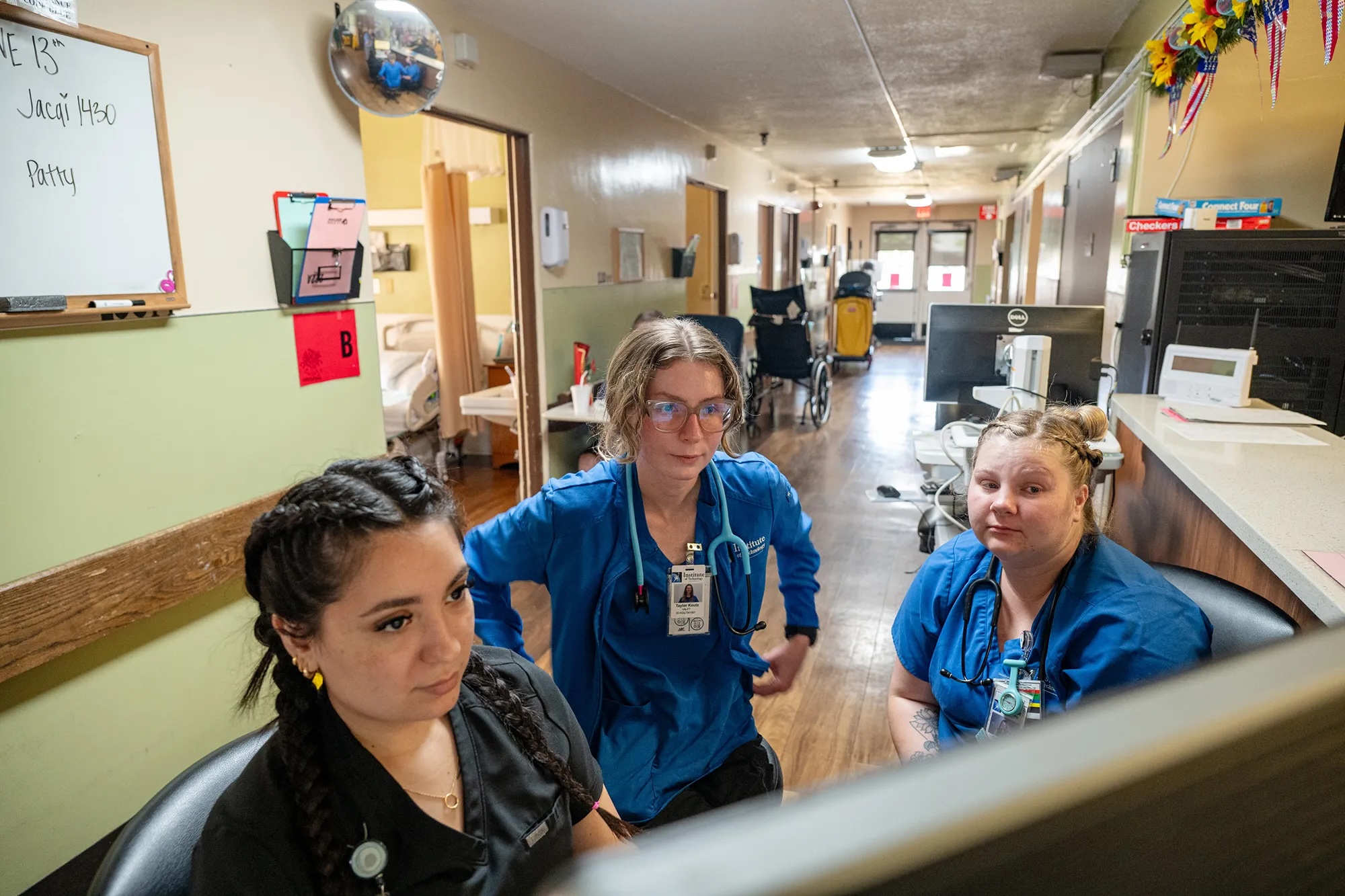
"caption": "Licensed vocational nurse Jacqi Valdez (left) works with student vocational nurses Taylor Koutz, center, and Callie Baxter (right) at the Glenn Medical Center in Willows on June 13, 2025. ",
"credit": "Chris Kaufman for CalMatters",
"altTag": null,
"description": null,
"imgSizes": {
"thumbnail": {
"file": "https://cdn.kqed.org/wp-content/uploads/sites/10/2025/06/061325_Glenn-Medical-Center_CK_02-copy-160x107.jpg",
"width": 160,
"height": 107,
"mimeType": "image/jpeg"
},
"1536x1536": {
"file": "https://cdn.kqed.org/wp-content/uploads/sites/10/2025/06/061325_Glenn-Medical-Center_CK_02-copy-1536x1024.jpg",
"width": 1536,
"height": 1024,
"mimeType": "image/jpeg"
},
"post-thumbnail": {
"file": "https://cdn.kqed.org/wp-content/uploads/sites/10/2025/06/061325_Glenn-Medical-Center_CK_02-copy-672x372.jpg",
"width": 672,
"height": 372,
"mimeType": "image/jpeg"
},
"twentyfourteen-full-width": {
"file": "https://cdn.kqed.org/wp-content/uploads/sites/10/2025/06/061325_Glenn-Medical-Center_CK_02-copy-1038x576.jpg",
"width": 1038,
"height": 576,
"mimeType": "image/jpeg"
},
"kqedFullSize": {
"file": "https://cdn.kqed.org/wp-content/uploads/sites/10/2025/06/061325_Glenn-Medical-Center_CK_02-copy.jpg",
"width": 2000,
"height": 1333
}
},
"isLoading": false,
"fetchFailed": false
},
"news_12045085": {
"type": "attachments",
"id": "news_12045085",
"meta": {
"index": "attachments_1716263798",
"site": "news",
"id": "12045085",
"found": true
},
"title": "061125-HEALTH-EXCHANGE-LEAKS-GH-CM copy",
"publishDate": 1750351185,
"status": "inherit",
"parent": 12045084,
"modified": 1750351199,
"caption": null,
"credit": "Illustration by Gabriel Hongsdusit/CalMatters",
"altTag": null,
"description": null,
"imgSizes": {
"thumbnail": {
"file": "https://cdn.kqed.org/wp-content/uploads/sites/10/2025/06/061125-HEALTH-EXCHANGE-LEAKS-GH-CM-copy-160x107.jpg",
"width": 160,
"height": 107,
"mimeType": "image/jpeg"
},
"1536x1536": {
"file": "https://cdn.kqed.org/wp-content/uploads/sites/10/2025/06/061125-HEALTH-EXCHANGE-LEAKS-GH-CM-copy-1536x1024.jpg",
"width": 1536,
"height": 1024,
"mimeType": "image/jpeg"
},
"post-thumbnail": {
"file": "https://cdn.kqed.org/wp-content/uploads/sites/10/2025/06/061125-HEALTH-EXCHANGE-LEAKS-GH-CM-copy-672x372.jpg",
"width": 672,
"height": 372,
"mimeType": "image/jpeg"
},
"twentyfourteen-full-width": {
"file": "https://cdn.kqed.org/wp-content/uploads/sites/10/2025/06/061125-HEALTH-EXCHANGE-LEAKS-GH-CM-copy-1038x576.jpg",
"width": 1038,
"height": 576,
"mimeType": "image/jpeg"
},
"kqedFullSize": {
"file": "https://cdn.kqed.org/wp-content/uploads/sites/10/2025/06/061125-HEALTH-EXCHANGE-LEAKS-GH-CM-copy.jpg",
"width": 2000,
"height": 1333
}
},
"isLoading": false,
"fetchFailed": false
},
"news_12044992": {
"type": "attachments",
"id": "news_12044992",
"meta": {
"index": "attachments_1716263798",
"site": "news",
"id": "12044992",
"found": true
},
"title": "061425-No-Kings-Trump-Marines-REUTERS-CM copy",
"publishDate": 1750287559,
"status": "inherit",
"parent": 12044990,
"modified": 1750287608,
"caption": "Demonstrators wave US and Mexican flags as US Marines stand guard outside the Edward R. Roybal Federal Building during a No Kings Day protest against President Donald Trump's policies in Los Angeles, on June 14, 2025.",
"credit": "Mike Blake/Reuters",
"altTag": null,
"description": null,
"imgSizes": {
"thumbnail": {
"file": "https://cdn.kqed.org/wp-content/uploads/sites/10/2025/06/061425-No-Kings-Trump-Marines-REUTERS-CM-copy-160x107.jpg",
"width": 160,
"height": 107,
"mimeType": "image/jpeg"
},
"1536x1536": {
"file": "https://cdn.kqed.org/wp-content/uploads/sites/10/2025/06/061425-No-Kings-Trump-Marines-REUTERS-CM-copy-1536x1024.jpg",
"width": 1536,
"height": 1024,
"mimeType": "image/jpeg"
},
"post-thumbnail": {
"file": "https://cdn.kqed.org/wp-content/uploads/sites/10/2025/06/061425-No-Kings-Trump-Marines-REUTERS-CM-copy-672x372.jpg",
"width": 672,
"height": 372,
"mimeType": "image/jpeg"
},
"twentyfourteen-full-width": {
"file": "https://cdn.kqed.org/wp-content/uploads/sites/10/2025/06/061425-No-Kings-Trump-Marines-REUTERS-CM-copy-1038x576.jpg",
"width": 1038,
"height": 576,
"mimeType": "image/jpeg"
},
"kqedFullSize": {
"file": "https://cdn.kqed.org/wp-content/uploads/sites/10/2025/06/061425-No-Kings-Trump-Marines-REUTERS-CM-copy.jpg",
"width": 2000,
"height": 1333
}
},
"isLoading": false,
"fetchFailed": false
},
"news_12043749": {
"type": "attachments",
"id": "news_12043749",
"meta": {
"index": "attachments_1716263798",
"site": "news",
"id": "12043749",
"found": true
},
"title": "LAProtestCM1",
"publishDate": 1749660653,
"status": "inherit",
"parent": 12043745,
"modified": 1749660679,
"caption": "Members of the press take cover as police officers clear the area outside of a federal building as protests continue in Los Angeles on June 9, 2025.",
"credit": "David McNew/Getty Images",
"altTag": null,
"description": null,
"imgSizes": {
"thumbnail": {
"file": "https://cdn.kqed.org/wp-content/uploads/sites/10/2025/06/LAProtestCM1-160x107.jpg",
"width": 160,
"height": 107,
"mimeType": "image/jpeg"
},
"1536x1536": {
"file": "https://cdn.kqed.org/wp-content/uploads/sites/10/2025/06/LAProtestCM1-1536x1025.jpg",
"width": 1536,
"height": 1025,
"mimeType": "image/jpeg"
},
"post-thumbnail": {
"file": "https://cdn.kqed.org/wp-content/uploads/sites/10/2025/06/LAProtestCM1-672x372.jpg",
"width": 672,
"height": 372,
"mimeType": "image/jpeg"
},
"twentyfourteen-full-width": {
"file": "https://cdn.kqed.org/wp-content/uploads/sites/10/2025/06/LAProtestCM1-1038x576.jpg",
"width": 1038,
"height": 576,
"mimeType": "image/jpeg"
},
"kqedFullSize": {
"file": "https://cdn.kqed.org/wp-content/uploads/sites/10/2025/06/LAProtestCM1.jpg",
"width": 1999,
"height": 1334
}
},
"isLoading": false,
"fetchFailed": false
},
"news_12043029": {
"type": "attachments",
"id": "news_12043029",
"meta": {
"index": "attachments_1716263798",
"site": "news",
"id": "12043029",
"found": true
},
"title": "101324-The-Investigators-MG-CM-05 copy",
"publishDate": 1749169095,
"status": "inherit",
"parent": 12043026,
"modified": 1749169130,
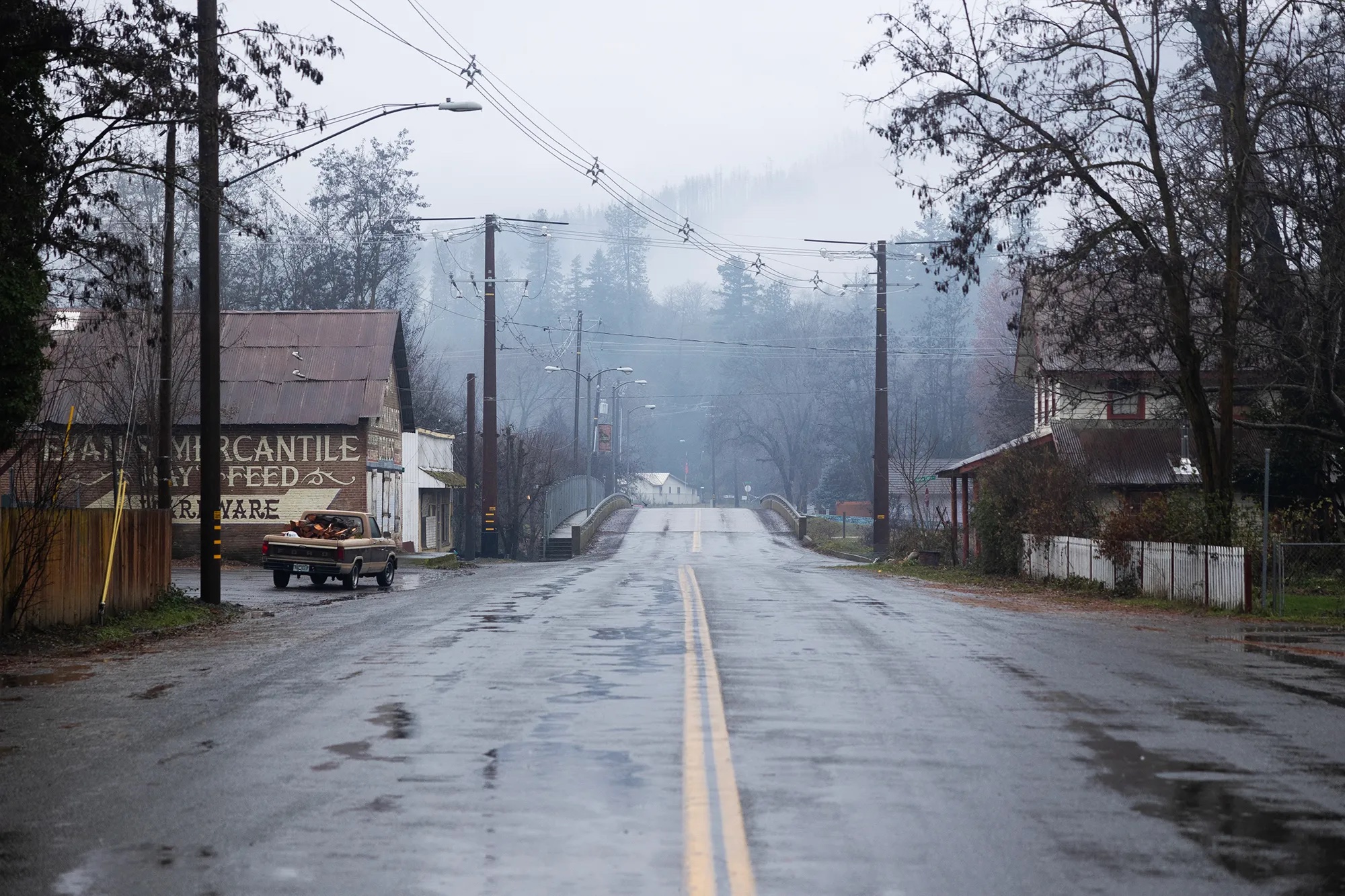
"caption": "A view down 2nd Avenue in Happy Camp on Dec. 13, 2024. \n",
"credit": "Miguel Gutierrez Jr./CalMatters",
"altTag": null,
"description": null,
"imgSizes": {
"thumbnail": {
"file": "https://cdn.kqed.org/wp-content/uploads/sites/10/2025/06/101324-The-Investigators-MG-CM-05-copy-160x107.jpg",
"width": 160,
"height": 107,
"mimeType": "image/jpeg"
},
"1536x1536": {
"file": "https://cdn.kqed.org/wp-content/uploads/sites/10/2025/06/101324-The-Investigators-MG-CM-05-copy-1536x1024.jpg",
"width": 1536,
"height": 1024,
"mimeType": "image/jpeg"
},
"post-thumbnail": {
"file": "https://cdn.kqed.org/wp-content/uploads/sites/10/2025/06/101324-The-Investigators-MG-CM-05-copy-672x372.jpg",
"width": 672,
"height": 372,
"mimeType": "image/jpeg"
},
"twentyfourteen-full-width": {
"file": "https://cdn.kqed.org/wp-content/uploads/sites/10/2025/06/101324-The-Investigators-MG-CM-05-copy-1038x576.jpg",
"width": 1038,
"height": 576,
"mimeType": "image/jpeg"
},
"kqedFullSize": {
"file": "https://cdn.kqed.org/wp-content/uploads/sites/10/2025/06/101324-The-Investigators-MG-CM-05-copy.jpg",
"width": 2000,
"height": 1333
}
},
"isLoading": false,
"fetchFailed": false
},
"news_12043075": {
"type": "attachments",
"id": "news_12043075",
"meta": {
"index": "attachments_1716263798",
"site": "news",
"id": "12043075",
"found": true
},
"title": "120723_Cabrillo-College_LE_CM_25 copy",
"publishDate": 1749231044,
"status": "inherit",
"parent": 12043069,
"modified": 1749231295,
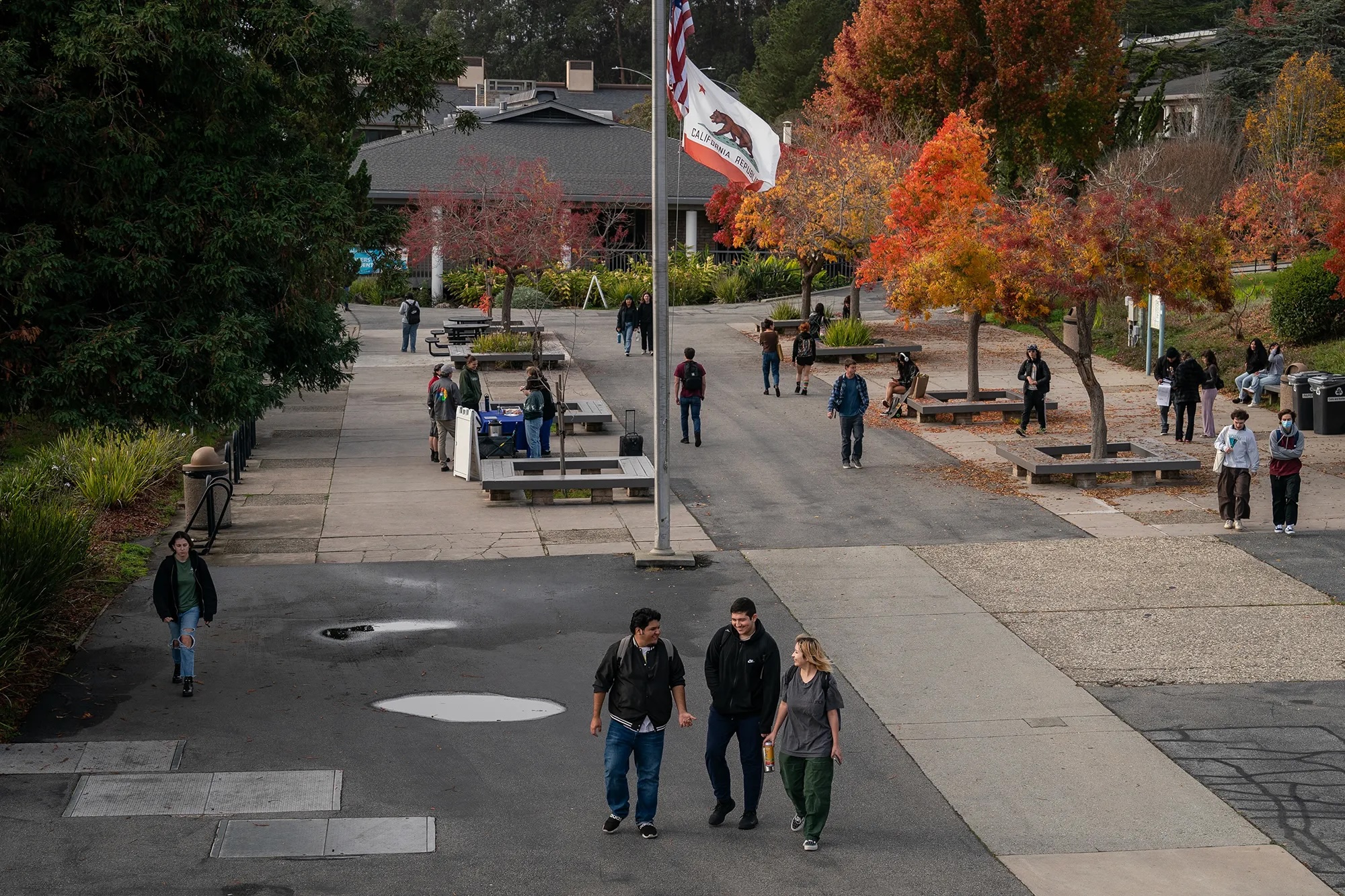
"caption": "Students walk through campus at Cabrillo College in Aptos on Dec. 7, 2023.\n",
"credit": "Loren Elliott for CalMatters",
"altTag": null,
"description": null,
"imgSizes": {
"thumbnail": {
"file": "https://cdn.kqed.org/wp-content/uploads/sites/10/2025/06/120723_Cabrillo-College_LE_CM_25-copy-160x107.jpg",
"width": 160,
"height": 107,
"mimeType": "image/jpeg"
},
"1536x1536": {
"file": "https://cdn.kqed.org/wp-content/uploads/sites/10/2025/06/120723_Cabrillo-College_LE_CM_25-copy-1536x1024.jpg",
"width": 1536,
"height": 1024,
"mimeType": "image/jpeg"
},
"post-thumbnail": {
"file": "https://cdn.kqed.org/wp-content/uploads/sites/10/2025/06/120723_Cabrillo-College_LE_CM_25-copy-672x372.jpg",
"width": 672,
"height": 372,
"mimeType": "image/jpeg"
},
"twentyfourteen-full-width": {
"file": "https://cdn.kqed.org/wp-content/uploads/sites/10/2025/06/120723_Cabrillo-College_LE_CM_25-copy-1038x576.jpg",
"width": 1038,
"height": 576,
"mimeType": "image/jpeg"
},
"kqedFullSize": {
"file": "https://cdn.kqed.org/wp-content/uploads/sites/10/2025/06/120723_Cabrillo-College_LE_CM_25-copy.jpg",
"width": 2000,
"height": 1333
}
},
"isLoading": false,
"fetchFailed": false
},
"news_12041827": {
"type": "attachments",
"id": "news_12041827",
"meta": {
"index": "attachments_1716263798",
"site": "news",
"id": "12041827",
"found": true
},
"title": "006_KQED_SanFrancisco_Muni_04062020_qed",
"publishDate": 1748456618,
"status": "inherit",
"parent": 12041824,
"modified": 1748807984,
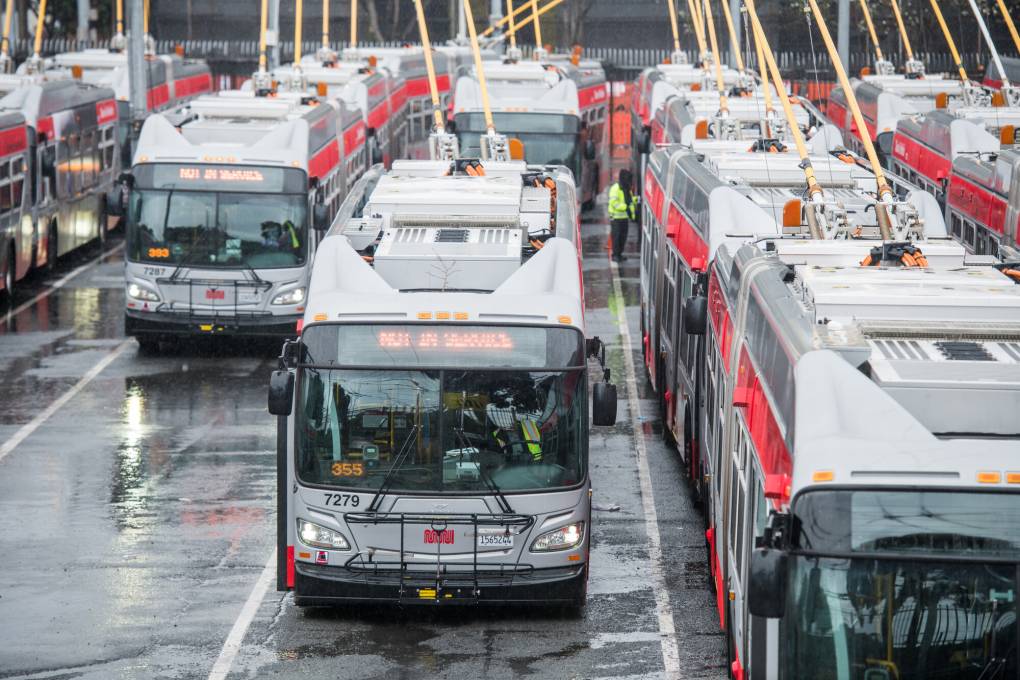
"caption": "A fleet of Muni buses in San Francisco on April 6, 2020.",
"credit": "Beth LaBerge/KQED",
"altTag": "A fleet of buses with red stripes in a parking lot.",
"description": null,
"imgSizes": {
"medium": {
"file": "https://cdn.kqed.org/wp-content/uploads/sites/10/2025/05/006_KQED_SanFrancisco_Muni_04062020_qed-800x533.jpg",
"width": 800,
"height": 533,
"mimeType": "image/jpeg"
},
"large": {
"file": "https://cdn.kqed.org/wp-content/uploads/sites/10/2025/05/006_KQED_SanFrancisco_Muni_04062020_qed-1020x680.jpg",
"width": 1020,
"height": 680,
"mimeType": "image/jpeg"
},
"thumbnail": {
"file": "https://cdn.kqed.org/wp-content/uploads/sites/10/2025/05/006_KQED_SanFrancisco_Muni_04062020_qed-160x107.jpg",
"width": 160,
"height": 107,
"mimeType": "image/jpeg"
},
"1536x1536": {
"file": "https://cdn.kqed.org/wp-content/uploads/sites/10/2025/05/006_KQED_SanFrancisco_Muni_04062020_qed-1536x1024.jpg",
"width": 1536,
"height": 1024,
"mimeType": "image/jpeg"
},
"post-thumbnail": {
"file": "https://cdn.kqed.org/wp-content/uploads/sites/10/2025/05/006_KQED_SanFrancisco_Muni_04062020_qed-672x372.jpg",
"width": 672,
"height": 372,
"mimeType": "image/jpeg"
},
"twentyfourteen-full-width": {
"file": "https://cdn.kqed.org/wp-content/uploads/sites/10/2025/05/006_KQED_SanFrancisco_Muni_04062020_qed-1038x576.jpg",
"width": 1038,
"height": 576,
"mimeType": "image/jpeg"
},
"full-width": {
"file": "https://cdn.kqed.org/wp-content/uploads/sites/10/2025/05/006_KQED_SanFrancisco_Muni_04062020_qed-1920x1280.jpg",
"width": 1920,
"height": 1280,
"mimeType": "image/jpeg"
},
"kqedFullSize": {
"file": "https://cdn.kqed.org/wp-content/uploads/sites/10/2025/05/006_KQED_SanFrancisco_Muni_04062020_qed.jpg",
"width": 2000,
"height": 1333
}
},
"isLoading": false,
"fetchFailed": false
},
"news_12042346": {
"type": "attachments",
"id": "news_12042346",
"meta": {
"index": "attachments_1716263798",
"site": "news",
"id": "12042346",
"found": true
},
"title": "052825_WorkRequirements_JC_CM_23 copy",
"publishDate": 1748732813,
"status": "inherit",
"parent": 12042342,
"modified": 1748732847,
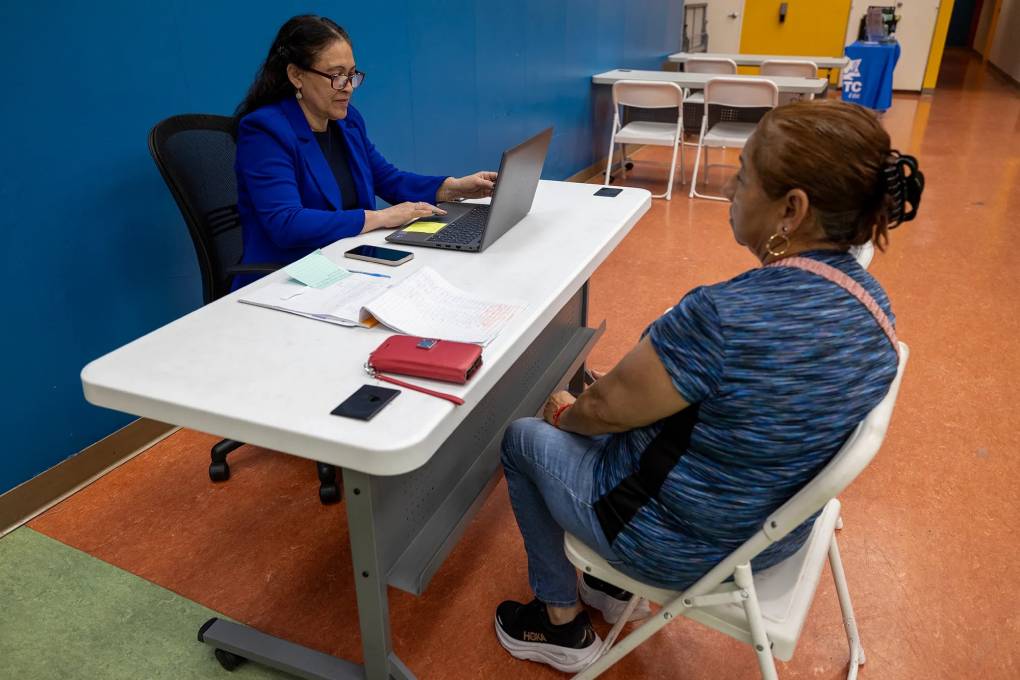
"caption": "At the Central City Neighborhood Partners office in Los Angeles, health navigator Elba Medina (left) assists Carmen Umana with her Medi-Cal application.\n",
"credit": "Jill Connelly for CalMatters",
"altTag": null,
"description": null,
"imgSizes": {
"medium": {
"file": "https://cdn.kqed.org/wp-content/uploads/sites/10/2025/05/052825_WorkRequirements_JC_CM_23-copy-800x534.jpg",
"width": 800,
"height": 534,
"mimeType": "image/jpeg"
},
"large": {
"file": "https://cdn.kqed.org/wp-content/uploads/sites/10/2025/05/052825_WorkRequirements_JC_CM_23-copy-1020x680.jpg",
"width": 1020,
"height": 680,
"mimeType": "image/jpeg"
},
"thumbnail": {
"file": "https://cdn.kqed.org/wp-content/uploads/sites/10/2025/05/052825_WorkRequirements_JC_CM_23-copy-160x107.jpg",
"width": 160,
"height": 107,
"mimeType": "image/jpeg"
},
"1536x1536": {
"file": "https://cdn.kqed.org/wp-content/uploads/sites/10/2025/05/052825_WorkRequirements_JC_CM_23-copy-1536x1025.jpg",
"width": 1536,
"height": 1025,
"mimeType": "image/jpeg"
},
"post-thumbnail": {
"file": "https://cdn.kqed.org/wp-content/uploads/sites/10/2025/05/052825_WorkRequirements_JC_CM_23-copy-672x372.jpg",
"width": 672,
"height": 372,
"mimeType": "image/jpeg"
},
"twentyfourteen-full-width": {
"file": "https://cdn.kqed.org/wp-content/uploads/sites/10/2025/05/052825_WorkRequirements_JC_CM_23-copy-1038x576.jpg",
"width": 1038,
"height": 576,
"mimeType": "image/jpeg"
},
"full-width": {
"file": "https://cdn.kqed.org/wp-content/uploads/sites/10/2025/05/052825_WorkRequirements_JC_CM_23-copy-1920x1281.jpg",
"width": 1920,
"height": 1281,
"mimeType": "image/jpeg"
},
"kqedFullSize": {
"file": "https://cdn.kqed.org/wp-content/uploads/sites/10/2025/05/052825_WorkRequirements_JC_CM_23-copy.jpg",
"width": 2000,
"height": 1334
}
},
"isLoading": false,
"fetchFailed": false
},
"news_12041588": {
"type": "attachments",
"id": "news_12041588",
"meta": {
"index": "attachments_1716263798",
"site": "news",
"id": "12041588",
"found": true
},
"title": "080822-LA-Planned-Parenthood-RN-CM-05 copy",
"publishDate": 1748043623,
"status": "inherit",
"parent": 12041584,
"modified": 1748043649,
"caption": "The Planned Parenthood-East Los Angeles Health Center in East Los Angeles on Aug. 8th, 2022.\n",
"credit": "Raquel Natalicchio for CalMatters",
"altTag": null,
"description": null,
"imgSizes": {
"medium": {
"file": "https://cdn.kqed.org/wp-content/uploads/sites/10/2025/05/080822-LA-Planned-Parenthood-RN-CM-05-copy-800x532.jpg",
"width": 800,
"height": 532,
"mimeType": "image/jpeg"
},
"large": {
"file": "https://cdn.kqed.org/wp-content/uploads/sites/10/2025/05/080822-LA-Planned-Parenthood-RN-CM-05-copy-1020x679.jpg",
"width": 1020,
"height": 679,
"mimeType": "image/jpeg"
},
"thumbnail": {
"file": "https://cdn.kqed.org/wp-content/uploads/sites/10/2025/05/080822-LA-Planned-Parenthood-RN-CM-05-copy-160x106.jpg",
"width": 160,
"height": 106,
"mimeType": "image/jpeg"
},
"1536x1536": {
"file": "https://cdn.kqed.org/wp-content/uploads/sites/10/2025/05/080822-LA-Planned-Parenthood-RN-CM-05-copy-1536x1022.jpg",
"width": 1536,
"height": 1022,
"mimeType": "image/jpeg"
},
"post-thumbnail": {
"file": "https://cdn.kqed.org/wp-content/uploads/sites/10/2025/05/080822-LA-Planned-Parenthood-RN-CM-05-copy-672x372.jpg",
"width": 672,
"height": 372,
"mimeType": "image/jpeg"
},
"twentyfourteen-full-width": {
"file": "https://cdn.kqed.org/wp-content/uploads/sites/10/2025/05/080822-LA-Planned-Parenthood-RN-CM-05-copy-1038x576.jpg",
"width": 1038,
"height": 576,
"mimeType": "image/jpeg"
},
"full-width": {
"file": "https://cdn.kqed.org/wp-content/uploads/sites/10/2025/05/080822-LA-Planned-Parenthood-RN-CM-05-copy-1920x1278.jpg",
"width": 1920,
"height": 1278,
"mimeType": "image/jpeg"
},
"kqedFullSize": {
"file": "https://cdn.kqed.org/wp-content/uploads/sites/10/2025/05/080822-LA-Planned-Parenthood-RN-CM-05-copy.jpg",
"width": 2000,
"height": 1331
}
},
"isLoading": false,
"fetchFailed": false
},
"news_12041566": {
"type": "attachments",
"id": "news_12041566",
"meta": {
"index": "attachments_1716263798",
"site": "news",
"id": "12041566",
"found": true
},
"title": "050825_FoodLockers_FM_CM_02 copy",
"publishDate": 1748042371,
"status": "inherit",
"parent": 12041562,
"modified": 1748042412,
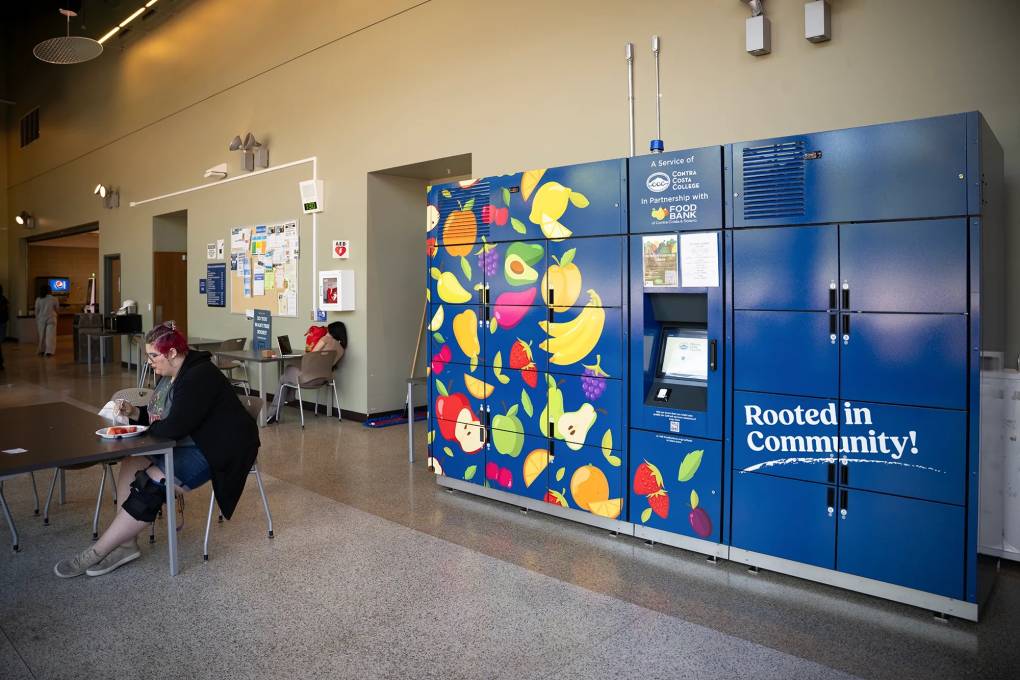
"caption": "Teddy Thollaug eats at the Contra Costa College dining hall in front of the refrigerated food lockers in San Pablo on May 8, 2025. Thollaug works as a student worker at the campus' Basic Needs Services, which offers weekly free food to lower-income students through the lockers. \n",
"credit": "Florence Middleton for CalMatters",
"altTag": null,
"description": null,
"imgSizes": {
"medium": {
"file": "https://cdn.kqed.org/wp-content/uploads/sites/10/2025/05/050825_FoodLockers_FM_CM_02-copy-800x533.jpg",
"width": 800,
"height": 533,
"mimeType": "image/jpeg"
},
"large": {
"file": "https://cdn.kqed.org/wp-content/uploads/sites/10/2025/05/050825_FoodLockers_FM_CM_02-copy-1020x680.jpg",
"width": 1020,
"height": 680,
"mimeType": "image/jpeg"
},
"thumbnail": {
"file": "https://cdn.kqed.org/wp-content/uploads/sites/10/2025/05/050825_FoodLockers_FM_CM_02-copy-160x107.jpg",
"width": 160,
"height": 107,
"mimeType": "image/jpeg"
},
"1536x1536": {
"file": "https://cdn.kqed.org/wp-content/uploads/sites/10/2025/05/050825_FoodLockers_FM_CM_02-copy-1536x1024.jpg",
"width": 1536,
"height": 1024,
"mimeType": "image/jpeg"
},
"post-thumbnail": {
"file": "https://cdn.kqed.org/wp-content/uploads/sites/10/2025/05/050825_FoodLockers_FM_CM_02-copy-672x372.jpg",
"width": 672,
"height": 372,
"mimeType": "image/jpeg"
},
"twentyfourteen-full-width": {
"file": "https://cdn.kqed.org/wp-content/uploads/sites/10/2025/05/050825_FoodLockers_FM_CM_02-copy-1038x576.jpg",
"width": 1038,
"height": 576,
"mimeType": "image/jpeg"
},
"full-width": {
"file": "https://cdn.kqed.org/wp-content/uploads/sites/10/2025/05/050825_FoodLockers_FM_CM_02-copy-1920x1280.jpg",
"width": 1920,
"height": 1280,
"mimeType": "image/jpeg"
},
"kqedFullSize": {
"file": "https://cdn.kqed.org/wp-content/uploads/sites/10/2025/05/050825_FoodLockers_FM_CM_02-copy.jpg",
"width": 2000,
"height": 1333
}
},
"isLoading": false,
"fetchFailed": false
},
"news_12041624": {
"type": "attachments",
"id": "news_12041624",
"meta": {
"index": "attachments_1716263798",
"site": "news",
"id": "12041624",
"found": true
},
"title": "021425_Abortion-Access_AH_CM_34",
"publishDate": 1748196721,
"status": "inherit",
"parent": 12041620,
"modified": 1748197038,
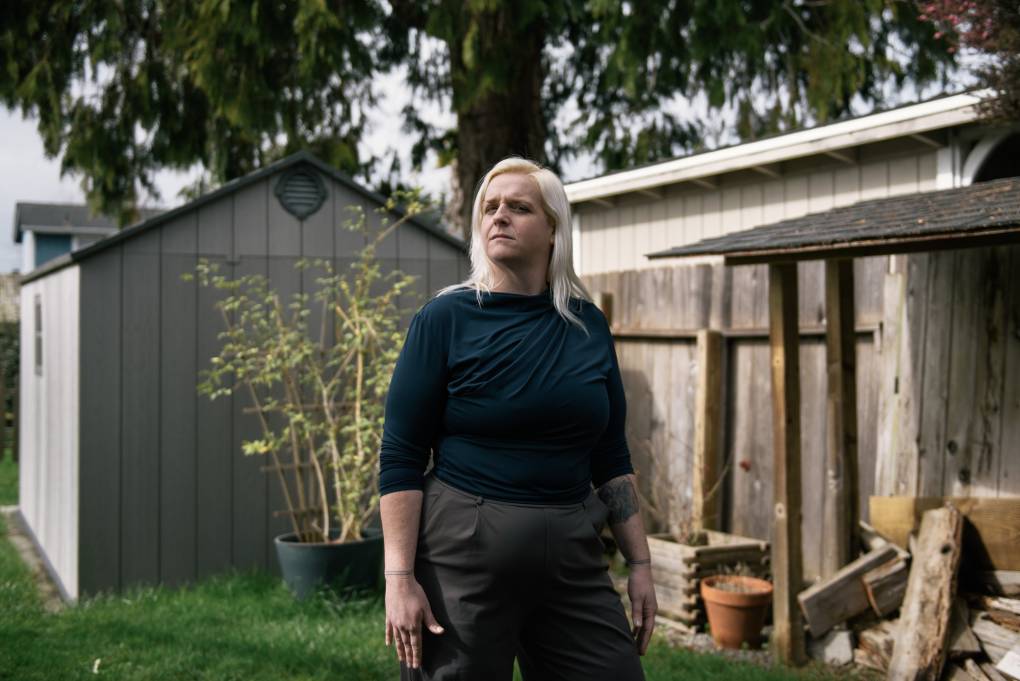
"caption": "Anna Nusslock at her home in Eureka on Feb. 14, 2025. Providence St. Joseph Hospital refused Nusslock an emergency abortion after she had a miscarriage at 15 weeks pregnant, despite serious risks to her health. ",
"credit": "Alexandra Hootnick /CalMatters",
"altTag": "A white woman wearing a green shirt stands outside in a backyard.",
"description": null,
"imgSizes": {
"medium": {
"file": "https://cdn.kqed.org/wp-content/uploads/sites/10/2025/05/021425_Abortion-Access_AH_CM_34-800x534.jpg",
"width": 800,
"height": 534,
"mimeType": "image/jpeg"
},
"large": {
"file": "https://cdn.kqed.org/wp-content/uploads/sites/10/2025/05/021425_Abortion-Access_AH_CM_34-1020x681.jpg",
"width": 1020,
"height": 681,
"mimeType": "image/jpeg"
},
"thumbnail": {
"file": "https://cdn.kqed.org/wp-content/uploads/sites/10/2025/05/021425_Abortion-Access_AH_CM_34-160x107.jpg",
"width": 160,
"height": 107,
"mimeType": "image/jpeg"
},
"1536x1536": {
"file": "https://cdn.kqed.org/wp-content/uploads/sites/10/2025/05/021425_Abortion-Access_AH_CM_34-1536x1025.jpg",
"width": 1536,
"height": 1025,
"mimeType": "image/jpeg"
},
"post-thumbnail": {
"file": "https://cdn.kqed.org/wp-content/uploads/sites/10/2025/05/021425_Abortion-Access_AH_CM_34-672x372.jpg",
"width": 672,
"height": 372,
"mimeType": "image/jpeg"
},
"twentyfourteen-full-width": {
"file": "https://cdn.kqed.org/wp-content/uploads/sites/10/2025/05/021425_Abortion-Access_AH_CM_34-1038x576.jpg",
"width": 1038,
"height": 576,
"mimeType": "image/jpeg"
},
"full-width": {
"file": "https://cdn.kqed.org/wp-content/uploads/sites/10/2025/05/021425_Abortion-Access_AH_CM_34-1920x1282.jpg",
"width": 1920,
"height": 1282,
"mimeType": "image/jpeg"
},
"kqedFullSize": {
"file": "https://cdn.kqed.org/wp-content/uploads/sites/10/2025/05/021425_Abortion-Access_AH_CM_34.jpg",
"width": 2000,
"height": 1335
}
},
"isLoading": false,
"fetchFailed": false
}
},
"audioPlayerReducer": {
"postId": "stream_live",
"isPaused": true,
"isPlaying": false,
"pfsActive": false,
"pledgeModalIsOpen": true,
"playerDrawerIsOpen": false,
"liveAudioPlayStartedAt": 0,
"liveAudioPlayContext": ""
},
"authorsReducer": {
"byline_news_12046457": {
"type": "authors",
"id": "byline_news_12046457",
"meta": {
"override": true
},
"slug": "byline_news_12046457",
"name": "Jim Newton, CalMatters",
"isLoading": false
},
"byline_news_12045099": {
"type": "authors",
"id": "byline_news_12045099",
"meta": {
"override": true
},
"slug": "byline_news_12045099",
"name": "Ana B. Ibarra, CalMatters",
"isLoading": false
},
"byline_news_12045084": {
"type": "authors",
"id": "byline_news_12045084",
"meta": {
"override": true
},
"slug": "byline_news_12045084",
"name": "Colin Lecher and Tomas Apodaca, CalMatters",
"isLoading": false
},
"byline_news_12044990": {
"type": "authors",
"id": "byline_news_12044990",
"meta": {
"override": true
},
"slug": "byline_news_12044990",
"name": "Yue Stella Yu, CalMatters",
"isLoading": false
},
"byline_news_12043745": {
"type": "authors",
"id": "byline_news_12043745",
"meta": {
"override": true
},
"slug": "byline_news_12043745",
"name": "John D'Anna, CalMatters",
"isLoading": false
},
"byline_news_12043026": {
"type": "authors",
"id": "byline_news_12043026",
"meta": {
"override": true
},
"slug": "byline_news_12043026",
"name": "\u003ca href=\"https://calmatters.org/author/anat-rubin/\">Anat Rubin\u003c/a>, CalMatters",
"isLoading": false
},
"byline_news_12043069": {
"type": "authors",
"id": "byline_news_12043069",
"meta": {
"override": true
},
"slug": "byline_news_12043069",
"name": "\u003ca href=\"https://calmatters.org/author/desmond-meagley/\">Desmond Meagley\u003c/a> and \u003ca href=\"https://calmatters.org/author/lylah-schmedel-permanna/\">Lylah Schmedel-Permanna\u003c/a>, CalMatters",
"isLoading": false
},
"byline_news_12042348": {
"type": "authors",
"id": "byline_news_12042348",
"meta": {
"override": true
},
"slug": "byline_news_12042348",
"name": "\u003ca href=\"https://calmatters.org/author/ben-christopher/\">Ben Christopher, \u003c/a>CalMatters",
"isLoading": false
},
"byline_news_12042342": {
"type": "authors",
"id": "byline_news_12042342",
"meta": {
"override": true
},
"slug": "byline_news_12042342",
"name": "\u003ca href=\"https://calmatters.org/author/anaibarra/\">Ana B. Ibarra\u003c/a>, CalMatters",
"isLoading": false
},
"byline_news_12041584": {
"type": "authors",
"id": "byline_news_12041584",
"meta": {
"override": true
},
"slug": "byline_news_12041584",
"name": "\u003ca href=\"https://calmatters.org/author/kristen-hwang/\">Kristen Hwang\u003c/a>, CalMatters",
"isLoading": false
},
"byline_news_12041562": {
"type": "authors",
"id": "byline_news_12041562",
"meta": {
"override": true
},
"slug": "byline_news_12041562",
"name": "\u003ca href=\"https://calmatters.org/author/amy-moore/\">Amy Elisabeth Moore\u003c/a>, CalMatters",
"isLoading": false
},
"byline_news_12041620": {
"type": "authors",
"id": "byline_news_12041620",
"meta": {
"override": true
},
"slug": "byline_news_12041620",
"name": "\u003ca href=\"https://calmatters.org/author/kristen-hwang\">Kristen Hwang, \u003c/a>CalMatters",
"isLoading": false
}
},
"pagesReducer": {
"news_affiliate_calmatters": {
"type": "terms",
"id": "news_18481",
"meta": {
"index": "terms_1716263798",
"site": "news",
"id": "18481",
"score": 15.355862
},
"featImg": null,
"name": "CALmatters",
"description": null,
"taxonomy": "affiliate",
"headData": {
"twImgId": null,
"twTitle": null,
"ogTitle": null,
"ogImgId": null,
"twDescription": null,
"description": null,
"title": "CALmatters Archives | KQED Arts",
"ogDescription": null
},
"ttid": 18515,
"slug": "calmatters",
"isLoading": false,
"title": "CALmatters",
"pageMeta": {
"site": "news",
"WpPageTemplate": "page-topic-editorial",
"currentPage": 13
},
"blocks": [
{
"blockName": "kqed/post-list",
"attrs": {
"layout": "cardArticle2",
"query": "posts/news?affiliate=calmatters",
"seeMore": false,
"paginated": true,
"page": 13
}
},
{
"blockName": "kqed/ad"
}
]
}
},
"pfsSessionReducer": {},
"postsReducer": {
"stream_live": {
"type": "live",
"id": "stream_live",
"audioUrl": "https://streams.kqed.org/kqedradio",
"title": "Live Stream",
"excerpt": "Live Stream information currently unavailable.",
"link": "/radio",
"featImg": "",
"label": {
"name": "KQED Live",
"link": "/"
}
},
"stream_kqedNewscast": {
"type": "posts",
"id": "stream_kqedNewscast",
"audioUrl": "https://www.kqed.org/.stream/anon/radio/RDnews/newscast.mp3?_=1",
"title": "KQED Newscast",
"featImg": "",
"label": {
"name": "88.5 FM",
"link": "/"
}
},
"news_12046457": {
"type": "posts",
"id": "news_12046457",
"meta": {
"index": "posts_1716263798",
"site": "news",
"id": "12046457",
"score": null,
"sort": [
1751138949000
]
},
"guestAuthors": [],
"slug": "much-of-las-community-of-immigrants-is-hiding-leaving-a-hole-in-the-fabric-of-the-city",
"title": "Much of LA’s Community of Immigrants Is Hiding, Leaving a Hole in the Fabric of the City",
"publishDate": 1751138949,
"format": "standard",
"headTitle": "Much of LA’s Community of Immigrants Is Hiding, Leaving a Hole in the Fabric of the City | KQED",
"labelTerm": {
"term": 18481,
"site": "news"
},
"content": "\u003cp>\u003cem>This commentary was originally published by \u003ca href=\"https://calmatters.org/\">CalMatters\u003c/a>. \u003ca href=\"https://calmatters.org/subscribe-to-calmatters/\">Sign up\u003c/a> for their newsletters.\u003c/em>\u003c/p>\n\u003cp>In immigrant-rich Westlake in Los Angeles, stores were empty Friday morning. The computer repair place was closed.\u003c/p>\n\u003cp>Gates were down in front of a check-cashing operation. One of the area health clinics, where residents often line up for medical care, was open but without takers.\u003c/p>\n\u003cp>A block away, MacArthur Park still stirred with drug addicts and unhoused men. Police arrested two, cuffing them as the men stared into the distance.\u003c/p>\n\u003cp>Around Los Angeles, flower sellers who congregate outside Forest Lawn were missing, buses were running half empty, car washes were closed. Parking lots at Home Depots and garden stores were suddenly noticeably vacant.\u003c/p>\n\u003cp>[ad fullwidth]\u003c/p>\n\u003cp>This is what happens when the federal government, against the wishes of those who live in a community, exercises its distant authority and imposes a solution Los Angeles residents don’t want. Confrontations in a small area of downtown escalated after the arrival of the National Guard and then of active-duty U.S. Marines.\u003c/p>\n\u003cp>And Los Angeles’ large, productive, and now very afraid community of undocumented immigrants has slipped into the shadows.\u003c/p>\n\u003cp>There are many misconceptions about immigrants in Los Angeles, but none more disorienting than the canard — so popular among Trump administration representatives — that those immigrants who arrived without papers somehow live apart from the rest of the city.\u003c/p>\n\u003cp>The role of these immigrants in the local economy is widely misunderstood and deliberately misrepresented. Undocumented immigrants do not work outside the larger economy; they are integrated into it, just as they are into every other aspect of life in California.\u003c/p>\n\u003cp>When they are removed or are cowered into staying home, the effects touch everyone.\u003c/p>\n\u003cp>“The impact on the economy is broader,” said Saba Waheed, director of UCLA’s Labor Center. “They (federal authorities) are uprooting and interfering in the daily life of Los Angeles.\u003c/p>\n\u003cp>“You’re taking away part of our workforce. That is hurting L.A. more broadly.”\u003c/p>\n\u003cp>That’s in part because of the close integration of illegal immigrants into the broader economy, and not just in Los Angeles. In California, undocumented workers make up about a quarter of all farm laborers and construction workers.\u003c/p>\n\u003cp>When Arizona adopted anti-immigrant laws in the early 2000s, \u003ca href=\"https://carsey.unh.edu/sites/default/files/media/2024-08/economic-impact-mass-deportation-lit-review.pdf\" target=\"_blank\" rel=\"noopener\">many undocumented residents, perhaps as many as 40%, left\u003c/a>. The economy suffered. And unemployment for low-skilled white men increased, not decreased.\u003c/p>\n\u003cp>That makes perfect sense to all but the closed-minded or hard-hearted.\u003c/p>\n\u003cfigure>\u003cimg decoding=\"async\" src=\"https://calmatters.org/wp-content/uploads/2025/01/012025Border-Inauguration_AH_CM_04-1024x682.jpg\" alt=\"A person in a puffy jacket and cap stands by a chain-link fence, looking toward a busy parking lot filled with vehicles. In the background, a retail store is visible, and two other individuals are seen standing nearby.\">\u003cfigcaption>Saul Muñoz, 53, waits for any job opportunities in front of a Home Depot in San Diego on Jan. 20, 2025. \u003cem>Adriana Heldiz/CalMatters\u003c/em>\u003c/figcaption>\u003c/figure>\n\u003cp>Whether here legally or illegally, these are working men and women. When they get paid, they spend that money on clothes and places to live, toys for their children, food and the stuff of life. That spending goes into the broader economy, supporting businesses that are owned and operated by legal residents.\u003c/p>\n\u003cp>Restaurants and stores that depend on business from those in the country illegally suffer right along with those immigrants.\u003c/p>\n\u003cp>Trump supporters, starting with the president’s shrill emissary, Stephen Miller, like to counter with crocodile tears for illegal immigrants, who they suggest are an exploited class of workers, while simultaneously calling them an ominous criminal threat.\u003c/p>\n\u003cp>And though it is certainly true that some undocumented residents are paid lower wages than citizens, many are not victims but have been comfortably working for years. Indeed, nearly 80% of those living illegally in this country have been working here for more than a decade.\u003c/p>\n\u003cp>Miller and his fellow travelers suggest that this is all a drag on the economy, a burdensome expense. But that, too, is false.\u003c/p>\n\u003cp>In addition to the economic activity they generate, undocumented workers pay taxes — using taxpayer identification numbers, many pay federal income taxes. Others share housing, often with documented family members, and help pay property taxes.\u003c/p>\n\u003cp>Many of these workers have Social Security money withdrawn from their paychecks but, since they are using fake Social Security numbers, they never get the benefits at the other end — which means they help prop up that system for others.\u003c/p>\n\u003cp>And, of course, they pay sales taxes, which are especially vital to local governments.\u003c/p>\n\u003cp>California’s undocumented workers \u003ca href=\"https://www.bayareaeconomy.org/report/economic-impact-of-mass-deportation-in-california/\">contribute $23 billion a year in federal, state and local taxes\u003c/a>. Their direct pay alone amounts to 5% of the state’s economy, a new study shows.\u003c/p>\n\u003cp>Pulling them out of the workforce, either to send them out of the country or chasing them indoors to avoid detection, hurts not just them. It hurts Los Angeles.\u003c/p>\n\u003cp>In fact, if deportation enthusiasts got their fondest wish, it would hurt the entire country.\u003c/p>\n\u003cp>One study concluded that if the government succeeds in deporting every person currently in the country illegally, it would result in a 1.4% drop in Gross Domestic Product in the first year, with losses rising thereafter. \u003ca href=\"https://www.nber.org/system/files/working_papers/w22834/w22834.pdf\" target=\"_blank\" rel=\"noopener\">The economy would shed more than $5 trillion\u003c/a>.\u003c/p>\n\u003cp>Those are studies. And then there is life in the city.\u003c/p>\n\u003cp>Los Angeles, like any city, would welcome the removal of dangerous people. But that’s not who’s being grabbed. Immigrants in the country illegally tend to \u003ca href=\"https://www.cato.org/research-briefs-economic-policy/law-abiding-immigrants-incarceration-gap-between-immigrants-us-born\">be more law-abiding\u003c/a> once here than native-born Americans.\u003c/p>\n\u003cfigure>\u003cimg decoding=\"async\" src=\"https://calmatters.org/wp-content/uploads/2025/06/060825-Natl-Guard-MDC-DTLA-TS-CM-04-1024x683.jpg\" alt=\"A line of California National Guard members in full riot gear stand shoulder to shoulder holding transparent shields labeled “CALIFORNIA NATIONAL GUARD.” They wear helmets with face shields and camouflage uniforms. The photo is taken at street level, with tall downtown buildings and an American flag visible in the background on a sunny day.\">\u003cfigcaption>California National Guard soldiers stand with shields outside the Federal Detention Center in downtown Los Angeles, on June 8, 2025. \u003cem>Ted Soqui for CalMatters\u003c/em>\u003c/figcaption>\u003c/figure>\n\u003cp>Under Trump, more than 70% of those seized in these disruptive raids have no criminal record at all, and many more have only minor traffic or other offenses. All told, \u003ca href=\"https://www.the-independent.com/news/world/americas/us-politics/ice-immigration-raids-trump-citizens-b2775393.html\">about 8% of those snatched by ICE\u003c/a> in recent months have serious criminal histories.\u003c/p>\n\u003cp>That means more than 9 out of 10 gave no evidence of being a threat. Removing them separates families, devastates businesses and damages the larger economy — with no corresponding benefit to the safety of this community.\u003c/p>\n\u003cp>You don’t snag criminals by raiding car washes and Home Depot parking lots. Washington may not get that — or may not care. But Los Angeles does.\u003c/p>\n\u003cp>If those who are behind the recent immigration raids imagined that they were excising an unwanted, detached community from the rest of Los Angeles, they badly miscalculated. Instead, this region has demonstrated resolve and solidarity in the face of a threat that is not just economic but cultural as well.\u003c/p>\n\u003cp>Churches with large immigrant congregations are advising their parishioners to stay home rather than expose themselves to ICE. Hotels and businesses are flying Mexican flags in solidarity with their workers.\u003c/p>\n\u003cp>Activists and everyday people are refusing to cooperate when masked agents, who themselves refuse to provide identification, demand it of others, often merely because of their skin color.\u003c/p>\n\u003cp>The city of Pasadena, hardly a hotbed of radicalism, \u003ca href=\"https://ktla.com/news/local-news/programs-in-pasadena-canceled-after-social-media-posts-showing-apparent-federal-enforcement-activity/\">cancelled summer swim and park programs\u003c/a> last weekend for fear that ICE would use them to snag suspects.\u003c/p>\n\u003cp>Those actions prove a point: These immigrants, however they arrived or whatever their legal status, are integral to this region’s economy and to its sense of self.\u003c/p>\n\u003cp>These are our neighbors, our friends, the friends of our children, our coworkers. Forcibly removing them is bad for them, of course. It’s also bad for the rest of us.\u003c/p>\n\u003cp>\u003cem>This article was \u003ca href=\"https://calmatters.org/commentary/2025/06/los-angeles-undocumented-immigrants/\">originally published on CalMatters\u003c/a> and was republished under the \u003ca href=\"https://creativecommons.org/licenses/by-nc-nd/4.0/\">Creative Commons Attribution-NonCommercial-NoDerivatives\u003c/a> license.\u003c/em>\u003c/p>\n\u003cp>[ad floatright]\u003c/p>\n",
"blocks": [],
"excerpt": "Los Angeles’ large, productive, highly integrated, and now very afraid community of undocumented immigrants has slipped into the shadows, leaving a visible impact throughout the city.",
"status": "publish",
"parent": 0,
"modified": 1751138949,
"stats": {
"hasAudio": false,
"hasVideo": false,
"hasChartOrMap": false,
"iframeSrcs": [],
"hasGoogleForm": false,
"hasGallery": false,
"hasHearkenModule": false,
"hasPolis": false,
"paragraphCount": 41,
"wordCount": 1242
},
"headData": {
"title": "Much of LA’s Community of Immigrants Is Hiding, Leaving a Hole in the Fabric of the City | KQED",
"description": "Los Angeles’ large, productive, highly integrated, and now very afraid community of undocumented immigrants has slipped into the shadows, leaving a visible impact throughout the city.",
"ogTitle": "",
"ogDescription": "",
"ogImgId": "",
"twTitle": "",
"twDescription": "",
"twImgId": "",
"schema": {
"@context": "https://schema.org",
"@type": "NewsArticle",
"headline": "Much of LA’s Community of Immigrants Is Hiding, Leaving a Hole in the Fabric of the City",
"datePublished": "2025-06-28T12:29:09-07:00",
"dateModified": "2025-06-28T12:29:09-07:00",
"image": "https://cdn.kqed.org/wp-content/uploads/2020/02/KQED-OG-Image@1x.png",
"isAccessibleForFree": "True",
"publisher": {
"@type": "NewsMediaOrganization",
"@id": "https://www.kqed.org/#organization",
"name": "KQED",
"logo": "https://cdn.kqed.org/wp-content/uploads/2020/02/KQED-OG-Image@1x.png",
"url": "https://www.kqed.org",
"sameAs": [
"https://www.facebook.com/KQED",
"https://twitter.com/KQED",
"https://www.instagram.com/kqed/",
"https://www.tiktok.com/@kqedofficial",
"https://www.linkedin.com/company/kqed",
"https://www.youtube.com/channel/UCeC0IOo7i1P_61zVUWbJ4nw"
]
}
}
},
"primaryCategory": {
"termId": 8,
"slug": "news",
"name": "News"
},
"sticky": false,
"nprByline": "Jim Newton, CalMatters",
"nprStoryId": "kqed-12046457",
"templateType": "standard",
"featuredImageType": "standard",
"excludeFromSiteSearch": "Include",
"showOnAuthorArchivePages": "No",
"articleAge": "0",
"path": "/news/12046457/much-of-las-community-of-immigrants-is-hiding-leaving-a-hole-in-the-fabric-of-the-city",
"audioTrackLength": null,
"parsedContent": [
{
"type": "contentString",
"content": "\u003cdiv class=\"post-body\">\u003cp>\u003cp>\u003cem>This commentary was originally published by \u003ca href=\"https://calmatters.org/\">CalMatters\u003c/a>. \u003ca href=\"https://calmatters.org/subscribe-to-calmatters/\">Sign up\u003c/a> for their newsletters.\u003c/em>\u003c/p>\n\u003cp>In immigrant-rich Westlake in Los Angeles, stores were empty Friday morning. The computer repair place was closed.\u003c/p>\n\u003cp>Gates were down in front of a check-cashing operation. One of the area health clinics, where residents often line up for medical care, was open but without takers.\u003c/p>\n\u003cp>A block away, MacArthur Park still stirred with drug addicts and unhoused men. Police arrested two, cuffing them as the men stared into the distance.\u003c/p>\n\u003cp>Around Los Angeles, flower sellers who congregate outside Forest Lawn were missing, buses were running half empty, car washes were closed. Parking lots at Home Depots and garden stores were suddenly noticeably vacant.\u003c/p>\n\u003cp>\u003c/p>\u003c/div>",
"attributes": {
"named": {},
"numeric": []
}
},
{
"type": "component",
"content": "",
"name": "ad",
"attributes": {
"named": {
"label": "fullwidth"
},
"numeric": [
"fullwidth"
]
}
},
{
"type": "contentString",
"content": "\u003cdiv class=\"post-body\">\u003cp>\u003c/p>\n\u003cp>This is what happens when the federal government, against the wishes of those who live in a community, exercises its distant authority and imposes a solution Los Angeles residents don’t want. Confrontations in a small area of downtown escalated after the arrival of the National Guard and then of active-duty U.S. Marines.\u003c/p>\n\u003cp>And Los Angeles’ large, productive, and now very afraid community of undocumented immigrants has slipped into the shadows.\u003c/p>\n\u003cp>There are many misconceptions about immigrants in Los Angeles, but none more disorienting than the canard — so popular among Trump administration representatives — that those immigrants who arrived without papers somehow live apart from the rest of the city.\u003c/p>\n\u003cp>The role of these immigrants in the local economy is widely misunderstood and deliberately misrepresented. Undocumented immigrants do not work outside the larger economy; they are integrated into it, just as they are into every other aspect of life in California.\u003c/p>\n\u003cp>When they are removed or are cowered into staying home, the effects touch everyone.\u003c/p>\n\u003cp>“The impact on the economy is broader,” said Saba Waheed, director of UCLA’s Labor Center. “They (federal authorities) are uprooting and interfering in the daily life of Los Angeles.\u003c/p>\n\u003cp>“You’re taking away part of our workforce. That is hurting L.A. more broadly.”\u003c/p>\n\u003cp>That’s in part because of the close integration of illegal immigrants into the broader economy, and not just in Los Angeles. In California, undocumented workers make up about a quarter of all farm laborers and construction workers.\u003c/p>\n\u003cp>When Arizona adopted anti-immigrant laws in the early 2000s, \u003ca href=\"https://carsey.unh.edu/sites/default/files/media/2024-08/economic-impact-mass-deportation-lit-review.pdf\" target=\"_blank\" rel=\"noopener\">many undocumented residents, perhaps as many as 40%, left\u003c/a>. The economy suffered. And unemployment for low-skilled white men increased, not decreased.\u003c/p>\n\u003cp>That makes perfect sense to all but the closed-minded or hard-hearted.\u003c/p>\n\u003cfigure>\u003cimg decoding=\"async\" src=\"https://calmatters.org/wp-content/uploads/2025/01/012025Border-Inauguration_AH_CM_04-1024x682.jpg\" alt=\"A person in a puffy jacket and cap stands by a chain-link fence, looking toward a busy parking lot filled with vehicles. In the background, a retail store is visible, and two other individuals are seen standing nearby.\">\u003cfigcaption>Saul Muñoz, 53, waits for any job opportunities in front of a Home Depot in San Diego on Jan. 20, 2025. \u003cem>Adriana Heldiz/CalMatters\u003c/em>\u003c/figcaption>\u003c/figure>\n\u003cp>Whether here legally or illegally, these are working men and women. When they get paid, they spend that money on clothes and places to live, toys for their children, food and the stuff of life. That spending goes into the broader economy, supporting businesses that are owned and operated by legal residents.\u003c/p>\n\u003cp>Restaurants and stores that depend on business from those in the country illegally suffer right along with those immigrants.\u003c/p>\n\u003cp>Trump supporters, starting with the president’s shrill emissary, Stephen Miller, like to counter with crocodile tears for illegal immigrants, who they suggest are an exploited class of workers, while simultaneously calling them an ominous criminal threat.\u003c/p>\n\u003cp>And though it is certainly true that some undocumented residents are paid lower wages than citizens, many are not victims but have been comfortably working for years. Indeed, nearly 80% of those living illegally in this country have been working here for more than a decade.\u003c/p>\n\u003cp>Miller and his fellow travelers suggest that this is all a drag on the economy, a burdensome expense. But that, too, is false.\u003c/p>\n\u003cp>In addition to the economic activity they generate, undocumented workers pay taxes — using taxpayer identification numbers, many pay federal income taxes. Others share housing, often with documented family members, and help pay property taxes.\u003c/p>\n\u003cp>Many of these workers have Social Security money withdrawn from their paychecks but, since they are using fake Social Security numbers, they never get the benefits at the other end — which means they help prop up that system for others.\u003c/p>\n\u003cp>And, of course, they pay sales taxes, which are especially vital to local governments.\u003c/p>\n\u003cp>California’s undocumented workers \u003ca href=\"https://www.bayareaeconomy.org/report/economic-impact-of-mass-deportation-in-california/\">contribute $23 billion a year in federal, state and local taxes\u003c/a>. Their direct pay alone amounts to 5% of the state’s economy, a new study shows.\u003c/p>\n\u003cp>Pulling them out of the workforce, either to send them out of the country or chasing them indoors to avoid detection, hurts not just them. It hurts Los Angeles.\u003c/p>\n\u003cp>In fact, if deportation enthusiasts got their fondest wish, it would hurt the entire country.\u003c/p>\n\u003cp>One study concluded that if the government succeeds in deporting every person currently in the country illegally, it would result in a 1.4% drop in Gross Domestic Product in the first year, with losses rising thereafter. \u003ca href=\"https://www.nber.org/system/files/working_papers/w22834/w22834.pdf\" target=\"_blank\" rel=\"noopener\">The economy would shed more than $5 trillion\u003c/a>.\u003c/p>\n\u003cp>Those are studies. And then there is life in the city.\u003c/p>\n\u003cp>Los Angeles, like any city, would welcome the removal of dangerous people. But that’s not who’s being grabbed. Immigrants in the country illegally tend to \u003ca href=\"https://www.cato.org/research-briefs-economic-policy/law-abiding-immigrants-incarceration-gap-between-immigrants-us-born\">be more law-abiding\u003c/a> once here than native-born Americans.\u003c/p>\n\u003cfigure>\u003cimg decoding=\"async\" src=\"https://calmatters.org/wp-content/uploads/2025/06/060825-Natl-Guard-MDC-DTLA-TS-CM-04-1024x683.jpg\" alt=\"A line of California National Guard members in full riot gear stand shoulder to shoulder holding transparent shields labeled “CALIFORNIA NATIONAL GUARD.” They wear helmets with face shields and camouflage uniforms. The photo is taken at street level, with tall downtown buildings and an American flag visible in the background on a sunny day.\">\u003cfigcaption>California National Guard soldiers stand with shields outside the Federal Detention Center in downtown Los Angeles, on June 8, 2025. \u003cem>Ted Soqui for CalMatters\u003c/em>\u003c/figcaption>\u003c/figure>\n\u003cp>Under Trump, more than 70% of those seized in these disruptive raids have no criminal record at all, and many more have only minor traffic or other offenses. All told, \u003ca href=\"https://www.the-independent.com/news/world/americas/us-politics/ice-immigration-raids-trump-citizens-b2775393.html\">about 8% of those snatched by ICE\u003c/a> in recent months have serious criminal histories.\u003c/p>\n\u003cp>That means more than 9 out of 10 gave no evidence of being a threat. Removing them separates families, devastates businesses and damages the larger economy — with no corresponding benefit to the safety of this community.\u003c/p>\n\u003cp>You don’t snag criminals by raiding car washes and Home Depot parking lots. Washington may not get that — or may not care. But Los Angeles does.\u003c/p>\n\u003cp>If those who are behind the recent immigration raids imagined that they were excising an unwanted, detached community from the rest of Los Angeles, they badly miscalculated. Instead, this region has demonstrated resolve and solidarity in the face of a threat that is not just economic but cultural as well.\u003c/p>\n\u003cp>Churches with large immigrant congregations are advising their parishioners to stay home rather than expose themselves to ICE. Hotels and businesses are flying Mexican flags in solidarity with their workers.\u003c/p>\n\u003cp>Activists and everyday people are refusing to cooperate when masked agents, who themselves refuse to provide identification, demand it of others, often merely because of their skin color.\u003c/p>\n\u003cp>The city of Pasadena, hardly a hotbed of radicalism, \u003ca href=\"https://ktla.com/news/local-news/programs-in-pasadena-canceled-after-social-media-posts-showing-apparent-federal-enforcement-activity/\">cancelled summer swim and park programs\u003c/a> last weekend for fear that ICE would use them to snag suspects.\u003c/p>\n\u003cp>Those actions prove a point: These immigrants, however they arrived or whatever their legal status, are integral to this region’s economy and to its sense of self.\u003c/p>\n\u003cp>These are our neighbors, our friends, the friends of our children, our coworkers. Forcibly removing them is bad for them, of course. It’s also bad for the rest of us.\u003c/p>\n\u003cp>\u003cem>This article was \u003ca href=\"https://calmatters.org/commentary/2025/06/los-angeles-undocumented-immigrants/\">originally published on CalMatters\u003c/a> and was republished under the \u003ca href=\"https://creativecommons.org/licenses/by-nc-nd/4.0/\">Creative Commons Attribution-NonCommercial-NoDerivatives\u003c/a> license.\u003c/em>\u003c/p>\n\u003cp>\u003c/p>\u003c/div>",
"attributes": {
"named": {},
"numeric": []
}
},
{
"type": "component",
"content": "",
"name": "ad",
"attributes": {
"named": {
"label": "floatright"
},
"numeric": [
"floatright"
]
}
},
{
"type": "contentString",
"content": "\u003cdiv class=\"post-body\">\u003cp>\u003c/p>\n\u003c/div>\u003c/p>",
"attributes": {
"named": {},
"numeric": []
}
}
],
"link": "/news/12046457/much-of-las-community-of-immigrants-is-hiding-leaving-a-hole-in-the-fabric-of-the-city",
"authors": [
"byline_news_12046457"
],
"categories": [
"news_31795",
"news_1169",
"news_8",
"news_13"
],
"tags": [
"news_20202",
"news_19904",
"news_4",
"news_35256",
"news_20529",
"news_244",
"news_32380"
],
"affiliates": [
"news_18481"
],
"featImg": "news_12046458",
"label": "news_18481"
},
"news_12045099": {
"type": "posts",
"id": "news_12045099",
"meta": {
"index": "posts_1716263798",
"site": "news",
"id": "12045099",
"score": null,
"sort": [
1750611657000
]
},
"guestAuthors": [],
"slug": "a-california-county-may-lose-its-only-hospital-in-a-dispute-over-roads",
"title": "A California County May Lose Its Only Hospital in a Dispute Over Roads",
"publishDate": 1750611657,
"format": "standard",
"headTitle": "A California County May Lose Its Only Hospital in a Dispute Over Roads | KQED",
"labelTerm": {
"term": 18481,
"site": "news"
},
"content": "\u003cp>\u003c!-- Creative Commons Attribution-NonCommercial-NoDerivatives https://creativecommons.org/licenses/by-nc-nd/4.0/ -->\u003c/p>\n\u003cp>\u003cem>This story was originally published by \u003ca href=\"https://calmatters.org/\">CalMatters\u003c/a>. \u003ca href=\"https://calmatters.org/subscribe-to-calmatters/\">Sign up\u003c/a> for their newsletters.\u003c/em>\u003c/p>\n\u003cp>A debate over roads may cost Glenn County its only emergency room.\u003c/p>\n\u003cp>Glenn Medical Center, a 25-bed hospital in the rural agricultural town of Willows, north of Sacramento, is about to lose its “critical access” title. Without it, administrators say the hospital couldn’t afford to stay open because it would lose its increased Medicare reimbursements and regulatory flexibilities.\u003c/p>\n\u003cp>Glenn Medical Center received a letter in April from the U.S. Centers for Medicare and Medicaid Services notifying the hospital that it was no longer in compliance with the distance requirement to qualify as “critical access.” That requirement states that hospitals must be more than a 35-mile drive on primary roads — or a 15-mile drive on mountainous or secondary roads — from the next nearest hospital.\u003c/p>\n\u003cp>[ad fullwidth]\u003c/p>\n\u003cp>The next closest hospital is Colusa Medical Center, which the federal Medicare and Medicaid agency places at 32 miles south of Glenn Medical Center. That makes Glenn County’s hospital three miles short of the qualifying distance for the critical access title. But local health officials and the Willows Fire Department say ambulances and most patients take the “more reliable” route of I-5 and Highway 20, which makes the distance between the hospitals 35.7 miles — far enough to qualify.\u003c/p>\n\u003cp>About 40% of Glenn County’s 30,000 residents rely on public health insurance programs — Medicaid and Medicare — and 12% live under the poverty line.\u003c/p>\n\u003cp>“We treat and see and care for a lot of people who are unseen in the community. A lot of behavioral health crises, a lot of justice-involved folks, a lot of elderly, a lot of people without transportation. And we are truly a lifeline for those folks,” said Lauren Still, chief administrative officer at Glenn Medical Center.\u003c/p>\n\u003cfigure id=\"attachment_12045105\" class=\"wp-caption aligncenter\" style=\"max-width: 2500px\">\u003cimg loading=\"lazy\" decoding=\"async\" class=\"size-full wp-image-12045105\" src=\"https://cdn.kqed.org/wp-content/uploads/sites/10/2025/06/Side-by-side-Downpage-2.jpg\" alt=\"\" width=\"2500\" height=\"833\" srcset=\"https://cdn.kqed.org/wp-content/uploads/sites/10/2025/06/Side-by-side-Downpage-2.jpg 2500w, https://cdn.kqed.org/wp-content/uploads/sites/10/2025/06/Side-by-side-Downpage-2-2000x666.jpg 2000w, https://cdn.kqed.org/wp-content/uploads/sites/10/2025/06/Side-by-side-Downpage-2-160x53.jpg 160w, https://cdn.kqed.org/wp-content/uploads/sites/10/2025/06/Side-by-side-Downpage-2-1536x512.jpg 1536w, https://cdn.kqed.org/wp-content/uploads/sites/10/2025/06/Side-by-side-Downpage-2-2048x682.jpg 2048w\" sizes=\"auto, (max-width: 2500px) 100vw, 2500px\">\u003cfigcaption class=\"wp-caption-text\">Left: An ambulance parked at Glenn Medical Center in Willows. Right: Emergency medicine physician Dr. Salah Sherif (center) talks with Bradley Ford (right) assistant ER manager, and registered nurse Rebecca Vranich (left). \u003ccite>(Chris Kaufman for CalMatters)\u003c/cite>\u003c/figcaption>\u003c/figure>\n\u003cp>Closing the only hospital in this Sacramento Valley county would mean residents would have to travel farther for emergency care and ambulances would take longer responding to 911 calls.\u003c/p>\n\u003cp>Dr. Jared Garrison, Glenn County’s health officer, said losing the hospital would be a devastating blow to the community. Garrison worries about the elderly who may be afraid to drive at night and people who don’t have transportation to make it out of the county. Heart attacks, strokes, traumatic injuries and overdoses can become more deadly when hospital treatment is delayed.\u003c/p>\n\u003cp>“If Glenn Medical Center closes, it’s not just a health crisis — it’s an economic and social crisis,” Garrison said. “We’ll see longer emergency response times, job losses, declining local businesses, and worsening health outcomes for our most vulnerable neighbors.”\u003c/p>\n\u003ch2>\u003cstrong>‘This is not the road people would take’\u003c/strong>\u003c/h2>\n\u003cp>Both hospitals, Colusa and Glenn, have been at the same location since their construction decades ago. In 2001, Glenn Medical Center was first approved to participate in the federal \u003ca href=\"https://www.cms.gov/medicare/health-safety-standards/certification-compliance/critical-access-hospitals\">Critical Access Hospital Program\u003c/a> under the same distance rule. Hospital and county health officials say geographically nothing has changed.\u003c/p>\n\u003cp>“We tried to send some emails back and forth and say, ‘Hey, this is not the road people would take. This is not the road the ambulance takes. This is just not accurate,’” Garrison said. The “shorter” route, he explained, actually takes longer because it includes a county road that often floods and is primarily used by farm equipment.\u003c/p>\n\u003cp>The hospital’s appeals to the federal agency have been unsuccessful. Still said she is clinging to one last hope that U.S. Rep. Doug LaMalfa, a Richvale Republican, can make the hospital’s case.\u003c/p>\n\u003cp>Mark Spannagel, chief of staff at LaMalfa’s office, told CalMatters that no resolution has been reached yet, but that conversations with the federal agency continue and that the hospital’s situation is under “heightened review.”\u003c/p>\n\u003cp>The federal Medicare and Medicaid agency is supposed to review critical access hospitals’ eligibility periodically. This review started last year and the issue seems to be a reclassification of roads, Spannagel said.\u003c/p>\n\u003cp>The federal agency did not respond to a CalMatters request for comment about why it changed its decision on the roads.\u003c/p>\n\u003cfigure>\u003cimg decoding=\"async\" src=\"https://calmatters.org/wp-content/uploads/2025/06/061325_Glenn-Medical-Center_CK_26-1024x682.jpg\" alt=\"\">\u003cfigcaption>At left, Glenn County public health officer Dr. Jared Garrison and Lauren Still, chief administrative officer, worry that the hospital may have to close. \u003cem>Chris Kaufman for CalMatters\u003c/em>\u003c/figcaption>\u003c/figure>\n\u003cp>Peggy Wheeler, vice president of policy at the California Hospital Association, said she is aware of four critical access hospitals in California that received a similar letter. Two of them, Bear Valley Community Hospital in Big Bear Lake and George L. Mee Memorial in Monterey County, have since resolved their cases and will be allowed to keep their “critical access” designation.\u003c/p>\n\u003cp>A third, Santa Ynez Valley Cottage Hospital in Solvang is also working with the federal agency and considering its options, Wheeler said. The Cottage Health system declined an interview request from CalMatters.\u003c/p>\n\u003cp>Wheeler explained that hospitals that lose their “critical access” designation may have to apply for other classifications, such as a “low volume provider” or “sole community hospital,” which also provide enhanced Medicare payments.\u003c/p>\n\u003cp>In its letter, the federal agency told Glenn Medical Center that it has until April 23, 2026 to reclassify as another type of hospital to continue participating in the Medicare program.\u003c/p>\n\u003ch2>\u003cstrong>A financial buffer for ‘critical access’ hospitals\u003c/strong>\u003c/h2>\n\u003cp>The Clinton administration created the Critical Access Program in 1997 as a way to support rural hospitals. The goal of the program is to make sure that remote areas far from cities have adequate medical care.\u003c/p>\n\u003cp>“Our hospital was on the brink of closure back in 2001. We got this designation and have kept our doors open for the next 24 years,” said Still at Glenn Medical Center. The hospital is owned by American Advanced Management, the same group that \u003ca href=\"https://calmatters.org/health/2024/02/madera-hospital-reopen/\">recently purchased and reopened Madera Community Hospital\u003c/a>.[aside postID=forum_2010101909199 hero='https://cdn.kqed.org/wp-content/uploads/sites/43/2025/03/iStock-921681588-1-1020x574.jpg']The program gives the hospital a bit of a financial buffer through higher-than-average Medicare reimbursement. Medicare pays critical access hospitals 101% of costs for most inpatient and outpatient services; for comparison, Medicare reimburses \u003ca href=\"https://www.aha.org/2024-01-10-infographic-medicare-significantly-underpays-hospitals-cost-patient-care\">most other hospitals 82% of costs\u003c/a>, according to the American Hospital Association.\u003c/p>\n\u003cp>The designation also allows rural hospitals to stay open even if they don’t meet certain standards required of most other general acute hospitals. For example, Glenn Medical Center does not have a serviceable operating room, and bringing it up to required standards is financially prohibitive, Still said.\u003c/p>\n\u003cp>The financial burden of losing its critical access designation would be such that the hospital would likely have to close its inpatient services by next spring, Still said. Outpatient services, such as clinics and labs, would remain open.\u003c/p>\n\u003cp>Like hospitals across the country, Glenn Medical Center is also bracing for a separate financial blow in the form of potential Medicaid cuts that are currently being debated in Congress. Hospitals could see decreased federal funding and increased costs because of uncompensated care from people who lose their Medicaid coverage. The American Hospital Association has estimated that \u003ca href=\"https://www.aha.org/news/headline/2025-06-16-analysis-highlights-impact-proposed-medicaid-cuts-rural-patients-and-hospitals\">rural hospitals across the country could lose about $50 billion\u003c/a> altogether in federal Medicaid spending by 2034, if President Donald Trump’s “One Big Beautiful Bill” were to pass as currently drafted.\u003c/p>\n\u003cp>Last month, all of California’s Republican House members \u003ca href=\"https://lamalfa.house.gov/media-center/press-releases/lamalfa-applauds-house-passage-budget-reconciliation-package\">voted in support \u003c/a>of the budget bill, including LaMalfa, who represents the area. The Senate is now deliberating on its own version of the bill.\u003c/p>\n\u003cp>To raise awareness of the hospital’s looming loss of its critical access status, Glenn Medical Center \u003ca href=\"https://saveglennmedical.com/\">recently launched a campaign\u003c/a> urging residents to write testimonials and letters in support.\u003c/p>\n\u003cp>Without a local hospital, the county’s two ambulances would have to travel farther, to Enloe Medical Center in Chico, about 36 miles north. Garrison explained that ambulances would probably choose Enloe over Colusa Medical Center because it is the larger of the two and has a trauma center.\u003c/p>\n\u003cp>The vast central-north region between Mendocino and Plumas National Forests is already down a hospital after Adventist’s Feather River Hospital was damaged in the 2018 Camp Fire and did not reopen.\u003c/p>\n\u003cp>If ambulances have to drive 45 minutes out of the county instead of the five to ten minutes to their local hospital, that will affect the ability of Emergency Medical Services to respond to 911 calls, Garrison said.\u003c/p>\n\u003cp>“I was talking to an administrator at Enloe and they estimated that this could increase their wait times by up to two hours,” Garrison said.\u003c/p>\n\u003cp>\u003cem>Supported by the California Health Care Foundation (CHCF), which works to ensure that people have access to the care they need, when they need it, at a price they can afford. Visit www.chcf.org to learn more.\u003c/em>\u003c/p>\n\u003cp>\u003cem>This article was \u003ca href=\"https://calmatters.org/health/2025/06/california-glenn-county-hospital-critical-access-closure-medicaid/\">originally published on CalMatters\u003c/a> and was republished under the \u003ca href=\"https://creativecommons.org/licenses/by-nc-nd/4.0/\">Creative Commons Attribution-NonCommercial-NoDerivatives\u003c/a> license.\u003c/em>\u003c/p>\n\u003cp>[ad floatright]\u003c/p>\n",
"blocks": [],
"excerpt": "Glenn County’s only hospital may be forced to close because a federal agency is removing its 'critical access' designation. Patients would have longer waits for ambulances and longer drives for emergency care.",
"status": "publish",
"parent": 0,
"modified": 1750353756,
"stats": {
"hasAudio": false,
"hasVideo": false,
"hasChartOrMap": false,
"iframeSrcs": [],
"hasGoogleForm": false,
"hasGallery": false,
"hasHearkenModule": false,
"hasPolis": false,
"paragraphCount": 36,
"wordCount": 1566
},
"headData": {
"title": "A California County May Lose Its Only Hospital in a Dispute Over Roads | KQED",
"description": "Glenn County’s only hospital may be forced to close because a federal agency is removing its 'critical access' designation. Patients would have longer waits for ambulances and longer drives for emergency care.",
"ogTitle": "",
"ogDescription": "",
"ogImgId": "",
"twTitle": "",
"twDescription": "",
"twImgId": "",
"schema": {
"@context": "https://schema.org",
"@type": "NewsArticle",
"headline": "A California County May Lose Its Only Hospital in a Dispute Over Roads",
"datePublished": "2025-06-22T10:00:57-07:00",
"dateModified": "2025-06-19T10:22:36-07:00",
"image": "https://cdn.kqed.org/wp-content/uploads/2020/02/KQED-OG-Image@1x.png",
"isAccessibleForFree": "True",
"publisher": {
"@type": "NewsMediaOrganization",
"@id": "https://www.kqed.org/#organization",
"name": "KQED",
"logo": "https://cdn.kqed.org/wp-content/uploads/2020/02/KQED-OG-Image@1x.png",
"url": "https://www.kqed.org",
"sameAs": [
"https://www.facebook.com/KQED",
"https://twitter.com/KQED",
"https://www.instagram.com/kqed/",
"https://www.tiktok.com/@kqedofficial",
"https://www.linkedin.com/company/kqed",
"https://www.youtube.com/channel/UCeC0IOo7i1P_61zVUWbJ4nw"
]
}
}
},
"sticky": false,
"nprByline": "Ana B. Ibarra, CalMatters",
"templateType": "standard",
"featuredImageType": "standard",
"excludeFromSiteSearch": "Include",
"showOnAuthorArchivePages": "No",
"articleAge": "0",
"path": "/news/12045099/a-california-county-may-lose-its-only-hospital-in-a-dispute-over-roads",
"audioTrackLength": null,
"parsedContent": [
{
"type": "contentString",
"content": "\u003cdiv class=\"post-body\">\u003cp>\u003cp>\u003c!-- Creative Commons Attribution-NonCommercial-NoDerivatives https://creativecommons.org/licenses/by-nc-nd/4.0/ -->\u003c/p>\n\u003cp>\u003cem>This story was originally published by \u003ca href=\"https://calmatters.org/\">CalMatters\u003c/a>. \u003ca href=\"https://calmatters.org/subscribe-to-calmatters/\">Sign up\u003c/a> for their newsletters.\u003c/em>\u003c/p>\n\u003cp>A debate over roads may cost Glenn County its only emergency room.\u003c/p>\n\u003cp>Glenn Medical Center, a 25-bed hospital in the rural agricultural town of Willows, north of Sacramento, is about to lose its “critical access” title. Without it, administrators say the hospital couldn’t afford to stay open because it would lose its increased Medicare reimbursements and regulatory flexibilities.\u003c/p>\n\u003cp>Glenn Medical Center received a letter in April from the U.S. Centers for Medicare and Medicaid Services notifying the hospital that it was no longer in compliance with the distance requirement to qualify as “critical access.” That requirement states that hospitals must be more than a 35-mile drive on primary roads — or a 15-mile drive on mountainous or secondary roads — from the next nearest hospital.\u003c/p>\n\u003cp>\u003c/p>\u003c/div>",
"attributes": {
"named": {},
"numeric": []
}
},
{
"type": "component",
"content": "",
"name": "ad",
"attributes": {
"named": {
"label": "fullwidth"
},
"numeric": [
"fullwidth"
]
}
},
{
"type": "contentString",
"content": "\u003cdiv class=\"post-body\">\u003cp>\u003c/p>\n\u003cp>The next closest hospital is Colusa Medical Center, which the federal Medicare and Medicaid agency places at 32 miles south of Glenn Medical Center. That makes Glenn County’s hospital three miles short of the qualifying distance for the critical access title. But local health officials and the Willows Fire Department say ambulances and most patients take the “more reliable” route of I-5 and Highway 20, which makes the distance between the hospitals 35.7 miles — far enough to qualify.\u003c/p>\n\u003cp>About 40% of Glenn County’s 30,000 residents rely on public health insurance programs — Medicaid and Medicare — and 12% live under the poverty line.\u003c/p>\n\u003cp>“We treat and see and care for a lot of people who are unseen in the community. A lot of behavioral health crises, a lot of justice-involved folks, a lot of elderly, a lot of people without transportation. And we are truly a lifeline for those folks,” said Lauren Still, chief administrative officer at Glenn Medical Center.\u003c/p>\n\u003cfigure id=\"attachment_12045105\" class=\"wp-caption aligncenter\" style=\"max-width: 2500px\">\u003cimg loading=\"lazy\" decoding=\"async\" class=\"size-full wp-image-12045105\" src=\"https://cdn.kqed.org/wp-content/uploads/sites/10/2025/06/Side-by-side-Downpage-2.jpg\" alt=\"\" width=\"2500\" height=\"833\" srcset=\"https://cdn.kqed.org/wp-content/uploads/sites/10/2025/06/Side-by-side-Downpage-2.jpg 2500w, https://cdn.kqed.org/wp-content/uploads/sites/10/2025/06/Side-by-side-Downpage-2-2000x666.jpg 2000w, https://cdn.kqed.org/wp-content/uploads/sites/10/2025/06/Side-by-side-Downpage-2-160x53.jpg 160w, https://cdn.kqed.org/wp-content/uploads/sites/10/2025/06/Side-by-side-Downpage-2-1536x512.jpg 1536w, https://cdn.kqed.org/wp-content/uploads/sites/10/2025/06/Side-by-side-Downpage-2-2048x682.jpg 2048w\" sizes=\"auto, (max-width: 2500px) 100vw, 2500px\">\u003cfigcaption class=\"wp-caption-text\">Left: An ambulance parked at Glenn Medical Center in Willows. Right: Emergency medicine physician Dr. Salah Sherif (center) talks with Bradley Ford (right) assistant ER manager, and registered nurse Rebecca Vranich (left). \u003ccite>(Chris Kaufman for CalMatters)\u003c/cite>\u003c/figcaption>\u003c/figure>\n\u003cp>Closing the only hospital in this Sacramento Valley county would mean residents would have to travel farther for emergency care and ambulances would take longer responding to 911 calls.\u003c/p>\n\u003cp>Dr. Jared Garrison, Glenn County’s health officer, said losing the hospital would be a devastating blow to the community. Garrison worries about the elderly who may be afraid to drive at night and people who don’t have transportation to make it out of the county. Heart attacks, strokes, traumatic injuries and overdoses can become more deadly when hospital treatment is delayed.\u003c/p>\n\u003cp>“If Glenn Medical Center closes, it’s not just a health crisis — it’s an economic and social crisis,” Garrison said. “We’ll see longer emergency response times, job losses, declining local businesses, and worsening health outcomes for our most vulnerable neighbors.”\u003c/p>\n\u003ch2>\u003cstrong>‘This is not the road people would take’\u003c/strong>\u003c/h2>\n\u003cp>Both hospitals, Colusa and Glenn, have been at the same location since their construction decades ago. In 2001, Glenn Medical Center was first approved to participate in the federal \u003ca href=\"https://www.cms.gov/medicare/health-safety-standards/certification-compliance/critical-access-hospitals\">Critical Access Hospital Program\u003c/a> under the same distance rule. Hospital and county health officials say geographically nothing has changed.\u003c/p>\n\u003cp>“We tried to send some emails back and forth and say, ‘Hey, this is not the road people would take. This is not the road the ambulance takes. This is just not accurate,’” Garrison said. The “shorter” route, he explained, actually takes longer because it includes a county road that often floods and is primarily used by farm equipment.\u003c/p>\n\u003cp>The hospital’s appeals to the federal agency have been unsuccessful. Still said she is clinging to one last hope that U.S. Rep. Doug LaMalfa, a Richvale Republican, can make the hospital’s case.\u003c/p>\n\u003cp>Mark Spannagel, chief of staff at LaMalfa’s office, told CalMatters that no resolution has been reached yet, but that conversations with the federal agency continue and that the hospital’s situation is under “heightened review.”\u003c/p>\n\u003cp>The federal Medicare and Medicaid agency is supposed to review critical access hospitals’ eligibility periodically. This review started last year and the issue seems to be a reclassification of roads, Spannagel said.\u003c/p>\n\u003cp>The federal agency did not respond to a CalMatters request for comment about why it changed its decision on the roads.\u003c/p>\n\u003cfigure>\u003cimg decoding=\"async\" src=\"https://calmatters.org/wp-content/uploads/2025/06/061325_Glenn-Medical-Center_CK_26-1024x682.jpg\" alt=\"\">\u003cfigcaption>At left, Glenn County public health officer Dr. Jared Garrison and Lauren Still, chief administrative officer, worry that the hospital may have to close. \u003cem>Chris Kaufman for CalMatters\u003c/em>\u003c/figcaption>\u003c/figure>\n\u003cp>Peggy Wheeler, vice president of policy at the California Hospital Association, said she is aware of four critical access hospitals in California that received a similar letter. Two of them, Bear Valley Community Hospital in Big Bear Lake and George L. Mee Memorial in Monterey County, have since resolved their cases and will be allowed to keep their “critical access” designation.\u003c/p>\n\u003cp>A third, Santa Ynez Valley Cottage Hospital in Solvang is also working with the federal agency and considering its options, Wheeler said. The Cottage Health system declined an interview request from CalMatters.\u003c/p>\n\u003cp>Wheeler explained that hospitals that lose their “critical access” designation may have to apply for other classifications, such as a “low volume provider” or “sole community hospital,” which also provide enhanced Medicare payments.\u003c/p>\n\u003cp>In its letter, the federal agency told Glenn Medical Center that it has until April 23, 2026 to reclassify as another type of hospital to continue participating in the Medicare program.\u003c/p>\n\u003ch2>\u003cstrong>A financial buffer for ‘critical access’ hospitals\u003c/strong>\u003c/h2>\n\u003cp>The Clinton administration created the Critical Access Program in 1997 as a way to support rural hospitals. The goal of the program is to make sure that remote areas far from cities have adequate medical care.\u003c/p>\n\u003cp>“Our hospital was on the brink of closure back in 2001. We got this designation and have kept our doors open for the next 24 years,” said Still at Glenn Medical Center. The hospital is owned by American Advanced Management, the same group that \u003ca href=\"https://calmatters.org/health/2024/02/madera-hospital-reopen/\">recently purchased and reopened Madera Community Hospital\u003c/a>.\u003c/p>\u003c/div>",
"attributes": {
"named": {},
"numeric": []
}
},
{
"type": "component",
"content": "",
"name": "aside",
"attributes": {
"named": {
"postid": "forum_2010101909199",
"hero": "https://cdn.kqed.org/wp-content/uploads/sites/43/2025/03/iStock-921681588-1-1020x574.jpg",
"label": ""
},
"numeric": []
}
},
{
"type": "contentString",
"content": "\u003cdiv class=\"post-body\">\u003cp>The program gives the hospital a bit of a financial buffer through higher-than-average Medicare reimbursement. Medicare pays critical access hospitals 101% of costs for most inpatient and outpatient services; for comparison, Medicare reimburses \u003ca href=\"https://www.aha.org/2024-01-10-infographic-medicare-significantly-underpays-hospitals-cost-patient-care\">most other hospitals 82% of costs\u003c/a>, according to the American Hospital Association.\u003c/p>\n\u003cp>The designation also allows rural hospitals to stay open even if they don’t meet certain standards required of most other general acute hospitals. For example, Glenn Medical Center does not have a serviceable operating room, and bringing it up to required standards is financially prohibitive, Still said.\u003c/p>\n\u003cp>The financial burden of losing its critical access designation would be such that the hospital would likely have to close its inpatient services by next spring, Still said. Outpatient services, such as clinics and labs, would remain open.\u003c/p>\n\u003cp>Like hospitals across the country, Glenn Medical Center is also bracing for a separate financial blow in the form of potential Medicaid cuts that are currently being debated in Congress. Hospitals could see decreased federal funding and increased costs because of uncompensated care from people who lose their Medicaid coverage. The American Hospital Association has estimated that \u003ca href=\"https://www.aha.org/news/headline/2025-06-16-analysis-highlights-impact-proposed-medicaid-cuts-rural-patients-and-hospitals\">rural hospitals across the country could lose about $50 billion\u003c/a> altogether in federal Medicaid spending by 2034, if President Donald Trump’s “One Big Beautiful Bill” were to pass as currently drafted.\u003c/p>\n\u003cp>Last month, all of California’s Republican House members \u003ca href=\"https://lamalfa.house.gov/media-center/press-releases/lamalfa-applauds-house-passage-budget-reconciliation-package\">voted in support \u003c/a>of the budget bill, including LaMalfa, who represents the area. The Senate is now deliberating on its own version of the bill.\u003c/p>\n\u003cp>To raise awareness of the hospital’s looming loss of its critical access status, Glenn Medical Center \u003ca href=\"https://saveglennmedical.com/\">recently launched a campaign\u003c/a> urging residents to write testimonials and letters in support.\u003c/p>\n\u003cp>Without a local hospital, the county’s two ambulances would have to travel farther, to Enloe Medical Center in Chico, about 36 miles north. Garrison explained that ambulances would probably choose Enloe over Colusa Medical Center because it is the larger of the two and has a trauma center.\u003c/p>\n\u003cp>The vast central-north region between Mendocino and Plumas National Forests is already down a hospital after Adventist’s Feather River Hospital was damaged in the 2018 Camp Fire and did not reopen.\u003c/p>\n\u003cp>If ambulances have to drive 45 minutes out of the county instead of the five to ten minutes to their local hospital, that will affect the ability of Emergency Medical Services to respond to 911 calls, Garrison said.\u003c/p>\n\u003cp>“I was talking to an administrator at Enloe and they estimated that this could increase their wait times by up to two hours,” Garrison said.\u003c/p>\n\u003cp>\u003cem>Supported by the California Health Care Foundation (CHCF), which works to ensure that people have access to the care they need, when they need it, at a price they can afford. Visit www.chcf.org to learn more.\u003c/em>\u003c/p>\n\u003cp>\u003cem>This article was \u003ca href=\"https://calmatters.org/health/2025/06/california-glenn-county-hospital-critical-access-closure-medicaid/\">originally published on CalMatters\u003c/a> and was republished under the \u003ca href=\"https://creativecommons.org/licenses/by-nc-nd/4.0/\">Creative Commons Attribution-NonCommercial-NoDerivatives\u003c/a> license.\u003c/em>\u003c/p>\n\u003cp>\u003c/p>\u003c/div>",
"attributes": {
"named": {},
"numeric": []
}
},
{
"type": "component",
"content": "",
"name": "ad",
"attributes": {
"named": {
"label": "floatright"
},
"numeric": [
"floatright"
]
}
},
{
"type": "contentString",
"content": "\u003cdiv class=\"post-body\">\u003cp>\u003c/p>\n\u003c/div>\u003c/p>",
"attributes": {
"named": {},
"numeric": []
}
}
],
"link": "/news/12045099/a-california-county-may-lose-its-only-hospital-in-a-dispute-over-roads",
"authors": [
"byline_news_12045099"
],
"categories": [
"news_31795",
"news_457",
"news_8"
],
"tags": [
"news_33988",
"news_35118",
"news_18659",
"news_20666",
"news_26763",
"news_78"
],
"affiliates": [
"news_18481"
],
"featImg": "news_12045100",
"label": "news_18481"
},
"news_12045084": {
"type": "posts",
"id": "news_12045084",
"meta": {
"index": "posts_1716263798",
"site": "news",
"id": "12045084",
"score": null,
"sort": [
1750528801000
]
},
"guestAuthors": [],
"slug": "4-more-states-caught-sharing-personal-health-data-with-big-tech",
"title": "4 More States Caught Sharing Personal Health Data With Big Tech",
"publishDate": 1750528801,
"format": "standard",
"headTitle": "4 More States Caught Sharing Personal Health Data With Big Tech | KQED",
"labelTerm": {
"term": 18481,
"site": "news"
},
"content": "\u003cp>\u003cem>This story was originally published by \u003ca href=\"https://calmatters.org/\">CalMatters\u003c/a>. \u003ca href=\"https://calmatters.org/subscribe-to-calmatters/\">Sign up\u003c/a> for their newsletters.\u003c/em>\u003c/p>\n\u003cp>State-run health care websites around the country, meant to provide a simple way to shop for insurance, have been quietly sending visitors’ sensitive health information to Google and social media companies, The Markup and CalMatters found.\u003c/p>\n\u003cp>\u003ca href=\"https://github.com/the-markup/investigation-healthcare-exchange-tracking\">The data\u003c/a>, including prescription drug names and dosages, was sent by web trackers on state exchanges set up under the Affordable Care Act to help Americans purchase health coverage.\u003c/p>\n\u003cp>The exchange websites ask users to answer a series of questions, including about their health histories, to find them the most relevant information on plans. But in some cases, when visitors responded to sensitive questions, the invisible trackers sent that information to platforms like Google, LinkedIn, and Snapchat.\u003c/p>\n\u003cp>[ad fullwidth]\u003c/p>\n\u003cp>The Markup and CalMatters audited the websites of all 19 states that independently operate their own online health exchange. While most of the sites contained advertising trackers of some kind, The Markup and CalMatters found that four states exposed visitors’ sensitive health information.\u003c/p>\n\u003cp>Nevada’s exchange, Nevada Health Link, asks visitors about what prescriptions they use, including the names and dosages of the drugs, to help them find their best options for health insurance. When visitors start typing, it suggests specific medications, including antidepressants, birth control and hormone therapies.\u003c/p>\n\u003cp>As visitors answered the questions, their responses were sent to LinkedIn and Snapchat, according to tests conducted by The Markup and CalMatters in April and May.\u003c/p>\n\u003cp>\u003cimg loading=\"lazy\" decoding=\"async\" class=\"aligncenter size-full wp-image-12045091\" src=\"https://cdn.kqed.org/wp-content/uploads/sites/10/2025/06/Image-6-19-25-at-9.49%E2%80%AFAM.jpg\" alt=\"\" width=\"1024\" height=\"747\" srcset=\"https://cdn.kqed.org/wp-content/uploads/sites/10/2025/06/Image-6-19-25-at-9.49 AM.jpg 1024w, https://cdn.kqed.org/wp-content/uploads/sites/10/2025/06/Image-6-19-25-at-9.49 AM-160x117.jpg 160w\" sizes=\"auto, (max-width: 1024px) 100vw, 1024px\">\u003c/p>\n\u003cp>On the other side of the country, Maine’s exchange, CoverME.gov, sent information on drug prescriptions and dosages to Google through an analytics tool. It also sent the names of doctors and hospitals that people had previously visited.\u003c/p>\n\u003cp>Rhode Island’s exchange, HealthSource RI, sent prescription information, dosages, and doctors’ names to Google.\u003c/p>\n\u003cp>[aside postID=news_12037319 hero='https://cdn.kqed.org/wp-content/uploads/sites/10/2025/04/GettyImages-2207057172-1020x680.jpg']\u003c/p>\n\u003cp>Massachusetts Health Connector, another exchange, told LinkedIn whether visitors said they were pregnant, blind, or disabled.\u003c/p>\n\u003cp>After being contacted by The Markup and CalMatters, Nevada’s health exchange stopped sending visitors’ data to Snapchat and Massachusetts stopped sending data to LinkedIn. Additionally, The Markup and CalMatters found that Nevada stopped sending data to LinkedIn in early May, as we were testing.\u003c/p>\n\u003cp>The Markup and CalMatters discovered the sharing after finding that California’s exchange, Covered California, \u003ca href=\"https://themarkup.org/pixel-hunt/2025/04/28/how-california-sent-residents-personal-health-data-to-linkedin\">told LinkedIn when a visitor indicated\u003c/a> they were blind, pregnant, or a victim of domestic violence.\u003c/p>\n\u003cp>Experts said state health exchanges’ use of advertising trackers was troubling if not entirely surprising. Such tools can help organizations to reach visitors and tailor ads for them. Google Analytics allows website operators to better understand who is coming to their site and to optimize ad campaigns. The LinkedIn and Snap trackers, like a similar offering from Meta, help companies target their social media ads.\u003c/p>\n\u003cp>Nevada uses the trackers to help target marketing at uninsured residents, according to Russell Cook, Executive Director of the state agency that operates Nevada’s exchange, Silver State Health Insurance Exchange.\u003c/p>\n\u003cp>But health care services need to be especially careful with those tools, said John Haskell, a data privacy attorney who has previously worked as an investigator for the Department of Health and Human Services.\u003c/p>\n\u003cp>“It doesn’t surprise me that organizations that have these massive tech stacks that rely on third party-resources don’t have a full understanding of what the configuration is, what the data flows are, and then once they go to somebody, what that data is being used for,” Haskell said. “It’s something that needs to be addressed.”\u003c/p>\n\u003ch2>How was state exchange data tied to users’ identities?\u003c/h2>\n\u003cp>After \u003ca href=\"https://themarkup.org/pixel-hunt/2025/04/28/how-california-sent-residents-personal-health-data-to-linkedin\">The Markup and CalMatters reported\u003c/a> on Covered California’s sharing of health data with LinkedIn, the exchange removed its trackers and said it would review its data practices. The news \u003ca href=\"https://themarkup.org/impact/2025/05/02/after-markup-investigation-linkedin-and-google-face-lawsuit-alleging-improper-access-to-health-data\">triggered\u003c/a> a class-action lawsuit and questions from federal lawmakers.\u003c/p>\n\u003cp>The Markup and CalMatters then examined websites operated by 18 states other than California, as well as Washington, D.C., to see what information they shared as users navigated them. The sites were established under the Affordable Care Act, which requires states to offer health insurance either through their own exchanges or one operated by the federal government.\u003c/p>\n\u003cp>To test them, we first ran the sites through \u003ca href=\"https://themarkup.org/blacklight\">Blacklight\u003c/a>, a tool we developed to reveal web trackers. We then reviewed network traffic on the sites to see what data the trackers received when visitors filled out forms.\u003c/p>\n\u003cp>The results showed that 18 used some sort of tracker. Some were filled with them. Nevada, for example, used nearly 50. By contrast, Blacklight found no tracker of any kind on Washington, D.C.’s exchange. Popular websites use on average seven trackers, according to \u003ca href=\"https://themarkup.org/blacklight/2020/09/22/how-we-built-a-real-time-privacy-inspector#survey\">Blacklight scans of the 100,000 most trafficked sites on the web\u003c/a>.\u003c/p>\n\u003cdiv id=\"datawrapper-vis-KRc8b\" style=\"min-height: 971px\">\u003cimg decoding=\"async\" src=\"https://datawrapper.dwcdn.net/KRc8b/full.png\" alt=\"\">\u003c/div>\n\u003cp>Many of the sites used trackers in relatively innocuous ways, like counting page views.\u003c/p>\n\u003cp>The four exchanges we found sharing sensitive health data sent varied responses to questions about the tracking.\u003c/p>\n\u003cp>Cook said in a statement that trackers placed by his Nevada agency were “inadvertently obtaining information regarding the name and dosage of prescription drugs” and sending it to LinkedIn and Snapchat.\u003c/p>\n\u003cp>Cook acknowledged such data was “wholly irrelevant to our marketing efforts” and said it had disabled tracking software pending an audit.\u003c/p>\n\u003cp>Jason Lefferts, a spokesperson for Massachusetts Health Connector, said in a statement that “personally identifiable information is not part of the tool’s structure and no personally identifiable information, not even the IP addresses of users of the tool, has ever been shared with any party in any way via this tool.” But LinkedIn’s \u003ca href=\"https://www.linkedin.com/help/lms/answer/a427660\">tracker documentation\u003c/a> makes clear that it correlates the information it receives with specific LinkedIn accounts so companies can use the data for features like retargeting website visitors. The company’s documentation also states it later obscures this information and eventually deletes it.\u003c/p>\n\u003cp>Spokespeople for the Rhode Island and Maine health exchanges said that they pay a vendor, Consumers’ Checkbook, to run a separate site that allows visitors to explore what plans are available to them through their states’ exchanges. It was from these sites that sensitive information was shared to Google. Consumers’ Checkbook’s sites are at different web addresses than the exchange sites, but are prominently linked to on the exchange sites and display identical branding like the state health exchange’s logo, making it unlikely that an average visitor would realize they were no longer on a state-run domain.\u003c/p>\n\u003cp>Christina Spaight O’Reilly, a spokesperson for HealthSource RI, said the company uses Google Analytics to study trends but not to serve ads, and “disables Google Signals Data Collection, ensuring that no data is shared with Google Ads for audience creation or ad personalization, and no session data is linked to Google’s advertising cookies or identifiers.” HealthSource RI’s terms of use mention the use of Google Analytics, she noted. A spokesperson for CoverME.gov made similar points, saying that the agency “does not collect or retain any data entered into the tool.”\u003c/p>\n\u003cp>Consumers’ Checkbook declined to comment beyond the exchanges’ statements.\u003c/p>\n\u003cp>All of the exchanges said that individually identifiable health information, like names and addresses, wasn’t sent to third parties. But the point of the trackers is to enhance information sent about a user with data the platforms already have on that user, and every tracker found by The Markup and CalMatters logged details about individual visitors, such as their operating system, browser, device, and times of visit.\u003c/p>\n\u003cp>In response to requests for comment, the tech companies whose trackers we examined uniformly said they do not want organizations sending them potentially sensitive health data, and that doing so is against their terms of use.\u003c/p>\n\u003cp>Steve Ganem, Director of Product Management for Google Analytics, said that “by default any data sent to Google Analytics does not identify individuals, and we have strict policies against collecting Private Health Information or advertising based on sensitive information.” A spokesperson for LinkedIn, Brionna Ruff, said that advertisers are not allowed “to target ads based on sensitive data categories,” such as health issues. A spokesperson for Snapchat owner Snap said the same, noting that sending purchases of supplies like prescriptions would run afoul of the company’s rules about sensitive data.\u003c/p>\n\u003cp>\u003ca href=\"https://support.google.com/analytics/answer/13297105?hl=en\">A Google Analytics information page\u003c/a> specifically discusses how organizations that use the company’s tools should comply with the Health Insurance Portability and Accountability Act, which protects health data. The page notes that “Google makes no representations that Google Analytics satisfies HIPAA requirements.”\u003c/p>\n\u003cp>“It is important to ensure that your implementation of Google Analytics and the data collected about visitors to your properties satisfies all applicable legal requirements,” the page reads.\u003c/p>\n\u003cp>(Full disclosure: CalMatters uses Google Analytics on our website. \u003ca href=\"https://calmatters.org/about/policies-and-standards/#j-privacy-policy\">Read more about how\u003c/a>.)\u003c/p>\n\u003ch2>More incidents\u003c/h2>\n\u003cp>State exchanges aren’t the only health sites that have sent medical information to social media companies.\u003c/p>\n\u003cp>In 2022, \u003ca href=\"https://themarkup.org/pixel-hunt/2022/06/16/facebook-is-receiving-sensitive-medical-information-from-hospital-websites\">The Markup revealed\u003c/a> that dozens of hospital websites shared information with Facebook’s parent company, Meta, through a tool called the Meta Pixel. The hospitals faced \u003ca href=\"https://themarkup.org/pixel-hunt/2022/09/19/meta-faces-mounting-questions-from-congress-on-health-data-privacy-as-hospitals-remove-facebook-tracker\">scrutiny from Congress and legal action\u003c/a>. \u003ca href=\"https://themarkup.org/pixel-hunt/2023/06/30/need-to-get-plan-b-or-an-hiv-test-online-facebook-may-know-about-it\">Another Markup investigation\u003c/a> found trackers logging information about online drugstore visitors purchasing HIV tests and Plan B.\u003c/p>\n\u003cp>In 2023, a New York hospital agreed to pay a $300,000 fine for violations of the Health Insurance Portability and Accountability Act, or HIPAA.\u003c/p>\n\u003cp>In response to a series of incidents, the \u003ca href=\"https://www.hhs.gov/sites/default/files/use-online-tracking-technologies.pdf\">Department of Health and Human Services said in 2023\u003c/a> that use of social media trackers to log health information could violate HIPAA, although recent court decisions have narrowed how the law can be applied against companies that use those trackers.\u003c/p>\n\u003cp>Some plaintiffs have used state laws, like those in California, to argue that they should be compensated for having their health data sent to third parties without consent. Others have argued that this kind of tracking runs afoul of \u003ca href=\"https://www.wisnerbaum.com/consumer-class-actions/hr-block-lawsuit/\">wiretapping or even racketeering laws\u003c/a>.\u003cbr>\n“Organizations aren’t investing enough time and resources into properly vetting everything,” said Haskell, who advises clients to be very careful about the information they track on their sites. “When organizations are saying, ‘we didn’t understand that there’s a certain configuration of this tool that we’re using,’ well, I can’t really \u003cem>not\u003c/em> put that on you.”\u003c/p>\n\u003cp>\u003cem>This article was \u003ca href=\"https://calmatters.org/economy/technology/2025/06/more-states-share-health-data-to-trackers/\">originally published on CalMatters\u003c/a> and was republished under the \u003ca href=\"https://creativecommons.org/licenses/by-nc-nd/4.0/\">Creative Commons Attribution-NonCommercial-NoDerivatives\u003c/a> license.\u003c/em>\u003c/p>\n\u003cp>[ad floatright]\u003c/p>\n",
"blocks": [],
"excerpt": "Health care exchanges in Nevada, Maine, Massachusetts and Rhode Island shared users’ sensitive health data with companies like Google and LinkedIn.",
"status": "publish",
"parent": 0,
"modified": 1750352587,
"stats": {
"hasAudio": false,
"hasVideo": false,
"hasChartOrMap": false,
"iframeSrcs": [],
"hasGoogleForm": false,
"hasGallery": false,
"hasHearkenModule": false,
"hasPolis": false,
"paragraphCount": 44,
"wordCount": 1797
},
"headData": {
"title": "4 More States Caught Sharing Personal Health Data With Big Tech | KQED",
"description": "Health care exchanges in Nevada, Maine, Massachusetts and Rhode Island shared users’ sensitive health data with companies like Google and LinkedIn.",
"ogTitle": "",
"ogDescription": "",
"ogImgId": "",
"twTitle": "",
"twDescription": "",
"twImgId": "",
"schema": {
"@context": "https://schema.org",
"@type": "NewsArticle",
"headline": "4 More States Caught Sharing Personal Health Data With Big Tech",
"datePublished": "2025-06-21T11:00:01-07:00",
"dateModified": "2025-06-19T10:03:07-07:00",
"image": "https://cdn.kqed.org/wp-content/uploads/2020/02/KQED-OG-Image@1x.png",
"isAccessibleForFree": "True",
"publisher": {
"@type": "NewsMediaOrganization",
"@id": "https://www.kqed.org/#organization",
"name": "KQED",
"logo": "https://cdn.kqed.org/wp-content/uploads/2020/02/KQED-OG-Image@1x.png",
"url": "https://www.kqed.org",
"sameAs": [
"https://www.facebook.com/KQED",
"https://twitter.com/KQED",
"https://www.instagram.com/kqed/",
"https://www.tiktok.com/@kqedofficial",
"https://www.linkedin.com/company/kqed",
"https://www.youtube.com/channel/UCeC0IOo7i1P_61zVUWbJ4nw"
]
}
}
},
"sticky": false,
"nprByline": "Colin Lecher and Tomas Apodaca, CalMatters",
"templateType": "standard",
"featuredImageType": "standard",
"excludeFromSiteSearch": "Include",
"showOnAuthorArchivePages": "No",
"articleAge": "0",
"path": "/news/12045084/4-more-states-caught-sharing-personal-health-data-with-big-tech",
"audioTrackLength": null,
"parsedContent": [
{
"type": "contentString",
"content": "\u003cdiv class=\"post-body\">\u003cp>\u003cp>\u003cem>This story was originally published by \u003ca href=\"https://calmatters.org/\">CalMatters\u003c/a>. \u003ca href=\"https://calmatters.org/subscribe-to-calmatters/\">Sign up\u003c/a> for their newsletters.\u003c/em>\u003c/p>\n\u003cp>State-run health care websites around the country, meant to provide a simple way to shop for insurance, have been quietly sending visitors’ sensitive health information to Google and social media companies, The Markup and CalMatters found.\u003c/p>\n\u003cp>\u003ca href=\"https://github.com/the-markup/investigation-healthcare-exchange-tracking\">The data\u003c/a>, including prescription drug names and dosages, was sent by web trackers on state exchanges set up under the Affordable Care Act to help Americans purchase health coverage.\u003c/p>\n\u003cp>The exchange websites ask users to answer a series of questions, including about their health histories, to find them the most relevant information on plans. But in some cases, when visitors responded to sensitive questions, the invisible trackers sent that information to platforms like Google, LinkedIn, and Snapchat.\u003c/p>\n\u003cp>\u003c/p>\u003c/div>",
"attributes": {
"named": {},
"numeric": []
}
},
{
"type": "component",
"content": "",
"name": "ad",
"attributes": {
"named": {
"label": "fullwidth"
},
"numeric": [
"fullwidth"
]
}
},
{
"type": "contentString",
"content": "\u003cdiv class=\"post-body\">\u003cp>\u003c/p>\n\u003cp>The Markup and CalMatters audited the websites of all 19 states that independently operate their own online health exchange. While most of the sites contained advertising trackers of some kind, The Markup and CalMatters found that four states exposed visitors’ sensitive health information.\u003c/p>\n\u003cp>Nevada’s exchange, Nevada Health Link, asks visitors about what prescriptions they use, including the names and dosages of the drugs, to help them find their best options for health insurance. When visitors start typing, it suggests specific medications, including antidepressants, birth control and hormone therapies.\u003c/p>\n\u003cp>As visitors answered the questions, their responses were sent to LinkedIn and Snapchat, according to tests conducted by The Markup and CalMatters in April and May.\u003c/p>\n\u003cp>\u003cimg loading=\"lazy\" decoding=\"async\" class=\"aligncenter size-full wp-image-12045091\" src=\"https://cdn.kqed.org/wp-content/uploads/sites/10/2025/06/Image-6-19-25-at-9.49%E2%80%AFAM.jpg\" alt=\"\" width=\"1024\" height=\"747\" srcset=\"https://cdn.kqed.org/wp-content/uploads/sites/10/2025/06/Image-6-19-25-at-9.49 AM.jpg 1024w, https://cdn.kqed.org/wp-content/uploads/sites/10/2025/06/Image-6-19-25-at-9.49 AM-160x117.jpg 160w\" sizes=\"auto, (max-width: 1024px) 100vw, 1024px\">\u003c/p>\n\u003cp>On the other side of the country, Maine’s exchange, CoverME.gov, sent information on drug prescriptions and dosages to Google through an analytics tool. It also sent the names of doctors and hospitals that people had previously visited.\u003c/p>\n\u003cp>Rhode Island’s exchange, HealthSource RI, sent prescription information, dosages, and doctors’ names to Google.\u003c/p>\n\u003cp>\u003c/p>\u003c/div>",
"attributes": {
"named": {},
"numeric": []
}
},
{
"type": "component",
"content": "",
"name": "aside",
"attributes": {
"named": {
"postid": "news_12037319",
"hero": "https://cdn.kqed.org/wp-content/uploads/sites/10/2025/04/GettyImages-2207057172-1020x680.jpg",
"label": ""
},
"numeric": []
}
},
{
"type": "contentString",
"content": "\u003cdiv class=\"post-body\">\u003cp>\u003c/p>\n\u003cp>Massachusetts Health Connector, another exchange, told LinkedIn whether visitors said they were pregnant, blind, or disabled.\u003c/p>\n\u003cp>After being contacted by The Markup and CalMatters, Nevada’s health exchange stopped sending visitors’ data to Snapchat and Massachusetts stopped sending data to LinkedIn. Additionally, The Markup and CalMatters found that Nevada stopped sending data to LinkedIn in early May, as we were testing.\u003c/p>\n\u003cp>The Markup and CalMatters discovered the sharing after finding that California’s exchange, Covered California, \u003ca href=\"https://themarkup.org/pixel-hunt/2025/04/28/how-california-sent-residents-personal-health-data-to-linkedin\">told LinkedIn when a visitor indicated\u003c/a> they were blind, pregnant, or a victim of domestic violence.\u003c/p>\n\u003cp>Experts said state health exchanges’ use of advertising trackers was troubling if not entirely surprising. Such tools can help organizations to reach visitors and tailor ads for them. Google Analytics allows website operators to better understand who is coming to their site and to optimize ad campaigns. The LinkedIn and Snap trackers, like a similar offering from Meta, help companies target their social media ads.\u003c/p>\n\u003cp>Nevada uses the trackers to help target marketing at uninsured residents, according to Russell Cook, Executive Director of the state agency that operates Nevada’s exchange, Silver State Health Insurance Exchange.\u003c/p>\n\u003cp>But health care services need to be especially careful with those tools, said John Haskell, a data privacy attorney who has previously worked as an investigator for the Department of Health and Human Services.\u003c/p>\n\u003cp>“It doesn’t surprise me that organizations that have these massive tech stacks that rely on third party-resources don’t have a full understanding of what the configuration is, what the data flows are, and then once they go to somebody, what that data is being used for,” Haskell said. “It’s something that needs to be addressed.”\u003c/p>\n\u003ch2>How was state exchange data tied to users’ identities?\u003c/h2>\n\u003cp>After \u003ca href=\"https://themarkup.org/pixel-hunt/2025/04/28/how-california-sent-residents-personal-health-data-to-linkedin\">The Markup and CalMatters reported\u003c/a> on Covered California’s sharing of health data with LinkedIn, the exchange removed its trackers and said it would review its data practices. The news \u003ca href=\"https://themarkup.org/impact/2025/05/02/after-markup-investigation-linkedin-and-google-face-lawsuit-alleging-improper-access-to-health-data\">triggered\u003c/a> a class-action lawsuit and questions from federal lawmakers.\u003c/p>\n\u003cp>The Markup and CalMatters then examined websites operated by 18 states other than California, as well as Washington, D.C., to see what information they shared as users navigated them. The sites were established under the Affordable Care Act, which requires states to offer health insurance either through their own exchanges or one operated by the federal government.\u003c/p>\n\u003cp>To test them, we first ran the sites through \u003ca href=\"https://themarkup.org/blacklight\">Blacklight\u003c/a>, a tool we developed to reveal web trackers. We then reviewed network traffic on the sites to see what data the trackers received when visitors filled out forms.\u003c/p>\n\u003cp>The results showed that 18 used some sort of tracker. Some were filled with them. Nevada, for example, used nearly 50. By contrast, Blacklight found no tracker of any kind on Washington, D.C.’s exchange. Popular websites use on average seven trackers, according to \u003ca href=\"https://themarkup.org/blacklight/2020/09/22/how-we-built-a-real-time-privacy-inspector#survey\">Blacklight scans of the 100,000 most trafficked sites on the web\u003c/a>.\u003c/p>\n\u003cdiv id=\"datawrapper-vis-KRc8b\" style=\"min-height: 971px\">\u003cimg decoding=\"async\" src=\"https://datawrapper.dwcdn.net/KRc8b/full.png\" alt=\"\">\u003c/div>\n\u003cp>Many of the sites used trackers in relatively innocuous ways, like counting page views.\u003c/p>\n\u003cp>The four exchanges we found sharing sensitive health data sent varied responses to questions about the tracking.\u003c/p>\n\u003cp>Cook said in a statement that trackers placed by his Nevada agency were “inadvertently obtaining information regarding the name and dosage of prescription drugs” and sending it to LinkedIn and Snapchat.\u003c/p>\n\u003cp>Cook acknowledged such data was “wholly irrelevant to our marketing efforts” and said it had disabled tracking software pending an audit.\u003c/p>\n\u003cp>Jason Lefferts, a spokesperson for Massachusetts Health Connector, said in a statement that “personally identifiable information is not part of the tool’s structure and no personally identifiable information, not even the IP addresses of users of the tool, has ever been shared with any party in any way via this tool.” But LinkedIn’s \u003ca href=\"https://www.linkedin.com/help/lms/answer/a427660\">tracker documentation\u003c/a> makes clear that it correlates the information it receives with specific LinkedIn accounts so companies can use the data for features like retargeting website visitors. The company’s documentation also states it later obscures this information and eventually deletes it.\u003c/p>\n\u003cp>Spokespeople for the Rhode Island and Maine health exchanges said that they pay a vendor, Consumers’ Checkbook, to run a separate site that allows visitors to explore what plans are available to them through their states’ exchanges. It was from these sites that sensitive information was shared to Google. Consumers’ Checkbook’s sites are at different web addresses than the exchange sites, but are prominently linked to on the exchange sites and display identical branding like the state health exchange’s logo, making it unlikely that an average visitor would realize they were no longer on a state-run domain.\u003c/p>\n\u003cp>Christina Spaight O’Reilly, a spokesperson for HealthSource RI, said the company uses Google Analytics to study trends but not to serve ads, and “disables Google Signals Data Collection, ensuring that no data is shared with Google Ads for audience creation or ad personalization, and no session data is linked to Google’s advertising cookies or identifiers.” HealthSource RI’s terms of use mention the use of Google Analytics, she noted. A spokesperson for CoverME.gov made similar points, saying that the agency “does not collect or retain any data entered into the tool.”\u003c/p>\n\u003cp>Consumers’ Checkbook declined to comment beyond the exchanges’ statements.\u003c/p>\n\u003cp>All of the exchanges said that individually identifiable health information, like names and addresses, wasn’t sent to third parties. But the point of the trackers is to enhance information sent about a user with data the platforms already have on that user, and every tracker found by The Markup and CalMatters logged details about individual visitors, such as their operating system, browser, device, and times of visit.\u003c/p>\n\u003cp>In response to requests for comment, the tech companies whose trackers we examined uniformly said they do not want organizations sending them potentially sensitive health data, and that doing so is against their terms of use.\u003c/p>\n\u003cp>Steve Ganem, Director of Product Management for Google Analytics, said that “by default any data sent to Google Analytics does not identify individuals, and we have strict policies against collecting Private Health Information or advertising based on sensitive information.” A spokesperson for LinkedIn, Brionna Ruff, said that advertisers are not allowed “to target ads based on sensitive data categories,” such as health issues. A spokesperson for Snapchat owner Snap said the same, noting that sending purchases of supplies like prescriptions would run afoul of the company’s rules about sensitive data.\u003c/p>\n\u003cp>\u003ca href=\"https://support.google.com/analytics/answer/13297105?hl=en\">A Google Analytics information page\u003c/a> specifically discusses how organizations that use the company’s tools should comply with the Health Insurance Portability and Accountability Act, which protects health data. The page notes that “Google makes no representations that Google Analytics satisfies HIPAA requirements.”\u003c/p>\n\u003cp>“It is important to ensure that your implementation of Google Analytics and the data collected about visitors to your properties satisfies all applicable legal requirements,” the page reads.\u003c/p>\n\u003cp>(Full disclosure: CalMatters uses Google Analytics on our website. \u003ca href=\"https://calmatters.org/about/policies-and-standards/#j-privacy-policy\">Read more about how\u003c/a>.)\u003c/p>\n\u003ch2>More incidents\u003c/h2>\n\u003cp>State exchanges aren’t the only health sites that have sent medical information to social media companies.\u003c/p>\n\u003cp>In 2022, \u003ca href=\"https://themarkup.org/pixel-hunt/2022/06/16/facebook-is-receiving-sensitive-medical-information-from-hospital-websites\">The Markup revealed\u003c/a> that dozens of hospital websites shared information with Facebook’s parent company, Meta, through a tool called the Meta Pixel. The hospitals faced \u003ca href=\"https://themarkup.org/pixel-hunt/2022/09/19/meta-faces-mounting-questions-from-congress-on-health-data-privacy-as-hospitals-remove-facebook-tracker\">scrutiny from Congress and legal action\u003c/a>. \u003ca href=\"https://themarkup.org/pixel-hunt/2023/06/30/need-to-get-plan-b-or-an-hiv-test-online-facebook-may-know-about-it\">Another Markup investigation\u003c/a> found trackers logging information about online drugstore visitors purchasing HIV tests and Plan B.\u003c/p>\n\u003cp>In 2023, a New York hospital agreed to pay a $300,000 fine for violations of the Health Insurance Portability and Accountability Act, or HIPAA.\u003c/p>\n\u003cp>In response to a series of incidents, the \u003ca href=\"https://www.hhs.gov/sites/default/files/use-online-tracking-technologies.pdf\">Department of Health and Human Services said in 2023\u003c/a> that use of social media trackers to log health information could violate HIPAA, although recent court decisions have narrowed how the law can be applied against companies that use those trackers.\u003c/p>\n\u003cp>Some plaintiffs have used state laws, like those in California, to argue that they should be compensated for having their health data sent to third parties without consent. Others have argued that this kind of tracking runs afoul of \u003ca href=\"https://www.wisnerbaum.com/consumer-class-actions/hr-block-lawsuit/\">wiretapping or even racketeering laws\u003c/a>.\u003cbr>\n“Organizations aren’t investing enough time and resources into properly vetting everything,” said Haskell, who advises clients to be very careful about the information they track on their sites. “When organizations are saying, ‘we didn’t understand that there’s a certain configuration of this tool that we’re using,’ well, I can’t really \u003cem>not\u003c/em> put that on you.”\u003c/p>\n\u003cp>\u003cem>This article was \u003ca href=\"https://calmatters.org/economy/technology/2025/06/more-states-share-health-data-to-trackers/\">originally published on CalMatters\u003c/a> and was republished under the \u003ca href=\"https://creativecommons.org/licenses/by-nc-nd/4.0/\">Creative Commons Attribution-NonCommercial-NoDerivatives\u003c/a> license.\u003c/em>\u003c/p>\n\u003cp>\u003c/p>\u003c/div>",
"attributes": {
"named": {},
"numeric": []
}
},
{
"type": "component",
"content": "",
"name": "ad",
"attributes": {
"named": {
"label": "floatright"
},
"numeric": [
"floatright"
]
}
},
{
"type": "contentString",
"content": "\u003cdiv class=\"post-body\">\u003cp>\u003c/p>\n\u003c/div>\u003c/p>",
"attributes": {
"named": {},
"numeric": []
}
}
],
"link": "/news/12045084/4-more-states-caught-sharing-personal-health-data-with-big-tech",
"authors": [
"byline_news_12045084"
],
"categories": [
"news_457",
"news_8",
"news_248"
],
"tags": [
"news_93",
"news_35118",
"news_1445",
"news_34586",
"news_1631"
],
"affiliates": [
"news_18481"
],
"featImg": "news_12045085",
"label": "news_18481"
},
"news_12044990": {
"type": "posts",
"id": "news_12044990",
"meta": {
"index": "posts_1716263798",
"site": "news",
"id": "12044990",
"score": null,
"sort": [
1750356032000
]
},
"guestAuthors": [],
"slug": "california-republicans-hate-government-overreach-most-are-quiet-on-trumps-military-in-la",
"title": "California Republicans Hate Government ‘Overreach.’ Most Are Quiet on Trump’s Military in LA",
"publishDate": 1750356032,
"format": "standard",
"headTitle": "California Republicans Hate Government ‘Overreach.’ Most Are Quiet on Trump’s Military in LA | KQED",
"labelTerm": {
"term": 18481,
"site": "news"
},
"content": "\u003cp>\u003c!-- Creative Commons Attribution-NonCommercial-NoDerivatives https://creativecommons.org/licenses/by-nc-nd/4.0/ -->\u003c/p>\n\u003cp>\u003cem>This story was originally published by \u003ca href=\"https://calmatters.org/\">CalMatters\u003c/a>. \u003ca href=\"https://calmatters.org/subscribe-to-calmatters/\">Sign up\u003c/a> for their newsletters.\u003c/em>\u003c/p>\n\u003cp>When is it OK for a president to use military forces on civilians in a state over the objections of their governor?\u003c/p>\n\u003cp>When that governor is Gavin Newsom, California Republican leaders say.\u003c/p>\n\u003cp>In a rare move, President Donald Trump overrode Newsom and local leaders in sending 4,000 National Guard members and 700 active-duty Marines to Los Angeles in response to protests against the president’s immigration enforcement.\u003c/p>\n\u003cp>California is \u003ca href=\"https://calmatters.org/politics/2025/06/national-guard-los-angeles-appeals-court/\">challenging Trump’s order in federal court.\u003c/a> While the president argues that he has the sole authority to deploy the military, legal scholars and \u003ca href=\"https://storage.courtlistener.com/recap/gov.uscourts.cand.450934/gov.uscourts.cand.450934.64.0.pdf#page=28\">judges\u003c/a> have warned that the move risks intruding upon state sovereignty and tilting the constitutional balance of power between the federal and state governments.\u003c/p>\n\u003cp>[ad fullwidth]\u003c/p>\n\u003cp>But most California Republican lawmakers, who have vehemently opposed “\u003ca href=\"https://sr40.senate.ca.gov/content/senator-brian-jones-introduces-religion-essential-act\">government overreach\u003c/a>,” would not say where they stand on Trump’s military intervention in Los Angeles.\u003c/p>\n\u003cp>CalMatters asked all 29 Republican lawmakers in the state Legislature whether they support Trump’s troop deployment. Only six answered, and all sided with Trump.\u003c/p>\n\u003cp>The Democrats had it coming, those lawmakers argued, because their lenient immigration and crime policies — including a \u003ca href=\"https://calmatters.org/justice/2025/01/california-sanctuary-state/\">2017 state “sanctuary” law\u003c/a> that limits local cooperation with federal immigration enforcement agents — forced Trump’s hand.\u003c/p>\n\u003cp>“It is the root cause of the rioting and violence that we are witnessing this year,” state Sen. \u003ca href=\"https://calmatters.digitaldemocracy.org/legislators/marie-alvarado-gil-165433\">Marie Alvarado-Gil\u003c/a> of Modesto said of the sanctuary law \u003ca href=\"https://www.dropbox.com/scl/fo/tnda7zejwkyhstl66tc2f/AAQkBbl-PrFSyZNx69FlB0s?e=2&preview=Senator+Alvarado-Gil+-+A+Message+to+Immigrant+Families.mp4&rlkey=m4mfhr6sdmxfcp0jeidvi6598&st=z5vl8mm5&dl=0\">in a video last week\u003c/a>.\u003c/p>\n\u003cp>State Republicans also seized on sporadic violent clashes, captured in viral videos on social media, as proof of Newsom and other Democrats’ failure to rein in violence. The GOP lawmakers argued that’s why Trump had to step in, even though \u003ca href=\"https://thehill.com/homenews/state-watch/5346247-lapd-chief-donald-trump-national-guard-la-protests/\">local police had said they did not need help\u003c/a> from federal troops.\u003c/p>\n\u003cp>“What do you do when you have a governor who’s not leading (and) is not doing anything about unrest and violence in his own state?” said Assembly Republican Leader \u003ca href=\"https://calmatters.digitaldemocracy.org/legislators/james-gallagher-108\">James Gallagher\u003c/a> of Chico.\u003c/p>\n\u003cfigure>\u003cimg decoding=\"async\" src=\"https://calmatters.org/wp-content/uploads/2022/06/032723-Oil-and-Gas-Bill-Assembly-Floor-MG-CM-02-1024x682.jpg\" alt=\"Republican Assemblymember James Gallagher argues against Gov. Newsom's oil profit penalty plan at the Capitol on March 27, 2023. If passed, the bill would impose a penalty on oil companies for high gas prices. Photo by Miguel Gutierrez Jr., CalMatters\">\u003cfigcaption>Republican Assemblymember James Gallagher argues against Gov. Newsom’s oil profit penalty plan at the Capitol on March 27, 2023. \u003cem>Miguel Gutierrez Jr./CalMatters\u003c/em>\u003c/figcaption>\u003c/figure>\n\u003cp>But would the Republican lawmakers say the same if a Democratic president descended the military upon a red state over the head of its governor? Some said yes as others bit their tongues, arguing it should be judged on a case-by-case basis and refusing to entertain hypotheticals.\u003c/p>\n\u003cp>“It depends on the situation,” Gallagher told CalMatters. “What are the times when you can and when you can’t? That’s what the court’s going to decide.”\u003c/p>\n\u003cp>[aside postID=news_12043221 hero='https://cdn.kqed.org/wp-content/uploads/sites/10/2025/06/AP25159020191076-2000x1333.jpg']\u003c/p>\n\u003cp>It’s no surprise that state Republicans are using the opportunity to slam Democrats on immigration and crime: Those strategies have \u003ca href=\"https://calmatters.org/justice/2025/06/immigrant-legal-aid-budget/\">worked for the minority party\u003c/a> in the past. It’s also a chance for them to demonstrate their loyalty to Trump, who wields a definitive influence over the party.\u003c/p>\n\u003cp>But it is particularly worrisome when Republicans are aligned with Trump in a move to override state authority, which tears at the fabric of the \u003ca href=\"https://constitution.congress.gov/browse/essay/amdt10-3-4/ALDE_00013624/\">U.S. Constitution\u003c/a>, said Eric Schickler, political science professor at the University of California, Berkeley.\u003c/p>\n\u003cp>“If you think about what the framers were worried about when they created the Constitution, it’s exactly this kind of dynamic,” he said. “It’s not an exaggeration to say the nature of the U.S. political system has changed. And it’s changed not just because of Trump’s force of will as an individual, but it’s changed because members of his party, when he’s asserted authority, have sided with him consistently.”\u003c/p>\n\u003cp>That alignment could cost Republicans in 2026, said Mike Madrid, a longtime GOP strategist and a vocal critic of Trump. \u003ca href=\"https://poll.qu.edu/poll-release?releaseid=3924\">Polling in recent weeks\u003c/a> has shown that Trump’s immigration policies and military deployment in Los Angeles are \u003ca href=\"https://www.washingtonpost.com/nation/interactive/2025/protests-ice-los-angeles-trump-deployment-poll/?itid=hp-top-table-main_p001_f006\">growingly unpopular\u003c/a> among Americans.\u003c/p>\n\u003cp>“I don’t think people are seeing this as an immigration issue anymore. They are seeing it the way the governor has framed this, which is a constitutional issue, a federal overreach issue, a due process issue,” Madrid said. “That puts Republicans on very troubling ground.”\u003c/p>\n\u003ch2>California GOP lawmakers: Trump ‘stepped up’\u003c/h2>\n\u003cp>While Trump’s executive order told the troops to guard federal personnel and properties, he and his administration have also repeatedly suggested that the troops are there to \u003ca href=\"https://truthsocial.com/@realDonaldTrump/posts/114654277401980803\">crack down\u003c/a>. U.S. Homeland Security Secretary Kristi Noem last week even said the military was there to “liberate the city from the socialists.”\u003c/p>\n\u003cp>The military presence has stoked fear among legal experts and some law enforcement officials, who argue there is no legal standing for Trump’s use of authority. Unleashing military forces on domestic protesters can also have a chilling effect, \u003ca href=\"https://www.latimes.com/california/story/2025-06-07/what-is-title-10-trump-homan-national-guard\">risk escalating the situation further\u003c/a> and \u003ca href=\"https://www.nytimes.com/2025/06/13/opinion/lapd-troops-la-protests.html\">create confusion among civilians\u003c/a>, they said.\u003c/p>\n\u003cp>CalMatters also reached out to U.S. Reps. David Valadao, Young Kim and Ken Calvert, three Republicans who will likely face fierce challenges from Democrats in 2026. None of them responded.\u003c/p>\n\u003cp>While acknowledging California’s sovereignty, some state Republican lawmakers told CalMatters Trump needed to intervene due to what they perceived as a lack of leadership from Newsom. They cited videos of brick-throwing, Molotov-cocktail-tossing protesters and \u003ca href=\"https://www.nytimes.com/2025/06/13/us/politics/trump-la-immigration-protests-fact-check.html\">made unsubstantiated claims\u003c/a> that paid agitators stoked violence among protesters — a claim Trump has made.\u003c/p>\n\u003cp>Assemblymember \u003ca href=\"https://calmatters.digitaldemocracy.org/legislators/jeff-gonzalez-187454\">Jeff Gonzalez\u003c/a>, a Coachella Republican and the only incumbent lawmaker who is a retired Marine, initially would not say if the scale of the Los Angeles protests warranted federal intervention, stating he did not have the “confidential intelligence” to weigh in. He also did not commit to supporting the same actions if they came from another president, arguing each situation is different.\u003c/p>\n\u003cfigure>\u003cimg decoding=\"async\" src=\"https://calmatters.org/wp-content/uploads/2025/06/012325-Capitol-Session-FG-31-1024x682.jpg\" alt=\"\">\u003cfigcaption>Assemblymember Jeff Gonzalez speaks during session at the state Capitol in Sacramento on Jan. 23, 2025. \u003cem>Fred Greaves for CalMatters\u003c/em>\u003c/figcaption>\u003c/figure>\n\u003cp>But when a CalMatters reporter pushed for comments, Gonzalez pointed to videos of violence as justification for Trump’s deployment.\u003c/p>\n\u003cp>“When you have leaders that don’t step up, someone needs to step up, and that’s what took place,” he said.\u003c/p>\n\u003cp>State Sen. \u003ca href=\"https://calmatters.digitaldemocracy.org/legislators/steven-choi-100940\">Steven Choi\u003c/a> of Irvine told CalMatters that while he supports states’ rights, when immigration agents face violence or interference, “it is appropriate for federal authorities to protect both those agents and federal properties.”\u003c/p>\n\u003cp>Sen. \u003ca href=\"https://calmatters.digitaldemocracy.org/legislators/tony-strickland-188489\">Tony Strickland\u003c/a>, a former mayor of Huntington Beach, said there is precedent for federalizing the California National Guard to quell domestic riots, referencing the 1992 turmoil in Los Angeles over the acquittal of police officers who severely beat Black activist Rodney King.\u003c/p>\n\u003cp>But in that example, then-President George H.W. Bush deployed troops at the request of then-Republican Gov. Pete Wilson and then-Democratic Mayor Tom Bradley. The riots were also far more violent, resulting in 63 deaths.\u003c/p>\n\u003cp>Strickland argued that deaths have been avoided in Los Angeles only because Trump sent in the military, echoing the president’s \u003ca href=\"https://truthsocial.com/@realDonaldTrump/posts/114670085083632579\">assertion\u003c/a> that the city otherwise would have burned to the ground.\u003c/p>\n\u003cp>“Do you wait till 63 people die before you call them in?” Strickland said.\u003c/p>\n\u003ch2>Blaming California’s sanctuary law\u003c/h2>\n\u003cp>The Republicans argued that Trump’s use of military force was necessary because of California’s 2017 sanctuary state law, which has been \u003ca href=\"https://www.npr.org/2019/04/18/714882333/federal-appeals-panel-upholds-california-sanctuary-state-law\">upheld in federal court\u003c/a>.\u003c/p>\n\u003cp>Their logic goes like this: Had California police been more cooperative with Immigration and Customs Enforcement, federal agents wouldn’t have had to arrest immigrants in the streets, Californians wouldn’t have been so riled and Trump wouldn’t have had to deploy troops to protect those agents.\u003c/p>\n\u003cp>Under current law, local law enforcement can choose to alert federal immigration authorities about an upcoming release of an inmate if \u003ca href=\"https://calmatters.org/justice/2025/01/california-sanctuary-state/\">they are convicted of violent felonies\u003c/a>. Senate Republican Leader \u003ca href=\"https://calmatters.digitaldemocracy.org/legislators/brian-jones-42\">Brian Jones\u003c/a>, of San Diego, failed this year to push through a measure that \u003ca href=\"https://calmatters.digitaldemocracy.org/bills/ca_202520260sb554\">would have made the cooperation mandatory\u003c/a>.\u003c/p>\n\u003cfigure>\u003cimg decoding=\"async\" src=\"https://calmatters.org/wp-content/uploads/2025/01/09012023-Suspense-RL-CM-12-1024x682.jpg\" alt=\"A person seated in a formal meeting room is captured through a blurred foreground. The individual wears glasses, a suit, and a tie, seated on a red chair with a nameplate visible on the desk. The neutral-toned walls and wooden furniture add to the professional atmosphere.\">\u003cfigcaption>State Senate Republican Leader Brian Jones, a San Diego Republican, during the state Senate Appropriations Committee session in Sacramento on Sept. 1, 2023. \u003cem>Rahul Lal for CalMatters\u003c/em>\u003c/figcaption>\u003c/figure>\n\u003cp>It is California’s lack of cooperation that forced federal immigration agents to hunt down “violent criminals” in public, Jones argued. He dismissed arrests, such as that of a 4-year-old girl on life-saving medication in Bakersfield, as “collateral.”\u003c/p>\n\u003cp>“When the federal agents are having to go into neighborhoods and find these violent felons to capture and report and prosecute … there are going to be collateral arrests in that, and that’s the state that Gov. Newsom and the Democratic leadership have created,” Jones told CalMatters.\u003c/p>\n\u003cp>Assemblymember \u003ca href=\"https://calmatters.digitaldemocracy.org/legislators/tom-lackey-10\">Tom Lackey\u003c/a>, a Palmdale Republican who served in the California Highway Patrol for 28 years, said the sanctuary law “created all of this fear and chaos.”\u003c/p>\n\u003cp>“What we are seeing now is a situation where the supermajority has limited tools to manage immigration; creating a communication breakdown between local and federal law enforcement, and a vacuum that invites a heavier hand from Washington,” he said in a statement.\u003c/p>\n\u003cp>But Madrid said blaming the tension all on the state’s sanctuary law is an “extraordinarily weak” argument.\u003c/p>\n\u003cp>“If that were the case, this would have been a situation long before,” he said. “It is consciously deceptive in telling a very, very small part of the problem.”\u003c/p>\n\u003cp>While Madrid called the state’s sanctuary law a “patchwork” policy, he argued immigration is an issue entirely “on the doorstep of the federal government.” The Trump administration has missed opportunities to rein in the border, Madrid argued, noting Trump last year helped \u003ca href=\"https://www.cnn.com/2024/01/25/politics/gop-senators-angry-trump-immigration-deal\">kill a bipartisan legislative deal\u003c/a> over border security.\u003c/p>\n\u003cp>“What California has decided to do is to say: ‘Fine, if you are not going to control border security and … leave us as the largest border state in the country to deal with it, we are going to accommodate it. We are going to ingratiate people into the fabric of our culture, our politics and our economy,’” he said.\u003c/p>\n\u003ch2>Could support for troops cost Republicans?\u003c/h2>\n\u003cp>Aligning with Trump has its perks. The president — the face of a growingly populist party — can galvanize Republican voters and help legislators cement their conservative base. Even as the president’s \u003ca href=\"https://www.nbcnews.com/politics/trump-administration/poll-americans-disapprove-trumps-performance-republicans-manage-splits-rcna212585\">approval rating slips among Americans\u003c/a>, Republican voters continue to show strong support for him.\u003c/p>\n\u003cp>But Republicans could lose ground, especially among Latino voters, over Trump’s fierce crackdown on immigration and the protests, Madrid predicted.\u003c/p>\n\u003cp>While Latinos flocked toward Trump in 2024 despite the president’s promise of mass deportation, that threat is no longer “abstract” but “existential,” Madrid said. Moreover, more Americans are alarmed by Trump’s use of the military on its own people, he said.\u003c/p>\n\u003cp>“He so overplayed his hand on immigration crackdowns that it’s now about overreach and not about border security,” Madrid said.\u003c/p>\n\u003cp>\u003cem>For the record: A previous version of the story incorrectly stated that Los Angeles police officers killed Black activist Rodney King in 1992. They did not kill him but severely beat him.\u003c/em>\u003c/p>\n\u003cp>\u003cem>This article was \u003ca href=\"https://calmatters.org/politics/2025/06/california-republicans-trump-military-los-angeles/\">originally published on CalMatters\u003c/a> and was republished under the \u003ca href=\"https://creativecommons.org/licenses/by-nc-nd/4.0/\">Creative Commons Attribution-NonCommercial-NoDerivatives\u003c/a> license.\u003c/em>\u003c/p>\n\u003cp>[ad floatright]\u003c/p>\n",
"blocks": [],
"excerpt": "California Republicans who agreed to speak with CalMatters endorse President Donald Trump’s military deployment in Los Angeles as necessary to save the state from its Democratic leadership.",
"status": "publish",
"parent": 0,
"modified": 1750288125,
"stats": {
"hasAudio": false,
"hasVideo": false,
"hasChartOrMap": false,
"iframeSrcs": [],
"hasGoogleForm": false,
"hasGallery": false,
"hasHearkenModule": false,
"hasPolis": false,
"paragraphCount": 51,
"wordCount": 1964
},
"headData": {
"title": "California Republicans Hate Government ‘Overreach.’ Most Are Quiet on Trump’s Military in LA | KQED",
"description": "California Republicans who agreed to speak with CalMatters endorse President Donald Trump’s military deployment in Los Angeles as necessary to save the state from its Democratic leadership.",
"ogTitle": "",
"ogDescription": "",
"ogImgId": "",
"twTitle": "",
"twDescription": "",
"twImgId": "",
"schema": {
"@context": "https://schema.org",
"@type": "NewsArticle",
"headline": "California Republicans Hate Government ‘Overreach.’ Most Are Quiet on Trump’s Military in LA",
"datePublished": "2025-06-19T11:00:32-07:00",
"dateModified": "2025-06-18T16:08:45-07:00",
"image": "https://cdn.kqed.org/wp-content/uploads/2020/02/KQED-OG-Image@1x.png",
"isAccessibleForFree": "True",
"publisher": {
"@type": "NewsMediaOrganization",
"@id": "https://www.kqed.org/#organization",
"name": "KQED",
"logo": "https://cdn.kqed.org/wp-content/uploads/2020/02/KQED-OG-Image@1x.png",
"url": "https://www.kqed.org",
"sameAs": [
"https://www.facebook.com/KQED",
"https://twitter.com/KQED",
"https://www.instagram.com/kqed/",
"https://www.tiktok.com/@kqedofficial",
"https://www.linkedin.com/company/kqed",
"https://www.youtube.com/channel/UCeC0IOo7i1P_61zVUWbJ4nw"
]
}
}
},
"sticky": false,
"nprByline": "Yue Stella Yu, CalMatters",
"templateType": "standard",
"featuredImageType": "standard",
"excludeFromSiteSearch": "Include",
"showOnAuthorArchivePages": "No",
"articleAge": "0",
"path": "/news/12044990/california-republicans-hate-government-overreach-most-are-quiet-on-trumps-military-in-la",
"audioTrackLength": null,
"parsedContent": [
{
"type": "contentString",
"content": "\u003cdiv class=\"post-body\">\u003cp>\u003cp>\u003c!-- Creative Commons Attribution-NonCommercial-NoDerivatives https://creativecommons.org/licenses/by-nc-nd/4.0/ -->\u003c/p>\n\u003cp>\u003cem>This story was originally published by \u003ca href=\"https://calmatters.org/\">CalMatters\u003c/a>. \u003ca href=\"https://calmatters.org/subscribe-to-calmatters/\">Sign up\u003c/a> for their newsletters.\u003c/em>\u003c/p>\n\u003cp>When is it OK for a president to use military forces on civilians in a state over the objections of their governor?\u003c/p>\n\u003cp>When that governor is Gavin Newsom, California Republican leaders say.\u003c/p>\n\u003cp>In a rare move, President Donald Trump overrode Newsom and local leaders in sending 4,000 National Guard members and 700 active-duty Marines to Los Angeles in response to protests against the president’s immigration enforcement.\u003c/p>\n\u003cp>California is \u003ca href=\"https://calmatters.org/politics/2025/06/national-guard-los-angeles-appeals-court/\">challenging Trump’s order in federal court.\u003c/a> While the president argues that he has the sole authority to deploy the military, legal scholars and \u003ca href=\"https://storage.courtlistener.com/recap/gov.uscourts.cand.450934/gov.uscourts.cand.450934.64.0.pdf#page=28\">judges\u003c/a> have warned that the move risks intruding upon state sovereignty and tilting the constitutional balance of power between the federal and state governments.\u003c/p>\n\u003cp>\u003c/p>\u003c/div>",
"attributes": {
"named": {},
"numeric": []
}
},
{
"type": "component",
"content": "",
"name": "ad",
"attributes": {
"named": {
"label": "fullwidth"
},
"numeric": [
"fullwidth"
]
}
},
{
"type": "contentString",
"content": "\u003cdiv class=\"post-body\">\u003cp>\u003c/p>\n\u003cp>But most California Republican lawmakers, who have vehemently opposed “\u003ca href=\"https://sr40.senate.ca.gov/content/senator-brian-jones-introduces-religion-essential-act\">government overreach\u003c/a>,” would not say where they stand on Trump’s military intervention in Los Angeles.\u003c/p>\n\u003cp>CalMatters asked all 29 Republican lawmakers in the state Legislature whether they support Trump’s troop deployment. Only six answered, and all sided with Trump.\u003c/p>\n\u003cp>The Democrats had it coming, those lawmakers argued, because their lenient immigration and crime policies — including a \u003ca href=\"https://calmatters.org/justice/2025/01/california-sanctuary-state/\">2017 state “sanctuary” law\u003c/a> that limits local cooperation with federal immigration enforcement agents — forced Trump’s hand.\u003c/p>\n\u003cp>“It is the root cause of the rioting and violence that we are witnessing this year,” state Sen. \u003ca href=\"https://calmatters.digitaldemocracy.org/legislators/marie-alvarado-gil-165433\">Marie Alvarado-Gil\u003c/a> of Modesto said of the sanctuary law \u003ca href=\"https://www.dropbox.com/scl/fo/tnda7zejwkyhstl66tc2f/AAQkBbl-PrFSyZNx69FlB0s?e=2&preview=Senator+Alvarado-Gil+-+A+Message+to+Immigrant+Families.mp4&rlkey=m4mfhr6sdmxfcp0jeidvi6598&st=z5vl8mm5&dl=0\">in a video last week\u003c/a>.\u003c/p>\n\u003cp>State Republicans also seized on sporadic violent clashes, captured in viral videos on social media, as proof of Newsom and other Democrats’ failure to rein in violence. The GOP lawmakers argued that’s why Trump had to step in, even though \u003ca href=\"https://thehill.com/homenews/state-watch/5346247-lapd-chief-donald-trump-national-guard-la-protests/\">local police had said they did not need help\u003c/a> from federal troops.\u003c/p>\n\u003cp>“What do you do when you have a governor who’s not leading (and) is not doing anything about unrest and violence in his own state?” said Assembly Republican Leader \u003ca href=\"https://calmatters.digitaldemocracy.org/legislators/james-gallagher-108\">James Gallagher\u003c/a> of Chico.\u003c/p>\n\u003cfigure>\u003cimg decoding=\"async\" src=\"https://calmatters.org/wp-content/uploads/2022/06/032723-Oil-and-Gas-Bill-Assembly-Floor-MG-CM-02-1024x682.jpg\" alt=\"Republican Assemblymember James Gallagher argues against Gov. Newsom's oil profit penalty plan at the Capitol on March 27, 2023. If passed, the bill would impose a penalty on oil companies for high gas prices. Photo by Miguel Gutierrez Jr., CalMatters\">\u003cfigcaption>Republican Assemblymember James Gallagher argues against Gov. Newsom’s oil profit penalty plan at the Capitol on March 27, 2023. \u003cem>Miguel Gutierrez Jr./CalMatters\u003c/em>\u003c/figcaption>\u003c/figure>\n\u003cp>But would the Republican lawmakers say the same if a Democratic president descended the military upon a red state over the head of its governor? Some said yes as others bit their tongues, arguing it should be judged on a case-by-case basis and refusing to entertain hypotheticals.\u003c/p>\n\u003cp>“It depends on the situation,” Gallagher told CalMatters. “What are the times when you can and when you can’t? That’s what the court’s going to decide.”\u003c/p>\n\u003cp>\u003c/p>\u003c/div>",
"attributes": {
"named": {},
"numeric": []
}
},
{
"type": "component",
"content": "",
"name": "aside",
"attributes": {
"named": {
"postid": "news_12043221",
"hero": "https://cdn.kqed.org/wp-content/uploads/sites/10/2025/06/AP25159020191076-2000x1333.jpg",
"label": ""
},
"numeric": []
}
},
{
"type": "contentString",
"content": "\u003cdiv class=\"post-body\">\u003cp>\u003c/p>\n\u003cp>It’s no surprise that state Republicans are using the opportunity to slam Democrats on immigration and crime: Those strategies have \u003ca href=\"https://calmatters.org/justice/2025/06/immigrant-legal-aid-budget/\">worked for the minority party\u003c/a> in the past. It’s also a chance for them to demonstrate their loyalty to Trump, who wields a definitive influence over the party.\u003c/p>\n\u003cp>But it is particularly worrisome when Republicans are aligned with Trump in a move to override state authority, which tears at the fabric of the \u003ca href=\"https://constitution.congress.gov/browse/essay/amdt10-3-4/ALDE_00013624/\">U.S. Constitution\u003c/a>, said Eric Schickler, political science professor at the University of California, Berkeley.\u003c/p>\n\u003cp>“If you think about what the framers were worried about when they created the Constitution, it’s exactly this kind of dynamic,” he said. “It’s not an exaggeration to say the nature of the U.S. political system has changed. And it’s changed not just because of Trump’s force of will as an individual, but it’s changed because members of his party, when he’s asserted authority, have sided with him consistently.”\u003c/p>\n\u003cp>That alignment could cost Republicans in 2026, said Mike Madrid, a longtime GOP strategist and a vocal critic of Trump. \u003ca href=\"https://poll.qu.edu/poll-release?releaseid=3924\">Polling in recent weeks\u003c/a> has shown that Trump’s immigration policies and military deployment in Los Angeles are \u003ca href=\"https://www.washingtonpost.com/nation/interactive/2025/protests-ice-los-angeles-trump-deployment-poll/?itid=hp-top-table-main_p001_f006\">growingly unpopular\u003c/a> among Americans.\u003c/p>\n\u003cp>“I don’t think people are seeing this as an immigration issue anymore. They are seeing it the way the governor has framed this, which is a constitutional issue, a federal overreach issue, a due process issue,” Madrid said. “That puts Republicans on very troubling ground.”\u003c/p>\n\u003ch2>California GOP lawmakers: Trump ‘stepped up’\u003c/h2>\n\u003cp>While Trump’s executive order told the troops to guard federal personnel and properties, he and his administration have also repeatedly suggested that the troops are there to \u003ca href=\"https://truthsocial.com/@realDonaldTrump/posts/114654277401980803\">crack down\u003c/a>. U.S. Homeland Security Secretary Kristi Noem last week even said the military was there to “liberate the city from the socialists.”\u003c/p>\n\u003cp>The military presence has stoked fear among legal experts and some law enforcement officials, who argue there is no legal standing for Trump’s use of authority. Unleashing military forces on domestic protesters can also have a chilling effect, \u003ca href=\"https://www.latimes.com/california/story/2025-06-07/what-is-title-10-trump-homan-national-guard\">risk escalating the situation further\u003c/a> and \u003ca href=\"https://www.nytimes.com/2025/06/13/opinion/lapd-troops-la-protests.html\">create confusion among civilians\u003c/a>, they said.\u003c/p>\n\u003cp>CalMatters also reached out to U.S. Reps. David Valadao, Young Kim and Ken Calvert, three Republicans who will likely face fierce challenges from Democrats in 2026. None of them responded.\u003c/p>\n\u003cp>While acknowledging California’s sovereignty, some state Republican lawmakers told CalMatters Trump needed to intervene due to what they perceived as a lack of leadership from Newsom. They cited videos of brick-throwing, Molotov-cocktail-tossing protesters and \u003ca href=\"https://www.nytimes.com/2025/06/13/us/politics/trump-la-immigration-protests-fact-check.html\">made unsubstantiated claims\u003c/a> that paid agitators stoked violence among protesters — a claim Trump has made.\u003c/p>\n\u003cp>Assemblymember \u003ca href=\"https://calmatters.digitaldemocracy.org/legislators/jeff-gonzalez-187454\">Jeff Gonzalez\u003c/a>, a Coachella Republican and the only incumbent lawmaker who is a retired Marine, initially would not say if the scale of the Los Angeles protests warranted federal intervention, stating he did not have the “confidential intelligence” to weigh in. He also did not commit to supporting the same actions if they came from another president, arguing each situation is different.\u003c/p>\n\u003cfigure>\u003cimg decoding=\"async\" src=\"https://calmatters.org/wp-content/uploads/2025/06/012325-Capitol-Session-FG-31-1024x682.jpg\" alt=\"\">\u003cfigcaption>Assemblymember Jeff Gonzalez speaks during session at the state Capitol in Sacramento on Jan. 23, 2025. \u003cem>Fred Greaves for CalMatters\u003c/em>\u003c/figcaption>\u003c/figure>\n\u003cp>But when a CalMatters reporter pushed for comments, Gonzalez pointed to videos of violence as justification for Trump’s deployment.\u003c/p>\n\u003cp>“When you have leaders that don’t step up, someone needs to step up, and that’s what took place,” he said.\u003c/p>\n\u003cp>State Sen. \u003ca href=\"https://calmatters.digitaldemocracy.org/legislators/steven-choi-100940\">Steven Choi\u003c/a> of Irvine told CalMatters that while he supports states’ rights, when immigration agents face violence or interference, “it is appropriate for federal authorities to protect both those agents and federal properties.”\u003c/p>\n\u003cp>Sen. \u003ca href=\"https://calmatters.digitaldemocracy.org/legislators/tony-strickland-188489\">Tony Strickland\u003c/a>, a former mayor of Huntington Beach, said there is precedent for federalizing the California National Guard to quell domestic riots, referencing the 1992 turmoil in Los Angeles over the acquittal of police officers who severely beat Black activist Rodney King.\u003c/p>\n\u003cp>But in that example, then-President George H.W. Bush deployed troops at the request of then-Republican Gov. Pete Wilson and then-Democratic Mayor Tom Bradley. The riots were also far more violent, resulting in 63 deaths.\u003c/p>\n\u003cp>Strickland argued that deaths have been avoided in Los Angeles only because Trump sent in the military, echoing the president’s \u003ca href=\"https://truthsocial.com/@realDonaldTrump/posts/114670085083632579\">assertion\u003c/a> that the city otherwise would have burned to the ground.\u003c/p>\n\u003cp>“Do you wait till 63 people die before you call them in?” Strickland said.\u003c/p>\n\u003ch2>Blaming California’s sanctuary law\u003c/h2>\n\u003cp>The Republicans argued that Trump’s use of military force was necessary because of California’s 2017 sanctuary state law, which has been \u003ca href=\"https://www.npr.org/2019/04/18/714882333/federal-appeals-panel-upholds-california-sanctuary-state-law\">upheld in federal court\u003c/a>.\u003c/p>\n\u003cp>Their logic goes like this: Had California police been more cooperative with Immigration and Customs Enforcement, federal agents wouldn’t have had to arrest immigrants in the streets, Californians wouldn’t have been so riled and Trump wouldn’t have had to deploy troops to protect those agents.\u003c/p>\n\u003cp>Under current law, local law enforcement can choose to alert federal immigration authorities about an upcoming release of an inmate if \u003ca href=\"https://calmatters.org/justice/2025/01/california-sanctuary-state/\">they are convicted of violent felonies\u003c/a>. Senate Republican Leader \u003ca href=\"https://calmatters.digitaldemocracy.org/legislators/brian-jones-42\">Brian Jones\u003c/a>, of San Diego, failed this year to push through a measure that \u003ca href=\"https://calmatters.digitaldemocracy.org/bills/ca_202520260sb554\">would have made the cooperation mandatory\u003c/a>.\u003c/p>\n\u003cfigure>\u003cimg decoding=\"async\" src=\"https://calmatters.org/wp-content/uploads/2025/01/09012023-Suspense-RL-CM-12-1024x682.jpg\" alt=\"A person seated in a formal meeting room is captured through a blurred foreground. The individual wears glasses, a suit, and a tie, seated on a red chair with a nameplate visible on the desk. The neutral-toned walls and wooden furniture add to the professional atmosphere.\">\u003cfigcaption>State Senate Republican Leader Brian Jones, a San Diego Republican, during the state Senate Appropriations Committee session in Sacramento on Sept. 1, 2023. \u003cem>Rahul Lal for CalMatters\u003c/em>\u003c/figcaption>\u003c/figure>\n\u003cp>It is California’s lack of cooperation that forced federal immigration agents to hunt down “violent criminals” in public, Jones argued. He dismissed arrests, such as that of a 4-year-old girl on life-saving medication in Bakersfield, as “collateral.”\u003c/p>\n\u003cp>“When the federal agents are having to go into neighborhoods and find these violent felons to capture and report and prosecute … there are going to be collateral arrests in that, and that’s the state that Gov. Newsom and the Democratic leadership have created,” Jones told CalMatters.\u003c/p>\n\u003cp>Assemblymember \u003ca href=\"https://calmatters.digitaldemocracy.org/legislators/tom-lackey-10\">Tom Lackey\u003c/a>, a Palmdale Republican who served in the California Highway Patrol for 28 years, said the sanctuary law “created all of this fear and chaos.”\u003c/p>\n\u003cp>“What we are seeing now is a situation where the supermajority has limited tools to manage immigration; creating a communication breakdown between local and federal law enforcement, and a vacuum that invites a heavier hand from Washington,” he said in a statement.\u003c/p>\n\u003cp>But Madrid said blaming the tension all on the state’s sanctuary law is an “extraordinarily weak” argument.\u003c/p>\n\u003cp>“If that were the case, this would have been a situation long before,” he said. “It is consciously deceptive in telling a very, very small part of the problem.”\u003c/p>\n\u003cp>While Madrid called the state’s sanctuary law a “patchwork” policy, he argued immigration is an issue entirely “on the doorstep of the federal government.” The Trump administration has missed opportunities to rein in the border, Madrid argued, noting Trump last year helped \u003ca href=\"https://www.cnn.com/2024/01/25/politics/gop-senators-angry-trump-immigration-deal\">kill a bipartisan legislative deal\u003c/a> over border security.\u003c/p>\n\u003cp>“What California has decided to do is to say: ‘Fine, if you are not going to control border security and … leave us as the largest border state in the country to deal with it, we are going to accommodate it. We are going to ingratiate people into the fabric of our culture, our politics and our economy,’” he said.\u003c/p>\n\u003ch2>Could support for troops cost Republicans?\u003c/h2>\n\u003cp>Aligning with Trump has its perks. The president — the face of a growingly populist party — can galvanize Republican voters and help legislators cement their conservative base. Even as the president’s \u003ca href=\"https://www.nbcnews.com/politics/trump-administration/poll-americans-disapprove-trumps-performance-republicans-manage-splits-rcna212585\">approval rating slips among Americans\u003c/a>, Republican voters continue to show strong support for him.\u003c/p>\n\u003cp>But Republicans could lose ground, especially among Latino voters, over Trump’s fierce crackdown on immigration and the protests, Madrid predicted.\u003c/p>\n\u003cp>While Latinos flocked toward Trump in 2024 despite the president’s promise of mass deportation, that threat is no longer “abstract” but “existential,” Madrid said. Moreover, more Americans are alarmed by Trump’s use of the military on its own people, he said.\u003c/p>\n\u003cp>“He so overplayed his hand on immigration crackdowns that it’s now about overreach and not about border security,” Madrid said.\u003c/p>\n\u003cp>\u003cem>For the record: A previous version of the story incorrectly stated that Los Angeles police officers killed Black activist Rodney King in 1992. They did not kill him but severely beat him.\u003c/em>\u003c/p>\n\u003cp>\u003cem>This article was \u003ca href=\"https://calmatters.org/politics/2025/06/california-republicans-trump-military-los-angeles/\">originally published on CalMatters\u003c/a> and was republished under the \u003ca href=\"https://creativecommons.org/licenses/by-nc-nd/4.0/\">Creative Commons Attribution-NonCommercial-NoDerivatives\u003c/a> license.\u003c/em>\u003c/p>\n\u003cp>\u003c/p>\u003c/div>",
"attributes": {
"named": {},
"numeric": []
}
},
{
"type": "component",
"content": "",
"name": "ad",
"attributes": {
"named": {
"label": "floatright"
},
"numeric": [
"floatright"
]
}
},
{
"type": "contentString",
"content": "\u003cdiv class=\"post-body\">\u003cp>\u003c/p>\n\u003c/div>\u003c/p>",
"attributes": {
"named": {},
"numeric": []
}
}
],
"link": "/news/12044990/california-republicans-hate-government-overreach-most-are-quiet-on-trumps-military-in-la",
"authors": [
"byline_news_12044990"
],
"categories": [
"news_31795",
"news_8",
"news_13"
],
"tags": [
"news_1871",
"news_20098",
"news_3976",
"news_1323",
"news_35532",
"news_21708",
"news_35256",
"news_21417"
],
"affiliates": [
"news_18481"
],
"featImg": "news_12044992",
"label": "news_18481"
},
"news_12043745": {
"type": "posts",
"id": "news_12043745",
"meta": {
"index": "posts_1716263798",
"site": "news",
"id": "12043745",
"score": null,
"sort": [
1749664806000
]
},
"guestAuthors": [],
"slug": "why-reporter-ruben-salazars-death-55-years-ago-still-resonates-ice-protests",
"title": "Why Reporter Ruben Salazar’s Death 55 Years Ago Still Resonates in LA Protests",
"publishDate": 1749664806,
"format": "standard",
"headTitle": "Why Reporter Ruben Salazar’s Death 55 Years Ago Still Resonates in LA Protests | KQED",
"labelTerm": {},
"content": "\u003cp>\u003c!-- Creative Commons Attribution-NonCommercial-NoDerivatives https://creativecommons.org/licenses/by-nc-nd/4.0/ -->\u003c/p>\n\u003cp>\u003cem>This story was originally published by \u003ca href=\"https://calmatters.org/\">CalMatters\u003c/a>. \u003ca href=\"https://calmatters.org/subscribe-to-calmatters/\">Sign up\u003c/a> for their newsletters.\u003c/em>\u003c/p>\n\u003cp>The specter of law enforcement firing “less-lethal” rounds into crowds of protesters and striking journalists on the streets of \u003ca href=\"https://www.kqed.org/news/tag/los-angeles\">Los Angeles\u003c/a> is a haunting echo of the death of journalist \u003ca href=\"https://library.sonoma.edu/research/research-guides/regional-research/notable-north-bay-people/ruben-salazar-1928-1970\">Ruben Salazar while covering a protest more than 50 years ago\u003c/a>.\u003c/p>\n\u003cp>In four days of protests over ICE immigration arrests in the Los Angeles Area, nearly a dozen journalists, including CalMatters investigative reporter Sergio Olmos, were struck by projectiles fired by law enforcement officers, according to data compiled by \u003ca href=\"https://lapressclub.org/about/board/adam-rose-2/\">Adam Rose, chair of the press rights committee \u003c/a>of the Los Angeles Press Club.\u003c/p>\n\u003cp>Most sustained minor bruises, but one, British journalist Nick Stern, was hit in the leg with a projectile, apparently fired by a Los Angeles County Sheriff’s deputy, while covering Friday night’s disturbance in the community of Paramount.\u003c/p>\n\u003cp>[ad fullwidth]\u003c/p>\n\u003cp>The impact left a 2-inch hole in his leg and required emergency surgery to remove a 40mm projectile, according to media reports.\u003c/p>\n\u003cp>“It hurt so much that I thought they might be firing live rounds,” \u003ca href=\"https://www.theguardian.com/us-news/2025/jun/08/la-protests-photographer-hit-by-non-lethal-rounds\">he told \u003cem>The Guardian\u003c/em>.\u003c/a> “I’ve been with non-lethal rounds before. They hurt like hell but generally don’t break the skin. But the blood made me think it was a live round.”\u003c/p>\n\u003cp>Another journalist, Lauren Tomasi of News9 Australia, was struck by a rubber bullet fired by a Los Angeles Police Department officer while she was broadcasting live during Sunday’s protest outside the Metropolitan Detention Center in Downtown Los Angeles.\u003c/p>\n\u003cfigure id=\"attachment_12043754\" class=\"wp-caption aligncenter\" style=\"max-width: 2250px\">\u003cimg loading=\"lazy\" decoding=\"async\" class=\"size-full wp-image-12043754\" src=\"https://cdn.kqed.org/wp-content/uploads/sites/10/2025/06/LAProtestScreengrab01.jpg\" alt=\"\" width=\"2250\" height=\"2000\" srcset=\"https://cdn.kqed.org/wp-content/uploads/sites/10/2025/06/LAProtestScreengrab01.jpg 2250w, https://cdn.kqed.org/wp-content/uploads/sites/10/2025/06/LAProtestScreengrab01-2000x1778.jpg 2000w, https://cdn.kqed.org/wp-content/uploads/sites/10/2025/06/LAProtestScreengrab01-160x142.jpg 160w, https://cdn.kqed.org/wp-content/uploads/sites/10/2025/06/LAProtestScreengrab01-1536x1365.jpg 1536w, https://cdn.kqed.org/wp-content/uploads/sites/10/2025/06/LAProtestScreengrab01-2048x1820.jpg 2048w\" sizes=\"auto, (max-width: 2250px) 100vw, 2250px\">\u003cfigcaption class=\"wp-caption-text\">U.S correspondent Lauren Tomasi of 9News in Australia is hit by a projectile fired by LAPD during a live broadcast in downtown Los Angeles on June 8, 2025. \u003ccite>(Screenshot/9News)\u003c/cite>\u003c/figcaption>\u003c/figure>\n\u003cp>The Los Angeles Sheriff’s Department told CalMatters in a statement that the department is reviewing footage of Stern’s injury and “it is not clear at this time whether our department was involved.”\u003c/p>\n\u003cp>The statement said the department is committed to ensuring members of the media “can perform their duties safely while covering events, including protests, civil disobedience and public gatherings.”\u003c/p>\n\u003cp>The statement added that the Tomasi incident “involved another law enforcement agency and not the Sheriff’s Department.”\u003c/p>\n\u003cp>\u003ca href=\"https://x.com/9NewsAUS/status/1931885297203347706?ref_src=twsrc%5Etfw%7Ctwcamp%5Etweetembed%7Ctwterm%5E1931885297203347706%7Ctwgr%5E5bb6c7a309df0e8abb6908bca8945f2a5808eb17%7Ctwcon%5Es1_&ref_url=https%3A%2F%2Fwww.theguardian.com%2Fmedia%2F2025%2Fjun%2F09%2Faustralian-reporter-shot-with-rubber-bullet-while-covering-anti-ice-protests-in-los-angeles\">A video posted on X by News9 Australia\u003c/a> shows a uniformed LAPD officer taking aim and firing in the direction of Tomasi and her crew.\u003c/p>\n\u003cp>When asked for comment, an LAPD spokesperson directed CalMatters to \u003ca href=\"https://x.com/LAPDPIO/status/1932200228951892284/photo/1\">a news release posted\u003c/a> on the agency’s X account. It states that police fired more than 600 rounds of “less-than-lethal munitions” Saturday and Sunday while arresting 29 people.\u003c/p>\n\u003cp>The release states that the department will continue to review body-worn footage from the incidents, but makes no mention of the Tomasi case or other journalists who were struck.\u003c/p>\n\u003cp>News9 reported that the LAPD has launched a formal investigation into the Tomasi incident.\u003c/p>\n\u003cp>A subsequent release by the LAPD states that its Professional Standards Bureau “will be investigating allegations of excessive force,” but does not mention Tomasi or other media.\u003c/p>\n\u003ch2>A history of problems\u003c/h2>\n\u003cp>The hazards journalists face covering the news are not new. Throughout the years, dozens of journalists have been injured by police while covering disturbances in and around Los Angeles.\u003c/p>\n\u003cp>Rose, the LA Press Club’s journalists’ rights advocate, said he started compiling data on incidents after the violence during the 2020 LA George Floyd protests to try to determine whether there has been a pattern involving police encounters in which journalists are injured.\u003c/p>\n\u003cfigure id=\"attachment_11987039\" class=\"wp-caption aligncenter\" style=\"max-width: 2000px\">\u003cimg loading=\"lazy\" decoding=\"async\" class=\"size-full wp-image-11987039\" src=\"https://cdn.kqed.org/wp-content/uploads/sites/10/2024/05/200529-GeorgeFloyd-04-BL.jpg\" alt=\"\" width=\"2000\" height=\"1333\" srcset=\"https://cdn.kqed.org/wp-content/uploads/sites/10/2024/05/200529-GeorgeFloyd-04-BL.jpg 2000w, https://cdn.kqed.org/wp-content/uploads/sites/10/2024/05/200529-GeorgeFloyd-04-BL-800x533.jpg 800w, https://cdn.kqed.org/wp-content/uploads/sites/10/2024/05/200529-GeorgeFloyd-04-BL-1020x680.jpg 1020w, https://cdn.kqed.org/wp-content/uploads/sites/10/2024/05/200529-GeorgeFloyd-04-BL-160x107.jpg 160w, https://cdn.kqed.org/wp-content/uploads/sites/10/2024/05/200529-GeorgeFloyd-04-BL-1536x1024.jpg 1536w, https://cdn.kqed.org/wp-content/uploads/sites/10/2024/05/200529-GeorgeFloyd-04-BL-1920x1280.jpg 1920w\" sizes=\"auto, (max-width: 2000px) 100vw, 2000px\">\u003cfigcaption class=\"wp-caption-text\">A demonstrator outside Oakland police headquarters on May 29 2020, carries a sign with the words, “I can’t breathe” spoken by George Floyd, the man murdered on May 25, 2020, by police in Minneapolis. \u003ccite>(Beth LaBerge/KQED)\u003c/cite>\u003c/figcaption>\u003c/figure>\n\u003cp>He said he believes a pattern does exist.\u003c/p>\n\u003cp>“There has been a long history of problematic dynamics between police and the press in Los Angeles,” he said, especially during incidents of unrest in which police “appear to clearly target journalists.”\u003c/p>\n\u003cp>He cited the 2007 “Mayday Melee,” in which LAPD officers tried to clear protesters at an immigration rally in MacArthur Park. More than 40 people were injured, including nine journalists, and the city paid out $13 million to settle excessive force claims.\u003c/p>\n\u003cp>Six years earlier, LAPD agreed to pay $60,000 to settle a case involving seven reporters who were injured by police covering disturbances surrounding the 2000 Democratic National Convention.[aside postID=news_12043548 hero='https://cdn.kqed.org/wp-content/uploads/sites/10/2025/06/AP25160742848163-2000x1333.jpg']“The [LAPD] culture is really concerning,” Rose said. “Police and the press are both a type of first responder and there should be a level of professionalism and respect. When you culturally target journalists, the rights of the press are chilled and the ability of the public to be informed is harmed.”\u003c/p>\n\u003cp>Rose noted that \u003ca href=\"https://law.justia.com/codes/california/code-pen/part-4/title-4-7/section-13652/#:~:text=(6)%20Officers%20shall%20minimize%20the,to%20extract%20individuals%20in%20distress.\">California Penal Code Section 13652\u003c/a> was amended in 2021 to require that officers “minimize the possible incidental impact of their use of kinetic energy projectiles and chemical agents on bystanders, medical personnel, journalists, or other unintended targets.”\u003c/p>\n\u003cp>Olmos, the CalMatters journalist who was struck, \u003ca href=\"https://x.com/MrOlmos/status/1932266657139024094\">reported on X \u003c/a>that he saw officers aiming less-lethal munitions at close range, “including at eye level.”\u003c/p>\n\u003cp>When asked for a response, an LAPD spokesman directed CalMatters to submit questions in writing via email but not to expect an immediate reply.\u003c/p>\n\u003cp>Rose said it is somewhat difficult to draw a straight line between more recent episodes and the death of Salzar, but there are enough similarities that after 55 years, his case still rings as a cautionary tale.\u003c/p>\n\u003cp>“He was killed by a tear-gas canister fired through an open door, which indicates a sort of recklessness, and that recklessness certainly continues,” he said.\u003c/p>\n\u003cp>Rose noted that on Friday, freelance journalist Sean Becker-Carmitchel was struck in the head by a tear-gas round and that “had it been two inches lower, he would have lost an eye.”\u003c/p>\n\u003ch2>‘The loss of a hero’\u003c/h2>\n\u003cp>Salazar was a columnist for the \u003cem>Los Angeles Times\u003c/em> as well as the news director of a Spanish-language radio station.\u003c/p>\n\u003cp>On Aug. 29, 1970, he was covering a march in East Los Angeles by Latinos against the Vietnam War. As the protest grew more heated, sheriff’s deputies tried to disperse the crowds with tear gas.\u003c/p>\n\u003cp>Salazar ducked into a bar called The Silver Dollar. A short time later, a deputy fired a 10-inch tear gas projectile through the curtained door of the establishment, striking Salazar in the head and killing him. The death was ultimately ruled accidental.\u003c/p>\n\u003cfigure id=\"attachment_11643081\" class=\"wp-caption aligncenter\" style=\"max-width: 1920px\">\u003cimg loading=\"lazy\" decoding=\"async\" class=\"size-full wp-image-11643081\" src=\"https://cdn.kqed.org/wp-content/uploads/sites/10/2018/01/LATimes.jpg\" alt=\"The Los Angeles Times building in downtown L.A.\" width=\"1920\" height=\"1254\" srcset=\"https://cdn.kqed.org/wp-content/uploads/sites/10/2018/01/LATimes.jpg 1920w, https://cdn.kqed.org/wp-content/uploads/sites/10/2018/01/LATimes-160x105.jpg 160w, https://cdn.kqed.org/wp-content/uploads/sites/10/2018/01/LATimes-800x523.jpg 800w, https://cdn.kqed.org/wp-content/uploads/sites/10/2018/01/LATimes-1020x666.jpg 1020w, https://cdn.kqed.org/wp-content/uploads/sites/10/2018/01/LATimes-1180x771.jpg 1180w, https://cdn.kqed.org/wp-content/uploads/sites/10/2018/01/LATimes-960x627.jpg 960w, https://cdn.kqed.org/wp-content/uploads/sites/10/2018/01/LATimes-240x157.jpg 240w, https://cdn.kqed.org/wp-content/uploads/sites/10/2018/01/LATimes-375x245.jpg 375w, https://cdn.kqed.org/wp-content/uploads/sites/10/2018/01/LATimes-520x340.jpg 520w\" sizes=\"auto, (max-width: 1920px) 100vw, 1920px\">\u003cfigcaption class=\"wp-caption-text\">The Los Angeles Times building in downtown L.A. \u003ccite>(Mae Ryan/KPCC)\u003c/cite>\u003c/figcaption>\u003c/figure>\n\u003cp>Retired journalist Frank Sotomayor joined the \u003cem>Times\u003c/em> in 1970, shortly after Salazar’s death. He had become an admirer of Salazar’s after relatives began sending him copies of his columns while he was stationed in Tokyo with the Army.\u003c/p>\n\u003cp>Those columns led him to apply at the \u003cem>Times\u003c/em>.\u003c/p>\n\u003cp>“The day I got out of the Army was the day he was killed,” Sotomayor told CalMatters.\u003c/p>\n\u003cp>“He was one of the few Latinos in journalism at the time … for the people who knew him, they were just stunned … that anything like this would happen.”[aside postID=news_12043445 hero='https://cdn.kqed.org/wp-content/uploads/sites/10/2025/06/250609-SF-IMMIGRATION-PROTESTS-MD-17-KQED-1.jpg']“To me, it was the loss of a hero that I’d always wanted to meet and never had the opportunity.”\u003c/p>\n\u003cp>Sotomayor, who helped lead a \u003cem>Times\u003c/em> project on the Latino community and culture that won the 1984 Pulitzer Prize for public service and later worked on a 20th anniversary retrospective about Salazar’s death, noted that there are still questions surrounding the case.\u003c/p>\n\u003cp>“There’s still people who believe Ruben was killed on purpose,” he said. “I’ve never made my mind up whether it was on purpose or an accident, as the Sheriff’s Office called it. Why someone would fire a projectile of that type into a business … it seems like it’s beyond a coincidence.”\u003c/p>\n\u003cp>Sotomayor noted that the type of tear-gas canister that struck Salazar would not fit the description of a non-lethal projectile today.\u003c/p>\n\u003cp>But that doesn’t discount the danger journalists face in trying to cover their communities.\u003c/p>\n\u003cp>Last year was the deadliest year for journalists on record, with at least 124 killed in the line of duty, \u003ca href=\"https://cpj.org/special-reports/2024-is-deadliest-year-for-journalists-in-cpj-history-almost-70-percent-killed-by-israel/#:~:text=All%20of%20the%202024%20killings,See%20our%20methodology%20here.\">according to the Committee to Protect Journalists. \u003c/a>Most died while covering conflicts in Gaza, Ukraine and other parts of the world.\u003c/p>\n\u003cp>\u003cem>This article was \u003ca href=\"https://calmatters.org/justice/2025/06/ruben-salazars-death-journalists-protests/\">originally published on CalMatters\u003c/a> and was republished under the \u003ca href=\"https://creativecommons.org/licenses/by-nc-nd/4.0/\">Creative Commons Attribution-NonCommercial-NoDerivatives\u003c/a> license.\u003c/em>\u003c/p>\n\u003cp>[ad floatright]\u003c/p>\n",
"blocks": [],
"excerpt": "Ruben Salazar died 55 years ago while covering a protest in LA. His case illustrates the dangers journalists face today as police fire “less lethal munitions” into crowds.",
"status": "publish",
"parent": 0,
"modified": 1749662379,
"stats": {
"hasAudio": false,
"hasVideo": false,
"hasChartOrMap": false,
"iframeSrcs": [],
"hasGoogleForm": false,
"hasGallery": false,
"hasHearkenModule": false,
"hasPolis": false,
"paragraphCount": 43,
"wordCount": 1512
},
"headData": {
"title": "Why Reporter Ruben Salazar’s Death 55 Years Ago Still Resonates in LA Protests | KQED",
"description": "Ruben Salazar died 55 years ago while covering a protest in LA. His case illustrates the dangers journalists face today as police fire “less lethal munitions” into crowds.",
"ogTitle": "",
"ogDescription": "",
"ogImgId": "",
"twTitle": "",
"twDescription": "",
"twImgId": "",
"schema": {
"@context": "https://schema.org",
"@type": "NewsArticle",
"headline": "Why Reporter Ruben Salazar’s Death 55 Years Ago Still Resonates in LA Protests",
"datePublished": "2025-06-11T11:00:06-07:00",
"dateModified": "2025-06-11T10:19:39-07:00",
"image": "https://cdn.kqed.org/wp-content/uploads/2020/02/KQED-OG-Image@1x.png",
"isAccessibleForFree": "True",
"publisher": {
"@type": "NewsMediaOrganization",
"@id": "https://www.kqed.org/#organization",
"name": "KQED",
"logo": "https://cdn.kqed.org/wp-content/uploads/2020/02/KQED-OG-Image@1x.png",
"url": "https://www.kqed.org",
"sameAs": [
"https://www.facebook.com/KQED",
"https://twitter.com/KQED",
"https://www.instagram.com/kqed/",
"https://www.tiktok.com/@kqedofficial",
"https://www.linkedin.com/company/kqed",
"https://www.youtube.com/channel/UCeC0IOo7i1P_61zVUWbJ4nw"
]
}
}
},
"source": "CalMatters",
"sourceUrl": "https://calmatters.org/",
"sticky": false,
"nprByline": "John D'Anna, CalMatters",
"templateType": "standard",
"featuredImageType": "standard",
"excludeFromSiteSearch": "Include",
"showOnAuthorArchivePages": "No",
"articleAge": "0",
"path": "/news/12043745/why-reporter-ruben-salazars-death-55-years-ago-still-resonates-ice-protests",
"audioTrackLength": null,
"parsedContent": [
{
"type": "contentString",
"content": "\u003cdiv class=\"post-body\">\u003cp>\u003cp>\u003c!-- Creative Commons Attribution-NonCommercial-NoDerivatives https://creativecommons.org/licenses/by-nc-nd/4.0/ -->\u003c/p>\n\u003cp>\u003cem>This story was originally published by \u003ca href=\"https://calmatters.org/\">CalMatters\u003c/a>. \u003ca href=\"https://calmatters.org/subscribe-to-calmatters/\">Sign up\u003c/a> for their newsletters.\u003c/em>\u003c/p>\n\u003cp>The specter of law enforcement firing “less-lethal” rounds into crowds of protesters and striking journalists on the streets of \u003ca href=\"https://www.kqed.org/news/tag/los-angeles\">Los Angeles\u003c/a> is a haunting echo of the death of journalist \u003ca href=\"https://library.sonoma.edu/research/research-guides/regional-research/notable-north-bay-people/ruben-salazar-1928-1970\">Ruben Salazar while covering a protest more than 50 years ago\u003c/a>.\u003c/p>\n\u003cp>In four days of protests over ICE immigration arrests in the Los Angeles Area, nearly a dozen journalists, including CalMatters investigative reporter Sergio Olmos, were struck by projectiles fired by law enforcement officers, according to data compiled by \u003ca href=\"https://lapressclub.org/about/board/adam-rose-2/\">Adam Rose, chair of the press rights committee \u003c/a>of the Los Angeles Press Club.\u003c/p>\n\u003cp>Most sustained minor bruises, but one, British journalist Nick Stern, was hit in the leg with a projectile, apparently fired by a Los Angeles County Sheriff’s deputy, while covering Friday night’s disturbance in the community of Paramount.\u003c/p>\n\u003cp>\u003c/p>\u003c/div>",
"attributes": {
"named": {},
"numeric": []
}
},
{
"type": "component",
"content": "",
"name": "ad",
"attributes": {
"named": {
"label": "fullwidth"
},
"numeric": [
"fullwidth"
]
}
},
{
"type": "contentString",
"content": "\u003cdiv class=\"post-body\">\u003cp>\u003c/p>\n\u003cp>The impact left a 2-inch hole in his leg and required emergency surgery to remove a 40mm projectile, according to media reports.\u003c/p>\n\u003cp>“It hurt so much that I thought they might be firing live rounds,” \u003ca href=\"https://www.theguardian.com/us-news/2025/jun/08/la-protests-photographer-hit-by-non-lethal-rounds\">he told \u003cem>The Guardian\u003c/em>.\u003c/a> “I’ve been with non-lethal rounds before. They hurt like hell but generally don’t break the skin. But the blood made me think it was a live round.”\u003c/p>\n\u003cp>Another journalist, Lauren Tomasi of News9 Australia, was struck by a rubber bullet fired by a Los Angeles Police Department officer while she was broadcasting live during Sunday’s protest outside the Metropolitan Detention Center in Downtown Los Angeles.\u003c/p>\n\u003cfigure id=\"attachment_12043754\" class=\"wp-caption aligncenter\" style=\"max-width: 2250px\">\u003cimg loading=\"lazy\" decoding=\"async\" class=\"size-full wp-image-12043754\" src=\"https://cdn.kqed.org/wp-content/uploads/sites/10/2025/06/LAProtestScreengrab01.jpg\" alt=\"\" width=\"2250\" height=\"2000\" srcset=\"https://cdn.kqed.org/wp-content/uploads/sites/10/2025/06/LAProtestScreengrab01.jpg 2250w, https://cdn.kqed.org/wp-content/uploads/sites/10/2025/06/LAProtestScreengrab01-2000x1778.jpg 2000w, https://cdn.kqed.org/wp-content/uploads/sites/10/2025/06/LAProtestScreengrab01-160x142.jpg 160w, https://cdn.kqed.org/wp-content/uploads/sites/10/2025/06/LAProtestScreengrab01-1536x1365.jpg 1536w, https://cdn.kqed.org/wp-content/uploads/sites/10/2025/06/LAProtestScreengrab01-2048x1820.jpg 2048w\" sizes=\"auto, (max-width: 2250px) 100vw, 2250px\">\u003cfigcaption class=\"wp-caption-text\">U.S correspondent Lauren Tomasi of 9News in Australia is hit by a projectile fired by LAPD during a live broadcast in downtown Los Angeles on June 8, 2025. \u003ccite>(Screenshot/9News)\u003c/cite>\u003c/figcaption>\u003c/figure>\n\u003cp>The Los Angeles Sheriff’s Department told CalMatters in a statement that the department is reviewing footage of Stern’s injury and “it is not clear at this time whether our department was involved.”\u003c/p>\n\u003cp>The statement said the department is committed to ensuring members of the media “can perform their duties safely while covering events, including protests, civil disobedience and public gatherings.”\u003c/p>\n\u003cp>The statement added that the Tomasi incident “involved another law enforcement agency and not the Sheriff’s Department.”\u003c/p>\n\u003cp>\u003ca href=\"https://x.com/9NewsAUS/status/1931885297203347706?ref_src=twsrc%5Etfw%7Ctwcamp%5Etweetembed%7Ctwterm%5E1931885297203347706%7Ctwgr%5E5bb6c7a309df0e8abb6908bca8945f2a5808eb17%7Ctwcon%5Es1_&ref_url=https%3A%2F%2Fwww.theguardian.com%2Fmedia%2F2025%2Fjun%2F09%2Faustralian-reporter-shot-with-rubber-bullet-while-covering-anti-ice-protests-in-los-angeles\">A video posted on X by News9 Australia\u003c/a> shows a uniformed LAPD officer taking aim and firing in the direction of Tomasi and her crew.\u003c/p>\n\u003cp>When asked for comment, an LAPD spokesperson directed CalMatters to \u003ca href=\"https://x.com/LAPDPIO/status/1932200228951892284/photo/1\">a news release posted\u003c/a> on the agency’s X account. It states that police fired more than 600 rounds of “less-than-lethal munitions” Saturday and Sunday while arresting 29 people.\u003c/p>\n\u003cp>The release states that the department will continue to review body-worn footage from the incidents, but makes no mention of the Tomasi case or other journalists who were struck.\u003c/p>\n\u003cp>News9 reported that the LAPD has launched a formal investigation into the Tomasi incident.\u003c/p>\n\u003cp>A subsequent release by the LAPD states that its Professional Standards Bureau “will be investigating allegations of excessive force,” but does not mention Tomasi or other media.\u003c/p>\n\u003ch2>A history of problems\u003c/h2>\n\u003cp>The hazards journalists face covering the news are not new. Throughout the years, dozens of journalists have been injured by police while covering disturbances in and around Los Angeles.\u003c/p>\n\u003cp>Rose, the LA Press Club’s journalists’ rights advocate, said he started compiling data on incidents after the violence during the 2020 LA George Floyd protests to try to determine whether there has been a pattern involving police encounters in which journalists are injured.\u003c/p>\n\u003cfigure id=\"attachment_11987039\" class=\"wp-caption aligncenter\" style=\"max-width: 2000px\">\u003cimg loading=\"lazy\" decoding=\"async\" class=\"size-full wp-image-11987039\" src=\"https://cdn.kqed.org/wp-content/uploads/sites/10/2024/05/200529-GeorgeFloyd-04-BL.jpg\" alt=\"\" width=\"2000\" height=\"1333\" srcset=\"https://cdn.kqed.org/wp-content/uploads/sites/10/2024/05/200529-GeorgeFloyd-04-BL.jpg 2000w, https://cdn.kqed.org/wp-content/uploads/sites/10/2024/05/200529-GeorgeFloyd-04-BL-800x533.jpg 800w, https://cdn.kqed.org/wp-content/uploads/sites/10/2024/05/200529-GeorgeFloyd-04-BL-1020x680.jpg 1020w, https://cdn.kqed.org/wp-content/uploads/sites/10/2024/05/200529-GeorgeFloyd-04-BL-160x107.jpg 160w, https://cdn.kqed.org/wp-content/uploads/sites/10/2024/05/200529-GeorgeFloyd-04-BL-1536x1024.jpg 1536w, https://cdn.kqed.org/wp-content/uploads/sites/10/2024/05/200529-GeorgeFloyd-04-BL-1920x1280.jpg 1920w\" sizes=\"auto, (max-width: 2000px) 100vw, 2000px\">\u003cfigcaption class=\"wp-caption-text\">A demonstrator outside Oakland police headquarters on May 29 2020, carries a sign with the words, “I can’t breathe” spoken by George Floyd, the man murdered on May 25, 2020, by police in Minneapolis. \u003ccite>(Beth LaBerge/KQED)\u003c/cite>\u003c/figcaption>\u003c/figure>\n\u003cp>He said he believes a pattern does exist.\u003c/p>\n\u003cp>“There has been a long history of problematic dynamics between police and the press in Los Angeles,” he said, especially during incidents of unrest in which police “appear to clearly target journalists.”\u003c/p>\n\u003cp>He cited the 2007 “Mayday Melee,” in which LAPD officers tried to clear protesters at an immigration rally in MacArthur Park. More than 40 people were injured, including nine journalists, and the city paid out $13 million to settle excessive force claims.\u003c/p>\n\u003cp>Six years earlier, LAPD agreed to pay $60,000 to settle a case involving seven reporters who were injured by police covering disturbances surrounding the 2000 Democratic National Convention.\u003c/p>\u003c/div>",
"attributes": {
"named": {},
"numeric": []
}
},
{
"type": "component",
"content": "",
"name": "aside",
"attributes": {
"named": {
"postid": "news_12043548",
"hero": "https://cdn.kqed.org/wp-content/uploads/sites/10/2025/06/AP25160742848163-2000x1333.jpg",
"label": ""
},
"numeric": []
}
},
{
"type": "contentString",
"content": "\u003cdiv class=\"post-body\">\u003cp>“The [LAPD] culture is really concerning,” Rose said. “Police and the press are both a type of first responder and there should be a level of professionalism and respect. When you culturally target journalists, the rights of the press are chilled and the ability of the public to be informed is harmed.”\u003c/p>\n\u003cp>Rose noted that \u003ca href=\"https://law.justia.com/codes/california/code-pen/part-4/title-4-7/section-13652/#:~:text=(6)%20Officers%20shall%20minimize%20the,to%20extract%20individuals%20in%20distress.\">California Penal Code Section 13652\u003c/a> was amended in 2021 to require that officers “minimize the possible incidental impact of their use of kinetic energy projectiles and chemical agents on bystanders, medical personnel, journalists, or other unintended targets.”\u003c/p>\n\u003cp>Olmos, the CalMatters journalist who was struck, \u003ca href=\"https://x.com/MrOlmos/status/1932266657139024094\">reported on X \u003c/a>that he saw officers aiming less-lethal munitions at close range, “including at eye level.”\u003c/p>\n\u003cp>When asked for a response, an LAPD spokesman directed CalMatters to submit questions in writing via email but not to expect an immediate reply.\u003c/p>\n\u003cp>Rose said it is somewhat difficult to draw a straight line between more recent episodes and the death of Salzar, but there are enough similarities that after 55 years, his case still rings as a cautionary tale.\u003c/p>\n\u003cp>“He was killed by a tear-gas canister fired through an open door, which indicates a sort of recklessness, and that recklessness certainly continues,” he said.\u003c/p>\n\u003cp>Rose noted that on Friday, freelance journalist Sean Becker-Carmitchel was struck in the head by a tear-gas round and that “had it been two inches lower, he would have lost an eye.”\u003c/p>\n\u003ch2>‘The loss of a hero’\u003c/h2>\n\u003cp>Salazar was a columnist for the \u003cem>Los Angeles Times\u003c/em> as well as the news director of a Spanish-language radio station.\u003c/p>\n\u003cp>On Aug. 29, 1970, he was covering a march in East Los Angeles by Latinos against the Vietnam War. As the protest grew more heated, sheriff’s deputies tried to disperse the crowds with tear gas.\u003c/p>\n\u003cp>Salazar ducked into a bar called The Silver Dollar. A short time later, a deputy fired a 10-inch tear gas projectile through the curtained door of the establishment, striking Salazar in the head and killing him. The death was ultimately ruled accidental.\u003c/p>\n\u003cfigure id=\"attachment_11643081\" class=\"wp-caption aligncenter\" style=\"max-width: 1920px\">\u003cimg loading=\"lazy\" decoding=\"async\" class=\"size-full wp-image-11643081\" src=\"https://cdn.kqed.org/wp-content/uploads/sites/10/2018/01/LATimes.jpg\" alt=\"The Los Angeles Times building in downtown L.A.\" width=\"1920\" height=\"1254\" srcset=\"https://cdn.kqed.org/wp-content/uploads/sites/10/2018/01/LATimes.jpg 1920w, https://cdn.kqed.org/wp-content/uploads/sites/10/2018/01/LATimes-160x105.jpg 160w, https://cdn.kqed.org/wp-content/uploads/sites/10/2018/01/LATimes-800x523.jpg 800w, https://cdn.kqed.org/wp-content/uploads/sites/10/2018/01/LATimes-1020x666.jpg 1020w, https://cdn.kqed.org/wp-content/uploads/sites/10/2018/01/LATimes-1180x771.jpg 1180w, https://cdn.kqed.org/wp-content/uploads/sites/10/2018/01/LATimes-960x627.jpg 960w, https://cdn.kqed.org/wp-content/uploads/sites/10/2018/01/LATimes-240x157.jpg 240w, https://cdn.kqed.org/wp-content/uploads/sites/10/2018/01/LATimes-375x245.jpg 375w, https://cdn.kqed.org/wp-content/uploads/sites/10/2018/01/LATimes-520x340.jpg 520w\" sizes=\"auto, (max-width: 1920px) 100vw, 1920px\">\u003cfigcaption class=\"wp-caption-text\">The Los Angeles Times building in downtown L.A. \u003ccite>(Mae Ryan/KPCC)\u003c/cite>\u003c/figcaption>\u003c/figure>\n\u003cp>Retired journalist Frank Sotomayor joined the \u003cem>Times\u003c/em> in 1970, shortly after Salazar’s death. He had become an admirer of Salazar’s after relatives began sending him copies of his columns while he was stationed in Tokyo with the Army.\u003c/p>\n\u003cp>Those columns led him to apply at the \u003cem>Times\u003c/em>.\u003c/p>\n\u003cp>“The day I got out of the Army was the day he was killed,” Sotomayor told CalMatters.\u003c/p>\n\u003cp>“He was one of the few Latinos in journalism at the time … for the people who knew him, they were just stunned … that anything like this would happen.”\u003c/p>\u003c/div>",
"attributes": {
"named": {},
"numeric": []
}
},
{
"type": "component",
"content": "",
"name": "aside",
"attributes": {
"named": {
"postid": "news_12043445",
"hero": "https://cdn.kqed.org/wp-content/uploads/sites/10/2025/06/250609-SF-IMMIGRATION-PROTESTS-MD-17-KQED-1.jpg",
"label": ""
},
"numeric": []
}
},
{
"type": "contentString",
"content": "\u003cdiv class=\"post-body\">\u003cp>“To me, it was the loss of a hero that I’d always wanted to meet and never had the opportunity.”\u003c/p>\n\u003cp>Sotomayor, who helped lead a \u003cem>Times\u003c/em> project on the Latino community and culture that won the 1984 Pulitzer Prize for public service and later worked on a 20th anniversary retrospective about Salazar’s death, noted that there are still questions surrounding the case.\u003c/p>\n\u003cp>“There’s still people who believe Ruben was killed on purpose,” he said. “I’ve never made my mind up whether it was on purpose or an accident, as the Sheriff’s Office called it. Why someone would fire a projectile of that type into a business … it seems like it’s beyond a coincidence.”\u003c/p>\n\u003cp>Sotomayor noted that the type of tear-gas canister that struck Salazar would not fit the description of a non-lethal projectile today.\u003c/p>\n\u003cp>But that doesn’t discount the danger journalists face in trying to cover their communities.\u003c/p>\n\u003cp>Last year was the deadliest year for journalists on record, with at least 124 killed in the line of duty, \u003ca href=\"https://cpj.org/special-reports/2024-is-deadliest-year-for-journalists-in-cpj-history-almost-70-percent-killed-by-israel/#:~:text=All%20of%20the%202024%20killings,See%20our%20methodology%20here.\">according to the Committee to Protect Journalists. \u003c/a>Most died while covering conflicts in Gaza, Ukraine and other parts of the world.\u003c/p>\n\u003cp>\u003cem>This article was \u003ca href=\"https://calmatters.org/justice/2025/06/ruben-salazars-death-journalists-protests/\">originally published on CalMatters\u003c/a> and was republished under the \u003ca href=\"https://creativecommons.org/licenses/by-nc-nd/4.0/\">Creative Commons Attribution-NonCommercial-NoDerivatives\u003c/a> license.\u003c/em>\u003c/p>\n\u003cp>\u003c/p>\u003c/div>",
"attributes": {
"named": {},
"numeric": []
}
},
{
"type": "component",
"content": "",
"name": "ad",
"attributes": {
"named": {
"label": "floatright"
},
"numeric": [
"floatright"
]
}
},
{
"type": "contentString",
"content": "\u003cdiv class=\"post-body\">\u003cp>\u003c/p>\n\u003c/div>\u003c/p>",
"attributes": {
"named": {},
"numeric": []
}
}
],
"link": "/news/12043745/why-reporter-ruben-salazars-death-55-years-ago-still-resonates-ice-protests",
"authors": [
"byline_news_12043745"
],
"categories": [
"news_31795",
"news_1169",
"news_8",
"news_13"
],
"tags": [
"news_18538",
"news_20098",
"news_4750",
"news_1323",
"news_23960",
"news_23959",
"news_16",
"news_20202",
"news_4",
"news_21708",
"news_205",
"news_3260",
"news_17968",
"news_20529"
],
"affiliates": [
"news_18481"
],
"featImg": "news_12043749",
"label": "source_news_12043745"
},
"news_12043026": {
"type": "posts",
"id": "news_12043026",
"meta": {
"index": "posts_1716263798",
"site": "news",
"id": "12043026",
"score": null,
"sort": [
1749409206000
]
},
"guestAuthors": [],
"slug": "the-man-who-unsolved-a-murder",
"title": "The Man Who Unsolved a Murder",
"publishDate": 1749409206,
"format": "standard",
"headTitle": "The Man Who Unsolved a Murder | KQED",
"labelTerm": {
"term": 18481,
"site": "news"
},
"content": "\u003cp>\u003cem>This story was originally published by \u003ca href=\"https://calmatters.org/\">CalMatters\u003c/a>. \u003ca href=\"https://calmatters.org/subscribe-to-calmatters/\">Sign up\u003c/a> for their newsletters.\u003c/em>\u003c/p>\n\u003cp>[dropcap]O[/dropcap]n Aug. 28, 1976, sometime between 7:30 and 8 p.m., a 6-year-old boy named Willie Cook disappeared from the bed of his father’s pickup in Happy Camp, a secluded logging community in Northern California’s Klamath National Forest. Willie’s father, Bill Cook, had been working on his lawn mower at a repair shop in the center of town. When he was done, he told Willie to wait in the truck with the family dog while he ducked into the bar across the street. He was gone less than 20 minutes. The sun had set behind the mountains, but there was still light in the sky.\u003c/p>\n\u003cp>Cook searched the area on foot, then drove in the direction of the family home. After he circled town a couple more times, he called law enforcement to report that his son was missing. He gave the local deputy a description: Willie was 42 inches tall and weighed 45 pounds. He was wearing a black baseball jersey, jeans and white tennis shoes. His right eye was blue, and his left eye was a mix of blue and brown. He was, Cook said, “a very good boy, and had never wandered off in the past.”\u003c/p>\n\u003cp>[ad fullwidth]\u003c/p>\n\u003cp>By midnight, 150 people were searching for Willie, combing the dense woods surrounding the town. But Cook did not believe his son was lost in the forest. From the moment he had walked out of that bar, he was certain that someone had taken him. “I felt it,” he said. “I felt it all over.”\u003c/p>\n\u003cp>Willie’s body was discovered six months later in a small cardboard barrel at a campground along the Klamath River, more than 50 miles from Happy Camp. The Siskiyou County sheriff’s office launched a murder investigation but never solved the case.\u003c/p>\n\u003cp>After 32 years, sheriff’s deputies got their first big break when a man came forward to say he had witnessed the kidnapping. Steve Marshall was only 10 years old in 1976, but his memory of that August day was vivid: He was sitting alone in his mother’s blue station wagon, parked outside the Headway Market, within view of the repair shop and the old bar. He was eating a vanilla ice cream cone. His brother was inside the market with their mother. They would be having spaghetti for dinner that night — his favorite.\u003c/p>\n\u003cp>Marshall seemed to remember what happened next as though it were unfolding in slow motion: The sound of a logging truck as it roared past. Willie’s Labrador wagging his tail. And a young man in blue jeans and a vest, his long hair in two braids, standing on the opposite side of the street, staring at the boy and his dog.\u003c/p>\n\u003cp>Marshall recognized him. His name was Gregory Nelson. And Marshall said he had a clear view of him as he crossed the street, grabbed Willie, shoved him into a VW bus and drove off, disappearing down the one-lane highway that cut through town. Marshall had tried to tell his mother what he’d seen, but she’d brushed him off. For the next few decades, he mostly kept it to himself. But the memory, he said, had haunted him.\u003c/p>\n\u003cp>The Siskiyou sheriff arrested Nelson, then 51, and brought him in for questioning. He had a couple grams of methamphetamine and several syringes in his pocket. After two days of interrogation, he confessed. The following day, the sheriff told a local reporter that a cold case is like a puzzle. “After 32 years, we’re finally getting the pieces put together.”\u003c/p>\n\u003cp>Nelson was charged with kidnapping and murder. Siskiyou’s chief public defender, Lael Kayfetz, thought there was little chance of overcoming a signed confession and an eyewitness account. Then the prosecutors turned over the recordings of Nelson’s interrogation. When Kayfetz watched the footage, she said, “my eyeballs fell out of my head.”\u003c/p>\n\u003cp>She realized she needed to test the claims against her client, but she couldn’t do it on her own. “I’m an expert on the law,” Kayfetz said. “I’m not an expert on getting the facts.” She needed an investigator.\u003c/p>\n\u003cp>The prosecutors were working closely with detectives at the sheriff’s office, issuing warrants and building a case. They also employed their own team of five investigators.\u003c/p>\n\u003cp>That year, Siskiyou County’s public defender didn’t have a single defense investigator on staff.\u003c/p>\n\u003cp>\u003cstrong>***\u003c/strong>\u003c/p>\n\u003cp>Lawyers have a constitutional obligation to investigate every case. But a CalMatters investigation found that poor people accused of crimes, who account for at least 80% of criminal defendants, are routinely convicted in California without anyone investigating the charges against them. Close to half of California’s 58 counties do not employ any full-time public defense investigators. Among the remaining counties, defendants’ access to investigators fluctuates wildly, but it’s almost always inadequate.\u003c/p>\n\u003cp>The cost of this failure is steep, for individual defendants and for the integrity of California’s criminal justice system. Of the 10 California counties with the highest prison incarceration rates, eight have no defense investigators on staff, according to an analysis of staffing and prison data.\u003c/p>\n\u003cp>The lack of investigators affects counties throughout the state, from poor, rural areas like Siskiyou to the state’s largest and most well-funded public defense offices. Los Angeles employed just 1 investigator for every 10 public defenders — one of the state’s worst ratios, according to the most recent data from the California Department of Justice. Only seven California counties met the widely accepted minimum standard of 1 investigator for every 3 attorneys.\u003c/p>\n\u003cp>The situation is most alarming in the 25 California counties that don’t have dedicated public defender offices and pay private attorneys to represent indigent people in criminal court. Most of these attorneys receive a flat fee for their services, and the cost of an investigator would eat away at their profits. Some counties allow contracted attorneys to ask the court for additional funds for investigations, but court records show the attorneys rarely make those requests.\u003c/p>\n\u003cp>In Kings County, which has one of the highest prison incarceration rates in California, contracted attorneys asked the court for permission to hire an investigator in \u003ca href=\"https://www.documentcloud.org/documents/25957834-evaulation-of-kings-county-indigent-defense-system/#document/p30/a2652950\">7% of criminal cases\u003c/a> from 2018 to 2022. In Lake County, attorneys made those requests in just 2% of criminal cases over a three-year period; in Mono County, it was less than 1%. To earn a living from meager county contracts, \u003ca href=\"https://repository.law.umich.edu/cgi/viewcontent.cgi?article=13329&context=mlr\">research shows\u003c/a>, private attorneys and firms must persuade defendants to accept plea deals as quickly as possible. An investigation is an expensive delay.\u003c/p>\n\u003cp>Defense investigators interview witnesses, visit crime scenes, review police reports and retrieve video surveillance footage that might prove the defendant was on the other side of town when a crime was committed, or that an assault was an act of self-defense. They do work that most lawyers are not trained to do. Without them, police and prosecutorial misconduct — among the most common causes of wrongful convictions — remain unchecked, significantly increasing the likelihood that people will go to prison for crimes they did not commit.\u003c/p>\n\u003cp>“Law is important, but the facts are what influences the law,” said Aditi Goel, executive director of the Sixth Amendment Center, a national nonprofit focused on improving indigent defense. “The heart of a case is what happened.”\u003c/p>\n\u003cp>\u003cstrong>***\u003c/strong>\u003c/p>\n\u003cp>In 2008, Kayfetz and her four staff attorneys were left to sleuth most cases on their own, and they worried about what they might be missing. Siskiyou County provided them with a small budget to contract with a private investigator, but the Nelson case, which had already spanned three decades, would burn through their entire investigation fund for the year. Still, Kayfetz didn’t feel as though she had a choice. Nelson was facing life in prison, and the sheriff was in the papers talking about closure for the Cook family.\u003c/p>\n\u003cp>She called Rob Shelton, an investigator who had spent most of the previous two decades in law enforcement — first with the Coast Guard, then as a harbor patrol officer in Ventura, and recently as a probation officer for Siskiyou. He’d crossed over into defense investigations, and this would be his first homicide case for the public defender’s office.\u003c/p>\n\u003cfigure>\u003cimg decoding=\"async\" src=\"https://calmatters.org/wp-content/uploads/2025/05/030725_Lael-Kayfetz_CHK_CM_35-819x1024.jpg\" alt=\"\">\u003cfigcaption>Lael Kayfetz, the Siskiyou County public defender, realized she needed to test the claims against her client, but she couldn’t do it on her own. \u003cem>Christie Hemm Klok for CalMatters\u003c/em>\u003c/figcaption>\u003c/figure>\n\u003cp>Nelson’s mug shot had by then been published on the front page of the Siskiyou Daily News. His hair was graying, and his cheeks were deeply sunken. Shelton knew that look. He had seen it on the probationers he had monitored, people whose hard lives were etched into their faces. He had come to view their struggles with the law as a symptom of their poverty and addiction. But he also believed Nelson was guilty. It was hard for him to imagine that the sheriff would pursue a case without concrete evidence, and even harder to believe that the district attorney would push it toward trial.\u003c/p>\n\u003cp>Kayfetz handed Shelton the records she’d gotten from the prosecutors, and he spent those first few weeks combing through old police reports.\u003c/p>\n\u003cp>As he made his way through the documents, he found black-and-white copies of photographs the sheriff’s deputies had taken as they searched Happy Camp in the days after Willie’s disappearance: The chain-saw repair shop where the truck had been parked. The old bar across the street. And a building that looked as though it had recently burned down. It was familiar to Shelton, though he couldn’t initially place it.\u003c/p>\n\u003cp>Then one day, while he was staring at the photo, it clicked. It was the Headway Market, where Marshall said his mother had been shopping when he witnessed the kidnapping.\u003c/p>\n\u003cp>“There was no store,” Shelton said. “There was just ruins.”\u003c/p>\n\u003cp>Shelton walked down the street to the Siskiyou County assessor’s office to pull records on the property. The market, he learned, had burned down a few months before Willie Cook was taken.\u003c/p>\n\u003cp>\u003cstrong>***\u003c/strong>\u003c/p>\n\u003cp>California is the birthplace of public defense. The nation’s first public defender office opened in Los Angeles in 1913. By the time the U.S. Supreme Court established in 1963 that defendants have the right to an attorney in state criminal proceedings, more than a dozen California counties were already providing free representation to poor people accused of crimes.\u003c/p>\n\u003cp>As the nation caught up, California slipped behind. The state kept its defender system entirely in the hands of its counties. Today, it is one of just two states — alongside Arizona — that don’t contribute any funding to trial-level public defense, according to the Sixth Amendment Center. The state does not monitor or evaluate the counties’ systems. There are no minimum standards, and for many defendants there are no investigations — even in the most serious cases.\u003c/p>\n\u003cp>Meanwhile, prosecutors have robust, in-house investigative teams. In Riverside, the district attorney has 30% more lawyers than the public defender but 500% more investigators, state data shows, in addition to the support of the county sheriff and various municipal police departments. This pattern repeats throughout the state. In what is supposed to be an adversarial legal system, indigent defendants and their attorneys are often on their own, facing an army of investigators who are working to secure a conviction.\u003c/p>\n\u003cp>Hidden in that data is the greatest tragedy of failing to investigate cases: wrongful convictions. The National Registry of Exonerations is filled with cases in which convictions were overturned when someone finally looked into the prisoner’s claims, years or even decades after they were imprisoned.\u003c/p>\n\u003cp>Hundreds of those cases are in California. In \u003ca href=\"https://exonerationregistry.org/cases/10738\">one exoneration\u003c/a> out of Fresno, Innocence Project investigators found nine witnesses who corroborated their client’s alibi: He was more than 25 miles away at a birthday party at the time of the crime. In \u003ca href=\"https://exonerationregistry.org/cases/12870\">a recent case\u003c/a> out of Los Angeles, investigators found evidence of their client’s innocence in a police detective’s handwritten notes, material that had been included in a file turned over to the defense before trial. If their cases had been investigated on the front end, these men might have been spared a combined 30 years in prison.\u003c/p>\n\u003cp>Maurice Possley, the exoneration registry’s senior researcher, said that a failure to investigate is at the heart of most of the registry’s 3,600 cases.\u003c/p>\n\u003cp>When he looks at the evidence that overturned these convictions, he’s astounded the defense didn’t find it when the case was being prosecuted.\u003c/p>\n\u003cp>“If someone had just made the effort,” he said. “This was all sitting there.”\u003c/p>\n\u003cp>\u003cstrong>***\u003c/strong>\u003c/p>\n\u003cp>Shelton was in his early 40s when he got the Nelson case. He had been living in Siskiyou for years, but he hadn’t shed his Southern California accent. He was soft-spoken, smiled often, and had the easy mannerisms of someone who had spent a lot of time at the beach. It didn’t take long for him to build a rapport with Nelson, and he visited him frequently at the Siskiyou County jail. Nelson told him he had no memory of the events that Marshall had recounted for the deputies. Those claims of innocence had sounded hollow to Shelton, but the picture of the burned market changed his thinking about the case. Now he wondered whether anything Marshall had said was true.\u003c/p>\n\u003cfigure>\u003cimg decoding=\"async\" src=\"https://calmatters.org/wp-content/uploads/2025/05/101324-The-Investigators-MG-CM-01-1024x682.jpg\" alt=\"A person with neatly styled silver hair stands under a covered walkway, looking to the side with a calm expression. They wear a red and black jacket over a plaid shirt. The background shows a rainy, quiet street with buildings and telephone poles fading into the distance. The atmosphere feels still and contemplative.\">\u003cfigcaption>As he dug deeper into the case, defense investigator Rob Shelton began to doubt the prosecution’s narrative of the crime. \u003cem>Miguel Gutierrez Jr./CalMatters\u003c/em>\u003c/figcaption>\u003c/figure>\n\u003cp>Detectives with the Siskiyou sheriff’s office had interviewed Marshall several times in October 2008, a month before they arrested Nelson. Kayfetz requested those recordings, and she and Shelton listened to the tapes.\u003c/p>\n\u003cp>In the first interview, Marshall initially hedged his words. When a detective asked him whether he saw Willie — who was Marshall’s cousin — on the day he was taken, he said that it “seemed like” he did. Then he said that he watched Nelson grab Willie and put him in the van, where another man was crouching in the passenger seat.\u003c/p>\n\u003cp>“You saw that?” the detective asked.\u003c/p>\n\u003cp>“That was with my own eyes I saw that,” Marshall said.\u003c/p>\n\u003cp>Minutes later, in a second accounting, Marshall added an accomplice — the woman who would later become Nelson’s wife slid the van door open and jumped inside before they drove off. Three days later, an additional woman appeared in the story — the wife’s sister — and the man in the passenger seat was gone.\u003c/p>\n\u003cp>It was remarkable to Shelton that the detectives didn’t challenge Marshall on these discrepancies. Each time he told the story, he added details — the ice cream flavor, the face his brother made at him as he walked into the market.\u003c/p>\n\u003cp>When a detective asked whether Marshall had said anything to his mother when she came back, he replied that he had tried but that his brother was teasing him. “That’s why I just threw it aside,” he said. “Because my brother, he made me mad.” Marshall eventually told his mother what had happened, he said, but neither of them mentioned it to Cook when they joined the search party later that night.\u003c/p>\n\u003cp>In a separate interview with detectives, Marshall’s mother corroborated his account. “I should have listened to him,” she said. “It was like he was trying to tell all of us that he had seen who took Willie. Is that possible? But nobody would believe him, because he was a little boy.”\u003c/p>\n\u003cp>In one of the recordings, the detectives alluded to some kind of legal trouble Marshall was facing. “You’re taking care of us, and we’re going to scratch your back in return,” a detective had promised him.\u003c/p>\n\u003cp>During his fourth and final recorded interview with detectives, Marshall had something new to share: He wasn’t just a witness to Willie’s kidnapping. He was also a witness to his murder. Months after the kidnapping, Marshall said, he took a trip with his father to visit his grandparents on the Hoopa reservation, some 70 miles from Happy Camp. It was there, he said, while hiding behind a tree in the back of Nelson’s house, that he saw Nelson take Willie out of a locked van and heard him say, “This is the last time you’re going to even breathe air.”\u003c/p>\n\u003cp>“I’m standing right there, and I’m watching him from that tree,” he told a detective. “I’m watching him put his hands around that little boy and strangle him until that little boy was dead.”\u003c/p>\n\u003cp>The detective conducting the interview initially seemed alarmed by this change in the story. She told Marshall that her sergeant would need to speak with him “about the differences in your statement from the first time that we talked to you.” She left the room but came back alone. “I think you and I pretty much clarified everything,” she said.\u003c/p>\n\u003cp>In her report, she wrote that Marshall had witnessed the murder “four or five days” after the kidnapping. That was an error — Marshall repeatedly said four or five months had passed between the kidnapping and the murder, according to a transcript of the interview. But that error would find its way into Nelson’s confession.\u003c/p>\n\u003cp>From Marshall’s testimony, police and prosecutors created their theory of the crime, interview transcripts and court filings show. They proposed Nelson was a pawn in a scheme hatched by his sister-in-law — one of the women Marshall named as an accomplice — who wanted to hurt Cook by taking his son. Maybe she had been jealous of his success. Maybe she wanted to avenge her husband, who had been tried, and later acquitted, for the murder of Cook’s brother.\u003c/p>\n\u003cp>Nelson and his sister-in-law were both Native American. To Kayfetz, law enforcement’s assumption that they would kidnap and kill a child as an act of revenge, or in a fit of jealous rage, played into racial stereotypes and became the “underlying stench” of the case.\u003c/p>\n\u003cp>The evidence had suggested that Willie was kidnapped by a sexual predator. His body was naked when it was discovered. Now law enforcement posited he was murdered in a family feud.\u003c/p>\n\u003cp>Even Willie’s father initially had a hard time believing this theory. “I just can’t imagine that,” Cook told a detective in 2008. “Over something that stupid? My gut feeling is no.”\u003c/p>\n\u003cp>But the deputies were insistent. Eventually, Cook began to come around to the possibility that Nelson was the killer.\u003c/p>\n\u003cp>Deputies exhumed Willie’s body, but it did not provide any new evidence. Far too much time had passed.\u003c/p>\n\u003cp>\u003cstrong>***\u003c/strong>\u003c/p>\n\u003cp>When Shelton began working on the case, he was shocked whenever he discovered that law enforcement had made a mistake, or that prosecutors had failed to turn over a key document.\u003c/p>\n\u003cp>He would burst into Kayfetz’s office, saying, “You’re not gonna believe this!” And Kayfetz would tell him, dryly, “There’s no Santa or Easter Bunny, either.”\u003c/p>\n\u003cp>He would soon lose that sense of disbelief.\u003c/p>\n\u003cp>As the investigation progressed, Shelton became convinced that Marshall had invented most of his story. Marshall had given detectives the names of other potential witnesses, but those turned out to be dead ends. Still, Siskiyou’s district attorney, Kirk Andrus, seemed determined to move forward, and Nelson was losing hope.\u003c/p>\n\u003cp>Then, one day, while he was looking through old police files, Shelton found a list of materials the deputies had entered into evidence in 1976. It included references to interviews they recorded with potential witnesses. Shelton scanned the list and saw Marshall’s name. The prosecution’s star witness had spoken to officers just days after Willie disappeared. If law enforcement still had access to these recordings, they hadn’t shared them with the defense.\u003c/p>\n\u003cp>When Kayfetz asked the district attorney’s office to turn over the evidence, the prosecutors said they didn’t have it. But Shelton learned the tapes from the case had recently been digitized and enhanced by the Justice Department, at the request of the Siskiyou detectives. Kayfetz filed a second motion to get the recordings. When the judge ordered the prosecutors to explain how the tapes had gone missing, they said that they had found them and that they had been lost on a detective’s desk, according to court documents.\u003c/p>\n\u003cfigure>\u003cimg decoding=\"async\" src=\"https://calmatters.org/wp-content/uploads/2025/05/101324-The-Investigators-MG-CM-09-1024x682.jpg\" alt=\"A foggy, overcast day in a rural town shows a weathered cream and green building labeled “Guide Service.” The small structure has boarded-up windows, a faded sign with a phone number, and a hand-painted “White Water Tours” mural on the side. To the right is an open garage-like shelter with an old, rusted vehicle and an orange traffic cone. Bare trees and mist-covered hills fill the background.\">\u003cfigcaption>Willie Cook was sitting in the open bed of his father’s pickup truck in front of this building in Happy Camp when he was kidnapped. \u003cem>Miguel Gutierrez Jr./CalMatters\u003c/em>\u003c/figcaption>\u003c/figure>\n\u003cp>Soon Kayfetz and Shelton were listening to Marshall, 10 years old, answering questions about the evening Willie disappeared. There was no ice cream. Marshall’s brother was not in the car, but his older sister was. Their mom didn’t go to the grocery store, but she did stop at a liquor store to buy a TV Guide. When they drove through the center of town, Marshall waved to Willie, who was sitting in his dad’s truck.\u003c/p>\n\u003cp>“I said, ‘Hi, Willie,’ and he said ‘Hi’ back. And I said, ‘Where’s your dad?’ And he said, ‘He’s in the bar.’” When they drove by again, Willie was gone.\u003c/p>\n\u003cp>“Am I allowed to go now?” Marshall asked the detective.\u003c/p>\n\u003cp>In a separate interview that same day, Marshall’s mother corroborated her son’s account. Nobody mentioned Nelson. Nobody said anything about witnessing a kidnapping.\u003c/p>\n\u003cp>\u003cstrong>***\u003c/strong>\u003c/p>\n\u003cp>Shelton felt as though they were pulling a string and unraveling the district attorney’s case.\u003c/p>\n\u003cp>He discovered that Marshall had a motive for becoming useful to law enforcement in the fall of 2008. He had violated the terms of his probation for a drunken-driving conviction and was facing prison, but police kept the violation off his record, Shelton said.\u003c/p>\n\u003cp>Kayfetz was encouraged by the evidence that was mounting in Nelson’s favor, but if the case went to trial, she would have to contend with the fact that he had confessed to the crime.\u003c/p>\n\u003cp>She sent the footage of his interrogation to Richard Leo, a University of San Francisco law professor and one of the nation’s foremost experts on coerced confessions, and asked him to testify on Nelson’s behalf. She couldn’t afford his fee — she was already pushing the outer limits of her budget. And when she first reached out, Leo told her he didn’t have time to take on another case. But she begged him to watch the footage before he made up his mind.\u003c/p>\n\u003cp>Even now, almost 17 years later, he remembers how stunned he had been when he first saw it. Among the 2,400 cases he’s consulted on, he said, the Nelson case stands out as one of the most egregious examples of a coerced confession he has ever seen. He called it “a form of psychological torture.”\u003c/p>\n\u003cp>“There’s a sequence to this — a long interrogation, lie to the suspect about evidence, attack the suspect’s denials, cause him to doubt his memory,” he said. “Sometimes you see this person denying and admitting at the same time: ‘I couldn’t have done this. I have no memory. You’re telling me I did this, maybe I did this.’”\u003c/p>\n\u003cp>Leo said Nelson was subjected to almost every tactic known to lead to a false admission of guilt. He agreed to do the case for a reduced fee — a “bro deal,” Kayfetz called it — in exchange for permission to include it in a future book.\u003c/p>\n\u003cp>More than 12% of the wrongful convictions listed on the National Registry of Exonerations involved false confessions. In a recent case in San Bernardino, police officers pushed a man to admit to killing his father after he called police to report him missing. During a marathon interrogation, officers told the man they had conclusive evidence of his guilt and got him to agree with a gruesome scenario that they had pulled, it seems, from thin air. A few hours after he confessed, \u003ca href=\"https://www.latimes.com/california/story/2024-06-01/fontana-police-coerced-false-murder-confession-with-lies\">police officers located the man’s father\u003c/a>. He was alive and well.\u003c/p>\n\u003cp>\u003cstrong>***\u003c/strong>\u003c/p>\n\u003cp>In 2007, the Bureau of Justice Statistics conducted a census of the nation’s public defender offices. It found that 40% had no investigators on staff and that 93% failed to meet the National Association for Public Defense’s industry standard of at least 1 investigator for every 3 attorneys.\u003c/p>\n\u003cp>The study made it clear that, across the country, investigators were seen as a luxury, not a necessity. CalMatters interviews with top public defenders in several states, along with recent reports examining indigent defense systems, suggest that’s still the case.\u003c/p>\n\u003cp>In Mississippi, only eight of the state’s 82 counties have public defender offices. The rest rely on private attorneys who are paid a flat fee — one that rarely covers the cost of an investigator. A \u003ca href=\"https://6ac.org/wp-content/uploads/2024/02/6AC_mississippi_report_2018.pdf\">2018 report\u003c/a> found that, in many Mississippi counties, with the exception of murder cases, the attorneys “never hire investigators and have no time to investigate cases themselves.” Appointed attorneys told researchers they would “get laughed out of court” for requesting additional funds for an investigator.\u003c/p>\n\u003cp>Public defender systems that are funded and controlled by state legislatures also have severe investigator shortages. The head public defender in Arkansas, Gregg Parrish, said he has only 12 staff investigators, responsible for assisting in felony cases, including capital cases, in all of the state’s 75 counties. Minnesota’s top public defender, William Ward, said he is trying to maintain a ratio of at least 1 investigator for every 7 public defenders but knows that’s not enough. “I would rather have a great investigator and an average lawyer than an average investigator and a great lawyer,” he said. “Investigators make all the difference on a case.”\u003c/p>\n\u003cp>Colin Reingold remembers one case in particular from his time as a public defender in Louisiana’s Orleans Parish. His client was accused of breaking into a car, but he insisted he was entering the car to leave a note offering to do yard work.\u003c/p>\n\u003cp>Reingold sent an investigator to the car owner’s house, but there was no one home. His client had two prior felonies, and a car burglary would qualify him for a life sentence. When the prosecutor offered 10 years in exchange for a guilty plea, Reingold advised him to take the deal. But his client begged him to find the note, he said.\u003c/p>\n\u003cp>That year, Orleans Parish had 65 public defenders and three investigators. The one assigned to the man’s case refused to give up. She tried for six weeks to find the car’s owner. In the week before the plea hearing, she stopped by his home almost daily. One evening, he answered the door. He said, “Oh yeah, I still have that note!”\u003c/p>\n\u003cp>Reingold presented the note as evidence, and his client was released from jail.\u003c/p>\n\u003cp>It was, he said, a rare stroke of luck. “The scary thing is, we don’t know all the other times we’ve missed things like that.”\u003c/p>\n\u003cp>\u003cstrong>***\u003c/strong>\u003c/p>\n\u003cp>Just weeks before Nelson’s trial was set to begin, the prosecution was still turning over discovery materials.\u003c/p>\n\u003cp>Shelton began to make his way through the latest batch. Many of the documents were familiar — duplicates of reports and transcripts he had already reviewed. But he stumbled on a few photographs, tucked into the file, that he hadn’t seen before. In the foreground of one of the pictures, leaning up against a trailer home, something caught his eye — a cardboard cylinder, not quite 2 feet tall. It looked just like the barrel in which Willie’s body was found.\u003c/p>\n\u003cp>“Jesus Christ, man. That’s it right there,” he said to himself. “It was in their hands. They had it all along.”\u003c/p>\n\u003cp>The trailer belonged to a man who had lived in Happy Camp in the 1970s and whom everyone knew as Sonny. He washed trucks for a local logging company and lived on the owner’s property. Cook told police he had been on that property with Willie the day of the kidnapping, which is probably why the deputies photographed the area.\u003c/p>\n\u003cp>When Shelton went back to Happy Camp to learn more about Sonny, he discovered he had been arrested less than a year after Willie’s body was found, when a 5-year-old boy told his parents that Sonny had sexually abused him. The boy’s family had owned the logging company, and Sonny had been their employee. Prosecutors didn’t file charges, and Sonny was released.\u003c/p>\n\u003cp>According to documents Kayfetz filed with the court, the boy, who was in his late 30s when Nelson was arrested, had always wondered about the connection between Willie’s murder and his own abuse. His grandmother once told him she believed the cardboard barrel had come from their family’s property — she said it was a container for the detergent that Sonny used to wash the trucks.\u003c/p>\n\u003cfigure>\u003cimg decoding=\"async\" src=\"https://calmatters.org/wp-content/uploads/2025/05/101324-The-Investigators-MG-CM-16-1024x682.jpg\" alt=\"A towering sculpture of a Bigfoot-like creature made from dark, textured metal stands among bare branches in a misty, forested area. The figure has exaggerated features and a shaggy appearance, with one arm extended forward. Pine trees, power lines, and rooftops are visible in the background beneath an overcast sky, adding to the eerie atmosphere.\">\u003cfigcaption>The Happy Camp Big Foot statue on Dec. 13, 2024. \u003cem>Miguel Gutierrez Jr./CalMatters\u003c/em>\u003c/figcaption>\u003c/figure>\n\u003cfigure>\n\u003cfigure>\u003cimg decoding=\"async\" src=\"https://calmatters.org/wp-content/uploads/2025/04/101324-The-Investigators-MG-CM-22-1024x682.jpg\" alt=\"A wet, empty street in a small town on a foggy day, with a few parked cars along the sides and leafless trees lining the road. Low hills and more trees are visible in the misty background.\">\u003c/figure>\n\u003cfigure>\u003cimg decoding=\"async\" src=\"https://calmatters.org/wp-content/uploads/2025/05/101324-The-Investigators-MG-CM-15-1024x682.jpg\" alt=\"Three small, weathered buildings sit side by side on a wet street in a mountain town. The structures show signs of age, with faded paint, boarded windows, and moss-covered roofs. Bare trees stand behind them, and a misty forested hillside rises in the background under an overcast sky. The scene is quiet and damp, evoking a sense of stillness and isolation.\">\u003c/figure>\u003cfigcaption>First\u003cstrong>: \u003c/strong>A view down Washington Street in Happy Camp on Dec. 13, 2024. Last\u003cstrong>: \u003c/strong>Buildings on 2nd Avenue in Happy Camp on Dec. 13, 2024. \u003cem>Miguel Gutierrez Jr./CalMatters\u003c/em>\u003c/figcaption>\u003c/figure>\n\u003cp>He had recently searched for the Cook case online and was surprised to find that it had been reopened and that Nelson had been charged with the crime. He wondered: Did the police know about Sonny?\u003c/p>\n\u003cp>The local press had published a phone number for the Siskiyou detective’s bureau, urging people to come forward with relevant information about the crime. He called and left a message, but no one called him back. He called a second time and explained to a receptionist who he was and why he was calling. He was still waiting for a reply.\u003c/p>\n\u003cp>Sonny did eventually go to prison for sexually abusing a child. A mother reported him to the police when she learned he had been molesting her son for years. She told investigators that after Sonny was sentenced, other boys came forward to say he had abused them as well, according to a statement filed in court. He died in 2001.\u003c/p>\n\u003cp>To Shelton, these discoveries seemed like “a game changer.” He shared the details with Kayfetz. “I was like, ‘This is done,’” he said.\u003c/p>\n\u003cp>But the jury would not get to see the photo of the barrel or hear from Sonny’s accusers. The prosecution fought to exclude the evidence, arguing it didn’t prove Sonny had ever met Willie, let alone had kidnapped and killed him. And the judge agreed.\u003c/p>\n\u003cp>“It never even made it to court,” Shelton said. “Our job was to create reasonable doubt. We never planned to solve this case and figure out who did kidnap Willie. But I think we did, and no one cared.”\u003c/p>\n\u003cp>The case would radically alter Shelton’s beliefs about the justice system and his perception of how police and prosecutors operate. “I used to be on their team,” he said. “And when I worked for the defense I started to see that, you know, sometimes it’s more about winning than actual justice.”\u003c/p>\n\u003cp>He began to view his job as “quality control” for law enforcement agencies.\u003c/p>\n\u003cp>“Some district attorneys are wonderful and they disclose everything,” he said. “They’re not all like that. And so, if you’re a defendant and you draw a dishonest attorney, well, is that it? Is your fate sealed?”\u003c/p>\n\u003cp>It would be, Shelton said, if you didn’t have anyone to look into your side of the story.\u003c/p>\n\u003cp>\u003cstrong>***\u003c/strong>\u003c/p>\n\u003cp>Over the past 20 years, California has introduced ambitious legislation aimed at reducing incarceration, earning the state a reputation as a leader in criminal justice reform. But those efforts are routinely undermined by California’s failure to provide defendants with a proper investigation of the charges against them.\u003c/p>\n\u003cp>“That’s what’s so shocking — that it’s California,” said Goel, of the Sixth Amendment Center. “There’s perception, and then there’s reality. When will the state look in the mirror and see what it really is?”\u003c/p>\n\u003cp>Investigations affect every part of the criminal justice process. They’re not just about figuring out whether a client is innocent. Even if a case is moving toward a plea deal, an investigation can turn up information that forces a prosecutor to reduce the charge or compels a judge to grant bond or shorten a prison sentence.\u003c/p>\n\u003cp>Lawyers are discouraged from interviewing witnesses on their own. If a witness later changed their story or disappeared before trial, the attorney might have to testify on their client’s behalf and recuse themself from the case.\u003c/p>\n\u003cp>California lawmakers are considering \u003ca href=\"https://calmatters.digitaldemocracy.org/bills/ca_202520260ab690\">a bill\u003c/a> that could bolster defense investigations by \u003ca href=\"https://www.aclunc.org/sites/default/files/Contracted%20to%20Fail%20report_March%202025.pdf\">eliminating flat-fee contracts\u003c/a>. But it faces opposition from county officials, who say it would force them to increase their defense budgets without helping them pay for it.\u003c/p>\n\u003cp>New York was once very similar to California. Its counties managed their own public defender systems, without much input or funding from the state, until a class-action lawsuit, settled in 2015, led to statewide changes.\u003c/p>\n\u003cp>New York created an office tasked with improving public defense, eventually giving it some $250 million to dole out each year. Counties that take the money must prioritize certain aspects of public defense, including investigations. In a recent report to the agency overseeing the effort, these counties consistently said the ability to investigate cases was among the most profound impacts of the new funding. Some described specific cases that ended in acquittal or significantly reduced charges as a result.\u003c/p>\n\u003cp>California was also sued over claims it failed to provide competent defense. To settle the lawsuit, filed in Fresno County, Gov. Gavin Newsom in 2020 expanded the scope of the Office of the State Public Defender, which had previously handled death penalty appeals, to include support and training for county-based public defender systems.\u003c/p>\n\u003cp>But the governor committed only $10 million in one-time grants to the effort, and that money has since run out.\u003c/p>\n\u003cp>\u003cstrong>***\u003c/strong>\u003c/p>\n\u003cp>Nelson’s trial began in September 2009. The case hinged on Marshall’s account and Nelson’s confession. Kayfetz built much of the defense on what Shelton had discovered.\u003c/p>\n\u003cp>The jury deliberated for six days and could not come to a decision. Seven jurors believed Nelson was guilty of murder, and five did not. Six believed he had kidnapped Willie, the other six did not. The judge declared a mistrial. A few weeks later, Andrus, the district attorney, announced he was dismissing the charges against Nelson and his sister-in-law, whose kidnapping case was awaiting trial.\u003c/p>\n\u003cp>In a press release, Andrus said it was “the most difficult and painful decision I have made in my professional career.” He told a news reporter that his office had a heavy caseload and didn’t have the staff to prosecute the case. Andrus noted that he could always refile the charges if new evidence emerged or a new witness came forward.\u003c/p>\n\u003cp>Nelson was released, but he didn’t get to go home. He had to answer for the drugs he had on him at the time of his arrest and was sent to a Humboldt County jail.\u003c/p>\n\u003cp>“I left here just to be interviewed, and 16 months later I got out,” Nelson said from his home in Hoopa. “They got their hook in me, and they kept it in me. There’s nothing you can do when you’re in that situation.”\u003c/p>\n\u003cfigure>\u003cimg decoding=\"async\" src=\"https://calmatters.org/wp-content/uploads/2025/05/101324-The-Investigators-MG-CM-19-1024x682.jpg\" alt='An older person with white hair and a mustache sits indoors on the edge of a bed, wearing a red t-shirt with a white \"CR\" logo. The room is dimly lit, with personal items and decorations visible in the background, including a dartboard and a painting of a horse and rider.'>\u003cfigcaption>Gregory Nelson in his home in Hoopa on Dec. 13, 2024. \u003cem>Miguel Gutierrez Jr./CalMatters\u003c/em>\u003c/figcaption>\u003c/figure>\n\u003cp>Nelson said he’s certain he would be in prison if not for Shelton. “He believed what I told him,” he said. “Without that investigator, you don’t have a chance.”\u003c/p>\n\u003cp>Marshall and his mother have since died.\u003c/p>\n\u003cp>Shelton retired from defense investigation last year. He was initially hesitant to talk about the Nelson case and insisted that he had only been doing his job. He said he doesn’t want to be the hero of a story that is still, at its core, a tragedy. “Imagine being Bill Cook,” he said.\u003c/p>\n\u003cp>Although CalMatters was unable to reach Willie’s parents, a Facebook group dedicated to his memory, which has been inactive since 2016, includes posts from family members who express the belief that Nelson is guilty.\u003c/p>\n\u003cp>That’s what compounds the tragedy of the case for Kayfetz.\u003c/p>\n\u003cp>“They took a decades-old bandage off of these people’s hearts and just ripped it off,” she said. “It’s every kind of miscarriage of justice.”\u003c/p>\n\u003cp>Last year, the Siskiyou public defender’s office finally got its first staff investigator. Kayfetz said she needed to “clone him.” She cobbled together funding from a couple of new grants to hire a second, who started earlier this year. But she said it’s still not enough.\u003c/p>\n\u003cp>The Nelson case, she said, “rose and fell on the quality of the investigation.”\u003c/p>\n\u003cp>For his part, Andrus said he doesn’t believe Shelton’s work had much impact on the case. He said the prosecutors and sheriff’s deputies had always known that Marshall was “a compromised witness.”\u003c/p>\n\u003cp>“There were so many nails in the coffin of Steve Marshall’s credibility that it didn’t need more,” he said. “He was not the kind of person that we would want to rely on in a murder case.”\u003c/p>\n\u003cp>He said they had a duty to “look into his statement, see if we can corroborate it.” And Nelson had confessed. The other evidence they gathered, he acknowledged, “was not very strong.”\u003c/p>\n\u003cp>They pushed the case forward anyhow.\u003c/p>\n\u003cp>\u003cem>This article was \u003ca href=\"https://calmatters.org/investigation/2025/06/public-defense-investigators/\">originally published on CalMatters\u003c/a> and was republished under the \u003ca href=\"https://creativecommons.org/licenses/by-nc-nd/4.0/\">Creative Commons Attribution-NonCommercial-NoDerivatives\u003c/a> license.\u003c/em>\u003c/p>\n\u003cp>[ad floatright]\u003c/p>\n",
"blocks": [],
"excerpt": "If you’re accused of a crime, will someone investigate your side of the story? In California, there’s no guarantee.",
"status": "publish",
"parent": 0,
"modified": 1749169293,
"stats": {
"hasAudio": false,
"hasVideo": false,
"hasChartOrMap": false,
"iframeSrcs": [],
"hasGoogleForm": false,
"hasGallery": false,
"hasHearkenModule": false,
"hasPolis": false,
"paragraphCount": 138,
"wordCount": 6644
},
"headData": {
"title": "The Man Who Unsolved a Murder | KQED",
"description": "If you’re accused of a crime, will someone investigate your side of the story? In California, there’s no guarantee.",
"ogTitle": "",
"ogDescription": "",
"ogImgId": "",
"twTitle": "",
"twDescription": "",
"twImgId": "",
"schema": {
"@context": "https://schema.org",
"@type": "NewsArticle",
"headline": "The Man Who Unsolved a Murder",
"datePublished": "2025-06-08T12:00:06-07:00",
"dateModified": "2025-06-05T17:21:33-07:00",
"image": "https://cdn.kqed.org/wp-content/uploads/2020/02/KQED-OG-Image@1x.png",
"isAccessibleForFree": "True",
"publisher": {
"@type": "NewsMediaOrganization",
"@id": "https://www.kqed.org/#organization",
"name": "KQED",
"logo": "https://cdn.kqed.org/wp-content/uploads/2020/02/KQED-OG-Image@1x.png",
"url": "https://www.kqed.org",
"sameAs": [
"https://www.facebook.com/KQED",
"https://twitter.com/KQED",
"https://www.instagram.com/kqed/",
"https://www.tiktok.com/@kqedofficial",
"https://www.linkedin.com/company/kqed",
"https://www.youtube.com/channel/UCeC0IOo7i1P_61zVUWbJ4nw"
]
}
}
},
"sticky": false,
"nprByline": "\u003ca href=\"https://calmatters.org/author/anat-rubin/\">Anat Rubin\u003c/a>, CalMatters",
"templateType": "standard",
"featuredImageType": "standard",
"excludeFromSiteSearch": "Include",
"showOnAuthorArchivePages": "No",
"articleAge": "0",
"path": "/news/12043026/the-man-who-unsolved-a-murder",
"audioTrackLength": null,
"parsedContent": [
{
"type": "contentString",
"content": "\u003cdiv class=\"post-body\">\u003cp>\u003cp>\u003cem>This story was originally published by \u003ca href=\"https://calmatters.org/\">CalMatters\u003c/a>. \u003ca href=\"https://calmatters.org/subscribe-to-calmatters/\">Sign up\u003c/a> for their newsletters.\u003c/em>\u003c/p>\n\u003cp>\u003c/p>\u003cp>\u003cspan class=\"utils-parseShortcode-shortcodes-__dropcapShortcode__dropcap\">O\u003c/span>\u003c/p>\u003cp>n Aug. 28, 1976, sometime between 7:30 and 8 p.m., a 6-year-old boy named Willie Cook disappeared from the bed of his father’s pickup in Happy Camp, a secluded logging community in Northern California’s Klamath National Forest. Willie’s father, Bill Cook, had been working on his lawn mower at a repair shop in the center of town. When he was done, he told Willie to wait in the truck with the family dog while he ducked into the bar across the street. He was gone less than 20 minutes. The sun had set behind the mountains, but there was still light in the sky.\u003c/p>\n\u003cp>Cook searched the area on foot, then drove in the direction of the family home. After he circled town a couple more times, he called law enforcement to report that his son was missing. He gave the local deputy a description: Willie was 42 inches tall and weighed 45 pounds. He was wearing a black baseball jersey, jeans and white tennis shoes. His right eye was blue, and his left eye was a mix of blue and brown. He was, Cook said, “a very good boy, and had never wandered off in the past.”\u003c/p>\n\u003cp>\u003c/p>\u003c/div>",
"attributes": {
"named": {},
"numeric": []
}
},
{
"type": "component",
"content": "",
"name": "ad",
"attributes": {
"named": {
"label": "fullwidth"
},
"numeric": [
"fullwidth"
]
}
},
{
"type": "contentString",
"content": "\u003cdiv class=\"post-body\">\u003cp>\u003c/p>\n\u003cp>By midnight, 150 people were searching for Willie, combing the dense woods surrounding the town. But Cook did not believe his son was lost in the forest. From the moment he had walked out of that bar, he was certain that someone had taken him. “I felt it,” he said. “I felt it all over.”\u003c/p>\n\u003cp>Willie’s body was discovered six months later in a small cardboard barrel at a campground along the Klamath River, more than 50 miles from Happy Camp. The Siskiyou County sheriff’s office launched a murder investigation but never solved the case.\u003c/p>\n\u003cp>After 32 years, sheriff’s deputies got their first big break when a man came forward to say he had witnessed the kidnapping. Steve Marshall was only 10 years old in 1976, but his memory of that August day was vivid: He was sitting alone in his mother’s blue station wagon, parked outside the Headway Market, within view of the repair shop and the old bar. He was eating a vanilla ice cream cone. His brother was inside the market with their mother. They would be having spaghetti for dinner that night — his favorite.\u003c/p>\n\u003cp>Marshall seemed to remember what happened next as though it were unfolding in slow motion: The sound of a logging truck as it roared past. Willie’s Labrador wagging his tail. And a young man in blue jeans and a vest, his long hair in two braids, standing on the opposite side of the street, staring at the boy and his dog.\u003c/p>\n\u003cp>Marshall recognized him. His name was Gregory Nelson. And Marshall said he had a clear view of him as he crossed the street, grabbed Willie, shoved him into a VW bus and drove off, disappearing down the one-lane highway that cut through town. Marshall had tried to tell his mother what he’d seen, but she’d brushed him off. For the next few decades, he mostly kept it to himself. But the memory, he said, had haunted him.\u003c/p>\n\u003cp>The Siskiyou sheriff arrested Nelson, then 51, and brought him in for questioning. He had a couple grams of methamphetamine and several syringes in his pocket. After two days of interrogation, he confessed. The following day, the sheriff told a local reporter that a cold case is like a puzzle. “After 32 years, we’re finally getting the pieces put together.”\u003c/p>\n\u003cp>Nelson was charged with kidnapping and murder. Siskiyou’s chief public defender, Lael Kayfetz, thought there was little chance of overcoming a signed confession and an eyewitness account. Then the prosecutors turned over the recordings of Nelson’s interrogation. When Kayfetz watched the footage, she said, “my eyeballs fell out of my head.”\u003c/p>\n\u003cp>She realized she needed to test the claims against her client, but she couldn’t do it on her own. “I’m an expert on the law,” Kayfetz said. “I’m not an expert on getting the facts.” She needed an investigator.\u003c/p>\n\u003cp>The prosecutors were working closely with detectives at the sheriff’s office, issuing warrants and building a case. They also employed their own team of five investigators.\u003c/p>\n\u003cp>That year, Siskiyou County’s public defender didn’t have a single defense investigator on staff.\u003c/p>\n\u003cp>\u003cstrong>***\u003c/strong>\u003c/p>\n\u003cp>Lawyers have a constitutional obligation to investigate every case. But a CalMatters investigation found that poor people accused of crimes, who account for at least 80% of criminal defendants, are routinely convicted in California without anyone investigating the charges against them. Close to half of California’s 58 counties do not employ any full-time public defense investigators. Among the remaining counties, defendants’ access to investigators fluctuates wildly, but it’s almost always inadequate.\u003c/p>\n\u003cp>The cost of this failure is steep, for individual defendants and for the integrity of California’s criminal justice system. Of the 10 California counties with the highest prison incarceration rates, eight have no defense investigators on staff, according to an analysis of staffing and prison data.\u003c/p>\n\u003cp>The lack of investigators affects counties throughout the state, from poor, rural areas like Siskiyou to the state’s largest and most well-funded public defense offices. Los Angeles employed just 1 investigator for every 10 public defenders — one of the state’s worst ratios, according to the most recent data from the California Department of Justice. Only seven California counties met the widely accepted minimum standard of 1 investigator for every 3 attorneys.\u003c/p>\n\u003cp>The situation is most alarming in the 25 California counties that don’t have dedicated public defender offices and pay private attorneys to represent indigent people in criminal court. Most of these attorneys receive a flat fee for their services, and the cost of an investigator would eat away at their profits. Some counties allow contracted attorneys to ask the court for additional funds for investigations, but court records show the attorneys rarely make those requests.\u003c/p>\n\u003cp>In Kings County, which has one of the highest prison incarceration rates in California, contracted attorneys asked the court for permission to hire an investigator in \u003ca href=\"https://www.documentcloud.org/documents/25957834-evaulation-of-kings-county-indigent-defense-system/#document/p30/a2652950\">7% of criminal cases\u003c/a> from 2018 to 2022. In Lake County, attorneys made those requests in just 2% of criminal cases over a three-year period; in Mono County, it was less than 1%. To earn a living from meager county contracts, \u003ca href=\"https://repository.law.umich.edu/cgi/viewcontent.cgi?article=13329&context=mlr\">research shows\u003c/a>, private attorneys and firms must persuade defendants to accept plea deals as quickly as possible. An investigation is an expensive delay.\u003c/p>\n\u003cp>Defense investigators interview witnesses, visit crime scenes, review police reports and retrieve video surveillance footage that might prove the defendant was on the other side of town when a crime was committed, or that an assault was an act of self-defense. They do work that most lawyers are not trained to do. Without them, police and prosecutorial misconduct — among the most common causes of wrongful convictions — remain unchecked, significantly increasing the likelihood that people will go to prison for crimes they did not commit.\u003c/p>\n\u003cp>“Law is important, but the facts are what influences the law,” said Aditi Goel, executive director of the Sixth Amendment Center, a national nonprofit focused on improving indigent defense. “The heart of a case is what happened.”\u003c/p>\n\u003cp>\u003cstrong>***\u003c/strong>\u003c/p>\n\u003cp>In 2008, Kayfetz and her four staff attorneys were left to sleuth most cases on their own, and they worried about what they might be missing. Siskiyou County provided them with a small budget to contract with a private investigator, but the Nelson case, which had already spanned three decades, would burn through their entire investigation fund for the year. Still, Kayfetz didn’t feel as though she had a choice. Nelson was facing life in prison, and the sheriff was in the papers talking about closure for the Cook family.\u003c/p>\n\u003cp>She called Rob Shelton, an investigator who had spent most of the previous two decades in law enforcement — first with the Coast Guard, then as a harbor patrol officer in Ventura, and recently as a probation officer for Siskiyou. He’d crossed over into defense investigations, and this would be his first homicide case for the public defender’s office.\u003c/p>\n\u003cfigure>\u003cimg decoding=\"async\" src=\"https://calmatters.org/wp-content/uploads/2025/05/030725_Lael-Kayfetz_CHK_CM_35-819x1024.jpg\" alt=\"\">\u003cfigcaption>Lael Kayfetz, the Siskiyou County public defender, realized she needed to test the claims against her client, but she couldn’t do it on her own. \u003cem>Christie Hemm Klok for CalMatters\u003c/em>\u003c/figcaption>\u003c/figure>\n\u003cp>Nelson’s mug shot had by then been published on the front page of the Siskiyou Daily News. His hair was graying, and his cheeks were deeply sunken. Shelton knew that look. He had seen it on the probationers he had monitored, people whose hard lives were etched into their faces. He had come to view their struggles with the law as a symptom of their poverty and addiction. But he also believed Nelson was guilty. It was hard for him to imagine that the sheriff would pursue a case without concrete evidence, and even harder to believe that the district attorney would push it toward trial.\u003c/p>\n\u003cp>Kayfetz handed Shelton the records she’d gotten from the prosecutors, and he spent those first few weeks combing through old police reports.\u003c/p>\n\u003cp>As he made his way through the documents, he found black-and-white copies of photographs the sheriff’s deputies had taken as they searched Happy Camp in the days after Willie’s disappearance: The chain-saw repair shop where the truck had been parked. The old bar across the street. And a building that looked as though it had recently burned down. It was familiar to Shelton, though he couldn’t initially place it.\u003c/p>\n\u003cp>Then one day, while he was staring at the photo, it clicked. It was the Headway Market, where Marshall said his mother had been shopping when he witnessed the kidnapping.\u003c/p>\n\u003cp>“There was no store,” Shelton said. “There was just ruins.”\u003c/p>\n\u003cp>Shelton walked down the street to the Siskiyou County assessor’s office to pull records on the property. The market, he learned, had burned down a few months before Willie Cook was taken.\u003c/p>\n\u003cp>\u003cstrong>***\u003c/strong>\u003c/p>\n\u003cp>California is the birthplace of public defense. The nation’s first public defender office opened in Los Angeles in 1913. By the time the U.S. Supreme Court established in 1963 that defendants have the right to an attorney in state criminal proceedings, more than a dozen California counties were already providing free representation to poor people accused of crimes.\u003c/p>\n\u003cp>As the nation caught up, California slipped behind. The state kept its defender system entirely in the hands of its counties. Today, it is one of just two states — alongside Arizona — that don’t contribute any funding to trial-level public defense, according to the Sixth Amendment Center. The state does not monitor or evaluate the counties’ systems. There are no minimum standards, and for many defendants there are no investigations — even in the most serious cases.\u003c/p>\n\u003cp>Meanwhile, prosecutors have robust, in-house investigative teams. In Riverside, the district attorney has 30% more lawyers than the public defender but 500% more investigators, state data shows, in addition to the support of the county sheriff and various municipal police departments. This pattern repeats throughout the state. In what is supposed to be an adversarial legal system, indigent defendants and their attorneys are often on their own, facing an army of investigators who are working to secure a conviction.\u003c/p>\n\u003cp>Hidden in that data is the greatest tragedy of failing to investigate cases: wrongful convictions. The National Registry of Exonerations is filled with cases in which convictions were overturned when someone finally looked into the prisoner’s claims, years or even decades after they were imprisoned.\u003c/p>\n\u003cp>Hundreds of those cases are in California. In \u003ca href=\"https://exonerationregistry.org/cases/10738\">one exoneration\u003c/a> out of Fresno, Innocence Project investigators found nine witnesses who corroborated their client’s alibi: He was more than 25 miles away at a birthday party at the time of the crime. In \u003ca href=\"https://exonerationregistry.org/cases/12870\">a recent case\u003c/a> out of Los Angeles, investigators found evidence of their client’s innocence in a police detective’s handwritten notes, material that had been included in a file turned over to the defense before trial. If their cases had been investigated on the front end, these men might have been spared a combined 30 years in prison.\u003c/p>\n\u003cp>Maurice Possley, the exoneration registry’s senior researcher, said that a failure to investigate is at the heart of most of the registry’s 3,600 cases.\u003c/p>\n\u003cp>When he looks at the evidence that overturned these convictions, he’s astounded the defense didn’t find it when the case was being prosecuted.\u003c/p>\n\u003cp>“If someone had just made the effort,” he said. “This was all sitting there.”\u003c/p>\n\u003cp>\u003cstrong>***\u003c/strong>\u003c/p>\n\u003cp>Shelton was in his early 40s when he got the Nelson case. He had been living in Siskiyou for years, but he hadn’t shed his Southern California accent. He was soft-spoken, smiled often, and had the easy mannerisms of someone who had spent a lot of time at the beach. It didn’t take long for him to build a rapport with Nelson, and he visited him frequently at the Siskiyou County jail. Nelson told him he had no memory of the events that Marshall had recounted for the deputies. Those claims of innocence had sounded hollow to Shelton, but the picture of the burned market changed his thinking about the case. Now he wondered whether anything Marshall had said was true.\u003c/p>\n\u003cfigure>\u003cimg decoding=\"async\" src=\"https://calmatters.org/wp-content/uploads/2025/05/101324-The-Investigators-MG-CM-01-1024x682.jpg\" alt=\"A person with neatly styled silver hair stands under a covered walkway, looking to the side with a calm expression. They wear a red and black jacket over a plaid shirt. The background shows a rainy, quiet street with buildings and telephone poles fading into the distance. The atmosphere feels still and contemplative.\">\u003cfigcaption>As he dug deeper into the case, defense investigator Rob Shelton began to doubt the prosecution’s narrative of the crime. \u003cem>Miguel Gutierrez Jr./CalMatters\u003c/em>\u003c/figcaption>\u003c/figure>\n\u003cp>Detectives with the Siskiyou sheriff’s office had interviewed Marshall several times in October 2008, a month before they arrested Nelson. Kayfetz requested those recordings, and she and Shelton listened to the tapes.\u003c/p>\n\u003cp>In the first interview, Marshall initially hedged his words. When a detective asked him whether he saw Willie — who was Marshall’s cousin — on the day he was taken, he said that it “seemed like” he did. Then he said that he watched Nelson grab Willie and put him in the van, where another man was crouching in the passenger seat.\u003c/p>\n\u003cp>“You saw that?” the detective asked.\u003c/p>\n\u003cp>“That was with my own eyes I saw that,” Marshall said.\u003c/p>\n\u003cp>Minutes later, in a second accounting, Marshall added an accomplice — the woman who would later become Nelson’s wife slid the van door open and jumped inside before they drove off. Three days later, an additional woman appeared in the story — the wife’s sister — and the man in the passenger seat was gone.\u003c/p>\n\u003cp>It was remarkable to Shelton that the detectives didn’t challenge Marshall on these discrepancies. Each time he told the story, he added details — the ice cream flavor, the face his brother made at him as he walked into the market.\u003c/p>\n\u003cp>When a detective asked whether Marshall had said anything to his mother when she came back, he replied that he had tried but that his brother was teasing him. “That’s why I just threw it aside,” he said. “Because my brother, he made me mad.” Marshall eventually told his mother what had happened, he said, but neither of them mentioned it to Cook when they joined the search party later that night.\u003c/p>\n\u003cp>In a separate interview with detectives, Marshall’s mother corroborated his account. “I should have listened to him,” she said. “It was like he was trying to tell all of us that he had seen who took Willie. Is that possible? But nobody would believe him, because he was a little boy.”\u003c/p>\n\u003cp>In one of the recordings, the detectives alluded to some kind of legal trouble Marshall was facing. “You’re taking care of us, and we’re going to scratch your back in return,” a detective had promised him.\u003c/p>\n\u003cp>During his fourth and final recorded interview with detectives, Marshall had something new to share: He wasn’t just a witness to Willie’s kidnapping. He was also a witness to his murder. Months after the kidnapping, Marshall said, he took a trip with his father to visit his grandparents on the Hoopa reservation, some 70 miles from Happy Camp. It was there, he said, while hiding behind a tree in the back of Nelson’s house, that he saw Nelson take Willie out of a locked van and heard him say, “This is the last time you’re going to even breathe air.”\u003c/p>\n\u003cp>“I’m standing right there, and I’m watching him from that tree,” he told a detective. “I’m watching him put his hands around that little boy and strangle him until that little boy was dead.”\u003c/p>\n\u003cp>The detective conducting the interview initially seemed alarmed by this change in the story. She told Marshall that her sergeant would need to speak with him “about the differences in your statement from the first time that we talked to you.” She left the room but came back alone. “I think you and I pretty much clarified everything,” she said.\u003c/p>\n\u003cp>In her report, she wrote that Marshall had witnessed the murder “four or five days” after the kidnapping. That was an error — Marshall repeatedly said four or five months had passed between the kidnapping and the murder, according to a transcript of the interview. But that error would find its way into Nelson’s confession.\u003c/p>\n\u003cp>From Marshall’s testimony, police and prosecutors created their theory of the crime, interview transcripts and court filings show. They proposed Nelson was a pawn in a scheme hatched by his sister-in-law — one of the women Marshall named as an accomplice — who wanted to hurt Cook by taking his son. Maybe she had been jealous of his success. Maybe she wanted to avenge her husband, who had been tried, and later acquitted, for the murder of Cook’s brother.\u003c/p>\n\u003cp>Nelson and his sister-in-law were both Native American. To Kayfetz, law enforcement’s assumption that they would kidnap and kill a child as an act of revenge, or in a fit of jealous rage, played into racial stereotypes and became the “underlying stench” of the case.\u003c/p>\n\u003cp>The evidence had suggested that Willie was kidnapped by a sexual predator. His body was naked when it was discovered. Now law enforcement posited he was murdered in a family feud.\u003c/p>\n\u003cp>Even Willie’s father initially had a hard time believing this theory. “I just can’t imagine that,” Cook told a detective in 2008. “Over something that stupid? My gut feeling is no.”\u003c/p>\n\u003cp>But the deputies were insistent. Eventually, Cook began to come around to the possibility that Nelson was the killer.\u003c/p>\n\u003cp>Deputies exhumed Willie’s body, but it did not provide any new evidence. Far too much time had passed.\u003c/p>\n\u003cp>\u003cstrong>***\u003c/strong>\u003c/p>\n\u003cp>When Shelton began working on the case, he was shocked whenever he discovered that law enforcement had made a mistake, or that prosecutors had failed to turn over a key document.\u003c/p>\n\u003cp>He would burst into Kayfetz’s office, saying, “You’re not gonna believe this!” And Kayfetz would tell him, dryly, “There’s no Santa or Easter Bunny, either.”\u003c/p>\n\u003cp>He would soon lose that sense of disbelief.\u003c/p>\n\u003cp>As the investigation progressed, Shelton became convinced that Marshall had invented most of his story. Marshall had given detectives the names of other potential witnesses, but those turned out to be dead ends. Still, Siskiyou’s district attorney, Kirk Andrus, seemed determined to move forward, and Nelson was losing hope.\u003c/p>\n\u003cp>Then, one day, while he was looking through old police files, Shelton found a list of materials the deputies had entered into evidence in 1976. It included references to interviews they recorded with potential witnesses. Shelton scanned the list and saw Marshall’s name. The prosecution’s star witness had spoken to officers just days after Willie disappeared. If law enforcement still had access to these recordings, they hadn’t shared them with the defense.\u003c/p>\n\u003cp>When Kayfetz asked the district attorney’s office to turn over the evidence, the prosecutors said they didn’t have it. But Shelton learned the tapes from the case had recently been digitized and enhanced by the Justice Department, at the request of the Siskiyou detectives. Kayfetz filed a second motion to get the recordings. When the judge ordered the prosecutors to explain how the tapes had gone missing, they said that they had found them and that they had been lost on a detective’s desk, according to court documents.\u003c/p>\n\u003cfigure>\u003cimg decoding=\"async\" src=\"https://calmatters.org/wp-content/uploads/2025/05/101324-The-Investigators-MG-CM-09-1024x682.jpg\" alt=\"A foggy, overcast day in a rural town shows a weathered cream and green building labeled “Guide Service.” The small structure has boarded-up windows, a faded sign with a phone number, and a hand-painted “White Water Tours” mural on the side. To the right is an open garage-like shelter with an old, rusted vehicle and an orange traffic cone. Bare trees and mist-covered hills fill the background.\">\u003cfigcaption>Willie Cook was sitting in the open bed of his father’s pickup truck in front of this building in Happy Camp when he was kidnapped. \u003cem>Miguel Gutierrez Jr./CalMatters\u003c/em>\u003c/figcaption>\u003c/figure>\n\u003cp>Soon Kayfetz and Shelton were listening to Marshall, 10 years old, answering questions about the evening Willie disappeared. There was no ice cream. Marshall’s brother was not in the car, but his older sister was. Their mom didn’t go to the grocery store, but she did stop at a liquor store to buy a TV Guide. When they drove through the center of town, Marshall waved to Willie, who was sitting in his dad’s truck.\u003c/p>\n\u003cp>“I said, ‘Hi, Willie,’ and he said ‘Hi’ back. And I said, ‘Where’s your dad?’ And he said, ‘He’s in the bar.’” When they drove by again, Willie was gone.\u003c/p>\n\u003cp>“Am I allowed to go now?” Marshall asked the detective.\u003c/p>\n\u003cp>In a separate interview that same day, Marshall’s mother corroborated her son’s account. Nobody mentioned Nelson. Nobody said anything about witnessing a kidnapping.\u003c/p>\n\u003cp>\u003cstrong>***\u003c/strong>\u003c/p>\n\u003cp>Shelton felt as though they were pulling a string and unraveling the district attorney’s case.\u003c/p>\n\u003cp>He discovered that Marshall had a motive for becoming useful to law enforcement in the fall of 2008. He had violated the terms of his probation for a drunken-driving conviction and was facing prison, but police kept the violation off his record, Shelton said.\u003c/p>\n\u003cp>Kayfetz was encouraged by the evidence that was mounting in Nelson’s favor, but if the case went to trial, she would have to contend with the fact that he had confessed to the crime.\u003c/p>\n\u003cp>She sent the footage of his interrogation to Richard Leo, a University of San Francisco law professor and one of the nation’s foremost experts on coerced confessions, and asked him to testify on Nelson’s behalf. She couldn’t afford his fee — she was already pushing the outer limits of her budget. And when she first reached out, Leo told her he didn’t have time to take on another case. But she begged him to watch the footage before he made up his mind.\u003c/p>\n\u003cp>Even now, almost 17 years later, he remembers how stunned he had been when he first saw it. Among the 2,400 cases he’s consulted on, he said, the Nelson case stands out as one of the most egregious examples of a coerced confession he has ever seen. He called it “a form of psychological torture.”\u003c/p>\n\u003cp>“There’s a sequence to this — a long interrogation, lie to the suspect about evidence, attack the suspect’s denials, cause him to doubt his memory,” he said. “Sometimes you see this person denying and admitting at the same time: ‘I couldn’t have done this. I have no memory. You’re telling me I did this, maybe I did this.’”\u003c/p>\n\u003cp>Leo said Nelson was subjected to almost every tactic known to lead to a false admission of guilt. He agreed to do the case for a reduced fee — a “bro deal,” Kayfetz called it — in exchange for permission to include it in a future book.\u003c/p>\n\u003cp>More than 12% of the wrongful convictions listed on the National Registry of Exonerations involved false confessions. In a recent case in San Bernardino, police officers pushed a man to admit to killing his father after he called police to report him missing. During a marathon interrogation, officers told the man they had conclusive evidence of his guilt and got him to agree with a gruesome scenario that they had pulled, it seems, from thin air. A few hours after he confessed, \u003ca href=\"https://www.latimes.com/california/story/2024-06-01/fontana-police-coerced-false-murder-confession-with-lies\">police officers located the man’s father\u003c/a>. He was alive and well.\u003c/p>\n\u003cp>\u003cstrong>***\u003c/strong>\u003c/p>\n\u003cp>In 2007, the Bureau of Justice Statistics conducted a census of the nation’s public defender offices. It found that 40% had no investigators on staff and that 93% failed to meet the National Association for Public Defense’s industry standard of at least 1 investigator for every 3 attorneys.\u003c/p>\n\u003cp>The study made it clear that, across the country, investigators were seen as a luxury, not a necessity. CalMatters interviews with top public defenders in several states, along with recent reports examining indigent defense systems, suggest that’s still the case.\u003c/p>\n\u003cp>In Mississippi, only eight of the state’s 82 counties have public defender offices. The rest rely on private attorneys who are paid a flat fee — one that rarely covers the cost of an investigator. A \u003ca href=\"https://6ac.org/wp-content/uploads/2024/02/6AC_mississippi_report_2018.pdf\">2018 report\u003c/a> found that, in many Mississippi counties, with the exception of murder cases, the attorneys “never hire investigators and have no time to investigate cases themselves.” Appointed attorneys told researchers they would “get laughed out of court” for requesting additional funds for an investigator.\u003c/p>\n\u003cp>Public defender systems that are funded and controlled by state legislatures also have severe investigator shortages. The head public defender in Arkansas, Gregg Parrish, said he has only 12 staff investigators, responsible for assisting in felony cases, including capital cases, in all of the state’s 75 counties. Minnesota’s top public defender, William Ward, said he is trying to maintain a ratio of at least 1 investigator for every 7 public defenders but knows that’s not enough. “I would rather have a great investigator and an average lawyer than an average investigator and a great lawyer,” he said. “Investigators make all the difference on a case.”\u003c/p>\n\u003cp>Colin Reingold remembers one case in particular from his time as a public defender in Louisiana’s Orleans Parish. His client was accused of breaking into a car, but he insisted he was entering the car to leave a note offering to do yard work.\u003c/p>\n\u003cp>Reingold sent an investigator to the car owner’s house, but there was no one home. His client had two prior felonies, and a car burglary would qualify him for a life sentence. When the prosecutor offered 10 years in exchange for a guilty plea, Reingold advised him to take the deal. But his client begged him to find the note, he said.\u003c/p>\n\u003cp>That year, Orleans Parish had 65 public defenders and three investigators. The one assigned to the man’s case refused to give up. She tried for six weeks to find the car’s owner. In the week before the plea hearing, she stopped by his home almost daily. One evening, he answered the door. He said, “Oh yeah, I still have that note!”\u003c/p>\n\u003cp>Reingold presented the note as evidence, and his client was released from jail.\u003c/p>\n\u003cp>It was, he said, a rare stroke of luck. “The scary thing is, we don’t know all the other times we’ve missed things like that.”\u003c/p>\n\u003cp>\u003cstrong>***\u003c/strong>\u003c/p>\n\u003cp>Just weeks before Nelson’s trial was set to begin, the prosecution was still turning over discovery materials.\u003c/p>\n\u003cp>Shelton began to make his way through the latest batch. Many of the documents were familiar — duplicates of reports and transcripts he had already reviewed. But he stumbled on a few photographs, tucked into the file, that he hadn’t seen before. In the foreground of one of the pictures, leaning up against a trailer home, something caught his eye — a cardboard cylinder, not quite 2 feet tall. It looked just like the barrel in which Willie’s body was found.\u003c/p>\n\u003cp>“Jesus Christ, man. That’s it right there,” he said to himself. “It was in their hands. They had it all along.”\u003c/p>\n\u003cp>The trailer belonged to a man who had lived in Happy Camp in the 1970s and whom everyone knew as Sonny. He washed trucks for a local logging company and lived on the owner’s property. Cook told police he had been on that property with Willie the day of the kidnapping, which is probably why the deputies photographed the area.\u003c/p>\n\u003cp>When Shelton went back to Happy Camp to learn more about Sonny, he discovered he had been arrested less than a year after Willie’s body was found, when a 5-year-old boy told his parents that Sonny had sexually abused him. The boy’s family had owned the logging company, and Sonny had been their employee. Prosecutors didn’t file charges, and Sonny was released.\u003c/p>\n\u003cp>According to documents Kayfetz filed with the court, the boy, who was in his late 30s when Nelson was arrested, had always wondered about the connection between Willie’s murder and his own abuse. His grandmother once told him she believed the cardboard barrel had come from their family’s property — she said it was a container for the detergent that Sonny used to wash the trucks.\u003c/p>\n\u003cfigure>\u003cimg decoding=\"async\" src=\"https://calmatters.org/wp-content/uploads/2025/05/101324-The-Investigators-MG-CM-16-1024x682.jpg\" alt=\"A towering sculpture of a Bigfoot-like creature made from dark, textured metal stands among bare branches in a misty, forested area. The figure has exaggerated features and a shaggy appearance, with one arm extended forward. Pine trees, power lines, and rooftops are visible in the background beneath an overcast sky, adding to the eerie atmosphere.\">\u003cfigcaption>The Happy Camp Big Foot statue on Dec. 13, 2024. \u003cem>Miguel Gutierrez Jr./CalMatters\u003c/em>\u003c/figcaption>\u003c/figure>\n\u003cfigure>\n\u003cfigure>\u003cimg decoding=\"async\" src=\"https://calmatters.org/wp-content/uploads/2025/04/101324-The-Investigators-MG-CM-22-1024x682.jpg\" alt=\"A wet, empty street in a small town on a foggy day, with a few parked cars along the sides and leafless trees lining the road. Low hills and more trees are visible in the misty background.\">\u003c/figure>\n\u003cfigure>\u003cimg decoding=\"async\" src=\"https://calmatters.org/wp-content/uploads/2025/05/101324-The-Investigators-MG-CM-15-1024x682.jpg\" alt=\"Three small, weathered buildings sit side by side on a wet street in a mountain town. The structures show signs of age, with faded paint, boarded windows, and moss-covered roofs. Bare trees stand behind them, and a misty forested hillside rises in the background under an overcast sky. The scene is quiet and damp, evoking a sense of stillness and isolation.\">\u003c/figure>\u003cfigcaption>First\u003cstrong>: \u003c/strong>A view down Washington Street in Happy Camp on Dec. 13, 2024. Last\u003cstrong>: \u003c/strong>Buildings on 2nd Avenue in Happy Camp on Dec. 13, 2024. \u003cem>Miguel Gutierrez Jr./CalMatters\u003c/em>\u003c/figcaption>\u003c/figure>\n\u003cp>He had recently searched for the Cook case online and was surprised to find that it had been reopened and that Nelson had been charged with the crime. He wondered: Did the police know about Sonny?\u003c/p>\n\u003cp>The local press had published a phone number for the Siskiyou detective’s bureau, urging people to come forward with relevant information about the crime. He called and left a message, but no one called him back. He called a second time and explained to a receptionist who he was and why he was calling. He was still waiting for a reply.\u003c/p>\n\u003cp>Sonny did eventually go to prison for sexually abusing a child. A mother reported him to the police when she learned he had been molesting her son for years. She told investigators that after Sonny was sentenced, other boys came forward to say he had abused them as well, according to a statement filed in court. He died in 2001.\u003c/p>\n\u003cp>To Shelton, these discoveries seemed like “a game changer.” He shared the details with Kayfetz. “I was like, ‘This is done,’” he said.\u003c/p>\n\u003cp>But the jury would not get to see the photo of the barrel or hear from Sonny’s accusers. The prosecution fought to exclude the evidence, arguing it didn’t prove Sonny had ever met Willie, let alone had kidnapped and killed him. And the judge agreed.\u003c/p>\n\u003cp>“It never even made it to court,” Shelton said. “Our job was to create reasonable doubt. We never planned to solve this case and figure out who did kidnap Willie. But I think we did, and no one cared.”\u003c/p>\n\u003cp>The case would radically alter Shelton’s beliefs about the justice system and his perception of how police and prosecutors operate. “I used to be on their team,” he said. “And when I worked for the defense I started to see that, you know, sometimes it’s more about winning than actual justice.”\u003c/p>\n\u003cp>He began to view his job as “quality control” for law enforcement agencies.\u003c/p>\n\u003cp>“Some district attorneys are wonderful and they disclose everything,” he said. “They’re not all like that. And so, if you’re a defendant and you draw a dishonest attorney, well, is that it? Is your fate sealed?”\u003c/p>\n\u003cp>It would be, Shelton said, if you didn’t have anyone to look into your side of the story.\u003c/p>\n\u003cp>\u003cstrong>***\u003c/strong>\u003c/p>\n\u003cp>Over the past 20 years, California has introduced ambitious legislation aimed at reducing incarceration, earning the state a reputation as a leader in criminal justice reform. But those efforts are routinely undermined by California’s failure to provide defendants with a proper investigation of the charges against them.\u003c/p>\n\u003cp>“That’s what’s so shocking — that it’s California,” said Goel, of the Sixth Amendment Center. “There’s perception, and then there’s reality. When will the state look in the mirror and see what it really is?”\u003c/p>\n\u003cp>Investigations affect every part of the criminal justice process. They’re not just about figuring out whether a client is innocent. Even if a case is moving toward a plea deal, an investigation can turn up information that forces a prosecutor to reduce the charge or compels a judge to grant bond or shorten a prison sentence.\u003c/p>\n\u003cp>Lawyers are discouraged from interviewing witnesses on their own. If a witness later changed their story or disappeared before trial, the attorney might have to testify on their client’s behalf and recuse themself from the case.\u003c/p>\n\u003cp>California lawmakers are considering \u003ca href=\"https://calmatters.digitaldemocracy.org/bills/ca_202520260ab690\">a bill\u003c/a> that could bolster defense investigations by \u003ca href=\"https://www.aclunc.org/sites/default/files/Contracted%20to%20Fail%20report_March%202025.pdf\">eliminating flat-fee contracts\u003c/a>. But it faces opposition from county officials, who say it would force them to increase their defense budgets without helping them pay for it.\u003c/p>\n\u003cp>New York was once very similar to California. Its counties managed their own public defender systems, without much input or funding from the state, until a class-action lawsuit, settled in 2015, led to statewide changes.\u003c/p>\n\u003cp>New York created an office tasked with improving public defense, eventually giving it some $250 million to dole out each year. Counties that take the money must prioritize certain aspects of public defense, including investigations. In a recent report to the agency overseeing the effort, these counties consistently said the ability to investigate cases was among the most profound impacts of the new funding. Some described specific cases that ended in acquittal or significantly reduced charges as a result.\u003c/p>\n\u003cp>California was also sued over claims it failed to provide competent defense. To settle the lawsuit, filed in Fresno County, Gov. Gavin Newsom in 2020 expanded the scope of the Office of the State Public Defender, which had previously handled death penalty appeals, to include support and training for county-based public defender systems.\u003c/p>\n\u003cp>But the governor committed only $10 million in one-time grants to the effort, and that money has since run out.\u003c/p>\n\u003cp>\u003cstrong>***\u003c/strong>\u003c/p>\n\u003cp>Nelson’s trial began in September 2009. The case hinged on Marshall’s account and Nelson’s confession. Kayfetz built much of the defense on what Shelton had discovered.\u003c/p>\n\u003cp>The jury deliberated for six days and could not come to a decision. Seven jurors believed Nelson was guilty of murder, and five did not. Six believed he had kidnapped Willie, the other six did not. The judge declared a mistrial. A few weeks later, Andrus, the district attorney, announced he was dismissing the charges against Nelson and his sister-in-law, whose kidnapping case was awaiting trial.\u003c/p>\n\u003cp>In a press release, Andrus said it was “the most difficult and painful decision I have made in my professional career.” He told a news reporter that his office had a heavy caseload and didn’t have the staff to prosecute the case. Andrus noted that he could always refile the charges if new evidence emerged or a new witness came forward.\u003c/p>\n\u003cp>Nelson was released, but he didn’t get to go home. He had to answer for the drugs he had on him at the time of his arrest and was sent to a Humboldt County jail.\u003c/p>\n\u003cp>“I left here just to be interviewed, and 16 months later I got out,” Nelson said from his home in Hoopa. “They got their hook in me, and they kept it in me. There’s nothing you can do when you’re in that situation.”\u003c/p>\n\u003cfigure>\u003cimg decoding=\"async\" src=\"https://calmatters.org/wp-content/uploads/2025/05/101324-The-Investigators-MG-CM-19-1024x682.jpg\" alt='An older person with white hair and a mustache sits indoors on the edge of a bed, wearing a red t-shirt with a white \"CR\" logo. The room is dimly lit, with personal items and decorations visible in the background, including a dartboard and a painting of a horse and rider.'>\u003cfigcaption>Gregory Nelson in his home in Hoopa on Dec. 13, 2024. \u003cem>Miguel Gutierrez Jr./CalMatters\u003c/em>\u003c/figcaption>\u003c/figure>\n\u003cp>Nelson said he’s certain he would be in prison if not for Shelton. “He believed what I told him,” he said. “Without that investigator, you don’t have a chance.”\u003c/p>\n\u003cp>Marshall and his mother have since died.\u003c/p>\n\u003cp>Shelton retired from defense investigation last year. He was initially hesitant to talk about the Nelson case and insisted that he had only been doing his job. He said he doesn’t want to be the hero of a story that is still, at its core, a tragedy. “Imagine being Bill Cook,” he said.\u003c/p>\n\u003cp>Although CalMatters was unable to reach Willie’s parents, a Facebook group dedicated to his memory, which has been inactive since 2016, includes posts from family members who express the belief that Nelson is guilty.\u003c/p>\n\u003cp>That’s what compounds the tragedy of the case for Kayfetz.\u003c/p>\n\u003cp>“They took a decades-old bandage off of these people’s hearts and just ripped it off,” she said. “It’s every kind of miscarriage of justice.”\u003c/p>\n\u003cp>Last year, the Siskiyou public defender’s office finally got its first staff investigator. Kayfetz said she needed to “clone him.” She cobbled together funding from a couple of new grants to hire a second, who started earlier this year. But she said it’s still not enough.\u003c/p>\n\u003cp>The Nelson case, she said, “rose and fell on the quality of the investigation.”\u003c/p>\n\u003cp>For his part, Andrus said he doesn’t believe Shelton’s work had much impact on the case. He said the prosecutors and sheriff’s deputies had always known that Marshall was “a compromised witness.”\u003c/p>\n\u003cp>“There were so many nails in the coffin of Steve Marshall’s credibility that it didn’t need more,” he said. “He was not the kind of person that we would want to rely on in a murder case.”\u003c/p>\n\u003cp>He said they had a duty to “look into his statement, see if we can corroborate it.” And Nelson had confessed. The other evidence they gathered, he acknowledged, “was not very strong.”\u003c/p>\n\u003cp>They pushed the case forward anyhow.\u003c/p>\n\u003cp>\u003cem>This article was \u003ca href=\"https://calmatters.org/investigation/2025/06/public-defense-investigators/\">originally published on CalMatters\u003c/a> and was republished under the \u003ca href=\"https://creativecommons.org/licenses/by-nc-nd/4.0/\">Creative Commons Attribution-NonCommercial-NoDerivatives\u003c/a> license.\u003c/em>\u003c/p>\n\u003cp>\u003c/p>\u003c/div>",
"attributes": {
"named": {},
"numeric": []
}
},
{
"type": "component",
"content": "",
"name": "ad",
"attributes": {
"named": {
"label": "floatright"
},
"numeric": [
"floatright"
]
}
},
{
"type": "contentString",
"content": "\u003cdiv class=\"post-body\">\u003cp>\u003c/p>\n\u003c/div>\u003c/p>",
"attributes": {
"named": {},
"numeric": []
}
}
],
"link": "/news/12043026/the-man-who-unsolved-a-murder",
"authors": [
"byline_news_12043026"
],
"categories": [
"news_31795",
"news_34167",
"news_6188",
"news_8"
],
"tags": [
"news_17626",
"news_17725",
"news_19954",
"news_4776"
],
"affiliates": [
"news_18481"
],
"featImg": "news_12043029",
"label": "news_18481"
},
"news_12043069": {
"type": "posts",
"id": "news_12043069",
"meta": {
"index": "posts_1716263798",
"site": "news",
"id": "12043069",
"score": null,
"sort": [
1749322800000
]
},
"guestAuthors": [],
"slug": "a-safety-net-for-struggling-colleges-is-expiring-why-the-bay-area-will-be-hit-hardest",
"title": "A Safety Net for Struggling Colleges Is Expiring. Why the Bay Area Will Be Hit Hardest",
"publishDate": 1749322800,
"format": "standard",
"headTitle": "A Safety Net for Struggling Colleges Is Expiring. Why the Bay Area Will Be Hit Hardest | KQED",
"labelTerm": {
"term": 18481,
"site": "news"
},
"content": "\u003cp>\u003c!-- Creative Commons Attribution-NonCommercial-NoDerivatives https://creativecommons.org/licenses/by-nc-nd/4.0/ -->\u003c/p>\n\u003cp>\u003cem>This story was originally published by \u003ca href=\"https://calmatters.org/\">CalMatters\u003c/a>. \u003ca href=\"https://calmatters.org/subscribe-to-calmatters/\">Sign up\u003c/a> for their newsletters.\u003c/em>\u003c/p>\n\u003cp>This June, struggling California community colleges will stop getting yearly cost-of-living increases to their budgets. These increases have kept many districts afloat for the past six years while community colleges adjusted to a new funding method based on district performance rather than enrollment numbers alone.\u003c/p>\n\u003cp>Most districts are surpassing the system’s goals, while struggling districts have been making cuts to bridge their budget gaps. With yearly cost-of-living increases being eliminated, those struggling districts will need to make even more cuts.\u003c/p>\n\u003cp>This year, Cabrillo College in Santa Cruz announced it would cut 5% of its course offerings and pause hiring for unfilled positions as it \u003ca href=\"https://go.boarddocs.com/ca/cabrillo/Board.nsf/files/DG6LKA56E5B0/%24file/25-26%20Budget%20Planning%20Assumptions%20CPC-Budget%2023Apr%20-%20corrected.pdf\">faces a $5.9 million deficit\u003c/a> in the 2025–26 academic year. That deficit is projected to double in three years.\u003c/p>\n\u003cp>In Oakland, the Peralta Community College District had to close an \u003ca href=\"https://go.boarddocs.com/ca/peralta/Board.nsf/files/D85PTG66288D/%24file/Fiscal%20Year%202024%20-2025%20Adopted%20Budget%20Presentation%20-%20Final.pdf\">$11.8 million deficit\u003c/a> this year. It has \u003ca href=\"https://go.boarddocs.com/ca/peralta/Board.nsf/files/DE4VVE8291C5/%24file/Exhibit%20A%20to%20Resolution%202425-158%20(1).pdf\">eliminated 68 positions\u003c/a>, including financial aid support staff at each of its four colleges. Peralta administrators have also discussed reducing the number of colleges in the four-campus district, possibly by consolidating operations, to decrease costs.\u003c/p>\n\u003cp>[ad fullwidth]\u003c/p>\n\u003ch2>\u003cstrong>Population decline sparked new funding model\u003c/strong>\u003c/h2>\n\u003cp>The way that most of California’s community college districts earn their funding changed in 2018. Nine districts in the wealthiest areas of the state, called basic aid districts, continued to receive funding through local property tax revenues only. But for the 63 remaining districts, the new formula split the funding they receive from the state into three buckets — 70% based on enrollment, 20% based on the number of students receiving financial aid and 10% determined by “student success” metrics like the number of those who successfully transfer or receive certificates.\u003c/p>\n\u003cp>Previously, the funding model for non-basic aid districts was based solely on enrollment. However, the former chancellor for the state college system, Eloy Ortiz Oakley, predicted that an ongoing decline in state K–12 enrollment signaled a corresponding decline in future community college students.\u003c/p>\n\u003cp>[aside postID=news_12036380 hero='https://cdn.kqed.org/wp-content/uploads/sites/10/2025/04/250307-BERKELEY-SCIENCE-PROTEST-MD-08_qed-1020x680.jpg']\u003c/p>\n\u003cp>“Community college enrollment and K–12 enrollment mirror each other, but lag each other,” he said in a recent interview with CalMatters. Oakley is now the president and CEO of College Futures Foundation.\u003c/p>\n\u003cp>Oakley said he spent over a year traveling the state and consulting with the system’s administrators and employees to develop a new model that diversified its approach. Today, the funding model uses over 30 measurements to calculate funds based on full-time enrollment, economic demographics and student success outcomes. For example, students who earn transfer degrees net their colleges a larger amount than those who earn trade certificates, although both count for additional funding.\u003c/p>\n\u003cp>To help colleges that stood to lose money under the new model, the state guaranteed them the same amount of funding they received before the change. California Community Colleges State Chancellor Sonya Christian said that the system supports its underperforming college districts by preventing them from losing money each year “even if a district’s calculations otherwise suggest a lower level,” according to an emailed statement. This stopgap will continue until further notice.\u003c/p>\n\u003cp>To account for rising costs of building maintenance, educational materials and employee benefits, the state also included incremental cost-of-living adjustments in each district’s budget, allowing administrators to keep up with economic inflation. This temporary adjustment was originally set to last three years. It was extended twice, which let districts keep growing their budgets despite periods of enrollment declines exacerbated by the COVID-19 pandemic. Now, these yearly increases will expire for good on June 30.\u003c/p>\n\u003cp>Five of the San Francisco Bay Area college districts that rely on the updated funding formula are underperforming, plus Cabrillo and Santa Monica further south. Without a guaranteed annual cost-of-living increase, these districts will be forced to find some other way to meet rising costs.\u003c/p>\n\u003cp>\u003c!-- iframe plugin v.4.3 wordpress.org/plugins/iframe/ -->\u003cbr>\n\u003ciframe loading=\"lazy\" title=\"Underperforming community colleges will be hit the hardest when cost-of-living increases end this year\" aria-label=\"Table\" id=\"datawrapper-chart-tbqAq\" src=\"https://datawrapper.dwcdn.net/tbqAq/7/\" scrolling=\"no\" frameborder=\"0\" style=\"width: 0; min-width: 100% !important; border: none;\" height=\"547\" data-external=\"1\" width=\"100%\" class=\"iframe-class\">\u003c/iframe>\u003c/p>\n\u003ch2>\u003cstrong>Struggling colleges voice concerns about the funding formula\u003c/strong>\u003c/h2>\n\u003cp>College officials who spoke with CalMatters for this story unanimously supported the funding model’s goals of helping all students to successfully graduate in a timely manner. But some administrators also voiced concerns about their ability to grow their budgets under the formula moving forward.\u003c/p>\n\u003cp>Due to its proximity to UC Santa Cruz, Cabrillo College attracts a high number of students looking to transfer to the local university. These students generate additional revenue for Cabrillo. But the college’s president, Matthew Wetstein, said many other students don’t. Either their educational goals don’t include a degree for transfer, which is prioritized by the formula, or their household income prohibits them from qualifying for financial aid.\u003c/p>\n\u003cp>The Peralta Community College District in the East Bay faces a projected $11.8 million deficit for the upcoming fiscal year. Greg Nelson, Peralta’s newly hired deputy chancellor and chief operations officer, said that high turnover among leadership and dwindling enrollment have left Peralta “not prepared” for the cost-of-living increases to go away. He said that he will now prioritize ways to meet the formula’s metrics as he tries to reverse Peralta’s decline.\u003c/p>\n\u003cfigure>\u003cimg decoding=\"async\" src=\"https://calmatters.org/wp-content/uploads/2022/06/100322-LANEY-COLLEGE-MHN-08-CM-1024x682.jpg\" alt=\"The Laney College campus in Oakland on Oct. 3, 2022. Photo by Martin do Nascimento, CalMatters\">\u003cfigcaption>The Laney College campus in Oakland on Oct. 3, 2022. (\u003cem>Martin do Nascimento/CalMatters)\u003c/em>\u003c/figcaption>\u003c/figure>\n\u003cp>For Ron Gerhard, the district chancellor of Chabot-Las Positas, eliminating the yearly cost-of-living adjustments “effectively amounts to a cut” to his district and others in high-cost communities in the San Francisco Bay Area — particularly “in this time and age where inflation is high.” He said that his two-college district has had to make reductions that don’t impact classes so the district could keep up with rising costs.\u003c/p>\n\u003cp>Chabot-Las Positas’ institutional research shows that students in the region are “least likely” to receive financial aid compared to the rest of the state. This is because students have to work more hours and earn more money to afford the higher regional costs, limiting both their ability to attend school and their eligibility to qualify for financial aid. Other similarly affected districts in the region, including Peralta and Cabrillo, \u003ca href=\"https://www.laspositascollege.edu/gv/academicsenate/document6.pdf\" target=\"_blank\" rel=\"noopener\">supported the research findings (PDF)\u003c/a>.\u003c/p>\n\u003cp>Oakley argues that the funding formula is fair, saying that eligibility for Cal Grants and Pell Grants includes the cost of living, and it’s up to colleges to make sure they are accurately reporting that cost. However, federal Pell Grants only consider a student’s cost of living when awarding grants to full-time students, according to the \u003ca href=\"https://www.congress.gov/crs-product/R45418\">Congressional Research Service\u003c/a>. As of Fall 2024, about 74% of community college students in California are part-time.\u003c/p>\n\u003ch2>\u003cstrong>How a winning formula looks for one campus\u003c/strong>\u003c/h2>\n\u003cp>Some colleges experiencing enrollment declines have leveraged other parts of the formula to stay afloat, such as focusing on class offerings that result in degrees and making sure eligible students are applying for financial aid.\u003c/p>\n\u003cp>Lake Tahoe Community College District is bringing in 30% more funding under the new formula.\u003c/p>\n\u003cp>Times were not always easy for Lake Tahoe, President Jeff DeFranco said. His district grappled with pandemic enrollment declines, followed by the massive 2021 Caldor Fire that destroyed hundreds of neighboring homes.\u003c/p>\n\u003cp>In response, he says the college made academic counseling appointments mandatory to keep students on track and explain the value of attaining a degree. The new model, he said, calls for more collaboration. “Our front line staff understand it’s important. Our counseling staff understand it’s important. Our administration and our boards understand it’s important,” he said.\u003c/p>\n\u003cp>DeFranco also mentioned that the college now focuses on transfer degrees, leading to an increase in completed degrees every year. He said certificate awards are at an all-time high for the college.\u003c/p>\n\u003cp>“We’ve improved the student success metrics and our enrollment; it can’t just be one or the other. It really has to be both,” DeFranco said.\u003c/p>\n\u003cp>But as DeFranco noted, where state budgets are concerned, there is no such thing as perfection.\u003c/p>\n\u003cp>“[It’s] an imperfect system but I don’t know that there is a perfect system out there,” he said. “The thing I do believe is, what gets measured gets done. That’s a basic leadership principle.”\u003c/p>\n\u003cp>\u003cem>Desmond Meagley and Lylah Schmedel-Permanna are fellows with the College Journalism Network, a collaboration between CalMatters and student journalists from across California. CalMatters higher education coverage is supported by a grant from the College Futures Foundation.\u003c/em>\u003c/p>\n\u003cp>\u003cem>This article was \u003ca href=\"https://calmatters.org/education/2025/06/california-bay-area-community-colleges-funding-formula/\">originally published on CalMatters\u003c/a> and was republished under the \u003ca href=\"https://creativecommons.org/licenses/by-nc-nd/4.0/\">Creative Commons Attribution-NonCommercial-NoDerivatives\u003c/a> license.\u003c/em>\u003c/p>\n\u003cp>[ad floatright]\u003c/p>\n",
"blocks": [],
"excerpt": "A cost-of-living increase meant to help community colleges adjust to a new funding formula is expiring, leaving some districts to cut positions and classes.",
"status": "publish",
"parent": 0,
"modified": 1783374969,
"stats": {
"hasAudio": false,
"hasVideo": false,
"hasChartOrMap": true,
"iframeSrcs": [
"https://datawrapper.dwcdn.net/tbqAq/7/"
],
"hasGoogleForm": false,
"hasGallery": false,
"hasHearkenModule": false,
"hasPolis": false,
"paragraphCount": 33,
"wordCount": 1482
},
"headData": {
"title": "A Safety Net for Struggling Colleges Is Expiring. Why the Bay Area Will Be Hit Hardest | KQED",
"description": "A cost-of-living increase meant to help community colleges adjust to a new funding formula is expiring, leaving some districts to cut positions and classes.",
"ogTitle": "",
"ogDescription": "",
"ogImgId": "",
"twTitle": "",
"twDescription": "",
"twImgId": "",
"schema": {
"@context": "https://schema.org",
"@type": "NewsArticle",
"headline": "A Safety Net for Struggling Colleges Is Expiring. Why the Bay Area Will Be Hit Hardest",
"datePublished": "2025-06-07T12:00:00-07:00",
"dateModified": "2026-07-06T14:56:09-07:00",
"image": "https://cdn.kqed.org/wp-content/uploads/2020/02/KQED-OG-Image@1x.png",
"isAccessibleForFree": "True",
"publisher": {
"@type": "NewsMediaOrganization",
"@id": "https://www.kqed.org/#organization",
"name": "KQED",
"logo": "https://cdn.kqed.org/wp-content/uploads/2020/02/KQED-OG-Image@1x.png",
"url": "https://www.kqed.org",
"sameAs": [
"https://www.facebook.com/KQED",
"https://twitter.com/KQED",
"https://www.instagram.com/kqed/",
"https://www.tiktok.com/@kqedofficial",
"https://www.linkedin.com/company/kqed",
"https://www.youtube.com/channel/UCeC0IOo7i1P_61zVUWbJ4nw"
]
}
}
},
"primaryCategory": {
"termId": 8,
"slug": "news",
"name": "News"
},
"sticky": false,
"nprByline": "\u003ca href=\"https://calmatters.org/author/desmond-meagley/\">Desmond Meagley\u003c/a> and \u003ca href=\"https://calmatters.org/author/lylah-schmedel-permanna/\">Lylah Schmedel-Permanna\u003c/a>, CalMatters",
"nprStoryId": "kqed-12043069",
"templateType": "standard",
"featuredImageType": "standard",
"excludeFromSiteSearch": "Include",
"showOnAuthorArchivePages": "Yes",
"articleAge": "0",
"path": "/news/12043069/a-safety-net-for-struggling-colleges-is-expiring-why-the-bay-area-will-be-hit-hardest",
"audioTrackLength": null,
"parsedContent": [
{
"type": "contentString",
"content": "\u003cdiv class=\"post-body\">\u003cp>\u003cp>\u003c!-- Creative Commons Attribution-NonCommercial-NoDerivatives https://creativecommons.org/licenses/by-nc-nd/4.0/ -->\u003c/p>\n\u003cp>\u003cem>This story was originally published by \u003ca href=\"https://calmatters.org/\">CalMatters\u003c/a>. \u003ca href=\"https://calmatters.org/subscribe-to-calmatters/\">Sign up\u003c/a> for their newsletters.\u003c/em>\u003c/p>\n\u003cp>This June, struggling California community colleges will stop getting yearly cost-of-living increases to their budgets. These increases have kept many districts afloat for the past six years while community colleges adjusted to a new funding method based on district performance rather than enrollment numbers alone.\u003c/p>\n\u003cp>Most districts are surpassing the system’s goals, while struggling districts have been making cuts to bridge their budget gaps. With yearly cost-of-living increases being eliminated, those struggling districts will need to make even more cuts.\u003c/p>\n\u003cp>This year, Cabrillo College in Santa Cruz announced it would cut 5% of its course offerings and pause hiring for unfilled positions as it \u003ca href=\"https://go.boarddocs.com/ca/cabrillo/Board.nsf/files/DG6LKA56E5B0/%24file/25-26%20Budget%20Planning%20Assumptions%20CPC-Budget%2023Apr%20-%20corrected.pdf\">faces a $5.9 million deficit\u003c/a> in the 2025–26 academic year. That deficit is projected to double in three years.\u003c/p>\n\u003cp>In Oakland, the Peralta Community College District had to close an \u003ca href=\"https://go.boarddocs.com/ca/peralta/Board.nsf/files/D85PTG66288D/%24file/Fiscal%20Year%202024%20-2025%20Adopted%20Budget%20Presentation%20-%20Final.pdf\">$11.8 million deficit\u003c/a> this year. It has \u003ca href=\"https://go.boarddocs.com/ca/peralta/Board.nsf/files/DE4VVE8291C5/%24file/Exhibit%20A%20to%20Resolution%202425-158%20(1).pdf\">eliminated 68 positions\u003c/a>, including financial aid support staff at each of its four colleges. Peralta administrators have also discussed reducing the number of colleges in the four-campus district, possibly by consolidating operations, to decrease costs.\u003c/p>\n\u003cp>\u003c/p>\u003c/div>",
"attributes": {
"named": {},
"numeric": []
}
},
{
"type": "component",
"content": "",
"name": "ad",
"attributes": {
"named": {
"label": "fullwidth"
},
"numeric": [
"fullwidth"
]
}
},
{
"type": "contentString",
"content": "\u003cdiv class=\"post-body\">\u003cp>\u003c/p>\n\u003ch2>\u003cstrong>Population decline sparked new funding model\u003c/strong>\u003c/h2>\n\u003cp>The way that most of California’s community college districts earn their funding changed in 2018. Nine districts in the wealthiest areas of the state, called basic aid districts, continued to receive funding through local property tax revenues only. But for the 63 remaining districts, the new formula split the funding they receive from the state into three buckets — 70% based on enrollment, 20% based on the number of students receiving financial aid and 10% determined by “student success” metrics like the number of those who successfully transfer or receive certificates.\u003c/p>\n\u003cp>Previously, the funding model for non-basic aid districts was based solely on enrollment. However, the former chancellor for the state college system, Eloy Ortiz Oakley, predicted that an ongoing decline in state K–12 enrollment signaled a corresponding decline in future community college students.\u003c/p>\n\u003cp>\u003c/p>\u003c/div>",
"attributes": {
"named": {},
"numeric": []
}
},
{
"type": "component",
"content": "",
"name": "aside",
"attributes": {
"named": {
"postid": "news_12036380",
"hero": "https://cdn.kqed.org/wp-content/uploads/sites/10/2025/04/250307-BERKELEY-SCIENCE-PROTEST-MD-08_qed-1020x680.jpg",
"label": ""
},
"numeric": []
}
},
{
"type": "contentString",
"content": "\u003cdiv class=\"post-body\">\u003cp>\u003c/p>\n\u003cp>“Community college enrollment and K–12 enrollment mirror each other, but lag each other,” he said in a recent interview with CalMatters. Oakley is now the president and CEO of College Futures Foundation.\u003c/p>\n\u003cp>Oakley said he spent over a year traveling the state and consulting with the system’s administrators and employees to develop a new model that diversified its approach. Today, the funding model uses over 30 measurements to calculate funds based on full-time enrollment, economic demographics and student success outcomes. For example, students who earn transfer degrees net their colleges a larger amount than those who earn trade certificates, although both count for additional funding.\u003c/p>\n\u003cp>To help colleges that stood to lose money under the new model, the state guaranteed them the same amount of funding they received before the change. California Community Colleges State Chancellor Sonya Christian said that the system supports its underperforming college districts by preventing them from losing money each year “even if a district’s calculations otherwise suggest a lower level,” according to an emailed statement. This stopgap will continue until further notice.\u003c/p>\n\u003cp>To account for rising costs of building maintenance, educational materials and employee benefits, the state also included incremental cost-of-living adjustments in each district’s budget, allowing administrators to keep up with economic inflation. This temporary adjustment was originally set to last three years. It was extended twice, which let districts keep growing their budgets despite periods of enrollment declines exacerbated by the COVID-19 pandemic. Now, these yearly increases will expire for good on June 30.\u003c/p>\n\u003cp>Five of the San Francisco Bay Area college districts that rely on the updated funding formula are underperforming, plus Cabrillo and Santa Monica further south. Without a guaranteed annual cost-of-living increase, these districts will be forced to find some other way to meet rising costs.\u003c/p>\n\u003cp>\u003c!-- iframe plugin v.4.3 wordpress.org/plugins/iframe/ -->\u003cbr>\n\u003ciframe loading=\"lazy\" title=\"Underperforming community colleges will be hit the hardest when cost-of-living increases end this year\" aria-label=\"Table\" id=\"datawrapper-chart-tbqAq\" src=\"https://datawrapper.dwcdn.net/tbqAq/7/\" scrolling=\"no\" frameborder=\"0\" style=\"width: 0; min-width: 100% !important; border: none;\" height=\"547\" data-external=\"1\" width=\"100%\" class=\"iframe-class\">\u003c/iframe>\u003c/p>\n\u003ch2>\u003cstrong>Struggling colleges voice concerns about the funding formula\u003c/strong>\u003c/h2>\n\u003cp>College officials who spoke with CalMatters for this story unanimously supported the funding model’s goals of helping all students to successfully graduate in a timely manner. But some administrators also voiced concerns about their ability to grow their budgets under the formula moving forward.\u003c/p>\n\u003cp>Due to its proximity to UC Santa Cruz, Cabrillo College attracts a high number of students looking to transfer to the local university. These students generate additional revenue for Cabrillo. But the college’s president, Matthew Wetstein, said many other students don’t. Either their educational goals don’t include a degree for transfer, which is prioritized by the formula, or their household income prohibits them from qualifying for financial aid.\u003c/p>\n\u003cp>The Peralta Community College District in the East Bay faces a projected $11.8 million deficit for the upcoming fiscal year. Greg Nelson, Peralta’s newly hired deputy chancellor and chief operations officer, said that high turnover among leadership and dwindling enrollment have left Peralta “not prepared” for the cost-of-living increases to go away. He said that he will now prioritize ways to meet the formula’s metrics as he tries to reverse Peralta’s decline.\u003c/p>\n\u003cfigure>\u003cimg decoding=\"async\" src=\"https://calmatters.org/wp-content/uploads/2022/06/100322-LANEY-COLLEGE-MHN-08-CM-1024x682.jpg\" alt=\"The Laney College campus in Oakland on Oct. 3, 2022. Photo by Martin do Nascimento, CalMatters\">\u003cfigcaption>The Laney College campus in Oakland on Oct. 3, 2022. (\u003cem>Martin do Nascimento/CalMatters)\u003c/em>\u003c/figcaption>\u003c/figure>\n\u003cp>For Ron Gerhard, the district chancellor of Chabot-Las Positas, eliminating the yearly cost-of-living adjustments “effectively amounts to a cut” to his district and others in high-cost communities in the San Francisco Bay Area — particularly “in this time and age where inflation is high.” He said that his two-college district has had to make reductions that don’t impact classes so the district could keep up with rising costs.\u003c/p>\n\u003cp>Chabot-Las Positas’ institutional research shows that students in the region are “least likely” to receive financial aid compared to the rest of the state. This is because students have to work more hours and earn more money to afford the higher regional costs, limiting both their ability to attend school and their eligibility to qualify for financial aid. Other similarly affected districts in the region, including Peralta and Cabrillo, \u003ca href=\"https://www.laspositascollege.edu/gv/academicsenate/document6.pdf\" target=\"_blank\" rel=\"noopener\">supported the research findings (PDF)\u003c/a>.\u003c/p>\n\u003cp>Oakley argues that the funding formula is fair, saying that eligibility for Cal Grants and Pell Grants includes the cost of living, and it’s up to colleges to make sure they are accurately reporting that cost. However, federal Pell Grants only consider a student’s cost of living when awarding grants to full-time students, according to the \u003ca href=\"https://www.congress.gov/crs-product/R45418\">Congressional Research Service\u003c/a>. As of Fall 2024, about 74% of community college students in California are part-time.\u003c/p>\n\u003ch2>\u003cstrong>How a winning formula looks for one campus\u003c/strong>\u003c/h2>\n\u003cp>Some colleges experiencing enrollment declines have leveraged other parts of the formula to stay afloat, such as focusing on class offerings that result in degrees and making sure eligible students are applying for financial aid.\u003c/p>\n\u003cp>Lake Tahoe Community College District is bringing in 30% more funding under the new formula.\u003c/p>\n\u003cp>Times were not always easy for Lake Tahoe, President Jeff DeFranco said. His district grappled with pandemic enrollment declines, followed by the massive 2021 Caldor Fire that destroyed hundreds of neighboring homes.\u003c/p>\n\u003cp>In response, he says the college made academic counseling appointments mandatory to keep students on track and explain the value of attaining a degree. The new model, he said, calls for more collaboration. “Our front line staff understand it’s important. Our counseling staff understand it’s important. Our administration and our boards understand it’s important,” he said.\u003c/p>\n\u003cp>DeFranco also mentioned that the college now focuses on transfer degrees, leading to an increase in completed degrees every year. He said certificate awards are at an all-time high for the college.\u003c/p>\n\u003cp>“We’ve improved the student success metrics and our enrollment; it can’t just be one or the other. It really has to be both,” DeFranco said.\u003c/p>\n\u003cp>But as DeFranco noted, where state budgets are concerned, there is no such thing as perfection.\u003c/p>\n\u003cp>“[It’s] an imperfect system but I don’t know that there is a perfect system out there,” he said. “The thing I do believe is, what gets measured gets done. That’s a basic leadership principle.”\u003c/p>\n\u003cp>\u003cem>Desmond Meagley and Lylah Schmedel-Permanna are fellows with the College Journalism Network, a collaboration between CalMatters and student journalists from across California. CalMatters higher education coverage is supported by a grant from the College Futures Foundation.\u003c/em>\u003c/p>\n\u003cp>\u003cem>This article was \u003ca href=\"https://calmatters.org/education/2025/06/california-bay-area-community-colleges-funding-formula/\">originally published on CalMatters\u003c/a> and was republished under the \u003ca href=\"https://creativecommons.org/licenses/by-nc-nd/4.0/\">Creative Commons Attribution-NonCommercial-NoDerivatives\u003c/a> license.\u003c/em>\u003c/p>\n\u003cp>\u003c/p>\u003c/div>",
"attributes": {
"named": {},
"numeric": []
}
},
{
"type": "component",
"content": "",
"name": "ad",
"attributes": {
"named": {
"label": "floatright"
},
"numeric": [
"floatright"
]
}
},
{
"type": "contentString",
"content": "\u003cdiv class=\"post-body\">\u003cp>\u003c/p>\n\u003c/div>\u003c/p>",
"attributes": {
"named": {},
"numeric": []
}
}
],
"link": "/news/12043069/a-safety-net-for-struggling-colleges-is-expiring-why-the-bay-area-will-be-hit-hardest",
"authors": [
"byline_news_12043069"
],
"categories": [
"news_31795",
"news_18540",
"news_8"
],
"tags": [
"news_33638",
"news_25365",
"news_33765"
],
"affiliates": [
"news_18481"
],
"featImg": "news_12043075",
"label": "news_18481"
},
"news_12042348": {
"type": "posts",
"id": "news_12042348",
"meta": {
"index": "posts_1716263798",
"site": "news",
"id": "12042348",
"score": null,
"sort": [
1748811653000
]
},
"guestAuthors": [],
"slug": "california-rent-hikes-drive-down-bus-ridership",
"title": "California Rent Hikes Drive Down Bus Ridership",
"publishDate": 1748811653,
"format": "standard",
"headTitle": "California Rent Hikes Drive Down Bus Ridership | KQED",
"labelTerm": {
"term": 18481,
"site": "news"
},
"content": "\u003cp>The northern tip of the Vermont Square neighborhood in South Los Angeles gentrified in many of the usual ways over the last decade.\u003c/p>\n\u003cp>Median incomes shot up. The neighborhood’s share of Black residents declined. On the list of fastest growing home prices across the region, \u003ca href=\"https://la.curbed.com/2019/12/23/21031672/los-angeles-home-prices-highland-park\">Vermont Square cracked the top ten.\u003c/a> Along Western Avenue, new apartment buildings popped up as visible markers of change.\u003c/p>\n\u003cp>But there is a less obvious, if no less profound, marker: Fewer people began riding the bus.\u003c/p>\n\u003cp>Between 2012 and 2017, public transit ridership fell in \u003ca href=\"https://censusreporter.org/profiles/14000US06037231500-census-tract-2315-los-angeles-ca/\">this Census designated tract\u003c/a> — a roughly half-square mile neighborhood spanning Western — by 24%. In that same period, the neighborhood-wide rent increased by an average of $468 per month.\u003c/p>\n\u003cp>That, according to UCLA researchers, is probably not a coincidence. A \u003ca href=\"https://www.sciencedirect.com/science/article/pii/S0966692324002576?ref=pdf_download&fr=RR-2&rr=94702006b85db976\">study published late last year\u003c/a> compared changes in transit ridership numbers to rental market trends in neighborhoods across Los Angeles and Orange counties. It found that in neighborhoods well-served by buses and trains, transit ridership tended to fall in places where the rents were rising.\u003c/p>\n\u003cp>[ad fullwidth]\u003c/p>\n\u003cp>At the south end of Chinatown, average rents went up $379 and transit use fell by 21%. In a sliver of Pacoima in the San Fernando Valley, rent was up $305, ridership was down 28%. Across the region, a neighborhood-wide rental hike of an extra $230 per month predicted a 22% decline in bus and train boardings.\u003c/p>\n\u003cp>The most likely explanation, according to the researchers, is that as dense urban neighborhoods grow more costly, lower- and moderate-income renters, the very people most likely to ride the bus, are pushed out and replaced by a more affluent set who, on the whole, tend to favor getting around by car.\u003c/p>\n\u003cp>The findings suggest gentrification isn’t just bad for residents displaced by rising rents and scarce affordable units: It’s also bad for the transit systems those displaced residents rely upon.\u003c/p>\n\u003ch2>Twin crises: Housing and transit\u003c/h2>\n\u003cp>California’s public bus and rail agencies are in a decade-long slump. For that, there’s plenty of blame to go around.\u003c/p>\n\u003cp>COVID-19 steered commuters \u003ca href=\"https://escholarship.org/uc/item/29k730kk\">away from crowded buses and train cars\u003c/a> and ridership numbers have \u003ca href=\"https://www.apta.com/wp-content/uploads/APTA-Policy-Brief-Transit-Ridership-May-2025.pdf\">yet to fully recover\u003c/a>. Federal rescue funding passed by Congress in 2020 and 2021 propped up these systems for a time but has now mostly dried up. Inflation, supply chain snags and now tariffs have made the cost of maintaining aging, legacy infrastructure even costlier. Even before the pandemic-era tumult, the \u003ca href=\"https://www.sciencedirect.com/science/article/pii/S0965856422000945\">advent of rideshare apps\u003c/a> and a steady nationwide \u003ca href=\"https://link.springer.com/article/10.1007/s11116-021-10245-w\">rise in car ownership rates\u003c/a> resulted in a \u003ca href=\"https://sbud.senate.ca.gov/system/files/2025-02/cal-transit-fiscal-outlook_ucla_6-feb-25.pdf\">slow and steady decline\u003c/a> of transit ridership.\u003c/p>\n\u003cp>The UCLA study points to yet another culprit behind the state’s public transit woes: California’s housing affordability crisis.\u003c/p>\n\u003cp>“The basic premise of the paper is, ‘Can rising rents help explain why you’re losing transit ridership?’ And it seems to be that they can, because they reduce the likelihood that very high transit riders will live near transit stops,” said urban planning professor Michael Manville, lead author of the paper. [aside postID=\"arts_13972877,news_12030792,news_12036934\" label=\"Related Stories\"]\u003c/p>\n\u003cp>Manville and his fellow researchers weren’t able to track where displaced transit riders wound up. But given the relatively few number of transit-friendly neighborhoods in the Los Angeles and Orange County metro area, it’s likely most settled in neighborhoods with fewer public transportation options. Some may have felt compelled to lease or buy a car, at considerable expense to their own finances and to the environment. For others, unwilling or unable to incur that expense, being priced out of a neighborhood with steady bus and rail service might simply mean having fewer travel options.\u003c/p>\n\u003cp>That latter outcome might be more likely these days. The study uses data collected before the pandemic. Now, with higher interest rates, \u003ca href=\"https://www.latimes.com/business/story/2025-02-19/uber-lyft-risk-losing-customers-as-fares-jump-7-2-report-says\">higher ride-share costs\u003c/a> and higher auto prices — which could sail higher still if high tariffs remain in place — “you might actually see people not being able to switch to driving as much,” said Manville. Instead, displaced renters may simply be forced to move and rely on “transit in neighborhoods where the transit isn’t as good.”\u003c/p>\n\u003cp>Fewer transportation options have been found to \u003ca href=\"https://www.urban.org/urban-wire/how-commuters-low-incomes-use-public-transit-and-how-one-city-expanded-ridership\">put a person at risk\u003c/a> of higher unemployment, poorer health and more pronounced social isolation.\u003c/p>\n\u003cp>The findings in and around the L.A. Basin are consistent with a general trend across California and North America, in which higher rents and prices push lower income residents further and further out of many dense, urban job centers. This “suburbanization of poverty” has changed who has access to public transit in cities as different and far apart as \u003ca href=\"https://www.sciencedirect.com/science/article/abs/pii/S0966692323001072\">Toronto, Canada\u003c/a> and \u003ca href=\"https://www.sciencedirect.com/science/article/abs/pii/S0966692320310073\">Durham, North Carolina\u003c/a>.\u003c/p>\n\u003cp>The desperate unaffordability of housing in California has a way of making \u003ca href=\"https://worksinprogress.co/issue/the-housing-theory-of-everything/\">virtually every other statewide problem worse\u003c/a>. Higher rents swell the state’s population of homeless. Higher home prices widen economic inequality and put \u003ca href=\"https://eric.ed.gov/?id=ED558178\">wealth accumulation out of reach\u003c/a> for millions. Shortages of housing in urban cores push people further away from their jobs, snarling traffic and pumping more carbon dioxide into the atmosphere.\u003c/p>\n\u003cp>The story of Vermont Square, and hundreds of other similar neighborhoods across the region, shows that California’s housing crisis is also making its transit crisis harder to solve.\u003c/p>\n\u003ch2>Will California beef up housing near transit?\u003c/h2>\n\u003cp>That double-whammy is top of mind for many legislators in Sacramento this year. San Francisco Sen. Scott Wiener, a Democrat and prominent author of bills to boost housing production and support public transit agencies, is pushing legislation this year that is supposed to do both. \u003ca href=\"https://calmatters.digitaldemocracy.org/bills/ca_202520260sb79\">Senate Bill 79\u003c/a> would allow for dense apartment construction around major public transit stops, including on land owned by transit agencies.\u003c/p>\n\u003cp>“If we’re going to make big public investments in public transportation, which of course I support and I know many of us support, we need to make sure that people can actually live near those stations and ride on those trains or those high-quality bus lines,” Wiener said at a \u003ca href=\"https://calmatters.digitaldemocracy.org/hearings/258774?t=355&f=318ed5cda9bc25d17899a11dffac3547\">legislative hearing\u003c/a> late last month.\u003c/p>\n\u003cp>The bill has survived three committee hearings, but only barely, overcoming the \u003ca href=\"https://calmatters.org/housing/2025/04/committee-chairs-housing-policy/\">opposition of two committee chairs\u003c/a>. Supported by advocates for denser housing development and public transportation, it is fiercely opposed by construction labor unions, an array of city governments, anti-density activists and some advocates who argue the state should prioritize new housing set aside for low-income residents over market rate development.\u003c/p>\n\u003cp>The committee chairs who oppose the bill said they support more housing construction but think legislation like Wiener’s should come with more terms and conditions for private developers.\u003c/p>\n\u003cp>In an opposition letter written to a Senate committee last month, a coalition of anti-poverty and environmental justice groups led by the California Rural Legal Assistance Foundation wrote that California law should “ensure that the existing low-income households and people of color who disproportionately use transit daily benefit from transit-oriented development.”\u003c/p>\n\u003cp>By allowing for more dense housing around transit stops without explicit affordability requirements the bill “risks accelerating displacement of these core transit users,” the letter reads.\u003c/p>\n\u003cp>The bill now awaits a vote before the entire Senate. The vote is expected next week.\u003c/p>\n\u003cp>The debate \u003ca href=\"https://calmatters.org/housing/2025/04/committee-chairs-housing-policy/\">represents a broader rift\u003c/a> within the California Democratic Party between those who believe the best way to alleviate gentrification is to build additional housing to accommodate an influx of new, higher earning residents and those who see market-rate development as, at best, a poor substitute for affordable housing and, at worst, something that makes the problem worse.\u003c/p>\n\u003cp>Manville said he has not been following the legislative debate closely, but argued that building more housing near transit stops is likely to boost ridership in two ways.\u003c/p>\n\u003cp>First, he said, incoming residents will be \u003ca href=\"https://journals.sagepub.com/doi/10.1177/0739456X19872255\">more\u003c/a> \u003ca href=\"https://journals.sagepub.com/doi/10.1177/0042098021995139\">likely\u003c/a> to take the bus or train. Higher income gentrifiers may not ride transit as much as the lower income residents, but at least from a pollution and climate perspective, “one reduced trip by a high-income person eliminates so many more miles of driving than a trip by a low-income person, because rich people drive more.”\u003c/p>\n\u003cp>[ad floatright]\u003c/p>\n\u003cp>Second, and more importantly, building more apartment units diverts some of the feverish competition for existing units and eases pressure on rents. Slowing rent hikes will make it “easier for lower income people to stay in that neighborhood and continue to ride,” he said.\u003c/p>\n\n",
"blocks": [],
"excerpt": "Rent hikes have led to fewer bus and train riders in an example of how California’s housing crisis is also making its transit crisis harder to solve.",
"status": "publish",
"parent": 0,
"modified": 1748809910,
"stats": {
"hasAudio": false,
"hasVideo": false,
"hasChartOrMap": false,
"iframeSrcs": [],
"hasGoogleForm": false,
"hasGallery": false,
"hasHearkenModule": false,
"hasPolis": false,
"paragraphCount": 31,
"wordCount": 1436
},
"headData": {
"title": "California Rent Hikes Drive Down Bus Ridership | KQED",
"description": "Rent hikes have led to fewer bus and train riders in an example of how California’s housing crisis is also making its transit crisis harder to solve.",
"ogTitle": "",
"ogDescription": "",
"ogImgId": "",
"twTitle": "",
"twDescription": "",
"twImgId": "",
"schema": {
"@context": "https://schema.org",
"@type": "NewsArticle",
"headline": "California Rent Hikes Drive Down Bus Ridership",
"datePublished": "2025-06-01T14:00:53-07:00",
"dateModified": "2025-06-01T13:31:50-07:00",
"image": "https://cdn.kqed.org/wp-content/uploads/2020/02/KQED-OG-Image@1x.png",
"isAccessibleForFree": "True",
"publisher": {
"@type": "NewsMediaOrganization",
"@id": "https://www.kqed.org/#organization",
"name": "KQED",
"logo": "https://cdn.kqed.org/wp-content/uploads/2020/02/KQED-OG-Image@1x.png",
"url": "https://www.kqed.org",
"sameAs": [
"https://www.facebook.com/KQED",
"https://twitter.com/KQED",
"https://www.instagram.com/kqed/",
"https://www.tiktok.com/@kqedofficial",
"https://www.linkedin.com/company/kqed",
"https://www.youtube.com/channel/UCeC0IOo7i1P_61zVUWbJ4nw"
]
}
}
},
"sticky": false,
"nprByline": "\u003ca href=\"https://calmatters.org/author/ben-christopher/\">Ben Christopher, \u003c/a>CalMatters",
"templateType": "standard",
"featuredImageType": "standard",
"excludeFromSiteSearch": "Include",
"showOnAuthorArchivePages": "No",
"articleAge": "0",
"path": "/news/12042348/california-rent-hikes-drive-down-bus-ridership",
"audioTrackLength": null,
"parsedContent": [
{
"type": "contentString",
"content": "\u003cdiv class=\"post-body\">\u003cp>\u003cp>The northern tip of the Vermont Square neighborhood in South Los Angeles gentrified in many of the usual ways over the last decade.\u003c/p>\n\u003cp>Median incomes shot up. The neighborhood’s share of Black residents declined. On the list of fastest growing home prices across the region, \u003ca href=\"https://la.curbed.com/2019/12/23/21031672/los-angeles-home-prices-highland-park\">Vermont Square cracked the top ten.\u003c/a> Along Western Avenue, new apartment buildings popped up as visible markers of change.\u003c/p>\n\u003cp>But there is a less obvious, if no less profound, marker: Fewer people began riding the bus.\u003c/p>\n\u003cp>Between 2012 and 2017, public transit ridership fell in \u003ca href=\"https://censusreporter.org/profiles/14000US06037231500-census-tract-2315-los-angeles-ca/\">this Census designated tract\u003c/a> — a roughly half-square mile neighborhood spanning Western — by 24%. In that same period, the neighborhood-wide rent increased by an average of $468 per month.\u003c/p>\n\u003cp>That, according to UCLA researchers, is probably not a coincidence. A \u003ca href=\"https://www.sciencedirect.com/science/article/pii/S0966692324002576?ref=pdf_download&fr=RR-2&rr=94702006b85db976\">study published late last year\u003c/a> compared changes in transit ridership numbers to rental market trends in neighborhoods across Los Angeles and Orange counties. It found that in neighborhoods well-served by buses and trains, transit ridership tended to fall in places where the rents were rising.\u003c/p>\n\u003cp>\u003c/p>\u003c/div>",
"attributes": {
"named": {},
"numeric": []
}
},
{
"type": "component",
"content": "",
"name": "ad",
"attributes": {
"named": {
"label": "fullwidth"
},
"numeric": [
"fullwidth"
]
}
},
{
"type": "contentString",
"content": "\u003cdiv class=\"post-body\">\u003cp>\u003c/p>\n\u003cp>At the south end of Chinatown, average rents went up $379 and transit use fell by 21%. In a sliver of Pacoima in the San Fernando Valley, rent was up $305, ridership was down 28%. Across the region, a neighborhood-wide rental hike of an extra $230 per month predicted a 22% decline in bus and train boardings.\u003c/p>\n\u003cp>The most likely explanation, according to the researchers, is that as dense urban neighborhoods grow more costly, lower- and moderate-income renters, the very people most likely to ride the bus, are pushed out and replaced by a more affluent set who, on the whole, tend to favor getting around by car.\u003c/p>\n\u003cp>The findings suggest gentrification isn’t just bad for residents displaced by rising rents and scarce affordable units: It’s also bad for the transit systems those displaced residents rely upon.\u003c/p>\n\u003ch2>Twin crises: Housing and transit\u003c/h2>\n\u003cp>California’s public bus and rail agencies are in a decade-long slump. For that, there’s plenty of blame to go around.\u003c/p>\n\u003cp>COVID-19 steered commuters \u003ca href=\"https://escholarship.org/uc/item/29k730kk\">away from crowded buses and train cars\u003c/a> and ridership numbers have \u003ca href=\"https://www.apta.com/wp-content/uploads/APTA-Policy-Brief-Transit-Ridership-May-2025.pdf\">yet to fully recover\u003c/a>. Federal rescue funding passed by Congress in 2020 and 2021 propped up these systems for a time but has now mostly dried up. Inflation, supply chain snags and now tariffs have made the cost of maintaining aging, legacy infrastructure even costlier. Even before the pandemic-era tumult, the \u003ca href=\"https://www.sciencedirect.com/science/article/pii/S0965856422000945\">advent of rideshare apps\u003c/a> and a steady nationwide \u003ca href=\"https://link.springer.com/article/10.1007/s11116-021-10245-w\">rise in car ownership rates\u003c/a> resulted in a \u003ca href=\"https://sbud.senate.ca.gov/system/files/2025-02/cal-transit-fiscal-outlook_ucla_6-feb-25.pdf\">slow and steady decline\u003c/a> of transit ridership.\u003c/p>\n\u003cp>The UCLA study points to yet another culprit behind the state’s public transit woes: California’s housing affordability crisis.\u003c/p>\n\u003cp>“The basic premise of the paper is, ‘Can rising rents help explain why you’re losing transit ridership?’ And it seems to be that they can, because they reduce the likelihood that very high transit riders will live near transit stops,” said urban planning professor Michael Manville, lead author of the paper. \u003c/p>\u003c/div>",
"attributes": {
"named": {},
"numeric": []
}
},
{
"type": "component",
"content": "",
"name": "aside",
"attributes": {
"named": {
"postid": "arts_13972877,news_12030792,news_12036934",
"label": "Related Stories "
},
"numeric": []
}
},
{
"type": "contentString",
"content": "\u003cdiv class=\"post-body\">\u003cp>\u003c/p>\n\u003cp>Manville and his fellow researchers weren’t able to track where displaced transit riders wound up. But given the relatively few number of transit-friendly neighborhoods in the Los Angeles and Orange County metro area, it’s likely most settled in neighborhoods with fewer public transportation options. Some may have felt compelled to lease or buy a car, at considerable expense to their own finances and to the environment. For others, unwilling or unable to incur that expense, being priced out of a neighborhood with steady bus and rail service might simply mean having fewer travel options.\u003c/p>\n\u003cp>That latter outcome might be more likely these days. The study uses data collected before the pandemic. Now, with higher interest rates, \u003ca href=\"https://www.latimes.com/business/story/2025-02-19/uber-lyft-risk-losing-customers-as-fares-jump-7-2-report-says\">higher ride-share costs\u003c/a> and higher auto prices — which could sail higher still if high tariffs remain in place — “you might actually see people not being able to switch to driving as much,” said Manville. Instead, displaced renters may simply be forced to move and rely on “transit in neighborhoods where the transit isn’t as good.”\u003c/p>\n\u003cp>Fewer transportation options have been found to \u003ca href=\"https://www.urban.org/urban-wire/how-commuters-low-incomes-use-public-transit-and-how-one-city-expanded-ridership\">put a person at risk\u003c/a> of higher unemployment, poorer health and more pronounced social isolation.\u003c/p>\n\u003cp>The findings in and around the L.A. Basin are consistent with a general trend across California and North America, in which higher rents and prices push lower income residents further and further out of many dense, urban job centers. This “suburbanization of poverty” has changed who has access to public transit in cities as different and far apart as \u003ca href=\"https://www.sciencedirect.com/science/article/abs/pii/S0966692323001072\">Toronto, Canada\u003c/a> and \u003ca href=\"https://www.sciencedirect.com/science/article/abs/pii/S0966692320310073\">Durham, North Carolina\u003c/a>.\u003c/p>\n\u003cp>The desperate unaffordability of housing in California has a way of making \u003ca href=\"https://worksinprogress.co/issue/the-housing-theory-of-everything/\">virtually every other statewide problem worse\u003c/a>. Higher rents swell the state’s population of homeless. Higher home prices widen economic inequality and put \u003ca href=\"https://eric.ed.gov/?id=ED558178\">wealth accumulation out of reach\u003c/a> for millions. Shortages of housing in urban cores push people further away from their jobs, snarling traffic and pumping more carbon dioxide into the atmosphere.\u003c/p>\n\u003cp>The story of Vermont Square, and hundreds of other similar neighborhoods across the region, shows that California’s housing crisis is also making its transit crisis harder to solve.\u003c/p>\n\u003ch2>Will California beef up housing near transit?\u003c/h2>\n\u003cp>That double-whammy is top of mind for many legislators in Sacramento this year. San Francisco Sen. Scott Wiener, a Democrat and prominent author of bills to boost housing production and support public transit agencies, is pushing legislation this year that is supposed to do both. \u003ca href=\"https://calmatters.digitaldemocracy.org/bills/ca_202520260sb79\">Senate Bill 79\u003c/a> would allow for dense apartment construction around major public transit stops, including on land owned by transit agencies.\u003c/p>\n\u003cp>“If we’re going to make big public investments in public transportation, which of course I support and I know many of us support, we need to make sure that people can actually live near those stations and ride on those trains or those high-quality bus lines,” Wiener said at a \u003ca href=\"https://calmatters.digitaldemocracy.org/hearings/258774?t=355&f=318ed5cda9bc25d17899a11dffac3547\">legislative hearing\u003c/a> late last month.\u003c/p>\n\u003cp>The bill has survived three committee hearings, but only barely, overcoming the \u003ca href=\"https://calmatters.org/housing/2025/04/committee-chairs-housing-policy/\">opposition of two committee chairs\u003c/a>. Supported by advocates for denser housing development and public transportation, it is fiercely opposed by construction labor unions, an array of city governments, anti-density activists and some advocates who argue the state should prioritize new housing set aside for low-income residents over market rate development.\u003c/p>\n\u003cp>The committee chairs who oppose the bill said they support more housing construction but think legislation like Wiener’s should come with more terms and conditions for private developers.\u003c/p>\n\u003cp>In an opposition letter written to a Senate committee last month, a coalition of anti-poverty and environmental justice groups led by the California Rural Legal Assistance Foundation wrote that California law should “ensure that the existing low-income households and people of color who disproportionately use transit daily benefit from transit-oriented development.”\u003c/p>\n\u003cp>By allowing for more dense housing around transit stops without explicit affordability requirements the bill “risks accelerating displacement of these core transit users,” the letter reads.\u003c/p>\n\u003cp>The bill now awaits a vote before the entire Senate. The vote is expected next week.\u003c/p>\n\u003cp>The debate \u003ca href=\"https://calmatters.org/housing/2025/04/committee-chairs-housing-policy/\">represents a broader rift\u003c/a> within the California Democratic Party between those who believe the best way to alleviate gentrification is to build additional housing to accommodate an influx of new, higher earning residents and those who see market-rate development as, at best, a poor substitute for affordable housing and, at worst, something that makes the problem worse.\u003c/p>\n\u003cp>Manville said he has not been following the legislative debate closely, but argued that building more housing near transit stops is likely to boost ridership in two ways.\u003c/p>\n\u003cp>First, he said, incoming residents will be \u003ca href=\"https://journals.sagepub.com/doi/10.1177/0739456X19872255\">more\u003c/a> \u003ca href=\"https://journals.sagepub.com/doi/10.1177/0042098021995139\">likely\u003c/a> to take the bus or train. Higher income gentrifiers may not ride transit as much as the lower income residents, but at least from a pollution and climate perspective, “one reduced trip by a high-income person eliminates so many more miles of driving than a trip by a low-income person, because rich people drive more.”\u003c/p>\n\u003cp>\u003c/p>\u003c/div>",
"attributes": {
"named": {},
"numeric": []
}
},
{
"type": "component",
"content": "",
"name": "ad",
"attributes": {
"named": {
"label": "floatright"
},
"numeric": [
"floatright"
]
}
},
{
"type": "contentString",
"content": "\u003cdiv class=\"post-body\">\u003cp>\u003c/p>\n\u003cp>Second, and more importantly, building more apartment units diverts some of the feverish competition for existing units and eases pressure on rents. Slowing rent hikes will make it “easier for lower income people to stay in that neighborhood and continue to ride,” he said.\u003c/p>\n\n\u003c/div>\u003c/p>",
"attributes": {
"named": {},
"numeric": []
}
}
],
"link": "/news/12042348/california-rent-hikes-drive-down-bus-ridership",
"authors": [
"byline_news_12042348"
],
"categories": [
"news_8",
"news_1397"
],
"tags": [
"news_24805",
"news_34342",
"news_17768",
"news_4613"
],
"affiliates": [
"news_18481"
],
"featImg": "news_12041827",
"label": "news_18481"
},
"news_12042342": {
"type": "posts",
"id": "news_12042342",
"meta": {
"index": "posts_1716263798",
"site": "news",
"id": "12042342",
"score": null,
"sort": [
1748797209000
]
},
"guestAuthors": [],
"slug": "medicaid-work-rules-could-leave-a-million-californians-with-no-health-insurance",
"title": "Medicaid Work Rules Could Leave a Million Californians With No Health Insurance",
"publishDate": 1748797209,
"format": "standard",
"headTitle": "Medicaid Work Rules Could Leave a Million Californians With No Health Insurance | KQED",
"labelTerm": {
"term": 18481,
"site": "news"
},
"content": "\u003cp>\u003c!-- Creative Commons Attribution-NonCommercial-NoDerivatives https://creativecommons.org/licenses/by-nc-nd/4.0/ -->\u003c/p>\n\u003cp>\u003cem>This story was originally published by \u003ca href=\"https://calmatters.org/\">CalMatters\u003c/a>. \u003ca href=\"https://calmatters.org/subscribe-to-calmatters/\">Sign up\u003c/a> for their newsletters.\u003c/em>\u003c/p>\n\u003cp>If Congress moves forward with a controversial \u003ca href=\"https://www.nytimes.com/2025/05/22/upshot/medicaid-republicans-work-requirement.html\">proposal to require people to report work hours\u003c/a> to keep Medicaid, more than a million of California’s poorest residents could lose their health insurance.\u003c/p>\n\u003cp>The budget bill that the U.S. House advanced last week includes a requirement that certain adults — largely those under 65 without children or a disability — meet work reporting rules. In California, about a third of them could lose their health coverage, according to an analysis by the research group Urban Institute. Based on 2026 enrollment projections, that’s \u003ca href=\"https://www.urban.org/research/publication/expanding-federal-work-requirements-medicaid-expansion-coverage-age-64-would\">between 1.2 and 1.4 million\u003c/a> Californians.\u003c/p>\n\u003cp>As Congress looks at Medicaid for ways to help offset the cost of extending President Donald Trump’s 2017 tax cuts, imposing work requirements has increasingly been deemed as one of the most feasible and significant cost-savings actions. House Speaker Mike Johnson \u003ca href=\"https://www.cbsnews.com/news/mike-johnson-house-speaker-trump-bill-medicaid-work-requirements/\">told CBS that work requirements\u003c/a> have a “moral component” and that people who don’t work are “defrauding the system.”\u003c/p>\n\u003cp>[ad fullwidth]\u003c/p>\n\u003cp>But health policy researchers and advocates point to New Hampshire and Arkansas, where state-imposed work requirements failed in recent years. Their \u003ca href=\"https://www.healthaffairs.org/doi/10.1377/hlthaff.2020.00538\">policies didn’t actually boost employment\u003c/a>; they did, however, leave thousands of eligible people without health insurance within a matter of months. Both states have since canceled their work policies. Georgia is the only state that currently has work requirements.\u003c/p>\n\u003cp>Nationwide and in California, about two-thirds of Medicaid enrollees work, according to the health research firm KFF. Another 29% care for children, attend school or have a disability that would exempt them. But health advocates say the additional red tape to prove employment could be so cumbersome that many eligible people would fall out of the health insurance program.\u003c/p>\n\u003cp>“You might say you’re combating waste, fraud and abuse,” said Katherine Hempstead, a senior policy officer at the Robert Wood Johnson Foundation, a nonprofit health advocacy organization that funds policy research. But “the way you’re going to save money is by people inadvertently or accidentally losing their coverage. The program saves money through mistakes. And that’s not a good way to run social insurance or to run policy.”\u003c/p>\n\u003cp>Medi-Cal — the California version of Medicaid — provides health insurance to almost 15 million people.\u003c/p>\n\u003cp>Diana Alfaro, associate executive director of Central City Neighborhood Partners, a nonprofit that helps people enroll in public benefits and services, says some of her low-income clients in Los Angeles who rely on Medi-Cal are employed — but not always in “typical” paying jobs. They are housekeepers, gardeners, construction workers and others who don’t have a regular paycheck or a single employer.\u003c/p>\n\u003cfigure>\u003cimg decoding=\"async\" src=\"https://calmatters.org/wp-content/uploads/2025/05/052825_WorkRequirements_JC_CM_16-819x1024.jpg\" alt=\"A person with long, wavy dark hair smiles while leaning on a podium decorated with various organizational logos. They wear a navy blouse with white trim and black pants, standing against a bright blue background. The overall mood is confident and welcoming.\">\u003cfigcaption>Diana Alfaro, shown at the Central City Neighborhood Partners office in Los Angeles, worries about people who will have trouble documenting work requirements if Congress’ proposal is enacted. Many are housekeepers, gardeners or others without a single employer and pay stubs. \u003cem>Jill Connelly for CalMatters\u003c/em>\u003c/figcaption>\u003c/figure>\n\u003cp>So far, it’s unclear exactly what documentation enrollees would need to show if a work requirement is enacted. But Alfaro is concerned that it could be especially challenging for people whose schedules fluctuate or who are paid in cash and don’t receive a pay stub that shows their hours worked. Some enrollees use a copy of their taxes, a letter from their employer or in some cases self-attestation to verify income eligibility when first applying for Medi-Cal.\u003c/p>\n\u003cp>“Some of them are doing those jobs of gardening or being a nanny or a housekeeper, and so they’re already going to have a hard time getting a letter that certifies the amount of hours that they’re doing if this were to pass,” Alfaro said.\u003c/p>\n\u003ch2>House proposal requires 80 hours a month of work or school\u003c/h2>\n\u003cp>The work requirement proposal is part of President Donald Trump’s “big beautiful bill,” which the U.S. House passed last week and is now in the hands of the Senate. All nine of California’s House Republicans voted in favor of the bill, while all Democrats voted against it.[aside postID=news_12039465 hero='https://cdn.kqed.org/wp-content/uploads/sites/10/2025/03/250323-DEM-TOWN-HALLS-MD-13-KQED-1-1020x680.jpg']The current version requires certain adults to log at least 80 hours a month of “community engagement,” which could be employment, school or volunteer work. As proposed, the rule would pertain specifically to adults ages 19 to 64 who qualify for Medicaid as part of an expansion under the Affordable Care Act. Pregnant women, parents and caregivers of young children, and people with mental and physical disabilities would be exempt.\u003c/p>\n\u003cp>Rep. David Valadao, a California Republican who represents portions of the San Joaquin Valley that have some of the highest Medicaid enrollment, \u003ca href=\"https://www.youtube.com/watch?v=mBNAOogpqGs\">told ABC’s Bakersfield affiliate\u003c/a> that work requirements are a fair ask.\u003c/p>\n\u003cp>“For those who are able-bodied with no dependents and you choose not to try to make that effort to go get a job, go to school or volunteer, do something in your community, yeah you’re probably going to be affected by this, but the average person who is working really hard to provide for their family thinks that’s the right thing to do,” Valadao said.\u003c/p>\n\u003cp>But Rep. Laura Friedman, a California Democrat representing Los Angeles, said it is the responsibility of the government to help people stay safe and healthy, but work requirements would do the opposite.\u003c/p>\n\u003cp>“They want to make it so hard for you and your family to access care with these onerous work requirements that you say ‘I’m not even going to bother, I’ll just try not to get sick,’” Friedman said during a press conference this week.\u003c/p>\n\u003cp>Friedman said the proposed cuts and requirements in the House bill would lead to more uncompensated care costs for clinics and hospitals, which ultimately could lead to reduced services for entire communities.\u003c/p>\n\u003cfigure>\u003cimg decoding=\"async\" src=\"https://calmatters.org/wp-content/uploads/2025/05/052825_WorkRequirements_JC_CM_02-1024x683.jpg\" alt=\"Two people sit across from each other at a white table in a brightly lit community center. One person, wearing a blue blazer, types on a laptop and speaks while holding a pen. The other person listens attentively, seated with hands on the table. Papers, folders, and a red wallet are spread out between them. The background includes folding chairs, a table with flowers, and yellow walls.\">\u003cfigcaption>Health navigator Elba Medina, right, works with Carmen Umana to apply for Medi-Cal. \u003cem>Jill Connelly for CalMatters\u003c/em>\u003c/figcaption>\u003c/figure>\n\u003cp>As currently drafted in the House bill, work requirements would kick in on Dec. 31, 2026. States would have the option to start earlier.\u003c/p>\n\u003cp>In addition to the work rules, the House budget bill proposes several other changes, including requiring these enrollees to verify their income every six months, rather than once a year. A separate measure seeks to financially penalize states that offer non-emergency Medicaid coverage to undocumented people, even if it’s with state-only funds, as California does. And less federal funding may force states to reduce benefits or enrollment.\u003c/p>\n\u003cp>The federal proposals are on top of changes that Gov. Gavin Newsom is already eyeing that could also force people to lose their health insurance. In his most recent budget proposal, Newsom proposed \u003ca href=\"https://calmatters.org/health/2025/05/newsom-freeze-medi-cal-undocumented-immigrants/\">benefit reductions, a premium charge and enrollment freezes\u003c/a> for undocumented residents as the state deals with a projected $12 billion shortfall.\u003c/p>\n\u003cp>All of the proposals at the federal and state level are bound to result in confusion and disruption for patients, Alfaro said.\u003c/p>\n\u003cp>“Last year we were doing a bunch of promotion around how easier it is to get health insurance,” she said. “And it seems like now we’re going a step backwards.”\u003c/p>\n\u003ch2>The Arkansas and New Hampshire experience\u003c/h2>\n\u003cp>Currently about 5 million Californians with Medi-Cal are eligible because of the Affordable Care Act’s Medicaid expansion. The 2010 health law allowed states to add adults without children or a disability to their rolls. It’s this group of enrollees that would be subject to the work requirements.\u003c/p>\n\u003cp>The Urban Institute’s estimate of more than a million of them losing coverage in 2026 is based on multiple factors, including trends and experiences observed in Arkansas and New Hampshire.\u003c/p>\n\u003cp>In 2018, Arkansas became the first state to implement work rules as a condition for Medicaid coverage. The rule applied to adults ages 30 to 49 who had to show 80 hours of work a month. Within six months, 18,000 adults had lost their coverage. In 2019, \u003ca href=\"https://www.npr.org/2019/03/27/707425729/federal-judge-strikes-down-medicaid-work-requirements-in-arkansas-and-kentucky\">a federal judge struck down\u003c/a> the state’s work requirement.\u003c/p>\n\u003cp>State lawmakers in New Hampshire said they’d do a better job than Arkansas in rolling out their own 2019 work requirement, but they faced similar challenges. The state had \u003ca href=\"https://www.unionleader.com/news/health/spreading-the-word-on-medicaid-work-requirement-proves-challenging/article_740b99e7-9f48-52d4-b2d8-030167e66af8.html\">a difficult time reaching enrollees\u003c/a> and notifying them about the changes, news reports at the time show. On track to lose thousands of people more than anticipated, the state suspended its rule.\u003c/p>\n\u003cp>“Based on the experience of other states, even if you spend a ton of energy on outreach, a lot of people just don’t realize what they have to do,” said Nari Rhee, director of the Retirement Security Program at the UC Berkeley Labor Center. “People have a bunch of questions: ‘Am I exempt? What do I have to do?’\u003c/p>\n\u003cp>“Even in New Hampshire, where they thought they were being gentle about the rollout, people had a hard time getting through (phone lines) to ask questions,” Rhee said. “So you can expect a pretty large percentage of people who could meet the requirements just fine, basically falling through the cracks and losing coverage because they just didn’t know or couldn’t get the information they needed.”\u003c/p>\n\u003cp>\u003cem>This article was \u003ca href=\"https://calmatters.org/health/2025/05/medicaid-work-requirement-california-congress/\">originally published on CalMatters\u003c/a> and was republished under the \u003ca href=\"https://creativecommons.org/licenses/by-nc-nd/4.0/\">Creative Commons Attribution-NonCommercial-NoDerivatives\u003c/a> license.\u003c/em>\u003c/p>\n\u003cp>[ad floatright]\u003c/p>\n",
"blocks": [],
"excerpt": "A proposal in Congress would require some adults to document 80 hours a month of work or school. Experts say the red tape and paperwork is so cumbersome that even people who work will lose their health insurance.",
"status": "publish",
"parent": 0,
"modified": 1748733185,
"stats": {
"hasAudio": false,
"hasVideo": false,
"hasChartOrMap": false,
"iframeSrcs": [],
"hasGoogleForm": false,
"hasGallery": false,
"hasHearkenModule": false,
"hasPolis": false,
"paragraphCount": 32,
"wordCount": 1636
},
"headData": {
"title": "Medicaid Work Rules Could Leave a Million Californians With No Health Insurance | KQED",
"description": "A proposal in Congress would require some adults to document 80 hours a month of work or school. Experts say the red tape and paperwork is so cumbersome that even people who work will lose their health insurance.",
"ogTitle": "",
"ogDescription": "",
"ogImgId": "",
"twTitle": "",
"twDescription": "",
"twImgId": "",
"schema": {
"@context": "https://schema.org",
"@type": "NewsArticle",
"headline": "Medicaid Work Rules Could Leave a Million Californians With No Health Insurance",
"datePublished": "2025-06-01T10:00:09-07:00",
"dateModified": "2025-05-31T16:13:05-07:00",
"image": "https://cdn.kqed.org/wp-content/uploads/2020/02/KQED-OG-Image@1x.png",
"isAccessibleForFree": "True",
"publisher": {
"@type": "NewsMediaOrganization",
"@id": "https://www.kqed.org/#organization",
"name": "KQED",
"logo": "https://cdn.kqed.org/wp-content/uploads/2020/02/KQED-OG-Image@1x.png",
"url": "https://www.kqed.org",
"sameAs": [
"https://www.facebook.com/KQED",
"https://twitter.com/KQED",
"https://www.instagram.com/kqed/",
"https://www.tiktok.com/@kqedofficial",
"https://www.linkedin.com/company/kqed",
"https://www.youtube.com/channel/UCeC0IOo7i1P_61zVUWbJ4nw"
]
}
}
},
"sticky": false,
"nprByline": "\u003ca href=\"https://calmatters.org/author/anaibarra/\">Ana B. Ibarra\u003c/a>, CalMatters",
"templateType": "standard",
"featuredImageType": "standard",
"excludeFromSiteSearch": "Include",
"showOnAuthorArchivePages": "No",
"articleAge": "0",
"path": "/news/12042342/medicaid-work-rules-could-leave-a-million-californians-with-no-health-insurance",
"audioTrackLength": null,
"parsedContent": [
{
"type": "contentString",
"content": "\u003cdiv class=\"post-body\">\u003cp>\u003cp>\u003c!-- Creative Commons Attribution-NonCommercial-NoDerivatives https://creativecommons.org/licenses/by-nc-nd/4.0/ -->\u003c/p>\n\u003cp>\u003cem>This story was originally published by \u003ca href=\"https://calmatters.org/\">CalMatters\u003c/a>. \u003ca href=\"https://calmatters.org/subscribe-to-calmatters/\">Sign up\u003c/a> for their newsletters.\u003c/em>\u003c/p>\n\u003cp>If Congress moves forward with a controversial \u003ca href=\"https://www.nytimes.com/2025/05/22/upshot/medicaid-republicans-work-requirement.html\">proposal to require people to report work hours\u003c/a> to keep Medicaid, more than a million of California’s poorest residents could lose their health insurance.\u003c/p>\n\u003cp>The budget bill that the U.S. House advanced last week includes a requirement that certain adults — largely those under 65 without children or a disability — meet work reporting rules. In California, about a third of them could lose their health coverage, according to an analysis by the research group Urban Institute. Based on 2026 enrollment projections, that’s \u003ca href=\"https://www.urban.org/research/publication/expanding-federal-work-requirements-medicaid-expansion-coverage-age-64-would\">between 1.2 and 1.4 million\u003c/a> Californians.\u003c/p>\n\u003cp>As Congress looks at Medicaid for ways to help offset the cost of extending President Donald Trump’s 2017 tax cuts, imposing work requirements has increasingly been deemed as one of the most feasible and significant cost-savings actions. House Speaker Mike Johnson \u003ca href=\"https://www.cbsnews.com/news/mike-johnson-house-speaker-trump-bill-medicaid-work-requirements/\">told CBS that work requirements\u003c/a> have a “moral component” and that people who don’t work are “defrauding the system.”\u003c/p>\n\u003cp>\u003c/p>\u003c/div>",
"attributes": {
"named": {},
"numeric": []
}
},
{
"type": "component",
"content": "",
"name": "ad",
"attributes": {
"named": {
"label": "fullwidth"
},
"numeric": [
"fullwidth"
]
}
},
{
"type": "contentString",
"content": "\u003cdiv class=\"post-body\">\u003cp>\u003c/p>\n\u003cp>But health policy researchers and advocates point to New Hampshire and Arkansas, where state-imposed work requirements failed in recent years. Their \u003ca href=\"https://www.healthaffairs.org/doi/10.1377/hlthaff.2020.00538\">policies didn’t actually boost employment\u003c/a>; they did, however, leave thousands of eligible people without health insurance within a matter of months. Both states have since canceled their work policies. Georgia is the only state that currently has work requirements.\u003c/p>\n\u003cp>Nationwide and in California, about two-thirds of Medicaid enrollees work, according to the health research firm KFF. Another 29% care for children, attend school or have a disability that would exempt them. But health advocates say the additional red tape to prove employment could be so cumbersome that many eligible people would fall out of the health insurance program.\u003c/p>\n\u003cp>“You might say you’re combating waste, fraud and abuse,” said Katherine Hempstead, a senior policy officer at the Robert Wood Johnson Foundation, a nonprofit health advocacy organization that funds policy research. But “the way you’re going to save money is by people inadvertently or accidentally losing their coverage. The program saves money through mistakes. And that’s not a good way to run social insurance or to run policy.”\u003c/p>\n\u003cp>Medi-Cal — the California version of Medicaid — provides health insurance to almost 15 million people.\u003c/p>\n\u003cp>Diana Alfaro, associate executive director of Central City Neighborhood Partners, a nonprofit that helps people enroll in public benefits and services, says some of her low-income clients in Los Angeles who rely on Medi-Cal are employed — but not always in “typical” paying jobs. They are housekeepers, gardeners, construction workers and others who don’t have a regular paycheck or a single employer.\u003c/p>\n\u003cfigure>\u003cimg decoding=\"async\" src=\"https://calmatters.org/wp-content/uploads/2025/05/052825_WorkRequirements_JC_CM_16-819x1024.jpg\" alt=\"A person with long, wavy dark hair smiles while leaning on a podium decorated with various organizational logos. They wear a navy blouse with white trim and black pants, standing against a bright blue background. The overall mood is confident and welcoming.\">\u003cfigcaption>Diana Alfaro, shown at the Central City Neighborhood Partners office in Los Angeles, worries about people who will have trouble documenting work requirements if Congress’ proposal is enacted. Many are housekeepers, gardeners or others without a single employer and pay stubs. \u003cem>Jill Connelly for CalMatters\u003c/em>\u003c/figcaption>\u003c/figure>\n\u003cp>So far, it’s unclear exactly what documentation enrollees would need to show if a work requirement is enacted. But Alfaro is concerned that it could be especially challenging for people whose schedules fluctuate or who are paid in cash and don’t receive a pay stub that shows their hours worked. Some enrollees use a copy of their taxes, a letter from their employer or in some cases self-attestation to verify income eligibility when first applying for Medi-Cal.\u003c/p>\n\u003cp>“Some of them are doing those jobs of gardening or being a nanny or a housekeeper, and so they’re already going to have a hard time getting a letter that certifies the amount of hours that they’re doing if this were to pass,” Alfaro said.\u003c/p>\n\u003ch2>House proposal requires 80 hours a month of work or school\u003c/h2>\n\u003cp>The work requirement proposal is part of President Donald Trump’s “big beautiful bill,” which the U.S. House passed last week and is now in the hands of the Senate. All nine of California’s House Republicans voted in favor of the bill, while all Democrats voted against it.\u003c/p>\u003c/div>",
"attributes": {
"named": {},
"numeric": []
}
},
{
"type": "component",
"content": "",
"name": "aside",
"attributes": {
"named": {
"postid": "news_12039465",
"hero": "https://cdn.kqed.org/wp-content/uploads/sites/10/2025/03/250323-DEM-TOWN-HALLS-MD-13-KQED-1-1020x680.jpg",
"label": ""
},
"numeric": []
}
},
{
"type": "contentString",
"content": "\u003cdiv class=\"post-body\">\u003cp>The current version requires certain adults to log at least 80 hours a month of “community engagement,” which could be employment, school or volunteer work. As proposed, the rule would pertain specifically to adults ages 19 to 64 who qualify for Medicaid as part of an expansion under the Affordable Care Act. Pregnant women, parents and caregivers of young children, and people with mental and physical disabilities would be exempt.\u003c/p>\n\u003cp>Rep. David Valadao, a California Republican who represents portions of the San Joaquin Valley that have some of the highest Medicaid enrollment, \u003ca href=\"https://www.youtube.com/watch?v=mBNAOogpqGs\">told ABC’s Bakersfield affiliate\u003c/a> that work requirements are a fair ask.\u003c/p>\n\u003cp>“For those who are able-bodied with no dependents and you choose not to try to make that effort to go get a job, go to school or volunteer, do something in your community, yeah you’re probably going to be affected by this, but the average person who is working really hard to provide for their family thinks that’s the right thing to do,” Valadao said.\u003c/p>\n\u003cp>But Rep. Laura Friedman, a California Democrat representing Los Angeles, said it is the responsibility of the government to help people stay safe and healthy, but work requirements would do the opposite.\u003c/p>\n\u003cp>“They want to make it so hard for you and your family to access care with these onerous work requirements that you say ‘I’m not even going to bother, I’ll just try not to get sick,’” Friedman said during a press conference this week.\u003c/p>\n\u003cp>Friedman said the proposed cuts and requirements in the House bill would lead to more uncompensated care costs for clinics and hospitals, which ultimately could lead to reduced services for entire communities.\u003c/p>\n\u003cfigure>\u003cimg decoding=\"async\" src=\"https://calmatters.org/wp-content/uploads/2025/05/052825_WorkRequirements_JC_CM_02-1024x683.jpg\" alt=\"Two people sit across from each other at a white table in a brightly lit community center. One person, wearing a blue blazer, types on a laptop and speaks while holding a pen. The other person listens attentively, seated with hands on the table. Papers, folders, and a red wallet are spread out between them. The background includes folding chairs, a table with flowers, and yellow walls.\">\u003cfigcaption>Health navigator Elba Medina, right, works with Carmen Umana to apply for Medi-Cal. \u003cem>Jill Connelly for CalMatters\u003c/em>\u003c/figcaption>\u003c/figure>\n\u003cp>As currently drafted in the House bill, work requirements would kick in on Dec. 31, 2026. States would have the option to start earlier.\u003c/p>\n\u003cp>In addition to the work rules, the House budget bill proposes several other changes, including requiring these enrollees to verify their income every six months, rather than once a year. A separate measure seeks to financially penalize states that offer non-emergency Medicaid coverage to undocumented people, even if it’s with state-only funds, as California does. And less federal funding may force states to reduce benefits or enrollment.\u003c/p>\n\u003cp>The federal proposals are on top of changes that Gov. Gavin Newsom is already eyeing that could also force people to lose their health insurance. In his most recent budget proposal, Newsom proposed \u003ca href=\"https://calmatters.org/health/2025/05/newsom-freeze-medi-cal-undocumented-immigrants/\">benefit reductions, a premium charge and enrollment freezes\u003c/a> for undocumented residents as the state deals with a projected $12 billion shortfall.\u003c/p>\n\u003cp>All of the proposals at the federal and state level are bound to result in confusion and disruption for patients, Alfaro said.\u003c/p>\n\u003cp>“Last year we were doing a bunch of promotion around how easier it is to get health insurance,” she said. “And it seems like now we’re going a step backwards.”\u003c/p>\n\u003ch2>The Arkansas and New Hampshire experience\u003c/h2>\n\u003cp>Currently about 5 million Californians with Medi-Cal are eligible because of the Affordable Care Act’s Medicaid expansion. The 2010 health law allowed states to add adults without children or a disability to their rolls. It’s this group of enrollees that would be subject to the work requirements.\u003c/p>\n\u003cp>The Urban Institute’s estimate of more than a million of them losing coverage in 2026 is based on multiple factors, including trends and experiences observed in Arkansas and New Hampshire.\u003c/p>\n\u003cp>In 2018, Arkansas became the first state to implement work rules as a condition for Medicaid coverage. The rule applied to adults ages 30 to 49 who had to show 80 hours of work a month. Within six months, 18,000 adults had lost their coverage. In 2019, \u003ca href=\"https://www.npr.org/2019/03/27/707425729/federal-judge-strikes-down-medicaid-work-requirements-in-arkansas-and-kentucky\">a federal judge struck down\u003c/a> the state’s work requirement.\u003c/p>\n\u003cp>State lawmakers in New Hampshire said they’d do a better job than Arkansas in rolling out their own 2019 work requirement, but they faced similar challenges. The state had \u003ca href=\"https://www.unionleader.com/news/health/spreading-the-word-on-medicaid-work-requirement-proves-challenging/article_740b99e7-9f48-52d4-b2d8-030167e66af8.html\">a difficult time reaching enrollees\u003c/a> and notifying them about the changes, news reports at the time show. On track to lose thousands of people more than anticipated, the state suspended its rule.\u003c/p>\n\u003cp>“Based on the experience of other states, even if you spend a ton of energy on outreach, a lot of people just don’t realize what they have to do,” said Nari Rhee, director of the Retirement Security Program at the UC Berkeley Labor Center. “People have a bunch of questions: ‘Am I exempt? What do I have to do?’\u003c/p>\n\u003cp>“Even in New Hampshire, where they thought they were being gentle about the rollout, people had a hard time getting through (phone lines) to ask questions,” Rhee said. “So you can expect a pretty large percentage of people who could meet the requirements just fine, basically falling through the cracks and losing coverage because they just didn’t know or couldn’t get the information they needed.”\u003c/p>\n\u003cp>\u003cem>This article was \u003ca href=\"https://calmatters.org/health/2025/05/medicaid-work-requirement-california-congress/\">originally published on CalMatters\u003c/a> and was republished under the \u003ca href=\"https://creativecommons.org/licenses/by-nc-nd/4.0/\">Creative Commons Attribution-NonCommercial-NoDerivatives\u003c/a> license.\u003c/em>\u003c/p>\n\u003cp>\u003c/p>\u003c/div>",
"attributes": {
"named": {},
"numeric": []
}
},
{
"type": "component",
"content": "",
"name": "ad",
"attributes": {
"named": {
"label": "floatright"
},
"numeric": [
"floatright"
]
}
},
{
"type": "contentString",
"content": "\u003cdiv class=\"post-body\">\u003cp>\u003c/p>\n\u003c/div>\u003c/p>",
"attributes": {
"named": {},
"numeric": []
}
}
],
"link": "/news/12042342/medicaid-work-rules-could-leave-a-million-californians-with-no-health-insurance",
"authors": [
"byline_news_12042342"
],
"categories": [
"news_31795",
"news_457",
"news_8",
"news_13"
],
"tags": [
"news_18543",
"news_1054",
"news_2605",
"news_20666",
"news_35256"
],
"affiliates": [
"news_18481"
],
"featImg": "news_12042346",
"label": "news_18481"
},
"news_12041584": {
"type": "posts",
"id": "news_12041584",
"meta": {
"index": "posts_1716263798",
"site": "news",
"id": "12041584",
"score": null,
"sort": [
1748361654000
]
},
"guestAuthors": [],
"slug": "health-advocates-say-newsoms-medi-cal-budget-could-cripple-womens-reproductive-care",
"title": "Health Advocates Say Newsom’s Medi-Cal Budget Could Cripple Women’s Reproductive Care",
"publishDate": 1748361654,
"format": "standard",
"headTitle": "Health Advocates Say Newsom’s Medi-Cal Budget Could Cripple Women’s Reproductive Care | KQED",
"labelTerm": {
"term": 18481,
"site": "news"
},
"content": "\u003cp>\u003cem>This story was originally published by \u003ca href=\"https://calmatters.org/\">CalMatters\u003c/a>. \u003ca href=\"https://calmatters.org/subscribe-to-calmatters/\">Sign up\u003c/a> for their newsletters.\u003c/em>\u003c/p>\n\u003cp>Six months after California voters overwhelmingly approved a ballot initiative that increases the pay of doctors treating Medi-Cal patients, Gov. Gavin Newsom wants to divert that money to cover other health costs.\u003c/p>\n\u003cp>Newsom \u003ca href=\"https://ebudget.ca.gov/2025-26/pdf/Revised/BudgetSummary/HealthandHumanServices.pdf\" target=\"_blank\" rel=\"noopener\">last week proposed (PDF)\u003c/a> using $1.6 billion generated by \u003ca href=\"https://calmatters.org/politics/elections/2024/11/election-result-proposition-35/\">Proposition 35\u003c/a> over the next two years to help address California’s \u003ca href=\"https://calmatters.org/politics/2025/05/california-budget-revision-may-2025/\">$12 billion state deficit\u003c/a>. The governor said the spending plan is allowable under the ballot measure, while doctors, hospitals, clinics and others who support the measure are crying foul.\u003c/p>\n\u003cp>Rising costs are making Medi-Cal, the state’s health insurance for low-income people, unsustainable, triggering a controversy over use of funds that voters earmarked for specific health costs, such as doctor’s pay and women’s reproductive health.\u003c/p>\n\u003cp>In addition to reallocating the Prop. 35 funds, the governor wants to move $500 million in supplemental payments that are added to the state tobacco tax into the state’s general fund instead. That money, which voters approved in a 2016 ballot measure, is supposed to support family planning and women’s health care, among other services.\u003c/p>\n\u003cp>[ad fullwidth]\u003c/p>\n\u003cp>Health advocates say the governor’s proposals for shifting the money will weaken the state’s health safety net and hamstring reproductive health care.\u003c/p>\n\u003cp>Planned Parenthood said the double hit from Newsom’s Prop. 35 and tobacco tax proposals in the state budget could cripple its services.\u003c/p>\n\u003cp>Jodi Hicks, chief executive of Planned Parenthood Affiliates of California and co-chair of the Yes on Prop. 35 campaign, called Newsom’s proposal “shocking” and “plain cruel.” She said Planned Parenthood would lose a third of its budget if it is approved by the Legislature next month. Lower-income patients would have to contend with longer wait times, fewer appointment options and potentially need to drive further to access care.\u003c/p>\n\u003cp>“Our footprint is so large in sexual and reproductive health care in California. There is no way for other clinics to absorb that,” Hicks said.\u003c/p>\n\u003cp>[aside postID=news_12039102 hero='https://cdn.kqed.org/wp-content/uploads/sites/10/2025/03/072820-Doctor-Pediatrician-Kid-GETTY-CM-01-copy-1020x680.jpg']\u003c/p>\n\u003cp>Newsom’s proposal comes at a time when the Republican-led Congress is contemplating deep cuts to Medicaid. Included is cutting off all federal funding for Planned Parenthood. (Medi-Cal is California’s name for Medicaid.) “We need the state to help us prepare, not make things significantly worse,” Hicks said.\u003c/p>\n\u003cp>The use of state health funds will likely be a centerpiece as the state Legislature negotiates a budget deal with Newsom over the next month. A final budget is due June 15.\u003c/p>\n\u003cp>The state’s Democratic lawmakers, who have a supermajority in the Legislature, have largely balked at Newsom’s changes to Medi-Cal, which also include \u003ca href=\"https://calmatters.org/health/2025/05/newsom-freeze-medi-cal-undocumented-immigrants/\">freezing new enrollment for most adults without permanent legal status\u003c/a>.\u003c/p>\n\u003cp>“I’m disheartened that the Governor’s updated budget is riddled with deep cuts to our constituents’ healthcare. We cannot boast about having the fourth-largest economy while balancing our budget on the back of everyday Californians’ healthcare,” Assembly Health Committee Chair Mia Bonta, a Democrat from Oakland, said in a statement.\u003c/p>\n\u003ch2>Is it legal to move Prop. 35 funds?\u003c/h2>\n\u003cp>Prop. 35, approved by 68% of California voters in November, was designed to guarantee doctors would get paid more to serve patients covered by Medi-Cal. \u003ca href=\"https://www.kff.org/medicaid/state-indicator/medicaid-to-medicare-fee-index/?currentTimeframe=0&sortModel=%7B%22colId%22:%22All%20Services%22,%22sort%22:%22desc%22%7D\">Reimbursement rates for Medi-Cal\u003c/a> are so low that \u003ca href=\"https://calmatters.org/health/2022/09/medi-cal-assisted-living/\">patients often struggle to find doctors\u003c/a> who will accept their insurance.\u003c/p>\n\u003cp>Prop. 35 uses a special tax paid by health insurance plans to generate revenue for Medi-Cal. Most of the money — $9 billion in 2024–25 — goes to the state’s general fund. But the additional $1.6 billion that Newsom wants to take for general Medi-Cal spending was supposed to be reserved to increase the amount doctors get paid for specific services, such as primary care, specialty care and emergency room visits.\u003c/p>\n\u003cp>Newsom’s budget proposal would instead use the $1.6 billion intended for doctors’ pay increases to support higher Medi-Cal spending for primary care, specialty care, ambulances and hospital outpatient procedures.\u003c/p>\n\u003cp>Planned Parenthood and the California Medical Association helped lead the \u003ca href=\"https://calmatters.org/health/2024/07/medi-cal-mco-tax-initiative/\">industry group that put the measure on the ballot\u003c/a>.\u003c/p>\n\u003cp>In a statement, Dr. Shannon Udovic-Constant, president of the medical association, called Newsom’s budget proposal a “direct violation of the will of California voters.”\u003c/p>\n\u003cp>“The proposition was passed to prevent exactly this kind of maneuver — \u003ca href=\"https://calmatters.org/health/2024/05/medi-cal-health-care-budget/\">raiding health care funding to solve budget problems\u003c/a>,” she said.[aside postID=news_12040025 hero='https://cdn.kqed.org/wp-content/uploads/sites/10/2025/05/GavinNewsom2025AP2-1020x680.jpg']When questioned about the move during a budget presentation on Wednesday, Newsom denied this characterization and said the proposed spending is “absolutely consistent” with the rules established by the ballot measure.\u003c/p>\n\u003cp>Newsom repeatedly blamed Prop. 35 for causing part of the state’s budget shortfall and called it and other recent ballot measures “unfunded initiatives.”\u003c/p>\n\u003cp>The governor said Medi-Cal has a growth problem that the state cannot afford.\u003c/p>\n\u003cp>State spending on Medi-Cal has more than doubled since 2017 and is now projected to cost $76.8 billion in the 2024–25 budget year. Earlier this year lawmakers approved an extra $6 billion for unexpected Medi-Cal costs.\u003c/p>\n\u003cp>Linnea Koopmans, chief executive of the Local Health Plans of California and chair of the Prop. 35 advisory committee, said in a statement to CalMatters that Newsom’s budget does not reflect California’s values.\u003c/p>\n\u003cp>“Undoubtedly, the state budget challenge is real, but sweeping more than $1 billion of (Prop. 35) revenue is not an option. These funds must be used to support Medi-Cal investments in providers and workforce that are necessary to improve access to care,” Koopmans said.\u003c/p>\n\u003cp>The Prop. 35 advisory committee was established by the ballot initiative to oversee how the state spends the money.\u003c/p>\n\u003cp>Industry supporters of the measure say Newsom’s proposal doesn’t actually pay doctors more; it conflates increased costs associated with Medi-Cal’s growing enrollment with payment.\u003c/p>\n\u003cp>Molly Weedn, a spokesperson for the Yes on 35 campaign, said in a statement that the budget proposal raises “serious legal concerns.”\u003c/p>\n\u003cp>“The Governor proposes using Prop. 35 funding to cover already incurred costs in Medi-Cal and not for increasing provider payments to increase access to health care,” Weedn said.\u003c/p>\n\u003cp>The most contentious part of the debate comes down to whether he’s using the Prop. 35 money to pay the state’s general expenses, not just health care.\u003c/p>\n\u003cp>The Newsom administration’s finance department said in a document shared with CalMatters that doctors’ pay is reviewed and increased annually, which aligns with Prop. 35’s requirements. The department also denies that using the money to pay for Medi-Cal would replace general fund spending because the amount that the state is taking from the general fund for Medi-Cal continues to grow.\u003c/p>\n\u003cp>Critics say these standard adjustments are not necessarily a true rate increase for doctors — they mostly \u003ca href=\"https://www.dhcs.ca.gov/Documents/Health%20Net%20settlement%20Attachment%20C.pdf\" target=\"_blank\" rel=\"noopener\">reflect increased Medi-Cal costs as a result of more patients enrolling (PDF)\u003c/a> or more expensive care being provided. In order to substantially increase how much doctors get paid, the \u003ca href=\"https://calmatters.org/health/2025/04/medi-cal-rate-prop-35-deadline/\">state would have to submit an application for federal approval\u003c/a>, which it has not done.\u003c/p>\n\u003cp>“It appears the caseload growth in Medi-Cal is being used to justify the need for these funds,” said Jennifer Kent, an advisor to the Prop. 35 campaign and former director of the health care services department.\u003c/p>\n\u003cp>Newsom isn’t the first governor to sweep money approved by voters into the general fund, and his budget proposal also mirrors a move made by his predecessor, \u003ca href=\"https://calbudgetcenter.org/resources/governor-legislative-leaders-agree-split-difference-proposition-56-tobacco-tax-revenues-medi-cal/\">Jerry Brown, in 2017 to eliminate payments made for family planning\u003c/a>, women’s health and dentistry by the state tobacco tax.\u003c/p>\n\u003cp>The governor’s office told CalMatters that their proposal would not remove tobacco tax monies, but would reduce the amount of other state funds that the administration has used to supplement that tax and pay for reproductive care.\u003c/p>\n\u003cp>Amy Moy, co-chief executive of Essential Access Health, which provides grants to clinics for reproductive health care, said the governor’s proposed cuts jeopardize California’s commitment to making abortion, contraceptives and other reproductive health services accessible.\u003c/p>\n\u003cp>Moy, a member of the Proposition 35 stakeholder advisory committee, said she is confident the final budget approved by the Legislature will pull back some of Newsom’s proposed cuts.\u003c/p>\n\u003cp>“Ultimately we believe that California’s commitment, including our administration’s commitment, to sexual and reproductive health will be reflected in the final budget.”\u003c/p>\n\u003cp>\u003cem>This article was updated on May 20 to include more information from the governor’s office to clarify their proposal related to the tobacco tax. \u003c/em>\u003c/p>\n\u003cp>\u003cem>Supported by the California Health Care Foundation (CHCF), which works to ensure that people have access to the care they need, when they need it, at a price they can afford. Visit \u003ca href=\"http://www.chcf.org/\">www.chcf.org\u003c/a> to learn more.\u003c/em>\u003c/p>\n\u003cp>\u003cem>This article was \u003ca href=\"https://calmatters.org/health/2025/05/governor-budget-medi-cal-funds-womens-reproductive-care/\">originally published on CalMatters\u003c/a> and was republished under the \u003ca href=\"https://creativecommons.org/licenses/by-nc-nd/4.0/\">Creative Commons Attribution-NonCommercial-NoDerivatives\u003c/a> license.\u003c/em>\u003c/p>\n\u003cp>[ad floatright]\u003c/p>\n",
"blocks": [],
"excerpt": "Newsom’s Medi-Cal budget plan would shift money for voter-approved increases in doctors’ pay and reproductive care to cover other expenses. The cost of the low-income health insurance program has been growing rapidly.",
"status": "publish",
"parent": 0,
"modified": 1748044470,
"stats": {
"hasAudio": false,
"hasVideo": false,
"hasChartOrMap": false,
"iframeSrcs": [],
"hasGoogleForm": false,
"hasGallery": false,
"hasHearkenModule": false,
"hasPolis": false,
"paragraphCount": 43,
"wordCount": 1596
},
"headData": {
"title": "Health Advocates Say Newsom’s Medi-Cal Budget Could Cripple Women’s Reproductive Care | KQED",
"description": "Newsom’s Medi-Cal budget plan would shift money for voter-approved increases in doctors’ pay and reproductive care to cover other expenses. The cost of the low-income health insurance program has been growing rapidly.",
"ogTitle": "",
"ogDescription": "",
"ogImgId": "",
"twTitle": "",
"twDescription": "",
"twImgId": "",
"schema": {
"@context": "https://schema.org",
"@type": "NewsArticle",
"headline": "Health Advocates Say Newsom’s Medi-Cal Budget Could Cripple Women’s Reproductive Care",
"datePublished": "2025-05-27T09:00:54-07:00",
"dateModified": "2025-05-23T16:54:30-07:00",
"image": "https://cdn.kqed.org/wp-content/uploads/2020/02/KQED-OG-Image@1x.png",
"isAccessibleForFree": "True",
"publisher": {
"@type": "NewsMediaOrganization",
"@id": "https://www.kqed.org/#organization",
"name": "KQED",
"logo": "https://cdn.kqed.org/wp-content/uploads/2020/02/KQED-OG-Image@1x.png",
"url": "https://www.kqed.org",
"sameAs": [
"https://www.facebook.com/KQED",
"https://twitter.com/KQED",
"https://www.instagram.com/kqed/",
"https://www.tiktok.com/@kqedofficial",
"https://www.linkedin.com/company/kqed",
"https://www.youtube.com/channel/UCeC0IOo7i1P_61zVUWbJ4nw"
]
}
}
},
"sticky": false,
"nprByline": "\u003ca href=\"https://calmatters.org/author/kristen-hwang/\">Kristen Hwang\u003c/a>, CalMatters",
"templateType": "standard",
"featuredImageType": "standard",
"excludeFromSiteSearch": "Include",
"showOnAuthorArchivePages": "No",
"articleAge": "0",
"path": "/news/12041584/health-advocates-say-newsoms-medi-cal-budget-could-cripple-womens-reproductive-care",
"audioTrackLength": null,
"parsedContent": [
{
"type": "contentString",
"content": "\u003cdiv class=\"post-body\">\u003cp>\u003cp>\u003cem>This story was originally published by \u003ca href=\"https://calmatters.org/\">CalMatters\u003c/a>. \u003ca href=\"https://calmatters.org/subscribe-to-calmatters/\">Sign up\u003c/a> for their newsletters.\u003c/em>\u003c/p>\n\u003cp>Six months after California voters overwhelmingly approved a ballot initiative that increases the pay of doctors treating Medi-Cal patients, Gov. Gavin Newsom wants to divert that money to cover other health costs.\u003c/p>\n\u003cp>Newsom \u003ca href=\"https://ebudget.ca.gov/2025-26/pdf/Revised/BudgetSummary/HealthandHumanServices.pdf\" target=\"_blank\" rel=\"noopener\">last week proposed (PDF)\u003c/a> using $1.6 billion generated by \u003ca href=\"https://calmatters.org/politics/elections/2024/11/election-result-proposition-35/\">Proposition 35\u003c/a> over the next two years to help address California’s \u003ca href=\"https://calmatters.org/politics/2025/05/california-budget-revision-may-2025/\">$12 billion state deficit\u003c/a>. The governor said the spending plan is allowable under the ballot measure, while doctors, hospitals, clinics and others who support the measure are crying foul.\u003c/p>\n\u003cp>Rising costs are making Medi-Cal, the state’s health insurance for low-income people, unsustainable, triggering a controversy over use of funds that voters earmarked for specific health costs, such as doctor’s pay and women’s reproductive health.\u003c/p>\n\u003cp>In addition to reallocating the Prop. 35 funds, the governor wants to move $500 million in supplemental payments that are added to the state tobacco tax into the state’s general fund instead. That money, which voters approved in a 2016 ballot measure, is supposed to support family planning and women’s health care, among other services.\u003c/p>\n\u003cp>\u003c/p>\u003c/div>",
"attributes": {
"named": {},
"numeric": []
}
},
{
"type": "component",
"content": "",
"name": "ad",
"attributes": {
"named": {
"label": "fullwidth"
},
"numeric": [
"fullwidth"
]
}
},
{
"type": "contentString",
"content": "\u003cdiv class=\"post-body\">\u003cp>\u003c/p>\n\u003cp>Health advocates say the governor’s proposals for shifting the money will weaken the state’s health safety net and hamstring reproductive health care.\u003c/p>\n\u003cp>Planned Parenthood said the double hit from Newsom’s Prop. 35 and tobacco tax proposals in the state budget could cripple its services.\u003c/p>\n\u003cp>Jodi Hicks, chief executive of Planned Parenthood Affiliates of California and co-chair of the Yes on Prop. 35 campaign, called Newsom’s proposal “shocking” and “plain cruel.” She said Planned Parenthood would lose a third of its budget if it is approved by the Legislature next month. Lower-income patients would have to contend with longer wait times, fewer appointment options and potentially need to drive further to access care.\u003c/p>\n\u003cp>“Our footprint is so large in sexual and reproductive health care in California. There is no way for other clinics to absorb that,” Hicks said.\u003c/p>\n\u003cp>\u003c/p>\u003c/div>",
"attributes": {
"named": {},
"numeric": []
}
},
{
"type": "component",
"content": "",
"name": "aside",
"attributes": {
"named": {
"postid": "news_12039102",
"hero": "https://cdn.kqed.org/wp-content/uploads/sites/10/2025/03/072820-Doctor-Pediatrician-Kid-GETTY-CM-01-copy-1020x680.jpg",
"label": ""
},
"numeric": []
}
},
{
"type": "contentString",
"content": "\u003cdiv class=\"post-body\">\u003cp>\u003c/p>\n\u003cp>Newsom’s proposal comes at a time when the Republican-led Congress is contemplating deep cuts to Medicaid. Included is cutting off all federal funding for Planned Parenthood. (Medi-Cal is California’s name for Medicaid.) “We need the state to help us prepare, not make things significantly worse,” Hicks said.\u003c/p>\n\u003cp>The use of state health funds will likely be a centerpiece as the state Legislature negotiates a budget deal with Newsom over the next month. A final budget is due June 15.\u003c/p>\n\u003cp>The state’s Democratic lawmakers, who have a supermajority in the Legislature, have largely balked at Newsom’s changes to Medi-Cal, which also include \u003ca href=\"https://calmatters.org/health/2025/05/newsom-freeze-medi-cal-undocumented-immigrants/\">freezing new enrollment for most adults without permanent legal status\u003c/a>.\u003c/p>\n\u003cp>“I’m disheartened that the Governor’s updated budget is riddled with deep cuts to our constituents’ healthcare. We cannot boast about having the fourth-largest economy while balancing our budget on the back of everyday Californians’ healthcare,” Assembly Health Committee Chair Mia Bonta, a Democrat from Oakland, said in a statement.\u003c/p>\n\u003ch2>Is it legal to move Prop. 35 funds?\u003c/h2>\n\u003cp>Prop. 35, approved by 68% of California voters in November, was designed to guarantee doctors would get paid more to serve patients covered by Medi-Cal. \u003ca href=\"https://www.kff.org/medicaid/state-indicator/medicaid-to-medicare-fee-index/?currentTimeframe=0&sortModel=%7B%22colId%22:%22All%20Services%22,%22sort%22:%22desc%22%7D\">Reimbursement rates for Medi-Cal\u003c/a> are so low that \u003ca href=\"https://calmatters.org/health/2022/09/medi-cal-assisted-living/\">patients often struggle to find doctors\u003c/a> who will accept their insurance.\u003c/p>\n\u003cp>Prop. 35 uses a special tax paid by health insurance plans to generate revenue for Medi-Cal. Most of the money — $9 billion in 2024–25 — goes to the state’s general fund. But the additional $1.6 billion that Newsom wants to take for general Medi-Cal spending was supposed to be reserved to increase the amount doctors get paid for specific services, such as primary care, specialty care and emergency room visits.\u003c/p>\n\u003cp>Newsom’s budget proposal would instead use the $1.6 billion intended for doctors’ pay increases to support higher Medi-Cal spending for primary care, specialty care, ambulances and hospital outpatient procedures.\u003c/p>\n\u003cp>Planned Parenthood and the California Medical Association helped lead the \u003ca href=\"https://calmatters.org/health/2024/07/medi-cal-mco-tax-initiative/\">industry group that put the measure on the ballot\u003c/a>.\u003c/p>\n\u003cp>In a statement, Dr. Shannon Udovic-Constant, president of the medical association, called Newsom’s budget proposal a “direct violation of the will of California voters.”\u003c/p>\n\u003cp>“The proposition was passed to prevent exactly this kind of maneuver — \u003ca href=\"https://calmatters.org/health/2024/05/medi-cal-health-care-budget/\">raiding health care funding to solve budget problems\u003c/a>,” she said.\u003c/p>\u003c/div>",
"attributes": {
"named": {},
"numeric": []
}
},
{
"type": "component",
"content": "",
"name": "aside",
"attributes": {
"named": {
"postid": "news_12040025",
"hero": "https://cdn.kqed.org/wp-content/uploads/sites/10/2025/05/GavinNewsom2025AP2-1020x680.jpg",
"label": ""
},
"numeric": []
}
},
{
"type": "contentString",
"content": "\u003cdiv class=\"post-body\">\u003cp>When questioned about the move during a budget presentation on Wednesday, Newsom denied this characterization and said the proposed spending is “absolutely consistent” with the rules established by the ballot measure.\u003c/p>\n\u003cp>Newsom repeatedly blamed Prop. 35 for causing part of the state’s budget shortfall and called it and other recent ballot measures “unfunded initiatives.”\u003c/p>\n\u003cp>The governor said Medi-Cal has a growth problem that the state cannot afford.\u003c/p>\n\u003cp>State spending on Medi-Cal has more than doubled since 2017 and is now projected to cost $76.8 billion in the 2024–25 budget year. Earlier this year lawmakers approved an extra $6 billion for unexpected Medi-Cal costs.\u003c/p>\n\u003cp>Linnea Koopmans, chief executive of the Local Health Plans of California and chair of the Prop. 35 advisory committee, said in a statement to CalMatters that Newsom’s budget does not reflect California’s values.\u003c/p>\n\u003cp>“Undoubtedly, the state budget challenge is real, but sweeping more than $1 billion of (Prop. 35) revenue is not an option. These funds must be used to support Medi-Cal investments in providers and workforce that are necessary to improve access to care,” Koopmans said.\u003c/p>\n\u003cp>The Prop. 35 advisory committee was established by the ballot initiative to oversee how the state spends the money.\u003c/p>\n\u003cp>Industry supporters of the measure say Newsom’s proposal doesn’t actually pay doctors more; it conflates increased costs associated with Medi-Cal’s growing enrollment with payment.\u003c/p>\n\u003cp>Molly Weedn, a spokesperson for the Yes on 35 campaign, said in a statement that the budget proposal raises “serious legal concerns.”\u003c/p>\n\u003cp>“The Governor proposes using Prop. 35 funding to cover already incurred costs in Medi-Cal and not for increasing provider payments to increase access to health care,” Weedn said.\u003c/p>\n\u003cp>The most contentious part of the debate comes down to whether he’s using the Prop. 35 money to pay the state’s general expenses, not just health care.\u003c/p>\n\u003cp>The Newsom administration’s finance department said in a document shared with CalMatters that doctors’ pay is reviewed and increased annually, which aligns with Prop. 35’s requirements. The department also denies that using the money to pay for Medi-Cal would replace general fund spending because the amount that the state is taking from the general fund for Medi-Cal continues to grow.\u003c/p>\n\u003cp>Critics say these standard adjustments are not necessarily a true rate increase for doctors — they mostly \u003ca href=\"https://www.dhcs.ca.gov/Documents/Health%20Net%20settlement%20Attachment%20C.pdf\" target=\"_blank\" rel=\"noopener\">reflect increased Medi-Cal costs as a result of more patients enrolling (PDF)\u003c/a> or more expensive care being provided. In order to substantially increase how much doctors get paid, the \u003ca href=\"https://calmatters.org/health/2025/04/medi-cal-rate-prop-35-deadline/\">state would have to submit an application for federal approval\u003c/a>, which it has not done.\u003c/p>\n\u003cp>“It appears the caseload growth in Medi-Cal is being used to justify the need for these funds,” said Jennifer Kent, an advisor to the Prop. 35 campaign and former director of the health care services department.\u003c/p>\n\u003cp>Newsom isn’t the first governor to sweep money approved by voters into the general fund, and his budget proposal also mirrors a move made by his predecessor, \u003ca href=\"https://calbudgetcenter.org/resources/governor-legislative-leaders-agree-split-difference-proposition-56-tobacco-tax-revenues-medi-cal/\">Jerry Brown, in 2017 to eliminate payments made for family planning\u003c/a>, women’s health and dentistry by the state tobacco tax.\u003c/p>\n\u003cp>The governor’s office told CalMatters that their proposal would not remove tobacco tax monies, but would reduce the amount of other state funds that the administration has used to supplement that tax and pay for reproductive care.\u003c/p>\n\u003cp>Amy Moy, co-chief executive of Essential Access Health, which provides grants to clinics for reproductive health care, said the governor’s proposed cuts jeopardize California’s commitment to making abortion, contraceptives and other reproductive health services accessible.\u003c/p>\n\u003cp>Moy, a member of the Proposition 35 stakeholder advisory committee, said she is confident the final budget approved by the Legislature will pull back some of Newsom’s proposed cuts.\u003c/p>\n\u003cp>“Ultimately we believe that California’s commitment, including our administration’s commitment, to sexual and reproductive health will be reflected in the final budget.”\u003c/p>\n\u003cp>\u003cem>This article was updated on May 20 to include more information from the governor’s office to clarify their proposal related to the tobacco tax. \u003c/em>\u003c/p>\n\u003cp>\u003cem>Supported by the California Health Care Foundation (CHCF), which works to ensure that people have access to the care they need, when they need it, at a price they can afford. Visit \u003ca href=\"http://www.chcf.org/\">www.chcf.org\u003c/a> to learn more.\u003c/em>\u003c/p>\n\u003cp>\u003cem>This article was \u003ca href=\"https://calmatters.org/health/2025/05/governor-budget-medi-cal-funds-womens-reproductive-care/\">originally published on CalMatters\u003c/a> and was republished under the \u003ca href=\"https://creativecommons.org/licenses/by-nc-nd/4.0/\">Creative Commons Attribution-NonCommercial-NoDerivatives\u003c/a> license.\u003c/em>\u003c/p>\n\u003cp>\u003c/p>\u003c/div>",
"attributes": {
"named": {},
"numeric": []
}
},
{
"type": "component",
"content": "",
"name": "ad",
"attributes": {
"named": {
"label": "floatright"
},
"numeric": [
"floatright"
]
}
},
{
"type": "contentString",
"content": "\u003cdiv class=\"post-body\">\u003cp>\u003c/p>\n\u003c/div>\u003c/p>",
"attributes": {
"named": {},
"numeric": []
}
}
],
"link": "/news/12041584/health-advocates-say-newsoms-medi-cal-budget-could-cripple-womens-reproductive-care",
"authors": [
"byline_news_12041584"
],
"categories": [
"news_31795",
"news_457",
"news_8",
"news_13"
],
"tags": [
"news_30251",
"news_35239",
"news_402",
"news_16",
"news_23490",
"news_31046"
],
"affiliates": [
"news_18481"
],
"featImg": "news_12041588",
"label": "news_18481"
},
"news_12041562": {
"type": "posts",
"id": "news_12041562",
"meta": {
"index": "posts_1716263798",
"site": "news",
"id": "12041562",
"score": null,
"sort": [
1748286039000
]
},
"guestAuthors": [],
"slug": "5-creative-ways-california-colleges-are-feeding-students-beyond-food-pantries",
"title": "5 Creative Ways California Colleges Are Feeding Students Beyond Food Pantries",
"publishDate": 1748286039,
"format": "standard",
"headTitle": "5 Creative Ways California Colleges Are Feeding Students Beyond Food Pantries | KQED",
"labelTerm": {
"term": 18481,
"site": "news"
},
"content": "\u003cp>\u003c!-- Creative Commons Attribution-NonCommercial-NoDerivatives https://creativecommons.org/licenses/by-nc-nd/4.0/ -->\u003c/p>\n\u003cp>\u003cem>This story was originally published by \u003ca href=\"https://calmatters.org/\">CalMatters\u003c/a>. \u003ca href=\"https://calmatters.org/subscribe-to-calmatters/\">Sign up\u003c/a> for their newsletters.\u003c/em>\u003c/p>\n\u003cp>Since 2022, California has been offering free lunches to all students in elementary through high school. But once they reach college, more than two-thirds of students who apply for financial aid experience food insecurity, according to a \u003ca href=\"https://www.csac.ca.gov/sites/default/files/file-attachments/food_and_housing_basic_needs_survey_2023.pdf\" target=\"_blank\" rel=\"noopener\">2023 report (PDF)\u003c/a> by the California Student Aid Commission.\u003c/p>\n\u003cp>The federally funded CalFresh program feeds some college students, but the \u003ca href=\"https://calmatters.org/education/higher-education/college-beat/2025/03/california-colleges-calfresh-food-insecurity/\">complicated application process and eligibility rules\u003c/a> prevent many from accessing funds. More than 70% of eligible students don’t receive CalFresh, according to a 2024 \u003ca href=\"https://capolicylab.org/wp-content/uploads/2024/08/CalFresh-eligibility-and-participation-among-college-students.pdf\">California Policy Lab report\u003c/a>.\u003c/p>\n\u003cp>To improve CalFresh outreach and enrollment, California started setting aside \u003ca href=\"https://leginfo.legislature.ca.gov/faces/billNavClient.xhtml?bill_id=202120220SB129\">annual funds\u003c/a> in 2021 for public colleges and universities to establish and operate basic needs centers with food pantries, where students obtain free food staples. The \u003ca href=\"https://www.calstate.edu/csu-system/news/Documents/Basic-Needs-Flyer-Nov2022.pdf\">California State University\u003c/a> and \u003ca href=\"https://basicneeds.ucop.edu/about/services.html#:~:text=Food%20Pantries%3A%20UC%20food%20pantries,a%20self%2Dassessed%20need%20basis.\">University of California\u003c/a> systems each receive $15 million and \u003ca href=\"https://www.cccco.edu/-/media/CCCCO-Website/docs/report/CCCCO-Basic-Needs-Services-Center-Report.pdf\">California Community Colleges\u003c/a> receives $30 million annually. As of 2023, every public higher education campus in the state has a basic needs center and food pantry.\u003c/p>\n\u003cp>However, for many campuses, these solutions still aren’t enough. To fill the gaps, some have created their own innovative solutions. From free meals to food lockers, staff and students at five campuses around California offer creative alternatives.\u003c/p>\n\u003cp>[ad fullwidth]\u003c/p>\n\u003ch2>Humboldt students level up their food pantry\u003c/h2>\n\u003cp>At Cal Poly Humboldt, through the full-service food program “Oh SNAP!,” students stock the shelves, fill pantry orders and offer CalFresh application support. They also greet their peers as they enter, offering them tea or coffee.\u003c/p>\n\u003cp>To reduce food waste, students negotiated in 2016 with the campus dining services department to collect unused food to offer at the pantry at no cost to students. The department notifies the basic needs center when leftovers are available; students bring their own containers to package up what they need.\u003c/p>\n\u003cp>[aside postID=news_12039737 hero='https://cdn.kqed.org/wp-content/uploads/sites/10/2025/05/OaklandSchoolChildren-1020x696.jpg']\u003c/p>\n\u003cp>Oh SNAP! has hired a local organic farmer to provide produce and give classes on cooking and gardening. The program also offers pop-up thrift stores where students can fill a bag with clothes and housewares for $5; proceeds go back into the program.\u003c/p>\n\u003cp>Oh SNAP! “provides peace of mind,” said Anna Martinez, a student studying political science, law and policy at Cal Poly Humboldt. “I don’t have to really worry too heavy on whether or not I can afford food, because if I can’t, there’s always Oh SNAP! I can go to.”\u003c/p>\n\u003cp>As the social justice, equity and inclusion officer for Cal Poly’s student government, Martinez successfully advocated for the student board to increase funding for cultural foods. She values the sense of community Oh SNAP! provides.\u003c/p>\n\u003cp>“They’re very welcoming when it comes to different needs,” she said.\u003c/p>\n\u003cp>The program, vital for the 6,000 students at Cal Poly Humboldt, clocked 30,000 visits to Oh SNAP! last year, according to Mira Friedman, health education and clinic support services lead.\u003c/p>\n\u003ch2>Compton College serves free meals to all\u003c/h2>\n\u003cp>Sara Goldrick-Rab, a Philadelphia sociologist and advocate for college student basic needs, thinks a free meal every day is “exactly what is needed” on college campuses. She \u003ca href=\"https://journals.sagepub.com/doi/abs/10.3102/0013189X231153131\">conducted a study\u003c/a> giving students free, daily meals for three semesters at Bunker Hill Community College in Boston.\u003c/p>\n\u003cp>“It allowed students to eat in a regular way in the school cafeteria, just like they would in the National School Lunch Program. And lo-and-behold, it increased graduation rates,” Goldrick-Rab said.\u003c/p>\n\u003cp>Compton College President Keith Curry read about the Bunker Hill pilot program and decided to implement a similar program at Compton. Now, every Compton student — and employee — receives a daily meal. Students also get $20 each week to spend at the campus farmer’s market. Students enrolled in CalFresh receive $50 each week for the farmer’s market and can use their EBT card at campus dining services. The college uses a mix of grants and various campus funds to cover the costs of the meal program.\u003c/p>\n\u003cp>“We’re doing more than any other community college in the state of California and also nationally,” Curry said. “How many schools can say that students receive one meal per day on their campus from their cafeteria?”\u003c/p>\n\u003cp>Some California colleges offer a limited number of free meals, such as \u003ca href=\"https://aggiecompass.ucdavis.edu/aggieeats\">UC Davis\u003c/a>, where a food truck serves between 300 and 400 meals per day and students pay what they want. In fall 2025, \u003ca href=\"https://www.wvm.edu/news/2025/wvmccd-launches-first-in-nation-universal-free-meals-program.html\">West Valley-Mission District\u003c/a> in Santa Clara County will begin offering free meals.\u003c/p>\n\u003cp>Student Corinthia Mims said the first time she entered Compton’s cafeteria, “it was joy, always buzzing,” she said. Her twin, Cynthia Mims, said the free meals bring everyone together like family.\u003c/p>\n\u003cp>“[Students] feel embraced and they feel important. It’s a feast,” she said.\u003c/p>\n\u003cp>Feeding students keeps them in school. According to data the college gathered last year, students who received free meals and money for the farmers’ market were more likely to stay in their classes for the entire semester with a completion rate of 1% or 2% higher than the general population.\u003c/p>\n\u003cp>Curry visits the cafeteria to get feedback from the students. “They’re proud to tell me what they like and what they got today. Because there’s no negative stigma around it, because everyone is treated equally,” he said.\u003c/p>\n\u003cp>Goldrick-Rab highlights the program at Compton College as an example of what a college student universal meal plan could look like. “It’s a very nice modern version. … It’s not really a cafeteria in the classic sense. It is refrigerators full of prepared meals, the way that adults would go into a Whole Foods and get a grab-and-go,” she said.\u003c/p>\n\u003cp>In \u003ca href=\"https://www.govtrack.us/congress/bills/116/hr4065/text\">2019\u003c/a>, U.S. Sen. Adam Schiff, a Democrat from California, introduced the Food for Thought bill, which proposes universal meal pilot programs on college campuses. The bill failed and was reintroduced in \u003ca href=\"https://www.congress.gov/bill/117th-congress/house-bill/6934/text\">2022\u003c/a> and \u003ca href=\"https://www.congress.gov/bill/118th-congress/house-bill/4812\">2023\u003c/a> but never enacted.\u003c/p>\n\u003ch2>Contra Costa College fills food lockers with free meals\u003c/h2>\n\u003cp>At Contra Costa College, students who work full time have difficulty accessing the food pantry during open hours. In April, the college unveiled 20 refrigerated lockers in the campus cafeteria where students can pick up their pre-ordered, free groceries between 7 a.m. and 7 p.m. Monday through Friday. Students order online and student staff fill the orders.\u003c/p>\n\u003cp>The campus basic needs center, called the \u003ca href=\"https://www.contracosta.edu/student-support/basic-needs/\">Compass Center\u003c/a>, also offers \u003ca href=\"https://cccadvocate.com/14394/news/campus-news/free-lunch-program-at-ccc-cafeteria-returns/\">free meal vouchers\u003c/a> to students three days a week, giving out 50 for breakfast, 75 for lunch and 15 for dinner.\u003c/p>\n\u003cp>Teddy Thollaug, a first-year student studying art and journalism at Contra Costa College, says they appreciate the hot meals and food lockers, especially on days when their disability makes it too hard to stand and cook. Because Thollaug’s classes are all online, they are not on campus regularly.\u003c/p>\n\u003cfigure>\u003cimg decoding=\"async\" src=\"https://calmatters.org/wp-content/uploads/2025/05/050825_FoodLockers_FM_CM_12-1024x682.jpg\" alt=\"A person with short, multicolored hair and glasses sits at a cafeteria table, facing the camera and smiling slightly. They wear a Marvel graphic T-shirt, shorts, a black zip-up hoodie, and several necklaces. In the background, groups of people gather and talk at other tables near a set of vending machines. The room is softly lit and spacious with modern chairs and tables.\">\u003cfigcaption>Teddy Thollaug at the Contra Costa College dining hall in San Pablo on May 8, 2025. Thollaug works as a student worker at the campus’ Basic Needs Services, which offers weekly free food to lower-income students delivered through refrigerated food lockers in the dining hall. \u003cem>Florence Middleton for CalMatters\u003c/em>\u003c/figcaption>\u003c/figure>\n\u003cp>A typical order includes fresh fruit and vegetables, butter and cheese, and a “mystery package,” which contains grains, sauces and canned food. “Honestly, I feel like a kid on Christmas every time I open a mystery package,” Thollaug said.\u003c/p>\n\u003cp>In 2024, the center served 5,008 students and 14,785 families of students, according to Hope Dixon, the basic needs center coordinator.\u003c/p>\n\u003ch2>Antelope Valley College students earn points for food\u003c/h2>\n\u003cp>To encourage and support students to take full course loads, Antelope Valley College initiated Fresh Success, a CalFresh program that “pays” enrolled students in points for enrolled units.\u003c/p>\n\u003cp>Full-time students get more points, “because that’s our goal. We want you to get your degree, and [if you’re a full-time student,] you’re less likely to be able to run around and get all the other community resources,” said Jill Zimmerman, dean of the Antelope Valley College student health and wellness center.\u003c/p>\n\u003cp>\u003ca href=\"https://www.cdss.ca.gov/inforesources/calfresh-resource-center/fresh-success\">Fresh Success\u003c/a> is part of CalFresh’s Employment and Training program, and is overseen by the Foundation for California Community Colleges. Currently 20 colleges across 18 counties participate in the program, which partially reimburses schools with federal dollars for workforce development services such as job training and job search assistance for students with low income.\u003c/p>\n\u003cp>Fresh Success allocates points for each unit enrolled, up to 40 points per week. Students use their points at the on-campus pantry to purchase food, toiletries and laundry soap.\u003c/p>\n\u003cp>For Alliza Wade, having access to Fresh Success means being able to put more time toward school rather than working more hours. Wade, a STEM major at Antelope Valley College, is enrolled in CalFresh but it doesn’t cover all of her food expenses.\u003c/p>\n\u003cp>“[Fresh Success] has a very, very significant impact on how I’m able to live and eat, and how I’m going to be able to pursue my future, because [it helps with] saving and being able to eat healthy,” Wade said.\u003c/p>\n\u003cp>Since the college is reimbursed 45 cents for every dollar spent, the Fresh Success program benefits the college as well by providing funds to put towards employment and training support like job-specific clothing and gear, cooking classes and car tune-ups through the campus automotive program.\u003c/p>\n\u003ch2>Cerro Coso feeds students who aren’t eligible for CalFresh\u003c/h2>\n\u003cp>When Lorena Moreno started as the basic needs coordinator in early 2024 at Cerro Coso Community College in the southeastern Sierra region of the state, she noticed that students without permanent legal status were in dire need of assistance. Non-citizens are not eligible for CalFresh.\u003c/p>\n\u003cp>Moreno tackled the need by creating an on-campus food program called \u003ca href=\"https://www.cerrocoso.edu/services-and-resources/basic-needs/wileyfresh.html\">WileyFresh\u003c/a> — modeled on \u003ca href=\"https://aggiecompass.ucdavis.edu/aggiefresh\">Aggie Fresh\u003c/a> at UC Davis, which serves students who meet CalFresh requirements but lack citizenship. Eligible students receive a monthly Albertson’s gift card valued at $291, comparable to the amount an eligible single student receives on a monthly CalFresh EBT card.\u003c/p>\n\u003cp>Like the Aggie Fresh program, students who qualify for WileyFresh are required to participate in workshops that support academic and personal growth. Moreno offers the workshops as a webinar to protect student identities.\u003c/p>\n\u003cp>Last fall, Moreno increased outreach efforts. Her team of part-time student employees passed out flyers at events to raise awareness. They saw visits to the Wiley Food Pantry grow from about 350 per month in the spring semester to about 500 per week in the fall.\u003c/p>\n\u003cp>This summer, Moreno intends to expand the program to include more students who can’t enroll in CalFresh. “Because at the end of the day, that’s what it’s intended for — this population who is missing out.”\u003c/p>\n\u003ch2>Research shows students can’t rely on each other’s charity\u003c/h2>\n\u003cp>Many colleges now offer a way for students to donate unused card swipes from their campus meal plans to each other. However, research shows that these donations only reach a tiny fraction of students.\u003c/p>\n\u003cp>Before 2017, college dining services did not allow students to share their meal plans with other students. This didn’t sit well with students at Morehouse and Spelman colleges in Atlanta. They began a \u003ca href=\"https://www.ajc.com/news/local-education/some-morehouse-and-spelman-students-hunger-strike-help-needy-classmates/upY625DlEIxOPrmDlxe8mJ/\">hunger strike\u003c/a> to challenge meal plan policies that forbid sharing meal swipes. Their activism convinced their colleges to change the policies and led to a nationwide program, \u003ca href=\"https://www.swipehunger.org/?gad_source=1&gclid=Cj0KCQiA_NC9BhCkARIsABSnSTb91Gfyu7N9jNtwHDjBHF4ibbNKjcWRywDscdQ7QXv951_u6ggPyzwaAoUWEALw_wcB\">Swipe Out Hunger\u003c/a>.\u003c/p>\n\u003cp>Meal-swipe programs, as they’re called at the \u003ca href=\"https://www.swipehunger.org/campusdata2024/\">approximately 850 colleges\u003c/a> nationwide that offer them, allow students to donate unused meal swipes to fellow students who need them. In California, 17 colleges participate in Swipe Out Hunger.\u003c/p>\n\u003cp>But they are not effective, Goldrick-Rab said. She \u003ca href=\"https://hope.temple.edu/sites/hope/files/media/document/SOH_Implementation.pdf\">evaluated Swipe Out Hunger\u003c/a> and found that the active programs see just 300 swipes a year.\u003c/p>\n\u003cp>“At the bottom line, I would rather give people money than food, but I still think the National School Lunch Program is important. I just want all of it. I want the guaranteed basic income. I want a higher minimum wage. Because all of it is scientifically working,” Goldrick-Rab said.\u003c/p>\n\u003cp>\u003cem>For the record: This story has been edited to clarify that the 2023 Food and Housing Basic Needs Survey by the California Student Aid Commission uses data from a survey of students who applied for financial aid.\u003c/em>\u003c/p>\n\u003cp>\u003cem>Amy Moore is a fellow with the College Journalism Network, a collaboration between CalMatters and student journalists from across California. CalMatters higher education coverage is supported by a grant from the College Futures Foundation.\u003c/em>\u003c/p>\n\u003cp>\u003cem>This article was \u003ca href=\"https://calmatters.org/education/higher-education/college-beat/2025/05/food-pantries-california/\">originally published on CalMatters\u003c/a> and was republished under the \u003ca href=\"https://creativecommons.org/licenses/by-nc-nd/4.0/\">Creative Commons Attribution-NonCommercial-NoDerivatives\u003c/a> license.\u003c/em>\u003c/p>\n\u003cp>[ad floatright]\u003c/p>\n",
"blocks": [],
"excerpt": "A majority of California’s college students experience food insecurity. Some campuses are stepping up with innovative free meal programs.",
"status": "publish",
"parent": 0,
"modified": 1748043336,
"stats": {
"hasAudio": false,
"hasVideo": false,
"hasChartOrMap": false,
"iframeSrcs": [],
"hasGoogleForm": false,
"hasGallery": false,
"hasHearkenModule": false,
"hasPolis": false,
"paragraphCount": 52,
"wordCount": 2196
},
"headData": {
"title": "5 Creative Ways California Colleges Are Feeding Students Beyond Food Pantries | KQED",
"description": "A majority of California’s college students experience food insecurity. Some campuses are stepping up with innovative free meal programs.",
"ogTitle": "",
"ogDescription": "",
"ogImgId": "",
"twTitle": "",
"twDescription": "",
"twImgId": "",
"schema": {
"@context": "https://schema.org",
"@type": "NewsArticle",
"headline": "5 Creative Ways California Colleges Are Feeding Students Beyond Food Pantries",
"datePublished": "2025-05-26T12:00:39-07:00",
"dateModified": "2025-05-23T16:35:36-07:00",
"image": "https://cdn.kqed.org/wp-content/uploads/2020/02/KQED-OG-Image@1x.png",
"isAccessibleForFree": "True",
"publisher": {
"@type": "NewsMediaOrganization",
"@id": "https://www.kqed.org/#organization",
"name": "KQED",
"logo": "https://cdn.kqed.org/wp-content/uploads/2020/02/KQED-OG-Image@1x.png",
"url": "https://www.kqed.org",
"sameAs": [
"https://www.facebook.com/KQED",
"https://twitter.com/KQED",
"https://www.instagram.com/kqed/",
"https://www.tiktok.com/@kqedofficial",
"https://www.linkedin.com/company/kqed",
"https://www.youtube.com/channel/UCeC0IOo7i1P_61zVUWbJ4nw"
]
}
}
},
"sticky": false,
"nprByline": "\u003ca href=\"https://calmatters.org/author/amy-moore/\">Amy Elisabeth Moore\u003c/a>, CalMatters",
"templateType": "standard",
"featuredImageType": "standard",
"excludeFromSiteSearch": "Include",
"showOnAuthorArchivePages": "No",
"articleAge": "0",
"path": "/news/12041562/5-creative-ways-california-colleges-are-feeding-students-beyond-food-pantries",
"audioTrackLength": null,
"parsedContent": [
{
"type": "contentString",
"content": "\u003cdiv class=\"post-body\">\u003cp>\u003cp>\u003c!-- Creative Commons Attribution-NonCommercial-NoDerivatives https://creativecommons.org/licenses/by-nc-nd/4.0/ -->\u003c/p>\n\u003cp>\u003cem>This story was originally published by \u003ca href=\"https://calmatters.org/\">CalMatters\u003c/a>. \u003ca href=\"https://calmatters.org/subscribe-to-calmatters/\">Sign up\u003c/a> for their newsletters.\u003c/em>\u003c/p>\n\u003cp>Since 2022, California has been offering free lunches to all students in elementary through high school. But once they reach college, more than two-thirds of students who apply for financial aid experience food insecurity, according to a \u003ca href=\"https://www.csac.ca.gov/sites/default/files/file-attachments/food_and_housing_basic_needs_survey_2023.pdf\" target=\"_blank\" rel=\"noopener\">2023 report (PDF)\u003c/a> by the California Student Aid Commission.\u003c/p>\n\u003cp>The federally funded CalFresh program feeds some college students, but the \u003ca href=\"https://calmatters.org/education/higher-education/college-beat/2025/03/california-colleges-calfresh-food-insecurity/\">complicated application process and eligibility rules\u003c/a> prevent many from accessing funds. More than 70% of eligible students don’t receive CalFresh, according to a 2024 \u003ca href=\"https://capolicylab.org/wp-content/uploads/2024/08/CalFresh-eligibility-and-participation-among-college-students.pdf\">California Policy Lab report\u003c/a>.\u003c/p>\n\u003cp>To improve CalFresh outreach and enrollment, California started setting aside \u003ca href=\"https://leginfo.legislature.ca.gov/faces/billNavClient.xhtml?bill_id=202120220SB129\">annual funds\u003c/a> in 2021 for public colleges and universities to establish and operate basic needs centers with food pantries, where students obtain free food staples. The \u003ca href=\"https://www.calstate.edu/csu-system/news/Documents/Basic-Needs-Flyer-Nov2022.pdf\">California State University\u003c/a> and \u003ca href=\"https://basicneeds.ucop.edu/about/services.html#:~:text=Food%20Pantries%3A%20UC%20food%20pantries,a%20self%2Dassessed%20need%20basis.\">University of California\u003c/a> systems each receive $15 million and \u003ca href=\"https://www.cccco.edu/-/media/CCCCO-Website/docs/report/CCCCO-Basic-Needs-Services-Center-Report.pdf\">California Community Colleges\u003c/a> receives $30 million annually. As of 2023, every public higher education campus in the state has a basic needs center and food pantry.\u003c/p>\n\u003cp>However, for many campuses, these solutions still aren’t enough. To fill the gaps, some have created their own innovative solutions. From free meals to food lockers, staff and students at five campuses around California offer creative alternatives.\u003c/p>\n\u003cp>\u003c/p>\u003c/div>",
"attributes": {
"named": {},
"numeric": []
}
},
{
"type": "component",
"content": "",
"name": "ad",
"attributes": {
"named": {
"label": "fullwidth"
},
"numeric": [
"fullwidth"
]
}
},
{
"type": "contentString",
"content": "\u003cdiv class=\"post-body\">\u003cp>\u003c/p>\n\u003ch2>Humboldt students level up their food pantry\u003c/h2>\n\u003cp>At Cal Poly Humboldt, through the full-service food program “Oh SNAP!,” students stock the shelves, fill pantry orders and offer CalFresh application support. They also greet their peers as they enter, offering them tea or coffee.\u003c/p>\n\u003cp>To reduce food waste, students negotiated in 2016 with the campus dining services department to collect unused food to offer at the pantry at no cost to students. The department notifies the basic needs center when leftovers are available; students bring their own containers to package up what they need.\u003c/p>\n\u003cp>\u003c/p>\u003c/div>",
"attributes": {
"named": {},
"numeric": []
}
},
{
"type": "component",
"content": "",
"name": "aside",
"attributes": {
"named": {
"postid": "news_12039737",
"hero": "https://cdn.kqed.org/wp-content/uploads/sites/10/2025/05/OaklandSchoolChildren-1020x696.jpg",
"label": ""
},
"numeric": []
}
},
{
"type": "contentString",
"content": "\u003cdiv class=\"post-body\">\u003cp>\u003c/p>\n\u003cp>Oh SNAP! has hired a local organic farmer to provide produce and give classes on cooking and gardening. The program also offers pop-up thrift stores where students can fill a bag with clothes and housewares for $5; proceeds go back into the program.\u003c/p>\n\u003cp>Oh SNAP! “provides peace of mind,” said Anna Martinez, a student studying political science, law and policy at Cal Poly Humboldt. “I don’t have to really worry too heavy on whether or not I can afford food, because if I can’t, there’s always Oh SNAP! I can go to.”\u003c/p>\n\u003cp>As the social justice, equity and inclusion officer for Cal Poly’s student government, Martinez successfully advocated for the student board to increase funding for cultural foods. She values the sense of community Oh SNAP! provides.\u003c/p>\n\u003cp>“They’re very welcoming when it comes to different needs,” she said.\u003c/p>\n\u003cp>The program, vital for the 6,000 students at Cal Poly Humboldt, clocked 30,000 visits to Oh SNAP! last year, according to Mira Friedman, health education and clinic support services lead.\u003c/p>\n\u003ch2>Compton College serves free meals to all\u003c/h2>\n\u003cp>Sara Goldrick-Rab, a Philadelphia sociologist and advocate for college student basic needs, thinks a free meal every day is “exactly what is needed” on college campuses. She \u003ca href=\"https://journals.sagepub.com/doi/abs/10.3102/0013189X231153131\">conducted a study\u003c/a> giving students free, daily meals for three semesters at Bunker Hill Community College in Boston.\u003c/p>\n\u003cp>“It allowed students to eat in a regular way in the school cafeteria, just like they would in the National School Lunch Program. And lo-and-behold, it increased graduation rates,” Goldrick-Rab said.\u003c/p>\n\u003cp>Compton College President Keith Curry read about the Bunker Hill pilot program and decided to implement a similar program at Compton. Now, every Compton student — and employee — receives a daily meal. Students also get $20 each week to spend at the campus farmer’s market. Students enrolled in CalFresh receive $50 each week for the farmer’s market and can use their EBT card at campus dining services. The college uses a mix of grants and various campus funds to cover the costs of the meal program.\u003c/p>\n\u003cp>“We’re doing more than any other community college in the state of California and also nationally,” Curry said. “How many schools can say that students receive one meal per day on their campus from their cafeteria?”\u003c/p>\n\u003cp>Some California colleges offer a limited number of free meals, such as \u003ca href=\"https://aggiecompass.ucdavis.edu/aggieeats\">UC Davis\u003c/a>, where a food truck serves between 300 and 400 meals per day and students pay what they want. In fall 2025, \u003ca href=\"https://www.wvm.edu/news/2025/wvmccd-launches-first-in-nation-universal-free-meals-program.html\">West Valley-Mission District\u003c/a> in Santa Clara County will begin offering free meals.\u003c/p>\n\u003cp>Student Corinthia Mims said the first time she entered Compton’s cafeteria, “it was joy, always buzzing,” she said. Her twin, Cynthia Mims, said the free meals bring everyone together like family.\u003c/p>\n\u003cp>“[Students] feel embraced and they feel important. It’s a feast,” she said.\u003c/p>\n\u003cp>Feeding students keeps them in school. According to data the college gathered last year, students who received free meals and money for the farmers’ market were more likely to stay in their classes for the entire semester with a completion rate of 1% or 2% higher than the general population.\u003c/p>\n\u003cp>Curry visits the cafeteria to get feedback from the students. “They’re proud to tell me what they like and what they got today. Because there’s no negative stigma around it, because everyone is treated equally,” he said.\u003c/p>\n\u003cp>Goldrick-Rab highlights the program at Compton College as an example of what a college student universal meal plan could look like. “It’s a very nice modern version. … It’s not really a cafeteria in the classic sense. It is refrigerators full of prepared meals, the way that adults would go into a Whole Foods and get a grab-and-go,” she said.\u003c/p>\n\u003cp>In \u003ca href=\"https://www.govtrack.us/congress/bills/116/hr4065/text\">2019\u003c/a>, U.S. Sen. Adam Schiff, a Democrat from California, introduced the Food for Thought bill, which proposes universal meal pilot programs on college campuses. The bill failed and was reintroduced in \u003ca href=\"https://www.congress.gov/bill/117th-congress/house-bill/6934/text\">2022\u003c/a> and \u003ca href=\"https://www.congress.gov/bill/118th-congress/house-bill/4812\">2023\u003c/a> but never enacted.\u003c/p>\n\u003ch2>Contra Costa College fills food lockers with free meals\u003c/h2>\n\u003cp>At Contra Costa College, students who work full time have difficulty accessing the food pantry during open hours. In April, the college unveiled 20 refrigerated lockers in the campus cafeteria where students can pick up their pre-ordered, free groceries between 7 a.m. and 7 p.m. Monday through Friday. Students order online and student staff fill the orders.\u003c/p>\n\u003cp>The campus basic needs center, called the \u003ca href=\"https://www.contracosta.edu/student-support/basic-needs/\">Compass Center\u003c/a>, also offers \u003ca href=\"https://cccadvocate.com/14394/news/campus-news/free-lunch-program-at-ccc-cafeteria-returns/\">free meal vouchers\u003c/a> to students three days a week, giving out 50 for breakfast, 75 for lunch and 15 for dinner.\u003c/p>\n\u003cp>Teddy Thollaug, a first-year student studying art and journalism at Contra Costa College, says they appreciate the hot meals and food lockers, especially on days when their disability makes it too hard to stand and cook. Because Thollaug’s classes are all online, they are not on campus regularly.\u003c/p>\n\u003cfigure>\u003cimg decoding=\"async\" src=\"https://calmatters.org/wp-content/uploads/2025/05/050825_FoodLockers_FM_CM_12-1024x682.jpg\" alt=\"A person with short, multicolored hair and glasses sits at a cafeteria table, facing the camera and smiling slightly. They wear a Marvel graphic T-shirt, shorts, a black zip-up hoodie, and several necklaces. In the background, groups of people gather and talk at other tables near a set of vending machines. The room is softly lit and spacious with modern chairs and tables.\">\u003cfigcaption>Teddy Thollaug at the Contra Costa College dining hall in San Pablo on May 8, 2025. Thollaug works as a student worker at the campus’ Basic Needs Services, which offers weekly free food to lower-income students delivered through refrigerated food lockers in the dining hall. \u003cem>Florence Middleton for CalMatters\u003c/em>\u003c/figcaption>\u003c/figure>\n\u003cp>A typical order includes fresh fruit and vegetables, butter and cheese, and a “mystery package,” which contains grains, sauces and canned food. “Honestly, I feel like a kid on Christmas every time I open a mystery package,” Thollaug said.\u003c/p>\n\u003cp>In 2024, the center served 5,008 students and 14,785 families of students, according to Hope Dixon, the basic needs center coordinator.\u003c/p>\n\u003ch2>Antelope Valley College students earn points for food\u003c/h2>\n\u003cp>To encourage and support students to take full course loads, Antelope Valley College initiated Fresh Success, a CalFresh program that “pays” enrolled students in points for enrolled units.\u003c/p>\n\u003cp>Full-time students get more points, “because that’s our goal. We want you to get your degree, and [if you’re a full-time student,] you’re less likely to be able to run around and get all the other community resources,” said Jill Zimmerman, dean of the Antelope Valley College student health and wellness center.\u003c/p>\n\u003cp>\u003ca href=\"https://www.cdss.ca.gov/inforesources/calfresh-resource-center/fresh-success\">Fresh Success\u003c/a> is part of CalFresh’s Employment and Training program, and is overseen by the Foundation for California Community Colleges. Currently 20 colleges across 18 counties participate in the program, which partially reimburses schools with federal dollars for workforce development services such as job training and job search assistance for students with low income.\u003c/p>\n\u003cp>Fresh Success allocates points for each unit enrolled, up to 40 points per week. Students use their points at the on-campus pantry to purchase food, toiletries and laundry soap.\u003c/p>\n\u003cp>For Alliza Wade, having access to Fresh Success means being able to put more time toward school rather than working more hours. Wade, a STEM major at Antelope Valley College, is enrolled in CalFresh but it doesn’t cover all of her food expenses.\u003c/p>\n\u003cp>“[Fresh Success] has a very, very significant impact on how I’m able to live and eat, and how I’m going to be able to pursue my future, because [it helps with] saving and being able to eat healthy,” Wade said.\u003c/p>\n\u003cp>Since the college is reimbursed 45 cents for every dollar spent, the Fresh Success program benefits the college as well by providing funds to put towards employment and training support like job-specific clothing and gear, cooking classes and car tune-ups through the campus automotive program.\u003c/p>\n\u003ch2>Cerro Coso feeds students who aren’t eligible for CalFresh\u003c/h2>\n\u003cp>When Lorena Moreno started as the basic needs coordinator in early 2024 at Cerro Coso Community College in the southeastern Sierra region of the state, she noticed that students without permanent legal status were in dire need of assistance. Non-citizens are not eligible for CalFresh.\u003c/p>\n\u003cp>Moreno tackled the need by creating an on-campus food program called \u003ca href=\"https://www.cerrocoso.edu/services-and-resources/basic-needs/wileyfresh.html\">WileyFresh\u003c/a> — modeled on \u003ca href=\"https://aggiecompass.ucdavis.edu/aggiefresh\">Aggie Fresh\u003c/a> at UC Davis, which serves students who meet CalFresh requirements but lack citizenship. Eligible students receive a monthly Albertson’s gift card valued at $291, comparable to the amount an eligible single student receives on a monthly CalFresh EBT card.\u003c/p>\n\u003cp>Like the Aggie Fresh program, students who qualify for WileyFresh are required to participate in workshops that support academic and personal growth. Moreno offers the workshops as a webinar to protect student identities.\u003c/p>\n\u003cp>Last fall, Moreno increased outreach efforts. Her team of part-time student employees passed out flyers at events to raise awareness. They saw visits to the Wiley Food Pantry grow from about 350 per month in the spring semester to about 500 per week in the fall.\u003c/p>\n\u003cp>This summer, Moreno intends to expand the program to include more students who can’t enroll in CalFresh. “Because at the end of the day, that’s what it’s intended for — this population who is missing out.”\u003c/p>\n\u003ch2>Research shows students can’t rely on each other’s charity\u003c/h2>\n\u003cp>Many colleges now offer a way for students to donate unused card swipes from their campus meal plans to each other. However, research shows that these donations only reach a tiny fraction of students.\u003c/p>\n\u003cp>Before 2017, college dining services did not allow students to share their meal plans with other students. This didn’t sit well with students at Morehouse and Spelman colleges in Atlanta. They began a \u003ca href=\"https://www.ajc.com/news/local-education/some-morehouse-and-spelman-students-hunger-strike-help-needy-classmates/upY625DlEIxOPrmDlxe8mJ/\">hunger strike\u003c/a> to challenge meal plan policies that forbid sharing meal swipes. Their activism convinced their colleges to change the policies and led to a nationwide program, \u003ca href=\"https://www.swipehunger.org/?gad_source=1&gclid=Cj0KCQiA_NC9BhCkARIsABSnSTb91Gfyu7N9jNtwHDjBHF4ibbNKjcWRywDscdQ7QXv951_u6ggPyzwaAoUWEALw_wcB\">Swipe Out Hunger\u003c/a>.\u003c/p>\n\u003cp>Meal-swipe programs, as they’re called at the \u003ca href=\"https://www.swipehunger.org/campusdata2024/\">approximately 850 colleges\u003c/a> nationwide that offer them, allow students to donate unused meal swipes to fellow students who need them. In California, 17 colleges participate in Swipe Out Hunger.\u003c/p>\n\u003cp>But they are not effective, Goldrick-Rab said. She \u003ca href=\"https://hope.temple.edu/sites/hope/files/media/document/SOH_Implementation.pdf\">evaluated Swipe Out Hunger\u003c/a> and found that the active programs see just 300 swipes a year.\u003c/p>\n\u003cp>“At the bottom line, I would rather give people money than food, but I still think the National School Lunch Program is important. I just want all of it. I want the guaranteed basic income. I want a higher minimum wage. Because all of it is scientifically working,” Goldrick-Rab said.\u003c/p>\n\u003cp>\u003cem>For the record: This story has been edited to clarify that the 2023 Food and Housing Basic Needs Survey by the California Student Aid Commission uses data from a survey of students who applied for financial aid.\u003c/em>\u003c/p>\n\u003cp>\u003cem>Amy Moore is a fellow with the College Journalism Network, a collaboration between CalMatters and student journalists from across California. CalMatters higher education coverage is supported by a grant from the College Futures Foundation.\u003c/em>\u003c/p>\n\u003cp>\u003cem>This article was \u003ca href=\"https://calmatters.org/education/higher-education/college-beat/2025/05/food-pantries-california/\">originally published on CalMatters\u003c/a> and was republished under the \u003ca href=\"https://creativecommons.org/licenses/by-nc-nd/4.0/\">Creative Commons Attribution-NonCommercial-NoDerivatives\u003c/a> license.\u003c/em>\u003c/p>\n\u003cp>\u003c/p>\u003c/div>",
"attributes": {
"named": {},
"numeric": []
}
},
{
"type": "component",
"content": "",
"name": "ad",
"attributes": {
"named": {
"label": "floatright"
},
"numeric": [
"floatright"
]
}
},
{
"type": "contentString",
"content": "\u003cdiv class=\"post-body\">\u003cp>\u003c/p>\n\u003c/div>\u003c/p>",
"attributes": {
"named": {},
"numeric": []
}
}
],
"link": "/news/12041562/5-creative-ways-california-colleges-are-feeding-students-beyond-food-pantries",
"authors": [
"byline_news_12041562"
],
"categories": [
"news_31795",
"news_18540",
"news_8"
],
"tags": [
"news_33638",
"news_333",
"news_23122"
],
"affiliates": [
"news_18481"
],
"featImg": "news_12041566",
"label": "news_18481"
},
"news_12041620": {
"type": "posts",
"id": "news_12041620",
"meta": {
"index": "posts_1716263798",
"site": "news",
"id": "12041620",
"score": null,
"sort": [
1748230023000
]
},
"guestAuthors": [],
"slug": "her-miscarriage-showed-the-limits-of-californias-abortion-protections-where-you-live-matters",
"title": "Her Miscarriage Showed the Limits of California’s Abortion Protections. Where You Live Matters",
"publishDate": 1748230023,
"format": "standard",
"headTitle": "Her Miscarriage Showed the Limits of California’s Abortion Protections. Where You Live Matters | KQED",
"labelTerm": {
"term": 18481,
"site": "news"
},
"content": "\u003cp>Anna Nusslock never wanted to be the face of a new kind of reproductive rights battle in California, but when a small Catholic hospital refused to provide an abortion that would end her miscarriage, Nusslock girded herself for a long and difficult conflict.\u003c/p>\n\u003cp>Nusslock felt her civil rights were being violated, she said, even as she lay in the hospital bed curled in on herself, bleeding and mourning the loss of her twin girls. The doctor had said that her pregnancy needed to be terminated immediately to protect her from infection and other serious complications but hospital policy prohibited it, according to two lawsuits filed by Nusslock and California Attorney General Rob Bonta.\u003c/p>\n\u003cp>“I am planning to fight this for the rest of my life,” Nusslock said in an interview with CalMatters.\u003c/p>\n\u003cp>Both complaints allege that Providence, the Catholic health system that owns St. Joseph Hospital in Eureka, illegally denied Nusslock emergency abortion care and discharged her instead. They also allege that multiple pregnant women have been denied abortions at St. Joseph Hospital during medical emergencies.\u003c/p>\n\u003cp>The disputes playing out in a small courtroom in Eureka highlight the limits of California’s efforts to \u003ca href=\"https://calmatters.org/tag/abortion/\">protect abortion rights\u003c/a> since the Supreme Court in 2022 repealed federal protections granted under Roe vs. Wade. They also reveal geographic disparities in patients’ access to reproductive health care after \u003ca href=\"https://calmatters.org/series/no-deliveries-maternity-care/\" target=\"_blank\" rel=\"noreferrer noopener\">dozens of California hospitals shuttered their maternity wards \u003c/a>over the past decade.\u003c/p>\n\u003cp>[ad fullwidth]\u003c/p>\n\u003cp>Providence has denied the state’s allegations and argued that it provided appropriate care to Nusslock. It contends that its actions are protected by religious liberties that are enshrined in the U.S. Constitution. Humboldt County Superior Court Judge Timothy Canning earlier this month rejected a bid by Providence to dismiss the state’s lawsuit. Providence has filed a request to dismiss Nusslock’s civil suit, which is ongoing.\u003c/p>\n\u003cp>Catholic companies own about 13% of hospitals in California, but operate 20% of the state’s maternity wards, according to a CalMatters analysis of state data. In the rural northern counties, they represent an even greater share at 35%.\u003c/p>\n\u003cp>Large corporations such as CommonSpirit (Dignity), Providence, Trinity and Scripps are the most prominent Catholic health care systems in the state.\u003c/p>\n\u003cfigure id=\"attachment_12041623\" class=\"wp-caption aligncenter\" style=\"max-width: 2000px\">\u003ca href=\"https://cdn.kqed.org/wp-content/uploads/sites/10/2025/05/021425_Abortion-Access_AH_CM_48.jpg\">\u003cimg loading=\"lazy\" decoding=\"async\" class=\"size-full wp-image-12041623\" src=\"https://cdn.kqed.org/wp-content/uploads/sites/10/2025/05/021425_Abortion-Access_AH_CM_48.jpg\" alt='A hospital building that has a sign of a cross next to the word \"Providence.\"' width=\"2000\" height=\"1335\" srcset=\"https://cdn.kqed.org/wp-content/uploads/sites/10/2025/05/021425_Abortion-Access_AH_CM_48.jpg 2000w, https://cdn.kqed.org/wp-content/uploads/sites/10/2025/05/021425_Abortion-Access_AH_CM_48-800x534.jpg 800w, https://cdn.kqed.org/wp-content/uploads/sites/10/2025/05/021425_Abortion-Access_AH_CM_48-1020x681.jpg 1020w, https://cdn.kqed.org/wp-content/uploads/sites/10/2025/05/021425_Abortion-Access_AH_CM_48-160x107.jpg 160w, https://cdn.kqed.org/wp-content/uploads/sites/10/2025/05/021425_Abortion-Access_AH_CM_48-1536x1025.jpg 1536w, https://cdn.kqed.org/wp-content/uploads/sites/10/2025/05/021425_Abortion-Access_AH_CM_48-1920x1282.jpg 1920w\" sizes=\"auto, (max-width: 2000px) 100vw, 2000px\">\u003c/a>\u003cfigcaption class=\"wp-caption-text\">Providence St. Joseph Hospital in Eureka on Feb. 14, 2025. \u003ccite>(Alexandra Hootnick/CalMatters)\u003c/cite>\u003c/figcaption>\u003c/figure>\n\u003cp>In Humboldt County where Nusslock lives, Providence now owns the only hospital with an obstetrics department. The next closest maternity ward is 86 miles north along a winding, mostly two-lane stretch of Highway 101.\u003c/p>\n\u003cp>Last year, Nusslock arrived at Providence St. Joseph Hospital bleeding and in pain but still hopeful her pregnancy could be saved, according to the state’s complaint. Her water had broken at 15 weeks – too early for the twins to survive on their own – and tests indicated Nusslock had an infection and high blood pressure, the complaint says.\u003c/p>\n\u003cp>Multiple doctors said her condition was dangerous and she needed immediate treatment but Providence refused to intervene because her twins still had fetal heart tones, according to the complaint. Nusslock was discharged with a bucket and towels “in case something happens in the car,” according to the complaint and a declaration filed by Nusslock.\u003c/p>\n\u003cp>Nusslock’s husband drove her to another hospital about 20 minutes away where she began hemorrhaging and underwent immediate surgery, according to court documents. That hospital, Mad River Community Hospital in Arcata, has since permanently closed its labor and delivery ward, leaving St. Joseph alone in the county.\u003c/p>\n\u003cp>California’s constitution protects abortion rights, but religiously affiliated hospitals, clinics and individual providers are not required to provide them if they have \u003ca href=\"https://law.justia.com/codes/california/2005/hsc/123420-123450.html\" target=\"_blank\" rel=\"noreferrer noopener\">moral objections\u003c/a>. State law, however, \u003ca href=\"https://codes.findlaw.com/ca/health-and-safety-code/hsc-sect-1317/\" target=\"_blank\" rel=\"noreferrer noopener\">requires hospitals to provide emergency services\u003c/a> to any person who requests help whose life may be in danger or at risk of “serious injury or illness.”\u003c/p>\n\u003cfigure id=\"attachment_12041628\" class=\"wp-caption aligncenter\" style=\"max-width: 1600px\">\u003ca href=\"https://cdn.kqed.org/wp-content/uploads/sites/10/2025/05/021425_Abortion-Access_AH_CM_43.jpg\">\u003cimg loading=\"lazy\" decoding=\"async\" class=\"size-full wp-image-12041628\" src=\"https://cdn.kqed.org/wp-content/uploads/sites/10/2025/05/021425_Abortion-Access_AH_CM_43.jpg\" alt=\"A white man and woman stand next to each other with the man's arm holding the woman's back.\" width=\"1600\" height=\"2000\" srcset=\"https://cdn.kqed.org/wp-content/uploads/sites/10/2025/05/021425_Abortion-Access_AH_CM_43.jpg 1600w, https://cdn.kqed.org/wp-content/uploads/sites/10/2025/05/021425_Abortion-Access_AH_CM_43-800x1000.jpg 800w, https://cdn.kqed.org/wp-content/uploads/sites/10/2025/05/021425_Abortion-Access_AH_CM_43-1020x1275.jpg 1020w, https://cdn.kqed.org/wp-content/uploads/sites/10/2025/05/021425_Abortion-Access_AH_CM_43-160x200.jpg 160w, https://cdn.kqed.org/wp-content/uploads/sites/10/2025/05/021425_Abortion-Access_AH_CM_43-1229x1536.jpg 1229w\" sizes=\"auto, (max-width: 1600px) 100vw, 1600px\">\u003c/a>\u003cfigcaption class=\"wp-caption-text\">Anna Nusslock and her husband Daniel Nusslock at home in Eureka on Feb. 14, 2025. Providence St. Joseph Hospital refused Nusslock an emergency abortion after she had a miscarriage at 15 weeks pregnant, despite serious risks to her health. \u003ccite>(Alexandra Hootnick / CalMatters)\u003c/cite>\u003c/figcaption>\u003c/figure>\n\u003cp>In an unsigned statement, a Providence spokesperson said the hospital is clear about not performing elective abortions but does allow “medically necessary interventions to protect pregnant patients who are miscarrying or facing serious life-threatening conditions” in an emergency.\u003c/p>\n\u003cp>“This is consistent with the California Emergency Services Law and the Emergency Medical Treatment and Labor Act. It is also consistent with the Catholic Ethical and Religious Directives, which include discussion of the importance of the physician-patient relationship as well as the circumstances in which certain medical procedures that could result in fetal death may be allowed in a Catholic hospital,” according to the statement provided to CalMatters.\u003c/p>\n\u003cp>The Catholic Health Association, a trade group representing Catholic health facilities, did not respond to repeated questions about personal belief protections and the expansion of Catholic hospitals.\u003c/p>\n\u003ch2>Religious liberty at heart of hospital’s defense\u003c/h2>\n\u003cp>On a rainy day in February, Harvey Rochman, lead attorney for Providence, argued that religious freedoms protect Providence’s alleged actions.\u003c/p>\n\u003cp>“The elephant in the room so to speak on this case is there is no court that has ordered a Catholic hospital to perform an abortion under circumstances that the hospital has determined is contrary to the hospital’s faith,” Rochman said during the hearing in Eureka.\u003c/p>\n\u003cp>The hospital denies that it discriminated against Nusslock or improperly denied care to her. Rochman argued that federal law allows secular hospitals to transfer patients if they do not have the expertise or technical ability to perform a procedure, which is no different from a faith-based hospital saying it cannot perform a procedure that “contravenes” its beliefs.\u003c/p>\n\u003cp>“The current jurisprudence of the U.S. Supreme Court…is the religious rights have the same significance as the secular,” Rochman said during the hearing.\u003c/p>\n\u003cp>Catholic hospitals nationwide must adhere to the “\u003ca href=\"https://www.usccb.org/resources/ethical-religious-directives-catholic-health-service-sixth-edition-2016-06_0.pdf\" target=\"_blank\" rel=\"noreferrer noopener\">Ethical and Religious Directives\u003c/a> for Catholic Health Care Services” developed by the U.S. Conference of Catholic Bishops. The directives prohibit abortion in almost all circumstances.\u003c/p>\n\u003cfigure id=\"attachment_12041627\" class=\"wp-caption aligncenter\" style=\"max-width: 2000px\">\u003ca href=\"https://cdn.kqed.org/wp-content/uploads/sites/10/2025/05/021425_Abortion-Access_AH_CM_18.jpg\">\u003cimg loading=\"lazy\" decoding=\"async\" class=\"size-full wp-image-12041627\" src=\"https://cdn.kqed.org/wp-content/uploads/sites/10/2025/05/021425_Abortion-Access_AH_CM_18.jpg\" alt=\"A white woman wearing a green shirt holds a megaphone outside a building.\" width=\"2000\" height=\"1333\" srcset=\"https://cdn.kqed.org/wp-content/uploads/sites/10/2025/05/021425_Abortion-Access_AH_CM_18.jpg 2000w, https://cdn.kqed.org/wp-content/uploads/sites/10/2025/05/021425_Abortion-Access_AH_CM_18-800x533.jpg 800w, https://cdn.kqed.org/wp-content/uploads/sites/10/2025/05/021425_Abortion-Access_AH_CM_18-1020x680.jpg 1020w, https://cdn.kqed.org/wp-content/uploads/sites/10/2025/05/021425_Abortion-Access_AH_CM_18-160x107.jpg 160w, https://cdn.kqed.org/wp-content/uploads/sites/10/2025/05/021425_Abortion-Access_AH_CM_18-1536x1024.jpg 1536w, https://cdn.kqed.org/wp-content/uploads/sites/10/2025/05/021425_Abortion-Access_AH_CM_18-1920x1280.jpg 1920w\" sizes=\"auto, (max-width: 2000px) 100vw, 2000px\">\u003c/a>\u003cfigcaption class=\"wp-caption-text\">Anna Nusslock speaks about how Providence St. Joseph Hospital denied her an emergency abortion despite serious risks to her life at a rally for reproductive healthcare before a California v. St. Joseph hearing at the Humboldt County Superior Court in Eureka on Feb. 14, 2025. \u003ccite>(Alexandra Hootnick / CalMatters)\u003c/cite>\u003c/figcaption>\u003c/figure>\n\u003cp>Martine D’Agostino, a deputy attorney general representing the state, argued that the case was about Providence St. Joseph Hospital denying women emergency health care “at great risk to their lives.”\u003c/p>\n\u003cp>\u003ca href=\"https://codes.findlaw.com/ca/health-and-safety-code/hsc-sect-1317/\" target=\"_blank\" rel=\"noreferrer noopener\">State law\u003c/a> prohibits hospitals from transferring patients for non-medical reasons, such as lack of insurance. D’Agostino argued that St. Joseph Hospital did not stabilize Nusslock and illegally discharged her.\u003c/p>\n\u003cfigure id=\"attachment_12041626\" class=\"wp-caption aligncenter\" style=\"max-width: 2000px\">\u003ca href=\"https://cdn.kqed.org/wp-content/uploads/sites/10/2025/05/021425_Abortion-Access_AH_CM_09.jpg\">\u003cimg loading=\"lazy\" decoding=\"async\" class=\"size-full wp-image-12041626\" src=\"https://cdn.kqed.org/wp-content/uploads/sites/10/2025/05/021425_Abortion-Access_AH_CM_09.jpg\" alt='Two people hold signs outside with messages like \"Keep your policies off my body\" and \"We deserve health care not buckets and towels.\"' width=\"2000\" height=\"1333\" srcset=\"https://cdn.kqed.org/wp-content/uploads/sites/10/2025/05/021425_Abortion-Access_AH_CM_09.jpg 2000w, https://cdn.kqed.org/wp-content/uploads/sites/10/2025/05/021425_Abortion-Access_AH_CM_09-800x533.jpg 800w, https://cdn.kqed.org/wp-content/uploads/sites/10/2025/05/021425_Abortion-Access_AH_CM_09-1020x680.jpg 1020w, https://cdn.kqed.org/wp-content/uploads/sites/10/2025/05/021425_Abortion-Access_AH_CM_09-160x107.jpg 160w, https://cdn.kqed.org/wp-content/uploads/sites/10/2025/05/021425_Abortion-Access_AH_CM_09-1536x1024.jpg 1536w, https://cdn.kqed.org/wp-content/uploads/sites/10/2025/05/021425_Abortion-Access_AH_CM_09-1920x1280.jpg 1920w\" sizes=\"auto, (max-width: 2000px) 100vw, 2000px\">\u003c/a>\u003cfigcaption class=\"wp-caption-text\">People rally in support of reproductive health care outside of the Humboldt County Superior Court in Eureka on Feb. 14, 2025. \u003ccite>(Alexandra Hootnick / CalMatters)\u003c/cite>\u003c/figcaption>\u003c/figure>\n\u003cp>“The record details harrowing experiences of several women who were turned away from St. Joseph’s emergency department,” D’Agostino said. “The attorney general brought this case to ensure that St. Joseph Hospital follows the law that emergency health care must be provided to women of this county.”\u003c/p>\n\u003cp>In declarations filed with the court, multiple doctors allege that other St. Joseph patients have experienced close calls similar to Nusslock’s miscarriage.\u003c/p>\n\u003cfigure id=\"attachment_12041625\" class=\"wp-caption aligncenter\" style=\"max-width: 2000px\">\u003ca href=\"https://cdn.kqed.org/wp-content/uploads/sites/10/2025/05/021425_Abortion-Access_AH_CM_15.jpg\">\u003cimg loading=\"lazy\" decoding=\"async\" class=\"size-full wp-image-12041625\" src=\"https://cdn.kqed.org/wp-content/uploads/sites/10/2025/05/021425_Abortion-Access_AH_CM_15.jpg\" alt='Several people hold signs outside with messages like \"Abortion is health care!\"' width=\"2000\" height=\"1333\" srcset=\"https://cdn.kqed.org/wp-content/uploads/sites/10/2025/05/021425_Abortion-Access_AH_CM_15.jpg 2000w, https://cdn.kqed.org/wp-content/uploads/sites/10/2025/05/021425_Abortion-Access_AH_CM_15-800x533.jpg 800w, https://cdn.kqed.org/wp-content/uploads/sites/10/2025/05/021425_Abortion-Access_AH_CM_15-1020x680.jpg 1020w, https://cdn.kqed.org/wp-content/uploads/sites/10/2025/05/021425_Abortion-Access_AH_CM_15-160x107.jpg 160w, https://cdn.kqed.org/wp-content/uploads/sites/10/2025/05/021425_Abortion-Access_AH_CM_15-1536x1024.jpg 1536w, https://cdn.kqed.org/wp-content/uploads/sites/10/2025/05/021425_Abortion-Access_AH_CM_15-1920x1280.jpg 1920w\" sizes=\"auto, (max-width: 2000px) 100vw, 2000px\">\u003c/a>\u003cfigcaption class=\"wp-caption-text\">People rally in support of reproductive health care outside of the Humboldt County Superior Court in Eureka on Feb. 14, 2025. \u003ccite>(Alexandra Hootnick / CalMatters)\u003c/cite>\u003c/figcaption>\u003c/figure>\n\u003cp>One doctor who delivers babies at Providence St. Joseph Hospital said in a declaration that he has had three patients other than Nusslock who needed emergency pregnancy terminations during miscarriages that he was not able to carry out. The declaration states “…the Chaplain told me, that under no circumstances was I to terminate a pregnancy at Providence Hospital.”\u003c/p>\n\u003cp>Another doctor who later treated Nusslock at Mad River Community Hospital said one to two patients each year would come to the hospital’s now-closed obstetrics department having been turned away from Providence in the midst of a miscarriage.\u003c/p>\n\u003cp>Another woman has anonymously filed a civil lawsuit in Humboldt Superior Court against Providence alleging similar circumstances to Nusslock. In February, lawyers for Providence filed papers asking a judge to dismiss the case.\u003c/p>\n\u003ch2>Differences in how hospitals treat miscarriage\u003c/h2>\n\u003cp>Although Nusslock’s case is not unique, experts say patient experiences at Catholic hospitals vary widely.\u003c/p>\n\u003cp>“People always ask me ‘Why are people not dying all over the place?’ And it’s because it’s not exactly that extreme,” said Lori Freedman, a sociologist and bioethicist at UC San Francisco who has extensively researched patient and doctor experiences at Catholic health systems. [aside postID=\"news_12007160,news_12002840\" label=\"Related Stories\"]\u003c/p>\n\u003cp>Frequently, doctors at Catholic institutions, many of whom are not Catholic, find workarounds to prevent patients from dying, Freedman said. An ethics committee headed by a priest or other religious figure at each hospital decides in the moment whether doctors can intervene. They may wait until the woman develops a fever (a sign of infection), until her bleeding increases or until the fetus dies, Freedman said.\u003c/p>\n\u003cp>The \u003ca href=\"https://www.usccb.org/resources/ethical-religious-directives-catholic-health-service-sixth-edition-2016-06_0.pdf\" target=\"_blank\" rel=\"noreferrer noopener\">Ethical and Religious Directives\u003c/a> at Catholic hospitals allow pregnancy termination for a “proportionately serious pathological condition of a pregnant woman,” but ethics committees at each hospital can have different interpretations of where to draw the line, Freedman said.\u003c/p>\n\u003cp>This approach, however, is often shocking to obstetricians in non-religious hospitals, Freedman said.\u003c/p>\n\u003cp>“When you talk to someone in a really high-quality obstetric service, their jaw drops because they’re like, ‘Well it’s not just die or not die,’” Freedman said. “What kind of level of suffering and risk are you going to require, before the intervention you know is going to happen is allowed to happen?”\u003c/p>\n\u003cfigure id=\"attachment_12041629\" class=\"wp-caption aligncenter\" style=\"max-width: 2000px\">\u003ca href=\"https://cdn.kqed.org/wp-content/uploads/sites/10/2025/05/021425_Abortion-Access_AH_CM_49.jpg\">\u003cimg loading=\"lazy\" decoding=\"async\" class=\"size-full wp-image-12041629\" src=\"https://cdn.kqed.org/wp-content/uploads/sites/10/2025/05/021425_Abortion-Access_AH_CM_49.jpg\" alt=\"The exterior of a medical building.\" width=\"2000\" height=\"1333\" srcset=\"https://cdn.kqed.org/wp-content/uploads/sites/10/2025/05/021425_Abortion-Access_AH_CM_49.jpg 2000w, https://cdn.kqed.org/wp-content/uploads/sites/10/2025/05/021425_Abortion-Access_AH_CM_49-800x533.jpg 800w, https://cdn.kqed.org/wp-content/uploads/sites/10/2025/05/021425_Abortion-Access_AH_CM_49-1020x680.jpg 1020w, https://cdn.kqed.org/wp-content/uploads/sites/10/2025/05/021425_Abortion-Access_AH_CM_49-160x107.jpg 160w, https://cdn.kqed.org/wp-content/uploads/sites/10/2025/05/021425_Abortion-Access_AH_CM_49-1536x1024.jpg 1536w, https://cdn.kqed.org/wp-content/uploads/sites/10/2025/05/021425_Abortion-Access_AH_CM_49-1920x1280.jpg 1920w\" sizes=\"auto, (max-width: 2000px) 100vw, 2000px\">\u003c/a>\u003cfigcaption class=\"wp-caption-text\">Providence St. Joseph Hospital in Eureka on Feb. 14, 2025. \u003ccite>(Alexandra Hootnick / CalMatters)\u003c/cite>\u003c/figcaption>\u003c/figure>\n\u003cp>The \u003ca href=\"https://www.chausa.org/advocacy/resources/policy-briefs/ethical-integrity-and-conscience-protections\" target=\"_blank\" rel=\"noreferrer noopener\">Catholic Health Association states in a policy brief\u003c/a> that “Our deeply held religious and moral convictions are the source of both the work we do and the limits on what we will do.”\u003c/p>\n\u003cp>Those religious and moral convictions include a mandate to continue the “healing ministry of Christ,” to care for the poor, and to advocate for marginalized groups like immigrants, according to the \u003ca href=\"https://www.usccb.org/resources/ethical-religious-directives-catholic-health-service-sixth-edition-2016-06_0.pdf\" target=\"_blank\" rel=\"noreferrer noopener\">Ethical and Religious Directives\u003c/a>.\u003c/p>\n\u003cp>They also state that the “Catholic health care ministry is rooted in a commitment to promote and defend human dignity; this is the foundation of its concern to respect the sacredness of every human life from the moment of conception until death.”\u003c/p>\n\u003cp>Maryam Guiahi, an obstetrician in Santa Barbara who has previously worked in Catholic institutions in Chicago, said that’s where Catholic policies begin to conflict with modern secular medical ethics that place different emphasis on patient autonomy and avoiding harm.\u003c/p>\n\u003cp>In cases like Nusslock’s, in which the amniotic fluid sac breaks before the fetus is viable, terminating the pregnancy is typically the \u003ca href=\"https://www.ajog.org/article/S0002-9378(24)00759-2/fulltext\" target=\"_blank\" rel=\"noreferrer noopener\">safest option and the standard of care\u003c/a>, Guiahi said.\u003c/p>\n\u003cp>Guiahi said Catholic hospitals sometimes don’t allow doctors to tell patients that an abortion is an option.\u003c/p>\n\u003cp>“I’ve been in secular institutions and we can give that information. We can let people decide what they want, and some people will choose to continue and hope and see what happens, but other women don’t want to go through that,” Guiahi said.\u003c/p>\n\u003cp>Not telling patients all of the risks and options compromises their ability to consent and can lead to avoidable complications like infection and hemorrhaging, Guiahi said.\u003c/p>\n\u003cp>Guiahi said she never saw a patient die after being denied an emergency abortion at the Catholic hospital she worked at, but sometimes patients would come back septic and require care in the intensive care unit.\u003c/p>\n\u003cp>“To me, medicine is about ‘to do no harm.’ I don’t know many medical situations where we wait till people get sick in order to intervene,” Guiahi said.\u003c/p>\n\u003ch2>Moving to have a baby\u003c/h2>\n\u003cp>Nusslock is making plans to leave Eureka during her next pregnancy. She and her husband still desperately want to start a family, but she can’t drive past Providence St. Joseph Hospital without getting dizzy. She said she has been diagnosed with post-traumatic stress disorder.\u003c/p>\n\u003cp>“I still have that voice in the back of my head just screaming, ‘you’re bleeding to death,’” Nusslock said.\u003c/p>\n\u003cp>Most likely Nusslock said she’ll find a place in the Bay Area to live during her pregnancy.\u003c/p>\n\u003cp>Having few options to give birth reflects a larger loss of maternity services in California. The northern counties, including where Nusslock lives, have lost a third of their birthing hospitals since 2012, according to a CalMatters database on maternity care.\u003c/p>\n\u003cp>Statewide, 59 hospitals have stopped delivering babies in the same time period, creating broad swaths of maternity deserts particularly in rural and low-income communities.\u003c/p>\n\u003cp>Nearly 80% of those closures have been secular hospitals, increasing the influence of Catholic health care.\u003c/p>\n\u003cfigure id=\"attachment_12041630\" class=\"wp-caption aligncenter\" style=\"max-width: 1600px\">\u003ca href=\"https://cdn.kqed.org/wp-content/uploads/sites/10/2025/05/021425_Abortion-Access_AH_CM_37.jpg\">\u003cimg loading=\"lazy\" decoding=\"async\" class=\"size-full wp-image-12041630\" src=\"https://cdn.kqed.org/wp-content/uploads/sites/10/2025/05/021425_Abortion-Access_AH_CM_37.jpg\" alt=\"A white woman wearing a green shirt rubs her hands together and stands outside in a backyard.\" width=\"1600\" height=\"2000\" srcset=\"https://cdn.kqed.org/wp-content/uploads/sites/10/2025/05/021425_Abortion-Access_AH_CM_37.jpg 1600w, https://cdn.kqed.org/wp-content/uploads/sites/10/2025/05/021425_Abortion-Access_AH_CM_37-800x1000.jpg 800w, https://cdn.kqed.org/wp-content/uploads/sites/10/2025/05/021425_Abortion-Access_AH_CM_37-1020x1275.jpg 1020w, https://cdn.kqed.org/wp-content/uploads/sites/10/2025/05/021425_Abortion-Access_AH_CM_37-160x200.jpg 160w, https://cdn.kqed.org/wp-content/uploads/sites/10/2025/05/021425_Abortion-Access_AH_CM_37-1229x1536.jpg 1229w\" sizes=\"auto, (max-width: 1600px) 100vw, 1600px\">\u003c/a>\u003cfigcaption class=\"wp-caption-text\">Anna Nusslock at home in Eureka on Feb. 14, 2025. Providence St. Joseph Hospital refused Nusslock an emergency abortion after she had a miscarriage at 15 weeks pregnant, despite serious risks to her health. \u003ccite>(Alexandra Hootnick / CalMatters)\u003c/cite>\u003c/figcaption>\u003c/figure>\n\u003cp>During the February court hearing, Providence lawyer Rochman said that a core mission of the Eureka hospital is to keep labor and delivery services available “when it may not be financially sensible to do so.”\u003c/p>\n\u003cp>In a statement, a Providence spokesperson said “providing high-quality labor and delivery services” is a “top priority” for the organization in Humboldt County and throughout the nation.\u003c/p>\n\u003cp>But having an operating maternity ward doesn’t mean all services are available. The\u003ca href=\"https://www.usccb.org/resources/ethical-religious-directives-catholic-health-service-sixth-edition-2016-06_0.pdf\" target=\"_blank\" rel=\"noreferrer noopener\"> Ethical and Religious Directives\u003c/a> also prohibit the use of contraceptives to prevent pregnancy, including sterilization for both males and females, and in vitro fertilization.\u003c/p>\n\u003cp>Josie Urbina, an obstetrician with UC San Francisco Health who specializes in complex family planning, said this creates an unequal patchwork of services in the state.\u003c/p>\n\u003cp>“It’s unfortunate that in rural parts of California, which happen to be dominated by religious hospitals, that the standard of care is not being followed,” Urbina said. “It’s really just detrimental to patient care.”\u003c/p>\n\u003cp>For Nusslock, who moved to Eureka 10 years ago and quickly fell in love with the towering redwoods and small-town feel, the lawsuits are about ensuring her experience doesn’t happen to anyone else, she said in an interview with CalMatters.\u003c/p>\n\u003cp>“These are good people. These are people worth protecting,” Nusslock said. “If they’re going to give me an opportunity to speak for them and fight for them, I’m going to take every opportunity I can.”\u003c/p>\n\u003cp>\u003cem>CalMatters Data Reporter Erica Yee contributed to this story.\u003c/em>\u003c/p>\n\u003cp>[ad floatright]\u003c/p>\n\u003cp>\u003cem>Supported by the California Health Care Foundation (CHCF), which works to ensure that people have access to the care they need, when they need it, at a price they can afford. Visit \u003ca href=\"http://www.chcf.org/\" target=\"_blank\" rel=\"noreferrer noopener\">www.chcf.org\u003c/a> to learn more.\u003c/em>\u003c/p>\n\n",
"blocks": [],
"excerpt": "Catholic hospitals run 20% of California’s maternity wards. Their policies generally prohibit abortion, even in miscarriage, as long as a heartbeat can be detected.",
"status": "publish",
"parent": 0,
"modified": 1748230023,
"stats": {
"hasAudio": false,
"hasVideo": false,
"hasChartOrMap": false,
"iframeSrcs": [],
"hasGoogleForm": false,
"hasGallery": false,
"hasHearkenModule": false,
"hasPolis": false,
"paragraphCount": 61,
"wordCount": 2568
},
"headData": {
"title": "Her Miscarriage Showed the Limits of California’s Abortion Protections. Where You Live Matters | KQED",
"description": "Catholic hospitals run 20% of California’s maternity wards. Their policies generally prohibit abortion, even in miscarriage, as long as a heartbeat can be detected.",
"ogTitle": "",
"ogDescription": "",
"ogImgId": "",
"twTitle": "",
"twDescription": "",
"twImgId": "",
"schema": {
"@context": "https://schema.org",
"@type": "NewsArticle",
"headline": "Her Miscarriage Showed the Limits of California’s Abortion Protections. Where You Live Matters",
"datePublished": "2025-05-25T20:27:03-07:00",
"dateModified": "2025-05-25T20:27:03-07:00",
"image": "https://cdn.kqed.org/wp-content/uploads/2020/02/KQED-OG-Image@1x.png",
"isAccessibleForFree": "True",
"publisher": {
"@type": "NewsMediaOrganization",
"@id": "https://www.kqed.org/#organization",
"name": "KQED",
"logo": "https://cdn.kqed.org/wp-content/uploads/2020/02/KQED-OG-Image@1x.png",
"url": "https://www.kqed.org",
"sameAs": [
"https://www.facebook.com/KQED",
"https://twitter.com/KQED",
"https://www.instagram.com/kqed/",
"https://www.tiktok.com/@kqedofficial",
"https://www.linkedin.com/company/kqed",
"https://www.youtube.com/channel/UCeC0IOo7i1P_61zVUWbJ4nw"
]
}
}
},
"sticky": false,
"nprByline": "\u003ca href=\"https://calmatters.org/author/kristen-hwang\">Kristen Hwang, \u003c/a>CalMatters",
"nprStoryId": "kqed-12041620",
"templateType": "standard",
"featuredImageType": "standard",
"excludeFromSiteSearch": "Include",
"showOnAuthorArchivePages": "No",
"articleAge": "0",
"path": "/news/12041620/her-miscarriage-showed-the-limits-of-californias-abortion-protections-where-you-live-matters",
"audioTrackLength": null,
"parsedContent": [
{
"type": "contentString",
"content": "\u003cdiv class=\"post-body\">\u003cp>\u003cp>Anna Nusslock never wanted to be the face of a new kind of reproductive rights battle in California, but when a small Catholic hospital refused to provide an abortion that would end her miscarriage, Nusslock girded herself for a long and difficult conflict.\u003c/p>\n\u003cp>Nusslock felt her civil rights were being violated, she said, even as she lay in the hospital bed curled in on herself, bleeding and mourning the loss of her twin girls. The doctor had said that her pregnancy needed to be terminated immediately to protect her from infection and other serious complications but hospital policy prohibited it, according to two lawsuits filed by Nusslock and California Attorney General Rob Bonta.\u003c/p>\n\u003cp>“I am planning to fight this for the rest of my life,” Nusslock said in an interview with CalMatters.\u003c/p>\n\u003cp>Both complaints allege that Providence, the Catholic health system that owns St. Joseph Hospital in Eureka, illegally denied Nusslock emergency abortion care and discharged her instead. They also allege that multiple pregnant women have been denied abortions at St. Joseph Hospital during medical emergencies.\u003c/p>\n\u003cp>The disputes playing out in a small courtroom in Eureka highlight the limits of California’s efforts to \u003ca href=\"https://calmatters.org/tag/abortion/\">protect abortion rights\u003c/a> since the Supreme Court in 2022 repealed federal protections granted under Roe vs. Wade. They also reveal geographic disparities in patients’ access to reproductive health care after \u003ca href=\"https://calmatters.org/series/no-deliveries-maternity-care/\" target=\"_blank\" rel=\"noreferrer noopener\">dozens of California hospitals shuttered their maternity wards \u003c/a>over the past decade.\u003c/p>\n\u003cp>\u003c/p>\u003c/div>",
"attributes": {
"named": {},
"numeric": []
}
},
{
"type": "component",
"content": "",
"name": "ad",
"attributes": {
"named": {
"label": "fullwidth"
},
"numeric": [
"fullwidth"
]
}
},
{
"type": "contentString",
"content": "\u003cdiv class=\"post-body\">\u003cp>\u003c/p>\n\u003cp>Providence has denied the state’s allegations and argued that it provided appropriate care to Nusslock. It contends that its actions are protected by religious liberties that are enshrined in the U.S. Constitution. Humboldt County Superior Court Judge Timothy Canning earlier this month rejected a bid by Providence to dismiss the state’s lawsuit. Providence has filed a request to dismiss Nusslock’s civil suit, which is ongoing.\u003c/p>\n\u003cp>Catholic companies own about 13% of hospitals in California, but operate 20% of the state’s maternity wards, according to a CalMatters analysis of state data. In the rural northern counties, they represent an even greater share at 35%.\u003c/p>\n\u003cp>Large corporations such as CommonSpirit (Dignity), Providence, Trinity and Scripps are the most prominent Catholic health care systems in the state.\u003c/p>\n\u003cfigure id=\"attachment_12041623\" class=\"wp-caption aligncenter\" style=\"max-width: 2000px\">\u003ca href=\"https://cdn.kqed.org/wp-content/uploads/sites/10/2025/05/021425_Abortion-Access_AH_CM_48.jpg\">\u003cimg loading=\"lazy\" decoding=\"async\" class=\"size-full wp-image-12041623\" src=\"https://cdn.kqed.org/wp-content/uploads/sites/10/2025/05/021425_Abortion-Access_AH_CM_48.jpg\" alt='A hospital building that has a sign of a cross next to the word \"Providence.\"' width=\"2000\" height=\"1335\" srcset=\"https://cdn.kqed.org/wp-content/uploads/sites/10/2025/05/021425_Abortion-Access_AH_CM_48.jpg 2000w, https://cdn.kqed.org/wp-content/uploads/sites/10/2025/05/021425_Abortion-Access_AH_CM_48-800x534.jpg 800w, https://cdn.kqed.org/wp-content/uploads/sites/10/2025/05/021425_Abortion-Access_AH_CM_48-1020x681.jpg 1020w, https://cdn.kqed.org/wp-content/uploads/sites/10/2025/05/021425_Abortion-Access_AH_CM_48-160x107.jpg 160w, https://cdn.kqed.org/wp-content/uploads/sites/10/2025/05/021425_Abortion-Access_AH_CM_48-1536x1025.jpg 1536w, https://cdn.kqed.org/wp-content/uploads/sites/10/2025/05/021425_Abortion-Access_AH_CM_48-1920x1282.jpg 1920w\" sizes=\"auto, (max-width: 2000px) 100vw, 2000px\">\u003c/a>\u003cfigcaption class=\"wp-caption-text\">Providence St. Joseph Hospital in Eureka on Feb. 14, 2025. \u003ccite>(Alexandra Hootnick/CalMatters)\u003c/cite>\u003c/figcaption>\u003c/figure>\n\u003cp>In Humboldt County where Nusslock lives, Providence now owns the only hospital with an obstetrics department. The next closest maternity ward is 86 miles north along a winding, mostly two-lane stretch of Highway 101.\u003c/p>\n\u003cp>Last year, Nusslock arrived at Providence St. Joseph Hospital bleeding and in pain but still hopeful her pregnancy could be saved, according to the state’s complaint. Her water had broken at 15 weeks – too early for the twins to survive on their own – and tests indicated Nusslock had an infection and high blood pressure, the complaint says.\u003c/p>\n\u003cp>Multiple doctors said her condition was dangerous and she needed immediate treatment but Providence refused to intervene because her twins still had fetal heart tones, according to the complaint. Nusslock was discharged with a bucket and towels “in case something happens in the car,” according to the complaint and a declaration filed by Nusslock.\u003c/p>\n\u003cp>Nusslock’s husband drove her to another hospital about 20 minutes away where she began hemorrhaging and underwent immediate surgery, according to court documents. That hospital, Mad River Community Hospital in Arcata, has since permanently closed its labor and delivery ward, leaving St. Joseph alone in the county.\u003c/p>\n\u003cp>California’s constitution protects abortion rights, but religiously affiliated hospitals, clinics and individual providers are not required to provide them if they have \u003ca href=\"https://law.justia.com/codes/california/2005/hsc/123420-123450.html\" target=\"_blank\" rel=\"noreferrer noopener\">moral objections\u003c/a>. State law, however, \u003ca href=\"https://codes.findlaw.com/ca/health-and-safety-code/hsc-sect-1317/\" target=\"_blank\" rel=\"noreferrer noopener\">requires hospitals to provide emergency services\u003c/a> to any person who requests help whose life may be in danger or at risk of “serious injury or illness.”\u003c/p>\n\u003cfigure id=\"attachment_12041628\" class=\"wp-caption aligncenter\" style=\"max-width: 1600px\">\u003ca href=\"https://cdn.kqed.org/wp-content/uploads/sites/10/2025/05/021425_Abortion-Access_AH_CM_43.jpg\">\u003cimg loading=\"lazy\" decoding=\"async\" class=\"size-full wp-image-12041628\" src=\"https://cdn.kqed.org/wp-content/uploads/sites/10/2025/05/021425_Abortion-Access_AH_CM_43.jpg\" alt=\"A white man and woman stand next to each other with the man's arm holding the woman's back.\" width=\"1600\" height=\"2000\" srcset=\"https://cdn.kqed.org/wp-content/uploads/sites/10/2025/05/021425_Abortion-Access_AH_CM_43.jpg 1600w, https://cdn.kqed.org/wp-content/uploads/sites/10/2025/05/021425_Abortion-Access_AH_CM_43-800x1000.jpg 800w, https://cdn.kqed.org/wp-content/uploads/sites/10/2025/05/021425_Abortion-Access_AH_CM_43-1020x1275.jpg 1020w, https://cdn.kqed.org/wp-content/uploads/sites/10/2025/05/021425_Abortion-Access_AH_CM_43-160x200.jpg 160w, https://cdn.kqed.org/wp-content/uploads/sites/10/2025/05/021425_Abortion-Access_AH_CM_43-1229x1536.jpg 1229w\" sizes=\"auto, (max-width: 1600px) 100vw, 1600px\">\u003c/a>\u003cfigcaption class=\"wp-caption-text\">Anna Nusslock and her husband Daniel Nusslock at home in Eureka on Feb. 14, 2025. Providence St. Joseph Hospital refused Nusslock an emergency abortion after she had a miscarriage at 15 weeks pregnant, despite serious risks to her health. \u003ccite>(Alexandra Hootnick / CalMatters)\u003c/cite>\u003c/figcaption>\u003c/figure>\n\u003cp>In an unsigned statement, a Providence spokesperson said the hospital is clear about not performing elective abortions but does allow “medically necessary interventions to protect pregnant patients who are miscarrying or facing serious life-threatening conditions” in an emergency.\u003c/p>\n\u003cp>“This is consistent with the California Emergency Services Law and the Emergency Medical Treatment and Labor Act. It is also consistent with the Catholic Ethical and Religious Directives, which include discussion of the importance of the physician-patient relationship as well as the circumstances in which certain medical procedures that could result in fetal death may be allowed in a Catholic hospital,” according to the statement provided to CalMatters.\u003c/p>\n\u003cp>The Catholic Health Association, a trade group representing Catholic health facilities, did not respond to repeated questions about personal belief protections and the expansion of Catholic hospitals.\u003c/p>\n\u003ch2>Religious liberty at heart of hospital’s defense\u003c/h2>\n\u003cp>On a rainy day in February, Harvey Rochman, lead attorney for Providence, argued that religious freedoms protect Providence’s alleged actions.\u003c/p>\n\u003cp>“The elephant in the room so to speak on this case is there is no court that has ordered a Catholic hospital to perform an abortion under circumstances that the hospital has determined is contrary to the hospital’s faith,” Rochman said during the hearing in Eureka.\u003c/p>\n\u003cp>The hospital denies that it discriminated against Nusslock or improperly denied care to her. Rochman argued that federal law allows secular hospitals to transfer patients if they do not have the expertise or technical ability to perform a procedure, which is no different from a faith-based hospital saying it cannot perform a procedure that “contravenes” its beliefs.\u003c/p>\n\u003cp>“The current jurisprudence of the U.S. Supreme Court…is the religious rights have the same significance as the secular,” Rochman said during the hearing.\u003c/p>\n\u003cp>Catholic hospitals nationwide must adhere to the “\u003ca href=\"https://www.usccb.org/resources/ethical-religious-directives-catholic-health-service-sixth-edition-2016-06_0.pdf\" target=\"_blank\" rel=\"noreferrer noopener\">Ethical and Religious Directives\u003c/a> for Catholic Health Care Services” developed by the U.S. Conference of Catholic Bishops. The directives prohibit abortion in almost all circumstances.\u003c/p>\n\u003cfigure id=\"attachment_12041627\" class=\"wp-caption aligncenter\" style=\"max-width: 2000px\">\u003ca href=\"https://cdn.kqed.org/wp-content/uploads/sites/10/2025/05/021425_Abortion-Access_AH_CM_18.jpg\">\u003cimg loading=\"lazy\" decoding=\"async\" class=\"size-full wp-image-12041627\" src=\"https://cdn.kqed.org/wp-content/uploads/sites/10/2025/05/021425_Abortion-Access_AH_CM_18.jpg\" alt=\"A white woman wearing a green shirt holds a megaphone outside a building.\" width=\"2000\" height=\"1333\" srcset=\"https://cdn.kqed.org/wp-content/uploads/sites/10/2025/05/021425_Abortion-Access_AH_CM_18.jpg 2000w, https://cdn.kqed.org/wp-content/uploads/sites/10/2025/05/021425_Abortion-Access_AH_CM_18-800x533.jpg 800w, https://cdn.kqed.org/wp-content/uploads/sites/10/2025/05/021425_Abortion-Access_AH_CM_18-1020x680.jpg 1020w, https://cdn.kqed.org/wp-content/uploads/sites/10/2025/05/021425_Abortion-Access_AH_CM_18-160x107.jpg 160w, https://cdn.kqed.org/wp-content/uploads/sites/10/2025/05/021425_Abortion-Access_AH_CM_18-1536x1024.jpg 1536w, https://cdn.kqed.org/wp-content/uploads/sites/10/2025/05/021425_Abortion-Access_AH_CM_18-1920x1280.jpg 1920w\" sizes=\"auto, (max-width: 2000px) 100vw, 2000px\">\u003c/a>\u003cfigcaption class=\"wp-caption-text\">Anna Nusslock speaks about how Providence St. Joseph Hospital denied her an emergency abortion despite serious risks to her life at a rally for reproductive healthcare before a California v. St. Joseph hearing at the Humboldt County Superior Court in Eureka on Feb. 14, 2025. \u003ccite>(Alexandra Hootnick / CalMatters)\u003c/cite>\u003c/figcaption>\u003c/figure>\n\u003cp>Martine D’Agostino, a deputy attorney general representing the state, argued that the case was about Providence St. Joseph Hospital denying women emergency health care “at great risk to their lives.”\u003c/p>\n\u003cp>\u003ca href=\"https://codes.findlaw.com/ca/health-and-safety-code/hsc-sect-1317/\" target=\"_blank\" rel=\"noreferrer noopener\">State law\u003c/a> prohibits hospitals from transferring patients for non-medical reasons, such as lack of insurance. D’Agostino argued that St. Joseph Hospital did not stabilize Nusslock and illegally discharged her.\u003c/p>\n\u003cfigure id=\"attachment_12041626\" class=\"wp-caption aligncenter\" style=\"max-width: 2000px\">\u003ca href=\"https://cdn.kqed.org/wp-content/uploads/sites/10/2025/05/021425_Abortion-Access_AH_CM_09.jpg\">\u003cimg loading=\"lazy\" decoding=\"async\" class=\"size-full wp-image-12041626\" src=\"https://cdn.kqed.org/wp-content/uploads/sites/10/2025/05/021425_Abortion-Access_AH_CM_09.jpg\" alt='Two people hold signs outside with messages like \"Keep your policies off my body\" and \"We deserve health care not buckets and towels.\"' width=\"2000\" height=\"1333\" srcset=\"https://cdn.kqed.org/wp-content/uploads/sites/10/2025/05/021425_Abortion-Access_AH_CM_09.jpg 2000w, https://cdn.kqed.org/wp-content/uploads/sites/10/2025/05/021425_Abortion-Access_AH_CM_09-800x533.jpg 800w, https://cdn.kqed.org/wp-content/uploads/sites/10/2025/05/021425_Abortion-Access_AH_CM_09-1020x680.jpg 1020w, https://cdn.kqed.org/wp-content/uploads/sites/10/2025/05/021425_Abortion-Access_AH_CM_09-160x107.jpg 160w, https://cdn.kqed.org/wp-content/uploads/sites/10/2025/05/021425_Abortion-Access_AH_CM_09-1536x1024.jpg 1536w, https://cdn.kqed.org/wp-content/uploads/sites/10/2025/05/021425_Abortion-Access_AH_CM_09-1920x1280.jpg 1920w\" sizes=\"auto, (max-width: 2000px) 100vw, 2000px\">\u003c/a>\u003cfigcaption class=\"wp-caption-text\">People rally in support of reproductive health care outside of the Humboldt County Superior Court in Eureka on Feb. 14, 2025. \u003ccite>(Alexandra Hootnick / CalMatters)\u003c/cite>\u003c/figcaption>\u003c/figure>\n\u003cp>“The record details harrowing experiences of several women who were turned away from St. Joseph’s emergency department,” D’Agostino said. “The attorney general brought this case to ensure that St. Joseph Hospital follows the law that emergency health care must be provided to women of this county.”\u003c/p>\n\u003cp>In declarations filed with the court, multiple doctors allege that other St. Joseph patients have experienced close calls similar to Nusslock’s miscarriage.\u003c/p>\n\u003cfigure id=\"attachment_12041625\" class=\"wp-caption aligncenter\" style=\"max-width: 2000px\">\u003ca href=\"https://cdn.kqed.org/wp-content/uploads/sites/10/2025/05/021425_Abortion-Access_AH_CM_15.jpg\">\u003cimg loading=\"lazy\" decoding=\"async\" class=\"size-full wp-image-12041625\" src=\"https://cdn.kqed.org/wp-content/uploads/sites/10/2025/05/021425_Abortion-Access_AH_CM_15.jpg\" alt='Several people hold signs outside with messages like \"Abortion is health care!\"' width=\"2000\" height=\"1333\" srcset=\"https://cdn.kqed.org/wp-content/uploads/sites/10/2025/05/021425_Abortion-Access_AH_CM_15.jpg 2000w, https://cdn.kqed.org/wp-content/uploads/sites/10/2025/05/021425_Abortion-Access_AH_CM_15-800x533.jpg 800w, https://cdn.kqed.org/wp-content/uploads/sites/10/2025/05/021425_Abortion-Access_AH_CM_15-1020x680.jpg 1020w, https://cdn.kqed.org/wp-content/uploads/sites/10/2025/05/021425_Abortion-Access_AH_CM_15-160x107.jpg 160w, https://cdn.kqed.org/wp-content/uploads/sites/10/2025/05/021425_Abortion-Access_AH_CM_15-1536x1024.jpg 1536w, https://cdn.kqed.org/wp-content/uploads/sites/10/2025/05/021425_Abortion-Access_AH_CM_15-1920x1280.jpg 1920w\" sizes=\"auto, (max-width: 2000px) 100vw, 2000px\">\u003c/a>\u003cfigcaption class=\"wp-caption-text\">People rally in support of reproductive health care outside of the Humboldt County Superior Court in Eureka on Feb. 14, 2025. \u003ccite>(Alexandra Hootnick / CalMatters)\u003c/cite>\u003c/figcaption>\u003c/figure>\n\u003cp>One doctor who delivers babies at Providence St. Joseph Hospital said in a declaration that he has had three patients other than Nusslock who needed emergency pregnancy terminations during miscarriages that he was not able to carry out. The declaration states “…the Chaplain told me, that under no circumstances was I to terminate a pregnancy at Providence Hospital.”\u003c/p>\n\u003cp>Another doctor who later treated Nusslock at Mad River Community Hospital said one to two patients each year would come to the hospital’s now-closed obstetrics department having been turned away from Providence in the midst of a miscarriage.\u003c/p>\n\u003cp>Another woman has anonymously filed a civil lawsuit in Humboldt Superior Court against Providence alleging similar circumstances to Nusslock. In February, lawyers for Providence filed papers asking a judge to dismiss the case.\u003c/p>\n\u003ch2>Differences in how hospitals treat miscarriage\u003c/h2>\n\u003cp>Although Nusslock’s case is not unique, experts say patient experiences at Catholic hospitals vary widely.\u003c/p>\n\u003cp>“People always ask me ‘Why are people not dying all over the place?’ And it’s because it’s not exactly that extreme,” said Lori Freedman, a sociologist and bioethicist at UC San Francisco who has extensively researched patient and doctor experiences at Catholic health systems. \u003c/p>\u003c/div>",
"attributes": {
"named": {},
"numeric": []
}
},
{
"type": "component",
"content": "",
"name": "aside",
"attributes": {
"named": {
"postid": "news_12007160,news_12002840",
"label": "Related Stories "
},
"numeric": []
}
},
{
"type": "contentString",
"content": "\u003cdiv class=\"post-body\">\u003cp>\u003c/p>\n\u003cp>Frequently, doctors at Catholic institutions, many of whom are not Catholic, find workarounds to prevent patients from dying, Freedman said. An ethics committee headed by a priest or other religious figure at each hospital decides in the moment whether doctors can intervene. They may wait until the woman develops a fever (a sign of infection), until her bleeding increases or until the fetus dies, Freedman said.\u003c/p>\n\u003cp>The \u003ca href=\"https://www.usccb.org/resources/ethical-religious-directives-catholic-health-service-sixth-edition-2016-06_0.pdf\" target=\"_blank\" rel=\"noreferrer noopener\">Ethical and Religious Directives\u003c/a> at Catholic hospitals allow pregnancy termination for a “proportionately serious pathological condition of a pregnant woman,” but ethics committees at each hospital can have different interpretations of where to draw the line, Freedman said.\u003c/p>\n\u003cp>This approach, however, is often shocking to obstetricians in non-religious hospitals, Freedman said.\u003c/p>\n\u003cp>“When you talk to someone in a really high-quality obstetric service, their jaw drops because they’re like, ‘Well it’s not just die or not die,’” Freedman said. “What kind of level of suffering and risk are you going to require, before the intervention you know is going to happen is allowed to happen?”\u003c/p>\n\u003cfigure id=\"attachment_12041629\" class=\"wp-caption aligncenter\" style=\"max-width: 2000px\">\u003ca href=\"https://cdn.kqed.org/wp-content/uploads/sites/10/2025/05/021425_Abortion-Access_AH_CM_49.jpg\">\u003cimg loading=\"lazy\" decoding=\"async\" class=\"size-full wp-image-12041629\" src=\"https://cdn.kqed.org/wp-content/uploads/sites/10/2025/05/021425_Abortion-Access_AH_CM_49.jpg\" alt=\"The exterior of a medical building.\" width=\"2000\" height=\"1333\" srcset=\"https://cdn.kqed.org/wp-content/uploads/sites/10/2025/05/021425_Abortion-Access_AH_CM_49.jpg 2000w, https://cdn.kqed.org/wp-content/uploads/sites/10/2025/05/021425_Abortion-Access_AH_CM_49-800x533.jpg 800w, https://cdn.kqed.org/wp-content/uploads/sites/10/2025/05/021425_Abortion-Access_AH_CM_49-1020x680.jpg 1020w, https://cdn.kqed.org/wp-content/uploads/sites/10/2025/05/021425_Abortion-Access_AH_CM_49-160x107.jpg 160w, https://cdn.kqed.org/wp-content/uploads/sites/10/2025/05/021425_Abortion-Access_AH_CM_49-1536x1024.jpg 1536w, https://cdn.kqed.org/wp-content/uploads/sites/10/2025/05/021425_Abortion-Access_AH_CM_49-1920x1280.jpg 1920w\" sizes=\"auto, (max-width: 2000px) 100vw, 2000px\">\u003c/a>\u003cfigcaption class=\"wp-caption-text\">Providence St. Joseph Hospital in Eureka on Feb. 14, 2025. \u003ccite>(Alexandra Hootnick / CalMatters)\u003c/cite>\u003c/figcaption>\u003c/figure>\n\u003cp>The \u003ca href=\"https://www.chausa.org/advocacy/resources/policy-briefs/ethical-integrity-and-conscience-protections\" target=\"_blank\" rel=\"noreferrer noopener\">Catholic Health Association states in a policy brief\u003c/a> that “Our deeply held religious and moral convictions are the source of both the work we do and the limits on what we will do.”\u003c/p>\n\u003cp>Those religious and moral convictions include a mandate to continue the “healing ministry of Christ,” to care for the poor, and to advocate for marginalized groups like immigrants, according to the \u003ca href=\"https://www.usccb.org/resources/ethical-religious-directives-catholic-health-service-sixth-edition-2016-06_0.pdf\" target=\"_blank\" rel=\"noreferrer noopener\">Ethical and Religious Directives\u003c/a>.\u003c/p>\n\u003cp>They also state that the “Catholic health care ministry is rooted in a commitment to promote and defend human dignity; this is the foundation of its concern to respect the sacredness of every human life from the moment of conception until death.”\u003c/p>\n\u003cp>Maryam Guiahi, an obstetrician in Santa Barbara who has previously worked in Catholic institutions in Chicago, said that’s where Catholic policies begin to conflict with modern secular medical ethics that place different emphasis on patient autonomy and avoiding harm.\u003c/p>\n\u003cp>In cases like Nusslock’s, in which the amniotic fluid sac breaks before the fetus is viable, terminating the pregnancy is typically the \u003ca href=\"https://www.ajog.org/article/S0002-9378(24)00759-2/fulltext\" target=\"_blank\" rel=\"noreferrer noopener\">safest option and the standard of care\u003c/a>, Guiahi said.\u003c/p>\n\u003cp>Guiahi said Catholic hospitals sometimes don’t allow doctors to tell patients that an abortion is an option.\u003c/p>\n\u003cp>“I’ve been in secular institutions and we can give that information. We can let people decide what they want, and some people will choose to continue and hope and see what happens, but other women don’t want to go through that,” Guiahi said.\u003c/p>\n\u003cp>Not telling patients all of the risks and options compromises their ability to consent and can lead to avoidable complications like infection and hemorrhaging, Guiahi said.\u003c/p>\n\u003cp>Guiahi said she never saw a patient die after being denied an emergency abortion at the Catholic hospital she worked at, but sometimes patients would come back septic and require care in the intensive care unit.\u003c/p>\n\u003cp>“To me, medicine is about ‘to do no harm.’ I don’t know many medical situations where we wait till people get sick in order to intervene,” Guiahi said.\u003c/p>\n\u003ch2>Moving to have a baby\u003c/h2>\n\u003cp>Nusslock is making plans to leave Eureka during her next pregnancy. She and her husband still desperately want to start a family, but she can’t drive past Providence St. Joseph Hospital without getting dizzy. She said she has been diagnosed with post-traumatic stress disorder.\u003c/p>\n\u003cp>“I still have that voice in the back of my head just screaming, ‘you’re bleeding to death,’” Nusslock said.\u003c/p>\n\u003cp>Most likely Nusslock said she’ll find a place in the Bay Area to live during her pregnancy.\u003c/p>\n\u003cp>Having few options to give birth reflects a larger loss of maternity services in California. The northern counties, including where Nusslock lives, have lost a third of their birthing hospitals since 2012, according to a CalMatters database on maternity care.\u003c/p>\n\u003cp>Statewide, 59 hospitals have stopped delivering babies in the same time period, creating broad swaths of maternity deserts particularly in rural and low-income communities.\u003c/p>\n\u003cp>Nearly 80% of those closures have been secular hospitals, increasing the influence of Catholic health care.\u003c/p>\n\u003cfigure id=\"attachment_12041630\" class=\"wp-caption aligncenter\" style=\"max-width: 1600px\">\u003ca href=\"https://cdn.kqed.org/wp-content/uploads/sites/10/2025/05/021425_Abortion-Access_AH_CM_37.jpg\">\u003cimg loading=\"lazy\" decoding=\"async\" class=\"size-full wp-image-12041630\" src=\"https://cdn.kqed.org/wp-content/uploads/sites/10/2025/05/021425_Abortion-Access_AH_CM_37.jpg\" alt=\"A white woman wearing a green shirt rubs her hands together and stands outside in a backyard.\" width=\"1600\" height=\"2000\" srcset=\"https://cdn.kqed.org/wp-content/uploads/sites/10/2025/05/021425_Abortion-Access_AH_CM_37.jpg 1600w, https://cdn.kqed.org/wp-content/uploads/sites/10/2025/05/021425_Abortion-Access_AH_CM_37-800x1000.jpg 800w, https://cdn.kqed.org/wp-content/uploads/sites/10/2025/05/021425_Abortion-Access_AH_CM_37-1020x1275.jpg 1020w, https://cdn.kqed.org/wp-content/uploads/sites/10/2025/05/021425_Abortion-Access_AH_CM_37-160x200.jpg 160w, https://cdn.kqed.org/wp-content/uploads/sites/10/2025/05/021425_Abortion-Access_AH_CM_37-1229x1536.jpg 1229w\" sizes=\"auto, (max-width: 1600px) 100vw, 1600px\">\u003c/a>\u003cfigcaption class=\"wp-caption-text\">Anna Nusslock at home in Eureka on Feb. 14, 2025. Providence St. Joseph Hospital refused Nusslock an emergency abortion after she had a miscarriage at 15 weeks pregnant, despite serious risks to her health. \u003ccite>(Alexandra Hootnick / CalMatters)\u003c/cite>\u003c/figcaption>\u003c/figure>\n\u003cp>During the February court hearing, Providence lawyer Rochman said that a core mission of the Eureka hospital is to keep labor and delivery services available “when it may not be financially sensible to do so.”\u003c/p>\n\u003cp>In a statement, a Providence spokesperson said “providing high-quality labor and delivery services” is a “top priority” for the organization in Humboldt County and throughout the nation.\u003c/p>\n\u003cp>But having an operating maternity ward doesn’t mean all services are available. The\u003ca href=\"https://www.usccb.org/resources/ethical-religious-directives-catholic-health-service-sixth-edition-2016-06_0.pdf\" target=\"_blank\" rel=\"noreferrer noopener\"> Ethical and Religious Directives\u003c/a> also prohibit the use of contraceptives to prevent pregnancy, including sterilization for both males and females, and in vitro fertilization.\u003c/p>\n\u003cp>Josie Urbina, an obstetrician with UC San Francisco Health who specializes in complex family planning, said this creates an unequal patchwork of services in the state.\u003c/p>\n\u003cp>“It’s unfortunate that in rural parts of California, which happen to be dominated by religious hospitals, that the standard of care is not being followed,” Urbina said. “It’s really just detrimental to patient care.”\u003c/p>\n\u003cp>For Nusslock, who moved to Eureka 10 years ago and quickly fell in love with the towering redwoods and small-town feel, the lawsuits are about ensuring her experience doesn’t happen to anyone else, she said in an interview with CalMatters.\u003c/p>\n\u003cp>“These are good people. These are people worth protecting,” Nusslock said. “If they’re going to give me an opportunity to speak for them and fight for them, I’m going to take every opportunity I can.”\u003c/p>\n\u003cp>\u003cem>CalMatters Data Reporter Erica Yee contributed to this story.\u003c/em>\u003c/p>\n\u003cp>\u003c/p>\u003c/div>",
"attributes": {
"named": {},
"numeric": []
}
},
{
"type": "component",
"content": "",
"name": "ad",
"attributes": {
"named": {
"label": "floatright"
},
"numeric": [
"floatright"
]
}
},
{
"type": "contentString",
"content": "\u003cdiv class=\"post-body\">\u003cp>\u003c/p>\n\u003cp>\u003cem>Supported by the California Health Care Foundation (CHCF), which works to ensure that people have access to the care they need, when they need it, at a price they can afford. Visit \u003ca href=\"http://www.chcf.org/\" target=\"_blank\" rel=\"noreferrer noopener\">www.chcf.org\u003c/a> to learn more.\u003c/em>\u003c/p>\n\n\u003c/div>\u003c/p>",
"attributes": {
"named": {},
"numeric": []
}
}
],
"link": "/news/12041620/her-miscarriage-showed-the-limits-of-californias-abortion-protections-where-you-live-matters",
"authors": [
"byline_news_12041620"
],
"categories": [
"news_457",
"news_8"
],
"tags": [
"news_35239",
"news_21771",
"news_33583",
"news_34597"
],
"affiliates": [
"news_18481"
],
"featImg": "news_12041624",
"label": "news_18481"
}
},
"podcastsReducer": {
"isFetching": false,
"fetchFailed": false,
"hasFetched": false,
"podcasts": {}
},
"radioProgramsReducer": {
"isFetching": false,
"fetchFailed": false,
"hasFetched": false,
"radioPrograms": {}
},
"radioSearchSegmentsReducer": {},
"programsReducer": {
"all-things-considered": {
"id": "all-things-considered",
"title": "All Things Considered",
"info": "Every weekday, \u003cem>All Things Considered\u003c/em> hosts Robert Siegel, Audie Cornish, Ari Shapiro, and Kelly McEvers present the program's trademark mix of news, interviews, commentaries, reviews, and offbeat features. Michel Martin hosts on the weekends.",
"airtime": "MON-FRI 1pm-2pm, 4:30pm-6:30pm\u003cbr />SAT-SUN 5pm-6pm",
"imageSrc": "https://cdn.kqed.org/wp-content/uploads/2024/04/All-Things-Considered-Podcast-Tile-360x360-1.jpg",
"officialWebsiteLink": "https://www.npr.org/programs/all-things-considered/",
"meta": {
"site": "news",
"source": "npr"
},
"link": "/radio/program/all-things-considered"
},
"american-suburb-podcast": {
"id": "american-suburb-podcast",
"title": "American Suburb: The Podcast",
"tagline": "The flip side of gentrification, told through one town",
"info": "Gentrification is changing cities across America, forcing people from neighborhoods they have long called home. Call them the displaced. Now those priced out of the Bay Area are looking for a better life in an unlikely place. American Suburb follows this migration to one California town along the Delta, 45 miles from San Francisco. But is this once sleepy suburb ready for them?",
"imageSrc": "https://cdn.kqed.org/wp-content/uploads/2024/04/American-Suburb-Podcast-Tile-703x703-1.jpg",
"officialWebsiteLink": "/news/series/american-suburb-podcast",
"meta": {
"site": "news",
"source": "kqed",
"order": 19
},
"link": "/news/series/american-suburb-podcast/",
"subscribe": {
"npr": "https://rpb3r.app.goo.gl/RBrW",
"apple": "https://itunes.apple.com/WebObjects/MZStore.woa/wa/viewPodcast?mt=2&id=1287748328",
"tuneIn": "https://tunein.com/radio/American-Suburb-p1086805/",
"rss": "https://ww2.kqed.org/news/series/american-suburb-podcast/feed/podcast",
"google": "https://podcasts.google.com/feed/aHR0cHM6Ly9mZWVkcy5tZWdhcGhvbmUuZm0vS1FJTkMzMDExODgxNjA5"
}
},
"baycurious": {
"id": "baycurious",
"title": "Bay Curious",
"tagline": "Exploring the Bay Area, one question at a time",
"info": "KQED’s new podcast, Bay Curious, gets to the bottom of the mysteries — both profound and peculiar — that give the Bay Area its unique identity. And we’ll do it with your help! You ask the questions. You decide what Bay Curious investigates. And you join us on the journey to find the answers.",
"imageSrc": "https://cdn.kqed.org/wp-content/uploads/2024/04/Bay-Curious-Podcast-Tile-703x703-1.jpg",
"imageAlt": "KQED Bay Curious",
"officialWebsiteLink": "/news/series/baycurious",
"meta": {
"site": "news",
"source": "kqed",
"order": 3
},
"link": "/podcasts/baycurious",
"subscribe": {
"apple": "https://podcasts.apple.com/us/podcast/bay-curious/id1172473406",
"npr": "https://www.npr.org/podcasts/500557090/bay-curious",
"rss": "https://ww2.kqed.org/news/category/bay-curious-podcast/feed/podcast",
"amazon": "https://music.amazon.com/podcasts/9a90d476-aa04-455d-9a4c-0871ed6216d4/bay-curious",
"stitcher": "https://www.stitcher.com/podcast/kqed/bay-curious",
"spotify": "https://open.spotify.com/show/6O76IdmhixfijmhTZLIJ8k"
}
},
"bbc-world-service": {
"id": "bbc-world-service",
"title": "BBC World Service",
"info": "The day's top stories from BBC News compiled twice daily in the week, once at weekends.",
"airtime": "MON-FRI 9pm-10pm, TUE-FRI 1am-2am",
"imageSrc": "https://cdn.kqed.org/wp-content/uploads/2024/04/BBC-World-Service-Podcast-Tile-360x360-1.jpg",
"officialWebsiteLink": "https://www.bbc.co.uk/sounds/play/live:bbc_world_service",
"meta": {
"site": "news",
"source": "BBC World Service"
},
"link": "/radio/program/bbc-world-service",
"subscribe": {
"apple": "https://itunes.apple.com/us/podcast/global-news-podcast/id135067274?mt=2",
"tuneIn": "https://tunein.com/radio/BBC-World-Service-p455581/",
"rss": "https://podcasts.files.bbci.co.uk/p02nq0gn.rss"
}
},
"californiareport": {
"id": "californiareport",
"title": "The California Report",
"tagline": "California, day by day",
"info": "KQED’s statewide radio news program providing daily coverage of issues, trends and public policy decisions.",
"imageSrc": "https://cdn.kqed.org/wp-content/uploads/2024/04/The-California-Report-Podcast-Tile-703x703-1.jpg",
"imageAlt": "KQED The California Report",
"officialWebsiteLink": "/californiareport",
"meta": {
"site": "news",
"source": "kqed",
"order": 8
},
"link": "/californiareport",
"subscribe": {
"apple": "https://podcasts.apple.com/us/podcast/kqeds-the-california-report/id79681292",
"amazon": "https://music.amazon.com/podcasts/26099305-72af-4542-9dde-ac1807fe36d5/kqed-s-the-california-report",
"npr": "https://www.npr.org/podcasts/432285393/the-california-report",
"stitcher": "https://www.stitcher.com/podcast/kqedfm-kqeds-the-california-report-podcast-8838",
"rss": "https://ww2.kqed.org/news/tag/tcram/feed/podcast"
}
},
"californiareportmagazine": {
"id": "californiareportmagazine",
"title": "The California Report Magazine",
"tagline": "Your state, your stories",
"info": "Every week, The California Report Magazine takes you on a road trip for the ears: to visit the places and meet the people who make California unique. The in-depth storytelling podcast from the California Report.",
"airtime": "FRI 4:30pm-5pm, 6:30pm-7pm, 11pm-11:30pm",
"imageSrc": "https://cdn.kqed.org/wp-content/uploads/2024/04/The-California-Report-Magazine-Podcast-Tile-703x703-1.jpg",
"imageAlt": "KQED The California Report Magazine",
"officialWebsiteLink": "/californiareportmagazine",
"meta": {
"site": "news",
"source": "kqed",
"order": 10
},
"link": "/californiareportmagazine",
"subscribe": {
"apple": "https://podcasts.apple.com/us/podcast/the-california-report-magazine/id1314750545",
"google": "https://podcasts.google.com/feed/aHR0cHM6Ly9mZWVkcy5tZWdhcGhvbmUuZm0vS1FJTkM3NjkwNjk1OTAz",
"npr": "https://www.npr.org/podcasts/564733126/the-california-report-magazine",
"stitcher": "https://www.stitcher.com/podcast/kqed/the-california-report-magazine",
"rss": "https://ww2.kqed.org/news/tag/tcrmag/feed/podcast"
}
},
"city-arts": {
"id": "city-arts",
"title": "City Arts & Lectures",
"info": "A one-hour radio program to hear celebrated writers, artists and thinkers address contemporary ideas and values, often discussing the creative process. Please note: tapes or transcripts are not available",
"imageSrc": "https://ww2.kqed.org/radio/wp-content/uploads/sites/50/2018/05/cityartsandlecture-300x300.jpg",
"officialWebsiteLink": "https://www.cityarts.net/",
"airtime": "SUN 1pm-2pm, TUE 10pm, WED 1am",
"meta": {
"site": "news",
"source": "City Arts & Lectures"
},
"link": "https://www.cityarts.net",
"subscribe": {
"tuneIn": "https://tunein.com/radio/City-Arts-and-Lectures-p692/",
"rss": "https://www.cityarts.net/feed/"
}
},
"closealltabs": {
"id": "closealltabs",
"title": "Close All Tabs",
"tagline": "Your irreverent guide to the trends redefining our world",
"info": "Close All Tabs breaks down how digital culture shapes our world through thoughtful insights and irreverent humor.",
"imageSrc": "https://cdn.kqed.org/wp-content/uploads/2025/02/CAT_2_Tile-scaled.jpg",
"imageAlt": "KQED Close All Tabs",
"officialWebsiteLink": "/podcasts/closealltabs",
"meta": {
"site": "news",
"source": "kqed",
"order": 1
},
"link": "/podcasts/closealltabs",
"subscribe": {
"apple": "https://podcasts.apple.com/us/podcast/close-all-tabs/id214663465",
"rss": "https://feeds.megaphone.fm/KQINC6993880386",
"amazon": "https://music.amazon.com/podcasts/92d9d4ac-67a3-4eed-b10a-fb45d45b1ef2/close-all-tabs",
"spotify": "https://open.spotify.com/show/6LAJFHnGK1pYXYzv6SIol6?si=deb0cae19813417c"
}
},
"code-switch-life-kit": {
"id": "code-switch-life-kit",
"title": "Code Switch / Life Kit",
"info": "\u003cem>Code Switch\u003c/em>, which listeners will hear in the first part of the hour, has fearless and much-needed conversations about race. Hosted by journalists of color, the show tackles the subject of race head-on, exploring how it impacts every part of society — from politics and pop culture to history, sports and more.\u003cbr />\u003cbr />\u003cem>Life Kit\u003c/em>, which will be in the second part of the hour, guides you through spaces and feelings no one prepares you for — from finances to mental health, from workplace microaggressions to imposter syndrome, from relationships to parenting. The show features experts with real world experience and shares their knowledge. Because everyone needs a little help being human.\u003cbr />\u003cbr />\u003ca href=\"https://www.npr.org/podcasts/510312/codeswitch\">\u003cem>Code Switch\u003c/em> offical site and podcast\u003c/a>\u003cbr />\u003ca href=\"https://www.npr.org/lifekit\">\u003cem>Life Kit\u003c/em> offical site and podcast\u003c/a>\u003cbr />",
"airtime": "SUN 9pm-10pm",
"imageSrc": "https://cdn.kqed.org/wp-content/uploads/2024/04/Code-Switch-Life-Kit-Podcast-Tile-360x360-1.jpg",
"meta": {
"site": "radio",
"source": "npr"
},
"link": "/radio/program/code-switch-life-kit",
"subscribe": {
"apple": "https://podcasts.apple.com/podcast/1112190608?mt=2&at=11l79Y&ct=nprdirectory",
"google": "https://podcasts.google.com/feed/aHR0cHM6Ly93d3cubnByLm9yZy9yc3MvcG9kY2FzdC5waHA_aWQ9NTEwMzEy",
"spotify": "https://open.spotify.com/show/3bExJ9JQpkwNhoHvaIIuyV",
"rss": "https://feeds.npr.org/510312/podcast.xml"
}
},
"commonwealth-club": {
"id": "commonwealth-club",
"title": "Commonwealth Club of California Podcast",
"info": "The Commonwealth Club of California is the nation's oldest and largest public affairs forum. As a non-partisan forum, The Club brings to the public airwaves diverse viewpoints on important topics. The Club's weekly radio broadcast - the oldest in the U.S., dating back to 1924 - is carried across the nation on public radio stations and is now podcasting. Our website archive features audio of our recent programs, as well as selected speeches from our long and distinguished history. This podcast feed is usually updated twice a week and is always un-edited.",
"airtime": "THU 10pm, FRI 1am",
"imageSrc": "https://cdn.kqed.org/wp-content/uploads/2024/04/Commonwealth-Club-Podcast-Tile-360x360-1.jpg",
"officialWebsiteLink": "https://www.commonwealthclub.org/podcasts",
"meta": {
"site": "news",
"source": "Commonwealth Club of California"
},
"link": "/radio/program/commonwealth-club",
"subscribe": {
"apple": "https://itunes.apple.com/us/podcast/commonwealth-club-of-california-podcast/id976334034?mt=2",
"google": "https://podcasts.google.com/feed/aHR0cDovL3d3dy5jb21tb253ZWFsdGhjbHViLm9yZy9hdWRpby9wb2RjYXN0L3dlZWtseS54bWw",
"tuneIn": "https://tunein.com/radio/Commonwealth-Club-of-California-p1060/"
}
},
"forum": {
"id": "forum",
"title": "Forum",
"tagline": "The conversation starts here",
"info": "KQED’s live call-in program discussing local, state, national and international issues, as well as in-depth interviews.",
"airtime": "MON-FRI 9am-11am, 10pm-11pm",
"imageSrc": "https://cdn.kqed.org/wp-content/uploads/2024/04/Forum-Podcast-Tile-703x703-1.jpg",
"imageAlt": "KQED Forum with Mina Kim and Alexis Madrigal",
"officialWebsiteLink": "/forum",
"meta": {
"site": "news",
"source": "kqed",
"order": 9
},
"link": "/forum",
"subscribe": {
"apple": "https://podcasts.apple.com/us/podcast/kqeds-forum/id73329719",
"google": "https://podcasts.google.com/feed/aHR0cHM6Ly9mZWVkcy5tZWdhcGhvbmUuZm0vS1FJTkM5NTU3MzgxNjMz",
"npr": "https://www.npr.org/podcasts/432307980/forum",
"stitcher": "https://www.stitcher.com/podcast/kqedfm-kqeds-forum-podcast",
"rss": "https://feeds.megaphone.fm/KQINC9557381633"
}
},
"freakonomics-radio": {
"id": "freakonomics-radio",
"title": "Freakonomics Radio",
"info": "Freakonomics Radio is a one-hour award-winning podcast and public-radio project hosted by Stephen Dubner, with co-author Steve Levitt as a regular guest. It is produced in partnership with WNYC.",
"imageSrc": "https://ww2.kqed.org/news/wp-content/uploads/sites/10/2018/05/freakonomicsRadio.png",
"officialWebsiteLink": "http://freakonomics.com/",
"airtime": "SUN 1am-2am, SAT 3pm-4pm",
"meta": {
"site": "radio",
"source": "WNYC"
},
"link": "/radio/program/freakonomics-radio",
"subscribe": {
"npr": "https://rpb3r.app.goo.gl/4s8b",
"apple": "https://itunes.apple.com/us/podcast/freakonomics-radio/id354668519",
"tuneIn": "https://tunein.com/podcasts/WNYC-Podcasts/Freakonomics-Radio-p272293/",
"rss": "https://feeds.feedburner.com/freakonomicsradio"
}
},
"fresh-air": {
"id": "fresh-air",
"title": "Fresh Air",
"info": "Hosted by Terry Gross, \u003cem>Fresh Air from WHYY\u003c/em> is the Peabody Award-winning weekday magazine of contemporary arts and issues. One of public radio's most popular programs, Fresh Air features intimate conversations with today's biggest luminaries.",
"airtime": "MON-FRI 7pm-8pm",
"imageSrc": "https://cdn.kqed.org/wp-content/uploads/2024/04/Fresh-Air-Podcast-Tile-360x360-1.jpg",
"officialWebsiteLink": "https://www.npr.org/programs/fresh-air/",
"meta": {
"site": "radio",
"source": "npr"
},
"link": "/radio/program/fresh-air",
"subscribe": {
"npr": "https://rpb3r.app.goo.gl/4s8b",
"apple": "https://itunes.apple.com/WebObjects/MZStore.woa/wa/viewPodcast?s=143441&mt=2&id=214089682&at=11l79Y&ct=nprdirectory",
"tuneIn": "https://tunein.com/radio/Fresh-Air-p17/",
"rss": "https://feeds.npr.org/381444908/podcast.xml"
}
},
"here-and-now": {
"id": "here-and-now",
"title": "Here & Now",
"info": "A live production of NPR and WBUR Boston, in collaboration with stations across the country, Here & Now reflects the fluid world of news as it's happening in the middle of the day, with timely, in-depth news, interviews and conversation. Hosted by Robin Young, Jeremy Hobson and Tonya Mosley.",
"airtime": "MON-THU 11am-12pm",
"imageSrc": "https://cdn.kqed.org/wp-content/uploads/2024/04/Here-And-Now-Podcast-Tile-360x360-1.jpg",
"officialWebsiteLink": "http://www.wbur.org/hereandnow",
"meta": {
"site": "news",
"source": "npr"
},
"link": "/radio/program/here-and-now",
"subsdcribe": {
"apple": "https://itunes.apple.com/WebObjects/MZStore.woa/wa/viewPodcast?mt=2&id=426698661",
"tuneIn": "https://tunein.com/radio/Here--Now-p211/",
"rss": "https://feeds.npr.org/510051/podcast.xml"
}
},
"hidden-brain": {
"id": "hidden-brain",
"title": "Hidden Brain",
"info": "Shankar Vedantam uses science and storytelling to reveal the unconscious patterns that drive human behavior, shape our choices and direct our relationships.",
"imageSrc": "https://ww2.kqed.org/radio/wp-content/uploads/sites/50/2018/05/hiddenbrain.jpg",
"officialWebsiteLink": "https://www.npr.org/series/423302056/hidden-brain",
"airtime": "SUN 7pm-8pm",
"meta": {
"site": "news",
"source": "NPR"
},
"link": "/radio/program/hidden-brain",
"subscribe": {
"apple": "https://itunes.apple.com/us/podcast/hidden-brain/id1028908750?mt=2",
"tuneIn": "https://tunein.com/podcasts/Science-Podcasts/Hidden-Brain-p787503/",
"rss": "https://feeds.npr.org/510308/podcast.xml"
}
},
"how-i-built-this": {
"id": "how-i-built-this",
"title": "How I Built This with Guy Raz",
"info": "Guy Raz dives into the stories behind some of the world's best known companies. How I Built This weaves a narrative journey about innovators, entrepreneurs and idealists—and the movements they built.",
"imageSrc": "https://ww2.kqed.org/news/wp-content/uploads/sites/10/2018/05/howIBuiltThis.png",
"officialWebsiteLink": "https://www.npr.org/podcasts/510313/how-i-built-this",
"airtime": "SUN 7:30pm-8pm",
"meta": {
"site": "news",
"source": "npr"
},
"link": "/radio/program/how-i-built-this",
"subscribe": {
"npr": "https://rpb3r.app.goo.gl/3zxy",
"apple": "https://itunes.apple.com/us/podcast/how-i-built-this-with-guy-raz/id1150510297?mt=2",
"tuneIn": "https://tunein.com/podcasts/Arts--Culture-Podcasts/How-I-Built-This-p910896/",
"rss": "https://feeds.npr.org/510313/podcast.xml"
}
},
"hyphenacion": {
"id": "hyphenacion",
"title": "Hyphenación",
"tagline": "Where conversation and cultura meet",
"info": "What kind of no sabo word is Hyphenación? For us, it’s about living within a hyphenation. Like being a third-gen Mexican-American from the Texas border now living that Bay Area Chicano life. Like Xorje! Each week we bring together a couple of hyphenated Latinos to talk all about personal life choices: family, careers, relationships, belonging … everything is on the table. ",
"imageSrc": "https://cdn.kqed.org/wp-content/uploads/2025/03/Hyphenacion_FinalAssets_PodcastTile.png",
"imageAlt": "KQED Hyphenación",
"officialWebsiteLink": "/podcasts/hyphenacion",
"meta": {
"site": "news",
"source": "kqed",
"order": 15
},
"link": "/podcasts/hyphenacion",
"subscribe": {
"apple": "https://podcasts.apple.com/us/podcast/hyphenaci%C3%B3n/id1191591838",
"spotify": "https://open.spotify.com/show/2p3Fifq96nw9BPcmFdIq0o?si=39209f7b25774f38",
"youtube": "https://www.youtube.com/c/kqedarts",
"amazon": "https://music.amazon.com/podcasts/6c3dd23c-93fb-4aab-97ba-1725fa6315f1/hyphenaci%C3%B3n",
"rss": "https://feeds.megaphone.fm/KQINC2275451163"
}
},
"jerrybrown": {
"id": "jerrybrown",
"title": "The Political Mind of Jerry Brown",
"tagline": "Lessons from a lifetime in politics",
"info": "The Political Mind of Jerry Brown brings listeners the wisdom of the former Governor, Mayor, and presidential candidate. Scott Shafer interviewed Brown for more than 40 hours, covering the former governor's life and half-century in the political game – and Brown has some lessons he'd like to share. ",
"imageSrc": "https://cdn.kqed.org/wp-content/uploads/2024/04/The-Political-Mind-of-Jerry-Brown-Podcast-Tile-703x703-1.jpg",
"imageAlt": "KQED The Political Mind of Jerry Brown",
"officialWebsiteLink": "/podcasts/jerrybrown",
"meta": {
"site": "news",
"source": "kqed",
"order": 18
},
"link": "/podcasts/jerrybrown",
"subscribe": {
"npr": "https://www.npr.org/podcasts/790253322/the-political-mind-of-jerry-brown",
"apple": "https://itunes.apple.com/us/podcast/id1492194549",
"rss": "https://ww2.kqed.org/news/series/jerrybrown/feed/podcast/",
"tuneIn": "http://tun.in/pjGcK",
"stitcher": "https://www.stitcher.com/podcast/kqed/the-political-mind-of-jerry-brown",
"spotify": "https://open.spotify.com/show/54C1dmuyFyKMFttY6X2j6r?si=K8SgRCoISNK6ZbjpXrX5-w",
"amazon": "https://music.amazon.com/podcasts/44420f75-3b0e-4301-ab3b-16da6b09e543/the-political-mind-of-jerry-brown"
}
},
"latino-usa": {
"id": "latino-usa",
"title": "Latino USA",
"airtime": "MON 1am-2am, SUN 6pm-7pm",
"info": "Latino USA, the radio journal of news and culture, is the only national, English-language radio program produced from a Latino perspective.",
"imageSrc": "https://ww2.kqed.org/radio/wp-content/uploads/sites/50/2018/04/latinoUsa.jpg",
"officialWebsiteLink": "http://latinousa.org/",
"meta": {
"site": "news",
"source": "npr"
},
"link": "/radio/program/latino-usa",
"subscribe": {
"npr": "https://rpb3r.app.goo.gl/xtTd",
"apple": "https://itunes.apple.com/WebObjects/MZStore.woa/wa/viewPodcast?s=143441&mt=2&id=79681317&at=11l79Y&ct=nprdirectory",
"tuneIn": "https://tunein.com/radio/Latino-USA-p621/",
"rss": "https://feeds.npr.org/510016/podcast.xml"
}
},
"marketplace": {
"id": "marketplace",
"title": "Marketplace",
"info": "Our flagship program, helmed by Kai Ryssdal, examines what the day in money delivered, through stories, conversations, newsworthy numbers and more. Updated Monday through Friday at about 3:30 p.m. PT.",
"airtime": "MON-FRI 4pm-4:30pm, MON-WED 6:30pm-7pm",
"imageSrc": "https://cdn.kqed.org/wp-content/uploads/2024/04/Marketplace-Podcast-Tile-360x360-1.jpg",
"officialWebsiteLink": "https://www.marketplace.org/",
"meta": {
"site": "news",
"source": "American Public Media"
},
"link": "/radio/program/marketplace",
"subscribe": {
"apple": "https://itunes.apple.com/WebObjects/MZStore.woa/wa/viewPodcast?s=143441&mt=2&id=201853034&at=11l79Y&ct=nprdirectory",
"tuneIn": "https://tunein.com/radio/APM-Marketplace-p88/",
"rss": "https://feeds.publicradio.org/public_feeds/marketplace-pm/rss/rss"
}
},
"masters-of-scale": {
"id": "masters-of-scale",
"title": "Masters of Scale",
"info": "Masters of Scale is an original podcast in which LinkedIn co-founder and Greylock Partner Reid Hoffman sets out to describe and prove theories that explain how great entrepreneurs take their companies from zero to a gazillion in ingenious fashion.",
"airtime": "Every other Wednesday June 12 through October 16 at 8pm (repeats Thursdays at 2am)",
"imageSrc": "https://cdn.kqed.org/wp-content/uploads/2024/04/Masters-of-Scale-Podcast-Tile-360x360-1.jpg",
"officialWebsiteLink": "https://mastersofscale.com/",
"meta": {
"site": "radio",
"source": "WaitWhat"
},
"link": "/radio/program/masters-of-scale",
"subscribe": {
"apple": "http://mastersofscale.app.link/",
"rss": "https://rss.art19.com/masters-of-scale"
}
},
"mindshift": {
"id": "mindshift",
"title": "MindShift",
"tagline": "A podcast about the future of learning and how we raise our kids",
"info": "The MindShift podcast explores the innovations in education that are shaping how kids learn. Hosts Ki Sung and Katrina Schwartz introduce listeners to educators, researchers, parents and students who are developing effective ways to improve how kids learn. We cover topics like how fed-up administrators are developing surprising tactics to deal with classroom disruptions; how listening to podcasts are helping kids develop reading skills; the consequences of overparenting; and why interdisciplinary learning can engage students on all ends of the traditional achievement spectrum. This podcast is part of the MindShift education site, a division of KQED News. KQED is an NPR/PBS member station based in San Francisco. You can also visit the MindShift website for episodes and supplemental blog posts or tweet us \u003ca href=\"https://twitter.com/MindShiftKQED\">@MindShiftKQED\u003c/a> or visit us at \u003ca href=\"/mindshift\">MindShift.KQED.org\u003c/a>",
"imageSrc": "https://cdn.kqed.org/wp-content/uploads/2024/04/Mindshift-Podcast-Tile-703x703-1.jpg",
"imageAlt": "KQED MindShift: How We Will Learn",
"officialWebsiteLink": "/mindshift/",
"meta": {
"site": "news",
"source": "kqed",
"order": 12
},
"link": "/podcasts/mindshift",
"subscribe": {
"apple": "https://podcasts.apple.com/us/podcast/mindshift-podcast/id1078765985",
"google": "https://podcasts.google.com/feed/aHR0cHM6Ly9mZWVkcy5tZWdhcGhvbmUuZm0vS1FJTkM1NzY0NjAwNDI5",
"npr": "https://www.npr.org/podcasts/464615685/mind-shift-podcast",
"stitcher": "https://www.stitcher.com/podcast/kqed/stories-teachers-share",
"spotify": "https://open.spotify.com/show/0MxSpNYZKNprFLCl7eEtyx"
}
},
"morning-edition": {
"id": "morning-edition",
"title": "Morning Edition",
"info": "\u003cem>Morning Edition\u003c/em> takes listeners around the country and the world with multi-faceted stories and commentaries every weekday. Hosts Steve Inskeep, David Greene and Rachel Martin bring you the latest breaking news and features to prepare you for the day.",
"airtime": "MON-FRI 3am-9am",
"imageSrc": "https://cdn.kqed.org/wp-content/uploads/2024/04/Morning-Edition-Podcast-Tile-360x360-1.jpg",
"officialWebsiteLink": "https://www.npr.org/programs/morning-edition/",
"meta": {
"site": "news",
"source": "npr"
},
"link": "/radio/program/morning-edition"
},
"onourwatch": {
"id": "onourwatch",
"title": "On Our Watch",
"tagline": "Deeply-reported investigative journalism",
"info": "For decades, the process for how police police themselves has been inconsistent – if not opaque. In some states, like California, these proceedings were completely hidden. After a new police transparency law unsealed scores of internal affairs files, our reporters set out to examine these cases and the shadow world of police discipline. On Our Watch brings listeners into the rooms where officers are questioned and witnesses are interrogated to find out who this system is really protecting. Is it the officers, or the public they've sworn to serve?",
"imageSrc": "https://cdn.kqed.org/wp-content/uploads/2024/04/On-Our-Watch-Podcast-Tile-703x703-1.jpg",
"imageAlt": "On Our Watch from NPR and KQED",
"officialWebsiteLink": "/podcasts/onourwatch",
"meta": {
"site": "news",
"source": "kqed",
"order": 11
},
"link": "/podcasts/onourwatch",
"subscribe": {
"apple": "https://podcasts.apple.com/podcast/id1567098962",
"google": "https://podcasts.google.com/feed/aHR0cHM6Ly9mZWVkcy5ucHIub3JnLzUxMDM2MC9wb2RjYXN0LnhtbD9zYz1nb29nbGVwb2RjYXN0cw",
"npr": "https://rpb3r.app.goo.gl/onourwatch",
"spotify": "https://open.spotify.com/show/0OLWoyizopu6tY1XiuX70x",
"tuneIn": "https://tunein.com/radio/On-Our-Watch-p1436229/",
"stitcher": "https://www.stitcher.com/show/on-our-watch",
"rss": "https://feeds.npr.org/510360/podcast.xml"
}
},
"on-the-media": {
"id": "on-the-media",
"title": "On The Media",
"info": "Our weekly podcast explores how the media 'sausage' is made, casts an incisive eye on fluctuations in the marketplace of ideas, and examines threats to the freedom of information and expression in America and abroad. For one hour a week, the show tries to lift the veil from the process of \"making media,\" especially news media, because it's through that lens that we see the world and the world sees us",
"airtime": "SUN 2pm-3pm, MON 12am-1am",
"imageSrc": "https://ww2.kqed.org/radio/wp-content/uploads/sites/50/2018/04/onTheMedia.png",
"officialWebsiteLink": "https://www.wnycstudios.org/shows/otm",
"meta": {
"site": "news",
"source": "wnyc"
},
"link": "/radio/program/on-the-media",
"subscribe": {
"apple": "https://itunes.apple.com/us/podcast/on-the-media/id73330715?mt=2",
"tuneIn": "https://tunein.com/radio/On-the-Media-p69/",
"rss": "http://feeds.wnyc.org/onthemedia"
}
},
"pbs-newshour": {
"id": "pbs-newshour",
"title": "PBS NewsHour",
"info": "Analysis, background reports and updates from the PBS NewsHour putting today's news in context.",
"airtime": "MON-FRI 3pm-4pm",
"imageSrc": "https://cdn.kqed.org/wp-content/uploads/2024/04/PBS-News-Hour-Podcast-Tile-360x360-1.jpg",
"officialWebsiteLink": "https://www.pbs.org/newshour/",
"meta": {
"site": "news",
"source": "pbs"
},
"link": "/radio/program/pbs-newshour",
"subscribe": {
"apple": "https://itunes.apple.com/us/podcast/pbs-newshour-full-show/id394432287?mt=2",
"tuneIn": "https://tunein.com/radio/PBS-NewsHour---Full-Show-p425698/",
"rss": "https://www.pbs.org/newshour/feeds/rss/podcasts/show"
}
},
"perspectives": {
"id": "perspectives",
"title": "Perspectives",
"tagline": "KQED's series of daily listener commentaries since 1991",
"info": "KQED's series of daily listener commentaries since 1991.",
"imageSrc": "https://cdn.kqed.org/wp-content/uploads/2025/01/Perspectives_Tile_Final.jpg",
"imageAlt": "KQED Perspectives",
"officialWebsiteLink": "/perspectives/",
"meta": {
"site": "radio",
"source": "kqed",
"order": 14
},
"link": "/perspectives",
"subscribe": {
"apple": "https://podcasts.apple.com/us/podcast/id73801135",
"npr": "https://www.npr.org/podcasts/432309616/perspectives",
"rss": "https://ww2.kqed.org/perspectives/category/perspectives/feed/",
"google": "https://podcasts.google.com/feed/aHR0cHM6Ly93dzIua3FlZC5vcmcvcGVyc3BlY3RpdmVzL2NhdGVnb3J5L3BlcnNwZWN0aXZlcy9mZWVkLw"
}
},
"planet-money": {
"id": "planet-money",
"title": "Planet Money",
"info": "The economy explained. Imagine you could call up a friend and say, Meet me at the bar and tell me what's going on with the economy. Now imagine that's actually a fun evening.",
"airtime": "SUN 3pm-4pm",
"imageSrc": "https://ww2.kqed.org/radio/wp-content/uploads/sites/50/2018/04/planetmoney.jpg",
"officialWebsiteLink": "https://www.npr.org/sections/money/",
"meta": {
"site": "news",
"source": "npr"
},
"link": "/radio/program/planet-money",
"subscribe": {
"npr": "https://rpb3r.app.goo.gl/M4f5",
"apple": "https://itunes.apple.com/us/podcast/planet-money/id290783428?mt=2",
"tuneIn": "https://tunein.com/podcasts/Business--Economics-Podcasts/Planet-Money-p164680/",
"rss": "https://feeds.npr.org/510289/podcast.xml"
}
},
"politicalbreakdown": {
"id": "politicalbreakdown",
"title": "Political Breakdown",
"tagline": "Politics from a personal perspective",
"info": "Political Breakdown is a new series that explores the political intersection of California and the nation. Each week hosts Scott Shafer and Marisa Lagos are joined with a new special guest to unpack politics -- with personality — and offer an insider’s glimpse at how politics happens.",
"airtime": "THU 6:30pm-7pm",
"imageSrc": "https://cdn.kqed.org/wp-content/uploads/2024/04/Political-Breakdown-2024-Podcast-Tile-703x703-1.jpg",
"imageAlt": "KQED Political Breakdown",
"officialWebsiteLink": "/podcasts/politicalbreakdown",
"meta": {
"site": "radio",
"source": "kqed",
"order": 5
},
"link": "/podcasts/politicalbreakdown",
"subscribe": {
"apple": "https://podcasts.apple.com/us/podcast/political-breakdown/id1327641087",
"amazon": "https://music.amazon.com/podcasts/e0c2d153-ad36-4c8d-901d-f1da6a724824/political-breakdown",
"npr": "https://www.npr.org/podcasts/572155894/political-breakdown",
"stitcher": "https://www.stitcher.com/podcast/kqed/political-breakdown",
"spotify": "https://open.spotify.com/show/07RVyIjIdk2WDuVehvBMoN",
"rss": "https://ww2.kqed.org/news/tag/political-breakdown/feed/podcast"
}
},
"possible": {
"id": "possible",
"title": "Possible",
"info": "Possible is hosted by entrepreneur Reid Hoffman and writer Aria Finger. Together in Possible, Hoffman and Finger lead enlightening discussions about building a brighter collective future. The show features interviews with visionary guests like Trevor Noah, Sam Altman and Janette Sadik-Khan. Possible paints an optimistic portrait of the world we can create through science, policy, business, art and our shared humanity. It asks: What if everything goes right for once? How can we get there? Each episode also includes a short fiction story generated by advanced AI GPT-4, serving as a thought-provoking springboard to speculate how humanity could leverage technology for good.",
"airtime": "SUN 2pm",
"imageSrc": "https://cdn.kqed.org/wp-content/uploads/2024/04/Possible-Podcast-Tile-360x360-1.jpg",
"officialWebsiteLink": "https://www.possible.fm/",
"meta": {
"site": "news",
"source": "Possible"
},
"link": "/radio/program/possible",
"subscribe": {
"apple": "https://podcasts.apple.com/us/podcast/possible/id1677184070",
"spotify": "https://open.spotify.com/show/730YpdUSNlMyPQwNnyjp4k"
}
},
"pri-the-world": {
"id": "pri-the-world",
"title": "PRI's The World: Latest Edition",
"info": "Each weekday, host Marco Werman and his team of producers bring you the world's most interesting stories in an hour of radio that reminds us just how small our planet really is.",
"airtime": "MON-FRI 2pm-3pm",
"imageSrc": "https://cdn.kqed.org/wp-content/uploads/2024/04/The-World-Podcast-Tile-360x360-1.jpg",
"officialWebsiteLink": "https://www.pri.org/programs/the-world",
"meta": {
"site": "news",
"source": "PRI"
},
"link": "/radio/program/pri-the-world",
"subscribe": {
"apple": "https://itunes.apple.com/us/podcast/pris-the-world-latest-edition/id278196007?mt=2",
"tuneIn": "https://tunein.com/podcasts/News--Politics-Podcasts/PRIs-The-World-p24/",
"rss": "http://feeds.feedburner.com/pri/theworld"
}
},
"radiolab": {
"id": "radiolab",
"title": "Radiolab",
"info": "A two-time Peabody Award-winner, Radiolab is an investigation told through sounds and stories, and centered around one big idea. In the Radiolab world, information sounds like music and science and culture collide. Hosted by Jad Abumrad and Robert Krulwich, the show is designed for listeners who demand skepticism, but appreciate wonder. WNYC Studios is the producer of other leading podcasts including Freakonomics Radio, Death, Sex & Money, On the Media and many more.",
"airtime": "SUN 12am-1am, SAT 2pm-3pm",
"imageSrc": "https://ww2.kqed.org/radio/wp-content/uploads/sites/50/2018/04/radiolab1400.png",
"officialWebsiteLink": "https://www.wnycstudios.org/shows/radiolab/",
"meta": {
"site": "science",
"source": "WNYC"
},
"link": "/radio/program/radiolab",
"subscribe": {
"apple": "https://itunes.apple.com/us/podcast/radiolab/id152249110?mt=2",
"tuneIn": "https://tunein.com/radio/RadioLab-p68032/",
"rss": "https://feeds.wnyc.org/radiolab"
}
},
"reveal": {
"id": "reveal",
"title": "Reveal",
"info": "Created by The Center for Investigative Reporting and PRX, Reveal is public radios first one-hour weekly radio show and podcast dedicated to investigative reporting. Credible, fact based and without a partisan agenda, Reveal combines the power and artistry of driveway moment storytelling with data-rich reporting on critically important issues. The result is stories that inform and inspire, arming our listeners with information to right injustices, hold the powerful accountable and improve lives.Reveal is hosted by Al Letson and showcases the award-winning work of CIR and newsrooms large and small across the nation. In a radio and podcast market crowded with choices, Reveal focuses on important and often surprising stories that illuminate the world for our listeners.",
"airtime": "SAT 4pm-5pm",
"imageSrc": "https://ww2.kqed.org/radio/wp-content/uploads/sites/50/2018/04/reveal300px.png",
"officialWebsiteLink": "https://www.revealnews.org/episodes/",
"meta": {
"site": "news",
"source": "npr"
},
"link": "/radio/program/reveal",
"subscribe": {
"apple": "https://itunes.apple.com/us/podcast/reveal/id886009669",
"tuneIn": "https://tunein.com/radio/Reveal-p679597/",
"rss": "http://feeds.revealradio.org/revealpodcast"
}
},
"rightnowish": {
"id": "rightnowish",
"title": "Rightnowish",
"tagline": "Art is where you find it",
"info": "Rightnowish digs into life in the Bay Area right now… ish. Journalist Pendarvis Harshaw takes us to galleries painted on the sides of liquor stores in West Oakland. We'll dance in warehouses in the Bayview, make smoothies with kids in South Berkeley, and listen to classical music in a 1984 Cutlass Supreme in Richmond. Every week, Pen talks to movers and shakers about how the Bay Area shapes what they create, and how they shape the place we call home.",
"imageSrc": "https://cdn.kqed.org/wp-content/uploads/2024/04/Rightnowish-Podcast-Tile-500x500-1.jpg",
"imageAlt": "KQED Rightnowish with Pendarvis Harshaw",
"officialWebsiteLink": "/podcasts/rightnowish",
"meta": {
"site": "arts",
"source": "kqed",
"order": 16
},
"link": "/podcasts/rightnowish",
"subscribe": {
"npr": "https://www.npr.org/podcasts/721590300/rightnowish",
"rss": "https://ww2.kqed.org/arts/programs/rightnowish/feed/podcast",
"apple": "https://podcasts.apple.com/us/podcast/rightnowish/id1482187648",
"stitcher": "https://www.stitcher.com/podcast/kqed/rightnowish",
"google": "https://podcasts.google.com/feed/aHR0cHM6Ly9mZWVkcy5tZWdhcGhvbmUuZm0vS1FJTkMxMjU5MTY3NDc4",
"spotify": "https://open.spotify.com/show/7kEJuafTzTVan7B78ttz1I"
}
},
"science-friday": {
"id": "science-friday",
"title": "Science Friday",
"info": "Science Friday is a weekly science talk show, broadcast live over public radio stations nationwide. Each week, the show focuses on science topics that are in the news and tries to bring an educated, balanced discussion to bear on the scientific issues at hand. Panels of expert guests join host Ira Flatow, a veteran science journalist, to discuss science and to take questions from listeners during the call-in portion of the program.",
"airtime": "FRI 11am-1pm",
"imageSrc": "https://cdn.kqed.org/wp-content/uploads/2024/04/Science-Friday-Podcast-Tile-360x360-1.jpg",
"officialWebsiteLink": "https://www.wnycstudios.org/shows/science-friday",
"meta": {
"site": "news",
"source": "npr"
},
"link": "/radio/program/science-friday",
"subscribe": {
"apple": "https://itunes.apple.com/WebObjects/MZStore.woa/wa/viewPodcast?s=143441&mt=2&id=73329284&at=11l79Y&ct=nprdirectory",
"tuneIn": "https://tunein.com/radio/Science-Friday-p394/",
"rss": "http://feeds.wnyc.org/science-friday"
}
},
"snap-judgment": {
"id": "snap-judgment",
"title": "Snap Judgment",
"tagline": "Real stories with killer beats",
"info": "The Snap Judgment radio show and podcast mixes real stories with killer beats to produce cinematic, dramatic radio. Snap's musical brand of storytelling dares listeners to see the world through the eyes of another. This is storytelling... with a BEAT!! Snap first aired on public radio stations nationwide in July 2010. Today, Snap Judgment airs on over 450 public radio stations and is brought to the airwaves by KQED & PRX.",
"airtime": "SAT 1pm-2pm, 9pm-10pm",
"imageSrc": "https://cdn.kqed.org/wp-content/uploads/2024/05/Snap-Judgment-Podcast-Tile-703x703-1.jpg",
"imageAlt": "KQED Snap Judgment",
"officialWebsiteLink": "https://snapjudgment.org",
"meta": {
"site": "arts",
"source": "kqed",
"order": 4
},
"link": "https://snapjudgment.org",
"subscribe": {
"apple": "https://podcasts.apple.com/us/podcast/snap-judgment/id283657561",
"npr": "https://www.npr.org/podcasts/449018144/snap-judgment",
"stitcher": "https://www.pandora.com/podcast/snap-judgment/PC:241?source=stitcher-sunset",
"spotify": "https://open.spotify.com/show/3Cct7ZWmxHNAtLgBTqjC5v",
"rss": "https://snap.feed.snapjudgment.org/"
}
},
"soldout": {
"id": "soldout",
"title": "SOLD OUT: Rethinking Housing in America",
"tagline": "A new future for housing",
"info": "Sold Out: Rethinking Housing in America",
"imageSrc": "https://cdn.kqed.org/wp-content/uploads/2024/04/Sold-Out-Podcast-Tile-703x703-1.jpg",
"imageAlt": "KQED Sold Out: Rethinking Housing in America",
"officialWebsiteLink": "/podcasts/soldout",
"meta": {
"site": "news",
"source": "kqed",
"order": 13
},
"link": "/podcasts/soldout",
"subscribe": {
"npr": "https://www.npr.org/podcasts/911586047/s-o-l-d-o-u-t-a-new-future-for-housing",
"apple": "https://podcasts.apple.com/us/podcast/introducing-sold-out-rethinking-housing-in-america/id1531354937",
"rss": "https://feeds.megaphone.fm/soldout",
"spotify": "https://open.spotify.com/show/38dTBSk2ISFoPiyYNoKn1X",
"stitcher": "https://www.stitcher.com/podcast/kqed/sold-out-rethinking-housing-in-america",
"tunein": "https://tunein.com/radio/SOLD-OUT-Rethinking-Housing-in-America-p1365871/"
}
},
"spooked": {
"id": "spooked",
"title": "Spooked",
"tagline": "True-life supernatural stories",
"info": "",
"imageSrc": "https://cdn.kqed.org/wp-content/uploads/2024/10/Spooked-Podcast-Tile-703x703-1.jpg",
"imageAlt": "KQED Spooked",
"officialWebsiteLink": "https://spookedpodcast.org/",
"meta": {
"site": "news",
"source": "kqed",
"order": 7
},
"link": "https://spookedpodcast.org/",
"subscribe": {
"apple": "https://podcasts.apple.com/us/podcast/spooked/id1279361017",
"npr": "https://www.npr.org/podcasts/549547848/snap-judgment-presents-spooked",
"spotify": "https://open.spotify.com/show/76571Rfl3m7PLJQZKQIGCT",
"rss": "https://feeds.simplecast.com/TBotaapn"
}
},
"tech-nation": {
"id": "tech-nation",
"title": "Tech Nation Radio Podcast",
"info": "Tech Nation is a weekly public radio program, hosted by Dr. Moira Gunn. Founded in 1993, it has grown from a simple interview show to a multi-faceted production, featuring conversations with noted technology and science leaders, and a weekly science and technology-related commentary.",
"airtime": "FRI 10pm",
"imageSrc": "https://cdn.kqed.org/wp-content/uploads/2024/04/Tech-Nation-Radio-Podcast-Tile-360x360-1.jpg",
"officialWebsiteLink": "http://technation.podomatic.com/",
"meta": {
"site": "science",
"source": "Tech Nation Media"
},
"link": "/radio/program/tech-nation",
"subscribe": {
"rss": "https://technation.podomatic.com/rss2.xml"
}
},
"ted-radio-hour": {
"id": "ted-radio-hour",
"title": "TED Radio Hour",
"info": "The TED Radio Hour is a journey through fascinating ideas, astonishing inventions, fresh approaches to old problems, and new ways to think and create.",
"airtime": "SUN 3pm-4pm, SAT 10pm-11pm",
"imageSrc": "https://ww2.kqed.org/radio/wp-content/uploads/sites/50/2018/04/tedRadioHour.jpg",
"officialWebsiteLink": "https://www.npr.org/programs/ted-radio-hour/?showDate=2018-06-22",
"meta": {
"site": "news",
"source": "npr"
},
"link": "/radio/program/ted-radio-hour",
"subscribe": {
"npr": "https://rpb3r.app.goo.gl/8vsS",
"apple": "https://itunes.apple.com/WebObjects/MZStore.woa/wa/viewPodcast?s=143441&mt=2&id=523121474&at=11l79Y&ct=nprdirectory",
"tuneIn": "https://tunein.com/radio/TED-Radio-Hour-p418021/",
"rss": "https://feeds.npr.org/510298/podcast.xml"
}
},
"thebay": {
"id": "thebay",
"title": "The Bay",
"tagline": "Local news to keep you rooted",
"info": "Host Devin Katayama walks you through the biggest story of the day with reporters and newsmakers.",
"imageSrc": "https://cdn.kqed.org/wp-content/uploads/2024/04/The-Bay-Podcast-Tile-703x703-1.jpg",
"imageAlt": "KQED The Bay",
"officialWebsiteLink": "/podcasts/thebay",
"meta": {
"site": "radio",
"source": "kqed",
"order": 2
},
"link": "/podcasts/thebay",
"subscribe": {
"apple": "https://podcasts.apple.com/us/podcast/the-bay/id1350043452",
"amazon": "https://music.amazon.com/podcasts/d800ea4c-7a2c-42f2-b861-edaf78a5db0b/the-bay",
"npr": "https://www.npr.org/podcasts/586725995/the-bay",
"stitcher": "https://www.stitcher.com/podcast/kqed/the-bay",
"spotify": "https://open.spotify.com/show/4BIKBKIujizLHlIlBNaAqQ",
"rss": "https://feeds.megaphone.fm/KQINC8259786327"
}
},
"thelatest": {
"id": "thelatest",
"title": "The Latest",
"tagline": "Trusted local news in real time",
"info": "",
"imageSrc": "https://cdn.kqed.org/wp-content/uploads/2025/05/The-Latest-2025-Podcast-Tile-703x703-1.jpg",
"imageAlt": "KQED The Latest",
"officialWebsiteLink": "/thelatest",
"meta": {
"site": "news",
"source": "kqed",
"order": 6
},
"link": "/thelatest",
"subscribe": {
"apple": "https://podcasts.apple.com/us/podcast/the-latest-from-kqed/id1197721799",
"npr": "https://www.npr.org/podcasts/1257949365/the-latest-from-k-q-e-d",
"spotify": "https://open.spotify.com/show/5KIIXMgM9GTi5AepwOYvIZ?si=bd3053fec7244dba",
"rss": "https://feeds.megaphone.fm/KQINC9137121918"
}
},
"theleap": {
"id": "theleap",
"title": "The Leap",
"tagline": "What if you closed your eyes, and jumped?",
"info": "Stories about people making dramatic, risky changes, told by award-winning public radio reporter Judy Campbell.",
"imageSrc": "https://cdn.kqed.org/wp-content/uploads/2024/04/The-Leap-Podcast-Tile-703x703-1.jpg",
"imageAlt": "KQED The Leap",
"officialWebsiteLink": "/podcasts/theleap",
"meta": {
"site": "news",
"source": "kqed",
"order": 17
},
"link": "/podcasts/theleap",
"subscribe": {
"apple": "https://podcasts.apple.com/us/podcast/the-leap/id1046668171",
"npr": "https://www.npr.org/podcasts/447248267/the-leap",
"stitcher": "https://www.stitcher.com/podcast/kqed/the-leap",
"spotify": "https://open.spotify.com/show/3sSlVHHzU0ytLwuGs1SD1U",
"rss": "https://ww2.kqed.org/news/programs/the-leap/feed/podcast"
}
},
"the-moth-radio-hour": {
"id": "the-moth-radio-hour",
"title": "The Moth Radio Hour",
"info": "Since its launch in 1997, The Moth has presented thousands of true stories, told live and without notes, to standing-room-only crowds worldwide. Moth storytellers stand alone, under a spotlight, with only a microphone and a roomful of strangers. The storyteller and the audience embark on a high-wire act of shared experience which is both terrifying and exhilarating. Since 2008, The Moth podcast has featured many of our favorite stories told live on Moth stages around the country. For information on all of our programs and live events, visit themoth.org.",
"airtime": "SAT 8pm-9pm and SUN 11am-12pm",
"imageSrc": "https://ww2.kqed.org/radio/wp-content/uploads/sites/50/2018/04/theMoth.jpg",
"officialWebsiteLink": "https://themoth.org/",
"meta": {
"site": "arts",
"source": "prx"
},
"link": "/radio/program/the-moth-radio-hour",
"subscribe": {
"apple": "https://itunes.apple.com/us/podcast/the-moth-podcast/id275699983?mt=2",
"tuneIn": "https://tunein.com/radio/The-Moth-p273888/",
"rss": "http://feeds.themoth.org/themothpodcast"
}
},
"the-new-yorker-radio-hour": {
"id": "the-new-yorker-radio-hour",
"title": "The New Yorker Radio Hour",
"info": "The New Yorker Radio Hour is a weekly program presented by the magazine's editor, David Remnick, and produced by WNYC Studios and The New Yorker. Each episode features a diverse mix of interviews, profiles, storytelling, and an occasional burst of humor inspired by the magazine, and shaped by its writers, artists, and editors. This isn't a radio version of a magazine, but something all its own, reflecting the rich possibilities of audio storytelling and conversation. Theme music for the show was composed and performed by Merrill Garbus of tUnE-YArDs.",
"airtime": "SAT 10am-11am",
"imageSrc": "https://cdn.kqed.org/wp-content/uploads/2024/04/The-New-Yorker-Podcast-Tile-360x360-1.jpg",
"officialWebsiteLink": "https://www.wnycstudios.org/shows/tnyradiohour",
"meta": {
"site": "arts",
"source": "WNYC"
},
"link": "/radio/program/the-new-yorker-radio-hour",
"subscribe": {
"apple": "https://itunes.apple.com/us/podcast/id1050430296",
"tuneIn": "https://tunein.com/podcasts/WNYC-Podcasts/New-Yorker-Radio-Hour-p803804/",
"rss": "https://feeds.feedburner.com/newyorkerradiohour"
}
},
"the-sam-sanders-show": {
"id": "the-sam-sanders-show",
"title": "The Sam Sanders Show",
"info": "One of public radio's most dynamic voices, Sam Sanders helped launch The NPR Politics Podcast and hosted NPR's hit show It's Been A Minute. Now, the award-winning host returns with something brand new, The Sam Sanders Show. Every week, Sam Sanders and friends dig into the culture that shapes our lives: what's driving the biggest trends, how artists really think, and even the memes you can't stop scrolling past. Sam is beloved for his way of unpacking the world and bringing you up close to fresh currents and engaging conversations. The Sam Sanders Show is smart, funny and always a good time.",
"airtime": "FRI 12-1pm AND SAT 11am-12pm",
"imageSrc": "https://cdn.kqed.org/wp-content/uploads/2025/11/The-Sam-Sanders-Show-Podcast-Tile-400x400-1.jpg",
"officialWebsiteLink": "https://www.kcrw.com/shows/the-sam-sanders-show/latest",
"meta": {
"site": "arts",
"source": "KCRW"
},
"link": "https://www.kcrw.com/shows/the-sam-sanders-show/latest",
"subscribe": {
"rss": "https://feed.cdnstream1.com/zjb/feed/download/ac/28/59/ac28594c-e1d0-4231-8728-61865cdc80e8.xml"
}
},
"the-splendid-table": {
"id": "the-splendid-table",
"title": "The Splendid Table",
"info": "\u003cem>The Splendid Table\u003c/em> hosts our nation's conversations about cooking, sustainability and food culture.",
"imageSrc": "https://cdn.kqed.org/wp-content/uploads/2024/04/The-Splendid-Table-Podcast-Tile-360x360-1.jpg",
"officialWebsiteLink": "https://www.splendidtable.org/",
"airtime": "SUN 10-11 pm",
"meta": {
"site": "radio",
"source": "npr"
},
"link": "/radio/program/the-splendid-table"
},
"this-american-life": {
"id": "this-american-life",
"title": "This American Life",
"info": "This American Life is a weekly public radio show, heard by 2.2 million people on more than 500 stations. Another 2.5 million people download the weekly podcast. It is hosted by Ira Glass, produced in collaboration with Chicago Public Media, delivered to stations by PRX The Public Radio Exchange, and has won all of the major broadcasting awards.",
"airtime": "SAT 12pm-1pm, 7pm-8pm",
"imageSrc": "https://ww2.kqed.org/radio/wp-content/uploads/sites/50/2018/04/thisAmericanLife.png",
"officialWebsiteLink": "https://www.thisamericanlife.org/",
"meta": {
"site": "news",
"source": "wbez"
},
"link": "/radio/program/this-american-life",
"subscribe": {
"apple": "https://itunes.apple.com/WebObjects/MZStore.woa/wa/viewPodcast?s=143441&mt=2&id=201671138&at=11l79Y&ct=nprdirectory",
"rss": "https://www.thisamericanlife.org/podcast/rss.xml"
}
},
"tinydeskradio": {
"id": "tinydeskradio",
"title": "Tiny Desk Radio",
"info": "We're bringing the best of Tiny Desk to the airwaves, only on public radio.",
"airtime": "SUN 8pm and SAT 9pm",
"imageSrc": "https://cdn.kqed.org/wp-content/uploads/2025/04/300x300-For-Member-Station-Logo-Tiny-Desk-Radio-@2x.png",
"officialWebsiteLink": "https://www.npr.org/series/g-s1-52030/tiny-desk-radio",
"meta": {
"site": "news",
"source": "npr"
},
"link": "/radio/program/tinydeskradio",
"subscribe": {
"rss": "https://feeds.npr.org/g-s1-52030/rss.xml"
}
},
"wait-wait-dont-tell-me": {
"id": "wait-wait-dont-tell-me",
"title": "Wait Wait... Don't Tell Me!",
"info": "Peter Sagal and Bill Kurtis host the weekly NPR News quiz show alongside some of the best and brightest news and entertainment personalities.",
"airtime": "SUN 10am-11am, SAT 11am-12pm, SAT 6pm-7pm",
"imageSrc": "https://cdn.kqed.org/wp-content/uploads/2024/04/Wait-Wait-Podcast-Tile-300x300-1.jpg",
"officialWebsiteLink": "https://www.npr.org/programs/wait-wait-dont-tell-me/",
"meta": {
"site": "news",
"source": "npr"
},
"link": "/radio/program/wait-wait-dont-tell-me",
"subscribe": {
"npr": "https://rpb3r.app.goo.gl/Xogv",
"apple": "https://itunes.apple.com/WebObjects/MZStore.woa/wa/viewPodcast?s=143441&mt=2&id=121493804&at=11l79Y&ct=nprdirectory",
"tuneIn": "https://tunein.com/radio/Wait-Wait-Dont-Tell-Me-p46/",
"rss": "https://feeds.npr.org/344098539/podcast.xml"
}
},
"weekend-edition-saturday": {
"id": "weekend-edition-saturday",
"title": "Weekend Edition Saturday",
"info": "Weekend Edition Saturday wraps up the week's news and offers a mix of analysis and features on a wide range of topics, including arts, sports, entertainment, and human interest stories. The two-hour program is hosted by NPR's Peabody Award-winning Scott Simon.",
"airtime": "SAT 5am-10am",
"imageSrc": "https://cdn.kqed.org/wp-content/uploads/2024/04/Weekend-Edition-Podcast-Tile-360x360-1.jpg",
"officialWebsiteLink": "https://www.npr.org/programs/weekend-edition-saturday/",
"meta": {
"site": "news",
"source": "npr"
},
"link": "/radio/program/weekend-edition-saturday"
},
"weekend-edition-sunday": {
"id": "weekend-edition-sunday",
"title": "Weekend Edition Sunday",
"info": "Weekend Edition Sunday features interviews with newsmakers, artists, scientists, politicians, musicians, writers, theologians and historians. The program has covered news events from Nelson Mandela's 1990 release from a South African prison to the capture of Saddam Hussein.",
"airtime": "SUN 5am-10am",
"imageSrc": "https://cdn.kqed.org/wp-content/uploads/2024/04/Weekend-Edition-Podcast-Tile-360x360-1.jpg",
"officialWebsiteLink": "https://www.npr.org/programs/weekend-edition-sunday/",
"meta": {
"site": "news",
"source": "npr"
},
"link": "/radio/program/weekend-edition-sunday"
}
},
"racesReducer": {},
"racesGenElectionReducer": {},
"racesGenElection2026Reducer": {},
"racesGenElection2026PresidentialReducer": {},
"radioSchedulesReducer": {},
"listsReducer": {
"posts/news?affiliate=calmatters": {
"isFetching": false,
"latestQuery": {
"from": 144,
"size": 12
},
"vitalsOnly": false,
"totalRequested": 12,
"isLoading": false,
"isLoadingMore": true,
"total": {
"value": 1004,
"relation": "eq"
},
"items": [
"news_12046457",
"news_12045099",
"news_12045084",
"news_12044990",
"news_12043745",
"news_12043026",
"news_12043069",
"news_12042348",
"news_12042342",
"news_12041584",
"news_12041562",
"news_12041620"
],
"complete": true
}
},
"recallGuideReducer": {
"intros": {},
"policy": {},
"candidates": {}
},
"savedArticleReducer": {
"articles": [],
"status": {}
},
"newslettersReducer": {
"isFetching": false,
"fetchFailed": false,
"hasFetched": false,
"newsletters": {},
"isSubscribing": false,
"isUnsubscribing": false,
"subscribedNewsletters": {}
},
"termsReducer": {
"about": {
"name": "About",
"type": "terms",
"id": "about",
"slug": "about",
"link": "/about",
"taxonomy": "site"
},
"arts": {
"name": "Arts & Culture",
"grouping": [
"arts",
"pop",
"trulyca"
],
"description": "KQED Arts provides daily in-depth coverage of the Bay Area's music, art, film, performing arts, literature and arts news, as well as cultural commentary and criticism.",
"type": "terms",
"id": "arts",
"slug": "arts",
"link": "/arts",
"taxonomy": "site"
},
"artschool": {
"name": "Art School",
"parent": "arts",
"type": "terms",
"id": "artschool",
"slug": "artschool",
"link": "/artschool",
"taxonomy": "site"
},
"bayareabites": {
"name": "KQED food",
"grouping": [
"food",
"bayareabites",
"checkplease"
],
"parent": "food",
"type": "terms",
"id": "bayareabites",
"slug": "bayareabites",
"link": "/food",
"taxonomy": "site"
},
"bayareahiphop": {
"name": "Bay Area Hiphop",
"type": "terms",
"id": "bayareahiphop",
"slug": "bayareahiphop",
"link": "/bayareahiphop",
"taxonomy": "site"
},
"campaign21": {
"name": "Campaign 21",
"type": "terms",
"id": "campaign21",
"slug": "campaign21",
"link": "/campaign21",
"taxonomy": "site"
},
"careers": {
"name": "Careers",
"type": "terms",
"id": "careers",
"slug": "careers",
"link": "/careers",
"taxonomy": "site"
},
"checkplease": {
"name": "KQED food",
"grouping": [
"food",
"bayareabites",
"checkplease"
],
"parent": "food",
"type": "terms",
"id": "checkplease",
"slug": "checkplease",
"link": "/food",
"taxonomy": "site"
},
"education": {
"name": "Education",
"grouping": [
"education"
],
"type": "terms",
"id": "education",
"slug": "education",
"link": "/education",
"taxonomy": "site"
},
"elections": {
"name": "Elections",
"type": "terms",
"id": "elections",
"slug": "elections",
"link": "/elections",
"taxonomy": "site"
},
"events": {
"name": "Events",
"type": "terms",
"id": "events",
"slug": "events",
"link": "/events",
"taxonomy": "site"
},
"event": {
"name": "Event",
"alias": "events",
"type": "terms",
"id": "event",
"slug": "event",
"link": "/event",
"taxonomy": "site"
},
"filmschoolshorts": {
"name": "Film School Shorts",
"type": "terms",
"id": "filmschoolshorts",
"slug": "filmschoolshorts",
"link": "/filmschoolshorts",
"taxonomy": "site"
},
"food": {
"name": "KQED food",
"grouping": [
"food",
"bayareabites",
"checkplease"
],
"type": "terms",
"id": "food",
"slug": "food",
"link": "/food",
"taxonomy": "site"
},
"forum": {
"name": "Forum",
"relatedContentQuery": "posts/forum?",
"parent": "news",
"type": "terms",
"id": "forum",
"slug": "forum",
"link": "/forum",
"taxonomy": "site"
},
"futureofyou": {
"name": "Future of You",
"grouping": [
"science",
"futureofyou"
],
"parent": "science",
"type": "terms",
"id": "futureofyou",
"slug": "futureofyou",
"link": "/futureofyou",
"taxonomy": "site"
},
"jpepinheart": {
"name": "KQED food",
"relatedContentQuery": "posts/food,bayareabites,checkplease",
"parent": "food",
"type": "terms",
"id": "jpepinheart",
"slug": "jpepinheart",
"link": "/food",
"taxonomy": "site"
},
"liveblog": {
"name": "Live Blog",
"type": "terms",
"id": "liveblog",
"slug": "liveblog",
"link": "/liveblog",
"taxonomy": "site"
},
"livetv": {
"name": "Live TV",
"parent": "tv",
"type": "terms",
"id": "livetv",
"slug": "livetv",
"link": "/livetv",
"taxonomy": "site"
},
"lowdown": {
"name": "The Lowdown",
"relatedContentQuery": "posts/lowdown?",
"parent": "news",
"type": "terms",
"id": "lowdown",
"slug": "lowdown",
"link": "/lowdown",
"taxonomy": "site"
},
"mindshift": {
"name": "Mindshift",
"parent": "news",
"description": "MindShift explores the future of education by highlighting the innovative – and sometimes counterintuitive – ways educators and parents are helping all children succeed.",
"type": "terms",
"id": "mindshift",
"slug": "mindshift",
"link": "/mindshift",
"taxonomy": "site"
},
"news": {
"name": "News",
"grouping": [
"news",
"forum"
],
"type": "terms",
"id": "news",
"slug": "news",
"link": "/news",
"taxonomy": "site"
},
"newsletters": {
"name": "newsletters",
"type": "terms",
"id": "newsletters",
"slug": "newsletters",
"link": "/newsletters",
"taxonomy": "site"
},
"perspectives": {
"name": "Perspectives",
"parent": "radio",
"type": "terms",
"id": "perspectives",
"slug": "perspectives",
"link": "/perspectives",
"taxonomy": "site"
},
"podcasts": {
"name": "Podcasts",
"type": "terms",
"id": "podcasts",
"slug": "podcasts",
"link": "/podcasts",
"taxonomy": "site"
},
"pop": {
"name": "Pop",
"parent": "arts",
"type": "terms",
"id": "pop",
"slug": "pop",
"link": "/pop",
"taxonomy": "site"
},
"pressroom": {
"name": "Pressroom",
"type": "terms",
"id": "pressroom",
"slug": "pressroom",
"link": "/pressroom",
"taxonomy": "site"
},
"quest": {
"name": "Quest",
"parent": "science",
"type": "terms",
"id": "quest",
"slug": "quest",
"link": "/quest",
"taxonomy": "site"
},
"radio": {
"name": "Radio",
"grouping": [
"forum",
"perspectives"
],
"description": "Listen to KQED Public Radio – home of Forum and The California Report – on 88.5 FM in San Francisco, 89.3 FM in Sacramento, 88.3 FM in Santa Rosa and 88.1 FM in Martinez.",
"type": "terms",
"id": "radio",
"slug": "radio",
"link": "/radio",
"taxonomy": "site"
},
"root": {
"name": "KQED",
"image": "https://ww2.kqed.org/app/uploads/2020/02/KQED-OG-Image@1x.png",
"imageWidth": 1200,
"imageHeight": 630,
"headData": {
"title": "KQED | News, Radio, Podcasts, TV | Public Media for Northern California",
"description": "KQED provides public radio, television, and independent reporting on issues that matter to the Bay Area. We’re the NPR and PBS member station for Northern California."
},
"type": "terms",
"id": "root",
"slug": "root",
"link": "/root",
"taxonomy": "site"
},
"science": {
"name": "Science",
"grouping": [
"science",
"futureofyou"
],
"description": "KQED Science brings you award-winning science and environment coverage from the Bay Area and beyond.",
"type": "terms",
"id": "science",
"slug": "science",
"link": "/science",
"taxonomy": "site"
},
"stateofhealth": {
"name": "State of Health",
"parent": "science",
"type": "terms",
"id": "stateofhealth",
"slug": "stateofhealth",
"link": "/stateofhealth",
"taxonomy": "site"
},
"support": {
"name": "Support",
"type": "terms",
"id": "support",
"slug": "support",
"link": "/support",
"taxonomy": "site"
},
"thedolist": {
"name": "The Do List",
"parent": "arts",
"type": "terms",
"id": "thedolist",
"slug": "thedolist",
"link": "/thedolist",
"taxonomy": "site"
},
"trulyca": {
"name": "Truly CA",
"grouping": [
"arts",
"pop",
"trulyca"
],
"parent": "arts",
"type": "terms",
"id": "trulyca",
"slug": "trulyca",
"link": "/trulyca",
"taxonomy": "site"
},
"tv": {
"name": "TV",
"type": "terms",
"id": "tv",
"slug": "tv",
"link": "/tv",
"taxonomy": "site"
},
"voterguide": {
"name": "Voter Guide",
"parent": "elections",
"alias": "elections",
"type": "terms",
"id": "voterguide",
"slug": "voterguide",
"link": "/voterguide",
"taxonomy": "site"
},
"guiaelectoral": {
"name": "Guia Electoral",
"parent": "elections",
"alias": "elections",
"type": "terms",
"id": "guiaelectoral",
"slug": "guiaelectoral",
"link": "/guiaelectoral",
"taxonomy": "site"
},
"news_affiliate_calmatters": {
"isLoading": true
},
"news_18481": {
"type": "terms",
"id": "news_18481",
"meta": {
"index": "terms_1716263798",
"site": "news",
"id": "18481",
"found": true
},
"relationships": {},
"featImg": null,
"name": "CALmatters",
"description": null,
"taxonomy": "affiliate",
"headData": {
"twImgId": null,
"twTitle": null,
"ogTitle": null,
"ogImgId": null,
"twDescription": null,
"description": null,
"title": "CALmatters Archives | KQED Arts",
"ogDescription": null
},
"ttid": 18515,
"slug": "calmatters",
"isLoading": false,
"link": "/news/affiliate/calmatters"
},
"source_news_12043745": {
"type": "terms",
"id": "source_news_12043745",
"meta": {
"override": true
},
"name": "CalMatters",
"link": "https://calmatters.org/",
"isLoading": false
},
"news_31795": {
"type": "terms",
"id": "news_31795",
"meta": {
"index": "terms_1716263798",
"site": "news",
"id": "31795",
"found": true
},
"relationships": {},
"featImg": null,
"name": "California",
"description": null,
"taxonomy": "category",
"headData": {
"twImgId": null,
"twTitle": null,
"ogTitle": null,
"ogImgId": null,
"twDescription": null,
"description": null,
"title": "California Archives | KQED News",
"ogDescription": null
},
"ttid": 31812,
"slug": "california",
"isLoading": false,
"link": "/news/category/california"
},
"news_1169": {
"type": "terms",
"id": "news_1169",
"meta": {
"index": "terms_1716263798",
"site": "news",
"id": "1169",
"found": true
},
"relationships": {},
"featImg": null,
"name": "Immigration",
"description": null,
"taxonomy": "category",
"headData": {
"twImgId": null,
"twTitle": null,
"ogTitle": null,
"ogImgId": null,
"twDescription": null,
"description": null,
"title": "Immigration Archives | KQED News",
"ogDescription": null
},
"ttid": 1180,
"slug": "immigration",
"isLoading": false,
"link": "/news/category/immigration"
},
"news_8": {
"type": "terms",
"id": "news_8",
"meta": {
"index": "terms_1716263798",
"site": "news",
"id": "8",
"found": true
},
"relationships": {},
"featImg": null,
"name": "News",
"description": null,
"taxonomy": "category",
"headData": {
"twImgId": null,
"twTitle": null,
"ogTitle": null,
"ogImgId": null,
"twDescription": null,
"description": null,
"title": "News Archives | KQED News",
"ogDescription": null
},
"ttid": 8,
"slug": "news",
"isLoading": false,
"link": "/news/category/news"
},
"news_13": {
"type": "terms",
"id": "news_13",
"meta": {
"index": "terms_1716263798",
"site": "news",
"id": "13",
"found": true
},
"relationships": {},
"name": "Politics",
"slug": "politics",
"taxonomy": "category",
"description": null,
"featImg": null,
"headData": {
"title": "Politics | KQED News",
"description": null,
"ogTitle": null,
"ogDescription": null,
"ogImgId": null,
"twTitle": null,
"twDescription": null,
"twImgId": null
},
"ttid": 13,
"isLoading": false,
"link": "/news/category/politics"
},
"news_20202": {
"type": "terms",
"id": "news_20202",
"meta": {
"index": "terms_1716263798",
"site": "news",
"id": "20202",
"found": true
},
"relationships": {},
"featImg": null,
"name": "immigration",
"description": null,
"taxonomy": "tag",
"headData": {
"twImgId": null,
"twTitle": null,
"ogTitle": null,
"ogImgId": null,
"twDescription": null,
"description": null,
"title": "immigration Archives | KQED News",
"ogDescription": null
},
"ttid": 20219,
"slug": "immigration",
"isLoading": false,
"link": "/news/tag/immigration"
},
"news_19904": {
"type": "terms",
"id": "news_19904",
"meta": {
"index": "terms_1716263798",
"site": "news",
"id": "19904",
"found": true
},
"relationships": {},
"name": "Labor",
"slug": "labor",
"taxonomy": "tag",
"description": null,
"featImg": null,
"headData": {
"title": "Labor | KQED News",
"description": null,
"ogTitle": null,
"ogDescription": null,
"ogImgId": null,
"twTitle": null,
"twDescription": null,
"twImgId": null
},
"ttid": 19921,
"isLoading": false,
"link": "/news/tag/labor"
},
"news_4": {
"type": "terms",
"id": "news_4",
"meta": {
"index": "terms_1716263798",
"site": "news",
"id": "4",
"found": true
},
"relationships": {},
"featImg": null,
"name": "los angeles",
"description": null,
"taxonomy": "tag",
"headData": {
"twImgId": null,
"twTitle": null,
"ogTitle": null,
"ogImgId": null,
"twDescription": null,
"description": null,
"title": "los angeles Archives | KQED News",
"ogDescription": null
},
"ttid": 4,
"slug": "los-angeles",
"isLoading": false,
"link": "/news/tag/los-angeles"
},
"news_35256": {
"type": "terms",
"id": "news_35256",
"meta": {
"index": "terms_1716263798",
"site": "news",
"id": "35256",
"found": true
},
"relationships": {},
"name": "Trump Administration",
"slug": "trump-administration",
"taxonomy": "tag",
"description": null,
"featImg": null,
"headData": {
"title": "Trump Administration | KQED News",
"description": null,
"ogTitle": null,
"ogDescription": null,
"ogImgId": null,
"twTitle": null,
"twDescription": null,
"twImgId": null
},
"ttid": 35273,
"isLoading": false,
"link": "/news/tag/trump-administration"
},
"news_20529": {
"type": "terms",
"id": "news_20529",
"meta": {
"index": "terms_1716263798",
"site": "news",
"id": "20529",
"found": true
},
"relationships": {},
"featImg": null,
"name": "U.S. Immigration and Customs Enforcement",
"description": null,
"taxonomy": "tag",
"headData": {
"twImgId": null,
"twTitle": null,
"ogTitle": null,
"ogImgId": null,
"twDescription": null,
"description": null,
"title": "U.S. Immigration and Customs Enforcement Archives | KQED News",
"ogDescription": null
},
"ttid": 20546,
"slug": "u-s-immigration-and-customs-enforcement",
"isLoading": false,
"link": "/news/tag/u-s-immigration-and-customs-enforcement"
},
"news_244": {
"type": "terms",
"id": "news_244",
"meta": {
"index": "terms_1716263798",
"site": "news",
"id": "244",
"found": true
},
"relationships": {},
"featImg": null,
"name": "undocumented immigrants",
"description": null,
"taxonomy": "tag",
"headData": {
"twImgId": null,
"twTitle": null,
"ogTitle": null,
"ogImgId": null,
"twDescription": null,
"description": null,
"title": "undocumented immigrants Archives | KQED News",
"ogDescription": null
},
"ttid": 252,
"slug": "undocumented-immigrants",
"isLoading": false,
"link": "/news/tag/undocumented-immigrants"
},
"news_32380": {
"type": "terms",
"id": "news_32380",
"meta": {
"index": "terms_1716263798",
"site": "news",
"id": "32380",
"found": true
},
"relationships": {},
"featImg": null,
"name": "undocumented workers",
"description": null,
"taxonomy": "tag",
"headData": {
"twImgId": null,
"twTitle": null,
"ogTitle": null,
"ogImgId": null,
"twDescription": null,
"description": null,
"title": "undocumented workers Archives | KQED News",
"ogDescription": null
},
"ttid": 32397,
"slug": "undocumented-workers",
"isLoading": false,
"link": "/news/tag/undocumented-workers"
},
"news_33738": {
"type": "terms",
"id": "news_33738",
"meta": {
"index": "terms_1716263798",
"site": "news",
"id": "33738",
"found": true
},
"relationships": {},
"featImg": null,
"name": "California",
"description": null,
"taxonomy": "interest",
"headData": {
"twImgId": null,
"twTitle": null,
"ogTitle": null,
"ogImgId": null,
"twDescription": null,
"description": null,
"title": "California Archives | KQED News",
"ogDescription": null
},
"ttid": 33755,
"slug": "california",
"isLoading": false,
"link": "/news/interest/california"
},
"news_33748": {
"type": "terms",
"id": "news_33748",
"meta": {
"index": "terms_1716263798",
"site": "news",
"id": "33748",
"found": true
},
"relationships": {},
"featImg": null,
"name": "Immigration",
"description": null,
"taxonomy": "interest",
"headData": {
"twImgId": null,
"twTitle": null,
"ogTitle": null,
"ogImgId": null,
"twDescription": null,
"description": null,
"title": "Immigration Archives | KQED News",
"ogDescription": null
},
"ttid": 33765,
"slug": "immigration",
"isLoading": false,
"link": "/news/interest/immigration"
},
"news_33733": {
"type": "terms",
"id": "news_33733",
"meta": {
"index": "terms_1716263798",
"site": "news",
"id": "33733",
"found": true
},
"relationships": {},
"featImg": null,
"name": "News",
"description": null,
"taxonomy": "interest",
"headData": {
"twImgId": null,
"twTitle": null,
"ogTitle": null,
"ogImgId": null,
"twDescription": null,
"description": null,
"title": "News Archives | KQED News",
"ogDescription": null
},
"ttid": 33750,
"slug": "news",
"isLoading": false,
"link": "/news/interest/news"
},
"news_457": {
"type": "terms",
"id": "news_457",
"meta": {
"index": "terms_1716263798",
"site": "news",
"id": "457",
"found": true
},
"relationships": {},
"featImg": null,
"name": "Health",
"description": null,
"taxonomy": "category",
"headData": {
"twImgId": null,
"twTitle": null,
"ogTitle": null,
"ogImgId": null,
"twDescription": null,
"description": null,
"title": "Health Archives | KQED News",
"ogDescription": null
},
"ttid": 16998,
"slug": "health",
"isLoading": false,
"link": "/news/category/health"
},
"news_33988": {
"type": "terms",
"id": "news_33988",
"meta": {
"index": "terms_1716263798",
"site": "news",
"id": "33988",
"found": true
},
"relationships": {},
"featImg": null,
"name": "ambulance",
"description": null,
"taxonomy": "tag",
"headData": {
"twImgId": null,
"twTitle": null,
"ogTitle": null,
"ogImgId": null,
"twDescription": null,
"description": null,
"title": "ambulance Archives | KQED News",
"ogDescription": null
},
"ttid": 34005,
"slug": "ambulance",
"isLoading": false,
"link": "/news/tag/ambulance"
},
"news_35118": {
"type": "terms",
"id": "news_35118",
"meta": {
"index": "terms_1716263798",
"site": "news",
"id": "35118",
"found": true
},
"relationships": {},
"name": "health care",
"slug": "health-care",
"taxonomy": "tag",
"description": null,
"featImg": null,
"headData": {
"title": "health care | KQED News",
"description": null,
"ogTitle": null,
"ogDescription": null,
"ogImgId": null,
"twTitle": null,
"twDescription": null,
"twImgId": null
},
"ttid": 35135,
"isLoading": false,
"link": "/news/tag/health-care"
},
"news_18659": {
"type": "terms",
"id": "news_18659",
"meta": {
"index": "terms_1716263798",
"site": "news",
"id": "18659",
"found": true
},
"relationships": {},
"featImg": null,
"name": "hospitals",
"description": null,
"taxonomy": "tag",
"headData": {
"twImgId": null,
"twTitle": null,
"ogTitle": null,
"ogImgId": null,
"twDescription": null,
"description": null,
"title": "hospitals Archives | KQED News",
"ogDescription": null
},
"ttid": 18676,
"slug": "hospitals",
"isLoading": false,
"link": "/news/tag/hospitals"
},
"news_20666": {
"type": "terms",
"id": "news_20666",
"meta": {
"index": "terms_1716263798",
"site": "news",
"id": "20666",
"found": true
},
"relationships": {},
"featImg": null,
"name": "Medicaid",
"description": null,
"taxonomy": "tag",
"headData": {
"twImgId": null,
"twTitle": null,
"ogTitle": null,
"ogImgId": null,
"twDescription": null,
"description": null,
"title": "Medicaid Archives | KQED News",
"ogDescription": null
},
"ttid": 20683,
"slug": "medicaid",
"isLoading": false,
"link": "/news/tag/medicaid"
},
"news_26763": {
"type": "terms",
"id": "news_26763",
"meta": {
"index": "terms_1716263798",
"site": "news",
"id": "26763",
"found": true
},
"relationships": {},
"featImg": null,
"name": "Medicare",
"description": null,
"taxonomy": "tag",
"headData": {
"twImgId": null,
"twTitle": null,
"ogTitle": null,
"ogImgId": null,
"twDescription": null,
"description": null,
"title": "Medicare Archives | KQED News",
"ogDescription": null
},
"ttid": 26780,
"slug": "medicare",
"isLoading": false,
"link": "/news/tag/medicare"
},
"news_78": {
"type": "terms",
"id": "news_78",
"meta": {
"index": "terms_1716263798",
"site": "news",
"id": "78",
"found": true
},
"relationships": {},
"featImg": null,
"name": "roads",
"description": null,
"taxonomy": "tag",
"headData": {
"twImgId": null,
"twTitle": null,
"ogTitle": null,
"ogImgId": null,
"twDescription": null,
"description": null,
"title": "roads Archives | KQED News",
"ogDescription": null
},
"ttid": 79,
"slug": "roads",
"isLoading": false,
"link": "/news/tag/roads"
},
"news_33747": {
"type": "terms",
"id": "news_33747",
"meta": {
"index": "terms_1716263798",
"site": "news",
"id": "33747",
"found": true
},
"relationships": {},
"featImg": null,
"name": "Health",
"description": null,
"taxonomy": "interest",
"headData": {
"twImgId": null,
"twTitle": null,
"ogTitle": null,
"ogImgId": null,
"twDescription": null,
"description": null,
"title": "Health Archives | KQED News",
"ogDescription": null
},
"ttid": 33764,
"slug": "health",
"isLoading": false,
"link": "/news/interest/health"
},
"news_248": {
"type": "terms",
"id": "news_248",
"meta": {
"index": "terms_1716263798",
"site": "news",
"id": "248",
"found": true
},
"relationships": {},
"featImg": null,
"name": "Technology",
"description": null,
"taxonomy": "category",
"headData": {
"twImgId": null,
"twTitle": null,
"ogTitle": null,
"ogImgId": null,
"twDescription": null,
"description": null,
"title": "Technology Archives | KQED News",
"ogDescription": null
},
"ttid": 256,
"slug": "technology",
"isLoading": false,
"link": "/news/category/technology"
},
"news_93": {
"type": "terms",
"id": "news_93",
"meta": {
"index": "terms_1716263798",
"site": "news",
"id": "93",
"found": true
},
"relationships": {},
"featImg": null,
"name": "Google",
"description": null,
"taxonomy": "tag",
"headData": {
"twImgId": null,
"twTitle": null,
"ogTitle": null,
"ogImgId": null,
"twDescription": null,
"description": null,
"title": "Google Archives | KQED News",
"ogDescription": null
},
"ttid": 96,
"slug": "google",
"isLoading": false,
"link": "/news/tag/google"
},
"news_1445": {
"type": "terms",
"id": "news_1445",
"meta": {
"index": "terms_1716263798",
"site": "news",
"id": "1445",
"found": true
},
"relationships": {},
"featImg": null,
"name": "LinkedIn",
"description": null,
"taxonomy": "tag",
"headData": {
"twImgId": null,
"twTitle": null,
"ogTitle": null,
"ogImgId": null,
"twDescription": null,
"description": null,
"title": "LinkedIn Archives | KQED News",
"ogDescription": null
},
"ttid": 1457,
"slug": "linkedin",
"isLoading": false,
"link": "/news/tag/linkedin"
},
"news_34586": {
"type": "terms",
"id": "news_34586",
"meta": {
"index": "terms_1716263798",
"site": "news",
"id": "34586",
"found": true
},
"relationships": {},
"name": "Silicon Valley",
"slug": "silicon-valley",
"taxonomy": "tag",
"description": null,
"featImg": null,
"headData": {
"title": "Silicon Valley | KQED News",
"description": null,
"ogTitle": null,
"ogDescription": null,
"ogImgId": null,
"twTitle": null,
"twDescription": null,
"twImgId": null
},
"ttid": 34603,
"isLoading": false,
"link": "/news/tag/silicon-valley"
},
"news_1631": {
"type": "terms",
"id": "news_1631",
"meta": {
"index": "terms_1716263798",
"site": "news",
"id": "1631",
"found": true
},
"relationships": {},
"name": "Technology",
"slug": "technology",
"taxonomy": "tag",
"description": null,
"featImg": null,
"headData": {
"title": "Technology | KQED News",
"description": null,
"ogTitle": null,
"ogDescription": null,
"ogImgId": null,
"twTitle": null,
"twDescription": null,
"twImgId": null
},
"ttid": 1643,
"isLoading": false,
"link": "/news/tag/technology"
},
"news_33732": {
"type": "terms",
"id": "news_33732",
"meta": {
"index": "terms_1716263798",
"site": "news",
"id": "33732",
"found": true
},
"relationships": {},
"featImg": null,
"name": "Technology",
"description": null,
"taxonomy": "interest",
"headData": {
"twImgId": null,
"twTitle": null,
"ogTitle": null,
"ogImgId": null,
"twDescription": null,
"description": null,
"title": "Technology Archives | KQED News",
"ogDescription": null
},
"ttid": 33749,
"slug": "technology",
"isLoading": false,
"link": "/news/interest/technology"
},
"news_1871": {
"type": "terms",
"id": "news_1871",
"meta": {
"index": "terms_1716263798",
"site": "news",
"id": "1871",
"found": true
},
"relationships": {},
"featImg": null,
"name": "California GOP",
"description": null,
"taxonomy": "tag",
"headData": {
"twImgId": null,
"twTitle": null,
"ogTitle": null,
"ogImgId": null,
"twDescription": null,
"description": null,
"title": "California GOP Archives | KQED News",
"ogDescription": null
},
"ttid": 1886,
"slug": "california-gop",
"isLoading": false,
"link": "/news/tag/california-gop"
},
"news_20098": {
"type": "terms",
"id": "news_20098",
"meta": {
"index": "terms_1716263798",
"site": "news",
"id": "20098",
"found": true
},
"relationships": {},
"featImg": null,
"name": "California National Guard",
"description": null,
"taxonomy": "tag",
"headData": {
"twImgId": null,
"twTitle": null,
"ogTitle": null,
"ogImgId": null,
"twDescription": null,
"description": null,
"title": "California National Guard Archives | KQED News",
"ogDescription": null
},
"ttid": 20115,
"slug": "california-national-guard",
"isLoading": false,
"link": "/news/tag/california-national-guard"
},
"news_3976": {
"type": "terms",
"id": "news_3976",
"meta": {
"index": "terms_1716263798",
"site": "news",
"id": "3976",
"found": true
},
"relationships": {},
"featImg": null,
"name": "California Republicans",
"description": null,
"taxonomy": "tag",
"headData": {
"twImgId": null,
"twTitle": null,
"ogTitle": null,
"ogImgId": null,
"twDescription": null,
"description": null,
"title": "California Republicans Archives | KQED News",
"ogDescription": null
},
"ttid": 3995,
"slug": "california-republicans",
"isLoading": false,
"link": "/news/tag/california-republicans"
},
"news_1323": {
"type": "terms",
"id": "news_1323",
"meta": {
"index": "terms_1716263798",
"site": "news",
"id": "1323",
"found": true
},
"relationships": {},
"featImg": null,
"name": "Donald Trump",
"description": null,
"taxonomy": "tag",
"headData": {
"twImgId": null,
"twTitle": null,
"ogTitle": null,
"ogImgId": null,
"twDescription": null,
"description": null,
"title": "Donald Trump Archives | KQED News",
"ogDescription": null
},
"ttid": 1335,
"slug": "donald-trump",
"isLoading": false,
"link": "/news/tag/donald-trump"
},
"news_35532": {
"type": "terms",
"id": "news_35532",
"meta": {
"index": "terms_1716263798",
"site": "news",
"id": "35532",
"found": true
},
"relationships": {},
"name": "los angeles protests",
"slug": "los-angeles-protests",
"taxonomy": "tag",
"description": null,
"featImg": null,
"headData": {
"title": "los angeles protests | KQED News",
"description": null,
"ogTitle": null,
"ogDescription": null,
"ogImgId": null,
"twTitle": null,
"twDescription": null,
"twImgId": null
},
"ttid": 35549,
"isLoading": false,
"link": "/news/tag/los-angeles-protests"
},
"news_21708": {
"type": "terms",
"id": "news_21708",
"meta": {
"index": "terms_1716263798",
"site": "news",
"id": "21708",
"found": true
},
"relationships": {},
"featImg": null,
"name": "Marines",
"description": null,
"taxonomy": "tag",
"headData": {
"twImgId": null,
"twTitle": null,
"ogTitle": null,
"ogImgId": null,
"twDescription": null,
"description": null,
"title": "Marines Archives | KQED News",
"ogDescription": null
},
"ttid": 21725,
"slug": "marines",
"isLoading": false,
"link": "/news/tag/marines"
},
"news_21417": {
"type": "terms",
"id": "news_21417",
"meta": {
"index": "terms_1716263798",
"site": "news",
"id": "21417",
"found": true
},
"relationships": {},
"featImg": null,
"name": "U.S. Military",
"description": null,
"taxonomy": "tag",
"headData": {
"twImgId": null,
"twTitle": null,
"ogTitle": null,
"ogImgId": null,
"twDescription": null,
"description": null,
"title": "U.S. Military Archives | KQED News",
"ogDescription": null
},
"ttid": 21434,
"slug": "u-s-military",
"isLoading": false,
"link": "/news/tag/u-s-military"
},
"news_18538": {
"type": "terms",
"id": "news_18538",
"meta": {
"index": "terms_1716263798",
"site": "news",
"id": "18538",
"found": true
},
"relationships": {},
"featImg": null,
"name": "California",
"description": null,
"taxonomy": "tag",
"headData": {
"twImgId": null,
"twTitle": null,
"ogTitle": null,
"ogImgId": null,
"twDescription": null,
"description": null,
"title": "California Archives | KQED News",
"ogDescription": null
},
"ttid": 31,
"slug": "california",
"isLoading": false,
"link": "/news/tag/california"
},
"news_4750": {
"type": "terms",
"id": "news_4750",
"meta": {
"index": "terms_1716263798",
"site": "news",
"id": "4750",
"found": true
},
"relationships": {},
"featImg": null,
"name": "civil rights",
"description": null,
"taxonomy": "tag",
"headData": {
"twImgId": null,
"twTitle": null,
"ogTitle": null,
"ogImgId": null,
"twDescription": null,
"description": null,
"title": "civil rights Archives | KQED News",
"ogDescription": null
},
"ttid": 4769,
"slug": "civil-rights",
"isLoading": false,
"link": "/news/tag/civil-rights"
},
"news_23960": {
"type": "terms",
"id": "news_23960",
"meta": {
"index": "terms_1716263798",
"site": "news",
"id": "23960",
"found": true
},
"relationships": {},
"featImg": null,
"name": "First Amendment",
"description": null,
"taxonomy": "tag",
"headData": {
"twImgId": null,
"twTitle": null,
"ogTitle": null,
"ogImgId": null,
"twDescription": null,
"description": null,
"title": "First Amendment Archives | KQED News",
"ogDescription": null
},
"ttid": 23977,
"slug": "first-amendment",
"isLoading": false,
"link": "/news/tag/first-amendment"
},
"news_23959": {
"type": "terms",
"id": "news_23959",
"meta": {
"index": "terms_1716263798",
"site": "news",
"id": "23959",
"found": true
},
"relationships": {},
"featImg": null,
"name": "freedom of the press",
"description": null,
"taxonomy": "tag",
"headData": {
"twImgId": null,
"twTitle": null,
"ogTitle": null,
"ogImgId": null,
"twDescription": null,
"description": null,
"title": "freedom of the press Archives | KQED News",
"ogDescription": null
},
"ttid": 23976,
"slug": "freedom-of-the-press",
"isLoading": false,
"link": "/news/tag/freedom-of-the-press"
},
"news_16": {
"type": "terms",
"id": "news_16",
"meta": {
"index": "terms_1716263798",
"site": "news",
"id": "16",
"found": true
},
"relationships": {},
"featImg": null,
"name": "Gavin Newsom",
"description": null,
"taxonomy": "tag",
"headData": {
"twImgId": null,
"twTitle": null,
"ogTitle": null,
"ogImgId": null,
"twDescription": null,
"description": null,
"title": "Gavin Newsom Archives | KQED News",
"ogDescription": null
},
"ttid": 16,
"slug": "gavin-newsom",
"isLoading": false,
"link": "/news/tag/gavin-newsom"
},
"news_205": {
"type": "terms",
"id": "news_205",
"meta": {
"index": "terms_1716263798",
"site": "news",
"id": "205",
"found": true
},
"relationships": {},
"featImg": null,
"name": "Media",
"description": null,
"taxonomy": "tag",
"headData": {
"twImgId": null,
"twTitle": null,
"ogTitle": null,
"ogImgId": null,
"twDescription": null,
"description": null,
"title": "Media Archives | KQED News",
"ogDescription": null
},
"ttid": 213,
"slug": "media",
"isLoading": false,
"link": "/news/tag/media"
},
"news_3260": {
"type": "terms",
"id": "news_3260",
"meta": {
"index": "terms_1716263798",
"site": "news",
"id": "3260",
"found": true
},
"relationships": {},
"featImg": null,
"name": "media access",
"description": null,
"taxonomy": "tag",
"headData": {
"twImgId": null,
"twTitle": null,
"ogTitle": null,
"ogImgId": null,
"twDescription": null,
"description": null,
"title": "media access Archives | KQED News",
"ogDescription": null
},
"ttid": 3278,
"slug": "media-access",
"isLoading": false,
"link": "/news/tag/media-access"
},
"news_17968": {
"type": "terms",
"id": "news_17968",
"meta": {
"index": "terms_1716263798",
"site": "news",
"id": "17968",
"found": true
},
"relationships": {},
"name": "Politics",
"slug": "politics",
"taxonomy": "tag",
"description": null,
"featImg": null,
"headData": {
"title": "Politics | KQED News",
"description": null,
"ogTitle": null,
"ogDescription": null,
"ogImgId": null,
"twTitle": null,
"twDescription": null,
"twImgId": null
},
"ttid": 18002,
"isLoading": false,
"link": "/news/tag/politics"
},
"news_33734": {
"type": "terms",
"id": "news_33734",
"meta": {
"index": "terms_1716263798",
"site": "news",
"id": "33734",
"found": true
},
"relationships": {},
"featImg": null,
"name": "Local Politics",
"description": null,
"taxonomy": "interest",
"headData": {
"twImgId": null,
"twTitle": null,
"ogTitle": null,
"ogImgId": null,
"twDescription": null,
"description": null,
"title": "Local Politics Archives | KQED News",
"ogDescription": null
},
"ttid": 33751,
"slug": "local-politics",
"isLoading": false,
"link": "/news/interest/local-politics"
},
"news_34167": {
"type": "terms",
"id": "news_34167",
"meta": {
"index": "terms_1716263798",
"site": "news",
"id": "34167",
"found": true
},
"relationships": {},
"name": "Criminal Justice",
"slug": "criminal-justice",
"taxonomy": "category",
"description": null,
"featImg": null,
"headData": {
"title": "Criminal Justice Archives | KQED News",
"description": null,
"ogTitle": null,
"ogDescription": null,
"ogImgId": null,
"twTitle": null,
"twDescription": null,
"twImgId": null
},
"ttid": 34184,
"isLoading": false,
"link": "/news/category/criminal-justice"
},
"news_6188": {
"type": "terms",
"id": "news_6188",
"meta": {
"index": "terms_1716263798",
"site": "news",
"id": "6188",
"found": true
},
"relationships": {},
"featImg": null,
"name": "Law and Justice",
"description": null,
"taxonomy": "category",
"headData": {
"twImgId": null,
"twTitle": null,
"ogTitle": null,
"ogImgId": null,
"twDescription": null,
"description": null,
"title": "Law and Justice Archives | KQED News",
"ogDescription": null
},
"ttid": 6212,
"slug": "law-and-justice",
"isLoading": false,
"link": "/news/category/law-and-justice"
},
"news_17626": {
"type": "terms",
"id": "news_17626",
"meta": {
"index": "terms_1716263798",
"site": "news",
"id": "17626",
"found": true
},
"relationships": {},
"featImg": null,
"name": "crime",
"description": null,
"taxonomy": "tag",
"headData": {
"twImgId": null,
"twTitle": null,
"ogTitle": null,
"ogImgId": null,
"twDescription": null,
"description": null,
"title": "crime Archives | KQED News",
"ogDescription": null
},
"ttid": 17660,
"slug": "crime",
"isLoading": false,
"link": "/news/tag/crime"
},
"news_17725": {
"type": "terms",
"id": "news_17725",
"meta": {
"index": "terms_1716263798",
"site": "news",
"id": "17725",
"found": true
},
"relationships": {},
"featImg": null,
"name": "criminal justice",
"description": null,
"taxonomy": "tag",
"headData": {
"twImgId": null,
"twTitle": null,
"ogTitle": null,
"ogImgId": null,
"twDescription": null,
"description": null,
"title": "criminal justice Archives | KQED News",
"ogDescription": null
},
"ttid": 17759,
"slug": "criminal-justice",
"isLoading": false,
"link": "/news/tag/criminal-justice"
},
"news_19954": {
"type": "terms",
"id": "news_19954",
"meta": {
"index": "terms_1716263798",
"site": "news",
"id": "19954",
"found": true
},
"relationships": {},
"featImg": null,
"name": "Law and Justice",
"description": null,
"taxonomy": "tag",
"headData": {
"twImgId": null,
"twTitle": null,
"ogTitle": null,
"ogImgId": null,
"twDescription": null,
"description": null,
"title": "Law and Justice Archives | KQED News",
"ogDescription": null
},
"ttid": 19971,
"slug": "law-and-justice",
"isLoading": false,
"link": "/news/tag/law-and-justice"
},
"news_4776": {
"type": "terms",
"id": "news_4776",
"meta": {
"index": "terms_1716263798",
"site": "news",
"id": "4776",
"found": true
},
"relationships": {},
"featImg": null,
"name": "Siskiyou County",
"description": null,
"taxonomy": "tag",
"headData": {
"twImgId": null,
"twTitle": null,
"ogTitle": null,
"ogImgId": null,
"twDescription": null,
"description": null,
"title": "Siskiyou County Archives | KQED News",
"ogDescription": null
},
"ttid": 4795,
"slug": "siskiyou-county",
"isLoading": false,
"link": "/news/tag/siskiyou-county"
},
"news_33745": {
"type": "terms",
"id": "news_33745",
"meta": {
"index": "terms_1716263798",
"site": "news",
"id": "33745",
"found": true
},
"relationships": {},
"featImg": null,
"name": "Criminal Justice",
"description": null,
"taxonomy": "interest",
"headData": {
"twImgId": null,
"twTitle": null,
"ogTitle": null,
"ogImgId": null,
"twDescription": null,
"description": null,
"title": "Criminal Justice Archives | KQED News",
"ogDescription": null
},
"ttid": 33762,
"slug": "criminal-justice",
"isLoading": false,
"link": "/news/interest/criminal-justice"
},
"news_18540": {
"type": "terms",
"id": "news_18540",
"meta": {
"index": "terms_1716263798",
"site": "news",
"id": "18540",
"found": true
},
"relationships": {},
"featImg": null,
"name": "Education",
"description": null,
"taxonomy": "category",
"headData": {
"twImgId": null,
"twTitle": null,
"ogTitle": null,
"ogImgId": null,
"twDescription": null,
"description": null,
"title": "Education Archives | KQED News",
"ogDescription": null
},
"ttid": 2595,
"slug": "education",
"isLoading": false,
"link": "/news/category/education"
},
"news_33638": {
"type": "terms",
"id": "news_33638",
"meta": {
"index": "terms_1716263798",
"site": "news",
"id": "33638",
"found": true
},
"relationships": {},
"featImg": null,
"name": "california colleges",
"description": null,
"taxonomy": "tag",
"headData": {
"twImgId": null,
"twTitle": null,
"ogTitle": null,
"ogImgId": null,
"twDescription": null,
"description": null,
"title": "california colleges Archives | KQED News",
"ogDescription": null
},
"ttid": 33655,
"slug": "california-colleges",
"isLoading": false,
"link": "/news/tag/california-colleges"
},
"news_25365": {
"type": "terms",
"id": "news_25365",
"meta": {
"index": "terms_1716263798",
"site": "news",
"id": "25365",
"found": true
},
"relationships": {},
"featImg": null,
"name": "community colleges",
"description": null,
"taxonomy": "tag",
"headData": {
"twImgId": null,
"twTitle": null,
"ogTitle": null,
"ogImgId": null,
"twDescription": null,
"description": null,
"title": "community colleges Archives | KQED News",
"ogDescription": null
},
"ttid": 25382,
"slug": "community-colleges",
"isLoading": false,
"link": "/news/tag/community-colleges"
},
"news_33765": {
"type": "terms",
"id": "news_33765",
"meta": {
"index": "terms_1716263798",
"site": "news",
"id": "33765",
"found": true
},
"relationships": {},
"featImg": null,
"name": "universities",
"description": null,
"taxonomy": "tag",
"headData": {
"twImgId": null,
"twTitle": null,
"ogTitle": null,
"ogImgId": null,
"twDescription": null,
"description": null,
"title": "universities Archives | KQED News",
"ogDescription": null
},
"ttid": 33782,
"slug": "universities",
"isLoading": false,
"link": "/news/tag/universities"
},
"news_33746": {
"type": "terms",
"id": "news_33746",
"meta": {
"index": "terms_1716263798",
"site": "news",
"id": "33746",
"found": true
},
"relationships": {},
"featImg": null,
"name": "Education",
"description": null,
"taxonomy": "interest",
"headData": {
"twImgId": null,
"twTitle": null,
"ogTitle": null,
"ogImgId": null,
"twDescription": null,
"description": null,
"title": "Education Archives | KQED News",
"ogDescription": null
},
"ttid": 33763,
"slug": "education",
"isLoading": false,
"link": "/news/interest/education"
},
"news_1397": {
"type": "terms",
"id": "news_1397",
"meta": {
"index": "terms_1716263798",
"site": "news",
"id": "1397",
"found": true
},
"relationships": {},
"featImg": null,
"name": "Transportation",
"description": null,
"taxonomy": "category",
"headData": {
"twImgId": null,
"twTitle": null,
"ogTitle": null,
"ogImgId": null,
"twDescription": null,
"description": null,
"title": "Transportation Archives | KQED News",
"ogDescription": null
},
"ttid": 1409,
"slug": "transportation",
"isLoading": false,
"link": "/news/category/transportation"
},
"news_24805": {
"type": "terms",
"id": "news_24805",
"meta": {
"index": "terms_1716263798",
"site": "news",
"id": "24805",
"found": true
},
"relationships": {},
"featImg": null,
"name": "affordable housing crisis",
"description": null,
"taxonomy": "tag",
"headData": {
"twImgId": null,
"twTitle": null,
"ogTitle": null,
"ogImgId": null,
"twDescription": null,
"description": null,
"title": "affordable housing crisis Archives | KQED News",
"ogDescription": null
},
"ttid": 24822,
"slug": "affordable-housing-crisis",
"isLoading": false,
"link": "/news/tag/affordable-housing-crisis"
},
"news_34342": {
"type": "terms",
"id": "news_34342",
"meta": {
"index": "terms_1716263798",
"site": "news",
"id": "34342",
"found": true
},
"relationships": {},
"name": "bus stops",
"slug": "bus-stops",
"taxonomy": "tag",
"description": null,
"featImg": null,
"headData": {
"title": "bus stops Archives | KQED News",
"description": null,
"ogTitle": null,
"ogDescription": null,
"ogImgId": null,
"twTitle": null,
"twDescription": null,
"twImgId": null
},
"ttid": 34359,
"isLoading": false,
"link": "/news/tag/bus-stops"
},
"news_17768": {
"type": "terms",
"id": "news_17768",
"meta": {
"index": "terms_1716263798",
"site": "news",
"id": "17768",
"found": true
},
"relationships": {},
"featImg": null,
"name": "commuting",
"description": null,
"taxonomy": "tag",
"headData": {
"twImgId": null,
"twTitle": null,
"ogTitle": null,
"ogImgId": null,
"twDescription": null,
"description": null,
"title": "commuting Archives | KQED News",
"ogDescription": null
},
"ttid": 17802,
"slug": "commuting",
"isLoading": false,
"link": "/news/tag/commuting"
},
"news_4613": {
"type": "terms",
"id": "news_4613",
"meta": {
"index": "terms_1716263798",
"site": "news",
"id": "4613",
"found": true
},
"relationships": {},
"featImg": null,
"name": "gentrification",
"description": null,
"taxonomy": "tag",
"headData": {
"twImgId": null,
"twTitle": null,
"ogTitle": null,
"ogImgId": null,
"twDescription": null,
"description": null,
"title": "gentrification Archives | KQED News",
"ogDescription": null
},
"ttid": 4632,
"slug": "gentrification",
"isLoading": false,
"link": "/news/tag/gentrification"
},
"news_18543": {
"type": "terms",
"id": "news_18543",
"meta": {
"index": "terms_1716263798",
"site": "news",
"id": "18543",
"found": true
},
"relationships": {},
"featImg": null,
"name": "Health",
"description": null,
"taxonomy": "tag",
"headData": {
"twImgId": null,
"twTitle": null,
"ogTitle": null,
"ogImgId": null,
"twDescription": null,
"description": null,
"title": "Health Archives | KQED News",
"ogDescription": null
},
"ttid": 466,
"slug": "health",
"isLoading": false,
"link": "/news/tag/health"
},
"news_1054": {
"type": "terms",
"id": "news_1054",
"meta": {
"index": "terms_1716263798",
"site": "news",
"id": "1054",
"found": true
},
"relationships": {},
"featImg": null,
"name": "health insurance",
"description": null,
"taxonomy": "tag",
"headData": {
"twImgId": null,
"twTitle": null,
"ogTitle": null,
"ogImgId": null,
"twDescription": null,
"description": null,
"title": "health insurance Archives | KQED News",
"ogDescription": null
},
"ttid": 1065,
"slug": "health-insurance",
"isLoading": false,
"link": "/news/tag/health-insurance"
},
"news_2605": {
"type": "terms",
"id": "news_2605",
"meta": {
"index": "terms_1716263798",
"site": "news",
"id": "2605",
"found": true
},
"relationships": {},
"featImg": null,
"name": "Medi-Cal",
"description": null,
"taxonomy": "tag",
"headData": {
"twImgId": null,
"twTitle": null,
"ogTitle": null,
"ogImgId": null,
"twDescription": null,
"description": null,
"title": "Medi-Cal Archives | KQED News",
"ogDescription": null
},
"ttid": 2621,
"slug": "medi-cal",
"isLoading": false,
"link": "/news/tag/medi-cal"
},
"news_30251": {
"type": "terms",
"id": "news_30251",
"meta": {
"index": "terms_1716263798",
"site": "news",
"id": "30251",
"found": true
},
"relationships": {},
"featImg": null,
"name": "abortion access",
"description": null,
"taxonomy": "tag",
"headData": {
"twImgId": null,
"twTitle": null,
"ogTitle": null,
"ogImgId": null,
"twDescription": null,
"description": null,
"title": "abortion access Archives | KQED News",
"ogDescription": null
},
"ttid": 30268,
"slug": "abortion-access",
"isLoading": false,
"link": "/news/tag/abortion-access"
},
"news_35239": {
"type": "terms",
"id": "news_35239",
"meta": {
"index": "terms_1716263798",
"site": "news",
"id": "35239",
"found": true
},
"relationships": {},
"name": "abortion care",
"slug": "abortion-care",
"taxonomy": "tag",
"description": null,
"featImg": null,
"headData": {
"title": "abortion care | KQED News",
"description": null,
"ogTitle": null,
"ogDescription": null,
"ogImgId": null,
"twTitle": null,
"twDescription": null,
"twImgId": null
},
"ttid": 35256,
"isLoading": false,
"link": "/news/tag/abortion-care"
},
"news_402": {
"type": "terms",
"id": "news_402",
"meta": {
"index": "terms_1716263798",
"site": "news",
"id": "402",
"found": true
},
"relationships": {},
"featImg": null,
"name": "California budget",
"description": null,
"taxonomy": "tag",
"headData": {
"twImgId": null,
"twTitle": null,
"ogTitle": null,
"ogImgId": null,
"twDescription": null,
"description": null,
"title": "California budget Archives | KQED News",
"ogDescription": null
},
"ttid": 410,
"slug": "california-budget",
"isLoading": false,
"link": "/news/tag/california-budget"
},
"news_23490": {
"type": "terms",
"id": "news_23490",
"meta": {
"index": "terms_1716263798",
"site": "news",
"id": "23490",
"found": true
},
"relationships": {},
"featImg": null,
"name": "reproductive health",
"description": null,
"taxonomy": "tag",
"headData": {
"twImgId": null,
"twTitle": null,
"ogTitle": null,
"ogImgId": null,
"twDescription": null,
"description": null,
"title": "reproductive health Archives | KQED News",
"ogDescription": null
},
"ttid": 23507,
"slug": "reproductive-health",
"isLoading": false,
"link": "/news/tag/reproductive-health"
},
"news_31046": {
"type": "terms",
"id": "news_31046",
"meta": {
"index": "terms_1716263798",
"site": "news",
"id": "31046",
"found": true
},
"relationships": {},
"featImg": null,
"name": "reproductive rights",
"description": null,
"taxonomy": "tag",
"headData": {
"twImgId": null,
"twTitle": null,
"ogTitle": null,
"ogImgId": null,
"twDescription": null,
"description": null,
"title": "reproductive rights Archives | KQED News",
"ogDescription": null
},
"ttid": 31063,
"slug": "reproductive-rights",
"isLoading": false,
"link": "/news/tag/reproductive-rights"
},
"news_333": {
"type": "terms",
"id": "news_333",
"meta": {
"index": "terms_1716263798",
"site": "news",
"id": "333",
"found": true
},
"relationships": {},
"featImg": null,
"name": "Food",
"description": null,
"taxonomy": "tag",
"headData": {
"twImgId": null,
"twTitle": null,
"ogTitle": null,
"ogImgId": null,
"twDescription": null,
"description": null,
"title": "Food Archives | KQED News",
"ogDescription": null
},
"ttid": 341,
"slug": "food",
"isLoading": false,
"link": "/news/tag/food"
},
"news_23122": {
"type": "terms",
"id": "news_23122",
"meta": {
"index": "terms_1716263798",
"site": "news",
"id": "23122",
"found": true
},
"relationships": {},
"featImg": null,
"name": "food assistance",
"description": null,
"taxonomy": "tag",
"headData": {
"twImgId": null,
"twTitle": null,
"ogTitle": null,
"ogImgId": null,
"twDescription": null,
"description": null,
"title": "food assistance Archives | KQED News",
"ogDescription": null
},
"ttid": 23139,
"slug": "food-assistance",
"isLoading": false,
"link": "/news/tag/food-assistance"
},
"news_33735": {
"type": "terms",
"id": "news_33735",
"meta": {
"index": "terms_1716263798",
"site": "news",
"id": "33735",
"found": true
},
"relationships": {},
"featImg": null,
"name": "Food and Drink",
"description": null,
"taxonomy": "interest",
"headData": {
"twImgId": null,
"twTitle": null,
"ogTitle": null,
"ogImgId": null,
"twDescription": null,
"description": null,
"title": "Food and Drink Archives | KQED News",
"ogDescription": null
},
"ttid": 33752,
"slug": "food-and-drink",
"isLoading": false,
"link": "/news/interest/food-and-drink"
},
"news_21771": {
"type": "terms",
"id": "news_21771",
"meta": {
"index": "terms_1716263798",
"site": "news",
"id": "21771",
"found": true
},
"relationships": {},
"featImg": null,
"name": "pregnancy",
"description": null,
"taxonomy": "tag",
"headData": {
"twImgId": null,
"twTitle": null,
"ogTitle": null,
"ogImgId": null,
"twDescription": null,
"description": null,
"title": "pregnancy Archives | KQED News",
"ogDescription": null
},
"ttid": 21788,
"slug": "pregnancy",
"isLoading": false,
"link": "/news/tag/pregnancy"
},
"news_33583": {
"type": "terms",
"id": "news_33583",
"meta": {
"index": "terms_1716263798",
"site": "news",
"id": "33583",
"found": true
},
"relationships": {},
"featImg": null,
"name": "pregnancy-related deaths",
"description": null,
"taxonomy": "tag",
"headData": {
"twImgId": null,
"twTitle": null,
"ogTitle": null,
"ogImgId": null,
"twDescription": null,
"description": null,
"title": "pregnancy-related deaths Archives | KQED News",
"ogDescription": null
},
"ttid": 33600,
"slug": "pregnancy-related-deaths",
"isLoading": false,
"link": "/news/tag/pregnancy-related-deaths"
},
"news_34597": {
"type": "terms",
"id": "news_34597",
"meta": {
"index": "terms_1716263798",
"site": "news",
"id": "34597",
"found": true
},
"relationships": {},
"name": "Providence St. Joseph Hospital",
"slug": "providence-st-joseph-hospital",
"taxonomy": "tag",
"description": null,
"featImg": null,
"headData": {
"title": "Providence St. Joseph Hospital | KQED News",
"description": null,
"ogTitle": null,
"ogDescription": null,
"ogImgId": null,
"twTitle": null,
"twDescription": null,
"twImgId": null
},
"ttid": 34614,
"isLoading": false,
"link": "/news/tag/providence-st-joseph-hospital"
}
},
"userPermissionsReducer": {
"wpLoggedIn": false
},
"eventsReducer": {},
"fssReducer": {},
"tvDailyScheduleReducer": {},
"tvWeeklyScheduleReducer": {},
"tvPrimetimeScheduleReducer": {},
"tvMonthlyScheduleReducer": {},
"userAccountReducer": {
"user": {
"email": null,
"emailStatus": "EMAIL_UNVALIDATED",
"loggedStatus": "LOGGED_OUT",
"loggingChecked": false,
"articles": [],
"firstName": null,
"lastName": null,
"phoneNumber": null,
"fetchingMembership": false,
"membershipError": false,
"memberships": [
{
"id": null,
"startDate": null,
"firstName": null,
"lastName": null,
"familyNumber": null,
"memberNumber": null,
"memberSince": null,
"expirationDate": null,
"pfsEligible": false,
"isSustaining": false,
"membershipLevel": "Prospect",
"membershipStatus": "Non Member",
"lastGiftDate": null,
"renewalDate": null,
"lastDonationAmount": null
}
]
},
"authModal": {
"isOpen": false,
"view": "LANDING_VIEW"
},
"error": null
},
"youthMediaReducer": {},
"checkPleaseReducer": {
"filterData": {
"region": {
"key": "Restaurant Region",
"filters": [
"Any Region"
]
},
"cuisine": {
"key": "Restaurant Cuisine",
"filters": [
"Any Cuisine"
]
}
},
"restaurantDataById": {},
"restaurantIdsSorted": [],
"error": null
},
"userAgentReducer": {
"userAgent": "Mozilla/5.0 AppleWebKit/537.36 (KHTML, like Gecko; compatible; ClaudeBot/1.0; +claudebot@anthropic.com)",
"isBot": true
},
"requestOutcomesReducer": {
"notFound": []
}
}