California’s Legislature Is Becoming Bluer Than Ever. That Doesn’t Mean They All Agree
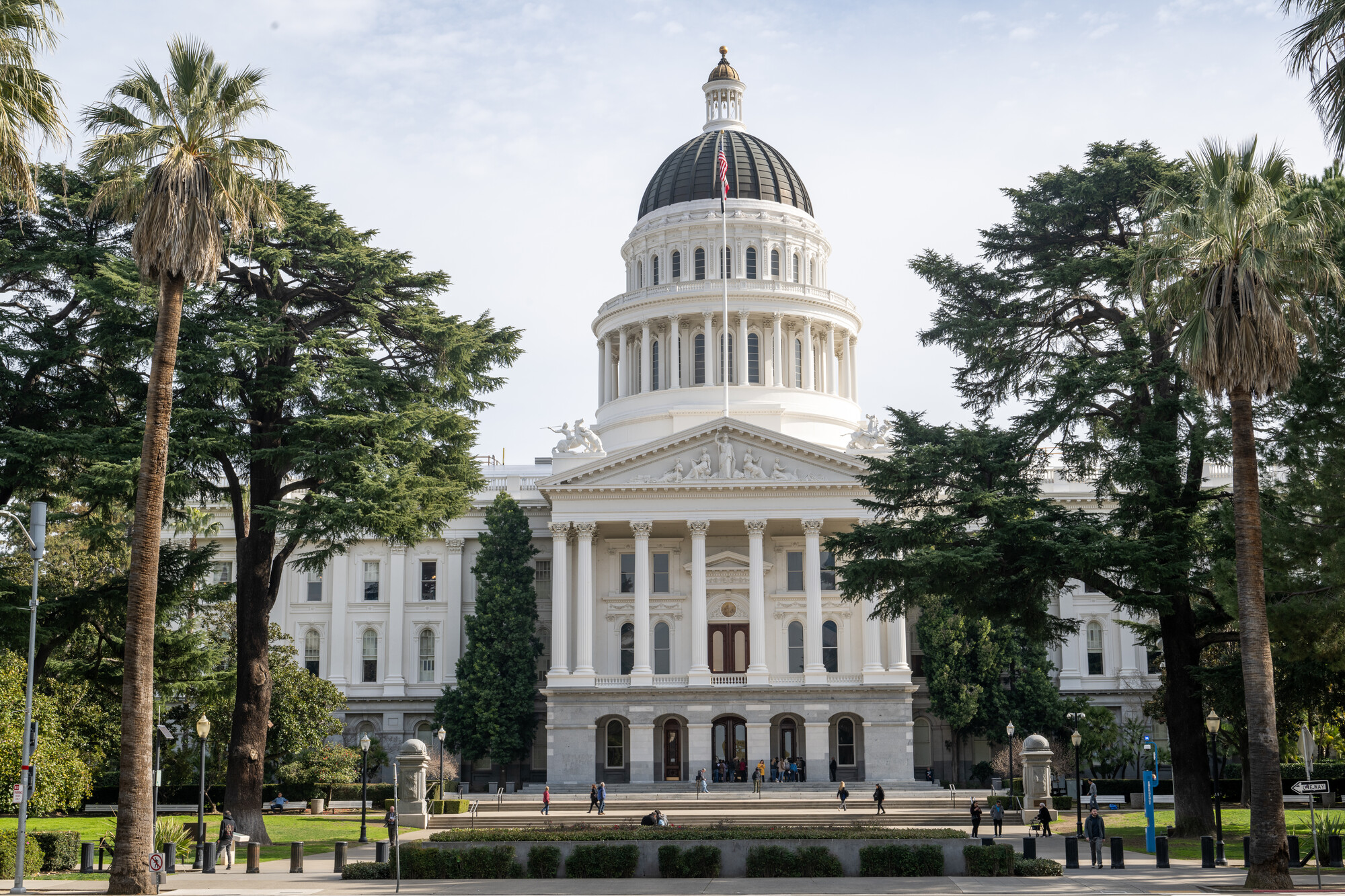
Democratic leaders in Sacramento are celebrating their largest caucus in the state Legislature’s modern history, but it’s possible this could bring more chaos than cohesion to the Capitol.
After this month’s midterm election, the record number of Democrats could mean more ideological factions, fueling discord and infighting within each chamber’s left-leaning caucus. Democrats already hold supermajorities in both houses.
Come December, the 80-member Assembly will have a record 68 Democrats sworn in. Democrats will hold 32 out of 40 seats in the Senate, on par with the 2023-24 legislative session.
Both the Assembly and Senate will have the fewest Republican members in 150 years.
The record number of Democrats is likely to highlight differences between progressives and the “mod caucus,” an unofficial voting bloc of pro-business moderate Democrats.
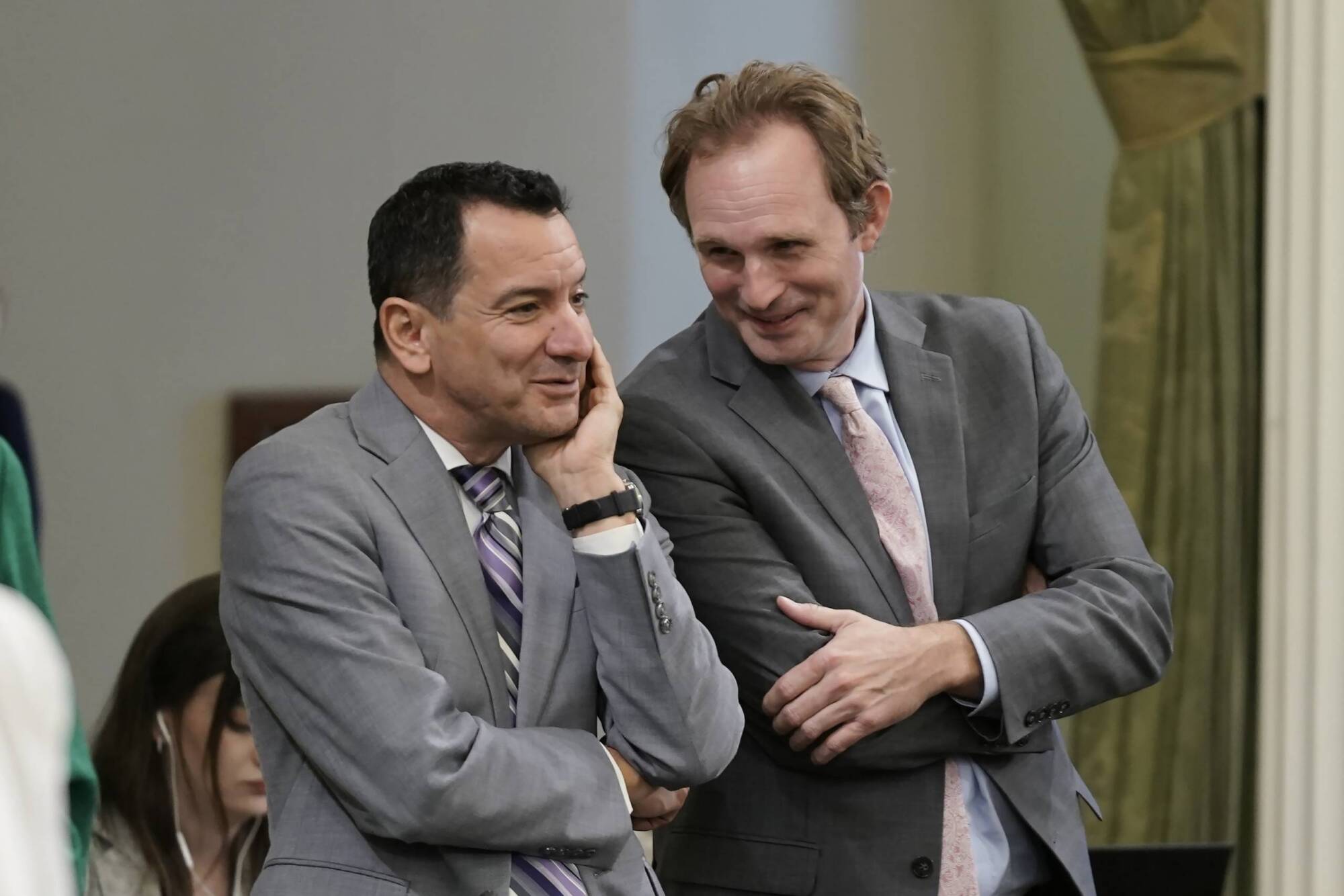
“When you have a bigger caucus, the mod caucus is emboldened to a large extent,” said former Democratic Assembly Speaker Anthony Rendon, who led the chamber from 2016 to 2023.
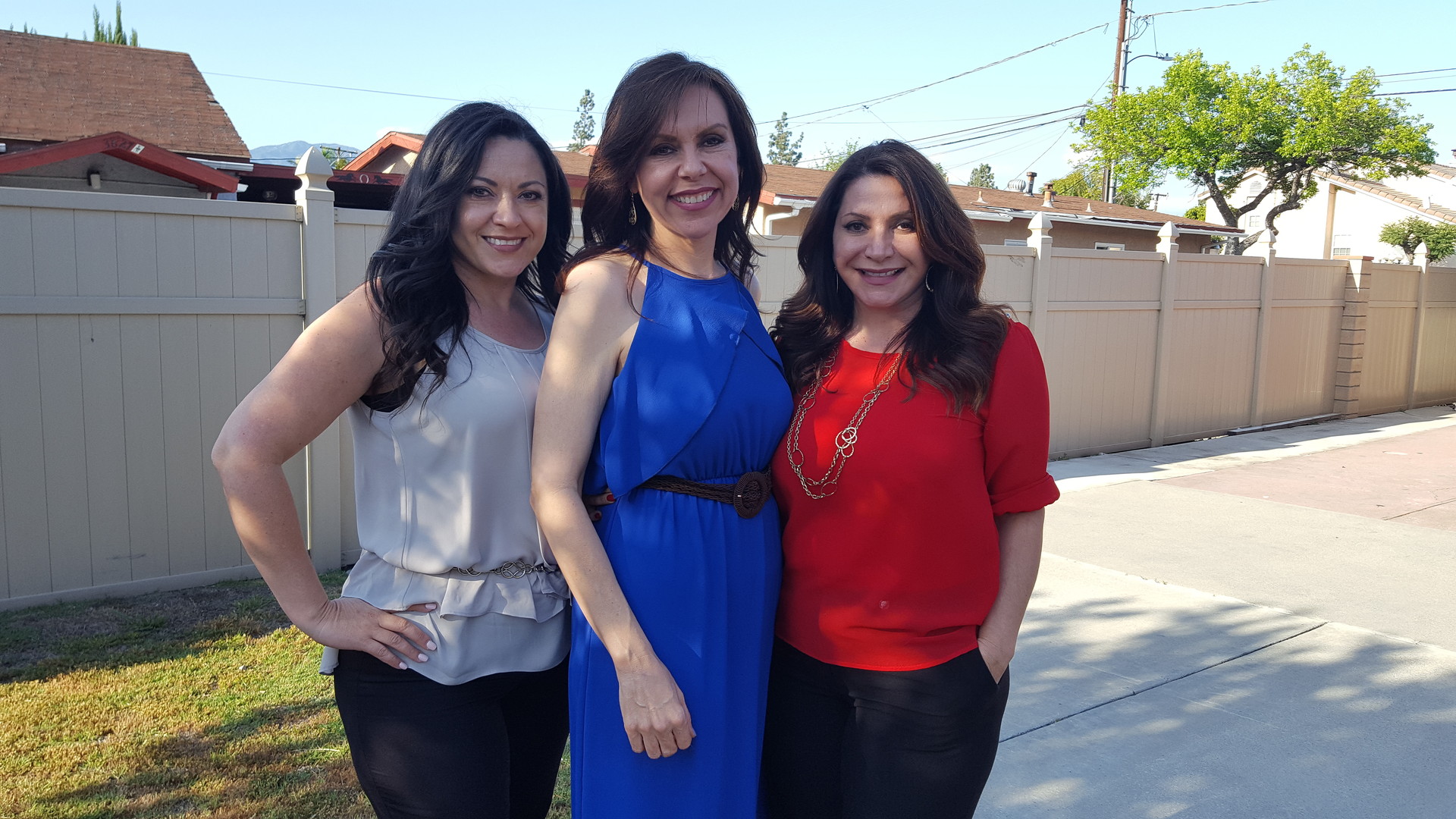
Assemblymember Blanca Rubio of the San Gabriel Valley, who leads the mod caucus, sees an opportunity to make gains and recruit newly elected members as more Democrats from purple districts head to the Capitol.
“If some of our new colleagues want to keep their positions, they need to vote their district,” said Rubio. “Like the folks in the Central Valley, they can’t be too ultra progressive with issues because their district doesn’t support it.”
As caucus leader and more senior member, Rubio sees it as her responsibility to mentor incoming members in swing districts — a voice of moderation with the warning: “Remember, you’re purple.”
“If you don’t do what your district asked you to do, you are not going to get reelected, period,” Rubio said.
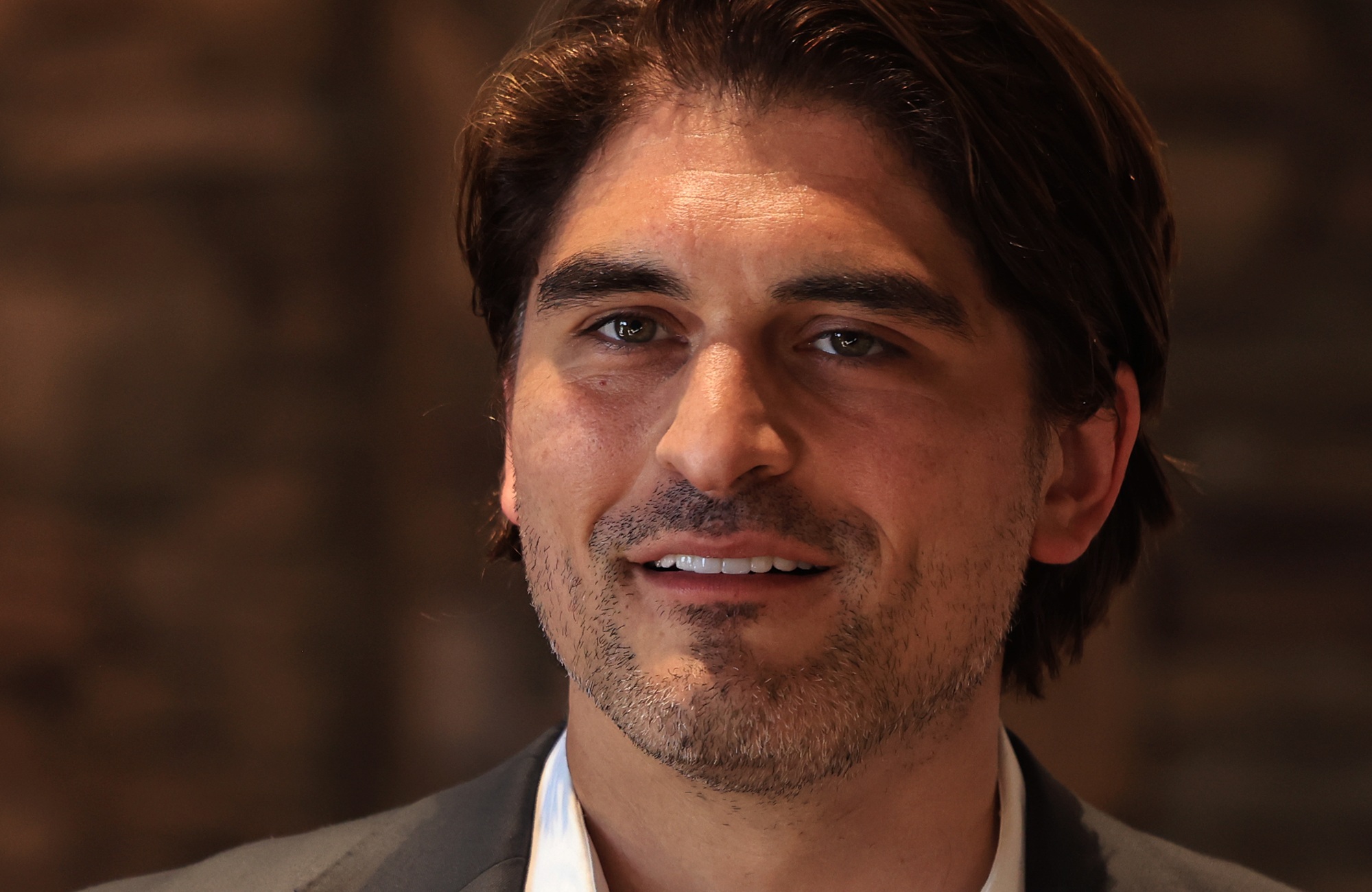
It’s a balance that some incoming Democrats will have to strike as they start to take votes on legislation next year. That includes Ida Obeso-Martinez, who defeated incumbent Republican Assemblymember Jeff Gonzalez in a district that encompasses most of the state’s southeast corner, including parts of Imperial, Riverside and San Bernardino counties.
“My representation is always the district and the needs of the district,” Obeso-Martinez told KQED’s Political Breakdown this month. “Not every state mandate always applies to where we’re at, especially in our rural areas, and so I need to be a good advocate for this particular district because the needs of this district are different — our transportation needs — than, say, San Francisco.”
If the mod caucus were to grow in numbers and power, it could have significant implications for tech, labor, public safety and environmental policy.
Historically, the group of lawmakers has pushed back on attempts to regulate industry in ways they think could be burdensome for California business owners. According to Rubio, she and her more moderate colleagues play an important role in preventing legislation from going too far in either direction ideologically, and her goal “has always been to be thoughtful with legislation, be business-friendly.”
“I think it is when you drive up costs on businesses, whether it’s through regulation or through taxes, those additional costs ultimately trickle down to the consumer in some way,” said Jennifer Barrera, president and CEO of the California Chamber of Commerce, which has found allies in moderate Democrats who successfully push back on efforts from the left to increase corporate accountability, limit tax breaks and enhance wage requirements.
This past legislative session, a bill that would have banned surveillance pricing stalled after moderate Democrats withheld support. A bill seeking to crack down on monopolistic practices in corporate California was also watered down in the final weeks of session after facing resistance from business advocates and moderate members. CalChamber opposed both bills.
But Barrera says it remains to be seen what a bluer Legislature will mean for the organization’s priorities.
“A lot of these members that are coming in have not been tested as far as where they’re at on any particular policy,” Barrera said. “But I think as we head into the 2027 legislative session, affordability is top of mind for all voters.”
Progressives remain optimistic
As lawmakers look ahead to their next legislative cycle, Democratic leaders are touting their party’s record electoral wins as an asset when it comes to tackling California’s cost-of-living crisis.
“We have more women than ever before and members from every corner of the state. That means more perspectives, more debate and better ideas than this Legislature has ever had,” Rivas said in a statement.
While Democrats’ significant supermajority means the caucus will have more of a cushion on matters that require two-thirds vote approval, including tax increases and budget trailer bills, it also means leaders like Assembly Speaker Robert Rivas will face more demands from members.

“I think most members of the caucus would tell you: ‘We don’t want more competition. We don’t want more Dems. There’s too few resources as it is,’” said Rendon, the former Assembly speaker.
Rendon oversaw record gains for Democrats in 2022 when the caucus reached 62 members. He recalls having to stretch resources — including committee memberships, chairmanships and office budgets — in order to satisfy his growing caucus. More members means more mouths to feed, he says.
“We certainly did create roles or responsibilities and even committee chairmanships for people so we can have more goodies to pass out,” Rendon said.
It’s a dynamic Rivas could also face this upcoming year.
Some members of the Legislature’s progressive wing, meanwhile, are hopeful that a bigger Democratic supermajority will translate into a stronger appetite to make life more affordable for Californians.
But the progressive Democrats’ approach to tackling the crisis has differed from that of their more moderate colleagues. They have focused on increasing corporate accountability, including legislation to raise taxes for big businesses, require higher wages and impose stronger environmental regulations on in-state manufacturers and distributors.
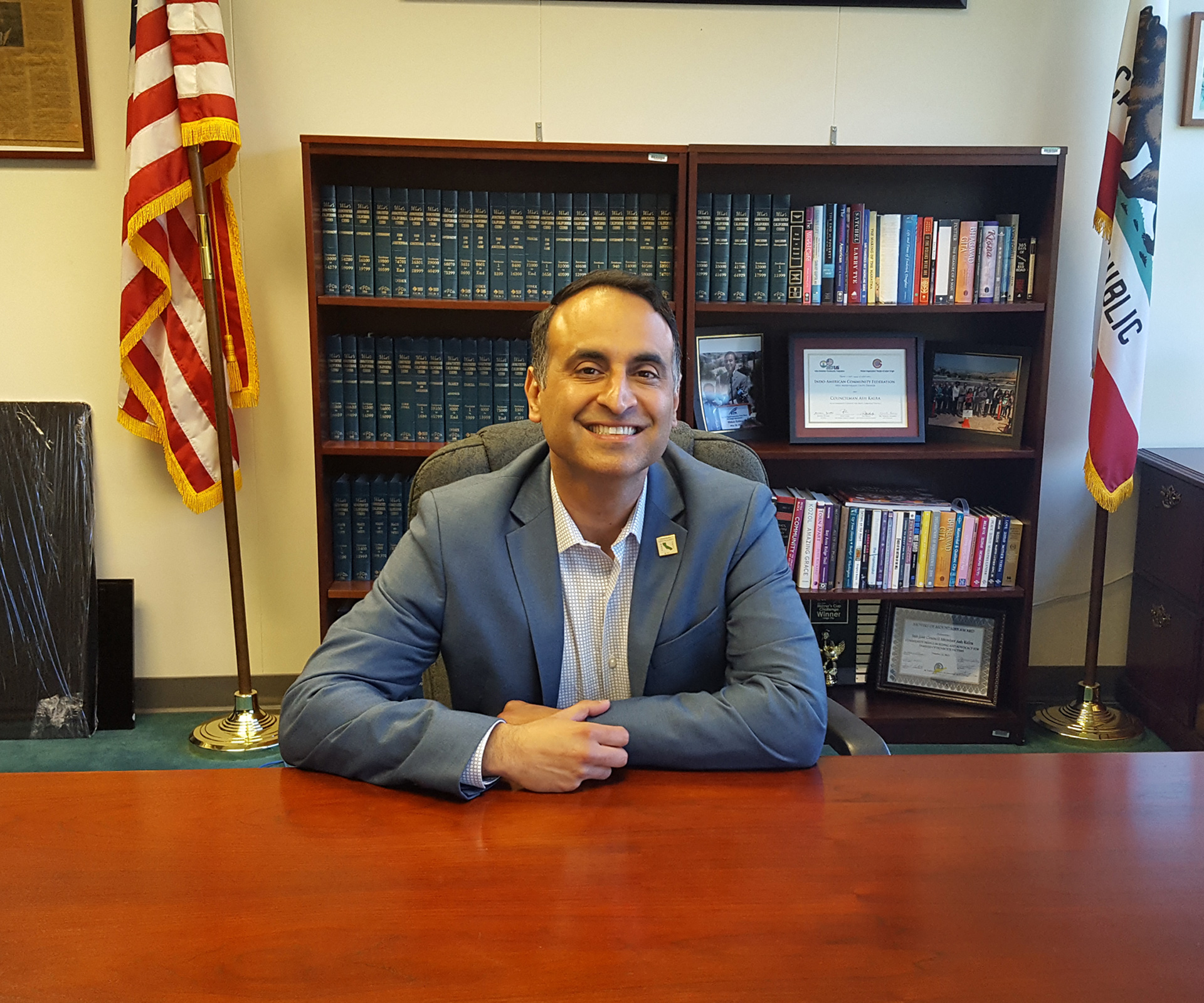
“The reality is that it’s not a matter of whether the moderate policies work. We know they don’t. Trickle-down does not work,” said Democratic Assemblymember Ash Kalra of San José, who used to head the legislative Progressive Caucus. “We need to have elected officials that are less concerned about who’s writing checks to their campaigns and more concerned about families trying to pay the rent.”
Kalra is optimistic that a larger Democratic caucus will help move the needle on the left’s longtime policy agenda. He wants lawmakers to be more aggressive when it comes to protecting renters, establishing single-payer healthcare and increasing taxes for the state’s billionaire class.
Regarding the incoming class of swing-district Democrats, Kalra argues they are perhaps best positioned to champion progressive solutions to lower costs.
“The reality is that in those purple districts is where you’re finding some of the most suffering when it comes to affordability,” Kalra said. “The Democrats coming in have a huge opportunity to actually get meaningful things done to uplift those families that have been ignored by Republican legislators for so long.”
KQED’s Marisa Lagos contributed to this report.