Powerful Waves Batter Pacifica as El Niño Raises Fears of Coastal Flooding This Winter
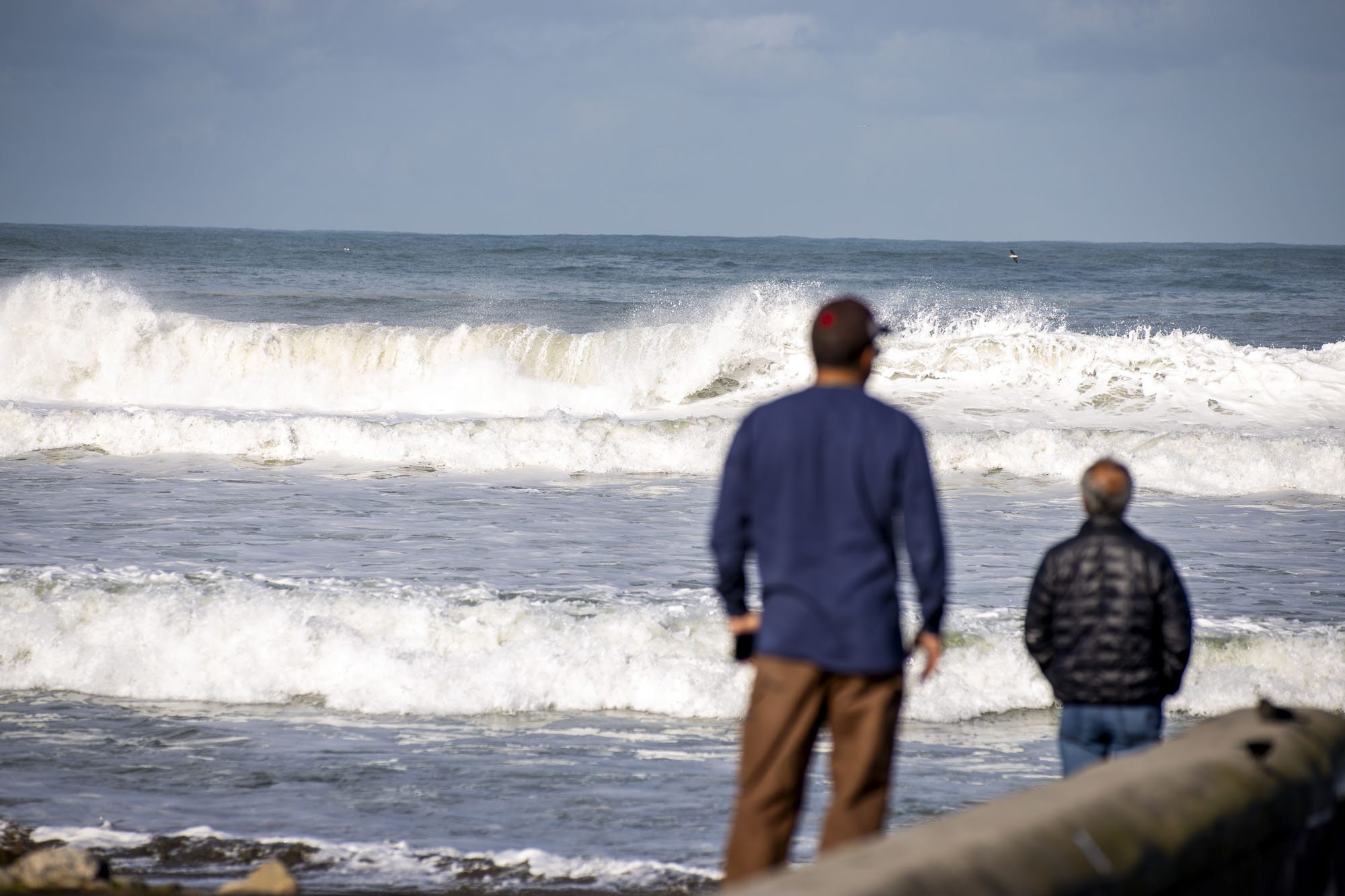
This past weekend, powerful waves crashed into the back of Lou Rabin’s home overlooking the Pacific Ocean. His weathered red house sits right above the waterline along Pacifica’s Shoreside Drive.
“There’s some minor damage. All in all, it’s held up 99%,” Rabin said, who has lived in his home facing the sea for nearly six decades. “I’ve been very lucky and fortunate that the house is still here where it is.”
Rabin said this weekend’s waves were the largest he has seen in the last five years. The tallest waves on Saturday reached just over 20 feet outside of San Francisco at the closest buoy to Pacifica, according to the Coastal Data Information Program at the Scripps Institution of Oceanography at UC San Diego.
The large waves, expected to continue through Tuesday, come a few months after powerful waves cracked the Pacifica Municipal pier and prompted the tearing down of a beloved cafe. The city is stabilizing the pier and expects to complete it by early December.
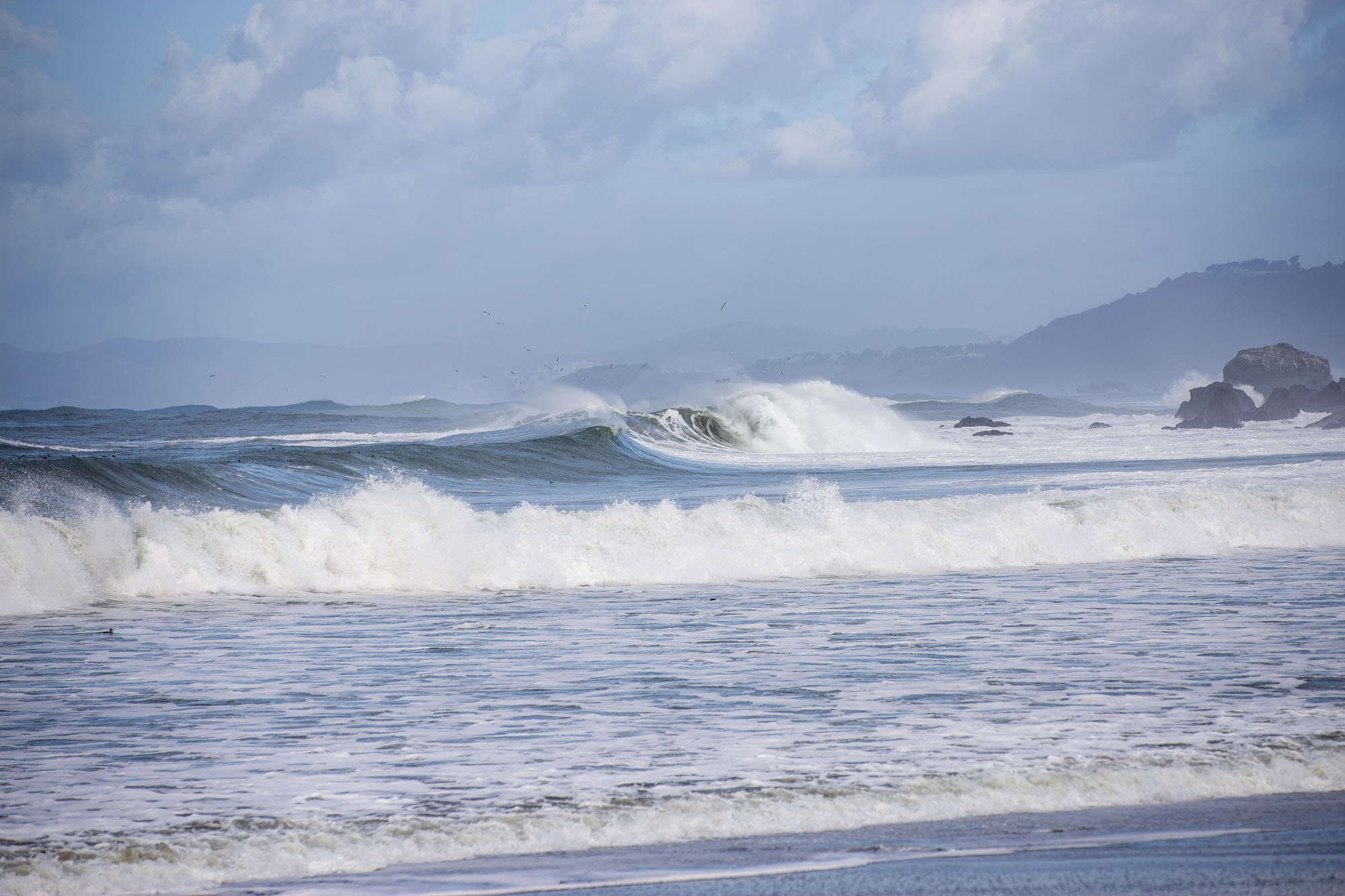
These scenes could preview conditions along the California coast this winter as El Niño develops. The natural climate phenomenon can shift the jet stream and storm tracks, churning up massive ocean waves that are more than “30% more energetic than a typical winter,” said Patrick Barnard, research director for the UC Santa Cruz Center for Coastal Climate Resilience.
“No matter what rainfall or anything, we’re gonna have large waves,” Barnard said.
Add temporarily high sea levels of a foot or more along the coastline due to warm water expanding, Kelvin waves, high tides and storm surge into the mix, and flooding and damage to homes and infrastructure in shoreline towns like Pacifica could be huge this winter.
“Sea levels throughout the winter are going to be a half foot to a foot higher, and we’re going to have local flooding and extensive coastal erosion in a lot of parts of the coast,” Barnard said. “Those are the things that are almost guaranteed to happen.”
Life by the coast is ‘a trade-off’
Josh Payne has lived in Pacifica for 12 years and often surfs in the waters just off the coast, although he said the waves this week were too big for his liking. He told KQED on Monday that he’s worried about the confluence of all the weather and tidal effects aligning at the same time — and inundating his piece of the coastline in the coming weeks.
“There’s potential for a lot of flooding,” Payne said. “Down here, we’re supposed to have a plus 7-foot tidal surge, which will probably get a lot of water inland.”
In some ways, Payne is a model coastal resident. He’s cleaned his home’s gutters, installed sump pumps, reroofed his home, rebuilt the fence around his house and bought sandbags “to keep water out of the garage.”
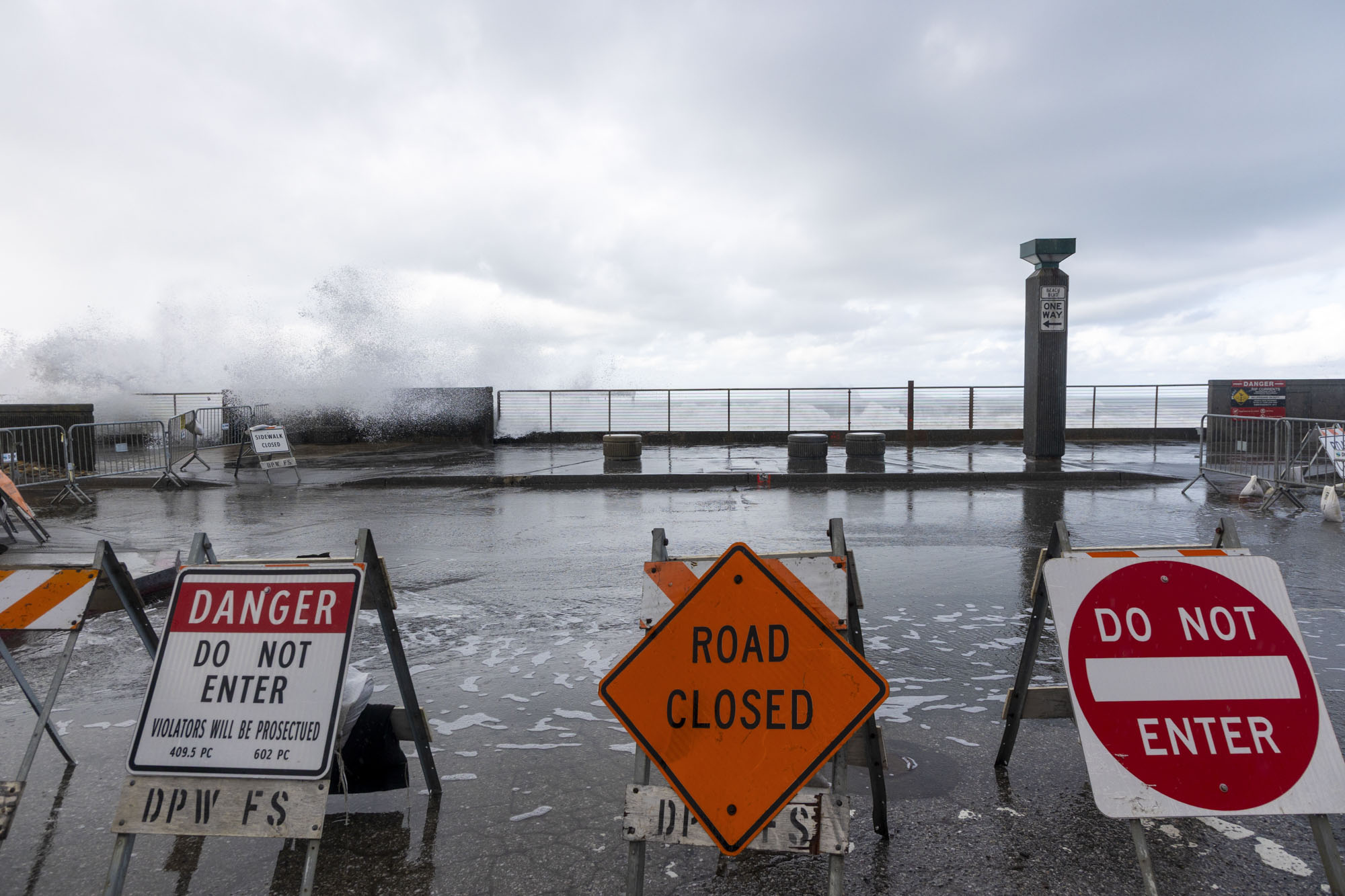
But he is still nervous that this winter’s waves, rain and high tides could inundate the flatlands where he lives. A few years ago, he said, storms flooded the iconic beach town with a Taco Bell on its shore.
“We’ve had big waves over the years that have flooded the Taco Bell parking lot into Safeway [across Highway 1],” Payne said. “All this stuff here was flooded. The parking lot was all flooded. Some of the homes across the highway were flooded.”
He thinks his town of around 36,000 people is struggling to protect its eroding coastline, while also dealing with budget issues and planning long-term fixes for rising tides due to climate change.
“Any coastal community living close to the water is going to have to come to terms with that eventually,” Payne said. “It’s a lot of money to build seawalls and stuff like that, but that kind of ruins the waves and the sand goes away. It’s a trade-off, and I don’t know what to do.”
Water rising offers a glimpse of climate-changed future
El Niño forms when tropical trade winds weaken or reverse, allowing warm ocean water near Asia to move toward the Pacific Coast.
This process heats the eastern Pacific Ocean and can alter the jet stream, bringing a stormier winter to California. It can also disrupt the ocean’s nutrient-rich upwelling, raising local ocean temperatures and impacting sea life.
The next major test for coastal communities could come in just over a week, when king tides — the highest tides of the year — could arrive in cities like Pacifica.
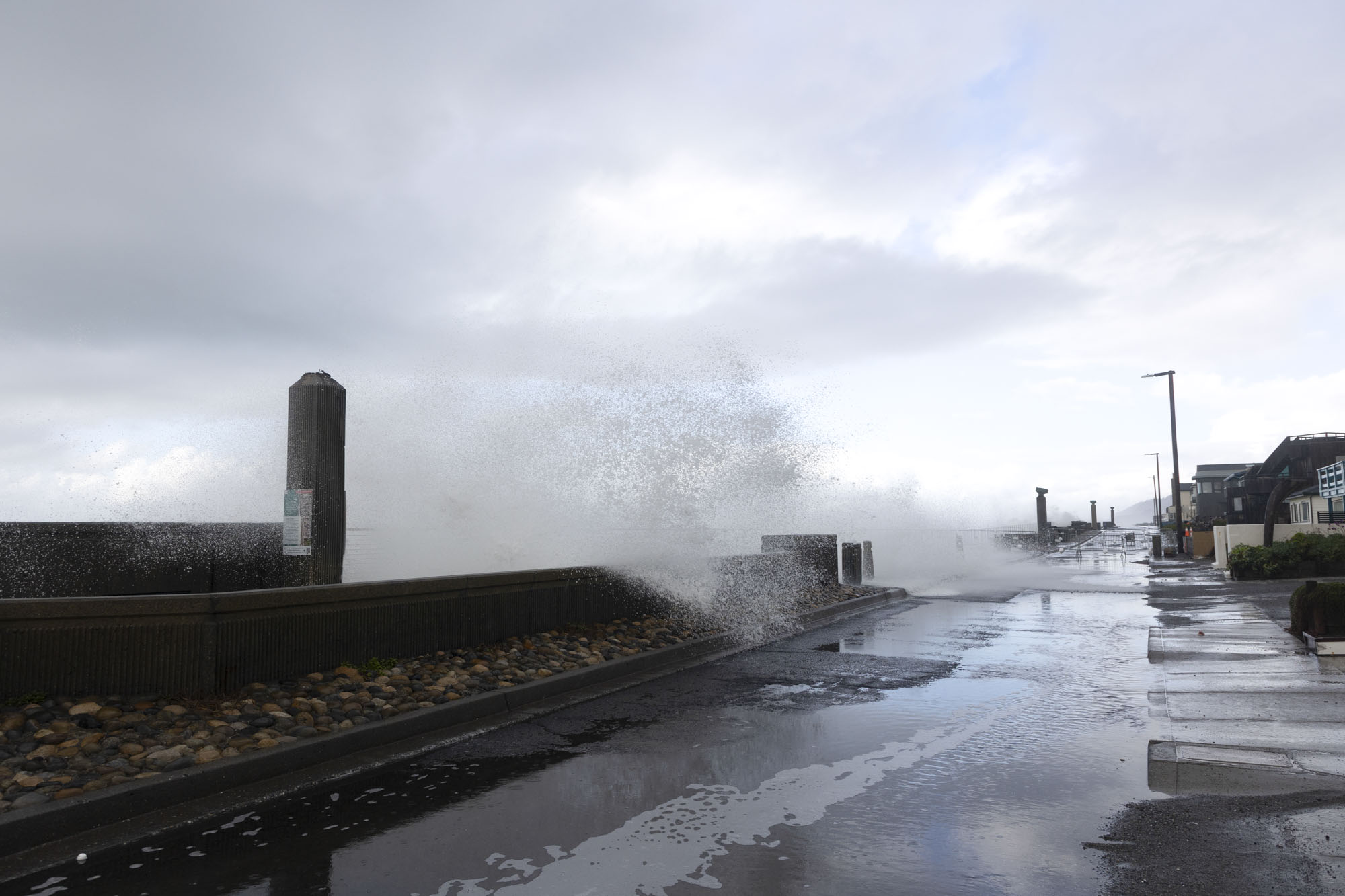
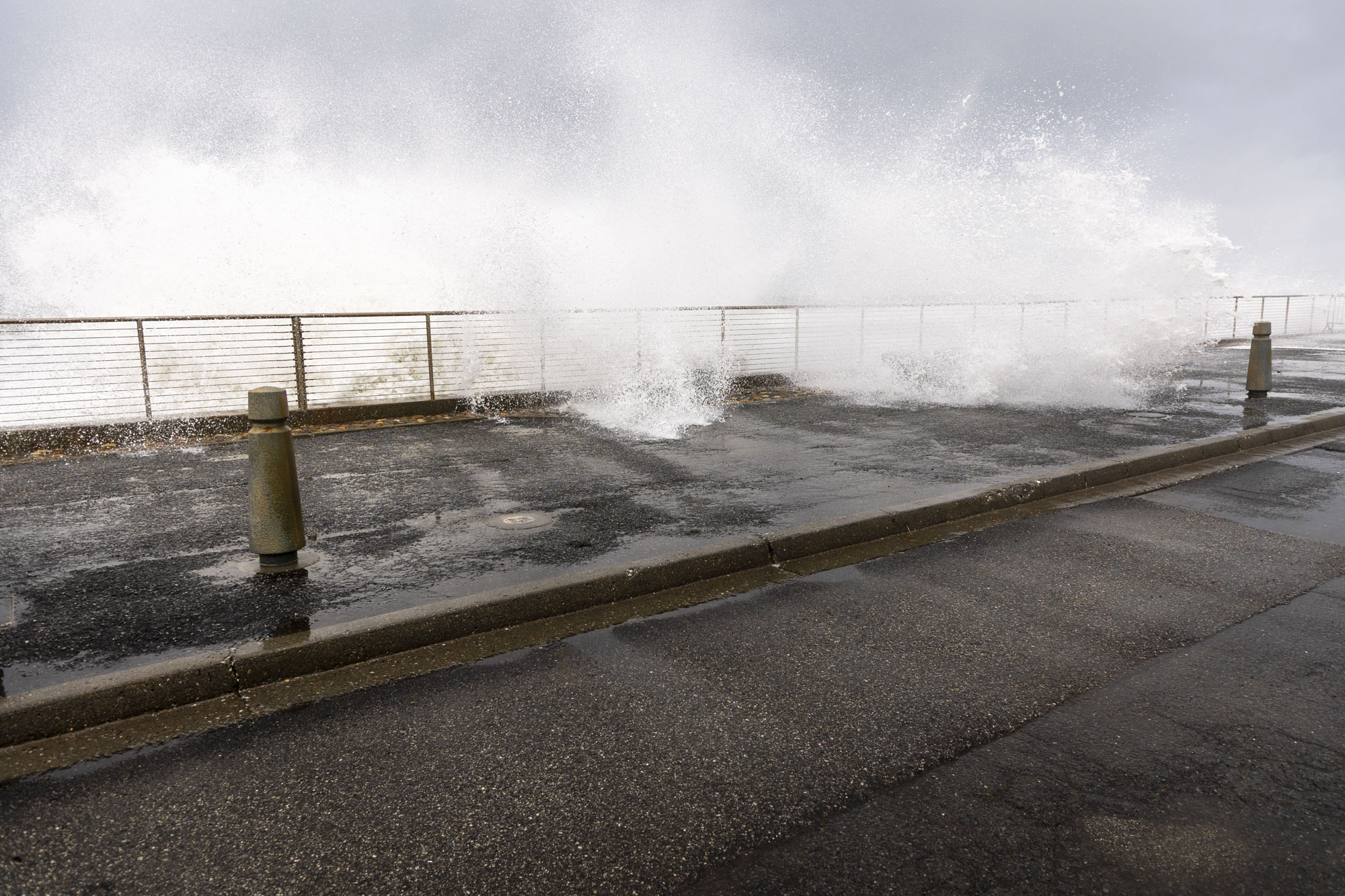
Daniel Swain, a climate scientist with UC Agriculture and Natural Resources, said these tides could be a “foot to a foot and a half higher” than early October, when some parts of Northern California saw “record-breaking coastal waters then.”
Swain said king tides, especially when combined with storms, remain a “very high concern for widespread and potentially significant, maybe even record-breaking coastal flooding.”
The potentially disastrous flooding could offer a glimpse of what California’s coastline and the San Francisco Bay could look like several decades in the future as human-caused climate change continues to raise sea levels.
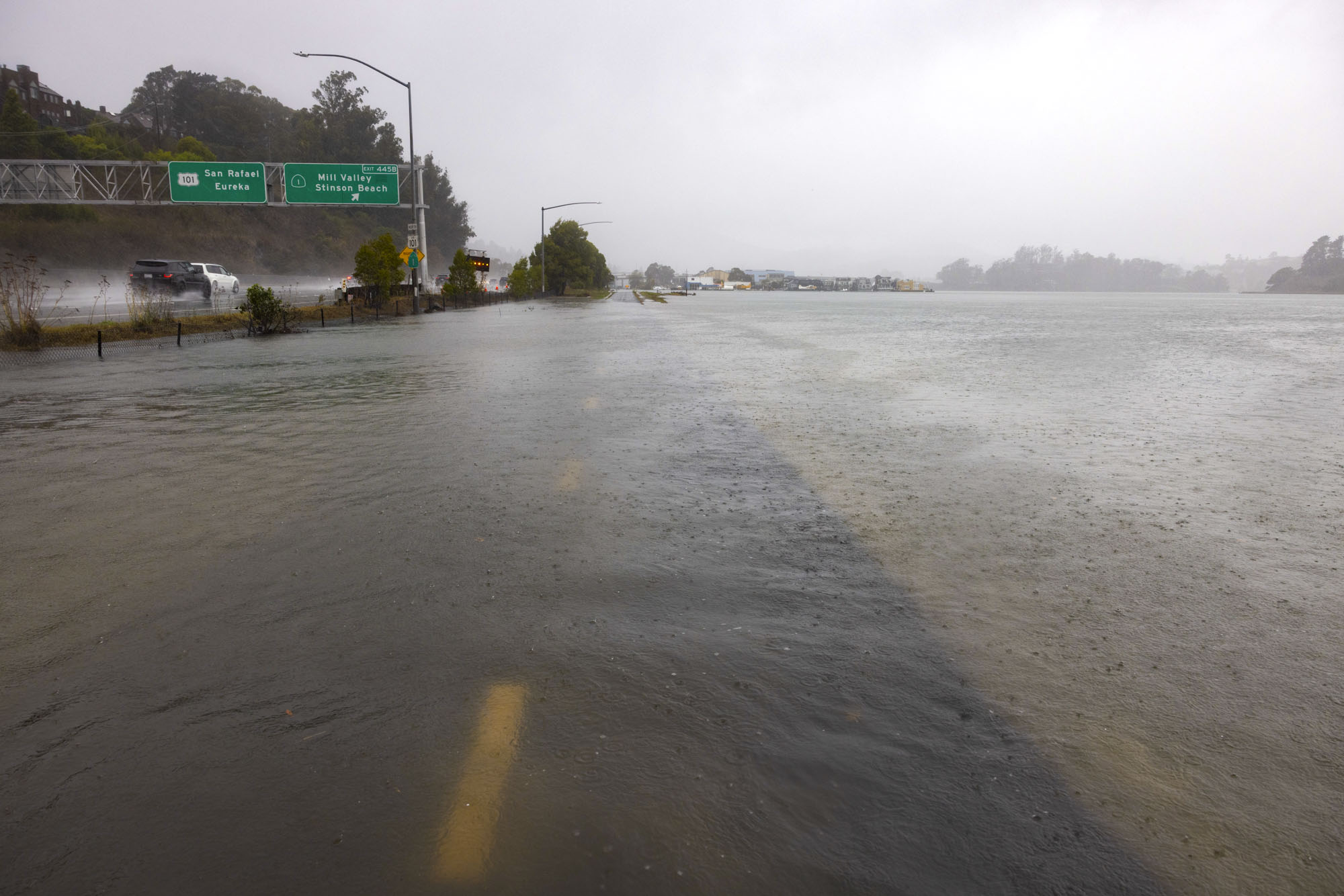
Conditions that occur now during unusually high tides could eventually become part of everyday coastal life.
“We’re pushing the end rope right now, and we’re kind of seeing what climate change might look like 30 to 50 years from now, when the ocean has risen even more,” said Jan Null, a local forecaster who founded Golden Gate Weather Service.
Pacifica resident Nancy Bradley sits and watches the waves come in every day before work.
She said this weekend’s flooding was “unusual,” and thinks the city should work “a little faster” on long-term solutions — which could mean rebuilding sea walls, restoring beaches and even building an artificial reef near the city’s defunct pier.
“The water’s rising,” Bradley said. “We all know that, and we got to get used to it.”