After Historic Blue Wave, California Democrats Hope to Turn Their Focus Inward

As Democrats swept in several races across the nation in Tuesday’s midterm election, flipping control of Congress and multiple states, the already blue state of California simply got a few shades darker.
The party is poised to pick up five new House seats redrawn under last year’s mid-decade redistricting measure, Proposition 50, which was designed to favor Democrats. The Democratic supermajorities in both the state Assembly and Senate are projected to grow as well.
“The blue wave that started in California with Prop. 50 is sweeping the nation. Democrats flipped Congress and I’m honored to lead what will be the largest Democratic State Assembly caucus in modern history,” Democratic Assembly Speaker Robert Rivas said in a statement.
Many in the party see Tuesday’s overwhelming wave of Democratic wins as a referendum on Trump administration policies that have cost the state.
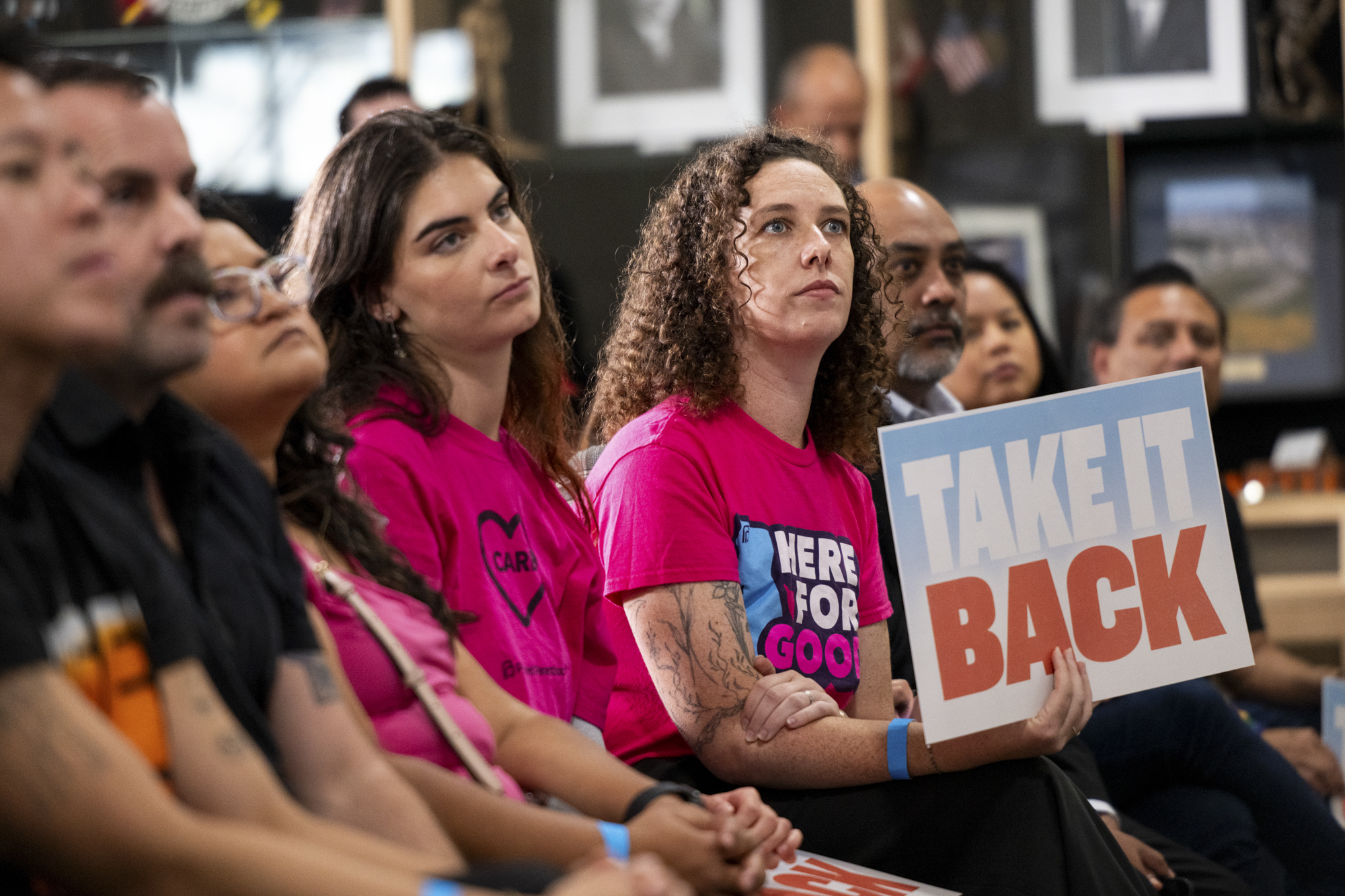
But as the newly elected majority heads to Washington, now could be an opportunity for California Democrats and state officials to refocus on the main issues facing their constituents after playing defense for the past two years. It will also make it easier for the state to work with Washington.
“Tuesday night was a Democratic tidal wave across the nation, but California was already at high tide,” said Dan Schnur, professor of political communication at UC Berkeley and the University of Southern California. “When you think about the way our state government interacts with Washington, being democratic allies in charge of Congress, rather than Republican opponents, is going to make a world of difference.”
The state has largely served as a progressive bulwark against the Trump administration – California has sued the federal government over 100 times since President Donald Trump took office for the second time, in an effort to protect federal funding for healthcare, environmental programs and food assistance.

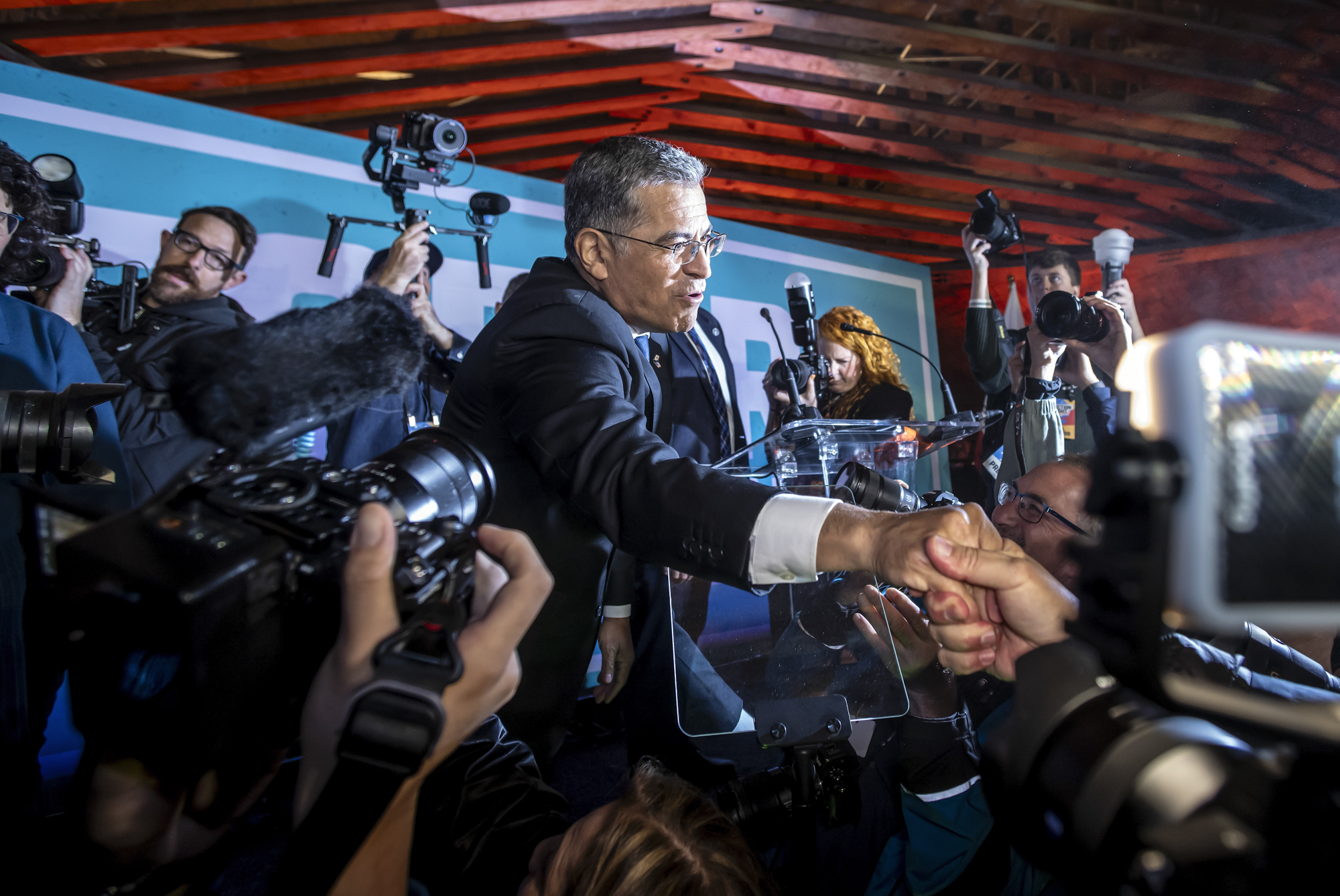
“I’m not going to sugarcoat it. These past two years have been tough. Higher prices, more wars, corruption, and lawlessness. But we hung in there, fought back,” Democratic Gov.-elect Xavier Becerra said to a room full of supporters on Tuesday night.
It’s likely California will continue to play a key role in pushing back against the Trump administration as the House transitions to Democratic control. Several members of California’s Democratic congressional delegation will take charge over key committees positioned to investigate the president’s administration.
“Having allies on Capitol Hill could make it much easier for California to get the kind of hearing that they want when they’re bringing policy concerns to Washington,” Schnur added.
Rep. Robert Garcia of Los Angeles will chair the House Committee on Oversight and Government, Rep. Jared Huffman of San Rafael will lead the House Natural Resources Committee, and Rep. Maxine Waters of Los Angeles will head the House Committee on Financial Services.
The committees could hold oversight hearings and investigate potential corruption within the executive branch, Trump’s efforts to alter historical landmarks and monuments, and the Trump family’s record cryptocurrency profits since the president returned to office.
“We’ve had to really walk and chew gum at the same time,” said Democratic Assemblymember Buffy Wicks of Berkeley. “I think what we will see now is because now Democrats control the House and the Senate in D.C., we have strong, very strong congressional leadership across the country who is going to do the heavy lifting of fighting the Trump administration.”
Wicks says this means she and her colleagues in the state Legislature can refocus on key affordability solutions for California, especially fast-tracking the development of affordable housing — a priority she hopes the state’s incoming governor will share.
Becerra has offered few details in the way of specific policies he’ll pursue, having run a relatively quiet campaign since his triumph in the June primary. The first window into his plans for California will be the release of his January budget proposal.
“There will be some clear messages, and that’s because Xavier Becerra and his team want to come out of their administration in the first 100 days with three or four big ideas, three or four key things that they want to move forward,” said David McCuan, professor of political science at Sonoma State University.
One key priority could be healthcare. Becerra has signaled he wants to protect Medi-Cal coverage for immigrants without legal status, a policy that Gov. Gavin Newsom tried to roll back toward the end of his tenure in an effort to cut state spending and narrow the state’s budget deficit.
Other pillars could be in continuation of the state Legislature’s ongoing efforts, such as increasing affordability and strengthening regulations on artificial intelligence.
“Despite all our fortune, economic security is slipping out of reach for too many of our families,” Becerra told supporters on election night. “Despite our shared values, not everyone who builds and harvests the California success story gets to enjoy its fruit. As governor, my mission is straightforward, but not simple: Deliver a California we can afford, and defend a California that we can’t afford to lose.”