Californians Pass Homeownership Bond, Affordable Housing Funding Leads in Early Returns
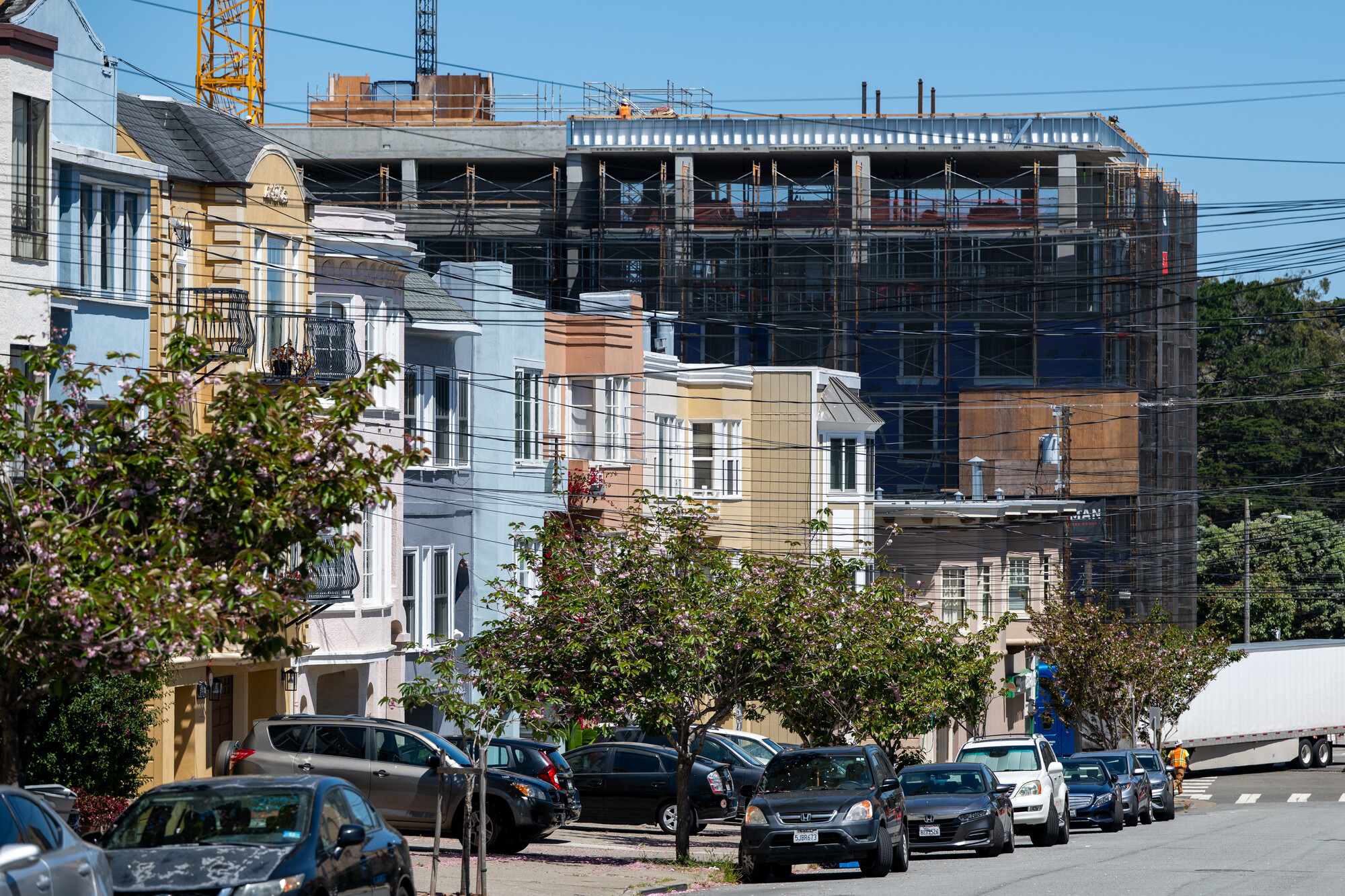
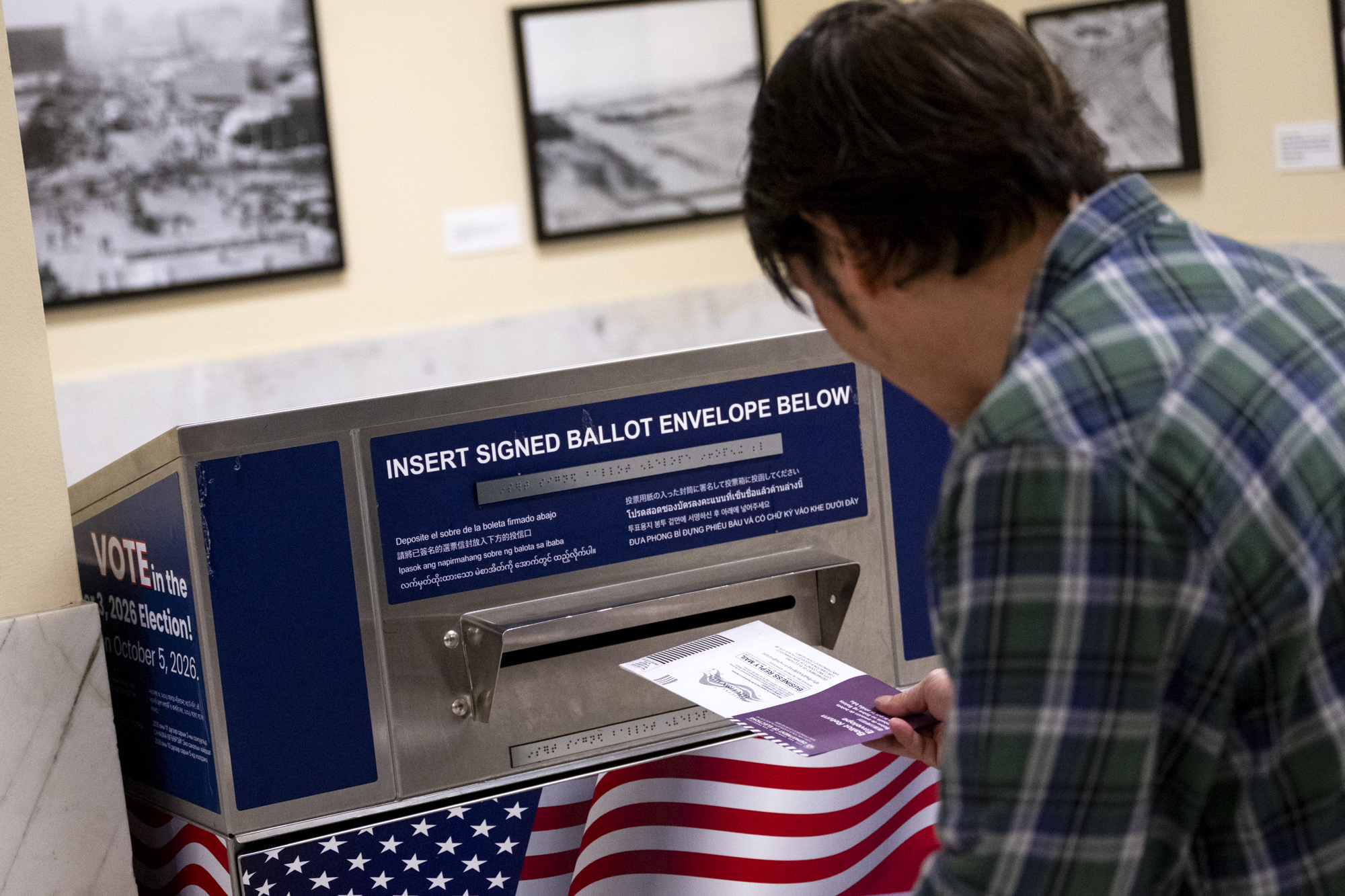
For years, Californians have said housing affordability is one of the most pressing issues facing residents. On Tuesday night, voters proved that, approving a bond that will generate $25 billion to ease homebuying for middle-income residents and, in early returns, appearing to support another bond for affordable housing.
Proposition 37 creates a $25 billion one-time fund to assist homeowners with down payments by selling revenue bonds.
It passed, according to an Associated Press projection, with nearly 61% of the vote in early returns. Proposition 1, which would generate $11.25 billion to fund new affordable housing, was leading Tuesday evening with just over 59% of the vote.
Proposition 37 will create a down payment assistance program specifically for middle-class families earning up to double the area’s median income — the midpoint of family incomes in a specific area — adjusted for household size. It only applies to newly built homes.
As a revenue bond, Proposition 37 won’t impact taxpayers. Instead, it will be repaid by people who use the program to buy a home.
“This has been such hard work, and it’s really been a slog, but it’s exciting,” Bob Hertzberg, former speaker of the California State Assembly and the main proponent behind Proposition 37, told KQED. “People obviously see that housing is an important thing, and these are two gigantic steps forward to help California deal with its horrible housing crisis.”
Proposition 1, also called the Veterans and Affordable Housing Bond Act, earmarks $10 billion in general obligation bonds, to be repaid over 25 years, towards affordable housing construction, including about $5 billion for the Multifamily Housing Program, one of the largest state programs for affordable housing development — along with $1.25 billion for the CalVet Home Loan program.
The Legislative Analyst’s Office reported the bond funds would support up to 40,000 rental units and could also help about 40,000 families buy a home over its duration.
“By passing Prop 1, voters have chosen to invest in proven housing solutions that will mean tens of thousands of Californians can live, raise families and retire in safe, dignified homes they can afford,” Amie Fishman, Executive Director of the Non-Profit Housing Association of Northern California, said Tuesday in a statement of the unofficial, early returns.
While no formal opposition campaign rallied against either proposition, some Republican critics argued that neither bond will remove the barriers standing in the way of housing construction: bureaucracy and local opposition, not to mention expensive materials, labor and borrowing costs.
But those critiques didn’t seem to concern the majority of voters. Polling from the Public Policy Institute of California found that 60% of voters said they would vote yes on Proposition 1, while 65% said they would approve Proposition 37. The poll, released last month, also showed that the high cost of living was among the most important issues facing Californians today.
Some affordable housing advocates are already imagining where funding for Proposition 1 could be allocated. A March report from advocacy and policy group Enterprise Community Partners found there were nearly 40,000 “shovel-ready” homes needing a tad more funding to bridge financing gaps before construction can start.
Assemblymember Buffy Wicks, who authored Prop 1 and was running for re-election, celebrated its positive early returns in a post on X.
“Honored to be re-elected, so happy we passed Prop 1 and thrilled we took back the House and Senate,” she tweeted. “Now let’s deliver!”
Proposition 37 could take a little longer to implement. The California Housing Finance Agency will have to create a down payment assistance program for middle-class families. And before anyone can apply for the program, the homes will have to be built first.