California Proposition Roundup: Results So Far
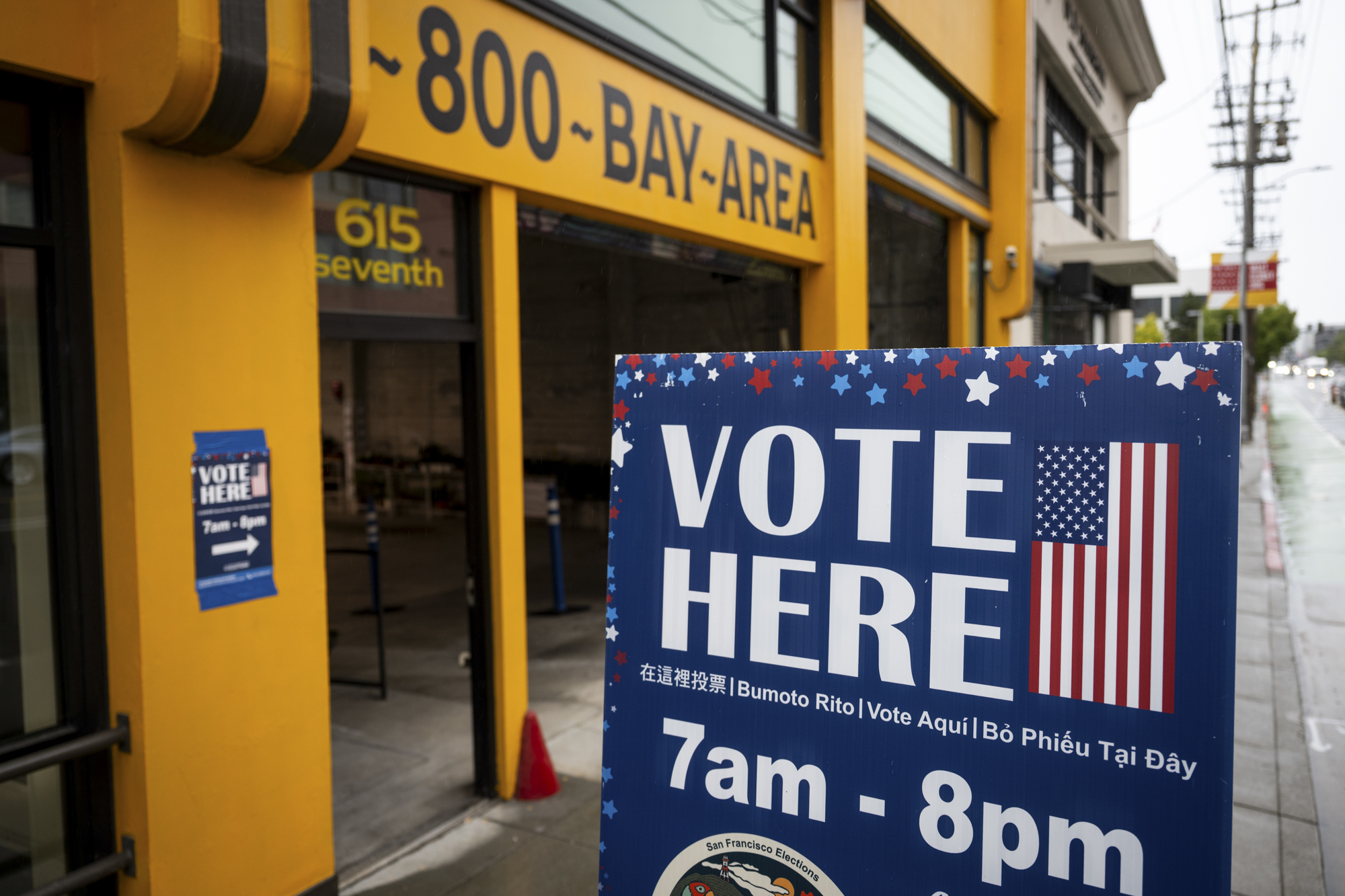
California voters are deciding the outcome of 14 state propositions, including measures to tax the wealth of billionaires, require voters to show ID, speed up environmental reviews and fund affordable housing, schools and healthcare.
With roughly half of all votes counted statewide — representing 6.7 million voters and counting — three measures had earned enough support to be declared winners by the Associated Press, while two have definitely failed.
What passed
Voters approved this bond measure that will authorize the state to borrow $10 billion to fund affordable housing and related infrastructure projects and another $1.25 billion for a home loan program for veterans.
According to the Legislative Analyst’s Office, the funds will support up to 40,000 rental units and will also assist 40,000 families in buying a home.

At a time when the cost of housing is a critical concern for many California families, this measure, put on the ballot by state lawmakers, reflects a big investment in tackling the problem.
“There’s really only so much bond debt we can take on as a state, so we want to be mindful,” said East Bay Assemblymember Buffy Wicks, who worked for years to get the housing bond on the ballot. “This year, the housing bond really became the priority because we’re running out of these resources.”
This measure to shore up California’s “rainy day fund,” formally known as the Budget Stabilization Account, sailed to victory, with 60% in favor.
California has a progressive tax structure, meaning high earners pay a higher rate. That tends to produce big fluctuations in revenue from year to year, depending on how the economy — and the stock market — are doing.
Proposition 2 will build on the efforts by Gov. Jerry Brown a dozen years ago to stash away some tax dollars during good years as a buffer for lean times.
The measure will expand the fund’s maximum size from 10% of general fund tax revenue to 20%. It also exempts deposits into the rainy day fund from counting against the state spending limit — and allows money that’s set aside for paying state debts to cover more types of loans.
Proposition 37: Homebuyer bond
Proposition 37, a measure meant to ease the crisis over housing costs in California, won Tuesday night handily with 61% of the vote.
The $25 billion bond measure will enable the state to create a down-payment assistance loan program for would-be homeowners earning up to 200% of an area’s median income.
The measure, which was placed on the ballot by a coalition of real estate interests and building trades unions, will only apply to newly constructed homes.
What failed
Voters soundly defeated this measure to require Californians to show ID when voting. On Tuesday night, nearly 60% of voters had rejected Proposition 39.
Under current law, when Californians register to vote, they must provide an ID number — and their signature swearing they are eligible adult citizens.
They don’t need to show ID when they vote, but they must sign in at the polls or sign their ballot envelope, and that signature is matched with the original on their registration form.
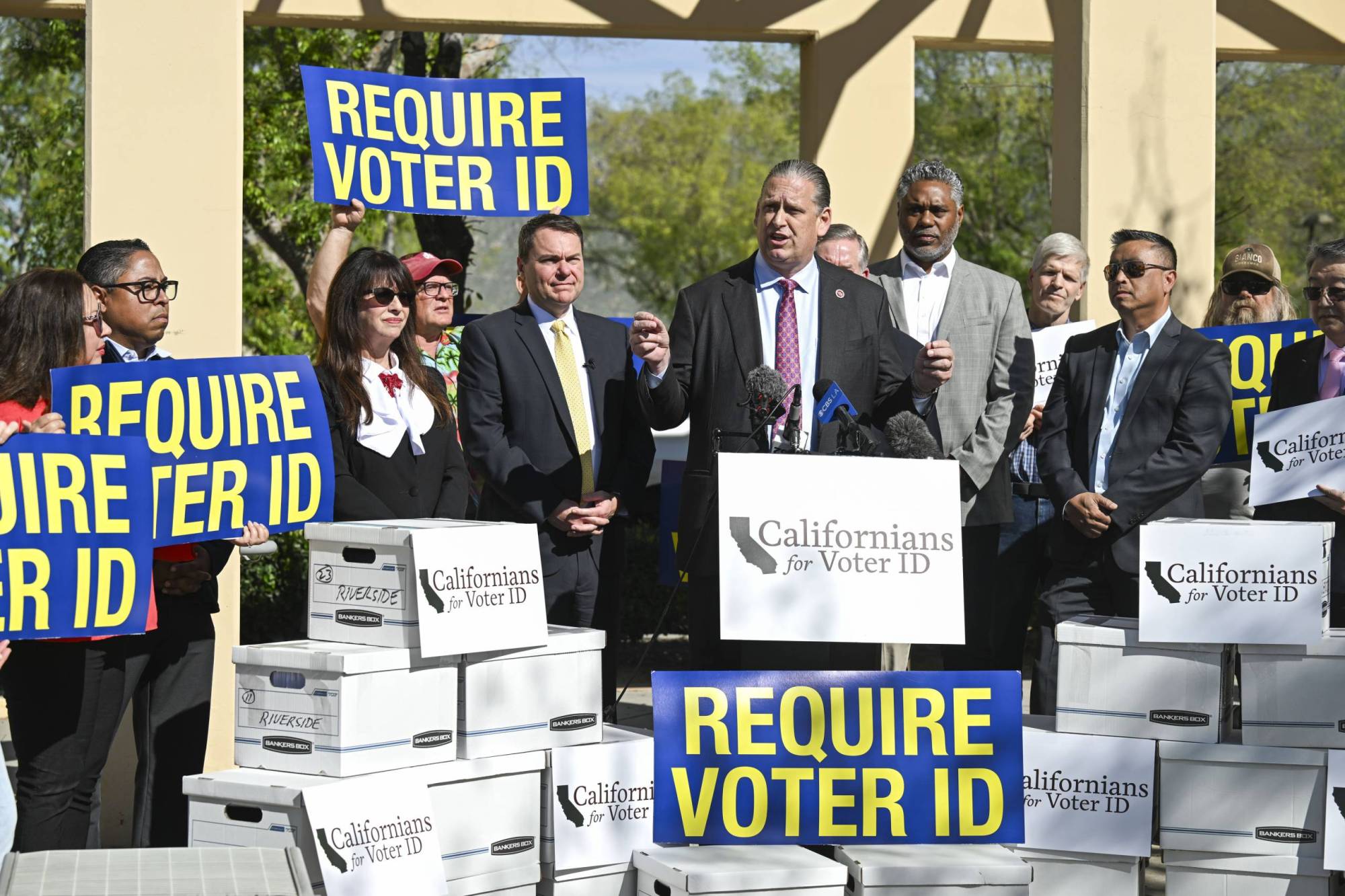
Proposition 39 would have required voters to present ID at the polls (or an ID number when voting by mail).
Opponents argued the system already works, and Proposition 39 was a solution in search of a problem that could disenfranchise some eligible voters.
Proposition 44: Health clinics
A measure to require nonprofit community health clinics to spend at least 90% of their revenue on patient services was overwhelmingly defeated Tuesday night, with four out of five voters rejecting it.
The same healthcare workers union behind Proposition 40 put this proposition on the ballot, saying it was important to ensure taxpayer dollars are not spent on excessive salaries and overhead.
The state Legislative Analyst’s Office has found that community clinics currently spend about 80% of revenue on services.
Opponents — including clinics and physician groups — say the sector is already heavily regulated and the measure would have harmed community care by adding red tape.
What hasn’t been called yet
California voters were leaning in favor of this measure to make permanent a tax on high earners that is set to expire in 2031, with nearly 59% voting yes.
In 2012, voters increased tax rates for the top 2% of earners (and extended the increase in 2016) — generating roughly $10 billion a year for the general fund.
The big winners of these taxes are public schools and safety net healthcare, which get the lion’s share of general fund spending.
Under this state tax, individuals pay a marginal tax rate of a little over 10% on income above $371,000, and couples pay that on income over $743,000.
Higher rates of just over 11% and 12% apply further up the income ladder to couples making more than $1.5 million.
Proposition 4: Campaign financing
Voters were leaning against Proposition 4, a measure to allow any state or local government to set up a public financing program for election campaigns. It would repeal a 1988 ban on using taxpayer dollars for election campaigns. Currently, only charter cities and counties can bypass that ban.
Under the measure, candidates would need to meet certain eligibility criteria and agree to spending limits and other restrictions on the use of the funds. Advocates say public financing of campaigns opens the door for candidates who aren’t rich or don’t have a Rolodex of wealthy donors. Opponents say tax dollars should be used for public services, not political spending.
A measure to change California’s system for recall elections was ahead by a small margin on Tuesday night, with just over 50% voting yes. Under existing law, when a state official faces a recall, voters are asked two questions: Should the official be removed from office? And who should replace them? If it passes, Proposition 5 will eliminate the second question and, if the person is recalled, the governor would appoint a replacement or (for legislative vacancies) there would be a special election.
Proponents say that would eliminate a situation where a successor can win without a majority vote. Opponents say the current system is more democratic than letting the governor appoint a replacement.
Proposition 38: Immunology bond
Another bond measure, focused on immunotherapy research, was leading with the support of nearly 57% of voters.
The $8.4 billion bond measure generated controversy over the fact that half the money would go to an untested institute at UCLA backed by the same billionaire who paid to get Proposition 38 on the ballot.
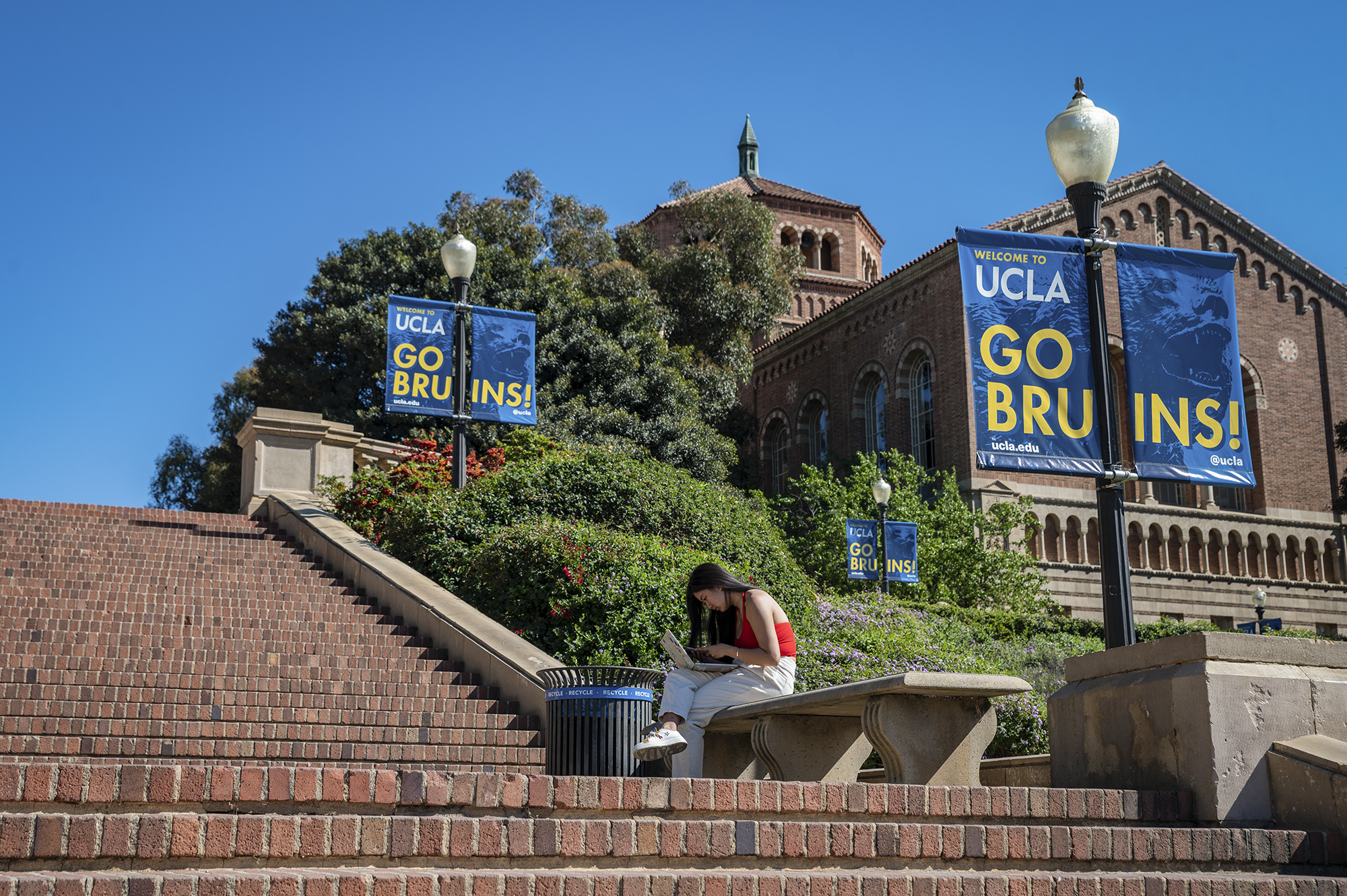
Opponents said priorities for public spending on medical research should be based on rigorous scientific review and public health needs.
Supporters said that at a time when federal funding is unreliable, California should take the lead in supporting cutting-edge research.
Proposition 40: Billionaire wealth tax
This wealth tax measure, aimed at funding safety net health services, has drawn some of the greatest debate — and money — of any California proposition this year.
It was placed on the state ballot by a union of healthcare workers, at a time when Congress has made deep cuts to Medicaid (known in California as Medi-Cal).
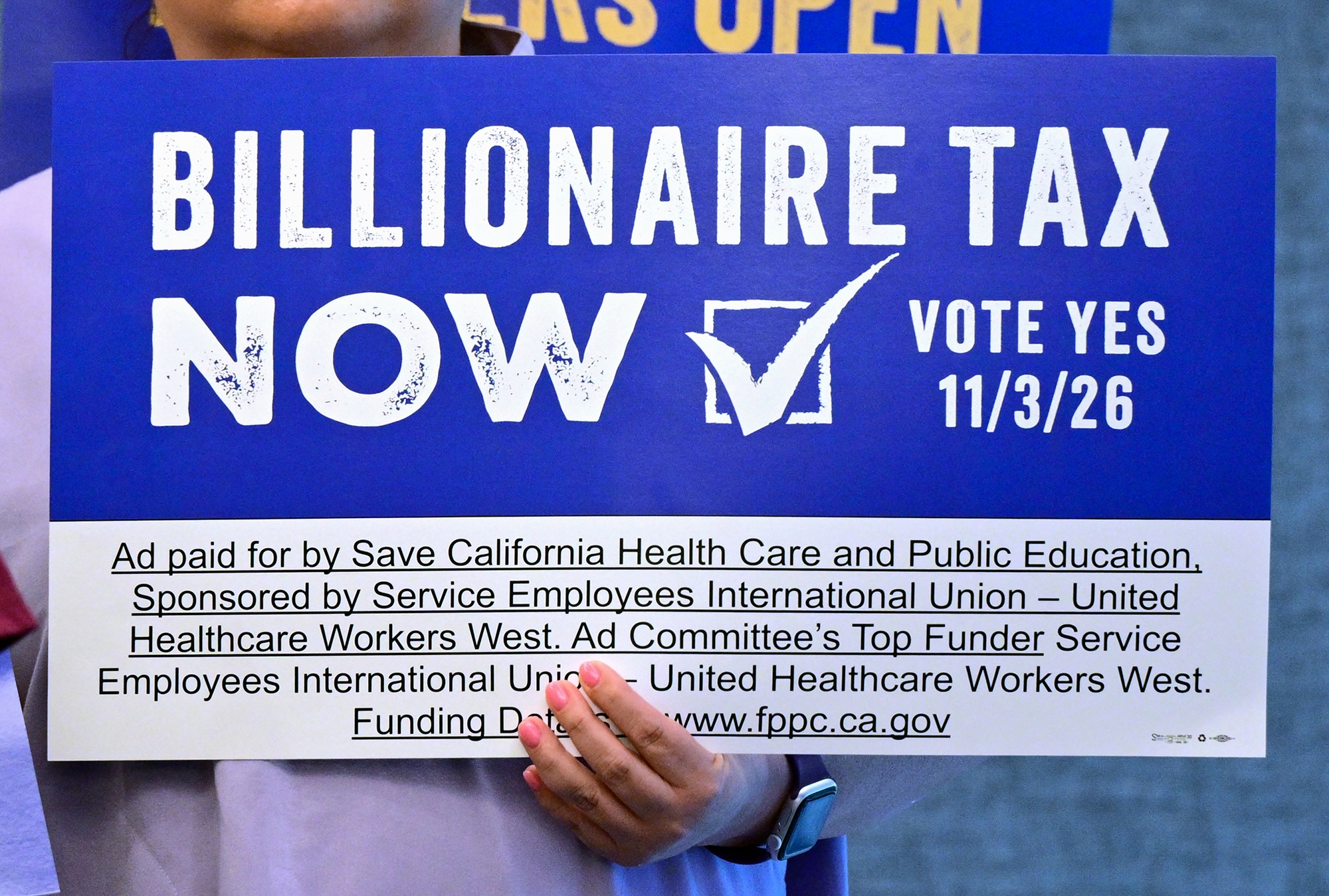
Voters were leaning against Proposition 40, with nearly 57% voting no, as of Tuesday night.
The measure would impose a one-time 5% tax on the wealth of individuals whose assets are valued at over $1 billion.
The “No” campaign was bankrolled with over $160 million from a group of tech billionaires who stood to be taxed.
Propositions 41 and 42 were placed on the ballot by the same tech leaders who oppose the billionaire wealth tax. Proposition 41 was failing Tuesday night by more than 52%.
If passed, it would require ongoing audits of state programs that are funded by “special” taxes earmarked for a specific purpose, to assess whether they are spending money wisely. If both this and Proposition 40 pass, but Proposition 41 receives more votes, Proposition 40 would be nullified.
As with Proposition 41, this measure was placed on the ballot by opponents of the billionaire wealth tax, including Google co-founder Sergey Brin. Proposition 42 was ahead, with nearly 55% of the vote on Tuesday night.
If approved, it would make it much harder to pass future wealth taxes by prohibiting new levies on the ownership of financial assets, such as stocks and personal property, that are typically only taxed when they generate income or are sold.
If both this and Proposition 40 pass, but Proposition 42 receives more votes, Proposition 40 would be nullified.
Proposition 43, a measure that would make it harder to pass new local tax measures, appeared to be heading to defeat, with nearly 55% of voters opposed Tuesday night.
The measure — supported by Republicans and anti-tax groups and opposed by Democrats, unions and California counties — would require a two-thirds vote, rather than a simple majority, to pass any local taxes earmarked for a specific purpose, such as schools or wildfire prevention.
California voters approved the two-thirds majority threshold in 1996, but in 2017 the state Supreme Court ruled that it only applied to measures put on the ballot by elected officials.
Proposition 43 would apply it to voter initiatives as well.
Voters were leaning against Proposition 45, a measure that would reshape the state’s landmark environmental law, the California Environmental Quality Act, to expedite certain projects deemed “essential.”
More than 54% of voters were rejecting the plan.
The 1970 law requires agencies to consider environmental harm before building, but developers say it’s often used to delay important affordable housing and infrastructure projects.
Proposition 45 would set a one-year time limit on environmental reviews, and a 270-day limit for courts to rule on related lawsuits.
Opponents point out it was financed by utilities and corporate PACs, and said it could gut environmental protections.
This story includes reporting from KQED staff and our partner CalMatters.