Historian Draws Parallels Between Trump and 1920s Immigration Policy
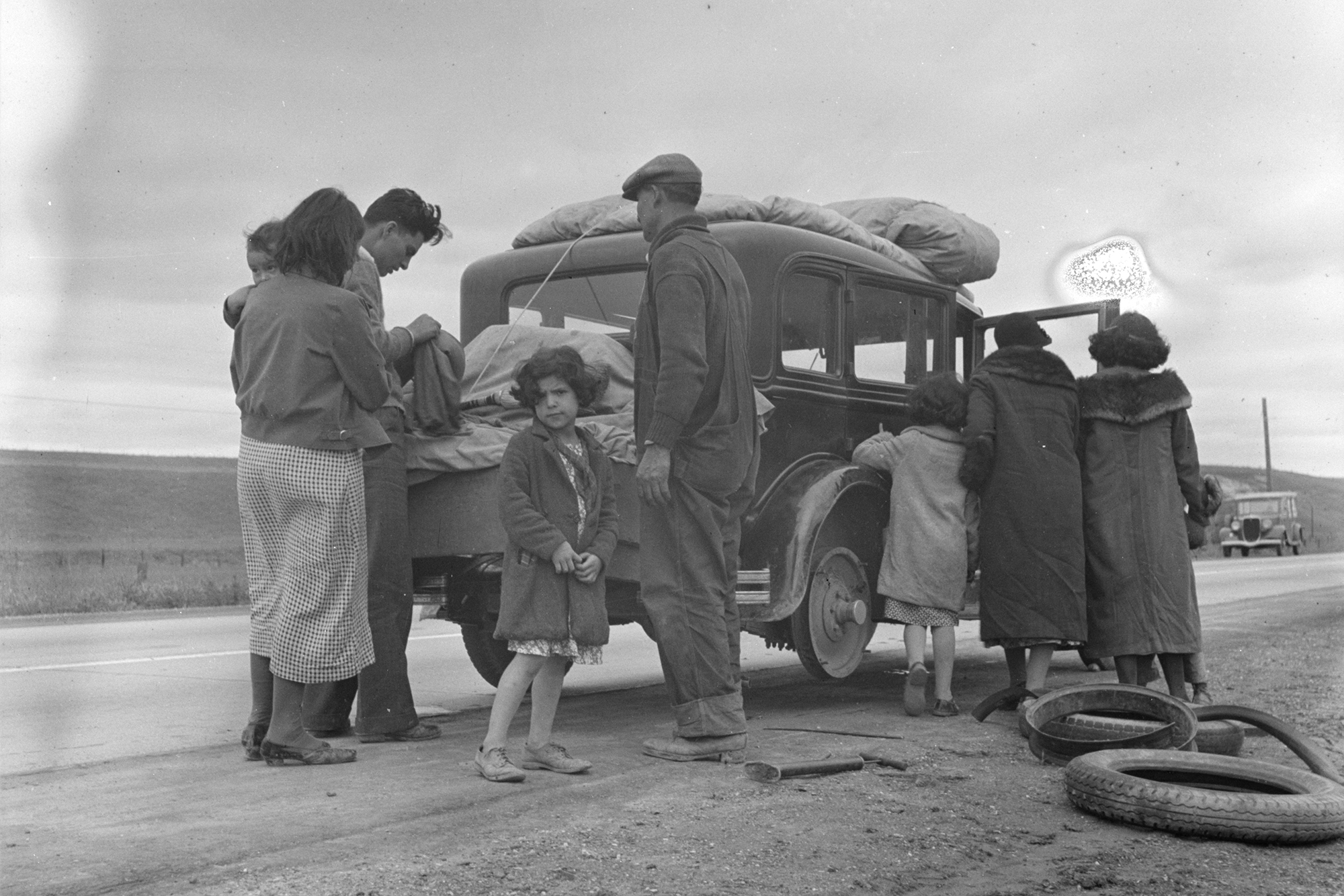
It was a campaign of mass deportation, with immigration authorities engaged in racial profiling and disregarding the rights of the people they arrested, many of whom were in the United States legally.
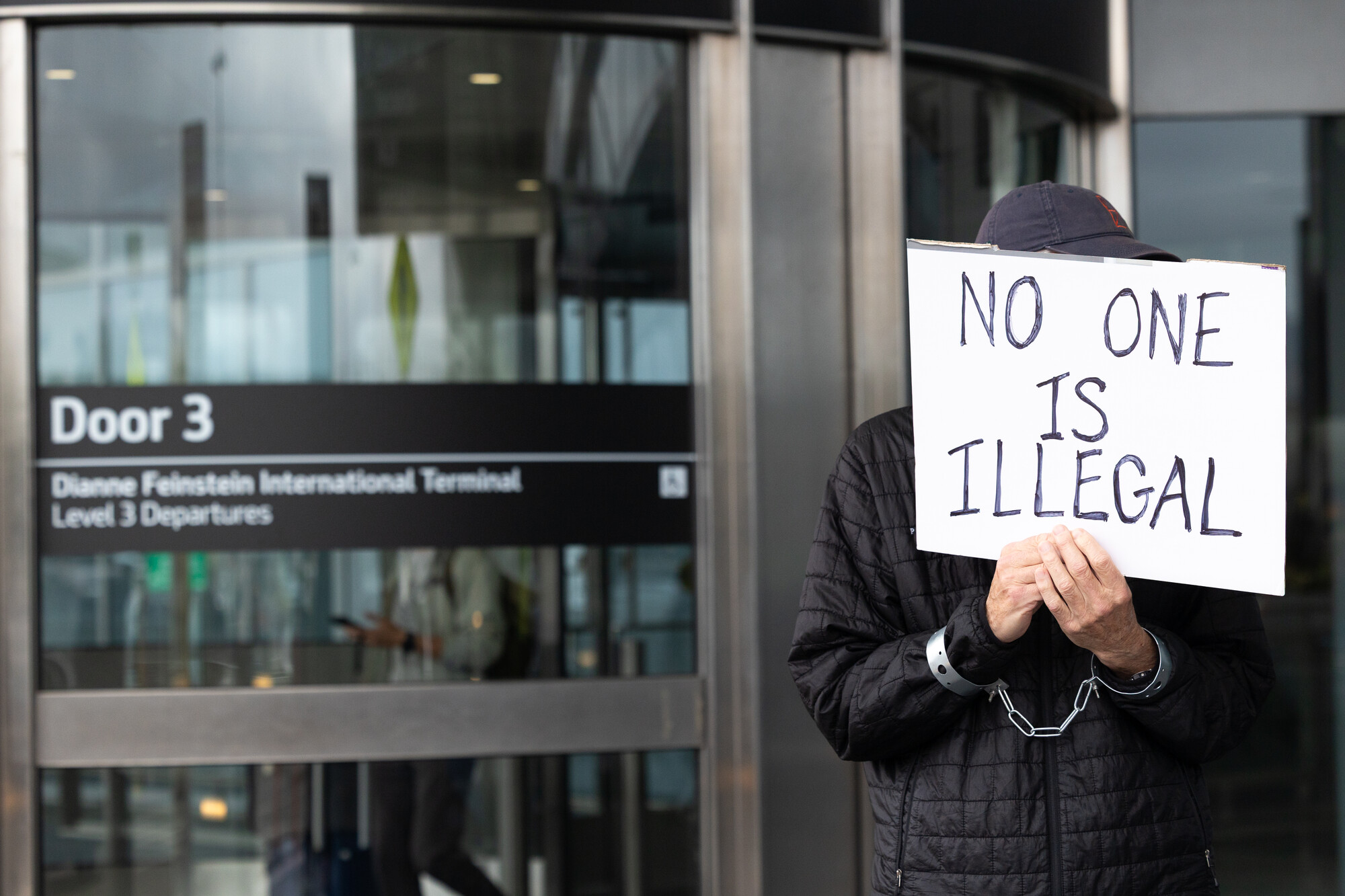
That’s a charge that’s been leveled at President Donald Trump’s current enforcement efforts, with agents detaining people they perceived as immigrants without legal status on the streets of cities like Los Angeles and Minneapolis, frequently without warrants and referring to them by racial slurs.
It also describes a little-known chapter of U.S. history: the “Mexican Repatriation” that began amid rising xenophobia in the 1920s and gained steam during the Great Depression, said historian Marla Ramírez, who spoke about the parallels at UC Berkeley’s Institute for Governmental Studies last week.
An estimated 1 million people were sent to Mexico in the period between World War I and World War II, and the majority of them were U.S. citizens, according to Ramírez, a professor at the University of Wisconsin and author of a recent book, “Banished Citizens: A History of the Mexican American Women Who Endured Repatriation.”
“What happened during the interwar period and what’s happening now is that we have this stereotypical image of an immigrant that’s always rooted in who’s white and who’s not white,” she said. “We see U.S. citizens of non-white phenotypes being questioned, being arrested even, because they’ve been imagined to be immigrants, even when they’re U.S. citizens.”

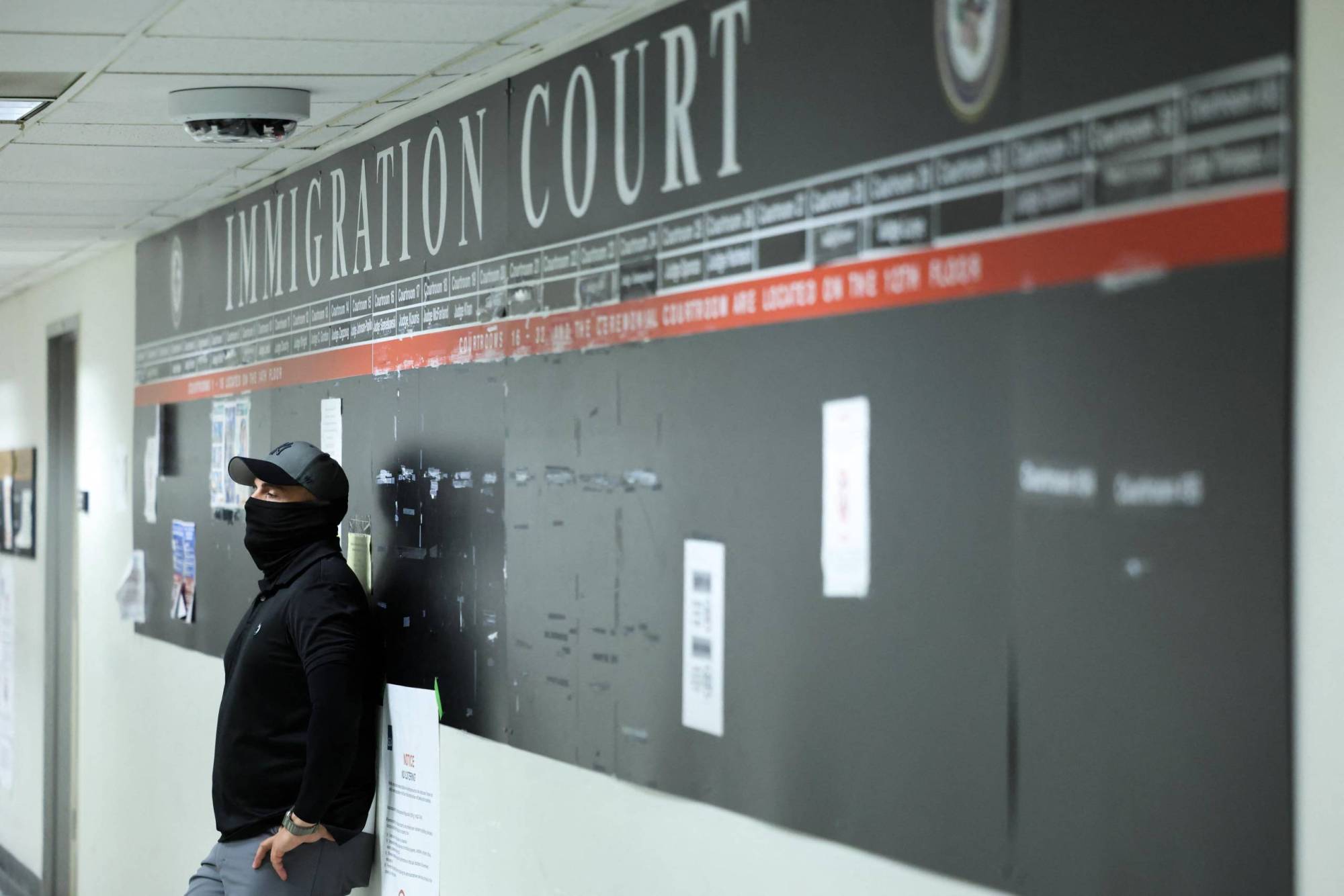
Recent lawsuits have alleged — through officer bodycam footage, witnesses and individual testimonies — that agents have denied some people the opportunity to produce proof of legal status during their arrest, speak to an attorney while detained or present their case to an immigration judge before they are deported.
The current environment echoes the immigration policing of a century ago, Ramírez said, and it poses a danger not only to immigrants but to society as a whole.
“Whenever we are willing to turn a blind eye to the civil rights and constitutional rights of a group, it becomes a dangerous, slippery slope,” she said. “It gives [the government] permission to ignore those same rights for other groups.”
The Department of Homeland Security has repeatedly denied violating the rights of people arrested during immigration enforcement actions.
After the UC Berkeley talk, Julia Curry Rodríguez, an emerita professor from San José State University, said Ramírez’s research shows how authorities sometimes disregard policies and laws to make violations against immigrants appear justified.
“In the early part of the 20th century, we see a twisting of rules to do things that shouldn’t have been allowed to happen,” she said. “It tells us we have to be astute. … We can’t allow someone to tell us, ‘We have the right,’ when they don’t.”
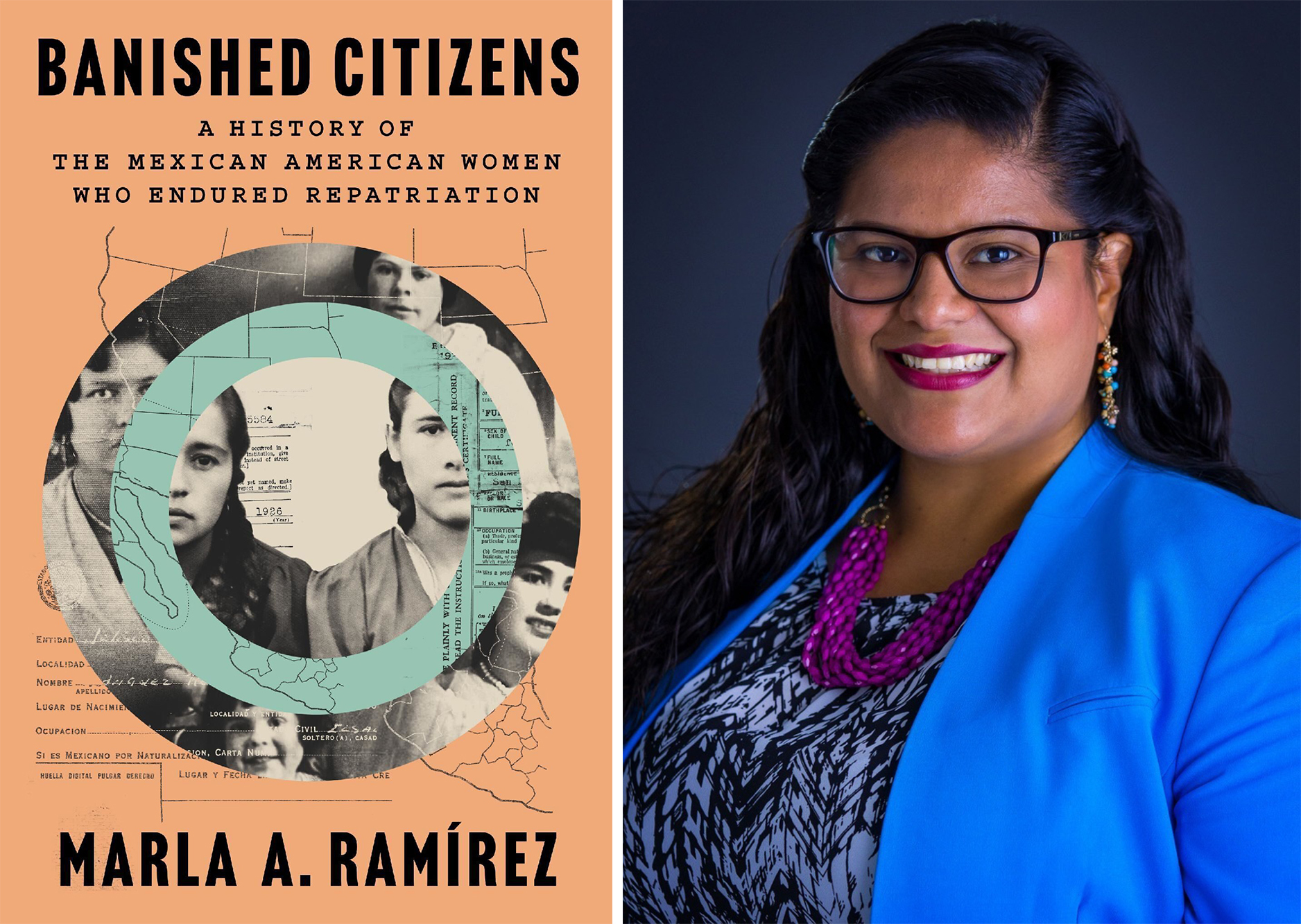
Right: Marla Ramírez is an assistant professor of history and Chicano/a studies at the University of Wisconsin, Madison. (Courtesy of Marla Ramírez)
Ramírez searched the archives of the former Immigration and Naturalization Service (the agency that predated the Department of Homeland Security) and found evidence that the government knew it was expelling U.S. citizens in typed rosters of people deported to Mexico.
One list, from July 1939, included 36-year-old Juan Franco, a Mexican national, and his wife, Juana Cuevas, 28, whose nationality is listed as “United States,” as is that of their four children.
Another man, Pedro Cruz, 79, a Mexican national, was deported along with his wife, Isabel Martinez, and their seven children, two daughters-in-law, a son-in-law and 12 grandchildren, all of them U.S. nationals, the archival records show.
The fact that these women and children were Americans means that “repatriation” and even “deportation” are inaccurate terms, Ramírez said. Instead, she chose to refer to these U.S. citizens as “banished” to Mexico.
The government justified the removals with the assumption that men were the breadwinners in a family and if husbands were deported, their wives and children would become dependent on public benefits, or — in the phrasing of an 1882 immigration law — they would be “public charges,” she said.
Beyond that, she said her research showed that immigration authorities dusted off a 19th-century legal doctrine known as “coverture,” under which a woman’s legal rights were “subsumed,” first by her father and then her husband. But, she said, by the time the “repatriation” began in the 1920s, those laws had long been overturned by the efforts of the women’s suffrage movement.
Through mental gymnastics, including in Congressional debates, public officials swept wives and children under a man’s non-citizen status, then applied to them a 1917 law that said immigrants deemed public charges could be deportable, Ramírez said.
“So if the father or husband was to be removed, then the women and children were seen as a public charge,” she said. “Then these U.S. citizens were imagined also as removable even though they were not immigrants.”
The impact of these removals rippled across the decades, she found, with families losing generational wealth and women fighting for years to prove their U.S. citizenship.
The book documents the experience of Trinidad Rodríguez. Born in Redlands, Calif., to a U.S.-born mother, she was sent to Mexico with her family as a 5-year-old in 1922. As an adult, she spent years trying to return to California to obtain a copy of her birth certificate, which had been confiscated by authorities when she was removed from the U.S.
When she finally got it, in 1969, she couldn’t afford the legal fees and applications to establish residency for herself and her family.
Her son and his children were entitled to derive citizenship through Rodríguez. But years later, several grandchildren entered the U.S. without authorization and wound up living as immigrants without legal status, Ramírez said.
Such stories have relevance not only because they show the history of unjust exclusionary practices of U.S. immigration authorities, said Cristina Mora, co-director of UC Berkeley’s Institute for Governmental Studies, which hosted Ramírez.
“It’s also an example of women’s resilience and their continued fight to obtain their rights,” she said. “Despite all these challenges, we’re still here. Generations of us are still here, still building, still creating and still demanding that this place live up to its values.”