Applying for a Green Card or a Visa? What to Know About the New Public Charge Rule
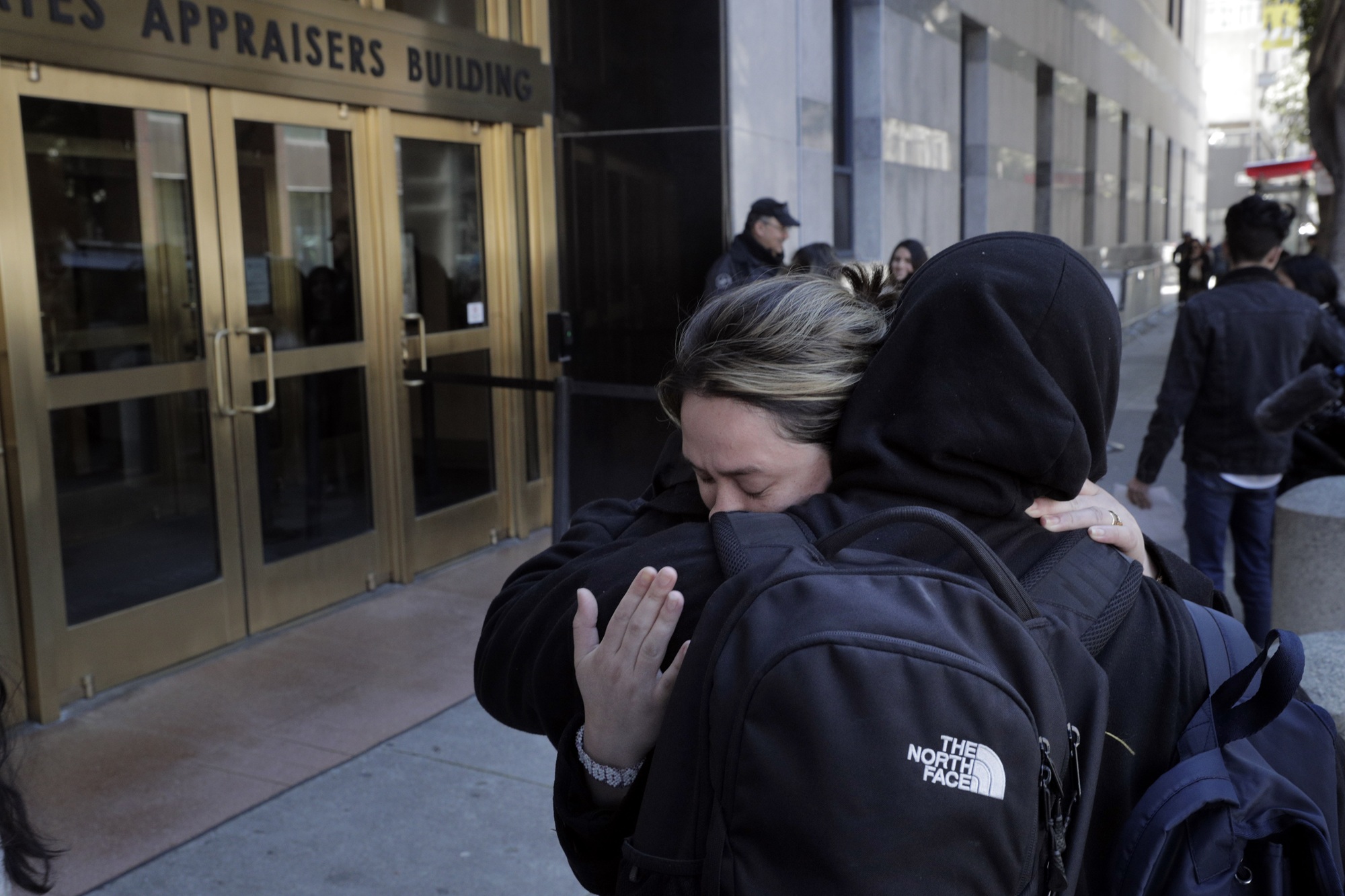
As of this Friday, the Trump administration will give immigration officers more power to deny green cards and visas to immigrants who use public benefits.
Immigration officials will now consider a wider range of factors to decide if an applicant is likely to become a “public charge” — someone who is primarily dependent on the government to support themselves.
Federal law states that individuals who are likely to become a public charge cannot be admitted to the country, but it does not provide an exact list of factors or circumstances to determine who is a “public charge.”
That’s why different administrations have interpreted the law differently.
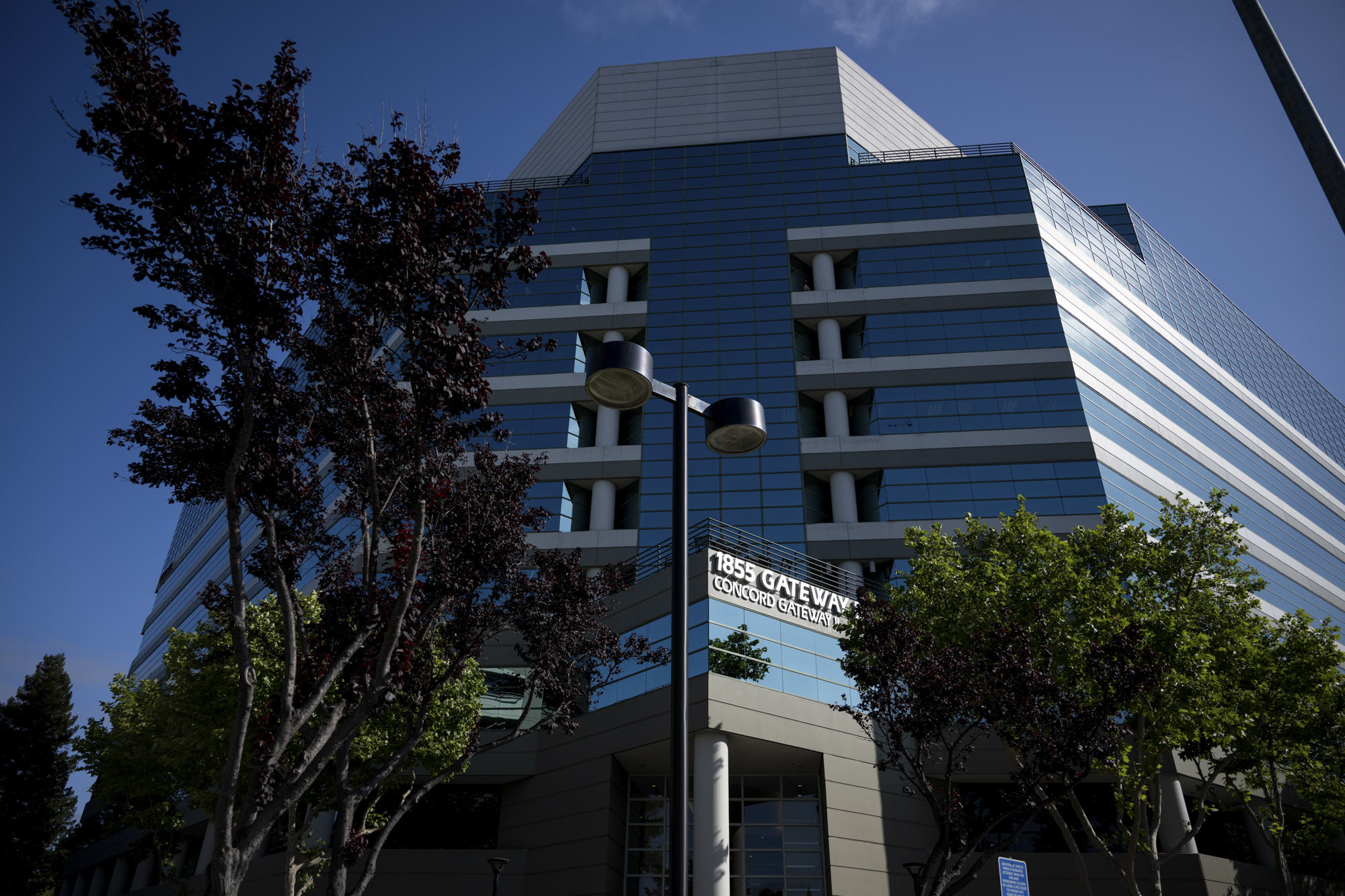
Earlier this year, the Department of Homeland Security revoked a Biden-era rule that limited what officials could look at when considering an application. Without that guardrail in place, DHS can now consider whether an individual has ever received “means-tested public benefits” — a category that officials have confirmed includes:
- Medicaid (Medi-Cal) coverage
- Unemployment benefits (CalWords)
- Food stamps (CalFresh) and other nutrition-assistance programs like WIC for women, infants and children
- Housing vouchers
- Early education programs like Head Start (if the applicant is a child)
- School lunch and summer food service programs that an applicant received thanks to food stamps or Medicaid coverage
The new policy also considers direct cash aid programs at the local level, like guaranteed or universal basic income programs (also known as UBI). Over the past decade, cities like San Francisco, Oakland, Los Angeles and Stockton have developed their own UBI programs for low-income families that don’t take immigration status into account.
What else could immigration officials look at?
DHS insists that the Biden-era rule prevented immigration officials from making more informed decisions. Looking at current and past public benefits, the agency said, is “relevant to determining whether an alien is likely at any time to become a public charge.”
The new policy is not entirely clear about what else immigration officials would consider public benefits, said Robert Yabes, who leads the immigration legal program at Catholic Charities of Santa Clara County.
“Officials now have much more discretion when making a decision,” he added. “We will have to observe how they use that now in cases,” he said. “And then based on what we learn, we will guide clients.”
The announcement has sparked uncertainty and anxiety among immigrant families in the Bay Area.
“The rules are constantly changing, and it’s hard to know what’s real and what’s not,” said Lydia Bustamante, who leads San José’s Office of Inclusion and Belonging.
“The result is that people are not accessing the services and resources that they need and deserve in order to support their families in one of the highest-cost-of-living areas in the country,” she added, stressing the importance of talking to legal experts to better understand this new rule.
There are many ways to find legal aid in the Bay Area. These are some options recommended by immigrant advocates KQED spoke to:
- Bay Area Legal Aid: 800-551-5554
- Santa Clara County’s portal of free-to-low-cost immigration legal services
- Alameda County Immigration Legal and Education Partnership: 510-241-4011
- Marin County Rapid Response Network: 415-991-4545
- San Francisco Rapid Response Network: 415-200-1548
- Santa Clara County: 408-290-1144
- Stand Together Contra Costa: 925-900-5151
- North Bay Rapid Response Network (Napa, Sonoma and Solano counties): 707-800-4544
Cities and counties are generally not involved in federal immigration affairs, Santa Clara County Executive James Williams pointed out. “All of the care and services we offer to ensure the health and well-being of every family in our community,” he said, “remains fully open and accessible to everybody.”
“We’re doing all we can to make sure that people continue to access those services,” he added, “and know that their county government is standing with them.”
Who is impacted by this change?
Folks should first find out whether the new public charge rule actually affects them, said Yabes from Catholic Charities of Santa Clara County.
“This doesn’t apply to everybody,” he said. “Families should not automatically withdraw from any program that they’re in right now, especially with children, [without] finding out if the new rule actually applies to their particular immigration situation.”
The new rule affects only people who are applying for a green card or a visa, Yabes explained. It doesn’t include naturalized U.S. citizens or current green card holders — unless they leave the country for more than six months. “It also does not apply to people who have refugee or asylum status,” he added, “or even DACA and TPS recipients.”
Deferred Action for Childhood Arrivals, or DACA, protects some people who were brought to the U.S. as children from deportation.
Temporary Protected Status, or TPS, is granted to immigrants from countries where the situation is too dangerous or unstable to return.
Individuals who are applying for legal permanent residence (a green card) will, however, be subject to the new guidelines — even if they have an immediate family member who is a U.S. citizen or are being sponsored by an employer.
Why are state and local officials worried about this new public charge rule?
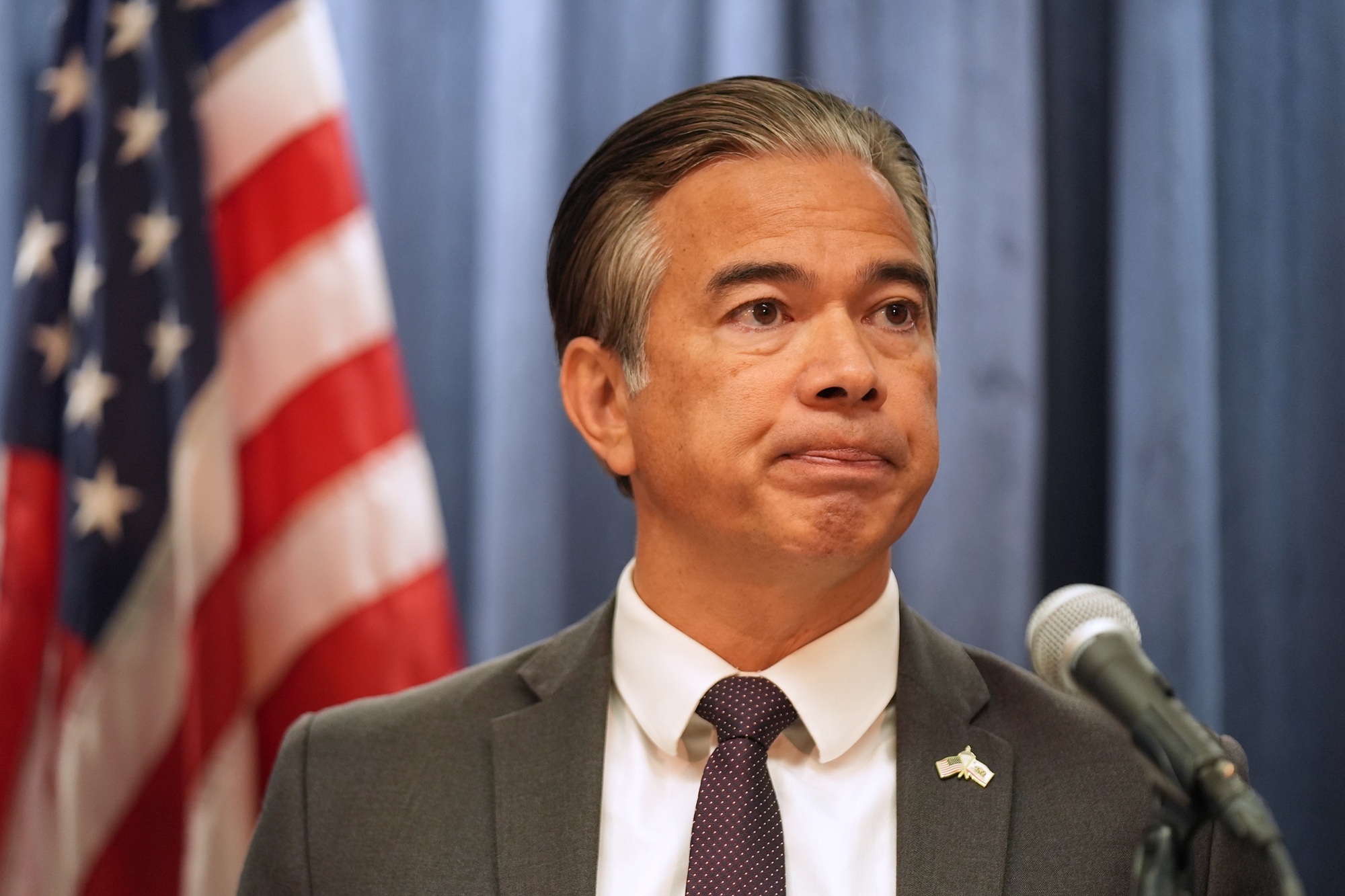
California and 22 other Democrat-led states are suing the Trump administration to block the new public charge rule. Attorney General Rob Bonta said on Monday that these guidelines give immigration officials “practically unlimited discretion to deny someone a green card because they used a public benefit program.”
“This is a cruel policy designed to force immigrant families to forgo healthcare and food assistance programs out of fear that using them could jeopardize their immigration status,” he added.
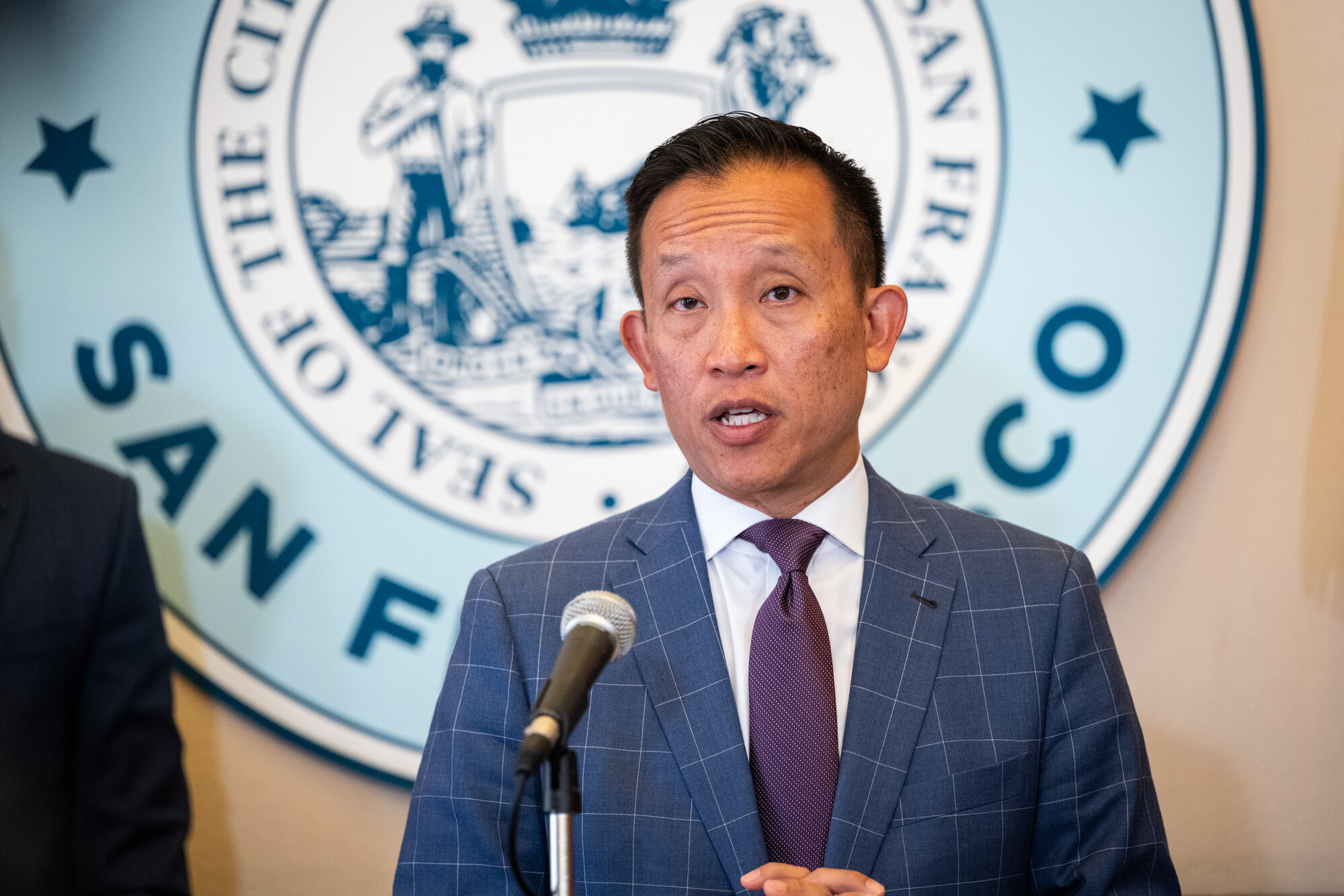
San Francisco and Santa Clara County have also sued the federal government over the new policy in a separate lawsuit. “If even a fraction of households are withdrawing from these social services, our city stands to lose millions of dollars in federal reimbursements,” San Francisco City Attorney David Chiu said.
Bay Area counties are already expecting to lose millions of dollars in Medicaid funding thanks to cuts from President Donald Trump’s One Big Beautiful Bill. More funding losses could strain local services even more.
In a statement to KQED, DHS said that state leaders pushing back against the policy “are terrified they will lose federal funds because hundreds of thousands of illegals and noncitizens might remove themselves from American welfare programs.”
“We’re shaking in our boots over this supposedly terrible outcome,” DHS added.
In 2019, San Francisco and Santa Clara County won a legal battle against the first Trump administration over a similar change to the public charge rule. “This is something that we have fought before,” Chiu said. “This is a cruel attempt by the federal administration to impose a wealth test on families that are seeking a future in our country.”