Inside the Fight for the Future of California’s Climate Dollars
This story is part of KQED’s series “Flipping the Switch,” examining California’s transition to clean energy and what it means for you. Find the series and more of our climate coverage here.
As state lawmakers return to the Capitol from summer recess on Monday, Democrats are spoiling for a fight with Gov. Gavin Newsom over the future of California’s signature climate fund.
Less than a year ago, Newsom and the Legislature extended the cap-and-trade program to 2045, renaming it cap-and-invest — a clear signal about lawmakers’ thoughts on the fiscal benefits of the system. By requiring major polluters to purchase permits to account for their emissions, it raises billions of dollars a year for programs ranging from high-speed rail to affordable housing.
But the climate fund could shrink by as much as half due to new rules governing cap-and-invest, forcing lawmakers to make tough choices about how to spend the polluter proceeds — all while Newsom argues the program was never meant to be a permanent source of revenue. Their negotiations could come to a head in the next few weeks, before the final legislative session of the governor’s tenure comes to a close.
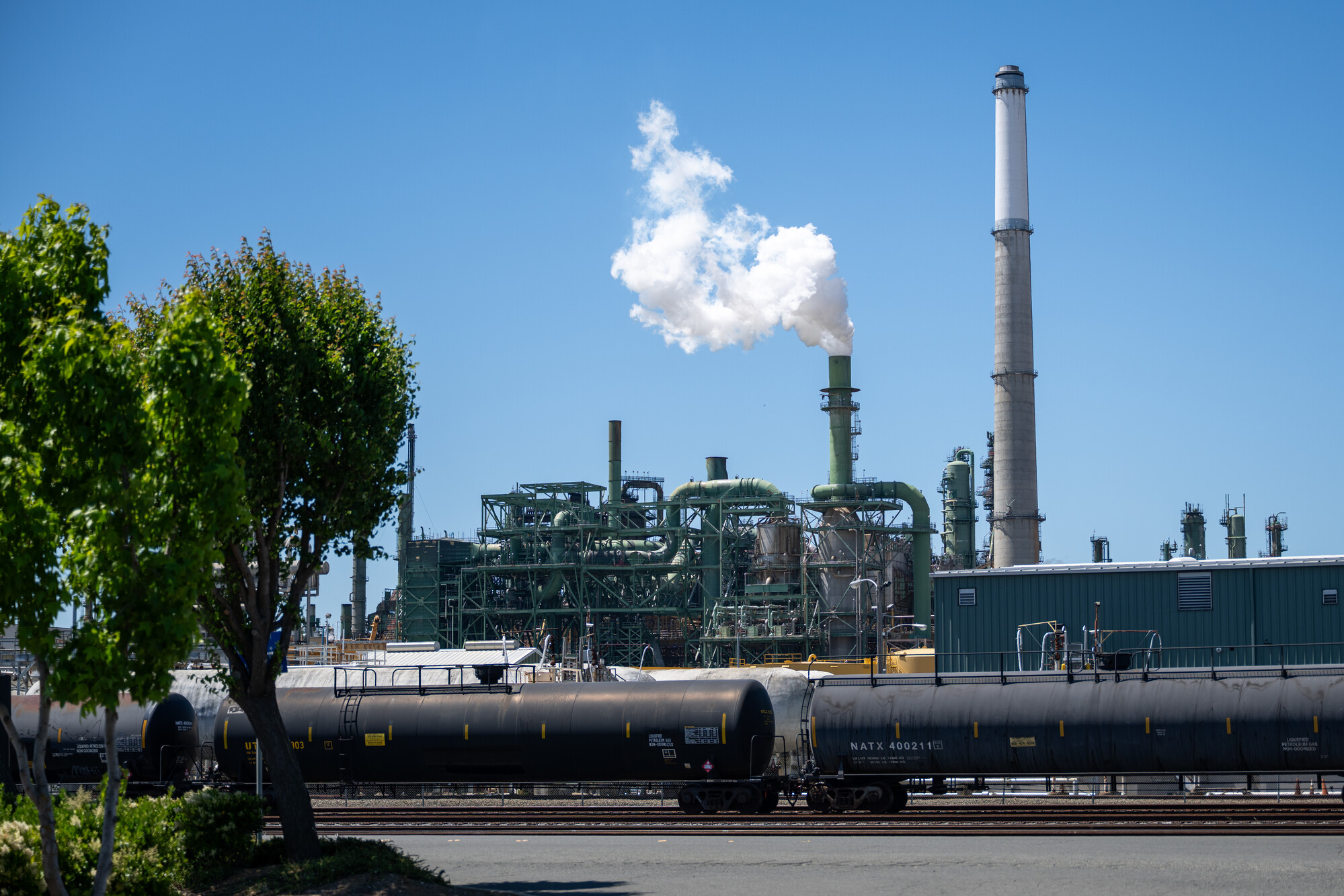
The cap-and-invest rules, approved by the California Air Resources Board this spring, are expected to drastically reduce the number of pollution permits, known as allowances, that are auctioned off to fill the Greenhouse Gas Reduction Fund over the next three years.
Instead, more pollution allowances will be given away to companies covered by the cap, such as oil refineries and factories, to prevent them from leaving California.
“There is tension here insofar as there was an effort to rebrand the program as cap-and-invest — and now there are some serious concerns about the magnitude of the investments that will be coming out of this program,” said Kyle Meng, a professor of environmental economics at UC Santa Barbara.
Regulations boost industry
Newsom signed the reauthorization of cap-and-invest in September, as part of sweeping negotiations on climate and energy that included a bill meant to boost the state’s oil industry by making it easier to drill in Kern County.
Air regulators at CARB got to work designing a cap that would allow the state to achieve its climate goals — including reaching net-zero greenhouse gas emissions by 2045 — while also addressing affordability, a top priority for lawmakers during last year’s reauthorization debate.
The first set of cap-and-invest rules unveiled in January drew fierce lobbying from the oil industry, which had already seen the closure of refineries in Los Angeles and Benicia in the last two years that supplied roughly 20% of the state’s refining capacity. A Chevron executive warned in a March letter that the regulations would “cripple the survivability of the state’s remaining refineries.”
CARB’s final blueprint, approved in May, increased the free allowances granted to polluters over the next three years. It also created the Manufacturing Decarbonization Incentive, which could grant companies additional allowances above the cap if they make investments in clean air technologies. The initiative is still being developed, but critics worry it could increase emissions and depress demand for allowances.
“I think that a big focus of these regulations, it seems to me, was to try to provide additional benefits to industry … to prevent businesses from leaving the state, and also help them decarbonize their production processes,” said Helen Kerstein, an analyst with the Legislative Analyst’s Office.
The tradeoff is a decline in the allowances given to utilities (which help fund a Climate Credit on customers’ bills) and a significant drop in allowances auctioned off to fill the Greenhouse Gas Reduction Fund.
As a result, CARB projects $2 billion annually will be deposited into the fund, roughly half the amount in recent years.
A revenue program?
In an interview with KQED, Newsom defended CARB’s work as a pragmatic response to rising costs at the pump.
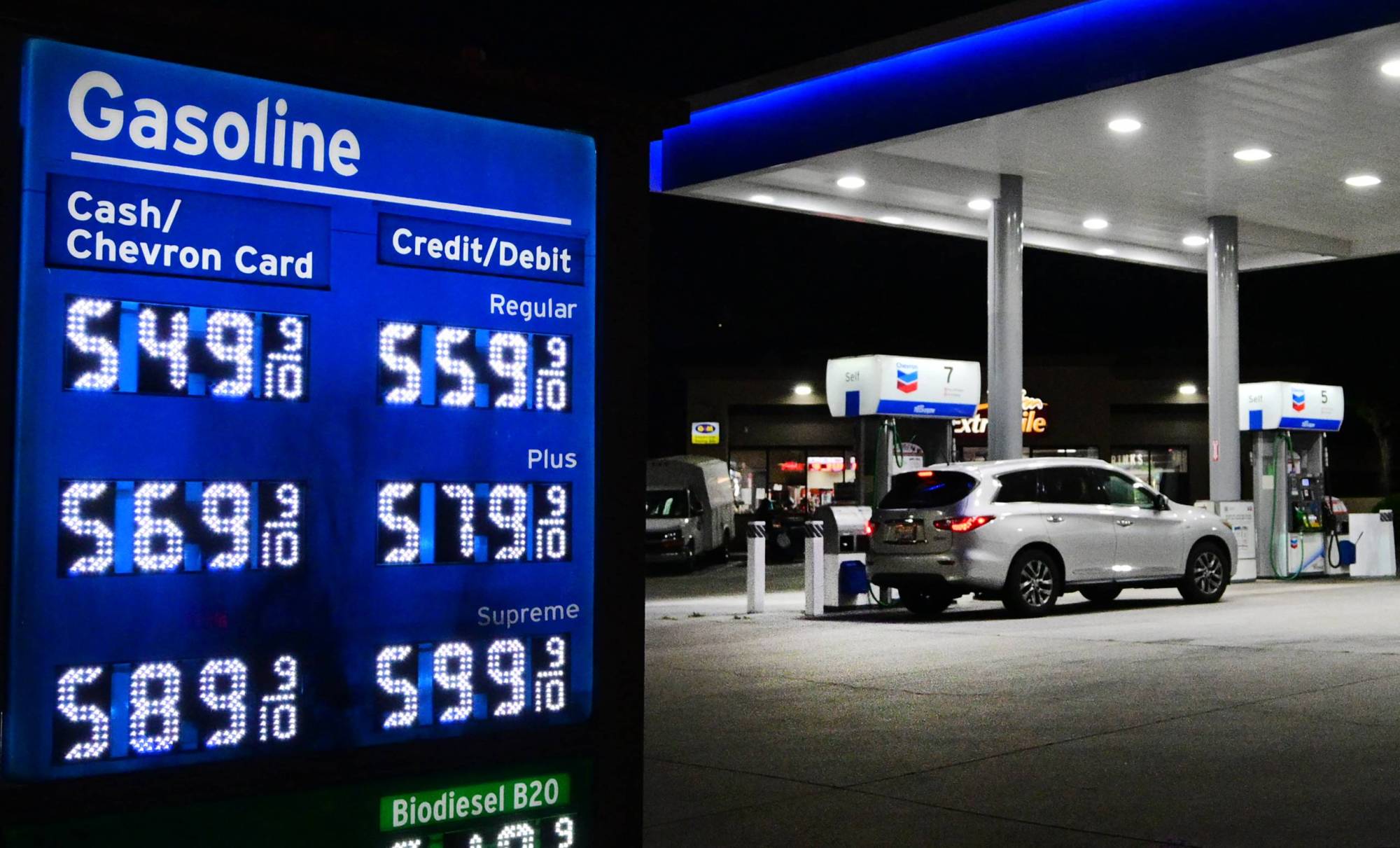
Cap-and-invest has historically added roughly $0.25 to the price of a gallon of gas in California. As the state lowers the cap on emissions by issuing fewer pollution allowances over time, the price of each allowance is expected to rise — increasing compliance costs for California’s embattled oil refineries and further complicating the state’s transition away from fossil fuels.
“As we accelerate that transition, we also need to stabilize the market so that we don’t have $10 gasoline,” Newsom told KQED. “And so there was some rebalancing and consideration in that space, especially in the impacts of refineries.”
Newsom and CARB officials have argued that the central purpose of cap-and-invest is to cost-effectively reduce emissions — not bankroll state programs through the revenue that goes to the Greenhouse Gas Reduction Fund.
“The whole idea was to reduce the allowances to reduce pollution — it was never to create a fund to subsidize [programs] in perpetuity,” Newsom said. “But now people have become so used to it, it’s become an ongoing funding source. So now everyone’s fighting for more and more resources.”
That argument has come as cold comfort to lawmakers who have eyed the fund to pay for housing, transit and wildfire mitigation in otherwise tight budget times. Even Newsom is banking on cap-and-invest revenue for the construction of high-speed rail in the Central Valley.
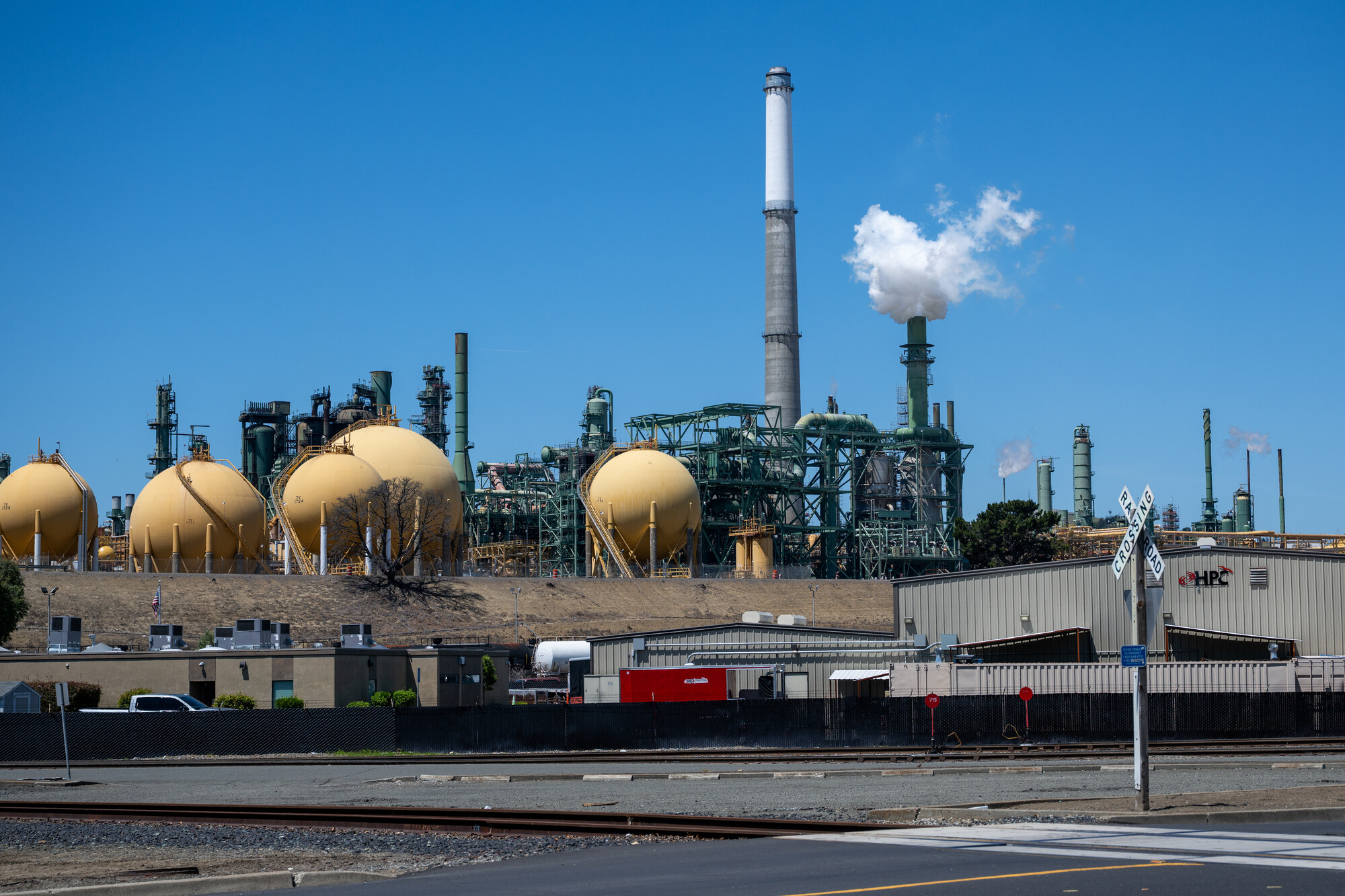
In fact, the most quantifiable benefit of cap-and-invest has been its ability to print cash. While it’s difficult to pinpoint exactly how much the program has reduced emissions or precisely how many businesses have been retained because of its market design, the carbon allowance auctions have raised $36.1 billion for the GGRF since they began in 2013.
Lawmakers see the revenue as key to the political survival of the state’s climate ambitions, by ensuring that a strict emissions cap will result in tangible benefits to California households beyond the avoided costs of climate damages.
“You can say cap-and-invest isn’t a revenue program, but we live and die on revenue programs,” state Sen. Dave Cortese, D-San José, said. “So you’re going to need to point us to where we’re going to get the revenue to backfill these programs because they’re not going to go away — I think that’s going to be the standoff.”
‘Mission critical’
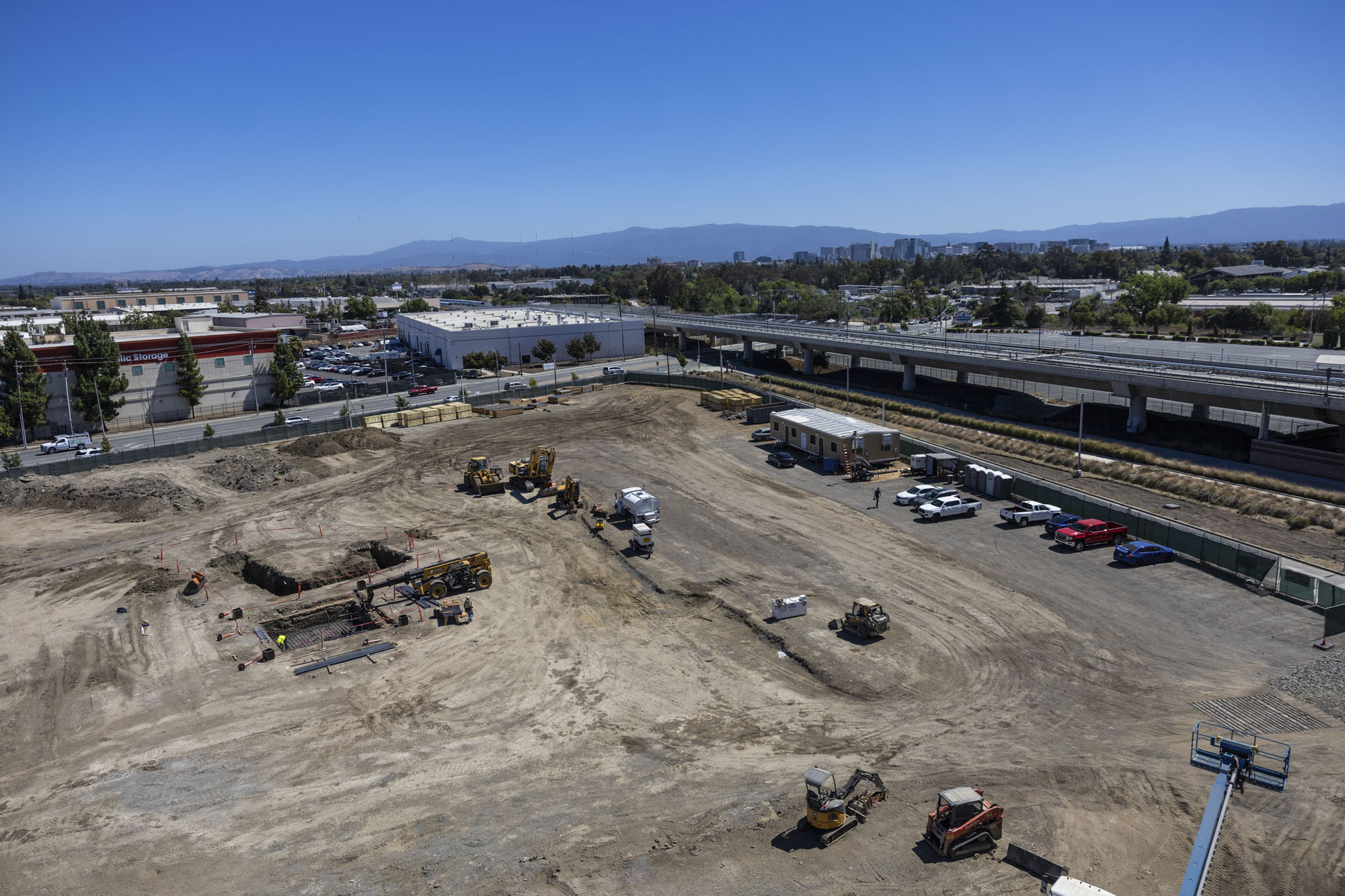
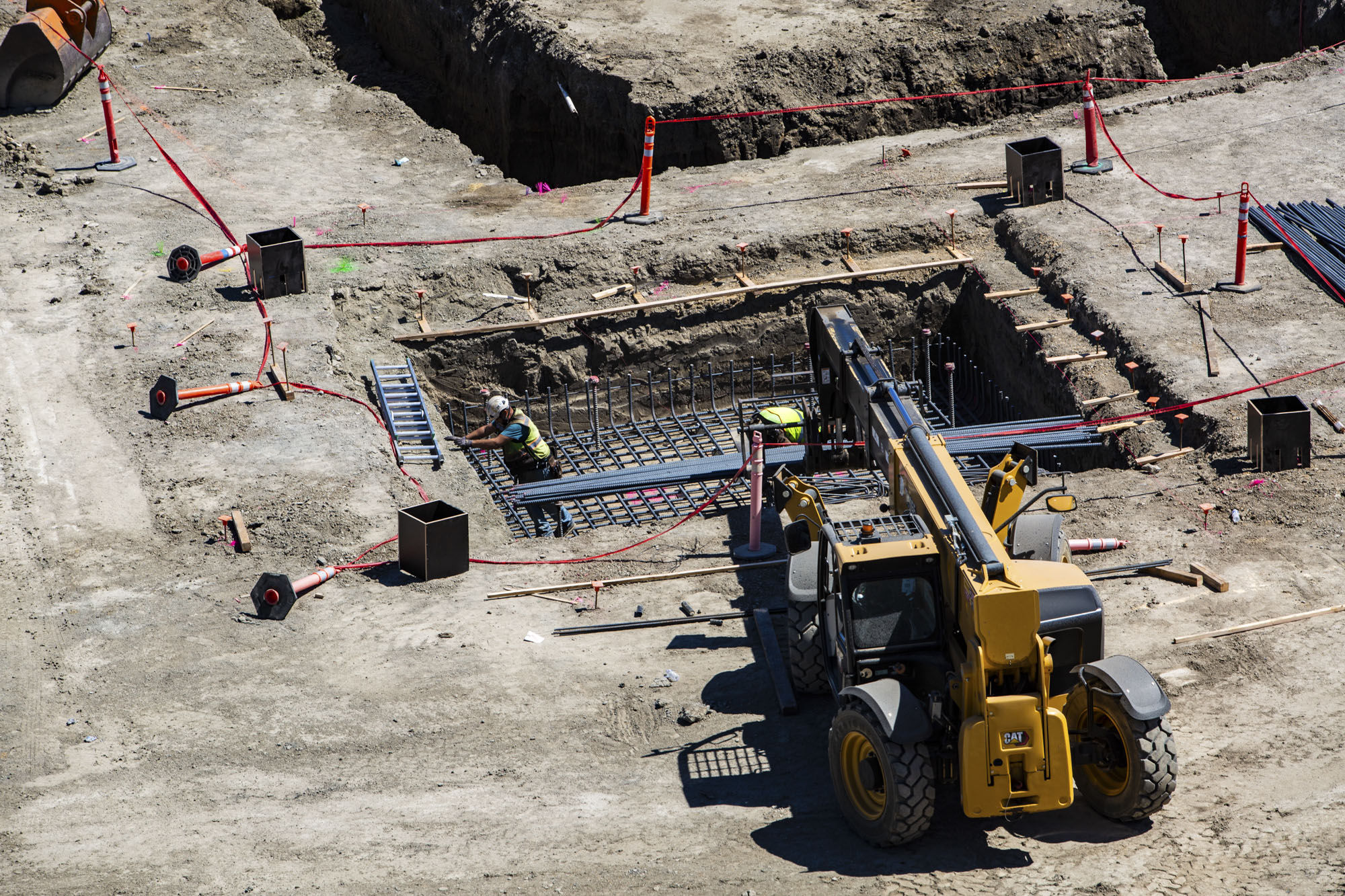
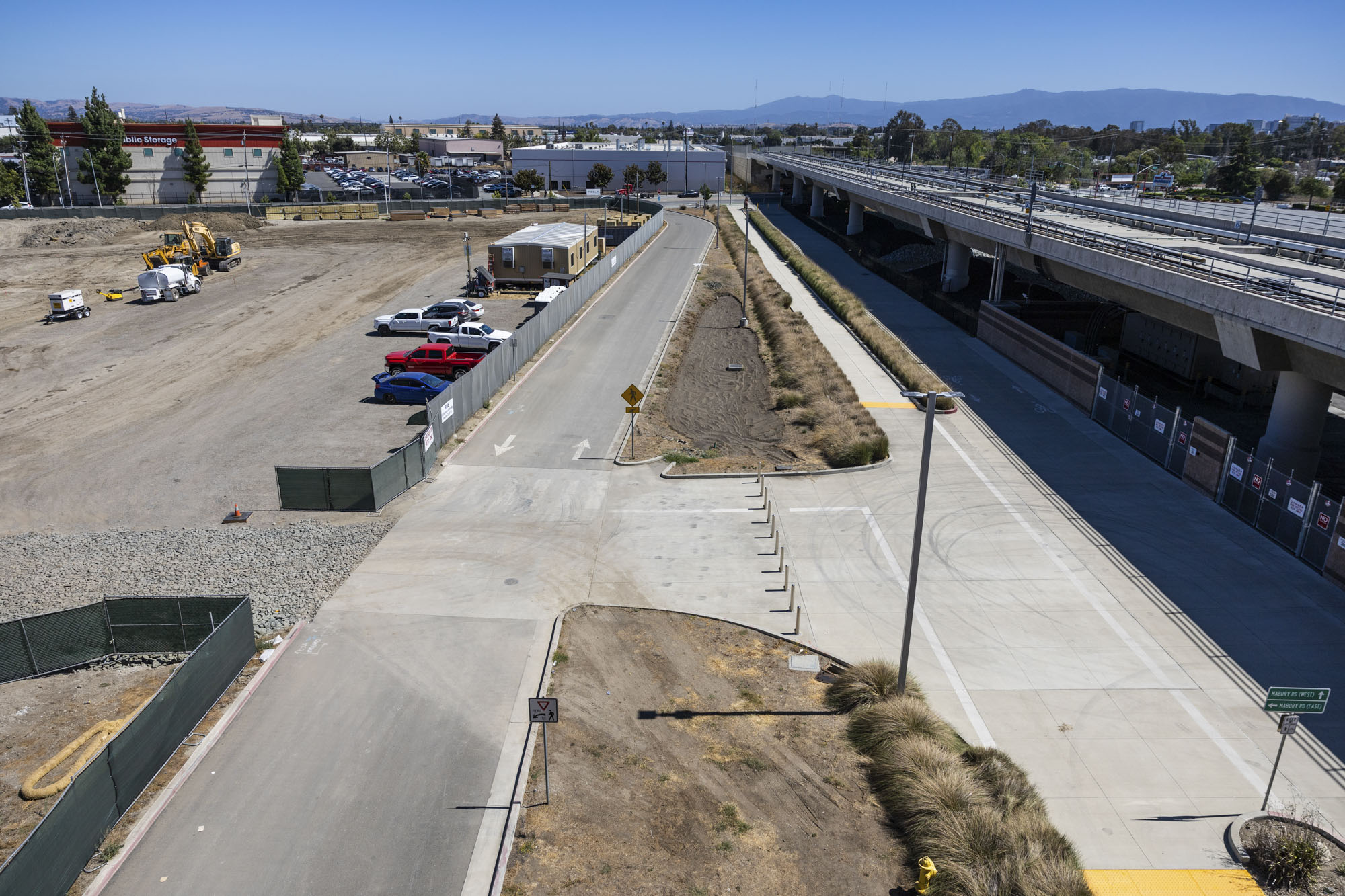
In North San José, money from the Greenhouse Gas Reduction Fund is helping transform a vacant lot next to the Berryessa BART station into an apartment complex with 195 units of affordable housing.
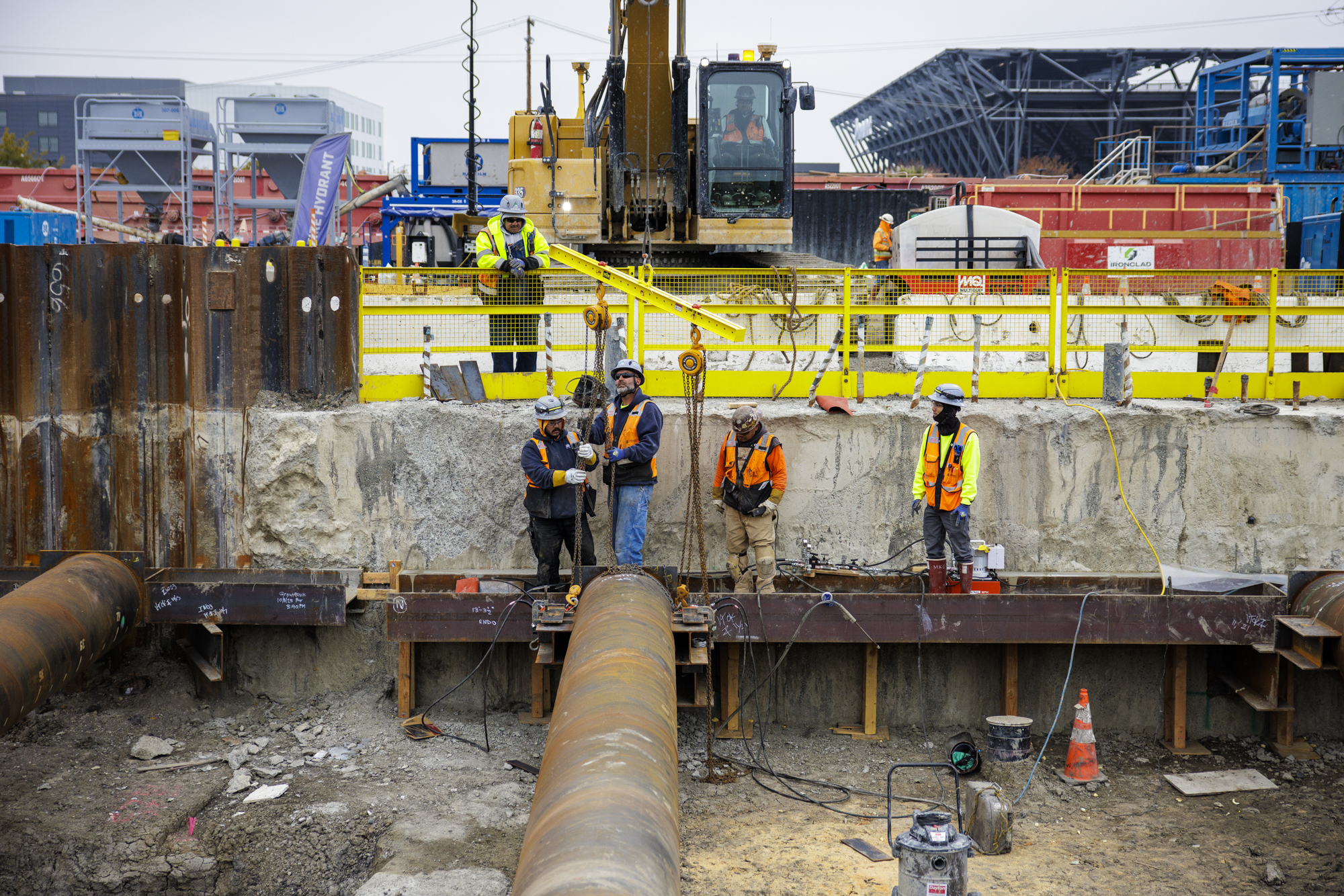
The development broke ground in May and is expected to open in 2028. On a recent weekday afternoon, construction crews were at work preparing the site’s foundation as BART trains whizzed by.
The project received $29 million from the state’s Affordable Housing and Sustainable Communities program, which uses money in the climate fund to build affordable housing near transit.
“When your front door is at a station area, the people who live there are much more likely to hop on transit and not utilize a single-occupancy vehicle to get to their destinations,” said Jessie O’Malley Solis, the Santa Clara Valley Transportation Authority’s director of multimodal planning and real estate.
VTA has a pipeline of 2,900 affordable units envisioned for future development projects at transit stations in San José, Campbell and Milpitas. All would rely on the AHSC funding generated by cap-and-invest.
“It’s critical,” Solis said. “Mission critical.”
But AHSC funding could be completely eliminated under the new cap-and-invest rules, according to the state’s Legislative Analyst’s Office.
Under a deal Newsom struck last year with Democratic lawmakers on how to spend Greenhouse Gas Reduction Fund revenue, programs would no longer be guaranteed a percentage share of the fund’s proceeds.
Instead, a fixed $1 billion a year would go toward the state’s high-speed rail system, a top Newsom priority, and $1 billion would be set aside for discretionary spending. Funding for housing, transit and reducing pollution in low-income hotspots fell further down the list.
If that spending blueprint remains unchanged, the Legislative Analyst’s Office estimated that there would be no money in the climate account left earmarked for housing, transit, wildfire resilience or the Community Air Protection Program, which was created to reduce local air pollution.
“When you cut funding for things like this, you’re undercutting years of community work,” said Lauren Gallagher, an attorney with Communities for a Better Environment. “The agreements that were made last year in the legislative process were not honored in this rulemaking.”
Communities for a Better Environment has sued CARB to block the new cap-and-invest rules, accusing the agency of failing to properly consider the environmental impacts of changes that would leave less money in the Greenhouse Gas Reduction Fund.
The new fiscal reality could upend the deal between Newsom and legislative Democrats on climate spending.
Competing priorities
The governor has been steadfast in his desire to prioritize Greenhouse Gas Reduction Fund dollars for high-speed rail.
Rail officials have vowed that an annual $1 billion commitment will allow them to borrow enough money to complete an initial segment from Merced to Bakersfield.
“All those folks that are out there shaking their head on the high-speed rail, we can’t make up for the last 20, 30 years, but right now we’re laying damn tracks,” Newsom said. “I believe when it is done, people will look back and go, boy, this was worthwhile.”
But lawmakers and analysts have questioned the agency’s plan to complete even the initial segment, let alone the Los Angeles-to-San Francisco line that was promised to voters.
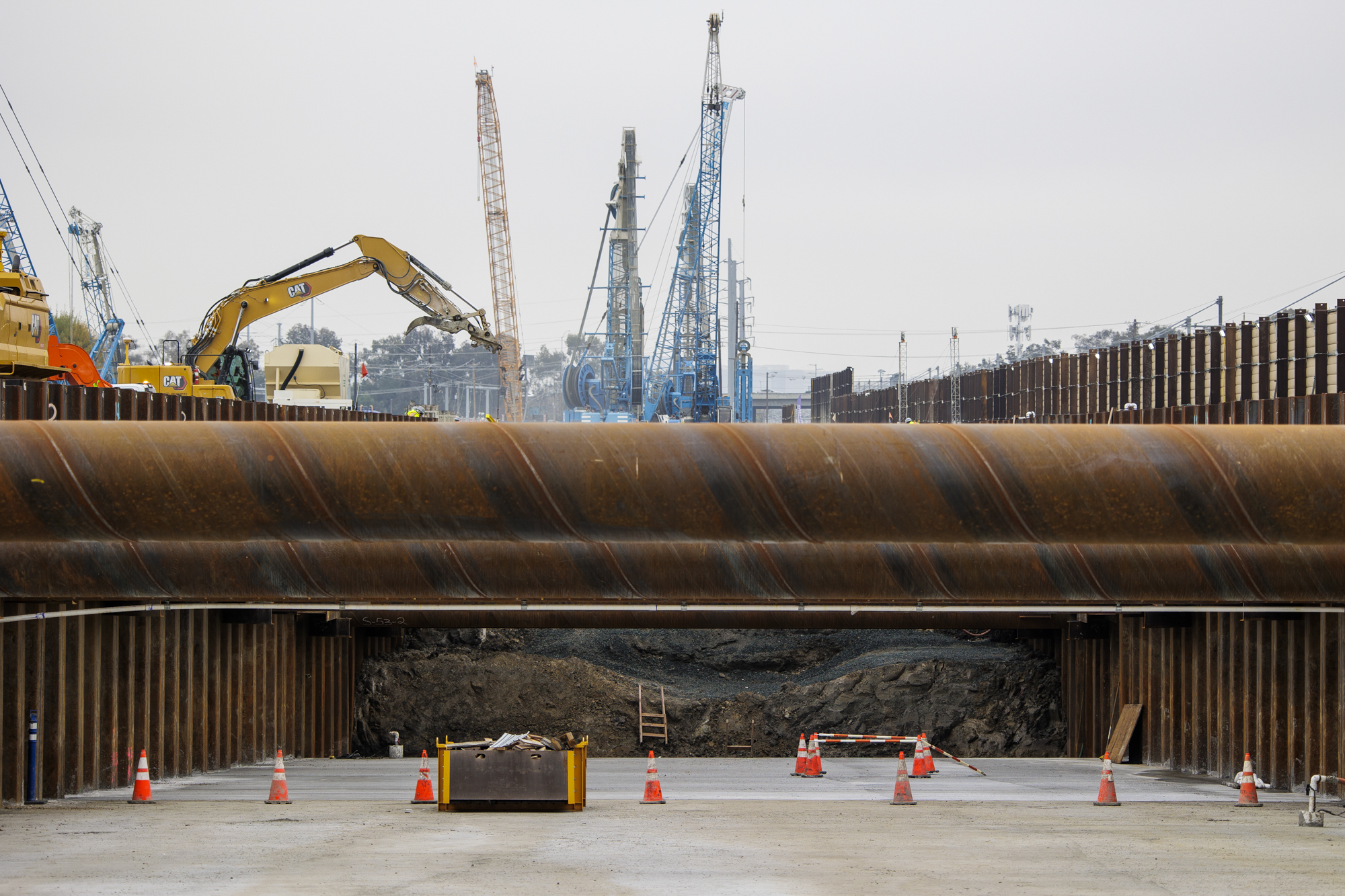
Meanwhile, local transit agencies from BART to Metrolink face ongoing budget shortfalls. The GGRF has historically funded daily transit operations as well as long-term capital improvements, such as VTA’s Eastridge light-rail extension in San José and the expansion of SMART train service in Sonoma County.
“Right now, we have high-speed rail in the tier that’s above transit, and I don’t think that makes sense,” Sen. Catherine Blakespear, D-Encinitas, said. “High-speed rail shouldn’t get a billion dollars, and then we’ll starve all the other transit agencies in the state.”
Others have advocated for prioritizing adaptation to the climate costs already piling up for Californians. Hotter temperatures and longer droughts have increased the frequency and severity of wildfires, which have raised costs for electric utilities and rattled California’s home insurance market.
Researchers at Stanford’s Climate & Energy Policy Program warned against eliminating GGRF funding used to manage forests and harden communities vulnerable to wildfires.
“Now is not the time to cut wildfire resilience funding,” they wrote on Substack. “Otherwise, we risk losing lives, property, and ecosystems while exacerbating the utility and insurance affordability crises, worsening air quality, and increasing greenhouse gas emissions.”
Not all legislators are jumping into the spending fight. Four members of the bipartisan California Problem Solvers Caucus penned a letter to CARB supporting the agency’s decision to return pollution allowances to industry and utilities rather than leaving them for lawmakers to divert to pet projects.
“Value preserved through free allocation … stays in California,” they wrote. “It stays in worker wages, facility operations, local tax bases, fuel price stability, and ratepayer credits.”
Air regulators have stressed that the shift in allowances is only temporary — a three-year adjustment to weather a turbulent energy transition. Come 2030, CARB will again consider a new distribution of pollution permits.
But in the meantime, Kerstein said, lawmakers are left with tough choices over prized programs.
“In the face of this uncertainty and this potential volatility, what are its priorities?” Kerstein said. “And how does it want to make sure that its top priorities are funded?”
For Newsom, there is an added element of time pressure. The last legislative session of his tenure comes to an end Aug. 31 — giving the governor less than a month to leave his mark on the future of California’s climate spending.
KQED’s Scott Shafer contributed to this report.
 From KQED’s Climate desk, “Flipping the Switch” documents California’s transition to clean energy and what it means for you. What works? What doesn’t? How much does it cost? Help us find these answers and more by donating today.