window.__IS_SSR__=true
window.__INITIAL_STATE__={
"attachmentsReducer": {
"audio_0": {
"type": "attachments",
"id": "audio_0",
"imgSizes": {
"kqedFullSize": {
"file": "https://ww2.kqed.org/news/wp-content/themes/KQED-unified/img/audio_bgs/background0.jpg"
}
}
},
"audio_1": {
"type": "attachments",
"id": "audio_1",
"imgSizes": {
"kqedFullSize": {
"file": "https://ww2.kqed.org/news/wp-content/themes/KQED-unified/img/audio_bgs/background1.jpg"
}
}
},
"audio_2": {
"type": "attachments",
"id": "audio_2",
"imgSizes": {
"kqedFullSize": {
"file": "https://ww2.kqed.org/news/wp-content/themes/KQED-unified/img/audio_bgs/background2.jpg"
}
}
},
"audio_3": {
"type": "attachments",
"id": "audio_3",
"imgSizes": {
"kqedFullSize": {
"file": "https://ww2.kqed.org/news/wp-content/themes/KQED-unified/img/audio_bgs/background3.jpg"
}
}
},
"audio_4": {
"type": "attachments",
"id": "audio_4",
"imgSizes": {
"kqedFullSize": {
"file": "https://ww2.kqed.org/news/wp-content/themes/KQED-unified/img/audio_bgs/background4.jpg"
}
}
},
"placeholder": {
"type": "attachments",
"id": "placeholder",
"imgSizes": {
"thumbnail": {
"file": "https://cdn.kqed.org/wp-content/uploads/2024/12/KQED-Default-Image-816638274-2000x1333-1-160x107.jpg",
"width": 160,
"height": 107,
"mimeType": "image/jpeg"
},
"medium": {
"file": "https://cdn.kqed.org/wp-content/uploads/2024/12/KQED-Default-Image-816638274-2000x1333-1-800x533.jpg",
"width": 800,
"height": 533,
"mimeType": "image/jpeg"
},
"medium_large": {
"file": "https://cdn.kqed.org/wp-content/uploads/2024/12/KQED-Default-Image-816638274-2000x1333-1-768x512.jpg",
"width": 768,
"height": 512,
"mimeType": "image/jpeg"
},
"large": {
"file": "https://cdn.kqed.org/wp-content/uploads/2024/12/KQED-Default-Image-816638274-2000x1333-1-1020x680.jpg",
"width": 1020,
"height": 680,
"mimeType": "image/jpeg"
},
"1536x1536": {
"file": "https://cdn.kqed.org/wp-content/uploads/2024/12/KQED-Default-Image-816638274-2000x1333-1-1536x1024.jpg",
"width": 1536,
"height": 1024,
"mimeType": "image/jpeg"
},
"fd-lrg": {
"file": "https://cdn.kqed.org/wp-content/uploads/2024/12/KQED-Default-Image-816638274-2000x1333-1-1536x1024.jpg",
"width": 1536,
"height": 1024,
"mimeType": "image/jpeg"
},
"fd-med": {
"file": "https://cdn.kqed.org/wp-content/uploads/2024/12/KQED-Default-Image-816638274-2000x1333-1-1020x680.jpg",
"width": 1020,
"height": 680,
"mimeType": "image/jpeg"
},
"fd-sm": {
"file": "https://cdn.kqed.org/wp-content/uploads/2024/12/KQED-Default-Image-816638274-2000x1333-1-800x533.jpg",
"width": 800,
"height": 533,
"mimeType": "image/jpeg"
},
"post-thumbnail": {
"file": "https://cdn.kqed.org/wp-content/uploads/2024/12/KQED-Default-Image-816638274-2000x1333-1-672x372.jpg",
"width": 672,
"height": 372,
"mimeType": "image/jpeg"
},
"twentyfourteen-full-width": {
"file": "https://cdn.kqed.org/wp-content/uploads/2024/12/KQED-Default-Image-816638274-2000x1333-1-1038x576.jpg",
"width": 1038,
"height": 576,
"mimeType": "image/jpeg"
},
"xxsmall": {
"file": "https://cdn.kqed.org/wp-content/uploads/2024/12/KQED-Default-Image-816638274-2000x1333-1-160x107.jpg",
"width": 160,
"height": 107,
"mimeType": "image/jpeg"
},
"xsmall": {
"file": "https://cdn.kqed.org/wp-content/uploads/2024/12/KQED-Default-Image-816638274-2000x1333-1-672x372.jpg",
"width": 672,
"height": 372,
"mimeType": "image/jpeg"
},
"small": {
"file": "https://cdn.kqed.org/wp-content/uploads/2024/12/KQED-Default-Image-816638274-2000x1333-1-672x372.jpg",
"width": 672,
"height": 372,
"mimeType": "image/jpeg"
},
"xlarge": {
"file": "https://cdn.kqed.org/wp-content/uploads/2024/12/KQED-Default-Image-816638274-2000x1333-1-1020x680.jpg",
"width": 1020,
"height": 680,
"mimeType": "image/jpeg"
},
"full-width": {
"file": "https://cdn.kqed.org/wp-content/uploads/2024/12/KQED-Default-Image-816638274-2000x1333-1-1920x1280.jpg",
"width": 1920,
"height": 1280,
"mimeType": "image/jpeg"
},
"guest-author-32": {
"file": "https://cdn.kqed.org/wp-content/uploads/2025/01/KQED-Default-Image-816638274-1333x1333-1-160x160.jpg",
"width": 32,
"height": 32,
"mimeType": "image/jpeg"
},
"guest-author-50": {
"file": "https://cdn.kqed.org/wp-content/uploads/2025/01/KQED-Default-Image-816638274-1333x1333-1-160x160.jpg",
"width": 50,
"height": 50,
"mimeType": "image/jpeg"
},
"guest-author-64": {
"file": "https://cdn.kqed.org/wp-content/uploads/2025/01/KQED-Default-Image-816638274-1333x1333-1-160x160.jpg",
"width": 64,
"height": 64,
"mimeType": "image/jpeg"
},
"guest-author-96": {
"file": "https://cdn.kqed.org/wp-content/uploads/2025/01/KQED-Default-Image-816638274-1333x1333-1-160x160.jpg",
"width": 96,
"height": 96,
"mimeType": "image/jpeg"
},
"guest-author-128": {
"file": "https://cdn.kqed.org/wp-content/uploads/2025/01/KQED-Default-Image-816638274-1333x1333-1-160x160.jpg",
"width": 128,
"height": 128,
"mimeType": "image/jpeg"
},
"detail": {
"file": "https://cdn.kqed.org/wp-content/uploads/2025/01/KQED-Default-Image-816638274-1333x1333-1-160x160.jpg",
"width": 160,
"height": 160,
"mimeType": "image/jpeg"
},
"kqedFullSize": {
"file": "https://cdn.kqed.org/wp-content/uploads/2024/12/KQED-Default-Image-816638274-2000x1333-1.jpg",
"width": 2000,
"height": 1333
}
}
},
"mindshift_49825": {
"type": "attachments",
"id": "mindshift_49825",
"meta": {
"index": "attachments_1716263798",
"site": "mindshift",
"id": "49825",
"found": true
},
"parent": 49184,
"imgSizes": {
"small": {
"file": "https://ww2.kqed.org/app/uploads/sites/23/2017/12/iStock-490376997-520x332.jpg",
"width": 520,
"mimeType": "image/jpeg",
"height": 332
},
"twentyfourteen-full-width": {
"file": "https://ww2.kqed.org/app/uploads/sites/23/2017/12/iStock-490376997-1038x576.jpg",
"width": 1038,
"mimeType": "image/jpeg",
"height": 576
},
"thumbnail": {
"file": "https://ww2.kqed.org/app/uploads/sites/23/2017/12/iStock-490376997-160x102.jpg",
"width": 160,
"mimeType": "image/jpeg",
"height": 102
},
"fd-sm": {
"file": "https://ww2.kqed.org/app/uploads/sites/23/2017/12/iStock-490376997-960x613.jpg",
"width": 960,
"mimeType": "image/jpeg",
"height": 613
},
"post-thumbnail": {
"file": "https://ww2.kqed.org/app/uploads/sites/23/2017/12/iStock-490376997-672x372.jpg",
"width": 672,
"mimeType": "image/jpeg",
"height": 372
},
"xsmall": {
"file": "https://ww2.kqed.org/app/uploads/sites/23/2017/12/iStock-490376997-375x239.jpg",
"width": 375,
"mimeType": "image/jpeg",
"height": 239
},
"kqedFullSize": {
"file": "https://ww2.kqed.org/app/uploads/sites/23/2017/12/iStock-490376997-e1512374999824.jpg",
"width": 1920,
"height": 1225
},
"large": {
"file": "https://ww2.kqed.org/app/uploads/sites/23/2017/12/iStock-490376997-1020x651.jpg",
"width": 1020,
"mimeType": "image/jpeg",
"height": 651
},
"xlarge": {
"file": "https://ww2.kqed.org/app/uploads/sites/23/2017/12/iStock-490376997-1180x753.jpg",
"width": 1180,
"mimeType": "image/jpeg",
"height": 753
},
"guest-author-50": {
"file": "https://ww2.kqed.org/app/uploads/sites/23/2017/12/iStock-490376997-50x50.jpg",
"width": 50,
"mimeType": "image/jpeg",
"height": 50
},
"guest-author-96": {
"file": "https://ww2.kqed.org/app/uploads/sites/23/2017/12/iStock-490376997-96x96.jpg",
"width": 96,
"mimeType": "image/jpeg",
"height": 96
},
"medium": {
"file": "https://ww2.kqed.org/app/uploads/sites/23/2017/12/iStock-490376997-800x511.jpg",
"width": 800,
"mimeType": "image/jpeg",
"height": 511
},
"guest-author-64": {
"file": "https://ww2.kqed.org/app/uploads/sites/23/2017/12/iStock-490376997-64x64.jpg",
"width": 64,
"mimeType": "image/jpeg",
"height": 64
},
"guest-author-32": {
"file": "https://ww2.kqed.org/app/uploads/sites/23/2017/12/iStock-490376997-32x32.jpg",
"width": 32,
"mimeType": "image/jpeg",
"height": 32
},
"fd-lrg": {
"file": "https://ww2.kqed.org/app/uploads/sites/23/2017/12/iStock-490376997-1920x1225.jpg",
"width": 1920,
"mimeType": "image/jpeg",
"height": 1225
},
"fd-med": {
"file": "https://ww2.kqed.org/app/uploads/sites/23/2017/12/iStock-490376997-1180x753.jpg",
"width": 1180,
"mimeType": "image/jpeg",
"height": 753
},
"full-width": {
"file": "https://ww2.kqed.org/app/uploads/sites/23/2017/12/iStock-490376997-1920x1225.jpg",
"width": 1920,
"mimeType": "image/jpeg",
"height": 1225
},
"detail": {
"file": "https://ww2.kqed.org/app/uploads/sites/23/2017/12/iStock-490376997-150x150.jpg",
"width": 150,
"mimeType": "image/jpeg",
"height": 150
},
"medium_large": {
"file": "https://ww2.kqed.org/app/uploads/sites/23/2017/12/iStock-490376997-768x490.jpg",
"width": 768,
"mimeType": "image/jpeg",
"height": 490
},
"guest-author-128": {
"file": "https://ww2.kqed.org/app/uploads/sites/23/2017/12/iStock-490376997-128x128.jpg",
"width": 128,
"mimeType": "image/jpeg",
"height": 128
},
"xxsmall": {
"file": "https://ww2.kqed.org/app/uploads/sites/23/2017/12/iStock-490376997-240x153.jpg",
"width": 240,
"mimeType": "image/jpeg",
"height": 153
}
},
"publishDate": 1512374966,
"modified": 1512374993,
"caption": null,
"description": null,
"title": null,
"credit": "iStock/NatanaelGinting",
"status": "inherit",
"isLoading": false,
"fetchFailed": false
},
"mindshift_49350": {
"type": "attachments",
"id": "mindshift_49350",
"meta": {
"index": "attachments_1716263798",
"site": "mindshift",
"id": "49350",
"found": true
},
"parent": 49341,
"imgSizes": {
"small": {
"file": "https://ww2.kqed.org/app/uploads/sites/23/2017/09/St.MarysIB14-crop-520x295.jpg",
"width": 520,
"mimeType": "image/jpeg",
"height": 295
},
"twentyfourteen-full-width": {
"file": "https://ww2.kqed.org/app/uploads/sites/23/2017/09/St.MarysIB14-crop-1038x576.jpg",
"width": 1038,
"mimeType": "image/jpeg",
"height": 576
},
"thumbnail": {
"file": "https://ww2.kqed.org/app/uploads/sites/23/2017/09/St.MarysIB14-crop-160x91.jpg",
"width": 160,
"mimeType": "image/jpeg",
"height": 91
},
"fd-sm": {
"file": "https://ww2.kqed.org/app/uploads/sites/23/2017/09/St.MarysIB14-crop-960x544.jpg",
"width": 960,
"mimeType": "image/jpeg",
"height": 544
},
"post-thumbnail": {
"file": "https://ww2.kqed.org/app/uploads/sites/23/2017/09/St.MarysIB14-crop-672x372.jpg",
"width": 672,
"mimeType": "image/jpeg",
"height": 372
},
"xsmall": {
"file": "https://ww2.kqed.org/app/uploads/sites/23/2017/09/St.MarysIB14-crop-375x213.jpg",
"width": 375,
"mimeType": "image/jpeg",
"height": 213
},
"kqedFullSize": {
"file": "https://ww2.kqed.org/app/uploads/sites/23/2017/09/St.MarysIB14-crop.jpg",
"width": 1920,
"height": 1088
},
"large": {
"file": "https://ww2.kqed.org/app/uploads/sites/23/2017/09/St.MarysIB14-crop-1020x578.jpg",
"width": 1020,
"mimeType": "image/jpeg",
"height": 578
},
"xlarge": {
"file": "https://ww2.kqed.org/app/uploads/sites/23/2017/09/St.MarysIB14-crop-1180x669.jpg",
"width": 1180,
"mimeType": "image/jpeg",
"height": 669
},
"guest-author-50": {
"file": "https://ww2.kqed.org/app/uploads/sites/23/2017/09/St.MarysIB14-crop-50x50.jpg",
"width": 50,
"mimeType": "image/jpeg",
"height": 50
},
"guest-author-96": {
"file": "https://ww2.kqed.org/app/uploads/sites/23/2017/09/St.MarysIB14-crop-96x96.jpg",
"width": 96,
"mimeType": "image/jpeg",
"height": 96
},
"medium": {
"file": "https://ww2.kqed.org/app/uploads/sites/23/2017/09/St.MarysIB14-crop-800x453.jpg",
"width": 800,
"mimeType": "image/jpeg",
"height": 453
},
"guest-author-64": {
"file": "https://ww2.kqed.org/app/uploads/sites/23/2017/09/St.MarysIB14-crop-64x64.jpg",
"width": 64,
"mimeType": "image/jpeg",
"height": 64
},
"guest-author-32": {
"file": "https://ww2.kqed.org/app/uploads/sites/23/2017/09/St.MarysIB14-crop-32x32.jpg",
"width": 32,
"mimeType": "image/jpeg",
"height": 32
},
"fd-lrg": {
"file": "https://ww2.kqed.org/app/uploads/sites/23/2017/09/St.MarysIB14-crop-1920x1088.jpg",
"width": 1920,
"mimeType": "image/jpeg",
"height": 1088
},
"fd-med": {
"file": "https://ww2.kqed.org/app/uploads/sites/23/2017/09/St.MarysIB14-crop-1180x669.jpg",
"width": 1180,
"mimeType": "image/jpeg",
"height": 669
},
"full-width": {
"file": "https://ww2.kqed.org/app/uploads/sites/23/2017/09/St.MarysIB14-crop-1920x1088.jpg",
"width": 1920,
"mimeType": "image/jpeg",
"height": 1088
},
"detail": {
"file": "https://ww2.kqed.org/app/uploads/sites/23/2017/09/St.MarysIB14-crop-150x150.jpg",
"width": 150,
"mimeType": "image/jpeg",
"height": 150
},
"medium_large": {
"file": "https://ww2.kqed.org/app/uploads/sites/23/2017/09/St.MarysIB14-crop-768x435.jpg",
"width": 768,
"mimeType": "image/jpeg",
"height": 435
},
"guest-author-128": {
"file": "https://ww2.kqed.org/app/uploads/sites/23/2017/09/St.MarysIB14-crop-128x128.jpg",
"width": 128,
"mimeType": "image/jpeg",
"height": 128
},
"xxsmall": {
"file": "https://ww2.kqed.org/app/uploads/sites/23/2017/09/St.MarysIB14-crop-240x136.jpg",
"width": 240,
"mimeType": "image/jpeg",
"height": 136
}
},
"publishDate": 1506646283,
"modified": 1507073583,
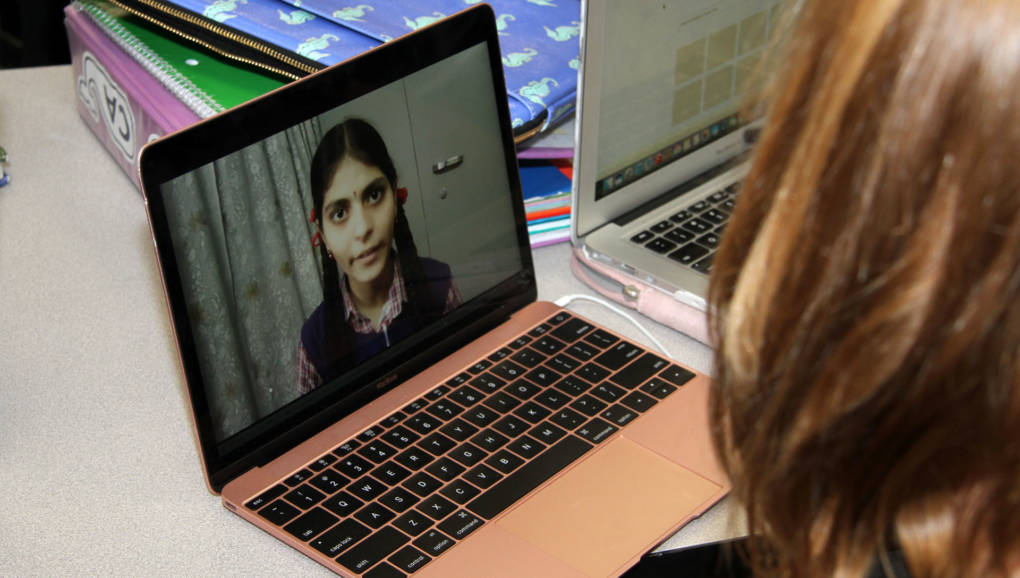
"caption": "A student at St. Mary's IB school in Aliso Viejo, California, watches the video from her international partner.",
"description": null,
"title": "St.Mary'sIB14-crop",
"credit": "Courtesy Level Up Village",
"status": "inherit",
"isLoading": false,
"fetchFailed": false
},
"mindshift_48046": {
"type": "attachments",
"id": "mindshift_48046",
"meta": {
"index": "attachments_1716263798",
"site": "mindshift",
"id": "48046",
"found": true
},
"parent": 48044,
"imgSizes": {
"small": {
"file": "https://ww2.kqed.org/app/uploads/sites/23/2017/04/NEW-school-space-520x390.jpg",
"width": 520,
"mimeType": "image/jpeg",
"height": 390
},
"twentyfourteen-full-width": {
"file": "https://ww2.kqed.org/app/uploads/sites/23/2017/04/NEW-school-space-1038x576.jpg",
"width": 1038,
"mimeType": "image/jpeg",
"height": 576
},
"thumbnail": {
"file": "https://ww2.kqed.org/app/uploads/sites/23/2017/04/NEW-school-space-160x120.jpg",
"width": 160,
"mimeType": "image/jpeg",
"height": 120
},
"fd-sm": {
"file": "https://ww2.kqed.org/app/uploads/sites/23/2017/04/NEW-school-space-960x720.jpg",
"width": 960,
"mimeType": "image/jpeg",
"height": 720
},
"post-thumbnail": {
"file": "https://ww2.kqed.org/app/uploads/sites/23/2017/04/NEW-school-space-672x372.jpg",
"width": 672,
"mimeType": "image/jpeg",
"height": 372
},
"xsmall": {
"file": "https://ww2.kqed.org/app/uploads/sites/23/2017/04/NEW-school-space-375x281.jpg",
"width": 375,
"mimeType": "image/jpeg",
"height": 281
},
"kqedFullSize": {
"file": "https://ww2.kqed.org/app/uploads/sites/23/2017/04/NEW-school-space.jpg",
"width": 4032,
"height": 3024
},
"large": {
"file": "https://ww2.kqed.org/app/uploads/sites/23/2017/04/NEW-school-space-1020x765.jpg",
"width": 1020,
"mimeType": "image/jpeg",
"height": 765
},
"xlarge": {
"file": "https://ww2.kqed.org/app/uploads/sites/23/2017/04/NEW-school-space-1180x885.jpg",
"width": 1180,
"mimeType": "image/jpeg",
"height": 885
},
"guest-author-50": {
"file": "https://ww2.kqed.org/app/uploads/sites/23/2017/04/NEW-school-space-50x50.jpg",
"width": 50,
"mimeType": "image/jpeg",
"height": 50
},
"guest-author-96": {
"file": "https://ww2.kqed.org/app/uploads/sites/23/2017/04/NEW-school-space-96x96.jpg",
"width": 96,
"mimeType": "image/jpeg",
"height": 96
},
"medium": {
"file": "https://ww2.kqed.org/app/uploads/sites/23/2017/04/NEW-school-space-800x600.jpg",
"width": 800,
"mimeType": "image/jpeg",
"height": 600
},
"guest-author-64": {
"file": "https://ww2.kqed.org/app/uploads/sites/23/2017/04/NEW-school-space-64x64.jpg",
"width": 64,
"mimeType": "image/jpeg",
"height": 64
},
"guest-author-32": {
"file": "https://ww2.kqed.org/app/uploads/sites/23/2017/04/NEW-school-space-32x32.jpg",
"width": 32,
"mimeType": "image/jpeg",
"height": 32
},
"fd-lrg": {
"file": "https://ww2.kqed.org/app/uploads/sites/23/2017/04/NEW-school-space-1920x1440.jpg",
"width": 1920,
"mimeType": "image/jpeg",
"height": 1440
},
"fd-med": {
"file": "https://ww2.kqed.org/app/uploads/sites/23/2017/04/NEW-school-space-1180x885.jpg",
"width": 1180,
"mimeType": "image/jpeg",
"height": 885
},
"full-width": {
"file": "https://ww2.kqed.org/app/uploads/sites/23/2017/04/NEW-school-space-1920x1440.jpg",
"width": 1920,
"mimeType": "image/jpeg",
"height": 1440
},
"detail": {
"file": "https://ww2.kqed.org/app/uploads/sites/23/2017/04/NEW-school-space-150x150.jpg",
"width": 150,
"mimeType": "image/jpeg",
"height": 150
},
"medium_large": {
"file": "https://ww2.kqed.org/app/uploads/sites/23/2017/04/NEW-school-space-768x576.jpg",
"width": 768,
"mimeType": "image/jpeg",
"height": 576
},
"guest-author-128": {
"file": "https://ww2.kqed.org/app/uploads/sites/23/2017/04/NEW-school-space-128x128.jpg",
"width": 128,
"mimeType": "image/jpeg",
"height": 128
},
"xxsmall": {
"file": "https://ww2.kqed.org/app/uploads/sites/23/2017/04/NEW-school-space-240x180.jpg",
"width": 240,
"mimeType": "image/jpeg",
"height": 180
}
},
"publishDate": 1492476029,
"modified": 1492476080,
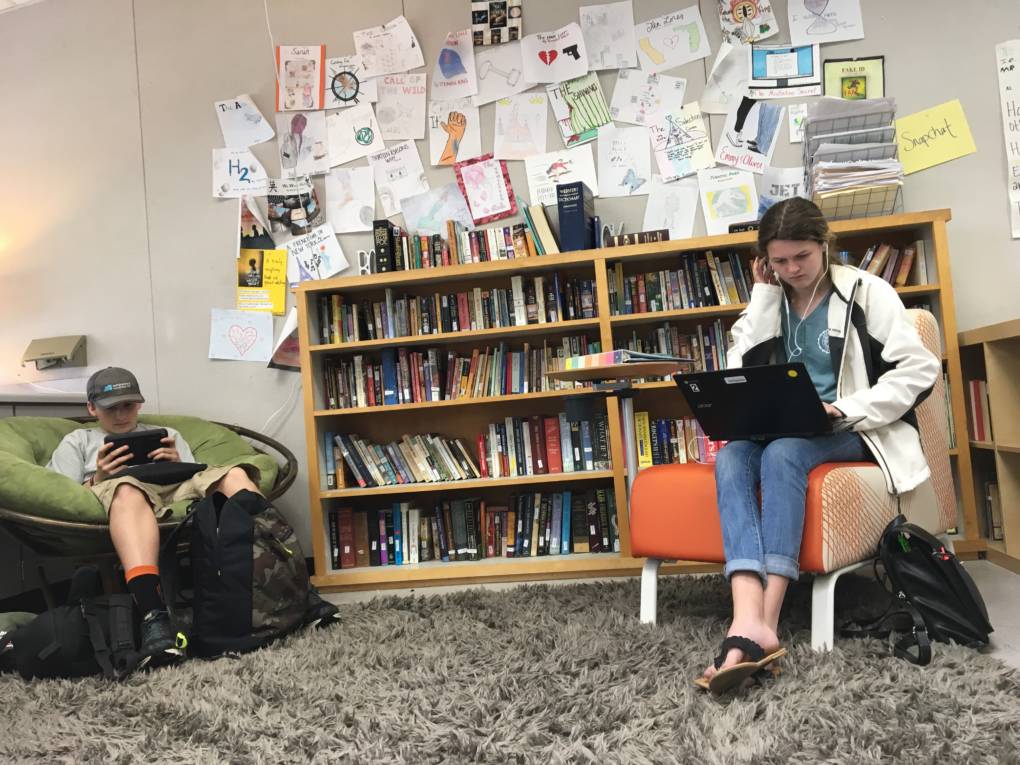
"caption": "Catlin Tucker and Marika Neto have tried to create different types of space within their traditional classroom so students feel at home.",
"description": null,
"title": "NEW school space",
"credit": "Katrina Schwartz",
"status": "inherit",
"isLoading": false,
"fetchFailed": false
},
"mindshift_48567": {
"type": "attachments",
"id": "mindshift_48567",
"meta": {
"index": "attachments_1716263798",
"site": "mindshift",
"id": "48567",
"found": true
},
"parent": 48563,
"imgSizes": {
"small": {
"file": "https://ww2.kqed.org/app/uploads/sites/23/2017/07/Connected-Camps-2-520x256.png",
"width": 520,
"mimeType": "image/png",
"height": 256
},
"twentyfourteen-full-width": {
"file": "https://ww2.kqed.org/app/uploads/sites/23/2017/07/Connected-Camps-2-1038x540.png",
"width": 1038,
"mimeType": "image/png",
"height": 540
},
"thumbnail": {
"file": "https://ww2.kqed.org/app/uploads/sites/23/2017/07/Connected-Camps-2-160x79.png",
"width": 160,
"mimeType": "image/png",
"height": 79
},
"fd-sm": {
"file": "https://ww2.kqed.org/app/uploads/sites/23/2017/07/Connected-Camps-2-960x473.png",
"width": 960,
"mimeType": "image/png",
"height": 473
},
"post-thumbnail": {
"file": "https://ww2.kqed.org/app/uploads/sites/23/2017/07/Connected-Camps-2-672x372.png",
"width": 672,
"mimeType": "image/png",
"height": 372
},
"xsmall": {
"file": "https://ww2.kqed.org/app/uploads/sites/23/2017/07/Connected-Camps-2-375x185.png",
"width": 375,
"mimeType": "image/png",
"height": 185
},
"kqedFullSize": {
"file": "https://ww2.kqed.org/app/uploads/sites/23/2017/07/Connected-Camps-2.png",
"width": 1097,
"height": 540
},
"large": {
"file": "https://ww2.kqed.org/app/uploads/sites/23/2017/07/Connected-Camps-2-1020x502.png",
"width": 1020,
"mimeType": "image/png",
"height": 502
},
"guest-author-50": {
"file": "https://ww2.kqed.org/app/uploads/sites/23/2017/07/Connected-Camps-2-50x50.png",
"width": 50,
"mimeType": "image/png",
"height": 50
},
"guest-author-96": {
"file": "https://ww2.kqed.org/app/uploads/sites/23/2017/07/Connected-Camps-2-96x96.png",
"width": 96,
"mimeType": "image/png",
"height": 96
},
"medium": {
"file": "https://ww2.kqed.org/app/uploads/sites/23/2017/07/Connected-Camps-2-800x394.png",
"width": 800,
"mimeType": "image/png",
"height": 394
},
"guest-author-64": {
"file": "https://ww2.kqed.org/app/uploads/sites/23/2017/07/Connected-Camps-2-64x64.png",
"width": 64,
"mimeType": "image/png",
"height": 64
},
"guest-author-32": {
"file": "https://ww2.kqed.org/app/uploads/sites/23/2017/07/Connected-Camps-2-32x32.png",
"width": 32,
"mimeType": "image/png",
"height": 32
},
"detail": {
"file": "https://ww2.kqed.org/app/uploads/sites/23/2017/07/Connected-Camps-2-150x150.png",
"width": 150,
"mimeType": "image/png",
"height": 150
},
"medium_large": {
"file": "https://ww2.kqed.org/app/uploads/sites/23/2017/07/Connected-Camps-2-768x378.png",
"width": 768,
"mimeType": "image/png",
"height": 378
},
"guest-author-128": {
"file": "https://ww2.kqed.org/app/uploads/sites/23/2017/07/Connected-Camps-2-128x128.png",
"width": 128,
"mimeType": "image/png",
"height": 128
},
"xxsmall": {
"file": "https://ww2.kqed.org/app/uploads/sites/23/2017/07/Connected-Camps-2-240x118.png",
"width": 240,
"mimeType": "image/png",
"height": 118
}
},
"publishDate": 1499118007,
"modified": 1499118048,
"caption": null,
"description": null,
"title": "Connected Camps 2",
"credit": "Youtube/Connected Camps",
"status": "inherit",
"isLoading": false,
"fetchFailed": false
},
"mindshift_48501": {
"type": "attachments",
"id": "mindshift_48501",
"meta": {
"index": "attachments_1716263798",
"site": "mindshift",
"id": "48501",
"found": true
},
"parent": 48480,
"imgSizes": {
"small": {
"file": "https://ww2.kqed.org/app/uploads/sites/23/2017/06/light-bulbs-520x347.jpg",
"width": 520,
"mimeType": "image/jpeg",
"height": 347
},
"twentyfourteen-full-width": {
"file": "https://ww2.kqed.org/app/uploads/sites/23/2017/06/light-bulbs-1038x576.jpg",
"width": 1038,
"mimeType": "image/jpeg",
"height": 576
},
"thumbnail": {
"file": "https://ww2.kqed.org/app/uploads/sites/23/2017/06/light-bulbs-160x107.jpg",
"width": 160,
"mimeType": "image/jpeg",
"height": 107
},
"fd-sm": {
"file": "https://ww2.kqed.org/app/uploads/sites/23/2017/06/light-bulbs-960x640.jpg",
"width": 960,
"mimeType": "image/jpeg",
"height": 640
},
"post-thumbnail": {
"file": "https://ww2.kqed.org/app/uploads/sites/23/2017/06/light-bulbs-672x372.jpg",
"width": 672,
"mimeType": "image/jpeg",
"height": 372
},
"xsmall": {
"file": "https://ww2.kqed.org/app/uploads/sites/23/2017/06/light-bulbs-375x250.jpg",
"width": 375,
"mimeType": "image/jpeg",
"height": 250
},
"kqedFullSize": {
"file": "https://ww2.kqed.org/app/uploads/sites/23/2017/06/light-bulbs-e1498221357610.jpg",
"width": 1920,
"height": 1280
},
"large": {
"file": "https://ww2.kqed.org/app/uploads/sites/23/2017/06/light-bulbs-1020x680.jpg",
"width": 1020,
"mimeType": "image/jpeg",
"height": 680
},
"xlarge": {
"file": "https://ww2.kqed.org/app/uploads/sites/23/2017/06/light-bulbs-1180x787.jpg",
"width": 1180,
"mimeType": "image/jpeg",
"height": 787
},
"guest-author-50": {
"file": "https://ww2.kqed.org/app/uploads/sites/23/2017/06/light-bulbs-50x50.jpg",
"width": 50,
"mimeType": "image/jpeg",
"height": 50
},
"guest-author-96": {
"file": "https://ww2.kqed.org/app/uploads/sites/23/2017/06/light-bulbs-96x96.jpg",
"width": 96,
"mimeType": "image/jpeg",
"height": 96
},
"medium": {
"file": "https://ww2.kqed.org/app/uploads/sites/23/2017/06/light-bulbs-800x533.jpg",
"width": 800,
"mimeType": "image/jpeg",
"height": 533
},
"guest-author-64": {
"file": "https://ww2.kqed.org/app/uploads/sites/23/2017/06/light-bulbs-64x64.jpg",
"width": 64,
"mimeType": "image/jpeg",
"height": 64
},
"guest-author-32": {
"file": "https://ww2.kqed.org/app/uploads/sites/23/2017/06/light-bulbs-32x32.jpg",
"width": 32,
"mimeType": "image/jpeg",
"height": 32
},
"fd-lrg": {
"file": "https://ww2.kqed.org/app/uploads/sites/23/2017/06/light-bulbs-1920x1280.jpg",
"width": 1920,
"mimeType": "image/jpeg",
"height": 1280
},
"fd-med": {
"file": "https://ww2.kqed.org/app/uploads/sites/23/2017/06/light-bulbs-1180x787.jpg",
"width": 1180,
"mimeType": "image/jpeg",
"height": 787
},
"full-width": {
"file": "https://ww2.kqed.org/app/uploads/sites/23/2017/06/light-bulbs-1920x1280.jpg",
"width": 1920,
"mimeType": "image/jpeg",
"height": 1280
},
"detail": {
"file": "https://ww2.kqed.org/app/uploads/sites/23/2017/06/light-bulbs-150x150.jpg",
"width": 150,
"mimeType": "image/jpeg",
"height": 150
},
"medium_large": {
"file": "https://ww2.kqed.org/app/uploads/sites/23/2017/06/light-bulbs-768x512.jpg",
"width": 768,
"mimeType": "image/jpeg",
"height": 512
},
"guest-author-128": {
"file": "https://ww2.kqed.org/app/uploads/sites/23/2017/06/light-bulbs-128x128.jpg",
"width": 128,
"mimeType": "image/jpeg",
"height": 128
},
"xxsmall": {
"file": "https://ww2.kqed.org/app/uploads/sites/23/2017/06/light-bulbs-240x160.jpg",
"width": 240,
"mimeType": "image/jpeg",
"height": 160
}
},
"publishDate": 1498221313,
"modified": 1498221344,
"caption": null,
"description": null,
"title": "light-bulbs",
"credit": "iStock/phototechno",
"status": "inherit",
"isLoading": false,
"fetchFailed": false
},
"mindshift_48420": {
"type": "attachments",
"id": "mindshift_48420",
"meta": {
"index": "attachments_1716263798",
"site": "mindshift",
"id": "48420",
"found": true
},
"parent": 48112,
"imgSizes": {
"small": {
"file": "https://ww2.kqed.org/app/uploads/sites/23/2017/06/iStock-535450666-520x320.jpg",
"width": 520,
"mimeType": "image/jpeg",
"height": 320
},
"twentyfourteen-full-width": {
"file": "https://ww2.kqed.org/app/uploads/sites/23/2017/06/iStock-535450666-1038x576.jpg",
"width": 1038,
"mimeType": "image/jpeg",
"height": 576
},
"thumbnail": {
"file": "https://ww2.kqed.org/app/uploads/sites/23/2017/06/iStock-535450666-160x98.jpg",
"width": 160,
"mimeType": "image/jpeg",
"height": 98
},
"fd-sm": {
"file": "https://ww2.kqed.org/app/uploads/sites/23/2017/06/iStock-535450666-960x590.jpg",
"width": 960,
"mimeType": "image/jpeg",
"height": 590
},
"post-thumbnail": {
"file": "https://ww2.kqed.org/app/uploads/sites/23/2017/06/iStock-535450666-672x372.jpg",
"width": 672,
"mimeType": "image/jpeg",
"height": 372
},
"xsmall": {
"file": "https://ww2.kqed.org/app/uploads/sites/23/2017/06/iStock-535450666-375x231.jpg",
"width": 375,
"mimeType": "image/jpeg",
"height": 231
},
"kqedFullSize": {
"file": "https://ww2.kqed.org/app/uploads/sites/23/2017/06/iStock-535450666-e1497424522180.jpg",
"width": 1920,
"height": 1181
},
"large": {
"file": "https://ww2.kqed.org/app/uploads/sites/23/2017/06/iStock-535450666-1020x627.jpg",
"width": 1020,
"mimeType": "image/jpeg",
"height": 627
},
"xlarge": {
"file": "https://ww2.kqed.org/app/uploads/sites/23/2017/06/iStock-535450666-1180x726.jpg",
"width": 1180,
"mimeType": "image/jpeg",
"height": 726
},
"guest-author-50": {
"file": "https://ww2.kqed.org/app/uploads/sites/23/2017/06/iStock-535450666-50x50.jpg",
"width": 50,
"mimeType": "image/jpeg",
"height": 50
},
"guest-author-96": {
"file": "https://ww2.kqed.org/app/uploads/sites/23/2017/06/iStock-535450666-96x96.jpg",
"width": 96,
"mimeType": "image/jpeg",
"height": 96
},
"medium": {
"file": "https://ww2.kqed.org/app/uploads/sites/23/2017/06/iStock-535450666-800x492.jpg",
"width": 800,
"mimeType": "image/jpeg",
"height": 492
},
"guest-author-64": {
"file": "https://ww2.kqed.org/app/uploads/sites/23/2017/06/iStock-535450666-64x64.jpg",
"width": 64,
"mimeType": "image/jpeg",
"height": 64
},
"guest-author-32": {
"file": "https://ww2.kqed.org/app/uploads/sites/23/2017/06/iStock-535450666-32x32.jpg",
"width": 32,
"mimeType": "image/jpeg",
"height": 32
},
"fd-lrg": {
"file": "https://ww2.kqed.org/app/uploads/sites/23/2017/06/iStock-535450666-1920x1181.jpg",
"width": 1920,
"mimeType": "image/jpeg",
"height": 1181
},
"fd-med": {
"file": "https://ww2.kqed.org/app/uploads/sites/23/2017/06/iStock-535450666-1180x726.jpg",
"width": 1180,
"mimeType": "image/jpeg",
"height": 726
},
"full-width": {
"file": "https://ww2.kqed.org/app/uploads/sites/23/2017/06/iStock-535450666-1920x1181.jpg",
"width": 1920,
"mimeType": "image/jpeg",
"height": 1181
},
"detail": {
"file": "https://ww2.kqed.org/app/uploads/sites/23/2017/06/iStock-535450666-150x150.jpg",
"width": 150,
"mimeType": "image/jpeg",
"height": 150
},
"medium_large": {
"file": "https://ww2.kqed.org/app/uploads/sites/23/2017/06/iStock-535450666-768x472.jpg",
"width": 768,
"mimeType": "image/jpeg",
"height": 472
},
"guest-author-128": {
"file": "https://ww2.kqed.org/app/uploads/sites/23/2017/06/iStock-535450666-128x128.jpg",
"width": 128,
"mimeType": "image/jpeg",
"height": 128
},
"xxsmall": {
"file": "https://ww2.kqed.org/app/uploads/sites/23/2017/06/iStock-535450666-240x148.jpg",
"width": 240,
"mimeType": "image/jpeg",
"height": 148
}
},
"publishDate": 1497424485,
"modified": 1497424515,
"caption": null,
"description": null,
"title": null,
"credit": "iStock/CherriesJD ",
"status": "inherit",
"isLoading": false,
"fetchFailed": false
},
"mindshift_47806": {
"type": "attachments",
"id": "mindshift_47806",
"meta": {
"index": "attachments_1716263798",
"site": "mindshift",
"id": "47806",
"found": true
},
"parent": 47694,
"imgSizes": {
"small": {
"file": "https://ww2.kqed.org/app/uploads/sites/23/2017/03/Woodworking-520x347.jpg",
"width": 520,
"mimeType": "image/jpeg",
"height": 347
},
"twentyfourteen-full-width": {
"file": "https://ww2.kqed.org/app/uploads/sites/23/2017/03/Woodworking-1038x576.jpg",
"width": 1038,
"mimeType": "image/jpeg",
"height": 576
},
"thumbnail": {
"file": "https://ww2.kqed.org/app/uploads/sites/23/2017/03/Woodworking-160x107.jpg",
"width": 160,
"mimeType": "image/jpeg",
"height": 107
},
"fd-sm": {
"file": "https://ww2.kqed.org/app/uploads/sites/23/2017/03/Woodworking-960x640.jpg",
"width": 960,
"mimeType": "image/jpeg",
"height": 640
},
"post-thumbnail": {
"file": "https://ww2.kqed.org/app/uploads/sites/23/2017/03/Woodworking-672x372.jpg",
"width": 672,
"mimeType": "image/jpeg",
"height": 372
},
"xsmall": {
"file": "https://ww2.kqed.org/app/uploads/sites/23/2017/03/Woodworking-375x250.jpg",
"width": 375,
"mimeType": "image/jpeg",
"height": 250
},
"kqedFullSize": {
"file": "https://ww2.kqed.org/app/uploads/sites/23/2017/03/Woodworking-e1490130734655.jpg",
"width": 1920,
"height": 1281
},
"large": {
"file": "https://ww2.kqed.org/app/uploads/sites/23/2017/03/Woodworking-1020x680.jpg",
"width": 1020,
"mimeType": "image/jpeg",
"height": 680
},
"xlarge": {
"file": "https://ww2.kqed.org/app/uploads/sites/23/2017/03/Woodworking-1180x787.jpg",
"width": 1180,
"mimeType": "image/jpeg",
"height": 787
},
"guest-author-50": {
"file": "https://ww2.kqed.org/app/uploads/sites/23/2017/03/Woodworking-50x50.jpg",
"width": 50,
"mimeType": "image/jpeg",
"height": 50
},
"guest-author-96": {
"file": "https://ww2.kqed.org/app/uploads/sites/23/2017/03/Woodworking-96x96.jpg",
"width": 96,
"mimeType": "image/jpeg",
"height": 96
},
"medium": {
"file": "https://ww2.kqed.org/app/uploads/sites/23/2017/03/Woodworking-800x534.jpg",
"width": 800,
"mimeType": "image/jpeg",
"height": 534
},
"guest-author-64": {
"file": "https://ww2.kqed.org/app/uploads/sites/23/2017/03/Woodworking-64x64.jpg",
"width": 64,
"mimeType": "image/jpeg",
"height": 64
},
"guest-author-32": {
"file": "https://ww2.kqed.org/app/uploads/sites/23/2017/03/Woodworking-32x32.jpg",
"width": 32,
"mimeType": "image/jpeg",
"height": 32
},
"fd-lrg": {
"file": "https://ww2.kqed.org/app/uploads/sites/23/2017/03/Woodworking-1920x1281.jpg",
"width": 1920,
"mimeType": "image/jpeg",
"height": 1281
},
"fd-med": {
"file": "https://ww2.kqed.org/app/uploads/sites/23/2017/03/Woodworking-1180x787.jpg",
"width": 1180,
"mimeType": "image/jpeg",
"height": 787
},
"full-width": {
"file": "https://ww2.kqed.org/app/uploads/sites/23/2017/03/Woodworking-1920x1281.jpg",
"width": 1920,
"mimeType": "image/jpeg",
"height": 1281
},
"detail": {
"file": "https://ww2.kqed.org/app/uploads/sites/23/2017/03/Woodworking-150x150.jpg",
"width": 150,
"mimeType": "image/jpeg",
"height": 150
},
"medium_large": {
"file": "https://ww2.kqed.org/app/uploads/sites/23/2017/03/Woodworking-768x512.jpg",
"width": 768,
"mimeType": "image/jpeg",
"height": 512
},
"guest-author-128": {
"file": "https://ww2.kqed.org/app/uploads/sites/23/2017/03/Woodworking-128x128.jpg",
"width": 128,
"mimeType": "image/jpeg",
"height": 128
},
"xxsmall": {
"file": "https://ww2.kqed.org/app/uploads/sites/23/2017/03/Woodworking-240x160.jpg",
"width": 240,
"mimeType": "image/jpeg",
"height": 160
}
},
"publishDate": 1490130691,
"modified": 1490130728,
"caption": null,
"description": null,
"title": "Woodworking",
"credit": "iStock/diego_cervo ",
"status": "inherit",
"isLoading": false,
"fetchFailed": false
},
"mindshift_48016": {
"type": "attachments",
"id": "mindshift_48016",
"meta": {
"index": "attachments_1716263798",
"site": "mindshift",
"id": "48016",
"found": true
},
"parent": 48013,
"imgSizes": {
"small": {
"file": "https://ww2.kqed.org/app/uploads/sites/23/2017/04/Map-520x388.jpg",
"width": 520,
"mimeType": "image/jpeg",
"height": 388
},
"twentyfourteen-full-width": {
"file": "https://ww2.kqed.org/app/uploads/sites/23/2017/04/Map-1038x576.jpg",
"width": 1038,
"mimeType": "image/jpeg",
"height": 576
},
"thumbnail": {
"file": "https://ww2.kqed.org/app/uploads/sites/23/2017/04/Map-160x119.jpg",
"width": 160,
"mimeType": "image/jpeg",
"height": 119
},
"fd-sm": {
"file": "https://ww2.kqed.org/app/uploads/sites/23/2017/04/Map-960x717.jpg",
"width": 960,
"mimeType": "image/jpeg",
"height": 717
},
"post-thumbnail": {
"file": "https://ww2.kqed.org/app/uploads/sites/23/2017/04/Map-672x372.jpg",
"width": 672,
"mimeType": "image/jpeg",
"height": 372
},
"xsmall": {
"file": "https://ww2.kqed.org/app/uploads/sites/23/2017/04/Map-375x280.jpg",
"width": 375,
"mimeType": "image/jpeg",
"height": 280
},
"kqedFullSize": {
"file": "https://ww2.kqed.org/app/uploads/sites/23/2017/04/Map-e1492122651713.jpg",
"width": 1920,
"height": 1434
},
"large": {
"file": "https://ww2.kqed.org/app/uploads/sites/23/2017/04/Map-1020x762.jpg",
"width": 1020,
"mimeType": "image/jpeg",
"height": 762
},
"xlarge": {
"file": "https://ww2.kqed.org/app/uploads/sites/23/2017/04/Map-1180x881.jpg",
"width": 1180,
"mimeType": "image/jpeg",
"height": 881
},
"guest-author-50": {
"file": "https://ww2.kqed.org/app/uploads/sites/23/2017/04/Map-50x50.jpg",
"width": 50,
"mimeType": "image/jpeg",
"height": 50
},
"guest-author-96": {
"file": "https://ww2.kqed.org/app/uploads/sites/23/2017/04/Map-96x96.jpg",
"width": 96,
"mimeType": "image/jpeg",
"height": 96
},
"medium": {
"file": "https://ww2.kqed.org/app/uploads/sites/23/2017/04/Map-800x597.jpg",
"width": 800,
"mimeType": "image/jpeg",
"height": 597
},
"guest-author-64": {
"file": "https://ww2.kqed.org/app/uploads/sites/23/2017/04/Map-64x64.jpg",
"width": 64,
"mimeType": "image/jpeg",
"height": 64
},
"guest-author-32": {
"file": "https://ww2.kqed.org/app/uploads/sites/23/2017/04/Map-32x32.jpg",
"width": 32,
"mimeType": "image/jpeg",
"height": 32
},
"fd-lrg": {
"file": "https://ww2.kqed.org/app/uploads/sites/23/2017/04/Map-1920x1434.jpg",
"width": 1920,
"mimeType": "image/jpeg",
"height": 1434
},
"fd-med": {
"file": "https://ww2.kqed.org/app/uploads/sites/23/2017/04/Map-1180x881.jpg",
"width": 1180,
"mimeType": "image/jpeg",
"height": 881
},
"full-width": {
"file": "https://ww2.kqed.org/app/uploads/sites/23/2017/04/Map-1920x1434.jpg",
"width": 1920,
"mimeType": "image/jpeg",
"height": 1434
},
"detail": {
"file": "https://ww2.kqed.org/app/uploads/sites/23/2017/04/Map-150x150.jpg",
"width": 150,
"mimeType": "image/jpeg",
"height": 150
},
"medium_large": {
"file": "https://ww2.kqed.org/app/uploads/sites/23/2017/04/Map-768x573.jpg",
"width": 768,
"mimeType": "image/jpeg",
"height": 573
},
"guest-author-128": {
"file": "https://ww2.kqed.org/app/uploads/sites/23/2017/04/Map-128x128.jpg",
"width": 128,
"mimeType": "image/jpeg",
"height": 128
},
"xxsmall": {
"file": "https://ww2.kqed.org/app/uploads/sites/23/2017/04/Map-240x179.jpg",
"width": 240,
"mimeType": "image/jpeg",
"height": 179
}
},
"publishDate": 1492122629,
"modified": 1492123312,
"caption": null,
"description": null,
"title": null,
"credit": "iStock/ALLVISIONN ",
"status": "inherit",
"isLoading": false,
"fetchFailed": false
},
"mindshift_48125": {
"type": "attachments",
"id": "mindshift_48125",
"meta": {
"index": "attachments_1716263798",
"site": "mindshift",
"id": "48125",
"found": true
},
"parent": 47846,
"imgSizes": {
"small": {
"file": "https://ww2.kqed.org/app/uploads/sites/23/2017/04/Papert2-520x293.png",
"width": 520,
"mimeType": "image/png",
"height": 293
},
"twentyfourteen-full-width": {
"file": "https://ww2.kqed.org/app/uploads/sites/23/2017/04/Papert2-1038x576.png",
"width": 1038,
"mimeType": "image/png",
"height": 576
},
"thumbnail": {
"file": "https://ww2.kqed.org/app/uploads/sites/23/2017/04/Papert2-160x90.png",
"width": 160,
"mimeType": "image/png",
"height": 90
},
"fd-sm": {
"file": "https://ww2.kqed.org/app/uploads/sites/23/2017/04/Papert2-960x540.png",
"width": 960,
"mimeType": "image/png",
"height": 540
},
"post-thumbnail": {
"file": "https://ww2.kqed.org/app/uploads/sites/23/2017/04/Papert2-672x372.png",
"width": 672,
"mimeType": "image/png",
"height": 372
},
"xsmall": {
"file": "https://ww2.kqed.org/app/uploads/sites/23/2017/04/Papert2-375x211.png",
"width": 375,
"mimeType": "image/png",
"height": 211
},
"kqedFullSize": {
"file": "https://ww2.kqed.org/app/uploads/sites/23/2017/04/Papert2.png",
"width": 1500,
"height": 844
},
"large": {
"file": "https://ww2.kqed.org/app/uploads/sites/23/2017/04/Papert2-1020x574.png",
"width": 1020,
"mimeType": "image/png",
"height": 574
},
"xlarge": {
"file": "https://ww2.kqed.org/app/uploads/sites/23/2017/04/Papert2-1180x664.png",
"width": 1180,
"mimeType": "image/png",
"height": 664
},
"guest-author-50": {
"file": "https://ww2.kqed.org/app/uploads/sites/23/2017/04/Papert2-50x50.png",
"width": 50,
"mimeType": "image/png",
"height": 50
},
"guest-author-96": {
"file": "https://ww2.kqed.org/app/uploads/sites/23/2017/04/Papert2-96x96.png",
"width": 96,
"mimeType": "image/png",
"height": 96
},
"medium": {
"file": "https://ww2.kqed.org/app/uploads/sites/23/2017/04/Papert2-800x450.png",
"width": 800,
"mimeType": "image/png",
"height": 450
},
"guest-author-64": {
"file": "https://ww2.kqed.org/app/uploads/sites/23/2017/04/Papert2-64x64.png",
"width": 64,
"mimeType": "image/png",
"height": 64
},
"guest-author-32": {
"file": "https://ww2.kqed.org/app/uploads/sites/23/2017/04/Papert2-32x32.png",
"width": 32,
"mimeType": "image/png",
"height": 32
},
"fd-med": {
"file": "https://ww2.kqed.org/app/uploads/sites/23/2017/04/Papert2-1180x664.png",
"width": 1180,
"mimeType": "image/png",
"height": 664
},
"detail": {
"file": "https://ww2.kqed.org/app/uploads/sites/23/2017/04/Papert2-150x150.png",
"width": 150,
"mimeType": "image/png",
"height": 150
},
"medium_large": {
"file": "https://ww2.kqed.org/app/uploads/sites/23/2017/04/Papert2-768x432.png",
"width": 768,
"mimeType": "image/png",
"height": 432
},
"guest-author-128": {
"file": "https://ww2.kqed.org/app/uploads/sites/23/2017/04/Papert2-128x128.png",
"width": 128,
"mimeType": "image/png",
"height": 128
},
"xxsmall": {
"file": "https://ww2.kqed.org/app/uploads/sites/23/2017/04/Papert2-240x135.png",
"width": 240,
"mimeType": "image/png",
"height": 135
}
},
"publishDate": 1493144380,
"modified": 1493144475,
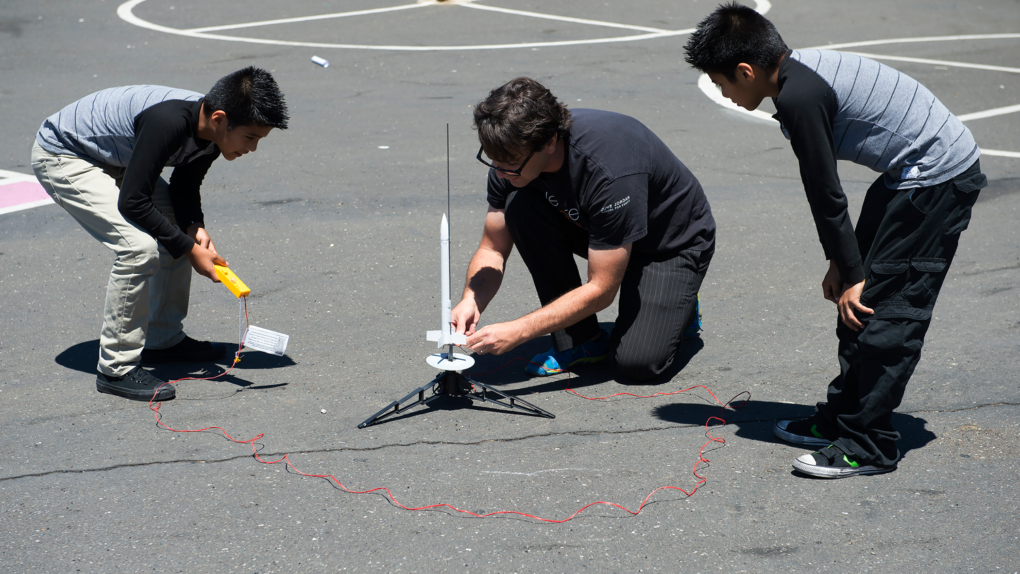
"caption": "Students in Oakland prepare to launch paper rockets they designed.",
"description": null,
"title": "Papert2",
"credit": "Amanda Lucier for MindShift",
"status": "inherit",
"isLoading": false,
"fetchFailed": false
},
"mindshift_48060": {
"type": "attachments",
"id": "mindshift_48060",
"meta": {
"index": "attachments_1716263798",
"site": "mindshift",
"id": "48060",
"found": true
},
"parent": 48044,
"imgSizes": {
"small": {
"file": "https://ww2.kqed.org/app/uploads/sites/23/2017/04/Catlin-w-student-520x292.png",
"width": 520,
"mimeType": "image/png",
"height": 292
},
"twentyfourteen-full-width": {
"file": "https://ww2.kqed.org/app/uploads/sites/23/2017/04/Catlin-w-student-1038x576.png",
"width": 1038,
"mimeType": "image/png",
"height": 576
},
"thumbnail": {
"file": "https://ww2.kqed.org/app/uploads/sites/23/2017/04/Catlin-w-student-160x90.png",
"width": 160,
"mimeType": "image/png",
"height": 90
},
"fd-sm": {
"file": "https://ww2.kqed.org/app/uploads/sites/23/2017/04/Catlin-w-student-960x540.png",
"width": 960,
"mimeType": "image/png",
"height": 540
},
"post-thumbnail": {
"file": "https://ww2.kqed.org/app/uploads/sites/23/2017/04/Catlin-w-student-672x372.png",
"width": 672,
"mimeType": "image/png",
"height": 372
},
"xsmall": {
"file": "https://ww2.kqed.org/app/uploads/sites/23/2017/04/Catlin-w-student-375x211.png",
"width": 375,
"mimeType": "image/png",
"height": 211
},
"kqedFullSize": {
"file": "https://ww2.kqed.org/app/uploads/sites/23/2017/04/Catlin-w-student-e1492670796860.png",
"width": 1920,
"height": 1080
},
"large": {
"file": "https://ww2.kqed.org/app/uploads/sites/23/2017/04/Catlin-w-student-1020x574.png",
"width": 1020,
"mimeType": "image/png",
"height": 574
},
"xlarge": {
"file": "https://ww2.kqed.org/app/uploads/sites/23/2017/04/Catlin-w-student-1180x664.png",
"width": 1180,
"mimeType": "image/png",
"height": 664
},
"guest-author-50": {
"file": "https://ww2.kqed.org/app/uploads/sites/23/2017/04/Catlin-w-student-50x50.png",
"width": 50,
"mimeType": "image/png",
"height": 50
},
"guest-author-96": {
"file": "https://ww2.kqed.org/app/uploads/sites/23/2017/04/Catlin-w-student-96x96.png",
"width": 96,
"mimeType": "image/png",
"height": 96
},
"medium": {
"file": "https://ww2.kqed.org/app/uploads/sites/23/2017/04/Catlin-w-student-800x450.png",
"width": 800,
"mimeType": "image/png",
"height": 450
},
"guest-author-64": {
"file": "https://ww2.kqed.org/app/uploads/sites/23/2017/04/Catlin-w-student-64x64.png",
"width": 64,
"mimeType": "image/png",
"height": 64
},
"guest-author-32": {
"file": "https://ww2.kqed.org/app/uploads/sites/23/2017/04/Catlin-w-student-32x32.png",
"width": 32,
"mimeType": "image/png",
"height": 32
},
"fd-lrg": {
"file": "https://ww2.kqed.org/app/uploads/sites/23/2017/04/Catlin-w-student-1920x1080.png",
"width": 1920,
"mimeType": "image/png",
"height": 1080
},
"fd-med": {
"file": "https://ww2.kqed.org/app/uploads/sites/23/2017/04/Catlin-w-student-1180x664.png",
"width": 1180,
"mimeType": "image/png",
"height": 664
},
"full-width": {
"file": "https://ww2.kqed.org/app/uploads/sites/23/2017/04/Catlin-w-student-1920x1080.png",
"width": 1920,
"mimeType": "image/png",
"height": 1080
},
"detail": {
"file": "https://ww2.kqed.org/app/uploads/sites/23/2017/04/Catlin-w-student-150x150.png",
"width": 150,
"mimeType": "image/png",
"height": 150
},
"medium_large": {
"file": "https://ww2.kqed.org/app/uploads/sites/23/2017/04/Catlin-w-student-768x432.png",
"width": 768,
"mimeType": "image/png",
"height": 432
},
"guest-author-128": {
"file": "https://ww2.kqed.org/app/uploads/sites/23/2017/04/Catlin-w-student-128x128.png",
"width": 128,
"mimeType": "image/png",
"height": 128
},
"xxsmall": {
"file": "https://ww2.kqed.org/app/uploads/sites/23/2017/04/Catlin-w-student-240x135.png",
"width": 240,
"mimeType": "image/png",
"height": 135
}
},
"publishDate": 1492538541,
"modified": 1492670791,
"caption": "Catlin Tucker confers with a student during N.E.W. school.",
"description": null,
"title": "Catlin-w-student",
"credit": "Katrina Schwartz",
"status": "inherit",
"isLoading": false,
"fetchFailed": false
},
"mindshift_47657": {
"type": "attachments",
"id": "mindshift_47657",
"meta": {
"index": "attachments_1716263798",
"site": "mindshift",
"id": "47657",
"found": true
},
"parent": 47641,
"imgSizes": {
"small": {
"file": "https://ww2.kqed.org/app/uploads/sites/23/2017/02/SFIHS-520x283.jpg",
"width": 520,
"mimeType": "image/jpeg",
"height": 283
},
"twentyfourteen-full-width": {
"file": "https://ww2.kqed.org/app/uploads/sites/23/2017/02/SFIHS-1038x576.jpg",
"width": 1038,
"mimeType": "image/jpeg",
"height": 576
},
"thumbnail": {
"file": "https://ww2.kqed.org/app/uploads/sites/23/2017/02/SFIHS-160x87.jpg",
"width": 160,
"mimeType": "image/jpeg",
"height": 87
},
"fd-sm": {
"file": "https://ww2.kqed.org/app/uploads/sites/23/2017/02/SFIHS-960x522.jpg",
"width": 960,
"mimeType": "image/jpeg",
"height": 522
},
"post-thumbnail": {
"file": "https://ww2.kqed.org/app/uploads/sites/23/2017/02/SFIHS-672x372.jpg",
"width": 672,
"mimeType": "image/jpeg",
"height": 372
},
"xsmall": {
"file": "https://ww2.kqed.org/app/uploads/sites/23/2017/02/SFIHS-375x204.jpg",
"width": 375,
"mimeType": "image/jpeg",
"height": 204
},
"kqedFullSize": {
"file": "https://ww2.kqed.org/app/uploads/sites/23/2017/02/SFIHS.jpg",
"width": 1196,
"height": 650
},
"large": {
"file": "https://ww2.kqed.org/app/uploads/sites/23/2017/02/SFIHS-1020x554.jpg",
"width": 1020,
"mimeType": "image/jpeg",
"height": 554
},
"xlarge": {
"file": "https://ww2.kqed.org/app/uploads/sites/23/2017/02/SFIHS-1180x641.jpg",
"width": 1180,
"mimeType": "image/jpeg",
"height": 641
},
"guest-author-50": {
"file": "https://ww2.kqed.org/app/uploads/sites/23/2017/02/SFIHS-50x50.jpg",
"width": 50,
"mimeType": "image/jpeg",
"height": 50
},
"guest-author-96": {
"file": "https://ww2.kqed.org/app/uploads/sites/23/2017/02/SFIHS-96x96.jpg",
"width": 96,
"mimeType": "image/jpeg",
"height": 96
},
"medium": {
"file": "https://ww2.kqed.org/app/uploads/sites/23/2017/02/SFIHS-800x435.jpg",
"width": 800,
"mimeType": "image/jpeg",
"height": 435
},
"guest-author-64": {
"file": "https://ww2.kqed.org/app/uploads/sites/23/2017/02/SFIHS-64x64.jpg",
"width": 64,
"mimeType": "image/jpeg",
"height": 64
},
"guest-author-32": {
"file": "https://ww2.kqed.org/app/uploads/sites/23/2017/02/SFIHS-32x32.jpg",
"width": 32,
"mimeType": "image/jpeg",
"height": 32
},
"fd-med": {
"file": "https://ww2.kqed.org/app/uploads/sites/23/2017/02/SFIHS-1180x641.jpg",
"width": 1180,
"mimeType": "image/jpeg",
"height": 641
},
"detail": {
"file": "https://ww2.kqed.org/app/uploads/sites/23/2017/02/SFIHS-150x150.jpg",
"width": 150,
"mimeType": "image/jpeg",
"height": 150
},
"medium_large": {
"file": "https://ww2.kqed.org/app/uploads/sites/23/2017/02/SFIHS-768x417.jpg",
"width": 768,
"mimeType": "image/jpeg",
"height": 417
},
"guest-author-128": {
"file": "https://ww2.kqed.org/app/uploads/sites/23/2017/02/SFIHS-128x128.jpg",
"width": 128,
"mimeType": "image/jpeg",
"height": 128
},
"xxsmall": {
"file": "https://ww2.kqed.org/app/uploads/sites/23/2017/02/SFIHS-240x130.jpg",
"width": 240,
"mimeType": "image/jpeg",
"height": 130
}
},
"publishDate": 1487837107,
"modified": 1487837149,
"caption": null,
"description": null,
"title": "SFIHS",
"credit": "BAYCAT/SFIHS screengrab",
"status": "inherit",
"isLoading": false,
"fetchFailed": false
},
"mindshift_46986": {
"type": "attachments",
"id": "mindshift_46986",
"meta": {
"index": "attachments_1716263798",
"site": "mindshift",
"id": "46986",
"found": true
},
"parent": 46613,
"imgSizes": {
"small": {
"file": "https://ww2.kqed.org/app/uploads/sites/23/2016/10/Caring-520x344.jpg",
"width": 520,
"mimeType": "image/jpeg",
"height": 344
},
"twentyfourteen-full-width": {
"file": "https://ww2.kqed.org/app/uploads/sites/23/2016/10/Caring-1038x576.jpg",
"width": 1038,
"mimeType": "image/jpeg",
"height": 576
},
"thumbnail": {
"file": "https://ww2.kqed.org/app/uploads/sites/23/2016/10/Caring-160x106.jpg",
"width": 160,
"mimeType": "image/jpeg",
"height": 106
},
"fd-sm": {
"file": "https://ww2.kqed.org/app/uploads/sites/23/2016/10/Caring-960x634.jpg",
"width": 960,
"mimeType": "image/jpeg",
"height": 634
},
"post-thumbnail": {
"file": "https://ww2.kqed.org/app/uploads/sites/23/2016/10/Caring-672x372.jpg",
"width": 672,
"mimeType": "image/jpeg",
"height": 372
},
"xsmall": {
"file": "https://ww2.kqed.org/app/uploads/sites/23/2016/10/Caring-375x248.jpg",
"width": 375,
"mimeType": "image/jpeg",
"height": 248
},
"kqedFullSize": {
"file": "https://ww2.kqed.org/app/uploads/sites/23/2016/10/Caring-e1479146559192.jpg",
"width": 1920,
"height": 1269
},
"large": {
"file": "https://ww2.kqed.org/app/uploads/sites/23/2016/10/Caring-1020x674.jpg",
"width": 1020,
"mimeType": "image/jpeg",
"height": 674
},
"xlarge": {
"file": "https://ww2.kqed.org/app/uploads/sites/23/2016/10/Caring-1180x780.jpg",
"width": 1180,
"mimeType": "image/jpeg",
"height": 780
},
"guest-author-50": {
"file": "https://ww2.kqed.org/app/uploads/sites/23/2016/10/Caring-50x50.jpg",
"width": 50,
"mimeType": "image/jpeg",
"height": 50
},
"guest-author-96": {
"file": "https://ww2.kqed.org/app/uploads/sites/23/2016/10/Caring-96x96.jpg",
"width": 96,
"mimeType": "image/jpeg",
"height": 96
},
"medium": {
"file": "https://ww2.kqed.org/app/uploads/sites/23/2016/10/Caring-800x529.jpg",
"width": 800,
"mimeType": "image/jpeg",
"height": 529
},
"guest-author-64": {
"file": "https://ww2.kqed.org/app/uploads/sites/23/2016/10/Caring-64x64.jpg",
"width": 64,
"mimeType": "image/jpeg",
"height": 64
},
"guest-author-32": {
"file": "https://ww2.kqed.org/app/uploads/sites/23/2016/10/Caring-32x32.jpg",
"width": 32,
"mimeType": "image/jpeg",
"height": 32
},
"fd-lrg": {
"file": "https://ww2.kqed.org/app/uploads/sites/23/2016/10/Caring-1920x1269.jpg",
"width": 1920,
"mimeType": "image/jpeg",
"height": 1269
},
"fd-med": {
"file": "https://ww2.kqed.org/app/uploads/sites/23/2016/10/Caring-1180x780.jpg",
"width": 1180,
"mimeType": "image/jpeg",
"height": 780
},
"full-width": {
"file": "https://ww2.kqed.org/app/uploads/sites/23/2016/10/Caring-1920x1269.jpg",
"width": 1920,
"mimeType": "image/jpeg",
"height": 1269
},
"detail": {
"file": "https://ww2.kqed.org/app/uploads/sites/23/2016/10/Caring-150x150.jpg",
"width": 150,
"mimeType": "image/jpeg",
"height": 150
},
"medium_large": {
"file": "https://ww2.kqed.org/app/uploads/sites/23/2016/10/Caring-768x507.jpg",
"width": 768,
"mimeType": "image/jpeg",
"height": 507
},
"guest-author-128": {
"file": "https://ww2.kqed.org/app/uploads/sites/23/2016/10/Caring-128x128.jpg",
"width": 128,
"mimeType": "image/jpeg",
"height": 128
},
"xxsmall": {
"file": "https://ww2.kqed.org/app/uploads/sites/23/2016/10/Caring-240x159.jpg",
"width": 240,
"mimeType": "image/jpeg",
"height": 159
}
},
"publishDate": 1479146525,
"modified": 1479146550,
"caption": null,
"description": null,
"title": "Caring",
"credit": "iStock/DenKuvaiev",
"status": "inherit",
"isLoading": false,
"fetchFailed": false
}
},
"audioPlayerReducer": {
"postId": "stream_live",
"isPaused": true,
"isPlaying": false,
"pfsActive": false,
"pledgeModalIsOpen": true,
"playerDrawerIsOpen": false,
"liveAudioPlayStartedAt": 0,
"liveAudioPlayContext": ""
},
"authorsReducer": {
"katrinaschwartz": {
"type": "authors",
"id": "234",
"meta": {
"index": "authors_1716337520",
"id": "234",
"found": true
},
"name": "Katrina Schwartz",
"firstName": "Katrina",
"lastName": "Schwartz",
"slug": "katrinaschwartz",
"email": "kschwartz@kqed.org",
"display_author_email": false,
"staff_mastheads": [
"news"
],
"title": "Producer",
"bio": "Katrina Schwartz is a journalist based in San Francisco. She's worked at KPCC public radio in LA and has reported on air and online for KQED since 2010. She covered how teaching and learning is changing for MindShift between 2012 and 2020. She is the co-host of the MindShift podcast and now produces KQED's Bay Curious podcast.",
"avatar": "https://secure.gravatar.com/avatar/edb4ee79070447a018538c9aae6eeecf28786515b8a0c30e43b6b7dce5aa44c8?s=600&d=blank&r=g",
"twitter": "kschwart",
"bluesky": null,
"facebook": null,
"instagram": null,
"linkedin": null,
"sites": [
{
"site": "",
"roles": [
"editor"
]
},
{
"site": "news",
"roles": [
"editor"
]
},
{
"site": "mindshift",
"roles": [
"administrator"
]
},
{
"site": "stateofhealth",
"roles": [
"author"
]
},
{
"site": "science",
"roles": [
"editor"
]
}
],
"headData": {
"title": "Katrina Schwartz | KQED",
"description": "Producer",
"ogImgSrc": "https://secure.gravatar.com/avatar/edb4ee79070447a018538c9aae6eeecf28786515b8a0c30e43b6b7dce5aa44c8?s=600&d=blank&r=g",
"twImgSrc": "https://secure.gravatar.com/avatar/edb4ee79070447a018538c9aae6eeecf28786515b8a0c30e43b6b7dce5aa44c8?s=600&d=blank&r=g"
},
"isLoading": false,
"link": "/author/katrinaschwartz"
},
"lindaflan": {
"type": "authors",
"id": "4613",
"meta": {
"index": "authors_1716337520",
"id": "4613",
"found": true
},
"name": "Linda Flanagan",
"firstName": "Linda",
"lastName": "Flanagan",
"slug": "lindaflan",
"email": "lindaflan@comcast.net",
"display_author_email": false,
"staff_mastheads": [],
"title": null,
"bio": "Linda Flanagan is a freelance writer, researcher, and editor. Her work has appeared in The Atlantic, The Wall St. Journal, Newsweek, Running Times, and Mind/Shift, and she blogs regularly for the Huffington Post. Linda writes about education, culture, athletics, youth sports, mental health, politics, college admissions, and other curiosities. She also reviews books and conducts interviews.",
"avatar": "https://secure.gravatar.com/avatar/6bca04c0736bf5eaea80654019de688f?s=600&d=blank&r=g",
"twitter": "LindaFlanagan2",
"facebook": null,
"instagram": null,
"linkedin": null,
"sites": [
{
"site": "mindshift",
"roles": [
"contributor"
]
}
],
"headData": {
"title": "Linda Flanagan | KQED",
"description": null,
"ogImgSrc": "https://secure.gravatar.com/avatar/6bca04c0736bf5eaea80654019de688f?s=600&d=blank&r=g",
"twImgSrc": "https://secure.gravatar.com/avatar/6bca04c0736bf5eaea80654019de688f?s=600&d=blank&r=g"
},
"isLoading": false,
"link": "/author/lindaflan"
},
"pauldarvasi": {
"type": "authors",
"id": "11107",
"meta": {
"index": "authors_1716337520",
"id": "11107",
"found": true
},
"name": "Paul Darvasi",
"firstName": "Paul",
"lastName": "Darvasi",
"slug": "pauldarvasi",
"email": "pauldarvasi@gmail.com",
"display_author_email": false,
"staff_mastheads": [],
"title": null,
"bio": "Paul Darvasi is an experienced educator whose research, speaking and writing explore the intersections of learning, technology, narrative and games. You can follow him on Twitter:\u003ca href=\"https://twitter.com/PaulDarvasi\"> @pauldarvasi\u003c/a>",
"avatar": "https://secure.gravatar.com/avatar/df387897a1bf0cd4b720b8175112731a?s=600&d=blank&r=g",
"twitter": "pauldarvasi",
"facebook": null,
"instagram": null,
"linkedin": null,
"sites": [
{
"site": "mindshift",
"roles": [
"contributor"
]
}
],
"headData": {
"title": "Paul Darvasi | KQED",
"description": null,
"ogImgSrc": "https://secure.gravatar.com/avatar/df387897a1bf0cd4b720b8175112731a?s=600&d=blank&r=g",
"twImgSrc": "https://secure.gravatar.com/avatar/df387897a1bf0cd4b720b8175112731a?s=600&d=blank&r=g"
},
"isLoading": false,
"link": "/author/pauldarvasi"
},
"lshaffer": {
"type": "authors",
"id": "11330",
"meta": {
"index": "authors_1716337520",
"id": "11330",
"found": true
},
"name": "Leah Shaffer",
"firstName": "Leah",
"lastName": "Shaffer",
"slug": "lshaffer",
"email": "leahabshaffer@gmail.com",
"display_author_email": false,
"staff_mastheads": [],
"title": null,
"bio": null,
"avatar": "https://secure.gravatar.com/avatar/ee7b4bb631d0c035e426aba5e260f9ce?s=600&d=blank&r=g",
"twitter": null,
"facebook": null,
"instagram": null,
"linkedin": null,
"sites": [
{
"site": "mindshift",
"roles": [
"author"
]
}
],
"headData": {
"title": "Leah Shaffer | KQED",
"description": null,
"ogImgSrc": "https://secure.gravatar.com/avatar/ee7b4bb631d0c035e426aba5e260f9ce?s=600&d=blank&r=g",
"twImgSrc": "https://secure.gravatar.com/avatar/ee7b4bb631d0c035e426aba5e260f9ce?s=600&d=blank&r=g"
},
"isLoading": false,
"link": "/author/lshaffer"
}
},
"pagesReducer": {
"mindshift_tag_project-based-learning": {
"type": "terms",
"id": "mindshift_256",
"meta": {
"index": "terms_1716263798",
"site": "mindshift",
"id": "256",
"score": 10.404039
},
"featImg": null,
"name": "Project Based Learning",
"description": "Educators use Project Based Learning to allow students to make projects as they learn certain subjects.",
"taxonomy": "tag",
"headData": {
"twImgId": null,
"twTitle": null,
"ogTitle": null,
"ogImgId": null,
"twDescription": null,
"description": "Educators use Project Based Learning to allow students to make projects as they learn certain subjects.",
"title": "Project Based Learning Archives - KQED Mindshift",
"ogDescription": null
},
"ttid": 256,
"slug": "project-based-learning",
"isLoading": false,
"title": "Project Based Learning",
"pageMeta": {
"site": "mindshift",
"WpPageTemplate": "page-topic-editorial",
"currentPage": 3
},
"blocks": [
{
"blockName": "kqed/company-paragraph",
"content": "Educators use Project Based Learning to allow students to make projects as they learn certain subjects."
},
{
"blockName": "kqed/post-list",
"attrs": {
"layout": "cardArticle2",
"query": "posts/mindshift?tag=project-based-learning",
"seeMore": false,
"paginated": true,
"page": 3
}
},
{
"blockName": "kqed/ad"
}
]
}
},
"pfsSessionReducer": {},
"postsReducer": {
"stream_live": {
"type": "live",
"id": "stream_live",
"audioUrl": "https://streams.kqed.org/kqedradio",
"title": "Live Stream",
"excerpt": "Live Stream information currently unavailable.",
"link": "/radio",
"featImg": "",
"label": {
"name": "KQED Live",
"link": "/"
}
},
"stream_kqedNewscast": {
"type": "posts",
"id": "stream_kqedNewscast",
"audioUrl": "https://www.kqed.org/.stream/anon/radio/RDnews/newscast.mp3?_=1",
"title": "KQED Newscast",
"featImg": "",
"label": {
"name": "88.5 FM",
"link": "/"
}
},
"mindshift_49184": {
"type": "posts",
"id": "mindshift_49184",
"meta": {
"index": "posts_1716263798",
"site": "mindshift",
"id": "49184",
"score": null,
"sort": [
1512375331000
]
},
"parent": 0,
"labelTerm": {
"site": "mindshift"
},
"blocks": [],
"publishDate": 1512375331,
"format": "standard",
"disqusTitle": "Tips And Tricks To Keep Kids On Track During Genius Hour Projects",
"title": "Tips And Tricks To Keep Kids On Track During Genius Hour Projects",
"headTitle": "MindShift | KQED News",
"content": "\u003cp>When \u003ca href=\"https://twitter.com/BusEdCrev?ref_src=twsrc%5Egoogle%7Ctwcamp%5Eserp%7Ctwgr%5Eauthor\" target=\"_blank\" rel=\"noopener\">Sean Crevier\u003c/a> accidentally wandered into the room where educators at a Milwaukee Edcamp were discussing 20 percent time projects, also known as \u003ca href=\"https://ww2.kqed.org/mindshift/tag/genius-hour/\" target=\"_blank\" rel=\"noopener\">Genius Hour\u003c/a>, he stayed only out of politeness. He had no idea the stories colleagues shared there would change how he teaches. For the past six years, Crevier has been letting his students choose and drive the learning involved in these projects. And he has honed some systems and tools to help kids find success with a style of learning that is often quite different from their previous experiences of school.\u003c/p>\n\u003cp>\"You are going to have to sell it to your kids because for a lot of kids coming in, sitting down, taking notes and regurgitating is a lot easier,” Crevier told educators at the \u003ca href=\"http://www.iste.org/\" target=\"_blank\" rel=\"noopener\">International Society for Technology in Education conference\u003c/a>. And, he points out, this attitude from students is understandable; it’s the path of least resistance. But he still thinks it’s worth carving out the time in a busy school year to do \u003ca href=\"http://www.20timeineducation.com/\" target=\"_blank\" rel=\"noopener\">20 percent time projects\u003c/a> because of the life skills he has watched students develop along the way.\u003c/p>\n\u003cp>\"I'm a fixer,” Crevier admitted. He often finds himself helping too much, too eager to share all the resources and knowledge he’s already acquired. “And I think as teachers we are naturally fixers. But I think we don't always have to give them the answers for them to have those amazing experiences.\" He’s trying to remember to take a step back, to let kids try some solutions on their own first, and to step in only at the last possible moment. He’s all to aware how easy it is to let kids slide back into dependency on the teacher.\u003c/p>\n\u003cp>\u003cstrong>DEFINING THE PROBLEM\u003c/strong>\u003c/p>\n\u003cp>Crevier breaks this project into three parts: the problem, the solution, and the product. By far the most important step to ensure these projects go smoothly, in his experience, is the problem definition phase. He doesn’t allow students to do the project in groups, although he knows of other teachers that do, because he wants them to dig into something for which they truly have a passion. He worries that in a group students will compromise, lowering investment in the project.\u003c/p>\n\u003cp>[ad fullwidth]\u003c/p>\n\u003cp>As students work to define the problem they want to investigate, Crevier’s only requirement is that it connect to accounting and that it be something the student could feasibly accomplish within the 10-week time frame he has allotted. He usually gives them this project several weeks into the second semester, and he allocates a 50-minute period every Wednesday to in-class work.\u003c/p>\n\u003cfigure id=\"attachment_49186\" class=\"wp-caption aligncenter\" style=\"max-width: 640px\">\u003cimg class=\"size-large wp-image-49186\" src=\"https://ww2.kqed.org/mindshift/wp-content/uploads/sites/23/2017/09/Student-Brainstorming-1020x765.jpg\" alt=\"Crevier's students brainstorm ideas for their projects.\" width=\"640\" height=\"480\" srcset=\"https://ww2.kqed.org/app/uploads/sites/23/2017/09/Student-Brainstorming-1020x765.jpg 1020w, https://ww2.kqed.org/app/uploads/sites/23/2017/09/Student-Brainstorming-160x120.jpg 160w, https://ww2.kqed.org/app/uploads/sites/23/2017/09/Student-Brainstorming-800x600.jpg 800w, https://ww2.kqed.org/app/uploads/sites/23/2017/09/Student-Brainstorming-768x576.jpg 768w, https://ww2.kqed.org/app/uploads/sites/23/2017/09/Student-Brainstorming-1180x885.jpg 1180w, https://ww2.kqed.org/app/uploads/sites/23/2017/09/Student-Brainstorming-960x720.jpg 960w, https://ww2.kqed.org/app/uploads/sites/23/2017/09/Student-Brainstorming-240x180.jpg 240w, https://ww2.kqed.org/app/uploads/sites/23/2017/09/Student-Brainstorming-375x281.jpg 375w, https://ww2.kqed.org/app/uploads/sites/23/2017/09/Student-Brainstorming-520x390.jpg 520w\" sizes=\"(max-width: 640px) 100vw, 640px\">\u003cfigcaption class=\"wp-caption-text\">Crevier's students brainstorm ideas for their projects. \u003ccite>(Courtesy Sean Crevier)\u003c/cite>\u003c/figcaption>\u003c/figure>\n\u003cp>Crevier has designed some \u003ca href=\"https://docs.google.com/document/d/1XRlKaUXYnQ5jCvg2aneAAzSFT6SbFec9kT1g1pBqRPM/edit\" target=\"_blank\" rel=\"noopener\">tools to help students brainstorm ideas\u003c/a> and to help them realistically scope a project that will fit into the 10-week schedule. He mostly does this by holding individual conversations with students about the problem they want to tackle, helping them to shape it, make it more specific, and at times narrow the scope. Before they begin researching, he also makes them backwards-plan the 10-week cycle starting from a clearly defined end product. They have to map out what must happen each class period before that end goal, with deliverables for each day of work. If they reach the first class period and there’s clearly too much work left over, they have to rethink their project.\u003c/p>\n\u003cp>\"That's my favorite skill that they learn because I know they walk out of here with the ability to create, schedule and manage their own projects,” Crevier said. And, often students haven’t had many opportunities to practice this type of intentional planning because the teacher has done this work ahead of time, defining deadlines, deliverables and rubrics. One of Crevier’s favorite things about 20 percent time is that students do that work.\u003c/p>\n\u003cp>\u003c!-- iframe plugin v.4.3 wordpress.org/plugins/iframe/ -->\u003cbr>\n\u003ciframe width=\"640\" height=\"360\" src=\"https://www.youtube.com/embed/xupHuEk8p7g\" frameborder=\"0\" scrolling=\"yes\" class=\"iframe-class\">\u003c/iframe>\u003c/p>\n\u003cp>\u003cstrong>STAYING ORGANIZED\u003c/strong>\u003c/p>\n\u003cp>Crevier quickly learned that even when students have clearly defined problems and end products in mind, it’s easy to get off track when searching for digital resources. He helps students stay on task with a \u003ca href=\"https://docs.google.com/spreadsheets/d/1RedaUvSwV07FFxyj-7l8R6y2hjtwswSXbeufmP83yZ4/edit\" target=\"_blank\" rel=\"noopener\">project tracker\u003c/a>, a simple Google spreadsheet he developed.\u003c/p>\n\u003cp>Students write the objective for the day in the first box, and then at three times during the class period a timer goes off, telling students to fill in the next box with what they accomplished during that third of the period. Crevier likes to link this system to the business world through the idea of “billable hours.” At the end of class, there’s a box for “pre-work” needed to successfully stay on schedule for the next class period. That “pre-work” is homework before the next Wednesday in-class work period.\u003c/p>\n\u003cp>He has also built in reflection after each 20 percent work period with a Google Form he calls the “\u003ca href=\"https://docs.google.com/forms/d/1GhBuGByN-t00uFrTwzYbSPQFs5di04SnNEB6xZi-brk/viewform?edit_requested=true\" target=\"_blank\" rel=\"noopener\">3 N’s\u003c/a>.” Students have to answer three simple questions:\u003c/p>\n\u003cul>\n\u003cli>What do you need from me (the teacher)?\u003c/li>\n\u003cli>What’s your newest knowledge?\u003c/li>\n\u003cli>What would you never do again?\u003c/li>\n\u003c/ul>\n\u003cp>Crevier has found that requiring regular reflection as part of the process helps students recognize the process skills they are learning. Crevier values the process as much as the product, but wants students to see their growth along the way as well.\u003c/p>\n\u003cp>Crevier has also found that while students research things online all the time, they don’t always have good systems to stay organized for a long project that may morph along the way. To help scaffold the process, he gives students a \u003ca href=\"https://docs.google.com/document/d/1RZ3wzsXB3ZDiYWDCe7Vsw0H4AarIXBjbNoh4e2Neag4/edit\" target=\"_blank\" rel=\"noopener\">Google Doc for research\u003c/a>, shows them how to use the “Explore” function, and demonstrates how Google will automatically generate footnotes for them. This saves kids a lot of time going back to find resources when compiling their bibliographies.\u003c/p>\n\u003cp>\u003cstrong>ASSESSMENT\u003c/strong>\u003c/p>\n\u003cp>One of the goals of “Genius Hour” projects is to give students more independence in their learning. Crevier believes that should extend to assessment or else the whole endeavor rings false. So, he works with students to co-generate the grading rubric depending on the essential deliverables of their project. Crevier uses \u003ca href=\"http://rubistar.4teachers.org/index.php\" target=\"_blank\" rel=\"noopener\">RubiStar\u003c/a> to create these rubrics, although there are other digital rubric generators that work as well.\u003c/p>\n\u003cp>\"My main focus through all of it is that it's about the journey,” Crevier said. “They may end in a totally different place than they said they would.” That’s why half of students’ final grades on the project comes from the process -- the reflections, problem-solving and revelations that come up along the way. Crevier has found that if the process isn’t the number one target, then the content never gets as deep as he’d like.\u003c/p>\n\u003cp>Although students push back against this assignment at first, finding it confusing and challenging compared to the direct instruction they’re used to receiving in Crevier’s class, he has found that with scaffolding they do get better at managing their time, staying on task, and ultimately creating \u003ca href=\"https://docs.google.com/document/d/e/2PACX-1vQcLMymgwdNwOHYUop1UDpaXF2f11vWSgfuFZhvXVEy70xOLubgZZiQ7msEqLz5khMBkhjaJ-2E7moB/pub\" target=\"_blank\" rel=\"noopener\">interesting solutions and products to real problems\u003c/a>.\u003c/p>\n\u003cp>One of his students was undocumented and found the college application and scholarship process daunting because of her legal status. Her passion project was to create a web resource for other students in a similar situation, complete with scholarship resources, calculations for the cost of private school loans, and breakdowns on the benefits of spending the first few years of college at a less expensive community college.\u003c/p>\n\u003cp>Crevier has no doubt that the class time he has carved out for these projects is well spent and he encourages hesitant educators to dive in, even if letting go of control is scary at first.\u003c/p>\n\u003cp>[ad floatright]\u003c/p>\n\u003cp>\"If you are going to ask your kids to stumble through a learning process and fail, then you have to be willing to do it, too,” Crevier said. As so often happens, asking students to take initiative, to learn from missteps, and to become more independent starts with modeling from the teacher. Crevier readily admits he has spent the last six years learning what not to do, but along the way he has connected with students, watched them thrive, and has gotten re-energized about what’s possible in his classroom.\u003c/p>\n\n",
"disqusIdentifier": "49184 https://ww2.kqed.org/mindshift/?p=49184",
"disqusUrl": "https://ww2.kqed.org/mindshift/2017/12/04/tips-and-tricks-to-keep-kids-on-track-during-genius-hour-projects/",
"stats": {
"hasVideo": true,
"hasChartOrMap": true,
"hasAudio": false,
"hasPolis": false,
"wordCount": 1404,
"hasGoogleForm": false,
"hasGallery": false,
"hasHearkenModule": false,
"iframeSrcs": [
"https://www.youtube.com/embed/xupHuEk8p7g"
],
"paragraphCount": 24
},
"modified": 1512413811,
"excerpt": "By giving students a chance to come up with their own passion projects, Genius Hour can help them develop skills they might not otherwise have an opportunity for in the classroom. ",
"headData": {
"twImgId": "",
"twTitle": "",
"ogTitle": "",
"ogImgId": "",
"twDescription": "",
"description": "By giving students a chance to come up with their own passion projects, Genius Hour can help them develop skills they might not otherwise have an opportunity for in the classroom. ",
"title": "Tips And Tricks To Keep Kids On Track During Genius Hour Projects | KQED",
"ogDescription": "",
"schema": {
"@context": "https://schema.org",
"@type": "Article",
"headline": "Tips And Tricks To Keep Kids On Track During Genius Hour Projects",
"datePublished": "2017-12-04T00:15:31-08:00",
"dateModified": "2017-12-04T10:56:51-08:00",
"image": "https://cdn.kqed.org/wp-content/uploads/2020/02/KQED-OG-Image@1x.png"
}
},
"guestAuthors": [],
"slug": "tips-and-tricks-to-keep-kids-on-track-during-genius-hour-projects",
"status": "publish",
"path": "/mindshift/49184/tips-and-tricks-to-keep-kids-on-track-during-genius-hour-projects",
"audioTrackLength": null,
"parsedContent": [
{
"type": "contentString",
"content": "\u003cdiv class=\"post-body\">\u003cp>\u003cp>When \u003ca href=\"https://twitter.com/BusEdCrev?ref_src=twsrc%5Egoogle%7Ctwcamp%5Eserp%7Ctwgr%5Eauthor\" target=\"_blank\" rel=\"noopener\">Sean Crevier\u003c/a> accidentally wandered into the room where educators at a Milwaukee Edcamp were discussing 20 percent time projects, also known as \u003ca href=\"https://ww2.kqed.org/mindshift/tag/genius-hour/\" target=\"_blank\" rel=\"noopener\">Genius Hour\u003c/a>, he stayed only out of politeness. He had no idea the stories colleagues shared there would change how he teaches. For the past six years, Crevier has been letting his students choose and drive the learning involved in these projects. And he has honed some systems and tools to help kids find success with a style of learning that is often quite different from their previous experiences of school.\u003c/p>\n\u003cp>\"You are going to have to sell it to your kids because for a lot of kids coming in, sitting down, taking notes and regurgitating is a lot easier,” Crevier told educators at the \u003ca href=\"http://www.iste.org/\" target=\"_blank\" rel=\"noopener\">International Society for Technology in Education conference\u003c/a>. And, he points out, this attitude from students is understandable; it’s the path of least resistance. But he still thinks it’s worth carving out the time in a busy school year to do \u003ca href=\"http://www.20timeineducation.com/\" target=\"_blank\" rel=\"noopener\">20 percent time projects\u003c/a> because of the life skills he has watched students develop along the way.\u003c/p>\n\u003cp>\"I'm a fixer,” Crevier admitted. He often finds himself helping too much, too eager to share all the resources and knowledge he’s already acquired. “And I think as teachers we are naturally fixers. But I think we don't always have to give them the answers for them to have those amazing experiences.\" He’s trying to remember to take a step back, to let kids try some solutions on their own first, and to step in only at the last possible moment. He’s all to aware how easy it is to let kids slide back into dependency on the teacher.\u003c/p>\n\u003cp>\u003cstrong>DEFINING THE PROBLEM\u003c/strong>\u003c/p>\n\u003cp>Crevier breaks this project into three parts: the problem, the solution, and the product. By far the most important step to ensure these projects go smoothly, in his experience, is the problem definition phase. He doesn’t allow students to do the project in groups, although he knows of other teachers that do, because he wants them to dig into something for which they truly have a passion. He worries that in a group students will compromise, lowering investment in the project.\u003c/p>\n\u003cp>\u003c/p>\u003c/div>",
"attributes": {
"named": {},
"numeric": []
}
},
{
"type": "component",
"content": "",
"name": "ad",
"attributes": {
"named": {
"label": "fullwidth"
},
"numeric": [
"fullwidth"
]
}
},
{
"type": "contentString",
"content": "\u003cdiv class=\"post-body\">\u003cp>\u003c/p>\n\u003cp>As students work to define the problem they want to investigate, Crevier’s only requirement is that it connect to accounting and that it be something the student could feasibly accomplish within the 10-week time frame he has allotted. He usually gives them this project several weeks into the second semester, and he allocates a 50-minute period every Wednesday to in-class work.\u003c/p>\n\u003cfigure id=\"attachment_49186\" class=\"wp-caption aligncenter\" style=\"max-width: 640px\">\u003cimg class=\"size-large wp-image-49186\" src=\"https://ww2.kqed.org/mindshift/wp-content/uploads/sites/23/2017/09/Student-Brainstorming-1020x765.jpg\" alt=\"Crevier's students brainstorm ideas for their projects.\" width=\"640\" height=\"480\" srcset=\"https://ww2.kqed.org/app/uploads/sites/23/2017/09/Student-Brainstorming-1020x765.jpg 1020w, https://ww2.kqed.org/app/uploads/sites/23/2017/09/Student-Brainstorming-160x120.jpg 160w, https://ww2.kqed.org/app/uploads/sites/23/2017/09/Student-Brainstorming-800x600.jpg 800w, https://ww2.kqed.org/app/uploads/sites/23/2017/09/Student-Brainstorming-768x576.jpg 768w, https://ww2.kqed.org/app/uploads/sites/23/2017/09/Student-Brainstorming-1180x885.jpg 1180w, https://ww2.kqed.org/app/uploads/sites/23/2017/09/Student-Brainstorming-960x720.jpg 960w, https://ww2.kqed.org/app/uploads/sites/23/2017/09/Student-Brainstorming-240x180.jpg 240w, https://ww2.kqed.org/app/uploads/sites/23/2017/09/Student-Brainstorming-375x281.jpg 375w, https://ww2.kqed.org/app/uploads/sites/23/2017/09/Student-Brainstorming-520x390.jpg 520w\" sizes=\"(max-width: 640px) 100vw, 640px\">\u003cfigcaption class=\"wp-caption-text\">Crevier's students brainstorm ideas for their projects. \u003ccite>(Courtesy Sean Crevier)\u003c/cite>\u003c/figcaption>\u003c/figure>\n\u003cp>Crevier has designed some \u003ca href=\"https://docs.google.com/document/d/1XRlKaUXYnQ5jCvg2aneAAzSFT6SbFec9kT1g1pBqRPM/edit\" target=\"_blank\" rel=\"noopener\">tools to help students brainstorm ideas\u003c/a> and to help them realistically scope a project that will fit into the 10-week schedule. He mostly does this by holding individual conversations with students about the problem they want to tackle, helping them to shape it, make it more specific, and at times narrow the scope. Before they begin researching, he also makes them backwards-plan the 10-week cycle starting from a clearly defined end product. They have to map out what must happen each class period before that end goal, with deliverables for each day of work. If they reach the first class period and there’s clearly too much work left over, they have to rethink their project.\u003c/p>\n\u003cp>\"That's my favorite skill that they learn because I know they walk out of here with the ability to create, schedule and manage their own projects,” Crevier said. And, often students haven’t had many opportunities to practice this type of intentional planning because the teacher has done this work ahead of time, defining deadlines, deliverables and rubrics. One of Crevier’s favorite things about 20 percent time is that students do that work.\u003c/p>\n\u003cp>\u003c!-- iframe plugin v.4.3 wordpress.org/plugins/iframe/ -->\u003cbr>\n\u003ciframe width=\"640\" height=\"360\" src=\"https://www.youtube.com/embed/xupHuEk8p7g\" frameborder=\"0\" scrolling=\"yes\" class=\"iframe-class\">\u003c/iframe>\u003c/p>\n\u003cp>\u003cstrong>STAYING ORGANIZED\u003c/strong>\u003c/p>\n\u003cp>Crevier quickly learned that even when students have clearly defined problems and end products in mind, it’s easy to get off track when searching for digital resources. He helps students stay on task with a \u003ca href=\"https://docs.google.com/spreadsheets/d/1RedaUvSwV07FFxyj-7l8R6y2hjtwswSXbeufmP83yZ4/edit\" target=\"_blank\" rel=\"noopener\">project tracker\u003c/a>, a simple Google spreadsheet he developed.\u003c/p>\n\u003cp>Students write the objective for the day in the first box, and then at three times during the class period a timer goes off, telling students to fill in the next box with what they accomplished during that third of the period. Crevier likes to link this system to the business world through the idea of “billable hours.” At the end of class, there’s a box for “pre-work” needed to successfully stay on schedule for the next class period. That “pre-work” is homework before the next Wednesday in-class work period.\u003c/p>\n\u003cp>He has also built in reflection after each 20 percent work period with a Google Form he calls the “\u003ca href=\"https://docs.google.com/forms/d/1GhBuGByN-t00uFrTwzYbSPQFs5di04SnNEB6xZi-brk/viewform?edit_requested=true\" target=\"_blank\" rel=\"noopener\">3 N’s\u003c/a>.” Students have to answer three simple questions:\u003c/p>\n\u003cul>\n\u003cli>What do you need from me (the teacher)?\u003c/li>\n\u003cli>What’s your newest knowledge?\u003c/li>\n\u003cli>What would you never do again?\u003c/li>\n\u003c/ul>\n\u003cp>Crevier has found that requiring regular reflection as part of the process helps students recognize the process skills they are learning. Crevier values the process as much as the product, but wants students to see their growth along the way as well.\u003c/p>\n\u003cp>Crevier has also found that while students research things online all the time, they don’t always have good systems to stay organized for a long project that may morph along the way. To help scaffold the process, he gives students a \u003ca href=\"https://docs.google.com/document/d/1RZ3wzsXB3ZDiYWDCe7Vsw0H4AarIXBjbNoh4e2Neag4/edit\" target=\"_blank\" rel=\"noopener\">Google Doc for research\u003c/a>, shows them how to use the “Explore” function, and demonstrates how Google will automatically generate footnotes for them. This saves kids a lot of time going back to find resources when compiling their bibliographies.\u003c/p>\n\u003cp>\u003cstrong>ASSESSMENT\u003c/strong>\u003c/p>\n\u003cp>One of the goals of “Genius Hour” projects is to give students more independence in their learning. Crevier believes that should extend to assessment or else the whole endeavor rings false. So, he works with students to co-generate the grading rubric depending on the essential deliverables of their project. Crevier uses \u003ca href=\"http://rubistar.4teachers.org/index.php\" target=\"_blank\" rel=\"noopener\">RubiStar\u003c/a> to create these rubrics, although there are other digital rubric generators that work as well.\u003c/p>\n\u003cp>\"My main focus through all of it is that it's about the journey,” Crevier said. “They may end in a totally different place than they said they would.” That’s why half of students’ final grades on the project comes from the process -- the reflections, problem-solving and revelations that come up along the way. Crevier has found that if the process isn’t the number one target, then the content never gets as deep as he’d like.\u003c/p>\n\u003cp>Although students push back against this assignment at first, finding it confusing and challenging compared to the direct instruction they’re used to receiving in Crevier’s class, he has found that with scaffolding they do get better at managing their time, staying on task, and ultimately creating \u003ca href=\"https://docs.google.com/document/d/e/2PACX-1vQcLMymgwdNwOHYUop1UDpaXF2f11vWSgfuFZhvXVEy70xOLubgZZiQ7msEqLz5khMBkhjaJ-2E7moB/pub\" target=\"_blank\" rel=\"noopener\">interesting solutions and products to real problems\u003c/a>.\u003c/p>\n\u003cp>One of his students was undocumented and found the college application and scholarship process daunting because of her legal status. Her passion project was to create a web resource for other students in a similar situation, complete with scholarship resources, calculations for the cost of private school loans, and breakdowns on the benefits of spending the first few years of college at a less expensive community college.\u003c/p>\n\u003cp>Crevier has no doubt that the class time he has carved out for these projects is well spent and he encourages hesitant educators to dive in, even if letting go of control is scary at first.\u003c/p>\n\u003cp>\u003c/p>\u003c/div>",
"attributes": {
"named": {},
"numeric": []
}
},
{
"type": "component",
"content": "",
"name": "ad",
"attributes": {
"named": {
"label": "floatright"
},
"numeric": [
"floatright"
]
}
},
{
"type": "contentString",
"content": "\u003cdiv class=\"post-body\">\u003cp>\u003c/p>\n\u003cp>\"If you are going to ask your kids to stumble through a learning process and fail, then you have to be willing to do it, too,” Crevier said. As so often happens, asking students to take initiative, to learn from missteps, and to become more independent starts with modeling from the teacher. Crevier readily admits he has spent the last six years learning what not to do, but along the way he has connected with students, watched them thrive, and has gotten re-energized about what’s possible in his classroom.\u003c/p>\n\n\u003c/div>\u003c/p>",
"attributes": {
"named": {},
"numeric": []
}
}
],
"link": "/mindshift/49184/tips-and-tricks-to-keep-kids-on-track-during-genius-hour-projects",
"authors": [
"234"
],
"categories": [
"mindshift_193"
],
"tags": [
"mindshift_20784",
"mindshift_1040",
"mindshift_20861",
"mindshift_623",
"mindshift_256",
"mindshift_20852"
],
"featImg": "mindshift_49825",
"label": "mindshift"
},
"mindshift_49341": {
"type": "posts",
"id": "mindshift_49341",
"meta": {
"index": "posts_1716263798",
"site": "mindshift",
"id": "49341",
"score": null,
"sort": [
1507530344000
]
},
"parent": 0,
"labelTerm": {
"site": "mindshift"
},
"blocks": [],
"publishDate": 1507530344,
"format": "standard",
"disqusTitle": "How Making an Impact on the World Motivates Students",
"title": "How Making an Impact on the World Motivates Students",
"headTitle": "MindShift | KQED News",
"content": "\u003cp>Many schools are moving to project-based learning as a way to help students make meaning about content in deeper and more lasting ways than a lecture can provide. While those goals are clear to educators, and inspiring examples of schools successfully implementing the pedagogy exist, it can still be a challenging shift for many teachers. It is difficult to design projects that both help students learn required content and that genuinely interest them. Some educators are finding that connecting projects to a global community is a powerful way to make a project feel meaningful to students.\u003c/p>\n\u003cp>“I’m very much interested in how we can encourage young people to be active, engaged members of community,” said \u003ca href=\"http://mikegwaltney.net/blog/\" target=\"_blank\" rel=\"noopener\">Mike Gwaltney\u003c/a> during a presentation on project-based learning and global citizenship at the \u003ca href=\"https://www.iste.org/\" target=\"_blank\" rel=\"noopener\">International Society for Technology in Education (ISTE)\u003c/a>. Gwaltney is now the principal of Rocky Hill School in Rhode Island and has been teaching for 25 years. His specialty is history, but he doesn’t think that should mean teaching the Gadsden Purchase anymore.\u003c/p>\n\u003cp>“We ought to be teaching stuff that has real meaning for people,” Gwaltney said. He believes students are more keyed into global issues and current events than many adults know. The young people he has worked with care about what’s happening in the world around them. When teachers tap into that passion, students are capable of producing work that impacts the world beyond school. In 2014, Gwaltney was teaching at the Oregon Episcopal School in Portland when a shooting took place near the school. He knew that one way to handle the issue would have been to facilitate a discussion about the shooting with his class. But he wanted to localize the bigger issue of gun violence for his students.\u003c/p>\n\u003cp>“Project-based learning is about doing something; it’s about active learning,” Gwaltney said. “It’s about getting involved in the subject. It’s not learning about math or about government, but how can I be someone in those fields.” After the shooting it became clear his students didn’t just want to talk about the pros and cons of gun control -- they wanted to do something to make their local community safer. So they \u003ca href=\"http://portlandtribune.com/pt/9-news/249911-118804-students-ask-council-to-ban-assault-weapons-ammo-clips\" target=\"_blank\" rel=\"noopener\">wrote legislation and introduced it \u003c/a>to the Portland City Council. When it failed, and various adults patted them on the back before sending them on their way, the students were indignant.\u003c/p>\n\u003cp>Instead of giving up the idea, they partnered with other interest groups to sponsor and testify in support of a bill in the state legislature that would require background checks on private gun sales and close a loophole in Oregon state law. The bill passed; the governor signed it into law, and those students learned an \u003ca href=\"https://www.edutopia.org/blog/how-pbl-creates-engaged-citizens-suzie-boss\" target=\"_blank\" rel=\"noopener\">indelible lesson about how government works\u003c/a>. Their work had an impact; and along the way they came to understand it takes persistence to see results. They practiced less tangible skills like effective communication and collaboration with outside groups. And, perhaps most importantly, they also began to empathize with responsible gun owners through conversations with citizens and lobbyists testifying on the other side of the issue.\u003c/p>\n\u003cp>[ad fullwidth]\u003c/p>\n\u003cp>“Wherever I go, I see the desire for opportunities to build citizenship,” said \u003ca href=\"http://reinventingpbl.blogspot.com/\" target=\"_blank\" rel=\"noopener\">Suzie Boss\u003c/a>, a journalist and project-based learning advocate who has worked with educators around the world on globally connected projects. “That’s one of the universals. How can we change the world together?” She sees many opportunities for this type of important work because there are so many thorny problems affecting every person on the globe.\u003c/p>\n\u003cblockquote class=\"twitter-tweet\">\n\u003cp dir=\"ltr\" lang=\"en\">So incredibly proud of my team \u003ca href=\"https://twitter.com/MYWorldMexico?ref_src=twsrc%5Etfw\">@MYWorldMexico\u003c/a>! +5000 actions in almost 2 years of hard work! \u003ca href=\"https://twitter.com/hashtag/Act4SDGs?src=hash&ref_src=twsrc%5Etfw\">#Act4SDGs\u003c/a> 🇲🇽❤️ \u003ca href=\"https://twitter.com/mtoomeyUN?ref_src=twsrc%5Etfw\">@mtoomeyUN\u003c/a> \u003ca href=\"https://twitter.com/SDGaction?ref_src=twsrc%5Etfw\">@SDGaction\u003c/a> \u003ca href=\"https://twitter.com/UN?ref_src=twsrc%5Etfw\">@UN\u003c/a> \u003ca href=\"https://t.co/qcll14JN3H\">pic.twitter.com/qcll14JN3H\u003c/a>\u003c/p>\n\u003cp>— Karol Arámbula (@KarolArambula) \u003ca href=\"https://twitter.com/KarolArambula/status/912301366705623040?ref_src=twsrc%5Etfw\">September 25, 2017\u003c/a>\u003c/p>\u003c/blockquote>\n\u003cp>“My bottom line when you think about designing PBL, with global competency as one of the goals you want to get to, there needs to be passion,” Boss said. “You need to activate that passion in them by opening their eyes to issues they may not be aware of, or by listening to them about what they care about.” She said good projects usually start with an entry event that helps activate that passion and curiosity in students. After that, the second most important element is that the problem be actionable.\u003c/p>\n\u003cp>“If we teach kids about the problems of the world without giving them a recipe for doing something, that’s just a recipe for depression,” Boss said. The problems need to be big enough to matter, but actionable enough that students feel they can make a difference. One of her favorite examples of this type of teaching has developed around the \u003ca href=\"http://www.un.org/sustainabledevelopment/sustainable-development-goals/\" target=\"_blank\" rel=\"noopener\">United Nations Sustainable Development Goals\u003c/a>. These are big, lofty goals, like eliminating poverty, that will affect the future of the world. Crucially, they are works in progress -- the global community has not yet been able to solve these problems, which means there’s an \u003ca href=\"http://www.teachsdgs.org/\" target=\"_blank\" rel=\"noopener\">opportunity for students’ work to make a difference\u003c/a>.\u003c/p>\n\u003cp>“These are [opportunities for] project-based learning for the world,” Boss said. She’s found that working with the Sustainable Development Goals has helped even the most content-first teachers she knows to embrace project-based learning. Boss worked with \u003ca href=\"http://econclassroom.com/?author=1\" target=\"_blank\" rel=\"noopener\">Jason Welker\u003c/a>, an economics teacher who at the time worked for a rigorous private school. He didn’t want to do project-based learning because he didn’t think he could fit all the content he needed to cover into the short school year. Finally, he decided to give PBL a try in his environmental economics class.\u003c/p>\n\u003cp>“He challenged his students in an economics class to pick one of those [U.N. Sustainable Development] goals that they care about and propose an action project using economic theory,” Boss said. One group got interested in climate action, researching carbon offsets as an economic mechanism to help solve the problem of climate change. Their theory of action was so well researched that their school ended up investing in their proposal.\u003c/p>\n\u003cp>\u003cstrong>MONUMENTS PROJECT\u003c/strong>\u003c/p>\n\u003cp>Tom Neville had a hunch that taking his eighth-graders to the cemetery would spark some powerful history learning, but he had no idea that what started as an effort to offer his students at the \u003ca href=\"https://www.asparis.org/\" target=\"_blank\" rel=\"noopener\">American School of Paris (ASP)\u003c/a> an authentic project-based learning experience on World War I would take off the way it did.\u003c/p>\n\u003cp>“The introduction to the project was folks from the \u003ca href=\"https://www.abmc.gov/about-us\" target=\"_blank\" rel=\"noopener\">American Battle Monuments Commission\u003c/a> saying, ‘Look, we have all these folks buried here and we don’t know anything about them and we think you can help us with that,” Neville said. Students broke into groups, each taking the names of several American soldiers who fought in Europe, died and were buried in Suresnes American Cemetery. They began trying to figure out the back stories of the soldiers, intending to build an app for the cemetery so visitors could learn about who was buried there.\u003c/p>\n\u003cp>\u003c!-- iframe plugin v.4.3 wordpress.org/plugins/iframe/ -->\u003cbr>\n\u003ciframe width=\"640\" height=\"360\" src=\"https://www.youtube.com/embed/zMFP39KluY8\" frameborder=\"0\" scrolling=\"yes\" class=\"iframe-class\">\u003c/iframe>\u003c/p>\n\u003cp>Neville was lucky to have the support of administrators at ASP who were looking to push the school’s pedagogy toward these types of projects. Soon the \u003ca href=\"http://www.monumentsproject.org/about.html\" target=\"_blank\" rel=\"noopener\">Monuments Project\u003c/a> was much more than history. Theater students were writing and directing plays based on the research; French students were helping translate documents students found in local archives; and students wrote about their research in English class.*\u003c/p>\n\u003cp>As the project was getting off the ground, Neville read \u003ca href=\"https://www.geekwire.com/2016/project-wa-state-history-app/\" target=\"_blank\" rel=\"noopener\">an article\u003c/a> about two teachers on Lopez Island whose students had developed a gamified history app about sites around Washington state. Neville recognized a kindred spirit and reached out to Anthony Rovente and Tim Fry to see if they’d like to partner on the Monuments Project. Soon, Neville’s students in Paris were working with the Lopez Island students in the U.S. to find out what had happened to the 23 Washingtonians buried at Suresnes.\u003c/p>\n\u003cp>“There is an excitement in the sense of scale,” Neville said. “Anytime we are engaged in something bigger than ourselves we feel that sense of camaraderie.” The U.S. students were emailing and calling local archives in Washington state while students in Paris were plumbing the French archives. Both classes shared their research and contributed to the app. In some cases, the students’ efforts prompted local archives to digitize their content for the first time. In others, family members of soldiers buried far away shared their personal memories, records and mementos with the students. And students \u003ca href=\"http://www.monumentsproject.org/blog/week-5-to-celebrate-the-need-of-comrades-whitman\" target=\"_blank\" rel=\"noopener\">collaborated with historians and archivists\u003c/a> in many parts of the world to learn research tips and how to navigate archives.\u003c/p>\n\u003cp>“The level of energy and investment I saw was really powerful,” Neville said. “You just want to bottle it.” He was impressed that his students persisted in their search, even when they made no progress for several weeks. But, Neville’s careful to point out that he had prepared his students for this type of uncertainty, a lesson he learned early in his efforts to do big real-world history projects.\u003c/p>\n\u003cp>“It’s really more about developing a mindset and a culture within that learning space,” Neville said. He always starts the year using Eleanor Duckworth’s concept of \u003ca href=\"https://www.gse.harvard.edu/news/uk/08/05/critical-exploration-classroom\" target=\"_blank\" rel=\"noopener\">Critical Exploration\u003c/a>. The exercise forces them to accept uncertainty and to back up what they think they know with evidence, and gets them thinking like real historians. “Without that mindset you’ll have different reactions from kids who are hitting walls,” Neville said. He uses Critical Exploration as a touchstone for students when they get frustrated, reminding them that valuable learning is happening even if they’re stuck.\u003c/p>\n\u003cp>\u003c!-- iframe plugin v.4.3 wordpress.org/plugins/iframe/ -->\u003cbr>\n\u003ciframe width=\"640\" height=\"360\" src=\"https://www.youtube.com/embed/1sfgenKusQk?rel=0\" frameborder=\"0\" scrolling=\"yes\" class=\"iframe-class\">\u003c/iframe>\u003c/p>\n\u003cp>Despite the success of the Monuments Project, it was messy and logistically challenging. The nine-hour time difference between Paris and Lopez Island made global collaboration difficult. Partway through the project a teacher at Stuyvesant High School in New York City wanted to join, further complicating matters. But as interest about the program grew among educators in the U.S., Neville decided to try to scale the project. He’s now working with an old co-worker, Patrick Cronin, to create a \u003ca href=\"http://www.thatclass.org/about.html\" target=\"_blank\" rel=\"noopener\">nonprofit\u003c/a> that can \u003ca href=\"http://www.monumentsproject.org/briefcase.html\" target=\"_blank\" rel=\"noopener\">support social studies teachers\u003c/a> to do similar projects based on the soldiers in their local cemeteries.\u003c/p>\n\u003cp>“The goal of finding out how to scale this effectively is not just to expand the Monument Project, but to expand the pedagogy,” Neville said. He knows not all teachers work in environments as supportive of global projects as APS -- he’s even worked in some -- but he’s convinced when teachers experience the level of engagement and quality of work he saw in his students, they’ll be excited to jump on board. And, he can’t think of a better way to instill the importance of history in students than by introducing them to the tools real historians rely on to discover untold stories that resonate beyond the classroom.\u003c/p>\n\u003cp>Student reflections on the process and the power of adding to the world's knowledge are a bit motivator for Neville. In a \u003ca href=\"http://www.monumentsproject.org/blog/from-footnotes-to-forefront\" target=\"_blank\" rel=\"noopener\">blog post\u003c/a> for the Monuments Project a Stuyvesant student, Dawei Huang, writes: \"Simply said, the experiences of individual soldiers are often overlooked by historians, and Stuyvesant students were now helping do the work. For myself, I feel like there is great significance and satisfaction lifting the lives of soldiers reserved for the footnotes of history to the forefront of our attention and appreciation.\"\u003c/p>\n\u003cp>\u003cstrong>LESS CONSUMING GLOBAL PROJECTS\u003c/strong>\u003c/p>\n\u003cp>\u003ca href=\"https://teachergeekischic.com/\" target=\"_blank\" rel=\"noopener\">Tammy Dunbar\u003c/a> has been connecting her fifth-grade students at Lincoln School, a public K-8 in Manteca, California, with international classrooms for years now. It’s become a standard part of her teaching. She got interested in collaborating across continents through her own global community of peers and brought that enthusiasm to her class.\u003c/p>\n\u003cp>For example, an educator friend in Belgium told her about his plan to do a big project on gender equality. Around that time, Dunbar was hearing a lot of anxiety from her students about President Trump’s campaign promise to build a wall between Mexico and the U.S. Dunbar’s students, about 70 percent of whom are Latino, were worried about what would happen to their families. The two teachers joined their themes in the \u003ca href=\"http://www.humandifferences.com/\" target=\"_blank\" rel=\"noopener\">Human Differences project\u003c/a> where they explored the visible and invisible walls that humans put up. Eventually, classrooms all around the world joined the project, sharing the walls that characterize their countries and cultures.\u003c/p>\n\u003cblockquote class=\"twitter-tweet\">\n\u003cp dir=\"ltr\" lang=\"en\">Impressed! Nigerian students developed a small biogas plant in the school chemistry lab to fight carbon monoxide! \u003ca href=\"https://t.co/KmUrV5pgzO\">https://t.co/KmUrV5pgzO\u003c/a> \u003ca href=\"https://t.co/joPdtioF1v\">pic.twitter.com/joPdtioF1v\u003c/a>\u003c/p>\n\u003cp>— Koen Timmers (@zelfstudie) \u003ca href=\"https://twitter.com/zelfstudie/status/912736399887077376?ref_src=twsrc%5Etfw\">September 26, 2017\u003c/a>\u003c/p>\u003c/blockquote>\n\u003cp>In week one of the project, students explored the various kinds of walls they notice in their communities, both physical and invisible. They researched and discussed with their classes, but then made videos to share on the Human Differences site that other classes could watch. The second week focused on gender equality, a topic Dunbar’s students didn’t think was a problem at first. Then they watched the videos uploaded by partner classes in China and India.\u003c/p>\n\u003cp>“It kind of opened their eyes to what’s going on in the world,” Dunbar said. Those videos prompted students to think more critically about gender equity in their own homes and communities, leading to a good discussion. In the third week, classes discussed real walls. They studied the Berlin Wall and the Great Wall of China. Dunbar’s fifth-graders talked about what makes a wall good or bad, and they talked about the wall President Trump wants to build, as well as what their class might do about it.\u003c/p>\n\u003cp>When they shared their reflections on physical walls with other classrooms around the world, they learned that the leaders of countries in Latin America live in houses walled off from the people. Dunbar’s students were sympathetic to their faraway peers, and felt validated in their own concerns about a wall along the border.\u003c/p>\n\u003cp>In week four, classes explored the idea of bridges and how people can build bridges instead of walls. Dunbar’s class Skyped with students in Canada and Nigeria to learn about their lives.\u003c/p>\n\u003cp>“The teachers really took the questions and ran with them because every country has their issue and things that are happening,” Dunbar said. “This gives them a platform to talk about it with their kids.” The project was flexible, but still provided contact with students in other parts of the world with different worldviews and realities. Along the way, Dunbar knows her students were honing skills like respectful listening, questioning, communication, presenting, research, writing and critical thinking.\u003c/p>\n\u003cp>“If we want kids to be 21st century learners, then they have to think globally; everything is connected,” Dunbar said. “I like to think that by doing this we’re building the bridges that make people more tolerant, more willing to accept more people.”\u003c/p>\n\u003cp>This year, Dunbar is kicking off the school year by reading Lois Lowry’s book “Number the Stars” with her class and her friend Emma Naas’ class in Sweden. The two classes have different perspectives on the story based on their geography and history, but are \u003ca href=\"https://sway.com/wpf7KQrUtn6w4yRf\" target=\"_blank\" rel=\"noopener\">learning a lot from one another by reading together\u003c/a>.\u003c/p>\n\u003cp>\u003cstrong>LEVEL UP VILLAGE\u003c/strong>\u003c/p>\n\u003cp>Many of the teachers doing the most elaborate globally connected projects are anomalies in their schools. They are individually invested in helping students develop global competencies and have taken on the extra work of connecting with international educators interested in Skyping or finding education-based programs that include a global dimension. Not all teachers have the inclination or time to do that legwork.\u003c/p>\n\u003cp>There are several organizations working to smooth the way for schools that value global projects. One such company, \u003ca href=\"http://www.levelupvillage.com/\" target=\"_blank\" rel=\"noopener\">Level Up Village\u003c/a>, focuses on providing science, technology, engineering and math (STEM) content through an online platform that also connects U.S. classrooms to those abroad. The founder and CEO, Amy McCooe, realized that kids in Kenya were learning about electricity at the same time as kids in the U.S. She saw the curricular connection as an opportunity to create connections between U.S. students and international students.\u003c/p>\n\u003cp>Kids are partnered up and each week they upload videos talking about the issues in their own communities. They start off by sharing personal details, but eventually end up communicating about what they’re learning and how it is connected to issues in their local communities. In the model, the U.S. schools pay $55 per student for the service, and part of that fee goes to the partner school to pay for the technology and curriculum there.\u003c/p>\n\u003cp>The Level Up Village program intentionally includes introductory online courses for teachers to help them increase their own global competency before being asked to teach it to students. The course talks about equity and empathy, emphasizing that respect is conveyed differently in different cultures. They talk about how important it is for students to learn to say their partners’ names correctly and how different body language cues might be misunderstood.\u003c/p>\n\u003cp>Carrie Brown teaches English and History to sixth-graders at Girls Academic Leadership Academy (GALA), an all-girls STEM school in Los Angeles Unified School District. When her principal said they would be using Level Up Village, she was initially skeptical. As a 27-year veteran teacher she doesn’t like being told how to run her class, but she checked it out with an open mind and decided it was worth a try.\u003c/p>\n\u003cp>“I did not expect to love it as much as I did,” Brown said. She doesn’t feel particularly tech-savvy, but found the three hours of introductory work provided by the program sufficiently prepared her. She can’t imagine doing all the work to find a partner class in Kenya, ensure the quality of the videos, enlist translation services and make sure the experience drives toward academic goals.\u003c/p>\n\u003cp>“I liked that [my students] were very independent,” Brown said. “I loved the interactions. I liked the self-directed projects.” She liked that the curriculum was flexible enough that she could spend a lot or a little time on it each week. Like many teachers, she’s careful what she spends class time on, but found the conversations, revelations and enthusiasm of this international partnership to be well worth the time investment.\u003c/p>\n\u003cp>While many Level Up Village courses focus on STEM, they also have a course on leadership taught through \u003ca href=\"https://www.malala.org/malalas-story\" target=\"_blank\" rel=\"noopener\">Malala Yousafzai’s\u003c/a> autobiography “I Am Malala: The Girl Who Stood Up for Education and Was Shot by the Taliban.” Reading the book and talking about it with girls in Kenya upended some of the preconceived notions students held -- like the assumption that everyone gets to go to school for free.\u003c/p>\n\u003cp>One student’s partner didn’t upload a video by the deadline. When Brown inquired, she found out that the girl was no longer in school because her parents couldn’t pay the school fees. That prompted an important discussion in Brown’s class. And students took the experience home to their families as well. Brown says it’s the first time in her career that she got emails from parents about the engaging, lively discussions they were having over dinner about school.\u003c/p>\n\u003cp>While teachers continue to discern the most impactful ways to use technology in classrooms, one fact is inarguable: Technology makes the world smaller. Teachers can find inspiration in the work of colleagues across the world and students can learn together. That powerful capacity can bring new dimensions to classroom learning when leveraged by a skillful teacher.\u003c/p>\n\u003cp>\u003c!-- iframe plugin v.4.3 wordpress.org/plugins/iframe/ -->\u003cbr>\n\u003ciframe src=\"https://player.vimeo.com/video/227787626\" width=\"640\" height=\"360\" frameborder=\"0\" scrolling=\"yes\" class=\"iframe-class\">\u003c/iframe>\u003c/p>\n\u003cp>[ad floatright]\u003c/p>\n\u003cp>\u003cem>*A previous version of this article stated that students at American School of Paris built the Monuments Project app. In fact, they used \u003c/em>\u003cem>the same platform Lopez Island students used the year before.\u003c/em>\u003c/p>\n\n",
"disqusIdentifier": "49341 https://ww2.kqed.org/mindshift/?p=49341",
"disqusUrl": "https://ww2.kqed.org/mindshift/2017/10/08/how-making-an-impact-on-the-world-motivates-students/",
"stats": {
"hasVideo": true,
"hasChartOrMap": true,
"hasAudio": false,
"hasPolis": false,
"wordCount": 3393,
"hasGoogleForm": false,
"hasGallery": false,
"hasHearkenModule": false,
"iframeSrcs": [
"https://www.youtube.com/embed/zMFP39KluY8",
"https://www.youtube.com/embed/1sfgenKusQk",
"https://player.vimeo.com/video/227787626"
],
"paragraphCount": 50
},
"modified": 1507569270,
"excerpt": "Connecting projects that students can do locally to a global community both builds global competency and helps students to see how their work impacts the world.",
"headData": {
"twImgId": "",
"twTitle": "",
"ogTitle": "",
"ogImgId": "",
"twDescription": "",
"description": "Connecting projects that students can do locally to a global community both builds global competency and helps students to see how their work impacts the world.",
"title": "How Making an Impact on the World Motivates Students | KQED",
"ogDescription": "",
"schema": {
"@context": "https://schema.org",
"@type": "Article",
"headline": "How Making an Impact on the World Motivates Students",
"datePublished": "2017-10-08T23:25:44-07:00",
"dateModified": "2017-10-09T10:14:30-07:00",
"image": "https://cdn.kqed.org/wp-content/uploads/2020/02/KQED-OG-Image@1x.png"
}
},
"guestAuthors": [],
"slug": "how-making-an-impact-on-the-world-motivates-students",
"status": "publish",
"path": "/mindshift/49341/how-making-an-impact-on-the-world-motivates-students",
"audioTrackLength": null,
"parsedContent": [
{
"type": "contentString",
"content": "\u003cdiv class=\"post-body\">\u003cp>\u003cp>Many schools are moving to project-based learning as a way to help students make meaning about content in deeper and more lasting ways than a lecture can provide. While those goals are clear to educators, and inspiring examples of schools successfully implementing the pedagogy exist, it can still be a challenging shift for many teachers. It is difficult to design projects that both help students learn required content and that genuinely interest them. Some educators are finding that connecting projects to a global community is a powerful way to make a project feel meaningful to students.\u003c/p>\n\u003cp>“I’m very much interested in how we can encourage young people to be active, engaged members of community,” said \u003ca href=\"http://mikegwaltney.net/blog/\" target=\"_blank\" rel=\"noopener\">Mike Gwaltney\u003c/a> during a presentation on project-based learning and global citizenship at the \u003ca href=\"https://www.iste.org/\" target=\"_blank\" rel=\"noopener\">International Society for Technology in Education (ISTE)\u003c/a>. Gwaltney is now the principal of Rocky Hill School in Rhode Island and has been teaching for 25 years. His specialty is history, but he doesn’t think that should mean teaching the Gadsden Purchase anymore.\u003c/p>\n\u003cp>“We ought to be teaching stuff that has real meaning for people,” Gwaltney said. He believes students are more keyed into global issues and current events than many adults know. The young people he has worked with care about what’s happening in the world around them. When teachers tap into that passion, students are capable of producing work that impacts the world beyond school. In 2014, Gwaltney was teaching at the Oregon Episcopal School in Portland when a shooting took place near the school. He knew that one way to handle the issue would have been to facilitate a discussion about the shooting with his class. But he wanted to localize the bigger issue of gun violence for his students.\u003c/p>\n\u003cp>“Project-based learning is about doing something; it’s about active learning,” Gwaltney said. “It’s about getting involved in the subject. It’s not learning about math or about government, but how can I be someone in those fields.” After the shooting it became clear his students didn’t just want to talk about the pros and cons of gun control -- they wanted to do something to make their local community safer. So they \u003ca href=\"http://portlandtribune.com/pt/9-news/249911-118804-students-ask-council-to-ban-assault-weapons-ammo-clips\" target=\"_blank\" rel=\"noopener\">wrote legislation and introduced it \u003c/a>to the Portland City Council. When it failed, and various adults patted them on the back before sending them on their way, the students were indignant.\u003c/p>\n\u003cp>Instead of giving up the idea, they partnered with other interest groups to sponsor and testify in support of a bill in the state legislature that would require background checks on private gun sales and close a loophole in Oregon state law. The bill passed; the governor signed it into law, and those students learned an \u003ca href=\"https://www.edutopia.org/blog/how-pbl-creates-engaged-citizens-suzie-boss\" target=\"_blank\" rel=\"noopener\">indelible lesson about how government works\u003c/a>. Their work had an impact; and along the way they came to understand it takes persistence to see results. They practiced less tangible skills like effective communication and collaboration with outside groups. And, perhaps most importantly, they also began to empathize with responsible gun owners through conversations with citizens and lobbyists testifying on the other side of the issue.\u003c/p>\n\u003cp>\u003c/p>\u003c/div>",
"attributes": {
"named": {},
"numeric": []
}
},
{
"type": "component",
"content": "",
"name": "ad",
"attributes": {
"named": {
"label": "fullwidth"
},
"numeric": [
"fullwidth"
]
}
},
{
"type": "contentString",
"content": "\u003cdiv class=\"post-body\">\u003cp>\u003c/p>\n\u003cp>“Wherever I go, I see the desire for opportunities to build citizenship,” said \u003ca href=\"http://reinventingpbl.blogspot.com/\" target=\"_blank\" rel=\"noopener\">Suzie Boss\u003c/a>, a journalist and project-based learning advocate who has worked with educators around the world on globally connected projects. “That’s one of the universals. How can we change the world together?” She sees many opportunities for this type of important work because there are so many thorny problems affecting every person on the globe.\u003c/p>\n\u003cblockquote class=\"twitter-tweet\">\n\u003cp dir=\"ltr\" lang=\"en\">So incredibly proud of my team \u003ca href=\"https://twitter.com/MYWorldMexico?ref_src=twsrc%5Etfw\">@MYWorldMexico\u003c/a>! +5000 actions in almost 2 years of hard work! \u003ca href=\"https://twitter.com/hashtag/Act4SDGs?src=hash&ref_src=twsrc%5Etfw\">#Act4SDGs\u003c/a> 🇲🇽❤️ \u003ca href=\"https://twitter.com/mtoomeyUN?ref_src=twsrc%5Etfw\">@mtoomeyUN\u003c/a> \u003ca href=\"https://twitter.com/SDGaction?ref_src=twsrc%5Etfw\">@SDGaction\u003c/a> \u003ca href=\"https://twitter.com/UN?ref_src=twsrc%5Etfw\">@UN\u003c/a> \u003ca href=\"https://t.co/qcll14JN3H\">pic.twitter.com/qcll14JN3H\u003c/a>\u003c/p>\n\u003cp>— Karol Arámbula (@KarolArambula) \u003ca href=\"https://twitter.com/KarolArambula/status/912301366705623040?ref_src=twsrc%5Etfw\">September 25, 2017\u003c/a>\u003c/p>\u003c/blockquote>\n\u003cp>“My bottom line when you think about designing PBL, with global competency as one of the goals you want to get to, there needs to be passion,” Boss said. “You need to activate that passion in them by opening their eyes to issues they may not be aware of, or by listening to them about what they care about.” She said good projects usually start with an entry event that helps activate that passion and curiosity in students. After that, the second most important element is that the problem be actionable.\u003c/p>\n\u003cp>“If we teach kids about the problems of the world without giving them a recipe for doing something, that’s just a recipe for depression,” Boss said. The problems need to be big enough to matter, but actionable enough that students feel they can make a difference. One of her favorite examples of this type of teaching has developed around the \u003ca href=\"http://www.un.org/sustainabledevelopment/sustainable-development-goals/\" target=\"_blank\" rel=\"noopener\">United Nations Sustainable Development Goals\u003c/a>. These are big, lofty goals, like eliminating poverty, that will affect the future of the world. Crucially, they are works in progress -- the global community has not yet been able to solve these problems, which means there’s an \u003ca href=\"http://www.teachsdgs.org/\" target=\"_blank\" rel=\"noopener\">opportunity for students’ work to make a difference\u003c/a>.\u003c/p>\n\u003cp>“These are [opportunities for] project-based learning for the world,” Boss said. She’s found that working with the Sustainable Development Goals has helped even the most content-first teachers she knows to embrace project-based learning. Boss worked with \u003ca href=\"http://econclassroom.com/?author=1\" target=\"_blank\" rel=\"noopener\">Jason Welker\u003c/a>, an economics teacher who at the time worked for a rigorous private school. He didn’t want to do project-based learning because he didn’t think he could fit all the content he needed to cover into the short school year. Finally, he decided to give PBL a try in his environmental economics class.\u003c/p>\n\u003cp>“He challenged his students in an economics class to pick one of those [U.N. Sustainable Development] goals that they care about and propose an action project using economic theory,” Boss said. One group got interested in climate action, researching carbon offsets as an economic mechanism to help solve the problem of climate change. Their theory of action was so well researched that their school ended up investing in their proposal.\u003c/p>\n\u003cp>\u003cstrong>MONUMENTS PROJECT\u003c/strong>\u003c/p>\n\u003cp>Tom Neville had a hunch that taking his eighth-graders to the cemetery would spark some powerful history learning, but he had no idea that what started as an effort to offer his students at the \u003ca href=\"https://www.asparis.org/\" target=\"_blank\" rel=\"noopener\">American School of Paris (ASP)\u003c/a> an authentic project-based learning experience on World War I would take off the way it did.\u003c/p>\n\u003cp>“The introduction to the project was folks from the \u003ca href=\"https://www.abmc.gov/about-us\" target=\"_blank\" rel=\"noopener\">American Battle Monuments Commission\u003c/a> saying, ‘Look, we have all these folks buried here and we don’t know anything about them and we think you can help us with that,” Neville said. Students broke into groups, each taking the names of several American soldiers who fought in Europe, died and were buried in Suresnes American Cemetery. They began trying to figure out the back stories of the soldiers, intending to build an app for the cemetery so visitors could learn about who was buried there.\u003c/p>\n\u003cp>\u003c!-- iframe plugin v.4.3 wordpress.org/plugins/iframe/ -->\u003cbr>\n\u003ciframe width=\"640\" height=\"360\" src=\"https://www.youtube.com/embed/zMFP39KluY8\" frameborder=\"0\" scrolling=\"yes\" class=\"iframe-class\">\u003c/iframe>\u003c/p>\n\u003cp>Neville was lucky to have the support of administrators at ASP who were looking to push the school’s pedagogy toward these types of projects. Soon the \u003ca href=\"http://www.monumentsproject.org/about.html\" target=\"_blank\" rel=\"noopener\">Monuments Project\u003c/a> was much more than history. Theater students were writing and directing plays based on the research; French students were helping translate documents students found in local archives; and students wrote about their research in English class.*\u003c/p>\n\u003cp>As the project was getting off the ground, Neville read \u003ca href=\"https://www.geekwire.com/2016/project-wa-state-history-app/\" target=\"_blank\" rel=\"noopener\">an article\u003c/a> about two teachers on Lopez Island whose students had developed a gamified history app about sites around Washington state. Neville recognized a kindred spirit and reached out to Anthony Rovente and Tim Fry to see if they’d like to partner on the Monuments Project. Soon, Neville’s students in Paris were working with the Lopez Island students in the U.S. to find out what had happened to the 23 Washingtonians buried at Suresnes.\u003c/p>\n\u003cp>“There is an excitement in the sense of scale,” Neville said. “Anytime we are engaged in something bigger than ourselves we feel that sense of camaraderie.” The U.S. students were emailing and calling local archives in Washington state while students in Paris were plumbing the French archives. Both classes shared their research and contributed to the app. In some cases, the students’ efforts prompted local archives to digitize their content for the first time. In others, family members of soldiers buried far away shared their personal memories, records and mementos with the students. And students \u003ca href=\"http://www.monumentsproject.org/blog/week-5-to-celebrate-the-need-of-comrades-whitman\" target=\"_blank\" rel=\"noopener\">collaborated with historians and archivists\u003c/a> in many parts of the world to learn research tips and how to navigate archives.\u003c/p>\n\u003cp>“The level of energy and investment I saw was really powerful,” Neville said. “You just want to bottle it.” He was impressed that his students persisted in their search, even when they made no progress for several weeks. But, Neville’s careful to point out that he had prepared his students for this type of uncertainty, a lesson he learned early in his efforts to do big real-world history projects.\u003c/p>\n\u003cp>“It’s really more about developing a mindset and a culture within that learning space,” Neville said. He always starts the year using Eleanor Duckworth’s concept of \u003ca href=\"https://www.gse.harvard.edu/news/uk/08/05/critical-exploration-classroom\" target=\"_blank\" rel=\"noopener\">Critical Exploration\u003c/a>. The exercise forces them to accept uncertainty and to back up what they think they know with evidence, and gets them thinking like real historians. “Without that mindset you’ll have different reactions from kids who are hitting walls,” Neville said. He uses Critical Exploration as a touchstone for students when they get frustrated, reminding them that valuable learning is happening even if they’re stuck.\u003c/p>\n\u003cp>\u003c!-- iframe plugin v.4.3 wordpress.org/plugins/iframe/ -->\u003cbr>\n\u003ciframe width=\"640\" height=\"360\" src=\"https://www.youtube.com/embed/1sfgenKusQk?rel=0\" frameborder=\"0\" scrolling=\"yes\" class=\"iframe-class\">\u003c/iframe>\u003c/p>\n\u003cp>Despite the success of the Monuments Project, it was messy and logistically challenging. The nine-hour time difference between Paris and Lopez Island made global collaboration difficult. Partway through the project a teacher at Stuyvesant High School in New York City wanted to join, further complicating matters. But as interest about the program grew among educators in the U.S., Neville decided to try to scale the project. He’s now working with an old co-worker, Patrick Cronin, to create a \u003ca href=\"http://www.thatclass.org/about.html\" target=\"_blank\" rel=\"noopener\">nonprofit\u003c/a> that can \u003ca href=\"http://www.monumentsproject.org/briefcase.html\" target=\"_blank\" rel=\"noopener\">support social studies teachers\u003c/a> to do similar projects based on the soldiers in their local cemeteries.\u003c/p>\n\u003cp>“The goal of finding out how to scale this effectively is not just to expand the Monument Project, but to expand the pedagogy,” Neville said. He knows not all teachers work in environments as supportive of global projects as APS -- he’s even worked in some -- but he’s convinced when teachers experience the level of engagement and quality of work he saw in his students, they’ll be excited to jump on board. And, he can’t think of a better way to instill the importance of history in students than by introducing them to the tools real historians rely on to discover untold stories that resonate beyond the classroom.\u003c/p>\n\u003cp>Student reflections on the process and the power of adding to the world's knowledge are a bit motivator for Neville. In a \u003ca href=\"http://www.monumentsproject.org/blog/from-footnotes-to-forefront\" target=\"_blank\" rel=\"noopener\">blog post\u003c/a> for the Monuments Project a Stuyvesant student, Dawei Huang, writes: \"Simply said, the experiences of individual soldiers are often overlooked by historians, and Stuyvesant students were now helping do the work. For myself, I feel like there is great significance and satisfaction lifting the lives of soldiers reserved for the footnotes of history to the forefront of our attention and appreciation.\"\u003c/p>\n\u003cp>\u003cstrong>LESS CONSUMING GLOBAL PROJECTS\u003c/strong>\u003c/p>\n\u003cp>\u003ca href=\"https://teachergeekischic.com/\" target=\"_blank\" rel=\"noopener\">Tammy Dunbar\u003c/a> has been connecting her fifth-grade students at Lincoln School, a public K-8 in Manteca, California, with international classrooms for years now. It’s become a standard part of her teaching. She got interested in collaborating across continents through her own global community of peers and brought that enthusiasm to her class.\u003c/p>\n\u003cp>For example, an educator friend in Belgium told her about his plan to do a big project on gender equality. Around that time, Dunbar was hearing a lot of anxiety from her students about President Trump’s campaign promise to build a wall between Mexico and the U.S. Dunbar’s students, about 70 percent of whom are Latino, were worried about what would happen to their families. The two teachers joined their themes in the \u003ca href=\"http://www.humandifferences.com/\" target=\"_blank\" rel=\"noopener\">Human Differences project\u003c/a> where they explored the visible and invisible walls that humans put up. Eventually, classrooms all around the world joined the project, sharing the walls that characterize their countries and cultures.\u003c/p>\n\u003cblockquote class=\"twitter-tweet\">\n\u003cp dir=\"ltr\" lang=\"en\">Impressed! Nigerian students developed a small biogas plant in the school chemistry lab to fight carbon monoxide! \u003ca href=\"https://t.co/KmUrV5pgzO\">https://t.co/KmUrV5pgzO\u003c/a> \u003ca href=\"https://t.co/joPdtioF1v\">pic.twitter.com/joPdtioF1v\u003c/a>\u003c/p>\n\u003cp>— Koen Timmers (@zelfstudie) \u003ca href=\"https://twitter.com/zelfstudie/status/912736399887077376?ref_src=twsrc%5Etfw\">September 26, 2017\u003c/a>\u003c/p>\u003c/blockquote>\n\u003cp>In week one of the project, students explored the various kinds of walls they notice in their communities, both physical and invisible. They researched and discussed with their classes, but then made videos to share on the Human Differences site that other classes could watch. The second week focused on gender equality, a topic Dunbar’s students didn’t think was a problem at first. Then they watched the videos uploaded by partner classes in China and India.\u003c/p>\n\u003cp>“It kind of opened their eyes to what’s going on in the world,” Dunbar said. Those videos prompted students to think more critically about gender equity in their own homes and communities, leading to a good discussion. In the third week, classes discussed real walls. They studied the Berlin Wall and the Great Wall of China. Dunbar’s fifth-graders talked about what makes a wall good or bad, and they talked about the wall President Trump wants to build, as well as what their class might do about it.\u003c/p>\n\u003cp>When they shared their reflections on physical walls with other classrooms around the world, they learned that the leaders of countries in Latin America live in houses walled off from the people. Dunbar’s students were sympathetic to their faraway peers, and felt validated in their own concerns about a wall along the border.\u003c/p>\n\u003cp>In week four, classes explored the idea of bridges and how people can build bridges instead of walls. Dunbar’s class Skyped with students in Canada and Nigeria to learn about their lives.\u003c/p>\n\u003cp>“The teachers really took the questions and ran with them because every country has their issue and things that are happening,” Dunbar said. “This gives them a platform to talk about it with their kids.” The project was flexible, but still provided contact with students in other parts of the world with different worldviews and realities. Along the way, Dunbar knows her students were honing skills like respectful listening, questioning, communication, presenting, research, writing and critical thinking.\u003c/p>\n\u003cp>“If we want kids to be 21st century learners, then they have to think globally; everything is connected,” Dunbar said. “I like to think that by doing this we’re building the bridges that make people more tolerant, more willing to accept more people.”\u003c/p>\n\u003cp>This year, Dunbar is kicking off the school year by reading Lois Lowry’s book “Number the Stars” with her class and her friend Emma Naas’ class in Sweden. The two classes have different perspectives on the story based on their geography and history, but are \u003ca href=\"https://sway.com/wpf7KQrUtn6w4yRf\" target=\"_blank\" rel=\"noopener\">learning a lot from one another by reading together\u003c/a>.\u003c/p>\n\u003cp>\u003cstrong>LEVEL UP VILLAGE\u003c/strong>\u003c/p>\n\u003cp>Many of the teachers doing the most elaborate globally connected projects are anomalies in their schools. They are individually invested in helping students develop global competencies and have taken on the extra work of connecting with international educators interested in Skyping or finding education-based programs that include a global dimension. Not all teachers have the inclination or time to do that legwork.\u003c/p>\n\u003cp>There are several organizations working to smooth the way for schools that value global projects. One such company, \u003ca href=\"http://www.levelupvillage.com/\" target=\"_blank\" rel=\"noopener\">Level Up Village\u003c/a>, focuses on providing science, technology, engineering and math (STEM) content through an online platform that also connects U.S. classrooms to those abroad. The founder and CEO, Amy McCooe, realized that kids in Kenya were learning about electricity at the same time as kids in the U.S. She saw the curricular connection as an opportunity to create connections between U.S. students and international students.\u003c/p>\n\u003cp>Kids are partnered up and each week they upload videos talking about the issues in their own communities. They start off by sharing personal details, but eventually end up communicating about what they’re learning and how it is connected to issues in their local communities. In the model, the U.S. schools pay $55 per student for the service, and part of that fee goes to the partner school to pay for the technology and curriculum there.\u003c/p>\n\u003cp>The Level Up Village program intentionally includes introductory online courses for teachers to help them increase their own global competency before being asked to teach it to students. The course talks about equity and empathy, emphasizing that respect is conveyed differently in different cultures. They talk about how important it is for students to learn to say their partners’ names correctly and how different body language cues might be misunderstood.\u003c/p>\n\u003cp>Carrie Brown teaches English and History to sixth-graders at Girls Academic Leadership Academy (GALA), an all-girls STEM school in Los Angeles Unified School District. When her principal said they would be using Level Up Village, she was initially skeptical. As a 27-year veteran teacher she doesn’t like being told how to run her class, but she checked it out with an open mind and decided it was worth a try.\u003c/p>\n\u003cp>“I did not expect to love it as much as I did,” Brown said. She doesn’t feel particularly tech-savvy, but found the three hours of introductory work provided by the program sufficiently prepared her. She can’t imagine doing all the work to find a partner class in Kenya, ensure the quality of the videos, enlist translation services and make sure the experience drives toward academic goals.\u003c/p>\n\u003cp>“I liked that [my students] were very independent,” Brown said. “I loved the interactions. I liked the self-directed projects.” She liked that the curriculum was flexible enough that she could spend a lot or a little time on it each week. Like many teachers, she’s careful what she spends class time on, but found the conversations, revelations and enthusiasm of this international partnership to be well worth the time investment.\u003c/p>\n\u003cp>While many Level Up Village courses focus on STEM, they also have a course on leadership taught through \u003ca href=\"https://www.malala.org/malalas-story\" target=\"_blank\" rel=\"noopener\">Malala Yousafzai’s\u003c/a> autobiography “I Am Malala: The Girl Who Stood Up for Education and Was Shot by the Taliban.” Reading the book and talking about it with girls in Kenya upended some of the preconceived notions students held -- like the assumption that everyone gets to go to school for free.\u003c/p>\n\u003cp>One student’s partner didn’t upload a video by the deadline. When Brown inquired, she found out that the girl was no longer in school because her parents couldn’t pay the school fees. That prompted an important discussion in Brown’s class. And students took the experience home to their families as well. Brown says it’s the first time in her career that she got emails from parents about the engaging, lively discussions they were having over dinner about school.\u003c/p>\n\u003cp>While teachers continue to discern the most impactful ways to use technology in classrooms, one fact is inarguable: Technology makes the world smaller. Teachers can find inspiration in the work of colleagues across the world and students can learn together. That powerful capacity can bring new dimensions to classroom learning when leveraged by a skillful teacher.\u003c/p>\n\u003cp>\u003c!-- iframe plugin v.4.3 wordpress.org/plugins/iframe/ -->\u003cbr>\n\u003ciframe src=\"https://player.vimeo.com/video/227787626\" width=\"640\" height=\"360\" frameborder=\"0\" scrolling=\"yes\" class=\"iframe-class\">\u003c/iframe>\u003c/p>\n\u003cp>\u003c/p>\u003c/div>",
"attributes": {
"named": {},
"numeric": []
}
},
{
"type": "component",
"content": "",
"name": "ad",
"attributes": {
"named": {
"label": "floatright"
},
"numeric": [
"floatright"
]
}
},
{
"type": "contentString",
"content": "\u003cdiv class=\"post-body\">\u003cp>\u003c/p>\n\u003cp>\u003cem>*A previous version of this article stated that students at American School of Paris built the Monuments Project app. In fact, they used \u003c/em>\u003cem>the same platform Lopez Island students used the year before.\u003c/em>\u003c/p>\n\n\u003c/div>\u003c/p>",
"attributes": {
"named": {},
"numeric": []
}
}
],
"link": "/mindshift/49341/how-making-an-impact-on-the-world-motivates-students",
"authors": [
"234"
],
"categories": [
"mindshift_193"
],
"tags": [
"mindshift_20650",
"mindshift_20784",
"mindshift_1040",
"mindshift_85",
"mindshift_20867",
"mindshift_256"
],
"featImg": "mindshift_49350",
"label": "mindshift"
},
"mindshift_49315": {
"type": "posts",
"id": "mindshift_49315",
"meta": {
"index": "posts_1716263798",
"site": "mindshift",
"id": "49315",
"score": null,
"sort": [
1506428375000
]
},
"guestAuthors": [],
"slug": "be-the-change-you-want-to-see",
"title": "Be The Change You Want To See",
"publishDate": 1506428375,
"format": "audio",
"headTitle": "Be The Change You Want To See | KQED",
"labelTerm": {
"term": 21942,
"site": "mindshift"
},
"content": "\u003cp>\u003cstrong>\u003ca href=\"https://www.kqed.org/mindshift/transcript-be-the-change-you-want-to-see\">Transcript\u003c/a>\u003c/strong>\u003c/p>\n\u003cp>When \u003ca href=\"https://twitter.com/Catlin_Tucker?ref_src=twsrc%5Egoogle%7Ctwcamp%5Eserp%7Ctwgr%5Eauthor\" target=\"_blank\" rel=\"noopener noreferrer\">Catlin Tucker\u003c/a> pulled into the Windsor High parking lot for a staff professional development day at the end of Christmas break she was feeling less than inspired. She’d started to think that no matter what she tried in her traditional high school English classroom she wasn’t really preparing kids for the world they’d find in college and beyond. And she wasn’t optimistic that the jam-packed schedule of workshops would make her feel any better. But to her surprise, the talk delivered by the keynote speaker, \u003ca href=\"https://ww2.kqed.org/mindshift/2016/07/18/how-can-schools-prioritize-for-the-best-ways-kids-learn/\" target=\"_blank\" rel=\"noopener noreferrer\">Will Richardson\u003c/a>, spoke to everything she’d been feeling.\u003c/p>\n\u003cp>“He just spoke to me, to everything that concerns me about education and the way we’re shuttling kids through classes and losing so many of them, and how we have to reimagine learning for kids of this generation,” Tucker said. It was the validation she needed to top wishing things could be different, and \u003ca href=\"https://ww2.kqed.org/mindshift/2017/04/19/be-the-change-you-want-to-see-by-shifting-traditional-high-school/\" target=\"_blank\" rel=\"noopener noreferrer\">start making big changes in her own teaching\u003c/a>.\u003c/p>\n\u003cp>“I walked out of that keynote and right into my principal’s office and I was like, ‘I want to do something different,'” Tucker said. The principal, Marc Elin, didn’t shut her down; instead he let her explore the idea. When Tucker approached \u003ca href=\"https://twitter.com/MarikaNeto\" target=\"_blank\" rel=\"noopener noreferrer\">Marika Neto\u003c/a>, a rookie teacher who was already proving herself to be restless with the traditional model, a partnership was born.\u003c/p>\n\u003cfigure id=\"attachment_49320\" class=\"wp-caption alignright\" style=\"max-width: 640px\">\u003cimg loading=\"lazy\" decoding=\"async\" class=\"wp-image-49320 size-large\" src=\"https://ww2.kqed.org/mindshift/wp-content/uploads/sites/23/2017/09/Catlin-and-Marika-1020x1020.jpg\" alt=\"\" width=\"640\" height=\"640\" srcset=\"https://cdn.kqed.org/wp-content/uploads/sites/23/2017/09/Catlin-and-Marika-1020x1020.jpg 1020w, https://cdn.kqed.org/wp-content/uploads/sites/23/2017/09/Catlin-and-Marika-160x160.jpg 160w, https://cdn.kqed.org/wp-content/uploads/sites/23/2017/09/Catlin-and-Marika-800x800.jpg 800w, https://cdn.kqed.org/wp-content/uploads/sites/23/2017/09/Catlin-and-Marika-768x768.jpg 768w, https://cdn.kqed.org/wp-content/uploads/sites/23/2017/09/Catlin-and-Marika-1180x1180.jpg 1180w, https://cdn.kqed.org/wp-content/uploads/sites/23/2017/09/Catlin-and-Marika-960x960.jpg 960w, https://cdn.kqed.org/wp-content/uploads/sites/23/2017/09/Catlin-and-Marika-240x240.jpg 240w, https://cdn.kqed.org/wp-content/uploads/sites/23/2017/09/Catlin-and-Marika-375x375.jpg 375w, https://cdn.kqed.org/wp-content/uploads/sites/23/2017/09/Catlin-and-Marika-520x520.jpg 520w, https://cdn.kqed.org/wp-content/uploads/sites/23/2017/09/Catlin-and-Marika-32x32.jpg 32w, https://cdn.kqed.org/wp-content/uploads/sites/23/2017/09/Catlin-and-Marika-50x50.jpg 50w, https://cdn.kqed.org/wp-content/uploads/sites/23/2017/09/Catlin-and-Marika-64x64.jpg 64w, https://cdn.kqed.org/wp-content/uploads/sites/23/2017/09/Catlin-and-Marika-96x96.jpg 96w, https://cdn.kqed.org/wp-content/uploads/sites/23/2017/09/Catlin-and-Marika-128x128.jpg 128w, https://cdn.kqed.org/wp-content/uploads/sites/23/2017/09/Catlin-and-Marika-150x150.jpg 150w, https://cdn.kqed.org/wp-content/uploads/sites/23/2017/09/Catlin-and-Marika.jpg 1852w\" sizes=\"(max-width: 640px) 100vw, 640px\">\u003cfigcaption class=\"wp-caption-text\">Catlin Tucker (left) and Marika Neto. \u003ccite>(Courtesy Catlin Tucker)\u003c/cite>\u003c/figcaption>\u003c/figure>\n\u003cp>Tucker and Neto created a program in which they share sixty students, a mix of freshman and sophomores, every other day. The interdisciplinary program blends science, English and technology learning standards into projects, and students are given more choice and independence over how and what they learn. Tucker and Neto hoped that by redesigning the classroom experience they could shift what students value about learning. Instead of being focused on grades and points, they’re pushing students to see the value in self-reflection, self-assessment, and creative thinking.\u003c/p>\n\u003cp>[ad fullwidth]\u003c/p>\n\u003cp>Listen to Episode Three of the MindShift Podcast to get a feel for this alternative classroom model, and to hear from the students, teachers, and parents who were willing to give learning this new way a try. Shifting long-held expectations of what school looks like hasn’t been easy, but Tucker and Neto say it’s been incredibly rewarding.\u003c/p>\n\u003cp>\u003c/p>\n\u003cp>Listen on \u003cstrong>\u003ca href=\"https://podcasts.apple.com/us/podcast/be-the-change-you-want-to-see/id1078765985?i=1000392728380\">Apple Podcasts\u003c/a>\u003c/strong>, \u003cstrong>\u003ca href=\"https://play.google.com/music/m/Dmfwavnuxbn5kui2gcskdqkldky?t=Be_The_Change_You_Want_To_See-MindShift_Podcast\">Google Play\u003c/a>\u003c/strong>, \u003ca href=\"https://one.npr.org/i/553695980:553695982\">\u003cstrong>NPR One\u003c/strong>\u003c/a>, \u003cstrong>\u003ca href=\"https://open.spotify.com/episode/1uTvgpLuGRkCgqD6xojicQ\">Spotify\u003c/a>\u003c/strong>, \u003cstrong>\u003ca href=\"https://www.stitcher.com/s?eid=51603295&autoplay=1\">Stitcher\u003c/a>\u003c/strong> or wherever you get your podcasts.\u003c/p>\n\n",
"blocks": [],
"excerpt": "Catlin Tucker and Marika Neto are shaking up the traditional high school experience and learning a lot about what it takes to make change along the way.",
"status": "publish",
"parent": 0,
"modified": 1726872678,
"stats": {
"hasAudio": false,
"hasVideo": false,
"hasChartOrMap": false,
"iframeSrcs": [],
"hasGoogleForm": false,
"hasGallery": false,
"hasHearkenModule": false,
"hasPolis": false,
"paragraphCount": 9,
"wordCount": 422
},
"headData": {
"title": "Be The Change You Want To See | KQED",
"description": "Catlin Tucker and Marika Neto are shaking up the traditional high school experience and learning a lot about what it takes to make change along the way.",
"ogTitle": "",
"ogDescription": "",
"ogImgId": "",
"twTitle": "",
"twDescription": "",
"twImgId": "",
"schema": {
"@context": "https://schema.org",
"@type": "Article",
"headline": "Be The Change You Want To See",
"datePublished": "2017-09-26T05:19:35-07:00",
"dateModified": "2024-09-20T15:51:18-07:00",
"image": "https://cdn.kqed.org/wp-content/uploads/2020/02/KQED-OG-Image@1x.png"
}
},
"audioUrl": "https://www.kqed.org/.stream/mp3splice/radio/storiesteachersshare/2017/09/BetheChangeYouWanttoSee.mp3",
"sticky": false,
"audioTrackLength": 1238,
"path": "/mindshift/49315/be-the-change-you-want-to-see",
"audioDuration": 1255000,
"parsedContent": [
{
"type": "contentString",
"content": "\u003cdiv class=\"post-body\">\u003cp>\u003cp>\u003cstrong>\u003ca href=\"https://www.kqed.org/mindshift/transcript-be-the-change-you-want-to-see\">Transcript\u003c/a>\u003c/strong>\u003c/p>\n\u003cp>When \u003ca href=\"https://twitter.com/Catlin_Tucker?ref_src=twsrc%5Egoogle%7Ctwcamp%5Eserp%7Ctwgr%5Eauthor\" target=\"_blank\" rel=\"noopener noreferrer\">Catlin Tucker\u003c/a> pulled into the Windsor High parking lot for a staff professional development day at the end of Christmas break she was feeling less than inspired. She’d started to think that no matter what she tried in her traditional high school English classroom she wasn’t really preparing kids for the world they’d find in college and beyond. And she wasn’t optimistic that the jam-packed schedule of workshops would make her feel any better. But to her surprise, the talk delivered by the keynote speaker, \u003ca href=\"https://ww2.kqed.org/mindshift/2016/07/18/how-can-schools-prioritize-for-the-best-ways-kids-learn/\" target=\"_blank\" rel=\"noopener noreferrer\">Will Richardson\u003c/a>, spoke to everything she’d been feeling.\u003c/p>\n\u003cp>“He just spoke to me, to everything that concerns me about education and the way we’re shuttling kids through classes and losing so many of them, and how we have to reimagine learning for kids of this generation,” Tucker said. It was the validation she needed to top wishing things could be different, and \u003ca href=\"https://ww2.kqed.org/mindshift/2017/04/19/be-the-change-you-want-to-see-by-shifting-traditional-high-school/\" target=\"_blank\" rel=\"noopener noreferrer\">start making big changes in her own teaching\u003c/a>.\u003c/p>\n\u003cp>“I walked out of that keynote and right into my principal’s office and I was like, ‘I want to do something different,'” Tucker said. The principal, Marc Elin, didn’t shut her down; instead he let her explore the idea. When Tucker approached \u003ca href=\"https://twitter.com/MarikaNeto\" target=\"_blank\" rel=\"noopener noreferrer\">Marika Neto\u003c/a>, a rookie teacher who was already proving herself to be restless with the traditional model, a partnership was born.\u003c/p>\n\u003cfigure id=\"attachment_49320\" class=\"wp-caption alignright\" style=\"max-width: 640px\">\u003cimg loading=\"lazy\" decoding=\"async\" class=\"wp-image-49320 size-large\" src=\"https://ww2.kqed.org/mindshift/wp-content/uploads/sites/23/2017/09/Catlin-and-Marika-1020x1020.jpg\" alt=\"\" width=\"640\" height=\"640\" srcset=\"https://cdn.kqed.org/wp-content/uploads/sites/23/2017/09/Catlin-and-Marika-1020x1020.jpg 1020w, https://cdn.kqed.org/wp-content/uploads/sites/23/2017/09/Catlin-and-Marika-160x160.jpg 160w, https://cdn.kqed.org/wp-content/uploads/sites/23/2017/09/Catlin-and-Marika-800x800.jpg 800w, https://cdn.kqed.org/wp-content/uploads/sites/23/2017/09/Catlin-and-Marika-768x768.jpg 768w, https://cdn.kqed.org/wp-content/uploads/sites/23/2017/09/Catlin-and-Marika-1180x1180.jpg 1180w, https://cdn.kqed.org/wp-content/uploads/sites/23/2017/09/Catlin-and-Marika-960x960.jpg 960w, https://cdn.kqed.org/wp-content/uploads/sites/23/2017/09/Catlin-and-Marika-240x240.jpg 240w, https://cdn.kqed.org/wp-content/uploads/sites/23/2017/09/Catlin-and-Marika-375x375.jpg 375w, https://cdn.kqed.org/wp-content/uploads/sites/23/2017/09/Catlin-and-Marika-520x520.jpg 520w, https://cdn.kqed.org/wp-content/uploads/sites/23/2017/09/Catlin-and-Marika-32x32.jpg 32w, https://cdn.kqed.org/wp-content/uploads/sites/23/2017/09/Catlin-and-Marika-50x50.jpg 50w, https://cdn.kqed.org/wp-content/uploads/sites/23/2017/09/Catlin-and-Marika-64x64.jpg 64w, https://cdn.kqed.org/wp-content/uploads/sites/23/2017/09/Catlin-and-Marika-96x96.jpg 96w, https://cdn.kqed.org/wp-content/uploads/sites/23/2017/09/Catlin-and-Marika-128x128.jpg 128w, https://cdn.kqed.org/wp-content/uploads/sites/23/2017/09/Catlin-and-Marika-150x150.jpg 150w, https://cdn.kqed.org/wp-content/uploads/sites/23/2017/09/Catlin-and-Marika.jpg 1852w\" sizes=\"(max-width: 640px) 100vw, 640px\">\u003cfigcaption class=\"wp-caption-text\">Catlin Tucker (left) and Marika Neto. \u003ccite>(Courtesy Catlin Tucker)\u003c/cite>\u003c/figcaption>\u003c/figure>\n\u003cp>Tucker and Neto created a program in which they share sixty students, a mix of freshman and sophomores, every other day. The interdisciplinary program blends science, English and technology learning standards into projects, and students are given more choice and independence over how and what they learn. Tucker and Neto hoped that by redesigning the classroom experience they could shift what students value about learning. Instead of being focused on grades and points, they’re pushing students to see the value in self-reflection, self-assessment, and creative thinking.\u003c/p>\n\u003cp>\u003c/p>\u003c/div>",
"attributes": {
"named": {},
"numeric": []
}
},
{
"type": "component",
"content": "",
"name": "ad",
"attributes": {
"named": {
"label": "fullwidth"
},
"numeric": [
"fullwidth"
]
}
},
{
"type": "contentString",
"content": "\u003cdiv class=\"post-body\">\u003cp>\u003c/p>\n\u003cp>Listen to Episode Three of the MindShift Podcast to get a feel for this alternative classroom model, and to hear from the students, teachers, and parents who were willing to give learning this new way a try. Shifting long-held expectations of what school looks like hasn’t been easy, but Tucker and Neto say it’s been incredibly rewarding.\u003c/p>\n\u003cp>\u003c/p>\n\u003cp>Listen on \u003cstrong>\u003ca href=\"https://podcasts.apple.com/us/podcast/be-the-change-you-want-to-see/id1078765985?i=1000392728380\">Apple Podcasts\u003c/a>\u003c/strong>, \u003cstrong>\u003ca href=\"https://play.google.com/music/m/Dmfwavnuxbn5kui2gcskdqkldky?t=Be_The_Change_You_Want_To_See-MindShift_Podcast\">Google Play\u003c/a>\u003c/strong>, \u003ca href=\"https://one.npr.org/i/553695980:553695982\">\u003cstrong>NPR One\u003c/strong>\u003c/a>, \u003cstrong>\u003ca href=\"https://open.spotify.com/episode/1uTvgpLuGRkCgqD6xojicQ\">Spotify\u003c/a>\u003c/strong>, \u003cstrong>\u003ca href=\"https://www.stitcher.com/s?eid=51603295&autoplay=1\">Stitcher\u003c/a>\u003c/strong> or wherever you get your podcasts.\u003c/p>\n\n\u003c/div>\u003c/p>",
"attributes": {
"named": {},
"numeric": []
}
}
],
"link": "/mindshift/49315/be-the-change-you-want-to-see",
"authors": [
"234"
],
"programs": [
"mindshift_21847",
"mindshift_21942"
],
"categories": [
"mindshift_21130",
"mindshift_21848",
"mindshift_193"
],
"tags": [
"mindshift_20678",
"mindshift_20784",
"mindshift_1040",
"mindshift_21088",
"mindshift_21132",
"mindshift_256"
],
"featImg": "mindshift_48046",
"label": "mindshift_21942"
},
"mindshift_48563": {
"type": "posts",
"id": "mindshift_48563",
"meta": {
"index": "posts_1716263798",
"site": "mindshift",
"id": "48563",
"score": null,
"sort": [
1499345720000
]
},
"parent": 0,
"labelTerm": {
"site": "mindshift"
},
"blocks": [],
"publishDate": 1499345720,
"format": "standard",
"disqusTitle": "How Online Camps Help Kids Stay Connected to STEM Skills and Mentors Year-Round",
"title": "How Online Camps Help Kids Stay Connected to STEM Skills and Mentors Year-Round",
"headTitle": "MindShift | KQED News",
"content": "\u003cp>Earth’s molten core and the lost city of Atlantis are not traditional summer destinations for kids, but intrepid young campers can now contend with lava or rebuild the underwater metropolis as they learn, play and socialize in the digital realms of virtual camps.\u003c/p>\n\u003cp>California-based \u003ca href=\"https://connectedcamps.com/\">Connected Camps\u003c/a> is part of a \u003ca href=\"https://www.commonsensemedia.org/blog/11-online-summer-camps-to-keep-kids-busy-and-learning-while-schools-out\">growing offering\u003c/a> of online camps that fill a unique niche to complement their traditional pine-and-mortar counterparts. Accessible across the U.S. and around the world, the camp offers programs in engineering, architecture, coding, animation, game design and storytelling, all hosted on custom Minecraft servers or delivered with \u003ca href=\"https://scratch.mit.edu/\">MIT’s Scratch\u003c/a> coding software. Each weeklong program connects kids with fellow campers and expert mentors who support the participants and share their expertise.\u003c/p>\n\u003cp>“We meet kids where they are, where they’re already engaged with social and interest-driven learning,” said \u003ca href=\"https://clrn.dmlhub.net/people/mimi-ito\">Mimi Ito\u003c/a>, a co-founder of Connected Camps and a cultural anthropologist whose research focuses on how young people engage with digital media. “If you’re already messing around with \u003ca href=\"http://minecraft.gamepedia.com/Redstone\">redstone\u003c/a> in Minecraft, this is a pathway for you to learn circuitry and get interested in engineering.”\u003c/p>\n\u003cp>The camp was founded on the principles of \u003ca href=\"https://ww2.kqed.org/mindshift/tag/connected-learning/\">connected learning\u003c/a>, an evidence-based framework developed through the MacArthur Foundation’s Digital Media and Learning Initiative. The work is informed by the \u003ca href=\"https://clrn.dmlhub.net/\">Connected Learning Research Network\u003c/a>, a research, design and implementation hub whose mandate is to advance interdisciplinary work for learning in a connected world. In addition to Ito, Connected Camps was launched by game designer and educator Katie Salen and makerspace whiz Tara Brown, a self-proclaimed trio of “girl geeks” who combine a wealth of experience in learning, technology and academia.\u003c/p>\n\u003cp>“It’s a pretty simple premise,” said Ito. “When you connect to what kids are genuinely interested in and learning is embedded in a meaningful social context, then it's more engaging, resilient and transformative.\" She said kids are already engaged in gaming or online communities, but the team was trying to make the connection to learning opportunities outside school. The camp strives to guide and shape a child’s existing interest to further academic achievement, career potential and civic engagement.\u003c/p>\n\u003cp>[ad fullwidth]\u003c/p>\n\u003cp>“It’s positive and productive -- [my son] learned new concepts, including the election process,\" said Lily Santosa, whose 12-year-old joined the camp all the way from Sydney, Australia. \"It helped him discover his passion for building and creating cool stuff. It also helps him to do research on other challenges that he could do in Minecraft.”\u003c/p>\n\u003cp>https://www.youtube.com/watch?v=6LTMb4KWSq4\u003c/p>\n\u003cp>Connected Camp's approach draws from a deep well of social and student-centered learning theories. It embodies the idea of \u003ca href=\"http://gsi.berkeley.edu/gsi-guide-contents/learning-theory-research/social-constructivism/\">social constructivism\u003c/a>, whose premise is that knowledge is built through social interactions, and its closely allied theory of \u003ca href=\"https://llk.media.mit.edu/courses/readings/Stahl_CSCL.pdf\">computer-supported collaborative learning\u003c/a> (CSCL) that extends the principles of social learning to networked and online environments. Connected Camps designs project-based goals, like colonizing Mars or programming turtles to swim, in safe and familiar digital worlds to encourage campers to collectively solve problems and build knowledge in fun and engaging ways. Salen underscores that the camp’s structure relies on \u003ca href=\"http://www.gallup.com/poll/168848/life-college-matters-life-college.aspx?utm_source=Life%20after%20college&utm_medium=search&utm_campaign=tiles\">research\u003c/a> that finds experiential and project-based learning can lead to long-term interest in technical fields.\u003c/p>\n\u003cp>\u003cstrong>SOCIAL INTERACTIONS IN REAL LIFE \u003c/strong>\u003c/p>\n\u003cp>But how does socializing online compare to real-world, flesh-and-blood interaction? “We think that today’s technology provides a new opportunity for kids to be able to connect and affiliate, but it’s not a model that requires technology,” said Ito. She said that kids are connecting through athletics and other non-digital arts, but connecting online helps kids find the interests and communities that might not be available to them in person.\u003c/p>\n\u003cp>\"The internet provides an opportunity for kids to really find their people, which is especially important for kids who might not be into the handful of offerings that are available in their community,\" said Ito. \"The ability to have more micro-niches to cater to a vast diversity of interests is one of the biggest advantages of online.”\u003c/p>\n\u003cp>A second benefit of online engagement is accessibility and equity. “Many in-person tech or coding summer camps are expensive, boutique programs only available in urban high-tech regions,\" said Salen, whose prolific career includes founding \u003ca href=\"https://www.instituteofplay.org/\">Institute of Play\u003c/a>, the organization behind diverse game-based learning projects like the famed \u003ca href=\"https://ww2.kqed.org/mindshift/2015/08/13/what-do-sixth-graders-say-about-learning-with-games-it-works/\">Quest to Learn\u003c/a> school in New York City and Chicago. \"This means lots of kids can’t attend them. Because our programs are virtual, kids can attend from anywhere they have an internet connection.” Weekly programs start at $69, but the year-round \u003ca href=\"https://connectedcamps.com/minecraft-kid-club\">Kid Club\u003c/a> is free and offers kids access to a Minecraft server and guidance from a counselor.\u003c/p>\n\u003cp>To help bridge \u003ca href=\"https://ww2.kqed.org/mindshift/2016/02/03/whats-lost-when-kids-are-under-connected-to-the-internet/\">the digital divide\u003c/a>, Connected Camps has developed relationships with schools, libraries and community programs to facilitate spaces and computers for kids who may otherwise have trouble accessing the web. Also, unlike other summer activities where kids pursue an interest for the length of the program without structured follow-up, online campers can persist with their passions and build momentum by staying connected to the community year-round.\u003c/p>\n\u003cp>\"Having an online camp is perfect for [my daughter] because she can be at home, her happy place, and still get to do something fun, interactive and learn about something she already loves,\" said Karen Gilbo, who lives outside Washington, D.C., and has enrolled her 12-year-old daughter in several Connected Camp programs over the last two years. Her daughter, who has Asperger’s syndrome, was able to nourish her passions for Minecraft and STEM, while socializing with greater comfort than in her face-to-face interactions.\u003c/p>\n\u003cp>\"We always struggle to get her into summer camps because she requires an aide, which makes her feel really different from the other kids,\" said Gilbo of her daughter. “This is the first time she has ever asked directly to be in a program because she really enjoys the interaction.\" Even though the personal interactions take place online, they don't necessarily stay that way, said Gilbo. \"The only thing [my daughter] has asked is if she can go meet the counselors in person and when can she start being a counselor herself.”\u003c/p>\n\u003cp>https://www.youtube.com/watch?v=U3xs68gMA2U&feature=youtu.be\u003c/p>\n\u003cp>\u003cstrong>LEVELING UP WITH MENTORSHIP\u003c/strong>\u003c/p>\n\u003cp>A hallmark of the Connected Camp experience is the proficiency and guidance offered by the counselors, known as mentors. Mentors are high school and college students who are recruited for their expertise in Minecraft and Scratch. They design and build the custom server spaces, steward the programs and interface with the campers through online and video chats. Camper-to-mentor ratios range from 1:1 to 20:1, depending on the program.\u003c/p>\n\u003cp>“Our model is about interest-driven and affinity-based mentorship, and we believe that kids learn best from slightly older kids who are passionate about the same interest as they are,” said Ito. \u003ca href=\"https://www.theatlantic.com/education/archive/2016/12/why-some-mentors-fail/510467/\">Studies\u003c/a> have found that well-implemented mentorship programs can bestow a broad range of academic, social and emotional benefits, and help better shepherd young people along an often daunting career path.\u003c/p>\n\u003cp>“Because our online mentors love tech \u003cem>and\u003c/em> study game design, interactive design and computer science at universities around the country, they help kids see the different directions an interest in creative coding can go. They offer practical advice, encourage struggling learners and share stories from the trenches,” said Salen.\u003c/p>\n\u003cp>And, in a testament to the holistic power of intergenerational relationships, the mentors themselves also grow from the experience.\u003c/p>\n\u003cp>“\u003ca href=\"https://connectedcamps.com/meet-the-counselors/\">The counselors\u003c/a> also have this transformative experience. For the first time, they’re actually giving and contributing with something where they have more expertise than the adults around the table,” said Ito. “We’ve been very successful at recruiting a diverse range of counselors and placing them in their first jobs after Connected Camps,\" said Ito.\u003c/p>\n\u003cp>\u003cstrong>GIRL POWER\u003c/strong>\u003c/p>\n\u003cp>Connected Camps also furnishes opportunities to tap into girl power. Most programs have a “just for girls” option that is exclusively girl-run and populated. The underrepresentation and exodus of women in STEM fields \u003ca href=\"https://techcrunch.com/2016/04/14/women-in-tech-whats-the-real-problem/\">is well reported\u003c/a>, and a big part of the problem is isolation, sexism and condescension, a problem whose \u003ca href=\"https://girlswhocode.com/about-us/\">roots extend to middle school\u003c/a>. A recent \u003ca href=\"https://www.theatlantic.com/science/archive/2017/05/women-mentors-engineering/527625/\">study\u003c/a> found that female mentorship in engineering helped remedy a condition that “veer[s] towards exclusion and attrition.\u003c/p>\n\u003cp>“These clubs create a space where girls are free to try out skills without boys demonstrating taken-for-granted tech knowledge, and where girls don’t have to demonstrate technological incompetence in front of the boys,” said Jennifer Jenson, a games and gender expert at York University in Toronto. She sees girls-only technology camps and clubs as a big plus. Jenson, who has extensive experience studying and observing school tech clubs in action, notes that in mixed-gender groups, girls tend to disavow their existing knowledge, are more reluctant to raise their hand and are less likely to speak up. Once the girls have had the space and time to consolidate their self-confidence, and level-up their abilities and proficiency, Jenson is in favor of reintegrating the gender groups.\u003c/p>\n\u003cp>[ad floatright]\u003c/p>\n\u003cp>“The format not only cultivates a sense of belonging and confidence, but also allows young women to do it on their own terms,” said Salen. “The girls-only format sets aside some of the more competitive elements of some of the co-ed camps, providing ample opportunity for the girls to connect with others in a highly collaborative setting.”\u003c/p>\n\n",
"disqusIdentifier": "48563 https://ww2.kqed.org/mindshift/?p=48563",
"disqusUrl": "https://ww2.kqed.org/mindshift/2017/07/06/how-online-camps-help-kids-stay-connected-to-stem-skills-and-mentors-year-round/",
"stats": {
"hasVideo": true,
"hasChartOrMap": false,
"hasAudio": false,
"hasPolis": false,
"wordCount": 1655,
"hasGoogleForm": false,
"hasGallery": false,
"hasHearkenModule": false,
"iframeSrcs": [],
"paragraphCount": 26
},
"modified": 1499345851,
"excerpt": "Online camps where kids can play Minecraft and learn coding skills are helping youths stay connected to a community of learners. ",
"headData": {
"twImgId": "",
"twTitle": "",
"ogTitle": "",
"ogImgId": "",
"twDescription": "",
"description": "Online camps where kids can play Minecraft and learn coding skills are helping youths stay connected to a community of learners. ",
"title": "How Online Camps Help Kids Stay Connected to STEM Skills and Mentors Year-Round | KQED",
"ogDescription": "",
"schema": {
"@context": "https://schema.org",
"@type": "Article",
"headline": "How Online Camps Help Kids Stay Connected to STEM Skills and Mentors Year-Round",
"datePublished": "2017-07-06T05:55:20-07:00",
"dateModified": "2017-07-06T05:57:31-07:00",
"image": "https://cdn.kqed.org/wp-content/uploads/2020/02/KQED-OG-Image@1x.png"
}
},
"guestAuthors": [],
"slug": "how-online-camps-help-kids-stay-connected-to-stem-skills-and-mentors-year-round",
"status": "publish",
"path": "/mindshift/48563/how-online-camps-help-kids-stay-connected-to-stem-skills-and-mentors-year-round",
"audioTrackLength": null,
"parsedContent": [
{
"type": "contentString",
"content": "\u003cdiv class=\"post-body\">\u003cp>\u003cp>Earth’s molten core and the lost city of Atlantis are not traditional summer destinations for kids, but intrepid young campers can now contend with lava or rebuild the underwater metropolis as they learn, play and socialize in the digital realms of virtual camps.\u003c/p>\n\u003cp>California-based \u003ca href=\"https://connectedcamps.com/\">Connected Camps\u003c/a> is part of a \u003ca href=\"https://www.commonsensemedia.org/blog/11-online-summer-camps-to-keep-kids-busy-and-learning-while-schools-out\">growing offering\u003c/a> of online camps that fill a unique niche to complement their traditional pine-and-mortar counterparts. Accessible across the U.S. and around the world, the camp offers programs in engineering, architecture, coding, animation, game design and storytelling, all hosted on custom Minecraft servers or delivered with \u003ca href=\"https://scratch.mit.edu/\">MIT’s Scratch\u003c/a> coding software. Each weeklong program connects kids with fellow campers and expert mentors who support the participants and share their expertise.\u003c/p>\n\u003cp>“We meet kids where they are, where they’re already engaged with social and interest-driven learning,” said \u003ca href=\"https://clrn.dmlhub.net/people/mimi-ito\">Mimi Ito\u003c/a>, a co-founder of Connected Camps and a cultural anthropologist whose research focuses on how young people engage with digital media. “If you’re already messing around with \u003ca href=\"http://minecraft.gamepedia.com/Redstone\">redstone\u003c/a> in Minecraft, this is a pathway for you to learn circuitry and get interested in engineering.”\u003c/p>\n\u003cp>The camp was founded on the principles of \u003ca href=\"https://ww2.kqed.org/mindshift/tag/connected-learning/\">connected learning\u003c/a>, an evidence-based framework developed through the MacArthur Foundation’s Digital Media and Learning Initiative. The work is informed by the \u003ca href=\"https://clrn.dmlhub.net/\">Connected Learning Research Network\u003c/a>, a research, design and implementation hub whose mandate is to advance interdisciplinary work for learning in a connected world. In addition to Ito, Connected Camps was launched by game designer and educator Katie Salen and makerspace whiz Tara Brown, a self-proclaimed trio of “girl geeks” who combine a wealth of experience in learning, technology and academia.\u003c/p>\n\u003cp>“It’s a pretty simple premise,” said Ito. “When you connect to what kids are genuinely interested in and learning is embedded in a meaningful social context, then it's more engaging, resilient and transformative.\" She said kids are already engaged in gaming or online communities, but the team was trying to make the connection to learning opportunities outside school. The camp strives to guide and shape a child’s existing interest to further academic achievement, career potential and civic engagement.\u003c/p>\n\u003cp>\u003c/p>\u003c/div>",
"attributes": {
"named": {},
"numeric": []
}
},
{
"type": "component",
"content": "",
"name": "ad",
"attributes": {
"named": {
"label": "fullwidth"
},
"numeric": [
"fullwidth"
]
}
},
{
"type": "contentString",
"content": "\u003cdiv class=\"post-body\">\u003cp>\u003c/p>\n\u003cp>“It’s positive and productive -- [my son] learned new concepts, including the election process,\" said Lily Santosa, whose 12-year-old joined the camp all the way from Sydney, Australia. \"It helped him discover his passion for building and creating cool stuff. It also helps him to do research on other challenges that he could do in Minecraft.”\u003c/p>\u003c/p>\u003cp>\u003cspan class='utils-parseShortcode-shortcodes-__youtubeShortcode__embedYoutube'>\n \u003cspan class='utils-parseShortcode-shortcodes-__youtubeShortcode__embedYoutubeInside'>\n \u003ciframe\n loading='lazy'\n class='utils-parseShortcode-shortcodes-__youtubeShortcode__youtubePlayer'\n type='text/html'\n src='//www.youtube.com/embed/6LTMb4KWSq4'\n title='//www.youtube.com/embed/6LTMb4KWSq4'\n allowfullscreen='true'\n style='border:0;'>\u003c/iframe>\n \u003c/span>\n \u003c/span>\u003c/p>\u003cp>\u003cp>Connected Camp's approach draws from a deep well of social and student-centered learning theories. It embodies the idea of \u003ca href=\"http://gsi.berkeley.edu/gsi-guide-contents/learning-theory-research/social-constructivism/\">social constructivism\u003c/a>, whose premise is that knowledge is built through social interactions, and its closely allied theory of \u003ca href=\"https://llk.media.mit.edu/courses/readings/Stahl_CSCL.pdf\">computer-supported collaborative learning\u003c/a> (CSCL) that extends the principles of social learning to networked and online environments. Connected Camps designs project-based goals, like colonizing Mars or programming turtles to swim, in safe and familiar digital worlds to encourage campers to collectively solve problems and build knowledge in fun and engaging ways. Salen underscores that the camp’s structure relies on \u003ca href=\"http://www.gallup.com/poll/168848/life-college-matters-life-college.aspx?utm_source=Life%20after%20college&utm_medium=search&utm_campaign=tiles\">research\u003c/a> that finds experiential and project-based learning can lead to long-term interest in technical fields.\u003c/p>\n\u003cp>\u003cstrong>SOCIAL INTERACTIONS IN REAL LIFE \u003c/strong>\u003c/p>\n\u003cp>But how does socializing online compare to real-world, flesh-and-blood interaction? “We think that today’s technology provides a new opportunity for kids to be able to connect and affiliate, but it’s not a model that requires technology,” said Ito. She said that kids are connecting through athletics and other non-digital arts, but connecting online helps kids find the interests and communities that might not be available to them in person.\u003c/p>\n\u003cp>\"The internet provides an opportunity for kids to really find their people, which is especially important for kids who might not be into the handful of offerings that are available in their community,\" said Ito. \"The ability to have more micro-niches to cater to a vast diversity of interests is one of the biggest advantages of online.”\u003c/p>\n\u003cp>A second benefit of online engagement is accessibility and equity. “Many in-person tech or coding summer camps are expensive, boutique programs only available in urban high-tech regions,\" said Salen, whose prolific career includes founding \u003ca href=\"https://www.instituteofplay.org/\">Institute of Play\u003c/a>, the organization behind diverse game-based learning projects like the famed \u003ca href=\"https://ww2.kqed.org/mindshift/2015/08/13/what-do-sixth-graders-say-about-learning-with-games-it-works/\">Quest to Learn\u003c/a> school in New York City and Chicago. \"This means lots of kids can’t attend them. Because our programs are virtual, kids can attend from anywhere they have an internet connection.” Weekly programs start at $69, but the year-round \u003ca href=\"https://connectedcamps.com/minecraft-kid-club\">Kid Club\u003c/a> is free and offers kids access to a Minecraft server and guidance from a counselor.\u003c/p>\n\u003cp>To help bridge \u003ca href=\"https://ww2.kqed.org/mindshift/2016/02/03/whats-lost-when-kids-are-under-connected-to-the-internet/\">the digital divide\u003c/a>, Connected Camps has developed relationships with schools, libraries and community programs to facilitate spaces and computers for kids who may otherwise have trouble accessing the web. Also, unlike other summer activities where kids pursue an interest for the length of the program without structured follow-up, online campers can persist with their passions and build momentum by staying connected to the community year-round.\u003c/p>\n\u003cp>\"Having an online camp is perfect for [my daughter] because she can be at home, her happy place, and still get to do something fun, interactive and learn about something she already loves,\" said Karen Gilbo, who lives outside Washington, D.C., and has enrolled her 12-year-old daughter in several Connected Camp programs over the last two years. Her daughter, who has Asperger’s syndrome, was able to nourish her passions for Minecraft and STEM, while socializing with greater comfort than in her face-to-face interactions.\u003c/p>\n\u003cp>\"We always struggle to get her into summer camps because she requires an aide, which makes her feel really different from the other kids,\" said Gilbo of her daughter. “This is the first time she has ever asked directly to be in a program because she really enjoys the interaction.\" Even though the personal interactions take place online, they don't necessarily stay that way, said Gilbo. \"The only thing [my daughter] has asked is if she can go meet the counselors in person and when can she start being a counselor herself.”\u003c/p>\u003c/p>\u003cp>\u003cspan class='utils-parseShortcode-shortcodes-__youtubeShortcode__embedYoutube'>\n \u003cspan class='utils-parseShortcode-shortcodes-__youtubeShortcode__embedYoutubeInside'>\n \u003ciframe\n loading='lazy'\n class='utils-parseShortcode-shortcodes-__youtubeShortcode__youtubePlayer'\n type='text/html'\n src='//www.youtube.com/embed/U3xs68gMA2U'\n title='//www.youtube.com/embed/U3xs68gMA2U'\n allowfullscreen='true'\n style='border:0;'>\u003c/iframe>\n \u003c/span>\n \u003c/span>\u003c/p>\u003cp>\u003cp>\u003cstrong>LEVELING UP WITH MENTORSHIP\u003c/strong>\u003c/p>\n\u003cp>A hallmark of the Connected Camp experience is the proficiency and guidance offered by the counselors, known as mentors. Mentors are high school and college students who are recruited for their expertise in Minecraft and Scratch. They design and build the custom server spaces, steward the programs and interface with the campers through online and video chats. Camper-to-mentor ratios range from 1:1 to 20:1, depending on the program.\u003c/p>\n\u003cp>“Our model is about interest-driven and affinity-based mentorship, and we believe that kids learn best from slightly older kids who are passionate about the same interest as they are,” said Ito. \u003ca href=\"https://www.theatlantic.com/education/archive/2016/12/why-some-mentors-fail/510467/\">Studies\u003c/a> have found that well-implemented mentorship programs can bestow a broad range of academic, social and emotional benefits, and help better shepherd young people along an often daunting career path.\u003c/p>\n\u003cp>“Because our online mentors love tech \u003cem>and\u003c/em> study game design, interactive design and computer science at universities around the country, they help kids see the different directions an interest in creative coding can go. They offer practical advice, encourage struggling learners and share stories from the trenches,” said Salen.\u003c/p>\n\u003cp>And, in a testament to the holistic power of intergenerational relationships, the mentors themselves also grow from the experience.\u003c/p>\n\u003cp>“\u003ca href=\"https://connectedcamps.com/meet-the-counselors/\">The counselors\u003c/a> also have this transformative experience. For the first time, they’re actually giving and contributing with something where they have more expertise than the adults around the table,” said Ito. “We’ve been very successful at recruiting a diverse range of counselors and placing them in their first jobs after Connected Camps,\" said Ito.\u003c/p>\n\u003cp>\u003cstrong>GIRL POWER\u003c/strong>\u003c/p>\n\u003cp>Connected Camps also furnishes opportunities to tap into girl power. Most programs have a “just for girls” option that is exclusively girl-run and populated. The underrepresentation and exodus of women in STEM fields \u003ca href=\"https://techcrunch.com/2016/04/14/women-in-tech-whats-the-real-problem/\">is well reported\u003c/a>, and a big part of the problem is isolation, sexism and condescension, a problem whose \u003ca href=\"https://girlswhocode.com/about-us/\">roots extend to middle school\u003c/a>. A recent \u003ca href=\"https://www.theatlantic.com/science/archive/2017/05/women-mentors-engineering/527625/\">study\u003c/a> found that female mentorship in engineering helped remedy a condition that “veer[s] towards exclusion and attrition.\u003c/p>\n\u003cp>“These clubs create a space where girls are free to try out skills without boys demonstrating taken-for-granted tech knowledge, and where girls don’t have to demonstrate technological incompetence in front of the boys,” said Jennifer Jenson, a games and gender expert at York University in Toronto. She sees girls-only technology camps and clubs as a big plus. Jenson, who has extensive experience studying and observing school tech clubs in action, notes that in mixed-gender groups, girls tend to disavow their existing knowledge, are more reluctant to raise their hand and are less likely to speak up. Once the girls have had the space and time to consolidate their self-confidence, and level-up their abilities and proficiency, Jenson is in favor of reintegrating the gender groups.\u003c/p>\n\u003cp>\u003c/p>\u003c/div>",
"attributes": {
"named": {},
"numeric": []
}
},
{
"type": "component",
"content": "",
"name": "ad",
"attributes": {
"named": {
"label": "floatright"
},
"numeric": [
"floatright"
]
}
},
{
"type": "contentString",
"content": "\u003cdiv class=\"post-body\">\u003cp>\u003c/p>\n\u003cp>“The format not only cultivates a sense of belonging and confidence, but also allows young women to do it on their own terms,” said Salen. “The girls-only format sets aside some of the more competitive elements of some of the co-ed camps, providing ample opportunity for the girls to connect with others in a highly collaborative setting.”\u003c/p>\n\n\u003c/div>\u003c/p>",
"attributes": {
"named": {},
"numeric": []
}
}
],
"link": "/mindshift/48563/how-online-camps-help-kids-stay-connected-to-stem-skills-and-mentors-year-round",
"authors": [
"11107"
],
"categories": [
"mindshift_193"
],
"tags": [
"mindshift_981",
"mindshift_1015",
"mindshift_968",
"mindshift_273",
"mindshift_20784",
"mindshift_1040",
"mindshift_548",
"mindshift_861",
"mindshift_256",
"mindshift_21083"
],
"featImg": "mindshift_48567",
"label": "mindshift"
},
"mindshift_48480": {
"type": "posts",
"id": "mindshift_48480",
"meta": {
"index": "posts_1716263798",
"site": "mindshift",
"id": "48480",
"score": null,
"sort": [
1498222337000
]
},
"parent": 0,
"labelTerm": {
"site": "mindshift"
},
"blocks": [],
"publishDate": 1498222337,
"format": "standard",
"disqusTitle": "Why 'Unlearning' Old Habits Is An Essential Step For Innovation",
"title": "Why 'Unlearning' Old Habits Is An Essential Step For Innovation",
"headTitle": "MindShift | KQED News",
"content": "\u003cp>Teachers are increasingly being asked to embrace new ideas and styles of teaching, but schools don't always give their educators time or the mental space to absorb and apply those concepts. That's why the idea of “unlearning” was worth exploring for \u003ca href=\"http://www.edweek.org/ew/section/multimedia/at-43k-private-school-tech-opens-doors.html\">Beaver Country Day School\u003c/a>, a private 6-12 school in Massachusetts, which serves as something of a lab for unlearning in practice.\u003c/p>\n\u003cp>For head of school Peter Hutton, \u003ca href=\"https://www.bostonglobe.com/metro/regionals/west/2016/10/21/should-students-learning-unlearning/uvpDTMsdvuYtkXjNtUrRFN/story.html\">unlearning\u003c/a> means “new ways to think in the face of established practices.”\u003c/p>\n\u003cp>Marga Biller, project director of Harvard's \u003ca href=\"http://www.pz.harvard.edu/projects/learning-innovations-laboratory\">Learning Innovations Laboratory\u003c/a>, typically explores \u003ca href=\"https://scholar.harvard.edu/files/mrigolizzo/files/empowering_learning_-_three_stances.pdf\">human and organizational \u003c/a>development with non-profits and government agencies. Because she and colleague Chris Dede serve on the board of Beaver Country Day School, they ended up working with Hutton on the concept of unlearning. They presented their findings earlier this year at \u003ca href=\"http://schedule.sxswedu.com/events/event_PP61868\">SXSWedu\u003c/a>.\u003c/p>\n\u003cp>Biller said in more traditional organizations, when changes are introduced, there is this message of just “figure it out and go.”\u003c/p>\n\u003cp class=\"p1\">\"We’ve all gone to workshops and seminars and learned from a class,\" she said. \"We go there, gain skills, change mindsets, we get very excited, and then we head back to work and things get in the way. And then we wonder why change isn’t taking place.\"\u003c/p>\n\u003cp>[ad fullwidth]\u003c/p>\n\u003cp class=\"p1\">She said often what stands in the way of implementing change is the inability to see things beyond what they've always been in the past. In order to figure out if something needs to be unlearned to make room for change, Biller asks four questions:\u003c/p>\n\u003cblockquote>\u003cp>1. Do I need to think, behave, do or perceive in a new way?\u003cbr>\n2. Is there previous learning that is getting in the way of my thinking, behaving or perceiving in new ways?\u003cbr>\n3. Is what I am trying to learn a threat/challenge to my identity, to how I see myself or how I see the world?\u003cbr>\n4. Would trying harder give me the results I am looking for or might it create more entrenchment?\u003c/p>\u003c/blockquote>\n\u003cp>If something needs to be unlearned, Biller has three frameworks for implementing unlearning: changing mindsets, changing habits and changing organizations.\u003c/p>\n\u003cp>\u003cstrong>CHANGING MINDSETS\u003c/strong>\u003c/p>\n\u003cp>Changing mindsets has a lot to do with identity, according to Biller. “The way we see ourselves and the way that others see us is threatened when we are asked to do something different,” she said.\u003c/p>\n\u003cp>When schools implement something like project-based curriculum, administrators are asking experienced teachers to drop what they see as their role in the classroom. They are no longer meant to be the person who keeps all the knowledge.\u003c/p>\n\u003cp>“A lot of unlearning is how you perceive your identity and role,” Hutton said.\u003c/p>\n\u003cp>He recalled how one teacher at this school was reluctant to have kids work in small groups. She later admitted that what made her uneasy was that if someone walked into her classroom, they would see that she wasn't standing in the front; she worried that people would then perceive her as not doing anything.\u003c/p>\n\u003cp>“For her it was a total identity change and that what kids needed from her was a very different kind of skill than what she'd been taught to deliver,” said Hutton.\u003c/p>\n\u003cp>\u003cstrong>CHANGING HABITS\u003c/strong>\u003c/p>\n\u003cp>Math teacher Jayne Everson said unlearning is really about examining all the assumptions she brings to any space. In her classroom, instead of studying geometry theorems out of a textbook, she lets students develop their own rules by exploring the relationship between lines in famous artwork.\u003c/p>\n\u003cp>It's been a blast to watch the kids derive the geometry on their own, she said. “We [used to] feel we had to get it perfect the first time and that's not the case.”\u003c/p>\n\u003cp>Another part of unlearning is reappraising those old habits, said Biller. This is especially difficult for successful teachers. “We've all been successful because we've had routines and processes that really work for us,” Biller said.\u003c/p>\n\u003cp>When changing habits, “We have to ask ourselves, are those habits that are currently in place helping us reach the goals that we want? And if they're not, how do we change them?” A teacher might only need to slightly change an existing habit, or put in place a whole set of new habits.\u003c/p>\n\u003cp>Teachers have to think about their own habits in the context of the classroom and what that triggers in terms of behaviors for themselves and students, said Biller.\u003c/p>\n\u003cp>The system itself has to reset if change is to be successful at a school. In changing systems, administrators need to think about ways in which they provide feedback to teachers and students. It all starts with questions: How do we measure success in a new way that fit with the changes being implemented?\u003c/p>\n\u003cp>Students in Everson's class, for instance, are not require to complete a final two hour exam on geometry. Instead they work on final projects. One year, that involved making holograms.\u003c/p>\n\u003cp>“Their proofs were beautiful and elegant,” said Everson. She said students aren't missing out on learning the logic and the skills coming out of a traditional classroom. Instead students see themselves as problem solvers and builders. That's a shift from being a “passive receiver,” said Everson.\u003c/p>\n\u003cp>And, it doesn't take two-hour exam to “prove” students learned their subject, according to Hutton. “If the kids didn't know the geometry, they couldn't have done the project,” he said.\u003c/p>\n\u003cp>\u003cstrong>DEVELOPING TRUST\u003c/strong>\u003c/p>\n\u003cp>In getting started with unlearning, “trust” is a big theme. Administrators trust their teachers to guide students to proficiency with core skills. Teachers trust their students to figure it out without hand-holding.\u003c/p>\n\u003cp>Everson said that you can start developing trust by letting your students have a voice in what they do in the classroom. She also added that trusting your students is the area where you'll unlearn the most. “I've never been disappointed,” she said. “They always exceed my expectations.”\u003c/p>\n\u003cp>Teachers can also start by asking questions of themselves, something Biller does all the time. If she finds herself resistant to a concept or group, Biller asks “why am I reacting this way?” If Biller meets someone she disagrees with, she doesn't say that person is wrong. Instead, she asks “what is it I can learn from that person?”\u003c/p>\n\u003cp>[ad floatright]\u003c/p>\n\u003cp>“It has opened up to new ways of dealing with people,” she said.\u003c/p>\n\n",
"disqusIdentifier": "48480 https://ww2.kqed.org/mindshift/?p=48480",
"disqusUrl": "https://ww2.kqed.org/mindshift/2017/06/23/why-unlearning-old-habits-is-an-essential-step-for-innovation/",
"stats": {
"hasVideo": false,
"hasChartOrMap": false,
"hasAudio": false,
"hasPolis": false,
"wordCount": 1124,
"hasGoogleForm": false,
"hasGallery": false,
"hasHearkenModule": false,
"iframeSrcs": [],
"paragraphCount": 29
},
"modified": 1498222364,
"excerpt": "Educators at a school near Boston is making the effort to unlearn old habits and perspectives that get in the way of more effective solutions.",
"headData": {
"twImgId": "",
"twTitle": "",
"ogTitle": "",
"ogImgId": "",
"twDescription": "",
"description": "Educators at a school near Boston is making the effort to unlearn old habits and perspectives that get in the way of more effective solutions.",
"title": "Why 'Unlearning' Old Habits Is An Essential Step For Innovation | KQED",
"ogDescription": "",
"schema": {
"@context": "https://schema.org",
"@type": "Article",
"headline": "Why 'Unlearning' Old Habits Is An Essential Step For Innovation",
"datePublished": "2017-06-23T05:52:17-07:00",
"dateModified": "2017-06-23T05:52:44-07:00",
"image": "https://cdn.kqed.org/wp-content/uploads/2020/02/KQED-OG-Image@1x.png"
}
},
"guestAuthors": [],
"slug": "why-unlearning-old-habits-is-an-essential-step-for-innovation",
"status": "publish",
"path": "/mindshift/48480/why-unlearning-old-habits-is-an-essential-step-for-innovation",
"audioTrackLength": null,
"parsedContent": [
{
"type": "contentString",
"content": "\u003cdiv class=\"post-body\">\u003cp>\u003cp>Teachers are increasingly being asked to embrace new ideas and styles of teaching, but schools don't always give their educators time or the mental space to absorb and apply those concepts. That's why the idea of “unlearning” was worth exploring for \u003ca href=\"http://www.edweek.org/ew/section/multimedia/at-43k-private-school-tech-opens-doors.html\">Beaver Country Day School\u003c/a>, a private 6-12 school in Massachusetts, which serves as something of a lab for unlearning in practice.\u003c/p>\n\u003cp>For head of school Peter Hutton, \u003ca href=\"https://www.bostonglobe.com/metro/regionals/west/2016/10/21/should-students-learning-unlearning/uvpDTMsdvuYtkXjNtUrRFN/story.html\">unlearning\u003c/a> means “new ways to think in the face of established practices.”\u003c/p>\n\u003cp>Marga Biller, project director of Harvard's \u003ca href=\"http://www.pz.harvard.edu/projects/learning-innovations-laboratory\">Learning Innovations Laboratory\u003c/a>, typically explores \u003ca href=\"https://scholar.harvard.edu/files/mrigolizzo/files/empowering_learning_-_three_stances.pdf\">human and organizational \u003c/a>development with non-profits and government agencies. Because she and colleague Chris Dede serve on the board of Beaver Country Day School, they ended up working with Hutton on the concept of unlearning. They presented their findings earlier this year at \u003ca href=\"http://schedule.sxswedu.com/events/event_PP61868\">SXSWedu\u003c/a>.\u003c/p>\n\u003cp>Biller said in more traditional organizations, when changes are introduced, there is this message of just “figure it out and go.”\u003c/p>\n\u003cp class=\"p1\">\"We’ve all gone to workshops and seminars and learned from a class,\" she said. \"We go there, gain skills, change mindsets, we get very excited, and then we head back to work and things get in the way. And then we wonder why change isn’t taking place.\"\u003c/p>\n\u003cp>\u003c/p>\u003c/div>",
"attributes": {
"named": {},
"numeric": []
}
},
{
"type": "component",
"content": "",
"name": "ad",
"attributes": {
"named": {
"label": "fullwidth"
},
"numeric": [
"fullwidth"
]
}
},
{
"type": "contentString",
"content": "\u003cdiv class=\"post-body\">\u003cp>\u003c/p>\n\u003cp class=\"p1\">She said often what stands in the way of implementing change is the inability to see things beyond what they've always been in the past. In order to figure out if something needs to be unlearned to make room for change, Biller asks four questions:\u003c/p>\n\u003cblockquote>\u003cp>1. Do I need to think, behave, do or perceive in a new way?\u003cbr>\n2. Is there previous learning that is getting in the way of my thinking, behaving or perceiving in new ways?\u003cbr>\n3. Is what I am trying to learn a threat/challenge to my identity, to how I see myself or how I see the world?\u003cbr>\n4. Would trying harder give me the results I am looking for or might it create more entrenchment?\u003c/p>\u003c/blockquote>\n\u003cp>If something needs to be unlearned, Biller has three frameworks for implementing unlearning: changing mindsets, changing habits and changing organizations.\u003c/p>\n\u003cp>\u003cstrong>CHANGING MINDSETS\u003c/strong>\u003c/p>\n\u003cp>Changing mindsets has a lot to do with identity, according to Biller. “The way we see ourselves and the way that others see us is threatened when we are asked to do something different,” she said.\u003c/p>\n\u003cp>When schools implement something like project-based curriculum, administrators are asking experienced teachers to drop what they see as their role in the classroom. They are no longer meant to be the person who keeps all the knowledge.\u003c/p>\n\u003cp>“A lot of unlearning is how you perceive your identity and role,” Hutton said.\u003c/p>\n\u003cp>He recalled how one teacher at this school was reluctant to have kids work in small groups. She later admitted that what made her uneasy was that if someone walked into her classroom, they would see that she wasn't standing in the front; she worried that people would then perceive her as not doing anything.\u003c/p>\n\u003cp>“For her it was a total identity change and that what kids needed from her was a very different kind of skill than what she'd been taught to deliver,” said Hutton.\u003c/p>\n\u003cp>\u003cstrong>CHANGING HABITS\u003c/strong>\u003c/p>\n\u003cp>Math teacher Jayne Everson said unlearning is really about examining all the assumptions she brings to any space. In her classroom, instead of studying geometry theorems out of a textbook, she lets students develop their own rules by exploring the relationship between lines in famous artwork.\u003c/p>\n\u003cp>It's been a blast to watch the kids derive the geometry on their own, she said. “We [used to] feel we had to get it perfect the first time and that's not the case.”\u003c/p>\n\u003cp>Another part of unlearning is reappraising those old habits, said Biller. This is especially difficult for successful teachers. “We've all been successful because we've had routines and processes that really work for us,” Biller said.\u003c/p>\n\u003cp>When changing habits, “We have to ask ourselves, are those habits that are currently in place helping us reach the goals that we want? And if they're not, how do we change them?” A teacher might only need to slightly change an existing habit, or put in place a whole set of new habits.\u003c/p>\n\u003cp>Teachers have to think about their own habits in the context of the classroom and what that triggers in terms of behaviors for themselves and students, said Biller.\u003c/p>\n\u003cp>The system itself has to reset if change is to be successful at a school. In changing systems, administrators need to think about ways in which they provide feedback to teachers and students. It all starts with questions: How do we measure success in a new way that fit with the changes being implemented?\u003c/p>\n\u003cp>Students in Everson's class, for instance, are not require to complete a final two hour exam on geometry. Instead they work on final projects. One year, that involved making holograms.\u003c/p>\n\u003cp>“Their proofs were beautiful and elegant,” said Everson. She said students aren't missing out on learning the logic and the skills coming out of a traditional classroom. Instead students see themselves as problem solvers and builders. That's a shift from being a “passive receiver,” said Everson.\u003c/p>\n\u003cp>And, it doesn't take two-hour exam to “prove” students learned their subject, according to Hutton. “If the kids didn't know the geometry, they couldn't have done the project,” he said.\u003c/p>\n\u003cp>\u003cstrong>DEVELOPING TRUST\u003c/strong>\u003c/p>\n\u003cp>In getting started with unlearning, “trust” is a big theme. Administrators trust their teachers to guide students to proficiency with core skills. Teachers trust their students to figure it out without hand-holding.\u003c/p>\n\u003cp>Everson said that you can start developing trust by letting your students have a voice in what they do in the classroom. She also added that trusting your students is the area where you'll unlearn the most. “I've never been disappointed,” she said. “They always exceed my expectations.”\u003c/p>\n\u003cp>Teachers can also start by asking questions of themselves, something Biller does all the time. If she finds herself resistant to a concept or group, Biller asks “why am I reacting this way?” If Biller meets someone she disagrees with, she doesn't say that person is wrong. Instead, she asks “what is it I can learn from that person?”\u003c/p>\n\u003cp>\u003c/p>\u003c/div>",
"attributes": {
"named": {},
"numeric": []
}
},
{
"type": "component",
"content": "",
"name": "ad",
"attributes": {
"named": {
"label": "floatright"
},
"numeric": [
"floatright"
]
}
},
{
"type": "contentString",
"content": "\u003cdiv class=\"post-body\">\u003cp>\u003c/p>\n\u003cp>“It has opened up to new ways of dealing with people,” she said.\u003c/p>\n\n\u003c/div>\u003c/p>",
"attributes": {
"named": {},
"numeric": []
}
}
],
"link": "/mindshift/48480/why-unlearning-old-habits-is-an-essential-step-for-innovation",
"authors": [
"11330"
],
"categories": [
"mindshift_192"
],
"tags": [
"mindshift_20784",
"mindshift_1040",
"mindshift_20512",
"mindshift_819",
"mindshift_70",
"mindshift_96",
"mindshift_256",
"mindshift_967",
"mindshift_21112"
],
"featImg": "mindshift_48501",
"label": "mindshift"
},
"mindshift_48112": {
"type": "posts",
"id": "mindshift_48112",
"meta": {
"index": "posts_1716263798",
"site": "mindshift",
"id": "48112",
"score": null,
"sort": [
1497426040000
]
},
"parent": 0,
"labelTerm": {
"site": "mindshift"
},
"blocks": [],
"publishDate": 1497426040,
"format": "standard",
"disqusTitle": "How Do You Know When A Teaching Strategy Is Most Effective? John Hattie Has An Idea",
"title": "How Do You Know When A Teaching Strategy Is Most Effective? John Hattie Has An Idea",
"headTitle": "MindShift | KQED News",
"content": "\u003cp>Untangling education research can often feel overwhelming, which may be why many research-based practices take a long time to show up in real classrooms. It could also be one reason \u003ca href=\"https://visible-learning.org/john-hattie/\">John Hattie’s\u003c/a> work and book, \u003ca href=\"https://visible-learning.org/hattie-ranking-influences-effect-sizes-learning-achievement/\" target=\"_blank\" rel=\"noopener noreferrer\">Visible Learning\u003c/a>, appeals to so many educators. Rather than focusing on one aspect of teaching, Hattie synthesizes education research done all over the world in a variety of settings into meta analyses, trying to understand what works in classrooms.\u003c/p>\n\u003cp>He has calculated the effect sizes of every teaching technique from outlining to project-based learning, which often tempts people to believe the strategies with low effect sizes don’t work and the ones with large effect sizes do. But Hattie -- who is director of the Melbourne Educational Research Institute at the University of Melbourne -- is the first to disavow this interpretation of his work. Instead, he and colleague Gregory Donoghue have developed a model of learning that proposes why different strategies may be effective at different stages of the learning cycle.\u003c/p>\n\u003cp>In a presentation at \u003ca href=\"https://www.learningandthebrain.com/education-conferences\">Learning and the Brain\u003c/a> in San Francisco, Hattie noted that most studies measure academic achievement in very narrow ways, so while some strategies have high effect sizes for producing test results, they may not lead to sustained learning. “We do at the moment privilege surface level learning,” Hattie said.\u003c/p>\n\u003cp>But in their \u003ca href=\"https://www.nature.com/articles/npjscilearn201613\" target=\"_blank\" rel=\"noopener noreferrer\">Science of Learning article\u003c/a>, “Learning strategies: a synthesis and conceptual model,” Hattie and Donoghue note that the underlying philosophy of the day-to-day activity of many schools indicates that the “purpose of schooling is to equip students with learning strategies, or the skills of learning how to learn.” Hattie is more concerned with this later definition than of the more narrowly defined achievement, which is why he has attempted to come up with a model of learning that takes into account students’ skills and knowledge, learning dispositions and motivation.\u003c/p>\n\u003cp>Hattie thinks of the three inputs students bring to learning as “skill, will, and thrill.” And, while what a student already knows may be one of the most important parts of academic achievement, \u003ca href=\"https://ww2.kqed.org/mindshift/2014/03/25/whats-your-learning-disposition-how-to-foster-students-mindsets/\" target=\"_blank\" rel=\"noopener noreferrer\">learning dispositions \u003c/a>and \u003ca href=\"https://ww2.kqed.org/mindshift/2016/05/20/when-schools-help-students-transcend-chronic-stress-to-tap-motivation/\" target=\"_blank\" rel=\"noopener noreferrer\">motivation\u003c/a> are also crucial ingredients and worthy goals in and of themselves.\u003c/p>\n\u003cp>[ad fullwidth]\u003c/p>\n\u003cp>“In fact, if we can increase their sense of love of learning, the thrill, we can increase their sense of self,” Hattie said. In other words, skill, will and thrill, the three inputs students all have, sometimes work in harmony, but even when that doesn’t happen each aspect of a student is worth developing individually, too.\u003cbr>\n\u003cstrong>\u003cbr>\nTHE LEARNING MODEL\u003c/strong>\u003c/p>\n\u003cp>Hattie and Donoghue have tried to take everything they have learned through meta analyses to understand why some strategies that educators swear by, like project-based learning, have low effect sizes in the literature. In their paper and discussions of this proposed model it can seem like a linear progression of learning, but Hattie takes pains to point out that this model is only a conjecture and that the processes he’s describing could be happening in cycles within one learning experience. The Science of Learning paper aims to propose the model, but also points out many ways that some of its claims could be further studied.\u003c/p>\n\u003cp>For Hattie, most learning rests on \u003ca href=\"https://ww2.kqed.org/mindshift/2016/12/09/how-to-ensure-students-are-actively-engaged-and-not-just-compliant/\" target=\"_blank\" rel=\"noopener noreferrer\">student understanding of the success criteria\u003c/a> for a learning task. Hattie calls this a “prelearning phase” because if students don’t understand what it will take to be successful, they often act blindly and without motivation. He says that students who are taught the success criteria are more strategic in their choice of learning strategies, and thus more likely to encounter the thrill of success that will lead to reinvestment in learning.\u003c/p>\n\u003cp>“Too often students may know the learning intention, but do not [know] how the teacher is going to judge their performance, or how the teacher knows when or whether students have been successful,” Hattie and Donoghue write in their article. When students understand how they will be evaluated they can also self-evaluate more effectively, a metacognitive skill that can help students become more independent learners.\u003c/p>\n\u003cp>How students gain initial content knowledge that they can then manipulate has long been a discussion among educators. Some argue students need to learn basic information before they can begin to use it. Others say students will learn information when it is critical to a problem or project they are trying to understand.\u003c/p>\n\u003cp>The Hattie/Donoghue learning model dives into that discussion, describing learning strategies that work best at the surface level, and those that help consolidate surface learning, as well as those that develop deep learning and work to consolidate deep learning. Lastly, Hattie and Donoghue deal with the idea of transfer, which broadly means being able to identify similarities and differences between problems and effectively apply previous learning to new situations.\u003c/p>\n\u003cp>The authors describe surface learning as “studying without much reflecting on either purpose or strategy, learning many ideas without necessarily relating them and memorizing facts and procedures routinely.” They say deep learning is characterized by “seeking meaning, relating and extending ideas, looking for patterns and underlying principles, checking evidence and relating it to conclusions, examining arguments cautiously and critically, and becoming actively interested in course content.” They don’t privilege one kind of learning over the other, but rather say surface and deep learning work together.\u003c/p>\n\u003cp>When students are acquiring their first knowledge about a topic, there are some learning strategies that seem to work regardless of the content area. Organizing, outlining and summarizing information can help students master surface level content. But Hattie says to consolidate that initial learning, “effort and deliberate practice is critical.” At this stage \u003ca href=\"https://ww2.kqed.org/mindshift/2014/08/25/how-does-the-brain-learn-best-smart-studying-strategies/\" target=\"_blank\" rel=\"noopener noreferrer\">overlearning strategies\u003c/a> like practice tests, giving and receiving feedback, and \u003ca href=\"https://ww2.kqed.org/mindshift/2014/10/28/how-relearning-old-concepts-alongside-new-ones-makes-it-all-stick/\" target=\"_blank\" rel=\"noopener noreferrer\">spacing practice out over time \u003c/a>are especially helpful. To make consolidation worthwhile the authors stress that practice cannot just be “drill and practice,” but instead must change based on \u003ca href=\"https://ww2.kqed.org/mindshift/2017/04/12/why-giving-effective-feedback-is-trickier-than-it-seems/\" target=\"_blank\" rel=\"noopener noreferrer\">feedback\u003c/a>. The point of consolidation is to move the surface knowledge to long-term memory, where it is readily available for future use.\u003c/p>\n\u003cp>“If you’re doing this phase just to pass the test, the surface phase, then it’s not very effective,” Hattie said. “The whole point of overlearning is to go to the deep learning.”\u003c/p>\n\u003cp>When it comes to acquiring deeper learning, “a major purpose is for the student to deliberately activate prior knowledge and then make relations and extensions beyond what they have learned at the surface phase.” Elaboration, strategy monitoring and metacognitive strategies all have strong effect sizes at this stage and enhance learning. Consolidation of deep learning is when \u003ca href=\"https://ww2.kqed.org/mindshift/2017/01/10/how-students-critiquing-one-anothers-work-raises-the-quality-bar/\" target=\"_blank\" rel=\"noopener noreferrer\">working with others\u003c/a> becomes the most powerful, according to this model. Listening to others in discussion and finding ways to connect and extend knowledge are practices that help students realize what they don’t know. Self-questioning and verbalizing, as well as seeking help, are also effective strategies to consolidate deeper learning.\u003c/p>\n\u003cp>But ultimately most teachers and parents want students to learn information and skills so that they can use them in school and life beyond the specific instance when they were taught. The process of transferring knowledge has not been as well studied as other areas, but Hattie said that learning to detect similarities and differences is a key part of making it happen.\u003c/p>\n\u003cp>“After a task, the skill seems to be stopping the student rushing into solving a new problem [by] first asking them to elaborate on the similarities and differences of the two problems (the old and new),” Hattie wrote in an email. “Being more aware of the task constraints/ differences is the key to being successful in transfer.” Much of Hattie’s thinking on transfer is influenced by research done by Ference Marton, whose work is largely qualitative.\u003c/p>\n\u003cp>Interestingly, the only strategy that seemed to work in all four quadrants (acquiring surface, consolidating surface, acquiring deep, consolidating deep) was the \u003ca href=\"http://www.educationworld.com/a_curr/strategy/strategy036.shtml\" target=\"_blank\" rel=\"noopener noreferrer\">jigsaw activity\u003c/a>, which had a large effect size. In a jigsaw activity students are reading new information, discussing it with others who have read the same thing to extend their understanding, and then moving to new groups where they teach peers about what they read and learn new information from group members.\u003c/p>\n\u003cp>\u003cstrong>LEARNING IN CONTEXT\u003c/strong>\u003c/p>\n\u003cp>Hattie also emphasizes that all of the learning strategies, other than a few surface strategies like outlining, should be taught in the context of content, especially because some may look different depending on the subject area. He’s also aware that the key to this model of learning is to know when to apply each strategy and how to help students develop that understanding as well. While in general Hattie believes that students need to know some information before they can do anything with it, indicating a progression from surface knowledge to deeper understanding and finally to transfer, he admits that “these are fuzzy distinctions” and there is often “much overlap in various phases.”\u003c/p>\n\u003cp>For example, when a student is doing a project on a topic of interest, and thus extending knowledge deeper, he may encounter an aspect that he knew nothing about, at which time he may need to gain a surface understanding of that smaller topic in order to continue the project. In other words, the phases Hattie has laid out often overlap and cycle back on one another and should not be taken as a linear process.\u003c/p>\n\u003cp>Far from being a recipe for the “most effective” teaching strategies, this model of learning relies on \u003ca href=\"https://ww2.kqed.org/mindshift/2017/03/19/why-even-great-teaching-strategies-can-backfire-and-what-to-do-about-it/\" target=\"_blank\" rel=\"noopener noreferrer\">teachers' professionalism\u003c/a>. When teachers can identify where in the learning cycle a student is and suggest some strategies that might work well at that point, she can have a bigger impact. Hattie also advocates talking to students about the stages of learning so kids can begin to use the language and recognize the strategies that work for where they are. Too often students continue to use \u003ca href=\"https://ww2.kqed.org/mindshift/2016/11/11/three-things-top-performing-students-know-that-their-peers-miss/\" target=\"_blank\" rel=\"noopener noreferrer\">ineffective strategies\u003c/a> because they don’t know others or aren’t aware that the ones they are using aren’t the most effective.\u003c/p>\n\u003cp>[ad floatright]\u003c/p>\n\u003cp>Because of the nature of Hattie’s work -- meta analyses of other people’s studies -- most of the findings have focused on the effectiveness of strategies based on narrow measures of academic achievement. That’s why it’s interesting that in this model for learning, Hattie and Donoghue are pointing out that academic achievement is only one worthy goal of learning. They write:\u003c/p>\n\u003cblockquote>\u003cp>“Our argument is that learning can lead to enhanced skills, dispositions, motivations and excitement that can be reinvested in learning, and can lead to students setting higher standards for their success criteria. When skill, will, and thrill overlap, this should be considered a bonus; developing each is a worthwhile outcome of schooling in its own right.”\u003c/p>\u003c/blockquote>\n\n",
"disqusIdentifier": "48112 https://ww2.kqed.org/mindshift/?p=48112",
"disqusUrl": "https://ww2.kqed.org/mindshift/2017/06/14/how-do-you-know-when-a-teaching-strategy-is-most-effective-john-hattie-has-an-idea/",
"stats": {
"hasVideo": false,
"hasChartOrMap": false,
"hasAudio": false,
"hasPolis": false,
"wordCount": 1835,
"hasGoogleForm": false,
"hasGallery": false,
"hasHearkenModule": false,
"iframeSrcs": [],
"paragraphCount": 26
},
"modified": 1512778535,
"excerpt": "John Hattie proposes a theory to help educators understand why various teaching strategies work at different stages of learning.",
"headData": {
"twImgId": "",
"twTitle": "",
"ogTitle": "",
"ogImgId": "",
"twDescription": "",
"description": "John Hattie proposes a theory to help educators understand why various teaching strategies work at different stages of learning.",
"title": "How Do You Know When A Teaching Strategy Is Most Effective? John Hattie Has An Idea | KQED",
"ogDescription": "",
"schema": {
"@context": "https://schema.org",
"@type": "Article",
"headline": "How Do You Know When A Teaching Strategy Is Most Effective? John Hattie Has An Idea",
"datePublished": "2017-06-14T00:40:40-07:00",
"dateModified": "2017-12-08T16:15:35-08:00",
"image": "https://cdn.kqed.org/wp-content/uploads/2020/02/KQED-OG-Image@1x.png"
}
},
"guestAuthors": [],
"slug": "how-do-you-know-when-a-teaching-strategy-is-most-effective-john-hattie-has-an-idea",
"status": "publish",
"path": "/mindshift/48112/how-do-you-know-when-a-teaching-strategy-is-most-effective-john-hattie-has-an-idea",
"audioTrackLength": null,
"parsedContent": [
{
"type": "contentString",
"content": "\u003cdiv class=\"post-body\">\u003cp>\u003cp>Untangling education research can often feel overwhelming, which may be why many research-based practices take a long time to show up in real classrooms. It could also be one reason \u003ca href=\"https://visible-learning.org/john-hattie/\">John Hattie’s\u003c/a> work and book, \u003ca href=\"https://visible-learning.org/hattie-ranking-influences-effect-sizes-learning-achievement/\" target=\"_blank\" rel=\"noopener noreferrer\">Visible Learning\u003c/a>, appeals to so many educators. Rather than focusing on one aspect of teaching, Hattie synthesizes education research done all over the world in a variety of settings into meta analyses, trying to understand what works in classrooms.\u003c/p>\n\u003cp>He has calculated the effect sizes of every teaching technique from outlining to project-based learning, which often tempts people to believe the strategies with low effect sizes don’t work and the ones with large effect sizes do. But Hattie -- who is director of the Melbourne Educational Research Institute at the University of Melbourne -- is the first to disavow this interpretation of his work. Instead, he and colleague Gregory Donoghue have developed a model of learning that proposes why different strategies may be effective at different stages of the learning cycle.\u003c/p>\n\u003cp>In a presentation at \u003ca href=\"https://www.learningandthebrain.com/education-conferences\">Learning and the Brain\u003c/a> in San Francisco, Hattie noted that most studies measure academic achievement in very narrow ways, so while some strategies have high effect sizes for producing test results, they may not lead to sustained learning. “We do at the moment privilege surface level learning,” Hattie said.\u003c/p>\n\u003cp>But in their \u003ca href=\"https://www.nature.com/articles/npjscilearn201613\" target=\"_blank\" rel=\"noopener noreferrer\">Science of Learning article\u003c/a>, “Learning strategies: a synthesis and conceptual model,” Hattie and Donoghue note that the underlying philosophy of the day-to-day activity of many schools indicates that the “purpose of schooling is to equip students with learning strategies, or the skills of learning how to learn.” Hattie is more concerned with this later definition than of the more narrowly defined achievement, which is why he has attempted to come up with a model of learning that takes into account students’ skills and knowledge, learning dispositions and motivation.\u003c/p>\n\u003cp>Hattie thinks of the three inputs students bring to learning as “skill, will, and thrill.” And, while what a student already knows may be one of the most important parts of academic achievement, \u003ca href=\"https://ww2.kqed.org/mindshift/2014/03/25/whats-your-learning-disposition-how-to-foster-students-mindsets/\" target=\"_blank\" rel=\"noopener noreferrer\">learning dispositions \u003c/a>and \u003ca href=\"https://ww2.kqed.org/mindshift/2016/05/20/when-schools-help-students-transcend-chronic-stress-to-tap-motivation/\" target=\"_blank\" rel=\"noopener noreferrer\">motivation\u003c/a> are also crucial ingredients and worthy goals in and of themselves.\u003c/p>\n\u003cp>\u003c/p>\u003c/div>",
"attributes": {
"named": {},
"numeric": []
}
},
{
"type": "component",
"content": "",
"name": "ad",
"attributes": {
"named": {
"label": "fullwidth"
},
"numeric": [
"fullwidth"
]
}
},
{
"type": "contentString",
"content": "\u003cdiv class=\"post-body\">\u003cp>\u003c/p>\n\u003cp>“In fact, if we can increase their sense of love of learning, the thrill, we can increase their sense of self,” Hattie said. In other words, skill, will and thrill, the three inputs students all have, sometimes work in harmony, but even when that doesn’t happen each aspect of a student is worth developing individually, too.\u003cbr>\n\u003cstrong>\u003cbr>\nTHE LEARNING MODEL\u003c/strong>\u003c/p>\n\u003cp>Hattie and Donoghue have tried to take everything they have learned through meta analyses to understand why some strategies that educators swear by, like project-based learning, have low effect sizes in the literature. In their paper and discussions of this proposed model it can seem like a linear progression of learning, but Hattie takes pains to point out that this model is only a conjecture and that the processes he’s describing could be happening in cycles within one learning experience. The Science of Learning paper aims to propose the model, but also points out many ways that some of its claims could be further studied.\u003c/p>\n\u003cp>For Hattie, most learning rests on \u003ca href=\"https://ww2.kqed.org/mindshift/2016/12/09/how-to-ensure-students-are-actively-engaged-and-not-just-compliant/\" target=\"_blank\" rel=\"noopener noreferrer\">student understanding of the success criteria\u003c/a> for a learning task. Hattie calls this a “prelearning phase” because if students don’t understand what it will take to be successful, they often act blindly and without motivation. He says that students who are taught the success criteria are more strategic in their choice of learning strategies, and thus more likely to encounter the thrill of success that will lead to reinvestment in learning.\u003c/p>\n\u003cp>“Too often students may know the learning intention, but do not [know] how the teacher is going to judge their performance, or how the teacher knows when or whether students have been successful,” Hattie and Donoghue write in their article. When students understand how they will be evaluated they can also self-evaluate more effectively, a metacognitive skill that can help students become more independent learners.\u003c/p>\n\u003cp>How students gain initial content knowledge that they can then manipulate has long been a discussion among educators. Some argue students need to learn basic information before they can begin to use it. Others say students will learn information when it is critical to a problem or project they are trying to understand.\u003c/p>\n\u003cp>The Hattie/Donoghue learning model dives into that discussion, describing learning strategies that work best at the surface level, and those that help consolidate surface learning, as well as those that develop deep learning and work to consolidate deep learning. Lastly, Hattie and Donoghue deal with the idea of transfer, which broadly means being able to identify similarities and differences between problems and effectively apply previous learning to new situations.\u003c/p>\n\u003cp>The authors describe surface learning as “studying without much reflecting on either purpose or strategy, learning many ideas without necessarily relating them and memorizing facts and procedures routinely.” They say deep learning is characterized by “seeking meaning, relating and extending ideas, looking for patterns and underlying principles, checking evidence and relating it to conclusions, examining arguments cautiously and critically, and becoming actively interested in course content.” They don’t privilege one kind of learning over the other, but rather say surface and deep learning work together.\u003c/p>\n\u003cp>When students are acquiring their first knowledge about a topic, there are some learning strategies that seem to work regardless of the content area. Organizing, outlining and summarizing information can help students master surface level content. But Hattie says to consolidate that initial learning, “effort and deliberate practice is critical.” At this stage \u003ca href=\"https://ww2.kqed.org/mindshift/2014/08/25/how-does-the-brain-learn-best-smart-studying-strategies/\" target=\"_blank\" rel=\"noopener noreferrer\">overlearning strategies\u003c/a> like practice tests, giving and receiving feedback, and \u003ca href=\"https://ww2.kqed.org/mindshift/2014/10/28/how-relearning-old-concepts-alongside-new-ones-makes-it-all-stick/\" target=\"_blank\" rel=\"noopener noreferrer\">spacing practice out over time \u003c/a>are especially helpful. To make consolidation worthwhile the authors stress that practice cannot just be “drill and practice,” but instead must change based on \u003ca href=\"https://ww2.kqed.org/mindshift/2017/04/12/why-giving-effective-feedback-is-trickier-than-it-seems/\" target=\"_blank\" rel=\"noopener noreferrer\">feedback\u003c/a>. The point of consolidation is to move the surface knowledge to long-term memory, where it is readily available for future use.\u003c/p>\n\u003cp>“If you’re doing this phase just to pass the test, the surface phase, then it’s not very effective,” Hattie said. “The whole point of overlearning is to go to the deep learning.”\u003c/p>\n\u003cp>When it comes to acquiring deeper learning, “a major purpose is for the student to deliberately activate prior knowledge and then make relations and extensions beyond what they have learned at the surface phase.” Elaboration, strategy monitoring and metacognitive strategies all have strong effect sizes at this stage and enhance learning. Consolidation of deep learning is when \u003ca href=\"https://ww2.kqed.org/mindshift/2017/01/10/how-students-critiquing-one-anothers-work-raises-the-quality-bar/\" target=\"_blank\" rel=\"noopener noreferrer\">working with others\u003c/a> becomes the most powerful, according to this model. Listening to others in discussion and finding ways to connect and extend knowledge are practices that help students realize what they don’t know. Self-questioning and verbalizing, as well as seeking help, are also effective strategies to consolidate deeper learning.\u003c/p>\n\u003cp>But ultimately most teachers and parents want students to learn information and skills so that they can use them in school and life beyond the specific instance when they were taught. The process of transferring knowledge has not been as well studied as other areas, but Hattie said that learning to detect similarities and differences is a key part of making it happen.\u003c/p>\n\u003cp>“After a task, the skill seems to be stopping the student rushing into solving a new problem [by] first asking them to elaborate on the similarities and differences of the two problems (the old and new),” Hattie wrote in an email. “Being more aware of the task constraints/ differences is the key to being successful in transfer.” Much of Hattie’s thinking on transfer is influenced by research done by Ference Marton, whose work is largely qualitative.\u003c/p>\n\u003cp>Interestingly, the only strategy that seemed to work in all four quadrants (acquiring surface, consolidating surface, acquiring deep, consolidating deep) was the \u003ca href=\"http://www.educationworld.com/a_curr/strategy/strategy036.shtml\" target=\"_blank\" rel=\"noopener noreferrer\">jigsaw activity\u003c/a>, which had a large effect size. In a jigsaw activity students are reading new information, discussing it with others who have read the same thing to extend their understanding, and then moving to new groups where they teach peers about what they read and learn new information from group members.\u003c/p>\n\u003cp>\u003cstrong>LEARNING IN CONTEXT\u003c/strong>\u003c/p>\n\u003cp>Hattie also emphasizes that all of the learning strategies, other than a few surface strategies like outlining, should be taught in the context of content, especially because some may look different depending on the subject area. He’s also aware that the key to this model of learning is to know when to apply each strategy and how to help students develop that understanding as well. While in general Hattie believes that students need to know some information before they can do anything with it, indicating a progression from surface knowledge to deeper understanding and finally to transfer, he admits that “these are fuzzy distinctions” and there is often “much overlap in various phases.”\u003c/p>\n\u003cp>For example, when a student is doing a project on a topic of interest, and thus extending knowledge deeper, he may encounter an aspect that he knew nothing about, at which time he may need to gain a surface understanding of that smaller topic in order to continue the project. In other words, the phases Hattie has laid out often overlap and cycle back on one another and should not be taken as a linear process.\u003c/p>\n\u003cp>Far from being a recipe for the “most effective” teaching strategies, this model of learning relies on \u003ca href=\"https://ww2.kqed.org/mindshift/2017/03/19/why-even-great-teaching-strategies-can-backfire-and-what-to-do-about-it/\" target=\"_blank\" rel=\"noopener noreferrer\">teachers' professionalism\u003c/a>. When teachers can identify where in the learning cycle a student is and suggest some strategies that might work well at that point, she can have a bigger impact. Hattie also advocates talking to students about the stages of learning so kids can begin to use the language and recognize the strategies that work for where they are. Too often students continue to use \u003ca href=\"https://ww2.kqed.org/mindshift/2016/11/11/three-things-top-performing-students-know-that-their-peers-miss/\" target=\"_blank\" rel=\"noopener noreferrer\">ineffective strategies\u003c/a> because they don’t know others or aren’t aware that the ones they are using aren’t the most effective.\u003c/p>\n\u003cp>\u003c/p>\u003c/div>",
"attributes": {
"named": {},
"numeric": []
}
},
{
"type": "component",
"content": "",
"name": "ad",
"attributes": {
"named": {
"label": "floatright"
},
"numeric": [
"floatright"
]
}
},
{
"type": "contentString",
"content": "\u003cdiv class=\"post-body\">\u003cp>\u003c/p>\n\u003cp>Because of the nature of Hattie’s work -- meta analyses of other people’s studies -- most of the findings have focused on the effectiveness of strategies based on narrow measures of academic achievement. That’s why it’s interesting that in this model for learning, Hattie and Donoghue are pointing out that academic achievement is only one worthy goal of learning. They write:\u003c/p>\n\u003cblockquote>\u003cp>“Our argument is that learning can lead to enhanced skills, dispositions, motivations and excitement that can be reinvested in learning, and can lead to students setting higher standards for their success criteria. When skill, will, and thrill overlap, this should be considered a bonus; developing each is a worthwhile outcome of schooling in its own right.”\u003c/p>\u003c/blockquote>\n\n\u003c/div>\u003c/p>",
"attributes": {
"named": {},
"numeric": []
}
}
],
"link": "/mindshift/48112/how-do-you-know-when-a-teaching-strategy-is-most-effective-john-hattie-has-an-idea",
"authors": [
"234"
],
"categories": [
"mindshift_193"
],
"tags": [
"mindshift_939",
"mindshift_21072",
"mindshift_20784",
"mindshift_1040",
"mindshift_20772",
"mindshift_21082",
"mindshift_256",
"mindshift_21090"
],
"featImg": "mindshift_48420",
"label": "mindshift"
},
"mindshift_47694": {
"type": "posts",
"id": "mindshift_47694",
"meta": {
"index": "posts_1716263798",
"site": "mindshift",
"id": "47694",
"score": null,
"sort": [
1494915108000
]
},
"parent": 0,
"labelTerm": {
"site": "mindshift"
},
"blocks": [],
"publishDate": 1494915108,
"format": "standard",
"disqusTitle": "To Engage Students and Teachers, Treat Core Subjects Like Extracurriculars",
"title": "To Engage Students and Teachers, Treat Core Subjects Like Extracurriculars",
"headTitle": "MindShift | KQED News",
"content": "\u003cp>Education researchers Jal Mehta and Sarah Fine have been observing different school systems over the past six years in an attempt to document the variables that contribute to \u003ca href=\"https://ww2.kqed.org/mindshift/tag/deeper-learning/\">deeper learning\u003c/a>. But as they spent more time in schools, it was hard to ignore the ways in which the activity around the edges of institutions -- elective courses, extracurricular activities -- was where students and teachers “were most fired up,” said Fine, a postdoctoral student at Harvard Graduate School of Education.\u003cstrong> \u003c/strong>\u003c/p>\n\u003cp>“It wasn't that we didn't find powerful disciplinary classes. It's just that they're much fewer and far between,” she said.\u003c/p>\n\u003cp>Fine and Mehta decided to widen their lens to understand why those peripheral spaces were \u003ca href=\"https://www.gse.harvard.edu/news/ed/17/01/why-periphery-often-more-powerful-core\">so much more powerful\u003c/a> than the center.\u003c/p>\n\u003cp>Does that mean English class has to be transformed into theater for deeper learning to occur? Or that math should involve fantasy baseball leagues where students crunch the player stats to make the best team? Not necessarily, but that's one way to think about tapping into student engagement.\u003c/p>\n\u003cp>In the project-based learning world, the most powerful core classes Mehta and Fine have seen take on the elements of extracurricular activities. For example, at High Tech High School in San Diego, one biology class is organized around the goal of students creating and eventually publishing field guides.\u003c/p>\n\u003cp>[ad fullwidth]\u003c/p>\n\u003cp>https://www.youtube.com/watch?v=cOVm7zBHJJY\u003c/p>\n\u003cp>“Like a theater production, there's sense of purposefulness,\" said Fine. \"You're working toward producing something that has an audience beyond your teachers and your peers.”\u003c/p>\n\u003cp>\u003cstrong>SHARED SKILLS, DIFFERENT STRENGTHS\u003c/strong>\u003c/p>\n\u003cp>The challenge for teachers who want to tap into extracurricular engagement is to ensure students are learning the required curriculum while also making room for differentiation. Schools take different approaches to doing that.\u003c/p>\n\u003cp>One thing that is consistent, according to Fine, is that teachers are very deliberate beforehand. They have to know exactly what all students need to demonstrate mastery of and where they can allow students to move in their own direction.\u003c/p>\n\u003cp>In some cases, that means starting the class with core curriculum that all students study but branching off from there. One example Fine has seen is in a project-based humanities classroom. Students started the class by reading about the anti-communist fervor of the 1950s and McCarthyism. Then for the latter half of the semester, students were tasked with using the same rhetoric from that time to create documentary films on a controversial subject of their choice. Essentially, the project allows students to understand propaganda by making their own propaganda film.\u003c/p>\n\u003cp>At \u003ca href=\"https://ww2.kqed.org/mindshift/2016/09/12/where-are-all-the-public-montessori-high-schools/\">Clark Montessori School\u003c/a> in Cincinnati, the last two weeks of each semester are devoted to project-based electives of the students' choosing. In courses like “Rockets and Roller Coasters” students design their own scale models of both, and visit military bases to see rockets in action and amusement parks for roller coasters.\u003c/p>\n\u003cp>“We let the passion of the kids and the adults drive the course and we make the academic ties as they come along,” said Clark Principal Dean Blase.\u003c/p>\n\u003cp>https://www.youtube.com/watch?v=-nQF587fvRM\u003c/p>\n\u003cp>For junior high classes at Clark, field study is embedded into core subject areas as well. In social studies, for example, students learn local history and then study ethnography by interviewing residents in different neighborhoods and mapping those neighborhoods.\u003c/p>\n\u003cp>As Fine mentioned, all of this involves deliberate course design. When students go on field studies, they're not being handed off to some museum docent or zoo volunteer; the teachers map out what students are expected to learn and discover. The planning pays off.\u003c/p>\n\u003cp>“It is extraordinarily rare to have a discipline issue during a field study period,” said Blase. “I don't think I've ever seen a kid's head [asleep] on their desk.”\u003c/p>\n\u003cp>\u003cstrong>THE RIGHT PACE\u003c/strong>\u003c/p>\n\u003cp>While project-based learning can seem like the obvious way to engage students with core subjects, another important component is the pace of learning. For students to feel passionate about a project, they first have to feel competent enough in their skill sets to tackle it, something that can fall by the wayside in a traditional school calendar.\u003c/p>\n\u003cp>“Not everybody is going to learn at the same rate and the same way,” said Robbie Torney, a teacher at \u003ca href=\"https://lighthousecharter.org/news-items/lodestar-a-new-lighthouse-school-is-coming-to-oakland/\">Lodestar Academy,\u003c/a> a primary charter school in Oakland.\u003c/p>\n\u003cp>The day at Lodestar is broken into two parts: time for expeditionary and project-based learning, and a section of the day for literacy and math lab, where students learn core subjects at a personalized pace.\u003c/p>\n\u003cp>Most traditional schools teach students in a calendar-based curriculum model, meaning that at certain times of the year all students move onto the next step in curriculum. With that model, you get achievement outcomes that look like bell curves, noted Torney. But by letting students work at their own pace, they see huge gains in student achievement for all.\u003c/p>\n\u003cp>Torney says that teachers who guide projects in core subjects also have to be careful to make sure those projects have an impact in their students' lives. Teachers shouldn't just copy project-based curriculum from other schools without first making sure it fits with their community.\u003c/p>\n\u003cp>For instance, at Lodestar, kindergartners are learning about trash, which is a big issue in East Oakland. As the Black Lives Matter movement ramped up in East Oakland, ninth- and 10\u003csup>th-\u003c/sup>graders at Lodestar's sister school, Lighthouse Academy, did an expedition looking at power and social change (both schools are part of the \u003ca href=\"https://eleducation.org/\">EL Education\u003c/a> network of schools).\u003c/p>\n\u003cp>“Instead of just writing a paper about power and social change,” they studied something local while integrating text they were reading, said Torney. The students had to present final products that covered the significance of these movements to the community.\u003c/p>\n\u003cp>A similar project took on a different angle at Polaris Charter Academy in Chicago, said Torney. There students studied the issue of violence in their neighborhood. Middle school students published a series of books, called the Peacekeeper Project, which documented the work of peacekeepers in their community.\u003c/p>\n\u003cp>Whether you call them expeditions, field studies or project-based learning, “the idea is that there's a product that is high quality that allows you to demonstrate mastery,” said Torney.\u003c/p>\n\u003cp>They are learning core curriculum in a way that gets them highly engaged, but there's even more payoff than engagement, said Torney. The bigger outcome happens when students are in college or starting their careers.\u003c/p>\n\u003cp>[ad floatright]\u003c/p>\n\u003cp>“Those collaborative environments won't be the first time that they've had to tackle a project in an interdisciplinary way,” he said.\u003c/p>\n\n",
"disqusIdentifier": "47694 https://ww2.kqed.org/mindshift/?p=47694",
"disqusUrl": "https://ww2.kqed.org/mindshift/2017/05/15/to-engage-students-and-teachers-treat-core-subjects-like-extracurriculars/",
"stats": {
"hasVideo": true,
"hasChartOrMap": false,
"hasAudio": false,
"hasPolis": false,
"wordCount": 1128,
"hasGoogleForm": false,
"hasGallery": false,
"hasHearkenModule": false,
"iframeSrcs": [],
"paragraphCount": 29
},
"modified": 1494915841,
"excerpt": "It's tough to deny the excitement students have about extracurricular activities. Harvard researchers explore ways to bring that excitement to more core subjects. ",
"headData": {
"twImgId": "",
"twTitle": "",
"ogTitle": "",
"ogImgId": "",
"twDescription": "",
"description": "It's tough to deny the excitement students have about extracurricular activities. Harvard researchers explore ways to bring that excitement to more core subjects. ",
"title": "To Engage Students and Teachers, Treat Core Subjects Like Extracurriculars | KQED",
"ogDescription": "",
"schema": {
"@context": "https://schema.org",
"@type": "Article",
"headline": "To Engage Students and Teachers, Treat Core Subjects Like Extracurriculars",
"datePublished": "2017-05-15T23:11:48-07:00",
"dateModified": "2017-05-15T23:24:01-07:00",
"image": "https://cdn.kqed.org/wp-content/uploads/2020/02/KQED-OG-Image@1x.png"
}
},
"guestAuthors": [],
"slug": "to-engage-students-and-teachers-treat-core-subjects-like-extracurriculars",
"status": "publish",
"path": "/mindshift/47694/to-engage-students-and-teachers-treat-core-subjects-like-extracurriculars",
"audioTrackLength": null,
"parsedContent": [
{
"type": "contentString",
"content": "\u003cdiv class=\"post-body\">\u003cp>\u003cp>Education researchers Jal Mehta and Sarah Fine have been observing different school systems over the past six years in an attempt to document the variables that contribute to \u003ca href=\"https://ww2.kqed.org/mindshift/tag/deeper-learning/\">deeper learning\u003c/a>. But as they spent more time in schools, it was hard to ignore the ways in which the activity around the edges of institutions -- elective courses, extracurricular activities -- was where students and teachers “were most fired up,” said Fine, a postdoctoral student at Harvard Graduate School of Education.\u003cstrong> \u003c/strong>\u003c/p>\n\u003cp>“It wasn't that we didn't find powerful disciplinary classes. It's just that they're much fewer and far between,” she said.\u003c/p>\n\u003cp>Fine and Mehta decided to widen their lens to understand why those peripheral spaces were \u003ca href=\"https://www.gse.harvard.edu/news/ed/17/01/why-periphery-often-more-powerful-core\">so much more powerful\u003c/a> than the center.\u003c/p>\n\u003cp>Does that mean English class has to be transformed into theater for deeper learning to occur? Or that math should involve fantasy baseball leagues where students crunch the player stats to make the best team? Not necessarily, but that's one way to think about tapping into student engagement.\u003c/p>\n\u003cp>In the project-based learning world, the most powerful core classes Mehta and Fine have seen take on the elements of extracurricular activities. For example, at High Tech High School in San Diego, one biology class is organized around the goal of students creating and eventually publishing field guides.\u003c/p>\n\u003cp>\u003c/p>\u003c/div>",
"attributes": {
"named": {},
"numeric": []
}
},
{
"type": "component",
"content": "",
"name": "ad",
"attributes": {
"named": {
"label": "fullwidth"
},
"numeric": [
"fullwidth"
]
}
},
{
"type": "contentString",
"content": "\u003cdiv class=\"post-body\">\u003cp>\u003c/p>\u003c/p>\u003cp>\u003cspan class='utils-parseShortcode-shortcodes-__youtubeShortcode__embedYoutube'>\n \u003cspan class='utils-parseShortcode-shortcodes-__youtubeShortcode__embedYoutubeInside'>\n \u003ciframe\n loading='lazy'\n class='utils-parseShortcode-shortcodes-__youtubeShortcode__youtubePlayer'\n type='text/html'\n src='//www.youtube.com/embed/cOVm7zBHJJY'\n title='//www.youtube.com/embed/cOVm7zBHJJY'\n allowfullscreen='true'\n style='border:0;'>\u003c/iframe>\n \u003c/span>\n \u003c/span>\u003c/p>\u003cp>\u003cp>“Like a theater production, there's sense of purposefulness,\" said Fine. \"You're working toward producing something that has an audience beyond your teachers and your peers.”\u003c/p>\n\u003cp>\u003cstrong>SHARED SKILLS, DIFFERENT STRENGTHS\u003c/strong>\u003c/p>\n\u003cp>The challenge for teachers who want to tap into extracurricular engagement is to ensure students are learning the required curriculum while also making room for differentiation. Schools take different approaches to doing that.\u003c/p>\n\u003cp>One thing that is consistent, according to Fine, is that teachers are very deliberate beforehand. They have to know exactly what all students need to demonstrate mastery of and where they can allow students to move in their own direction.\u003c/p>\n\u003cp>In some cases, that means starting the class with core curriculum that all students study but branching off from there. One example Fine has seen is in a project-based humanities classroom. Students started the class by reading about the anti-communist fervor of the 1950s and McCarthyism. Then for the latter half of the semester, students were tasked with using the same rhetoric from that time to create documentary films on a controversial subject of their choice. Essentially, the project allows students to understand propaganda by making their own propaganda film.\u003c/p>\n\u003cp>At \u003ca href=\"https://ww2.kqed.org/mindshift/2016/09/12/where-are-all-the-public-montessori-high-schools/\">Clark Montessori School\u003c/a> in Cincinnati, the last two weeks of each semester are devoted to project-based electives of the students' choosing. In courses like “Rockets and Roller Coasters” students design their own scale models of both, and visit military bases to see rockets in action and amusement parks for roller coasters.\u003c/p>\n\u003cp>“We let the passion of the kids and the adults drive the course and we make the academic ties as they come along,” said Clark Principal Dean Blase.\u003c/p>\u003c/p>\u003cp>\u003cspan class='utils-parseShortcode-shortcodes-__youtubeShortcode__embedYoutube'>\n \u003cspan class='utils-parseShortcode-shortcodes-__youtubeShortcode__embedYoutubeInside'>\n \u003ciframe\n loading='lazy'\n class='utils-parseShortcode-shortcodes-__youtubeShortcode__youtubePlayer'\n type='text/html'\n src='//www.youtube.com/embed/-nQF587fvRM'\n title='//www.youtube.com/embed/-nQF587fvRM'\n allowfullscreen='true'\n style='border:0;'>\u003c/iframe>\n \u003c/span>\n \u003c/span>\u003c/p>\u003cp>\u003cp>For junior high classes at Clark, field study is embedded into core subject areas as well. In social studies, for example, students learn local history and then study ethnography by interviewing residents in different neighborhoods and mapping those neighborhoods.\u003c/p>\n\u003cp>As Fine mentioned, all of this involves deliberate course design. When students go on field studies, they're not being handed off to some museum docent or zoo volunteer; the teachers map out what students are expected to learn and discover. The planning pays off.\u003c/p>\n\u003cp>“It is extraordinarily rare to have a discipline issue during a field study period,” said Blase. “I don't think I've ever seen a kid's head [asleep] on their desk.”\u003c/p>\n\u003cp>\u003cstrong>THE RIGHT PACE\u003c/strong>\u003c/p>\n\u003cp>While project-based learning can seem like the obvious way to engage students with core subjects, another important component is the pace of learning. For students to feel passionate about a project, they first have to feel competent enough in their skill sets to tackle it, something that can fall by the wayside in a traditional school calendar.\u003c/p>\n\u003cp>“Not everybody is going to learn at the same rate and the same way,” said Robbie Torney, a teacher at \u003ca href=\"https://lighthousecharter.org/news-items/lodestar-a-new-lighthouse-school-is-coming-to-oakland/\">Lodestar Academy,\u003c/a> a primary charter school in Oakland.\u003c/p>\n\u003cp>The day at Lodestar is broken into two parts: time for expeditionary and project-based learning, and a section of the day for literacy and math lab, where students learn core subjects at a personalized pace.\u003c/p>\n\u003cp>Most traditional schools teach students in a calendar-based curriculum model, meaning that at certain times of the year all students move onto the next step in curriculum. With that model, you get achievement outcomes that look like bell curves, noted Torney. But by letting students work at their own pace, they see huge gains in student achievement for all.\u003c/p>\n\u003cp>Torney says that teachers who guide projects in core subjects also have to be careful to make sure those projects have an impact in their students' lives. Teachers shouldn't just copy project-based curriculum from other schools without first making sure it fits with their community.\u003c/p>\n\u003cp>For instance, at Lodestar, kindergartners are learning about trash, which is a big issue in East Oakland. As the Black Lives Matter movement ramped up in East Oakland, ninth- and 10\u003csup>th-\u003c/sup>graders at Lodestar's sister school, Lighthouse Academy, did an expedition looking at power and social change (both schools are part of the \u003ca href=\"https://eleducation.org/\">EL Education\u003c/a> network of schools).\u003c/p>\n\u003cp>“Instead of just writing a paper about power and social change,” they studied something local while integrating text they were reading, said Torney. The students had to present final products that covered the significance of these movements to the community.\u003c/p>\n\u003cp>A similar project took on a different angle at Polaris Charter Academy in Chicago, said Torney. There students studied the issue of violence in their neighborhood. Middle school students published a series of books, called the Peacekeeper Project, which documented the work of peacekeepers in their community.\u003c/p>\n\u003cp>Whether you call them expeditions, field studies or project-based learning, “the idea is that there's a product that is high quality that allows you to demonstrate mastery,” said Torney.\u003c/p>\n\u003cp>They are learning core curriculum in a way that gets them highly engaged, but there's even more payoff than engagement, said Torney. The bigger outcome happens when students are in college or starting their careers.\u003c/p>\n\u003cp>\u003c/p>\u003c/div>",
"attributes": {
"named": {},
"numeric": []
}
},
{
"type": "component",
"content": "",
"name": "ad",
"attributes": {
"named": {
"label": "floatright"
},
"numeric": [
"floatright"
]
}
},
{
"type": "contentString",
"content": "\u003cdiv class=\"post-body\">\u003cp>\u003c/p>\n\u003cp>“Those collaborative environments won't be the first time that they've had to tackle a project in an interdisciplinary way,” he said.\u003c/p>\n\n\u003c/div>\u003c/p>",
"attributes": {
"named": {},
"numeric": []
}
}
],
"link": "/mindshift/47694/to-engage-students-and-teachers-treat-core-subjects-like-extracurriculars",
"authors": [
"11330"
],
"categories": [
"mindshift_193"
],
"tags": [
"mindshift_939",
"mindshift_20653",
"mindshift_21100",
"mindshift_20784",
"mindshift_1040",
"mindshift_20641",
"mindshift_20772",
"mindshift_256"
],
"featImg": "mindshift_47806",
"label": "mindshift"
},
"mindshift_48014": {
"type": "posts",
"id": "mindshift_48014",
"meta": {
"index": "posts_1716263798",
"site": "mindshift",
"id": "48014",
"score": null,
"sort": [
1493730073000
]
},
"parent": 0,
"labelTerm": {
"site": "mindshift"
},
"blocks": [],
"publishDate": 1493730073,
"format": "standard",
"disqusTitle": "How Schools Can Help Students Develop A Greater Sense Of Purpose",
"title": "How Schools Can Help Students Develop A Greater Sense Of Purpose",
"headTitle": "MindShift | KQED News",
"content": "\u003cp>When Aly Buffett was a young girl struggling with reading, her parents brought in a tutor. The tutor told her, “You’re struggling right now, but I’m here with you, and you’re going to do amazing things,” Buffett said. Now 20 years old and a junior at Tulane University, Buffett believes her tutor’s warmth and confidence altered the path of her life. She realized that the steady support she’d received from her parents, teachers and tutor isn’t something every struggling child receives.\u003c/p>\n\u003cp>“A lot of kids aren’t told, ‘You’re going to be successful, you’re going to achieve a lot,' ” she said. Conscious of her good fortune, and grateful to all who helped her, Buffett is considering a career in politics so she can shape education or health policy. “I feel the need to pay it forward,” she said.\u003c/p>\n\u003cp>Having a sense of purpose like this is “the long-term, number one motivator in life,” said William Damon, author of\u003ca href=\"https://www.amazon.com/Path-Purpose-Young-People-Calling/dp/1416537244\"> \u003cem>The Path to Purpose\u003c/em>\u003c/a>. To have purpose is to be engaged in something larger than the self, he said; it’s often sparked by the observation that something’s missing in the world that you might provide. It’s also a mindset that many teenagers appear to lack, according to research Damon carried out at the \u003ca href=\"https://coa.stanford.edu/\">Stanford Center on Adolescence\u003c/a>: About 20 percent of high school kids report being purposeful and dedicated to something besides themselves. The majority are either adrift, frenetic with work but purposeless, or full of big dreams but lacking a deliberate plan.\u003c/p>\n\u003cp>Of course, parents are instrumental in guiding their children toward purpose. But schools also play a part. And so far, Damon writes, when it comes to steering teenagers toward futures that are meaningful and rewarding, there's more work to be done.\u003c/p>\n\u003cp>Damon and other experts offer teachers and school leaders practical steps to assist students to find purpose.\u003c/p>\n\u003cp>[ad fullwidth]\u003c/p>\n\u003cp>\u003cstrong>Relate the lessons of literature to teenagers’ lives.\u003c/strong> When discussing Ken Kesey’s \u003cem>One Flew Over the Cuckoo’s Nest\u003c/em> with her 12\u003csup>th-\u003c/sup>grade English students, Anne Weisgerber prods her students to consider the characters’ purpose, and to puzzle over how their flaws set them on a disastrous path. “Stories like these get students thinking about why people do certain things, while commenting on right and wrong behavior,” Weisgerber said. “Students begin to understand the time and place and how there might be parallels to their own lives,” she added. Weisgerber wants her students to reflect over literature’s enduring themes and to apply these insights to their own life plan. “I always tell my students that life doesn't come with a rule book, but it does provide us with great literature,” she said.\u003c/p>\n\u003cp>\u003cstrong>Talk about why. \u003c/strong>“Every part of the curriculum should be taught with the \u003cem>Why\u003c/em> question squarely in the foreground,” Damon writes. Why study mathematics, or literature, or biology? Students might better appreciate a subject’s value if they understand its purpose, as well as what drove leading figures in the field to devote themselves to it. In literature, teachers can explore what compelled the author to develop a character in a particular way. “The closing question is always, ‘what’s the author’s purpose?’” Weisgerber said. “That’s where the big discussions happen,” she added.\u003c/p>\n\u003cp>\u003cstrong>Explain your purpose as a teacher.\u003c/strong> By sharing what they find meaningful in their work, teachers prod students to think about their own lives’ purpose. “They can be a model of what a purposeful person looks like,” Damon said.\u003c/p>\n\u003cp>\u003cstrong>Connect the classroom to the outside world\u003c/strong>. “There’s a disconnect between school curriculum and real life,” said Adam Poswolsky, author of \u003ca href=\"https://www.amazon.com/Quarter-Life-Breakthrough-Invent-Meaningful-Matters/dp/0143109529/ref=la_B00JAZQT2O_1_1?s=books&ie=UTF8&qid=1493729018&sr=1-1\">\u003cem>The Quarter-Life Breakthrough\u003c/em>\u003c/a>. When what goes on in class feels untethered to reality, kids lose interest in the subject and start to drift. Poswolsky encourages teachers to take students on field trips whenever possible. “You can’t replicate the real world in the classroom,” he said. Exposure to actual careers and experiences might help kids recognize the connection between what they’re learning and reality.\u003c/p>\n\u003cp>\u003cstrong>Promote community service and civic engagement\u003c/strong>. Already, schools have been successful in steering kids toward serving the community; \u003ca href=\"https://www.bls.gov/news.release/volun.nr0.htm\">26 percent\u003c/a> of teenagers between 16 and 19 volunteer. Such volunteerism, even when coerced by schools or parents, is apt to carry on beyond high school, especially when some \u003ca href=\"http://www.nytimes.com/2010/07/31/your-money/31shortcuts.html\">education accompanies the service\u003c/a>. To encourage more political engagement, schools can talk up the importance of student elections. These ultra-local, bottom-up campaigns teach kids about elections and the political process, and introduce them to purpose, said Poswolsky.\u003c/p>\n\u003cp>\u003cstrong>Continue to ask important questions.\u003c/strong> Elementary school kids are routinely asked big questions about their futures. What do you dream about? What do you want to be when you grow up? But by high school, adults more often inquire about teenagers’ college plan or course load. “Your purpose in high school is to get into the best college,” said Caroline Wohl, a freshman at Georgetown University, who said she spent her high school years striving for academic success. Candid, thoughtful conversations between teachers and students about purpose — as Weisgerber does in her literature discussions — can prod young people to think about their own values and how best to live.\u003c/p>\n\u003cp>\u003cstrong>It’s not just teachers.\u003c/strong> Coaches, tutors and guidance counselors also are well-suited to inviting thoughtful conversations about purpose. “There need to be people in a school who say, ‘I’m not worried about your actual work, I’m worried about your heart and dreams,” Poswolsky said. In high-needs schools, such figures are even more vital, he added. Neal Sharma, who has coached track and cross-country for 17 years in Summit, New Jersey, said that he delivers the message to kids that distance running will give them confidence in themselves and a sense of self-efficacy.\u003c/p>\n\u003cp>\u003c/p>\n\u003cp>“I think about helping kids become better versions of themselves, which might lead them to their purpose,” he said.\u003c/p>\n\n",
"disqusIdentifier": "48014 https://ww2.kqed.org/mindshift/?p=48014",
"disqusUrl": "https://ww2.kqed.org/mindshift/2017/05/02/how-schools-can-help-students-develop-a-greater-sense-of-purpose/",
"stats": {
"hasVideo": false,
"hasChartOrMap": false,
"hasAudio": false,
"hasPolis": false,
"wordCount": 1061,
"hasGoogleForm": false,
"hasGallery": false,
"hasHearkenModule": false,
"iframeSrcs": [],
"paragraphCount": 15
},
"modified": 1493847577,
"excerpt": "Connecting with something greater than oneself can be a lifelong motivator and guiding force for making the world a better place. ",
"headData": {
"twImgId": "",
"twTitle": "",
"ogTitle": "",
"ogImgId": "",
"twDescription": "",
"description": "Connecting with something greater than oneself can be a lifelong motivator and guiding force for making the world a better place. ",
"title": "How Schools Can Help Students Develop A Greater Sense Of Purpose | KQED",
"ogDescription": "",
"schema": {
"@context": "https://schema.org",
"@type": "Article",
"headline": "How Schools Can Help Students Develop A Greater Sense Of Purpose",
"datePublished": "2017-05-02T06:01:13-07:00",
"dateModified": "2017-05-03T14:39:37-07:00",
"image": "https://cdn.kqed.org/wp-content/uploads/2020/02/KQED-OG-Image@1x.png"
}
},
"guestAuthors": [],
"slug": "how-schools-can-help-students-develop-a-greater-sense-of-purpose",
"status": "publish",
"path": "/mindshift/48014/how-schools-can-help-students-develop-a-greater-sense-of-purpose",
"audioTrackLength": null,
"parsedContent": [
{
"type": "contentString",
"content": "\u003cdiv class=\"post-body\">\u003cp>\u003cp>When Aly Buffett was a young girl struggling with reading, her parents brought in a tutor. The tutor told her, “You’re struggling right now, but I’m here with you, and you’re going to do amazing things,” Buffett said. Now 20 years old and a junior at Tulane University, Buffett believes her tutor’s warmth and confidence altered the path of her life. She realized that the steady support she’d received from her parents, teachers and tutor isn’t something every struggling child receives.\u003c/p>\n\u003cp>“A lot of kids aren’t told, ‘You’re going to be successful, you’re going to achieve a lot,' ” she said. Conscious of her good fortune, and grateful to all who helped her, Buffett is considering a career in politics so she can shape education or health policy. “I feel the need to pay it forward,” she said.\u003c/p>\n\u003cp>Having a sense of purpose like this is “the long-term, number one motivator in life,” said William Damon, author of\u003ca href=\"https://www.amazon.com/Path-Purpose-Young-People-Calling/dp/1416537244\"> \u003cem>The Path to Purpose\u003c/em>\u003c/a>. To have purpose is to be engaged in something larger than the self, he said; it’s often sparked by the observation that something’s missing in the world that you might provide. It’s also a mindset that many teenagers appear to lack, according to research Damon carried out at the \u003ca href=\"https://coa.stanford.edu/\">Stanford Center on Adolescence\u003c/a>: About 20 percent of high school kids report being purposeful and dedicated to something besides themselves. The majority are either adrift, frenetic with work but purposeless, or full of big dreams but lacking a deliberate plan.\u003c/p>\n\u003cp>Of course, parents are instrumental in guiding their children toward purpose. But schools also play a part. And so far, Damon writes, when it comes to steering teenagers toward futures that are meaningful and rewarding, there's more work to be done.\u003c/p>\n\u003cp>Damon and other experts offer teachers and school leaders practical steps to assist students to find purpose.\u003c/p>\n\u003cp>\u003c/p>\u003c/div>",
"attributes": {
"named": {},
"numeric": []
}
},
{
"type": "component",
"content": "",
"name": "ad",
"attributes": {
"named": {
"label": "fullwidth"
},
"numeric": [
"fullwidth"
]
}
},
{
"type": "contentString",
"content": "\u003cdiv class=\"post-body\">\u003cp>\u003c/p>\n\u003cp>\u003cstrong>Relate the lessons of literature to teenagers’ lives.\u003c/strong> When discussing Ken Kesey’s \u003cem>One Flew Over the Cuckoo’s Nest\u003c/em> with her 12\u003csup>th-\u003c/sup>grade English students, Anne Weisgerber prods her students to consider the characters’ purpose, and to puzzle over how their flaws set them on a disastrous path. “Stories like these get students thinking about why people do certain things, while commenting on right and wrong behavior,” Weisgerber said. “Students begin to understand the time and place and how there might be parallels to their own lives,” she added. Weisgerber wants her students to reflect over literature’s enduring themes and to apply these insights to their own life plan. “I always tell my students that life doesn't come with a rule book, but it does provide us with great literature,” she said.\u003c/p>\n\u003cp>\u003cstrong>Talk about why. \u003c/strong>“Every part of the curriculum should be taught with the \u003cem>Why\u003c/em> question squarely in the foreground,” Damon writes. Why study mathematics, or literature, or biology? Students might better appreciate a subject’s value if they understand its purpose, as well as what drove leading figures in the field to devote themselves to it. In literature, teachers can explore what compelled the author to develop a character in a particular way. “The closing question is always, ‘what’s the author’s purpose?’” Weisgerber said. “That’s where the big discussions happen,” she added.\u003c/p>\n\u003cp>\u003cstrong>Explain your purpose as a teacher.\u003c/strong> By sharing what they find meaningful in their work, teachers prod students to think about their own lives’ purpose. “They can be a model of what a purposeful person looks like,” Damon said.\u003c/p>\n\u003cp>\u003cstrong>Connect the classroom to the outside world\u003c/strong>. “There’s a disconnect between school curriculum and real life,” said Adam Poswolsky, author of \u003ca href=\"https://www.amazon.com/Quarter-Life-Breakthrough-Invent-Meaningful-Matters/dp/0143109529/ref=la_B00JAZQT2O_1_1?s=books&ie=UTF8&qid=1493729018&sr=1-1\">\u003cem>The Quarter-Life Breakthrough\u003c/em>\u003c/a>. When what goes on in class feels untethered to reality, kids lose interest in the subject and start to drift. Poswolsky encourages teachers to take students on field trips whenever possible. “You can’t replicate the real world in the classroom,” he said. Exposure to actual careers and experiences might help kids recognize the connection between what they’re learning and reality.\u003c/p>\n\u003cp>\u003cstrong>Promote community service and civic engagement\u003c/strong>. Already, schools have been successful in steering kids toward serving the community; \u003ca href=\"https://www.bls.gov/news.release/volun.nr0.htm\">26 percent\u003c/a> of teenagers between 16 and 19 volunteer. Such volunteerism, even when coerced by schools or parents, is apt to carry on beyond high school, especially when some \u003ca href=\"http://www.nytimes.com/2010/07/31/your-money/31shortcuts.html\">education accompanies the service\u003c/a>. To encourage more political engagement, schools can talk up the importance of student elections. These ultra-local, bottom-up campaigns teach kids about elections and the political process, and introduce them to purpose, said Poswolsky.\u003c/p>\n\u003cp>\u003cstrong>Continue to ask important questions.\u003c/strong> Elementary school kids are routinely asked big questions about their futures. What do you dream about? What do you want to be when you grow up? But by high school, adults more often inquire about teenagers’ college plan or course load. “Your purpose in high school is to get into the best college,” said Caroline Wohl, a freshman at Georgetown University, who said she spent her high school years striving for academic success. Candid, thoughtful conversations between teachers and students about purpose — as Weisgerber does in her literature discussions — can prod young people to think about their own values and how best to live.\u003c/p>\n\u003cp>\u003cstrong>It’s not just teachers.\u003c/strong> Coaches, tutors and guidance counselors also are well-suited to inviting thoughtful conversations about purpose. “There need to be people in a school who say, ‘I’m not worried about your actual work, I’m worried about your heart and dreams,” Poswolsky said. In high-needs schools, such figures are even more vital, he added. Neal Sharma, who has coached track and cross-country for 17 years in Summit, New Jersey, said that he delivers the message to kids that distance running will give them confidence in themselves and a sense of self-efficacy.\u003c/p>\n\u003cp>\u003c/p>\n\u003cp>“I think about helping kids become better versions of themselves, which might lead them to their purpose,” he said.\u003c/p>\n\n\u003c/div>\u003c/p>",
"attributes": {
"named": {},
"numeric": []
}
}
],
"link": "/mindshift/48014/how-schools-can-help-students-develop-a-greater-sense-of-purpose",
"authors": [
"4613"
],
"categories": [
"mindshift_192"
],
"tags": [
"mindshift_21093",
"mindshift_20784",
"mindshift_1040",
"mindshift_256",
"mindshift_21092",
"mindshift_79"
],
"featImg": "mindshift_48016",
"label": "mindshift"
},
"mindshift_47846": {
"type": "posts",
"id": "mindshift_47846",
"meta": {
"index": "posts_1716263798",
"site": "mindshift",
"id": "47846",
"score": null,
"sort": [
1493622400000
]
},
"parent": 0,
"labelTerm": {
"site": "mindshift"
},
"blocks": [],
"publishDate": 1493622400,
"format": "standard",
"disqusTitle": "Projects, Passion, Peers and Play: Seymour Papert's Vision For Learning",
"title": "Projects, Passion, Peers and Play: Seymour Papert's Vision For Learning",
"headTitle": "MindShift | KQED News",
"content": "\u003cp>Many of the ideas that have become popular in education today like the power of projects and collaboration -- not to mention the way technology could change learning -- are rooted in ideas put forward by \u003ca href=\"http://www.papert.org/\" target=\"_blank\">Seymour Papert\u003c/a>, who died in 2016. His legacy lives on at the MIT Media Lab, where Mitch Resnick, a key figure behind the development of \u003ca href=\"https://ww2.kqed.org/mindshift/2012/02/23/introducing-programming-to-preschoolers/\" target=\"_blank\">the kids programming language Scratch\u003c/a>, tries to carry Papert's ideas forward.\u003c/p>\n\u003cp>Papert had a vision of children learning with technology in ways that were revolutionary. He believed that kids learn better when they are solving problems in context. He also knew that caring passionately about the problem helps children fall in love with learning. He thought educating kids shouldn't be about explanation, but rather should be about falling in love with ideas.\u003c/p>\n\u003cp>Papert also believed strongly in the ways people learn from one another, and he thought technology could play a big role in \u003ca href=\"https://ww2.kqed.org/mindshift/2016/11/10/how-cross-cultural-dialogue-builds-critical-thinking-and-empathy/\" target=\"_blank\">breaking down barriers \u003c/a>between people. In the 1980s when he was talking about these ideas, the technology wasn't yet capable of what he dreamed, but now it can do more.\u003c/p>\n\u003cp>Lastly, Papert believed in the transformative \u003ca href=\"https://ww2.kqed.org/mindshift/2012/01/04/the-power-of-play-in-learning/\" target=\"_blank\">power of play\u003c/a> -- not just carefree play, but \"hard play.\" He believed when children are challenged through exploration and discovery they can learn a tremendous amount. In this short video Mitch Resnick from MIT Media Lab explains how Papert's ideas informed his thinking about children, learning and technology forever.\u003c/p>\n\u003cp>https://www.youtube.com/watch?v=ZoczAscGYeQ\u003c/p>\n\u003cp>[ad fullwidth]\u003c/p>\u003cp>\u003c/p>\n",
"disqusIdentifier": "47846 https://ww2.kqed.org/mindshift/?p=47846",
"disqusUrl": "https://ww2.kqed.org/mindshift/2017/05/01/projects-passion-peers-and-play-seymour-paperts-vision-for-learning/",
"stats": {
"hasVideo": true,
"hasChartOrMap": false,
"hasAudio": false,
"hasPolis": false,
"wordCount": 253,
"hasGoogleForm": false,
"hasGallery": false,
"hasHearkenModule": false,
"iframeSrcs": [],
"paragraphCount": 6
},
"modified": 1493622717,
"excerpt": "Mitch Resnick of MIT's Media Lab explains how Seymour Papert inspired much of his life's work with an emphasis on projects, passions, peers and play.",
"headData": {
"twImgId": "",
"twTitle": "",
"ogTitle": "",
"ogImgId": "",
"twDescription": "",
"description": "Mitch Resnick of MIT's Media Lab explains how Seymour Papert inspired much of his life's work with an emphasis on projects, passions, peers and play.",
"title": "Projects, Passion, Peers and Play: Seymour Papert's Vision For Learning | KQED",
"ogDescription": "",
"schema": {
"@context": "https://schema.org",
"@type": "Article",
"headline": "Projects, Passion, Peers and Play: Seymour Papert's Vision For Learning",
"datePublished": "2017-05-01T00:06:40-07:00",
"dateModified": "2017-05-01T00:11:57-07:00",
"image": "https://cdn.kqed.org/wp-content/uploads/2020/02/KQED-OG-Image@1x.png"
}
},
"guestAuthors": [],
"slug": "projects-passion-peers-and-play-seymour-paperts-vision-for-learning",
"status": "publish",
"path": "/mindshift/47846/projects-passion-peers-and-play-seymour-paperts-vision-for-learning",
"audioTrackLength": null,
"parsedContent": [
{
"type": "contentString",
"content": "\u003cdiv class=\"post-body\">\u003cp>\u003cp>Many of the ideas that have become popular in education today like the power of projects and collaboration -- not to mention the way technology could change learning -- are rooted in ideas put forward by \u003ca href=\"http://www.papert.org/\" target=\"_blank\">Seymour Papert\u003c/a>, who died in 2016. His legacy lives on at the MIT Media Lab, where Mitch Resnick, a key figure behind the development of \u003ca href=\"https://ww2.kqed.org/mindshift/2012/02/23/introducing-programming-to-preschoolers/\" target=\"_blank\">the kids programming language Scratch\u003c/a>, tries to carry Papert's ideas forward.\u003c/p>\n\u003cp>Papert had a vision of children learning with technology in ways that were revolutionary. He believed that kids learn better when they are solving problems in context. He also knew that caring passionately about the problem helps children fall in love with learning. He thought educating kids shouldn't be about explanation, but rather should be about falling in love with ideas.\u003c/p>\n\u003cp>Papert also believed strongly in the ways people learn from one another, and he thought technology could play a big role in \u003ca href=\"https://ww2.kqed.org/mindshift/2016/11/10/how-cross-cultural-dialogue-builds-critical-thinking-and-empathy/\" target=\"_blank\">breaking down barriers \u003c/a>between people. In the 1980s when he was talking about these ideas, the technology wasn't yet capable of what he dreamed, but now it can do more.\u003c/p>\n\u003cp>Lastly, Papert believed in the transformative \u003ca href=\"https://ww2.kqed.org/mindshift/2012/01/04/the-power-of-play-in-learning/\" target=\"_blank\">power of play\u003c/a> -- not just carefree play, but \"hard play.\" He believed when children are challenged through exploration and discovery they can learn a tremendous amount. In this short video Mitch Resnick from MIT Media Lab explains how Papert's ideas informed his thinking about children, learning and technology forever.\u003c/p>\u003c/p>\u003cp>\u003cspan class='utils-parseShortcode-shortcodes-__youtubeShortcode__embedYoutube'>\n \u003cspan class='utils-parseShortcode-shortcodes-__youtubeShortcode__embedYoutubeInside'>\n \u003ciframe\n loading='lazy'\n class='utils-parseShortcode-shortcodes-__youtubeShortcode__youtubePlayer'\n type='text/html'\n src='//www.youtube.com/embed/ZoczAscGYeQ'\n title='//www.youtube.com/embed/ZoczAscGYeQ'\n allowfullscreen='true'\n style='border:0;'>\u003c/iframe>\n \u003c/span>\n \u003c/span>\u003c/p>\u003cp>\u003cp>\u003c/p>\u003c/div>",
"attributes": {
"named": {},
"numeric": []
}
},
{
"type": "component",
"content": "",
"name": "ad",
"attributes": {
"named": {
"label": "fullwidth"
},
"numeric": [
"fullwidth"
]
}
},
{
"type": "contentString",
"content": "\u003cdiv class=\"post-body\">\u003cp>\u003c/p>\u003cp>\u003c/p>\n\u003c/div>\u003c/p>",
"attributes": {
"named": {},
"numeric": []
}
}
],
"link": "/mindshift/47846/projects-passion-peers-and-play-seymour-paperts-vision-for-learning",
"authors": [
"234"
],
"categories": [
"mindshift_192"
],
"tags": [
"mindshift_20678",
"mindshift_20784",
"mindshift_1040",
"mindshift_556",
"mindshift_713",
"mindshift_498",
"mindshift_256",
"mindshift_21081"
],
"featImg": "mindshift_48125",
"label": "mindshift"
},
"mindshift_48044": {
"type": "posts",
"id": "mindshift_48044",
"meta": {
"index": "posts_1716263798",
"site": "mindshift",
"id": "48044",
"score": null,
"sort": [
1492670907000
]
},
"parent": 0,
"labelTerm": {
"site": "mindshift"
},
"blocks": [],
"publishDate": 1492670907,
"format": "standard",
"disqusTitle": "Be The Change You Want to See By Shifting Traditional High School",
"title": "Be The Change You Want to See By Shifting Traditional High School",
"headTitle": "MindShift | KQED News",
"content": "\u003cp>Great ideas and extraordinary teaching happen in public school classrooms all over the country, but these pockets of innovation often don’t get the attention they deserve. More often the schools held up as models for the future of learning started with a carefully articulated vision around change, a hand-picked staff, and even some startup capital. Changing the traditional approaches to teaching and learning that have been in place for decades within an existing school is extremely difficult work.\u003c/p>\n\u003cp>But passionate teachers and leaders are doing just that. Catlin Tucker has been teaching at Windsor High School for 14 years. She started out as the kind of teacher who had every lesson planned out to the minute; the kind of teacher who assigned lots of writing at home, graded everything meticulously, and had very high expectations of students. She was in control of her classroom, but she found that often her students were disengaged.\u003c/p>\n\u003cp>Over several years she began to experiment with using technology to give her students more ways to engage with material and more choice over how they demonstrated their understanding. But the more she tried to innovate within her standard high school English classroom, the more she felt that \u003ca href=\"http://catlintucker.com/2016/10/unlearning-what-i-was-taught/\" target=\"_blank\">the structure and system itself weren’t serving kids well\u003c/a>. She wanted to \u003ca href=\"http://catlintucker.com/2016/03/manifesting-my-perfect-teaching-position/\" target=\"_blank\">shake it up\u003c/a> even more.\u003c/p>\n\u003cp>“I did feel like in some ways I had reached the edges of what I could do that was different in an English classroom,” Tucker said. She was even thinking about leaving teaching to become a professional development consultant full time -- something she does part time now -- until she saw \u003ca href=\"https://willrichardson.com/\">Will Richardson\u003c/a> keynote an all-staff professional development day at her school.\u003c/p>\n\u003cblockquote class=\"twitter-tweet\">\n\u003cp dir=\"ltr\" lang=\"en\">My new classroom! Let the movement, exploration, collaboration & creation begin! \u003ca href=\"https://twitter.com/hashtag/BackToSchool?src=hash\">#BackToSchool\u003c/a> \u003ca href=\"https://t.co/XWhqzLM1X3\">pic.twitter.com/XWhqzLM1X3\u003c/a>\u003c/p>\n\u003cp>— Catlin Tucker (@Catlin_Tucker) \u003ca href=\"https://twitter.com/Catlin_Tucker/status/766328536659431424\">August 18, 2016\u003c/a>\u003c/p>\u003c/blockquote>\n\u003cp>“I sat there and he just spoke to me, to everything that concerns me about education, and the way we're shuttling kids through classes and losing so many of them, and how we have to reimagine learning for kids of this generation.” Tucker said. She immediately went to her principal and asked to pilot a very different type of learning experience within Windsor High School.\u003c/p>\n\u003cp>[ad fullwidth]\u003c/p>\n\u003cp>\u003cstrong>N.E.W. SCHOOL\u003c/strong>\u003c/p>\n\u003cp>Windsor works on a “core” model where one group of students share the same English, science and history teacher as a way to create smaller communities within the big comprehensive high school. This schedule allowed Tucker to team up with Marika Neto, a science teacher, to offer the Next Evolution of Work-based Learning core, or N.E.W. school.\u003c/p>\n\u003cp>The two teachers share a mix of 60 freshmen and sophomores, teaching them English, science and a technology elective in an interdisciplinary way. Tucker and Neto develop themed units that connect concepts of the science curriculum with the books they are reading and the writing they are doing. For example, in a mental health unit students learned about the neurobiology of mental health disorders and applied that understanding to their reading of \"Romeo and Juliet.\"\u003c/p>\n\u003cp>Each student psychoanalyzed a character, using research to back up claims about how the character’s actions and words indicate they may have had a specific mental disorder. At the same time, students also had to do a project educating a specific audience on some aspect of mental health. Students could work together or alone, and had a lot of freedom to choose how and what they would dive into.\u003c/p>\n\u003cblockquote class=\"twitter-tweet\">\n\u003cp dir=\"ltr\" lang=\"en\">For a Mental Health unit project these girls raised $800 for homeless packs. The power of project-based learning! \u003ca href=\"https://twitter.com/Catlin_Tucker\">@Catlin_Tucker\u003c/a> \u003ca href=\"https://twitter.com/hashtag/NEWSchool?src=hash\">#NEWSchool\u003c/a> \u003ca href=\"https://t.co/dSrpNKsaD2\">pic.twitter.com/dSrpNKsaD2\u003c/a>\u003c/p>\n\u003cp>— Marika Neto (@MarikaNeto) \u003ca href=\"https://twitter.com/MarikaNeto/status/809772083488010240\">December 16, 2016\u003c/a>\u003c/p>\u003c/blockquote>\n\u003cp>One student made an \u003ca href=\"https://docs.google.com/presentation/d/17Mf93GQLBgIYoa7Fp4ZK_-3h0uPQ56S40bcQHPbqJlQ/edit#slide=id.p\" target=\"_blank\">infographic in Spanish and English \u003c/a>to educate the Spanish-speaking community about the dangers of depression and where people can get help locally. Another group wanted to build a life-size mannequin that could show what anxiety looks like in the body. They weren’t sure how to realize their vision, so they formally reached out to the engineering teacher for help programming a device that would light up when certain parts of the brain trigger or when the heartbeat accelerates.\u003c/p>\n\u003cfigure id=\"attachment_48058\" class=\"wp-caption alignright\" style=\"max-width: 640px\">\u003cimg class=\"wp-image-48058 size-large\" src=\"https://ww2.kqed.org/mindshift/wp-content/uploads/sites/23/2017/04/Catlin-brain-circuits-1020x1360.jpg\" alt=\"Students show off their their model of how brain circuits work in a person with anxiety. \" width=\"640\" height=\"853\" srcset=\"https://ww2.kqed.org/app/uploads/sites/23/2017/04/Catlin-brain-circuits-1020x1360.jpg 1020w, https://ww2.kqed.org/app/uploads/sites/23/2017/04/Catlin-brain-circuits-160x213.jpg 160w, https://ww2.kqed.org/app/uploads/sites/23/2017/04/Catlin-brain-circuits-800x1067.jpg 800w, https://ww2.kqed.org/app/uploads/sites/23/2017/04/Catlin-brain-circuits-768x1024.jpg 768w, https://ww2.kqed.org/app/uploads/sites/23/2017/04/Catlin-brain-circuits-1180x1573.jpg 1180w, https://ww2.kqed.org/app/uploads/sites/23/2017/04/Catlin-brain-circuits-960x1280.jpg 960w, https://ww2.kqed.org/app/uploads/sites/23/2017/04/Catlin-brain-circuits-240x320.jpg 240w, https://ww2.kqed.org/app/uploads/sites/23/2017/04/Catlin-brain-circuits-375x500.jpg 375w, https://ww2.kqed.org/app/uploads/sites/23/2017/04/Catlin-brain-circuits-520x693.jpg 520w\" sizes=\"(max-width: 640px) 100vw, 640px\">\u003cfigcaption class=\"wp-caption-text\">Students show off their their model of how brain circuits work in a person with anxiety. \u003ccite>(Courtesy Catlin Tucker)\u003c/cite>\u003c/figcaption>\u003c/figure>\n\u003cp>“These girls were never interested in programming and now they’re doing it on their off-time just to complete this project,” said Marika Neto. She’s been amazed at how deeply students are willing to examine a topic when they have the freedom to choose something that interests them and can show their learning in various ways. That’s especially apparent in science; many students claimed they used to hate science, but are loving it the way Neto teaches.\u003c/p>\n\u003cp>\u003cstrong>THE SCHEDULE\u003c/strong>\u003c/p>\n\u003cp>Tucker and Neto have their N.E.W. students only every other day, but on core days students are with them for a 4½-hour block that the teachers can program however they want. The co-teachers put together a slide deck for every day with each activity, links to resources, and transition times. Students are responsible for looking at the deck and independently transitioning between activities. Sometimes half the students will work on a science lesson while the other half work on a writing assignment. Other times all 60 kids have “My time” to work on anything they need to get done.\u003c/p>\n\u003cp>The effect is that there’s no herding students from room to room based on a bell schedule. Visitors to class don’t always know what students are working on unless they ask, and often one student will be doing different work from her neighbor.\u003c/p>\n\u003cp>Tucker and Neto \u003ca href=\"http://catlintucker.com/2016/08/new-program-new-approach-to-homework/\">don’t formally assign homework\u003c/a>, but they try to give lots of work time in class. And students often do extra work on their projects at home if they haven’t been focused in class or they aren’t satisfied with their work. Tucker has also tried as much as possible \u003ca href=\"http://catlintucker.com/2017/04/stop-taking-grading-home/\">not to collect and grade work at home\u003c/a>. Instead, she synchronously edits student writing in Google Docs. She believes that giving students real-time \u003ca href=\"https://ww2.kqed.org/mindshift/2017/04/12/why-giving-effective-feedback-is-trickier-than-it-seems/\">actionable feedback\u003c/a> as they are drafting benefits them more than when she stamps a grade on at the end. Too often students never look at that feedback again.\u003c/p>\n\u003cfigure id=\"attachment_48046\" class=\"wp-caption aligncenter\" style=\"max-width: 640px\">\u003cimg class=\"size-large wp-image-48046\" src=\"https://ww2.kqed.org/mindshift/wp-content/uploads/sites/23/2017/04/NEW-school-space-1020x765.jpg\" alt=\"Catlin Tucker and Marika Neto have tried to create different types of space within their traditional classroom so students feel at home.\" width=\"640\" height=\"480\" srcset=\"https://ww2.kqed.org/app/uploads/sites/23/2017/04/NEW-school-space-1020x765.jpg 1020w, https://ww2.kqed.org/app/uploads/sites/23/2017/04/NEW-school-space-160x120.jpg 160w, https://ww2.kqed.org/app/uploads/sites/23/2017/04/NEW-school-space-800x600.jpg 800w, https://ww2.kqed.org/app/uploads/sites/23/2017/04/NEW-school-space-768x576.jpg 768w, https://ww2.kqed.org/app/uploads/sites/23/2017/04/NEW-school-space-1180x885.jpg 1180w, https://ww2.kqed.org/app/uploads/sites/23/2017/04/NEW-school-space-960x720.jpg 960w, https://ww2.kqed.org/app/uploads/sites/23/2017/04/NEW-school-space-240x180.jpg 240w, https://ww2.kqed.org/app/uploads/sites/23/2017/04/NEW-school-space-375x281.jpg 375w, https://ww2.kqed.org/app/uploads/sites/23/2017/04/NEW-school-space-520x390.jpg 520w\" sizes=\"(max-width: 640px) 100vw, 640px\">\u003cfigcaption class=\"wp-caption-text\">Catlin Tucker and Marika Neto have tried to create different types of space within their traditional classroom so students feel at home. \u003ccite>(Katrina Schwartz)\u003c/cite>\u003c/figcaption>\u003c/figure>\n\u003cp>And because Tucker and Neto have complete control of the schedule of N.E.W. core, they can invite outside experts in, plan field trips and generally enrich what happens in the classroom by connecting students to other resources at Windsor High or out in the community at large.\u003c/p>\n\u003cp>\u003cstrong>BREAKING DEPENDENCE\u003c/strong>\u003c/p>\n\u003cp>One of the big goals of the N.E.W. program is to create a learning environment where students are \u003ca href=\"http://catlintucker.com/2016/01/learned-helplessness/\" target=\"_blank\">empowered and supported to be independent learners\u003c/a>. That can be a challenge for students arriving to the program with eight or nine years of experiences with teachers who tell them exactly how to do well. Students in the N.E.W. program struggled with the freedom of the program at first and asked for more direct instruction.\u003c/p>\n\u003cp>“In middle school it was more like you sit down, they teach you, you memorize everything, you do your work and that’s it, you’re out,” said Natali, a freshman in the program. “But here it was more, I wouldn’t say self-taught, but as a student you really had to buckle down yourself if you really wanted to get it done.”\u003c/p>\n\u003cp>One of the big ways Tucker and Neto are trying to build student ownership of learning is through the grading system. They are aware that any pedagogical approach must be s\u003ca href=\"http://catlintucker.com/2016/10/ditching-traditional-grades-my-online-gradebook/\">upported by an assessment policy that furthers the same goals\u003c/a>. The grading policy in a classroom can easily send a conflicting message to students if teachers don’t think it through carefully.\u003c/p>\n\u003cp>At the beginning of each unit Tucker identifies the key English and technology standards and Neto picks the science ones. They put those targets in a spreadsheet with columns for students to self-evaluate on each skill, as well as columns for teachers to give feedback and evaluation. Every week students have time to reflect on the work they’ve done and to give themselves a grade 1-4 that indicates how well they believe they are meeting the standard. Crucially, they also have to say why they believe that grade is appropriate and link to work samples as evidence.\u003c/p>\n\u003cp>“The doc is meant to be an ongoing silent conversation between the two of us,” Tucker said. If she goes through and gives a student a 2, that’s not the end of the conversation. The student can then take that feedback, make changes to the work, update his column and ask for the teacher to look again. This process encourages students to constantly reflect on what they are doing well, what they can improve, and to actively use teacher feedback to revise work.\u003c/p>\n\u003cfigure id=\"attachment_48047\" class=\"wp-caption aligncenter\" style=\"max-width: 640px\">\u003cimg class=\"size-large wp-image-48047\" src=\"https://ww2.kqed.org/mindshift/wp-content/uploads/sites/23/2017/04/Catlin-1020x765.jpg\" alt=\"Catlin Tucker sits on moveable seats that her students created to add flexibility to their classroom.\" width=\"640\" height=\"480\" srcset=\"https://ww2.kqed.org/app/uploads/sites/23/2017/04/Catlin-1020x765.jpg 1020w, https://ww2.kqed.org/app/uploads/sites/23/2017/04/Catlin-160x120.jpg 160w, https://ww2.kqed.org/app/uploads/sites/23/2017/04/Catlin-800x600.jpg 800w, https://ww2.kqed.org/app/uploads/sites/23/2017/04/Catlin-768x576.jpg 768w, https://ww2.kqed.org/app/uploads/sites/23/2017/04/Catlin-1180x885.jpg 1180w, https://ww2.kqed.org/app/uploads/sites/23/2017/04/Catlin-960x720.jpg 960w, https://ww2.kqed.org/app/uploads/sites/23/2017/04/Catlin-240x180.jpg 240w, https://ww2.kqed.org/app/uploads/sites/23/2017/04/Catlin-375x281.jpg 375w, https://ww2.kqed.org/app/uploads/sites/23/2017/04/Catlin-520x390.jpg 520w\" sizes=\"(max-width: 640px) 100vw, 640px\">\u003cfigcaption class=\"wp-caption-text\">Catlin Tucker sits on moveable seats that her students created to add flexibility to their classroom. \u003ccite>(Katrina Schwartz)\u003c/cite>\u003c/figcaption>\u003c/figure>\n\u003cp>“Throughout the unit they're constantly being asked to look at their body of work, look at the skills we're targeting, and identify what pieces reflect their growth or their proficiency, or their developing proficiency in relation to a particular standard,” Tucker said.\u003c/p>\n\u003cp>Since Windsor is a traditional public school, Tucker and Neto have to report out grades every six weeks. At that time they conduct grading interviews with each student in which the student presents the grade she thinks she deserves and evidence to support that claim. The teacher comes with her own grade and evidence, and the two have a conversation about it.\u003c/p>\n\u003cp>“The first time I did a grading interview I was like so nervous,” said Josh, a sophomore student. “But then by the second time it was much more relaxed. And I’m like, OK, I’m just showing what I’ve done and I should be proud of it.” He appreciates that he has a voice in the process and that his grade isn’t arbitrarily decided by his teacher.\u003c/p>\n\u003cp>“I think those conversations were some of the scariest things we've asked them to do because they're not asked to think about their learning that way, articulate where they're at in their learning, and what they think their grade should be,” Tucker said. Students are having to retrain themselves to use those types of \u003ca href=\"https://ww2.kqed.org/mindshift/2016/08/10/the-role-of-metacognition-in-learning-and-achievement/\">metacognitive skills\u003c/a>, which is a big shift for them.\u003c/p>\n\u003cblockquote class=\"twitter-tweet\">\n\u003cp dir=\"ltr\" lang=\"en\">A conversation after a grade-less interview \"It is nice to not be defined by doing bad on one assignment; instead the focus is on my growth\"\u003c/p>\n\u003cp>— Marika Neto (@MarikaNeto) \u003ca href=\"https://twitter.com/MarikaNeto/status/780940266966396928\">September 28, 2016\u003c/a>\u003c/p>\u003c/blockquote>\n\u003cp>This approach has also been an adjustment for parents who generally were educated in a more traditional system. They have become accustomed to classrooms where every assignment is graded, and if their child misses an assignment or performs poorly on a test it can start to create a hole in their grade. And, for parents whose children did well in the traditional system, but are adjusting to the independence and autonomy of N.E.W. school, all the changes can be a little scary.\u003c/p>\n\u003cp>“She was struggling at the beginning,” said Carrie Carstensen of her daughter. “And I thought, how is this going to look on her report card? Are her grades going to go down because this is something completely different and new and challenging?’”\u003c/p>\n\u003cp>Ultimately, Carstensen decided she’d rather her daughter learn the content deeply, even if her grades aren’t as strong, in the hopes that the many other skills she’s learning in the hands-on, project-based and tech-savvy program will serve her well later. It doesn’t hurt that her daughter is much more excited about school now.\u003c/p>\n\u003cfigure id=\"attachment_48065\" class=\"wp-caption aligncenter\" style=\"max-width: 640px\">\u003cimg class=\"size-large wp-image-48065\" src=\"https://ww2.kqed.org/mindshift/wp-content/uploads/sites/23/2017/04/Marika-1020x574.png\" alt=\"Marika Neto (left) chats with students before school starts.\" width=\"640\" height=\"360\" srcset=\"https://ww2.kqed.org/app/uploads/sites/23/2017/04/Marika-1020x574.png 1020w, https://ww2.kqed.org/app/uploads/sites/23/2017/04/Marika-160x90.png 160w, https://ww2.kqed.org/app/uploads/sites/23/2017/04/Marika-800x450.png 800w, https://ww2.kqed.org/app/uploads/sites/23/2017/04/Marika-768x432.png 768w, https://ww2.kqed.org/app/uploads/sites/23/2017/04/Marika-1180x664.png 1180w, https://ww2.kqed.org/app/uploads/sites/23/2017/04/Marika-960x540.png 960w, https://ww2.kqed.org/app/uploads/sites/23/2017/04/Marika-240x135.png 240w, https://ww2.kqed.org/app/uploads/sites/23/2017/04/Marika-375x211.png 375w, https://ww2.kqed.org/app/uploads/sites/23/2017/04/Marika-520x293.png 520w\" sizes=\"(max-width: 640px) 100vw, 640px\">\u003cfigcaption class=\"wp-caption-text\">Marika Neto (left) chats with students before school starts. \u003ccite>(Katrina Schwartz)\u003c/cite>\u003c/figcaption>\u003c/figure>\n\u003cp>Other parents were thrown by the idea that students can go back, revise and improve an initial grade. While foreign to many parents at first, it was not unwelcome.\u003c/p>\n\u003cp>“They’re trying to teach them that you might start off with a 1 and you’re a straight-A student because there’s so much room to grow,” said Toni Rooney, a freshman parent. “And so when they give them increases in their number, I feel like it means more to them.”\u003c/p>\n\u003cp>Rooney has been impressed with the passion for learning that the N.E.W. core has brought out in her daughter, Brooke. While Brooke was never a struggling student, she also didn’t particularly like school. Now Brooke is excited to talk with her mom about what she’s learning, how she’s tackling projects and the improvements she’s made.\u003c/p>\n\u003cp>“My other son spends hours sitting at his desk doing homework and I don’t think he’s getting more from his education,” said Dianne Wagner, Josh’s mom. Josh has a twin brother who is in a more traditional honors-track core. Wagner likes that Josh’s schoolwork not only excites him, but that he’s becoming a well-rounded person who can collaborate, juggle project deadlines on his own, communicate about his work and take ownership. And, she likes that when he’s home from school he has time to help out with chores and hang out with his family because he’s not so stressed out by how much homework he has.\u003c/p>\n\u003cp>“What they do here in N.E.W. core is they figure out how to apply the knowledge that they need to learn to the life that they have in front of them, and connecting those dots makes that information more valuable,” Wagner said.\u003c/p>\n\u003cp>\u003cstrong>ROOM TO STRETCH\u003c/strong>\u003c/p>\n\u003cp>Tucker and Neto originally conceived of the N.E.W. core as a way to reach the many students for whom school is “not super stimulating.” Connecting the curriculum to the real world, giving students choice, making science more hands-on and fun, and building in a lot of collaboration are all ways these teachers are trying to shake up the traditional model in order to re-engage kids who haven’t experienced a lot of success in school or who are already checked out.\u003c/p>\n\u003cp>And while there are many students in the program who are thriving in that new environment when they might not have elsewhere, one surprise has been how well the model works for students who also excel at traditional school. Tucker initially worried that having such a broad array of learners in one hectic space would make it hard to challenge her high-flyers, but they’ve told her the opposite.\u003c/p>\n\u003cp>“I have had experiences in past classes where I would do an assignment and I wasn’t super excited about it, but I would still get an A,” said sophomore Samantha Moberly. Samantha is the kind of student who would probably do well anywhere, but she says the freedom she has to pursue her interests motivates her much more than a grade (although she still cares about those, too). \"I’m actually working to get to a point where I’m really satisfied with my work. And because I’m grading myself, I’m not just stopping at a point where I know I would get a certain grade. I go until I’m satisfied,” she said.\u003c/p>\n\u003cfigure id=\"attachment_48059\" class=\"wp-caption aligncenter\" style=\"max-width: 640px\">\u003cimg class=\"size-large wp-image-48059\" src=\"https://ww2.kqed.org/mindshift/wp-content/uploads/sites/23/2017/04/Catlin-iron-chef-video-1020x765.jpg\" alt=\"A student captures her Iron Chef Lab with a time lapse video.\" width=\"640\" height=\"480\" srcset=\"https://ww2.kqed.org/app/uploads/sites/23/2017/04/Catlin-iron-chef-video-1020x765.jpg 1020w, https://ww2.kqed.org/app/uploads/sites/23/2017/04/Catlin-iron-chef-video-160x120.jpg 160w, https://ww2.kqed.org/app/uploads/sites/23/2017/04/Catlin-iron-chef-video-800x600.jpg 800w, https://ww2.kqed.org/app/uploads/sites/23/2017/04/Catlin-iron-chef-video-768x576.jpg 768w, https://ww2.kqed.org/app/uploads/sites/23/2017/04/Catlin-iron-chef-video-1180x885.jpg 1180w, https://ww2.kqed.org/app/uploads/sites/23/2017/04/Catlin-iron-chef-video-960x720.jpg 960w, https://ww2.kqed.org/app/uploads/sites/23/2017/04/Catlin-iron-chef-video-240x180.jpg 240w, https://ww2.kqed.org/app/uploads/sites/23/2017/04/Catlin-iron-chef-video-375x281.jpg 375w, https://ww2.kqed.org/app/uploads/sites/23/2017/04/Catlin-iron-chef-video-520x390.jpg 520w\" sizes=\"(max-width: 640px) 100vw, 640px\">\u003cfigcaption class=\"wp-caption-text\">A student captures her Iron Chef Lab with a time lapse video. \u003ccite>(Courtesy Catlin Tucker)\u003c/cite>\u003c/figcaption>\u003c/figure>\n\u003cp>That attitude has allowed her to pursue some impressive projects. In science, Neto gave groups of students corn on the cob, canned corn or packaged corn, and told them they needed to design a lab from the ground up under the theme of nutrition. The “Iron Chef Lab” required students to come up with an interesting question, write a hypothesis, develop lab procedures and carry out the experiment. On top of that, Neto tasked students with identifying specific skills they would need for their labs so she could run skills stations to support them.\u003c/p>\n\u003cp>Samantha’s group had packaged corn, so they decided to test for the effects of Bisphenol A (BPA) -- commonly found in plastic -- on their corn. They couldn’t buy BPA, so they asked the AP Chemistry teacher for help extracting BPA from a plastic water bottle so they could use it in their lab.\u003c/p>\n\u003cp>[ad floatright]\u003c/p>\n\u003cp>“They are thinking outside the box and they're being creative and they're having that natural inquiry and they're not just looking to check the box,” Neto said. Ultimately, the BPA didn’t have any effect on the corn, but the group learned a lot along the way. In their reflection, students proposed various other ways they would do the experiment if they had different materials and more time. Needless to say, Samantha’s group won the Iron Chef Lab.\u003c/p>\n\n",
"disqusIdentifier": "48044 https://ww2.kqed.org/mindshift/?p=48044",
"disqusUrl": "https://ww2.kqed.org/mindshift/2017/04/19/be-the-change-you-want-to-see-by-shifting-traditional-high-school/",
"stats": {
"hasVideo": false,
"hasChartOrMap": false,
"hasAudio": false,
"hasPolis": false,
"wordCount": 2931,
"hasGoogleForm": false,
"hasGallery": false,
"hasHearkenModule": false,
"iframeSrcs": [],
"paragraphCount": 46
},
"modified": 1527293303,
"excerpt": "At this big traditional high school teachers are taking the lead in the push for interdisciplinary, future-focused teaching practices.",
"headData": {
"twImgId": "",
"twTitle": "",
"ogTitle": "",
"ogImgId": "",
"twDescription": "",
"description": "At this big traditional high school teachers are taking the lead in the push for interdisciplinary, future-focused teaching practices.",
"title": "Be The Change You Want to See By Shifting Traditional High School | KQED",
"ogDescription": "",
"schema": {
"@context": "https://schema.org",
"@type": "Article",
"headline": "Be The Change You Want to See By Shifting Traditional High School",
"datePublished": "2017-04-19T23:48:27-07:00",
"dateModified": "2018-05-25T17:08:23-07:00",
"image": "https://cdn.kqed.org/wp-content/uploads/2020/02/KQED-OG-Image@1x.png"
}
},
"guestAuthors": [],
"slug": "be-the-change-you-want-to-see-by-shifting-traditional-high-school",
"status": "publish",
"path": "/mindshift/48044/be-the-change-you-want-to-see-by-shifting-traditional-high-school",
"audioTrackLength": null,
"parsedContent": [
{
"type": "contentString",
"content": "\u003cdiv class=\"post-body\">\u003cp>\u003cp>Great ideas and extraordinary teaching happen in public school classrooms all over the country, but these pockets of innovation often don’t get the attention they deserve. More often the schools held up as models for the future of learning started with a carefully articulated vision around change, a hand-picked staff, and even some startup capital. Changing the traditional approaches to teaching and learning that have been in place for decades within an existing school is extremely difficult work.\u003c/p>\n\u003cp>But passionate teachers and leaders are doing just that. Catlin Tucker has been teaching at Windsor High School for 14 years. She started out as the kind of teacher who had every lesson planned out to the minute; the kind of teacher who assigned lots of writing at home, graded everything meticulously, and had very high expectations of students. She was in control of her classroom, but she found that often her students were disengaged.\u003c/p>\n\u003cp>Over several years she began to experiment with using technology to give her students more ways to engage with material and more choice over how they demonstrated their understanding. But the more she tried to innovate within her standard high school English classroom, the more she felt that \u003ca href=\"http://catlintucker.com/2016/10/unlearning-what-i-was-taught/\" target=\"_blank\">the structure and system itself weren’t serving kids well\u003c/a>. She wanted to \u003ca href=\"http://catlintucker.com/2016/03/manifesting-my-perfect-teaching-position/\" target=\"_blank\">shake it up\u003c/a> even more.\u003c/p>\n\u003cp>“I did feel like in some ways I had reached the edges of what I could do that was different in an English classroom,” Tucker said. She was even thinking about leaving teaching to become a professional development consultant full time -- something she does part time now -- until she saw \u003ca href=\"https://willrichardson.com/\">Will Richardson\u003c/a> keynote an all-staff professional development day at her school.\u003c/p>\n\u003cblockquote class=\"twitter-tweet\">\n\u003cp dir=\"ltr\" lang=\"en\">My new classroom! Let the movement, exploration, collaboration & creation begin! \u003ca href=\"https://twitter.com/hashtag/BackToSchool?src=hash\">#BackToSchool\u003c/a> \u003ca href=\"https://t.co/XWhqzLM1X3\">pic.twitter.com/XWhqzLM1X3\u003c/a>\u003c/p>\n\u003cp>— Catlin Tucker (@Catlin_Tucker) \u003ca href=\"https://twitter.com/Catlin_Tucker/status/766328536659431424\">August 18, 2016\u003c/a>\u003c/p>\u003c/blockquote>\n\u003cp>“I sat there and he just spoke to me, to everything that concerns me about education, and the way we're shuttling kids through classes and losing so many of them, and how we have to reimagine learning for kids of this generation.” Tucker said. She immediately went to her principal and asked to pilot a very different type of learning experience within Windsor High School.\u003c/p>\n\u003cp>\u003c/p>\u003c/div>",
"attributes": {
"named": {},
"numeric": []
}
},
{
"type": "component",
"content": "",
"name": "ad",
"attributes": {
"named": {
"label": "fullwidth"
},
"numeric": [
"fullwidth"
]
}
},
{
"type": "contentString",
"content": "\u003cdiv class=\"post-body\">\u003cp>\u003c/p>\n\u003cp>\u003cstrong>N.E.W. SCHOOL\u003c/strong>\u003c/p>\n\u003cp>Windsor works on a “core” model where one group of students share the same English, science and history teacher as a way to create smaller communities within the big comprehensive high school. This schedule allowed Tucker to team up with Marika Neto, a science teacher, to offer the Next Evolution of Work-based Learning core, or N.E.W. school.\u003c/p>\n\u003cp>The two teachers share a mix of 60 freshmen and sophomores, teaching them English, science and a technology elective in an interdisciplinary way. Tucker and Neto develop themed units that connect concepts of the science curriculum with the books they are reading and the writing they are doing. For example, in a mental health unit students learned about the neurobiology of mental health disorders and applied that understanding to their reading of \"Romeo and Juliet.\"\u003c/p>\n\u003cp>Each student psychoanalyzed a character, using research to back up claims about how the character’s actions and words indicate they may have had a specific mental disorder. At the same time, students also had to do a project educating a specific audience on some aspect of mental health. Students could work together or alone, and had a lot of freedom to choose how and what they would dive into.\u003c/p>\n\u003cblockquote class=\"twitter-tweet\">\n\u003cp dir=\"ltr\" lang=\"en\">For a Mental Health unit project these girls raised $800 for homeless packs. The power of project-based learning! \u003ca href=\"https://twitter.com/Catlin_Tucker\">@Catlin_Tucker\u003c/a> \u003ca href=\"https://twitter.com/hashtag/NEWSchool?src=hash\">#NEWSchool\u003c/a> \u003ca href=\"https://t.co/dSrpNKsaD2\">pic.twitter.com/dSrpNKsaD2\u003c/a>\u003c/p>\n\u003cp>— Marika Neto (@MarikaNeto) \u003ca href=\"https://twitter.com/MarikaNeto/status/809772083488010240\">December 16, 2016\u003c/a>\u003c/p>\u003c/blockquote>\n\u003cp>One student made an \u003ca href=\"https://docs.google.com/presentation/d/17Mf93GQLBgIYoa7Fp4ZK_-3h0uPQ56S40bcQHPbqJlQ/edit#slide=id.p\" target=\"_blank\">infographic in Spanish and English \u003c/a>to educate the Spanish-speaking community about the dangers of depression and where people can get help locally. Another group wanted to build a life-size mannequin that could show what anxiety looks like in the body. They weren’t sure how to realize their vision, so they formally reached out to the engineering teacher for help programming a device that would light up when certain parts of the brain trigger or when the heartbeat accelerates.\u003c/p>\n\u003cfigure id=\"attachment_48058\" class=\"wp-caption alignright\" style=\"max-width: 640px\">\u003cimg class=\"wp-image-48058 size-large\" src=\"https://ww2.kqed.org/mindshift/wp-content/uploads/sites/23/2017/04/Catlin-brain-circuits-1020x1360.jpg\" alt=\"Students show off their their model of how brain circuits work in a person with anxiety. \" width=\"640\" height=\"853\" srcset=\"https://ww2.kqed.org/app/uploads/sites/23/2017/04/Catlin-brain-circuits-1020x1360.jpg 1020w, https://ww2.kqed.org/app/uploads/sites/23/2017/04/Catlin-brain-circuits-160x213.jpg 160w, https://ww2.kqed.org/app/uploads/sites/23/2017/04/Catlin-brain-circuits-800x1067.jpg 800w, https://ww2.kqed.org/app/uploads/sites/23/2017/04/Catlin-brain-circuits-768x1024.jpg 768w, https://ww2.kqed.org/app/uploads/sites/23/2017/04/Catlin-brain-circuits-1180x1573.jpg 1180w, https://ww2.kqed.org/app/uploads/sites/23/2017/04/Catlin-brain-circuits-960x1280.jpg 960w, https://ww2.kqed.org/app/uploads/sites/23/2017/04/Catlin-brain-circuits-240x320.jpg 240w, https://ww2.kqed.org/app/uploads/sites/23/2017/04/Catlin-brain-circuits-375x500.jpg 375w, https://ww2.kqed.org/app/uploads/sites/23/2017/04/Catlin-brain-circuits-520x693.jpg 520w\" sizes=\"(max-width: 640px) 100vw, 640px\">\u003cfigcaption class=\"wp-caption-text\">Students show off their their model of how brain circuits work in a person with anxiety. \u003ccite>(Courtesy Catlin Tucker)\u003c/cite>\u003c/figcaption>\u003c/figure>\n\u003cp>“These girls were never interested in programming and now they’re doing it on their off-time just to complete this project,” said Marika Neto. She’s been amazed at how deeply students are willing to examine a topic when they have the freedom to choose something that interests them and can show their learning in various ways. That’s especially apparent in science; many students claimed they used to hate science, but are loving it the way Neto teaches.\u003c/p>\n\u003cp>\u003cstrong>THE SCHEDULE\u003c/strong>\u003c/p>\n\u003cp>Tucker and Neto have their N.E.W. students only every other day, but on core days students are with them for a 4½-hour block that the teachers can program however they want. The co-teachers put together a slide deck for every day with each activity, links to resources, and transition times. Students are responsible for looking at the deck and independently transitioning between activities. Sometimes half the students will work on a science lesson while the other half work on a writing assignment. Other times all 60 kids have “My time” to work on anything they need to get done.\u003c/p>\n\u003cp>The effect is that there’s no herding students from room to room based on a bell schedule. Visitors to class don’t always know what students are working on unless they ask, and often one student will be doing different work from her neighbor.\u003c/p>\n\u003cp>Tucker and Neto \u003ca href=\"http://catlintucker.com/2016/08/new-program-new-approach-to-homework/\">don’t formally assign homework\u003c/a>, but they try to give lots of work time in class. And students often do extra work on their projects at home if they haven’t been focused in class or they aren’t satisfied with their work. Tucker has also tried as much as possible \u003ca href=\"http://catlintucker.com/2017/04/stop-taking-grading-home/\">not to collect and grade work at home\u003c/a>. Instead, she synchronously edits student writing in Google Docs. She believes that giving students real-time \u003ca href=\"https://ww2.kqed.org/mindshift/2017/04/12/why-giving-effective-feedback-is-trickier-than-it-seems/\">actionable feedback\u003c/a> as they are drafting benefits them more than when she stamps a grade on at the end. Too often students never look at that feedback again.\u003c/p>\n\u003cfigure id=\"attachment_48046\" class=\"wp-caption aligncenter\" style=\"max-width: 640px\">\u003cimg class=\"size-large wp-image-48046\" src=\"https://ww2.kqed.org/mindshift/wp-content/uploads/sites/23/2017/04/NEW-school-space-1020x765.jpg\" alt=\"Catlin Tucker and Marika Neto have tried to create different types of space within their traditional classroom so students feel at home.\" width=\"640\" height=\"480\" srcset=\"https://ww2.kqed.org/app/uploads/sites/23/2017/04/NEW-school-space-1020x765.jpg 1020w, https://ww2.kqed.org/app/uploads/sites/23/2017/04/NEW-school-space-160x120.jpg 160w, https://ww2.kqed.org/app/uploads/sites/23/2017/04/NEW-school-space-800x600.jpg 800w, https://ww2.kqed.org/app/uploads/sites/23/2017/04/NEW-school-space-768x576.jpg 768w, https://ww2.kqed.org/app/uploads/sites/23/2017/04/NEW-school-space-1180x885.jpg 1180w, https://ww2.kqed.org/app/uploads/sites/23/2017/04/NEW-school-space-960x720.jpg 960w, https://ww2.kqed.org/app/uploads/sites/23/2017/04/NEW-school-space-240x180.jpg 240w, https://ww2.kqed.org/app/uploads/sites/23/2017/04/NEW-school-space-375x281.jpg 375w, https://ww2.kqed.org/app/uploads/sites/23/2017/04/NEW-school-space-520x390.jpg 520w\" sizes=\"(max-width: 640px) 100vw, 640px\">\u003cfigcaption class=\"wp-caption-text\">Catlin Tucker and Marika Neto have tried to create different types of space within their traditional classroom so students feel at home. \u003ccite>(Katrina Schwartz)\u003c/cite>\u003c/figcaption>\u003c/figure>\n\u003cp>And because Tucker and Neto have complete control of the schedule of N.E.W. core, they can invite outside experts in, plan field trips and generally enrich what happens in the classroom by connecting students to other resources at Windsor High or out in the community at large.\u003c/p>\n\u003cp>\u003cstrong>BREAKING DEPENDENCE\u003c/strong>\u003c/p>\n\u003cp>One of the big goals of the N.E.W. program is to create a learning environment where students are \u003ca href=\"http://catlintucker.com/2016/01/learned-helplessness/\" target=\"_blank\">empowered and supported to be independent learners\u003c/a>. That can be a challenge for students arriving to the program with eight or nine years of experiences with teachers who tell them exactly how to do well. Students in the N.E.W. program struggled with the freedom of the program at first and asked for more direct instruction.\u003c/p>\n\u003cp>“In middle school it was more like you sit down, they teach you, you memorize everything, you do your work and that’s it, you’re out,” said Natali, a freshman in the program. “But here it was more, I wouldn’t say self-taught, but as a student you really had to buckle down yourself if you really wanted to get it done.”\u003c/p>\n\u003cp>One of the big ways Tucker and Neto are trying to build student ownership of learning is through the grading system. They are aware that any pedagogical approach must be s\u003ca href=\"http://catlintucker.com/2016/10/ditching-traditional-grades-my-online-gradebook/\">upported by an assessment policy that furthers the same goals\u003c/a>. The grading policy in a classroom can easily send a conflicting message to students if teachers don’t think it through carefully.\u003c/p>\n\u003cp>At the beginning of each unit Tucker identifies the key English and technology standards and Neto picks the science ones. They put those targets in a spreadsheet with columns for students to self-evaluate on each skill, as well as columns for teachers to give feedback and evaluation. Every week students have time to reflect on the work they’ve done and to give themselves a grade 1-4 that indicates how well they believe they are meeting the standard. Crucially, they also have to say why they believe that grade is appropriate and link to work samples as evidence.\u003c/p>\n\u003cp>“The doc is meant to be an ongoing silent conversation between the two of us,” Tucker said. If she goes through and gives a student a 2, that’s not the end of the conversation. The student can then take that feedback, make changes to the work, update his column and ask for the teacher to look again. This process encourages students to constantly reflect on what they are doing well, what they can improve, and to actively use teacher feedback to revise work.\u003c/p>\n\u003cfigure id=\"attachment_48047\" class=\"wp-caption aligncenter\" style=\"max-width: 640px\">\u003cimg class=\"size-large wp-image-48047\" src=\"https://ww2.kqed.org/mindshift/wp-content/uploads/sites/23/2017/04/Catlin-1020x765.jpg\" alt=\"Catlin Tucker sits on moveable seats that her students created to add flexibility to their classroom.\" width=\"640\" height=\"480\" srcset=\"https://ww2.kqed.org/app/uploads/sites/23/2017/04/Catlin-1020x765.jpg 1020w, https://ww2.kqed.org/app/uploads/sites/23/2017/04/Catlin-160x120.jpg 160w, https://ww2.kqed.org/app/uploads/sites/23/2017/04/Catlin-800x600.jpg 800w, https://ww2.kqed.org/app/uploads/sites/23/2017/04/Catlin-768x576.jpg 768w, https://ww2.kqed.org/app/uploads/sites/23/2017/04/Catlin-1180x885.jpg 1180w, https://ww2.kqed.org/app/uploads/sites/23/2017/04/Catlin-960x720.jpg 960w, https://ww2.kqed.org/app/uploads/sites/23/2017/04/Catlin-240x180.jpg 240w, https://ww2.kqed.org/app/uploads/sites/23/2017/04/Catlin-375x281.jpg 375w, https://ww2.kqed.org/app/uploads/sites/23/2017/04/Catlin-520x390.jpg 520w\" sizes=\"(max-width: 640px) 100vw, 640px\">\u003cfigcaption class=\"wp-caption-text\">Catlin Tucker sits on moveable seats that her students created to add flexibility to their classroom. \u003ccite>(Katrina Schwartz)\u003c/cite>\u003c/figcaption>\u003c/figure>\n\u003cp>“Throughout the unit they're constantly being asked to look at their body of work, look at the skills we're targeting, and identify what pieces reflect their growth or their proficiency, or their developing proficiency in relation to a particular standard,” Tucker said.\u003c/p>\n\u003cp>Since Windsor is a traditional public school, Tucker and Neto have to report out grades every six weeks. At that time they conduct grading interviews with each student in which the student presents the grade she thinks she deserves and evidence to support that claim. The teacher comes with her own grade and evidence, and the two have a conversation about it.\u003c/p>\n\u003cp>“The first time I did a grading interview I was like so nervous,” said Josh, a sophomore student. “But then by the second time it was much more relaxed. And I’m like, OK, I’m just showing what I’ve done and I should be proud of it.” He appreciates that he has a voice in the process and that his grade isn’t arbitrarily decided by his teacher.\u003c/p>\n\u003cp>“I think those conversations were some of the scariest things we've asked them to do because they're not asked to think about their learning that way, articulate where they're at in their learning, and what they think their grade should be,” Tucker said. Students are having to retrain themselves to use those types of \u003ca href=\"https://ww2.kqed.org/mindshift/2016/08/10/the-role-of-metacognition-in-learning-and-achievement/\">metacognitive skills\u003c/a>, which is a big shift for them.\u003c/p>\n\u003cblockquote class=\"twitter-tweet\">\n\u003cp dir=\"ltr\" lang=\"en\">A conversation after a grade-less interview \"It is nice to not be defined by doing bad on one assignment; instead the focus is on my growth\"\u003c/p>\n\u003cp>— Marika Neto (@MarikaNeto) \u003ca href=\"https://twitter.com/MarikaNeto/status/780940266966396928\">September 28, 2016\u003c/a>\u003c/p>\u003c/blockquote>\n\u003cp>This approach has also been an adjustment for parents who generally were educated in a more traditional system. They have become accustomed to classrooms where every assignment is graded, and if their child misses an assignment or performs poorly on a test it can start to create a hole in their grade. And, for parents whose children did well in the traditional system, but are adjusting to the independence and autonomy of N.E.W. school, all the changes can be a little scary.\u003c/p>\n\u003cp>“She was struggling at the beginning,” said Carrie Carstensen of her daughter. “And I thought, how is this going to look on her report card? Are her grades going to go down because this is something completely different and new and challenging?’”\u003c/p>\n\u003cp>Ultimately, Carstensen decided she’d rather her daughter learn the content deeply, even if her grades aren’t as strong, in the hopes that the many other skills she’s learning in the hands-on, project-based and tech-savvy program will serve her well later. It doesn’t hurt that her daughter is much more excited about school now.\u003c/p>\n\u003cfigure id=\"attachment_48065\" class=\"wp-caption aligncenter\" style=\"max-width: 640px\">\u003cimg class=\"size-large wp-image-48065\" src=\"https://ww2.kqed.org/mindshift/wp-content/uploads/sites/23/2017/04/Marika-1020x574.png\" alt=\"Marika Neto (left) chats with students before school starts.\" width=\"640\" height=\"360\" srcset=\"https://ww2.kqed.org/app/uploads/sites/23/2017/04/Marika-1020x574.png 1020w, https://ww2.kqed.org/app/uploads/sites/23/2017/04/Marika-160x90.png 160w, https://ww2.kqed.org/app/uploads/sites/23/2017/04/Marika-800x450.png 800w, https://ww2.kqed.org/app/uploads/sites/23/2017/04/Marika-768x432.png 768w, https://ww2.kqed.org/app/uploads/sites/23/2017/04/Marika-1180x664.png 1180w, https://ww2.kqed.org/app/uploads/sites/23/2017/04/Marika-960x540.png 960w, https://ww2.kqed.org/app/uploads/sites/23/2017/04/Marika-240x135.png 240w, https://ww2.kqed.org/app/uploads/sites/23/2017/04/Marika-375x211.png 375w, https://ww2.kqed.org/app/uploads/sites/23/2017/04/Marika-520x293.png 520w\" sizes=\"(max-width: 640px) 100vw, 640px\">\u003cfigcaption class=\"wp-caption-text\">Marika Neto (left) chats with students before school starts. \u003ccite>(Katrina Schwartz)\u003c/cite>\u003c/figcaption>\u003c/figure>\n\u003cp>Other parents were thrown by the idea that students can go back, revise and improve an initial grade. While foreign to many parents at first, it was not unwelcome.\u003c/p>\n\u003cp>“They’re trying to teach them that you might start off with a 1 and you’re a straight-A student because there’s so much room to grow,” said Toni Rooney, a freshman parent. “And so when they give them increases in their number, I feel like it means more to them.”\u003c/p>\n\u003cp>Rooney has been impressed with the passion for learning that the N.E.W. core has brought out in her daughter, Brooke. While Brooke was never a struggling student, she also didn’t particularly like school. Now Brooke is excited to talk with her mom about what she’s learning, how she’s tackling projects and the improvements she’s made.\u003c/p>\n\u003cp>“My other son spends hours sitting at his desk doing homework and I don’t think he’s getting more from his education,” said Dianne Wagner, Josh’s mom. Josh has a twin brother who is in a more traditional honors-track core. Wagner likes that Josh’s schoolwork not only excites him, but that he’s becoming a well-rounded person who can collaborate, juggle project deadlines on his own, communicate about his work and take ownership. And, she likes that when he’s home from school he has time to help out with chores and hang out with his family because he’s not so stressed out by how much homework he has.\u003c/p>\n\u003cp>“What they do here in N.E.W. core is they figure out how to apply the knowledge that they need to learn to the life that they have in front of them, and connecting those dots makes that information more valuable,” Wagner said.\u003c/p>\n\u003cp>\u003cstrong>ROOM TO STRETCH\u003c/strong>\u003c/p>\n\u003cp>Tucker and Neto originally conceived of the N.E.W. core as a way to reach the many students for whom school is “not super stimulating.” Connecting the curriculum to the real world, giving students choice, making science more hands-on and fun, and building in a lot of collaboration are all ways these teachers are trying to shake up the traditional model in order to re-engage kids who haven’t experienced a lot of success in school or who are already checked out.\u003c/p>\n\u003cp>And while there are many students in the program who are thriving in that new environment when they might not have elsewhere, one surprise has been how well the model works for students who also excel at traditional school. Tucker initially worried that having such a broad array of learners in one hectic space would make it hard to challenge her high-flyers, but they’ve told her the opposite.\u003c/p>\n\u003cp>“I have had experiences in past classes where I would do an assignment and I wasn’t super excited about it, but I would still get an A,” said sophomore Samantha Moberly. Samantha is the kind of student who would probably do well anywhere, but she says the freedom she has to pursue her interests motivates her much more than a grade (although she still cares about those, too). \"I’m actually working to get to a point where I’m really satisfied with my work. And because I’m grading myself, I’m not just stopping at a point where I know I would get a certain grade. I go until I’m satisfied,” she said.\u003c/p>\n\u003cfigure id=\"attachment_48059\" class=\"wp-caption aligncenter\" style=\"max-width: 640px\">\u003cimg class=\"size-large wp-image-48059\" src=\"https://ww2.kqed.org/mindshift/wp-content/uploads/sites/23/2017/04/Catlin-iron-chef-video-1020x765.jpg\" alt=\"A student captures her Iron Chef Lab with a time lapse video.\" width=\"640\" height=\"480\" srcset=\"https://ww2.kqed.org/app/uploads/sites/23/2017/04/Catlin-iron-chef-video-1020x765.jpg 1020w, https://ww2.kqed.org/app/uploads/sites/23/2017/04/Catlin-iron-chef-video-160x120.jpg 160w, https://ww2.kqed.org/app/uploads/sites/23/2017/04/Catlin-iron-chef-video-800x600.jpg 800w, https://ww2.kqed.org/app/uploads/sites/23/2017/04/Catlin-iron-chef-video-768x576.jpg 768w, https://ww2.kqed.org/app/uploads/sites/23/2017/04/Catlin-iron-chef-video-1180x885.jpg 1180w, https://ww2.kqed.org/app/uploads/sites/23/2017/04/Catlin-iron-chef-video-960x720.jpg 960w, https://ww2.kqed.org/app/uploads/sites/23/2017/04/Catlin-iron-chef-video-240x180.jpg 240w, https://ww2.kqed.org/app/uploads/sites/23/2017/04/Catlin-iron-chef-video-375x281.jpg 375w, https://ww2.kqed.org/app/uploads/sites/23/2017/04/Catlin-iron-chef-video-520x390.jpg 520w\" sizes=\"(max-width: 640px) 100vw, 640px\">\u003cfigcaption class=\"wp-caption-text\">A student captures her Iron Chef Lab with a time lapse video. \u003ccite>(Courtesy Catlin Tucker)\u003c/cite>\u003c/figcaption>\u003c/figure>\n\u003cp>That attitude has allowed her to pursue some impressive projects. In science, Neto gave groups of students corn on the cob, canned corn or packaged corn, and told them they needed to design a lab from the ground up under the theme of nutrition. The “Iron Chef Lab” required students to come up with an interesting question, write a hypothesis, develop lab procedures and carry out the experiment. On top of that, Neto tasked students with identifying specific skills they would need for their labs so she could run skills stations to support them.\u003c/p>\n\u003cp>Samantha’s group had packaged corn, so they decided to test for the effects of Bisphenol A (BPA) -- commonly found in plastic -- on their corn. They couldn’t buy BPA, so they asked the AP Chemistry teacher for help extracting BPA from a plastic water bottle so they could use it in their lab.\u003c/p>\n\u003cp>\u003c/p>\u003c/div>",
"attributes": {
"named": {},
"numeric": []
}
},
{
"type": "component",
"content": "",
"name": "ad",
"attributes": {
"named": {
"label": "floatright"
},
"numeric": [
"floatright"
]
}
},
{
"type": "contentString",
"content": "\u003cdiv class=\"post-body\">\u003cp>\u003c/p>\n\u003cp>“They are thinking outside the box and they're being creative and they're having that natural inquiry and they're not just looking to check the box,” Neto said. Ultimately, the BPA didn’t have any effect on the corn, but the group learned a lot along the way. In their reflection, students proposed various other ways they would do the experiment if they had different materials and more time. Needless to say, Samantha’s group won the Iron Chef Lab.\u003c/p>\n\n\u003c/div>\u003c/p>",
"attributes": {
"named": {},
"numeric": []
}
}
],
"link": "/mindshift/48044/be-the-change-you-want-to-see-by-shifting-traditional-high-school",
"authors": [
"234"
],
"categories": [
"mindshift_193"
],
"tags": [
"mindshift_21089",
"mindshift_399",
"mindshift_962",
"mindshift_20784",
"mindshift_1040",
"mindshift_146",
"mindshift_21088",
"mindshift_256",
"mindshift_551"
],
"featImg": "mindshift_48060",
"label": "mindshift"
},
"mindshift_47641": {
"type": "posts",
"id": "mindshift_47641",
"meta": {
"index": "posts_1716263798",
"site": "mindshift",
"id": "47641",
"score": null,
"sort": [
1487837528000
]
},
"parent": 0,
"labelTerm": {
"site": "mindshift"
},
"blocks": [],
"publishDate": 1487837528,
"format": "standard",
"disqusTitle": "Why Group Work Could Be the Key to English Learner Success",
"title": "Why Group Work Could Be the Key to English Learner Success",
"headTitle": "MindShift | KQED News",
"content": "\u003cp>One of the most difficult aspects of teaching students who are learning English is keeping the cognitive rigor of learning activities high, while making sure students can access the content by simplifying the language. Too often simplifying language also means simplifying content, and that can be boring, leading to disengagement and less motivation. In order to combat some of the challenges in keeping English language learners engaged, educators at \u003ca href=\"http://international-sfusd-ca.schoolloop.com/cms/page_view?d=x&piid=&vpid=1248203915648\">San Francisco International High School (SFIHS)\u003c/a> are trying a different approach.\u003c/p>\n\u003cp>SFIHS teachers have found that their students are more motivated to engage with content -- and practice English -- when they work in groups that include speakers of many different first languages on authentic discussions or problems.\u003c/p>\n\u003cp>[soundcloud url=\"https://api.soundcloud.com/tracks/309098747\" params=\"color=ff5500&auto_play=false&hide_related=false&show_comments=true&show_user=true&show_reposts=false\" width=\"100%\" height=\"166\" iframe=\"true\" /]\u003c/p>\n\u003cp>The San Francisco public school is part of the\u003ca href=\"http://internationalsnps.org/\"> Internationals Network\u003c/a>, which started in New York and has decades of experience teaching students who are newly arrived to the U.S. and are learning English while attending American high schools. Since students come from all over the world, their exposure to formal schooling is often quite different from the average trajectory in the U.S. In addition to an English gap, some have missed several years of school in their home countries. Despite those challenges, graduates from Internationals schools \u003ca href=\"http://internationalsnps.org/results/student-results/\">do quite well\u003c/a>.\u003c/p>\n\u003cp>In many schools English learners are grouped by ability when they receive targeted instruction, but the \u003ca href=\"http://internationalsnps.org/wp-content/uploads/2012/10/5Garcia-Sylvan.pdf\">Internationals Network model is quite different\u003c/a>. Schools following this model are small and keep a laserlike focus on language development and access to postgraduate opportunities, which means they often don’t offer as much choice as comprehensive high schools.\u003c/p>\n\u003cp>[ad fullwidth]\u003c/p>\n\u003cp>“It is easy for English learners to become marginalized or for their needs not to be taken into account,” said SFIHS principal Julie Kessler. “We have the luxury of having designed our entire program around the needs of this group that is often forgotten about or underserved in schools where multiple priorities exist.”\u003c/p>\n\u003cp>https://www.youtube.com/watch?v=i_C5R4Xastk\u003c/p>\n\u003cp>Teachers tailor instruction to many different academic levels, but they also need to reach students who speak many different languages. In any given year at SFIHS, students speak between 17-24 different languages, which teachers see as an asset to their teaching. Almost all work is done in groups that are carefully crafted by teachers.\u003c/p>\n\u003cp>“Where they sit in the classroom is super important,” said Heather Heistand, an English teacher at SFIHS. “My goal with heterogeneous groups is to make sure that there is at least one speaker of a different language in each group.”\u003c/p>\n\u003cp>She also tries to make sure every group has a leader, someone whose academic and language skills are strong enough to direct the group through the task. And she will often pair a lower-level English speaker with a higher-level English speaker who speaks the same native language. All the instruction and materials are in English, but teachers expect students to use their first languages to help one another make meaning, one of the many strategies they use to keep the level of thinking high.\u003c/p>\n\u003cp>\u003cstrong>WARMUP, ASSIGNING ROLES\u003c/strong>\u003c/p>\n\u003cp>One Wednesday morning in Heistand’s senior English class, students started the class period by writing about why they agreed or disagreed with various statements like, “People should trust their leaders to make decisions for them.” Heistand says she always gives students a chance to prewrite before sharing their answers verbally, so that those who are less comfortable with English have something to share.\u003c/p>\n\u003cp>After the writing exercise, students moved physically to different parts of the room based on their responses and shared their opinions with a partner. Heistand then called on representatives of each group to share out to the class. The warmup activity got students speaking in English with one another about topics relevant to their lives, another key element of the model.\u003c/p>\n\u003cp>Heistand then assigned students to groups she had carefully crafted to discuss passages from George Orwell’s novel, \"Animal Farm.\" They read the passage out loud, discussed what it meant, and used textual evidence to support claims they made in response to prompts.\u003c/p>\n\u003cp>Since participation is fundamental to language practice, teachers often assign roles for group work so that everyone is integral to success. For the \"Animal Farm\" activity there was a “reader,” an “editor,” a “discussion leader” and a “question asker.” The reader is responsible for reading the text out loud; the editor helps make sure everyone knows what to write down; the discussion leader keeps the conversation moving and ensures everyone shares; and the question asker is the only one who can ask Heistand for help or clarification.\u003c/p>\n\u003cp>In one instance, a boy quickly grabbed the “reader” role at his table, but his tablemate told him in Spanish to let someone else try because he had read last time. The tablemate then turned to her group and repeated what she said in English, adding, “We need to practice reading, too.”\u003c/p>\n\u003cp>Heistand wasn’t surprised by this behavior. “They're actually used to holding each other accountable for the norms that we have in group discussions,” she said. These are seniors, so they’ve had three years of experience with group work, sharing roles and making sure everyone has the chance to contribute. And, the school has a uniquely supportive culture in part because everyone is learning English and supporting one another through that difficult process.\u003c/p>\n\u003cp>“Every single kid in that room is a language learner,” Kessler said. “And so if somebody is making a mistake with pronunciation or struggling with the word, everybody has been there.” Educators here try to foster students’ pride in their bilingualism and community around a shared experience of struggle. It’s a safe space where students don’t have to be shy about their accents. There’s also very little direct instruction, in part because it wouldn’t be accessible to many of the students.\u003c/p>\n\u003cp>\u003cstrong>LEARNING TOGETHER\u003c/strong>\u003c/p>\n\u003cp>The emphasis on collaborative group work and conversation with peers from different backgrounds can be hard for students at first. “I am from a place where I only have the same people and same religion,” said Amel, a senior originally from Yemen. “It was really hard for me to know different people. I couldn’t even understand why they think this way, and why they wear these clothes, and why they talk this language.” She also said that at first it was confusing to try to focus on English while being surrounded by other languages like Spanish and Chinese in class and in the halls.\u003c/p>\n\u003cp>Amel said she worried about accidentally offending her classmates because she didn’t know enough about other cultures to know when she was offending someone. She learned quickly to ask questions instead of making assumptions. Now she likes learning about her classmates’ cultures and perspectives -- it’s part of what keeps class interesting. And she thinks it will be an asset when she goes to college and meets people from diverse backgrounds.\u003c/p>\n\u003cp>The social process Amel described is actually a big part of the educational strategy at SFIHS. Educators are taking advantage of teens’ desire to flirt and socialize to help them learn the language. “They are social creatures. They want to talk; they want to learn; they're curious,” Kessler said. “If we create the most heterogeneous mix of kids that we possibly can and put them in situations where they are asked to speak English together, they learn English very quickly.”\u003c/p>\n\u003cp>Many students came from educational systems that did not value collaboration -- all school work was done individually and group work was considered cheating. “At first it’s very hard to collaborate with different kinds of people,” said another student, Alan, who is from China. “But after you get used to it you will feel amazing, like you are working with the whole international.” Alan admits he was shy about collaborating at first, but when his teachers told him teamwork was part of his grade he got over his reticence. Now he said he can see the benefits of both group work and individual work.\u003c/p>\n\u003cp>“You will be able to learn things by yourself very quick, but in teamwork you need to make sure that your teammate isn’t left out,” he said. “So in speed you might be getting a little bit slower, but in quality, teamwork is really much more higher because when you communicate with other people then you will understand different ideas, and you will also learn a deeper level of a certain topic.”\u003c/p>\n\u003cp>Both Amel and Alan are also taking a college-level class at Community College of San Francisco, part of a program most seniors do if they have enough credits. The idea is for students to get exposed to college-level work, but with a cohort of peers and the support of their high school teachers. In the college classes instructors speak more quickly and the reading load is more burdensome, but students seem to like getting a taste of what to expect from the college experience.\u003c/p>\n\u003cp>Kessler said the college program is part of the school’s mission to not just graduate students and help them apply to college, but to ensure that they get in and finish. She encourages students to go to colleges with other students from SFIHS so they can help one another. And, the school supports formal programming to follow up with graduates who are in college and may need a little extra support. It takes between four and seven years to really learn a language well, so it’s no surprise that even after high school students are still catching up to their peers who grew up speaking English.\u003c/p>\n\u003cp>[ad floatright]\u003c/p>\n\u003cp>“I think about the demands that they're going to have to face in college,” English teacher Heather Heistand said. “But again and again we come back to this idea that if we teach students how to learn and how to support each other in learning, they will have the skills to be successful once their language catches up with where their peers are from other schools.”\u003c/p>\n\n",
"disqusIdentifier": "47641 https://ww2.kqed.org/mindshift/?p=47641",
"disqusUrl": "https://ww2.kqed.org/mindshift/2017/02/23/why-group-work-could-be-the-key-to-english-learner-success/",
"stats": {
"hasVideo": true,
"hasChartOrMap": false,
"hasAudio": false,
"hasPolis": false,
"wordCount": 1777,
"hasGoogleForm": false,
"hasGallery": false,
"hasHearkenModule": false,
"iframeSrcs": [],
"paragraphCount": 28
},
"modified": 1487871984,
"excerpt": "English learners are often portrayed as a struggling group, but at San Francisco International High School educators see the language diversity in their classrooms as an asset.",
"headData": {
"twImgId": "",
"twTitle": "",
"ogTitle": "",
"ogImgId": "",
"twDescription": "",
"description": "English learners are often portrayed as a struggling group, but at San Francisco International High School educators see the language diversity in their classrooms as an asset.",
"title": "Why Group Work Could Be the Key to English Learner Success | KQED",
"ogDescription": "",
"schema": {
"@context": "https://schema.org",
"@type": "Article",
"headline": "Why Group Work Could Be the Key to English Learner Success",
"datePublished": "2017-02-23T00:12:08-08:00",
"dateModified": "2017-02-23T09:46:24-08:00",
"image": "https://cdn.kqed.org/wp-content/uploads/2020/02/KQED-OG-Image@1x.png"
}
},
"guestAuthors": [],
"slug": "why-group-work-could-be-the-key-to-english-learner-success",
"status": "publish",
"path": "/mindshift/47641/why-group-work-could-be-the-key-to-english-learner-success",
"audioTrackLength": null,
"parsedContent": [
{
"type": "contentString",
"content": "\u003cdiv class=\"post-body\">\u003cp>\u003cp>One of the most difficult aspects of teaching students who are learning English is keeping the cognitive rigor of learning activities high, while making sure students can access the content by simplifying the language. Too often simplifying language also means simplifying content, and that can be boring, leading to disengagement and less motivation. In order to combat some of the challenges in keeping English language learners engaged, educators at \u003ca href=\"http://international-sfusd-ca.schoolloop.com/cms/page_view?d=x&piid=&vpid=1248203915648\">San Francisco International High School (SFIHS)\u003c/a> are trying a different approach.\u003c/p>\n\u003cp>SFIHS teachers have found that their students are more motivated to engage with content -- and practice English -- when they work in groups that include speakers of many different first languages on authentic discussions or problems.\u003c/p>\n\u003cp>\u003c/p>\u003cp>\u003cdiv class='utils-parseShortcode-shortcodes-__shortcodes__shortcodeWrapper'>\n \u003ciframe width='100%' height='166'\n scrolling='no' frameborder='no'\n src='https://w.soundcloud.com/player/?url=https://api.soundcloud.com/tracks/309098747&visual=true&color=ff5500&auto_play=false&hide_related=false&show_comments=true&show_user=true&show_reposts=false'\n title='https://api.soundcloud.com/tracks/309098747'>\n \u003c/iframe>\n \u003c/div>\u003c/p>\u003cp>\u003c/p>\n\u003cp>The San Francisco public school is part of the\u003ca href=\"http://internationalsnps.org/\"> Internationals Network\u003c/a>, which started in New York and has decades of experience teaching students who are newly arrived to the U.S. and are learning English while attending American high schools. Since students come from all over the world, their exposure to formal schooling is often quite different from the average trajectory in the U.S. In addition to an English gap, some have missed several years of school in their home countries. Despite those challenges, graduates from Internationals schools \u003ca href=\"http://internationalsnps.org/results/student-results/\">do quite well\u003c/a>.\u003c/p>\n\u003cp>In many schools English learners are grouped by ability when they receive targeted instruction, but the \u003ca href=\"http://internationalsnps.org/wp-content/uploads/2012/10/5Garcia-Sylvan.pdf\">Internationals Network model is quite different\u003c/a>. Schools following this model are small and keep a laserlike focus on language development and access to postgraduate opportunities, which means they often don’t offer as much choice as comprehensive high schools.\u003c/p>\n\u003cp>\u003c/p>\u003c/div>",
"attributes": {
"named": {},
"numeric": []
}
},
{
"type": "component",
"content": "",
"name": "ad",
"attributes": {
"named": {
"label": "fullwidth"
},
"numeric": [
"fullwidth"
]
}
},
{
"type": "contentString",
"content": "\u003cdiv class=\"post-body\">\u003cp>\u003c/p>\n\u003cp>“It is easy for English learners to become marginalized or for their needs not to be taken into account,” said SFIHS principal Julie Kessler. “We have the luxury of having designed our entire program around the needs of this group that is often forgotten about or underserved in schools where multiple priorities exist.”\u003c/p>\u003c/p>\u003cp>\u003cspan class='utils-parseShortcode-shortcodes-__youtubeShortcode__embedYoutube'>\n \u003cspan class='utils-parseShortcode-shortcodes-__youtubeShortcode__embedYoutubeInside'>\n \u003ciframe\n loading='lazy'\n class='utils-parseShortcode-shortcodes-__youtubeShortcode__youtubePlayer'\n type='text/html'\n src='//www.youtube.com/embed/i_C5R4Xastk'\n title='//www.youtube.com/embed/i_C5R4Xastk'\n allowfullscreen='true'\n style='border:0;'>\u003c/iframe>\n \u003c/span>\n \u003c/span>\u003c/p>\u003cp>\u003cp>Teachers tailor instruction to many different academic levels, but they also need to reach students who speak many different languages. In any given year at SFIHS, students speak between 17-24 different languages, which teachers see as an asset to their teaching. Almost all work is done in groups that are carefully crafted by teachers.\u003c/p>\n\u003cp>“Where they sit in the classroom is super important,” said Heather Heistand, an English teacher at SFIHS. “My goal with heterogeneous groups is to make sure that there is at least one speaker of a different language in each group.”\u003c/p>\n\u003cp>She also tries to make sure every group has a leader, someone whose academic and language skills are strong enough to direct the group through the task. And she will often pair a lower-level English speaker with a higher-level English speaker who speaks the same native language. All the instruction and materials are in English, but teachers expect students to use their first languages to help one another make meaning, one of the many strategies they use to keep the level of thinking high.\u003c/p>\n\u003cp>\u003cstrong>WARMUP, ASSIGNING ROLES\u003c/strong>\u003c/p>\n\u003cp>One Wednesday morning in Heistand’s senior English class, students started the class period by writing about why they agreed or disagreed with various statements like, “People should trust their leaders to make decisions for them.” Heistand says she always gives students a chance to prewrite before sharing their answers verbally, so that those who are less comfortable with English have something to share.\u003c/p>\n\u003cp>After the writing exercise, students moved physically to different parts of the room based on their responses and shared their opinions with a partner. Heistand then called on representatives of each group to share out to the class. The warmup activity got students speaking in English with one another about topics relevant to their lives, another key element of the model.\u003c/p>\n\u003cp>Heistand then assigned students to groups she had carefully crafted to discuss passages from George Orwell’s novel, \"Animal Farm.\" They read the passage out loud, discussed what it meant, and used textual evidence to support claims they made in response to prompts.\u003c/p>\n\u003cp>Since participation is fundamental to language practice, teachers often assign roles for group work so that everyone is integral to success. For the \"Animal Farm\" activity there was a “reader,” an “editor,” a “discussion leader” and a “question asker.” The reader is responsible for reading the text out loud; the editor helps make sure everyone knows what to write down; the discussion leader keeps the conversation moving and ensures everyone shares; and the question asker is the only one who can ask Heistand for help or clarification.\u003c/p>\n\u003cp>In one instance, a boy quickly grabbed the “reader” role at his table, but his tablemate told him in Spanish to let someone else try because he had read last time. The tablemate then turned to her group and repeated what she said in English, adding, “We need to practice reading, too.”\u003c/p>\n\u003cp>Heistand wasn’t surprised by this behavior. “They're actually used to holding each other accountable for the norms that we have in group discussions,” she said. These are seniors, so they’ve had three years of experience with group work, sharing roles and making sure everyone has the chance to contribute. And, the school has a uniquely supportive culture in part because everyone is learning English and supporting one another through that difficult process.\u003c/p>\n\u003cp>“Every single kid in that room is a language learner,” Kessler said. “And so if somebody is making a mistake with pronunciation or struggling with the word, everybody has been there.” Educators here try to foster students’ pride in their bilingualism and community around a shared experience of struggle. It’s a safe space where students don’t have to be shy about their accents. There’s also very little direct instruction, in part because it wouldn’t be accessible to many of the students.\u003c/p>\n\u003cp>\u003cstrong>LEARNING TOGETHER\u003c/strong>\u003c/p>\n\u003cp>The emphasis on collaborative group work and conversation with peers from different backgrounds can be hard for students at first. “I am from a place where I only have the same people and same religion,” said Amel, a senior originally from Yemen. “It was really hard for me to know different people. I couldn’t even understand why they think this way, and why they wear these clothes, and why they talk this language.” She also said that at first it was confusing to try to focus on English while being surrounded by other languages like Spanish and Chinese in class and in the halls.\u003c/p>\n\u003cp>Amel said she worried about accidentally offending her classmates because she didn’t know enough about other cultures to know when she was offending someone. She learned quickly to ask questions instead of making assumptions. Now she likes learning about her classmates’ cultures and perspectives -- it’s part of what keeps class interesting. And she thinks it will be an asset when she goes to college and meets people from diverse backgrounds.\u003c/p>\n\u003cp>The social process Amel described is actually a big part of the educational strategy at SFIHS. Educators are taking advantage of teens’ desire to flirt and socialize to help them learn the language. “They are social creatures. They want to talk; they want to learn; they're curious,” Kessler said. “If we create the most heterogeneous mix of kids that we possibly can and put them in situations where they are asked to speak English together, they learn English very quickly.”\u003c/p>\n\u003cp>Many students came from educational systems that did not value collaboration -- all school work was done individually and group work was considered cheating. “At first it’s very hard to collaborate with different kinds of people,” said another student, Alan, who is from China. “But after you get used to it you will feel amazing, like you are working with the whole international.” Alan admits he was shy about collaborating at first, but when his teachers told him teamwork was part of his grade he got over his reticence. Now he said he can see the benefits of both group work and individual work.\u003c/p>\n\u003cp>“You will be able to learn things by yourself very quick, but in teamwork you need to make sure that your teammate isn’t left out,” he said. “So in speed you might be getting a little bit slower, but in quality, teamwork is really much more higher because when you communicate with other people then you will understand different ideas, and you will also learn a deeper level of a certain topic.”\u003c/p>\n\u003cp>Both Amel and Alan are also taking a college-level class at Community College of San Francisco, part of a program most seniors do if they have enough credits. The idea is for students to get exposed to college-level work, but with a cohort of peers and the support of their high school teachers. In the college classes instructors speak more quickly and the reading load is more burdensome, but students seem to like getting a taste of what to expect from the college experience.\u003c/p>\n\u003cp>Kessler said the college program is part of the school’s mission to not just graduate students and help them apply to college, but to ensure that they get in and finish. She encourages students to go to colleges with other students from SFIHS so they can help one another. And, the school supports formal programming to follow up with graduates who are in college and may need a little extra support. It takes between four and seven years to really learn a language well, so it’s no surprise that even after high school students are still catching up to their peers who grew up speaking English.\u003c/p>\n\u003cp>\u003c/p>\u003c/div>",
"attributes": {
"named": {},
"numeric": []
}
},
{
"type": "component",
"content": "",
"name": "ad",
"attributes": {
"named": {
"label": "floatright"
},
"numeric": [
"floatright"
]
}
},
{
"type": "contentString",
"content": "\u003cdiv class=\"post-body\">\u003cp>\u003c/p>\n\u003cp>“I think about the demands that they're going to have to face in college,” English teacher Heather Heistand said. “But again and again we come back to this idea that if we teach students how to learn and how to support each other in learning, they will have the skills to be successful once their language catches up with where their peers are from other schools.”\u003c/p>\n\n\u003c/div>\u003c/p>",
"attributes": {
"named": {},
"numeric": []
}
}
],
"link": "/mindshift/47641/why-group-work-could-be-the-key-to-english-learner-success",
"authors": [
"234"
],
"categories": [
"mindshift_193"
],
"tags": [
"mindshift_20966",
"mindshift_20851",
"mindshift_20784",
"mindshift_1040",
"mindshift_85",
"mindshift_20762",
"mindshift_256"
],
"featImg": "mindshift_47657",
"label": "mindshift"
},
"mindshift_46980": {
"type": "posts",
"id": "mindshift_46980",
"meta": {
"index": "posts_1716263798",
"site": "mindshift",
"id": "46980",
"score": null,
"sort": [
1479303040000
]
},
"parent": 0,
"labelTerm": {
"site": "mindshift"
},
"blocks": [],
"publishDate": 1479303040,
"format": "standard",
"disqusTitle": "Why Empathy Holds the Key to Transforming 21st Century Learning",
"title": "Why Empathy Holds the Key to Transforming 21st Century Learning",
"headTitle": "MindShift | KQED News",
"content": "\u003cp>\u003cstrong>By Thom Markham\u003c/strong>\u003c/p>\n\u003cp>Like other aspects of modern life, education can make the head hurt. So many outcomes, so much important work to do, so many solutions and strategies, so many variations on teaching, so many different kinds of students with so many different needs, so many unknowns in preparing for 21\u003csup>st\u003c/sup> Century life and the endless list of jobs that haven’t been invented.\u003c/p>\n\u003cp>What if we discovered one unifying factor that brought all of this confusion under one roof and gave us a coherent sense of how to stimulate the intellect, teach children to engage in collaborative problem solving and creative challenge, and foster social-emotional balance and stability—one factor that, if we got right, would change the equation for learning in the same way that confirming the existence of a fundamental particle informs a grand theory of the universe?\u003c/p>\n\u003cp>That factor exists: It’s called empathy.\u003c/p>\n\u003cp>To make that argument requires a deep dive into the profound nature of empathy. Right now, empathy roughly equates to “I like you and am willing to tolerate you regardless of differences because I am a good person.” But the textbook definition hints at something more profound: It’s ‘the feeling of being able to understand and share another person’s experiences and emotions.’ That all-encompassing definition means empathy results from a complex mix of other meaningful emotions and attitudes that fuel human personality, such as openness, curiosity, self-restraint, vulnerability, sensitivity, awareness, respect, appreciation, and even love. Add this list to the fact that empathy can’t manifest unless we have had our \u003cem>own\u003c/em> experiences and emotions to contrast, compare, and connect with others—and we can see that empathy is more than a simple connector; it’s the subterranean, fundamental glue that holds humanity together.\u003c/p>\n\u003cp>[ad fullwidth]\u003c/p>\n\u003cp>Thus, it shouldn’t surprise us that such a potent emotion resonates across mind and body, influencing behavior and brain function. That is exactly the case. Empathy has the potential to open up students to deeper learning, drive clarity of thinking, and inspire engagement with the world—in other words, provide the emotional sustenance for outstanding human performance.\u003c/p>\n\u003cp>I see this regularly in my work with project-based-learning teachers who create classrooms that hum with good vibes and focused work. But to understand the full potential of empathy, let’s connect some dots. Those dots may appear unrelated at the moment, but they constitute a scatterplot with a trend line, predicting that empathy will eventually not be an add-on or ‘soft’ skill or one component of a middle school advisory program, and in the process confirm that a school system focused on cognition and testing alone cannot bring forth the greater purpose, focus, collaboration, and creativity necessary for 21\u003csup>st\u003c/sup> century students.\u003c/p>\n\u003cp>I see seven ‘dots’, if you will, that begin to paint this emerging picture of schooling in the future:\u003c/p>\n\u003cp>\u003cstrong>Empathy underlies collaboration\u003cem>\u003cbr>\n\u003c/em>\u003c/strong>As social-emotional learning becomes more necessary to help students navigate life and work, empathy is getting more popular by the day, for good reason: Empathy lies at the heart of 21\u003csup>st\u003c/sup> century skillfulness in teamwork, collaboration and communication in a diverse world. Speaking or listening to someone without radiating empathy narrows the channel of communication or blocks connection altogether. Particularly in the new reality of a global world, without empathy you’re not ready to engage the 21\u003csup>st\u003c/sup> century, either in the workplace or across cultures. It has to be taught, practiced and coached.\u003c/p>\n\u003cp>\u003cstrong>Empathy is healthy\u003cbr>\n\u003c/strong>In the last twenty years, discussions about emotions have taken a radical turn. For years, negative emotions dominated theory and research. Today we know that positive emotions enhance well-being, health, relationships and personal strengths. At the top of this pyramid are the emotions associated with empathy: curiosity, openness, appreciation and gratitude. Empathy simply powers up the mind, body and spirit.\u003c/p>\n\u003cp class=\"p1\">\u003cspan class=\"s1\">\u003cb>Empathy promotes whole-child learning\u003cbr>\n\u003c/b>A critical dot, overlooked in our brain-centric world, is that \u003ca href=\"http://greatergood.berkeley.edu/article/item/where_to_find_wisdom_in_the_body\">\u003cspan class=\"s2\">empathy may activate the heart.\u003c/span>\u003c/a> As I’ve written many times, the heart has a role in learning equal to the brain. In fact, science does not support the mistaken notion that the brain does all the work. Research on \u003ca href=\"https://www.heartmath.org/research/science-of-the-heart/heart-rate-variability/\">\u003cspan class=\"s2\">heart rate variability and emotions\u003c/span>\u003c/a> shows that the \u003ca href=\"https://www.heartmath.org/research/science-of-the-heart/heart-brain-communication/\">\u003cspan class=\"s2\">heart engages the brain\u003c/span>\u003c/a> in constant conversation, using the \u003ca href=\"http://www.huffingtonpost.com/heartmath-llc/heart-wisdom_b_2615857.html\">\u003cspan class=\"s2\">language of emotions\u003c/span>\u003c/a> to direct the ‘state’ of the brain. To perform its role, the heart contains upwards of \u003ca href=\"https://www.rewireme.com/insight/your-heart-and-stomach-may-be-smarter-than-you-think/\">\u003cspan class=\"s2\">40,000 neurons\u003c/span>\u003c/a> identical to nerve cells in the brain; eighty percent of nerve traffic then travels upward from heart to brain, making it clear that the heart influences brain function. While we don’t fully understand the implications of this partnership, two findings have been confirmed: \u003ca href=\"https://www.ncbi.nlm.nih.gov/pmc/articles/PMC3547430/\">\u003cspan class=\"s2\">Anxiety and negative feelings alter the coding of the messages\u003c/span>\u003c/a> sent by the heart to the brain, resulting in stress or fight or flight responses; at the same time, positive emotions such as gratitude and appreciation—close cousins of empathy—show pronounced, \u003ca href=\"https://www.psychologytoday.com/blog/prefrontal-nudity/201211/the-grateful-brain\">\u003cspan class=\"s2\">positive effects\u003c/span>\u003c/a> on brain processes.\u003c/span>\u003c/p>\n\u003cp>\u003cstrong>Empathy ‘opens’ us up\u003cbr>\n\u003c/strong>The frontal lobes of the brain, at least as much as we know now, are the seat of planning, execution, problem solving and creativity—and when the frontal lobes are working well, so are we. In that well-documented ‘flow state,’ humans function at their peak, moving into a whole-body feeling of openness, relaxed focus, and creative possibility. If we know empathy activates the frontal lobes, why can’t we imagine intentional lessons about empathy and openness designed to put students in an optimal state for learning?\u003c/p>\n\u003cp>\u003cstrong>Empathy powers up inquiry and project based learning\u003cbr>\n\u003c/strong>Instruction is clearly headed in the direction of student-centered approaches such as inquiry and PBL. These approaches succeed in an atmosphere of care and positive relationships, both between student and teacher, and student and student. Classrooms that lack this foundation cannot succeed at project based work or open-ended questioning that relies on students’ ability to \u003cem>care\u003c/em> about their learning. Setting up a culture of care is very much an exercise in making empathy central to daily work.\u003c/p>\n\u003cp>\u003cstrong>Empathy triggers creativity\u003cbr>\n\u003c/strong>Beyond rounding out the skills of collaboration and communication, empathy, design and collaboration are interconnected pieces of the creative puzzle. Empathy is now identified as the first step in the \u003ca href=\"https://www.ideo.com/tools\">design process\u003c/a>, whether crafting new software for a user or creating form-factors that inherently please the consumer. Right now, empathy is described as ‘step.’ But that easy designation belies a very deep process in which a designer must, for lack of a better term, ‘sink into the mind of another and take on their persona’. That is a deep descriptor of an ultimate form of empathy—and it may be a necessary component of an educational system increasingly tilted toward design and inquiry.\u003c/p>\n\u003cp>\u003cstrong>Empathy unites\u003cbr>\n\u003c/strong>The list could have started here, but on a planet that is now close to completing the globalizing process, empathy assumes a special role as the key emotion critical for seven-plus billion people to live in harmony and cooperative relationship. For our Stone-Age brethren, fear and separation were appropriate mechanisms for survival. But that has been flipped by sheer numbers, technology, resource scarcity, and environmental impact. Empathy is required curriculum, and without it, eventually our current focus on high test scores and fulfilling college requirements will be rendered meaningless by untoward events.\u003c/p>\n\u003cp>The takeaway? Ready or not, education is entering an age in which social learning is the new norm. Pure academics are giving way to increased opportunities for students to work together; teachers increasingly take on the role of co-learner and facilitator; listening, learning, and teaming are the new core skills. At the heart of this new skillfulness for everyone is the ability to forge deep connections lead to creative problem solving and positive pursuits. Taken all together, this makes empathy critical to schools. In fact, very soon we will need to invent a new taxonomy of learning that makes empathy the base of the learning pyramid.\u003c/p>\n\u003cp>[ad floatright]\u003c/p>\n\u003cp>\u003cem>\u003ca href=\"https://twitter.com/thommarkham\">Thom Markham\u003c/a>, founder and CEO of \u003ca href=\"http://www.pblglobal.com\">PBL Global\u003c/a>, is an author, psychologist and international school consultant who has assisted over 300 schools and 6000 teachers across five continents in implementing project-based learning, 21\u003csup>st\u003c/sup> century competencies, social-emotional growth and successful inquiry-based systems of teaching and learning. \u003c/em>\u003cem> \u003c/em>\u003c/p>\n\n",
"disqusIdentifier": "46980 http://ww2.kqed.org/mindshift/?p=46980",
"disqusUrl": "https://ww2.kqed.org/mindshift/2016/11/16/why-empathy-holds-the-key-to-transforming-21st-century-learning/",
"stats": {
"hasVideo": false,
"hasChartOrMap": false,
"hasAudio": false,
"hasPolis": false,
"wordCount": 1420,
"hasGoogleForm": false,
"hasGallery": false,
"hasHearkenModule": false,
"iframeSrcs": [],
"paragraphCount": 18
},
"modified": 1479303040,
"excerpt": "Empathy -- the ability to understand another person's experiences and emotions -- can be a powerful learning tool for students and an important outcome of meaningful work. ",
"headData": {
"twImgId": "",
"twTitle": "",
"ogTitle": "",
"ogImgId": "",
"twDescription": "",
"description": "Empathy -- the ability to understand another person's experiences and emotions -- can be a powerful learning tool for students and an important outcome of meaningful work. ",
"title": "Why Empathy Holds the Key to Transforming 21st Century Learning | KQED",
"ogDescription": "",
"schema": {
"@context": "https://schema.org",
"@type": "Article",
"headline": "Why Empathy Holds the Key to Transforming 21st Century Learning",
"datePublished": "2016-11-16T05:30:40-08:00",
"dateModified": "2016-11-16T05:30:40-08:00",
"image": "https://cdn.kqed.org/wp-content/uploads/2020/02/KQED-OG-Image@1x.png"
}
},
"guestAuthors": [],
"slug": "why-empathy-holds-the-key-to-transforming-21st-century-learning",
"status": "publish",
"path": "/mindshift/46980/why-empathy-holds-the-key-to-transforming-21st-century-learning",
"audioTrackLength": null,
"parsedContent": [
{
"type": "contentString",
"content": "\u003cdiv class=\"post-body\">\u003cp>\u003cp>\u003cstrong>By Thom Markham\u003c/strong>\u003c/p>\n\u003cp>Like other aspects of modern life, education can make the head hurt. So many outcomes, so much important work to do, so many solutions and strategies, so many variations on teaching, so many different kinds of students with so many different needs, so many unknowns in preparing for 21\u003csup>st\u003c/sup> Century life and the endless list of jobs that haven’t been invented.\u003c/p>\n\u003cp>What if we discovered one unifying factor that brought all of this confusion under one roof and gave us a coherent sense of how to stimulate the intellect, teach children to engage in collaborative problem solving and creative challenge, and foster social-emotional balance and stability—one factor that, if we got right, would change the equation for learning in the same way that confirming the existence of a fundamental particle informs a grand theory of the universe?\u003c/p>\n\u003cp>That factor exists: It’s called empathy.\u003c/p>\n\u003cp>To make that argument requires a deep dive into the profound nature of empathy. Right now, empathy roughly equates to “I like you and am willing to tolerate you regardless of differences because I am a good person.” But the textbook definition hints at something more profound: It’s ‘the feeling of being able to understand and share another person’s experiences and emotions.’ That all-encompassing definition means empathy results from a complex mix of other meaningful emotions and attitudes that fuel human personality, such as openness, curiosity, self-restraint, vulnerability, sensitivity, awareness, respect, appreciation, and even love. Add this list to the fact that empathy can’t manifest unless we have had our \u003cem>own\u003c/em> experiences and emotions to contrast, compare, and connect with others—and we can see that empathy is more than a simple connector; it’s the subterranean, fundamental glue that holds humanity together.\u003c/p>\n\u003cp>\u003c/p>\u003c/div>",
"attributes": {
"named": {},
"numeric": []
}
},
{
"type": "component",
"content": "",
"name": "ad",
"attributes": {
"named": {
"label": "fullwidth"
},
"numeric": [
"fullwidth"
]
}
},
{
"type": "contentString",
"content": "\u003cdiv class=\"post-body\">\u003cp>\u003c/p>\n\u003cp>Thus, it shouldn’t surprise us that such a potent emotion resonates across mind and body, influencing behavior and brain function. That is exactly the case. Empathy has the potential to open up students to deeper learning, drive clarity of thinking, and inspire engagement with the world—in other words, provide the emotional sustenance for outstanding human performance.\u003c/p>\n\u003cp>I see this regularly in my work with project-based-learning teachers who create classrooms that hum with good vibes and focused work. But to understand the full potential of empathy, let’s connect some dots. Those dots may appear unrelated at the moment, but they constitute a scatterplot with a trend line, predicting that empathy will eventually not be an add-on or ‘soft’ skill or one component of a middle school advisory program, and in the process confirm that a school system focused on cognition and testing alone cannot bring forth the greater purpose, focus, collaboration, and creativity necessary for 21\u003csup>st\u003c/sup> century students.\u003c/p>\n\u003cp>I see seven ‘dots’, if you will, that begin to paint this emerging picture of schooling in the future:\u003c/p>\n\u003cp>\u003cstrong>Empathy underlies collaboration\u003cem>\u003cbr>\n\u003c/em>\u003c/strong>As social-emotional learning becomes more necessary to help students navigate life and work, empathy is getting more popular by the day, for good reason: Empathy lies at the heart of 21\u003csup>st\u003c/sup> century skillfulness in teamwork, collaboration and communication in a diverse world. Speaking or listening to someone without radiating empathy narrows the channel of communication or blocks connection altogether. Particularly in the new reality of a global world, without empathy you’re not ready to engage the 21\u003csup>st\u003c/sup> century, either in the workplace or across cultures. It has to be taught, practiced and coached.\u003c/p>\n\u003cp>\u003cstrong>Empathy is healthy\u003cbr>\n\u003c/strong>In the last twenty years, discussions about emotions have taken a radical turn. For years, negative emotions dominated theory and research. Today we know that positive emotions enhance well-being, health, relationships and personal strengths. At the top of this pyramid are the emotions associated with empathy: curiosity, openness, appreciation and gratitude. Empathy simply powers up the mind, body and spirit.\u003c/p>\n\u003cp class=\"p1\">\u003cspan class=\"s1\">\u003cb>Empathy promotes whole-child learning\u003cbr>\n\u003c/b>A critical dot, overlooked in our brain-centric world, is that \u003ca href=\"http://greatergood.berkeley.edu/article/item/where_to_find_wisdom_in_the_body\">\u003cspan class=\"s2\">empathy may activate the heart.\u003c/span>\u003c/a> As I’ve written many times, the heart has a role in learning equal to the brain. In fact, science does not support the mistaken notion that the brain does all the work. Research on \u003ca href=\"https://www.heartmath.org/research/science-of-the-heart/heart-rate-variability/\">\u003cspan class=\"s2\">heart rate variability and emotions\u003c/span>\u003c/a> shows that the \u003ca href=\"https://www.heartmath.org/research/science-of-the-heart/heart-brain-communication/\">\u003cspan class=\"s2\">heart engages the brain\u003c/span>\u003c/a> in constant conversation, using the \u003ca href=\"http://www.huffingtonpost.com/heartmath-llc/heart-wisdom_b_2615857.html\">\u003cspan class=\"s2\">language of emotions\u003c/span>\u003c/a> to direct the ‘state’ of the brain. To perform its role, the heart contains upwards of \u003ca href=\"https://www.rewireme.com/insight/your-heart-and-stomach-may-be-smarter-than-you-think/\">\u003cspan class=\"s2\">40,000 neurons\u003c/span>\u003c/a> identical to nerve cells in the brain; eighty percent of nerve traffic then travels upward from heart to brain, making it clear that the heart influences brain function. While we don’t fully understand the implications of this partnership, two findings have been confirmed: \u003ca href=\"https://www.ncbi.nlm.nih.gov/pmc/articles/PMC3547430/\">\u003cspan class=\"s2\">Anxiety and negative feelings alter the coding of the messages\u003c/span>\u003c/a> sent by the heart to the brain, resulting in stress or fight or flight responses; at the same time, positive emotions such as gratitude and appreciation—close cousins of empathy—show pronounced, \u003ca href=\"https://www.psychologytoday.com/blog/prefrontal-nudity/201211/the-grateful-brain\">\u003cspan class=\"s2\">positive effects\u003c/span>\u003c/a> on brain processes.\u003c/span>\u003c/p>\n\u003cp>\u003cstrong>Empathy ‘opens’ us up\u003cbr>\n\u003c/strong>The frontal lobes of the brain, at least as much as we know now, are the seat of planning, execution, problem solving and creativity—and when the frontal lobes are working well, so are we. In that well-documented ‘flow state,’ humans function at their peak, moving into a whole-body feeling of openness, relaxed focus, and creative possibility. If we know empathy activates the frontal lobes, why can’t we imagine intentional lessons about empathy and openness designed to put students in an optimal state for learning?\u003c/p>\n\u003cp>\u003cstrong>Empathy powers up inquiry and project based learning\u003cbr>\n\u003c/strong>Instruction is clearly headed in the direction of student-centered approaches such as inquiry and PBL. These approaches succeed in an atmosphere of care and positive relationships, both between student and teacher, and student and student. Classrooms that lack this foundation cannot succeed at project based work or open-ended questioning that relies on students’ ability to \u003cem>care\u003c/em> about their learning. Setting up a culture of care is very much an exercise in making empathy central to daily work.\u003c/p>\n\u003cp>\u003cstrong>Empathy triggers creativity\u003cbr>\n\u003c/strong>Beyond rounding out the skills of collaboration and communication, empathy, design and collaboration are interconnected pieces of the creative puzzle. Empathy is now identified as the first step in the \u003ca href=\"https://www.ideo.com/tools\">design process\u003c/a>, whether crafting new software for a user or creating form-factors that inherently please the consumer. Right now, empathy is described as ‘step.’ But that easy designation belies a very deep process in which a designer must, for lack of a better term, ‘sink into the mind of another and take on their persona’. That is a deep descriptor of an ultimate form of empathy—and it may be a necessary component of an educational system increasingly tilted toward design and inquiry.\u003c/p>\n\u003cp>\u003cstrong>Empathy unites\u003cbr>\n\u003c/strong>The list could have started here, but on a planet that is now close to completing the globalizing process, empathy assumes a special role as the key emotion critical for seven-plus billion people to live in harmony and cooperative relationship. For our Stone-Age brethren, fear and separation were appropriate mechanisms for survival. But that has been flipped by sheer numbers, technology, resource scarcity, and environmental impact. Empathy is required curriculum, and without it, eventually our current focus on high test scores and fulfilling college requirements will be rendered meaningless by untoward events.\u003c/p>\n\u003cp>The takeaway? Ready or not, education is entering an age in which social learning is the new norm. Pure academics are giving way to increased opportunities for students to work together; teachers increasingly take on the role of co-learner and facilitator; listening, learning, and teaming are the new core skills. At the heart of this new skillfulness for everyone is the ability to forge deep connections lead to creative problem solving and positive pursuits. Taken all together, this makes empathy critical to schools. In fact, very soon we will need to invent a new taxonomy of learning that makes empathy the base of the learning pyramid.\u003c/p>\n\u003cp>\u003c/p>\u003c/div>",
"attributes": {
"named": {},
"numeric": []
}
},
{
"type": "component",
"content": "",
"name": "ad",
"attributes": {
"named": {
"label": "floatright"
},
"numeric": [
"floatright"
]
}
},
{
"type": "contentString",
"content": "\u003cdiv class=\"post-body\">\u003cp>\u003c/p>\n\u003cp>\u003cem>\u003ca href=\"https://twitter.com/thommarkham\">Thom Markham\u003c/a>, founder and CEO of \u003ca href=\"http://www.pblglobal.com\">PBL Global\u003c/a>, is an author, psychologist and international school consultant who has assisted over 300 schools and 6000 teachers across five continents in implementing project-based learning, 21\u003csup>st\u003c/sup> century competencies, social-emotional growth and successful inquiry-based systems of teaching and learning. \u003c/em>\u003cem> \u003c/em>\u003c/p>\n\n\u003c/div>\u003c/p>",
"attributes": {
"named": {},
"numeric": []
}
}
],
"link": "/mindshift/46980/why-empathy-holds-the-key-to-transforming-21st-century-learning",
"authors": [
"4354"
],
"categories": [
"mindshift_192",
"mindshift_194"
],
"tags": [
"mindshift_20699",
"mindshift_20784",
"mindshift_1040",
"mindshift_20867",
"mindshift_256",
"mindshift_943"
],
"featImg": "mindshift_46986",
"label": "mindshift"
}
},
"podcastsReducer": {
"isFetching": false,
"fetchFailed": false,
"hasFetched": false,
"podcasts": {}
},
"radioProgramsReducer": {
"isFetching": false,
"fetchFailed": false,
"hasFetched": false,
"radioPrograms": {}
},
"radioSearchSegmentsReducer": {},
"programsReducer": {
"all-things-considered": {
"id": "all-things-considered",
"title": "All Things Considered",
"info": "Every weekday, \u003cem>All Things Considered\u003c/em> hosts Robert Siegel, Audie Cornish, Ari Shapiro, and Kelly McEvers present the program's trademark mix of news, interviews, commentaries, reviews, and offbeat features. Michel Martin hosts on the weekends.",
"airtime": "MON-FRI 1pm-2pm, 4:30pm-6:30pm\u003cbr />SAT-SUN 5pm-6pm",
"imageSrc": "https://cdn.kqed.org/wp-content/uploads/2024/04/All-Things-Considered-Podcast-Tile-360x360-1.jpg",
"officialWebsiteLink": "https://www.npr.org/programs/all-things-considered/",
"meta": {
"site": "news",
"source": "npr"
},
"link": "/radio/program/all-things-considered"
},
"american-suburb-podcast": {
"id": "american-suburb-podcast",
"title": "American Suburb: The Podcast",
"tagline": "The flip side of gentrification, told through one town",
"info": "Gentrification is changing cities across America, forcing people from neighborhoods they have long called home. Call them the displaced. Now those priced out of the Bay Area are looking for a better life in an unlikely place. American Suburb follows this migration to one California town along the Delta, 45 miles from San Francisco. But is this once sleepy suburb ready for them?",
"imageSrc": "https://cdn.kqed.org/wp-content/uploads/2024/04/American-Suburb-Podcast-Tile-703x703-1.jpg",
"officialWebsiteLink": "/news/series/american-suburb-podcast",
"meta": {
"site": "news",
"source": "kqed",
"order": 19
},
"link": "/news/series/american-suburb-podcast/",
"subscribe": {
"npr": "https://rpb3r.app.goo.gl/RBrW",
"apple": "https://itunes.apple.com/WebObjects/MZStore.woa/wa/viewPodcast?mt=2&id=1287748328",
"tuneIn": "https://tunein.com/radio/American-Suburb-p1086805/",
"rss": "https://ww2.kqed.org/news/series/american-suburb-podcast/feed/podcast",
"google": "https://podcasts.google.com/feed/aHR0cHM6Ly9mZWVkcy5tZWdhcGhvbmUuZm0vS1FJTkMzMDExODgxNjA5"
}
},
"baycurious": {
"id": "baycurious",
"title": "Bay Curious",
"tagline": "Exploring the Bay Area, one question at a time",
"info": "KQED’s new podcast, Bay Curious, gets to the bottom of the mysteries — both profound and peculiar — that give the Bay Area its unique identity. And we’ll do it with your help! You ask the questions. You decide what Bay Curious investigates. And you join us on the journey to find the answers.",
"imageSrc": "https://cdn.kqed.org/wp-content/uploads/2024/04/Bay-Curious-Podcast-Tile-703x703-1.jpg",
"imageAlt": "KQED Bay Curious",
"officialWebsiteLink": "/news/series/baycurious",
"meta": {
"site": "news",
"source": "kqed",
"order": 3
},
"link": "/podcasts/baycurious",
"subscribe": {
"apple": "https://podcasts.apple.com/us/podcast/bay-curious/id1172473406",
"npr": "https://www.npr.org/podcasts/500557090/bay-curious",
"rss": "https://ww2.kqed.org/news/category/bay-curious-podcast/feed/podcast",
"amazon": "https://music.amazon.com/podcasts/9a90d476-aa04-455d-9a4c-0871ed6216d4/bay-curious",
"stitcher": "https://www.stitcher.com/podcast/kqed/bay-curious",
"spotify": "https://open.spotify.com/show/6O76IdmhixfijmhTZLIJ8k"
}
},
"bbc-world-service": {
"id": "bbc-world-service",
"title": "BBC World Service",
"info": "The day's top stories from BBC News compiled twice daily in the week, once at weekends.",
"airtime": "MON-FRI 9pm-10pm, TUE-FRI 1am-2am",
"imageSrc": "https://cdn.kqed.org/wp-content/uploads/2024/04/BBC-World-Service-Podcast-Tile-360x360-1.jpg",
"officialWebsiteLink": "https://www.bbc.co.uk/sounds/play/live:bbc_world_service",
"meta": {
"site": "news",
"source": "BBC World Service"
},
"link": "/radio/program/bbc-world-service",
"subscribe": {
"apple": "https://itunes.apple.com/us/podcast/global-news-podcast/id135067274?mt=2",
"tuneIn": "https://tunein.com/radio/BBC-World-Service-p455581/",
"rss": "https://podcasts.files.bbci.co.uk/p02nq0gn.rss"
}
},
"californiareport": {
"id": "californiareport",
"title": "The California Report",
"tagline": "California, day by day",
"info": "KQED’s statewide radio news program providing daily coverage of issues, trends and public policy decisions.",
"imageSrc": "https://cdn.kqed.org/wp-content/uploads/2024/04/The-California-Report-Podcast-Tile-703x703-1.jpg",
"imageAlt": "KQED The California Report",
"officialWebsiteLink": "/californiareport",
"meta": {
"site": "news",
"source": "kqed",
"order": 8
},
"link": "/californiareport",
"subscribe": {
"apple": "https://podcasts.apple.com/us/podcast/kqeds-the-california-report/id79681292",
"amazon": "https://music.amazon.com/podcasts/26099305-72af-4542-9dde-ac1807fe36d5/kqed-s-the-california-report",
"npr": "https://www.npr.org/podcasts/432285393/the-california-report",
"stitcher": "https://www.stitcher.com/podcast/kqedfm-kqeds-the-california-report-podcast-8838",
"rss": "https://ww2.kqed.org/news/tag/tcram/feed/podcast"
}
},
"californiareportmagazine": {
"id": "californiareportmagazine",
"title": "The California Report Magazine",
"tagline": "Your state, your stories",
"info": "Every week, The California Report Magazine takes you on a road trip for the ears: to visit the places and meet the people who make California unique. The in-depth storytelling podcast from the California Report.",
"airtime": "FRI 4:30pm-5pm, 6:30pm-7pm, 11pm-11:30pm",
"imageSrc": "https://cdn.kqed.org/wp-content/uploads/2024/04/The-California-Report-Magazine-Podcast-Tile-703x703-1.jpg",
"imageAlt": "KQED The California Report Magazine",
"officialWebsiteLink": "/californiareportmagazine",
"meta": {
"site": "news",
"source": "kqed",
"order": 10
},
"link": "/californiareportmagazine",
"subscribe": {
"apple": "https://podcasts.apple.com/us/podcast/the-california-report-magazine/id1314750545",
"google": "https://podcasts.google.com/feed/aHR0cHM6Ly9mZWVkcy5tZWdhcGhvbmUuZm0vS1FJTkM3NjkwNjk1OTAz",
"npr": "https://www.npr.org/podcasts/564733126/the-california-report-magazine",
"stitcher": "https://www.stitcher.com/podcast/kqed/the-california-report-magazine",
"rss": "https://ww2.kqed.org/news/tag/tcrmag/feed/podcast"
}
},
"city-arts": {
"id": "city-arts",
"title": "City Arts & Lectures",
"info": "A one-hour radio program to hear celebrated writers, artists and thinkers address contemporary ideas and values, often discussing the creative process. Please note: tapes or transcripts are not available",
"imageSrc": "https://ww2.kqed.org/radio/wp-content/uploads/sites/50/2018/05/cityartsandlecture-300x300.jpg",
"officialWebsiteLink": "https://www.cityarts.net/",
"airtime": "SUN 1pm-2pm, TUE 10pm, WED 1am",
"meta": {
"site": "news",
"source": "City Arts & Lectures"
},
"link": "https://www.cityarts.net",
"subscribe": {
"tuneIn": "https://tunein.com/radio/City-Arts-and-Lectures-p692/",
"rss": "https://www.cityarts.net/feed/"
}
},
"closealltabs": {
"id": "closealltabs",
"title": "Close All Tabs",
"tagline": "Your irreverent guide to the trends redefining our world",
"info": "Close All Tabs breaks down how digital culture shapes our world through thoughtful insights and irreverent humor.",
"imageSrc": "https://cdn.kqed.org/wp-content/uploads/2025/02/CAT_2_Tile-scaled.jpg",
"imageAlt": "KQED Close All Tabs",
"officialWebsiteLink": "/podcasts/closealltabs",
"meta": {
"site": "news",
"source": "kqed",
"order": 1
},
"link": "/podcasts/closealltabs",
"subscribe": {
"apple": "https://podcasts.apple.com/us/podcast/close-all-tabs/id214663465",
"rss": "https://feeds.megaphone.fm/KQINC6993880386",
"amazon": "https://music.amazon.com/podcasts/92d9d4ac-67a3-4eed-b10a-fb45d45b1ef2/close-all-tabs",
"spotify": "https://open.spotify.com/show/6LAJFHnGK1pYXYzv6SIol6?si=deb0cae19813417c"
}
},
"code-switch-life-kit": {
"id": "code-switch-life-kit",
"title": "Code Switch / Life Kit",
"info": "\u003cem>Code Switch\u003c/em>, which listeners will hear in the first part of the hour, has fearless and much-needed conversations about race. Hosted by journalists of color, the show tackles the subject of race head-on, exploring how it impacts every part of society — from politics and pop culture to history, sports and more.\u003cbr />\u003cbr />\u003cem>Life Kit\u003c/em>, which will be in the second part of the hour, guides you through spaces and feelings no one prepares you for — from finances to mental health, from workplace microaggressions to imposter syndrome, from relationships to parenting. The show features experts with real world experience and shares their knowledge. Because everyone needs a little help being human.\u003cbr />\u003cbr />\u003ca href=\"https://www.npr.org/podcasts/510312/codeswitch\">\u003cem>Code Switch\u003c/em> offical site and podcast\u003c/a>\u003cbr />\u003ca href=\"https://www.npr.org/lifekit\">\u003cem>Life Kit\u003c/em> offical site and podcast\u003c/a>\u003cbr />",
"airtime": "SUN 9pm-10pm",
"imageSrc": "https://cdn.kqed.org/wp-content/uploads/2024/04/Code-Switch-Life-Kit-Podcast-Tile-360x360-1.jpg",
"meta": {
"site": "radio",
"source": "npr"
},
"link": "/radio/program/code-switch-life-kit",
"subscribe": {
"apple": "https://podcasts.apple.com/podcast/1112190608?mt=2&at=11l79Y&ct=nprdirectory",
"google": "https://podcasts.google.com/feed/aHR0cHM6Ly93d3cubnByLm9yZy9yc3MvcG9kY2FzdC5waHA_aWQ9NTEwMzEy",
"spotify": "https://open.spotify.com/show/3bExJ9JQpkwNhoHvaIIuyV",
"rss": "https://feeds.npr.org/510312/podcast.xml"
}
},
"commonwealth-club": {
"id": "commonwealth-club",
"title": "Commonwealth Club of California Podcast",
"info": "The Commonwealth Club of California is the nation's oldest and largest public affairs forum. As a non-partisan forum, The Club brings to the public airwaves diverse viewpoints on important topics. The Club's weekly radio broadcast - the oldest in the U.S., dating back to 1924 - is carried across the nation on public radio stations and is now podcasting. Our website archive features audio of our recent programs, as well as selected speeches from our long and distinguished history. This podcast feed is usually updated twice a week and is always un-edited.",
"airtime": "THU 10pm, FRI 1am",
"imageSrc": "https://cdn.kqed.org/wp-content/uploads/2024/04/Commonwealth-Club-Podcast-Tile-360x360-1.jpg",
"officialWebsiteLink": "https://www.commonwealthclub.org/podcasts",
"meta": {
"site": "news",
"source": "Commonwealth Club of California"
},
"link": "/radio/program/commonwealth-club",
"subscribe": {
"apple": "https://itunes.apple.com/us/podcast/commonwealth-club-of-california-podcast/id976334034?mt=2",
"google": "https://podcasts.google.com/feed/aHR0cDovL3d3dy5jb21tb253ZWFsdGhjbHViLm9yZy9hdWRpby9wb2RjYXN0L3dlZWtseS54bWw",
"tuneIn": "https://tunein.com/radio/Commonwealth-Club-of-California-p1060/"
}
},
"forum": {
"id": "forum",
"title": "Forum",
"tagline": "The conversation starts here",
"info": "KQED’s live call-in program discussing local, state, national and international issues, as well as in-depth interviews.",
"airtime": "MON-FRI 9am-11am, 10pm-11pm",
"imageSrc": "https://cdn.kqed.org/wp-content/uploads/2024/04/Forum-Podcast-Tile-703x703-1.jpg",
"imageAlt": "KQED Forum with Mina Kim and Alexis Madrigal",
"officialWebsiteLink": "/forum",
"meta": {
"site": "news",
"source": "kqed",
"order": 9
},
"link": "/forum",
"subscribe": {
"apple": "https://podcasts.apple.com/us/podcast/kqeds-forum/id73329719",
"google": "https://podcasts.google.com/feed/aHR0cHM6Ly9mZWVkcy5tZWdhcGhvbmUuZm0vS1FJTkM5NTU3MzgxNjMz",
"npr": "https://www.npr.org/podcasts/432307980/forum",
"stitcher": "https://www.stitcher.com/podcast/kqedfm-kqeds-forum-podcast",
"rss": "https://feeds.megaphone.fm/KQINC9557381633"
}
},
"freakonomics-radio": {
"id": "freakonomics-radio",
"title": "Freakonomics Radio",
"info": "Freakonomics Radio is a one-hour award-winning podcast and public-radio project hosted by Stephen Dubner, with co-author Steve Levitt as a regular guest. It is produced in partnership with WNYC.",
"imageSrc": "https://ww2.kqed.org/news/wp-content/uploads/sites/10/2018/05/freakonomicsRadio.png",
"officialWebsiteLink": "http://freakonomics.com/",
"airtime": "SUN 1am-2am, SAT 3pm-4pm",
"meta": {
"site": "radio",
"source": "WNYC"
},
"link": "/radio/program/freakonomics-radio",
"subscribe": {
"npr": "https://rpb3r.app.goo.gl/4s8b",
"apple": "https://itunes.apple.com/us/podcast/freakonomics-radio/id354668519",
"tuneIn": "https://tunein.com/podcasts/WNYC-Podcasts/Freakonomics-Radio-p272293/",
"rss": "https://feeds.feedburner.com/freakonomicsradio"
}
},
"fresh-air": {
"id": "fresh-air",
"title": "Fresh Air",
"info": "Hosted by Terry Gross, \u003cem>Fresh Air from WHYY\u003c/em> is the Peabody Award-winning weekday magazine of contemporary arts and issues. One of public radio's most popular programs, Fresh Air features intimate conversations with today's biggest luminaries.",
"airtime": "MON-FRI 7pm-8pm",
"imageSrc": "https://cdn.kqed.org/wp-content/uploads/2024/04/Fresh-Air-Podcast-Tile-360x360-1.jpg",
"officialWebsiteLink": "https://www.npr.org/programs/fresh-air/",
"meta": {
"site": "radio",
"source": "npr"
},
"link": "/radio/program/fresh-air",
"subscribe": {
"npr": "https://rpb3r.app.goo.gl/4s8b",
"apple": "https://itunes.apple.com/WebObjects/MZStore.woa/wa/viewPodcast?s=143441&mt=2&id=214089682&at=11l79Y&ct=nprdirectory",
"tuneIn": "https://tunein.com/radio/Fresh-Air-p17/",
"rss": "https://feeds.npr.org/381444908/podcast.xml"
}
},
"here-and-now": {
"id": "here-and-now",
"title": "Here & Now",
"info": "A live production of NPR and WBUR Boston, in collaboration with stations across the country, Here & Now reflects the fluid world of news as it's happening in the middle of the day, with timely, in-depth news, interviews and conversation. Hosted by Robin Young, Jeremy Hobson and Tonya Mosley.",
"airtime": "MON-THU 11am-12pm",
"imageSrc": "https://cdn.kqed.org/wp-content/uploads/2024/04/Here-And-Now-Podcast-Tile-360x360-1.jpg",
"officialWebsiteLink": "http://www.wbur.org/hereandnow",
"meta": {
"site": "news",
"source": "npr"
},
"link": "/radio/program/here-and-now",
"subsdcribe": {
"apple": "https://itunes.apple.com/WebObjects/MZStore.woa/wa/viewPodcast?mt=2&id=426698661",
"tuneIn": "https://tunein.com/radio/Here--Now-p211/",
"rss": "https://feeds.npr.org/510051/podcast.xml"
}
},
"hidden-brain": {
"id": "hidden-brain",
"title": "Hidden Brain",
"info": "Shankar Vedantam uses science and storytelling to reveal the unconscious patterns that drive human behavior, shape our choices and direct our relationships.",
"imageSrc": "https://ww2.kqed.org/radio/wp-content/uploads/sites/50/2018/05/hiddenbrain.jpg",
"officialWebsiteLink": "https://www.npr.org/series/423302056/hidden-brain",
"airtime": "SUN 7pm-8pm",
"meta": {
"site": "news",
"source": "NPR"
},
"link": "/radio/program/hidden-brain",
"subscribe": {
"apple": "https://itunes.apple.com/us/podcast/hidden-brain/id1028908750?mt=2",
"tuneIn": "https://tunein.com/podcasts/Science-Podcasts/Hidden-Brain-p787503/",
"rss": "https://feeds.npr.org/510308/podcast.xml"
}
},
"how-i-built-this": {
"id": "how-i-built-this",
"title": "How I Built This with Guy Raz",
"info": "Guy Raz dives into the stories behind some of the world's best known companies. How I Built This weaves a narrative journey about innovators, entrepreneurs and idealists—and the movements they built.",
"imageSrc": "https://ww2.kqed.org/news/wp-content/uploads/sites/10/2018/05/howIBuiltThis.png",
"officialWebsiteLink": "https://www.npr.org/podcasts/510313/how-i-built-this",
"airtime": "SUN 7:30pm-8pm",
"meta": {
"site": "news",
"source": "npr"
},
"link": "/radio/program/how-i-built-this",
"subscribe": {
"npr": "https://rpb3r.app.goo.gl/3zxy",
"apple": "https://itunes.apple.com/us/podcast/how-i-built-this-with-guy-raz/id1150510297?mt=2",
"tuneIn": "https://tunein.com/podcasts/Arts--Culture-Podcasts/How-I-Built-This-p910896/",
"rss": "https://feeds.npr.org/510313/podcast.xml"
}
},
"hyphenacion": {
"id": "hyphenacion",
"title": "Hyphenación",
"tagline": "Where conversation and cultura meet",
"info": "What kind of no sabo word is Hyphenación? For us, it’s about living within a hyphenation. Like being a third-gen Mexican-American from the Texas border now living that Bay Area Chicano life. Like Xorje! Each week we bring together a couple of hyphenated Latinos to talk all about personal life choices: family, careers, relationships, belonging … everything is on the table. ",
"imageSrc": "https://cdn.kqed.org/wp-content/uploads/2025/03/Hyphenacion_FinalAssets_PodcastTile.png",
"imageAlt": "KQED Hyphenación",
"officialWebsiteLink": "/podcasts/hyphenacion",
"meta": {
"site": "news",
"source": "kqed",
"order": 15
},
"link": "/podcasts/hyphenacion",
"subscribe": {
"apple": "https://podcasts.apple.com/us/podcast/hyphenaci%C3%B3n/id1191591838",
"spotify": "https://open.spotify.com/show/2p3Fifq96nw9BPcmFdIq0o?si=39209f7b25774f38",
"youtube": "https://www.youtube.com/c/kqedarts",
"amazon": "https://music.amazon.com/podcasts/6c3dd23c-93fb-4aab-97ba-1725fa6315f1/hyphenaci%C3%B3n",
"rss": "https://feeds.megaphone.fm/KQINC2275451163"
}
},
"jerrybrown": {
"id": "jerrybrown",
"title": "The Political Mind of Jerry Brown",
"tagline": "Lessons from a lifetime in politics",
"info": "The Political Mind of Jerry Brown brings listeners the wisdom of the former Governor, Mayor, and presidential candidate. Scott Shafer interviewed Brown for more than 40 hours, covering the former governor's life and half-century in the political game – and Brown has some lessons he'd like to share. ",
"imageSrc": "https://cdn.kqed.org/wp-content/uploads/2024/04/The-Political-Mind-of-Jerry-Brown-Podcast-Tile-703x703-1.jpg",
"imageAlt": "KQED The Political Mind of Jerry Brown",
"officialWebsiteLink": "/podcasts/jerrybrown",
"meta": {
"site": "news",
"source": "kqed",
"order": 18
},
"link": "/podcasts/jerrybrown",
"subscribe": {
"npr": "https://www.npr.org/podcasts/790253322/the-political-mind-of-jerry-brown",
"apple": "https://itunes.apple.com/us/podcast/id1492194549",
"rss": "https://ww2.kqed.org/news/series/jerrybrown/feed/podcast/",
"tuneIn": "http://tun.in/pjGcK",
"stitcher": "https://www.stitcher.com/podcast/kqed/the-political-mind-of-jerry-brown",
"spotify": "https://open.spotify.com/show/54C1dmuyFyKMFttY6X2j6r?si=K8SgRCoISNK6ZbjpXrX5-w",
"amazon": "https://music.amazon.com/podcasts/44420f75-3b0e-4301-ab3b-16da6b09e543/the-political-mind-of-jerry-brown"
}
},
"latino-usa": {
"id": "latino-usa",
"title": "Latino USA",
"airtime": "MON 1am-2am, SUN 6pm-7pm",
"info": "Latino USA, the radio journal of news and culture, is the only national, English-language radio program produced from a Latino perspective.",
"imageSrc": "https://ww2.kqed.org/radio/wp-content/uploads/sites/50/2018/04/latinoUsa.jpg",
"officialWebsiteLink": "http://latinousa.org/",
"meta": {
"site": "news",
"source": "npr"
},
"link": "/radio/program/latino-usa",
"subscribe": {
"npr": "https://rpb3r.app.goo.gl/xtTd",
"apple": "https://itunes.apple.com/WebObjects/MZStore.woa/wa/viewPodcast?s=143441&mt=2&id=79681317&at=11l79Y&ct=nprdirectory",
"tuneIn": "https://tunein.com/radio/Latino-USA-p621/",
"rss": "https://feeds.npr.org/510016/podcast.xml"
}
},
"marketplace": {
"id": "marketplace",
"title": "Marketplace",
"info": "Our flagship program, helmed by Kai Ryssdal, examines what the day in money delivered, through stories, conversations, newsworthy numbers and more. Updated Monday through Friday at about 3:30 p.m. PT.",
"airtime": "MON-FRI 4pm-4:30pm, MON-WED 6:30pm-7pm",
"imageSrc": "https://cdn.kqed.org/wp-content/uploads/2024/04/Marketplace-Podcast-Tile-360x360-1.jpg",
"officialWebsiteLink": "https://www.marketplace.org/",
"meta": {
"site": "news",
"source": "American Public Media"
},
"link": "/radio/program/marketplace",
"subscribe": {
"apple": "https://itunes.apple.com/WebObjects/MZStore.woa/wa/viewPodcast?s=143441&mt=2&id=201853034&at=11l79Y&ct=nprdirectory",
"tuneIn": "https://tunein.com/radio/APM-Marketplace-p88/",
"rss": "https://feeds.publicradio.org/public_feeds/marketplace-pm/rss/rss"
}
},
"masters-of-scale": {
"id": "masters-of-scale",
"title": "Masters of Scale",
"info": "Masters of Scale is an original podcast in which LinkedIn co-founder and Greylock Partner Reid Hoffman sets out to describe and prove theories that explain how great entrepreneurs take their companies from zero to a gazillion in ingenious fashion.",
"airtime": "Every other Wednesday June 12 through October 16 at 8pm (repeats Thursdays at 2am)",
"imageSrc": "https://cdn.kqed.org/wp-content/uploads/2024/04/Masters-of-Scale-Podcast-Tile-360x360-1.jpg",
"officialWebsiteLink": "https://mastersofscale.com/",
"meta": {
"site": "radio",
"source": "WaitWhat"
},
"link": "/radio/program/masters-of-scale",
"subscribe": {
"apple": "http://mastersofscale.app.link/",
"rss": "https://rss.art19.com/masters-of-scale"
}
},
"mindshift": {
"id": "mindshift",
"title": "MindShift",
"tagline": "A podcast about the future of learning and how we raise our kids",
"info": "The MindShift podcast explores the innovations in education that are shaping how kids learn. Hosts Ki Sung and Katrina Schwartz introduce listeners to educators, researchers, parents and students who are developing effective ways to improve how kids learn. We cover topics like how fed-up administrators are developing surprising tactics to deal with classroom disruptions; how listening to podcasts are helping kids develop reading skills; the consequences of overparenting; and why interdisciplinary learning can engage students on all ends of the traditional achievement spectrum. This podcast is part of the MindShift education site, a division of KQED News. KQED is an NPR/PBS member station based in San Francisco. You can also visit the MindShift website for episodes and supplemental blog posts or tweet us \u003ca href=\"https://twitter.com/MindShiftKQED\">@MindShiftKQED\u003c/a> or visit us at \u003ca href=\"/mindshift\">MindShift.KQED.org\u003c/a>",
"imageSrc": "https://cdn.kqed.org/wp-content/uploads/2024/04/Mindshift-Podcast-Tile-703x703-1.jpg",
"imageAlt": "KQED MindShift: How We Will Learn",
"officialWebsiteLink": "/mindshift/",
"meta": {
"site": "news",
"source": "kqed",
"order": 12
},
"link": "/podcasts/mindshift",
"subscribe": {
"apple": "https://podcasts.apple.com/us/podcast/mindshift-podcast/id1078765985",
"google": "https://podcasts.google.com/feed/aHR0cHM6Ly9mZWVkcy5tZWdhcGhvbmUuZm0vS1FJTkM1NzY0NjAwNDI5",
"npr": "https://www.npr.org/podcasts/464615685/mind-shift-podcast",
"stitcher": "https://www.stitcher.com/podcast/kqed/stories-teachers-share",
"spotify": "https://open.spotify.com/show/0MxSpNYZKNprFLCl7eEtyx"
}
},
"morning-edition": {
"id": "morning-edition",
"title": "Morning Edition",
"info": "\u003cem>Morning Edition\u003c/em> takes listeners around the country and the world with multi-faceted stories and commentaries every weekday. Hosts Steve Inskeep, David Greene and Rachel Martin bring you the latest breaking news and features to prepare you for the day.",
"airtime": "MON-FRI 3am-9am",
"imageSrc": "https://cdn.kqed.org/wp-content/uploads/2024/04/Morning-Edition-Podcast-Tile-360x360-1.jpg",
"officialWebsiteLink": "https://www.npr.org/programs/morning-edition/",
"meta": {
"site": "news",
"source": "npr"
},
"link": "/radio/program/morning-edition"
},
"onourwatch": {
"id": "onourwatch",
"title": "On Our Watch",
"tagline": "Deeply-reported investigative journalism",
"info": "For decades, the process for how police police themselves has been inconsistent – if not opaque. In some states, like California, these proceedings were completely hidden. After a new police transparency law unsealed scores of internal affairs files, our reporters set out to examine these cases and the shadow world of police discipline. On Our Watch brings listeners into the rooms where officers are questioned and witnesses are interrogated to find out who this system is really protecting. Is it the officers, or the public they've sworn to serve?",
"imageSrc": "https://cdn.kqed.org/wp-content/uploads/2024/04/On-Our-Watch-Podcast-Tile-703x703-1.jpg",
"imageAlt": "On Our Watch from NPR and KQED",
"officialWebsiteLink": "/podcasts/onourwatch",
"meta": {
"site": "news",
"source": "kqed",
"order": 11
},
"link": "/podcasts/onourwatch",
"subscribe": {
"apple": "https://podcasts.apple.com/podcast/id1567098962",
"google": "https://podcasts.google.com/feed/aHR0cHM6Ly9mZWVkcy5ucHIub3JnLzUxMDM2MC9wb2RjYXN0LnhtbD9zYz1nb29nbGVwb2RjYXN0cw",
"npr": "https://rpb3r.app.goo.gl/onourwatch",
"spotify": "https://open.spotify.com/show/0OLWoyizopu6tY1XiuX70x",
"tuneIn": "https://tunein.com/radio/On-Our-Watch-p1436229/",
"stitcher": "https://www.stitcher.com/show/on-our-watch",
"rss": "https://feeds.npr.org/510360/podcast.xml"
}
},
"on-the-media": {
"id": "on-the-media",
"title": "On The Media",
"info": "Our weekly podcast explores how the media 'sausage' is made, casts an incisive eye on fluctuations in the marketplace of ideas, and examines threats to the freedom of information and expression in America and abroad. For one hour a week, the show tries to lift the veil from the process of \"making media,\" especially news media, because it's through that lens that we see the world and the world sees us",
"airtime": "SUN 2pm-3pm, MON 12am-1am",
"imageSrc": "https://ww2.kqed.org/radio/wp-content/uploads/sites/50/2018/04/onTheMedia.png",
"officialWebsiteLink": "https://www.wnycstudios.org/shows/otm",
"meta": {
"site": "news",
"source": "wnyc"
},
"link": "/radio/program/on-the-media",
"subscribe": {
"apple": "https://itunes.apple.com/us/podcast/on-the-media/id73330715?mt=2",
"tuneIn": "https://tunein.com/radio/On-the-Media-p69/",
"rss": "http://feeds.wnyc.org/onthemedia"
}
},
"pbs-newshour": {
"id": "pbs-newshour",
"title": "PBS NewsHour",
"info": "Analysis, background reports and updates from the PBS NewsHour putting today's news in context.",
"airtime": "MON-FRI 3pm-4pm",
"imageSrc": "https://cdn.kqed.org/wp-content/uploads/2024/04/PBS-News-Hour-Podcast-Tile-360x360-1.jpg",
"officialWebsiteLink": "https://www.pbs.org/newshour/",
"meta": {
"site": "news",
"source": "pbs"
},
"link": "/radio/program/pbs-newshour",
"subscribe": {
"apple": "https://itunes.apple.com/us/podcast/pbs-newshour-full-show/id394432287?mt=2",
"tuneIn": "https://tunein.com/radio/PBS-NewsHour---Full-Show-p425698/",
"rss": "https://www.pbs.org/newshour/feeds/rss/podcasts/show"
}
},
"perspectives": {
"id": "perspectives",
"title": "Perspectives",
"tagline": "KQED's series of daily listener commentaries since 1991",
"info": "KQED's series of daily listener commentaries since 1991.",
"imageSrc": "https://cdn.kqed.org/wp-content/uploads/2025/01/Perspectives_Tile_Final.jpg",
"imageAlt": "KQED Perspectives",
"officialWebsiteLink": "/perspectives/",
"meta": {
"site": "radio",
"source": "kqed",
"order": 14
},
"link": "/perspectives",
"subscribe": {
"apple": "https://podcasts.apple.com/us/podcast/id73801135",
"npr": "https://www.npr.org/podcasts/432309616/perspectives",
"rss": "https://ww2.kqed.org/perspectives/category/perspectives/feed/",
"google": "https://podcasts.google.com/feed/aHR0cHM6Ly93dzIua3FlZC5vcmcvcGVyc3BlY3RpdmVzL2NhdGVnb3J5L3BlcnNwZWN0aXZlcy9mZWVkLw"
}
},
"planet-money": {
"id": "planet-money",
"title": "Planet Money",
"info": "The economy explained. Imagine you could call up a friend and say, Meet me at the bar and tell me what's going on with the economy. Now imagine that's actually a fun evening.",
"airtime": "SUN 3pm-4pm",
"imageSrc": "https://ww2.kqed.org/radio/wp-content/uploads/sites/50/2018/04/planetmoney.jpg",
"officialWebsiteLink": "https://www.npr.org/sections/money/",
"meta": {
"site": "news",
"source": "npr"
},
"link": "/radio/program/planet-money",
"subscribe": {
"npr": "https://rpb3r.app.goo.gl/M4f5",
"apple": "https://itunes.apple.com/us/podcast/planet-money/id290783428?mt=2",
"tuneIn": "https://tunein.com/podcasts/Business--Economics-Podcasts/Planet-Money-p164680/",
"rss": "https://feeds.npr.org/510289/podcast.xml"
}
},
"politicalbreakdown": {
"id": "politicalbreakdown",
"title": "Political Breakdown",
"tagline": "Politics from a personal perspective",
"info": "Political Breakdown is a new series that explores the political intersection of California and the nation. Each week hosts Scott Shafer and Marisa Lagos are joined with a new special guest to unpack politics -- with personality — and offer an insider’s glimpse at how politics happens.",
"airtime": "THU 6:30pm-7pm",
"imageSrc": "https://cdn.kqed.org/wp-content/uploads/2024/04/Political-Breakdown-2024-Podcast-Tile-703x703-1.jpg",
"imageAlt": "KQED Political Breakdown",
"officialWebsiteLink": "/podcasts/politicalbreakdown",
"meta": {
"site": "radio",
"source": "kqed",
"order": 5
},
"link": "/podcasts/politicalbreakdown",
"subscribe": {
"apple": "https://podcasts.apple.com/us/podcast/political-breakdown/id1327641087",
"amazon": "https://music.amazon.com/podcasts/e0c2d153-ad36-4c8d-901d-f1da6a724824/political-breakdown",
"npr": "https://www.npr.org/podcasts/572155894/political-breakdown",
"stitcher": "https://www.stitcher.com/podcast/kqed/political-breakdown",
"spotify": "https://open.spotify.com/show/07RVyIjIdk2WDuVehvBMoN",
"rss": "https://ww2.kqed.org/news/tag/political-breakdown/feed/podcast"
}
},
"possible": {
"id": "possible",
"title": "Possible",
"info": "Possible is hosted by entrepreneur Reid Hoffman and writer Aria Finger. Together in Possible, Hoffman and Finger lead enlightening discussions about building a brighter collective future. The show features interviews with visionary guests like Trevor Noah, Sam Altman and Janette Sadik-Khan. Possible paints an optimistic portrait of the world we can create through science, policy, business, art and our shared humanity. It asks: What if everything goes right for once? How can we get there? Each episode also includes a short fiction story generated by advanced AI GPT-4, serving as a thought-provoking springboard to speculate how humanity could leverage technology for good.",
"airtime": "SUN 2pm",
"imageSrc": "https://cdn.kqed.org/wp-content/uploads/2024/04/Possible-Podcast-Tile-360x360-1.jpg",
"officialWebsiteLink": "https://www.possible.fm/",
"meta": {
"site": "news",
"source": "Possible"
},
"link": "/radio/program/possible",
"subscribe": {
"apple": "https://podcasts.apple.com/us/podcast/possible/id1677184070",
"spotify": "https://open.spotify.com/show/730YpdUSNlMyPQwNnyjp4k"
}
},
"pri-the-world": {
"id": "pri-the-world",
"title": "PRI's The World: Latest Edition",
"info": "Each weekday, host Marco Werman and his team of producers bring you the world's most interesting stories in an hour of radio that reminds us just how small our planet really is.",
"airtime": "MON-FRI 2pm-3pm",
"imageSrc": "https://cdn.kqed.org/wp-content/uploads/2024/04/The-World-Podcast-Tile-360x360-1.jpg",
"officialWebsiteLink": "https://www.pri.org/programs/the-world",
"meta": {
"site": "news",
"source": "PRI"
},
"link": "/radio/program/pri-the-world",
"subscribe": {
"apple": "https://itunes.apple.com/us/podcast/pris-the-world-latest-edition/id278196007?mt=2",
"tuneIn": "https://tunein.com/podcasts/News--Politics-Podcasts/PRIs-The-World-p24/",
"rss": "http://feeds.feedburner.com/pri/theworld"
}
},
"radiolab": {
"id": "radiolab",
"title": "Radiolab",
"info": "A two-time Peabody Award-winner, Radiolab is an investigation told through sounds and stories, and centered around one big idea. In the Radiolab world, information sounds like music and science and culture collide. Hosted by Jad Abumrad and Robert Krulwich, the show is designed for listeners who demand skepticism, but appreciate wonder. WNYC Studios is the producer of other leading podcasts including Freakonomics Radio, Death, Sex & Money, On the Media and many more.",
"airtime": "SUN 12am-1am, SAT 2pm-3pm",
"imageSrc": "https://ww2.kqed.org/radio/wp-content/uploads/sites/50/2018/04/radiolab1400.png",
"officialWebsiteLink": "https://www.wnycstudios.org/shows/radiolab/",
"meta": {
"site": "science",
"source": "WNYC"
},
"link": "/radio/program/radiolab",
"subscribe": {
"apple": "https://itunes.apple.com/us/podcast/radiolab/id152249110?mt=2",
"tuneIn": "https://tunein.com/radio/RadioLab-p68032/",
"rss": "https://feeds.wnyc.org/radiolab"
}
},
"reveal": {
"id": "reveal",
"title": "Reveal",
"info": "Created by The Center for Investigative Reporting and PRX, Reveal is public radios first one-hour weekly radio show and podcast dedicated to investigative reporting. Credible, fact based and without a partisan agenda, Reveal combines the power and artistry of driveway moment storytelling with data-rich reporting on critically important issues. The result is stories that inform and inspire, arming our listeners with information to right injustices, hold the powerful accountable and improve lives.Reveal is hosted by Al Letson and showcases the award-winning work of CIR and newsrooms large and small across the nation. In a radio and podcast market crowded with choices, Reveal focuses on important and often surprising stories that illuminate the world for our listeners.",
"airtime": "SAT 4pm-5pm",
"imageSrc": "https://ww2.kqed.org/radio/wp-content/uploads/sites/50/2018/04/reveal300px.png",
"officialWebsiteLink": "https://www.revealnews.org/episodes/",
"meta": {
"site": "news",
"source": "npr"
},
"link": "/radio/program/reveal",
"subscribe": {
"apple": "https://itunes.apple.com/us/podcast/reveal/id886009669",
"tuneIn": "https://tunein.com/radio/Reveal-p679597/",
"rss": "http://feeds.revealradio.org/revealpodcast"
}
},
"rightnowish": {
"id": "rightnowish",
"title": "Rightnowish",
"tagline": "Art is where you find it",
"info": "Rightnowish digs into life in the Bay Area right now… ish. Journalist Pendarvis Harshaw takes us to galleries painted on the sides of liquor stores in West Oakland. We'll dance in warehouses in the Bayview, make smoothies with kids in South Berkeley, and listen to classical music in a 1984 Cutlass Supreme in Richmond. Every week, Pen talks to movers and shakers about how the Bay Area shapes what they create, and how they shape the place we call home.",
"imageSrc": "https://cdn.kqed.org/wp-content/uploads/2024/04/Rightnowish-Podcast-Tile-500x500-1.jpg",
"imageAlt": "KQED Rightnowish with Pendarvis Harshaw",
"officialWebsiteLink": "/podcasts/rightnowish",
"meta": {
"site": "arts",
"source": "kqed",
"order": 16
},
"link": "/podcasts/rightnowish",
"subscribe": {
"npr": "https://www.npr.org/podcasts/721590300/rightnowish",
"rss": "https://ww2.kqed.org/arts/programs/rightnowish/feed/podcast",
"apple": "https://podcasts.apple.com/us/podcast/rightnowish/id1482187648",
"stitcher": "https://www.stitcher.com/podcast/kqed/rightnowish",
"google": "https://podcasts.google.com/feed/aHR0cHM6Ly9mZWVkcy5tZWdhcGhvbmUuZm0vS1FJTkMxMjU5MTY3NDc4",
"spotify": "https://open.spotify.com/show/7kEJuafTzTVan7B78ttz1I"
}
},
"science-friday": {
"id": "science-friday",
"title": "Science Friday",
"info": "Science Friday is a weekly science talk show, broadcast live over public radio stations nationwide. Each week, the show focuses on science topics that are in the news and tries to bring an educated, balanced discussion to bear on the scientific issues at hand. Panels of expert guests join host Ira Flatow, a veteran science journalist, to discuss science and to take questions from listeners during the call-in portion of the program.",
"airtime": "FRI 11am-1pm",
"imageSrc": "https://cdn.kqed.org/wp-content/uploads/2024/04/Science-Friday-Podcast-Tile-360x360-1.jpg",
"officialWebsiteLink": "https://www.wnycstudios.org/shows/science-friday",
"meta": {
"site": "news",
"source": "npr"
},
"link": "/radio/program/science-friday",
"subscribe": {
"apple": "https://itunes.apple.com/WebObjects/MZStore.woa/wa/viewPodcast?s=143441&mt=2&id=73329284&at=11l79Y&ct=nprdirectory",
"tuneIn": "https://tunein.com/radio/Science-Friday-p394/",
"rss": "http://feeds.wnyc.org/science-friday"
}
},
"snap-judgment": {
"id": "snap-judgment",
"title": "Snap Judgment",
"tagline": "Real stories with killer beats",
"info": "The Snap Judgment radio show and podcast mixes real stories with killer beats to produce cinematic, dramatic radio. Snap's musical brand of storytelling dares listeners to see the world through the eyes of another. This is storytelling... with a BEAT!! Snap first aired on public radio stations nationwide in July 2010. Today, Snap Judgment airs on over 450 public radio stations and is brought to the airwaves by KQED & PRX.",
"airtime": "SAT 1pm-2pm, 9pm-10pm",
"imageSrc": "https://cdn.kqed.org/wp-content/uploads/2024/05/Snap-Judgment-Podcast-Tile-703x703-1.jpg",
"imageAlt": "KQED Snap Judgment",
"officialWebsiteLink": "https://snapjudgment.org",
"meta": {
"site": "arts",
"source": "kqed",
"order": 4
},
"link": "https://snapjudgment.org",
"subscribe": {
"apple": "https://podcasts.apple.com/us/podcast/snap-judgment/id283657561",
"npr": "https://www.npr.org/podcasts/449018144/snap-judgment",
"stitcher": "https://www.pandora.com/podcast/snap-judgment/PC:241?source=stitcher-sunset",
"spotify": "https://open.spotify.com/show/3Cct7ZWmxHNAtLgBTqjC5v",
"rss": "https://snap.feed.snapjudgment.org/"
}
},
"soldout": {
"id": "soldout",
"title": "SOLD OUT: Rethinking Housing in America",
"tagline": "A new future for housing",
"info": "Sold Out: Rethinking Housing in America",
"imageSrc": "https://cdn.kqed.org/wp-content/uploads/2024/04/Sold-Out-Podcast-Tile-703x703-1.jpg",
"imageAlt": "KQED Sold Out: Rethinking Housing in America",
"officialWebsiteLink": "/podcasts/soldout",
"meta": {
"site": "news",
"source": "kqed",
"order": 13
},
"link": "/podcasts/soldout",
"subscribe": {
"npr": "https://www.npr.org/podcasts/911586047/s-o-l-d-o-u-t-a-new-future-for-housing",
"apple": "https://podcasts.apple.com/us/podcast/introducing-sold-out-rethinking-housing-in-america/id1531354937",
"rss": "https://feeds.megaphone.fm/soldout",
"spotify": "https://open.spotify.com/show/38dTBSk2ISFoPiyYNoKn1X",
"stitcher": "https://www.stitcher.com/podcast/kqed/sold-out-rethinking-housing-in-america",
"tunein": "https://tunein.com/radio/SOLD-OUT-Rethinking-Housing-in-America-p1365871/"
}
},
"spooked": {
"id": "spooked",
"title": "Spooked",
"tagline": "True-life supernatural stories",
"info": "",
"imageSrc": "https://cdn.kqed.org/wp-content/uploads/2024/10/Spooked-Podcast-Tile-703x703-1.jpg",
"imageAlt": "KQED Spooked",
"officialWebsiteLink": "https://spookedpodcast.org/",
"meta": {
"site": "news",
"source": "kqed",
"order": 7
},
"link": "https://spookedpodcast.org/",
"subscribe": {
"apple": "https://podcasts.apple.com/us/podcast/spooked/id1279361017",
"npr": "https://www.npr.org/podcasts/549547848/snap-judgment-presents-spooked",
"spotify": "https://open.spotify.com/show/76571Rfl3m7PLJQZKQIGCT",
"rss": "https://feeds.simplecast.com/TBotaapn"
}
},
"tech-nation": {
"id": "tech-nation",
"title": "Tech Nation Radio Podcast",
"info": "Tech Nation is a weekly public radio program, hosted by Dr. Moira Gunn. Founded in 1993, it has grown from a simple interview show to a multi-faceted production, featuring conversations with noted technology and science leaders, and a weekly science and technology-related commentary.",
"airtime": "FRI 10pm",
"imageSrc": "https://cdn.kqed.org/wp-content/uploads/2024/04/Tech-Nation-Radio-Podcast-Tile-360x360-1.jpg",
"officialWebsiteLink": "http://technation.podomatic.com/",
"meta": {
"site": "science",
"source": "Tech Nation Media"
},
"link": "/radio/program/tech-nation",
"subscribe": {
"rss": "https://technation.podomatic.com/rss2.xml"
}
},
"ted-radio-hour": {
"id": "ted-radio-hour",
"title": "TED Radio Hour",
"info": "The TED Radio Hour is a journey through fascinating ideas, astonishing inventions, fresh approaches to old problems, and new ways to think and create.",
"airtime": "SUN 3pm-4pm, SAT 10pm-11pm",
"imageSrc": "https://ww2.kqed.org/radio/wp-content/uploads/sites/50/2018/04/tedRadioHour.jpg",
"officialWebsiteLink": "https://www.npr.org/programs/ted-radio-hour/?showDate=2018-06-22",
"meta": {
"site": "news",
"source": "npr"
},
"link": "/radio/program/ted-radio-hour",
"subscribe": {
"npr": "https://rpb3r.app.goo.gl/8vsS",
"apple": "https://itunes.apple.com/WebObjects/MZStore.woa/wa/viewPodcast?s=143441&mt=2&id=523121474&at=11l79Y&ct=nprdirectory",
"tuneIn": "https://tunein.com/radio/TED-Radio-Hour-p418021/",
"rss": "https://feeds.npr.org/510298/podcast.xml"
}
},
"thebay": {
"id": "thebay",
"title": "The Bay",
"tagline": "Local news to keep you rooted",
"info": "Host Devin Katayama walks you through the biggest story of the day with reporters and newsmakers.",
"imageSrc": "https://cdn.kqed.org/wp-content/uploads/2024/04/The-Bay-Podcast-Tile-703x703-1.jpg",
"imageAlt": "KQED The Bay",
"officialWebsiteLink": "/podcasts/thebay",
"meta": {
"site": "radio",
"source": "kqed",
"order": 2
},
"link": "/podcasts/thebay",
"subscribe": {
"apple": "https://podcasts.apple.com/us/podcast/the-bay/id1350043452",
"amazon": "https://music.amazon.com/podcasts/d800ea4c-7a2c-42f2-b861-edaf78a5db0b/the-bay",
"npr": "https://www.npr.org/podcasts/586725995/the-bay",
"stitcher": "https://www.stitcher.com/podcast/kqed/the-bay",
"spotify": "https://open.spotify.com/show/4BIKBKIujizLHlIlBNaAqQ",
"rss": "https://feeds.megaphone.fm/KQINC8259786327"
}
},
"thelatest": {
"id": "thelatest",
"title": "The Latest",
"tagline": "Trusted local news in real time",
"info": "",
"imageSrc": "https://cdn.kqed.org/wp-content/uploads/2025/05/The-Latest-2025-Podcast-Tile-703x703-1.jpg",
"imageAlt": "KQED The Latest",
"officialWebsiteLink": "/thelatest",
"meta": {
"site": "news",
"source": "kqed",
"order": 6
},
"link": "/thelatest",
"subscribe": {
"apple": "https://podcasts.apple.com/us/podcast/the-latest-from-kqed/id1197721799",
"npr": "https://www.npr.org/podcasts/1257949365/the-latest-from-k-q-e-d",
"spotify": "https://open.spotify.com/show/5KIIXMgM9GTi5AepwOYvIZ?si=bd3053fec7244dba",
"rss": "https://feeds.megaphone.fm/KQINC9137121918"
}
},
"theleap": {
"id": "theleap",
"title": "The Leap",
"tagline": "What if you closed your eyes, and jumped?",
"info": "Stories about people making dramatic, risky changes, told by award-winning public radio reporter Judy Campbell.",
"imageSrc": "https://cdn.kqed.org/wp-content/uploads/2024/04/The-Leap-Podcast-Tile-703x703-1.jpg",
"imageAlt": "KQED The Leap",
"officialWebsiteLink": "/podcasts/theleap",
"meta": {
"site": "news",
"source": "kqed",
"order": 17
},
"link": "/podcasts/theleap",
"subscribe": {
"apple": "https://podcasts.apple.com/us/podcast/the-leap/id1046668171",
"npr": "https://www.npr.org/podcasts/447248267/the-leap",
"stitcher": "https://www.stitcher.com/podcast/kqed/the-leap",
"spotify": "https://open.spotify.com/show/3sSlVHHzU0ytLwuGs1SD1U",
"rss": "https://ww2.kqed.org/news/programs/the-leap/feed/podcast"
}
},
"the-moth-radio-hour": {
"id": "the-moth-radio-hour",
"title": "The Moth Radio Hour",
"info": "Since its launch in 1997, The Moth has presented thousands of true stories, told live and without notes, to standing-room-only crowds worldwide. Moth storytellers stand alone, under a spotlight, with only a microphone and a roomful of strangers. The storyteller and the audience embark on a high-wire act of shared experience which is both terrifying and exhilarating. Since 2008, The Moth podcast has featured many of our favorite stories told live on Moth stages around the country. For information on all of our programs and live events, visit themoth.org.",
"airtime": "SAT 8pm-9pm and SUN 11am-12pm",
"imageSrc": "https://ww2.kqed.org/radio/wp-content/uploads/sites/50/2018/04/theMoth.jpg",
"officialWebsiteLink": "https://themoth.org/",
"meta": {
"site": "arts",
"source": "prx"
},
"link": "/radio/program/the-moth-radio-hour",
"subscribe": {
"apple": "https://itunes.apple.com/us/podcast/the-moth-podcast/id275699983?mt=2",
"tuneIn": "https://tunein.com/radio/The-Moth-p273888/",
"rss": "http://feeds.themoth.org/themothpodcast"
}
},
"the-new-yorker-radio-hour": {
"id": "the-new-yorker-radio-hour",
"title": "The New Yorker Radio Hour",
"info": "The New Yorker Radio Hour is a weekly program presented by the magazine's editor, David Remnick, and produced by WNYC Studios and The New Yorker. Each episode features a diverse mix of interviews, profiles, storytelling, and an occasional burst of humor inspired by the magazine, and shaped by its writers, artists, and editors. This isn't a radio version of a magazine, but something all its own, reflecting the rich possibilities of audio storytelling and conversation. Theme music for the show was composed and performed by Merrill Garbus of tUnE-YArDs.",
"airtime": "SAT 10am-11am",
"imageSrc": "https://cdn.kqed.org/wp-content/uploads/2024/04/The-New-Yorker-Podcast-Tile-360x360-1.jpg",
"officialWebsiteLink": "https://www.wnycstudios.org/shows/tnyradiohour",
"meta": {
"site": "arts",
"source": "WNYC"
},
"link": "/radio/program/the-new-yorker-radio-hour",
"subscribe": {
"apple": "https://itunes.apple.com/us/podcast/id1050430296",
"tuneIn": "https://tunein.com/podcasts/WNYC-Podcasts/New-Yorker-Radio-Hour-p803804/",
"rss": "https://feeds.feedburner.com/newyorkerradiohour"
}
},
"the-sam-sanders-show": {
"id": "the-sam-sanders-show",
"title": "The Sam Sanders Show",
"info": "One of public radio's most dynamic voices, Sam Sanders helped launch The NPR Politics Podcast and hosted NPR's hit show It's Been A Minute. Now, the award-winning host returns with something brand new, The Sam Sanders Show. Every week, Sam Sanders and friends dig into the culture that shapes our lives: what's driving the biggest trends, how artists really think, and even the memes you can't stop scrolling past. Sam is beloved for his way of unpacking the world and bringing you up close to fresh currents and engaging conversations. The Sam Sanders Show is smart, funny and always a good time.",
"airtime": "FRI 12-1pm AND SAT 11am-12pm",
"imageSrc": "https://cdn.kqed.org/wp-content/uploads/2025/11/The-Sam-Sanders-Show-Podcast-Tile-400x400-1.jpg",
"officialWebsiteLink": "https://www.kcrw.com/shows/the-sam-sanders-show/latest",
"meta": {
"site": "arts",
"source": "KCRW"
},
"link": "https://www.kcrw.com/shows/the-sam-sanders-show/latest",
"subscribe": {
"rss": "https://feed.cdnstream1.com/zjb/feed/download/ac/28/59/ac28594c-e1d0-4231-8728-61865cdc80e8.xml"
}
},
"the-splendid-table": {
"id": "the-splendid-table",
"title": "The Splendid Table",
"info": "\u003cem>The Splendid Table\u003c/em> hosts our nation's conversations about cooking, sustainability and food culture.",
"imageSrc": "https://cdn.kqed.org/wp-content/uploads/2024/04/The-Splendid-Table-Podcast-Tile-360x360-1.jpg",
"officialWebsiteLink": "https://www.splendidtable.org/",
"airtime": "SUN 10-11 pm",
"meta": {
"site": "radio",
"source": "npr"
},
"link": "/radio/program/the-splendid-table"
},
"this-american-life": {
"id": "this-american-life",
"title": "This American Life",
"info": "This American Life is a weekly public radio show, heard by 2.2 million people on more than 500 stations. Another 2.5 million people download the weekly podcast. It is hosted by Ira Glass, produced in collaboration with Chicago Public Media, delivered to stations by PRX The Public Radio Exchange, and has won all of the major broadcasting awards.",
"airtime": "SAT 12pm-1pm, 7pm-8pm",
"imageSrc": "https://ww2.kqed.org/radio/wp-content/uploads/sites/50/2018/04/thisAmericanLife.png",
"officialWebsiteLink": "https://www.thisamericanlife.org/",
"meta": {
"site": "news",
"source": "wbez"
},
"link": "/radio/program/this-american-life",
"subscribe": {
"apple": "https://itunes.apple.com/WebObjects/MZStore.woa/wa/viewPodcast?s=143441&mt=2&id=201671138&at=11l79Y&ct=nprdirectory",
"rss": "https://www.thisamericanlife.org/podcast/rss.xml"
}
},
"tinydeskradio": {
"id": "tinydeskradio",
"title": "Tiny Desk Radio",
"info": "We're bringing the best of Tiny Desk to the airwaves, only on public radio.",
"airtime": "SUN 8pm and SAT 9pm",
"imageSrc": "https://cdn.kqed.org/wp-content/uploads/2025/04/300x300-For-Member-Station-Logo-Tiny-Desk-Radio-@2x.png",
"officialWebsiteLink": "https://www.npr.org/series/g-s1-52030/tiny-desk-radio",
"meta": {
"site": "news",
"source": "npr"
},
"link": "/radio/program/tinydeskradio",
"subscribe": {
"rss": "https://feeds.npr.org/g-s1-52030/rss.xml"
}
},
"wait-wait-dont-tell-me": {
"id": "wait-wait-dont-tell-me",
"title": "Wait Wait... Don't Tell Me!",
"info": "Peter Sagal and Bill Kurtis host the weekly NPR News quiz show alongside some of the best and brightest news and entertainment personalities.",
"airtime": "SUN 10am-11am, SAT 11am-12pm, SAT 6pm-7pm",
"imageSrc": "https://cdn.kqed.org/wp-content/uploads/2024/04/Wait-Wait-Podcast-Tile-300x300-1.jpg",
"officialWebsiteLink": "https://www.npr.org/programs/wait-wait-dont-tell-me/",
"meta": {
"site": "news",
"source": "npr"
},
"link": "/radio/program/wait-wait-dont-tell-me",
"subscribe": {
"npr": "https://rpb3r.app.goo.gl/Xogv",
"apple": "https://itunes.apple.com/WebObjects/MZStore.woa/wa/viewPodcast?s=143441&mt=2&id=121493804&at=11l79Y&ct=nprdirectory",
"tuneIn": "https://tunein.com/radio/Wait-Wait-Dont-Tell-Me-p46/",
"rss": "https://feeds.npr.org/344098539/podcast.xml"
}
},
"weekend-edition-saturday": {
"id": "weekend-edition-saturday",
"title": "Weekend Edition Saturday",
"info": "Weekend Edition Saturday wraps up the week's news and offers a mix of analysis and features on a wide range of topics, including arts, sports, entertainment, and human interest stories. The two-hour program is hosted by NPR's Peabody Award-winning Scott Simon.",
"airtime": "SAT 5am-10am",
"imageSrc": "https://cdn.kqed.org/wp-content/uploads/2024/04/Weekend-Edition-Podcast-Tile-360x360-1.jpg",
"officialWebsiteLink": "https://www.npr.org/programs/weekend-edition-saturday/",
"meta": {
"site": "news",
"source": "npr"
},
"link": "/radio/program/weekend-edition-saturday"
},
"weekend-edition-sunday": {
"id": "weekend-edition-sunday",
"title": "Weekend Edition Sunday",
"info": "Weekend Edition Sunday features interviews with newsmakers, artists, scientists, politicians, musicians, writers, theologians and historians. The program has covered news events from Nelson Mandela's 1990 release from a South African prison to the capture of Saddam Hussein.",
"airtime": "SUN 5am-10am",
"imageSrc": "https://cdn.kqed.org/wp-content/uploads/2024/04/Weekend-Edition-Podcast-Tile-360x360-1.jpg",
"officialWebsiteLink": "https://www.npr.org/programs/weekend-edition-sunday/",
"meta": {
"site": "news",
"source": "npr"
},
"link": "/radio/program/weekend-edition-sunday"
}
},
"racesReducer": {},
"racesGenElectionReducer": {},
"racesGenElection2026Reducer": {},
"radioSchedulesReducer": {},
"listsReducer": {
"posts/mindshift?tag=project-based-learning": {
"isFetching": false,
"latestQuery": {
"from": 24,
"size": 12
},
"vitalsOnly": false,
"totalRequested": 12,
"isLoading": false,
"isLoadingMore": true,
"total": {
"value": 91,
"relation": "eq"
},
"items": [
"mindshift_49184",
"mindshift_49341",
"mindshift_49315",
"mindshift_48563",
"mindshift_48480",
"mindshift_48112",
"mindshift_47694",
"mindshift_48014",
"mindshift_47846",
"mindshift_48044",
"mindshift_47641",
"mindshift_46980"
],
"complete": true
}
},
"recallGuideReducer": {
"intros": {},
"policy": {},
"candidates": {}
},
"savedArticleReducer": {
"articles": [],
"status": {}
},
"newslettersReducer": {
"isFetching": false,
"fetchFailed": false,
"hasFetched": false,
"newsletters": {},
"isSubscribing": false,
"isUnsubscribing": false,
"subscribedNewsletters": {}
},
"termsReducer": {
"about": {
"name": "About",
"type": "terms",
"id": "about",
"slug": "about",
"link": "/about",
"taxonomy": "site"
},
"arts": {
"name": "Arts & Culture",
"grouping": [
"arts",
"pop",
"trulyca"
],
"description": "KQED Arts provides daily in-depth coverage of the Bay Area's music, art, film, performing arts, literature and arts news, as well as cultural commentary and criticism.",
"type": "terms",
"id": "arts",
"slug": "arts",
"link": "/arts",
"taxonomy": "site"
},
"artschool": {
"name": "Art School",
"parent": "arts",
"type": "terms",
"id": "artschool",
"slug": "artschool",
"link": "/artschool",
"taxonomy": "site"
},
"bayareabites": {
"name": "KQED food",
"grouping": [
"food",
"bayareabites",
"checkplease"
],
"parent": "food",
"type": "terms",
"id": "bayareabites",
"slug": "bayareabites",
"link": "/food",
"taxonomy": "site"
},
"bayareahiphop": {
"name": "Bay Area Hiphop",
"type": "terms",
"id": "bayareahiphop",
"slug": "bayareahiphop",
"link": "/bayareahiphop",
"taxonomy": "site"
},
"campaign21": {
"name": "Campaign 21",
"type": "terms",
"id": "campaign21",
"slug": "campaign21",
"link": "/campaign21",
"taxonomy": "site"
},
"careers": {
"name": "Careers",
"type": "terms",
"id": "careers",
"slug": "careers",
"link": "/careers",
"taxonomy": "site"
},
"checkplease": {
"name": "KQED food",
"grouping": [
"food",
"bayareabites",
"checkplease"
],
"parent": "food",
"type": "terms",
"id": "checkplease",
"slug": "checkplease",
"link": "/food",
"taxonomy": "site"
},
"education": {
"name": "Education",
"grouping": [
"education"
],
"type": "terms",
"id": "education",
"slug": "education",
"link": "/education",
"taxonomy": "site"
},
"elections": {
"name": "Elections",
"type": "terms",
"id": "elections",
"slug": "elections",
"link": "/elections",
"taxonomy": "site"
},
"events": {
"name": "Events",
"type": "terms",
"id": "events",
"slug": "events",
"link": "/events",
"taxonomy": "site"
},
"event": {
"name": "Event",
"alias": "events",
"type": "terms",
"id": "event",
"slug": "event",
"link": "/event",
"taxonomy": "site"
},
"filmschoolshorts": {
"name": "Film School Shorts",
"type": "terms",
"id": "filmschoolshorts",
"slug": "filmschoolshorts",
"link": "/filmschoolshorts",
"taxonomy": "site"
},
"food": {
"name": "KQED food",
"grouping": [
"food",
"bayareabites",
"checkplease"
],
"type": "terms",
"id": "food",
"slug": "food",
"link": "/food",
"taxonomy": "site"
},
"forum": {
"name": "Forum",
"relatedContentQuery": "posts/forum?",
"parent": "news",
"type": "terms",
"id": "forum",
"slug": "forum",
"link": "/forum",
"taxonomy": "site"
},
"futureofyou": {
"name": "Future of You",
"grouping": [
"science",
"futureofyou"
],
"parent": "science",
"type": "terms",
"id": "futureofyou",
"slug": "futureofyou",
"link": "/futureofyou",
"taxonomy": "site"
},
"jpepinheart": {
"name": "KQED food",
"relatedContentQuery": "posts/food,bayareabites,checkplease",
"parent": "food",
"type": "terms",
"id": "jpepinheart",
"slug": "jpepinheart",
"link": "/food",
"taxonomy": "site"
},
"liveblog": {
"name": "Live Blog",
"type": "terms",
"id": "liveblog",
"slug": "liveblog",
"link": "/liveblog",
"taxonomy": "site"
},
"livetv": {
"name": "Live TV",
"parent": "tv",
"type": "terms",
"id": "livetv",
"slug": "livetv",
"link": "/livetv",
"taxonomy": "site"
},
"lowdown": {
"name": "The Lowdown",
"relatedContentQuery": "posts/lowdown?",
"parent": "news",
"type": "terms",
"id": "lowdown",
"slug": "lowdown",
"link": "/lowdown",
"taxonomy": "site"
},
"mindshift": {
"name": "Mindshift",
"parent": "news",
"description": "MindShift explores the future of education by highlighting the innovative – and sometimes counterintuitive – ways educators and parents are helping all children succeed.",
"type": "terms",
"id": "mindshift",
"slug": "mindshift",
"link": "/mindshift",
"taxonomy": "site"
},
"news": {
"name": "News",
"grouping": [
"news",
"forum"
],
"type": "terms",
"id": "news",
"slug": "news",
"link": "/news",
"taxonomy": "site"
},
"newsletters": {
"name": "newsletters",
"type": "terms",
"id": "newsletters",
"slug": "newsletters",
"link": "/newsletters",
"taxonomy": "site"
},
"perspectives": {
"name": "Perspectives",
"parent": "radio",
"type": "terms",
"id": "perspectives",
"slug": "perspectives",
"link": "/perspectives",
"taxonomy": "site"
},
"podcasts": {
"name": "Podcasts",
"type": "terms",
"id": "podcasts",
"slug": "podcasts",
"link": "/podcasts",
"taxonomy": "site"
},
"pop": {
"name": "Pop",
"parent": "arts",
"type": "terms",
"id": "pop",
"slug": "pop",
"link": "/pop",
"taxonomy": "site"
},
"pressroom": {
"name": "Pressroom",
"type": "terms",
"id": "pressroom",
"slug": "pressroom",
"link": "/pressroom",
"taxonomy": "site"
},
"quest": {
"name": "Quest",
"parent": "science",
"type": "terms",
"id": "quest",
"slug": "quest",
"link": "/quest",
"taxonomy": "site"
},
"radio": {
"name": "Radio",
"grouping": [
"forum",
"perspectives"
],
"description": "Listen to KQED Public Radio – home of Forum and The California Report – on 88.5 FM in San Francisco, 89.3 FM in Sacramento, 88.3 FM in Santa Rosa and 88.1 FM in Martinez.",
"type": "terms",
"id": "radio",
"slug": "radio",
"link": "/radio",
"taxonomy": "site"
},
"root": {
"name": "KQED",
"image": "https://ww2.kqed.org/app/uploads/2020/02/KQED-OG-Image@1x.png",
"imageWidth": 1200,
"imageHeight": 630,
"headData": {
"title": "KQED | News, Radio, Podcasts, TV | Public Media for Northern California",
"description": "KQED provides public radio, television, and independent reporting on issues that matter to the Bay Area. We’re the NPR and PBS member station for Northern California."
},
"type": "terms",
"id": "root",
"slug": "root",
"link": "/root",
"taxonomy": "site"
},
"science": {
"name": "Science",
"grouping": [
"science",
"futureofyou"
],
"description": "KQED Science brings you award-winning science and environment coverage from the Bay Area and beyond.",
"type": "terms",
"id": "science",
"slug": "science",
"link": "/science",
"taxonomy": "site"
},
"stateofhealth": {
"name": "State of Health",
"parent": "science",
"type": "terms",
"id": "stateofhealth",
"slug": "stateofhealth",
"link": "/stateofhealth",
"taxonomy": "site"
},
"support": {
"name": "Support",
"type": "terms",
"id": "support",
"slug": "support",
"link": "/support",
"taxonomy": "site"
},
"thedolist": {
"name": "The Do List",
"parent": "arts",
"type": "terms",
"id": "thedolist",
"slug": "thedolist",
"link": "/thedolist",
"taxonomy": "site"
},
"trulyca": {
"name": "Truly CA",
"grouping": [
"arts",
"pop",
"trulyca"
],
"parent": "arts",
"type": "terms",
"id": "trulyca",
"slug": "trulyca",
"link": "/trulyca",
"taxonomy": "site"
},
"tv": {
"name": "TV",
"type": "terms",
"id": "tv",
"slug": "tv",
"link": "/tv",
"taxonomy": "site"
},
"voterguide": {
"name": "Voter Guide",
"parent": "elections",
"alias": "elections",
"type": "terms",
"id": "voterguide",
"slug": "voterguide",
"link": "/voterguide",
"taxonomy": "site"
},
"guiaelectoral": {
"name": "Guia Electoral",
"parent": "elections",
"alias": "elections",
"type": "terms",
"id": "guiaelectoral",
"slug": "guiaelectoral",
"link": "/guiaelectoral",
"taxonomy": "site"
},
"mindshift_tag_project-based-learning": {
"isLoading": true
},
"mindshift_256": {
"type": "terms",
"id": "mindshift_256",
"meta": {
"index": "terms_1716263798",
"site": "mindshift",
"id": "256",
"found": true
},
"relationships": {},
"featImg": null,
"name": "Project Based Learning",
"description": "Educators use Project Based Learning to allow students to make projects as they learn certain subjects.",
"taxonomy": "tag",
"headData": {
"twImgId": null,
"twTitle": null,
"ogTitle": null,
"ogImgId": null,
"twDescription": null,
"description": "Educators use Project Based Learning to allow students to make projects as they learn certain subjects.",
"title": "Project Based Learning Archives - KQED Mindshift",
"ogDescription": null
},
"ttid": 256,
"slug": "project-based-learning",
"isLoading": false,
"link": "/mindshift/tag/project-based-learning"
},
"mindshift_193": {
"type": "terms",
"id": "mindshift_193",
"meta": {
"index": "terms_1716263798",
"site": "mindshift",
"id": "193",
"found": true
},
"relationships": {},
"featImg": null,
"name": "Teaching Strategies",
"description": "Innovative ideas - projects, processes, curricula, and more - that are transforming how we teach and learn.",
"taxonomy": "category",
"headData": {
"twImgId": null,
"twTitle": null,
"ogTitle": null,
"ogImgId": null,
"twDescription": null,
"description": "Innovative ideas - projects, processes, curricula, and more - that are transforming how we teach and learn.",
"title": "Teaching Strategies Archives | KQED Mindshift",
"ogDescription": null
},
"ttid": 193,
"slug": "teaching-strategies",
"isLoading": false,
"link": "/mindshift/category/teaching-strategies"
},
"mindshift_20784": {
"type": "terms",
"id": "mindshift_20784",
"meta": {
"index": "terms_1716263798",
"site": "mindshift",
"id": "20784",
"found": true
},
"relationships": {},
"featImg": null,
"name": "featured",
"description": null,
"taxonomy": "tag",
"headData": {
"twImgId": null,
"twTitle": null,
"ogTitle": null,
"ogImgId": null,
"twDescription": null,
"description": null,
"title": "featured Archives | KQED Mindshift",
"ogDescription": null
},
"ttid": 20061,
"slug": "featured",
"isLoading": false,
"link": "/mindshift/tag/featured"
},
"mindshift_1040": {
"type": "terms",
"id": "mindshift_1040",
"meta": {
"index": "terms_1716263798",
"site": "mindshift",
"id": "1040",
"found": true
},
"relationships": {},
"featImg": null,
"name": "full-image",
"description": null,
"taxonomy": "tag",
"headData": {
"twImgId": null,
"twTitle": null,
"ogTitle": null,
"ogImgId": null,
"twDescription": null,
"description": null,
"title": "full-image Archives | KQED Mindshift",
"ogDescription": null
},
"ttid": 1045,
"slug": "full-image",
"isLoading": false,
"link": "/mindshift/tag/full-image"
},
"mindshift_20861": {
"type": "terms",
"id": "mindshift_20861",
"meta": {
"index": "terms_1716263798",
"site": "mindshift",
"id": "20861",
"found": true
},
"relationships": {},
"featImg": null,
"name": "genius hour",
"description": null,
"taxonomy": "tag",
"headData": {
"twImgId": null,
"twTitle": null,
"ogTitle": null,
"ogImgId": null,
"twDescription": null,
"description": null,
"title": "genius hour Archives | KQED Mindshift",
"ogDescription": null
},
"ttid": 20139,
"slug": "genius-hour",
"isLoading": false,
"link": "/mindshift/tag/genius-hour"
},
"mindshift_623": {
"type": "terms",
"id": "mindshift_623",
"meta": {
"index": "terms_1716263798",
"site": "mindshift",
"id": "623",
"found": true
},
"relationships": {},
"featImg": null,
"name": "passion-based learning",
"description": null,
"taxonomy": "tag",
"headData": {
"twImgId": null,
"twTitle": null,
"ogTitle": null,
"ogImgId": null,
"twDescription": null,
"description": null,
"title": "passion-based learning Archives | KQED Mindshift",
"ogDescription": null
},
"ttid": 626,
"slug": "passion-based-learning",
"isLoading": false,
"link": "/mindshift/tag/passion-based-learning"
},
"mindshift_20852": {
"type": "terms",
"id": "mindshift_20852",
"meta": {
"index": "terms_1716263798",
"site": "mindshift",
"id": "20852",
"found": true
},
"relationships": {},
"featImg": null,
"name": "student-centered learning",
"description": null,
"taxonomy": "tag",
"headData": {
"twImgId": null,
"twTitle": null,
"ogTitle": null,
"ogImgId": null,
"twDescription": null,
"description": null,
"title": "student-centered learning Archives | KQED Mindshift",
"ogDescription": null
},
"ttid": 20130,
"slug": "student-centered-learning",
"isLoading": false,
"link": "/mindshift/tag/student-centered-learning"
},
"mindshift_20650": {
"type": "terms",
"id": "mindshift_20650",
"meta": {
"index": "terms_1716263798",
"site": "mindshift",
"id": "20650",
"found": true
},
"relationships": {},
"featImg": null,
"name": "academic mindsets",
"description": null,
"taxonomy": "tag",
"headData": {
"twImgId": null,
"twTitle": null,
"ogTitle": null,
"ogImgId": null,
"twDescription": null,
"description": null,
"title": "academic mindsets Archives | KQED Mindshift",
"ogDescription": null
},
"ttid": 19927,
"slug": "academic-mindsets",
"isLoading": false,
"link": "/mindshift/tag/academic-mindsets"
},
"mindshift_85": {
"type": "terms",
"id": "mindshift_85",
"meta": {
"index": "terms_1716263798",
"site": "mindshift",
"id": "85",
"found": true
},
"relationships": {},
"featImg": null,
"name": "global learning",
"description": null,
"taxonomy": "tag",
"headData": {
"twImgId": null,
"twTitle": null,
"ogTitle": null,
"ogImgId": null,
"twDescription": null,
"description": null,
"title": "global learning Archives | KQED Mindshift",
"ogDescription": null
},
"ttid": 85,
"slug": "global-learning",
"isLoading": false,
"link": "/mindshift/tag/global-learning"
},
"mindshift_20867": {
"type": "terms",
"id": "mindshift_20867",
"meta": {
"index": "terms_1716263798",
"site": "mindshift",
"id": "20867",
"found": true
},
"relationships": {},
"featImg": null,
"name": "non-cognitive skills",
"description": null,
"taxonomy": "tag",
"headData": {
"twImgId": null,
"twTitle": null,
"ogTitle": null,
"ogImgId": null,
"twDescription": null,
"description": null,
"title": "non-cognitive skills Archives | KQED Mindshift",
"ogDescription": null
},
"ttid": 20145,
"slug": "non-cognitive-skills",
"isLoading": false,
"link": "/mindshift/tag/non-cognitive-skills"
},
"mindshift_21847": {
"type": "terms",
"id": "mindshift_21847",
"meta": {
"index": "terms_1716263798",
"site": "mindshift",
"id": "21847",
"found": true
},
"relationships": {},
"featImg": null,
"name": "MindShift",
"description": null,
"taxonomy": "program",
"headData": {
"twImgId": null,
"twTitle": null,
"ogTitle": null,
"ogImgId": null,
"twDescription": null,
"description": null,
"title": "MindShift Archives - KQED Mindshift",
"ogDescription": null
},
"ttid": 21119,
"slug": "mindshift",
"isLoading": false,
"link": "/mindshift/program/mindshift"
},
"mindshift_21942": {
"type": "terms",
"id": "mindshift_21942",
"meta": {
"index": "terms_1716263798",
"site": "mindshift",
"id": "21942",
"found": true
},
"relationships": {},
"name": "Mindshift Podcast",
"slug": "mindshiftpodcast",
"taxonomy": "program",
"description": null,
"featImg": null,
"headData": {
"title": "Mindshift Podcast - KQED Mindshift",
"description": null,
"ogTitle": null,
"ogDescription": null,
"ogImgId": null,
"twTitle": null,
"twDescription": null,
"twImgId": null
},
"ttid": 21214,
"isLoading": false,
"link": "/mindshift/program/mindshiftpodcast"
},
"mindshift_21130": {
"type": "terms",
"id": "mindshift_21130",
"meta": {
"index": "terms_1716263798",
"site": "mindshift",
"id": "21130",
"found": true
},
"relationships": {},
"featImg": "https://ww2.kqed.org/app/uploads/sites/23/2017/08/Mindshift_KQEDorg_1440x1103_02-1.jpg",
"name": "MindShift Podcast",
"description": "It’s easy to see a child’s education as a path determined by grades, test scores and extra curricular activities. But genuine learning is about so much more than the points schools tally. MindShift explores the future of education by investigating innovations and issues that are shaping how kids learn.\r\nEmotional safety, trust, and relationships: this season, we investigate the intangible, and often overlooked, elements of academic success. You’ll hear how teacher home visits can help parents see themselves as a valued a partner in their child’s education; how far a public high school goes to develop an inclusive experience for the crucial transition to ninth grade; how parents and schools can address childhood trauma so it doesn’t become an obstacle to learning, and what parents and communities can do to help kids grow.\r\nThis podcast is part of the MindShift education site, a division of KQED News. KQED is an NPR/PBS member station based in San Francisco. You can also visit the MindShift website for episodes and supplemental blog posts or tweet us @MindShiftKQED or visit us at MindShift.KQED.org.",
"taxonomy": "category",
"headData": {
"twImgId": null,
"twTitle": null,
"ogTitle": null,
"ogImgId": null,
"twDescription": null,
"description": "It’s easy to see a child’s education as a path determined by grades, test scores and extra curricular activities. But genuine learning is about so much more than the points schools tally. MindShift explores the future of education by investigating innovations and issues that are shaping how kids learn. Emotional safety, trust, and relationships: this season, we investigate the intangible, and often overlooked, elements of academic success. You’ll hear how teacher home visits can help parents see themselves as a valued a partner in their child’s education; how far a public high school goes to develop an inclusive experience for the crucial transition to ninth grade; how parents and schools can address childhood trauma so it doesn’t become an obstacle to learning, and what parents and communities can do to help kids grow. This podcast is part of the MindShift education site, a division of KQED News. KQED is an NPR/PBS member station based in San Francisco. You can also visit the MindShift website for episodes and supplemental blog posts or tweet us @MindShiftKQED or visit us at MindShift.KQED.org.",
"title": "MindShift Podcast Archives | KQED Mindshift",
"ogDescription": null
},
"ttid": 20402,
"slug": "mindshiftpodcast",
"isLoading": false,
"link": "/mindshift/category/mindshiftpodcast"
},
"mindshift_21848": {
"type": "terms",
"id": "mindshift_21848",
"meta": {
"index": "terms_1716263798",
"site": "mindshift",
"id": "21848",
"found": true
},
"relationships": {},
"featImg": null,
"name": "Podcast",
"description": null,
"taxonomy": "category",
"headData": {
"twImgId": null,
"twTitle": null,
"ogTitle": null,
"ogImgId": null,
"twDescription": null,
"description": null,
"title": "Podcast Archives - KQED Mindshift",
"ogDescription": null
},
"ttid": 21120,
"slug": "podcast",
"isLoading": false,
"link": "/mindshift/category/podcast"
},
"mindshift_20678": {
"type": "terms",
"id": "mindshift_20678",
"meta": {
"index": "terms_1716263798",
"site": "mindshift",
"id": "20678",
"found": true
},
"relationships": {},
"featImg": null,
"name": "education technology",
"description": null,
"taxonomy": "tag",
"headData": {
"twImgId": null,
"twTitle": null,
"ogTitle": null,
"ogImgId": null,
"twDescription": null,
"description": null,
"title": "education technology Archives | KQED Mindshift",
"ogDescription": null
},
"ttid": 19955,
"slug": "education-technology",
"isLoading": false,
"link": "/mindshift/tag/education-technology"
},
"mindshift_21088": {
"type": "terms",
"id": "mindshift_21088",
"meta": {
"index": "terms_1716263798",
"site": "mindshift",
"id": "21088",
"found": true
},
"relationships": {},
"featImg": null,
"name": "interdisciplinary",
"description": null,
"taxonomy": "tag",
"headData": {
"twImgId": null,
"twTitle": null,
"ogTitle": null,
"ogImgId": null,
"twDescription": null,
"description": null,
"title": "interdisciplinary Archives | KQED Mindshift",
"ogDescription": null
},
"ttid": 20360,
"slug": "interdisciplinary",
"isLoading": false,
"link": "/mindshift/tag/interdisciplinary"
},
"mindshift_21132": {
"type": "terms",
"id": "mindshift_21132",
"meta": {
"index": "terms_1716263798",
"site": "mindshift",
"id": "21132",
"found": true
},
"relationships": {},
"featImg": null,
"name": "MindShift Podcast",
"description": null,
"taxonomy": "tag",
"headData": {
"twImgId": null,
"twTitle": null,
"ogTitle": null,
"ogImgId": null,
"twDescription": null,
"description": null,
"title": "MindShift Podcast Archives | KQED Mindshift",
"ogDescription": null
},
"ttid": 20404,
"slug": "mindshift-podcast",
"isLoading": false,
"link": "/mindshift/tag/mindshift-podcast"
},
"mindshift_981": {
"type": "terms",
"id": "mindshift_981",
"meta": {
"index": "terms_1716263798",
"site": "mindshift",
"id": "981",
"found": true
},
"relationships": {},
"featImg": null,
"name": "coding",
"description": null,
"taxonomy": "tag",
"headData": {
"twImgId": null,
"twTitle": null,
"ogTitle": null,
"ogImgId": null,
"twDescription": null,
"description": null,
"title": "coding Archives | KQED Mindshift",
"ogDescription": null
},
"ttid": 986,
"slug": "coding",
"isLoading": false,
"link": "/mindshift/tag/coding"
},
"mindshift_1015": {
"type": "terms",
"id": "mindshift_1015",
"meta": {
"index": "terms_1716263798",
"site": "mindshift",
"id": "1015",
"found": true
},
"relationships": {},
"featImg": null,
"name": "connected learning",
"description": null,
"taxonomy": "tag",
"headData": {
"twImgId": null,
"twTitle": null,
"ogTitle": null,
"ogImgId": null,
"twDescription": null,
"description": null,
"title": "connected learning Archives | KQED Mindshift",
"ogDescription": null
},
"ttid": 1020,
"slug": "connected-learning",
"isLoading": false,
"link": "/mindshift/tag/connected-learning"
},
"mindshift_968": {
"type": "terms",
"id": "mindshift_968",
"meta": {
"index": "terms_1716263798",
"site": "mindshift",
"id": "968",
"found": true
},
"relationships": {},
"featImg": null,
"name": "digital literacy",
"description": null,
"taxonomy": "tag",
"headData": {
"twImgId": null,
"twTitle": null,
"ogTitle": null,
"ogImgId": null,
"twDescription": null,
"description": null,
"title": "digital literacy Archives | KQED Mindshift",
"ogDescription": null
},
"ttid": 973,
"slug": "digital-literacy",
"isLoading": false,
"link": "/mindshift/tag/digital-literacy"
},
"mindshift_273": {
"type": "terms",
"id": "mindshift_273",
"meta": {
"index": "terms_1716263798",
"site": "mindshift",
"id": "273",
"found": true
},
"relationships": {},
"featImg": null,
"name": "digital media",
"description": null,
"taxonomy": "tag",
"headData": {
"twImgId": null,
"twTitle": null,
"ogTitle": null,
"ogImgId": null,
"twDescription": null,
"description": null,
"title": "digital media Archives | KQED Mindshift",
"ogDescription": null
},
"ttid": 274,
"slug": "digital-media",
"isLoading": false,
"link": "/mindshift/tag/digital-media"
},
"mindshift_548": {
"type": "terms",
"id": "mindshift_548",
"meta": {
"index": "terms_1716263798",
"site": "mindshift",
"id": "548",
"found": true
},
"relationships": {},
"featImg": null,
"name": "game-based learning",
"description": null,
"taxonomy": "tag",
"headData": {
"twImgId": null,
"twTitle": null,
"ogTitle": null,
"ogImgId": null,
"twDescription": null,
"description": null,
"title": "game-based learning Archives | KQED Mindshift",
"ogDescription": null
},
"ttid": 551,
"slug": "game-based-learning",
"isLoading": false,
"link": "/mindshift/tag/game-based-learning"
},
"mindshift_861": {
"type": "terms",
"id": "mindshift_861",
"meta": {
"index": "terms_1716263798",
"site": "mindshift",
"id": "861",
"found": true
},
"relationships": {},
"featImg": null,
"name": "Minecraft",
"description": null,
"taxonomy": "tag",
"headData": {
"twImgId": null,
"twTitle": null,
"ogTitle": null,
"ogImgId": null,
"twDescription": null,
"description": null,
"title": "Minecraft Archives | KQED Mindshift",
"ogDescription": null
},
"ttid": 864,
"slug": "minecraft",
"isLoading": false,
"link": "/mindshift/tag/minecraft"
},
"mindshift_21083": {
"type": "terms",
"id": "mindshift_21083",
"meta": {
"index": "terms_1716263798",
"site": "mindshift",
"id": "21083",
"found": true
},
"relationships": {},
"featImg": null,
"name": "summer camp",
"description": null,
"taxonomy": "tag",
"headData": {
"twImgId": null,
"twTitle": null,
"ogTitle": null,
"ogImgId": null,
"twDescription": null,
"description": null,
"title": "summer camp Archives | KQED Mindshift",
"ogDescription": null
},
"ttid": 20355,
"slug": "summer-camp",
"isLoading": false,
"link": "/mindshift/tag/summer-camp"
},
"mindshift_192": {
"type": "terms",
"id": "mindshift_192",
"meta": {
"index": "terms_1716263798",
"site": "mindshift",
"id": "192",
"found": true
},
"relationships": {},
"featImg": null,
"name": "Big Ideas",
"description": "The latest findings from experts in the field related to the future of learning.",
"taxonomy": "category",
"headData": {
"twImgId": null,
"twTitle": null,
"ogTitle": null,
"ogImgId": null,
"twDescription": null,
"description": "The latest findings from experts in the field related to the future of learning.",
"title": "Big Ideas Archives | KQED Mindshift",
"ogDescription": null
},
"ttid": 192,
"slug": "big-ideas",
"isLoading": false,
"link": "/mindshift/category/big-ideas"
},
"mindshift_20512": {
"type": "terms",
"id": "mindshift_20512",
"meta": {
"index": "terms_1716263798",
"site": "mindshift",
"id": "20512",
"found": true
},
"relationships": {},
"featImg": null,
"name": "growth mindset",
"description": null,
"taxonomy": "tag",
"headData": {
"twImgId": null,
"twTitle": null,
"ogTitle": null,
"ogImgId": null,
"twDescription": null,
"description": null,
"title": "growth mindset Archives - KQED Mindshift",
"ogDescription": null
},
"ttid": 19789,
"slug": "growth-mindset",
"isLoading": false,
"link": "/mindshift/tag/growth-mindset"
},
"mindshift_819": {
"type": "terms",
"id": "mindshift_819",
"meta": {
"index": "terms_1716263798",
"site": "mindshift",
"id": "819",
"found": true
},
"relationships": {},
"featImg": null,
"name": "Harvard",
"description": null,
"taxonomy": "tag",
"headData": {
"twImgId": null,
"twTitle": null,
"ogTitle": null,
"ogImgId": null,
"twDescription": null,
"description": null,
"title": "Harvard Archives | KQED Mindshift",
"ogDescription": null
},
"ttid": 822,
"slug": "harvard",
"isLoading": false,
"link": "/mindshift/tag/harvard"
},
"mindshift_70": {
"type": "terms",
"id": "mindshift_70",
"meta": {
"index": "terms_1716263798",
"site": "mindshift",
"id": "70",
"found": true
},
"relationships": {},
"featImg": null,
"name": "Innovation",
"description": null,
"taxonomy": "tag",
"headData": {
"twImgId": null,
"twTitle": null,
"ogTitle": null,
"ogImgId": null,
"twDescription": null,
"description": null,
"title": "Innovation Archives | KQED Mindshift",
"ogDescription": null
},
"ttid": 70,
"slug": "innovation",
"isLoading": false,
"link": "/mindshift/tag/innovation"
},
"mindshift_96": {
"type": "terms",
"id": "mindshift_96",
"meta": {
"index": "terms_1716263798",
"site": "mindshift",
"id": "96",
"found": true
},
"relationships": {},
"featImg": null,
"name": "professional development",
"description": null,
"taxonomy": "tag",
"headData": {
"twImgId": null,
"twTitle": null,
"ogTitle": null,
"ogImgId": null,
"twDescription": null,
"description": null,
"title": "professional development Archives | KQED Mindshift",
"ogDescription": null
},
"ttid": 96,
"slug": "professional-development",
"isLoading": false,
"link": "/mindshift/tag/professional-development"
},
"mindshift_967": {
"type": "terms",
"id": "mindshift_967",
"meta": {
"index": "terms_1716263798",
"site": "mindshift",
"id": "967",
"found": true
},
"relationships": {},
"featImg": null,
"name": "Project Zero",
"description": null,
"taxonomy": "tag",
"headData": {
"twImgId": null,
"twTitle": null,
"ogTitle": null,
"ogImgId": null,
"twDescription": null,
"description": null,
"title": "Project Zero Archives | KQED Mindshift",
"ogDescription": null
},
"ttid": 972,
"slug": "project-zero",
"isLoading": false,
"link": "/mindshift/tag/project-zero"
},
"mindshift_21112": {
"type": "terms",
"id": "mindshift_21112",
"meta": {
"index": "terms_1716263798",
"site": "mindshift",
"id": "21112",
"found": true
},
"relationships": {},
"featImg": null,
"name": "unlearning",
"description": null,
"taxonomy": "tag",
"headData": {
"twImgId": null,
"twTitle": null,
"ogTitle": null,
"ogImgId": null,
"twDescription": null,
"description": null,
"title": "unlearning Archives | KQED Mindshift",
"ogDescription": null
},
"ttid": 20384,
"slug": "unlearning",
"isLoading": false,
"link": "/mindshift/tag/unlearning"
},
"mindshift_939": {
"type": "terms",
"id": "mindshift_939",
"meta": {
"index": "terms_1716263798",
"site": "mindshift",
"id": "939",
"found": true
},
"relationships": {},
"featImg": null,
"name": "deeper learning",
"description": null,
"taxonomy": "tag",
"headData": {
"twImgId": null,
"twTitle": null,
"ogTitle": null,
"ogImgId": null,
"twDescription": null,
"description": null,
"title": "deeper learning Archives | KQED Mindshift",
"ogDescription": null
},
"ttid": 944,
"slug": "deeper-learning",
"isLoading": false,
"link": "/mindshift/tag/deeper-learning"
},
"mindshift_21072": {
"type": "terms",
"id": "mindshift_21072",
"meta": {
"index": "terms_1716263798",
"site": "mindshift",
"id": "21072",
"found": true
},
"relationships": {},
"featImg": null,
"name": "evidence-based teaching",
"description": null,
"taxonomy": "tag",
"headData": {
"twImgId": null,
"twTitle": null,
"ogTitle": null,
"ogImgId": null,
"twDescription": null,
"description": null,
"title": "evidence-based teaching Archives | KQED Mindshift",
"ogDescription": null
},
"ttid": 20344,
"slug": "evidence-based-teaching",
"isLoading": false,
"link": "/mindshift/tag/evidence-based-teaching"
},
"mindshift_20772": {
"type": "terms",
"id": "mindshift_20772",
"meta": {
"index": "terms_1716263798",
"site": "mindshift",
"id": "20772",
"found": true
},
"relationships": {},
"featImg": null,
"name": "intrinsic motivation",
"description": null,
"taxonomy": "tag",
"headData": {
"twImgId": null,
"twTitle": null,
"ogTitle": null,
"ogImgId": null,
"twDescription": null,
"description": null,
"title": "intrinsic motivation Archives | KQED Mindshift",
"ogDescription": null
},
"ttid": 20049,
"slug": "intrinsic-motivation",
"isLoading": false,
"link": "/mindshift/tag/intrinsic-motivation"
},
"mindshift_21082": {
"type": "terms",
"id": "mindshift_21082",
"meta": {
"index": "terms_1716263798",
"site": "mindshift",
"id": "21082",
"found": true
},
"relationships": {},
"featImg": null,
"name": "John Hattie",
"description": null,
"taxonomy": "tag",
"headData": {
"twImgId": null,
"twTitle": null,
"ogTitle": null,
"ogImgId": null,
"twDescription": null,
"description": null,
"title": "John Hattie Archives | KQED Mindshift",
"ogDescription": null
},
"ttid": 20354,
"slug": "john-hattie",
"isLoading": false,
"link": "/mindshift/tag/john-hattie"
},
"mindshift_21090": {
"type": "terms",
"id": "mindshift_21090",
"meta": {
"index": "terms_1716263798",
"site": "mindshift",
"id": "21090",
"found": true
},
"relationships": {},
"featImg": null,
"name": "Visible Learning",
"description": null,
"taxonomy": "tag",
"headData": {
"twImgId": null,
"twTitle": null,
"ogTitle": null,
"ogImgId": null,
"twDescription": null,
"description": null,
"title": "Visible Learning Archives | KQED Mindshift",
"ogDescription": null
},
"ttid": 20362,
"slug": "visible-learning",
"isLoading": false,
"link": "/mindshift/tag/visible-learning"
},
"mindshift_20653": {
"type": "terms",
"id": "mindshift_20653",
"meta": {
"index": "terms_1716263798",
"site": "mindshift",
"id": "20653",
"found": true
},
"relationships": {},
"featImg": null,
"name": "Expeditionary Learning",
"description": null,
"taxonomy": "tag",
"headData": {
"twImgId": null,
"twTitle": null,
"ogTitle": null,
"ogImgId": null,
"twDescription": null,
"description": null,
"title": "Expeditionary Learning Archives | KQED Mindshift",
"ogDescription": null
},
"ttid": 19930,
"slug": "expeditionary-learning",
"isLoading": false,
"link": "/mindshift/tag/expeditionary-learning"
},
"mindshift_21100": {
"type": "terms",
"id": "mindshift_21100",
"meta": {
"index": "terms_1716263798",
"site": "mindshift",
"id": "21100",
"found": true
},
"relationships": {},
"featImg": null,
"name": "extracurricular",
"description": null,
"taxonomy": "tag",
"headData": {
"twImgId": null,
"twTitle": null,
"ogTitle": null,
"ogImgId": null,
"twDescription": null,
"description": null,
"title": "extracurricular Archives | KQED Mindshift",
"ogDescription": null
},
"ttid": 20372,
"slug": "extracurricular",
"isLoading": false,
"link": "/mindshift/tag/extracurricular"
},
"mindshift_20641": {
"type": "terms",
"id": "mindshift_20641",
"meta": {
"index": "terms_1716263798",
"site": "mindshift",
"id": "20641",
"found": true
},
"relationships": {},
"featImg": null,
"name": "High Tech High",
"description": null,
"taxonomy": "tag",
"headData": {
"twImgId": null,
"twTitle": null,
"ogTitle": null,
"ogImgId": null,
"twDescription": null,
"description": null,
"title": "High Tech High Archives | KQED Mindshift",
"ogDescription": null
},
"ttid": 19918,
"slug": "high-tech-high",
"isLoading": false,
"link": "/mindshift/tag/high-tech-high"
},
"mindshift_21093": {
"type": "terms",
"id": "mindshift_21093",
"meta": {
"index": "terms_1716263798",
"site": "mindshift",
"id": "21093",
"found": true
},
"relationships": {},
"featImg": null,
"name": "adolescence",
"description": null,
"taxonomy": "tag",
"headData": {
"twImgId": null,
"twTitle": null,
"ogTitle": null,
"ogImgId": null,
"twDescription": null,
"description": null,
"title": "adolescence Archives | KQED Mindshift",
"ogDescription": null
},
"ttid": 20365,
"slug": "adolescence",
"isLoading": false,
"link": "/mindshift/tag/adolescence"
},
"mindshift_21092": {
"type": "terms",
"id": "mindshift_21092",
"meta": {
"index": "terms_1716263798",
"site": "mindshift",
"id": "21092",
"found": true
},
"relationships": {},
"featImg": null,
"name": "purpose",
"description": null,
"taxonomy": "tag",
"headData": {
"twImgId": null,
"twTitle": null,
"ogTitle": null,
"ogImgId": null,
"twDescription": null,
"description": null,
"title": "purpose Archives | KQED Mindshift",
"ogDescription": null
},
"ttid": 20364,
"slug": "purpose",
"isLoading": false,
"link": "/mindshift/tag/purpose"
},
"mindshift_79": {
"type": "terms",
"id": "mindshift_79",
"meta": {
"index": "terms_1716263798",
"site": "mindshift",
"id": "79",
"found": true
},
"relationships": {},
"featImg": null,
"name": "Stanford",
"description": null,
"taxonomy": "tag",
"headData": {
"twImgId": null,
"twTitle": null,
"ogTitle": null,
"ogImgId": null,
"twDescription": null,
"description": null,
"title": "Stanford Archives | KQED Mindshift",
"ogDescription": null
},
"ttid": 79,
"slug": "stanford",
"isLoading": false,
"link": "/mindshift/tag/stanford"
},
"mindshift_556": {
"type": "terms",
"id": "mindshift_556",
"meta": {
"index": "terms_1716263798",
"site": "mindshift",
"id": "556",
"found": true
},
"relationships": {},
"featImg": null,
"name": "MIT",
"description": null,
"taxonomy": "tag",
"headData": {
"twImgId": null,
"twTitle": null,
"ogTitle": null,
"ogImgId": null,
"twDescription": null,
"description": null,
"title": "MIT Archives | KQED Mindshift",
"ogDescription": null
},
"ttid": 559,
"slug": "mit",
"isLoading": false,
"link": "/mindshift/tag/mit"
},
"mindshift_713": {
"type": "terms",
"id": "mindshift_713",
"meta": {
"index": "terms_1716263798",
"site": "mindshift",
"id": "713",
"found": true
},
"relationships": {},
"featImg": null,
"name": "Mitch Resnick",
"description": null,
"taxonomy": "tag",
"headData": {
"twImgId": null,
"twTitle": null,
"ogTitle": null,
"ogImgId": null,
"twDescription": null,
"description": null,
"title": "Mitch Resnick Archives | KQED Mindshift",
"ogDescription": null
},
"ttid": 716,
"slug": "mitch-resnick",
"isLoading": false,
"link": "/mindshift/tag/mitch-resnick"
},
"mindshift_498": {
"type": "terms",
"id": "mindshift_498",
"meta": {
"index": "terms_1716263798",
"site": "mindshift",
"id": "498",
"found": true
},
"relationships": {},
"featImg": null,
"name": "play",
"description": null,
"taxonomy": "tag",
"headData": {
"twImgId": null,
"twTitle": null,
"ogTitle": null,
"ogImgId": null,
"twDescription": null,
"description": null,
"title": "play Archives | KQED Mindshift",
"ogDescription": null
},
"ttid": 501,
"slug": "play",
"isLoading": false,
"link": "/mindshift/tag/play"
},
"mindshift_21081": {
"type": "terms",
"id": "mindshift_21081",
"meta": {
"index": "terms_1716263798",
"site": "mindshift",
"id": "21081",
"found": true
},
"relationships": {},
"featImg": null,
"name": "Seymour Papert",
"description": null,
"taxonomy": "tag",
"headData": {
"twImgId": null,
"twTitle": null,
"ogTitle": null,
"ogImgId": null,
"twDescription": null,
"description": null,
"title": "Seymour Papert Archives | KQED Mindshift",
"ogDescription": null
},
"ttid": 20353,
"slug": "seymour-papert",
"isLoading": false,
"link": "/mindshift/tag/seymour-papert"
},
"mindshift_21089": {
"type": "terms",
"id": "mindshift_21089",
"meta": {
"index": "terms_1716263798",
"site": "mindshift",
"id": "21089",
"found": true
},
"relationships": {},
"featImg": null,
"name": "Bay Area Teachers",
"description": null,
"taxonomy": "tag",
"headData": {
"twImgId": null,
"twTitle": null,
"ogTitle": null,
"ogImgId": null,
"twDescription": null,
"description": null,
"title": "Bay Area Teachers Archives | KQED Mindshift",
"ogDescription": null
},
"ttid": 20361,
"slug": "bay-area-teachers",
"isLoading": false,
"link": "/mindshift/tag/bay-area-teachers"
},
"mindshift_399": {
"type": "terms",
"id": "mindshift_399",
"meta": {
"index": "terms_1716263798",
"site": "mindshift",
"id": "399",
"found": true
},
"relationships": {},
"featImg": null,
"name": "blended learning",
"description": null,
"taxonomy": "tag",
"headData": {
"twImgId": null,
"twTitle": null,
"ogTitle": null,
"ogImgId": null,
"twDescription": null,
"description": null,
"title": "blended learning Archives | KQED Mindshift",
"ogDescription": null
},
"ttid": 400,
"slug": "blended-learning",
"isLoading": false,
"link": "/mindshift/tag/blended-learning"
},
"mindshift_962": {
"type": "terms",
"id": "mindshift_962",
"meta": {
"index": "terms_1716263798",
"site": "mindshift",
"id": "962",
"found": true
},
"relationships": {},
"featImg": null,
"name": "ed tech",
"description": null,
"taxonomy": "tag",
"headData": {
"twImgId": null,
"twTitle": null,
"ogTitle": null,
"ogImgId": null,
"twDescription": null,
"description": null,
"title": "ed tech Archives | KQED Mindshift",
"ogDescription": null
},
"ttid": 967,
"slug": "ed-tech",
"isLoading": false,
"link": "/mindshift/tag/ed-tech"
},
"mindshift_146": {
"type": "terms",
"id": "mindshift_146",
"meta": {
"index": "terms_1716263798",
"site": "mindshift",
"id": "146",
"found": true
},
"relationships": {},
"featImg": null,
"name": "High School",
"description": null,
"taxonomy": "tag",
"headData": {
"twImgId": null,
"twTitle": null,
"ogTitle": null,
"ogImgId": null,
"twDescription": null,
"description": null,
"title": "High School Archives | KQED Mindshift",
"ogDescription": null
},
"ttid": 146,
"slug": "high-school",
"isLoading": false,
"link": "/mindshift/tag/high-school"
},
"mindshift_551": {
"type": "terms",
"id": "mindshift_551",
"meta": {
"index": "terms_1716263798",
"site": "mindshift",
"id": "551",
"found": true
},
"relationships": {},
"featImg": null,
"name": "science",
"description": null,
"taxonomy": "tag",
"headData": {
"twImgId": null,
"twTitle": null,
"ogTitle": null,
"ogImgId": null,
"twDescription": null,
"description": null,
"title": "science Archives | KQED Mindshift",
"ogDescription": null
},
"ttid": 554,
"slug": "science",
"isLoading": false,
"link": "/mindshift/tag/science"
},
"mindshift_20966": {
"type": "terms",
"id": "mindshift_20966",
"meta": {
"index": "terms_1716263798",
"site": "mindshift",
"id": "20966",
"found": true
},
"relationships": {},
"featImg": null,
"name": "community college",
"description": null,
"taxonomy": "tag",
"headData": {
"twImgId": null,
"twTitle": null,
"ogTitle": null,
"ogImgId": null,
"twDescription": null,
"description": null,
"title": "community college Archives | KQED Mindshift",
"ogDescription": null
},
"ttid": 20238,
"slug": "community-college",
"isLoading": false,
"link": "/mindshift/tag/community-college"
},
"mindshift_20851": {
"type": "terms",
"id": "mindshift_20851",
"meta": {
"index": "terms_1716263798",
"site": "mindshift",
"id": "20851",
"found": true
},
"relationships": {},
"featImg": null,
"name": "English Language Learners",
"description": null,
"taxonomy": "tag",
"headData": {
"twImgId": null,
"twTitle": null,
"ogTitle": null,
"ogImgId": null,
"twDescription": null,
"description": null,
"title": "English Language Learners Archives | KQED Mindshift",
"ogDescription": null
},
"ttid": 20129,
"slug": "english-language-learners",
"isLoading": false,
"link": "/mindshift/tag/english-language-learners"
},
"mindshift_20762": {
"type": "terms",
"id": "mindshift_20762",
"meta": {
"index": "terms_1716263798",
"site": "mindshift",
"id": "20762",
"found": true
},
"relationships": {},
"featImg": null,
"name": "group learning",
"description": null,
"taxonomy": "tag",
"headData": {
"twImgId": null,
"twTitle": null,
"ogTitle": null,
"ogImgId": null,
"twDescription": null,
"description": null,
"title": "group learning Archives | KQED Mindshift",
"ogDescription": null
},
"ttid": 20039,
"slug": "group-learning",
"isLoading": false,
"link": "/mindshift/tag/group-learning"
},
"mindshift_194": {
"type": "terms",
"id": "mindshift_194",
"meta": {
"index": "terms_1716263798",
"site": "mindshift",
"id": "194",
"found": true
},
"relationships": {},
"featImg": null,
"name": "Culture",
"description": "How trends in technology – social networks, Internet privacy, cyberbullying – influence education.",
"taxonomy": "category",
"headData": {
"twImgId": null,
"twTitle": null,
"ogTitle": null,
"ogImgId": null,
"twDescription": null,
"description": "How trends in technology – social networks, Internet privacy, cyberbullying – influence education.",
"title": "Culture Archives | KQED Mindshift",
"ogDescription": null
},
"ttid": 194,
"slug": "culture",
"isLoading": false,
"link": "/mindshift/category/culture"
},
"mindshift_20699": {
"type": "terms",
"id": "mindshift_20699",
"meta": {
"index": "terms_1716263798",
"site": "mindshift",
"id": "20699",
"found": true
},
"relationships": {},
"featImg": null,
"name": "empathy",
"description": null,
"taxonomy": "tag",
"headData": {
"twImgId": null,
"twTitle": null,
"ogTitle": null,
"ogImgId": null,
"twDescription": null,
"description": null,
"title": "empathy Archives | KQED Mindshift",
"ogDescription": null
},
"ttid": 19976,
"slug": "empathy",
"isLoading": false,
"link": "/mindshift/tag/empathy"
},
"mindshift_943": {
"type": "terms",
"id": "mindshift_943",
"meta": {
"index": "terms_1716263798",
"site": "mindshift",
"id": "943",
"found": true
},
"relationships": {},
"featImg": null,
"name": "social emotional learning",
"description": null,
"taxonomy": "tag",
"headData": {
"twImgId": null,
"twTitle": null,
"ogTitle": null,
"ogImgId": null,
"twDescription": null,
"description": null,
"title": "social emotional learning Archives - KQED Mindshift",
"ogDescription": null
},
"ttid": 948,
"slug": "social-emotional-learning",
"isLoading": false,
"link": "/mindshift/tag/social-emotional-learning"
}
},
"userPermissionsReducer": {
"wpLoggedIn": false
},
"eventsReducer": {},
"fssReducer": {},
"tvDailyScheduleReducer": {},
"tvWeeklyScheduleReducer": {},
"tvPrimetimeScheduleReducer": {},
"tvMonthlyScheduleReducer": {},
"userAccountReducer": {
"user": {
"email": null,
"emailStatus": "EMAIL_UNVALIDATED",
"loggedStatus": "LOGGED_OUT",
"loggingChecked": false,
"articles": [],
"firstName": null,
"lastName": null,
"phoneNumber": null,
"fetchingMembership": false,
"membershipError": false,
"memberships": [
{
"id": null,
"startDate": null,
"firstName": null,
"lastName": null,
"familyNumber": null,
"memberNumber": null,
"memberSince": null,
"expirationDate": null,
"pfsEligible": false,
"isSustaining": false,
"membershipLevel": "Prospect",
"membershipStatus": "Non Member",
"lastGiftDate": null,
"renewalDate": null,
"lastDonationAmount": null
}
]
},
"authModal": {
"isOpen": false,
"view": "LANDING_VIEW"
},
"error": null
},
"youthMediaReducer": {},
"checkPleaseReducer": {
"filterData": {
"region": {
"key": "Restaurant Region",
"filters": [
"Any Region"
]
},
"cuisine": {
"key": "Restaurant Cuisine",
"filters": [
"Any Cuisine"
]
}
},
"restaurantDataById": {},
"restaurantIdsSorted": [],
"error": null
},
"userAgentReducer": {
"userAgent": "Mozilla/5.0 AppleWebKit/537.36 (KHTML, like Gecko; compatible; ClaudeBot/1.0; +claudebot@anthropic.com)",
"isBot": true
},
"requestOutcomesReducer": {
"notFound": []
}
}