window.__IS_SSR__=true
window.__INITIAL_STATE__={
"attachmentsReducer": {
"audio_0": {
"type": "attachments",
"id": "audio_0",
"imgSizes": {
"kqedFullSize": {
"file": "https://ww2.kqed.org/news/wp-content/themes/KQED-unified/img/audio_bgs/background0.jpg"
}
}
},
"audio_1": {
"type": "attachments",
"id": "audio_1",
"imgSizes": {
"kqedFullSize": {
"file": "https://ww2.kqed.org/news/wp-content/themes/KQED-unified/img/audio_bgs/background1.jpg"
}
}
},
"audio_2": {
"type": "attachments",
"id": "audio_2",
"imgSizes": {
"kqedFullSize": {
"file": "https://ww2.kqed.org/news/wp-content/themes/KQED-unified/img/audio_bgs/background2.jpg"
}
}
},
"audio_3": {
"type": "attachments",
"id": "audio_3",
"imgSizes": {
"kqedFullSize": {
"file": "https://ww2.kqed.org/news/wp-content/themes/KQED-unified/img/audio_bgs/background3.jpg"
}
}
},
"audio_4": {
"type": "attachments",
"id": "audio_4",
"imgSizes": {
"kqedFullSize": {
"file": "https://ww2.kqed.org/news/wp-content/themes/KQED-unified/img/audio_bgs/background4.jpg"
}
}
},
"placeholder": {
"type": "attachments",
"id": "placeholder",
"imgSizes": {
"thumbnail": {
"file": "https://cdn.kqed.org/wp-content/uploads/2024/12/KQED-Default-Image-816638274-2000x1333-1-160x107.jpg",
"width": 160,
"height": 107,
"mimeType": "image/jpeg"
},
"medium": {
"file": "https://cdn.kqed.org/wp-content/uploads/2024/12/KQED-Default-Image-816638274-2000x1333-1-800x533.jpg",
"width": 800,
"height": 533,
"mimeType": "image/jpeg"
},
"medium_large": {
"file": "https://cdn.kqed.org/wp-content/uploads/2024/12/KQED-Default-Image-816638274-2000x1333-1-768x512.jpg",
"width": 768,
"height": 512,
"mimeType": "image/jpeg"
},
"large": {
"file": "https://cdn.kqed.org/wp-content/uploads/2024/12/KQED-Default-Image-816638274-2000x1333-1-1020x680.jpg",
"width": 1020,
"height": 680,
"mimeType": "image/jpeg"
},
"1536x1536": {
"file": "https://cdn.kqed.org/wp-content/uploads/2024/12/KQED-Default-Image-816638274-2000x1333-1-1536x1024.jpg",
"width": 1536,
"height": 1024,
"mimeType": "image/jpeg"
},
"fd-lrg": {
"file": "https://cdn.kqed.org/wp-content/uploads/2024/12/KQED-Default-Image-816638274-2000x1333-1-1536x1024.jpg",
"width": 1536,
"height": 1024,
"mimeType": "image/jpeg"
},
"fd-med": {
"file": "https://cdn.kqed.org/wp-content/uploads/2024/12/KQED-Default-Image-816638274-2000x1333-1-1020x680.jpg",
"width": 1020,
"height": 680,
"mimeType": "image/jpeg"
},
"fd-sm": {
"file": "https://cdn.kqed.org/wp-content/uploads/2024/12/KQED-Default-Image-816638274-2000x1333-1-800x533.jpg",
"width": 800,
"height": 533,
"mimeType": "image/jpeg"
},
"post-thumbnail": {
"file": "https://cdn.kqed.org/wp-content/uploads/2024/12/KQED-Default-Image-816638274-2000x1333-1-672x372.jpg",
"width": 672,
"height": 372,
"mimeType": "image/jpeg"
},
"twentyfourteen-full-width": {
"file": "https://cdn.kqed.org/wp-content/uploads/2024/12/KQED-Default-Image-816638274-2000x1333-1-1038x576.jpg",
"width": 1038,
"height": 576,
"mimeType": "image/jpeg"
},
"xxsmall": {
"file": "https://cdn.kqed.org/wp-content/uploads/2024/12/KQED-Default-Image-816638274-2000x1333-1-160x107.jpg",
"width": 160,
"height": 107,
"mimeType": "image/jpeg"
},
"xsmall": {
"file": "https://cdn.kqed.org/wp-content/uploads/2024/12/KQED-Default-Image-816638274-2000x1333-1-672x372.jpg",
"width": 672,
"height": 372,
"mimeType": "image/jpeg"
},
"small": {
"file": "https://cdn.kqed.org/wp-content/uploads/2024/12/KQED-Default-Image-816638274-2000x1333-1-672x372.jpg",
"width": 672,
"height": 372,
"mimeType": "image/jpeg"
},
"xlarge": {
"file": "https://cdn.kqed.org/wp-content/uploads/2024/12/KQED-Default-Image-816638274-2000x1333-1-1020x680.jpg",
"width": 1020,
"height": 680,
"mimeType": "image/jpeg"
},
"full-width": {
"file": "https://cdn.kqed.org/wp-content/uploads/2024/12/KQED-Default-Image-816638274-2000x1333-1-1920x1280.jpg",
"width": 1920,
"height": 1280,
"mimeType": "image/jpeg"
},
"guest-author-32": {
"file": "https://cdn.kqed.org/wp-content/uploads/2025/01/KQED-Default-Image-816638274-1333x1333-1-160x160.jpg",
"width": 32,
"height": 32,
"mimeType": "image/jpeg"
},
"guest-author-50": {
"file": "https://cdn.kqed.org/wp-content/uploads/2025/01/KQED-Default-Image-816638274-1333x1333-1-160x160.jpg",
"width": 50,
"height": 50,
"mimeType": "image/jpeg"
},
"guest-author-64": {
"file": "https://cdn.kqed.org/wp-content/uploads/2025/01/KQED-Default-Image-816638274-1333x1333-1-160x160.jpg",
"width": 64,
"height": 64,
"mimeType": "image/jpeg"
},
"guest-author-96": {
"file": "https://cdn.kqed.org/wp-content/uploads/2025/01/KQED-Default-Image-816638274-1333x1333-1-160x160.jpg",
"width": 96,
"height": 96,
"mimeType": "image/jpeg"
},
"guest-author-128": {
"file": "https://cdn.kqed.org/wp-content/uploads/2025/01/KQED-Default-Image-816638274-1333x1333-1-160x160.jpg",
"width": 128,
"height": 128,
"mimeType": "image/jpeg"
},
"detail": {
"file": "https://cdn.kqed.org/wp-content/uploads/2025/01/KQED-Default-Image-816638274-1333x1333-1-160x160.jpg",
"width": 160,
"height": 160,
"mimeType": "image/jpeg"
},
"kqedFullSize": {
"file": "https://cdn.kqed.org/wp-content/uploads/2024/12/KQED-Default-Image-816638274-2000x1333-1.jpg",
"width": 2000,
"height": 1333
}
}
},
"mindshift_46714": {
"type": "attachments",
"id": "mindshift_46714",
"meta": {
"index": "attachments_1716263798",
"site": "mindshift",
"id": "46714",
"found": true
},
"parent": 46712,
"imgSizes": {
"thumbnail": {
"file": "https://ww2.kqed.org/app/uploads/sites/23/2016/10/tree-of-change2-400x222.png",
"width": 400,
"mimeType": "image/png",
"height": 222
},
"post-thumbnail": {
"file": "https://ww2.kqed.org/app/uploads/sites/23/2016/10/tree-of-change2-672x372.png",
"width": 672,
"mimeType": "image/png",
"height": 372
},
"kqedFullSize": {
"file": "https://ww2.kqed.org/app/uploads/sites/23/2016/10/tree-of-change2.png",
"width": 739,
"height": 411
},
"cat_post_thumb_sizecategory-posts-2": {
"file": "https://ww2.kqed.org/app/uploads/sites/23/2016/10/tree-of-change2-50x50.png",
"width": 50,
"mimeType": "image/png",
"height": 50
},
"guest-author-50": {
"file": "https://ww2.kqed.org/app/uploads/sites/23/2016/10/tree-of-change2-50x50.png",
"width": 50,
"mimeType": "image/png",
"height": 50
},
"guest-author-96": {
"file": "https://ww2.kqed.org/app/uploads/sites/23/2016/10/tree-of-change2-96x96.png",
"width": 96,
"mimeType": "image/png",
"height": 96
},
"guest-author-64": {
"file": "https://ww2.kqed.org/app/uploads/sites/23/2016/10/tree-of-change2-64x64.png",
"width": 64,
"mimeType": "image/png",
"height": 64
},
"detail": {
"file": "https://ww2.kqed.org/app/uploads/sites/23/2016/10/tree-of-change2-150x150.png",
"width": 150,
"mimeType": "image/png",
"height": 150
},
"guest-author-32": {
"file": "https://ww2.kqed.org/app/uploads/sites/23/2016/10/tree-of-change2-32x32.png",
"width": 32,
"mimeType": "image/png",
"height": 32
},
"guest-author-128": {
"file": "https://ww2.kqed.org/app/uploads/sites/23/2016/10/tree-of-change2-128x128.png",
"width": 128,
"mimeType": "image/png",
"height": 128
}
},
"publishDate": 1476745754,
"modified": 1477328330,
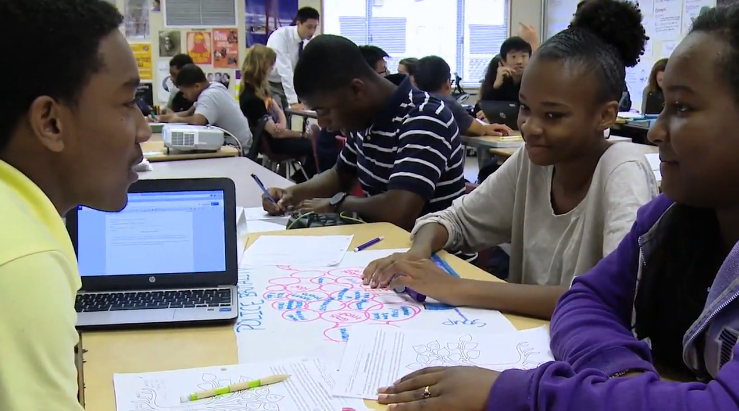
"caption": "Students at Oakland Technical High school in California work to develop theories of change on issues that are important to them.",
"description": null,
"title": "tree of change2",
"credit": "\u003ca href=\"https://www.teachingchannel.org/videos/prepare-civic-engagement-edda\">Teaching Channel\u003c/a>",
"status": "inherit",
"isLoading": false,
"fetchFailed": false
},
"mindshift_46549": {
"type": "attachments",
"id": "mindshift_46549",
"meta": {
"index": "attachments_1716263798",
"site": "mindshift",
"id": "46549",
"found": true
},
"parent": 46546,
"imgSizes": {
"thumbnail": {
"file": "https://ww2.kqed.org/app/uploads/sites/23/2016/09/oracy3-400x195.png",
"width": 400,
"mimeType": "image/png",
"height": 195
},
"post-thumbnail": {
"file": "https://ww2.kqed.org/app/uploads/sites/23/2016/09/oracy3-672x372.png",
"width": 672,
"mimeType": "image/png",
"height": 372
},
"kqedFullSize": {
"file": "https://ww2.kqed.org/app/uploads/sites/23/2016/09/oracy3.png",
"width": 852,
"height": 416
},
"cat_post_thumb_sizecategory-posts-2": {
"file": "https://ww2.kqed.org/app/uploads/sites/23/2016/09/oracy3-50x50.png",
"width": 50,
"mimeType": "image/png",
"height": 50
},
"guest-author-50": {
"file": "https://ww2.kqed.org/app/uploads/sites/23/2016/09/oracy3-50x50.png",
"width": 50,
"mimeType": "image/png",
"height": 50
},
"guest-author-96": {
"file": "https://ww2.kqed.org/app/uploads/sites/23/2016/09/oracy3-96x96.png",
"width": 96,
"mimeType": "image/png",
"height": 96
},
"medium": {
"file": "https://ww2.kqed.org/app/uploads/sites/23/2016/09/oracy3-800x391.png",
"width": 800,
"mimeType": "image/png",
"height": 391
},
"guest-author-64": {
"file": "https://ww2.kqed.org/app/uploads/sites/23/2016/09/oracy3-64x64.png",
"width": 64,
"mimeType": "image/png",
"height": 64
},
"detail": {
"file": "https://ww2.kqed.org/app/uploads/sites/23/2016/09/oracy3-150x150.png",
"width": 150,
"mimeType": "image/png",
"height": 150
},
"guest-author-32": {
"file": "https://ww2.kqed.org/app/uploads/sites/23/2016/09/oracy3-32x32.png",
"width": 32,
"mimeType": "image/png",
"height": 32
},
"medium_large": {
"file": "https://ww2.kqed.org/app/uploads/sites/23/2016/09/oracy3-768x375.png",
"width": 768,
"mimeType": "image/png",
"height": 375
},
"guest-author-128": {
"file": "https://ww2.kqed.org/app/uploads/sites/23/2016/09/oracy3-128x128.png",
"width": 128,
"mimeType": "image/png",
"height": 128
}
},
"publishDate": 1475275000,
"modified": 1475275207,
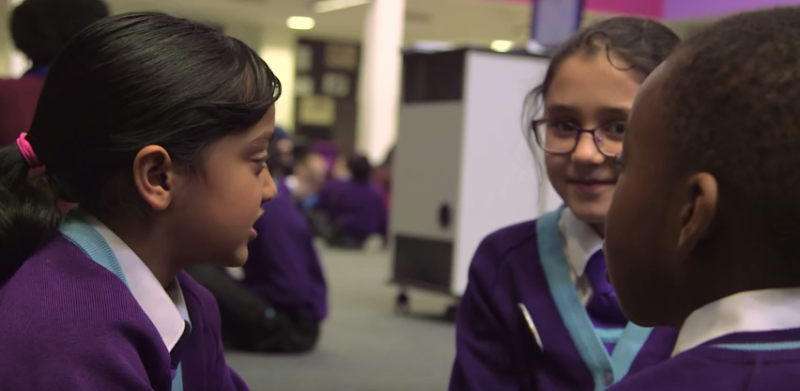
"caption": "Students at School 21 practice structured verbal tasks in every subject and class.",
"description": null,
"title": "oracy3",
"credit": "\u003ca href=\"http://www.edutopia.org/practice/oracy-classroom-strategies-effective-talk\">Edutopia\u003c/a>",
"status": "inherit",
"isLoading": false,
"fetchFailed": false
},
"mindshift_46318": {
"type": "attachments",
"id": "mindshift_46318",
"meta": {
"index": "attachments_1716263798",
"site": "mindshift",
"id": "46318",
"found": true
},
"parent": 46316,
"imgSizes": {
"twentyfourteen-full-width": {
"file": "https://ww2.kqed.org/app/uploads/sites/23/2016/09/a-making-reflection-1038x576.jpg",
"width": 1038,
"mimeType": "image/jpeg",
"height": 576
},
"thumbnail": {
"file": "https://ww2.kqed.org/app/uploads/sites/23/2016/09/a-making-reflection-400x300.jpg",
"width": 400,
"mimeType": "image/jpeg",
"height": 300
},
"fd-sm": {
"file": "https://ww2.kqed.org/app/uploads/sites/23/2016/09/a-making-reflection-960x720.jpg",
"width": 960,
"mimeType": "image/jpeg",
"height": 720
},
"post-thumbnail": {
"file": "https://ww2.kqed.org/app/uploads/sites/23/2016/09/a-making-reflection-672x372.jpg",
"width": 672,
"mimeType": "image/jpeg",
"height": 372
},
"kqedFullSize": {
"file": "https://ww2.kqed.org/app/uploads/sites/23/2016/09/a-making-reflection.jpg",
"width": 3000,
"height": 2250
},
"large": {
"file": "https://ww2.kqed.org/app/uploads/sites/23/2016/09/a-making-reflection-1440x1080.jpg",
"width": 1440,
"mimeType": "image/jpeg",
"height": 1080
},
"guest-author-50": {
"file": "https://ww2.kqed.org/app/uploads/sites/23/2016/09/a-making-reflection-50x50.jpg",
"width": 50,
"mimeType": "image/jpeg",
"height": 50
},
"guest-author-96": {
"file": "https://ww2.kqed.org/app/uploads/sites/23/2016/09/a-making-reflection-96x96.jpg",
"width": 96,
"mimeType": "image/jpeg",
"height": 96
},
"medium": {
"file": "https://ww2.kqed.org/app/uploads/sites/23/2016/09/a-making-reflection-800x600.jpg",
"width": 800,
"mimeType": "image/jpeg",
"height": 600
},
"guest-author-64": {
"file": "https://ww2.kqed.org/app/uploads/sites/23/2016/09/a-making-reflection-64x64.jpg",
"width": 64,
"mimeType": "image/jpeg",
"height": 64
},
"guest-author-32": {
"file": "https://ww2.kqed.org/app/uploads/sites/23/2016/09/a-making-reflection-32x32.jpg",
"width": 32,
"mimeType": "image/jpeg",
"height": 32
},
"cat_post_thumb_sizecategory-posts-2": {
"file": "https://ww2.kqed.org/app/uploads/sites/23/2016/09/a-making-reflection-50x50.jpg",
"width": 50,
"mimeType": "image/jpeg",
"height": 50
},
"fd-lrg": {
"file": "https://ww2.kqed.org/app/uploads/sites/23/2016/09/a-making-reflection-1920x1440.jpg",
"width": 1920,
"mimeType": "image/jpeg",
"height": 1440
},
"fd-med": {
"file": "https://ww2.kqed.org/app/uploads/sites/23/2016/09/a-making-reflection-1180x885.jpg",
"width": 1180,
"mimeType": "image/jpeg",
"height": 885
},
"detail": {
"file": "https://ww2.kqed.org/app/uploads/sites/23/2016/09/a-making-reflection-150x150.jpg",
"width": 150,
"mimeType": "image/jpeg",
"height": 150
},
"medium_large": {
"file": "https://ww2.kqed.org/app/uploads/sites/23/2016/09/a-making-reflection-768x576.jpg",
"width": 768,
"mimeType": "image/jpeg",
"height": 576
},
"guest-author-128": {
"file": "https://ww2.kqed.org/app/uploads/sites/23/2016/09/a-making-reflection-128x128.jpg",
"width": 128,
"mimeType": "image/jpeg",
"height": 128
}
},
"publishDate": 1473451376,
"modified": 1473451458,
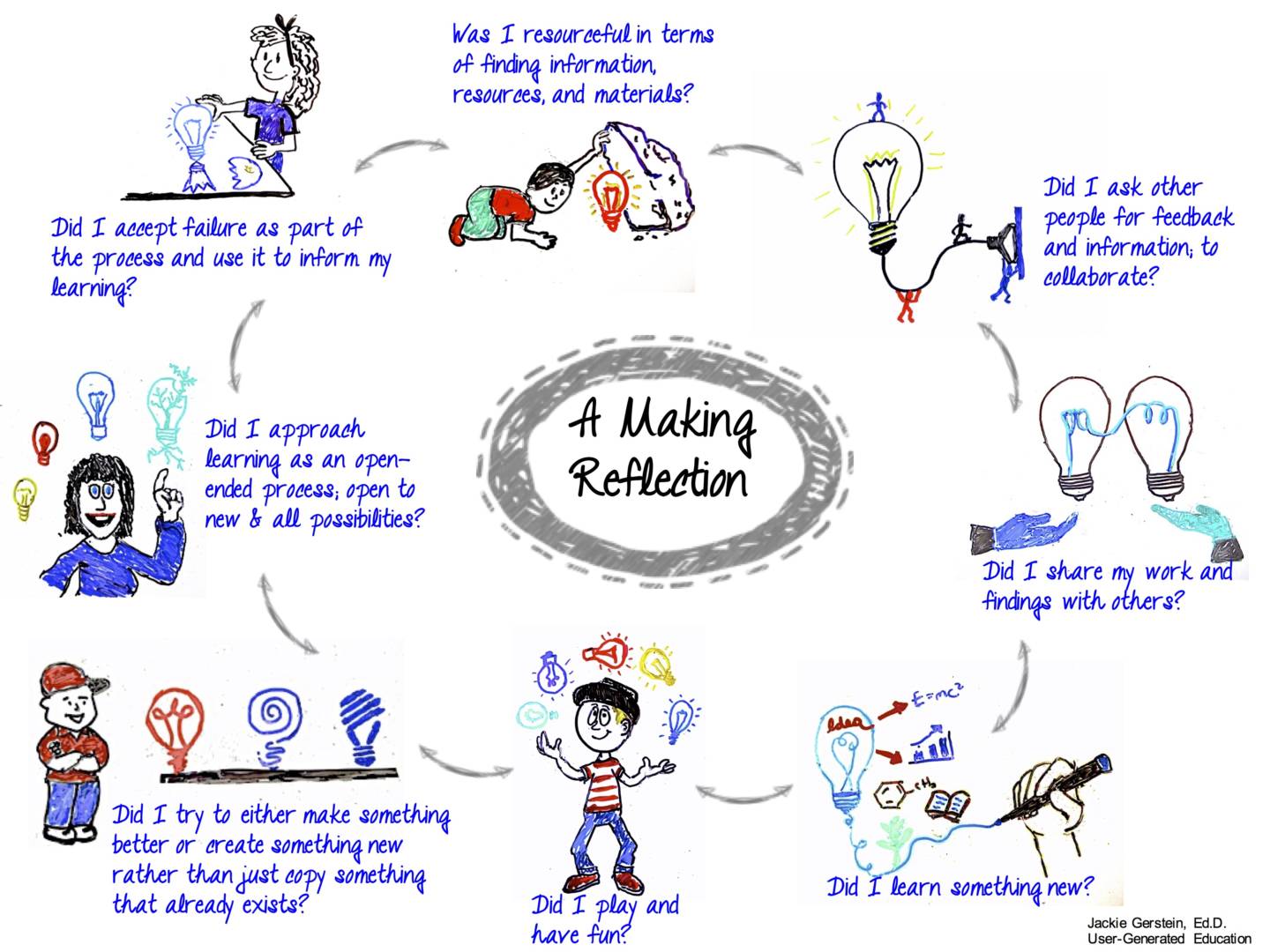
"caption": "Infographic explaining the importance of reflection in maker education.",
"description": null,
"title": "a-making-reflection",
"credit": "Courtesy Jackie Gerstein/\u003ca href=\"https://usergeneratededucation.wordpress.com/author/jackiegerstein/\">User Generated Education\u003c/a>",
"status": "inherit",
"isLoading": false,
"fetchFailed": false
},
"mindshift_46263": {
"type": "attachments",
"id": "mindshift_46263",
"meta": {
"index": "attachments_1716263798",
"site": "mindshift",
"id": "46263",
"found": true
},
"parent": 46259,
"imgSizes": {
"twentyfourteen-full-width": {
"file": "https://ww2.kqed.org/app/uploads/sites/23/2016/09/ice-castle-1024x576.jpg",
"width": 1024,
"mimeType": "image/jpeg",
"height": 576
},
"thumbnail": {
"file": "https://ww2.kqed.org/app/uploads/sites/23/2016/09/ice-castle-400x300.jpg",
"width": 400,
"mimeType": "image/jpeg",
"height": 300
},
"fd-sm": {
"file": "https://ww2.kqed.org/app/uploads/sites/23/2016/09/ice-castle-960x720.jpg",
"width": 960,
"mimeType": "image/jpeg",
"height": 720
},
"post-thumbnail": {
"file": "https://ww2.kqed.org/app/uploads/sites/23/2016/09/ice-castle-672x372.jpg",
"width": 672,
"mimeType": "image/jpeg",
"height": 372
},
"kqedFullSize": {
"file": "https://ww2.kqed.org/app/uploads/sites/23/2016/09/ice-castle.jpg",
"width": 1024,
"height": 768
},
"guest-author-50": {
"file": "https://ww2.kqed.org/app/uploads/sites/23/2016/09/ice-castle-50x50.jpg",
"width": 50,
"mimeType": "image/jpeg",
"height": 50
},
"guest-author-96": {
"file": "https://ww2.kqed.org/app/uploads/sites/23/2016/09/ice-castle-96x96.jpg",
"width": 96,
"mimeType": "image/jpeg",
"height": 96
},
"medium": {
"file": "https://ww2.kqed.org/app/uploads/sites/23/2016/09/ice-castle-800x600.jpg",
"width": 800,
"mimeType": "image/jpeg",
"height": 600
},
"guest-author-64": {
"file": "https://ww2.kqed.org/app/uploads/sites/23/2016/09/ice-castle-64x64.jpg",
"width": 64,
"mimeType": "image/jpeg",
"height": 64
},
"guest-author-32": {
"file": "https://ww2.kqed.org/app/uploads/sites/23/2016/09/ice-castle-32x32.jpg",
"width": 32,
"mimeType": "image/jpeg",
"height": 32
},
"cat_post_thumb_sizecategory-posts-2": {
"file": "https://ww2.kqed.org/app/uploads/sites/23/2016/09/ice-castle-50x50.jpg",
"width": 50,
"mimeType": "image/jpeg",
"height": 50
},
"detail": {
"file": "https://ww2.kqed.org/app/uploads/sites/23/2016/09/ice-castle-150x150.jpg",
"width": 150,
"mimeType": "image/jpeg",
"height": 150
},
"medium_large": {
"file": "https://ww2.kqed.org/app/uploads/sites/23/2016/09/ice-castle-768x576.jpg",
"width": 768,
"mimeType": "image/jpeg",
"height": 576
},
"guest-author-128": {
"file": "https://ww2.kqed.org/app/uploads/sites/23/2016/09/ice-castle-128x128.jpg",
"width": 128,
"mimeType": "image/jpeg",
"height": 128
}
},
"publishDate": 1472848203,
"modified": 1472848286,
"caption": "Students designed and built an ice castle window display that was 30 feet deep.",
"description": null,
"title": "ice castle",
"credit": "Courtesy Michael Stone",
"status": "inherit",
"isLoading": false,
"fetchFailed": false
},
"mindshift_46234": {
"type": "attachments",
"id": "mindshift_46234",
"meta": {
"index": "attachments_1716263798",
"site": "mindshift",
"id": "46234",
"found": true
},
"parent": 46221,
"imgSizes": {
"twentyfourteen-full-width": {
"file": "https://ww2.kqed.org/app/uploads/sites/23/2016/08/16048169352_03600daaac_k-1038x576.jpg",
"width": 1038,
"mimeType": "image/jpeg",
"height": 576
},
"thumbnail": {
"file": "https://ww2.kqed.org/app/uploads/sites/23/2016/08/16048169352_03600daaac_k-400x267.jpg",
"width": 400,
"mimeType": "image/jpeg",
"height": 267
},
"fd-sm": {
"file": "https://ww2.kqed.org/app/uploads/sites/23/2016/08/16048169352_03600daaac_k-960x640.jpg",
"width": 960,
"mimeType": "image/jpeg",
"height": 640
},
"post-thumbnail": {
"file": "https://ww2.kqed.org/app/uploads/sites/23/2016/08/16048169352_03600daaac_k-672x372.jpg",
"width": 672,
"mimeType": "image/jpeg",
"height": 372
},
"kqedFullSize": {
"file": "https://ww2.kqed.org/app/uploads/sites/23/2016/08/16048169352_03600daaac_k-e1472559307781.jpg",
"width": 1920,
"height": 1280
},
"large": {
"file": "https://ww2.kqed.org/app/uploads/sites/23/2016/08/16048169352_03600daaac_k-1440x960.jpg",
"width": 1440,
"mimeType": "image/jpeg",
"height": 960
},
"guest-author-50": {
"file": "https://ww2.kqed.org/app/uploads/sites/23/2016/08/16048169352_03600daaac_k-50x50.jpg",
"width": 50,
"mimeType": "image/jpeg",
"height": 50
},
"guest-author-96": {
"file": "https://ww2.kqed.org/app/uploads/sites/23/2016/08/16048169352_03600daaac_k-96x96.jpg",
"width": 96,
"mimeType": "image/jpeg",
"height": 96
},
"medium": {
"file": "https://ww2.kqed.org/app/uploads/sites/23/2016/08/16048169352_03600daaac_k-800x533.jpg",
"width": 800,
"mimeType": "image/jpeg",
"height": 533
},
"guest-author-64": {
"file": "https://ww2.kqed.org/app/uploads/sites/23/2016/08/16048169352_03600daaac_k-64x64.jpg",
"width": 64,
"mimeType": "image/jpeg",
"height": 64
},
"guest-author-32": {
"file": "https://ww2.kqed.org/app/uploads/sites/23/2016/08/16048169352_03600daaac_k-32x32.jpg",
"width": 32,
"mimeType": "image/jpeg",
"height": 32
},
"cat_post_thumb_sizecategory-posts-2": {
"file": "https://ww2.kqed.org/app/uploads/sites/23/2016/08/16048169352_03600daaac_k-50x50.jpg",
"width": 50,
"mimeType": "image/jpeg",
"height": 50
},
"fd-lrg": {
"file": "https://ww2.kqed.org/app/uploads/sites/23/2016/08/16048169352_03600daaac_k-1920x1280.jpg",
"width": 1920,
"mimeType": "image/jpeg",
"height": 1280
},
"fd-med": {
"file": "https://ww2.kqed.org/app/uploads/sites/23/2016/08/16048169352_03600daaac_k-1180x786.jpg",
"width": 1180,
"mimeType": "image/jpeg",
"height": 786
},
"detail": {
"file": "https://ww2.kqed.org/app/uploads/sites/23/2016/08/16048169352_03600daaac_k-150x150.jpg",
"width": 150,
"mimeType": "image/jpeg",
"height": 150
},
"medium_large": {
"file": "https://ww2.kqed.org/app/uploads/sites/23/2016/08/16048169352_03600daaac_k-768x512.jpg",
"width": 768,
"mimeType": "image/jpeg",
"height": 512
},
"guest-author-128": {
"file": "https://ww2.kqed.org/app/uploads/sites/23/2016/08/16048169352_03600daaac_k-128x128.jpg",
"width": 128,
"mimeType": "image/jpeg",
"height": 128
}
},
"publishDate": 1472559285,
"modified": 1472559301,
"caption": null,
"description": null,
"title": "16048169352_03600daaac_k",
"credit": "\u003ca href=\"https://www.flickr.com/photos/55467251@N03/16048169352/in/photolist-qs84D3-qs1RRB-qaLNW8-pvqTuk-qsbYyi-pvr5CH-qaCCv7-qaBTsb-qs1KSx-qsbTMV-pvqYwe-pvcwKb-qpUo2Y-qs8779-qpUCDJ-qaCYQA-pvqJDV-qpUwAS-gwmAC2-pKvQmN-6HgoEZ-qaLJ2Z-qaCdwU-qaK7Gz-qaBLDS-pvckV5-qs1vtH-qaBNS9-Ck5RsD-BuRUjC-pvcb8E-CsnzjV-pvr3Jc-BuRU8A-qsbBWX-BuRUcJ-pvqXFB-BuZeVX-Ck5S5F-Cq51K3-Ck5SeZ-BTShaD-BuZeA8-qaKp3k-BuRX8y-Cq51Cu-BuRY2s-BuRWi7-BTShJV-BTShoe\">Flickr/La Fabulerie\u003c/a>",
"status": "inherit",
"isLoading": false,
"fetchFailed": false
},
"mindshift_42954": {
"type": "attachments",
"id": "mindshift_42954",
"meta": {
"index": "attachments_1716263798",
"site": "mindshift",
"id": "42954",
"found": true
},
"parent": 42910,
"imgSizes": {
"twentyfourteen-full-width": {
"file": "https://ww2.kqed.org/app/uploads/sites/23/2015/11/PBL-1038x576.jpg",
"width": 1038,
"mimeType": "image/jpeg",
"height": 576
},
"thumbnail": {
"file": "https://ww2.kqed.org/app/uploads/sites/23/2015/11/PBL-400x246.jpg",
"width": 400,
"mimeType": "image/jpeg",
"height": 246
},
"fd-sm": {
"file": "https://ww2.kqed.org/app/uploads/sites/23/2015/11/PBL-960x590.jpg",
"width": 960,
"mimeType": "image/jpeg",
"height": 590
},
"post-thumbnail": {
"file": "https://ww2.kqed.org/app/uploads/sites/23/2015/11/PBL-672x372.jpg",
"width": 672,
"mimeType": "image/jpeg",
"height": 372
},
"kqedFullSize": {
"file": "https://ww2.kqed.org/app/uploads/sites/23/2015/11/PBL.jpg",
"width": 1920,
"height": 1179
},
"large": {
"file": "https://ww2.kqed.org/app/uploads/sites/23/2015/11/PBL-1440x884.jpg",
"width": 1440,
"mimeType": "image/jpeg",
"height": 884
},
"guest-author-96": {
"file": "https://ww2.kqed.org/app/uploads/sites/23/2015/11/PBL-96x96.jpg",
"width": 96,
"mimeType": "image/jpeg",
"height": 96
},
"medium": {
"file": "https://ww2.kqed.org/app/uploads/sites/23/2015/11/PBL-800x491.jpg",
"width": 800,
"mimeType": "image/jpeg",
"height": 491
},
"guest-author-64": {
"file": "https://ww2.kqed.org/app/uploads/sites/23/2015/11/PBL-64x64.jpg",
"width": 64,
"mimeType": "image/jpeg",
"height": 64
},
"guest-author-32": {
"file": "https://ww2.kqed.org/app/uploads/sites/23/2015/11/PBL-32x32.jpg",
"width": 32,
"mimeType": "image/jpeg",
"height": 32
},
"cat_post_thumb_sizecategory-posts-2": {
"file": "https://ww2.kqed.org/app/uploads/sites/23/2015/11/PBL-50x50.jpg",
"width": 50,
"mimeType": "image/jpeg",
"height": 50
},
"fd-lrg": {
"file": "https://ww2.kqed.org/app/uploads/sites/23/2015/11/PBL-1920x1179.jpg",
"width": 1920,
"mimeType": "image/jpeg",
"height": 1179
},
"fd-med": {
"file": "https://ww2.kqed.org/app/uploads/sites/23/2015/11/PBL-1180x725.jpg",
"width": 1180,
"mimeType": "image/jpeg",
"height": 725
},
"detail": {
"file": "https://ww2.kqed.org/app/uploads/sites/23/2015/11/PBL-75x75.jpg",
"width": 75,
"mimeType": "image/jpeg",
"height": 75
},
"guest-author-128": {
"file": "https://ww2.kqed.org/app/uploads/sites/23/2015/11/PBL-128x128.jpg",
"width": 128,
"mimeType": "image/jpeg",
"height": 128
}
},
"publishDate": 1449043145,
"modified": 1449043152,
"caption": null,
"description": null,
"title": "PBL",
"credit": "iStock",
"status": "inherit",
"isLoading": false,
"fetchFailed": false
},
"mindshift_42890": {
"type": "attachments",
"id": "mindshift_42890",
"meta": {
"index": "attachments_1716263798",
"site": "mindshift",
"id": "42890",
"found": true
},
"parent": 42886,
"imgSizes": {
"twentyfourteen-full-width": {
"file": "https://ww2.kqed.org/app/uploads/sites/23/2015/11/Berdik-3-816x576.jpg",
"width": 816,
"mimeType": "image/jpeg",
"height": 576
},
"thumbnail": {
"file": "https://ww2.kqed.org/app/uploads/sites/23/2015/11/Berdik-3-400x300.jpg",
"width": 400,
"mimeType": "image/jpeg",
"height": 300
},
"post-thumbnail": {
"file": "https://ww2.kqed.org/app/uploads/sites/23/2015/11/Berdik-3-672x372.jpg",
"width": 672,
"mimeType": "image/jpeg",
"height": 372
},
"kqedFullSize": {
"file": "https://ww2.kqed.org/app/uploads/sites/23/2015/11/Berdik-3.jpg",
"width": 816,
"height": 612
},
"cat_post_thumb_sizecategory-posts-2": {
"file": "https://ww2.kqed.org/app/uploads/sites/23/2015/11/Berdik-3-50x50.jpg",
"width": 50,
"mimeType": "image/jpeg",
"height": 50
},
"guest-author-96": {
"file": "https://ww2.kqed.org/app/uploads/sites/23/2015/11/Berdik-3-96x96.jpg",
"width": 96,
"mimeType": "image/jpeg",
"height": 96
},
"medium": {
"file": "https://ww2.kqed.org/app/uploads/sites/23/2015/11/Berdik-3-800x600.jpg",
"width": 800,
"mimeType": "image/jpeg",
"height": 600
},
"guest-author-64": {
"file": "https://ww2.kqed.org/app/uploads/sites/23/2015/11/Berdik-3-64x64.jpg",
"width": 64,
"mimeType": "image/jpeg",
"height": 64
},
"detail": {
"file": "https://ww2.kqed.org/app/uploads/sites/23/2015/11/Berdik-3-75x75.jpg",
"width": 75,
"mimeType": "image/jpeg",
"height": 75
},
"guest-author-32": {
"file": "https://ww2.kqed.org/app/uploads/sites/23/2015/11/Berdik-3-32x32.jpg",
"width": 32,
"mimeType": "image/jpeg",
"height": 32
},
"guest-author-128": {
"file": "https://ww2.kqed.org/app/uploads/sites/23/2015/11/Berdik-3-128x128.jpg",
"width": 128,
"mimeType": "image/jpeg",
"height": 128
}
},
"publishDate": 1448348720,
"modified": 1448348747,
"caption": "No single child designs the machine in this fifth-grade class; they work in collaboration. ",
"description": null,
"title": "Berdik 3",
"credit": "Chris Berdik",
"status": "inherit",
"isLoading": false,
"fetchFailed": false
},
"mindshift_42848": {
"type": "attachments",
"id": "mindshift_42848",
"meta": {
"index": "attachments_1716263798",
"site": "mindshift",
"id": "42848",
"found": true
},
"parent": 42717,
"imgSizes": {
"twentyfourteen-full-width": {
"file": "https://ww2.kqed.org/app/uploads/sites/23/2015/11/Makey-makey-1038x576.jpg",
"width": 1038,
"mimeType": "image/jpeg",
"height": 576
},
"thumbnail": {
"file": "https://ww2.kqed.org/app/uploads/sites/23/2015/11/Makey-makey-400x267.jpg",
"width": 400,
"mimeType": "image/jpeg",
"height": 267
},
"fd-sm": {
"file": "https://ww2.kqed.org/app/uploads/sites/23/2015/11/Makey-makey-960x640.jpg",
"width": 960,
"mimeType": "image/jpeg",
"height": 640
},
"post-thumbnail": {
"file": "https://ww2.kqed.org/app/uploads/sites/23/2015/11/Makey-makey-672x372.jpg",
"width": 672,
"mimeType": "image/jpeg",
"height": 372
},
"kqedFullSize": {
"file": "https://ww2.kqed.org/app/uploads/sites/23/2015/11/Makey-makey-e1447922579371.jpg",
"width": 1920,
"height": 1280
},
"large": {
"file": "https://ww2.kqed.org/app/uploads/sites/23/2015/11/Makey-makey-1440x960.jpg",
"width": 1440,
"mimeType": "image/jpeg",
"height": 960
},
"guest-author-96": {
"file": "https://ww2.kqed.org/app/uploads/sites/23/2015/11/Makey-makey-96x96.jpg",
"width": 96,
"mimeType": "image/jpeg",
"height": 96
},
"medium": {
"file": "https://ww2.kqed.org/app/uploads/sites/23/2015/11/Makey-makey-800x533.jpg",
"width": 800,
"mimeType": "image/jpeg",
"height": 533
},
"guest-author-64": {
"file": "https://ww2.kqed.org/app/uploads/sites/23/2015/11/Makey-makey-64x64.jpg",
"width": 64,
"mimeType": "image/jpeg",
"height": 64
},
"guest-author-32": {
"file": "https://ww2.kqed.org/app/uploads/sites/23/2015/11/Makey-makey-32x32.jpg",
"width": 32,
"mimeType": "image/jpeg",
"height": 32
},
"cat_post_thumb_sizecategory-posts-2": {
"file": "https://ww2.kqed.org/app/uploads/sites/23/2015/11/Makey-makey-50x50.jpg",
"width": 50,
"mimeType": "image/jpeg",
"height": 50
},
"fd-lrg": {
"file": "https://ww2.kqed.org/app/uploads/sites/23/2015/11/Makey-makey-1920x1280.jpg",
"width": 1920,
"mimeType": "image/jpeg",
"height": 1280
},
"fd-med": {
"file": "https://ww2.kqed.org/app/uploads/sites/23/2015/11/Makey-makey-1180x786.jpg",
"width": 1180,
"mimeType": "image/jpeg",
"height": 786
},
"detail": {
"file": "https://ww2.kqed.org/app/uploads/sites/23/2015/11/Makey-makey-75x75.jpg",
"width": 75,
"mimeType": "image/jpeg",
"height": 75
},
"guest-author-128": {
"file": "https://ww2.kqed.org/app/uploads/sites/23/2015/11/Makey-makey-128x128.jpg",
"width": 128,
"mimeType": "image/jpeg",
"height": 128
}
},
"publishDate": 1447922560,
"modified": 1447922574,
"caption": null,
"description": null,
"title": "Makey-makey",
"credit": "Flickr/Nathan Barry",
"status": "inherit",
"isLoading": false,
"fetchFailed": false
},
"mindshift_41927": {
"type": "attachments",
"id": "mindshift_41927",
"meta": {
"index": "attachments_1716263798",
"site": "mindshift",
"id": "41927",
"found": true
},
"parent": 41924,
"imgSizes": {
"twentyfourteen-full-width": {
"file": "https://ww2.kqed.org/app/uploads/sites/23/2015/09/hand-raised-1038x576.jpg",
"width": 1038,
"mimeType": "image/jpeg",
"height": 576
},
"thumbnail": {
"file": "https://ww2.kqed.org/app/uploads/sites/23/2015/09/hand-raised-400x225.jpg",
"width": 400,
"mimeType": "image/jpeg",
"height": 225
},
"fd-sm": {
"file": "https://ww2.kqed.org/app/uploads/sites/23/2015/09/hand-raised-960x540.jpg",
"width": 960,
"mimeType": "image/jpeg",
"height": 540
},
"post-thumbnail": {
"file": "https://ww2.kqed.org/app/uploads/sites/23/2015/09/hand-raised-672x372.jpg",
"width": 672,
"mimeType": "image/jpeg",
"height": 372
},
"kqedFullSize": {
"file": "https://ww2.kqed.org/app/uploads/sites/23/2015/09/hand-raised.jpg",
"width": 1440,
"height": 810
},
"large": {
"file": "https://ww2.kqed.org/app/uploads/sites/23/2015/09/hand-raised-1440x810.jpg",
"width": 1440,
"mimeType": "image/jpeg",
"height": 810
},
"guest-author-96": {
"file": "https://ww2.kqed.org/app/uploads/sites/23/2015/09/hand-raised-96x96.jpg",
"width": 96,
"mimeType": "image/jpeg",
"height": 96
},
"medium": {
"file": "https://ww2.kqed.org/app/uploads/sites/23/2015/09/hand-raised-800x450.jpg",
"width": 800,
"mimeType": "image/jpeg",
"height": 450
},
"guest-author-64": {
"file": "https://ww2.kqed.org/app/uploads/sites/23/2015/09/hand-raised-64x64.jpg",
"width": 64,
"mimeType": "image/jpeg",
"height": 64
},
"guest-author-32": {
"file": "https://ww2.kqed.org/app/uploads/sites/23/2015/09/hand-raised-32x32.jpg",
"width": 32,
"mimeType": "image/jpeg",
"height": 32
},
"cat_post_thumb_sizecategory-posts-2": {
"file": "https://ww2.kqed.org/app/uploads/sites/23/2015/09/hand-raised-50x50.jpg",
"width": 50,
"mimeType": "image/jpeg",
"height": 50
},
"fd-med": {
"file": "https://ww2.kqed.org/app/uploads/sites/23/2015/09/hand-raised-1180x664.jpg",
"width": 1180,
"mimeType": "image/jpeg",
"height": 664
},
"detail": {
"file": "https://ww2.kqed.org/app/uploads/sites/23/2015/09/hand-raised-75x75.jpg",
"width": 75,
"mimeType": "image/jpeg",
"height": 75
},
"guest-author-128": {
"file": "https://ww2.kqed.org/app/uploads/sites/23/2015/09/hand-raised-128x128.jpg",
"width": 128,
"mimeType": "image/jpeg",
"height": 128
}
},
"publishDate": 1441391127,
"modified": 1441391142,
"caption": null,
"description": null,
"title": "hand-raised",
"credit": "Lenny Gonzalez/KQED",
"status": "inherit",
"isLoading": false,
"fetchFailed": false
},
"mindshift_41581": {
"type": "attachments",
"id": "mindshift_41581",
"meta": {
"index": "attachments_1716263798",
"site": "mindshift",
"id": "41581",
"found": true
},
"parent": 41277,
"imgSizes": {
"twentyfourteen-full-width": {
"file": "https://ww2.kqed.org/app/uploads/sites/23/2015/08/Light-Bulb-1038x576.jpg",
"width": 1038,
"mimeType": "image/jpeg",
"height": 576
},
"thumbnail": {
"file": "https://ww2.kqed.org/app/uploads/sites/23/2015/08/Light-Bulb-400x225.jpg",
"width": 400,
"mimeType": "image/jpeg",
"height": 225
},
"fd-sm": {
"file": "https://ww2.kqed.org/app/uploads/sites/23/2015/08/Light-Bulb-960x540.jpg",
"width": 960,
"mimeType": "image/jpeg",
"height": 540
},
"post-thumbnail": {
"file": "https://ww2.kqed.org/app/uploads/sites/23/2015/08/Light-Bulb-672x372.jpg",
"width": 672,
"mimeType": "image/jpeg",
"height": 372
},
"kqedFullSize": {
"file": "https://ww2.kqed.org/app/uploads/sites/23/2015/08/Light-Bulb.jpg",
"width": 1920,
"height": 1080
},
"large": {
"file": "https://ww2.kqed.org/app/uploads/sites/23/2015/08/Light-Bulb-1440x810.jpg",
"width": 1440,
"mimeType": "image/jpeg",
"height": 810
},
"guest-author-96": {
"file": "https://ww2.kqed.org/app/uploads/sites/23/2015/08/Light-Bulb-96x96.jpg",
"width": 96,
"mimeType": "image/jpeg",
"height": 96
},
"medium": {
"file": "https://ww2.kqed.org/app/uploads/sites/23/2015/08/Light-Bulb-800x450.jpg",
"width": 800,
"mimeType": "image/jpeg",
"height": 450
},
"guest-author-64": {
"file": "https://ww2.kqed.org/app/uploads/sites/23/2015/08/Light-Bulb-64x64.jpg",
"width": 64,
"mimeType": "image/jpeg",
"height": 64
},
"guest-author-32": {
"file": "https://ww2.kqed.org/app/uploads/sites/23/2015/08/Light-Bulb-32x32.jpg",
"width": 32,
"mimeType": "image/jpeg",
"height": 32
},
"cat_post_thumb_sizecategory-posts-2": {
"file": "https://ww2.kqed.org/app/uploads/sites/23/2015/08/Light-Bulb-50x50.jpg",
"width": 50,
"mimeType": "image/jpeg",
"height": 50
},
"fd-lrg": {
"file": "https://ww2.kqed.org/app/uploads/sites/23/2015/08/Light-Bulb-1920x1080.jpg",
"width": 1920,
"mimeType": "image/jpeg",
"height": 1080
},
"fd-med": {
"file": "https://ww2.kqed.org/app/uploads/sites/23/2015/08/Light-Bulb-1180x664.jpg",
"width": 1180,
"mimeType": "image/jpeg",
"height": 664
},
"detail": {
"file": "https://ww2.kqed.org/app/uploads/sites/23/2015/08/Light-Bulb-75x75.jpg",
"width": 75,
"mimeType": "image/jpeg",
"height": 75
},
"guest-author-128": {
"file": "https://ww2.kqed.org/app/uploads/sites/23/2015/08/Light-Bulb-128x128.jpg",
"width": 128,
"mimeType": "image/jpeg",
"height": 128
}
},
"publishDate": 1439277462,
"modified": 1439277475,
"caption": null,
"description": null,
"title": "Light-Bulb",
"credit": "Getty Images",
"status": "inherit",
"isLoading": false,
"fetchFailed": false
},
"mindshift_40551": {
"type": "attachments",
"id": "mindshift_40551",
"meta": {
"index": "attachments_1716263798",
"site": "mindshift",
"id": "40551",
"found": true
},
"parent": 40537,
"imgSizes": {
"twentyfourteen-full-width": {
"file": "https://ww2.kqed.org/app/uploads/sites/23/2015/05/hopscotch-1038x576.jpg",
"width": 1038,
"mimeType": "image/jpeg",
"height": 576
},
"thumbnail": {
"file": "https://ww2.kqed.org/app/uploads/sites/23/2015/05/hopscotch-400x225.jpg",
"width": 400,
"mimeType": "image/jpeg",
"height": 225
},
"fd-sm": {
"file": "https://ww2.kqed.org/app/uploads/sites/23/2015/05/hopscotch-960x540.jpg",
"width": 960,
"mimeType": "image/jpeg",
"height": 540
},
"post-thumbnail": {
"file": "https://ww2.kqed.org/app/uploads/sites/23/2015/05/hopscotch-672x372.jpg",
"width": 672,
"mimeType": "image/jpeg",
"height": 372
},
"kqedFullSize": {
"file": "https://ww2.kqed.org/app/uploads/sites/23/2015/05/hopscotch.jpg",
"width": 1920,
"height": 1080
},
"large": {
"file": "https://ww2.kqed.org/app/uploads/sites/23/2015/05/hopscotch-1440x810.jpg",
"width": 1440,
"mimeType": "image/jpeg",
"height": 810
},
"guest-author-96": {
"file": "https://ww2.kqed.org/app/uploads/sites/23/2015/05/hopscotch-96x96.jpg",
"width": 96,
"mimeType": "image/jpeg",
"height": 96
},
"medium": {
"file": "https://ww2.kqed.org/app/uploads/sites/23/2015/05/hopscotch-800x450.jpg",
"width": 800,
"mimeType": "image/jpeg",
"height": 450
},
"guest-author-64": {
"file": "https://ww2.kqed.org/app/uploads/sites/23/2015/05/hopscotch-64x64.jpg",
"width": 64,
"mimeType": "image/jpeg",
"height": 64
},
"guest-author-32": {
"file": "https://ww2.kqed.org/app/uploads/sites/23/2015/05/hopscotch-32x32.jpg",
"width": 32,
"mimeType": "image/jpeg",
"height": 32
},
"cat_post_thumb_sizecategory-posts-2": {
"file": "https://ww2.kqed.org/app/uploads/sites/23/2015/05/hopscotch-50x50.jpg",
"width": 50,
"mimeType": "image/jpeg",
"height": 50
},
"fd-med": {
"file": "https://ww2.kqed.org/app/uploads/sites/23/2015/05/hopscotch-1180x664.jpg",
"width": 1180,
"mimeType": "image/jpeg",
"height": 664
},
"detail": {
"file": "https://ww2.kqed.org/app/uploads/sites/23/2015/05/hopscotch-75x75.jpg",
"width": 75,
"mimeType": "image/jpeg",
"height": 75
},
"guest-author-128": {
"file": "https://ww2.kqed.org/app/uploads/sites/23/2015/05/hopscotch-128x128.jpg",
"width": 128,
"mimeType": "image/jpeg",
"height": 128
}
},
"publishDate": 1431559204,
"modified": 1431559248,
"caption": null,
"description": null,
"title": "hopscotch",
"credit": "\u003ca href=\"https://www.flickr.com/photos/waltjabsco/5580341814/in/photolist-9v7HcU-61R7jt-oPqDjc-oPrnxZ-2aSpee-4czEfm-4Wcygn-p6VSNP-p6TP2w-oPru7F-oPqGvc-oPr2Sj-p6Eo64-p6TF5Q-pX9HM-p6TRMG-p6EwwT-oPrzAh-oPrz2b-p4TM8h-p4TLBN-oPqKBc-oPrwMG-p6Ergn-hpLchS-hpL9UW-hpLsyb-hpLsib-gr3kHB-kD4GZ9-bDaimD-4A8XXc-p3TGtJ-KzwvJ-pmVcUP-4DQ7G6-p6EnbZ-a3i75x-6bhvP-3KGNZY-hpLtdh-hpKUKH-61Ewwu-hpLbHL-pixn7g-7ek2kN-mMGBjm-9X7QwK-a41PJW-kW83X\">Walt Jabsco/Flickr\u003c/a>",
"status": "inherit",
"isLoading": false,
"fetchFailed": false
},
"mindshift_40927": {
"type": "attachments",
"id": "mindshift_40927",
"meta": {
"index": "attachments_1716263798",
"site": "mindshift",
"id": "40927",
"found": true
},
"parent": 40465,
"imgSizes": {
"twentyfourteen-full-width": {
"file": "https://ww2.kqed.org/app/uploads/sites/23/2015/06/Boy-sketching-1038x576.jpg",
"width": 1038,
"mimeType": "image/jpeg",
"height": 576
},
"thumbnail": {
"file": "https://ww2.kqed.org/app/uploads/sites/23/2015/06/Boy-sketching-400x225.jpg",
"width": 400,
"mimeType": "image/jpeg",
"height": 225
},
"fd-sm": {
"file": "https://ww2.kqed.org/app/uploads/sites/23/2015/06/Boy-sketching-960x540.jpg",
"width": 960,
"mimeType": "image/jpeg",
"height": 540
},
"post-thumbnail": {
"file": "https://ww2.kqed.org/app/uploads/sites/23/2015/06/Boy-sketching-672x372.jpg",
"width": 672,
"mimeType": "image/jpeg",
"height": 372
},
"kqedFullSize": {
"file": "https://ww2.kqed.org/app/uploads/sites/23/2015/06/Boy-sketching.jpg",
"width": 1920,
"height": 1080
},
"large": {
"file": "https://ww2.kqed.org/app/uploads/sites/23/2015/06/Boy-sketching-1440x810.jpg",
"width": 1440,
"mimeType": "image/jpeg",
"height": 810
},
"guest-author-96": {
"file": "https://ww2.kqed.org/app/uploads/sites/23/2015/06/Boy-sketching-96x96.jpg",
"width": 96,
"mimeType": "image/jpeg",
"height": 96
},
"medium": {
"file": "https://ww2.kqed.org/app/uploads/sites/23/2015/06/Boy-sketching-800x450.jpg",
"width": 800,
"mimeType": "image/jpeg",
"height": 450
},
"guest-author-64": {
"file": "https://ww2.kqed.org/app/uploads/sites/23/2015/06/Boy-sketching-64x64.jpg",
"width": 64,
"mimeType": "image/jpeg",
"height": 64
},
"guest-author-32": {
"file": "https://ww2.kqed.org/app/uploads/sites/23/2015/06/Boy-sketching-32x32.jpg",
"width": 32,
"mimeType": "image/jpeg",
"height": 32
},
"cat_post_thumb_sizecategory-posts-2": {
"file": "https://ww2.kqed.org/app/uploads/sites/23/2015/06/Boy-sketching-50x50.jpg",
"width": 50,
"mimeType": "image/jpeg",
"height": 50
},
"fd-med": {
"file": "https://ww2.kqed.org/app/uploads/sites/23/2015/06/Boy-sketching-1180x664.jpg",
"width": 1180,
"mimeType": "image/jpeg",
"height": 664
},
"detail": {
"file": "https://ww2.kqed.org/app/uploads/sites/23/2015/06/Boy-sketching-75x75.jpg",
"width": 75,
"mimeType": "image/jpeg",
"height": 75
},
"guest-author-128": {
"file": "https://ww2.kqed.org/app/uploads/sites/23/2015/06/Boy-sketching-128x128.jpg",
"width": 128,
"mimeType": "image/jpeg",
"height": 128
}
},
"publishDate": 1435148562,
"modified": 1435148570,
"caption": null,
"description": null,
"title": "Boy-sketching",
"credit": "Getty Images",
"status": "inherit",
"isLoading": false,
"fetchFailed": false
}
},
"audioPlayerReducer": {
"postId": "stream_live",
"isPaused": true,
"isPlaying": false,
"pfsActive": false,
"pledgeModalIsOpen": true,
"playerDrawerIsOpen": false,
"liveAudioPlayStartedAt": 0,
"liveAudioPlayContext": ""
},
"authorsReducer": {
"byline_mindshift_42886": {
"type": "authors",
"id": "byline_mindshift_42886",
"meta": {
"override": true
},
"slug": "byline_mindshift_42886",
"name": "Chris Berdik, The Hechinger Report",
"isLoading": false
},
"byline_mindshift_41924": {
"type": "authors",
"id": "byline_mindshift_41924",
"meta": {
"override": true
},
"slug": "byline_mindshift_41924",
"name": "\u003ca href=\"https://shelleywright.wordpress.com/\">Shelley Wright\u003c/a>",
"isLoading": false
},
"katrinaschwartz": {
"type": "authors",
"id": "234",
"meta": {
"index": "authors_1716337520",
"id": "234",
"found": true
},
"name": "Katrina Schwartz",
"firstName": "Katrina",
"lastName": "Schwartz",
"slug": "katrinaschwartz",
"email": "kschwartz@kqed.org",
"display_author_email": false,
"staff_mastheads": [
"news"
],
"title": "Producer",
"bio": "Katrina Schwartz is a journalist based in San Francisco. She's worked at KPCC public radio in LA and has reported on air and online for KQED since 2010. She covered how teaching and learning is changing for MindShift between 2012 and 2020. She is the co-host of the MindShift podcast and now produces KQED's Bay Curious podcast.",
"avatar": "https://secure.gravatar.com/avatar/edb4ee79070447a018538c9aae6eeecf28786515b8a0c30e43b6b7dce5aa44c8?s=600&d=blank&r=g",
"twitter": "kschwart",
"bluesky": null,
"facebook": null,
"instagram": null,
"linkedin": null,
"sites": [
{
"site": "",
"roles": [
"editor"
]
},
{
"site": "news",
"roles": [
"editor"
]
},
{
"site": "mindshift",
"roles": [
"administrator"
]
},
{
"site": "stateofhealth",
"roles": [
"author"
]
},
{
"site": "science",
"roles": [
"editor"
]
}
],
"headData": {
"title": "Katrina Schwartz | KQED",
"description": "Producer",
"ogImgSrc": "https://secure.gravatar.com/avatar/edb4ee79070447a018538c9aae6eeecf28786515b8a0c30e43b6b7dce5aa44c8?s=600&d=blank&r=g",
"twImgSrc": "https://secure.gravatar.com/avatar/edb4ee79070447a018538c9aae6eeecf28786515b8a0c30e43b6b7dce5aa44c8?s=600&d=blank&r=g"
},
"isLoading": false,
"link": "/author/katrinaschwartz"
},
"lindaflan": {
"type": "authors",
"id": "4613",
"meta": {
"index": "authors_1716337520",
"id": "4613",
"found": true
},
"name": "Linda Flanagan",
"firstName": "Linda",
"lastName": "Flanagan",
"slug": "lindaflan",
"email": "lindaflan@comcast.net",
"display_author_email": false,
"staff_mastheads": [],
"title": null,
"bio": "Linda Flanagan is a freelance writer, researcher, and editor. Her work has appeared in The Atlantic, The Wall St. Journal, Newsweek, Running Times, and Mind/Shift, and she blogs regularly for the Huffington Post. Linda writes about education, culture, athletics, youth sports, mental health, politics, college admissions, and other curiosities. She also reviews books and conducts interviews.",
"avatar": "https://secure.gravatar.com/avatar/6bca04c0736bf5eaea80654019de688f?s=600&d=blank&r=g",
"twitter": "LindaFlanagan2",
"facebook": null,
"instagram": null,
"linkedin": null,
"sites": [
{
"site": "mindshift",
"roles": [
"contributor"
]
}
],
"headData": {
"title": "Linda Flanagan | KQED",
"description": null,
"ogImgSrc": "https://secure.gravatar.com/avatar/6bca04c0736bf5eaea80654019de688f?s=600&d=blank&r=g",
"twImgSrc": "https://secure.gravatar.com/avatar/6bca04c0736bf5eaea80654019de688f?s=600&d=blank&r=g"
},
"isLoading": false,
"link": "/author/lindaflan"
}
},
"pagesReducer": {
"mindshift_tag_project-based-learning": {
"type": "terms",
"id": "mindshift_256",
"meta": {
"index": "terms_1716263798",
"site": "mindshift",
"id": "256",
"score": 10.404039
},
"featImg": null,
"name": "Project Based Learning",
"description": "Educators use Project Based Learning to allow students to make projects as they learn certain subjects.",
"taxonomy": "tag",
"headData": {
"twImgId": null,
"twTitle": null,
"ogTitle": null,
"ogImgId": null,
"twDescription": null,
"description": "Educators use Project Based Learning to allow students to make projects as they learn certain subjects.",
"title": "Project Based Learning Archives - KQED Mindshift",
"ogDescription": null
},
"ttid": 256,
"slug": "project-based-learning",
"isLoading": false,
"title": "Project Based Learning",
"pageMeta": {
"site": "mindshift",
"WpPageTemplate": "page-topic-editorial",
"currentPage": 4
},
"blocks": [
{
"blockName": "kqed/company-paragraph",
"content": "Educators use Project Based Learning to allow students to make projects as they learn certain subjects."
},
{
"blockName": "kqed/post-list",
"attrs": {
"layout": "cardArticle2",
"query": "posts/mindshift?tag=project-based-learning",
"seeMore": false,
"paginated": true,
"page": 4
}
},
{
"blockName": "kqed/ad"
}
]
}
},
"pfsSessionReducer": {},
"postsReducer": {
"stream_live": {
"type": "live",
"id": "stream_live",
"audioUrl": "https://streams.kqed.org/kqedradio",
"title": "Live Stream",
"excerpt": "Live Stream information currently unavailable.",
"link": "/radio",
"featImg": "",
"label": {
"name": "KQED Live",
"link": "/"
}
},
"stream_kqedNewscast": {
"type": "posts",
"id": "stream_kqedNewscast",
"audioUrl": "https://www.kqed.org/.stream/anon/radio/RDnews/newscast.mp3?_=1",
"title": "KQED Newscast",
"featImg": "",
"label": {
"name": "88.5 FM",
"link": "/"
}
},
"mindshift_46712": {
"type": "posts",
"id": "mindshift_46712",
"meta": {
"index": "posts_1716263798",
"site": "mindshift",
"id": "46712",
"score": null,
"sort": [
1476770304000
]
},
"parent": 0,
"labelTerm": {
"site": "mindshift"
},
"blocks": [],
"publishDate": 1476770304,
"format": "standard",
"disqusTitle": "How Civic Engagement Helps Students See Their Capacity to Make Change",
"title": "How Civic Engagement Helps Students See Their Capacity to Make Change",
"headTitle": "MindShift | KQED News",
"content": "\u003cp>Many English language arts and social studies teachers are working to make their curricula more\u003ca href=\"https://ww2.kqed.org/mindshift/2016/09/15/tapping-into-the-adolescent-need-for-purpose-to-motivate-learners/\"> engaging to adolescent learners\u003c/a> by including topics that affect the lives of their students. Teenagers often feel passionately about social justice, or issues that directly affects those in their communities.\u003c/p>\n\u003cp>Teachers in Oakland are working to help young people find ways to take what they are learning and become active agents for change in their community using a program called \u003ca href=\"http://eddaoakland.org/\">Educating for Democracy in the Digital Age\u003c/a>. The Teaching Channel documented \u003ca href=\"https://www.teachingchannel.org/videos/digital-age-civic-engagement-edda\">how teachers empower and engage students\u003c/a> through a curriculum devoted to not only teaching students about the problems, but giving them tools to begin trying to change them.\u003c/p>\n\u003cp>\"The civic engagement work has given students a sense of agency, a sense of voice, and like a structure to think about 'how can I actually do something with the things that I'm learning,'\" said Matt Colley, a ninth grade English and History teacher at \u003ca href=\"http://oaklandtech.com/staff/\">Oakland Technical High School\u003c/a>.* \"And to really see school as a springboard to community engagement, as opposed to a report card grade.\"\u003c/p>\n\u003cp>\u003c!-- iframe plugin v.4.3 wordpress.org/plugins/iframe/ -->\u003cbr>\n\u003ciframe src=\"https://player.vimeo.com/video/187078422\" width=\"640\" height=\"360\" frameborder=\"0\" scrolling=\"yes\" class=\"iframe-class\">\u003c/iframe>\u003cbr>\n\u003cem>Civic Engagement in the Digital Age from \u003ca href=\"https://vimeo.com/user11426713\">Teaching Channel\u003c/a> on \u003ca href=\"https://vimeo.com\">Vimeo\u003c/a>.\u003c/em>\u003c/p>\n\u003cp>Many of the issues facing Oakland students, like violence or discrimination, are big systemic issues that many people in society have tried to address for a long time. These issues can feel overwhelming, but trying to understand a complex issue with deep historical roots is a good exercise in systems thinking. One assignment asks students to \u003ca href=\"https://www.teachingchannel.org/videos/infographics-in-lessons-edda\">create an infographic \u003c/a>that simply, but accurately, conveys the root cause, issue and a theory of change.\u003c/p>\n\u003cp>[ad fullwidth]\u003c/p>\n\u003cp>Teacher Chela Delgado notes that for her students injustice feels very tangible, they experience if often. But the theories of resistance or activism feel much less tangible. She wants them to understand that \"change agents are just people who care about things, and who do something about those things.\"\u003c/p>\n\u003cp>\u003c!-- iframe plugin v.4.3 wordpress.org/plugins/iframe/ -->\u003cbr>\n\u003ciframe src=\"https://player.vimeo.com/video/187083956\" width=\"640\" height=\"360\" frameborder=\"0\" scrolling=\"yes\" class=\"iframe-class\">\u003c/iframe>\u003cbr>\n \u003cem>Infographics for Change from \u003ca href=\"https://vimeo.com/user11426713\">Teaching Channel\u003c/a> on \u003ca href=\"https://vimeo.com\">Vimeo\u003c/a>.\u003c/em>\u003c/p>\n\u003cp>After students think through the root causes of an issue of choice they work to \u003ca href=\"https://www.teachingchannel.org/videos/prepare-civic-engagement-edda\">implement a theory of action\u003c/a> to address those root causes. This type of civic engagement requires research, group discussions, effective collaboration, and taking the difficult step of identifying some solutions. It's a more optimistic approach to civics that teaches hope will empower students to stay engaged with local issues.\u003c/p>\n\u003cp>\u003c!-- iframe plugin v.4.3 wordpress.org/plugins/iframe/ -->\u003cbr>\n\u003ciframe src=\"https://player.vimeo.com/video/187078423\" width=\"640\" height=\"360\" frameborder=\"0\" scrolling=\"yes\" class=\"iframe-class\">\u003c/iframe>\u003cbr>\n \u003cem>Encouraging Students to Take Action from \u003ca href=\"https://vimeo.com/user11426713\">Teaching Channel\u003c/a> on \u003ca href=\"https://vimeo.com\">Vimeo\u003c/a>.\u003c/em>\u003c/p>\n\u003cp>\u003c/p>\n\u003cp>\u003cem>*A previous version of this article incorrectly identified Matt Colley as a teacher at Coliseum College Prep Academy. We regret the error.\u003c/em>\u003c/p>\n\n",
"disqusIdentifier": "46712 http://ww2.kqed.org/mindshift/?p=46712",
"disqusUrl": "https://ww2.kqed.org/mindshift/2016/10/17/how-civic-engagement-helps-students-see-their-capacity-to-make-change/",
"stats": {
"hasVideo": true,
"hasChartOrMap": true,
"hasAudio": false,
"hasPolis": false,
"wordCount": 425,
"hasGoogleForm": false,
"hasGallery": false,
"hasHearkenModule": false,
"iframeSrcs": [
"https://player.vimeo.com/video/187078422",
"https://player.vimeo.com/video/187083956",
"https://player.vimeo.com/video/187078423"
],
"paragraphCount": 12
},
"modified": 1477328351,
"excerpt": "As civic engagement moves into the digital sphere, teachers have an opportunity to engage students with their local communities and the issues they face.",
"headData": {
"twImgId": "",
"twTitle": "",
"ogTitle": "",
"ogImgId": "",
"twDescription": "",
"description": "As civic engagement moves into the digital sphere, teachers have an opportunity to engage students with their local communities and the issues they face.",
"title": "How Civic Engagement Helps Students See Their Capacity to Make Change | KQED",
"ogDescription": "",
"schema": {
"@context": "https://schema.org",
"@type": "Article",
"headline": "How Civic Engagement Helps Students See Their Capacity to Make Change",
"datePublished": "2016-10-17T22:58:24-07:00",
"dateModified": "2016-10-24T09:59:11-07:00",
"image": "https://cdn.kqed.org/wp-content/uploads/2020/02/KQED-OG-Image@1x.png"
}
},
"guestAuthors": [],
"slug": "how-civic-engagement-helps-students-see-their-capacity-to-make-change",
"status": "publish",
"path": "/mindshift/46712/how-civic-engagement-helps-students-see-their-capacity-to-make-change",
"audioTrackLength": null,
"parsedContent": [
{
"type": "contentString",
"content": "\u003cdiv class=\"post-body\">\u003cp>\u003cp>Many English language arts and social studies teachers are working to make their curricula more\u003ca href=\"https://ww2.kqed.org/mindshift/2016/09/15/tapping-into-the-adolescent-need-for-purpose-to-motivate-learners/\"> engaging to adolescent learners\u003c/a> by including topics that affect the lives of their students. Teenagers often feel passionately about social justice, or issues that directly affects those in their communities.\u003c/p>\n\u003cp>Teachers in Oakland are working to help young people find ways to take what they are learning and become active agents for change in their community using a program called \u003ca href=\"http://eddaoakland.org/\">Educating for Democracy in the Digital Age\u003c/a>. The Teaching Channel documented \u003ca href=\"https://www.teachingchannel.org/videos/digital-age-civic-engagement-edda\">how teachers empower and engage students\u003c/a> through a curriculum devoted to not only teaching students about the problems, but giving them tools to begin trying to change them.\u003c/p>\n\u003cp>\"The civic engagement work has given students a sense of agency, a sense of voice, and like a structure to think about 'how can I actually do something with the things that I'm learning,'\" said Matt Colley, a ninth grade English and History teacher at \u003ca href=\"http://oaklandtech.com/staff/\">Oakland Technical High School\u003c/a>.* \"And to really see school as a springboard to community engagement, as opposed to a report card grade.\"\u003c/p>\n\u003cp>\u003c!-- iframe plugin v.4.3 wordpress.org/plugins/iframe/ -->\u003cbr>\n\u003ciframe src=\"https://player.vimeo.com/video/187078422\" width=\"640\" height=\"360\" frameborder=\"0\" scrolling=\"yes\" class=\"iframe-class\">\u003c/iframe>\u003cbr>\n\u003cem>Civic Engagement in the Digital Age from \u003ca href=\"https://vimeo.com/user11426713\">Teaching Channel\u003c/a> on \u003ca href=\"https://vimeo.com\">Vimeo\u003c/a>.\u003c/em>\u003c/p>\n\u003cp>Many of the issues facing Oakland students, like violence or discrimination, are big systemic issues that many people in society have tried to address for a long time. These issues can feel overwhelming, but trying to understand a complex issue with deep historical roots is a good exercise in systems thinking. One assignment asks students to \u003ca href=\"https://www.teachingchannel.org/videos/infographics-in-lessons-edda\">create an infographic \u003c/a>that simply, but accurately, conveys the root cause, issue and a theory of change.\u003c/p>\n\u003cp>\u003c/p>\u003c/div>",
"attributes": {
"named": {},
"numeric": []
}
},
{
"type": "component",
"content": "",
"name": "ad",
"attributes": {
"named": {
"label": "fullwidth"
},
"numeric": [
"fullwidth"
]
}
},
{
"type": "contentString",
"content": "\u003cdiv class=\"post-body\">\u003cp>\u003c/p>\n\u003cp>Teacher Chela Delgado notes that for her students injustice feels very tangible, they experience if often. But the theories of resistance or activism feel much less tangible. She wants them to understand that \"change agents are just people who care about things, and who do something about those things.\"\u003c/p>\n\u003cp>\u003c!-- iframe plugin v.4.3 wordpress.org/plugins/iframe/ -->\u003cbr>\n\u003ciframe src=\"https://player.vimeo.com/video/187083956\" width=\"640\" height=\"360\" frameborder=\"0\" scrolling=\"yes\" class=\"iframe-class\">\u003c/iframe>\u003cbr>\n \u003cem>Infographics for Change from \u003ca href=\"https://vimeo.com/user11426713\">Teaching Channel\u003c/a> on \u003ca href=\"https://vimeo.com\">Vimeo\u003c/a>.\u003c/em>\u003c/p>\n\u003cp>After students think through the root causes of an issue of choice they work to \u003ca href=\"https://www.teachingchannel.org/videos/prepare-civic-engagement-edda\">implement a theory of action\u003c/a> to address those root causes. This type of civic engagement requires research, group discussions, effective collaboration, and taking the difficult step of identifying some solutions. It's a more optimistic approach to civics that teaches hope will empower students to stay engaged with local issues.\u003c/p>\n\u003cp>\u003c!-- iframe plugin v.4.3 wordpress.org/plugins/iframe/ -->\u003cbr>\n\u003ciframe src=\"https://player.vimeo.com/video/187078423\" width=\"640\" height=\"360\" frameborder=\"0\" scrolling=\"yes\" class=\"iframe-class\">\u003c/iframe>\u003cbr>\n \u003cem>Encouraging Students to Take Action from \u003ca href=\"https://vimeo.com/user11426713\">Teaching Channel\u003c/a> on \u003ca href=\"https://vimeo.com\">Vimeo\u003c/a>.\u003c/em>\u003c/p>\n\u003cp>\u003c/p>\n\u003cp>\u003cem>*A previous version of this article incorrectly identified Matt Colley as a teacher at Coliseum College Prep Academy. We regret the error.\u003c/em>\u003c/p>\n\n\u003c/div>\u003c/p>",
"attributes": {
"named": {},
"numeric": []
}
}
],
"link": "/mindshift/46712/how-civic-engagement-helps-students-see-their-capacity-to-make-change",
"authors": [
"4354"
],
"categories": [
"mindshift_193"
],
"tags": [
"mindshift_20533",
"mindshift_20784",
"mindshift_1040",
"mindshift_256",
"mindshift_20839",
"mindshift_20615"
],
"featImg": "mindshift_46714",
"label": "mindshift"
},
"mindshift_46546": {
"type": "posts",
"id": "mindshift_46546",
"meta": {
"index": "posts_1716263798",
"site": "mindshift",
"id": "46546",
"score": null,
"sort": [
1475557584000
]
},
"parent": 0,
"labelTerm": {
"site": "mindshift"
},
"blocks": [],
"publishDate": 1475557584,
"format": "standard",
"disqusTitle": "Why The Art of Speaking Should Be Taught Alongside Math and Literacy",
"title": "Why The Art of Speaking Should Be Taught Alongside Math and Literacy",
"headTitle": "MindShift | KQED News",
"content": "\u003cp>Classrooms in the U.S. often focus most attention on literacy and math, largely because those skills are considered foundational and are tested. However most people will also need to communicate their thoughts and ideas to other people through oral language, and yet effective communication strategies are often not taught with the same precision and structure as other parts of the curriculum.\u003c/p>\n\u003cp>School 21, a public school in London has made \u003ca href=\"http://www.edutopia.org/blog/oracy-literacy-of-spoken-word-oli-de-botton\" target=\"_blank\">\"oracy\"\u003c/a> a primary focus of everything they do. From the earliest grades on up teachers support students to find their voice, express differing opinions politely, and challenge one another's thinking. These are skills called for in the Common Core, but can be hard to find in many classrooms because students haven't been \u003ca href=\"http://www.edutopia.org/practice/oracy-classroom-strategies-effective-talk\" target=\"_blank\">taught how\u003c/a> to make \"turn and talks\" truly effective.\u003c/p>\n\u003cp>The Edutopia team visited School 21 and captured \u003ca href=\"http://www.edutopia.org/school/school-21\" target=\"_blank\">some amazing videos\u003c/a> of students practicing their communication skills with support from teachers.\u003c/p>\n\u003cp>\u003c!-- iframe plugin v.4.3 wordpress.org/plugins/iframe/ -->\u003cbr>\n\u003ciframe width=\"640\" height=\"360\" src=\"https://www.youtube.com/embed/2ADAY9AQm54\" frameborder=\"0\" scrolling=\"yes\" class=\"iframe-class\">\u003c/iframe>\u003c/p>\n\u003cp>Another key element of the School 21 program is \"\u003ca href=\"http://www.edutopia.org/practice/wellbeing-developing-empathy-emotional-awareness-and-agency\" target=\"_blank\">well-being\u003c/a>,\" a social emotional learning curriculum that is once again embedded throughout students' experience of school. In the following video, the communication skills teachers have helped foster become supremely important as even young students grapple with difficult topics like race, difference, diversity and kindness.\u003c/p>\n\u003cp>[ad fullwidth]\u003c/p>\n\u003cp>\u003c!-- iframe plugin v.4.3 wordpress.org/plugins/iframe/ -->\u003cbr>\n\u003ciframe width=\"640\" height=\"360\" src=\"https://www.youtube.com/embed/nralkrM43uQ\" frameborder=\"0\" scrolling=\"yes\" class=\"iframe-class\">\u003c/iframe>\u003c/p>\n\u003cp>Because oral communication is a core tenet of School 21, students continue to build on their skills throughout school until arguing an opinion and defending with research are almost second nature to them. The school also tries to help students see the progress they've made by offering culminating moments when they can show off their \u003ca href=\"http://www.edutopia.org/practice/public-speaking-oracy-skills-real-world\" target=\"_blank\">public speaking skills\u003c/a> in front of real audiences.\u003c/p>\n\u003cp>\u003c!-- iframe plugin v.4.3 wordpress.org/plugins/iframe/ -->\u003cbr>\n\u003ciframe width=\"640\" height=\"360\" src=\"https://www.youtube.com/embed/KfrwGZyk-bc\" frameborder=\"0\" scrolling=\"yes\" class=\"iframe-class\">\u003c/iframe>\u003c/p>\n\u003cp>Speaking is a part of almost every classroom, but it can be easy to assume that students already know how to do things like challenge an idea or back up an argument with evidence. In reality, those oral communication skills must be explicitly taught like other core skills in school. And a well-spoken, confident young person will have occasion to use those communication skills throughout his or her life. Peter Hyman, School 21 cofounder and executive head teacher, says, \"\u003cspan class=\"s1\">We need to elevate speaking to the same level as reading and writing.”\u003c/span>\u003c/p>\n\u003cp>\u003c/p>\n\u003cp> \u003c/p>\n\n",
"disqusIdentifier": "46546 http://ww2.kqed.org/mindshift/?p=46546",
"disqusUrl": "https://ww2.kqed.org/mindshift/2016/10/03/why-the-art-of-speaking-should-be-taught-alongside-math-and-literacy/",
"stats": {
"hasVideo": true,
"hasChartOrMap": true,
"hasAudio": false,
"hasPolis": false,
"wordCount": 371,
"hasGoogleForm": false,
"hasGallery": false,
"hasHearkenModule": false,
"iframeSrcs": [
"https://www.youtube.com/embed/2ADAY9AQm54",
"https://www.youtube.com/embed/nralkrM43uQ",
"https://www.youtube.com/embed/KfrwGZyk-bc"
],
"paragraphCount": 11
},
"modified": 1475783210,
"excerpt": "Oral communication skills are often overlooked in school in favor of math, reading and writing. But this London school has put it front and center with amazing results.",
"headData": {
"twImgId": "",
"twTitle": "",
"ogTitle": "",
"ogImgId": "",
"twDescription": "",
"description": "Oral communication skills are often overlooked in school in favor of math, reading and writing. But this London school has put it front and center with amazing results.",
"title": "Why The Art of Speaking Should Be Taught Alongside Math and Literacy | KQED",
"ogDescription": "",
"schema": {
"@context": "https://schema.org",
"@type": "Article",
"headline": "Why The Art of Speaking Should Be Taught Alongside Math and Literacy",
"datePublished": "2016-10-03T22:06:24-07:00",
"dateModified": "2016-10-06T12:46:50-07:00",
"image": "https://cdn.kqed.org/wp-content/uploads/2020/02/KQED-OG-Image@1x.png"
}
},
"guestAuthors": [],
"slug": "why-the-art-of-speaking-should-be-taught-alongside-math-and-literacy",
"status": "publish",
"path": "/mindshift/46546/why-the-art-of-speaking-should-be-taught-alongside-math-and-literacy",
"audioTrackLength": null,
"parsedContent": [
{
"type": "contentString",
"content": "\u003cdiv class=\"post-body\">\u003cp>\u003cp>Classrooms in the U.S. often focus most attention on literacy and math, largely because those skills are considered foundational and are tested. However most people will also need to communicate their thoughts and ideas to other people through oral language, and yet effective communication strategies are often not taught with the same precision and structure as other parts of the curriculum.\u003c/p>\n\u003cp>School 21, a public school in London has made \u003ca href=\"http://www.edutopia.org/blog/oracy-literacy-of-spoken-word-oli-de-botton\" target=\"_blank\">\"oracy\"\u003c/a> a primary focus of everything they do. From the earliest grades on up teachers support students to find their voice, express differing opinions politely, and challenge one another's thinking. These are skills called for in the Common Core, but can be hard to find in many classrooms because students haven't been \u003ca href=\"http://www.edutopia.org/practice/oracy-classroom-strategies-effective-talk\" target=\"_blank\">taught how\u003c/a> to make \"turn and talks\" truly effective.\u003c/p>\n\u003cp>The Edutopia team visited School 21 and captured \u003ca href=\"http://www.edutopia.org/school/school-21\" target=\"_blank\">some amazing videos\u003c/a> of students practicing their communication skills with support from teachers.\u003c/p>\n\u003cp>\u003c!-- iframe plugin v.4.3 wordpress.org/plugins/iframe/ -->\u003cbr>\n\u003ciframe width=\"640\" height=\"360\" src=\"https://www.youtube.com/embed/2ADAY9AQm54\" frameborder=\"0\" scrolling=\"yes\" class=\"iframe-class\">\u003c/iframe>\u003c/p>\n\u003cp>Another key element of the School 21 program is \"\u003ca href=\"http://www.edutopia.org/practice/wellbeing-developing-empathy-emotional-awareness-and-agency\" target=\"_blank\">well-being\u003c/a>,\" a social emotional learning curriculum that is once again embedded throughout students' experience of school. In the following video, the communication skills teachers have helped foster become supremely important as even young students grapple with difficult topics like race, difference, diversity and kindness.\u003c/p>\n\u003cp>\u003c/p>\u003c/div>",
"attributes": {
"named": {},
"numeric": []
}
},
{
"type": "component",
"content": "",
"name": "ad",
"attributes": {
"named": {
"label": "fullwidth"
},
"numeric": [
"fullwidth"
]
}
},
{
"type": "contentString",
"content": "\u003cdiv class=\"post-body\">\u003cp>\u003c/p>\n\u003cp>\u003c!-- iframe plugin v.4.3 wordpress.org/plugins/iframe/ -->\u003cbr>\n\u003ciframe width=\"640\" height=\"360\" src=\"https://www.youtube.com/embed/nralkrM43uQ\" frameborder=\"0\" scrolling=\"yes\" class=\"iframe-class\">\u003c/iframe>\u003c/p>\n\u003cp>Because oral communication is a core tenet of School 21, students continue to build on their skills throughout school until arguing an opinion and defending with research are almost second nature to them. The school also tries to help students see the progress they've made by offering culminating moments when they can show off their \u003ca href=\"http://www.edutopia.org/practice/public-speaking-oracy-skills-real-world\" target=\"_blank\">public speaking skills\u003c/a> in front of real audiences.\u003c/p>\n\u003cp>\u003c!-- iframe plugin v.4.3 wordpress.org/plugins/iframe/ -->\u003cbr>\n\u003ciframe width=\"640\" height=\"360\" src=\"https://www.youtube.com/embed/KfrwGZyk-bc\" frameborder=\"0\" scrolling=\"yes\" class=\"iframe-class\">\u003c/iframe>\u003c/p>\n\u003cp>Speaking is a part of almost every classroom, but it can be easy to assume that students already know how to do things like challenge an idea or back up an argument with evidence. In reality, those oral communication skills must be explicitly taught like other core skills in school. And a well-spoken, confident young person will have occasion to use those communication skills throughout his or her life. Peter Hyman, School 21 cofounder and executive head teacher, says, \"\u003cspan class=\"s1\">We need to elevate speaking to the same level as reading and writing.”\u003c/span>\u003c/p>\n\u003cp>\u003c/p>\n\u003cp> \u003c/p>\n\n\u003c/div>\u003c/p>",
"attributes": {
"named": {},
"numeric": []
}
}
],
"link": "/mindshift/46546/why-the-art-of-speaking-should-be-taught-alongside-math-and-literacy",
"authors": [
"4354"
],
"categories": [
"mindshift_193"
],
"tags": [
"mindshift_21036",
"mindshift_20784",
"mindshift_1040",
"mindshift_256",
"mindshift_21037"
],
"featImg": "mindshift_46549",
"label": "mindshift"
},
"mindshift_46316": {
"type": "posts",
"id": "mindshift_46316",
"meta": {
"index": "posts_1716263798",
"site": "mindshift",
"id": "46316",
"score": null,
"sort": [
1473853359000
]
},
"parent": 0,
"labelTerm": {
"site": "mindshift"
},
"blocks": [],
"publishDate": 1473853359,
"format": "standard",
"disqusTitle": "Don't Leave Learning Up to Chance: Framing and Reflection",
"title": "Don't Leave Learning Up to Chance: Framing and Reflection",
"headTitle": "MindShift | KQED News",
"content": "\u003cp>\u003ca href=\"https://usergeneratededucation.wordpress.com/author/jackiegerstein/\" target=\"_blank\">Jackie Gerstein\u003c/a> is an experienced educator who has been working as a classroom teacher and pre-service teacher trainer for years. With a background in experiential learning, Gerstein is excited about current trends in education that have more people excited to try project-based learning, maker education and other approaches that let students get hands-on with their learning.\u003c/p>\n\u003cp>She hopes all the excitement turns into robust, meaningful change in how mainstream teachers educate. To do that, she says it’s crucial that teachers not only focus on the materials and tools of a maker activity, but also carefully \u003ca href=\"https://usergeneratededucation.wordpress.com/2016/03/16/framing-and-frontloading-maker-activities/\" target=\"_blank\">frame it\u003c/a> and \u003ca href=\"https://usergeneratededucation.wordpress.com/2015/10/05/reflecting-on-the-making-process/\" target=\"_blank\">reflect upon it\u003c/a> to make sure learning happens.\u003c/p>\n\u003cp>“If we don’t create a process of reflecting and framing them, then we are leaving learning up to chance,” Gerstein said on a panel about makerspaces hosted at the \u003ca href=\"https://conference.iste.org/2016/\" target=\"_blank\">International Society of Technology in Education (ISTE)\u003c/a> conference.\u003c/p>\n\u003cp>To frame lessons, Gerstein thinks carefully about her goals for the lesson and then makes sure the kids are thinking about those goals, too, by asking essential questions. If the goal is to meet certain standards, the class might have a brief discussion of the standards in question, framed in kid language. Or the teacher might ask, “How would an inventor or scientist approach this problem?”\u003c/p>\n\u003cfigure id=\"attachment_46320\" class=\"wp-caption aligncenter\" style=\"max-width: 700px\">\u003cimg class=\"wp-image-46320 size-full\" src=\"http://ww2.kqed.org/mindshift/wp-content/uploads/sites/23/2016/09/frontloading-maker-activities1.jpg\" alt=\"Frontloading and framing are important parts of a maker activity.\" width=\"700\" height=\"700\" srcset=\"https://ww2.kqed.org/app/uploads/sites/23/2016/09/frontloading-maker-activities1.jpg 700w, https://ww2.kqed.org/app/uploads/sites/23/2016/09/frontloading-maker-activities1-400x400.jpg 400w, https://ww2.kqed.org/app/uploads/sites/23/2016/09/frontloading-maker-activities1-50x50.jpg 50w, https://ww2.kqed.org/app/uploads/sites/23/2016/09/frontloading-maker-activities1-32x32.jpg 32w, https://ww2.kqed.org/app/uploads/sites/23/2016/09/frontloading-maker-activities1-64x64.jpg 64w, https://ww2.kqed.org/app/uploads/sites/23/2016/09/frontloading-maker-activities1-96x96.jpg 96w, https://ww2.kqed.org/app/uploads/sites/23/2016/09/frontloading-maker-activities1-128x128.jpg 128w, https://ww2.kqed.org/app/uploads/sites/23/2016/09/frontloading-maker-activities1-150x150.jpg 150w\" sizes=\"(max-width: 700px) 100vw, 700px\">\u003cfigcaption class=\"wp-caption-text\">Frontloading and framing are important parts of a maker activity. \u003ccite>(Courtesy Jackie Gerstein/\u003ca href=\"https://usergeneratededucation.wordpress.com/author/jackiegerstein/\">User Generated Education\u003c/a>)\u003c/cite>\u003c/figcaption>\u003c/figure>\n\u003cp>“I think maker-ed has huge potential to build social emotional skills and I don’t think that’s being tapped enough,” Gerstein said. Problem-solving, managing emotions, organizing one's time and designing with empathy are often all part of the making experience, but if teachers want to make sure students recognize they are building those skills, they need to frame them explicitly.\u003c/p>\n\u003cp>[ad fullwidth]\u003c/p>\n\u003cp>For example, Gerstein will raise the question of frustration, noting that some students were frustrated during the last experience and asking what they might do if they experience frustration again. Then, while the making is happening, if she notices a child getting frustrated, she can remind him of the ideas the class generated together before the activity.\u003c/p>\n\u003cp>“I like framing my activities with self-awareness,” Gerstein said. “You’re planting these things into our learners' heads prior to doing our making.” This seeding of ideas before students dive in is crucial, Gerstein said, because it is easy to assume that students understand the learning goals, when really they are just following directions.\u003c/p>\n\u003cp>“Just because students are complying doesn’t mean they are learning,” Gerstein said. “We teach too much compliance in schools. I think if 10 percent [of your students] like your lesson and 90 percent are sitting there tolerating because they’ve learned to tolerate, that’s a failure in my mind.”\u003c/p>\n\u003cp>In addition to coaching pre-service teachers, Gerstein often works with gifted elementary school children in Santa Fe. Since many of her students think a little differently, she emphasizes the social and emotional learning skills in each activity, often explicitly working to build empathy.\u003c/p>\n\u003cp>Reticent educators often worry that hands-on, integrated activities take too much time and create an unruly classroom, but Gerstein says often when teachers experience a maker-education lesson for themselves they see the potential for their students.\u003c/p>\n\u003cp>“When I did the maker-ed workshops, the teachers were so excited because they got to experience it and see how engaged their colleagues were,” Gerstein said. If teachers can get students that engaged in an activity, most behavior problems fade away, too.\u003c/p>\n\u003cp>Reflection after the activity is just as important as how it is framed and often gets overlooked or cut out when time runs short. Educator and consultant Silvia Tolisano \u003ca href=\"http://langwitches.org/blog/2016/08/30/amplify-reflection/\" target=\"_blank\">writes powerfully about reflection\u003c/a>, reminding educators that it’s a learned skill.\u003c/p>\n\u003cblockquote>\u003cp>Asking a teacher to simply “reflect” on a lesson taught or asking students to “reflect” on their learning, will often be met with blank stares. Being able to reflect is a skill to be learned, a habit to develop. Reflection requires metacognition (thinking about your thinking), articulation of that thinking and the ability to make connections (past, present, future, outliers, relevant information, etc.).\u003c/p>\u003c/blockquote>\n\u003cp>Many educators use reflection in their classrooms, sometimes in the form of exit tickets or quick-writes at the end of the class. But those methods can get stale for students. Gerstein likes to try to make the reflection portion of the lesson as fun as the making portion. One of her favorite ways is to embed questions about the day’s learning in a board game.\u003c/p>\n\u003cfigure id=\"attachment_46317\" class=\"wp-caption aligncenter\" style=\"max-width: 640px\">\u003cimg class=\"wp-image-46317 size-large\" src=\"http://ww2.kqed.org/mindshift/wp-content/uploads/sites/23/2016/09/maker-game-best-1440x1018.jpg\" alt=\"A reflection board game designed to solidify learning after a maker activity.\" width=\"640\" height=\"452\" srcset=\"https://ww2.kqed.org/app/uploads/sites/23/2016/09/maker-game-best-1440x1018.jpg 1440w, https://ww2.kqed.org/app/uploads/sites/23/2016/09/maker-game-best-400x283.jpg 400w, https://ww2.kqed.org/app/uploads/sites/23/2016/09/maker-game-best-800x566.jpg 800w, https://ww2.kqed.org/app/uploads/sites/23/2016/09/maker-game-best-768x543.jpg 768w, https://ww2.kqed.org/app/uploads/sites/23/2016/09/maker-game-best-1180x834.jpg 1180w, https://ww2.kqed.org/app/uploads/sites/23/2016/09/maker-game-best-960x679.jpg 960w\" sizes=\"(max-width: 640px) 100vw, 640px\">\u003cfigcaption class=\"wp-caption-text\">A reflection board game designed to solidify learning after a maker activity. \u003ccite>(Courtesy Jackie Gerstein/\u003ca href=\"https://usergeneratededucation.wordpress.com/2015/10/05/reflecting-on-the-making-process/\">User Generated Education\u003c/a>)\u003c/cite>\u003c/figcaption>\u003c/figure>\n\u003cp>“Instead of just asking questions like, ‘What was your major learning?’ or ‘How did you use the resources of your peers?’ I embedded them in the game,” Gerstein said. Student might hop two spaces forward if they can name a way they worked through a problem on their own, but slide back a few spaces if upon reflection they realize they didn’t ask friends for help before going to the teacher. Gerstein also likes to let kids get creative with reflections through video, podcasts or a blog post about their learning experiences.\u003c/p>\n\u003cp>“Coax them into uncomfortable ways to reflect and it might be ways they use in the future,” Gerstein said. She had a pre-service teacher who hated mind mapping before writing, but by the end of the semester she had learned to love the tool and used it before she wrote anything.\u003c/p>\n\u003cp>The main thing for teachers to remember is that just because they can see that students are learning doesn’t mean the students are making the same connection. And while sometimes that dynamic is good because students don’t feel like they are “in school” in the typical, boring way they are used to, it is important for students to make meaning on their own, \u003ca href=\"https://ww2.kqed.org/mindshift/2016/08/10/the-role-of-metacognition-in-learning-and-achievement/\" target=\"_blank\">practice metacognition\u003c/a> and learn to self-evaluate.\u003c/p>\n\u003cp>\u003c/p>\n\u003cp>“We’re missing something when we gloss over what we just did in this powerful making and not being intentional about what you learned,” Gerstein said.\u003c/p>\n\n",
"disqusIdentifier": "46316 http://ww2.kqed.org/mindshift/?p=46316",
"disqusUrl": "https://ww2.kqed.org/mindshift/2016/09/14/dont-leave-learning-up-to-chance-framing-and-reflection/",
"stats": {
"hasVideo": false,
"hasChartOrMap": false,
"hasAudio": false,
"hasPolis": false,
"wordCount": 1062,
"hasGoogleForm": false,
"hasGallery": false,
"hasHearkenModule": false,
"iframeSrcs": [],
"paragraphCount": 20
},
"modified": 1473853359,
"excerpt": "When educators take the time to explicitly frame the maker activities and build meaningful reflection in at the end, they're helping to ensure kids are reaching the desired learning goal.",
"headData": {
"twImgId": "",
"twTitle": "",
"ogTitle": "",
"ogImgId": "",
"twDescription": "",
"description": "When educators take the time to explicitly frame the maker activities and build meaningful reflection in at the end, they're helping to ensure kids are reaching the desired learning goal.",
"title": "Don't Leave Learning Up to Chance: Framing and Reflection | KQED",
"ogDescription": "",
"schema": {
"@context": "https://schema.org",
"@type": "Article",
"headline": "Don't Leave Learning Up to Chance: Framing and Reflection",
"datePublished": "2016-09-14T04:42:39-07:00",
"dateModified": "2016-09-14T04:42:39-07:00",
"image": "https://cdn.kqed.org/wp-content/uploads/2020/02/KQED-OG-Image@1x.png"
}
},
"guestAuthors": [],
"slug": "dont-leave-learning-up-to-chance-framing-and-reflection",
"status": "publish",
"path": "/mindshift/46316/dont-leave-learning-up-to-chance-framing-and-reflection",
"audioTrackLength": null,
"parsedContent": [
{
"type": "contentString",
"content": "\u003cdiv class=\"post-body\">\u003cp>\u003cp>\u003ca href=\"https://usergeneratededucation.wordpress.com/author/jackiegerstein/\" target=\"_blank\">Jackie Gerstein\u003c/a> is an experienced educator who has been working as a classroom teacher and pre-service teacher trainer for years. With a background in experiential learning, Gerstein is excited about current trends in education that have more people excited to try project-based learning, maker education and other approaches that let students get hands-on with their learning.\u003c/p>\n\u003cp>She hopes all the excitement turns into robust, meaningful change in how mainstream teachers educate. To do that, she says it’s crucial that teachers not only focus on the materials and tools of a maker activity, but also carefully \u003ca href=\"https://usergeneratededucation.wordpress.com/2016/03/16/framing-and-frontloading-maker-activities/\" target=\"_blank\">frame it\u003c/a> and \u003ca href=\"https://usergeneratededucation.wordpress.com/2015/10/05/reflecting-on-the-making-process/\" target=\"_blank\">reflect upon it\u003c/a> to make sure learning happens.\u003c/p>\n\u003cp>“If we don’t create a process of reflecting and framing them, then we are leaving learning up to chance,” Gerstein said on a panel about makerspaces hosted at the \u003ca href=\"https://conference.iste.org/2016/\" target=\"_blank\">International Society of Technology in Education (ISTE)\u003c/a> conference.\u003c/p>\n\u003cp>To frame lessons, Gerstein thinks carefully about her goals for the lesson and then makes sure the kids are thinking about those goals, too, by asking essential questions. If the goal is to meet certain standards, the class might have a brief discussion of the standards in question, framed in kid language. Or the teacher might ask, “How would an inventor or scientist approach this problem?”\u003c/p>\n\u003cfigure id=\"attachment_46320\" class=\"wp-caption aligncenter\" style=\"max-width: 700px\">\u003cimg class=\"wp-image-46320 size-full\" src=\"http://ww2.kqed.org/mindshift/wp-content/uploads/sites/23/2016/09/frontloading-maker-activities1.jpg\" alt=\"Frontloading and framing are important parts of a maker activity.\" width=\"700\" height=\"700\" srcset=\"https://ww2.kqed.org/app/uploads/sites/23/2016/09/frontloading-maker-activities1.jpg 700w, https://ww2.kqed.org/app/uploads/sites/23/2016/09/frontloading-maker-activities1-400x400.jpg 400w, https://ww2.kqed.org/app/uploads/sites/23/2016/09/frontloading-maker-activities1-50x50.jpg 50w, https://ww2.kqed.org/app/uploads/sites/23/2016/09/frontloading-maker-activities1-32x32.jpg 32w, https://ww2.kqed.org/app/uploads/sites/23/2016/09/frontloading-maker-activities1-64x64.jpg 64w, https://ww2.kqed.org/app/uploads/sites/23/2016/09/frontloading-maker-activities1-96x96.jpg 96w, https://ww2.kqed.org/app/uploads/sites/23/2016/09/frontloading-maker-activities1-128x128.jpg 128w, https://ww2.kqed.org/app/uploads/sites/23/2016/09/frontloading-maker-activities1-150x150.jpg 150w\" sizes=\"(max-width: 700px) 100vw, 700px\">\u003cfigcaption class=\"wp-caption-text\">Frontloading and framing are important parts of a maker activity. \u003ccite>(Courtesy Jackie Gerstein/\u003ca href=\"https://usergeneratededucation.wordpress.com/author/jackiegerstein/\">User Generated Education\u003c/a>)\u003c/cite>\u003c/figcaption>\u003c/figure>\n\u003cp>“I think maker-ed has huge potential to build social emotional skills and I don’t think that’s being tapped enough,” Gerstein said. Problem-solving, managing emotions, organizing one's time and designing with empathy are often all part of the making experience, but if teachers want to make sure students recognize they are building those skills, they need to frame them explicitly.\u003c/p>\n\u003cp>\u003c/p>\u003c/div>",
"attributes": {
"named": {},
"numeric": []
}
},
{
"type": "component",
"content": "",
"name": "ad",
"attributes": {
"named": {
"label": "fullwidth"
},
"numeric": [
"fullwidth"
]
}
},
{
"type": "contentString",
"content": "\u003cdiv class=\"post-body\">\u003cp>\u003c/p>\n\u003cp>For example, Gerstein will raise the question of frustration, noting that some students were frustrated during the last experience and asking what they might do if they experience frustration again. Then, while the making is happening, if she notices a child getting frustrated, she can remind him of the ideas the class generated together before the activity.\u003c/p>\n\u003cp>“I like framing my activities with self-awareness,” Gerstein said. “You’re planting these things into our learners' heads prior to doing our making.” This seeding of ideas before students dive in is crucial, Gerstein said, because it is easy to assume that students understand the learning goals, when really they are just following directions.\u003c/p>\n\u003cp>“Just because students are complying doesn’t mean they are learning,” Gerstein said. “We teach too much compliance in schools. I think if 10 percent [of your students] like your lesson and 90 percent are sitting there tolerating because they’ve learned to tolerate, that’s a failure in my mind.”\u003c/p>\n\u003cp>In addition to coaching pre-service teachers, Gerstein often works with gifted elementary school children in Santa Fe. Since many of her students think a little differently, she emphasizes the social and emotional learning skills in each activity, often explicitly working to build empathy.\u003c/p>\n\u003cp>Reticent educators often worry that hands-on, integrated activities take too much time and create an unruly classroom, but Gerstein says often when teachers experience a maker-education lesson for themselves they see the potential for their students.\u003c/p>\n\u003cp>“When I did the maker-ed workshops, the teachers were so excited because they got to experience it and see how engaged their colleagues were,” Gerstein said. If teachers can get students that engaged in an activity, most behavior problems fade away, too.\u003c/p>\n\u003cp>Reflection after the activity is just as important as how it is framed and often gets overlooked or cut out when time runs short. Educator and consultant Silvia Tolisano \u003ca href=\"http://langwitches.org/blog/2016/08/30/amplify-reflection/\" target=\"_blank\">writes powerfully about reflection\u003c/a>, reminding educators that it’s a learned skill.\u003c/p>\n\u003cblockquote>\u003cp>Asking a teacher to simply “reflect” on a lesson taught or asking students to “reflect” on their learning, will often be met with blank stares. Being able to reflect is a skill to be learned, a habit to develop. Reflection requires metacognition (thinking about your thinking), articulation of that thinking and the ability to make connections (past, present, future, outliers, relevant information, etc.).\u003c/p>\u003c/blockquote>\n\u003cp>Many educators use reflection in their classrooms, sometimes in the form of exit tickets or quick-writes at the end of the class. But those methods can get stale for students. Gerstein likes to try to make the reflection portion of the lesson as fun as the making portion. One of her favorite ways is to embed questions about the day’s learning in a board game.\u003c/p>\n\u003cfigure id=\"attachment_46317\" class=\"wp-caption aligncenter\" style=\"max-width: 640px\">\u003cimg class=\"wp-image-46317 size-large\" src=\"http://ww2.kqed.org/mindshift/wp-content/uploads/sites/23/2016/09/maker-game-best-1440x1018.jpg\" alt=\"A reflection board game designed to solidify learning after a maker activity.\" width=\"640\" height=\"452\" srcset=\"https://ww2.kqed.org/app/uploads/sites/23/2016/09/maker-game-best-1440x1018.jpg 1440w, https://ww2.kqed.org/app/uploads/sites/23/2016/09/maker-game-best-400x283.jpg 400w, https://ww2.kqed.org/app/uploads/sites/23/2016/09/maker-game-best-800x566.jpg 800w, https://ww2.kqed.org/app/uploads/sites/23/2016/09/maker-game-best-768x543.jpg 768w, https://ww2.kqed.org/app/uploads/sites/23/2016/09/maker-game-best-1180x834.jpg 1180w, https://ww2.kqed.org/app/uploads/sites/23/2016/09/maker-game-best-960x679.jpg 960w\" sizes=\"(max-width: 640px) 100vw, 640px\">\u003cfigcaption class=\"wp-caption-text\">A reflection board game designed to solidify learning after a maker activity. \u003ccite>(Courtesy Jackie Gerstein/\u003ca href=\"https://usergeneratededucation.wordpress.com/2015/10/05/reflecting-on-the-making-process/\">User Generated Education\u003c/a>)\u003c/cite>\u003c/figcaption>\u003c/figure>\n\u003cp>“Instead of just asking questions like, ‘What was your major learning?’ or ‘How did you use the resources of your peers?’ I embedded them in the game,” Gerstein said. Student might hop two spaces forward if they can name a way they worked through a problem on their own, but slide back a few spaces if upon reflection they realize they didn’t ask friends for help before going to the teacher. Gerstein also likes to let kids get creative with reflections through video, podcasts or a blog post about their learning experiences.\u003c/p>\n\u003cp>“Coax them into uncomfortable ways to reflect and it might be ways they use in the future,” Gerstein said. She had a pre-service teacher who hated mind mapping before writing, but by the end of the semester she had learned to love the tool and used it before she wrote anything.\u003c/p>\n\u003cp>The main thing for teachers to remember is that just because they can see that students are learning doesn’t mean the students are making the same connection. And while sometimes that dynamic is good because students don’t feel like they are “in school” in the typical, boring way they are used to, it is important for students to make meaning on their own, \u003ca href=\"https://ww2.kqed.org/mindshift/2016/08/10/the-role-of-metacognition-in-learning-and-achievement/\" target=\"_blank\">practice metacognition\u003c/a> and learn to self-evaluate.\u003c/p>\n\u003cp>\u003c/p>\n\u003cp>“We’re missing something when we gloss over what we just did in this powerful making and not being intentional about what you learned,” Gerstein said.\u003c/p>\n\n\u003c/div>\u003c/p>",
"attributes": {
"named": {},
"numeric": []
}
}
],
"link": "/mindshift/46316/dont-leave-learning-up-to-chance-framing-and-reflection",
"authors": [
"234"
],
"categories": [
"mindshift_193"
],
"tags": [
"mindshift_20784",
"mindshift_1040",
"mindshift_20797",
"mindshift_20945",
"mindshift_20790",
"mindshift_256",
"mindshift_21033",
"mindshift_943"
],
"featImg": "mindshift_46318",
"label": "mindshift"
},
"mindshift_46259": {
"type": "posts",
"id": "mindshift_46259",
"meta": {
"index": "posts_1716263798",
"site": "mindshift",
"id": "46259",
"score": null,
"sort": [
1473148321000
]
},
"parent": 0,
"labelTerm": {
"site": "mindshift"
},
"blocks": [],
"publishDate": 1473148321,
"format": "standard",
"disqusTitle": "How Failure and Solving Real Problems Help This School Thrive",
"title": "How Failure and Solving Real Problems Help This School Thrive",
"headTitle": "MindShift | KQED News",
"content": "\u003cp>When Michael Stone was considering a job at the \u003ca href=\"http://www.stemschoolchattanooga.net/\" target=\"_blank\">STEM School Chattanooga\u003c/a> he was a little skeptical at first. He had been a successful traditional high school calculus teacher and he wasn’t totally sure he bought into the \u003ca href=\"https://ww2.kqed.org/mindshift/tag/project-based-learning/\">project-based learning \u003c/a>model. Proponents always described it to him as though students should do all the work with no help from him -- something he couldn’t imagine in calculus. But a tour of the school -- led by a student -- was all he needed to see what an education there was all about.\u003c/p>\n\u003cp>The student started off by explaining that the \u003ca href=\"http://www.stemschoolchattanooga.net/?PageName=bc&n=163126\" target=\"_blank\">grading policy\u003c/a> encouraged students to attempt an assignment, mess up, identify the failure points and try again. This same approach was applied to teaching, and students saw how Principal Tony Donen and teachers modeled this same approach in everything they did. The other big emphasis: assessing process skills alongside content knowledge. Stone knew that if a sophomore could \u003ca href=\"http://www.stemschoolchattanooga.net/?PageName=bc&n=188405\" target=\"_blank\">so clearly articulate a vision of education\u003c/a> so different from many traditional high schools, he needed to be there.\u003c/p>\n\u003cp>Stone took a job as the Fab Lab Director and Project-Based Learning Coordinator and became intimately aware of the process skills that formed the foundation for everything happening at the school: collaboration, critical thinking, and innovation. His job was to find partners in the Chattanooga business community who had real problems they needed solved and to coach students as they worked together designing solutions. His main goal directive: grow students into adaptable problem solvers.\u003c/p>\n\u003cp>[vimeo 64830560 w=640 h=360]\u003c/p>\n\u003cp>\u003ca href=\"https://vimeo.com/64830560\">Grading to promote\u003c/a> from \u003ca href=\"https://vimeo.com/user16164848\">PEF STEM Innovation Hub\u003c/a> on \u003ca href=\"https://vimeo.com\">Vimeo\u003c/a>.\u003c/p>\n\u003cp>[ad fullwidth]\u003c/p>\n\u003cp>Stone reached out to businesses and told them all he needed was an authentic problem they needed solved and two hours of their time. He was surprised at how easy it was to build partnerships when he wasn’t asking for money. One of his first big takers was EPB, a big electric utility and telecommunications company in Chattanooga. Every year EPB creates holiday themed displays in their office windows featuring lots of lights. The company asked STEM School Chattanooga students to design prototypes for the window dressings.\u003c/p>\n\u003cp>After nine weeks of developing their ideas and fabricating intricate small scale designs, the six student groups presented in front of a panel of EPB executives. The company wanted to fund each group to make their designs at full scale and wanted it done quickly for the unveiling of the windows.\u003c/p>\n\u003cp>Originally Stone had only wanted an authentic problem and audience for his students, but now the students kicked into overdrive to make their design ideas a reality, some of which were not easy to build at full scale. The most difficult was an ice castle, that when finished was 30 feet deep and made of plexiglass bricks that students engineered on CAD and printed with the 3D printer.\u003c/p>\n\u003cp>Working on these projects with his students helped Stone see some of the magic behind a motivating project like this one. One student on the ice castle team who was not the type of kid to “be in the brochure” realized that when the spires on the castle leaned they would lose some strength. So he pulled out his phone and looked up how to recalculate how much weight they could bear, which involved trigonometry. Later Stone heard him tell a friend, “Hey, that trig stuff is pretty useful.” This student had never been particularly successful in math before, but his dedication to the project created an opportunity for him to discover the content he needed to solve a real problem he faced.\u003c/p>\n\u003cp>Another member of the ice castle team was a typical “good” student. She always turned her homework in on time and demonstrated leadership, but when faced with the prospect of actually building the ice castle they had imagined at scale, she was paralyzed.\u003c/p>\n\u003cp>“ ‘I’m only good at school, I can’t make anything that actually matters,’ ” Stone recalls her saying. He had to coach her through her fear of creating something real and in the process became completely convinced that these kinds of challenges are necessary in today’s schools. And EPB was so delighted with the students’ work that it highlighted the partnership in \u003ca href=\"https://static.epb.com/annual-reports/2015/wp-content/uploads/2015/10/2015-annual-report.pdf\" target=\"_blank\">its annual report\u003c/a>.\u003cbr>\n\u003cstrong>\u003cbr>\nCOACHING STUDENTS TO SUCCESS\u003c/strong>\u003c/p>\n\u003cp>Students don’t enter the STEM School Chattanooga with the skills, experience, and self-confidence to build incredible life-sized window displays for major utilities. They are coached throughout their time at the school in intentional ways. Principal Tony Donen says science, technology, engineering and math (STEM) education is not about having more of those things, it’s about teaching those things through \u003ca href=\"https://ww2.kqed.org/mindshift/2016/08/30/five-ways-to-ensure-real-learning-happens-in-maker-enhanced-projects/\" target=\"_blank\">projects that integrate them and the process skills\u003c/a> required to work together, figure things out and come up with a unique idea in the first place.\u003c/p>\n\u003cblockquote class=\"twitter-tweet\">\n\u003cp dir=\"ltr\" lang=\"en\">Science on the Go cart taking form! Designed and built by \u003ca href=\"https://twitter.com/STEMcha\">@STEMcha\u003c/a> juniors for Spring Creek Elementary School \u003ca href=\"https://t.co/f5PSdIghVJ\">pic.twitter.com/f5PSdIghVJ\u003c/a>\u003c/p>\n\u003cp>— STEM School FabLab (@STEMFabLab) \u003ca href=\"https://twitter.com/STEMFabLab/status/730556534816686080\">May 12, 2016\u003c/a>\u003c/p>\u003c/blockquote>\n\u003cp>“Collaboration is probably one of the most difficult skills for a person to learn because there’s so many facets to it,” Donen said. And, while many schools profess to teach collaboration, Donen said it doesn’t really matter unless educators have thought carefully about how the skill builds as students progress through high school. In other words, what specific things make an 11th grade student better at collaboration than a 10th grade student?\u003c/p>\n\u003cp>Since collaboration is a core value of the school, educators have developed a schema to build up those skills. In ninth grade, students focus on diversity, learning about who they are and how to work with people who are different from themselves. In 10th grade they work on holding one another accountable, a difficult task if you don’t already know them and their patterns well. In 11th grade they focus on time management both individually and as a team. Students work on carving out time and space for different stages of a project to ensure it all gets done. By their last year in high school students are working on collaborating beyond the walls of school, networking and connecting with experts in areas of interest. They are developing an entrepreneurial venture and getting advice from outside “teachers.”\u003c/p>\n\u003cblockquote class=\"twitter-tweet\">\n\u003cp dir=\"ltr\" lang=\"en\">\u003ca href=\"https://twitter.com/STEMcha\">@STEMcha\u003c/a> juniors share their \"smart garden\" projects with \u003ca href=\"https://twitter.com/HATponics\">@HATPonics\u003c/a> \u003ca href=\"https://twitter.com/hashtag/feedthegeese?src=hash\">#feedthegeese\u003c/a> \u003ca href=\"https://t.co/iUhgUDZzps\">pic.twitter.com/iUhgUDZzps\u003c/a>\u003c/p>\n\u003cp>— STEM School FabLab (@STEMFabLab) \u003ca href=\"https://twitter.com/STEMFabLab/status/733507178380726272\">May 20, 2016\u003c/a>\u003c/p>\u003c/blockquote>\n\u003cp>The same clear cut path exists for the other two pillars of the school: critical thinking and innovation. Donen recognizes that kids walk into school with phones that can tell them almost anything, but they also have learned dependence on teachers to tell them the “right way” to do an assignment. The critical thinking progression is about helping them to understand the tools they have and how to apply them to problems they face.\u003c/p>\n\u003cp>“Now they’ve gone from, ‘I can’t do this without my teacher telling me what to do,’ to ‘my teacher’s not even the expert,’ ” Donen said.\u003c/p>\n\u003cp>In their content work, students are doing \u003ca href=\"http://www.stemschoolchattanooga.net/?PageName=bc&n=161924\" target=\"_blank\">projects that often overlap in theme \u003c/a>with other subjects and could even be related to the bigger semester long project they’re working on in the Fab Lab. Students are graded based on mastery, which allows students to try, fail, try again and improve both their understanding and their grades.\u003cbr>\n\u003cstrong>\u003cbr>\nCOACHING TEACHERS TO SUCCESS\u003c/strong>\u003c/p>\n\u003cp>Thriving STEM School Chattanooga teachers weren’t necessarily chosen for their existing knowledge of project-based learning or how to use the equipment in the Fab Lab. Instead, Donen says the one quality he’s looking for in every good teacher is that they like kids and can relate to them. He calls this the “it factor,” the one fundamental quality that he can’t teach an educator. From there he says he can teach educators the classroom management skills to get kids working productively on a task. And once they can do that, he says he can teach them to make the activities they are working on engaging. And after all that he works with them on how to give effective feedback to students so their work goes from good to great.\u003c/p>\n\u003cp>As a coach for teachers, Donen employs many of the same practices he expects teachers to use with students, including recognizing that teachers are individuals with strengths and weaknesses, tendencies and preferences.\u003c/p>\n\u003cp>“I’m really thinking about their personality type when I’m coaching them because that plays into not only their strengths, but also where they need to put in more effort,” Donen said. For example, some people are big picture thinkers. They get excited about ideas and how they connect and can come up with amazing projects that engage kids. But those people are often less detail oriented, so the amazing idea can fall apart in the implementation phase due to lack of planning. When Donen notices that, he’ll try to point it out and help that teacher think ahead about the details so the project turns out as well as he or she imagined it.\u003c/p>\n\u003cblockquote class=\"twitter-tweet\">\n\u003cp dir=\"ltr\" lang=\"en\">In the future robots will entertain kids and help them exercise \u003ca href=\"https://twitter.com/STEMpythons\">@STEMpythons\u003c/a> \u003ca href=\"https://twitter.com/hashtag/LatinFestival?src=hash\">#LatinFestival\u003c/a> \u003ca href=\"https://t.co/JLcAd4vkOY\">pic.twitter.com/JLcAd4vkOY\u003c/a>\u003c/p>\n\u003cp>— STEM School FabLab (@STEMFabLab) \u003ca href=\"https://twitter.com/STEMFabLab/status/726458442794291201\">April 30, 2016\u003c/a>\u003c/p>\u003c/blockquote>\n\u003cp> \u003c/p>\n\u003cp>\u003cstrong>DONEN'S COACHING TIPS\u003c/strong>\u003c/p>\n\u003cp>The number one coaching misstep Donen sees is when education leaders take an effective teacher and try to turn every other teacher in the building into that teacher. That strategy doesn’t work because people are different and what works for one won’t work for another. It’s the same problem the education system has with students: standardization is not the same thing as personalization whether it relates to good teachers or successful students.\u003c/p>\n\u003cp>“You have to be able to highlight [teachers] strengths and make sure their weaknesses aren’t taking away from their strengths,” Donen said. That’s the key to being a good coach. He also says modeling effective collaboration is a big part of ensuring that teachers collaborate well and in turn students collaborate.\u003c/p>\n\u003cp>“When you have a shared vision and it’s embedded in your culture the teachers don’t talk about more work,” Donen said. “The work just becomes different. And the culture becomes less competitive.” At the STEM School Chattanooga, Donen has all the traditional jobs of a principal, so he can’t be the only person giving teacher feedback. Instead, every teacher is a resource for other teachers in the areas where they are strong. And, the kids get to see teachers working together, running into disagreements, struggling to find answers and compromising.\u003c/p>\n\u003cp>[ad floatright]\u003c/p>\n\u003cp>“We cannot expect students to collaborate effectively if we’re not trying to do the same thing,” Donen said. This equitable stance and lack of hierarchy extends all the way to the simplest things in the school like dress code. Students and staff have the same dress code, a small way of indicating that everyone in the building is on the same level.\u003c/p>\n\n",
"disqusIdentifier": "46259 http://ww2.kqed.org/mindshift/?p=46259",
"disqusUrl": "https://ww2.kqed.org/mindshift/2016/09/06/how-failure-and-solving-real-problems-helps-this-school-thrive/",
"stats": {
"hasVideo": true,
"hasChartOrMap": false,
"hasAudio": false,
"hasPolis": false,
"wordCount": 1897,
"hasGoogleForm": false,
"hasGallery": false,
"hasHearkenModule": false,
"iframeSrcs": [],
"paragraphCount": 30
},
"modified": 1486683751,
"excerpt": "Teachers at the STEM School Chattanooga push students to do their best work through questioning strategies that they've often learned by being coached.",
"headData": {
"twImgId": "",
"twTitle": "",
"ogTitle": "",
"ogImgId": "",
"twDescription": "",
"description": "Teachers at the STEM School Chattanooga push students to do their best work through questioning strategies that they've often learned by being coached.",
"title": "How Failure and Solving Real Problems Help This School Thrive | KQED",
"ogDescription": "",
"schema": {
"@context": "https://schema.org",
"@type": "Article",
"headline": "How Failure and Solving Real Problems Help This School Thrive",
"datePublished": "2016-09-06T00:52:01-07:00",
"dateModified": "2017-02-09T15:42:31-08:00",
"image": "https://cdn.kqed.org/wp-content/uploads/2020/02/KQED-OG-Image@1x.png"
}
},
"guestAuthors": [],
"slug": "how-failure-and-solving-real-problems-helps-this-school-thrive",
"status": "publish",
"path": "/mindshift/46259/how-failure-and-solving-real-problems-helps-this-school-thrive",
"audioTrackLength": null,
"parsedContent": [
{
"type": "contentString",
"content": "\u003cdiv class=\"post-body\">\u003cp>\u003cp>When Michael Stone was considering a job at the \u003ca href=\"http://www.stemschoolchattanooga.net/\" target=\"_blank\">STEM School Chattanooga\u003c/a> he was a little skeptical at first. He had been a successful traditional high school calculus teacher and he wasn’t totally sure he bought into the \u003ca href=\"https://ww2.kqed.org/mindshift/tag/project-based-learning/\">project-based learning \u003c/a>model. Proponents always described it to him as though students should do all the work with no help from him -- something he couldn’t imagine in calculus. But a tour of the school -- led by a student -- was all he needed to see what an education there was all about.\u003c/p>\n\u003cp>The student started off by explaining that the \u003ca href=\"http://www.stemschoolchattanooga.net/?PageName=bc&n=163126\" target=\"_blank\">grading policy\u003c/a> encouraged students to attempt an assignment, mess up, identify the failure points and try again. This same approach was applied to teaching, and students saw how Principal Tony Donen and teachers modeled this same approach in everything they did. The other big emphasis: assessing process skills alongside content knowledge. Stone knew that if a sophomore could \u003ca href=\"http://www.stemschoolchattanooga.net/?PageName=bc&n=188405\" target=\"_blank\">so clearly articulate a vision of education\u003c/a> so different from many traditional high schools, he needed to be there.\u003c/p>\n\u003cp>Stone took a job as the Fab Lab Director and Project-Based Learning Coordinator and became intimately aware of the process skills that formed the foundation for everything happening at the school: collaboration, critical thinking, and innovation. His job was to find partners in the Chattanooga business community who had real problems they needed solved and to coach students as they worked together designing solutions. His main goal directive: grow students into adaptable problem solvers.\u003c/p>\n\u003cp>\u003c/p>\u003c/div>",
"attributes": {
"named": {},
"numeric": []
}
},
{
"type": "component",
"content": "",
"name": "vimeo",
"attributes": {
"named": {
"w": "640",
"h": "360",
"label": "64830560"
},
"numeric": [
"64830560"
]
}
},
{
"type": "contentString",
"content": "\u003cdiv class=\"post-body\">\u003cp>\u003c/p>\n\u003cp>\u003ca href=\"https://vimeo.com/64830560\">Grading to promote\u003c/a> from \u003ca href=\"https://vimeo.com/user16164848\">PEF STEM Innovation Hub\u003c/a> on \u003ca href=\"https://vimeo.com\">Vimeo\u003c/a>.\u003c/p>\n\u003cp>\u003c/p>\u003c/div>",
"attributes": {
"named": {},
"numeric": []
}
},
{
"type": "component",
"content": "",
"name": "ad",
"attributes": {
"named": {
"label": "fullwidth"
},
"numeric": [
"fullwidth"
]
}
},
{
"type": "contentString",
"content": "\u003cdiv class=\"post-body\">\u003cp>\u003c/p>\n\u003cp>Stone reached out to businesses and told them all he needed was an authentic problem they needed solved and two hours of their time. He was surprised at how easy it was to build partnerships when he wasn’t asking for money. One of his first big takers was EPB, a big electric utility and telecommunications company in Chattanooga. Every year EPB creates holiday themed displays in their office windows featuring lots of lights. The company asked STEM School Chattanooga students to design prototypes for the window dressings.\u003c/p>\n\u003cp>After nine weeks of developing their ideas and fabricating intricate small scale designs, the six student groups presented in front of a panel of EPB executives. The company wanted to fund each group to make their designs at full scale and wanted it done quickly for the unveiling of the windows.\u003c/p>\n\u003cp>Originally Stone had only wanted an authentic problem and audience for his students, but now the students kicked into overdrive to make their design ideas a reality, some of which were not easy to build at full scale. The most difficult was an ice castle, that when finished was 30 feet deep and made of plexiglass bricks that students engineered on CAD and printed with the 3D printer.\u003c/p>\n\u003cp>Working on these projects with his students helped Stone see some of the magic behind a motivating project like this one. One student on the ice castle team who was not the type of kid to “be in the brochure” realized that when the spires on the castle leaned they would lose some strength. So he pulled out his phone and looked up how to recalculate how much weight they could bear, which involved trigonometry. Later Stone heard him tell a friend, “Hey, that trig stuff is pretty useful.” This student had never been particularly successful in math before, but his dedication to the project created an opportunity for him to discover the content he needed to solve a real problem he faced.\u003c/p>\n\u003cp>Another member of the ice castle team was a typical “good” student. She always turned her homework in on time and demonstrated leadership, but when faced with the prospect of actually building the ice castle they had imagined at scale, she was paralyzed.\u003c/p>\n\u003cp>“ ‘I’m only good at school, I can’t make anything that actually matters,’ ” Stone recalls her saying. He had to coach her through her fear of creating something real and in the process became completely convinced that these kinds of challenges are necessary in today’s schools. And EPB was so delighted with the students’ work that it highlighted the partnership in \u003ca href=\"https://static.epb.com/annual-reports/2015/wp-content/uploads/2015/10/2015-annual-report.pdf\" target=\"_blank\">its annual report\u003c/a>.\u003cbr>\n\u003cstrong>\u003cbr>\nCOACHING STUDENTS TO SUCCESS\u003c/strong>\u003c/p>\n\u003cp>Students don’t enter the STEM School Chattanooga with the skills, experience, and self-confidence to build incredible life-sized window displays for major utilities. They are coached throughout their time at the school in intentional ways. Principal Tony Donen says science, technology, engineering and math (STEM) education is not about having more of those things, it’s about teaching those things through \u003ca href=\"https://ww2.kqed.org/mindshift/2016/08/30/five-ways-to-ensure-real-learning-happens-in-maker-enhanced-projects/\" target=\"_blank\">projects that integrate them and the process skills\u003c/a> required to work together, figure things out and come up with a unique idea in the first place.\u003c/p>\n\u003cblockquote class=\"twitter-tweet\">\n\u003cp dir=\"ltr\" lang=\"en\">Science on the Go cart taking form! Designed and built by \u003ca href=\"https://twitter.com/STEMcha\">@STEMcha\u003c/a> juniors for Spring Creek Elementary School \u003ca href=\"https://t.co/f5PSdIghVJ\">pic.twitter.com/f5PSdIghVJ\u003c/a>\u003c/p>\n\u003cp>— STEM School FabLab (@STEMFabLab) \u003ca href=\"https://twitter.com/STEMFabLab/status/730556534816686080\">May 12, 2016\u003c/a>\u003c/p>\u003c/blockquote>\n\u003cp>“Collaboration is probably one of the most difficult skills for a person to learn because there’s so many facets to it,” Donen said. And, while many schools profess to teach collaboration, Donen said it doesn’t really matter unless educators have thought carefully about how the skill builds as students progress through high school. In other words, what specific things make an 11th grade student better at collaboration than a 10th grade student?\u003c/p>\n\u003cp>Since collaboration is a core value of the school, educators have developed a schema to build up those skills. In ninth grade, students focus on diversity, learning about who they are and how to work with people who are different from themselves. In 10th grade they work on holding one another accountable, a difficult task if you don’t already know them and their patterns well. In 11th grade they focus on time management both individually and as a team. Students work on carving out time and space for different stages of a project to ensure it all gets done. By their last year in high school students are working on collaborating beyond the walls of school, networking and connecting with experts in areas of interest. They are developing an entrepreneurial venture and getting advice from outside “teachers.”\u003c/p>\n\u003cblockquote class=\"twitter-tweet\">\n\u003cp dir=\"ltr\" lang=\"en\">\u003ca href=\"https://twitter.com/STEMcha\">@STEMcha\u003c/a> juniors share their \"smart garden\" projects with \u003ca href=\"https://twitter.com/HATponics\">@HATPonics\u003c/a> \u003ca href=\"https://twitter.com/hashtag/feedthegeese?src=hash\">#feedthegeese\u003c/a> \u003ca href=\"https://t.co/iUhgUDZzps\">pic.twitter.com/iUhgUDZzps\u003c/a>\u003c/p>\n\u003cp>— STEM School FabLab (@STEMFabLab) \u003ca href=\"https://twitter.com/STEMFabLab/status/733507178380726272\">May 20, 2016\u003c/a>\u003c/p>\u003c/blockquote>\n\u003cp>The same clear cut path exists for the other two pillars of the school: critical thinking and innovation. Donen recognizes that kids walk into school with phones that can tell them almost anything, but they also have learned dependence on teachers to tell them the “right way” to do an assignment. The critical thinking progression is about helping them to understand the tools they have and how to apply them to problems they face.\u003c/p>\n\u003cp>“Now they’ve gone from, ‘I can’t do this without my teacher telling me what to do,’ to ‘my teacher’s not even the expert,’ ” Donen said.\u003c/p>\n\u003cp>In their content work, students are doing \u003ca href=\"http://www.stemschoolchattanooga.net/?PageName=bc&n=161924\" target=\"_blank\">projects that often overlap in theme \u003c/a>with other subjects and could even be related to the bigger semester long project they’re working on in the Fab Lab. Students are graded based on mastery, which allows students to try, fail, try again and improve both their understanding and their grades.\u003cbr>\n\u003cstrong>\u003cbr>\nCOACHING TEACHERS TO SUCCESS\u003c/strong>\u003c/p>\n\u003cp>Thriving STEM School Chattanooga teachers weren’t necessarily chosen for their existing knowledge of project-based learning or how to use the equipment in the Fab Lab. Instead, Donen says the one quality he’s looking for in every good teacher is that they like kids and can relate to them. He calls this the “it factor,” the one fundamental quality that he can’t teach an educator. From there he says he can teach educators the classroom management skills to get kids working productively on a task. And once they can do that, he says he can teach them to make the activities they are working on engaging. And after all that he works with them on how to give effective feedback to students so their work goes from good to great.\u003c/p>\n\u003cp>As a coach for teachers, Donen employs many of the same practices he expects teachers to use with students, including recognizing that teachers are individuals with strengths and weaknesses, tendencies and preferences.\u003c/p>\n\u003cp>“I’m really thinking about their personality type when I’m coaching them because that plays into not only their strengths, but also where they need to put in more effort,” Donen said. For example, some people are big picture thinkers. They get excited about ideas and how they connect and can come up with amazing projects that engage kids. But those people are often less detail oriented, so the amazing idea can fall apart in the implementation phase due to lack of planning. When Donen notices that, he’ll try to point it out and help that teacher think ahead about the details so the project turns out as well as he or she imagined it.\u003c/p>\n\u003cblockquote class=\"twitter-tweet\">\n\u003cp dir=\"ltr\" lang=\"en\">In the future robots will entertain kids and help them exercise \u003ca href=\"https://twitter.com/STEMpythons\">@STEMpythons\u003c/a> \u003ca href=\"https://twitter.com/hashtag/LatinFestival?src=hash\">#LatinFestival\u003c/a> \u003ca href=\"https://t.co/JLcAd4vkOY\">pic.twitter.com/JLcAd4vkOY\u003c/a>\u003c/p>\n\u003cp>— STEM School FabLab (@STEMFabLab) \u003ca href=\"https://twitter.com/STEMFabLab/status/726458442794291201\">April 30, 2016\u003c/a>\u003c/p>\u003c/blockquote>\n\u003cp> \u003c/p>\n\u003cp>\u003cstrong>DONEN'S COACHING TIPS\u003c/strong>\u003c/p>\n\u003cp>The number one coaching misstep Donen sees is when education leaders take an effective teacher and try to turn every other teacher in the building into that teacher. That strategy doesn’t work because people are different and what works for one won’t work for another. It’s the same problem the education system has with students: standardization is not the same thing as personalization whether it relates to good teachers or successful students.\u003c/p>\n\u003cp>“You have to be able to highlight [teachers] strengths and make sure their weaknesses aren’t taking away from their strengths,” Donen said. That’s the key to being a good coach. He also says modeling effective collaboration is a big part of ensuring that teachers collaborate well and in turn students collaborate.\u003c/p>\n\u003cp>“When you have a shared vision and it’s embedded in your culture the teachers don’t talk about more work,” Donen said. “The work just becomes different. And the culture becomes less competitive.” At the STEM School Chattanooga, Donen has all the traditional jobs of a principal, so he can’t be the only person giving teacher feedback. Instead, every teacher is a resource for other teachers in the areas where they are strong. And, the kids get to see teachers working together, running into disagreements, struggling to find answers and compromising.\u003c/p>\n\u003cp>\u003c/p>\u003c/div>",
"attributes": {
"named": {},
"numeric": []
}
},
{
"type": "component",
"content": "",
"name": "ad",
"attributes": {
"named": {
"label": "floatright"
},
"numeric": [
"floatright"
]
}
},
{
"type": "contentString",
"content": "\u003cdiv class=\"post-body\">\u003cp>\u003c/p>\n\u003cp>“We cannot expect students to collaborate effectively if we’re not trying to do the same thing,” Donen said. This equitable stance and lack of hierarchy extends all the way to the simplest things in the school like dress code. Students and staff have the same dress code, a small way of indicating that everyone in the building is on the same level.\u003c/p>\n\n\u003c/div>\u003c/p>",
"attributes": {
"named": {},
"numeric": []
}
}
],
"link": "/mindshift/46259/how-failure-and-solving-real-problems-helps-this-school-thrive",
"authors": [
"234"
],
"categories": [
"mindshift_192",
"mindshift_20523",
"mindshift_193"
],
"tags": [
"mindshift_20951",
"mindshift_20784",
"mindshift_1040",
"mindshift_256",
"mindshift_391"
],
"featImg": "mindshift_46263",
"label": "mindshift"
},
"mindshift_46221": {
"type": "posts",
"id": "mindshift_46221",
"meta": {
"index": "posts_1716263798",
"site": "mindshift",
"id": "46221",
"score": null,
"sort": [
1472559446000
]
},
"parent": 0,
"labelTerm": {
"site": "mindshift"
},
"blocks": [],
"publishDate": 1472559446,
"format": "standard",
"disqusTitle": "Five Ways to Ensure Real Learning Happens in Maker-Enhanced Projects",
"title": "Five Ways to Ensure Real Learning Happens in Maker-Enhanced Projects",
"headTitle": "MindShift | KQED News",
"content": "\u003cp>While not new, \u003ca href=\"https://ww2.kqed.org/mindshift/tag/project-based-learning/\">project-based learning \u003c/a>has become a popular method to try and move beyond surface-level learning. Many teachers are trying to figure out the right ingredients for strong projects that interest and engage students, while helping them meet required learning targets. But implementing project-based learning well isn’t easy, especially when many teachers are more accustomed to direct instruction, when they can be sure they’ve at least touched on all the topics in the curriculum. On top of the push toward projects, some educators are also embracing \u003ca href=\"https://ww2.kqed.org/mindshift/tag/maker-education/\">maker-education\u003c/a>, a distinct but often overlapping idea.\u003c/p>\n\u003cp>“There’s a lot of research out there about integrating making into project-based learning to ramp up what students are learning in the core content areas that they’re going to be tested in,” said Michael Stone, an \u003ca href=\"https://orise.orau.gov/media-center/news-releases/2015/fy16-02-einstein-educator-fellowship-accepting-applications-for-2016-2017.aspx\">Albert Einstein Distinguished Educator Fellow\u003c/a>, who taught high school in Tennessee.\u003c/p>\n\u003cp>When Stone taught calculus, he was a fairly traditional teacher, but just before taking the Einstein Fellowship, he became director of the Fab Lab and project-based learning coordinator at the \u003ca href=\"http://www.stemschoolchattanooga.net/\">STEM School Chattanooga\u003c/a>, a high school recognized for giving kids from all over the city access to powerful learning opportunities.\u003c/p>\n\u003cp>Before the STEM school, Stone was skeptical of project-based learning. He said it had always been pitched to him as a process where the teacher got out of the way and the students learned on their own, something his experience with kids and calculus made him doubt. At the STEM school, he quickly learned that project-based learning actually requires a lot from teachers, and when done well can produce amazing results. Now he helps teachers in Chattanooga experience project-based learning professional development to help them build their skills.\u003c/p>\n\u003cp>\u003cstrong>FIVE GUIDING PRINCIPLES\u003c/strong>\u003c/p>\n\u003cp>[ad fullwidth]\u003c/p>\n\u003cp>\u003cstrong>1. Make Projects Explicitly Connected to Standards\u003c/strong>\u003c/p>\n\u003cp>“If you are going to do maker-enhanced project-based learning, it has to have explicit connections to standards,” Stone told a room full of teachers at the \u003ca href=\"http://www.remakeeducation.org/\">reMAKE Education conference\u003c/a> hosted by the \u003ca href=\"http://www.scoe.org/\">Sonoma County Office of Education\u003c/a>. “Otherwise you’re going to have a hard time justifying the time investment.”\u003c/p>\n\u003cp>While this may seem obvious, it’s especially relevant around maker-education. While many educators are excited about the potential for making to spark deeper engagement with learning in the classroom, often school makerspaces are separate from classroom activities. Some would argue that distance is good, allowing making to remain a self-directed tinkering exercise, but others argue that without clear connections to the curriculum, making in schools may be seen as tangential.\u003c/p>\n\u003cp>A hands-on making component to a classroom project could be a great enhancement, but Stone said it must be part of a clear plan driving toward learning outcomes. To engineer this type of learning experience, backwards planning is key.\u003c/p>\n\u003cp>\u003cstrong>2. Balance Clear Expectations with Open-Ended Problems\u003c/strong>\u003c/p>\n\u003cp>One reason experienced project-based learning teachers like the approach is that it encourages students to discover new concepts and to make meaning out of them on their own, with support from the teacher. And there’s a lot of research showing when students learn this way, they remember more and better than when someone merely tells them the information. So the strength of a project depends heavily on the initial driving question developed by the teacher.\u003c/p>\n\u003cp>“That’s by far the most challenging part,” Stone said. “We want the question to perfectly balance open-ended components, but with enough constraints that it’s pushing them towards learning targets.” Stone knows the project is well designed if two weeks into it the students are asking for the content he wanted to teach them. Through their exploration they came to a point where they need those pieces of content to answer their questions.\u003c/p>\n\u003cp>Stone also said it’s crucial to design the project rubric around that driving question. “We want to make sure that we’re assessing what it is we really want,” Stone said, so the teacher should constantly be referring back to the driving question as the main filter. The rubric should be clear about the expectations and how students can demonstrate they completed them and in an advanced way.\u003c/p>\n\u003cp>\u003cstrong>3. Assess Process Alongside Content\u003c/strong>\u003c/p>\n\u003cp>This is a big tenet at the STEM School Chattanooga and a core part of what the school’s founder, \u003ca href=\"https://tdtalkseducation.wordpress.com/2015/01/09/digital-citizenship-how-does-that-happen/\">Tony Donen\u003c/a>, says makes it a STEM school in the first place. Students are always being assessed on process skills like collaboration, critical thinking, communication and innovation alongside the specific content goals.\u003c/p>\n\u003cp>Stone says the rubric itself should have the process-oriented goals alongside the content goals so students understand they are of equal importance. Those two things side by side are the “why” behind the project, which means the actual final product is irrelevant and could be different for each group. If students are interested in the driving question, discovering the content as they need it, and demonstrating growth in process skills, what they ultimately make is far less important, Stone said.\u003c/p>\n\u003cp>Making it clear that process is as important as “getting it” is also important for the kids in any class who tend to understand quickly, but don’t always do a good job of documenting why they know. Stone said he’s given groups that made incredible final products low scores for not demonstrating process skills along the way.\u003c/p>\n\u003cp>\u003cstrong>4. Anticipate the Skills and Design Scaffolds\u003c/strong>\u003c/p>\n\u003cp>“Everyone is capable of solving the problem,” Stone said. Teachers have to start with that perspective and then think about how they can help make up ground for the kids who started behind. With experience, teachers can begin to anticipate the moments when students might stumble.\u003c/p>\n\u003cp>As Stone grew in his practice as a project-based learning teacher, he began to see how crucial this step is for successful execution of a project. In addition to thinking through the driving question and the learning standards students would need to answer that question, the teacher also thinks ahead about the likely gaps in skills students are going to have both in content and process.\u003c/p>\n\u003cp>For example, if the project is going to require factoring binomials, the teacher might anticipate that some kids won’t know how to follow a two-step equation. And collaboration is one of the most difficult process skills, especially for less mature learners, so the teacher might also anticipate that parts of collaboration won’t be intuitive to student groups.\u003c/p>\n\u003cp>“We make sure that while we’re identifying those things, in the planning phase, we’re identifying exactly what activity we’re going to use when that happens,” Stone said. For collaboration, a teacher might use open-ended questioning to help coach students through their stumbles. For content issues, Stone thinks about scaffolds, or wedges as he calls them, in a few different ways.\u003c/p>\n\u003cul>\n\u003cli>Whole class activities: This is brand-new content for everyone.\u003c/li>\n\u003cli>Station activities: This is content everyone needs to acquire, but not at the exact same time. “It allows the teacher to identify which piece of content is going to be the most difficult, and that’s where she can spend the most time coaching up,” Stone said. The other stations might be novel and require time, but may not be as cognitively challenging.\u003c/li>\n\u003cli>Workshops: This is an option for small groups of students who either feel they could need a review or the teacher sees they need a little more help.\u003c/li>\n\u003cli>Focus groups: Mandated time with the teacher because there are some prerequisite skills that a student needs, without which the project won’t be accessible.\u003c/li>\n\u003c/ul>\n\u003cp>As teachers plan their projects -- weeks before students even see it -- they are thinking about these categories of scaffolds and where in the project they foresee needing to use them. “When teachers can think in that way ahead of time and plan for those necessary scaffolds within those confines, we find it really helpful,” Stone said.\u003c/p>\n\u003cp>\u003cstrong>5. Transfer Accountability to Students\u003c/strong>\u003c/p>\n\u003cp>This becomes easier to do after a few projects and as students get older, but works especially well around skills like collaboration. At the STEM School Chattanooga, students make contracts with one another about how each member of a group is expected to participate, and students set the consequences for failure to do so. In the first project they might make very light consequences, but then one kid gets stuck doing all the work and decides to put more teeth into the consequences next time.\u003c/p>\n\u003cp>“We let them give each other detention; they could reduce their final grades,” Stone said. He found it liberating as a teacher because when a student didn’t meet the terms of the contract and received a consequence, she couldn’t complain because she had helped to design it and agreed to it at the beginning. Often, Stone said, the student-designed consequences were far more brilliant than anything he would have ever come up with.\u003c/p>\n\u003cp>[ad floatright]\u003c/p>\n\u003cp>When Stone coaches educators in project-based learning, he stresses that the point of the methodology is to put students in a position where they are solving authentic problems, not to check a box. Putting students in these kinds of situations creates opportunities for accidental learning, as does making, which is partly why making-enhanced project-based learning can be so powerful. The key thing for educators to remember is that both of these pedagogical strategies, which can go hand in hand, should be in the service of providing deep learning opportunities.\u003c/p>\n\n",
"disqusIdentifier": "46221 http://ww2.kqed.org/mindshift/?p=46221",
"disqusUrl": "https://ww2.kqed.org/mindshift/2016/08/30/five-ways-to-ensure-real-learning-happens-in-maker-enhanced-projects/",
"stats": {
"hasVideo": false,
"hasChartOrMap": false,
"hasAudio": false,
"hasPolis": false,
"wordCount": 1636,
"hasGoogleForm": false,
"hasGallery": false,
"hasHearkenModule": false,
"iframeSrcs": [],
"paragraphCount": 29
},
"modified": 1472559959,
"excerpt": "Maker education is a great way to get kids engaged with solving problems and creating elegant solutions, but if teachers don't clearly tie class projects to expected learning outcomes, the movement may be a passing fad.",
"headData": {
"twImgId": "",
"twTitle": "",
"ogTitle": "",
"ogImgId": "",
"twDescription": "",
"description": "Maker education is a great way to get kids engaged with solving problems and creating elegant solutions, but if teachers don't clearly tie class projects to expected learning outcomes, the movement may be a passing fad.",
"title": "Five Ways to Ensure Real Learning Happens in Maker-Enhanced Projects | KQED",
"ogDescription": "",
"schema": {
"@context": "https://schema.org",
"@type": "Article",
"headline": "Five Ways to Ensure Real Learning Happens in Maker-Enhanced Projects",
"datePublished": "2016-08-30T05:17:26-07:00",
"dateModified": "2016-08-30T05:25:59-07:00",
"image": "https://cdn.kqed.org/wp-content/uploads/2020/02/KQED-OG-Image@1x.png"
}
},
"guestAuthors": [],
"slug": "five-ways-to-ensure-real-learning-happens-in-maker-enhanced-projects",
"status": "publish",
"path": "/mindshift/46221/five-ways-to-ensure-real-learning-happens-in-maker-enhanced-projects",
"audioTrackLength": null,
"parsedContent": [
{
"type": "contentString",
"content": "\u003cdiv class=\"post-body\">\u003cp>\u003cp>While not new, \u003ca href=\"https://ww2.kqed.org/mindshift/tag/project-based-learning/\">project-based learning \u003c/a>has become a popular method to try and move beyond surface-level learning. Many teachers are trying to figure out the right ingredients for strong projects that interest and engage students, while helping them meet required learning targets. But implementing project-based learning well isn’t easy, especially when many teachers are more accustomed to direct instruction, when they can be sure they’ve at least touched on all the topics in the curriculum. On top of the push toward projects, some educators are also embracing \u003ca href=\"https://ww2.kqed.org/mindshift/tag/maker-education/\">maker-education\u003c/a>, a distinct but often overlapping idea.\u003c/p>\n\u003cp>“There’s a lot of research out there about integrating making into project-based learning to ramp up what students are learning in the core content areas that they’re going to be tested in,” said Michael Stone, an \u003ca href=\"https://orise.orau.gov/media-center/news-releases/2015/fy16-02-einstein-educator-fellowship-accepting-applications-for-2016-2017.aspx\">Albert Einstein Distinguished Educator Fellow\u003c/a>, who taught high school in Tennessee.\u003c/p>\n\u003cp>When Stone taught calculus, he was a fairly traditional teacher, but just before taking the Einstein Fellowship, he became director of the Fab Lab and project-based learning coordinator at the \u003ca href=\"http://www.stemschoolchattanooga.net/\">STEM School Chattanooga\u003c/a>, a high school recognized for giving kids from all over the city access to powerful learning opportunities.\u003c/p>\n\u003cp>Before the STEM school, Stone was skeptical of project-based learning. He said it had always been pitched to him as a process where the teacher got out of the way and the students learned on their own, something his experience with kids and calculus made him doubt. At the STEM school, he quickly learned that project-based learning actually requires a lot from teachers, and when done well can produce amazing results. Now he helps teachers in Chattanooga experience project-based learning professional development to help them build their skills.\u003c/p>\n\u003cp>\u003cstrong>FIVE GUIDING PRINCIPLES\u003c/strong>\u003c/p>\n\u003cp>\u003c/p>\u003c/div>",
"attributes": {
"named": {},
"numeric": []
}
},
{
"type": "component",
"content": "",
"name": "ad",
"attributes": {
"named": {
"label": "fullwidth"
},
"numeric": [
"fullwidth"
]
}
},
{
"type": "contentString",
"content": "\u003cdiv class=\"post-body\">\u003cp>\u003c/p>\n\u003cp>\u003cstrong>1. Make Projects Explicitly Connected to Standards\u003c/strong>\u003c/p>\n\u003cp>“If you are going to do maker-enhanced project-based learning, it has to have explicit connections to standards,” Stone told a room full of teachers at the \u003ca href=\"http://www.remakeeducation.org/\">reMAKE Education conference\u003c/a> hosted by the \u003ca href=\"http://www.scoe.org/\">Sonoma County Office of Education\u003c/a>. “Otherwise you’re going to have a hard time justifying the time investment.”\u003c/p>\n\u003cp>While this may seem obvious, it’s especially relevant around maker-education. While many educators are excited about the potential for making to spark deeper engagement with learning in the classroom, often school makerspaces are separate from classroom activities. Some would argue that distance is good, allowing making to remain a self-directed tinkering exercise, but others argue that without clear connections to the curriculum, making in schools may be seen as tangential.\u003c/p>\n\u003cp>A hands-on making component to a classroom project could be a great enhancement, but Stone said it must be part of a clear plan driving toward learning outcomes. To engineer this type of learning experience, backwards planning is key.\u003c/p>\n\u003cp>\u003cstrong>2. Balance Clear Expectations with Open-Ended Problems\u003c/strong>\u003c/p>\n\u003cp>One reason experienced project-based learning teachers like the approach is that it encourages students to discover new concepts and to make meaning out of them on their own, with support from the teacher. And there’s a lot of research showing when students learn this way, they remember more and better than when someone merely tells them the information. So the strength of a project depends heavily on the initial driving question developed by the teacher.\u003c/p>\n\u003cp>“That’s by far the most challenging part,” Stone said. “We want the question to perfectly balance open-ended components, but with enough constraints that it’s pushing them towards learning targets.” Stone knows the project is well designed if two weeks into it the students are asking for the content he wanted to teach them. Through their exploration they came to a point where they need those pieces of content to answer their questions.\u003c/p>\n\u003cp>Stone also said it’s crucial to design the project rubric around that driving question. “We want to make sure that we’re assessing what it is we really want,” Stone said, so the teacher should constantly be referring back to the driving question as the main filter. The rubric should be clear about the expectations and how students can demonstrate they completed them and in an advanced way.\u003c/p>\n\u003cp>\u003cstrong>3. Assess Process Alongside Content\u003c/strong>\u003c/p>\n\u003cp>This is a big tenet at the STEM School Chattanooga and a core part of what the school’s founder, \u003ca href=\"https://tdtalkseducation.wordpress.com/2015/01/09/digital-citizenship-how-does-that-happen/\">Tony Donen\u003c/a>, says makes it a STEM school in the first place. Students are always being assessed on process skills like collaboration, critical thinking, communication and innovation alongside the specific content goals.\u003c/p>\n\u003cp>Stone says the rubric itself should have the process-oriented goals alongside the content goals so students understand they are of equal importance. Those two things side by side are the “why” behind the project, which means the actual final product is irrelevant and could be different for each group. If students are interested in the driving question, discovering the content as they need it, and demonstrating growth in process skills, what they ultimately make is far less important, Stone said.\u003c/p>\n\u003cp>Making it clear that process is as important as “getting it” is also important for the kids in any class who tend to understand quickly, but don’t always do a good job of documenting why they know. Stone said he’s given groups that made incredible final products low scores for not demonstrating process skills along the way.\u003c/p>\n\u003cp>\u003cstrong>4. Anticipate the Skills and Design Scaffolds\u003c/strong>\u003c/p>\n\u003cp>“Everyone is capable of solving the problem,” Stone said. Teachers have to start with that perspective and then think about how they can help make up ground for the kids who started behind. With experience, teachers can begin to anticipate the moments when students might stumble.\u003c/p>\n\u003cp>As Stone grew in his practice as a project-based learning teacher, he began to see how crucial this step is for successful execution of a project. In addition to thinking through the driving question and the learning standards students would need to answer that question, the teacher also thinks ahead about the likely gaps in skills students are going to have both in content and process.\u003c/p>\n\u003cp>For example, if the project is going to require factoring binomials, the teacher might anticipate that some kids won’t know how to follow a two-step equation. And collaboration is one of the most difficult process skills, especially for less mature learners, so the teacher might also anticipate that parts of collaboration won’t be intuitive to student groups.\u003c/p>\n\u003cp>“We make sure that while we’re identifying those things, in the planning phase, we’re identifying exactly what activity we’re going to use when that happens,” Stone said. For collaboration, a teacher might use open-ended questioning to help coach students through their stumbles. For content issues, Stone thinks about scaffolds, or wedges as he calls them, in a few different ways.\u003c/p>\n\u003cul>\n\u003cli>Whole class activities: This is brand-new content for everyone.\u003c/li>\n\u003cli>Station activities: This is content everyone needs to acquire, but not at the exact same time. “It allows the teacher to identify which piece of content is going to be the most difficult, and that’s where she can spend the most time coaching up,” Stone said. The other stations might be novel and require time, but may not be as cognitively challenging.\u003c/li>\n\u003cli>Workshops: This is an option for small groups of students who either feel they could need a review or the teacher sees they need a little more help.\u003c/li>\n\u003cli>Focus groups: Mandated time with the teacher because there are some prerequisite skills that a student needs, without which the project won’t be accessible.\u003c/li>\n\u003c/ul>\n\u003cp>As teachers plan their projects -- weeks before students even see it -- they are thinking about these categories of scaffolds and where in the project they foresee needing to use them. “When teachers can think in that way ahead of time and plan for those necessary scaffolds within those confines, we find it really helpful,” Stone said.\u003c/p>\n\u003cp>\u003cstrong>5. Transfer Accountability to Students\u003c/strong>\u003c/p>\n\u003cp>This becomes easier to do after a few projects and as students get older, but works especially well around skills like collaboration. At the STEM School Chattanooga, students make contracts with one another about how each member of a group is expected to participate, and students set the consequences for failure to do so. In the first project they might make very light consequences, but then one kid gets stuck doing all the work and decides to put more teeth into the consequences next time.\u003c/p>\n\u003cp>“We let them give each other detention; they could reduce their final grades,” Stone said. He found it liberating as a teacher because when a student didn’t meet the terms of the contract and received a consequence, she couldn’t complain because she had helped to design it and agreed to it at the beginning. Often, Stone said, the student-designed consequences were far more brilliant than anything he would have ever come up with.\u003c/p>\n\u003cp>\u003c/p>\u003c/div>",
"attributes": {
"named": {},
"numeric": []
}
},
{
"type": "component",
"content": "",
"name": "ad",
"attributes": {
"named": {
"label": "floatright"
},
"numeric": [
"floatright"
]
}
},
{
"type": "contentString",
"content": "\u003cdiv class=\"post-body\">\u003cp>\u003c/p>\n\u003cp>When Stone coaches educators in project-based learning, he stresses that the point of the methodology is to put students in a position where they are solving authentic problems, not to check a box. Putting students in these kinds of situations creates opportunities for accidental learning, as does making, which is partly why making-enhanced project-based learning can be so powerful. The key thing for educators to remember is that both of these pedagogical strategies, which can go hand in hand, should be in the service of providing deep learning opportunities.\u003c/p>\n\n\u003c/div>\u003c/p>",
"attributes": {
"named": {},
"numeric": []
}
}
],
"link": "/mindshift/46221/five-ways-to-ensure-real-learning-happens-in-maker-enhanced-projects",
"authors": [
"234"
],
"categories": [
"mindshift_193"
],
"tags": [
"mindshift_939",
"mindshift_20784",
"mindshift_1040",
"mindshift_797",
"mindshift_20945",
"mindshift_256",
"mindshift_391"
],
"featImg": "mindshift_46234",
"label": "mindshift"
},
"mindshift_42910": {
"type": "posts",
"id": "mindshift_42910",
"meta": {
"index": "posts_1716263798",
"site": "mindshift",
"id": "42910",
"score": null,
"sort": [
1449046576000
]
},
"parent": 0,
"labelTerm": {
"site": "mindshift"
},
"blocks": [],
"publishDate": 1449046576,
"format": "standard",
"disqusTitle": "How to Make Sure That Project-based Learning is Applied Well in Schools",
"title": "How to Make Sure That Project-based Learning is Applied Well in Schools",
"headTitle": "MindShift | KQED News",
"content": "\u003cp>By Thom Markham\u003c/p>\n\u003cp>Now that project-based learning (PBL) is becoming more popular, the doubters and haters also have surfaced. The recent \u003ca href=\"http://www.nytimes.com/2015/10/16/opinion/schools-for-wisdom.html?_r=0\">anti-PBL message\u003c/a> by David Brooks in the New York Times, which was fortunately \u003ca href=\"http://gettingsmart.com/2015/11/enriching-the-path-to-wisdom/\">well rebutted\u003c/a>, exemplifies the resistance. Citing High Tech High in San Diego, Brooks’ core message is that PBL is a kind of mindless education dressed up by technology and devoid of the ‘wisdom’ taught in traditional schools. Given that there are probably another thousand-plus schools across the country embracing PBL, this is a serious charge. And it’s false.\u003c/p>\n\u003cp>But it should also be a warning to PBL advocates. PBL is gaining in popularity, but it’s not being done particularly well in many schools. Early in the school year, I worked with a group of earnest, professionally focused, K-5 teachers who had received three days of PBL training during the summer from a highly reputable PBL organization. They could recite the basics of PBL: Design a problem around standards; put student in groups; and plan an exhibition. But they left the training believing that the underlying goal is to cover standards by cleverly posing a problem for students that teachers can already answer. They hadn’t been instructed—or inspired—to practice the breakthrough kind of learning that PBL promises—the kind that leads to greater personalization, innovation, design thinking, self-directed learning, and, most critically, the kind of wisdom required in today’s world rather than the 1950’s.\u003c/p>\n\u003cp>This is no one’s fault. Education continues to operate in a ‘safe’ zone where standards and pre-ordained outcomes predominate. As a result, many teachers practice a problem-based approach to PBL—the academic, teacher-focused method that originated in the 1960s in colleges and schools of medicine. The two approaches appear similar, but there’s a huge, and critical, distinction. PBL is designed to break students out of the box of conventional thinking by having them engage the world, exceed standards, and deliver creative solutions to authentic issues. A simple way to say it is this: Problem based learning teaches \u003cem>to\u003c/em> the standards; PBL teaches students to \u003cem>apply\u003c/em> the standards.\u003c/p>\n\u003cp>Why would we not settle for highly constrained problem-based PBL? Isn’t it enough to have a bit more student-oriented problem solving in classrooms than ten years ago? Maybe. But that also means settling for staying inside the lines of the current system of teaching and learning. Continuing the obsessive focus on the ‘right’ standards, accepting vague simulations of critical thinking, and applauding students who deliver a bulleted list of talking points via PowerPoint presentations does not lead to transformation.\u003c/p>\n\u003cp>[ad fullwidth]\u003c/p>\n\u003cp>To get at the depth of purpose and engagement necessary for learners today, there’s work to do in PBL. The way out of the box is to encourage teachers to let go, take risks, live with uncertain outcomes—and design projects that \u003cem>matter\u003c/em>. Enter the world \u003cem>as it is\u003c/em> at this time—as a place of wide open spaces and immense needs. Invent and deliver projects that retain the full power of PBL and, in the process, push education forward to meet its mid-century destiny. How? Here are five big ideas:\u003c/p>\n\u003cp>\u003cstrong>See PBL as a mind shift, not a method. \u003c/strong>PBL offers a great structure for problem solving – it’s a Monday morning solution. But the process of PBL, when done well, takes students deep. It can awaken as well as teach, help students dig into their psyche a bit, and actually mature young people in ways that problem based and front of the room instruction can’t touch. PBL gives us a path forward out of the industrial past and into a world that requires a deep set of attitudes and skills necessary for navigation. But since the future is not fully unveiled, PBL teachers should be mission-driven, fueled by a sense of urgency and contribution.\u003c/p>\n\u003cp>\u003cstrong>Put challenge first. \u003c/strong>Obviously, standards need to be addressed. That’s why starting a project plan by listing standards to be taught has become conventional advice from today’s PBL top trainers. I disagree. Teachers see standards as a helpful guide and organizer, but orienting to standards alone is dispiriting; they are not the grail we seek.\u003c/p>\n\u003cp>Once the human mind sees a list, it’s in check-off mode. Instead, start with a challenge that excites students. Daydream. Muse. Envision students’ faces at the end of the project. Once the vision and intention is fixed—and a teacher \u003cem>feels\u003c/em> the challenge—that’s the time to return to linear mode: What standards will students learn, and how?\u003c/p>\n\u003cp>\u003cstrong>Get a lot better at Driving Questions. \u003c/strong>In general, PBL experts do not show teachers how to write great Driving Questions, nor is it well understood that the question or the problem is the high leverage key to deeper learning. For example, a typical question such as ‘How can we prevent climate change?’ encourages in-the-box thinking and a laundry list of suggestions drawn from the internet. That’s more coverage. Instead, ‘How can we, as 7\u003csup>th\u003c/sup> graders facing severe climate issues in adulthood, use data to effectively lobby our community about the dangers of climate change?’ forces students to grapple with core, authentic issues around the topic of climate change: Who do we believe? Why? How do we educate ourselves? How do we change attitudes?\u003c/p>\n\u003cp>\u003cstrong>Turn skills and content into one conversation. \u003c/strong>PBL advocates assure doubters that PBL teaches academic content. And it does—but in depth, not quantity. It’s time to own that little sidestep. Also, 21\u003csup>st\u003c/sup> century skills still feel the tailwind from the past. Generally, skills are taught as an add-on to content. The goal is to define a \u003cem>third way\u003c/em> that paints a fully realized, blended picture of knowing and doing. PBL offers a \u003cem>learning experience\u003c/em> that seamlessly blends core concepts, key facts, reflective thinking, careful judgment, and skillful application of knowledge—all of which coalesce into a solution to a meaningful problem. In life and learning, skills and strengths now assume a role equal to or paramount to content acquisition. Identifying and verbalizing that new definition of rigor is central to overcoming the argument about lack of ‘wisdom.’\u003c/p>\n\u003cp>\u003cstrong>Coach for openness. \u003c/strong>A skillful PBL teacher does much more than teach, and PBL offers amazing opportunities to go for the real gold in education: Helping young people become open, curious adults. A meaningful project taps into a student’s—and a teacher’s—desire to engage in purposeful work. From shared purpose flows a natural, engaged, caring, relationship where feeling, emotion, and respectful conversation become a central tool for opening the mind to intellectual work and a desire for further inquiry. The brain never works in isolation from the body and the heart, and when the whole child enrolls in the process of learning, the sense of satisfaction translates into a permanent attitude. There’s a shift, most likely in the neuronal pathways, but also in the less understood realms of brightness, a forward-facing personality, and the \u003cem>desire\u003c/em> for wisdom. Simply put, good coaching can push the permanent learning button.\u003cem> \u003c/em>\u003c/p>\n\u003cp>[ad floatright]\u003c/p>\n\u003cp>\u003cem>Thom Markham is a psychologist, educator, CEO of PBL Global, author of leading books on PBL and intelligence, and an internationally-respected consultant on project based learning, 21\u003csup>st\u003c/sup> century skills, innovation, and high performance cultures. You can find him on Twitter \u003ca href=\"http://@thommarkham\">@thommarkham\u003c/a>. \u003c/em>\u003c/p>\n\n",
"disqusIdentifier": "42910 http://ww2.kqed.org/mindshift/?p=42910",
"disqusUrl": "https://ww2.kqed.org/mindshift/2015/12/02/how-to-make-sure-that-project-based-learning-is-applied-well-in-schools/",
"stats": {
"hasVideo": false,
"hasChartOrMap": false,
"hasAudio": false,
"hasPolis": false,
"wordCount": 1288,
"hasGoogleForm": false,
"hasGallery": false,
"hasHearkenModule": false,
"iframeSrcs": [],
"paragraphCount": 15
},
"modified": 1450201630,
"excerpt": "It's not uncommon to see popular education strategies become muddied by people who don't understand them well. ",
"headData": {
"twImgId": "",
"twTitle": "",
"ogTitle": "",
"ogImgId": "",
"twDescription": "",
"description": "It's not uncommon to see popular education strategies become muddied by people who don't understand them well. ",
"title": "How to Make Sure That Project-based Learning is Applied Well in Schools | KQED",
"ogDescription": "",
"schema": {
"@context": "https://schema.org",
"@type": "Article",
"headline": "How to Make Sure That Project-based Learning is Applied Well in Schools",
"datePublished": "2015-12-02T00:56:16-08:00",
"dateModified": "2015-12-15T09:47:10-08:00",
"image": "https://cdn.kqed.org/wp-content/uploads/2020/02/KQED-OG-Image@1x.png"
}
},
"guestAuthors": [],
"slug": "how-to-make-sure-that-project-based-learning-is-applied-well-in-schools",
"status": "publish",
"path": "/mindshift/42910/how-to-make-sure-that-project-based-learning-is-applied-well-in-schools",
"audioTrackLength": null,
"parsedContent": [
{
"type": "contentString",
"content": "\u003cdiv class=\"post-body\">\u003cp>\u003cp>By Thom Markham\u003c/p>\n\u003cp>Now that project-based learning (PBL) is becoming more popular, the doubters and haters also have surfaced. The recent \u003ca href=\"http://www.nytimes.com/2015/10/16/opinion/schools-for-wisdom.html?_r=0\">anti-PBL message\u003c/a> by David Brooks in the New York Times, which was fortunately \u003ca href=\"http://gettingsmart.com/2015/11/enriching-the-path-to-wisdom/\">well rebutted\u003c/a>, exemplifies the resistance. Citing High Tech High in San Diego, Brooks’ core message is that PBL is a kind of mindless education dressed up by technology and devoid of the ‘wisdom’ taught in traditional schools. Given that there are probably another thousand-plus schools across the country embracing PBL, this is a serious charge. And it’s false.\u003c/p>\n\u003cp>But it should also be a warning to PBL advocates. PBL is gaining in popularity, but it’s not being done particularly well in many schools. Early in the school year, I worked with a group of earnest, professionally focused, K-5 teachers who had received three days of PBL training during the summer from a highly reputable PBL organization. They could recite the basics of PBL: Design a problem around standards; put student in groups; and plan an exhibition. But they left the training believing that the underlying goal is to cover standards by cleverly posing a problem for students that teachers can already answer. They hadn’t been instructed—or inspired—to practice the breakthrough kind of learning that PBL promises—the kind that leads to greater personalization, innovation, design thinking, self-directed learning, and, most critically, the kind of wisdom required in today’s world rather than the 1950’s.\u003c/p>\n\u003cp>This is no one’s fault. Education continues to operate in a ‘safe’ zone where standards and pre-ordained outcomes predominate. As a result, many teachers practice a problem-based approach to PBL—the academic, teacher-focused method that originated in the 1960s in colleges and schools of medicine. The two approaches appear similar, but there’s a huge, and critical, distinction. PBL is designed to break students out of the box of conventional thinking by having them engage the world, exceed standards, and deliver creative solutions to authentic issues. A simple way to say it is this: Problem based learning teaches \u003cem>to\u003c/em> the standards; PBL teaches students to \u003cem>apply\u003c/em> the standards.\u003c/p>\n\u003cp>Why would we not settle for highly constrained problem-based PBL? Isn’t it enough to have a bit more student-oriented problem solving in classrooms than ten years ago? Maybe. But that also means settling for staying inside the lines of the current system of teaching and learning. Continuing the obsessive focus on the ‘right’ standards, accepting vague simulations of critical thinking, and applauding students who deliver a bulleted list of talking points via PowerPoint presentations does not lead to transformation.\u003c/p>\n\u003cp>\u003c/p>\u003c/div>",
"attributes": {
"named": {},
"numeric": []
}
},
{
"type": "component",
"content": "",
"name": "ad",
"attributes": {
"named": {
"label": "fullwidth"
},
"numeric": [
"fullwidth"
]
}
},
{
"type": "contentString",
"content": "\u003cdiv class=\"post-body\">\u003cp>\u003c/p>\n\u003cp>To get at the depth of purpose and engagement necessary for learners today, there’s work to do in PBL. The way out of the box is to encourage teachers to let go, take risks, live with uncertain outcomes—and design projects that \u003cem>matter\u003c/em>. Enter the world \u003cem>as it is\u003c/em> at this time—as a place of wide open spaces and immense needs. Invent and deliver projects that retain the full power of PBL and, in the process, push education forward to meet its mid-century destiny. How? Here are five big ideas:\u003c/p>\n\u003cp>\u003cstrong>See PBL as a mind shift, not a method. \u003c/strong>PBL offers a great structure for problem solving – it’s a Monday morning solution. But the process of PBL, when done well, takes students deep. It can awaken as well as teach, help students dig into their psyche a bit, and actually mature young people in ways that problem based and front of the room instruction can’t touch. PBL gives us a path forward out of the industrial past and into a world that requires a deep set of attitudes and skills necessary for navigation. But since the future is not fully unveiled, PBL teachers should be mission-driven, fueled by a sense of urgency and contribution.\u003c/p>\n\u003cp>\u003cstrong>Put challenge first. \u003c/strong>Obviously, standards need to be addressed. That’s why starting a project plan by listing standards to be taught has become conventional advice from today’s PBL top trainers. I disagree. Teachers see standards as a helpful guide and organizer, but orienting to standards alone is dispiriting; they are not the grail we seek.\u003c/p>\n\u003cp>Once the human mind sees a list, it’s in check-off mode. Instead, start with a challenge that excites students. Daydream. Muse. Envision students’ faces at the end of the project. Once the vision and intention is fixed—and a teacher \u003cem>feels\u003c/em> the challenge—that’s the time to return to linear mode: What standards will students learn, and how?\u003c/p>\n\u003cp>\u003cstrong>Get a lot better at Driving Questions. \u003c/strong>In general, PBL experts do not show teachers how to write great Driving Questions, nor is it well understood that the question or the problem is the high leverage key to deeper learning. For example, a typical question such as ‘How can we prevent climate change?’ encourages in-the-box thinking and a laundry list of suggestions drawn from the internet. That’s more coverage. Instead, ‘How can we, as 7\u003csup>th\u003c/sup> graders facing severe climate issues in adulthood, use data to effectively lobby our community about the dangers of climate change?’ forces students to grapple with core, authentic issues around the topic of climate change: Who do we believe? Why? How do we educate ourselves? How do we change attitudes?\u003c/p>\n\u003cp>\u003cstrong>Turn skills and content into one conversation. \u003c/strong>PBL advocates assure doubters that PBL teaches academic content. And it does—but in depth, not quantity. It’s time to own that little sidestep. Also, 21\u003csup>st\u003c/sup> century skills still feel the tailwind from the past. Generally, skills are taught as an add-on to content. The goal is to define a \u003cem>third way\u003c/em> that paints a fully realized, blended picture of knowing and doing. PBL offers a \u003cem>learning experience\u003c/em> that seamlessly blends core concepts, key facts, reflective thinking, careful judgment, and skillful application of knowledge—all of which coalesce into a solution to a meaningful problem. In life and learning, skills and strengths now assume a role equal to or paramount to content acquisition. Identifying and verbalizing that new definition of rigor is central to overcoming the argument about lack of ‘wisdom.’\u003c/p>\n\u003cp>\u003cstrong>Coach for openness. \u003c/strong>A skillful PBL teacher does much more than teach, and PBL offers amazing opportunities to go for the real gold in education: Helping young people become open, curious adults. A meaningful project taps into a student’s—and a teacher’s—desire to engage in purposeful work. From shared purpose flows a natural, engaged, caring, relationship where feeling, emotion, and respectful conversation become a central tool for opening the mind to intellectual work and a desire for further inquiry. The brain never works in isolation from the body and the heart, and when the whole child enrolls in the process of learning, the sense of satisfaction translates into a permanent attitude. There’s a shift, most likely in the neuronal pathways, but also in the less understood realms of brightness, a forward-facing personality, and the \u003cem>desire\u003c/em> for wisdom. Simply put, good coaching can push the permanent learning button.\u003cem> \u003c/em>\u003c/p>\n\u003cp>\u003c/p>\u003c/div>",
"attributes": {
"named": {},
"numeric": []
}
},
{
"type": "component",
"content": "",
"name": "ad",
"attributes": {
"named": {
"label": "floatright"
},
"numeric": [
"floatright"
]
}
},
{
"type": "contentString",
"content": "\u003cdiv class=\"post-body\">\u003cp>\u003c/p>\n\u003cp>\u003cem>Thom Markham is a psychologist, educator, CEO of PBL Global, author of leading books on PBL and intelligence, and an internationally-respected consultant on project based learning, 21\u003csup>st\u003c/sup> century skills, innovation, and high performance cultures. You can find him on Twitter \u003ca href=\"http://@thommarkham\">@thommarkham\u003c/a>. \u003c/em>\u003c/p>\n\n\u003c/div>\u003c/p>",
"attributes": {
"named": {},
"numeric": []
}
}
],
"link": "/mindshift/42910/how-to-make-sure-that-project-based-learning-is-applied-well-in-schools",
"authors": [
"4354"
],
"categories": [
"mindshift_192",
"mindshift_193"
],
"tags": [
"mindshift_20784",
"mindshift_1040",
"mindshift_256"
],
"featImg": "mindshift_42954",
"label": "mindshift"
},
"mindshift_42886": {
"type": "posts",
"id": "mindshift_42886",
"meta": {
"index": "posts_1716263798",
"site": "mindshift",
"id": "42886",
"score": null,
"sort": [
1448352038000
]
},
"parent": 0,
"labelTerm": {
"site": "mindshift"
},
"blocks": [],
"publishDate": 1448352038,
"format": "standard",
"disqusTitle": "What a School District Designed for Computational Thinking Looks Like",
"title": "What a School District Designed for Computational Thinking Looks Like",
"headTitle": "MindShift | KQED News",
"content": "\u003cp>SOUTH FAYETTE, PA. — Diagrams of simple machines — a pulley, an inclined plane, a lever — appeared on the massive whiteboard of a school STEAM lab (STEM subjects plus Art) in South Fayette, a fast-growing suburb of Pittsburgh. Two dozen fifth graders, split into teams of four, busily sketched designs for “Rube Goldberg machines” that would turn on and off lights or feed the lab’s pet fish. No single child designed a complete machine. Instead, each team member spent a few minutes sketching out how one part — a marble run, say, or a Lego Robotics kicking foot — would operate within the machine. Then they switched papers and the next person added onto the design with another part.\u003c/p>\n\u003cp>There are two other STEAM labs in this school for third, fourth and fifth graders, which South Fayette opened in 2013. They’re in the center of each floor, with regular classrooms on either side, a layout that reflects a philosophy transforming the entire district. In the past five years, South Fayette has leveraged grant funding, new-school construction and creative scheduling to give nearly 3,000 kids, from kindergarten through 12th grade, dedicated spaces for hands-on projects — coding, 3-D printing, computer-aided design and robotics — as part of their regular curriculum. The STEAM labs, STEAM coordinators and technology education teachers are part of a district-wide embrace of “computational thinking.”\u003c/p>\n\u003cp>Computational thinking is intimately related to computer coding, which every kid in South Fayette starts learning in first grade. But they are not one and the same. At its core, computational thinking means breaking complex challenges into smaller questions that can be solved with a computer’s number crunching, data compiling and sorting capabilities. Proponents say it’s a problem-solving approach that works in any field, noting that computer modeling, big data and simulations are used in everything from textual analysis to medical research and environmental protection.\u003c/p>\n\u003cp>In the last few years, many schools and enterprising teachers have tried to infuse coding and computational thinking into a wide range of classes, including arts and humanities courses. What makes South Fayette unique is that computational thinking is now at the heart of everything they do — from students’ first day of kindergarten until they graduate from high school. Could it be a model for taking ed-tech full throttle?\u003c/p>\n\u003cp>South Fayette’s four schools all sit on a single campus overlooking a rolling green expanse of farmland that will soon be gobbled up by housing developments. The population in this region around Pittsburgh is surging, thanks to a thriving medical and technology economy and a natural gas-fracking boom. South Fayette’s high-performing schools make it attractive for newcomers with kids, and it’s among the fastest-growing districts in Pennsylvania.\u003c/p>\n\u003cp>[ad fullwidth]\u003c/p>\n\u003cp>The South Fayette school district’s transformation began on a rainy October afternoon in 2010 when Aileen Owens, the district’s newly hired director of technology and innovation, got a call from Frank Kruth, a middle school science teacher. Kruth ran an after-school STEAM club for girls, and the rain had dashed their hopes of launching rockets. He needed a plan B. So he asked Owens if she could swing by and teach the girls Scratch, a “block-based” computer programming language in which students program computers by stacking color-coded digital blocks of plain English commands rather than keying in the precise syntax of a text-based coding language such as Java.\u003c/p>\n\u003cp>“I went in, and the girls were so enamored with coding that they asked me back the next week,” Owens recalled. The girls quickly moved well beyond the tutorials and started experimenting and coding little animations related to topics they were studying in school.\u003c/p>\n\u003cp>The STEAM club success gave Owens and like-minded teachers such as Kruth, who is now the middle school STEAM coordinator, a model they would use to remake the entire district over the next five years. They started incubating coding, robotics and other computational project classes in after-school programs and summer clubs. Then they would show off the students’ projects and enthusiasm to teachers, who would soon ask for help incorporating the technology into their classes.\u003c/p>\n\u003cp>“We started being invited into classrooms,” said Owens. “We might go to a third-grade teacher or the middle school art teacher and say, ‘What do you think about using Scratch?’ Then we would go in and co-teach a class with them and help them fit it into their lesson plans.”\u003c/p>\n\u003cfigure id=\"attachment_42891\" class=\"wp-caption alignnone\" style=\"max-width: 816px\">\u003cimg class=\"size-full wp-image-42891\" src=\"http://ww2.kqed.org/mindshift/wp-content/uploads/sites/23/2015/11/Berdik-4.jpg\" alt=\"Children in fifth grade at South Fayette elementary school collaborate to make their Rube Goldberg machines do what they wish. \" width=\"816\" height=\"612\" srcset=\"https://ww2.kqed.org/app/uploads/sites/23/2015/11/Berdik-4.jpg 816w, https://ww2.kqed.org/app/uploads/sites/23/2015/11/Berdik-4-400x300.jpg 400w, https://ww2.kqed.org/app/uploads/sites/23/2015/11/Berdik-4-800x600.jpg 800w\" sizes=\"(max-width: 816px) 100vw, 816px\">\u003cfigcaption class=\"wp-caption-text\">Children in fifth grade at South Fayette elementary school collaborate to make their Rube Goldberg machines do what they wish. \u003ccite>(Chris Berdik)\u003c/cite>\u003c/figcaption>\u003c/figure>\n\u003cp>Owen’s first STEAM assistant, Melissa Unger, now teaches the elementary school STEAM lab, which is filled with bins of age-appropriate supplies—markers, clay, straws, motors, pipe cleaners, bottle caps, sensors, felt and wires. On multicolored posters, kids have translated lines of Scratch into English: “Start flag. Go forward five. Go right two. Wait two seconds. Spin around three times. Repeat.”\u003c/p>\n\u003cp>Classroom teachers take kids through Unger’s lab for one period, three days in a row, followed by six days off. To make a little extra room in the schedule, on lab days the teachers also dispense with the morning “seat time” of class announcements and discussion. And the STEAM projects mingle with their regular lesson plans. For instance, one class of second-graders recently learned how to use simple circuits to make a game in which the correct answer to a double-digit math problem would light up a little bulb.\u003c/p>\n\u003cp>“Last year, we did a digital storytelling project in here using stop-motion photography,” Unger said. “It was spring, and the kids were learning about the life cycle of a butterfly in their regular classroom. So the teachers took that technology piece out of here and back to their classrooms, where students created animations of the life cycle.”\u003c/p>\n\u003cp>In elementary school, students learn the foundations of computational thinking, such as collaborative problem-solving and trial and error. For example, Unger made sure the kids tested every circuit they made for their math game before moving on to the next one. If one didn’t work, they needed to figure out why and fix it. That required persistence and good communication with fellow students, two of the \u003ca href=\"http://www.chsvt.org/wdp/Habits_of_Mind.pdf\">“habits of mind”\u003c/a> prominently displayed and reinforced in South Fayette classrooms as critical supports for successful computational problem-solving.\u003c/p>\n\u003cp>It’s not just South Fayette’s students who must master this type of self-directed, collaborative, project-based learning. Classroom teachers admit that it took some time to adjust to the new focus.\u003c/p>\n\u003cp>“At first, it scared me to death,” said fourth-grade teacher Samantha Bozzer. “If you give them a challenge, and no hands shoot up with the answer, your first thought is, ‘I must be a terrible teacher.’ You have to get comfortable watching them struggle.”\u003c/p>\n\u003cp>In her third year at South Fayette, Bozzer said she’s still getting used to it: “There are times when they’re just looking at me like, ‘help!’ And I want to help. But when I tell them to turn to each other, use prior knowledge, explore and work through it, that’s when some of the best, deepest learning happens.”\u003c/p>\n\u003cfigure id=\"attachment_42889\" class=\"wp-caption alignnone\" style=\"max-width: 816px\">\u003cimg class=\"size-full wp-image-42889\" src=\"http://ww2.kqed.org/mindshift/wp-content/uploads/sites/23/2015/11/Berdik-2.jpg\" alt=\"Lauren Damico, a fifth grader, draws her contribution to the design of her class’s Rube Goldberg machine. \" width=\"816\" height=\"612\" srcset=\"https://ww2.kqed.org/app/uploads/sites/23/2015/11/Berdik-2.jpg 816w, https://ww2.kqed.org/app/uploads/sites/23/2015/11/Berdik-2-400x300.jpg 400w, https://ww2.kqed.org/app/uploads/sites/23/2015/11/Berdik-2-800x600.jpg 800w\" sizes=\"(max-width: 816px) 100vw, 816px\">\u003cfigcaption class=\"wp-caption-text\">Lauren Damico, a fifth grader, draws her contribution to the design of her class’s Rube Goldberg machine. \u003ccite>(Aileen Owens)\u003c/cite>\u003c/figcaption>\u003c/figure>\n\u003cp>Three new 3-D printers hummed quietly in Anthony Mannarino’s seventh-grade technology education class. A large display window allowed passersby in the hallway to watch the printer platforms pivot and gyrate as various student projects gradually took shape in orange plastic. Students have created everything from model planes to gears to more ergonomic handles for pots and pans, all designed on the computer and printed out here.\u003c/p>\n\u003cp>“Whatever you design, there’s a lot of math,” one student said. And there’s plenty of trial and error. “I printed a case for my phone, and the first time, it was a couple millimeters off,” the student explained. “So I had to fix it and print it again. You have to keep trying until you get the result that you want.”\u003c/p>\n\u003cp> \u003c/p>\n\u003cp>An after-school club of middle school girls assembled and programmed these printers with grant-purchased kits from the Ohio-based education technology company INVENTORCloud. According to Owens, a couple of girls from that group let slip that they couldn’t wait for a printer malfunction so they could show off their technical chops and fix it.\u003c/p>\n\u003cp>Middle school in South Fayette starts the transition to specific technology skill courses, such as mobile app development. Also, a STEAM coordinator works with subject teachers to weave the technologies into their lesson plans. Students have made apps to help learn foreign languages. They have parlayed a science lesson on energy into the building of tiny, electrified, energy-efficient houses. They’ve used Scratch to animate their writings from English class and mixed music lessons with coding to build digital bands.\u003c/p>\n\u003cp>In Mannarino’s classroom, the 3-D printer hum was soon drowned out by the excited chatter of kids taking their seats at computer workstations.\u003c/p>\n\u003cp>“Ok guys, let’s settle down! Now, go ahead and open up App Inventor,” Mannarino called out, referring to another block-based coding language, developed at MIT for making mobile apps. The class was finishing a tutorial begun the day before: how to build a simple app in which a button with a cat picture meowed when tapped.\u003c/p>\n\u003cp>“I want to go over a few little things that I saw some people were having trouble with,” Mannarino said. He walked them through the steps for adding and subtracting components, such as sounds and buttons, and for changing the properties of those components. Within minutes, a chorus of meows filled the room.\u003c/p>\n\u003cp>The students’ next app project was a “magic 8 ball” that generated answers to questions when somebody shook the phone. The app used a sensor hardwired into smartphones called an accelerometer, which detects physical movement. It’s what triggers the display to shift from vertical to horizontal when a phone flips. After some initial instructions, Mannarino stepped away from his computer monitor’s projection at the front of the room, and his students set to work on the app.\u003c/p>\n\u003cp>“In every class, I have a few students who go above and beyond, and go home to teach themselves and create their own apps that they bring into to show me,” Mannarino said. He showed off a few student-created games on his tablet — one with a Pong-like bouncing ball and another in which a basket caught falling apples while avoiding falling bombs.\u003c/p>\n\u003cp>South Fayette teachers and administrators recruit such self-motivated students for more practical challenges in after-school and summer workshops. For instance, last year, Owen asked Parv Shrivastava, who was then in seventh grade and had taught himself Java and C++, to help a team of high school coders. The team was making an app that could use radio-frequency tags to keep track of students getting on or off school buses. This year, an after-school group is working on an app linked to moisture sensors in the school’s outdoor “Discovery Garden” that will send alerts when the plants need water.\u003c/p>\n\u003cp>In Mannarino’s next class, students used a Scratch-like code to program robots for a simulated search-and-rescue mission. The kids had three classes to get their robot through the floor plan of a building where the first room had a “fire” that the robot had to extinguish; the next room was cluttered with debris that the robot had to navigate; the third room had to be searched and signaled “all clear,” and the fourth room had a box of “explosives” that the robot needed to pick up and carry to a safe area.\u003c/p>\n\u003cp>“In the first class, I told them to break it down into four smaller codes, because if they try to program everything at once, there’s just going to be a ton of issues,” Mannarino explained.\u003c/p>\n\u003cfigure id=\"attachment_42888\" class=\"wp-caption alignnone\" style=\"max-width: 816px\">\u003cimg class=\"size-full wp-image-42888\" src=\"http://ww2.kqed.org/mindshift/wp-content/uploads/sites/23/2015/11/Berdik-1.jpg\" alt=\"Fifth graders at work on their Rube Goldberg machine in the STEAM Lab in South Fayette intermediate school. \" width=\"816\" height=\"612\" srcset=\"https://ww2.kqed.org/app/uploads/sites/23/2015/11/Berdik-1.jpg 816w, https://ww2.kqed.org/app/uploads/sites/23/2015/11/Berdik-1-400x300.jpg 400w, https://ww2.kqed.org/app/uploads/sites/23/2015/11/Berdik-1-800x600.jpg 800w\" sizes=\"(max-width: 816px) 100vw, 816px\">\u003cfigcaption class=\"wp-caption-text\">Fifth graders at work on their Rube Goldberg machine in the STEAM Lab in South Fayette intermediate school. \u003ccite>(Chris Berdik)\u003c/cite>\u003c/figcaption>\u003c/figure>\n\u003cp>Admittedly, South Fayette is a relatively affluent district. Only about 12 percent of its students are eligible for free or reduced-price lunch, according to district administrators, compared to the state average of 40 percent, and it has a higher median household income than 85 percent of Pennsylvania districts, according to the most recent Census data. Computing devices and broadband Internet are abundant both inside and outside of school.\u003c/p>\n\u003cp>Still, the district’s leaders insist that their model isn’t just for wealthy schools. Since 2013, South Fayette has partnered on grants with less-advantaged districts to help their schools upgrade devices and jumpstart their own STEAM labs and after-school technology pilots. The districts include the inner city Manchester Academic Charter School in Pittsburgh and nearby Fort Cherry, where farms still dominate the landscape. South Fayette has hosted students from these neighboring schools for coding and robotics workshops, and its STEAM coordinators have given the schools classroom support and professional development.\u003c/p>\n\u003cp>According to Fort Cherry’s curriculum director, Trisha Craig, before her district’s partnerships with South Fayette began, their technology programs “were sporadic” rather than aligned. “We had good technology initiatives here,” said Craig, “but we didn’t have the K-12 comprehensive program, and that’s what we really wanted.”\u003c/p>\n\u003cp>Back in South Fayette, they aren’t finished building. Plans for a major expansion of the high school include a “fab lab” filled with 3-D printers and other computer-guided fabrication machinery. Technology integration in the high school is similar to the middle school, but more advanced and more elective — students can take courses in technology entrepreneurship and human-centered design, as well as the usual Advanced Placement programming classes. Several of South Fayette’s high school students have printed up business cards declaring themselves “computational thinking consultants,” and they have competed and won a number of statewide and national STEM innovation challenges.\u003c/p>\n\u003cp>Last April, for example, a team of South Fayette high school coders presented their customizable flashcard application called MyEduDecks at an education technology workshop hosted by Microsoft in Seattle. Another South Fayette team won an award for engineering a new geriatric walker that deploys an extra stabilizer when helping someone get up from a chair and sounds an alarm when the walker is tipped beyond its center of gravity, among other features.\u003c/p>\n\u003cp>Asked if there are aspects of education in which computational thinking is extraneous, or if a school might risk losing something by focusing too much on computational learning, South Fayette superintendent Bille Rondinelli demurred.\u003c/p>\n\u003cp>[ad floatright]\u003c/p>\n\u003cp>“We are not out to create an army of coders; we want to create students who will be successful in the world,” Rondinelli said. “It’s not that we’ve veered away from traditional education. But we’ve built in a research and development space with these labs and STEAM coordinators that allows us to change and adapt as the world changes.”\u003c/p>\n\u003caside class=\"article-quote new-pullquote is-double-quote\">\u003c/aside>\n\u003caside class=\"article-quote new-pullquote is-double-quote\">South Fayette’s assistant superintendent, Michael Loughead, noted that the district’s already impressive statewide assessment scores have increased in tandem with the computational-thinking initiatives. In 2015, South Fayette was number one in the \u003cem>Pittsburgh Business Times\u003c/em> annual rankings of western Pennsylvania school districts, completing a steady climb from number 15 in 2007. “Some districts feel that the only way to raise test scores is to focus on the test,” Loughead said. “But when we have engaged students who understand concepts deeply, we don’t need to sacrifice one thing for the other.”When pressed, a few high school students admitted to one or two classes in which technology or a computational project didn’t seem to add much value. But the dominant sentiment from interviews with these students was that they wished they’d gotten in on the ground floor of the district’s computational overhaul.In his elementary and middle school years, junior Nick Wilke, a member of the MyEduDecks team, considered coding to be “black magic.” His computer, he said, “was this magic box that I played games on. Actually making my own games for it seemed unattainable, really.”Indeed, the real value of South Fayette’s initiative will only be evident when today’s first-graders are high school seniors, said Brian Garlick, the high school industrial technology teacher. Last summer, Garlick agreed to lead a 3-D printing workshop for a group of fourth- through seventh-graders.\n\u003cp>“I’ve been a high school teacher my whole career, and I’ve had some pretty bright kids. But these kids are going to blow them away,” said Garlick. “They were able to do the sequential steps of designing something on the computer without even thinking. They are so in tune with the tools at their discretion. Coding and 3-D printing is all second nature to them. I’m in the 27th year of my career, and I’m excited. I want to hang on for another ten years just to see what these kids can do.”\u003c/p>\n\u003cp>\u003cem>This story was produced by\u003c/em> \u003ca href=\"http://www.hechingerreport.org/\">\u003cem>The Hechinger Report\u003c/em>\u003c/a>\u003cem>, a nonprofit, independent news organization focused on inequality and innovation in education. This story also appeared in Slate. Read more about\u003c/em>\u003ca href=\"http://hechingerreport.org/special-reports/blended-learning/\">\u003cem>Blended Learning\u003c/em>\u003c/a>\u003cem>.\u003c/em>\u003c/p>\n\u003c/aside>\n\n",
"disqusIdentifier": "42886 http://ww2.kqed.org/mindshift/?p=42886",
"disqusUrl": "https://ww2.kqed.org/mindshift/2015/11/24/what-a-school-district-designed-for-computational-thinking-looks-like/",
"stats": {
"hasVideo": false,
"hasChartOrMap": false,
"hasAudio": false,
"hasPolis": false,
"wordCount": 3045,
"hasGoogleForm": false,
"hasGallery": false,
"hasHearkenModule": false,
"iframeSrcs": [],
"paragraphCount": 39
},
"modified": 1448352038,
"excerpt": "Through computational thinking, schools are developing ways to apply problem solving principles to everyday learning. ",
"headData": {
"twImgId": "",
"twTitle": "",
"ogTitle": "",
"ogImgId": "",
"twDescription": "",
"description": "Through computational thinking, schools are developing ways to apply problem solving principles to everyday learning. ",
"title": "What a School District Designed for Computational Thinking Looks Like | KQED",
"ogDescription": "",
"schema": {
"@context": "https://schema.org",
"@type": "Article",
"headline": "What a School District Designed for Computational Thinking Looks Like",
"datePublished": "2015-11-24T00:00:38-08:00",
"dateModified": "2015-11-24T00:00:38-08:00",
"image": "https://cdn.kqed.org/wp-content/uploads/2020/02/KQED-OG-Image@1x.png"
}
},
"guestAuthors": [],
"slug": "what-a-school-district-designed-for-computational-thinking-looks-like",
"status": "publish",
"nprByline": "Chris Berdik, The Hechinger Report",
"path": "/mindshift/42886/what-a-school-district-designed-for-computational-thinking-looks-like",
"audioTrackLength": null,
"parsedContent": [
{
"type": "contentString",
"content": "\u003cdiv class=\"post-body\">\u003cp>\u003cp>SOUTH FAYETTE, PA. — Diagrams of simple machines — a pulley, an inclined plane, a lever — appeared on the massive whiteboard of a school STEAM lab (STEM subjects plus Art) in South Fayette, a fast-growing suburb of Pittsburgh. Two dozen fifth graders, split into teams of four, busily sketched designs for “Rube Goldberg machines” that would turn on and off lights or feed the lab’s pet fish. No single child designed a complete machine. Instead, each team member spent a few minutes sketching out how one part — a marble run, say, or a Lego Robotics kicking foot — would operate within the machine. Then they switched papers and the next person added onto the design with another part.\u003c/p>\n\u003cp>There are two other STEAM labs in this school for third, fourth and fifth graders, which South Fayette opened in 2013. They’re in the center of each floor, with regular classrooms on either side, a layout that reflects a philosophy transforming the entire district. In the past five years, South Fayette has leveraged grant funding, new-school construction and creative scheduling to give nearly 3,000 kids, from kindergarten through 12th grade, dedicated spaces for hands-on projects — coding, 3-D printing, computer-aided design and robotics — as part of their regular curriculum. The STEAM labs, STEAM coordinators and technology education teachers are part of a district-wide embrace of “computational thinking.”\u003c/p>\n\u003cp>Computational thinking is intimately related to computer coding, which every kid in South Fayette starts learning in first grade. But they are not one and the same. At its core, computational thinking means breaking complex challenges into smaller questions that can be solved with a computer’s number crunching, data compiling and sorting capabilities. Proponents say it’s a problem-solving approach that works in any field, noting that computer modeling, big data and simulations are used in everything from textual analysis to medical research and environmental protection.\u003c/p>\n\u003cp>In the last few years, many schools and enterprising teachers have tried to infuse coding and computational thinking into a wide range of classes, including arts and humanities courses. What makes South Fayette unique is that computational thinking is now at the heart of everything they do — from students’ first day of kindergarten until they graduate from high school. Could it be a model for taking ed-tech full throttle?\u003c/p>\n\u003cp>South Fayette’s four schools all sit on a single campus overlooking a rolling green expanse of farmland that will soon be gobbled up by housing developments. The population in this region around Pittsburgh is surging, thanks to a thriving medical and technology economy and a natural gas-fracking boom. South Fayette’s high-performing schools make it attractive for newcomers with kids, and it’s among the fastest-growing districts in Pennsylvania.\u003c/p>\n\u003cp>\u003c/p>\u003c/div>",
"attributes": {
"named": {},
"numeric": []
}
},
{
"type": "component",
"content": "",
"name": "ad",
"attributes": {
"named": {
"label": "fullwidth"
},
"numeric": [
"fullwidth"
]
}
},
{
"type": "contentString",
"content": "\u003cdiv class=\"post-body\">\u003cp>\u003c/p>\n\u003cp>The South Fayette school district’s transformation began on a rainy October afternoon in 2010 when Aileen Owens, the district’s newly hired director of technology and innovation, got a call from Frank Kruth, a middle school science teacher. Kruth ran an after-school STEAM club for girls, and the rain had dashed their hopes of launching rockets. He needed a plan B. So he asked Owens if she could swing by and teach the girls Scratch, a “block-based” computer programming language in which students program computers by stacking color-coded digital blocks of plain English commands rather than keying in the precise syntax of a text-based coding language such as Java.\u003c/p>\n\u003cp>“I went in, and the girls were so enamored with coding that they asked me back the next week,” Owens recalled. The girls quickly moved well beyond the tutorials and started experimenting and coding little animations related to topics they were studying in school.\u003c/p>\n\u003cp>The STEAM club success gave Owens and like-minded teachers such as Kruth, who is now the middle school STEAM coordinator, a model they would use to remake the entire district over the next five years. They started incubating coding, robotics and other computational project classes in after-school programs and summer clubs. Then they would show off the students’ projects and enthusiasm to teachers, who would soon ask for help incorporating the technology into their classes.\u003c/p>\n\u003cp>“We started being invited into classrooms,” said Owens. “We might go to a third-grade teacher or the middle school art teacher and say, ‘What do you think about using Scratch?’ Then we would go in and co-teach a class with them and help them fit it into their lesson plans.”\u003c/p>\n\u003cfigure id=\"attachment_42891\" class=\"wp-caption alignnone\" style=\"max-width: 816px\">\u003cimg class=\"size-full wp-image-42891\" src=\"http://ww2.kqed.org/mindshift/wp-content/uploads/sites/23/2015/11/Berdik-4.jpg\" alt=\"Children in fifth grade at South Fayette elementary school collaborate to make their Rube Goldberg machines do what they wish. \" width=\"816\" height=\"612\" srcset=\"https://ww2.kqed.org/app/uploads/sites/23/2015/11/Berdik-4.jpg 816w, https://ww2.kqed.org/app/uploads/sites/23/2015/11/Berdik-4-400x300.jpg 400w, https://ww2.kqed.org/app/uploads/sites/23/2015/11/Berdik-4-800x600.jpg 800w\" sizes=\"(max-width: 816px) 100vw, 816px\">\u003cfigcaption class=\"wp-caption-text\">Children in fifth grade at South Fayette elementary school collaborate to make their Rube Goldberg machines do what they wish. \u003ccite>(Chris Berdik)\u003c/cite>\u003c/figcaption>\u003c/figure>\n\u003cp>Owen’s first STEAM assistant, Melissa Unger, now teaches the elementary school STEAM lab, which is filled with bins of age-appropriate supplies—markers, clay, straws, motors, pipe cleaners, bottle caps, sensors, felt and wires. On multicolored posters, kids have translated lines of Scratch into English: “Start flag. Go forward five. Go right two. Wait two seconds. Spin around three times. Repeat.”\u003c/p>\n\u003cp>Classroom teachers take kids through Unger’s lab for one period, three days in a row, followed by six days off. To make a little extra room in the schedule, on lab days the teachers also dispense with the morning “seat time” of class announcements and discussion. And the STEAM projects mingle with their regular lesson plans. For instance, one class of second-graders recently learned how to use simple circuits to make a game in which the correct answer to a double-digit math problem would light up a little bulb.\u003c/p>\n\u003cp>“Last year, we did a digital storytelling project in here using stop-motion photography,” Unger said. “It was spring, and the kids were learning about the life cycle of a butterfly in their regular classroom. So the teachers took that technology piece out of here and back to their classrooms, where students created animations of the life cycle.”\u003c/p>\n\u003cp>In elementary school, students learn the foundations of computational thinking, such as collaborative problem-solving and trial and error. For example, Unger made sure the kids tested every circuit they made for their math game before moving on to the next one. If one didn’t work, they needed to figure out why and fix it. That required persistence and good communication with fellow students, two of the \u003ca href=\"http://www.chsvt.org/wdp/Habits_of_Mind.pdf\">“habits of mind”\u003c/a> prominently displayed and reinforced in South Fayette classrooms as critical supports for successful computational problem-solving.\u003c/p>\n\u003cp>It’s not just South Fayette’s students who must master this type of self-directed, collaborative, project-based learning. Classroom teachers admit that it took some time to adjust to the new focus.\u003c/p>\n\u003cp>“At first, it scared me to death,” said fourth-grade teacher Samantha Bozzer. “If you give them a challenge, and no hands shoot up with the answer, your first thought is, ‘I must be a terrible teacher.’ You have to get comfortable watching them struggle.”\u003c/p>\n\u003cp>In her third year at South Fayette, Bozzer said she’s still getting used to it: “There are times when they’re just looking at me like, ‘help!’ And I want to help. But when I tell them to turn to each other, use prior knowledge, explore and work through it, that’s when some of the best, deepest learning happens.”\u003c/p>\n\u003cfigure id=\"attachment_42889\" class=\"wp-caption alignnone\" style=\"max-width: 816px\">\u003cimg class=\"size-full wp-image-42889\" src=\"http://ww2.kqed.org/mindshift/wp-content/uploads/sites/23/2015/11/Berdik-2.jpg\" alt=\"Lauren Damico, a fifth grader, draws her contribution to the design of her class’s Rube Goldberg machine. \" width=\"816\" height=\"612\" srcset=\"https://ww2.kqed.org/app/uploads/sites/23/2015/11/Berdik-2.jpg 816w, https://ww2.kqed.org/app/uploads/sites/23/2015/11/Berdik-2-400x300.jpg 400w, https://ww2.kqed.org/app/uploads/sites/23/2015/11/Berdik-2-800x600.jpg 800w\" sizes=\"(max-width: 816px) 100vw, 816px\">\u003cfigcaption class=\"wp-caption-text\">Lauren Damico, a fifth grader, draws her contribution to the design of her class’s Rube Goldberg machine. \u003ccite>(Aileen Owens)\u003c/cite>\u003c/figcaption>\u003c/figure>\n\u003cp>Three new 3-D printers hummed quietly in Anthony Mannarino’s seventh-grade technology education class. A large display window allowed passersby in the hallway to watch the printer platforms pivot and gyrate as various student projects gradually took shape in orange plastic. Students have created everything from model planes to gears to more ergonomic handles for pots and pans, all designed on the computer and printed out here.\u003c/p>\n\u003cp>“Whatever you design, there’s a lot of math,” one student said. And there’s plenty of trial and error. “I printed a case for my phone, and the first time, it was a couple millimeters off,” the student explained. “So I had to fix it and print it again. You have to keep trying until you get the result that you want.”\u003c/p>\n\u003cp> \u003c/p>\n\u003cp>An after-school club of middle school girls assembled and programmed these printers with grant-purchased kits from the Ohio-based education technology company INVENTORCloud. According to Owens, a couple of girls from that group let slip that they couldn’t wait for a printer malfunction so they could show off their technical chops and fix it.\u003c/p>\n\u003cp>Middle school in South Fayette starts the transition to specific technology skill courses, such as mobile app development. Also, a STEAM coordinator works with subject teachers to weave the technologies into their lesson plans. Students have made apps to help learn foreign languages. They have parlayed a science lesson on energy into the building of tiny, electrified, energy-efficient houses. They’ve used Scratch to animate their writings from English class and mixed music lessons with coding to build digital bands.\u003c/p>\n\u003cp>In Mannarino’s classroom, the 3-D printer hum was soon drowned out by the excited chatter of kids taking their seats at computer workstations.\u003c/p>\n\u003cp>“Ok guys, let’s settle down! Now, go ahead and open up App Inventor,” Mannarino called out, referring to another block-based coding language, developed at MIT for making mobile apps. The class was finishing a tutorial begun the day before: how to build a simple app in which a button with a cat picture meowed when tapped.\u003c/p>\n\u003cp>“I want to go over a few little things that I saw some people were having trouble with,” Mannarino said. He walked them through the steps for adding and subtracting components, such as sounds and buttons, and for changing the properties of those components. Within minutes, a chorus of meows filled the room.\u003c/p>\n\u003cp>The students’ next app project was a “magic 8 ball” that generated answers to questions when somebody shook the phone. The app used a sensor hardwired into smartphones called an accelerometer, which detects physical movement. It’s what triggers the display to shift from vertical to horizontal when a phone flips. After some initial instructions, Mannarino stepped away from his computer monitor’s projection at the front of the room, and his students set to work on the app.\u003c/p>\n\u003cp>“In every class, I have a few students who go above and beyond, and go home to teach themselves and create their own apps that they bring into to show me,” Mannarino said. He showed off a few student-created games on his tablet — one with a Pong-like bouncing ball and another in which a basket caught falling apples while avoiding falling bombs.\u003c/p>\n\u003cp>South Fayette teachers and administrators recruit such self-motivated students for more practical challenges in after-school and summer workshops. For instance, last year, Owen asked Parv Shrivastava, who was then in seventh grade and had taught himself Java and C++, to help a team of high school coders. The team was making an app that could use radio-frequency tags to keep track of students getting on or off school buses. This year, an after-school group is working on an app linked to moisture sensors in the school’s outdoor “Discovery Garden” that will send alerts when the plants need water.\u003c/p>\n\u003cp>In Mannarino’s next class, students used a Scratch-like code to program robots for a simulated search-and-rescue mission. The kids had three classes to get their robot through the floor plan of a building where the first room had a “fire” that the robot had to extinguish; the next room was cluttered with debris that the robot had to navigate; the third room had to be searched and signaled “all clear,” and the fourth room had a box of “explosives” that the robot needed to pick up and carry to a safe area.\u003c/p>\n\u003cp>“In the first class, I told them to break it down into four smaller codes, because if they try to program everything at once, there’s just going to be a ton of issues,” Mannarino explained.\u003c/p>\n\u003cfigure id=\"attachment_42888\" class=\"wp-caption alignnone\" style=\"max-width: 816px\">\u003cimg class=\"size-full wp-image-42888\" src=\"http://ww2.kqed.org/mindshift/wp-content/uploads/sites/23/2015/11/Berdik-1.jpg\" alt=\"Fifth graders at work on their Rube Goldberg machine in the STEAM Lab in South Fayette intermediate school. \" width=\"816\" height=\"612\" srcset=\"https://ww2.kqed.org/app/uploads/sites/23/2015/11/Berdik-1.jpg 816w, https://ww2.kqed.org/app/uploads/sites/23/2015/11/Berdik-1-400x300.jpg 400w, https://ww2.kqed.org/app/uploads/sites/23/2015/11/Berdik-1-800x600.jpg 800w\" sizes=\"(max-width: 816px) 100vw, 816px\">\u003cfigcaption class=\"wp-caption-text\">Fifth graders at work on their Rube Goldberg machine in the STEAM Lab in South Fayette intermediate school. \u003ccite>(Chris Berdik)\u003c/cite>\u003c/figcaption>\u003c/figure>\n\u003cp>Admittedly, South Fayette is a relatively affluent district. Only about 12 percent of its students are eligible for free or reduced-price lunch, according to district administrators, compared to the state average of 40 percent, and it has a higher median household income than 85 percent of Pennsylvania districts, according to the most recent Census data. Computing devices and broadband Internet are abundant both inside and outside of school.\u003c/p>\n\u003cp>Still, the district’s leaders insist that their model isn’t just for wealthy schools. Since 2013, South Fayette has partnered on grants with less-advantaged districts to help their schools upgrade devices and jumpstart their own STEAM labs and after-school technology pilots. The districts include the inner city Manchester Academic Charter School in Pittsburgh and nearby Fort Cherry, where farms still dominate the landscape. South Fayette has hosted students from these neighboring schools for coding and robotics workshops, and its STEAM coordinators have given the schools classroom support and professional development.\u003c/p>\n\u003cp>According to Fort Cherry’s curriculum director, Trisha Craig, before her district’s partnerships with South Fayette began, their technology programs “were sporadic” rather than aligned. “We had good technology initiatives here,” said Craig, “but we didn’t have the K-12 comprehensive program, and that’s what we really wanted.”\u003c/p>\n\u003cp>Back in South Fayette, they aren’t finished building. Plans for a major expansion of the high school include a “fab lab” filled with 3-D printers and other computer-guided fabrication machinery. Technology integration in the high school is similar to the middle school, but more advanced and more elective — students can take courses in technology entrepreneurship and human-centered design, as well as the usual Advanced Placement programming classes. Several of South Fayette’s high school students have printed up business cards declaring themselves “computational thinking consultants,” and they have competed and won a number of statewide and national STEM innovation challenges.\u003c/p>\n\u003cp>Last April, for example, a team of South Fayette high school coders presented their customizable flashcard application called MyEduDecks at an education technology workshop hosted by Microsoft in Seattle. Another South Fayette team won an award for engineering a new geriatric walker that deploys an extra stabilizer when helping someone get up from a chair and sounds an alarm when the walker is tipped beyond its center of gravity, among other features.\u003c/p>\n\u003cp>Asked if there are aspects of education in which computational thinking is extraneous, or if a school might risk losing something by focusing too much on computational learning, South Fayette superintendent Bille Rondinelli demurred.\u003c/p>\n\u003cp>\u003c/p>\u003c/div>",
"attributes": {
"named": {},
"numeric": []
}
},
{
"type": "component",
"content": "",
"name": "ad",
"attributes": {
"named": {
"label": "floatright"
},
"numeric": [
"floatright"
]
}
},
{
"type": "contentString",
"content": "\u003cdiv class=\"post-body\">\u003cp>\u003c/p>\n\u003cp>“We are not out to create an army of coders; we want to create students who will be successful in the world,” Rondinelli said. “It’s not that we’ve veered away from traditional education. But we’ve built in a research and development space with these labs and STEAM coordinators that allows us to change and adapt as the world changes.”\u003c/p>\n\u003caside class=\"article-quote new-pullquote is-double-quote\">\u003c/aside>\n\u003caside class=\"article-quote new-pullquote is-double-quote\">South Fayette’s assistant superintendent, Michael Loughead, noted that the district’s already impressive statewide assessment scores have increased in tandem with the computational-thinking initiatives. In 2015, South Fayette was number one in the \u003cem>Pittsburgh Business Times\u003c/em> annual rankings of western Pennsylvania school districts, completing a steady climb from number 15 in 2007. “Some districts feel that the only way to raise test scores is to focus on the test,” Loughead said. “But when we have engaged students who understand concepts deeply, we don’t need to sacrifice one thing for the other.”When pressed, a few high school students admitted to one or two classes in which technology or a computational project didn’t seem to add much value. But the dominant sentiment from interviews with these students was that they wished they’d gotten in on the ground floor of the district’s computational overhaul.In his elementary and middle school years, junior Nick Wilke, a member of the MyEduDecks team, considered coding to be “black magic.” His computer, he said, “was this magic box that I played games on. Actually making my own games for it seemed unattainable, really.”Indeed, the real value of South Fayette’s initiative will only be evident when today’s first-graders are high school seniors, said Brian Garlick, the high school industrial technology teacher. Last summer, Garlick agreed to lead a 3-D printing workshop for a group of fourth- through seventh-graders.\n\u003cp>“I’ve been a high school teacher my whole career, and I’ve had some pretty bright kids. But these kids are going to blow them away,” said Garlick. “They were able to do the sequential steps of designing something on the computer without even thinking. They are so in tune with the tools at their discretion. Coding and 3-D printing is all second nature to them. I’m in the 27th year of my career, and I’m excited. I want to hang on for another ten years just to see what these kids can do.”\u003c/p>\n\u003cp>\u003cem>This story was produced by\u003c/em> \u003ca href=\"http://www.hechingerreport.org/\">\u003cem>The Hechinger Report\u003c/em>\u003c/a>\u003cem>, a nonprofit, independent news organization focused on inequality and innovation in education. This story also appeared in Slate. Read more about\u003c/em>\u003ca href=\"http://hechingerreport.org/special-reports/blended-learning/\">\u003cem>Blended Learning\u003c/em>\u003c/a>\u003cem>.\u003c/em>\u003c/p>\n\u003c/aside>\n\n\u003c/div>\u003c/p>",
"attributes": {
"named": {},
"numeric": []
}
}
],
"link": "/mindshift/42886/what-a-school-district-designed-for-computational-thinking-looks-like",
"authors": [
"byline_mindshift_42886"
],
"categories": [
"mindshift_20546"
],
"tags": [
"mindshift_20948",
"mindshift_20730",
"mindshift_20784",
"mindshift_1040",
"mindshift_256",
"mindshift_20947"
],
"featImg": "mindshift_42890",
"label": "mindshift"
},
"mindshift_42717": {
"type": "posts",
"id": "mindshift_42717",
"meta": {
"index": "posts_1716263798",
"site": "mindshift",
"id": "42717",
"score": null,
"sort": [
1447922928000
]
},
"parent": 0,
"labelTerm": {
"site": "mindshift"
},
"blocks": [],
"publishDate": 1447922928,
"format": "standard",
"disqusTitle": "How Turning Math Into a Maker Workshop Can Bring Calculations to Life",
"title": "How Turning Math Into a Maker Workshop Can Bring Calculations to Life",
"headTitle": "MindShift | KQED News",
"content": "\u003cp>It might have been the banana piano. Or perhaps the bongos, made from lemons that students had plucked from the citrus tree at school. Elizabeth Little, who teaches middle school math and science, doesn’t know exactly which of the hands-on projects she introduced to her remedial math class turned the class around. But by the end of the school year, all her math students, not just those needing extra support, were clamoring for more math.\u003c/p>\n\u003cp>How did this happen?\u003c/p>\n\u003cp>Little teaches at Martin Luther King Jr Middle School in Berkeley, California, where classes like sewing, woodshop, and metal shop -- what she calls “practical ways of learning math” -- are \u003ca href=\"http://www.forbes.com/sites/tarabrown/2012/05/30/the-death-of-shop-class-and-americas-high-skilled-workforce/\">no longer offered\u003c/a>; tight budgets and renewed \u003ca href=\"http://time.com/3849501/why-schools-need-to-bring-back-shop-class/\">emphasis on academic learning\u003c/a> have eliminated them. But Little couldn’t bear to subject already disengaged students to yet another ho-hum class of multiplication tables and long division.\u003c/p>\n\u003cp>Instead, she took a gamble and brought some materials to school for her students to play with: a sewing kit, the 3Doodler she’d just been given, her son’s marble-run set and a \u003ca href=\"http://www.makeymakey.com/\">MaKey MaKey\u003c/a> device she knew nothing about, donated by a friend.\u003c/p>\n\u003cp>To Little’s surprise, the students dove in. They put themselves in their own groups based on personal interest, and worked together to grapple with these mysterious tools. Little herself was unaware of the MaKey MaKey instrument. “I’m afraid of maker-type technology,” she told me. But she imagined that she and the students could figure out together how to use the alien circuit board to interesting effect.\u003c/p>\n\u003cp>[ad fullwidth]\u003c/p>\n\u003cp>“I didn’t know how to do it, but I could teach them how to learn,” she said.\u003c/p>\n\u003cp>https://www.youtube.com/watch?v=rfQqh7iCcOU\u003c/p>\n\u003cp>Inspired by an online investigation, one group of students decided to build a banana piano. This meant they needed to program the computer -- Little’s laptop -- to the MaKey MaKey circuit board, which the students were able to do. Then, by trial and error, the 12-year-olds learned how to build a full circuit: They attached one set of wires from the circuit board to six bananas (borrowed from lunch), and another connector to the laptop.\u003c/p>\n\u003cp>Little gets fuzzy explaining exactly how the banana piano worked. “I could not build one,” she said. But the students understood, and one day they brought the unorthodox instrument to the entire regular math class.\u003c/p>\n\u003cp>“They played a song for everyone, and everyone went wild,” Little said. “'We want to come to math support!’” she recalled the students saying.\u003c/p>\n\u003cp>Little then invited all her math students to attend the twice-weekly optional remediation classes where she’d first introduced the practical tools. “They all opted for extra math,” Little said.\u003c/p>\n\u003cp>Intrigued by the bananas, one group worked with lemons, this time completing the circuit by holding hands. The electricity ran through every kid in the class to the last one, who could then “play” the lemon bongos. Kids with a more literary bent wrote a book and set music to it; they rigged the MaKey MaKey device to play exciting music during adventurous passages and dirge music during sad ones. Other students flocked to the sewing, 3-D pen and marble maker, including one child who cross-stitched the emblem of the San Francisco Giants as a gift for his grandmother.\u003c/p>\n\u003cfigure id=\"attachment_42820\" class=\"wp-caption alignnone\" style=\"max-width: 1920px\">\u003cimg class=\"wp-image-42820 size-full\" src=\"http://ww2.kqed.org/mindshift/wp-content/uploads/sites/23/2015/11/IMG_3205-e1447832934636.jpg\" alt=\"IMG_3205\" width=\"1920\" height=\"1440\">\u003cfigcaption class=\"wp-caption-text\">A cross-stitch project for math class. \u003ccite>(Courtesy of Elizabeth Little)\u003c/cite>\u003c/figcaption>\u003c/figure>\n\u003cp>\u003cstrong>Student Empowerment \u003c/strong>\u003c/p>\n\u003cp>The learning didn’t stop when supplies finally dwindled. Rather than solicit parents for money, Little turned the need for materials into an immersion in marketing and sales. They would sell pencils, the children decided, but at what price? They debated strategies: If we sell 60 pencils at $2 per pencil we’ll reach our goal. But who will spend that much on a pencil? Maybe 50 cents per pencil this week, and 75 cents every day thereafter.\u003c/p>\n\u003cp>“The kids were totally in control of how the price would vary and how it would affect profit,” Little said. In the end, the children earned $120, enough to resupply the 3Doodler, buy more circuits and restock the sewing basket.\u003c/p>\n\u003cp>Little is astonished by the changes she saw among her students. By making the classroom hands-on, she upended the traditional social hierarchies: Kids who might have been ostracized for being deficient in math were suddenly valuable when their strengths -- like problem-solving or brainstorming -- became visible and needed.\u003c/p>\n\u003cp>Likewise, the stigma attached to remediation classes, and even to math itself, disappeared. Everyone wanted to join in. In addition, kids abandoned their usual roles: Some who traditionally sat quietly and waited for direction began to take charge, and others who claimed to hate reading devoured turgid manuals. And Little herself became more of a facilitator than an instructor, helping kids find what they needed but not spoon-feeding them information.\u003c/p>\n\u003cp>“Teachers are no longer the holders of all knowledge,” she said. Rather, the students themselves, having discovered on their own how to program fruit to play a tune, developed unexpected confidence.\u003c/p>\n\u003cp>“They became bold and self-directed when they realized I did not have the answers,” Little wrote about the experience. “I became a curious and excited partner in their discoveries.\" She shared her findings at the \u003ca href=\"http://fablearn.stanford.edu/2015/\">FabLearn conference at Stanford\u003c/a> and wrote a \u003ca href=\"http://fablearn.stanford.edu/2015/wp-content/uploads/2015/10/FL2015-EducatorPanel-Little.pdf\">report\u003c/a> about the results.\u003c/p>\n\u003cfigure id=\"attachment_42821\" class=\"wp-caption alignnone\" style=\"max-width: 1920px\">\u003cimg class=\"wp-image-42821 size-full\" src=\"http://ww2.kqed.org/mindshift/wp-content/uploads/sites/23/2015/11/Little.jpg\" alt=\"Little\" width=\"1920\" height=\"1179\" srcset=\"https://ww2.kqed.org/app/uploads/sites/23/2015/11/Little.jpg 1920w, https://ww2.kqed.org/app/uploads/sites/23/2015/11/Little-400x246.jpg 400w, https://ww2.kqed.org/app/uploads/sites/23/2015/11/Little-800x491.jpg 800w, https://ww2.kqed.org/app/uploads/sites/23/2015/11/Little-1440x884.jpg 1440w, https://ww2.kqed.org/app/uploads/sites/23/2015/11/Little-1180x725.jpg 1180w, https://ww2.kqed.org/app/uploads/sites/23/2015/11/Little-960x590.jpg 960w\" sizes=\"(max-width: 1920px) 100vw, 1920px\">\u003cfigcaption class=\"wp-caption-text\">Students assemble a laser cut wood project that they later replicated with old business cards. \u003ccite>(Courtesy of Elizabeth Little)\u003c/cite>\u003c/figcaption>\u003c/figure>\n\u003cp>\u003cstrong>Meeting Standards\u003c/strong>\u003c/p>\n\u003cp>When school began in September, Little brought back the MaKey MaKey contraption and other tools to her classroom, this time introducing them to all her students from the start. She remains ebullient about the possibilities, and encourages her math-teaching peers to give it a try.\u003c/p>\n\u003cp>At a minimum, teaching this way satisfies the Common Core requirements for students to solve problems and understand concepts, she said.\u003c/p>\n\u003cp class=\"p1\">\"Math teachers who have only paper and pencil at their disposal, find some of these important standards very difficult to illuminate,\" according to Little. \"When students must work in groups to complete a real project, all of these mathematical standards come into play. Instead of being told, 'Your calculations are wrong,' students experience a real setback in their creation and must problem solve to get it working.\"\u003c/p>\n\u003cp>She discovered that this approach stimulates children to learn, helping them to understand and use math in ways they’ve never considered. For example, Little uses cross-stitch to develop understanding of math.\u003c/p>\n\u003cp class=\"p1\">\"Cross-stitch is like creating art with pixels,\" according to Little. \"You cannot actually make a curve but can approximate one by using a stair step method. Distance from the piece creates the illusion of a smooth curve.\" She said students were excited by this discovery and were giving feedback on one another's projects.\u003c/p>\n\u003cp>[ad floatright]\u003c/p>\n\u003cp class=\"p1\">Little had hesitation over these new maker tools, but she saw in them the same qualities that made sewing and wood shop classes a practical way of learning math, back when they were available. Both require planning, visualization and precise measurements. Educators may not feel fully prepared to start these hands-on projects, but Little says not to worry about lesson plans or about not fully understanding how it all works. “Just start,” she said. “Get some supplies and go. Don’t be afraid!”\u003c/p>\n\n",
"disqusIdentifier": "42717 http://ww2.kqed.org/mindshift/?p=42717",
"disqusUrl": "https://ww2.kqed.org/mindshift/2015/11/19/how-turning-math-into-a-maker-workshop-can-bring-calculations-to-life/",
"stats": {
"hasVideo": true,
"hasChartOrMap": false,
"hasAudio": false,
"hasPolis": false,
"wordCount": 1267,
"hasGoogleForm": false,
"hasGallery": false,
"hasHearkenModule": false,
"iframeSrcs": [],
"paragraphCount": 24
},
"modified": 1492624087,
"excerpt": "A teacher ignited her students' interest in math by introducing maker projects that apply practical hands-on math. ",
"headData": {
"twImgId": "",
"twTitle": "",
"ogTitle": "",
"ogImgId": "",
"twDescription": "",
"description": "A teacher ignited her students' interest in math by introducing maker projects that apply practical hands-on math. ",
"title": "How Turning Math Into a Maker Workshop Can Bring Calculations to Life | KQED",
"ogDescription": "",
"schema": {
"@context": "https://schema.org",
"@type": "Article",
"headline": "How Turning Math Into a Maker Workshop Can Bring Calculations to Life",
"datePublished": "2015-11-19T00:48:48-08:00",
"dateModified": "2017-04-19T10:48:07-07:00",
"image": "https://cdn.kqed.org/wp-content/uploads/2020/02/KQED-OG-Image@1x.png"
}
},
"guestAuthors": [],
"slug": "how-turning-math-into-a-maker-workshop-can-bring-calculations-to-life",
"status": "publish",
"path": "/mindshift/42717/how-turning-math-into-a-maker-workshop-can-bring-calculations-to-life",
"audioTrackLength": null,
"parsedContent": [
{
"type": "contentString",
"content": "\u003cdiv class=\"post-body\">\u003cp>\u003cp>It might have been the banana piano. Or perhaps the bongos, made from lemons that students had plucked from the citrus tree at school. Elizabeth Little, who teaches middle school math and science, doesn’t know exactly which of the hands-on projects she introduced to her remedial math class turned the class around. But by the end of the school year, all her math students, not just those needing extra support, were clamoring for more math.\u003c/p>\n\u003cp>How did this happen?\u003c/p>\n\u003cp>Little teaches at Martin Luther King Jr Middle School in Berkeley, California, where classes like sewing, woodshop, and metal shop -- what she calls “practical ways of learning math” -- are \u003ca href=\"http://www.forbes.com/sites/tarabrown/2012/05/30/the-death-of-shop-class-and-americas-high-skilled-workforce/\">no longer offered\u003c/a>; tight budgets and renewed \u003ca href=\"http://time.com/3849501/why-schools-need-to-bring-back-shop-class/\">emphasis on academic learning\u003c/a> have eliminated them. But Little couldn’t bear to subject already disengaged students to yet another ho-hum class of multiplication tables and long division.\u003c/p>\n\u003cp>Instead, she took a gamble and brought some materials to school for her students to play with: a sewing kit, the 3Doodler she’d just been given, her son’s marble-run set and a \u003ca href=\"http://www.makeymakey.com/\">MaKey MaKey\u003c/a> device she knew nothing about, donated by a friend.\u003c/p>\n\u003cp>To Little’s surprise, the students dove in. They put themselves in their own groups based on personal interest, and worked together to grapple with these mysterious tools. Little herself was unaware of the MaKey MaKey instrument. “I’m afraid of maker-type technology,” she told me. But she imagined that she and the students could figure out together how to use the alien circuit board to interesting effect.\u003c/p>\n\u003cp>\u003c/p>\u003c/div>",
"attributes": {
"named": {},
"numeric": []
}
},
{
"type": "component",
"content": "",
"name": "ad",
"attributes": {
"named": {
"label": "fullwidth"
},
"numeric": [
"fullwidth"
]
}
},
{
"type": "contentString",
"content": "\u003cdiv class=\"post-body\">\u003cp>\u003c/p>\n\u003cp>“I didn’t know how to do it, but I could teach them how to learn,” she said.\u003c/p>\u003c/p>\u003cp>\u003cspan class='utils-parseShortcode-shortcodes-__youtubeShortcode__embedYoutube'>\n \u003cspan class='utils-parseShortcode-shortcodes-__youtubeShortcode__embedYoutubeInside'>\n \u003ciframe\n loading='lazy'\n class='utils-parseShortcode-shortcodes-__youtubeShortcode__youtubePlayer'\n type='text/html'\n src='//www.youtube.com/embed/rfQqh7iCcOU'\n title='//www.youtube.com/embed/rfQqh7iCcOU'\n allowfullscreen='true'\n style='border:0;'>\u003c/iframe>\n \u003c/span>\n \u003c/span>\u003c/p>\u003cp>\u003cp>Inspired by an online investigation, one group of students decided to build a banana piano. This meant they needed to program the computer -- Little’s laptop -- to the MaKey MaKey circuit board, which the students were able to do. Then, by trial and error, the 12-year-olds learned how to build a full circuit: They attached one set of wires from the circuit board to six bananas (borrowed from lunch), and another connector to the laptop.\u003c/p>\n\u003cp>Little gets fuzzy explaining exactly how the banana piano worked. “I could not build one,” she said. But the students understood, and one day they brought the unorthodox instrument to the entire regular math class.\u003c/p>\n\u003cp>“They played a song for everyone, and everyone went wild,” Little said. “'We want to come to math support!’” she recalled the students saying.\u003c/p>\n\u003cp>Little then invited all her math students to attend the twice-weekly optional remediation classes where she’d first introduced the practical tools. “They all opted for extra math,” Little said.\u003c/p>\n\u003cp>Intrigued by the bananas, one group worked with lemons, this time completing the circuit by holding hands. The electricity ran through every kid in the class to the last one, who could then “play” the lemon bongos. Kids with a more literary bent wrote a book and set music to it; they rigged the MaKey MaKey device to play exciting music during adventurous passages and dirge music during sad ones. Other students flocked to the sewing, 3-D pen and marble maker, including one child who cross-stitched the emblem of the San Francisco Giants as a gift for his grandmother.\u003c/p>\n\u003cfigure id=\"attachment_42820\" class=\"wp-caption alignnone\" style=\"max-width: 1920px\">\u003cimg class=\"wp-image-42820 size-full\" src=\"http://ww2.kqed.org/mindshift/wp-content/uploads/sites/23/2015/11/IMG_3205-e1447832934636.jpg\" alt=\"IMG_3205\" width=\"1920\" height=\"1440\">\u003cfigcaption class=\"wp-caption-text\">A cross-stitch project for math class. \u003ccite>(Courtesy of Elizabeth Little)\u003c/cite>\u003c/figcaption>\u003c/figure>\n\u003cp>\u003cstrong>Student Empowerment \u003c/strong>\u003c/p>\n\u003cp>The learning didn’t stop when supplies finally dwindled. Rather than solicit parents for money, Little turned the need for materials into an immersion in marketing and sales. They would sell pencils, the children decided, but at what price? They debated strategies: If we sell 60 pencils at $2 per pencil we’ll reach our goal. But who will spend that much on a pencil? Maybe 50 cents per pencil this week, and 75 cents every day thereafter.\u003c/p>\n\u003cp>“The kids were totally in control of how the price would vary and how it would affect profit,” Little said. In the end, the children earned $120, enough to resupply the 3Doodler, buy more circuits and restock the sewing basket.\u003c/p>\n\u003cp>Little is astonished by the changes she saw among her students. By making the classroom hands-on, she upended the traditional social hierarchies: Kids who might have been ostracized for being deficient in math were suddenly valuable when their strengths -- like problem-solving or brainstorming -- became visible and needed.\u003c/p>\n\u003cp>Likewise, the stigma attached to remediation classes, and even to math itself, disappeared. Everyone wanted to join in. In addition, kids abandoned their usual roles: Some who traditionally sat quietly and waited for direction began to take charge, and others who claimed to hate reading devoured turgid manuals. And Little herself became more of a facilitator than an instructor, helping kids find what they needed but not spoon-feeding them information.\u003c/p>\n\u003cp>“Teachers are no longer the holders of all knowledge,” she said. Rather, the students themselves, having discovered on their own how to program fruit to play a tune, developed unexpected confidence.\u003c/p>\n\u003cp>“They became bold and self-directed when they realized I did not have the answers,” Little wrote about the experience. “I became a curious and excited partner in their discoveries.\" She shared her findings at the \u003ca href=\"http://fablearn.stanford.edu/2015/\">FabLearn conference at Stanford\u003c/a> and wrote a \u003ca href=\"http://fablearn.stanford.edu/2015/wp-content/uploads/2015/10/FL2015-EducatorPanel-Little.pdf\">report\u003c/a> about the results.\u003c/p>\n\u003cfigure id=\"attachment_42821\" class=\"wp-caption alignnone\" style=\"max-width: 1920px\">\u003cimg class=\"wp-image-42821 size-full\" src=\"http://ww2.kqed.org/mindshift/wp-content/uploads/sites/23/2015/11/Little.jpg\" alt=\"Little\" width=\"1920\" height=\"1179\" srcset=\"https://ww2.kqed.org/app/uploads/sites/23/2015/11/Little.jpg 1920w, https://ww2.kqed.org/app/uploads/sites/23/2015/11/Little-400x246.jpg 400w, https://ww2.kqed.org/app/uploads/sites/23/2015/11/Little-800x491.jpg 800w, https://ww2.kqed.org/app/uploads/sites/23/2015/11/Little-1440x884.jpg 1440w, https://ww2.kqed.org/app/uploads/sites/23/2015/11/Little-1180x725.jpg 1180w, https://ww2.kqed.org/app/uploads/sites/23/2015/11/Little-960x590.jpg 960w\" sizes=\"(max-width: 1920px) 100vw, 1920px\">\u003cfigcaption class=\"wp-caption-text\">Students assemble a laser cut wood project that they later replicated with old business cards. \u003ccite>(Courtesy of Elizabeth Little)\u003c/cite>\u003c/figcaption>\u003c/figure>\n\u003cp>\u003cstrong>Meeting Standards\u003c/strong>\u003c/p>\n\u003cp>When school began in September, Little brought back the MaKey MaKey contraption and other tools to her classroom, this time introducing them to all her students from the start. She remains ebullient about the possibilities, and encourages her math-teaching peers to give it a try.\u003c/p>\n\u003cp>At a minimum, teaching this way satisfies the Common Core requirements for students to solve problems and understand concepts, she said.\u003c/p>\n\u003cp class=\"p1\">\"Math teachers who have only paper and pencil at their disposal, find some of these important standards very difficult to illuminate,\" according to Little. \"When students must work in groups to complete a real project, all of these mathematical standards come into play. Instead of being told, 'Your calculations are wrong,' students experience a real setback in their creation and must problem solve to get it working.\"\u003c/p>\n\u003cp>She discovered that this approach stimulates children to learn, helping them to understand and use math in ways they’ve never considered. For example, Little uses cross-stitch to develop understanding of math.\u003c/p>\n\u003cp class=\"p1\">\"Cross-stitch is like creating art with pixels,\" according to Little. \"You cannot actually make a curve but can approximate one by using a stair step method. Distance from the piece creates the illusion of a smooth curve.\" She said students were excited by this discovery and were giving feedback on one another's projects.\u003c/p>\n\u003cp>\u003c/p>\u003c/div>",
"attributes": {
"named": {},
"numeric": []
}
},
{
"type": "component",
"content": "",
"name": "ad",
"attributes": {
"named": {
"label": "floatright"
},
"numeric": [
"floatright"
]
}
},
{
"type": "contentString",
"content": "\u003cdiv class=\"post-body\">\u003cp>\u003c/p>\n\u003cp class=\"p1\">Little had hesitation over these new maker tools, but she saw in them the same qualities that made sewing and wood shop classes a practical way of learning math, back when they were available. Both require planning, visualization and precise measurements. Educators may not feel fully prepared to start these hands-on projects, but Little says not to worry about lesson plans or about not fully understanding how it all works. “Just start,” she said. “Get some supplies and go. Don’t be afraid!”\u003c/p>\n\n\u003c/div>\u003c/p>",
"attributes": {
"named": {},
"numeric": []
}
}
],
"link": "/mindshift/42717/how-turning-math-into-a-maker-workshop-can-bring-calculations-to-life",
"authors": [
"4613"
],
"categories": [
"mindshift_195"
],
"tags": [
"mindshift_21089",
"mindshift_20784",
"mindshift_1040",
"mindshift_980",
"mindshift_20944",
"mindshift_392",
"mindshift_256"
],
"featImg": "mindshift_42848",
"label": "mindshift"
},
"mindshift_41924": {
"type": "posts",
"id": "mindshift_41924",
"meta": {
"index": "posts_1716263798",
"site": "mindshift",
"id": "41924",
"score": null,
"sort": [
1441696537000
]
},
"parent": 0,
"labelTerm": {
"site": "mindshift"
},
"blocks": [],
"publishDate": 1441696537,
"format": "standard",
"disqusTitle": "How to Design a Classroom Built on Inquiry, Openness and Trust",
"title": "How to Design a Classroom Built on Inquiry, Openness and Trust",
"headTitle": "MindShift | KQED News",
"content": "\u003cp>Teachers who are interested in shifting their classrooms often don’t know where to start. It can be overwhelming, frightening, and even discouraging, especially when no one else around you seems to think the system is broken.\u003c/p>\n\u003cp>A question I’m asked often is, “Where should a teacher begin?” Should teachers just let students go or is there a process to good student-centered inquiry? I’ve reflected on this a fair amount, and I think small strategic steps are the key. I think letting students “go” without any structure will likely create failure, especially if students haven’t spent much time collaborating. Skills need to be modeled.\u003c/p>\n\u003caside class=\"pullquote alignright\">Sometimes you may not understand why certain things aren’t working. Ask your students. I’m often surprised by how much they know and how adept they are at articulating what they need.\u003c/aside>\n\u003cp>Many teachers have likely engaged in some type of inquiry or project-based learning, but with frustrating or dismal results. I hear things like, “students weren’t on task,” “one student bossed most of the kids around,” “the end product wasn’t very good,” and many more. I’ve had these same experiences. What I’ve come to realize when I see these “behaviors” for lack of a better term, it’s likely telling me students are missing skills, or a structure to help them through the learning process. It’s my job to ask kids questions to find out what’s really going on.\u003c/p>\n\u003cp>When I start with a new group of students, the design is tight. Choice is given, but I often pick the topic and options for student voice. I model skills like collaboration, thinking out loud about my learning, and explicating integrating tech and why it’s being used. I also add particular group activities that help kids develop these skills, and use rubrics, like those found on the \u003ca href=\"https://bie.org/\" target=\"_blank\">Buck Institute for Education\u003c/a> website, to help them assess their own ability to collaborate, etc.\u003c/p>\n\u003cp>I’ve also discovered I need to teach the difference between collaboration and cooperation. Most students have been taught to cooperate. “Play nice in the sandbox.” Collaboration is an entirely different thing. Many adults don’t know how to collaborate well.\u003c/p>\n\u003cp>[ad fullwidth]\u003c/p>\n\u003cp>\u003cstrong>1. START WITH ONE UNIT\u003c/strong>\u003c/p>\n\u003cp>Start with creating one inquiry unit in one subject. You can jump in and change everything at once like I did, but that’s slightly crazy. Instead, if you design one unit in one subject, at the end of each day, or week, you can analyze what worked and what didn’t. While teaching doesn’t always leave a lot of time for luxuries like reflection, it really is the key to figuring out inquiry learning, and as the teacher, it’s one of your most important roles.\u003c/p>\n\u003cp>Sometimes you may not understand why certain things aren’t working. Ask your students. I’m often surprised by how much they know and how adept they are at articulating what they need.\u003cbr>\nTwo of the best resources I’ve found for creating an inquiry classroom are \u003ca href=\"http://comminfo.rutgers.edu/~kuhlthau/information_search_process.htm\" target=\"_blank\">Carol Kuhlthau’s work\u003c/a> and \u003ca href=\"http://education.alberta.ca/media/313361/focusoninquiry.pdf\" target=\"_blank\">Alberta Learning’s Guide to Inquiry Learning\u003c/a>.\u003c/p>\n\u003cp>If you don’t know how to create an inquiry classroom, ask me. I’m happy to help. You can begin by posting comments here. If you need resources, I can probably point you to some. Over the past year, I’ve had the opportunity to email, Skype and, if distance allows, have teachers, administrators and superintendents visit my classroom to see what we do.\u003c/p>\n\u003cp>\u003cstrong>2. TALK ABOUT LEARNING\u003c/strong>\u003c/p>\n\u003cp>Talk to your students about their learning — a lot. Especially in the beginning, I talk to my students about why my classroom is structured differently than every other class in our school. I show them \u003ca href=\"http://ww2.kqed.org/mindshift/2010/12/27/sir-ken-robinson-changes-the-paradigm/\" target=\"_blank\">Ken Robinson’s talk\u003c/a> about how the 20th century school system doesn’t really prepare students anymore. I also show them Chris Lehmann’s TEDx talk emphasizing \u003ca href=\"https://www.youtube.com/watch?v=tS2IPfWZQM4\" target=\"_blank\">how education is broken \u003c/a>and Karl Fisch’s \u003ca href=\"https://www.youtube.com/watch?v=cL9Wu2kWwSY\" target=\"_blank\">Did You Know?\u003c/a>\u003c/p>\n\u003cp>\u003c!-- iframe plugin v.4.3 wordpress.org/plugins/iframe/ -->\u003cbr>\n\u003ciframe width=\"640\" height=\"360\" src=\"https://www.youtube.com/embed/tS2IPfWZQM4?rel=0\" frameborder=\"0\" scrolling=\"yes\" class=\"iframe-class\">\u003c/iframe>\u003c/p>\n\u003cp>I tell my students that essentially I’m preparing them for jobs that don’t currently exist, that will use technology which hasn’t been invented yet, to fix problems we’re not currently aware of. They get the point. It’s about developing skills and habits of learning, and we use content to do that.\u003c/p>\n\u003cp>But I also talk to my students about stuff like how their brain works, and how neural connections need to be made. That often, in order for students to learn something new, it needs to be attached to things they already know. Just before the recent break, during the last week of school, we talked about cognitive dissonance and Vygotsky’s \u003ca href=\"https://en.wikipedia.org/wiki/Zone_of_proximal_development\" target=\"_blank\">zone of proximal development\u003c/a>. They like to know there’s a reason for the way they feel when they don’t “get it.” And they like to know that everyone’s zone of development is different. In fact, they were amazed to find out everyone’s brain is different.\u003c/p>\n\u003cp>And, yes, I use the big words. I simply explain what they mean. I don’t use them to sound smart. I use them because it makes my students feel smart; most of our society doesn’t treat our students like they’re capable of understanding or doing much. I do.\u003c/p>\n\u003cp>\u003cstrong>3. MAKE TECH WORK FOR YOU\u003c/strong>\u003c/p>\n\u003cp>Embed technology in ways that are authentic to the learning process. The first tools that I teach my students are Google Docs, Diigo or Delicious to bookmark their research, and Symbaloo to house their tools.\u003c/p>\n\u003cp>Experience has taught me that the first day I introduce a class to Google Docs, we will get nothing done. To them, it’s the most amazing thing ever. They usually spend most of the class typing back and forth to each other in the doc. No big deal. However, eventually, my students open Google Docs without me telling them to. I have students who literally use them for every lab, essay, and assignment. And the ability for a group to work on and edit the same document at the same time, more than makes up for the initial class we lose.\u003c/p>\n\u003cp>The social media tools we used to show our learning in our \u003ca href=\"http://plpnetwork.com/2011/11/30/life-in-a-inquiry-driven-technology-embedded-connected-classroom-english/\" target=\"_blank\">slavery unit\u003c/a> seemed like the most natural and logical tools to use. As a learning community, we want our learning to extend beyond the four walls of our classroom. So we have a discussion, or likely multiple discussions, about what that should look like. We also want our projects to have “real world” implications. What’s more real world than advocacy against modern-day slavery using social media?\u003c/p>\n\u003cp>Essentially these are the two criteria we use to assess the product we’re going to create. How do we extend our learning beyond our classroom — and how can what we do here make a difference to the real world? Our tool selection is guided by the answers to these questions.\u003c/p>\n\u003cp>\u003cstrong>4. EXPECT TO HIT THE WALL\u003c/strong>\u003c/p>\n\u003cp>Remember that inquiry learning is an emotional process. Each stage of learning has specific emotions attached to it, and at some point, you and your students will likely hit the wall. That’s normal.\u003c/p>\n\u003cp>I’ve found that we need to talk more as an inquiry class. My role is to be well aware of how my students are doing emotionally, especially when we’re dealing with a weighty, overwhelming topic like slavery. While this may not matter much in a traditional classroom, it can completely blow apart a community learning through inquiry.\u003c/p>\n\u003cp>I won’t promise you that any of this will be easy. It’s not. You’ll likely have days when you wonder why you ever started it. But trust me, it’s worth it.\u003c/p>\n\u003cp>[ad floatright]\u003c/p>\n\u003cp>\u003cem>This article originally appeared on Shelley Wright's blog \u003ca href=\"https://shelleywright.wordpress.com/\" target=\"_blank\">Wright's Room\u003c/a> where she explores her experiences in the classroom and ruminations on the future of learning. Wright teaches high school in Moose Jaw, Saskatchewan.\u003c/em>\u003c/p>\n\n",
"disqusIdentifier": "41924 http://ww2.kqed.org/mindshift/?p=41924",
"disqusUrl": "https://ww2.kqed.org/mindshift/2015/09/08/how-to-design-a-classroom-built-on-inquiry-openness-and-trust/",
"stats": {
"hasVideo": true,
"hasChartOrMap": true,
"hasAudio": false,
"hasPolis": false,
"wordCount": 1403,
"hasGoogleForm": false,
"hasGallery": false,
"hasHearkenModule": false,
"iframeSrcs": [
"https://www.youtube.com/embed/tS2IPfWZQM4"
],
"paragraphCount": 27
},
"modified": 1441735148,
"excerpt": "It can be overwhelming, frightening and even discouraging to try and shift the culture of your classroom, especially when no one else around you seems to think the system is broken.",
"headData": {
"twImgId": "",
"twTitle": "",
"ogTitle": "",
"ogImgId": "",
"twDescription": "",
"description": "It can be overwhelming, frightening and even discouraging to try and shift the culture of your classroom, especially when no one else around you seems to think the system is broken.",
"title": "How to Design a Classroom Built on Inquiry, Openness and Trust | KQED",
"ogDescription": "",
"schema": {
"@context": "https://schema.org",
"@type": "Article",
"headline": "How to Design a Classroom Built on Inquiry, Openness and Trust",
"datePublished": "2015-09-08T00:15:37-07:00",
"dateModified": "2015-09-08T10:59:08-07:00",
"image": "https://cdn.kqed.org/wp-content/uploads/2020/02/KQED-OG-Image@1x.png"
}
},
"guestAuthors": [],
"slug": "how-to-design-a-classroom-built-on-inquiry-openness-and-trust",
"status": "publish",
"nprByline": "\u003ca href=\"https://shelleywright.wordpress.com/\">Shelley Wright\u003c/a>",
"path": "/mindshift/41924/how-to-design-a-classroom-built-on-inquiry-openness-and-trust",
"audioTrackLength": null,
"parsedContent": [
{
"type": "contentString",
"content": "\u003cdiv class=\"post-body\">\u003cp>\u003cp>Teachers who are interested in shifting their classrooms often don’t know where to start. It can be overwhelming, frightening, and even discouraging, especially when no one else around you seems to think the system is broken.\u003c/p>\n\u003cp>A question I’m asked often is, “Where should a teacher begin?” Should teachers just let students go or is there a process to good student-centered inquiry? I’ve reflected on this a fair amount, and I think small strategic steps are the key. I think letting students “go” without any structure will likely create failure, especially if students haven’t spent much time collaborating. Skills need to be modeled.\u003c/p>\n\u003caside class=\"pullquote alignright\">Sometimes you may not understand why certain things aren’t working. Ask your students. I’m often surprised by how much they know and how adept they are at articulating what they need.\u003c/aside>\n\u003cp>Many teachers have likely engaged in some type of inquiry or project-based learning, but with frustrating or dismal results. I hear things like, “students weren’t on task,” “one student bossed most of the kids around,” “the end product wasn’t very good,” and many more. I’ve had these same experiences. What I’ve come to realize when I see these “behaviors” for lack of a better term, it’s likely telling me students are missing skills, or a structure to help them through the learning process. It’s my job to ask kids questions to find out what’s really going on.\u003c/p>\n\u003cp>When I start with a new group of students, the design is tight. Choice is given, but I often pick the topic and options for student voice. I model skills like collaboration, thinking out loud about my learning, and explicating integrating tech and why it’s being used. I also add particular group activities that help kids develop these skills, and use rubrics, like those found on the \u003ca href=\"https://bie.org/\" target=\"_blank\">Buck Institute for Education\u003c/a> website, to help them assess their own ability to collaborate, etc.\u003c/p>\n\u003cp>I’ve also discovered I need to teach the difference between collaboration and cooperation. Most students have been taught to cooperate. “Play nice in the sandbox.” Collaboration is an entirely different thing. Many adults don’t know how to collaborate well.\u003c/p>\n\u003cp>\u003c/p>\u003c/div>",
"attributes": {
"named": {},
"numeric": []
}
},
{
"type": "component",
"content": "",
"name": "ad",
"attributes": {
"named": {
"label": "fullwidth"
},
"numeric": [
"fullwidth"
]
}
},
{
"type": "contentString",
"content": "\u003cdiv class=\"post-body\">\u003cp>\u003c/p>\n\u003cp>\u003cstrong>1. START WITH ONE UNIT\u003c/strong>\u003c/p>\n\u003cp>Start with creating one inquiry unit in one subject. You can jump in and change everything at once like I did, but that’s slightly crazy. Instead, if you design one unit in one subject, at the end of each day, or week, you can analyze what worked and what didn’t. While teaching doesn’t always leave a lot of time for luxuries like reflection, it really is the key to figuring out inquiry learning, and as the teacher, it’s one of your most important roles.\u003c/p>\n\u003cp>Sometimes you may not understand why certain things aren’t working. Ask your students. I’m often surprised by how much they know and how adept they are at articulating what they need.\u003cbr>\nTwo of the best resources I’ve found for creating an inquiry classroom are \u003ca href=\"http://comminfo.rutgers.edu/~kuhlthau/information_search_process.htm\" target=\"_blank\">Carol Kuhlthau’s work\u003c/a> and \u003ca href=\"http://education.alberta.ca/media/313361/focusoninquiry.pdf\" target=\"_blank\">Alberta Learning’s Guide to Inquiry Learning\u003c/a>.\u003c/p>\n\u003cp>If you don’t know how to create an inquiry classroom, ask me. I’m happy to help. You can begin by posting comments here. If you need resources, I can probably point you to some. Over the past year, I’ve had the opportunity to email, Skype and, if distance allows, have teachers, administrators and superintendents visit my classroom to see what we do.\u003c/p>\n\u003cp>\u003cstrong>2. TALK ABOUT LEARNING\u003c/strong>\u003c/p>\n\u003cp>Talk to your students about their learning — a lot. Especially in the beginning, I talk to my students about why my classroom is structured differently than every other class in our school. I show them \u003ca href=\"http://ww2.kqed.org/mindshift/2010/12/27/sir-ken-robinson-changes-the-paradigm/\" target=\"_blank\">Ken Robinson’s talk\u003c/a> about how the 20th century school system doesn’t really prepare students anymore. I also show them Chris Lehmann’s TEDx talk emphasizing \u003ca href=\"https://www.youtube.com/watch?v=tS2IPfWZQM4\" target=\"_blank\">how education is broken \u003c/a>and Karl Fisch’s \u003ca href=\"https://www.youtube.com/watch?v=cL9Wu2kWwSY\" target=\"_blank\">Did You Know?\u003c/a>\u003c/p>\n\u003cp>\u003c!-- iframe plugin v.4.3 wordpress.org/plugins/iframe/ -->\u003cbr>\n\u003ciframe width=\"640\" height=\"360\" src=\"https://www.youtube.com/embed/tS2IPfWZQM4?rel=0\" frameborder=\"0\" scrolling=\"yes\" class=\"iframe-class\">\u003c/iframe>\u003c/p>\n\u003cp>I tell my students that essentially I’m preparing them for jobs that don’t currently exist, that will use technology which hasn’t been invented yet, to fix problems we’re not currently aware of. They get the point. It’s about developing skills and habits of learning, and we use content to do that.\u003c/p>\n\u003cp>But I also talk to my students about stuff like how their brain works, and how neural connections need to be made. That often, in order for students to learn something new, it needs to be attached to things they already know. Just before the recent break, during the last week of school, we talked about cognitive dissonance and Vygotsky’s \u003ca href=\"https://en.wikipedia.org/wiki/Zone_of_proximal_development\" target=\"_blank\">zone of proximal development\u003c/a>. They like to know there’s a reason for the way they feel when they don’t “get it.” And they like to know that everyone’s zone of development is different. In fact, they were amazed to find out everyone’s brain is different.\u003c/p>\n\u003cp>And, yes, I use the big words. I simply explain what they mean. I don’t use them to sound smart. I use them because it makes my students feel smart; most of our society doesn’t treat our students like they’re capable of understanding or doing much. I do.\u003c/p>\n\u003cp>\u003cstrong>3. MAKE TECH WORK FOR YOU\u003c/strong>\u003c/p>\n\u003cp>Embed technology in ways that are authentic to the learning process. The first tools that I teach my students are Google Docs, Diigo or Delicious to bookmark their research, and Symbaloo to house their tools.\u003c/p>\n\u003cp>Experience has taught me that the first day I introduce a class to Google Docs, we will get nothing done. To them, it’s the most amazing thing ever. They usually spend most of the class typing back and forth to each other in the doc. No big deal. However, eventually, my students open Google Docs without me telling them to. I have students who literally use them for every lab, essay, and assignment. And the ability for a group to work on and edit the same document at the same time, more than makes up for the initial class we lose.\u003c/p>\n\u003cp>The social media tools we used to show our learning in our \u003ca href=\"http://plpnetwork.com/2011/11/30/life-in-a-inquiry-driven-technology-embedded-connected-classroom-english/\" target=\"_blank\">slavery unit\u003c/a> seemed like the most natural and logical tools to use. As a learning community, we want our learning to extend beyond the four walls of our classroom. So we have a discussion, or likely multiple discussions, about what that should look like. We also want our projects to have “real world” implications. What’s more real world than advocacy against modern-day slavery using social media?\u003c/p>\n\u003cp>Essentially these are the two criteria we use to assess the product we’re going to create. How do we extend our learning beyond our classroom — and how can what we do here make a difference to the real world? Our tool selection is guided by the answers to these questions.\u003c/p>\n\u003cp>\u003cstrong>4. EXPECT TO HIT THE WALL\u003c/strong>\u003c/p>\n\u003cp>Remember that inquiry learning is an emotional process. Each stage of learning has specific emotions attached to it, and at some point, you and your students will likely hit the wall. That’s normal.\u003c/p>\n\u003cp>I’ve found that we need to talk more as an inquiry class. My role is to be well aware of how my students are doing emotionally, especially when we’re dealing with a weighty, overwhelming topic like slavery. While this may not matter much in a traditional classroom, it can completely blow apart a community learning through inquiry.\u003c/p>\n\u003cp>I won’t promise you that any of this will be easy. It’s not. You’ll likely have days when you wonder why you ever started it. But trust me, it’s worth it.\u003c/p>\n\u003cp>\u003c/p>\u003c/div>",
"attributes": {
"named": {},
"numeric": []
}
},
{
"type": "component",
"content": "",
"name": "ad",
"attributes": {
"named": {
"label": "floatright"
},
"numeric": [
"floatright"
]
}
},
{
"type": "contentString",
"content": "\u003cdiv class=\"post-body\">\u003cp>\u003c/p>\n\u003cp>\u003cem>This article originally appeared on Shelley Wright's blog \u003ca href=\"https://shelleywright.wordpress.com/\" target=\"_blank\">Wright's Room\u003c/a> where she explores her experiences in the classroom and ruminations on the future of learning. Wright teaches high school in Moose Jaw, Saskatchewan.\u003c/em>\u003c/p>\n\n\u003c/div>\u003c/p>",
"attributes": {
"named": {},
"numeric": []
}
}
],
"link": "/mindshift/41924/how-to-design-a-classroom-built-on-inquiry-openness-and-trust",
"authors": [
"byline_mindshift_41924"
],
"categories": [
"mindshift_20524",
"mindshift_193"
],
"tags": [
"mindshift_20784",
"mindshift_1040",
"mindshift_797",
"mindshift_256"
],
"featImg": "mindshift_41927",
"label": "mindshift"
},
"mindshift_41277": {
"type": "posts",
"id": "mindshift_41277",
"meta": {
"index": "posts_1716263798",
"site": "mindshift",
"id": "41277",
"score": null,
"sort": [
1439295412000
]
},
"parent": 0,
"labelTerm": {
"site": "mindshift"
},
"blocks": [],
"publishDate": 1439295412,
"format": "standard",
"disqusTitle": "Listening to Teachers: How School Districts Can Adopt Meaningful Change",
"title": "Listening to Teachers: How School Districts Can Adopt Meaningful Change",
"headTitle": "MindShift | KQED News",
"content": "\u003cp>Dr. Harry Fensom became the interim superintendent of White Mountains Regional School District in rural New Hampshire at a time when the district was designated failing and morale was low. He had two choices: focus on the symptoms (test scores) or dig a little deeper.\u003c/p>\n\u003cp>In the end he did a bit of both, throwing together some measures to quickly raise test scores and inject some pride back into the district, but also listening to teachers who said there’s more to learning than doing well on standardized tests. That plea prompted White Mountains educators and administrators to implement a \u003ca href=\"http://www.antiochne.edu/acsr/criticalskills/\" target=\"_blank\">Critical Skills Program\u003c/a> that uses collaborative problem-based learning. All teachers and administrators districtwide took the training.\u003c/p>\n\u003caside class=\"pullquote alignright\">\"The average teacher moves into an awkward stage and then doesn’t have time to move through it.\"\u003c/aside>\n\u003cp>“I think it has paid off,” Fensom said. “We do see critical skill strategies being used throughout the district. Our administrators do have a good understanding of them from the trainings.”\u003c/p>\n\u003cp>Administrators took the same course as teachers so they’d not only know what to look for in the classroom, but have a common vocabulary to discuss it.\u003c/p>\n\u003cp>“If we don’t monitor it we shouldn’t require it,” Fensom said.\u003c/p>\n\u003cp>[ad fullwidth]\u003c/p>\n\u003cp>The district collaboratively developed a set of critical skills, habits and dispositions students should have when they graduate from White Mountains. Some of those include critical thinking, collaboration and problem solving skills, along with curiosity, optimism, zest, gratitude, grit, social intelligence and self-reflection. While many districts profess to want those same qualities in students, most still only monitor test scores. Fensom believes that by training administrators along with teachers, the whole culture of the district has changed.\u003c/p>\n\u003cp>“As things become somewhat institutionalized and comfortable with the strategies, there’s an ease that develops, and that’s really when a program takes off,” Fensom said. Five years into the experience, teachers and administrators alike are pushing for more training to address aspects of the approach that have been slower to develop.\u003c/p>\n\u003cp>Rather than using a challenging problem as the vehicle for learning, many educators \u003ca href=\"http://ww2.kqed.org/mindshift/2013/01/02/what-project-based-learning-is-and-isnt/\" target=\"_blank\">misunderstood the idea\u003c/a> and were creating an experience that came after the lesson. White Mountains administrators are continually supporting and coaching teachers to define how the challenges connect to standards and the defined learning objectives. Often times that means starting with the desired standards and working backwards to create a challenge question that doesn’t have one answer, but will inspire discussion after students research and analyze and present.\u003c/p>\n\u003cp>“We make assumptions about learning and they’re not always true,” Fensom said. “We talk about problem solving, but we fail to really demonstrate a model for problem solving.” Creating space for authentic problem solving and recognizing when it is happening is another area White Mountains administrators identified for further growth.\u003c/p>\n\u003cp>\u003cstrong>WHAT TO LOOK FOR\u003c/strong>\u003c/p>\n\u003cp>In a training over the summer, administrators worked with problem-based learning coach Maura Hart, from the \u003ca href=\"http://www.antiochne.edu/acsr/\" target=\"_blank\">Antioch Center For School Renewal\u003c/a>, to define what critical thinking and problem solving look like -- the first step to identifying it in the classroom.\u003c/p>\n\u003cp>[contextly_sidebar id=\"ILJQT1I4zOY6ItuoeLBT0YJa1jY0Puhr\"]\u003c/p>\n\u003cp>“They’re struggling with the idea that they are evaluators, while recognizing that coaching happens from a non-evaluative standpoint,” Hart said.\u003c/p>\n\u003cp>The district is committed to building on its approach and knows that teachers will need time to make the transition. Administrators are trying to support teachers to push beyond their comfort zones and take risks. They're also fully aware of teachers' evaluation needs. To walk this line, administrators wanted to identify types of student behavior that would indicate work at the highest levels of \u003ca href=\"http://ww2.kqed.org/mindshift/2014/06/22/take-action-verbs-that-define-blooms-taxonomy/\" target=\"_blank\">Bloom’s Taxonomy\u003c/a>.\u003c/p>\n\u003cp>“In looking at what students are doing, it also provides the administrators the ability to collect data on whether students are actually getting to where we want them to be,” Hart said. “It’s evaluative of the program and whether it’s working.”\u003c/p>\n\u003cp>Hart identified some behaviors that indicate a well-run problem-based classroom:\u003c/p>\n\u003cul>\n\u003cli>Student are asking other students questions.\u003c/li>\n\u003cli>Students are brainstorming and identifying tools they can use to achieve their goal.\u003c/li>\n\u003cli>Students are dividing up work based on skill level and strengths, or based on where they want to learn themselves.\u003c/li>\n\u003cli>Student answers are accurate.\u003c/li>\n\u003cli>Students are going into depth on the project the teacher laid out.\u003c/li>\n\u003c/ul>\n\u003cp>Hart says these behaviors, among others, give an observer insight into a child’s \u003ca href=\"http://ww2.kqed.org/mindshift/2013/10/07/smart-strategies-that-help-students-learn-how-to-learn/\">metacognition\u003c/a> and demonstrate where that student is on the progression of problem solving and critical thinking skill development.\u003c/p>\n\u003cp>Often times those \u003ca href=\"http://ww2.kqed.org/mindshift/tag/non-cognitive-skills/\">non-cognitive skills\u003c/a> are interstitial, showing up in how students organize themselves to complete the work. It’s not like content, which can be taught, because students build these skills through practice.\u003c/p>\n\u003cp>“When they figure out this stuff, they end up using very important communication and problem-solving skills,” Hart said.\u003c/p>\n\u003cp>Teachers can encourage problem solving and critical thinking by designing learning experiences that address the standards, but are ambiguous and loose enough in structure that kids have to figure out how to accomplish the task on their own. If a child is told exactly what elements to include, who to work with, and how to divide up his time, then he isn’t learning any of the process skills along the way. And, while not every student will successfully complete every challenge, all this work is taking place in a \u003ca href=\"http://ww2.kqed.org/mindshift/2015/05/06/how-to-create-the-learning-community-project-based-learning-demands/\" target=\"_blank\">safe learning community \u003c/a>that gives students multiple chances to show growth.\u003c/p>\n\u003cp>What should administrators be looking for in the teacher of a collaborative problem-based classroom? Hart said in this kind of environment teachers should never directly answer a question if possible. Instead they can respond to student questions with their own questions, pushing the student to reflect, think deeper or find the information for himself. Observers can also look for how much students are interacting with each other, instead of with the teacher. It’s a continuum from all-eyes-on-teacher, to all students engaging with one another about the problem.\u003c/p>\n\u003cp>\u003cstrong>CHANGE TAKES TIME AND EFFORT\u003c/strong>\u003c/p>\n\u003cp>Educators in White Mountains are excited by the changes they are seeing in their students and the energy for teaching showing up in the classroom. It hasn’t been easy, but the district has shown a long-term commitment to the process that’s slowly yielding results.\u003c/p>\n\u003cp>“Our teachers have done a nice job of getting their feet wet and trying some pieces out,” said Michael Cronin, principal of Whitefield K-8 school. He doesn't expect to see every element in every lesson, but he expects to see them trying out different pieces. A big part of his job is to help teachers set goals for themselves and work with them through the awkward, uncomfortable moments that come with trying something new.\u003c/p>\n\u003cp>Hart applauds White Mountains administrators for their coaching approach to leadership. She draws an analogy to student learning. No teacher would expect a student to hear a lesson one time and then go and perform perfectly on a very high-stakes exam. And yet that’s what a lot of professional development for teachers looks like, unless a teacher has consistent coaching to work through issues as they arise.\u003c/p>\n\u003cp>[ad floatright]\u003c/p>\n\u003cp>“The average teacher moves into an awkward stage and then doesn’t have time to move through it,” Hart said. Just like students, teachers need time to reflect, tinker, modify and try again.\u003c/p>\n\n",
"disqusIdentifier": "41277 http://ww2.kqed.org/mindshift/?p=41277",
"disqusUrl": "https://ww2.kqed.org/mindshift/2015/08/11/listening-to-teachers-how-school-districts-can-adopt-meaningful-change/",
"stats": {
"hasVideo": false,
"hasChartOrMap": false,
"hasAudio": false,
"hasPolis": false,
"wordCount": 1281,
"hasGoogleForm": false,
"hasGallery": false,
"hasHearkenModule": false,
"iframeSrcs": [],
"paragraphCount": 28
},
"modified": 1439277547,
"excerpt": "Training administrators on what to look for and how to support teachers is critical to a strong project-based learning program.",
"headData": {
"twImgId": "",
"twTitle": "",
"ogTitle": "",
"ogImgId": "",
"twDescription": "",
"description": "Training administrators on what to look for and how to support teachers is critical to a strong project-based learning program.",
"title": "Listening to Teachers: How School Districts Can Adopt Meaningful Change | KQED",
"ogDescription": "",
"schema": {
"@context": "https://schema.org",
"@type": "Article",
"headline": "Listening to Teachers: How School Districts Can Adopt Meaningful Change",
"datePublished": "2015-08-11T05:16:52-07:00",
"dateModified": "2015-08-11T00:19:07-07:00",
"image": "https://cdn.kqed.org/wp-content/uploads/2020/02/KQED-OG-Image@1x.png"
}
},
"guestAuthors": [],
"slug": "listening-to-teachers-how-school-districts-can-adopt-meaningful-change",
"status": "publish",
"path": "/mindshift/41277/listening-to-teachers-how-school-districts-can-adopt-meaningful-change",
"audioTrackLength": null,
"parsedContent": [
{
"type": "contentString",
"content": "\u003cdiv class=\"post-body\">\u003cp>\u003cp>Dr. Harry Fensom became the interim superintendent of White Mountains Regional School District in rural New Hampshire at a time when the district was designated failing and morale was low. He had two choices: focus on the symptoms (test scores) or dig a little deeper.\u003c/p>\n\u003cp>In the end he did a bit of both, throwing together some measures to quickly raise test scores and inject some pride back into the district, but also listening to teachers who said there’s more to learning than doing well on standardized tests. That plea prompted White Mountains educators and administrators to implement a \u003ca href=\"http://www.antiochne.edu/acsr/criticalskills/\" target=\"_blank\">Critical Skills Program\u003c/a> that uses collaborative problem-based learning. All teachers and administrators districtwide took the training.\u003c/p>\n\u003caside class=\"pullquote alignright\">\"The average teacher moves into an awkward stage and then doesn’t have time to move through it.\"\u003c/aside>\n\u003cp>“I think it has paid off,” Fensom said. “We do see critical skill strategies being used throughout the district. Our administrators do have a good understanding of them from the trainings.”\u003c/p>\n\u003cp>Administrators took the same course as teachers so they’d not only know what to look for in the classroom, but have a common vocabulary to discuss it.\u003c/p>\n\u003cp>“If we don’t monitor it we shouldn’t require it,” Fensom said.\u003c/p>\n\u003cp>\u003c/p>\u003c/div>",
"attributes": {
"named": {},
"numeric": []
}
},
{
"type": "component",
"content": "",
"name": "ad",
"attributes": {
"named": {
"label": "fullwidth"
},
"numeric": [
"fullwidth"
]
}
},
{
"type": "contentString",
"content": "\u003cdiv class=\"post-body\">\u003cp>\u003c/p>\n\u003cp>The district collaboratively developed a set of critical skills, habits and dispositions students should have when they graduate from White Mountains. Some of those include critical thinking, collaboration and problem solving skills, along with curiosity, optimism, zest, gratitude, grit, social intelligence and self-reflection. While many districts profess to want those same qualities in students, most still only monitor test scores. Fensom believes that by training administrators along with teachers, the whole culture of the district has changed.\u003c/p>\n\u003cp>“As things become somewhat institutionalized and comfortable with the strategies, there’s an ease that develops, and that’s really when a program takes off,” Fensom said. Five years into the experience, teachers and administrators alike are pushing for more training to address aspects of the approach that have been slower to develop.\u003c/p>\n\u003cp>Rather than using a challenging problem as the vehicle for learning, many educators \u003ca href=\"http://ww2.kqed.org/mindshift/2013/01/02/what-project-based-learning-is-and-isnt/\" target=\"_blank\">misunderstood the idea\u003c/a> and were creating an experience that came after the lesson. White Mountains administrators are continually supporting and coaching teachers to define how the challenges connect to standards and the defined learning objectives. Often times that means starting with the desired standards and working backwards to create a challenge question that doesn’t have one answer, but will inspire discussion after students research and analyze and present.\u003c/p>\n\u003cp>“We make assumptions about learning and they’re not always true,” Fensom said. “We talk about problem solving, but we fail to really demonstrate a model for problem solving.” Creating space for authentic problem solving and recognizing when it is happening is another area White Mountains administrators identified for further growth.\u003c/p>\n\u003cp>\u003cstrong>WHAT TO LOOK FOR\u003c/strong>\u003c/p>\n\u003cp>In a training over the summer, administrators worked with problem-based learning coach Maura Hart, from the \u003ca href=\"http://www.antiochne.edu/acsr/\" target=\"_blank\">Antioch Center For School Renewal\u003c/a>, to define what critical thinking and problem solving look like -- the first step to identifying it in the classroom.\u003c/p>\n\u003cp>\u003c/p>\u003cp>\u003c/p>\u003cp>\u003c/p>\n\u003cp>“They’re struggling with the idea that they are evaluators, while recognizing that coaching happens from a non-evaluative standpoint,” Hart said.\u003c/p>\n\u003cp>The district is committed to building on its approach and knows that teachers will need time to make the transition. Administrators are trying to support teachers to push beyond their comfort zones and take risks. They're also fully aware of teachers' evaluation needs. To walk this line, administrators wanted to identify types of student behavior that would indicate work at the highest levels of \u003ca href=\"http://ww2.kqed.org/mindshift/2014/06/22/take-action-verbs-that-define-blooms-taxonomy/\" target=\"_blank\">Bloom’s Taxonomy\u003c/a>.\u003c/p>\n\u003cp>“In looking at what students are doing, it also provides the administrators the ability to collect data on whether students are actually getting to where we want them to be,” Hart said. “It’s evaluative of the program and whether it’s working.”\u003c/p>\n\u003cp>Hart identified some behaviors that indicate a well-run problem-based classroom:\u003c/p>\n\u003cul>\n\u003cli>Student are asking other students questions.\u003c/li>\n\u003cli>Students are brainstorming and identifying tools they can use to achieve their goal.\u003c/li>\n\u003cli>Students are dividing up work based on skill level and strengths, or based on where they want to learn themselves.\u003c/li>\n\u003cli>Student answers are accurate.\u003c/li>\n\u003cli>Students are going into depth on the project the teacher laid out.\u003c/li>\n\u003c/ul>\n\u003cp>Hart says these behaviors, among others, give an observer insight into a child’s \u003ca href=\"http://ww2.kqed.org/mindshift/2013/10/07/smart-strategies-that-help-students-learn-how-to-learn/\">metacognition\u003c/a> and demonstrate where that student is on the progression of problem solving and critical thinking skill development.\u003c/p>\n\u003cp>Often times those \u003ca href=\"http://ww2.kqed.org/mindshift/tag/non-cognitive-skills/\">non-cognitive skills\u003c/a> are interstitial, showing up in how students organize themselves to complete the work. It’s not like content, which can be taught, because students build these skills through practice.\u003c/p>\n\u003cp>“When they figure out this stuff, they end up using very important communication and problem-solving skills,” Hart said.\u003c/p>\n\u003cp>Teachers can encourage problem solving and critical thinking by designing learning experiences that address the standards, but are ambiguous and loose enough in structure that kids have to figure out how to accomplish the task on their own. If a child is told exactly what elements to include, who to work with, and how to divide up his time, then he isn’t learning any of the process skills along the way. And, while not every student will successfully complete every challenge, all this work is taking place in a \u003ca href=\"http://ww2.kqed.org/mindshift/2015/05/06/how-to-create-the-learning-community-project-based-learning-demands/\" target=\"_blank\">safe learning community \u003c/a>that gives students multiple chances to show growth.\u003c/p>\n\u003cp>What should administrators be looking for in the teacher of a collaborative problem-based classroom? Hart said in this kind of environment teachers should never directly answer a question if possible. Instead they can respond to student questions with their own questions, pushing the student to reflect, think deeper or find the information for himself. Observers can also look for how much students are interacting with each other, instead of with the teacher. It’s a continuum from all-eyes-on-teacher, to all students engaging with one another about the problem.\u003c/p>\n\u003cp>\u003cstrong>CHANGE TAKES TIME AND EFFORT\u003c/strong>\u003c/p>\n\u003cp>Educators in White Mountains are excited by the changes they are seeing in their students and the energy for teaching showing up in the classroom. It hasn’t been easy, but the district has shown a long-term commitment to the process that’s slowly yielding results.\u003c/p>\n\u003cp>“Our teachers have done a nice job of getting their feet wet and trying some pieces out,” said Michael Cronin, principal of Whitefield K-8 school. He doesn't expect to see every element in every lesson, but he expects to see them trying out different pieces. A big part of his job is to help teachers set goals for themselves and work with them through the awkward, uncomfortable moments that come with trying something new.\u003c/p>\n\u003cp>Hart applauds White Mountains administrators for their coaching approach to leadership. She draws an analogy to student learning. No teacher would expect a student to hear a lesson one time and then go and perform perfectly on a very high-stakes exam. And yet that’s what a lot of professional development for teachers looks like, unless a teacher has consistent coaching to work through issues as they arise.\u003c/p>\n\u003cp>\u003c/p>\u003c/div>",
"attributes": {
"named": {},
"numeric": []
}
},
{
"type": "component",
"content": "",
"name": "ad",
"attributes": {
"named": {
"label": "floatright"
},
"numeric": [
"floatright"
]
}
},
{
"type": "contentString",
"content": "\u003cdiv class=\"post-body\">\u003cp>\u003c/p>\n\u003cp>“The average teacher moves into an awkward stage and then doesn’t have time to move through it,” Hart said. Just like students, teachers need time to reflect, tinker, modify and try again.\u003c/p>\n\n\u003c/div>\u003c/p>",
"attributes": {
"named": {},
"numeric": []
}
}
],
"link": "/mindshift/41277/listening-to-teachers-how-school-districts-can-adopt-meaningful-change",
"authors": [
"234"
],
"categories": [
"mindshift_192",
"mindshift_193"
],
"tags": [
"mindshift_20882",
"mindshift_843",
"mindshift_20784",
"mindshift_1040",
"mindshift_20790",
"mindshift_20703",
"mindshift_96",
"mindshift_256"
],
"featImg": "mindshift_41581",
"label": "mindshift"
},
"mindshift_40537": {
"type": "posts",
"id": "mindshift_40537",
"meta": {
"index": "posts_1716263798",
"site": "mindshift",
"id": "40537",
"score": null,
"sort": [
1438693894000
]
},
"parent": 0,
"labelTerm": {
"site": "mindshift"
},
"blocks": [],
"publishDate": 1438693894,
"format": "standard",
"disqusTitle": "Seeing Struggling Math Learners as 'Sense Makers,' Not 'Mistake Makers'",
"title": "Seeing Struggling Math Learners as 'Sense Makers,' Not 'Mistake Makers'",
"headTitle": "MindShift | KQED News",
"content": "\u003cp>In discussions of progressive and constructivist teaching practices, math is often the odd subject out. Teachers and schools that are capable of creating real-world, contextualized, project-based learning activities in every other area of school often struggle to do the same for mathematics, even as prospective employers and universities put more emphasis on its importance.\u003c/p>\n\u003cp>This struggle may come from a fundamental misunderstanding about the discipline and how it should be taught.\u003c/p>\n\u003cp>That’s the stance David Wees has arrived at after more than 20 years of teaching at many different kinds of schools all over the world. It has taken a long time, but Wees has stopped labeling student work with the word “mistake” and has started paying attention to \u003ca href=\"http://davidwees.com/content/fractions-are-hard/\" target=\"_blank\">what he can learn about how students are thinking\u003c/a>, based on the work (right or wrong) they produce.\u003c/p>\n\u003cp>“I want to know the ways that they are thinking rather than the ways they are making mistakes,” said Wees, who now works as a formative assessment specialist in mathematics for New Visions for Public Schools, an organization supporting public school teachers in New York City. “My interpretation that they’re making a mistake is a judgment and usually ends my thinking about what they are doing.”\u003c/p>\n\u003cp>In that situation, it’s extremely tempting to tell the student where he or she went “wrong” and move on. But what does the student learn in that scenario? Not much, beyond how to memorize computational formulas, said Wees.\u003c/p>\n\u003caside class=\"pullquote alignright\">'It was clear to me that the mistakes in some cases were a function of the mathematics and the way kids think about the math rather than whether the kid is rich or poor.'\u003ccite>David Wees, Formative Assessment Specialist, New Visions for Public Schools\u003c/cite>\u003c/aside>\n\u003cp>“My goal is for them to become the truthmakers,” Wees said. “I'm trying to build a mathematical community where something is true when everyone agrees it’s true.” To do that, he asks students to talk through mathematical ideas, struggle with them and give one another feedback. “A major goal of math classrooms should be to develop people who look for evidence and try to prove that things are true or not true,” Wees said. “You can do that at any age”\u003c/p>\n\u003cp>[ad fullwidth]\u003c/p>\n\u003cp>Fundamentally, Wees wants to increase the amount of thinking “at the edge of their knowledge” that students do. “There’s lots of evidence that what we think about is what we know later,\" he said. \"I want to increase the amount of thinking going on in math class.”\u003c/p>\n\u003cp>Wees points out that while practice is important, students are repeating an action with which they are at least a little familiar.\u003c/p>\n\u003cp>He wants students to struggle in the \u003ca href=\"http://ww2.kqed.org/mindshift/2014/03/21/whats-the-sweet-spot-of-difficulty-for-learning/\" target=\"_blank\">zone of proximal development, where they don’t quite understand\u003c/a> yet but aren't frustrated. When working in New York public schools, Wees found if he gave students problems to solve that allowed for different points of entry, all students could struggle together. One student might be more advanced than another, but if each could access some element of the problem, they discussed it together and either relearned core concepts or were exposed to more advanced ones.\u003c/p>\n\u003cp>For example, Wees asked his students to solve the \u003ca href=\"http://mathforum.org/isaac/problems/bridges1.html\" target=\"_blank\">Seven Bridges of Konigsberg problem\u003c/a>. It goes like this: A river flows through the middle of Konigsberg, forming an island in the middle and then separating into two branches. The citizens of Konigsberg have built seven bridges to get from place to place. The people wondered if they could walk around the city in such a way that they would cross each bridge once and only once.\u003c/p>\n\u003cfigure id=\"attachment_40544\" class=\"wp-caption alignleft\" style=\"max-width: 388px\">\u003ca href=\"http://mathforum.org/isaac/problems/bridges1.html\">\u003cimg class=\"wp-image-40544 size-full\" src=\"http://ww2.kqed.org/mindshift/wp-content/uploads/sites/23/2015/05/Konigsberg.jpg\" alt=\"Konigsberg\" width=\"388\" height=\"145\">\u003c/a>\u003cfigcaption class=\"wp-caption-text\">Visualization of the Seven Bridges of Konigsberg problem. \u003ccite>(\u003ca href=\"http://mathforum.org/isaac/problems/bridges1.html\">Math Forum\u003c/a>)\u003c/cite>\u003c/figcaption>\u003c/figure>\n\u003cp>“The kids understood the problem and virtually all attacked it,” Wees said. “Some kids worked on it for weeks.” Wees posted it in the hallway and at one point almost all the ninth-graders were working on the problem. Students got tired of carefully drawing the bridges, river and city over and over, so they naturally began to abstract the map into something that looked like a graph.\u003c/p>\n\u003cp>No student solved the problem -- in fact, the mathematician Leonhard Euler proved it was impossible. Wees showed his students \u003ca href=\"http://mathforum.org/isaac/problems/bridges2.html\" target=\"_blank\">Euler’s proof\u003c/a>, and pointed out how similar their graphing was to his. Wees said kids were a little mad when they discovered there was no answer, but they enjoyed the experience and along the way realized that learning is about the process.\u003c/p>\n\u003cp>“Over time I tended to embed projects of various kinds because at the time I was thinking I needed to get them interested,” Wees said. “They weren’t interested directly in the mathematics itself because they’d experienced so much failure, so I was trying to get them excited.”\u003c/p>\n\u003cp>Slowly throughout his career, Wees began to see that projects could be more than just excitement builders -- they could be the \u003ca href=\"http://ww2.kqed.org/mindshift/2014/02/03/math-and-inquiry-the-importance-of-letting-students-stumble/\" target=\"_blank\">vehicle for teaching content\u003c/a> and the assessment. And the range of mathematical ideas was much broader than he thought if he used his imagination.\u003c/p>\n\u003cp>“The range of mathematical ideas the kids struggled with were pretty wide,” Wees said. After working in inner-city schools, Canadian schools and international schools for expat kids in London and Bangkok, Wees has come to the conclusion that all kids make the same kinds of mistakes.\u003c/p>\n\u003cp>“It was clear to me that the mistakes in some cases were a function of the mathematics and the way kids think about the math, rather than whether the kid is rich or poor,” he said.\u003c/p>\n\u003cp>\u003cstrong>MATHEMATICIAN'S LAMENT\u003c/strong>\u003c/p>\n\u003cp>Over the course of his career, through trial and error, Wees came to see what Paul Lockhart describes in his essay, \u003ca href=\"https://www.maa.org/external_archive/devlin/LockhartsLament.pdf\" target=\"_blank\">\"The Mathematician's Lament\"\u003c/a>:\u003c/p>\n\u003cblockquote>\u003cp>By concentrating on what, and leaving out why, mathematics is reduced to an empty shell. The art is not in the “truth” but in the explanation, the argument. It is the argument itself which gives the truth its context, and determines what is really being said and meant. Mathematics is the art of explanation. If you deny students the opportunity to engage in this activity— to pose their own problems, make their own conjectures and discoveries, to be wrong, to be creatively frustrated, to have an inspiration, and to cobble together their own explanations and proofs— you deny them mathematics itself. So no, I’m not complaining about the presence of facts and formulas in our mathematics classes, I’m complaining about the lack of mathematics in our mathematics classes.\u003c/p>\u003c/blockquote>\n\u003cp>\u003cstrong>KIDS ASK THREE KINDS OF QUESTIONS\u003c/strong>\u003c/p>\n\u003cp>When doing his master's in education technology and the pedagogy around it, Wees learned to categorize the three kinds of questions students ask and changed his teaching practice entirely. Kids ask questions: 1) to find out if they did the problem right; 2) because the teacher is standing near them and they can, and; 3) occasionally they ask “I wonder what if” questions, which show they are thinking about the math. Wees took to not answering the first two kinds of questions and encouraging the third.\u003c/p>\n\u003cp>[contextly_sidebar id=\"yU0gXwEGAsJohzmDj3ytcFIES2pvNZLG\"]\u003c/p>\n\u003cp>“I went from really trying to answer questions and support them in that way, to really trying to think of questions that would support them to learn it themselves,” Wees said. He found himself often asking the same question, whether a student had gotten the problem right or wrong. He’d ask them to explain their answer or how they could check to see if they were right or wrong.\u003c/p>\n\u003cp>“I became better at having a poker face so I wasn’t communicating whether they were right or wrong,” Wees laughed. When students asked questions because he was nearby, he deferred them to their peers, who often explained the math quite well.\u003c/p>\n\u003cp>\u003cstrong>THE TIME FACTOR\u003c/strong>\u003c/p>\n\u003cp>Many math teachers will say a community of learners like Wees describes is a fairytale classroom with no time constraints and no standards to cover. They say their jobs depend on covering all the topics on the test and helping students correct their errors, not taking days to uncover the thinking behind that error. Wees acknowledges the limitations that many math teachers struggle with, but points out the way most people teach math now doesn’t work, so it could be considered a waste of time anyway.\u003c/p>\n\u003caside class=\"pullquote alignleft\">'There's lots of evidence that what we think about is what we know later. I want to increase the amount of thinking going on in math class.'\u003c/aside>\n\u003cp>“Whatever time people are putting in to teach mathematics is kind of wasted in many cases,” Wees said. “Are [students] learning anything that they can transfer, that they can use in other contexts? If they’re not doing these things, then I don’t know what they’ve learned.”\u003c/p>\n\u003cp>He points out students often did very well on the New York Regents test when teachers focused on teaching specific kinds of problems, but whether kids learned the full range of mathematics possible that year is another thing entirely.\u003c/p>\n\u003cp>Beyond time limitations, a broader problem is that many math teachers know only one way to solve the problems they teach. Even professional development often focuses on breadth instead of depth, with the result that many teachers carry the same fundamental gaps in math understanding as their students.\u003c/p>\n\u003cp>“We have generations of math-phobia,” said Laura Thomas, director of the \u003ca href=\"http://www.antiochne.edu/acsr/\" target=\"_blank\">Antioch Center for School Renewal\u003c/a>. “A lot of teachers who teach math are second- and third-generation math-phobic, so our system is really calculation-based as opposed to applying in context.”\u003c/p>\n\u003cp>Thomas said it takes a person with deep understanding of both math and project-based pedagogy and coaching to effectively lead students through what is often a very messy process requiring students to use problem-solving skills to figure out solutions, rather than being told what skills to apply.\u003c/p>\n\u003cp>Wees is frustrated at how linear math learning has become. “The standards are a list of things the kids are supposed to do, not a list of things you have to teach,” Wees said.\u003c/p>\n\u003cp>In other words, many standards can be embedded in a problem so that students are exposed to lots of ideas in different ways. When teachers focus on clusters of standards as opposed to individual ones, “that kid who doesn't get one idea on Thursday is going to get 10 or 12 other ways of looking at the idea in the unit,” Wees said.\u003c/p>\n\u003cp>For example, a teacher might give students this math problem: “I’m traveling 50 mph. How far will I have driven in 10 minutes?” This problem does not confuse students. They know what they are being asked and in discussing it they could hit many standards -- multiplication, number lines, writing down possible solutions to think it through and fractions, to name a few.\u003c/p>\n\u003cp>“The kids get exposed to all of the standards every day in different ways,” Wees said. And more importantly, they’re having to think through the standards every day, leading to a deeper level of learning.\u003c/p>\n\u003cp>“You really have to understand math is a range of ideas and not individual standards,” Wees said.\u003c/p>\n\u003cp>[ad floatright]\u003c/p>\n\u003cp>When teachers are comfortable teaching in this more complex style, they are able to offer the multiple points of entry that allow for differentiation to take place -- but in community, not isolation. If students are segmented out to learn only with the students \"at their level,” some students will be in danger of never moving past fractions.\u003c/p>\n\n",
"disqusIdentifier": "40537 http://ww2.kqed.org/mindshift/?p=40537",
"disqusUrl": "https://ww2.kqed.org/mindshift/2015/08/04/seeing-struggling-math-learners-as-sense-makers-not-mistake-makers/",
"stats": {
"hasVideo": false,
"hasChartOrMap": false,
"hasAudio": false,
"hasPolis": false,
"wordCount": 1994,
"hasGoogleForm": false,
"hasGallery": false,
"hasHearkenModule": false,
"iframeSrcs": [],
"paragraphCount": 39
},
"modified": 1438727880,
"excerpt": "One teacher is reframing how math is taught by focusing more on how students are thinking instead right or wrong answers. ",
"headData": {
"twImgId": "",
"twTitle": "",
"ogTitle": "",
"ogImgId": "",
"twDescription": "",
"description": "One teacher is reframing how math is taught by focusing more on how students are thinking instead right or wrong answers. ",
"title": "Seeing Struggling Math Learners as 'Sense Makers,' Not 'Mistake Makers' | KQED",
"ogDescription": "",
"schema": {
"@context": "https://schema.org",
"@type": "Article",
"headline": "Seeing Struggling Math Learners as 'Sense Makers,' Not 'Mistake Makers'",
"datePublished": "2015-08-04T06:11:34-07:00",
"dateModified": "2015-08-04T15:38:00-07:00",
"image": "https://cdn.kqed.org/wp-content/uploads/2020/02/KQED-OG-Image@1x.png"
}
},
"guestAuthors": [],
"slug": "seeing-struggling-math-learners-as-sense-makers-not-mistake-makers",
"status": "publish",
"path": "/mindshift/40537/seeing-struggling-math-learners-as-sense-makers-not-mistake-makers",
"audioTrackLength": null,
"parsedContent": [
{
"type": "contentString",
"content": "\u003cdiv class=\"post-body\">\u003cp>\u003cp>In discussions of progressive and constructivist teaching practices, math is often the odd subject out. Teachers and schools that are capable of creating real-world, contextualized, project-based learning activities in every other area of school often struggle to do the same for mathematics, even as prospective employers and universities put more emphasis on its importance.\u003c/p>\n\u003cp>This struggle may come from a fundamental misunderstanding about the discipline and how it should be taught.\u003c/p>\n\u003cp>That’s the stance David Wees has arrived at after more than 20 years of teaching at many different kinds of schools all over the world. It has taken a long time, but Wees has stopped labeling student work with the word “mistake” and has started paying attention to \u003ca href=\"http://davidwees.com/content/fractions-are-hard/\" target=\"_blank\">what he can learn about how students are thinking\u003c/a>, based on the work (right or wrong) they produce.\u003c/p>\n\u003cp>“I want to know the ways that they are thinking rather than the ways they are making mistakes,” said Wees, who now works as a formative assessment specialist in mathematics for New Visions for Public Schools, an organization supporting public school teachers in New York City. “My interpretation that they’re making a mistake is a judgment and usually ends my thinking about what they are doing.”\u003c/p>\n\u003cp>In that situation, it’s extremely tempting to tell the student where he or she went “wrong” and move on. But what does the student learn in that scenario? Not much, beyond how to memorize computational formulas, said Wees.\u003c/p>\n\u003caside class=\"pullquote alignright\">'It was clear to me that the mistakes in some cases were a function of the mathematics and the way kids think about the math rather than whether the kid is rich or poor.'\u003ccite>David Wees, Formative Assessment Specialist, New Visions for Public Schools\u003c/cite>\u003c/aside>\n\u003cp>“My goal is for them to become the truthmakers,” Wees said. “I'm trying to build a mathematical community where something is true when everyone agrees it’s true.” To do that, he asks students to talk through mathematical ideas, struggle with them and give one another feedback. “A major goal of math classrooms should be to develop people who look for evidence and try to prove that things are true or not true,” Wees said. “You can do that at any age”\u003c/p>\n\u003cp>\u003c/p>\u003c/div>",
"attributes": {
"named": {},
"numeric": []
}
},
{
"type": "component",
"content": "",
"name": "ad",
"attributes": {
"named": {
"label": "fullwidth"
},
"numeric": [
"fullwidth"
]
}
},
{
"type": "contentString",
"content": "\u003cdiv class=\"post-body\">\u003cp>\u003c/p>\n\u003cp>Fundamentally, Wees wants to increase the amount of thinking “at the edge of their knowledge” that students do. “There’s lots of evidence that what we think about is what we know later,\" he said. \"I want to increase the amount of thinking going on in math class.”\u003c/p>\n\u003cp>Wees points out that while practice is important, students are repeating an action with which they are at least a little familiar.\u003c/p>\n\u003cp>He wants students to struggle in the \u003ca href=\"http://ww2.kqed.org/mindshift/2014/03/21/whats-the-sweet-spot-of-difficulty-for-learning/\" target=\"_blank\">zone of proximal development, where they don’t quite understand\u003c/a> yet but aren't frustrated. When working in New York public schools, Wees found if he gave students problems to solve that allowed for different points of entry, all students could struggle together. One student might be more advanced than another, but if each could access some element of the problem, they discussed it together and either relearned core concepts or were exposed to more advanced ones.\u003c/p>\n\u003cp>For example, Wees asked his students to solve the \u003ca href=\"http://mathforum.org/isaac/problems/bridges1.html\" target=\"_blank\">Seven Bridges of Konigsberg problem\u003c/a>. It goes like this: A river flows through the middle of Konigsberg, forming an island in the middle and then separating into two branches. The citizens of Konigsberg have built seven bridges to get from place to place. The people wondered if they could walk around the city in such a way that they would cross each bridge once and only once.\u003c/p>\n\u003cfigure id=\"attachment_40544\" class=\"wp-caption alignleft\" style=\"max-width: 388px\">\u003ca href=\"http://mathforum.org/isaac/problems/bridges1.html\">\u003cimg class=\"wp-image-40544 size-full\" src=\"http://ww2.kqed.org/mindshift/wp-content/uploads/sites/23/2015/05/Konigsberg.jpg\" alt=\"Konigsberg\" width=\"388\" height=\"145\">\u003c/a>\u003cfigcaption class=\"wp-caption-text\">Visualization of the Seven Bridges of Konigsberg problem. \u003ccite>(\u003ca href=\"http://mathforum.org/isaac/problems/bridges1.html\">Math Forum\u003c/a>)\u003c/cite>\u003c/figcaption>\u003c/figure>\n\u003cp>“The kids understood the problem and virtually all attacked it,” Wees said. “Some kids worked on it for weeks.” Wees posted it in the hallway and at one point almost all the ninth-graders were working on the problem. Students got tired of carefully drawing the bridges, river and city over and over, so they naturally began to abstract the map into something that looked like a graph.\u003c/p>\n\u003cp>No student solved the problem -- in fact, the mathematician Leonhard Euler proved it was impossible. Wees showed his students \u003ca href=\"http://mathforum.org/isaac/problems/bridges2.html\" target=\"_blank\">Euler’s proof\u003c/a>, and pointed out how similar their graphing was to his. Wees said kids were a little mad when they discovered there was no answer, but they enjoyed the experience and along the way realized that learning is about the process.\u003c/p>\n\u003cp>“Over time I tended to embed projects of various kinds because at the time I was thinking I needed to get them interested,” Wees said. “They weren’t interested directly in the mathematics itself because they’d experienced so much failure, so I was trying to get them excited.”\u003c/p>\n\u003cp>Slowly throughout his career, Wees began to see that projects could be more than just excitement builders -- they could be the \u003ca href=\"http://ww2.kqed.org/mindshift/2014/02/03/math-and-inquiry-the-importance-of-letting-students-stumble/\" target=\"_blank\">vehicle for teaching content\u003c/a> and the assessment. And the range of mathematical ideas was much broader than he thought if he used his imagination.\u003c/p>\n\u003cp>“The range of mathematical ideas the kids struggled with were pretty wide,” Wees said. After working in inner-city schools, Canadian schools and international schools for expat kids in London and Bangkok, Wees has come to the conclusion that all kids make the same kinds of mistakes.\u003c/p>\n\u003cp>“It was clear to me that the mistakes in some cases were a function of the mathematics and the way kids think about the math, rather than whether the kid is rich or poor,” he said.\u003c/p>\n\u003cp>\u003cstrong>MATHEMATICIAN'S LAMENT\u003c/strong>\u003c/p>\n\u003cp>Over the course of his career, through trial and error, Wees came to see what Paul Lockhart describes in his essay, \u003ca href=\"https://www.maa.org/external_archive/devlin/LockhartsLament.pdf\" target=\"_blank\">\"The Mathematician's Lament\"\u003c/a>:\u003c/p>\n\u003cblockquote>\u003cp>By concentrating on what, and leaving out why, mathematics is reduced to an empty shell. The art is not in the “truth” but in the explanation, the argument. It is the argument itself which gives the truth its context, and determines what is really being said and meant. Mathematics is the art of explanation. If you deny students the opportunity to engage in this activity— to pose their own problems, make their own conjectures and discoveries, to be wrong, to be creatively frustrated, to have an inspiration, and to cobble together their own explanations and proofs— you deny them mathematics itself. So no, I’m not complaining about the presence of facts and formulas in our mathematics classes, I’m complaining about the lack of mathematics in our mathematics classes.\u003c/p>\u003c/blockquote>\n\u003cp>\u003cstrong>KIDS ASK THREE KINDS OF QUESTIONS\u003c/strong>\u003c/p>\n\u003cp>When doing his master's in education technology and the pedagogy around it, Wees learned to categorize the three kinds of questions students ask and changed his teaching practice entirely. Kids ask questions: 1) to find out if they did the problem right; 2) because the teacher is standing near them and they can, and; 3) occasionally they ask “I wonder what if” questions, which show they are thinking about the math. Wees took to not answering the first two kinds of questions and encouraging the third.\u003c/p>\n\u003cp>\u003c/p>\u003cp>\u003c/p>\u003cp>\u003c/p>\n\u003cp>“I went from really trying to answer questions and support them in that way, to really trying to think of questions that would support them to learn it themselves,” Wees said. He found himself often asking the same question, whether a student had gotten the problem right or wrong. He’d ask them to explain their answer or how they could check to see if they were right or wrong.\u003c/p>\n\u003cp>“I became better at having a poker face so I wasn’t communicating whether they were right or wrong,” Wees laughed. When students asked questions because he was nearby, he deferred them to their peers, who often explained the math quite well.\u003c/p>\n\u003cp>\u003cstrong>THE TIME FACTOR\u003c/strong>\u003c/p>\n\u003cp>Many math teachers will say a community of learners like Wees describes is a fairytale classroom with no time constraints and no standards to cover. They say their jobs depend on covering all the topics on the test and helping students correct their errors, not taking days to uncover the thinking behind that error. Wees acknowledges the limitations that many math teachers struggle with, but points out the way most people teach math now doesn’t work, so it could be considered a waste of time anyway.\u003c/p>\n\u003caside class=\"pullquote alignleft\">'There's lots of evidence that what we think about is what we know later. I want to increase the amount of thinking going on in math class.'\u003c/aside>\n\u003cp>“Whatever time people are putting in to teach mathematics is kind of wasted in many cases,” Wees said. “Are [students] learning anything that they can transfer, that they can use in other contexts? If they’re not doing these things, then I don’t know what they’ve learned.”\u003c/p>\n\u003cp>He points out students often did very well on the New York Regents test when teachers focused on teaching specific kinds of problems, but whether kids learned the full range of mathematics possible that year is another thing entirely.\u003c/p>\n\u003cp>Beyond time limitations, a broader problem is that many math teachers know only one way to solve the problems they teach. Even professional development often focuses on breadth instead of depth, with the result that many teachers carry the same fundamental gaps in math understanding as their students.\u003c/p>\n\u003cp>“We have generations of math-phobia,” said Laura Thomas, director of the \u003ca href=\"http://www.antiochne.edu/acsr/\" target=\"_blank\">Antioch Center for School Renewal\u003c/a>. “A lot of teachers who teach math are second- and third-generation math-phobic, so our system is really calculation-based as opposed to applying in context.”\u003c/p>\n\u003cp>Thomas said it takes a person with deep understanding of both math and project-based pedagogy and coaching to effectively lead students through what is often a very messy process requiring students to use problem-solving skills to figure out solutions, rather than being told what skills to apply.\u003c/p>\n\u003cp>Wees is frustrated at how linear math learning has become. “The standards are a list of things the kids are supposed to do, not a list of things you have to teach,” Wees said.\u003c/p>\n\u003cp>In other words, many standards can be embedded in a problem so that students are exposed to lots of ideas in different ways. When teachers focus on clusters of standards as opposed to individual ones, “that kid who doesn't get one idea on Thursday is going to get 10 or 12 other ways of looking at the idea in the unit,” Wees said.\u003c/p>\n\u003cp>For example, a teacher might give students this math problem: “I’m traveling 50 mph. How far will I have driven in 10 minutes?” This problem does not confuse students. They know what they are being asked and in discussing it they could hit many standards -- multiplication, number lines, writing down possible solutions to think it through and fractions, to name a few.\u003c/p>\n\u003cp>“The kids get exposed to all of the standards every day in different ways,” Wees said. And more importantly, they’re having to think through the standards every day, leading to a deeper level of learning.\u003c/p>\n\u003cp>“You really have to understand math is a range of ideas and not individual standards,” Wees said.\u003c/p>\n\u003cp>\u003c/p>\u003c/div>",
"attributes": {
"named": {},
"numeric": []
}
},
{
"type": "component",
"content": "",
"name": "ad",
"attributes": {
"named": {
"label": "floatright"
},
"numeric": [
"floatright"
]
}
},
{
"type": "contentString",
"content": "\u003cdiv class=\"post-body\">\u003cp>\u003c/p>\n\u003cp>When teachers are comfortable teaching in this more complex style, they are able to offer the multiple points of entry that allow for differentiation to take place -- but in community, not isolation. If students are segmented out to learn only with the students \"at their level,” some students will be in danger of never moving past fractions.\u003c/p>\n\n\u003c/div>\u003c/p>",
"attributes": {
"named": {},
"numeric": []
}
}
],
"link": "/mindshift/40537/seeing-struggling-math-learners-as-sense-makers-not-mistake-makers",
"authors": [
"234"
],
"categories": [
"mindshift_193"
],
"tags": [
"mindshift_20784",
"mindshift_1040",
"mindshift_797",
"mindshift_392",
"mindshift_256"
],
"featImg": "mindshift_40551",
"label": "mindshift"
},
"mindshift_40465": {
"type": "posts",
"id": "mindshift_40465",
"meta": {
"index": "posts_1716263798",
"site": "mindshift",
"id": "40465",
"score": null,
"sort": [
1435163988000
]
},
"parent": 0,
"labelTerm": {
"site": "mindshift"
},
"blocks": [],
"publishDate": 1435163988,
"format": "standard",
"disqusTitle": "Steps to Help Low-Income Students Direct Their Own Learning",
"title": "Steps to Help Low-Income Students Direct Their Own Learning",
"headTitle": "MindShift | KQED News",
"content": "\u003cp>When Susan Wolfe, an elementary school teacher in Boise, Idaho, asks her class the qualities of a good student, kids often list things like: taking responsibility for themselves, doing homework, being good communicators. By focusing on the what the students believe -- instead of what she could dictate to them -- Wolfe applies techniques of student-centered learning, which she has embraced throughout her 18-year teaching career working almost exclusively in Title I schools.\u003c/p>\n\u003cp>“The kids need to believe that they’re not here to have learning crammed down their throats,” she said. She says it is fundamental for teachers to take the time to build a class culture for which students take ownership. And contrary to many stereotypes about disadvantaged kids, in her experience, every child, no matter their background, wants that learning autonomy.\u003c/p>\n\u003cp>To build that type of environment, Wolfe first asks students to list the qualities they think make a good student. Then they list the qualities of a good teacher. Finally they describe what makes a \u003ca href=\"http://ww2.kqed.org/mindshift/2015/05/06/how-to-create-the-learning-community-project-based-learning-demands/\" target=\"_blank\">good learning environment\u003c/a>.\u003c/p>\n\u003cp>“If you get them to reflect back on previous learning experiences, then they get what you’re trying to get from them,” Wolfe said.\u003c/p>\n\u003cp>[contextly_sidebar id=\"NaO6aqan7KfwR6OzZVG4fY5i1IA4clZw\"]\u003c/p>\n\u003cp>Even if the lists get long, Wolfe has students group the qualities until there are four basic “critical factors” for good students, teachers and learning environments. Boiling it down to four keeps the “rules” simple, and the process ensures students take ownership over what they developed.\u003c/p>\n\u003cp>[ad fullwidth]\u003c/p>\n\u003cp>“Students have the ownership of the critical factors, so I’m no longer the ‘heavy,’ ” Wolfe said. “They designed this so they have to hold their own feet to the fire, and I’m just here to help them out.”\u003c/p>\n\u003cp>It’s true that at first students don’t always understand how to do what Wolfe is asking of them. But as she pushes them to reflect back and gives them space to generate their own answers without jumping in to prompt them, they begin to produce lists and the excitement grows.\u003c/p>\n\u003cp>“I start off with a lot of modeling and guiding and then it leads more to an open model,” Wolfe said. “Once they understand how to design a good open-ended question they get it -- it’s just that no one has asked them or trained them.”\u003c/p>\n\u003cp>\u003cstrong>GROWING PAINS\u003c/strong>\u003c/p>\n\u003cp>A common objection to approaches like Wolfe’s is that it takes a lot of time to co-create a list of guiding class rules, to model open-ended questions and to let kids be heard. But Wolfe insists that when students feel they are at the heart of the learning experience, the depth of work increases dramatically.\u003c/p>\n\u003caside class=\"pullquote alignright\">'I've got kids doing parts of projects that I don't think I could have ever talked them into doing if it hadn't come from them.'\u003c/aside>\n\u003cp>But, as with everything, she starts slow, modeling and training students on how to ask “essential questions,” ones that aren’t answerable with Google. First, every student will read the same book together and they will discuss topics by creating an inner and outer circle. In pairs, kids are encouraged to look for connections to themselves in the text, to pose essential questions to one another, and then to close-read the text for main ideas and vocabulary.\u003c/p>\n\u003cp>“I slowly step back and I give the kids more and more of the responsibility,” Wolfe said.\u003c/p>\n\u003cp>\u003cstrong>STEPPING INTO ROLES\u003c/strong>\u003c/p>\n\u003cp>Another way Wolfe helps kids take ownership over their learning space is to give everyone a job -- class president, secretary, plant-waterer, paper-passer, etc. Students rotate into different roles every two to three weeks so there’s no fighting over roles.\u003c/p>\n\u003cp>“I’ve set up this environment where they feel needed,” Wolfe said. “They eat that up. They want to be needed.” Some parents even report that when their children are home sick, they worry about who will do their classroom job.\u003c/p>\n\u003cp>To make sure all students are participating, the class “maps” their discussions, with one student drawing lines between question asker and answerer, creating a network of communication that visually indicates if someone has been left out. Wolfe says as a class they analyze and discuss these maps, brainstorming reasons why some classmates aren’t ready to speak up.\u003c/p>\n\u003cp>“The kids know they can’t hide anymore because there’s that mapping going on,” said Wolfe, “and they’ve found out because of the language and communication skills that have been built up that it’s safe to disagree.”\u003c/p>\n\u003cp>\u003cstrong>GENIUS HOUR\u003c/strong>\u003c/p>\n\u003cp>Increasingly, schools are making time for students to \u003ca href=\"http://ww2.kqed.org/mindshift/2014/02/10/think-big-how-to-jumpstart-tech-use-in-low-income-schools/\" target=\"_blank\">learn about whatever excites them\u003c/a>, inspired by Google’s 20 percent time when employees get to tinker on passion projects unrelated to their jobs. Wolfe finds this model a natural fit with both Common Core standards and her interest in making sure students are individually connected and passionate about the topics they are discovering.\u003c/p>\n\u003cp>\u003c!-- iframe plugin v.4.3 wordpress.org/plugins/iframe/ -->\u003cbr>\n\u003ciframe width=\"640\" height=\"360\" src=\"https://www.youtube.com/embed/fpCTRzP-9yg\" frameborder=\"0\" scrolling=\"yes\" class=\"iframe-class\">\u003c/iframe>\u003c/p>\n\u003cp>“I’ve got kids doing parts of projects that I don’t think I could have ever talked them into doing if it hadn’t come from them,” Wolfe said.\u003c/p>\n\u003cp>For example, a group of students wanted to be outside more, so they are working to build an outdoor classroom. They teamed up with a group of parents who were interested in the same concept, connected with the Bureau of Land Management and eventually designed and began clearing the way for a native plant garden.\u003c/p>\n\u003cp>They’re working with the community, learning to fundraise, using Excel spreadsheets and building websites. But there’s no grumbling because students are invested in the end goal of the project.\u003c/p>\n\u003cp>Wolfe treats Genius Hour as a pass/fail class. Students are required to set a goal each week, blog about how they went about achieving that goal and what obstacles may have come in the way. This may sound scary to teachers concerned that they aren’t ticking off all the standards required by their districts and Wolfe understands this fear, but says the core skills of research, writing, communicating and collaborating, emphasized in all areas of the Common Core, become part of Genius Hour projects.\u003c/p>\n\u003caside class=\"pullquote alignright\">'I slowly step back and I give the kids more and more of the responsibility.'\u003c/aside>\n\u003cp>“A lot of teachers spend a lot of time trying to motivate kids, but if they can tie it into students’ passions, you can tap into a lot of energy,” Wolfe said.\u003c/p>\n\u003cp>She said student-centered learning works for low-income students especially well because it helps them build the non-cognitive skills, like effective communication, that they may not be learning outside the classroom. At \u003ca href=\"http://whitney.school.boiseschools.org/\" target=\"_blank\">Whitney Elementary\u003c/a>, a school where 85-90 percent of students qualify for free and reduced priced lunch, Wolfe knows she had an impact on her students.\u003c/p>\n\u003cp>“I had a student that I could just not connect with,” Wolfe said. “I could not get this kid to do anything.” But she knew he loved skateboarding, so she suggested he research and become the expert on \u003ca href=\"http://tonyhawk.com/\" target=\"_blank\">Tony Hawk\u003c/a> and skateboarding. The principal even agreed to let him do a skateboarding demonstration at the end of the project.\u003c/p>\n\u003cp>The student made a total switch. He was staying in at recess to work on his report, asking for help and doing a great job on his work. Recently Wolfe bumped into him around town and he still remembered that project. He’s in college now, getting straight “A”s.\u003c/p>\n\u003cp>\u003cstrong>RIGHT CONDITIONS\u003c/strong>\u003c/p>\n\u003cp>Often educators cite large class sizes as an impediment to implementing this kind of student-centered learning. Wolfe agrees it’s much harder with more kids, but she still thinks with careful planning it can be done.\u003c/p>\n\u003cp>“If you can integrate skills into one really fantastic project, that’s half the battle,” Wolfe said. “You have to unpack those Common Core standards and build them into the units and project-based learning being designed.” She finds that teaching skills and concepts together as one unit saves a lot of time.\u003c/p>\n\u003cp>Support from other teachers is another important condition for this work. “Finding a group of individuals who are interested in that same type of teaching and getting support from them is really important,” Wolfe said. At her current school, \u003ca href=\"http://hawthorne.school.boiseschools.org/\" target=\"_blank\">Hawthorne Elementary\u003c/a>, Wolfe helps lead a book group focused on inquiry and student-centered learning.\u003c/p>\n\u003cp>One teacher in the group is slowly trying out some of the ideas. She started small, giving her students a little choice in their history of Boise projects. Rather than assigning topics, she told them she needed them to become experts and teach her. At first students didn’t know what to make of that, but soon they were charting out ideas and doing independent research on the computers for 30 minutes without help.\u003c/p>\n\u003cp>“She had never experienced that before and she’s probably got one of the lowest-skilled classes in the school,” Wolfe said.\u003c/p>\n\u003cp>The book group has helped convince educators of the rationale behind this pedagogy. After discussing books like \"\u003ca href=\"http://www.heinemann.com/products/E01230.aspx\" target=\"_blank\">Inquiry Circles Illuminated\u003c/a>\" by Stephanie Harvey and Harvey Daniels, they are more ready to try some approaches in their own classrooms. And, Wolfe always encourages teachers to start slow and look for what they will stop doing in exchange. It’s not realistic to keep piling on new things without stripping something away.\u003c/p>\n\u003cp>[ad floatright]\u003c/p>\n\u003cp>“Kids want that ownership, they want to be in charge of their learning,” Wolfe said. “We just have to give them little pieces at a time to be in charge of and give them a space where it is safe to do so.”\u003c/p>\n\n",
"disqusIdentifier": "40465 http://ww2.kqed.org/mindshift/?p=40465",
"disqusUrl": "https://ww2.kqed.org/mindshift/2015/06/24/steps-to-help-low-income-students-direct-their-own-learning/",
"stats": {
"hasVideo": true,
"hasChartOrMap": true,
"hasAudio": false,
"hasPolis": false,
"wordCount": 1684,
"hasGoogleForm": false,
"hasGallery": false,
"hasHearkenModule": false,
"iframeSrcs": [
"https://www.youtube.com/embed/fpCTRzP-9yg"
],
"paragraphCount": 39
},
"modified": 1435696100,
"excerpt": "All kids can benefit from self-directed learning, but students need to learn how to communicate, disagree and create a caring community to make it work.",
"headData": {
"twImgId": "",
"twTitle": "",
"ogTitle": "",
"ogImgId": "",
"twDescription": "",
"description": "All kids can benefit from self-directed learning, but students need to learn how to communicate, disagree and create a caring community to make it work.",
"title": "Steps to Help Low-Income Students Direct Their Own Learning | KQED",
"ogDescription": "",
"schema": {
"@context": "https://schema.org",
"@type": "Article",
"headline": "Steps to Help Low-Income Students Direct Their Own Learning",
"datePublished": "2015-06-24T09:39:48-07:00",
"dateModified": "2015-06-30T13:28:20-07:00",
"image": "https://cdn.kqed.org/wp-content/uploads/2020/02/KQED-OG-Image@1x.png"
}
},
"guestAuthors": [],
"slug": "steps-to-help-low-income-students-direct-their-own-learning",
"status": "publish",
"path": "/mindshift/40465/steps-to-help-low-income-students-direct-their-own-learning",
"audioTrackLength": null,
"parsedContent": [
{
"type": "contentString",
"content": "\u003cdiv class=\"post-body\">\u003cp>\u003cp>When Susan Wolfe, an elementary school teacher in Boise, Idaho, asks her class the qualities of a good student, kids often list things like: taking responsibility for themselves, doing homework, being good communicators. By focusing on the what the students believe -- instead of what she could dictate to them -- Wolfe applies techniques of student-centered learning, which she has embraced throughout her 18-year teaching career working almost exclusively in Title I schools.\u003c/p>\n\u003cp>“The kids need to believe that they’re not here to have learning crammed down their throats,” she said. She says it is fundamental for teachers to take the time to build a class culture for which students take ownership. And contrary to many stereotypes about disadvantaged kids, in her experience, every child, no matter their background, wants that learning autonomy.\u003c/p>\n\u003cp>To build that type of environment, Wolfe first asks students to list the qualities they think make a good student. Then they list the qualities of a good teacher. Finally they describe what makes a \u003ca href=\"http://ww2.kqed.org/mindshift/2015/05/06/how-to-create-the-learning-community-project-based-learning-demands/\" target=\"_blank\">good learning environment\u003c/a>.\u003c/p>\n\u003cp>“If you get them to reflect back on previous learning experiences, then they get what you’re trying to get from them,” Wolfe said.\u003c/p>\n\u003cp>\u003c/p>\u003cp>\u003c/p>\u003cp>\u003c/p>\n\u003cp>Even if the lists get long, Wolfe has students group the qualities until there are four basic “critical factors” for good students, teachers and learning environments. Boiling it down to four keeps the “rules” simple, and the process ensures students take ownership over what they developed.\u003c/p>\n\u003cp>\u003c/p>\u003c/div>",
"attributes": {
"named": {},
"numeric": []
}
},
{
"type": "component",
"content": "",
"name": "ad",
"attributes": {
"named": {
"label": "fullwidth"
},
"numeric": [
"fullwidth"
]
}
},
{
"type": "contentString",
"content": "\u003cdiv class=\"post-body\">\u003cp>\u003c/p>\n\u003cp>“Students have the ownership of the critical factors, so I’m no longer the ‘heavy,’ ” Wolfe said. “They designed this so they have to hold their own feet to the fire, and I’m just here to help them out.”\u003c/p>\n\u003cp>It’s true that at first students don’t always understand how to do what Wolfe is asking of them. But as she pushes them to reflect back and gives them space to generate their own answers without jumping in to prompt them, they begin to produce lists and the excitement grows.\u003c/p>\n\u003cp>“I start off with a lot of modeling and guiding and then it leads more to an open model,” Wolfe said. “Once they understand how to design a good open-ended question they get it -- it’s just that no one has asked them or trained them.”\u003c/p>\n\u003cp>\u003cstrong>GROWING PAINS\u003c/strong>\u003c/p>\n\u003cp>A common objection to approaches like Wolfe’s is that it takes a lot of time to co-create a list of guiding class rules, to model open-ended questions and to let kids be heard. But Wolfe insists that when students feel they are at the heart of the learning experience, the depth of work increases dramatically.\u003c/p>\n\u003caside class=\"pullquote alignright\">'I've got kids doing parts of projects that I don't think I could have ever talked them into doing if it hadn't come from them.'\u003c/aside>\n\u003cp>But, as with everything, she starts slow, modeling and training students on how to ask “essential questions,” ones that aren’t answerable with Google. First, every student will read the same book together and they will discuss topics by creating an inner and outer circle. In pairs, kids are encouraged to look for connections to themselves in the text, to pose essential questions to one another, and then to close-read the text for main ideas and vocabulary.\u003c/p>\n\u003cp>“I slowly step back and I give the kids more and more of the responsibility,” Wolfe said.\u003c/p>\n\u003cp>\u003cstrong>STEPPING INTO ROLES\u003c/strong>\u003c/p>\n\u003cp>Another way Wolfe helps kids take ownership over their learning space is to give everyone a job -- class president, secretary, plant-waterer, paper-passer, etc. Students rotate into different roles every two to three weeks so there’s no fighting over roles.\u003c/p>\n\u003cp>“I’ve set up this environment where they feel needed,” Wolfe said. “They eat that up. They want to be needed.” Some parents even report that when their children are home sick, they worry about who will do their classroom job.\u003c/p>\n\u003cp>To make sure all students are participating, the class “maps” their discussions, with one student drawing lines between question asker and answerer, creating a network of communication that visually indicates if someone has been left out. Wolfe says as a class they analyze and discuss these maps, brainstorming reasons why some classmates aren’t ready to speak up.\u003c/p>\n\u003cp>“The kids know they can’t hide anymore because there’s that mapping going on,” said Wolfe, “and they’ve found out because of the language and communication skills that have been built up that it’s safe to disagree.”\u003c/p>\n\u003cp>\u003cstrong>GENIUS HOUR\u003c/strong>\u003c/p>\n\u003cp>Increasingly, schools are making time for students to \u003ca href=\"http://ww2.kqed.org/mindshift/2014/02/10/think-big-how-to-jumpstart-tech-use-in-low-income-schools/\" target=\"_blank\">learn about whatever excites them\u003c/a>, inspired by Google’s 20 percent time when employees get to tinker on passion projects unrelated to their jobs. Wolfe finds this model a natural fit with both Common Core standards and her interest in making sure students are individually connected and passionate about the topics they are discovering.\u003c/p>\n\u003cp>\u003c!-- iframe plugin v.4.3 wordpress.org/plugins/iframe/ -->\u003cbr>\n\u003ciframe width=\"640\" height=\"360\" src=\"https://www.youtube.com/embed/fpCTRzP-9yg\" frameborder=\"0\" scrolling=\"yes\" class=\"iframe-class\">\u003c/iframe>\u003c/p>\n\u003cp>“I’ve got kids doing parts of projects that I don’t think I could have ever talked them into doing if it hadn’t come from them,” Wolfe said.\u003c/p>\n\u003cp>For example, a group of students wanted to be outside more, so they are working to build an outdoor classroom. They teamed up with a group of parents who were interested in the same concept, connected with the Bureau of Land Management and eventually designed and began clearing the way for a native plant garden.\u003c/p>\n\u003cp>They’re working with the community, learning to fundraise, using Excel spreadsheets and building websites. But there’s no grumbling because students are invested in the end goal of the project.\u003c/p>\n\u003cp>Wolfe treats Genius Hour as a pass/fail class. Students are required to set a goal each week, blog about how they went about achieving that goal and what obstacles may have come in the way. This may sound scary to teachers concerned that they aren’t ticking off all the standards required by their districts and Wolfe understands this fear, but says the core skills of research, writing, communicating and collaborating, emphasized in all areas of the Common Core, become part of Genius Hour projects.\u003c/p>\n\u003caside class=\"pullquote alignright\">'I slowly step back and I give the kids more and more of the responsibility.'\u003c/aside>\n\u003cp>“A lot of teachers spend a lot of time trying to motivate kids, but if they can tie it into students’ passions, you can tap into a lot of energy,” Wolfe said.\u003c/p>\n\u003cp>She said student-centered learning works for low-income students especially well because it helps them build the non-cognitive skills, like effective communication, that they may not be learning outside the classroom. At \u003ca href=\"http://whitney.school.boiseschools.org/\" target=\"_blank\">Whitney Elementary\u003c/a>, a school where 85-90 percent of students qualify for free and reduced priced lunch, Wolfe knows she had an impact on her students.\u003c/p>\n\u003cp>“I had a student that I could just not connect with,” Wolfe said. “I could not get this kid to do anything.” But she knew he loved skateboarding, so she suggested he research and become the expert on \u003ca href=\"http://tonyhawk.com/\" target=\"_blank\">Tony Hawk\u003c/a> and skateboarding. The principal even agreed to let him do a skateboarding demonstration at the end of the project.\u003c/p>\n\u003cp>The student made a total switch. He was staying in at recess to work on his report, asking for help and doing a great job on his work. Recently Wolfe bumped into him around town and he still remembered that project. He’s in college now, getting straight “A”s.\u003c/p>\n\u003cp>\u003cstrong>RIGHT CONDITIONS\u003c/strong>\u003c/p>\n\u003cp>Often educators cite large class sizes as an impediment to implementing this kind of student-centered learning. Wolfe agrees it’s much harder with more kids, but she still thinks with careful planning it can be done.\u003c/p>\n\u003cp>“If you can integrate skills into one really fantastic project, that’s half the battle,” Wolfe said. “You have to unpack those Common Core standards and build them into the units and project-based learning being designed.” She finds that teaching skills and concepts together as one unit saves a lot of time.\u003c/p>\n\u003cp>Support from other teachers is another important condition for this work. “Finding a group of individuals who are interested in that same type of teaching and getting support from them is really important,” Wolfe said. At her current school, \u003ca href=\"http://hawthorne.school.boiseschools.org/\" target=\"_blank\">Hawthorne Elementary\u003c/a>, Wolfe helps lead a book group focused on inquiry and student-centered learning.\u003c/p>\n\u003cp>One teacher in the group is slowly trying out some of the ideas. She started small, giving her students a little choice in their history of Boise projects. Rather than assigning topics, she told them she needed them to become experts and teach her. At first students didn’t know what to make of that, but soon they were charting out ideas and doing independent research on the computers for 30 minutes without help.\u003c/p>\n\u003cp>“She had never experienced that before and she’s probably got one of the lowest-skilled classes in the school,” Wolfe said.\u003c/p>\n\u003cp>The book group has helped convince educators of the rationale behind this pedagogy. After discussing books like \"\u003ca href=\"http://www.heinemann.com/products/E01230.aspx\" target=\"_blank\">Inquiry Circles Illuminated\u003c/a>\" by Stephanie Harvey and Harvey Daniels, they are more ready to try some approaches in their own classrooms. And, Wolfe always encourages teachers to start slow and look for what they will stop doing in exchange. It’s not realistic to keep piling on new things without stripping something away.\u003c/p>\n\u003cp>\u003c/p>\u003c/div>",
"attributes": {
"named": {},
"numeric": []
}
},
{
"type": "component",
"content": "",
"name": "ad",
"attributes": {
"named": {
"label": "floatright"
},
"numeric": [
"floatright"
]
}
},
{
"type": "contentString",
"content": "\u003cdiv class=\"post-body\">\u003cp>\u003c/p>\n\u003cp>“Kids want that ownership, they want to be in charge of their learning,” Wolfe said. “We just have to give them little pieces at a time to be in charge of and give them a space where it is safe to do so.”\u003c/p>\n\n\u003c/div>\u003c/p>",
"attributes": {
"named": {},
"numeric": []
}
}
],
"link": "/mindshift/40465/steps-to-help-low-income-students-direct-their-own-learning",
"authors": [
"234"
],
"categories": [
"mindshift_193"
],
"tags": [
"mindshift_20784",
"mindshift_1040",
"mindshift_20861",
"mindshift_256",
"mindshift_20852"
],
"featImg": "mindshift_40927",
"label": "mindshift"
}
},
"podcastsReducer": {
"isFetching": false,
"fetchFailed": false,
"hasFetched": false,
"podcasts": {}
},
"radioProgramsReducer": {
"isFetching": false,
"fetchFailed": false,
"hasFetched": false,
"radioPrograms": {}
},
"radioSearchSegmentsReducer": {},
"programsReducer": {
"all-things-considered": {
"id": "all-things-considered",
"title": "All Things Considered",
"info": "Every weekday, \u003cem>All Things Considered\u003c/em> hosts Robert Siegel, Audie Cornish, Ari Shapiro, and Kelly McEvers present the program's trademark mix of news, interviews, commentaries, reviews, and offbeat features. Michel Martin hosts on the weekends.",
"airtime": "MON-FRI 1pm-2pm, 4:30pm-6:30pm\u003cbr />SAT-SUN 5pm-6pm",
"imageSrc": "https://cdn.kqed.org/wp-content/uploads/2024/04/All-Things-Considered-Podcast-Tile-360x360-1.jpg",
"officialWebsiteLink": "https://www.npr.org/programs/all-things-considered/",
"meta": {
"site": "news",
"source": "npr"
},
"link": "/radio/program/all-things-considered"
},
"american-suburb-podcast": {
"id": "american-suburb-podcast",
"title": "American Suburb: The Podcast",
"tagline": "The flip side of gentrification, told through one town",
"info": "Gentrification is changing cities across America, forcing people from neighborhoods they have long called home. Call them the displaced. Now those priced out of the Bay Area are looking for a better life in an unlikely place. American Suburb follows this migration to one California town along the Delta, 45 miles from San Francisco. But is this once sleepy suburb ready for them?",
"imageSrc": "https://cdn.kqed.org/wp-content/uploads/2024/04/American-Suburb-Podcast-Tile-703x703-1.jpg",
"officialWebsiteLink": "/news/series/american-suburb-podcast",
"meta": {
"site": "news",
"source": "kqed",
"order": 19
},
"link": "/news/series/american-suburb-podcast/",
"subscribe": {
"npr": "https://rpb3r.app.goo.gl/RBrW",
"apple": "https://itunes.apple.com/WebObjects/MZStore.woa/wa/viewPodcast?mt=2&id=1287748328",
"tuneIn": "https://tunein.com/radio/American-Suburb-p1086805/",
"rss": "https://ww2.kqed.org/news/series/american-suburb-podcast/feed/podcast",
"google": "https://podcasts.google.com/feed/aHR0cHM6Ly9mZWVkcy5tZWdhcGhvbmUuZm0vS1FJTkMzMDExODgxNjA5"
}
},
"baycurious": {
"id": "baycurious",
"title": "Bay Curious",
"tagline": "Exploring the Bay Area, one question at a time",
"info": "KQED’s new podcast, Bay Curious, gets to the bottom of the mysteries — both profound and peculiar — that give the Bay Area its unique identity. And we’ll do it with your help! You ask the questions. You decide what Bay Curious investigates. And you join us on the journey to find the answers.",
"imageSrc": "https://cdn.kqed.org/wp-content/uploads/2024/04/Bay-Curious-Podcast-Tile-703x703-1.jpg",
"imageAlt": "KQED Bay Curious",
"officialWebsiteLink": "/news/series/baycurious",
"meta": {
"site": "news",
"source": "kqed",
"order": 3
},
"link": "/podcasts/baycurious",
"subscribe": {
"apple": "https://podcasts.apple.com/us/podcast/bay-curious/id1172473406",
"npr": "https://www.npr.org/podcasts/500557090/bay-curious",
"rss": "https://ww2.kqed.org/news/category/bay-curious-podcast/feed/podcast",
"amazon": "https://music.amazon.com/podcasts/9a90d476-aa04-455d-9a4c-0871ed6216d4/bay-curious",
"stitcher": "https://www.stitcher.com/podcast/kqed/bay-curious",
"spotify": "https://open.spotify.com/show/6O76IdmhixfijmhTZLIJ8k"
}
},
"bbc-world-service": {
"id": "bbc-world-service",
"title": "BBC World Service",
"info": "The day's top stories from BBC News compiled twice daily in the week, once at weekends.",
"airtime": "MON-FRI 9pm-10pm, TUE-FRI 1am-2am",
"imageSrc": "https://cdn.kqed.org/wp-content/uploads/2024/04/BBC-World-Service-Podcast-Tile-360x360-1.jpg",
"officialWebsiteLink": "https://www.bbc.co.uk/sounds/play/live:bbc_world_service",
"meta": {
"site": "news",
"source": "BBC World Service"
},
"link": "/radio/program/bbc-world-service",
"subscribe": {
"apple": "https://itunes.apple.com/us/podcast/global-news-podcast/id135067274?mt=2",
"tuneIn": "https://tunein.com/radio/BBC-World-Service-p455581/",
"rss": "https://podcasts.files.bbci.co.uk/p02nq0gn.rss"
}
},
"californiareport": {
"id": "californiareport",
"title": "The California Report",
"tagline": "California, day by day",
"info": "KQED’s statewide radio news program providing daily coverage of issues, trends and public policy decisions.",
"imageSrc": "https://cdn.kqed.org/wp-content/uploads/2024/04/The-California-Report-Podcast-Tile-703x703-1.jpg",
"imageAlt": "KQED The California Report",
"officialWebsiteLink": "/californiareport",
"meta": {
"site": "news",
"source": "kqed",
"order": 8
},
"link": "/californiareport",
"subscribe": {
"apple": "https://podcasts.apple.com/us/podcast/kqeds-the-california-report/id79681292",
"amazon": "https://music.amazon.com/podcasts/26099305-72af-4542-9dde-ac1807fe36d5/kqed-s-the-california-report",
"npr": "https://www.npr.org/podcasts/432285393/the-california-report",
"stitcher": "https://www.stitcher.com/podcast/kqedfm-kqeds-the-california-report-podcast-8838",
"rss": "https://ww2.kqed.org/news/tag/tcram/feed/podcast"
}
},
"californiareportmagazine": {
"id": "californiareportmagazine",
"title": "The California Report Magazine",
"tagline": "Your state, your stories",
"info": "Every week, The California Report Magazine takes you on a road trip for the ears: to visit the places and meet the people who make California unique. The in-depth storytelling podcast from the California Report.",
"airtime": "FRI 4:30pm-5pm, 6:30pm-7pm, 11pm-11:30pm",
"imageSrc": "https://cdn.kqed.org/wp-content/uploads/2024/04/The-California-Report-Magazine-Podcast-Tile-703x703-1.jpg",
"imageAlt": "KQED The California Report Magazine",
"officialWebsiteLink": "/californiareportmagazine",
"meta": {
"site": "news",
"source": "kqed",
"order": 10
},
"link": "/californiareportmagazine",
"subscribe": {
"apple": "https://podcasts.apple.com/us/podcast/the-california-report-magazine/id1314750545",
"google": "https://podcasts.google.com/feed/aHR0cHM6Ly9mZWVkcy5tZWdhcGhvbmUuZm0vS1FJTkM3NjkwNjk1OTAz",
"npr": "https://www.npr.org/podcasts/564733126/the-california-report-magazine",
"stitcher": "https://www.stitcher.com/podcast/kqed/the-california-report-magazine",
"rss": "https://ww2.kqed.org/news/tag/tcrmag/feed/podcast"
}
},
"city-arts": {
"id": "city-arts",
"title": "City Arts & Lectures",
"info": "A one-hour radio program to hear celebrated writers, artists and thinkers address contemporary ideas and values, often discussing the creative process. Please note: tapes or transcripts are not available",
"imageSrc": "https://ww2.kqed.org/radio/wp-content/uploads/sites/50/2018/05/cityartsandlecture-300x300.jpg",
"officialWebsiteLink": "https://www.cityarts.net/",
"airtime": "SUN 1pm-2pm, TUE 10pm, WED 1am",
"meta": {
"site": "news",
"source": "City Arts & Lectures"
},
"link": "https://www.cityarts.net",
"subscribe": {
"tuneIn": "https://tunein.com/radio/City-Arts-and-Lectures-p692/",
"rss": "https://www.cityarts.net/feed/"
}
},
"closealltabs": {
"id": "closealltabs",
"title": "Close All Tabs",
"tagline": "Your irreverent guide to the trends redefining our world",
"info": "Close All Tabs breaks down how digital culture shapes our world through thoughtful insights and irreverent humor.",
"imageSrc": "https://cdn.kqed.org/wp-content/uploads/2025/02/CAT_2_Tile-scaled.jpg",
"imageAlt": "KQED Close All Tabs",
"officialWebsiteLink": "/podcasts/closealltabs",
"meta": {
"site": "news",
"source": "kqed",
"order": 1
},
"link": "/podcasts/closealltabs",
"subscribe": {
"apple": "https://podcasts.apple.com/us/podcast/close-all-tabs/id214663465",
"rss": "https://feeds.megaphone.fm/KQINC6993880386",
"amazon": "https://music.amazon.com/podcasts/92d9d4ac-67a3-4eed-b10a-fb45d45b1ef2/close-all-tabs",
"spotify": "https://open.spotify.com/show/6LAJFHnGK1pYXYzv6SIol6?si=deb0cae19813417c"
}
},
"code-switch-life-kit": {
"id": "code-switch-life-kit",
"title": "Code Switch / Life Kit",
"info": "\u003cem>Code Switch\u003c/em>, which listeners will hear in the first part of the hour, has fearless and much-needed conversations about race. Hosted by journalists of color, the show tackles the subject of race head-on, exploring how it impacts every part of society — from politics and pop culture to history, sports and more.\u003cbr />\u003cbr />\u003cem>Life Kit\u003c/em>, which will be in the second part of the hour, guides you through spaces and feelings no one prepares you for — from finances to mental health, from workplace microaggressions to imposter syndrome, from relationships to parenting. The show features experts with real world experience and shares their knowledge. Because everyone needs a little help being human.\u003cbr />\u003cbr />\u003ca href=\"https://www.npr.org/podcasts/510312/codeswitch\">\u003cem>Code Switch\u003c/em> offical site and podcast\u003c/a>\u003cbr />\u003ca href=\"https://www.npr.org/lifekit\">\u003cem>Life Kit\u003c/em> offical site and podcast\u003c/a>\u003cbr />",
"airtime": "SUN 9pm-10pm",
"imageSrc": "https://cdn.kqed.org/wp-content/uploads/2024/04/Code-Switch-Life-Kit-Podcast-Tile-360x360-1.jpg",
"meta": {
"site": "radio",
"source": "npr"
},
"link": "/radio/program/code-switch-life-kit",
"subscribe": {
"apple": "https://podcasts.apple.com/podcast/1112190608?mt=2&at=11l79Y&ct=nprdirectory",
"google": "https://podcasts.google.com/feed/aHR0cHM6Ly93d3cubnByLm9yZy9yc3MvcG9kY2FzdC5waHA_aWQ9NTEwMzEy",
"spotify": "https://open.spotify.com/show/3bExJ9JQpkwNhoHvaIIuyV",
"rss": "https://feeds.npr.org/510312/podcast.xml"
}
},
"commonwealth-club": {
"id": "commonwealth-club",
"title": "Commonwealth Club of California Podcast",
"info": "The Commonwealth Club of California is the nation's oldest and largest public affairs forum. As a non-partisan forum, The Club brings to the public airwaves diverse viewpoints on important topics. The Club's weekly radio broadcast - the oldest in the U.S., dating back to 1924 - is carried across the nation on public radio stations and is now podcasting. Our website archive features audio of our recent programs, as well as selected speeches from our long and distinguished history. This podcast feed is usually updated twice a week and is always un-edited.",
"airtime": "THU 10pm, FRI 1am",
"imageSrc": "https://cdn.kqed.org/wp-content/uploads/2024/04/Commonwealth-Club-Podcast-Tile-360x360-1.jpg",
"officialWebsiteLink": "https://www.commonwealthclub.org/podcasts",
"meta": {
"site": "news",
"source": "Commonwealth Club of California"
},
"link": "/radio/program/commonwealth-club",
"subscribe": {
"apple": "https://itunes.apple.com/us/podcast/commonwealth-club-of-california-podcast/id976334034?mt=2",
"google": "https://podcasts.google.com/feed/aHR0cDovL3d3dy5jb21tb253ZWFsdGhjbHViLm9yZy9hdWRpby9wb2RjYXN0L3dlZWtseS54bWw",
"tuneIn": "https://tunein.com/radio/Commonwealth-Club-of-California-p1060/"
}
},
"forum": {
"id": "forum",
"title": "Forum",
"tagline": "The conversation starts here",
"info": "KQED’s live call-in program discussing local, state, national and international issues, as well as in-depth interviews.",
"airtime": "MON-FRI 9am-11am, 10pm-11pm",
"imageSrc": "https://cdn.kqed.org/wp-content/uploads/2024/04/Forum-Podcast-Tile-703x703-1.jpg",
"imageAlt": "KQED Forum with Mina Kim and Alexis Madrigal",
"officialWebsiteLink": "/forum",
"meta": {
"site": "news",
"source": "kqed",
"order": 9
},
"link": "/forum",
"subscribe": {
"apple": "https://podcasts.apple.com/us/podcast/kqeds-forum/id73329719",
"google": "https://podcasts.google.com/feed/aHR0cHM6Ly9mZWVkcy5tZWdhcGhvbmUuZm0vS1FJTkM5NTU3MzgxNjMz",
"npr": "https://www.npr.org/podcasts/432307980/forum",
"stitcher": "https://www.stitcher.com/podcast/kqedfm-kqeds-forum-podcast",
"rss": "https://feeds.megaphone.fm/KQINC9557381633"
}
},
"freakonomics-radio": {
"id": "freakonomics-radio",
"title": "Freakonomics Radio",
"info": "Freakonomics Radio is a one-hour award-winning podcast and public-radio project hosted by Stephen Dubner, with co-author Steve Levitt as a regular guest. It is produced in partnership with WNYC.",
"imageSrc": "https://ww2.kqed.org/news/wp-content/uploads/sites/10/2018/05/freakonomicsRadio.png",
"officialWebsiteLink": "http://freakonomics.com/",
"airtime": "SUN 1am-2am, SAT 3pm-4pm",
"meta": {
"site": "radio",
"source": "WNYC"
},
"link": "/radio/program/freakonomics-radio",
"subscribe": {
"npr": "https://rpb3r.app.goo.gl/4s8b",
"apple": "https://itunes.apple.com/us/podcast/freakonomics-radio/id354668519",
"tuneIn": "https://tunein.com/podcasts/WNYC-Podcasts/Freakonomics-Radio-p272293/",
"rss": "https://feeds.feedburner.com/freakonomicsradio"
}
},
"fresh-air": {
"id": "fresh-air",
"title": "Fresh Air",
"info": "Hosted by Terry Gross, \u003cem>Fresh Air from WHYY\u003c/em> is the Peabody Award-winning weekday magazine of contemporary arts and issues. One of public radio's most popular programs, Fresh Air features intimate conversations with today's biggest luminaries.",
"airtime": "MON-FRI 7pm-8pm",
"imageSrc": "https://cdn.kqed.org/wp-content/uploads/2024/04/Fresh-Air-Podcast-Tile-360x360-1.jpg",
"officialWebsiteLink": "https://www.npr.org/programs/fresh-air/",
"meta": {
"site": "radio",
"source": "npr"
},
"link": "/radio/program/fresh-air",
"subscribe": {
"npr": "https://rpb3r.app.goo.gl/4s8b",
"apple": "https://itunes.apple.com/WebObjects/MZStore.woa/wa/viewPodcast?s=143441&mt=2&id=214089682&at=11l79Y&ct=nprdirectory",
"tuneIn": "https://tunein.com/radio/Fresh-Air-p17/",
"rss": "https://feeds.npr.org/381444908/podcast.xml"
}
},
"here-and-now": {
"id": "here-and-now",
"title": "Here & Now",
"info": "A live production of NPR and WBUR Boston, in collaboration with stations across the country, Here & Now reflects the fluid world of news as it's happening in the middle of the day, with timely, in-depth news, interviews and conversation. Hosted by Robin Young, Jeremy Hobson and Tonya Mosley.",
"airtime": "MON-THU 11am-12pm",
"imageSrc": "https://cdn.kqed.org/wp-content/uploads/2024/04/Here-And-Now-Podcast-Tile-360x360-1.jpg",
"officialWebsiteLink": "http://www.wbur.org/hereandnow",
"meta": {
"site": "news",
"source": "npr"
},
"link": "/radio/program/here-and-now",
"subsdcribe": {
"apple": "https://itunes.apple.com/WebObjects/MZStore.woa/wa/viewPodcast?mt=2&id=426698661",
"tuneIn": "https://tunein.com/radio/Here--Now-p211/",
"rss": "https://feeds.npr.org/510051/podcast.xml"
}
},
"hidden-brain": {
"id": "hidden-brain",
"title": "Hidden Brain",
"info": "Shankar Vedantam uses science and storytelling to reveal the unconscious patterns that drive human behavior, shape our choices and direct our relationships.",
"imageSrc": "https://ww2.kqed.org/radio/wp-content/uploads/sites/50/2018/05/hiddenbrain.jpg",
"officialWebsiteLink": "https://www.npr.org/series/423302056/hidden-brain",
"airtime": "SUN 7pm-8pm",
"meta": {
"site": "news",
"source": "NPR"
},
"link": "/radio/program/hidden-brain",
"subscribe": {
"apple": "https://itunes.apple.com/us/podcast/hidden-brain/id1028908750?mt=2",
"tuneIn": "https://tunein.com/podcasts/Science-Podcasts/Hidden-Brain-p787503/",
"rss": "https://feeds.npr.org/510308/podcast.xml"
}
},
"how-i-built-this": {
"id": "how-i-built-this",
"title": "How I Built This with Guy Raz",
"info": "Guy Raz dives into the stories behind some of the world's best known companies. How I Built This weaves a narrative journey about innovators, entrepreneurs and idealists—and the movements they built.",
"imageSrc": "https://ww2.kqed.org/news/wp-content/uploads/sites/10/2018/05/howIBuiltThis.png",
"officialWebsiteLink": "https://www.npr.org/podcasts/510313/how-i-built-this",
"airtime": "SUN 7:30pm-8pm",
"meta": {
"site": "news",
"source": "npr"
},
"link": "/radio/program/how-i-built-this",
"subscribe": {
"npr": "https://rpb3r.app.goo.gl/3zxy",
"apple": "https://itunes.apple.com/us/podcast/how-i-built-this-with-guy-raz/id1150510297?mt=2",
"tuneIn": "https://tunein.com/podcasts/Arts--Culture-Podcasts/How-I-Built-This-p910896/",
"rss": "https://feeds.npr.org/510313/podcast.xml"
}
},
"hyphenacion": {
"id": "hyphenacion",
"title": "Hyphenación",
"tagline": "Where conversation and cultura meet",
"info": "What kind of no sabo word is Hyphenación? For us, it’s about living within a hyphenation. Like being a third-gen Mexican-American from the Texas border now living that Bay Area Chicano life. Like Xorje! Each week we bring together a couple of hyphenated Latinos to talk all about personal life choices: family, careers, relationships, belonging … everything is on the table. ",
"imageSrc": "https://cdn.kqed.org/wp-content/uploads/2025/03/Hyphenacion_FinalAssets_PodcastTile.png",
"imageAlt": "KQED Hyphenación",
"officialWebsiteLink": "/podcasts/hyphenacion",
"meta": {
"site": "news",
"source": "kqed",
"order": 15
},
"link": "/podcasts/hyphenacion",
"subscribe": {
"apple": "https://podcasts.apple.com/us/podcast/hyphenaci%C3%B3n/id1191591838",
"spotify": "https://open.spotify.com/show/2p3Fifq96nw9BPcmFdIq0o?si=39209f7b25774f38",
"youtube": "https://www.youtube.com/c/kqedarts",
"amazon": "https://music.amazon.com/podcasts/6c3dd23c-93fb-4aab-97ba-1725fa6315f1/hyphenaci%C3%B3n",
"rss": "https://feeds.megaphone.fm/KQINC2275451163"
}
},
"jerrybrown": {
"id": "jerrybrown",
"title": "The Political Mind of Jerry Brown",
"tagline": "Lessons from a lifetime in politics",
"info": "The Political Mind of Jerry Brown brings listeners the wisdom of the former Governor, Mayor, and presidential candidate. Scott Shafer interviewed Brown for more than 40 hours, covering the former governor's life and half-century in the political game – and Brown has some lessons he'd like to share. ",
"imageSrc": "https://cdn.kqed.org/wp-content/uploads/2024/04/The-Political-Mind-of-Jerry-Brown-Podcast-Tile-703x703-1.jpg",
"imageAlt": "KQED The Political Mind of Jerry Brown",
"officialWebsiteLink": "/podcasts/jerrybrown",
"meta": {
"site": "news",
"source": "kqed",
"order": 18
},
"link": "/podcasts/jerrybrown",
"subscribe": {
"npr": "https://www.npr.org/podcasts/790253322/the-political-mind-of-jerry-brown",
"apple": "https://itunes.apple.com/us/podcast/id1492194549",
"rss": "https://ww2.kqed.org/news/series/jerrybrown/feed/podcast/",
"tuneIn": "http://tun.in/pjGcK",
"stitcher": "https://www.stitcher.com/podcast/kqed/the-political-mind-of-jerry-brown",
"spotify": "https://open.spotify.com/show/54C1dmuyFyKMFttY6X2j6r?si=K8SgRCoISNK6ZbjpXrX5-w",
"amazon": "https://music.amazon.com/podcasts/44420f75-3b0e-4301-ab3b-16da6b09e543/the-political-mind-of-jerry-brown"
}
},
"latino-usa": {
"id": "latino-usa",
"title": "Latino USA",
"airtime": "MON 1am-2am, SUN 6pm-7pm",
"info": "Latino USA, the radio journal of news and culture, is the only national, English-language radio program produced from a Latino perspective.",
"imageSrc": "https://ww2.kqed.org/radio/wp-content/uploads/sites/50/2018/04/latinoUsa.jpg",
"officialWebsiteLink": "http://latinousa.org/",
"meta": {
"site": "news",
"source": "npr"
},
"link": "/radio/program/latino-usa",
"subscribe": {
"npr": "https://rpb3r.app.goo.gl/xtTd",
"apple": "https://itunes.apple.com/WebObjects/MZStore.woa/wa/viewPodcast?s=143441&mt=2&id=79681317&at=11l79Y&ct=nprdirectory",
"tuneIn": "https://tunein.com/radio/Latino-USA-p621/",
"rss": "https://feeds.npr.org/510016/podcast.xml"
}
},
"marketplace": {
"id": "marketplace",
"title": "Marketplace",
"info": "Our flagship program, helmed by Kai Ryssdal, examines what the day in money delivered, through stories, conversations, newsworthy numbers and more. Updated Monday through Friday at about 3:30 p.m. PT.",
"airtime": "MON-FRI 4pm-4:30pm, MON-WED 6:30pm-7pm",
"imageSrc": "https://cdn.kqed.org/wp-content/uploads/2024/04/Marketplace-Podcast-Tile-360x360-1.jpg",
"officialWebsiteLink": "https://www.marketplace.org/",
"meta": {
"site": "news",
"source": "American Public Media"
},
"link": "/radio/program/marketplace",
"subscribe": {
"apple": "https://itunes.apple.com/WebObjects/MZStore.woa/wa/viewPodcast?s=143441&mt=2&id=201853034&at=11l79Y&ct=nprdirectory",
"tuneIn": "https://tunein.com/radio/APM-Marketplace-p88/",
"rss": "https://feeds.publicradio.org/public_feeds/marketplace-pm/rss/rss"
}
},
"masters-of-scale": {
"id": "masters-of-scale",
"title": "Masters of Scale",
"info": "Masters of Scale is an original podcast in which LinkedIn co-founder and Greylock Partner Reid Hoffman sets out to describe and prove theories that explain how great entrepreneurs take their companies from zero to a gazillion in ingenious fashion.",
"airtime": "Every other Wednesday June 12 through October 16 at 8pm (repeats Thursdays at 2am)",
"imageSrc": "https://cdn.kqed.org/wp-content/uploads/2024/04/Masters-of-Scale-Podcast-Tile-360x360-1.jpg",
"officialWebsiteLink": "https://mastersofscale.com/",
"meta": {
"site": "radio",
"source": "WaitWhat"
},
"link": "/radio/program/masters-of-scale",
"subscribe": {
"apple": "http://mastersofscale.app.link/",
"rss": "https://rss.art19.com/masters-of-scale"
}
},
"mindshift": {
"id": "mindshift",
"title": "MindShift",
"tagline": "A podcast about the future of learning and how we raise our kids",
"info": "The MindShift podcast explores the innovations in education that are shaping how kids learn. Hosts Ki Sung and Katrina Schwartz introduce listeners to educators, researchers, parents and students who are developing effective ways to improve how kids learn. We cover topics like how fed-up administrators are developing surprising tactics to deal with classroom disruptions; how listening to podcasts are helping kids develop reading skills; the consequences of overparenting; and why interdisciplinary learning can engage students on all ends of the traditional achievement spectrum. This podcast is part of the MindShift education site, a division of KQED News. KQED is an NPR/PBS member station based in San Francisco. You can also visit the MindShift website for episodes and supplemental blog posts or tweet us \u003ca href=\"https://twitter.com/MindShiftKQED\">@MindShiftKQED\u003c/a> or visit us at \u003ca href=\"/mindshift\">MindShift.KQED.org\u003c/a>",
"imageSrc": "https://cdn.kqed.org/wp-content/uploads/2024/04/Mindshift-Podcast-Tile-703x703-1.jpg",
"imageAlt": "KQED MindShift: How We Will Learn",
"officialWebsiteLink": "/mindshift/",
"meta": {
"site": "news",
"source": "kqed",
"order": 12
},
"link": "/podcasts/mindshift",
"subscribe": {
"apple": "https://podcasts.apple.com/us/podcast/mindshift-podcast/id1078765985",
"google": "https://podcasts.google.com/feed/aHR0cHM6Ly9mZWVkcy5tZWdhcGhvbmUuZm0vS1FJTkM1NzY0NjAwNDI5",
"npr": "https://www.npr.org/podcasts/464615685/mind-shift-podcast",
"stitcher": "https://www.stitcher.com/podcast/kqed/stories-teachers-share",
"spotify": "https://open.spotify.com/show/0MxSpNYZKNprFLCl7eEtyx"
}
},
"morning-edition": {
"id": "morning-edition",
"title": "Morning Edition",
"info": "\u003cem>Morning Edition\u003c/em> takes listeners around the country and the world with multi-faceted stories and commentaries every weekday. Hosts Steve Inskeep, David Greene and Rachel Martin bring you the latest breaking news and features to prepare you for the day.",
"airtime": "MON-FRI 3am-9am",
"imageSrc": "https://cdn.kqed.org/wp-content/uploads/2024/04/Morning-Edition-Podcast-Tile-360x360-1.jpg",
"officialWebsiteLink": "https://www.npr.org/programs/morning-edition/",
"meta": {
"site": "news",
"source": "npr"
},
"link": "/radio/program/morning-edition"
},
"onourwatch": {
"id": "onourwatch",
"title": "On Our Watch",
"tagline": "Deeply-reported investigative journalism",
"info": "For decades, the process for how police police themselves has been inconsistent – if not opaque. In some states, like California, these proceedings were completely hidden. After a new police transparency law unsealed scores of internal affairs files, our reporters set out to examine these cases and the shadow world of police discipline. On Our Watch brings listeners into the rooms where officers are questioned and witnesses are interrogated to find out who this system is really protecting. Is it the officers, or the public they've sworn to serve?",
"imageSrc": "https://cdn.kqed.org/wp-content/uploads/2024/04/On-Our-Watch-Podcast-Tile-703x703-1.jpg",
"imageAlt": "On Our Watch from NPR and KQED",
"officialWebsiteLink": "/podcasts/onourwatch",
"meta": {
"site": "news",
"source": "kqed",
"order": 11
},
"link": "/podcasts/onourwatch",
"subscribe": {
"apple": "https://podcasts.apple.com/podcast/id1567098962",
"google": "https://podcasts.google.com/feed/aHR0cHM6Ly9mZWVkcy5ucHIub3JnLzUxMDM2MC9wb2RjYXN0LnhtbD9zYz1nb29nbGVwb2RjYXN0cw",
"npr": "https://rpb3r.app.goo.gl/onourwatch",
"spotify": "https://open.spotify.com/show/0OLWoyizopu6tY1XiuX70x",
"tuneIn": "https://tunein.com/radio/On-Our-Watch-p1436229/",
"stitcher": "https://www.stitcher.com/show/on-our-watch",
"rss": "https://feeds.npr.org/510360/podcast.xml"
}
},
"on-the-media": {
"id": "on-the-media",
"title": "On The Media",
"info": "Our weekly podcast explores how the media 'sausage' is made, casts an incisive eye on fluctuations in the marketplace of ideas, and examines threats to the freedom of information and expression in America and abroad. For one hour a week, the show tries to lift the veil from the process of \"making media,\" especially news media, because it's through that lens that we see the world and the world sees us",
"airtime": "SUN 2pm-3pm, MON 12am-1am",
"imageSrc": "https://ww2.kqed.org/radio/wp-content/uploads/sites/50/2018/04/onTheMedia.png",
"officialWebsiteLink": "https://www.wnycstudios.org/shows/otm",
"meta": {
"site": "news",
"source": "wnyc"
},
"link": "/radio/program/on-the-media",
"subscribe": {
"apple": "https://itunes.apple.com/us/podcast/on-the-media/id73330715?mt=2",
"tuneIn": "https://tunein.com/radio/On-the-Media-p69/",
"rss": "http://feeds.wnyc.org/onthemedia"
}
},
"pbs-newshour": {
"id": "pbs-newshour",
"title": "PBS NewsHour",
"info": "Analysis, background reports and updates from the PBS NewsHour putting today's news in context.",
"airtime": "MON-FRI 3pm-4pm",
"imageSrc": "https://cdn.kqed.org/wp-content/uploads/2024/04/PBS-News-Hour-Podcast-Tile-360x360-1.jpg",
"officialWebsiteLink": "https://www.pbs.org/newshour/",
"meta": {
"site": "news",
"source": "pbs"
},
"link": "/radio/program/pbs-newshour",
"subscribe": {
"apple": "https://itunes.apple.com/us/podcast/pbs-newshour-full-show/id394432287?mt=2",
"tuneIn": "https://tunein.com/radio/PBS-NewsHour---Full-Show-p425698/",
"rss": "https://www.pbs.org/newshour/feeds/rss/podcasts/show"
}
},
"perspectives": {
"id": "perspectives",
"title": "Perspectives",
"tagline": "KQED's series of daily listener commentaries since 1991",
"info": "KQED's series of daily listener commentaries since 1991.",
"imageSrc": "https://cdn.kqed.org/wp-content/uploads/2025/01/Perspectives_Tile_Final.jpg",
"imageAlt": "KQED Perspectives",
"officialWebsiteLink": "/perspectives/",
"meta": {
"site": "radio",
"source": "kqed",
"order": 14
},
"link": "/perspectives",
"subscribe": {
"apple": "https://podcasts.apple.com/us/podcast/id73801135",
"npr": "https://www.npr.org/podcasts/432309616/perspectives",
"rss": "https://ww2.kqed.org/perspectives/category/perspectives/feed/",
"google": "https://podcasts.google.com/feed/aHR0cHM6Ly93dzIua3FlZC5vcmcvcGVyc3BlY3RpdmVzL2NhdGVnb3J5L3BlcnNwZWN0aXZlcy9mZWVkLw"
}
},
"planet-money": {
"id": "planet-money",
"title": "Planet Money",
"info": "The economy explained. Imagine you could call up a friend and say, Meet me at the bar and tell me what's going on with the economy. Now imagine that's actually a fun evening.",
"airtime": "SUN 3pm-4pm",
"imageSrc": "https://ww2.kqed.org/radio/wp-content/uploads/sites/50/2018/04/planetmoney.jpg",
"officialWebsiteLink": "https://www.npr.org/sections/money/",
"meta": {
"site": "news",
"source": "npr"
},
"link": "/radio/program/planet-money",
"subscribe": {
"npr": "https://rpb3r.app.goo.gl/M4f5",
"apple": "https://itunes.apple.com/us/podcast/planet-money/id290783428?mt=2",
"tuneIn": "https://tunein.com/podcasts/Business--Economics-Podcasts/Planet-Money-p164680/",
"rss": "https://feeds.npr.org/510289/podcast.xml"
}
},
"politicalbreakdown": {
"id": "politicalbreakdown",
"title": "Political Breakdown",
"tagline": "Politics from a personal perspective",
"info": "Political Breakdown is a new series that explores the political intersection of California and the nation. Each week hosts Scott Shafer and Marisa Lagos are joined with a new special guest to unpack politics -- with personality — and offer an insider’s glimpse at how politics happens.",
"airtime": "THU 6:30pm-7pm",
"imageSrc": "https://cdn.kqed.org/wp-content/uploads/2024/04/Political-Breakdown-2024-Podcast-Tile-703x703-1.jpg",
"imageAlt": "KQED Political Breakdown",
"officialWebsiteLink": "/podcasts/politicalbreakdown",
"meta": {
"site": "radio",
"source": "kqed",
"order": 5
},
"link": "/podcasts/politicalbreakdown",
"subscribe": {
"apple": "https://podcasts.apple.com/us/podcast/political-breakdown/id1327641087",
"amazon": "https://music.amazon.com/podcasts/e0c2d153-ad36-4c8d-901d-f1da6a724824/political-breakdown",
"npr": "https://www.npr.org/podcasts/572155894/political-breakdown",
"stitcher": "https://www.stitcher.com/podcast/kqed/political-breakdown",
"spotify": "https://open.spotify.com/show/07RVyIjIdk2WDuVehvBMoN",
"rss": "https://ww2.kqed.org/news/tag/political-breakdown/feed/podcast"
}
},
"possible": {
"id": "possible",
"title": "Possible",
"info": "Possible is hosted by entrepreneur Reid Hoffman and writer Aria Finger. Together in Possible, Hoffman and Finger lead enlightening discussions about building a brighter collective future. The show features interviews with visionary guests like Trevor Noah, Sam Altman and Janette Sadik-Khan. Possible paints an optimistic portrait of the world we can create through science, policy, business, art and our shared humanity. It asks: What if everything goes right for once? How can we get there? Each episode also includes a short fiction story generated by advanced AI GPT-4, serving as a thought-provoking springboard to speculate how humanity could leverage technology for good.",
"airtime": "SUN 2pm",
"imageSrc": "https://cdn.kqed.org/wp-content/uploads/2024/04/Possible-Podcast-Tile-360x360-1.jpg",
"officialWebsiteLink": "https://www.possible.fm/",
"meta": {
"site": "news",
"source": "Possible"
},
"link": "/radio/program/possible",
"subscribe": {
"apple": "https://podcasts.apple.com/us/podcast/possible/id1677184070",
"spotify": "https://open.spotify.com/show/730YpdUSNlMyPQwNnyjp4k"
}
},
"pri-the-world": {
"id": "pri-the-world",
"title": "PRI's The World: Latest Edition",
"info": "Each weekday, host Marco Werman and his team of producers bring you the world's most interesting stories in an hour of radio that reminds us just how small our planet really is.",
"airtime": "MON-FRI 2pm-3pm",
"imageSrc": "https://cdn.kqed.org/wp-content/uploads/2024/04/The-World-Podcast-Tile-360x360-1.jpg",
"officialWebsiteLink": "https://www.pri.org/programs/the-world",
"meta": {
"site": "news",
"source": "PRI"
},
"link": "/radio/program/pri-the-world",
"subscribe": {
"apple": "https://itunes.apple.com/us/podcast/pris-the-world-latest-edition/id278196007?mt=2",
"tuneIn": "https://tunein.com/podcasts/News--Politics-Podcasts/PRIs-The-World-p24/",
"rss": "http://feeds.feedburner.com/pri/theworld"
}
},
"radiolab": {
"id": "radiolab",
"title": "Radiolab",
"info": "A two-time Peabody Award-winner, Radiolab is an investigation told through sounds and stories, and centered around one big idea. In the Radiolab world, information sounds like music and science and culture collide. Hosted by Jad Abumrad and Robert Krulwich, the show is designed for listeners who demand skepticism, but appreciate wonder. WNYC Studios is the producer of other leading podcasts including Freakonomics Radio, Death, Sex & Money, On the Media and many more.",
"airtime": "SUN 12am-1am, SAT 2pm-3pm",
"imageSrc": "https://ww2.kqed.org/radio/wp-content/uploads/sites/50/2018/04/radiolab1400.png",
"officialWebsiteLink": "https://www.wnycstudios.org/shows/radiolab/",
"meta": {
"site": "science",
"source": "WNYC"
},
"link": "/radio/program/radiolab",
"subscribe": {
"apple": "https://itunes.apple.com/us/podcast/radiolab/id152249110?mt=2",
"tuneIn": "https://tunein.com/radio/RadioLab-p68032/",
"rss": "https://feeds.wnyc.org/radiolab"
}
},
"reveal": {
"id": "reveal",
"title": "Reveal",
"info": "Created by The Center for Investigative Reporting and PRX, Reveal is public radios first one-hour weekly radio show and podcast dedicated to investigative reporting. Credible, fact based and without a partisan agenda, Reveal combines the power and artistry of driveway moment storytelling with data-rich reporting on critically important issues. The result is stories that inform and inspire, arming our listeners with information to right injustices, hold the powerful accountable and improve lives.Reveal is hosted by Al Letson and showcases the award-winning work of CIR and newsrooms large and small across the nation. In a radio and podcast market crowded with choices, Reveal focuses on important and often surprising stories that illuminate the world for our listeners.",
"airtime": "SAT 4pm-5pm",
"imageSrc": "https://ww2.kqed.org/radio/wp-content/uploads/sites/50/2018/04/reveal300px.png",
"officialWebsiteLink": "https://www.revealnews.org/episodes/",
"meta": {
"site": "news",
"source": "npr"
},
"link": "/radio/program/reveal",
"subscribe": {
"apple": "https://itunes.apple.com/us/podcast/reveal/id886009669",
"tuneIn": "https://tunein.com/radio/Reveal-p679597/",
"rss": "http://feeds.revealradio.org/revealpodcast"
}
},
"rightnowish": {
"id": "rightnowish",
"title": "Rightnowish",
"tagline": "Art is where you find it",
"info": "Rightnowish digs into life in the Bay Area right now… ish. Journalist Pendarvis Harshaw takes us to galleries painted on the sides of liquor stores in West Oakland. We'll dance in warehouses in the Bayview, make smoothies with kids in South Berkeley, and listen to classical music in a 1984 Cutlass Supreme in Richmond. Every week, Pen talks to movers and shakers about how the Bay Area shapes what they create, and how they shape the place we call home.",
"imageSrc": "https://cdn.kqed.org/wp-content/uploads/2024/04/Rightnowish-Podcast-Tile-500x500-1.jpg",
"imageAlt": "KQED Rightnowish with Pendarvis Harshaw",
"officialWebsiteLink": "/podcasts/rightnowish",
"meta": {
"site": "arts",
"source": "kqed",
"order": 16
},
"link": "/podcasts/rightnowish",
"subscribe": {
"npr": "https://www.npr.org/podcasts/721590300/rightnowish",
"rss": "https://ww2.kqed.org/arts/programs/rightnowish/feed/podcast",
"apple": "https://podcasts.apple.com/us/podcast/rightnowish/id1482187648",
"stitcher": "https://www.stitcher.com/podcast/kqed/rightnowish",
"google": "https://podcasts.google.com/feed/aHR0cHM6Ly9mZWVkcy5tZWdhcGhvbmUuZm0vS1FJTkMxMjU5MTY3NDc4",
"spotify": "https://open.spotify.com/show/7kEJuafTzTVan7B78ttz1I"
}
},
"science-friday": {
"id": "science-friday",
"title": "Science Friday",
"info": "Science Friday is a weekly science talk show, broadcast live over public radio stations nationwide. Each week, the show focuses on science topics that are in the news and tries to bring an educated, balanced discussion to bear on the scientific issues at hand. Panels of expert guests join host Ira Flatow, a veteran science journalist, to discuss science and to take questions from listeners during the call-in portion of the program.",
"airtime": "FRI 11am-1pm",
"imageSrc": "https://cdn.kqed.org/wp-content/uploads/2024/04/Science-Friday-Podcast-Tile-360x360-1.jpg",
"officialWebsiteLink": "https://www.wnycstudios.org/shows/science-friday",
"meta": {
"site": "news",
"source": "npr"
},
"link": "/radio/program/science-friday",
"subscribe": {
"apple": "https://itunes.apple.com/WebObjects/MZStore.woa/wa/viewPodcast?s=143441&mt=2&id=73329284&at=11l79Y&ct=nprdirectory",
"tuneIn": "https://tunein.com/radio/Science-Friday-p394/",
"rss": "http://feeds.wnyc.org/science-friday"
}
},
"snap-judgment": {
"id": "snap-judgment",
"title": "Snap Judgment",
"tagline": "Real stories with killer beats",
"info": "The Snap Judgment radio show and podcast mixes real stories with killer beats to produce cinematic, dramatic radio. Snap's musical brand of storytelling dares listeners to see the world through the eyes of another. This is storytelling... with a BEAT!! Snap first aired on public radio stations nationwide in July 2010. Today, Snap Judgment airs on over 450 public radio stations and is brought to the airwaves by KQED & PRX.",
"airtime": "SAT 1pm-2pm, 9pm-10pm",
"imageSrc": "https://cdn.kqed.org/wp-content/uploads/2024/05/Snap-Judgment-Podcast-Tile-703x703-1.jpg",
"imageAlt": "KQED Snap Judgment",
"officialWebsiteLink": "https://snapjudgment.org",
"meta": {
"site": "arts",
"source": "kqed",
"order": 4
},
"link": "https://snapjudgment.org",
"subscribe": {
"apple": "https://podcasts.apple.com/us/podcast/snap-judgment/id283657561",
"npr": "https://www.npr.org/podcasts/449018144/snap-judgment",
"stitcher": "https://www.pandora.com/podcast/snap-judgment/PC:241?source=stitcher-sunset",
"spotify": "https://open.spotify.com/show/3Cct7ZWmxHNAtLgBTqjC5v",
"rss": "https://snap.feed.snapjudgment.org/"
}
},
"soldout": {
"id": "soldout",
"title": "SOLD OUT: Rethinking Housing in America",
"tagline": "A new future for housing",
"info": "Sold Out: Rethinking Housing in America",
"imageSrc": "https://cdn.kqed.org/wp-content/uploads/2024/04/Sold-Out-Podcast-Tile-703x703-1.jpg",
"imageAlt": "KQED Sold Out: Rethinking Housing in America",
"officialWebsiteLink": "/podcasts/soldout",
"meta": {
"site": "news",
"source": "kqed",
"order": 13
},
"link": "/podcasts/soldout",
"subscribe": {
"npr": "https://www.npr.org/podcasts/911586047/s-o-l-d-o-u-t-a-new-future-for-housing",
"apple": "https://podcasts.apple.com/us/podcast/introducing-sold-out-rethinking-housing-in-america/id1531354937",
"rss": "https://feeds.megaphone.fm/soldout",
"spotify": "https://open.spotify.com/show/38dTBSk2ISFoPiyYNoKn1X",
"stitcher": "https://www.stitcher.com/podcast/kqed/sold-out-rethinking-housing-in-america",
"tunein": "https://tunein.com/radio/SOLD-OUT-Rethinking-Housing-in-America-p1365871/"
}
},
"spooked": {
"id": "spooked",
"title": "Spooked",
"tagline": "True-life supernatural stories",
"info": "",
"imageSrc": "https://cdn.kqed.org/wp-content/uploads/2024/10/Spooked-Podcast-Tile-703x703-1.jpg",
"imageAlt": "KQED Spooked",
"officialWebsiteLink": "https://spookedpodcast.org/",
"meta": {
"site": "news",
"source": "kqed",
"order": 7
},
"link": "https://spookedpodcast.org/",
"subscribe": {
"apple": "https://podcasts.apple.com/us/podcast/spooked/id1279361017",
"npr": "https://www.npr.org/podcasts/549547848/snap-judgment-presents-spooked",
"spotify": "https://open.spotify.com/show/76571Rfl3m7PLJQZKQIGCT",
"rss": "https://feeds.simplecast.com/TBotaapn"
}
},
"tech-nation": {
"id": "tech-nation",
"title": "Tech Nation Radio Podcast",
"info": "Tech Nation is a weekly public radio program, hosted by Dr. Moira Gunn. Founded in 1993, it has grown from a simple interview show to a multi-faceted production, featuring conversations with noted technology and science leaders, and a weekly science and technology-related commentary.",
"airtime": "FRI 10pm",
"imageSrc": "https://cdn.kqed.org/wp-content/uploads/2024/04/Tech-Nation-Radio-Podcast-Tile-360x360-1.jpg",
"officialWebsiteLink": "http://technation.podomatic.com/",
"meta": {
"site": "science",
"source": "Tech Nation Media"
},
"link": "/radio/program/tech-nation",
"subscribe": {
"rss": "https://technation.podomatic.com/rss2.xml"
}
},
"ted-radio-hour": {
"id": "ted-radio-hour",
"title": "TED Radio Hour",
"info": "The TED Radio Hour is a journey through fascinating ideas, astonishing inventions, fresh approaches to old problems, and new ways to think and create.",
"airtime": "SUN 3pm-4pm, SAT 10pm-11pm",
"imageSrc": "https://ww2.kqed.org/radio/wp-content/uploads/sites/50/2018/04/tedRadioHour.jpg",
"officialWebsiteLink": "https://www.npr.org/programs/ted-radio-hour/?showDate=2018-06-22",
"meta": {
"site": "news",
"source": "npr"
},
"link": "/radio/program/ted-radio-hour",
"subscribe": {
"npr": "https://rpb3r.app.goo.gl/8vsS",
"apple": "https://itunes.apple.com/WebObjects/MZStore.woa/wa/viewPodcast?s=143441&mt=2&id=523121474&at=11l79Y&ct=nprdirectory",
"tuneIn": "https://tunein.com/radio/TED-Radio-Hour-p418021/",
"rss": "https://feeds.npr.org/510298/podcast.xml"
}
},
"thebay": {
"id": "thebay",
"title": "The Bay",
"tagline": "Local news to keep you rooted",
"info": "Host Devin Katayama walks you through the biggest story of the day with reporters and newsmakers.",
"imageSrc": "https://cdn.kqed.org/wp-content/uploads/2024/04/The-Bay-Podcast-Tile-703x703-1.jpg",
"imageAlt": "KQED The Bay",
"officialWebsiteLink": "/podcasts/thebay",
"meta": {
"site": "radio",
"source": "kqed",
"order": 2
},
"link": "/podcasts/thebay",
"subscribe": {
"apple": "https://podcasts.apple.com/us/podcast/the-bay/id1350043452",
"amazon": "https://music.amazon.com/podcasts/d800ea4c-7a2c-42f2-b861-edaf78a5db0b/the-bay",
"npr": "https://www.npr.org/podcasts/586725995/the-bay",
"stitcher": "https://www.stitcher.com/podcast/kqed/the-bay",
"spotify": "https://open.spotify.com/show/4BIKBKIujizLHlIlBNaAqQ",
"rss": "https://feeds.megaphone.fm/KQINC8259786327"
}
},
"thelatest": {
"id": "thelatest",
"title": "The Latest",
"tagline": "Trusted local news in real time",
"info": "",
"imageSrc": "https://cdn.kqed.org/wp-content/uploads/2025/05/The-Latest-2025-Podcast-Tile-703x703-1.jpg",
"imageAlt": "KQED The Latest",
"officialWebsiteLink": "/thelatest",
"meta": {
"site": "news",
"source": "kqed",
"order": 6
},
"link": "/thelatest",
"subscribe": {
"apple": "https://podcasts.apple.com/us/podcast/the-latest-from-kqed/id1197721799",
"npr": "https://www.npr.org/podcasts/1257949365/the-latest-from-k-q-e-d",
"spotify": "https://open.spotify.com/show/5KIIXMgM9GTi5AepwOYvIZ?si=bd3053fec7244dba",
"rss": "https://feeds.megaphone.fm/KQINC9137121918"
}
},
"theleap": {
"id": "theleap",
"title": "The Leap",
"tagline": "What if you closed your eyes, and jumped?",
"info": "Stories about people making dramatic, risky changes, told by award-winning public radio reporter Judy Campbell.",
"imageSrc": "https://cdn.kqed.org/wp-content/uploads/2024/04/The-Leap-Podcast-Tile-703x703-1.jpg",
"imageAlt": "KQED The Leap",
"officialWebsiteLink": "/podcasts/theleap",
"meta": {
"site": "news",
"source": "kqed",
"order": 17
},
"link": "/podcasts/theleap",
"subscribe": {
"apple": "https://podcasts.apple.com/us/podcast/the-leap/id1046668171",
"npr": "https://www.npr.org/podcasts/447248267/the-leap",
"stitcher": "https://www.stitcher.com/podcast/kqed/the-leap",
"spotify": "https://open.spotify.com/show/3sSlVHHzU0ytLwuGs1SD1U",
"rss": "https://ww2.kqed.org/news/programs/the-leap/feed/podcast"
}
},
"the-moth-radio-hour": {
"id": "the-moth-radio-hour",
"title": "The Moth Radio Hour",
"info": "Since its launch in 1997, The Moth has presented thousands of true stories, told live and without notes, to standing-room-only crowds worldwide. Moth storytellers stand alone, under a spotlight, with only a microphone and a roomful of strangers. The storyteller and the audience embark on a high-wire act of shared experience which is both terrifying and exhilarating. Since 2008, The Moth podcast has featured many of our favorite stories told live on Moth stages around the country. For information on all of our programs and live events, visit themoth.org.",
"airtime": "SAT 8pm-9pm and SUN 11am-12pm",
"imageSrc": "https://ww2.kqed.org/radio/wp-content/uploads/sites/50/2018/04/theMoth.jpg",
"officialWebsiteLink": "https://themoth.org/",
"meta": {
"site": "arts",
"source": "prx"
},
"link": "/radio/program/the-moth-radio-hour",
"subscribe": {
"apple": "https://itunes.apple.com/us/podcast/the-moth-podcast/id275699983?mt=2",
"tuneIn": "https://tunein.com/radio/The-Moth-p273888/",
"rss": "http://feeds.themoth.org/themothpodcast"
}
},
"the-new-yorker-radio-hour": {
"id": "the-new-yorker-radio-hour",
"title": "The New Yorker Radio Hour",
"info": "The New Yorker Radio Hour is a weekly program presented by the magazine's editor, David Remnick, and produced by WNYC Studios and The New Yorker. Each episode features a diverse mix of interviews, profiles, storytelling, and an occasional burst of humor inspired by the magazine, and shaped by its writers, artists, and editors. This isn't a radio version of a magazine, but something all its own, reflecting the rich possibilities of audio storytelling and conversation. Theme music for the show was composed and performed by Merrill Garbus of tUnE-YArDs.",
"airtime": "SAT 10am-11am",
"imageSrc": "https://cdn.kqed.org/wp-content/uploads/2024/04/The-New-Yorker-Podcast-Tile-360x360-1.jpg",
"officialWebsiteLink": "https://www.wnycstudios.org/shows/tnyradiohour",
"meta": {
"site": "arts",
"source": "WNYC"
},
"link": "/radio/program/the-new-yorker-radio-hour",
"subscribe": {
"apple": "https://itunes.apple.com/us/podcast/id1050430296",
"tuneIn": "https://tunein.com/podcasts/WNYC-Podcasts/New-Yorker-Radio-Hour-p803804/",
"rss": "https://feeds.feedburner.com/newyorkerradiohour"
}
},
"the-sam-sanders-show": {
"id": "the-sam-sanders-show",
"title": "The Sam Sanders Show",
"info": "One of public radio's most dynamic voices, Sam Sanders helped launch The NPR Politics Podcast and hosted NPR's hit show It's Been A Minute. Now, the award-winning host returns with something brand new, The Sam Sanders Show. Every week, Sam Sanders and friends dig into the culture that shapes our lives: what's driving the biggest trends, how artists really think, and even the memes you can't stop scrolling past. Sam is beloved for his way of unpacking the world and bringing you up close to fresh currents and engaging conversations. The Sam Sanders Show is smart, funny and always a good time.",
"airtime": "FRI 12-1pm AND SAT 11am-12pm",
"imageSrc": "https://cdn.kqed.org/wp-content/uploads/2025/11/The-Sam-Sanders-Show-Podcast-Tile-400x400-1.jpg",
"officialWebsiteLink": "https://www.kcrw.com/shows/the-sam-sanders-show/latest",
"meta": {
"site": "arts",
"source": "KCRW"
},
"link": "https://www.kcrw.com/shows/the-sam-sanders-show/latest",
"subscribe": {
"rss": "https://feed.cdnstream1.com/zjb/feed/download/ac/28/59/ac28594c-e1d0-4231-8728-61865cdc80e8.xml"
}
},
"the-splendid-table": {
"id": "the-splendid-table",
"title": "The Splendid Table",
"info": "\u003cem>The Splendid Table\u003c/em> hosts our nation's conversations about cooking, sustainability and food culture.",
"imageSrc": "https://cdn.kqed.org/wp-content/uploads/2024/04/The-Splendid-Table-Podcast-Tile-360x360-1.jpg",
"officialWebsiteLink": "https://www.splendidtable.org/",
"airtime": "SUN 10-11 pm",
"meta": {
"site": "radio",
"source": "npr"
},
"link": "/radio/program/the-splendid-table"
},
"this-american-life": {
"id": "this-american-life",
"title": "This American Life",
"info": "This American Life is a weekly public radio show, heard by 2.2 million people on more than 500 stations. Another 2.5 million people download the weekly podcast. It is hosted by Ira Glass, produced in collaboration with Chicago Public Media, delivered to stations by PRX The Public Radio Exchange, and has won all of the major broadcasting awards.",
"airtime": "SAT 12pm-1pm, 7pm-8pm",
"imageSrc": "https://ww2.kqed.org/radio/wp-content/uploads/sites/50/2018/04/thisAmericanLife.png",
"officialWebsiteLink": "https://www.thisamericanlife.org/",
"meta": {
"site": "news",
"source": "wbez"
},
"link": "/radio/program/this-american-life",
"subscribe": {
"apple": "https://itunes.apple.com/WebObjects/MZStore.woa/wa/viewPodcast?s=143441&mt=2&id=201671138&at=11l79Y&ct=nprdirectory",
"rss": "https://www.thisamericanlife.org/podcast/rss.xml"
}
},
"tinydeskradio": {
"id": "tinydeskradio",
"title": "Tiny Desk Radio",
"info": "We're bringing the best of Tiny Desk to the airwaves, only on public radio.",
"airtime": "SUN 8pm and SAT 9pm",
"imageSrc": "https://cdn.kqed.org/wp-content/uploads/2025/04/300x300-For-Member-Station-Logo-Tiny-Desk-Radio-@2x.png",
"officialWebsiteLink": "https://www.npr.org/series/g-s1-52030/tiny-desk-radio",
"meta": {
"site": "news",
"source": "npr"
},
"link": "/radio/program/tinydeskradio",
"subscribe": {
"rss": "https://feeds.npr.org/g-s1-52030/rss.xml"
}
},
"wait-wait-dont-tell-me": {
"id": "wait-wait-dont-tell-me",
"title": "Wait Wait... Don't Tell Me!",
"info": "Peter Sagal and Bill Kurtis host the weekly NPR News quiz show alongside some of the best and brightest news and entertainment personalities.",
"airtime": "SUN 10am-11am, SAT 11am-12pm, SAT 6pm-7pm",
"imageSrc": "https://cdn.kqed.org/wp-content/uploads/2024/04/Wait-Wait-Podcast-Tile-300x300-1.jpg",
"officialWebsiteLink": "https://www.npr.org/programs/wait-wait-dont-tell-me/",
"meta": {
"site": "news",
"source": "npr"
},
"link": "/radio/program/wait-wait-dont-tell-me",
"subscribe": {
"npr": "https://rpb3r.app.goo.gl/Xogv",
"apple": "https://itunes.apple.com/WebObjects/MZStore.woa/wa/viewPodcast?s=143441&mt=2&id=121493804&at=11l79Y&ct=nprdirectory",
"tuneIn": "https://tunein.com/radio/Wait-Wait-Dont-Tell-Me-p46/",
"rss": "https://feeds.npr.org/344098539/podcast.xml"
}
},
"weekend-edition-saturday": {
"id": "weekend-edition-saturday",
"title": "Weekend Edition Saturday",
"info": "Weekend Edition Saturday wraps up the week's news and offers a mix of analysis and features on a wide range of topics, including arts, sports, entertainment, and human interest stories. The two-hour program is hosted by NPR's Peabody Award-winning Scott Simon.",
"airtime": "SAT 5am-10am",
"imageSrc": "https://cdn.kqed.org/wp-content/uploads/2024/04/Weekend-Edition-Podcast-Tile-360x360-1.jpg",
"officialWebsiteLink": "https://www.npr.org/programs/weekend-edition-saturday/",
"meta": {
"site": "news",
"source": "npr"
},
"link": "/radio/program/weekend-edition-saturday"
},
"weekend-edition-sunday": {
"id": "weekend-edition-sunday",
"title": "Weekend Edition Sunday",
"info": "Weekend Edition Sunday features interviews with newsmakers, artists, scientists, politicians, musicians, writers, theologians and historians. The program has covered news events from Nelson Mandela's 1990 release from a South African prison to the capture of Saddam Hussein.",
"airtime": "SUN 5am-10am",
"imageSrc": "https://cdn.kqed.org/wp-content/uploads/2024/04/Weekend-Edition-Podcast-Tile-360x360-1.jpg",
"officialWebsiteLink": "https://www.npr.org/programs/weekend-edition-sunday/",
"meta": {
"site": "news",
"source": "npr"
},
"link": "/radio/program/weekend-edition-sunday"
}
},
"racesReducer": {},
"racesGenElectionReducer": {},
"racesGenElection2026Reducer": {},
"radioSchedulesReducer": {},
"listsReducer": {
"posts/mindshift?tag=project-based-learning": {
"isFetching": false,
"latestQuery": {
"from": 36,
"size": 12
},
"vitalsOnly": false,
"totalRequested": 12,
"isLoading": false,
"isLoadingMore": true,
"total": {
"value": 91,
"relation": "eq"
},
"items": [
"mindshift_46712",
"mindshift_46546",
"mindshift_46316",
"mindshift_46259",
"mindshift_46221",
"mindshift_42910",
"mindshift_42886",
"mindshift_42717",
"mindshift_41924",
"mindshift_41277",
"mindshift_40537",
"mindshift_40465"
],
"complete": true
}
},
"recallGuideReducer": {
"intros": {},
"policy": {},
"candidates": {}
},
"savedArticleReducer": {
"articles": [],
"status": {}
},
"newslettersReducer": {
"isFetching": false,
"fetchFailed": false,
"hasFetched": false,
"newsletters": {},
"isSubscribing": false,
"isUnsubscribing": false,
"subscribedNewsletters": {}
},
"termsReducer": {
"about": {
"name": "About",
"type": "terms",
"id": "about",
"slug": "about",
"link": "/about",
"taxonomy": "site"
},
"arts": {
"name": "Arts & Culture",
"grouping": [
"arts",
"pop",
"trulyca"
],
"description": "KQED Arts provides daily in-depth coverage of the Bay Area's music, art, film, performing arts, literature and arts news, as well as cultural commentary and criticism.",
"type": "terms",
"id": "arts",
"slug": "arts",
"link": "/arts",
"taxonomy": "site"
},
"artschool": {
"name": "Art School",
"parent": "arts",
"type": "terms",
"id": "artschool",
"slug": "artschool",
"link": "/artschool",
"taxonomy": "site"
},
"bayareabites": {
"name": "KQED food",
"grouping": [
"food",
"bayareabites",
"checkplease"
],
"parent": "food",
"type": "terms",
"id": "bayareabites",
"slug": "bayareabites",
"link": "/food",
"taxonomy": "site"
},
"bayareahiphop": {
"name": "Bay Area Hiphop",
"type": "terms",
"id": "bayareahiphop",
"slug": "bayareahiphop",
"link": "/bayareahiphop",
"taxonomy": "site"
},
"campaign21": {
"name": "Campaign 21",
"type": "terms",
"id": "campaign21",
"slug": "campaign21",
"link": "/campaign21",
"taxonomy": "site"
},
"careers": {
"name": "Careers",
"type": "terms",
"id": "careers",
"slug": "careers",
"link": "/careers",
"taxonomy": "site"
},
"checkplease": {
"name": "KQED food",
"grouping": [
"food",
"bayareabites",
"checkplease"
],
"parent": "food",
"type": "terms",
"id": "checkplease",
"slug": "checkplease",
"link": "/food",
"taxonomy": "site"
},
"education": {
"name": "Education",
"grouping": [
"education"
],
"type": "terms",
"id": "education",
"slug": "education",
"link": "/education",
"taxonomy": "site"
},
"elections": {
"name": "Elections",
"type": "terms",
"id": "elections",
"slug": "elections",
"link": "/elections",
"taxonomy": "site"
},
"events": {
"name": "Events",
"type": "terms",
"id": "events",
"slug": "events",
"link": "/events",
"taxonomy": "site"
},
"event": {
"name": "Event",
"alias": "events",
"type": "terms",
"id": "event",
"slug": "event",
"link": "/event",
"taxonomy": "site"
},
"filmschoolshorts": {
"name": "Film School Shorts",
"type": "terms",
"id": "filmschoolshorts",
"slug": "filmschoolshorts",
"link": "/filmschoolshorts",
"taxonomy": "site"
},
"food": {
"name": "KQED food",
"grouping": [
"food",
"bayareabites",
"checkplease"
],
"type": "terms",
"id": "food",
"slug": "food",
"link": "/food",
"taxonomy": "site"
},
"forum": {
"name": "Forum",
"relatedContentQuery": "posts/forum?",
"parent": "news",
"type": "terms",
"id": "forum",
"slug": "forum",
"link": "/forum",
"taxonomy": "site"
},
"futureofyou": {
"name": "Future of You",
"grouping": [
"science",
"futureofyou"
],
"parent": "science",
"type": "terms",
"id": "futureofyou",
"slug": "futureofyou",
"link": "/futureofyou",
"taxonomy": "site"
},
"jpepinheart": {
"name": "KQED food",
"relatedContentQuery": "posts/food,bayareabites,checkplease",
"parent": "food",
"type": "terms",
"id": "jpepinheart",
"slug": "jpepinheart",
"link": "/food",
"taxonomy": "site"
},
"liveblog": {
"name": "Live Blog",
"type": "terms",
"id": "liveblog",
"slug": "liveblog",
"link": "/liveblog",
"taxonomy": "site"
},
"livetv": {
"name": "Live TV",
"parent": "tv",
"type": "terms",
"id": "livetv",
"slug": "livetv",
"link": "/livetv",
"taxonomy": "site"
},
"lowdown": {
"name": "The Lowdown",
"relatedContentQuery": "posts/lowdown?",
"parent": "news",
"type": "terms",
"id": "lowdown",
"slug": "lowdown",
"link": "/lowdown",
"taxonomy": "site"
},
"mindshift": {
"name": "Mindshift",
"parent": "news",
"description": "MindShift explores the future of education by highlighting the innovative – and sometimes counterintuitive – ways educators and parents are helping all children succeed.",
"type": "terms",
"id": "mindshift",
"slug": "mindshift",
"link": "/mindshift",
"taxonomy": "site"
},
"news": {
"name": "News",
"grouping": [
"news",
"forum"
],
"type": "terms",
"id": "news",
"slug": "news",
"link": "/news",
"taxonomy": "site"
},
"newsletters": {
"name": "newsletters",
"type": "terms",
"id": "newsletters",
"slug": "newsletters",
"link": "/newsletters",
"taxonomy": "site"
},
"perspectives": {
"name": "Perspectives",
"parent": "radio",
"type": "terms",
"id": "perspectives",
"slug": "perspectives",
"link": "/perspectives",
"taxonomy": "site"
},
"podcasts": {
"name": "Podcasts",
"type": "terms",
"id": "podcasts",
"slug": "podcasts",
"link": "/podcasts",
"taxonomy": "site"
},
"pop": {
"name": "Pop",
"parent": "arts",
"type": "terms",
"id": "pop",
"slug": "pop",
"link": "/pop",
"taxonomy": "site"
},
"pressroom": {
"name": "Pressroom",
"type": "terms",
"id": "pressroom",
"slug": "pressroom",
"link": "/pressroom",
"taxonomy": "site"
},
"quest": {
"name": "Quest",
"parent": "science",
"type": "terms",
"id": "quest",
"slug": "quest",
"link": "/quest",
"taxonomy": "site"
},
"radio": {
"name": "Radio",
"grouping": [
"forum",
"perspectives"
],
"description": "Listen to KQED Public Radio – home of Forum and The California Report – on 88.5 FM in San Francisco, 89.3 FM in Sacramento, 88.3 FM in Santa Rosa and 88.1 FM in Martinez.",
"type": "terms",
"id": "radio",
"slug": "radio",
"link": "/radio",
"taxonomy": "site"
},
"root": {
"name": "KQED",
"image": "https://ww2.kqed.org/app/uploads/2020/02/KQED-OG-Image@1x.png",
"imageWidth": 1200,
"imageHeight": 630,
"headData": {
"title": "KQED | News, Radio, Podcasts, TV | Public Media for Northern California",
"description": "KQED provides public radio, television, and independent reporting on issues that matter to the Bay Area. We’re the NPR and PBS member station for Northern California."
},
"type": "terms",
"id": "root",
"slug": "root",
"link": "/root",
"taxonomy": "site"
},
"science": {
"name": "Science",
"grouping": [
"science",
"futureofyou"
],
"description": "KQED Science brings you award-winning science and environment coverage from the Bay Area and beyond.",
"type": "terms",
"id": "science",
"slug": "science",
"link": "/science",
"taxonomy": "site"
},
"stateofhealth": {
"name": "State of Health",
"parent": "science",
"type": "terms",
"id": "stateofhealth",
"slug": "stateofhealth",
"link": "/stateofhealth",
"taxonomy": "site"
},
"support": {
"name": "Support",
"type": "terms",
"id": "support",
"slug": "support",
"link": "/support",
"taxonomy": "site"
},
"thedolist": {
"name": "The Do List",
"parent": "arts",
"type": "terms",
"id": "thedolist",
"slug": "thedolist",
"link": "/thedolist",
"taxonomy": "site"
},
"trulyca": {
"name": "Truly CA",
"grouping": [
"arts",
"pop",
"trulyca"
],
"parent": "arts",
"type": "terms",
"id": "trulyca",
"slug": "trulyca",
"link": "/trulyca",
"taxonomy": "site"
},
"tv": {
"name": "TV",
"type": "terms",
"id": "tv",
"slug": "tv",
"link": "/tv",
"taxonomy": "site"
},
"voterguide": {
"name": "Voter Guide",
"parent": "elections",
"alias": "elections",
"type": "terms",
"id": "voterguide",
"slug": "voterguide",
"link": "/voterguide",
"taxonomy": "site"
},
"guiaelectoral": {
"name": "Guia Electoral",
"parent": "elections",
"alias": "elections",
"type": "terms",
"id": "guiaelectoral",
"slug": "guiaelectoral",
"link": "/guiaelectoral",
"taxonomy": "site"
},
"mindshift_tag_project-based-learning": {
"isLoading": true
},
"mindshift_256": {
"type": "terms",
"id": "mindshift_256",
"meta": {
"index": "terms_1716263798",
"site": "mindshift",
"id": "256",
"found": true
},
"relationships": {},
"featImg": null,
"name": "Project Based Learning",
"description": "Educators use Project Based Learning to allow students to make projects as they learn certain subjects.",
"taxonomy": "tag",
"headData": {
"twImgId": null,
"twTitle": null,
"ogTitle": null,
"ogImgId": null,
"twDescription": null,
"description": "Educators use Project Based Learning to allow students to make projects as they learn certain subjects.",
"title": "Project Based Learning Archives - KQED Mindshift",
"ogDescription": null
},
"ttid": 256,
"slug": "project-based-learning",
"isLoading": false,
"link": "/mindshift/tag/project-based-learning"
},
"mindshift_193": {
"type": "terms",
"id": "mindshift_193",
"meta": {
"index": "terms_1716263798",
"site": "mindshift",
"id": "193",
"found": true
},
"relationships": {},
"featImg": null,
"name": "Teaching Strategies",
"description": "Innovative ideas - projects, processes, curricula, and more - that are transforming how we teach and learn.",
"taxonomy": "category",
"headData": {
"twImgId": null,
"twTitle": null,
"ogTitle": null,
"ogImgId": null,
"twDescription": null,
"description": "Innovative ideas - projects, processes, curricula, and more - that are transforming how we teach and learn.",
"title": "Teaching Strategies Archives | KQED Mindshift",
"ogDescription": null
},
"ttid": 193,
"slug": "teaching-strategies",
"isLoading": false,
"link": "/mindshift/category/teaching-strategies"
},
"mindshift_20533": {
"type": "terms",
"id": "mindshift_20533",
"meta": {
"index": "terms_1716263798",
"site": "mindshift",
"id": "20533",
"found": true
},
"relationships": {},
"featImg": null,
"name": "civics",
"description": null,
"taxonomy": "tag",
"headData": {
"twImgId": null,
"twTitle": null,
"ogTitle": null,
"ogImgId": null,
"twDescription": null,
"description": null,
"title": "civics Archives | KQED Mindshift",
"ogDescription": null
},
"ttid": 19810,
"slug": "civics",
"isLoading": false,
"link": "/mindshift/tag/civics"
},
"mindshift_20784": {
"type": "terms",
"id": "mindshift_20784",
"meta": {
"index": "terms_1716263798",
"site": "mindshift",
"id": "20784",
"found": true
},
"relationships": {},
"featImg": null,
"name": "featured",
"description": null,
"taxonomy": "tag",
"headData": {
"twImgId": null,
"twTitle": null,
"ogTitle": null,
"ogImgId": null,
"twDescription": null,
"description": null,
"title": "featured Archives | KQED Mindshift",
"ogDescription": null
},
"ttid": 20061,
"slug": "featured",
"isLoading": false,
"link": "/mindshift/tag/featured"
},
"mindshift_1040": {
"type": "terms",
"id": "mindshift_1040",
"meta": {
"index": "terms_1716263798",
"site": "mindshift",
"id": "1040",
"found": true
},
"relationships": {},
"featImg": null,
"name": "full-image",
"description": null,
"taxonomy": "tag",
"headData": {
"twImgId": null,
"twTitle": null,
"ogTitle": null,
"ogImgId": null,
"twDescription": null,
"description": null,
"title": "full-image Archives | KQED Mindshift",
"ogDescription": null
},
"ttid": 1045,
"slug": "full-image",
"isLoading": false,
"link": "/mindshift/tag/full-image"
},
"mindshift_20839": {
"type": "terms",
"id": "mindshift_20839",
"meta": {
"index": "terms_1716263798",
"site": "mindshift",
"id": "20839",
"found": true
},
"relationships": {},
"featImg": null,
"name": "social justice",
"description": null,
"taxonomy": "tag",
"headData": {
"twImgId": null,
"twTitle": null,
"ogTitle": null,
"ogImgId": null,
"twDescription": null,
"description": null,
"title": "social justice Archives | KQED Mindshift",
"ogDescription": null
},
"ttid": 20117,
"slug": "social-justice",
"isLoading": false,
"link": "/mindshift/tag/social-justice"
},
"mindshift_20615": {
"type": "terms",
"id": "mindshift_20615",
"meta": {
"index": "terms_1716263798",
"site": "mindshift",
"id": "20615",
"found": true
},
"relationships": {},
"featImg": null,
"name": "social studies",
"description": null,
"taxonomy": "tag",
"headData": {
"twImgId": null,
"twTitle": null,
"ogTitle": null,
"ogImgId": null,
"twDescription": null,
"description": null,
"title": "social studies Archives | KQED Mindshift",
"ogDescription": null
},
"ttid": 19892,
"slug": "social-studies",
"isLoading": false,
"link": "/mindshift/tag/social-studies"
},
"mindshift_21036": {
"type": "terms",
"id": "mindshift_21036",
"meta": {
"index": "terms_1716263798",
"site": "mindshift",
"id": "21036",
"found": true
},
"relationships": {},
"featImg": null,
"name": "communication",
"description": null,
"taxonomy": "tag",
"headData": {
"twImgId": null,
"twTitle": null,
"ogTitle": null,
"ogImgId": null,
"twDescription": null,
"description": null,
"title": "communication Archives | KQED Mindshift",
"ogDescription": null
},
"ttid": 20308,
"slug": "communication",
"isLoading": false,
"link": "/mindshift/tag/communication"
},
"mindshift_21037": {
"type": "terms",
"id": "mindshift_21037",
"meta": {
"index": "terms_1716263798",
"site": "mindshift",
"id": "21037",
"found": true
},
"relationships": {},
"featImg": null,
"name": "public speaking",
"description": null,
"taxonomy": "tag",
"headData": {
"twImgId": null,
"twTitle": null,
"ogTitle": null,
"ogImgId": null,
"twDescription": null,
"description": null,
"title": "public speaking Archives | KQED Mindshift",
"ogDescription": null
},
"ttid": 20309,
"slug": "public-speaking",
"isLoading": false,
"link": "/mindshift/tag/public-speaking"
},
"mindshift_20797": {
"type": "terms",
"id": "mindshift_20797",
"meta": {
"index": "terms_1716263798",
"site": "mindshift",
"id": "20797",
"found": true
},
"relationships": {},
"featImg": null,
"name": "hands-on learning",
"description": null,
"taxonomy": "tag",
"headData": {
"twImgId": null,
"twTitle": null,
"ogTitle": null,
"ogImgId": null,
"twDescription": null,
"description": null,
"title": "hands-on learning Archives | KQED Mindshift",
"ogDescription": null
},
"ttid": 20074,
"slug": "hands-on-learning",
"isLoading": false,
"link": "/mindshift/tag/hands-on-learning"
},
"mindshift_20945": {
"type": "terms",
"id": "mindshift_20945",
"meta": {
"index": "terms_1716263798",
"site": "mindshift",
"id": "20945",
"found": true
},
"relationships": {},
"featImg": null,
"name": "maker education",
"description": null,
"taxonomy": "tag",
"headData": {
"twImgId": null,
"twTitle": null,
"ogTitle": null,
"ogImgId": null,
"twDescription": null,
"description": null,
"title": "maker education Archives | KQED Mindshift",
"ogDescription": null
},
"ttid": 20217,
"slug": "maker-education",
"isLoading": false,
"link": "/mindshift/tag/maker-education"
},
"mindshift_20790": {
"type": "terms",
"id": "mindshift_20790",
"meta": {
"index": "terms_1716263798",
"site": "mindshift",
"id": "20790",
"found": true
},
"relationships": {},
"featImg": null,
"name": "metacognition",
"description": null,
"taxonomy": "tag",
"headData": {
"twImgId": null,
"twTitle": null,
"ogTitle": null,
"ogImgId": null,
"twDescription": null,
"description": null,
"title": "metacognition Archives | KQED Mindshift",
"ogDescription": null
},
"ttid": 20067,
"slug": "metacognition",
"isLoading": false,
"link": "/mindshift/tag/metacognition"
},
"mindshift_21033": {
"type": "terms",
"id": "mindshift_21033",
"meta": {
"index": "terms_1716263798",
"site": "mindshift",
"id": "21033",
"found": true
},
"relationships": {},
"featImg": null,
"name": "reflection",
"description": null,
"taxonomy": "tag",
"headData": {
"twImgId": null,
"twTitle": null,
"ogTitle": null,
"ogImgId": null,
"twDescription": null,
"description": null,
"title": "reflection Archives | KQED Mindshift",
"ogDescription": null
},
"ttid": 20305,
"slug": "reflection",
"isLoading": false,
"link": "/mindshift/tag/reflection"
},
"mindshift_943": {
"type": "terms",
"id": "mindshift_943",
"meta": {
"index": "terms_1716263798",
"site": "mindshift",
"id": "943",
"found": true
},
"relationships": {},
"featImg": null,
"name": "social emotional learning",
"description": null,
"taxonomy": "tag",
"headData": {
"twImgId": null,
"twTitle": null,
"ogTitle": null,
"ogImgId": null,
"twDescription": null,
"description": null,
"title": "social emotional learning Archives - KQED Mindshift",
"ogDescription": null
},
"ttid": 948,
"slug": "social-emotional-learning",
"isLoading": false,
"link": "/mindshift/tag/social-emotional-learning"
},
"mindshift_192": {
"type": "terms",
"id": "mindshift_192",
"meta": {
"index": "terms_1716263798",
"site": "mindshift",
"id": "192",
"found": true
},
"relationships": {},
"featImg": null,
"name": "Big Ideas",
"description": "The latest findings from experts in the field related to the future of learning.",
"taxonomy": "category",
"headData": {
"twImgId": null,
"twTitle": null,
"ogTitle": null,
"ogImgId": null,
"twDescription": null,
"description": "The latest findings from experts in the field related to the future of learning.",
"title": "Big Ideas Archives | KQED Mindshift",
"ogDescription": null
},
"ttid": 192,
"slug": "big-ideas",
"isLoading": false,
"link": "/mindshift/category/big-ideas"
},
"mindshift_20523": {
"type": "terms",
"id": "mindshift_20523",
"meta": {
"index": "terms_1716263798",
"site": "mindshift",
"id": "20523",
"found": true
},
"relationships": {},
"featImg": null,
"name": "Design Thinking",
"description": null,
"taxonomy": "category",
"headData": {
"twImgId": null,
"twTitle": null,
"ogTitle": null,
"ogImgId": null,
"twDescription": null,
"description": null,
"title": "Design Thinking Archives | KQED Mindshift",
"ogDescription": null
},
"ttid": 19800,
"slug": "design-thinking-2",
"isLoading": false,
"link": "/mindshift/category/design-thinking-2"
},
"mindshift_20951": {
"type": "terms",
"id": "mindshift_20951",
"meta": {
"index": "terms_1716263798",
"site": "mindshift",
"id": "20951",
"found": true
},
"relationships": {},
"featImg": null,
"name": "Fab Lab",
"description": null,
"taxonomy": "tag",
"headData": {
"twImgId": null,
"twTitle": null,
"ogTitle": null,
"ogImgId": null,
"twDescription": null,
"description": null,
"title": "Fab Lab Archives | KQED Mindshift",
"ogDescription": null
},
"ttid": 20223,
"slug": "fab-lab",
"isLoading": false,
"link": "/mindshift/tag/fab-lab"
},
"mindshift_391": {
"type": "terms",
"id": "mindshift_391",
"meta": {
"index": "terms_1716263798",
"site": "mindshift",
"id": "391",
"found": true
},
"relationships": {},
"featImg": null,
"name": "STEM education",
"description": null,
"taxonomy": "tag",
"headData": {
"twImgId": null,
"twTitle": null,
"ogTitle": null,
"ogImgId": null,
"twDescription": null,
"description": null,
"title": "STEM education Archives | KQED Mindshift",
"ogDescription": null
},
"ttid": 392,
"slug": "stem-education",
"isLoading": false,
"link": "/mindshift/tag/stem-education"
},
"mindshift_939": {
"type": "terms",
"id": "mindshift_939",
"meta": {
"index": "terms_1716263798",
"site": "mindshift",
"id": "939",
"found": true
},
"relationships": {},
"featImg": null,
"name": "deeper learning",
"description": null,
"taxonomy": "tag",
"headData": {
"twImgId": null,
"twTitle": null,
"ogTitle": null,
"ogImgId": null,
"twDescription": null,
"description": null,
"title": "deeper learning Archives | KQED Mindshift",
"ogDescription": null
},
"ttid": 944,
"slug": "deeper-learning",
"isLoading": false,
"link": "/mindshift/tag/deeper-learning"
},
"mindshift_797": {
"type": "terms",
"id": "mindshift_797",
"meta": {
"index": "terms_1716263798",
"site": "mindshift",
"id": "797",
"found": true
},
"relationships": {},
"featImg": null,
"name": "inquiry learning",
"description": null,
"taxonomy": "tag",
"headData": {
"twImgId": null,
"twTitle": null,
"ogTitle": null,
"ogImgId": null,
"twDescription": null,
"description": null,
"title": "inquiry learning Archives - KQED Mindshift",
"ogDescription": null
},
"ttid": 800,
"slug": "inquiry-learning",
"isLoading": false,
"link": "/mindshift/tag/inquiry-learning"
},
"mindshift_20546": {
"type": "terms",
"id": "mindshift_20546",
"meta": {
"index": "terms_1716263798",
"site": "mindshift",
"id": "20546",
"found": true
},
"relationships": {},
"featImg": null,
"name": "Blended Learning",
"description": null,
"taxonomy": "category",
"headData": {
"twImgId": null,
"twTitle": null,
"ogTitle": null,
"ogImgId": null,
"twDescription": null,
"description": null,
"title": "Blended Learning Archives | KQED Mindshift",
"ogDescription": null
},
"ttid": 19823,
"slug": "blended-learning-2",
"isLoading": false,
"link": "/mindshift/category/blended-learning-2"
},
"mindshift_20948": {
"type": "terms",
"id": "mindshift_20948",
"meta": {
"index": "terms_1716263798",
"site": "mindshift",
"id": "20948",
"found": true
},
"relationships": {},
"featImg": null,
"name": "circuitry",
"description": null,
"taxonomy": "tag",
"headData": {
"twImgId": null,
"twTitle": null,
"ogTitle": null,
"ogImgId": null,
"twDescription": null,
"description": null,
"title": "circuitry Archives | KQED Mindshift",
"ogDescription": null
},
"ttid": 20220,
"slug": "circuitry",
"isLoading": false,
"link": "/mindshift/tag/circuitry"
},
"mindshift_20730": {
"type": "terms",
"id": "mindshift_20730",
"meta": {
"index": "terms_1716263798",
"site": "mindshift",
"id": "20730",
"found": true
},
"relationships": {},
"featImg": null,
"name": "computational thinking",
"description": null,
"taxonomy": "tag",
"headData": {
"twImgId": null,
"twTitle": null,
"ogTitle": null,
"ogImgId": null,
"twDescription": null,
"description": null,
"title": "computational thinking Archives | KQED Mindshift",
"ogDescription": null
},
"ttid": 20007,
"slug": "computational-thinking",
"isLoading": false,
"link": "/mindshift/tag/computational-thinking"
},
"mindshift_20947": {
"type": "terms",
"id": "mindshift_20947",
"meta": {
"index": "terms_1716263798",
"site": "mindshift",
"id": "20947",
"found": true
},
"relationships": {},
"featImg": null,
"name": "STEAM",
"description": null,
"taxonomy": "tag",
"headData": {
"twImgId": null,
"twTitle": null,
"ogTitle": null,
"ogImgId": null,
"twDescription": null,
"description": null,
"title": "STEAM Archives | KQED Mindshift",
"ogDescription": null
},
"ttid": 20219,
"slug": "steam",
"isLoading": false,
"link": "/mindshift/tag/steam"
},
"mindshift_195": {
"type": "terms",
"id": "mindshift_195",
"meta": {
"index": "terms_1716263798",
"site": "mindshift",
"id": "195",
"found": true
},
"relationships": {},
"featImg": null,
"name": "Digital Tools",
"description": "How devices, software, and the Internet are changing the classroom dynamic.",
"taxonomy": "category",
"headData": {
"twImgId": null,
"twTitle": null,
"ogTitle": null,
"ogImgId": null,
"twDescription": null,
"description": "How devices, software, and the Internet are changing the classroom dynamic.",
"title": "Digital Tools Archives | KQED Mindshift",
"ogDescription": null
},
"ttid": 195,
"slug": "digital-tools",
"isLoading": false,
"link": "/mindshift/category/digital-tools"
},
"mindshift_21089": {
"type": "terms",
"id": "mindshift_21089",
"meta": {
"index": "terms_1716263798",
"site": "mindshift",
"id": "21089",
"found": true
},
"relationships": {},
"featImg": null,
"name": "Bay Area Teachers",
"description": null,
"taxonomy": "tag",
"headData": {
"twImgId": null,
"twTitle": null,
"ogTitle": null,
"ogImgId": null,
"twDescription": null,
"description": null,
"title": "Bay Area Teachers Archives | KQED Mindshift",
"ogDescription": null
},
"ttid": 20361,
"slug": "bay-area-teachers",
"isLoading": false,
"link": "/mindshift/tag/bay-area-teachers"
},
"mindshift_980": {
"type": "terms",
"id": "mindshift_980",
"meta": {
"index": "terms_1716263798",
"site": "mindshift",
"id": "980",
"found": true
},
"relationships": {},
"featImg": null,
"name": "maker movement",
"description": null,
"taxonomy": "tag",
"headData": {
"twImgId": null,
"twTitle": null,
"ogTitle": null,
"ogImgId": null,
"twDescription": null,
"description": null,
"title": "maker movement Archives | KQED Mindshift",
"ogDescription": null
},
"ttid": 985,
"slug": "maker-movement",
"isLoading": false,
"link": "/mindshift/tag/maker-movement"
},
"mindshift_20944": {
"type": "terms",
"id": "mindshift_20944",
"meta": {
"index": "terms_1716263798",
"site": "mindshift",
"id": "20944",
"found": true
},
"relationships": {},
"featImg": null,
"name": "MaKey MaKey",
"description": null,
"taxonomy": "tag",
"headData": {
"twImgId": null,
"twTitle": null,
"ogTitle": null,
"ogImgId": null,
"twDescription": null,
"description": null,
"title": "MaKey MaKey Archives | KQED Mindshift",
"ogDescription": null
},
"ttid": 20216,
"slug": "makey-makey",
"isLoading": false,
"link": "/mindshift/tag/makey-makey"
},
"mindshift_392": {
"type": "terms",
"id": "mindshift_392",
"meta": {
"index": "terms_1716263798",
"site": "mindshift",
"id": "392",
"found": true
},
"relationships": {},
"featImg": null,
"name": "math",
"description": null,
"taxonomy": "tag",
"headData": {
"twImgId": null,
"twTitle": null,
"ogTitle": null,
"ogImgId": null,
"twDescription": null,
"description": null,
"title": "math Archives - KQED Mindshift",
"ogDescription": null
},
"ttid": 393,
"slug": "math",
"isLoading": false,
"link": "/mindshift/tag/math"
},
"mindshift_20524": {
"type": "terms",
"id": "mindshift_20524",
"meta": {
"index": "terms_1716263798",
"site": "mindshift",
"id": "20524",
"found": true
},
"relationships": {},
"featImg": null,
"name": "Inquiry Learning",
"description": null,
"taxonomy": "category",
"headData": {
"twImgId": null,
"twTitle": null,
"ogTitle": null,
"ogImgId": null,
"twDescription": null,
"description": null,
"title": "Inquiry Learning Archives | KQED Mindshift",
"ogDescription": null
},
"ttid": 19801,
"slug": "inquiry-learning-2",
"isLoading": false,
"link": "/mindshift/category/inquiry-learning-2"
},
"mindshift_20882": {
"type": "terms",
"id": "mindshift_20882",
"meta": {
"index": "terms_1716263798",
"site": "mindshift",
"id": "20882",
"found": true
},
"relationships": {},
"featImg": null,
"name": "coaching",
"description": null,
"taxonomy": "tag",
"headData": {
"twImgId": null,
"twTitle": null,
"ogTitle": null,
"ogImgId": null,
"twDescription": null,
"description": null,
"title": "coaching Archives | KQED Mindshift",
"ogDescription": null
},
"ttid": 20160,
"slug": "coaching",
"isLoading": false,
"link": "/mindshift/tag/coaching"
},
"mindshift_843": {
"type": "terms",
"id": "mindshift_843",
"meta": {
"index": "terms_1716263798",
"site": "mindshift",
"id": "843",
"found": true
},
"relationships": {},
"featImg": null,
"name": "critical thinking",
"description": null,
"taxonomy": "tag",
"headData": {
"twImgId": null,
"twTitle": null,
"ogTitle": null,
"ogImgId": null,
"twDescription": null,
"description": null,
"title": "critical thinking Archives | KQED Mindshift",
"ogDescription": null
},
"ttid": 846,
"slug": "critical-thinking",
"isLoading": false,
"link": "/mindshift/tag/critical-thinking"
},
"mindshift_20703": {
"type": "terms",
"id": "mindshift_20703",
"meta": {
"index": "terms_1716263798",
"site": "mindshift",
"id": "20703",
"found": true
},
"relationships": {},
"featImg": null,
"name": "problem solving",
"description": null,
"taxonomy": "tag",
"headData": {
"twImgId": null,
"twTitle": null,
"ogTitle": null,
"ogImgId": null,
"twDescription": null,
"description": null,
"title": "problem solving Archives | KQED Mindshift",
"ogDescription": null
},
"ttid": 19980,
"slug": "problem-solving",
"isLoading": false,
"link": "/mindshift/tag/problem-solving"
},
"mindshift_96": {
"type": "terms",
"id": "mindshift_96",
"meta": {
"index": "terms_1716263798",
"site": "mindshift",
"id": "96",
"found": true
},
"relationships": {},
"featImg": null,
"name": "professional development",
"description": null,
"taxonomy": "tag",
"headData": {
"twImgId": null,
"twTitle": null,
"ogTitle": null,
"ogImgId": null,
"twDescription": null,
"description": null,
"title": "professional development Archives | KQED Mindshift",
"ogDescription": null
},
"ttid": 96,
"slug": "professional-development",
"isLoading": false,
"link": "/mindshift/tag/professional-development"
},
"mindshift_20861": {
"type": "terms",
"id": "mindshift_20861",
"meta": {
"index": "terms_1716263798",
"site": "mindshift",
"id": "20861",
"found": true
},
"relationships": {},
"featImg": null,
"name": "genius hour",
"description": null,
"taxonomy": "tag",
"headData": {
"twImgId": null,
"twTitle": null,
"ogTitle": null,
"ogImgId": null,
"twDescription": null,
"description": null,
"title": "genius hour Archives | KQED Mindshift",
"ogDescription": null
},
"ttid": 20139,
"slug": "genius-hour",
"isLoading": false,
"link": "/mindshift/tag/genius-hour"
},
"mindshift_20852": {
"type": "terms",
"id": "mindshift_20852",
"meta": {
"index": "terms_1716263798",
"site": "mindshift",
"id": "20852",
"found": true
},
"relationships": {},
"featImg": null,
"name": "student-centered learning",
"description": null,
"taxonomy": "tag",
"headData": {
"twImgId": null,
"twTitle": null,
"ogTitle": null,
"ogImgId": null,
"twDescription": null,
"description": null,
"title": "student-centered learning Archives | KQED Mindshift",
"ogDescription": null
},
"ttid": 20130,
"slug": "student-centered-learning",
"isLoading": false,
"link": "/mindshift/tag/student-centered-learning"
}
},
"userPermissionsReducer": {
"wpLoggedIn": false
},
"eventsReducer": {},
"fssReducer": {},
"tvDailyScheduleReducer": {},
"tvWeeklyScheduleReducer": {},
"tvPrimetimeScheduleReducer": {},
"tvMonthlyScheduleReducer": {},
"userAccountReducer": {
"user": {
"email": null,
"emailStatus": "EMAIL_UNVALIDATED",
"loggedStatus": "LOGGED_OUT",
"loggingChecked": false,
"articles": [],
"firstName": null,
"lastName": null,
"phoneNumber": null,
"fetchingMembership": false,
"membershipError": false,
"memberships": [
{
"id": null,
"startDate": null,
"firstName": null,
"lastName": null,
"familyNumber": null,
"memberNumber": null,
"memberSince": null,
"expirationDate": null,
"pfsEligible": false,
"isSustaining": false,
"membershipLevel": "Prospect",
"membershipStatus": "Non Member",
"lastGiftDate": null,
"renewalDate": null,
"lastDonationAmount": null
}
]
},
"authModal": {
"isOpen": false,
"view": "LANDING_VIEW"
},
"error": null
},
"youthMediaReducer": {},
"checkPleaseReducer": {
"filterData": {
"region": {
"key": "Restaurant Region",
"filters": [
"Any Region"
]
},
"cuisine": {
"key": "Restaurant Cuisine",
"filters": [
"Any Cuisine"
]
}
},
"restaurantDataById": {},
"restaurantIdsSorted": [],
"error": null
},
"userAgentReducer": {
"userAgent": "Mozilla/5.0 AppleWebKit/537.36 (KHTML, like Gecko; compatible; ClaudeBot/1.0; +claudebot@anthropic.com)",
"isBot": true
},
"requestOutcomesReducer": {
"notFound": []
}
}