window.__IS_SSR__=true
window.__INITIAL_STATE__={
"attachmentsReducer": {
"audio_0": {
"type": "attachments",
"id": "audio_0",
"imgSizes": {
"kqedFullSize": {
"file": "https://ww2.kqed.org/news/wp-content/themes/KQED-unified/img/audio_bgs/background0.jpg"
}
}
},
"audio_1": {
"type": "attachments",
"id": "audio_1",
"imgSizes": {
"kqedFullSize": {
"file": "https://ww2.kqed.org/news/wp-content/themes/KQED-unified/img/audio_bgs/background1.jpg"
}
}
},
"audio_2": {
"type": "attachments",
"id": "audio_2",
"imgSizes": {
"kqedFullSize": {
"file": "https://ww2.kqed.org/news/wp-content/themes/KQED-unified/img/audio_bgs/background2.jpg"
}
}
},
"audio_3": {
"type": "attachments",
"id": "audio_3",
"imgSizes": {
"kqedFullSize": {
"file": "https://ww2.kqed.org/news/wp-content/themes/KQED-unified/img/audio_bgs/background3.jpg"
}
}
},
"audio_4": {
"type": "attachments",
"id": "audio_4",
"imgSizes": {
"kqedFullSize": {
"file": "https://ww2.kqed.org/news/wp-content/themes/KQED-unified/img/audio_bgs/background4.jpg"
}
}
},
"placeholder": {
"type": "attachments",
"id": "placeholder",
"imgSizes": {
"thumbnail": {
"file": "https://cdn.kqed.org/wp-content/uploads/2024/12/KQED-Default-Image-816638274-2000x1333-1-160x107.jpg",
"width": 160,
"height": 107,
"mimeType": "image/jpeg"
},
"medium": {
"file": "https://cdn.kqed.org/wp-content/uploads/2024/12/KQED-Default-Image-816638274-2000x1333-1-800x533.jpg",
"width": 800,
"height": 533,
"mimeType": "image/jpeg"
},
"medium_large": {
"file": "https://cdn.kqed.org/wp-content/uploads/2024/12/KQED-Default-Image-816638274-2000x1333-1-768x512.jpg",
"width": 768,
"height": 512,
"mimeType": "image/jpeg"
},
"large": {
"file": "https://cdn.kqed.org/wp-content/uploads/2024/12/KQED-Default-Image-816638274-2000x1333-1-1020x680.jpg",
"width": 1020,
"height": 680,
"mimeType": "image/jpeg"
},
"1536x1536": {
"file": "https://cdn.kqed.org/wp-content/uploads/2024/12/KQED-Default-Image-816638274-2000x1333-1-1536x1024.jpg",
"width": 1536,
"height": 1024,
"mimeType": "image/jpeg"
},
"fd-lrg": {
"file": "https://cdn.kqed.org/wp-content/uploads/2024/12/KQED-Default-Image-816638274-2000x1333-1-1536x1024.jpg",
"width": 1536,
"height": 1024,
"mimeType": "image/jpeg"
},
"fd-med": {
"file": "https://cdn.kqed.org/wp-content/uploads/2024/12/KQED-Default-Image-816638274-2000x1333-1-1020x680.jpg",
"width": 1020,
"height": 680,
"mimeType": "image/jpeg"
},
"fd-sm": {
"file": "https://cdn.kqed.org/wp-content/uploads/2024/12/KQED-Default-Image-816638274-2000x1333-1-800x533.jpg",
"width": 800,
"height": 533,
"mimeType": "image/jpeg"
},
"post-thumbnail": {
"file": "https://cdn.kqed.org/wp-content/uploads/2024/12/KQED-Default-Image-816638274-2000x1333-1-672x372.jpg",
"width": 672,
"height": 372,
"mimeType": "image/jpeg"
},
"twentyfourteen-full-width": {
"file": "https://cdn.kqed.org/wp-content/uploads/2024/12/KQED-Default-Image-816638274-2000x1333-1-1038x576.jpg",
"width": 1038,
"height": 576,
"mimeType": "image/jpeg"
},
"xxsmall": {
"file": "https://cdn.kqed.org/wp-content/uploads/2024/12/KQED-Default-Image-816638274-2000x1333-1-160x107.jpg",
"width": 160,
"height": 107,
"mimeType": "image/jpeg"
},
"xsmall": {
"file": "https://cdn.kqed.org/wp-content/uploads/2024/12/KQED-Default-Image-816638274-2000x1333-1-672x372.jpg",
"width": 672,
"height": 372,
"mimeType": "image/jpeg"
},
"small": {
"file": "https://cdn.kqed.org/wp-content/uploads/2024/12/KQED-Default-Image-816638274-2000x1333-1-672x372.jpg",
"width": 672,
"height": 372,
"mimeType": "image/jpeg"
},
"xlarge": {
"file": "https://cdn.kqed.org/wp-content/uploads/2024/12/KQED-Default-Image-816638274-2000x1333-1-1020x680.jpg",
"width": 1020,
"height": 680,
"mimeType": "image/jpeg"
},
"full-width": {
"file": "https://cdn.kqed.org/wp-content/uploads/2024/12/KQED-Default-Image-816638274-2000x1333-1-1920x1280.jpg",
"width": 1920,
"height": 1280,
"mimeType": "image/jpeg"
},
"guest-author-32": {
"file": "https://cdn.kqed.org/wp-content/uploads/2025/01/KQED-Default-Image-816638274-1333x1333-1-160x160.jpg",
"width": 32,
"height": 32,
"mimeType": "image/jpeg"
},
"guest-author-50": {
"file": "https://cdn.kqed.org/wp-content/uploads/2025/01/KQED-Default-Image-816638274-1333x1333-1-160x160.jpg",
"width": 50,
"height": 50,
"mimeType": "image/jpeg"
},
"guest-author-64": {
"file": "https://cdn.kqed.org/wp-content/uploads/2025/01/KQED-Default-Image-816638274-1333x1333-1-160x160.jpg",
"width": 64,
"height": 64,
"mimeType": "image/jpeg"
},
"guest-author-96": {
"file": "https://cdn.kqed.org/wp-content/uploads/2025/01/KQED-Default-Image-816638274-1333x1333-1-160x160.jpg",
"width": 96,
"height": 96,
"mimeType": "image/jpeg"
},
"guest-author-128": {
"file": "https://cdn.kqed.org/wp-content/uploads/2025/01/KQED-Default-Image-816638274-1333x1333-1-160x160.jpg",
"width": 128,
"height": 128,
"mimeType": "image/jpeg"
},
"detail": {
"file": "https://cdn.kqed.org/wp-content/uploads/2025/01/KQED-Default-Image-816638274-1333x1333-1-160x160.jpg",
"width": 160,
"height": 160,
"mimeType": "image/jpeg"
},
"kqedFullSize": {
"file": "https://cdn.kqed.org/wp-content/uploads/2024/12/KQED-Default-Image-816638274-2000x1333-1.jpg",
"width": 2000,
"height": 1333
}
}
},
"mindshift_22851": {
"type": "attachments",
"id": "mindshift_22851",
"meta": {
"index": "attachments_1716263798",
"site": "mindshift",
"id": "22851",
"found": true
},
"parent": 22845,
"imgSizes": {
"thumbnail": {
"file": "https://ww2.kqed.org/app/uploads/sites/23/2012/07/Kids-computers-400x266.jpg",
"width": 400,
"mimeType": "image/jpeg",
"height": 266
},
"fd-sm": {
"file": "https://ww2.kqed.org/app/uploads/sites/23/2012/07/Kids-computers-320x213.jpg",
"width": 320,
"mimeType": "image/jpeg",
"height": 213
},
"post-thumbnail": {
"file": "https://ww2.kqed.org/app/uploads/sites/23/2012/07/Kids-computers-672x372.jpg",
"width": 672,
"mimeType": "image/jpeg",
"height": 372
},
"kqedFullSize": {
"file": "https://ww2.kqed.org/app/uploads/sites/23/2012/07/Kids-computers.jpg",
"width": 842,
"height": 560
},
"fd-med": {
"file": "https://ww2.kqed.org/app/uploads/sites/23/2012/07/Kids-computers-768x511.jpg",
"width": 768,
"mimeType": "image/jpeg",
"height": 511
},
"guest-author-96": {
"file": "https://ww2.kqed.org/app/uploads/sites/23/2012/07/Kids-computers-96x96.jpg",
"width": 96,
"mimeType": "image/jpeg",
"height": 96
},
"medium": {
"file": "https://ww2.kqed.org/app/uploads/sites/23/2012/07/Kids-computers-800x532.jpg",
"width": 800,
"mimeType": "image/jpeg",
"height": 532
},
"guest-author-64": {
"file": "https://ww2.kqed.org/app/uploads/sites/23/2012/07/Kids-computers-64x64.jpg",
"width": 64,
"mimeType": "image/jpeg",
"height": 64
},
"detail": {
"file": "https://ww2.kqed.org/app/uploads/sites/23/2012/07/Kids-computers-75x75.jpg",
"width": 75,
"mimeType": "image/jpeg",
"height": 75
},
"guest-author-32": {
"file": "https://ww2.kqed.org/app/uploads/sites/23/2012/07/Kids-computers-32x32.jpg",
"width": 32,
"mimeType": "image/jpeg",
"height": 32
},
"guest-author-128": {
"file": "https://ww2.kqed.org/app/uploads/sites/23/2012/07/Kids-computers-128x128.jpg",
"width": 128,
"mimeType": "image/jpeg",
"height": 128
}
},
"publishDate": 1342718700,
"modified": 1342718700,
"caption": null,
"description": null,
"title": "Kids computers",
"credit": null,
"status": "inherit",
"isLoading": false,
"fetchFailed": false
},
"mindshift_21617": {
"type": "attachments",
"id": "mindshift_21617",
"meta": {
"index": "attachments_1716263798",
"site": "mindshift",
"id": "21617",
"found": true
},
"parent": 21596,
"imgSizes": {
"thumbnail": {
"file": "https://ww2.kqed.org/app/uploads/sites/23/2012/05/Screen-Shot-2012-05-23-at-7.19.42-AM-400x253.png",
"width": 400,
"mimeType": "image/png",
"height": 253
},
"fd-sm": {
"file": "https://ww2.kqed.org/app/uploads/sites/23/2012/05/Screen-Shot-2012-05-23-at-7.19.42-AM-320x203.png",
"width": 320,
"mimeType": "image/png",
"height": 203
},
"post-thumbnail": {
"file": "https://ww2.kqed.org/app/uploads/sites/23/2012/05/Screen-Shot-2012-05-23-at-7.19.42-AM-672x372.png",
"width": 672,
"mimeType": "image/png",
"height": 372
},
"kqedFullSize": {
"file": "https://ww2.kqed.org/app/uploads/sites/23/2012/05/Screen-Shot-2012-05-23-at-7.19.42-AM.png",
"width": 804,
"height": 509
},
"fd-med": {
"file": "https://ww2.kqed.org/app/uploads/sites/23/2012/05/Screen-Shot-2012-05-23-at-7.19.42-AM-768x486.png",
"width": 768,
"mimeType": "image/png",
"height": 486
},
"guest-author-96": {
"file": "https://ww2.kqed.org/app/uploads/sites/23/2012/05/Screen-Shot-2012-05-23-at-7.19.42-AM-96x96.png",
"width": 96,
"mimeType": "image/png",
"height": 96
},
"medium": {
"file": "https://ww2.kqed.org/app/uploads/sites/23/2012/05/Screen-Shot-2012-05-23-at-7.19.42-AM-800x506.png",
"width": 800,
"mimeType": "image/png",
"height": 506
},
"guest-author-64": {
"file": "https://ww2.kqed.org/app/uploads/sites/23/2012/05/Screen-Shot-2012-05-23-at-7.19.42-AM-64x64.png",
"width": 64,
"mimeType": "image/png",
"height": 64
},
"detail": {
"file": "https://ww2.kqed.org/app/uploads/sites/23/2012/05/Screen-Shot-2012-05-23-at-7.19.42-AM-75x75.png",
"width": 75,
"mimeType": "image/png",
"height": 75
},
"guest-author-32": {
"file": "https://ww2.kqed.org/app/uploads/sites/23/2012/05/Screen-Shot-2012-05-23-at-7.19.42-AM-32x32.png",
"width": 32,
"mimeType": "image/png",
"height": 32
},
"guest-author-128": {
"file": "https://ww2.kqed.org/app/uploads/sites/23/2012/05/Screen-Shot-2012-05-23-at-7.19.42-AM-128x128.png",
"width": 128,
"mimeType": "image/png",
"height": 128
}
},
"publishDate": 1337782864,
"modified": 1337782864,
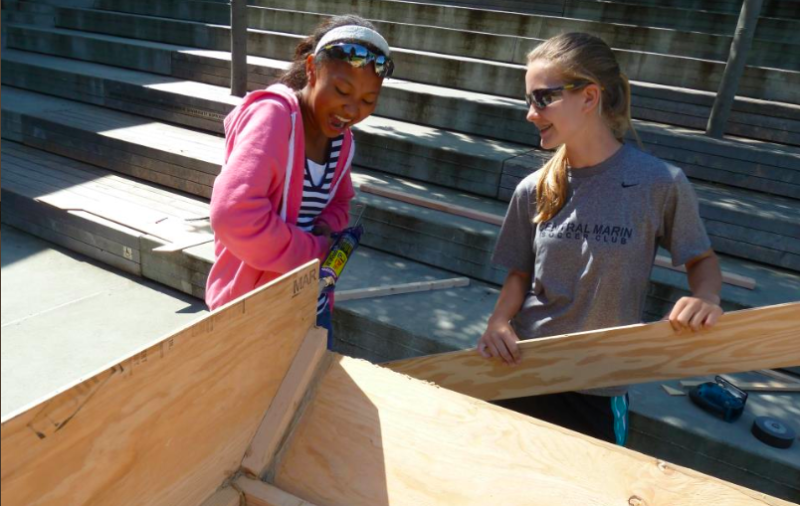
"caption": "As part of the school's Maker Lab, Marin Country Day students spend the last few weeks of school building projects.",
"description": null,
"title": "Screen-Shot-2012-05-23-at-7.19.42-AM",
"credit": null,
"status": "inherit",
"isLoading": false,
"fetchFailed": false
},
"mindshift_17637": {
"type": "attachments",
"id": "mindshift_17637",
"meta": {
"index": "attachments_1716263798",
"site": "mindshift",
"id": "17637",
"found": true
},
"parent": 17632,
"imgSizes": {
"thumbnail": {
"file": "https://ww2.kqed.org/app/uploads/sites/23/2011/12/Screen-shot-2011-12-21-at-3.00.34-PM-400x224.png",
"width": 400,
"mimeType": "image/png",
"height": 224
},
"fd-sm": {
"file": "https://ww2.kqed.org/app/uploads/sites/23/2011/12/Screen-shot-2011-12-21-at-3.00.34-PM-320x179.png",
"width": 320,
"mimeType": "image/png",
"height": 179
},
"kqedFullSize": {
"file": "https://ww2.kqed.org/app/uploads/sites/23/2011/12/Screen-shot-2011-12-21-at-3.00.34-PM.png",
"width": 438,
"height": 245
},
"guest-author-96": {
"file": "https://ww2.kqed.org/app/uploads/sites/23/2011/12/Screen-shot-2011-12-21-at-3.00.34-PM-96x96.png",
"width": 96,
"mimeType": "image/png",
"height": 96
},
"guest-author-64": {
"file": "https://ww2.kqed.org/app/uploads/sites/23/2011/12/Screen-shot-2011-12-21-at-3.00.34-PM-64x64.png",
"width": 64,
"mimeType": "image/png",
"height": 64
},
"detail": {
"file": "https://ww2.kqed.org/app/uploads/sites/23/2011/12/Screen-shot-2011-12-21-at-3.00.34-PM-75x75.png",
"width": 75,
"mimeType": "image/png",
"height": 75
},
"guest-author-32": {
"file": "https://ww2.kqed.org/app/uploads/sites/23/2011/12/Screen-shot-2011-12-21-at-3.00.34-PM-32x32.png",
"width": 32,
"mimeType": "image/png",
"height": 32
},
"guest-author-128": {
"file": "https://ww2.kqed.org/app/uploads/sites/23/2011/12/Screen-shot-2011-12-21-at-3.00.34-PM-128x128.png",
"width": 128,
"mimeType": "image/png",
"height": 128
}
},
"publishDate": 1324508534,
"modified": 1324508534,
"caption": "Creating a Common Craft-style video is part of the classroom assignment.",
"description": null,
"title": "Screen shot 2011-12-21 at 3.00.34 PM",
"credit": null,
"status": "inherit",
"isLoading": false,
"fetchFailed": false
},
"mindshift_14152": {
"type": "attachments",
"id": "mindshift_14152",
"meta": {
"index": "attachments_1716263798",
"site": "mindshift",
"id": "14152",
"found": true
},
"parent": 14136,
"imgSizes": {
"thumbnail": {
"file": "https://ww2.kqed.org/app/uploads/sites/23/2011/07/Screen-shot-2011-07-27-at-1.30.12-PM-400x294.png",
"width": 400,
"mimeType": "image/png",
"height": 294
},
"fd-sm": {
"file": "https://ww2.kqed.org/app/uploads/sites/23/2011/07/Screen-shot-2011-07-27-at-1.30.12-PM-320x235.png",
"width": 320,
"mimeType": "image/png",
"height": 235
},
"post-thumbnail": {
"file": "https://ww2.kqed.org/app/uploads/sites/23/2011/07/Screen-shot-2011-07-27-at-1.30.12-PM-672x372.png",
"width": 672,
"mimeType": "image/png",
"height": 372
},
"kqedFullSize": {
"file": "https://ww2.kqed.org/app/uploads/sites/23/2011/07/Screen-shot-2011-07-27-at-1.30.12-PM.png",
"width": 768,
"height": 564
},
"fd-med": {
"file": "https://ww2.kqed.org/app/uploads/sites/23/2011/07/Screen-shot-2011-07-27-at-1.30.12-PM-768x564.png",
"width": 768,
"mimeType": "image/png",
"height": 564
},
"guest-author-96": {
"file": "https://ww2.kqed.org/app/uploads/sites/23/2011/07/Screen-shot-2011-07-27-at-1.30.12-PM-96x96.png",
"width": 96,
"mimeType": "image/png",
"height": 96
},
"guest-author-64": {
"file": "https://ww2.kqed.org/app/uploads/sites/23/2011/07/Screen-shot-2011-07-27-at-1.30.12-PM-64x64.png",
"width": 64,
"mimeType": "image/png",
"height": 64
},
"detail": {
"file": "https://ww2.kqed.org/app/uploads/sites/23/2011/07/Screen-shot-2011-07-27-at-1.30.12-PM-75x75.png",
"width": 75,
"mimeType": "image/png",
"height": 75
},
"guest-author-32": {
"file": "https://ww2.kqed.org/app/uploads/sites/23/2011/07/Screen-shot-2011-07-27-at-1.30.12-PM-32x32.png",
"width": 32,
"mimeType": "image/png",
"height": 32
},
"guest-author-128": {
"file": "https://ww2.kqed.org/app/uploads/sites/23/2011/07/Screen-shot-2011-07-27-at-1.30.12-PM-128x128.png",
"width": 128,
"mimeType": "image/png",
"height": 128
}
},
"publishDate": 1311798868,
"modified": 1311798868,
"caption": "At ECP, Makeal and his classmates attend an after-school enrichment program.",
"description": null,
"title": "workshop",
"credit": null,
"status": "inherit",
"isLoading": false,
"fetchFailed": false
},
"mindshift_13709": {
"type": "attachments",
"id": "mindshift_13709",
"meta": {
"index": "attachments_1716263798",
"site": "mindshift",
"id": "13709",
"found": true
},
"parent": 13688,
"imgSizes": {
"thumbnail": {
"file": "https://ww2.kqed.org/app/uploads/sites/23/2011/07/Screen-shot-2011-07-14-at-12.48.39-PM-400x400.png",
"width": 400,
"mimeType": "image/png",
"height": 400
},
"fd-sm": {
"file": "https://ww2.kqed.org/app/uploads/sites/23/2011/07/Screen-shot-2011-07-14-at-12.48.39-PM-320x320.png",
"width": 320,
"mimeType": "image/png",
"height": 320
},
"post-thumbnail": {
"file": "https://ww2.kqed.org/app/uploads/sites/23/2011/07/Screen-shot-2011-07-14-at-12.48.39-PM-524x372.png",
"width": 524,
"mimeType": "image/png",
"height": 372
},
"kqedFullSize": {
"file": "https://ww2.kqed.org/app/uploads/sites/23/2011/07/Screen-shot-2011-07-14-at-12.48.39-PM.png",
"width": 524,
"height": 524
},
"guest-author-96": {
"file": "https://ww2.kqed.org/app/uploads/sites/23/2011/07/Screen-shot-2011-07-14-at-12.48.39-PM-96x96.png",
"width": 96,
"mimeType": "image/png",
"height": 96
},
"guest-author-64": {
"file": "https://ww2.kqed.org/app/uploads/sites/23/2011/07/Screen-shot-2011-07-14-at-12.48.39-PM-64x64.png",
"width": 64,
"mimeType": "image/png",
"height": 64
},
"detail": {
"file": "https://ww2.kqed.org/app/uploads/sites/23/2011/07/Screen-shot-2011-07-14-at-12.48.39-PM-75x75.png",
"width": 75,
"mimeType": "image/png",
"height": 75
},
"guest-author-32": {
"file": "https://ww2.kqed.org/app/uploads/sites/23/2011/07/Screen-shot-2011-07-14-at-12.48.39-PM-32x32.png",
"width": 32,
"mimeType": "image/png",
"height": 32
},
"guest-author-128": {
"file": "https://ww2.kqed.org/app/uploads/sites/23/2011/07/Screen-shot-2011-07-14-at-12.48.39-PM-128x128.png",
"width": 128,
"mimeType": "image/png",
"height": 128
}
},
"publishDate": 1310673557,
"modified": 1310673557,
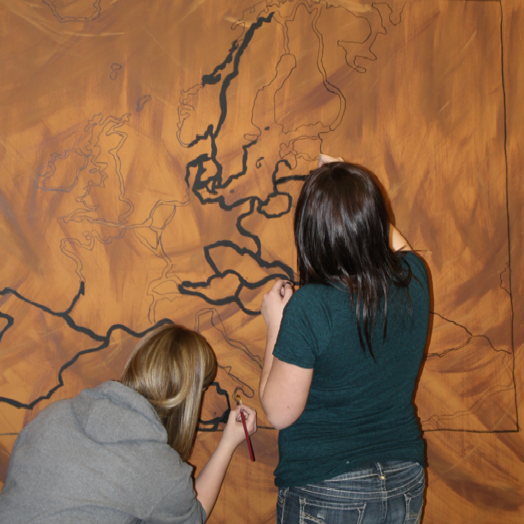
"caption": "Students work on the Holocaust exhibit.",
"description": null,
"title": "Screen shot 2011-07-14 at 12.48.39 PM",
"credit": null,
"status": "inherit",
"isLoading": false,
"fetchFailed": false
},
"mindshift_7315": {
"type": "attachments",
"id": "mindshift_7315",
"meta": {
"index": "attachments_1716263798",
"site": "mindshift",
"id": "7315",
"found": true
},
"parent": 7290,
"imgSizes": {
"kqedFullSize": {
"file": "https://ww2.kqed.org/app/uploads/sites/23/2011/01/MS_school_future_medium3.jpg",
"width": 140,
"height": 140
},
"guest-author-96": {
"file": "https://ww2.kqed.org/app/uploads/sites/23/2011/01/MS_school_future_medium3-96x96.jpg",
"width": 96,
"mimeType": "image/jpeg",
"height": 96
},
"guest-author-64": {
"file": "https://ww2.kqed.org/app/uploads/sites/23/2011/01/MS_school_future_medium3-64x64.jpg",
"width": 64,
"mimeType": "image/jpeg",
"height": 64
},
"detail": {
"file": "https://ww2.kqed.org/app/uploads/sites/23/2011/01/MS_school_future_medium3-75x75.jpg",
"width": 75,
"mimeType": "image/jpeg",
"height": 75
},
"guest-author-32": {
"file": "https://ww2.kqed.org/app/uploads/sites/23/2011/01/MS_school_future_medium3-32x32.jpg",
"width": 32,
"mimeType": "image/jpeg",
"height": 32
},
"guest-author-128": {
"file": "https://ww2.kqed.org/app/uploads/sites/23/2011/01/MS_school_future_medium3-128x128.jpg",
"width": 128,
"mimeType": "image/jpeg",
"height": 128
}
},
"publishDate": 1296239695,
"modified": 1296239695,
"caption": null,
"description": null,
"title": "MS_school_future_medium",
"credit": null,
"status": "inherit",
"isLoading": false,
"fetchFailed": false
},
"mindshift_6069": {
"type": "attachments",
"id": "mindshift_6069",
"meta": {
"index": "attachments_1716263798",
"site": "mindshift",
"id": "6069",
"found": true
},
"parent": 6065,
"imgSizes": {
"twentyfourteen-full-width": {
"file": "https://ww2.kqed.org/app/uploads/sites/23/2011/01/10_11.15_newtech_0427-1038x576.jpg",
"width": 1038,
"mimeType": "image/jpeg",
"height": 576
},
"thumbnail": {
"file": "https://ww2.kqed.org/app/uploads/sites/23/2011/01/10_11.15_newtech_0427-400x266.jpg",
"width": 400,
"mimeType": "image/jpeg",
"height": 266
},
"fd-sm": {
"file": "https://ww2.kqed.org/app/uploads/sites/23/2011/01/10_11.15_newtech_0427-320x213.jpg",
"width": 320,
"mimeType": "image/jpeg",
"height": 213
},
"post-thumbnail": {
"file": "https://ww2.kqed.org/app/uploads/sites/23/2011/01/10_11.15_newtech_0427-672x372.jpg",
"width": 672,
"mimeType": "image/jpeg",
"height": 372
},
"kqedFullSize": {
"file": "https://ww2.kqed.org/app/uploads/sites/23/2011/01/10_11.15_newtech_0427.jpg",
"width": 1440,
"height": 958
},
"large": {
"file": "https://ww2.kqed.org/app/uploads/sites/23/2011/01/10_11.15_newtech_0427-1440x958.jpg",
"width": 1440,
"mimeType": "image/jpeg",
"height": 958
},
"guest-author-96": {
"file": "https://ww2.kqed.org/app/uploads/sites/23/2011/01/10_11.15_newtech_0427-96x96.jpg",
"width": 96,
"mimeType": "image/jpeg",
"height": 96
},
"medium": {
"file": "https://ww2.kqed.org/app/uploads/sites/23/2011/01/10_11.15_newtech_0427-800x532.jpg",
"width": 800,
"mimeType": "image/jpeg",
"height": 532
},
"guest-author-64": {
"file": "https://ww2.kqed.org/app/uploads/sites/23/2011/01/10_11.15_newtech_0427-64x64.jpg",
"width": 64,
"mimeType": "image/jpeg",
"height": 64
},
"guest-author-32": {
"file": "https://ww2.kqed.org/app/uploads/sites/23/2011/01/10_11.15_newtech_0427-32x32.jpg",
"width": 32,
"mimeType": "image/jpeg",
"height": 32
},
"fd-lrg": {
"file": "https://ww2.kqed.org/app/uploads/sites/23/2011/01/10_11.15_newtech_0427-1180x785.jpg",
"width": 1180,
"mimeType": "image/jpeg",
"height": 785
},
"fd-med": {
"file": "https://ww2.kqed.org/app/uploads/sites/23/2011/01/10_11.15_newtech_0427-768x511.jpg",
"width": 768,
"mimeType": "image/jpeg",
"height": 511
},
"detail": {
"file": "https://ww2.kqed.org/app/uploads/sites/23/2011/01/10_11.15_newtech_0427-75x75.jpg",
"width": 75,
"mimeType": "image/jpeg",
"height": 75
},
"guest-author-128": {
"file": "https://ww2.kqed.org/app/uploads/sites/23/2011/01/10_11.15_newtech_0427-128x128.jpg",
"width": 128,
"mimeType": "image/jpeg",
"height": 128
}
},
"publishDate": 1294257541,
"modified": 1294257541,
"caption": null,
"description": null,
"title": "10_11.15_newtech_0427",
"credit": null,
"status": "inherit",
"isLoading": false,
"fetchFailed": false
}
},
"audioPlayerReducer": {
"postId": "stream_live",
"isPaused": true,
"isPlaying": false,
"pfsActive": false,
"pledgeModalIsOpen": true,
"playerDrawerIsOpen": false,
"liveAudioPlayStartedAt": 0,
"liveAudioPlayContext": ""
},
"authorsReducer": {
"tbarseghian": {
"type": "authors",
"id": "180",
"meta": {
"index": "authors_1716337520",
"id": "180",
"found": true
},
"name": "Tina Barseghian",
"firstName": "Tina",
"lastName": "Barseghian",
"slug": "tbarseghian",
"email": "tbarseghian@kqed.org",
"display_author_email": false,
"staff_mastheads": [],
"title": null,
"bio": null,
"avatar": "https://secure.gravatar.com/avatar/de7e6ced1239b7018fe4d2b61f723c90?s=600&d=blank&r=g",
"twitter": null,
"facebook": null,
"instagram": null,
"linkedin": null,
"sites": [
{
"site": "styleguide",
"roles": [
"contributor"
]
},
{
"site": "news",
"roles": [
"subscriber"
]
},
{
"site": "mindshift",
"roles": [
"subscriber"
]
},
{
"site": "bayareabites",
"roles": [
"subscriber"
]
}
],
"headData": {
"title": "Tina Barseghian | KQED",
"description": null,
"ogImgSrc": "https://secure.gravatar.com/avatar/de7e6ced1239b7018fe4d2b61f723c90?s=600&d=blank&r=g",
"twImgSrc": "https://secure.gravatar.com/avatar/de7e6ced1239b7018fe4d2b61f723c90?s=600&d=blank&r=g"
},
"isLoading": false,
"link": "/author/tbarseghian"
},
"mindshift": {
"type": "authors",
"id": "4354",
"meta": {
"index": "authors_1716337520",
"id": "4354",
"found": true
},
"name": "MindShift",
"firstName": "MindShift",
"lastName": null,
"slug": "mindshift",
"email": "tina@barseghian.com",
"display_author_email": false,
"staff_mastheads": [],
"title": null,
"bio": null,
"avatar": "https://secure.gravatar.com/avatar/ae7f1f73a229130205aa5f57b55eaf16?s=600&d=blank&r=g",
"twitter": null,
"facebook": null,
"instagram": null,
"linkedin": null,
"sites": [
{
"site": "arts",
"roles": [
"author"
]
},
{
"site": "mindshift",
"roles": [
"editor"
]
}
],
"headData": {
"title": "MindShift | KQED",
"description": null,
"ogImgSrc": "https://secure.gravatar.com/avatar/ae7f1f73a229130205aa5f57b55eaf16?s=600&d=blank&r=g",
"twImgSrc": "https://secure.gravatar.com/avatar/ae7f1f73a229130205aa5f57b55eaf16?s=600&d=blank&r=g"
},
"isLoading": false,
"link": "/author/mindshift"
}
},
"pagesReducer": {
"mindshift_tag_project-based-learning": {
"type": "terms",
"id": "mindshift_256",
"meta": {
"index": "terms_1716263798",
"site": "mindshift",
"id": "256",
"score": 10.400594
},
"featImg": null,
"name": "Project Based Learning",
"description": "Educators use Project Based Learning to allow students to make projects as they learn certain subjects.",
"taxonomy": "tag",
"headData": {
"twImgId": null,
"twTitle": null,
"ogTitle": null,
"ogImgId": null,
"twDescription": null,
"description": "Educators use Project Based Learning to allow students to make projects as they learn certain subjects.",
"title": "Project Based Learning Archives - KQED Mindshift",
"ogDescription": null
},
"ttid": 256,
"slug": "project-based-learning",
"isLoading": false,
"title": "Project Based Learning",
"pageMeta": {
"site": "mindshift",
"WpPageTemplate": "page-topic-editorial",
"currentPage": 8
},
"blocks": [
{
"blockName": "kqed/company-paragraph",
"content": "Educators use Project Based Learning to allow students to make projects as they learn certain subjects."
},
{
"blockName": "kqed/post-list",
"attrs": {
"layout": "cardArticle2",
"query": "posts/mindshift?tag=project-based-learning",
"seeMore": false,
"paginated": true,
"page": 8
}
},
{
"blockName": "kqed/ad"
}
]
}
},
"pfsSessionReducer": {},
"postsReducer": {
"stream_live": {
"type": "live",
"id": "stream_live",
"audioUrl": "https://streams.kqed.org/kqedradio",
"title": "Live Stream",
"excerpt": "Live Stream information currently unavailable.",
"link": "/radio",
"featImg": "",
"label": {
"name": "KQED Live",
"link": "/"
}
},
"stream_kqedNewscast": {
"type": "posts",
"id": "stream_kqedNewscast",
"audioUrl": "https://www.kqed.org/.stream/anon/radio/RDnews/newscast.mp3?_=1",
"title": "KQED Newscast",
"featImg": "",
"label": {
"name": "88.5 FM",
"link": "/"
}
},
"mindshift_22845": {
"type": "posts",
"id": "mindshift_22845",
"meta": {
"index": "posts_1716263798",
"site": "mindshift",
"id": "22845",
"score": null,
"sort": [
1342718788000
]
},
"parent": 0,
"labelTerm": {
"site": "mindshift"
},
"blocks": [],
"publishDate": 1342718788,
"format": "aside",
"disqusTitle": "What's the Best Way to Practice Project Based Learning?",
"title": "What's the Best Way to Practice Project Based Learning?",
"headTitle": "MindShift | KQED News",
"content": "\u003cdiv id=\"attachment_22851\" class=\"module image aligncenter mceTemp mceIEcenter\" style=\"width: 620px\">\u003ca href=\"http://ww2.kqed.org/mindshift/wp-content/uploads/sites/23/2012/07/Kids-computers.jpg\">\u003cimg class=\"size-large wp-image-22851\" title=\"Kids computers\" src=\"http://ww2.kqed.org/mindshift/wp-content/uploads/sites/23/2012/07/Kids-computers-620x412.jpg\" alt=\"\" width=\"620\" height=\"412\">\u003c/a>\n\u003cp class=\"wp-media-credit\">TB\u003c/p>\n\u003c/div>\n\u003ch5>\u003ca href=\"http://plpnetwork.com/author/peter/\">By Peter Skillen\u003c/a>\u003c/h5>\n\u003cp class=\"dropcap-serif\">Project Based Learning can mean different things to different people, and can be practiced in a variety of ways. For educators who want to dive in, the good news is that a rich trove of resources are available.\u003c/p>\n\u003cp>In order to create your own definition and practice, here are some parameters to consider. This diagram, enhanced by the critical eye of \u003ca href=\"http://brendasherry.com\">Brenda Sherry\u003c/a>, can help you figure out what's important to you and your students.\u003c/p>\n\u003cp>\u003ca href=\"http://plpnetwork.com/wp-content/uploads/2012/07/PBL-Continua.png\">\u003cimg title=\"PBL-Continua\" src=\"http://plpnetwork.com/wp-content/uploads/2012/07/PBL-Continua.png\" alt=\"\" width=\"448\" height=\"335\">\u003c/a>\u003c/p>\n\u003cp>We like to think with the frame of continua rather than dichotomies simply because things are rarely on or off, black or white, ones or zeroes. Flipping from one end to the other may not be the best solution, though. You may choose to slide more in one direction, the student’s experience, the \u003c!--more-->purpose, type of project, and so on.\u003c/p>\n\u003cp>You could likely add other dimensions to consider as you build your own understandings and beliefs.\u003c/p>\n\u003cp>[ad fullwidth]\u003c/p>\n\u003cp>\u003cstrong>TRUST\u003c/strong>\u003c/p>\n\u003cp>Who is in control? Who is initiating the project? Whose passion is being honored with the project? Who is setting the goals, timelines, and motivation? Are you scaffolding the students’ success through templates, calendars, checklists, rubrics or are you unwittingly stealing their locus of control and micromanaging them.\u003c/p>\n\u003cp>\u003cstrong>QUESTIONING\u003c/strong>\u003c/p>\n\u003cp>Who is asking the question to be investigated in the project? The student or the teacher? Is the question a ‘deep, driving question’? Is it a ‘fat’ question or a ‘skinny’ one?\u003c/p>\n\u003cp>\u003cstrong>COLLABORATION\u003c/strong>\u003c/p>\n\u003cp>If the projects are collaborative in nature, you may wish to consider the amount of interdependence that students have with one another. Are they merely gluing their parts together to make a whole or do their conversations and co-creations lead to a whole that is greater than the sum of its parts?\u003c/p>\n\u003cp>\u003cstrong>CONTENT\u003c/strong>\u003c/p>\n\u003cp>Is the content a rich, deep problem space or is it a more narrowly focused content area? Are there natural links to other domains that provide a context or is the content deconstructed to remove seemingly distracting and disparate information?\u003c/p>\n\u003cp>\u003cstrong>KNOWLEDGE\u003c/strong>\u003c/p>\n\u003cp>Are the students involved in constructing new meanings and understandings or are they simply retelling in their own words information they have found during their research? Have you built in mechanisms (blogs, wiki, vokis, public journal writing, etc.) so that student thinking is made visible, transparent and discussable or is most student process hidden and unavailable to others?\u003c/p>\n\u003cp>\u003cstrong>PURPOSE\u003c/strong>\u003c/p>\n\u003cp>How authentic is the problem under investigation? Are students ‘being’ scientists, historians or geographers and so on, or are they ‘studying’ science, history and geography? How much is the project based in the real world of the student? Is it purposeful for them?\u003c/p>\n\u003cp>\u003cstrong>RESOURCES FOR PROJECT-BASED LEARNING\u003c/strong>\u003c/p>\n\u003cul>\n\u003cli>\u003ca href=\"http://tech2learn.wikispaces.com\">Tech2Learn wiki\u003c/a> has a \u003ca href=\"http://tech2learn.wikispaces.com/Project-Based+Learning\">Project-Based Learning page\u003c/a> developed for workshops. It includes resources from the best of the best:\u003c/li>\n\u003cli>\u003ca href=\"http://www.amazon.com/Reinventing-Project-Based-Learning-Real-World-Projects/dp/156484238X\">Jane Krauss and Suzie Boss\u003c/a>\u003ca href=\"http://www.amazon.com/Reinventing-Project-Based-Learning-Real-World-Projects/dp/156484238X\"> – Reinventing Project-based Learning\u003c/a>\u003c/li>\n\u003cli>\u003ca href=\"http://edutopia.org\">Edutopia\u003c/a>\u003c/li>\n\u003cli>\u003ca href=\"http://www.bie.org\">Buck Institute for Education\u003c/a>\u003c/li>\n\u003cli>\u003ca href=\"http://www.amazon.com/Powerful-Learning-About-Teaching-Understanding/dp/0470276673/ref=sr_1_2?s=books&ie=UTF8&qid=1323106810&sr=1-2\">Linda Darling-Hammond – Powerful Learning\u003c/a>\u003c/li>\n\u003cli>\u003ca href=\"http://brendasherry.com/\">Learning Zone\u003c/a> and \u003ca href=\"http://theconstructionzone.wordpress.com/Blog/\">The Construction Zone\u003c/a> also offer more information.\u003c/li>\n\u003c/ul>\n\u003cp> \u003c/p>\n\u003cp>\u003cem>\u003cstrong>Chart:\u003c/strong> Effective PBL Continua by Peter Skillen & Brenda Sherry is licensed under a \u003ca href=\"http://creativecommons.org/licenses/by-nc-sa/3.0/\" rel=\"license\">Creative Commons Attribution-NonCommercial-ShareAlike 3.0 Unported License\u003c/a>.\u003c/em>\u003c/p>\n\u003cp>\u003c/p>\n\u003cp>\u003cem>This post originally appeared on \u003ca href=\"http://plpnetwork.com/2012/07/13/pbl-right/\">Voices from the Learning Revolution\u003c/a>.\u003c/em>\u003c/p>\n\n",
"disqusIdentifier": "22845 http://blogs.kqed.org/mindshift/?p=22845",
"disqusUrl": "https://ww2.kqed.org/mindshift/2012/07/19/whats-the-best-way-to-practice-project-based-learning/",
"stats": {
"hasVideo": false,
"hasChartOrMap": false,
"hasAudio": false,
"hasPolis": false,
"wordCount": 546,
"hasGoogleForm": false,
"hasGallery": false,
"hasHearkenModule": false,
"iframeSrcs": [],
"paragraphCount": 21
},
"modified": 1342718788,
"excerpt": null,
"headData": {
"twImgId": "",
"twTitle": "",
"ogTitle": "",
"ogImgId": "",
"twDescription": "",
"description": "TB By Peter Skillen Project Based Learning can mean different things to different people, and can be practiced in a variety of ways. For educators who want to dive in, the good news is that a rich trove of resources are available. In order to create your own definition and practice, here are some parameters",
"title": "What's the Best Way to Practice Project Based Learning? | KQED",
"ogDescription": "",
"schema": {
"@context": "https://schema.org",
"@type": "Article",
"headline": "What's the Best Way to Practice Project Based Learning?",
"datePublished": "2012-07-19T10:26:28-07:00",
"dateModified": "2012-07-19T10:26:28-07:00",
"image": "https://cdn.kqed.org/wp-content/uploads/2020/02/KQED-OG-Image@1x.png"
}
},
"guestAuthors": [],
"slug": "whats-the-best-way-to-practice-project-based-learning",
"status": "publish",
"path": "/mindshift/22845/whats-the-best-way-to-practice-project-based-learning",
"audioTrackLength": null,
"parsedContent": [
{
"type": "contentString",
"content": "\u003cdiv class=\"post-body\">\u003cp>\u003cdiv id=\"attachment_22851\" class=\"module image aligncenter mceTemp mceIEcenter\" style=\"width: 620px\">\u003ca href=\"http://ww2.kqed.org/mindshift/wp-content/uploads/sites/23/2012/07/Kids-computers.jpg\">\u003cimg class=\"size-large wp-image-22851\" title=\"Kids computers\" src=\"http://ww2.kqed.org/mindshift/wp-content/uploads/sites/23/2012/07/Kids-computers-620x412.jpg\" alt=\"\" width=\"620\" height=\"412\">\u003c/a>\n\u003cp class=\"wp-media-credit\">TB\u003c/p>\n\u003c/div>\n\u003ch5>\u003ca href=\"http://plpnetwork.com/author/peter/\">By Peter Skillen\u003c/a>\u003c/h5>\n\u003cp class=\"dropcap-serif\">Project Based Learning can mean different things to different people, and can be practiced in a variety of ways. For educators who want to dive in, the good news is that a rich trove of resources are available.\u003c/p>\n\u003cp>In order to create your own definition and practice, here are some parameters to consider. This diagram, enhanced by the critical eye of \u003ca href=\"http://brendasherry.com\">Brenda Sherry\u003c/a>, can help you figure out what's important to you and your students.\u003c/p>\n\u003cp>\u003ca href=\"http://plpnetwork.com/wp-content/uploads/2012/07/PBL-Continua.png\">\u003cimg title=\"PBL-Continua\" src=\"http://plpnetwork.com/wp-content/uploads/2012/07/PBL-Continua.png\" alt=\"\" width=\"448\" height=\"335\">\u003c/a>\u003c/p>\n\u003cp>We like to think with the frame of continua rather than dichotomies simply because things are rarely on or off, black or white, ones or zeroes. Flipping from one end to the other may not be the best solution, though. You may choose to slide more in one direction, the student’s experience, the \u003c!--more-->purpose, type of project, and so on.\u003c/p>\n\u003cp>You could likely add other dimensions to consider as you build your own understandings and beliefs.\u003c/p>\n\u003cp>\u003c/p>\u003c/div>",
"attributes": {
"named": {},
"numeric": []
}
},
{
"type": "component",
"content": "",
"name": "ad",
"attributes": {
"named": {
"label": "fullwidth"
},
"numeric": [
"fullwidth"
]
}
},
{
"type": "contentString",
"content": "\u003cdiv class=\"post-body\">\u003cp>\u003c/p>\n\u003cp>\u003cstrong>TRUST\u003c/strong>\u003c/p>\n\u003cp>Who is in control? Who is initiating the project? Whose passion is being honored with the project? Who is setting the goals, timelines, and motivation? Are you scaffolding the students’ success through templates, calendars, checklists, rubrics or are you unwittingly stealing their locus of control and micromanaging them.\u003c/p>\n\u003cp>\u003cstrong>QUESTIONING\u003c/strong>\u003c/p>\n\u003cp>Who is asking the question to be investigated in the project? The student or the teacher? Is the question a ‘deep, driving question’? Is it a ‘fat’ question or a ‘skinny’ one?\u003c/p>\n\u003cp>\u003cstrong>COLLABORATION\u003c/strong>\u003c/p>\n\u003cp>If the projects are collaborative in nature, you may wish to consider the amount of interdependence that students have with one another. Are they merely gluing their parts together to make a whole or do their conversations and co-creations lead to a whole that is greater than the sum of its parts?\u003c/p>\n\u003cp>\u003cstrong>CONTENT\u003c/strong>\u003c/p>\n\u003cp>Is the content a rich, deep problem space or is it a more narrowly focused content area? Are there natural links to other domains that provide a context or is the content deconstructed to remove seemingly distracting and disparate information?\u003c/p>\n\u003cp>\u003cstrong>KNOWLEDGE\u003c/strong>\u003c/p>\n\u003cp>Are the students involved in constructing new meanings and understandings or are they simply retelling in their own words information they have found during their research? Have you built in mechanisms (blogs, wiki, vokis, public journal writing, etc.) so that student thinking is made visible, transparent and discussable or is most student process hidden and unavailable to others?\u003c/p>\n\u003cp>\u003cstrong>PURPOSE\u003c/strong>\u003c/p>\n\u003cp>How authentic is the problem under investigation? Are students ‘being’ scientists, historians or geographers and so on, or are they ‘studying’ science, history and geography? How much is the project based in the real world of the student? Is it purposeful for them?\u003c/p>\n\u003cp>\u003cstrong>RESOURCES FOR PROJECT-BASED LEARNING\u003c/strong>\u003c/p>\n\u003cul>\n\u003cli>\u003ca href=\"http://tech2learn.wikispaces.com\">Tech2Learn wiki\u003c/a> has a \u003ca href=\"http://tech2learn.wikispaces.com/Project-Based+Learning\">Project-Based Learning page\u003c/a> developed for workshops. It includes resources from the best of the best:\u003c/li>\n\u003cli>\u003ca href=\"http://www.amazon.com/Reinventing-Project-Based-Learning-Real-World-Projects/dp/156484238X\">Jane Krauss and Suzie Boss\u003c/a>\u003ca href=\"http://www.amazon.com/Reinventing-Project-Based-Learning-Real-World-Projects/dp/156484238X\"> – Reinventing Project-based Learning\u003c/a>\u003c/li>\n\u003cli>\u003ca href=\"http://edutopia.org\">Edutopia\u003c/a>\u003c/li>\n\u003cli>\u003ca href=\"http://www.bie.org\">Buck Institute for Education\u003c/a>\u003c/li>\n\u003cli>\u003ca href=\"http://www.amazon.com/Powerful-Learning-About-Teaching-Understanding/dp/0470276673/ref=sr_1_2?s=books&ie=UTF8&qid=1323106810&sr=1-2\">Linda Darling-Hammond – Powerful Learning\u003c/a>\u003c/li>\n\u003cli>\u003ca href=\"http://brendasherry.com/\">Learning Zone\u003c/a> and \u003ca href=\"http://theconstructionzone.wordpress.com/Blog/\">The Construction Zone\u003c/a> also offer more information.\u003c/li>\n\u003c/ul>\n\u003cp> \u003c/p>\n\u003cp>\u003cem>\u003cstrong>Chart:\u003c/strong> Effective PBL Continua by Peter Skillen & Brenda Sherry is licensed under a \u003ca href=\"http://creativecommons.org/licenses/by-nc-sa/3.0/\" rel=\"license\">Creative Commons Attribution-NonCommercial-ShareAlike 3.0 Unported License\u003c/a>.\u003c/em>\u003c/p>\n\u003cp>\u003c/p>\n\u003cp>\u003cem>This post originally appeared on \u003ca href=\"http://plpnetwork.com/2012/07/13/pbl-right/\">Voices from the Learning Revolution\u003c/a>.\u003c/em>\u003c/p>\n\n\u003c/div>\u003c/p>",
"attributes": {
"named": {},
"numeric": []
}
}
],
"link": "/mindshift/22845/whats-the-best-way-to-practice-project-based-learning",
"authors": [
"4354"
],
"categories": [
"mindshift_193"
],
"tags": [
"mindshift_256"
],
"featImg": "mindshift_22851",
"label": "mindshift"
},
"mindshift_21596": {
"type": "posts",
"id": "mindshift_21596",
"meta": {
"index": "posts_1716263798",
"site": "mindshift",
"id": "21596",
"score": null,
"sort": [
1337786276000
]
},
"parent": 0,
"labelTerm": {
"site": "mindshift",
"term": 20656
},
"blocks": [],
"publishDate": 1337786276,
"format": "aside",
"disqusTitle": "Building a Bridge to Summer with Projects",
"title": "Building a Bridge to Summer with Projects",
"headTitle": "PROJECT BASED LEARNING | MindShift | KQED News",
"content": "\u003cfigure id=\"attachment_21617\" class=\"wp-caption center\" style=\"max-width: 620px\">\u003ca href=\"http://ww2.kqed.org/mindshift/wp-content/uploads/sites/23/2012/05/Screen-Shot-2012-05-23-at-7.19.42-AM.png\">\u003cimg class=\"size-large wp-image-21617\" title=\"\" src=\"http://ww2.kqed.org/mindshift/wp-content/uploads/sites/23/2012/05/Screen-Shot-2012-05-23-at-7.19.42-AM-620x392.png\" alt=\"\" width=\"620\" height=\"392\">\u003c/a>\u003cfigcaption class=\"wp-caption-text\">As part of the school's Maker Lab, Marin Country Day students spend the last few weeks of school building projects.\u003c/figcaption>\u003c/figure>\n\u003cp>\u003cspan style=\"font-size: x-small\">By Matt Levinson\u003c/span>\u003c/p>\n\u003cp class=\"dropcap-serif\">The month of May can be a tough time for schools. The end of the year brings mixed emotions for students, teachers and parents, as they prepare for transition into the summer months. Keeping the same routines can be reassuring for some, but recasting school in terms of time and space can galvanize students and teachers and launch them into the summer full of energy and inspiration.\u003c/p>\n\u003cp>One school in the Bay Area is rethinking how to finish the year. Instead of proceeding with classes as usual, Marin Country Day School organizes a variety of projects for 7th and 8th grade students that provide opportunities to dig deep, build, learn and perform together.\u003c/p>\n\u003cp>\"It feels like the first day of school all over again, with the same excitement and energy of a new schedule and new beginnings,\" says Ted Saltveit, Upper School English Teacher and 8th Grade Class Dean.\"Projects come at just the right time, when motivation is waning and students need a kick start and re-ignition.\"\u003c/p>\n\u003cp>That's not a bad feeling this time of year, as the school builds a bridge to the summer months in order to continue to cultivate a love of learning.\u003c/p>\n\u003cp>[ad fullwidth]\u003c/p>\n\u003cp>The projects inspire risk-taking and hands-on learning by breaking down the traditional classroom walls and build trust between teachers and students.\u003c/p>\n\u003caside class=\"pullquote alignleft\">\n\u003cp>\"It feels like the first day of school all over again.\"\u003c/p>\n\u003c/aside>\n\u003cp>The experiences are different for each grade. Eighth-grade students work in their area of choice -- anything from producing a play, to marine science projects, to making food. Some examples:\u003c/p>\n\u003cul>\n\u003cli>Students produce an entire play, and do everything that entails: write, perform, build sets/costumes, sing, dance and be a part of an original production of their own design.\u003c/li>\n\u003cli>Students explore water dynamics in boats on the ocean, understand steering, traction and locomotion in cars on land, and explore aerodynamics in the air. To do this, they go kayaking, ride in boats, get into racecars and wind tunnels, then apply what they know. They work as part of a team of designers pitted against other designers to travel quickly and efficiently.\u003c/li>\n\u003cli>Marine science students learn how oysters are farmed, why elephant seals are so loud and how El Nino is affecting mole crab populations at nearby Rodeo Beach. Students spend two \u003c!--more-->nights in Point Reyes and travel around the Bay Area for field trips playing the role of marine scientists, and learn about environmental stewardship.\u003c/li>\n\u003cli>Food-focused students work on food production, appreciation, culture and preparation, digging into the concept of farm to table, looking closely at the food footprint, debating and considering the push to eat local. Students write and document their experiences as they visit local markets and stores and meet with chefs to further understand the complexity of food production and distribution. Students prepare different meals for members of the community.\u003c/li>\n\u003c/ul>\n\u003cp>The seventh-grade projects take on a different structure as each student rotates through a daily project cycle. Here's what they do:\u003c/p>\n\u003cul>\n\u003cli>CSI Crime Scene Investigation gives students the opportunity to become a forensic scientist and learn about crime-solving techniques. Students solve a crime and participate in a mock trial that includes analyzing evidence, fingerprints, hair and fibers.\u003c/li>\n\u003cli>Students learn useful skills that interrupt the flow of disposable culture: to repair, repurpose, rethink and reuse items. Students choose one way to make changes in their own lives by learning basic wood-working techniques, sewing skills or to make personal care items such as soap, lip balm and toothpaste.\u003c/li>\n\u003cli>Using a variety of handmade original artwork and the computer programming language Scratch, students make things jump, spin and move.\u003c/li>\n\u003cli>Students learn about different forms of service engagements and why service matters. As part of their work, they use design thinking principles, including identifying desired outcomes, identifying stakeholders and allies, defining appropriate action steps and creating a brief \"movie trailer\" to advocate for their issue focus, agency and project.\u003c/li>\n\u003cli>Students create a documentary illustrating the 7th grade experience. Students reflect on their school year and create an artistic commentary using images, interviews, short videos, music, animation or other media tools of their choice.\u003c/li>\n\u003c/ul>\n\u003cp>\u003c/p>\n\u003cp>The school year ends with the sounds of saws buzzing, kids singing, and the sweet aroma of food.\u003c/p>\n\u003ch5>\u003cem>Matt Levinson is the Head of the Upper Division at Marin Country Day School in Corte Madera, Calif. and the author of \u003c/em>From Fear to Facebook: One School’s Journey\u003cem>.\u003c/em>\u003c/h5>\n\n",
"disqusIdentifier": "21596 http://blogs.kqed.org/mindshift/?p=21596",
"disqusUrl": "https://ww2.kqed.org/mindshift/2012/05/23/building-a-bridge-to-summer-with-projects/",
"stats": {
"hasVideo": false,
"hasChartOrMap": false,
"hasAudio": false,
"hasPolis": false,
"wordCount": 766,
"hasGoogleForm": false,
"hasGallery": false,
"hasHearkenModule": false,
"iframeSrcs": [],
"paragraphCount": 11
},
"modified": 1337786276,
"excerpt": null,
"headData": {
"twImgId": "",
"twTitle": "",
"ogTitle": "",
"ogImgId": "",
"twDescription": "",
"description": "By Matt Levinson The month of May can be a tough time for schools. The end of the year brings mixed emotions for students, teachers and parents, as they prepare for transition into the summer months. Keeping the same routines can be reassuring for some, but recasting school in terms of time and space can",
"title": "Building a Bridge to Summer with Projects | KQED",
"ogDescription": "",
"schema": {
"@context": "https://schema.org",
"@type": "Article",
"headline": "Building a Bridge to Summer with Projects",
"datePublished": "2012-05-23T08:17:56-07:00",
"dateModified": "2012-05-23T08:17:56-07:00",
"image": "https://cdn.kqed.org/wp-content/uploads/2020/02/KQED-OG-Image@1x.png"
}
},
"guestAuthors": [],
"slug": "building-a-bridge-to-summer-with-projects",
"status": "publish",
"path": "/mindshift/21596/building-a-bridge-to-summer-with-projects",
"audioTrackLength": null,
"parsedContent": [
{
"type": "contentString",
"content": "\u003cdiv class=\"post-body\">\u003cp>\u003cfigure id=\"attachment_21617\" class=\"wp-caption center\" style=\"max-width: 620px\">\u003ca href=\"http://ww2.kqed.org/mindshift/wp-content/uploads/sites/23/2012/05/Screen-Shot-2012-05-23-at-7.19.42-AM.png\">\u003cimg class=\"size-large wp-image-21617\" title=\"\" src=\"http://ww2.kqed.org/mindshift/wp-content/uploads/sites/23/2012/05/Screen-Shot-2012-05-23-at-7.19.42-AM-620x392.png\" alt=\"\" width=\"620\" height=\"392\">\u003c/a>\u003cfigcaption class=\"wp-caption-text\">As part of the school's Maker Lab, Marin Country Day students spend the last few weeks of school building projects.\u003c/figcaption>\u003c/figure>\n\u003cp>\u003cspan style=\"font-size: x-small\">By Matt Levinson\u003c/span>\u003c/p>\n\u003cp class=\"dropcap-serif\">The month of May can be a tough time for schools. The end of the year brings mixed emotions for students, teachers and parents, as they prepare for transition into the summer months. Keeping the same routines can be reassuring for some, but recasting school in terms of time and space can galvanize students and teachers and launch them into the summer full of energy and inspiration.\u003c/p>\n\u003cp>One school in the Bay Area is rethinking how to finish the year. Instead of proceeding with classes as usual, Marin Country Day School organizes a variety of projects for 7th and 8th grade students that provide opportunities to dig deep, build, learn and perform together.\u003c/p>\n\u003cp>\"It feels like the first day of school all over again, with the same excitement and energy of a new schedule and new beginnings,\" says Ted Saltveit, Upper School English Teacher and 8th Grade Class Dean.\"Projects come at just the right time, when motivation is waning and students need a kick start and re-ignition.\"\u003c/p>\n\u003cp>That's not a bad feeling this time of year, as the school builds a bridge to the summer months in order to continue to cultivate a love of learning.\u003c/p>\n\u003cp>\u003c/p>\u003c/div>",
"attributes": {
"named": {},
"numeric": []
}
},
{
"type": "component",
"content": "",
"name": "ad",
"attributes": {
"named": {
"label": "fullwidth"
},
"numeric": [
"fullwidth"
]
}
},
{
"type": "contentString",
"content": "\u003cdiv class=\"post-body\">\u003cp>\u003c/p>\n\u003cp>The projects inspire risk-taking and hands-on learning by breaking down the traditional classroom walls and build trust between teachers and students.\u003c/p>\n\u003caside class=\"pullquote alignleft\">\n\u003cp>\"It feels like the first day of school all over again.\"\u003c/p>\n\u003c/aside>\n\u003cp>The experiences are different for each grade. Eighth-grade students work in their area of choice -- anything from producing a play, to marine science projects, to making food. Some examples:\u003c/p>\n\u003cul>\n\u003cli>Students produce an entire play, and do everything that entails: write, perform, build sets/costumes, sing, dance and be a part of an original production of their own design.\u003c/li>\n\u003cli>Students explore water dynamics in boats on the ocean, understand steering, traction and locomotion in cars on land, and explore aerodynamics in the air. To do this, they go kayaking, ride in boats, get into racecars and wind tunnels, then apply what they know. They work as part of a team of designers pitted against other designers to travel quickly and efficiently.\u003c/li>\n\u003cli>Marine science students learn how oysters are farmed, why elephant seals are so loud and how El Nino is affecting mole crab populations at nearby Rodeo Beach. Students spend two \u003c!--more-->nights in Point Reyes and travel around the Bay Area for field trips playing the role of marine scientists, and learn about environmental stewardship.\u003c/li>\n\u003cli>Food-focused students work on food production, appreciation, culture and preparation, digging into the concept of farm to table, looking closely at the food footprint, debating and considering the push to eat local. Students write and document their experiences as they visit local markets and stores and meet with chefs to further understand the complexity of food production and distribution. Students prepare different meals for members of the community.\u003c/li>\n\u003c/ul>\n\u003cp>The seventh-grade projects take on a different structure as each student rotates through a daily project cycle. Here's what they do:\u003c/p>\n\u003cul>\n\u003cli>CSI Crime Scene Investigation gives students the opportunity to become a forensic scientist and learn about crime-solving techniques. Students solve a crime and participate in a mock trial that includes analyzing evidence, fingerprints, hair and fibers.\u003c/li>\n\u003cli>Students learn useful skills that interrupt the flow of disposable culture: to repair, repurpose, rethink and reuse items. Students choose one way to make changes in their own lives by learning basic wood-working techniques, sewing skills or to make personal care items such as soap, lip balm and toothpaste.\u003c/li>\n\u003cli>Using a variety of handmade original artwork and the computer programming language Scratch, students make things jump, spin and move.\u003c/li>\n\u003cli>Students learn about different forms of service engagements and why service matters. As part of their work, they use design thinking principles, including identifying desired outcomes, identifying stakeholders and allies, defining appropriate action steps and creating a brief \"movie trailer\" to advocate for their issue focus, agency and project.\u003c/li>\n\u003cli>Students create a documentary illustrating the 7th grade experience. Students reflect on their school year and create an artistic commentary using images, interviews, short videos, music, animation or other media tools of their choice.\u003c/li>\n\u003c/ul>\n\u003cp>\u003c/p>\n\u003cp>The school year ends with the sounds of saws buzzing, kids singing, and the sweet aroma of food.\u003c/p>\n\u003ch5>\u003cem>Matt Levinson is the Head of the Upper Division at Marin Country Day School in Corte Madera, Calif. and the author of \u003c/em>From Fear to Facebook: One School’s Journey\u003cem>.\u003c/em>\u003c/h5>\n\n\u003c/div>\u003c/p>",
"attributes": {
"named": {},
"numeric": []
}
}
],
"link": "/mindshift/21596/building-a-bridge-to-summer-with-projects",
"authors": [
"4354"
],
"series": [
"mindshift_20656"
],
"categories": [
"mindshift_194",
"mindshift_193"
],
"tags": [
"mindshift_256",
"mindshift_634"
],
"featImg": "mindshift_21617",
"label": "mindshift_20656"
},
"mindshift_17632": {
"type": "posts",
"id": "mindshift_17632",
"meta": {
"index": "posts_1716263798",
"site": "mindshift",
"id": "17632",
"score": null,
"sort": [
1324509044000
]
},
"parent": 0,
"labelTerm": {
"site": "mindshift"
},
"blocks": [],
"publishDate": 1324509044,
"format": "aside",
"disqusTitle": "Life in a 21st-Century English Class",
"title": "Life in a 21st-Century English Class",
"headTitle": "MindShift | KQED News",
"content": "\u003ch5>\u003c/h5>\n\u003cdiv class=\"module image alignleft mceTemp\" style=\"width: 438px\">\u003ca href=\"http://ww2.kqed.org/mindshift/2011/12/life-in-a-21st-century-english-class/screen-shot-2011-12-21-at-3-00-34-pm/\" rel=\"attachment wp-att-17637\">\u003cimg class=\"size-full wp-image-17637\" src=\"http://ww2.kqed.org/mindshift/wp-content/uploads/sites/23/2011/12/Screen-shot-2011-12-21-at-3.00.34-PM.png\" alt=\"\" width=\"438\" height=\"245\" srcset=\"https://ww2.kqed.org/app/uploads/sites/23/2011/12/Screen-shot-2011-12-21-at-3.00.34-PM.png 438w, https://ww2.kqed.org/app/uploads/sites/23/2011/12/Screen-shot-2011-12-21-at-3.00.34-PM-400x224.png 400w, https://ww2.kqed.org/app/uploads/sites/23/2011/12/Screen-shot-2011-12-21-at-3.00.34-PM-320x179.png 320w\" sizes=\"(max-width: 438px) 100vw, 438px\">\u003c/a>\n\u003cp class=\"wp-caption-text\">Creating a Common Craft-style video is part of the classroom assignment.\u003c/p>\n\u003c/div>\n\u003ch5>By \u003ca title=\"Posts by Shelley Wright\" href=\"http://plpnetwork.com/author/shelley-wright/\" rel=\"author\">Shelley Wright\u003c/a>\u003c/h5>\n\u003cp>I teach in an inquiry, project-based, technology embedded classroom. A mouthful, I know. So what does that mean? To begin with, I don’t lecture. My students don’t take notes, at least not in the traditional sense, and we don’t read a novel and simply answer the questions.\u003c/p>\n\u003cp>It means my classroom is a place where my students spend time piecing together what they have learned, critically evaluating its larger purpose, and reflecting on their own learning. It also means my students don’t acquire knowledge just for the sake of acquiring it. They need to do something with it — that’s where “project-based” comes into play.\u003c/p>\n\u003cp>Finally, technology is embedded into the structure of all we do. It’s part of how we research, how we capture information, and how we display our learning. It’s never an accessory tacked on at the end.\u003c/p>\n\u003cp>In my English classroom, this looks a lot different than in my biology and chemistry classrooms (\u003ca href=\"http://plpnetwork.com/2011/11/04/life-in-a-technology-embedded-classroom-science-2/\" target=\"_blank\">which you can read about here\u003c/a>). My English curriculum is largely skills-based, which provides a fair \u003c!--more-->amount of flexibility. Many people ask me how I have the opportunities to do what I do in my classroom. My answer? It’s all in how you look at the curriculum.\u003c/p>\n\u003ch5>MEETING CURRICULUM \u003cem>AND\u003c/em> TEACHING GOALS\u003c/h5>\n\u003cp>My curriculum states that I need to develop skills in 5 areas: reading, writing, viewing and representing, listening and speaking. The curriculum also suggests themes. Our grade 11 theme is childhood, but nowhere does it state \u003cem>whose\u003c/em> childhood. So this year we read Patricia McCormick’s novel \u003cem>Sold\u003c/em>, which chronicles the childhood, or more specifically the loss of childhood, in a young girl who is trafficked. \u003ca href=\"http://en.wikipedia.org/wiki/Sold_%28novel%29\" target=\"_blank\">A powerful story.\u003c/a> This was the springboard into our unit on modern slavery and creating a social media campaign.\u003c/p>\n\u003cp>[ad fullwidth]\u003c/p>\n\u003cp>Whenever we begin a new inquiry unit, research is always involved. We start by sitting in a circle to talk through what we want, and need, to know about slavery in the contemporary world. From there the research begins. The first thing my students do is open a Google doc, access their Diigo or Delicious account, and sign into \u003ca href=\"http://www.symbaloo.com/\" target=\"_blank\">Symbaloo\u003c/a>, a site that houses all of their favorite tools. We spend approximately one week on our initial research. Any more than this and students tend to become overwhelmed.\u003c/p>\n\u003cp>After researching, we come back together to discuss what needs to happen next. What is the best way to present our learning? What will be the most powerful? What do we want others to learn from us? Throughout this process, my students do most of the talking and leading. I tend to sit and listen, and at critical moments, draw out the nuances or similarities of what is being said. And when things aren’t working, sometimes I need to suggest a new direction.\u003c/p>\n\u003ch5>SOCIAL MEDIA-WISE\u003c/h5>\n\u003cp>This semester, we’ve chosen to create a social media campaign to raise awareness around modern slavery. This is the project-based part. It’s not enough for my students to learn about slavery, they need to do something with it, specifically “real world” projects that matter.\u003c/p>\n\u003cp>One of the most important things we can do is teach our students how to use social media wisely, and how social media can be used for social good. My students started by creating a Flickr feed\u003ca href=\"http://www.facebook.com/#%21/groups/294409297238609/\" target=\"_blank\">, Facebook\u003c/a> page, a \u003ca href=\"http://www.youtube.com/user/SlaveryStillExists\" target=\"_blank\">YouTube account\u003c/a>, \u003ca href=\"http://slaverystillexists-ccs.tumblr.com/\" target=\"_blank\">a Tumblr blog\u003c/a>, and a Twitter account.\u003c/p>\n\u003cp>They decided that visual representations of their knowledge would be the most powerful. So some of my students created photographs depicting images that they felt best represented modern trafficking. These photos were then edited in Picnik, and posted to our blog.\u003c/p>\n\u003cp>\u003ca href=\"http://ww2.kqed.org/mindshift/2011/12/life-in-a-21st-century-english-class/450px-the_secret_life_of_bees/\" rel=\"attachment wp-att-17638\">\u003cimg class=\"alignleft size-medium wp-image-17638\" src=\"http://ww2.kqed.org/mindshift/wp-content/uploads/sites/23/2011/12/450px-The_Secret_Life_of_Bees-300x400.jpg\" alt=\"\" width=\"300\" height=\"400\">\u003c/a>Teaching this way also allows me to teach real writing to my students. Before we started to create videos, my students looked at numerous YouTube videos about slavery. They focused on those they found powerful, and conversely, those that weren’t very effective. We analyzed the differences between the two. My students talked animatedly about how the powerful videos touched your emotions.\u003c/p>\n\u003cp>I grabbed a piece of paper and drew a triangle. On each tip I wrote one of three words: Logos, Pathos, and Ethos. When you write for an audience, you can appeal to knowledge, emotion, or ethics — the Aristotelian triad. A few years ago I tried to teach this idea to a grade 12 class when we were studying essay writing. They didn’t get it. But in the context we were using, after comparing social media content, it made perfect sense to my grade 11 students. So we designed our videos with the triad in mind.\u003c/p>\n\u003cp>My students decided to create \u003ca href=\"http://www.commoncraft.com/\" target=\"_blank\">Common Craft-styled\u003c/a> videos to educate viewers about slavery. These videos took hours. First, students needed to distill all of their “fact” knowledge into a compelling story. Then they needed to write the script, create paper characters, and finally begin to practice moving their papers on the whiteboard. My students soon discovered there is only a very small area to use on the whiteboard while filming these videos, otherwise you move out of view of the camera. In the end, it took hours to coordinate movement with script, film & then edit our videos. The remarkable thing is that these videos fulfilled many objectives across all 5 strands.\u003c/p>\n\u003cp>Here’s one example:\u003cbr>\nhttp://youtu.be/uj1-IBBO6YY\u003c/p>\n\u003cp> \u003c/p>\n\u003cp>As part of this project, my students have also Skyped into classrooms to teach what they have learned, so that other students can begin this enormously important discussion in their own communities. This is the connected part. My students believe that what they have learned is valuable, for themselves and for others too. They also believe they have a role to play in teaching others.\u003c/p>\n\u003cp>My student are also creating a \u003ca href=\"http://museumbox.e2bn.org/\" target=\"_blank\">Museum Box\u003c/a>, a project inspired by the work of Thomas Clarkson, who spent most of his adult life trying to abolish the trans-Atlantic slave trade. Clarkson carried a box to support his argument. The Museum Box site allows you to build an argument or description of an event, person or historical period by placing items in a virtual box. Students can display anything from a text file to a movie. My students will be using this platform to argue their thesis, rather than writing a traditional essay.\u003c/p>\n\u003cp>For our second novel, we’re reading \u003cem>The Secret Life of Bees\u003c/em>. For this unit, my students are engaged in wiki work. In pairs, my students are responsible for identifying the major themes in each chapter, and how they are developed. The first week I model this skill, and throughout the novel I coach my students as necessary. They’re also responsible for posting and responding to the discussion questions for each chapter.\u003c/p>\n\u003ch5>CLASSROOM IMPACT\u003c/h5>\n\u003cp>My students have started designing our curriculum units. Seriously. While transitioning to our current unit, we discussed the possibilities as a class. Both Dr. Seuss & Christmas literature were mentioned as possible study topics. But one student wasn’t sold on either.\u003c/p>\n\u003cp>\u003cem>“Could we do something entirely different? Something that you haven’t done before?”\u003c/em>\u003c/p>\n\u003cp>\u003cem>“Sure. What are you thinking?”\u003c/em>\u003c/p>\n\u003cp>\u003cem>She thought and then said, “What about a movie unit? Could we study movies of different genres and then analyze them for themes and other different features? Is that possible?”\u003c/em>\u003c/p>\n\u003cp>\u003cem>I explained that, with the English curriculum, we have more flexibility than with chemistry or biology. In those subjects, I’m specifically told what content I need to teach. In English, the concern is mostly around teaching skills, although the curriculum does stipulate how many novels, short stories, poems, etc. we need to include.\u003c/em>\u003c/p>\n\u003cp>\u003cem>I further explained the five “strands” that we use in English and that there are multiple skill objectives for each strand.\u003c/em>\u003c/p>\n\u003cp>\u003cem>“So yes, it’s possible to do something with movies.” \u003c/em>\u003c/p>\n\u003cp>I asked them to talk a little bit more about what it might look like. My students brainstormed various possibilities. Maybe dividing into groups to show clips from various genres. Each group would be responsible to facilitate the discussion around the analysis. Maybe creating a digital space to post movie critiques, and other connected classrooms could join us. And, of course, there would be writing involved too.\u003c/p>\n\u003cp>After hearing a number of ideas, and seeing a plan beginning to formulate, one of my students looked at me and said, “Can you help us create a unit plan for this?”\u003c/p>\n\u003cp>Wow. Never in a million years did I think my students would ever say those words. Another student remarked, “Yeah, I only know how to teach swimming lessons.”\u003c/p>\n\u003cp>I looked at him and said, “Well, it’s not that much different.” When he gets in the pool he doesn’t just splash around for 30 minutes. He knows exactly what he’s going in there to accomplish. Not only that, he knows what it looks like when someone has mastered the skill and when someone isn’t even close. He agreed. Curriculum & teaching is pretty much that. We need to know what our outcomes are, the content we’re using to get there, and what we’re using to show our learning.\u003c/p>\n\u003cp>My students are always a bit surprised to see what curriculum actually looks like. They pulled out the objectives we are meeting with this unit. They chose six genres that they will look at with films as diverse as \u003cem>The Princess Bride\u003c/em>, \u003cem>A Time to Kill\u003c/em>, and Hitchcock’s \u003cem>North by Northwest\u003c/em>. In groups they will analyze six elements in each film: themes, writing, character development, film techniques, setting and plot development.\u003c/p>\n\u003cp>Once students have watched the film, they will meet with their group to discuss their findings. A group summary of their findings will be posted to the wiki. Students will also write a short analysis rating the film, including their basis for doing so. Ratings will be published to the wiki.\u003c/p>\n\u003cp>The next day, there will be an in-class discussion of the movie. Each group will contribute their observations. From the list of movies chosen, students will need to write a longer critique, much like an essay.\u003c/p>\n\u003cp>Students are excited about this unit because they designed it around something of interest to them. I’m excited about this unit because film is the medium of the future, and our students need to be astute at critically evaluating it.\u003c/p>\n\u003ch5>MY TEACHING, THEN AND NOW\u003c/h5>\n\u003cp>Before the technology/constructivist shift in my classsroom, I would have taught all of this quite traditionally. We’d read books, answer questions, and then address those questions in class. I’d lecture a lot, with supplemental grammar lessons here and there, and I’d include some type of artistic project to achieve viewing and representing objectives. The whole design would have been extremely teacher centered. And at the end of it all, I’d hope they learned something about writing and thinking.\u003c/p>\n\u003cp>Instead, inquiry and technology are a natural part of our English classes. It’s what my students have come to expect and have started to design themselves. Instead, of saying, “hand in your assignments,” I say, “publish your assignments and send me the link.” They think about connecting and sharing their learning in the larger world.\u003c/p>\n\u003cp>[ad floatright]\u003c/p>\n\u003cp>That’s the 21st century difference.\u003c/p>\n\u003ch5>\u003cem>Shelley Wright is a teacher/education blogger living in Moose Jaw, Saskatchewan in Canada. She teaches high school English, science and technology.\u003c/em>\u003c/h5>\n\u003ch5>\u003cem>This article originally appeared on \u003ca href=\"http://plpnetwork.com/2011/11/30/life-in-a-inquiry-driven-technology-embedded-connected-classroom-english/\">Voices from the Learning Revolution\u003c/a>.\u003c/em>\u003c/h5>\n\n",
"disqusIdentifier": "17632 http://blogs.kqed.org/mindshift/?p=17632",
"disqusUrl": "https://ww2.kqed.org/mindshift/2011/12/21/life-in-a-21st-century-english-class/",
"stats": {
"hasVideo": false,
"hasChartOrMap": false,
"hasAudio": false,
"hasPolis": false,
"wordCount": 2026,
"hasGoogleForm": false,
"hasGallery": false,
"hasHearkenModule": false,
"iframeSrcs": [],
"paragraphCount": 37
},
"modified": 1324509048,
"excerpt": null,
"headData": {
"twImgId": "",
"twTitle": "",
"ogTitle": "",
"ogImgId": "",
"twDescription": "",
"description": "Creating a Common Craft-style video is part of the classroom assignment. By Shelley Wright I teach in an inquiry, project-based, technology embedded classroom. A mouthful, I know. So what does that mean? To begin with, I don’t lecture. My students don’t take notes, at least not in the traditional sense, and we don’t read a",
"title": "Life in a 21st-Century English Class | KQED",
"ogDescription": "",
"schema": {
"@context": "https://schema.org",
"@type": "Article",
"headline": "Life in a 21st-Century English Class",
"datePublished": "2011-12-21T15:10:44-08:00",
"dateModified": "2011-12-21T15:10:48-08:00",
"image": "https://cdn.kqed.org/wp-content/uploads/2020/02/KQED-OG-Image@1x.png"
}
},
"guestAuthors": [],
"slug": "life-in-a-21st-century-english-class",
"status": "publish",
"path": "/mindshift/17632/life-in-a-21st-century-english-class",
"audioTrackLength": null,
"parsedContent": [
{
"type": "contentString",
"content": "\u003cdiv class=\"post-body\">\u003cp>\u003ch5>\u003c/h5>\n\u003cdiv class=\"module image alignleft mceTemp\" style=\"width: 438px\">\u003ca href=\"http://ww2.kqed.org/mindshift/2011/12/life-in-a-21st-century-english-class/screen-shot-2011-12-21-at-3-00-34-pm/\" rel=\"attachment wp-att-17637\">\u003cimg class=\"size-full wp-image-17637\" src=\"http://ww2.kqed.org/mindshift/wp-content/uploads/sites/23/2011/12/Screen-shot-2011-12-21-at-3.00.34-PM.png\" alt=\"\" width=\"438\" height=\"245\" srcset=\"https://ww2.kqed.org/app/uploads/sites/23/2011/12/Screen-shot-2011-12-21-at-3.00.34-PM.png 438w, https://ww2.kqed.org/app/uploads/sites/23/2011/12/Screen-shot-2011-12-21-at-3.00.34-PM-400x224.png 400w, https://ww2.kqed.org/app/uploads/sites/23/2011/12/Screen-shot-2011-12-21-at-3.00.34-PM-320x179.png 320w\" sizes=\"(max-width: 438px) 100vw, 438px\">\u003c/a>\n\u003cp class=\"wp-caption-text\">Creating a Common Craft-style video is part of the classroom assignment.\u003c/p>\n\u003c/div>\n\u003ch5>By \u003ca title=\"Posts by Shelley Wright\" href=\"http://plpnetwork.com/author/shelley-wright/\" rel=\"author\">Shelley Wright\u003c/a>\u003c/h5>\n\u003cp>I teach in an inquiry, project-based, technology embedded classroom. A mouthful, I know. So what does that mean? To begin with, I don’t lecture. My students don’t take notes, at least not in the traditional sense, and we don’t read a novel and simply answer the questions.\u003c/p>\n\u003cp>It means my classroom is a place where my students spend time piecing together what they have learned, critically evaluating its larger purpose, and reflecting on their own learning. It also means my students don’t acquire knowledge just for the sake of acquiring it. They need to do something with it — that’s where “project-based” comes into play.\u003c/p>\n\u003cp>Finally, technology is embedded into the structure of all we do. It’s part of how we research, how we capture information, and how we display our learning. It’s never an accessory tacked on at the end.\u003c/p>\n\u003cp>In my English classroom, this looks a lot different than in my biology and chemistry classrooms (\u003ca href=\"http://plpnetwork.com/2011/11/04/life-in-a-technology-embedded-classroom-science-2/\" target=\"_blank\">which you can read about here\u003c/a>). My English curriculum is largely skills-based, which provides a fair \u003c!--more-->amount of flexibility. Many people ask me how I have the opportunities to do what I do in my classroom. My answer? It’s all in how you look at the curriculum.\u003c/p>\n\u003ch5>MEETING CURRICULUM \u003cem>AND\u003c/em> TEACHING GOALS\u003c/h5>\n\u003cp>My curriculum states that I need to develop skills in 5 areas: reading, writing, viewing and representing, listening and speaking. The curriculum also suggests themes. Our grade 11 theme is childhood, but nowhere does it state \u003cem>whose\u003c/em> childhood. So this year we read Patricia McCormick’s novel \u003cem>Sold\u003c/em>, which chronicles the childhood, or more specifically the loss of childhood, in a young girl who is trafficked. \u003ca href=\"http://en.wikipedia.org/wiki/Sold_%28novel%29\" target=\"_blank\">A powerful story.\u003c/a> This was the springboard into our unit on modern slavery and creating a social media campaign.\u003c/p>\n\u003cp>\u003c/p>\u003c/div>",
"attributes": {
"named": {},
"numeric": []
}
},
{
"type": "component",
"content": "",
"name": "ad",
"attributes": {
"named": {
"label": "fullwidth"
},
"numeric": [
"fullwidth"
]
}
},
{
"type": "contentString",
"content": "\u003cdiv class=\"post-body\">\u003cp>\u003c/p>\n\u003cp>Whenever we begin a new inquiry unit, research is always involved. We start by sitting in a circle to talk through what we want, and need, to know about slavery in the contemporary world. From there the research begins. The first thing my students do is open a Google doc, access their Diigo or Delicious account, and sign into \u003ca href=\"http://www.symbaloo.com/\" target=\"_blank\">Symbaloo\u003c/a>, a site that houses all of their favorite tools. We spend approximately one week on our initial research. Any more than this and students tend to become overwhelmed.\u003c/p>\n\u003cp>After researching, we come back together to discuss what needs to happen next. What is the best way to present our learning? What will be the most powerful? What do we want others to learn from us? Throughout this process, my students do most of the talking and leading. I tend to sit and listen, and at critical moments, draw out the nuances or similarities of what is being said. And when things aren’t working, sometimes I need to suggest a new direction.\u003c/p>\n\u003ch5>SOCIAL MEDIA-WISE\u003c/h5>\n\u003cp>This semester, we’ve chosen to create a social media campaign to raise awareness around modern slavery. This is the project-based part. It’s not enough for my students to learn about slavery, they need to do something with it, specifically “real world” projects that matter.\u003c/p>\n\u003cp>One of the most important things we can do is teach our students how to use social media wisely, and how social media can be used for social good. My students started by creating a Flickr feed\u003ca href=\"http://www.facebook.com/#%21/groups/294409297238609/\" target=\"_blank\">, Facebook\u003c/a> page, a \u003ca href=\"http://www.youtube.com/user/SlaveryStillExists\" target=\"_blank\">YouTube account\u003c/a>, \u003ca href=\"http://slaverystillexists-ccs.tumblr.com/\" target=\"_blank\">a Tumblr blog\u003c/a>, and a Twitter account.\u003c/p>\n\u003cp>They decided that visual representations of their knowledge would be the most powerful. So some of my students created photographs depicting images that they felt best represented modern trafficking. These photos were then edited in Picnik, and posted to our blog.\u003c/p>\n\u003cp>\u003ca href=\"http://ww2.kqed.org/mindshift/2011/12/life-in-a-21st-century-english-class/450px-the_secret_life_of_bees/\" rel=\"attachment wp-att-17638\">\u003cimg class=\"alignleft size-medium wp-image-17638\" src=\"http://ww2.kqed.org/mindshift/wp-content/uploads/sites/23/2011/12/450px-The_Secret_Life_of_Bees-300x400.jpg\" alt=\"\" width=\"300\" height=\"400\">\u003c/a>Teaching this way also allows me to teach real writing to my students. Before we started to create videos, my students looked at numerous YouTube videos about slavery. They focused on those they found powerful, and conversely, those that weren’t very effective. We analyzed the differences between the two. My students talked animatedly about how the powerful videos touched your emotions.\u003c/p>\n\u003cp>I grabbed a piece of paper and drew a triangle. On each tip I wrote one of three words: Logos, Pathos, and Ethos. When you write for an audience, you can appeal to knowledge, emotion, or ethics — the Aristotelian triad. A few years ago I tried to teach this idea to a grade 12 class when we were studying essay writing. They didn’t get it. But in the context we were using, after comparing social media content, it made perfect sense to my grade 11 students. So we designed our videos with the triad in mind.\u003c/p>\n\u003cp>My students decided to create \u003ca href=\"http://www.commoncraft.com/\" target=\"_blank\">Common Craft-styled\u003c/a> videos to educate viewers about slavery. These videos took hours. First, students needed to distill all of their “fact” knowledge into a compelling story. Then they needed to write the script, create paper characters, and finally begin to practice moving their papers on the whiteboard. My students soon discovered there is only a very small area to use on the whiteboard while filming these videos, otherwise you move out of view of the camera. In the end, it took hours to coordinate movement with script, film & then edit our videos. The remarkable thing is that these videos fulfilled many objectives across all 5 strands.\u003c/p>\n\u003cp>Here’s one example:\u003cbr>\u003c/p>\u003cp>\u003cspan class='utils-parseShortcode-shortcodes-__youtubeShortcode__embedYoutube'>\n \u003cspan class='utils-parseShortcode-shortcodes-__youtubeShortcode__embedYoutubeInside'>\n \u003ciframe\n loading='lazy'\n class='utils-parseShortcode-shortcodes-__youtubeShortcode__youtubePlayer'\n type='text/html'\n src='//www.youtube.com/embed/uj1-IBBO6YY'\n title='//www.youtube.com/embed/uj1-IBBO6YY'\n allowfullscreen='true'\n style='border:0;'>\u003c/iframe>\n \u003c/span>\n \u003c/span>\u003c/p>\u003cp>\u003cp> \u003c/p>\n\u003cp>As part of this project, my students have also Skyped into classrooms to teach what they have learned, so that other students can begin this enormously important discussion in their own communities. This is the connected part. My students believe that what they have learned is valuable, for themselves and for others too. They also believe they have a role to play in teaching others.\u003c/p>\n\u003cp>My student are also creating a \u003ca href=\"http://museumbox.e2bn.org/\" target=\"_blank\">Museum Box\u003c/a>, a project inspired by the work of Thomas Clarkson, who spent most of his adult life trying to abolish the trans-Atlantic slave trade. Clarkson carried a box to support his argument. The Museum Box site allows you to build an argument or description of an event, person or historical period by placing items in a virtual box. Students can display anything from a text file to a movie. My students will be using this platform to argue their thesis, rather than writing a traditional essay.\u003c/p>\n\u003cp>For our second novel, we’re reading \u003cem>The Secret Life of Bees\u003c/em>. For this unit, my students are engaged in wiki work. In pairs, my students are responsible for identifying the major themes in each chapter, and how they are developed. The first week I model this skill, and throughout the novel I coach my students as necessary. They’re also responsible for posting and responding to the discussion questions for each chapter.\u003c/p>\n\u003ch5>CLASSROOM IMPACT\u003c/h5>\n\u003cp>My students have started designing our curriculum units. Seriously. While transitioning to our current unit, we discussed the possibilities as a class. Both Dr. Seuss & Christmas literature were mentioned as possible study topics. But one student wasn’t sold on either.\u003c/p>\n\u003cp>\u003cem>“Could we do something entirely different? Something that you haven’t done before?”\u003c/em>\u003c/p>\n\u003cp>\u003cem>“Sure. What are you thinking?”\u003c/em>\u003c/p>\n\u003cp>\u003cem>She thought and then said, “What about a movie unit? Could we study movies of different genres and then analyze them for themes and other different features? Is that possible?”\u003c/em>\u003c/p>\n\u003cp>\u003cem>I explained that, with the English curriculum, we have more flexibility than with chemistry or biology. In those subjects, I’m specifically told what content I need to teach. In English, the concern is mostly around teaching skills, although the curriculum does stipulate how many novels, short stories, poems, etc. we need to include.\u003c/em>\u003c/p>\n\u003cp>\u003cem>I further explained the five “strands” that we use in English and that there are multiple skill objectives for each strand.\u003c/em>\u003c/p>\n\u003cp>\u003cem>“So yes, it’s possible to do something with movies.” \u003c/em>\u003c/p>\n\u003cp>I asked them to talk a little bit more about what it might look like. My students brainstormed various possibilities. Maybe dividing into groups to show clips from various genres. Each group would be responsible to facilitate the discussion around the analysis. Maybe creating a digital space to post movie critiques, and other connected classrooms could join us. And, of course, there would be writing involved too.\u003c/p>\n\u003cp>After hearing a number of ideas, and seeing a plan beginning to formulate, one of my students looked at me and said, “Can you help us create a unit plan for this?”\u003c/p>\n\u003cp>Wow. Never in a million years did I think my students would ever say those words. Another student remarked, “Yeah, I only know how to teach swimming lessons.”\u003c/p>\n\u003cp>I looked at him and said, “Well, it’s not that much different.” When he gets in the pool he doesn’t just splash around for 30 minutes. He knows exactly what he’s going in there to accomplish. Not only that, he knows what it looks like when someone has mastered the skill and when someone isn’t even close. He agreed. Curriculum & teaching is pretty much that. We need to know what our outcomes are, the content we’re using to get there, and what we’re using to show our learning.\u003c/p>\n\u003cp>My students are always a bit surprised to see what curriculum actually looks like. They pulled out the objectives we are meeting with this unit. They chose six genres that they will look at with films as diverse as \u003cem>The Princess Bride\u003c/em>, \u003cem>A Time to Kill\u003c/em>, and Hitchcock’s \u003cem>North by Northwest\u003c/em>. In groups they will analyze six elements in each film: themes, writing, character development, film techniques, setting and plot development.\u003c/p>\n\u003cp>Once students have watched the film, they will meet with their group to discuss their findings. A group summary of their findings will be posted to the wiki. Students will also write a short analysis rating the film, including their basis for doing so. Ratings will be published to the wiki.\u003c/p>\n\u003cp>The next day, there will be an in-class discussion of the movie. Each group will contribute their observations. From the list of movies chosen, students will need to write a longer critique, much like an essay.\u003c/p>\n\u003cp>Students are excited about this unit because they designed it around something of interest to them. I’m excited about this unit because film is the medium of the future, and our students need to be astute at critically evaluating it.\u003c/p>\n\u003ch5>MY TEACHING, THEN AND NOW\u003c/h5>\n\u003cp>Before the technology/constructivist shift in my classsroom, I would have taught all of this quite traditionally. We’d read books, answer questions, and then address those questions in class. I’d lecture a lot, with supplemental grammar lessons here and there, and I’d include some type of artistic project to achieve viewing and representing objectives. The whole design would have been extremely teacher centered. And at the end of it all, I’d hope they learned something about writing and thinking.\u003c/p>\n\u003cp>Instead, inquiry and technology are a natural part of our English classes. It’s what my students have come to expect and have started to design themselves. Instead, of saying, “hand in your assignments,” I say, “publish your assignments and send me the link.” They think about connecting and sharing their learning in the larger world.\u003c/p>\n\u003cp>\u003c/p>\u003c/div>",
"attributes": {
"named": {},
"numeric": []
}
},
{
"type": "component",
"content": "",
"name": "ad",
"attributes": {
"named": {
"label": "floatright"
},
"numeric": [
"floatright"
]
}
},
{
"type": "contentString",
"content": "\u003cdiv class=\"post-body\">\u003cp>\u003c/p>\n\u003cp>That’s the 21st century difference.\u003c/p>\n\u003ch5>\u003cem>Shelley Wright is a teacher/education blogger living in Moose Jaw, Saskatchewan in Canada. She teaches high school English, science and technology.\u003c/em>\u003c/h5>\n\u003ch5>\u003cem>This article originally appeared on \u003ca href=\"http://plpnetwork.com/2011/11/30/life-in-a-inquiry-driven-technology-embedded-connected-classroom-english/\">Voices from the Learning Revolution\u003c/a>.\u003c/em>\u003c/h5>\n\n\u003c/div>\u003c/p>",
"attributes": {
"named": {},
"numeric": []
}
}
],
"link": "/mindshift/17632/life-in-a-21st-century-english-class",
"authors": [
"180"
],
"categories": [
"mindshift_193"
],
"tags": [
"mindshift_31",
"mindshift_256",
"mindshift_56"
],
"featImg": "mindshift_17637",
"label": "mindshift"
},
"mindshift_14136": {
"type": "posts",
"id": "mindshift_14136",
"meta": {
"index": "posts_1716263798",
"site": "mindshift",
"id": "14136",
"score": null,
"sort": [
1311865213000
]
},
"parent": 0,
"labelTerm": {
"site": "mindshift"
},
"blocks": [],
"publishDate": 1311865213,
"format": "aside",
"disqusTitle": "Can Learning How to Blog Change Makeal's Life?",
"title": "Can Learning How to Blog Change Makeal's Life?",
"headTitle": "MindShift | KQED News",
"content": "\u003cp>http://youtu.be/jx1L8AZEBSI\u003c/p>\n\u003cp>How can learning to blog make a lasting impact on a 12-year-old boy living in a rough, East Oakland neighborhood?\u003c/p>\n\u003cp>In the second installment of MindShift's \u003cem>\u003ca href=\"http://ww2.kqed.org/mindshift/feature/my-education/\">My Education\u003c/a>\u003c/em> series, which examines whether technology in learning can have a lasting impact on low-income kids through the perspective of one child, the question focuses on Makeal Surrell, a sweet-natured kid who lives with his two sisters and his aunt/guardian a few blocks from \u003ca href=\"www.elmhurstcommunityprep.org/%20\">Elmhurst Community Prep\u003c/a> (ECP) middle school.\u003c/p>\n\u003cp>Last year, Makeal missed more than 20 days of school, partly due to being sick from asthma. But since he started an after-school blogging apprenticeship with Google, through the \u003ca href=\"http://ww2.kqed.org/mindshift/2011/04/can-a-9-hour-school-day-prevent-students-from-dropping-out/\">Citizen Schools\u003c/a> enrichment program, his absences have declined. During the spring semester, Makeal and his classmates were bussed once a week to the Google offices in San Francisco, where they were taught by Google employees all about blogging. By the end of the semester, Makeal had published \u003ca href=\"http://makealskateboardindustries.blogspot.com/\">his own blog \u003c/a>about his favorite subject: skateboarding.\u003c/p>\n\u003cp>Or at least a little about skateboarding. During the spring semester, Makeal published eight posts consisting of mostly videos, photos, and a couple of short written entries. And though he started with three skateboarding-related posts, he moved onto other subjects that interested him: movie reviews and rap videos.\u003c/p>\n\u003cp>[ad fullwidth]\u003c/p>\n\u003cp>And that was the point -- to get Makeal and his classmates a medium for their self-expression, as they learn technical skills like how to create a blog and upload content.\u003c/p>\n\u003caside class=\"pullquote alignleft\">\"The idea is to give them confidence as they move through school and potentially enter the workplace.\"\u003c/aside>\n\u003cp>“The educational environments ... that have most impact will be the ones that create opportunities for kids to create digital media literacies that we all recognize as important and that have social implications, educational implications and civic implications, as well,” said S. Craig Watkins, author of \u003cem>\u003ca href=\"http://www.amazon.com/Young-Digital-Migration-Network-Anywhere/dp/080706193X/ref=ntt_at_ep_dpt_3\">The Young and the Digital\u003c/a>\u003c/em> in a\u003ca href=\"http://ww2.kqed.org/mindshift/2011/07/beyond-facebook-teaching-at-risk-youth-to-create-digital-media/\"> recent interview\u003c/a>. “So we have to equip kids with skills that help them not just to consume, but to become architects of their information environment.”\u003c!--more-->\u003c/p>\n\u003cfigure id=\"attachment_14152\" class=\"wp-caption alignright\" style=\"max-width: 300px\">\u003ca rel=\"attachment wp-att-14152\" href=\"http://ww2.kqed.org/mindshift/2011/07/can-learning-how-to-blog-change-makeals-life/screen-shot-2011-07-27-at-1-30-12-pm/\">\u003cimg class=\"size-medium wp-image-14152\" title=\"workshop\" src=\"http://ww2.kqed.org/mindshift/wp-content/uploads/sites/23/2011/07/Screen-shot-2011-07-27-at-1.30.12-PM-300x220.png\" alt=\"\" width=\"300\" height=\"220\">\u003c/a>\u003cfigcaption class=\"wp-caption-text\">At ECP, Makeal and his classmates attend an after-school enrichment program.\u003c/figcaption>\u003c/figure>\n\u003cp>And for low-income kids like Makeal, who are \u003ca href=\"http://ww2.kqed.org/mindshift/2011/06/three-public-schools-a-study-in-contrast/\">living under difficult circumstances\u003c/a> by anyone's standards, what might be considered a simple task like blogging can actually have an impact on what Watkins refers to as \"their disposition towards learning and as learners.”\u003c/p>\n\u003cp>And the fact that Makeal was given free rein to choose the topic of his blog made the experience more meaningful. Digital media expert Mimi Ito \u003ca href=\"http://ww2.kqed.org/mindshift/2011/06/what-exactly-can-you-learn-on-a-mobile-phone-part-ii/\">puts it this way\u003c/a>:\u003c/p>\n\u003cp>\"[The freedom to choose] has the potential to ignite a transformative identity shift,\" she said. \"For kids who are alienated from mainstream structures of schooling, they don’t feel like they have choices in their own identity and trajectory, so for them to be trusted to choose and have an interest is important.\"\u003c/p>\n\u003cp>Anna Wilson, a Google employee who was part of the after-school apprenticeship program and taught ECP kids how to blog, said she hopes the experience will help Makeal in the long run.\u003c/p>\n\u003cfigure id=\"attachment_14153\" class=\"wp-caption alignright\" style=\"max-width: 300px\">\u003ca rel=\"attachment wp-att-14153\" href=\"http://ww2.kqed.org/mindshift/2011/07/can-learning-how-to-blog-change-makeals-life/screen-shot-2011-07-27-at-1-29-58-pm/\">\u003cimg class=\"size-medium wp-image-14153\" src=\"http://ww2.kqed.org/mindshift/wp-content/uploads/sites/23/2011/07/Screen-shot-2011-07-27-at-1.29.58-PM-300x201.png\" alt=\"\" width=\"300\" height=\"201\">\u003c/a>\u003cfigcaption class=\"wp-caption-text\">Makael, with his sister and his aunt, who's also his guardian.\u003c/figcaption>\u003c/figure>\n\u003cp>\"We wanted to show them that this was not just a viable revenue stream with a career -- because what we do at Google is advertising, we monetize the Web -- but also that it could be something very personal, that you only share with close friends and family, sort of like an online diary,\" she said. \"The idea is to give them confidence as they move through school and potentially enter the workplace.\"\u003c/p>\n\u003cp>Makeal says he may not be returning to ECP next fall, depending on his family circumstances, and if so, may not enroll in another after-school enrichment program. But the hope is that his blogging experience will give him a sense of lasting confidence that will stay with him wherever he ends up.\u003c/p>\n\u003cp>[Video co-produced with Matthew Williams.]\u003c/p>\n\u003ch5>\u003ca rel=\"attachment wp-att-14163\" href=\"http://ww2.kqed.org/mindshift/2011/07/can-learning-how-to-blog-change-makeals-life/myed_square/\">\u003cimg class=\"alignleft size-full wp-image-14163\" title=\"myEd_square\" src=\"http://ww2.kqed.org/mindshift/wp-content/uploads/sites/23/2011/07/myEd_square.png\" alt=\"\" width=\"79\" height=\"79\" srcset=\"https://ww2.kqed.org/app/uploads/sites/23/2011/07/myEd_square.png 140w, https://ww2.kqed.org/app/uploads/sites/23/2011/07/myEd_square-32x32.png 32w, https://ww2.kqed.org/app/uploads/sites/23/2011/07/myEd_square-64x64.png 64w, https://ww2.kqed.org/app/uploads/sites/23/2011/07/myEd_square-96x96.png 96w, https://ww2.kqed.org/app/uploads/sites/23/2011/07/myEd_square-128x128.png 128w, https://ww2.kqed.org/app/uploads/sites/23/2011/07/myEd_square-75x75.png 75w\" sizes=\"(max-width: 79px) 100vw, 79px\">\u003c/a>RESOURCES\u003c/h5>\n\u003cul>\n\u003cli>Learn more\u003ca href=\"http://ww2.kqed.org/mindshift/2011/04/can-a-9-hour-school-day-prevent-students-from-dropping-out/\"> about Citizen Schools\u003c/a>' expanded learning day initiative.\u003c/li>\n\u003cli>Learn about how hybrid learning has helped Sintia Marquez in the \u003ca href=\"http://ww2.kqed.org/mindshift/2011/04/how-can-an-advanced-student-move-ahead-in-public-school/\">first installment of the \u003cem>My Education\u003c/em> series\u003c/a>.\u003c/li>\n\u003c/ul>\n\u003cp>\u003c/p>\n\u003cp> \u003c/p>\n\n",
"disqusIdentifier": "14136 http://blogs.kqed.org/mindshift/?p=14136",
"disqusUrl": "https://ww2.kqed.org/mindshift/2011/07/28/can-learning-how-to-blog-change-makeals-life/",
"stats": {
"hasVideo": false,
"hasChartOrMap": false,
"hasAudio": false,
"hasPolis": false,
"wordCount": 698,
"hasGoogleForm": false,
"hasGallery": false,
"hasHearkenModule": false,
"iframeSrcs": [],
"paragraphCount": 15
},
"modified": 1311801274,
"excerpt": null,
"headData": {
"twImgId": "",
"twTitle": "",
"ogTitle": "",
"ogImgId": "",
"twDescription": "",
"description": "http://youtu.be/jx1L8AZEBSI How can learning to blog make a lasting impact on a 12-year-old boy living in a rough, East Oakland neighborhood? In the second installment of MindShift's My Education series, which examines whether technology in learning can have a lasting impact on low-income kids through the perspective of one child, the question focuses on Makeal",
"title": "Can Learning How to Blog Change Makeal's Life? | KQED",
"ogDescription": "",
"schema": {
"@context": "https://schema.org",
"@type": "Article",
"headline": "Can Learning How to Blog Change Makeal's Life?",
"datePublished": "2011-07-28T08:00:13-07:00",
"dateModified": "2011-07-27T14:14:34-07:00",
"image": "https://cdn.kqed.org/wp-content/uploads/2020/02/KQED-OG-Image@1x.png"
}
},
"guestAuthors": [],
"slug": "can-learning-how-to-blog-change-makeals-life",
"status": "publish",
"path": "/mindshift/14136/can-learning-how-to-blog-change-makeals-life",
"audioTrackLength": null,
"parsedContent": [
{
"type": "contentString",
"content": "\u003cdiv class=\"post-body\">\u003cp>\u003c/p>\u003cp>\u003cspan class='utils-parseShortcode-shortcodes-__youtubeShortcode__embedYoutube'>\n \u003cspan class='utils-parseShortcode-shortcodes-__youtubeShortcode__embedYoutubeInside'>\n \u003ciframe\n loading='lazy'\n class='utils-parseShortcode-shortcodes-__youtubeShortcode__youtubePlayer'\n type='text/html'\n src='//www.youtube.com/embed/jx1L8AZEBSI'\n title='//www.youtube.com/embed/jx1L8AZEBSI'\n allowfullscreen='true'\n style='border:0;'>\u003c/iframe>\n \u003c/span>\n \u003c/span>\u003c/p>\u003cp>\u003cp>How can learning to blog make a lasting impact on a 12-year-old boy living in a rough, East Oakland neighborhood?\u003c/p>\n\u003cp>In the second installment of MindShift's \u003cem>\u003ca href=\"http://ww2.kqed.org/mindshift/feature/my-education/\">My Education\u003c/a>\u003c/em> series, which examines whether technology in learning can have a lasting impact on low-income kids through the perspective of one child, the question focuses on Makeal Surrell, a sweet-natured kid who lives with his two sisters and his aunt/guardian a few blocks from \u003ca href=\"www.elmhurstcommunityprep.org/%20\">Elmhurst Community Prep\u003c/a> (ECP) middle school.\u003c/p>\n\u003cp>Last year, Makeal missed more than 20 days of school, partly due to being sick from asthma. But since he started an after-school blogging apprenticeship with Google, through the \u003ca href=\"http://ww2.kqed.org/mindshift/2011/04/can-a-9-hour-school-day-prevent-students-from-dropping-out/\">Citizen Schools\u003c/a> enrichment program, his absences have declined. During the spring semester, Makeal and his classmates were bussed once a week to the Google offices in San Francisco, where they were taught by Google employees all about blogging. By the end of the semester, Makeal had published \u003ca href=\"http://makealskateboardindustries.blogspot.com/\">his own blog \u003c/a>about his favorite subject: skateboarding.\u003c/p>\n\u003cp>Or at least a little about skateboarding. During the spring semester, Makeal published eight posts consisting of mostly videos, photos, and a couple of short written entries. And though he started with three skateboarding-related posts, he moved onto other subjects that interested him: movie reviews and rap videos.\u003c/p>\n\u003cp>\u003c/p>\u003c/div>",
"attributes": {
"named": {},
"numeric": []
}
},
{
"type": "component",
"content": "",
"name": "ad",
"attributes": {
"named": {
"label": "fullwidth"
},
"numeric": [
"fullwidth"
]
}
},
{
"type": "contentString",
"content": "\u003cdiv class=\"post-body\">\u003cp>\u003c/p>\n\u003cp>And that was the point -- to get Makeal and his classmates a medium for their self-expression, as they learn technical skills like how to create a blog and upload content.\u003c/p>\n\u003caside class=\"pullquote alignleft\">\"The idea is to give them confidence as they move through school and potentially enter the workplace.\"\u003c/aside>\n\u003cp>“The educational environments ... that have most impact will be the ones that create opportunities for kids to create digital media literacies that we all recognize as important and that have social implications, educational implications and civic implications, as well,” said S. Craig Watkins, author of \u003cem>\u003ca href=\"http://www.amazon.com/Young-Digital-Migration-Network-Anywhere/dp/080706193X/ref=ntt_at_ep_dpt_3\">The Young and the Digital\u003c/a>\u003c/em> in a\u003ca href=\"http://ww2.kqed.org/mindshift/2011/07/beyond-facebook-teaching-at-risk-youth-to-create-digital-media/\"> recent interview\u003c/a>. “So we have to equip kids with skills that help them not just to consume, but to become architects of their information environment.”\u003c!--more-->\u003c/p>\n\u003cfigure id=\"attachment_14152\" class=\"wp-caption alignright\" style=\"max-width: 300px\">\u003ca rel=\"attachment wp-att-14152\" href=\"http://ww2.kqed.org/mindshift/2011/07/can-learning-how-to-blog-change-makeals-life/screen-shot-2011-07-27-at-1-30-12-pm/\">\u003cimg class=\"size-medium wp-image-14152\" title=\"workshop\" src=\"http://ww2.kqed.org/mindshift/wp-content/uploads/sites/23/2011/07/Screen-shot-2011-07-27-at-1.30.12-PM-300x220.png\" alt=\"\" width=\"300\" height=\"220\">\u003c/a>\u003cfigcaption class=\"wp-caption-text\">At ECP, Makeal and his classmates attend an after-school enrichment program.\u003c/figcaption>\u003c/figure>\n\u003cp>And for low-income kids like Makeal, who are \u003ca href=\"http://ww2.kqed.org/mindshift/2011/06/three-public-schools-a-study-in-contrast/\">living under difficult circumstances\u003c/a> by anyone's standards, what might be considered a simple task like blogging can actually have an impact on what Watkins refers to as \"their disposition towards learning and as learners.”\u003c/p>\n\u003cp>And the fact that Makeal was given free rein to choose the topic of his blog made the experience more meaningful. Digital media expert Mimi Ito \u003ca href=\"http://ww2.kqed.org/mindshift/2011/06/what-exactly-can-you-learn-on-a-mobile-phone-part-ii/\">puts it this way\u003c/a>:\u003c/p>\n\u003cp>\"[The freedom to choose] has the potential to ignite a transformative identity shift,\" she said. \"For kids who are alienated from mainstream structures of schooling, they don’t feel like they have choices in their own identity and trajectory, so for them to be trusted to choose and have an interest is important.\"\u003c/p>\n\u003cp>Anna Wilson, a Google employee who was part of the after-school apprenticeship program and taught ECP kids how to blog, said she hopes the experience will help Makeal in the long run.\u003c/p>\n\u003cfigure id=\"attachment_14153\" class=\"wp-caption alignright\" style=\"max-width: 300px\">\u003ca rel=\"attachment wp-att-14153\" href=\"http://ww2.kqed.org/mindshift/2011/07/can-learning-how-to-blog-change-makeals-life/screen-shot-2011-07-27-at-1-29-58-pm/\">\u003cimg class=\"size-medium wp-image-14153\" src=\"http://ww2.kqed.org/mindshift/wp-content/uploads/sites/23/2011/07/Screen-shot-2011-07-27-at-1.29.58-PM-300x201.png\" alt=\"\" width=\"300\" height=\"201\">\u003c/a>\u003cfigcaption class=\"wp-caption-text\">Makael, with his sister and his aunt, who's also his guardian.\u003c/figcaption>\u003c/figure>\n\u003cp>\"We wanted to show them that this was not just a viable revenue stream with a career -- because what we do at Google is advertising, we monetize the Web -- but also that it could be something very personal, that you only share with close friends and family, sort of like an online diary,\" she said. \"The idea is to give them confidence as they move through school and potentially enter the workplace.\"\u003c/p>\n\u003cp>Makeal says he may not be returning to ECP next fall, depending on his family circumstances, and if so, may not enroll in another after-school enrichment program. But the hope is that his blogging experience will give him a sense of lasting confidence that will stay with him wherever he ends up.\u003c/p>\n\u003cp>[Video co-produced with Matthew Williams.]\u003c/p>\n\u003ch5>\u003ca rel=\"attachment wp-att-14163\" href=\"http://ww2.kqed.org/mindshift/2011/07/can-learning-how-to-blog-change-makeals-life/myed_square/\">\u003cimg class=\"alignleft size-full wp-image-14163\" title=\"myEd_square\" src=\"http://ww2.kqed.org/mindshift/wp-content/uploads/sites/23/2011/07/myEd_square.png\" alt=\"\" width=\"79\" height=\"79\" srcset=\"https://ww2.kqed.org/app/uploads/sites/23/2011/07/myEd_square.png 140w, https://ww2.kqed.org/app/uploads/sites/23/2011/07/myEd_square-32x32.png 32w, https://ww2.kqed.org/app/uploads/sites/23/2011/07/myEd_square-64x64.png 64w, https://ww2.kqed.org/app/uploads/sites/23/2011/07/myEd_square-96x96.png 96w, https://ww2.kqed.org/app/uploads/sites/23/2011/07/myEd_square-128x128.png 128w, https://ww2.kqed.org/app/uploads/sites/23/2011/07/myEd_square-75x75.png 75w\" sizes=\"(max-width: 79px) 100vw, 79px\">\u003c/a>RESOURCES\u003c/h5>\n\u003cul>\n\u003cli>Learn more\u003ca href=\"http://ww2.kqed.org/mindshift/2011/04/can-a-9-hour-school-day-prevent-students-from-dropping-out/\"> about Citizen Schools\u003c/a>' expanded learning day initiative.\u003c/li>\n\u003cli>Learn about how hybrid learning has helped Sintia Marquez in the \u003ca href=\"http://ww2.kqed.org/mindshift/2011/04/how-can-an-advanced-student-move-ahead-in-public-school/\">first installment of the \u003cem>My Education\u003c/em> series\u003c/a>.\u003c/li>\n\u003c/ul>\n\u003cp>\u003c/p>\n\u003cp> \u003c/p>\n\n\u003c/div>\u003c/p>",
"attributes": {
"named": {},
"numeric": []
}
}
],
"link": "/mindshift/14136/can-learning-how-to-blog-change-makeals-life",
"authors": [
"180"
],
"categories": [
"mindshift_194",
"mindshift_193"
],
"tags": [
"mindshift_320",
"mindshift_252",
"mindshift_652",
"mindshift_653",
"mindshift_105",
"mindshift_256"
],
"featImg": "mindshift_14152",
"label": "mindshift"
},
"mindshift_13688": {
"type": "posts",
"id": "mindshift_13688",
"meta": {
"index": "posts_1716263798",
"site": "mindshift",
"id": "13688",
"score": null,
"sort": [
1310674125000
]
},
"parent": 0,
"labelTerm": {
"site": "mindshift",
"term": 20656
},
"blocks": [],
"publishDate": 1310674125,
"format": "aside",
"disqusTitle": "What Does a Great School Year Look Like? Ask the Students",
"title": "What Does a Great School Year Look Like? Ask the Students",
"headTitle": "PROJECT BASED LEARNING | MindShift | KQED News",
"content": "\u003cfigure id=\"attachment_13704\" class=\"wp-caption left\" style=\"max-width: 300px\">\u003ca rel=\"attachment wp-att-13704\" href=\"http://ww2.kqed.org/mindshift/2011/07/what-does-a-great-school-year-look-like-ask-the-students/shelleywright/\">\u003cimg class=\"size-medium wp-image-13704\" title=\"ShelleyWright\" src=\"http://ww2.kqed.org/mindshift/wp-content/uploads/sites/23/2011/07/ShelleyWright-300x200.png\" alt=\"\" width=\"300\" height=\"200\">\u003c/a>\u003cfigcaption class=\"wp-caption-text\">Shelley Wright's class constructed a complete Holocaust Museum as part of a school project.\u003c/figcaption>\u003c/figure>\n\u003cp>This past school year, Shelley Wright, a high school educator in Moose Jaw, Saskatchewan, made a number of big changes in her teaching practice. The class went paperless and used a Wiki, she incorporated project-based learning and collaboration into her lessons, she experimented with \"vessays.\" All along the way, she documented everything on her blog \u003ca href=\"http://shelleywright.wordpress.com/\">Wright's Room\u003c/a> -- not just operational information, but how those changes affected her view of learning and her relationship with her students.\u003c/p>\n\u003cp>It took a lot of courage on Wright's part to \u003ca href=\"http://ww2.kqed.org/mindshift/2011/04/jumping-into-the-21st-century-one-teachers-account/\">just jump in \u003c/a>with these new practices. Since her blog already reflects her own opinions about the changes, I wondered what her students and the students' parents felt about them. I asked Wright to send out a query, and here's what we learned.\u003c/p>\n\u003caside class=\"pullquote alignleft\">\"I couldn’t rely on the teacher anymore, I had to rely on myself and my classmates; which is a lot harder than you think.\"\u003c/aside>\n\u003cp>First, here are some responses from students about the class's built-from-the-ground-up \u003ca href=\"http://shelleywright.wordpress.com/2011/04/04/improvise-learn-dont-regret/\">Holocaust Exhibit\u003c/a>, the epitome of project-based learning.\u003c/p>\n\u003cul>\n\u003cli>\"It was a great experience for me to learn different kinds of work. For example, painting, sewing, sound system, and working with different peers each day. I think that I could learn as much from a textbook but it for sure wouldn't be a fun and enjoyable way of learning. Before this, I thought that learning and school was that you sat in a desk for the day and wrote paperwork and math equations and different types of exams. I see now that school subjects can be taught in a more unique, fun, and enjoyable way for the students. It will help the students think positive about school and they will want to come and learn.\"\u003c/li>\n\u003c/ul>\n\u003cul>\n\u003cli>\n\u003cfigure id=\"attachment_13709\" class=\"wp-caption alignright\" style=\"max-width: 300px\">\u003ca rel=\"attachment wp-att-13709\" href=\"http://ww2.kqed.org/mindshift/2011/07/what-does-a-great-school-year-look-like-ask-the-students/screen-shot-2011-07-14-at-12-48-39-pm/\">\u003cimg class=\"size-medium wp-image-13709\" title=\"Screen shot 2011-07-14 at 12.48.39 PM\" src=\"http://ww2.kqed.org/mindshift/wp-content/uploads/sites/23/2011/07/Screen-shot-2011-07-14-at-12.48.39-PM-300x300.png\" alt=\"\" width=\"300\" height=\"300\">\u003c/a>\u003cfigcaption class=\"wp-caption-text\">Students work on the Holocaust exhibit.\u003c/figcaption>\u003c/figure>\n\u003cp>\"We were given the opportunity to go into any aspect of the holocaust. We weren't told to study certain things and had limits on what we wanted to learn. People just went into what interested them most. I wouldn't have been able to learn as much as I did if we were only using textbooks. Sure, they put the important 'stuff' in there everybody needs to know, but with the Internet, anybody can put things on it. So you can research anything and somebody will have something about it. Like, who would have thought that not only the Jews had stars. I definitely see learning differently after that project, because during the entire project I was kinda my own teacher. I wanted to know about something, I researched it and I was able to teach others what I learned and vice-versa. Usually I learn things only for the test and then after that, it's out of my mind two days later. But for this, what I learned doesn't get out of my head, because it's all things that interested me and I actually wanted to learn.\"\u003c/p>\u003c/li>\n\u003c/ul>\n\u003caside class=\"pullquote alignright\">\"Usually I learn things only for the test and it's out of my mind two days later. But for this, what I learned doesn't get out of my head, because it's all things that interested me and I actually wanted to learn.\"\u003c/aside>\n\u003cul>\n\u003cli>\"Suddenly the information wasn't just information - they were real stories - this project has made a lasting impression for me. Before [this project], learning consisted of novel studies -- reading a book and answering comprehensive questions. During this project we read novel(s), then got into groups and researched what we were interested in learning more about (compiling our information onto a shared Google Doc) and finally as a class we came up with a way to present everything we'd learned. It was a great experience and opportunity.\"\u003c!--more-->\u003c/li>\n\u003cli>\"Not only did I get to show my work, but people got to see the talents I have. I think it’s easier to pay attention to people than a book. Also, I couldn’t rely on the teacher anymore, I had to rely on myself and my classmates; which is a lot harder than you think.\"\u003c/li>\n\u003c/ul>\n\u003cp>And some thoughts about Wright's paperless, collaborative Wiki system:\u003c/p>\n\u003cul>\n\u003cli>\"Not only do I get to see my opinion, but I get to see others as well. I usually have a hard time answering questions, so seeing opinions from other people can be very helpful.\"\u003c/li>\n\u003c/ul>\n\u003cul>\n\u003cli>\"I like how you can go and see what your peers have written and collaborate from that and make it better. I also like how we're not sitting in a classroom writing on a piece of paper but actually having class discussions about the questions and answers in class. I wish that I could change how some of the students didn't choose to go and write answers on the wiki and left it for the students who were answering every time.\"\u003c/li>\n\u003c/ul>\n\u003caside class=\"pullquote alignleft\">\n\u003cp>\"Before this, I thought that in school you sat in a desk for the day and wrote paperwork and math equations and exams. I see now that school subjects can be taught in a more unique, fun, and enjoyable way for the students.\"\u003c/p>\n\u003c/aside>\n\u003cul>\n\u003cli>\"It improved our team working skills and it was just really cool to work with! I loved that everybody could put their own thoughts into one thing and others could read what the others were thinking. Because some people think differently than others and view situations differently. What I didn't like about it was that around the middle, people stopped posting and left it up to other people.\"\u003c/li>\n\u003cli>\"The thing that I liked about it most was that I could access my work pretty much 24/7. We all know that teachers have a life outside of school but that doesn't mean that they don't work on school-related things. With the online wiki, if Mrs. Wright posted something new over the weekend I could start working on it asap, regardless if it was during school hours which I really liked. I wish that every class could have a wiki.\"\u003c/li>\n\u003c/ul>\n\u003cp>A couple of parents also weighed in about how Wright's changes seemed to affect their kids. A few quotes below:\u003c/p>\n\u003cul>\n\u003cli>\"[My daughter] has really enjoyed working in this way and is excited about her projects. I think it makes her feel her high school assignments are more on par with post secondary work than middle to elementary school projects, using these techniques. It also gives her a feeling of maturity and preparation for the last years of high school and gives her a look through the window at the work skills required in any post secondary studies she may pursue.\"\u003c/li>\n\u003cli>\"I think the most powerful thing [my daughter] experienced was the Holocaust museum, and the great deal of work it took to create it. Every night at dinner we’d have an updated progress report, sometimes successes, sometimes frustrations. We noticed that she would put in many long hours researching and creating her parts of the museum. She was also very excited about presenting her work to the public.\"\u003c/li>\n\u003c/ul>\n\u003cp>These comments prove to me that the hard work and perseverance Wright poured into her class have been incredibly fruitful. She's made herself vulnerable, taken risks, and trusted her students -- a true sign of a fearless teacher.\u003c/p>\n\u003cp>[ad fullwidth]\u003c/p>\n\u003cp>[ad floatright]\u003c/p>\n\u003cp> \u003c/p>\n\n",
"disqusIdentifier": "13688 http://blogs.kqed.org/mindshift/?p=13688",
"disqusUrl": "https://ww2.kqed.org/mindshift/2011/07/14/what-does-a-great-school-year-look-like-ask-the-students/",
"stats": {
"hasVideo": false,
"hasChartOrMap": false,
"hasAudio": false,
"hasPolis": false,
"wordCount": 1243,
"hasGoogleForm": false,
"hasGallery": false,
"hasHearkenModule": false,
"iframeSrcs": [],
"paragraphCount": 10
},
"modified": 1395790229,
"excerpt": null,
"headData": {
"twImgId": "",
"twTitle": "",
"ogTitle": "",
"ogImgId": "",
"twDescription": "",
"description": "This past school year, Shelley Wright, a high school educator in Moose Jaw, Saskatchewan, made a number of big changes in her teaching practice. The class went paperless and used a Wiki, she incorporated project-based learning and collaboration into her lessons, she experimented with "vessays." All along the way, she documented everything on her blog",
"title": "What Does a Great School Year Look Like? Ask the Students | KQED",
"ogDescription": "",
"schema": {
"@context": "https://schema.org",
"@type": "Article",
"headline": "What Does a Great School Year Look Like? Ask the Students",
"datePublished": "2011-07-14T13:08:45-07:00",
"dateModified": "2014-03-25T16:30:29-07:00",
"image": "https://cdn.kqed.org/wp-content/uploads/2020/02/KQED-OG-Image@1x.png"
}
},
"guestAuthors": [],
"slug": "what-does-a-great-school-year-look-like-ask-the-students",
"status": "publish",
"path": "/mindshift/13688/what-does-a-great-school-year-look-like-ask-the-students",
"audioTrackLength": null,
"parsedContent": [
{
"type": "contentString",
"content": "\u003cdiv class=\"post-body\">\u003cp>\u003cfigure id=\"attachment_13704\" class=\"wp-caption left\" style=\"max-width: 300px\">\u003ca rel=\"attachment wp-att-13704\" href=\"http://ww2.kqed.org/mindshift/2011/07/what-does-a-great-school-year-look-like-ask-the-students/shelleywright/\">\u003cimg class=\"size-medium wp-image-13704\" title=\"ShelleyWright\" src=\"http://ww2.kqed.org/mindshift/wp-content/uploads/sites/23/2011/07/ShelleyWright-300x200.png\" alt=\"\" width=\"300\" height=\"200\">\u003c/a>\u003cfigcaption class=\"wp-caption-text\">Shelley Wright's class constructed a complete Holocaust Museum as part of a school project.\u003c/figcaption>\u003c/figure>\n\u003cp>This past school year, Shelley Wright, a high school educator in Moose Jaw, Saskatchewan, made a number of big changes in her teaching practice. The class went paperless and used a Wiki, she incorporated project-based learning and collaboration into her lessons, she experimented with \"vessays.\" All along the way, she documented everything on her blog \u003ca href=\"http://shelleywright.wordpress.com/\">Wright's Room\u003c/a> -- not just operational information, but how those changes affected her view of learning and her relationship with her students.\u003c/p>\n\u003cp>It took a lot of courage on Wright's part to \u003ca href=\"http://ww2.kqed.org/mindshift/2011/04/jumping-into-the-21st-century-one-teachers-account/\">just jump in \u003c/a>with these new practices. Since her blog already reflects her own opinions about the changes, I wondered what her students and the students' parents felt about them. I asked Wright to send out a query, and here's what we learned.\u003c/p>\n\u003caside class=\"pullquote alignleft\">\"I couldn’t rely on the teacher anymore, I had to rely on myself and my classmates; which is a lot harder than you think.\"\u003c/aside>\n\u003cp>First, here are some responses from students about the class's built-from-the-ground-up \u003ca href=\"http://shelleywright.wordpress.com/2011/04/04/improvise-learn-dont-regret/\">Holocaust Exhibit\u003c/a>, the epitome of project-based learning.\u003c/p>\n\u003cul>\n\u003cli>\"It was a great experience for me to learn different kinds of work. For example, painting, sewing, sound system, and working with different peers each day. I think that I could learn as much from a textbook but it for sure wouldn't be a fun and enjoyable way of learning. Before this, I thought that learning and school was that you sat in a desk for the day and wrote paperwork and math equations and different types of exams. I see now that school subjects can be taught in a more unique, fun, and enjoyable way for the students. It will help the students think positive about school and they will want to come and learn.\"\u003c/li>\n\u003c/ul>\n\u003cul>\n\u003cli>\n\u003cfigure id=\"attachment_13709\" class=\"wp-caption alignright\" style=\"max-width: 300px\">\u003ca rel=\"attachment wp-att-13709\" href=\"http://ww2.kqed.org/mindshift/2011/07/what-does-a-great-school-year-look-like-ask-the-students/screen-shot-2011-07-14-at-12-48-39-pm/\">\u003cimg class=\"size-medium wp-image-13709\" title=\"Screen shot 2011-07-14 at 12.48.39 PM\" src=\"http://ww2.kqed.org/mindshift/wp-content/uploads/sites/23/2011/07/Screen-shot-2011-07-14-at-12.48.39-PM-300x300.png\" alt=\"\" width=\"300\" height=\"300\">\u003c/a>\u003cfigcaption class=\"wp-caption-text\">Students work on the Holocaust exhibit.\u003c/figcaption>\u003c/figure>\n\u003cp>\"We were given the opportunity to go into any aspect of the holocaust. We weren't told to study certain things and had limits on what we wanted to learn. People just went into what interested them most. I wouldn't have been able to learn as much as I did if we were only using textbooks. Sure, they put the important 'stuff' in there everybody needs to know, but with the Internet, anybody can put things on it. So you can research anything and somebody will have something about it. Like, who would have thought that not only the Jews had stars. I definitely see learning differently after that project, because during the entire project I was kinda my own teacher. I wanted to know about something, I researched it and I was able to teach others what I learned and vice-versa. Usually I learn things only for the test and then after that, it's out of my mind two days later. But for this, what I learned doesn't get out of my head, because it's all things that interested me and I actually wanted to learn.\"\u003c/p>\u003c/li>\n\u003c/ul>\n\u003caside class=\"pullquote alignright\">\"Usually I learn things only for the test and it's out of my mind two days later. But for this, what I learned doesn't get out of my head, because it's all things that interested me and I actually wanted to learn.\"\u003c/aside>\n\u003cul>\n\u003cli>\"Suddenly the information wasn't just information - they were real stories - this project has made a lasting impression for me. Before [this project], learning consisted of novel studies -- reading a book and answering comprehensive questions. During this project we read novel(s), then got into groups and researched what we were interested in learning more about (compiling our information onto a shared Google Doc) and finally as a class we came up with a way to present everything we'd learned. It was a great experience and opportunity.\"\u003c!--more-->\u003c/li>\n\u003cli>\"Not only did I get to show my work, but people got to see the talents I have. I think it’s easier to pay attention to people than a book. Also, I couldn’t rely on the teacher anymore, I had to rely on myself and my classmates; which is a lot harder than you think.\"\u003c/li>\n\u003c/ul>\n\u003cp>And some thoughts about Wright's paperless, collaborative Wiki system:\u003c/p>\n\u003cul>\n\u003cli>\"Not only do I get to see my opinion, but I get to see others as well. I usually have a hard time answering questions, so seeing opinions from other people can be very helpful.\"\u003c/li>\n\u003c/ul>\n\u003cul>\n\u003cli>\"I like how you can go and see what your peers have written and collaborate from that and make it better. I also like how we're not sitting in a classroom writing on a piece of paper but actually having class discussions about the questions and answers in class. I wish that I could change how some of the students didn't choose to go and write answers on the wiki and left it for the students who were answering every time.\"\u003c/li>\n\u003c/ul>\n\u003caside class=\"pullquote alignleft\">\n\u003cp>\"Before this, I thought that in school you sat in a desk for the day and wrote paperwork and math equations and exams. I see now that school subjects can be taught in a more unique, fun, and enjoyable way for the students.\"\u003c/p>\n\u003c/aside>\n\u003cul>\n\u003cli>\"It improved our team working skills and it was just really cool to work with! I loved that everybody could put their own thoughts into one thing and others could read what the others were thinking. Because some people think differently than others and view situations differently. What I didn't like about it was that around the middle, people stopped posting and left it up to other people.\"\u003c/li>\n\u003cli>\"The thing that I liked about it most was that I could access my work pretty much 24/7. We all know that teachers have a life outside of school but that doesn't mean that they don't work on school-related things. With the online wiki, if Mrs. Wright posted something new over the weekend I could start working on it asap, regardless if it was during school hours which I really liked. I wish that every class could have a wiki.\"\u003c/li>\n\u003c/ul>\n\u003cp>A couple of parents also weighed in about how Wright's changes seemed to affect their kids. A few quotes below:\u003c/p>\n\u003cul>\n\u003cli>\"[My daughter] has really enjoyed working in this way and is excited about her projects. I think it makes her feel her high school assignments are more on par with post secondary work than middle to elementary school projects, using these techniques. It also gives her a feeling of maturity and preparation for the last years of high school and gives her a look through the window at the work skills required in any post secondary studies she may pursue.\"\u003c/li>\n\u003cli>\"I think the most powerful thing [my daughter] experienced was the Holocaust museum, and the great deal of work it took to create it. Every night at dinner we’d have an updated progress report, sometimes successes, sometimes frustrations. We noticed that she would put in many long hours researching and creating her parts of the museum. She was also very excited about presenting her work to the public.\"\u003c/li>\n\u003c/ul>\n\u003cp>These comments prove to me that the hard work and perseverance Wright poured into her class have been incredibly fruitful. She's made herself vulnerable, taken risks, and trusted her students -- a true sign of a fearless teacher.\u003c/p>\n\u003cp>\u003c/p>\u003c/div>",
"attributes": {
"named": {},
"numeric": []
}
},
{
"type": "component",
"content": "",
"name": "ad",
"attributes": {
"named": {
"label": "fullwidth"
},
"numeric": [
"fullwidth"
]
}
},
{
"type": "contentString",
"content": "\u003cdiv class=\"post-body\">\u003cp>\u003c/p>\n\u003cp>\u003c/p>\u003c/div>",
"attributes": {
"named": {},
"numeric": []
}
},
{
"type": "component",
"content": "",
"name": "ad",
"attributes": {
"named": {
"label": "floatright"
},
"numeric": [
"floatright"
]
}
},
{
"type": "contentString",
"content": "\u003cdiv class=\"post-body\">\u003cp>\u003c/p>\n\u003cp> \u003c/p>\n\n\u003c/div>\u003c/p>",
"attributes": {
"named": {},
"numeric": []
}
}
],
"link": "/mindshift/13688/what-does-a-great-school-year-look-like-ask-the-students",
"authors": [
"180"
],
"series": [
"mindshift_20656"
],
"categories": [
"mindshift_193"
],
"tags": [
"mindshift_623",
"mindshift_256",
"mindshift_626",
"mindshift_48"
],
"featImg": "mindshift_13709",
"label": "mindshift_20656"
},
"mindshift_7290": {
"type": "posts",
"id": "mindshift_7290",
"meta": {
"index": "posts_1716263798",
"site": "mindshift",
"id": "7290",
"score": null,
"sort": [
1296239582000
]
},
"parent": 0,
"labelTerm": {
"site": "mindshift"
},
"blocks": [],
"publishDate": 1296239582,
"format": "aside",
"disqusTitle": "Future School Day: Self-Paced Learning, Creating, and Collaborating",
"title": "Future School Day: Self-Paced Learning, Creating, and Collaborating",
"headTitle": "MindShift | KQED News",
"content": "\u003cp>Salman Khan has an idea or two about what the future school day should be. In fact, the founder of \u003ca href=\"www.khanacademy.org/%20\">Khan Academy\u003c/a> -- a series of thousands of YouTube videos that teach everything from calculus to the French Revolution -- is working on making it happen as we speak.\u003c/p>\n\u003cp>It goes something like this:\u003c/p>\n\u003cul>\n\u003cli>Every student working at his or her own pace.\u003c/li>\n\u003cli>Students working in groups and helping each other.\u003c/li>\n\u003cli>Teachers working one-on-one with students.\u003c/li>\n\u003cli>And a school day full of creative, hands-on projects that give kids practical knowledge and experience.\u003c/li>\n\u003c/ul>\n\u003cp>Here's Sal Khan describing it in his own words.\u003c/p>\n\u003cp>http://www.vimeo.com/19192034\u003c/p>\n\u003cp>\u003cem>For those who missed the \u003ca href=\"http://ww2.kqed.org/mindshift/2010/12/salman-khan-teaches-the-world-one-youtube-video-at-a-time/\">original article describing the program\u003c/a>, here it is in full.\u003c/em>\u003c/p>\n\u003cp>[ad fullwidth]\u003c/p>\n\u003cp>\u003cstrong>For the first time in history\u003c/strong>, the children of one of the most well-heeled people on earth are getting the same education as those with far less means in places like Calcutta, Kabul, and East Palo Alto.\u003c/p>\n\u003cp>Salman Khan made this point in reference to the well-known fact that Bill Gates’ kids watch and learn from the free Khan Academy, instructional YouTube videos on math, science, and the humanities. It’s the perfect example of technology helping to close the achievement gap.\u003c!--more-->\u003c/p>\n\u003cp>What started out as an easy way for Khan to tutor his cousins in math and science has turned into what Fortune Magazine calls the “epicenter of the educational earthquake.” More than a million users a month watch the 1,800-plus lessons taught by Khan himself. That kind of absurd teacher-student ratio can only exist and succeed online.\u003c/p>\n\u003cp>\u003ca rel=\"attachment wp-att-7293\" href=\"http://ww2.kqed.org/mindshift/2011/01/future-school-day-self-paced-learning-creating-and-collaborating/salthumb-2/\">\u003cimg class=\"alignleft size-full wp-image-7293\" title=\"salthumb\" src=\"http://ww2.kqed.org/mindshift/wp-content/uploads/sites/23/2011/01/salthumb.jpg\" alt=\"\" width=\"75\" height=\"100\">\u003c/a>The content is rich and packed full of information — three degrees from M.I.T. and an MBA from Harvard have certainly fed the depth of Khan’s knowledge — but it’s his easy-going, casual teaching style that keep bringing learners back.\u003c/p>\n\u003cp>“My cousins said they preferred seeing me on YouTube than in person when they first saw me tutoring them online,” Khan said at the Big Ideas Fest earlier this week. “The sessions were tangibly stressful for the kids. One of them said she was feeling judged even though I wasn’t trying to judge her.”\u003c/p>\n\u003cp>With videos, learners can watch on their own time, and pause and repeat information until they absorb the subject matter.\u003c/p>\n\u003cp>And though Khan has had offers to create glossier, highly polished versions of his videos, his public wants him to stay the same.\u003c/p>\n\u003cp>“They say, ‘I love the fact that it feels like a guy is just talking to me, as opposed to some publishing company,’” Khan said. “People love the humanity. Most videos I have not prepared for. I put the problem up there and I do it in real time. And I hear from people how refreshing that is.”\u003c/p>\n\u003cp>It’s true — public comments on his site are full of praise, like this one: “Because of you I can do maths rather quickly in my head. It feels weird. Make it stop.” And this one: “You taught me way more than my teachers ever did at school about the French Revolution. And I am French!”\u003c/p>\n\u003cp>Watching videos allows learners to see the art of problem-solving, and that it’s okay to make mistakes. It’s all a part of the equation.\u003c/p>\n\u003cp>\u003ca rel=\"attachment wp-att-7294\" href=\"http://ww2.kqed.org/mindshift/2011/01/future-school-day-self-paced-learning-creating-and-collaborating/screen-shot-2010-12-09-at-1-44-22-pm-620x350/\">\u003cimg class=\"size-medium wp-image-7294\" title=\"Screen-shot-2010-12-09-at-1.44.22-PM-620x350\" src=\"http://ww2.kqed.org/mindshift/wp-content/uploads/sites/23/2011/01/Screen-shot-2010-12-09-at-1.44.22-PM-620x350-300x169.png\" alt=\"\" width=\"300\" height=\"169\">\u003c/a>\u003c/p>\n\u003cp>Khan’s hope for the future for the Academy? The possibility of offering value-added services to schools, such as teacher dashboards that allow teachers to follow student progress in real time, so they can tend to those who are stuck with certain problems. At the moment, the Academy is giving those dashboards away for free, and hopes to be able to continue to do that.\u003c/p>\n\u003cp>As a non-profit, it’s currently supported by grants — some big ones from large philanthropies. But with all those users (on track to be at 10 million in two years, he says) even if those grants went away, and only one percent of users donated $1 per month, it could sustain itself.\u003c/p>\n\u003cp>His challenge to the audience at the conference, a group of innovators and changemakers like himself: “How come no one else is doing this?”\u003c/p>\n\u003cp>\u003c/p>\n\u003cp>\u003cem>\u003cstrong>\u003ca rel=\"attachment wp-att-7315\" href=\"http://ww2.kqed.org/mindshift/2011/01/future-school-day-self-paced-learning-creating-and-collaborating/ms_school_future_medium-4/\">\u003cimg class=\"alignnone size-full wp-image-7315\" style=\"border: none;\" title=\"MS_school_future_medium\" src=\"http://ww2.kqed.org/mindshift/wp-content/uploads/sites/23/2011/01/MS_school_future_medium3.jpg\" alt=\"\" width=\"64\" height=\"64\" srcset=\"https://ww2.kqed.org/app/uploads/sites/23/2011/01/MS_school_future_medium3.jpg 140w, https://ww2.kqed.org/app/uploads/sites/23/2011/01/MS_school_future_medium3-32x32.jpg 32w, https://ww2.kqed.org/app/uploads/sites/23/2011/01/MS_school_future_medium3-64x64.jpg 64w, https://ww2.kqed.org/app/uploads/sites/23/2011/01/MS_school_future_medium3-96x96.jpg 96w, https://ww2.kqed.org/app/uploads/sites/23/2011/01/MS_school_future_medium3-128x128.jpg 128w, https://ww2.kqed.org/app/uploads/sites/23/2011/01/MS_school_future_medium3-75x75.jpg 75w\" sizes=\"(max-width: 64px) 100vw, 64px\">\u003c/a>\u003c/strong>\u003c/em>\u003cem>\u003cstrong>Read more in the \u003ca href=\"http://ww2.kqed.org/mindshift/tag/school-day-of-the-future/?order=asc\">School Day of the Future series\u003c/a>.\u003c/strong>\u003c/em>\u003c/p>\n\n",
"disqusIdentifier": "7290 http://blogs.kqed.org/mindshift/?p=7290",
"disqusUrl": "https://ww2.kqed.org/mindshift/2011/01/28/future-school-day-self-paced-learning-creating-and-collaborating/",
"stats": {
"hasVideo": false,
"hasChartOrMap": false,
"hasAudio": false,
"hasPolis": false,
"wordCount": 736,
"hasGoogleForm": false,
"hasGallery": false,
"hasHearkenModule": false,
"iframeSrcs": [],
"paragraphCount": 21
},
"modified": 1296239769,
"excerpt": null,
"headData": {
"twImgId": "",
"twTitle": "",
"ogTitle": "",
"ogImgId": "",
"twDescription": "",
"description": "Salman Khan has an idea or two about what the future school day should be. In fact, the founder of Khan Academy -- a series of thousands of YouTube videos that teach everything from calculus to the French Revolution -- is working on making it happen as we speak. It goes something like this: Every",
"title": "Future School Day: Self-Paced Learning, Creating, and Collaborating | KQED",
"ogDescription": "",
"schema": {
"@context": "https://schema.org",
"@type": "Article",
"headline": "Future School Day: Self-Paced Learning, Creating, and Collaborating",
"datePublished": "2011-01-28T10:33:02-08:00",
"dateModified": "2011-01-28T10:36:09-08:00",
"image": "https://cdn.kqed.org/wp-content/uploads/2020/02/KQED-OG-Image@1x.png"
}
},
"guestAuthors": [],
"slug": "future-school-day-self-paced-learning-creating-and-collaborating",
"status": "publish",
"path": "/mindshift/7290/future-school-day-self-paced-learning-creating-and-collaborating",
"audioTrackLength": null,
"parsedContent": [
{
"type": "contentString",
"content": "\u003cdiv class=\"post-body\">\u003cp>\u003cp>Salman Khan has an idea or two about what the future school day should be. In fact, the founder of \u003ca href=\"www.khanacademy.org/%20\">Khan Academy\u003c/a> -- a series of thousands of YouTube videos that teach everything from calculus to the French Revolution -- is working on making it happen as we speak.\u003c/p>\n\u003cp>It goes something like this:\u003c/p>\n\u003cul>\n\u003cli>Every student working at his or her own pace.\u003c/li>\n\u003cli>Students working in groups and helping each other.\u003c/li>\n\u003cli>Teachers working one-on-one with students.\u003c/li>\n\u003cli>And a school day full of creative, hands-on projects that give kids practical knowledge and experience.\u003c/li>\n\u003c/ul>\n\u003cp>Here's Sal Khan describing it in his own words.\u003c/p>\n\u003cp>http://www.vimeo.com/19192034\u003c/p>\n\u003cp>\u003cem>For those who missed the \u003ca href=\"http://ww2.kqed.org/mindshift/2010/12/salman-khan-teaches-the-world-one-youtube-video-at-a-time/\">original article describing the program\u003c/a>, here it is in full.\u003c/em>\u003c/p>\n\u003cp>\u003c/p>\u003c/div>",
"attributes": {
"named": {},
"numeric": []
}
},
{
"type": "component",
"content": "",
"name": "ad",
"attributes": {
"named": {
"label": "fullwidth"
},
"numeric": [
"fullwidth"
]
}
},
{
"type": "contentString",
"content": "\u003cdiv class=\"post-body\">\u003cp>\u003c/p>\n\u003cp>\u003cstrong>For the first time in history\u003c/strong>, the children of one of the most well-heeled people on earth are getting the same education as those with far less means in places like Calcutta, Kabul, and East Palo Alto.\u003c/p>\n\u003cp>Salman Khan made this point in reference to the well-known fact that Bill Gates’ kids watch and learn from the free Khan Academy, instructional YouTube videos on math, science, and the humanities. It’s the perfect example of technology helping to close the achievement gap.\u003c!--more-->\u003c/p>\n\u003cp>What started out as an easy way for Khan to tutor his cousins in math and science has turned into what Fortune Magazine calls the “epicenter of the educational earthquake.” More than a million users a month watch the 1,800-plus lessons taught by Khan himself. That kind of absurd teacher-student ratio can only exist and succeed online.\u003c/p>\n\u003cp>\u003ca rel=\"attachment wp-att-7293\" href=\"http://ww2.kqed.org/mindshift/2011/01/future-school-day-self-paced-learning-creating-and-collaborating/salthumb-2/\">\u003cimg class=\"alignleft size-full wp-image-7293\" title=\"salthumb\" src=\"http://ww2.kqed.org/mindshift/wp-content/uploads/sites/23/2011/01/salthumb.jpg\" alt=\"\" width=\"75\" height=\"100\">\u003c/a>The content is rich and packed full of information — three degrees from M.I.T. and an MBA from Harvard have certainly fed the depth of Khan’s knowledge — but it’s his easy-going, casual teaching style that keep bringing learners back.\u003c/p>\n\u003cp>“My cousins said they preferred seeing me on YouTube than in person when they first saw me tutoring them online,” Khan said at the Big Ideas Fest earlier this week. “The sessions were tangibly stressful for the kids. One of them said she was feeling judged even though I wasn’t trying to judge her.”\u003c/p>\n\u003cp>With videos, learners can watch on their own time, and pause and repeat information until they absorb the subject matter.\u003c/p>\n\u003cp>And though Khan has had offers to create glossier, highly polished versions of his videos, his public wants him to stay the same.\u003c/p>\n\u003cp>“They say, ‘I love the fact that it feels like a guy is just talking to me, as opposed to some publishing company,’” Khan said. “People love the humanity. Most videos I have not prepared for. I put the problem up there and I do it in real time. And I hear from people how refreshing that is.”\u003c/p>\n\u003cp>It’s true — public comments on his site are full of praise, like this one: “Because of you I can do maths rather quickly in my head. It feels weird. Make it stop.” And this one: “You taught me way more than my teachers ever did at school about the French Revolution. And I am French!”\u003c/p>\n\u003cp>Watching videos allows learners to see the art of problem-solving, and that it’s okay to make mistakes. It’s all a part of the equation.\u003c/p>\n\u003cp>\u003ca rel=\"attachment wp-att-7294\" href=\"http://ww2.kqed.org/mindshift/2011/01/future-school-day-self-paced-learning-creating-and-collaborating/screen-shot-2010-12-09-at-1-44-22-pm-620x350/\">\u003cimg class=\"size-medium wp-image-7294\" title=\"Screen-shot-2010-12-09-at-1.44.22-PM-620x350\" src=\"http://ww2.kqed.org/mindshift/wp-content/uploads/sites/23/2011/01/Screen-shot-2010-12-09-at-1.44.22-PM-620x350-300x169.png\" alt=\"\" width=\"300\" height=\"169\">\u003c/a>\u003c/p>\n\u003cp>Khan’s hope for the future for the Academy? The possibility of offering value-added services to schools, such as teacher dashboards that allow teachers to follow student progress in real time, so they can tend to those who are stuck with certain problems. At the moment, the Academy is giving those dashboards away for free, and hopes to be able to continue to do that.\u003c/p>\n\u003cp>As a non-profit, it’s currently supported by grants — some big ones from large philanthropies. But with all those users (on track to be at 10 million in two years, he says) even if those grants went away, and only one percent of users donated $1 per month, it could sustain itself.\u003c/p>\n\u003cp>His challenge to the audience at the conference, a group of innovators and changemakers like himself: “How come no one else is doing this?”\u003c/p>\n\u003cp>\u003c/p>\n\u003cp>\u003cem>\u003cstrong>\u003ca rel=\"attachment wp-att-7315\" href=\"http://ww2.kqed.org/mindshift/2011/01/future-school-day-self-paced-learning-creating-and-collaborating/ms_school_future_medium-4/\">\u003cimg class=\"alignnone size-full wp-image-7315\" style=\"border: none;\" title=\"MS_school_future_medium\" src=\"http://ww2.kqed.org/mindshift/wp-content/uploads/sites/23/2011/01/MS_school_future_medium3.jpg\" alt=\"\" width=\"64\" height=\"64\" srcset=\"https://ww2.kqed.org/app/uploads/sites/23/2011/01/MS_school_future_medium3.jpg 140w, https://ww2.kqed.org/app/uploads/sites/23/2011/01/MS_school_future_medium3-32x32.jpg 32w, https://ww2.kqed.org/app/uploads/sites/23/2011/01/MS_school_future_medium3-64x64.jpg 64w, https://ww2.kqed.org/app/uploads/sites/23/2011/01/MS_school_future_medium3-96x96.jpg 96w, https://ww2.kqed.org/app/uploads/sites/23/2011/01/MS_school_future_medium3-128x128.jpg 128w, https://ww2.kqed.org/app/uploads/sites/23/2011/01/MS_school_future_medium3-75x75.jpg 75w\" sizes=\"(max-width: 64px) 100vw, 64px\">\u003c/a>\u003c/strong>\u003c/em>\u003cem>\u003cstrong>Read more in the \u003ca href=\"http://ww2.kqed.org/mindshift/tag/school-day-of-the-future/?order=asc\">School Day of the Future series\u003c/a>.\u003c/strong>\u003c/em>\u003c/p>\n\n\u003c/div>\u003c/p>",
"attributes": {
"named": {},
"numeric": []
}
}
],
"link": "/mindshift/7290/future-school-day-self-paced-learning-creating-and-collaborating",
"authors": [
"180"
],
"categories": [
"mindshift_195",
"mindshift_193"
],
"tags": [
"mindshift_124",
"mindshift_295",
"mindshift_256",
"mindshift_294",
"mindshift_20903"
],
"featImg": "mindshift_7315",
"label": "mindshift"
},
"mindshift_6065": {
"type": "posts",
"id": "mindshift_6065",
"meta": {
"index": "posts_1716263798",
"site": "mindshift",
"id": "6065",
"score": null,
"sort": [
1294258229000
]
},
"parent": 0,
"labelTerm": {
"site": "mindshift",
"term": 20656
},
"blocks": [],
"publishDate": 1294258229,
"format": "aside",
"disqusTitle": "Napa New Tech: School of the Future is Here",
"title": "Napa New Tech: School of the Future is Here",
"headTitle": "PROJECT BASED LEARNING | MindShift | KQED News",
"content": "\u003cp>\u003ca rel=\"attachment wp-att-6069\" href=\"http://ww2.kqed.org/mindshift/2011/01/napa-new-tech-school-of-the-future-is-here/10_11-15_newtech_0427/\">\u003cimg class=\"size-large wp-image-6069\" title=\"10_11.15_newtech_0427\" src=\"http://ww2.kqed.org/mindshift/wp-content/uploads/sites/23/2011/01/10_11.15_newtech_0427-620x412.jpg\" alt=\"\" width=\"620\" height=\"412\">\u003c/a>\u003c/p>\n\u003cp>What does the high school of the future look like? It’s one that emphasizes useful, relevant skills that can be applied to college and the work world beyond. One that encourages students to be critical thinkers, responsible for their own actions. One that trains them to work collaboratively and push themselves to outside their comfort zones. And one that uses the benefits of technology to reach those goals.\u003c/p>\n\u003cp>If these are the tenets, then the folks at \u003ca href=\"http://www.newtechhigh.org/\">Napa New Technology High School\u003c/a> in Napa, Calif., believe theirs is the model.\u003c/p>\n\u003cp>One of 62 schools in the \u003ca href=\"http://www.newtechnetwork.org/\">New Tech Network\u003c/a>, Napa New Tech High has turned the traditional high school model on its ear. Its objective is to deliver responsible citizens who are ready to work or go to college, and learn the skills to be prepared for the world outside the confines of school.\u003c/p>\n\u003cp>I visited the campus recently and came away with a clear understanding of the school’s vision. There’s a lot to cover, but in essence, I’ve boiled it down to these five ways I consider New Tech a school of the future.\u003c/p>\n\u003cp>[ad fullwidth]\u003c/p>\n\u003cp>\u003cstrong>1) Breeding a culture of accountability.\u003c/strong>\u003c/p>\n\u003cp>Aligning with the growing \u003ca href=\"http://ww2.kqed.org/mindshift/2010/12/21st-century-skills-learned-alongside-the-three-rs/\">movement of teaching 21st century skills\u003c/a>, one of the recurring mantras at New Tech High is the pervasive culture of respect, trust, and responsibility that goes both ways between educators and students. For instance, you’ll hear no bells signaling the end of class periods. Students are trusted to keep track of their own time, just as they would as grownups in the outside world, and to show up where they need to at the appropriate times. They can organize independent study projects with teachers and work on their own or in groups in the school’s airy atrium/cyber café. \u003c!--more-->\u003c/p>\n\u003cp>“How students work here is different from traditional schools,” said Paul Curtis, assistant director of school design at Napa New Tech. “It’s much less about control. Our kids are basically treated as much as possible like an employee in a company. With respect and trust.”\u003c/p>\n\u003cp>\u003ca rel=\"attachment wp-att-6074\" href=\"http://ww2.kqed.org/mindshift/2011/01/napa-new-tech-school-of-the-future-is-here/10_11-15_newtech_0471/\">\u003cimg class=\"size-medium wp-image-6074\" title=\"10_11.15_newtech_0471\" src=\"http://ww2.kqed.org/mindshift/wp-content/uploads/sites/23/2011/01/10_11.15_newtech_0471-300x199.jpg\" alt=\"\" width=\"300\" height=\"199\">\u003c/a>\u003c/p>\n\u003cp>When, for example, it came time to nail down a policy about video games – whether non-educational games should be allowed on school computers or only on personal computers, whether headphones should be required, whether some games should be barred completely at school – administrators included students in the decision-making process.\u003c/p>\n\u003cp>“Rather than come up with rules to control behavior, we give them as much freedom as possible, but give them norms and behaviors for work we want everyone to do. It’s the idea of ownership of community,” Curtis said.\u003c/p>\n\u003cp>\u003cstrong>2) Project-based curriculum.\u003c/strong>\u003c/p>\n\u003cp>Put simply, project-based curriculum emphasizes learning through doing classroom projects that address a specific issue or challenge. Students typically carry out the projects in groups, and teachers guide them along.\u003c/p>\n\u003cp>At Napa New Tech, you’ll hear very little lecturing and see few teacher-led activities. For this school, the decision to use project-based curriculum was based not only on what topics students should learn, but also what skills they should acquire in school.\u003c/p>\n\u003cp>\u003ca rel=\"attachment wp-att-6075\" href=\"http://ww2.kqed.org/mindshift/2011/01/napa-new-tech-school-of-the-future-is-here/10_11-15_newtech_0354/\">\u003cimg class=\"size-medium wp-image-6075\" title=\"10_11.15_newtech_0354\" src=\"http://ww2.kqed.org/mindshift/wp-content/uploads/sites/23/2011/01/10_11.15_newtech_0354-300x199.jpg\" alt=\"\" width=\"300\" height=\"199\">\u003c/a>\u003c/p>\n\u003cp>“It came from a fundamental belief that we have a set of skills we want to teach kids,” Curtis said. “Critical thinking, collaboration, and communication. There are two approaches you can take: create electives that teach these skills, or embed them into every single class. If you do the latter, it leads to project-based learning.”\u003c/p>\n\u003cp>And in this era of high accountability, the New Tech team recognizes that the curriculum must be tied to standards. (More on the school’s assessment scores in an upcoming article.)\u003c/p>\n\u003cp>“We have to train teachers to look at standards that states derive, where there’s meaningful application of that knowledge,” Curtis said. “So now we start with standards and build curriculum around them. And at the same time, we provide deeper a learning experience that also teaches 21st century skills.”\u003c/p>\n\u003cp>\u003cstrong>3) Smart use of technology.\u003c/strong>\u003c/p>\n\u003cp>You can’t escape computers at Napa New Tech High. They’re everywhere. Students sit grouped together at round or long conference tables, working in teams, each one armed with a computer. The point, though, is not that they have these computers, but how it helps them become self-sufficient learners.\u003c/p>\n\u003caside class=\"pullquote alignleft\">“Rather than come up with rules to control behavior, we give them as much freedom as possible, but give them norms and behaviors for work we want everyone to do. It’s the idea of ownership of community,” Curtis said.\u003c/aside>\n\u003cp>“Kids are finding the path to knowledge their own way,” Curtis said. “They become empowered and no longer have to raise their hand to ask a question unless they’re really stuck. This pushes them to become lifelong learners. It happens every time as long as you have access to information and technology.”\u003c/p>\n\u003cp>To that end, every student has access to a computer, whether it’s brought from home or provided by the school, whether it’s a Netbook or a desktop. For those families who can’t provide laptops for students, the school offers desktops. But according to Curtis, 93% of students bring their own laptops, though 33% are on free or reduced lunch.\u003c/p>\n\u003cp>\u003cstrong>4) Test scores based on more than knowing just facts.\u003c/strong>\u003c/p>\n\u003cp>In most schools, if a student turns in a project or paper late, her entire grade is typically lowered. And as a result, that one grade doesn’t accurately indicate other important factors, such as quality of work or amount of effort. With New Tech’s “gradebook” system, a student is graded on four different criteria: content, written communication (even in subjects like math), critical thinking, and work ethic.\u003c/p>\n\u003cp>And sometimes to surprising results.\u003c/p>\n\u003cp>\u003ca rel=\"attachment wp-att-6076\" href=\"http://ww2.kqed.org/mindshift/2011/01/napa-new-tech-school-of-the-future-is-here/10_11-15_newtech_0386/\">\u003cimg class=\"size-medium wp-image-6076\" title=\"10_11.15_newtech_0386\" src=\"http://ww2.kqed.org/mindshift/wp-content/uploads/sites/23/2011/01/10_11.15_newtech_0386-300x199.jpg\" alt=\"\" width=\"300\" height=\"199\">\u003c/a>\u003c/p>\n\u003cp>“Some kids who struggle the most are bright kids who’ve always gotten A’s but now are not necessarily getting the grades they’ve gotten,” said Howard Mahoney, principal of Napa New Tech High School. “When it comes to things like collaboration, critical thinking, pushing above and beyond, they don’t know what to do when they’re graded on those things and sometimes they get a D on an assignment. Other kids who’ve never been successful are doing great.”\u003c/p>\n\u003cp>Every student has access to how they scored in the rubric, and can easily identify what part of their project can be improved.\u003c/p>\n\u003cp>\u003cstrong>5) Providing a framework for other schools to scale.\u003c/strong>\u003c/p>\n\u003cp>You’ll find pockets of innovation all across the country, examples of progressive schools or programs that could be replicated, but often are not for a long list of reasons. But New Tech Network is scaling its program all over the country.\u003c/p>\n\u003cp>Napa New Tech High is the first of a proliferating network of schools that follow the same ideals and mission. As of now, 62 schools across the country are replicating the New Tech model (and that number grows).\u003c/p>\n\u003cp>What does it take to become a New Tech school? First and foremost, it's the willingness to embrace absolute change in school culture.\u003c/p>\n\u003cp>“If you don’t have this atmosphere, it’s hard to think about academic achievement. Even in urban schools, we focus on culture as the primary piece, because until that gets established it’s hard to do anything else,” said Chris Walsh, director of innovation and design at New Tech Network, which is a subsidiary of KnowledgeWorks Foundation.\u003c/p>\n\u003cp>Also, it takes many months of planning, about $450,000 to $500,000, a lot of intense teacher re-training, an entire project-based curriculum, and possibly the biggest challenge -- an understanding that the model has to be embraced in its entirety.\u003c/p>\n\u003cp>“It doesn’t help to try to piecemeal your way to change,” Walsh said. “Each of those small changes are seen by the rest of the system as cancer. The whole system fights against that change.”\u003c/p>\n\u003cp>And they're pushing for even further growth. To really get traction and for communities to benefit from all the advantages of New Tech schools, the network’s goal is to create entire districts with their model.\u003c/p>\n\u003cp>[ad floatright]\u003c/p>\n\u003cp>“We’ve figured out the school part,” Walsh said. “But the big challenge for us is to create a district that supports the infrastructure like this.”\u003c/p>\n\n",
"disqusIdentifier": "6065 http://blogs.kqed.org/mindshift/?p=6065",
"disqusUrl": "https://ww2.kqed.org/mindshift/2011/01/05/napa-new-tech-school-of-the-future-is-here/",
"stats": {
"hasVideo": false,
"hasChartOrMap": false,
"hasAudio": false,
"hasPolis": false,
"wordCount": 1442,
"hasGoogleForm": false,
"hasGallery": false,
"hasHearkenModule": false,
"iframeSrcs": [],
"paragraphCount": 39
},
"modified": 1294688371,
"excerpt": null,
"headData": {
"twImgId": "",
"twTitle": "",
"ogTitle": "",
"ogImgId": "",
"twDescription": "",
"description": "What does the high school of the future look like? It’s one that emphasizes useful, relevant skills that can be applied to college and the work world beyond. One that encourages students to be critical thinkers, responsible for their own actions. One that trains them to work collaboratively and push themselves to outside their comfort",
"title": "Napa New Tech: School of the Future is Here | KQED",
"ogDescription": "",
"schema": {
"@context": "https://schema.org",
"@type": "Article",
"headline": "Napa New Tech: School of the Future is Here",
"datePublished": "2011-01-05T12:10:29-08:00",
"dateModified": "2011-01-10T11:39:31-08:00",
"image": "https://cdn.kqed.org/wp-content/uploads/2020/02/KQED-OG-Image@1x.png"
}
},
"guestAuthors": [],
"slug": "napa-new-tech-school-of-the-future-is-here",
"status": "publish",
"path": "/mindshift/6065/napa-new-tech-school-of-the-future-is-here",
"audioTrackLength": null,
"parsedContent": [
{
"type": "contentString",
"content": "\u003cdiv class=\"post-body\">\u003cp>\u003cp>\u003ca rel=\"attachment wp-att-6069\" href=\"http://ww2.kqed.org/mindshift/2011/01/napa-new-tech-school-of-the-future-is-here/10_11-15_newtech_0427/\">\u003cimg class=\"size-large wp-image-6069\" title=\"10_11.15_newtech_0427\" src=\"http://ww2.kqed.org/mindshift/wp-content/uploads/sites/23/2011/01/10_11.15_newtech_0427-620x412.jpg\" alt=\"\" width=\"620\" height=\"412\">\u003c/a>\u003c/p>\n\u003cp>What does the high school of the future look like? It’s one that emphasizes useful, relevant skills that can be applied to college and the work world beyond. One that encourages students to be critical thinkers, responsible for their own actions. One that trains them to work collaboratively and push themselves to outside their comfort zones. And one that uses the benefits of technology to reach those goals.\u003c/p>\n\u003cp>If these are the tenets, then the folks at \u003ca href=\"http://www.newtechhigh.org/\">Napa New Technology High School\u003c/a> in Napa, Calif., believe theirs is the model.\u003c/p>\n\u003cp>One of 62 schools in the \u003ca href=\"http://www.newtechnetwork.org/\">New Tech Network\u003c/a>, Napa New Tech High has turned the traditional high school model on its ear. Its objective is to deliver responsible citizens who are ready to work or go to college, and learn the skills to be prepared for the world outside the confines of school.\u003c/p>\n\u003cp>I visited the campus recently and came away with a clear understanding of the school’s vision. There’s a lot to cover, but in essence, I’ve boiled it down to these five ways I consider New Tech a school of the future.\u003c/p>\n\u003cp>\u003c/p>\u003c/div>",
"attributes": {
"named": {},
"numeric": []
}
},
{
"type": "component",
"content": "",
"name": "ad",
"attributes": {
"named": {
"label": "fullwidth"
},
"numeric": [
"fullwidth"
]
}
},
{
"type": "contentString",
"content": "\u003cdiv class=\"post-body\">\u003cp>\u003c/p>\n\u003cp>\u003cstrong>1) Breeding a culture of accountability.\u003c/strong>\u003c/p>\n\u003cp>Aligning with the growing \u003ca href=\"http://ww2.kqed.org/mindshift/2010/12/21st-century-skills-learned-alongside-the-three-rs/\">movement of teaching 21st century skills\u003c/a>, one of the recurring mantras at New Tech High is the pervasive culture of respect, trust, and responsibility that goes both ways between educators and students. For instance, you’ll hear no bells signaling the end of class periods. Students are trusted to keep track of their own time, just as they would as grownups in the outside world, and to show up where they need to at the appropriate times. They can organize independent study projects with teachers and work on their own or in groups in the school’s airy atrium/cyber café. \u003c!--more-->\u003c/p>\n\u003cp>“How students work here is different from traditional schools,” said Paul Curtis, assistant director of school design at Napa New Tech. “It’s much less about control. Our kids are basically treated as much as possible like an employee in a company. With respect and trust.”\u003c/p>\n\u003cp>\u003ca rel=\"attachment wp-att-6074\" href=\"http://ww2.kqed.org/mindshift/2011/01/napa-new-tech-school-of-the-future-is-here/10_11-15_newtech_0471/\">\u003cimg class=\"size-medium wp-image-6074\" title=\"10_11.15_newtech_0471\" src=\"http://ww2.kqed.org/mindshift/wp-content/uploads/sites/23/2011/01/10_11.15_newtech_0471-300x199.jpg\" alt=\"\" width=\"300\" height=\"199\">\u003c/a>\u003c/p>\n\u003cp>When, for example, it came time to nail down a policy about video games – whether non-educational games should be allowed on school computers or only on personal computers, whether headphones should be required, whether some games should be barred completely at school – administrators included students in the decision-making process.\u003c/p>\n\u003cp>“Rather than come up with rules to control behavior, we give them as much freedom as possible, but give them norms and behaviors for work we want everyone to do. It’s the idea of ownership of community,” Curtis said.\u003c/p>\n\u003cp>\u003cstrong>2) Project-based curriculum.\u003c/strong>\u003c/p>\n\u003cp>Put simply, project-based curriculum emphasizes learning through doing classroom projects that address a specific issue or challenge. Students typically carry out the projects in groups, and teachers guide them along.\u003c/p>\n\u003cp>At Napa New Tech, you’ll hear very little lecturing and see few teacher-led activities. For this school, the decision to use project-based curriculum was based not only on what topics students should learn, but also what skills they should acquire in school.\u003c/p>\n\u003cp>\u003ca rel=\"attachment wp-att-6075\" href=\"http://ww2.kqed.org/mindshift/2011/01/napa-new-tech-school-of-the-future-is-here/10_11-15_newtech_0354/\">\u003cimg class=\"size-medium wp-image-6075\" title=\"10_11.15_newtech_0354\" src=\"http://ww2.kqed.org/mindshift/wp-content/uploads/sites/23/2011/01/10_11.15_newtech_0354-300x199.jpg\" alt=\"\" width=\"300\" height=\"199\">\u003c/a>\u003c/p>\n\u003cp>“It came from a fundamental belief that we have a set of skills we want to teach kids,” Curtis said. “Critical thinking, collaboration, and communication. There are two approaches you can take: create electives that teach these skills, or embed them into every single class. If you do the latter, it leads to project-based learning.”\u003c/p>\n\u003cp>And in this era of high accountability, the New Tech team recognizes that the curriculum must be tied to standards. (More on the school’s assessment scores in an upcoming article.)\u003c/p>\n\u003cp>“We have to train teachers to look at standards that states derive, where there’s meaningful application of that knowledge,” Curtis said. “So now we start with standards and build curriculum around them. And at the same time, we provide deeper a learning experience that also teaches 21st century skills.”\u003c/p>\n\u003cp>\u003cstrong>3) Smart use of technology.\u003c/strong>\u003c/p>\n\u003cp>You can’t escape computers at Napa New Tech High. They’re everywhere. Students sit grouped together at round or long conference tables, working in teams, each one armed with a computer. The point, though, is not that they have these computers, but how it helps them become self-sufficient learners.\u003c/p>\n\u003caside class=\"pullquote alignleft\">“Rather than come up with rules to control behavior, we give them as much freedom as possible, but give them norms and behaviors for work we want everyone to do. It’s the idea of ownership of community,” Curtis said.\u003c/aside>\n\u003cp>“Kids are finding the path to knowledge their own way,” Curtis said. “They become empowered and no longer have to raise their hand to ask a question unless they’re really stuck. This pushes them to become lifelong learners. It happens every time as long as you have access to information and technology.”\u003c/p>\n\u003cp>To that end, every student has access to a computer, whether it’s brought from home or provided by the school, whether it’s a Netbook or a desktop. For those families who can’t provide laptops for students, the school offers desktops. But according to Curtis, 93% of students bring their own laptops, though 33% are on free or reduced lunch.\u003c/p>\n\u003cp>\u003cstrong>4) Test scores based on more than knowing just facts.\u003c/strong>\u003c/p>\n\u003cp>In most schools, if a student turns in a project or paper late, her entire grade is typically lowered. And as a result, that one grade doesn’t accurately indicate other important factors, such as quality of work or amount of effort. With New Tech’s “gradebook” system, a student is graded on four different criteria: content, written communication (even in subjects like math), critical thinking, and work ethic.\u003c/p>\n\u003cp>And sometimes to surprising results.\u003c/p>\n\u003cp>\u003ca rel=\"attachment wp-att-6076\" href=\"http://ww2.kqed.org/mindshift/2011/01/napa-new-tech-school-of-the-future-is-here/10_11-15_newtech_0386/\">\u003cimg class=\"size-medium wp-image-6076\" title=\"10_11.15_newtech_0386\" src=\"http://ww2.kqed.org/mindshift/wp-content/uploads/sites/23/2011/01/10_11.15_newtech_0386-300x199.jpg\" alt=\"\" width=\"300\" height=\"199\">\u003c/a>\u003c/p>\n\u003cp>“Some kids who struggle the most are bright kids who’ve always gotten A’s but now are not necessarily getting the grades they’ve gotten,” said Howard Mahoney, principal of Napa New Tech High School. “When it comes to things like collaboration, critical thinking, pushing above and beyond, they don’t know what to do when they’re graded on those things and sometimes they get a D on an assignment. Other kids who’ve never been successful are doing great.”\u003c/p>\n\u003cp>Every student has access to how they scored in the rubric, and can easily identify what part of their project can be improved.\u003c/p>\n\u003cp>\u003cstrong>5) Providing a framework for other schools to scale.\u003c/strong>\u003c/p>\n\u003cp>You’ll find pockets of innovation all across the country, examples of progressive schools or programs that could be replicated, but often are not for a long list of reasons. But New Tech Network is scaling its program all over the country.\u003c/p>\n\u003cp>Napa New Tech High is the first of a proliferating network of schools that follow the same ideals and mission. As of now, 62 schools across the country are replicating the New Tech model (and that number grows).\u003c/p>\n\u003cp>What does it take to become a New Tech school? First and foremost, it's the willingness to embrace absolute change in school culture.\u003c/p>\n\u003cp>“If you don’t have this atmosphere, it’s hard to think about academic achievement. Even in urban schools, we focus on culture as the primary piece, because until that gets established it’s hard to do anything else,” said Chris Walsh, director of innovation and design at New Tech Network, which is a subsidiary of KnowledgeWorks Foundation.\u003c/p>\n\u003cp>Also, it takes many months of planning, about $450,000 to $500,000, a lot of intense teacher re-training, an entire project-based curriculum, and possibly the biggest challenge -- an understanding that the model has to be embraced in its entirety.\u003c/p>\n\u003cp>“It doesn’t help to try to piecemeal your way to change,” Walsh said. “Each of those small changes are seen by the rest of the system as cancer. The whole system fights against that change.”\u003c/p>\n\u003cp>And they're pushing for even further growth. To really get traction and for communities to benefit from all the advantages of New Tech schools, the network’s goal is to create entire districts with their model.\u003c/p>\n\u003cp>\u003c/p>\u003c/div>",
"attributes": {
"named": {},
"numeric": []
}
},
{
"type": "component",
"content": "",
"name": "ad",
"attributes": {
"named": {
"label": "floatright"
},
"numeric": [
"floatright"
]
}
},
{
"type": "contentString",
"content": "\u003cdiv class=\"post-body\">\u003cp>\u003c/p>\n\u003cp>“We’ve figured out the school part,” Walsh said. “But the big challenge for us is to create a district that supports the infrastructure like this.”\u003c/p>\n\n\u003c/div>\u003c/p>",
"attributes": {
"named": {},
"numeric": []
}
}
],
"link": "/mindshift/6065/napa-new-tech-school-of-the-future-is-here",
"authors": [
"180"
],
"series": [
"mindshift_20656"
],
"categories": [
"mindshift_194",
"mindshift_193"
],
"tags": [
"mindshift_255",
"mindshift_253",
"mindshift_254",
"mindshift_256"
],
"featImg": "mindshift_6069",
"label": "mindshift_20656"
}
},
"podcastsReducer": {
"isFetching": false,
"fetchFailed": false,
"hasFetched": false,
"podcasts": {}
},
"radioProgramsReducer": {
"isFetching": false,
"fetchFailed": false,
"hasFetched": false,
"radioPrograms": {}
},
"programsReducer": {
"all-things-considered": {
"id": "all-things-considered",
"title": "All Things Considered",
"info": "Every weekday, \u003cem>All Things Considered\u003c/em> hosts Robert Siegel, Audie Cornish, Ari Shapiro, and Kelly McEvers present the program's trademark mix of news, interviews, commentaries, reviews, and offbeat features. Michel Martin hosts on the weekends.",
"airtime": "MON-FRI 1pm-2pm, 4:30pm-6:30pm\u003cbr />SAT-SUN 5pm-6pm",
"imageSrc": "https://cdn.kqed.org/wp-content/uploads/2024/04/All-Things-Considered-Podcast-Tile-360x360-1.jpg",
"officialWebsiteLink": "https://www.npr.org/programs/all-things-considered/",
"meta": {
"site": "news",
"source": "npr"
},
"link": "/radio/program/all-things-considered"
},
"american-suburb-podcast": {
"id": "american-suburb-podcast",
"title": "American Suburb: The Podcast",
"tagline": "The flip side of gentrification, told through one town",
"info": "Gentrification is changing cities across America, forcing people from neighborhoods they have long called home. Call them the displaced. Now those priced out of the Bay Area are looking for a better life in an unlikely place. American Suburb follows this migration to one California town along the Delta, 45 miles from San Francisco. But is this once sleepy suburb ready for them?",
"imageSrc": "https://cdn.kqed.org/wp-content/uploads/2024/04/American-Suburb-Podcast-Tile-703x703-1.jpg",
"officialWebsiteLink": "/news/series/american-suburb-podcast",
"meta": {
"site": "news",
"source": "kqed",
"order": 19
},
"link": "/news/series/american-suburb-podcast/",
"subscribe": {
"npr": "https://rpb3r.app.goo.gl/RBrW",
"apple": "https://itunes.apple.com/WebObjects/MZStore.woa/wa/viewPodcast?mt=2&id=1287748328",
"tuneIn": "https://tunein.com/radio/American-Suburb-p1086805/",
"rss": "https://ww2.kqed.org/news/series/american-suburb-podcast/feed/podcast",
"google": "https://podcasts.google.com/feed/aHR0cHM6Ly9mZWVkcy5tZWdhcGhvbmUuZm0vS1FJTkMzMDExODgxNjA5"
}
},
"baycurious": {
"id": "baycurious",
"title": "Bay Curious",
"tagline": "Exploring the Bay Area, one question at a time",
"info": "KQED’s new podcast, Bay Curious, gets to the bottom of the mysteries — both profound and peculiar — that give the Bay Area its unique identity. And we’ll do it with your help! You ask the questions. You decide what Bay Curious investigates. And you join us on the journey to find the answers.",
"imageSrc": "https://cdn.kqed.org/wp-content/uploads/2024/04/Bay-Curious-Podcast-Tile-703x703-1.jpg",
"imageAlt": "KQED Bay Curious",
"officialWebsiteLink": "/news/series/baycurious",
"meta": {
"site": "news",
"source": "kqed",
"order": 3
},
"link": "/podcasts/baycurious",
"subscribe": {
"apple": "https://podcasts.apple.com/us/podcast/bay-curious/id1172473406",
"npr": "https://www.npr.org/podcasts/500557090/bay-curious",
"rss": "https://ww2.kqed.org/news/category/bay-curious-podcast/feed/podcast",
"amazon": "https://music.amazon.com/podcasts/9a90d476-aa04-455d-9a4c-0871ed6216d4/bay-curious",
"stitcher": "https://www.stitcher.com/podcast/kqed/bay-curious",
"spotify": "https://open.spotify.com/show/6O76IdmhixfijmhTZLIJ8k"
}
},
"bbc-world-service": {
"id": "bbc-world-service",
"title": "BBC World Service",
"info": "The day's top stories from BBC News compiled twice daily in the week, once at weekends.",
"airtime": "MON-FRI 9pm-10pm, TUE-FRI 1am-2am",
"imageSrc": "https://cdn.kqed.org/wp-content/uploads/2024/04/BBC-World-Service-Podcast-Tile-360x360-1.jpg",
"officialWebsiteLink": "https://www.bbc.co.uk/sounds/play/live:bbc_world_service",
"meta": {
"site": "news",
"source": "BBC World Service"
},
"link": "/radio/program/bbc-world-service",
"subscribe": {
"apple": "https://itunes.apple.com/us/podcast/global-news-podcast/id135067274?mt=2",
"tuneIn": "https://tunein.com/radio/BBC-World-Service-p455581/",
"rss": "https://podcasts.files.bbci.co.uk/p02nq0gn.rss"
}
},
"californiareport": {
"id": "californiareport",
"title": "The California Report",
"tagline": "California, day by day",
"info": "KQED’s statewide radio news program providing daily coverage of issues, trends and public policy decisions.",
"imageSrc": "https://cdn.kqed.org/wp-content/uploads/2024/04/The-California-Report-Podcast-Tile-703x703-1.jpg",
"imageAlt": "KQED The California Report",
"officialWebsiteLink": "/californiareport",
"meta": {
"site": "news",
"source": "kqed",
"order": 8
},
"link": "/californiareport",
"subscribe": {
"apple": "https://podcasts.apple.com/us/podcast/kqeds-the-california-report/id79681292",
"amazon": "https://music.amazon.com/podcasts/26099305-72af-4542-9dde-ac1807fe36d5/kqed-s-the-california-report",
"npr": "https://www.npr.org/podcasts/432285393/the-california-report",
"stitcher": "https://www.stitcher.com/podcast/kqedfm-kqeds-the-california-report-podcast-8838",
"rss": "https://ww2.kqed.org/news/tag/tcram/feed/podcast"
}
},
"californiareportmagazine": {
"id": "californiareportmagazine",
"title": "The California Report Magazine",
"tagline": "Your state, your stories",
"info": "Every week, The California Report Magazine takes you on a road trip for the ears: to visit the places and meet the people who make California unique. The in-depth storytelling podcast from the California Report.",
"airtime": "FRI 4:30pm-5pm, 6:30pm-7pm, 11pm-11:30pm",
"imageSrc": "https://cdn.kqed.org/wp-content/uploads/2024/04/The-California-Report-Magazine-Podcast-Tile-703x703-1.jpg",
"imageAlt": "KQED The California Report Magazine",
"officialWebsiteLink": "/californiareportmagazine",
"meta": {
"site": "news",
"source": "kqed",
"order": 10
},
"link": "/californiareportmagazine",
"subscribe": {
"apple": "https://podcasts.apple.com/us/podcast/the-california-report-magazine/id1314750545",
"google": "https://podcasts.google.com/feed/aHR0cHM6Ly9mZWVkcy5tZWdhcGhvbmUuZm0vS1FJTkM3NjkwNjk1OTAz",
"npr": "https://www.npr.org/podcasts/564733126/the-california-report-magazine",
"stitcher": "https://www.stitcher.com/podcast/kqed/the-california-report-magazine",
"rss": "https://ww2.kqed.org/news/tag/tcrmag/feed/podcast"
}
},
"city-arts": {
"id": "city-arts",
"title": "City Arts & Lectures",
"info": "A one-hour radio program to hear celebrated writers, artists and thinkers address contemporary ideas and values, often discussing the creative process. Please note: tapes or transcripts are not available",
"imageSrc": "https://ww2.kqed.org/radio/wp-content/uploads/sites/50/2018/05/cityartsandlecture-300x300.jpg",
"officialWebsiteLink": "https://www.cityarts.net/",
"airtime": "SUN 1pm-2pm, TUE 10pm, WED 1am",
"meta": {
"site": "news",
"source": "City Arts & Lectures"
},
"link": "https://www.cityarts.net",
"subscribe": {
"tuneIn": "https://tunein.com/radio/City-Arts-and-Lectures-p692/",
"rss": "https://www.cityarts.net/feed/"
}
},
"closealltabs": {
"id": "closealltabs",
"title": "Close All Tabs",
"tagline": "Your irreverent guide to the trends redefining our world",
"info": "Close All Tabs breaks down how digital culture shapes our world through thoughtful insights and irreverent humor.",
"imageSrc": "https://cdn.kqed.org/wp-content/uploads/2025/02/CAT_2_Tile-scaled.jpg",
"imageAlt": "KQED Close All Tabs",
"officialWebsiteLink": "/podcasts/closealltabs",
"meta": {
"site": "news",
"source": "kqed",
"order": 1
},
"link": "/podcasts/closealltabs",
"subscribe": {
"apple": "https://podcasts.apple.com/us/podcast/close-all-tabs/id214663465",
"rss": "https://feeds.megaphone.fm/KQINC6993880386",
"amazon": "https://music.amazon.com/podcasts/92d9d4ac-67a3-4eed-b10a-fb45d45b1ef2/close-all-tabs",
"spotify": "https://open.spotify.com/show/6LAJFHnGK1pYXYzv6SIol6?si=deb0cae19813417c"
}
},
"code-switch-life-kit": {
"id": "code-switch-life-kit",
"title": "Code Switch / Life Kit",
"info": "\u003cem>Code Switch\u003c/em>, which listeners will hear in the first part of the hour, has fearless and much-needed conversations about race. Hosted by journalists of color, the show tackles the subject of race head-on, exploring how it impacts every part of society — from politics and pop culture to history, sports and more.\u003cbr />\u003cbr />\u003cem>Life Kit\u003c/em>, which will be in the second part of the hour, guides you through spaces and feelings no one prepares you for — from finances to mental health, from workplace microaggressions to imposter syndrome, from relationships to parenting. The show features experts with real world experience and shares their knowledge. Because everyone needs a little help being human.\u003cbr />\u003cbr />\u003ca href=\"https://www.npr.org/podcasts/510312/codeswitch\">\u003cem>Code Switch\u003c/em> offical site and podcast\u003c/a>\u003cbr />\u003ca href=\"https://www.npr.org/lifekit\">\u003cem>Life Kit\u003c/em> offical site and podcast\u003c/a>\u003cbr />",
"airtime": "SUN 9pm-10pm",
"imageSrc": "https://cdn.kqed.org/wp-content/uploads/2024/04/Code-Switch-Life-Kit-Podcast-Tile-360x360-1.jpg",
"meta": {
"site": "radio",
"source": "npr"
},
"link": "/radio/program/code-switch-life-kit",
"subscribe": {
"apple": "https://podcasts.apple.com/podcast/1112190608?mt=2&at=11l79Y&ct=nprdirectory",
"google": "https://podcasts.google.com/feed/aHR0cHM6Ly93d3cubnByLm9yZy9yc3MvcG9kY2FzdC5waHA_aWQ9NTEwMzEy",
"spotify": "https://open.spotify.com/show/3bExJ9JQpkwNhoHvaIIuyV",
"rss": "https://feeds.npr.org/510312/podcast.xml"
}
},
"commonwealth-club": {
"id": "commonwealth-club",
"title": "Commonwealth Club of California Podcast",
"info": "The Commonwealth Club of California is the nation's oldest and largest public affairs forum. As a non-partisan forum, The Club brings to the public airwaves diverse viewpoints on important topics. The Club's weekly radio broadcast - the oldest in the U.S., dating back to 1924 - is carried across the nation on public radio stations and is now podcasting. Our website archive features audio of our recent programs, as well as selected speeches from our long and distinguished history. This podcast feed is usually updated twice a week and is always un-edited.",
"airtime": "THU 10pm, FRI 1am",
"imageSrc": "https://cdn.kqed.org/wp-content/uploads/2024/04/Commonwealth-Club-Podcast-Tile-360x360-1.jpg",
"officialWebsiteLink": "https://www.commonwealthclub.org/podcasts",
"meta": {
"site": "news",
"source": "Commonwealth Club of California"
},
"link": "/radio/program/commonwealth-club",
"subscribe": {
"apple": "https://itunes.apple.com/us/podcast/commonwealth-club-of-california-podcast/id976334034?mt=2",
"google": "https://podcasts.google.com/feed/aHR0cDovL3d3dy5jb21tb253ZWFsdGhjbHViLm9yZy9hdWRpby9wb2RjYXN0L3dlZWtseS54bWw",
"tuneIn": "https://tunein.com/radio/Commonwealth-Club-of-California-p1060/"
}
},
"forum": {
"id": "forum",
"title": "Forum",
"tagline": "The conversation starts here",
"info": "KQED’s live call-in program discussing local, state, national and international issues, as well as in-depth interviews.",
"airtime": "MON-FRI 9am-11am, 10pm-11pm",
"imageSrc": "https://cdn.kqed.org/wp-content/uploads/2024/04/Forum-Podcast-Tile-703x703-1.jpg",
"imageAlt": "KQED Forum with Mina Kim and Alexis Madrigal",
"officialWebsiteLink": "/forum",
"meta": {
"site": "news",
"source": "kqed",
"order": 9
},
"link": "/forum",
"subscribe": {
"apple": "https://podcasts.apple.com/us/podcast/kqeds-forum/id73329719",
"google": "https://podcasts.google.com/feed/aHR0cHM6Ly9mZWVkcy5tZWdhcGhvbmUuZm0vS1FJTkM5NTU3MzgxNjMz",
"npr": "https://www.npr.org/podcasts/432307980/forum",
"stitcher": "https://www.stitcher.com/podcast/kqedfm-kqeds-forum-podcast",
"rss": "https://feeds.megaphone.fm/KQINC9557381633"
}
},
"freakonomics-radio": {
"id": "freakonomics-radio",
"title": "Freakonomics Radio",
"info": "Freakonomics Radio is a one-hour award-winning podcast and public-radio project hosted by Stephen Dubner, with co-author Steve Levitt as a regular guest. It is produced in partnership with WNYC.",
"imageSrc": "https://ww2.kqed.org/news/wp-content/uploads/sites/10/2018/05/freakonomicsRadio.png",
"officialWebsiteLink": "http://freakonomics.com/",
"airtime": "SUN 1am-2am, SAT 3pm-4pm",
"meta": {
"site": "radio",
"source": "WNYC"
},
"link": "/radio/program/freakonomics-radio",
"subscribe": {
"npr": "https://rpb3r.app.goo.gl/4s8b",
"apple": "https://itunes.apple.com/us/podcast/freakonomics-radio/id354668519",
"tuneIn": "https://tunein.com/podcasts/WNYC-Podcasts/Freakonomics-Radio-p272293/",
"rss": "https://feeds.feedburner.com/freakonomicsradio"
}
},
"fresh-air": {
"id": "fresh-air",
"title": "Fresh Air",
"info": "Hosted by Terry Gross, \u003cem>Fresh Air from WHYY\u003c/em> is the Peabody Award-winning weekday magazine of contemporary arts and issues. One of public radio's most popular programs, Fresh Air features intimate conversations with today's biggest luminaries.",
"airtime": "MON-FRI 7pm-8pm",
"imageSrc": "https://cdn.kqed.org/wp-content/uploads/2024/04/Fresh-Air-Podcast-Tile-360x360-1.jpg",
"officialWebsiteLink": "https://www.npr.org/programs/fresh-air/",
"meta": {
"site": "radio",
"source": "npr"
},
"link": "/radio/program/fresh-air",
"subscribe": {
"npr": "https://rpb3r.app.goo.gl/4s8b",
"apple": "https://itunes.apple.com/WebObjects/MZStore.woa/wa/viewPodcast?s=143441&mt=2&id=214089682&at=11l79Y&ct=nprdirectory",
"tuneIn": "https://tunein.com/radio/Fresh-Air-p17/",
"rss": "https://feeds.npr.org/381444908/podcast.xml"
}
},
"here-and-now": {
"id": "here-and-now",
"title": "Here & Now",
"info": "A live production of NPR and WBUR Boston, in collaboration with stations across the country, Here & Now reflects the fluid world of news as it's happening in the middle of the day, with timely, in-depth news, interviews and conversation. Hosted by Robin Young, Jeremy Hobson and Tonya Mosley.",
"airtime": "MON-THU 11am-12pm",
"imageSrc": "https://cdn.kqed.org/wp-content/uploads/2024/04/Here-And-Now-Podcast-Tile-360x360-1.jpg",
"officialWebsiteLink": "http://www.wbur.org/hereandnow",
"meta": {
"site": "news",
"source": "npr"
},
"link": "/radio/program/here-and-now",
"subsdcribe": {
"apple": "https://itunes.apple.com/WebObjects/MZStore.woa/wa/viewPodcast?mt=2&id=426698661",
"tuneIn": "https://tunein.com/radio/Here--Now-p211/",
"rss": "https://feeds.npr.org/510051/podcast.xml"
}
},
"hidden-brain": {
"id": "hidden-brain",
"title": "Hidden Brain",
"info": "Shankar Vedantam uses science and storytelling to reveal the unconscious patterns that drive human behavior, shape our choices and direct our relationships.",
"imageSrc": "https://ww2.kqed.org/radio/wp-content/uploads/sites/50/2018/05/hiddenbrain.jpg",
"officialWebsiteLink": "https://www.npr.org/series/423302056/hidden-brain",
"airtime": "SUN 7pm-8pm",
"meta": {
"site": "news",
"source": "NPR"
},
"link": "/radio/program/hidden-brain",
"subscribe": {
"apple": "https://itunes.apple.com/us/podcast/hidden-brain/id1028908750?mt=2",
"tuneIn": "https://tunein.com/podcasts/Science-Podcasts/Hidden-Brain-p787503/",
"rss": "https://feeds.npr.org/510308/podcast.xml"
}
},
"how-i-built-this": {
"id": "how-i-built-this",
"title": "How I Built This with Guy Raz",
"info": "Guy Raz dives into the stories behind some of the world's best known companies. How I Built This weaves a narrative journey about innovators, entrepreneurs and idealists—and the movements they built.",
"imageSrc": "https://ww2.kqed.org/news/wp-content/uploads/sites/10/2018/05/howIBuiltThis.png",
"officialWebsiteLink": "https://www.npr.org/podcasts/510313/how-i-built-this",
"airtime": "SUN 7:30pm-8pm",
"meta": {
"site": "news",
"source": "npr"
},
"link": "/radio/program/how-i-built-this",
"subscribe": {
"npr": "https://rpb3r.app.goo.gl/3zxy",
"apple": "https://itunes.apple.com/us/podcast/how-i-built-this-with-guy-raz/id1150510297?mt=2",
"tuneIn": "https://tunein.com/podcasts/Arts--Culture-Podcasts/How-I-Built-This-p910896/",
"rss": "https://feeds.npr.org/510313/podcast.xml"
}
},
"hyphenacion": {
"id": "hyphenacion",
"title": "Hyphenación",
"tagline": "Where conversation and cultura meet",
"info": "What kind of no sabo word is Hyphenación? For us, it’s about living within a hyphenation. Like being a third-gen Mexican-American from the Texas border now living that Bay Area Chicano life. Like Xorje! Each week we bring together a couple of hyphenated Latinos to talk all about personal life choices: family, careers, relationships, belonging … everything is on the table. ",
"imageSrc": "https://cdn.kqed.org/wp-content/uploads/2025/03/Hyphenacion_FinalAssets_PodcastTile.png",
"imageAlt": "KQED Hyphenación",
"officialWebsiteLink": "/podcasts/hyphenacion",
"meta": {
"site": "news",
"source": "kqed",
"order": 15
},
"link": "/podcasts/hyphenacion",
"subscribe": {
"apple": "https://podcasts.apple.com/us/podcast/hyphenaci%C3%B3n/id1191591838",
"spotify": "https://open.spotify.com/show/2p3Fifq96nw9BPcmFdIq0o?si=39209f7b25774f38",
"youtube": "https://www.youtube.com/c/kqedarts",
"amazon": "https://music.amazon.com/podcasts/6c3dd23c-93fb-4aab-97ba-1725fa6315f1/hyphenaci%C3%B3n",
"rss": "https://feeds.megaphone.fm/KQINC2275451163"
}
},
"jerrybrown": {
"id": "jerrybrown",
"title": "The Political Mind of Jerry Brown",
"tagline": "Lessons from a lifetime in politics",
"info": "The Political Mind of Jerry Brown brings listeners the wisdom of the former Governor, Mayor, and presidential candidate. Scott Shafer interviewed Brown for more than 40 hours, covering the former governor's life and half-century in the political game and Brown has some lessons he'd like to share. ",
"imageSrc": "https://cdn.kqed.org/wp-content/uploads/2024/04/The-Political-Mind-of-Jerry-Brown-Podcast-Tile-703x703-1.jpg",
"imageAlt": "KQED The Political Mind of Jerry Brown",
"officialWebsiteLink": "/podcasts/jerrybrown",
"meta": {
"site": "news",
"source": "kqed",
"order": 18
},
"link": "/podcasts/jerrybrown",
"subscribe": {
"npr": "https://www.npr.org/podcasts/790253322/the-political-mind-of-jerry-brown",
"apple": "https://itunes.apple.com/us/podcast/id1492194549",
"rss": "https://ww2.kqed.org/news/series/jerrybrown/feed/podcast/",
"tuneIn": "http://tun.in/pjGcK",
"stitcher": "https://www.stitcher.com/podcast/kqed/the-political-mind-of-jerry-brown",
"spotify": "https://open.spotify.com/show/54C1dmuyFyKMFttY6X2j6r?si=K8SgRCoISNK6ZbjpXrX5-w",
"amazon": "https://music.amazon.com/podcasts/44420f75-3b0e-4301-ab3b-16da6b09e543/the-political-mind-of-jerry-brown"
}
},
"latino-usa": {
"id": "latino-usa",
"title": "Latino USA",
"airtime": "MON 1am-2am, SUN 6pm-7pm",
"info": "Latino USA, the radio journal of news and culture, is the only national, English-language radio program produced from a Latino perspective.",
"imageSrc": "https://ww2.kqed.org/radio/wp-content/uploads/sites/50/2018/04/latinoUsa.jpg",
"officialWebsiteLink": "http://latinousa.org/",
"meta": {
"site": "news",
"source": "npr"
},
"link": "/radio/program/latino-usa",
"subscribe": {
"npr": "https://rpb3r.app.goo.gl/xtTd",
"apple": "https://itunes.apple.com/WebObjects/MZStore.woa/wa/viewPodcast?s=143441&mt=2&id=79681317&at=11l79Y&ct=nprdirectory",
"tuneIn": "https://tunein.com/radio/Latino-USA-p621/",
"rss": "https://feeds.npr.org/510016/podcast.xml"
}
},
"marketplace": {
"id": "marketplace",
"title": "Marketplace",
"info": "Our flagship program, helmed by Kai Ryssdal, examines what the day in money delivered, through stories, conversations, newsworthy numbers and more. Updated Monday through Friday at about 3:30 p.m. PT.",
"airtime": "MON-FRI 4pm-4:30pm, MON-WED 6:30pm-7pm",
"imageSrc": "https://cdn.kqed.org/wp-content/uploads/2024/04/Marketplace-Podcast-Tile-360x360-1.jpg",
"officialWebsiteLink": "https://www.marketplace.org/",
"meta": {
"site": "news",
"source": "American Public Media"
},
"link": "/radio/program/marketplace",
"subscribe": {
"apple": "https://itunes.apple.com/WebObjects/MZStore.woa/wa/viewPodcast?s=143441&mt=2&id=201853034&at=11l79Y&ct=nprdirectory",
"tuneIn": "https://tunein.com/radio/APM-Marketplace-p88/",
"rss": "https://feeds.publicradio.org/public_feeds/marketplace-pm/rss/rss"
}
},
"masters-of-scale": {
"id": "masters-of-scale",
"title": "Masters of Scale",
"info": "Masters of Scale is an original podcast in which LinkedIn co-founder and Greylock Partner Reid Hoffman sets out to describe and prove theories that explain how great entrepreneurs take their companies from zero to a gazillion in ingenious fashion.",
"airtime": "Every other Wednesday June 12 through October 16 at 8pm (repeats Thursdays at 2am)",
"imageSrc": "https://cdn.kqed.org/wp-content/uploads/2024/04/Masters-of-Scale-Podcast-Tile-360x360-1.jpg",
"officialWebsiteLink": "https://mastersofscale.com/",
"meta": {
"site": "radio",
"source": "WaitWhat"
},
"link": "/radio/program/masters-of-scale",
"subscribe": {
"apple": "http://mastersofscale.app.link/",
"rss": "https://rss.art19.com/masters-of-scale"
}
},
"mindshift": {
"id": "mindshift",
"title": "MindShift",
"tagline": "A podcast about the future of learning and how we raise our kids",
"info": "The MindShift podcast explores the innovations in education that are shaping how kids learn. Hosts Ki Sung and Katrina Schwartz introduce listeners to educators, researchers, parents and students who are developing effective ways to improve how kids learn. We cover topics like how fed-up administrators are developing surprising tactics to deal with classroom disruptions; how listening to podcasts are helping kids develop reading skills; the consequences of overparenting; and why interdisciplinary learning can engage students on all ends of the traditional achievement spectrum. This podcast is part of the MindShift education site, a division of KQED News. KQED is an NPR/PBS member station based in San Francisco. You can also visit the MindShift website for episodes and supplemental blog posts or tweet us \u003ca href=\"https://twitter.com/MindShiftKQED\">@MindShiftKQED\u003c/a> or visit us at \u003ca href=\"/mindshift\">MindShift.KQED.org\u003c/a>",
"imageSrc": "https://cdn.kqed.org/wp-content/uploads/2024/04/Mindshift-Podcast-Tile-703x703-1.jpg",
"imageAlt": "KQED MindShift: How We Will Learn",
"officialWebsiteLink": "/mindshift/",
"meta": {
"site": "news",
"source": "kqed",
"order": 12
},
"link": "/podcasts/mindshift",
"subscribe": {
"apple": "https://podcasts.apple.com/us/podcast/mindshift-podcast/id1078765985",
"google": "https://podcasts.google.com/feed/aHR0cHM6Ly9mZWVkcy5tZWdhcGhvbmUuZm0vS1FJTkM1NzY0NjAwNDI5",
"npr": "https://www.npr.org/podcasts/464615685/mind-shift-podcast",
"stitcher": "https://www.stitcher.com/podcast/kqed/stories-teachers-share",
"spotify": "https://open.spotify.com/show/0MxSpNYZKNprFLCl7eEtyx"
}
},
"morning-edition": {
"id": "morning-edition",
"title": "Morning Edition",
"info": "\u003cem>Morning Edition\u003c/em> takes listeners around the country and the world with multi-faceted stories and commentaries every weekday. Hosts Steve Inskeep, David Greene and Rachel Martin bring you the latest breaking news and features to prepare you for the day.",
"airtime": "MON-FRI 3am-9am",
"imageSrc": "https://cdn.kqed.org/wp-content/uploads/2024/04/Morning-Edition-Podcast-Tile-360x360-1.jpg",
"officialWebsiteLink": "https://www.npr.org/programs/morning-edition/",
"meta": {
"site": "news",
"source": "npr"
},
"link": "/radio/program/morning-edition"
},
"onourwatch": {
"id": "onourwatch",
"title": "On Our Watch",
"tagline": "Deeply-reported investigative journalism",
"info": "For decades, the process for how police police themselves has been inconsistent – if not opaque. In some states, like California, these proceedings were completely hidden. After a new police transparency law unsealed scores of internal affairs files, our reporters set out to examine these cases and the shadow world of police discipline. On Our Watch brings listeners into the rooms where officers are questioned and witnesses are interrogated to find out who this system is really protecting. Is it the officers, or the public they've sworn to serve?",
"imageSrc": "https://cdn.kqed.org/wp-content/uploads/2024/04/On-Our-Watch-Podcast-Tile-703x703-1.jpg",
"imageAlt": "On Our Watch from NPR and KQED",
"officialWebsiteLink": "/podcasts/onourwatch",
"meta": {
"site": "news",
"source": "kqed",
"order": 11
},
"link": "/podcasts/onourwatch",
"subscribe": {
"apple": "https://podcasts.apple.com/podcast/id1567098962",
"google": "https://podcasts.google.com/feed/aHR0cHM6Ly9mZWVkcy5ucHIub3JnLzUxMDM2MC9wb2RjYXN0LnhtbD9zYz1nb29nbGVwb2RjYXN0cw",
"npr": "https://rpb3r.app.goo.gl/onourwatch",
"spotify": "https://open.spotify.com/show/0OLWoyizopu6tY1XiuX70x",
"tuneIn": "https://tunein.com/radio/On-Our-Watch-p1436229/",
"stitcher": "https://www.stitcher.com/show/on-our-watch",
"rss": "https://feeds.npr.org/510360/podcast.xml"
}
},
"on-the-media": {
"id": "on-the-media",
"title": "On The Media",
"info": "Our weekly podcast explores how the media 'sausage' is made, casts an incisive eye on fluctuations in the marketplace of ideas, and examines threats to the freedom of information and expression in America and abroad. For one hour a week, the show tries to lift the veil from the process of \"making media,\" especially news media, because it's through that lens that we see the world and the world sees us",
"airtime": "SUN 2pm-3pm, MON 12am-1am",
"imageSrc": "https://ww2.kqed.org/radio/wp-content/uploads/sites/50/2018/04/onTheMedia.png",
"officialWebsiteLink": "https://www.wnycstudios.org/shows/otm",
"meta": {
"site": "news",
"source": "wnyc"
},
"link": "/radio/program/on-the-media",
"subscribe": {
"apple": "https://itunes.apple.com/us/podcast/on-the-media/id73330715?mt=2",
"tuneIn": "https://tunein.com/radio/On-the-Media-p69/",
"rss": "http://feeds.wnyc.org/onthemedia"
}
},
"pbs-newshour": {
"id": "pbs-newshour",
"title": "PBS NewsHour",
"info": "Analysis, background reports and updates from the PBS NewsHour putting today's news in context.",
"airtime": "MON-FRI 3pm-4pm",
"imageSrc": "https://cdn.kqed.org/wp-content/uploads/2024/04/PBS-News-Hour-Podcast-Tile-360x360-1.jpg",
"officialWebsiteLink": "https://www.pbs.org/newshour/",
"meta": {
"site": "news",
"source": "pbs"
},
"link": "/radio/program/pbs-newshour",
"subscribe": {
"apple": "https://itunes.apple.com/us/podcast/pbs-newshour-full-show/id394432287?mt=2",
"tuneIn": "https://tunein.com/radio/PBS-NewsHour---Full-Show-p425698/",
"rss": "https://www.pbs.org/newshour/feeds/rss/podcasts/show"
}
},
"perspectives": {
"id": "perspectives",
"title": "Perspectives",
"tagline": "KQED's series of daily listener commentaries since 1991",
"info": "KQED's series of daily listener commentaries since 1991.",
"imageSrc": "https://cdn.kqed.org/wp-content/uploads/2025/01/Perspectives_Tile_Final.jpg",
"imageAlt": "KQED Perspectives",
"officialWebsiteLink": "/perspectives/",
"meta": {
"site": "radio",
"source": "kqed",
"order": 14
},
"link": "/perspectives",
"subscribe": {
"apple": "https://podcasts.apple.com/us/podcast/id73801135",
"npr": "https://www.npr.org/podcasts/432309616/perspectives",
"rss": "https://ww2.kqed.org/perspectives/category/perspectives/feed/",
"google": "https://podcasts.google.com/feed/aHR0cHM6Ly93dzIua3FlZC5vcmcvcGVyc3BlY3RpdmVzL2NhdGVnb3J5L3BlcnNwZWN0aXZlcy9mZWVkLw"
}
},
"planet-money": {
"id": "planet-money",
"title": "Planet Money",
"info": "The economy explained. Imagine you could call up a friend and say, Meet me at the bar and tell me what's going on with the economy. Now imagine that's actually a fun evening.",
"airtime": "SUN 3pm-4pm",
"imageSrc": "https://ww2.kqed.org/radio/wp-content/uploads/sites/50/2018/04/planetmoney.jpg",
"officialWebsiteLink": "https://www.npr.org/sections/money/",
"meta": {
"site": "news",
"source": "npr"
},
"link": "/radio/program/planet-money",
"subscribe": {
"npr": "https://rpb3r.app.goo.gl/M4f5",
"apple": "https://itunes.apple.com/us/podcast/planet-money/id290783428?mt=2",
"tuneIn": "https://tunein.com/podcasts/Business--Economics-Podcasts/Planet-Money-p164680/",
"rss": "https://feeds.npr.org/510289/podcast.xml"
}
},
"politicalbreakdown": {
"id": "politicalbreakdown",
"title": "Political Breakdown",
"tagline": "Politics from a personal perspective",
"info": "Political Breakdown is a new series that explores the political intersection of California and the nation. Each week hosts Scott Shafer and Marisa Lagos are joined with a new special guest to unpack politics -- with personality — and offer an insider’s glimpse at how politics happens.",
"airtime": "THU 6:30pm-7pm",
"imageSrc": "https://cdn.kqed.org/wp-content/uploads/2024/04/Political-Breakdown-2024-Podcast-Tile-703x703-1.jpg",
"imageAlt": "KQED Political Breakdown",
"officialWebsiteLink": "/podcasts/politicalbreakdown",
"meta": {
"site": "radio",
"source": "kqed",
"order": 5
},
"link": "/podcasts/politicalbreakdown",
"subscribe": {
"apple": "https://podcasts.apple.com/us/podcast/political-breakdown/id1327641087",
"amazon": "https://music.amazon.com/podcasts/e0c2d153-ad36-4c8d-901d-f1da6a724824/political-breakdown",
"npr": "https://www.npr.org/podcasts/572155894/political-breakdown",
"stitcher": "https://www.stitcher.com/podcast/kqed/political-breakdown",
"spotify": "https://open.spotify.com/show/07RVyIjIdk2WDuVehvBMoN",
"rss": "https://ww2.kqed.org/news/tag/political-breakdown/feed/podcast"
}
},
"possible": {
"id": "possible",
"title": "Possible",
"info": "Possible is hosted by entrepreneur Reid Hoffman and writer Aria Finger. Together in Possible, Hoffman and Finger lead enlightening discussions about building a brighter collective future. The show features interviews with visionary guests like Trevor Noah, Sam Altman and Janette Sadik-Khan. Possible paints an optimistic portrait of the world we can create through science, policy, business, art and our shared humanity. It asks: What if everything goes right for once? How can we get there? Each episode also includes a short fiction story generated by advanced AI GPT-4, serving as a thought-provoking springboard to speculate how humanity could leverage technology for good.",
"airtime": "SUN 2pm",
"imageSrc": "https://cdn.kqed.org/wp-content/uploads/2024/04/Possible-Podcast-Tile-360x360-1.jpg",
"officialWebsiteLink": "https://www.possible.fm/",
"meta": {
"site": "news",
"source": "Possible"
},
"link": "/radio/program/possible",
"subscribe": {
"apple": "https://podcasts.apple.com/us/podcast/possible/id1677184070",
"spotify": "https://open.spotify.com/show/730YpdUSNlMyPQwNnyjp4k"
}
},
"pri-the-world": {
"id": "pri-the-world",
"title": "PRI's The World: Latest Edition",
"info": "Each weekday, host Marco Werman and his team of producers bring you the world's most interesting stories in an hour of radio that reminds us just how small our planet really is.",
"airtime": "MON-FRI 2pm-3pm",
"imageSrc": "https://cdn.kqed.org/wp-content/uploads/2024/04/The-World-Podcast-Tile-360x360-1.jpg",
"officialWebsiteLink": "https://www.pri.org/programs/the-world",
"meta": {
"site": "news",
"source": "PRI"
},
"link": "/radio/program/pri-the-world",
"subscribe": {
"apple": "https://itunes.apple.com/us/podcast/pris-the-world-latest-edition/id278196007?mt=2",
"tuneIn": "https://tunein.com/podcasts/News--Politics-Podcasts/PRIs-The-World-p24/",
"rss": "http://feeds.feedburner.com/pri/theworld"
}
},
"radiolab": {
"id": "radiolab",
"title": "Radiolab",
"info": "A two-time Peabody Award-winner, Radiolab is an investigation told through sounds and stories, and centered around one big idea. In the Radiolab world, information sounds like music and science and culture collide. Hosted by Jad Abumrad and Robert Krulwich, the show is designed for listeners who demand skepticism, but appreciate wonder. WNYC Studios is the producer of other leading podcasts including Freakonomics Radio, Death, Sex & Money, On the Media and many more.",
"airtime": "SUN 12am-1am, SAT 2pm-3pm",
"imageSrc": "https://ww2.kqed.org/radio/wp-content/uploads/sites/50/2018/04/radiolab1400.png",
"officialWebsiteLink": "https://www.wnycstudios.org/shows/radiolab/",
"meta": {
"site": "science",
"source": "WNYC"
},
"link": "/radio/program/radiolab",
"subscribe": {
"apple": "https://itunes.apple.com/us/podcast/radiolab/id152249110?mt=2",
"tuneIn": "https://tunein.com/radio/RadioLab-p68032/",
"rss": "https://feeds.wnyc.org/radiolab"
}
},
"reveal": {
"id": "reveal",
"title": "Reveal",
"info": "Created by The Center for Investigative Reporting and PRX, Reveal is public radios first one-hour weekly radio show and podcast dedicated to investigative reporting. Credible, fact based and without a partisan agenda, Reveal combines the power and artistry of driveway moment storytelling with data-rich reporting on critically important issues. The result is stories that inform and inspire, arming our listeners with information to right injustices, hold the powerful accountable and improve lives.Reveal is hosted by Al Letson and showcases the award-winning work of CIR and newsrooms large and small across the nation. In a radio and podcast market crowded with choices, Reveal focuses on important and often surprising stories that illuminate the world for our listeners.",
"airtime": "SAT 4pm-5pm",
"imageSrc": "https://ww2.kqed.org/radio/wp-content/uploads/sites/50/2018/04/reveal300px.png",
"officialWebsiteLink": "https://www.revealnews.org/episodes/",
"meta": {
"site": "news",
"source": "npr"
},
"link": "/radio/program/reveal",
"subscribe": {
"apple": "https://itunes.apple.com/us/podcast/reveal/id886009669",
"tuneIn": "https://tunein.com/radio/Reveal-p679597/",
"rss": "http://feeds.revealradio.org/revealpodcast"
}
},
"rightnowish": {
"id": "rightnowish",
"title": "Rightnowish",
"tagline": "Art is where you find it",
"info": "Rightnowish digs into life in the Bay Area right now… ish. Journalist Pendarvis Harshaw takes us to galleries painted on the sides of liquor stores in West Oakland. We'll dance in warehouses in the Bayview, make smoothies with kids in South Berkeley, and listen to classical music in a 1984 Cutlass Supreme in Richmond. Every week, Pen talks to movers and shakers about how the Bay Area shapes what they create, and how they shape the place we call home.",
"imageSrc": "https://cdn.kqed.org/wp-content/uploads/2024/04/Rightnowish-Podcast-Tile-500x500-1.jpg",
"imageAlt": "KQED Rightnowish with Pendarvis Harshaw",
"officialWebsiteLink": "/podcasts/rightnowish",
"meta": {
"site": "arts",
"source": "kqed",
"order": 16
},
"link": "/podcasts/rightnowish",
"subscribe": {
"npr": "https://www.npr.org/podcasts/721590300/rightnowish",
"rss": "https://ww2.kqed.org/arts/programs/rightnowish/feed/podcast",
"apple": "https://podcasts.apple.com/us/podcast/rightnowish/id1482187648",
"stitcher": "https://www.stitcher.com/podcast/kqed/rightnowish",
"google": "https://podcasts.google.com/feed/aHR0cHM6Ly9mZWVkcy5tZWdhcGhvbmUuZm0vS1FJTkMxMjU5MTY3NDc4",
"spotify": "https://open.spotify.com/show/7kEJuafTzTVan7B78ttz1I"
}
},
"science-friday": {
"id": "science-friday",
"title": "Science Friday",
"info": "Science Friday is a weekly science talk show, broadcast live over public radio stations nationwide. Each week, the show focuses on science topics that are in the news and tries to bring an educated, balanced discussion to bear on the scientific issues at hand. Panels of expert guests join host Ira Flatow, a veteran science journalist, to discuss science and to take questions from listeners during the call-in portion of the program.",
"airtime": "FRI 11am-1pm",
"imageSrc": "https://cdn.kqed.org/wp-content/uploads/2024/04/Science-Friday-Podcast-Tile-360x360-1.jpg",
"officialWebsiteLink": "https://www.wnycstudios.org/shows/science-friday",
"meta": {
"site": "news",
"source": "npr"
},
"link": "/radio/program/science-friday",
"subscribe": {
"apple": "https://itunes.apple.com/WebObjects/MZStore.woa/wa/viewPodcast?s=143441&mt=2&id=73329284&at=11l79Y&ct=nprdirectory",
"tuneIn": "https://tunein.com/radio/Science-Friday-p394/",
"rss": "http://feeds.wnyc.org/science-friday"
}
},
"snap-judgment": {
"id": "snap-judgment",
"title": "Snap Judgment",
"tagline": "Real stories with killer beats",
"info": "The Snap Judgment radio show and podcast mixes real stories with killer beats to produce cinematic, dramatic radio. Snap's musical brand of storytelling dares listeners to see the world through the eyes of another. This is storytelling... with a BEAT!! Snap first aired on public radio stations nationwide in July 2010. Today, Snap Judgment airs on over 450 public radio stations and is brought to the airwaves by KQED & PRX.",
"airtime": "SAT 1pm-2pm, 9pm-10pm",
"imageSrc": "https://cdn.kqed.org/wp-content/uploads/2024/05/Snap-Judgment-Podcast-Tile-703x703-1.jpg",
"imageAlt": "KQED Snap Judgment",
"officialWebsiteLink": "https://snapjudgment.org",
"meta": {
"site": "arts",
"source": "kqed",
"order": 4
},
"link": "https://snapjudgment.org",
"subscribe": {
"apple": "https://podcasts.apple.com/us/podcast/snap-judgment/id283657561",
"npr": "https://www.npr.org/podcasts/449018144/snap-judgment",
"stitcher": "https://www.pandora.com/podcast/snap-judgment/PC:241?source=stitcher-sunset",
"spotify": "https://open.spotify.com/show/3Cct7ZWmxHNAtLgBTqjC5v",
"rss": "https://snap.feed.snapjudgment.org/"
}
},
"soldout": {
"id": "soldout",
"title": "SOLD OUT: Rethinking Housing in America",
"tagline": "A new future for housing",
"info": "Sold Out: Rethinking Housing in America",
"imageSrc": "https://cdn.kqed.org/wp-content/uploads/2024/04/Sold-Out-Podcast-Tile-703x703-1.jpg",
"imageAlt": "KQED Sold Out: Rethinking Housing in America",
"officialWebsiteLink": "/podcasts/soldout",
"meta": {
"site": "news",
"source": "kqed",
"order": 13
},
"link": "/podcasts/soldout",
"subscribe": {
"npr": "https://www.npr.org/podcasts/911586047/s-o-l-d-o-u-t-a-new-future-for-housing",
"apple": "https://podcasts.apple.com/us/podcast/introducing-sold-out-rethinking-housing-in-america/id1531354937",
"rss": "https://feeds.megaphone.fm/soldout",
"spotify": "https://open.spotify.com/show/38dTBSk2ISFoPiyYNoKn1X",
"stitcher": "https://www.stitcher.com/podcast/kqed/sold-out-rethinking-housing-in-america",
"tunein": "https://tunein.com/radio/SOLD-OUT-Rethinking-Housing-in-America-p1365871/"
}
},
"spooked": {
"id": "spooked",
"title": "Spooked",
"tagline": "True-life supernatural stories",
"info": "",
"imageSrc": "https://cdn.kqed.org/wp-content/uploads/2024/10/Spooked-Podcast-Tile-703x703-1.jpg",
"imageAlt": "KQED Spooked",
"officialWebsiteLink": "https://spookedpodcast.org/",
"meta": {
"site": "news",
"source": "kqed",
"order": 7
},
"link": "https://spookedpodcast.org/",
"subscribe": {
"apple": "https://podcasts.apple.com/us/podcast/spooked/id1279361017",
"npr": "https://www.npr.org/podcasts/549547848/snap-judgment-presents-spooked",
"spotify": "https://open.spotify.com/show/76571Rfl3m7PLJQZKQIGCT",
"rss": "https://feeds.simplecast.com/TBotaapn"
}
},
"tech-nation": {
"id": "tech-nation",
"title": "Tech Nation Radio Podcast",
"info": "Tech Nation is a weekly public radio program, hosted by Dr. Moira Gunn. Founded in 1993, it has grown from a simple interview show to a multi-faceted production, featuring conversations with noted technology and science leaders, and a weekly science and technology-related commentary.",
"airtime": "FRI 10pm",
"imageSrc": "https://cdn.kqed.org/wp-content/uploads/2024/04/Tech-Nation-Radio-Podcast-Tile-360x360-1.jpg",
"officialWebsiteLink": "http://technation.podomatic.com/",
"meta": {
"site": "science",
"source": "Tech Nation Media"
},
"link": "/radio/program/tech-nation",
"subscribe": {
"rss": "https://technation.podomatic.com/rss2.xml"
}
},
"ted-radio-hour": {
"id": "ted-radio-hour",
"title": "TED Radio Hour",
"info": "The TED Radio Hour is a journey through fascinating ideas, astonishing inventions, fresh approaches to old problems, and new ways to think and create.",
"airtime": "SUN 3pm-4pm, SAT 10pm-11pm",
"imageSrc": "https://ww2.kqed.org/radio/wp-content/uploads/sites/50/2018/04/tedRadioHour.jpg",
"officialWebsiteLink": "https://www.npr.org/programs/ted-radio-hour/?showDate=2018-06-22",
"meta": {
"site": "news",
"source": "npr"
},
"link": "/radio/program/ted-radio-hour",
"subscribe": {
"npr": "https://rpb3r.app.goo.gl/8vsS",
"apple": "https://itunes.apple.com/WebObjects/MZStore.woa/wa/viewPodcast?s=143441&mt=2&id=523121474&at=11l79Y&ct=nprdirectory",
"tuneIn": "https://tunein.com/radio/TED-Radio-Hour-p418021/",
"rss": "https://feeds.npr.org/510298/podcast.xml"
}
},
"thebay": {
"id": "thebay",
"title": "The Bay",
"tagline": "Local news to keep you rooted",
"info": "Host Devin Katayama walks you through the biggest story of the day with reporters and newsmakers.",
"imageSrc": "https://cdn.kqed.org/wp-content/uploads/2024/04/The-Bay-Podcast-Tile-703x703-1.jpg",
"imageAlt": "KQED The Bay",
"officialWebsiteLink": "/podcasts/thebay",
"meta": {
"site": "radio",
"source": "kqed",
"order": 2
},
"link": "/podcasts/thebay",
"subscribe": {
"apple": "https://podcasts.apple.com/us/podcast/the-bay/id1350043452",
"amazon": "https://music.amazon.com/podcasts/d800ea4c-7a2c-42f2-b861-edaf78a5db0b/the-bay",
"npr": "https://www.npr.org/podcasts/586725995/the-bay",
"stitcher": "https://www.stitcher.com/podcast/kqed/the-bay",
"spotify": "https://open.spotify.com/show/4BIKBKIujizLHlIlBNaAqQ",
"rss": "https://feeds.megaphone.fm/KQINC8259786327"
}
},
"thelatest": {
"id": "thelatest",
"title": "The Latest",
"tagline": "Trusted local news in real time",
"info": "",
"imageSrc": "https://cdn.kqed.org/wp-content/uploads/2025/05/The-Latest-2025-Podcast-Tile-703x703-1.jpg",
"imageAlt": "KQED The Latest",
"officialWebsiteLink": "/thelatest",
"meta": {
"site": "news",
"source": "kqed",
"order": 6
},
"link": "/thelatest",
"subscribe": {
"apple": "https://podcasts.apple.com/us/podcast/the-latest-from-kqed/id1197721799",
"npr": "https://www.npr.org/podcasts/1257949365/the-latest-from-k-q-e-d",
"spotify": "https://open.spotify.com/show/5KIIXMgM9GTi5AepwOYvIZ?si=bd3053fec7244dba",
"rss": "https://feeds.megaphone.fm/KQINC9137121918"
}
},
"theleap": {
"id": "theleap",
"title": "The Leap",
"tagline": "What if you closed your eyes, and jumped?",
"info": "Stories about people making dramatic, risky changes, told by award-winning public radio reporter Judy Campbell.",
"imageSrc": "https://cdn.kqed.org/wp-content/uploads/2024/04/The-Leap-Podcast-Tile-703x703-1.jpg",
"imageAlt": "KQED The Leap",
"officialWebsiteLink": "/podcasts/theleap",
"meta": {
"site": "news",
"source": "kqed",
"order": 17
},
"link": "/podcasts/theleap",
"subscribe": {
"apple": "https://podcasts.apple.com/us/podcast/the-leap/id1046668171",
"npr": "https://www.npr.org/podcasts/447248267/the-leap",
"stitcher": "https://www.stitcher.com/podcast/kqed/the-leap",
"spotify": "https://open.spotify.com/show/3sSlVHHzU0ytLwuGs1SD1U",
"rss": "https://ww2.kqed.org/news/programs/the-leap/feed/podcast"
}
},
"the-moth-radio-hour": {
"id": "the-moth-radio-hour",
"title": "The Moth Radio Hour",
"info": "Since its launch in 1997, The Moth has presented thousands of true stories, told live and without notes, to standing-room-only crowds worldwide. Moth storytellers stand alone, under a spotlight, with only a microphone and a roomful of strangers. The storyteller and the audience embark on a high-wire act of shared experience which is both terrifying and exhilarating. Since 2008, The Moth podcast has featured many of our favorite stories told live on Moth stages around the country. For information on all of our programs and live events, visit themoth.org.",
"airtime": "SAT 8pm-9pm and SUN 11am-12pm",
"imageSrc": "https://ww2.kqed.org/radio/wp-content/uploads/sites/50/2018/04/theMoth.jpg",
"officialWebsiteLink": "https://themoth.org/",
"meta": {
"site": "arts",
"source": "prx"
},
"link": "/radio/program/the-moth-radio-hour",
"subscribe": {
"apple": "https://itunes.apple.com/us/podcast/the-moth-podcast/id275699983?mt=2",
"tuneIn": "https://tunein.com/radio/The-Moth-p273888/",
"rss": "http://feeds.themoth.org/themothpodcast"
}
},
"the-new-yorker-radio-hour": {
"id": "the-new-yorker-radio-hour",
"title": "The New Yorker Radio Hour",
"info": "The New Yorker Radio Hour is a weekly program presented by the magazine's editor, David Remnick, and produced by WNYC Studios and The New Yorker. Each episode features a diverse mix of interviews, profiles, storytelling, and an occasional burst of humor inspired by the magazine, and shaped by its writers, artists, and editors. This isn't a radio version of a magazine, but something all its own, reflecting the rich possibilities of audio storytelling and conversation. Theme music for the show was composed and performed by Merrill Garbus of tUnE-YArDs.",
"airtime": "SAT 10am-11am",
"imageSrc": "https://cdn.kqed.org/wp-content/uploads/2024/04/The-New-Yorker-Podcast-Tile-360x360-1.jpg",
"officialWebsiteLink": "https://www.wnycstudios.org/shows/tnyradiohour",
"meta": {
"site": "arts",
"source": "WNYC"
},
"link": "/radio/program/the-new-yorker-radio-hour",
"subscribe": {
"apple": "https://itunes.apple.com/us/podcast/id1050430296",
"tuneIn": "https://tunein.com/podcasts/WNYC-Podcasts/New-Yorker-Radio-Hour-p803804/",
"rss": "https://feeds.feedburner.com/newyorkerradiohour"
}
},
"the-sam-sanders-show": {
"id": "the-sam-sanders-show",
"title": "The Sam Sanders Show",
"info": "One of public radio's most dynamic voices, Sam Sanders helped launch The NPR Politics Podcast and hosted NPR's hit show It's Been A Minute. Now, the award-winning host returns with something brand new, The Sam Sanders Show. Every week, Sam Sanders and friends dig into the culture that shapes our lives: what's driving the biggest trends, how artists really think, and even the memes you can't stop scrolling past. Sam is beloved for his way of unpacking the world and bringing you up close to fresh currents and engaging conversations. The Sam Sanders Show is smart, funny and always a good time.",
"airtime": "FRI 12-1pm AND SAT 11am-12pm",
"imageSrc": "https://cdn.kqed.org/wp-content/uploads/2025/11/The-Sam-Sanders-Show-Podcast-Tile-400x400-1.jpg",
"officialWebsiteLink": "https://www.kcrw.com/shows/the-sam-sanders-show/latest",
"meta": {
"site": "arts",
"source": "KCRW"
},
"link": "https://www.kcrw.com/shows/the-sam-sanders-show/latest",
"subscribe": {
"rss": "https://feed.cdnstream1.com/zjb/feed/download/ac/28/59/ac28594c-e1d0-4231-8728-61865cdc80e8.xml"
}
},
"the-splendid-table": {
"id": "the-splendid-table",
"title": "The Splendid Table",
"info": "\u003cem>The Splendid Table\u003c/em> hosts our nation's conversations about cooking, sustainability and food culture.",
"imageSrc": "https://cdn.kqed.org/wp-content/uploads/2024/04/The-Splendid-Table-Podcast-Tile-360x360-1.jpg",
"officialWebsiteLink": "https://www.splendidtable.org/",
"airtime": "SUN 10-11 pm",
"meta": {
"site": "radio",
"source": "npr"
},
"link": "/radio/program/the-splendid-table"
},
"this-american-life": {
"id": "this-american-life",
"title": "This American Life",
"info": "This American Life is a weekly public radio show, heard by 2.2 million people on more than 500 stations. Another 2.5 million people download the weekly podcast. It is hosted by Ira Glass, produced in collaboration with Chicago Public Media, delivered to stations by PRX The Public Radio Exchange, and has won all of the major broadcasting awards.",
"airtime": "SAT 12pm-1pm, 7pm-8pm",
"imageSrc": "https://ww2.kqed.org/radio/wp-content/uploads/sites/50/2018/04/thisAmericanLife.png",
"officialWebsiteLink": "https://www.thisamericanlife.org/",
"meta": {
"site": "news",
"source": "wbez"
},
"link": "/radio/program/this-american-life",
"subscribe": {
"apple": "https://itunes.apple.com/WebObjects/MZStore.woa/wa/viewPodcast?s=143441&mt=2&id=201671138&at=11l79Y&ct=nprdirectory",
"rss": "https://www.thisamericanlife.org/podcast/rss.xml"
}
},
"tinydeskradio": {
"id": "tinydeskradio",
"title": "Tiny Desk Radio",
"info": "We're bringing the best of Tiny Desk to the airwaves, only on public radio.",
"airtime": "SUN 8pm and SAT 9pm",
"imageSrc": "https://cdn.kqed.org/wp-content/uploads/2025/04/300x300-For-Member-Station-Logo-Tiny-Desk-Radio-@2x.png",
"officialWebsiteLink": "https://www.npr.org/series/g-s1-52030/tiny-desk-radio",
"meta": {
"site": "news",
"source": "npr"
},
"link": "/radio/program/tinydeskradio",
"subscribe": {
"rss": "https://feeds.npr.org/g-s1-52030/rss.xml"
}
},
"wait-wait-dont-tell-me": {
"id": "wait-wait-dont-tell-me",
"title": "Wait Wait... Don't Tell Me!",
"info": "Peter Sagal and Bill Kurtis host the weekly NPR News quiz show alongside some of the best and brightest news and entertainment personalities.",
"airtime": "SUN 10am-11am, SAT 11am-12pm, SAT 6pm-7pm",
"imageSrc": "https://cdn.kqed.org/wp-content/uploads/2024/04/Wait-Wait-Podcast-Tile-300x300-1.jpg",
"officialWebsiteLink": "https://www.npr.org/programs/wait-wait-dont-tell-me/",
"meta": {
"site": "news",
"source": "npr"
},
"link": "/radio/program/wait-wait-dont-tell-me",
"subscribe": {
"npr": "https://rpb3r.app.goo.gl/Xogv",
"apple": "https://itunes.apple.com/WebObjects/MZStore.woa/wa/viewPodcast?s=143441&mt=2&id=121493804&at=11l79Y&ct=nprdirectory",
"tuneIn": "https://tunein.com/radio/Wait-Wait-Dont-Tell-Me-p46/",
"rss": "https://feeds.npr.org/344098539/podcast.xml"
}
},
"weekend-edition-saturday": {
"id": "weekend-edition-saturday",
"title": "Weekend Edition Saturday",
"info": "Weekend Edition Saturday wraps up the week's news and offers a mix of analysis and features on a wide range of topics, including arts, sports, entertainment, and human interest stories. The two-hour program is hosted by NPR's Peabody Award-winning Scott Simon.",
"airtime": "SAT 5am-10am",
"imageSrc": "https://cdn.kqed.org/wp-content/uploads/2024/04/Weekend-Edition-Podcast-Tile-360x360-1.jpg",
"officialWebsiteLink": "https://www.npr.org/programs/weekend-edition-saturday/",
"meta": {
"site": "news",
"source": "npr"
},
"link": "/radio/program/weekend-edition-saturday"
},
"weekend-edition-sunday": {
"id": "weekend-edition-sunday",
"title": "Weekend Edition Sunday",
"info": "Weekend Edition Sunday features interviews with newsmakers, artists, scientists, politicians, musicians, writers, theologians and historians. The program has covered news events from Nelson Mandela's 1990 release from a South African prison to the capture of Saddam Hussein.",
"airtime": "SUN 5am-10am",
"imageSrc": "https://cdn.kqed.org/wp-content/uploads/2024/04/Weekend-Edition-Podcast-Tile-360x360-1.jpg",
"officialWebsiteLink": "https://www.npr.org/programs/weekend-edition-sunday/",
"meta": {
"site": "news",
"source": "npr"
},
"link": "/radio/program/weekend-edition-sunday"
}
},
"racesReducer": {},
"racesGenElectionReducer": {},
"racesGenElection2026Reducer": {},
"radioSchedulesReducer": {},
"listsReducer": {
"posts/mindshift?tag=project-based-learning": {
"isFetching": false,
"latestQuery": {
"from": 84,
"size": 12
},
"vitalsOnly": false,
"totalRequested": 7,
"isLoading": false,
"isLoadingMore": true,
"total": {
"value": 91,
"relation": "eq"
},
"items": [
"mindshift_22845",
"mindshift_21596",
"mindshift_17632",
"mindshift_14136",
"mindshift_13688",
"mindshift_7290",
"mindshift_6065"
],
"complete": true
}
},
"recallGuideReducer": {
"intros": {},
"policy": {},
"candidates": {}
},
"savedArticleReducer": {
"articles": [],
"status": {}
},
"newslettersReducer": {
"isFetching": false,
"fetchFailed": false,
"hasFetched": false,
"newsletters": {},
"isSubscribing": false,
"isUnsubscribing": false,
"subscribedNewsletters": {}
},
"termsReducer": {
"about": {
"name": "About",
"type": "terms",
"id": "about",
"slug": "about",
"link": "/about",
"taxonomy": "site"
},
"arts": {
"name": "Arts & Culture",
"grouping": [
"arts",
"pop",
"trulyca"
],
"description": "KQED Arts provides daily in-depth coverage of the Bay Area's music, art, film, performing arts, literature and arts news, as well as cultural commentary and criticism.",
"type": "terms",
"id": "arts",
"slug": "arts",
"link": "/arts",
"taxonomy": "site"
},
"artschool": {
"name": "Art School",
"parent": "arts",
"type": "terms",
"id": "artschool",
"slug": "artschool",
"link": "/artschool",
"taxonomy": "site"
},
"bayareabites": {
"name": "KQED food",
"grouping": [
"food",
"bayareabites",
"checkplease"
],
"parent": "food",
"type": "terms",
"id": "bayareabites",
"slug": "bayareabites",
"link": "/food",
"taxonomy": "site"
},
"bayareahiphop": {
"name": "Bay Area Hiphop",
"type": "terms",
"id": "bayareahiphop",
"slug": "bayareahiphop",
"link": "/bayareahiphop",
"taxonomy": "site"
},
"campaign21": {
"name": "Campaign 21",
"type": "terms",
"id": "campaign21",
"slug": "campaign21",
"link": "/campaign21",
"taxonomy": "site"
},
"careers": {
"name": "Careers",
"type": "terms",
"id": "careers",
"slug": "careers",
"link": "/careers",
"taxonomy": "site"
},
"checkplease": {
"name": "KQED food",
"grouping": [
"food",
"bayareabites",
"checkplease"
],
"parent": "food",
"type": "terms",
"id": "checkplease",
"slug": "checkplease",
"link": "/food",
"taxonomy": "site"
},
"education": {
"name": "Education",
"grouping": [
"education"
],
"type": "terms",
"id": "education",
"slug": "education",
"link": "/education",
"taxonomy": "site"
},
"elections": {
"name": "Elections",
"type": "terms",
"id": "elections",
"slug": "elections",
"link": "/elections",
"taxonomy": "site"
},
"events": {
"name": "Events",
"type": "terms",
"id": "events",
"slug": "events",
"link": "/events",
"taxonomy": "site"
},
"event": {
"name": "Event",
"alias": "events",
"type": "terms",
"id": "event",
"slug": "event",
"link": "/event",
"taxonomy": "site"
},
"filmschoolshorts": {
"name": "Film School Shorts",
"type": "terms",
"id": "filmschoolshorts",
"slug": "filmschoolshorts",
"link": "/filmschoolshorts",
"taxonomy": "site"
},
"food": {
"name": "KQED food",
"grouping": [
"food",
"bayareabites",
"checkplease"
],
"type": "terms",
"id": "food",
"slug": "food",
"link": "/food",
"taxonomy": "site"
},
"forum": {
"name": "Forum",
"relatedContentQuery": "posts/forum?",
"parent": "news",
"type": "terms",
"id": "forum",
"slug": "forum",
"link": "/forum",
"taxonomy": "site"
},
"futureofyou": {
"name": "Future of You",
"grouping": [
"science",
"futureofyou"
],
"parent": "science",
"type": "terms",
"id": "futureofyou",
"slug": "futureofyou",
"link": "/futureofyou",
"taxonomy": "site"
},
"jpepinheart": {
"name": "KQED food",
"relatedContentQuery": "posts/food,bayareabites,checkplease",
"parent": "food",
"type": "terms",
"id": "jpepinheart",
"slug": "jpepinheart",
"link": "/food",
"taxonomy": "site"
},
"liveblog": {
"name": "Live Blog",
"type": "terms",
"id": "liveblog",
"slug": "liveblog",
"link": "/liveblog",
"taxonomy": "site"
},
"livetv": {
"name": "Live TV",
"parent": "tv",
"type": "terms",
"id": "livetv",
"slug": "livetv",
"link": "/livetv",
"taxonomy": "site"
},
"lowdown": {
"name": "The Lowdown",
"relatedContentQuery": "posts/lowdown?",
"parent": "news",
"type": "terms",
"id": "lowdown",
"slug": "lowdown",
"link": "/lowdown",
"taxonomy": "site"
},
"mindshift": {
"name": "Mindshift",
"parent": "news",
"description": "MindShift explores the future of education by highlighting the innovative – and sometimes counterintuitive – ways educators and parents are helping all children succeed.",
"type": "terms",
"id": "mindshift",
"slug": "mindshift",
"link": "/mindshift",
"taxonomy": "site"
},
"news": {
"name": "News",
"grouping": [
"news",
"forum"
],
"type": "terms",
"id": "news",
"slug": "news",
"link": "/news",
"taxonomy": "site"
},
"newsletters": {
"name": "newsletters",
"type": "terms",
"id": "newsletters",
"slug": "newsletters",
"link": "/newsletters",
"taxonomy": "site"
},
"perspectives": {
"name": "Perspectives",
"parent": "radio",
"type": "terms",
"id": "perspectives",
"slug": "perspectives",
"link": "/perspectives",
"taxonomy": "site"
},
"podcasts": {
"name": "Podcasts",
"type": "terms",
"id": "podcasts",
"slug": "podcasts",
"link": "/podcasts",
"taxonomy": "site"
},
"pop": {
"name": "Pop",
"parent": "arts",
"type": "terms",
"id": "pop",
"slug": "pop",
"link": "/pop",
"taxonomy": "site"
},
"pressroom": {
"name": "Pressroom",
"type": "terms",
"id": "pressroom",
"slug": "pressroom",
"link": "/pressroom",
"taxonomy": "site"
},
"quest": {
"name": "Quest",
"parent": "science",
"type": "terms",
"id": "quest",
"slug": "quest",
"link": "/quest",
"taxonomy": "site"
},
"radio": {
"name": "Radio",
"grouping": [
"forum",
"perspectives"
],
"description": "Listen to KQED Public Radio – home of Forum and The California Report – on 88.5 FM in San Francisco, 89.3 FM in Sacramento, 88.3 FM in Santa Rosa and 88.1 FM in Martinez.",
"type": "terms",
"id": "radio",
"slug": "radio",
"link": "/radio",
"taxonomy": "site"
},
"root": {
"name": "KQED",
"image": "https://ww2.kqed.org/app/uploads/2020/02/KQED-OG-Image@1x.png",
"imageWidth": 1200,
"imageHeight": 630,
"headData": {
"title": "KQED | News, Radio, Podcasts, TV | Public Media for Northern California",
"description": "KQED provides public radio, television, and independent reporting on issues that matter to the Bay Area. We’re the NPR and PBS member station for Northern California."
},
"type": "terms",
"id": "root",
"slug": "root",
"link": "/root",
"taxonomy": "site"
},
"science": {
"name": "Science",
"grouping": [
"science",
"futureofyou"
],
"description": "KQED Science brings you award-winning science and environment coverage from the Bay Area and beyond.",
"type": "terms",
"id": "science",
"slug": "science",
"link": "/science",
"taxonomy": "site"
},
"stateofhealth": {
"name": "State of Health",
"parent": "science",
"type": "terms",
"id": "stateofhealth",
"slug": "stateofhealth",
"link": "/stateofhealth",
"taxonomy": "site"
},
"support": {
"name": "Support",
"type": "terms",
"id": "support",
"slug": "support",
"link": "/support",
"taxonomy": "site"
},
"thedolist": {
"name": "The Do List",
"parent": "arts",
"type": "terms",
"id": "thedolist",
"slug": "thedolist",
"link": "/thedolist",
"taxonomy": "site"
},
"trulyca": {
"name": "Truly CA",
"grouping": [
"arts",
"pop",
"trulyca"
],
"parent": "arts",
"type": "terms",
"id": "trulyca",
"slug": "trulyca",
"link": "/trulyca",
"taxonomy": "site"
},
"tv": {
"name": "TV",
"type": "terms",
"id": "tv",
"slug": "tv",
"link": "/tv",
"taxonomy": "site"
},
"voterguide": {
"name": "Voter Guide",
"parent": "elections",
"alias": "elections",
"type": "terms",
"id": "voterguide",
"slug": "voterguide",
"link": "/voterguide",
"taxonomy": "site"
},
"guiaelectoral": {
"name": "Guia Electoral",
"parent": "elections",
"alias": "elections",
"type": "terms",
"id": "guiaelectoral",
"slug": "guiaelectoral",
"link": "/guiaelectoral",
"taxonomy": "site"
},
"mindshift_tag_project-based-learning": {
"isLoading": true
},
"mindshift_256": {
"type": "terms",
"id": "mindshift_256",
"meta": {
"index": "terms_1716263798",
"site": "mindshift",
"id": "256",
"found": true
},
"relationships": {},
"featImg": null,
"name": "Project Based Learning",
"description": "Educators use Project Based Learning to allow students to make projects as they learn certain subjects.",
"taxonomy": "tag",
"headData": {
"twImgId": null,
"twTitle": null,
"ogTitle": null,
"ogImgId": null,
"twDescription": null,
"description": "Educators use Project Based Learning to allow students to make projects as they learn certain subjects.",
"title": "Project Based Learning Archives - KQED Mindshift",
"ogDescription": null
},
"ttid": 256,
"slug": "project-based-learning",
"isLoading": false,
"link": "/mindshift/tag/project-based-learning"
},
"mindshift_193": {
"type": "terms",
"id": "mindshift_193",
"meta": {
"index": "terms_1716263798",
"site": "mindshift",
"id": "193",
"found": true
},
"relationships": {},
"featImg": null,
"name": "Teaching Strategies",
"description": "Innovative ideas - projects, processes, curricula, and more - that are transforming how we teach and learn.",
"taxonomy": "category",
"headData": {
"twImgId": null,
"twTitle": null,
"ogTitle": null,
"ogImgId": null,
"twDescription": null,
"description": "Innovative ideas - projects, processes, curricula, and more - that are transforming how we teach and learn.",
"title": "Teaching Strategies Archives | KQED Mindshift",
"ogDescription": null
},
"ttid": 193,
"slug": "teaching-strategies",
"isLoading": false,
"link": "/mindshift/category/teaching-strategies"
},
"mindshift_20656": {
"type": "terms",
"id": "mindshift_20656",
"meta": {
"index": "terms_1716263798",
"site": "mindshift",
"id": "20656",
"found": true
},
"relationships": {},
"featImg": null,
"name": "PROJECT BASED LEARNING",
"description": "The term “project-based learning” gets tossed around a lot in discussions about how to connect students to what they’re learning. As many great teachers know, project-based learning is much more than students just \"doing projects\" after they’ve learned about a certain subject. When done well, students use the project as a way to learn about the subject. The idea is that kids learn best not by being lectured, but when they \u003ca href=\"http://blogs.kqed.org/mindshift/2011/01/napa-new-tech-school-of-the-future-is-here/\">become a part of the learning objective\u003c/a>. \r\n\r\nWhen done well, the goal of project based learning is to \u003ca href=\"http://blogs.kqed.org/mindshift/2013/01/what-project-based-learning-is-and-isnt/\">connect classroom learning to its applications in the outside world\u003c/a>. Planning and designing great projects is not easy, though. \u003ca href=\"http://blogs.kqed.org/mindshift/2012/10/why-learning-should-be-messy/\">It can be very messy\u003c/a>, and schools that are entirely based on project based learning \u003ca href=\"http://blogs.kqed.org/mindshift/2012/08/lessons-learned-how-a-progressive-new-school-evolves/\">look very different than traditional classrooms\u003c/a>. Though there’s no one particular way of doing it, there are certain criteria that educators agree should be incorporated. \r\n\r\nTake a look at the posts below, which include \u003ca href=\"http://blogs.kqed.org/mindshift/2012/05/building-a-bridge-to-summer-with-projects/\">examples of projects\u003c/a>, like this \u003ca href=\"http://blogs.kqed.org/mindshift/2011/07/what-does-a-great-school-year-look-like-ask-the-students/\">student-created Holocaust exhibit\u003c/a>, and this \u003ca href=\"http://blogs.kqed.org/mindshift/2012/12/the-far-flung-reach-of-caines-arcade/\">arcade made of cardboard\u003c/a> completely by one motivated kid. We recommend starting with the articles below, but be sure to scroll through all the pages.\r\n\r\n\u003cstrong>DIG INTO PROJECT BASED LEARNING\u003c/strong>\r\n\r\n1. \u003ca href=\"http://blogs.kqed.org/mindshift/2014/03/moving-towards-inquiry-how-to-reinvent-project-based-learning/\">How to Reinvent Project Based Learning to Be More Meaningful\u003c/a>\r\n\r\n2. \u003ca href=\"http://blogs.kqed.org/mindshift/2013/07/how-to-trigger-students-inquiry-through-projects/\">How to Trigger Students' Inquiry Through Projects\u003c/a> \r\n\r\n3. \u003ca href=\"http://blogs.kqed.org/mindshift/2013/01/what-project-based-learning-is-and-isnt/\">What Project-Based Learning Is -- And What It Isn't\u003c/a>\r\n\r\n4. \u003ca href=\"http://blogs.kqed.org/mindshift/2012/10/why-learning-should-be-messy/\">Why Learning Should Be Messy\u003c/a>\r\n\r\n5. \u003ca href=\"http://blogs.kqed.org/mindshift/2012/07/whats-the-best-way-to-practice-project-based-learning/\">What's the Best Way to Practice Project-Based Learning?\u003c/a>\r\n\r\n6. \u003ca href=\"http://blogs.kqed.org/mindshift/2013/05/what-it-takes-to-become-a-project-based-school/\">What It Takes to Become an All Project-Based School\u003c/a>\r\n\r\n7. \u003ca href=\"http://blogs.kqed.org/mindshift/2013/07/before-reading-or-watching-videos-students-should-first-experiment/\">Before Reading or Watching, Students Should Experiment First\u003c/a>",
"taxonomy": "series",
"headData": {
"twImgId": null,
"twTitle": null,
"ogTitle": null,
"ogImgId": null,
"twDescription": null,
"description": "The term “project-based learning” gets tossed around a lot in discussions about how to connect students to what they’re learning. As many great teachers know, project-based learning is much more than students just \"doing projects\" after they’ve learned about a certain subject. When done well, students use the project as a way to learn about the subject. The idea is that kids learn best not by being lectured, but when they become a part of the learning objective. When done well, the goal of project based learning is to connect classroom learning to its applications in the outside world. Planning and designing great projects is not easy, though. It can be very messy, and schools that are entirely based on project based learning look very different than traditional classrooms. Though there’s no one particular way of doing it, there are certain criteria that educators agree should be incorporated. Take a look at the posts below, which include examples of projects, like this student-created Holocaust exhibit, and this arcade made of cardboard completely by one motivated kid. We recommend starting with the articles below, but be sure to scroll through all the pages. DIG INTO PROJECT BASED LEARNING 1. How to Reinvent Project Based Learning to Be More Meaningful 2. How to Trigger Students' Inquiry Through Projects 3. What Project-Based Learning Is -- And What It Isn't 4. Why Learning Should Be Messy 5. What's the Best Way to Practice Project-Based Learning? 6. What It Takes to Become an All Project-Based School 7. Before Reading or Watching, Students Should Experiment First",
"title": "PROJECT BASED LEARNING Archives | KQED Mindshift",
"ogDescription": null
},
"ttid": 19933,
"slug": "project-problem-based-learning-pbl",
"isLoading": false,
"link": "/mindshift/series/project-problem-based-learning-pbl"
},
"mindshift_194": {
"type": "terms",
"id": "mindshift_194",
"meta": {
"index": "terms_1716263798",
"site": "mindshift",
"id": "194",
"found": true
},
"relationships": {},
"featImg": null,
"name": "Culture",
"description": "How trends in technology – social networks, Internet privacy, cyberbullying – influence education.",
"taxonomy": "category",
"headData": {
"twImgId": null,
"twTitle": null,
"ogTitle": null,
"ogImgId": null,
"twDescription": null,
"description": "How trends in technology – social networks, Internet privacy, cyberbullying – influence education.",
"title": "Culture Archives | KQED Mindshift",
"ogDescription": null
},
"ttid": 194,
"slug": "culture",
"isLoading": false,
"link": "/mindshift/category/culture"
},
"mindshift_634": {
"type": "terms",
"id": "mindshift_634",
"meta": {
"index": "terms_1716263798",
"site": "mindshift",
"id": "634",
"found": true
},
"relationships": {},
"featImg": null,
"name": "summer",
"description": null,
"taxonomy": "tag",
"headData": {
"twImgId": null,
"twTitle": null,
"ogTitle": null,
"ogImgId": null,
"twDescription": null,
"description": null,
"title": "summer Archives | KQED Mindshift",
"ogDescription": null
},
"ttid": 637,
"slug": "summer",
"isLoading": false,
"link": "/mindshift/tag/summer"
},
"mindshift_31": {
"type": "terms",
"id": "mindshift_31",
"meta": {
"index": "terms_1716263798",
"site": "mindshift",
"id": "31",
"found": true
},
"relationships": {},
"featImg": null,
"name": "Facebook",
"description": null,
"taxonomy": "tag",
"headData": {
"twImgId": null,
"twTitle": null,
"ogTitle": null,
"ogImgId": null,
"twDescription": null,
"description": null,
"title": "Facebook Archives | KQED Mindshift",
"ogDescription": null
},
"ttid": 31,
"slug": "facebook",
"isLoading": false,
"link": "/mindshift/tag/facebook"
},
"mindshift_56": {
"type": "terms",
"id": "mindshift_56",
"meta": {
"index": "terms_1716263798",
"site": "mindshift",
"id": "56",
"found": true
},
"relationships": {},
"featImg": null,
"name": "YouTube",
"description": null,
"taxonomy": "tag",
"headData": {
"twImgId": null,
"twTitle": null,
"ogTitle": null,
"ogImgId": null,
"twDescription": null,
"description": null,
"title": "YouTube Archives | KQED Mindshift",
"ogDescription": null
},
"ttid": 56,
"slug": "youtube",
"isLoading": false,
"link": "/mindshift/tag/youtube"
},
"mindshift_320": {
"type": "terms",
"id": "mindshift_320",
"meta": {
"index": "terms_1716263798",
"site": "mindshift",
"id": "320",
"found": true
},
"relationships": {},
"featImg": null,
"name": "Citizen Schools",
"description": null,
"taxonomy": "tag",
"headData": {
"twImgId": null,
"twTitle": null,
"ogTitle": null,
"ogImgId": null,
"twDescription": null,
"description": null,
"title": "Citizen Schools Archives | KQED Mindshift",
"ogDescription": null
},
"ttid": 321,
"slug": "citizen-schools",
"isLoading": false,
"link": "/mindshift/tag/citizen-schools"
},
"mindshift_252": {
"type": "terms",
"id": "mindshift_252",
"meta": {
"index": "terms_1716263798",
"site": "mindshift",
"id": "252",
"found": true
},
"relationships": {},
"featImg": null,
"name": "digital-divide",
"description": null,
"taxonomy": "tag",
"headData": {
"twImgId": null,
"twTitle": null,
"ogTitle": null,
"ogImgId": null,
"twDescription": null,
"description": null,
"title": "digital-divide Archives | KQED Mindshift",
"ogDescription": null
},
"ttid": 252,
"slug": "digital-divide",
"isLoading": false,
"link": "/mindshift/tag/digital-divide"
},
"mindshift_652": {
"type": "terms",
"id": "mindshift_652",
"meta": {
"index": "terms_1716263798",
"site": "mindshift",
"id": "652",
"found": true
},
"relationships": {},
"featImg": null,
"name": "Elmhurst Community Prep",
"description": null,
"taxonomy": "tag",
"headData": {
"twImgId": null,
"twTitle": null,
"ogTitle": null,
"ogImgId": null,
"twDescription": null,
"description": null,
"title": "Elmhurst Community Prep Archives | KQED Mindshift",
"ogDescription": null
},
"ttid": 655,
"slug": "elmhurst-community-prep",
"isLoading": false,
"link": "/mindshift/tag/elmhurst-community-prep"
},
"mindshift_653": {
"type": "terms",
"id": "mindshift_653",
"meta": {
"index": "terms_1716263798",
"site": "mindshift",
"id": "653",
"found": true
},
"relationships": {},
"featImg": null,
"name": "extended learning day",
"description": null,
"taxonomy": "tag",
"headData": {
"twImgId": null,
"twTitle": null,
"ogTitle": null,
"ogImgId": null,
"twDescription": null,
"description": null,
"title": "extended learning day Archives | KQED Mindshift",
"ogDescription": null
},
"ttid": 656,
"slug": "extended-learning-day",
"isLoading": false,
"link": "/mindshift/tag/extended-learning-day"
},
"mindshift_105": {
"type": "terms",
"id": "mindshift_105",
"meta": {
"index": "terms_1716263798",
"site": "mindshift",
"id": "105",
"found": true
},
"relationships": {},
"featImg": null,
"name": "Google",
"description": null,
"taxonomy": "tag",
"headData": {
"twImgId": null,
"twTitle": null,
"ogTitle": null,
"ogImgId": null,
"twDescription": null,
"description": null,
"title": "Google Archives | KQED Mindshift",
"ogDescription": null
},
"ttid": 105,
"slug": "google",
"isLoading": false,
"link": "/mindshift/tag/google"
},
"mindshift_623": {
"type": "terms",
"id": "mindshift_623",
"meta": {
"index": "terms_1716263798",
"site": "mindshift",
"id": "623",
"found": true
},
"relationships": {},
"featImg": null,
"name": "passion-based learning",
"description": null,
"taxonomy": "tag",
"headData": {
"twImgId": null,
"twTitle": null,
"ogTitle": null,
"ogImgId": null,
"twDescription": null,
"description": null,
"title": "passion-based learning Archives | KQED Mindshift",
"ogDescription": null
},
"ttid": 626,
"slug": "passion-based-learning",
"isLoading": false,
"link": "/mindshift/tag/passion-based-learning"
},
"mindshift_626": {
"type": "terms",
"id": "mindshift_626",
"meta": {
"index": "terms_1716263798",
"site": "mindshift",
"id": "626",
"found": true
},
"relationships": {},
"featImg": null,
"name": "Shelley Wright",
"description": null,
"taxonomy": "tag",
"headData": {
"twImgId": null,
"twTitle": null,
"ogTitle": null,
"ogImgId": null,
"twDescription": null,
"description": null,
"title": "Shelley Wright Archives | KQED Mindshift",
"ogDescription": null
},
"ttid": 629,
"slug": "shelley-wright",
"isLoading": false,
"link": "/mindshift/tag/shelley-wright"
},
"mindshift_48": {
"type": "terms",
"id": "mindshift_48",
"meta": {
"index": "terms_1716263798",
"site": "mindshift",
"id": "48",
"found": true
},
"relationships": {},
"featImg": null,
"name": "Wikis",
"description": null,
"taxonomy": "tag",
"headData": {
"twImgId": null,
"twTitle": null,
"ogTitle": null,
"ogImgId": null,
"twDescription": null,
"description": null,
"title": "Wikis Archives - KQED Mindshift",
"ogDescription": null
},
"ttid": 48,
"slug": "wikis",
"isLoading": false,
"link": "/mindshift/tag/wikis"
},
"mindshift_195": {
"type": "terms",
"id": "mindshift_195",
"meta": {
"index": "terms_1716263798",
"site": "mindshift",
"id": "195",
"found": true
},
"relationships": {},
"featImg": null,
"name": "Digital Tools",
"description": "How devices, software, and the Internet are changing the classroom dynamic.",
"taxonomy": "category",
"headData": {
"twImgId": null,
"twTitle": null,
"ogTitle": null,
"ogImgId": null,
"twDescription": null,
"description": "How devices, software, and the Internet are changing the classroom dynamic.",
"title": "Digital Tools Archives | KQED Mindshift",
"ogDescription": null
},
"ttid": 195,
"slug": "digital-tools",
"isLoading": false,
"link": "/mindshift/category/digital-tools"
},
"mindshift_124": {
"type": "terms",
"id": "mindshift_124",
"meta": {
"index": "terms_1716263798",
"site": "mindshift",
"id": "124",
"found": true
},
"relationships": {},
"featImg": null,
"name": "individualized learning",
"description": null,
"taxonomy": "tag",
"headData": {
"twImgId": null,
"twTitle": null,
"ogTitle": null,
"ogImgId": null,
"twDescription": null,
"description": null,
"title": "individualized learning Archives | KQED Mindshift",
"ogDescription": null
},
"ttid": 124,
"slug": "individualized-learning",
"isLoading": false,
"link": "/mindshift/tag/individualized-learning"
},
"mindshift_295": {
"type": "terms",
"id": "mindshift_295",
"meta": {
"index": "terms_1716263798",
"site": "mindshift",
"id": "295",
"found": true
},
"relationships": {},
"featImg": null,
"name": "Khan Academy",
"description": null,
"taxonomy": "tag",
"headData": {
"twImgId": null,
"twTitle": null,
"ogTitle": null,
"ogImgId": null,
"twDescription": null,
"description": null,
"title": "Khan Academy Archives | KQED Mindshift",
"ogDescription": null
},
"ttid": 296,
"slug": "khan-academy",
"isLoading": false,
"link": "/mindshift/tag/khan-academy"
},
"mindshift_294": {
"type": "terms",
"id": "mindshift_294",
"meta": {
"index": "terms_1716263798",
"site": "mindshift",
"id": "294",
"found": true
},
"relationships": {},
"featImg": null,
"name": "salman Khan",
"description": null,
"taxonomy": "tag",
"headData": {
"twImgId": null,
"twTitle": null,
"ogTitle": null,
"ogImgId": null,
"twDescription": null,
"description": null,
"title": "salman Khan Archives | KQED Mindshift",
"ogDescription": null
},
"ttid": 295,
"slug": "salman-khan",
"isLoading": false,
"link": "/mindshift/tag/salman-khan"
},
"mindshift_20903": {
"type": "terms",
"id": "mindshift_20903",
"meta": {
"index": "terms_1716263798",
"site": "mindshift",
"id": "20903",
"found": true
},
"relationships": {},
"featImg": null,
"name": "School Day of the Future",
"description": null,
"taxonomy": "tag",
"headData": {
"twImgId": null,
"twTitle": null,
"ogTitle": null,
"ogImgId": null,
"twDescription": null,
"description": null,
"title": "School Day of the Future Archives | KQED Mindshift",
"ogDescription": null
},
"ttid": 264,
"slug": "school-day-of-the-future",
"isLoading": false,
"link": "/mindshift/tag/school-day-of-the-future"
},
"mindshift_255": {
"type": "terms",
"id": "mindshift_255",
"meta": {
"index": "terms_1716263798",
"site": "mindshift",
"id": "255",
"found": true
},
"relationships": {},
"featImg": null,
"name": "KnowledgeWorks",
"description": null,
"taxonomy": "tag",
"headData": {
"twImgId": null,
"twTitle": null,
"ogTitle": null,
"ogImgId": null,
"twDescription": null,
"description": null,
"title": "KnowledgeWorks Archives | KQED Mindshift",
"ogDescription": null
},
"ttid": 255,
"slug": "knowledgeworks",
"isLoading": false,
"link": "/mindshift/tag/knowledgeworks"
},
"mindshift_253": {
"type": "terms",
"id": "mindshift_253",
"meta": {
"index": "terms_1716263798",
"site": "mindshift",
"id": "253",
"found": true
},
"relationships": {},
"featImg": null,
"name": "Napa New Tech High",
"description": null,
"taxonomy": "tag",
"headData": {
"twImgId": null,
"twTitle": null,
"ogTitle": null,
"ogImgId": null,
"twDescription": null,
"description": null,
"title": "Napa New Tech High Archives | KQED Mindshift",
"ogDescription": null
},
"ttid": 253,
"slug": "napa-new-tech-high",
"isLoading": false,
"link": "/mindshift/tag/napa-new-tech-high"
},
"mindshift_254": {
"type": "terms",
"id": "mindshift_254",
"meta": {
"index": "terms_1716263798",
"site": "mindshift",
"id": "254",
"found": true
},
"relationships": {},
"featImg": null,
"name": "New Tech Network",
"description": null,
"taxonomy": "tag",
"headData": {
"twImgId": null,
"twTitle": null,
"ogTitle": null,
"ogImgId": null,
"twDescription": null,
"description": null,
"title": "New Tech Network Archives | KQED Mindshift",
"ogDescription": null
},
"ttid": 254,
"slug": "new-tech-network",
"isLoading": false,
"link": "/mindshift/tag/new-tech-network"
}
},
"userPermissionsReducer": {
"wpLoggedIn": false
},
"eventsReducer": {},
"fssReducer": {},
"tvDailyScheduleReducer": {},
"tvWeeklyScheduleReducer": {},
"tvPrimetimeScheduleReducer": {},
"tvMonthlyScheduleReducer": {},
"userAccountReducer": {
"user": {
"email": null,
"emailStatus": "EMAIL_UNVALIDATED",
"loggedStatus": "LOGGED_OUT",
"loggingChecked": false,
"articles": [],
"firstName": null,
"lastName": null,
"phoneNumber": null,
"fetchingMembership": false,
"membershipError": false,
"memberships": [
{
"id": null,
"startDate": null,
"firstName": null,
"lastName": null,
"familyNumber": null,
"memberNumber": null,
"memberSince": null,
"expirationDate": null,
"pfsEligible": false,
"isSustaining": false,
"membershipLevel": "Prospect",
"membershipStatus": "Non Member",
"lastGiftDate": null,
"renewalDate": null,
"lastDonationAmount": null
}
]
},
"authModal": {
"isOpen": false,
"view": "LANDING_VIEW"
},
"error": null
},
"youthMediaReducer": {},
"checkPleaseReducer": {
"filterData": {
"region": {
"key": "Restaurant Region",
"filters": [
"Any Region"
]
},
"cuisine": {
"key": "Restaurant Cuisine",
"filters": [
"Any Cuisine"
]
}
},
"restaurantDataById": {},
"restaurantIdsSorted": [],
"error": null
},
"userAgentReducer": {
"userAgent": "Mozilla/5.0 AppleWebKit/537.36 (KHTML, like Gecko; compatible; ClaudeBot/1.0; +claudebot@anthropic.com)",
"isBot": true
}
}