window.__IS_SSR__=true
window.__INITIAL_STATE__={
"attachmentsReducer": {
"audio_0": {
"type": "attachments",
"id": "audio_0",
"imgSizes": {
"kqedFullSize": {
"file": "https://ww2.kqed.org/news/wp-content/themes/KQED-unified/img/audio_bgs/background0.jpg"
}
}
},
"audio_1": {
"type": "attachments",
"id": "audio_1",
"imgSizes": {
"kqedFullSize": {
"file": "https://ww2.kqed.org/news/wp-content/themes/KQED-unified/img/audio_bgs/background1.jpg"
}
}
},
"audio_2": {
"type": "attachments",
"id": "audio_2",
"imgSizes": {
"kqedFullSize": {
"file": "https://ww2.kqed.org/news/wp-content/themes/KQED-unified/img/audio_bgs/background2.jpg"
}
}
},
"audio_3": {
"type": "attachments",
"id": "audio_3",
"imgSizes": {
"kqedFullSize": {
"file": "https://ww2.kqed.org/news/wp-content/themes/KQED-unified/img/audio_bgs/background3.jpg"
}
}
},
"audio_4": {
"type": "attachments",
"id": "audio_4",
"imgSizes": {
"kqedFullSize": {
"file": "https://ww2.kqed.org/news/wp-content/themes/KQED-unified/img/audio_bgs/background4.jpg"
}
}
},
"placeholder": {
"type": "attachments",
"id": "placeholder",
"imgSizes": {
"thumbnail": {
"file": "https://cdn.kqed.org/wp-content/uploads/2024/12/KQED-Default-Image-816638274-2000x1333-1-160x107.jpg",
"width": 160,
"height": 107,
"mimeType": "image/jpeg"
},
"medium": {
"file": "https://cdn.kqed.org/wp-content/uploads/2024/12/KQED-Default-Image-816638274-2000x1333-1-800x533.jpg",
"width": 800,
"height": 533,
"mimeType": "image/jpeg"
},
"medium_large": {
"file": "https://cdn.kqed.org/wp-content/uploads/2024/12/KQED-Default-Image-816638274-2000x1333-1-768x512.jpg",
"width": 768,
"height": 512,
"mimeType": "image/jpeg"
},
"large": {
"file": "https://cdn.kqed.org/wp-content/uploads/2024/12/KQED-Default-Image-816638274-2000x1333-1-1020x680.jpg",
"width": 1020,
"height": 680,
"mimeType": "image/jpeg"
},
"1536x1536": {
"file": "https://cdn.kqed.org/wp-content/uploads/2024/12/KQED-Default-Image-816638274-2000x1333-1-1536x1024.jpg",
"width": 1536,
"height": 1024,
"mimeType": "image/jpeg"
},
"fd-lrg": {
"file": "https://cdn.kqed.org/wp-content/uploads/2024/12/KQED-Default-Image-816638274-2000x1333-1-1536x1024.jpg",
"width": 1536,
"height": 1024,
"mimeType": "image/jpeg"
},
"fd-med": {
"file": "https://cdn.kqed.org/wp-content/uploads/2024/12/KQED-Default-Image-816638274-2000x1333-1-1020x680.jpg",
"width": 1020,
"height": 680,
"mimeType": "image/jpeg"
},
"fd-sm": {
"file": "https://cdn.kqed.org/wp-content/uploads/2024/12/KQED-Default-Image-816638274-2000x1333-1-800x533.jpg",
"width": 800,
"height": 533,
"mimeType": "image/jpeg"
},
"post-thumbnail": {
"file": "https://cdn.kqed.org/wp-content/uploads/2024/12/KQED-Default-Image-816638274-2000x1333-1-672x372.jpg",
"width": 672,
"height": 372,
"mimeType": "image/jpeg"
},
"twentyfourteen-full-width": {
"file": "https://cdn.kqed.org/wp-content/uploads/2024/12/KQED-Default-Image-816638274-2000x1333-1-1038x576.jpg",
"width": 1038,
"height": 576,
"mimeType": "image/jpeg"
},
"xxsmall": {
"file": "https://cdn.kqed.org/wp-content/uploads/2024/12/KQED-Default-Image-816638274-2000x1333-1-160x107.jpg",
"width": 160,
"height": 107,
"mimeType": "image/jpeg"
},
"xsmall": {
"file": "https://cdn.kqed.org/wp-content/uploads/2024/12/KQED-Default-Image-816638274-2000x1333-1-672x372.jpg",
"width": 672,
"height": 372,
"mimeType": "image/jpeg"
},
"small": {
"file": "https://cdn.kqed.org/wp-content/uploads/2024/12/KQED-Default-Image-816638274-2000x1333-1-672x372.jpg",
"width": 672,
"height": 372,
"mimeType": "image/jpeg"
},
"xlarge": {
"file": "https://cdn.kqed.org/wp-content/uploads/2024/12/KQED-Default-Image-816638274-2000x1333-1-1020x680.jpg",
"width": 1020,
"height": 680,
"mimeType": "image/jpeg"
},
"full-width": {
"file": "https://cdn.kqed.org/wp-content/uploads/2024/12/KQED-Default-Image-816638274-2000x1333-1-1920x1280.jpg",
"width": 1920,
"height": 1280,
"mimeType": "image/jpeg"
},
"guest-author-32": {
"file": "https://cdn.kqed.org/wp-content/uploads/2025/01/KQED-Default-Image-816638274-1333x1333-1-160x160.jpg",
"width": 32,
"height": 32,
"mimeType": "image/jpeg"
},
"guest-author-50": {
"file": "https://cdn.kqed.org/wp-content/uploads/2025/01/KQED-Default-Image-816638274-1333x1333-1-160x160.jpg",
"width": 50,
"height": 50,
"mimeType": "image/jpeg"
},
"guest-author-64": {
"file": "https://cdn.kqed.org/wp-content/uploads/2025/01/KQED-Default-Image-816638274-1333x1333-1-160x160.jpg",
"width": 64,
"height": 64,
"mimeType": "image/jpeg"
},
"guest-author-96": {
"file": "https://cdn.kqed.org/wp-content/uploads/2025/01/KQED-Default-Image-816638274-1333x1333-1-160x160.jpg",
"width": 96,
"height": 96,
"mimeType": "image/jpeg"
},
"guest-author-128": {
"file": "https://cdn.kqed.org/wp-content/uploads/2025/01/KQED-Default-Image-816638274-1333x1333-1-160x160.jpg",
"width": 128,
"height": 128,
"mimeType": "image/jpeg"
},
"detail": {
"file": "https://cdn.kqed.org/wp-content/uploads/2025/01/KQED-Default-Image-816638274-1333x1333-1-160x160.jpg",
"width": 160,
"height": 160,
"mimeType": "image/jpeg"
},
"kqedFullSize": {
"file": "https://cdn.kqed.org/wp-content/uploads/2024/12/KQED-Default-Image-816638274-2000x1333-1.jpg",
"width": 2000,
"height": 1333
}
}
},
"mindshift_50747": {
"type": "attachments",
"id": "mindshift_50747",
"meta": {
"index": "attachments_1716263798",
"site": "mindshift",
"id": "50747",
"found": true
},
"parent": 50644,
"imgSizes": {
"small": {
"file": "https://ww2.kqed.org/app/uploads/sites/23/2018/03/iStock-845547734-520x347.jpg",
"width": 520,
"mimeType": "image/jpeg",
"height": 347
},
"twentyfourteen-full-width": {
"file": "https://ww2.kqed.org/app/uploads/sites/23/2018/03/iStock-845547734-1038x576.jpg",
"width": 1038,
"mimeType": "image/jpeg",
"height": 576
},
"thumbnail": {
"file": "https://ww2.kqed.org/app/uploads/sites/23/2018/03/iStock-845547734-160x107.jpg",
"width": 160,
"mimeType": "image/jpeg",
"height": 107
},
"fd-sm": {
"file": "https://ww2.kqed.org/app/uploads/sites/23/2018/03/iStock-845547734-960x640.jpg",
"width": 960,
"mimeType": "image/jpeg",
"height": 640
},
"post-thumbnail": {
"file": "https://ww2.kqed.org/app/uploads/sites/23/2018/03/iStock-845547734-672x372.jpg",
"width": 672,
"mimeType": "image/jpeg",
"height": 372
},
"xsmall": {
"file": "https://ww2.kqed.org/app/uploads/sites/23/2018/03/iStock-845547734-375x250.jpg",
"width": 375,
"mimeType": "image/jpeg",
"height": 250
},
"kqedFullSize": {
"file": "https://ww2.kqed.org/app/uploads/sites/23/2018/03/iStock-845547734-e1520551770211.jpg",
"width": 1920,
"height": 1280
},
"large": {
"file": "https://ww2.kqed.org/app/uploads/sites/23/2018/03/iStock-845547734-1020x680.jpg",
"width": 1020,
"mimeType": "image/jpeg",
"height": 680
},
"xlarge": {
"file": "https://ww2.kqed.org/app/uploads/sites/23/2018/03/iStock-845547734-1180x787.jpg",
"width": 1180,
"mimeType": "image/jpeg",
"height": 787
},
"guest-author-50": {
"file": "https://ww2.kqed.org/app/uploads/sites/23/2018/03/iStock-845547734-50x50.jpg",
"width": 50,
"mimeType": "image/jpeg",
"height": 50
},
"guest-author-96": {
"file": "https://ww2.kqed.org/app/uploads/sites/23/2018/03/iStock-845547734-96x96.jpg",
"width": 96,
"mimeType": "image/jpeg",
"height": 96
},
"medium": {
"file": "https://ww2.kqed.org/app/uploads/sites/23/2018/03/iStock-845547734-800x533.jpg",
"width": 800,
"mimeType": "image/jpeg",
"height": 533
},
"guest-author-64": {
"file": "https://ww2.kqed.org/app/uploads/sites/23/2018/03/iStock-845547734-64x64.jpg",
"width": 64,
"mimeType": "image/jpeg",
"height": 64
},
"guest-author-32": {
"file": "https://ww2.kqed.org/app/uploads/sites/23/2018/03/iStock-845547734-32x32.jpg",
"width": 32,
"mimeType": "image/jpeg",
"height": 32
},
"fd-lrg": {
"file": "https://ww2.kqed.org/app/uploads/sites/23/2018/03/iStock-845547734-1920x1280.jpg",
"width": 1920,
"mimeType": "image/jpeg",
"height": 1280
},
"fd-med": {
"file": "https://ww2.kqed.org/app/uploads/sites/23/2018/03/iStock-845547734-1180x787.jpg",
"width": 1180,
"mimeType": "image/jpeg",
"height": 787
},
"full-width": {
"file": "https://ww2.kqed.org/app/uploads/sites/23/2018/03/iStock-845547734-1920x1280.jpg",
"width": 1920,
"mimeType": "image/jpeg",
"height": 1280
},
"detail": {
"file": "https://ww2.kqed.org/app/uploads/sites/23/2018/03/iStock-845547734-150x150.jpg",
"width": 150,
"mimeType": "image/jpeg",
"height": 150
},
"medium_large": {
"file": "https://ww2.kqed.org/app/uploads/sites/23/2018/03/iStock-845547734-768x512.jpg",
"width": 768,
"mimeType": "image/jpeg",
"height": 512
},
"guest-author-128": {
"file": "https://ww2.kqed.org/app/uploads/sites/23/2018/03/iStock-845547734-128x128.jpg",
"width": 128,
"mimeType": "image/jpeg",
"height": 128
},
"xxsmall": {
"file": "https://ww2.kqed.org/app/uploads/sites/23/2018/03/iStock-845547734-240x160.jpg",
"width": 240,
"mimeType": "image/jpeg",
"height": 160
}
},
"publishDate": 1520551741,
"modified": 1520575677,
"caption": " iStock/patpitchaya",
"description": null,
"title": null,
"credit": "iStock/patpitchaya",
"status": "inherit",
"isLoading": false,
"fetchFailed": false
},
"mindshift_50704": {
"type": "attachments",
"id": "mindshift_50704",
"meta": {
"index": "attachments_1716263798",
"site": "mindshift",
"id": "50704",
"found": true
},
"parent": 50701,
"imgSizes": {
"small": {
"file": "https://ww2.kqed.org/app/uploads/sites/23/2018/03/MaderMsRuralCourses3-520x347.jpg",
"width": 520,
"mimeType": "image/jpeg",
"height": 347
},
"twentyfourteen-full-width": {
"file": "https://ww2.kqed.org/app/uploads/sites/23/2018/03/MaderMsRuralCourses3-1038x576.jpg",
"width": 1038,
"mimeType": "image/jpeg",
"height": 576
},
"thumbnail": {
"file": "https://ww2.kqed.org/app/uploads/sites/23/2018/03/MaderMsRuralCourses3-160x107.jpg",
"width": 160,
"mimeType": "image/jpeg",
"height": 107
},
"fd-sm": {
"file": "https://ww2.kqed.org/app/uploads/sites/23/2018/03/MaderMsRuralCourses3-960x640.jpg",
"width": 960,
"mimeType": "image/jpeg",
"height": 640
},
"post-thumbnail": {
"file": "https://ww2.kqed.org/app/uploads/sites/23/2018/03/MaderMsRuralCourses3-672x372.jpg",
"width": 672,
"mimeType": "image/jpeg",
"height": 372
},
"xsmall": {
"file": "https://ww2.kqed.org/app/uploads/sites/23/2018/03/MaderMsRuralCourses3-375x250.jpg",
"width": 375,
"mimeType": "image/jpeg",
"height": 250
},
"kqedFullSize": {
"file": "https://ww2.kqed.org/app/uploads/sites/23/2018/03/MaderMsRuralCourses3.jpg",
"width": 1800,
"height": 1200
},
"large": {
"file": "https://ww2.kqed.org/app/uploads/sites/23/2018/03/MaderMsRuralCourses3-1020x680.jpg",
"width": 1020,
"mimeType": "image/jpeg",
"height": 680
},
"xlarge": {
"file": "https://ww2.kqed.org/app/uploads/sites/23/2018/03/MaderMsRuralCourses3-1180x787.jpg",
"width": 1180,
"mimeType": "image/jpeg",
"height": 787
},
"guest-author-50": {
"file": "https://ww2.kqed.org/app/uploads/sites/23/2018/03/MaderMsRuralCourses3-50x50.jpg",
"width": 50,
"mimeType": "image/jpeg",
"height": 50
},
"guest-author-96": {
"file": "https://ww2.kqed.org/app/uploads/sites/23/2018/03/MaderMsRuralCourses3-96x96.jpg",
"width": 96,
"mimeType": "image/jpeg",
"height": 96
},
"medium": {
"file": "https://ww2.kqed.org/app/uploads/sites/23/2018/03/MaderMsRuralCourses3-800x533.jpg",
"width": 800,
"mimeType": "image/jpeg",
"height": 533
},
"guest-author-64": {
"file": "https://ww2.kqed.org/app/uploads/sites/23/2018/03/MaderMsRuralCourses3-64x64.jpg",
"width": 64,
"mimeType": "image/jpeg",
"height": 64
},
"guest-author-32": {
"file": "https://ww2.kqed.org/app/uploads/sites/23/2018/03/MaderMsRuralCourses3-32x32.jpg",
"width": 32,
"mimeType": "image/jpeg",
"height": 32
},
"fd-med": {
"file": "https://ww2.kqed.org/app/uploads/sites/23/2018/03/MaderMsRuralCourses3-1180x787.jpg",
"width": 1180,
"mimeType": "image/jpeg",
"height": 787
},
"detail": {
"file": "https://ww2.kqed.org/app/uploads/sites/23/2018/03/MaderMsRuralCourses3-150x150.jpg",
"width": 150,
"mimeType": "image/jpeg",
"height": 150
},
"medium_large": {
"file": "https://ww2.kqed.org/app/uploads/sites/23/2018/03/MaderMsRuralCourses3-768x512.jpg",
"width": 768,
"mimeType": "image/jpeg",
"height": 512
},
"guest-author-128": {
"file": "https://ww2.kqed.org/app/uploads/sites/23/2018/03/MaderMsRuralCourses3-128x128.jpg",
"width": 128,
"mimeType": "image/jpeg",
"height": 128
},
"xxsmall": {
"file": "https://ww2.kqed.org/app/uploads/sites/23/2018/03/MaderMsRuralCourses3-240x160.jpg",
"width": 240,
"mimeType": "image/jpeg",
"height": 160
}
},
"publishDate": 1520350828,
"modified": 1520351005,
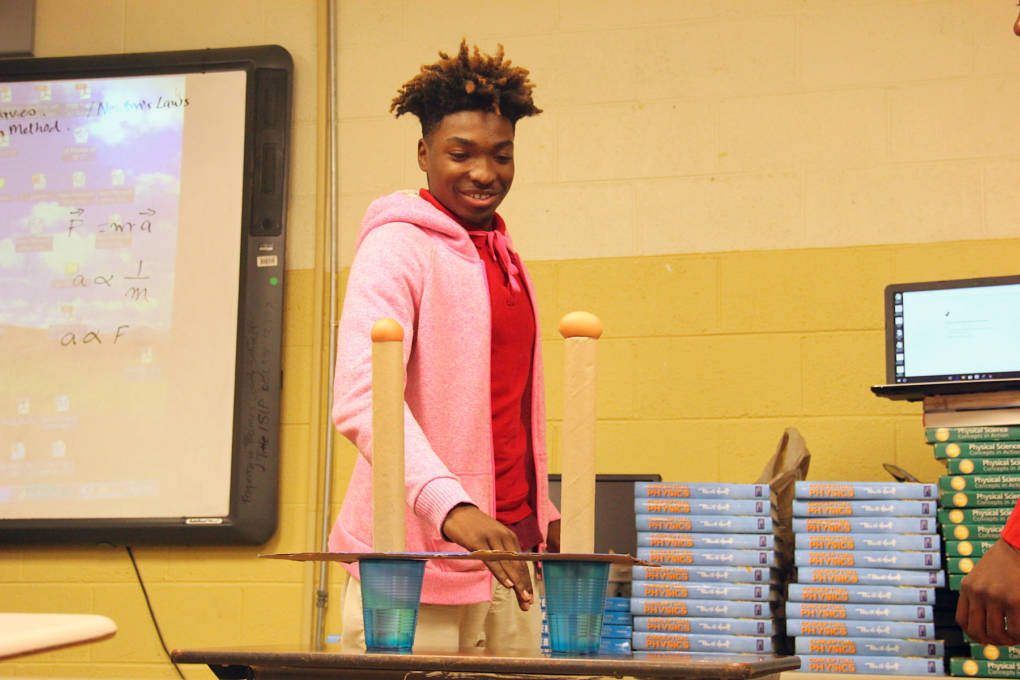
"caption": "Student Jaylen Dennis sets up an experiment to test one of Newton’s Laws. ",
"description": null,
"title": "MaderMsRuralCourses3",
"credit": "Jackie Mader/The Hechinger Report",
"status": "inherit",
"isLoading": false,
"fetchFailed": false
},
"mindshift_50494": {
"type": "attachments",
"id": "mindshift_50494",
"meta": {
"index": "attachments_1716263798",
"site": "mindshift",
"id": "50494",
"found": true
},
"parent": 50485,
"imgSizes": {
"small": {
"file": "https://ww2.kqed.org/app/uploads/sites/23/2018/02/GirlsLeadership-crop-520x292.jpg",
"width": 520,
"mimeType": "image/jpeg",
"height": 292
},
"twentyfourteen-full-width": {
"file": "https://ww2.kqed.org/app/uploads/sites/23/2018/02/GirlsLeadership-crop-1038x576.jpg",
"width": 1038,
"mimeType": "image/jpeg",
"height": 576
},
"thumbnail": {
"file": "https://ww2.kqed.org/app/uploads/sites/23/2018/02/GirlsLeadership-crop-160x90.jpg",
"width": 160,
"mimeType": "image/jpeg",
"height": 90
},
"fd-sm": {
"file": "https://ww2.kqed.org/app/uploads/sites/23/2018/02/GirlsLeadership-crop-960x540.jpg",
"width": 960,
"mimeType": "image/jpeg",
"height": 540
},
"post-thumbnail": {
"file": "https://ww2.kqed.org/app/uploads/sites/23/2018/02/GirlsLeadership-crop-672x372.jpg",
"width": 672,
"mimeType": "image/jpeg",
"height": 372
},
"xsmall": {
"file": "https://ww2.kqed.org/app/uploads/sites/23/2018/02/GirlsLeadership-crop-375x211.jpg",
"width": 375,
"mimeType": "image/jpeg",
"height": 211
},
"kqedFullSize": {
"file": "https://ww2.kqed.org/app/uploads/sites/23/2018/02/GirlsLeadership-crop.jpg",
"width": 2500,
"height": 1406
},
"large": {
"file": "https://ww2.kqed.org/app/uploads/sites/23/2018/02/GirlsLeadership-crop-1020x574.jpg",
"width": 1020,
"mimeType": "image/jpeg",
"height": 574
},
"xlarge": {
"file": "https://ww2.kqed.org/app/uploads/sites/23/2018/02/GirlsLeadership-crop-1180x664.jpg",
"width": 1180,
"mimeType": "image/jpeg",
"height": 664
},
"guest-author-50": {
"file": "https://ww2.kqed.org/app/uploads/sites/23/2018/02/GirlsLeadership-crop-50x50.jpg",
"width": 50,
"mimeType": "image/jpeg",
"height": 50
},
"guest-author-96": {
"file": "https://ww2.kqed.org/app/uploads/sites/23/2018/02/GirlsLeadership-crop-96x96.jpg",
"width": 96,
"mimeType": "image/jpeg",
"height": 96
},
"medium": {
"file": "https://ww2.kqed.org/app/uploads/sites/23/2018/02/GirlsLeadership-crop-800x450.jpg",
"width": 800,
"mimeType": "image/jpeg",
"height": 450
},
"guest-author-64": {
"file": "https://ww2.kqed.org/app/uploads/sites/23/2018/02/GirlsLeadership-crop-64x64.jpg",
"width": 64,
"mimeType": "image/jpeg",
"height": 64
},
"guest-author-32": {
"file": "https://ww2.kqed.org/app/uploads/sites/23/2018/02/GirlsLeadership-crop-32x32.jpg",
"width": 32,
"mimeType": "image/jpeg",
"height": 32
},
"fd-lrg": {
"file": "https://ww2.kqed.org/app/uploads/sites/23/2018/02/GirlsLeadership-crop-1920x1080.jpg",
"width": 1920,
"mimeType": "image/jpeg",
"height": 1080
},
"fd-med": {
"file": "https://ww2.kqed.org/app/uploads/sites/23/2018/02/GirlsLeadership-crop-1180x664.jpg",
"width": 1180,
"mimeType": "image/jpeg",
"height": 664
},
"full-width": {
"file": "https://ww2.kqed.org/app/uploads/sites/23/2018/02/GirlsLeadership-crop-1920x1080.jpg",
"width": 1920,
"mimeType": "image/jpeg",
"height": 1080
},
"detail": {
"file": "https://ww2.kqed.org/app/uploads/sites/23/2018/02/GirlsLeadership-crop-150x150.jpg",
"width": 150,
"mimeType": "image/jpeg",
"height": 150
},
"medium_large": {
"file": "https://ww2.kqed.org/app/uploads/sites/23/2018/02/GirlsLeadership-crop-768x432.jpg",
"width": 768,
"mimeType": "image/jpeg",
"height": 432
},
"guest-author-128": {
"file": "https://ww2.kqed.org/app/uploads/sites/23/2018/02/GirlsLeadership-crop-128x128.jpg",
"width": 128,
"mimeType": "image/jpeg",
"height": 128
},
"xxsmall": {
"file": "https://ww2.kqed.org/app/uploads/sites/23/2018/02/GirlsLeadership-crop-240x135.jpg",
"width": 240,
"mimeType": "image/jpeg",
"height": 135
}
},
"publishDate": 1517606330,
"modified": 1517606387,
"caption": "Participants in a Girls Leadership workshop.",
"description": null,
"title": "GirlsLeadership---crop",
"credit": "Courtesy \u003ca href=\"https://girlsleadership.org/\">Girls Leadership\u003c/a>",
"status": "inherit",
"isLoading": false,
"fetchFailed": false
},
"mindshift_50622": {
"type": "attachments",
"id": "mindshift_50622",
"meta": {
"index": "attachments_1716263798",
"site": "mindshift",
"id": "50622",
"found": true
},
"parent": 50620,
"imgSizes": {
"small": {
"file": "https://ww2.kqed.org/app/uploads/sites/23/2018/02/1-Types-of-Student-Inquiry-520x390.png",
"width": 520,
"mimeType": "image/png",
"height": 390
},
"twentyfourteen-full-width": {
"file": "https://ww2.kqed.org/app/uploads/sites/23/2018/02/1-Types-of-Student-Inquiry-1038x576.png",
"width": 1038,
"mimeType": "image/png",
"height": 576
},
"thumbnail": {
"file": "https://ww2.kqed.org/app/uploads/sites/23/2018/02/1-Types-of-Student-Inquiry-160x120.png",
"width": 160,
"mimeType": "image/png",
"height": 120
},
"fd-sm": {
"file": "https://ww2.kqed.org/app/uploads/sites/23/2018/02/1-Types-of-Student-Inquiry-960x720.png",
"width": 960,
"mimeType": "image/png",
"height": 720
},
"post-thumbnail": {
"file": "https://ww2.kqed.org/app/uploads/sites/23/2018/02/1-Types-of-Student-Inquiry-672x372.png",
"width": 672,
"mimeType": "image/png",
"height": 372
},
"xsmall": {
"file": "https://ww2.kqed.org/app/uploads/sites/23/2018/02/1-Types-of-Student-Inquiry-375x281.png",
"width": 375,
"mimeType": "image/png",
"height": 281
},
"kqedFullSize": {
"file": "https://ww2.kqed.org/app/uploads/sites/23/2018/02/1-Types-of-Student-Inquiry.png",
"width": 2048,
"height": 1536
},
"large": {
"file": "https://ww2.kqed.org/app/uploads/sites/23/2018/02/1-Types-of-Student-Inquiry-1020x765.png",
"width": 1020,
"mimeType": "image/png",
"height": 765
},
"xlarge": {
"file": "https://ww2.kqed.org/app/uploads/sites/23/2018/02/1-Types-of-Student-Inquiry-1180x885.png",
"width": 1180,
"mimeType": "image/png",
"height": 885
},
"guest-author-50": {
"file": "https://ww2.kqed.org/app/uploads/sites/23/2018/02/1-Types-of-Student-Inquiry-50x50.png",
"width": 50,
"mimeType": "image/png",
"height": 50
},
"guest-author-96": {
"file": "https://ww2.kqed.org/app/uploads/sites/23/2018/02/1-Types-of-Student-Inquiry-96x96.png",
"width": 96,
"mimeType": "image/png",
"height": 96
},
"medium": {
"file": "https://ww2.kqed.org/app/uploads/sites/23/2018/02/1-Types-of-Student-Inquiry-800x600.png",
"width": 800,
"mimeType": "image/png",
"height": 600
},
"guest-author-64": {
"file": "https://ww2.kqed.org/app/uploads/sites/23/2018/02/1-Types-of-Student-Inquiry-64x64.png",
"width": 64,
"mimeType": "image/png",
"height": 64
},
"guest-author-32": {
"file": "https://ww2.kqed.org/app/uploads/sites/23/2018/02/1-Types-of-Student-Inquiry-32x32.png",
"width": 32,
"mimeType": "image/png",
"height": 32
},
"fd-lrg": {
"file": "https://ww2.kqed.org/app/uploads/sites/23/2018/02/1-Types-of-Student-Inquiry-1920x1440.png",
"width": 1920,
"mimeType": "image/png",
"height": 1440
},
"fd-med": {
"file": "https://ww2.kqed.org/app/uploads/sites/23/2018/02/1-Types-of-Student-Inquiry-1180x885.png",
"width": 1180,
"mimeType": "image/png",
"height": 885
},
"full-width": {
"file": "https://ww2.kqed.org/app/uploads/sites/23/2018/02/1-Types-of-Student-Inquiry-1920x1440.png",
"width": 1920,
"mimeType": "image/png",
"height": 1440
},
"detail": {
"file": "https://ww2.kqed.org/app/uploads/sites/23/2018/02/1-Types-of-Student-Inquiry-150x150.png",
"width": 150,
"mimeType": "image/png",
"height": 150
},
"medium_large": {
"file": "https://ww2.kqed.org/app/uploads/sites/23/2018/02/1-Types-of-Student-Inquiry-768x576.png",
"width": 768,
"mimeType": "image/png",
"height": 576
},
"guest-author-128": {
"file": "https://ww2.kqed.org/app/uploads/sites/23/2018/02/1-Types-of-Student-Inquiry-128x128.png",
"width": 128,
"mimeType": "image/png",
"height": 128
},
"xxsmall": {
"file": "https://ww2.kqed.org/app/uploads/sites/23/2018/02/1-Types-of-Student-Inquiry-240x180.png",
"width": 240,
"mimeType": "image/png",
"height": 180
}
},
"publishDate": 1519346006,
"modified": 1519346316,
"caption": "This sketch representing how a teacher can gradually remove scaffolds to give learners more independence is featured in Inquiry Mindsets.",
"description": null,
"title": "1 Types of Student Inquiry",
"credit": "Courtesy Trevor MacKenzie and Rebecca Bathurst-Hunt",
"status": "inherit",
"isLoading": false,
"fetchFailed": false
},
"mindshift_50664": {
"type": "attachments",
"id": "mindshift_50664",
"meta": {
"index": "attachments_1716263798",
"site": "mindshift",
"id": "50664",
"found": true
},
"parent": 50663,
"imgSizes": {
"small": {
"file": "https://ww2.kqed.org/app/uploads/sites/23/2018/02/teendepression-faced61a26deab98c0e37570c0cd294176c2fc3c-520x390.jpg",
"width": 520,
"mimeType": "image/jpeg",
"height": 390
},
"twentyfourteen-full-width": {
"file": "https://ww2.kqed.org/app/uploads/sites/23/2018/02/teendepression-faced61a26deab98c0e37570c0cd294176c2fc3c-1038x576.jpg",
"width": 1038,
"mimeType": "image/jpeg",
"height": 576
},
"thumbnail": {
"file": "https://ww2.kqed.org/app/uploads/sites/23/2018/02/teendepression-faced61a26deab98c0e37570c0cd294176c2fc3c-160x120.jpg",
"width": 160,
"mimeType": "image/jpeg",
"height": 120
},
"fd-sm": {
"file": "https://ww2.kqed.org/app/uploads/sites/23/2018/02/teendepression-faced61a26deab98c0e37570c0cd294176c2fc3c-960x720.jpg",
"width": 960,
"mimeType": "image/jpeg",
"height": 720
},
"post-thumbnail": {
"file": "https://ww2.kqed.org/app/uploads/sites/23/2018/02/teendepression-faced61a26deab98c0e37570c0cd294176c2fc3c-672x372.jpg",
"width": 672,
"mimeType": "image/jpeg",
"height": 372
},
"xsmall": {
"file": "https://ww2.kqed.org/app/uploads/sites/23/2018/02/teendepression-faced61a26deab98c0e37570c0cd294176c2fc3c-375x281.jpg",
"width": 375,
"mimeType": "image/jpeg",
"height": 281
},
"kqedFullSize": {
"file": "https://ww2.kqed.org/app/uploads/sites/23/2018/02/teendepression-faced61a26deab98c0e37570c0cd294176c2fc3c.jpg",
"width": 1776,
"height": 1332
},
"large": {
"file": "https://ww2.kqed.org/app/uploads/sites/23/2018/02/teendepression-faced61a26deab98c0e37570c0cd294176c2fc3c-1020x765.jpg",
"width": 1020,
"mimeType": "image/jpeg",
"height": 765
},
"xlarge": {
"file": "https://ww2.kqed.org/app/uploads/sites/23/2018/02/teendepression-faced61a26deab98c0e37570c0cd294176c2fc3c-1180x885.jpg",
"width": 1180,
"mimeType": "image/jpeg",
"height": 885
},
"guest-author-50": {
"file": "https://ww2.kqed.org/app/uploads/sites/23/2018/02/teendepression-faced61a26deab98c0e37570c0cd294176c2fc3c-50x50.jpg",
"width": 50,
"mimeType": "image/jpeg",
"height": 50
},
"guest-author-96": {
"file": "https://ww2.kqed.org/app/uploads/sites/23/2018/02/teendepression-faced61a26deab98c0e37570c0cd294176c2fc3c-96x96.jpg",
"width": 96,
"mimeType": "image/jpeg",
"height": 96
},
"medium": {
"file": "https://ww2.kqed.org/app/uploads/sites/23/2018/02/teendepression-faced61a26deab98c0e37570c0cd294176c2fc3c-800x600.jpg",
"width": 800,
"mimeType": "image/jpeg",
"height": 600
},
"guest-author-64": {
"file": "https://ww2.kqed.org/app/uploads/sites/23/2018/02/teendepression-faced61a26deab98c0e37570c0cd294176c2fc3c-64x64.jpg",
"width": 64,
"mimeType": "image/jpeg",
"height": 64
},
"guest-author-32": {
"file": "https://ww2.kqed.org/app/uploads/sites/23/2018/02/teendepression-faced61a26deab98c0e37570c0cd294176c2fc3c-32x32.jpg",
"width": 32,
"mimeType": "image/jpeg",
"height": 32
},
"fd-med": {
"file": "https://ww2.kqed.org/app/uploads/sites/23/2018/02/teendepression-faced61a26deab98c0e37570c0cd294176c2fc3c-1180x885.jpg",
"width": 1180,
"mimeType": "image/jpeg",
"height": 885
},
"detail": {
"file": "https://ww2.kqed.org/app/uploads/sites/23/2018/02/teendepression-faced61a26deab98c0e37570c0cd294176c2fc3c-150x150.jpg",
"width": 150,
"mimeType": "image/jpeg",
"height": 150
},
"medium_large": {
"file": "https://ww2.kqed.org/app/uploads/sites/23/2018/02/teendepression-faced61a26deab98c0e37570c0cd294176c2fc3c-768x576.jpg",
"width": 768,
"mimeType": "image/jpeg",
"height": 576
},
"guest-author-128": {
"file": "https://ww2.kqed.org/app/uploads/sites/23/2018/02/teendepression-faced61a26deab98c0e37570c0cd294176c2fc3c-128x128.jpg",
"width": 128,
"mimeType": "image/jpeg",
"height": 128
},
"xxsmall": {
"file": "https://ww2.kqed.org/app/uploads/sites/23/2018/02/teendepression-faced61a26deab98c0e37570c0cd294176c2fc3c-240x180.jpg",
"width": 240,
"mimeType": "image/jpeg",
"height": 180
}
},
"publishDate": 1519715814,
"modified": 1519716309,
"caption": null,
"description": "It's easy to mistake adolescent depression for something else, child psychiatrists say; the signs can include misbehavior, eating problems or sleep trouble.",
"title": "It's easy to mistake adolescent depression for something else, child psychiatrists say; the signs can include misbehavior, eating problems or sleep trouble.",
"credit": "Johner Bildbyra/Getty Images",
"status": "inherit",
"isLoading": false,
"fetchFailed": false
},
"mindshift_50650": {
"type": "attachments",
"id": "mindshift_50650",
"meta": {
"index": "attachments_1716263798",
"site": "mindshift",
"id": "50650",
"found": true
},
"parent": 50580,
"imgSizes": {
"small": {
"file": "https://ww2.kqed.org/app/uploads/sites/23/2018/02/Nina-on-Railsplitters-avenue-520x293.png",
"width": 520,
"mimeType": "image/png",
"height": 293
},
"twentyfourteen-full-width": {
"file": "https://ww2.kqed.org/app/uploads/sites/23/2018/02/Nina-on-Railsplitters-avenue-1038x576.png",
"width": 1038,
"mimeType": "image/png",
"height": 576
},
"thumbnail": {
"file": "https://ww2.kqed.org/app/uploads/sites/23/2018/02/Nina-on-Railsplitters-avenue-160x90.png",
"width": 160,
"mimeType": "image/png",
"height": 90
},
"fd-sm": {
"file": "https://ww2.kqed.org/app/uploads/sites/23/2018/02/Nina-on-Railsplitters-avenue-960x541.png",
"width": 960,
"mimeType": "image/png",
"height": 541
},
"post-thumbnail": {
"file": "https://ww2.kqed.org/app/uploads/sites/23/2018/02/Nina-on-Railsplitters-avenue-672x372.png",
"width": 672,
"mimeType": "image/png",
"height": 372
},
"xsmall": {
"file": "https://ww2.kqed.org/app/uploads/sites/23/2018/02/Nina-on-Railsplitters-avenue-375x211.png",
"width": 375,
"mimeType": "image/png",
"height": 211
},
"kqedFullSize": {
"file": "https://ww2.kqed.org/app/uploads/sites/23/2018/02/Nina-on-Railsplitters-avenue-e1519629175521.png",
"width": 1920,
"height": 1081
},
"large": {
"file": "https://ww2.kqed.org/app/uploads/sites/23/2018/02/Nina-on-Railsplitters-avenue-1020x574.png",
"width": 1020,
"mimeType": "image/png",
"height": 574
},
"xlarge": {
"file": "https://ww2.kqed.org/app/uploads/sites/23/2018/02/Nina-on-Railsplitters-avenue-1180x664.png",
"width": 1180,
"mimeType": "image/png",
"height": 664
},
"guest-author-50": {
"file": "https://ww2.kqed.org/app/uploads/sites/23/2018/02/Nina-on-Railsplitters-avenue-50x50.png",
"width": 50,
"mimeType": "image/png",
"height": 50
},
"guest-author-96": {
"file": "https://ww2.kqed.org/app/uploads/sites/23/2018/02/Nina-on-Railsplitters-avenue-96x96.png",
"width": 96,
"mimeType": "image/png",
"height": 96
},
"medium": {
"file": "https://ww2.kqed.org/app/uploads/sites/23/2018/02/Nina-on-Railsplitters-avenue-800x450.png",
"width": 800,
"mimeType": "image/png",
"height": 450
},
"guest-author-64": {
"file": "https://ww2.kqed.org/app/uploads/sites/23/2018/02/Nina-on-Railsplitters-avenue-64x64.png",
"width": 64,
"mimeType": "image/png",
"height": 64
},
"guest-author-32": {
"file": "https://ww2.kqed.org/app/uploads/sites/23/2018/02/Nina-on-Railsplitters-avenue-32x32.png",
"width": 32,
"mimeType": "image/png",
"height": 32
},
"fd-lrg": {
"file": "https://ww2.kqed.org/app/uploads/sites/23/2018/02/Nina-on-Railsplitters-avenue-1920x1081.png",
"width": 1920,
"mimeType": "image/png",
"height": 1081
},
"fd-med": {
"file": "https://ww2.kqed.org/app/uploads/sites/23/2018/02/Nina-on-Railsplitters-avenue-1180x664.png",
"width": 1180,
"mimeType": "image/png",
"height": 664
},
"full-width": {
"file": "https://ww2.kqed.org/app/uploads/sites/23/2018/02/Nina-on-Railsplitters-avenue-1920x1081.png",
"width": 1920,
"mimeType": "image/png",
"height": 1081
},
"detail": {
"file": "https://ww2.kqed.org/app/uploads/sites/23/2018/02/Nina-on-Railsplitters-avenue-150x150.png",
"width": 150,
"mimeType": "image/png",
"height": 150
},
"medium_large": {
"file": "https://ww2.kqed.org/app/uploads/sites/23/2018/02/Nina-on-Railsplitters-avenue-768x432.png",
"width": 768,
"mimeType": "image/png",
"height": 432
},
"guest-author-128": {
"file": "https://ww2.kqed.org/app/uploads/sites/23/2018/02/Nina-on-Railsplitters-avenue-128x128.png",
"width": 128,
"mimeType": "image/png",
"height": 128
},
"xxsmall": {
"file": "https://ww2.kqed.org/app/uploads/sites/23/2018/02/Nina-on-Railsplitters-avenue-240x135.png",
"width": 240,
"mimeType": "image/png",
"height": 135
}
},
"publishDate": 1519629127,
"modified": 1519629544,
"caption": "Nina, a boxer/beagle comfort dog, spends most days socializing, sitting with students during counseling sessions and lightening the mood at Abraham Lincoln High School in Brooklyn. ",
"description": null,
"title": "Nina-on-Railsplitters-avenue",
"credit": "Courtesy of David Robinson",
"status": "inherit",
"isLoading": false,
"fetchFailed": false
},
"mindshift_50614": {
"type": "attachments",
"id": "mindshift_50614",
"meta": {
"index": "attachments_1716263798",
"site": "mindshift",
"id": "50614",
"found": true
},
"parent": 50593,
"imgSizes": {
"small": {
"file": "https://ww2.kqed.org/app/uploads/sites/23/2018/02/Mathical-books-520x354.png",
"width": 520,
"mimeType": "image/png",
"height": 354
},
"twentyfourteen-full-width": {
"file": "https://ww2.kqed.org/app/uploads/sites/23/2018/02/Mathical-books-1038x576.png",
"width": 1038,
"mimeType": "image/png",
"height": 576
},
"thumbnail": {
"file": "https://ww2.kqed.org/app/uploads/sites/23/2018/02/Mathical-books-160x109.png",
"width": 160,
"mimeType": "image/png",
"height": 109
},
"fd-sm": {
"file": "https://ww2.kqed.org/app/uploads/sites/23/2018/02/Mathical-books-960x654.png",
"width": 960,
"mimeType": "image/png",
"height": 654
},
"post-thumbnail": {
"file": "https://ww2.kqed.org/app/uploads/sites/23/2018/02/Mathical-books-672x372.png",
"width": 672,
"mimeType": "image/png",
"height": 372
},
"xsmall": {
"file": "https://ww2.kqed.org/app/uploads/sites/23/2018/02/Mathical-books-375x255.png",
"width": 375,
"mimeType": "image/png",
"height": 255
},
"kqedFullSize": {
"file": "https://ww2.kqed.org/app/uploads/sites/23/2018/02/Mathical-books-e1519331947424.png",
"width": 1920,
"height": 1308
},
"large": {
"file": "https://ww2.kqed.org/app/uploads/sites/23/2018/02/Mathical-books-1020x695.png",
"width": 1020,
"mimeType": "image/png",
"height": 695
},
"xlarge": {
"file": "https://ww2.kqed.org/app/uploads/sites/23/2018/02/Mathical-books-1180x804.png",
"width": 1180,
"mimeType": "image/png",
"height": 804
},
"guest-author-50": {
"file": "https://ww2.kqed.org/app/uploads/sites/23/2018/02/Mathical-books-50x50.png",
"width": 50,
"mimeType": "image/png",
"height": 50
},
"guest-author-96": {
"file": "https://ww2.kqed.org/app/uploads/sites/23/2018/02/Mathical-books-96x96.png",
"width": 96,
"mimeType": "image/png",
"height": 96
},
"medium": {
"file": "https://ww2.kqed.org/app/uploads/sites/23/2018/02/Mathical-books-800x545.png",
"width": 800,
"mimeType": "image/png",
"height": 545
},
"guest-author-64": {
"file": "https://ww2.kqed.org/app/uploads/sites/23/2018/02/Mathical-books-64x64.png",
"width": 64,
"mimeType": "image/png",
"height": 64
},
"guest-author-32": {
"file": "https://ww2.kqed.org/app/uploads/sites/23/2018/02/Mathical-books-32x32.png",
"width": 32,
"mimeType": "image/png",
"height": 32
},
"fd-lrg": {
"file": "https://ww2.kqed.org/app/uploads/sites/23/2018/02/Mathical-books-1920x1308.png",
"width": 1920,
"mimeType": "image/png",
"height": 1308
},
"fd-med": {
"file": "https://ww2.kqed.org/app/uploads/sites/23/2018/02/Mathical-books-1180x804.png",
"width": 1180,
"mimeType": "image/png",
"height": 804
},
"full-width": {
"file": "https://ww2.kqed.org/app/uploads/sites/23/2018/02/Mathical-books-1920x1308.png",
"width": 1920,
"mimeType": "image/png",
"height": 1308
},
"detail": {
"file": "https://ww2.kqed.org/app/uploads/sites/23/2018/02/Mathical-books-150x150.png",
"width": 150,
"mimeType": "image/png",
"height": 150
},
"medium_large": {
"file": "https://ww2.kqed.org/app/uploads/sites/23/2018/02/Mathical-books-768x523.png",
"width": 768,
"mimeType": "image/png",
"height": 523
},
"guest-author-128": {
"file": "https://ww2.kqed.org/app/uploads/sites/23/2018/02/Mathical-books-128x128.png",
"width": 128,
"mimeType": "image/png",
"height": 128
},
"xxsmall": {
"file": "https://ww2.kqed.org/app/uploads/sites/23/2018/02/Mathical-books-240x163.png",
"width": 240,
"mimeType": "image/png",
"height": 163
}
},
"publishDate": 1519331896,
"modified": 1519331896,
"caption": null,
"description": null,
"title": "Mathical-books",
"credit": null,
"status": "inherit",
"isLoading": false,
"fetchFailed": false
},
"mindshift_50544": {
"type": "attachments",
"id": "mindshift_50544",
"meta": {
"index": "attachments_1716263798",
"site": "mindshift",
"id": "50544",
"found": true
},
"parent": 50530,
"imgSizes": {
"small": {
"file": "https://ww2.kqed.org/app/uploads/sites/23/2018/02/windturbine-520x293.jpg",
"width": 520,
"mimeType": "image/jpeg",
"height": 293
},
"twentyfourteen-full-width": {
"file": "https://ww2.kqed.org/app/uploads/sites/23/2018/02/windturbine-1038x576.jpg",
"width": 1038,
"mimeType": "image/jpeg",
"height": 576
},
"thumbnail": {
"file": "https://ww2.kqed.org/app/uploads/sites/23/2018/02/windturbine-160x90.jpg",
"width": 160,
"mimeType": "image/jpeg",
"height": 90
},
"fd-sm": {
"file": "https://ww2.kqed.org/app/uploads/sites/23/2018/02/windturbine-960x540.jpg",
"width": 960,
"mimeType": "image/jpeg",
"height": 540
},
"post-thumbnail": {
"file": "https://ww2.kqed.org/app/uploads/sites/23/2018/02/windturbine-672x372.jpg",
"width": 672,
"mimeType": "image/jpeg",
"height": 372
},
"xsmall": {
"file": "https://ww2.kqed.org/app/uploads/sites/23/2018/02/windturbine-375x211.jpg",
"width": 375,
"mimeType": "image/jpeg",
"height": 211
},
"kqedFullSize": {
"file": "https://ww2.kqed.org/app/uploads/sites/23/2018/02/windturbine.jpg",
"width": 2048,
"height": 1152
},
"large": {
"file": "https://ww2.kqed.org/app/uploads/sites/23/2018/02/windturbine-1020x574.jpg",
"width": 1020,
"mimeType": "image/jpeg",
"height": 574
},
"xlarge": {
"file": "https://ww2.kqed.org/app/uploads/sites/23/2018/02/windturbine-1180x664.jpg",
"width": 1180,
"mimeType": "image/jpeg",
"height": 664
},
"guest-author-50": {
"file": "https://ww2.kqed.org/app/uploads/sites/23/2018/02/windturbine-50x50.jpg",
"width": 50,
"mimeType": "image/jpeg",
"height": 50
},
"guest-author-96": {
"file": "https://ww2.kqed.org/app/uploads/sites/23/2018/02/windturbine-96x96.jpg",
"width": 96,
"mimeType": "image/jpeg",
"height": 96
},
"medium": {
"file": "https://ww2.kqed.org/app/uploads/sites/23/2018/02/windturbine-800x450.jpg",
"width": 800,
"mimeType": "image/jpeg",
"height": 450
},
"guest-author-64": {
"file": "https://ww2.kqed.org/app/uploads/sites/23/2018/02/windturbine-64x64.jpg",
"width": 64,
"mimeType": "image/jpeg",
"height": 64
},
"guest-author-32": {
"file": "https://ww2.kqed.org/app/uploads/sites/23/2018/02/windturbine-32x32.jpg",
"width": 32,
"mimeType": "image/jpeg",
"height": 32
},
"fd-lrg": {
"file": "https://ww2.kqed.org/app/uploads/sites/23/2018/02/windturbine-1920x1080.jpg",
"width": 1920,
"mimeType": "image/jpeg",
"height": 1080
},
"fd-med": {
"file": "https://ww2.kqed.org/app/uploads/sites/23/2018/02/windturbine-1180x664.jpg",
"width": 1180,
"mimeType": "image/jpeg",
"height": 664
},
"full-width": {
"file": "https://ww2.kqed.org/app/uploads/sites/23/2018/02/windturbine-1920x1080.jpg",
"width": 1920,
"mimeType": "image/jpeg",
"height": 1080
},
"detail": {
"file": "https://ww2.kqed.org/app/uploads/sites/23/2018/02/windturbine-150x150.jpg",
"width": 150,
"mimeType": "image/jpeg",
"height": 150
},
"medium_large": {
"file": "https://ww2.kqed.org/app/uploads/sites/23/2018/02/windturbine-768x432.jpg",
"width": 768,
"mimeType": "image/jpeg",
"height": 432
},
"guest-author-128": {
"file": "https://ww2.kqed.org/app/uploads/sites/23/2018/02/windturbine-128x128.jpg",
"width": 128,
"mimeType": "image/jpeg",
"height": 128
},
"xxsmall": {
"file": "https://ww2.kqed.org/app/uploads/sites/23/2018/02/windturbine-240x135.jpg",
"width": 240,
"mimeType": "image/jpeg",
"height": 135
}
},
"publishDate": 1518136231,
"modified": 1519431364,
"caption": "Two high school students construct a wind turbine.",
"description": "Two high school students construct a wind turbine.",
"title": "windturbine",
"credit": "Courtesy of Allison Shelley/\u003ca href=\"https://www.flickr.com/photos/all4ed/36335119132/\">The Verbatim Agency for American Education: Images of Teachers and Students in Action\u003c/a>",
"status": "inherit",
"isLoading": false,
"fetchFailed": false
},
"mindshift_50579": {
"type": "attachments",
"id": "mindshift_50579",
"meta": {
"index": "attachments_1716263798",
"site": "mindshift",
"id": "50579",
"found": true
},
"parent": 50576,
"imgSizes": {
"small": {
"file": "https://ww2.kqed.org/app/uploads/sites/23/2018/02/iStock-859761634-520x325.jpg",
"width": 520,
"mimeType": "image/jpeg",
"height": 325
},
"twentyfourteen-full-width": {
"file": "https://ww2.kqed.org/app/uploads/sites/23/2018/02/iStock-859761634-1038x576.jpg",
"width": 1038,
"mimeType": "image/jpeg",
"height": 576
},
"thumbnail": {
"file": "https://ww2.kqed.org/app/uploads/sites/23/2018/02/iStock-859761634-160x100.jpg",
"width": 160,
"mimeType": "image/jpeg",
"height": 100
},
"fd-sm": {
"file": "https://ww2.kqed.org/app/uploads/sites/23/2018/02/iStock-859761634-960x600.jpg",
"width": 960,
"mimeType": "image/jpeg",
"height": 600
},
"post-thumbnail": {
"file": "https://ww2.kqed.org/app/uploads/sites/23/2018/02/iStock-859761634-672x372.jpg",
"width": 672,
"mimeType": "image/jpeg",
"height": 372
},
"xsmall": {
"file": "https://ww2.kqed.org/app/uploads/sites/23/2018/02/iStock-859761634-375x234.jpg",
"width": 375,
"mimeType": "image/jpeg",
"height": 234
},
"kqedFullSize": {
"file": "https://ww2.kqed.org/app/uploads/sites/23/2018/02/iStock-859761634-e1519165269859.jpg",
"width": 1920,
"height": 1200
},
"large": {
"file": "https://ww2.kqed.org/app/uploads/sites/23/2018/02/iStock-859761634-1020x638.jpg",
"width": 1020,
"mimeType": "image/jpeg",
"height": 638
},
"xlarge": {
"file": "https://ww2.kqed.org/app/uploads/sites/23/2018/02/iStock-859761634-1180x738.jpg",
"width": 1180,
"mimeType": "image/jpeg",
"height": 738
},
"guest-author-50": {
"file": "https://ww2.kqed.org/app/uploads/sites/23/2018/02/iStock-859761634-50x50.jpg",
"width": 50,
"mimeType": "image/jpeg",
"height": 50
},
"guest-author-96": {
"file": "https://ww2.kqed.org/app/uploads/sites/23/2018/02/iStock-859761634-96x96.jpg",
"width": 96,
"mimeType": "image/jpeg",
"height": 96
},
"medium": {
"file": "https://ww2.kqed.org/app/uploads/sites/23/2018/02/iStock-859761634-800x500.jpg",
"width": 800,
"mimeType": "image/jpeg",
"height": 500
},
"guest-author-64": {
"file": "https://ww2.kqed.org/app/uploads/sites/23/2018/02/iStock-859761634-64x64.jpg",
"width": 64,
"mimeType": "image/jpeg",
"height": 64
},
"guest-author-32": {
"file": "https://ww2.kqed.org/app/uploads/sites/23/2018/02/iStock-859761634-32x32.jpg",
"width": 32,
"mimeType": "image/jpeg",
"height": 32
},
"fd-lrg": {
"file": "https://ww2.kqed.org/app/uploads/sites/23/2018/02/iStock-859761634-1920x1200.jpg",
"width": 1920,
"mimeType": "image/jpeg",
"height": 1200
},
"fd-med": {
"file": "https://ww2.kqed.org/app/uploads/sites/23/2018/02/iStock-859761634-1180x738.jpg",
"width": 1180,
"mimeType": "image/jpeg",
"height": 738
},
"full-width": {
"file": "https://ww2.kqed.org/app/uploads/sites/23/2018/02/iStock-859761634-1920x1200.jpg",
"width": 1920,
"mimeType": "image/jpeg",
"height": 1200
},
"detail": {
"file": "https://ww2.kqed.org/app/uploads/sites/23/2018/02/iStock-859761634-150x150.jpg",
"width": 150,
"mimeType": "image/jpeg",
"height": 150
},
"medium_large": {
"file": "https://ww2.kqed.org/app/uploads/sites/23/2018/02/iStock-859761634-768x480.jpg",
"width": 768,
"mimeType": "image/jpeg",
"height": 480
},
"guest-author-128": {
"file": "https://ww2.kqed.org/app/uploads/sites/23/2018/02/iStock-859761634-128x128.jpg",
"width": 128,
"mimeType": "image/jpeg",
"height": 128
},
"xxsmall": {
"file": "https://ww2.kqed.org/app/uploads/sites/23/2018/02/iStock-859761634-240x150.jpg",
"width": 240,
"mimeType": "image/jpeg",
"height": 150
}
},
"publishDate": 1519165244,
"modified": 1519165258,
"caption": null,
"description": null,
"title": "Brain Side",
"credit": "iStock/Jakarin2521",
"status": "inherit",
"isLoading": false,
"fetchFailed": false
},
"mindshift_50571": {
"type": "attachments",
"id": "mindshift_50571",
"meta": {
"index": "attachments_1716263798",
"site": "mindshift",
"id": "50571",
"found": true
},
"parent": 50570,
"imgSizes": {
"small": {
"file": "https://ww2.kqed.org/app/uploads/sites/23/2018/02/lossatthedinnertable_custom-69f84c9d2c3dfca5482633152eeed00d919408ea-520x335.jpg",
"width": 520,
"mimeType": "image/jpeg",
"height": 335
},
"twentyfourteen-full-width": {
"file": "https://ww2.kqed.org/app/uploads/sites/23/2018/02/lossatthedinnertable_custom-69f84c9d2c3dfca5482633152eeed00d919408ea-1038x576.jpg",
"width": 1038,
"mimeType": "image/jpeg",
"height": 576
},
"thumbnail": {
"file": "https://ww2.kqed.org/app/uploads/sites/23/2018/02/lossatthedinnertable_custom-69f84c9d2c3dfca5482633152eeed00d919408ea-160x103.jpg",
"width": 160,
"mimeType": "image/jpeg",
"height": 103
},
"fd-sm": {
"file": "https://ww2.kqed.org/app/uploads/sites/23/2018/02/lossatthedinnertable_custom-69f84c9d2c3dfca5482633152eeed00d919408ea-960x618.jpg",
"width": 960,
"mimeType": "image/jpeg",
"height": 618
},
"post-thumbnail": {
"file": "https://ww2.kqed.org/app/uploads/sites/23/2018/02/lossatthedinnertable_custom-69f84c9d2c3dfca5482633152eeed00d919408ea-672x372.jpg",
"width": 672,
"mimeType": "image/jpeg",
"height": 372
},
"xsmall": {
"file": "https://ww2.kqed.org/app/uploads/sites/23/2018/02/lossatthedinnertable_custom-69f84c9d2c3dfca5482633152eeed00d919408ea-375x241.jpg",
"width": 375,
"mimeType": "image/jpeg",
"height": 241
},
"kqedFullSize": {
"file": "https://ww2.kqed.org/app/uploads/sites/23/2018/02/lossatthedinnertable_custom-69f84c9d2c3dfca5482633152eeed00d919408ea-e1519135056791.jpg",
"width": 1920,
"height": 1235
},
"large": {
"file": "https://ww2.kqed.org/app/uploads/sites/23/2018/02/lossatthedinnertable_custom-69f84c9d2c3dfca5482633152eeed00d919408ea-1020x656.jpg",
"width": 1020,
"mimeType": "image/jpeg",
"height": 656
},
"xlarge": {
"file": "https://ww2.kqed.org/app/uploads/sites/23/2018/02/lossatthedinnertable_custom-69f84c9d2c3dfca5482633152eeed00d919408ea-1180x759.jpg",
"width": 1180,
"mimeType": "image/jpeg",
"height": 759
},
"guest-author-50": {
"file": "https://ww2.kqed.org/app/uploads/sites/23/2018/02/lossatthedinnertable_custom-69f84c9d2c3dfca5482633152eeed00d919408ea-50x50.jpg",
"width": 50,
"mimeType": "image/jpeg",
"height": 50
},
"guest-author-96": {
"file": "https://ww2.kqed.org/app/uploads/sites/23/2018/02/lossatthedinnertable_custom-69f84c9d2c3dfca5482633152eeed00d919408ea-96x96.jpg",
"width": 96,
"mimeType": "image/jpeg",
"height": 96
},
"medium": {
"file": "https://ww2.kqed.org/app/uploads/sites/23/2018/02/lossatthedinnertable_custom-69f84c9d2c3dfca5482633152eeed00d919408ea-800x515.jpg",
"width": 800,
"mimeType": "image/jpeg",
"height": 515
},
"guest-author-64": {
"file": "https://ww2.kqed.org/app/uploads/sites/23/2018/02/lossatthedinnertable_custom-69f84c9d2c3dfca5482633152eeed00d919408ea-64x64.jpg",
"width": 64,
"mimeType": "image/jpeg",
"height": 64
},
"guest-author-32": {
"file": "https://ww2.kqed.org/app/uploads/sites/23/2018/02/lossatthedinnertable_custom-69f84c9d2c3dfca5482633152eeed00d919408ea-32x32.jpg",
"width": 32,
"mimeType": "image/jpeg",
"height": 32
},
"fd-lrg": {
"file": "https://ww2.kqed.org/app/uploads/sites/23/2018/02/lossatthedinnertable_custom-69f84c9d2c3dfca5482633152eeed00d919408ea-1920x1235.jpg",
"width": 1920,
"mimeType": "image/jpeg",
"height": 1235
},
"fd-med": {
"file": "https://ww2.kqed.org/app/uploads/sites/23/2018/02/lossatthedinnertable_custom-69f84c9d2c3dfca5482633152eeed00d919408ea-1180x759.jpg",
"width": 1180,
"mimeType": "image/jpeg",
"height": 759
},
"full-width": {
"file": "https://ww2.kqed.org/app/uploads/sites/23/2018/02/lossatthedinnertable_custom-69f84c9d2c3dfca5482633152eeed00d919408ea-1920x1235.jpg",
"width": 1920,
"mimeType": "image/jpeg",
"height": 1235
},
"detail": {
"file": "https://ww2.kqed.org/app/uploads/sites/23/2018/02/lossatthedinnertable_custom-69f84c9d2c3dfca5482633152eeed00d919408ea-150x150.jpg",
"width": 150,
"mimeType": "image/jpeg",
"height": 150
},
"medium_large": {
"file": "https://ww2.kqed.org/app/uploads/sites/23/2018/02/lossatthedinnertable_custom-69f84c9d2c3dfca5482633152eeed00d919408ea-768x494.jpg",
"width": 768,
"mimeType": "image/jpeg",
"height": 494
},
"guest-author-128": {
"file": "https://ww2.kqed.org/app/uploads/sites/23/2018/02/lossatthedinnertable_custom-69f84c9d2c3dfca5482633152eeed00d919408ea-128x128.jpg",
"width": 128,
"mimeType": "image/jpeg",
"height": 128
},
"xxsmall": {
"file": "https://ww2.kqed.org/app/uploads/sites/23/2018/02/lossatthedinnertable_custom-69f84c9d2c3dfca5482633152eeed00d919408ea-240x154.jpg",
"width": 240,
"mimeType": "image/jpeg",
"height": 154
}
},
"publishDate": 1519135038,
"modified": 1519135077,
"caption": null,
"description": "Loss at the dinner table",
"title": "Loss at the dinner table",
"credit": "NPR/LA Johnson",
"status": "inherit",
"isLoading": false,
"fetchFailed": false
},
"mindshift_50563": {
"type": "attachments",
"id": "mindshift_50563",
"meta": {
"index": "attachments_1716263798",
"site": "mindshift",
"id": "50563",
"found": true
},
"parent": 50562,
"imgSizes": {
"small": {
"file": "https://ww2.kqed.org/app/uploads/sites/23/2018/02/maker-space_slide-e56e0affefee5e349bcd3aba37ba2a11c61b6471-520x347.jpe",
"width": 520,
"mimeType": "image/jpeg",
"height": 347
},
"twentyfourteen-full-width": {
"file": "https://ww2.kqed.org/app/uploads/sites/23/2018/02/maker-space_slide-e56e0affefee5e349bcd3aba37ba2a11c61b6471-1038x576.jpe",
"width": 1038,
"mimeType": "image/jpeg",
"height": 576
},
"thumbnail": {
"file": "https://ww2.kqed.org/app/uploads/sites/23/2018/02/maker-space_slide-e56e0affefee5e349bcd3aba37ba2a11c61b6471-160x107.jpe",
"width": 160,
"mimeType": "image/jpeg",
"height": 107
},
"fd-sm": {
"file": "https://ww2.kqed.org/app/uploads/sites/23/2018/02/maker-space_slide-e56e0affefee5e349bcd3aba37ba2a11c61b6471-960x640.jpe",
"width": 960,
"mimeType": "image/jpeg",
"height": 640
},
"post-thumbnail": {
"file": "https://ww2.kqed.org/app/uploads/sites/23/2018/02/maker-space_slide-e56e0affefee5e349bcd3aba37ba2a11c61b6471-672x372.jpe",
"width": 672,
"mimeType": "image/jpeg",
"height": 372
},
"xsmall": {
"file": "https://ww2.kqed.org/app/uploads/sites/23/2018/02/maker-space_slide-e56e0affefee5e349bcd3aba37ba2a11c61b6471-375x250.jpe",
"width": 375,
"mimeType": "image/jpeg",
"height": 250
},
"kqedFullSize": {
"file": "https://ww2.kqed.org/app/uploads/sites/23/2018/02/maker-space_slide-e56e0affefee5e349bcd3aba37ba2a11c61b6471-e1518702024788.jpe",
"width": 1920,
"height": 1280
},
"large": {
"file": "https://ww2.kqed.org/app/uploads/sites/23/2018/02/maker-space_slide-e56e0affefee5e349bcd3aba37ba2a11c61b6471-1020x680.jpe",
"width": 1020,
"mimeType": "image/jpeg",
"height": 680
},
"xlarge": {
"file": "https://ww2.kqed.org/app/uploads/sites/23/2018/02/maker-space_slide-e56e0affefee5e349bcd3aba37ba2a11c61b6471-1180x787.jpe",
"width": 1180,
"mimeType": "image/jpeg",
"height": 787
},
"guest-author-50": {
"file": "https://ww2.kqed.org/app/uploads/sites/23/2018/02/maker-space_slide-e56e0affefee5e349bcd3aba37ba2a11c61b6471-50x50.jpe",
"width": 50,
"mimeType": "image/jpeg",
"height": 50
},
"guest-author-96": {
"file": "https://ww2.kqed.org/app/uploads/sites/23/2018/02/maker-space_slide-e56e0affefee5e349bcd3aba37ba2a11c61b6471-96x96.jpe",
"width": 96,
"mimeType": "image/jpeg",
"height": 96
},
"medium": {
"file": "https://ww2.kqed.org/app/uploads/sites/23/2018/02/maker-space_slide-e56e0affefee5e349bcd3aba37ba2a11c61b6471-800x533.jpe",
"width": 800,
"mimeType": "image/jpeg",
"height": 533
},
"guest-author-64": {
"file": "https://ww2.kqed.org/app/uploads/sites/23/2018/02/maker-space_slide-e56e0affefee5e349bcd3aba37ba2a11c61b6471-64x64.jpe",
"width": 64,
"mimeType": "image/jpeg",
"height": 64
},
"guest-author-32": {
"file": "https://ww2.kqed.org/app/uploads/sites/23/2018/02/maker-space_slide-e56e0affefee5e349bcd3aba37ba2a11c61b6471-32x32.jpe",
"width": 32,
"mimeType": "image/jpeg",
"height": 32
},
"fd-lrg": {
"file": "https://ww2.kqed.org/app/uploads/sites/23/2018/02/maker-space_slide-e56e0affefee5e349bcd3aba37ba2a11c61b6471-1920x1280.jpe",
"width": 1920,
"mimeType": "image/jpeg",
"height": 1280
},
"fd-med": {
"file": "https://ww2.kqed.org/app/uploads/sites/23/2018/02/maker-space_slide-e56e0affefee5e349bcd3aba37ba2a11c61b6471-1180x787.jpe",
"width": 1180,
"mimeType": "image/jpeg",
"height": 787
},
"full-width": {
"file": "https://ww2.kqed.org/app/uploads/sites/23/2018/02/maker-space_slide-e56e0affefee5e349bcd3aba37ba2a11c61b6471-1920x1280.jpe",
"width": 1920,
"mimeType": "image/jpeg",
"height": 1280
},
"detail": {
"file": "https://ww2.kqed.org/app/uploads/sites/23/2018/02/maker-space_slide-e56e0affefee5e349bcd3aba37ba2a11c61b6471-150x150.jpe",
"width": 150,
"mimeType": "image/jpeg",
"height": 150
},
"medium_large": {
"file": "https://ww2.kqed.org/app/uploads/sites/23/2018/02/maker-space_slide-e56e0affefee5e349bcd3aba37ba2a11c61b6471-768x512.jpe",
"width": 768,
"mimeType": "image/jpeg",
"height": 512
},
"guest-author-128": {
"file": "https://ww2.kqed.org/app/uploads/sites/23/2018/02/maker-space_slide-e56e0affefee5e349bcd3aba37ba2a11c61b6471-128x128.jpe",
"width": 128,
"mimeType": "image/jpeg",
"height": 128
},
"xxsmall": {
"file": "https://ww2.kqed.org/app/uploads/sites/23/2018/02/maker-space_slide-e56e0affefee5e349bcd3aba37ba2a11c61b6471-240x160.jpe",
"width": 240,
"mimeType": "image/jpeg",
"height": 160
}
},
"publishDate": 1518701745,
"modified": 1518702069,
"caption": null,
"description": null,
"title": "Self-driven child",
"credit": "Chris Kindred for NPR",
"status": "inherit",
"isLoading": false,
"fetchFailed": false
},
"mindshift_50553": {
"type": "attachments",
"id": "mindshift_50553",
"meta": {
"index": "attachments_1716263798",
"site": "mindshift",
"id": "50553",
"found": true
},
"parent": 50552,
"imgSizes": {
"small": {
"file": "https://ww2.kqed.org/app/uploads/sites/23/2018/02/phone-1_wide-975a9e40808c50f9e2275e127a5548be69bddcbf-520x292.jpe",
"width": 520,
"mimeType": "image/jpeg",
"height": 292
},
"twentyfourteen-full-width": {
"file": "https://ww2.kqed.org/app/uploads/sites/23/2018/02/phone-1_wide-975a9e40808c50f9e2275e127a5548be69bddcbf-1038x576.jpe",
"width": 1038,
"mimeType": "image/jpeg",
"height": 576
},
"thumbnail": {
"file": "https://ww2.kqed.org/app/uploads/sites/23/2018/02/phone-1_wide-975a9e40808c50f9e2275e127a5548be69bddcbf-160x90.jpe",
"width": 160,
"mimeType": "image/jpeg",
"height": 90
},
"fd-sm": {
"file": "https://ww2.kqed.org/app/uploads/sites/23/2018/02/phone-1_wide-975a9e40808c50f9e2275e127a5548be69bddcbf-960x540.jpe",
"width": 960,
"mimeType": "image/jpeg",
"height": 540
},
"post-thumbnail": {
"file": "https://ww2.kqed.org/app/uploads/sites/23/2018/02/phone-1_wide-975a9e40808c50f9e2275e127a5548be69bddcbf-672x372.jpe",
"width": 672,
"mimeType": "image/jpeg",
"height": 372
},
"xsmall": {
"file": "https://ww2.kqed.org/app/uploads/sites/23/2018/02/phone-1_wide-975a9e40808c50f9e2275e127a5548be69bddcbf-375x211.jpe",
"width": 375,
"mimeType": "image/jpeg",
"height": 211
},
"kqedFullSize": {
"file": "https://ww2.kqed.org/app/uploads/sites/23/2018/02/phone-1_wide-975a9e40808c50f9e2275e127a5548be69bddcbf-e1518532324353.jpe",
"width": 1920,
"height": 1080
},
"large": {
"file": "https://ww2.kqed.org/app/uploads/sites/23/2018/02/phone-1_wide-975a9e40808c50f9e2275e127a5548be69bddcbf-1020x574.jpe",
"width": 1020,
"mimeType": "image/jpeg",
"height": 574
},
"xlarge": {
"file": "https://ww2.kqed.org/app/uploads/sites/23/2018/02/phone-1_wide-975a9e40808c50f9e2275e127a5548be69bddcbf-1180x664.jpe",
"width": 1180,
"mimeType": "image/jpeg",
"height": 664
},
"guest-author-50": {
"file": "https://ww2.kqed.org/app/uploads/sites/23/2018/02/phone-1_wide-975a9e40808c50f9e2275e127a5548be69bddcbf-50x50.jpe",
"width": 50,
"mimeType": "image/jpeg",
"height": 50
},
"guest-author-96": {
"file": "https://ww2.kqed.org/app/uploads/sites/23/2018/02/phone-1_wide-975a9e40808c50f9e2275e127a5548be69bddcbf-96x96.jpe",
"width": 96,
"mimeType": "image/jpeg",
"height": 96
},
"medium": {
"file": "https://ww2.kqed.org/app/uploads/sites/23/2018/02/phone-1_wide-975a9e40808c50f9e2275e127a5548be69bddcbf-800x450.jpe",
"width": 800,
"mimeType": "image/jpeg",
"height": 450
},
"guest-author-64": {
"file": "https://ww2.kqed.org/app/uploads/sites/23/2018/02/phone-1_wide-975a9e40808c50f9e2275e127a5548be69bddcbf-64x64.jpe",
"width": 64,
"mimeType": "image/jpeg",
"height": 64
},
"guest-author-32": {
"file": "https://ww2.kqed.org/app/uploads/sites/23/2018/02/phone-1_wide-975a9e40808c50f9e2275e127a5548be69bddcbf-32x32.jpe",
"width": 32,
"mimeType": "image/jpeg",
"height": 32
},
"fd-lrg": {
"file": "https://ww2.kqed.org/app/uploads/sites/23/2018/02/phone-1_wide-975a9e40808c50f9e2275e127a5548be69bddcbf-1920x1080.jpe",
"width": 1920,
"mimeType": "image/jpeg",
"height": 1080
},
"fd-med": {
"file": "https://ww2.kqed.org/app/uploads/sites/23/2018/02/phone-1_wide-975a9e40808c50f9e2275e127a5548be69bddcbf-1180x664.jpe",
"width": 1180,
"mimeType": "image/jpeg",
"height": 664
},
"full-width": {
"file": "https://ww2.kqed.org/app/uploads/sites/23/2018/02/phone-1_wide-975a9e40808c50f9e2275e127a5548be69bddcbf-1920x1080.jpe",
"width": 1920,
"mimeType": "image/jpeg",
"height": 1080
},
"detail": {
"file": "https://ww2.kqed.org/app/uploads/sites/23/2018/02/phone-1_wide-975a9e40808c50f9e2275e127a5548be69bddcbf-150x150.jpe",
"width": 150,
"mimeType": "image/jpeg",
"height": 150
},
"medium_large": {
"file": "https://ww2.kqed.org/app/uploads/sites/23/2018/02/phone-1_wide-975a9e40808c50f9e2275e127a5548be69bddcbf-768x432.jpe",
"width": 768,
"mimeType": "image/jpeg",
"height": 432
},
"guest-author-128": {
"file": "https://ww2.kqed.org/app/uploads/sites/23/2018/02/phone-1_wide-975a9e40808c50f9e2275e127a5548be69bddcbf-128x128.jpe",
"width": 128,
"mimeType": "image/jpeg",
"height": 128
},
"xxsmall": {
"file": "https://ww2.kqed.org/app/uploads/sites/23/2018/02/phone-1_wide-975a9e40808c50f9e2275e127a5548be69bddcbf-240x135.jpe",
"width": 240,
"mimeType": "image/jpeg",
"height": 135
}
},
"publishDate": 1518532232,
"modified": 1518532338,
"caption": "For many people, checking their smartphone can be addicting.",
"description": null,
"title": "For many people, checking their smartphone can be addicting.",
"credit": "Ryan Johnson for NPR",
"status": "inherit",
"isLoading": false,
"fetchFailed": false
}
},
"audioPlayerReducer": {
"postId": "stream_live",
"isPaused": true,
"isPlaying": false,
"pfsActive": false,
"pledgeModalIsOpen": true,
"playerDrawerIsOpen": false,
"liveAudioPlayStartedAt": 0,
"liveAudioPlayContext": ""
},
"authorsReducer": {
"byline_mindshift_50644": {
"type": "authors",
"id": "byline_mindshift_50644",
"meta": {
"override": true
},
"slug": "byline_mindshift_50644",
"name": "\u003ca href=\"https://www.estherlandhuis.com/\">Esther Landhuis\u003c/a>",
"isLoading": false
},
"byline_mindshift_50701": {
"type": "authors",
"id": "byline_mindshift_50701",
"meta": {
"override": true
},
"slug": "byline_mindshift_50701",
"name": "\u003ca href “http://hechingerreport.org/>Jackie Mader, The Hechinger Report\u003c/a>",
"isLoading": false
},
"byline_mindshift_50663": {
"type": "authors",
"id": "byline_mindshift_50663",
"meta": {
"override": true
},
"slug": "byline_mindshift_50663",
"name": "Allison Aubrey",
"isLoading": false
},
"byline_mindshift_50576": {
"type": "authors",
"id": "byline_mindshift_50576",
"meta": {
"override": true
},
"slug": "byline_mindshift_50576",
"name": "\u003ca href=\"http://hechingerreport.org/\">Daisy Yuhas, The Hechinger Report\u003c/a>",
"isLoading": false
},
"byline_mindshift_50570": {
"type": "authors",
"id": "byline_mindshift_50570",
"meta": {
"override": true
},
"slug": "byline_mindshift_50570",
"name": "Cory Turner",
"isLoading": false
},
"byline_mindshift_50562": {
"type": "authors",
"id": "byline_mindshift_50562",
"meta": {
"override": true
},
"slug": "byline_mindshift_50562",
"name": "Cory Turner",
"isLoading": false
},
"byline_mindshift_50552": {
"type": "authors",
"id": "byline_mindshift_50552",
"meta": {
"override": true
},
"slug": "byline_mindshift_50552",
"name": "Allison Aubrey",
"isLoading": false
},
"katrinaschwartz": {
"type": "authors",
"id": "234",
"meta": {
"index": "authors_1716337520",
"id": "234",
"found": true
},
"name": "Katrina Schwartz",
"firstName": "Katrina",
"lastName": "Schwartz",
"slug": "katrinaschwartz",
"email": "kschwartz@kqed.org",
"display_author_email": false,
"staff_mastheads": [
"news"
],
"title": "Producer",
"bio": "Katrina Schwartz is a journalist based in San Francisco. She's worked at KPCC public radio in LA and has reported on air and online for KQED since 2010. She covered how teaching and learning is changing for MindShift between 2012 and 2020. She is the co-host of the MindShift podcast and now produces KQED's Bay Curious podcast.",
"avatar": "https://secure.gravatar.com/avatar/edb4ee79070447a018538c9aae6eeecf28786515b8a0c30e43b6b7dce5aa44c8?s=600&d=blank&r=g",
"twitter": "kschwart",
"bluesky": null,
"facebook": null,
"instagram": null,
"linkedin": null,
"sites": [
{
"site": "",
"roles": [
"editor"
]
},
{
"site": "news",
"roles": [
"editor"
]
},
{
"site": "mindshift",
"roles": [
"administrator"
]
},
{
"site": "stateofhealth",
"roles": [
"author"
]
},
{
"site": "science",
"roles": [
"editor"
]
}
],
"headData": {
"title": "Katrina Schwartz | KQED",
"description": "Producer",
"ogImgSrc": "https://secure.gravatar.com/avatar/edb4ee79070447a018538c9aae6eeecf28786515b8a0c30e43b6b7dce5aa44c8?s=600&d=blank&r=g",
"twImgSrc": "https://secure.gravatar.com/avatar/edb4ee79070447a018538c9aae6eeecf28786515b8a0c30e43b6b7dce5aa44c8?s=600&d=blank&r=g"
},
"isLoading": false,
"link": "/author/katrinaschwartz"
},
"lindaflan": {
"type": "authors",
"id": "4613",
"meta": {
"index": "authors_1716337520",
"id": "4613",
"found": true
},
"name": "Linda Flanagan",
"firstName": "Linda",
"lastName": "Flanagan",
"slug": "lindaflan",
"email": "lindaflan@comcast.net",
"display_author_email": false,
"staff_mastheads": [],
"title": null,
"bio": "Linda Flanagan is a freelance writer, researcher, and editor. Her work has appeared in The Atlantic, The Wall St. Journal, Newsweek, Running Times, and Mind/Shift, and she blogs regularly for the Huffington Post. Linda writes about education, culture, athletics, youth sports, mental health, politics, college admissions, and other curiosities. She also reviews books and conducts interviews.",
"avatar": "https://secure.gravatar.com/avatar/6bca04c0736bf5eaea80654019de688f?s=600&d=blank&r=g",
"twitter": "LindaFlanagan2",
"facebook": null,
"instagram": null,
"linkedin": null,
"sites": [
{
"site": "mindshift",
"roles": [
"contributor"
]
}
],
"headData": {
"title": "Linda Flanagan | KQED",
"description": null,
"ogImgSrc": "https://secure.gravatar.com/avatar/6bca04c0736bf5eaea80654019de688f?s=600&d=blank&r=g",
"twImgSrc": "https://secure.gravatar.com/avatar/6bca04c0736bf5eaea80654019de688f?s=600&d=blank&r=g"
},
"isLoading": false,
"link": "/author/lindaflan"
},
"kdnewhouse": {
"type": "authors",
"id": "11487",
"meta": {
"index": "authors_1716337520",
"id": "11487",
"found": true
},
"name": "Kara Newhouse",
"firstName": "Kara",
"lastName": "Newhouse",
"slug": "kdnewhouse",
"email": "knewhouse@kqed.org",
"display_author_email": false,
"staff_mastheads": [],
"title": "MindShift Editor",
"bio": null,
"avatar": "https://secure.gravatar.com/avatar/3dceed6fb271527113abfa9a8e9df34e?s=600&d=blank&r=g",
"twitter": null,
"facebook": null,
"instagram": null,
"linkedin": null,
"sites": [
{
"site": "",
"roles": [
"editor"
]
},
{
"site": "mindshift",
"roles": []
}
],
"headData": {
"title": "Kara Newhouse | KQED",
"description": "MindShift Editor",
"ogImgSrc": "https://secure.gravatar.com/avatar/3dceed6fb271527113abfa9a8e9df34e?s=600&d=blank&r=g",
"twImgSrc": "https://secure.gravatar.com/avatar/3dceed6fb271527113abfa9a8e9df34e?s=600&d=blank&r=g"
},
"isLoading": false,
"link": "/author/kdnewhouse"
}
},
"pagesReducer": {
"mindshift_tag_featured": {
"type": "terms",
"id": "mindshift_20784",
"meta": {
"index": "terms_1716263798",
"site": "mindshift",
"id": "20784",
"score": 7.6563277
},
"featImg": null,
"name": "featured",
"description": null,
"taxonomy": "tag",
"headData": {
"twImgId": null,
"twTitle": null,
"ogTitle": null,
"ogImgId": null,
"twDescription": null,
"description": null,
"title": "featured Archives | KQED Mindshift",
"ogDescription": null
},
"ttid": 20061,
"slug": "featured",
"isLoading": false,
"title": "featured",
"pageMeta": {
"site": "mindshift",
"WpPageTemplate": "page-topic-editorial",
"currentPage": 35
},
"blocks": [
{
"blockName": "kqed/post-list",
"attrs": {
"layout": "cardArticle2",
"query": "posts/mindshift?tag=featured",
"seeMore": false,
"paginated": true,
"page": 35
}
},
{
"blockName": "kqed/ad"
}
]
}
},
"pfsSessionReducer": {},
"postsReducer": {
"stream_live": {
"type": "live",
"id": "stream_live",
"audioUrl": "https://hls.kqed.org/hls/kqed_app/playlist.m3u8",
"title": "Live Stream",
"excerpt": "Live Stream information currently unavailable.",
"link": "/radio",
"featImg": "",
"label": {
"name": "KQED Live",
"link": "/"
}
},
"stream_kqedNewscast": {
"type": "posts",
"id": "stream_kqedNewscast",
"audioUrl": "https://www.kqed.org/.stream/anon/radio/RDnews/newscast.mp3?_=1",
"title": "KQED Newscast",
"featImg": "",
"label": {
"name": "88.5 FM",
"link": "/"
}
},
"mindshift_50644": {
"type": "posts",
"id": "mindshift_50644",
"meta": {
"index": "posts_1716263798",
"site": "mindshift",
"id": "50644",
"score": null,
"sort": [
1520576726000
]
},
"parent": 0,
"labelTerm": {
"site": "mindshift"
},
"blocks": [],
"publishDate": 1520576726,
"format": "standard",
"disqusTitle": "Using Expressive Writing To Keep Students Grounded and Engaged in Science Courses",
"title": "Using Expressive Writing To Keep Students Grounded and Engaged in Science Courses",
"headTitle": "MindShift | KQED News",
"content": "\u003cp>Before attacking a problem set or being introduced to a new concept, some students at San Francisco State University will pause during their science class to do something unusual: ponder life, write thoughts into a journal and share them with classmates. \u003cem>Why am I here? What am I contributing to this class? Who can I go to when times are tough?\u003c/em>\u003c/p>\n\u003cp>While it’s not unexpected for humanities classes to incorporate self-reflection, such activities rarely find a place in science, technology, engineering and mathematics (STEM) — information-rich disciplines with skills and concepts that build on one another.\u003c/p>\n\u003cp>The thought of bringing expressive writing into STEM at SFSU came to \u003ca href=\"https://www.linkedin.com/in/thehopedealer/\">Khanh Tran\u003c/a> when he had an aha! moment while taking an ethnic studies class two years ago. Whereas the ethnic studies class was “all about my personal experience,” science courses are “about someone else’s — someone’s theory, someone’s discovery, someone’s knowledge,” says Tran, a SFSU biology and Asian-American studies major who is \u003cspan style=\"font-weight: 400\">the youngest son of Vietnamese immigrants\u003c/span>. Ethnic studies classes emphasize “what \u003cem>you\u003c/em> know, what you can bring to the classroom.”\u003c/p>\n\u003cfigure id=\"attachment_50721\" class=\"wp-caption alignright\" style=\"max-width: 160px\">\u003cimg class=\"wp-image-50721 size-thumbnail\" src=\"https://ww2.kqed.org/mindshift/wp-content/uploads/sites/23/2018/03/khanh-tran-headshot-160x200.jpg\" alt=\"\" width=\"160\" height=\"200\" srcset=\"https://ww2.kqed.org/app/uploads/sites/23/2018/03/khanh-tran-headshot-160x200.jpg 160w, https://ww2.kqed.org/app/uploads/sites/23/2018/03/khanh-tran-headshot-800x1000.jpg 800w, https://ww2.kqed.org/app/uploads/sites/23/2018/03/khanh-tran-headshot-768x960.jpg 768w, https://ww2.kqed.org/app/uploads/sites/23/2018/03/khanh-tran-headshot-240x300.jpg 240w, https://ww2.kqed.org/app/uploads/sites/23/2018/03/khanh-tran-headshot-375x469.jpg 375w, https://ww2.kqed.org/app/uploads/sites/23/2018/03/khanh-tran-headshot-520x650.jpg 520w, https://ww2.kqed.org/app/uploads/sites/23/2018/03/khanh-tran-headshot.jpg 853w\" sizes=\"(max-width: 160px) 100vw, 160px\">\u003cfigcaption class=\"wp-caption-text\">Courtesy of Khanh Tran \u003ccite>(Courtesy of Khanh Tran)\u003c/cite>\u003c/figcaption>\u003c/figure>\n\u003cp>Every day, as Tran recalls, his ethnic studies professor \u003ca href=\"https://aas.sfsu.edu/content/arlene-daus-magbual-edd\">Arlene Daus-Magbual\u003c/a> began class by asking students a check-in question. \u003cem>On a scale of 1 to 10, how stressed do you feel? Name the animal you feel most aligned with\u003c/em>. One student said she liked the check-ins because they didn’t simply ask what you know “but also how you’re feeling in the heart,” Tran says. The concept of a “heart check” was born. Tran wondered if this sort of activity — a brief time to consider values and purpose — could help first-generation students persist and succeed in STEM majors.\u003c/p>\n\u003cp>Tran shared his thinking with Imani Davis, an African-American classmate studying biology and ethnic studies. The idea resonated. “I never had someone in the sciences reflect who I was as a person,” Davis says. She began to wonder what if students were asked \"Who is someone in the sciences you connect with or reflects the background you’re a part of?”\u003c/p>\n\u003cp>[ad fullwidth]\u003c/p>\n\u003cp>Davis and Tran brought the idea to chemistry professor \u003ca href=\"http://www.sciencemag.org/careers/2017/10/chicana-chemist-paying-it-forward-support-students-underrepresented-groups\">Alegra Eroy-Reveles\u003c/a>, who helped them craft journaling questions for a peer-led program, known as Supplemental Instruction (SI), aimed at supporting students in large-lecture STEM courses. SI classes are open to all but particularly helpful for first-generation college students whose parents didn’t attend college, and students from ethnic groups underrepresented in STEM. The group conducted trial runs of the journaling in SI biology, chemistry and physics classes last spring.\u003c/p>\n\u003cfigure id=\"attachment_50720\" class=\"wp-caption alignnone\" style=\"max-width: 640px\">\u003cimg class=\"size-full wp-image-50720\" src=\"https://ww2.kqed.org/mindshift/wp-content/uploads/sites/23/2018/03/Alegra-Isela-Imani-at-poster.png\" alt=\"\" width=\"640\" height=\"480\" srcset=\"https://ww2.kqed.org/app/uploads/sites/23/2018/03/Alegra-Isela-Imani-at-poster.png 640w, https://ww2.kqed.org/app/uploads/sites/23/2018/03/Alegra-Isela-Imani-at-poster-160x120.png 160w, https://ww2.kqed.org/app/uploads/sites/23/2018/03/Alegra-Isela-Imani-at-poster-240x180.png 240w, https://ww2.kqed.org/app/uploads/sites/23/2018/03/Alegra-Isela-Imani-at-poster-375x281.png 375w, https://ww2.kqed.org/app/uploads/sites/23/2018/03/Alegra-Isela-Imani-at-poster-520x390.png 520w\" sizes=\"(max-width: 640px) 100vw, 640px\">\u003cfigcaption class=\"wp-caption-text\">SFSU students Isela Hernandez and Imani Davis with chemistry professor Alegra Eroy-Reveles presenting their journaling project at a conference last fall. \u003ccite>(Courtesy of Alegra Eroy-Reveles)\u003c/cite>\u003c/figcaption>\u003c/figure>\n\u003cp>Each week as class started, students spent five minutes reflecting on a provided question. They jotted thoughts into a composition book, then had the option of sharing insights and experiences with the class before returning their journals to the instructor. At first a few students balked at the activity, eager to dive straight into course material. Others hesitated because of shame or worry.\u003c/p>\n\u003cp>“We’re taught to think a bit more linearly [in STEM]...to not bring personality or thought or rationale into our classes,” says Sergio Ramirez, an SFSU senior who several years ago took the SI program and now serves as a class facilitator.\u003c/p>\n\u003cp>“At first I didn’t want to open up to anybody,” says Mireya Arreguin, a biology major. “I come from a Mexican family whose parents didn’t go to college, who didn’t even finish middle school. And it was like, why am I here? Am I the only one who’s trying to put up a face?”\u003c/p>\n\u003cfigure id=\"attachment_50715\" class=\"wp-caption alignnone\" style=\"max-width: 1920px\">\u003cimg class=\"size-full wp-image-50715\" src=\"https://ww2.kqed.org/mindshift/wp-content/uploads/sites/23/2018/03/SI-Journal-entry-2-e1520503037310.png\" alt=\"\" width=\"1920\" height=\"1199\">\u003cfigcaption class=\"wp-caption-text\">Supplemental Instruction journal entry by SFSU student Mireya Arreguin. \u003ccite>(Courtesy of Mireya Arreguin)\u003c/cite>\u003c/figcaption>\u003c/figure>\n\u003cp>If students didn’t feel like sharing, the instructors jumped in. “We answered the questions as well,” says Davis. “We didn’t want there to be a divide, like I’m the teacher and you’re the student. We were all peers.”\u003c/p>\n\u003cp>Before long students got more comfortable being honest about their struggles. “We all started opening up and liking it more,” Arreguin says. “It was actually enjoyable and stress-relieving.”\u003c/p>\n\u003cp>In end-of-semester evaluations, students gave feedback on their experience with the in-class journaling. Did it help their learning? Did it help them understand why they’re going to college?\u003c/p>\n\u003cp>“Overwhelmingly yes,” says Eroy-Reveles. “They want to do more.”\u003c/p>\n\u003cp>Some students said they wished their instructors had read what they’d written and given feedback week to week, like an interactive diary.\u003c/p>\n\u003cp>Reading through student responses, Eroy-Reveles and the team assumed the benefits of journaling would fall largely in the realm of self-affirmation. But actually less than a fifth of participants mentioned feeling affirmed. More than 85 percent noted gains from cognitive processing — taking the time to think deeply about themselves, “to look at their life, think about stress levels,\" says Eroy-Reveles. \"That’s what led to greater meaning.”\u003c/p>\n\u003cfigure id=\"attachment_50714\" class=\"wp-caption alignnone\" style=\"max-width: 1920px\">\u003cimg class=\"size-full wp-image-50714\" src=\"https://ww2.kqed.org/mindshift/wp-content/uploads/sites/23/2018/03/SI-Journal-1.png\" alt=\"\" width=\"1920\" height=\"1663\" srcset=\"https://ww2.kqed.org/app/uploads/sites/23/2018/03/SI-Journal-1.png 1920w, https://ww2.kqed.org/app/uploads/sites/23/2018/03/SI-Journal-1-160x139.png 160w, https://ww2.kqed.org/app/uploads/sites/23/2018/03/SI-Journal-1-800x693.png 800w, https://ww2.kqed.org/app/uploads/sites/23/2018/03/SI-Journal-1-768x665.png 768w, https://ww2.kqed.org/app/uploads/sites/23/2018/03/SI-Journal-1-1020x883.png 1020w, https://ww2.kqed.org/app/uploads/sites/23/2018/03/SI-Journal-1-1180x1022.png 1180w, https://ww2.kqed.org/app/uploads/sites/23/2018/03/SI-Journal-1-960x832.png 960w, https://ww2.kqed.org/app/uploads/sites/23/2018/03/SI-Journal-1-240x208.png 240w, https://ww2.kqed.org/app/uploads/sites/23/2018/03/SI-Journal-1-375x325.png 375w, https://ww2.kqed.org/app/uploads/sites/23/2018/03/SI-Journal-1-520x450.png 520w\" sizes=\"(max-width: 1920px) 100vw, 1920px\">\u003cfigcaption class=\"wp-caption-text\">Supplemental Instruction journal entry by SFSU student Jesus Barragan. \u003ccite>(Courtesy of Jesus Barragan)\u003c/cite>\u003c/figcaption>\u003c/figure>\n\u003cp>This semester, about 320 students -- 16 of 23 SI classes (biology, chemistry, physics, math) -- are doing the in-class journaling. With this expanded participation, the team hopes to get a clearer picture of the activity’s impact. For example, does it help students earn better grades or stay in STEM or reduce stress levels? The project is called SEEP (Self-Empowering Expressive Purpose). It’s funded through \u003ca href=\"https://sfbuild.sfsu.edu/home\">SF BUILD\u003c/a> (Building Infrastructure Leading to Diversity), a program the university launched in 2014 as part of the National Institutes of Health’s effort to diversify the biomedical workforce.\u003c/p>\n\u003cp>The self-reflection and journaling component helps students realize their sense of purpose, but it’s the peer-to-peer dialogue that brings affirmation.\u003c/p>\n\u003cp>\u003c/p>\n\u003cp>“It provides hope and healing,” Tran says.\u003c/p>\n\n",
"disqusIdentifier": "50644 https://ww2.kqed.org/mindshift/?p=50644",
"disqusUrl": "https://ww2.kqed.org/mindshift/2018/03/08/using-expressive-writing-to-keep-students-grounded-and-engaged-in-science-courses/",
"stats": {
"hasVideo": false,
"hasChartOrMap": false,
"hasAudio": false,
"hasPolis": false,
"wordCount": 1060,
"hasGoogleForm": false,
"hasGallery": false,
"hasHearkenModule": false,
"iframeSrcs": [],
"paragraphCount": 20
},
"modified": 1520576726,
"excerpt": "First generation college students who are at risk of dropping out of STEM majors can benefit from writing in journals about their purpose in STEM and reflecting deeply on who they are. \r\n",
"headData": {
"twImgId": "",
"twTitle": "",
"ogTitle": "",
"ogImgId": "",
"twDescription": "",
"description": "First generation college students who are at risk of dropping out of STEM majors can benefit from writing in journals about their purpose in STEM and reflecting deeply on who they are. \r\n",
"title": "Using Expressive Writing To Keep Students Grounded and Engaged in Science Courses | KQED",
"ogDescription": "",
"schema": {
"@context": "https://schema.org",
"@type": "Article",
"headline": "Using Expressive Writing To Keep Students Grounded and Engaged in Science Courses",
"datePublished": "2018-03-08T22:25:26-08:00",
"dateModified": "2018-03-08T22:25:26-08:00",
"image": "https://cdn.kqed.org/wp-content/uploads/2020/02/KQED-OG-Image@1x.png"
}
},
"guestAuthors": [],
"slug": "using-expressive-writing-to-keep-students-grounded-and-engaged-in-science-courses",
"status": "publish",
"nprByline": "\u003ca href=\"https://www.estherlandhuis.com/\">Esther Landhuis\u003c/a>",
"path": "/mindshift/50644/using-expressive-writing-to-keep-students-grounded-and-engaged-in-science-courses",
"audioTrackLength": null,
"parsedContent": [
{
"type": "contentString",
"content": "\u003cdiv class=\"post-body\">\u003cp>\u003cp>Before attacking a problem set or being introduced to a new concept, some students at San Francisco State University will pause during their science class to do something unusual: ponder life, write thoughts into a journal and share them with classmates. \u003cem>Why am I here? What am I contributing to this class? Who can I go to when times are tough?\u003c/em>\u003c/p>\n\u003cp>While it’s not unexpected for humanities classes to incorporate self-reflection, such activities rarely find a place in science, technology, engineering and mathematics (STEM) — information-rich disciplines with skills and concepts that build on one another.\u003c/p>\n\u003cp>The thought of bringing expressive writing into STEM at SFSU came to \u003ca href=\"https://www.linkedin.com/in/thehopedealer/\">Khanh Tran\u003c/a> when he had an aha! moment while taking an ethnic studies class two years ago. Whereas the ethnic studies class was “all about my personal experience,” science courses are “about someone else’s — someone’s theory, someone’s discovery, someone’s knowledge,” says Tran, a SFSU biology and Asian-American studies major who is \u003cspan style=\"font-weight: 400\">the youngest son of Vietnamese immigrants\u003c/span>. Ethnic studies classes emphasize “what \u003cem>you\u003c/em> know, what you can bring to the classroom.”\u003c/p>\n\u003cfigure id=\"attachment_50721\" class=\"wp-caption alignright\" style=\"max-width: 160px\">\u003cimg class=\"wp-image-50721 size-thumbnail\" src=\"https://ww2.kqed.org/mindshift/wp-content/uploads/sites/23/2018/03/khanh-tran-headshot-160x200.jpg\" alt=\"\" width=\"160\" height=\"200\" srcset=\"https://ww2.kqed.org/app/uploads/sites/23/2018/03/khanh-tran-headshot-160x200.jpg 160w, https://ww2.kqed.org/app/uploads/sites/23/2018/03/khanh-tran-headshot-800x1000.jpg 800w, https://ww2.kqed.org/app/uploads/sites/23/2018/03/khanh-tran-headshot-768x960.jpg 768w, https://ww2.kqed.org/app/uploads/sites/23/2018/03/khanh-tran-headshot-240x300.jpg 240w, https://ww2.kqed.org/app/uploads/sites/23/2018/03/khanh-tran-headshot-375x469.jpg 375w, https://ww2.kqed.org/app/uploads/sites/23/2018/03/khanh-tran-headshot-520x650.jpg 520w, https://ww2.kqed.org/app/uploads/sites/23/2018/03/khanh-tran-headshot.jpg 853w\" sizes=\"(max-width: 160px) 100vw, 160px\">\u003cfigcaption class=\"wp-caption-text\">Courtesy of Khanh Tran \u003ccite>(Courtesy of Khanh Tran)\u003c/cite>\u003c/figcaption>\u003c/figure>\n\u003cp>Every day, as Tran recalls, his ethnic studies professor \u003ca href=\"https://aas.sfsu.edu/content/arlene-daus-magbual-edd\">Arlene Daus-Magbual\u003c/a> began class by asking students a check-in question. \u003cem>On a scale of 1 to 10, how stressed do you feel? Name the animal you feel most aligned with\u003c/em>. One student said she liked the check-ins because they didn’t simply ask what you know “but also how you’re feeling in the heart,” Tran says. The concept of a “heart check” was born. Tran wondered if this sort of activity — a brief time to consider values and purpose — could help first-generation students persist and succeed in STEM majors.\u003c/p>\n\u003cp>Tran shared his thinking with Imani Davis, an African-American classmate studying biology and ethnic studies. The idea resonated. “I never had someone in the sciences reflect who I was as a person,” Davis says. She began to wonder what if students were asked \"Who is someone in the sciences you connect with or reflects the background you’re a part of?”\u003c/p>\n\u003cp>\u003c/p>\u003c/div>",
"attributes": {
"named": {},
"numeric": []
}
},
{
"type": "component",
"content": "",
"name": "ad",
"attributes": {
"named": {
"label": "fullwidth"
},
"numeric": [
"fullwidth"
]
}
},
{
"type": "contentString",
"content": "\u003cdiv class=\"post-body\">\u003cp>\u003c/p>\n\u003cp>Davis and Tran brought the idea to chemistry professor \u003ca href=\"http://www.sciencemag.org/careers/2017/10/chicana-chemist-paying-it-forward-support-students-underrepresented-groups\">Alegra Eroy-Reveles\u003c/a>, who helped them craft journaling questions for a peer-led program, known as Supplemental Instruction (SI), aimed at supporting students in large-lecture STEM courses. SI classes are open to all but particularly helpful for first-generation college students whose parents didn’t attend college, and students from ethnic groups underrepresented in STEM. The group conducted trial runs of the journaling in SI biology, chemistry and physics classes last spring.\u003c/p>\n\u003cfigure id=\"attachment_50720\" class=\"wp-caption alignnone\" style=\"max-width: 640px\">\u003cimg class=\"size-full wp-image-50720\" src=\"https://ww2.kqed.org/mindshift/wp-content/uploads/sites/23/2018/03/Alegra-Isela-Imani-at-poster.png\" alt=\"\" width=\"640\" height=\"480\" srcset=\"https://ww2.kqed.org/app/uploads/sites/23/2018/03/Alegra-Isela-Imani-at-poster.png 640w, https://ww2.kqed.org/app/uploads/sites/23/2018/03/Alegra-Isela-Imani-at-poster-160x120.png 160w, https://ww2.kqed.org/app/uploads/sites/23/2018/03/Alegra-Isela-Imani-at-poster-240x180.png 240w, https://ww2.kqed.org/app/uploads/sites/23/2018/03/Alegra-Isela-Imani-at-poster-375x281.png 375w, https://ww2.kqed.org/app/uploads/sites/23/2018/03/Alegra-Isela-Imani-at-poster-520x390.png 520w\" sizes=\"(max-width: 640px) 100vw, 640px\">\u003cfigcaption class=\"wp-caption-text\">SFSU students Isela Hernandez and Imani Davis with chemistry professor Alegra Eroy-Reveles presenting their journaling project at a conference last fall. \u003ccite>(Courtesy of Alegra Eroy-Reveles)\u003c/cite>\u003c/figcaption>\u003c/figure>\n\u003cp>Each week as class started, students spent five minutes reflecting on a provided question. They jotted thoughts into a composition book, then had the option of sharing insights and experiences with the class before returning their journals to the instructor. At first a few students balked at the activity, eager to dive straight into course material. Others hesitated because of shame or worry.\u003c/p>\n\u003cp>“We’re taught to think a bit more linearly [in STEM]...to not bring personality or thought or rationale into our classes,” says Sergio Ramirez, an SFSU senior who several years ago took the SI program and now serves as a class facilitator.\u003c/p>\n\u003cp>“At first I didn’t want to open up to anybody,” says Mireya Arreguin, a biology major. “I come from a Mexican family whose parents didn’t go to college, who didn’t even finish middle school. And it was like, why am I here? Am I the only one who’s trying to put up a face?”\u003c/p>\n\u003cfigure id=\"attachment_50715\" class=\"wp-caption alignnone\" style=\"max-width: 1920px\">\u003cimg class=\"size-full wp-image-50715\" src=\"https://ww2.kqed.org/mindshift/wp-content/uploads/sites/23/2018/03/SI-Journal-entry-2-e1520503037310.png\" alt=\"\" width=\"1920\" height=\"1199\">\u003cfigcaption class=\"wp-caption-text\">Supplemental Instruction journal entry by SFSU student Mireya Arreguin. \u003ccite>(Courtesy of Mireya Arreguin)\u003c/cite>\u003c/figcaption>\u003c/figure>\n\u003cp>If students didn’t feel like sharing, the instructors jumped in. “We answered the questions as well,” says Davis. “We didn’t want there to be a divide, like I’m the teacher and you’re the student. We were all peers.”\u003c/p>\n\u003cp>Before long students got more comfortable being honest about their struggles. “We all started opening up and liking it more,” Arreguin says. “It was actually enjoyable and stress-relieving.”\u003c/p>\n\u003cp>In end-of-semester evaluations, students gave feedback on their experience with the in-class journaling. Did it help their learning? Did it help them understand why they’re going to college?\u003c/p>\n\u003cp>“Overwhelmingly yes,” says Eroy-Reveles. “They want to do more.”\u003c/p>\n\u003cp>Some students said they wished their instructors had read what they’d written and given feedback week to week, like an interactive diary.\u003c/p>\n\u003cp>Reading through student responses, Eroy-Reveles and the team assumed the benefits of journaling would fall largely in the realm of self-affirmation. But actually less than a fifth of participants mentioned feeling affirmed. More than 85 percent noted gains from cognitive processing — taking the time to think deeply about themselves, “to look at their life, think about stress levels,\" says Eroy-Reveles. \"That’s what led to greater meaning.”\u003c/p>\n\u003cfigure id=\"attachment_50714\" class=\"wp-caption alignnone\" style=\"max-width: 1920px\">\u003cimg class=\"size-full wp-image-50714\" src=\"https://ww2.kqed.org/mindshift/wp-content/uploads/sites/23/2018/03/SI-Journal-1.png\" alt=\"\" width=\"1920\" height=\"1663\" srcset=\"https://ww2.kqed.org/app/uploads/sites/23/2018/03/SI-Journal-1.png 1920w, https://ww2.kqed.org/app/uploads/sites/23/2018/03/SI-Journal-1-160x139.png 160w, https://ww2.kqed.org/app/uploads/sites/23/2018/03/SI-Journal-1-800x693.png 800w, https://ww2.kqed.org/app/uploads/sites/23/2018/03/SI-Journal-1-768x665.png 768w, https://ww2.kqed.org/app/uploads/sites/23/2018/03/SI-Journal-1-1020x883.png 1020w, https://ww2.kqed.org/app/uploads/sites/23/2018/03/SI-Journal-1-1180x1022.png 1180w, https://ww2.kqed.org/app/uploads/sites/23/2018/03/SI-Journal-1-960x832.png 960w, https://ww2.kqed.org/app/uploads/sites/23/2018/03/SI-Journal-1-240x208.png 240w, https://ww2.kqed.org/app/uploads/sites/23/2018/03/SI-Journal-1-375x325.png 375w, https://ww2.kqed.org/app/uploads/sites/23/2018/03/SI-Journal-1-520x450.png 520w\" sizes=\"(max-width: 1920px) 100vw, 1920px\">\u003cfigcaption class=\"wp-caption-text\">Supplemental Instruction journal entry by SFSU student Jesus Barragan. \u003ccite>(Courtesy of Jesus Barragan)\u003c/cite>\u003c/figcaption>\u003c/figure>\n\u003cp>This semester, about 320 students -- 16 of 23 SI classes (biology, chemistry, physics, math) -- are doing the in-class journaling. With this expanded participation, the team hopes to get a clearer picture of the activity’s impact. For example, does it help students earn better grades or stay in STEM or reduce stress levels? The project is called SEEP (Self-Empowering Expressive Purpose). It’s funded through \u003ca href=\"https://sfbuild.sfsu.edu/home\">SF BUILD\u003c/a> (Building Infrastructure Leading to Diversity), a program the university launched in 2014 as part of the National Institutes of Health’s effort to diversify the biomedical workforce.\u003c/p>\n\u003cp>The self-reflection and journaling component helps students realize their sense of purpose, but it’s the peer-to-peer dialogue that brings affirmation.\u003c/p>\n\u003cp>\u003c/p>\n\u003cp>“It provides hope and healing,” Tran says.\u003c/p>\n\n\u003c/div>\u003c/p>",
"attributes": {
"named": {},
"numeric": []
}
}
],
"link": "/mindshift/50644/using-expressive-writing-to-keep-students-grounded-and-engaged-in-science-courses",
"authors": [
"byline_mindshift_50644"
],
"categories": [
"mindshift_192",
"mindshift_193"
],
"tags": [
"mindshift_21109",
"mindshift_20784",
"mindshift_1040",
"mindshift_21181",
"mindshift_21092",
"mindshift_21180",
"mindshift_47",
"mindshift_21179",
"mindshift_851"
],
"featImg": "mindshift_50747",
"label": "mindshift"
},
"mindshift_50701": {
"type": "posts",
"id": "mindshift_50701",
"meta": {
"index": "posts_1716263798",
"site": "mindshift",
"id": "50701",
"score": null,
"sort": [
1520356085000
]
},
"parent": 0,
"labelTerm": {
"site": "mindshift"
},
"blocks": [],
"publishDate": 1520356085,
"format": "standard",
"disqusTitle": "Can Online Learning Level the AP Playing Field for Rural Students?",
"title": "Can Online Learning Level the AP Playing Field for Rural Students?",
"headTitle": "MindShift | KQED News",
"content": "\u003cp>LEXINGTON, Miss. — Inside a rural high school, five Advanced Placement physics students furiously scribbled notes about a video of a Yale University professor speaking more than 1,200 miles away. With textbooks open, they watched a lecture about Newton’s Laws on a giant screen, while their classroom teacher simultaneously offered examples of those laws in action. When the lecture ended, they had yet another to chance to learn: A physics video chat with their tutor, a sophomore physics major at Yale.\u003c/p>\n\u003cp>The unconventional flurry of both in-person and virtual academics in a school that had never before offered AP physics is part of a broader experiment that experts say could herald the future of education, especially for rural schools. That experiment is starting with these high schoolers in the Mississippi Delta, one of the poorest and most rural parts of the country. It’s too soon to know how well the free pilot program mixing online and in-person learning will work, but one thing is clear: Without it, said \u003ca href=\"http://www.holmes.k12.ms.us/superintendent-1\">Holmes County Superintendent Angel Meeks,\u003c/a> AP physics in this rural Mississippi district “would not exist.”\u003c/p>\n\u003cp>“Students in Holmes County do not have the same benefits as students in more affluent areas,” Meeks said. “This is a once-in-a-lifetime opportunity to provide access and opportunity they might not otherwise have.”\u003c/p>\n\u003cp>Providing a rigorous pre-college curriculum has long been a struggle in many of the more than \u003ca href=\"https://nces.ed.gov/surveys/ruraled/tables/a.1.a.-1.asp\">7,100\u003c/a> U.S. rural school districts, where a lack of teachers, dwindling enrollment numbers and tight budgets make it difficult to offer electives, foreign languages and even basic classes that are a given in many suburban and urban schools. As a result, rural students often lag their peers in advanced courses, and also in college attendance and completion.\u003c/p>\n\u003cp>A \u003ca href=\"https://scholars.unh.edu/cgi/viewcontent.cgi?referer=&httpsredir=1&article=1234&context=carsey\">2015 report\u003c/a> found that the lack of AP classes may increase the financial burden on college-bound rural students: Students who don’t take AP classes don’t earn college credit that could enable them to graduate more quickly, and such students are “more likely to pay for additional remedial coursework when beginning college.”\u003c/p>\n\u003cp>[ad fullwidth]\u003c/p>\n\u003cp>That’s why there’s considerable excitement about the free program bringing AP physics to Mississippi this school year, courtesy of the \u003ca href=\"http://globalteachingproject.com/\">Global Teaching Project\u003c/a>, a Washington D.C.-based education company that is part of a nonprofit consortium in the state. A few years ago, the Holmes County school district offered a few college-level AP courses at only one of its three high schools. After the three schools consolidated during the 2014-15 school year, the newly formed Holmes County Central High School was able to offer five classes, including AP calculus, English language and English literature.\u003c/p>\n\u003cfigure id=\"attachment_50706\" class=\"wp-caption alignnone\" style=\"max-width: 1800px\">\u003cimg class=\"size-full wp-image-50706\" src=\"https://ww2.kqed.org/mindshift/wp-content/uploads/sites/23/2018/03/MaderMsRuralCourses5.jpg\" alt=\"\" width=\"1800\" height=\"1200\" srcset=\"https://ww2.kqed.org/app/uploads/sites/23/2018/03/MaderMsRuralCourses5.jpg 1800w, https://ww2.kqed.org/app/uploads/sites/23/2018/03/MaderMsRuralCourses5-160x107.jpg 160w, https://ww2.kqed.org/app/uploads/sites/23/2018/03/MaderMsRuralCourses5-800x533.jpg 800w, https://ww2.kqed.org/app/uploads/sites/23/2018/03/MaderMsRuralCourses5-768x512.jpg 768w, https://ww2.kqed.org/app/uploads/sites/23/2018/03/MaderMsRuralCourses5-1020x680.jpg 1020w, https://ww2.kqed.org/app/uploads/sites/23/2018/03/MaderMsRuralCourses5-1180x787.jpg 1180w, https://ww2.kqed.org/app/uploads/sites/23/2018/03/MaderMsRuralCourses5-960x640.jpg 960w, https://ww2.kqed.org/app/uploads/sites/23/2018/03/MaderMsRuralCourses5-240x160.jpg 240w, https://ww2.kqed.org/app/uploads/sites/23/2018/03/MaderMsRuralCourses5-375x250.jpg 375w, https://ww2.kqed.org/app/uploads/sites/23/2018/03/MaderMsRuralCourses5-520x347.jpg 520w\" sizes=\"(max-width: 1800px) 100vw, 1800px\">\u003cfigcaption class=\"wp-caption-text\">A word wall of physics vocabulary terms in a classroom at Holmes County Central High School. \u003ccite>(Jackie Mader/The Hechinger Report)\u003c/cite>\u003c/figcaption>\u003c/figure>\n\u003cp>Holmes County, where \u003ca href=\"https://censusreporter.org/profiles/97000US2801980-holmes-county-school-district-ms/\">half the students live below poverty level\u003c/a>, is following a national trend by using online resources to offer more advanced high school courses to its students. It’s a model that Betsy DeVos, the U.S. Secretary of Education, has \u003ca href=\"https://www.politico.com/story/2017/10/08/education-betsy-devos-online-charter-schools-poor-results-243556\">called for\u003c/a>, claiming that virtual schools can offer “valuable options’’ in rural areas, where educators are eager to expand courses, as long as they don’t have to push already tight budgets or direct student funding away from schools.\u003c/p>\n\u003cp>Indeed, many rural districts have turned to online offerings as a fast way to increase college-level courses and either fill in for teachers they don’t have, or make better use of the teachers they do have. If a teacher is not fully qualified or certified to teach a course, some schools opt to have that teacher facilitate an online class for students, checking progress and answering student questions. Earlier this year, Illinois launched a self-directed online AP pilot program for \u003ca href=\"https://www.seattletimes.com/nation-world/rural-schools-in-illinois-online-ap-courses/\">75 students at 10 rural high schools\u003c/a>. In \u003ca href=\"https://www.usnews.com/high-schools/blogs/high-school-notes/articles/2017-02-27/rural-high-schools-get-teens-into-advanced-placement-courses\">Maine\u003c/a>, students at rural schools can take courses through a state-funded online program, but must work with an adult mentor at school during the course. In Colorado, rural districts have worked together to offer more AP courses by creating video conference classrooms, where kids at \u003ca href=\"http://www.hcn.org/articles/how-one-tiny-high-school-hacked-advanced-placement-classes\">one high school can watch courses\u003c/a> taught by a teacher at a neighboring school.\u003c/p>\n\u003cp>Still, as more rural schools look to virtual programs for help, there’s little evidence that online learning is equal to or can exceed outcomes from traditional in-person instruction, and some experts are urging caution — along with greater attention to quality. Some of the more time intensive virtual programs have shown poor outcomes.\u003c/p>\n\u003cp>Gary Miron, an education professor specializing in evaluation, measurement, and research at Western Michigan University’s College of Education and Human Development, is concerned about the rate at which many states are adopting online learning programs, or even making participation in these programs a graduation requirement. “We’re getting legislation [about online learning] pushed in quickly and rolled out really rapidly, and we really still don’t have sufficient evidence,” Miron said.\u003c/p>\n\u003cp>Although it’s not easy to track participation in online programs, a report by the \u003ca href=\"https://www.evergreenedgroup.com/\">Evergreen Education Group\u003c/a>, a leader in digital learning research, estimated that \u003ca href=\"https://www.edweek.org/ew/articles/2017/06/14/online-classes-for-k-12-schools-what-you.html\">some 2.7 million students took about 4.5 million online courses\u003c/a> in 2014-15. That’s a sharp increase from the 2002-03 school year, when, according to the U.S. Department of Education, students took 317,000 online courses.\u003c/p>\n\u003cp>At least \u003ca href=\"http://www.ncsl.org/research/education/online-learning-as-graduation-requirement.aspx\">five states\u003c/a> now require an online course as a graduation requirement, and many schools that turn to online learning find a growing number of programs available, all with varying degrees of depth and breadth. Some choose individual units or lessons within classrooms where students can move at their own pace, with a teacher serving as a facilitator.\u003c/p>\n\u003cp>Schools can also choose programs developed by various organizations or colleges, \u003ca href=\"https://www.washingtonpost.com/news/grade-point/wp/2015/07/22/the-new-frontier-for-advanced-placement-online-ap-lessons-for-free/?utm_term=.f2c08166f74b\">offering lessons intended to supplement teaching in difficult AP subjects\u003c/a>, rather than serving as the sole learning experience for students. They can also turn to organizations like \u003ca href=\"http://www.k12.com/virtual-school-offerings/free-online-public-schools/high-school-program-courses/ap-honors-course-list.html\">K12.com\u003c/a> for online Advanced Placement courses. K12.com says the courses “follow curriculum specified by the College Board.”\u003c/p>\n\u003cp>At the more extreme end of the spectrum, some high school students \u003ca href=\"https://www.edweek.org/ew/articles/2017/06/14/online-classes-for-k-12-schools-what-you.html?r=1331048516&intc=EW-TC17-TOC\">enroll in virtual schools\u003c/a> for all or some classes, which may be run by states, nonprofits, universities, or private companies. Quality can vary greatly. Some states have embraced full-time virtual schools: In Pennsylvania \u003ca href=\"https://www.politico.com/story/2017/10/08/education-betsy-devos-online-charter-schools-poor-results-243556\">more than 30,000 students are enrolled in virtual charter schools that have a graduation rate of only 48 percent\u003c/a>.\u003c/p>\n\u003cp>Nationally, some providers of online education have faced controversy, lawsuits, and even shutdowns for misleading students and failing to provide an education. In 2017, several companies opened so-called “online high schools” that turned out to be \u003ca href=\"https://www.ftc.gov/news-events/press-releases/2017/02/operators-online-high-schools-settle-ftc-charges-they-misled-tens\">no more than diploma mills\u003c/a>. The businesses, charged with violations by the Federal Trade Commission, were later banned from operating in a settlement reached with the federal agency.\u003c/p>\n\u003cp>And while outcomes for students studying in online schools are “\u003ca href=\"http://nepc.colorado.edu/newsletter/2016/04/virtual-schools-annual-2016\">consistently below traditional public schools\u003c/a>,” enrollment in full-time online and blended learning schools continues to increase, according to a 2016 report by the National Education Policy Center. The authors of the report called for more oversight of virtual and blended learning schools, and urged policymakers to slow or stop their growth until more research is done.\u003c/p>\n\u003cfigure id=\"attachment_50705\" class=\"wp-caption alignnone\" style=\"max-width: 1800px\">\u003cimg class=\"size-full wp-image-50705\" src=\"https://ww2.kqed.org/mindshift/wp-content/uploads/sites/23/2018/03/MaderMSruralcourses4.jpg\" alt=\"\" width=\"1800\" height=\"1200\" srcset=\"https://ww2.kqed.org/app/uploads/sites/23/2018/03/MaderMSruralcourses4.jpg 1800w, https://ww2.kqed.org/app/uploads/sites/23/2018/03/MaderMSruralcourses4-160x107.jpg 160w, https://ww2.kqed.org/app/uploads/sites/23/2018/03/MaderMSruralcourses4-800x533.jpg 800w, https://ww2.kqed.org/app/uploads/sites/23/2018/03/MaderMSruralcourses4-768x512.jpg 768w, https://ww2.kqed.org/app/uploads/sites/23/2018/03/MaderMSruralcourses4-1020x680.jpg 1020w, https://ww2.kqed.org/app/uploads/sites/23/2018/03/MaderMSruralcourses4-1180x787.jpg 1180w, https://ww2.kqed.org/app/uploads/sites/23/2018/03/MaderMSruralcourses4-960x640.jpg 960w, https://ww2.kqed.org/app/uploads/sites/23/2018/03/MaderMSruralcourses4-240x160.jpg 240w, https://ww2.kqed.org/app/uploads/sites/23/2018/03/MaderMSruralcourses4-375x250.jpg 375w, https://ww2.kqed.org/app/uploads/sites/23/2018/03/MaderMSruralcourses4-520x347.jpg 520w\" sizes=\"(max-width: 1800px) 100vw, 1800px\">\u003cfigcaption class=\"wp-caption-text\">A stack of old physics textbooks sits in a classroom at Holmes County Central High School. The Global Teaching Project purchased new textbook for students taking AP physics this year. \u003ccite>(Jackie Mader/The Hechinger Report)\u003c/cite>\u003c/figcaption>\u003c/figure>\n\u003cp>\u003cstrong>Potential pathways, solutions\u003c/strong>\u003c/p>\n\u003cp>Other possible solutions for improving access to courses have been offered by rural school advocates, like Robert Mahaffey, executive director of the\u003ca href=\"http://www.ruraledu.org/\"> Rural School and Community Trust,\u003c/a> who proposes expanding courses in rural schools that invest more in their staff, as well as offering teachers more pathways towards credentials and certification\u003c/p>\n\u003cp>“We don’t want to lower the bar or water down that content,” Mahaffey said. “[T]teachers need to be in positions where they’re able to deliver content and not be restricted by particular credentials … how can we create professional pathways for teachers so they can get those certifications?” he added.\u003c/p>\n\u003cp>Miron of Western Michigan is fond of the idea of high schools joining forces to share teachers or using technology so students in one high school can take a class, and participate virtually, as it is taught in a neighboring school.\u003c/p>\n\u003cp>Offering a course online is cheaper than hiring a full-time teacher for each school, but finding a way to offer online courses while still keeping “the ownership of curriculum and instruction local” is ideal, Miron said. By having some control over online learning programs, schools can keep tabs on quality and completion, which may be hard to do for online programs — especially if schools are paying other providers for classes.\u003c/p>\n\u003cp>Miron is also skeptical whether students in high school or younger grades can direct their own learning to the extent that some online programs expect. “It’s naive to think these students can sit and master the curriculum on their own,” Miron said. Programs “may have wonderful technology … but what we strongly believe is kids at the primary and secondary level of education don’t have the metacognitive skills to be successful with online instruction as it’s being delivered.”\u003c/p>\n\u003cp>And, if programs lack oversight, it can be hard for a school to know if a student is performing poorly, or has dropped out, until it’s too late. This is especially true for online programs that enroll high numbers of students, Miron said.\u003c/p>\n\u003cp>A 2012 investigation by the Florida Center for Investigative Reporting and StateImpact Florida, for example, found student-teacher ratios at the online school \u003ca href=\"http://www.k12.com/k12-education.html\">K12.com\u003c/a>, which contracts with various Florida districts to provide online classes, were as high as \u003ca href=\"https://stateimpact.npr.org/florida/2012/09/16/in-k12-courses-275-students-to-a-single-teacher/\">275 students to one teacher\u003c/a>. K12.com offered schools a smaller student-to-teacher ratio for an additional per-student fee. At the time of the reporting, the state’s maximum ratio for brick-and-mortar schools was 25 students to one teacher.\u003c/p>\n\u003cp>\u003cstrong>Why Mississippi?\u003c/strong>\u003c/p>\n\u003cp>In Mississippi, which has lagged the nation in high-speed internet access for students, some districts have cobbled together funds for laptops and other devices that assist students with learning, allowing individual teachers to structure classes with technology. The state also offers a \u003ca href=\"http://www.mde.k12.ms.us/PN/VPS\">free online virtual school\u003c/a> where students can take up to two units of classes each year to supplement in-person courses, but enrollment in that program is limited. The program is currently full and no additional state-funded courses are currently available.\u003c/p>\n\u003cp>The Global Teaching Project chose to pilot its program in 10 low-income high schools in Mississippi because the state is largely rural, lacks certified teachers, and because the “need was so great” said Matthew Dolan, chief executive of the program.\u003c/p>\n\u003cp>Dolan, a Washington-based attorney, hopes the project will eventually be a solution for rural schools nationwide that want the best of both the online and brick-and-mortar education worlds: high-quality expert teachers, student support, resources, small class sizes and human interaction.\u003c/p>\n\u003cp>“[We wanted] to try to come up with a solution for the overwhelming majority of rural schools … that frankly don’t have the teachers to take the lead,” he said. Dolan, who knew several Mississippi lawmakers from his tenure in Washington, was aware that Mississippi allows “consortiums,” or groups of organizations and school districts to band together, creating a vehicle for innovative programs. He relied on the advantages offered by this vehicle, and the Global Teaching Project launched the Mississippi Public School Consortium for Educational Access in 2017.\u003c/p>\n\u003cp>Dolan also relied on connections from his alma maters, Yale and the University of Virginia, to recruit tutors for the non-profit consortium, funded partly by the \u003ca href=\"http://www.jkcf.org/\">Jack Kent Cooke Foundation\u003c/a> which is also among the various funders of \u003cem>The Hechinger Report.\u003c/em>\u003c/p>\n\u003cp>The Global Teaching Project incorporates aspects of successful high-quality online programs, many recommended by the International Association for K-12 Online Learning (iNACOL), which publishes \u003ca href=\"https://www.inacol.org/wp-content/uploads/2015/02/national-standards-for-quality-online-courses-v2.pdf\">standards for quality online learning programs\u003c/a>. These standards include elements like instructor-student and student-student interaction, the presence of frequent assessments, and content aligned with state standards or AP courses.\u003c/p>\n\u003cp>Bruce Friend, chief operating officer for \u003ca href=\"https://www.inacol.org/about/\">iNACOL,\u003c/a> said teacher-student interaction is one of the most important aspects of any online course. “I’m not at all a fan of online learning programs where the teacher serves more as a tutor than the actual teacher,” Friend said. “There’s a difference between me really being your instructor who’s proactively making sure you understand the concepts and skills versus me saying ‘Hey…go through your online course. I’m here if you have any questions.’”\u003c/p>\n\u003cfigure id=\"attachment_50702\" class=\"wp-caption alignnone\" style=\"max-width: 1920px\">\u003cimg class=\"size-full wp-image-50702\" src=\"https://ww2.kqed.org/mindshift/wp-content/uploads/sites/23/2018/03/MaderMSRuralCourses1-e1520350918308.jpg\" alt=\"\" width=\"1920\" height=\"1280\">\u003cfigcaption class=\"wp-caption-text\">Iftikhar Azeem, a physics teacher at Holmes County Central High School, reviews a lesson with students. \u003ccite>(Jackie Mader/The Hechinger Report)\u003c/cite>\u003c/figcaption>\u003c/figure>\n\u003cp>\u003cstrong>How a ‘real-life’ teacher engages students\u003c/strong>\u003c/p>\n\u003cp>At Holmes Central High on a recent winter morning, physics teacher Iftikhar Azeem reviewed three of Newton’s Laws with his students, after watching Yale \u003ca href=\"https://physics.yale.edu/people/meg-urry\">Professor Meg Urry\u003c/a> on the screen set up at the front of the classroom.\u003c/p>\n\u003cp>“If you drop something on the floor, what happens?” Azeem asked.\u003c/p>\n\u003cp>“It stops,” one student offered.\u003c/p>\n\u003cp>“Why?” Azeem persisted.\u003c/p>\n\u003cp>“Friction,” another student answered.\u003c/p>\n\u003cp>“So, is that good or bad?” Azeem asked.\u003c/p>\n\u003cp>“Because otherwise things just keep going and don’t stop!” a student exclaimed.\u003c/p>\n\u003cp>The rest of class contained a flurry of virtual and in-person activities. Azeem led students through a makeshift experiment involving eggs, cardboard rolls, and cups of water to demonstrate how potential energy transitions to kinetic energy. Students checked in with their Yale tutor via video chat. Later, they took out cell phones and texted answers to an online physics program.\u003c/p>\n\u003cp>In May, Azeem’s students will take the AP physics exam, along with a handful of students from the other nine rural high schools participating in the program. Last year, 527 students in the state took the Physics I exam, and only 175 passed. In Mississippi, where \u003ca href=\"http://www.ruraledu.org/user_uploads/file/WRM-2015-16.pdf\">44 percent of students\u003c/a> attend rural schools, performance on Advanced Placement exams has long lagged the national average. In 2017, the average score on all AP exams statewide was a 2.2, compared to a 2.84 nationwide. A 3 is the minimum score accepted by many schools to earn college credit.\u003c/p>\n\u003cp>During the 2015-16 school year, Mississippi rolled out an initiative to increase participation in AP exams, especially among low-income and minority students. That year, participation on AP exams increased 37.9 percent for minority students, according to the state’s \u003ca href=\"http://www.mde.k12.ms.us/TD/news/2016/09/28/mississippi-students-increase-advanced-placement-participation-achievement\">Department of Education\u003c/a>.\u003c/p>\n\u003cp>But access to such courses is still a problem. Many high schools in more rural parts of the state offer just a few, according to a review of College Board data. In many urban, more populated and affluent high schools, students have access to dozens; Oxford High School in Oxford, Mississippi offers 16 AP courses while Madison Central High School just outside of Jackson offers 23 courses.\u003c/p>\n\u003cp>The Holmes County students are effusive in their praise of the program so far. They especially like the personalized video-conference tutoring from an undergraduate. “Having a tutor makes it easier,” said Jaylen Dennis, 17, who plans to major in electrical engineering.\u003c/p>\n\u003cp>His classmate, Tamos Stevenson, who plans to study architecture, agreed. “He understands in the real world why we’re learning this.”\u003c/p>\n\u003cp>Senior Anna Martin, whose college plans include majoring in meteorology, doesn’t mind watching lectures on a video. “If we don’t understand the video, we have a teacher,” she said, motioning at Azeem, a certified physics teacher who knows the topic, but isn’t certified to teach Advanced Placement.\u003c/p>\n\u003cp>Azeem said the program is unique in offering multiple opportunities for students to get help, in person, online or via text. Still, the rural nature of the school creates limitations. Some students don’t have Internet access or computers at home. And the school does not have a physics lab.\u003c/p>\n\u003cp>“We need equipment,” Azeem said.\u003c/p>\n\u003cp>Dolan of the Global Teaching Project said they are attempting to create a model that can be “scaled readily” and, right now, will cost nothing for school districts.\u003c/p>\n\u003cp>For now, the project is funded by grant money and donations that are made to the consortium, but Dolan eventually hopes to make a profit. The most expensive aspect of the course so far has been filming lectures and paying for post-production of videos, which have cost between $100,000 and $150,000. The program also pays college students from the University of Virginia and Yale who act as tutors and meet students in person during a two-week summer program in Mississippi.\u003c/p>\n\u003cp>While staff at the Global Teaching Project would like to see students succeed on the AP exams, they also want to “build a community of achievement in rural Mississippi” that encourages students to “revise their notion of themselves and ambition for themselves.” Next year, the group hopes to offer additional AP courses to the participating schools in Mississippi, and is speaking with other districts around the country about expanding.\u003c/p>\n\u003cp>Holmes County Central High School principal Charles Lacy said the experience is teaching students that “it’s ok to be smart and work hard.” Lacy said he sees online and distance learning as the future when it comes to providing more opportunity for students in areas like Holmes, which doesn’t have certified AP teachers.\u003c/p>\n\u003cp>“It certainly is my hope that this is the pilot for what will be the model in years to come,” Lacy said.\u003c/p>\n\u003cp>Superintendent Meeks said providing a high-quality option for students to take Advanced Placement classes could be a game-changer not just for schools in the Mississippi Delta, but for underprivileged schools nationwide.\u003c/p>\n\u003cp>“If it can succeed in Holmes County … it could succeed in any situation where children are in poverty and where [there is] a lack of resources,” Meeks said.\u003c/p>\n\u003cp>\u003cem>This story was produced by \u003c/em>\u003ca href=\"http://hechingerreport.org/\">The Hechinger Report\u003c/a>\u003cem>, a nonprofit, independent news organization focused on inequality and innovation in education. Sign up for \u003c/em>\u003ca href=\"http://eepurl.com/c36ixT\">\u003cem>our newsletter\u003c/em>\u003c/a>\u003cem>.\u003c/em>\u003c/p>\n\u003cp>[ad floatright]\u003c/p>\n\u003cp> \u003c/p>\n\n",
"disqusIdentifier": "50701 https://ww2.kqed.org/mindshift/?p=50701",
"disqusUrl": "https://ww2.kqed.org/mindshift/2018/03/06/can-online-learning-level-the-ap-playing-field-for-rural-students/",
"stats": {
"hasVideo": false,
"hasChartOrMap": false,
"hasAudio": false,
"hasPolis": false,
"wordCount": 3140,
"hasGoogleForm": false,
"hasGallery": false,
"hasHearkenModule": false,
"iframeSrcs": [],
"paragraphCount": 59
},
"modified": 1520356085,
"excerpt": "Some schools are wading deeper into more immersive online ed, but experts urge caution.\r\n\r\n",
"headData": {
"twImgId": "",
"twTitle": "",
"ogTitle": "",
"ogImgId": "",
"twDescription": "",
"description": "Some schools are wading deeper into more immersive online ed, but experts urge caution.\r\n\r\n",
"title": "Can Online Learning Level the AP Playing Field for Rural Students? | KQED",
"ogDescription": "",
"schema": {
"@context": "https://schema.org",
"@type": "Article",
"headline": "Can Online Learning Level the AP Playing Field for Rural Students?",
"datePublished": "2018-03-06T09:08:05-08:00",
"dateModified": "2018-03-06T09:08:05-08:00",
"image": "https://cdn.kqed.org/wp-content/uploads/2020/02/KQED-OG-Image@1x.png"
}
},
"guestAuthors": [],
"slug": "can-online-learning-level-the-ap-playing-field-for-rural-students",
"status": "publish",
"nprByline": "\u003ca href “http://hechingerreport.org/>Jackie Mader, The Hechinger Report\u003c/a>",
"path": "/mindshift/50701/can-online-learning-level-the-ap-playing-field-for-rural-students",
"audioTrackLength": null,
"parsedContent": [
{
"type": "contentString",
"content": "\u003cdiv class=\"post-body\">\u003cp>\u003cp>LEXINGTON, Miss. — Inside a rural high school, five Advanced Placement physics students furiously scribbled notes about a video of a Yale University professor speaking more than 1,200 miles away. With textbooks open, they watched a lecture about Newton’s Laws on a giant screen, while their classroom teacher simultaneously offered examples of those laws in action. When the lecture ended, they had yet another to chance to learn: A physics video chat with their tutor, a sophomore physics major at Yale.\u003c/p>\n\u003cp>The unconventional flurry of both in-person and virtual academics in a school that had never before offered AP physics is part of a broader experiment that experts say could herald the future of education, especially for rural schools. That experiment is starting with these high schoolers in the Mississippi Delta, one of the poorest and most rural parts of the country. It’s too soon to know how well the free pilot program mixing online and in-person learning will work, but one thing is clear: Without it, said \u003ca href=\"http://www.holmes.k12.ms.us/superintendent-1\">Holmes County Superintendent Angel Meeks,\u003c/a> AP physics in this rural Mississippi district “would not exist.”\u003c/p>\n\u003cp>“Students in Holmes County do not have the same benefits as students in more affluent areas,” Meeks said. “This is a once-in-a-lifetime opportunity to provide access and opportunity they might not otherwise have.”\u003c/p>\n\u003cp>Providing a rigorous pre-college curriculum has long been a struggle in many of the more than \u003ca href=\"https://nces.ed.gov/surveys/ruraled/tables/a.1.a.-1.asp\">7,100\u003c/a> U.S. rural school districts, where a lack of teachers, dwindling enrollment numbers and tight budgets make it difficult to offer electives, foreign languages and even basic classes that are a given in many suburban and urban schools. As a result, rural students often lag their peers in advanced courses, and also in college attendance and completion.\u003c/p>\n\u003cp>A \u003ca href=\"https://scholars.unh.edu/cgi/viewcontent.cgi?referer=&httpsredir=1&article=1234&context=carsey\">2015 report\u003c/a> found that the lack of AP classes may increase the financial burden on college-bound rural students: Students who don’t take AP classes don’t earn college credit that could enable them to graduate more quickly, and such students are “more likely to pay for additional remedial coursework when beginning college.”\u003c/p>\n\u003cp>\u003c/p>\u003c/div>",
"attributes": {
"named": {},
"numeric": []
}
},
{
"type": "component",
"content": "",
"name": "ad",
"attributes": {
"named": {
"label": "fullwidth"
},
"numeric": [
"fullwidth"
]
}
},
{
"type": "contentString",
"content": "\u003cdiv class=\"post-body\">\u003cp>\u003c/p>\n\u003cp>That’s why there’s considerable excitement about the free program bringing AP physics to Mississippi this school year, courtesy of the \u003ca href=\"http://globalteachingproject.com/\">Global Teaching Project\u003c/a>, a Washington D.C.-based education company that is part of a nonprofit consortium in the state. A few years ago, the Holmes County school district offered a few college-level AP courses at only one of its three high schools. After the three schools consolidated during the 2014-15 school year, the newly formed Holmes County Central High School was able to offer five classes, including AP calculus, English language and English literature.\u003c/p>\n\u003cfigure id=\"attachment_50706\" class=\"wp-caption alignnone\" style=\"max-width: 1800px\">\u003cimg class=\"size-full wp-image-50706\" src=\"https://ww2.kqed.org/mindshift/wp-content/uploads/sites/23/2018/03/MaderMsRuralCourses5.jpg\" alt=\"\" width=\"1800\" height=\"1200\" srcset=\"https://ww2.kqed.org/app/uploads/sites/23/2018/03/MaderMsRuralCourses5.jpg 1800w, https://ww2.kqed.org/app/uploads/sites/23/2018/03/MaderMsRuralCourses5-160x107.jpg 160w, https://ww2.kqed.org/app/uploads/sites/23/2018/03/MaderMsRuralCourses5-800x533.jpg 800w, https://ww2.kqed.org/app/uploads/sites/23/2018/03/MaderMsRuralCourses5-768x512.jpg 768w, https://ww2.kqed.org/app/uploads/sites/23/2018/03/MaderMsRuralCourses5-1020x680.jpg 1020w, https://ww2.kqed.org/app/uploads/sites/23/2018/03/MaderMsRuralCourses5-1180x787.jpg 1180w, https://ww2.kqed.org/app/uploads/sites/23/2018/03/MaderMsRuralCourses5-960x640.jpg 960w, https://ww2.kqed.org/app/uploads/sites/23/2018/03/MaderMsRuralCourses5-240x160.jpg 240w, https://ww2.kqed.org/app/uploads/sites/23/2018/03/MaderMsRuralCourses5-375x250.jpg 375w, https://ww2.kqed.org/app/uploads/sites/23/2018/03/MaderMsRuralCourses5-520x347.jpg 520w\" sizes=\"(max-width: 1800px) 100vw, 1800px\">\u003cfigcaption class=\"wp-caption-text\">A word wall of physics vocabulary terms in a classroom at Holmes County Central High School. \u003ccite>(Jackie Mader/The Hechinger Report)\u003c/cite>\u003c/figcaption>\u003c/figure>\n\u003cp>Holmes County, where \u003ca href=\"https://censusreporter.org/profiles/97000US2801980-holmes-county-school-district-ms/\">half the students live below poverty level\u003c/a>, is following a national trend by using online resources to offer more advanced high school courses to its students. It’s a model that Betsy DeVos, the U.S. Secretary of Education, has \u003ca href=\"https://www.politico.com/story/2017/10/08/education-betsy-devos-online-charter-schools-poor-results-243556\">called for\u003c/a>, claiming that virtual schools can offer “valuable options’’ in rural areas, where educators are eager to expand courses, as long as they don’t have to push already tight budgets or direct student funding away from schools.\u003c/p>\n\u003cp>Indeed, many rural districts have turned to online offerings as a fast way to increase college-level courses and either fill in for teachers they don’t have, or make better use of the teachers they do have. If a teacher is not fully qualified or certified to teach a course, some schools opt to have that teacher facilitate an online class for students, checking progress and answering student questions. Earlier this year, Illinois launched a self-directed online AP pilot program for \u003ca href=\"https://www.seattletimes.com/nation-world/rural-schools-in-illinois-online-ap-courses/\">75 students at 10 rural high schools\u003c/a>. In \u003ca href=\"https://www.usnews.com/high-schools/blogs/high-school-notes/articles/2017-02-27/rural-high-schools-get-teens-into-advanced-placement-courses\">Maine\u003c/a>, students at rural schools can take courses through a state-funded online program, but must work with an adult mentor at school during the course. In Colorado, rural districts have worked together to offer more AP courses by creating video conference classrooms, where kids at \u003ca href=\"http://www.hcn.org/articles/how-one-tiny-high-school-hacked-advanced-placement-classes\">one high school can watch courses\u003c/a> taught by a teacher at a neighboring school.\u003c/p>\n\u003cp>Still, as more rural schools look to virtual programs for help, there’s little evidence that online learning is equal to or can exceed outcomes from traditional in-person instruction, and some experts are urging caution — along with greater attention to quality. Some of the more time intensive virtual programs have shown poor outcomes.\u003c/p>\n\u003cp>Gary Miron, an education professor specializing in evaluation, measurement, and research at Western Michigan University’s College of Education and Human Development, is concerned about the rate at which many states are adopting online learning programs, or even making participation in these programs a graduation requirement. “We’re getting legislation [about online learning] pushed in quickly and rolled out really rapidly, and we really still don’t have sufficient evidence,” Miron said.\u003c/p>\n\u003cp>Although it’s not easy to track participation in online programs, a report by the \u003ca href=\"https://www.evergreenedgroup.com/\">Evergreen Education Group\u003c/a>, a leader in digital learning research, estimated that \u003ca href=\"https://www.edweek.org/ew/articles/2017/06/14/online-classes-for-k-12-schools-what-you.html\">some 2.7 million students took about 4.5 million online courses\u003c/a> in 2014-15. That’s a sharp increase from the 2002-03 school year, when, according to the U.S. Department of Education, students took 317,000 online courses.\u003c/p>\n\u003cp>At least \u003ca href=\"http://www.ncsl.org/research/education/online-learning-as-graduation-requirement.aspx\">five states\u003c/a> now require an online course as a graduation requirement, and many schools that turn to online learning find a growing number of programs available, all with varying degrees of depth and breadth. Some choose individual units or lessons within classrooms where students can move at their own pace, with a teacher serving as a facilitator.\u003c/p>\n\u003cp>Schools can also choose programs developed by various organizations or colleges, \u003ca href=\"https://www.washingtonpost.com/news/grade-point/wp/2015/07/22/the-new-frontier-for-advanced-placement-online-ap-lessons-for-free/?utm_term=.f2c08166f74b\">offering lessons intended to supplement teaching in difficult AP subjects\u003c/a>, rather than serving as the sole learning experience for students. They can also turn to organizations like \u003ca href=\"http://www.k12.com/virtual-school-offerings/free-online-public-schools/high-school-program-courses/ap-honors-course-list.html\">K12.com\u003c/a> for online Advanced Placement courses. K12.com says the courses “follow curriculum specified by the College Board.”\u003c/p>\n\u003cp>At the more extreme end of the spectrum, some high school students \u003ca href=\"https://www.edweek.org/ew/articles/2017/06/14/online-classes-for-k-12-schools-what-you.html?r=1331048516&intc=EW-TC17-TOC\">enroll in virtual schools\u003c/a> for all or some classes, which may be run by states, nonprofits, universities, or private companies. Quality can vary greatly. Some states have embraced full-time virtual schools: In Pennsylvania \u003ca href=\"https://www.politico.com/story/2017/10/08/education-betsy-devos-online-charter-schools-poor-results-243556\">more than 30,000 students are enrolled in virtual charter schools that have a graduation rate of only 48 percent\u003c/a>.\u003c/p>\n\u003cp>Nationally, some providers of online education have faced controversy, lawsuits, and even shutdowns for misleading students and failing to provide an education. In 2017, several companies opened so-called “online high schools” that turned out to be \u003ca href=\"https://www.ftc.gov/news-events/press-releases/2017/02/operators-online-high-schools-settle-ftc-charges-they-misled-tens\">no more than diploma mills\u003c/a>. The businesses, charged with violations by the Federal Trade Commission, were later banned from operating in a settlement reached with the federal agency.\u003c/p>\n\u003cp>And while outcomes for students studying in online schools are “\u003ca href=\"http://nepc.colorado.edu/newsletter/2016/04/virtual-schools-annual-2016\">consistently below traditional public schools\u003c/a>,” enrollment in full-time online and blended learning schools continues to increase, according to a 2016 report by the National Education Policy Center. The authors of the report called for more oversight of virtual and blended learning schools, and urged policymakers to slow or stop their growth until more research is done.\u003c/p>\n\u003cfigure id=\"attachment_50705\" class=\"wp-caption alignnone\" style=\"max-width: 1800px\">\u003cimg class=\"size-full wp-image-50705\" src=\"https://ww2.kqed.org/mindshift/wp-content/uploads/sites/23/2018/03/MaderMSruralcourses4.jpg\" alt=\"\" width=\"1800\" height=\"1200\" srcset=\"https://ww2.kqed.org/app/uploads/sites/23/2018/03/MaderMSruralcourses4.jpg 1800w, https://ww2.kqed.org/app/uploads/sites/23/2018/03/MaderMSruralcourses4-160x107.jpg 160w, https://ww2.kqed.org/app/uploads/sites/23/2018/03/MaderMSruralcourses4-800x533.jpg 800w, https://ww2.kqed.org/app/uploads/sites/23/2018/03/MaderMSruralcourses4-768x512.jpg 768w, https://ww2.kqed.org/app/uploads/sites/23/2018/03/MaderMSruralcourses4-1020x680.jpg 1020w, https://ww2.kqed.org/app/uploads/sites/23/2018/03/MaderMSruralcourses4-1180x787.jpg 1180w, https://ww2.kqed.org/app/uploads/sites/23/2018/03/MaderMSruralcourses4-960x640.jpg 960w, https://ww2.kqed.org/app/uploads/sites/23/2018/03/MaderMSruralcourses4-240x160.jpg 240w, https://ww2.kqed.org/app/uploads/sites/23/2018/03/MaderMSruralcourses4-375x250.jpg 375w, https://ww2.kqed.org/app/uploads/sites/23/2018/03/MaderMSruralcourses4-520x347.jpg 520w\" sizes=\"(max-width: 1800px) 100vw, 1800px\">\u003cfigcaption class=\"wp-caption-text\">A stack of old physics textbooks sits in a classroom at Holmes County Central High School. The Global Teaching Project purchased new textbook for students taking AP physics this year. \u003ccite>(Jackie Mader/The Hechinger Report)\u003c/cite>\u003c/figcaption>\u003c/figure>\n\u003cp>\u003cstrong>Potential pathways, solutions\u003c/strong>\u003c/p>\n\u003cp>Other possible solutions for improving access to courses have been offered by rural school advocates, like Robert Mahaffey, executive director of the\u003ca href=\"http://www.ruraledu.org/\"> Rural School and Community Trust,\u003c/a> who proposes expanding courses in rural schools that invest more in their staff, as well as offering teachers more pathways towards credentials and certification\u003c/p>\n\u003cp>“We don’t want to lower the bar or water down that content,” Mahaffey said. “[T]teachers need to be in positions where they’re able to deliver content and not be restricted by particular credentials … how can we create professional pathways for teachers so they can get those certifications?” he added.\u003c/p>\n\u003cp>Miron of Western Michigan is fond of the idea of high schools joining forces to share teachers or using technology so students in one high school can take a class, and participate virtually, as it is taught in a neighboring school.\u003c/p>\n\u003cp>Offering a course online is cheaper than hiring a full-time teacher for each school, but finding a way to offer online courses while still keeping “the ownership of curriculum and instruction local” is ideal, Miron said. By having some control over online learning programs, schools can keep tabs on quality and completion, which may be hard to do for online programs — especially if schools are paying other providers for classes.\u003c/p>\n\u003cp>Miron is also skeptical whether students in high school or younger grades can direct their own learning to the extent that some online programs expect. “It’s naive to think these students can sit and master the curriculum on their own,” Miron said. Programs “may have wonderful technology … but what we strongly believe is kids at the primary and secondary level of education don’t have the metacognitive skills to be successful with online instruction as it’s being delivered.”\u003c/p>\n\u003cp>And, if programs lack oversight, it can be hard for a school to know if a student is performing poorly, or has dropped out, until it’s too late. This is especially true for online programs that enroll high numbers of students, Miron said.\u003c/p>\n\u003cp>A 2012 investigation by the Florida Center for Investigative Reporting and StateImpact Florida, for example, found student-teacher ratios at the online school \u003ca href=\"http://www.k12.com/k12-education.html\">K12.com\u003c/a>, which contracts with various Florida districts to provide online classes, were as high as \u003ca href=\"https://stateimpact.npr.org/florida/2012/09/16/in-k12-courses-275-students-to-a-single-teacher/\">275 students to one teacher\u003c/a>. K12.com offered schools a smaller student-to-teacher ratio for an additional per-student fee. At the time of the reporting, the state’s maximum ratio for brick-and-mortar schools was 25 students to one teacher.\u003c/p>\n\u003cp>\u003cstrong>Why Mississippi?\u003c/strong>\u003c/p>\n\u003cp>In Mississippi, which has lagged the nation in high-speed internet access for students, some districts have cobbled together funds for laptops and other devices that assist students with learning, allowing individual teachers to structure classes with technology. The state also offers a \u003ca href=\"http://www.mde.k12.ms.us/PN/VPS\">free online virtual school\u003c/a> where students can take up to two units of classes each year to supplement in-person courses, but enrollment in that program is limited. The program is currently full and no additional state-funded courses are currently available.\u003c/p>\n\u003cp>The Global Teaching Project chose to pilot its program in 10 low-income high schools in Mississippi because the state is largely rural, lacks certified teachers, and because the “need was so great” said Matthew Dolan, chief executive of the program.\u003c/p>\n\u003cp>Dolan, a Washington-based attorney, hopes the project will eventually be a solution for rural schools nationwide that want the best of both the online and brick-and-mortar education worlds: high-quality expert teachers, student support, resources, small class sizes and human interaction.\u003c/p>\n\u003cp>“[We wanted] to try to come up with a solution for the overwhelming majority of rural schools … that frankly don’t have the teachers to take the lead,” he said. Dolan, who knew several Mississippi lawmakers from his tenure in Washington, was aware that Mississippi allows “consortiums,” or groups of organizations and school districts to band together, creating a vehicle for innovative programs. He relied on the advantages offered by this vehicle, and the Global Teaching Project launched the Mississippi Public School Consortium for Educational Access in 2017.\u003c/p>\n\u003cp>Dolan also relied on connections from his alma maters, Yale and the University of Virginia, to recruit tutors for the non-profit consortium, funded partly by the \u003ca href=\"http://www.jkcf.org/\">Jack Kent Cooke Foundation\u003c/a> which is also among the various funders of \u003cem>The Hechinger Report.\u003c/em>\u003c/p>\n\u003cp>The Global Teaching Project incorporates aspects of successful high-quality online programs, many recommended by the International Association for K-12 Online Learning (iNACOL), which publishes \u003ca href=\"https://www.inacol.org/wp-content/uploads/2015/02/national-standards-for-quality-online-courses-v2.pdf\">standards for quality online learning programs\u003c/a>. These standards include elements like instructor-student and student-student interaction, the presence of frequent assessments, and content aligned with state standards or AP courses.\u003c/p>\n\u003cp>Bruce Friend, chief operating officer for \u003ca href=\"https://www.inacol.org/about/\">iNACOL,\u003c/a> said teacher-student interaction is one of the most important aspects of any online course. “I’m not at all a fan of online learning programs where the teacher serves more as a tutor than the actual teacher,” Friend said. “There’s a difference between me really being your instructor who’s proactively making sure you understand the concepts and skills versus me saying ‘Hey…go through your online course. I’m here if you have any questions.’”\u003c/p>\n\u003cfigure id=\"attachment_50702\" class=\"wp-caption alignnone\" style=\"max-width: 1920px\">\u003cimg class=\"size-full wp-image-50702\" src=\"https://ww2.kqed.org/mindshift/wp-content/uploads/sites/23/2018/03/MaderMSRuralCourses1-e1520350918308.jpg\" alt=\"\" width=\"1920\" height=\"1280\">\u003cfigcaption class=\"wp-caption-text\">Iftikhar Azeem, a physics teacher at Holmes County Central High School, reviews a lesson with students. \u003ccite>(Jackie Mader/The Hechinger Report)\u003c/cite>\u003c/figcaption>\u003c/figure>\n\u003cp>\u003cstrong>How a ‘real-life’ teacher engages students\u003c/strong>\u003c/p>\n\u003cp>At Holmes Central High on a recent winter morning, physics teacher Iftikhar Azeem reviewed three of Newton’s Laws with his students, after watching Yale \u003ca href=\"https://physics.yale.edu/people/meg-urry\">Professor Meg Urry\u003c/a> on the screen set up at the front of the classroom.\u003c/p>\n\u003cp>“If you drop something on the floor, what happens?” Azeem asked.\u003c/p>\n\u003cp>“It stops,” one student offered.\u003c/p>\n\u003cp>“Why?” Azeem persisted.\u003c/p>\n\u003cp>“Friction,” another student answered.\u003c/p>\n\u003cp>“So, is that good or bad?” Azeem asked.\u003c/p>\n\u003cp>“Because otherwise things just keep going and don’t stop!” a student exclaimed.\u003c/p>\n\u003cp>The rest of class contained a flurry of virtual and in-person activities. Azeem led students through a makeshift experiment involving eggs, cardboard rolls, and cups of water to demonstrate how potential energy transitions to kinetic energy. Students checked in with their Yale tutor via video chat. Later, they took out cell phones and texted answers to an online physics program.\u003c/p>\n\u003cp>In May, Azeem’s students will take the AP physics exam, along with a handful of students from the other nine rural high schools participating in the program. Last year, 527 students in the state took the Physics I exam, and only 175 passed. In Mississippi, where \u003ca href=\"http://www.ruraledu.org/user_uploads/file/WRM-2015-16.pdf\">44 percent of students\u003c/a> attend rural schools, performance on Advanced Placement exams has long lagged the national average. In 2017, the average score on all AP exams statewide was a 2.2, compared to a 2.84 nationwide. A 3 is the minimum score accepted by many schools to earn college credit.\u003c/p>\n\u003cp>During the 2015-16 school year, Mississippi rolled out an initiative to increase participation in AP exams, especially among low-income and minority students. That year, participation on AP exams increased 37.9 percent for minority students, according to the state’s \u003ca href=\"http://www.mde.k12.ms.us/TD/news/2016/09/28/mississippi-students-increase-advanced-placement-participation-achievement\">Department of Education\u003c/a>.\u003c/p>\n\u003cp>But access to such courses is still a problem. Many high schools in more rural parts of the state offer just a few, according to a review of College Board data. In many urban, more populated and affluent high schools, students have access to dozens; Oxford High School in Oxford, Mississippi offers 16 AP courses while Madison Central High School just outside of Jackson offers 23 courses.\u003c/p>\n\u003cp>The Holmes County students are effusive in their praise of the program so far. They especially like the personalized video-conference tutoring from an undergraduate. “Having a tutor makes it easier,” said Jaylen Dennis, 17, who plans to major in electrical engineering.\u003c/p>\n\u003cp>His classmate, Tamos Stevenson, who plans to study architecture, agreed. “He understands in the real world why we’re learning this.”\u003c/p>\n\u003cp>Senior Anna Martin, whose college plans include majoring in meteorology, doesn’t mind watching lectures on a video. “If we don’t understand the video, we have a teacher,” she said, motioning at Azeem, a certified physics teacher who knows the topic, but isn’t certified to teach Advanced Placement.\u003c/p>\n\u003cp>Azeem said the program is unique in offering multiple opportunities for students to get help, in person, online or via text. Still, the rural nature of the school creates limitations. Some students don’t have Internet access or computers at home. And the school does not have a physics lab.\u003c/p>\n\u003cp>“We need equipment,” Azeem said.\u003c/p>\n\u003cp>Dolan of the Global Teaching Project said they are attempting to create a model that can be “scaled readily” and, right now, will cost nothing for school districts.\u003c/p>\n\u003cp>For now, the project is funded by grant money and donations that are made to the consortium, but Dolan eventually hopes to make a profit. The most expensive aspect of the course so far has been filming lectures and paying for post-production of videos, which have cost between $100,000 and $150,000. The program also pays college students from the University of Virginia and Yale who act as tutors and meet students in person during a two-week summer program in Mississippi.\u003c/p>\n\u003cp>While staff at the Global Teaching Project would like to see students succeed on the AP exams, they also want to “build a community of achievement in rural Mississippi” that encourages students to “revise their notion of themselves and ambition for themselves.” Next year, the group hopes to offer additional AP courses to the participating schools in Mississippi, and is speaking with other districts around the country about expanding.\u003c/p>\n\u003cp>Holmes County Central High School principal Charles Lacy said the experience is teaching students that “it’s ok to be smart and work hard.” Lacy said he sees online and distance learning as the future when it comes to providing more opportunity for students in areas like Holmes, which doesn’t have certified AP teachers.\u003c/p>\n\u003cp>“It certainly is my hope that this is the pilot for what will be the model in years to come,” Lacy said.\u003c/p>\n\u003cp>Superintendent Meeks said providing a high-quality option for students to take Advanced Placement classes could be a game-changer not just for schools in the Mississippi Delta, but for underprivileged schools nationwide.\u003c/p>\n\u003cp>“If it can succeed in Holmes County … it could succeed in any situation where children are in poverty and where [there is] a lack of resources,” Meeks said.\u003c/p>\n\u003cp>\u003cem>This story was produced by \u003c/em>\u003ca href=\"http://hechingerreport.org/\">The Hechinger Report\u003c/a>\u003cem>, a nonprofit, independent news organization focused on inequality and innovation in education. Sign up for \u003c/em>\u003ca href=\"http://eepurl.com/c36ixT\">\u003cem>our newsletter\u003c/em>\u003c/a>\u003cem>.\u003c/em>\u003c/p>\n\u003cp>\u003c/p>\u003c/div>",
"attributes": {
"named": {},
"numeric": []
}
},
{
"type": "component",
"content": "",
"name": "ad",
"attributes": {
"named": {
"label": "floatright"
},
"numeric": [
"floatright"
]
}
},
{
"type": "contentString",
"content": "\u003cdiv class=\"post-body\">\u003cp>\u003c/p>\n\u003cp> \u003c/p>\n\n\u003c/div>\u003c/p>",
"attributes": {
"named": {},
"numeric": []
}
}
],
"link": "/mindshift/50701/can-online-learning-level-the-ap-playing-field-for-rural-students",
"authors": [
"byline_mindshift_50701"
],
"categories": [
"mindshift_192",
"mindshift_20546",
"mindshift_195"
],
"tags": [
"mindshift_912",
"mindshift_20784",
"mindshift_1040",
"mindshift_384",
"mindshift_607",
"mindshift_20627"
],
"featImg": "mindshift_50704",
"label": "mindshift"
},
"mindshift_50485": {
"type": "posts",
"id": "mindshift_50485",
"meta": {
"index": "posts_1716263798",
"site": "mindshift",
"id": "50485",
"score": null,
"sort": [
1520319105000
]
},
"parent": 0,
"labelTerm": {
"site": "mindshift"
},
"blocks": [],
"publishDate": 1520319105,
"format": "standard",
"disqusTitle": "How Empowering Girls to Confront Conflict and Buck Perfection Helps Their Well-Being",
"title": "How Empowering Girls to Confront Conflict and Buck Perfection Helps Their Well-Being",
"headTitle": "MindShift | KQED News",
"content": "\u003cp>Girls and boys have always grown up with cultural and societal stereotypes swirling around them. Despite the unparalleled access to opportunities that young women have today compared with the past, many are still absorbing strong messages about how they should look, act and be. For girls, many of the most powerful influences come from the media, but young girls could find relief among the real people in their lives. Social media has changed the game, requiring educators and parents to also change strategies to help girls navigate complicated waters.\u003c/p>\n\u003caside class=\"pullquote alignright\">'Girls are focused on all these other people and they’ve lost track of themselves.'\u003ccite>Simone Marean, Co-Founder and CEO of Girls Leadership\u003c/cite>\u003c/aside>\n\u003cp>“There's nothing I talk about practicing with girls that doesn’t also apply to boys,” said Simone Marean, CEO of \u003ca href=\"https://girlsleadership.org/\" target=\"_blank\" rel=\"noopener\">Girls Leadership\u003c/a>, a nonprofit working to help girls find and raise their voices. Marean spoke at the \u003ca href=\"https://www.innovativelearningconference.org/ehome/index.php?eventid=190155&tabid=430590&\" target=\"_blank\" rel=\"noopener\">Innovative Learning Conference\u003c/a> hosted at The Nueva School in Hillsborough, California.\u003c/p>\n\u003cp>Marean is raising two sons, so she knows many of the skills her organization teaches are \u003ca href=\"https://ww2.kqed.org/mindshift/2014/06/25/why-its-imperative-to-teach-empathy-to-boys/\" target=\"_blank\" rel=\"noopener\">important for all humans\u003c/a>, but she also recognizes girls and boys are still socialized differently. “There are reasons why the expectations of girls make it particularly important that we practice this with girls,” she said.\u003c/p>\n\u003cp>\u003c!-- iframe plugin v.4.3 wordpress.org/plugins/iframe/ -->\u003cbr>\n\u003ciframe width=\"640\" height=\"360\" src=\"https://www.youtube.com/embed/Q_QM83gMBCk?rel=0\" frameborder=\"0\" allow=\"autoplay; encrypted-media\" scrolling=\"yes\" class=\"iframe-class\">\u003c/iframe>\u003c/p>\n\u003cp>A growing percentage of girls feel pressure to please everyone in their lives, according to a \u003ca href=\"https://static1.squarespace.com/static/597249b6d7bdcec54c7fdd10/t/59cec40132601ed2cee562bd/1506722842794/Girls%27+Index+Research+Brief+Final.pdf\" target=\"_blank\" rel=\"noopener\">nationwide survey\u003c/a> conducted by Ruling Our eXperiences (ROX). The college application process is more competitive than ever and the comparative culture on social media is always present. “The pressure is greater, but they’re also experiencing it more and more each day as the time on media increases,” Marean said.\u003c/p>\n\u003cp>[ad fullwidth]\u003c/p>\n\u003cp>Some studies show the \u003ca href=\"https://www.theatlantic.com/magazine/archive/2017/09/has-the-smartphone-destroyed-a-generation/534198/\" target=\"_blank\" rel=\"noopener\">rate of depression and anxiety increasing more rapidly among girls\u003c/a>, and social media culture has heightened the sense among many girls that they \u003ca href=\"https://ww2.kqed.org/mindshift/2018/01/22/how-to-find-balance-when-too-much-self-doubt-gets-in-the-way/\" target=\"_blank\" rel=\"noopener\">must be perfect\u003c/a>, presenting a pleasant, well-behaved, curated persona to the world.\u003c/p>\n\u003cp>“Girls are focused on all these other people and they’ve lost track of themselves,” Marean said. She sees the same patterns from early elementary school girls through high school. And while social media has the potential to amplify damaging messages about bodies, \u003ca href=\"https://ww2.kqed.org/mindshift/2016/05/03/why-socializing-girls-to-be-perfect-could-be-the-worst-thing-for-them/\" target=\"_blank\" rel=\"noopener\">perfection\u003c/a> and beauty that have long existed, it would be too simple to ban digital devices. Marean points out when educators and parents act from a place of fear they \u003ca href=\"https://ww2.kqed.org/mindshift/2017/12/28/how-parents-can-help-kids-navigate-the-pressures-of-their-digital-lives/\" target=\"_blank\" rel=\"noopener\">tend to go to extremes\u003c/a>, alienating the girls they love in the process.\u003c/p>\n\u003cp>[contextly_sidebar id=\"oxfRg3sFJL3T8JDL1hNDZHy2iFoWu813\"]\u003c/p>\n\u003cp>Instead, she advocates for helping girls gain the skills to navigate these spaces with a different script. She says it’s crucial that adults start helping young girls to engage in productive conflict, \u003ca href=\"https://ww2.kqed.org/mindshift/2013/04/24/giving-good-praise-to-girls-what-messages-stick/\" target=\"_blank\" rel=\"noopener\">acknowledge and grow from mistakes\u003c/a>, develop emotional intelligence and take responsibility for the role they each play in social situations. While these are concerns for many parents, educators can also help girls develop skills to cope with these modern problems -- and doing so could help with academics, too.\u003c/p>\n\u003cp>“Relationships are integral and foundational to mental health and wellness,” Marean said. “When relationships are struggling there’s no way to take care of the next level of thinking.” Middle school teachers know this better than anyone -- when students are dealing with social drama, they have a lot less mental space for academics.\u003c/p>\n\u003cp>\u003cstrong>EMOTIONAL INTELLIGENCE\u003c/strong>\u003c/p>\n\u003cp>Girls can’t express how they feel effectively until they take time to notice and name their feelings. Marean says girls know they are supposed to feel happy, calm and confident, so they disrespect their other emotions. Many don’t even have the language to talk about more complicated, nuanced and less sunny feelings. But when girls name how they feel in a situation, they can recognize that it’s the situation, not them, that’s the problem. That opens up a wider range of options for how they handle that situation.\u003c/p>\n\u003cp>“When we do that we are giving them a foundation of agency,” Marean said. “It works like a GPS. When you know where you are, you know where you need to go.”\u003c/p>\n\u003cfigure id=\"attachment_50497\" class=\"wp-caption aligncenter\" style=\"max-width: 640px\">\u003cimg class=\"wp-image-50497 size-large\" src=\"https://ww2.kqed.org/mindshift/wp-content/uploads/sites/23/2018/02/GirlsLeadershipCropped-1020x574.jpg\" alt=\"\" width=\"640\" height=\"360\" srcset=\"https://ww2.kqed.org/app/uploads/sites/23/2018/02/GirlsLeadershipCropped-1020x574.jpg 1020w, https://ww2.kqed.org/app/uploads/sites/23/2018/02/GirlsLeadershipCropped-160x90.jpg 160w, https://ww2.kqed.org/app/uploads/sites/23/2018/02/GirlsLeadershipCropped-800x450.jpg 800w, https://ww2.kqed.org/app/uploads/sites/23/2018/02/GirlsLeadershipCropped-768x432.jpg 768w, https://ww2.kqed.org/app/uploads/sites/23/2018/02/GirlsLeadershipCropped-1180x664.jpg 1180w, https://ww2.kqed.org/app/uploads/sites/23/2018/02/GirlsLeadershipCropped-960x540.jpg 960w, https://ww2.kqed.org/app/uploads/sites/23/2018/02/GirlsLeadershipCropped-240x135.jpg 240w, https://ww2.kqed.org/app/uploads/sites/23/2018/02/GirlsLeadershipCropped-375x211.jpg 375w, https://ww2.kqed.org/app/uploads/sites/23/2018/02/GirlsLeadershipCropped-520x292.jpg 520w\" sizes=\"(max-width: 640px) 100vw, 640px\">\u003cfigcaption class=\"wp-caption-text\">Two girls participate in a Girls Leadership workshop. \u003ccite>(Courtesy Girls Leadership)\u003c/cite>\u003c/figcaption>\u003c/figure>\n\u003cp>One way educators and parents can help girls to develop an emotional vocabulary and give permission to feel less than “perfect” feelings is with role modeling. When girls hear that the \u003ca href=\"https://ww2.kqed.org/mindshift/2017/08/18/normalize-setbacks-by-asking-your-kids-for-advice-when-you-struggle/\" target=\"_blank\" rel=\"noopener\">important adults in their lives also feel\u003c/a> excluded or jealous or hurt, it normalizes those complex feelings. And, when a girl comes home talking about a difficult social experience, adults can help her \u003ca href=\"https://ww2.kqed.org/mindshift/2017/04/16/how-empathy-is-important-for-parents-and-teens-when-things-get-stressful/\" target=\"_blank\" rel=\"noopener\">build empathy\u003c/a> by asking how the other person might have felt in that interaction.\u003c/p>\n\u003cp>Educators at the \u003ca href=\"http://galsdenver.org/about-us/\" target=\"_blank\" rel=\"noopener\">Girls Athletic Leadership Schools (GALS)\u003c/a> in Denver are folding emotional intelligence into the core of their academic program. This all-girls public charter school is recognizing that the \u003ca href=\"https://ww2.kqed.org/mindshift/2017/08/14/what-do-we-mean-when-we-say-social-and-emotional-skills/\" target=\"_blank\" rel=\"noopener\">broader social and emotional skill set \u003c/a>being discussed in many areas of education are most effective when contextualized to the lives of specific students groups. Gender is one layer of identity, but the messages girls receive about gender are situated within a broader context of race, class and cultural values.\u003c/p>\n\u003cp>“A big part of our program is girls being able to find their voice and say who they are,” said Lynnsey Gwaltney, the eighth-grade teacher of a class called \u003ca href=\"http://galsdenver.org/schools/gals-denver-middle-school/academics/gals-series/\" target=\"_blank\" rel=\"noopener\">GALS Series\u003c/a> that covers topics like nutrition, well-being, identity, healthy sexuality and knowing one’s boundaries, among other things. This course is given the same weight, and time, as academic classes at the school.\u003c/p>\n\u003cp>[contextly_sidebar id=\"imKuPkFNRf75MGaY6GcElRZqceAh1MLg\"]\u003c/p>\n\u003cp>At the start of the school year, teachers of GALS Series do a lot of relationship-building. They play icebreakers and run around together, do writing exercises and slowly build an environment where students feel comfortable talking about sensitive issues. They often practice role-playing conflict resolution -- a Girls Leadership staple -- and even ask students to bring real situations of conflict to the group for workshopping.\u003c/p>\n\u003cp>\u003ca href=\"https://ww2.kqed.org/mindshift/2017/12/28/how-parents-can-help-kids-navigate-the-pressures-of-their-digital-lives/\" target=\"_blank\" rel=\"noopener\">Social media \u003c/a>is a big part of the conversation throughout middle school. In sixth grade, students are often watching things they don’t really know how to handle. A good example is a trend toward parody videos meant to be funny, but that are actually quite nasty. Together the class talks about how those videos make them feel and some productive ways to handle the emotions elicited.\u003c/p>\n\u003cp>“The biggest thing we’ve done is have a place for students to talk about it and think about what choices they’re making on social media,” Gwaltney said. With her eighth-graders, comparison is a big problem. “That’s the best way to help them to feel they have power in it. They have choice in what they look at and what they put into the world.”\u003c/p>\n\u003cp>GALS Series teachers have also done a lot to help students find their voices when talking with adults. And, they’ve found that the curriculum they developed in-house has to spiral throughout middle school because the conflicts a sixth-grader encounters aren’t the same ones an eighth-grader experiences. It’s worth covering conflict resolution, emotion-naming and social media issues again in the new context.\u003c/p>\n\u003cp>“We support students in bringing it to the forefront and dealing with it in a healthy, productive way as opposed to it existing under the surface as this shady, passive thing,” said Maggie Dickman, the sixth-grade GALS Series teacher. “We deal with conflict.” Role-playing how to handle conflict, normalizing it and demonstrating the good that can come out of direct confrontation is really important for girls.\u003c/p>\n\u003cp>\u003cstrong>CONFLICT AS OPPORTUNITY FOR CHANGE\u003c/strong>\u003c/p>\n\u003cp>In over 15 years of working with girls of all ages, Simone Marean has found that many believe conflict is bad. Girls are often raised to be socially aware and connected, so friendships are extremely important to them.\u003c/p>\n\u003cp>“What we see in our girls is they lack a script to have direct conflict,” Marean said. “They literally don’t know the words. They also lack the permission; they feel like something is wrong with the friendship if they have conflict.”\u003c/p>\n\u003caside class=\"pullquote alignleft\">'Girls are dealing with a lot of the same things, no matter where they live.'\u003ccite>Ife Bell, Cincinnati Public Schools Districtwide School Community Coordinator for After School\u003c/cite>\u003c/aside>\n\u003cp>Marean has found that girls from third grade through high school say the same thing about what it means to be a friend: like all the same things (or hate the same things), do everything together and never fight. That’s an unrealistic expectation for friendship and it doesn’t help equip girls for feelings of jealousy, anger or hurt that are regularly part of healthy relationships.\u003c/p>\n\u003cp>“Conflict is going to happen all the time,” Marean said. “Conflict is part of a normal, healthy, functional relationship. This is how we get things to change.” The challenge is helping girls to see it that way, to not be afraid of it. She cautions that if kids don’t learn how conflict can lead to positive change from the adults in their lives, they’ll learn about it from friends online. And online there’s no eye contact, no tone of voice, and things can get nasty.\u003c/p>\n\u003cp>\u003c!-- iframe plugin v.4.3 wordpress.org/plugins/iframe/ -->\u003cbr>\n\u003ciframe width=\"640\" height=\"360\" src=\"https://www.youtube.com/embed/psN1DORYYV0?rel=0\" frameborder=\"0\" allow=\"autoplay; encrypted-media\" scrolling=\"yes\" class=\"iframe-class\">\u003c/iframe>\u003c/p>\n\u003cp>“Role play is the only way to talk about the how of communication,” Marean said. When a girl comes home upset about something that happened at school, it’s a normal parental reaction to want to take away her pain and get angry on her behalf. But that doesn’t help her develop the skills to deal with the situation.\u003c/p>\n\u003cp>Instead, Marean suggests offering empathy and asking questions about what she wants to do next. At this stage, many younger girls aren’t good at immediately articulating the result they hope for; instead they often go straight for what they want to do. This is where an adult can help them think through how a gut reaction might play out. Role-playing the situation gives the girl a chance to try out the words and debriefing solidifies it.\u003c/p>\n\u003cp>“The number one fear I hear from parents around teaching their girls to have a voice is that what if she does it all and she doesn’t get what she needs? What if her voice is not heard?” Marean said. Her answer: that’s all right; her voice won’t always be heard. But the experience of expressing it can be empowering and it’s a first step.\u003c/p>\n\u003cp>Marean also points to the idea of “contribution” raised in Bruce Patton's book \u003ca href=\"https://www.penguinrandomhouse.com/books/331191/difficult-conversations-by-bruce-patton/9780143118442/\" target=\"_blank\" rel=\"noopener\">“Difficult Conversations.”\u003c/a> Both parties in a conflict contribute to it, so when mediating each person should come to the conversation aware of the ways he or she contributed to the situation. That helps remove some of the right or wrong feeling.\u003c/p>\n\u003cp>“Students often say to me, there are so many girls who need this and we want to take it to them,” said Ife Bell, coordinator of the \u003ca href=\"http://www.iamcps.org/2017/10/25/girls-to-women-molding-young-women-to-be-empowered-compassionate-agents-of-change/\" target=\"_blank\" rel=\"noopener\">Girls to Women\u003c/a> program in Cincinnati Public Schools. Bell works on many of these issues with small groups of girls at several schools across the district. The program she runs comes out of a recognition that outcomes for girls living in poverty are often \u003ca href=\"https://www.npr.org/sections/codeswitch/2015/02/13/384005652/study-black-girls-are-being-pushed-out-of-school\" target=\"_blank\" rel=\"noopener\">just as poor as they are for boys\u003c/a>. The district wanted to focus on helping to empower its young women.\u003c/p>\n\u003cp>[contextly_sidebar id=\"ozTX2lxLYMQZCSW7UPo21NlFYqNQqhcz\"]\u003c/p>\n\u003cp>Bell uses aspects of the Girls Leadership program in conjunction with another girls empowerment curriculum called \u003ca href=\"https://thesisteraccord.com/\" target=\"_blank\" rel=\"noopener\">Sister Accord\u003c/a>. Bell’s approach to her program is one that Girls Leadership has been pivoting to over the past year, in recognition that while a gendered approach to social and emotional skills is necessary in all contexts, how the curriculum plays out may be different in various communities.\u003c/p>\n\u003cp>The original Girls Leadership materials were designed with a white, middle-class lens. Some of it makes assumptions about people’s values and experiences. Marean says the organization is in the midst of a pivot to listen and learn from a diverse set of communities about how to make what they offer more effective in all contexts. Part of the shift revolves around recognizing the strengths different girls bring to any situation, and letting them lead the process of delving into specific experiences and scenarios they confront.\u003c/p>\n\u003cp>“Girls are dealing with a lot of the same things, no matter where they live,” Bell said, although she acknowledges young women growing up in poverty may have experiences they’d like to discuss in addition to the more universal ones. That’s why she works with student leaders in her groups to co-design the activities the Girls to Women facilitators use. In that process, Bell often looks at the scenarios offered by Girls Leadership, which can seem aimed at a white middle-class audience, and have students tweak them until they feel authentic.\u003c/p>\n\u003cp>For example, there’s a role-playing scenario where Jessica and Brittany are talking about spring break at basketball practice. Jessica says she’s going on vacation to Florida with Marybeth’s family, but Brittany has always spent vacations with Marybeth. That example didn’t feel very authentic to Bell or her students, so they changed the names and flipped the scenario in various ways to include a family with only one parent, or a girl who lives with her grandmother, or a girl who hasn’t ever been on vacation before. Sometimes Bell gives a group all the scenarios.\u003c/p>\n\u003cp>“I want them to see that addressing the conflict doesn’t use the same skills every time,” Bell said. She wants students to feel they have a variety of conflict resolution tools to rely on, no matter the situation.\u003c/p>\n\u003cp>One thing Bell wasn’t expecting was how powerful facilitating these conversations would be for herself and the other adult facilitators. Often the emotions, scenarios and strategies are ones adults can use, too, and perhaps never learned.\u003c/p>\n\u003cp>“One of the learnings is a lot of times when women don’t feel empowered to say what they really want to say, they just stop talking,” Bell said. She found an activity illuminating where she wrote down what someone said to her, and her response, along with what she really wanted to say. She began to reflect on how she could communicate more effectively about her emotions at work and in her personal life.\u003c/p>\n\u003cp>“We often speak our outside feelings instead of recognizing our inside feelings,” Bell said. For example, she might say, “I’m mad,” but the other person can’t do much with that. Underneath the feelings of anger are disappointment, fear, hurt or other emotions that can more effectively convey a possible next step to the other person.\u003c/p>\n\u003cp>Marean says Bell’s personal experience with the materials is common among the adults who bring their girls to Girls Leadership workshops. “We have to help the adults look at their own backgrounds and what were the gender expectations in their childhood, in their culture, in their socioeconomic background, because we’re not going to be able to help our girls if we can’t see it ourselves,” Marean said.\u003c/p>\n\u003cp>[ad floatright]\u003c/p>\n\u003cp>Schools across the country are beginning to recognize that social and emotional skills are important to lifelong success in school and beyond, but how to effectively teach those skills in school and at home is more of an open question. Schools like GALS and programs like Girls to Women and Girls Leadership make the case that while the same conflict resolution, communication, emotional intelligence and empathy skills are needed by all kids, regardless of gender, the ways kids experience the world are still different. As much as we’d like to believe the world is an equal place, with the same opportunities for everyone, the fact remains that context matters.\u003c/p>\n\n",
"disqusIdentifier": "50485 https://ww2.kqed.org/mindshift/?p=50485",
"disqusUrl": "https://ww2.kqed.org/mindshift/2018/03/05/how-empowering-girls-to-confront-conflict-and-buck-perfection-helps-their-well-being/",
"stats": {
"hasVideo": true,
"hasChartOrMap": true,
"hasAudio": false,
"hasPolis": false,
"wordCount": 2714,
"hasGoogleForm": false,
"hasGallery": false,
"hasHearkenModule": false,
"iframeSrcs": [
"https://www.youtube.com/embed/Q_QM83gMBCk",
"https://www.youtube.com/embed/psN1DORYYV0"
],
"paragraphCount": 46
},
"modified": 1520319335,
"excerpt": "Social pressure on girls to be perfect has some parents and teachers worried they're not learning the skills they'll need to express their emotions and navigate conflict.",
"headData": {
"twImgId": "",
"twTitle": "",
"ogTitle": "",
"ogImgId": "",
"twDescription": "",
"description": "Social pressure on girls to be perfect has some parents and teachers worried they're not learning the skills they'll need to express their emotions and navigate conflict.",
"title": "How Empowering Girls to Confront Conflict and Buck Perfection Helps Their Well-Being | KQED",
"ogDescription": "",
"schema": {
"@context": "https://schema.org",
"@type": "Article",
"headline": "How Empowering Girls to Confront Conflict and Buck Perfection Helps Their Well-Being",
"datePublished": "2018-03-05T22:51:45-08:00",
"dateModified": "2018-03-05T22:55:35-08:00",
"image": "https://cdn.kqed.org/wp-content/uploads/2020/02/KQED-OG-Image@1x.png"
}
},
"guestAuthors": [],
"slug": "how-empowering-girls-to-confront-conflict-and-buck-perfection-helps-their-well-being",
"status": "publish",
"path": "/mindshift/50485/how-empowering-girls-to-confront-conflict-and-buck-perfection-helps-their-well-being",
"audioTrackLength": null,
"parsedContent": [
{
"type": "contentString",
"content": "\u003cdiv class=\"post-body\">\u003cp>\u003cp>Girls and boys have always grown up with cultural and societal stereotypes swirling around them. Despite the unparalleled access to opportunities that young women have today compared with the past, many are still absorbing strong messages about how they should look, act and be. For girls, many of the most powerful influences come from the media, but young girls could find relief among the real people in their lives. Social media has changed the game, requiring educators and parents to also change strategies to help girls navigate complicated waters.\u003c/p>\n\u003caside class=\"pullquote alignright\">'Girls are focused on all these other people and they’ve lost track of themselves.'\u003ccite>Simone Marean, Co-Founder and CEO of Girls Leadership\u003c/cite>\u003c/aside>\n\u003cp>“There's nothing I talk about practicing with girls that doesn’t also apply to boys,” said Simone Marean, CEO of \u003ca href=\"https://girlsleadership.org/\" target=\"_blank\" rel=\"noopener\">Girls Leadership\u003c/a>, a nonprofit working to help girls find and raise their voices. Marean spoke at the \u003ca href=\"https://www.innovativelearningconference.org/ehome/index.php?eventid=190155&tabid=430590&\" target=\"_blank\" rel=\"noopener\">Innovative Learning Conference\u003c/a> hosted at The Nueva School in Hillsborough, California.\u003c/p>\n\u003cp>Marean is raising two sons, so she knows many of the skills her organization teaches are \u003ca href=\"https://ww2.kqed.org/mindshift/2014/06/25/why-its-imperative-to-teach-empathy-to-boys/\" target=\"_blank\" rel=\"noopener\">important for all humans\u003c/a>, but she also recognizes girls and boys are still socialized differently. “There are reasons why the expectations of girls make it particularly important that we practice this with girls,” she said.\u003c/p>\n\u003cp>\u003c!-- iframe plugin v.4.3 wordpress.org/plugins/iframe/ -->\u003cbr>\n\u003ciframe width=\"640\" height=\"360\" src=\"https://www.youtube.com/embed/Q_QM83gMBCk?rel=0\" frameborder=\"0\" allow=\"autoplay; encrypted-media\" scrolling=\"yes\" class=\"iframe-class\">\u003c/iframe>\u003c/p>\n\u003cp>A growing percentage of girls feel pressure to please everyone in their lives, according to a \u003ca href=\"https://static1.squarespace.com/static/597249b6d7bdcec54c7fdd10/t/59cec40132601ed2cee562bd/1506722842794/Girls%27+Index+Research+Brief+Final.pdf\" target=\"_blank\" rel=\"noopener\">nationwide survey\u003c/a> conducted by Ruling Our eXperiences (ROX). The college application process is more competitive than ever and the comparative culture on social media is always present. “The pressure is greater, but they’re also experiencing it more and more each day as the time on media increases,” Marean said.\u003c/p>\n\u003cp>\u003c/p>\u003c/div>",
"attributes": {
"named": {},
"numeric": []
}
},
{
"type": "component",
"content": "",
"name": "ad",
"attributes": {
"named": {
"label": "fullwidth"
},
"numeric": [
"fullwidth"
]
}
},
{
"type": "contentString",
"content": "\u003cdiv class=\"post-body\">\u003cp>\u003c/p>\n\u003cp>Some studies show the \u003ca href=\"https://www.theatlantic.com/magazine/archive/2017/09/has-the-smartphone-destroyed-a-generation/534198/\" target=\"_blank\" rel=\"noopener\">rate of depression and anxiety increasing more rapidly among girls\u003c/a>, and social media culture has heightened the sense among many girls that they \u003ca href=\"https://ww2.kqed.org/mindshift/2018/01/22/how-to-find-balance-when-too-much-self-doubt-gets-in-the-way/\" target=\"_blank\" rel=\"noopener\">must be perfect\u003c/a>, presenting a pleasant, well-behaved, curated persona to the world.\u003c/p>\n\u003cp>“Girls are focused on all these other people and they’ve lost track of themselves,” Marean said. She sees the same patterns from early elementary school girls through high school. And while social media has the potential to amplify damaging messages about bodies, \u003ca href=\"https://ww2.kqed.org/mindshift/2016/05/03/why-socializing-girls-to-be-perfect-could-be-the-worst-thing-for-them/\" target=\"_blank\" rel=\"noopener\">perfection\u003c/a> and beauty that have long existed, it would be too simple to ban digital devices. Marean points out when educators and parents act from a place of fear they \u003ca href=\"https://ww2.kqed.org/mindshift/2017/12/28/how-parents-can-help-kids-navigate-the-pressures-of-their-digital-lives/\" target=\"_blank\" rel=\"noopener\">tend to go to extremes\u003c/a>, alienating the girls they love in the process.\u003c/p>\n\u003cp>\u003c/p>\u003cp>\u003c/p>\u003cp>\u003c/p>\n\u003cp>Instead, she advocates for helping girls gain the skills to navigate these spaces with a different script. She says it’s crucial that adults start helping young girls to engage in productive conflict, \u003ca href=\"https://ww2.kqed.org/mindshift/2013/04/24/giving-good-praise-to-girls-what-messages-stick/\" target=\"_blank\" rel=\"noopener\">acknowledge and grow from mistakes\u003c/a>, develop emotional intelligence and take responsibility for the role they each play in social situations. While these are concerns for many parents, educators can also help girls develop skills to cope with these modern problems -- and doing so could help with academics, too.\u003c/p>\n\u003cp>“Relationships are integral and foundational to mental health and wellness,” Marean said. “When relationships are struggling there’s no way to take care of the next level of thinking.” Middle school teachers know this better than anyone -- when students are dealing with social drama, they have a lot less mental space for academics.\u003c/p>\n\u003cp>\u003cstrong>EMOTIONAL INTELLIGENCE\u003c/strong>\u003c/p>\n\u003cp>Girls can’t express how they feel effectively until they take time to notice and name their feelings. Marean says girls know they are supposed to feel happy, calm and confident, so they disrespect their other emotions. Many don’t even have the language to talk about more complicated, nuanced and less sunny feelings. But when girls name how they feel in a situation, they can recognize that it’s the situation, not them, that’s the problem. That opens up a wider range of options for how they handle that situation.\u003c/p>\n\u003cp>“When we do that we are giving them a foundation of agency,” Marean said. “It works like a GPS. When you know where you are, you know where you need to go.”\u003c/p>\n\u003cfigure id=\"attachment_50497\" class=\"wp-caption aligncenter\" style=\"max-width: 640px\">\u003cimg class=\"wp-image-50497 size-large\" src=\"https://ww2.kqed.org/mindshift/wp-content/uploads/sites/23/2018/02/GirlsLeadershipCropped-1020x574.jpg\" alt=\"\" width=\"640\" height=\"360\" srcset=\"https://ww2.kqed.org/app/uploads/sites/23/2018/02/GirlsLeadershipCropped-1020x574.jpg 1020w, https://ww2.kqed.org/app/uploads/sites/23/2018/02/GirlsLeadershipCropped-160x90.jpg 160w, https://ww2.kqed.org/app/uploads/sites/23/2018/02/GirlsLeadershipCropped-800x450.jpg 800w, https://ww2.kqed.org/app/uploads/sites/23/2018/02/GirlsLeadershipCropped-768x432.jpg 768w, https://ww2.kqed.org/app/uploads/sites/23/2018/02/GirlsLeadershipCropped-1180x664.jpg 1180w, https://ww2.kqed.org/app/uploads/sites/23/2018/02/GirlsLeadershipCropped-960x540.jpg 960w, https://ww2.kqed.org/app/uploads/sites/23/2018/02/GirlsLeadershipCropped-240x135.jpg 240w, https://ww2.kqed.org/app/uploads/sites/23/2018/02/GirlsLeadershipCropped-375x211.jpg 375w, https://ww2.kqed.org/app/uploads/sites/23/2018/02/GirlsLeadershipCropped-520x292.jpg 520w\" sizes=\"(max-width: 640px) 100vw, 640px\">\u003cfigcaption class=\"wp-caption-text\">Two girls participate in a Girls Leadership workshop. \u003ccite>(Courtesy Girls Leadership)\u003c/cite>\u003c/figcaption>\u003c/figure>\n\u003cp>One way educators and parents can help girls to develop an emotional vocabulary and give permission to feel less than “perfect” feelings is with role modeling. When girls hear that the \u003ca href=\"https://ww2.kqed.org/mindshift/2017/08/18/normalize-setbacks-by-asking-your-kids-for-advice-when-you-struggle/\" target=\"_blank\" rel=\"noopener\">important adults in their lives also feel\u003c/a> excluded or jealous or hurt, it normalizes those complex feelings. And, when a girl comes home talking about a difficult social experience, adults can help her \u003ca href=\"https://ww2.kqed.org/mindshift/2017/04/16/how-empathy-is-important-for-parents-and-teens-when-things-get-stressful/\" target=\"_blank\" rel=\"noopener\">build empathy\u003c/a> by asking how the other person might have felt in that interaction.\u003c/p>\n\u003cp>Educators at the \u003ca href=\"http://galsdenver.org/about-us/\" target=\"_blank\" rel=\"noopener\">Girls Athletic Leadership Schools (GALS)\u003c/a> in Denver are folding emotional intelligence into the core of their academic program. This all-girls public charter school is recognizing that the \u003ca href=\"https://ww2.kqed.org/mindshift/2017/08/14/what-do-we-mean-when-we-say-social-and-emotional-skills/\" target=\"_blank\" rel=\"noopener\">broader social and emotional skill set \u003c/a>being discussed in many areas of education are most effective when contextualized to the lives of specific students groups. Gender is one layer of identity, but the messages girls receive about gender are situated within a broader context of race, class and cultural values.\u003c/p>\n\u003cp>“A big part of our program is girls being able to find their voice and say who they are,” said Lynnsey Gwaltney, the eighth-grade teacher of a class called \u003ca href=\"http://galsdenver.org/schools/gals-denver-middle-school/academics/gals-series/\" target=\"_blank\" rel=\"noopener\">GALS Series\u003c/a> that covers topics like nutrition, well-being, identity, healthy sexuality and knowing one’s boundaries, among other things. This course is given the same weight, and time, as academic classes at the school.\u003c/p>\n\u003cp>\u003c/p>\u003cp>\u003c/p>\u003cp>\u003c/p>\n\u003cp>At the start of the school year, teachers of GALS Series do a lot of relationship-building. They play icebreakers and run around together, do writing exercises and slowly build an environment where students feel comfortable talking about sensitive issues. They often practice role-playing conflict resolution -- a Girls Leadership staple -- and even ask students to bring real situations of conflict to the group for workshopping.\u003c/p>\n\u003cp>\u003ca href=\"https://ww2.kqed.org/mindshift/2017/12/28/how-parents-can-help-kids-navigate-the-pressures-of-their-digital-lives/\" target=\"_blank\" rel=\"noopener\">Social media \u003c/a>is a big part of the conversation throughout middle school. In sixth grade, students are often watching things they don’t really know how to handle. A good example is a trend toward parody videos meant to be funny, but that are actually quite nasty. Together the class talks about how those videos make them feel and some productive ways to handle the emotions elicited.\u003c/p>\n\u003cp>“The biggest thing we’ve done is have a place for students to talk about it and think about what choices they’re making on social media,” Gwaltney said. With her eighth-graders, comparison is a big problem. “That’s the best way to help them to feel they have power in it. They have choice in what they look at and what they put into the world.”\u003c/p>\n\u003cp>GALS Series teachers have also done a lot to help students find their voices when talking with adults. And, they’ve found that the curriculum they developed in-house has to spiral throughout middle school because the conflicts a sixth-grader encounters aren’t the same ones an eighth-grader experiences. It’s worth covering conflict resolution, emotion-naming and social media issues again in the new context.\u003c/p>\n\u003cp>“We support students in bringing it to the forefront and dealing with it in a healthy, productive way as opposed to it existing under the surface as this shady, passive thing,” said Maggie Dickman, the sixth-grade GALS Series teacher. “We deal with conflict.” Role-playing how to handle conflict, normalizing it and demonstrating the good that can come out of direct confrontation is really important for girls.\u003c/p>\n\u003cp>\u003cstrong>CONFLICT AS OPPORTUNITY FOR CHANGE\u003c/strong>\u003c/p>\n\u003cp>In over 15 years of working with girls of all ages, Simone Marean has found that many believe conflict is bad. Girls are often raised to be socially aware and connected, so friendships are extremely important to them.\u003c/p>\n\u003cp>“What we see in our girls is they lack a script to have direct conflict,” Marean said. “They literally don’t know the words. They also lack the permission; they feel like something is wrong with the friendship if they have conflict.”\u003c/p>\n\u003caside class=\"pullquote alignleft\">'Girls are dealing with a lot of the same things, no matter where they live.'\u003ccite>Ife Bell, Cincinnati Public Schools Districtwide School Community Coordinator for After School\u003c/cite>\u003c/aside>\n\u003cp>Marean has found that girls from third grade through high school say the same thing about what it means to be a friend: like all the same things (or hate the same things), do everything together and never fight. That’s an unrealistic expectation for friendship and it doesn’t help equip girls for feelings of jealousy, anger or hurt that are regularly part of healthy relationships.\u003c/p>\n\u003cp>“Conflict is going to happen all the time,” Marean said. “Conflict is part of a normal, healthy, functional relationship. This is how we get things to change.” The challenge is helping girls to see it that way, to not be afraid of it. She cautions that if kids don’t learn how conflict can lead to positive change from the adults in their lives, they’ll learn about it from friends online. And online there’s no eye contact, no tone of voice, and things can get nasty.\u003c/p>\n\u003cp>\u003c!-- iframe plugin v.4.3 wordpress.org/plugins/iframe/ -->\u003cbr>\n\u003ciframe width=\"640\" height=\"360\" src=\"https://www.youtube.com/embed/psN1DORYYV0?rel=0\" frameborder=\"0\" allow=\"autoplay; encrypted-media\" scrolling=\"yes\" class=\"iframe-class\">\u003c/iframe>\u003c/p>\n\u003cp>“Role play is the only way to talk about the how of communication,” Marean said. When a girl comes home upset about something that happened at school, it’s a normal parental reaction to want to take away her pain and get angry on her behalf. But that doesn’t help her develop the skills to deal with the situation.\u003c/p>\n\u003cp>Instead, Marean suggests offering empathy and asking questions about what she wants to do next. At this stage, many younger girls aren’t good at immediately articulating the result they hope for; instead they often go straight for what they want to do. This is where an adult can help them think through how a gut reaction might play out. Role-playing the situation gives the girl a chance to try out the words and debriefing solidifies it.\u003c/p>\n\u003cp>“The number one fear I hear from parents around teaching their girls to have a voice is that what if she does it all and she doesn’t get what she needs? What if her voice is not heard?” Marean said. Her answer: that’s all right; her voice won’t always be heard. But the experience of expressing it can be empowering and it’s a first step.\u003c/p>\n\u003cp>Marean also points to the idea of “contribution” raised in Bruce Patton's book \u003ca href=\"https://www.penguinrandomhouse.com/books/331191/difficult-conversations-by-bruce-patton/9780143118442/\" target=\"_blank\" rel=\"noopener\">“Difficult Conversations.”\u003c/a> Both parties in a conflict contribute to it, so when mediating each person should come to the conversation aware of the ways he or she contributed to the situation. That helps remove some of the right or wrong feeling.\u003c/p>\n\u003cp>“Students often say to me, there are so many girls who need this and we want to take it to them,” said Ife Bell, coordinator of the \u003ca href=\"http://www.iamcps.org/2017/10/25/girls-to-women-molding-young-women-to-be-empowered-compassionate-agents-of-change/\" target=\"_blank\" rel=\"noopener\">Girls to Women\u003c/a> program in Cincinnati Public Schools. Bell works on many of these issues with small groups of girls at several schools across the district. The program she runs comes out of a recognition that outcomes for girls living in poverty are often \u003ca href=\"https://www.npr.org/sections/codeswitch/2015/02/13/384005652/study-black-girls-are-being-pushed-out-of-school\" target=\"_blank\" rel=\"noopener\">just as poor as they are for boys\u003c/a>. The district wanted to focus on helping to empower its young women.\u003c/p>\n\u003cp>\u003c/p>\u003cp>\u003c/p>\u003cp>\u003c/p>\n\u003cp>Bell uses aspects of the Girls Leadership program in conjunction with another girls empowerment curriculum called \u003ca href=\"https://thesisteraccord.com/\" target=\"_blank\" rel=\"noopener\">Sister Accord\u003c/a>. Bell’s approach to her program is one that Girls Leadership has been pivoting to over the past year, in recognition that while a gendered approach to social and emotional skills is necessary in all contexts, how the curriculum plays out may be different in various communities.\u003c/p>\n\u003cp>The original Girls Leadership materials were designed with a white, middle-class lens. Some of it makes assumptions about people’s values and experiences. Marean says the organization is in the midst of a pivot to listen and learn from a diverse set of communities about how to make what they offer more effective in all contexts. Part of the shift revolves around recognizing the strengths different girls bring to any situation, and letting them lead the process of delving into specific experiences and scenarios they confront.\u003c/p>\n\u003cp>“Girls are dealing with a lot of the same things, no matter where they live,” Bell said, although she acknowledges young women growing up in poverty may have experiences they’d like to discuss in addition to the more universal ones. That’s why she works with student leaders in her groups to co-design the activities the Girls to Women facilitators use. In that process, Bell often looks at the scenarios offered by Girls Leadership, which can seem aimed at a white middle-class audience, and have students tweak them until they feel authentic.\u003c/p>\n\u003cp>For example, there’s a role-playing scenario where Jessica and Brittany are talking about spring break at basketball practice. Jessica says she’s going on vacation to Florida with Marybeth’s family, but Brittany has always spent vacations with Marybeth. That example didn’t feel very authentic to Bell or her students, so they changed the names and flipped the scenario in various ways to include a family with only one parent, or a girl who lives with her grandmother, or a girl who hasn’t ever been on vacation before. Sometimes Bell gives a group all the scenarios.\u003c/p>\n\u003cp>“I want them to see that addressing the conflict doesn’t use the same skills every time,” Bell said. She wants students to feel they have a variety of conflict resolution tools to rely on, no matter the situation.\u003c/p>\n\u003cp>One thing Bell wasn’t expecting was how powerful facilitating these conversations would be for herself and the other adult facilitators. Often the emotions, scenarios and strategies are ones adults can use, too, and perhaps never learned.\u003c/p>\n\u003cp>“One of the learnings is a lot of times when women don’t feel empowered to say what they really want to say, they just stop talking,” Bell said. She found an activity illuminating where she wrote down what someone said to her, and her response, along with what she really wanted to say. She began to reflect on how she could communicate more effectively about her emotions at work and in her personal life.\u003c/p>\n\u003cp>“We often speak our outside feelings instead of recognizing our inside feelings,” Bell said. For example, she might say, “I’m mad,” but the other person can’t do much with that. Underneath the feelings of anger are disappointment, fear, hurt or other emotions that can more effectively convey a possible next step to the other person.\u003c/p>\n\u003cp>Marean says Bell’s personal experience with the materials is common among the adults who bring their girls to Girls Leadership workshops. “We have to help the adults look at their own backgrounds and what were the gender expectations in their childhood, in their culture, in their socioeconomic background, because we’re not going to be able to help our girls if we can’t see it ourselves,” Marean said.\u003c/p>\n\u003cp>\u003c/p>\u003c/div>",
"attributes": {
"named": {},
"numeric": []
}
},
{
"type": "component",
"content": "",
"name": "ad",
"attributes": {
"named": {
"label": "floatright"
},
"numeric": [
"floatright"
]
}
},
{
"type": "contentString",
"content": "\u003cdiv class=\"post-body\">\u003cp>\u003c/p>\n\u003cp>Schools across the country are beginning to recognize that social and emotional skills are important to lifelong success in school and beyond, but how to effectively teach those skills in school and at home is more of an open question. Schools like GALS and programs like Girls to Women and Girls Leadership make the case that while the same conflict resolution, communication, emotional intelligence and empathy skills are needed by all kids, regardless of gender, the ways kids experience the world are still different. As much as we’d like to believe the world is an equal place, with the same opportunities for everyone, the fact remains that context matters.\u003c/p>\n\n\u003c/div>\u003c/p>",
"attributes": {
"named": {},
"numeric": []
}
}
],
"link": "/mindshift/50485/how-empowering-girls-to-confront-conflict-and-buck-perfection-helps-their-well-being",
"authors": [
"234"
],
"categories": [
"mindshift_192"
],
"tags": [
"mindshift_21167",
"mindshift_21157",
"mindshift_20699",
"mindshift_20784",
"mindshift_1040",
"mindshift_20825",
"mindshift_20568",
"mindshift_943",
"mindshift_30",
"mindshift_825",
"mindshift_1038"
],
"featImg": "mindshift_50494",
"label": "mindshift"
},
"mindshift_50620": {
"type": "posts",
"id": "mindshift_50620",
"meta": {
"index": "posts_1716263798",
"site": "mindshift",
"id": "50620",
"score": null,
"sort": [
1519910645000
]
},
"parent": 0,
"labelTerm": {
"site": "mindshift"
},
"blocks": [],
"publishDate": 1519910645,
"format": "standard",
"disqusTitle": "How To Ease Students Into Independent Inquiry Projects",
"title": "How To Ease Students Into Independent Inquiry Projects",
"headTitle": "MindShift | KQED News",
"content": "\u003cp>\u003cem>The excerpt below is from the book \u003ca href=\"https://www.trevormackenzie.com/\" target=\"_blank\" rel=\"noopener\">“Inquiry Mindsets: Nurturing the Dreams, Wonders, and Curiosities of Our Youngest Learners,”\u003c/a> by Trevor MacKenzie with Rebecca Bathurst-Hunt, published by EdTechTeam Press.\u003c/em>\u003c/p>\n\u003cp>\u003cstrong>By Trevor MacKenzie and Rebecca Bathurst-Hunt\u003c/strong>\u003c/p>\n\u003cp>When I (Trevor) first adopted an inquiry approach in my classroom, I discovered that when students explore a topic they are truly passionate about, amazing things happen: engagement increases, attendance and work ethic improve, twenty-first-century skills are acquired, classroom energy and collaboration are fostered, and my assessment of student understanding becomes more clear and accurate.\u003c/p>\n\u003cp>One early experience with a student in inquiry convinced me I was on to something. His name was Chris.\u003c/p>\n\u003cp>Chris was a shy, introverted student in my senior-level English class. Throughout the course I saw Chris raise his hand during a class discussion only once, and it was to ask permission to use the washroom. He didn't like sharing, and he certainly didn’t come across as a confident student. But when it came time to explore a passion in the form of a free inquiry project, Chris showed me a side of him that I didn't know existed.\u003c/p>\n\u003cp>[ad fullwidth]\u003c/p>\n\u003cp>Chris was an avid reader of fantasy novels and a dedicated artist. For his free inquiry project, Chris researched the essential question how can symbolism deepen the reader’s understanding of theme in a fantasy novel series? Chris decided to demonstrate his understanding in the form of a collection of paintings he would create and present in a gallery walk with our class. His plan for this presentation was thorough. He would complete twelve paintings for the four novels he explored. He would write an artist statement introducing his audience to the aim and scope of his collection. Each painting would be accompanied by a short written description of how Chris discovered symbolism in his reading and how symbolism was represented in each particular painting. He would then lead his classmates through a question-and-answer period to conclude the gallery walk.\u003c/p>\n\u003cp>When Chris’s presentation day came, we were all amazed by his talents. First, Chris spoke confidently about his collection. He knew his stuff, and he clearly loved sharing his research. Chris spoke more during his presentation than he had during the entire rest of the course. Speaking about something he was genuinely interested in and passionate about made all the difference in Chris’s confidence. Second, his artwork was enchanting. To say he was a “good artist” would be an understatement. Each painting was unique in its portrayal of symbolism, yet together the collection possessed powerful synergies from piece to piece. The class was enthralled with his presentation.\u003c/p>\n\u003cfigure id=\"attachment_50627\" class=\"wp-caption aligncenter\" style=\"max-width: 640px\">\u003cimg class=\"wp-image-50627 size-large\" src=\"https://ww2.kqed.org/mindshift/wp-content/uploads/sites/23/2018/02/Chris-art-no-flash-1020x804.jpg\" alt=\"\" width=\"640\" height=\"504\" srcset=\"https://ww2.kqed.org/app/uploads/sites/23/2018/02/Chris-art-no-flash-1020x804.jpg 1020w, https://ww2.kqed.org/app/uploads/sites/23/2018/02/Chris-art-no-flash-160x126.jpg 160w, https://ww2.kqed.org/app/uploads/sites/23/2018/02/Chris-art-no-flash-800x631.jpg 800w, https://ww2.kqed.org/app/uploads/sites/23/2018/02/Chris-art-no-flash-768x606.jpg 768w, https://ww2.kqed.org/app/uploads/sites/23/2018/02/Chris-art-no-flash-1180x930.jpg 1180w, https://ww2.kqed.org/app/uploads/sites/23/2018/02/Chris-art-no-flash-960x757.jpg 960w, https://ww2.kqed.org/app/uploads/sites/23/2018/02/Chris-art-no-flash-240x189.jpg 240w, https://ww2.kqed.org/app/uploads/sites/23/2018/02/Chris-art-no-flash-375x296.jpg 375w, https://ww2.kqed.org/app/uploads/sites/23/2018/02/Chris-art-no-flash-520x410.jpg 520w\" sizes=\"(max-width: 640px) 100vw, 640px\">\u003cfigcaption class=\"wp-caption-text\">Acrylic on canvas portraying hope and dreams as symbols in a fantasy genre series. \u003ccite>(Courtesy of Chris)\u003c/cite>\u003c/figcaption>\u003c/figure>\n\u003cp>During the Q&A portion of the gallery walk, one student asked Chris how he had become such a strong artist. Chris’s answer blew us all away. He shared that throughout his primary years in school, he didn’t speak. From kindergarten through grades one and two, Chris didn’t say a single word in school. Instead, he drew in his notebooks. He scribbled and sketched for three straight years rather than print or talk. Early in grade three, Chris underwent some testing with a school counsellor, and it was discovered that he was dyslexic. Chris’s drawing was a coping mechanism in his world of uncertainty. Because he didn’t understand what was happening in class, he tried to make sense of it through drawing. Now, years later, it was these early and frustrating years in school that formed the talent we were witnessing in class. Chris’s honesty was an incredibly moving experience for us all.\u003c/p>\n\u003cp>It was stories like Chris' that convinced me that I needed to explore more opportunities to provide students with free inquiry projects in class. I was certain that this would yield similar powerful experiences for other learners. However, the very next year some of my students felt overwhelmed and underprepared for this personalized approach to learning. They were anxious in free inquiry, and on reflection, I felt I was to blame. I had forced them into the deep end of the inquiry pool without helping them acquire the necessary skills and understandings to be successful with this increased agency over learning. This is where the Types of Student Inquiry come into play.\u003c/p>\n\u003cp>\u003ca href=\"https://www.trevormackenzie.com/\">\u003cimg class=\"alignright wp-image-50682 size-full\" src=\"https://ww2.kqed.org/mindshift/wp-content/uploads/sites/23/2018/02/InquiryCover-e1519854508492.jpg\" alt=\"\" width=\"275\" height=\"366\">\u003c/a>The Types of Student Inquiry is a scaffolded approach to inquiry in the classroom, gradually increasing student agency over learning while providing learners with the necessary skills, knowledge, and\u003cbr>\nunderstanding to be successful in their inquiry.\u003c/p>\n\u003cp>Introducing the Types of Student Inquiry early in the year is important. In the coming months, we break down how these will shape our learning and subsequent time. Inquiry is most successful when strongly scaffolded; therefore, we create an inquiry scope and sequence for the entire year. Simply put, we begin in a Structured Inquiry model, transition to a Controlled Inquiry, continue to a Guided Inquiry and, if all goes well, conclude with a Free Inquiry. Since these types reflect four large units of study, all framed by an essential question with elements of inquiry evident throughout, we organize our school year into these quarters and spend equal time in each type of inquiry.\u003c/p>\n\u003cp>Scaffolding is critical to our inquiry journey. Too often teachers enter the inquiry pool in the deep end, heading straight to Free Inquiry, as I had done with Chris. We can’t blame them; the essential questions students ask and the demonstrations of learning students create are incredibly meaningful and resonate with their audience. But beginning your adoption of inquiry by diving right into Free Inquiry could result in overwhelmed and underprepared inquiry students. In our experience, without flipping control in the classroom, empowering student learning, and scaffolding with the Types of Student Inquiry, students will not feel as confident, supported, or empowered through our inquiry journey.\u003c/p>\n\u003cfigure id=\"attachment_50633\" class=\"wp-caption aligncenter\" style=\"max-width: 640px\">\u003cimg class=\"size-large wp-image-50633\" src=\"https://ww2.kqed.org/mindshift/wp-content/uploads/sites/23/2018/02/8-Provocations-1020x765.png\" alt=\"\" width=\"640\" height=\"480\" srcset=\"https://ww2.kqed.org/app/uploads/sites/23/2018/02/8-Provocations-1020x765.png 1020w, https://ww2.kqed.org/app/uploads/sites/23/2018/02/8-Provocations-160x120.png 160w, https://ww2.kqed.org/app/uploads/sites/23/2018/02/8-Provocations-800x600.png 800w, https://ww2.kqed.org/app/uploads/sites/23/2018/02/8-Provocations-768x576.png 768w, https://ww2.kqed.org/app/uploads/sites/23/2018/02/8-Provocations-1180x885.png 1180w, https://ww2.kqed.org/app/uploads/sites/23/2018/02/8-Provocations-960x720.png 960w, https://ww2.kqed.org/app/uploads/sites/23/2018/02/8-Provocations-240x180.png 240w, https://ww2.kqed.org/app/uploads/sites/23/2018/02/8-Provocations-375x281.png 375w, https://ww2.kqed.org/app/uploads/sites/23/2018/02/8-Provocations-520x390.png 520w\" sizes=\"(max-width: 640px) 100vw, 640px\">\u003cfigcaption class=\"wp-caption-text\">Provocations are images, videos, or artifacts that are used to engage learners in inquiry. \u003ccite>(Courtesy of Trevor MacKenzie and Rebecca Bathurst-Hunt)\u003c/cite>\u003c/figcaption>\u003c/figure>\n\u003cp>The Types of Student Inquiry help equip our students to feel confident in their inquiry journey. They ensure students are connected to their learning, certain of how to explore their passions, interests, and curiosities, and comfortable with their role. The Types of Student Inquiry continue the gradual release of control of our learning that we started at the beginning of the course.\u003c/p>\n\u003cp>\u003cstrong>THE FOUR TYPES OF STUDENT INQUIRY\u003c/strong>\u003c/p>\n\u003cp>\u003cstrong>Structured:\u003c/strong> Students follow the lead of the teacher as the entire class engages in one inquiry together. On the Structured end of the inquiry pool, the teacher has complete control of the essential question, the resources students will use to create understanding, specific learning evidence students will use to document their learning, and the performance task students will complete as a demonstration of their understanding.\u003c/p>\n\u003cp>\u003cstrong>Controlled:\u003c/strong> The teacher chooses topics and identifies the resources students will use to answer the questions. In the Controlled section of the inquiry pool, the teacher provides several essential questions for students to unpack. Students deepen their understanding through several resources the teacher has predetermined to provide valuable context and rich meaning to the essential questions. Students demonstrate their learning by a common performance task.\u003c/p>\n\u003cp>\u003cstrong>Guided:\u003c/strong> The teacher chooses topics and questions, and students design the product or solution. In the Guided section of the inquiry pool, the teacher further empowers student agency by providing a single (or selection of) essential questions for students to study, and the learner selects where to search for answers and how they will demonstrate understanding.\u003c/p>\n\u003cp>\u003cstrong>\u003cbr>\nFree:\u003c/strong> Students choose their topics without reference to any prescribed outcome. In the deep end—Free inquiry—with the support and facilitation of the teacher, students construct their own essential question, research a wide array of resources, customize their learning evidence, and design their own performance task.\u003c/p>\n\u003cp>A common misconception of inquiry is that elementary learners will not be successful in Free Inquiry. We understand our colleagues' hesitancy to tackle thirty students working on thirty different essential questions. In this scenario, students are potentially seeking information from different resources and planning to demonstrate their learning in a unique fashion. We’re often asked, \"How can they be successful with this much independence?\"\u003c/p>\n\u003cp>By the time we get to the Free Inquiry unit, we have spent considerable time unpacking inquiry, deepening our understanding of essential questions, and cultivating an inquiry mindset. We reflect on the design of each unit of learning and each Type of Student Inquiry. In doing so, we slowly add the powerful skills needed to be successful in Free Inquiry. Students have:\u003c/p>\n\u003cp>• experienced a wide range of resources in a variety of\u003cbr>\nformats\u003cbr>\n• used a variety of tools to capture their learning (what we\u003cbr>\ncall Learning Evidence)\u003cbr>\n• demonstrated their learning in a number of ways\u003c/p>\n\u003cp>By the time we enter the Free Inquiry end of the inquiry pool, learners are more accustomed to their role as inquirers. They can identify their learning needs and how to harness the potential of inquiry in the classroom. The inquiry mindset they acquire helps curb the perceived risks of Free Inquiry in the younger grades. Additionally, the design of the course, by way of the Types of Student Inquiry, is scaffolded to support this final unit of Free Inquiry.\u003c/p>\n\u003cp>We love the Types of Student Inquiry framework because it provides us with a number of advantages to best prepare our learners for success in the inquiry classroom while simultaneously fostering a learning community to deepen understanding and nurture student agency.\u003cbr>\n\u003cem>\u003cbr>\n\u003cimg class=\"alignleft size-thumbnail wp-image-50625\" src=\"https://ww2.kqed.org/mindshift/wp-content/uploads/sites/23/2018/02/Trevor-resized-160x151.jpg\" alt=\"\" width=\"160\" height=\"151\" srcset=\"https://ww2.kqed.org/app/uploads/sites/23/2018/02/Trevor-resized-160x151.jpg 160w, https://ww2.kqed.org/app/uploads/sites/23/2018/02/Trevor-resized-240x226.jpg 240w, https://ww2.kqed.org/app/uploads/sites/23/2018/02/Trevor-resized.jpg 360w\" sizes=\"(max-width: 160px) 100vw, 160px\">\u003ca href=\"https://twitter.com/trev_mackenzie\">Trevor MacKenzie\u003c/a> is an award winning English teacher at Oak Bay High School in Victoria, BC, Canada, who believes that it is a \u003ca href=\"http://Trevmackenzie.wordpress.com\" target=\"_blank\" rel=\"noopener\">magical time to be an educator\u003c/a>. Trevor is so the author of \u003ca href=\"https://www.amazon.com/Dive-Into-Inquiry-Trevor-MacKenzie/dp/1945167157/ref=tmm_pap_swatch_0?_encoding=UTF8&qid=1517784142&sr=8-7&dpID=41bWKOfZtNL&preST=_SY344_BO1,204,203,200_QL70_&dpSrc=detail\">Dive into Inquiry: Amplify Learning and Empower Student Voice\u003c/a>.\u003c/em>\u003c/p>\n\u003cp>\u003cem>\u003cimg class=\"alignleft size-thumbnail wp-image-50626\" src=\"https://ww2.kqed.org/mindshift/wp-content/uploads/sites/23/2018/02/Rebecca-resized-160x214.jpg\" alt=\"\" width=\"160\" height=\"214\" srcset=\"https://ww2.kqed.org/app/uploads/sites/23/2018/02/Rebecca-resized-160x214.jpg 160w, https://ww2.kqed.org/app/uploads/sites/23/2018/02/Rebecca-resized-240x320.jpg 240w, https://ww2.kqed.org/app/uploads/sites/23/2018/02/Rebecca-resized-375x501.jpg 375w, https://ww2.kqed.org/app/uploads/sites/23/2018/02/Rebecca-resized-520x694.jpg 520w, https://ww2.kqed.org/app/uploads/sites/23/2018/02/Rebecca-resized.jpg 600w\" sizes=\"(max-width: 160px) 100vw, 160px\">\u003ca href=\"https://twitter.com/rbathursthunt\" target=\"_blank\" rel=\"noopener\">Rebecca Bathurst-Hunt\u003c/a> is a French Immersion Kindergarten teacher in the Greater Victoria School District, BC, Canada. She is passionate about empowering learners to ask deep questions that are connected to their interests and passions. Rebecca is a graduate student at the Vancouver Island University, a thoughtful sketchnote artist and an \u003ca href=\"http://rebeccabathursthunt.com/\" target=\"_blank\" rel=\"noopener\">enthusiastic blogger\u003c/a> in the education community. \u003c/em>\u003c/p>\n\u003cp>[ad floatright]\u003c/p>\n\u003cp>\u003cem>Published with consent of EdTechTeam Press. Under copyright law this can not be transmitted or shared in any form other than this website.\u003c/em>\u003c/p>\n\n",
"disqusIdentifier": "50620 https://ww2.kqed.org/mindshift/?p=50620",
"disqusUrl": "https://ww2.kqed.org/mindshift/2018/03/01/how-to-ease-students-into-independent-inquiry-projects/",
"stats": {
"hasVideo": false,
"hasChartOrMap": false,
"hasAudio": false,
"hasPolis": false,
"wordCount": 1746,
"hasGoogleForm": false,
"hasGallery": false,
"hasHearkenModule": false,
"iframeSrcs": [],
"paragraphCount": 27
},
"modified": 1519910645,
"excerpt": "Teachers Trevor MacKenzie and Rebecca Bathurst-Hunt share how they guide students to become independent learners.",
"headData": {
"twImgId": "",
"twTitle": "",
"ogTitle": "",
"ogImgId": "",
"twDescription": "",
"description": "Teachers Trevor MacKenzie and Rebecca Bathurst-Hunt share how they guide students to become independent learners.",
"title": "How To Ease Students Into Independent Inquiry Projects | KQED",
"ogDescription": "",
"schema": {
"@context": "https://schema.org",
"@type": "Article",
"headline": "How To Ease Students Into Independent Inquiry Projects",
"datePublished": "2018-03-01T05:24:05-08:00",
"dateModified": "2018-03-01T05:24:05-08:00",
"image": "https://cdn.kqed.org/wp-content/uploads/2020/02/KQED-OG-Image@1x.png"
}
},
"guestAuthors": [],
"slug": "how-to-ease-students-into-independent-inquiry-projects",
"status": "publish",
"path": "/mindshift/50620/how-to-ease-students-into-independent-inquiry-projects",
"audioTrackLength": null,
"parsedContent": [
{
"type": "contentString",
"content": "\u003cdiv class=\"post-body\">\u003cp>\u003cp>\u003cem>The excerpt below is from the book \u003ca href=\"https://www.trevormackenzie.com/\" target=\"_blank\" rel=\"noopener\">“Inquiry Mindsets: Nurturing the Dreams, Wonders, and Curiosities of Our Youngest Learners,”\u003c/a> by Trevor MacKenzie with Rebecca Bathurst-Hunt, published by EdTechTeam Press.\u003c/em>\u003c/p>\n\u003cp>\u003cstrong>By Trevor MacKenzie and Rebecca Bathurst-Hunt\u003c/strong>\u003c/p>\n\u003cp>When I (Trevor) first adopted an inquiry approach in my classroom, I discovered that when students explore a topic they are truly passionate about, amazing things happen: engagement increases, attendance and work ethic improve, twenty-first-century skills are acquired, classroom energy and collaboration are fostered, and my assessment of student understanding becomes more clear and accurate.\u003c/p>\n\u003cp>One early experience with a student in inquiry convinced me I was on to something. His name was Chris.\u003c/p>\n\u003cp>Chris was a shy, introverted student in my senior-level English class. Throughout the course I saw Chris raise his hand during a class discussion only once, and it was to ask permission to use the washroom. He didn't like sharing, and he certainly didn’t come across as a confident student. But when it came time to explore a passion in the form of a free inquiry project, Chris showed me a side of him that I didn't know existed.\u003c/p>\n\u003cp>\u003c/p>\u003c/div>",
"attributes": {
"named": {},
"numeric": []
}
},
{
"type": "component",
"content": "",
"name": "ad",
"attributes": {
"named": {
"label": "fullwidth"
},
"numeric": [
"fullwidth"
]
}
},
{
"type": "contentString",
"content": "\u003cdiv class=\"post-body\">\u003cp>\u003c/p>\n\u003cp>Chris was an avid reader of fantasy novels and a dedicated artist. For his free inquiry project, Chris researched the essential question how can symbolism deepen the reader’s understanding of theme in a fantasy novel series? Chris decided to demonstrate his understanding in the form of a collection of paintings he would create and present in a gallery walk with our class. His plan for this presentation was thorough. He would complete twelve paintings for the four novels he explored. He would write an artist statement introducing his audience to the aim and scope of his collection. Each painting would be accompanied by a short written description of how Chris discovered symbolism in his reading and how symbolism was represented in each particular painting. He would then lead his classmates through a question-and-answer period to conclude the gallery walk.\u003c/p>\n\u003cp>When Chris’s presentation day came, we were all amazed by his talents. First, Chris spoke confidently about his collection. He knew his stuff, and he clearly loved sharing his research. Chris spoke more during his presentation than he had during the entire rest of the course. Speaking about something he was genuinely interested in and passionate about made all the difference in Chris’s confidence. Second, his artwork was enchanting. To say he was a “good artist” would be an understatement. Each painting was unique in its portrayal of symbolism, yet together the collection possessed powerful synergies from piece to piece. The class was enthralled with his presentation.\u003c/p>\n\u003cfigure id=\"attachment_50627\" class=\"wp-caption aligncenter\" style=\"max-width: 640px\">\u003cimg class=\"wp-image-50627 size-large\" src=\"https://ww2.kqed.org/mindshift/wp-content/uploads/sites/23/2018/02/Chris-art-no-flash-1020x804.jpg\" alt=\"\" width=\"640\" height=\"504\" srcset=\"https://ww2.kqed.org/app/uploads/sites/23/2018/02/Chris-art-no-flash-1020x804.jpg 1020w, https://ww2.kqed.org/app/uploads/sites/23/2018/02/Chris-art-no-flash-160x126.jpg 160w, https://ww2.kqed.org/app/uploads/sites/23/2018/02/Chris-art-no-flash-800x631.jpg 800w, https://ww2.kqed.org/app/uploads/sites/23/2018/02/Chris-art-no-flash-768x606.jpg 768w, https://ww2.kqed.org/app/uploads/sites/23/2018/02/Chris-art-no-flash-1180x930.jpg 1180w, https://ww2.kqed.org/app/uploads/sites/23/2018/02/Chris-art-no-flash-960x757.jpg 960w, https://ww2.kqed.org/app/uploads/sites/23/2018/02/Chris-art-no-flash-240x189.jpg 240w, https://ww2.kqed.org/app/uploads/sites/23/2018/02/Chris-art-no-flash-375x296.jpg 375w, https://ww2.kqed.org/app/uploads/sites/23/2018/02/Chris-art-no-flash-520x410.jpg 520w\" sizes=\"(max-width: 640px) 100vw, 640px\">\u003cfigcaption class=\"wp-caption-text\">Acrylic on canvas portraying hope and dreams as symbols in a fantasy genre series. \u003ccite>(Courtesy of Chris)\u003c/cite>\u003c/figcaption>\u003c/figure>\n\u003cp>During the Q&A portion of the gallery walk, one student asked Chris how he had become such a strong artist. Chris’s answer blew us all away. He shared that throughout his primary years in school, he didn’t speak. From kindergarten through grades one and two, Chris didn’t say a single word in school. Instead, he drew in his notebooks. He scribbled and sketched for three straight years rather than print or talk. Early in grade three, Chris underwent some testing with a school counsellor, and it was discovered that he was dyslexic. Chris’s drawing was a coping mechanism in his world of uncertainty. Because he didn’t understand what was happening in class, he tried to make sense of it through drawing. Now, years later, it was these early and frustrating years in school that formed the talent we were witnessing in class. Chris’s honesty was an incredibly moving experience for us all.\u003c/p>\n\u003cp>It was stories like Chris' that convinced me that I needed to explore more opportunities to provide students with free inquiry projects in class. I was certain that this would yield similar powerful experiences for other learners. However, the very next year some of my students felt overwhelmed and underprepared for this personalized approach to learning. They were anxious in free inquiry, and on reflection, I felt I was to blame. I had forced them into the deep end of the inquiry pool without helping them acquire the necessary skills and understandings to be successful with this increased agency over learning. This is where the Types of Student Inquiry come into play.\u003c/p>\n\u003cp>\u003ca href=\"https://www.trevormackenzie.com/\">\u003cimg class=\"alignright wp-image-50682 size-full\" src=\"https://ww2.kqed.org/mindshift/wp-content/uploads/sites/23/2018/02/InquiryCover-e1519854508492.jpg\" alt=\"\" width=\"275\" height=\"366\">\u003c/a>The Types of Student Inquiry is a scaffolded approach to inquiry in the classroom, gradually increasing student agency over learning while providing learners with the necessary skills, knowledge, and\u003cbr>\nunderstanding to be successful in their inquiry.\u003c/p>\n\u003cp>Introducing the Types of Student Inquiry early in the year is important. In the coming months, we break down how these will shape our learning and subsequent time. Inquiry is most successful when strongly scaffolded; therefore, we create an inquiry scope and sequence for the entire year. Simply put, we begin in a Structured Inquiry model, transition to a Controlled Inquiry, continue to a Guided Inquiry and, if all goes well, conclude with a Free Inquiry. Since these types reflect four large units of study, all framed by an essential question with elements of inquiry evident throughout, we organize our school year into these quarters and spend equal time in each type of inquiry.\u003c/p>\n\u003cp>Scaffolding is critical to our inquiry journey. Too often teachers enter the inquiry pool in the deep end, heading straight to Free Inquiry, as I had done with Chris. We can’t blame them; the essential questions students ask and the demonstrations of learning students create are incredibly meaningful and resonate with their audience. But beginning your adoption of inquiry by diving right into Free Inquiry could result in overwhelmed and underprepared inquiry students. In our experience, without flipping control in the classroom, empowering student learning, and scaffolding with the Types of Student Inquiry, students will not feel as confident, supported, or empowered through our inquiry journey.\u003c/p>\n\u003cfigure id=\"attachment_50633\" class=\"wp-caption aligncenter\" style=\"max-width: 640px\">\u003cimg class=\"size-large wp-image-50633\" src=\"https://ww2.kqed.org/mindshift/wp-content/uploads/sites/23/2018/02/8-Provocations-1020x765.png\" alt=\"\" width=\"640\" height=\"480\" srcset=\"https://ww2.kqed.org/app/uploads/sites/23/2018/02/8-Provocations-1020x765.png 1020w, https://ww2.kqed.org/app/uploads/sites/23/2018/02/8-Provocations-160x120.png 160w, https://ww2.kqed.org/app/uploads/sites/23/2018/02/8-Provocations-800x600.png 800w, https://ww2.kqed.org/app/uploads/sites/23/2018/02/8-Provocations-768x576.png 768w, https://ww2.kqed.org/app/uploads/sites/23/2018/02/8-Provocations-1180x885.png 1180w, https://ww2.kqed.org/app/uploads/sites/23/2018/02/8-Provocations-960x720.png 960w, https://ww2.kqed.org/app/uploads/sites/23/2018/02/8-Provocations-240x180.png 240w, https://ww2.kqed.org/app/uploads/sites/23/2018/02/8-Provocations-375x281.png 375w, https://ww2.kqed.org/app/uploads/sites/23/2018/02/8-Provocations-520x390.png 520w\" sizes=\"(max-width: 640px) 100vw, 640px\">\u003cfigcaption class=\"wp-caption-text\">Provocations are images, videos, or artifacts that are used to engage learners in inquiry. \u003ccite>(Courtesy of Trevor MacKenzie and Rebecca Bathurst-Hunt)\u003c/cite>\u003c/figcaption>\u003c/figure>\n\u003cp>The Types of Student Inquiry help equip our students to feel confident in their inquiry journey. They ensure students are connected to their learning, certain of how to explore their passions, interests, and curiosities, and comfortable with their role. The Types of Student Inquiry continue the gradual release of control of our learning that we started at the beginning of the course.\u003c/p>\n\u003cp>\u003cstrong>THE FOUR TYPES OF STUDENT INQUIRY\u003c/strong>\u003c/p>\n\u003cp>\u003cstrong>Structured:\u003c/strong> Students follow the lead of the teacher as the entire class engages in one inquiry together. On the Structured end of the inquiry pool, the teacher has complete control of the essential question, the resources students will use to create understanding, specific learning evidence students will use to document their learning, and the performance task students will complete as a demonstration of their understanding.\u003c/p>\n\u003cp>\u003cstrong>Controlled:\u003c/strong> The teacher chooses topics and identifies the resources students will use to answer the questions. In the Controlled section of the inquiry pool, the teacher provides several essential questions for students to unpack. Students deepen their understanding through several resources the teacher has predetermined to provide valuable context and rich meaning to the essential questions. Students demonstrate their learning by a common performance task.\u003c/p>\n\u003cp>\u003cstrong>Guided:\u003c/strong> The teacher chooses topics and questions, and students design the product or solution. In the Guided section of the inquiry pool, the teacher further empowers student agency by providing a single (or selection of) essential questions for students to study, and the learner selects where to search for answers and how they will demonstrate understanding.\u003c/p>\n\u003cp>\u003cstrong>\u003cbr>\nFree:\u003c/strong> Students choose their topics without reference to any prescribed outcome. In the deep end—Free inquiry—with the support and facilitation of the teacher, students construct their own essential question, research a wide array of resources, customize their learning evidence, and design their own performance task.\u003c/p>\n\u003cp>A common misconception of inquiry is that elementary learners will not be successful in Free Inquiry. We understand our colleagues' hesitancy to tackle thirty students working on thirty different essential questions. In this scenario, students are potentially seeking information from different resources and planning to demonstrate their learning in a unique fashion. We’re often asked, \"How can they be successful with this much independence?\"\u003c/p>\n\u003cp>By the time we get to the Free Inquiry unit, we have spent considerable time unpacking inquiry, deepening our understanding of essential questions, and cultivating an inquiry mindset. We reflect on the design of each unit of learning and each Type of Student Inquiry. In doing so, we slowly add the powerful skills needed to be successful in Free Inquiry. Students have:\u003c/p>\n\u003cp>• experienced a wide range of resources in a variety of\u003cbr>\nformats\u003cbr>\n• used a variety of tools to capture their learning (what we\u003cbr>\ncall Learning Evidence)\u003cbr>\n• demonstrated their learning in a number of ways\u003c/p>\n\u003cp>By the time we enter the Free Inquiry end of the inquiry pool, learners are more accustomed to their role as inquirers. They can identify their learning needs and how to harness the potential of inquiry in the classroom. The inquiry mindset they acquire helps curb the perceived risks of Free Inquiry in the younger grades. Additionally, the design of the course, by way of the Types of Student Inquiry, is scaffolded to support this final unit of Free Inquiry.\u003c/p>\n\u003cp>We love the Types of Student Inquiry framework because it provides us with a number of advantages to best prepare our learners for success in the inquiry classroom while simultaneously fostering a learning community to deepen understanding and nurture student agency.\u003cbr>\n\u003cem>\u003cbr>\n\u003cimg class=\"alignleft size-thumbnail wp-image-50625\" src=\"https://ww2.kqed.org/mindshift/wp-content/uploads/sites/23/2018/02/Trevor-resized-160x151.jpg\" alt=\"\" width=\"160\" height=\"151\" srcset=\"https://ww2.kqed.org/app/uploads/sites/23/2018/02/Trevor-resized-160x151.jpg 160w, https://ww2.kqed.org/app/uploads/sites/23/2018/02/Trevor-resized-240x226.jpg 240w, https://ww2.kqed.org/app/uploads/sites/23/2018/02/Trevor-resized.jpg 360w\" sizes=\"(max-width: 160px) 100vw, 160px\">\u003ca href=\"https://twitter.com/trev_mackenzie\">Trevor MacKenzie\u003c/a> is an award winning English teacher at Oak Bay High School in Victoria, BC, Canada, who believes that it is a \u003ca href=\"http://Trevmackenzie.wordpress.com\" target=\"_blank\" rel=\"noopener\">magical time to be an educator\u003c/a>. Trevor is so the author of \u003ca href=\"https://www.amazon.com/Dive-Into-Inquiry-Trevor-MacKenzie/dp/1945167157/ref=tmm_pap_swatch_0?_encoding=UTF8&qid=1517784142&sr=8-7&dpID=41bWKOfZtNL&preST=_SY344_BO1,204,203,200_QL70_&dpSrc=detail\">Dive into Inquiry: Amplify Learning and Empower Student Voice\u003c/a>.\u003c/em>\u003c/p>\n\u003cp>\u003cem>\u003cimg class=\"alignleft size-thumbnail wp-image-50626\" src=\"https://ww2.kqed.org/mindshift/wp-content/uploads/sites/23/2018/02/Rebecca-resized-160x214.jpg\" alt=\"\" width=\"160\" height=\"214\" srcset=\"https://ww2.kqed.org/app/uploads/sites/23/2018/02/Rebecca-resized-160x214.jpg 160w, https://ww2.kqed.org/app/uploads/sites/23/2018/02/Rebecca-resized-240x320.jpg 240w, https://ww2.kqed.org/app/uploads/sites/23/2018/02/Rebecca-resized-375x501.jpg 375w, https://ww2.kqed.org/app/uploads/sites/23/2018/02/Rebecca-resized-520x694.jpg 520w, https://ww2.kqed.org/app/uploads/sites/23/2018/02/Rebecca-resized.jpg 600w\" sizes=\"(max-width: 160px) 100vw, 160px\">\u003ca href=\"https://twitter.com/rbathursthunt\" target=\"_blank\" rel=\"noopener\">Rebecca Bathurst-Hunt\u003c/a> is a French Immersion Kindergarten teacher in the Greater Victoria School District, BC, Canada. She is passionate about empowering learners to ask deep questions that are connected to their interests and passions. Rebecca is a graduate student at the Vancouver Island University, a thoughtful sketchnote artist and an \u003ca href=\"http://rebeccabathursthunt.com/\" target=\"_blank\" rel=\"noopener\">enthusiastic blogger\u003c/a> in the education community. \u003c/em>\u003c/p>\n\u003cp>\u003c/p>\u003c/div>",
"attributes": {
"named": {},
"numeric": []
}
},
{
"type": "component",
"content": "",
"name": "ad",
"attributes": {
"named": {
"label": "floatright"
},
"numeric": [
"floatright"
]
}
},
{
"type": "contentString",
"content": "\u003cdiv class=\"post-body\">\u003cp>\u003c/p>\n\u003cp>\u003cem>Published with consent of EdTechTeam Press. Under copyright law this can not be transmitted or shared in any form other than this website.\u003c/em>\u003c/p>\n\n\u003c/div>\u003c/p>",
"attributes": {
"named": {},
"numeric": []
}
}
],
"link": "/mindshift/50620/how-to-ease-students-into-independent-inquiry-projects",
"authors": [
"4354"
],
"categories": [
"mindshift_193"
],
"tags": [
"mindshift_20784",
"mindshift_1040",
"mindshift_20861",
"mindshift_797",
"mindshift_623",
"mindshift_20601"
],
"featImg": "mindshift_50622",
"label": "mindshift"
},
"mindshift_50663": {
"type": "posts",
"id": "mindshift_50663",
"meta": {
"index": "posts_1716263798",
"site": "mindshift",
"id": "50663",
"score": null,
"sort": [
1519705081000
]
},
"parent": 0,
"labelTerm": {
"site": "mindshift"
},
"blocks": [],
"publishDate": 1519705081,
"format": "standard",
"disqusTitle": "Pediatricians Call For Universal Depression Screening For Teens",
"title": "Pediatricians Call For Universal Depression Screening For Teens",
"headTitle": "MindShift | KQED News",
"content": "\u003cp>Only about 50 percent of adolescents with depression \u003ca href=\"https://www.ncbi.nlm.nih.gov/pubmed/11430842\">get diagnosed\u003c/a> before reaching adulthood. And as many as 2 in 3 depressed teens don't get the care that could help them.\u003c/p>\n\u003cp>\"It's a huge problem,\" says \u003ca href=\"https://www.columbiapsychiatry.org/profile/rachel-zuckerbrot-md\">Dr. Rachel Zuckerbrot\u003c/a>, a board-certified child and adolescent psychiatrist and associate professor at Columbia University.\u003c/p>\n\u003cp>To address this divide, the American Academy of Pediatrics has\u003ca href=\"http://pediatrics.aappublications.org/content/pediatrics/120/5/e1299.full.pdf?ck=nck\"> issued\u003c/a> updated guidelines this week that call for universal screening for depression.\u003c/p>\n\u003cp>\"What we're endorsing is that everyone, 12 and up, be screened ... at least once a year,\" Zuckerbrot says. The screening, she says, could be done during a well-visit, a sports' physical or during another office visit.\u003c/p>\n\u003cp>Zuckerbrot helped write the guidelines, which have been in development for a while. The U.S. Preventive Services Task Force also \u003ca href=\"https://www.uspreventiveservicestaskforce.org/Page/Document/UpdateSummaryFinal/depression-in-children-and-adolescents-screening1\">recommends\u003c/a> depression screening, and many pediatricians have already woven the screenings into their practices.\u003c/p>\n\u003cp>[ad fullwidth]\u003c/p>\n\u003cp>\"Teenagers are often more honest when they're not looking somebody in the face who's asking questions,\" about their emotional health Zuckerbrot says. So, most pediatricians use a self-reported questionnaire that teens fill out themselves, either on an electronic device or on paper.\u003c/p>\n\u003cp>\"It's an opportunity for the adolescent to answer questions about themselves privately,\" she says.\u003c/p>\n\u003cp>https://www.youtube.com/watch?v=Eh0EZ2LD_vk&feature=youtu.be\u003c/p>\n\u003cp>The questionnaires contain a range of questions. For instance, one version, \u003ca href=\"http://www.cqaimh.org/pdf/tool_phq2.pdf\">asks\u003c/a>: 'Over the past two weeks, how often have you been bothered by any of the following problems: feeling down, depressed or hopeless? Or, little interest or pleasure in doing things?' Teens are also asked questions such as, 'Are you having difficulty with sleep, either too much or too little?' 'Any problems with eating?'\u003c/p>\n\u003cp>The new recommendations also call for families with a depressed teen to develop a safety plan to restrict the young person's access to lethal means of harm. Suicide is a leading cause of death for children aged 10 to 17, and \"adolescent suicide risk is strongly associated with firearm availability,\" \u003ca href=\"http://pediatrics.aappublications.org/content/130/5/e1416.full\">according\u003c/a> to an AAP report.\u003c/p>\n\u003cp>There's growing awareness in the U.S. of the need for young people to have good access to mental health care\u003cstrong>, \u003c/strong>says \u003ca href=\"https://www.linkedin.com/in/douglas-newton-md-mph-99544a109\">Dr. Doug Newton\u003c/a>, a child psychiatrist at Kaiser Permanente in Colorado. \"As a nation this has become part of the dialogue; it increasing\"\u003c/p>\n\u003cp>\"People are aware of what's happening in our schools and the importance of mental health,\" Newton says. Kaiser Permanente has a stigma-reduction campaign called \u003ca href=\"https://findyourwords.org/\">Find Your Words\u003c/a>.\u003c/p>\n\u003cp>https://www.youtube.com/watch?v=izYw5j15OUk&feature=youtu.be\u003c/p>\n\u003cp>\"Stigma is a huge challenge,\" he says, \"specifically for adolescents. Often times they're not coming in to get help because of the stigma attached.\"\u003c/p>\n\u003cp>It's not easy to talk about depression, yet the problem is fairly common. During the teenage years, there's about a 20 percent [chance] of having depression or anxiety, research suggests.\u003c/p>\n\u003cp>\"It's highly prevalent,\" Newton says. The goal of the \"Find Your Words\" campaign is to help make depression easier for everyone to talk about.\u003c/p>\n\u003cp>Another challenge to diagnosis is that families often don't detect depression, or they confuse it for something else.\u003c/p>\n\u003cp>\u003c/p>\n\u003cp>\"Sometimes teens are acting out or misbehaving,\" Zuckerbrot says. They're seen as being hostile or bad. \"When, instead, they're really suffering from depression.\"\u003c/p>\n\u003cdiv class=\"fullattribution\">Copyright 2018 NPR. To see more, visit http://www.npr.org/.\u003cimg src=\"https://www.google-analytics.com/__utm.gif?utmac=UA-5828686-4&utmdt=Pediatricians+Call+For+Universal+Depression+Screening+For+Teens&utme=8(APIKey)9(MDAxOTAwOTE4MDEyMTkxMDAzNjczZDljZA004)\">\u003c/div>\n\n",
"disqusIdentifier": "50663 https://ww2.kqed.org/mindshift/?p=50663",
"disqusUrl": "https://ww2.kqed.org/mindshift/2018/02/26/pediatricians-call-for-universal-depression-screening-for-teens/",
"stats": {
"hasVideo": true,
"hasChartOrMap": false,
"hasAudio": false,
"hasPolis": false,
"wordCount": 565,
"hasGoogleForm": false,
"hasGallery": false,
"hasHearkenModule": false,
"iframeSrcs": [],
"paragraphCount": 18
},
"modified": 1519716393,
"excerpt": "The nation's leading group of pediatricians has updated its guidelines for tackling teen mental health issues. One recommendation: Annual depression screening for all adolescents 12 and older.",
"headData": {
"twImgId": "",
"twTitle": "",
"ogTitle": "",
"ogImgId": "",
"twDescription": "",
"description": "The nation's leading group of pediatricians has updated its guidelines for tackling teen mental health issues. One recommendation: Annual depression screening for all adolescents 12 and older.",
"title": "Pediatricians Call For Universal Depression Screening For Teens | KQED",
"ogDescription": "",
"schema": {
"@context": "https://schema.org",
"@type": "Article",
"headline": "Pediatricians Call For Universal Depression Screening For Teens",
"datePublished": "2018-02-26T20:18:01-08:00",
"dateModified": "2018-02-26T23:26:33-08:00",
"image": "https://cdn.kqed.org/wp-content/uploads/2020/02/KQED-OG-Image@1x.png"
}
},
"guestAuthors": [],
"slug": "pediatricians-call-for-universal-depression-screening-for-teens",
"status": "publish",
"nprApiLink": "http://api.npr.org/query?id=588334959&apiKey=MDAxOTAwOTE4MDEyMTkxMDAzNjczZDljZA004",
"nprByline": "Allison Aubrey",
"nprStoryDate": "Mon, 26 Feb 2018 00:03:00 -0500",
"nprLastModifiedDate": "Mon, 26 Feb 2018 17:11:28 -0500",
"nprHtmlLink": "https://www.npr.org/sections/health-shots/2018/02/26/588334959/pediatrians-call-for-universal-depression-screening-for-teens?ft=nprml&f=588334959",
"nprAudio": "https://ondemand.npr.org/anon.npr-mp3/npr/me/2018/02/20180226_me_pediatricians_call_for_universal_depression_screening_for_teens.mp3?orgId=1&topicId=1128&d=144&p=3&story=588334959&ft=nprml&f=588334959",
"nprImageAgency": "Getty Images",
"nprImageCredit": "Johner Bildbyra",
"nprAudioM3u": "http://api.npr.org/m3u/1588776322-f5b332.m3u?orgId=1&topicId=1128&d=144&p=3&story=588334959&ft=nprml&f=588334959",
"nprStoryId": "588334959",
"nprRetrievedStory": "1",
"nprPubDate": "Mon, 26 Feb 2018 17:11:00 -0500",
"path": "/mindshift/50663/pediatricians-call-for-universal-depression-screening-for-teens",
"audioUrl": "https://ondemand.npr.org/anon.npr-mp3/npr/me/2018/02/20180226_me_pediatricians_call_for_universal_depression_screening_for_teens.mp3?orgId=1&topicId=1128&d=144&p=3&story=588334959&ft=nprml&f=588334959",
"audioTrackLength": null,
"parsedContent": [
{
"type": "contentString",
"content": "\u003cdiv class=\"post-body\">\u003cp>\u003cp>Only about 50 percent of adolescents with depression \u003ca href=\"https://www.ncbi.nlm.nih.gov/pubmed/11430842\">get diagnosed\u003c/a> before reaching adulthood. And as many as 2 in 3 depressed teens don't get the care that could help them.\u003c/p>\n\u003cp>\"It's a huge problem,\" says \u003ca href=\"https://www.columbiapsychiatry.org/profile/rachel-zuckerbrot-md\">Dr. Rachel Zuckerbrot\u003c/a>, a board-certified child and adolescent psychiatrist and associate professor at Columbia University.\u003c/p>\n\u003cp>To address this divide, the American Academy of Pediatrics has\u003ca href=\"http://pediatrics.aappublications.org/content/pediatrics/120/5/e1299.full.pdf?ck=nck\"> issued\u003c/a> updated guidelines this week that call for universal screening for depression.\u003c/p>\n\u003cp>\"What we're endorsing is that everyone, 12 and up, be screened ... at least once a year,\" Zuckerbrot says. The screening, she says, could be done during a well-visit, a sports' physical or during another office visit.\u003c/p>\n\u003cp>Zuckerbrot helped write the guidelines, which have been in development for a while. The U.S. Preventive Services Task Force also \u003ca href=\"https://www.uspreventiveservicestaskforce.org/Page/Document/UpdateSummaryFinal/depression-in-children-and-adolescents-screening1\">recommends\u003c/a> depression screening, and many pediatricians have already woven the screenings into their practices.\u003c/p>\n\u003cp>\u003c/p>\u003c/div>",
"attributes": {
"named": {},
"numeric": []
}
},
{
"type": "component",
"content": "",
"name": "ad",
"attributes": {
"named": {
"label": "fullwidth"
},
"numeric": [
"fullwidth"
]
}
},
{
"type": "contentString",
"content": "\u003cdiv class=\"post-body\">\u003cp>\u003c/p>\n\u003cp>\"Teenagers are often more honest when they're not looking somebody in the face who's asking questions,\" about their emotional health Zuckerbrot says. So, most pediatricians use a self-reported questionnaire that teens fill out themselves, either on an electronic device or on paper.\u003c/p>\n\u003cp>\"It's an opportunity for the adolescent to answer questions about themselves privately,\" she says.\u003c/p>\u003c/p>\u003cp>\u003cspan class='utils-parseShortcode-shortcodes-__youtubeShortcode__embedYoutube'>\n \u003cspan class='utils-parseShortcode-shortcodes-__youtubeShortcode__embedYoutubeInside'>\n \u003ciframe\n loading='lazy'\n class='utils-parseShortcode-shortcodes-__youtubeShortcode__youtubePlayer'\n type='text/html'\n src='//www.youtube.com/embed/Eh0EZ2LD_vk'\n title='//www.youtube.com/embed/Eh0EZ2LD_vk'\n allowfullscreen='true'\n style='border:0;'>\u003c/iframe>\n \u003c/span>\n \u003c/span>\u003c/p>\u003cp>\u003cp>The questionnaires contain a range of questions. For instance, one version, \u003ca href=\"http://www.cqaimh.org/pdf/tool_phq2.pdf\">asks\u003c/a>: 'Over the past two weeks, how often have you been bothered by any of the following problems: feeling down, depressed or hopeless? Or, little interest or pleasure in doing things?' Teens are also asked questions such as, 'Are you having difficulty with sleep, either too much or too little?' 'Any problems with eating?'\u003c/p>\n\u003cp>The new recommendations also call for families with a depressed teen to develop a safety plan to restrict the young person's access to lethal means of harm. Suicide is a leading cause of death for children aged 10 to 17, and \"adolescent suicide risk is strongly associated with firearm availability,\" \u003ca href=\"http://pediatrics.aappublications.org/content/130/5/e1416.full\">according\u003c/a> to an AAP report.\u003c/p>\n\u003cp>There's growing awareness in the U.S. of the need for young people to have good access to mental health care\u003cstrong>, \u003c/strong>says \u003ca href=\"https://www.linkedin.com/in/douglas-newton-md-mph-99544a109\">Dr. Doug Newton\u003c/a>, a child psychiatrist at Kaiser Permanente in Colorado. \"As a nation this has become part of the dialogue; it increasing\"\u003c/p>\n\u003cp>\"People are aware of what's happening in our schools and the importance of mental health,\" Newton says. Kaiser Permanente has a stigma-reduction campaign called \u003ca href=\"https://findyourwords.org/\">Find Your Words\u003c/a>.\u003c/p>\u003c/p>\u003cp>\u003cspan class='utils-parseShortcode-shortcodes-__youtubeShortcode__embedYoutube'>\n \u003cspan class='utils-parseShortcode-shortcodes-__youtubeShortcode__embedYoutubeInside'>\n \u003ciframe\n loading='lazy'\n class='utils-parseShortcode-shortcodes-__youtubeShortcode__youtubePlayer'\n type='text/html'\n src='//www.youtube.com/embed/izYw5j15OUk'\n title='//www.youtube.com/embed/izYw5j15OUk'\n allowfullscreen='true'\n style='border:0;'>\u003c/iframe>\n \u003c/span>\n \u003c/span>\u003c/p>\u003cp>\u003cp>\"Stigma is a huge challenge,\" he says, \"specifically for adolescents. Often times they're not coming in to get help because of the stigma attached.\"\u003c/p>\n\u003cp>It's not easy to talk about depression, yet the problem is fairly common. During the teenage years, there's about a 20 percent [chance] of having depression or anxiety, research suggests.\u003c/p>\n\u003cp>\"It's highly prevalent,\" Newton says. The goal of the \"Find Your Words\" campaign is to help make depression easier for everyone to talk about.\u003c/p>\n\u003cp>Another challenge to diagnosis is that families often don't detect depression, or they confuse it for something else.\u003c/p>\n\u003cp>\u003c/p>\n\u003cp>\"Sometimes teens are acting out or misbehaving,\" Zuckerbrot says. They're seen as being hostile or bad. \"When, instead, they're really suffering from depression.\"\u003c/p>\n\u003cdiv class=\"fullattribution\">Copyright 2018 NPR. To see more, visit http://www.npr.org/.\u003cimg src=\"https://www.google-analytics.com/__utm.gif?utmac=UA-5828686-4&utmdt=Pediatricians+Call+For+Universal+Depression+Screening+For+Teens&utme=8(APIKey)9(MDAxOTAwOTE4MDEyMTkxMDAzNjczZDljZA004)\">\u003c/div>\n\n\u003c/div>\u003c/p>",
"attributes": {
"named": {},
"numeric": []
}
}
],
"link": "/mindshift/50663/pediatricians-call-for-universal-depression-screening-for-teens",
"authors": [
"byline_mindshift_50663"
],
"categories": [
"mindshift_192"
],
"tags": [
"mindshift_21093",
"mindshift_20784",
"mindshift_1040",
"mindshift_20865",
"mindshift_1038"
],
"featImg": "mindshift_50664",
"label": "mindshift"
},
"mindshift_50580": {
"type": "posts",
"id": "mindshift_50580",
"meta": {
"index": "posts_1716263798",
"site": "mindshift",
"id": "50580",
"score": null,
"sort": [
1519635511000
]
},
"parent": 0,
"labelTerm": {
"site": "mindshift"
},
"blocks": [],
"publishDate": 1519635511,
"format": "standard",
"disqusTitle": "Making Comfort Dogs an Everyday Part of School",
"title": "Making Comfort Dogs an Everyday Part of School",
"headTitle": "MindShift | KQED News",
"content": "\u003cp>Cameron is no ordinary dog, and not just because he was born on Valentine’s Day. To Maggie, a first-grader at Burgundy Farm Country Day School, the Labrador/terrier mix with chestnut-brown eyes and “really fluffy” black hair who spends most days on campus is more like a friend. When Cameron is near, Maggie feels “really, really, happy,” she said. “I feel safe around him,” she added. “He’ll lay down and ask me to scratch his tummy,” she explained, because Cameron likes Maggie.\u003c/p>\n\u003cp>Cameron is one of a handful of dogs at Burgundy, a K-8 private day school in Alexandria, Virginia. Dogs started showing up there when the head of school, Jeff Sindler, brought his lumbering lab, Luke, to the main office building where Sindler works. After Luke died, Sindler adopted Cameron and brought him to campus, too, where the dog Maggie describes as “really cute” became a school favorite.\u003c/p>\n\u003cp>“They don’t care if you’re good at basketball, or a great reader, or popular,” Sindler said. “They just want to be loved—equal opportunity,” he added. Cameron and the other dogs on campus—always on a leash and with their owner—go a long way toward improving students’ social and emotional well-being, he said: They reduce tension and soothe anxiety, and elicit happy feelings from students.\u003c/p>\n\u003cfigure id=\"attachment_50657\" class=\"wp-caption alignnone\" style=\"max-width: 453px\">\u003cimg class=\"wp-image-50657 size-full\" src=\"https://ww2.kqed.org/mindshift/wp-content/uploads/sites/23/2018/02/Cameron-CC.png\" alt=\"\" width=\"453\" height=\"293\" srcset=\"https://ww2.kqed.org/app/uploads/sites/23/2018/02/Cameron-CC.png 453w, https://ww2.kqed.org/app/uploads/sites/23/2018/02/Cameron-CC-160x103.png 160w, https://ww2.kqed.org/app/uploads/sites/23/2018/02/Cameron-CC-240x155.png 240w, https://ww2.kqed.org/app/uploads/sites/23/2018/02/Cameron-CC-375x243.png 375w\" sizes=\"(max-width: 453px) 100vw, 453px\">\u003cfigcaption class=\"wp-caption-text\">Cameron is one of several dogs at Burgundy Farm Country Day school in Alexandria, Virginia. He waits for visitors at the top of the stairs that lead to the main office. \u003ccite>(Courtesy of Meghan Williams)\u003c/cite>\u003c/figcaption>\u003c/figure>\n\u003cp>“They bring out some super-basic and important emotions,” he said, and are especially helpful for children and adults who struggle in social interactions. Just as important, dogs on school grounds set a positive, welcoming tone. They help preserve the school climate that Sindler believes Burgundy embodies: one that is accepting, supportive and curious. “Dogs are one way to hold on to that atmosphere,” Sindler said, adding that “schools should be fun and exciting, and dogs can be a big part of that.”\u003c/p>\n\u003cp>According to research \u003ca href=\"https://iilab.yale.edu/\">carried\u003c/a> out at the Yale Innovative Interactions Lab, there is something distinctive about dogs that makes them so companionable. Unlike cats, \u003ca href=\"https://www.washingtonpost.com/news/animalia/wp/2018/01/22/fur-and-fury-at-40000-feet-as-more-people-bring-animals-on-planes/?utm_term=.a14aa02992c3\">parakeets\u003c/a> or \u003ca href=\"https://www.washingtonpost.com/opinions/a-snake-on-a-plane-for-emotional-support/2018/02/07/3931607c-0b69-11e8-8b0d-891602206fb7_story.html?utm_term=.50b92fb9f436\">snakes,\u003c/a> dogs have \u003ca href=\"https://phys.org/news/2013-05-dogs-domesticated-earlier-thought.html\">co-evolved\u003c/a> with humans for about 30,000 years, prompting them to develop skills that make them adept at understanding social and emotional cues from humans. Dogs make eye contact, for example. They follow where a person points. When frightened, they seek comfort from humans. And according to Yale researcher Molly Crossman, who studies how humans interact with dogs, “there is encouraging, preliminary evidence that dogs might reduce stress.”\u003c/p>\n\u003cp>[ad fullwidth]\u003c/p>\n\u003cp>\u003ca href=\"https://www.usatoday.com/story/news/nation-now/2017/03/28/hospital-full-time-comfort-dog/99727894/\">Hospitals\u003c/a>, \u003ca href=\"http://onlinelibrary.wiley.com/doi/10.1111/psyg.12159/full\">nursing homes\u003c/a>, \u003ca href=\"http://www.pewtrusts.org/en/research-and-analysis/blogs/stateline/2017/06/26/canines-helping-out-in-the-courtroom\">courthouses\u003c/a>, \u003ca href=\"https://www.nbcnews.com/feature/college-game-plan/campus-therapy-dogs-offer-helping-paw-stressed-students-n556576\">colleges and universities\u003c/a>, and other groups have pounced on such studies and brought in dogs and other animals as a way to reduce stress among their populations. But there’s one large cohort that’s usually excluded from the canine influx: children in public schools. With the exception of service and police dogs, and the occasional visit from a designated “\u003ca href=\"http://newyorktherapyanimals.org/r-e-a-d/\">reading\u003c/a>” dog, ordinary dogs are largely absent from public schools. Many towns pass ordinances that forbid dogs from even stepping on school property, let alone taking up residence in the guidance department or principal’s office. Some school districts enact no-dogs rules to protect children who are afraid of or allergic to the animals and to keep school property free of dog waste.\u003c/p>\n\u003cp>But a new program started in New York City that incorporates dogs in ordinary classrooms may be challenging the no-dogs rule. \u003ca href=\"http://schools.nyc.gov/Offices/mediarelations/NewsandSpeeches/2017-2018/ComfortDogExpansion.htm\">The Comfort Dog Pilot Program\u003c/a>, launched in fall 2016 by the Department of Education, pairs select dogs from the North Shore Animal League America with participating New York City schools. Begun as a pilot with seven schools, the program expanded at the start of the 2017 school year to include a total of 42 varied elementary, middle and high schools. Chancellor of City Schools Carmen Fariña gave the go-ahead for the idea when a fifth-grade boy from Queens made the suggestion. In addition to offering ordinary comfort, some of the dogs are deployed in teachers’ lesson plans to encourage empathy, cooperation and decision-making as part of the \u003ca href=\"http://education.muttigrees.org/how-does-it-work\">Mutt-i-grees Curriculum\u003c/a>.\u003c/p>\n\u003cp>“It’s an innovative approach to social-emotional learning,” said Miranda Barbot, a spokeswoman at the NYC education department who is familiar with the program.\u003c/p>\n\u003cfigure id=\"attachment_50655\" class=\"wp-caption alignnone\" style=\"max-width: 1920px\">\u003cimg class=\"size-full wp-image-50655\" src=\"https://ww2.kqed.org/mindshift/wp-content/uploads/sites/23/2018/02/Nina-saying-hi-in-the-Hallway-2.png\" alt=\"\" width=\"1920\" height=\"2560\" srcset=\"https://ww2.kqed.org/app/uploads/sites/23/2018/02/Nina-saying-hi-in-the-Hallway-2.png 1920w, https://ww2.kqed.org/app/uploads/sites/23/2018/02/Nina-saying-hi-in-the-Hallway-2-160x213.png 160w, https://ww2.kqed.org/app/uploads/sites/23/2018/02/Nina-saying-hi-in-the-Hallway-2-800x1067.png 800w, https://ww2.kqed.org/app/uploads/sites/23/2018/02/Nina-saying-hi-in-the-Hallway-2-768x1024.png 768w, https://ww2.kqed.org/app/uploads/sites/23/2018/02/Nina-saying-hi-in-the-Hallway-2-1020x1360.png 1020w, https://ww2.kqed.org/app/uploads/sites/23/2018/02/Nina-saying-hi-in-the-Hallway-2-1180x1573.png 1180w, https://ww2.kqed.org/app/uploads/sites/23/2018/02/Nina-saying-hi-in-the-Hallway-2-960x1280.png 960w, https://ww2.kqed.org/app/uploads/sites/23/2018/02/Nina-saying-hi-in-the-Hallway-2-240x320.png 240w, https://ww2.kqed.org/app/uploads/sites/23/2018/02/Nina-saying-hi-in-the-Hallway-2-375x500.png 375w, https://ww2.kqed.org/app/uploads/sites/23/2018/02/Nina-saying-hi-in-the-Hallway-2-520x693.png 520w\" sizes=\"(max-width: 1920px) 100vw, 1920px\">\u003cfigcaption class=\"wp-caption-text\">Several people at Abraham Lincoln High School in Brooklyn stop to pet Nina in the hallway. \u003ccite>(Courtesy of David Robinson)\u003c/cite>\u003c/figcaption>\u003c/figure>\n\u003cp>Nina is a 9-month-old boxer/beagle mix with a toffee-colored coat and a distinctive underbite. Rescued from a kill shelter in Virginia, she made her way up to New York and now trots off most days to \u003ca href=\"http://schools.nyc.gov/schoolportals/21/k410/default.htm\">Abraham Lincoln High School\u003c/a> in Brooklyn with Dave Robinson, an assistant principal there who adopted her. Robinson and school principal Ari A. Hoogenboom applied to the Comfort Dog Program when they heard how well it had worked in elementary and middle schools around the city. “Our attitude was, if something’s good, let’s do it here,” Hoogenboom said. Abraham Lincoln High School educates some 2,000 kids from various backgrounds and is the only large high school in New York with a comfort dog.\u003c/p>\n\u003cp>Hoogenboom recognized that some teenagers might not want to interact with Nina, either because of allergies, fear or a cultural inhibition. Before bringing in Nina, he sent all parents a “positive option letter” that they had to sign before their child could interact with her. Having a dog in school requires sensitivity to faculty, too, Hoogenboom said.\u003c/p>\n\u003cp>[mindshift-podcast]\u003c/p>\n\u003cp>Nina gets to work early. In the morning, she holds office hours (with Robinson) so that students can drop in for impromptu social visits. After lunch, she spends two hours in counseling sessions with small groups of kids, where she “does the basic stuff,” Robinson said: wags her tail, looks at students with her doe-like eyes and exudes indiscriminate affection. Hoogenboom and Robinson said she has had a positive effect on both students and teachers. Attendance at counseling sessions has picked up because kids want to see Nina, and her presence in the meetings gets students to talk more openly. She has helped kids in crisis, offering elemental comfort that humans could not provide. And she sets a welcoming tone at school that has proved helpful in lowering tension.\u003c/p>\n\u003cp>“We’ve had instances with students who were agitated and about to get in a conflict, and she helped bring them down from 10 to 0,” Robinson said.\u003c/p>\n\u003cfigure id=\"attachment_50656\" class=\"wp-caption alignnone\" style=\"max-width: 1920px\">\u003cimg class=\"wp-image-50656 size-full\" src=\"https://ww2.kqed.org/mindshift/wp-content/uploads/sites/23/2018/02/Nina-and-Principal-Hoogenboom-1.png\" alt=\"\" width=\"1920\" height=\"2286\" srcset=\"https://ww2.kqed.org/app/uploads/sites/23/2018/02/Nina-and-Principal-Hoogenboom-1.png 1920w, https://ww2.kqed.org/app/uploads/sites/23/2018/02/Nina-and-Principal-Hoogenboom-1-160x191.png 160w, https://ww2.kqed.org/app/uploads/sites/23/2018/02/Nina-and-Principal-Hoogenboom-1-800x953.png 800w, https://ww2.kqed.org/app/uploads/sites/23/2018/02/Nina-and-Principal-Hoogenboom-1-768x914.png 768w, https://ww2.kqed.org/app/uploads/sites/23/2018/02/Nina-and-Principal-Hoogenboom-1-1020x1214.png 1020w, https://ww2.kqed.org/app/uploads/sites/23/2018/02/Nina-and-Principal-Hoogenboom-1-1180x1405.png 1180w, https://ww2.kqed.org/app/uploads/sites/23/2018/02/Nina-and-Principal-Hoogenboom-1-960x1143.png 960w, https://ww2.kqed.org/app/uploads/sites/23/2018/02/Nina-and-Principal-Hoogenboom-1-240x286.png 240w, https://ww2.kqed.org/app/uploads/sites/23/2018/02/Nina-and-Principal-Hoogenboom-1-375x446.png 375w, https://ww2.kqed.org/app/uploads/sites/23/2018/02/Nina-and-Principal-Hoogenboom-1-520x619.png 520w\" sizes=\"(max-width: 1920px) 100vw, 1920px\">\u003cfigcaption class=\"wp-caption-text\">Nina with principal Ari Hoogenboom. \u003ccite>(Courtesy of Dave Robinson)\u003c/cite>\u003c/figcaption>\u003c/figure>\n\u003cp>Sindler has observed similar reactions to his dogs, not only with the children at Burgundy but also among students at a year-round school in Baltimore where he used to work. Children there often came from challenging backgrounds: Many lived in poverty, or had to travel through dangerous neighborhoods to get to school, or shared a too-crowded home. When these emotionally needy children encountered Luke, Sindler’s benevolent Labrador, they relaxed and were more prepared to learn. The dog seemed to fill unmet emotional needs. For children whose primary experiences with dogs had been limited to frightening confrontations involving growling and teeth, the interactions with Luke also softened their perception of animals. For Sindler, including Luke was all part of an effort to create a safe environment where learning could flourish.\u003c/p>\n\u003cp>[ad floatright]\u003c/p>\n\u003cp>Crossman from Yale is careful to point out that public enthusiasm for the efficacy of dogs as support animals far outstrips actual evidence that canines do in fact ease anxiety. Dog-crazy humans are so hopelessly \u003ca href=\"https://www.ncbi.nlm.nih.gov/pubmed/29023782\">partial\u003c/a> to the animals that they might perceive emotional benefits that do not exist. Further research is needed, she said. But many students and teachers swear by them. If by some decree all dogs were forced to leave campus, something special would be lost, said Max, an eighth-grader at Burgundy who is especially happy when the math teacher’s dog lopes around during exams.\u003c/p>\n\n",
"disqusIdentifier": "50580 https://ww2.kqed.org/mindshift/?p=50580",
"disqusUrl": "https://ww2.kqed.org/mindshift/2018/02/26/making-comfort-dogs-an-everyday-part-of-school/",
"stats": {
"hasVideo": false,
"hasChartOrMap": false,
"hasAudio": false,
"hasPolis": false,
"wordCount": 1390,
"hasGoogleForm": false,
"hasGallery": false,
"hasHearkenModule": false,
"iframeSrcs": [],
"paragraphCount": 17
},
"modified": 1579712157,
"excerpt": "Some schools, including a public high school in New York City, are embracing a program that allows comfort dogs on campus. Educators say the dogs' regular presence helps soothe students and lighten the mood. ",
"headData": {
"twImgId": "",
"twTitle": "",
"ogTitle": "",
"ogImgId": "",
"twDescription": "",
"description": "Some schools, including a public high school in New York City, are embracing a program that allows comfort dogs on campus. Educators say the dogs' regular presence helps soothe students and lighten the mood. ",
"title": "Making Comfort Dogs an Everyday Part of School | KQED",
"ogDescription": "",
"schema": {
"@context": "https://schema.org",
"@type": "Article",
"headline": "Making Comfort Dogs an Everyday Part of School",
"datePublished": "2018-02-26T00:58:31-08:00",
"dateModified": "2020-01-22T08:55:57-08:00",
"image": "https://cdn.kqed.org/wp-content/uploads/2020/02/KQED-OG-Image@1x.png"
}
},
"guestAuthors": [],
"slug": "making-comfort-dogs-an-everyday-part-of-school",
"status": "publish",
"path": "/mindshift/50580/making-comfort-dogs-an-everyday-part-of-school",
"audioTrackLength": null,
"parsedContent": [
{
"type": "contentString",
"content": "\u003cdiv class=\"post-body\">\u003cp>\u003cp>Cameron is no ordinary dog, and not just because he was born on Valentine’s Day. To Maggie, a first-grader at Burgundy Farm Country Day School, the Labrador/terrier mix with chestnut-brown eyes and “really fluffy” black hair who spends most days on campus is more like a friend. When Cameron is near, Maggie feels “really, really, happy,” she said. “I feel safe around him,” she added. “He’ll lay down and ask me to scratch his tummy,” she explained, because Cameron likes Maggie.\u003c/p>\n\u003cp>Cameron is one of a handful of dogs at Burgundy, a K-8 private day school in Alexandria, Virginia. Dogs started showing up there when the head of school, Jeff Sindler, brought his lumbering lab, Luke, to the main office building where Sindler works. After Luke died, Sindler adopted Cameron and brought him to campus, too, where the dog Maggie describes as “really cute” became a school favorite.\u003c/p>\n\u003cp>“They don’t care if you’re good at basketball, or a great reader, or popular,” Sindler said. “They just want to be loved—equal opportunity,” he added. Cameron and the other dogs on campus—always on a leash and with their owner—go a long way toward improving students’ social and emotional well-being, he said: They reduce tension and soothe anxiety, and elicit happy feelings from students.\u003c/p>\n\u003cfigure id=\"attachment_50657\" class=\"wp-caption alignnone\" style=\"max-width: 453px\">\u003cimg class=\"wp-image-50657 size-full\" src=\"https://ww2.kqed.org/mindshift/wp-content/uploads/sites/23/2018/02/Cameron-CC.png\" alt=\"\" width=\"453\" height=\"293\" srcset=\"https://ww2.kqed.org/app/uploads/sites/23/2018/02/Cameron-CC.png 453w, https://ww2.kqed.org/app/uploads/sites/23/2018/02/Cameron-CC-160x103.png 160w, https://ww2.kqed.org/app/uploads/sites/23/2018/02/Cameron-CC-240x155.png 240w, https://ww2.kqed.org/app/uploads/sites/23/2018/02/Cameron-CC-375x243.png 375w\" sizes=\"(max-width: 453px) 100vw, 453px\">\u003cfigcaption class=\"wp-caption-text\">Cameron is one of several dogs at Burgundy Farm Country Day school in Alexandria, Virginia. He waits for visitors at the top of the stairs that lead to the main office. \u003ccite>(Courtesy of Meghan Williams)\u003c/cite>\u003c/figcaption>\u003c/figure>\n\u003cp>“They bring out some super-basic and important emotions,” he said, and are especially helpful for children and adults who struggle in social interactions. Just as important, dogs on school grounds set a positive, welcoming tone. They help preserve the school climate that Sindler believes Burgundy embodies: one that is accepting, supportive and curious. “Dogs are one way to hold on to that atmosphere,” Sindler said, adding that “schools should be fun and exciting, and dogs can be a big part of that.”\u003c/p>\n\u003cp>According to research \u003ca href=\"https://iilab.yale.edu/\">carried\u003c/a> out at the Yale Innovative Interactions Lab, there is something distinctive about dogs that makes them so companionable. Unlike cats, \u003ca href=\"https://www.washingtonpost.com/news/animalia/wp/2018/01/22/fur-and-fury-at-40000-feet-as-more-people-bring-animals-on-planes/?utm_term=.a14aa02992c3\">parakeets\u003c/a> or \u003ca href=\"https://www.washingtonpost.com/opinions/a-snake-on-a-plane-for-emotional-support/2018/02/07/3931607c-0b69-11e8-8b0d-891602206fb7_story.html?utm_term=.50b92fb9f436\">snakes,\u003c/a> dogs have \u003ca href=\"https://phys.org/news/2013-05-dogs-domesticated-earlier-thought.html\">co-evolved\u003c/a> with humans for about 30,000 years, prompting them to develop skills that make them adept at understanding social and emotional cues from humans. Dogs make eye contact, for example. They follow where a person points. When frightened, they seek comfort from humans. And according to Yale researcher Molly Crossman, who studies how humans interact with dogs, “there is encouraging, preliminary evidence that dogs might reduce stress.”\u003c/p>\n\u003cp>\u003c/p>\u003c/div>",
"attributes": {
"named": {},
"numeric": []
}
},
{
"type": "component",
"content": "",
"name": "ad",
"attributes": {
"named": {
"label": "fullwidth"
},
"numeric": [
"fullwidth"
]
}
},
{
"type": "contentString",
"content": "\u003cdiv class=\"post-body\">\u003cp>\u003c/p>\n\u003cp>\u003ca href=\"https://www.usatoday.com/story/news/nation-now/2017/03/28/hospital-full-time-comfort-dog/99727894/\">Hospitals\u003c/a>, \u003ca href=\"http://onlinelibrary.wiley.com/doi/10.1111/psyg.12159/full\">nursing homes\u003c/a>, \u003ca href=\"http://www.pewtrusts.org/en/research-and-analysis/blogs/stateline/2017/06/26/canines-helping-out-in-the-courtroom\">courthouses\u003c/a>, \u003ca href=\"https://www.nbcnews.com/feature/college-game-plan/campus-therapy-dogs-offer-helping-paw-stressed-students-n556576\">colleges and universities\u003c/a>, and other groups have pounced on such studies and brought in dogs and other animals as a way to reduce stress among their populations. But there’s one large cohort that’s usually excluded from the canine influx: children in public schools. With the exception of service and police dogs, and the occasional visit from a designated “\u003ca href=\"http://newyorktherapyanimals.org/r-e-a-d/\">reading\u003c/a>” dog, ordinary dogs are largely absent from public schools. Many towns pass ordinances that forbid dogs from even stepping on school property, let alone taking up residence in the guidance department or principal’s office. Some school districts enact no-dogs rules to protect children who are afraid of or allergic to the animals and to keep school property free of dog waste.\u003c/p>\n\u003cp>But a new program started in New York City that incorporates dogs in ordinary classrooms may be challenging the no-dogs rule. \u003ca href=\"http://schools.nyc.gov/Offices/mediarelations/NewsandSpeeches/2017-2018/ComfortDogExpansion.htm\">The Comfort Dog Pilot Program\u003c/a>, launched in fall 2016 by the Department of Education, pairs select dogs from the North Shore Animal League America with participating New York City schools. Begun as a pilot with seven schools, the program expanded at the start of the 2017 school year to include a total of 42 varied elementary, middle and high schools. Chancellor of City Schools Carmen Fariña gave the go-ahead for the idea when a fifth-grade boy from Queens made the suggestion. In addition to offering ordinary comfort, some of the dogs are deployed in teachers’ lesson plans to encourage empathy, cooperation and decision-making as part of the \u003ca href=\"http://education.muttigrees.org/how-does-it-work\">Mutt-i-grees Curriculum\u003c/a>.\u003c/p>\n\u003cp>“It’s an innovative approach to social-emotional learning,” said Miranda Barbot, a spokeswoman at the NYC education department who is familiar with the program.\u003c/p>\n\u003cfigure id=\"attachment_50655\" class=\"wp-caption alignnone\" style=\"max-width: 1920px\">\u003cimg class=\"size-full wp-image-50655\" src=\"https://ww2.kqed.org/mindshift/wp-content/uploads/sites/23/2018/02/Nina-saying-hi-in-the-Hallway-2.png\" alt=\"\" width=\"1920\" height=\"2560\" srcset=\"https://ww2.kqed.org/app/uploads/sites/23/2018/02/Nina-saying-hi-in-the-Hallway-2.png 1920w, https://ww2.kqed.org/app/uploads/sites/23/2018/02/Nina-saying-hi-in-the-Hallway-2-160x213.png 160w, https://ww2.kqed.org/app/uploads/sites/23/2018/02/Nina-saying-hi-in-the-Hallway-2-800x1067.png 800w, https://ww2.kqed.org/app/uploads/sites/23/2018/02/Nina-saying-hi-in-the-Hallway-2-768x1024.png 768w, https://ww2.kqed.org/app/uploads/sites/23/2018/02/Nina-saying-hi-in-the-Hallway-2-1020x1360.png 1020w, https://ww2.kqed.org/app/uploads/sites/23/2018/02/Nina-saying-hi-in-the-Hallway-2-1180x1573.png 1180w, https://ww2.kqed.org/app/uploads/sites/23/2018/02/Nina-saying-hi-in-the-Hallway-2-960x1280.png 960w, https://ww2.kqed.org/app/uploads/sites/23/2018/02/Nina-saying-hi-in-the-Hallway-2-240x320.png 240w, https://ww2.kqed.org/app/uploads/sites/23/2018/02/Nina-saying-hi-in-the-Hallway-2-375x500.png 375w, https://ww2.kqed.org/app/uploads/sites/23/2018/02/Nina-saying-hi-in-the-Hallway-2-520x693.png 520w\" sizes=\"(max-width: 1920px) 100vw, 1920px\">\u003cfigcaption class=\"wp-caption-text\">Several people at Abraham Lincoln High School in Brooklyn stop to pet Nina in the hallway. \u003ccite>(Courtesy of David Robinson)\u003c/cite>\u003c/figcaption>\u003c/figure>\n\u003cp>Nina is a 9-month-old boxer/beagle mix with a toffee-colored coat and a distinctive underbite. Rescued from a kill shelter in Virginia, she made her way up to New York and now trots off most days to \u003ca href=\"http://schools.nyc.gov/schoolportals/21/k410/default.htm\">Abraham Lincoln High School\u003c/a> in Brooklyn with Dave Robinson, an assistant principal there who adopted her. Robinson and school principal Ari A. Hoogenboom applied to the Comfort Dog Program when they heard how well it had worked in elementary and middle schools around the city. “Our attitude was, if something’s good, let’s do it here,” Hoogenboom said. Abraham Lincoln High School educates some 2,000 kids from various backgrounds and is the only large high school in New York with a comfort dog.\u003c/p>\n\u003cp>Hoogenboom recognized that some teenagers might not want to interact with Nina, either because of allergies, fear or a cultural inhibition. Before bringing in Nina, he sent all parents a “positive option letter” that they had to sign before their child could interact with her. Having a dog in school requires sensitivity to faculty, too, Hoogenboom said.\u003c/p>\n\u003cp>\u003c/p>\u003cp>\u003caside class=\"alignleft utils-parseShortcode-shortcodes-__mindshiftPodcastShortcode__mindshift\">\u003cimg src=https://cdn.kqed.org/wp-content/uploads/2023/02/mindshiftLogo.png alt=\"Bay Curious Podcast\" loading=\"lazy\" />\n \u003ca href=\"/mindshift/category/mindshiftpodcast\">MindShift\u003c/a> has a podcast! Listen on Apple Podcasts, Google Podcasts, NPR One or your favorite podcast app.\n Subscribe on \u003ca href=\"https://podcasts.apple.com/us/podcast/stories-teachers-share-mindshift/id1078765985\" target=\"_blank\" rel=\"noopener noreferrer\">Apple Podcasts\u003c/a>,\n \u003ca href=\"https://play.google.com/music/listen?u=0#/ps/I4hhfs3azg3avjzbuowzeal5sze\" target=\"_blank\" rel=\"noopener noreferrer\">Google Podcasts\u003c/a>,\n \u003ca href=\"https://one.npr.org/?sharedMediaId=669511148:669511150\" target=\"_blank\" rel=\"noopener noreferrer\">NPR One\u003c/a>,\n \u003ca href=\"https://www.stitcher.com/podcast/kqed/stories-teachers-share\" target=\"_blank\" rel=\"noopener noreferrer\">Stitcher\u003c/a>,\n \u003ca href=\"https://open.spotify.com/show/0MxSpNYZKNprFLCl7eEtyx\" target=\"_blank\" rel=\"noopener noreferrer\">Spotify\u003c/a> or your favorite podcast platform.\u003c/aside>\u003c/p>\u003cp>\u003c/p>\n\u003cp>Nina gets to work early. In the morning, she holds office hours (with Robinson) so that students can drop in for impromptu social visits. After lunch, she spends two hours in counseling sessions with small groups of kids, where she “does the basic stuff,” Robinson said: wags her tail, looks at students with her doe-like eyes and exudes indiscriminate affection. Hoogenboom and Robinson said she has had a positive effect on both students and teachers. Attendance at counseling sessions has picked up because kids want to see Nina, and her presence in the meetings gets students to talk more openly. She has helped kids in crisis, offering elemental comfort that humans could not provide. And she sets a welcoming tone at school that has proved helpful in lowering tension.\u003c/p>\n\u003cp>“We’ve had instances with students who were agitated and about to get in a conflict, and she helped bring them down from 10 to 0,” Robinson said.\u003c/p>\n\u003cfigure id=\"attachment_50656\" class=\"wp-caption alignnone\" style=\"max-width: 1920px\">\u003cimg class=\"wp-image-50656 size-full\" src=\"https://ww2.kqed.org/mindshift/wp-content/uploads/sites/23/2018/02/Nina-and-Principal-Hoogenboom-1.png\" alt=\"\" width=\"1920\" height=\"2286\" srcset=\"https://ww2.kqed.org/app/uploads/sites/23/2018/02/Nina-and-Principal-Hoogenboom-1.png 1920w, https://ww2.kqed.org/app/uploads/sites/23/2018/02/Nina-and-Principal-Hoogenboom-1-160x191.png 160w, https://ww2.kqed.org/app/uploads/sites/23/2018/02/Nina-and-Principal-Hoogenboom-1-800x953.png 800w, https://ww2.kqed.org/app/uploads/sites/23/2018/02/Nina-and-Principal-Hoogenboom-1-768x914.png 768w, https://ww2.kqed.org/app/uploads/sites/23/2018/02/Nina-and-Principal-Hoogenboom-1-1020x1214.png 1020w, https://ww2.kqed.org/app/uploads/sites/23/2018/02/Nina-and-Principal-Hoogenboom-1-1180x1405.png 1180w, https://ww2.kqed.org/app/uploads/sites/23/2018/02/Nina-and-Principal-Hoogenboom-1-960x1143.png 960w, https://ww2.kqed.org/app/uploads/sites/23/2018/02/Nina-and-Principal-Hoogenboom-1-240x286.png 240w, https://ww2.kqed.org/app/uploads/sites/23/2018/02/Nina-and-Principal-Hoogenboom-1-375x446.png 375w, https://ww2.kqed.org/app/uploads/sites/23/2018/02/Nina-and-Principal-Hoogenboom-1-520x619.png 520w\" sizes=\"(max-width: 1920px) 100vw, 1920px\">\u003cfigcaption class=\"wp-caption-text\">Nina with principal Ari Hoogenboom. \u003ccite>(Courtesy of Dave Robinson)\u003c/cite>\u003c/figcaption>\u003c/figure>\n\u003cp>Sindler has observed similar reactions to his dogs, not only with the children at Burgundy but also among students at a year-round school in Baltimore where he used to work. Children there often came from challenging backgrounds: Many lived in poverty, or had to travel through dangerous neighborhoods to get to school, or shared a too-crowded home. When these emotionally needy children encountered Luke, Sindler’s benevolent Labrador, they relaxed and were more prepared to learn. The dog seemed to fill unmet emotional needs. For children whose primary experiences with dogs had been limited to frightening confrontations involving growling and teeth, the interactions with Luke also softened their perception of animals. For Sindler, including Luke was all part of an effort to create a safe environment where learning could flourish.\u003c/p>\n\u003cp>\u003c/p>\u003c/div>",
"attributes": {
"named": {},
"numeric": []
}
},
{
"type": "component",
"content": "",
"name": "ad",
"attributes": {
"named": {
"label": "floatright"
},
"numeric": [
"floatright"
]
}
},
{
"type": "contentString",
"content": "\u003cdiv class=\"post-body\">\u003cp>\u003c/p>\n\u003cp>Crossman from Yale is careful to point out that public enthusiasm for the efficacy of dogs as support animals far outstrips actual evidence that canines do in fact ease anxiety. Dog-crazy humans are so hopelessly \u003ca href=\"https://www.ncbi.nlm.nih.gov/pubmed/29023782\">partial\u003c/a> to the animals that they might perceive emotional benefits that do not exist. Further research is needed, she said. But many students and teachers swear by them. If by some decree all dogs were forced to leave campus, something special would be lost, said Max, an eighth-grader at Burgundy who is especially happy when the math teacher’s dog lopes around during exams.\u003c/p>\n\n\u003c/div>\u003c/p>",
"attributes": {
"named": {},
"numeric": []
}
}
],
"link": "/mindshift/50580/making-comfort-dogs-an-everyday-part-of-school",
"authors": [
"4613"
],
"categories": [
"mindshift_192",
"mindshift_194"
],
"tags": [
"mindshift_21174",
"mindshift_20784",
"mindshift_1040",
"mindshift_21049",
"mindshift_943",
"mindshift_21066"
],
"featImg": "mindshift_50650",
"label": "mindshift"
},
"mindshift_50593": {
"type": "posts",
"id": "mindshift_50593",
"meta": {
"index": "posts_1716263798",
"site": "mindshift",
"id": "50593",
"score": null,
"sort": [
1519371733000
]
},
"parent": 0,
"labelTerm": {
"site": "mindshift"
},
"blocks": [],
"publishDate": 1519371733,
"format": "standard",
"disqusTitle": "10 Books to Spark a Love of Math in Kids of All Ages",
"title": "10 Books to Spark a Love of Math in Kids of All Ages",
"headTitle": "MindShift | KQED News",
"content": "\u003cp>\u003cspan style=\"font-weight: 400\">Math is at play in every sphere of our lives, from recipes to internet security to the electoral college. \u003c/span>\u003cspan style=\"font-weight: 400\">But \u003c/span>\u003cspan style=\"font-weight: 400\">that reality can be hard to convey through the drills, static numbers and strict rules that make up so much of K-12 math education. Educators have made strides to \u003ca href=\"https://ww2.kqed.org/mindshift/tag/math/\">engage students through math\u003c/a>. One way to bring the subject to life, according to a math research organization, is through literature.\u003c/span>\u003c/p>\n\u003cp>\u003cspan style=\"font-weight: 400\">“Mathematics is very creative and playful and joyful,\" says Kirsten Bohl, a spokeswoman for the \u003ca href=\"https://www.msri.org\">Mathematical Sciences Research Institute\u003c/a>. \"Books connect with that sense of wonder and imagination and creativity.” \u003c/span>\u003c/p>\n\u003cp>\u003cspan style=\"font-weight: 400\">To spotlight such books, MSRI created the \u003ca href=\"http://www.mathicalbooks.org/\">Mathical Book Prize\u003c/a> in 2015. Each year a panel of librarians, teachers, mathematicians and early childhood experts selects winners and honor books in five age categories. \u003ca href=\"http://www.mathicalbooks.org/\">This year’s picks\u003c/a> brings the full Mathical list to more than 50 titles that cross genres and formats, including picture books, graphic novels, biographies, and young adult novels. \u003c/span>\u003c/p>\n\u003cp>\u003cspan style=\"font-weight: 400\">What matters most, according to \u003ca href=\"http://www.math.wisc.edu/~ellenber/\">Jordan Ellenberg\u003c/a>, co-chair of the selection committee, is that the books succeed in communicating mathematical ideas or problems and also succeed as great books.\u003c/span>\u003c/p>\n\u003cp>\u003cspan style=\"font-weight: 400\">“Anybody can stick a lot of math in a book,” says Ellenberg, a University of Wisconsin professor of math who also holds a master’s degree in creative writing. “If it’s a bad book, it’s not going to interest kids.”\u003c/span>\u003c/p>\n\u003cp>[ad fullwidth]\u003c/p>\n\u003cp>\u003cspan style=\"font-weight: 400\">The committee also looks for books touching on a range of interests. “A lot of kids don’t think of themselves as math people, but the intention of the award is to help kids understand that math is for everybody,” says Bohl.\u003c/span>\u003c/p>\n\u003cp>\u003cspan style=\"font-weight: 400\">Below are 10 books on the Mathical list, including this year’s winners.\u003c/span>\u003c/p>\n\u003cp>\u003ci>\u003cspan style=\"font-weight: 400\">\u003ca href=\"https://www.goodreads.com/book/show/34002095-baby-goes-to-market\">\u003cimg class=\"alignleft wp-image-50600\" src=\"https://ww2.kqed.org/mindshift/wp-content/uploads/sites/23/2018/02/Baby-Goes-to-market.jpg\" alt=\"\" width=\"250\" height=\"281\" srcset=\"https://ww2.kqed.org/app/uploads/sites/23/2018/02/Baby-Goes-to-market.jpg 577w, https://ww2.kqed.org/app/uploads/sites/23/2018/02/Baby-Goes-to-market-160x180.jpg 160w, https://ww2.kqed.org/app/uploads/sites/23/2018/02/Baby-Goes-to-market-240x270.jpg 240w, https://ww2.kqed.org/app/uploads/sites/23/2018/02/Baby-Goes-to-market-375x421.jpg 375w, https://ww2.kqed.org/app/uploads/sites/23/2018/02/Baby-Goes-to-market-520x584.jpg 520w\" sizes=\"(max-width: 250px) 100vw, 250px\">\u003c/a>\u003c/span>\u003c/i>\u003cspan style=\"font-weight: 400\">\u003cstrong>\u003ca href=\"https://www.goodreads.com/book/show/34002095-baby-goes-to-market\">Baby Goes to Market\u003c/a>\u003c/strong>\u003c/span>\u003cspan style=\"font-weight: 400\">\u003cbr>\n\u003c/span>\u003cspan style=\"font-weight: 400\">Written by Atinuke, illustrated by Angela Brooksbank\u003cbr>\nPre-K\u003cbr>\n\u003c/span>2018 Mathical prize winner\u003c/p>\n\u003cp>\u003cspan style=\"font-weight: 400\">At a Nigerian outdoor market, Mama shops while Baby attracts edible gifts from the vendors. Baby eats one of each treat before adding the rest to the basket. When the basket gets heavy, Mama hurries home to feed “Poor Baby!” who’s “not had one single thing to eat.” According to Ellenberg, the math in a children’s book need not be announced in the title, but children should be able to recognize that it’s happening. For example, Fran Wilson, one of the other judges, shared that second-graders in her classroom pointed out the subtraction at play in \u003c/span>\u003ci>\u003cspan style=\"font-weight: 400\">Baby Goes to Market \u003c/span>\u003c/i>\u003cspan style=\"font-weight: 400\">without her prompting. “That's a sign of a real winning book,” says Wilson.\u003c/span>\u003c/p>\n\u003cp>\u003ci>\u003cspan style=\"font-weight: 400\">\u003ca href=\"https://www.goodreads.com/book/show/18209408-have-you-seen-my-dragon\">\u003cimg class=\"alignleft wp-image-50606\" src=\"https://ww2.kqed.org/mindshift/wp-content/uploads/sites/23/2018/02/Have-you-seen-my-dragon.jpg\" alt=\"\" width=\"250\" height=\"222\" srcset=\"https://ww2.kqed.org/app/uploads/sites/23/2018/02/Have-you-seen-my-dragon.jpg 318w, https://ww2.kqed.org/app/uploads/sites/23/2018/02/Have-you-seen-my-dragon-160x142.jpg 160w, https://ww2.kqed.org/app/uploads/sites/23/2018/02/Have-you-seen-my-dragon-240x214.jpg 240w\" sizes=\"(max-width: 250px) 100vw, 250px\">\u003c/a>\u003c/span>\u003c/i>\u003cspan style=\"font-weight: 400\">\u003cstrong>\u003ca href=\"https://www.goodreads.com/book/show/18209408-have-you-seen-my-dragon\">Have You Seen My Dragon?\u003c/a>\u003c/strong>\u003c/span>\u003cspan style=\"font-weight: 400\"> By Steve Light\u003cbr>\nPre-K\u003cbr>\n\u003c/span>2015 Mathical prize winner\u003c/p>\n\u003cp>\u003cspan style=\"font-weight: 400\">A child narrator searches high and low for his pet in this multilayered counting book. Children will enjoy spotting the roving dragon amid a richly detailed, pen-and-ink cityscape. They will also practice counting via a set of objects featured in spot color on each spread: two hot dogs, five water towers, 12 pigeons, and so on — up to the 20 lanterns in a final scene where the child and dragon are reunited.\u003c/span>\u003c/p>\n\u003cp>\u003ci>\u003cspan style=\"font-weight: 400\">\u003ca href=\"https://www.goodreads.com/book/show/34541734-sheep-won-t-sleep\">\u003cimg class=\"alignleft wp-image-50609\" src=\"https://ww2.kqed.org/mindshift/wp-content/uploads/sites/23/2018/02/Sheep-Wont-Sleep.jpg\" alt=\"\" width=\"250\" height=\"299\" srcset=\"https://ww2.kqed.org/app/uploads/sites/23/2018/02/Sheep-Wont-Sleep.jpg 204w, https://ww2.kqed.org/app/uploads/sites/23/2018/02/Sheep-Wont-Sleep-160x191.jpg 160w\" sizes=\"(max-width: 250px) 100vw, 250px\">\u003c/a>\u003c/span>\u003c/i>\u003cspan style=\"font-weight: 400\">\u003ca href=\"https://www.goodreads.com/book/show/34541734-sheep-won-t-sleep\">\u003cstrong>Sheep Won't Sleep: Counting by 2's, 5's, and 10's\u003c/strong>\u003c/a>\u003c/span>\u003cspan style=\"font-weight: 400\">\u003cbr>\nWritten by Judy Cox, illustrated by Nina Cuneo\u003cbr>\nGrades K-2\u003cbr>\n\u003c/span>2018 Mathical prize winner\u003c/p>\n\u003cp>\u003cspan style=\"font-weight: 400\">Clarissa tries all the usual tricks for falling asleep, including counting sheep. When that fails, the sheep suggest counting alpacas — this time in pairs. When that also fails, the alpacas recommend counting llamas — by fives. As the trend continues, Clarissa’s room fills up with woolly animals in bold colors and patterns. The comical storyline and bright illustrations will engage early elementary schoolers as they practice advanced counting skills.\u003c/span>\u003c/p>\n\u003cp>\u003ci>\u003cspan style=\"font-weight: 400\">\u003ca href=\"https://www.goodreads.com/book/show/25937878-absolutely-one-thing\">\u003cimg class=\"alignleft wp-image-50602\" src=\"https://ww2.kqed.org/mindshift/wp-content/uploads/sites/23/2018/02/Absolutely-One-Thing.jpg\" alt=\"\" width=\"250\" height=\"274\" srcset=\"https://ww2.kqed.org/app/uploads/sites/23/2018/02/Absolutely-One-Thing.jpg 456w, https://ww2.kqed.org/app/uploads/sites/23/2018/02/Absolutely-One-Thing-160x175.jpg 160w, https://ww2.kqed.org/app/uploads/sites/23/2018/02/Absolutely-One-Thing-240x263.jpg 240w, https://ww2.kqed.org/app/uploads/sites/23/2018/02/Absolutely-One-Thing-375x411.jpg 375w\" sizes=\"(max-width: 250px) 100vw, 250px\">\u003c/a>\u003c/span>\u003c/i>\u003cstrong>\u003ca href=\"https://www.goodreads.com/book/show/25937878-absolutely-one-thing\">Absolutely One Thing \u003c/a>\u003c/strong>\u003ci>\u003cspan style=\"font-weight: 400\">\u003cbr>\n\u003c/span>\u003c/i>\u003cspan style=\"font-weight: 400\">By Lauren Child\u003cbr>\nGrades K-2\u003cbr>\n\u003c/span>2017 Mathical prize winner\u003c/p>\n\u003cp>\u003cspan style=\"font-weight: 400\">Big brother Charlie guides little sister Lola through the rules of numbers as they trek to the store to pick out a toy. Younger readers will enjoy correcting Lola’s faulty number sense, while older readers can join Charlie in embedded calculations, such as: how many stickers does Lola have left after sticking five on the pavement, three on a tree, two on her shoes, one on her brother and one on the dog? (Answer: zero.) Although the pages are chock full of digits, a well-paced plot, sibling humor and funky illustrations make for a breezy read.\u003c/span>\u003c/p>\n\u003cp>\u003ca href=\"https://www.goodreads.com/book/show/33154778-a-hundred-billion-trillion-stars\">\u003cimg class=\"alignleft wp-image-50611\" src=\"https://ww2.kqed.org/mindshift/wp-content/uploads/sites/23/2018/02/A-Hundred-Billion-Trillion-Stars.png\" alt=\"\" width=\"250\" height=\"250\" srcset=\"https://ww2.kqed.org/app/uploads/sites/23/2018/02/A-Hundred-Billion-Trillion-Stars.png 751w, https://ww2.kqed.org/app/uploads/sites/23/2018/02/A-Hundred-Billion-Trillion-Stars-160x160.png 160w, https://ww2.kqed.org/app/uploads/sites/23/2018/02/A-Hundred-Billion-Trillion-Stars-240x240.png 240w, https://ww2.kqed.org/app/uploads/sites/23/2018/02/A-Hundred-Billion-Trillion-Stars-375x375.png 375w, https://ww2.kqed.org/app/uploads/sites/23/2018/02/A-Hundred-Billion-Trillion-Stars-520x519.png 520w, https://ww2.kqed.org/app/uploads/sites/23/2018/02/A-Hundred-Billion-Trillion-Stars-32x32.png 32w, https://ww2.kqed.org/app/uploads/sites/23/2018/02/A-Hundred-Billion-Trillion-Stars-50x50.png 50w, https://ww2.kqed.org/app/uploads/sites/23/2018/02/A-Hundred-Billion-Trillion-Stars-64x64.png 64w, https://ww2.kqed.org/app/uploads/sites/23/2018/02/A-Hundred-Billion-Trillion-Stars-96x96.png 96w, https://ww2.kqed.org/app/uploads/sites/23/2018/02/A-Hundred-Billion-Trillion-Stars-128x128.png 128w, https://ww2.kqed.org/app/uploads/sites/23/2018/02/A-Hundred-Billion-Trillion-Stars-150x150.png 150w\" sizes=\"(max-width: 250px) 100vw, 250px\">\u003c/a>\u003ca href=\"https://www.goodreads.com/book/show/33154778-a-hundred-billion-trillion-stars\">\u003cstrong>A Hundred Billion Trillion Stars\u003c/strong>\u003c/a>\u003ci>\u003cspan style=\"font-weight: 400\">\u003cbr>\n\u003c/span>\u003c/i>\u003cspan style=\"font-weight: 400\">Written by Seth Fishman, illustrated by Isabel Greenberg\u003cbr>\nGrades 3-5\u003cb>\u003cbr>\n\u003c/b>\u003c/span>2018 Mathical prize winner\u003c/p>\n\u003cp>\u003cspan style=\"font-weight: 400\">How do you convey the immensity of numbers like three hundred seventy billion billion? Writing 37 followed by 19 zeros likely won’t do the job. Instead, this book uses awe-inducing facts from the cosmos (a hundred billion trillion stars in the universe) and the ground beneath our feet (10 quadrillion ants on Earth) to explore scale and estimation. According to Ellenberg, literature can’t replace classroom instruction in the practice of math but books like this one can spark a “dizzy excitement” that’s also important to the learning process. “You can tell a kid there’s no largest number,\" he says. \"If they can feel it, that’s a different story.\"\u003c/span>\u003c/p>\n\u003cp>\u003ci>\u003cspan style=\"font-weight: 400\">\u003ca href=\"https://www.goodreads.com/book/show/23310720-secret-coders\">\u003cimg class=\"alignleft wp-image-50608\" src=\"https://ww2.kqed.org/mindshift/wp-content/uploads/sites/23/2018/02/Secret-Coders.jpg\" alt=\"\" width=\"250\" height=\"350\" srcset=\"https://ww2.kqed.org/app/uploads/sites/23/2018/02/Secret-Coders.jpg 356w, https://ww2.kqed.org/app/uploads/sites/23/2018/02/Secret-Coders-160x224.jpg 160w, https://ww2.kqed.org/app/uploads/sites/23/2018/02/Secret-Coders-240x336.jpg 240w\" sizes=\"(max-width: 250px) 100vw, 250px\">\u003c/a>\u003c/span>\u003c/i>\u003ca href=\"https://www.goodreads.com/book/show/23310720-secret-coders\">\u003cspan style=\"font-weight: 400\">\u003cstrong>Secret Coders #1: Get with the Program\u003c/strong>\u003c/span>\u003ci>\u003cspan style=\"font-weight: 400\">\u003cbr>\n\u003c/span>\u003c/i>\u003c/a>\u003cspan style=\"font-weight: 400\">Written by Gene Luen Yang, illustrated by Mike Holmes\u003cbr>\nGrades 3-5\u003cbr>\n\u003c/span>2016 Mathical prize winner\u003c/p>\n\u003cp>\u003cspan style=\"font-weight: 400\">Hopper knows there’s something strange about her new school. When she and basketball star Eni team up to find out what, things turn out weirder than she imagined. Readers are introduced to the principles of programming through logic puzzles, a robotic turtle and creepy birds in this adventure-filled graphic novel from the 2016 National Ambassador for Young People’s Literature. The book is the first in a series. Mathical also offers an \u003c/span>\u003ca href=\"http://mathicalbooks.org/wp-content/uploads/2017/04/Mathical-Tip-Sheet-Secret-Coders.pdf\">\u003cspan style=\"font-weight: 400\">educator tip sheet for \u003c/span>\u003ci>\u003cspan style=\"font-weight: 400\">Secret Coders.\u003c/span>\u003c/i>\u003c/a>\u003c/p>\n\u003cp>\u003ca href=\"https://www.goodreads.com/book/show/26309813-giant-pumpkin-suite\">\u003cimg class=\"alignleft wp-image-50604\" src=\"https://ww2.kqed.org/mindshift/wp-content/uploads/sites/23/2018/02/Giant-Pumpkin-Suite.jpg\" alt=\"\" width=\"250\" height=\"366\" srcset=\"https://ww2.kqed.org/app/uploads/sites/23/2018/02/Giant-Pumpkin-Suite.jpg 318w, https://ww2.kqed.org/app/uploads/sites/23/2018/02/Giant-Pumpkin-Suite-160x234.jpg 160w, https://ww2.kqed.org/app/uploads/sites/23/2018/02/Giant-Pumpkin-Suite-240x352.jpg 240w\" sizes=\"(max-width: 250px) 100vw, 250px\">\u003c/a>\u003c/p>\n\u003cp>\u003ca href=\"https://www.goodreads.com/book/show/26309813-giant-pumpkin-suite\">\u003cstrong>Giant Pumpkin Suite\u003cbr>\n\u003c/strong>\u003c/a>\u003cspan style=\"font-weight: 400\">By Melanie Heuiser Hill\u003cbr>\nGrades 6-8\u003cbr>\n\u003c/span>2018 Mathical honor book*\u003c/p>\n\u003cp>\u003cspan style=\"font-weight: 400\">In addition to presenting calculations, figures, and puzzles, another way for a book to be mathematical is by portraying characters who love and practice math. In \u003c/span>\u003ci>\u003cspan style=\"font-weight: 400\">Giant Pumpkin Suite\u003c/span>\u003c/i>\u003cspan style=\"font-weight: 400\">, math and cello enthusiast Rose deals with literal and figurative growing pains as she joins her shorter, nonmusical twin brother in a project to grow a record-breaking pumpkin for the state fair. “We want kids to see mathematics but we also want kids to see mathematicians, because math is in the end a human activity,” says Ellenberg.\u003c/span>\u003c/p>\n\u003cp>\u003ci>\u003cspan style=\"font-weight: 400\">\u003ca href=\"https://www.goodreads.com/book/show/22858940-really-big-numbers\">\u003cimg class=\"alignleft wp-image-50607\" src=\"https://ww2.kqed.org/mindshift/wp-content/uploads/sites/23/2018/02/Really-Big-Numbers.jpg\" alt=\"\" width=\"250\" height=\"250\" srcset=\"https://ww2.kqed.org/app/uploads/sites/23/2018/02/Really-Big-Numbers.jpg 300w, https://ww2.kqed.org/app/uploads/sites/23/2018/02/Really-Big-Numbers-160x160.jpg 160w, https://ww2.kqed.org/app/uploads/sites/23/2018/02/Really-Big-Numbers-240x240.jpg 240w, https://ww2.kqed.org/app/uploads/sites/23/2018/02/Really-Big-Numbers-32x32.jpg 32w, https://ww2.kqed.org/app/uploads/sites/23/2018/02/Really-Big-Numbers-50x50.jpg 50w, https://ww2.kqed.org/app/uploads/sites/23/2018/02/Really-Big-Numbers-64x64.jpg 64w, https://ww2.kqed.org/app/uploads/sites/23/2018/02/Really-Big-Numbers-96x96.jpg 96w, https://ww2.kqed.org/app/uploads/sites/23/2018/02/Really-Big-Numbers-128x128.jpg 128w, https://ww2.kqed.org/app/uploads/sites/23/2018/02/Really-Big-Numbers-150x150.jpg 150w\" sizes=\"(max-width: 250px) 100vw, 250px\">\u003c/a>\u003c/span>\u003c/i>\u003cspan style=\"font-weight: 400\">\u003cstrong>\u003ca href=\"https://www.goodreads.com/book/show/22858940-really-big-numbers\">Really Big Numbers\u003c/a>\u003c/strong>\u003c/span>\u003cspan style=\"font-weight: 400\">\u003cbr>\nBy Richard Evan Schwartz\u003cbr>\nGrades 6-8\u003cbr>\n\u003c/span>2015 Mathical prize winner\u003c/p>\n\u003cp>\u003cspan style=\"font-weight: 400\">With frank, funny narration Schwartz takes readers on a numerical journey that begins at one and proceeds through mind-bogglingly large figures — but still ends very far from infinity. Complex ideas are tackled through everyday objects and patterns in whimsical, geometric drawings. Unanswered questions on some spreads will encourage readers to keep pondering and calculating after putting the book down. Mathical also provides an educator \u003ca href=\"http://mathicalbooks.org/wp-content/uploads/2015/10/Really-Big-Numbers-grades-3-5.pdf\">tip sheet\u003c/a> for this book. \u003c/span>\u003c/p>\n\u003cp>\u003ca href=\"https://www.goodreads.com/book/show/30840370-hidden-figures\">\u003cimg class=\"alignleft wp-image-50605\" src=\"https://ww2.kqed.org/mindshift/wp-content/uploads/sites/23/2018/02/Hidden-Figures.png\" alt=\"\" width=\"250\" height=\"363\" srcset=\"https://ww2.kqed.org/app/uploads/sites/23/2018/02/Hidden-Figures.png 220w, https://ww2.kqed.org/app/uploads/sites/23/2018/02/Hidden-Figures-160x232.png 160w\" sizes=\"(max-width: 250px) 100vw, 250px\">\u003c/a>\u003c/p>\n\u003cp>\u003ca href=\"https://www.goodreads.com/book/show/30840370-hidden-figures\">\u003cstrong>Hidden Figures: The American Dream and the Untold Story of the Black Women Mathematicians Who Helped Win the Space Race\u003c/strong>\u003c/a>\u003cspan style=\"font-weight: 400\">\u003cbr>\nBy Margot Lee Shetterly\u003cbr>\nGrades 9-12\u003cbr>\n\u003c/span>\u003cspan style=\"font-weight: 400\">2018 Mathical honor book*\u003c/span>\u003c/p>\n\u003cp>\u003cspan style=\"font-weight: 400\">Better known as one 2017’s hit movies, Hidden Figures tells the inspiring story of African-African women “computers” whose brains and grit helped launch NASA astronauts into orbit. With more depth than the film, this book illuminates the interconnections between math, careers and social history. A \u003c/span>\u003ca href=\"https://www.commonsensemedia.org/book-reviews/hidden-figures-young-readers-edition\">\u003cspan style=\"font-weight: 400\">young readers’ edition\u003c/span>\u003c/a>\u003cspan style=\"font-weight: 400\"> and a \u003c/span>\u003ca href=\"https://www.amazon.com/Hidden-Figures-Story-Black-Women/dp/0062742469/ref=sr_1_4?ie=UTF8&qid=1518807007&sr=8-4&keywords=hidden+figures&dpID=610nZiMUWlL&preST=_SX218_BO1,204,203,200_QL40_&dpSrc=srch\">\u003cspan style=\"font-weight: 400\">picture book version\u003c/span>\u003c/a>\u003cspan style=\"font-weight: 400\"> also are available.\u003c/span>\u003c/p>\n\u003cp>\u003cstrong>\u003ca href=\"https://www.goodreads.com/book/show/25689033-genius\">\u003cimg class=\"alignleft wp-image-50612\" src=\"https://ww2.kqed.org/mindshift/wp-content/uploads/sites/23/2018/02/Genius-The-Game.jpg\" alt=\"\" width=\"250\" height=\"377\" srcset=\"https://ww2.kqed.org/app/uploads/sites/23/2018/02/Genius-The-Game.jpg 204w, https://ww2.kqed.org/app/uploads/sites/23/2018/02/Genius-The-Game-160x242.jpg 160w\" sizes=\"(max-width: 250px) 100vw, 250px\">\u003c/a>Genius: The Game\u003c/strong>\u003cspan style=\"font-weight: 400\">\u003cbr>\nBy Leopoldo Gout\u003cbr>\nGrades 9-12\u003cbr>\n\u003c/span>2017 Mathical prize winner\u003c/p>\n\u003cp>\u003cspan style=\"font-weight: 400\">Three online friends and tech prodigies from diverse parts of the world connect in real life during a high-stakes global tech challenge. Together they embark on a quest not only to win “the Game” but also to solve their individual problems: Rex is searching for his missing brother, Tunde is on the run from a military warlord, and Painted Wolf must conceal her identity after exposing corrupt Chinese officials. Told in realistic, rotating voices and filled with suspensful plot twists, this book will grip teenage readers regardless of their prior interest in coding or programming.\u003c/span>\u003c/p>\n\u003cp>[ad floatright]\u003c/p>\n\u003cp>\u003cem>\u003cspan style=\"font-weight: 400\">*The Mathical selection committee did not name winners for middle or high school grades this year. According to Bohl, that decision reflects the lack of frontlist titles that were submitted by publishers for the older age groups.\u003c/span>\u003c/em>\u003c/p>\n\n",
"disqusIdentifier": "50593 https://ww2.kqed.org/mindshift/?p=50593",
"disqusUrl": "https://ww2.kqed.org/mindshift/2018/02/22/10-books-to-spark-a-love-of-math-in-kids-of-all-ages/",
"stats": {
"hasVideo": false,
"hasChartOrMap": false,
"hasAudio": false,
"hasPolis": false,
"wordCount": 1432,
"hasGoogleForm": false,
"hasGallery": false,
"hasHearkenModule": false,
"iframeSrcs": [],
"paragraphCount": 32
},
"modified": 1598022902,
"excerpt": "A math research organization curates a list of \"Mathical\" books each year that have great stories featuring math for students of all ages. ",
"headData": {
"twImgId": "",
"twTitle": "",
"ogTitle": "",
"ogImgId": "",
"twDescription": "",
"description": "A math research organization curates a list of "Mathical" books each year that have great stories featuring math for students of all ages. ",
"title": "10 Books to Spark a Love of Math in Kids of All Ages - MindShift",
"ogDescription": "",
"schema": {
"@context": "https://schema.org",
"@type": "Article",
"headline": "10 Books to Spark a Love of Math in Kids of All Ages",
"datePublished": "2018-02-22T23:42:13-08:00",
"dateModified": "2020-08-21T08:15:02-07:00",
"image": "https://cdn.kqed.org/wp-content/uploads/2020/02/KQED-OG-Image@1x.png"
}
},
"guestAuthors": [],
"slug": "10-books-to-spark-a-love-of-math-in-kids-of-all-ages",
"status": "publish",
"path": "/mindshift/50593/10-books-to-spark-a-love-of-math-in-kids-of-all-ages",
"audioTrackLength": null,
"parsedContent": [
{
"type": "contentString",
"content": "\u003cdiv class=\"post-body\">\u003cp>\u003cp>\u003cspan style=\"font-weight: 400\">Math is at play in every sphere of our lives, from recipes to internet security to the electoral college. \u003c/span>\u003cspan style=\"font-weight: 400\">But \u003c/span>\u003cspan style=\"font-weight: 400\">that reality can be hard to convey through the drills, static numbers and strict rules that make up so much of K-12 math education. Educators have made strides to \u003ca href=\"https://ww2.kqed.org/mindshift/tag/math/\">engage students through math\u003c/a>. One way to bring the subject to life, according to a math research organization, is through literature.\u003c/span>\u003c/p>\n\u003cp>\u003cspan style=\"font-weight: 400\">“Mathematics is very creative and playful and joyful,\" says Kirsten Bohl, a spokeswoman for the \u003ca href=\"https://www.msri.org\">Mathematical Sciences Research Institute\u003c/a>. \"Books connect with that sense of wonder and imagination and creativity.” \u003c/span>\u003c/p>\n\u003cp>\u003cspan style=\"font-weight: 400\">To spotlight such books, MSRI created the \u003ca href=\"http://www.mathicalbooks.org/\">Mathical Book Prize\u003c/a> in 2015. Each year a panel of librarians, teachers, mathematicians and early childhood experts selects winners and honor books in five age categories. \u003ca href=\"http://www.mathicalbooks.org/\">This year’s picks\u003c/a> brings the full Mathical list to more than 50 titles that cross genres and formats, including picture books, graphic novels, biographies, and young adult novels. \u003c/span>\u003c/p>\n\u003cp>\u003cspan style=\"font-weight: 400\">What matters most, according to \u003ca href=\"http://www.math.wisc.edu/~ellenber/\">Jordan Ellenberg\u003c/a>, co-chair of the selection committee, is that the books succeed in communicating mathematical ideas or problems and also succeed as great books.\u003c/span>\u003c/p>\n\u003cp>\u003cspan style=\"font-weight: 400\">“Anybody can stick a lot of math in a book,” says Ellenberg, a University of Wisconsin professor of math who also holds a master’s degree in creative writing. “If it’s a bad book, it’s not going to interest kids.”\u003c/span>\u003c/p>\n\u003cp>\u003c/p>\u003c/div>",
"attributes": {
"named": {},
"numeric": []
}
},
{
"type": "component",
"content": "",
"name": "ad",
"attributes": {
"named": {
"label": "fullwidth"
},
"numeric": [
"fullwidth"
]
}
},
{
"type": "contentString",
"content": "\u003cdiv class=\"post-body\">\u003cp>\u003c/p>\n\u003cp>\u003cspan style=\"font-weight: 400\">The committee also looks for books touching on a range of interests. “A lot of kids don’t think of themselves as math people, but the intention of the award is to help kids understand that math is for everybody,” says Bohl.\u003c/span>\u003c/p>\n\u003cp>\u003cspan style=\"font-weight: 400\">Below are 10 books on the Mathical list, including this year’s winners.\u003c/span>\u003c/p>\n\u003cp>\u003ci>\u003cspan style=\"font-weight: 400\">\u003ca href=\"https://www.goodreads.com/book/show/34002095-baby-goes-to-market\">\u003cimg class=\"alignleft wp-image-50600\" src=\"https://ww2.kqed.org/mindshift/wp-content/uploads/sites/23/2018/02/Baby-Goes-to-market.jpg\" alt=\"\" width=\"250\" height=\"281\" srcset=\"https://ww2.kqed.org/app/uploads/sites/23/2018/02/Baby-Goes-to-market.jpg 577w, https://ww2.kqed.org/app/uploads/sites/23/2018/02/Baby-Goes-to-market-160x180.jpg 160w, https://ww2.kqed.org/app/uploads/sites/23/2018/02/Baby-Goes-to-market-240x270.jpg 240w, https://ww2.kqed.org/app/uploads/sites/23/2018/02/Baby-Goes-to-market-375x421.jpg 375w, https://ww2.kqed.org/app/uploads/sites/23/2018/02/Baby-Goes-to-market-520x584.jpg 520w\" sizes=\"(max-width: 250px) 100vw, 250px\">\u003c/a>\u003c/span>\u003c/i>\u003cspan style=\"font-weight: 400\">\u003cstrong>\u003ca href=\"https://www.goodreads.com/book/show/34002095-baby-goes-to-market\">Baby Goes to Market\u003c/a>\u003c/strong>\u003c/span>\u003cspan style=\"font-weight: 400\">\u003cbr>\n\u003c/span>\u003cspan style=\"font-weight: 400\">Written by Atinuke, illustrated by Angela Brooksbank\u003cbr>\nPre-K\u003cbr>\n\u003c/span>2018 Mathical prize winner\u003c/p>\n\u003cp>\u003cspan style=\"font-weight: 400\">At a Nigerian outdoor market, Mama shops while Baby attracts edible gifts from the vendors. Baby eats one of each treat before adding the rest to the basket. When the basket gets heavy, Mama hurries home to feed “Poor Baby!” who’s “not had one single thing to eat.” According to Ellenberg, the math in a children’s book need not be announced in the title, but children should be able to recognize that it’s happening. For example, Fran Wilson, one of the other judges, shared that second-graders in her classroom pointed out the subtraction at play in \u003c/span>\u003ci>\u003cspan style=\"font-weight: 400\">Baby Goes to Market \u003c/span>\u003c/i>\u003cspan style=\"font-weight: 400\">without her prompting. “That's a sign of a real winning book,” says Wilson.\u003c/span>\u003c/p>\n\u003cp>\u003ci>\u003cspan style=\"font-weight: 400\">\u003ca href=\"https://www.goodreads.com/book/show/18209408-have-you-seen-my-dragon\">\u003cimg class=\"alignleft wp-image-50606\" src=\"https://ww2.kqed.org/mindshift/wp-content/uploads/sites/23/2018/02/Have-you-seen-my-dragon.jpg\" alt=\"\" width=\"250\" height=\"222\" srcset=\"https://ww2.kqed.org/app/uploads/sites/23/2018/02/Have-you-seen-my-dragon.jpg 318w, https://ww2.kqed.org/app/uploads/sites/23/2018/02/Have-you-seen-my-dragon-160x142.jpg 160w, https://ww2.kqed.org/app/uploads/sites/23/2018/02/Have-you-seen-my-dragon-240x214.jpg 240w\" sizes=\"(max-width: 250px) 100vw, 250px\">\u003c/a>\u003c/span>\u003c/i>\u003cspan style=\"font-weight: 400\">\u003cstrong>\u003ca href=\"https://www.goodreads.com/book/show/18209408-have-you-seen-my-dragon\">Have You Seen My Dragon?\u003c/a>\u003c/strong>\u003c/span>\u003cspan style=\"font-weight: 400\"> By Steve Light\u003cbr>\nPre-K\u003cbr>\n\u003c/span>2015 Mathical prize winner\u003c/p>\n\u003cp>\u003cspan style=\"font-weight: 400\">A child narrator searches high and low for his pet in this multilayered counting book. Children will enjoy spotting the roving dragon amid a richly detailed, pen-and-ink cityscape. They will also practice counting via a set of objects featured in spot color on each spread: two hot dogs, five water towers, 12 pigeons, and so on — up to the 20 lanterns in a final scene where the child and dragon are reunited.\u003c/span>\u003c/p>\n\u003cp>\u003ci>\u003cspan style=\"font-weight: 400\">\u003ca href=\"https://www.goodreads.com/book/show/34541734-sheep-won-t-sleep\">\u003cimg class=\"alignleft wp-image-50609\" src=\"https://ww2.kqed.org/mindshift/wp-content/uploads/sites/23/2018/02/Sheep-Wont-Sleep.jpg\" alt=\"\" width=\"250\" height=\"299\" srcset=\"https://ww2.kqed.org/app/uploads/sites/23/2018/02/Sheep-Wont-Sleep.jpg 204w, https://ww2.kqed.org/app/uploads/sites/23/2018/02/Sheep-Wont-Sleep-160x191.jpg 160w\" sizes=\"(max-width: 250px) 100vw, 250px\">\u003c/a>\u003c/span>\u003c/i>\u003cspan style=\"font-weight: 400\">\u003ca href=\"https://www.goodreads.com/book/show/34541734-sheep-won-t-sleep\">\u003cstrong>Sheep Won't Sleep: Counting by 2's, 5's, and 10's\u003c/strong>\u003c/a>\u003c/span>\u003cspan style=\"font-weight: 400\">\u003cbr>\nWritten by Judy Cox, illustrated by Nina Cuneo\u003cbr>\nGrades K-2\u003cbr>\n\u003c/span>2018 Mathical prize winner\u003c/p>\n\u003cp>\u003cspan style=\"font-weight: 400\">Clarissa tries all the usual tricks for falling asleep, including counting sheep. When that fails, the sheep suggest counting alpacas — this time in pairs. When that also fails, the alpacas recommend counting llamas — by fives. As the trend continues, Clarissa’s room fills up with woolly animals in bold colors and patterns. The comical storyline and bright illustrations will engage early elementary schoolers as they practice advanced counting skills.\u003c/span>\u003c/p>\n\u003cp>\u003ci>\u003cspan style=\"font-weight: 400\">\u003ca href=\"https://www.goodreads.com/book/show/25937878-absolutely-one-thing\">\u003cimg class=\"alignleft wp-image-50602\" src=\"https://ww2.kqed.org/mindshift/wp-content/uploads/sites/23/2018/02/Absolutely-One-Thing.jpg\" alt=\"\" width=\"250\" height=\"274\" srcset=\"https://ww2.kqed.org/app/uploads/sites/23/2018/02/Absolutely-One-Thing.jpg 456w, https://ww2.kqed.org/app/uploads/sites/23/2018/02/Absolutely-One-Thing-160x175.jpg 160w, https://ww2.kqed.org/app/uploads/sites/23/2018/02/Absolutely-One-Thing-240x263.jpg 240w, https://ww2.kqed.org/app/uploads/sites/23/2018/02/Absolutely-One-Thing-375x411.jpg 375w\" sizes=\"(max-width: 250px) 100vw, 250px\">\u003c/a>\u003c/span>\u003c/i>\u003cstrong>\u003ca href=\"https://www.goodreads.com/book/show/25937878-absolutely-one-thing\">Absolutely One Thing \u003c/a>\u003c/strong>\u003ci>\u003cspan style=\"font-weight: 400\">\u003cbr>\n\u003c/span>\u003c/i>\u003cspan style=\"font-weight: 400\">By Lauren Child\u003cbr>\nGrades K-2\u003cbr>\n\u003c/span>2017 Mathical prize winner\u003c/p>\n\u003cp>\u003cspan style=\"font-weight: 400\">Big brother Charlie guides little sister Lola through the rules of numbers as they trek to the store to pick out a toy. Younger readers will enjoy correcting Lola’s faulty number sense, while older readers can join Charlie in embedded calculations, such as: how many stickers does Lola have left after sticking five on the pavement, three on a tree, two on her shoes, one on her brother and one on the dog? (Answer: zero.) Although the pages are chock full of digits, a well-paced plot, sibling humor and funky illustrations make for a breezy read.\u003c/span>\u003c/p>\n\u003cp>\u003ca href=\"https://www.goodreads.com/book/show/33154778-a-hundred-billion-trillion-stars\">\u003cimg class=\"alignleft wp-image-50611\" src=\"https://ww2.kqed.org/mindshift/wp-content/uploads/sites/23/2018/02/A-Hundred-Billion-Trillion-Stars.png\" alt=\"\" width=\"250\" height=\"250\" srcset=\"https://ww2.kqed.org/app/uploads/sites/23/2018/02/A-Hundred-Billion-Trillion-Stars.png 751w, https://ww2.kqed.org/app/uploads/sites/23/2018/02/A-Hundred-Billion-Trillion-Stars-160x160.png 160w, https://ww2.kqed.org/app/uploads/sites/23/2018/02/A-Hundred-Billion-Trillion-Stars-240x240.png 240w, https://ww2.kqed.org/app/uploads/sites/23/2018/02/A-Hundred-Billion-Trillion-Stars-375x375.png 375w, https://ww2.kqed.org/app/uploads/sites/23/2018/02/A-Hundred-Billion-Trillion-Stars-520x519.png 520w, https://ww2.kqed.org/app/uploads/sites/23/2018/02/A-Hundred-Billion-Trillion-Stars-32x32.png 32w, https://ww2.kqed.org/app/uploads/sites/23/2018/02/A-Hundred-Billion-Trillion-Stars-50x50.png 50w, https://ww2.kqed.org/app/uploads/sites/23/2018/02/A-Hundred-Billion-Trillion-Stars-64x64.png 64w, https://ww2.kqed.org/app/uploads/sites/23/2018/02/A-Hundred-Billion-Trillion-Stars-96x96.png 96w, https://ww2.kqed.org/app/uploads/sites/23/2018/02/A-Hundred-Billion-Trillion-Stars-128x128.png 128w, https://ww2.kqed.org/app/uploads/sites/23/2018/02/A-Hundred-Billion-Trillion-Stars-150x150.png 150w\" sizes=\"(max-width: 250px) 100vw, 250px\">\u003c/a>\u003ca href=\"https://www.goodreads.com/book/show/33154778-a-hundred-billion-trillion-stars\">\u003cstrong>A Hundred Billion Trillion Stars\u003c/strong>\u003c/a>\u003ci>\u003cspan style=\"font-weight: 400\">\u003cbr>\n\u003c/span>\u003c/i>\u003cspan style=\"font-weight: 400\">Written by Seth Fishman, illustrated by Isabel Greenberg\u003cbr>\nGrades 3-5\u003cb>\u003cbr>\n\u003c/b>\u003c/span>2018 Mathical prize winner\u003c/p>\n\u003cp>\u003cspan style=\"font-weight: 400\">How do you convey the immensity of numbers like three hundred seventy billion billion? Writing 37 followed by 19 zeros likely won’t do the job. Instead, this book uses awe-inducing facts from the cosmos (a hundred billion trillion stars in the universe) and the ground beneath our feet (10 quadrillion ants on Earth) to explore scale and estimation. According to Ellenberg, literature can’t replace classroom instruction in the practice of math but books like this one can spark a “dizzy excitement” that’s also important to the learning process. “You can tell a kid there’s no largest number,\" he says. \"If they can feel it, that’s a different story.\"\u003c/span>\u003c/p>\n\u003cp>\u003ci>\u003cspan style=\"font-weight: 400\">\u003ca href=\"https://www.goodreads.com/book/show/23310720-secret-coders\">\u003cimg class=\"alignleft wp-image-50608\" src=\"https://ww2.kqed.org/mindshift/wp-content/uploads/sites/23/2018/02/Secret-Coders.jpg\" alt=\"\" width=\"250\" height=\"350\" srcset=\"https://ww2.kqed.org/app/uploads/sites/23/2018/02/Secret-Coders.jpg 356w, https://ww2.kqed.org/app/uploads/sites/23/2018/02/Secret-Coders-160x224.jpg 160w, https://ww2.kqed.org/app/uploads/sites/23/2018/02/Secret-Coders-240x336.jpg 240w\" sizes=\"(max-width: 250px) 100vw, 250px\">\u003c/a>\u003c/span>\u003c/i>\u003ca href=\"https://www.goodreads.com/book/show/23310720-secret-coders\">\u003cspan style=\"font-weight: 400\">\u003cstrong>Secret Coders #1: Get with the Program\u003c/strong>\u003c/span>\u003ci>\u003cspan style=\"font-weight: 400\">\u003cbr>\n\u003c/span>\u003c/i>\u003c/a>\u003cspan style=\"font-weight: 400\">Written by Gene Luen Yang, illustrated by Mike Holmes\u003cbr>\nGrades 3-5\u003cbr>\n\u003c/span>2016 Mathical prize winner\u003c/p>\n\u003cp>\u003cspan style=\"font-weight: 400\">Hopper knows there’s something strange about her new school. When she and basketball star Eni team up to find out what, things turn out weirder than she imagined. Readers are introduced to the principles of programming through logic puzzles, a robotic turtle and creepy birds in this adventure-filled graphic novel from the 2016 National Ambassador for Young People’s Literature. The book is the first in a series. Mathical also offers an \u003c/span>\u003ca href=\"http://mathicalbooks.org/wp-content/uploads/2017/04/Mathical-Tip-Sheet-Secret-Coders.pdf\">\u003cspan style=\"font-weight: 400\">educator tip sheet for \u003c/span>\u003ci>\u003cspan style=\"font-weight: 400\">Secret Coders.\u003c/span>\u003c/i>\u003c/a>\u003c/p>\n\u003cp>\u003ca href=\"https://www.goodreads.com/book/show/26309813-giant-pumpkin-suite\">\u003cimg class=\"alignleft wp-image-50604\" src=\"https://ww2.kqed.org/mindshift/wp-content/uploads/sites/23/2018/02/Giant-Pumpkin-Suite.jpg\" alt=\"\" width=\"250\" height=\"366\" srcset=\"https://ww2.kqed.org/app/uploads/sites/23/2018/02/Giant-Pumpkin-Suite.jpg 318w, https://ww2.kqed.org/app/uploads/sites/23/2018/02/Giant-Pumpkin-Suite-160x234.jpg 160w, https://ww2.kqed.org/app/uploads/sites/23/2018/02/Giant-Pumpkin-Suite-240x352.jpg 240w\" sizes=\"(max-width: 250px) 100vw, 250px\">\u003c/a>\u003c/p>\n\u003cp>\u003ca href=\"https://www.goodreads.com/book/show/26309813-giant-pumpkin-suite\">\u003cstrong>Giant Pumpkin Suite\u003cbr>\n\u003c/strong>\u003c/a>\u003cspan style=\"font-weight: 400\">By Melanie Heuiser Hill\u003cbr>\nGrades 6-8\u003cbr>\n\u003c/span>2018 Mathical honor book*\u003c/p>\n\u003cp>\u003cspan style=\"font-weight: 400\">In addition to presenting calculations, figures, and puzzles, another way for a book to be mathematical is by portraying characters who love and practice math. In \u003c/span>\u003ci>\u003cspan style=\"font-weight: 400\">Giant Pumpkin Suite\u003c/span>\u003c/i>\u003cspan style=\"font-weight: 400\">, math and cello enthusiast Rose deals with literal and figurative growing pains as she joins her shorter, nonmusical twin brother in a project to grow a record-breaking pumpkin for the state fair. “We want kids to see mathematics but we also want kids to see mathematicians, because math is in the end a human activity,” says Ellenberg.\u003c/span>\u003c/p>\n\u003cp>\u003ci>\u003cspan style=\"font-weight: 400\">\u003ca href=\"https://www.goodreads.com/book/show/22858940-really-big-numbers\">\u003cimg class=\"alignleft wp-image-50607\" src=\"https://ww2.kqed.org/mindshift/wp-content/uploads/sites/23/2018/02/Really-Big-Numbers.jpg\" alt=\"\" width=\"250\" height=\"250\" srcset=\"https://ww2.kqed.org/app/uploads/sites/23/2018/02/Really-Big-Numbers.jpg 300w, https://ww2.kqed.org/app/uploads/sites/23/2018/02/Really-Big-Numbers-160x160.jpg 160w, https://ww2.kqed.org/app/uploads/sites/23/2018/02/Really-Big-Numbers-240x240.jpg 240w, https://ww2.kqed.org/app/uploads/sites/23/2018/02/Really-Big-Numbers-32x32.jpg 32w, https://ww2.kqed.org/app/uploads/sites/23/2018/02/Really-Big-Numbers-50x50.jpg 50w, https://ww2.kqed.org/app/uploads/sites/23/2018/02/Really-Big-Numbers-64x64.jpg 64w, https://ww2.kqed.org/app/uploads/sites/23/2018/02/Really-Big-Numbers-96x96.jpg 96w, https://ww2.kqed.org/app/uploads/sites/23/2018/02/Really-Big-Numbers-128x128.jpg 128w, https://ww2.kqed.org/app/uploads/sites/23/2018/02/Really-Big-Numbers-150x150.jpg 150w\" sizes=\"(max-width: 250px) 100vw, 250px\">\u003c/a>\u003c/span>\u003c/i>\u003cspan style=\"font-weight: 400\">\u003cstrong>\u003ca href=\"https://www.goodreads.com/book/show/22858940-really-big-numbers\">Really Big Numbers\u003c/a>\u003c/strong>\u003c/span>\u003cspan style=\"font-weight: 400\">\u003cbr>\nBy Richard Evan Schwartz\u003cbr>\nGrades 6-8\u003cbr>\n\u003c/span>2015 Mathical prize winner\u003c/p>\n\u003cp>\u003cspan style=\"font-weight: 400\">With frank, funny narration Schwartz takes readers on a numerical journey that begins at one and proceeds through mind-bogglingly large figures — but still ends very far from infinity. Complex ideas are tackled through everyday objects and patterns in whimsical, geometric drawings. Unanswered questions on some spreads will encourage readers to keep pondering and calculating after putting the book down. Mathical also provides an educator \u003ca href=\"http://mathicalbooks.org/wp-content/uploads/2015/10/Really-Big-Numbers-grades-3-5.pdf\">tip sheet\u003c/a> for this book. \u003c/span>\u003c/p>\n\u003cp>\u003ca href=\"https://www.goodreads.com/book/show/30840370-hidden-figures\">\u003cimg class=\"alignleft wp-image-50605\" src=\"https://ww2.kqed.org/mindshift/wp-content/uploads/sites/23/2018/02/Hidden-Figures.png\" alt=\"\" width=\"250\" height=\"363\" srcset=\"https://ww2.kqed.org/app/uploads/sites/23/2018/02/Hidden-Figures.png 220w, https://ww2.kqed.org/app/uploads/sites/23/2018/02/Hidden-Figures-160x232.png 160w\" sizes=\"(max-width: 250px) 100vw, 250px\">\u003c/a>\u003c/p>\n\u003cp>\u003ca href=\"https://www.goodreads.com/book/show/30840370-hidden-figures\">\u003cstrong>Hidden Figures: The American Dream and the Untold Story of the Black Women Mathematicians Who Helped Win the Space Race\u003c/strong>\u003c/a>\u003cspan style=\"font-weight: 400\">\u003cbr>\nBy Margot Lee Shetterly\u003cbr>\nGrades 9-12\u003cbr>\n\u003c/span>\u003cspan style=\"font-weight: 400\">2018 Mathical honor book*\u003c/span>\u003c/p>\n\u003cp>\u003cspan style=\"font-weight: 400\">Better known as one 2017’s hit movies, Hidden Figures tells the inspiring story of African-African women “computers” whose brains and grit helped launch NASA astronauts into orbit. With more depth than the film, this book illuminates the interconnections between math, careers and social history. A \u003c/span>\u003ca href=\"https://www.commonsensemedia.org/book-reviews/hidden-figures-young-readers-edition\">\u003cspan style=\"font-weight: 400\">young readers’ edition\u003c/span>\u003c/a>\u003cspan style=\"font-weight: 400\"> and a \u003c/span>\u003ca href=\"https://www.amazon.com/Hidden-Figures-Story-Black-Women/dp/0062742469/ref=sr_1_4?ie=UTF8&qid=1518807007&sr=8-4&keywords=hidden+figures&dpID=610nZiMUWlL&preST=_SX218_BO1,204,203,200_QL40_&dpSrc=srch\">\u003cspan style=\"font-weight: 400\">picture book version\u003c/span>\u003c/a>\u003cspan style=\"font-weight: 400\"> also are available.\u003c/span>\u003c/p>\n\u003cp>\u003cstrong>\u003ca href=\"https://www.goodreads.com/book/show/25689033-genius\">\u003cimg class=\"alignleft wp-image-50612\" src=\"https://ww2.kqed.org/mindshift/wp-content/uploads/sites/23/2018/02/Genius-The-Game.jpg\" alt=\"\" width=\"250\" height=\"377\" srcset=\"https://ww2.kqed.org/app/uploads/sites/23/2018/02/Genius-The-Game.jpg 204w, https://ww2.kqed.org/app/uploads/sites/23/2018/02/Genius-The-Game-160x242.jpg 160w\" sizes=\"(max-width: 250px) 100vw, 250px\">\u003c/a>Genius: The Game\u003c/strong>\u003cspan style=\"font-weight: 400\">\u003cbr>\nBy Leopoldo Gout\u003cbr>\nGrades 9-12\u003cbr>\n\u003c/span>2017 Mathical prize winner\u003c/p>\n\u003cp>\u003cspan style=\"font-weight: 400\">Three online friends and tech prodigies from diverse parts of the world connect in real life during a high-stakes global tech challenge. Together they embark on a quest not only to win “the Game” but also to solve their individual problems: Rex is searching for his missing brother, Tunde is on the run from a military warlord, and Painted Wolf must conceal her identity after exposing corrupt Chinese officials. Told in realistic, rotating voices and filled with suspensful plot twists, this book will grip teenage readers regardless of their prior interest in coding or programming.\u003c/span>\u003c/p>\n\u003cp>\u003c/p>\u003c/div>",
"attributes": {
"named": {},
"numeric": []
}
},
{
"type": "component",
"content": "",
"name": "ad",
"attributes": {
"named": {
"label": "floatright"
},
"numeric": [
"floatright"
]
}
},
{
"type": "contentString",
"content": "\u003cdiv class=\"post-body\">\u003cp>\u003c/p>\n\u003cp>\u003cem>\u003cspan style=\"font-weight: 400\">*The Mathical selection committee did not name winners for middle or high school grades this year. According to Bohl, that decision reflects the lack of frontlist titles that were submitted by publishers for the older age groups.\u003c/span>\u003c/em>\u003c/p>\n\n\u003c/div>\u003c/p>",
"attributes": {
"named": {},
"numeric": []
}
}
],
"link": "/mindshift/50593/10-books-to-spark-a-love-of-math-in-kids-of-all-ages",
"authors": [
"11487"
],
"categories": [
"mindshift_192",
"mindshift_193"
],
"tags": [
"mindshift_20784",
"mindshift_1040",
"mindshift_392",
"mindshift_21173",
"mindshift_21172"
],
"featImg": "mindshift_50614",
"label": "mindshift"
},
"mindshift_50530": {
"type": "posts",
"id": "mindshift_50530",
"meta": {
"index": "posts_1716263798",
"site": "mindshift",
"id": "50530",
"score": null,
"sort": [
1519289380000
]
},
"parent": 0,
"labelTerm": {
"site": "mindshift"
},
"blocks": [],
"publishDate": 1519289380,
"format": "standard",
"disqusTitle": "The Six Must-Have Elements Of High Quality Project-Based Learning",
"title": "The Six Must-Have Elements Of High Quality Project-Based Learning",
"headTitle": "MindShift | KQED News",
"content": "\u003cp>Elizabeth Vega teaches pre-kindergarten at Loma Verde Elementary in Novato, California. Her school and district leaders want to do more project-based learning and have invested in getting teachers like Vega some training. That means she took one workshop on project-based learning, got excited about the possibilities, and then was sent back to her classroom to try it out.\u003c/p>\n\u003cp>“It sounded all great when they talked us through it,” Vega said, but when she got back to her classroom, and only had her notes for pointers, the whole endeavor became overwhelming. That didn’t stop Vega from trying, but the first project she and her team teachers implemented didn’t go at all how they’d planned.\u003c/p>\n\u003caside class=\"pullquote alignright\">'One of the most common things that's missing from what people call projects is that it's not intellectually challenging.'\u003ccite>Bob Lenz, Executive Director of the Buck Institute\u003c/cite>\u003c/aside>\n\u003cp>The team noticed the school’s garden was dying and they thought it would be neat for students to design a new watering system. But the kids didn’t care about the project at all. They just said, “use the hose.” Vega wasn’t entirely sure they even fully understood the problem, but she could tell they weren’t engaged in solving it, so her team ended up dropping the project.\u003c/p>\n\u003cp>“I think it was eye-opening for us,” Vega said. It was a clear example of why students need a voice in the design process, something Vega remembers from her training, but that somehow got glossed over when the teachers sat down to plan. “We need to have that conversation with our students first and ask them what problems we’re having at Loma Verde. That way they have voice in that process,” Vega said.\u003c/p>\n\u003cp>This first hiccup hasn’t deterred Vega. When she’s had success she can clearly see students are engaged with projects. She does wish she had more support as a way to check the things she’s trying against best practices. She’d really like to have a project-based learning coach, but if she can’t have that, she’d like tools to help her reflect on how to improve.\u003c/p>\n\u003cp>[ad fullwidth]\u003c/p>\n\u003cp>“I think teachers crave resources,” Vega said. “Right now they feel like they don’t have the tools, and we don’t even know where to start.”\u003c/p>\n\u003cp>There are a lot of teachers in the same position as Vega. Interest in project-based learning has exploded, and the practice can now be found in some form or another all over the United States. But while interest in projects is high, a deep understanding of what makes project work meaningful and impactful to students is less ubiquitous.\u003c/p>\n\u003cp>“People are calling a lot of things project-based learning that aren’t necessarily high quality learning experiences for kids,” said \u003ca href=\"https://www.bie.org/people/person/bob_lenz/noarrow\" target=\"_blank\" rel=\"noopener\">Bob Lenz\u003c/a>, executive director of the Buck Institute for Education. That’s a concern for many educators, like Lenz, who have worked on project-based learning for decades and know there’s danger in an education trend that goes wild, but isn’t implemented well.\u003c/p>\n\u003cp>“It could be just another wave of PBL that came and went,” Lenz said. That’s why the Buck Institute convened a broad range of teachers, education leaders, policy groups, foundation representatives, international stakeholders and others to design \u003ca href=\"https://hqpbl.org/\" target=\"_blank\" rel=\"noopener\">“A Framework For High Quality Project Based Learning.”\u003c/a>\u003c/p>\n\u003cfigure id=\"attachment_50542\" class=\"wp-caption aligncenter\" style=\"max-width: 640px\">\u003cimg class=\"size-large wp-image-50542\" src=\"https://ww2.kqed.org/mindshift/wp-content/uploads/sites/23/2018/02/6-elements-1020x577.png\" alt=\"\" width=\"640\" height=\"362\" srcset=\"https://ww2.kqed.org/app/uploads/sites/23/2018/02/6-elements-1020x577.png 1020w, https://ww2.kqed.org/app/uploads/sites/23/2018/02/6-elements-160x91.png 160w, https://ww2.kqed.org/app/uploads/sites/23/2018/02/6-elements-800x453.png 800w, https://ww2.kqed.org/app/uploads/sites/23/2018/02/6-elements-768x434.png 768w, https://ww2.kqed.org/app/uploads/sites/23/2018/02/6-elements-1180x667.png 1180w, https://ww2.kqed.org/app/uploads/sites/23/2018/02/6-elements-960x543.png 960w, https://ww2.kqed.org/app/uploads/sites/23/2018/02/6-elements-240x136.png 240w, https://ww2.kqed.org/app/uploads/sites/23/2018/02/6-elements-375x212.png 375w, https://ww2.kqed.org/app/uploads/sites/23/2018/02/6-elements-520x294.png 520w, https://ww2.kqed.org/app/uploads/sites/23/2018/02/6-elements.png 1257w\" sizes=\"(max-width: 640px) 100vw, 640px\">\u003cfigcaption class=\"wp-caption-text\">The Buck Institute for Education convened a steering committee of project-based learning stakeholders to write a framework for high quality PBL. \u003ccite>(Courtesy/\u003ca href=\"https://hqpbl.org/\">HQPBL\u003c/a>)\u003c/cite>\u003c/figcaption>\u003c/figure>\n\u003cp>To write this document, a \u003ca href=\"https://hqpbl.org/about/\" target=\"_blank\" rel=\"noopener\">core group\u003c/a> of educators who have taught with projects for a long time wrote a draft and got feedback from the convened stakeholders. They made revisions and then put the new draft out for public comment. They got a few thousand comments within the U.S. and globally, which they used to revise once again. The third iteration went back to the steering committee for final sign-off and touch-ups.\u003c/p>\n\u003cp>“It wasn’t too hard to find consensus, but some of the challenge was, ‘are we describing what teachers are doing or are we describing what kids are doing?’” Lenz said. Ultimately, the steering group decided that there are plenty of existing materials focused on teachers, but few that describe what student learning looked like in a high quality project-based learning environment. Lenz hopes that by focusing on students, parents can also use the framework to hold schools accountable.\u003c/p>\n\u003cp>The framework is built around six basic elements that the framers believe must be present: intellectual challenge and accomplishment, authenticity, public product, collaboration, project management and reflection.\u003c/p>\n\u003cp>[contextly_sidebar id=\"AvO30V9rBGnCASTGE0hjpl6Gx1z2Hvq1\"]\u003c/p>\n\u003cp>“One of the most common things that's missing from what people call projects is that it’s not intellectually challenging,” Lenz said. He acknowledges that progressive educators often criticize the Buck Institute for coaching teachers that projects should be standards-based, but Lenz said that's one way to make sure the projects aren't disconnected from content.\u003c/p>\n\u003cp>The Mission Project -- which until recently was common for fourth graders in California schools -- is a good example of \"project\" that doesn't hold up under this framework. Usually students learn a lot of history about how the missions in California came to be, and then as an afterthought they build a model mission. The “project” part could be completed by a parent or bought off the shelf. It has very little connection to the learning. This is what some educators call a “dessert project” -- it comes after the learning. And according to the new framework, \u003ca href=\"https://ww2.kqed.org/mindshift/2013/01/02/what-project-based-learning-is-and-isnt/\" target=\"_blank\" rel=\"noopener\">it’s not really project-based learning\u003c/a>.\u003c/p>\n\u003cp>“The big ah-ha for a lot of teachers in our workshops is that projects can be about academic content,” Lenz said. “It’s often seen as something after kids have learned their academic content.” But there are other misconceptions as well.\u003c/p>\n\u003cp>“A lot of new models are oriented, and have as part of their espoused design, that they want to use personalized learning and skill-based work so kids can do project-based learning,” Lenz said. He’s describing a strain of the “personalized learning” movement that uses online playlists to move students through content, but also tries to blend projects in as demonstrations of learning.\u003c/p>\n\u003cp>“I don’t think they’re very clear on what makes high quality PBL,” Lenz said. That’s where the \u003ca href=\"https://ww2.kqed.org/mindshift/2016/09/06/how-failure-and-solving-real-problems-helps-this-school-thrive/\">authenticity\u003c/a> and public product standards come into play. If the project doesn’t mirror the ways people work in the real world then it isn’t authentic, according to Lenz.\u003c/p>\n\u003cp>“When PBL is done really well the context engages kids and then teachers can apply the same strategies they might have used out of context to kids who are a little more engaged,” Lenz said. He emphasized that teachers have to give students structure and support to get good outcomes, especially when students haven’t experienced projects before.\u003c/p>\n\u003cp>“The process is what it should be all about,” Lenz said. But in order to move beyond content, teachers have to be clear about teaching skills like setting goals and making action plans, and then teachers have to assess those skills as they would content. As with anything else in the classroom, project-based learning teachers can’t assume kids already have the skills.\u003c/p>\n\u003cp>\u003cstrong>DEEPENING PROJECTS\u003c/strong>\u003c/p>\n\u003cp>\u003ca href=\"https://twitter.com/thnorfar?ref_src=twsrc%5Etfw&ref_url=http%3A%2F%2Ftweetsrepeat.com%2Fthnorfar%2F\" target=\"_blank\" rel=\"noopener\">Telannia Norfar\u003c/a> teaches high school math at Northwest Classen High School in Oklahoma City -- where she was also a student. She’s had a few careers before teaching, but since she entered the classroom 11 years ago she’s been using project-based learning. Norfar is on the steering committee that worked to create the High Quality Project Based Learning Framework.\u003c/p>\n\u003cp>“With so many practitioners who have been in the project world -- and did it even when it wasn’t popular in education -- for all of them to come together and come up with common language will be really helpful,” Norfar said.\u003c/p>\n\u003cp>[contextly_sidebar id=\"FaX2lOMjAh5hWlhrj2leSJ3ikcWQclvF\"]\u003c/p>\n\u003cp>Norfar’s district isn’t big on project-based learning and for a long time she didn’t have any colleagues who were interested in collaborating with her. But she has continued to use projects to teach the most important math concepts, the ones she really wants students to nail, for one simple reason -- she says it works.\u003c/p>\n\u003cp>“When I think of what is the magic sauce for me, it’s the public audience or public product piece,” Norfar said. “It happens every time, no matter what the project is, as long as it’s outside our four walls, they do amazing stuff.”\u003c/p>\n\u003cp>Norfar doesn’t want to simplify the many important pieces of quality projects, but she also doesn’t want interested teachers to feel so overwhelmed they never start trying. She finds a lot of her math projects by talking to people outside of education. In social situations, on airplanes, at networking events for other professions, she asks professionals how they actually use math in their work. She builds projects from there.\u003c/p>\n\u003cp>“You can start with your friends, especially if you didn’t come from a family where everybody is a teacher,” Norfar said. Many math teachers, she said, haven’t used math in a profession; they were just good math students. To help students see relevance in math, and to empower them to make a difference with the knowledge they are gaining, Norfar wants them to use math in authentic ways.\u003c/p>\n\u003cp>Norfar has done financial planning projects, architectural design projects, aerospace engineering projects (inspired by a conversation about matrices with an engineer on a plane), and she’s currently exploring a chemistry related project with a professor friend.\u003c/p>\n\u003cp>Norfar says every year it’s the projects that change students’ minds about their future in mathematics. She remembers one student in a pre-AP class who was struggling. As a class they worked on a project to design a new house for a family that was outgrowing theirs. The student’s father worked in construction, and he helped her draw plans that were blueprint quality. “And it inspired her to become an architect,” Norfar said.\u003c/p>\n\u003cp>One misperception Norfar sees among many colleagues who are skeptical of project-based learning is the belief that everything has to fit into a project. Norfar says she only spends time on projects for the standards that are most important. To decide, she used the book “Power Standards” to get at the heart of her content standards. She breaks out the six most important units and spends a month on each of them.\u003c/p>\n\u003cp>“It looks like we’re covering a lot, but even inside of it we intentionally said we really need to introduce this to help them understand, but it’s not the diehard thing,” Norfar said. She’s finally got an algebra teaching team interested in collaborating and it is intentionally spiraling back to the idea of the line, what it is and what it isn’t, because it’s a foundational algebraic idea.\u003c/p>\n\u003cp>“I could either pretend that I'm really getting through it or I could really care about a few things. And less is always more,” Norfar said. A good example is vocabulary words like domain, range, independent, dependent, discrete and continuous. These words help students talk about the performance tasks Norfar gives them, but they aren’t the “diehard thing.”\u003c/p>\n\u003cp>Norfar admits that it has been a long journey to get to a place where she’s comfortable owning her content in this way; and she’s still improving. Right now, her focus is on improving how she works reflection into her classes. She says teaching with high quality projects means always believing you can improve.\u003c/p>\n\u003cp>“I would never say I’ve got this down. That’s not possible. There’s always room to grow,” Norfar said. She’s surprised sometimes about how resistant her colleagues are to change. “I'm like, ‘the world changes, you have to change too,’ “ she said.\u003c/p>\n\u003cp>That’s why as much as Norfar wants all projects to involve all six of the elements set out in the framework, on a practical level she just wants people to try something new. And she’s worried that unless the value of project-based learning is assessed with more than just tests many educators will abandon it.\u003c/p>\n\u003cp>“I’m so concerned that we will be the next fad for education,” Norfar said. “I'll be honest, I have some of the same test scores as the teacher next to me who does not do PBL.” But she doesn’t think the tests reveal the ways students are growing as people and thinkers when they’re engaged in projects. She wishes there were other metrics for the type of growth she sees.\u003c/p>\n\u003cp>[ad floatright]\u003c/p>\n\u003cp>“My students are so much more prepared once they leave high school than the teacher next door who got the test results, but his kids don't know how to work together,” she said.\u003c/p>\n\n",
"disqusIdentifier": "50530 https://ww2.kqed.org/mindshift/?p=50530",
"disqusUrl": "https://ww2.kqed.org/mindshift/2018/02/22/the-six-must-have-elements-of-high-quality-project-based-learning/",
"stats": {
"hasVideo": false,
"hasChartOrMap": false,
"hasAudio": false,
"hasPolis": false,
"wordCount": 2294,
"hasGoogleForm": false,
"hasGallery": false,
"hasHearkenModule": false,
"iframeSrcs": [],
"paragraphCount": 40
},
"modified": 1519431384,
"excerpt": "Project-based learning advocates are concerned that as the practice becomes more popular many people don't know what high quality learning experiences look like. They're trying to fix that.",
"headData": {
"twImgId": "",
"twTitle": "",
"ogTitle": "",
"ogImgId": "",
"twDescription": "",
"description": "Project-based learning advocates are concerned that as the practice becomes more popular many people don't know what high quality learning experiences look like. They're trying to fix that.",
"title": "The Six Must-Have Elements Of High Quality Project-Based Learning | KQED",
"ogDescription": "",
"schema": {
"@context": "https://schema.org",
"@type": "Article",
"headline": "The Six Must-Have Elements Of High Quality Project-Based Learning",
"datePublished": "2018-02-22T00:49:40-08:00",
"dateModified": "2018-02-23T16:16:24-08:00",
"image": "https://cdn.kqed.org/wp-content/uploads/2020/02/KQED-OG-Image@1x.png"
}
},
"guestAuthors": [],
"slug": "the-six-must-have-elements-of-high-quality-project-based-learning",
"status": "publish",
"path": "/mindshift/50530/the-six-must-have-elements-of-high-quality-project-based-learning",
"audioTrackLength": null,
"parsedContent": [
{
"type": "contentString",
"content": "\u003cdiv class=\"post-body\">\u003cp>\u003cp>Elizabeth Vega teaches pre-kindergarten at Loma Verde Elementary in Novato, California. Her school and district leaders want to do more project-based learning and have invested in getting teachers like Vega some training. That means she took one workshop on project-based learning, got excited about the possibilities, and then was sent back to her classroom to try it out.\u003c/p>\n\u003cp>“It sounded all great when they talked us through it,” Vega said, but when she got back to her classroom, and only had her notes for pointers, the whole endeavor became overwhelming. That didn’t stop Vega from trying, but the first project she and her team teachers implemented didn’t go at all how they’d planned.\u003c/p>\n\u003caside class=\"pullquote alignright\">'One of the most common things that's missing from what people call projects is that it's not intellectually challenging.'\u003ccite>Bob Lenz, Executive Director of the Buck Institute\u003c/cite>\u003c/aside>\n\u003cp>The team noticed the school’s garden was dying and they thought it would be neat for students to design a new watering system. But the kids didn’t care about the project at all. They just said, “use the hose.” Vega wasn’t entirely sure they even fully understood the problem, but she could tell they weren’t engaged in solving it, so her team ended up dropping the project.\u003c/p>\n\u003cp>“I think it was eye-opening for us,” Vega said. It was a clear example of why students need a voice in the design process, something Vega remembers from her training, but that somehow got glossed over when the teachers sat down to plan. “We need to have that conversation with our students first and ask them what problems we’re having at Loma Verde. That way they have voice in that process,” Vega said.\u003c/p>\n\u003cp>This first hiccup hasn’t deterred Vega. When she’s had success she can clearly see students are engaged with projects. She does wish she had more support as a way to check the things she’s trying against best practices. She’d really like to have a project-based learning coach, but if she can’t have that, she’d like tools to help her reflect on how to improve.\u003c/p>\n\u003cp>\u003c/p>\u003c/div>",
"attributes": {
"named": {},
"numeric": []
}
},
{
"type": "component",
"content": "",
"name": "ad",
"attributes": {
"named": {
"label": "fullwidth"
},
"numeric": [
"fullwidth"
]
}
},
{
"type": "contentString",
"content": "\u003cdiv class=\"post-body\">\u003cp>\u003c/p>\n\u003cp>“I think teachers crave resources,” Vega said. “Right now they feel like they don’t have the tools, and we don’t even know where to start.”\u003c/p>\n\u003cp>There are a lot of teachers in the same position as Vega. Interest in project-based learning has exploded, and the practice can now be found in some form or another all over the United States. But while interest in projects is high, a deep understanding of what makes project work meaningful and impactful to students is less ubiquitous.\u003c/p>\n\u003cp>“People are calling a lot of things project-based learning that aren’t necessarily high quality learning experiences for kids,” said \u003ca href=\"https://www.bie.org/people/person/bob_lenz/noarrow\" target=\"_blank\" rel=\"noopener\">Bob Lenz\u003c/a>, executive director of the Buck Institute for Education. That’s a concern for many educators, like Lenz, who have worked on project-based learning for decades and know there’s danger in an education trend that goes wild, but isn’t implemented well.\u003c/p>\n\u003cp>“It could be just another wave of PBL that came and went,” Lenz said. That’s why the Buck Institute convened a broad range of teachers, education leaders, policy groups, foundation representatives, international stakeholders and others to design \u003ca href=\"https://hqpbl.org/\" target=\"_blank\" rel=\"noopener\">“A Framework For High Quality Project Based Learning.”\u003c/a>\u003c/p>\n\u003cfigure id=\"attachment_50542\" class=\"wp-caption aligncenter\" style=\"max-width: 640px\">\u003cimg class=\"size-large wp-image-50542\" src=\"https://ww2.kqed.org/mindshift/wp-content/uploads/sites/23/2018/02/6-elements-1020x577.png\" alt=\"\" width=\"640\" height=\"362\" srcset=\"https://ww2.kqed.org/app/uploads/sites/23/2018/02/6-elements-1020x577.png 1020w, https://ww2.kqed.org/app/uploads/sites/23/2018/02/6-elements-160x91.png 160w, https://ww2.kqed.org/app/uploads/sites/23/2018/02/6-elements-800x453.png 800w, https://ww2.kqed.org/app/uploads/sites/23/2018/02/6-elements-768x434.png 768w, https://ww2.kqed.org/app/uploads/sites/23/2018/02/6-elements-1180x667.png 1180w, https://ww2.kqed.org/app/uploads/sites/23/2018/02/6-elements-960x543.png 960w, https://ww2.kqed.org/app/uploads/sites/23/2018/02/6-elements-240x136.png 240w, https://ww2.kqed.org/app/uploads/sites/23/2018/02/6-elements-375x212.png 375w, https://ww2.kqed.org/app/uploads/sites/23/2018/02/6-elements-520x294.png 520w, https://ww2.kqed.org/app/uploads/sites/23/2018/02/6-elements.png 1257w\" sizes=\"(max-width: 640px) 100vw, 640px\">\u003cfigcaption class=\"wp-caption-text\">The Buck Institute for Education convened a steering committee of project-based learning stakeholders to write a framework for high quality PBL. \u003ccite>(Courtesy/\u003ca href=\"https://hqpbl.org/\">HQPBL\u003c/a>)\u003c/cite>\u003c/figcaption>\u003c/figure>\n\u003cp>To write this document, a \u003ca href=\"https://hqpbl.org/about/\" target=\"_blank\" rel=\"noopener\">core group\u003c/a> of educators who have taught with projects for a long time wrote a draft and got feedback from the convened stakeholders. They made revisions and then put the new draft out for public comment. They got a few thousand comments within the U.S. and globally, which they used to revise once again. The third iteration went back to the steering committee for final sign-off and touch-ups.\u003c/p>\n\u003cp>“It wasn’t too hard to find consensus, but some of the challenge was, ‘are we describing what teachers are doing or are we describing what kids are doing?’” Lenz said. Ultimately, the steering group decided that there are plenty of existing materials focused on teachers, but few that describe what student learning looked like in a high quality project-based learning environment. Lenz hopes that by focusing on students, parents can also use the framework to hold schools accountable.\u003c/p>\n\u003cp>The framework is built around six basic elements that the framers believe must be present: intellectual challenge and accomplishment, authenticity, public product, collaboration, project management and reflection.\u003c/p>\n\u003cp>\u003c/p>\u003cp>\u003c/p>\u003cp>\u003c/p>\n\u003cp>“One of the most common things that's missing from what people call projects is that it’s not intellectually challenging,” Lenz said. He acknowledges that progressive educators often criticize the Buck Institute for coaching teachers that projects should be standards-based, but Lenz said that's one way to make sure the projects aren't disconnected from content.\u003c/p>\n\u003cp>The Mission Project -- which until recently was common for fourth graders in California schools -- is a good example of \"project\" that doesn't hold up under this framework. Usually students learn a lot of history about how the missions in California came to be, and then as an afterthought they build a model mission. The “project” part could be completed by a parent or bought off the shelf. It has very little connection to the learning. This is what some educators call a “dessert project” -- it comes after the learning. And according to the new framework, \u003ca href=\"https://ww2.kqed.org/mindshift/2013/01/02/what-project-based-learning-is-and-isnt/\" target=\"_blank\" rel=\"noopener\">it’s not really project-based learning\u003c/a>.\u003c/p>\n\u003cp>“The big ah-ha for a lot of teachers in our workshops is that projects can be about academic content,” Lenz said. “It’s often seen as something after kids have learned their academic content.” But there are other misconceptions as well.\u003c/p>\n\u003cp>“A lot of new models are oriented, and have as part of their espoused design, that they want to use personalized learning and skill-based work so kids can do project-based learning,” Lenz said. He’s describing a strain of the “personalized learning” movement that uses online playlists to move students through content, but also tries to blend projects in as demonstrations of learning.\u003c/p>\n\u003cp>“I don’t think they’re very clear on what makes high quality PBL,” Lenz said. That’s where the \u003ca href=\"https://ww2.kqed.org/mindshift/2016/09/06/how-failure-and-solving-real-problems-helps-this-school-thrive/\">authenticity\u003c/a> and public product standards come into play. If the project doesn’t mirror the ways people work in the real world then it isn’t authentic, according to Lenz.\u003c/p>\n\u003cp>“When PBL is done really well the context engages kids and then teachers can apply the same strategies they might have used out of context to kids who are a little more engaged,” Lenz said. He emphasized that teachers have to give students structure and support to get good outcomes, especially when students haven’t experienced projects before.\u003c/p>\n\u003cp>“The process is what it should be all about,” Lenz said. But in order to move beyond content, teachers have to be clear about teaching skills like setting goals and making action plans, and then teachers have to assess those skills as they would content. As with anything else in the classroom, project-based learning teachers can’t assume kids already have the skills.\u003c/p>\n\u003cp>\u003cstrong>DEEPENING PROJECTS\u003c/strong>\u003c/p>\n\u003cp>\u003ca href=\"https://twitter.com/thnorfar?ref_src=twsrc%5Etfw&ref_url=http%3A%2F%2Ftweetsrepeat.com%2Fthnorfar%2F\" target=\"_blank\" rel=\"noopener\">Telannia Norfar\u003c/a> teaches high school math at Northwest Classen High School in Oklahoma City -- where she was also a student. She’s had a few careers before teaching, but since she entered the classroom 11 years ago she’s been using project-based learning. Norfar is on the steering committee that worked to create the High Quality Project Based Learning Framework.\u003c/p>\n\u003cp>“With so many practitioners who have been in the project world -- and did it even when it wasn’t popular in education -- for all of them to come together and come up with common language will be really helpful,” Norfar said.\u003c/p>\n\u003cp>\u003c/p>\u003cp>\u003c/p>\u003cp>\u003c/p>\n\u003cp>Norfar’s district isn’t big on project-based learning and for a long time she didn’t have any colleagues who were interested in collaborating with her. But she has continued to use projects to teach the most important math concepts, the ones she really wants students to nail, for one simple reason -- she says it works.\u003c/p>\n\u003cp>“When I think of what is the magic sauce for me, it’s the public audience or public product piece,” Norfar said. “It happens every time, no matter what the project is, as long as it’s outside our four walls, they do amazing stuff.”\u003c/p>\n\u003cp>Norfar doesn’t want to simplify the many important pieces of quality projects, but she also doesn’t want interested teachers to feel so overwhelmed they never start trying. She finds a lot of her math projects by talking to people outside of education. In social situations, on airplanes, at networking events for other professions, she asks professionals how they actually use math in their work. She builds projects from there.\u003c/p>\n\u003cp>“You can start with your friends, especially if you didn’t come from a family where everybody is a teacher,” Norfar said. Many math teachers, she said, haven’t used math in a profession; they were just good math students. To help students see relevance in math, and to empower them to make a difference with the knowledge they are gaining, Norfar wants them to use math in authentic ways.\u003c/p>\n\u003cp>Norfar has done financial planning projects, architectural design projects, aerospace engineering projects (inspired by a conversation about matrices with an engineer on a plane), and she’s currently exploring a chemistry related project with a professor friend.\u003c/p>\n\u003cp>Norfar says every year it’s the projects that change students’ minds about their future in mathematics. She remembers one student in a pre-AP class who was struggling. As a class they worked on a project to design a new house for a family that was outgrowing theirs. The student’s father worked in construction, and he helped her draw plans that were blueprint quality. “And it inspired her to become an architect,” Norfar said.\u003c/p>\n\u003cp>One misperception Norfar sees among many colleagues who are skeptical of project-based learning is the belief that everything has to fit into a project. Norfar says she only spends time on projects for the standards that are most important. To decide, she used the book “Power Standards” to get at the heart of her content standards. She breaks out the six most important units and spends a month on each of them.\u003c/p>\n\u003cp>“It looks like we’re covering a lot, but even inside of it we intentionally said we really need to introduce this to help them understand, but it’s not the diehard thing,” Norfar said. She’s finally got an algebra teaching team interested in collaborating and it is intentionally spiraling back to the idea of the line, what it is and what it isn’t, because it’s a foundational algebraic idea.\u003c/p>\n\u003cp>“I could either pretend that I'm really getting through it or I could really care about a few things. And less is always more,” Norfar said. A good example is vocabulary words like domain, range, independent, dependent, discrete and continuous. These words help students talk about the performance tasks Norfar gives them, but they aren’t the “diehard thing.”\u003c/p>\n\u003cp>Norfar admits that it has been a long journey to get to a place where she’s comfortable owning her content in this way; and she’s still improving. Right now, her focus is on improving how she works reflection into her classes. She says teaching with high quality projects means always believing you can improve.\u003c/p>\n\u003cp>“I would never say I’ve got this down. That’s not possible. There’s always room to grow,” Norfar said. She’s surprised sometimes about how resistant her colleagues are to change. “I'm like, ‘the world changes, you have to change too,’ “ she said.\u003c/p>\n\u003cp>That’s why as much as Norfar wants all projects to involve all six of the elements set out in the framework, on a practical level she just wants people to try something new. And she’s worried that unless the value of project-based learning is assessed with more than just tests many educators will abandon it.\u003c/p>\n\u003cp>“I’m so concerned that we will be the next fad for education,” Norfar said. “I'll be honest, I have some of the same test scores as the teacher next to me who does not do PBL.” But she doesn’t think the tests reveal the ways students are growing as people and thinkers when they’re engaged in projects. She wishes there were other metrics for the type of growth she sees.\u003c/p>\n\u003cp>\u003c/p>\u003c/div>",
"attributes": {
"named": {},
"numeric": []
}
},
{
"type": "component",
"content": "",
"name": "ad",
"attributes": {
"named": {
"label": "floatright"
},
"numeric": [
"floatright"
]
}
},
{
"type": "contentString",
"content": "\u003cdiv class=\"post-body\">\u003cp>\u003c/p>\n\u003cp>“My students are so much more prepared once they leave high school than the teacher next door who got the test results, but his kids don't know how to work together,” she said.\u003c/p>\n\n\u003c/div>\u003c/p>",
"attributes": {
"named": {},
"numeric": []
}
}
],
"link": "/mindshift/50530/the-six-must-have-elements-of-high-quality-project-based-learning",
"authors": [
"234"
],
"categories": [
"mindshift_193"
],
"tags": [
"mindshift_21170",
"mindshift_20784",
"mindshift_1040",
"mindshift_256"
],
"featImg": "mindshift_50544",
"label": "mindshift"
},
"mindshift_50576": {
"type": "posts",
"id": "mindshift_50576",
"meta": {
"index": "posts_1716263798",
"site": "mindshift",
"id": "50576",
"score": null,
"sort": [
1519200105000
]
},
"parent": 0,
"labelTerm": {
"site": "mindshift"
},
"blocks": [],
"publishDate": 1519200105,
"format": "standard",
"disqusTitle": "Can Electric Stimulation Help Brains Perform Better?",
"title": "Can Electric Stimulation Help Brains Perform Better?",
"headTitle": "MindShift | KQED News",
"content": "\u003cp>Imagine a device that in just 30 minutes makes your brain more receptive to new information, cutting the time it takes to learn in half. Some neuroscientists say they have \u003ca href=\"https://www.ncbi.nlm.nih.gov/pmc/articles/PMC3387543//\">demonstrated this very feat\u003c/a>.\u003c/p>\n\u003cp>Their work is part of an effort to explore how low levels of continuous electrical current, delivered to the brain via electrodes placed on the scalp, could alter neural activity and improve a person’s performance. In one experiment, for example, \u003ca href=\"https://www.ncbi.nlm.nih.gov/pmc/articles/PMC3387543/\">electric stimulation accelerated how quickly\u003c/a> participants learned to spot concealed bombs or snipers in a military training simulation.\u003c/p>\n\u003cp>“We almost doubled people’s learning rate,” says Vincent Clark, a professor of psychology and clinical neuroscience at the University of New Mexico who conducted this research with his colleagues. Since the 2012 publication of that research, he and \u003ca href=\"http://journals.plos.org/plosone/article?id=10.1371/journal.pone.0034993\">other scholars have replicated\u003c/a> the study several times with similar results.\u003c/p>\n\u003cp>Clark’s study is not a lone example. Findings suggest this form of electric stimulation — known as transcranial direct current stimulation, or tDCS — could \u003ca href=\"http://www.cell.com/current-biology/abstract/S0960-9822(10)01234-0\">make you better at math\u003c/a>, \u003ca href=\"http://www.tandfonline.com/doi/full/10.1080/17588928.2013.768221\">more creative\u003c/a> and even \u003ca href=\"https://www.nature.com/articles/s41598-017-01055-1\">boost memory\u003c/a>. Last year, the federal Defense Advanced Research Projects Agency (DARPA) announced it would support a program using this technique in order to explore whether tDCS could accelerate foreign language learning \u003ca href=\"https://blogs.scientificamerican.com/talking-back/can-stimulating-a-nerve-in-the-ear-make-you-a-whiz-in-mandarin-class/\">by 30 percent\u003c/a>. (The Department of Defense also financed the University of New Mexico team’s research.) And some members of the U.S. ski jumping team competing in the Winter Olympics \u003ca href=\"https://spectrum.ieee.org/biomedical/bionics/olympic-athletes-are-electrifying-their-brains-and-you-can-too\">trained using electric stimulation headbands\u003c/a> from the company Halo Neuroscience, which sells their headsets to the general public.\u003c/p>\n\u003cp>The technique, which has existed for nearly two decades, is relatively simple. People place electrodes over regions of the brain relevant to a given task, then activate the electric stimulation while practicing that task. Researchers believe the electricity can encourage brain cells to form new connections and that such connectivity is fundamental to the process of learning. Transcranial direct current stimulation is one of several non-invasive approaches used to stimulate the brain, but it’s unique in that brave do-it-yourself-ers are trying out tDCS at home. That’s because the equipment is fairly cheap and safety concerns are minimal. At its most basic, the electrodes and a nine-volt battery can cost less than $100. Several studies have \u003ca href=\"https://www.ncbi.nlm.nih.gov/pubmed/27372845\">found only minor side effects\u003c/a>: at worst, \u003ca href=\"https://www.sciencedirect.com/science/article/pii/S2467981X16300233\">skin discomfort\u003c/a> under the electrodes.\u003c/p>\n\u003cp>[ad fullwidth]\u003c/p>\n\u003cp>There’s evidence its popularity is steadily growing. For several years, Reddit has hosted a forum on DIY tDCS; it attracts as many as 10,000 visitors each month who trade opinions on topics such as which headset to purchase or how to use stimulation to help with mastering the guitar. On Youtube, enthusiasts share how \u003ca href=\"https://www.youtube.com/watch?v=6CZE6fq2nnk\">they experienced “euphoria”\u003c/a> during stimulation or \u003ca href=\"https://www.youtube.com/watch?v=LZyT_TiPSHw\">improved their chess performance\u003c/a>.\u003c/p>\n\u003cp>But more recently, companies have made it easier for people to try tDCS at home. On Amazon, the Halo headset, which costs $719, features \u003ca href=\"https://www.haloneuro.com/testimonials\">more than 100 reviews\u003c/a> and a four-star rating. Caputron, which sells tDCS equipment, has noted a surge in sales around exam time, leading the company to suspect that college \u003ca href=\"https://www.npr.org/sections/alltechconsidered/2017/01/07/507133313/students-zap-their-brains-for-a-boost-for-better-or-worse\">students are zapping their brain\u003c/a> to boost study sessions. (In light of that pattern, CEO Robin Azzam notes that the company now sends out discount codes during those timeframes.)\u003c/p>\n\u003cp>But for all of the excitement about this approach to mind enhancement, there’s a lot that’s still unknown. And that’s especially true for students who are seeking an edge during cram time.\u003c/p>\n\u003cp>“The evidence base, as far as the ability to make you perform well on exams and other things, is absolutely incomplete, which is not to say it does or does not work,” says Marom Bikson, a professor at the Grove School of Engineering at the City College of New York, who has studied tDCS.\u003c/p>\n\u003cp>Bikson says the research on how tDCS might affect attention, behavior and cognition is still young. He also suspects that, as when students take Adderall or down coffee during exam time, those using tDCS “off-label” are influenced more by anecdotes about the experience than by hard data.\u003c/p>\n\u003cp>And there are plenty of reasons to be wary of the claims surrounding electric stimulation, according to Emiliano Santarnecchi, a Harvard Medical School instructor in neurology. He says, “It’s not as simple as it seems.”\u003c/p>\n\u003cp>Santarnecchi employs electrical stimulation in his research and sees it as a powerful tool for learning about the brain. But he says the strongest evidence of tDCS’s effectiveness as a cognitive enhancer comes from studies that pool data from multiple published papers, looking for an overall effect. Unfortunately, that strategy often involves combining many small studies of poor quality to yield a seemingly more significant result. It also means unpublished data that did not find an effect associated with stimulation are neglected.\u003c/p>\n\u003cp>Santarnecchi says he is also concerned by the lack of knowledge surrounding the effects on other brain regions as a particular area is stimulated. It’s possible, for example, that there might be a hidden cost, such as damage to an unstimulated part of the brain. Nor do we know much about the long-term effects of repeated use of tDCS or if the brain habituates to stimulation over time.\u003c/p>\n\u003cp>He also emphasizes that every brain is different and it’s hard to know how any one person might react to tDCS. Some data suggest that \u003ca href=\"https://www.ncbi.nlm.nih.gov/pmc/articles/PMC3932631/\">people may respond differently based on their genes\u003c/a> or even their skill in the domain they’re trying to improve. For example, in 2016, one research team found that stimulating part of the prefrontal cortex — an area of the brain that’s involved in thinking and decision making — could improve improvisational ability in amateur jazz musicians but \u003ca href=\"https://www.ncbi.nlm.nih.gov/pmc/articles/PMC5110534/\">might harm the performance of experts\u003c/a>.\u003c/p>\n\u003cp>And there are those who doubt the efficacy of tDCS altogether. Some scientists argue that many of the gains people attribute to brain zapping could be chalked up to a placebo effect. (A tingling sensation at the scalp, after all, would surely cause many of us to believe something interesting is happening.) There are even researchers who challenge \u003ca href=\"https://www.nature.com/articles/s41467-018-02928-3\">whether the electrical current used in these studies can reach the brain\u003c/a> at all.\u003c/p>\n\u003cp>None of these caveats diminish how exciting brain stimulation could be as a possible tool for \u003ca href=\"https://www.ncbi.nlm.nih.gov/pubmed/22465297\">studying the brain\u003c/a> and even a new form of medicine. Stimulating the motor cortex, for example, could \u003ca href=\"https://www.ncbi.nlm.nih.gov/pmc/articles/PMC2779259/\">help stroke patients\u003c/a> make greater gains during physical therapy. Already, tDCS is approved in Europe to help people suffering from \u003ca href=\"https://soterixmedical.com/newsroom/press/2016/01/soterix-medical-launches-painx-tdcs-treatment-in-eu-with/23\">pain conditions\u003c/a> and \u003ca href=\"https://spectrum.ieee.org/the-human-os/biomedical/devices/treating-depression-with-tdcs-startup-ybrain-aims-for-the-mainstream\">depression\u003c/a>, and scientists are exploring its potential to help people with epilepsy, schizophrenia and other conditions. (In fact, many DIY-ers are \u003ca href=\"https://www.researchgate.net/publication/322087600_Who_Uses_Direct-to-Consumer_Brain_Stimulation_Products_and_Why_A_Study_of_Home_Users_of_tDCS_Devices\">trying to self-treat\u003c/a> their depressive symptoms.)\u003c/p>\n\u003cp>[ad floatright]\u003c/p>\n\u003cp>But until more is known about how it works and the best ways to use it, at-home tDCS is very much an “at your own risk” experiment. For some people, that uncertainty is part of the appeal. For the rest of us, it’s worth remembering that we already have some low-risk “biohacks” for learning: eating healthy, staying hydrated, exercising regularly and getting a good night’s sleep.\u003c/p>\n\n",
"disqusIdentifier": "50576 https://ww2.kqed.org/mindshift/?p=50576",
"disqusUrl": "https://ww2.kqed.org/mindshift/2018/02/21/can-electric-stimulation-help-brains-perform-better/",
"stats": {
"hasVideo": false,
"hasChartOrMap": false,
"hasAudio": false,
"hasPolis": false,
"wordCount": 1223,
"hasGoogleForm": false,
"hasGallery": false,
"hasHearkenModule": false,
"iframeSrcs": [],
"paragraphCount": 19
},
"modified": 1519200105,
"excerpt": "Electric stimulation is becoming more accessible to people who feel like it can help them with mental tasks. But evidence for the practice is limited and the technique is very much an \"at your own risk\" experience. ",
"headData": {
"twImgId": "",
"twTitle": "",
"ogTitle": "",
"ogImgId": "",
"twDescription": "",
"description": "Electric stimulation is becoming more accessible to people who feel like it can help them with mental tasks. But evidence for the practice is limited and the technique is very much an "at your own risk" experience. ",
"title": "Can Electric Stimulation Help Brains Perform Better? | KQED",
"ogDescription": "",
"schema": {
"@context": "https://schema.org",
"@type": "Article",
"headline": "Can Electric Stimulation Help Brains Perform Better?",
"datePublished": "2018-02-21T00:01:45-08:00",
"dateModified": "2018-02-21T00:01:45-08:00",
"image": "https://cdn.kqed.org/wp-content/uploads/2020/02/KQED-OG-Image@1x.png"
}
},
"guestAuthors": [],
"slug": "can-electric-stimulation-help-brains-perform-better",
"status": "publish",
"nprByline": "\u003ca href=\"http://hechingerreport.org/\">Daisy Yuhas, The Hechinger Report\u003c/a>",
"path": "/mindshift/50576/can-electric-stimulation-help-brains-perform-better",
"audioTrackLength": null,
"parsedContent": [
{
"type": "contentString",
"content": "\u003cdiv class=\"post-body\">\u003cp>\u003cp>Imagine a device that in just 30 minutes makes your brain more receptive to new information, cutting the time it takes to learn in half. Some neuroscientists say they have \u003ca href=\"https://www.ncbi.nlm.nih.gov/pmc/articles/PMC3387543//\">demonstrated this very feat\u003c/a>.\u003c/p>\n\u003cp>Their work is part of an effort to explore how low levels of continuous electrical current, delivered to the brain via electrodes placed on the scalp, could alter neural activity and improve a person’s performance. In one experiment, for example, \u003ca href=\"https://www.ncbi.nlm.nih.gov/pmc/articles/PMC3387543/\">electric stimulation accelerated how quickly\u003c/a> participants learned to spot concealed bombs or snipers in a military training simulation.\u003c/p>\n\u003cp>“We almost doubled people’s learning rate,” says Vincent Clark, a professor of psychology and clinical neuroscience at the University of New Mexico who conducted this research with his colleagues. Since the 2012 publication of that research, he and \u003ca href=\"http://journals.plos.org/plosone/article?id=10.1371/journal.pone.0034993\">other scholars have replicated\u003c/a> the study several times with similar results.\u003c/p>\n\u003cp>Clark’s study is not a lone example. Findings suggest this form of electric stimulation — known as transcranial direct current stimulation, or tDCS — could \u003ca href=\"http://www.cell.com/current-biology/abstract/S0960-9822(10)01234-0\">make you better at math\u003c/a>, \u003ca href=\"http://www.tandfonline.com/doi/full/10.1080/17588928.2013.768221\">more creative\u003c/a> and even \u003ca href=\"https://www.nature.com/articles/s41598-017-01055-1\">boost memory\u003c/a>. Last year, the federal Defense Advanced Research Projects Agency (DARPA) announced it would support a program using this technique in order to explore whether tDCS could accelerate foreign language learning \u003ca href=\"https://blogs.scientificamerican.com/talking-back/can-stimulating-a-nerve-in-the-ear-make-you-a-whiz-in-mandarin-class/\">by 30 percent\u003c/a>. (The Department of Defense also financed the University of New Mexico team’s research.) And some members of the U.S. ski jumping team competing in the Winter Olympics \u003ca href=\"https://spectrum.ieee.org/biomedical/bionics/olympic-athletes-are-electrifying-their-brains-and-you-can-too\">trained using electric stimulation headbands\u003c/a> from the company Halo Neuroscience, which sells their headsets to the general public.\u003c/p>\n\u003cp>The technique, which has existed for nearly two decades, is relatively simple. People place electrodes over regions of the brain relevant to a given task, then activate the electric stimulation while practicing that task. Researchers believe the electricity can encourage brain cells to form new connections and that such connectivity is fundamental to the process of learning. Transcranial direct current stimulation is one of several non-invasive approaches used to stimulate the brain, but it’s unique in that brave do-it-yourself-ers are trying out tDCS at home. That’s because the equipment is fairly cheap and safety concerns are minimal. At its most basic, the electrodes and a nine-volt battery can cost less than $100. Several studies have \u003ca href=\"https://www.ncbi.nlm.nih.gov/pubmed/27372845\">found only minor side effects\u003c/a>: at worst, \u003ca href=\"https://www.sciencedirect.com/science/article/pii/S2467981X16300233\">skin discomfort\u003c/a> under the electrodes.\u003c/p>\n\u003cp>\u003c/p>\u003c/div>",
"attributes": {
"named": {},
"numeric": []
}
},
{
"type": "component",
"content": "",
"name": "ad",
"attributes": {
"named": {
"label": "fullwidth"
},
"numeric": [
"fullwidth"
]
}
},
{
"type": "contentString",
"content": "\u003cdiv class=\"post-body\">\u003cp>\u003c/p>\n\u003cp>There’s evidence its popularity is steadily growing. For several years, Reddit has hosted a forum on DIY tDCS; it attracts as many as 10,000 visitors each month who trade opinions on topics such as which headset to purchase or how to use stimulation to help with mastering the guitar. On Youtube, enthusiasts share how \u003ca href=\"https://www.youtube.com/watch?v=6CZE6fq2nnk\">they experienced “euphoria”\u003c/a> during stimulation or \u003ca href=\"https://www.youtube.com/watch?v=LZyT_TiPSHw\">improved their chess performance\u003c/a>.\u003c/p>\n\u003cp>But more recently, companies have made it easier for people to try tDCS at home. On Amazon, the Halo headset, which costs $719, features \u003ca href=\"https://www.haloneuro.com/testimonials\">more than 100 reviews\u003c/a> and a four-star rating. Caputron, which sells tDCS equipment, has noted a surge in sales around exam time, leading the company to suspect that college \u003ca href=\"https://www.npr.org/sections/alltechconsidered/2017/01/07/507133313/students-zap-their-brains-for-a-boost-for-better-or-worse\">students are zapping their brain\u003c/a> to boost study sessions. (In light of that pattern, CEO Robin Azzam notes that the company now sends out discount codes during those timeframes.)\u003c/p>\n\u003cp>But for all of the excitement about this approach to mind enhancement, there’s a lot that’s still unknown. And that’s especially true for students who are seeking an edge during cram time.\u003c/p>\n\u003cp>“The evidence base, as far as the ability to make you perform well on exams and other things, is absolutely incomplete, which is not to say it does or does not work,” says Marom Bikson, a professor at the Grove School of Engineering at the City College of New York, who has studied tDCS.\u003c/p>\n\u003cp>Bikson says the research on how tDCS might affect attention, behavior and cognition is still young. He also suspects that, as when students take Adderall or down coffee during exam time, those using tDCS “off-label” are influenced more by anecdotes about the experience than by hard data.\u003c/p>\n\u003cp>And there are plenty of reasons to be wary of the claims surrounding electric stimulation, according to Emiliano Santarnecchi, a Harvard Medical School instructor in neurology. He says, “It’s not as simple as it seems.”\u003c/p>\n\u003cp>Santarnecchi employs electrical stimulation in his research and sees it as a powerful tool for learning about the brain. But he says the strongest evidence of tDCS’s effectiveness as a cognitive enhancer comes from studies that pool data from multiple published papers, looking for an overall effect. Unfortunately, that strategy often involves combining many small studies of poor quality to yield a seemingly more significant result. It also means unpublished data that did not find an effect associated with stimulation are neglected.\u003c/p>\n\u003cp>Santarnecchi says he is also concerned by the lack of knowledge surrounding the effects on other brain regions as a particular area is stimulated. It’s possible, for example, that there might be a hidden cost, such as damage to an unstimulated part of the brain. Nor do we know much about the long-term effects of repeated use of tDCS or if the brain habituates to stimulation over time.\u003c/p>\n\u003cp>He also emphasizes that every brain is different and it’s hard to know how any one person might react to tDCS. Some data suggest that \u003ca href=\"https://www.ncbi.nlm.nih.gov/pmc/articles/PMC3932631/\">people may respond differently based on their genes\u003c/a> or even their skill in the domain they’re trying to improve. For example, in 2016, one research team found that stimulating part of the prefrontal cortex — an area of the brain that’s involved in thinking and decision making — could improve improvisational ability in amateur jazz musicians but \u003ca href=\"https://www.ncbi.nlm.nih.gov/pmc/articles/PMC5110534/\">might harm the performance of experts\u003c/a>.\u003c/p>\n\u003cp>And there are those who doubt the efficacy of tDCS altogether. Some scientists argue that many of the gains people attribute to brain zapping could be chalked up to a placebo effect. (A tingling sensation at the scalp, after all, would surely cause many of us to believe something interesting is happening.) There are even researchers who challenge \u003ca href=\"https://www.nature.com/articles/s41467-018-02928-3\">whether the electrical current used in these studies can reach the brain\u003c/a> at all.\u003c/p>\n\u003cp>None of these caveats diminish how exciting brain stimulation could be as a possible tool for \u003ca href=\"https://www.ncbi.nlm.nih.gov/pubmed/22465297\">studying the brain\u003c/a> and even a new form of medicine. Stimulating the motor cortex, for example, could \u003ca href=\"https://www.ncbi.nlm.nih.gov/pmc/articles/PMC2779259/\">help stroke patients\u003c/a> make greater gains during physical therapy. Already, tDCS is approved in Europe to help people suffering from \u003ca href=\"https://soterixmedical.com/newsroom/press/2016/01/soterix-medical-launches-painx-tdcs-treatment-in-eu-with/23\">pain conditions\u003c/a> and \u003ca href=\"https://spectrum.ieee.org/the-human-os/biomedical/devices/treating-depression-with-tdcs-startup-ybrain-aims-for-the-mainstream\">depression\u003c/a>, and scientists are exploring its potential to help people with epilepsy, schizophrenia and other conditions. (In fact, many DIY-ers are \u003ca href=\"https://www.researchgate.net/publication/322087600_Who_Uses_Direct-to-Consumer_Brain_Stimulation_Products_and_Why_A_Study_of_Home_Users_of_tDCS_Devices\">trying to self-treat\u003c/a> their depressive symptoms.)\u003c/p>\n\u003cp>\u003c/p>\u003c/div>",
"attributes": {
"named": {},
"numeric": []
}
},
{
"type": "component",
"content": "",
"name": "ad",
"attributes": {
"named": {
"label": "floatright"
},
"numeric": [
"floatright"
]
}
},
{
"type": "contentString",
"content": "\u003cdiv class=\"post-body\">\u003cp>\u003c/p>\n\u003cp>But until more is known about how it works and the best ways to use it, at-home tDCS is very much an “at your own risk” experiment. For some people, that uncertainty is part of the appeal. For the rest of us, it’s worth remembering that we already have some low-risk “biohacks” for learning: eating healthy, staying hydrated, exercising regularly and getting a good night’s sleep.\u003c/p>\n\n\u003c/div>\u003c/p>",
"attributes": {
"named": {},
"numeric": []
}
}
],
"link": "/mindshift/50576/can-electric-stimulation-help-brains-perform-better",
"authors": [
"byline_mindshift_50576"
],
"categories": [
"mindshift_192"
],
"tags": [
"mindshift_767",
"mindshift_20784",
"mindshift_1040",
"mindshift_20556",
"mindshift_21171"
],
"featImg": "mindshift_50579",
"label": "mindshift"
},
"mindshift_50570": {
"type": "posts",
"id": "mindshift_50570",
"meta": {
"index": "posts_1716263798",
"site": "mindshift",
"id": "50570",
"score": null,
"sort": [
1518962420000
]
},
"parent": 0,
"labelTerm": {
"site": "mindshift"
},
"blocks": [],
"publishDate": 1518962420,
"format": "standard",
"disqusTitle": "How To Talk With Kids About Terrible Things",
"title": "How To Talk With Kids About Terrible Things",
"headTitle": "MindShift | KQED News",
"content": "\u003cp>For the more than 3,000 students at Marjory Stoneman Douglas High School, Wednesday's mass shooting was terrifying and life-changing. But what of the tens of millions of other children, in schools across the country, who have since heard about what happened and now struggle with their own feelings of fear, confusion and uncertainty?\u003c/p>\n\u003cp>For their parents and teachers, we've put together a quick primer with help from the \u003ca href=\"http://www.nasponline.org/resources-and-publications/resources/school-safety-and-crisis/talking-to-children-about-violence-tips-for-parents-and-teachers\">National Association of School Psychologists\u003c/a> and Melissa Reeves, a former NASP president and co-author of its PREPaRE School Crisis Prevention and Intervention curriculum.\u003c/p>\n\u003cp>\u003cstrong>Tune in\u003c/strong>\u003c/p>\n\u003cp>First, pay attention. Not just to what kids say, but what they do.\u003c/p>\n\u003cp>\"Watch for clues that [children] may want to talk, such as hovering around while you do the dishes or yard work,\" NASP recommends. \"Some children prefer writing, playing music, or doing an art project as an outlet.\"\u003c/p>\n\u003cp>[ad fullwidth]\u003c/p>\n\u003cp>For younger children, drawing or imaginative play can help them give voice to their fear, anxiety and other difficult feelings.\u003c/p>\n\u003cp>When the conversation starts ...\u003c/p>\n\u003cp>\u003cstrong>Emphasize: You are safe\u003c/strong>\u003c/p>\n\u003cp>\"The cardinal rule when talking about this kind of tragedy with children of all ages,\" Reeves says, \"is for adults to reinforce the safety efforts that their schools and the adults in their lives are already taking to keep them safe.\"\u003c/p>\n\u003cp>Be specific, reminding them that's why the school doors are locked all day and why they practice emergency lockdown drills.\u003c/p>\n\u003cp>Also, remind children and teens that, in spite of the headlines, schools are still the safest place for them to be. Unfortunately, Reeves says, this important message is undermined by relentless media coverage; disturbing news and images of the Parkland shooting have been ubiquitous (more on this later).\u003c/p>\n\u003cp>In its guidance, NASP offers this reminder: \"Although there is no absolute guarantee that something bad will never happen, it is important to understand the difference between the \u003cem>possibility\u003c/em> of something happening and \u003cem>probability\u003c/em> that it will affect you (our school community).\"\u003c/p>\n\u003cp>\u003cstrong>Let their questions be your guide\u003c/strong>\u003c/p>\n\u003cp>This is especially true for young children, who may know very little about what actually happened but heard something on TV or glimpsed a disturbing photograph online or in the newspaper.\u003c/p>\n\u003cp>\"If students are saying, 'We heard something really bad happened at a school yesterday,' keep it general,\" Reeves advises.\u003c/p>\n\u003cp>Ask, \"What did you hear?\"\u003c/p>\n\u003cp>If the child says, \"Some kids got really hurt,\" you can respond reassuringly but without unnecessary detail. Reeves suggests something like this:\u003c/p>\n\u003cp>\" 'Yes, some kids did get hurt, and here's what the adults are doing at your school to make sure you stay safe.' \"\u003c/p>\n\u003cp>For older kids who may know more details about the shooting — and that many students were killed — it's important, Reeves says, to acknowledge the tragedy and not make promises that you, as a parent or teacher, can't keep.\u003c/p>\n\u003cp>Instead of saying, \"I'm positive nothing bad will ever happen at your school,\" walk them through the concrete steps being taken to ensure their safety.\u003c/p>\n\u003cp>\u003cstrong>Control, control, control\u003c/strong>\u003c/p>\n\u003cp>A school shooting anywhere can make students everywhere feel powerless, and that sense of helplessness can feed anxiety.\u003c/p>\n\u003cp>\"What you want to do is give them a sense of control,\" Reeves says.\u003c/p>\n\u003cp>For young students, \u003ca href=\"http://www.nasponline.org/resources-and-publications/resources/school-safety-and-crisis/talking-to-children-about-violence-tips-for-parents-and-teachers\">NASP recommends\u003c/a> emphasizing simple examples of adult-led school safety like \"exterior doors being locked, child monitoring efforts on the playground, and emergency drills practiced during the school day.\"\u003c/p>\n\u003cp>These things should not only help a child feel safer but also give her a sense of agency.\u003c/p>\n\u003cp>For older students, that list expands to include reporting strangers on campus as well as potential threats made by classmates or members of the immediate community.\u003c/p>\n\u003cp>\u003cstrong>Social media\u003c/strong>\u003c/p>\n\u003cp>One important risk for parents and teachers to keep in mind comes from teens' exposure to social media. Disturbing photos and videos taken during the Parkland shooting quickly began circulating.\u003c/p>\n\u003cp>For some teens, Reeves says, engaging with this kind of material can cause what's known as secondary trauma. \"Parents must monitor their kids' social media use and give them permission to step away.\"\u003c/p>\n\u003cp>As an example, Reeves offers the story of her own daughter who, she says, had been texting back and forth with friends after the school shooting at Sandy Hook Elementary in Newtown, Conn. In that case, they weren't sharing graphic images or news reports — just seemingly harmless messages of grief and support.\u003c/p>\n\u003cp>But, Reeves says, with every new message coming in, she could sense her daughter's anxiety level rising. And, she says, her daughter resisted turning off her phone for fear that her friends would think she didn't care.\u003c/p>\n\u003cp>\"I find many students, when you explain to them that this can be traumatizing and give them permission to step away, they're very relieved,\" Reeves says.\u003c/p>\n\u003cp>Technology has eroded teens' boundaries, Reeves believes, making them want to share everything over social media. Her message to them is clear:\u003c/p>\n\u003cp>\"This is not healthy. This is hurting you, and this could be hurting your friends.\"\u003c/p>\n\u003cp>\u003c/p>\n\u003cp>\u003cem>Note: Teachers and parents, how have you navigated difficult conversations about tragedies like the Parkland school shooting? We'd like to hear from you. Send us an email to npred@npr.org.\u003c/em>\u003c/p>\n\u003cdiv class=\"fullattribution\">Copyright 2018 NPR. To see more, visit http://www.npr.org/.\u003cimg src=\"https://www.google-analytics.com/__utm.gif?utmac=UA-5828686-4&utmdt=How+To+Talk+With+Kids+About+Terrible+Things&utme=8(APIKey)9(MDAxOTAwOTE4MDEyMTkxMDAzNjczZDljZA004)\">\u003c/div>\n\n",
"disqusIdentifier": "50570 https://ww2.kqed.org/mindshift/?p=50570",
"disqusUrl": "https://ww2.kqed.org/mindshift/2018/02/18/how-to-talk-with-kids-about-terrible-things/",
"stats": {
"hasVideo": false,
"hasChartOrMap": false,
"hasAudio": false,
"hasPolis": false,
"wordCount": 881,
"hasGoogleForm": false,
"hasGallery": false,
"hasHearkenModule": false,
"iframeSrcs": [],
"paragraphCount": 37
},
"modified": 1519135254,
"excerpt": "The school shooting in Parkland, Fla., has children all over the country asking difficult questions. Here are a few tips for their parents and teachers.",
"headData": {
"twImgId": "",
"twTitle": "",
"ogTitle": "",
"ogImgId": "",
"twDescription": "",
"description": "The school shooting in Parkland, Fla., has children all over the country asking difficult questions. Here are a few tips for their parents and teachers.",
"title": "How To Talk With Kids About Terrible Things | KQED",
"ogDescription": "",
"schema": {
"@context": "https://schema.org",
"@type": "Article",
"headline": "How To Talk With Kids About Terrible Things",
"datePublished": "2018-02-18T06:00:20-08:00",
"dateModified": "2018-02-20T06:00:54-08:00",
"image": "https://cdn.kqed.org/wp-content/uploads/2020/02/KQED-OG-Image@1x.png"
}
},
"guestAuthors": [],
"slug": "how-to-talk-with-kids-about-terrible-things",
"status": "publish",
"nprApiLink": "http://api.npr.org/query?id=586447438&apiKey=MDAxOTAwOTE4MDEyMTkxMDAzNjczZDljZA004",
"nprByline": "Cory Turner",
"nprStoryDate": "Sun, 18 Feb 2018 06:11:20 -0500",
"nprLastModifiedDate": "Sun, 18 Feb 2018 06:11:20 -0500",
"nprHtmlLink": "https://www.npr.org/sections/ed/2018/02/18/586447438/how-to-talk-with-kids-about-terrible-things?ft=nprml&f=586447438",
"nprImageAgency": "NPR",
"nprImageCredit": "LA Johnson",
"nprStoryId": "586447438",
"nprRetrievedStory": "1",
"nprPubDate": "Sun, 18 Feb 2018 06:11:00 -0500",
"path": "/mindshift/50570/how-to-talk-with-kids-about-terrible-things",
"audioTrackLength": null,
"parsedContent": [
{
"type": "contentString",
"content": "\u003cdiv class=\"post-body\">\u003cp>\u003cp>For the more than 3,000 students at Marjory Stoneman Douglas High School, Wednesday's mass shooting was terrifying and life-changing. But what of the tens of millions of other children, in schools across the country, who have since heard about what happened and now struggle with their own feelings of fear, confusion and uncertainty?\u003c/p>\n\u003cp>For their parents and teachers, we've put together a quick primer with help from the \u003ca href=\"http://www.nasponline.org/resources-and-publications/resources/school-safety-and-crisis/talking-to-children-about-violence-tips-for-parents-and-teachers\">National Association of School Psychologists\u003c/a> and Melissa Reeves, a former NASP president and co-author of its PREPaRE School Crisis Prevention and Intervention curriculum.\u003c/p>\n\u003cp>\u003cstrong>Tune in\u003c/strong>\u003c/p>\n\u003cp>First, pay attention. Not just to what kids say, but what they do.\u003c/p>\n\u003cp>\"Watch for clues that [children] may want to talk, such as hovering around while you do the dishes or yard work,\" NASP recommends. \"Some children prefer writing, playing music, or doing an art project as an outlet.\"\u003c/p>\n\u003cp>\u003c/p>\u003c/div>",
"attributes": {
"named": {},
"numeric": []
}
},
{
"type": "component",
"content": "",
"name": "ad",
"attributes": {
"named": {
"label": "fullwidth"
},
"numeric": [
"fullwidth"
]
}
},
{
"type": "contentString",
"content": "\u003cdiv class=\"post-body\">\u003cp>\u003c/p>\n\u003cp>For younger children, drawing or imaginative play can help them give voice to their fear, anxiety and other difficult feelings.\u003c/p>\n\u003cp>When the conversation starts ...\u003c/p>\n\u003cp>\u003cstrong>Emphasize: You are safe\u003c/strong>\u003c/p>\n\u003cp>\"The cardinal rule when talking about this kind of tragedy with children of all ages,\" Reeves says, \"is for adults to reinforce the safety efforts that their schools and the adults in their lives are already taking to keep them safe.\"\u003c/p>\n\u003cp>Be specific, reminding them that's why the school doors are locked all day and why they practice emergency lockdown drills.\u003c/p>\n\u003cp>Also, remind children and teens that, in spite of the headlines, schools are still the safest place for them to be. Unfortunately, Reeves says, this important message is undermined by relentless media coverage; disturbing news and images of the Parkland shooting have been ubiquitous (more on this later).\u003c/p>\n\u003cp>In its guidance, NASP offers this reminder: \"Although there is no absolute guarantee that something bad will never happen, it is important to understand the difference between the \u003cem>possibility\u003c/em> of something happening and \u003cem>probability\u003c/em> that it will affect you (our school community).\"\u003c/p>\n\u003cp>\u003cstrong>Let their questions be your guide\u003c/strong>\u003c/p>\n\u003cp>This is especially true for young children, who may know very little about what actually happened but heard something on TV or glimpsed a disturbing photograph online or in the newspaper.\u003c/p>\n\u003cp>\"If students are saying, 'We heard something really bad happened at a school yesterday,' keep it general,\" Reeves advises.\u003c/p>\n\u003cp>Ask, \"What did you hear?\"\u003c/p>\n\u003cp>If the child says, \"Some kids got really hurt,\" you can respond reassuringly but without unnecessary detail. Reeves suggests something like this:\u003c/p>\n\u003cp>\" 'Yes, some kids did get hurt, and here's what the adults are doing at your school to make sure you stay safe.' \"\u003c/p>\n\u003cp>For older kids who may know more details about the shooting — and that many students were killed — it's important, Reeves says, to acknowledge the tragedy and not make promises that you, as a parent or teacher, can't keep.\u003c/p>\n\u003cp>Instead of saying, \"I'm positive nothing bad will ever happen at your school,\" walk them through the concrete steps being taken to ensure their safety.\u003c/p>\n\u003cp>\u003cstrong>Control, control, control\u003c/strong>\u003c/p>\n\u003cp>A school shooting anywhere can make students everywhere feel powerless, and that sense of helplessness can feed anxiety.\u003c/p>\n\u003cp>\"What you want to do is give them a sense of control,\" Reeves says.\u003c/p>\n\u003cp>For young students, \u003ca href=\"http://www.nasponline.org/resources-and-publications/resources/school-safety-and-crisis/talking-to-children-about-violence-tips-for-parents-and-teachers\">NASP recommends\u003c/a> emphasizing simple examples of adult-led school safety like \"exterior doors being locked, child monitoring efforts on the playground, and emergency drills practiced during the school day.\"\u003c/p>\n\u003cp>These things should not only help a child feel safer but also give her a sense of agency.\u003c/p>\n\u003cp>For older students, that list expands to include reporting strangers on campus as well as potential threats made by classmates or members of the immediate community.\u003c/p>\n\u003cp>\u003cstrong>Social media\u003c/strong>\u003c/p>\n\u003cp>One important risk for parents and teachers to keep in mind comes from teens' exposure to social media. Disturbing photos and videos taken during the Parkland shooting quickly began circulating.\u003c/p>\n\u003cp>For some teens, Reeves says, engaging with this kind of material can cause what's known as secondary trauma. \"Parents must monitor their kids' social media use and give them permission to step away.\"\u003c/p>\n\u003cp>As an example, Reeves offers the story of her own daughter who, she says, had been texting back and forth with friends after the school shooting at Sandy Hook Elementary in Newtown, Conn. In that case, they weren't sharing graphic images or news reports — just seemingly harmless messages of grief and support.\u003c/p>\n\u003cp>But, Reeves says, with every new message coming in, she could sense her daughter's anxiety level rising. And, she says, her daughter resisted turning off her phone for fear that her friends would think she didn't care.\u003c/p>\n\u003cp>\"I find many students, when you explain to them that this can be traumatizing and give them permission to step away, they're very relieved,\" Reeves says.\u003c/p>\n\u003cp>Technology has eroded teens' boundaries, Reeves believes, making them want to share everything over social media. Her message to them is clear:\u003c/p>\n\u003cp>\"This is not healthy. This is hurting you, and this could be hurting your friends.\"\u003c/p>\n\u003cp>\u003c/p>\n\u003cp>\u003cem>Note: Teachers and parents, how have you navigated difficult conversations about tragedies like the Parkland school shooting? We'd like to hear from you. Send us an email to npred@npr.org.\u003c/em>\u003c/p>\n\u003cdiv class=\"fullattribution\">Copyright 2018 NPR. To see more, visit http://www.npr.org/.\u003cimg src=\"https://www.google-analytics.com/__utm.gif?utmac=UA-5828686-4&utmdt=How+To+Talk+With+Kids+About+Terrible+Things&utme=8(APIKey)9(MDAxOTAwOTE4MDEyMTkxMDAzNjczZDljZA004)\">\u003c/div>\n\n\u003c/div>\u003c/p>",
"attributes": {
"named": {},
"numeric": []
}
}
],
"link": "/mindshift/50570/how-to-talk-with-kids-about-terrible-things",
"authors": [
"byline_mindshift_50570"
],
"categories": [
"mindshift_192"
],
"tags": [
"mindshift_20784",
"mindshift_1040",
"mindshift_20865",
"mindshift_20568"
],
"featImg": "mindshift_50571",
"label": "mindshift"
},
"mindshift_50562": {
"type": "posts",
"id": "mindshift_50562",
"meta": {
"index": "posts_1716263798",
"site": "mindshift",
"id": "50562",
"score": null,
"sort": [
1518702669000
]
},
"parent": 0,
"labelTerm": {
"site": "mindshift"
},
"blocks": [],
"publishDate": 1518702669,
"format": "standard",
"disqusTitle": "The Key To Raising A Happy Child",
"title": "The Key To Raising A Happy Child",
"headTitle": "MindShift | KQED News",
"content": "\u003cp>For much of the past half-century, children, adolescents and young adults in the U.S. have been saying \u003ca href=\"http://journals.sagepub.com/doi/abs/10.1207/s15327957pspr0803_5\">they feel as though\u003c/a> their lives are increasingly out of their control. At the same time, rates of anxiety and depression have risen steadily.\u003c/p>\n\u003cp>What's the fix? Feeling in control of your own destiny. Let's call it \"agency.\"\u003c/p>\n\u003cp>\"Agency may be the one most important factor in human happiness and well-being.\"\u003c/p>\n\u003cp>So write William Stixrud and Ned Johnson in their new book, \u003cem>The Self-Driven Child: The Science and Sense of Giving Your Kids More Control Over Their Lives. \u003c/em>Feeling out of control can cause debilitating stress and destroy self-motivation.\u003c/p>\n\u003cp>\u003ca href=\"https://www.amazon.com/Self-Driven-Child-Science-Giving-Control/dp/0735222517\">\u003cimg class=\"alignleft wp-image-50565 size-full\" src=\"https://ww2.kqed.org/mindshift/wp-content/uploads/sites/23/2018/02/The-Self-Driven-Child.jpg\" alt=\"\" width=\"200\" height=\"304\" srcset=\"https://ww2.kqed.org/app/uploads/sites/23/2018/02/The-Self-Driven-Child.jpg 200w, https://ww2.kqed.org/app/uploads/sites/23/2018/02/The-Self-Driven-Child-160x243.jpg 160w\" sizes=\"(max-width: 200px) 100vw, 200px\">\u003c/a>Building agency begins with parents, because it has to be cultivated and nurtured in childhood, write Stixrud and Johnson. But many parents find that difficult, since giving kids more control requires parents to give up some of their own.\u003c/p>\n\u003cp>[ad fullwidth]\u003c/p>\n\u003cp>Instead of trusting kids with choices — small at first, but bigger as adolescence progresses — many parents insist on micromanaging everything from homework to friendships. For these parents, Stixrud and Johnson have a simple message:\u003c/p>\n\u003cp>Stop. Instead of thinking of yourself as your child's boss or manager, try \u003cem>consultant\u003c/em>.\u003c/p>\n\u003cp>To discuss the book's big ideas, I spoke with Bill Stixrud, a neuropsychologist who has spent the past 30 years helping parents and kids navigate life's challenges. Our interview has been edited for length and clarity.\u003c/p>\n\u003cp>\u003cstrong>Let's start with a basic definition from the book's title. What does it mean for a child to be self-driven?\u003c/strong>\u003c/p>\n\u003cp>When I used to do psychotherapy, I was struck by how many young adults I saw who said, \"I feel like I've spent my whole life trying to live up to other people's expectations. I want to try to figure out what's really important to me.\"\u003c/p>\n\u003cp>I think that the self-driven child is driven by internal motivation as opposed to other people's expectations, rewards, insecurity or fear.\u003c/p>\n\u003cp>To be self-driven, kids need to have a sense of control over their lives and are energetic about directing their lives in the direction they want to go.\u003c/p>\n\u003cp>\u003cstrong>Consultants, not managers? I can imagine some parents feeling really uncomfortable giving up that much control over their children's lives. \u003c/strong>\u003c/p>\n\u003cp>When I used to do therapy — I'm going going back 30 years now — I'd see family after family that said, \"I hate the time after dinner at our house because it's World War III.\" And I was struck by how many of these meaningless fights would happen over homework — completely unproductive fights, hugely stressful, pitting the kid against his parents.\u003c/p>\n\u003cp>I just came up with this phrase: \"I love you too much to fight with you about your homework.\"\u003c/p>\n\u003cp>What I said to parents is that, if you decide you're not going to fight about this anymore, you say instead, \"How can I help?\" You think about yourself as a consultant and acknowledge respectfully that it's the kid's homework. You can't \u003cem>make\u003c/em> your child do it. What you can do is offer to help.\u003c/p>\n\u003cp>You can set up what I call consulting hours between 6:30 and 7:30 p.m., and just say, \"I'm not going to fight with you. I just love you too much. I don't want all this friction. This is your work, and I respect that you can figure this out and I'll help you.\" A family just told me that the temperature went down in their house by 20 degrees.\u003c/p>\n\u003cp>\u003cstrong>Letting go can be especially hard for anxious parents, who worry a lot about their kids getting good grades, getting into a good college, landing a good job, etc. How do you help them let go?\u003c/strong>\u003c/p>\n\u003cp>All of us have what I call a shared delusion: that the path to becoming successful is extremely narrow and, if you fall off it, you're sunk. And it just doesn't take very long to look around and realize how untrue that is.\u003c/p>\n\u003cp>Research suggests that it doesn't make that much difference where you go to college in terms of how successful you are financially or professionally or how satisfied you are or how happy you are. The idea that, somehow, getting into the most elite college at any cost is the right focus of a kid's development is completely wrong. It's wrong-headed. And many parents with enough support can come to see that and make peace with it. But it's a big project because so much of the world that we live in gives the opposite message.\u003c/p>\n\u003cp>Also, we need to make peace with reality. And the reality is, you can't make a kid do his work. And that means it can't be the parent's responsibility to ensure that the kid always does his homework and does it well.\u003c/p>\n\u003cp>In some ways, it's also disrespectful to the kid. You know, I start with the assumption that kids have a brain in their head and they want their lives to work. They want to do well. That's why we want to change the energy, so the energy is coming from the kid seeking help from us rather than us trying to boss the kid, sending the message, \"You can't do this on your own.\"\u003c/p>\n\u003cp>\u003cstrong>One of my favorite moments in the book is when you reveal how you, as a parent, approached homework and report cards with your kids. What was the message you were trying to convey to them?\u003c/strong>\u003c/p>\n\u003cp>When my kids were little, I had just been reading some research that suggested there's a very low correlation between grades and success in life. And so, when my kids were in elementary school, I said, \"I'm happy to look at your report card, but I don't care that much. I care much more that you work hard to develop yourself, and part of that is developing yourself as a student. But also it means developing yourself as a person. If you want to be an athlete or musician or whatever is important to you, I care much more about that because that's the stuff — that self-development — that helps you be successful. It's not the grades.\"\u003c/p>\n\u003cp>When my daughter was in high school, she came to a lecture I gave on the adolescent brain, in which I mentioned this low correlation between grades and success and how research on valedictorians suggests that they don't do better than other college graduates once they're in their mid-20s. Driving home, she said, \"You know, I liked the lecture, but I don't really believe that you believe that stuff about the grades.\"\u003c/p>\n\u003cp>I told her, \"I absolutely believe it.\" In fact, I believed it enough that I offered her a hundred bucks to get a C on her next report card.\u003c/p>\n\u003cp>\u003cstrong>I assume she was an A student at the time?\u003c/strong>\u003c/p>\n\u003cp>Yeah, she's now got a Ph.D. in economics from the University of Chicago. She's a brilliant girl and a really good student. But I offered her a hundred dollars for a C, so she could understand and have the experience that, you know, one bad thing or one thing that seems like a disaster is just not that big a deal.\u003c/p>\n\u003cp>\u003cstrong>She didn't take you up on it? \u003c/strong>\u003c/p>\n\u003cp>She never did. But I think it helped her to know that there's many ways people become successful. And I think that message was really helpful to my son, who did not learn easily and needed help to get through school. He was a later bloomer but ultimately got a Ph.D. in psychology and is an incredible person.\u003c/p>\n\u003cp>I walked this walk with him — in the sense that I never oversaw his homework. If I happened to notice that he hadn't done a very good job on something, I'd offer some suggestions, and often he'd take me up on it. Other times, he wouldn't. And I'd say, \"This is your education. I'll help wherever I can.\"\u003c/p>\n\u003cp>\u003cstrong>On the subject of homework, you say: Inspire but don't require.\u003c/strong>\u003c/p>\n\u003cp>I wrote a couple papers on homework in 1986, and I reviewed what we know about the effects of homework on learning. And I was dumbfounded to learn at that time that there's virtually no correlation between the amount of time spent on homework and what you learn in elementary school. And that's partly why I concluded that it doesn't make sense to fight with kids and have all this stress about something that doesn't seem to contribute to learning.\u003c/p>\n\u003cp>Thirty-some years later, it's still the case that there's no compelling evidence that homework contributes to learning in elementary school and even in middle school — or in high school beyond two, 2 1/2 hours. It just doesn't do much.\u003c/p>\n\u003cp>I think the wisest thing is to try to inspire kids to learn at home. I don't want kids going home and being on social media or video games all night. I want them to be working on developing themselves, and I want teachers to inspire kids to learn. Tell them, \"Here's what you're going to get out of this assignment. I think it will help you. Or find a different way to learn this material.\" But don't require homework and grade it because, in my opinion, it confuses the means for the end.\u003c/p>\n\u003cp>\u003cstrong>You say the best way to motivate a child for the things you think he should focus on is to let him spend time on the things he wants to focus on. Why?\u003c/strong>\u003c/p>\n\u003cp>There's a scientist by the name of Reed Larson who studies adolescent development with a strong \u003ca href=\"https://experts.illinois.edu/en/publications/intrinsic-motivation-and-positive-development\">focus on motivation\u003c/a>. And he concluded some years ago that the best way to develop a self-motivated, older-adolescent adult is to encourage their participation in their pastimes — in the stuff they love.\u003c/p>\n\u003cp>The point he's made is that, if a kid is deeply involved in something that he loves to do, he's going to create a brain-state that combines high focus, high energy, high effort and low stress. Ideally, at least in our professional lives, that's where we want to be most of the time. We want to be interested, engaged, active, alert, and focused but not highly stressed.\u003c/p>\n\u003cp>In my own experience, I was a C+ student in high school, but I spent at least two or three hours a night working on rock 'n' roll music. I was in a band and learned to play instruments and learning chord structure and practicing harmony parts. Oftentimes, I'd tell myself, \"Well, I'll go into my music room for half an hour, and then I'll do some homework.\" But commonly, two-and-a-half hours later, I'd come out and have no idea where all the time went.\u003c/p>\n\u003cp>[ad floatright]\u003c/p>\n\u003cp>I feel that I really sculpted a brain that, once I found something professionally that really speaks to me, I could go pedal to the metal.\u003c/p>\n\u003cdiv class=\"fullattribution\">Copyright 2018 NPR. To see more, visit http://www.npr.org/.\u003cimg src=\"https://www.google-analytics.com/__utm.gif?utmac=UA-5828686-4&utmdt=The+Key+To+Raising+A+Happy+Child&utme=8(APIKey)9(MDAxOTAwOTE4MDEyMTkxMDAzNjczZDljZA004)\">\u003c/div>\n\n",
"disqusIdentifier": "50562 https://ww2.kqed.org/mindshift/?p=50562",
"disqusUrl": "https://ww2.kqed.org/mindshift/2018/02/15/the-key-to-raising-a-happy-child/",
"stats": {
"hasVideo": false,
"hasChartOrMap": false,
"hasAudio": false,
"hasPolis": false,
"wordCount": 1908,
"hasGoogleForm": false,
"hasGallery": false,
"hasHearkenModule": false,
"iframeSrcs": [],
"paragraphCount": 42
},
"modified": 1518702888,
"excerpt": "A new book warns parents: Stop micromanaging your kids. Think of yourself less as their boss, and more like a consultant.",
"headData": {
"twImgId": "",
"twTitle": "",
"ogTitle": "",
"ogImgId": "",
"twDescription": "",
"description": "A new book warns parents: Stop micromanaging your kids. Think of yourself less as their boss, and more like a consultant.",
"title": "The Key To Raising A Happy Child | KQED",
"ogDescription": "",
"schema": {
"@context": "https://schema.org",
"@type": "Article",
"headline": "The Key To Raising A Happy Child",
"datePublished": "2018-02-15T05:51:09-08:00",
"dateModified": "2018-02-15T05:54:48-08:00",
"image": "https://cdn.kqed.org/wp-content/uploads/2020/02/KQED-OG-Image@1x.png"
}
},
"guestAuthors": [],
"slug": "the-key-to-raising-a-happy-child",
"status": "publish",
"nprApiLink": "http://api.npr.org/query?id=584275859&apiKey=MDAxOTAwOTE4MDEyMTkxMDAzNjczZDljZA004",
"nprByline": "Cory Turner",
"nprStoryDate": "Wed, 14 Feb 2018 06:00:00 -0500",
"nprLastModifiedDate": "Wed, 14 Feb 2018 16:47:28 -0500",
"nprHtmlLink": "https://www.npr.org/sections/ed/2018/02/14/584275859/the-key-to-raising-a-happy-child?ft=nprml&f=584275859",
"nprImageAgency": "Chris Kindred for NPR",
"nprStoryId": "584275859",
"nprRetrievedStory": "1",
"nprPubDate": "Wed, 14 Feb 2018 16:47:00 -0500",
"path": "/mindshift/50562/the-key-to-raising-a-happy-child",
"audioTrackLength": null,
"parsedContent": [
{
"type": "contentString",
"content": "\u003cdiv class=\"post-body\">\u003cp>\u003cp>For much of the past half-century, children, adolescents and young adults in the U.S. have been saying \u003ca href=\"http://journals.sagepub.com/doi/abs/10.1207/s15327957pspr0803_5\">they feel as though\u003c/a> their lives are increasingly out of their control. At the same time, rates of anxiety and depression have risen steadily.\u003c/p>\n\u003cp>What's the fix? Feeling in control of your own destiny. Let's call it \"agency.\"\u003c/p>\n\u003cp>\"Agency may be the one most important factor in human happiness and well-being.\"\u003c/p>\n\u003cp>So write William Stixrud and Ned Johnson in their new book, \u003cem>The Self-Driven Child: The Science and Sense of Giving Your Kids More Control Over Their Lives. \u003c/em>Feeling out of control can cause debilitating stress and destroy self-motivation.\u003c/p>\n\u003cp>\u003ca href=\"https://www.amazon.com/Self-Driven-Child-Science-Giving-Control/dp/0735222517\">\u003cimg class=\"alignleft wp-image-50565 size-full\" src=\"https://ww2.kqed.org/mindshift/wp-content/uploads/sites/23/2018/02/The-Self-Driven-Child.jpg\" alt=\"\" width=\"200\" height=\"304\" srcset=\"https://ww2.kqed.org/app/uploads/sites/23/2018/02/The-Self-Driven-Child.jpg 200w, https://ww2.kqed.org/app/uploads/sites/23/2018/02/The-Self-Driven-Child-160x243.jpg 160w\" sizes=\"(max-width: 200px) 100vw, 200px\">\u003c/a>Building agency begins with parents, because it has to be cultivated and nurtured in childhood, write Stixrud and Johnson. But many parents find that difficult, since giving kids more control requires parents to give up some of their own.\u003c/p>\n\u003cp>\u003c/p>\u003c/div>",
"attributes": {
"named": {},
"numeric": []
}
},
{
"type": "component",
"content": "",
"name": "ad",
"attributes": {
"named": {
"label": "fullwidth"
},
"numeric": [
"fullwidth"
]
}
},
{
"type": "contentString",
"content": "\u003cdiv class=\"post-body\">\u003cp>\u003c/p>\n\u003cp>Instead of trusting kids with choices — small at first, but bigger as adolescence progresses — many parents insist on micromanaging everything from homework to friendships. For these parents, Stixrud and Johnson have a simple message:\u003c/p>\n\u003cp>Stop. Instead of thinking of yourself as your child's boss or manager, try \u003cem>consultant\u003c/em>.\u003c/p>\n\u003cp>To discuss the book's big ideas, I spoke with Bill Stixrud, a neuropsychologist who has spent the past 30 years helping parents and kids navigate life's challenges. Our interview has been edited for length and clarity.\u003c/p>\n\u003cp>\u003cstrong>Let's start with a basic definition from the book's title. What does it mean for a child to be self-driven?\u003c/strong>\u003c/p>\n\u003cp>When I used to do psychotherapy, I was struck by how many young adults I saw who said, \"I feel like I've spent my whole life trying to live up to other people's expectations. I want to try to figure out what's really important to me.\"\u003c/p>\n\u003cp>I think that the self-driven child is driven by internal motivation as opposed to other people's expectations, rewards, insecurity or fear.\u003c/p>\n\u003cp>To be self-driven, kids need to have a sense of control over their lives and are energetic about directing their lives in the direction they want to go.\u003c/p>\n\u003cp>\u003cstrong>Consultants, not managers? I can imagine some parents feeling really uncomfortable giving up that much control over their children's lives. \u003c/strong>\u003c/p>\n\u003cp>When I used to do therapy — I'm going going back 30 years now — I'd see family after family that said, \"I hate the time after dinner at our house because it's World War III.\" And I was struck by how many of these meaningless fights would happen over homework — completely unproductive fights, hugely stressful, pitting the kid against his parents.\u003c/p>\n\u003cp>I just came up with this phrase: \"I love you too much to fight with you about your homework.\"\u003c/p>\n\u003cp>What I said to parents is that, if you decide you're not going to fight about this anymore, you say instead, \"How can I help?\" You think about yourself as a consultant and acknowledge respectfully that it's the kid's homework. You can't \u003cem>make\u003c/em> your child do it. What you can do is offer to help.\u003c/p>\n\u003cp>You can set up what I call consulting hours between 6:30 and 7:30 p.m., and just say, \"I'm not going to fight with you. I just love you too much. I don't want all this friction. This is your work, and I respect that you can figure this out and I'll help you.\" A family just told me that the temperature went down in their house by 20 degrees.\u003c/p>\n\u003cp>\u003cstrong>Letting go can be especially hard for anxious parents, who worry a lot about their kids getting good grades, getting into a good college, landing a good job, etc. How do you help them let go?\u003c/strong>\u003c/p>\n\u003cp>All of us have what I call a shared delusion: that the path to becoming successful is extremely narrow and, if you fall off it, you're sunk. And it just doesn't take very long to look around and realize how untrue that is.\u003c/p>\n\u003cp>Research suggests that it doesn't make that much difference where you go to college in terms of how successful you are financially or professionally or how satisfied you are or how happy you are. The idea that, somehow, getting into the most elite college at any cost is the right focus of a kid's development is completely wrong. It's wrong-headed. And many parents with enough support can come to see that and make peace with it. But it's a big project because so much of the world that we live in gives the opposite message.\u003c/p>\n\u003cp>Also, we need to make peace with reality. And the reality is, you can't make a kid do his work. And that means it can't be the parent's responsibility to ensure that the kid always does his homework and does it well.\u003c/p>\n\u003cp>In some ways, it's also disrespectful to the kid. You know, I start with the assumption that kids have a brain in their head and they want their lives to work. They want to do well. That's why we want to change the energy, so the energy is coming from the kid seeking help from us rather than us trying to boss the kid, sending the message, \"You can't do this on your own.\"\u003c/p>\n\u003cp>\u003cstrong>One of my favorite moments in the book is when you reveal how you, as a parent, approached homework and report cards with your kids. What was the message you were trying to convey to them?\u003c/strong>\u003c/p>\n\u003cp>When my kids were little, I had just been reading some research that suggested there's a very low correlation between grades and success in life. And so, when my kids were in elementary school, I said, \"I'm happy to look at your report card, but I don't care that much. I care much more that you work hard to develop yourself, and part of that is developing yourself as a student. But also it means developing yourself as a person. If you want to be an athlete or musician or whatever is important to you, I care much more about that because that's the stuff — that self-development — that helps you be successful. It's not the grades.\"\u003c/p>\n\u003cp>When my daughter was in high school, she came to a lecture I gave on the adolescent brain, in which I mentioned this low correlation between grades and success and how research on valedictorians suggests that they don't do better than other college graduates once they're in their mid-20s. Driving home, she said, \"You know, I liked the lecture, but I don't really believe that you believe that stuff about the grades.\"\u003c/p>\n\u003cp>I told her, \"I absolutely believe it.\" In fact, I believed it enough that I offered her a hundred bucks to get a C on her next report card.\u003c/p>\n\u003cp>\u003cstrong>I assume she was an A student at the time?\u003c/strong>\u003c/p>\n\u003cp>Yeah, she's now got a Ph.D. in economics from the University of Chicago. She's a brilliant girl and a really good student. But I offered her a hundred dollars for a C, so she could understand and have the experience that, you know, one bad thing or one thing that seems like a disaster is just not that big a deal.\u003c/p>\n\u003cp>\u003cstrong>She didn't take you up on it? \u003c/strong>\u003c/p>\n\u003cp>She never did. But I think it helped her to know that there's many ways people become successful. And I think that message was really helpful to my son, who did not learn easily and needed help to get through school. He was a later bloomer but ultimately got a Ph.D. in psychology and is an incredible person.\u003c/p>\n\u003cp>I walked this walk with him — in the sense that I never oversaw his homework. If I happened to notice that he hadn't done a very good job on something, I'd offer some suggestions, and often he'd take me up on it. Other times, he wouldn't. And I'd say, \"This is your education. I'll help wherever I can.\"\u003c/p>\n\u003cp>\u003cstrong>On the subject of homework, you say: Inspire but don't require.\u003c/strong>\u003c/p>\n\u003cp>I wrote a couple papers on homework in 1986, and I reviewed what we know about the effects of homework on learning. And I was dumbfounded to learn at that time that there's virtually no correlation between the amount of time spent on homework and what you learn in elementary school. And that's partly why I concluded that it doesn't make sense to fight with kids and have all this stress about something that doesn't seem to contribute to learning.\u003c/p>\n\u003cp>Thirty-some years later, it's still the case that there's no compelling evidence that homework contributes to learning in elementary school and even in middle school — or in high school beyond two, 2 1/2 hours. It just doesn't do much.\u003c/p>\n\u003cp>I think the wisest thing is to try to inspire kids to learn at home. I don't want kids going home and being on social media or video games all night. I want them to be working on developing themselves, and I want teachers to inspire kids to learn. Tell them, \"Here's what you're going to get out of this assignment. I think it will help you. Or find a different way to learn this material.\" But don't require homework and grade it because, in my opinion, it confuses the means for the end.\u003c/p>\n\u003cp>\u003cstrong>You say the best way to motivate a child for the things you think he should focus on is to let him spend time on the things he wants to focus on. Why?\u003c/strong>\u003c/p>\n\u003cp>There's a scientist by the name of Reed Larson who studies adolescent development with a strong \u003ca href=\"https://experts.illinois.edu/en/publications/intrinsic-motivation-and-positive-development\">focus on motivation\u003c/a>. And he concluded some years ago that the best way to develop a self-motivated, older-adolescent adult is to encourage their participation in their pastimes — in the stuff they love.\u003c/p>\n\u003cp>The point he's made is that, if a kid is deeply involved in something that he loves to do, he's going to create a brain-state that combines high focus, high energy, high effort and low stress. Ideally, at least in our professional lives, that's where we want to be most of the time. We want to be interested, engaged, active, alert, and focused but not highly stressed.\u003c/p>\n\u003cp>In my own experience, I was a C+ student in high school, but I spent at least two or three hours a night working on rock 'n' roll music. I was in a band and learned to play instruments and learning chord structure and practicing harmony parts. Oftentimes, I'd tell myself, \"Well, I'll go into my music room for half an hour, and then I'll do some homework.\" But commonly, two-and-a-half hours later, I'd come out and have no idea where all the time went.\u003c/p>\n\u003cp>\u003c/p>\u003c/div>",
"attributes": {
"named": {},
"numeric": []
}
},
{
"type": "component",
"content": "",
"name": "ad",
"attributes": {
"named": {
"label": "floatright"
},
"numeric": [
"floatright"
]
}
},
{
"type": "contentString",
"content": "\u003cdiv class=\"post-body\">\u003cp>\u003c/p>\n\u003cp>I feel that I really sculpted a brain that, once I found something professionally that really speaks to me, I could go pedal to the metal.\u003c/p>\n\u003cdiv class=\"fullattribution\">Copyright 2018 NPR. To see more, visit http://www.npr.org/.\u003cimg src=\"https://www.google-analytics.com/__utm.gif?utmac=UA-5828686-4&utmdt=The+Key+To+Raising+A+Happy+Child&utme=8(APIKey)9(MDAxOTAwOTE4MDEyMTkxMDAzNjczZDljZA004)\">\u003c/div>\n\n\u003c/div>\u003c/p>",
"attributes": {
"named": {},
"numeric": []
}
}
],
"link": "/mindshift/50562/the-key-to-raising-a-happy-child",
"authors": [
"byline_mindshift_50562"
],
"categories": [
"mindshift_192"
],
"tags": [
"mindshift_20984",
"mindshift_20784",
"mindshift_1040",
"mindshift_21110",
"mindshift_563",
"mindshift_20772",
"mindshift_20870",
"mindshift_20557"
],
"featImg": "mindshift_50563",
"label": "mindshift"
},
"mindshift_50552": {
"type": "posts",
"id": "mindshift_50552",
"meta": {
"index": "posts_1716263798",
"site": "mindshift",
"id": "50552",
"score": null,
"sort": [
1518532458000
]
},
"parent": 0,
"labelTerm": {
"site": "mindshift"
},
"blocks": [],
"publishDate": 1518532458,
"format": "standard",
"disqusTitle": "Smartphone Detox: How Teens Can Power Down In A Wired World",
"title": "Smartphone Detox: How Teens Can Power Down In A Wired World",
"headTitle": "MindShift | KQED News",
"content": "\u003cp>If the Russian psychologist Ivan Pavlov were alive today, what would he say about smartphones? He might not think of them as phones at all, but instead as remarkable tools for understanding how technology can manipulate our brains.\u003c/p>\n\u003cp>Pavlov's own findings — from experiments he did more than a century ago, \u003ca href=\"https://www.nobelprize.org/educational/medicine/pavlov/readmore.html\">involving food, buzzers and slobbering dogs\u003c/a> — offer key insights into why our phones have become almost an extension of our bodies, modern researchers say. The findings also provide clues to how we can break our dependence.\u003c/p>\n\u003cp>Pavlov originally set off to study canine digestion. But one day, he noticed something peculiar while feeding his dogs. If he played a sound — like a metronome or buzzer — before mealtimes, eventually the sound started to have a special meaning for the animals. It meant food was coming! The dogs actually started drooling when they heard the sound, even if no food was around.\u003c/p>\n\u003cp>Hearing the buzzer had become pleasurable.\u003c/p>\n\u003cp>That's exactly what's happening with smartphones, says \u003ca href=\"http://virtual-addiction.com/about-us/\">David Greenfield\u003c/a>, a psychologist and assistant clinical professor of psychiatry at the University of Connecticut.\u003c/p>\n\u003cp>[ad fullwidth]\u003c/p>\n\u003cp>When we hear a ding or little ditty alerting us to a new text, email or Facebook post, cells in our brains likely release dopamine — one of the chemical transmitters in the brain's reward circuitry. That dopamine makes us feel pleasure, Greenfield says.\u003c/p>\n\u003cp>\"That ping is telling us there is some type of reward there, waiting for us,\" Greenfield says.\u003c/p>\n\u003cp>Over time, that ping can become more powerful than the reward itself. Research on animals suggests dopamine levels in the brain can be twice as high when you anticipate the reward as when you actually receive it.\u003c/p>\n\u003cp>In other words, just hearing the notification can be more pleasurable than the text, email or tweet. \"Smartphone notifications have turned us all into Pavlov's dogs,\" Greenfield says.\u003c/p>\n\u003cp>\u003cstrong>Signs you might need to cut back\u003c/strong>\u003c/p>\n\u003cp>The average adult checks their phone 50 to 300 times each day, Greenfield says. And smartphones use psychological tricks that encourage our continued high usage — some of the same tricks slot machines use to hook gamblers.\u003c/p>\n\u003cp>\"For example, every time you look at your phone, you don't know what you're going to find — how relevant or desirable a message is going to be,\" Greenfield says. \"So you keep checking it over and over again because every once in a while, there's something good there.\" (This is called \u003ca href=\"https://www.psychologytoday.com/blog/brain-wise/201311/use-unpredictable-rewards-keep-behavior-going\">a variable ratio schedule\u003c/a> of reinforcement. Animal studies suggest it makes dopamine skyrocket in the brain's reward circuity and is possibly one reason people keep playing slot machines.)\u003c/p>\n\u003cp>A growing number of doctors and psychologists are concerned about our relationship with the phone. There's a debate about what to call the problem. Some say \"disorder\" or \"problematic behavior.\" Others think over-reliance on a smartphone can become a behavioral addiction, like gambling.\u003c/p>\n\u003cp>\"It's a spectrum disorder,\" says \u003ca href=\"https://profiles.stanford.edu/anna-lembke\">Dr. Anna Lembke\u003c/a>, a psychiatrist at Stanford University, who studies addiction. \"There are mild, moderate and extreme forms.\" And for many people, there's no problem at all.\u003c/p>\n\u003cp>In this way, the phone is kind of like alcohol, Lembke says. Moderate alcohol consumption can be beneficial, for some people.\u003c/p>\n\u003cp>\"You can make an argument that a temperate amount of smartphone or screen use might be good for people,\" Lembke says. \"So I'm not saying, 'Everybody get rid of their smartphones because they're completely addictive,' But instead, let's be very thoughtful about how we're how we're using these devices, because we can use them in pathological ways.\"\u003c/p>\n\u003cp>Signs you might be experiencing problematic use, Lembke says, include these:\u003c/p>\n\u003cul>\n\u003cli>Interacting with the device keeps you up late or otherwise interferes with your sleep.\u003c/li>\n\u003cli>It reduces the time you have to be with friends or family.\u003c/li>\n\u003cli>It interferes with your ability to finish work or homework.\u003c/li>\n\u003cli>It causes you to be rude, even subconsciously. \"For instance,\" Lembke asks, \"are you in the middle of having a conversation with someone and just dropping down and scrolling through your phone?\" That's a bad sign.\u003c/li>\n\u003cli>It's squelching your creativity. \"I think that's really what people don't realize with their smartphone usage,\" Lembke says. \"It can really deprive you of a kind of seamless flow of creative thought that generates from your own brain.\"\u003c/li>\n\u003c/ul>\n\u003cp>\u003cstrong>Consider a digital detox one day a week\u003c/strong>\u003c/p>\n\u003cp>\u003ca href=\"http://www.letitripple.org/about/tiffany-shlain/\">Tiffany Shlain\u003c/a>, a San Francisco Bay Area filmmaker, and her family power down all their devices every Friday evening, for a 24-hour period.\u003c/p>\n\u003cp>\"It's something we look forward to each week,\" Shlain says. She and her husband, \u003ca href=\"http://goldberg.berkeley.edu/\">Ken Goldberg\u003c/a>, a professor in the field of robotics at the University of California, Berkeley, are very tech savvy. But they find they need a break.\u003c/p>\n\u003cp>\"During the week, [we're] like an emotional pinball machine responding to all the external forces,\" Shlain says. The buzzes, beeps, emails, alerts and notifications never end.\u003c/p>\n\u003cp>Shutting the smartphones off shuts out all those distractions.\u003c/p>\n\u003cp>\"You're making your time sacred again — reclaiming it,\" Shlain says. \"You stop all the noise.\"\u003c/p>\n\u003cp>When they started the digital break about nine years ago, which they call \"Tech Shabbat,\" Saturdays suddenly felt very different. The family's not religious, she says, but they love the Jewish Sabbath ritual of setting aside a day for rest or restoration.\u003c/p>\n\u003cp>\"The days felt much longer, and we generally feel much more relaxed,\" says Goldberg.\u003c/p>\n\u003cp>Their daughter, Odessa Shlain Goldberg, a ninth-grader, says the unplugging takes some of the pressure off.\u003c/p>\n\u003cp>\"There's no FOMO — fear of missing out — or seeing what my friends are doing,\" Odessa says. \"It's a family day.\"\u003c/p>\n\u003cp>The teen says the perspective she gains from the digital power-down carries over into the rest of the week. For instance, she thinks differently about social media. She realizes the social media feeds often make other people's lives appear more exciting or glamorous.\u003c/p>\n\u003cp>\"If you're sitting at home scrolling, you're not having that glamorous experience,\" she says. \"So it feels a little discouraging.\"\u003c/p>\n\u003cp>\u003cstrong>Smartphones can compound teen angst, but there's a sweet spot\u003c/strong>\u003c/p>\n\u003cp>Odessa is definitely not alone in those observations. Social media can amplify the anxieties that come along with adolescence.\u003c/p>\n\u003cp>A recent study of high school students, \u003ca href=\"http://psycnet.apa.org/record/2018-02758-001\">published\u003c/a> in the journal \u003cem>Emotion\u003c/em>, found that too much time spent on digital devices is linked to lower self-esteem and a decrease in well-being. The survey asked teens how much time they spent — outside of schoolwork — on activities such as texting, gaming, searching the internet or using social media.\u003c/p>\n\u003cp>\"We found teens who spend five or more hours a day online are twice as likely to say they're unhappy,\" compared to those who spend less time plugged in, explains the study's author, \u003ca href=\"http://www.psychology.sdsu.edu/people/jean-twenge/\">Jean Twenge\u003c/a>, a professor of psychology at San Diego State University.\u003c/p>\n\u003cp>Twenge's research suggests digital abstinence is not good either. Teens who have no access to screens or social media may feel shut out, she says.\u003c/p>\n\u003cp>But there may be a sweet spot. According to the survey data, \"the teens who spend a little time — an hour or two hours a day [on their devices] — those are actually the happiest teens,\" Twenge says.\u003c/p>\n\u003cp>At its best, technology connects us to new ideas and people. It makes the world smaller and opens up possibilities.\u003c/p>\n\u003cp>\"The ability to connect with people across the world is one the great benefits,\" Odessa believes. She says she's made some of her friends \"purely online.\"\u003c/p>\n\u003cp>\"We need to wrestle with it more,\" her mother says.\u003c/p>\n\u003cp>[ad floatright]\u003c/p>\n\u003cp>Technology is not going away. Our lives are becoming more wired all the time. But Shlain and Odessa say taking a weekly break helps their whole family find a happy medium in dealing with their phones.\u003c/p>\n\u003cdiv class=\"fullattribution\">Copyright 2018 NPR. To see more, visit http://www.npr.org/.\u003cimg src=\"https://www.google-analytics.com/__utm.gif?utmac=UA-5828686-4&utmdt=Smartphone+Detox%3A+How+To+Power+Down+In+A+Wired+World&utme=8(APIKey)9(MDAxOTAwOTE4MDEyMTkxMDAzNjczZDljZA004)\">\u003c/div>\n\n",
"disqusIdentifier": "50552 https://ww2.kqed.org/mindshift/?p=50552",
"disqusUrl": "https://ww2.kqed.org/mindshift/2018/02/13/smartphone-detox-how-teens-can-power-down-in-a-wired-world/",
"stats": {
"hasVideo": false,
"hasChartOrMap": false,
"hasAudio": false,
"hasPolis": false,
"wordCount": 1328,
"hasGoogleForm": false,
"hasGallery": false,
"hasHearkenModule": false,
"iframeSrcs": [],
"paragraphCount": 41
},
"modified": 1518532458,
"excerpt": "In an era when many kids get a first smartphone at age 10, psychologists say the devices have turned us into Pavlov's dogs — drooling for the next notification, buzz or text. Ready to dial back?",
"headData": {
"twImgId": "",
"twTitle": "",
"ogTitle": "",
"ogImgId": "",
"twDescription": "",
"description": "In an era when many kids get a first smartphone at age 10, psychologists say the devices have turned us into Pavlov's dogs — drooling for the next notification, buzz or text. Ready to dial back?",
"title": "Smartphone Detox: How Teens Can Power Down In A Wired World | KQED",
"ogDescription": "",
"schema": {
"@context": "https://schema.org",
"@type": "Article",
"headline": "Smartphone Detox: How Teens Can Power Down In A Wired World",
"datePublished": "2018-02-13T06:34:18-08:00",
"dateModified": "2018-02-13T06:34:18-08:00",
"image": "https://cdn.kqed.org/wp-content/uploads/2020/02/KQED-OG-Image@1x.png"
}
},
"guestAuthors": [],
"slug": "smartphone-detox-how-teens-can-power-down-in-a-wired-world",
"status": "publish",
"nprApiLink": "http://api.npr.org/query?id=584389201&apiKey=MDAxOTAwOTE4MDEyMTkxMDAzNjczZDljZA004",
"nprByline": "Allison Aubrey",
"nprStoryDate": "Mon, 12 Feb 2018 05:03:00 -0500",
"nprLastModifiedDate": "Mon, 12 Feb 2018 14:59:19 -0500",
"nprHtmlLink": "https://www.npr.org/sections/health-shots/2018/02/12/584389201/smartphone-detox-how-to-power-down-in-a-wired-world?ft=nprml&f=584389201",
"nprAudio": "https://ondemand.npr.org/anon.npr-mp3/npr/me/2018/02/20180212_me_smartphone_detox_how_to_power_down_in_a_wired_world.mp3?orgId=1&topicId=1128&d=204&p=3&story=584389201&ft=nprml&f=584389201",
"nprImageAgency": "Ryan Johnson for NPR",
"nprAudioM3u": "http://api.npr.org/m3u/1585032374-b5b587.m3u?orgId=1&topicId=1128&d=204&p=3&story=584389201&ft=nprml&f=584389201",
"nprStoryId": "584389201",
"nprRetrievedStory": "1",
"nprPubDate": "Mon, 12 Feb 2018 14:36:00 -0500",
"path": "/mindshift/50552/smartphone-detox-how-teens-can-power-down-in-a-wired-world",
"audioUrl": "https://ondemand.npr.org/anon.npr-mp3/npr/me/2018/02/20180212_me_smartphone_detox_how_to_power_down_in_a_wired_world.mp3?orgId=1&topicId=1128&d=204&p=3&story=584389201&ft=nprml&f=584389201",
"audioTrackLength": null,
"parsedContent": [
{
"type": "contentString",
"content": "\u003cdiv class=\"post-body\">\u003cp>\u003cp>If the Russian psychologist Ivan Pavlov were alive today, what would he say about smartphones? He might not think of them as phones at all, but instead as remarkable tools for understanding how technology can manipulate our brains.\u003c/p>\n\u003cp>Pavlov's own findings — from experiments he did more than a century ago, \u003ca href=\"https://www.nobelprize.org/educational/medicine/pavlov/readmore.html\">involving food, buzzers and slobbering dogs\u003c/a> — offer key insights into why our phones have become almost an extension of our bodies, modern researchers say. The findings also provide clues to how we can break our dependence.\u003c/p>\n\u003cp>Pavlov originally set off to study canine digestion. But one day, he noticed something peculiar while feeding his dogs. If he played a sound — like a metronome or buzzer — before mealtimes, eventually the sound started to have a special meaning for the animals. It meant food was coming! The dogs actually started drooling when they heard the sound, even if no food was around.\u003c/p>\n\u003cp>Hearing the buzzer had become pleasurable.\u003c/p>\n\u003cp>That's exactly what's happening with smartphones, says \u003ca href=\"http://virtual-addiction.com/about-us/\">David Greenfield\u003c/a>, a psychologist and assistant clinical professor of psychiatry at the University of Connecticut.\u003c/p>\n\u003cp>\u003c/p>\u003c/div>",
"attributes": {
"named": {},
"numeric": []
}
},
{
"type": "component",
"content": "",
"name": "ad",
"attributes": {
"named": {
"label": "fullwidth"
},
"numeric": [
"fullwidth"
]
}
},
{
"type": "contentString",
"content": "\u003cdiv class=\"post-body\">\u003cp>\u003c/p>\n\u003cp>When we hear a ding or little ditty alerting us to a new text, email or Facebook post, cells in our brains likely release dopamine — one of the chemical transmitters in the brain's reward circuitry. That dopamine makes us feel pleasure, Greenfield says.\u003c/p>\n\u003cp>\"That ping is telling us there is some type of reward there, waiting for us,\" Greenfield says.\u003c/p>\n\u003cp>Over time, that ping can become more powerful than the reward itself. Research on animals suggests dopamine levels in the brain can be twice as high when you anticipate the reward as when you actually receive it.\u003c/p>\n\u003cp>In other words, just hearing the notification can be more pleasurable than the text, email or tweet. \"Smartphone notifications have turned us all into Pavlov's dogs,\" Greenfield says.\u003c/p>\n\u003cp>\u003cstrong>Signs you might need to cut back\u003c/strong>\u003c/p>\n\u003cp>The average adult checks their phone 50 to 300 times each day, Greenfield says. And smartphones use psychological tricks that encourage our continued high usage — some of the same tricks slot machines use to hook gamblers.\u003c/p>\n\u003cp>\"For example, every time you look at your phone, you don't know what you're going to find — how relevant or desirable a message is going to be,\" Greenfield says. \"So you keep checking it over and over again because every once in a while, there's something good there.\" (This is called \u003ca href=\"https://www.psychologytoday.com/blog/brain-wise/201311/use-unpredictable-rewards-keep-behavior-going\">a variable ratio schedule\u003c/a> of reinforcement. Animal studies suggest it makes dopamine skyrocket in the brain's reward circuity and is possibly one reason people keep playing slot machines.)\u003c/p>\n\u003cp>A growing number of doctors and psychologists are concerned about our relationship with the phone. There's a debate about what to call the problem. Some say \"disorder\" or \"problematic behavior.\" Others think over-reliance on a smartphone can become a behavioral addiction, like gambling.\u003c/p>\n\u003cp>\"It's a spectrum disorder,\" says \u003ca href=\"https://profiles.stanford.edu/anna-lembke\">Dr. Anna Lembke\u003c/a>, a psychiatrist at Stanford University, who studies addiction. \"There are mild, moderate and extreme forms.\" And for many people, there's no problem at all.\u003c/p>\n\u003cp>In this way, the phone is kind of like alcohol, Lembke says. Moderate alcohol consumption can be beneficial, for some people.\u003c/p>\n\u003cp>\"You can make an argument that a temperate amount of smartphone or screen use might be good for people,\" Lembke says. \"So I'm not saying, 'Everybody get rid of their smartphones because they're completely addictive,' But instead, let's be very thoughtful about how we're how we're using these devices, because we can use them in pathological ways.\"\u003c/p>\n\u003cp>Signs you might be experiencing problematic use, Lembke says, include these:\u003c/p>\n\u003cul>\n\u003cli>Interacting with the device keeps you up late or otherwise interferes with your sleep.\u003c/li>\n\u003cli>It reduces the time you have to be with friends or family.\u003c/li>\n\u003cli>It interferes with your ability to finish work or homework.\u003c/li>\n\u003cli>It causes you to be rude, even subconsciously. \"For instance,\" Lembke asks, \"are you in the middle of having a conversation with someone and just dropping down and scrolling through your phone?\" That's a bad sign.\u003c/li>\n\u003cli>It's squelching your creativity. \"I think that's really what people don't realize with their smartphone usage,\" Lembke says. \"It can really deprive you of a kind of seamless flow of creative thought that generates from your own brain.\"\u003c/li>\n\u003c/ul>\n\u003cp>\u003cstrong>Consider a digital detox one day a week\u003c/strong>\u003c/p>\n\u003cp>\u003ca href=\"http://www.letitripple.org/about/tiffany-shlain/\">Tiffany Shlain\u003c/a>, a San Francisco Bay Area filmmaker, and her family power down all their devices every Friday evening, for a 24-hour period.\u003c/p>\n\u003cp>\"It's something we look forward to each week,\" Shlain says. She and her husband, \u003ca href=\"http://goldberg.berkeley.edu/\">Ken Goldberg\u003c/a>, a professor in the field of robotics at the University of California, Berkeley, are very tech savvy. But they find they need a break.\u003c/p>\n\u003cp>\"During the week, [we're] like an emotional pinball machine responding to all the external forces,\" Shlain says. The buzzes, beeps, emails, alerts and notifications never end.\u003c/p>\n\u003cp>Shutting the smartphones off shuts out all those distractions.\u003c/p>\n\u003cp>\"You're making your time sacred again — reclaiming it,\" Shlain says. \"You stop all the noise.\"\u003c/p>\n\u003cp>When they started the digital break about nine years ago, which they call \"Tech Shabbat,\" Saturdays suddenly felt very different. The family's not religious, she says, but they love the Jewish Sabbath ritual of setting aside a day for rest or restoration.\u003c/p>\n\u003cp>\"The days felt much longer, and we generally feel much more relaxed,\" says Goldberg.\u003c/p>\n\u003cp>Their daughter, Odessa Shlain Goldberg, a ninth-grader, says the unplugging takes some of the pressure off.\u003c/p>\n\u003cp>\"There's no FOMO — fear of missing out — or seeing what my friends are doing,\" Odessa says. \"It's a family day.\"\u003c/p>\n\u003cp>The teen says the perspective she gains from the digital power-down carries over into the rest of the week. For instance, she thinks differently about social media. She realizes the social media feeds often make other people's lives appear more exciting or glamorous.\u003c/p>\n\u003cp>\"If you're sitting at home scrolling, you're not having that glamorous experience,\" she says. \"So it feels a little discouraging.\"\u003c/p>\n\u003cp>\u003cstrong>Smartphones can compound teen angst, but there's a sweet spot\u003c/strong>\u003c/p>\n\u003cp>Odessa is definitely not alone in those observations. Social media can amplify the anxieties that come along with adolescence.\u003c/p>\n\u003cp>A recent study of high school students, \u003ca href=\"http://psycnet.apa.org/record/2018-02758-001\">published\u003c/a> in the journal \u003cem>Emotion\u003c/em>, found that too much time spent on digital devices is linked to lower self-esteem and a decrease in well-being. The survey asked teens how much time they spent — outside of schoolwork — on activities such as texting, gaming, searching the internet or using social media.\u003c/p>\n\u003cp>\"We found teens who spend five or more hours a day online are twice as likely to say they're unhappy,\" compared to those who spend less time plugged in, explains the study's author, \u003ca href=\"http://www.psychology.sdsu.edu/people/jean-twenge/\">Jean Twenge\u003c/a>, a professor of psychology at San Diego State University.\u003c/p>\n\u003cp>Twenge's research suggests digital abstinence is not good either. Teens who have no access to screens or social media may feel shut out, she says.\u003c/p>\n\u003cp>But there may be a sweet spot. According to the survey data, \"the teens who spend a little time — an hour or two hours a day [on their devices] — those are actually the happiest teens,\" Twenge says.\u003c/p>\n\u003cp>At its best, technology connects us to new ideas and people. It makes the world smaller and opens up possibilities.\u003c/p>\n\u003cp>\"The ability to connect with people across the world is one the great benefits,\" Odessa believes. She says she's made some of her friends \"purely online.\"\u003c/p>\n\u003cp>\"We need to wrestle with it more,\" her mother says.\u003c/p>\n\u003cp>\u003c/p>\u003c/div>",
"attributes": {
"named": {},
"numeric": []
}
},
{
"type": "component",
"content": "",
"name": "ad",
"attributes": {
"named": {
"label": "floatright"
},
"numeric": [
"floatright"
]
}
},
{
"type": "contentString",
"content": "\u003cdiv class=\"post-body\">\u003cp>\u003c/p>\n\u003cp>Technology is not going away. Our lives are becoming more wired all the time. But Shlain and Odessa say taking a weekly break helps their whole family find a happy medium in dealing with their phones.\u003c/p>\n\u003cdiv class=\"fullattribution\">Copyright 2018 NPR. To see more, visit http://www.npr.org/.\u003cimg src=\"https://www.google-analytics.com/__utm.gif?utmac=UA-5828686-4&utmdt=Smartphone+Detox%3A+How+To+Power+Down+In+A+Wired+World&utme=8(APIKey)9(MDAxOTAwOTE4MDEyMTkxMDAzNjczZDljZA004)\">\u003c/div>\n\n\u003c/div>\u003c/p>",
"attributes": {
"named": {},
"numeric": []
}
}
],
"link": "/mindshift/50552/smartphone-detox-how-teens-can-power-down-in-a-wired-world",
"authors": [
"byline_mindshift_50552"
],
"categories": [
"mindshift_192"
],
"tags": [
"mindshift_20784",
"mindshift_1040",
"mindshift_21116",
"mindshift_20816"
],
"featImg": "mindshift_50553",
"label": "mindshift"
}
},
"podcastsReducer": {
"isFetching": false,
"fetchFailed": false,
"hasFetched": false,
"podcasts": {}
},
"radioProgramsReducer": {
"isFetching": false,
"fetchFailed": false,
"hasFetched": false,
"radioPrograms": {}
},
"radioSearchSegmentsReducer": {},
"programsReducer": {
"all-things-considered": {
"id": "all-things-considered",
"title": "All Things Considered",
"info": "Every weekday, \u003cem>All Things Considered\u003c/em> hosts Robert Siegel, Audie Cornish, Ari Shapiro, and Kelly McEvers present the program's trademark mix of news, interviews, commentaries, reviews, and offbeat features. Michel Martin hosts on the weekends.",
"airtime": "MON-FRI 1pm-2pm, 4:30pm-6:30pm\u003cbr />SAT-SUN 5pm-6pm",
"imageSrc": "https://cdn.kqed.org/wp-content/uploads/2024/04/All-Things-Considered-Podcast-Tile-360x360-1.jpg",
"officialWebsiteLink": "https://www.npr.org/programs/all-things-considered/",
"meta": {
"site": "news",
"source": "npr"
},
"link": "/radio/program/all-things-considered"
},
"american-suburb-podcast": {
"id": "american-suburb-podcast",
"title": "American Suburb: The Podcast",
"tagline": "The flip side of gentrification, told through one town",
"info": "Gentrification is changing cities across America, forcing people from neighborhoods they have long called home. Call them the displaced. Now those priced out of the Bay Area are looking for a better life in an unlikely place. American Suburb follows this migration to one California town along the Delta, 45 miles from San Francisco. But is this once sleepy suburb ready for them?",
"imageSrc": "https://cdn.kqed.org/wp-content/uploads/2024/04/American-Suburb-Podcast-Tile-703x703-1.jpg",
"officialWebsiteLink": "/news/series/american-suburb-podcast",
"meta": {
"site": "news",
"source": "kqed",
"order": 19
},
"link": "/news/series/american-suburb-podcast/",
"subscribe": {
"npr": "https://rpb3r.app.goo.gl/RBrW",
"apple": "https://itunes.apple.com/WebObjects/MZStore.woa/wa/viewPodcast?mt=2&id=1287748328",
"tuneIn": "https://tunein.com/radio/American-Suburb-p1086805/",
"rss": "https://ww2.kqed.org/news/series/american-suburb-podcast/feed/podcast",
"google": "https://podcasts.google.com/feed/aHR0cHM6Ly9mZWVkcy5tZWdhcGhvbmUuZm0vS1FJTkMzMDExODgxNjA5"
}
},
"baycurious": {
"id": "baycurious",
"title": "Bay Curious",
"tagline": "Exploring the Bay Area, one question at a time",
"info": "KQED’s new podcast, Bay Curious, gets to the bottom of the mysteries — both profound and peculiar — that give the Bay Area its unique identity. And we’ll do it with your help! You ask the questions. You decide what Bay Curious investigates. And you join us on the journey to find the answers.",
"imageSrc": "https://cdn.kqed.org/wp-content/uploads/2024/04/Bay-Curious-Podcast-Tile-703x703-1.jpg",
"imageAlt": "KQED Bay Curious",
"officialWebsiteLink": "/news/series/baycurious",
"meta": {
"site": "news",
"source": "kqed",
"order": 3
},
"link": "/podcasts/baycurious",
"subscribe": {
"apple": "https://podcasts.apple.com/us/podcast/bay-curious/id1172473406",
"npr": "https://www.npr.org/podcasts/500557090/bay-curious",
"rss": "https://ww2.kqed.org/news/category/bay-curious-podcast/feed/podcast",
"amazon": "https://music.amazon.com/podcasts/9a90d476-aa04-455d-9a4c-0871ed6216d4/bay-curious",
"stitcher": "https://www.stitcher.com/podcast/kqed/bay-curious",
"spotify": "https://open.spotify.com/show/6O76IdmhixfijmhTZLIJ8k"
}
},
"bbc-world-service": {
"id": "bbc-world-service",
"title": "BBC World Service",
"info": "The day's top stories from BBC News compiled twice daily in the week, once at weekends.",
"airtime": "MON-FRI 9pm-10pm, TUE-FRI 1am-2am",
"imageSrc": "https://cdn.kqed.org/wp-content/uploads/2024/04/BBC-World-Service-Podcast-Tile-360x360-1.jpg",
"officialWebsiteLink": "https://www.bbc.co.uk/sounds/play/live:bbc_world_service",
"meta": {
"site": "news",
"source": "BBC World Service"
},
"link": "/radio/program/bbc-world-service",
"subscribe": {
"apple": "https://itunes.apple.com/us/podcast/global-news-podcast/id135067274?mt=2",
"tuneIn": "https://tunein.com/radio/BBC-World-Service-p455581/",
"rss": "https://podcasts.files.bbci.co.uk/p02nq0gn.rss"
}
},
"californiareport": {
"id": "californiareport",
"title": "The California Report",
"tagline": "California, day by day",
"info": "KQED’s statewide radio news program providing daily coverage of issues, trends and public policy decisions.",
"imageSrc": "https://cdn.kqed.org/wp-content/uploads/2024/04/The-California-Report-Podcast-Tile-703x703-1.jpg",
"imageAlt": "KQED The California Report",
"officialWebsiteLink": "/californiareport",
"meta": {
"site": "news",
"source": "kqed",
"order": 8
},
"link": "/californiareport",
"subscribe": {
"apple": "https://podcasts.apple.com/us/podcast/kqeds-the-california-report/id79681292",
"amazon": "https://music.amazon.com/podcasts/26099305-72af-4542-9dde-ac1807fe36d5/kqed-s-the-california-report",
"npr": "https://www.npr.org/podcasts/432285393/the-california-report",
"stitcher": "https://www.stitcher.com/podcast/kqedfm-kqeds-the-california-report-podcast-8838",
"rss": "https://ww2.kqed.org/news/tag/tcram/feed/podcast"
}
},
"californiareportmagazine": {
"id": "californiareportmagazine",
"title": "The California Report Magazine",
"tagline": "Your state, your stories",
"info": "Every week, The California Report Magazine takes you on a road trip for the ears: to visit the places and meet the people who make California unique. The in-depth storytelling podcast from the California Report.",
"airtime": "FRI 4:30pm-5pm, 6:30pm-7pm, 11pm-11:30pm",
"imageSrc": "https://cdn.kqed.org/wp-content/uploads/2024/04/The-California-Report-Magazine-Podcast-Tile-703x703-1.jpg",
"imageAlt": "KQED The California Report Magazine",
"officialWebsiteLink": "/californiareportmagazine",
"meta": {
"site": "news",
"source": "kqed",
"order": 10
},
"link": "/californiareportmagazine",
"subscribe": {
"apple": "https://podcasts.apple.com/us/podcast/the-california-report-magazine/id1314750545",
"google": "https://podcasts.google.com/feed/aHR0cHM6Ly9mZWVkcy5tZWdhcGhvbmUuZm0vS1FJTkM3NjkwNjk1OTAz",
"npr": "https://www.npr.org/podcasts/564733126/the-california-report-magazine",
"stitcher": "https://www.stitcher.com/podcast/kqed/the-california-report-magazine",
"rss": "https://ww2.kqed.org/news/tag/tcrmag/feed/podcast"
}
},
"city-arts": {
"id": "city-arts",
"title": "City Arts & Lectures",
"info": "A one-hour radio program to hear celebrated writers, artists and thinkers address contemporary ideas and values, often discussing the creative process. Please note: tapes or transcripts are not available",
"imageSrc": "https://ww2.kqed.org/radio/wp-content/uploads/sites/50/2018/05/cityartsandlecture-300x300.jpg",
"officialWebsiteLink": "https://www.cityarts.net/",
"airtime": "SUN 1pm-2pm, TUE 10pm, WED 1am",
"meta": {
"site": "news",
"source": "City Arts & Lectures"
},
"link": "https://www.cityarts.net",
"subscribe": {
"tuneIn": "https://tunein.com/radio/City-Arts-and-Lectures-p692/",
"rss": "https://www.cityarts.net/feed/"
}
},
"closealltabs": {
"id": "closealltabs",
"title": "Close All Tabs",
"tagline": "Your irreverent guide to the trends redefining our world",
"info": "Close All Tabs breaks down how digital culture shapes our world through thoughtful insights and irreverent humor.",
"imageSrc": "https://cdn.kqed.org/wp-content/uploads/2025/02/CAT_2_Tile-scaled.jpg",
"imageAlt": "KQED Close All Tabs",
"officialWebsiteLink": "/podcasts/closealltabs",
"meta": {
"site": "news",
"source": "kqed",
"order": 1
},
"link": "/podcasts/closealltabs",
"subscribe": {
"apple": "https://podcasts.apple.com/us/podcast/close-all-tabs/id214663465",
"rss": "https://feeds.megaphone.fm/KQINC6993880386",
"amazon": "https://music.amazon.com/podcasts/92d9d4ac-67a3-4eed-b10a-fb45d45b1ef2/close-all-tabs",
"spotify": "https://open.spotify.com/show/6LAJFHnGK1pYXYzv6SIol6?si=deb0cae19813417c"
}
},
"code-switch-life-kit": {
"id": "code-switch-life-kit",
"title": "Code Switch / Life Kit",
"info": "\u003cem>Code Switch\u003c/em>, which listeners will hear in the first part of the hour, has fearless and much-needed conversations about race. Hosted by journalists of color, the show tackles the subject of race head-on, exploring how it impacts every part of society — from politics and pop culture to history, sports and more.\u003cbr />\u003cbr />\u003cem>Life Kit\u003c/em>, which will be in the second part of the hour, guides you through spaces and feelings no one prepares you for — from finances to mental health, from workplace microaggressions to imposter syndrome, from relationships to parenting. The show features experts with real world experience and shares their knowledge. Because everyone needs a little help being human.\u003cbr />\u003cbr />\u003ca href=\"https://www.npr.org/podcasts/510312/codeswitch\">\u003cem>Code Switch\u003c/em> offical site and podcast\u003c/a>\u003cbr />\u003ca href=\"https://www.npr.org/lifekit\">\u003cem>Life Kit\u003c/em> offical site and podcast\u003c/a>\u003cbr />",
"airtime": "SUN 9pm-10pm",
"imageSrc": "https://cdn.kqed.org/wp-content/uploads/2024/04/Code-Switch-Life-Kit-Podcast-Tile-360x360-1.jpg",
"meta": {
"site": "radio",
"source": "npr"
},
"link": "/radio/program/code-switch-life-kit",
"subscribe": {
"apple": "https://podcasts.apple.com/podcast/1112190608?mt=2&at=11l79Y&ct=nprdirectory",
"google": "https://podcasts.google.com/feed/aHR0cHM6Ly93d3cubnByLm9yZy9yc3MvcG9kY2FzdC5waHA_aWQ9NTEwMzEy",
"spotify": "https://open.spotify.com/show/3bExJ9JQpkwNhoHvaIIuyV",
"rss": "https://feeds.npr.org/510312/podcast.xml"
}
},
"commonwealth-club": {
"id": "commonwealth-club",
"title": "Commonwealth Club of California Podcast",
"info": "The Commonwealth Club of California is the nation's oldest and largest public affairs forum. As a non-partisan forum, The Club brings to the public airwaves diverse viewpoints on important topics. The Club's weekly radio broadcast - the oldest in the U.S., dating back to 1924 - is carried across the nation on public radio stations and is now podcasting. Our website archive features audio of our recent programs, as well as selected speeches from our long and distinguished history. This podcast feed is usually updated twice a week and is always un-edited.",
"airtime": "THU 10pm, FRI 1am",
"imageSrc": "https://cdn.kqed.org/wp-content/uploads/2024/04/Commonwealth-Club-Podcast-Tile-360x360-1.jpg",
"officialWebsiteLink": "https://www.commonwealthclub.org/podcasts",
"meta": {
"site": "news",
"source": "Commonwealth Club of California"
},
"link": "/radio/program/commonwealth-club",
"subscribe": {
"apple": "https://itunes.apple.com/us/podcast/commonwealth-club-of-california-podcast/id976334034?mt=2",
"google": "https://podcasts.google.com/feed/aHR0cDovL3d3dy5jb21tb253ZWFsdGhjbHViLm9yZy9hdWRpby9wb2RjYXN0L3dlZWtseS54bWw",
"tuneIn": "https://tunein.com/radio/Commonwealth-Club-of-California-p1060/"
}
},
"forum": {
"id": "forum",
"title": "Forum",
"tagline": "The conversation starts here",
"info": "KQED’s live call-in program discussing local, state, national and international issues, as well as in-depth interviews.",
"airtime": "MON-FRI 9am-11am, 10pm-11pm",
"imageSrc": "https://cdn.kqed.org/wp-content/uploads/2024/04/Forum-Podcast-Tile-703x703-1.jpg",
"imageAlt": "KQED Forum with Mina Kim and Alexis Madrigal",
"officialWebsiteLink": "/forum",
"meta": {
"site": "news",
"source": "kqed",
"order": 9
},
"link": "/forum",
"subscribe": {
"apple": "https://podcasts.apple.com/us/podcast/kqeds-forum/id73329719",
"google": "https://podcasts.google.com/feed/aHR0cHM6Ly9mZWVkcy5tZWdhcGhvbmUuZm0vS1FJTkM5NTU3MzgxNjMz",
"npr": "https://www.npr.org/podcasts/432307980/forum",
"stitcher": "https://www.stitcher.com/podcast/kqedfm-kqeds-forum-podcast",
"rss": "https://feeds.megaphone.fm/KQINC9557381633"
}
},
"freakonomics-radio": {
"id": "freakonomics-radio",
"title": "Freakonomics Radio",
"info": "Freakonomics Radio is a one-hour award-winning podcast and public-radio project hosted by Stephen Dubner, with co-author Steve Levitt as a regular guest. It is produced in partnership with WNYC.",
"imageSrc": "https://ww2.kqed.org/news/wp-content/uploads/sites/10/2018/05/freakonomicsRadio.png",
"officialWebsiteLink": "http://freakonomics.com/",
"airtime": "SUN 1am-2am, SAT 3pm-4pm",
"meta": {
"site": "radio",
"source": "WNYC"
},
"link": "/radio/program/freakonomics-radio",
"subscribe": {
"npr": "https://rpb3r.app.goo.gl/4s8b",
"apple": "https://itunes.apple.com/us/podcast/freakonomics-radio/id354668519",
"tuneIn": "https://tunein.com/podcasts/WNYC-Podcasts/Freakonomics-Radio-p272293/",
"rss": "https://feeds.feedburner.com/freakonomicsradio"
}
},
"fresh-air": {
"id": "fresh-air",
"title": "Fresh Air",
"info": "Hosted by Terry Gross, \u003cem>Fresh Air from WHYY\u003c/em> is the Peabody Award-winning weekday magazine of contemporary arts and issues. One of public radio's most popular programs, Fresh Air features intimate conversations with today's biggest luminaries.",
"airtime": "MON-FRI 7pm-8pm",
"imageSrc": "https://cdn.kqed.org/wp-content/uploads/2024/04/Fresh-Air-Podcast-Tile-360x360-1.jpg",
"officialWebsiteLink": "https://www.npr.org/programs/fresh-air/",
"meta": {
"site": "radio",
"source": "npr"
},
"link": "/radio/program/fresh-air",
"subscribe": {
"npr": "https://rpb3r.app.goo.gl/4s8b",
"apple": "https://itunes.apple.com/WebObjects/MZStore.woa/wa/viewPodcast?s=143441&mt=2&id=214089682&at=11l79Y&ct=nprdirectory",
"tuneIn": "https://tunein.com/radio/Fresh-Air-p17/",
"rss": "https://feeds.npr.org/381444908/podcast.xml"
}
},
"here-and-now": {
"id": "here-and-now",
"title": "Here & Now",
"info": "A live production of NPR and WBUR Boston, in collaboration with stations across the country, Here & Now reflects the fluid world of news as it's happening in the middle of the day, with timely, in-depth news, interviews and conversation. Hosted by Robin Young, Jeremy Hobson and Tonya Mosley.",
"airtime": "MON-THU 11am-12pm",
"imageSrc": "https://cdn.kqed.org/wp-content/uploads/2024/04/Here-And-Now-Podcast-Tile-360x360-1.jpg",
"officialWebsiteLink": "http://www.wbur.org/hereandnow",
"meta": {
"site": "news",
"source": "npr"
},
"link": "/radio/program/here-and-now",
"subsdcribe": {
"apple": "https://itunes.apple.com/WebObjects/MZStore.woa/wa/viewPodcast?mt=2&id=426698661",
"tuneIn": "https://tunein.com/radio/Here--Now-p211/",
"rss": "https://feeds.npr.org/510051/podcast.xml"
}
},
"hidden-brain": {
"id": "hidden-brain",
"title": "Hidden Brain",
"info": "Shankar Vedantam uses science and storytelling to reveal the unconscious patterns that drive human behavior, shape our choices and direct our relationships.",
"imageSrc": "https://ww2.kqed.org/radio/wp-content/uploads/sites/50/2018/05/hiddenbrain.jpg",
"officialWebsiteLink": "https://www.npr.org/series/423302056/hidden-brain",
"airtime": "SUN 7pm-8pm",
"meta": {
"site": "news",
"source": "NPR"
},
"link": "/radio/program/hidden-brain",
"subscribe": {
"apple": "https://itunes.apple.com/us/podcast/hidden-brain/id1028908750?mt=2",
"tuneIn": "https://tunein.com/podcasts/Science-Podcasts/Hidden-Brain-p787503/",
"rss": "https://feeds.npr.org/510308/podcast.xml"
}
},
"how-i-built-this": {
"id": "how-i-built-this",
"title": "How I Built This with Guy Raz",
"info": "Guy Raz dives into the stories behind some of the world's best known companies. How I Built This weaves a narrative journey about innovators, entrepreneurs and idealists—and the movements they built.",
"imageSrc": "https://ww2.kqed.org/news/wp-content/uploads/sites/10/2018/05/howIBuiltThis.png",
"officialWebsiteLink": "https://www.npr.org/podcasts/510313/how-i-built-this",
"airtime": "SUN 7:30pm-8pm",
"meta": {
"site": "news",
"source": "npr"
},
"link": "/radio/program/how-i-built-this",
"subscribe": {
"npr": "https://rpb3r.app.goo.gl/3zxy",
"apple": "https://itunes.apple.com/us/podcast/how-i-built-this-with-guy-raz/id1150510297?mt=2",
"tuneIn": "https://tunein.com/podcasts/Arts--Culture-Podcasts/How-I-Built-This-p910896/",
"rss": "https://feeds.npr.org/510313/podcast.xml"
}
},
"hyphenacion": {
"id": "hyphenacion",
"title": "Hyphenación",
"tagline": "Where conversation and cultura meet",
"info": "What kind of no sabo word is Hyphenación? For us, it’s about living within a hyphenation. Like being a third-gen Mexican-American from the Texas border now living that Bay Area Chicano life. Like Xorje! Each week we bring together a couple of hyphenated Latinos to talk all about personal life choices: family, careers, relationships, belonging … everything is on the table. ",
"imageSrc": "https://cdn.kqed.org/wp-content/uploads/2025/03/Hyphenacion_FinalAssets_PodcastTile.png",
"imageAlt": "KQED Hyphenación",
"officialWebsiteLink": "/podcasts/hyphenacion",
"meta": {
"site": "news",
"source": "kqed",
"order": 15
},
"link": "/podcasts/hyphenacion",
"subscribe": {
"apple": "https://podcasts.apple.com/us/podcast/hyphenaci%C3%B3n/id1191591838",
"spotify": "https://open.spotify.com/show/2p3Fifq96nw9BPcmFdIq0o?si=39209f7b25774f38",
"youtube": "https://www.youtube.com/c/kqedarts",
"amazon": "https://music.amazon.com/podcasts/6c3dd23c-93fb-4aab-97ba-1725fa6315f1/hyphenaci%C3%B3n",
"rss": "https://feeds.megaphone.fm/KQINC2275451163"
}
},
"jerrybrown": {
"id": "jerrybrown",
"title": "The Political Mind of Jerry Brown",
"tagline": "Lessons from a lifetime in politics",
"info": "The Political Mind of Jerry Brown brings listeners the wisdom of the former Governor, Mayor, and presidential candidate. Scott Shafer interviewed Brown for more than 40 hours, covering the former governor's life and half-century in the political game – and Brown has some lessons he'd like to share. ",
"imageSrc": "https://cdn.kqed.org/wp-content/uploads/2024/04/The-Political-Mind-of-Jerry-Brown-Podcast-Tile-703x703-1.jpg",
"imageAlt": "KQED The Political Mind of Jerry Brown",
"officialWebsiteLink": "/podcasts/jerrybrown",
"meta": {
"site": "news",
"source": "kqed",
"order": 18
},
"link": "/podcasts/jerrybrown",
"subscribe": {
"npr": "https://www.npr.org/podcasts/790253322/the-political-mind-of-jerry-brown",
"apple": "https://itunes.apple.com/us/podcast/id1492194549",
"rss": "https://ww2.kqed.org/news/series/jerrybrown/feed/podcast/",
"tuneIn": "http://tun.in/pjGcK",
"stitcher": "https://www.stitcher.com/podcast/kqed/the-political-mind-of-jerry-brown",
"spotify": "https://open.spotify.com/show/54C1dmuyFyKMFttY6X2j6r?si=K8SgRCoISNK6ZbjpXrX5-w",
"amazon": "https://music.amazon.com/podcasts/44420f75-3b0e-4301-ab3b-16da6b09e543/the-political-mind-of-jerry-brown"
}
},
"latino-usa": {
"id": "latino-usa",
"title": "Latino USA",
"airtime": "MON 1am-2am, SUN 6pm-7pm",
"info": "Latino USA, the radio journal of news and culture, is the only national, English-language radio program produced from a Latino perspective.",
"imageSrc": "https://ww2.kqed.org/radio/wp-content/uploads/sites/50/2018/04/latinoUsa.jpg",
"officialWebsiteLink": "http://latinousa.org/",
"meta": {
"site": "news",
"source": "npr"
},
"link": "/radio/program/latino-usa",
"subscribe": {
"npr": "https://rpb3r.app.goo.gl/xtTd",
"apple": "https://itunes.apple.com/WebObjects/MZStore.woa/wa/viewPodcast?s=143441&mt=2&id=79681317&at=11l79Y&ct=nprdirectory",
"tuneIn": "https://tunein.com/radio/Latino-USA-p621/",
"rss": "https://feeds.npr.org/510016/podcast.xml"
}
},
"marketplace": {
"id": "marketplace",
"title": "Marketplace",
"info": "Our flagship program, helmed by Kai Ryssdal, examines what the day in money delivered, through stories, conversations, newsworthy numbers and more. Updated Monday through Friday at about 3:30 p.m. PT.",
"airtime": "MON-FRI 4pm-4:30pm, MON-WED 6:30pm-7pm",
"imageSrc": "https://cdn.kqed.org/wp-content/uploads/2024/04/Marketplace-Podcast-Tile-360x360-1.jpg",
"officialWebsiteLink": "https://www.marketplace.org/",
"meta": {
"site": "news",
"source": "American Public Media"
},
"link": "/radio/program/marketplace",
"subscribe": {
"apple": "https://itunes.apple.com/WebObjects/MZStore.woa/wa/viewPodcast?s=143441&mt=2&id=201853034&at=11l79Y&ct=nprdirectory",
"tuneIn": "https://tunein.com/radio/APM-Marketplace-p88/",
"rss": "https://feeds.publicradio.org/public_feeds/marketplace-pm/rss/rss"
}
},
"masters-of-scale": {
"id": "masters-of-scale",
"title": "Masters of Scale",
"info": "Masters of Scale is an original podcast in which LinkedIn co-founder and Greylock Partner Reid Hoffman sets out to describe and prove theories that explain how great entrepreneurs take their companies from zero to a gazillion in ingenious fashion.",
"airtime": "Every other Wednesday June 12 through October 16 at 8pm (repeats Thursdays at 2am)",
"imageSrc": "https://cdn.kqed.org/wp-content/uploads/2024/04/Masters-of-Scale-Podcast-Tile-360x360-1.jpg",
"officialWebsiteLink": "https://mastersofscale.com/",
"meta": {
"site": "radio",
"source": "WaitWhat"
},
"link": "/radio/program/masters-of-scale",
"subscribe": {
"apple": "http://mastersofscale.app.link/",
"rss": "https://rss.art19.com/masters-of-scale"
}
},
"mindshift": {
"id": "mindshift",
"title": "MindShift",
"tagline": "A podcast about the future of learning and how we raise our kids",
"info": "The MindShift podcast explores the innovations in education that are shaping how kids learn. Hosts Ki Sung and Katrina Schwartz introduce listeners to educators, researchers, parents and students who are developing effective ways to improve how kids learn. We cover topics like how fed-up administrators are developing surprising tactics to deal with classroom disruptions; how listening to podcasts are helping kids develop reading skills; the consequences of overparenting; and why interdisciplinary learning can engage students on all ends of the traditional achievement spectrum. This podcast is part of the MindShift education site, a division of KQED News. KQED is an NPR/PBS member station based in San Francisco. You can also visit the MindShift website for episodes and supplemental blog posts or tweet us \u003ca href=\"https://twitter.com/MindShiftKQED\">@MindShiftKQED\u003c/a> or visit us at \u003ca href=\"/mindshift\">MindShift.KQED.org\u003c/a>",
"imageSrc": "https://cdn.kqed.org/wp-content/uploads/2024/04/Mindshift-Podcast-Tile-703x703-1.jpg",
"imageAlt": "KQED MindShift: How We Will Learn",
"officialWebsiteLink": "/mindshift/",
"meta": {
"site": "news",
"source": "kqed",
"order": 12
},
"link": "/podcasts/mindshift",
"subscribe": {
"apple": "https://podcasts.apple.com/us/podcast/mindshift-podcast/id1078765985",
"google": "https://podcasts.google.com/feed/aHR0cHM6Ly9mZWVkcy5tZWdhcGhvbmUuZm0vS1FJTkM1NzY0NjAwNDI5",
"npr": "https://www.npr.org/podcasts/464615685/mind-shift-podcast",
"stitcher": "https://www.stitcher.com/podcast/kqed/stories-teachers-share",
"spotify": "https://open.spotify.com/show/0MxSpNYZKNprFLCl7eEtyx"
}
},
"morning-edition": {
"id": "morning-edition",
"title": "Morning Edition",
"info": "\u003cem>Morning Edition\u003c/em> takes listeners around the country and the world with multi-faceted stories and commentaries every weekday. Hosts Steve Inskeep, David Greene and Rachel Martin bring you the latest breaking news and features to prepare you for the day.",
"airtime": "MON-FRI 3am-9am",
"imageSrc": "https://cdn.kqed.org/wp-content/uploads/2024/04/Morning-Edition-Podcast-Tile-360x360-1.jpg",
"officialWebsiteLink": "https://www.npr.org/programs/morning-edition/",
"meta": {
"site": "news",
"source": "npr"
},
"link": "/radio/program/morning-edition"
},
"onourwatch": {
"id": "onourwatch",
"title": "On Our Watch",
"tagline": "Deeply-reported investigative journalism",
"info": "For decades, the process for how police police themselves has been inconsistent – if not opaque. In some states, like California, these proceedings were completely hidden. After a new police transparency law unsealed scores of internal affairs files, our reporters set out to examine these cases and the shadow world of police discipline. On Our Watch brings listeners into the rooms where officers are questioned and witnesses are interrogated to find out who this system is really protecting. Is it the officers, or the public they've sworn to serve?",
"imageSrc": "https://cdn.kqed.org/wp-content/uploads/2024/04/On-Our-Watch-Podcast-Tile-703x703-1.jpg",
"imageAlt": "On Our Watch from NPR and KQED",
"officialWebsiteLink": "/podcasts/onourwatch",
"meta": {
"site": "news",
"source": "kqed",
"order": 11
},
"link": "/podcasts/onourwatch",
"subscribe": {
"apple": "https://podcasts.apple.com/podcast/id1567098962",
"google": "https://podcasts.google.com/feed/aHR0cHM6Ly9mZWVkcy5ucHIub3JnLzUxMDM2MC9wb2RjYXN0LnhtbD9zYz1nb29nbGVwb2RjYXN0cw",
"npr": "https://rpb3r.app.goo.gl/onourwatch",
"spotify": "https://open.spotify.com/show/0OLWoyizopu6tY1XiuX70x",
"tuneIn": "https://tunein.com/radio/On-Our-Watch-p1436229/",
"stitcher": "https://www.stitcher.com/show/on-our-watch",
"rss": "https://feeds.npr.org/510360/podcast.xml"
}
},
"on-the-media": {
"id": "on-the-media",
"title": "On The Media",
"info": "Our weekly podcast explores how the media 'sausage' is made, casts an incisive eye on fluctuations in the marketplace of ideas, and examines threats to the freedom of information and expression in America and abroad. For one hour a week, the show tries to lift the veil from the process of \"making media,\" especially news media, because it's through that lens that we see the world and the world sees us",
"airtime": "SUN 2pm-3pm, MON 12am-1am",
"imageSrc": "https://ww2.kqed.org/radio/wp-content/uploads/sites/50/2018/04/onTheMedia.png",
"officialWebsiteLink": "https://www.wnycstudios.org/shows/otm",
"meta": {
"site": "news",
"source": "wnyc"
},
"link": "/radio/program/on-the-media",
"subscribe": {
"apple": "https://itunes.apple.com/us/podcast/on-the-media/id73330715?mt=2",
"tuneIn": "https://tunein.com/radio/On-the-Media-p69/",
"rss": "http://feeds.wnyc.org/onthemedia"
}
},
"pbs-newshour": {
"id": "pbs-newshour",
"title": "PBS NewsHour",
"info": "Analysis, background reports and updates from the PBS NewsHour putting today's news in context.",
"airtime": "MON-FRI 3pm-4pm",
"imageSrc": "https://cdn.kqed.org/wp-content/uploads/2024/04/PBS-News-Hour-Podcast-Tile-360x360-1.jpg",
"officialWebsiteLink": "https://www.pbs.org/newshour/",
"meta": {
"site": "news",
"source": "pbs"
},
"link": "/radio/program/pbs-newshour",
"subscribe": {
"apple": "https://itunes.apple.com/us/podcast/pbs-newshour-full-show/id394432287?mt=2",
"tuneIn": "https://tunein.com/radio/PBS-NewsHour---Full-Show-p425698/",
"rss": "https://www.pbs.org/newshour/feeds/rss/podcasts/show"
}
},
"perspectives": {
"id": "perspectives",
"title": "Perspectives",
"tagline": "KQED's series of daily listener commentaries since 1991",
"info": "KQED's series of daily listener commentaries since 1991.",
"imageSrc": "https://cdn.kqed.org/wp-content/uploads/2025/01/Perspectives_Tile_Final.jpg",
"imageAlt": "KQED Perspectives",
"officialWebsiteLink": "/perspectives/",
"meta": {
"site": "radio",
"source": "kqed",
"order": 14
},
"link": "/perspectives",
"subscribe": {
"apple": "https://podcasts.apple.com/us/podcast/id73801135",
"npr": "https://www.npr.org/podcasts/432309616/perspectives",
"rss": "https://ww2.kqed.org/perspectives/category/perspectives/feed/",
"google": "https://podcasts.google.com/feed/aHR0cHM6Ly93dzIua3FlZC5vcmcvcGVyc3BlY3RpdmVzL2NhdGVnb3J5L3BlcnNwZWN0aXZlcy9mZWVkLw"
}
},
"planet-money": {
"id": "planet-money",
"title": "Planet Money",
"info": "The economy explained. Imagine you could call up a friend and say, Meet me at the bar and tell me what's going on with the economy. Now imagine that's actually a fun evening.",
"airtime": "SUN 3pm-4pm",
"imageSrc": "https://ww2.kqed.org/radio/wp-content/uploads/sites/50/2018/04/planetmoney.jpg",
"officialWebsiteLink": "https://www.npr.org/sections/money/",
"meta": {
"site": "news",
"source": "npr"
},
"link": "/radio/program/planet-money",
"subscribe": {
"npr": "https://rpb3r.app.goo.gl/M4f5",
"apple": "https://itunes.apple.com/us/podcast/planet-money/id290783428?mt=2",
"tuneIn": "https://tunein.com/podcasts/Business--Economics-Podcasts/Planet-Money-p164680/",
"rss": "https://feeds.npr.org/510289/podcast.xml"
}
},
"politicalbreakdown": {
"id": "politicalbreakdown",
"title": "Political Breakdown",
"tagline": "Politics from a personal perspective",
"info": "Political Breakdown is a new series that explores the political intersection of California and the nation. Each week hosts Scott Shafer and Marisa Lagos are joined with a new special guest to unpack politics -- with personality — and offer an insider’s glimpse at how politics happens.",
"airtime": "THU 6:30pm-7pm",
"imageSrc": "https://cdn.kqed.org/wp-content/uploads/2024/04/Political-Breakdown-2024-Podcast-Tile-703x703-1.jpg",
"imageAlt": "KQED Political Breakdown",
"officialWebsiteLink": "/podcasts/politicalbreakdown",
"meta": {
"site": "radio",
"source": "kqed",
"order": 5
},
"link": "/podcasts/politicalbreakdown",
"subscribe": {
"apple": "https://podcasts.apple.com/us/podcast/political-breakdown/id1327641087",
"amazon": "https://music.amazon.com/podcasts/e0c2d153-ad36-4c8d-901d-f1da6a724824/political-breakdown",
"npr": "https://www.npr.org/podcasts/572155894/political-breakdown",
"stitcher": "https://www.stitcher.com/podcast/kqed/political-breakdown",
"spotify": "https://open.spotify.com/show/07RVyIjIdk2WDuVehvBMoN",
"rss": "https://ww2.kqed.org/news/tag/political-breakdown/feed/podcast"
}
},
"possible": {
"id": "possible",
"title": "Possible",
"info": "Possible is hosted by entrepreneur Reid Hoffman and writer Aria Finger. Together in Possible, Hoffman and Finger lead enlightening discussions about building a brighter collective future. The show features interviews with visionary guests like Trevor Noah, Sam Altman and Janette Sadik-Khan. Possible paints an optimistic portrait of the world we can create through science, policy, business, art and our shared humanity. It asks: What if everything goes right for once? How can we get there? Each episode also includes a short fiction story generated by advanced AI GPT-4, serving as a thought-provoking springboard to speculate how humanity could leverage technology for good.",
"airtime": "SUN 2pm",
"imageSrc": "https://cdn.kqed.org/wp-content/uploads/2024/04/Possible-Podcast-Tile-360x360-1.jpg",
"officialWebsiteLink": "https://www.possible.fm/",
"meta": {
"site": "news",
"source": "Possible"
},
"link": "/radio/program/possible",
"subscribe": {
"apple": "https://podcasts.apple.com/us/podcast/possible/id1677184070",
"spotify": "https://open.spotify.com/show/730YpdUSNlMyPQwNnyjp4k"
}
},
"pri-the-world": {
"id": "pri-the-world",
"title": "PRI's The World: Latest Edition",
"info": "Each weekday, host Marco Werman and his team of producers bring you the world's most interesting stories in an hour of radio that reminds us just how small our planet really is.",
"airtime": "MON-FRI 2pm-3pm",
"imageSrc": "https://cdn.kqed.org/wp-content/uploads/2024/04/The-World-Podcast-Tile-360x360-1.jpg",
"officialWebsiteLink": "https://www.pri.org/programs/the-world",
"meta": {
"site": "news",
"source": "PRI"
},
"link": "/radio/program/pri-the-world",
"subscribe": {
"apple": "https://itunes.apple.com/us/podcast/pris-the-world-latest-edition/id278196007?mt=2",
"tuneIn": "https://tunein.com/podcasts/News--Politics-Podcasts/PRIs-The-World-p24/",
"rss": "http://feeds.feedburner.com/pri/theworld"
}
},
"radiolab": {
"id": "radiolab",
"title": "Radiolab",
"info": "A two-time Peabody Award-winner, Radiolab is an investigation told through sounds and stories, and centered around one big idea. In the Radiolab world, information sounds like music and science and culture collide. Hosted by Jad Abumrad and Robert Krulwich, the show is designed for listeners who demand skepticism, but appreciate wonder. WNYC Studios is the producer of other leading podcasts including Freakonomics Radio, Death, Sex & Money, On the Media and many more.",
"airtime": "SUN 12am-1am, SAT 2pm-3pm",
"imageSrc": "https://ww2.kqed.org/radio/wp-content/uploads/sites/50/2018/04/radiolab1400.png",
"officialWebsiteLink": "https://www.wnycstudios.org/shows/radiolab/",
"meta": {
"site": "science",
"source": "WNYC"
},
"link": "/radio/program/radiolab",
"subscribe": {
"apple": "https://itunes.apple.com/us/podcast/radiolab/id152249110?mt=2",
"tuneIn": "https://tunein.com/radio/RadioLab-p68032/",
"rss": "https://feeds.wnyc.org/radiolab"
}
},
"reveal": {
"id": "reveal",
"title": "Reveal",
"info": "Created by The Center for Investigative Reporting and PRX, Reveal is public radios first one-hour weekly radio show and podcast dedicated to investigative reporting. Credible, fact based and without a partisan agenda, Reveal combines the power and artistry of driveway moment storytelling with data-rich reporting on critically important issues. The result is stories that inform and inspire, arming our listeners with information to right injustices, hold the powerful accountable and improve lives.Reveal is hosted by Al Letson and showcases the award-winning work of CIR and newsrooms large and small across the nation. In a radio and podcast market crowded with choices, Reveal focuses on important and often surprising stories that illuminate the world for our listeners.",
"airtime": "SAT 4pm-5pm",
"imageSrc": "https://ww2.kqed.org/radio/wp-content/uploads/sites/50/2018/04/reveal300px.png",
"officialWebsiteLink": "https://www.revealnews.org/episodes/",
"meta": {
"site": "news",
"source": "npr"
},
"link": "/radio/program/reveal",
"subscribe": {
"apple": "https://itunes.apple.com/us/podcast/reveal/id886009669",
"tuneIn": "https://tunein.com/radio/Reveal-p679597/",
"rss": "http://feeds.revealradio.org/revealpodcast"
}
},
"rightnowish": {
"id": "rightnowish",
"title": "Rightnowish",
"tagline": "Art is where you find it",
"info": "Rightnowish digs into life in the Bay Area right now… ish. Journalist Pendarvis Harshaw takes us to galleries painted on the sides of liquor stores in West Oakland. We'll dance in warehouses in the Bayview, make smoothies with kids in South Berkeley, and listen to classical music in a 1984 Cutlass Supreme in Richmond. Every week, Pen talks to movers and shakers about how the Bay Area shapes what they create, and how they shape the place we call home.",
"imageSrc": "https://cdn.kqed.org/wp-content/uploads/2024/04/Rightnowish-Podcast-Tile-500x500-1.jpg",
"imageAlt": "KQED Rightnowish with Pendarvis Harshaw",
"officialWebsiteLink": "/podcasts/rightnowish",
"meta": {
"site": "arts",
"source": "kqed",
"order": 16
},
"link": "/podcasts/rightnowish",
"subscribe": {
"npr": "https://www.npr.org/podcasts/721590300/rightnowish",
"rss": "https://ww2.kqed.org/arts/programs/rightnowish/feed/podcast",
"apple": "https://podcasts.apple.com/us/podcast/rightnowish/id1482187648",
"stitcher": "https://www.stitcher.com/podcast/kqed/rightnowish",
"google": "https://podcasts.google.com/feed/aHR0cHM6Ly9mZWVkcy5tZWdhcGhvbmUuZm0vS1FJTkMxMjU5MTY3NDc4",
"spotify": "https://open.spotify.com/show/7kEJuafTzTVan7B78ttz1I"
}
},
"science-friday": {
"id": "science-friday",
"title": "Science Friday",
"info": "Science Friday is a weekly science talk show, broadcast live over public radio stations nationwide. Each week, the show focuses on science topics that are in the news and tries to bring an educated, balanced discussion to bear on the scientific issues at hand. Panels of expert guests join host Ira Flatow, a veteran science journalist, to discuss science and to take questions from listeners during the call-in portion of the program.",
"airtime": "FRI 11am-1pm",
"imageSrc": "https://cdn.kqed.org/wp-content/uploads/2024/04/Science-Friday-Podcast-Tile-360x360-1.jpg",
"officialWebsiteLink": "https://www.wnycstudios.org/shows/science-friday",
"meta": {
"site": "news",
"source": "npr"
},
"link": "/radio/program/science-friday",
"subscribe": {
"apple": "https://itunes.apple.com/WebObjects/MZStore.woa/wa/viewPodcast?s=143441&mt=2&id=73329284&at=11l79Y&ct=nprdirectory",
"tuneIn": "https://tunein.com/radio/Science-Friday-p394/",
"rss": "http://feeds.wnyc.org/science-friday"
}
},
"snap-judgment": {
"id": "snap-judgment",
"title": "Snap Judgment",
"tagline": "Real stories with killer beats",
"info": "The Snap Judgment radio show and podcast mixes real stories with killer beats to produce cinematic, dramatic radio. Snap's musical brand of storytelling dares listeners to see the world through the eyes of another. This is storytelling... with a BEAT!! Snap first aired on public radio stations nationwide in July 2010. Today, Snap Judgment airs on over 450 public radio stations and is brought to the airwaves by KQED & PRX.",
"airtime": "SAT 1pm-2pm, 9pm-10pm",
"imageSrc": "https://cdn.kqed.org/wp-content/uploads/2024/05/Snap-Judgment-Podcast-Tile-703x703-1.jpg",
"imageAlt": "KQED Snap Judgment",
"officialWebsiteLink": "https://snapjudgment.org",
"meta": {
"site": "arts",
"source": "kqed",
"order": 4
},
"link": "https://snapjudgment.org",
"subscribe": {
"apple": "https://podcasts.apple.com/us/podcast/snap-judgment/id283657561",
"npr": "https://www.npr.org/podcasts/449018144/snap-judgment",
"stitcher": "https://www.pandora.com/podcast/snap-judgment/PC:241?source=stitcher-sunset",
"spotify": "https://open.spotify.com/show/3Cct7ZWmxHNAtLgBTqjC5v",
"rss": "https://snap.feed.snapjudgment.org/"
}
},
"soldout": {
"id": "soldout",
"title": "SOLD OUT: Rethinking Housing in America",
"tagline": "A new future for housing",
"info": "Sold Out: Rethinking Housing in America",
"imageSrc": "https://cdn.kqed.org/wp-content/uploads/2024/04/Sold-Out-Podcast-Tile-703x703-1.jpg",
"imageAlt": "KQED Sold Out: Rethinking Housing in America",
"officialWebsiteLink": "/podcasts/soldout",
"meta": {
"site": "news",
"source": "kqed",
"order": 13
},
"link": "/podcasts/soldout",
"subscribe": {
"npr": "https://www.npr.org/podcasts/911586047/s-o-l-d-o-u-t-a-new-future-for-housing",
"apple": "https://podcasts.apple.com/us/podcast/introducing-sold-out-rethinking-housing-in-america/id1531354937",
"rss": "https://feeds.megaphone.fm/soldout",
"spotify": "https://open.spotify.com/show/38dTBSk2ISFoPiyYNoKn1X",
"stitcher": "https://www.stitcher.com/podcast/kqed/sold-out-rethinking-housing-in-america",
"tunein": "https://tunein.com/radio/SOLD-OUT-Rethinking-Housing-in-America-p1365871/"
}
},
"spooked": {
"id": "spooked",
"title": "Spooked",
"tagline": "True-life supernatural stories",
"info": "",
"imageSrc": "https://cdn.kqed.org/wp-content/uploads/2024/10/Spooked-Podcast-Tile-703x703-1.jpg",
"imageAlt": "KQED Spooked",
"officialWebsiteLink": "https://spookedpodcast.org/",
"meta": {
"site": "news",
"source": "kqed",
"order": 7
},
"link": "https://spookedpodcast.org/",
"subscribe": {
"apple": "https://podcasts.apple.com/us/podcast/spooked/id1279361017",
"npr": "https://www.npr.org/podcasts/549547848/snap-judgment-presents-spooked",
"spotify": "https://open.spotify.com/show/76571Rfl3m7PLJQZKQIGCT",
"rss": "https://feeds.simplecast.com/TBotaapn"
}
},
"tech-nation": {
"id": "tech-nation",
"title": "Tech Nation Radio Podcast",
"info": "Tech Nation is a weekly public radio program, hosted by Dr. Moira Gunn. Founded in 1993, it has grown from a simple interview show to a multi-faceted production, featuring conversations with noted technology and science leaders, and a weekly science and technology-related commentary.",
"airtime": "FRI 10pm",
"imageSrc": "https://cdn.kqed.org/wp-content/uploads/2024/04/Tech-Nation-Radio-Podcast-Tile-360x360-1.jpg",
"officialWebsiteLink": "http://technation.podomatic.com/",
"meta": {
"site": "science",
"source": "Tech Nation Media"
},
"link": "/radio/program/tech-nation",
"subscribe": {
"rss": "https://technation.podomatic.com/rss2.xml"
}
},
"ted-radio-hour": {
"id": "ted-radio-hour",
"title": "TED Radio Hour",
"info": "The TED Radio Hour is a journey through fascinating ideas, astonishing inventions, fresh approaches to old problems, and new ways to think and create.",
"airtime": "SUN 3pm-4pm, SAT 10pm-11pm",
"imageSrc": "https://ww2.kqed.org/radio/wp-content/uploads/sites/50/2018/04/tedRadioHour.jpg",
"officialWebsiteLink": "https://www.npr.org/programs/ted-radio-hour/?showDate=2018-06-22",
"meta": {
"site": "news",
"source": "npr"
},
"link": "/radio/program/ted-radio-hour",
"subscribe": {
"npr": "https://rpb3r.app.goo.gl/8vsS",
"apple": "https://itunes.apple.com/WebObjects/MZStore.woa/wa/viewPodcast?s=143441&mt=2&id=523121474&at=11l79Y&ct=nprdirectory",
"tuneIn": "https://tunein.com/radio/TED-Radio-Hour-p418021/",
"rss": "https://feeds.npr.org/510298/podcast.xml"
}
},
"thebay": {
"id": "thebay",
"title": "The Bay",
"tagline": "Local news to keep you rooted",
"info": "Host Devin Katayama walks you through the biggest story of the day with reporters and newsmakers.",
"imageSrc": "https://cdn.kqed.org/wp-content/uploads/2024/04/The-Bay-Podcast-Tile-703x703-1.jpg",
"imageAlt": "KQED The Bay",
"officialWebsiteLink": "/podcasts/thebay",
"meta": {
"site": "radio",
"source": "kqed",
"order": 2
},
"link": "/podcasts/thebay",
"subscribe": {
"apple": "https://podcasts.apple.com/us/podcast/the-bay/id1350043452",
"amazon": "https://music.amazon.com/podcasts/d800ea4c-7a2c-42f2-b861-edaf78a5db0b/the-bay",
"npr": "https://www.npr.org/podcasts/586725995/the-bay",
"stitcher": "https://www.stitcher.com/podcast/kqed/the-bay",
"spotify": "https://open.spotify.com/show/4BIKBKIujizLHlIlBNaAqQ",
"rss": "https://feeds.megaphone.fm/KQINC8259786327"
}
},
"thelatest": {
"id": "thelatest",
"title": "The Latest",
"tagline": "Trusted local news in real time",
"info": "",
"imageSrc": "https://cdn.kqed.org/wp-content/uploads/2025/05/The-Latest-2025-Podcast-Tile-703x703-1.jpg",
"imageAlt": "KQED The Latest",
"officialWebsiteLink": "/thelatest",
"meta": {
"site": "news",
"source": "kqed",
"order": 6
},
"link": "/thelatest",
"subscribe": {
"apple": "https://podcasts.apple.com/us/podcast/the-latest-from-kqed/id1197721799",
"npr": "https://www.npr.org/podcasts/1257949365/the-latest-from-k-q-e-d",
"spotify": "https://open.spotify.com/show/5KIIXMgM9GTi5AepwOYvIZ?si=bd3053fec7244dba",
"rss": "https://feeds.megaphone.fm/KQINC9137121918"
}
},
"theleap": {
"id": "theleap",
"title": "The Leap",
"tagline": "What if you closed your eyes, and jumped?",
"info": "Stories about people making dramatic, risky changes, told by award-winning public radio reporter Judy Campbell.",
"imageSrc": "https://cdn.kqed.org/wp-content/uploads/2024/04/The-Leap-Podcast-Tile-703x703-1.jpg",
"imageAlt": "KQED The Leap",
"officialWebsiteLink": "/podcasts/theleap",
"meta": {
"site": "news",
"source": "kqed",
"order": 17
},
"link": "/podcasts/theleap",
"subscribe": {
"apple": "https://podcasts.apple.com/us/podcast/the-leap/id1046668171",
"npr": "https://www.npr.org/podcasts/447248267/the-leap",
"stitcher": "https://www.stitcher.com/podcast/kqed/the-leap",
"spotify": "https://open.spotify.com/show/3sSlVHHzU0ytLwuGs1SD1U",
"rss": "https://ww2.kqed.org/news/programs/the-leap/feed/podcast"
}
},
"the-moth-radio-hour": {
"id": "the-moth-radio-hour",
"title": "The Moth Radio Hour",
"info": "Since its launch in 1997, The Moth has presented thousands of true stories, told live and without notes, to standing-room-only crowds worldwide. Moth storytellers stand alone, under a spotlight, with only a microphone and a roomful of strangers. The storyteller and the audience embark on a high-wire act of shared experience which is both terrifying and exhilarating. Since 2008, The Moth podcast has featured many of our favorite stories told live on Moth stages around the country. For information on all of our programs and live events, visit themoth.org.",
"airtime": "SAT 8pm-9pm and SUN 11am-12pm",
"imageSrc": "https://ww2.kqed.org/radio/wp-content/uploads/sites/50/2018/04/theMoth.jpg",
"officialWebsiteLink": "https://themoth.org/",
"meta": {
"site": "arts",
"source": "prx"
},
"link": "/radio/program/the-moth-radio-hour",
"subscribe": {
"apple": "https://itunes.apple.com/us/podcast/the-moth-podcast/id275699983?mt=2",
"tuneIn": "https://tunein.com/radio/The-Moth-p273888/",
"rss": "http://feeds.themoth.org/themothpodcast"
}
},
"the-new-yorker-radio-hour": {
"id": "the-new-yorker-radio-hour",
"title": "The New Yorker Radio Hour",
"info": "The New Yorker Radio Hour is a weekly program presented by the magazine's editor, David Remnick, and produced by WNYC Studios and The New Yorker. Each episode features a diverse mix of interviews, profiles, storytelling, and an occasional burst of humor inspired by the magazine, and shaped by its writers, artists, and editors. This isn't a radio version of a magazine, but something all its own, reflecting the rich possibilities of audio storytelling and conversation. Theme music for the show was composed and performed by Merrill Garbus of tUnE-YArDs.",
"airtime": "SAT 10am-11am",
"imageSrc": "https://cdn.kqed.org/wp-content/uploads/2024/04/The-New-Yorker-Podcast-Tile-360x360-1.jpg",
"officialWebsiteLink": "https://www.wnycstudios.org/shows/tnyradiohour",
"meta": {
"site": "arts",
"source": "WNYC"
},
"link": "/radio/program/the-new-yorker-radio-hour",
"subscribe": {
"apple": "https://itunes.apple.com/us/podcast/id1050430296",
"tuneIn": "https://tunein.com/podcasts/WNYC-Podcasts/New-Yorker-Radio-Hour-p803804/",
"rss": "https://feeds.feedburner.com/newyorkerradiohour"
}
},
"the-sam-sanders-show": {
"id": "the-sam-sanders-show",
"title": "The Sam Sanders Show",
"info": "One of public radio's most dynamic voices, Sam Sanders helped launch The NPR Politics Podcast and hosted NPR's hit show It's Been A Minute. Now, the award-winning host returns with something brand new, The Sam Sanders Show. Every week, Sam Sanders and friends dig into the culture that shapes our lives: what's driving the biggest trends, how artists really think, and even the memes you can't stop scrolling past. Sam is beloved for his way of unpacking the world and bringing you up close to fresh currents and engaging conversations. The Sam Sanders Show is smart, funny and always a good time.",
"airtime": "FRI 12-1pm AND SAT 11am-12pm",
"imageSrc": "https://cdn.kqed.org/wp-content/uploads/2025/11/The-Sam-Sanders-Show-Podcast-Tile-400x400-1.jpg",
"officialWebsiteLink": "https://www.kcrw.com/shows/the-sam-sanders-show/latest",
"meta": {
"site": "arts",
"source": "KCRW"
},
"link": "https://www.kcrw.com/shows/the-sam-sanders-show/latest",
"subscribe": {
"rss": "https://feed.cdnstream1.com/zjb/feed/download/ac/28/59/ac28594c-e1d0-4231-8728-61865cdc80e8.xml"
}
},
"the-splendid-table": {
"id": "the-splendid-table",
"title": "The Splendid Table",
"info": "\u003cem>The Splendid Table\u003c/em> hosts our nation's conversations about cooking, sustainability and food culture.",
"imageSrc": "https://cdn.kqed.org/wp-content/uploads/2024/04/The-Splendid-Table-Podcast-Tile-360x360-1.jpg",
"officialWebsiteLink": "https://www.splendidtable.org/",
"airtime": "SUN 10-11 pm",
"meta": {
"site": "radio",
"source": "npr"
},
"link": "/radio/program/the-splendid-table"
},
"this-american-life": {
"id": "this-american-life",
"title": "This American Life",
"info": "This American Life is a weekly public radio show, heard by 2.2 million people on more than 500 stations. Another 2.5 million people download the weekly podcast. It is hosted by Ira Glass, produced in collaboration with Chicago Public Media, delivered to stations by PRX The Public Radio Exchange, and has won all of the major broadcasting awards.",
"airtime": "SAT 12pm-1pm, 7pm-8pm",
"imageSrc": "https://ww2.kqed.org/radio/wp-content/uploads/sites/50/2018/04/thisAmericanLife.png",
"officialWebsiteLink": "https://www.thisamericanlife.org/",
"meta": {
"site": "news",
"source": "wbez"
},
"link": "/radio/program/this-american-life",
"subscribe": {
"apple": "https://itunes.apple.com/WebObjects/MZStore.woa/wa/viewPodcast?s=143441&mt=2&id=201671138&at=11l79Y&ct=nprdirectory",
"rss": "https://www.thisamericanlife.org/podcast/rss.xml"
}
},
"tinydeskradio": {
"id": "tinydeskradio",
"title": "Tiny Desk Radio",
"info": "We're bringing the best of Tiny Desk to the airwaves, only on public radio.",
"airtime": "SUN 8pm and SAT 9pm",
"imageSrc": "https://cdn.kqed.org/wp-content/uploads/2025/04/300x300-For-Member-Station-Logo-Tiny-Desk-Radio-@2x.png",
"officialWebsiteLink": "https://www.npr.org/series/g-s1-52030/tiny-desk-radio",
"meta": {
"site": "news",
"source": "npr"
},
"link": "/radio/program/tinydeskradio",
"subscribe": {
"rss": "https://feeds.npr.org/g-s1-52030/rss.xml"
}
},
"wait-wait-dont-tell-me": {
"id": "wait-wait-dont-tell-me",
"title": "Wait Wait... Don't Tell Me!",
"info": "Peter Sagal and Bill Kurtis host the weekly NPR News quiz show alongside some of the best and brightest news and entertainment personalities.",
"airtime": "SUN 10am-11am, SAT 11am-12pm, SAT 6pm-7pm",
"imageSrc": "https://cdn.kqed.org/wp-content/uploads/2024/04/Wait-Wait-Podcast-Tile-300x300-1.jpg",
"officialWebsiteLink": "https://www.npr.org/programs/wait-wait-dont-tell-me/",
"meta": {
"site": "news",
"source": "npr"
},
"link": "/radio/program/wait-wait-dont-tell-me",
"subscribe": {
"npr": "https://rpb3r.app.goo.gl/Xogv",
"apple": "https://itunes.apple.com/WebObjects/MZStore.woa/wa/viewPodcast?s=143441&mt=2&id=121493804&at=11l79Y&ct=nprdirectory",
"tuneIn": "https://tunein.com/radio/Wait-Wait-Dont-Tell-Me-p46/",
"rss": "https://feeds.npr.org/344098539/podcast.xml"
}
},
"weekend-edition-saturday": {
"id": "weekend-edition-saturday",
"title": "Weekend Edition Saturday",
"info": "Weekend Edition Saturday wraps up the week's news and offers a mix of analysis and features on a wide range of topics, including arts, sports, entertainment, and human interest stories. The two-hour program is hosted by NPR's Peabody Award-winning Scott Simon.",
"airtime": "SAT 5am-10am",
"imageSrc": "https://cdn.kqed.org/wp-content/uploads/2024/04/Weekend-Edition-Podcast-Tile-360x360-1.jpg",
"officialWebsiteLink": "https://www.npr.org/programs/weekend-edition-saturday/",
"meta": {
"site": "news",
"source": "npr"
},
"link": "/radio/program/weekend-edition-saturday"
},
"weekend-edition-sunday": {
"id": "weekend-edition-sunday",
"title": "Weekend Edition Sunday",
"info": "Weekend Edition Sunday features interviews with newsmakers, artists, scientists, politicians, musicians, writers, theologians and historians. The program has covered news events from Nelson Mandela's 1990 release from a South African prison to the capture of Saddam Hussein.",
"airtime": "SUN 5am-10am",
"imageSrc": "https://cdn.kqed.org/wp-content/uploads/2024/04/Weekend-Edition-Podcast-Tile-360x360-1.jpg",
"officialWebsiteLink": "https://www.npr.org/programs/weekend-edition-sunday/",
"meta": {
"site": "news",
"source": "npr"
},
"link": "/radio/program/weekend-edition-sunday"
}
},
"racesReducer": {},
"racesGenElectionReducer": {},
"racesGenElection2026Reducer": {},
"racesGeneralEl2026Reducer": {},
"radioSchedulesReducer": {},
"listsReducer": {
"posts/mindshift?tag=featured": {
"isFetching": false,
"latestQuery": {
"from": 408,
"size": 12
},
"vitalsOnly": false,
"totalRequested": 12,
"isLoading": false,
"isLoadingMore": true,
"total": {
"value": 1082,
"relation": "eq"
},
"items": [
"mindshift_50644",
"mindshift_50701",
"mindshift_50485",
"mindshift_50620",
"mindshift_50663",
"mindshift_50580",
"mindshift_50593",
"mindshift_50530",
"mindshift_50576",
"mindshift_50570",
"mindshift_50562",
"mindshift_50552"
],
"complete": true
}
},
"recallGuideReducer": {
"intros": {},
"policy": {},
"candidates": {}
},
"savedArticleReducer": {
"articles": [],
"status": {}
},
"newslettersReducer": {
"isFetching": false,
"fetchFailed": false,
"hasFetched": false,
"newsletters": {},
"isSubscribing": false,
"isUnsubscribing": false,
"subscribedNewsletters": {}
},
"termsReducer": {
"about": {
"name": "About",
"type": "terms",
"id": "about",
"slug": "about",
"link": "/about",
"taxonomy": "site"
},
"arts": {
"name": "Arts & Culture",
"grouping": [
"arts",
"pop",
"trulyca"
],
"description": "KQED Arts provides daily in-depth coverage of the Bay Area's music, art, film, performing arts, literature and arts news, as well as cultural commentary and criticism.",
"type": "terms",
"id": "arts",
"slug": "arts",
"link": "/arts",
"taxonomy": "site"
},
"artschool": {
"name": "Art School",
"parent": "arts",
"type": "terms",
"id": "artschool",
"slug": "artschool",
"link": "/artschool",
"taxonomy": "site"
},
"bayareabites": {
"name": "KQED food",
"grouping": [
"food",
"bayareabites",
"checkplease"
],
"parent": "food",
"type": "terms",
"id": "bayareabites",
"slug": "bayareabites",
"link": "/food",
"taxonomy": "site"
},
"bayareahiphop": {
"name": "Bay Area Hiphop",
"type": "terms",
"id": "bayareahiphop",
"slug": "bayareahiphop",
"link": "/bayareahiphop",
"taxonomy": "site"
},
"campaign21": {
"name": "Campaign 21",
"type": "terms",
"id": "campaign21",
"slug": "campaign21",
"link": "/campaign21",
"taxonomy": "site"
},
"careers": {
"name": "Careers",
"type": "terms",
"id": "careers",
"slug": "careers",
"link": "/careers",
"taxonomy": "site"
},
"checkplease": {
"name": "KQED food",
"grouping": [
"food",
"bayareabites",
"checkplease"
],
"parent": "food",
"type": "terms",
"id": "checkplease",
"slug": "checkplease",
"link": "/food",
"taxonomy": "site"
},
"education": {
"name": "Education",
"grouping": [
"education"
],
"type": "terms",
"id": "education",
"slug": "education",
"link": "/education",
"taxonomy": "site"
},
"elections": {
"name": "Elections",
"type": "terms",
"id": "elections",
"slug": "elections",
"link": "/elections",
"taxonomy": "site"
},
"events": {
"name": "Events",
"type": "terms",
"id": "events",
"slug": "events",
"link": "/events",
"taxonomy": "site"
},
"event": {
"name": "Event",
"alias": "events",
"type": "terms",
"id": "event",
"slug": "event",
"link": "/event",
"taxonomy": "site"
},
"filmschoolshorts": {
"name": "Film School Shorts",
"type": "terms",
"id": "filmschoolshorts",
"slug": "filmschoolshorts",
"link": "/filmschoolshorts",
"taxonomy": "site"
},
"food": {
"name": "KQED food",
"grouping": [
"food",
"bayareabites",
"checkplease"
],
"type": "terms",
"id": "food",
"slug": "food",
"link": "/food",
"taxonomy": "site"
},
"forum": {
"name": "Forum",
"relatedContentQuery": "posts/forum?",
"parent": "news",
"type": "terms",
"id": "forum",
"slug": "forum",
"link": "/forum",
"taxonomy": "site"
},
"futureofyou": {
"name": "Future of You",
"grouping": [
"science",
"futureofyou"
],
"parent": "science",
"type": "terms",
"id": "futureofyou",
"slug": "futureofyou",
"link": "/futureofyou",
"taxonomy": "site"
},
"jpepinheart": {
"name": "KQED food",
"relatedContentQuery": "posts/food,bayareabites,checkplease",
"parent": "food",
"type": "terms",
"id": "jpepinheart",
"slug": "jpepinheart",
"link": "/food",
"taxonomy": "site"
},
"liveblog": {
"name": "Live Blog",
"type": "terms",
"id": "liveblog",
"slug": "liveblog",
"link": "/liveblog",
"taxonomy": "site"
},
"livetv": {
"name": "Live TV",
"parent": "tv",
"type": "terms",
"id": "livetv",
"slug": "livetv",
"link": "/livetv",
"taxonomy": "site"
},
"lowdown": {
"name": "The Lowdown",
"relatedContentQuery": "posts/lowdown?",
"parent": "news",
"type": "terms",
"id": "lowdown",
"slug": "lowdown",
"link": "/lowdown",
"taxonomy": "site"
},
"mindshift": {
"name": "Mindshift",
"parent": "news",
"description": "MindShift explores the future of education by highlighting the innovative – and sometimes counterintuitive – ways educators and parents are helping all children succeed.",
"type": "terms",
"id": "mindshift",
"slug": "mindshift",
"link": "/mindshift",
"taxonomy": "site"
},
"news": {
"name": "News",
"grouping": [
"news",
"forum"
],
"type": "terms",
"id": "news",
"slug": "news",
"link": "/news",
"taxonomy": "site"
},
"newsletters": {
"name": "newsletters",
"type": "terms",
"id": "newsletters",
"slug": "newsletters",
"link": "/newsletters",
"taxonomy": "site"
},
"perspectives": {
"name": "Perspectives",
"parent": "radio",
"type": "terms",
"id": "perspectives",
"slug": "perspectives",
"link": "/perspectives",
"taxonomy": "site"
},
"podcasts": {
"name": "Podcasts",
"type": "terms",
"id": "podcasts",
"slug": "podcasts",
"link": "/podcasts",
"taxonomy": "site"
},
"pop": {
"name": "Pop",
"parent": "arts",
"type": "terms",
"id": "pop",
"slug": "pop",
"link": "/pop",
"taxonomy": "site"
},
"pressroom": {
"name": "Pressroom",
"type": "terms",
"id": "pressroom",
"slug": "pressroom",
"link": "/pressroom",
"taxonomy": "site"
},
"quest": {
"name": "Quest",
"parent": "science",
"type": "terms",
"id": "quest",
"slug": "quest",
"link": "/quest",
"taxonomy": "site"
},
"radio": {
"name": "Radio",
"grouping": [
"forum",
"perspectives"
],
"description": "Listen to KQED Public Radio – home of Forum and The California Report – on 88.5 FM in San Francisco, 89.3 FM in Sacramento, 88.3 FM in Santa Rosa and 88.1 FM in Martinez.",
"type": "terms",
"id": "radio",
"slug": "radio",
"link": "/radio",
"taxonomy": "site"
},
"root": {
"name": "KQED",
"image": "https://ww2.kqed.org/app/uploads/2020/02/KQED-OG-Image@1x.png",
"imageWidth": 1200,
"imageHeight": 630,
"headData": {
"title": "KQED | News, Radio, Podcasts, TV | Public Media for Northern California",
"description": "KQED provides public radio, television, and independent reporting on issues that matter to the Bay Area. We’re the NPR and PBS member station for Northern California."
},
"type": "terms",
"id": "root",
"slug": "root",
"link": "/root",
"taxonomy": "site"
},
"science": {
"name": "Science",
"grouping": [
"science",
"futureofyou"
],
"description": "KQED Science brings you award-winning science and environment coverage from the Bay Area and beyond.",
"type": "terms",
"id": "science",
"slug": "science",
"link": "/science",
"taxonomy": "site"
},
"stateofhealth": {
"name": "State of Health",
"parent": "science",
"type": "terms",
"id": "stateofhealth",
"slug": "stateofhealth",
"link": "/stateofhealth",
"taxonomy": "site"
},
"support": {
"name": "Support",
"type": "terms",
"id": "support",
"slug": "support",
"link": "/support",
"taxonomy": "site"
},
"thedolist": {
"name": "The Do List",
"parent": "arts",
"type": "terms",
"id": "thedolist",
"slug": "thedolist",
"link": "/thedolist",
"taxonomy": "site"
},
"trulyca": {
"name": "Truly CA",
"grouping": [
"arts",
"pop",
"trulyca"
],
"parent": "arts",
"type": "terms",
"id": "trulyca",
"slug": "trulyca",
"link": "/trulyca",
"taxonomy": "site"
},
"tv": {
"name": "TV",
"type": "terms",
"id": "tv",
"slug": "tv",
"link": "/tv",
"taxonomy": "site"
},
"voterguide": {
"name": "Voter Guide",
"parent": "elections",
"alias": "elections",
"type": "terms",
"id": "voterguide",
"slug": "voterguide",
"link": "/voterguide",
"taxonomy": "site"
},
"guiaelectoral": {
"name": "Guia Electoral",
"parent": "elections",
"alias": "elections",
"type": "terms",
"id": "guiaelectoral",
"slug": "guiaelectoral",
"link": "/guiaelectoral",
"taxonomy": "site"
},
"mindshift_tag_featured": {
"isLoading": true
},
"mindshift_20784": {
"type": "terms",
"id": "mindshift_20784",
"meta": {
"index": "terms_1716263798",
"site": "mindshift",
"id": "20784",
"found": true
},
"relationships": {},
"featImg": null,
"name": "featured",
"description": null,
"taxonomy": "tag",
"headData": {
"twImgId": null,
"twTitle": null,
"ogTitle": null,
"ogImgId": null,
"twDescription": null,
"description": null,
"title": "featured Archives | KQED Mindshift",
"ogDescription": null
},
"ttid": 20061,
"slug": "featured",
"isLoading": false,
"link": "/mindshift/tag/featured"
},
"mindshift_192": {
"type": "terms",
"id": "mindshift_192",
"meta": {
"index": "terms_1716263798",
"site": "mindshift",
"id": "192",
"found": true
},
"relationships": {},
"featImg": null,
"name": "Big Ideas",
"description": "The latest findings from experts in the field related to the future of learning.",
"taxonomy": "category",
"headData": {
"twImgId": null,
"twTitle": null,
"ogTitle": null,
"ogImgId": null,
"twDescription": null,
"description": "The latest findings from experts in the field related to the future of learning.",
"title": "Big Ideas Archives | KQED Mindshift",
"ogDescription": null
},
"ttid": 192,
"slug": "big-ideas",
"isLoading": false,
"link": "/mindshift/category/big-ideas"
},
"mindshift_193": {
"type": "terms",
"id": "mindshift_193",
"meta": {
"index": "terms_1716263798",
"site": "mindshift",
"id": "193",
"found": true
},
"relationships": {},
"featImg": null,
"name": "Teaching Strategies",
"description": "Innovative ideas - projects, processes, curricula, and more - that are transforming how we teach and learn.",
"taxonomy": "category",
"headData": {
"twImgId": null,
"twTitle": null,
"ogTitle": null,
"ogImgId": null,
"twDescription": null,
"description": "Innovative ideas - projects, processes, curricula, and more - that are transforming how we teach and learn.",
"title": "Teaching Strategies Archives | KQED Mindshift",
"ogDescription": null
},
"ttid": 193,
"slug": "teaching-strategies",
"isLoading": false,
"link": "/mindshift/category/teaching-strategies"
},
"mindshift_21109": {
"type": "terms",
"id": "mindshift_21109",
"meta": {
"index": "terms_1716263798",
"site": "mindshift",
"id": "21109",
"found": true
},
"relationships": {},
"featImg": null,
"name": "college persistence",
"description": null,
"taxonomy": "tag",
"headData": {
"twImgId": null,
"twTitle": null,
"ogTitle": null,
"ogImgId": null,
"twDescription": null,
"description": null,
"title": "college persistence Archives | KQED Mindshift",
"ogDescription": null
},
"ttid": 20381,
"slug": "college-persistence",
"isLoading": false,
"link": "/mindshift/tag/college-persistence"
},
"mindshift_1040": {
"type": "terms",
"id": "mindshift_1040",
"meta": {
"index": "terms_1716263798",
"site": "mindshift",
"id": "1040",
"found": true
},
"relationships": {},
"featImg": null,
"name": "full-image",
"description": null,
"taxonomy": "tag",
"headData": {
"twImgId": null,
"twTitle": null,
"ogTitle": null,
"ogImgId": null,
"twDescription": null,
"description": null,
"title": "full-image Archives | KQED Mindshift",
"ogDescription": null
},
"ttid": 1045,
"slug": "full-image",
"isLoading": false,
"link": "/mindshift/tag/full-image"
},
"mindshift_21181": {
"type": "terms",
"id": "mindshift_21181",
"meta": {
"index": "terms_1716263798",
"site": "mindshift",
"id": "21181",
"found": true
},
"relationships": {},
"featImg": null,
"name": "journaling",
"description": null,
"taxonomy": "tag",
"headData": {
"twImgId": null,
"twTitle": null,
"ogTitle": null,
"ogImgId": null,
"twDescription": null,
"description": null,
"title": "journaling Archives | KQED Mindshift",
"ogDescription": null
},
"ttid": 20453,
"slug": "journaling",
"isLoading": false,
"link": "/mindshift/tag/journaling"
},
"mindshift_21092": {
"type": "terms",
"id": "mindshift_21092",
"meta": {
"index": "terms_1716263798",
"site": "mindshift",
"id": "21092",
"found": true
},
"relationships": {},
"featImg": null,
"name": "purpose",
"description": null,
"taxonomy": "tag",
"headData": {
"twImgId": null,
"twTitle": null,
"ogTitle": null,
"ogImgId": null,
"twDescription": null,
"description": null,
"title": "purpose Archives | KQED Mindshift",
"ogDescription": null
},
"ttid": 20364,
"slug": "purpose",
"isLoading": false,
"link": "/mindshift/tag/purpose"
},
"mindshift_21180": {
"type": "terms",
"id": "mindshift_21180",
"meta": {
"index": "terms_1716263798",
"site": "mindshift",
"id": "21180",
"found": true
},
"relationships": {},
"featImg": null,
"name": "San Francisco State University",
"description": null,
"taxonomy": "tag",
"headData": {
"twImgId": null,
"twTitle": null,
"ogTitle": null,
"ogImgId": null,
"twDescription": null,
"description": null,
"title": "San Francisco State University Archives | KQED Mindshift",
"ogDescription": null
},
"ttid": 20452,
"slug": "san-francisco-state-university",
"isLoading": false,
"link": "/mindshift/tag/san-francisco-state-university"
},
"mindshift_47": {
"type": "terms",
"id": "mindshift_47",
"meta": {
"index": "terms_1716263798",
"site": "mindshift",
"id": "47",
"found": true
},
"relationships": {},
"featImg": null,
"name": "STEM",
"description": null,
"taxonomy": "tag",
"headData": {
"twImgId": null,
"twTitle": null,
"ogTitle": null,
"ogImgId": null,
"twDescription": null,
"description": null,
"title": "STEM Archives - KQED Mindshift",
"ogDescription": null
},
"ttid": 47,
"slug": "stem",
"isLoading": false,
"link": "/mindshift/tag/stem"
},
"mindshift_21179": {
"type": "terms",
"id": "mindshift_21179",
"meta": {
"index": "terms_1716263798",
"site": "mindshift",
"id": "21179",
"found": true
},
"relationships": {},
"featImg": null,
"name": "Supplemental Instruction",
"description": null,
"taxonomy": "tag",
"headData": {
"twImgId": null,
"twTitle": null,
"ogTitle": null,
"ogImgId": null,
"twDescription": null,
"description": null,
"title": "Supplemental Instruction Archives | KQED Mindshift",
"ogDescription": null
},
"ttid": 20451,
"slug": "supplemental-instruction",
"isLoading": false,
"link": "/mindshift/tag/supplemental-instruction"
},
"mindshift_851": {
"type": "terms",
"id": "mindshift_851",
"meta": {
"index": "terms_1716263798",
"site": "mindshift",
"id": "851",
"found": true
},
"relationships": {},
"featImg": null,
"name": "writing",
"description": null,
"taxonomy": "tag",
"headData": {
"twImgId": null,
"twTitle": null,
"ogTitle": null,
"ogImgId": null,
"twDescription": null,
"description": null,
"title": "writing Archives | KQED Mindshift",
"ogDescription": null
},
"ttid": 854,
"slug": "writing",
"isLoading": false,
"link": "/mindshift/tag/writing"
},
"mindshift_20546": {
"type": "terms",
"id": "mindshift_20546",
"meta": {
"index": "terms_1716263798",
"site": "mindshift",
"id": "20546",
"found": true
},
"relationships": {},
"featImg": null,
"name": "Blended Learning",
"description": null,
"taxonomy": "category",
"headData": {
"twImgId": null,
"twTitle": null,
"ogTitle": null,
"ogImgId": null,
"twDescription": null,
"description": null,
"title": "Blended Learning Archives | KQED Mindshift",
"ogDescription": null
},
"ttid": 19823,
"slug": "blended-learning-2",
"isLoading": false,
"link": "/mindshift/category/blended-learning-2"
},
"mindshift_195": {
"type": "terms",
"id": "mindshift_195",
"meta": {
"index": "terms_1716263798",
"site": "mindshift",
"id": "195",
"found": true
},
"relationships": {},
"featImg": null,
"name": "Digital Tools",
"description": "How devices, software, and the Internet are changing the classroom dynamic.",
"taxonomy": "category",
"headData": {
"twImgId": null,
"twTitle": null,
"ogTitle": null,
"ogImgId": null,
"twDescription": null,
"description": "How devices, software, and the Internet are changing the classroom dynamic.",
"title": "Digital Tools Archives | KQED Mindshift",
"ogDescription": null
},
"ttid": 195,
"slug": "digital-tools",
"isLoading": false,
"link": "/mindshift/category/digital-tools"
},
"mindshift_912": {
"type": "terms",
"id": "mindshift_912",
"meta": {
"index": "terms_1716263798",
"site": "mindshift",
"id": "912",
"found": true
},
"relationships": {},
"featImg": null,
"name": "Advanced Placement",
"description": null,
"taxonomy": "tag",
"headData": {
"twImgId": null,
"twTitle": null,
"ogTitle": null,
"ogImgId": null,
"twDescription": null,
"description": null,
"title": "Advanced Placement Archives | KQED Mindshift",
"ogDescription": null
},
"ttid": 916,
"slug": "advanced-placement",
"isLoading": false,
"link": "/mindshift/tag/advanced-placement"
},
"mindshift_384": {
"type": "terms",
"id": "mindshift_384",
"meta": {
"index": "terms_1716263798",
"site": "mindshift",
"id": "384",
"found": true
},
"relationships": {},
"featImg": null,
"name": "online education",
"description": null,
"taxonomy": "tag",
"headData": {
"twImgId": null,
"twTitle": null,
"ogTitle": null,
"ogImgId": null,
"twDescription": null,
"description": null,
"title": "online education Archives | KQED Mindshift",
"ogDescription": null
},
"ttid": 385,
"slug": "online-education",
"isLoading": false,
"link": "/mindshift/tag/online-education"
},
"mindshift_607": {
"type": "terms",
"id": "mindshift_607",
"meta": {
"index": "terms_1716263798",
"site": "mindshift",
"id": "607",
"found": true
},
"relationships": {},
"featImg": null,
"name": "online mentoring",
"description": null,
"taxonomy": "tag",
"headData": {
"twImgId": null,
"twTitle": null,
"ogTitle": null,
"ogImgId": null,
"twDescription": null,
"description": null,
"title": "online mentoring Archives | KQED Mindshift",
"ogDescription": null
},
"ttid": 610,
"slug": "online-mentoring",
"isLoading": false,
"link": "/mindshift/tag/online-mentoring"
},
"mindshift_20627": {
"type": "terms",
"id": "mindshift_20627",
"meta": {
"index": "terms_1716263798",
"site": "mindshift",
"id": "20627",
"found": true
},
"relationships": {},
"featImg": null,
"name": "rural schools",
"description": null,
"taxonomy": "tag",
"headData": {
"twImgId": null,
"twTitle": null,
"ogTitle": null,
"ogImgId": null,
"twDescription": null,
"description": null,
"title": "rural schools Archives | KQED Mindshift",
"ogDescription": null
},
"ttid": 19904,
"slug": "rural-schools",
"isLoading": false,
"link": "/mindshift/tag/rural-schools"
},
"mindshift_21167": {
"type": "terms",
"id": "mindshift_21167",
"meta": {
"index": "terms_1716263798",
"site": "mindshift",
"id": "21167",
"found": true
},
"relationships": {},
"featImg": null,
"name": "conflict resolution",
"description": null,
"taxonomy": "tag",
"headData": {
"twImgId": null,
"twTitle": null,
"ogTitle": null,
"ogImgId": null,
"twDescription": null,
"description": null,
"title": "conflict resolution Archives | KQED Mindshift",
"ogDescription": null
},
"ttid": 20439,
"slug": "conflict-resolution",
"isLoading": false,
"link": "/mindshift/tag/conflict-resolution"
},
"mindshift_21157": {
"type": "terms",
"id": "mindshift_21157",
"meta": {
"index": "terms_1716263798",
"site": "mindshift",
"id": "21157",
"found": true
},
"relationships": {},
"featImg": null,
"name": "emotional intelligence",
"description": null,
"taxonomy": "tag",
"headData": {
"twImgId": null,
"twTitle": null,
"ogTitle": null,
"ogImgId": null,
"twDescription": null,
"description": null,
"title": "emotional intelligence Archives | KQED Mindshift",
"ogDescription": null
},
"ttid": 20429,
"slug": "emotional-intelligence",
"isLoading": false,
"link": "/mindshift/tag/emotional-intelligence"
},
"mindshift_20699": {
"type": "terms",
"id": "mindshift_20699",
"meta": {
"index": "terms_1716263798",
"site": "mindshift",
"id": "20699",
"found": true
},
"relationships": {},
"featImg": null,
"name": "empathy",
"description": null,
"taxonomy": "tag",
"headData": {
"twImgId": null,
"twTitle": null,
"ogTitle": null,
"ogImgId": null,
"twDescription": null,
"description": null,
"title": "empathy Archives | KQED Mindshift",
"ogDescription": null
},
"ttid": 19976,
"slug": "empathy",
"isLoading": false,
"link": "/mindshift/tag/empathy"
},
"mindshift_20825": {
"type": "terms",
"id": "mindshift_20825",
"meta": {
"index": "terms_1716263798",
"site": "mindshift",
"id": "20825",
"found": true
},
"relationships": {},
"featImg": null,
"name": "girls",
"description": null,
"taxonomy": "tag",
"headData": {
"twImgId": null,
"twTitle": null,
"ogTitle": null,
"ogImgId": null,
"twDescription": null,
"description": null,
"title": "girls Archives | KQED Mindshift",
"ogDescription": null
},
"ttid": 20102,
"slug": "girls",
"isLoading": false,
"link": "/mindshift/tag/girls"
},
"mindshift_20568": {
"type": "terms",
"id": "mindshift_20568",
"meta": {
"index": "terms_1716263798",
"site": "mindshift",
"id": "20568",
"found": true
},
"relationships": {},
"featImg": null,
"name": "parenting",
"description": null,
"taxonomy": "tag",
"headData": {
"twImgId": null,
"twTitle": null,
"ogTitle": null,
"ogImgId": null,
"twDescription": null,
"description": null,
"title": "parenting Archives - KQED Mindshift",
"ogDescription": null
},
"ttid": 19845,
"slug": "parenting",
"isLoading": false,
"link": "/mindshift/tag/parenting"
},
"mindshift_943": {
"type": "terms",
"id": "mindshift_943",
"meta": {
"index": "terms_1716263798",
"site": "mindshift",
"id": "943",
"found": true
},
"relationships": {},
"featImg": null,
"name": "social emotional learning",
"description": null,
"taxonomy": "tag",
"headData": {
"twImgId": null,
"twTitle": null,
"ogTitle": null,
"ogImgId": null,
"twDescription": null,
"description": null,
"title": "social emotional learning Archives - KQED Mindshift",
"ogDescription": null
},
"ttid": 948,
"slug": "social-emotional-learning",
"isLoading": false,
"link": "/mindshift/tag/social-emotional-learning"
},
"mindshift_30": {
"type": "terms",
"id": "mindshift_30",
"meta": {
"index": "terms_1716263798",
"site": "mindshift",
"id": "30",
"found": true
},
"relationships": {},
"featImg": null,
"name": "Social Media",
"description": null,
"taxonomy": "tag",
"headData": {
"twImgId": null,
"twTitle": null,
"ogTitle": null,
"ogImgId": null,
"twDescription": null,
"description": null,
"title": "Social Media Archives | KQED Mindshift",
"ogDescription": null
},
"ttid": 30,
"slug": "social-media",
"isLoading": false,
"link": "/mindshift/tag/social-media"
},
"mindshift_825": {
"type": "terms",
"id": "mindshift_825",
"meta": {
"index": "terms_1716263798",
"site": "mindshift",
"id": "825",
"found": true
},
"relationships": {},
"featImg": null,
"name": "stereotypes",
"description": null,
"taxonomy": "tag",
"headData": {
"twImgId": null,
"twTitle": null,
"ogTitle": null,
"ogImgId": null,
"twDescription": null,
"description": null,
"title": "stereotypes Archives | KQED Mindshift",
"ogDescription": null
},
"ttid": 828,
"slug": "stereotypes",
"isLoading": false,
"link": "/mindshift/tag/stereotypes"
},
"mindshift_1038": {
"type": "terms",
"id": "mindshift_1038",
"meta": {
"index": "terms_1716263798",
"site": "mindshift",
"id": "1038",
"found": true
},
"relationships": {},
"featImg": null,
"name": "teens",
"description": null,
"taxonomy": "tag",
"headData": {
"twImgId": null,
"twTitle": null,
"ogTitle": null,
"ogImgId": null,
"twDescription": null,
"description": null,
"title": "teens Archives | KQED Mindshift",
"ogDescription": null
},
"ttid": 1043,
"slug": "teens",
"isLoading": false,
"link": "/mindshift/tag/teens"
},
"mindshift_20861": {
"type": "terms",
"id": "mindshift_20861",
"meta": {
"index": "terms_1716263798",
"site": "mindshift",
"id": "20861",
"found": true
},
"relationships": {},
"featImg": null,
"name": "genius hour",
"description": null,
"taxonomy": "tag",
"headData": {
"twImgId": null,
"twTitle": null,
"ogTitle": null,
"ogImgId": null,
"twDescription": null,
"description": null,
"title": "genius hour Archives | KQED Mindshift",
"ogDescription": null
},
"ttid": 20139,
"slug": "genius-hour",
"isLoading": false,
"link": "/mindshift/tag/genius-hour"
},
"mindshift_797": {
"type": "terms",
"id": "mindshift_797",
"meta": {
"index": "terms_1716263798",
"site": "mindshift",
"id": "797",
"found": true
},
"relationships": {},
"featImg": null,
"name": "inquiry learning",
"description": null,
"taxonomy": "tag",
"headData": {
"twImgId": null,
"twTitle": null,
"ogTitle": null,
"ogImgId": null,
"twDescription": null,
"description": null,
"title": "inquiry learning Archives - KQED Mindshift",
"ogDescription": null
},
"ttid": 800,
"slug": "inquiry-learning",
"isLoading": false,
"link": "/mindshift/tag/inquiry-learning"
},
"mindshift_623": {
"type": "terms",
"id": "mindshift_623",
"meta": {
"index": "terms_1716263798",
"site": "mindshift",
"id": "623",
"found": true
},
"relationships": {},
"featImg": null,
"name": "passion-based learning",
"description": null,
"taxonomy": "tag",
"headData": {
"twImgId": null,
"twTitle": null,
"ogTitle": null,
"ogImgId": null,
"twDescription": null,
"description": null,
"title": "passion-based learning Archives | KQED Mindshift",
"ogDescription": null
},
"ttid": 626,
"slug": "passion-based-learning",
"isLoading": false,
"link": "/mindshift/tag/passion-based-learning"
},
"mindshift_20601": {
"type": "terms",
"id": "mindshift_20601",
"meta": {
"index": "terms_1716263798",
"site": "mindshift",
"id": "20601",
"found": true
},
"relationships": {},
"featImg": null,
"name": "questions",
"description": null,
"taxonomy": "tag",
"headData": {
"twImgId": null,
"twTitle": null,
"ogTitle": null,
"ogImgId": null,
"twDescription": null,
"description": null,
"title": "questions Archives | KQED Mindshift",
"ogDescription": null
},
"ttid": 19878,
"slug": "questions",
"isLoading": false,
"link": "/mindshift/tag/questions"
},
"mindshift_21093": {
"type": "terms",
"id": "mindshift_21093",
"meta": {
"index": "terms_1716263798",
"site": "mindshift",
"id": "21093",
"found": true
},
"relationships": {},
"featImg": null,
"name": "adolescence",
"description": null,
"taxonomy": "tag",
"headData": {
"twImgId": null,
"twTitle": null,
"ogTitle": null,
"ogImgId": null,
"twDescription": null,
"description": null,
"title": "adolescence Archives | KQED Mindshift",
"ogDescription": null
},
"ttid": 20365,
"slug": "adolescence",
"isLoading": false,
"link": "/mindshift/tag/adolescence"
},
"mindshift_20865": {
"type": "terms",
"id": "mindshift_20865",
"meta": {
"index": "terms_1716263798",
"site": "mindshift",
"id": "20865",
"found": true
},
"relationships": {},
"featImg": null,
"name": "mental health",
"description": null,
"taxonomy": "tag",
"headData": {
"twImgId": null,
"twTitle": null,
"ogTitle": null,
"ogImgId": null,
"twDescription": null,
"description": null,
"title": "mental health Archives - KQED Mindshift",
"ogDescription": null
},
"ttid": 20143,
"slug": "mental-health",
"isLoading": false,
"link": "/mindshift/tag/mental-health"
},
"mindshift_194": {
"type": "terms",
"id": "mindshift_194",
"meta": {
"index": "terms_1716263798",
"site": "mindshift",
"id": "194",
"found": true
},
"relationships": {},
"featImg": null,
"name": "Culture",
"description": "How trends in technology – social networks, Internet privacy, cyberbullying – influence education.",
"taxonomy": "category",
"headData": {
"twImgId": null,
"twTitle": null,
"ogTitle": null,
"ogImgId": null,
"twDescription": null,
"description": "How trends in technology – social networks, Internet privacy, cyberbullying – influence education.",
"title": "Culture Archives | KQED Mindshift",
"ogDescription": null
},
"ttid": 194,
"slug": "culture",
"isLoading": false,
"link": "/mindshift/category/culture"
},
"mindshift_21174": {
"type": "terms",
"id": "mindshift_21174",
"meta": {
"index": "terms_1716263798",
"site": "mindshift",
"id": "21174",
"found": true
},
"relationships": {},
"featImg": null,
"name": "comfort dogs",
"description": null,
"taxonomy": "tag",
"headData": {
"twImgId": null,
"twTitle": null,
"ogTitle": null,
"ogImgId": null,
"twDescription": null,
"description": null,
"title": "comfort dogs Archives | KQED Mindshift",
"ogDescription": null
},
"ttid": 20446,
"slug": "comfort-dogs",
"isLoading": false,
"link": "/mindshift/tag/comfort-dogs"
},
"mindshift_21049": {
"type": "terms",
"id": "mindshift_21049",
"meta": {
"index": "terms_1716263798",
"site": "mindshift",
"id": "21049",
"found": true
},
"relationships": {},
"featImg": null,
"name": "school climate",
"description": null,
"taxonomy": "tag",
"headData": {
"twImgId": null,
"twTitle": null,
"ogTitle": null,
"ogImgId": null,
"twDescription": null,
"description": null,
"title": "school climate Archives | KQED Mindshift",
"ogDescription": null
},
"ttid": 20321,
"slug": "school-climate",
"isLoading": false,
"link": "/mindshift/tag/school-climate"
},
"mindshift_21066": {
"type": "terms",
"id": "mindshift_21066",
"meta": {
"index": "terms_1716263798",
"site": "mindshift",
"id": "21066",
"found": true
},
"relationships": {},
"featImg": null,
"name": "therapy dogs",
"description": null,
"taxonomy": "tag",
"headData": {
"twImgId": null,
"twTitle": null,
"ogTitle": null,
"ogImgId": null,
"twDescription": null,
"description": null,
"title": "therapy dogs Archives | KQED Mindshift",
"ogDescription": null
},
"ttid": 20338,
"slug": "therapy-dogs",
"isLoading": false,
"link": "/mindshift/tag/therapy-dogs"
},
"mindshift_392": {
"type": "terms",
"id": "mindshift_392",
"meta": {
"index": "terms_1716263798",
"site": "mindshift",
"id": "392",
"found": true
},
"relationships": {},
"featImg": null,
"name": "math",
"description": null,
"taxonomy": "tag",
"headData": {
"twImgId": null,
"twTitle": null,
"ogTitle": null,
"ogImgId": null,
"twDescription": null,
"description": null,
"title": "math Archives - KQED Mindshift",
"ogDescription": null
},
"ttid": 393,
"slug": "math",
"isLoading": false,
"link": "/mindshift/tag/math"
},
"mindshift_21173": {
"type": "terms",
"id": "mindshift_21173",
"meta": {
"index": "terms_1716263798",
"site": "mindshift",
"id": "21173",
"found": true
},
"relationships": {},
"featImg": null,
"name": "Mathematical Sciences Research Institute",
"description": null,
"taxonomy": "tag",
"headData": {
"twImgId": null,
"twTitle": null,
"ogTitle": null,
"ogImgId": null,
"twDescription": null,
"description": null,
"title": "Mathematical Sciences Research Institute Archives | KQED Mindshift",
"ogDescription": null
},
"ttid": 20445,
"slug": "mathematical-sciences-research-institute",
"isLoading": false,
"link": "/mindshift/tag/mathematical-sciences-research-institute"
},
"mindshift_21172": {
"type": "terms",
"id": "mindshift_21172",
"meta": {
"index": "terms_1716263798",
"site": "mindshift",
"id": "21172",
"found": true
},
"relationships": {},
"featImg": null,
"name": "MSRI",
"description": null,
"taxonomy": "tag",
"headData": {
"twImgId": null,
"twTitle": null,
"ogTitle": null,
"ogImgId": null,
"twDescription": null,
"description": null,
"title": "MSRI Archives | KQED Mindshift",
"ogDescription": null
},
"ttid": 20444,
"slug": "msri",
"isLoading": false,
"link": "/mindshift/tag/msri"
},
"mindshift_21170": {
"type": "terms",
"id": "mindshift_21170",
"meta": {
"index": "terms_1716263798",
"site": "mindshift",
"id": "21170",
"found": true
},
"relationships": {},
"featImg": null,
"name": "Buck Institute for Education",
"description": null,
"taxonomy": "tag",
"headData": {
"twImgId": null,
"twTitle": null,
"ogTitle": null,
"ogImgId": null,
"twDescription": null,
"description": null,
"title": "Buck Institute for Education Archives | KQED Mindshift",
"ogDescription": null
},
"ttid": 20442,
"slug": "buck-institute-for-education",
"isLoading": false,
"link": "/mindshift/tag/buck-institute-for-education"
},
"mindshift_256": {
"type": "terms",
"id": "mindshift_256",
"meta": {
"index": "terms_1716263798",
"site": "mindshift",
"id": "256",
"found": true
},
"relationships": {},
"featImg": null,
"name": "Project Based Learning",
"description": "Educators use Project Based Learning to allow students to make projects as they learn certain subjects.",
"taxonomy": "tag",
"headData": {
"twImgId": null,
"twTitle": null,
"ogTitle": null,
"ogImgId": null,
"twDescription": null,
"description": "Educators use Project Based Learning to allow students to make projects as they learn certain subjects.",
"title": "Project Based Learning Archives - KQED Mindshift",
"ogDescription": null
},
"ttid": 256,
"slug": "project-based-learning",
"isLoading": false,
"link": "/mindshift/tag/project-based-learning"
},
"mindshift_767": {
"type": "terms",
"id": "mindshift_767",
"meta": {
"index": "terms_1716263798",
"site": "mindshift",
"id": "767",
"found": true
},
"relationships": {},
"featImg": null,
"name": "brain research",
"description": null,
"taxonomy": "tag",
"headData": {
"twImgId": null,
"twTitle": null,
"ogTitle": null,
"ogImgId": null,
"twDescription": null,
"description": null,
"title": "brain research Archives | KQED Mindshift",
"ogDescription": null
},
"ttid": 770,
"slug": "brain-research",
"isLoading": false,
"link": "/mindshift/tag/brain-research"
},
"mindshift_20556": {
"type": "terms",
"id": "mindshift_20556",
"meta": {
"index": "terms_1716263798",
"site": "mindshift",
"id": "20556",
"found": true
},
"relationships": {},
"featImg": null,
"name": "memory",
"description": null,
"taxonomy": "tag",
"headData": {
"twImgId": null,
"twTitle": null,
"ogTitle": null,
"ogImgId": null,
"twDescription": null,
"description": null,
"title": "memory Archives | KQED Mindshift",
"ogDescription": null
},
"ttid": 19833,
"slug": "memory",
"isLoading": false,
"link": "/mindshift/tag/memory"
},
"mindshift_21171": {
"type": "terms",
"id": "mindshift_21171",
"meta": {
"index": "terms_1716263798",
"site": "mindshift",
"id": "21171",
"found": true
},
"relationships": {},
"featImg": null,
"name": "tDCS",
"description": null,
"taxonomy": "tag",
"headData": {
"twImgId": null,
"twTitle": null,
"ogTitle": null,
"ogImgId": null,
"twDescription": null,
"description": null,
"title": "tDCS Archives | KQED Mindshift",
"ogDescription": null
},
"ttid": 20443,
"slug": "tdcs",
"isLoading": false,
"link": "/mindshift/tag/tdcs"
},
"mindshift_20984": {
"type": "terms",
"id": "mindshift_20984",
"meta": {
"index": "terms_1716263798",
"site": "mindshift",
"id": "20984",
"found": true
},
"relationships": {},
"featImg": null,
"name": "agency",
"description": null,
"taxonomy": "tag",
"headData": {
"twImgId": null,
"twTitle": null,
"ogTitle": null,
"ogImgId": null,
"twDescription": null,
"description": null,
"title": "agency Archives | KQED Mindshift",
"ogDescription": null
},
"ttid": 20256,
"slug": "agency",
"isLoading": false,
"link": "/mindshift/tag/agency"
},
"mindshift_21110": {
"type": "terms",
"id": "mindshift_21110",
"meta": {
"index": "terms_1716263798",
"site": "mindshift",
"id": "21110",
"found": true
},
"relationships": {},
"featImg": null,
"name": "grades",
"description": null,
"taxonomy": "tag",
"headData": {
"twImgId": null,
"twTitle": null,
"ogTitle": null,
"ogImgId": null,
"twDescription": null,
"description": null,
"title": "grades Archives | KQED Mindshift",
"ogDescription": null
},
"ttid": 20382,
"slug": "grades",
"isLoading": false,
"link": "/mindshift/tag/grades"
},
"mindshift_563": {
"type": "terms",
"id": "mindshift_563",
"meta": {
"index": "terms_1716263798",
"site": "mindshift",
"id": "563",
"found": true
},
"relationships": {},
"featImg": null,
"name": "homework",
"description": null,
"taxonomy": "tag",
"headData": {
"twImgId": null,
"twTitle": null,
"ogTitle": null,
"ogImgId": null,
"twDescription": null,
"description": null,
"title": "homework Archives | KQED Mindshift",
"ogDescription": null
},
"ttid": 566,
"slug": "homework",
"isLoading": false,
"link": "/mindshift/tag/homework"
},
"mindshift_20772": {
"type": "terms",
"id": "mindshift_20772",
"meta": {
"index": "terms_1716263798",
"site": "mindshift",
"id": "20772",
"found": true
},
"relationships": {},
"featImg": null,
"name": "intrinsic motivation",
"description": null,
"taxonomy": "tag",
"headData": {
"twImgId": null,
"twTitle": null,
"ogTitle": null,
"ogImgId": null,
"twDescription": null,
"description": null,
"title": "intrinsic motivation Archives | KQED Mindshift",
"ogDescription": null
},
"ttid": 20049,
"slug": "intrinsic-motivation",
"isLoading": false,
"link": "/mindshift/tag/intrinsic-motivation"
},
"mindshift_20870": {
"type": "terms",
"id": "mindshift_20870",
"meta": {
"index": "terms_1716263798",
"site": "mindshift",
"id": "20870",
"found": true
},
"relationships": {},
"featImg": null,
"name": "overparenting",
"description": null,
"taxonomy": "tag",
"headData": {
"twImgId": null,
"twTitle": null,
"ogTitle": null,
"ogImgId": null,
"twDescription": null,
"description": null,
"title": "overparenting Archives | KQED Mindshift",
"ogDescription": null
},
"ttid": 20148,
"slug": "overparenting",
"isLoading": false,
"link": "/mindshift/tag/overparenting"
},
"mindshift_20557": {
"type": "terms",
"id": "mindshift_20557",
"meta": {
"index": "terms_1716263798",
"site": "mindshift",
"id": "20557",
"found": true
},
"relationships": {},
"featImg": null,
"name": "student motivation",
"description": null,
"taxonomy": "tag",
"headData": {
"twImgId": null,
"twTitle": null,
"ogTitle": null,
"ogImgId": null,
"twDescription": null,
"description": null,
"title": "student motivation Archives | KQED Mindshift",
"ogDescription": null
},
"ttid": 19834,
"slug": "student-motivation",
"isLoading": false,
"link": "/mindshift/tag/student-motivation"
},
"mindshift_21116": {
"type": "terms",
"id": "mindshift_21116",
"meta": {
"index": "terms_1716263798",
"site": "mindshift",
"id": "21116",
"found": true
},
"relationships": {},
"featImg": null,
"name": "phone addiction",
"description": null,
"taxonomy": "tag",
"headData": {
"twImgId": null,
"twTitle": null,
"ogTitle": null,
"ogImgId": null,
"twDescription": null,
"description": null,
"title": "phone addiction Archives | KQED Mindshift",
"ogDescription": null
},
"ttid": 20388,
"slug": "phone-addiction",
"isLoading": false,
"link": "/mindshift/tag/phone-addiction"
},
"mindshift_20816": {
"type": "terms",
"id": "mindshift_20816",
"meta": {
"index": "terms_1716263798",
"site": "mindshift",
"id": "20816",
"found": true
},
"relationships": {},
"featImg": null,
"name": "screen time",
"description": null,
"taxonomy": "tag",
"headData": {
"twImgId": null,
"twTitle": null,
"ogTitle": null,
"ogImgId": null,
"twDescription": null,
"description": null,
"title": "screen time Archives | KQED Mindshift",
"ogDescription": null
},
"ttid": 20093,
"slug": "screen-time",
"isLoading": false,
"link": "/mindshift/tag/screen-time"
}
},
"userPermissionsReducer": {
"wpLoggedIn": false
},
"eventsReducer": {},
"fssReducer": {},
"tvDailyScheduleReducer": {},
"tvWeeklyScheduleReducer": {},
"tvPrimetimeScheduleReducer": {},
"tvMonthlyScheduleReducer": {},
"userAccountReducer": {
"user": {
"email": null,
"emailStatus": "EMAIL_UNVALIDATED",
"loggedStatus": "LOGGED_OUT",
"loggingChecked": false,
"articles": [],
"firstName": null,
"lastName": null,
"phoneNumber": null,
"fetchingMembership": false,
"membershipError": false,
"memberships": [
{
"id": null,
"startDate": null,
"firstName": null,
"lastName": null,
"familyNumber": null,
"memberNumber": null,
"memberSince": null,
"expirationDate": null,
"pfsEligible": false,
"isSustaining": false,
"membershipLevel": "Prospect",
"membershipStatus": "Non Member",
"lastGiftDate": null,
"renewalDate": null,
"lastDonationAmount": null
}
]
},
"authModal": {
"isOpen": false,
"view": "LANDING_VIEW"
},
"error": null
},
"youthMediaReducer": {},
"checkPleaseReducer": {
"filterData": {
"region": {
"key": "Restaurant Region",
"filters": [
"Any Region"
]
},
"cuisine": {
"key": "Restaurant Cuisine",
"filters": [
"Any Cuisine"
]
}
},
"restaurantDataById": {},
"restaurantIdsSorted": [],
"error": null
},
"userAgentReducer": {
"userAgent": "Mozilla/5.0 AppleWebKit/537.36 (KHTML, like Gecko; compatible; ClaudeBot/1.0; +claudebot@anthropic.com)",
"isBot": true
},
"requestOutcomesReducer": {
"notFound": []
},
"navPromosReducer": {
"isFetching": false,
"fetchFailed": false,
"hasFetched": true,
"promos": {
"news": {},
"podcasts-radio": {},
"video-tv": {},
"events": {},
"support": {
"name": "Shop exclusive Bay Area offers",
"link": "https://shop.kqed.org/",
"imageURL": "https://cdn.kqed.org/wp-content/uploads/2026/11/Nav-Support-KQED-Marketplace@2x-e29b8111.png",
"description": "100% of net proceeds go to support KQED’s mission."
}
}
}
}