window.__IS_SSR__=true
window.__INITIAL_STATE__={
"attachmentsReducer": {
"audio_0": {
"type": "attachments",
"id": "audio_0",
"imgSizes": {
"kqedFullSize": {
"file": "https://ww2.kqed.org/news/wp-content/themes/KQED-unified/img/audio_bgs/background0.jpg"
}
}
},
"audio_1": {
"type": "attachments",
"id": "audio_1",
"imgSizes": {
"kqedFullSize": {
"file": "https://ww2.kqed.org/news/wp-content/themes/KQED-unified/img/audio_bgs/background1.jpg"
}
}
},
"audio_2": {
"type": "attachments",
"id": "audio_2",
"imgSizes": {
"kqedFullSize": {
"file": "https://ww2.kqed.org/news/wp-content/themes/KQED-unified/img/audio_bgs/background2.jpg"
}
}
},
"audio_3": {
"type": "attachments",
"id": "audio_3",
"imgSizes": {
"kqedFullSize": {
"file": "https://ww2.kqed.org/news/wp-content/themes/KQED-unified/img/audio_bgs/background3.jpg"
}
}
},
"audio_4": {
"type": "attachments",
"id": "audio_4",
"imgSizes": {
"kqedFullSize": {
"file": "https://ww2.kqed.org/news/wp-content/themes/KQED-unified/img/audio_bgs/background4.jpg"
}
}
},
"placeholder": {
"type": "attachments",
"id": "placeholder",
"imgSizes": {
"thumbnail": {
"file": "https://cdn.kqed.org/wp-content/uploads/2024/12/KQED-Default-Image-816638274-2000x1333-1-160x107.jpg",
"width": 160,
"height": 107,
"mimeType": "image/jpeg"
},
"medium": {
"file": "https://cdn.kqed.org/wp-content/uploads/2024/12/KQED-Default-Image-816638274-2000x1333-1-800x533.jpg",
"width": 800,
"height": 533,
"mimeType": "image/jpeg"
},
"medium_large": {
"file": "https://cdn.kqed.org/wp-content/uploads/2024/12/KQED-Default-Image-816638274-2000x1333-1-768x512.jpg",
"width": 768,
"height": 512,
"mimeType": "image/jpeg"
},
"large": {
"file": "https://cdn.kqed.org/wp-content/uploads/2024/12/KQED-Default-Image-816638274-2000x1333-1-1020x680.jpg",
"width": 1020,
"height": 680,
"mimeType": "image/jpeg"
},
"1536x1536": {
"file": "https://cdn.kqed.org/wp-content/uploads/2024/12/KQED-Default-Image-816638274-2000x1333-1-1536x1024.jpg",
"width": 1536,
"height": 1024,
"mimeType": "image/jpeg"
},
"fd-lrg": {
"file": "https://cdn.kqed.org/wp-content/uploads/2024/12/KQED-Default-Image-816638274-2000x1333-1-1536x1024.jpg",
"width": 1536,
"height": 1024,
"mimeType": "image/jpeg"
},
"fd-med": {
"file": "https://cdn.kqed.org/wp-content/uploads/2024/12/KQED-Default-Image-816638274-2000x1333-1-1020x680.jpg",
"width": 1020,
"height": 680,
"mimeType": "image/jpeg"
},
"fd-sm": {
"file": "https://cdn.kqed.org/wp-content/uploads/2024/12/KQED-Default-Image-816638274-2000x1333-1-800x533.jpg",
"width": 800,
"height": 533,
"mimeType": "image/jpeg"
},
"post-thumbnail": {
"file": "https://cdn.kqed.org/wp-content/uploads/2024/12/KQED-Default-Image-816638274-2000x1333-1-672x372.jpg",
"width": 672,
"height": 372,
"mimeType": "image/jpeg"
},
"twentyfourteen-full-width": {
"file": "https://cdn.kqed.org/wp-content/uploads/2024/12/KQED-Default-Image-816638274-2000x1333-1-1038x576.jpg",
"width": 1038,
"height": 576,
"mimeType": "image/jpeg"
},
"xxsmall": {
"file": "https://cdn.kqed.org/wp-content/uploads/2024/12/KQED-Default-Image-816638274-2000x1333-1-160x107.jpg",
"width": 160,
"height": 107,
"mimeType": "image/jpeg"
},
"xsmall": {
"file": "https://cdn.kqed.org/wp-content/uploads/2024/12/KQED-Default-Image-816638274-2000x1333-1-672x372.jpg",
"width": 672,
"height": 372,
"mimeType": "image/jpeg"
},
"small": {
"file": "https://cdn.kqed.org/wp-content/uploads/2024/12/KQED-Default-Image-816638274-2000x1333-1-672x372.jpg",
"width": 672,
"height": 372,
"mimeType": "image/jpeg"
},
"xlarge": {
"file": "https://cdn.kqed.org/wp-content/uploads/2024/12/KQED-Default-Image-816638274-2000x1333-1-1020x680.jpg",
"width": 1020,
"height": 680,
"mimeType": "image/jpeg"
},
"full-width": {
"file": "https://cdn.kqed.org/wp-content/uploads/2024/12/KQED-Default-Image-816638274-2000x1333-1-1920x1280.jpg",
"width": 1920,
"height": 1280,
"mimeType": "image/jpeg"
},
"guest-author-32": {
"file": "https://cdn.kqed.org/wp-content/uploads/2025/01/KQED-Default-Image-816638274-1333x1333-1-160x160.jpg",
"width": 32,
"height": 32,
"mimeType": "image/jpeg"
},
"guest-author-50": {
"file": "https://cdn.kqed.org/wp-content/uploads/2025/01/KQED-Default-Image-816638274-1333x1333-1-160x160.jpg",
"width": 50,
"height": 50,
"mimeType": "image/jpeg"
},
"guest-author-64": {
"file": "https://cdn.kqed.org/wp-content/uploads/2025/01/KQED-Default-Image-816638274-1333x1333-1-160x160.jpg",
"width": 64,
"height": 64,
"mimeType": "image/jpeg"
},
"guest-author-96": {
"file": "https://cdn.kqed.org/wp-content/uploads/2025/01/KQED-Default-Image-816638274-1333x1333-1-160x160.jpg",
"width": 96,
"height": 96,
"mimeType": "image/jpeg"
},
"guest-author-128": {
"file": "https://cdn.kqed.org/wp-content/uploads/2025/01/KQED-Default-Image-816638274-1333x1333-1-160x160.jpg",
"width": 128,
"height": 128,
"mimeType": "image/jpeg"
},
"detail": {
"file": "https://cdn.kqed.org/wp-content/uploads/2025/01/KQED-Default-Image-816638274-1333x1333-1-160x160.jpg",
"width": 160,
"height": 160,
"mimeType": "image/jpeg"
},
"kqedFullSize": {
"file": "https://cdn.kqed.org/wp-content/uploads/2024/12/KQED-Default-Image-816638274-2000x1333-1.jpg",
"width": 2000,
"height": 1333
}
}
},
"mindshift_55946": {
"type": "attachments",
"id": "mindshift_55946",
"meta": {
"index": "attachments_1716263798",
"site": "mindshift",
"id": "55946",
"found": true
},
"parent": 55941,
"imgSizes": {
"twentyfourteen-full-width": {
"file": "https://ww2.kqed.org/app/uploads/sites/23/2020/05/iStock-1180818006-1038x576.jpg",
"width": 1038,
"mimeType": "image/jpeg",
"height": 576
},
"thumbnail": {
"file": "https://ww2.kqed.org/app/uploads/sites/23/2020/05/iStock-1180818006-160x137.jpg",
"width": 160,
"mimeType": "image/jpeg",
"height": 137
},
"post-thumbnail": {
"file": "https://ww2.kqed.org/app/uploads/sites/23/2020/05/iStock-1180818006-672x372.jpg",
"width": 672,
"mimeType": "image/jpeg",
"height": 372
},
"kqedFullSize": {
"file": "https://ww2.kqed.org/app/uploads/sites/23/2020/05/iStock-1180818006.jpg",
"width": 1870,
"height": 1603
},
"large": {
"file": "https://ww2.kqed.org/app/uploads/sites/23/2020/05/iStock-1180818006-1020x874.jpg",
"width": 1020,
"mimeType": "image/jpeg",
"height": 874
},
"medium": {
"file": "https://ww2.kqed.org/app/uploads/sites/23/2020/05/iStock-1180818006-800x686.jpg",
"width": 800,
"mimeType": "image/jpeg",
"height": 686
},
"medium_large": {
"file": "https://ww2.kqed.org/app/uploads/sites/23/2020/05/iStock-1180818006-768x658.jpg",
"width": 768,
"mimeType": "image/jpeg",
"height": 658
}
},
"publishDate": 1589959253,
"modified": 1589959272,
"caption": null,
"description": null,
"title": "iStock-1180818006",
"credit": "Oleksandr Khoma/iStock",
"status": "inherit",
"isLoading": false,
"fetchFailed": false
},
"mindshift_55937": {
"type": "attachments",
"id": "mindshift_55937",
"meta": {
"index": "attachments_1716263798",
"site": "mindshift",
"id": "55937",
"found": true
},
"parent": 55936,
"imgSizes": {
"twentyfourteen-full-width": {
"file": "https://ww2.kqed.org/app/uploads/sites/23/2020/05/gettyimages-953586866_slide-09d9107c292019019f6a5a68b4ee5944c42fdf81-1038x576.jpg",
"width": 1038,
"mimeType": "image/jpeg",
"height": 576
},
"thumbnail": {
"file": "https://ww2.kqed.org/app/uploads/sites/23/2020/05/gettyimages-953586866_slide-09d9107c292019019f6a5a68b4ee5944c42fdf81-160x107.jpg",
"width": 160,
"mimeType": "image/jpeg",
"height": 107
},
"post-thumbnail": {
"file": "https://ww2.kqed.org/app/uploads/sites/23/2020/05/gettyimages-953586866_slide-09d9107c292019019f6a5a68b4ee5944c42fdf81-672x372.jpg",
"width": 672,
"mimeType": "image/jpeg",
"height": 372
},
"kqedFullSize": {
"file": "https://ww2.kqed.org/app/uploads/sites/23/2020/05/gettyimages-953586866_slide-09d9107c292019019f6a5a68b4ee5944c42fdf81-e1589902262903.jpg",
"width": 1920,
"height": 1280
},
"large": {
"file": "https://ww2.kqed.org/app/uploads/sites/23/2020/05/gettyimages-953586866_slide-09d9107c292019019f6a5a68b4ee5944c42fdf81-1020x680.jpg",
"width": 1020,
"mimeType": "image/jpeg",
"height": 680
},
"full-width": {
"file": "https://ww2.kqed.org/app/uploads/sites/23/2020/05/gettyimages-953586866_slide-09d9107c292019019f6a5a68b4ee5944c42fdf81-1920x1280.jpg",
"width": 1920,
"mimeType": "image/jpeg",
"height": 1280
},
"medium": {
"file": "https://ww2.kqed.org/app/uploads/sites/23/2020/05/gettyimages-953586866_slide-09d9107c292019019f6a5a68b4ee5944c42fdf81-800x533.jpg",
"width": 800,
"mimeType": "image/jpeg",
"height": 533
},
"medium_large": {
"file": "https://ww2.kqed.org/app/uploads/sites/23/2020/05/gettyimages-953586866_slide-09d9107c292019019f6a5a68b4ee5944c42fdf81-768x512.jpg",
"width": 768,
"mimeType": "image/jpeg",
"height": 512
}
},
"publishDate": 1589902196,
"modified": 1589902284,
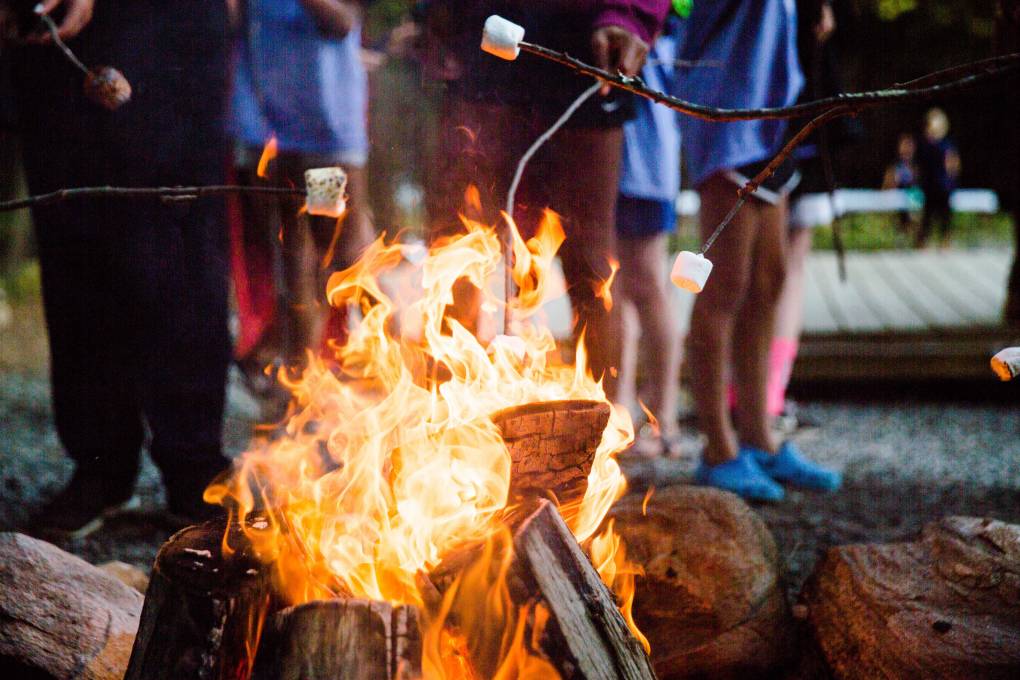
"caption": "Cooking s'mores around a campfire.",
"description": "Cooking s'mores around a campfire.",
"title": "Cooking s'mores around a campfire.",
"credit": "Getty Images",
"status": "inherit",
"isLoading": false,
"fetchFailed": false
},
"mindshift_55923": {
"type": "attachments",
"id": "mindshift_55923",
"meta": {
"index": "attachments_1716263798",
"site": "mindshift",
"id": "55923",
"found": true
},
"parent": 55779,
"imgSizes": {
"twentyfourteen-full-width": {
"file": "https://ww2.kqed.org/app/uploads/sites/23/2020/04/BookAntiRacist-p114-1038x576.jpg",
"width": 1038,
"mimeType": "image/jpeg",
"height": 576
},
"thumbnail": {
"file": "https://ww2.kqed.org/app/uploads/sites/23/2020/04/BookAntiRacist-p114-160x112.jpg",
"width": 160,
"mimeType": "image/jpeg",
"height": 112
},
"post-thumbnail": {
"file": "https://ww2.kqed.org/app/uploads/sites/23/2020/04/BookAntiRacist-p114-672x372.jpg",
"width": 672,
"mimeType": "image/jpeg",
"height": 372
},
"kqedFullSize": {
"file": "https://ww2.kqed.org/app/uploads/sites/23/2020/04/BookAntiRacist-p114.jpg",
"width": 1524,
"height": 1063
},
"large": {
"file": "https://ww2.kqed.org/app/uploads/sites/23/2020/04/BookAntiRacist-p114-1020x711.jpg",
"width": 1020,
"mimeType": "image/jpeg",
"height": 711
},
"medium": {
"file": "https://ww2.kqed.org/app/uploads/sites/23/2020/04/BookAntiRacist-p114-800x558.jpg",
"width": 800,
"mimeType": "image/jpeg",
"height": 558
},
"medium_large": {
"file": "https://ww2.kqed.org/app/uploads/sites/23/2020/04/BookAntiRacist-p114-768x536.jpg",
"width": 768,
"mimeType": "image/jpeg",
"height": 536
}
},
"publishDate": 1589520246,
"modified": 1589521238,
"caption": "From \"“This Book is Anti-Racist: 20 Lessons on How to Wake Up, Take Action and Do The Work\" written by Tiffany Jewell and illustrated by Aurélia Durand.",
"description": null,
"title": "BookAntiRacist p114",
"credit": "Aurélia Durand",
"status": "inherit",
"isLoading": false,
"fetchFailed": false
},
"mindshift_55928": {
"type": "attachments",
"id": "mindshift_55928",
"meta": {
"index": "attachments_1716263798",
"site": "mindshift",
"id": "55928",
"found": true
},
"parent": 55927,
"imgSizes": {
"twentyfourteen-full-width": {
"file": "https://ww2.kqed.org/app/uploads/sites/23/2020/05/perfuma-frosta-adora-scorpia-bow-6baef47acbb6cdb07ece76540b433150c80211da-1038x576.jpg",
"width": 1038,
"mimeType": "image/jpeg",
"height": 576
},
"thumbnail": {
"file": "https://ww2.kqed.org/app/uploads/sites/23/2020/05/perfuma-frosta-adora-scorpia-bow-6baef47acbb6cdb07ece76540b433150c80211da-160x120.jpg",
"width": 160,
"mimeType": "image/jpeg",
"height": 120
},
"post-thumbnail": {
"file": "https://ww2.kqed.org/app/uploads/sites/23/2020/05/perfuma-frosta-adora-scorpia-bow-6baef47acbb6cdb07ece76540b433150c80211da-672x372.jpg",
"width": 672,
"mimeType": "image/jpeg",
"height": 372
},
"kqedFullSize": {
"file": "https://ww2.kqed.org/app/uploads/sites/23/2020/05/perfuma-frosta-adora-scorpia-bow-6baef47acbb6cdb07ece76540b433150c80211da-e1589556521561.jpg",
"width": 1920,
"height": 1440
},
"large": {
"file": "https://ww2.kqed.org/app/uploads/sites/23/2020/05/perfuma-frosta-adora-scorpia-bow-6baef47acbb6cdb07ece76540b433150c80211da-1020x765.jpg",
"width": 1020,
"mimeType": "image/jpeg",
"height": 765
},
"full-width": {
"file": "https://ww2.kqed.org/app/uploads/sites/23/2020/05/perfuma-frosta-adora-scorpia-bow-6baef47acbb6cdb07ece76540b433150c80211da-1920x1440.jpg",
"width": 1920,
"mimeType": "image/jpeg",
"height": 1440
},
"medium": {
"file": "https://ww2.kqed.org/app/uploads/sites/23/2020/05/perfuma-frosta-adora-scorpia-bow-6baef47acbb6cdb07ece76540b433150c80211da-800x600.jpg",
"width": 800,
"mimeType": "image/jpeg",
"height": 600
},
"medium_large": {
"file": "https://ww2.kqed.org/app/uploads/sites/23/2020/05/perfuma-frosta-adora-scorpia-bow-6baef47acbb6cdb07ece76540b433150c80211da-768x576.jpg",
"width": 768,
"mimeType": "image/jpeg",
"height": 576
}
},
"publishDate": 1589556431,
"modified": 1589556536,
"caption": "In the final season of \u003cem>She-Ra and the Princesses of Power\u003c/em>, the rebellion faces an invasion from Horde Prime and his alien clone army.",
"description": "In the final season of \u003cem>She-Ra and the Princesses of Power\u003c/em>, the rebellion faces an invasion from Horde Prime and his alien clone army.",
"title": "In the final season of She-Ra and the Princesses of Power, the rebellion faces an invasion from Horde Prime and his alien clone army.",
"credit": "DreamWorks/Netflix",
"status": "inherit",
"isLoading": false,
"fetchFailed": false
},
"mindshift_55913": {
"type": "attachments",
"id": "mindshift_55913",
"meta": {
"index": "attachments_1716263798",
"site": "mindshift",
"id": "55913",
"found": true
},
"parent": 55912,
"imgSizes": {
"twentyfourteen-full-width": {
"file": "https://ww2.kqed.org/app/uploads/sites/23/2020/05/undefined_custom-1f2a0f3affa265355b9cd310643daa933006cf61-1038x576.jpg",
"width": 1038,
"mimeType": "image/jpeg",
"height": 576
},
"thumbnail": {
"file": "https://ww2.kqed.org/app/uploads/sites/23/2020/05/undefined_custom-1f2a0f3affa265355b9cd310643daa933006cf61-160x100.jpg",
"width": 160,
"mimeType": "image/jpeg",
"height": 100
},
"post-thumbnail": {
"file": "https://ww2.kqed.org/app/uploads/sites/23/2020/05/undefined_custom-1f2a0f3affa265355b9cd310643daa933006cf61-672x372.jpg",
"width": 672,
"mimeType": "image/jpeg",
"height": 372
},
"kqedFullSize": {
"file": "https://ww2.kqed.org/app/uploads/sites/23/2020/05/undefined_custom-1f2a0f3affa265355b9cd310643daa933006cf61-e1589467552164.jpg",
"width": 1920,
"height": 1195
},
"large": {
"file": "https://ww2.kqed.org/app/uploads/sites/23/2020/05/undefined_custom-1f2a0f3affa265355b9cd310643daa933006cf61-1020x635.jpg",
"width": 1020,
"mimeType": "image/jpeg",
"height": 635
},
"full-width": {
"file": "https://ww2.kqed.org/app/uploads/sites/23/2020/05/undefined_custom-1f2a0f3affa265355b9cd310643daa933006cf61-1920x1195.jpg",
"width": 1920,
"mimeType": "image/jpeg",
"height": 1195
},
"medium": {
"file": "https://ww2.kqed.org/app/uploads/sites/23/2020/05/undefined_custom-1f2a0f3affa265355b9cd310643daa933006cf61-800x498.jpg",
"width": 800,
"mimeType": "image/jpeg",
"height": 498
},
"medium_large": {
"file": "https://ww2.kqed.org/app/uploads/sites/23/2020/05/undefined_custom-1f2a0f3affa265355b9cd310643daa933006cf61-768x478.jpg",
"width": 768,
"mimeType": "image/jpeg",
"height": 478
}
},
"publishDate": 1589467165,
"modified": 1589467582,
"caption": "Children in isolation are developing mental health issues.",
"description": "Children in isolation are developing mental health issues.",
"title": "Children in isolation are developing mental health issues.",
"credit": "LA Johnson/NPR",
"status": "inherit",
"isLoading": false,
"fetchFailed": false
},
"mindshift_55904": {
"type": "attachments",
"id": "mindshift_55904",
"meta": {
"index": "attachments_1716263798",
"site": "mindshift",
"id": "55904",
"found": true
},
"parent": 55903,
"imgSizes": {
"twentyfourteen-full-width": {
"file": "https://ww2.kqed.org/app/uploads/sites/23/2020/05/npr_mentalhealth_custom-0f6ad06eb87e22d39b2eda08ca207e39d7d84965-1038x576.jpg",
"width": 1038,
"mimeType": "image/jpeg",
"height": 576
},
"thumbnail": {
"file": "https://ww2.kqed.org/app/uploads/sites/23/2020/05/npr_mentalhealth_custom-0f6ad06eb87e22d39b2eda08ca207e39d7d84965-160x90.jpg",
"width": 160,
"mimeType": "image/jpeg",
"height": 90
},
"post-thumbnail": {
"file": "https://ww2.kqed.org/app/uploads/sites/23/2020/05/npr_mentalhealth_custom-0f6ad06eb87e22d39b2eda08ca207e39d7d84965-672x372.jpg",
"width": 672,
"mimeType": "image/jpeg",
"height": 372
},
"kqedFullSize": {
"file": "https://ww2.kqed.org/app/uploads/sites/23/2020/05/npr_mentalhealth_custom-0f6ad06eb87e22d39b2eda08ca207e39d7d84965-e1589269945412.jpg",
"width": 1920,
"height": 1082
},
"large": {
"file": "https://ww2.kqed.org/app/uploads/sites/23/2020/05/npr_mentalhealth_custom-0f6ad06eb87e22d39b2eda08ca207e39d7d84965-1020x575.jpg",
"width": 1020,
"mimeType": "image/jpeg",
"height": 575
},
"full-width": {
"file": "https://ww2.kqed.org/app/uploads/sites/23/2020/05/npr_mentalhealth_custom-0f6ad06eb87e22d39b2eda08ca207e39d7d84965-1920x1082.jpg",
"width": 1920,
"mimeType": "image/jpeg",
"height": 1082
},
"medium": {
"file": "https://ww2.kqed.org/app/uploads/sites/23/2020/05/npr_mentalhealth_custom-0f6ad06eb87e22d39b2eda08ca207e39d7d84965-800x451.jpg",
"width": 800,
"mimeType": "image/jpeg",
"height": 451
},
"medium_large": {
"file": "https://ww2.kqed.org/app/uploads/sites/23/2020/05/npr_mentalhealth_custom-0f6ad06eb87e22d39b2eda08ca207e39d7d84965-768x433.jpg",
"width": 768,
"mimeType": "image/jpeg",
"height": 433
}
},
"publishDate": 1589269839,
"modified": 1589270608,
"caption": "Loneliness can affect not just your mental health but also your physical health.",
"description": "Loneliness can affect not just your mental health but also your physical health.",
"title": "Loneliness can affect not just your mental health but also your physical health.",
"credit": "Tracy Lee for NPR",
"status": "inherit",
"isLoading": false,
"fetchFailed": false
},
"mindshift_55897": {
"type": "attachments",
"id": "mindshift_55897",
"meta": {
"index": "attachments_1716263798",
"site": "mindshift",
"id": "55897",
"found": true
},
"parent": 55889,
"imgSizes": {
"twentyfourteen-full-width": {
"file": "https://ww2.kqed.org/app/uploads/sites/23/2020/05/iStock-899890574-1038x576.png",
"width": 1038,
"mimeType": "image/png",
"height": 576
},
"thumbnail": {
"file": "https://ww2.kqed.org/app/uploads/sites/23/2020/05/iStock-899890574-160x90.png",
"width": 160,
"mimeType": "image/png",
"height": 90
},
"post-thumbnail": {
"file": "https://ww2.kqed.org/app/uploads/sites/23/2020/05/iStock-899890574-672x372.png",
"width": 672,
"mimeType": "image/png",
"height": 372
},
"kqedFullSize": {
"file": "https://ww2.kqed.org/app/uploads/sites/23/2020/05/iStock-899890574.png",
"width": 1920,
"height": 1080
},
"large": {
"file": "https://ww2.kqed.org/app/uploads/sites/23/2020/05/iStock-899890574-1020x574.png",
"width": 1020,
"mimeType": "image/png",
"height": 574
},
"full-width": {
"file": "https://ww2.kqed.org/app/uploads/sites/23/2020/05/iStock-899890574-1920x1080.png",
"width": 1920,
"mimeType": "image/png",
"height": 1080
},
"medium": {
"file": "https://ww2.kqed.org/app/uploads/sites/23/2020/05/iStock-899890574-800x450.png",
"width": 800,
"mimeType": "image/png",
"height": 450
},
"medium_large": {
"file": "https://ww2.kqed.org/app/uploads/sites/23/2020/05/iStock-899890574-768x432.png",
"width": 768,
"mimeType": "image/png",
"height": 432
}
},
"publishDate": 1589175897,
"modified": 1589175914,
"caption": null,
"description": null,
"title": "iStock-899890574",
"credit": "Chinnapong/iStock",
"status": "inherit",
"isLoading": false,
"fetchFailed": false
},
"mindshift_55874": {
"type": "attachments",
"id": "mindshift_55874",
"meta": {
"index": "attachments_1716263798",
"site": "mindshift",
"id": "55874",
"found": true
},
"parent": 55873,
"imgSizes": {
"twentyfourteen-full-width": {
"file": "https://ww2.kqed.org/app/uploads/sites/23/2020/05/ljohnson-onlineextracurriculars_custom-967b1be542c7af1aedb7a7d4e67bf73786cd4044-1038x576.jpg",
"width": 1038,
"mimeType": "image/jpeg",
"height": 576
},
"thumbnail": {
"file": "https://ww2.kqed.org/app/uploads/sites/23/2020/05/ljohnson-onlineextracurriculars_custom-967b1be542c7af1aedb7a7d4e67bf73786cd4044-160x100.jpg",
"width": 160,
"mimeType": "image/jpeg",
"height": 100
},
"post-thumbnail": {
"file": "https://ww2.kqed.org/app/uploads/sites/23/2020/05/ljohnson-onlineextracurriculars_custom-967b1be542c7af1aedb7a7d4e67bf73786cd4044-672x372.jpg",
"width": 672,
"mimeType": "image/jpeg",
"height": 372
},
"kqedFullSize": {
"file": "https://ww2.kqed.org/app/uploads/sites/23/2020/05/ljohnson-onlineextracurriculars_custom-967b1be542c7af1aedb7a7d4e67bf73786cd4044-e1588829177140.jpg",
"width": 1920,
"height": 1198
},
"large": {
"file": "https://ww2.kqed.org/app/uploads/sites/23/2020/05/ljohnson-onlineextracurriculars_custom-967b1be542c7af1aedb7a7d4e67bf73786cd4044-1020x637.jpg",
"width": 1020,
"mimeType": "image/jpeg",
"height": 637
},
"full-width": {
"file": "https://ww2.kqed.org/app/uploads/sites/23/2020/05/ljohnson-onlineextracurriculars_custom-967b1be542c7af1aedb7a7d4e67bf73786cd4044-1920x1198.jpg",
"width": 1920,
"mimeType": "image/jpeg",
"height": 1198
},
"medium": {
"file": "https://ww2.kqed.org/app/uploads/sites/23/2020/05/ljohnson-onlineextracurriculars_custom-967b1be542c7af1aedb7a7d4e67bf73786cd4044-800x499.jpg",
"width": 800,
"mimeType": "image/jpeg",
"height": 499
},
"medium_large": {
"file": "https://ww2.kqed.org/app/uploads/sites/23/2020/05/ljohnson-onlineextracurriculars_custom-967b1be542c7af1aedb7a7d4e67bf73786cd4044-768x479.jpg",
"width": 768,
"mimeType": "image/jpeg",
"height": 479
}
},
"publishDate": 1588829142,
"modified": 1588829185,
"caption": null,
"description": "Online extracurriculars",
"title": "Online extracurriculars",
"credit": "LA Johnson/NPR",
"status": "inherit",
"isLoading": false,
"fetchFailed": false
},
"mindshift_55869": {
"type": "attachments",
"id": "mindshift_55869",
"meta": {
"index": "attachments_1716263798",
"site": "mindshift",
"id": "55869",
"found": true
},
"parent": 55868,
"imgSizes": {
"twentyfourteen-full-width": {
"file": "https://ww2.kqed.org/app/uploads/sites/23/2020/05/hbarczyk_npr_onlineschool_final_custom-ead87b3b362e385a8e6c1088bbbc7bb902945cfc-1038x576.jpg",
"width": 1038,
"mimeType": "image/jpeg",
"height": 576
},
"thumbnail": {
"file": "https://ww2.kqed.org/app/uploads/sites/23/2020/05/hbarczyk_npr_onlineschool_final_custom-ead87b3b362e385a8e6c1088bbbc7bb902945cfc-160x100.jpg",
"width": 160,
"mimeType": "image/jpeg",
"height": 100
},
"post-thumbnail": {
"file": "https://ww2.kqed.org/app/uploads/sites/23/2020/05/hbarczyk_npr_onlineschool_final_custom-ead87b3b362e385a8e6c1088bbbc7bb902945cfc-672x372.jpg",
"width": 672,
"mimeType": "image/jpeg",
"height": 372
},
"kqedFullSize": {
"file": "https://ww2.kqed.org/app/uploads/sites/23/2020/05/hbarczyk_npr_onlineschool_final_custom-ead87b3b362e385a8e6c1088bbbc7bb902945cfc-e1588750643158.jpg",
"width": 1920,
"height": 1198
},
"large": {
"file": "https://ww2.kqed.org/app/uploads/sites/23/2020/05/hbarczyk_npr_onlineschool_final_custom-ead87b3b362e385a8e6c1088bbbc7bb902945cfc-1020x637.jpg",
"width": 1020,
"mimeType": "image/jpeg",
"height": 637
},
"full-width": {
"file": "https://ww2.kqed.org/app/uploads/sites/23/2020/05/hbarczyk_npr_onlineschool_final_custom-ead87b3b362e385a8e6c1088bbbc7bb902945cfc-1920x1198.jpg",
"width": 1920,
"mimeType": "image/jpeg",
"height": 1198
},
"medium": {
"file": "https://ww2.kqed.org/app/uploads/sites/23/2020/05/hbarczyk_npr_onlineschool_final_custom-ead87b3b362e385a8e6c1088bbbc7bb902945cfc-800x499.jpg",
"width": 800,
"mimeType": "image/jpeg",
"height": 499
},
"medium_large": {
"file": "https://ww2.kqed.org/app/uploads/sites/23/2020/05/hbarczyk_npr_onlineschool_final_custom-ead87b3b362e385a8e6c1088bbbc7bb902945cfc-768x479.jpg",
"width": 768,
"mimeType": "image/jpeg",
"height": 479
}
},
"publishDate": 1588750623,
"modified": 1588750655,
"caption": null,
"description": "Online vs. in-person college.",
"title": "Online vs. in-person college.",
"credit": "Hanna Barczyk for NPR",
"status": "inherit",
"isLoading": false,
"fetchFailed": false
},
"mindshift_55862": {
"type": "attachments",
"id": "mindshift_55862",
"meta": {
"index": "attachments_1716263798",
"site": "mindshift",
"id": "55862",
"found": true
},
"parent": 55858,
"imgSizes": {
"twentyfourteen-full-width": {
"file": "https://ww2.kqed.org/app/uploads/sites/23/2020/05/iStock-1202082947-1038x576.jpg",
"width": 1038,
"mimeType": "image/jpeg",
"height": 576
},
"thumbnail": {
"file": "https://ww2.kqed.org/app/uploads/sites/23/2020/05/iStock-1202082947-160x105.jpg",
"width": 160,
"mimeType": "image/jpeg",
"height": 105
},
"post-thumbnail": {
"file": "https://ww2.kqed.org/app/uploads/sites/23/2020/05/iStock-1202082947-672x372.jpg",
"width": 672,
"mimeType": "image/jpeg",
"height": 372
},
"kqedFullSize": {
"file": "https://ww2.kqed.org/app/uploads/sites/23/2020/05/iStock-1202082947-e1588613372571.jpg",
"width": 1920,
"height": 1261
},
"large": {
"file": "https://ww2.kqed.org/app/uploads/sites/23/2020/05/iStock-1202082947-1020x670.jpg",
"width": 1020,
"mimeType": "image/jpeg",
"height": 670
},
"full-width": {
"file": "https://ww2.kqed.org/app/uploads/sites/23/2020/05/iStock-1202082947-1920x1261.jpg",
"width": 1920,
"mimeType": "image/jpeg",
"height": 1261
},
"medium": {
"file": "https://ww2.kqed.org/app/uploads/sites/23/2020/05/iStock-1202082947-800x525.jpg",
"width": 800,
"mimeType": "image/jpeg",
"height": 525
},
"medium_large": {
"file": "https://ww2.kqed.org/app/uploads/sites/23/2020/05/iStock-1202082947-768x504.jpg",
"width": 768,
"mimeType": "image/jpeg",
"height": 504
}
},
"publishDate": 1588613345,
"modified": 1588613364,
"caption": null,
"description": null,
"title": null,
"credit": "Halfpoint/iStock",
"status": "inherit",
"isLoading": false,
"fetchFailed": false
},
"mindshift_55856": {
"type": "attachments",
"id": "mindshift_55856",
"meta": {
"index": "attachments_1716263798",
"site": "mindshift",
"id": "55856",
"found": true
},
"parent": 55838,
"imgSizes": {
"twentyfourteen-full-width": {
"file": "https://ww2.kqed.org/app/uploads/sites/23/2020/05/iStock-1159559400-1038x576.jpg",
"width": 1038,
"mimeType": "image/jpeg",
"height": 576
},
"thumbnail": {
"file": "https://ww2.kqed.org/app/uploads/sites/23/2020/05/iStock-1159559400-160x107.jpg",
"width": 160,
"mimeType": "image/jpeg",
"height": 107
},
"post-thumbnail": {
"file": "https://ww2.kqed.org/app/uploads/sites/23/2020/05/iStock-1159559400-672x372.jpg",
"width": 672,
"mimeType": "image/jpeg",
"height": 372
},
"kqedFullSize": {
"file": "https://ww2.kqed.org/app/uploads/sites/23/2020/05/iStock-1159559400-e1588577856945.jpg",
"width": 1920,
"height": 1280
},
"large": {
"file": "https://ww2.kqed.org/app/uploads/sites/23/2020/05/iStock-1159559400-1020x680.jpg",
"width": 1020,
"mimeType": "image/jpeg",
"height": 680
},
"full-width": {
"file": "https://ww2.kqed.org/app/uploads/sites/23/2020/05/iStock-1159559400-1920x1280.jpg",
"width": 1920,
"mimeType": "image/jpeg",
"height": 1280
},
"medium": {
"file": "https://ww2.kqed.org/app/uploads/sites/23/2020/05/iStock-1159559400-800x533.jpg",
"width": 800,
"mimeType": "image/jpeg",
"height": 533
},
"medium_large": {
"file": "https://ww2.kqed.org/app/uploads/sites/23/2020/05/iStock-1159559400-768x512.jpg",
"width": 768,
"mimeType": "image/jpeg",
"height": 512
}
},
"publishDate": 1588577840,
"modified": 1589300100,
"caption": null,
"description": null,
"title": "Boy using laptop while drawing a sketch on book at home",
"credit": "Wavebreakmedia/iStock",
"status": "inherit",
"isLoading": false,
"fetchFailed": false
},
"mindshift_55828": {
"type": "attachments",
"id": "mindshift_55828",
"meta": {
"index": "attachments_1716263798",
"site": "mindshift",
"id": "55828",
"found": true
},
"parent": 55799,
"imgSizes": {
"twentyfourteen-full-width": {
"file": "https://ww2.kqed.org/app/uploads/sites/23/2020/05/iStock-462375303-1038x576.png",
"width": 1038,
"mimeType": "image/png",
"height": 576
},
"thumbnail": {
"file": "https://ww2.kqed.org/app/uploads/sites/23/2020/05/iStock-462375303-160x113.png",
"width": 160,
"mimeType": "image/png",
"height": 113
},
"post-thumbnail": {
"file": "https://ww2.kqed.org/app/uploads/sites/23/2020/05/iStock-462375303-672x372.png",
"width": 672,
"mimeType": "image/png",
"height": 372
},
"kqedFullSize": {
"file": "https://ww2.kqed.org/app/uploads/sites/23/2020/05/iStock-462375303.png",
"width": 1920,
"height": 1358
},
"large": {
"file": "https://ww2.kqed.org/app/uploads/sites/23/2020/05/iStock-462375303-1020x721.png",
"width": 1020,
"mimeType": "image/png",
"height": 721
},
"full-width": {
"file": "https://ww2.kqed.org/app/uploads/sites/23/2020/05/iStock-462375303-1920x1358.png",
"width": 1920,
"mimeType": "image/png",
"height": 1358
},
"medium": {
"file": "https://ww2.kqed.org/app/uploads/sites/23/2020/05/iStock-462375303-800x566.png",
"width": 800,
"mimeType": "image/png",
"height": 566
},
"medium_large": {
"file": "https://ww2.kqed.org/app/uploads/sites/23/2020/05/iStock-462375303-768x543.png",
"width": 768,
"mimeType": "image/png",
"height": 543
}
},
"publishDate": 1588342021,
"modified": 1588342042,
"caption": null,
"description": null,
"title": "iStock-462375303",
"credit": "draganajokmanovic/iStock",
"status": "inherit",
"isLoading": false,
"fetchFailed": false
}
},
"audioPlayerReducer": {
"postId": "stream_live",
"isPaused": true,
"isPlaying": false,
"pfsActive": false,
"pledgeModalIsOpen": true,
"playerDrawerIsOpen": false,
"liveAudioPlayStartedAt": 0,
"liveAudioPlayContext": ""
},
"authorsReducer": {
"byline_mindshift_55941": {
"type": "authors",
"id": "byline_mindshift_55941",
"meta": {
"override": true
},
"slug": "byline_mindshift_55941",
"name": "Amielle Major",
"isLoading": false
},
"byline_mindshift_55936": {
"type": "authors",
"id": "byline_mindshift_55936",
"meta": {
"override": true
},
"slug": "byline_mindshift_55936",
"name": "Anya Kamenetz",
"isLoading": false
},
"byline_mindshift_55927": {
"type": "authors",
"id": "byline_mindshift_55927",
"meta": {
"override": true
},
"slug": "byline_mindshift_55927",
"name": "Victoria Whitley-Berry",
"isLoading": false
},
"byline_mindshift_55912": {
"type": "authors",
"id": "byline_mindshift_55912",
"meta": {
"override": true
},
"slug": "byline_mindshift_55912",
"name": "Anya Kamenetz",
"isLoading": false
},
"byline_mindshift_55903": {
"type": "authors",
"id": "byline_mindshift_55903",
"meta": {
"override": true
},
"slug": "byline_mindshift_55903",
"name": "Allison Aubrey",
"isLoading": false
},
"byline_mindshift_55873": {
"type": "authors",
"id": "byline_mindshift_55873",
"meta": {
"override": true
},
"slug": "byline_mindshift_55873",
"name": "Kavitha Cardoza",
"isLoading": false
},
"byline_mindshift_55868": {
"type": "authors",
"id": "byline_mindshift_55868",
"meta": {
"override": true
},
"slug": "byline_mindshift_55868",
"name": "Elissa Nadworny ",
"isLoading": false
},
"ksung": {
"type": "authors",
"id": "4596",
"meta": {
"index": "authors_1716337520",
"id": "4596",
"found": true
},
"name": "Ki Sung",
"firstName": "Ki",
"lastName": "Sung",
"slug": "ksung",
"email": "ksung@kqed.org",
"display_author_email": false,
"staff_mastheads": [
"news"
],
"title": "KQED Contributor",
"bio": "Ki Sung is Managing Editor of Digital News at KQED. She is former Senior Editor of MindShift and worked at NPR before joining KQED in 2014.",
"avatar": "https://secure.gravatar.com/avatar/64271e01dc95486c133be56937739045b7c00c990525bf9add12d3dd4f0433c9?s=600&d=blank&r=g",
"twitter": null,
"bluesky": null,
"facebook": null,
"instagram": null,
"linkedin": null,
"sites": [
{
"site": "arts",
"roles": [
"administrator"
]
},
{
"site": "news",
"roles": [
"administrator"
]
},
{
"site": "mindshift",
"roles": [
"administrator"
]
},
{
"site": "science",
"roles": [
"administrator"
]
},
{
"site": "forum",
"roles": [
"administrator"
]
},
{
"site": "perspectives",
"roles": [
"administrator"
]
},
{
"site": "elections",
"roles": [
"administrator"
]
}
],
"headData": {
"title": "Ki Sung | KQED",
"description": "KQED Contributor",
"ogImgSrc": "https://secure.gravatar.com/avatar/64271e01dc95486c133be56937739045b7c00c990525bf9add12d3dd4f0433c9?s=600&d=blank&r=g",
"twImgSrc": "https://secure.gravatar.com/avatar/64271e01dc95486c133be56937739045b7c00c990525bf9add12d3dd4f0433c9?s=600&d=blank&r=g"
},
"isLoading": false,
"link": "/author/ksung"
},
"lindaflan": {
"type": "authors",
"id": "4613",
"meta": {
"index": "authors_1716337520",
"id": "4613",
"found": true
},
"name": "Linda Flanagan",
"firstName": "Linda",
"lastName": "Flanagan",
"slug": "lindaflan",
"email": "lindaflan@comcast.net",
"display_author_email": false,
"staff_mastheads": [],
"title": null,
"bio": "Linda Flanagan is a freelance writer, researcher, and editor. Her work has appeared in The Atlantic, The Wall St. Journal, Newsweek, Running Times, and Mind/Shift, and she blogs regularly for the Huffington Post. Linda writes about education, culture, athletics, youth sports, mental health, politics, college admissions, and other curiosities. She also reviews books and conducts interviews.",
"avatar": "https://secure.gravatar.com/avatar/6bca04c0736bf5eaea80654019de688f?s=600&d=blank&r=g",
"twitter": "LindaFlanagan2",
"facebook": null,
"instagram": null,
"linkedin": null,
"sites": [
{
"site": "mindshift",
"roles": [
"contributor"
]
}
],
"headData": {
"title": "Linda Flanagan | KQED",
"description": null,
"ogImgSrc": "https://secure.gravatar.com/avatar/6bca04c0736bf5eaea80654019de688f?s=600&d=blank&r=g",
"twImgSrc": "https://secure.gravatar.com/avatar/6bca04c0736bf5eaea80654019de688f?s=600&d=blank&r=g"
},
"isLoading": false,
"link": "/author/lindaflan"
},
"kdnewhouse": {
"type": "authors",
"id": "11487",
"meta": {
"index": "authors_1716337520",
"id": "11487",
"found": true
},
"name": "Kara Newhouse",
"firstName": "Kara",
"lastName": "Newhouse",
"slug": "kdnewhouse",
"email": "knewhouse@kqed.org",
"display_author_email": false,
"staff_mastheads": [],
"title": "MindShift Editor",
"bio": null,
"avatar": "https://secure.gravatar.com/avatar/3dceed6fb271527113abfa9a8e9df34e?s=600&d=blank&r=g",
"twitter": null,
"facebook": null,
"instagram": null,
"linkedin": null,
"sites": [
{
"site": "",
"roles": [
"editor"
]
},
{
"site": "mindshift",
"roles": []
}
],
"headData": {
"title": "Kara Newhouse | KQED",
"description": "MindShift Editor",
"ogImgSrc": "https://secure.gravatar.com/avatar/3dceed6fb271527113abfa9a8e9df34e?s=600&d=blank&r=g",
"twImgSrc": "https://secure.gravatar.com/avatar/3dceed6fb271527113abfa9a8e9df34e?s=600&d=blank&r=g"
},
"isLoading": false,
"link": "/author/kdnewhouse"
}
},
"pagesReducer": {
"mindshift_tag_featured": {
"type": "terms",
"id": "mindshift_20784",
"meta": {
"index": "terms_1716263798",
"site": "mindshift",
"id": "20784",
"score": 7.6562457
},
"featImg": null,
"name": "featured",
"description": null,
"taxonomy": "tag",
"headData": {
"twImgId": null,
"twTitle": null,
"ogTitle": null,
"ogImgId": null,
"twDescription": null,
"description": null,
"title": "featured Archives | KQED Mindshift",
"ogDescription": null
},
"ttid": 20061,
"slug": "featured",
"isLoading": false,
"title": "featured",
"pageMeta": {
"site": "mindshift",
"WpPageTemplate": "page-topic-editorial",
"currentPage": 3
},
"blocks": [
{
"blockName": "kqed/post-list",
"attrs": {
"layout": "cardArticle2",
"query": "posts/mindshift?tag=featured",
"seeMore": false,
"paginated": true,
"page": 3
}
},
{
"blockName": "kqed/ad"
}
]
}
},
"pfsSessionReducer": {},
"postsReducer": {
"stream_live": {
"type": "live",
"id": "stream_live",
"audioUrl": "https://hls.kqed.org/hls/kqed_app/playlist.m3u8",
"title": "Live Stream",
"excerpt": "Live Stream information currently unavailable.",
"link": "/radio",
"featImg": "",
"label": {
"name": "KQED Live",
"link": "/"
}
},
"stream_kqedNewscast": {
"type": "posts",
"id": "stream_kqedNewscast",
"audioUrl": "https://www.kqed.org/.stream/anon/radio/RDnews/newscast.mp3?_=1",
"title": "KQED Newscast",
"featImg": "",
"label": {
"name": "88.5 FM",
"link": "/"
}
},
"mindshift_55941": {
"type": "posts",
"id": "mindshift_55941",
"meta": {
"index": "posts_1716263798",
"site": "mindshift",
"id": "55941",
"score": null,
"sort": [
1589960612000
]
},
"parent": 0,
"labelTerm": {
"site": "mindshift"
},
"blocks": [],
"publishDate": 1589960612,
"format": "standard",
"disqusTitle": "How to Develop Culturally Responsive Teaching for Distance Learning",
"title": "How to Develop Culturally Responsive Teaching for Distance Learning",
"headTitle": "MindShift | KQED News",
"content": "\u003cp>\u003cspan style=\"font-weight: 400\">The coronavirus pandemic and school closures across the nation have exposed deep inequities within education: technology access, challenges with communication, lack of support for special education students, to name just a few. During this crisis, there are still opportunities to provide students with tools to help them be independent learners, according to \u003ca href=\"https://crtandthebrain.com/about/\">Zaretta Hammond\u003c/a>, author of \"\u003ca href=\"https://crtandthebrain.com/about/\">Culturally Responsive Teaching and the Brain\u003c/a>.\u003cem>\"\u003c/em>\u003c/span>\u003c/p>\n\u003cp>\u003cspan style=\"font-weight: 400\">The classroom is where so much of the focus on learning has been placed, but there are opportunities to develop learning routines at home. This won’t mean sending home the same materials a student would have in class, but thinking about what a student needs in order to have agency over their learning in any situation. \u003c/span>\u003c/p>\n\u003cp>\u003cspan style=\"font-weight: 400\">Hammond shared three design principles of culturally responsive instruction that can be used to support students’ cognitive development from afar in her webinar, “\u003ca href=\"https://crtandthebrain.com/covid19-webinars/\">Moving Beyond the Packet: Creating More Culturally Responsive Distance Learning Experiences.\u003c/a>” She said it’s important to stay focused on the student and offer small but high-leverage\u003c/span> \u003cspan style=\"font-weight: 400\">practices\u003c/span> \u003cspan style=\"font-weight: 400\">that maintain student progress and increase intellectual capacity during this time. She said these tips and activities also work for students without reliable access to technology and the internet.\u003c/span>\u003c/p>\n\u003ch2>\u003cb>First, what is culturally responsive instruction?\u003c/b>\u003c/h2>\n\u003cp>\u003cspan style=\"font-weight: 400\">Shared language matters and there’s a lot of confusion about culturally responsive teaching. At its core, culturally responsive instruction is about helping students become independent learners. Culturally responsive instruction should: \u003c/span>\u003cspan style=\"font-weight: 400\">\u003cbr>\n\u003c/span>\u003c/p>\n\u003cul>\n\u003cli style=\"font-weight: 400\">\u003cspan style=\"font-weight: 400\">Focus on improving the learning capacity of students who have been marginalized educationally because of historical inequities in our school systems.\u003c/span>\u003c/li>\n\u003cli style=\"font-weight: 400\">\u003cspan style=\"font-weight: 400\">Center around both the affective and cognitive aspects of teaching and learning. \u003c/span>\u003c/li>\n\u003cli style=\"font-weight: 400\">\u003cspan style=\"font-weight: 400\">Build cognitive capacity and academic mindset by pushing back on dominant narratives about people of color.\u003c/span>\u003c/li>\n\u003c/ul>\n\u003cp>\u003cspan style=\"font-weight: 400\">“Culturally responsive instruction doesn't mean you're only mentioning issues of race and implicit bias,\" she said. \"It means that you’re also focused on building brainpower by helping students leverage and grow their existing funds of knowledge.” \u003c/span>\u003c/p>\n\u003cp>[ad fullwidth]\u003c/p>\n\u003cp>\u003cspan style=\"font-weight: 400\">Hammond distinguishes the differences between culturally responsive education, multicultural education and social justice education. Each is important, but without a focus on building students’ brain power, they will experience learning loss. \u003c/span>\u003c/p>\n\u003cfigure id=\"attachment_55942\" class=\"wp-caption alignnone\" style=\"max-width: 1920px\">\u003cimg class=\"size-full wp-image-55942\" src=\"https://ww2.kqed.org/app/uploads/sites/23/2020/05/Distinctions-of-Equity_2020_color-e1589955039436.jpg\" alt=\"\" width=\"1920\" height=\"1484\">\u003cfigcaption class=\"wp-caption-text\">Courtesy of Zaretta Hammond \u003ccite>(Courtesy of Zaretta Hammond)\u003c/cite>\u003c/figcaption>\u003c/figure>\n\u003cp>\u003cspan style=\"font-weight: 400\">When it comes to distance learning, applying culturally responsive teaching requires “remixing” education by borrowing from the best practices in how kids learn (Montessori, project-based learning, etc.) in a way that repositions the student as the leader of his own learning. By giving students more agency, the idea is to disrupt old routines around teaching and learning that make the student dependent on the teacher for receiving knowledge. \u003c/span>\u003c/p>\n\u003cp>\u003cspan style=\"font-weight: 400\">“It’s going to stretch us a little out of our own comfort zones, but it’s worth it in the long run if we can get students to continue to do that thinking,” said Hammond. \u003c/span>\u003c/p>\n\u003cp>\u003cspan style=\"font-weight: 400\">She advises three strategies to help students gain that independence:\u003c/span>\u003c/p>\n\u003ch2>\u003cb>1. Deepen background knowledge\u003c/b>\u003c/h2>\n\u003cp>\u003cspan style=\"font-weight: 400\">Many educators are understandably wondering whether they should teach new content or review familiar material. Hammond encourages educators to do the latter because cognitively dependent learners often have \u003c/span>\u003ca href=\"https://www.kqed.org/mindshift/54452/why-deeply-diving-into-content-could-be-the-key-to-reading-comprehension\">\u003cspan style=\"font-weight: 400\">gaps in their background knowledge\u003c/span>\u003c/a>\u003cspan style=\"font-weight: 400\">. “A lot of our students are compliant learners,” she said. “They’re having a hard time shifting right now [because] they’re used to the worksheet, but that doesn’t mean they’re always processing information.” \u003c/span>\u003c/p>\n\u003cp>\u003cspan style=\"font-weight: 400\">She advises teachers to help students connect new things they're learning to their brain’s existing schema – also known as background knowledge – that comes from home, their community, their interests. Teachers can then give them authentic tasks that help them make meaning and connections. This helps turn new inert information into usable knowledge. “You cannot give another person background knowledge,” she explained. “They have to acquire it, but as teachers we can help guide the process.” This can be done by building upon student interest. \u003c/span>\u003c/p>\n\u003cp>\u003cspan style=\"font-weight: 400\">“Survey your students if you don’t know what they like,” said Hammond. Ask them what books they enjoy reading or what topics get them super excited. She said It doesn’t matter if their interests are broad or narrow; it’s important to learn what interests them so that you can use that information to: \u003c/span>\u003c/p>\n\u003cul>\n\u003cli style=\"font-weight: 400\">\u003cspan style=\"font-weight: 400\">Assign non-fiction books that build on student interests.\u003c/span>\u003c/li>\n\u003cli style=\"font-weight: 400\">\u003cspan style=\"font-weight: 400\">Create a “Netflix” playlist of documentaries, nature shows, historical events, etc. \u003c/span>\u003c/li>\n\u003cli style=\"font-weight: 400\">\u003cspan style=\"font-weight: 400\">Encourage kids and parents to do a walk-about, if that's possible in their community, following social distancing guidelines. Encourage parents and students to seek out community curiosities (landmarks or interesting sights) relevant to students’ interest.\u003c/span>\u003c/li>\n\u003c/ul>\n\u003cp>\u003cspan style=\"font-weight: 400\">With each of these activities, it’s important to give the students direction so they know what to look out for. “You have to tell the brain what to pay attention to,” Hammond explains. She suggested questions like, “What was your biggest surprise from this book/show?” or thinking routine sentences like “I Used to Think ___. But, now I think ____.” \u003c/span>\u003c/p>\n\u003cp>\u003cspan style=\"font-weight: 400\">She said to always make sure that students do something with the knowledge as well. She suggested having them share interesting facts they learned either during video conferences or via an audio/video clip. For those students with limited internet access, encourage them to share what they learned with their parents. \u003c/span>\u003c/p>\n\u003ch2>\u003cb>2. Cultivate cognitive routines \u003c/b>\u003c/h2>\n\u003cp>\u003cspan style=\"font-weight: 400\">Growing students’ brain power during distance learning starts with building cognitive routines. These routines are essential to processing and hardwiring information in the brain. \u003c/span>\u003c/p>\n\u003cp>\u003cspan style=\"font-weight: 400\">“Be the personal trainer of their cognitive development,” Hammond said. To do this, she suggested having a routine set of prompts in each packet that become a regular part of the way students think. That way, students begin to think that way even when you’re not in the classroom to reinforce that way of thinking. \u003c/span>\u003c/p>\n\u003cp>\u003cspan style=\"font-weight: 400\">One example is to ask students to connect the “unknown to the known” or across concepts by asking questions like, \"\u003c/span>\u003cspan style=\"font-weight: 400\">What’s the relationship or connection between these things?” or “How does this part fit into the whole? What are the parts of this whole?” \u003c/span>\u003cspan style=\"font-weight: 400\">These may seem simple, but these questions are critical when it comes to processing information so that students internalize these prompts until they become almost instinctual. \u003c/span>\u003c/p>\n\u003cp>\u003cspan style=\"font-weight: 400\">She said students should also be encouraged to sketchnote or \u003ca href=\"https://www.kqed.org/mindshift/39941/making-learning-visible-doodling-helps-memories-stick\">doodle\u003c/a> to actively process what they’re learning as an alternative to note-taking. \u003ca href=\"https://www.kqed.org/mindshift/54655/why-teachers-are-so-excited-about-the-power-of-sketchnoting\">Sketchnoting\u003c/a> can encourage people to make deeper connections to what they’re hearing. \u003c/span>\u003c/p>\n\u003ch2>\u003cb>3. Build word wealth \u003c/b>\u003c/h2>\n\u003cp>\u003cspan style=\"font-weight: 400\">Building a student’s vocabulary is a key tool in equity strategies for schools. “Kids have different interests in words so find out where their energy is. You can have a differentiated assignment around word collecting, but the idea is to get them actively involved in word consciousness,” said Hammond. She said there are many small but high-leverage ways to do this, such as introducing robust word study. A teacher can help students engage in wordplay, word consciousness and word knowledge. This should not happen through a worksheet assignment, but rather begin with building word consciousness of words in their community, home and home language. \u003c/span>\u003c/p>\n\u003cp>\u003cspan style=\"font-weight: 400\">Word games like Scrabble, Heads Up, Taboo or even word searches are small familiar but high-leverage activities because they’re fun but also require a high cognitive load. You can create your own versions of these games and have students do this in any language. Students can also do word collecting activities like scavenger hunts, or make poetry using magnetic poetry. Students can also do a contrastive analysis, by comparing words they might find in Urban Dictionary to those they might find in a standard dictionary.\u003c/span>\u003c/p>\n\u003cp>[ad floatright]\u003c/p>\n\u003cp>\u003cspan style=\"font-weight: 400\">She said it’s important to make sure that culturally responsive distance learning doesn’t turn into one-off strategies, like a single activity. She said practices must become routine by practicing over and over. She also said that by encouraging students to lean into their own productive struggle, they’ll know more about themselves as learners. “They've got to muck around a little bit and they've got to feel like it's OK,” said Hammond. \u003c/span>\u003cspan style=\"font-weight: 400\"> \u003c/span>\u003c/p>\n\n",
"disqusIdentifier": "55941 https://ww2.kqed.org/mindshift/?p=55941",
"disqusUrl": "https://ww2.kqed.org/mindshift/2020/05/20/how-to-develop-culturally-responsive-teaching-for-distance-learning/",
"stats": {
"hasVideo": false,
"hasChartOrMap": false,
"hasAudio": false,
"hasPolis": false,
"wordCount": 1440,
"hasGoogleForm": false,
"hasGallery": false,
"hasHearkenModule": false,
"iframeSrcs": [],
"paragraphCount": 23
},
"modified": 1589960664,
"excerpt": "Culturally responsive teaching is a powerful way to help students become independent learners, and it can be especially valuable during distance learning. ",
"headData": {
"twImgId": "",
"twTitle": "",
"ogTitle": "",
"ogImgId": "",
"twDescription": "",
"description": "Culturally responsive teaching is a powerful way to help students become independent learners, and it can be especially valuable during distance learning. ",
"title": "How to Develop Culturally Responsive Teaching for Distance Learning | KQED",
"ogDescription": "",
"schema": {
"@context": "https://schema.org",
"@type": "Article",
"headline": "How to Develop Culturally Responsive Teaching for Distance Learning",
"datePublished": "2020-05-20T00:43:32-07:00",
"dateModified": "2020-05-20T00:44:24-07:00",
"image": "https://cdn.kqed.org/wp-content/uploads/2020/02/KQED-OG-Image@1x.png"
}
},
"guestAuthors": [],
"slug": "how-to-develop-culturally-responsive-teaching-for-distance-learning",
"status": "publish",
"nprByline": "Amielle Major",
"path": "/mindshift/55941/how-to-develop-culturally-responsive-teaching-for-distance-learning",
"audioTrackLength": null,
"parsedContent": [
{
"type": "contentString",
"content": "\u003cdiv class=\"post-body\">\u003cp>\u003cp>\u003cspan style=\"font-weight: 400\">The coronavirus pandemic and school closures across the nation have exposed deep inequities within education: technology access, challenges with communication, lack of support for special education students, to name just a few. During this crisis, there are still opportunities to provide students with tools to help them be independent learners, according to \u003ca href=\"https://crtandthebrain.com/about/\">Zaretta Hammond\u003c/a>, author of \"\u003ca href=\"https://crtandthebrain.com/about/\">Culturally Responsive Teaching and the Brain\u003c/a>.\u003cem>\"\u003c/em>\u003c/span>\u003c/p>\n\u003cp>\u003cspan style=\"font-weight: 400\">The classroom is where so much of the focus on learning has been placed, but there are opportunities to develop learning routines at home. This won’t mean sending home the same materials a student would have in class, but thinking about what a student needs in order to have agency over their learning in any situation. \u003c/span>\u003c/p>\n\u003cp>\u003cspan style=\"font-weight: 400\">Hammond shared three design principles of culturally responsive instruction that can be used to support students’ cognitive development from afar in her webinar, “\u003ca href=\"https://crtandthebrain.com/covid19-webinars/\">Moving Beyond the Packet: Creating More Culturally Responsive Distance Learning Experiences.\u003c/a>” She said it’s important to stay focused on the student and offer small but high-leverage\u003c/span> \u003cspan style=\"font-weight: 400\">practices\u003c/span> \u003cspan style=\"font-weight: 400\">that maintain student progress and increase intellectual capacity during this time. She said these tips and activities also work for students without reliable access to technology and the internet.\u003c/span>\u003c/p>\n\u003ch2>\u003cb>First, what is culturally responsive instruction?\u003c/b>\u003c/h2>\n\u003cp>\u003cspan style=\"font-weight: 400\">Shared language matters and there’s a lot of confusion about culturally responsive teaching. At its core, culturally responsive instruction is about helping students become independent learners. Culturally responsive instruction should: \u003c/span>\u003cspan style=\"font-weight: 400\">\u003cbr>\n\u003c/span>\u003c/p>\n\u003cul>\n\u003cli style=\"font-weight: 400\">\u003cspan style=\"font-weight: 400\">Focus on improving the learning capacity of students who have been marginalized educationally because of historical inequities in our school systems.\u003c/span>\u003c/li>\n\u003cli style=\"font-weight: 400\">\u003cspan style=\"font-weight: 400\">Center around both the affective and cognitive aspects of teaching and learning. \u003c/span>\u003c/li>\n\u003cli style=\"font-weight: 400\">\u003cspan style=\"font-weight: 400\">Build cognitive capacity and academic mindset by pushing back on dominant narratives about people of color.\u003c/span>\u003c/li>\n\u003c/ul>\n\u003cp>\u003cspan style=\"font-weight: 400\">“Culturally responsive instruction doesn't mean you're only mentioning issues of race and implicit bias,\" she said. \"It means that you’re also focused on building brainpower by helping students leverage and grow their existing funds of knowledge.” \u003c/span>\u003c/p>\n\u003cp>\u003c/p>\u003c/div>",
"attributes": {
"named": {},
"numeric": []
}
},
{
"type": "component",
"content": "",
"name": "ad",
"attributes": {
"named": {
"label": "fullwidth"
},
"numeric": [
"fullwidth"
]
}
},
{
"type": "contentString",
"content": "\u003cdiv class=\"post-body\">\u003cp>\u003c/p>\n\u003cp>\u003cspan style=\"font-weight: 400\">Hammond distinguishes the differences between culturally responsive education, multicultural education and social justice education. Each is important, but without a focus on building students’ brain power, they will experience learning loss. \u003c/span>\u003c/p>\n\u003cfigure id=\"attachment_55942\" class=\"wp-caption alignnone\" style=\"max-width: 1920px\">\u003cimg class=\"size-full wp-image-55942\" src=\"https://ww2.kqed.org/app/uploads/sites/23/2020/05/Distinctions-of-Equity_2020_color-e1589955039436.jpg\" alt=\"\" width=\"1920\" height=\"1484\">\u003cfigcaption class=\"wp-caption-text\">Courtesy of Zaretta Hammond \u003ccite>(Courtesy of Zaretta Hammond)\u003c/cite>\u003c/figcaption>\u003c/figure>\n\u003cp>\u003cspan style=\"font-weight: 400\">When it comes to distance learning, applying culturally responsive teaching requires “remixing” education by borrowing from the best practices in how kids learn (Montessori, project-based learning, etc.) in a way that repositions the student as the leader of his own learning. By giving students more agency, the idea is to disrupt old routines around teaching and learning that make the student dependent on the teacher for receiving knowledge. \u003c/span>\u003c/p>\n\u003cp>\u003cspan style=\"font-weight: 400\">“It’s going to stretch us a little out of our own comfort zones, but it’s worth it in the long run if we can get students to continue to do that thinking,” said Hammond. \u003c/span>\u003c/p>\n\u003cp>\u003cspan style=\"font-weight: 400\">She advises three strategies to help students gain that independence:\u003c/span>\u003c/p>\n\u003ch2>\u003cb>1. Deepen background knowledge\u003c/b>\u003c/h2>\n\u003cp>\u003cspan style=\"font-weight: 400\">Many educators are understandably wondering whether they should teach new content or review familiar material. Hammond encourages educators to do the latter because cognitively dependent learners often have \u003c/span>\u003ca href=\"https://www.kqed.org/mindshift/54452/why-deeply-diving-into-content-could-be-the-key-to-reading-comprehension\">\u003cspan style=\"font-weight: 400\">gaps in their background knowledge\u003c/span>\u003c/a>\u003cspan style=\"font-weight: 400\">. “A lot of our students are compliant learners,” she said. “They’re having a hard time shifting right now [because] they’re used to the worksheet, but that doesn’t mean they’re always processing information.” \u003c/span>\u003c/p>\n\u003cp>\u003cspan style=\"font-weight: 400\">She advises teachers to help students connect new things they're learning to their brain’s existing schema – also known as background knowledge – that comes from home, their community, their interests. Teachers can then give them authentic tasks that help them make meaning and connections. This helps turn new inert information into usable knowledge. “You cannot give another person background knowledge,” she explained. “They have to acquire it, but as teachers we can help guide the process.” This can be done by building upon student interest. \u003c/span>\u003c/p>\n\u003cp>\u003cspan style=\"font-weight: 400\">“Survey your students if you don’t know what they like,” said Hammond. Ask them what books they enjoy reading or what topics get them super excited. She said It doesn’t matter if their interests are broad or narrow; it’s important to learn what interests them so that you can use that information to: \u003c/span>\u003c/p>\n\u003cul>\n\u003cli style=\"font-weight: 400\">\u003cspan style=\"font-weight: 400\">Assign non-fiction books that build on student interests.\u003c/span>\u003c/li>\n\u003cli style=\"font-weight: 400\">\u003cspan style=\"font-weight: 400\">Create a “Netflix” playlist of documentaries, nature shows, historical events, etc. \u003c/span>\u003c/li>\n\u003cli style=\"font-weight: 400\">\u003cspan style=\"font-weight: 400\">Encourage kids and parents to do a walk-about, if that's possible in their community, following social distancing guidelines. Encourage parents and students to seek out community curiosities (landmarks or interesting sights) relevant to students’ interest.\u003c/span>\u003c/li>\n\u003c/ul>\n\u003cp>\u003cspan style=\"font-weight: 400\">With each of these activities, it’s important to give the students direction so they know what to look out for. “You have to tell the brain what to pay attention to,” Hammond explains. She suggested questions like, “What was your biggest surprise from this book/show?” or thinking routine sentences like “I Used to Think ___. But, now I think ____.” \u003c/span>\u003c/p>\n\u003cp>\u003cspan style=\"font-weight: 400\">She said to always make sure that students do something with the knowledge as well. She suggested having them share interesting facts they learned either during video conferences or via an audio/video clip. For those students with limited internet access, encourage them to share what they learned with their parents. \u003c/span>\u003c/p>\n\u003ch2>\u003cb>2. Cultivate cognitive routines \u003c/b>\u003c/h2>\n\u003cp>\u003cspan style=\"font-weight: 400\">Growing students’ brain power during distance learning starts with building cognitive routines. These routines are essential to processing and hardwiring information in the brain. \u003c/span>\u003c/p>\n\u003cp>\u003cspan style=\"font-weight: 400\">“Be the personal trainer of their cognitive development,” Hammond said. To do this, she suggested having a routine set of prompts in each packet that become a regular part of the way students think. That way, students begin to think that way even when you’re not in the classroom to reinforce that way of thinking. \u003c/span>\u003c/p>\n\u003cp>\u003cspan style=\"font-weight: 400\">One example is to ask students to connect the “unknown to the known” or across concepts by asking questions like, \"\u003c/span>\u003cspan style=\"font-weight: 400\">What’s the relationship or connection between these things?” or “How does this part fit into the whole? What are the parts of this whole?” \u003c/span>\u003cspan style=\"font-weight: 400\">These may seem simple, but these questions are critical when it comes to processing information so that students internalize these prompts until they become almost instinctual. \u003c/span>\u003c/p>\n\u003cp>\u003cspan style=\"font-weight: 400\">She said students should also be encouraged to sketchnote or \u003ca href=\"https://www.kqed.org/mindshift/39941/making-learning-visible-doodling-helps-memories-stick\">doodle\u003c/a> to actively process what they’re learning as an alternative to note-taking. \u003ca href=\"https://www.kqed.org/mindshift/54655/why-teachers-are-so-excited-about-the-power-of-sketchnoting\">Sketchnoting\u003c/a> can encourage people to make deeper connections to what they’re hearing. \u003c/span>\u003c/p>\n\u003ch2>\u003cb>3. Build word wealth \u003c/b>\u003c/h2>\n\u003cp>\u003cspan style=\"font-weight: 400\">Building a student’s vocabulary is a key tool in equity strategies for schools. “Kids have different interests in words so find out where their energy is. You can have a differentiated assignment around word collecting, but the idea is to get them actively involved in word consciousness,” said Hammond. She said there are many small but high-leverage ways to do this, such as introducing robust word study. A teacher can help students engage in wordplay, word consciousness and word knowledge. This should not happen through a worksheet assignment, but rather begin with building word consciousness of words in their community, home and home language. \u003c/span>\u003c/p>\n\u003cp>\u003cspan style=\"font-weight: 400\">Word games like Scrabble, Heads Up, Taboo or even word searches are small familiar but high-leverage activities because they’re fun but also require a high cognitive load. You can create your own versions of these games and have students do this in any language. Students can also do word collecting activities like scavenger hunts, or make poetry using magnetic poetry. Students can also do a contrastive analysis, by comparing words they might find in Urban Dictionary to those they might find in a standard dictionary.\u003c/span>\u003c/p>\n\u003cp>\u003c/p>\u003c/div>",
"attributes": {
"named": {},
"numeric": []
}
},
{
"type": "component",
"content": "",
"name": "ad",
"attributes": {
"named": {
"label": "floatright"
},
"numeric": [
"floatright"
]
}
},
{
"type": "contentString",
"content": "\u003cdiv class=\"post-body\">\u003cp>\u003c/p>\n\u003cp>\u003cspan style=\"font-weight: 400\">She said it’s important to make sure that culturally responsive distance learning doesn’t turn into one-off strategies, like a single activity. She said practices must become routine by practicing over and over. She also said that by encouraging students to lean into their own productive struggle, they’ll know more about themselves as learners. “They've got to muck around a little bit and they've got to feel like it's OK,” said Hammond. \u003c/span>\u003cspan style=\"font-weight: 400\"> \u003c/span>\u003c/p>\n\n\u003c/div>\u003c/p>",
"attributes": {
"named": {},
"numeric": []
}
}
],
"link": "/mindshift/55941/how-to-develop-culturally-responsive-teaching-for-distance-learning",
"authors": [
"byline_mindshift_55941"
],
"categories": [
"mindshift_21345",
"mindshift_193"
],
"tags": [
"mindshift_20984",
"mindshift_21344",
"mindshift_21343",
"mindshift_21126",
"mindshift_358",
"mindshift_20701",
"mindshift_20784",
"mindshift_1040",
"mindshift_20867",
"mindshift_21254",
"mindshift_20837"
],
"featImg": "mindshift_55946",
"label": "mindshift"
},
"mindshift_55936": {
"type": "posts",
"id": "mindshift_55936",
"meta": {
"index": "posts_1716263798",
"site": "mindshift",
"id": "55936",
"score": null,
"sort": [
1589902304000
]
},
"parent": 0,
"labelTerm": {
"site": "mindshift"
},
"blocks": [],
"publishDate": 1589902304,
"format": "standard",
"disqusTitle": "YMCA, American Camp Association Release Guide For Opening Summer Camps",
"title": "YMCA, American Camp Association Release Guide For Opening Summer Camps",
"headTitle": "MindShift | KQED News",
"content": "\u003cp>In a typical summer, more than 14 million campers and staff attend overnight and day camps in the United States. But summer 2020 will be far from typical. To prepare for that, the nation's largest summer camp associations, the American Camp Association and the YMCA of the USA, have released a \"field guide\" for how summer and day camps can operate more safely during the coronavirus pandemic.\u003c/p>\n\u003cp>The\u003ca href=\"https://acacamps.app.box.com/s/7gkh9buu3ntssx2v38gajg4z94631lag\"> 82-page guide\u003c/a>, prepared by a private consulting firm, offers best practices on everything from swimming to arts and crafts. The document is far more detailed than the Centers for Disease Control and Prevention's official guidance for summer camps, which \u003ca href=\"https://www.cdc.gov/coronavirus/2019-ncov/community/schools-childcare/Camps-Decision-Tree.pdf\">fits on a single page flow chart.\u003c/a>\u003c/p>\n\u003cp>The field guide emphasizes that camps should open only where state and local authorities permit it, and in locations that have met the criteria for \"Phase 2\" and \"Phase 3\" reopening as designated by the \u003ca href=\"https://www.whitehouse.gov/openingamerica/\">Trump administration\u003c/a> — which generally translates to ample room in hospitals plus more than two weeks' decline in symptoms, cases and the ratio of positive tests.\u003c/p>\n\u003cp>The camp associations' safety plan starts with screening all campers and staff for symptoms. Camps may ask campers and staff to take their temperatures daily for up to two weeks before arriving, and to self-report COVID-19 symptoms, such as a sore throat or loss of taste or smell. After campers and staff arrive, camps may continue to screen as often as daily, isolating or sending home anyone with symptoms. (The guide links to a summary of the\u003ca href=\"https://dontforgetthebubbles.com/wp-content/uploads/2020/05/COVID-data-8th-May.pdf\"> latest scientific evidence\u003c/a> indicating low case numbers among children, and the limited role children play in spreading the coronavirus, although a few cases of a \u003ca href=\"https://www.npr.org/sections/health-shots/2020/05/07/851725443/mystery-inflammatory-syndrome-in-kids-and-teens-likely-linked-to-covid-19\">serious inflammatory syndrome\u003c/a> in children have been worrisome.)\u003c/p>\n\u003cp>The guide doesn't assume that all campers and staff will have access to coronavirus testing. But if enough tests are available, it suggests overnight camps could consider operating as a single \"bubble,\" admitting only campers and staff who test negative, and \"shelter in place\" for the duration of the camp session.\u003c/p>\n\u003cp>[ad fullwidth]\u003c/p>\n\u003cp>Another key concept is \"cohorts,\" or \"households.\" The field guide suggests grouping campers and counselors in as small a group as possible for all daily activities involving close contact. Some \u003ca href=\"https://www.courant.com/coronavirus/hc-news-coronavirus-summer-camps-20200429-tc6xt545ffe4fjabifj53hqe3i-story.html\">state guidelines\u003c/a> set this maximum at 10 campers. The idea is not only to limit spread, but also, should a case be identified, to be able to quickly trace that person's contacts.\u003c/p>\n\u003cp>Many of the document's recommendations would make it much more expensive to operate a camp. (Think: smaller groups, more frequent cleaning, providing enough equipment like life preservers so that campers don't have to share.) Paul McEntire, chief operations officer of the YMCA, tells NPR, \"I am aware of some Y camps that have made basically a business decision that it's better to forego this summer, cut expenses way back and be prepared for next year.\"\u003c/p>\n\u003cp>On the other hand, Gregg Hunter, president and CEO of the Christian Camp and Conference Association, says some camp directors are determined to open. \"They've told me, 'If they say we can open for 10 kids, we will have 10 kids,' because they know kids need camp and they want to provide that service for them.\"\u003c/p>\n\u003cp>Many summer camps, including day camps run by the YMCA, are hoping to reopen, even if on a delayed schedule. A partial list includes camps in \u003ca href=\"https://www.azcentral.com/story/travel/arizona/2020/05/13/arizona-sleep-away-camps-and-coronavirus-what-open-summer-2020/3097178001/\">Arizona,\u003c/a> \u003ca href=\"https://www.nbcconnecticut.com/news/local/several-summer-camps-announce-cancellations/2271522/\">Connecticut,\u003c/a> \u003ca href=\"https://tylerpaper.com/covid-19/some-east-texas-summer-camps-are-canceled-while-others-will-go-on-with-restrictions/article_9924e300-95f5-11ea-9148-9f4472ac6d25.html\">Texas, \u003c/a>\u003ca href=\"https://www.ktvq.com/news/coronavirus/billings-ymca-will-proceed-with-youth-summer-camps\">Montana\u003c/a>, \u003ca href=\"https://www.coloradodaily.com/2020/05/14/avid4-adventure-will-conduct-summer-camps-for-kids/\">Colorado,\u003c/a> \u003ca href=\"https://ymcanyc.org/programs/camp\">New York,\u003c/a> \u003ca href=\"https://www.burlingtonfreepress.com/story/news/2020/05/08/vermont-summer-camp-child-care-facilities-guidelines/3096241001/\">Vermont\u003c/a>. Other camps have \u003ca href=\"https://www.npr.org/2020/05/17/856767177/coronavirus-may-mean-lights-out-for-summer-camps-this-year\">cancelled summer programs\u003c/a> all together.\u003c/p>\n\u003cp>\u003c/p>\n\u003cp>With tens of millions of Americans \u003ca href=\"https://www.npr.org/sections/coronavirus-live-updates/2020/05/14/855755518/36-5-million-have-filed-for-unemployment-in-8-weeks\">out of work\u003c/a>, many families can no longer afford summer camp. And even for those who can, it's unclear whether parents will feel comfortable sending kids to camp. An \u003ca href=\"https://slate.com/human-interest/2020/05/coronavirus-restarting-business-child-care-travel-restaurants.html\">unscientific poll\u003c/a> by Slate found 83% of respondents would not feel comfortable sending their child to sleepaway camp, and 66% said no to day camp.\u003c/p>\n\u003cdiv class=\"fullattribution\">Copyright 2020 NPR. To see more, visit https://www.npr.org.\u003cimg src=\"https://www.google-analytics.com/__utm.gif?utmac=UA-5828686-4&utmdt=YMCA%2C+American+Camp+Association+Release+Guide+For+Opening+Summer+Camps&utme=8(APIKey)9(MDAxOTAwOTE4MDEyMTkxMDAzNjczZDljZA004)\">\u003c/div>\n\n",
"disqusIdentifier": "55936 https://ww2.kqed.org/mindshift/?p=55936",
"disqusUrl": "https://ww2.kqed.org/mindshift/2020/05/19/ymca-american-camp-association-release-guide-for-opening-summer-camps/",
"stats": {
"hasVideo": false,
"hasChartOrMap": false,
"hasAudio": false,
"hasPolis": false,
"wordCount": 656,
"hasGoogleForm": false,
"hasGallery": false,
"hasHearkenModule": false,
"iframeSrcs": [],
"paragraphCount": 12
},
"modified": 1589902508,
"excerpt": "The YMCA and the American Camp Association recommend grouping campers into small \"cohorts,\" and operating overnight camps as a \"bubble,\" admitting only those who test negative for the coronavirus.",
"headData": {
"twImgId": "",
"twTitle": "",
"ogTitle": "",
"ogImgId": "",
"twDescription": "",
"description": "The YMCA and the American Camp Association recommend grouping campers into small "cohorts," and operating overnight camps as a "bubble," admitting only those who test negative for the coronavirus.",
"title": "YMCA, American Camp Association Release Guide For Opening Summer Camps | KQED",
"ogDescription": "",
"schema": {
"@context": "https://schema.org",
"@type": "Article",
"headline": "YMCA, American Camp Association Release Guide For Opening Summer Camps",
"datePublished": "2020-05-19T08:31:44-07:00",
"dateModified": "2020-05-19T08:35:08-07:00",
"image": "https://cdn.kqed.org/wp-content/uploads/2020/02/KQED-OG-Image@1x.png"
}
},
"guestAuthors": [],
"slug": "ymca-american-camp-association-release-guide-for-opening-summer-camps",
"status": "publish",
"nprApiLink": "http://api.npr.org/query?id=857862937&apiKey=MDAxOTAwOTE4MDEyMTkxMDAzNjczZDljZA004",
"nprByline": "Anya Kamenetz",
"nprStoryDate": "Mon, 18 May 2020 15:53:00 -0400",
"nprLastModifiedDate": "Mon, 18 May 2020 20:22:22 -0400",
"nprHtmlLink": "https://www.npr.org/sections/coronavirus-live-updates/2020/05/18/857862937/summer-camp-associations-release-detailed-field-guide-for-opening-safely?ft=nprml&f=857862937",
"nprAudio": "https://ondemand.npr.org/anon.npr-mp3/npr/atc/2020/05/20200518_atc_summer_camp_associations_release_detailed_field_guide_for_opening_safely_.mp3?orgId=1&topicId=1013&aggIds=812054919&d=233&p=2&story=857862937&ft=nprml&f=857862937",
"nprImageAgency": "Getty Images",
"nprAudioM3u": "http://api.npr.org/m3u/1858236671-38341e.m3u?orgId=1&topicId=1013&aggIds=812054919&d=233&p=2&story=857862937&ft=nprml&f=857862937",
"nprStoryId": "857862937",
"nprRetrievedStory": "1",
"nprPubDate": "Mon, 18 May 2020 20:28:00 -0400",
"path": "/mindshift/55936/ymca-american-camp-association-release-guide-for-opening-summer-camps",
"audioUrl": "https://ondemand.npr.org/anon.npr-mp3/npr/atc/2020/05/20200518_atc_summer_camp_associations_release_detailed_field_guide_for_opening_safely_.mp3?orgId=1&topicId=1013&aggIds=812054919&d=233&p=2&story=857862937&ft=nprml&f=857862937",
"audioTrackLength": null,
"parsedContent": [
{
"type": "contentString",
"content": "\u003cdiv class=\"post-body\">\u003cp>\u003cp>In a typical summer, more than 14 million campers and staff attend overnight and day camps in the United States. But summer 2020 will be far from typical. To prepare for that, the nation's largest summer camp associations, the American Camp Association and the YMCA of the USA, have released a \"field guide\" for how summer and day camps can operate more safely during the coronavirus pandemic.\u003c/p>\n\u003cp>The\u003ca href=\"https://acacamps.app.box.com/s/7gkh9buu3ntssx2v38gajg4z94631lag\"> 82-page guide\u003c/a>, prepared by a private consulting firm, offers best practices on everything from swimming to arts and crafts. The document is far more detailed than the Centers for Disease Control and Prevention's official guidance for summer camps, which \u003ca href=\"https://www.cdc.gov/coronavirus/2019-ncov/community/schools-childcare/Camps-Decision-Tree.pdf\">fits on a single page flow chart.\u003c/a>\u003c/p>\n\u003cp>The field guide emphasizes that camps should open only where state and local authorities permit it, and in locations that have met the criteria for \"Phase 2\" and \"Phase 3\" reopening as designated by the \u003ca href=\"https://www.whitehouse.gov/openingamerica/\">Trump administration\u003c/a> — which generally translates to ample room in hospitals plus more than two weeks' decline in symptoms, cases and the ratio of positive tests.\u003c/p>\n\u003cp>The camp associations' safety plan starts with screening all campers and staff for symptoms. Camps may ask campers and staff to take their temperatures daily for up to two weeks before arriving, and to self-report COVID-19 symptoms, such as a sore throat or loss of taste or smell. After campers and staff arrive, camps may continue to screen as often as daily, isolating or sending home anyone with symptoms. (The guide links to a summary of the\u003ca href=\"https://dontforgetthebubbles.com/wp-content/uploads/2020/05/COVID-data-8th-May.pdf\"> latest scientific evidence\u003c/a> indicating low case numbers among children, and the limited role children play in spreading the coronavirus, although a few cases of a \u003ca href=\"https://www.npr.org/sections/health-shots/2020/05/07/851725443/mystery-inflammatory-syndrome-in-kids-and-teens-likely-linked-to-covid-19\">serious inflammatory syndrome\u003c/a> in children have been worrisome.)\u003c/p>\n\u003cp>The guide doesn't assume that all campers and staff will have access to coronavirus testing. But if enough tests are available, it suggests overnight camps could consider operating as a single \"bubble,\" admitting only campers and staff who test negative, and \"shelter in place\" for the duration of the camp session.\u003c/p>\n\u003cp>\u003c/p>\u003c/div>",
"attributes": {
"named": {},
"numeric": []
}
},
{
"type": "component",
"content": "",
"name": "ad",
"attributes": {
"named": {
"label": "fullwidth"
},
"numeric": [
"fullwidth"
]
}
},
{
"type": "contentString",
"content": "\u003cdiv class=\"post-body\">\u003cp>\u003c/p>\n\u003cp>Another key concept is \"cohorts,\" or \"households.\" The field guide suggests grouping campers and counselors in as small a group as possible for all daily activities involving close contact. Some \u003ca href=\"https://www.courant.com/coronavirus/hc-news-coronavirus-summer-camps-20200429-tc6xt545ffe4fjabifj53hqe3i-story.html\">state guidelines\u003c/a> set this maximum at 10 campers. The idea is not only to limit spread, but also, should a case be identified, to be able to quickly trace that person's contacts.\u003c/p>\n\u003cp>Many of the document's recommendations would make it much more expensive to operate a camp. (Think: smaller groups, more frequent cleaning, providing enough equipment like life preservers so that campers don't have to share.) Paul McEntire, chief operations officer of the YMCA, tells NPR, \"I am aware of some Y camps that have made basically a business decision that it's better to forego this summer, cut expenses way back and be prepared for next year.\"\u003c/p>\n\u003cp>On the other hand, Gregg Hunter, president and CEO of the Christian Camp and Conference Association, says some camp directors are determined to open. \"They've told me, 'If they say we can open for 10 kids, we will have 10 kids,' because they know kids need camp and they want to provide that service for them.\"\u003c/p>\n\u003cp>Many summer camps, including day camps run by the YMCA, are hoping to reopen, even if on a delayed schedule. A partial list includes camps in \u003ca href=\"https://www.azcentral.com/story/travel/arizona/2020/05/13/arizona-sleep-away-camps-and-coronavirus-what-open-summer-2020/3097178001/\">Arizona,\u003c/a> \u003ca href=\"https://www.nbcconnecticut.com/news/local/several-summer-camps-announce-cancellations/2271522/\">Connecticut,\u003c/a> \u003ca href=\"https://tylerpaper.com/covid-19/some-east-texas-summer-camps-are-canceled-while-others-will-go-on-with-restrictions/article_9924e300-95f5-11ea-9148-9f4472ac6d25.html\">Texas, \u003c/a>\u003ca href=\"https://www.ktvq.com/news/coronavirus/billings-ymca-will-proceed-with-youth-summer-camps\">Montana\u003c/a>, \u003ca href=\"https://www.coloradodaily.com/2020/05/14/avid4-adventure-will-conduct-summer-camps-for-kids/\">Colorado,\u003c/a> \u003ca href=\"https://ymcanyc.org/programs/camp\">New York,\u003c/a> \u003ca href=\"https://www.burlingtonfreepress.com/story/news/2020/05/08/vermont-summer-camp-child-care-facilities-guidelines/3096241001/\">Vermont\u003c/a>. Other camps have \u003ca href=\"https://www.npr.org/2020/05/17/856767177/coronavirus-may-mean-lights-out-for-summer-camps-this-year\">cancelled summer programs\u003c/a> all together.\u003c/p>\n\u003cp>\u003c/p>\n\u003cp>With tens of millions of Americans \u003ca href=\"https://www.npr.org/sections/coronavirus-live-updates/2020/05/14/855755518/36-5-million-have-filed-for-unemployment-in-8-weeks\">out of work\u003c/a>, many families can no longer afford summer camp. And even for those who can, it's unclear whether parents will feel comfortable sending kids to camp. An \u003ca href=\"https://slate.com/human-interest/2020/05/coronavirus-restarting-business-child-care-travel-restaurants.html\">unscientific poll\u003c/a> by Slate found 83% of respondents would not feel comfortable sending their child to sleepaway camp, and 66% said no to day camp.\u003c/p>\n\u003cdiv class=\"fullattribution\">Copyright 2020 NPR. To see more, visit https://www.npr.org.\u003cimg src=\"https://www.google-analytics.com/__utm.gif?utmac=UA-5828686-4&utmdt=YMCA%2C+American+Camp+Association+Release+Guide+For+Opening+Summer+Camps&utme=8(APIKey)9(MDAxOTAwOTE4MDEyMTkxMDAzNjczZDljZA004)\">\u003c/div>\n\n\u003c/div>\u003c/p>",
"attributes": {
"named": {},
"numeric": []
}
}
],
"link": "/mindshift/55936/ymca-american-camp-association-release-guide-for-opening-summer-camps",
"authors": [
"byline_mindshift_55936"
],
"categories": [
"mindshift_21345"
],
"tags": [
"mindshift_21344",
"mindshift_21343",
"mindshift_20784",
"mindshift_1040",
"mindshift_21083"
],
"featImg": "mindshift_55937",
"label": "mindshift"
},
"mindshift_55779": {
"type": "posts",
"id": "mindshift_55779",
"meta": {
"index": "posts_1716263798",
"site": "mindshift",
"id": "55779",
"score": null,
"sort": [
1589789499000
]
},
"parent": 0,
"labelTerm": {
"site": "mindshift"
},
"blocks": [],
"publishDate": 1589789499,
"format": "standard",
"disqusTitle": "When to Call Someone Out or Call Them In Over Racist Behavior",
"title": "When to Call Someone Out or Call Them In Over Racist Behavior",
"headTitle": "MindShift | KQED News",
"content": "\u003cp>\u003cem>Excerpted from “\u003ca href=\"https://www.amazon.com/This-Book-Anti-Racist-lessons-action/dp/0711245215/ref=sr_1_1?crid=3MW9BQ76592TN&keywords=this+book+is+anti+racist&qid=1583958284&sprefix=this+book+%2Caps%2C142&sr=8-1\">This Book is Anti-Racist: 20 Lessons on How to Wake Up, Take Action and Do The Work\u003c/a>,” written by Tiffany Jewell and illustrated by Aurélia Durand. The following is from the chapter \"Choosing my Path: Calling In and Calling Out.\"\u003c/em>\u003c/p>\n\u003cp>\u003cstrong>By Tiffany Jewell\u003c/strong>\u003c/p>\n\u003cp>What does it mean to \"call someone in\" or \"call someone out?\" Is one of the better than the other?\u003c/p>\n\u003cp>If you call someone in, you circle back to a hurtful or oppressive comment they made in private. If you call someone out, you let them know their comment was hurtful in a public space. I’m going to be honest with you, I don’t think one is better than the other. I personally call folx out more than I call them in. It’s what I’m more comfortable doing, but that doesn’t mean it is what will work best for you.\u003c/p>\n\u003cp>Over the years I’ve learned that a lot of folx prefer to call others in and to be called in themselves, after someone says or does something that is harmful to an oppressed group.\u003c/p>\n\u003cp>[ad fullwidth]\u003c/p>\n\u003cp>For example, someone comments about a classmate who is Vietnamese American: “You don’t want them on your track team, they’d be better in the science club.”\u003c/p>\n\u003cp>If you are calling that person in, you can ask them to have lunch with you. You can tell them that they are perpetuating the \u003cstrong>“myth of the model minority”\u003c/strong> and that not all people who have Asian ancestry are math and science geniuses. You can explain that their comment over-generalized a large population of the world and lumps all folx from Asian countries into one big monolith of a people who are all the same. This is simply not true. Using the term Asian to describe all folx from Asian countries and ancestry does not acknowledge the vast and varied histories, cultures, and experiences of everyone.\u003c/p>\n\u003cfigure id=\"attachment_55924\" class=\"wp-caption alignnone\" style=\"max-width: 1524px\">\u003cimg class=\"size-full wp-image-55924\" src=\"https://ww2.kqed.org/app/uploads/sites/23/2020/04/BookAntiRacist-p115.jpg\" alt=\"\" width=\"1524\" height=\"2251\" srcset=\"https://ww2.kqed.org/app/uploads/sites/23/2020/04/BookAntiRacist-p115.jpg 1524w, https://ww2.kqed.org/app/uploads/sites/23/2020/04/BookAntiRacist-p115-160x236.jpg 160w, https://ww2.kqed.org/app/uploads/sites/23/2020/04/BookAntiRacist-p115-800x1182.jpg 800w, https://ww2.kqed.org/app/uploads/sites/23/2020/04/BookAntiRacist-p115-768x1134.jpg 768w, https://ww2.kqed.org/app/uploads/sites/23/2020/04/BookAntiRacist-p115-1020x1507.jpg 1020w\" sizes=\"(max-width: 1524px) 100vw, 1524px\">\u003cfigcaption class=\"wp-caption-text\">Illustration from \"“This Book is Anti-Racist: 20 Lessons on How to Wake Up, Take Action and Do The Work\" written by Tiffany Jewell and illustrated by Aurélia Durand. \u003ccite>(Aurélia Durand)\u003c/cite>\u003c/figcaption>\u003c/figure>\n\u003cp>To call someone in, you can also email or message them and explain why and how what they said is hurtful. You can send them articles and videos that explain how they perpetuated the stereotype that Asian folx are only good at math and science. And you can call them on the phone and let them know you heard what they said, that it bothered you because they were sharing misinformation and using a stereotype to set your Asian classmate apart from others.\u003c/p>\n\u003cp>Calling someone in can be a pretty effective way of working with someone to change their problematic behavior. They’re more likely to hear what you are saying if it feels like a more gentle approach. It does require you to be compassionate and invest some of your time and energy.\u003c/p>\n\u003cp>If you choose to call that person out, other folx would be around and witnessing this interaction. You would probably say the things we just mentioned within earshot of other people.\u003c/p>\n\u003cp>Calling someone out can also be effective. It does require you to take a risk. You will be bringing attention to someone’s oppressive and detrimental behavior. It allows for others to hear you and creates greater accountability as there’s more than one person involved.\u003c/p>\n\u003cp>\u003ca href=\"https://www.amazon.com/This-Book-Anti-Racist-lessons-action/dp/0711245215/ref=sr_1_1?crid=3MW9BQ76592TN&keywords=this+book+is+anti+racist&qid=1583958284&sprefix=this+book+%2Caps%2C142&sr=8-1\">\u003cimg class=\"alignright wp-image-55922\" src=\"https://ww2.kqed.org/app/uploads/sites/23/2020/04/9780711245211.jpg\" alt=\"\" width=\"200\" height=\"307\" srcset=\"https://ww2.kqed.org/app/uploads/sites/23/2020/04/9780711245211.jpg 1524w, https://ww2.kqed.org/app/uploads/sites/23/2020/04/9780711245211-160x246.jpg 160w, https://ww2.kqed.org/app/uploads/sites/23/2020/04/9780711245211-800x1228.jpg 800w, https://ww2.kqed.org/app/uploads/sites/23/2020/04/9780711245211-768x1179.jpg 768w, https://ww2.kqed.org/app/uploads/sites/23/2020/04/9780711245211-1020x1565.jpg 1020w\" sizes=\"(max-width: 200px) 100vw, 200px\">\u003c/a>We will all have moments when we are the folx on the receiving end of a call-in or call-out. If you are the person who has just been called out, instead of bristling in defense, or getting upset, think about what the other person has just said. Hear\u003cbr>\nthem. Thank them for their comment and acknowledge you listened. Use that as a moment to teach yourself, open up dialogue, and dig deeper. This is how we all learn and move forward. As American poet, singer, and activist Maya Angelou said, “When you know better, do better.”\u003c/p>\n\u003cp>Whether you choose to call someone in or call them out, know that it will feel messy and that it will be. You will question yourself, wondering if you should have done it or not. You will make mistakes from time to time—we all do. Every action you take gives you the chance to learn and grow. You’ve got this!\u003c/p>\n\u003cp>Before you call in or call out, grab your notebook and ask yourself the following questions. These might help you to decide how to go forth.\u003c/p>\n\u003cp>-Who has the power in this situation? The person I’m calling in/out, or me? (If you have the power in this situation, consider calling them in.)\u003cbr>\n-Am I calling out a person or systemic behavior? (If you’re calling out systemic behavior or an institution, call them out.)\u003cbr>\n- How much energy and emotional labor am I able to share right now? (If you don’t have the energy or aren’t willing to put in the emotional labor it takes to educate someone and work with them to change, consider calling them in with someone who can take on the work you are not able to do. I have a friend who helps me out when I don’t have the capacity to educate white people on racial oppression.)\u003cbr>\n- Is this person likely to change their problematic behavior? (If they are not, call them out. If this is someone you’ve called in before and they’re still repeating their actions, call them out.)\u003cbr>\n- Who is in the room? Who am I accountable to in this moment? Am I centering the needs of myself or the group? What will happen if I call this behavior out? What will happen if I call this person in?\u003cbr>\n-What am I hoping to accomplish with this call-in or call-out?\u003c/p>\n\u003cp> \u003c/p>\n\u003cp class=\"p1\">\u003cimg class=\"wp-image-55921 size-thumbnail alignleft\" src=\"https://ww2.kqed.org/app/uploads/sites/23/2020/04/Tiffany-Jewell-photo-credit-James-Azar-Salem-e1589520995144-160x154.jpg\" alt=\"\" width=\"160\" height=\"154\" srcset=\"https://ww2.kqed.org/app/uploads/sites/23/2020/04/Tiffany-Jewell-photo-credit-James-Azar-Salem-e1589520995144-160x154.jpg 160w, https://ww2.kqed.org/app/uploads/sites/23/2020/04/Tiffany-Jewell-photo-credit-James-Azar-Salem-e1589520995144-800x771.jpg 800w, https://ww2.kqed.org/app/uploads/sites/23/2020/04/Tiffany-Jewell-photo-credit-James-Azar-Salem-e1589520995144-768x740.jpg 768w, https://ww2.kqed.org/app/uploads/sites/23/2020/04/Tiffany-Jewell-photo-credit-James-Azar-Salem-e1589520995144-1020x983.jpg 1020w, https://ww2.kqed.org/app/uploads/sites/23/2020/04/Tiffany-Jewell-photo-credit-James-Azar-Salem-e1589520995144.jpg 1473w\" sizes=\"(max-width: 160px) 100vw, 160px\">Tiffany Jewell is a Black biracial writer and Montessori educator. She spends her time baking bread, building LEGOS, watching British detective shows and dreaming up how she can dismantle white supremacy. This is her first book for children and young adults. Find her on Instagram \u003ca href=\"https://www.instagram.com/tiffanymjewell/\">@tiffanymjewell\u003c/a>.\u003c/p>\n\u003cp class=\"p3\">\u003cspan class=\"s1\">\u003cimg class=\"wp-image-55925 size-thumbnail alignleft\" src=\"https://ww2.kqed.org/app/uploads/sites/23/2020/04/Aurelia-Durand-e1589521064559-160x143.png\" alt=\"\" width=\"160\" height=\"143\" srcset=\"https://ww2.kqed.org/app/uploads/sites/23/2020/04/Aurelia-Durand-e1589521064559-160x143.png 160w, https://ww2.kqed.org/app/uploads/sites/23/2020/04/Aurelia-Durand-e1589521064559-800x715.png 800w, https://ww2.kqed.org/app/uploads/sites/23/2020/04/Aurelia-Durand-e1589521064559-768x686.png 768w, https://ww2.kqed.org/app/uploads/sites/23/2020/04/Aurelia-Durand-e1589521064559-1020x911.png 1020w, https://ww2.kqed.org/app/uploads/sites/23/2020/04/Aurelia-Durand-e1589521064559.png 1488w\" sizes=\"(max-width: 160px) 100vw, 160px\">Aurélia Durand is a French illustrator based in Paris. Her work is dedicated to representing people of color in society and she uses bold art as a vivid demonstration. Find her on Instagram at \u003ca href=\"https://www.instagram.com/4ur3lia/\">@4ur3lia\u003c/a>.\u003c/span>\u003c/p>\n\u003cp>[ad floatright]\u003c/p>\n\u003cp> \u003c/p>\n\n",
"disqusIdentifier": "55779 https://ww2.kqed.org/mindshift/?p=55779",
"disqusUrl": "https://ww2.kqed.org/mindshift/2020/05/18/when-to-call-someone-out-or-call-them-in-over-racist-behavior/",
"stats": {
"hasVideo": false,
"hasChartOrMap": false,
"hasAudio": false,
"hasPolis": false,
"wordCount": 1097,
"hasGoogleForm": false,
"hasGallery": false,
"hasHearkenModule": false,
"iframeSrcs": [],
"paragraphCount": 17
},
"modified": 1601054915,
"excerpt": "Pulling someone aside or calling them out publicly for racist behavior requires weighing the potential outcomes. Educator Tiffany Jewell has a guide for how to decide during these situations. ",
"headData": {
"twImgId": "",
"twTitle": "",
"ogTitle": "",
"ogImgId": "",
"twDescription": "",
"description": "Pulling someone aside or calling them out publicly for racist behavior requires weighing the potential outcomes. Educator Tiffany Jewell has a guide for how to decide during these situations. ",
"title": "When to Call Someone Out or Call Them In Over Racist Behavior - MindShift",
"ogDescription": "",
"schema": {
"@context": "https://schema.org",
"@type": "Article",
"headline": "When to Call Someone Out or Call Them In Over Racist Behavior",
"datePublished": "2020-05-18T01:11:39-07:00",
"dateModified": "2020-09-25T10:28:35-07:00",
"image": "https://cdn.kqed.org/wp-content/uploads/2020/02/KQED-OG-Image@1x.png"
}
},
"guestAuthors": [],
"slug": "when-to-call-someone-out-or-call-them-in-over-racist-behavior",
"status": "publish",
"path": "/mindshift/55779/when-to-call-someone-out-or-call-them-in-over-racist-behavior",
"audioTrackLength": null,
"parsedContent": [
{
"type": "contentString",
"content": "\u003cdiv class=\"post-body\">\u003cp>\u003cp>\u003cem>Excerpted from “\u003ca href=\"https://www.amazon.com/This-Book-Anti-Racist-lessons-action/dp/0711245215/ref=sr_1_1?crid=3MW9BQ76592TN&keywords=this+book+is+anti+racist&qid=1583958284&sprefix=this+book+%2Caps%2C142&sr=8-1\">This Book is Anti-Racist: 20 Lessons on How to Wake Up, Take Action and Do The Work\u003c/a>,” written by Tiffany Jewell and illustrated by Aurélia Durand. The following is from the chapter \"Choosing my Path: Calling In and Calling Out.\"\u003c/em>\u003c/p>\n\u003cp>\u003cstrong>By Tiffany Jewell\u003c/strong>\u003c/p>\n\u003cp>What does it mean to \"call someone in\" or \"call someone out?\" Is one of the better than the other?\u003c/p>\n\u003cp>If you call someone in, you circle back to a hurtful or oppressive comment they made in private. If you call someone out, you let them know their comment was hurtful in a public space. I’m going to be honest with you, I don’t think one is better than the other. I personally call folx out more than I call them in. It’s what I’m more comfortable doing, but that doesn’t mean it is what will work best for you.\u003c/p>\n\u003cp>Over the years I’ve learned that a lot of folx prefer to call others in and to be called in themselves, after someone says or does something that is harmful to an oppressed group.\u003c/p>\n\u003cp>\u003c/p>\u003c/div>",
"attributes": {
"named": {},
"numeric": []
}
},
{
"type": "component",
"content": "",
"name": "ad",
"attributes": {
"named": {
"label": "fullwidth"
},
"numeric": [
"fullwidth"
]
}
},
{
"type": "contentString",
"content": "\u003cdiv class=\"post-body\">\u003cp>\u003c/p>\n\u003cp>For example, someone comments about a classmate who is Vietnamese American: “You don’t want them on your track team, they’d be better in the science club.”\u003c/p>\n\u003cp>If you are calling that person in, you can ask them to have lunch with you. You can tell them that they are perpetuating the \u003cstrong>“myth of the model minority”\u003c/strong> and that not all people who have Asian ancestry are math and science geniuses. You can explain that their comment over-generalized a large population of the world and lumps all folx from Asian countries into one big monolith of a people who are all the same. This is simply not true. Using the term Asian to describe all folx from Asian countries and ancestry does not acknowledge the vast and varied histories, cultures, and experiences of everyone.\u003c/p>\n\u003cfigure id=\"attachment_55924\" class=\"wp-caption alignnone\" style=\"max-width: 1524px\">\u003cimg class=\"size-full wp-image-55924\" src=\"https://ww2.kqed.org/app/uploads/sites/23/2020/04/BookAntiRacist-p115.jpg\" alt=\"\" width=\"1524\" height=\"2251\" srcset=\"https://ww2.kqed.org/app/uploads/sites/23/2020/04/BookAntiRacist-p115.jpg 1524w, https://ww2.kqed.org/app/uploads/sites/23/2020/04/BookAntiRacist-p115-160x236.jpg 160w, https://ww2.kqed.org/app/uploads/sites/23/2020/04/BookAntiRacist-p115-800x1182.jpg 800w, https://ww2.kqed.org/app/uploads/sites/23/2020/04/BookAntiRacist-p115-768x1134.jpg 768w, https://ww2.kqed.org/app/uploads/sites/23/2020/04/BookAntiRacist-p115-1020x1507.jpg 1020w\" sizes=\"(max-width: 1524px) 100vw, 1524px\">\u003cfigcaption class=\"wp-caption-text\">Illustration from \"“This Book is Anti-Racist: 20 Lessons on How to Wake Up, Take Action and Do The Work\" written by Tiffany Jewell and illustrated by Aurélia Durand. \u003ccite>(Aurélia Durand)\u003c/cite>\u003c/figcaption>\u003c/figure>\n\u003cp>To call someone in, you can also email or message them and explain why and how what they said is hurtful. You can send them articles and videos that explain how they perpetuated the stereotype that Asian folx are only good at math and science. And you can call them on the phone and let them know you heard what they said, that it bothered you because they were sharing misinformation and using a stereotype to set your Asian classmate apart from others.\u003c/p>\n\u003cp>Calling someone in can be a pretty effective way of working with someone to change their problematic behavior. They’re more likely to hear what you are saying if it feels like a more gentle approach. It does require you to be compassionate and invest some of your time and energy.\u003c/p>\n\u003cp>If you choose to call that person out, other folx would be around and witnessing this interaction. You would probably say the things we just mentioned within earshot of other people.\u003c/p>\n\u003cp>Calling someone out can also be effective. It does require you to take a risk. You will be bringing attention to someone’s oppressive and detrimental behavior. It allows for others to hear you and creates greater accountability as there’s more than one person involved.\u003c/p>\n\u003cp>\u003ca href=\"https://www.amazon.com/This-Book-Anti-Racist-lessons-action/dp/0711245215/ref=sr_1_1?crid=3MW9BQ76592TN&keywords=this+book+is+anti+racist&qid=1583958284&sprefix=this+book+%2Caps%2C142&sr=8-1\">\u003cimg class=\"alignright wp-image-55922\" src=\"https://ww2.kqed.org/app/uploads/sites/23/2020/04/9780711245211.jpg\" alt=\"\" width=\"200\" height=\"307\" srcset=\"https://ww2.kqed.org/app/uploads/sites/23/2020/04/9780711245211.jpg 1524w, https://ww2.kqed.org/app/uploads/sites/23/2020/04/9780711245211-160x246.jpg 160w, https://ww2.kqed.org/app/uploads/sites/23/2020/04/9780711245211-800x1228.jpg 800w, https://ww2.kqed.org/app/uploads/sites/23/2020/04/9780711245211-768x1179.jpg 768w, https://ww2.kqed.org/app/uploads/sites/23/2020/04/9780711245211-1020x1565.jpg 1020w\" sizes=\"(max-width: 200px) 100vw, 200px\">\u003c/a>We will all have moments when we are the folx on the receiving end of a call-in or call-out. If you are the person who has just been called out, instead of bristling in defense, or getting upset, think about what the other person has just said. Hear\u003cbr>\nthem. Thank them for their comment and acknowledge you listened. Use that as a moment to teach yourself, open up dialogue, and dig deeper. This is how we all learn and move forward. As American poet, singer, and activist Maya Angelou said, “When you know better, do better.”\u003c/p>\n\u003cp>Whether you choose to call someone in or call them out, know that it will feel messy and that it will be. You will question yourself, wondering if you should have done it or not. You will make mistakes from time to time—we all do. Every action you take gives you the chance to learn and grow. You’ve got this!\u003c/p>\n\u003cp>Before you call in or call out, grab your notebook and ask yourself the following questions. These might help you to decide how to go forth.\u003c/p>\n\u003cp>-Who has the power in this situation? The person I’m calling in/out, or me? (If you have the power in this situation, consider calling them in.)\u003cbr>\n-Am I calling out a person or systemic behavior? (If you’re calling out systemic behavior or an institution, call them out.)\u003cbr>\n- How much energy and emotional labor am I able to share right now? (If you don’t have the energy or aren’t willing to put in the emotional labor it takes to educate someone and work with them to change, consider calling them in with someone who can take on the work you are not able to do. I have a friend who helps me out when I don’t have the capacity to educate white people on racial oppression.)\u003cbr>\n- Is this person likely to change their problematic behavior? (If they are not, call them out. If this is someone you’ve called in before and they’re still repeating their actions, call them out.)\u003cbr>\n- Who is in the room? Who am I accountable to in this moment? Am I centering the needs of myself or the group? What will happen if I call this behavior out? What will happen if I call this person in?\u003cbr>\n-What am I hoping to accomplish with this call-in or call-out?\u003c/p>\n\u003cp> \u003c/p>\n\u003cp class=\"p1\">\u003cimg class=\"wp-image-55921 size-thumbnail alignleft\" src=\"https://ww2.kqed.org/app/uploads/sites/23/2020/04/Tiffany-Jewell-photo-credit-James-Azar-Salem-e1589520995144-160x154.jpg\" alt=\"\" width=\"160\" height=\"154\" srcset=\"https://ww2.kqed.org/app/uploads/sites/23/2020/04/Tiffany-Jewell-photo-credit-James-Azar-Salem-e1589520995144-160x154.jpg 160w, https://ww2.kqed.org/app/uploads/sites/23/2020/04/Tiffany-Jewell-photo-credit-James-Azar-Salem-e1589520995144-800x771.jpg 800w, https://ww2.kqed.org/app/uploads/sites/23/2020/04/Tiffany-Jewell-photo-credit-James-Azar-Salem-e1589520995144-768x740.jpg 768w, https://ww2.kqed.org/app/uploads/sites/23/2020/04/Tiffany-Jewell-photo-credit-James-Azar-Salem-e1589520995144-1020x983.jpg 1020w, https://ww2.kqed.org/app/uploads/sites/23/2020/04/Tiffany-Jewell-photo-credit-James-Azar-Salem-e1589520995144.jpg 1473w\" sizes=\"(max-width: 160px) 100vw, 160px\">Tiffany Jewell is a Black biracial writer and Montessori educator. She spends her time baking bread, building LEGOS, watching British detective shows and dreaming up how she can dismantle white supremacy. This is her first book for children and young adults. Find her on Instagram \u003ca href=\"https://www.instagram.com/tiffanymjewell/\">@tiffanymjewell\u003c/a>.\u003c/p>\n\u003cp class=\"p3\">\u003cspan class=\"s1\">\u003cimg class=\"wp-image-55925 size-thumbnail alignleft\" src=\"https://ww2.kqed.org/app/uploads/sites/23/2020/04/Aurelia-Durand-e1589521064559-160x143.png\" alt=\"\" width=\"160\" height=\"143\" srcset=\"https://ww2.kqed.org/app/uploads/sites/23/2020/04/Aurelia-Durand-e1589521064559-160x143.png 160w, https://ww2.kqed.org/app/uploads/sites/23/2020/04/Aurelia-Durand-e1589521064559-800x715.png 800w, https://ww2.kqed.org/app/uploads/sites/23/2020/04/Aurelia-Durand-e1589521064559-768x686.png 768w, https://ww2.kqed.org/app/uploads/sites/23/2020/04/Aurelia-Durand-e1589521064559-1020x911.png 1020w, https://ww2.kqed.org/app/uploads/sites/23/2020/04/Aurelia-Durand-e1589521064559.png 1488w\" sizes=\"(max-width: 160px) 100vw, 160px\">Aurélia Durand is a French illustrator based in Paris. Her work is dedicated to representing people of color in society and she uses bold art as a vivid demonstration. Find her on Instagram at \u003ca href=\"https://www.instagram.com/4ur3lia/\">@4ur3lia\u003c/a>.\u003c/span>\u003c/p>\n\u003cp>\u003c/p>\u003c/div>",
"attributes": {
"named": {},
"numeric": []
}
},
{
"type": "component",
"content": "",
"name": "ad",
"attributes": {
"named": {
"label": "floatright"
},
"numeric": [
"floatright"
]
}
},
{
"type": "contentString",
"content": "\u003cdiv class=\"post-body\">\u003cp>\u003c/p>\n\u003cp> \u003c/p>\n\n\u003c/div>\u003c/p>",
"attributes": {
"named": {},
"numeric": []
}
}
],
"link": "/mindshift/55779/when-to-call-someone-out-or-call-them-in-over-racist-behavior",
"authors": [
"4354"
],
"categories": [
"mindshift_192"
],
"tags": [
"mindshift_21322",
"mindshift_20818",
"mindshift_20784",
"mindshift_1040",
"mindshift_21317"
],
"featImg": "mindshift_55923",
"label": "mindshift"
},
"mindshift_55927": {
"type": "posts",
"id": "mindshift_55927",
"meta": {
"index": "posts_1716263798",
"site": "mindshift",
"id": "55927",
"score": null,
"sort": [
1589556705000
]
},
"parent": 0,
"labelTerm": {
"site": "mindshift"
},
"blocks": [],
"publishDate": 1589556705,
"format": "standard",
"disqusTitle": "In 'She-Ra And The Princesses Of Power,' True Strength Is In Being Yourself",
"title": "In 'She-Ra And The Princesses Of Power,' True Strength Is In Being Yourself",
"headTitle": "MindShift | KQED News",
"content": "\u003cp>Showrunner Noelle Stevenson has always been a fan of science fiction and fantasy. As a kid, she loved it all: the epic space battles, the magic, the quests that seemed larger than life.\u003c/p>\n\u003cp>But there was a problem with her favorite childhood stories, like \u003cem>Star Wars\u003c/em> and \u003cem>The Lord of The Rings \u003c/em>series. \"I never quite saw myself reflected in them,\" Stevenson says, \"certainly not at the heart of the story.\"\u003c/p>\n\u003cp>There weren't a lot of women.\u003c/p>\n\u003cp>Of course, there's interstellar rebel Princess Leia and Nazgûl-slaying Éowyn. But Stevenson wanted a female version of Luke Skywalker and a terror-inducing femme Lord Sauron.\u003c/p>\n\u003cp>So when she started writing stories of her own, she made sure kids like her felt seen, in more ways than one.\u003c/p>\n\u003cp>[ad fullwidth]\u003c/p>\n\u003cp>\"I know I'm not the only one that my first-ever crush on a female character was Velma from \u003cem>Scooby Doo\u003c/em>,\" Stevenson says. \"I think it's important to know that this is an OK way to be. You don't have to hide.\"\u003c/p>\n\u003cp>Stevenson began her career as a comic writer and illustrator. In 2015, her graphic novel \u003cem>Nimona\u003c/em> was a \u003ca href=\"https://www.nationalbook.org/books/nimona/\">National Book Awards finalist\u003c/a> and her series \u003cem>Lumberjanes \u003c/em>won \u003ca href=\"https://www.latimes.com/entertainment/herocomplex/la-et-hc-comic-con-eisner-awards-lumberjanes-saga-20150712-story.html\">two Eisner Awards\u003c/a>.\u003c/p>\n\u003cp>When Netflix and DreamWorks wanted to reboot \u003cem>She-Ra: Princess of Power —\u003c/em> an epic showdown between magical princesses and an evil alien invader — Stevenson was all in.\u003c/p>\n\u003cp>She kept much of the original show's action and adventure — like the original, the reboot takes place on the planet Etheria, and one of the princesses who is trying to stop the evil Horde army from taking over is named Adora.\u003c/p>\n\u003cp>She grew up behind enemy lines, taken from her home by the Horde and raised as a soldier. But eventually, Adora realizes the atrocities the Horde has committed against the Etherians and leaves to join the rebellion — and she quickly finds a magical sword that transforms her into a giant warrior princess named She-Ra.\u003c/p>\n\u003cp>Stevenson did make one small but important change to the show: Its name. The Netflix and DreamWorks version is \u003cem>She-Ra and the PRINCESSES of Power\u003c/em>. All the princesses are important.\u003c/p>\n\u003cp>She also gathered an all-female writing staff to update this team of powerful women. In the original show, the princesses are white, skinny and presumably straight. The new rebellion includes women of color. They're women in all different shapes and sizes. And there are women who love other women.\u003c/p>\n\u003cp>Princess Weekes is an assistant editor at \u003ca href=\"https://www.themarysue.com/author/princess-weekes/\">The Mary Sue\u003c/a>, a website that covers the intersection of women and fandom. She's been writing about the \u003cem>She-Ra\u003c/em> reboot since the beginning.\u003c/p>\n\u003cp>Weekes says that because the team behind \u003cem>She-Ra\u003c/em> is made up of LGBTQ people, the stories on the show give genuine representation of queer life for kids.\u003c/p>\n\u003cp>\"You allow queerness for young kids to be just normalized in general,\" Weekes says. \"What I think Noelle Stevenson and the entire \u003cem>She-Ra\u003c/em> team has done is create a society and place where characters can exist, but their biggest problem isn't that they're gay.\"\u003c/p>\n\u003cp>One of the many LGBTQ artists on the \u003cem>She-Ra\u003c/em> team is Jacob Tobia. They're the voice of \u003cem>She-Ra\u003c/em>'s non-binary character, Double Trouble.\u003c/p>\n\u003cfigure id=\"attachment_55929\" class=\"wp-caption alignnone\" style=\"max-width: 1713px\">\u003cimg class=\"size-full wp-image-55929\" src=\"https://ww2.kqed.org/app/uploads/sites/23/2020/05/double-trouble-1-46af929607218a74ff6d609af5fcfc7f417ce11b.jpg\" alt=\"\" width=\"1713\" height=\"1284\" srcset=\"https://ww2.kqed.org/app/uploads/sites/23/2020/05/double-trouble-1-46af929607218a74ff6d609af5fcfc7f417ce11b.jpg 1713w, https://ww2.kqed.org/app/uploads/sites/23/2020/05/double-trouble-1-46af929607218a74ff6d609af5fcfc7f417ce11b-160x120.jpg 160w, https://ww2.kqed.org/app/uploads/sites/23/2020/05/double-trouble-1-46af929607218a74ff6d609af5fcfc7f417ce11b-800x600.jpg 800w, https://ww2.kqed.org/app/uploads/sites/23/2020/05/double-trouble-1-46af929607218a74ff6d609af5fcfc7f417ce11b-768x576.jpg 768w, https://ww2.kqed.org/app/uploads/sites/23/2020/05/double-trouble-1-46af929607218a74ff6d609af5fcfc7f417ce11b-1020x765.jpg 1020w\" sizes=\"(max-width: 1713px) 100vw, 1713px\">\u003cfigcaption class=\"wp-caption-text\">Double Trouble is a non-binary, shape-shifting mercenary, who is voiced by actor Jacob Tobia. \u003ccite>(DreamWorks/Netflix)\u003c/cite>\u003c/figcaption>\u003c/figure>\n\u003cp>Double Trouble uses their power of shapeshifting to transform into any character on the show, and they cause chaos on both sides — the Horde and the rebellion. Tobia says Double Trouble's ability to create conflict without squarely fitting into a box of good or evil shows how dynamic the character is.\u003c/p>\n\u003cp>\"They inhabit a complicated moral tapestry,\" Tobia says. \"That's what having access to full personhood looks like, is being able to play characters that aren't just there to be the moral of the story, but are there to advance the story, to escalate conflict and just cause trouble.\"\u003c/p>\n\u003cp>\u003cem>She-Ra and the Princesses of Power\u003c/em> is far from the first children's show with LGBTQ representation. There's decades of history with queer characters and story lines present. But for a long time, it had to be subtle.\u003c/p>\n\u003cp>\"It's not accidental that every gay person I know loved \u003cem>Sailor Moon\u003c/em> growing up,\" Tobia says. \"It's because there was embedded in the story a transformation narrative for each of the characters. You went from the clothes you had to wear to school, to then getting your magical uniform that gave you your special powers that was shiny, and sparkly and cute.\"\u003c/p>\n\u003cp>Tobia says as a gender nonconforming kid, shows like \u003cem>Sailor Moon\u003c/em> and now \u003cem>She-Ra\u003c/em> tell children that they're most powerful being their true selves.\u003c/p>\n\u003cp>What's important now is that \u003cem>She-Ra and the Princesses of Power\u003c/em> — as well as shows like \u003ca href=\"https://www.npr.org/2018/07/13/628885509/the-mind-behind-americas-most-empathetic-cartoon\">Steven Universe\u003c/a> and \u003cem>Craig of the Creek\u003c/em> — can take these same LGBTQ stories and put them out in the open, showing kids that being queer is an option.\u003c/p>\n\u003cp>Mey Rude is a journalist and a consultant for writing transgender characters in entertainment. She worked with Stevenson, in fact, on the \u003ca href=\"https://www.autostraddle.com/lumberjanes-issue-17-continues-positive-representation-as-jo-talks-about-being-trans-303008/\">coming-out story of a trans character\u003c/a> in the comic series \u003cem>Lumberjanes.\u003c/em>\u003c/p>\n\u003cp>\"It's like 'Oh, I can be this,' \" Rude says. \"I didn't know before that I could act this way — that I could love this way, that I could dress this way — and have a loving family and friends. Shows like \u003cem>She-Ra\u003c/em> show you that you can be.\"\u003c/p>\n\u003cp>\u003c/p>\n\u003cp>\u003cem>This story was edited for radio by Ted Robbins and adapted for the web by Victoria Whitley-Berry and Petra Mayer\u003c/em>\u003c/p>\n\u003cdiv class=\"fullattribution\">Copyright 2020 NPR. To see more, visit https://www.npr.org.\u003cimg src=\"https://www.google-analytics.com/__utm.gif?utmac=UA-5828686-4&utmdt=In+%27She-Ra+And+The+Princesses+Of+Power%2C%27+True+Strength+Is+In+Being+Yourself&utme=8(APIKey)9(MDAxOTAwOTE4MDEyMTkxMDAzNjczZDljZA004)\">\u003c/div>\n\n",
"disqusIdentifier": "55927 https://ww2.kqed.org/mindshift/?p=55927",
"disqusUrl": "https://ww2.kqed.org/mindshift/2020/05/15/in-she-ra-and-the-princesses-of-power-true-strength-is-in-being-yourself/",
"stats": {
"hasVideo": false,
"hasChartOrMap": false,
"hasAudio": false,
"hasPolis": false,
"wordCount": 969,
"hasGoogleForm": false,
"hasGallery": false,
"hasHearkenModule": false,
"iframeSrcs": [],
"paragraphCount": 27
},
"modified": 1589556705,
"excerpt": "Netflix and DreamWorks Animation have rebooted the classic 1980s cartoon \u003cem>She-Ra: Princess of Power.\u003c/em> The new version updates characters from the old show to reflect a more diverse audience for kids.",
"headData": {
"twImgId": "",
"twTitle": "",
"ogTitle": "",
"ogImgId": "",
"twDescription": "",
"description": "Netflix and DreamWorks Animation have rebooted the classic 1980s cartoon She-Ra: Princess of Power. The new version updates characters from the old show to reflect a more diverse audience for kids.",
"title": "In 'She-Ra And The Princesses Of Power,' True Strength Is In Being Yourself | KQED",
"ogDescription": "",
"schema": {
"@context": "https://schema.org",
"@type": "Article",
"headline": "In 'She-Ra And The Princesses Of Power,' True Strength Is In Being Yourself",
"datePublished": "2020-05-15T08:31:45-07:00",
"dateModified": "2020-05-15T08:31:45-07:00",
"image": "https://cdn.kqed.org/wp-content/uploads/2020/02/KQED-OG-Image@1x.png"
}
},
"guestAuthors": [],
"slug": "in-she-ra-and-the-princesses-of-power-true-strength-is-in-being-yourself",
"status": "publish",
"nprApiLink": "http://api.npr.org/query?id=854610573&apiKey=MDAxOTAwOTE4MDEyMTkxMDAzNjczZDljZA004",
"nprByline": "Victoria Whitley-Berry",
"nprStoryDate": "Fri, 15 May 2020 05:03:00 -0400",
"nprLastModifiedDate": "Fri, 15 May 2020 09:40:15 -0400",
"nprHtmlLink": "https://www.npr.org/2020/05/15/854610573/in-she-ra-and-the-princesses-of-power-true-strength-is-in-being-yourself?ft=nprml&f=854610573",
"nprAudio": "https://ondemand.npr.org/anon.npr-mp3/npr/me/2020/05/20200515_me_in_she-ra_and_the_princesses_of_power_true_strength_is_in_being_yourself.mp3?orgId=1&topicId=1138&d=219&p=3&story=854610573&ft=nprml&f=854610573",
"nprImageAgency": "DreamWorks/Netflix",
"nprAudioM3u": "http://api.npr.org/m3u/1856594282-b0c4f2.m3u?orgId=1&topicId=1138&d=219&p=3&story=854610573&ft=nprml&f=854610573",
"nprStoryId": "854610573",
"nprRetrievedStory": "1",
"nprPubDate": "Fri, 15 May 2020 09:40:00 -0400",
"path": "/mindshift/55927/in-she-ra-and-the-princesses-of-power-true-strength-is-in-being-yourself",
"audioUrl": "https://ondemand.npr.org/anon.npr-mp3/npr/me/2020/05/20200515_me_in_she-ra_and_the_princesses_of_power_true_strength_is_in_being_yourself.mp3?orgId=1&topicId=1138&d=219&p=3&story=854610573&ft=nprml&f=854610573",
"audioTrackLength": null,
"parsedContent": [
{
"type": "contentString",
"content": "\u003cdiv class=\"post-body\">\u003cp>\u003cp>Showrunner Noelle Stevenson has always been a fan of science fiction and fantasy. As a kid, she loved it all: the epic space battles, the magic, the quests that seemed larger than life.\u003c/p>\n\u003cp>But there was a problem with her favorite childhood stories, like \u003cem>Star Wars\u003c/em> and \u003cem>The Lord of The Rings \u003c/em>series. \"I never quite saw myself reflected in them,\" Stevenson says, \"certainly not at the heart of the story.\"\u003c/p>\n\u003cp>There weren't a lot of women.\u003c/p>\n\u003cp>Of course, there's interstellar rebel Princess Leia and Nazgûl-slaying Éowyn. But Stevenson wanted a female version of Luke Skywalker and a terror-inducing femme Lord Sauron.\u003c/p>\n\u003cp>So when she started writing stories of her own, she made sure kids like her felt seen, in more ways than one.\u003c/p>\n\u003cp>\u003c/p>\u003c/div>",
"attributes": {
"named": {},
"numeric": []
}
},
{
"type": "component",
"content": "",
"name": "ad",
"attributes": {
"named": {
"label": "fullwidth"
},
"numeric": [
"fullwidth"
]
}
},
{
"type": "contentString",
"content": "\u003cdiv class=\"post-body\">\u003cp>\u003c/p>\n\u003cp>\"I know I'm not the only one that my first-ever crush on a female character was Velma from \u003cem>Scooby Doo\u003c/em>,\" Stevenson says. \"I think it's important to know that this is an OK way to be. You don't have to hide.\"\u003c/p>\n\u003cp>Stevenson began her career as a comic writer and illustrator. In 2015, her graphic novel \u003cem>Nimona\u003c/em> was a \u003ca href=\"https://www.nationalbook.org/books/nimona/\">National Book Awards finalist\u003c/a> and her series \u003cem>Lumberjanes \u003c/em>won \u003ca href=\"https://www.latimes.com/entertainment/herocomplex/la-et-hc-comic-con-eisner-awards-lumberjanes-saga-20150712-story.html\">two Eisner Awards\u003c/a>.\u003c/p>\n\u003cp>When Netflix and DreamWorks wanted to reboot \u003cem>She-Ra: Princess of Power —\u003c/em> an epic showdown between magical princesses and an evil alien invader — Stevenson was all in.\u003c/p>\n\u003cp>She kept much of the original show's action and adventure — like the original, the reboot takes place on the planet Etheria, and one of the princesses who is trying to stop the evil Horde army from taking over is named Adora.\u003c/p>\n\u003cp>She grew up behind enemy lines, taken from her home by the Horde and raised as a soldier. But eventually, Adora realizes the atrocities the Horde has committed against the Etherians and leaves to join the rebellion — and she quickly finds a magical sword that transforms her into a giant warrior princess named She-Ra.\u003c/p>\n\u003cp>Stevenson did make one small but important change to the show: Its name. The Netflix and DreamWorks version is \u003cem>She-Ra and the PRINCESSES of Power\u003c/em>. All the princesses are important.\u003c/p>\n\u003cp>She also gathered an all-female writing staff to update this team of powerful women. In the original show, the princesses are white, skinny and presumably straight. The new rebellion includes women of color. They're women in all different shapes and sizes. And there are women who love other women.\u003c/p>\n\u003cp>Princess Weekes is an assistant editor at \u003ca href=\"https://www.themarysue.com/author/princess-weekes/\">The Mary Sue\u003c/a>, a website that covers the intersection of women and fandom. She's been writing about the \u003cem>She-Ra\u003c/em> reboot since the beginning.\u003c/p>\n\u003cp>Weekes says that because the team behind \u003cem>She-Ra\u003c/em> is made up of LGBTQ people, the stories on the show give genuine representation of queer life for kids.\u003c/p>\n\u003cp>\"You allow queerness for young kids to be just normalized in general,\" Weekes says. \"What I think Noelle Stevenson and the entire \u003cem>She-Ra\u003c/em> team has done is create a society and place where characters can exist, but their biggest problem isn't that they're gay.\"\u003c/p>\n\u003cp>One of the many LGBTQ artists on the \u003cem>She-Ra\u003c/em> team is Jacob Tobia. They're the voice of \u003cem>She-Ra\u003c/em>'s non-binary character, Double Trouble.\u003c/p>\n\u003cfigure id=\"attachment_55929\" class=\"wp-caption alignnone\" style=\"max-width: 1713px\">\u003cimg class=\"size-full wp-image-55929\" src=\"https://ww2.kqed.org/app/uploads/sites/23/2020/05/double-trouble-1-46af929607218a74ff6d609af5fcfc7f417ce11b.jpg\" alt=\"\" width=\"1713\" height=\"1284\" srcset=\"https://ww2.kqed.org/app/uploads/sites/23/2020/05/double-trouble-1-46af929607218a74ff6d609af5fcfc7f417ce11b.jpg 1713w, https://ww2.kqed.org/app/uploads/sites/23/2020/05/double-trouble-1-46af929607218a74ff6d609af5fcfc7f417ce11b-160x120.jpg 160w, https://ww2.kqed.org/app/uploads/sites/23/2020/05/double-trouble-1-46af929607218a74ff6d609af5fcfc7f417ce11b-800x600.jpg 800w, https://ww2.kqed.org/app/uploads/sites/23/2020/05/double-trouble-1-46af929607218a74ff6d609af5fcfc7f417ce11b-768x576.jpg 768w, https://ww2.kqed.org/app/uploads/sites/23/2020/05/double-trouble-1-46af929607218a74ff6d609af5fcfc7f417ce11b-1020x765.jpg 1020w\" sizes=\"(max-width: 1713px) 100vw, 1713px\">\u003cfigcaption class=\"wp-caption-text\">Double Trouble is a non-binary, shape-shifting mercenary, who is voiced by actor Jacob Tobia. \u003ccite>(DreamWorks/Netflix)\u003c/cite>\u003c/figcaption>\u003c/figure>\n\u003cp>Double Trouble uses their power of shapeshifting to transform into any character on the show, and they cause chaos on both sides — the Horde and the rebellion. Tobia says Double Trouble's ability to create conflict without squarely fitting into a box of good or evil shows how dynamic the character is.\u003c/p>\n\u003cp>\"They inhabit a complicated moral tapestry,\" Tobia says. \"That's what having access to full personhood looks like, is being able to play characters that aren't just there to be the moral of the story, but are there to advance the story, to escalate conflict and just cause trouble.\"\u003c/p>\n\u003cp>\u003cem>She-Ra and the Princesses of Power\u003c/em> is far from the first children's show with LGBTQ representation. There's decades of history with queer characters and story lines present. But for a long time, it had to be subtle.\u003c/p>\n\u003cp>\"It's not accidental that every gay person I know loved \u003cem>Sailor Moon\u003c/em> growing up,\" Tobia says. \"It's because there was embedded in the story a transformation narrative for each of the characters. You went from the clothes you had to wear to school, to then getting your magical uniform that gave you your special powers that was shiny, and sparkly and cute.\"\u003c/p>\n\u003cp>Tobia says as a gender nonconforming kid, shows like \u003cem>Sailor Moon\u003c/em> and now \u003cem>She-Ra\u003c/em> tell children that they're most powerful being their true selves.\u003c/p>\n\u003cp>What's important now is that \u003cem>She-Ra and the Princesses of Power\u003c/em> — as well as shows like \u003ca href=\"https://www.npr.org/2018/07/13/628885509/the-mind-behind-americas-most-empathetic-cartoon\">Steven Universe\u003c/a> and \u003cem>Craig of the Creek\u003c/em> — can take these same LGBTQ stories and put them out in the open, showing kids that being queer is an option.\u003c/p>\n\u003cp>Mey Rude is a journalist and a consultant for writing transgender characters in entertainment. She worked with Stevenson, in fact, on the \u003ca href=\"https://www.autostraddle.com/lumberjanes-issue-17-continues-positive-representation-as-jo-talks-about-being-trans-303008/\">coming-out story of a trans character\u003c/a> in the comic series \u003cem>Lumberjanes.\u003c/em>\u003c/p>\n\u003cp>\"It's like 'Oh, I can be this,' \" Rude says. \"I didn't know before that I could act this way — that I could love this way, that I could dress this way — and have a loving family and friends. Shows like \u003cem>She-Ra\u003c/em> show you that you can be.\"\u003c/p>\n\u003cp>\u003c/p>\n\u003cp>\u003cem>This story was edited for radio by Ted Robbins and adapted for the web by Victoria Whitley-Berry and Petra Mayer\u003c/em>\u003c/p>\n\u003cdiv class=\"fullattribution\">Copyright 2020 NPR. To see more, visit https://www.npr.org.\u003cimg src=\"https://www.google-analytics.com/__utm.gif?utmac=UA-5828686-4&utmdt=In+%27She-Ra+And+The+Princesses+Of+Power%2C%27+True+Strength+Is+In+Being+Yourself&utme=8(APIKey)9(MDAxOTAwOTE4MDEyMTkxMDAzNjczZDljZA004)\">\u003c/div>\n\n\u003c/div>\u003c/p>",
"attributes": {
"named": {},
"numeric": []
}
}
],
"link": "/mindshift/55927/in-she-ra-and-the-princesses-of-power-true-strength-is-in-being-yourself",
"authors": [
"byline_mindshift_55927"
],
"categories": [
"mindshift_192"
],
"tags": [
"mindshift_20784",
"mindshift_1040",
"mindshift_21255",
"mindshift_21304",
"mindshift_20825",
"mindshift_21339"
],
"featImg": "mindshift_55928",
"label": "mindshift"
},
"mindshift_55912": {
"type": "posts",
"id": "mindshift_55912",
"meta": {
"index": "posts_1716263798",
"site": "mindshift",
"id": "55912",
"score": null,
"sort": [
1589467628000
]
},
"parent": 0,
"labelTerm": {
"site": "mindshift"
},
"blocks": [],
"publishDate": 1589467628,
"format": "standard",
"disqusTitle": "With School Buildings Closed, Children's Mental Health Is Suffering",
"title": "With School Buildings Closed, Children's Mental Health Is Suffering",
"headTitle": "MindShift | KQED News",
"content": "\u003cp>Nightmares. Tantrums. Regressions. Grief. Violent outbursts. Exaggerated fear of strangers. Even suicidal thoughts. In response to a call on social media, parents across the country shared with NPR that the mental health of their young children appears to be suffering as the weeks of lockdown drag on.\u003c/p>\n\u003cp>Most U.S. states have canceled in-person classes for the rest of the academic year. This week in \u003ca href=\"https://www.npr.org/2020/05/12/853142098/trump-testing-asymptomatic-spread-could-be-flashpoints-in-key-senate-hearing\">Senate testimony\u003c/a>, Dr. Anthony Fauci, the director of the National Institute of Allergy and Infectious Diseases, sounded a cautionary note on the prospect of reopening school buildings nationwide, even in the fall.\u003c/p>\n\u003cp>He pointed to the emergence of serious inflammatory illness in a handful of children. \"We don't know everything about this virus, and we really better be very careful, particularly when it comes to children,\" Fauci said. He was responding to this comment by Sen. Rand Paul, Republican of Kentucky: \"I think it's a huge mistake not sending our kids back to school.\"\u003c/p>\n\u003cp>Dr. Dimitri Christakis, one of the nation's most prominent pediatricians, agrees with Paul, who is a physician by training. Christakis, who directs the Center for Child Health, Behavior and Development at Seattle Children's Hospital, is the editor-in-chief of the journal \u003cem>JAMA Pediatrics\u003c/em>. And in a\u003ca href=\"https://jamanetwork.com/journals/jamapediatrics/fullarticle/2766113\"> new piece\u003c/a> published in the journal, he argues that the risks to children's learning, social-emotional development and mental health need to be better balanced with the risks of spreading the coronavirus.\u003c/p>\n\u003cp>\u003cstrong>\"I don't care if I die\"\u003c/strong>\u003c/p>\n\u003cp>[ad fullwidth]\u003c/p>\n\u003cp>Sarah, a mom in Northern California, is one of many parents who responded to our query about how their children are handling the shutdown. She and her husband work in the tech industry and have two daughters. Their older daughter, Phoebe, turned 5 just as their area's stay-at-home orders went into effect. Her birthday party had to be postponed.\u003c/p>\n\u003cp>\"She has happy moments and laughs about things and plays and gets excited,\" says Sarah (we're not using her last name to protect her daughter's privacy). But, she adds, Phoebe has also \"started saying some things that were really freaking me out.\"\u003c/p>\n\u003cp>[aside postID=\"mindshift_55377\" hero=\"https://cdn.kqed.org/wp-content/uploads/sites/23/2020/02/iStock-489269709-1020x680.jpg\"]\u003c/p>\n\u003cp>One day, Sarah says, she asked her daughter to be more careful on the stairs in their house. \"And she got indignant and she was like, 'Why? It's my choice if I fall and kill myself.' \"\u003c/p>\n\u003cp>Another day, Phoebe asked to join her mother on a trip to the post office. \"I told her no. And she's like, 'Why? I don't care if I die.' \"\u003c/p>\n\u003cp>Sarah asked, \" 'Can you tell me more about that, please?' And she's like, 'Well, you have an extra kid [her baby sister, Hannah], and Hannah's a good kid and I'm a bad kid.' \"\u003c/p>\n\u003cp>Sarah says she's lucky that she has been able to take administrative leave from her job to be with her daughters full time during the lockdown and that they have mental health coverage. But it has been difficult finding a therapist who can treat a young child over video chat.\u003c/p>\n\u003cp>\u003cstrong>\"An imperative\"\u003c/strong>\u003c/p>\n\u003cp>Christakis says the serious effects of this crisis on children like Phoebe have been overlooked.\u003c/p>\n\u003cp>\"The decision to close schools initially, and now to potentially keep them closed, isn't, I think, taking the full measure of the impact this is going to have on children,\" he told NPR. \"Not just the short term, but the long term.\"\u003c/p>\n\u003cp>The problem, Christakis says, isn't just learning loss, which is expected to fall particularly hard on low-income children with unequal access to distance learning. Recent research from a large testing association on the \"\u003ca href=\"https://www.nwea.org/content/uploads/2020/05/Collaborative-Brief_Covid19-Slide-APR20.pdf\">COVID-19 slide\u003c/a>\" suggests children may return in the fall having made almost a third less progress in reading, and half as much progress in math, compared with what they would have in a typical school year.\u003c/p>\n\u003cp>[aside postID=\"mindshift_55533\" hero=\"https://cdn.kqed.org/wp-content/uploads/sites/23/2020/03/GoNoodlePopSeeKo-1020x500.png\"]\u003c/p>\n\u003cp>Mental health and social-emotional development, Christakis argues, have been less discussed: \"The social-emotional needs of children to connect with other children in real time and space, whether it's for physical activity, unstructured play or structured play, this is immensely important for young children in particular.\" A new study in \u003cem>JAMA Pediatrics\u003c/em>, he says, documents \u003ca href=\"https://jamanetwork.com/journals/jamapediatrics/fullarticle/2765196\">elevated depression and anxiety\u003c/a> among children under lockdown in China.\u003c/p>\n\u003cp>A third major risk, says Christakis, is child abuse. With schools closed and activities canceled, adults who are mandatory reporters, such as teachers, are less likely to catch wind of abuse or neglect. \u003ca href=\"https://www.usatoday.com/story/news/nation/2020/05/13/hospitals-seeing-more-severe-child-abuse-injuries-during-coronavirus/3116395001/\">Hospitals \u003c/a>around the \u003ca href=\"https://www.washingtonpost.com/education/2020/04/30/child-abuse-reports-coronavirus/\">country \u003c/a>are reporting a rise in admissions for severe child abuse injuries and \u003ca href=\"https://dfw.cbslocal.com/2020/04/14/texas-hospital-easter-sunday-death-child-abuse-cases-rise/\">even deaths\u003c/a> — a rise that coincides with lockdown orders. And a sex-abuse hotline \u003ca href=\"https://www.npr.org/sections/coronavirus-live-updates/2020/04/28/847251985/child-sexual-abuse-reports-are-on-the-rise-amid-lockdown-orders\">operated by\u003c/a> the Rape, Abuse & Incest National Network reported that half its calls in March came from minors, for the first time in its history.\u003c/p>\n\u003cp>In his editorial, Christakis calls for a panel made up of interdisciplinary experts to make school reopening a priority in the United States. \"I think we should sort of reason backwards from the expectation that children do start school, that that's an imperative. And then how do we make that happen safely?\"\u003c/p>\n\u003cp>Safety, of course, is the reason schools closed around the world in the first place. It's still considered very rare for children to become seriously ill from the coronavirus, but recently a handful of children have died from an inflammatory illness related to COVID-19, the disease caused by the coronavirus.\u003c/p>\n\u003cp>The science on children's role in spreading the virus is also a moving target. A new \u003ca href=\"https://science.sciencemag.org/content/early/2020/05/04/science.abb8001.full\">analysis of Chinese contact-tracing data\u003c/a> in the journal \u003cem>Science, \u003c/em>co-authored by Maria Litvinova, suggests that children are in fact less susceptible to coronavirus infections. But because they have so much close contact at school, canceling in-person classes plays a key role in flattening the curve of an outbreak.\u003c/p>\n\u003cp>Litvinova says she is doubtful that schools, especially in big cities, can reliably enforce social distancing to reduce the number of contacts. \"It's very difficult to explain to children that they shouldn't stay with their friends or talk with them or be close to each other.\"\u003c/p>\n\u003cp>[ad floatright]\u003c/p>\n\u003cp>Christakis is himself an epidemiologist by training. But he says these concerns are exactly why experts from different backgrounds need to be consulted, so that the risks of reopening schools can be properly balanced with the risks of keeping them closed. \"If we declared the meat supply a national emergency, we should do the same with the brain supply.\"\u003c/p>\n\u003cdiv class=\"fullattribution\">Copyright 2020 NPR. To see more, visit https://www.npr.org.\u003cimg src=\"https://www.google-analytics.com/__utm.gif?utmac=UA-5828686-4&utmdt=With+School+Buildings+Closed%2C+Children%27s+Mental+Health+Is+Suffering&utme=8(APIKey)9(MDAxOTAwOTE4MDEyMTkxMDAzNjczZDljZA004)\">\u003c/div>\n\n",
"disqusIdentifier": "55912 https://ww2.kqed.org/mindshift/?p=55912",
"disqusUrl": "https://ww2.kqed.org/mindshift/2020/05/14/with-school-buildings-closed-childrens-mental-health-is-suffering/",
"stats": {
"hasVideo": false,
"hasChartOrMap": false,
"hasAudio": false,
"hasPolis": false,
"wordCount": 1133,
"hasGoogleForm": false,
"hasGallery": false,
"hasHearkenModule": false,
"iframeSrcs": [],
"paragraphCount": 26
},
"modified": 1589467628,
"excerpt": "A top pediatrician calls for reopening schools as soon as possible because of the negative impact the shutdown is having on students' learning and mental health.",
"headData": {
"twImgId": "",
"twTitle": "",
"ogTitle": "",
"ogImgId": "",
"twDescription": "",
"description": "A top pediatrician calls for reopening schools as soon as possible because of the negative impact the shutdown is having on students' learning and mental health.",
"title": "With School Buildings Closed, Children's Mental Health Is Suffering | KQED",
"ogDescription": "",
"schema": {
"@context": "https://schema.org",
"@type": "Article",
"headline": "With School Buildings Closed, Children's Mental Health Is Suffering",
"datePublished": "2020-05-14T07:47:08-07:00",
"dateModified": "2020-05-14T07:47:08-07:00",
"image": "https://cdn.kqed.org/wp-content/uploads/2020/02/KQED-OG-Image@1x.png"
}
},
"guestAuthors": [],
"slug": "with-school-buildings-closed-childrens-mental-health-is-suffering",
"status": "publish",
"nprApiLink": "http://api.npr.org/query?id=855641420&apiKey=MDAxOTAwOTE4MDEyMTkxMDAzNjczZDljZA004",
"nprByline": "Anya Kamenetz",
"nprStoryDate": "Thu, 14 May 2020 05:05:00 -0400",
"nprLastModifiedDate": "Thu, 14 May 2020 06:27:34 -0400",
"nprHtmlLink": "https://www.npr.org/2020/05/14/855641420/with-school-buildings-closed-children-s-mental-health-is-suffering?ft=nprml&f=855641420",
"nprAudio": "https://ondemand.npr.org/anon.npr-mp3/npr/me/2020/05/20200514_me_with_school_buildings_closed_childrens_mental_health_is_suffering.mp3?orgId=1&topicId=1013&aggIds=812054919&d=221&p=3&story=855641420&ft=nprml&f=855641420",
"nprImageAgency": "NPR",
"nprImageCredit": "LA Johnson",
"nprAudioM3u": "http://api.npr.org/m3u/1855855777-81ed8d.m3u?orgId=1&topicId=1013&aggIds=812054919&d=221&p=3&story=855641420&ft=nprml&f=855641420",
"nprStoryId": "855641420",
"nprRetrievedStory": "1",
"nprPubDate": "Thu, 14 May 2020 07:29:00 -0400",
"path": "/mindshift/55912/with-school-buildings-closed-childrens-mental-health-is-suffering",
"audioUrl": "https://ondemand.npr.org/anon.npr-mp3/npr/me/2020/05/20200514_me_with_school_buildings_closed_childrens_mental_health_is_suffering.mp3?orgId=1&topicId=1013&aggIds=812054919&d=221&p=3&story=855641420&ft=nprml&f=855641420",
"audioTrackLength": null,
"parsedContent": [
{
"type": "contentString",
"content": "\u003cdiv class=\"post-body\">\u003cp>\u003cp>Nightmares. Tantrums. Regressions. Grief. Violent outbursts. Exaggerated fear of strangers. Even suicidal thoughts. In response to a call on social media, parents across the country shared with NPR that the mental health of their young children appears to be suffering as the weeks of lockdown drag on.\u003c/p>\n\u003cp>Most U.S. states have canceled in-person classes for the rest of the academic year. This week in \u003ca href=\"https://www.npr.org/2020/05/12/853142098/trump-testing-asymptomatic-spread-could-be-flashpoints-in-key-senate-hearing\">Senate testimony\u003c/a>, Dr. Anthony Fauci, the director of the National Institute of Allergy and Infectious Diseases, sounded a cautionary note on the prospect of reopening school buildings nationwide, even in the fall.\u003c/p>\n\u003cp>He pointed to the emergence of serious inflammatory illness in a handful of children. \"We don't know everything about this virus, and we really better be very careful, particularly when it comes to children,\" Fauci said. He was responding to this comment by Sen. Rand Paul, Republican of Kentucky: \"I think it's a huge mistake not sending our kids back to school.\"\u003c/p>\n\u003cp>Dr. Dimitri Christakis, one of the nation's most prominent pediatricians, agrees with Paul, who is a physician by training. Christakis, who directs the Center for Child Health, Behavior and Development at Seattle Children's Hospital, is the editor-in-chief of the journal \u003cem>JAMA Pediatrics\u003c/em>. And in a\u003ca href=\"https://jamanetwork.com/journals/jamapediatrics/fullarticle/2766113\"> new piece\u003c/a> published in the journal, he argues that the risks to children's learning, social-emotional development and mental health need to be better balanced with the risks of spreading the coronavirus.\u003c/p>\n\u003cp>\u003cstrong>\"I don't care if I die\"\u003c/strong>\u003c/p>\n\u003cp>\u003c/p>\u003c/div>",
"attributes": {
"named": {},
"numeric": []
}
},
{
"type": "component",
"content": "",
"name": "ad",
"attributes": {
"named": {
"label": "fullwidth"
},
"numeric": [
"fullwidth"
]
}
},
{
"type": "contentString",
"content": "\u003cdiv class=\"post-body\">\u003cp>\u003c/p>\n\u003cp>Sarah, a mom in Northern California, is one of many parents who responded to our query about how their children are handling the shutdown. She and her husband work in the tech industry and have two daughters. Their older daughter, Phoebe, turned 5 just as their area's stay-at-home orders went into effect. Her birthday party had to be postponed.\u003c/p>\n\u003cp>\"She has happy moments and laughs about things and plays and gets excited,\" says Sarah (we're not using her last name to protect her daughter's privacy). But, she adds, Phoebe has also \"started saying some things that were really freaking me out.\"\u003c/p>\n\u003cp>\u003c/p>\u003c/div>",
"attributes": {
"named": {},
"numeric": []
}
},
{
"type": "component",
"content": "",
"name": "aside",
"attributes": {
"named": {
"postid": "mindshift_55377",
"hero": "https://cdn.kqed.org/wp-content/uploads/sites/23/2020/02/iStock-489269709-1020x680.jpg",
"label": ""
},
"numeric": []
}
},
{
"type": "contentString",
"content": "\u003cdiv class=\"post-body\">\u003cp>\u003c/p>\n\u003cp>One day, Sarah says, she asked her daughter to be more careful on the stairs in their house. \"And she got indignant and she was like, 'Why? It's my choice if I fall and kill myself.' \"\u003c/p>\n\u003cp>Another day, Phoebe asked to join her mother on a trip to the post office. \"I told her no. And she's like, 'Why? I don't care if I die.' \"\u003c/p>\n\u003cp>Sarah asked, \" 'Can you tell me more about that, please?' And she's like, 'Well, you have an extra kid [her baby sister, Hannah], and Hannah's a good kid and I'm a bad kid.' \"\u003c/p>\n\u003cp>Sarah says she's lucky that she has been able to take administrative leave from her job to be with her daughters full time during the lockdown and that they have mental health coverage. But it has been difficult finding a therapist who can treat a young child over video chat.\u003c/p>\n\u003cp>\u003cstrong>\"An imperative\"\u003c/strong>\u003c/p>\n\u003cp>Christakis says the serious effects of this crisis on children like Phoebe have been overlooked.\u003c/p>\n\u003cp>\"The decision to close schools initially, and now to potentially keep them closed, isn't, I think, taking the full measure of the impact this is going to have on children,\" he told NPR. \"Not just the short term, but the long term.\"\u003c/p>\n\u003cp>The problem, Christakis says, isn't just learning loss, which is expected to fall particularly hard on low-income children with unequal access to distance learning. Recent research from a large testing association on the \"\u003ca href=\"https://www.nwea.org/content/uploads/2020/05/Collaborative-Brief_Covid19-Slide-APR20.pdf\">COVID-19 slide\u003c/a>\" suggests children may return in the fall having made almost a third less progress in reading, and half as much progress in math, compared with what they would have in a typical school year.\u003c/p>\n\u003cp>\u003c/p>\u003c/div>",
"attributes": {
"named": {},
"numeric": []
}
},
{
"type": "component",
"content": "",
"name": "aside",
"attributes": {
"named": {
"postid": "mindshift_55533",
"hero": "https://cdn.kqed.org/wp-content/uploads/sites/23/2020/03/GoNoodlePopSeeKo-1020x500.png",
"label": ""
},
"numeric": []
}
},
{
"type": "contentString",
"content": "\u003cdiv class=\"post-body\">\u003cp>\u003c/p>\n\u003cp>Mental health and social-emotional development, Christakis argues, have been less discussed: \"The social-emotional needs of children to connect with other children in real time and space, whether it's for physical activity, unstructured play or structured play, this is immensely important for young children in particular.\" A new study in \u003cem>JAMA Pediatrics\u003c/em>, he says, documents \u003ca href=\"https://jamanetwork.com/journals/jamapediatrics/fullarticle/2765196\">elevated depression and anxiety\u003c/a> among children under lockdown in China.\u003c/p>\n\u003cp>A third major risk, says Christakis, is child abuse. With schools closed and activities canceled, adults who are mandatory reporters, such as teachers, are less likely to catch wind of abuse or neglect. \u003ca href=\"https://www.usatoday.com/story/news/nation/2020/05/13/hospitals-seeing-more-severe-child-abuse-injuries-during-coronavirus/3116395001/\">Hospitals \u003c/a>around the \u003ca href=\"https://www.washingtonpost.com/education/2020/04/30/child-abuse-reports-coronavirus/\">country \u003c/a>are reporting a rise in admissions for severe child abuse injuries and \u003ca href=\"https://dfw.cbslocal.com/2020/04/14/texas-hospital-easter-sunday-death-child-abuse-cases-rise/\">even deaths\u003c/a> — a rise that coincides with lockdown orders. And a sex-abuse hotline \u003ca href=\"https://www.npr.org/sections/coronavirus-live-updates/2020/04/28/847251985/child-sexual-abuse-reports-are-on-the-rise-amid-lockdown-orders\">operated by\u003c/a> the Rape, Abuse & Incest National Network reported that half its calls in March came from minors, for the first time in its history.\u003c/p>\n\u003cp>In his editorial, Christakis calls for a panel made up of interdisciplinary experts to make school reopening a priority in the United States. \"I think we should sort of reason backwards from the expectation that children do start school, that that's an imperative. And then how do we make that happen safely?\"\u003c/p>\n\u003cp>Safety, of course, is the reason schools closed around the world in the first place. It's still considered very rare for children to become seriously ill from the coronavirus, but recently a handful of children have died from an inflammatory illness related to COVID-19, the disease caused by the coronavirus.\u003c/p>\n\u003cp>The science on children's role in spreading the virus is also a moving target. A new \u003ca href=\"https://science.sciencemag.org/content/early/2020/05/04/science.abb8001.full\">analysis of Chinese contact-tracing data\u003c/a> in the journal \u003cem>Science, \u003c/em>co-authored by Maria Litvinova, suggests that children are in fact less susceptible to coronavirus infections. But because they have so much close contact at school, canceling in-person classes plays a key role in flattening the curve of an outbreak.\u003c/p>\n\u003cp>Litvinova says she is doubtful that schools, especially in big cities, can reliably enforce social distancing to reduce the number of contacts. \"It's very difficult to explain to children that they shouldn't stay with their friends or talk with them or be close to each other.\"\u003c/p>\n\u003cp>\u003c/p>\u003c/div>",
"attributes": {
"named": {},
"numeric": []
}
},
{
"type": "component",
"content": "",
"name": "ad",
"attributes": {
"named": {
"label": "floatright"
},
"numeric": [
"floatright"
]
}
},
{
"type": "contentString",
"content": "\u003cdiv class=\"post-body\">\u003cp>\u003c/p>\n\u003cp>Christakis is himself an epidemiologist by training. But he says these concerns are exactly why experts from different backgrounds need to be consulted, so that the risks of reopening schools can be properly balanced with the risks of keeping them closed. \"If we declared the meat supply a national emergency, we should do the same with the brain supply.\"\u003c/p>\n\u003cdiv class=\"fullattribution\">Copyright 2020 NPR. To see more, visit https://www.npr.org.\u003cimg src=\"https://www.google-analytics.com/__utm.gif?utmac=UA-5828686-4&utmdt=With+School+Buildings+Closed%2C+Children%27s+Mental+Health+Is+Suffering&utme=8(APIKey)9(MDAxOTAwOTE4MDEyMTkxMDAzNjczZDljZA004)\">\u003c/div>\n\n\u003c/div>\u003c/p>",
"attributes": {
"named": {},
"numeric": []
}
}
],
"link": "/mindshift/55912/with-school-buildings-closed-childrens-mental-health-is-suffering",
"authors": [
"byline_mindshift_55912"
],
"categories": [
"mindshift_21345"
],
"tags": [
"mindshift_21344",
"mindshift_21343",
"mindshift_20784",
"mindshift_1040",
"mindshift_20865",
"mindshift_943"
],
"featImg": "mindshift_55913",
"label": "mindshift"
},
"mindshift_55903": {
"type": "posts",
"id": "mindshift_55903",
"meta": {
"index": "posts_1716263798",
"site": "mindshift",
"id": "55903",
"score": null,
"sort": [
1589183446000
]
},
"parent": 0,
"labelTerm": {
"site": "mindshift"
},
"blocks": [],
"publishDate": 1589183446,
"format": "standard",
"disqusTitle": "Too Much Alone Time? Tips To Connect And Find Joy While Social Distancing",
"title": "Too Much Alone Time? Tips To Connect And Find Joy While Social Distancing",
"headTitle": "MindShift | KQED News",
"content": "\u003cp>We are social creatures. So it's no surprise that quarantine fatigue has begun to set in.\u003c/p>\n\u003cp>\"Humans are wired to come together physically,\" says psychologist \u003ca href=\"https://www.feinberg.northwestern.edu/faculty-profiles/az/profile.html?xid=30504\"> Judith Moskowitz\u003c/a> of Northwestern University. But, \u003ca href=\"https://www.npr.org/sections/health-shots/2018/05/01/606588504/americans-are-a-lonely-lot-and-young-people-bear-the-heaviest-burden\">loneliness \u003c/a>has become widespread in modern life. And, social distancing has just exacerbated the problem,\" Moskowitz says.\u003c/p>\n\u003cp>Finding ways to connect is essential to our well-being, since prolonged isolation can increase the risk of depression and anxiety, says \u003ca href=\"https://www.bu.edu/sph/profile/sandro-galea/\">Dr. Sandro Galea\u003c/a> of Boston University's School of Public Health. \"We know from other events, the longer the isolation, the more risk,\" Galea says.\u003c/p>\n\u003cp>Social distancing recommendations will remain in place for months to come, and until there's a vaccine, limits on big gatherings will likely continue. For the elderly or those who live alone, the isolation can be particularly grueling. But, people are finding new ways to interact with each other, even under extraordinary circumstances. Here are some strategies to connect with others.\u003c/p>\n\u003cp>Note: If you're feeling persistent sadness or anxiety that interferes with day-to-day life, consider seeing a therapist \u003ca href=\"https://www.npr.org/2020/04/03/826726628/how-to-get-therapy-when-you-cant-leave-the-house\">(which you can do online, too).\u003c/a>\u003c/p>\n\u003ch2>\u003cstrong>1. Don't scroll, but do connect online, with real-time activities\u003c/strong>\u003c/h2>\n\u003cp>When it comes to our emotional health, social media platforms can be a double-edged sword. Simply scrolling through a Facebook, TikTok or Instagram feed may not help you connect with other people in a meaningful way.\u003c/p>\n\u003cp>[ad fullwidth]\u003c/p>\n\u003cp>So instead of cultivating that empty FOMO (fear of missing out) feeling, use the power of virtual platforms to connect more intentionally, more deeply.\u003c/p>\n\u003cp>Start by asking yourself: What matters to you? Do you have a hobby you'd like to resurrect, or take up for the first time? A whole world of online, live-streamed classes has opened up, from ceramics to languages to bread-making. Always wanted to play the banjo? \"Find a banjo class,\" says \u003ca href=\"https://www.feinberg.northwestern.edu/faculty-profiles/az/profile.html?xid=30504\">Judith Moskowitz\u003c/a>, a psychologists at Northwestern University.\u003c/p>\n\u003cp>The face-to-face, real time connections allow us to pick up on facial expressions and body language to better simulate real-world gatherings. A live, synchronous class, Moskowitz says, \"is one way to get to know people and to broaden your social network.\"\u003c/p>\n\u003cp>Outside of classes, if you use social media to stay in touch with friends, instead of just commenting on posts, make the effort to interact one-on-one, says Joe Walther, who directs the Center for Information Technology & Society at the University of California Santa Barbara. \"It's the intimacy of the messages, and the depth of the interactive conversation that will sustain us,\" he says.\u003c/p>\n\u003ch2>\u003cstrong>2. Making art is a social act: Express yourself and share.\u003c/strong>\u003c/h2>\n\u003cp>Looking for a place to connect with others who use art to express themselves? The \u003ca href=\"https://artandhealing.org/\">UnLonely Project\u003c/a> has created a community through its Stuck At Home Together initiative. You can \u003ca href=\"https://artandhealing.org/filmfest3/\">watch a short film\u003c/a>, then participate in an online conversation. You can view others' art or \u003ca href=\"https://artandhealing.org/stuck-at-home-story-share/\">share \u003c/a>your own. And for motivation to get started, the group has designed \u003ca href=\"https://artandhealing.org/stuck-at-home-challenges/\">creative challenges,\u003c/a> like crafting a self-portrait from objects around the house.\u003c/p>\n\u003cp>The group behind these initiatives includes physicians and researchers who document how the creative processes can help people maintain good health and fend off disease. \"When you make art, you are in the moment — you are with [your] thoughts and feelings,\" says \u003ca href=\"https://artandhealing.org/our-founder/\">Jeremy Nobel\u003c/a>, who founded the program and is also on the faculty at Harvard Medical School.\u003c/p>\n\u003cp>[aside postID=\"mindshift_55169\" hero=\"https://cdn.kqed.org/wp-content/uploads/sites/23/2020/01/make-art-still_wide-d70306f780183e78e1f0fa29f03a50edd0dc1575-3-1020x574.jpg\"]\u003c/p>\n\u003cp>And by sharing what you create, it's as if you're sharing a \"representation of your thoughts and feelings, whether it's a painting, a poem, a baked good, or a garden,\" Nobel says.\u003c/p>\n\u003cp>He says loneliness isn't just about lacking companionship. \"Often loneliness starts with a sense of estrangement or disconnection from who you are. How do you fit into the world?\" Nobel says.\u003c/p>\n\u003cp>Art can be very powerful for centering and positioning — a way to explore your own identity. \"And I actually believe for many people, that's an essential first step to connecting with other people in an authentic way,\" Nobel says.\u003c/p>\n\u003ch2>\u003cstrong>3. Reach out to the elderly \u003c/strong>\u003c/h2>\n\u003cp>For many elderly people, social distancing has brought layers of challenges. \"It's not just the lack of contact with others,\" says physician \u003ca href=\"https://www.floridablue.com/blog-author-list/kelli-tice-wells-md-0\">Kelli Tice Wells\u003c/a> who is a senior medical director at health insurer Florida Blue. It's also \"not being able to navigate things that can be critical to your life\" such as on-line grocery shopping or getting prescriptions, Wells says.\u003c/p>\n\u003cp>Florida Blue now offers virtual companionship and assistance to seniors through a program called \u003ca href=\"https://www.joinpapa.com/\">Papa Pals\u003c/a>, which matches elderly adults with younger people, who are \u003ca href=\"https://www.joinpapa.com/papa-pal-qualified-application\">paid \u003c/a>to provide assistance.\u003c/p>\n\u003cp>Miriam Membreno, of Miami, Fla., who is trained as a social worker, recently started working as a Papa Pal, after her hours at her regular job were cut short. She meets with a few elderly people virtually.\u003c/p>\n\u003cp>\"I do feel like I'm helping them be less lonely,\" Membreno says. She says sometimes they just want to share stories, and she likes to listen. Other times, during a virtual visit, she says, they share worries that they have bottled up. \"Just having those stress and concerns released,\" is worthwhile, she says.\u003c/p>\n\u003cp>Another program for seniors, \u003ca href=\"https://www.tribute.co/live-a-dream/?utm_source=hs_email&utm_medium=email&_hsenc=p2ANqtz-895HLqinex1Un34fI7ge-rbMZRTm6zANXmiqiGEo1cg41rkYLOw-hYG7l8vigp9_NUTVQ_\">Live a Dream,\u003c/a> collects video montages to brighten a senior's day. Young people can submit a short video to share. You can tell a joke, play an instrument, or just give some encouraging words.\u003c/p>\n\u003cp>There are numerous efforts to connect elderly people in senior living facilities with younger people around the country. Check with local groups to find one where you live.\u003c/p>\n\u003ch2>\u003cstrong>4. Become a citizen-scholar, a online tutor, or assistant to the visually impaired: Find \u003c/strong>\u003cem>\u003cstrong>your\u003c/strong>\u003c/em>\u003cstrong> way to volunteer, virtually\u003c/strong>\u003c/h2>\n\u003cp>As many community organizations struggle to keep up with rising needs and shrinking budgets, volunteer options — even contactless ones — abound.\u003c/p>\n\u003cp>[aside postID=\"mindshift_53780\" hero=\"https://cdn.kqed.org/wp-content/uploads/sites/23/2019/06/iStock-1076193752-1020x680.jpg\"]\u003c/p>\n\u003cp>Does the idea of becoming a citizen scholar sound intriguing? The Smithsonian has\u003ca href=\"https://www.si.edu/volunteer/DigitalVolunteers\"> digital volunteer opportunities\u003c/a>. For instance, \"citizen scholars are invited to transcribe historic documents including diaries and working papers of prominent Americans,\" according to the Smithsonian website. To get involved, you can check out the \u003ca href=\"http://transcription.si.edu/\">Smithsonian Transcription Center\u003c/a>.\u003c/p>\n\u003cp>Or, you could help people with low-vision, a program called \u003ca href=\"https://www.bemyeyes.com/\">Be My Eyes\u003c/a>, is an app that connects people who are blind or have low-vision with volunteers who offer virtual assistance.\u003c/p>\n\u003cp>VolunteerMatch, a database of volunteer opportunities has a searchable site for \u003ca href=\"https://www.volunteermatch.org/virtual-volunteering\">virtual volunteering\u003c/a>, with thousands of postings around the country, calling for all kinds of skills from tutoring kids to making face masks. Find more options on \u003ca href=\"https://www.idealist.org/en/volunteer?actionType=VOLOP&isVirtual=YES&q=&searchMode=true\">Idealist.org\u003c/a>.\u003c/p>\n\u003ch2>\u003cstrong>5. Keep friendships alive, with small acts of kindness \u003c/strong>\u003c/h2>\n\u003cp>Sometimes, a small gesture can help you reconnect. Even though we can't bake together, think about dropping off some cookies to a friend. Ask your neighbor if you can pick up some grocery items for them on your next trip. Organize a puzzle or game swap.\u003c/p>\n\u003cp>During these strange and difficult times, \"you can feel like you're really depleted and you have nothing to give,\" says Judith Moskowitz. \"But just a simple act of helping someone else out comes back and bolsters you as well,\" she says. An act of kindness can lift our spirits. \"And that really feels good.\"\u003c/p>\n\u003cp>Look for creative ways to nourish your friendships, like working through a cookbook together, or watching movies together, suggests \u003ca href=\"https://lydiadenworth.com/bio/\">Lydia Denworth\u003c/a>, author of \u003cem>Friendship: The Evolution, Biology, and Extraordinary Power of Life's Fundamental Bond. \u003c/em>And don't miss the opportunity for small touch points throughout the day: Even sharing a joke over text can make you feel less alone, she says.\u003c/p>\n\u003cp>\"Friendship is critical in times of stress — that's what friendship is for,\" Denworth says.\u003c/p>\n\u003cp>[ad floatright]\u003c/p>\n\u003cp>\u003cem>Elena Renken contributed to this report.\u003c/em>\u003c/p>\n\u003cdiv class=\"fullattribution\">Copyright 2020 NPR. To see more, visit https://www.npr.org.\u003cimg src=\"https://www.google-analytics.com/__utm.gif?utmac=UA-5828686-4&utmdt=Too+Much+Alone+Time%3F+Tips+To+Connect+And+Find+Joy+While+Social+Distancing&utme=8(APIKey)9(MDAxOTAwOTE4MDEyMTkxMDAzNjczZDljZA004)\">\u003c/div>\n\n",
"disqusIdentifier": "55903 https://ww2.kqed.org/mindshift/?p=55903",
"disqusUrl": "https://ww2.kqed.org/mindshift/2020/05/11/too-much-alone-time-tips-to-connect-and-find-joy-while-social-distancing/",
"stats": {
"hasVideo": false,
"hasChartOrMap": false,
"hasAudio": false,
"hasPolis": false,
"wordCount": 1349,
"hasGoogleForm": false,
"hasGallery": false,
"hasHearkenModule": false,
"iframeSrcs": [],
"paragraphCount": 34
},
"modified": 1591733913,
"excerpt": "The isolation that comes with social distancing carries serious physical and mental health risks. Here's how to forge new connections and nurture friendships, without leaving home.",
"headData": {
"twImgId": "",
"twTitle": "",
"ogTitle": "",
"ogImgId": "",
"twDescription": "",
"description": "The isolation that comes with social distancing carries serious physical and mental health risks. Here's how to forge new connections and nurture friendships, without leaving home.",
"title": "Too Much Alone Time? Tips To Connect And Find Joy While Social Distancing - MindShift",
"ogDescription": "",
"schema": {
"@context": "https://schema.org",
"@type": "Article",
"headline": "Too Much Alone Time? Tips To Connect And Find Joy While Social Distancing",
"datePublished": "2020-05-11T00:50:46-07:00",
"dateModified": "2020-06-09T13:18:33-07:00",
"image": "https://cdn.kqed.org/wp-content/uploads/2020/02/KQED-OG-Image@1x.png"
}
},
"guestAuthors": [],
"slug": "too-much-alone-time-tips-to-connect-and-find-joy-while-social-distancing",
"status": "publish",
"nprApiLink": "http://api.npr.org/query?id=849164258&apiKey=MDAxOTAwOTE4MDEyMTkxMDAzNjczZDljZA004",
"nprByline": "Allison Aubrey",
"nprStoryDate": "Sun, 10 May 2020 10:21:50 -0400",
"nprLastModifiedDate": "Sun, 10 May 2020 10:21:57 -0400",
"nprHtmlLink": "https://www.npr.org/sections/health-shots/2020/05/10/849164258/too-much-alone-time-tips-to-connect-and-find-joy-while-social-distancing?ft=nprml&f=849164258",
"nprImageAgency": "Tracy Lee for NPR",
"nprStoryId": "849164258",
"nprRetrievedStory": "1",
"nprPubDate": "Sun, 10 May 2020 10:21:00 -0400",
"path": "/mindshift/55903/too-much-alone-time-tips-to-connect-and-find-joy-while-social-distancing",
"audioTrackLength": null,
"parsedContent": [
{
"type": "contentString",
"content": "\u003cdiv class=\"post-body\">\u003cp>\u003cp>We are social creatures. So it's no surprise that quarantine fatigue has begun to set in.\u003c/p>\n\u003cp>\"Humans are wired to come together physically,\" says psychologist \u003ca href=\"https://www.feinberg.northwestern.edu/faculty-profiles/az/profile.html?xid=30504\"> Judith Moskowitz\u003c/a> of Northwestern University. But, \u003ca href=\"https://www.npr.org/sections/health-shots/2018/05/01/606588504/americans-are-a-lonely-lot-and-young-people-bear-the-heaviest-burden\">loneliness \u003c/a>has become widespread in modern life. And, social distancing has just exacerbated the problem,\" Moskowitz says.\u003c/p>\n\u003cp>Finding ways to connect is essential to our well-being, since prolonged isolation can increase the risk of depression and anxiety, says \u003ca href=\"https://www.bu.edu/sph/profile/sandro-galea/\">Dr. Sandro Galea\u003c/a> of Boston University's School of Public Health. \"We know from other events, the longer the isolation, the more risk,\" Galea says.\u003c/p>\n\u003cp>Social distancing recommendations will remain in place for months to come, and until there's a vaccine, limits on big gatherings will likely continue. For the elderly or those who live alone, the isolation can be particularly grueling. But, people are finding new ways to interact with each other, even under extraordinary circumstances. Here are some strategies to connect with others.\u003c/p>\n\u003cp>Note: If you're feeling persistent sadness or anxiety that interferes with day-to-day life, consider seeing a therapist \u003ca href=\"https://www.npr.org/2020/04/03/826726628/how-to-get-therapy-when-you-cant-leave-the-house\">(which you can do online, too).\u003c/a>\u003c/p>\n\u003ch2>\u003cstrong>1. Don't scroll, but do connect online, with real-time activities\u003c/strong>\u003c/h2>\n\u003cp>When it comes to our emotional health, social media platforms can be a double-edged sword. Simply scrolling through a Facebook, TikTok or Instagram feed may not help you connect with other people in a meaningful way.\u003c/p>\n\u003cp>\u003c/p>\u003c/div>",
"attributes": {
"named": {},
"numeric": []
}
},
{
"type": "component",
"content": "",
"name": "ad",
"attributes": {
"named": {
"label": "fullwidth"
},
"numeric": [
"fullwidth"
]
}
},
{
"type": "contentString",
"content": "\u003cdiv class=\"post-body\">\u003cp>\u003c/p>\n\u003cp>So instead of cultivating that empty FOMO (fear of missing out) feeling, use the power of virtual platforms to connect more intentionally, more deeply.\u003c/p>\n\u003cp>Start by asking yourself: What matters to you? Do you have a hobby you'd like to resurrect, or take up for the first time? A whole world of online, live-streamed classes has opened up, from ceramics to languages to bread-making. Always wanted to play the banjo? \"Find a banjo class,\" says \u003ca href=\"https://www.feinberg.northwestern.edu/faculty-profiles/az/profile.html?xid=30504\">Judith Moskowitz\u003c/a>, a psychologists at Northwestern University.\u003c/p>\n\u003cp>The face-to-face, real time connections allow us to pick up on facial expressions and body language to better simulate real-world gatherings. A live, synchronous class, Moskowitz says, \"is one way to get to know people and to broaden your social network.\"\u003c/p>\n\u003cp>Outside of classes, if you use social media to stay in touch with friends, instead of just commenting on posts, make the effort to interact one-on-one, says Joe Walther, who directs the Center for Information Technology & Society at the University of California Santa Barbara. \"It's the intimacy of the messages, and the depth of the interactive conversation that will sustain us,\" he says.\u003c/p>\n\u003ch2>\u003cstrong>2. Making art is a social act: Express yourself and share.\u003c/strong>\u003c/h2>\n\u003cp>Looking for a place to connect with others who use art to express themselves? The \u003ca href=\"https://artandhealing.org/\">UnLonely Project\u003c/a> has created a community through its Stuck At Home Together initiative. You can \u003ca href=\"https://artandhealing.org/filmfest3/\">watch a short film\u003c/a>, then participate in an online conversation. You can view others' art or \u003ca href=\"https://artandhealing.org/stuck-at-home-story-share/\">share \u003c/a>your own. And for motivation to get started, the group has designed \u003ca href=\"https://artandhealing.org/stuck-at-home-challenges/\">creative challenges,\u003c/a> like crafting a self-portrait from objects around the house.\u003c/p>\n\u003cp>The group behind these initiatives includes physicians and researchers who document how the creative processes can help people maintain good health and fend off disease. \"When you make art, you are in the moment — you are with [your] thoughts and feelings,\" says \u003ca href=\"https://artandhealing.org/our-founder/\">Jeremy Nobel\u003c/a>, who founded the program and is also on the faculty at Harvard Medical School.\u003c/p>\n\u003cp>\u003c/p>\u003c/div>",
"attributes": {
"named": {},
"numeric": []
}
},
{
"type": "component",
"content": "",
"name": "aside",
"attributes": {
"named": {
"postid": "mindshift_55169",
"hero": "https://cdn.kqed.org/wp-content/uploads/sites/23/2020/01/make-art-still_wide-d70306f780183e78e1f0fa29f03a50edd0dc1575-3-1020x574.jpg",
"label": ""
},
"numeric": []
}
},
{
"type": "contentString",
"content": "\u003cdiv class=\"post-body\">\u003cp>\u003c/p>\n\u003cp>And by sharing what you create, it's as if you're sharing a \"representation of your thoughts and feelings, whether it's a painting, a poem, a baked good, or a garden,\" Nobel says.\u003c/p>\n\u003cp>He says loneliness isn't just about lacking companionship. \"Often loneliness starts with a sense of estrangement or disconnection from who you are. How do you fit into the world?\" Nobel says.\u003c/p>\n\u003cp>Art can be very powerful for centering and positioning — a way to explore your own identity. \"And I actually believe for many people, that's an essential first step to connecting with other people in an authentic way,\" Nobel says.\u003c/p>\n\u003ch2>\u003cstrong>3. Reach out to the elderly \u003c/strong>\u003c/h2>\n\u003cp>For many elderly people, social distancing has brought layers of challenges. \"It's not just the lack of contact with others,\" says physician \u003ca href=\"https://www.floridablue.com/blog-author-list/kelli-tice-wells-md-0\">Kelli Tice Wells\u003c/a> who is a senior medical director at health insurer Florida Blue. It's also \"not being able to navigate things that can be critical to your life\" such as on-line grocery shopping or getting prescriptions, Wells says.\u003c/p>\n\u003cp>Florida Blue now offers virtual companionship and assistance to seniors through a program called \u003ca href=\"https://www.joinpapa.com/\">Papa Pals\u003c/a>, which matches elderly adults with younger people, who are \u003ca href=\"https://www.joinpapa.com/papa-pal-qualified-application\">paid \u003c/a>to provide assistance.\u003c/p>\n\u003cp>Miriam Membreno, of Miami, Fla., who is trained as a social worker, recently started working as a Papa Pal, after her hours at her regular job were cut short. She meets with a few elderly people virtually.\u003c/p>\n\u003cp>\"I do feel like I'm helping them be less lonely,\" Membreno says. She says sometimes they just want to share stories, and she likes to listen. Other times, during a virtual visit, she says, they share worries that they have bottled up. \"Just having those stress and concerns released,\" is worthwhile, she says.\u003c/p>\n\u003cp>Another program for seniors, \u003ca href=\"https://www.tribute.co/live-a-dream/?utm_source=hs_email&utm_medium=email&_hsenc=p2ANqtz-895HLqinex1Un34fI7ge-rbMZRTm6zANXmiqiGEo1cg41rkYLOw-hYG7l8vigp9_NUTVQ_\">Live a Dream,\u003c/a> collects video montages to brighten a senior's day. Young people can submit a short video to share. You can tell a joke, play an instrument, or just give some encouraging words.\u003c/p>\n\u003cp>There are numerous efforts to connect elderly people in senior living facilities with younger people around the country. Check with local groups to find one where you live.\u003c/p>\n\u003ch2>\u003cstrong>4. Become a citizen-scholar, a online tutor, or assistant to the visually impaired: Find \u003c/strong>\u003cem>\u003cstrong>your\u003c/strong>\u003c/em>\u003cstrong> way to volunteer, virtually\u003c/strong>\u003c/h2>\n\u003cp>As many community organizations struggle to keep up with rising needs and shrinking budgets, volunteer options — even contactless ones — abound.\u003c/p>\n\u003cp>\u003c/p>\u003c/div>",
"attributes": {
"named": {},
"numeric": []
}
},
{
"type": "component",
"content": "",
"name": "aside",
"attributes": {
"named": {
"postid": "mindshift_53780",
"hero": "https://cdn.kqed.org/wp-content/uploads/sites/23/2019/06/iStock-1076193752-1020x680.jpg",
"label": ""
},
"numeric": []
}
},
{
"type": "contentString",
"content": "\u003cdiv class=\"post-body\">\u003cp>\u003c/p>\n\u003cp>Does the idea of becoming a citizen scholar sound intriguing? The Smithsonian has\u003ca href=\"https://www.si.edu/volunteer/DigitalVolunteers\"> digital volunteer opportunities\u003c/a>. For instance, \"citizen scholars are invited to transcribe historic documents including diaries and working papers of prominent Americans,\" according to the Smithsonian website. To get involved, you can check out the \u003ca href=\"http://transcription.si.edu/\">Smithsonian Transcription Center\u003c/a>.\u003c/p>\n\u003cp>Or, you could help people with low-vision, a program called \u003ca href=\"https://www.bemyeyes.com/\">Be My Eyes\u003c/a>, is an app that connects people who are blind or have low-vision with volunteers who offer virtual assistance.\u003c/p>\n\u003cp>VolunteerMatch, a database of volunteer opportunities has a searchable site for \u003ca href=\"https://www.volunteermatch.org/virtual-volunteering\">virtual volunteering\u003c/a>, with thousands of postings around the country, calling for all kinds of skills from tutoring kids to making face masks. Find more options on \u003ca href=\"https://www.idealist.org/en/volunteer?actionType=VOLOP&isVirtual=YES&q=&searchMode=true\">Idealist.org\u003c/a>.\u003c/p>\n\u003ch2>\u003cstrong>5. Keep friendships alive, with small acts of kindness \u003c/strong>\u003c/h2>\n\u003cp>Sometimes, a small gesture can help you reconnect. Even though we can't bake together, think about dropping off some cookies to a friend. Ask your neighbor if you can pick up some grocery items for them on your next trip. Organize a puzzle or game swap.\u003c/p>\n\u003cp>During these strange and difficult times, \"you can feel like you're really depleted and you have nothing to give,\" says Judith Moskowitz. \"But just a simple act of helping someone else out comes back and bolsters you as well,\" she says. An act of kindness can lift our spirits. \"And that really feels good.\"\u003c/p>\n\u003cp>Look for creative ways to nourish your friendships, like working through a cookbook together, or watching movies together, suggests \u003ca href=\"https://lydiadenworth.com/bio/\">Lydia Denworth\u003c/a>, author of \u003cem>Friendship: The Evolution, Biology, and Extraordinary Power of Life's Fundamental Bond. \u003c/em>And don't miss the opportunity for small touch points throughout the day: Even sharing a joke over text can make you feel less alone, she says.\u003c/p>\n\u003cp>\"Friendship is critical in times of stress — that's what friendship is for,\" Denworth says.\u003c/p>\n\u003cp>\u003c/p>\u003c/div>",
"attributes": {
"named": {},
"numeric": []
}
},
{
"type": "component",
"content": "",
"name": "ad",
"attributes": {
"named": {
"label": "floatright"
},
"numeric": [
"floatright"
]
}
},
{
"type": "contentString",
"content": "\u003cdiv class=\"post-body\">\u003cp>\u003c/p>\n\u003cp>\u003cem>Elena Renken contributed to this report.\u003c/em>\u003c/p>\n\u003cdiv class=\"fullattribution\">Copyright 2020 NPR. To see more, visit https://www.npr.org.\u003cimg src=\"https://www.google-analytics.com/__utm.gif?utmac=UA-5828686-4&utmdt=Too+Much+Alone+Time%3F+Tips+To+Connect+And+Find+Joy+While+Social+Distancing&utme=8(APIKey)9(MDAxOTAwOTE4MDEyMTkxMDAzNjczZDljZA004)\">\u003c/div>\n\n\u003c/div>\u003c/p>",
"attributes": {
"named": {},
"numeric": []
}
}
],
"link": "/mindshift/55903/too-much-alone-time-tips-to-connect-and-find-joy-while-social-distancing",
"authors": [
"byline_mindshift_55903"
],
"categories": [
"mindshift_21345",
"mindshift_21280"
],
"tags": [
"mindshift_21344",
"mindshift_21343",
"mindshift_20784",
"mindshift_1040",
"mindshift_21349",
"mindshift_20865"
],
"featImg": "mindshift_55904",
"label": "mindshift"
},
"mindshift_55889": {
"type": "posts",
"id": "mindshift_55889",
"meta": {
"index": "posts_1716263798",
"site": "mindshift",
"id": "55889",
"score": null,
"sort": [
1589180715000
]
},
"parent": 0,
"labelTerm": {
"site": "mindshift"
},
"blocks": [],
"publishDate": 1589180715,
"format": "standard",
"disqusTitle": "Why Grading Policies For Equity Matter More Than Ever",
"title": "Why Grading Policies For Equity Matter More Than Ever",
"headTitle": "MindShift | KQED News",
"content": "\u003cp>\u003cspan style=\"font-weight: 400\">Every other day, a \u003c/span>\u003ca href=\"https://nche.ed.gov/mckinney-vento/\">\u003cspan style=\"font-weight: 400\">McKinney-Vento\u003c/span>\u003c/a>\u003cspan style=\"font-weight: 400\"> program coordinator with San Leandro Unified School District travels to the marina on the district’s eastern boundary. There, she drops off meals, hygiene kits and school supplies to families who are sheltering in their cars. She also provides information such as where to access public WiFi so students can keep up with classes.\u003c/span>\u003c/p>\n\u003cp>\u003ca href=\"https://www.kqed.org/mindshift/55783/homeless-families-face-high-hurdles-home-schooling-their-kids\">\u003cspan style=\"font-weight: 400\">Reaching homeless students\u003c/span>\u003c/a>\u003cspan style=\"font-weight: 400\"> is just one of the \u003c/span>\u003ca href=\"https://www.npr.org/2020/04/11/830856140/teaching-without-schools-grief-then-a-free-for-all\">\u003cspan style=\"font-weight: 400\">many challenges\u003c/span>\u003c/a>\u003cspan style=\"font-weight: 400\"> educators are tackling during COVID-19 school closures. While some students are learning in homes with abundant resources and parental support, others are sharing devices or bandwidth, taking care of siblings, or \u003c/span>\u003ca href=\"https://www.idahoednews.org/news/children-take-to-the-fields-following-school-closures/\">\u003cspan style=\"font-weight: 400\">fitting school work around jobs\u003c/span>\u003c/a>\u003cspan style=\"font-weight: 400\">. Such varied learning conditions raise a question: how can schools grade fairly during a pandemic?\u003c/span>\u003c/p>\n\u003cp>\u003cspan style=\"font-weight: 400\">For some educators, the answer is simple: they can’t. “If we’re grading right now, we’re grading privilege,” said school equity consultant \u003c/span>\u003ca href=\"https://twitter.com/sheldoneakins\">\u003cspan style=\"font-weight: 400\">Sheldon L. Eakins\u003c/span>\u003c/a>\u003cspan style=\"font-weight: 400\"> during a recent professional development session. In an interview with MindShift, Eakins gave an example using his own family. In the past month, his son, who is in elementary school, has been assigned multiple worksheets per day. “I have a home office with ink, paper, and I’m an educator to help him one-on-one,” Eakins said, but many other kids in rural Idaho don’t have those advantages.\u003c/span>\u003c/p>\n\u003cp>https://twitter.com/Christo61244724/status/1254858119718400000\u003c/p>\n\u003cp>\u003ca href=\"https://twitter.com/JoeCFeldman\">\u003cspan style=\"font-weight: 400\">Joe Feldman\u003c/span>\u003c/a>\u003cspan style=\"font-weight: 400\">, an educator who has led schools across the country in \u003c/span>\u003ca href=\"https://www.kqed.org/mindshift/52813/how-teachers-are-changing-grading-practices-with-an-eye-on-equity\">\u003cspan style=\"font-weight: 400\">transforming their grading practices\u003c/span>\u003c/a>\u003cspan style=\"font-weight: 400\">, said that resource disparities are one of several reasons that grades cannot accurately represent student learning right now. Other factors include the enormous stress families are experiencing, which can impede cognition and lower student performance, and the reality that teachers have rapidly shifted to online instruction with little training. At San Leandro Unified, leaders took all of those factors into consideration when devising a \u003c/span>\u003ca href=\"https://www.sanleandro.k12.ca.us/Page/11810\">\u003cspan style=\"font-weight: 400\">plan for grading during COVID-19\u003c/span>\u003c/a>\u003cspan style=\"font-weight: 400\">. According to Assistant Superintendent Sonal Patel, her team moved forward with the goal of continuing to make learning meaningful while emphasizing equity. Their solutions included switching to a pass/incomplete system at secondary schools and focusing on narrative feedback at elementary schools.\u003c/span>\u003c/p>\n\u003cp>[ad fullwidth]\u003c/p>\n\u003cp>[aside postID=\"mindshift_52813\" hero=\"https://cdn.kqed.org/wp-content/uploads/sites/23/2019/01/iStock-871060516-1180x812.jpg\"]\u003c/p>\n\u003ch2>\u003cb>Switching to Pass/Incomplete\u003c/b>\u003c/h2>\n\u003cp>\u003cspan style=\"font-weight: 400\">For the fourth quarter, San Leandro’s secondary students will receive a “pass” or “incomplete” instead of a letter grade. In his \u003c/span>\u003ca href=\"https://drive.google.com/file/d/1nJm0GR8VXZptUOmCP3WFRj1LJrqj61HC/view?fbclid=IwAR03fIX7s60Ht7EWtZ3HbXucZg6eI2egN8KzkHLRaJ0rcIIEN5121Mggg5I\">\u003cspan style=\"font-weight: 400\">guidance for grading during COVID-19 closures\u003c/span>\u003c/a>\u003cspan style=\"font-weight: 400\">, Feldman recommended this model for schools that cannot drop grades entirely. It differs from the more familiar pass/fail model \u003c/span>\u003ca href=\"https://www.npr.org/2020/04/10/830622398/how-colleges-are-grading-students-during-coronavirus\">\u003cspan style=\"font-weight: 400\">available in some colleges\u003c/span>\u003c/a>\u003cspan style=\"font-weight: 400\">, because it does not punish students who cannot keep up during school closures. At San Leandro, students who receive an incomplete can finish their work during the summer or within six weeks of schools reopening. After that, the mark would become a “no pass.”\u003c/span>\u003c/p>\n\u003cp>\u003cspan style=\"font-weight: 400\">Patel noted that some districts have decided to let third quarter grades stand in for the final grade, but she said that’s a disservice to students who were not passing at the time that school buildings closed. In contrast, San Leandro will convert third quarter scores to a pass/no pass to be combined with the fourth quarter pass/incomplete for the overall semester grades of high schoolers. This approach gives students the opportunity to raise their grade either during distance learning or within six weeks of schools reopening.\u003c/span>\u003c/p>\n\u003cp>\u003cspan style=\"font-weight: 400\">Feldman said that educators may be tempted to add a “pass+” option to recognize high-achievers, but he advised against it, saying that “the only students who can take advantage of that are the ones who have supports.\" And Eakins noted that asking students to choose between a letter grade or a pass/incomplete option similarly replicates disadvantage.\u003c/span>\u003c/p>\n\u003ch2>\u003cb>Multiple Forms of Feedback\u003c/b>\u003c/h2>\n\u003cp>\u003cspan style=\"font-weight: 400\">At San Leandro’s elementary schools, instead of grades, teachers will issue third trimester report cards with only narrative comments. They also will hold phone or video conferences with parents to discuss how a student is doing, next steps for the summer and what support might be needed in the fall. At all grade levels, high-quality feedback makes a difference in student learning. Continuing to give that feedback is one of Feldman’s recommendations for grading during COVID-19. Focusing on that, rather than on the pressure that is often associated with grades, he said, sends the message that teachers care about what’s happening in students’ lives.\u003c/span>\u003c/p>\n\u003cp>\u003cspan style=\"font-weight: 400\">Patel said that figuring out how to maintain the loop of teacher feedback and student growth during distance learning is as important as deciding whether to assign letter grades. She noted that while educators already knew that \u003c/span>\u003ca href=\"https://www.kqed.org/mindshift/55595/staying-in-touch-why-kids-need-teachers-during-coronavirus-school-closings\">\u003cspan style=\"font-weight: 400\">relationships matter\u003c/span>\u003c/a>\u003cspan style=\"font-weight: 400\">, “Right now it’s just an absolute gatekeeper. If kids don’t want to open up that Chromebook to get in a Zoom with us … they can completely shut down.” San Leandro’s \u003c/span>\u003ca href=\"https://www.sanleandro.k12.ca.us/Page/11779\">\u003cspan style=\"font-weight: 400\">emergency distance learning plan\u003c/span>\u003c/a>\u003cspan style=\"font-weight: 400\"> asks teachers to \u003c/span>\u003ca href=\"https://www.sanleandro.k12.ca.us/Page/11781\">\u003cspan style=\"font-weight: 400\">check in with students\u003c/span>\u003c/a>\u003cspan style=\"font-weight: 400\"> twice per week. \u003c/span>\u003c/p>\n\u003ch2>\u003cb>An opportunity to rethink grading\u003c/b>\u003c/h2>\n\u003cp>\u003cspan style=\"font-weight: 400\">For the past three years, San Leandro’s administrators and teachers have worked with Feldman to \u003c/span>\u003ca href=\"https://www.kqed.org/mindshift/52813/how-teachers-are-changing-grading-practices-with-an-eye-on-equity\">\u003cspan style=\"font-weight: 400\">adopt equitable grading practices\u003c/span>\u003c/a>\u003cspan style=\"font-weight: 400\">. That work put them in a good position to think critically about grading during a pandemic. For others, coronavirus is shining a new spotlight on disparities that affect student outcomes. Eakins and Feldman hope that spotlight will stay on \u003c/span>\u003ca href=\"https://www.kqed.org/mindshift/55838/seven-distance-learning-priorities-to-consider-before-reopening-schools\">\u003cspan style=\"font-weight: 400\">when schools reopen\u003c/span>\u003c/a>\u003cspan style=\"font-weight: 400\">. Many districts have distributed laptops and \u003c/span>\u003ca href=\"https://www.npr.org/2020/04/22/839948923/navajo-families-without-internet-struggle-to-homeschool-during-covid-19-pandemic\">\u003cspan style=\"font-weight: 400\">wireless hot spots to families without Internet\u003c/span>\u003c/a>\u003cspan style=\"font-weight: 400\">, for instance. Will those supports continue to be available after coronavirus? “We could easily go back to business as usual, ” Eakins said. “This is a time for us to create a new normal and plan ahead. We can really start challenging the inequities that have been around pre-COVID-19 and move forward.”\u003c/span>\u003c/p>\n\u003cp>\u003cspan style=\"font-weight: 400\">Feldman hopes that this crisis will prompt educators to reflect on the purpose of grades. Behavioral metrics, such as homework completion and class participation — what he referred to as “all that bean counting that teachers normally spend a lot of time on” — do not assess what students actually know, he said. They also make grades susceptible to implicit bias. With some of those metrics gone during distance learning, will teachers consider eliminating them altogether?\u003c/span>\u003c/p>\n\u003cp>\u003cspan style=\"font-weight: 400\">From his research all over the country, Feldman knows that even talking about \u003c/span>\u003ca href=\"https://www.kqed.org/mindshift/52679/why-its-crucial-and-really-hard-to-talk-about-more-equitable-grading\">\u003cspan style=\"font-weight: 400\">changing grading practices can be contentious\u003c/span>\u003c/a>\u003cspan style=\"font-weight: 400\">. But Patel, whose district has done it, considered the process worthwhile. “That work wasn’t just about being intellectually interested in grading,” she said. “It came from a lived teacher and family experience of wanting to make sure that grades are authentic.”\u003c/span>\u003c/p>\n\u003cp>[ad floatright]\u003c/p>\n\u003cp>\u003cspan style=\"font-weight: 400\">Now, amid coronavirus, that work continues.\u003c/span>\u003c/p>\n\n",
"disqusIdentifier": "55889 https://ww2.kqed.org/mindshift/?p=55889",
"disqusUrl": "https://ww2.kqed.org/mindshift/2020/05/11/why-grading-policies-for-equity-matter-more-than-ever/",
"stats": {
"hasVideo": false,
"hasChartOrMap": false,
"hasAudio": false,
"hasPolis": false,
"wordCount": 1144,
"hasGoogleForm": false,
"hasGallery": false,
"hasHearkenModule": false,
"iframeSrcs": [],
"paragraphCount": 16
},
"modified": 1589422521,
"excerpt": "COVID19 highlighted just how much grades depend on access to some of the most basic resources that are out of reach for many families right now. Joe Feldman provides some insights into how to make grading equitable. ",
"headData": {
"twImgId": "",
"twTitle": "",
"ogTitle": "",
"ogImgId": "",
"twDescription": "",
"description": "COVID19 highlighted just how much grades depend on access to some of the most basic resources that are out of reach for many families right now. Joe Feldman provides some insights into how to make grading equitable. ",
"title": "Why Grading Policies For Equity Matter More Than Ever | KQED",
"ogDescription": "",
"schema": {
"@context": "https://schema.org",
"@type": "Article",
"headline": "Why Grading Policies For Equity Matter More Than Ever",
"datePublished": "2020-05-11T00:05:15-07:00",
"dateModified": "2020-05-13T19:15:21-07:00",
"image": "https://cdn.kqed.org/wp-content/uploads/2020/02/KQED-OG-Image@1x.png"
}
},
"guestAuthors": [],
"slug": "why-grading-policies-for-equity-matter-more-than-ever",
"status": "publish",
"path": "/mindshift/55889/why-grading-policies-for-equity-matter-more-than-ever",
"audioTrackLength": null,
"parsedContent": [
{
"type": "contentString",
"content": "\u003cdiv class=\"post-body\">\u003cp>\u003cp>\u003cspan style=\"font-weight: 400\">Every other day, a \u003c/span>\u003ca href=\"https://nche.ed.gov/mckinney-vento/\">\u003cspan style=\"font-weight: 400\">McKinney-Vento\u003c/span>\u003c/a>\u003cspan style=\"font-weight: 400\"> program coordinator with San Leandro Unified School District travels to the marina on the district’s eastern boundary. There, she drops off meals, hygiene kits and school supplies to families who are sheltering in their cars. She also provides information such as where to access public WiFi so students can keep up with classes.\u003c/span>\u003c/p>\n\u003cp>\u003ca href=\"https://www.kqed.org/mindshift/55783/homeless-families-face-high-hurdles-home-schooling-their-kids\">\u003cspan style=\"font-weight: 400\">Reaching homeless students\u003c/span>\u003c/a>\u003cspan style=\"font-weight: 400\"> is just one of the \u003c/span>\u003ca href=\"https://www.npr.org/2020/04/11/830856140/teaching-without-schools-grief-then-a-free-for-all\">\u003cspan style=\"font-weight: 400\">many challenges\u003c/span>\u003c/a>\u003cspan style=\"font-weight: 400\"> educators are tackling during COVID-19 school closures. While some students are learning in homes with abundant resources and parental support, others are sharing devices or bandwidth, taking care of siblings, or \u003c/span>\u003ca href=\"https://www.idahoednews.org/news/children-take-to-the-fields-following-school-closures/\">\u003cspan style=\"font-weight: 400\">fitting school work around jobs\u003c/span>\u003c/a>\u003cspan style=\"font-weight: 400\">. Such varied learning conditions raise a question: how can schools grade fairly during a pandemic?\u003c/span>\u003c/p>\n\u003cp>\u003cspan style=\"font-weight: 400\">For some educators, the answer is simple: they can’t. “If we’re grading right now, we’re grading privilege,” said school equity consultant \u003c/span>\u003ca href=\"https://twitter.com/sheldoneakins\">\u003cspan style=\"font-weight: 400\">Sheldon L. Eakins\u003c/span>\u003c/a>\u003cspan style=\"font-weight: 400\"> during a recent professional development session. In an interview with MindShift, Eakins gave an example using his own family. In the past month, his son, who is in elementary school, has been assigned multiple worksheets per day. “I have a home office with ink, paper, and I’m an educator to help him one-on-one,” Eakins said, but many other kids in rural Idaho don’t have those advantages.\u003c/span>\u003c/p>\u003c/p>\u003c/div>",
"attributes": {
"named": {},
"numeric": []
}
},
{
"type": "component",
"content": "",
"name": "singleTwitterStatus",
"attributes": {
"named": {
"id": "1254858119718400000"
},
"numeric": []
}
},
{
"type": "contentString",
"content": "\u003cdiv class=\"post-body\">\u003cp>\n\u003cp>\u003ca href=\"https://twitter.com/JoeCFeldman\">\u003cspan style=\"font-weight: 400\">Joe Feldman\u003c/span>\u003c/a>\u003cspan style=\"font-weight: 400\">, an educator who has led schools across the country in \u003c/span>\u003ca href=\"https://www.kqed.org/mindshift/52813/how-teachers-are-changing-grading-practices-with-an-eye-on-equity\">\u003cspan style=\"font-weight: 400\">transforming their grading practices\u003c/span>\u003c/a>\u003cspan style=\"font-weight: 400\">, said that resource disparities are one of several reasons that grades cannot accurately represent student learning right now. Other factors include the enormous stress families are experiencing, which can impede cognition and lower student performance, and the reality that teachers have rapidly shifted to online instruction with little training. At San Leandro Unified, leaders took all of those factors into consideration when devising a \u003c/span>\u003ca href=\"https://www.sanleandro.k12.ca.us/Page/11810\">\u003cspan style=\"font-weight: 400\">plan for grading during COVID-19\u003c/span>\u003c/a>\u003cspan style=\"font-weight: 400\">. According to Assistant Superintendent Sonal Patel, her team moved forward with the goal of continuing to make learning meaningful while emphasizing equity. Their solutions included switching to a pass/incomplete system at secondary schools and focusing on narrative feedback at elementary schools.\u003c/span>\u003c/p>\n\u003cp>\u003c/p>\u003c/div>",
"attributes": {
"named": {},
"numeric": []
}
},
{
"type": "component",
"content": "",
"name": "ad",
"attributes": {
"named": {
"label": "fullwidth"
},
"numeric": [
"fullwidth"
]
}
},
{
"type": "contentString",
"content": "\u003cdiv class=\"post-body\">\u003cp>\u003c/p>\n\u003cp>\u003c/p>\u003c/div>",
"attributes": {
"named": {},
"numeric": []
}
},
{
"type": "component",
"content": "",
"name": "aside",
"attributes": {
"named": {
"postid": "mindshift_52813",
"hero": "https://cdn.kqed.org/wp-content/uploads/sites/23/2019/01/iStock-871060516-1180x812.jpg",
"label": ""
},
"numeric": []
}
},
{
"type": "contentString",
"content": "\u003cdiv class=\"post-body\">\u003cp>\u003c/p>\n\u003ch2>\u003cb>Switching to Pass/Incomplete\u003c/b>\u003c/h2>\n\u003cp>\u003cspan style=\"font-weight: 400\">For the fourth quarter, San Leandro’s secondary students will receive a “pass” or “incomplete” instead of a letter grade. In his \u003c/span>\u003ca href=\"https://drive.google.com/file/d/1nJm0GR8VXZptUOmCP3WFRj1LJrqj61HC/view?fbclid=IwAR03fIX7s60Ht7EWtZ3HbXucZg6eI2egN8KzkHLRaJ0rcIIEN5121Mggg5I\">\u003cspan style=\"font-weight: 400\">guidance for grading during COVID-19 closures\u003c/span>\u003c/a>\u003cspan style=\"font-weight: 400\">, Feldman recommended this model for schools that cannot drop grades entirely. It differs from the more familiar pass/fail model \u003c/span>\u003ca href=\"https://www.npr.org/2020/04/10/830622398/how-colleges-are-grading-students-during-coronavirus\">\u003cspan style=\"font-weight: 400\">available in some colleges\u003c/span>\u003c/a>\u003cspan style=\"font-weight: 400\">, because it does not punish students who cannot keep up during school closures. At San Leandro, students who receive an incomplete can finish their work during the summer or within six weeks of schools reopening. After that, the mark would become a “no pass.”\u003c/span>\u003c/p>\n\u003cp>\u003cspan style=\"font-weight: 400\">Patel noted that some districts have decided to let third quarter grades stand in for the final grade, but she said that’s a disservice to students who were not passing at the time that school buildings closed. In contrast, San Leandro will convert third quarter scores to a pass/no pass to be combined with the fourth quarter pass/incomplete for the overall semester grades of high schoolers. This approach gives students the opportunity to raise their grade either during distance learning or within six weeks of schools reopening.\u003c/span>\u003c/p>\n\u003cp>\u003cspan style=\"font-weight: 400\">Feldman said that educators may be tempted to add a “pass+” option to recognize high-achievers, but he advised against it, saying that “the only students who can take advantage of that are the ones who have supports.\" And Eakins noted that asking students to choose between a letter grade or a pass/incomplete option similarly replicates disadvantage.\u003c/span>\u003c/p>\n\u003ch2>\u003cb>Multiple Forms of Feedback\u003c/b>\u003c/h2>\n\u003cp>\u003cspan style=\"font-weight: 400\">At San Leandro’s elementary schools, instead of grades, teachers will issue third trimester report cards with only narrative comments. They also will hold phone or video conferences with parents to discuss how a student is doing, next steps for the summer and what support might be needed in the fall. At all grade levels, high-quality feedback makes a difference in student learning. Continuing to give that feedback is one of Feldman’s recommendations for grading during COVID-19. Focusing on that, rather than on the pressure that is often associated with grades, he said, sends the message that teachers care about what’s happening in students’ lives.\u003c/span>\u003c/p>\n\u003cp>\u003cspan style=\"font-weight: 400\">Patel said that figuring out how to maintain the loop of teacher feedback and student growth during distance learning is as important as deciding whether to assign letter grades. She noted that while educators already knew that \u003c/span>\u003ca href=\"https://www.kqed.org/mindshift/55595/staying-in-touch-why-kids-need-teachers-during-coronavirus-school-closings\">\u003cspan style=\"font-weight: 400\">relationships matter\u003c/span>\u003c/a>\u003cspan style=\"font-weight: 400\">, “Right now it’s just an absolute gatekeeper. If kids don’t want to open up that Chromebook to get in a Zoom with us … they can completely shut down.” San Leandro’s \u003c/span>\u003ca href=\"https://www.sanleandro.k12.ca.us/Page/11779\">\u003cspan style=\"font-weight: 400\">emergency distance learning plan\u003c/span>\u003c/a>\u003cspan style=\"font-weight: 400\"> asks teachers to \u003c/span>\u003ca href=\"https://www.sanleandro.k12.ca.us/Page/11781\">\u003cspan style=\"font-weight: 400\">check in with students\u003c/span>\u003c/a>\u003cspan style=\"font-weight: 400\"> twice per week. \u003c/span>\u003c/p>\n\u003ch2>\u003cb>An opportunity to rethink grading\u003c/b>\u003c/h2>\n\u003cp>\u003cspan style=\"font-weight: 400\">For the past three years, San Leandro’s administrators and teachers have worked with Feldman to \u003c/span>\u003ca href=\"https://www.kqed.org/mindshift/52813/how-teachers-are-changing-grading-practices-with-an-eye-on-equity\">\u003cspan style=\"font-weight: 400\">adopt equitable grading practices\u003c/span>\u003c/a>\u003cspan style=\"font-weight: 400\">. That work put them in a good position to think critically about grading during a pandemic. For others, coronavirus is shining a new spotlight on disparities that affect student outcomes. Eakins and Feldman hope that spotlight will stay on \u003c/span>\u003ca href=\"https://www.kqed.org/mindshift/55838/seven-distance-learning-priorities-to-consider-before-reopening-schools\">\u003cspan style=\"font-weight: 400\">when schools reopen\u003c/span>\u003c/a>\u003cspan style=\"font-weight: 400\">. Many districts have distributed laptops and \u003c/span>\u003ca href=\"https://www.npr.org/2020/04/22/839948923/navajo-families-without-internet-struggle-to-homeschool-during-covid-19-pandemic\">\u003cspan style=\"font-weight: 400\">wireless hot spots to families without Internet\u003c/span>\u003c/a>\u003cspan style=\"font-weight: 400\">, for instance. Will those supports continue to be available after coronavirus? “We could easily go back to business as usual, ” Eakins said. “This is a time for us to create a new normal and plan ahead. We can really start challenging the inequities that have been around pre-COVID-19 and move forward.”\u003c/span>\u003c/p>\n\u003cp>\u003cspan style=\"font-weight: 400\">Feldman hopes that this crisis will prompt educators to reflect on the purpose of grades. Behavioral metrics, such as homework completion and class participation — what he referred to as “all that bean counting that teachers normally spend a lot of time on” — do not assess what students actually know, he said. They also make grades susceptible to implicit bias. With some of those metrics gone during distance learning, will teachers consider eliminating them altogether?\u003c/span>\u003c/p>\n\u003cp>\u003cspan style=\"font-weight: 400\">From his research all over the country, Feldman knows that even talking about \u003c/span>\u003ca href=\"https://www.kqed.org/mindshift/52679/why-its-crucial-and-really-hard-to-talk-about-more-equitable-grading\">\u003cspan style=\"font-weight: 400\">changing grading practices can be contentious\u003c/span>\u003c/a>\u003cspan style=\"font-weight: 400\">. But Patel, whose district has done it, considered the process worthwhile. “That work wasn’t just about being intellectually interested in grading,” she said. “It came from a lived teacher and family experience of wanting to make sure that grades are authentic.”\u003c/span>\u003c/p>\n\u003cp>\u003c/p>\u003c/div>",
"attributes": {
"named": {},
"numeric": []
}
},
{
"type": "component",
"content": "",
"name": "ad",
"attributes": {
"named": {
"label": "floatright"
},
"numeric": [
"floatright"
]
}
},
{
"type": "contentString",
"content": "\u003cdiv class=\"post-body\">\u003cp>\u003c/p>\n\u003cp>\u003cspan style=\"font-weight: 400\">Now, amid coronavirus, that work continues.\u003c/span>\u003c/p>\n\n\u003c/div>\u003c/p>",
"attributes": {
"named": {},
"numeric": []
}
}
],
"link": "/mindshift/55889/why-grading-policies-for-equity-matter-more-than-ever",
"authors": [
"11487"
],
"categories": [
"mindshift_21345"
],
"tags": [
"mindshift_108",
"mindshift_21344",
"mindshift_21343",
"mindshift_20701",
"mindshift_20784",
"mindshift_1040",
"mindshift_21111",
"mindshift_21110",
"mindshift_21107"
],
"featImg": "mindshift_55897",
"label": "mindshift"
},
"mindshift_55873": {
"type": "posts",
"id": "mindshift_55873",
"meta": {
"index": "posts_1716263798",
"site": "mindshift",
"id": "55873",
"score": null,
"sort": [
1588829239000
]
},
"parent": 0,
"labelTerm": {
"site": "mindshift"
},
"blocks": [],
"publishDate": 1588829239,
"format": "standard",
"disqusTitle": "Taking Dance, Soccer and Other After School Activities Online",
"title": "Taking Dance, Soccer and Other After School Activities Online",
"headTitle": "MindShift | KQED News",
"content": "\u003cp>When Jessyka Bagdon set out to move her tap dancing classes online, big questions started popping up right away: What about kids who don't own their own tap shoes? How to tap dance at home without ruining the floor?\u003c/p>\n\u003cp>And then came the really big challenge: Online programs like Zoom are designed for meetings, not dance classes. \"They're made to pick up voices,\" she explains, not the clickety clack of tap-dancing shoes. \"So how do we make the system not filter out our tap sounds as background noise?\"\u003c/p>\n\u003cp>So Blagdon, an instructor at 'Knock on Wood Tap Studio' in Washington, D.C., set about problem-solving. No tap shoes? Turns out Mary Jane flats work well. Saving the floor? A piece of plywood does the trick. And that muffled sound over Zoom? Blagdon says fiddling around with some computer settings can help.\u003c/p>\n\u003cp>In the nation's capital, like the rest of the country, kids cooped up at home for weeks now are craving both physical activity and the mental and creative challenges that extracurricular activities bring. And ballet instructors, soccer coaches and piano teachers — just to name a few — are finding the shutdown every bit as complicated as schools moving academic lessons online.\u003c/p>\n\u003cp>As their counterparts in schools are finding every day, it's really difficult to explain — watching on a screen — to children in a painting class exactly how to hold the brush to get the right effect. Or to align a young karate student's body just so, for a proper sidekick.\u003c/p>\n\u003cp>[ad fullwidth]\u003c/p>\n\u003cp>Nevertheless, coaches and instructors are finding creative ways of keeping children active and engaged.\u003c/p>\n\u003cp>Weeks in, Bagdon says she still has the occasional bump but not always because of technology.\u003c/p>\n\u003cp>\"Emmy, how come you're not dancing with us, my friend?\" she asks one 5-year-old who has wandered off screen during class. Her student Emeline has a perfectly valid response, \"Sometimes I go to drink a glass of milk!\"\u003c/p>\n\u003cp>For student athletes looking ahead to a summer of meets, games and matches, and the companionship of their friends and teammates, the shutdown is frustrating.\u003c/p>\n\u003cp>Ava Morales, 16, of Bethesda, Md., was excited about showing off her skills this month in front of hundreds of college recruiters. But instead of being in Arizona, she's stuck at home and can't even see her teammates.\u003c/p>\n\u003cp>\"We're all best friends,\" she says. \"So it's heartbreaking we can't spend time together and that our season is basically cancelled.\" The online activities are comforting, she says, because it helps keep all her team motivated.\u003c/p>\n\u003cp>In the Washington area, 60 local soccer clubs have joined together in a new group called DMV United. And they've made a pledge that, during the shutdown, coaches won't engage in recruiting activities.\u003c/p>\n\u003cp>Tommy Park, with the Alexandria Soccer Association in Virginia, says coaches have shared different online workouts as well as apps that focus on specific soccer skills.\u003c/p>\n\u003cp>\"The apps allow you to log how many juggles you have on the ball in a row and then log that,\" Park explains. \"Maybe you can only get five the first time and then you see your teammates at eight. So try to get nine and you see all of your teammates progress.\"\u003c/p>\n\u003cp>Some players are reviewing championship games on video, or making Instagram videos of soccer tricks; others are reading about sports psychology.\u003c/p>\n\u003cp>But Matt Libber with the Maryland SoccerPlex is clear, this can never replace the adrenaline rush of actually being on the field.\u003c/p>\n\u003cp>And he worries about some of those bigger lessons kids are missing out on, like the importance of losing sometimes.\u003c/p>\n\u003cp>\u003c/p>\n\u003cp>\"Competing online or through Instagram, yeah, you're losing but you're not losing,\" he says. A big part of what he and other coaches teach, he says, are \"some of those life lessons that, you know, if you learn them as a kid, it makes being an adult so much easier.\"\u003c/p>\n\u003cdiv class=\"fullattribution\">Copyright 2020 KQAC-FM. To see more, visit \u003ca>KQAC-FM\u003c/a>.\u003cimg src=\"https://www.google-analytics.com/__utm.gif?utmac=UA-5828686-4&utmdt=When+After-School+Is+Shut+Down%2C+Too&utme=8(APIKey)9(MDAxOTAwOTE4MDEyMTkxMDAzNjczZDljZA004)\">\u003c/div>\n\n",
"disqusIdentifier": "55873 https://ww2.kqed.org/mindshift/?p=55873",
"disqusUrl": "https://ww2.kqed.org/mindshift/2020/05/06/taking-dance-soccer-and-other-after-school-activities-online/",
"stats": {
"hasVideo": false,
"hasChartOrMap": false,
"hasAudio": false,
"hasPolis": false,
"wordCount": 677,
"hasGoogleForm": false,
"hasGallery": false,
"hasHearkenModule": false,
"iframeSrcs": [],
"paragraphCount": 20
},
"modified": 1588829299,
"excerpt": "With schools moved online and kids cooped up at home, soccer coaches, dance instructors and other leaders of extracurricular activites are finding creative ways of keeping kids active and engaged.",
"headData": {
"twImgId": "",
"twTitle": "",
"ogTitle": "",
"ogImgId": "",
"twDescription": "",
"description": "With schools moved online and kids cooped up at home, soccer coaches, dance instructors and other leaders of extracurricular activites are finding creative ways of keeping kids active and engaged.",
"title": "Taking Dance, Soccer and Other After School Activities Online | KQED",
"ogDescription": "",
"schema": {
"@context": "https://schema.org",
"@type": "Article",
"headline": "Taking Dance, Soccer and Other After School Activities Online",
"datePublished": "2020-05-06T22:27:19-07:00",
"dateModified": "2020-05-06T22:28:19-07:00",
"image": "https://cdn.kqed.org/wp-content/uploads/2020/02/KQED-OG-Image@1x.png"
}
},
"guestAuthors": [],
"slug": "taking-dance-soccer-and-other-after-school-activities-online",
"status": "publish",
"nprApiLink": "http://api.npr.org/query?id=846958017&apiKey=MDAxOTAwOTE4MDEyMTkxMDAzNjczZDljZA004",
"nprByline": "Kavitha Cardoza",
"nprStoryDate": "Wed, 06 May 2020 06:57:38 -0400",
"nprLastModifiedDate": "Wed, 06 May 2020 06:57:38 -0400",
"nprHtmlLink": "https://www.npr.org/2020/05/06/846958017/when-after-school-is-shut-down-too?ft=nprml&f=846958017",
"nprImageAgency": "NPR",
"nprImageCredit": "LA Johnson",
"nprStoryId": "846958017",
"nprRetrievedStory": "1",
"nprPubDate": "Wed, 06 May 2020 06:57:00 -0400",
"path": "/mindshift/55873/taking-dance-soccer-and-other-after-school-activities-online",
"audioTrackLength": null,
"parsedContent": [
{
"type": "contentString",
"content": "\u003cdiv class=\"post-body\">\u003cp>\u003cp>When Jessyka Bagdon set out to move her tap dancing classes online, big questions started popping up right away: What about kids who don't own their own tap shoes? How to tap dance at home without ruining the floor?\u003c/p>\n\u003cp>And then came the really big challenge: Online programs like Zoom are designed for meetings, not dance classes. \"They're made to pick up voices,\" she explains, not the clickety clack of tap-dancing shoes. \"So how do we make the system not filter out our tap sounds as background noise?\"\u003c/p>\n\u003cp>So Blagdon, an instructor at 'Knock on Wood Tap Studio' in Washington, D.C., set about problem-solving. No tap shoes? Turns out Mary Jane flats work well. Saving the floor? A piece of plywood does the trick. And that muffled sound over Zoom? Blagdon says fiddling around with some computer settings can help.\u003c/p>\n\u003cp>In the nation's capital, like the rest of the country, kids cooped up at home for weeks now are craving both physical activity and the mental and creative challenges that extracurricular activities bring. And ballet instructors, soccer coaches and piano teachers — just to name a few — are finding the shutdown every bit as complicated as schools moving academic lessons online.\u003c/p>\n\u003cp>As their counterparts in schools are finding every day, it's really difficult to explain — watching on a screen — to children in a painting class exactly how to hold the brush to get the right effect. Or to align a young karate student's body just so, for a proper sidekick.\u003c/p>\n\u003cp>\u003c/p>\u003c/div>",
"attributes": {
"named": {},
"numeric": []
}
},
{
"type": "component",
"content": "",
"name": "ad",
"attributes": {
"named": {
"label": "fullwidth"
},
"numeric": [
"fullwidth"
]
}
},
{
"type": "contentString",
"content": "\u003cdiv class=\"post-body\">\u003cp>\u003c/p>\n\u003cp>Nevertheless, coaches and instructors are finding creative ways of keeping children active and engaged.\u003c/p>\n\u003cp>Weeks in, Bagdon says she still has the occasional bump but not always because of technology.\u003c/p>\n\u003cp>\"Emmy, how come you're not dancing with us, my friend?\" she asks one 5-year-old who has wandered off screen during class. Her student Emeline has a perfectly valid response, \"Sometimes I go to drink a glass of milk!\"\u003c/p>\n\u003cp>For student athletes looking ahead to a summer of meets, games and matches, and the companionship of their friends and teammates, the shutdown is frustrating.\u003c/p>\n\u003cp>Ava Morales, 16, of Bethesda, Md., was excited about showing off her skills this month in front of hundreds of college recruiters. But instead of being in Arizona, she's stuck at home and can't even see her teammates.\u003c/p>\n\u003cp>\"We're all best friends,\" she says. \"So it's heartbreaking we can't spend time together and that our season is basically cancelled.\" The online activities are comforting, she says, because it helps keep all her team motivated.\u003c/p>\n\u003cp>In the Washington area, 60 local soccer clubs have joined together in a new group called DMV United. And they've made a pledge that, during the shutdown, coaches won't engage in recruiting activities.\u003c/p>\n\u003cp>Tommy Park, with the Alexandria Soccer Association in Virginia, says coaches have shared different online workouts as well as apps that focus on specific soccer skills.\u003c/p>\n\u003cp>\"The apps allow you to log how many juggles you have on the ball in a row and then log that,\" Park explains. \"Maybe you can only get five the first time and then you see your teammates at eight. So try to get nine and you see all of your teammates progress.\"\u003c/p>\n\u003cp>Some players are reviewing championship games on video, or making Instagram videos of soccer tricks; others are reading about sports psychology.\u003c/p>\n\u003cp>But Matt Libber with the Maryland SoccerPlex is clear, this can never replace the adrenaline rush of actually being on the field.\u003c/p>\n\u003cp>And he worries about some of those bigger lessons kids are missing out on, like the importance of losing sometimes.\u003c/p>\n\u003cp>\u003c/p>\n\u003cp>\"Competing online or through Instagram, yeah, you're losing but you're not losing,\" he says. A big part of what he and other coaches teach, he says, are \"some of those life lessons that, you know, if you learn them as a kid, it makes being an adult so much easier.\"\u003c/p>\n\u003cdiv class=\"fullattribution\">Copyright 2020 KQAC-FM. To see more, visit \u003ca>KQAC-FM\u003c/a>.\u003cimg src=\"https://www.google-analytics.com/__utm.gif?utmac=UA-5828686-4&utmdt=When+After-School+Is+Shut+Down%2C+Too&utme=8(APIKey)9(MDAxOTAwOTE4MDEyMTkxMDAzNjczZDljZA004)\">\u003c/div>\n\n\u003c/div>\u003c/p>",
"attributes": {
"named": {},
"numeric": []
}
}
],
"link": "/mindshift/55873/taking-dance-soccer-and-other-after-school-activities-online",
"authors": [
"byline_mindshift_55873"
],
"categories": [
"mindshift_21345"
],
"tags": [
"mindshift_21344",
"mindshift_21343",
"mindshift_358",
"mindshift_20784",
"mindshift_1040",
"mindshift_384",
"mindshift_21057"
],
"featImg": "mindshift_55874",
"label": "mindshift"
},
"mindshift_55868": {
"type": "posts",
"id": "mindshift_55868",
"meta": {
"index": "posts_1716263798",
"site": "mindshift",
"id": "55868",
"score": null,
"sort": [
1588750898000
]
},
"parent": 0,
"labelTerm": {
"site": "mindshift"
},
"blocks": [],
"publishDate": 1588750898,
"format": "standard",
"disqusTitle": "6 Ways College Might Look Different In The Fall",
"title": "6 Ways College Might Look Different In The Fall",
"headTitle": "MindShift | KQED News",
"content": "\u003cp>What will happen on college campuses in the fall? It's a big question for families, students and the schools themselves.\u003c/p>\n\u003cp>A lot of what happens depends on factors outside the control of individual schools: Will there be more testing? Contact tracing? Enough physical space for distancing? Will the coronavirus have a second wave? Will any given state allow campuses to reopen?\u003c/p>\n\u003cp>For all of these questions, it's really too early to know the answers. But one thing is clear: Life, and learning for the nation's 20 million students in higher education, will be different.\u003c/p>\n\u003cp>\"I don't think there's any scenario under which it's business as usual on American college campuses in the fall,\" says Nicholas Christakis, a sociologist and physician at Yale University.\u003c/p>\n\u003cp>So why are so many colleges \u003ca href=\"https://www.chronicle.com/article/Here-s-a-List-of-Colleges-/248626/#.XrFupw8b0Ws.twitter\">announcing they will be back on campus\u003c/a> in the fall?\u003c/p>\n\u003cp>[ad fullwidth]\u003c/p>\n\u003cp>In many cases, it's because they're still trying to woo students. A survey of college presidents found their \u003ca href=\"https://www.acenet.edu/Research-Insights/Pages/Senior-Leaders/College-and-University-Presidents-Respond-to-COVID-19-April-2020.aspx\">most pressing concern right now \u003c/a>is summer and fall enrollment. Even elite schools, typically more stable when it comes to enrollment, have reportedly been \u003ca href=\"https://www.nytimes.com/2020/05/01/us/coronavirus-college-enrollment.html\">tapping their waitlists\u003c/a>.\u003c/p>\n\u003cp>In the midst of all this uncertainty, it's worth looking at some of the ideas out there. With the help of Joshua Kim and Edward J. Maloney, professors and authors of the book \u003cem>Learning Innovation and the Future of Higher Education, \u003c/em>here are some potential scenarios for reopening colleges and universities:\u003c/p>\n\u003cp>\u003cstrong>All virtual\u003c/strong>\u003c/p>\n\u003cp>Perhaps the most obvious option for the fall is to continue doing what they've been doing this spring. Colleges have signaled that they're planning for this option — even if it's a last resort. California State University, Fullerton, was one of the first to announce publicly it was planning for a fall semester online.\u003c/p>\n\u003cp>\"Obviously we want to resume in-person teaching as soon as possible, but we also need to make sure that we're safe,\" says Ellen Treanor, who helps lead strategic communication at the school. Treanor says it made a lot of sense to assume the school would start online. \"What would be the easier way to transition? It would be easier to transition beginning virtually and then transitioning in person,\" she said. \"The faculty [needs] to be prepared.\"\u003c/p>\n\u003cp>With virtual classes, students can remain at home, although some colleges are exploring bringing them back to campus, where they could use the school's Wi-Fi to take online classes.\u003c/p>\n\u003cp>\u003cstrong>Delayed start\u003c/strong>\u003c/p>\n\u003cp>A delay in the semester would allow a school to wait it out until it was safer to reopen. One option is to push back a month or two, starting in October or November. Another idea is to push a normal start to January. In that case, the spring semester would become the fall semester, and potentially students could stay on campus through next summer to make up the spring semester. \u003ca href=\"http://www.bu.edu/articles/2020/covid-19-recovery-plan/\">Boston University floated a version \u003c/a>of this January start date when it announced a number of plans it was exploring.\u003c/p>\n\u003cp>One downside to a late start is what students will do in the meantime, especially those who don't have financial stability and rely on campus or the university to be a safe and stable home.\u003c/p>\n\u003cp>\u003cstrong>Some online, some face-to-face\u003c/strong>\u003c/p>\n\u003cp>This would be a hybrid model, with a combination of virtual and in-person classes. It may be a good choice for campuses that don't have enough classrooms to allow adjusting face-to-face teaching to the requirements of social distancing.\u003c/p>\n\u003cp>\"You might have some of the larger classes being taught online simply because it's harder to imagine a 150- or 350-person classroom,\" says Maloney, who leads the Center for New Designs in Learning and Scholarship at Georgetown University. \"So you might see that class split up into multiple sections.\" For large, entry-level classes, colleges may have a lecture component online and then meet in smaller groups in person.\u003c/p>\n\u003cp>\"The hybrid model doesn't have to just be about modality,\" Maloney says. \"It can be, but it could also be about fundamentally rethinking what the core structure has been for those large classes.\"\u003c/p>\n\u003cp>Of course, shifting larger classes online may not be enough, by itself, to alleviate the health concerns of having students on campus. \u003ca href=\"https://www.chronicle.com/article/a-very-small-world-how/248556?key=wD5N8zUKkQDLHNwlH_yTVj-uA1zVrKPWroGDfuRN-ZQuFzXOyqTdmRrRygeinPP-cHZXc3BSTmNheFl1M1RCT016N1c4X0J6dW1namJMeWtyOFdHZmxEQ1JrUQ\">Early research from Cornell University \u003c/a>found that eliminating very large classes still left the small world network of the campus intact.\u003c/p>\n\u003cp>\u003cstrong>Shortened blocks\u003c/strong>\u003c/p>\n\u003cp>In block scheduling, students take just one course at a time for a shorter duration, typically three or four weeks. Colorado College, a liberal arts school south of Denver, has been using this model for 50 years. The college adopted this style of classes because \"it allows [students] to take a deep dive and really focus in unique ways on the single subject,\" says Alan Townsend, the provost there. In a typical year, the school offers eight blocks.\u003c/p>\n\u003cp>In addition to its intensity, block scheduling is attractive right now because it allows flexibility. Colleges that use it have the opportunity to change the way classes look every three weeks — since there are multiple start and stop points. (With a semester, you have only a single start and then, often 16 weeks later, an end.)\u003c/p>\n\u003cp>\"It's easier for us to now think creatively for next year,\" Townsend says. \"Different students can make different choices. That's really hard to do with a semester-based system, but the blocks allow us to do that a little bit more flexibly.\"\u003c/p>\n\u003cp>The school is also entertaining the idea of sending faculty abroad to teach a block for international students who might not be able to enter the U.S, or adding summer blocks to give students even more opportunities to take classes.\u003c/p>\n\u003cp>\u003cstrong>Only some on campus\u003c/strong>\u003c/p>\n\u003cp>Some colleges have suggested bringing only freshmen back to campus and having upperclassmen either delay their start, or be online and remote.\u003c/p>\n\u003cp>The idea centers on research that shows just how important a student's first year of college is as a predictor of graduation. Adapting to campus can be a challenge, so this would allow first-year students to get comfortable and have extra support on campus.\u003c/p>\n\u003cp>Since upperclassmen are already familiar with how campus and classes work, the theory goes, they can more easily adapt to an online environment. Other versions of this approach would have students who have housing needs come back to campus first, and then, over time, phase in other groups of students.\u003c/p>\n\u003cp>All these options seek to keep the population density of the campus lower while still maintaining some face-to-face interactions.\u003c/p>\n\u003cp>\u003cstrong>On campus, with some changes\u003c/strong>\u003c/p>\n\u003cp>Social distancing, improved testing and contact tracing could help colleges reopen their campuses.\u003c/p>\n\u003cp>\"Every school is trying to figure out a way to have students come back and do whatever we can while also protecting public health,\" says \u003cem>Learning Innovation\u003c/em> co-author Joshua Kim, director of online programs and strategy at Dartmouth College.\u003c/p>\n\u003cp>\"At the same time, we know that, however that works, things will be different. It's probably unlikely that we'll be able to cram students together in large, packed lecture halls or put doubles and triples in residence halls or have big events.\"\u003c/p>\n\u003cp>To follow social distancing, professors are measuring their classrooms, calculating how many students could fit in the space if they were 6 feet apart. Deans are planning out how students could enter and exit the classrooms safely.\u003c/p>\n\u003cp>But it's not just the classrooms that pose a challenge. For residential colleges, it's the dorms.\u003c/p>\n\u003cp>\"Whether or not students are actually learning in the classroom, it's incredibly important for them to have an on-campus experience,\" Maloney says. So schools are thinking about how they can spread their students out, putting them in places where they normally wouldn't go.\u003c/p>\n\u003cp>Some ideas include housing students in offices that aren't being used, local hotel rooms or off-campus housing. Institutions are also reimagining campus events, like freshman orientation, since it's unlikely hundreds of students will be in a packed auditorium.\u003c/p>\n\u003cp>[ad floatright]\u003c/p>\n\u003cp>\"Rethinking how we do everything we do at a university is part of the process,\" Maloney says.\u003c/p>\n\u003cdiv class=\"fullattribution\">Copyright 2020 NPR. To see more, visit https://www.npr.org.\u003cimg src=\"https://www.google-analytics.com/__utm.gif?utmac=UA-5828686-4&utmdt=6+Ways+College+Might+Look+Different+In+The+Fall&utme=8(APIKey)9(MDAxOTAwOTE4MDEyMTkxMDAzNjczZDljZA004)\">\u003c/div>\n\n",
"disqusIdentifier": "55868 https://ww2.kqed.org/mindshift/?p=55868",
"disqusUrl": "https://ww2.kqed.org/mindshift/2020/05/06/6-ways-college-might-look-different-in-the-fall/",
"stats": {
"hasVideo": false,
"hasChartOrMap": false,
"hasAudio": false,
"hasPolis": false,
"wordCount": 1378,
"hasGoogleForm": false,
"hasGallery": false,
"hasHearkenModule": false,
"iframeSrcs": [],
"paragraphCount": 40
},
"modified": 1588750922,
"excerpt": "Colleges have been careful to leave the door open on their plans for the fall semester. Most experts say it will be anything but normal. Here's a sampling of how it could look.",
"headData": {
"twImgId": "",
"twTitle": "",
"ogTitle": "",
"ogImgId": "",
"twDescription": "",
"description": "Colleges have been careful to leave the door open on their plans for the fall semester. Most experts say it will be anything but normal. Here's a sampling of how it could look.",
"title": "6 Ways College Might Look Different In The Fall | KQED",
"ogDescription": "",
"schema": {
"@context": "https://schema.org",
"@type": "Article",
"headline": "6 Ways College Might Look Different In The Fall",
"datePublished": "2020-05-06T00:41:38-07:00",
"dateModified": "2020-05-06T00:42:02-07:00",
"image": "https://cdn.kqed.org/wp-content/uploads/2020/02/KQED-OG-Image@1x.png"
}
},
"guestAuthors": [],
"slug": "6-ways-college-might-look-different-in-the-fall",
"status": "publish",
"nprApiLink": "http://api.npr.org/query?id=848033805&apiKey=MDAxOTAwOTE4MDEyMTkxMDAzNjczZDljZA004",
"nprByline": "Elissa Nadworny ",
"nprStoryDate": "Tue, 05 May 2020 07:11:00 -0400",
"nprLastModifiedDate": "Tue, 05 May 2020 16:59:53 -0400",
"nprHtmlLink": "https://www.npr.org/2020/05/05/848033805/6-ways-college-might-look-different-in-the-fall?ft=nprml&f=848033805",
"nprAudio": "https://ondemand.npr.org/anon.npr-mp3/npr/atc/2020/05/20200505_atc_6_ways_college_might_look_different_in_the_fall.mp3?orgId=1&topicId=1013&aggIds=812054919&d=212&p=2&story=848033805&ft=nprml&f=848033805",
"nprImageAgency": "Hanna Barczyk for NPR",
"nprAudioM3u": "http://api.npr.org/m3u/1850964129-2f9ff2.m3u?orgId=1&topicId=1013&aggIds=812054919&d=212&p=2&story=848033805&ft=nprml&f=848033805",
"nprStoryId": "848033805",
"nprRetrievedStory": "1",
"nprPubDate": "Tue, 05 May 2020 20:04:00 -0400",
"path": "/mindshift/55868/6-ways-college-might-look-different-in-the-fall",
"audioUrl": "https://ondemand.npr.org/anon.npr-mp3/npr/atc/2020/05/20200505_atc_6_ways_college_might_look_different_in_the_fall.mp3?orgId=1&topicId=1013&aggIds=812054919&d=212&p=2&story=848033805&ft=nprml&f=848033805",
"audioTrackLength": null,
"parsedContent": [
{
"type": "contentString",
"content": "\u003cdiv class=\"post-body\">\u003cp>\u003cp>What will happen on college campuses in the fall? It's a big question for families, students and the schools themselves.\u003c/p>\n\u003cp>A lot of what happens depends on factors outside the control of individual schools: Will there be more testing? Contact tracing? Enough physical space for distancing? Will the coronavirus have a second wave? Will any given state allow campuses to reopen?\u003c/p>\n\u003cp>For all of these questions, it's really too early to know the answers. But one thing is clear: Life, and learning for the nation's 20 million students in higher education, will be different.\u003c/p>\n\u003cp>\"I don't think there's any scenario under which it's business as usual on American college campuses in the fall,\" says Nicholas Christakis, a sociologist and physician at Yale University.\u003c/p>\n\u003cp>So why are so many colleges \u003ca href=\"https://www.chronicle.com/article/Here-s-a-List-of-Colleges-/248626/#.XrFupw8b0Ws.twitter\">announcing they will be back on campus\u003c/a> in the fall?\u003c/p>\n\u003cp>\u003c/p>\u003c/div>",
"attributes": {
"named": {},
"numeric": []
}
},
{
"type": "component",
"content": "",
"name": "ad",
"attributes": {
"named": {
"label": "fullwidth"
},
"numeric": [
"fullwidth"
]
}
},
{
"type": "contentString",
"content": "\u003cdiv class=\"post-body\">\u003cp>\u003c/p>\n\u003cp>In many cases, it's because they're still trying to woo students. A survey of college presidents found their \u003ca href=\"https://www.acenet.edu/Research-Insights/Pages/Senior-Leaders/College-and-University-Presidents-Respond-to-COVID-19-April-2020.aspx\">most pressing concern right now \u003c/a>is summer and fall enrollment. Even elite schools, typically more stable when it comes to enrollment, have reportedly been \u003ca href=\"https://www.nytimes.com/2020/05/01/us/coronavirus-college-enrollment.html\">tapping their waitlists\u003c/a>.\u003c/p>\n\u003cp>In the midst of all this uncertainty, it's worth looking at some of the ideas out there. With the help of Joshua Kim and Edward J. Maloney, professors and authors of the book \u003cem>Learning Innovation and the Future of Higher Education, \u003c/em>here are some potential scenarios for reopening colleges and universities:\u003c/p>\n\u003cp>\u003cstrong>All virtual\u003c/strong>\u003c/p>\n\u003cp>Perhaps the most obvious option for the fall is to continue doing what they've been doing this spring. Colleges have signaled that they're planning for this option — even if it's a last resort. California State University, Fullerton, was one of the first to announce publicly it was planning for a fall semester online.\u003c/p>\n\u003cp>\"Obviously we want to resume in-person teaching as soon as possible, but we also need to make sure that we're safe,\" says Ellen Treanor, who helps lead strategic communication at the school. Treanor says it made a lot of sense to assume the school would start online. \"What would be the easier way to transition? It would be easier to transition beginning virtually and then transitioning in person,\" she said. \"The faculty [needs] to be prepared.\"\u003c/p>\n\u003cp>With virtual classes, students can remain at home, although some colleges are exploring bringing them back to campus, where they could use the school's Wi-Fi to take online classes.\u003c/p>\n\u003cp>\u003cstrong>Delayed start\u003c/strong>\u003c/p>\n\u003cp>A delay in the semester would allow a school to wait it out until it was safer to reopen. One option is to push back a month or two, starting in October or November. Another idea is to push a normal start to January. In that case, the spring semester would become the fall semester, and potentially students could stay on campus through next summer to make up the spring semester. \u003ca href=\"http://www.bu.edu/articles/2020/covid-19-recovery-plan/\">Boston University floated a version \u003c/a>of this January start date when it announced a number of plans it was exploring.\u003c/p>\n\u003cp>One downside to a late start is what students will do in the meantime, especially those who don't have financial stability and rely on campus or the university to be a safe and stable home.\u003c/p>\n\u003cp>\u003cstrong>Some online, some face-to-face\u003c/strong>\u003c/p>\n\u003cp>This would be a hybrid model, with a combination of virtual and in-person classes. It may be a good choice for campuses that don't have enough classrooms to allow adjusting face-to-face teaching to the requirements of social distancing.\u003c/p>\n\u003cp>\"You might have some of the larger classes being taught online simply because it's harder to imagine a 150- or 350-person classroom,\" says Maloney, who leads the Center for New Designs in Learning and Scholarship at Georgetown University. \"So you might see that class split up into multiple sections.\" For large, entry-level classes, colleges may have a lecture component online and then meet in smaller groups in person.\u003c/p>\n\u003cp>\"The hybrid model doesn't have to just be about modality,\" Maloney says. \"It can be, but it could also be about fundamentally rethinking what the core structure has been for those large classes.\"\u003c/p>\n\u003cp>Of course, shifting larger classes online may not be enough, by itself, to alleviate the health concerns of having students on campus. \u003ca href=\"https://www.chronicle.com/article/a-very-small-world-how/248556?key=wD5N8zUKkQDLHNwlH_yTVj-uA1zVrKPWroGDfuRN-ZQuFzXOyqTdmRrRygeinPP-cHZXc3BSTmNheFl1M1RCT016N1c4X0J6dW1namJMeWtyOFdHZmxEQ1JrUQ\">Early research from Cornell University \u003c/a>found that eliminating very large classes still left the small world network of the campus intact.\u003c/p>\n\u003cp>\u003cstrong>Shortened blocks\u003c/strong>\u003c/p>\n\u003cp>In block scheduling, students take just one course at a time for a shorter duration, typically three or four weeks. Colorado College, a liberal arts school south of Denver, has been using this model for 50 years. The college adopted this style of classes because \"it allows [students] to take a deep dive and really focus in unique ways on the single subject,\" says Alan Townsend, the provost there. In a typical year, the school offers eight blocks.\u003c/p>\n\u003cp>In addition to its intensity, block scheduling is attractive right now because it allows flexibility. Colleges that use it have the opportunity to change the way classes look every three weeks — since there are multiple start and stop points. (With a semester, you have only a single start and then, often 16 weeks later, an end.)\u003c/p>\n\u003cp>\"It's easier for us to now think creatively for next year,\" Townsend says. \"Different students can make different choices. That's really hard to do with a semester-based system, but the blocks allow us to do that a little bit more flexibly.\"\u003c/p>\n\u003cp>The school is also entertaining the idea of sending faculty abroad to teach a block for international students who might not be able to enter the U.S, or adding summer blocks to give students even more opportunities to take classes.\u003c/p>\n\u003cp>\u003cstrong>Only some on campus\u003c/strong>\u003c/p>\n\u003cp>Some colleges have suggested bringing only freshmen back to campus and having upperclassmen either delay their start, or be online and remote.\u003c/p>\n\u003cp>The idea centers on research that shows just how important a student's first year of college is as a predictor of graduation. Adapting to campus can be a challenge, so this would allow first-year students to get comfortable and have extra support on campus.\u003c/p>\n\u003cp>Since upperclassmen are already familiar with how campus and classes work, the theory goes, they can more easily adapt to an online environment. Other versions of this approach would have students who have housing needs come back to campus first, and then, over time, phase in other groups of students.\u003c/p>\n\u003cp>All these options seek to keep the population density of the campus lower while still maintaining some face-to-face interactions.\u003c/p>\n\u003cp>\u003cstrong>On campus, with some changes\u003c/strong>\u003c/p>\n\u003cp>Social distancing, improved testing and contact tracing could help colleges reopen their campuses.\u003c/p>\n\u003cp>\"Every school is trying to figure out a way to have students come back and do whatever we can while also protecting public health,\" says \u003cem>Learning Innovation\u003c/em> co-author Joshua Kim, director of online programs and strategy at Dartmouth College.\u003c/p>\n\u003cp>\"At the same time, we know that, however that works, things will be different. It's probably unlikely that we'll be able to cram students together in large, packed lecture halls or put doubles and triples in residence halls or have big events.\"\u003c/p>\n\u003cp>To follow social distancing, professors are measuring their classrooms, calculating how many students could fit in the space if they were 6 feet apart. Deans are planning out how students could enter and exit the classrooms safely.\u003c/p>\n\u003cp>But it's not just the classrooms that pose a challenge. For residential colleges, it's the dorms.\u003c/p>\n\u003cp>\"Whether or not students are actually learning in the classroom, it's incredibly important for them to have an on-campus experience,\" Maloney says. So schools are thinking about how they can spread their students out, putting them in places where they normally wouldn't go.\u003c/p>\n\u003cp>Some ideas include housing students in offices that aren't being used, local hotel rooms or off-campus housing. Institutions are also reimagining campus events, like freshman orientation, since it's unlikely hundreds of students will be in a packed auditorium.\u003c/p>\n\u003cp>\u003c/p>\u003c/div>",
"attributes": {
"named": {},
"numeric": []
}
},
{
"type": "component",
"content": "",
"name": "ad",
"attributes": {
"named": {
"label": "floatright"
},
"numeric": [
"floatright"
]
}
},
{
"type": "contentString",
"content": "\u003cdiv class=\"post-body\">\u003cp>\u003c/p>\n\u003cp>\"Rethinking how we do everything we do at a university is part of the process,\" Maloney says.\u003c/p>\n\u003cdiv class=\"fullattribution\">Copyright 2020 NPR. To see more, visit https://www.npr.org.\u003cimg src=\"https://www.google-analytics.com/__utm.gif?utmac=UA-5828686-4&utmdt=6+Ways+College+Might+Look+Different+In+The+Fall&utme=8(APIKey)9(MDAxOTAwOTE4MDEyMTkxMDAzNjczZDljZA004)\">\u003c/div>\n\n\u003c/div>\u003c/p>",
"attributes": {
"named": {},
"numeric": []
}
}
],
"link": "/mindshift/55868/6-ways-college-might-look-different-in-the-fall",
"authors": [
"byline_mindshift_55868"
],
"categories": [
"mindshift_21345"
],
"tags": [
"mindshift_21261",
"mindshift_21344",
"mindshift_21343",
"mindshift_358",
"mindshift_20784",
"mindshift_1040",
"mindshift_122"
],
"featImg": "mindshift_55869",
"label": "mindshift"
},
"mindshift_55858": {
"type": "posts",
"id": "mindshift_55858",
"meta": {
"index": "posts_1716263798",
"site": "mindshift",
"id": "55858",
"score": null,
"sort": [
1588661674000
]
},
"parent": 0,
"labelTerm": {
"site": "mindshift"
},
"blocks": [],
"publishDate": 1588661674,
"format": "standard",
"disqusTitle": "How Parents Can Coexist with Disappointed and Restless College Students",
"title": "How Parents Can Coexist with Disappointed and Restless College Students",
"headTitle": "MindShift | KQED News",
"content": "\u003cp>Like many college seniors, Maggie Lynch is grieving. “The hardest part has been the overwhelming feeling of loss,” she said about her disrupted final semester stemming from the COVID-19 pandemic. Lynch is hunkering down in Princeton, NJ, with her brother, sister, and parents, and struggles not to dwell on all she’s missing. Her friend Melissa MacKenzie echoed those sentiments and added her own. “The hardest thing is the uncertainty,” said MacKenzie, who lives in Peabody, MA. Though she has a job that’s set to begin in the summer, she finds the inability to plan, and the unknowability of what’s ahead, deeply troubling. Both admit to some petulance at home, especially earlier in the quarantine. “I’m sure my Mom would report that I’ve been complaining extra because of this,” MacKenzie said. During her first week home, Lynch added, she made sure her family members appreciated that her suffering trumped everyone else’s. “Ha!” Lynch said. She’s gotten past the early victimization.\u003c/p>\n\u003cp>Parents of college seniors also are struggling, not only over how to see beyond the miasma of national gloom, but also how to steer their young adult children effectively. The mother of a college senior who asked to remain anonymous to avoid embarrassing her son, explained how exasperating it is to live with a miserable young adult who can’t wait to escape the family home. “He continues to mope around as if he’s the only one suffering, and I’m trying not to minimize his loss,” she said. Because the boy’s classes are mandatory pass/fail, he’s free not to devote himself to his studies, allowing more time for sulking, complaining, and lobbying to go back to his off-campus apartment, which has put him at cross-purposes with his father. “It’s a daily barrage of hearing how unhappy he is,” she said.\u003c/p>\n\u003cp>\u003ca href=\"https://www.julielythcotthaims.com/\">Julie Lythcott-Haims\u003c/a>, once the dean of freshmen at Stanford, now a guru on overparenting, has some advice for parents of disgruntled and restless college seniors. Lythcott-Haims is writing a sequel to her manifesto, \u003ca href=\"https://www.julielythcotthaims.com/how-to-raise-an-adult\">\u003cem>How to Raise an Adult\u003c/em>\u003c/a>, this time for young adults themselves. She has much to offer the beleaguered among us:\u003c/p>\n\u003cp>\u003cstrong>Summon your empathy, parents\u003c/strong>. “These kids are legitimately grieving,” she said. Many students in their final year have been on track for college since they were eight years old, striving inside the classroom and out to maximize their college options. “We’ve raised them to believe that college is the be-all and end-all of their lives,” Lythcott-Haims told me. For seniors especially, the final semester is supposed to be the culmination of all that labor; its sudden derailment must be bewildering. “The rituals of completion and departure may seem trivial to parents, but these things really do matter,” she added. Some seniors wonder if the promise of a college degree delivering the big job and in turn the right life holds up amid COVID-19. “It’s the fantasy of the right life that’s in jeopardy,” she said. This is everything to college kids, and parents needs to dig deep and empathize.\u003c/p>\n\u003cfigure id=\"attachment_40770\" class=\"wp-caption alignright\" style=\"max-width: 300px\">\u003cimg class=\"size-full wp-image-40770\" src=\"https://ww2.kqed.org/app/uploads/sites/23/2015/06/Julie-Lythcott-Haims_Author-photo-for-publicity-and-marketing_Credit-to-Kristina-Vetter-e1433852809685.jpg\" alt=\"\" width=\"300\" height=\"450\">\u003cfigcaption class=\"wp-caption-text\">Author Julie Lythcott-Haims \u003ccite>(Kristina Vetter)\u003c/cite>\u003c/figcaption>\u003c/figure>\n\u003cp>\u003cstrong>Be tough about enforcing the quarantine. \u003c/strong>College seniors are adults who need to behave just as responsibly as the rest of society. It’s not appropriate to go back and forth between houses, or to break through their “germ circle” and risk sickening others. At the same time, for their own mental health, they—and we—need to see other people. “They just have to adhere to the letter and the spirit of the rules,” she said. That means staying out of other people’s houses and cars, but allows for occasional outdoor visits or walks, provided everyone remains six feet apart.\u003c/p>\n\u003cp>[ad fullwidth]\u003c/p>\n\u003cp>\u003cstrong>But that doesn’t mean they have to live with their parents\u003c/strong>. For college seniors, “home” might mean an apartment in their college town or the city where they hope to land their first job. And that home might include a handful of close friends where they all can continue to be autonomous adults. “More power to them,” Lythcott-Haims said, “I love the fact that they want to be responsible for everything.” To do this correctly, of course, young adults would have to isolate themselves in their new location before convening as a group, and commit to upholding the social distance measures imposed in their area.\u003c/p>\n\u003cp>\u003cstrong>Keep quiet about their college assignments.\u003c/strong> “Do you want your kids to say, ‘how was your meeting? Did you do better this time?’” she asked. “No, no, no—do not ask about their schoolwork.” College seniors should not be micro-managed, and lots of prying questions from Mom and Dad send the message that parents have no confidence in their abilities. “It’s an assault to their psyches,” she said. For parents who begrudgingly gave up their hovering ways when their children went to college, be sure not to revert to old patterns. For mothers and fathers who \u003cem>still\u003c/em> weigh in on their adult children’s college papers and assignments, give it up now—“the sooner the better,” she said. Be interested and supportive, but don’t nag.\u003c/p>\n\u003cp>\u003cstrong>Be aware that how parents and kids handle this period will shape the young adults’ path to adulthood. “\u003c/strong>How they’re behaving in the house is going to determine if they’ll thrive or wither upon exiting it,” Lythcott-Haims said. “If you treat them like children, you will have undone some of the growing up they’ve done outside the house,” she added. A good start would be to think of them as “adult offspring” rather than “children,” which can be infantilizing. Most important, she said, invite them into a family conversation about how they will join in the running of the household—not as punishment, but as an invitation to contribute. Encourage them to reorient their mindsets, and to ask themselves, “what do I need to do to make this place run?” Remind them that soon they’ll be out on their own, and that adopting a pitch-in attitude will prepare them for that next stage. Let them know how supported you feel, as their parent, when they step up and assume more responsibility.\u003c/p>\n\u003cp>\u003cstrong>Encourage adult offspring to adapt to the new economic environment. \u003c/strong>College seniors without jobs should approach this period as they would have before the pandemic: by looking for work \u003cem>now\u003c/em>. “Don’t wait for a job in your field,” Lythcott-Haims advised them. Locate the companies that are hiring, modify your resume to suit the openings, and claim that first job—even if it’s not your dream job. Parents, urge them to adapt and move forward, so that when the internships reappear, and the economy comes back to life, they’ll be poised for the next step.\u003c/p>\n\u003cp>\u003cstrong>In the meantime, cheer further learning. \u003c/strong>While society remains shut, and to the extent that time allows, college seniors would do well to identify and fill some holes in their knowledge or skill set. What have they always wanted to understand, but haven’t found the time to learn? These goals needn’t be highfalutin, like reading all of Shakespeare or mastering Latin. Developing practical skills that will suit them when they’re on their own—like mastering ten recipes or assembling a tool kit and learning how to execute basic repairs—will pay dividends later. College seniors should let their future selves inform them, Lythcott-Haims said. In a year from now, what knowledge or skills would they be most pleased about having acquired?\u003c/p>\n\u003cp>[ad floatright]\u003c/p>\n\u003cp>The mother of an 18- and 20-year-old, Lythcott-Haims recognizes that prodding the overparented college senior into full adulthood is no linear venture. “This will happen in fits and starts in every household,” she said. Some seniors will be more prepared than others, depending on personality, mental health, and the extent of prior coddling. Keep at it, she advised. “We don’t want to contribute to their withering,” she said, “we want to contribute to their growth.”\u003c/p>\n\n",
"disqusIdentifier": "55858 https://ww2.kqed.org/mindshift/?p=55858",
"disqusUrl": "https://ww2.kqed.org/mindshift/2020/05/04/how-parents-can-coexist-with-disappointed-and-restless-college-students/",
"stats": {
"hasVideo": false,
"hasChartOrMap": false,
"hasAudio": false,
"hasPolis": false,
"wordCount": 1452,
"hasGoogleForm": false,
"hasGallery": false,
"hasHearkenModule": false,
"iframeSrcs": [],
"paragraphCount": 13
},
"modified": 1588946686,
"excerpt": "With college students back home during shelter-in-place, it can be difficult for parents and young adults to know how to relate to one another, especially right before graduation. Former Stanford dean of freshmen Julie Lythcott-Haims has advice. ",
"headData": {
"twImgId": "",
"twTitle": "",
"ogTitle": "",
"ogImgId": "",
"twDescription": "",
"description": "With college students back home during shelter-in-place, it can be difficult for parents and young adults to know how to relate to one another, especially right before graduation. Former Stanford dean of freshmen Julie Lythcott-Haims has advice. ",
"title": "How Parents Can Coexist with Disappointed and Restless College Students | KQED",
"ogDescription": "",
"schema": {
"@context": "https://schema.org",
"@type": "Article",
"headline": "How Parents Can Coexist with Disappointed and Restless College Students",
"datePublished": "2020-05-04T23:54:34-07:00",
"dateModified": "2020-05-08T07:04:46-07:00",
"image": "https://cdn.kqed.org/wp-content/uploads/2020/02/KQED-OG-Image@1x.png"
}
},
"guestAuthors": [],
"slug": "how-parents-can-coexist-with-disappointed-and-restless-college-students",
"status": "publish",
"path": "/mindshift/55858/how-parents-can-coexist-with-disappointed-and-restless-college-students",
"audioTrackLength": null,
"parsedContent": [
{
"type": "contentString",
"content": "\u003cdiv class=\"post-body\">\u003cp>\u003cp>Like many college seniors, Maggie Lynch is grieving. “The hardest part has been the overwhelming feeling of loss,” she said about her disrupted final semester stemming from the COVID-19 pandemic. Lynch is hunkering down in Princeton, NJ, with her brother, sister, and parents, and struggles not to dwell on all she’s missing. Her friend Melissa MacKenzie echoed those sentiments and added her own. “The hardest thing is the uncertainty,” said MacKenzie, who lives in Peabody, MA. Though she has a job that’s set to begin in the summer, she finds the inability to plan, and the unknowability of what’s ahead, deeply troubling. Both admit to some petulance at home, especially earlier in the quarantine. “I’m sure my Mom would report that I’ve been complaining extra because of this,” MacKenzie said. During her first week home, Lynch added, she made sure her family members appreciated that her suffering trumped everyone else’s. “Ha!” Lynch said. She’s gotten past the early victimization.\u003c/p>\n\u003cp>Parents of college seniors also are struggling, not only over how to see beyond the miasma of national gloom, but also how to steer their young adult children effectively. The mother of a college senior who asked to remain anonymous to avoid embarrassing her son, explained how exasperating it is to live with a miserable young adult who can’t wait to escape the family home. “He continues to mope around as if he’s the only one suffering, and I’m trying not to minimize his loss,” she said. Because the boy’s classes are mandatory pass/fail, he’s free not to devote himself to his studies, allowing more time for sulking, complaining, and lobbying to go back to his off-campus apartment, which has put him at cross-purposes with his father. “It’s a daily barrage of hearing how unhappy he is,” she said.\u003c/p>\n\u003cp>\u003ca href=\"https://www.julielythcotthaims.com/\">Julie Lythcott-Haims\u003c/a>, once the dean of freshmen at Stanford, now a guru on overparenting, has some advice for parents of disgruntled and restless college seniors. Lythcott-Haims is writing a sequel to her manifesto, \u003ca href=\"https://www.julielythcotthaims.com/how-to-raise-an-adult\">\u003cem>How to Raise an Adult\u003c/em>\u003c/a>, this time for young adults themselves. She has much to offer the beleaguered among us:\u003c/p>\n\u003cp>\u003cstrong>Summon your empathy, parents\u003c/strong>. “These kids are legitimately grieving,” she said. Many students in their final year have been on track for college since they were eight years old, striving inside the classroom and out to maximize their college options. “We’ve raised them to believe that college is the be-all and end-all of their lives,” Lythcott-Haims told me. For seniors especially, the final semester is supposed to be the culmination of all that labor; its sudden derailment must be bewildering. “The rituals of completion and departure may seem trivial to parents, but these things really do matter,” she added. Some seniors wonder if the promise of a college degree delivering the big job and in turn the right life holds up amid COVID-19. “It’s the fantasy of the right life that’s in jeopardy,” she said. This is everything to college kids, and parents needs to dig deep and empathize.\u003c/p>\n\u003cfigure id=\"attachment_40770\" class=\"wp-caption alignright\" style=\"max-width: 300px\">\u003cimg class=\"size-full wp-image-40770\" src=\"https://ww2.kqed.org/app/uploads/sites/23/2015/06/Julie-Lythcott-Haims_Author-photo-for-publicity-and-marketing_Credit-to-Kristina-Vetter-e1433852809685.jpg\" alt=\"\" width=\"300\" height=\"450\">\u003cfigcaption class=\"wp-caption-text\">Author Julie Lythcott-Haims \u003ccite>(Kristina Vetter)\u003c/cite>\u003c/figcaption>\u003c/figure>\n\u003cp>\u003cstrong>Be tough about enforcing the quarantine. \u003c/strong>College seniors are adults who need to behave just as responsibly as the rest of society. It’s not appropriate to go back and forth between houses, or to break through their “germ circle” and risk sickening others. At the same time, for their own mental health, they—and we—need to see other people. “They just have to adhere to the letter and the spirit of the rules,” she said. That means staying out of other people’s houses and cars, but allows for occasional outdoor visits or walks, provided everyone remains six feet apart.\u003c/p>\n\u003cp>\u003c/p>\u003c/div>",
"attributes": {
"named": {},
"numeric": []
}
},
{
"type": "component",
"content": "",
"name": "ad",
"attributes": {
"named": {
"label": "fullwidth"
},
"numeric": [
"fullwidth"
]
}
},
{
"type": "contentString",
"content": "\u003cdiv class=\"post-body\">\u003cp>\u003c/p>\n\u003cp>\u003cstrong>But that doesn’t mean they have to live with their parents\u003c/strong>. For college seniors, “home” might mean an apartment in their college town or the city where they hope to land their first job. And that home might include a handful of close friends where they all can continue to be autonomous adults. “More power to them,” Lythcott-Haims said, “I love the fact that they want to be responsible for everything.” To do this correctly, of course, young adults would have to isolate themselves in their new location before convening as a group, and commit to upholding the social distance measures imposed in their area.\u003c/p>\n\u003cp>\u003cstrong>Keep quiet about their college assignments.\u003c/strong> “Do you want your kids to say, ‘how was your meeting? Did you do better this time?’” she asked. “No, no, no—do not ask about their schoolwork.” College seniors should not be micro-managed, and lots of prying questions from Mom and Dad send the message that parents have no confidence in their abilities. “It’s an assault to their psyches,” she said. For parents who begrudgingly gave up their hovering ways when their children went to college, be sure not to revert to old patterns. For mothers and fathers who \u003cem>still\u003c/em> weigh in on their adult children’s college papers and assignments, give it up now—“the sooner the better,” she said. Be interested and supportive, but don’t nag.\u003c/p>\n\u003cp>\u003cstrong>Be aware that how parents and kids handle this period will shape the young adults’ path to adulthood. “\u003c/strong>How they’re behaving in the house is going to determine if they’ll thrive or wither upon exiting it,” Lythcott-Haims said. “If you treat them like children, you will have undone some of the growing up they’ve done outside the house,” she added. A good start would be to think of them as “adult offspring” rather than “children,” which can be infantilizing. Most important, she said, invite them into a family conversation about how they will join in the running of the household—not as punishment, but as an invitation to contribute. Encourage them to reorient their mindsets, and to ask themselves, “what do I need to do to make this place run?” Remind them that soon they’ll be out on their own, and that adopting a pitch-in attitude will prepare them for that next stage. Let them know how supported you feel, as their parent, when they step up and assume more responsibility.\u003c/p>\n\u003cp>\u003cstrong>Encourage adult offspring to adapt to the new economic environment. \u003c/strong>College seniors without jobs should approach this period as they would have before the pandemic: by looking for work \u003cem>now\u003c/em>. “Don’t wait for a job in your field,” Lythcott-Haims advised them. Locate the companies that are hiring, modify your resume to suit the openings, and claim that first job—even if it’s not your dream job. Parents, urge them to adapt and move forward, so that when the internships reappear, and the economy comes back to life, they’ll be poised for the next step.\u003c/p>\n\u003cp>\u003cstrong>In the meantime, cheer further learning. \u003c/strong>While society remains shut, and to the extent that time allows, college seniors would do well to identify and fill some holes in their knowledge or skill set. What have they always wanted to understand, but haven’t found the time to learn? These goals needn’t be highfalutin, like reading all of Shakespeare or mastering Latin. Developing practical skills that will suit them when they’re on their own—like mastering ten recipes or assembling a tool kit and learning how to execute basic repairs—will pay dividends later. College seniors should let their future selves inform them, Lythcott-Haims said. In a year from now, what knowledge or skills would they be most pleased about having acquired?\u003c/p>\n\u003cp>\u003c/p>\u003c/div>",
"attributes": {
"named": {},
"numeric": []
}
},
{
"type": "component",
"content": "",
"name": "ad",
"attributes": {
"named": {
"label": "floatright"
},
"numeric": [
"floatright"
]
}
},
{
"type": "contentString",
"content": "\u003cdiv class=\"post-body\">\u003cp>\u003c/p>\n\u003cp>The mother of an 18- and 20-year-old, Lythcott-Haims recognizes that prodding the overparented college senior into full adulthood is no linear venture. “This will happen in fits and starts in every household,” she said. Some seniors will be more prepared than others, depending on personality, mental health, and the extent of prior coddling. Keep at it, she advised. “We don’t want to contribute to their withering,” she said, “we want to contribute to their growth.”\u003c/p>\n\n\u003c/div>\u003c/p>",
"attributes": {
"named": {},
"numeric": []
}
}
],
"link": "/mindshift/55858/how-parents-can-coexist-with-disappointed-and-restless-college-students",
"authors": [
"4613"
],
"categories": [
"mindshift_21345"
],
"tags": [
"mindshift_21261",
"mindshift_21344",
"mindshift_21343",
"mindshift_20784",
"mindshift_1040",
"mindshift_21351",
"mindshift_20870",
"mindshift_20568"
],
"featImg": "mindshift_55862",
"label": "mindshift"
},
"mindshift_55838": {
"type": "posts",
"id": "mindshift_55838",
"meta": {
"index": "posts_1716263798",
"site": "mindshift",
"id": "55838",
"score": null,
"sort": [
1588577972000
]
},
"parent": 0,
"labelTerm": {
"site": "mindshift"
},
"blocks": [],
"publishDate": 1588577972,
"format": "standard",
"disqusTitle": "Seven Distance Learning Priorities to Consider Before Reopening Schools",
"title": "Seven Distance Learning Priorities to Consider Before Reopening Schools",
"headTitle": "MindShift | KQED News",
"content": "\u003cp>\u003cspan style=\"font-weight: 400\">When U.S. schools initially closed in March, distance learning emerged as a way to keep kids learning. Classroom teachers scrambled to learn how to put lessons online and tens of thousands of\u003c/span>\u003ca href=\"https://www.edweek.org/ew/articles/2020/04/01/coronavirus-squeezes-supply-of-chromebooks-ipads-and.html\"> \u003cspan style=\"font-weight: 400\">Chromebooks\u003c/span>\u003c/a>\u003cspan style=\"font-weight: 400\"> and other devices were distributed in a matter of weeks in large school districts. The kind of change that typically takes years to implement in school systems happened practically overnight.\u003c/span>\u003c/p>\n\u003cp>\u003cspan style=\"font-weight: 400\">School leaders are now weighing how and if to reopen schools in the fall or sooner; and if they reopen, how to prepare for closing schools again when \u003ca href=\"https://www.kqed.org/mindshift/tag/covid-19\">COVID-19\u003c/a> outbreaks recur. \u003c/span>\u003c/p>\n\u003cp>\u003cspan style=\"font-weight: 400\">Diana Laufenberg wants decision-makers to make sure they’re asking the right questions while developing their plans. She is the executive director of \u003c/span>\u003ca href=\"https://www.inquiryschools.org/\">\u003cspan style=\"font-weight: 400\">Inquiry Schools\u003c/span>\u003c/a>\u003cspan style=\"font-weight: 400\"> and previously taught at the \u003ca href=\"https://scienceleadership.org/\">Science Leadership Academy\u003c/a> in Philadelphia. She speaks regularly at SLA’s \u003ca href=\"https://www.kqed.org/mindshift/tag/educon\">EduCon\u003c/a> conference about \u003ca href=\"https://www.kqed.org/mindshift/50675/five-ways-to-sustain-school-change-through-pushback-struggle-and-fatigue\">how to change schools\u003c/a> to meet students’ needs. \u003c/span>\u003c/p>\n\u003cp>\u003cspan style=\"font-weight: 400\">She was also in her tenth week working as a long-term substitute teacher in her rural Wisconsin community when shelter-in-place orders went into effect and her history lessons for 115 students in grades 7 - 12 had to be transformed to distance teaching. \u003c/span>\u003c/p>\n\u003cp>\u003cspan style=\"font-weight: 400\">“Tech is not an issue for me, and I'm still telling you this is \u003c/span>\u003ci>\u003cspan style=\"font-weight: 400\">really\u003c/span>\u003c/i>\u003cspan style=\"font-weight: 400\"> hard,” said Laufenberg of distance teaching. \u003c/span>\u003c/p>\n\u003cp>[ad fullwidth]\u003c/p>\n\u003cp>\u003cspan style=\"font-weight: 400\">She said we’re still struggling to process the ripple effects of school closures amid this pandemic because schools play such a fundamental role in society. \u003c/span>\u003c/p>\n\u003cp>\u003cspan class=\"s1\">[aside postID=\"mindshift_55679\" label=\"Understanding Trauma During Distance Learning\" hero=\"https://cdn.kqed.org/wp-content/uploads/sites/23/2020/04/iStock-1073164374-1020x1020.jpg\"]\u003c/span>\u003c/p>\n\u003cp>\u003cspan style=\"font-weight: 400\">“It's trying to rethink a base societal structure that has been serving communities for a hundred years, and then we just stopped and tried to send a version of that into their homes,” said Laufenberg.\u003c/span>\u003c/p>\n\u003cp>\u003cspan style=\"font-weight: 400\">Schools provide education, medical care, counseling services, technology, transportation, physical activity, meals and a place for kids to be. Without schools, parents can’t work; and businesses can’t function without its workforce. Children miss out on developmental needs they typically get at school. \u003c/span>\u003c/p>\n\u003cp>\u003cspan style=\"font-weight: 400\">“Schools are kind of complicated, but they've been functioning in society for so long that we almost don't think of them as complex societal structures,” she said. “We're currently finding just how both necessary and core to the function of how we do life that schools have been.” \u003c/span>\u003c/p>\n\u003cp>\u003cspan style=\"font-weight: 400\">Right now, school closures are \u003ca href=\"https://www.vox.com/2020/4/9/21200159/coronavirus-school-digital-low-income-students-covid-new-york\">exacerbating\u003c/a> inequities among the most vulnerable, who are already bearing a greater brunt of the financial, physical and mental harm caused by COVID-19. Students are \u003ca href=\"https://www.latimes.com/california/story/2020-03-30/coronavirus-los-angeles-schools-15000-high-school-students-absent\">not showing up\u003c/a> for distance learning. Many don’t have internet access and some students are \u003ca href=\"https://twitter.com/larryferlazzo/status/1250765098349588481?s=12\">taking jobs\u003c/a> as essential workers to make up for financial losses in their family or taking care of siblings while parents work. \u003c/span>\u003c/p>\n\u003cp>\u003cspan style=\"font-weight: 400\">So as school leaders are thinking about reopening schools, how can they improve upon what they’ve done so far and better serve student needs? Laufenberg says it’s imperative that educators take a moment to pause and reflect by asking these questions: \u003c/span>\u003c/p>\n\u003cp>\u003cstrong>-What did we do?\u003cbr>\n-What worked? Why did it work?\u003c/strong>\u003cbr>\n\u003cstrong>-What didn't work? Why didn't it work?\u003c/strong>\u003c/p>\n\u003cp>\u003cspan style=\"font-weight: 400\">She offers questions to educators because the answers will differ for each community. She says you then have to think about what people are doing right now to make distance learning as good as it can be. What she sees that falls into that category is “light academics and mostly trying to support kids to not fall apart in the midst of some really, really challenging times.” \u003c/span>\u003c/p>\n\u003cp>https://twitter.com/dlaufenberg/status/1250086339061657601?s=12\u003c/p>\n\u003cp>\u003cspan style=\"font-weight: 400\">There are, however, specific issues to address in order to improve learning for students when the next disruption strikes, according to Laufenberg. \u003c/span>\u003c/p>\n\u003ch2>\u003cb>1. Ensure students have devices and internet connectivity.\u003c/b>\u003c/h2>\n\u003cp>\u003cspan style=\"font-weight: 400\">Schools distributed WiFi hotspots, Chromebooks and other devices when shelter-in-place orders began. Educators have also helped families sign up for the internet at home, but there are still significant obstacles to making sure students have the connection they need to learn. Internet service providers still have more work to do to provide connections to students in need. When schools first closed, broadband companies offered free or discounted internet for low-income families of students, but restrictions — such as no overdue bills in the past or residential documentation — are still getting in the way of helping kids get the internet they need to learn. Some school districts have suggested sending students to\u003c/span>\u003ca href=\"https://billypenn.com/2020/04/23/philly-students-without-internet-can-do-remote-learning-in-parking-lots-district-says/\"> \u003cspan style=\"font-weight: 400\">parking lots\u003c/span>\u003c/a>\u003cspan style=\"font-weight: 400\"> with their devices so they can access the Internet in order to do distance learning. (It turns out, teachers have been resorting to parking lots to do the\u003c/span>\u003ca href=\"https://www.edweek.org/ew/articles/2020/04/29/teachers-without-internet-work-in-parking-lots.html\"> \u003cspan style=\"font-weight: 400\">teaching\u003c/span>\u003c/a>\u003cspan style=\"font-weight: 400\">.) And some of the data packages offered to low-income families can’t support multiple family members online at the same time. \u003c/span>\u003c/p>\n\u003cp>https://twitter.com/MechanteAnemone/status/1244691223991865344\u003c/p>\n\u003cp>\u003cb style=\"font-size: 24px\">2. Know when to pause. \u003c/b>\u003c/p>\n\u003cp>\u003cspan style=\"font-weight: 400\">At many schools, teachers jumped online with incredible speed in order to maintain a sense of normalcy and routine. But taking some time off could have served everyone better in the long run.\u003c/span>\u003c/p>\n\u003cp>\u003cspan style=\"font-weight: 400\">“It was kind of amazing how fast the teachers made that turn,” said Laufenberg. “But in retrospect, as I talked with our principal, we both kind of chuckled and agreed that we should have taken a couple of days off from instruction to retool and to pause and to breathe and to just enter that space with a little less frenzy.” \u003c/span>\u003c/p>\n\u003cp>\u003cb style=\"font-size: 24px\">3. Examine what kind of skills would be helpful for students who struggled. \u003c/b>\u003c/p>\n\u003cp>\u003cspan style=\"font-weight: 400\">A lot of students are missing out on distance learning, but some are\u003c/span>\u003ca href=\"https://www.edutopia.org/article/why-are-some-kids-thriving-during-remote-learning\"> \u003cspan style=\"font-weight: 400\">thriving\u003c/span>\u003c/a>\u003cspan style=\"font-weight: 400\"> at home. Laufenberg says \u003c/span>\u003cspan style=\"font-weight: 400\">there's an opportunity to teach kids the skills they need to be more self-reliant, which would help with distance learning\u003c/span>\u003cspan style=\"font-weight: 400\">. For example, when a child’s school schedule is planned to the minute, it might be more difficult for them to learn at home in a situation that requires more self-motivation and self-regulation. This might mean teaching students about time management or how to advocate for yourself when they’re struggling. Some students know how to ask for help online, but for others, it’s too overwhelming. \u003c/span>\u003c/p>\n\u003cp>\u003cspan style=\"font-weight: 400\">“They're not sure of themselves. There's not that feedback loop that you can get in person,” said Laufenberg. Students are missing out on the reassurances that keep them plugging away at their work. “So kids question whether or not they're doing it, ‘right’ or ‘right enough’ and get a little anxious about that.” \u003c/span>\u003c/p>\n\u003ch2>\u003cb>4. Understand how people self-motivate. \u003c/b>\u003c/h2>\n\u003cp>\u003cspan style=\"font-weight: 400\">There are a lot of feelings to work through right now for teachers and students. People are \u003ca href=\"https://hbr.org/2020/03/that-discomfort-youre-feeling-is-grief\">grieving over the way things used to be.\u003c/a> It’s important to figure out how to be productive while scaling back expectations of teachers and students. \u003c/span>\u003c/p>\n\u003cp>\u003cspan style=\"font-weight: 400\">“Just the social and emotional side of what's going on is so overwhelming that a lot of folks kind of start beating themselves up that they're not doing better at it or being efficient enough or effective enough,” said Laufenberg.\u003c/span>\u003c/p>\n\u003cp>\u003cspan style=\"font-weight: 400\">She advises teachers that the kind of emergency distance learning few had adequate time to prepare for “is not going to be as good as your classroom. Ever. Breathe that truth in and then let it go. Grieve the loss of that because it hurts. It's not going to be as good; that's a fact. You will make it as good as it possibly can be under the circumstances, under what we are functioning under. But it will not be as effective as what we were doing in school.” \u003c/span>\u003c/p>\n\u003ch2>\u003cb>5. Understand that emergency remote distance learning has a shelf life.\u003c/b>\u003c/h2>\n\u003cp>\u003cspan style=\"font-weight: 400\">Laufenberg said there’s nothing wrong with well-crafted distance learning done by educators who know the pedagogy that goes into online learning. \u003c/span>\u003c/p>\n\u003cp>\u003cspan style=\"font-weight: 400\">Many schools are trying to figure out how to make up for lost learning and are looking to extend the current school year into summer break or starting the next school year as early as July. The school district where Laufenberg teaches did the opposite and will end new instruction for middle and high school students three weeks early. She said people understood that the kind of distance learning they were improvising couldn’t continue. \u003c/span>\u003c/p>\n\u003cp>\u003cspan style=\"font-weight: 400\">“The general feeling is we can’t keep this thing on the rails and feel good about what we're doing,” she said. “The challenge of trying to meet everybody where they are in all of these very unique scenarios inside their homes — it’s almost impossible for teachers to strike that balance and to meet the needs of everybody.” \u003c/span>\u003c/p>\n\u003ch2>\u003cb>6. Starting the school year with testing won’t help.\u003c/b>\u003c/h2>\n\u003cp>\u003cspan style=\"font-weight: 400\">Schools that assess learning at the beginning of the school year to look for “gaps” in learning will feel brutally unfair and inequitable. \u003c/span>\u003c/p>\n\u003cp>\u003cspan style=\"font-weight: 400\">“I would just caution any system that thinks August is for benchmarking their kids to see what they did get. We know what they didn't get,” said Laufenberg. “It really can wait until we get students back into feeling safe and supported at school so that they can learn instead of just fast tracking them back into this track of producing scores.” \u003c/span>\u003c/p>\n\u003ch2>\u003cb>7. Get past “falling behind.” \u003c/b>\u003c/h2>\n\u003cp>\u003cspan style=\"font-weight: 400\">The disruption caused by COVID-19 has many people trying to get back to where they were pre-pandemic. Students and parents are looking for the same schoolwork, grades or experiences needed to keep them “on track,” especially for college admissions, despite the fact that colleges are adjusting their admissions requirements. Laufenberg worries about administrators who pressure teachers to catch students up to a standard that doesn’t take into account the harmful effects of the pandemic and what that could do to kids. \u003c/span>\u003c/p>\n\u003cp>\u003cspan style=\"font-weight: 400\">Laufenberg says there are valuable insights to be gained from the scramble to do distance learning. There is time to do things differently next time and better serve students’ needs. The crisis created an opportunity to prove how quickly schools can implement change. Her hope is that schools use this moment to constantly improve and figure out how to do better next time.\u003c/span>\u003c/p>\n\u003cp>[ad floatright]\u003c/p>\n\u003cp>\u003cspan style=\"font-weight: 400\">“There is forward and there is through on this thing. There is no going back. We will be a different kind of system out the other side of this.” \u003c/span>\u003c/p>\n\n",
"disqusIdentifier": "55838 https://ww2.kqed.org/mindshift/?p=55838",
"disqusUrl": "https://ww2.kqed.org/mindshift/2020/05/04/seven-distance-learning-priorities-to-consider-before-reopening-schools/",
"stats": {
"hasVideo": false,
"hasChartOrMap": false,
"hasAudio": false,
"hasPolis": false,
"wordCount": 1806,
"hasGoogleForm": false,
"hasGallery": false,
"hasHearkenModule": false,
"iframeSrcs": [],
"paragraphCount": 35
},
"modified": 1589300103,
"excerpt": "Schools went online at a rapid pace because of COVID-19 social distancing measures. As school leaders decide how to reopen schools, here's a list of seven priorities to consider first.",
"headData": {
"twImgId": "",
"twTitle": "",
"ogTitle": "",
"ogImgId": "",
"twDescription": "",
"description": "Schools went online at a rapid pace because of COVID-19 social distancing measures. As school leaders decide how to reopen schools, here's a list of seven priorities to consider first.",
"title": "Seven Distance Learning Priorities to Consider Before Reopening Schools | KQED",
"ogDescription": "",
"schema": {
"@context": "https://schema.org",
"@type": "Article",
"headline": "Seven Distance Learning Priorities to Consider Before Reopening Schools",
"datePublished": "2020-05-04T00:39:32-07:00",
"dateModified": "2020-05-12T09:15:03-07:00",
"image": "https://cdn.kqed.org/wp-content/uploads/2020/02/KQED-OG-Image@1x.png"
}
},
"guestAuthors": [],
"slug": "seven-distance-learning-priorities-to-consider-before-reopening-schools",
"status": "publish",
"path": "/mindshift/55838/seven-distance-learning-priorities-to-consider-before-reopening-schools",
"audioTrackLength": null,
"parsedContent": [
{
"type": "contentString",
"content": "\u003cdiv class=\"post-body\">\u003cp>\u003cp>\u003cspan style=\"font-weight: 400\">When U.S. schools initially closed in March, distance learning emerged as a way to keep kids learning. Classroom teachers scrambled to learn how to put lessons online and tens of thousands of\u003c/span>\u003ca href=\"https://www.edweek.org/ew/articles/2020/04/01/coronavirus-squeezes-supply-of-chromebooks-ipads-and.html\"> \u003cspan style=\"font-weight: 400\">Chromebooks\u003c/span>\u003c/a>\u003cspan style=\"font-weight: 400\"> and other devices were distributed in a matter of weeks in large school districts. The kind of change that typically takes years to implement in school systems happened practically overnight.\u003c/span>\u003c/p>\n\u003cp>\u003cspan style=\"font-weight: 400\">School leaders are now weighing how and if to reopen schools in the fall or sooner; and if they reopen, how to prepare for closing schools again when \u003ca href=\"https://www.kqed.org/mindshift/tag/covid-19\">COVID-19\u003c/a> outbreaks recur. \u003c/span>\u003c/p>\n\u003cp>\u003cspan style=\"font-weight: 400\">Diana Laufenberg wants decision-makers to make sure they’re asking the right questions while developing their plans. She is the executive director of \u003c/span>\u003ca href=\"https://www.inquiryschools.org/\">\u003cspan style=\"font-weight: 400\">Inquiry Schools\u003c/span>\u003c/a>\u003cspan style=\"font-weight: 400\"> and previously taught at the \u003ca href=\"https://scienceleadership.org/\">Science Leadership Academy\u003c/a> in Philadelphia. She speaks regularly at SLA’s \u003ca href=\"https://www.kqed.org/mindshift/tag/educon\">EduCon\u003c/a> conference about \u003ca href=\"https://www.kqed.org/mindshift/50675/five-ways-to-sustain-school-change-through-pushback-struggle-and-fatigue\">how to change schools\u003c/a> to meet students’ needs. \u003c/span>\u003c/p>\n\u003cp>\u003cspan style=\"font-weight: 400\">She was also in her tenth week working as a long-term substitute teacher in her rural Wisconsin community when shelter-in-place orders went into effect and her history lessons for 115 students in grades 7 - 12 had to be transformed to distance teaching. \u003c/span>\u003c/p>\n\u003cp>\u003cspan style=\"font-weight: 400\">“Tech is not an issue for me, and I'm still telling you this is \u003c/span>\u003ci>\u003cspan style=\"font-weight: 400\">really\u003c/span>\u003c/i>\u003cspan style=\"font-weight: 400\"> hard,” said Laufenberg of distance teaching. \u003c/span>\u003c/p>\n\u003cp>\u003c/p>\u003c/div>",
"attributes": {
"named": {},
"numeric": []
}
},
{
"type": "component",
"content": "",
"name": "ad",
"attributes": {
"named": {
"label": "fullwidth"
},
"numeric": [
"fullwidth"
]
}
},
{
"type": "contentString",
"content": "\u003cdiv class=\"post-body\">\u003cp>\u003c/p>\n\u003cp>\u003cspan style=\"font-weight: 400\">She said we’re still struggling to process the ripple effects of school closures amid this pandemic because schools play such a fundamental role in society. \u003c/span>\u003c/p>\n\u003cp>\u003cspan class=\"s1\">\u003c/p>\u003c/div>",
"attributes": {
"named": {},
"numeric": []
}
},
{
"type": "component",
"content": "",
"name": "aside",
"attributes": {
"named": {
"postid": "mindshift_55679",
"label": "Understanding Trauma During Distance Learning ",
"hero": "https://cdn.kqed.org/wp-content/uploads/sites/23/2020/04/iStock-1073164374-1020x1020.jpg"
},
"numeric": []
}
},
{
"type": "contentString",
"content": "\u003cdiv class=\"post-body\">\u003cp>\u003c/span>\u003c/p>\n\u003cp>\u003cspan style=\"font-weight: 400\">“It's trying to rethink a base societal structure that has been serving communities for a hundred years, and then we just stopped and tried to send a version of that into their homes,” said Laufenberg.\u003c/span>\u003c/p>\n\u003cp>\u003cspan style=\"font-weight: 400\">Schools provide education, medical care, counseling services, technology, transportation, physical activity, meals and a place for kids to be. Without schools, parents can’t work; and businesses can’t function without its workforce. Children miss out on developmental needs they typically get at school. \u003c/span>\u003c/p>\n\u003cp>\u003cspan style=\"font-weight: 400\">“Schools are kind of complicated, but they've been functioning in society for so long that we almost don't think of them as complex societal structures,” she said. “We're currently finding just how both necessary and core to the function of how we do life that schools have been.” \u003c/span>\u003c/p>\n\u003cp>\u003cspan style=\"font-weight: 400\">Right now, school closures are \u003ca href=\"https://www.vox.com/2020/4/9/21200159/coronavirus-school-digital-low-income-students-covid-new-york\">exacerbating\u003c/a> inequities among the most vulnerable, who are already bearing a greater brunt of the financial, physical and mental harm caused by COVID-19. Students are \u003ca href=\"https://www.latimes.com/california/story/2020-03-30/coronavirus-los-angeles-schools-15000-high-school-students-absent\">not showing up\u003c/a> for distance learning. Many don’t have internet access and some students are \u003ca href=\"https://twitter.com/larryferlazzo/status/1250765098349588481?s=12\">taking jobs\u003c/a> as essential workers to make up for financial losses in their family or taking care of siblings while parents work. \u003c/span>\u003c/p>\n\u003cp>\u003cspan style=\"font-weight: 400\">So as school leaders are thinking about reopening schools, how can they improve upon what they’ve done so far and better serve student needs? Laufenberg says it’s imperative that educators take a moment to pause and reflect by asking these questions: \u003c/span>\u003c/p>\n\u003cp>\u003cstrong>-What did we do?\u003cbr>\n-What worked? Why did it work?\u003c/strong>\u003cbr>\n\u003cstrong>-What didn't work? Why didn't it work?\u003c/strong>\u003c/p>\n\u003cp>\u003cspan style=\"font-weight: 400\">She offers questions to educators because the answers will differ for each community. She says you then have to think about what people are doing right now to make distance learning as good as it can be. What she sees that falls into that category is “light academics and mostly trying to support kids to not fall apart in the midst of some really, really challenging times.” \u003c/span>\u003c/p>\u003c/p>\u003c/div>",
"attributes": {
"named": {},
"numeric": []
}
},
{
"type": "component",
"content": "",
"name": "singleTwitterStatus",
"attributes": {
"named": {
"id": "1250086339061657601"
},
"numeric": []
}
},
{
"type": "contentString",
"content": "\u003cdiv class=\"post-body\">\u003cp>\n\u003cp>\u003cspan style=\"font-weight: 400\">There are, however, specific issues to address in order to improve learning for students when the next disruption strikes, according to Laufenberg. \u003c/span>\u003c/p>\n\u003ch2>\u003cb>1. Ensure students have devices and internet connectivity.\u003c/b>\u003c/h2>\n\u003cp>\u003cspan style=\"font-weight: 400\">Schools distributed WiFi hotspots, Chromebooks and other devices when shelter-in-place orders began. Educators have also helped families sign up for the internet at home, but there are still significant obstacles to making sure students have the connection they need to learn. Internet service providers still have more work to do to provide connections to students in need. When schools first closed, broadband companies offered free or discounted internet for low-income families of students, but restrictions — such as no overdue bills in the past or residential documentation — are still getting in the way of helping kids get the internet they need to learn. Some school districts have suggested sending students to\u003c/span>\u003ca href=\"https://billypenn.com/2020/04/23/philly-students-without-internet-can-do-remote-learning-in-parking-lots-district-says/\"> \u003cspan style=\"font-weight: 400\">parking lots\u003c/span>\u003c/a>\u003cspan style=\"font-weight: 400\"> with their devices so they can access the Internet in order to do distance learning. (It turns out, teachers have been resorting to parking lots to do the\u003c/span>\u003ca href=\"https://www.edweek.org/ew/articles/2020/04/29/teachers-without-internet-work-in-parking-lots.html\"> \u003cspan style=\"font-weight: 400\">teaching\u003c/span>\u003c/a>\u003cspan style=\"font-weight: 400\">.) And some of the data packages offered to low-income families can’t support multiple family members online at the same time. \u003c/span>\u003c/p>\u003c/p>\u003c/div>",
"attributes": {
"named": {},
"numeric": []
}
},
{
"type": "component",
"content": "",
"name": "singleTwitterStatus",
"attributes": {
"named": {
"id": "1244691223991865344"
},
"numeric": []
}
},
{
"type": "contentString",
"content": "\u003cdiv class=\"post-body\">\u003cp>\n\u003cp>\u003cb style=\"font-size: 24px\">2. Know when to pause. \u003c/b>\u003c/p>\n\u003cp>\u003cspan style=\"font-weight: 400\">At many schools, teachers jumped online with incredible speed in order to maintain a sense of normalcy and routine. But taking some time off could have served everyone better in the long run.\u003c/span>\u003c/p>\n\u003cp>\u003cspan style=\"font-weight: 400\">“It was kind of amazing how fast the teachers made that turn,” said Laufenberg. “But in retrospect, as I talked with our principal, we both kind of chuckled and agreed that we should have taken a couple of days off from instruction to retool and to pause and to breathe and to just enter that space with a little less frenzy.” \u003c/span>\u003c/p>\n\u003cp>\u003cb style=\"font-size: 24px\">3. Examine what kind of skills would be helpful for students who struggled. \u003c/b>\u003c/p>\n\u003cp>\u003cspan style=\"font-weight: 400\">A lot of students are missing out on distance learning, but some are\u003c/span>\u003ca href=\"https://www.edutopia.org/article/why-are-some-kids-thriving-during-remote-learning\"> \u003cspan style=\"font-weight: 400\">thriving\u003c/span>\u003c/a>\u003cspan style=\"font-weight: 400\"> at home. Laufenberg says \u003c/span>\u003cspan style=\"font-weight: 400\">there's an opportunity to teach kids the skills they need to be more self-reliant, which would help with distance learning\u003c/span>\u003cspan style=\"font-weight: 400\">. For example, when a child’s school schedule is planned to the minute, it might be more difficult for them to learn at home in a situation that requires more self-motivation and self-regulation. This might mean teaching students about time management or how to advocate for yourself when they’re struggling. Some students know how to ask for help online, but for others, it’s too overwhelming. \u003c/span>\u003c/p>\n\u003cp>\u003cspan style=\"font-weight: 400\">“They're not sure of themselves. There's not that feedback loop that you can get in person,” said Laufenberg. Students are missing out on the reassurances that keep them plugging away at their work. “So kids question whether or not they're doing it, ‘right’ or ‘right enough’ and get a little anxious about that.” \u003c/span>\u003c/p>\n\u003ch2>\u003cb>4. Understand how people self-motivate. \u003c/b>\u003c/h2>\n\u003cp>\u003cspan style=\"font-weight: 400\">There are a lot of feelings to work through right now for teachers and students. People are \u003ca href=\"https://hbr.org/2020/03/that-discomfort-youre-feeling-is-grief\">grieving over the way things used to be.\u003c/a> It’s important to figure out how to be productive while scaling back expectations of teachers and students. \u003c/span>\u003c/p>\n\u003cp>\u003cspan style=\"font-weight: 400\">“Just the social and emotional side of what's going on is so overwhelming that a lot of folks kind of start beating themselves up that they're not doing better at it or being efficient enough or effective enough,” said Laufenberg.\u003c/span>\u003c/p>\n\u003cp>\u003cspan style=\"font-weight: 400\">She advises teachers that the kind of emergency distance learning few had adequate time to prepare for “is not going to be as good as your classroom. Ever. Breathe that truth in and then let it go. Grieve the loss of that because it hurts. It's not going to be as good; that's a fact. You will make it as good as it possibly can be under the circumstances, under what we are functioning under. But it will not be as effective as what we were doing in school.” \u003c/span>\u003c/p>\n\u003ch2>\u003cb>5. Understand that emergency remote distance learning has a shelf life.\u003c/b>\u003c/h2>\n\u003cp>\u003cspan style=\"font-weight: 400\">Laufenberg said there’s nothing wrong with well-crafted distance learning done by educators who know the pedagogy that goes into online learning. \u003c/span>\u003c/p>\n\u003cp>\u003cspan style=\"font-weight: 400\">Many schools are trying to figure out how to make up for lost learning and are looking to extend the current school year into summer break or starting the next school year as early as July. The school district where Laufenberg teaches did the opposite and will end new instruction for middle and high school students three weeks early. She said people understood that the kind of distance learning they were improvising couldn’t continue. \u003c/span>\u003c/p>\n\u003cp>\u003cspan style=\"font-weight: 400\">“The general feeling is we can’t keep this thing on the rails and feel good about what we're doing,” she said. “The challenge of trying to meet everybody where they are in all of these very unique scenarios inside their homes — it’s almost impossible for teachers to strike that balance and to meet the needs of everybody.” \u003c/span>\u003c/p>\n\u003ch2>\u003cb>6. Starting the school year with testing won’t help.\u003c/b>\u003c/h2>\n\u003cp>\u003cspan style=\"font-weight: 400\">Schools that assess learning at the beginning of the school year to look for “gaps” in learning will feel brutally unfair and inequitable. \u003c/span>\u003c/p>\n\u003cp>\u003cspan style=\"font-weight: 400\">“I would just caution any system that thinks August is for benchmarking their kids to see what they did get. We know what they didn't get,” said Laufenberg. “It really can wait until we get students back into feeling safe and supported at school so that they can learn instead of just fast tracking them back into this track of producing scores.” \u003c/span>\u003c/p>\n\u003ch2>\u003cb>7. Get past “falling behind.” \u003c/b>\u003c/h2>\n\u003cp>\u003cspan style=\"font-weight: 400\">The disruption caused by COVID-19 has many people trying to get back to where they were pre-pandemic. Students and parents are looking for the same schoolwork, grades or experiences needed to keep them “on track,” especially for college admissions, despite the fact that colleges are adjusting their admissions requirements. Laufenberg worries about administrators who pressure teachers to catch students up to a standard that doesn’t take into account the harmful effects of the pandemic and what that could do to kids. \u003c/span>\u003c/p>\n\u003cp>\u003cspan style=\"font-weight: 400\">Laufenberg says there are valuable insights to be gained from the scramble to do distance learning. There is time to do things differently next time and better serve students’ needs. The crisis created an opportunity to prove how quickly schools can implement change. Her hope is that schools use this moment to constantly improve and figure out how to do better next time.\u003c/span>\u003c/p>\n\u003cp>\u003c/p>\u003c/div>",
"attributes": {
"named": {},
"numeric": []
}
},
{
"type": "component",
"content": "",
"name": "ad",
"attributes": {
"named": {
"label": "floatright"
},
"numeric": [
"floatright"
]
}
},
{
"type": "contentString",
"content": "\u003cdiv class=\"post-body\">\u003cp>\u003c/p>\n\u003cp>\u003cspan style=\"font-weight: 400\">“There is forward and there is through on this thing. There is no going back. We will be a different kind of system out the other side of this.” \u003c/span>\u003c/p>\n\n\u003c/div>\u003c/p>",
"attributes": {
"named": {},
"numeric": []
}
}
],
"link": "/mindshift/55838/seven-distance-learning-priorities-to-consider-before-reopening-schools",
"authors": [
"4596"
],
"categories": [
"mindshift_21345"
],
"tags": [
"mindshift_21178",
"mindshift_21344",
"mindshift_21343",
"mindshift_358",
"mindshift_20784",
"mindshift_1040",
"mindshift_797",
"mindshift_21350"
],
"featImg": "mindshift_55856",
"label": "mindshift"
},
"mindshift_55799": {
"type": "posts",
"id": "mindshift_55799",
"meta": {
"index": "posts_1716263798",
"site": "mindshift",
"id": "55799",
"score": null,
"sort": [
1588342537000
]
},
"parent": 0,
"labelTerm": {
"site": "mindshift"
},
"blocks": [],
"publishDate": 1588342537,
"format": "standard",
"disqusTitle": "Teacher Appreciation Week: What Teachers Would Like to Have During Distance Learning",
"title": "Teacher Appreciation Week: What Teachers Would Like to Have During Distance Learning",
"headTitle": "MindShift | KQED News",
"content": "\u003cp class=\"p9\">There’s no doubt that COVID-19 distance learning makes this academic school year unlike any other. \u003ca href=\"https://www.pta.org/home/events/PTA-Teacher-Appreciation-Week\">Teacher Appreciation Week\u003c/a> begins on May 4th and it offers an opportunity to take a moment and express our gratitude to teachers.\u003c/p>\n\u003cp class=\"p9\">MindShift \u003ca href=\"https://www.facebook.com/MindShift.KQED/photos/a.285520908150502/2858458750856692/?type=3&theater\">asked educators\u003c/a> on \u003ca href=\"https://www.facebook.com/MindShift.KQED/photos/a.285520908150502/2858458750856692/?type=3&theater\">Facebook\u003c/a> and \u003ca href=\"https://twitter.com/MindShiftKQED/status/1255319674692218883\">Twitter\u003c/a> what would help them feel appreciated, especially during this time of emergency distance learning. And what many educators requested was a note of appreciation.\u003c/p>\n\u003cp class=\"p10\">\u003cem>\u003cspan class=\"s6\">Notes from my students would be amazing.... and also probably break me. Which is also okay in my book. All the feels! \u003c/span>\u003cspan class=\"s7\">❤️\u003cbr>\n\u003c/span>\u003c/em>\u003ca href=\"https://www.facebook.com/MindShift.KQED/photos/a.285520908150502/2858458750856692/?type=3&theater\">\u003cem>-Juliana Freed\u003c/em>\u003c/a>\u003c/p>\n\u003cp class=\"p12\">The need for communication feels especially urgent because it’s hard to tell what’s happening on the other side of a Zoom call or Google Meet once the student logs on – if they are able to log on at all. Seeing someone in person every day can give you a better sense of how they’re feeling. But distance learning has cut off families who don’t have access to the internet; and the hardships brought on by COVID-19 have kept students from being in touch with their teachers.\u003c/p>\n\u003cp>https://twitter.com/Larryferlazzo/status/1254101216457441281\u003c/p>\n\u003cp>[ad fullwidth]\u003c/p>\n\u003cp class=\"p10\">\u003cem>\u003cspan class=\"s6\">I'm a high school teacher. I really just want kids and families to check in via email and let me know they're okay.\u003cbr>\n\u003c/span>\u003c/em>\u003cem>\u003ca href=\"https://www.facebook.com/MindShift.KQED/photos/a.285520908150502/2858458750856692/?type=3&theater\">-Sara Simpson\u003c/a>\u003c/em>\u003c/p>\n\u003cp class=\"p15\">Communication would also help teachers improve upon what they’re teaching online. Many were thrust into the role of distance learning teachers within a matter of days and weeks. Student feedback can let them know what’s working well and what could use improvement.\u003c/p>\n\u003cp class=\"p16\">\u003cem>\u003cspan class=\"s11\">A note of appreciation is honestly #1 for me. We all like to hear what we've done well / what's working.\u003cbr>\n\u003c/span>\u003ca href=\"https://www.facebook.com/MindShift.KQED/photos/a.285520908150502/2858458750856692/?type=3&theater\">-Sharon Nieve\u003c/a>\u003c/em>\u003c/p>\n\u003cp>https://twitter.com/KathyHeinrich1/status/1255450800693878785\u003c/p>\n\u003cp class=\"p12\">So many teachers have gone out of their way \u003ca href=\"https://www.kqed.org/mindshift/55743/phone-calls-become-crucial-tools-for-teachers-to-stay-in-touch-with-students\">to reach out\u003c/a> to students and families. But teachers need support, too. After all, they ramped up crisis distance teaching in record time while checking in on their students and managing the pandemic \u003ca href=\"https://www.kqed.org/mindshift/55710/teaching-without-schools-grief-then-a-free-for-all\">in their own lives\u003c/a>.\u003c/p>\n\u003cp class=\"p10\">\u003cem>\u003cspan class=\"s6\">I would have felt appreciated if, during the 2 weeks between when school let out and distance learning began, if even one student, or parent, or former student or parent had sent a simple email checking in on me and my family---just asking if we were ok.\u003c/span>\u003c/em>\u003c/p>\n\u003cp class=\"p10\">\u003cem>\u003cspan class=\"s6\">I've asked many teacher friends far and wide. All say they sent emails like that or made phone calls to their students, but none of them received a message from a student or parent.\u003c/span>\u003c/em>\u003c/p>\n\u003cp class=\"p16\">\u003cem>\u003cspan class=\"s11\">While we've been doing distance learning for a while now, I would still appreciate a little email of conc\u003c/span>\u003cspan class=\"s11\">ern. Just ask to make sure all in my family are well, ask if the oil prices have affected my family members' jobs. Show some care.\u003c/span>\u003cspan class=\"s11\">\u003cbr>\n\u003c/span>\u003ca href=\"https://www.facebook.com/MindShift.KQED/photos/a.285520908150502/2858458750856692/?type=3&theater\">-PJ McIntire Williams\u003c/a>\u003c/em>\u003c/p>\n\u003cp class=\"p15\">And with so much of the teaching responsibilities now on the shoulders of \u003ca href=\"https://www.kqed.org/mindshift/55621/how-parents-can-help-their-kids-while-managing-distance-learning\">parents and caregivers\u003c/a> at home, Shannon O’Brien suggested recognizing parents, too, with appreciation.\u003c/p>\n\u003cp class=\"p10\">\u003cem>\u003cspan class=\"s6\">As a teacher and a mom I think we should be including parents in appreciation week. They are suddenly homeschooling.\u003cbr>\n\u003ca href=\"https://www.facebook.com/MindShift.KQED/photos/a.285520908150502/2858458750856692/?type=3&theater\">-Shannon O'Brien\u003c/a>\u003c/span>\u003c/em>\u003c/p>\n\u003cp class=\"p15\">But there’s no denying the overwhelm people are feeling, especially for those who are dealing with COVID19 infections and economic hardship. \u003cspan class=\"Apple-converted-space\"> \u003c/span>\u003c/p>\n\u003cp class=\"p10\">\u003cem>\u003cspan class=\"s6\">I have student families dealing with covid illness. Last thing on my mind is being appreciated.\u003cbr>\n\u003c/span>\u003ca href=\"https://www.facebook.com/MindShift.KQED/photos/a.285520908150502/2858458750856692/?type=3&theater\">-Ariana Vilcins\u003c/a>\u003c/em>\u003c/p>\n\u003cp>\u003c/p>\n\u003cp class=\"p30\">See what others had to say about Teacher Appreciation Week on \u003ca href=\"https://www.facebook.com/MindShift.KQED/photos/a.285520908150502/2858458750856692/?type=3&theater\">Facebook\u003c/a> and \u003ca href=\"https://twitter.com/MindShiftKQED/status/1255319674692218883\">Twitter\u003c/a>, including many calls for more funding for public education.\u003c/p>\n\n",
"disqusIdentifier": "55799 https://ww2.kqed.org/mindshift/?p=55799",
"disqusUrl": "https://ww2.kqed.org/mindshift/2020/05/01/teacher-appreciation-week-what-teachers-would-like-to-have-during-distance-learning/",
"stats": {
"hasVideo": false,
"hasChartOrMap": false,
"hasAudio": false,
"hasPolis": false,
"wordCount": 599,
"hasGoogleForm": false,
"hasGallery": false,
"hasHearkenModule": false,
"iframeSrcs": [],
"paragraphCount": 2
},
"modified": 1588363918,
"excerpt": "Distance learning has given Teacher Appreciation Week and the power of communication greater meaning. ",
"headData": {
"twImgId": "",
"twTitle": "",
"ogTitle": "",
"ogImgId": "",
"twDescription": "",
"description": "Distance learning has given Teacher Appreciation Week and the power of communication greater meaning. ",
"title": "Teacher Appreciation Week: What Teachers Would Like to Have During Distance Learning | KQED",
"ogDescription": "",
"schema": {
"@context": "https://schema.org",
"@type": "Article",
"headline": "Teacher Appreciation Week: What Teachers Would Like to Have During Distance Learning",
"datePublished": "2020-05-01T07:15:37-07:00",
"dateModified": "2020-05-01T13:11:58-07:00",
"image": "https://cdn.kqed.org/wp-content/uploads/2020/02/KQED-OG-Image@1x.png"
}
},
"guestAuthors": [],
"slug": "teacher-appreciation-week-what-teachers-would-like-to-have-during-distance-learning",
"status": "publish",
"path": "/mindshift/55799/teacher-appreciation-week-what-teachers-would-like-to-have-during-distance-learning",
"audioTrackLength": null,
"parsedContent": [
{
"type": "contentString",
"content": "\u003cdiv class=\"post-body\">\u003cp>\u003cp class=\"p9\">There’s no doubt that COVID-19 distance learning makes this academic school year unlike any other. \u003ca href=\"https://www.pta.org/home/events/PTA-Teacher-Appreciation-Week\">Teacher Appreciation Week\u003c/a> begins on May 4th and it offers an opportunity to take a moment and express our gratitude to teachers.\u003c/p>\n\u003cp class=\"p9\">MindShift \u003ca href=\"https://www.facebook.com/MindShift.KQED/photos/a.285520908150502/2858458750856692/?type=3&theater\">asked educators\u003c/a> on \u003ca href=\"https://www.facebook.com/MindShift.KQED/photos/a.285520908150502/2858458750856692/?type=3&theater\">Facebook\u003c/a> and \u003ca href=\"https://twitter.com/MindShiftKQED/status/1255319674692218883\">Twitter\u003c/a> what would help them feel appreciated, especially during this time of emergency distance learning. And what many educators requested was a note of appreciation.\u003c/p>\n\u003cp class=\"p10\">\u003cem>\u003cspan class=\"s6\">Notes from my students would be amazing.... and also probably break me. Which is also okay in my book. All the feels! \u003c/span>\u003cspan class=\"s7\">❤️\u003cbr>\n\u003c/span>\u003c/em>\u003ca href=\"https://www.facebook.com/MindShift.KQED/photos/a.285520908150502/2858458750856692/?type=3&theater\">\u003cem>-Juliana Freed\u003c/em>\u003c/a>\u003c/p>\n\u003cp class=\"p12\">The need for communication feels especially urgent because it’s hard to tell what’s happening on the other side of a Zoom call or Google Meet once the student logs on – if they are able to log on at all. Seeing someone in person every day can give you a better sense of how they’re feeling. But distance learning has cut off families who don’t have access to the internet; and the hardships brought on by COVID-19 have kept students from being in touch with their teachers.\u003c/p>\u003c/p>\u003c/div>",
"attributes": {
"named": {},
"numeric": []
}
},
{
"type": "component",
"content": "",
"name": "singleTwitterStatus",
"attributes": {
"named": {
"id": "1254101216457441281"
},
"numeric": []
}
},
{
"type": "contentString",
"content": "\u003cdiv class=\"post-body\">\u003cp>\n\u003cp>\u003c/p>\u003c/div>",
"attributes": {
"named": {},
"numeric": []
}
},
{
"type": "component",
"content": "",
"name": "ad",
"attributes": {
"named": {
"label": "fullwidth"
},
"numeric": [
"fullwidth"
]
}
},
{
"type": "contentString",
"content": "\u003cdiv class=\"post-body\">\u003cp>\u003c/p>\n\u003cp class=\"p10\">\u003cem>\u003cspan class=\"s6\">I'm a high school teacher. I really just want kids and families to check in via email and let me know they're okay.\u003cbr>\n\u003c/span>\u003c/em>\u003cem>\u003ca href=\"https://www.facebook.com/MindShift.KQED/photos/a.285520908150502/2858458750856692/?type=3&theater\">-Sara Simpson\u003c/a>\u003c/em>\u003c/p>\n\u003cp class=\"p15\">Communication would also help teachers improve upon what they’re teaching online. Many were thrust into the role of distance learning teachers within a matter of days and weeks. Student feedback can let them know what’s working well and what could use improvement.\u003c/p>\n\u003cp class=\"p16\">\u003cem>\u003cspan class=\"s11\">A note of appreciation is honestly #1 for me. We all like to hear what we've done well / what's working.\u003cbr>\n\u003c/span>\u003ca href=\"https://www.facebook.com/MindShift.KQED/photos/a.285520908150502/2858458750856692/?type=3&theater\">-Sharon Nieve\u003c/a>\u003c/em>\u003c/p>\u003c/p>\u003c/div>",
"attributes": {
"named": {},
"numeric": []
}
},
{
"type": "component",
"content": "",
"name": "singleTwitterStatus",
"attributes": {
"named": {
"id": "1255450800693878785"
},
"numeric": []
}
},
{
"type": "contentString",
"content": "\u003cdiv class=\"post-body\">\u003cp>\n\u003cp class=\"p12\">So many teachers have gone out of their way \u003ca href=\"https://www.kqed.org/mindshift/55743/phone-calls-become-crucial-tools-for-teachers-to-stay-in-touch-with-students\">to reach out\u003c/a> to students and families. But teachers need support, too. After all, they ramped up crisis distance teaching in record time while checking in on their students and managing the pandemic \u003ca href=\"https://www.kqed.org/mindshift/55710/teaching-without-schools-grief-then-a-free-for-all\">in their own lives\u003c/a>.\u003c/p>\n\u003cp class=\"p10\">\u003cem>\u003cspan class=\"s6\">I would have felt appreciated if, during the 2 weeks between when school let out and distance learning began, if even one student, or parent, or former student or parent had sent a simple email checking in on me and my family---just asking if we were ok.\u003c/span>\u003c/em>\u003c/p>\n\u003cp class=\"p10\">\u003cem>\u003cspan class=\"s6\">I've asked many teacher friends far and wide. All say they sent emails like that or made phone calls to their students, but none of them received a message from a student or parent.\u003c/span>\u003c/em>\u003c/p>\n\u003cp class=\"p16\">\u003cem>\u003cspan class=\"s11\">While we've been doing distance learning for a while now, I would still appreciate a little email of conc\u003c/span>\u003cspan class=\"s11\">ern. Just ask to make sure all in my family are well, ask if the oil prices have affected my family members' jobs. Show some care.\u003c/span>\u003cspan class=\"s11\">\u003cbr>\n\u003c/span>\u003ca href=\"https://www.facebook.com/MindShift.KQED/photos/a.285520908150502/2858458750856692/?type=3&theater\">-PJ McIntire Williams\u003c/a>\u003c/em>\u003c/p>\n\u003cp class=\"p15\">And with so much of the teaching responsibilities now on the shoulders of \u003ca href=\"https://www.kqed.org/mindshift/55621/how-parents-can-help-their-kids-while-managing-distance-learning\">parents and caregivers\u003c/a> at home, Shannon O’Brien suggested recognizing parents, too, with appreciation.\u003c/p>\n\u003cp class=\"p10\">\u003cem>\u003cspan class=\"s6\">As a teacher and a mom I think we should be including parents in appreciation week. They are suddenly homeschooling.\u003cbr>\n\u003ca href=\"https://www.facebook.com/MindShift.KQED/photos/a.285520908150502/2858458750856692/?type=3&theater\">-Shannon O'Brien\u003c/a>\u003c/span>\u003c/em>\u003c/p>\n\u003cp class=\"p15\">But there’s no denying the overwhelm people are feeling, especially for those who are dealing with COVID19 infections and economic hardship. \u003cspan class=\"Apple-converted-space\"> \u003c/span>\u003c/p>\n\u003cp class=\"p10\">\u003cem>\u003cspan class=\"s6\">I have student families dealing with covid illness. Last thing on my mind is being appreciated.\u003cbr>\n\u003c/span>\u003ca href=\"https://www.facebook.com/MindShift.KQED/photos/a.285520908150502/2858458750856692/?type=3&theater\">-Ariana Vilcins\u003c/a>\u003c/em>\u003c/p>\n\u003cp>\u003c/p>\n\u003cp class=\"p30\">See what others had to say about Teacher Appreciation Week on \u003ca href=\"https://www.facebook.com/MindShift.KQED/photos/a.285520908150502/2858458750856692/?type=3&theater\">Facebook\u003c/a> and \u003ca href=\"https://twitter.com/MindShiftKQED/status/1255319674692218883\">Twitter\u003c/a>, including many calls for more funding for public education.\u003c/p>\n\n\u003c/div>\u003c/p>",
"attributes": {
"named": {},
"numeric": []
}
}
],
"link": "/mindshift/55799/teacher-appreciation-week-what-teachers-would-like-to-have-during-distance-learning",
"authors": [
"4596"
],
"categories": [
"mindshift_21345"
],
"tags": [
"mindshift_21344",
"mindshift_21343",
"mindshift_358",
"mindshift_20784",
"mindshift_1040",
"mindshift_21213",
"mindshift_21239",
"mindshift_20675"
],
"featImg": "mindshift_55828",
"label": "mindshift"
}
},
"podcastsReducer": {
"isFetching": false,
"fetchFailed": false,
"hasFetched": false,
"podcasts": {}
},
"radioProgramsReducer": {
"isFetching": false,
"fetchFailed": false,
"hasFetched": false,
"radioPrograms": {}
},
"radioSearchSegmentsReducer": {},
"programsReducer": {
"all-things-considered": {
"id": "all-things-considered",
"title": "All Things Considered",
"info": "Every weekday, \u003cem>All Things Considered\u003c/em> hosts Robert Siegel, Audie Cornish, Ari Shapiro, and Kelly McEvers present the program's trademark mix of news, interviews, commentaries, reviews, and offbeat features. Michel Martin hosts on the weekends.",
"airtime": "MON-FRI 1pm-2pm, 4:30pm-6:30pm\u003cbr />SAT-SUN 5pm-6pm",
"imageSrc": "https://cdn.kqed.org/wp-content/uploads/2024/04/All-Things-Considered-Podcast-Tile-360x360-1.jpg",
"officialWebsiteLink": "https://www.npr.org/programs/all-things-considered/",
"meta": {
"site": "news",
"source": "npr"
},
"link": "/radio/program/all-things-considered"
},
"american-suburb-podcast": {
"id": "american-suburb-podcast",
"title": "American Suburb: The Podcast",
"tagline": "The flip side of gentrification, told through one town",
"info": "Gentrification is changing cities across America, forcing people from neighborhoods they have long called home. Call them the displaced. Now those priced out of the Bay Area are looking for a better life in an unlikely place. American Suburb follows this migration to one California town along the Delta, 45 miles from San Francisco. But is this once sleepy suburb ready for them?",
"imageSrc": "https://cdn.kqed.org/wp-content/uploads/2024/04/American-Suburb-Podcast-Tile-703x703-1.jpg",
"officialWebsiteLink": "/news/series/american-suburb-podcast",
"meta": {
"site": "news",
"source": "kqed",
"order": 19
},
"link": "/news/series/american-suburb-podcast/",
"subscribe": {
"npr": "https://rpb3r.app.goo.gl/RBrW",
"apple": "https://itunes.apple.com/WebObjects/MZStore.woa/wa/viewPodcast?mt=2&id=1287748328",
"tuneIn": "https://tunein.com/radio/American-Suburb-p1086805/",
"rss": "https://ww2.kqed.org/news/series/american-suburb-podcast/feed/podcast",
"google": "https://podcasts.google.com/feed/aHR0cHM6Ly9mZWVkcy5tZWdhcGhvbmUuZm0vS1FJTkMzMDExODgxNjA5"
}
},
"baycurious": {
"id": "baycurious",
"title": "Bay Curious",
"tagline": "Exploring the Bay Area, one question at a time",
"info": "KQED’s new podcast, Bay Curious, gets to the bottom of the mysteries — both profound and peculiar — that give the Bay Area its unique identity. And we’ll do it with your help! You ask the questions. You decide what Bay Curious investigates. And you join us on the journey to find the answers.",
"imageSrc": "https://cdn.kqed.org/wp-content/uploads/2024/04/Bay-Curious-Podcast-Tile-703x703-1.jpg",
"imageAlt": "KQED Bay Curious",
"officialWebsiteLink": "/news/series/baycurious",
"meta": {
"site": "news",
"source": "kqed",
"order": 3
},
"link": "/podcasts/baycurious",
"subscribe": {
"apple": "https://podcasts.apple.com/us/podcast/bay-curious/id1172473406",
"npr": "https://www.npr.org/podcasts/500557090/bay-curious",
"rss": "https://ww2.kqed.org/news/category/bay-curious-podcast/feed/podcast",
"amazon": "https://music.amazon.com/podcasts/9a90d476-aa04-455d-9a4c-0871ed6216d4/bay-curious",
"stitcher": "https://www.stitcher.com/podcast/kqed/bay-curious",
"spotify": "https://open.spotify.com/show/6O76IdmhixfijmhTZLIJ8k"
}
},
"bbc-world-service": {
"id": "bbc-world-service",
"title": "BBC World Service",
"info": "The day's top stories from BBC News compiled twice daily in the week, once at weekends.",
"airtime": "MON-FRI 9pm-10pm, TUE-FRI 1am-2am",
"imageSrc": "https://cdn.kqed.org/wp-content/uploads/2024/04/BBC-World-Service-Podcast-Tile-360x360-1.jpg",
"officialWebsiteLink": "https://www.bbc.co.uk/sounds/play/live:bbc_world_service",
"meta": {
"site": "news",
"source": "BBC World Service"
},
"link": "/radio/program/bbc-world-service",
"subscribe": {
"apple": "https://itunes.apple.com/us/podcast/global-news-podcast/id135067274?mt=2",
"tuneIn": "https://tunein.com/radio/BBC-World-Service-p455581/",
"rss": "https://podcasts.files.bbci.co.uk/p02nq0gn.rss"
}
},
"californiareport": {
"id": "californiareport",
"title": "The California Report",
"tagline": "California, day by day",
"info": "KQED’s statewide radio news program providing daily coverage of issues, trends and public policy decisions.",
"imageSrc": "https://cdn.kqed.org/wp-content/uploads/2024/04/The-California-Report-Podcast-Tile-703x703-1.jpg",
"imageAlt": "KQED The California Report",
"officialWebsiteLink": "/californiareport",
"meta": {
"site": "news",
"source": "kqed",
"order": 8
},
"link": "/californiareport",
"subscribe": {
"apple": "https://podcasts.apple.com/us/podcast/kqeds-the-california-report/id79681292",
"amazon": "https://music.amazon.com/podcasts/26099305-72af-4542-9dde-ac1807fe36d5/kqed-s-the-california-report",
"npr": "https://www.npr.org/podcasts/432285393/the-california-report",
"stitcher": "https://www.stitcher.com/podcast/kqedfm-kqeds-the-california-report-podcast-8838",
"rss": "https://ww2.kqed.org/news/tag/tcram/feed/podcast"
}
},
"californiareportmagazine": {
"id": "californiareportmagazine",
"title": "The California Report Magazine",
"tagline": "Your state, your stories",
"info": "Every week, The California Report Magazine takes you on a road trip for the ears: to visit the places and meet the people who make California unique. The in-depth storytelling podcast from the California Report.",
"airtime": "FRI 4:30pm-5pm, 6:30pm-7pm, 11pm-11:30pm",
"imageSrc": "https://cdn.kqed.org/wp-content/uploads/2024/04/The-California-Report-Magazine-Podcast-Tile-703x703-1.jpg",
"imageAlt": "KQED The California Report Magazine",
"officialWebsiteLink": "/californiareportmagazine",
"meta": {
"site": "news",
"source": "kqed",
"order": 10
},
"link": "/californiareportmagazine",
"subscribe": {
"apple": "https://podcasts.apple.com/us/podcast/the-california-report-magazine/id1314750545",
"google": "https://podcasts.google.com/feed/aHR0cHM6Ly9mZWVkcy5tZWdhcGhvbmUuZm0vS1FJTkM3NjkwNjk1OTAz",
"npr": "https://www.npr.org/podcasts/564733126/the-california-report-magazine",
"stitcher": "https://www.stitcher.com/podcast/kqed/the-california-report-magazine",
"rss": "https://ww2.kqed.org/news/tag/tcrmag/feed/podcast"
}
},
"city-arts": {
"id": "city-arts",
"title": "City Arts & Lectures",
"info": "A one-hour radio program to hear celebrated writers, artists and thinkers address contemporary ideas and values, often discussing the creative process. Please note: tapes or transcripts are not available",
"imageSrc": "https://ww2.kqed.org/radio/wp-content/uploads/sites/50/2018/05/cityartsandlecture-300x300.jpg",
"officialWebsiteLink": "https://www.cityarts.net/",
"airtime": "SUN 1pm-2pm, TUE 10pm, WED 1am",
"meta": {
"site": "news",
"source": "City Arts & Lectures"
},
"link": "https://www.cityarts.net",
"subscribe": {
"tuneIn": "https://tunein.com/radio/City-Arts-and-Lectures-p692/",
"rss": "https://www.cityarts.net/feed/"
}
},
"closealltabs": {
"id": "closealltabs",
"title": "Close All Tabs",
"tagline": "Your irreverent guide to the trends redefining our world",
"info": "Close All Tabs breaks down how digital culture shapes our world through thoughtful insights and irreverent humor.",
"imageSrc": "https://cdn.kqed.org/wp-content/uploads/2025/02/CAT_2_Tile-scaled.jpg",
"imageAlt": "KQED Close All Tabs",
"officialWebsiteLink": "/podcasts/closealltabs",
"meta": {
"site": "news",
"source": "kqed",
"order": 1
},
"link": "/podcasts/closealltabs",
"subscribe": {
"apple": "https://podcasts.apple.com/us/podcast/close-all-tabs/id214663465",
"rss": "https://feeds.megaphone.fm/KQINC6993880386",
"amazon": "https://music.amazon.com/podcasts/92d9d4ac-67a3-4eed-b10a-fb45d45b1ef2/close-all-tabs",
"spotify": "https://open.spotify.com/show/6LAJFHnGK1pYXYzv6SIol6?si=deb0cae19813417c"
}
},
"code-switch-life-kit": {
"id": "code-switch-life-kit",
"title": "Code Switch / Life Kit",
"info": "\u003cem>Code Switch\u003c/em>, which listeners will hear in the first part of the hour, has fearless and much-needed conversations about race. Hosted by journalists of color, the show tackles the subject of race head-on, exploring how it impacts every part of society — from politics and pop culture to history, sports and more.\u003cbr />\u003cbr />\u003cem>Life Kit\u003c/em>, which will be in the second part of the hour, guides you through spaces and feelings no one prepares you for — from finances to mental health, from workplace microaggressions to imposter syndrome, from relationships to parenting. The show features experts with real world experience and shares their knowledge. Because everyone needs a little help being human.\u003cbr />\u003cbr />\u003ca href=\"https://www.npr.org/podcasts/510312/codeswitch\">\u003cem>Code Switch\u003c/em> offical site and podcast\u003c/a>\u003cbr />\u003ca href=\"https://www.npr.org/lifekit\">\u003cem>Life Kit\u003c/em> offical site and podcast\u003c/a>\u003cbr />",
"airtime": "SUN 9pm-10pm",
"imageSrc": "https://cdn.kqed.org/wp-content/uploads/2024/04/Code-Switch-Life-Kit-Podcast-Tile-360x360-1.jpg",
"meta": {
"site": "radio",
"source": "npr"
},
"link": "/radio/program/code-switch-life-kit",
"subscribe": {
"apple": "https://podcasts.apple.com/podcast/1112190608?mt=2&at=11l79Y&ct=nprdirectory",
"google": "https://podcasts.google.com/feed/aHR0cHM6Ly93d3cubnByLm9yZy9yc3MvcG9kY2FzdC5waHA_aWQ9NTEwMzEy",
"spotify": "https://open.spotify.com/show/3bExJ9JQpkwNhoHvaIIuyV",
"rss": "https://feeds.npr.org/510312/podcast.xml"
}
},
"commonwealth-club": {
"id": "commonwealth-club",
"title": "Commonwealth Club of California Podcast",
"info": "The Commonwealth Club of California is the nation's oldest and largest public affairs forum. As a non-partisan forum, The Club brings to the public airwaves diverse viewpoints on important topics. The Club's weekly radio broadcast - the oldest in the U.S., dating back to 1924 - is carried across the nation on public radio stations and is now podcasting. Our website archive features audio of our recent programs, as well as selected speeches from our long and distinguished history. This podcast feed is usually updated twice a week and is always un-edited.",
"airtime": "THU 10pm, FRI 1am",
"imageSrc": "https://cdn.kqed.org/wp-content/uploads/2024/04/Commonwealth-Club-Podcast-Tile-360x360-1.jpg",
"officialWebsiteLink": "https://www.commonwealthclub.org/podcasts",
"meta": {
"site": "news",
"source": "Commonwealth Club of California"
},
"link": "/radio/program/commonwealth-club",
"subscribe": {
"apple": "https://itunes.apple.com/us/podcast/commonwealth-club-of-california-podcast/id976334034?mt=2",
"google": "https://podcasts.google.com/feed/aHR0cDovL3d3dy5jb21tb253ZWFsdGhjbHViLm9yZy9hdWRpby9wb2RjYXN0L3dlZWtseS54bWw",
"tuneIn": "https://tunein.com/radio/Commonwealth-Club-of-California-p1060/"
}
},
"forum": {
"id": "forum",
"title": "Forum",
"tagline": "The conversation starts here",
"info": "KQED’s live call-in program discussing local, state, national and international issues, as well as in-depth interviews.",
"airtime": "MON-FRI 9am-11am, 10pm-11pm",
"imageSrc": "https://cdn.kqed.org/wp-content/uploads/2024/04/Forum-Podcast-Tile-703x703-1.jpg",
"imageAlt": "KQED Forum with Mina Kim and Alexis Madrigal",
"officialWebsiteLink": "/forum",
"meta": {
"site": "news",
"source": "kqed",
"order": 9
},
"link": "/forum",
"subscribe": {
"apple": "https://podcasts.apple.com/us/podcast/kqeds-forum/id73329719",
"google": "https://podcasts.google.com/feed/aHR0cHM6Ly9mZWVkcy5tZWdhcGhvbmUuZm0vS1FJTkM5NTU3MzgxNjMz",
"npr": "https://www.npr.org/podcasts/432307980/forum",
"stitcher": "https://www.stitcher.com/podcast/kqedfm-kqeds-forum-podcast",
"rss": "https://feeds.megaphone.fm/KQINC9557381633"
}
},
"freakonomics-radio": {
"id": "freakonomics-radio",
"title": "Freakonomics Radio",
"info": "Freakonomics Radio is a one-hour award-winning podcast and public-radio project hosted by Stephen Dubner, with co-author Steve Levitt as a regular guest. It is produced in partnership with WNYC.",
"imageSrc": "https://ww2.kqed.org/news/wp-content/uploads/sites/10/2018/05/freakonomicsRadio.png",
"officialWebsiteLink": "http://freakonomics.com/",
"airtime": "SUN 1am-2am, SAT 3pm-4pm",
"meta": {
"site": "radio",
"source": "WNYC"
},
"link": "/radio/program/freakonomics-radio",
"subscribe": {
"npr": "https://rpb3r.app.goo.gl/4s8b",
"apple": "https://itunes.apple.com/us/podcast/freakonomics-radio/id354668519",
"tuneIn": "https://tunein.com/podcasts/WNYC-Podcasts/Freakonomics-Radio-p272293/",
"rss": "https://feeds.feedburner.com/freakonomicsradio"
}
},
"fresh-air": {
"id": "fresh-air",
"title": "Fresh Air",
"info": "Hosted by Terry Gross, \u003cem>Fresh Air from WHYY\u003c/em> is the Peabody Award-winning weekday magazine of contemporary arts and issues. One of public radio's most popular programs, Fresh Air features intimate conversations with today's biggest luminaries.",
"airtime": "MON-FRI 7pm-8pm",
"imageSrc": "https://cdn.kqed.org/wp-content/uploads/2024/04/Fresh-Air-Podcast-Tile-360x360-1.jpg",
"officialWebsiteLink": "https://www.npr.org/programs/fresh-air/",
"meta": {
"site": "radio",
"source": "npr"
},
"link": "/radio/program/fresh-air",
"subscribe": {
"npr": "https://rpb3r.app.goo.gl/4s8b",
"apple": "https://itunes.apple.com/WebObjects/MZStore.woa/wa/viewPodcast?s=143441&mt=2&id=214089682&at=11l79Y&ct=nprdirectory",
"tuneIn": "https://tunein.com/radio/Fresh-Air-p17/",
"rss": "https://feeds.npr.org/381444908/podcast.xml"
}
},
"here-and-now": {
"id": "here-and-now",
"title": "Here & Now",
"info": "A live production of NPR and WBUR Boston, in collaboration with stations across the country, Here & Now reflects the fluid world of news as it's happening in the middle of the day, with timely, in-depth news, interviews and conversation. Hosted by Robin Young, Jeremy Hobson and Tonya Mosley.",
"airtime": "MON-THU 11am-12pm",
"imageSrc": "https://cdn.kqed.org/wp-content/uploads/2024/04/Here-And-Now-Podcast-Tile-360x360-1.jpg",
"officialWebsiteLink": "http://www.wbur.org/hereandnow",
"meta": {
"site": "news",
"source": "npr"
},
"link": "/radio/program/here-and-now",
"subsdcribe": {
"apple": "https://itunes.apple.com/WebObjects/MZStore.woa/wa/viewPodcast?mt=2&id=426698661",
"tuneIn": "https://tunein.com/radio/Here--Now-p211/",
"rss": "https://feeds.npr.org/510051/podcast.xml"
}
},
"hidden-brain": {
"id": "hidden-brain",
"title": "Hidden Brain",
"info": "Shankar Vedantam uses science and storytelling to reveal the unconscious patterns that drive human behavior, shape our choices and direct our relationships.",
"imageSrc": "https://ww2.kqed.org/radio/wp-content/uploads/sites/50/2018/05/hiddenbrain.jpg",
"officialWebsiteLink": "https://www.npr.org/series/423302056/hidden-brain",
"airtime": "SUN 7pm-8pm",
"meta": {
"site": "news",
"source": "NPR"
},
"link": "/radio/program/hidden-brain",
"subscribe": {
"apple": "https://itunes.apple.com/us/podcast/hidden-brain/id1028908750?mt=2",
"tuneIn": "https://tunein.com/podcasts/Science-Podcasts/Hidden-Brain-p787503/",
"rss": "https://feeds.npr.org/510308/podcast.xml"
}
},
"how-i-built-this": {
"id": "how-i-built-this",
"title": "How I Built This with Guy Raz",
"info": "Guy Raz dives into the stories behind some of the world's best known companies. How I Built This weaves a narrative journey about innovators, entrepreneurs and idealists—and the movements they built.",
"imageSrc": "https://ww2.kqed.org/news/wp-content/uploads/sites/10/2018/05/howIBuiltThis.png",
"officialWebsiteLink": "https://www.npr.org/podcasts/510313/how-i-built-this",
"airtime": "SUN 7:30pm-8pm",
"meta": {
"site": "news",
"source": "npr"
},
"link": "/radio/program/how-i-built-this",
"subscribe": {
"npr": "https://rpb3r.app.goo.gl/3zxy",
"apple": "https://itunes.apple.com/us/podcast/how-i-built-this-with-guy-raz/id1150510297?mt=2",
"tuneIn": "https://tunein.com/podcasts/Arts--Culture-Podcasts/How-I-Built-This-p910896/",
"rss": "https://feeds.npr.org/510313/podcast.xml"
}
},
"hyphenacion": {
"id": "hyphenacion",
"title": "Hyphenación",
"tagline": "Where conversation and cultura meet",
"info": "What kind of no sabo word is Hyphenación? For us, it’s about living within a hyphenation. Like being a third-gen Mexican-American from the Texas border now living that Bay Area Chicano life. Like Xorje! Each week we bring together a couple of hyphenated Latinos to talk all about personal life choices: family, careers, relationships, belonging … everything is on the table. ",
"imageSrc": "https://cdn.kqed.org/wp-content/uploads/2025/03/Hyphenacion_FinalAssets_PodcastTile.png",
"imageAlt": "KQED Hyphenación",
"officialWebsiteLink": "/podcasts/hyphenacion",
"meta": {
"site": "news",
"source": "kqed",
"order": 15
},
"link": "/podcasts/hyphenacion",
"subscribe": {
"apple": "https://podcasts.apple.com/us/podcast/hyphenaci%C3%B3n/id1191591838",
"spotify": "https://open.spotify.com/show/2p3Fifq96nw9BPcmFdIq0o?si=39209f7b25774f38",
"youtube": "https://www.youtube.com/c/kqedarts",
"amazon": "https://music.amazon.com/podcasts/6c3dd23c-93fb-4aab-97ba-1725fa6315f1/hyphenaci%C3%B3n",
"rss": "https://feeds.megaphone.fm/KQINC2275451163"
}
},
"jerrybrown": {
"id": "jerrybrown",
"title": "The Political Mind of Jerry Brown",
"tagline": "Lessons from a lifetime in politics",
"info": "The Political Mind of Jerry Brown brings listeners the wisdom of the former Governor, Mayor, and presidential candidate. Scott Shafer interviewed Brown for more than 40 hours, covering the former governor's life and half-century in the political game – and Brown has some lessons he'd like to share. ",
"imageSrc": "https://cdn.kqed.org/wp-content/uploads/2024/04/The-Political-Mind-of-Jerry-Brown-Podcast-Tile-703x703-1.jpg",
"imageAlt": "KQED The Political Mind of Jerry Brown",
"officialWebsiteLink": "/podcasts/jerrybrown",
"meta": {
"site": "news",
"source": "kqed",
"order": 18
},
"link": "/podcasts/jerrybrown",
"subscribe": {
"npr": "https://www.npr.org/podcasts/790253322/the-political-mind-of-jerry-brown",
"apple": "https://itunes.apple.com/us/podcast/id1492194549",
"rss": "https://ww2.kqed.org/news/series/jerrybrown/feed/podcast/",
"tuneIn": "http://tun.in/pjGcK",
"stitcher": "https://www.stitcher.com/podcast/kqed/the-political-mind-of-jerry-brown",
"spotify": "https://open.spotify.com/show/54C1dmuyFyKMFttY6X2j6r?si=K8SgRCoISNK6ZbjpXrX5-w",
"amazon": "https://music.amazon.com/podcasts/44420f75-3b0e-4301-ab3b-16da6b09e543/the-political-mind-of-jerry-brown"
}
},
"latino-usa": {
"id": "latino-usa",
"title": "Latino USA",
"airtime": "MON 1am-2am, SUN 6pm-7pm",
"info": "Latino USA, the radio journal of news and culture, is the only national, English-language radio program produced from a Latino perspective.",
"imageSrc": "https://ww2.kqed.org/radio/wp-content/uploads/sites/50/2018/04/latinoUsa.jpg",
"officialWebsiteLink": "http://latinousa.org/",
"meta": {
"site": "news",
"source": "npr"
},
"link": "/radio/program/latino-usa",
"subscribe": {
"npr": "https://rpb3r.app.goo.gl/xtTd",
"apple": "https://itunes.apple.com/WebObjects/MZStore.woa/wa/viewPodcast?s=143441&mt=2&id=79681317&at=11l79Y&ct=nprdirectory",
"tuneIn": "https://tunein.com/radio/Latino-USA-p621/",
"rss": "https://feeds.npr.org/510016/podcast.xml"
}
},
"marketplace": {
"id": "marketplace",
"title": "Marketplace",
"info": "Our flagship program, helmed by Kai Ryssdal, examines what the day in money delivered, through stories, conversations, newsworthy numbers and more. Updated Monday through Friday at about 3:30 p.m. PT.",
"airtime": "MON-FRI 4pm-4:30pm, MON-WED 6:30pm-7pm",
"imageSrc": "https://cdn.kqed.org/wp-content/uploads/2024/04/Marketplace-Podcast-Tile-360x360-1.jpg",
"officialWebsiteLink": "https://www.marketplace.org/",
"meta": {
"site": "news",
"source": "American Public Media"
},
"link": "/radio/program/marketplace",
"subscribe": {
"apple": "https://itunes.apple.com/WebObjects/MZStore.woa/wa/viewPodcast?s=143441&mt=2&id=201853034&at=11l79Y&ct=nprdirectory",
"tuneIn": "https://tunein.com/radio/APM-Marketplace-p88/",
"rss": "https://feeds.publicradio.org/public_feeds/marketplace-pm/rss/rss"
}
},
"masters-of-scale": {
"id": "masters-of-scale",
"title": "Masters of Scale",
"info": "Masters of Scale is an original podcast in which LinkedIn co-founder and Greylock Partner Reid Hoffman sets out to describe and prove theories that explain how great entrepreneurs take their companies from zero to a gazillion in ingenious fashion.",
"airtime": "Every other Wednesday June 12 through October 16 at 8pm (repeats Thursdays at 2am)",
"imageSrc": "https://cdn.kqed.org/wp-content/uploads/2024/04/Masters-of-Scale-Podcast-Tile-360x360-1.jpg",
"officialWebsiteLink": "https://mastersofscale.com/",
"meta": {
"site": "radio",
"source": "WaitWhat"
},
"link": "/radio/program/masters-of-scale",
"subscribe": {
"apple": "http://mastersofscale.app.link/",
"rss": "https://rss.art19.com/masters-of-scale"
}
},
"mindshift": {
"id": "mindshift",
"title": "MindShift",
"tagline": "A podcast about the future of learning and how we raise our kids",
"info": "The MindShift podcast explores the innovations in education that are shaping how kids learn. Hosts Ki Sung and Katrina Schwartz introduce listeners to educators, researchers, parents and students who are developing effective ways to improve how kids learn. We cover topics like how fed-up administrators are developing surprising tactics to deal with classroom disruptions; how listening to podcasts are helping kids develop reading skills; the consequences of overparenting; and why interdisciplinary learning can engage students on all ends of the traditional achievement spectrum. This podcast is part of the MindShift education site, a division of KQED News. KQED is an NPR/PBS member station based in San Francisco. You can also visit the MindShift website for episodes and supplemental blog posts or tweet us \u003ca href=\"https://twitter.com/MindShiftKQED\">@MindShiftKQED\u003c/a> or visit us at \u003ca href=\"/mindshift\">MindShift.KQED.org\u003c/a>",
"imageSrc": "https://cdn.kqed.org/wp-content/uploads/2024/04/Mindshift-Podcast-Tile-703x703-1.jpg",
"imageAlt": "KQED MindShift: How We Will Learn",
"officialWebsiteLink": "/mindshift/",
"meta": {
"site": "news",
"source": "kqed",
"order": 12
},
"link": "/podcasts/mindshift",
"subscribe": {
"apple": "https://podcasts.apple.com/us/podcast/mindshift-podcast/id1078765985",
"google": "https://podcasts.google.com/feed/aHR0cHM6Ly9mZWVkcy5tZWdhcGhvbmUuZm0vS1FJTkM1NzY0NjAwNDI5",
"npr": "https://www.npr.org/podcasts/464615685/mind-shift-podcast",
"stitcher": "https://www.stitcher.com/podcast/kqed/stories-teachers-share",
"spotify": "https://open.spotify.com/show/0MxSpNYZKNprFLCl7eEtyx"
}
},
"morning-edition": {
"id": "morning-edition",
"title": "Morning Edition",
"info": "\u003cem>Morning Edition\u003c/em> takes listeners around the country and the world with multi-faceted stories and commentaries every weekday. Hosts Steve Inskeep, David Greene and Rachel Martin bring you the latest breaking news and features to prepare you for the day.",
"airtime": "MON-FRI 3am-9am",
"imageSrc": "https://cdn.kqed.org/wp-content/uploads/2024/04/Morning-Edition-Podcast-Tile-360x360-1.jpg",
"officialWebsiteLink": "https://www.npr.org/programs/morning-edition/",
"meta": {
"site": "news",
"source": "npr"
},
"link": "/radio/program/morning-edition"
},
"onourwatch": {
"id": "onourwatch",
"title": "On Our Watch",
"tagline": "Deeply-reported investigative journalism",
"info": "For decades, the process for how police police themselves has been inconsistent – if not opaque. In some states, like California, these proceedings were completely hidden. After a new police transparency law unsealed scores of internal affairs files, our reporters set out to examine these cases and the shadow world of police discipline. On Our Watch brings listeners into the rooms where officers are questioned and witnesses are interrogated to find out who this system is really protecting. Is it the officers, or the public they've sworn to serve?",
"imageSrc": "https://cdn.kqed.org/wp-content/uploads/2024/04/On-Our-Watch-Podcast-Tile-703x703-1.jpg",
"imageAlt": "On Our Watch from NPR and KQED",
"officialWebsiteLink": "/podcasts/onourwatch",
"meta": {
"site": "news",
"source": "kqed",
"order": 11
},
"link": "/podcasts/onourwatch",
"subscribe": {
"apple": "https://podcasts.apple.com/podcast/id1567098962",
"google": "https://podcasts.google.com/feed/aHR0cHM6Ly9mZWVkcy5ucHIub3JnLzUxMDM2MC9wb2RjYXN0LnhtbD9zYz1nb29nbGVwb2RjYXN0cw",
"npr": "https://rpb3r.app.goo.gl/onourwatch",
"spotify": "https://open.spotify.com/show/0OLWoyizopu6tY1XiuX70x",
"tuneIn": "https://tunein.com/radio/On-Our-Watch-p1436229/",
"stitcher": "https://www.stitcher.com/show/on-our-watch",
"rss": "https://feeds.npr.org/510360/podcast.xml"
}
},
"on-the-media": {
"id": "on-the-media",
"title": "On The Media",
"info": "Our weekly podcast explores how the media 'sausage' is made, casts an incisive eye on fluctuations in the marketplace of ideas, and examines threats to the freedom of information and expression in America and abroad. For one hour a week, the show tries to lift the veil from the process of \"making media,\" especially news media, because it's through that lens that we see the world and the world sees us",
"airtime": "SUN 2pm-3pm, MON 12am-1am",
"imageSrc": "https://ww2.kqed.org/radio/wp-content/uploads/sites/50/2018/04/onTheMedia.png",
"officialWebsiteLink": "https://www.wnycstudios.org/shows/otm",
"meta": {
"site": "news",
"source": "wnyc"
},
"link": "/radio/program/on-the-media",
"subscribe": {
"apple": "https://itunes.apple.com/us/podcast/on-the-media/id73330715?mt=2",
"tuneIn": "https://tunein.com/radio/On-the-Media-p69/",
"rss": "http://feeds.wnyc.org/onthemedia"
}
},
"pbs-newshour": {
"id": "pbs-newshour",
"title": "PBS NewsHour",
"info": "Analysis, background reports and updates from the PBS NewsHour putting today's news in context.",
"airtime": "MON-FRI 3pm-4pm",
"imageSrc": "https://cdn.kqed.org/wp-content/uploads/2024/04/PBS-News-Hour-Podcast-Tile-360x360-1.jpg",
"officialWebsiteLink": "https://www.pbs.org/newshour/",
"meta": {
"site": "news",
"source": "pbs"
},
"link": "/radio/program/pbs-newshour",
"subscribe": {
"apple": "https://itunes.apple.com/us/podcast/pbs-newshour-full-show/id394432287?mt=2",
"tuneIn": "https://tunein.com/radio/PBS-NewsHour---Full-Show-p425698/",
"rss": "https://www.pbs.org/newshour/feeds/rss/podcasts/show"
}
},
"perspectives": {
"id": "perspectives",
"title": "Perspectives",
"tagline": "KQED's series of daily listener commentaries since 1991",
"info": "KQED's series of daily listener commentaries since 1991.",
"imageSrc": "https://cdn.kqed.org/wp-content/uploads/2025/01/Perspectives_Tile_Final.jpg",
"imageAlt": "KQED Perspectives",
"officialWebsiteLink": "/perspectives/",
"meta": {
"site": "radio",
"source": "kqed",
"order": 14
},
"link": "/perspectives",
"subscribe": {
"apple": "https://podcasts.apple.com/us/podcast/id73801135",
"npr": "https://www.npr.org/podcasts/432309616/perspectives",
"rss": "https://ww2.kqed.org/perspectives/category/perspectives/feed/",
"google": "https://podcasts.google.com/feed/aHR0cHM6Ly93dzIua3FlZC5vcmcvcGVyc3BlY3RpdmVzL2NhdGVnb3J5L3BlcnNwZWN0aXZlcy9mZWVkLw"
}
},
"planet-money": {
"id": "planet-money",
"title": "Planet Money",
"info": "The economy explained. Imagine you could call up a friend and say, Meet me at the bar and tell me what's going on with the economy. Now imagine that's actually a fun evening.",
"airtime": "SUN 3pm-4pm",
"imageSrc": "https://ww2.kqed.org/radio/wp-content/uploads/sites/50/2018/04/planetmoney.jpg",
"officialWebsiteLink": "https://www.npr.org/sections/money/",
"meta": {
"site": "news",
"source": "npr"
},
"link": "/radio/program/planet-money",
"subscribe": {
"npr": "https://rpb3r.app.goo.gl/M4f5",
"apple": "https://itunes.apple.com/us/podcast/planet-money/id290783428?mt=2",
"tuneIn": "https://tunein.com/podcasts/Business--Economics-Podcasts/Planet-Money-p164680/",
"rss": "https://feeds.npr.org/510289/podcast.xml"
}
},
"politicalbreakdown": {
"id": "politicalbreakdown",
"title": "Political Breakdown",
"tagline": "Politics from a personal perspective",
"info": "Political Breakdown is a new series that explores the political intersection of California and the nation. Each week hosts Scott Shafer and Marisa Lagos are joined with a new special guest to unpack politics -- with personality — and offer an insider’s glimpse at how politics happens.",
"airtime": "THU 6:30pm-7pm",
"imageSrc": "https://cdn.kqed.org/wp-content/uploads/2024/04/Political-Breakdown-2024-Podcast-Tile-703x703-1.jpg",
"imageAlt": "KQED Political Breakdown",
"officialWebsiteLink": "/podcasts/politicalbreakdown",
"meta": {
"site": "radio",
"source": "kqed",
"order": 5
},
"link": "/podcasts/politicalbreakdown",
"subscribe": {
"apple": "https://podcasts.apple.com/us/podcast/political-breakdown/id1327641087",
"amazon": "https://music.amazon.com/podcasts/e0c2d153-ad36-4c8d-901d-f1da6a724824/political-breakdown",
"npr": "https://www.npr.org/podcasts/572155894/political-breakdown",
"stitcher": "https://www.stitcher.com/podcast/kqed/political-breakdown",
"spotify": "https://open.spotify.com/show/07RVyIjIdk2WDuVehvBMoN",
"rss": "https://ww2.kqed.org/news/tag/political-breakdown/feed/podcast"
}
},
"possible": {
"id": "possible",
"title": "Possible",
"info": "Possible is hosted by entrepreneur Reid Hoffman and writer Aria Finger. Together in Possible, Hoffman and Finger lead enlightening discussions about building a brighter collective future. The show features interviews with visionary guests like Trevor Noah, Sam Altman and Janette Sadik-Khan. Possible paints an optimistic portrait of the world we can create through science, policy, business, art and our shared humanity. It asks: What if everything goes right for once? How can we get there? Each episode also includes a short fiction story generated by advanced AI GPT-4, serving as a thought-provoking springboard to speculate how humanity could leverage technology for good.",
"airtime": "SUN 2pm",
"imageSrc": "https://cdn.kqed.org/wp-content/uploads/2024/04/Possible-Podcast-Tile-360x360-1.jpg",
"officialWebsiteLink": "https://www.possible.fm/",
"meta": {
"site": "news",
"source": "Possible"
},
"link": "/radio/program/possible",
"subscribe": {
"apple": "https://podcasts.apple.com/us/podcast/possible/id1677184070",
"spotify": "https://open.spotify.com/show/730YpdUSNlMyPQwNnyjp4k"
}
},
"pri-the-world": {
"id": "pri-the-world",
"title": "PRI's The World: Latest Edition",
"info": "Each weekday, host Marco Werman and his team of producers bring you the world's most interesting stories in an hour of radio that reminds us just how small our planet really is.",
"airtime": "MON-FRI 2pm-3pm",
"imageSrc": "https://cdn.kqed.org/wp-content/uploads/2024/04/The-World-Podcast-Tile-360x360-1.jpg",
"officialWebsiteLink": "https://www.pri.org/programs/the-world",
"meta": {
"site": "news",
"source": "PRI"
},
"link": "/radio/program/pri-the-world",
"subscribe": {
"apple": "https://itunes.apple.com/us/podcast/pris-the-world-latest-edition/id278196007?mt=2",
"tuneIn": "https://tunein.com/podcasts/News--Politics-Podcasts/PRIs-The-World-p24/",
"rss": "http://feeds.feedburner.com/pri/theworld"
}
},
"radiolab": {
"id": "radiolab",
"title": "Radiolab",
"info": "A two-time Peabody Award-winner, Radiolab is an investigation told through sounds and stories, and centered around one big idea. In the Radiolab world, information sounds like music and science and culture collide. Hosted by Jad Abumrad and Robert Krulwich, the show is designed for listeners who demand skepticism, but appreciate wonder. WNYC Studios is the producer of other leading podcasts including Freakonomics Radio, Death, Sex & Money, On the Media and many more.",
"airtime": "SUN 12am-1am, SAT 2pm-3pm",
"imageSrc": "https://ww2.kqed.org/radio/wp-content/uploads/sites/50/2018/04/radiolab1400.png",
"officialWebsiteLink": "https://www.wnycstudios.org/shows/radiolab/",
"meta": {
"site": "science",
"source": "WNYC"
},
"link": "/radio/program/radiolab",
"subscribe": {
"apple": "https://itunes.apple.com/us/podcast/radiolab/id152249110?mt=2",
"tuneIn": "https://tunein.com/radio/RadioLab-p68032/",
"rss": "https://feeds.wnyc.org/radiolab"
}
},
"reveal": {
"id": "reveal",
"title": "Reveal",
"info": "Created by The Center for Investigative Reporting and PRX, Reveal is public radios first one-hour weekly radio show and podcast dedicated to investigative reporting. Credible, fact based and without a partisan agenda, Reveal combines the power and artistry of driveway moment storytelling with data-rich reporting on critically important issues. The result is stories that inform and inspire, arming our listeners with information to right injustices, hold the powerful accountable and improve lives.Reveal is hosted by Al Letson and showcases the award-winning work of CIR and newsrooms large and small across the nation. In a radio and podcast market crowded with choices, Reveal focuses on important and often surprising stories that illuminate the world for our listeners.",
"airtime": "SAT 4pm-5pm",
"imageSrc": "https://ww2.kqed.org/radio/wp-content/uploads/sites/50/2018/04/reveal300px.png",
"officialWebsiteLink": "https://www.revealnews.org/episodes/",
"meta": {
"site": "news",
"source": "npr"
},
"link": "/radio/program/reveal",
"subscribe": {
"apple": "https://itunes.apple.com/us/podcast/reveal/id886009669",
"tuneIn": "https://tunein.com/radio/Reveal-p679597/",
"rss": "http://feeds.revealradio.org/revealpodcast"
}
},
"rightnowish": {
"id": "rightnowish",
"title": "Rightnowish",
"tagline": "Art is where you find it",
"info": "Rightnowish digs into life in the Bay Area right now… ish. Journalist Pendarvis Harshaw takes us to galleries painted on the sides of liquor stores in West Oakland. We'll dance in warehouses in the Bayview, make smoothies with kids in South Berkeley, and listen to classical music in a 1984 Cutlass Supreme in Richmond. Every week, Pen talks to movers and shakers about how the Bay Area shapes what they create, and how they shape the place we call home.",
"imageSrc": "https://cdn.kqed.org/wp-content/uploads/2024/04/Rightnowish-Podcast-Tile-500x500-1.jpg",
"imageAlt": "KQED Rightnowish with Pendarvis Harshaw",
"officialWebsiteLink": "/podcasts/rightnowish",
"meta": {
"site": "arts",
"source": "kqed",
"order": 16
},
"link": "/podcasts/rightnowish",
"subscribe": {
"npr": "https://www.npr.org/podcasts/721590300/rightnowish",
"rss": "https://ww2.kqed.org/arts/programs/rightnowish/feed/podcast",
"apple": "https://podcasts.apple.com/us/podcast/rightnowish/id1482187648",
"stitcher": "https://www.stitcher.com/podcast/kqed/rightnowish",
"google": "https://podcasts.google.com/feed/aHR0cHM6Ly9mZWVkcy5tZWdhcGhvbmUuZm0vS1FJTkMxMjU5MTY3NDc4",
"spotify": "https://open.spotify.com/show/7kEJuafTzTVan7B78ttz1I"
}
},
"science-friday": {
"id": "science-friday",
"title": "Science Friday",
"info": "Science Friday is a weekly science talk show, broadcast live over public radio stations nationwide. Each week, the show focuses on science topics that are in the news and tries to bring an educated, balanced discussion to bear on the scientific issues at hand. Panels of expert guests join host Ira Flatow, a veteran science journalist, to discuss science and to take questions from listeners during the call-in portion of the program.",
"airtime": "FRI 11am-1pm",
"imageSrc": "https://cdn.kqed.org/wp-content/uploads/2024/04/Science-Friday-Podcast-Tile-360x360-1.jpg",
"officialWebsiteLink": "https://www.wnycstudios.org/shows/science-friday",
"meta": {
"site": "news",
"source": "npr"
},
"link": "/radio/program/science-friday",
"subscribe": {
"apple": "https://itunes.apple.com/WebObjects/MZStore.woa/wa/viewPodcast?s=143441&mt=2&id=73329284&at=11l79Y&ct=nprdirectory",
"tuneIn": "https://tunein.com/radio/Science-Friday-p394/",
"rss": "http://feeds.wnyc.org/science-friday"
}
},
"snap-judgment": {
"id": "snap-judgment",
"title": "Snap Judgment",
"tagline": "Real stories with killer beats",
"info": "The Snap Judgment radio show and podcast mixes real stories with killer beats to produce cinematic, dramatic radio. Snap's musical brand of storytelling dares listeners to see the world through the eyes of another. This is storytelling... with a BEAT!! Snap first aired on public radio stations nationwide in July 2010. Today, Snap Judgment airs on over 450 public radio stations and is brought to the airwaves by KQED & PRX.",
"airtime": "SAT 1pm-2pm, 9pm-10pm",
"imageSrc": "https://cdn.kqed.org/wp-content/uploads/2024/05/Snap-Judgment-Podcast-Tile-703x703-1.jpg",
"imageAlt": "KQED Snap Judgment",
"officialWebsiteLink": "https://snapjudgment.org",
"meta": {
"site": "arts",
"source": "kqed",
"order": 4
},
"link": "https://snapjudgment.org",
"subscribe": {
"apple": "https://podcasts.apple.com/us/podcast/snap-judgment/id283657561",
"npr": "https://www.npr.org/podcasts/449018144/snap-judgment",
"stitcher": "https://www.pandora.com/podcast/snap-judgment/PC:241?source=stitcher-sunset",
"spotify": "https://open.spotify.com/show/3Cct7ZWmxHNAtLgBTqjC5v",
"rss": "https://snap.feed.snapjudgment.org/"
}
},
"soldout": {
"id": "soldout",
"title": "SOLD OUT: Rethinking Housing in America",
"tagline": "A new future for housing",
"info": "Sold Out: Rethinking Housing in America",
"imageSrc": "https://cdn.kqed.org/wp-content/uploads/2024/04/Sold-Out-Podcast-Tile-703x703-1.jpg",
"imageAlt": "KQED Sold Out: Rethinking Housing in America",
"officialWebsiteLink": "/podcasts/soldout",
"meta": {
"site": "news",
"source": "kqed",
"order": 13
},
"link": "/podcasts/soldout",
"subscribe": {
"npr": "https://www.npr.org/podcasts/911586047/s-o-l-d-o-u-t-a-new-future-for-housing",
"apple": "https://podcasts.apple.com/us/podcast/introducing-sold-out-rethinking-housing-in-america/id1531354937",
"rss": "https://feeds.megaphone.fm/soldout",
"spotify": "https://open.spotify.com/show/38dTBSk2ISFoPiyYNoKn1X",
"stitcher": "https://www.stitcher.com/podcast/kqed/sold-out-rethinking-housing-in-america",
"tunein": "https://tunein.com/radio/SOLD-OUT-Rethinking-Housing-in-America-p1365871/"
}
},
"spooked": {
"id": "spooked",
"title": "Spooked",
"tagline": "True-life supernatural stories",
"info": "",
"imageSrc": "https://cdn.kqed.org/wp-content/uploads/2024/10/Spooked-Podcast-Tile-703x703-1.jpg",
"imageAlt": "KQED Spooked",
"officialWebsiteLink": "https://spookedpodcast.org/",
"meta": {
"site": "news",
"source": "kqed",
"order": 7
},
"link": "https://spookedpodcast.org/",
"subscribe": {
"apple": "https://podcasts.apple.com/us/podcast/spooked/id1279361017",
"npr": "https://www.npr.org/podcasts/549547848/snap-judgment-presents-spooked",
"spotify": "https://open.spotify.com/show/76571Rfl3m7PLJQZKQIGCT",
"rss": "https://feeds.simplecast.com/TBotaapn"
}
},
"tech-nation": {
"id": "tech-nation",
"title": "Tech Nation Radio Podcast",
"info": "Tech Nation is a weekly public radio program, hosted by Dr. Moira Gunn. Founded in 1993, it has grown from a simple interview show to a multi-faceted production, featuring conversations with noted technology and science leaders, and a weekly science and technology-related commentary.",
"airtime": "FRI 10pm",
"imageSrc": "https://cdn.kqed.org/wp-content/uploads/2024/04/Tech-Nation-Radio-Podcast-Tile-360x360-1.jpg",
"officialWebsiteLink": "http://technation.podomatic.com/",
"meta": {
"site": "science",
"source": "Tech Nation Media"
},
"link": "/radio/program/tech-nation",
"subscribe": {
"rss": "https://technation.podomatic.com/rss2.xml"
}
},
"ted-radio-hour": {
"id": "ted-radio-hour",
"title": "TED Radio Hour",
"info": "The TED Radio Hour is a journey through fascinating ideas, astonishing inventions, fresh approaches to old problems, and new ways to think and create.",
"airtime": "SUN 3pm-4pm, SAT 10pm-11pm",
"imageSrc": "https://ww2.kqed.org/radio/wp-content/uploads/sites/50/2018/04/tedRadioHour.jpg",
"officialWebsiteLink": "https://www.npr.org/programs/ted-radio-hour/?showDate=2018-06-22",
"meta": {
"site": "news",
"source": "npr"
},
"link": "/radio/program/ted-radio-hour",
"subscribe": {
"npr": "https://rpb3r.app.goo.gl/8vsS",
"apple": "https://itunes.apple.com/WebObjects/MZStore.woa/wa/viewPodcast?s=143441&mt=2&id=523121474&at=11l79Y&ct=nprdirectory",
"tuneIn": "https://tunein.com/radio/TED-Radio-Hour-p418021/",
"rss": "https://feeds.npr.org/510298/podcast.xml"
}
},
"thebay": {
"id": "thebay",
"title": "The Bay",
"tagline": "Local news to keep you rooted",
"info": "Host Devin Katayama walks you through the biggest story of the day with reporters and newsmakers.",
"imageSrc": "https://cdn.kqed.org/wp-content/uploads/2024/04/The-Bay-Podcast-Tile-703x703-1.jpg",
"imageAlt": "KQED The Bay",
"officialWebsiteLink": "/podcasts/thebay",
"meta": {
"site": "radio",
"source": "kqed",
"order": 2
},
"link": "/podcasts/thebay",
"subscribe": {
"apple": "https://podcasts.apple.com/us/podcast/the-bay/id1350043452",
"amazon": "https://music.amazon.com/podcasts/d800ea4c-7a2c-42f2-b861-edaf78a5db0b/the-bay",
"npr": "https://www.npr.org/podcasts/586725995/the-bay",
"stitcher": "https://www.stitcher.com/podcast/kqed/the-bay",
"spotify": "https://open.spotify.com/show/4BIKBKIujizLHlIlBNaAqQ",
"rss": "https://feeds.megaphone.fm/KQINC8259786327"
}
},
"thelatest": {
"id": "thelatest",
"title": "The Latest",
"tagline": "Trusted local news in real time",
"info": "",
"imageSrc": "https://cdn.kqed.org/wp-content/uploads/2025/05/The-Latest-2025-Podcast-Tile-703x703-1.jpg",
"imageAlt": "KQED The Latest",
"officialWebsiteLink": "/thelatest",
"meta": {
"site": "news",
"source": "kqed",
"order": 6
},
"link": "/thelatest",
"subscribe": {
"apple": "https://podcasts.apple.com/us/podcast/the-latest-from-kqed/id1197721799",
"npr": "https://www.npr.org/podcasts/1257949365/the-latest-from-k-q-e-d",
"spotify": "https://open.spotify.com/show/5KIIXMgM9GTi5AepwOYvIZ?si=bd3053fec7244dba",
"rss": "https://feeds.megaphone.fm/KQINC9137121918"
}
},
"theleap": {
"id": "theleap",
"title": "The Leap",
"tagline": "What if you closed your eyes, and jumped?",
"info": "Stories about people making dramatic, risky changes, told by award-winning public radio reporter Judy Campbell.",
"imageSrc": "https://cdn.kqed.org/wp-content/uploads/2024/04/The-Leap-Podcast-Tile-703x703-1.jpg",
"imageAlt": "KQED The Leap",
"officialWebsiteLink": "/podcasts/theleap",
"meta": {
"site": "news",
"source": "kqed",
"order": 17
},
"link": "/podcasts/theleap",
"subscribe": {
"apple": "https://podcasts.apple.com/us/podcast/the-leap/id1046668171",
"npr": "https://www.npr.org/podcasts/447248267/the-leap",
"stitcher": "https://www.stitcher.com/podcast/kqed/the-leap",
"spotify": "https://open.spotify.com/show/3sSlVHHzU0ytLwuGs1SD1U",
"rss": "https://ww2.kqed.org/news/programs/the-leap/feed/podcast"
}
},
"the-moth-radio-hour": {
"id": "the-moth-radio-hour",
"title": "The Moth Radio Hour",
"info": "Since its launch in 1997, The Moth has presented thousands of true stories, told live and without notes, to standing-room-only crowds worldwide. Moth storytellers stand alone, under a spotlight, with only a microphone and a roomful of strangers. The storyteller and the audience embark on a high-wire act of shared experience which is both terrifying and exhilarating. Since 2008, The Moth podcast has featured many of our favorite stories told live on Moth stages around the country. For information on all of our programs and live events, visit themoth.org.",
"airtime": "SAT 8pm-9pm and SUN 11am-12pm",
"imageSrc": "https://ww2.kqed.org/radio/wp-content/uploads/sites/50/2018/04/theMoth.jpg",
"officialWebsiteLink": "https://themoth.org/",
"meta": {
"site": "arts",
"source": "prx"
},
"link": "/radio/program/the-moth-radio-hour",
"subscribe": {
"apple": "https://itunes.apple.com/us/podcast/the-moth-podcast/id275699983?mt=2",
"tuneIn": "https://tunein.com/radio/The-Moth-p273888/",
"rss": "http://feeds.themoth.org/themothpodcast"
}
},
"the-new-yorker-radio-hour": {
"id": "the-new-yorker-radio-hour",
"title": "The New Yorker Radio Hour",
"info": "The New Yorker Radio Hour is a weekly program presented by the magazine's editor, David Remnick, and produced by WNYC Studios and The New Yorker. Each episode features a diverse mix of interviews, profiles, storytelling, and an occasional burst of humor inspired by the magazine, and shaped by its writers, artists, and editors. This isn't a radio version of a magazine, but something all its own, reflecting the rich possibilities of audio storytelling and conversation. Theme music for the show was composed and performed by Merrill Garbus of tUnE-YArDs.",
"airtime": "SAT 10am-11am",
"imageSrc": "https://cdn.kqed.org/wp-content/uploads/2024/04/The-New-Yorker-Podcast-Tile-360x360-1.jpg",
"officialWebsiteLink": "https://www.wnycstudios.org/shows/tnyradiohour",
"meta": {
"site": "arts",
"source": "WNYC"
},
"link": "/radio/program/the-new-yorker-radio-hour",
"subscribe": {
"apple": "https://itunes.apple.com/us/podcast/id1050430296",
"tuneIn": "https://tunein.com/podcasts/WNYC-Podcasts/New-Yorker-Radio-Hour-p803804/",
"rss": "https://feeds.feedburner.com/newyorkerradiohour"
}
},
"the-sam-sanders-show": {
"id": "the-sam-sanders-show",
"title": "The Sam Sanders Show",
"info": "One of public radio's most dynamic voices, Sam Sanders helped launch The NPR Politics Podcast and hosted NPR's hit show It's Been A Minute. Now, the award-winning host returns with something brand new, The Sam Sanders Show. Every week, Sam Sanders and friends dig into the culture that shapes our lives: what's driving the biggest trends, how artists really think, and even the memes you can't stop scrolling past. Sam is beloved for his way of unpacking the world and bringing you up close to fresh currents and engaging conversations. The Sam Sanders Show is smart, funny and always a good time.",
"airtime": "FRI 12-1pm AND SAT 11am-12pm",
"imageSrc": "https://cdn.kqed.org/wp-content/uploads/2025/11/The-Sam-Sanders-Show-Podcast-Tile-400x400-1.jpg",
"officialWebsiteLink": "https://www.kcrw.com/shows/the-sam-sanders-show/latest",
"meta": {
"site": "arts",
"source": "KCRW"
},
"link": "https://www.kcrw.com/shows/the-sam-sanders-show/latest",
"subscribe": {
"rss": "https://feed.cdnstream1.com/zjb/feed/download/ac/28/59/ac28594c-e1d0-4231-8728-61865cdc80e8.xml"
}
},
"the-splendid-table": {
"id": "the-splendid-table",
"title": "The Splendid Table",
"info": "\u003cem>The Splendid Table\u003c/em> hosts our nation's conversations about cooking, sustainability and food culture.",
"imageSrc": "https://cdn.kqed.org/wp-content/uploads/2024/04/The-Splendid-Table-Podcast-Tile-360x360-1.jpg",
"officialWebsiteLink": "https://www.splendidtable.org/",
"airtime": "SUN 10-11 pm",
"meta": {
"site": "radio",
"source": "npr"
},
"link": "/radio/program/the-splendid-table"
},
"this-american-life": {
"id": "this-american-life",
"title": "This American Life",
"info": "This American Life is a weekly public radio show, heard by 2.2 million people on more than 500 stations. Another 2.5 million people download the weekly podcast. It is hosted by Ira Glass, produced in collaboration with Chicago Public Media, delivered to stations by PRX The Public Radio Exchange, and has won all of the major broadcasting awards.",
"airtime": "SAT 12pm-1pm, 7pm-8pm",
"imageSrc": "https://ww2.kqed.org/radio/wp-content/uploads/sites/50/2018/04/thisAmericanLife.png",
"officialWebsiteLink": "https://www.thisamericanlife.org/",
"meta": {
"site": "news",
"source": "wbez"
},
"link": "/radio/program/this-american-life",
"subscribe": {
"apple": "https://itunes.apple.com/WebObjects/MZStore.woa/wa/viewPodcast?s=143441&mt=2&id=201671138&at=11l79Y&ct=nprdirectory",
"rss": "https://www.thisamericanlife.org/podcast/rss.xml"
}
},
"tinydeskradio": {
"id": "tinydeskradio",
"title": "Tiny Desk Radio",
"info": "We're bringing the best of Tiny Desk to the airwaves, only on public radio.",
"airtime": "SUN 8pm and SAT 9pm",
"imageSrc": "https://cdn.kqed.org/wp-content/uploads/2025/04/300x300-For-Member-Station-Logo-Tiny-Desk-Radio-@2x.png",
"officialWebsiteLink": "https://www.npr.org/series/g-s1-52030/tiny-desk-radio",
"meta": {
"site": "news",
"source": "npr"
},
"link": "/radio/program/tinydeskradio",
"subscribe": {
"rss": "https://feeds.npr.org/g-s1-52030/rss.xml"
}
},
"wait-wait-dont-tell-me": {
"id": "wait-wait-dont-tell-me",
"title": "Wait Wait... Don't Tell Me!",
"info": "Peter Sagal and Bill Kurtis host the weekly NPR News quiz show alongside some of the best and brightest news and entertainment personalities.",
"airtime": "SUN 10am-11am, SAT 11am-12pm, SAT 6pm-7pm",
"imageSrc": "https://cdn.kqed.org/wp-content/uploads/2024/04/Wait-Wait-Podcast-Tile-300x300-1.jpg",
"officialWebsiteLink": "https://www.npr.org/programs/wait-wait-dont-tell-me/",
"meta": {
"site": "news",
"source": "npr"
},
"link": "/radio/program/wait-wait-dont-tell-me",
"subscribe": {
"npr": "https://rpb3r.app.goo.gl/Xogv",
"apple": "https://itunes.apple.com/WebObjects/MZStore.woa/wa/viewPodcast?s=143441&mt=2&id=121493804&at=11l79Y&ct=nprdirectory",
"tuneIn": "https://tunein.com/radio/Wait-Wait-Dont-Tell-Me-p46/",
"rss": "https://feeds.npr.org/344098539/podcast.xml"
}
},
"weekend-edition-saturday": {
"id": "weekend-edition-saturday",
"title": "Weekend Edition Saturday",
"info": "Weekend Edition Saturday wraps up the week's news and offers a mix of analysis and features on a wide range of topics, including arts, sports, entertainment, and human interest stories. The two-hour program is hosted by NPR's Peabody Award-winning Scott Simon.",
"airtime": "SAT 5am-10am",
"imageSrc": "https://cdn.kqed.org/wp-content/uploads/2024/04/Weekend-Edition-Podcast-Tile-360x360-1.jpg",
"officialWebsiteLink": "https://www.npr.org/programs/weekend-edition-saturday/",
"meta": {
"site": "news",
"source": "npr"
},
"link": "/radio/program/weekend-edition-saturday"
},
"weekend-edition-sunday": {
"id": "weekend-edition-sunday",
"title": "Weekend Edition Sunday",
"info": "Weekend Edition Sunday features interviews with newsmakers, artists, scientists, politicians, musicians, writers, theologians and historians. The program has covered news events from Nelson Mandela's 1990 release from a South African prison to the capture of Saddam Hussein.",
"airtime": "SUN 5am-10am",
"imageSrc": "https://cdn.kqed.org/wp-content/uploads/2024/04/Weekend-Edition-Podcast-Tile-360x360-1.jpg",
"officialWebsiteLink": "https://www.npr.org/programs/weekend-edition-sunday/",
"meta": {
"site": "news",
"source": "npr"
},
"link": "/radio/program/weekend-edition-sunday"
}
},
"racesReducer": {},
"racesGenElectionReducer": {},
"racesGenElection2026Reducer": {},
"racesGeneralEl2026Reducer": {},
"radioSchedulesReducer": {},
"listsReducer": {
"posts/mindshift?tag=featured": {
"isFetching": false,
"latestQuery": {
"from": 24,
"size": 12
},
"vitalsOnly": false,
"totalRequested": 12,
"isLoading": false,
"isLoadingMore": true,
"total": {
"value": 1082,
"relation": "eq"
},
"items": [
"mindshift_55941",
"mindshift_55936",
"mindshift_55779",
"mindshift_55927",
"mindshift_55912",
"mindshift_55903",
"mindshift_55889",
"mindshift_55873",
"mindshift_55868",
"mindshift_55858",
"mindshift_55838",
"mindshift_55799"
],
"complete": true
}
},
"recallGuideReducer": {
"intros": {},
"policy": {},
"candidates": {}
},
"savedArticleReducer": {
"articles": [],
"status": {}
},
"newslettersReducer": {
"isFetching": false,
"fetchFailed": false,
"hasFetched": false,
"newsletters": {},
"isSubscribing": false,
"isUnsubscribing": false,
"subscribedNewsletters": {}
},
"termsReducer": {
"about": {
"name": "About",
"type": "terms",
"id": "about",
"slug": "about",
"link": "/about",
"taxonomy": "site"
},
"arts": {
"name": "Arts & Culture",
"grouping": [
"arts",
"pop",
"trulyca"
],
"description": "KQED Arts provides daily in-depth coverage of the Bay Area's music, art, film, performing arts, literature and arts news, as well as cultural commentary and criticism.",
"type": "terms",
"id": "arts",
"slug": "arts",
"link": "/arts",
"taxonomy": "site"
},
"artschool": {
"name": "Art School",
"parent": "arts",
"type": "terms",
"id": "artschool",
"slug": "artschool",
"link": "/artschool",
"taxonomy": "site"
},
"bayareabites": {
"name": "KQED food",
"grouping": [
"food",
"bayareabites",
"checkplease"
],
"parent": "food",
"type": "terms",
"id": "bayareabites",
"slug": "bayareabites",
"link": "/food",
"taxonomy": "site"
},
"bayareahiphop": {
"name": "Bay Area Hiphop",
"type": "terms",
"id": "bayareahiphop",
"slug": "bayareahiphop",
"link": "/bayareahiphop",
"taxonomy": "site"
},
"campaign21": {
"name": "Campaign 21",
"type": "terms",
"id": "campaign21",
"slug": "campaign21",
"link": "/campaign21",
"taxonomy": "site"
},
"careers": {
"name": "Careers",
"type": "terms",
"id": "careers",
"slug": "careers",
"link": "/careers",
"taxonomy": "site"
},
"checkplease": {
"name": "KQED food",
"grouping": [
"food",
"bayareabites",
"checkplease"
],
"parent": "food",
"type": "terms",
"id": "checkplease",
"slug": "checkplease",
"link": "/food",
"taxonomy": "site"
},
"education": {
"name": "Education",
"grouping": [
"education"
],
"type": "terms",
"id": "education",
"slug": "education",
"link": "/education",
"taxonomy": "site"
},
"elections": {
"name": "Elections",
"type": "terms",
"id": "elections",
"slug": "elections",
"link": "/elections",
"taxonomy": "site"
},
"events": {
"name": "Events",
"type": "terms",
"id": "events",
"slug": "events",
"link": "/events",
"taxonomy": "site"
},
"event": {
"name": "Event",
"alias": "events",
"type": "terms",
"id": "event",
"slug": "event",
"link": "/event",
"taxonomy": "site"
},
"filmschoolshorts": {
"name": "Film School Shorts",
"type": "terms",
"id": "filmschoolshorts",
"slug": "filmschoolshorts",
"link": "/filmschoolshorts",
"taxonomy": "site"
},
"food": {
"name": "KQED food",
"grouping": [
"food",
"bayareabites",
"checkplease"
],
"type": "terms",
"id": "food",
"slug": "food",
"link": "/food",
"taxonomy": "site"
},
"forum": {
"name": "Forum",
"relatedContentQuery": "posts/forum?",
"parent": "news",
"type": "terms",
"id": "forum",
"slug": "forum",
"link": "/forum",
"taxonomy": "site"
},
"futureofyou": {
"name": "Future of You",
"grouping": [
"science",
"futureofyou"
],
"parent": "science",
"type": "terms",
"id": "futureofyou",
"slug": "futureofyou",
"link": "/futureofyou",
"taxonomy": "site"
},
"jpepinheart": {
"name": "KQED food",
"relatedContentQuery": "posts/food,bayareabites,checkplease",
"parent": "food",
"type": "terms",
"id": "jpepinheart",
"slug": "jpepinheart",
"link": "/food",
"taxonomy": "site"
},
"liveblog": {
"name": "Live Blog",
"type": "terms",
"id": "liveblog",
"slug": "liveblog",
"link": "/liveblog",
"taxonomy": "site"
},
"livetv": {
"name": "Live TV",
"parent": "tv",
"type": "terms",
"id": "livetv",
"slug": "livetv",
"link": "/livetv",
"taxonomy": "site"
},
"lowdown": {
"name": "The Lowdown",
"relatedContentQuery": "posts/lowdown?",
"parent": "news",
"type": "terms",
"id": "lowdown",
"slug": "lowdown",
"link": "/lowdown",
"taxonomy": "site"
},
"mindshift": {
"name": "Mindshift",
"parent": "news",
"description": "MindShift explores the future of education by highlighting the innovative – and sometimes counterintuitive – ways educators and parents are helping all children succeed.",
"type": "terms",
"id": "mindshift",
"slug": "mindshift",
"link": "/mindshift",
"taxonomy": "site"
},
"news": {
"name": "News",
"grouping": [
"news",
"forum"
],
"type": "terms",
"id": "news",
"slug": "news",
"link": "/news",
"taxonomy": "site"
},
"newsletters": {
"name": "newsletters",
"type": "terms",
"id": "newsletters",
"slug": "newsletters",
"link": "/newsletters",
"taxonomy": "site"
},
"perspectives": {
"name": "Perspectives",
"parent": "radio",
"type": "terms",
"id": "perspectives",
"slug": "perspectives",
"link": "/perspectives",
"taxonomy": "site"
},
"podcasts": {
"name": "Podcasts",
"type": "terms",
"id": "podcasts",
"slug": "podcasts",
"link": "/podcasts",
"taxonomy": "site"
},
"pop": {
"name": "Pop",
"parent": "arts",
"type": "terms",
"id": "pop",
"slug": "pop",
"link": "/pop",
"taxonomy": "site"
},
"pressroom": {
"name": "Pressroom",
"type": "terms",
"id": "pressroom",
"slug": "pressroom",
"link": "/pressroom",
"taxonomy": "site"
},
"quest": {
"name": "Quest",
"parent": "science",
"type": "terms",
"id": "quest",
"slug": "quest",
"link": "/quest",
"taxonomy": "site"
},
"radio": {
"name": "Radio",
"grouping": [
"forum",
"perspectives"
],
"description": "Listen to KQED Public Radio – home of Forum and The California Report – on 88.5 FM in San Francisco, 89.3 FM in Sacramento, 88.3 FM in Santa Rosa and 88.1 FM in Martinez.",
"type": "terms",
"id": "radio",
"slug": "radio",
"link": "/radio",
"taxonomy": "site"
},
"root": {
"name": "KQED",
"image": "https://ww2.kqed.org/app/uploads/2020/02/KQED-OG-Image@1x.png",
"imageWidth": 1200,
"imageHeight": 630,
"headData": {
"title": "KQED | News, Radio, Podcasts, TV | Public Media for Northern California",
"description": "KQED provides public radio, television, and independent reporting on issues that matter to the Bay Area. We’re the NPR and PBS member station for Northern California."
},
"type": "terms",
"id": "root",
"slug": "root",
"link": "/root",
"taxonomy": "site"
},
"science": {
"name": "Science",
"grouping": [
"science",
"futureofyou"
],
"description": "KQED Science brings you award-winning science and environment coverage from the Bay Area and beyond.",
"type": "terms",
"id": "science",
"slug": "science",
"link": "/science",
"taxonomy": "site"
},
"stateofhealth": {
"name": "State of Health",
"parent": "science",
"type": "terms",
"id": "stateofhealth",
"slug": "stateofhealth",
"link": "/stateofhealth",
"taxonomy": "site"
},
"support": {
"name": "Support",
"type": "terms",
"id": "support",
"slug": "support",
"link": "/support",
"taxonomy": "site"
},
"thedolist": {
"name": "The Do List",
"parent": "arts",
"type": "terms",
"id": "thedolist",
"slug": "thedolist",
"link": "/thedolist",
"taxonomy": "site"
},
"trulyca": {
"name": "Truly CA",
"grouping": [
"arts",
"pop",
"trulyca"
],
"parent": "arts",
"type": "terms",
"id": "trulyca",
"slug": "trulyca",
"link": "/trulyca",
"taxonomy": "site"
},
"tv": {
"name": "TV",
"type": "terms",
"id": "tv",
"slug": "tv",
"link": "/tv",
"taxonomy": "site"
},
"voterguide": {
"name": "Voter Guide",
"parent": "elections",
"alias": "elections",
"type": "terms",
"id": "voterguide",
"slug": "voterguide",
"link": "/voterguide",
"taxonomy": "site"
},
"guiaelectoral": {
"name": "Guia Electoral",
"parent": "elections",
"alias": "elections",
"type": "terms",
"id": "guiaelectoral",
"slug": "guiaelectoral",
"link": "/guiaelectoral",
"taxonomy": "site"
},
"mindshift_tag_featured": {
"isLoading": true
},
"mindshift_20784": {
"type": "terms",
"id": "mindshift_20784",
"meta": {
"index": "terms_1716263798",
"site": "mindshift",
"id": "20784",
"found": true
},
"relationships": {},
"featImg": null,
"name": "featured",
"description": null,
"taxonomy": "tag",
"headData": {
"twImgId": null,
"twTitle": null,
"ogTitle": null,
"ogImgId": null,
"twDescription": null,
"description": null,
"title": "featured Archives | KQED Mindshift",
"ogDescription": null
},
"ttid": 20061,
"slug": "featured",
"isLoading": false,
"link": "/mindshift/tag/featured"
},
"mindshift_21345": {
"type": "terms",
"id": "mindshift_21345",
"meta": {
"index": "terms_1716263798",
"site": "mindshift",
"id": "21345",
"found": true
},
"relationships": {},
"featImg": null,
"name": "COVID-19",
"description": null,
"taxonomy": "category",
"headData": {
"twImgId": null,
"twTitle": null,
"ogTitle": null,
"ogImgId": null,
"twDescription": null,
"description": null,
"title": "COVID-19 Archives | KQED Mindshift",
"ogDescription": null
},
"ttid": 20617,
"slug": "covid-19",
"isLoading": false,
"link": "/mindshift/category/covid-19"
},
"mindshift_193": {
"type": "terms",
"id": "mindshift_193",
"meta": {
"index": "terms_1716263798",
"site": "mindshift",
"id": "193",
"found": true
},
"relationships": {},
"featImg": null,
"name": "Teaching Strategies",
"description": "Innovative ideas - projects, processes, curricula, and more - that are transforming how we teach and learn.",
"taxonomy": "category",
"headData": {
"twImgId": null,
"twTitle": null,
"ogTitle": null,
"ogImgId": null,
"twDescription": null,
"description": "Innovative ideas - projects, processes, curricula, and more - that are transforming how we teach and learn.",
"title": "Teaching Strategies Archives | KQED Mindshift",
"ogDescription": null
},
"ttid": 193,
"slug": "teaching-strategies",
"isLoading": false,
"link": "/mindshift/category/teaching-strategies"
},
"mindshift_20984": {
"type": "terms",
"id": "mindshift_20984",
"meta": {
"index": "terms_1716263798",
"site": "mindshift",
"id": "20984",
"found": true
},
"relationships": {},
"featImg": null,
"name": "agency",
"description": null,
"taxonomy": "tag",
"headData": {
"twImgId": null,
"twTitle": null,
"ogTitle": null,
"ogImgId": null,
"twDescription": null,
"description": null,
"title": "agency Archives | KQED Mindshift",
"ogDescription": null
},
"ttid": 20256,
"slug": "agency",
"isLoading": false,
"link": "/mindshift/tag/agency"
},
"mindshift_21344": {
"type": "terms",
"id": "mindshift_21344",
"meta": {
"index": "terms_1716263798",
"site": "mindshift",
"id": "21344",
"found": true
},
"relationships": {},
"featImg": null,
"name": "coronavirus",
"description": null,
"taxonomy": "tag",
"headData": {
"twImgId": null,
"twTitle": null,
"ogTitle": null,
"ogImgId": null,
"twDescription": null,
"description": null,
"title": "coronavirus Archives | KQED Mindshift",
"ogDescription": null
},
"ttid": 20616,
"slug": "coronavirus",
"isLoading": false,
"link": "/mindshift/tag/coronavirus"
},
"mindshift_21343": {
"type": "terms",
"id": "mindshift_21343",
"meta": {
"index": "terms_1716263798",
"site": "mindshift",
"id": "21343",
"found": true
},
"relationships": {},
"featImg": null,
"name": "COVID-19",
"description": null,
"taxonomy": "tag",
"headData": {
"twImgId": null,
"twTitle": null,
"ogTitle": null,
"ogImgId": null,
"twDescription": null,
"description": null,
"title": "COVID-19 Archives - KQED Mindshift",
"ogDescription": null
},
"ttid": 20615,
"slug": "covid-19",
"isLoading": false,
"link": "/mindshift/tag/covid-19"
},
"mindshift_21126": {
"type": "terms",
"id": "mindshift_21126",
"meta": {
"index": "terms_1716263798",
"site": "mindshift",
"id": "21126",
"found": true
},
"relationships": {},
"featImg": null,
"name": "culturally responsive teaching",
"description": null,
"taxonomy": "tag",
"headData": {
"twImgId": null,
"twTitle": null,
"ogTitle": null,
"ogImgId": null,
"twDescription": null,
"description": null,
"title": "culturally responsive teaching Archives | KQED Mindshift",
"ogDescription": null
},
"ttid": 20398,
"slug": "culturally-responsive-teaching",
"isLoading": false,
"link": "/mindshift/tag/culturally-responsive-teaching"
},
"mindshift_358": {
"type": "terms",
"id": "mindshift_358",
"meta": {
"index": "terms_1716263798",
"site": "mindshift",
"id": "358",
"found": true
},
"relationships": {},
"featImg": null,
"name": "distance learning",
"description": null,
"taxonomy": "tag",
"headData": {
"twImgId": null,
"twTitle": null,
"ogTitle": null,
"ogImgId": null,
"twDescription": null,
"description": null,
"title": "distance learning Archives - KQED Mindshift",
"ogDescription": null
},
"ttid": 359,
"slug": "distance-learning",
"isLoading": false,
"link": "/mindshift/tag/distance-learning"
},
"mindshift_20701": {
"type": "terms",
"id": "mindshift_20701",
"meta": {
"index": "terms_1716263798",
"site": "mindshift",
"id": "20701",
"found": true
},
"relationships": {},
"featImg": null,
"name": "equity",
"description": null,
"taxonomy": "tag",
"headData": {
"twImgId": null,
"twTitle": null,
"ogTitle": null,
"ogImgId": null,
"twDescription": null,
"description": null,
"title": "equity Archives - KQED Mindshift",
"ogDescription": null
},
"ttid": 19978,
"slug": "equity",
"isLoading": false,
"link": "/mindshift/tag/equity"
},
"mindshift_1040": {
"type": "terms",
"id": "mindshift_1040",
"meta": {
"index": "terms_1716263798",
"site": "mindshift",
"id": "1040",
"found": true
},
"relationships": {},
"featImg": null,
"name": "full-image",
"description": null,
"taxonomy": "tag",
"headData": {
"twImgId": null,
"twTitle": null,
"ogTitle": null,
"ogImgId": null,
"twDescription": null,
"description": null,
"title": "full-image Archives | KQED Mindshift",
"ogDescription": null
},
"ttid": 1045,
"slug": "full-image",
"isLoading": false,
"link": "/mindshift/tag/full-image"
},
"mindshift_20867": {
"type": "terms",
"id": "mindshift_20867",
"meta": {
"index": "terms_1716263798",
"site": "mindshift",
"id": "20867",
"found": true
},
"relationships": {},
"featImg": null,
"name": "non-cognitive skills",
"description": null,
"taxonomy": "tag",
"headData": {
"twImgId": null,
"twTitle": null,
"ogTitle": null,
"ogImgId": null,
"twDescription": null,
"description": null,
"title": "non-cognitive skills Archives | KQED Mindshift",
"ogDescription": null
},
"ttid": 20145,
"slug": "non-cognitive-skills",
"isLoading": false,
"link": "/mindshift/tag/non-cognitive-skills"
},
"mindshift_21254": {
"type": "terms",
"id": "mindshift_21254",
"meta": {
"index": "terms_1716263798",
"site": "mindshift",
"id": "21254",
"found": true
},
"relationships": {},
"featImg": null,
"name": "reading proficiency",
"description": null,
"taxonomy": "tag",
"headData": {
"twImgId": null,
"twTitle": null,
"ogTitle": null,
"ogImgId": null,
"twDescription": null,
"description": null,
"title": "reading proficiency Archives | KQED Mindshift",
"ogDescription": null
},
"ttid": 20526,
"slug": "reading-proficiency",
"isLoading": false,
"link": "/mindshift/tag/reading-proficiency"
},
"mindshift_20837": {
"type": "terms",
"id": "mindshift_20837",
"meta": {
"index": "terms_1716263798",
"site": "mindshift",
"id": "20837",
"found": true
},
"relationships": {},
"featImg": null,
"name": "sketchnotes",
"description": null,
"taxonomy": "tag",
"headData": {
"twImgId": null,
"twTitle": null,
"ogTitle": null,
"ogImgId": null,
"twDescription": null,
"description": null,
"title": "sketchnotes Archives | KQED Mindshift",
"ogDescription": null
},
"ttid": 20115,
"slug": "sketchnotes",
"isLoading": false,
"link": "/mindshift/tag/sketchnotes"
},
"mindshift_21083": {
"type": "terms",
"id": "mindshift_21083",
"meta": {
"index": "terms_1716263798",
"site": "mindshift",
"id": "21083",
"found": true
},
"relationships": {},
"featImg": null,
"name": "summer camp",
"description": null,
"taxonomy": "tag",
"headData": {
"twImgId": null,
"twTitle": null,
"ogTitle": null,
"ogImgId": null,
"twDescription": null,
"description": null,
"title": "summer camp Archives | KQED Mindshift",
"ogDescription": null
},
"ttid": 20355,
"slug": "summer-camp",
"isLoading": false,
"link": "/mindshift/tag/summer-camp"
},
"mindshift_192": {
"type": "terms",
"id": "mindshift_192",
"meta": {
"index": "terms_1716263798",
"site": "mindshift",
"id": "192",
"found": true
},
"relationships": {},
"featImg": null,
"name": "Big Ideas",
"description": "The latest findings from experts in the field related to the future of learning.",
"taxonomy": "category",
"headData": {
"twImgId": null,
"twTitle": null,
"ogTitle": null,
"ogImgId": null,
"twDescription": null,
"description": "The latest findings from experts in the field related to the future of learning.",
"title": "Big Ideas Archives | KQED Mindshift",
"ogDescription": null
},
"ttid": 192,
"slug": "big-ideas",
"isLoading": false,
"link": "/mindshift/category/big-ideas"
},
"mindshift_21322": {
"type": "terms",
"id": "mindshift_21322",
"meta": {
"index": "terms_1716263798",
"site": "mindshift",
"id": "21322",
"found": true
},
"relationships": {},
"featImg": null,
"name": "antiracist",
"description": null,
"taxonomy": "tag",
"headData": {
"twImgId": null,
"twTitle": null,
"ogTitle": null,
"ogImgId": null,
"twDescription": null,
"description": null,
"title": "antiracist Archives | KQED Mindshift",
"ogDescription": null
},
"ttid": 20594,
"slug": "antiracist",
"isLoading": false,
"link": "/mindshift/tag/antiracist"
},
"mindshift_20818": {
"type": "terms",
"id": "mindshift_20818",
"meta": {
"index": "terms_1716263798",
"site": "mindshift",
"id": "20818",
"found": true
},
"relationships": {},
"featImg": null,
"name": "bias",
"description": null,
"taxonomy": "tag",
"headData": {
"twImgId": null,
"twTitle": null,
"ogTitle": null,
"ogImgId": null,
"twDescription": null,
"description": null,
"title": "bias Archives | KQED Mindshift",
"ogDescription": null
},
"ttid": 20095,
"slug": "bias",
"isLoading": false,
"link": "/mindshift/tag/bias"
},
"mindshift_21317": {
"type": "terms",
"id": "mindshift_21317",
"meta": {
"index": "terms_1716263798",
"site": "mindshift",
"id": "21317",
"found": true
},
"relationships": {},
"featImg": null,
"name": "racism",
"description": null,
"taxonomy": "tag",
"headData": {
"twImgId": null,
"twTitle": null,
"ogTitle": null,
"ogImgId": null,
"twDescription": null,
"description": null,
"title": "racism Archives | KQED Mindshift",
"ogDescription": null
},
"ttid": 20589,
"slug": "racism",
"isLoading": false,
"link": "/mindshift/tag/racism"
},
"mindshift_21255": {
"type": "terms",
"id": "mindshift_21255",
"meta": {
"index": "terms_1716263798",
"site": "mindshift",
"id": "21255",
"found": true
},
"relationships": {},
"featImg": null,
"name": "gender",
"description": null,
"taxonomy": "tag",
"headData": {
"twImgId": null,
"twTitle": null,
"ogTitle": null,
"ogImgId": null,
"twDescription": null,
"description": null,
"title": "gender Archives | KQED Mindshift",
"ogDescription": null
},
"ttid": 20527,
"slug": "gender",
"isLoading": false,
"link": "/mindshift/tag/gender"
},
"mindshift_21304": {
"type": "terms",
"id": "mindshift_21304",
"meta": {
"index": "terms_1716263798",
"site": "mindshift",
"id": "21304",
"found": true
},
"relationships": {},
"featImg": null,
"name": "gender bias",
"description": null,
"taxonomy": "tag",
"headData": {
"twImgId": null,
"twTitle": null,
"ogTitle": null,
"ogImgId": null,
"twDescription": null,
"description": null,
"title": "gender bias Archives | KQED Mindshift",
"ogDescription": null
},
"ttid": 20576,
"slug": "gender-bias",
"isLoading": false,
"link": "/mindshift/tag/gender-bias"
},
"mindshift_20825": {
"type": "terms",
"id": "mindshift_20825",
"meta": {
"index": "terms_1716263798",
"site": "mindshift",
"id": "20825",
"found": true
},
"relationships": {},
"featImg": null,
"name": "girls",
"description": null,
"taxonomy": "tag",
"headData": {
"twImgId": null,
"twTitle": null,
"ogTitle": null,
"ogImgId": null,
"twDescription": null,
"description": null,
"title": "girls Archives | KQED Mindshift",
"ogDescription": null
},
"ttid": 20102,
"slug": "girls",
"isLoading": false,
"link": "/mindshift/tag/girls"
},
"mindshift_21339": {
"type": "terms",
"id": "mindshift_21339",
"meta": {
"index": "terms_1716263798",
"site": "mindshift",
"id": "21339",
"found": true
},
"relationships": {},
"featImg": null,
"name": "LGBTQ",
"description": null,
"taxonomy": "tag",
"headData": {
"twImgId": null,
"twTitle": null,
"ogTitle": null,
"ogImgId": null,
"twDescription": null,
"description": null,
"title": "LGBTQ Archives | KQED Mindshift",
"ogDescription": null
},
"ttid": 20611,
"slug": "lgbtq",
"isLoading": false,
"link": "/mindshift/tag/lgbtq"
},
"mindshift_20865": {
"type": "terms",
"id": "mindshift_20865",
"meta": {
"index": "terms_1716263798",
"site": "mindshift",
"id": "20865",
"found": true
},
"relationships": {},
"featImg": null,
"name": "mental health",
"description": null,
"taxonomy": "tag",
"headData": {
"twImgId": null,
"twTitle": null,
"ogTitle": null,
"ogImgId": null,
"twDescription": null,
"description": null,
"title": "mental health Archives - KQED Mindshift",
"ogDescription": null
},
"ttid": 20143,
"slug": "mental-health",
"isLoading": false,
"link": "/mindshift/tag/mental-health"
},
"mindshift_943": {
"type": "terms",
"id": "mindshift_943",
"meta": {
"index": "terms_1716263798",
"site": "mindshift",
"id": "943",
"found": true
},
"relationships": {},
"featImg": null,
"name": "social emotional learning",
"description": null,
"taxonomy": "tag",
"headData": {
"twImgId": null,
"twTitle": null,
"ogTitle": null,
"ogImgId": null,
"twDescription": null,
"description": null,
"title": "social emotional learning Archives - KQED Mindshift",
"ogDescription": null
},
"ttid": 948,
"slug": "social-emotional-learning",
"isLoading": false,
"link": "/mindshift/tag/social-emotional-learning"
},
"mindshift_21280": {
"type": "terms",
"id": "mindshift_21280",
"meta": {
"index": "terms_1716263798",
"site": "mindshift",
"id": "21280",
"found": true
},
"relationships": {},
"featImg": null,
"name": "Mental Health",
"description": null,
"taxonomy": "category",
"headData": {
"twImgId": null,
"twTitle": null,
"ogTitle": null,
"ogImgId": null,
"twDescription": null,
"description": null,
"title": "Mental Health Archives | KQED Mindshift",
"ogDescription": null
},
"ttid": 20552,
"slug": "mental-health",
"isLoading": false,
"link": "/mindshift/category/mental-health"
},
"mindshift_21349": {
"type": "terms",
"id": "mindshift_21349",
"meta": {
"index": "terms_1716263798",
"site": "mindshift",
"id": "21349",
"found": true
},
"relationships": {},
"featImg": null,
"name": "isolation",
"description": null,
"taxonomy": "tag",
"headData": {
"twImgId": null,
"twTitle": null,
"ogTitle": null,
"ogImgId": null,
"twDescription": null,
"description": null,
"title": "isolation Archives | KQED Mindshift",
"ogDescription": null
},
"ttid": 20621,
"slug": "isolation",
"isLoading": false,
"link": "/mindshift/tag/isolation"
},
"mindshift_108": {
"type": "terms",
"id": "mindshift_108",
"meta": {
"index": "terms_1716263798",
"site": "mindshift",
"id": "108",
"found": true
},
"relationships": {},
"featImg": null,
"name": "assessment",
"description": null,
"taxonomy": "tag",
"headData": {
"twImgId": null,
"twTitle": null,
"ogTitle": null,
"ogImgId": null,
"twDescription": null,
"description": null,
"title": "assessment Archives | KQED Mindshift",
"ogDescription": null
},
"ttid": 108,
"slug": "assessments",
"isLoading": false,
"link": "/mindshift/tag/assessments"
},
"mindshift_21111": {
"type": "terms",
"id": "mindshift_21111",
"meta": {
"index": "terms_1716263798",
"site": "mindshift",
"id": "21111",
"found": true
},
"relationships": {},
"featImg": null,
"name": "gradeless",
"description": null,
"taxonomy": "tag",
"headData": {
"twImgId": null,
"twTitle": null,
"ogTitle": null,
"ogImgId": null,
"twDescription": null,
"description": null,
"title": "gradeless Archives | KQED Mindshift",
"ogDescription": null
},
"ttid": 20383,
"slug": "gradeless",
"isLoading": false,
"link": "/mindshift/tag/gradeless"
},
"mindshift_21110": {
"type": "terms",
"id": "mindshift_21110",
"meta": {
"index": "terms_1716263798",
"site": "mindshift",
"id": "21110",
"found": true
},
"relationships": {},
"featImg": null,
"name": "grades",
"description": null,
"taxonomy": "tag",
"headData": {
"twImgId": null,
"twTitle": null,
"ogTitle": null,
"ogImgId": null,
"twDescription": null,
"description": null,
"title": "grades Archives | KQED Mindshift",
"ogDescription": null
},
"ttid": 20382,
"slug": "grades",
"isLoading": false,
"link": "/mindshift/tag/grades"
},
"mindshift_21107": {
"type": "terms",
"id": "mindshift_21107",
"meta": {
"index": "terms_1716263798",
"site": "mindshift",
"id": "21107",
"found": true
},
"relationships": {},
"featImg": null,
"name": "grading",
"description": null,
"taxonomy": "tag",
"headData": {
"twImgId": null,
"twTitle": null,
"ogTitle": null,
"ogImgId": null,
"twDescription": null,
"description": null,
"title": "grading Archives | KQED Mindshift",
"ogDescription": null
},
"ttid": 20379,
"slug": "grading",
"isLoading": false,
"link": "/mindshift/tag/grading"
},
"mindshift_384": {
"type": "terms",
"id": "mindshift_384",
"meta": {
"index": "terms_1716263798",
"site": "mindshift",
"id": "384",
"found": true
},
"relationships": {},
"featImg": null,
"name": "online education",
"description": null,
"taxonomy": "tag",
"headData": {
"twImgId": null,
"twTitle": null,
"ogTitle": null,
"ogImgId": null,
"twDescription": null,
"description": null,
"title": "online education Archives | KQED Mindshift",
"ogDescription": null
},
"ttid": 385,
"slug": "online-education",
"isLoading": false,
"link": "/mindshift/tag/online-education"
},
"mindshift_21057": {
"type": "terms",
"id": "mindshift_21057",
"meta": {
"index": "terms_1716263798",
"site": "mindshift",
"id": "21057",
"found": true
},
"relationships": {},
"featImg": null,
"name": "physical education",
"description": null,
"taxonomy": "tag",
"headData": {
"twImgId": null,
"twTitle": null,
"ogTitle": null,
"ogImgId": null,
"twDescription": null,
"description": null,
"title": "physical education Archives | KQED Mindshift",
"ogDescription": null
},
"ttid": 20329,
"slug": "physical-education",
"isLoading": false,
"link": "/mindshift/tag/physical-education"
},
"mindshift_21261": {
"type": "terms",
"id": "mindshift_21261",
"meta": {
"index": "terms_1716263798",
"site": "mindshift",
"id": "21261",
"found": true
},
"relationships": {},
"featImg": null,
"name": "college",
"description": null,
"taxonomy": "tag",
"headData": {
"twImgId": null,
"twTitle": null,
"ogTitle": null,
"ogImgId": null,
"twDescription": null,
"description": null,
"title": "college Archives | KQED Mindshift",
"ogDescription": null
},
"ttid": 20533,
"slug": "college",
"isLoading": false,
"link": "/mindshift/tag/college"
},
"mindshift_122": {
"type": "terms",
"id": "mindshift_122",
"meta": {
"index": "terms_1716263798",
"site": "mindshift",
"id": "122",
"found": true
},
"relationships": {},
"featImg": null,
"name": "online learning",
"description": null,
"taxonomy": "tag",
"headData": {
"twImgId": null,
"twTitle": null,
"ogTitle": null,
"ogImgId": null,
"twDescription": null,
"description": null,
"title": "online learning Archives | KQED Mindshift",
"ogDescription": null
},
"ttid": 122,
"slug": "online-learning",
"isLoading": false,
"link": "/mindshift/tag/online-learning"
},
"mindshift_21351": {
"type": "terms",
"id": "mindshift_21351",
"meta": {
"index": "terms_1716263798",
"site": "mindshift",
"id": "21351",
"found": true
},
"relationships": {},
"featImg": null,
"name": "Julie Lythcott-Haims",
"description": null,
"taxonomy": "tag",
"headData": {
"twImgId": null,
"twTitle": null,
"ogTitle": null,
"ogImgId": null,
"twDescription": null,
"description": null,
"title": "Julie Lythcott-Haims Archives | KQED Mindshift",
"ogDescription": null
},
"ttid": 20623,
"slug": "julie-lythcott-haims",
"isLoading": false,
"link": "/mindshift/tag/julie-lythcott-haims"
},
"mindshift_20870": {
"type": "terms",
"id": "mindshift_20870",
"meta": {
"index": "terms_1716263798",
"site": "mindshift",
"id": "20870",
"found": true
},
"relationships": {},
"featImg": null,
"name": "overparenting",
"description": null,
"taxonomy": "tag",
"headData": {
"twImgId": null,
"twTitle": null,
"ogTitle": null,
"ogImgId": null,
"twDescription": null,
"description": null,
"title": "overparenting Archives | KQED Mindshift",
"ogDescription": null
},
"ttid": 20148,
"slug": "overparenting",
"isLoading": false,
"link": "/mindshift/tag/overparenting"
},
"mindshift_20568": {
"type": "terms",
"id": "mindshift_20568",
"meta": {
"index": "terms_1716263798",
"site": "mindshift",
"id": "20568",
"found": true
},
"relationships": {},
"featImg": null,
"name": "parenting",
"description": null,
"taxonomy": "tag",
"headData": {
"twImgId": null,
"twTitle": null,
"ogTitle": null,
"ogImgId": null,
"twDescription": null,
"description": null,
"title": "parenting Archives - KQED Mindshift",
"ogDescription": null
},
"ttid": 19845,
"slug": "parenting",
"isLoading": false,
"link": "/mindshift/tag/parenting"
},
"mindshift_21178": {
"type": "terms",
"id": "mindshift_21178",
"meta": {
"index": "terms_1716263798",
"site": "mindshift",
"id": "21178",
"found": true
},
"relationships": {},
"featImg": null,
"name": "change",
"description": null,
"taxonomy": "tag",
"headData": {
"twImgId": null,
"twTitle": null,
"ogTitle": null,
"ogImgId": null,
"twDescription": null,
"description": null,
"title": "change Archives | KQED Mindshift",
"ogDescription": null
},
"ttid": 20450,
"slug": "change",
"isLoading": false,
"link": "/mindshift/tag/change"
},
"mindshift_797": {
"type": "terms",
"id": "mindshift_797",
"meta": {
"index": "terms_1716263798",
"site": "mindshift",
"id": "797",
"found": true
},
"relationships": {},
"featImg": null,
"name": "inquiry learning",
"description": null,
"taxonomy": "tag",
"headData": {
"twImgId": null,
"twTitle": null,
"ogTitle": null,
"ogImgId": null,
"twDescription": null,
"description": null,
"title": "inquiry learning Archives - KQED Mindshift",
"ogDescription": null
},
"ttid": 800,
"slug": "inquiry-learning",
"isLoading": false,
"link": "/mindshift/tag/inquiry-learning"
},
"mindshift_21350": {
"type": "terms",
"id": "mindshift_21350",
"meta": {
"index": "terms_1716263798",
"site": "mindshift",
"id": "21350",
"found": true
},
"relationships": {},
"featImg": null,
"name": "Organizational Change",
"description": null,
"taxonomy": "tag",
"headData": {
"twImgId": null,
"twTitle": null,
"ogTitle": null,
"ogImgId": null,
"twDescription": null,
"description": null,
"title": "Organizational Change Archives | KQED Mindshift",
"ogDescription": null
},
"ttid": 20622,
"slug": "organizational-change",
"isLoading": false,
"link": "/mindshift/tag/organizational-change"
},
"mindshift_21213": {
"type": "terms",
"id": "mindshift_21213",
"meta": {
"index": "terms_1716263798",
"site": "mindshift",
"id": "21213",
"found": true
},
"relationships": {},
"featImg": null,
"name": "relationships",
"description": null,
"taxonomy": "tag",
"headData": {
"twImgId": null,
"twTitle": null,
"ogTitle": null,
"ogImgId": null,
"twDescription": null,
"description": null,
"title": "relationships Archives - KQED Mindshift",
"ogDescription": null
},
"ttid": 20485,
"slug": "relationships",
"isLoading": false,
"link": "/mindshift/tag/relationships"
},
"mindshift_21239": {
"type": "terms",
"id": "mindshift_21239",
"meta": {
"index": "terms_1716263798",
"site": "mindshift",
"id": "21239",
"found": true
},
"relationships": {},
"featImg": null,
"name": "teacher appreciation",
"description": null,
"taxonomy": "tag",
"headData": {
"twImgId": null,
"twTitle": null,
"ogTitle": null,
"ogImgId": null,
"twDescription": null,
"description": null,
"title": "teacher appreciation Archives | KQED Mindshift",
"ogDescription": null
},
"ttid": 20511,
"slug": "teacher-appreciation",
"isLoading": false,
"link": "/mindshift/tag/teacher-appreciation"
},
"mindshift_20675": {
"type": "terms",
"id": "mindshift_20675",
"meta": {
"index": "terms_1716263798",
"site": "mindshift",
"id": "20675",
"found": true
},
"relationships": {},
"featImg": null,
"name": "Teacher Appreciation Week",
"description": null,
"taxonomy": "tag",
"headData": {
"twImgId": null,
"twTitle": null,
"ogTitle": null,
"ogImgId": null,
"twDescription": null,
"description": null,
"title": "Teacher Appreciation Week Archives | KQED Mindshift",
"ogDescription": null
},
"ttid": 19952,
"slug": "teacher-appreciation-week",
"isLoading": false,
"link": "/mindshift/tag/teacher-appreciation-week"
}
},
"userPermissionsReducer": {
"wpLoggedIn": false
},
"eventsReducer": {},
"fssReducer": {},
"tvDailyScheduleReducer": {},
"tvWeeklyScheduleReducer": {},
"tvPrimetimeScheduleReducer": {},
"tvMonthlyScheduleReducer": {},
"userAccountReducer": {
"user": {
"email": null,
"emailStatus": "EMAIL_UNVALIDATED",
"loggedStatus": "LOGGED_OUT",
"loggingChecked": false,
"articles": [],
"firstName": null,
"lastName": null,
"phoneNumber": null,
"fetchingMembership": false,
"membershipError": false,
"memberships": [
{
"id": null,
"startDate": null,
"firstName": null,
"lastName": null,
"familyNumber": null,
"memberNumber": null,
"memberSince": null,
"expirationDate": null,
"pfsEligible": false,
"isSustaining": false,
"membershipLevel": "Prospect",
"membershipStatus": "Non Member",
"lastGiftDate": null,
"renewalDate": null,
"lastDonationAmount": null
}
]
},
"authModal": {
"isOpen": false,
"view": "LANDING_VIEW"
},
"error": null
},
"youthMediaReducer": {},
"checkPleaseReducer": {
"filterData": {
"region": {
"key": "Restaurant Region",
"filters": [
"Any Region"
]
},
"cuisine": {
"key": "Restaurant Cuisine",
"filters": [
"Any Cuisine"
]
}
},
"restaurantDataById": {},
"restaurantIdsSorted": [],
"error": null
},
"userAgentReducer": {
"userAgent": "Mozilla/5.0 AppleWebKit/537.36 (KHTML, like Gecko; compatible; ClaudeBot/1.0; +claudebot@anthropic.com)",
"isBot": true
},
"requestOutcomesReducer": {
"notFound": []
},
"navPromosReducer": {
"isFetching": false,
"fetchFailed": false,
"hasFetched": true,
"promos": {
"news": {},
"podcasts-radio": {},
"video-tv": {},
"events": {},
"support": {
"name": "Shop exclusive Bay Area offers",
"link": "https://shop.kqed.org/",
"imageURL": "https://cdn.kqed.org/wp-content/uploads/2026/11/Nav-Support-KQED-Marketplace@2x-e29b8111.png",
"description": "100% of net proceeds go to support KQED’s mission."
}
}
}
}