window.__IS_SSR__=true
window.__INITIAL_STATE__={
"attachmentsReducer": {
"audio_0": {
"type": "attachments",
"id": "audio_0",
"imgSizes": {
"kqedFullSize": {
"file": "https://ww2.kqed.org/news/wp-content/themes/KQED-unified/img/audio_bgs/background0.jpg"
}
}
},
"audio_1": {
"type": "attachments",
"id": "audio_1",
"imgSizes": {
"kqedFullSize": {
"file": "https://ww2.kqed.org/news/wp-content/themes/KQED-unified/img/audio_bgs/background1.jpg"
}
}
},
"audio_2": {
"type": "attachments",
"id": "audio_2",
"imgSizes": {
"kqedFullSize": {
"file": "https://ww2.kqed.org/news/wp-content/themes/KQED-unified/img/audio_bgs/background2.jpg"
}
}
},
"audio_3": {
"type": "attachments",
"id": "audio_3",
"imgSizes": {
"kqedFullSize": {
"file": "https://ww2.kqed.org/news/wp-content/themes/KQED-unified/img/audio_bgs/background3.jpg"
}
}
},
"audio_4": {
"type": "attachments",
"id": "audio_4",
"imgSizes": {
"kqedFullSize": {
"file": "https://ww2.kqed.org/news/wp-content/themes/KQED-unified/img/audio_bgs/background4.jpg"
}
}
},
"placeholder": {
"type": "attachments",
"id": "placeholder",
"imgSizes": {
"thumbnail": {
"file": "https://cdn.kqed.org/wp-content/uploads/2024/12/KQED-Default-Image-816638274-2000x1333-1-160x107.jpg",
"width": 160,
"height": 107,
"mimeType": "image/jpeg"
},
"medium": {
"file": "https://cdn.kqed.org/wp-content/uploads/2024/12/KQED-Default-Image-816638274-2000x1333-1-800x533.jpg",
"width": 800,
"height": 533,
"mimeType": "image/jpeg"
},
"medium_large": {
"file": "https://cdn.kqed.org/wp-content/uploads/2024/12/KQED-Default-Image-816638274-2000x1333-1-768x512.jpg",
"width": 768,
"height": 512,
"mimeType": "image/jpeg"
},
"large": {
"file": "https://cdn.kqed.org/wp-content/uploads/2024/12/KQED-Default-Image-816638274-2000x1333-1-1020x680.jpg",
"width": 1020,
"height": 680,
"mimeType": "image/jpeg"
},
"1536x1536": {
"file": "https://cdn.kqed.org/wp-content/uploads/2024/12/KQED-Default-Image-816638274-2000x1333-1-1536x1024.jpg",
"width": 1536,
"height": 1024,
"mimeType": "image/jpeg"
},
"fd-lrg": {
"file": "https://cdn.kqed.org/wp-content/uploads/2024/12/KQED-Default-Image-816638274-2000x1333-1-1536x1024.jpg",
"width": 1536,
"height": 1024,
"mimeType": "image/jpeg"
},
"fd-med": {
"file": "https://cdn.kqed.org/wp-content/uploads/2024/12/KQED-Default-Image-816638274-2000x1333-1-1020x680.jpg",
"width": 1020,
"height": 680,
"mimeType": "image/jpeg"
},
"fd-sm": {
"file": "https://cdn.kqed.org/wp-content/uploads/2024/12/KQED-Default-Image-816638274-2000x1333-1-800x533.jpg",
"width": 800,
"height": 533,
"mimeType": "image/jpeg"
},
"post-thumbnail": {
"file": "https://cdn.kqed.org/wp-content/uploads/2024/12/KQED-Default-Image-816638274-2000x1333-1-672x372.jpg",
"width": 672,
"height": 372,
"mimeType": "image/jpeg"
},
"twentyfourteen-full-width": {
"file": "https://cdn.kqed.org/wp-content/uploads/2024/12/KQED-Default-Image-816638274-2000x1333-1-1038x576.jpg",
"width": 1038,
"height": 576,
"mimeType": "image/jpeg"
},
"xxsmall": {
"file": "https://cdn.kqed.org/wp-content/uploads/2024/12/KQED-Default-Image-816638274-2000x1333-1-160x107.jpg",
"width": 160,
"height": 107,
"mimeType": "image/jpeg"
},
"xsmall": {
"file": "https://cdn.kqed.org/wp-content/uploads/2024/12/KQED-Default-Image-816638274-2000x1333-1-672x372.jpg",
"width": 672,
"height": 372,
"mimeType": "image/jpeg"
},
"small": {
"file": "https://cdn.kqed.org/wp-content/uploads/2024/12/KQED-Default-Image-816638274-2000x1333-1-672x372.jpg",
"width": 672,
"height": 372,
"mimeType": "image/jpeg"
},
"xlarge": {
"file": "https://cdn.kqed.org/wp-content/uploads/2024/12/KQED-Default-Image-816638274-2000x1333-1-1020x680.jpg",
"width": 1020,
"height": 680,
"mimeType": "image/jpeg"
},
"full-width": {
"file": "https://cdn.kqed.org/wp-content/uploads/2024/12/KQED-Default-Image-816638274-2000x1333-1-1920x1280.jpg",
"width": 1920,
"height": 1280,
"mimeType": "image/jpeg"
},
"guest-author-32": {
"file": "https://cdn.kqed.org/wp-content/uploads/2025/01/KQED-Default-Image-816638274-1333x1333-1-160x160.jpg",
"width": 32,
"height": 32,
"mimeType": "image/jpeg"
},
"guest-author-50": {
"file": "https://cdn.kqed.org/wp-content/uploads/2025/01/KQED-Default-Image-816638274-1333x1333-1-160x160.jpg",
"width": 50,
"height": 50,
"mimeType": "image/jpeg"
},
"guest-author-64": {
"file": "https://cdn.kqed.org/wp-content/uploads/2025/01/KQED-Default-Image-816638274-1333x1333-1-160x160.jpg",
"width": 64,
"height": 64,
"mimeType": "image/jpeg"
},
"guest-author-96": {
"file": "https://cdn.kqed.org/wp-content/uploads/2025/01/KQED-Default-Image-816638274-1333x1333-1-160x160.jpg",
"width": 96,
"height": 96,
"mimeType": "image/jpeg"
},
"guest-author-128": {
"file": "https://cdn.kqed.org/wp-content/uploads/2025/01/KQED-Default-Image-816638274-1333x1333-1-160x160.jpg",
"width": 128,
"height": 128,
"mimeType": "image/jpeg"
},
"detail": {
"file": "https://cdn.kqed.org/wp-content/uploads/2025/01/KQED-Default-Image-816638274-1333x1333-1-160x160.jpg",
"width": 160,
"height": 160,
"mimeType": "image/jpeg"
},
"kqedFullSize": {
"file": "https://cdn.kqed.org/wp-content/uploads/2024/12/KQED-Default-Image-816638274-2000x1333-1.jpg",
"width": 2000,
"height": 1333
}
}
},
"mindshift_55810": {
"type": "attachments",
"id": "mindshift_55810",
"meta": {
"index": "attachments_1716263798",
"site": "mindshift",
"id": "55810",
"found": true
},
"parent": 55805,
"imgSizes": {
"twentyfourteen-full-width": {
"file": "https://ww2.kqed.org/app/uploads/sites/23/2020/05/Brad_Ward_13-1038x576.png",
"width": 1038,
"mimeType": "image/png",
"height": 576
},
"thumbnail": {
"file": "https://ww2.kqed.org/app/uploads/sites/23/2020/05/Brad_Ward_13-160x107.png",
"width": 160,
"mimeType": "image/png",
"height": 107
},
"post-thumbnail": {
"file": "https://ww2.kqed.org/app/uploads/sites/23/2020/05/Brad_Ward_13-672x372.png",
"width": 672,
"mimeType": "image/png",
"height": 372
},
"kqedFullSize": {
"file": "https://ww2.kqed.org/app/uploads/sites/23/2020/05/Brad_Ward_13.png",
"width": 1920,
"height": 1280
},
"large": {
"file": "https://ww2.kqed.org/app/uploads/sites/23/2020/05/Brad_Ward_13-1020x680.png",
"width": 1020,
"mimeType": "image/png",
"height": 680
},
"full-width": {
"file": "https://ww2.kqed.org/app/uploads/sites/23/2020/05/Brad_Ward_13-1920x1280.png",
"width": 1920,
"mimeType": "image/png",
"height": 1280
},
"medium": {
"file": "https://ww2.kqed.org/app/uploads/sites/23/2020/05/Brad_Ward_13-800x533.png",
"width": 800,
"mimeType": "image/png",
"height": 533
},
"medium_large": {
"file": "https://ww2.kqed.org/app/uploads/sites/23/2020/05/Brad_Ward_13-768x512.png",
"width": 768,
"mimeType": "image/png",
"height": 512
}
},
"publishDate": 1588323577,
"modified": 1588324396,
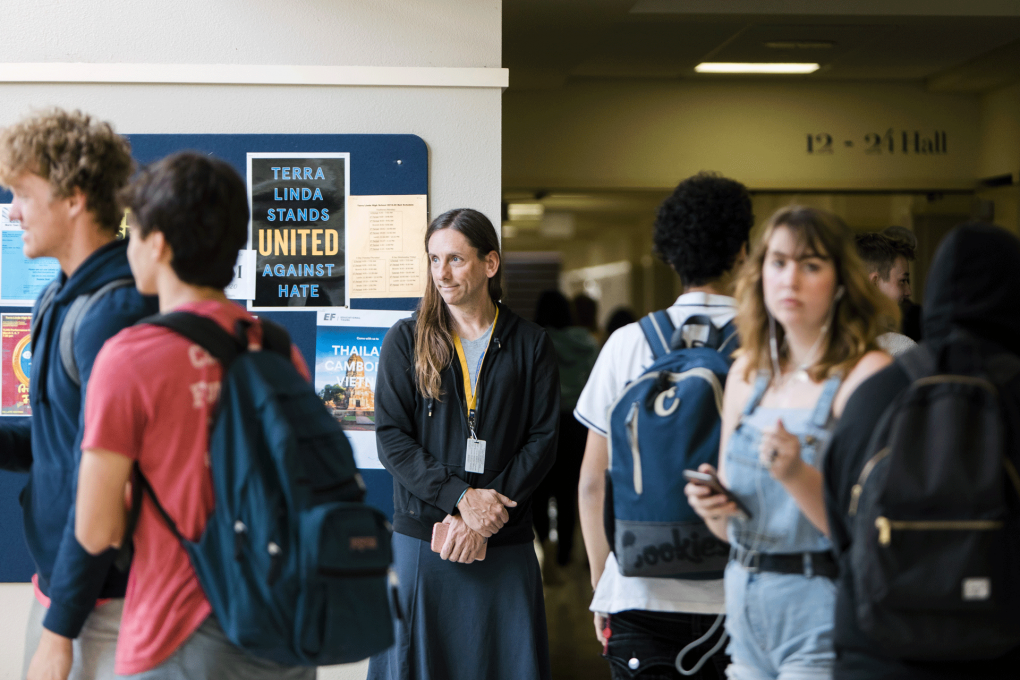
"caption": "College counselor Brad Ward makes a point of standing in the hallway at Terra Linda High School as classes change. “If I’m standing in the hallway, kids walking by get to know me,” she said. “They know that I’m there for them. Plus there’s the visibility of being outwardly transgender.”",
"description": null,
"title": "Brad_Ward_13",
"credit": "Alison Yin for The Hechinger Report",
"status": "inherit",
"isLoading": false,
"fetchFailed": false
},
"mindshift_55791": {
"type": "attachments",
"id": "mindshift_55791",
"meta": {
"index": "attachments_1716263798",
"site": "mindshift",
"id": "55791",
"found": true
},
"parent": 55790,
"imgSizes": {
"twentyfourteen-full-width": {
"file": "https://ww2.kqed.org/app/uploads/sites/23/2020/04/gettyimages-1209972908_slide-e66d48f25eb93420b7f647268e759d44c6085569-1038x576.jpg",
"width": 1038,
"mimeType": "image/jpeg",
"height": 576
},
"thumbnail": {
"file": "https://ww2.kqed.org/app/uploads/sites/23/2020/04/gettyimages-1209972908_slide-e66d48f25eb93420b7f647268e759d44c6085569-160x107.jpg",
"width": 160,
"mimeType": "image/jpeg",
"height": 107
},
"post-thumbnail": {
"file": "https://ww2.kqed.org/app/uploads/sites/23/2020/04/gettyimages-1209972908_slide-e66d48f25eb93420b7f647268e759d44c6085569-672x372.jpg",
"width": 672,
"mimeType": "image/jpeg",
"height": 372
},
"kqedFullSize": {
"file": "https://ww2.kqed.org/app/uploads/sites/23/2020/04/gettyimages-1209972908_slide-e66d48f25eb93420b7f647268e759d44c6085569-e1587989335498.jpg",
"width": 1920,
"height": 1280
},
"large": {
"file": "https://ww2.kqed.org/app/uploads/sites/23/2020/04/gettyimages-1209972908_slide-e66d48f25eb93420b7f647268e759d44c6085569-1020x680.jpg",
"width": 1020,
"mimeType": "image/jpeg",
"height": 680
},
"full-width": {
"file": "https://ww2.kqed.org/app/uploads/sites/23/2020/04/gettyimages-1209972908_slide-e66d48f25eb93420b7f647268e759d44c6085569-1920x1280.jpg",
"width": 1920,
"mimeType": "image/jpeg",
"height": 1280
},
"medium": {
"file": "https://ww2.kqed.org/app/uploads/sites/23/2020/04/gettyimages-1209972908_slide-e66d48f25eb93420b7f647268e759d44c6085569-800x533.jpg",
"width": 800,
"mimeType": "image/jpeg",
"height": 533
},
"medium_large": {
"file": "https://ww2.kqed.org/app/uploads/sites/23/2020/04/gettyimages-1209972908_slide-e66d48f25eb93420b7f647268e759d44c6085569-768x512.jpg",
"width": 768,
"mimeType": "image/jpeg",
"height": 512
}
},
"publishDate": 1587989124,
"modified": 1587989365,
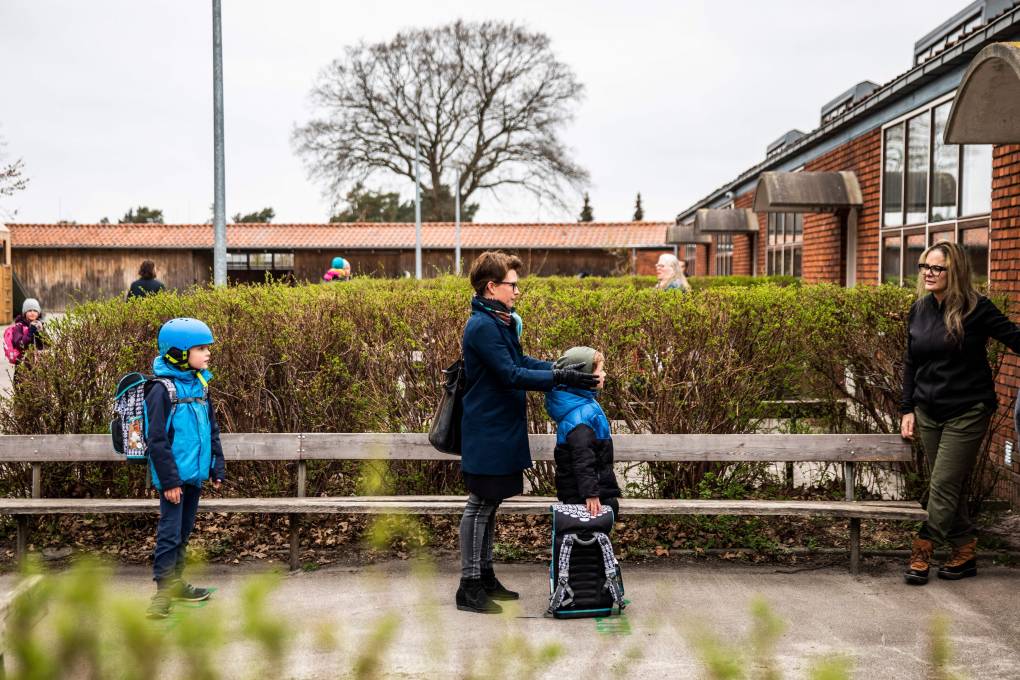
"caption": "Parents and their children stand in line waiting to get inside Stengaard School north of Copenhagen, Denmark.\n",
"description": "Parents and their children stand in line waiting to get inside Stengaard School north of Copenhagen, Denmark.",
"title": "Parents and their children stand in line waiting to get inside Stengaard School north of Copenhagen, Denmark.",
"credit": "Olafur Steinar Gestsson/Ritzau Scanpix/AFP via Getty Images",
"status": "inherit",
"isLoading": false,
"fetchFailed": false
},
"mindshift_55785": {
"type": "attachments",
"id": "mindshift_55785",
"meta": {
"index": "attachments_1716263798",
"site": "mindshift",
"id": "55785",
"found": true
},
"parent": 55783,
"imgSizes": {
"thumbnail": {
"file": "https://ww2.kqed.org/app/uploads/sites/23/2020/04/img_20200326_163918-b2335ffc03616f6503fb7833a1aed4aa99f9eb1e-s700-c85-160x120.jpg",
"width": 160,
"mimeType": "image/jpeg",
"height": 120
},
"post-thumbnail": {
"file": "https://ww2.kqed.org/app/uploads/sites/23/2020/04/img_20200326_163918-b2335ffc03616f6503fb7833a1aed4aa99f9eb1e-s700-c85-672x372.jpg",
"width": 672,
"mimeType": "image/jpeg",
"height": 372
},
"kqedFullSize": {
"file": "https://ww2.kqed.org/app/uploads/sites/23/2020/04/img_20200326_163918-b2335ffc03616f6503fb7833a1aed4aa99f9eb1e-s700-c85.jpg",
"width": 700,
"height": 525
}
},
"publishDate": 1587710351,
"modified": 1587710380,
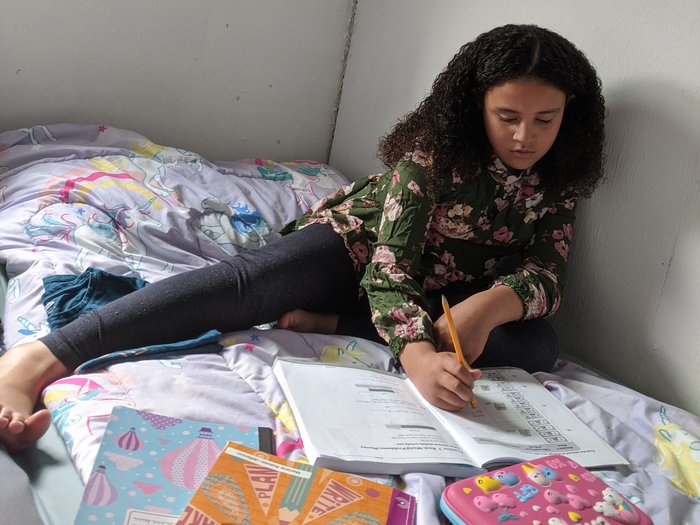
"caption": "Mariana Aceves, 8, does her homework on her bed. She lives with her mother, Lorena Aceves, in a one-room \"tiny house,\" part of Seattle's transitional housing for homeless families.\n",
"description": null,
"title": "img_20200326_163918-b2335ffc03616f6503fb7833a1aed4aa99f9eb1e-s700-c85",
"credit": "Courtesy of Lorena Aceves",
"status": "inherit",
"isLoading": false,
"fetchFailed": false
},
"mindshift_55774": {
"type": "attachments",
"id": "mindshift_55774",
"meta": {
"index": "attachments_1716263798",
"site": "mindshift",
"id": "55774",
"found": true
},
"parent": 55771,
"imgSizes": {
"twentyfourteen-full-width": {
"file": "https://ww2.kqed.org/app/uploads/sites/23/2020/04/Comfort-Games-2-1038x576.png",
"width": 1038,
"mimeType": "image/png",
"height": 576
},
"thumbnail": {
"file": "https://ww2.kqed.org/app/uploads/sites/23/2020/04/Comfort-Games-2-160x135.png",
"width": 160,
"mimeType": "image/png",
"height": 135
},
"post-thumbnail": {
"file": "https://ww2.kqed.org/app/uploads/sites/23/2020/04/Comfort-Games-2-672x372.png",
"width": 672,
"mimeType": "image/png",
"height": 372
},
"kqedFullSize": {
"file": "https://ww2.kqed.org/app/uploads/sites/23/2020/04/Comfort-Games-2.png",
"width": 1920,
"height": 1615
},
"large": {
"file": "https://ww2.kqed.org/app/uploads/sites/23/2020/04/Comfort-Games-2-1020x858.png",
"width": 1020,
"mimeType": "image/png",
"height": 858
},
"full-width": {
"file": "https://ww2.kqed.org/app/uploads/sites/23/2020/04/Comfort-Games-2-1920x1615.png",
"width": 1920,
"mimeType": "image/png",
"height": 1615
},
"medium": {
"file": "https://ww2.kqed.org/app/uploads/sites/23/2020/04/Comfort-Games-2-800x673.png",
"width": 800,
"mimeType": "image/png",
"height": 673
},
"medium_large": {
"file": "https://ww2.kqed.org/app/uploads/sites/23/2020/04/Comfort-Games-2-768x646.png",
"width": 768,
"mimeType": "image/png",
"height": 646
}
},
"publishDate": 1587541649,
"modified": 1587541695,
"caption": "Clockwise: Stardew Valley, Animal Crossing, Just Dance, Journey",
"description": null,
"title": "Comfort-Games-2",
"credit": "Youtube",
"status": "inherit",
"isLoading": false,
"fetchFailed": false
},
"mindshift_55768": {
"type": "attachments",
"id": "mindshift_55768",
"meta": {
"index": "attachments_1716263798",
"site": "mindshift",
"id": "55768",
"found": true
},
"parent": 55767,
"imgSizes": {
"twentyfourteen-full-width": {
"file": "https://ww2.kqed.org/app/uploads/sites/23/2020/04/jchang_nprfinal_01_custom-ae8681047e936d89e533a9f4a11b360e8712fed8-1038x576.jpg",
"width": 1038,
"mimeType": "image/jpeg",
"height": 576
},
"thumbnail": {
"file": "https://ww2.kqed.org/app/uploads/sites/23/2020/04/jchang_nprfinal_01_custom-ae8681047e936d89e533a9f4a11b360e8712fed8-160x100.jpg",
"width": 160,
"mimeType": "image/jpeg",
"height": 100
},
"post-thumbnail": {
"file": "https://ww2.kqed.org/app/uploads/sites/23/2020/04/jchang_nprfinal_01_custom-ae8681047e936d89e533a9f4a11b360e8712fed8-672x372.jpg",
"width": 672,
"mimeType": "image/jpeg",
"height": 372
},
"kqedFullSize": {
"file": "https://ww2.kqed.org/app/uploads/sites/23/2020/04/jchang_nprfinal_01_custom-ae8681047e936d89e533a9f4a11b360e8712fed8-e1587454539292.jpg",
"width": 1920,
"height": 1198
},
"large": {
"file": "https://ww2.kqed.org/app/uploads/sites/23/2020/04/jchang_nprfinal_01_custom-ae8681047e936d89e533a9f4a11b360e8712fed8-1020x637.jpg",
"width": 1020,
"mimeType": "image/jpeg",
"height": 637
},
"full-width": {
"file": "https://ww2.kqed.org/app/uploads/sites/23/2020/04/jchang_nprfinal_01_custom-ae8681047e936d89e533a9f4a11b360e8712fed8-1920x1198.jpg",
"width": 1920,
"mimeType": "image/jpeg",
"height": 1198
},
"medium": {
"file": "https://ww2.kqed.org/app/uploads/sites/23/2020/04/jchang_nprfinal_01_custom-ae8681047e936d89e533a9f4a11b360e8712fed8-800x499.jpg",
"width": 800,
"mimeType": "image/jpeg",
"height": 499
},
"medium_large": {
"file": "https://ww2.kqed.org/app/uploads/sites/23/2020/04/jchang_nprfinal_01_custom-ae8681047e936d89e533a9f4a11b360e8712fed8-768x479.jpg",
"width": 768,
"mimeType": "image/jpeg",
"height": 479
}
},
"publishDate": 1587454398,
"modified": 1587454550,
"caption": "School counselors go online",
"description": "School counselors go online",
"title": "School counselors go online",
"credit": "Janice Chang for NPR",
"status": "inherit",
"isLoading": false,
"fetchFailed": false
},
"mindshift_55749": {
"type": "attachments",
"id": "mindshift_55749",
"meta": {
"index": "attachments_1716263798",
"site": "mindshift",
"id": "55749",
"found": true
},
"parent": 55748,
"imgSizes": {
"twentyfourteen-full-width": {
"file": "https://ww2.kqed.org/app/uploads/sites/23/2020/04/young-people-left-out_enl-ea9cc3bf4d52dfc93da1e59f94cfe6fc04b19e53-1038x576.jpg",
"width": 1038,
"mimeType": "image/jpeg",
"height": 576
},
"thumbnail": {
"file": "https://ww2.kqed.org/app/uploads/sites/23/2020/04/young-people-left-out_enl-ea9cc3bf4d52dfc93da1e59f94cfe6fc04b19e53-160x90.jpg",
"width": 160,
"mimeType": "image/jpeg",
"height": 90
},
"post-thumbnail": {
"file": "https://ww2.kqed.org/app/uploads/sites/23/2020/04/young-people-left-out_enl-ea9cc3bf4d52dfc93da1e59f94cfe6fc04b19e53-672x372.jpg",
"width": 672,
"mimeType": "image/jpeg",
"height": 372
},
"kqedFullSize": {
"file": "https://ww2.kqed.org/app/uploads/sites/23/2020/04/young-people-left-out_enl-ea9cc3bf4d52dfc93da1e59f94cfe6fc04b19e53-e1587363559221.jpg",
"width": 1920,
"height": 1082
},
"large": {
"file": "https://ww2.kqed.org/app/uploads/sites/23/2020/04/young-people-left-out_enl-ea9cc3bf4d52dfc93da1e59f94cfe6fc04b19e53-1020x575.jpg",
"width": 1020,
"mimeType": "image/jpeg",
"height": 575
},
"full-width": {
"file": "https://ww2.kqed.org/app/uploads/sites/23/2020/04/young-people-left-out_enl-ea9cc3bf4d52dfc93da1e59f94cfe6fc04b19e53-1920x1082.jpg",
"width": 1920,
"mimeType": "image/jpeg",
"height": 1082
},
"medium": {
"file": "https://ww2.kqed.org/app/uploads/sites/23/2020/04/young-people-left-out_enl-ea9cc3bf4d52dfc93da1e59f94cfe6fc04b19e53-800x451.jpg",
"width": 800,
"mimeType": "image/jpeg",
"height": 451
},
"medium_large": {
"file": "https://ww2.kqed.org/app/uploads/sites/23/2020/04/young-people-left-out_enl-ea9cc3bf4d52dfc93da1e59f94cfe6fc04b19e53-768x433.jpg",
"width": 768,
"mimeType": "image/jpeg",
"height": 433
}
},
"publishDate": 1587363528,
"modified": 1587363574,
"caption": "Teens feel lost during the coronavirus pandemic.",
"description": "Teens feel lost during the coronavirus pandemic.",
"title": "Teens feel lost during the coronavirus pandemic.",
"credit": "Mikyung Lee for NPR",
"status": "inherit",
"isLoading": false,
"fetchFailed": false
},
"mindshift_55744": {
"type": "attachments",
"id": "mindshift_55744",
"meta": {
"index": "attachments_1716263798",
"site": "mindshift",
"id": "55744",
"found": true
},
"parent": 55743,
"imgSizes": {
"twentyfourteen-full-width": {
"file": "https://ww2.kqed.org/app/uploads/sites/23/2020/04/ljohnson-teachers-call-students_custom-9cd0789c26dc745a5e649c1917569fd6c6c22d58-1038x576.jpg",
"width": 1038,
"mimeType": "image/jpeg",
"height": 576
},
"thumbnail": {
"file": "https://ww2.kqed.org/app/uploads/sites/23/2020/04/ljohnson-teachers-call-students_custom-9cd0789c26dc745a5e649c1917569fd6c6c22d58-160x100.jpg",
"width": 160,
"mimeType": "image/jpeg",
"height": 100
},
"post-thumbnail": {
"file": "https://ww2.kqed.org/app/uploads/sites/23/2020/04/ljohnson-teachers-call-students_custom-9cd0789c26dc745a5e649c1917569fd6c6c22d58-672x372.jpg",
"width": 672,
"mimeType": "image/jpeg",
"height": 372
},
"kqedFullSize": {
"file": "https://ww2.kqed.org/app/uploads/sites/23/2020/04/ljohnson-teachers-call-students_custom-9cd0789c26dc745a5e649c1917569fd6c6c22d58-e1587103120894.jpg",
"width": 1920,
"height": 1198
},
"large": {
"file": "https://ww2.kqed.org/app/uploads/sites/23/2020/04/ljohnson-teachers-call-students_custom-9cd0789c26dc745a5e649c1917569fd6c6c22d58-1020x637.jpg",
"width": 1020,
"mimeType": "image/jpeg",
"height": 637
},
"full-width": {
"file": "https://ww2.kqed.org/app/uploads/sites/23/2020/04/ljohnson-teachers-call-students_custom-9cd0789c26dc745a5e649c1917569fd6c6c22d58-1920x1198.jpg",
"width": 1920,
"mimeType": "image/jpeg",
"height": 1198
},
"medium": {
"file": "https://ww2.kqed.org/app/uploads/sites/23/2020/04/ljohnson-teachers-call-students_custom-9cd0789c26dc745a5e649c1917569fd6c6c22d58-800x499.jpg",
"width": 800,
"mimeType": "image/jpeg",
"height": 499
},
"medium_large": {
"file": "https://ww2.kqed.org/app/uploads/sites/23/2020/04/ljohnson-teachers-call-students_custom-9cd0789c26dc745a5e649c1917569fd6c6c22d58-768x479.jpg",
"width": 768,
"mimeType": "image/jpeg",
"height": 479
}
},
"publishDate": 1587102913,
"modified": 1587103131,
"caption": "Teachers resort to analog measures to contact hard-to-reach students.",
"description": "Teachers resort to analog measures to contact hard-to-reach students.",
"title": "Teachers resort to analog measures to contact hard-to-reach students.",
"credit": "LA Johnson/NPR",
"status": "inherit",
"isLoading": false,
"fetchFailed": false
},
"mindshift_55738": {
"type": "attachments",
"id": "mindshift_55738",
"meta": {
"index": "attachments_1716263798",
"site": "mindshift",
"id": "55738",
"found": true
},
"parent": 55737,
"imgSizes": {
"twentyfourteen-full-width": {
"file": "https://ww2.kqed.org/app/uploads/sites/23/2020/04/jesse_zhang_npr_online_learning_final_wide-4bf5faa75f2db5aaaec8a87439ed0b65204f57b0-1-1038x576.jpg",
"width": 1038,
"mimeType": "image/jpeg",
"height": 576
},
"thumbnail": {
"file": "https://ww2.kqed.org/app/uploads/sites/23/2020/04/jesse_zhang_npr_online_learning_final_wide-4bf5faa75f2db5aaaec8a87439ed0b65204f57b0-1-160x90.jpg",
"width": 160,
"mimeType": "image/jpeg",
"height": 90
},
"post-thumbnail": {
"file": "https://ww2.kqed.org/app/uploads/sites/23/2020/04/jesse_zhang_npr_online_learning_final_wide-4bf5faa75f2db5aaaec8a87439ed0b65204f57b0-1-672x372.jpg",
"width": 672,
"mimeType": "image/jpeg",
"height": 372
},
"kqedFullSize": {
"file": "https://ww2.kqed.org/app/uploads/sites/23/2020/04/jesse_zhang_npr_online_learning_final_wide-4bf5faa75f2db5aaaec8a87439ed0b65204f57b0-1-e1587021576848.jpg",
"width": 1920,
"height": 1080
},
"large": {
"file": "https://ww2.kqed.org/app/uploads/sites/23/2020/04/jesse_zhang_npr_online_learning_final_wide-4bf5faa75f2db5aaaec8a87439ed0b65204f57b0-1-1020x574.jpg",
"width": 1020,
"mimeType": "image/jpeg",
"height": 574
},
"full-width": {
"file": "https://ww2.kqed.org/app/uploads/sites/23/2020/04/jesse_zhang_npr_online_learning_final_wide-4bf5faa75f2db5aaaec8a87439ed0b65204f57b0-1-1920x1080.jpg",
"width": 1920,
"mimeType": "image/jpeg",
"height": 1080
},
"medium": {
"file": "https://ww2.kqed.org/app/uploads/sites/23/2020/04/jesse_zhang_npr_online_learning_final_wide-4bf5faa75f2db5aaaec8a87439ed0b65204f57b0-1-800x450.jpg",
"width": 800,
"mimeType": "image/jpeg",
"height": 450
},
"medium_large": {
"file": "https://ww2.kqed.org/app/uploads/sites/23/2020/04/jesse_zhang_npr_online_learning_final_wide-4bf5faa75f2db5aaaec8a87439ed0b65204f57b0-1-768x432.jpg",
"width": 768,
"mimeType": "image/jpeg",
"height": 432
}
},
"publishDate": 1587021382,
"modified": 1587021598,
"caption": null,
"description": "Special Ed goes online",
"title": "Special Ed goes online",
"credit": "Jesse Zhang for NPR",
"status": "inherit",
"isLoading": false,
"fetchFailed": false
},
"mindshift_55687": {
"type": "attachments",
"id": "mindshift_55687",
"meta": {
"index": "attachments_1716263798",
"site": "mindshift",
"id": "55687",
"found": true
},
"parent": 55621,
"imgSizes": {
"twentyfourteen-full-width": {
"file": "https://ww2.kqed.org/app/uploads/sites/23/2020/04/iStock-1028057054-2-1038x576.jpg",
"width": 1038,
"mimeType": "image/jpeg",
"height": 576
},
"thumbnail": {
"file": "https://ww2.kqed.org/app/uploads/sites/23/2020/04/iStock-1028057054-2-160x107.jpg",
"width": 160,
"mimeType": "image/jpeg",
"height": 107
},
"post-thumbnail": {
"file": "https://ww2.kqed.org/app/uploads/sites/23/2020/04/iStock-1028057054-2-672x372.jpg",
"width": 672,
"mimeType": "image/jpeg",
"height": 372
},
"kqedFullSize": {
"file": "https://ww2.kqed.org/app/uploads/sites/23/2020/04/iStock-1028057054-2.jpg",
"width": 1254,
"height": 836
},
"large": {
"file": "https://ww2.kqed.org/app/uploads/sites/23/2020/04/iStock-1028057054-2-1020x680.jpg",
"width": 1020,
"mimeType": "image/jpeg",
"height": 680
},
"medium": {
"file": "https://ww2.kqed.org/app/uploads/sites/23/2020/04/iStock-1028057054-2-800x533.jpg",
"width": 800,
"mimeType": "image/jpeg",
"height": 533
},
"medium_large": {
"file": "https://ww2.kqed.org/app/uploads/sites/23/2020/04/iStock-1028057054-2-768x512.jpg",
"width": 768,
"mimeType": "image/jpeg",
"height": 512
}
},
"publishDate": 1586239727,
"modified": 1586239745,
"caption": null,
"description": null,
"title": "iStock-1028057054-2",
"credit": "Chinnapong/iStock",
"status": "inherit",
"isLoading": false,
"fetchFailed": false
},
"mindshift_55722": {
"type": "attachments",
"id": "mindshift_55722",
"meta": {
"index": "attachments_1716263798",
"site": "mindshift",
"id": "55722",
"found": true
},
"parent": 55708,
"imgSizes": {
"twentyfourteen-full-width": {
"file": "https://ww2.kqed.org/app/uploads/sites/23/2020/04/iStock-1132214578-1038x576.jpg",
"width": 1038,
"mimeType": "image/jpeg",
"height": 576
},
"thumbnail": {
"file": "https://ww2.kqed.org/app/uploads/sites/23/2020/04/iStock-1132214578-160x107.jpg",
"width": 160,
"mimeType": "image/jpeg",
"height": 107
},
"post-thumbnail": {
"file": "https://ww2.kqed.org/app/uploads/sites/23/2020/04/iStock-1132214578-672x372.jpg",
"width": 672,
"mimeType": "image/jpeg",
"height": 372
},
"kqedFullSize": {
"file": "https://ww2.kqed.org/app/uploads/sites/23/2020/04/iStock-1132214578-e1586764950151.jpg",
"width": 1920,
"height": 1280
},
"large": {
"file": "https://ww2.kqed.org/app/uploads/sites/23/2020/04/iStock-1132214578-1020x680.jpg",
"width": 1020,
"mimeType": "image/jpeg",
"height": 680
},
"full-width": {
"file": "https://ww2.kqed.org/app/uploads/sites/23/2020/04/iStock-1132214578-1920x1280.jpg",
"width": 1920,
"mimeType": "image/jpeg",
"height": 1280
},
"medium": {
"file": "https://ww2.kqed.org/app/uploads/sites/23/2020/04/iStock-1132214578-800x533.jpg",
"width": 800,
"mimeType": "image/jpeg",
"height": 533
},
"medium_large": {
"file": "https://ww2.kqed.org/app/uploads/sites/23/2020/04/iStock-1132214578-768x512.jpg",
"width": 768,
"mimeType": "image/jpeg",
"height": 512
}
},
"publishDate": 1586764916,
"modified": 1586764969,
"caption": null,
"description": null,
"title": null,
"credit": "Nadezhda1906/iStock",
"status": "inherit",
"isLoading": false,
"fetchFailed": false
},
"mindshift_55698": {
"type": "attachments",
"id": "mindshift_55698",
"meta": {
"index": "attachments_1716263798",
"site": "mindshift",
"id": "55698",
"found": true
},
"parent": 55694,
"imgSizes": {
"thumbnail": {
"file": "https://ww2.kqed.org/app/uploads/sites/23/2020/04/Joe-Paradise-160x83.png",
"width": 160,
"mimeType": "image/png",
"height": 83
},
"post-thumbnail": {
"file": "https://ww2.kqed.org/app/uploads/sites/23/2020/04/Joe-Paradise-672x372.png",
"width": 672,
"mimeType": "image/png",
"height": 372
},
"kqedFullSize": {
"file": "https://ww2.kqed.org/app/uploads/sites/23/2020/04/Joe-Paradise.png",
"width": 957,
"height": 494
},
"medium": {
"file": "https://ww2.kqed.org/app/uploads/sites/23/2020/04/Joe-Paradise-800x413.png",
"width": 800,
"mimeType": "image/png",
"height": 413
},
"medium_large": {
"file": "https://ww2.kqed.org/app/uploads/sites/23/2020/04/Joe-Paradise-768x396.png",
"width": 768,
"mimeType": "image/png",
"height": 396
}
},
"publishDate": 1586413789,
"modified": 1586413832,
"caption": null,
"description": null,
"title": "Joe Paradise",
"credit": "Joe Paradise/YouTube",
"status": "inherit",
"isLoading": false,
"fetchFailed": false
},
"mindshift_55690": {
"type": "attachments",
"id": "mindshift_55690",
"meta": {
"index": "attachments_1716263798",
"site": "mindshift",
"id": "55690",
"found": true
},
"parent": 55689,
"imgSizes": {
"twentyfourteen-full-width": {
"file": "https://ww2.kqed.org/app/uploads/sites/23/2020/04/screen-shot-2020-04-06-at-9.42.45-am-9117c71b6266b948e2b6db8e9bfdec040260b067-1038x576.png",
"width": 1038,
"mimeType": "image/png",
"height": 576
},
"thumbnail": {
"file": "https://ww2.kqed.org/app/uploads/sites/23/2020/04/screen-shot-2020-04-06-at-9.42.45-am-9117c71b6266b948e2b6db8e9bfdec040260b067-160x120.png",
"width": 160,
"mimeType": "image/png",
"height": 120
},
"post-thumbnail": {
"file": "https://ww2.kqed.org/app/uploads/sites/23/2020/04/screen-shot-2020-04-06-at-9.42.45-am-9117c71b6266b948e2b6db8e9bfdec040260b067-672x372.png",
"width": 672,
"mimeType": "image/png",
"height": 372
},
"kqedFullSize": {
"file": "https://ww2.kqed.org/app/uploads/sites/23/2020/04/screen-shot-2020-04-06-at-9.42.45-am-9117c71b6266b948e2b6db8e9bfdec040260b067.png",
"width": 1671,
"height": 1253
},
"large": {
"file": "https://ww2.kqed.org/app/uploads/sites/23/2020/04/screen-shot-2020-04-06-at-9.42.45-am-9117c71b6266b948e2b6db8e9bfdec040260b067-1020x765.png",
"width": 1020,
"mimeType": "image/png",
"height": 765
},
"medium": {
"file": "https://ww2.kqed.org/app/uploads/sites/23/2020/04/screen-shot-2020-04-06-at-9.42.45-am-9117c71b6266b948e2b6db8e9bfdec040260b067-800x600.png",
"width": 800,
"mimeType": "image/png",
"height": 600
},
"medium_large": {
"file": "https://ww2.kqed.org/app/uploads/sites/23/2020/04/screen-shot-2020-04-06-at-9.42.45-am-9117c71b6266b948e2b6db8e9bfdec040260b067-768x576.png",
"width": 768,
"mimeType": "image/png",
"height": 576
}
},
"publishDate": 1586325707,
"modified": 1586325749,
"caption": "Camden Catholic High School's virtual choir sings \"I Am With You Always,\" led by music director Greg Gardner.\n",
"description": null,
"title": "Camden Catholic High School's virtual choir sings \"I Am With You Always,\" led by music director Greg Gardner.",
"credit": "Greg Gardner and Patrick Gardner/YouTube",
"status": "inherit",
"isLoading": false,
"fetchFailed": false
}
},
"audioPlayerReducer": {
"postId": "stream_live",
"isPaused": true,
"isPlaying": false,
"pfsActive": false,
"pledgeModalIsOpen": true,
"playerDrawerIsOpen": false,
"liveAudioPlayStartedAt": 0,
"liveAudioPlayContext": ""
},
"authorsReducer": {
"byline_mindshift_55805": {
"type": "authors",
"id": "byline_mindshift_55805",
"meta": {
"override": true
},
"slug": "byline_mindshift_55805",
"name": "\u003ca href=\"https://hechingerreport.org/special-reports/higher-education/\">Charlotte West, The Hechinger Report\u003c/a>",
"isLoading": false
},
"byline_mindshift_55790": {
"type": "authors",
"id": "byline_mindshift_55790",
"meta": {
"override": true
},
"slug": "byline_mindshift_55790",
"name": "Anya Kamenetz",
"isLoading": false
},
"byline_mindshift_55783": {
"type": "authors",
"id": "byline_mindshift_55783",
"meta": {
"override": true
},
"slug": "byline_mindshift_55783",
"name": "Eilís O'Neill",
"isLoading": false
},
"byline_mindshift_55767": {
"type": "authors",
"id": "byline_mindshift_55767",
"meta": {
"override": true
},
"slug": "byline_mindshift_55767",
"name": "Cory Turner",
"isLoading": false
},
"byline_mindshift_55748": {
"type": "authors",
"id": "byline_mindshift_55748",
"meta": {
"override": true
},
"slug": "byline_mindshift_55748",
"name": "Patti Neighmond",
"isLoading": false
},
"byline_mindshift_55743": {
"type": "authors",
"id": "byline_mindshift_55743",
"meta": {
"override": true
},
"slug": "byline_mindshift_55743",
"name": "Elissa Nadworny ",
"isLoading": false
},
"byline_mindshift_55737": {
"type": "authors",
"id": "byline_mindshift_55737",
"meta": {
"override": true
},
"slug": "byline_mindshift_55737",
"name": "Elissa Nadworny ",
"isLoading": false
},
"byline_mindshift_55689": {
"type": "authors",
"id": "byline_mindshift_55689",
"meta": {
"override": true
},
"slug": "byline_mindshift_55689",
"name": "Sequoia Carrillo",
"isLoading": false
},
"hollykorbey": {
"type": "authors",
"id": "4445",
"meta": {
"index": "authors_1716337520",
"id": "4445",
"found": true
},
"name": "Holly Korbey",
"firstName": "Holly",
"lastName": "Korbey",
"slug": "hollykorbey",
"email": "holly@hollykorbey.com",
"display_author_email": false,
"staff_mastheads": [],
"title": null,
"bio": "Holly Korbey's work on parenting and education has appeared in The New York Times, The Atlantic, Babble, Brain, Child Magazine, and others. She lives in Nashville with her family. Follow her on Twitter: @HKorbey",
"avatar": "https://secure.gravatar.com/avatar/f385f7a3b90e52ecd5e85c24fbd0a363?s=600&d=blank&r=g",
"twitter": null,
"facebook": null,
"instagram": null,
"linkedin": null,
"sites": [
{
"site": "mindshift",
"roles": [
"contributor"
]
}
],
"headData": {
"title": "Holly Korbey | KQED",
"description": null,
"ogImgSrc": "https://secure.gravatar.com/avatar/f385f7a3b90e52ecd5e85c24fbd0a363?s=600&d=blank&r=g",
"twImgSrc": "https://secure.gravatar.com/avatar/f385f7a3b90e52ecd5e85c24fbd0a363?s=600&d=blank&r=g"
},
"isLoading": false,
"link": "/author/hollykorbey"
},
"lindaflan": {
"type": "authors",
"id": "4613",
"meta": {
"index": "authors_1716337520",
"id": "4613",
"found": true
},
"name": "Linda Flanagan",
"firstName": "Linda",
"lastName": "Flanagan",
"slug": "lindaflan",
"email": "lindaflan@comcast.net",
"display_author_email": false,
"staff_mastheads": [],
"title": null,
"bio": "Linda Flanagan is a freelance writer, researcher, and editor. Her work has appeared in The Atlantic, The Wall St. Journal, Newsweek, Running Times, and Mind/Shift, and she blogs regularly for the Huffington Post. Linda writes about education, culture, athletics, youth sports, mental health, politics, college admissions, and other curiosities. She also reviews books and conducts interviews.",
"avatar": "https://secure.gravatar.com/avatar/6bca04c0736bf5eaea80654019de688f?s=600&d=blank&r=g",
"twitter": "LindaFlanagan2",
"facebook": null,
"instagram": null,
"linkedin": null,
"sites": [
{
"site": "mindshift",
"roles": [
"contributor"
]
}
],
"headData": {
"title": "Linda Flanagan | KQED",
"description": null,
"ogImgSrc": "https://secure.gravatar.com/avatar/6bca04c0736bf5eaea80654019de688f?s=600&d=blank&r=g",
"twImgSrc": "https://secure.gravatar.com/avatar/6bca04c0736bf5eaea80654019de688f?s=600&d=blank&r=g"
},
"isLoading": false,
"link": "/author/lindaflan"
},
"dfkris": {
"type": "authors",
"id": "11087",
"meta": {
"index": "authors_1716337520",
"id": "11087",
"found": true
},
"name": "Deborah Farmer Kris",
"firstName": "Deborah Farmer",
"lastName": "Kris",
"slug": "dfkris",
"email": "dfkris@gmail.com",
"display_author_email": false,
"staff_mastheads": [],
"title": null,
"bio": "\u003cem>\u003ca href=\"https://twitter.com/@dfkris\">Deborah Farmer Kris\u003c/a> has taught elementary, middle and high school and served as a charter school administrator. She spent a decade as an associate at Boston University’s \u003c/em>\u003cem>\u003ca href=\"http://www.bu.edu/ccsr/about-us/\">Center for Character and Social Responsibility\u003c/a>, \u003c/em>\u003cem>researching, writing, and consulting with schools. She is the mother of two young children. You can follower her on Twitter \u003ca href=\"https://twitter.com/@dfkris\">@dfkris\u003c/a>.\u003c/em>",
"avatar": "https://secure.gravatar.com/avatar/48efe6f17031ed31222b74af9605fe5a?s=600&d=blank&r=g",
"twitter": "dfkris",
"facebook": null,
"instagram": null,
"linkedin": null,
"sites": [
{
"site": "mindshift",
"roles": [
"author"
]
}
],
"headData": {
"title": "Deborah Farmer Kris | KQED",
"description": null,
"ogImgSrc": "https://secure.gravatar.com/avatar/48efe6f17031ed31222b74af9605fe5a?s=600&d=blank&r=g",
"twImgSrc": "https://secure.gravatar.com/avatar/48efe6f17031ed31222b74af9605fe5a?s=600&d=blank&r=g"
},
"isLoading": false,
"link": "/author/dfkris"
},
"pauldarvasi": {
"type": "authors",
"id": "11107",
"meta": {
"index": "authors_1716337520",
"id": "11107",
"found": true
},
"name": "Paul Darvasi",
"firstName": "Paul",
"lastName": "Darvasi",
"slug": "pauldarvasi",
"email": "pauldarvasi@gmail.com",
"display_author_email": false,
"staff_mastheads": [],
"title": null,
"bio": "Paul Darvasi is an experienced educator whose research, speaking and writing explore the intersections of learning, technology, narrative and games. You can follow him on Twitter:\u003ca href=\"https://twitter.com/PaulDarvasi\"> @pauldarvasi\u003c/a>",
"avatar": "https://secure.gravatar.com/avatar/df387897a1bf0cd4b720b8175112731a?s=600&d=blank&r=g",
"twitter": "pauldarvasi",
"facebook": null,
"instagram": null,
"linkedin": null,
"sites": [
{
"site": "mindshift",
"roles": [
"contributor"
]
}
],
"headData": {
"title": "Paul Darvasi | KQED",
"description": null,
"ogImgSrc": "https://secure.gravatar.com/avatar/df387897a1bf0cd4b720b8175112731a?s=600&d=blank&r=g",
"twImgSrc": "https://secure.gravatar.com/avatar/df387897a1bf0cd4b720b8175112731a?s=600&d=blank&r=g"
},
"isLoading": false,
"link": "/author/pauldarvasi"
}
},
"pagesReducer": {
"mindshift_tag_featured": {
"type": "terms",
"id": "mindshift_20784",
"meta": {
"index": "terms_1716263798",
"site": "mindshift",
"id": "20784",
"score": 7.6562457
},
"featImg": null,
"name": "featured",
"description": null,
"taxonomy": "tag",
"headData": {
"twImgId": null,
"twTitle": null,
"ogTitle": null,
"ogImgId": null,
"twDescription": null,
"description": null,
"title": "featured Archives | KQED Mindshift",
"ogDescription": null
},
"ttid": 20061,
"slug": "featured",
"isLoading": false,
"title": "featured",
"pageMeta": {
"site": "mindshift",
"WpPageTemplate": "page-topic-editorial",
"currentPage": 4
},
"blocks": [
{
"blockName": "kqed/post-list",
"attrs": {
"layout": "cardArticle2",
"query": "posts/mindshift?tag=featured",
"seeMore": false,
"paginated": true,
"page": 4
}
},
{
"blockName": "kqed/ad"
}
]
}
},
"pfsSessionReducer": {},
"postsReducer": {
"stream_live": {
"type": "live",
"id": "stream_live",
"audioUrl": "https://hls.kqed.org/hls/kqed_app/playlist.m3u8",
"title": "Live Stream",
"excerpt": "Live Stream information currently unavailable.",
"link": "/radio",
"featImg": "",
"label": {
"name": "KQED Live",
"link": "/"
}
},
"stream_kqedNewscast": {
"type": "posts",
"id": "stream_kqedNewscast",
"audioUrl": "https://www.kqed.org/.stream/anon/radio/RDnews/newscast.mp3?_=1",
"title": "KQED Newscast",
"featImg": "",
"label": {
"name": "88.5 FM",
"link": "/"
}
},
"mindshift_55805": {
"type": "posts",
"id": "mindshift_55805",
"meta": {
"index": "posts_1716263798",
"site": "mindshift",
"id": "55805",
"score": null,
"sort": [
1588324780000
]
},
"parent": 0,
"labelTerm": {
"site": "mindshift"
},
"blocks": [],
"publishDate": 1588324780,
"format": "standard",
"disqusTitle": "From Private to Public: A College Counselor Straddles an Economic Divide",
"title": "From Private to Public: A College Counselor Straddles an Economic Divide",
"headTitle": "MindShift | KQED News",
"content": "\u003cp>\u003cem>This story about college counselors was produced by \u003c/em>\u003ca href=\"https://hechingerreport.org/special-reports/higher-education/\">The Hechinger Report\u003c/a>\u003cem>, a nonprofit, independent news organization focused on inequality and innovation in education. Sign up for our \u003c/em>\u003ca href=\"http://eepurl.com/c36ixT\">\u003cem>higher education newsletter\u003c/em>\u003c/a>\u003cem>.\u003c/em>\u003c/p>\n\u003cp>\u003cem> \u003c/em>SAN RAFAEL, Calif. — When California schools closed on March 13 in response to the coronavirus, college counselor Brad Ward didn’t know it would be the last day she’d see many of her students at Terra Linda High School. A few weeks later, school was canceled for the rest of the year, leaving her scrambling to stay connected with her seniors who are at a critical stage in determining their post-graduation plans.\u003c/p>\n\u003cp>These days, she spends her time doing counseling sessions via Zoom and Facebook, editing juniors’ essays in Google Docs and trying to contact all 320 members of the class of 2020. She and her colleagues hope to reach every senior by email, phone or social media. Some have not signed in for a single remote class, and many have not picked up the laptops and hotspots offered by Terra Linda.\u003c/p>\n\u003cp>“There are some seniors that we're not ever going to hear from ever again,” she said.\u003c/p>\n\u003cp>This is not how Ward typically works. Up until six weeks ago, she spent her days in Terra Linda’s College and Career Center, a converted classroom off the school’s busiest thoroughfare. In between second and third periods, she would stand at the intersection of the school’s main corridors, fielding questions about standardized tests and high school transcripts from students walking by.\u003c/p>\n\u003cfigure id=\"attachment_55809\" class=\"wp-caption alignnone\" style=\"max-width: 1920px\">\u003cimg class=\"size-full wp-image-55809\" src=\"https://ww2.kqed.org/app/uploads/sites/23/2020/05/Brad_Ward_03.png\" alt=\"\" width=\"1920\" height=\"1280\" srcset=\"https://ww2.kqed.org/app/uploads/sites/23/2020/05/Brad_Ward_03.png 1920w, https://ww2.kqed.org/app/uploads/sites/23/2020/05/Brad_Ward_03-160x107.png 160w, https://ww2.kqed.org/app/uploads/sites/23/2020/05/Brad_Ward_03-800x533.png 800w, https://ww2.kqed.org/app/uploads/sites/23/2020/05/Brad_Ward_03-768x512.png 768w, https://ww2.kqed.org/app/uploads/sites/23/2020/05/Brad_Ward_03-1020x680.png 1020w\" sizes=\"(max-width: 1920px) 100vw, 1920px\">\u003cfigcaption class=\"wp-caption-text\">Brad Ward counsels a student at the College and Career Center. \u003ccite>(Alison Yin for The Hechinger Report)\u003c/cite>\u003c/figcaption>\u003c/figure>\n\u003cp>While private high schools can often afford to employ staff like Ward who are devoted exclusively to helping students plan for college and their futures, these jobs are rare at public schools. Ward is unusual, too, because she had made the leap from college admissions to private school to public school, and she is trying to bring the individualized approach of private college counseling to large, economically diverse public schools where she can make a bigger difference. As one of the few transgender college counselors in the country, if not the only one, she is also in a unique position to bring visibility to LGBTQ+ issues.\u003c/p>\n\u003cp>[ad fullwidth]\u003c/p>\n\u003cp>Ward, 51, began her education career at Bucknell University, her alma mater, where she spent seven years working in admissions Then she was recruited to work as a college counselor at the Menlo School, a private school in Atherton, California, with a $50,000 annual price tag.\u003c/p>\n\u003cp>At Menlo, her days revolved around helping students curate their high school careers and lists of colleges. She also wrote detailed recommendations for each student and developed relationships with admissions officers at highly selective colleges and universities.\u003c/p>\n\u003cp>“I’d think, ‘Maybe I should call Dartmouth again because I haven’t called them in two weeks,’ ” she said.\u003c/p>\n\u003cp>Her caseload was typically around 35 students.\u003c/p>\n\u003cp>That’s a big difference from her current role, in which she and a colleague try to serve all 320 seniors and counsel younger students. “At a public school,” said Ward, “you might be lucky to meet with some students once for half an hour or 45 minutes.”\u003c/p>\n\u003cp>But Ward is committed to making sure her students get guidance tailored to their individual needs. On a Friday morning in January, Ward met with Terra Linda’s three school counselors to plan a parents’ night for juniors and organize a career and technical fair. Later that morning, she chatted with an adviser from the nearby College of Marin, where some Terra Linda students take classes for college credit, and she met with Katy Dunlap, the school principal.\u003c/p>\n\u003cfigure id=\"attachment_55811\" class=\"wp-caption alignnone\" style=\"max-width: 1920px\">\u003cimg class=\"size-full wp-image-55811\" src=\"https://ww2.kqed.org/app/uploads/sites/23/2020/05/Brad_Ward_18.png\" alt=\"\" width=\"1920\" height=\"1280\" srcset=\"https://ww2.kqed.org/app/uploads/sites/23/2020/05/Brad_Ward_18.png 1920w, https://ww2.kqed.org/app/uploads/sites/23/2020/05/Brad_Ward_18-160x107.png 160w, https://ww2.kqed.org/app/uploads/sites/23/2020/05/Brad_Ward_18-800x533.png 800w, https://ww2.kqed.org/app/uploads/sites/23/2020/05/Brad_Ward_18-768x512.png 768w, https://ww2.kqed.org/app/uploads/sites/23/2020/05/Brad_Ward_18-1020x680.png 1020w\" sizes=\"(max-width: 1920px) 100vw, 1920px\">\u003cfigcaption class=\"wp-caption-text\">College counselor Brad Ward meets with school principal Katy Dunlap at Terra Linda High School. Ward brings a wealth of knowledge of the college admissions process due to her experience as a former admissions officer. “We’re totally lucky that Brad applied,” Dunlap said. \u003ccite>(Alison Yin for The Hechinger Report)\u003c/cite>\u003c/figcaption>\u003c/figure>\n\u003cp>Dunlap said she was struck during Ward’s interview by her in-depth knowledge of specific colleges. Ward has visited more than 300 college and university campuses in her 20-year career in admissions and college counseling. “I’d never met anyone who has gone to as many colleges or universities,” Dunlap said of Ward. That allows Ward “to really individualize for kids what would be a good fit for them,” the principal said.\u003c/p>\n\u003cp>“I’m a little obsessed,” Ward said sheepishly.\u003c/p>\n\u003cp>This past spring break, she road-tripped through the South and visited more than a dozen colleges and universities in Florida, Louisiana, Mississippi, Tennessee and Alabama. Her new goal is to visit all 115 community colleges in California.\u003c/p>\n\u003cp>The public school system isn’t geared to attracting counselors who have that kind of detailed experience with colleges and college admissions. Counseling jobs at most public schools require a master’s degree and a state credential, but the training – and responsibilities – focus on mental health counseling, not college and career guidance.\u003c/p>\n\u003cp>Recognizing the need, Terra Linda a few years ago joined a small number of high schools that have added full-time college and career counseling jobs, often with the help of outside dollars. Ward’s position is funded by HeadsUp, a nonprofit foundation that supplements the budgets of local schools. Paradoxically, her job is a classified position that doesn’t require a post-secondary credential, not even a bachelor’s degree, though this varies by school and district.\u003c/p>\n\u003cp>That’s a problem, says Dunlap. “It’s very, very challenging to be counseling kids about college when you haven’t even gone yourself,” she said. “We’re totally lucky that Brad applied.”\u003c/p>\n\u003cfigure id=\"attachment_55808\" class=\"wp-caption alignnone\" style=\"max-width: 1920px\">\u003cimg class=\"size-full wp-image-55808\" src=\"https://ww2.kqed.org/app/uploads/sites/23/2020/05/Brad_Ward_02.png\" alt=\"\" width=\"1920\" height=\"1280\" srcset=\"https://ww2.kqed.org/app/uploads/sites/23/2020/05/Brad_Ward_02.png 1920w, https://ww2.kqed.org/app/uploads/sites/23/2020/05/Brad_Ward_02-160x107.png 160w, https://ww2.kqed.org/app/uploads/sites/23/2020/05/Brad_Ward_02-800x533.png 800w, https://ww2.kqed.org/app/uploads/sites/23/2020/05/Brad_Ward_02-768x512.png 768w, https://ww2.kqed.org/app/uploads/sites/23/2020/05/Brad_Ward_02-1020x680.png 1020w\" sizes=\"(max-width: 1920px) 100vw, 1920px\">\u003cfigcaption class=\"wp-caption-text\">College counselor Brad Ward advises a student on the admissions process at Terra Linda High School’s College and Career Center. \u003ccite>(Alison Yin for The Hechinger Report)\u003c/cite>\u003c/figcaption>\u003c/figure>\n\u003cp>Following her meeting with Dunlap, Ward returned to the College and Career Center to greet two Army recruiters who were there to set up a booth in the quad at lunch. Despite the military’s prohibition on transgender service members, Ward believes the military is a good career option for some students. Her father was in the Army, and she welcomes its representatives to campus each month. “Military folks are some of the bravest people I know, and give me inspiration for what I’m trying to do,” Ward said.\u003c/p>\n\u003cp>On another afternoon, right before schools shut, Ward met with the mother of a senior who was worried about her son’s college prospects, followed by a bubbly 11th grader, Angela, who wanted help narrowing a list of 30 colleges. Ward advised her to start thinking about teacher recommendations and to create an account for the Common App, the online application system used by more than 800 colleges. She also warned Angela that writing essays would be the most time-consuming part.\u003c/p>\n\u003cp>Angela buried her face in her hands. “I’m so paranoid I’m not going to get in anywhere,” she said.\u003c/p>\n\u003cp>“Don’t worry, there’s a college for everybody,” Ward reassured her. “It’s a stressful process, but you’re only going to go through it once.”\u003c/p>\n\u003cp>Then another junior, Stella, came in with her mother, who explained that neither she nor her husband had gone to college. “We’re just starting to think about it,” she said. “I know there’s just so much to know and so many places she could go.” She asked when they would need to complete the Free Application for Federal Student Aid, known as the FAFSA, which opens on Oct. 1 for the next academic year.\u003c/p>\n\u003cp>Much of Ward’s time is now spent helping 17-year-olds sort through their parents’ tax returns to fill out the FAFSA. That wasn’t something she had much experience with in private school, where many families pay for college out of pocket. It’s been a “vertical learning curve,” she said of her transition. “I’ve learned more in the last year and a half than I did in all the 18 and a half years before that.”\u003c/p>\n\u003cp>The career shift has come at great personal expense. When she was initially hired as a full-time counselor at Terra Linda, Ward was making around $40,000 for the academic year, a third of what she earned at the private school. But she said it has been worth it because she’s using her expertise to help kids who have nowhere else to turn for college and career advice, not just assisting so many already privileged to accumulate more privilege.\u003c/p>\n\u003cp>“I can help so many kids directly,” she said. “I'm just trying to do a good thing that can help a lot of people.”\u003c/p>\n\u003cp>There’s another reason Ward feels strongly about being visible to students. She’s aware of how, as a transgender educator, simply being present for students can alter lives. Research shows that having a \u003ca href=\"https://www.thetrevorproject.org/2019/06/27/research-brief-accepting-adults-reduce-suicide-attempts-among-lgbtq-youth/\">supportive adult\u003c/a> can significantly reduce incidences of suicide among LGBTQ+ young people, and that LGBTQ+ students who are \u003ca href=\"https://www.glsen.org/blog/lgbtq-educators-what-we-know-and-what-they-need\">exposed to positive representations\u003c/a> of gay and transgender people and history report performing better in school.\u003c/p>\n\u003cp>“If I’m standing in the hallway, kids walking by get to know me,” said Ward. “They know that I’m there for them. Plus there’s the visibility of being outwardly transgender— ‘Oh, there’s Brad in a skirt, that’s different.’ It’s important to me to be visible for the LGBTQ+ community.”\u003c/p>\n\u003cfigure id=\"attachment_55817\" class=\"wp-caption alignnone\" style=\"max-width: 1920px\">\u003cimg class=\"size-full wp-image-55817\" src=\"https://ww2.kqed.org/app/uploads/sites/23/2020/05/Brad_Ward_32.png\" alt=\"\" width=\"1920\" height=\"2880\" srcset=\"https://ww2.kqed.org/app/uploads/sites/23/2020/05/Brad_Ward_32.png 1920w, https://ww2.kqed.org/app/uploads/sites/23/2020/05/Brad_Ward_32-160x240.png 160w, https://ww2.kqed.org/app/uploads/sites/23/2020/05/Brad_Ward_32-800x1200.png 800w, https://ww2.kqed.org/app/uploads/sites/23/2020/05/Brad_Ward_32-768x1152.png 768w, https://ww2.kqed.org/app/uploads/sites/23/2020/05/Brad_Ward_32-1020x1530.png 1020w\" sizes=\"(max-width: 1920px) 100vw, 1920px\">\u003cfigcaption class=\"wp-caption-text\">Brad Ward is a former admissions officer who made the rare switch from public to private high schools two years ago. \u003ccite>(Alison Yin for The Hechinger Report)\u003c/cite>\u003c/figcaption>\u003c/figure>\n\u003cp>She also wants to encourage other LGBTQ+ individuals, who have \u003ca href=\"https://www.palgrave.com/gp/book/9781137535252\">historically been excluded\u003c/a> from working in the public education system, to consider college counseling as a career option.\u003c/p>\n\u003cp class=\"p1\">\u003cspan class=\"s1\">Ward began to come out as transgender in 2015. In 2017, after 10 years at the Menlo School, she took a job at another private school, the Alto International School, where she has continued to consult part time. That summer, she also began a two-year term on the board of the nonprofit Western Association for College Admission Counseling.*\u003c/span>\u003c/p>\n\u003cp>At the time, only one of the group’s 30 board members or other leaders was employed at a public high school. In addition, only one-third of the association’s college counseling membership was made up of public school counselors, when \u003ca href=\"https://nces.ed.gov/blogs/nces/post/back-to-school-by-the-numbers-2019-20-school-year\">almost\u003c/a>\u003ca href=\"https://nces.ed.gov/blogs/nces/post/back-to-school-by-the-numbers-2019-20-school-year\"> 90 percent of students\u003c/a> in the United States attend public schools.\u003c/p>\n\u003cp>That has started to change, though. Last year, the association invited public school counselors to join for free, which has boosted their representation.\u003c/p>\n\u003cp>Ward’s experience as a board member with the association prompted her to start thinking about making the switch to public schools. In 2018, she eagerly took a college counseling job at Menlo-Atherton, a public high school with 2,400 students. It was a temporary, one-year position without benefits. The next year, she joined Terra Linda in San Rafael, which is coincidentally where she grew up.\u003c/p>\n\u003cfigure id=\"attachment_55813\" class=\"wp-caption alignnone\" style=\"max-width: 1920px\">\u003cimg class=\"size-full wp-image-55813\" src=\"https://ww2.kqed.org/app/uploads/sites/23/2020/05/Brad_Ward_26.png\" alt=\"\" width=\"1920\" height=\"1280\" srcset=\"https://ww2.kqed.org/app/uploads/sites/23/2020/05/Brad_Ward_26.png 1920w, https://ww2.kqed.org/app/uploads/sites/23/2020/05/Brad_Ward_26-160x107.png 160w, https://ww2.kqed.org/app/uploads/sites/23/2020/05/Brad_Ward_26-800x533.png 800w, https://ww2.kqed.org/app/uploads/sites/23/2020/05/Brad_Ward_26-768x512.png 768w, https://ww2.kqed.org/app/uploads/sites/23/2020/05/Brad_Ward_26-1020x680.png 1020w\" sizes=\"(max-width: 1920px) 100vw, 1920px\">\u003cfigcaption class=\"wp-caption-text\">Brad Ward helped Terra Linda senior Abby Hakewill navigate the college process. \u003ccite>(Alison Yin for The Hechinger Report)\u003c/cite>\u003c/figcaption>\u003c/figure>\n\u003cp>But the school is an hour-and-a-half drive from her rent-controlled apartment in Menlo Park. Ward said she couldn’t find a landlord in San Rafael who would rent to her on her salary, so she made the difficult decision to scale back to two days a week starting in January. To make ends meet, she has continued part time at Alto International School and as an independent college counselor for private clients.\u003c/p>\n\u003cp>At Menlo-Atherton, Ward worked with a student named Melody De La Quintana. The first-generation college student is now a business administration and political science major at University of Redlands, a college Ward suggested. “If Brad hadn’t given me the advice to go see the school in person, I don’t think I would have ended up where I am now,” she said.\u003c/p>\n\u003cp>De La Quintana said Ward was her sole source of information about higher education. “My parents have never been to college,” she said. “They don’t know the process.”\u003c/p>\n\u003cp>Another former student, Lauren Lutge, said Ward was the only adult at school who truly believed in her. Lutge’s grades had dropped in her early high school years due to mental health struggles, and she didn’t know what to do after graduation. “I didn’t have any direction,” she said.\u003c/p>\n\u003cp>Lutge was surprised when Ward seemed motivated to help her through the college process. “Brad was a person on campus that I felt like genuinely cared about me,” said Lutge, now an English major at Santa Barbara City College.\u003c/p>\n\u003cp>Since Terra Linda closed, Ward has traded her three-hour commute for a virtual counseling office set up in her living room, which she's plastered with college posters from around the country.\u003c/p>\n\u003cp>She misses her students, and is worried about those she hasn’t yet been able to contact. Some of her seniors are rethinking where they want to go to college, or deciding if they want to take a gap year. Others are wondering if they need to forgo college and instead work to support their families. She’s hosting an online workshop on community college applications later in the month and expects that more of her students might look at two-year schools closer to home.\u003c/p>\n\u003cp>Once shelter-in-place orders are lifted, Ward said she and her colleagues will go door to door to track down students who have fallen through the cracks. They may also open the school for a few days over the summer for students seeking help with their post-graduation plans.\u003c/p>\n\u003cp>While some things can be done online, said Ward, “it's not the same as standing in the hallway and being visible.”\u003c/p>\n\u003cp>\u003cem>*\u003cspan class=\"s1\">This story has been updated to remove an incomplete account of circumstances surrounding Brad Ward’s departure from the Menlo School.\u003c/span>\u003c/em>\u003c/p>\n\u003cp>[ad floatright]\u003c/p>\n\u003cp>\u003cem>This story about college counselors was produced by \u003c/em>\u003ca href=\"https://hechingerreport.org/special-reports/higher-education/\">The Hechinger Report\u003c/a>\u003cem>, a nonprofit, independent news organization focused on inequality and innovation in education. Sign up for our \u003c/em>\u003ca href=\"http://eepurl.com/c36ixT\">\u003cem>higher education newsletter\u003c/em>\u003c/a>\u003cem>.\u003c/em>\u003c/p>\n\n",
"disqusIdentifier": "55805 https://ww2.kqed.org/mindshift/?p=55805",
"disqusUrl": "https://ww2.kqed.org/mindshift/2020/05/01/from-private-to-public-a-college-counselor-straddles-an-economic-divide/",
"stats": {
"hasVideo": false,
"hasChartOrMap": false,
"hasAudio": false,
"hasPolis": false,
"wordCount": 2501,
"hasGoogleForm": false,
"hasGallery": false,
"hasHearkenModule": false,
"iframeSrcs": [],
"paragraphCount": 44
},
"modified": 1596148916,
"excerpt": "Having a counselor solely focused on college is an afterthought in many high schools. Counselor Brad Ward was trying to change that. Then the coronavirus hit.",
"headData": {
"twImgId": "",
"twTitle": "",
"ogTitle": "",
"ogImgId": "",
"twDescription": "",
"description": "Having a counselor solely focused on college is an afterthought in many high schools. Counselor Brad Ward was trying to change that. Then the coronavirus hit.",
"title": "From Private to Public: A College Counselor Straddles an Economic Divide - MindShift",
"ogDescription": "",
"schema": {
"@context": "https://schema.org",
"@type": "Article",
"headline": "From Private to Public: A College Counselor Straddles an Economic Divide",
"datePublished": "2020-05-01T02:19:40-07:00",
"dateModified": "2020-07-30T15:41:56-07:00",
"image": "https://cdn.kqed.org/wp-content/uploads/2020/02/KQED-OG-Image@1x.png"
}
},
"guestAuthors": [],
"slug": "from-private-to-public-a-college-counselor-straddles-an-economic-divide",
"status": "publish",
"nprByline": "\u003ca href=\"https://hechingerreport.org/special-reports/higher-education/\">Charlotte West, The Hechinger Report\u003c/a>",
"path": "/mindshift/55805/from-private-to-public-a-college-counselor-straddles-an-economic-divide",
"audioTrackLength": null,
"parsedContent": [
{
"type": "contentString",
"content": "\u003cdiv class=\"post-body\">\u003cp>\u003cp>\u003cem>This story about college counselors was produced by \u003c/em>\u003ca href=\"https://hechingerreport.org/special-reports/higher-education/\">The Hechinger Report\u003c/a>\u003cem>, a nonprofit, independent news organization focused on inequality and innovation in education. Sign up for our \u003c/em>\u003ca href=\"http://eepurl.com/c36ixT\">\u003cem>higher education newsletter\u003c/em>\u003c/a>\u003cem>.\u003c/em>\u003c/p>\n\u003cp>\u003cem> \u003c/em>SAN RAFAEL, Calif. — When California schools closed on March 13 in response to the coronavirus, college counselor Brad Ward didn’t know it would be the last day she’d see many of her students at Terra Linda High School. A few weeks later, school was canceled for the rest of the year, leaving her scrambling to stay connected with her seniors who are at a critical stage in determining their post-graduation plans.\u003c/p>\n\u003cp>These days, she spends her time doing counseling sessions via Zoom and Facebook, editing juniors’ essays in Google Docs and trying to contact all 320 members of the class of 2020. She and her colleagues hope to reach every senior by email, phone or social media. Some have not signed in for a single remote class, and many have not picked up the laptops and hotspots offered by Terra Linda.\u003c/p>\n\u003cp>“There are some seniors that we're not ever going to hear from ever again,” she said.\u003c/p>\n\u003cp>This is not how Ward typically works. Up until six weeks ago, she spent her days in Terra Linda’s College and Career Center, a converted classroom off the school’s busiest thoroughfare. In between second and third periods, she would stand at the intersection of the school’s main corridors, fielding questions about standardized tests and high school transcripts from students walking by.\u003c/p>\n\u003cfigure id=\"attachment_55809\" class=\"wp-caption alignnone\" style=\"max-width: 1920px\">\u003cimg class=\"size-full wp-image-55809\" src=\"https://ww2.kqed.org/app/uploads/sites/23/2020/05/Brad_Ward_03.png\" alt=\"\" width=\"1920\" height=\"1280\" srcset=\"https://ww2.kqed.org/app/uploads/sites/23/2020/05/Brad_Ward_03.png 1920w, https://ww2.kqed.org/app/uploads/sites/23/2020/05/Brad_Ward_03-160x107.png 160w, https://ww2.kqed.org/app/uploads/sites/23/2020/05/Brad_Ward_03-800x533.png 800w, https://ww2.kqed.org/app/uploads/sites/23/2020/05/Brad_Ward_03-768x512.png 768w, https://ww2.kqed.org/app/uploads/sites/23/2020/05/Brad_Ward_03-1020x680.png 1020w\" sizes=\"(max-width: 1920px) 100vw, 1920px\">\u003cfigcaption class=\"wp-caption-text\">Brad Ward counsels a student at the College and Career Center. \u003ccite>(Alison Yin for The Hechinger Report)\u003c/cite>\u003c/figcaption>\u003c/figure>\n\u003cp>While private high schools can often afford to employ staff like Ward who are devoted exclusively to helping students plan for college and their futures, these jobs are rare at public schools. Ward is unusual, too, because she had made the leap from college admissions to private school to public school, and she is trying to bring the individualized approach of private college counseling to large, economically diverse public schools where she can make a bigger difference. As one of the few transgender college counselors in the country, if not the only one, she is also in a unique position to bring visibility to LGBTQ+ issues.\u003c/p>\n\u003cp>\u003c/p>\u003c/div>",
"attributes": {
"named": {},
"numeric": []
}
},
{
"type": "component",
"content": "",
"name": "ad",
"attributes": {
"named": {
"label": "fullwidth"
},
"numeric": [
"fullwidth"
]
}
},
{
"type": "contentString",
"content": "\u003cdiv class=\"post-body\">\u003cp>\u003c/p>\n\u003cp>Ward, 51, began her education career at Bucknell University, her alma mater, where she spent seven years working in admissions Then she was recruited to work as a college counselor at the Menlo School, a private school in Atherton, California, with a $50,000 annual price tag.\u003c/p>\n\u003cp>At Menlo, her days revolved around helping students curate their high school careers and lists of colleges. She also wrote detailed recommendations for each student and developed relationships with admissions officers at highly selective colleges and universities.\u003c/p>\n\u003cp>“I’d think, ‘Maybe I should call Dartmouth again because I haven’t called them in two weeks,’ ” she said.\u003c/p>\n\u003cp>Her caseload was typically around 35 students.\u003c/p>\n\u003cp>That’s a big difference from her current role, in which she and a colleague try to serve all 320 seniors and counsel younger students. “At a public school,” said Ward, “you might be lucky to meet with some students once for half an hour or 45 minutes.”\u003c/p>\n\u003cp>But Ward is committed to making sure her students get guidance tailored to their individual needs. On a Friday morning in January, Ward met with Terra Linda’s three school counselors to plan a parents’ night for juniors and organize a career and technical fair. Later that morning, she chatted with an adviser from the nearby College of Marin, where some Terra Linda students take classes for college credit, and she met with Katy Dunlap, the school principal.\u003c/p>\n\u003cfigure id=\"attachment_55811\" class=\"wp-caption alignnone\" style=\"max-width: 1920px\">\u003cimg class=\"size-full wp-image-55811\" src=\"https://ww2.kqed.org/app/uploads/sites/23/2020/05/Brad_Ward_18.png\" alt=\"\" width=\"1920\" height=\"1280\" srcset=\"https://ww2.kqed.org/app/uploads/sites/23/2020/05/Brad_Ward_18.png 1920w, https://ww2.kqed.org/app/uploads/sites/23/2020/05/Brad_Ward_18-160x107.png 160w, https://ww2.kqed.org/app/uploads/sites/23/2020/05/Brad_Ward_18-800x533.png 800w, https://ww2.kqed.org/app/uploads/sites/23/2020/05/Brad_Ward_18-768x512.png 768w, https://ww2.kqed.org/app/uploads/sites/23/2020/05/Brad_Ward_18-1020x680.png 1020w\" sizes=\"(max-width: 1920px) 100vw, 1920px\">\u003cfigcaption class=\"wp-caption-text\">College counselor Brad Ward meets with school principal Katy Dunlap at Terra Linda High School. Ward brings a wealth of knowledge of the college admissions process due to her experience as a former admissions officer. “We’re totally lucky that Brad applied,” Dunlap said. \u003ccite>(Alison Yin for The Hechinger Report)\u003c/cite>\u003c/figcaption>\u003c/figure>\n\u003cp>Dunlap said she was struck during Ward’s interview by her in-depth knowledge of specific colleges. Ward has visited more than 300 college and university campuses in her 20-year career in admissions and college counseling. “I’d never met anyone who has gone to as many colleges or universities,” Dunlap said of Ward. That allows Ward “to really individualize for kids what would be a good fit for them,” the principal said.\u003c/p>\n\u003cp>“I’m a little obsessed,” Ward said sheepishly.\u003c/p>\n\u003cp>This past spring break, she road-tripped through the South and visited more than a dozen colleges and universities in Florida, Louisiana, Mississippi, Tennessee and Alabama. Her new goal is to visit all 115 community colleges in California.\u003c/p>\n\u003cp>The public school system isn’t geared to attracting counselors who have that kind of detailed experience with colleges and college admissions. Counseling jobs at most public schools require a master’s degree and a state credential, but the training – and responsibilities – focus on mental health counseling, not college and career guidance.\u003c/p>\n\u003cp>Recognizing the need, Terra Linda a few years ago joined a small number of high schools that have added full-time college and career counseling jobs, often with the help of outside dollars. Ward’s position is funded by HeadsUp, a nonprofit foundation that supplements the budgets of local schools. Paradoxically, her job is a classified position that doesn’t require a post-secondary credential, not even a bachelor’s degree, though this varies by school and district.\u003c/p>\n\u003cp>That’s a problem, says Dunlap. “It’s very, very challenging to be counseling kids about college when you haven’t even gone yourself,” she said. “We’re totally lucky that Brad applied.”\u003c/p>\n\u003cfigure id=\"attachment_55808\" class=\"wp-caption alignnone\" style=\"max-width: 1920px\">\u003cimg class=\"size-full wp-image-55808\" src=\"https://ww2.kqed.org/app/uploads/sites/23/2020/05/Brad_Ward_02.png\" alt=\"\" width=\"1920\" height=\"1280\" srcset=\"https://ww2.kqed.org/app/uploads/sites/23/2020/05/Brad_Ward_02.png 1920w, https://ww2.kqed.org/app/uploads/sites/23/2020/05/Brad_Ward_02-160x107.png 160w, https://ww2.kqed.org/app/uploads/sites/23/2020/05/Brad_Ward_02-800x533.png 800w, https://ww2.kqed.org/app/uploads/sites/23/2020/05/Brad_Ward_02-768x512.png 768w, https://ww2.kqed.org/app/uploads/sites/23/2020/05/Brad_Ward_02-1020x680.png 1020w\" sizes=\"(max-width: 1920px) 100vw, 1920px\">\u003cfigcaption class=\"wp-caption-text\">College counselor Brad Ward advises a student on the admissions process at Terra Linda High School’s College and Career Center. \u003ccite>(Alison Yin for The Hechinger Report)\u003c/cite>\u003c/figcaption>\u003c/figure>\n\u003cp>Following her meeting with Dunlap, Ward returned to the College and Career Center to greet two Army recruiters who were there to set up a booth in the quad at lunch. Despite the military’s prohibition on transgender service members, Ward believes the military is a good career option for some students. Her father was in the Army, and she welcomes its representatives to campus each month. “Military folks are some of the bravest people I know, and give me inspiration for what I’m trying to do,” Ward said.\u003c/p>\n\u003cp>On another afternoon, right before schools shut, Ward met with the mother of a senior who was worried about her son’s college prospects, followed by a bubbly 11th grader, Angela, who wanted help narrowing a list of 30 colleges. Ward advised her to start thinking about teacher recommendations and to create an account for the Common App, the online application system used by more than 800 colleges. She also warned Angela that writing essays would be the most time-consuming part.\u003c/p>\n\u003cp>Angela buried her face in her hands. “I’m so paranoid I’m not going to get in anywhere,” she said.\u003c/p>\n\u003cp>“Don’t worry, there’s a college for everybody,” Ward reassured her. “It’s a stressful process, but you’re only going to go through it once.”\u003c/p>\n\u003cp>Then another junior, Stella, came in with her mother, who explained that neither she nor her husband had gone to college. “We’re just starting to think about it,” she said. “I know there’s just so much to know and so many places she could go.” She asked when they would need to complete the Free Application for Federal Student Aid, known as the FAFSA, which opens on Oct. 1 for the next academic year.\u003c/p>\n\u003cp>Much of Ward’s time is now spent helping 17-year-olds sort through their parents’ tax returns to fill out the FAFSA. That wasn’t something she had much experience with in private school, where many families pay for college out of pocket. It’s been a “vertical learning curve,” she said of her transition. “I’ve learned more in the last year and a half than I did in all the 18 and a half years before that.”\u003c/p>\n\u003cp>The career shift has come at great personal expense. When she was initially hired as a full-time counselor at Terra Linda, Ward was making around $40,000 for the academic year, a third of what she earned at the private school. But she said it has been worth it because she’s using her expertise to help kids who have nowhere else to turn for college and career advice, not just assisting so many already privileged to accumulate more privilege.\u003c/p>\n\u003cp>“I can help so many kids directly,” she said. “I'm just trying to do a good thing that can help a lot of people.”\u003c/p>\n\u003cp>There’s another reason Ward feels strongly about being visible to students. She’s aware of how, as a transgender educator, simply being present for students can alter lives. Research shows that having a \u003ca href=\"https://www.thetrevorproject.org/2019/06/27/research-brief-accepting-adults-reduce-suicide-attempts-among-lgbtq-youth/\">supportive adult\u003c/a> can significantly reduce incidences of suicide among LGBTQ+ young people, and that LGBTQ+ students who are \u003ca href=\"https://www.glsen.org/blog/lgbtq-educators-what-we-know-and-what-they-need\">exposed to positive representations\u003c/a> of gay and transgender people and history report performing better in school.\u003c/p>\n\u003cp>“If I’m standing in the hallway, kids walking by get to know me,” said Ward. “They know that I’m there for them. Plus there’s the visibility of being outwardly transgender— ‘Oh, there’s Brad in a skirt, that’s different.’ It’s important to me to be visible for the LGBTQ+ community.”\u003c/p>\n\u003cfigure id=\"attachment_55817\" class=\"wp-caption alignnone\" style=\"max-width: 1920px\">\u003cimg class=\"size-full wp-image-55817\" src=\"https://ww2.kqed.org/app/uploads/sites/23/2020/05/Brad_Ward_32.png\" alt=\"\" width=\"1920\" height=\"2880\" srcset=\"https://ww2.kqed.org/app/uploads/sites/23/2020/05/Brad_Ward_32.png 1920w, https://ww2.kqed.org/app/uploads/sites/23/2020/05/Brad_Ward_32-160x240.png 160w, https://ww2.kqed.org/app/uploads/sites/23/2020/05/Brad_Ward_32-800x1200.png 800w, https://ww2.kqed.org/app/uploads/sites/23/2020/05/Brad_Ward_32-768x1152.png 768w, https://ww2.kqed.org/app/uploads/sites/23/2020/05/Brad_Ward_32-1020x1530.png 1020w\" sizes=\"(max-width: 1920px) 100vw, 1920px\">\u003cfigcaption class=\"wp-caption-text\">Brad Ward is a former admissions officer who made the rare switch from public to private high schools two years ago. \u003ccite>(Alison Yin for The Hechinger Report)\u003c/cite>\u003c/figcaption>\u003c/figure>\n\u003cp>She also wants to encourage other LGBTQ+ individuals, who have \u003ca href=\"https://www.palgrave.com/gp/book/9781137535252\">historically been excluded\u003c/a> from working in the public education system, to consider college counseling as a career option.\u003c/p>\n\u003cp class=\"p1\">\u003cspan class=\"s1\">Ward began to come out as transgender in 2015. In 2017, after 10 years at the Menlo School, she took a job at another private school, the Alto International School, where she has continued to consult part time. That summer, she also began a two-year term on the board of the nonprofit Western Association for College Admission Counseling.*\u003c/span>\u003c/p>\n\u003cp>At the time, only one of the group’s 30 board members or other leaders was employed at a public high school. In addition, only one-third of the association’s college counseling membership was made up of public school counselors, when \u003ca href=\"https://nces.ed.gov/blogs/nces/post/back-to-school-by-the-numbers-2019-20-school-year\">almost\u003c/a>\u003ca href=\"https://nces.ed.gov/blogs/nces/post/back-to-school-by-the-numbers-2019-20-school-year\"> 90 percent of students\u003c/a> in the United States attend public schools.\u003c/p>\n\u003cp>That has started to change, though. Last year, the association invited public school counselors to join for free, which has boosted their representation.\u003c/p>\n\u003cp>Ward’s experience as a board member with the association prompted her to start thinking about making the switch to public schools. In 2018, she eagerly took a college counseling job at Menlo-Atherton, a public high school with 2,400 students. It was a temporary, one-year position without benefits. The next year, she joined Terra Linda in San Rafael, which is coincidentally where she grew up.\u003c/p>\n\u003cfigure id=\"attachment_55813\" class=\"wp-caption alignnone\" style=\"max-width: 1920px\">\u003cimg class=\"size-full wp-image-55813\" src=\"https://ww2.kqed.org/app/uploads/sites/23/2020/05/Brad_Ward_26.png\" alt=\"\" width=\"1920\" height=\"1280\" srcset=\"https://ww2.kqed.org/app/uploads/sites/23/2020/05/Brad_Ward_26.png 1920w, https://ww2.kqed.org/app/uploads/sites/23/2020/05/Brad_Ward_26-160x107.png 160w, https://ww2.kqed.org/app/uploads/sites/23/2020/05/Brad_Ward_26-800x533.png 800w, https://ww2.kqed.org/app/uploads/sites/23/2020/05/Brad_Ward_26-768x512.png 768w, https://ww2.kqed.org/app/uploads/sites/23/2020/05/Brad_Ward_26-1020x680.png 1020w\" sizes=\"(max-width: 1920px) 100vw, 1920px\">\u003cfigcaption class=\"wp-caption-text\">Brad Ward helped Terra Linda senior Abby Hakewill navigate the college process. \u003ccite>(Alison Yin for The Hechinger Report)\u003c/cite>\u003c/figcaption>\u003c/figure>\n\u003cp>But the school is an hour-and-a-half drive from her rent-controlled apartment in Menlo Park. Ward said she couldn’t find a landlord in San Rafael who would rent to her on her salary, so she made the difficult decision to scale back to two days a week starting in January. To make ends meet, she has continued part time at Alto International School and as an independent college counselor for private clients.\u003c/p>\n\u003cp>At Menlo-Atherton, Ward worked with a student named Melody De La Quintana. The first-generation college student is now a business administration and political science major at University of Redlands, a college Ward suggested. “If Brad hadn’t given me the advice to go see the school in person, I don’t think I would have ended up where I am now,” she said.\u003c/p>\n\u003cp>De La Quintana said Ward was her sole source of information about higher education. “My parents have never been to college,” she said. “They don’t know the process.”\u003c/p>\n\u003cp>Another former student, Lauren Lutge, said Ward was the only adult at school who truly believed in her. Lutge’s grades had dropped in her early high school years due to mental health struggles, and she didn’t know what to do after graduation. “I didn’t have any direction,” she said.\u003c/p>\n\u003cp>Lutge was surprised when Ward seemed motivated to help her through the college process. “Brad was a person on campus that I felt like genuinely cared about me,” said Lutge, now an English major at Santa Barbara City College.\u003c/p>\n\u003cp>Since Terra Linda closed, Ward has traded her three-hour commute for a virtual counseling office set up in her living room, which she's plastered with college posters from around the country.\u003c/p>\n\u003cp>She misses her students, and is worried about those she hasn’t yet been able to contact. Some of her seniors are rethinking where they want to go to college, or deciding if they want to take a gap year. Others are wondering if they need to forgo college and instead work to support their families. She’s hosting an online workshop on community college applications later in the month and expects that more of her students might look at two-year schools closer to home.\u003c/p>\n\u003cp>Once shelter-in-place orders are lifted, Ward said she and her colleagues will go door to door to track down students who have fallen through the cracks. They may also open the school for a few days over the summer for students seeking help with their post-graduation plans.\u003c/p>\n\u003cp>While some things can be done online, said Ward, “it's not the same as standing in the hallway and being visible.”\u003c/p>\n\u003cp>\u003cem>*\u003cspan class=\"s1\">This story has been updated to remove an incomplete account of circumstances surrounding Brad Ward’s departure from the Menlo School.\u003c/span>\u003c/em>\u003c/p>\n\u003cp>\u003c/p>\u003c/div>",
"attributes": {
"named": {},
"numeric": []
}
},
{
"type": "component",
"content": "",
"name": "ad",
"attributes": {
"named": {
"label": "floatright"
},
"numeric": [
"floatright"
]
}
},
{
"type": "contentString",
"content": "\u003cdiv class=\"post-body\">\u003cp>\u003c/p>\n\u003cp>\u003cem>This story about college counselors was produced by \u003c/em>\u003ca href=\"https://hechingerreport.org/special-reports/higher-education/\">The Hechinger Report\u003c/a>\u003cem>, a nonprofit, independent news organization focused on inequality and innovation in education. Sign up for our \u003c/em>\u003ca href=\"http://eepurl.com/c36ixT\">\u003cem>higher education newsletter\u003c/em>\u003c/a>\u003cem>.\u003c/em>\u003c/p>\n\n\u003c/div>\u003c/p>",
"attributes": {
"named": {},
"numeric": []
}
}
],
"link": "/mindshift/55805/from-private-to-public-a-college-counselor-straddles-an-economic-divide",
"authors": [
"byline_mindshift_55805"
],
"categories": [
"mindshift_192"
],
"tags": [
"mindshift_20733",
"mindshift_20784",
"mindshift_1040",
"mindshift_21255",
"mindshift_21337"
],
"featImg": "mindshift_55810",
"label": "mindshift"
},
"mindshift_55790": {
"type": "posts",
"id": "mindshift_55790",
"meta": {
"index": "posts_1716263798",
"site": "mindshift",
"id": "55790",
"score": null,
"sort": [
1587794764000
]
},
"parent": 0,
"labelTerm": {
"site": "mindshift"
},
"blocks": [],
"publishDate": 1587794764,
"format": "standard",
"disqusTitle": "What It Might Look Like to Safely Reopen Schools",
"title": "What It Might Look Like to Safely Reopen Schools",
"headTitle": "MindShift | KQED News",
"content": "\u003cp>Three-quarters of U.S. states have now officially closed their schools for the rest of the academic year. While remote learning continues, summer is a question mark, and attention is already starting to turn to next fall.\u003c/p>\n\u003cp>Recently, governors including California's Gavin Newsom and New York's Andrew Cuomo have started to talk about what school reopening might look like. And a federal government plan for reopening, according to \u003cem>The Washington Post\u003c/em>, says that getting kids back in classrooms or other group care is the first priority for getting back to normal.\u003c/p>\n\u003cp>But there are still many more unknowns than guarantees. Among the biggest, says Lily Eskelsen Garcia, president of the National Education Association, the nation's largest teachers union, is this: \"Is it safe and healthy for my kids to pack them into that classroom?\"\u003c/p>\n\u003cp>Here are nine key ideas — drawn from interviews with public health experts, education officials and educators around the country — for what reopening might look like.\u003c/p>\n\u003cp>\u003cstrong>1. Stepped-up health and hygiene measures\u003c/strong>\u003c/p>\n\u003cfigure id=\"attachment_55792\" class=\"wp-caption alignnone\" style=\"max-width: 1920px\">\u003cimg class=\"size-full wp-image-55792\" src=\"https://ww2.kqed.org/app/uploads/sites/23/2020/04/gettyimages-1210034623_slide-c0df2ee60e01f98d1ee3838e9076697d9f980b60-e1587989384176.jpg\" alt=\"\" width=\"1920\" height=\"1280\">\u003cfigcaption class=\"wp-caption-text\">A student practices safe hand-washing at the Korshoejskolen Public school. \u003ccite>(Bo Amstrup/Ritzau Scanpix/AFP via Getty Images)\u003c/cite>\u003c/figcaption>\u003c/figure>\n\u003cp>\"A school building is not what you would call an ideal place in the middle of a pandemic,\" says Michael Mulgrew, the head of the New York City teachers union, the United Federation of Teachers. So the first order of business, he says, is \"How do you make sure there's a plan in place to make sure the people walking in are not spreading anything?\"\u003c/p>\n\u003cp>[ad fullwidth]\u003c/p>\n\u003cp>Ideally, he says, this is accomplished by widespread and frequent testing for the coronavirus. But Mulgrew also points to the safety measures being taken right now at the city's 100 \"regional enrichment centers\" that provide child care for front-line workers. These include wearing masks, temperature checks, hand-washing, frequent sanitization and social distancing rules enforced even for very small children.\u003c/p>\n\u003cp>Other countries that are already moving to reopen schools may offer lessons for U.S. educators.\u003c/p>\n\u003cp>Denmark reopened schools, for lower grades only\u003ca href=\"https://www.businessinsider.com/photos-denmark-children-returning-to-school-amid-coronavirus-lockdown-2020\">, on April 15 \u003c/a>after a four-week shutdown. At the Copenhagen International School, children line up in the morning next to traffic cones spaced 6 feet apart. There are only 10 students to a classroom, with just one teacher. Specialists, such as the art teacher, offer their lessons remotely via video chat. And just five children are allowed on the playground at a time. Ida Storm Jansen, the school's communications director, says they have made up a new game called shadow tag to play while staying 6 feet apart — \"tagging each other's shadow so they're not touching.\"\u003c/p>\n\u003cp>Kids are creative, she says: \"They figure out ways to do things.\"\u003c/p>\n\u003cp>\u003cstrong>2. Class sizes of 12 or fewer\u003c/strong>\u003c/p>\n\u003cfigure id=\"attachment_55793\" class=\"wp-caption alignnone\" style=\"max-width: 1920px\">\u003cimg class=\"size-full wp-image-55793\" src=\"https://ww2.kqed.org/app/uploads/sites/23/2020/04/gettyimages-1210034619_slide-adff93055917aebc5ed6b88550f6327099963c34-e1587989435407.jpg\" alt=\"\" width=\"1920\" height=\"1280\">\u003cfigcaption class=\"wp-caption-text\">Schoolchildren have lunch at the Korshoejskolen Public school in Randers, Denmark. Denmark began reopening schools on April 15. \u003ccite>(Bo Amstrup/Ritzau Scanpix/AFP via Getty Images)\u003c/cite>\u003c/figcaption>\u003c/figure>\n\u003cp>Maria Litvinova, a researcher at the Institute for Scientific Interchange in Turin, Italy, has modeled how school closures reduce the spread of illness. She argues that without treatments or a vaccine, \"there is no such thing as 'safe' reopening.\"\u003c/p>\n\u003cp>Still, in an attempt to balance safety with the impact on families and the economy, she also recommends reducing social contact by putting children in the smallest groups possible. Assuming there is sufficient testing and contact tracing to reduce the spread of infection, \"it's better if that student's been in contact with one group of 15 students versus 100 students.\"\u003c/p>\n\u003cp>Based on the typical size of a classroom in New York City, 12 would be the most children you could accommodate while maintaining social distancing, says the UFT's Mulgrew. At the International School in Denmark, they are grouping kids in classes of 10.\u003c/p>\n\u003cp>Lily Eskelsen Garcia points out that her membership has been asking for smaller classes for a long time. \"The doctors say 39 sweaty bodies in a classroom is not healthy and safe — by the way, it never was. But in this case, it might spread an infection that kills people.\"\u003c/p>\n\u003cp>Serious cases of coronavirus among children are rare. Eskelsen Garcia says she's concerned not only for the health of children, but also for the health of her members, which include teachers, custodians, food service workers and school support staff. In New York City alone more than 60 educators have reportedly died from the coronavirus, and \u003ca href=\"https://www.npr.org/sections/coronavirus-live-updates/2020/04/14/834355560/new-york-city-reports-50-educators-lost-to-coronavirus\">NPR has found \u003c/a>accounts of educator deaths in 13 other states.\u003c/p>\n\u003cp>\u003cstrong>3. Staggered schedules\u003c/strong>\u003c/p>\n\u003cp>Reducing class size this drastically would probably mean staggering schedules. By way of example, Mulgrew suggests that one group of kids might attend school on Monday, Wednesday and Friday one week, then Tuesday and Thursday the following week. \u003ca href=\"https://www.washingtonpost.com/local/education/dc-area-schools-plan-their-returns-but-health-officials-and-teachers-unions-will-have-their-say/2020/04/16/b944dff8-7f13-11ea-9040-68981f488eed_story.html\">Others have discussed morning and afternoon shifts\u003c/a>.\u003c/p>\n\u003cp>\u003cstrong>4. Younger kids first?\u003c/strong>\u003c/p>\n\u003cp>Denmark reopened its day cares and primary schools first. Norway started with kindergartens, and Israel with special education kindergartens. Mulgrew says opening New York City's elementary schools first might make sense, because they are more likely to be within walking distance for families, and because those students are normally with one main classroom teacher, meaning fewer changes to existing scheduling and staffing. On the other hand, the researcher, Litvinova, points out that the younger children are more likely to be \"putting their hands and their mouths on their face\" and, therefore, potentially spreading infection.\u003c/p>\n\u003cp>\u003cstrong>5. New calendars\u003c/strong>\u003c/p>\n\u003cfigure id=\"attachment_55794\" class=\"wp-caption alignnone\" style=\"max-width: 5625px\">\u003cimg class=\"size-full wp-image-55794\" src=\"https://ww2.kqed.org/app/uploads/sites/23/2020/04/gettyimages-1209814291_slide-8e9074d3648eadddd4a18bc384097a9e21762d25.jpg\" alt=\"\" width=\"5625\" height=\"3747\" srcset=\"https://ww2.kqed.org/app/uploads/sites/23/2020/04/gettyimages-1209814291_slide-8e9074d3648eadddd4a18bc384097a9e21762d25.jpg 5625w, https://ww2.kqed.org/app/uploads/sites/23/2020/04/gettyimages-1209814291_slide-8e9074d3648eadddd4a18bc384097a9e21762d25-160x107.jpg 160w, https://ww2.kqed.org/app/uploads/sites/23/2020/04/gettyimages-1209814291_slide-8e9074d3648eadddd4a18bc384097a9e21762d25-800x533.jpg 800w, https://ww2.kqed.org/app/uploads/sites/23/2020/04/gettyimages-1209814291_slide-8e9074d3648eadddd4a18bc384097a9e21762d25-768x512.jpg 768w, https://ww2.kqed.org/app/uploads/sites/23/2020/04/gettyimages-1209814291_slide-8e9074d3648eadddd4a18bc384097a9e21762d25-1020x679.jpg 1020w\" sizes=\"(max-width: 5625px) 100vw, 5625px\">\u003cfigcaption class=\"wp-caption-text\">Coronavirus precautions at Stengaard School in Gladsaxe, Denmark. \u003ccite>(Liselotte Sabroe/Ritzau Scanpix/AFP via Getty Image)\u003c/cite>\u003c/figcaption>\u003c/figure>\n\u003cp>To make up for the learning lost while schools are closed, there have been suggestions of starting school sooner, or continuing through next summer, or both.\u003c/p>\n\u003cp>\"This situation is going to be like what is often called the summer slide, but on steroids,\" Virginia's superintendent of public instruction, James Lane, told NPR. \"I think there will be opportunities for us to discuss different ways to approach calendars.\" This means, among other things, renegotiating union contracts. And while districts are rewriting calendars, Litvinova says, they should probably prepare for having to close schools again when and if outbreaks recur, until \u003ca href=\"https://www.npr.org/2020/04/17/836719889/scientists-try-to-speed-covid-19-vaccine-development\">there is a vaccine\u003c/a>.\u003c/p>\n\u003cp>\u003cstrong>6. Different attendance policies\u003c/strong>\u003c/p>\n\u003cp>Schools can open up, but some parents might still choose to keep their children at home. In Denmark, a Facebook group called \"my kid is not going to be a guinea pig\" \u003ca href=\"https://www.aljazeera.com/news/2020/04/kids-aren-guinea-pigs-danish-mums-rebel-schools-open-200415135210432.html\">reportedly has 40,000 members\u003c/a>.\u003c/p>\n\u003cp>Melissa Thomasson, a health care economist at the Farmer School of Business at Miami University in Oxford, Ohio, recently published a paper on the educational effects of the 1916 polio epidemic in New York City. The start of school was delayed by weeks to slow the spread of what was called \"infantile paralysis.\" According to Thomasson's research, even when schools did reopen, about 200,000 of the city's 829,000 registered students stayed home out of fear of spreading the disease. And the city announced a policy of \"leniency\" for absences during this time.\u003c/p>\n\u003cp>\u003cstrong>7. No assemblies, sports games or parent-teacher conferences\u003c/strong>\u003c/p>\n\u003cp>Students can't mix in large groups, and parents probably won't be allowed in school buildings either.\u003c/p>\n\u003cp>\u003cstrong>8. Remote learning continues\u003c/strong>\u003c/p>\n\u003cp>Every expert NPR spoke with predicted that the need for remote learning would continue because of staggered schedules, schools prepared to close again for future waves of infection, and many students needing remediation. And that means training and support for teachers, and equipment for children.\u003c/p>\n\u003cp>Eskelsen Garcia of the NEA says the equity issue is acute: \"What we've been telling [political leaders] for years is the digital divide is hurting children. It's hurting entire communities. To have broadband, a tablet or a laptop is not to play video games. It is as essential as indoor plumbing. It is what you need to succeed. And now it's been laid bare.\"\u003c/p>\n\u003cp>\u003cstrong>9. Social, emotional and practical help for kids\u003c/strong>\u003c/p>\n\u003cp>\u003ca href=\"https://www.npr.org/2020/04/20/828026185/school-counselors-have-a-message-for-kids-it-s-ok-to-not-be-ok\">Developmental experts say\u003c/a> disruption from the pandemic constitutes an \"adverse childhood experience\" for every American child. When schools reopen, says Virginia's James Lane, ameliorating this trauma will be at the core of their mission.\u003c/p>\n\u003cp>[ad floatright]\u003c/p>\n\u003cp>\"I also think that there is a need for us to focus on social and emotional learning for students,\" Lane says, \"and not only how we can provide the academic support, but how can we provide the mental health support and the wraparound supports for students when they come back, to help them recover and bring back that safety net of schools.\"\u003c/p>\n\u003cdiv class=\"fullattribution\">Copyright 2020 NPR. To see more, visit https://www.npr.org.\u003cimg src=\"https://www.google-analytics.com/__utm.gif?utmac=UA-5828686-4&utmdt=9+Ways+Schools+Will+Look+Different+When+%28And+If%29+They+Reopen&utme=8(APIKey)9(MDAxOTAwOTE4MDEyMTkxMDAzNjczZDljZA004)\">\u003c/div>\n\n",
"disqusIdentifier": "55790 https://ww2.kqed.org/mindshift/?p=55790",
"disqusUrl": "https://ww2.kqed.org/mindshift/2020/04/24/what-it-might-look-like-to-safely-reopen-schools/",
"stats": {
"hasVideo": false,
"hasChartOrMap": false,
"hasAudio": false,
"hasPolis": false,
"wordCount": 1421,
"hasGoogleForm": false,
"hasGallery": false,
"hasHearkenModule": false,
"iframeSrcs": [],
"paragraphCount": 36
},
"modified": 1587989554,
"excerpt": "From shorter days to smaller classes, school will likely look radically different in the fall.",
"headData": {
"twImgId": "",
"twTitle": "",
"ogTitle": "",
"ogImgId": "",
"twDescription": "",
"description": "From shorter days to smaller classes, school will likely look radically different in the fall.",
"title": "What It Might Look Like to Safely Reopen Schools | KQED",
"ogDescription": "",
"schema": {
"@context": "https://schema.org",
"@type": "Article",
"headline": "What It Might Look Like to Safely Reopen Schools",
"datePublished": "2020-04-24T23:06:04-07:00",
"dateModified": "2020-04-27T05:12:34-07:00",
"image": "https://cdn.kqed.org/wp-content/uploads/2020/02/KQED-OG-Image@1x.png"
}
},
"guestAuthors": [],
"slug": "what-it-might-look-like-to-safely-reopen-schools",
"status": "publish",
"nprApiLink": "http://api.npr.org/query?id=842528906&apiKey=MDAxOTAwOTE4MDEyMTkxMDAzNjczZDljZA004",
"nprByline": "Anya Kamenetz",
"nprStoryDate": "Fri, 24 Apr 2020 07:04:00 -0400",
"nprLastModifiedDate": "Fri, 24 Apr 2020 17:25:51 -0400",
"nprHtmlLink": "https://www.npr.org/2020/04/24/842528906/what-it-might-look-like-to-safely-reopen-schools?ft=nprml&f=842528906",
"nprAudio": "https://ondemand.npr.org/anon.npr-mp3/npr/atc/2020/04/20200424_atc_9_ways_schools_will_look_different_when_and_if_they_reopen.mp3?orgId=1&topicId=1013&aggIds=812054919&d=209&p=2&story=842528906&ft=nprml&f=842528906",
"nprImageAgency": "Ritzau Scanpix/AFP via Getty Images",
"nprImageCredit": "Olafur Steinar Gestsson",
"nprAudioM3u": "http://api.npr.org/m3u/1844563020-e00d19.m3u?orgId=1&topicId=1013&aggIds=812054919&d=209&p=2&story=842528906&ft=nprml&f=842528906",
"nprStoryId": "842528906",
"nprRetrievedStory": "1",
"nprPubDate": "Fri, 24 Apr 2020 20:03:00 -0400",
"path": "/mindshift/55790/what-it-might-look-like-to-safely-reopen-schools",
"audioUrl": "https://ondemand.npr.org/anon.npr-mp3/npr/atc/2020/04/20200424_atc_9_ways_schools_will_look_different_when_and_if_they_reopen.mp3?orgId=1&topicId=1013&aggIds=812054919&d=209&p=2&story=842528906&ft=nprml&f=842528906",
"audioTrackLength": null,
"parsedContent": [
{
"type": "contentString",
"content": "\u003cdiv class=\"post-body\">\u003cp>\u003cp>Three-quarters of U.S. states have now officially closed their schools for the rest of the academic year. While remote learning continues, summer is a question mark, and attention is already starting to turn to next fall.\u003c/p>\n\u003cp>Recently, governors including California's Gavin Newsom and New York's Andrew Cuomo have started to talk about what school reopening might look like. And a federal government plan for reopening, according to \u003cem>The Washington Post\u003c/em>, says that getting kids back in classrooms or other group care is the first priority for getting back to normal.\u003c/p>\n\u003cp>But there are still many more unknowns than guarantees. Among the biggest, says Lily Eskelsen Garcia, president of the National Education Association, the nation's largest teachers union, is this: \"Is it safe and healthy for my kids to pack them into that classroom?\"\u003c/p>\n\u003cp>Here are nine key ideas — drawn from interviews with public health experts, education officials and educators around the country — for what reopening might look like.\u003c/p>\n\u003cp>\u003cstrong>1. Stepped-up health and hygiene measures\u003c/strong>\u003c/p>\n\u003cfigure id=\"attachment_55792\" class=\"wp-caption alignnone\" style=\"max-width: 1920px\">\u003cimg class=\"size-full wp-image-55792\" src=\"https://ww2.kqed.org/app/uploads/sites/23/2020/04/gettyimages-1210034623_slide-c0df2ee60e01f98d1ee3838e9076697d9f980b60-e1587989384176.jpg\" alt=\"\" width=\"1920\" height=\"1280\">\u003cfigcaption class=\"wp-caption-text\">A student practices safe hand-washing at the Korshoejskolen Public school. \u003ccite>(Bo Amstrup/Ritzau Scanpix/AFP via Getty Images)\u003c/cite>\u003c/figcaption>\u003c/figure>\n\u003cp>\"A school building is not what you would call an ideal place in the middle of a pandemic,\" says Michael Mulgrew, the head of the New York City teachers union, the United Federation of Teachers. So the first order of business, he says, is \"How do you make sure there's a plan in place to make sure the people walking in are not spreading anything?\"\u003c/p>\n\u003cp>\u003c/p>\u003c/div>",
"attributes": {
"named": {},
"numeric": []
}
},
{
"type": "component",
"content": "",
"name": "ad",
"attributes": {
"named": {
"label": "fullwidth"
},
"numeric": [
"fullwidth"
]
}
},
{
"type": "contentString",
"content": "\u003cdiv class=\"post-body\">\u003cp>\u003c/p>\n\u003cp>Ideally, he says, this is accomplished by widespread and frequent testing for the coronavirus. But Mulgrew also points to the safety measures being taken right now at the city's 100 \"regional enrichment centers\" that provide child care for front-line workers. These include wearing masks, temperature checks, hand-washing, frequent sanitization and social distancing rules enforced even for very small children.\u003c/p>\n\u003cp>Other countries that are already moving to reopen schools may offer lessons for U.S. educators.\u003c/p>\n\u003cp>Denmark reopened schools, for lower grades only\u003ca href=\"https://www.businessinsider.com/photos-denmark-children-returning-to-school-amid-coronavirus-lockdown-2020\">, on April 15 \u003c/a>after a four-week shutdown. At the Copenhagen International School, children line up in the morning next to traffic cones spaced 6 feet apart. There are only 10 students to a classroom, with just one teacher. Specialists, such as the art teacher, offer their lessons remotely via video chat. And just five children are allowed on the playground at a time. Ida Storm Jansen, the school's communications director, says they have made up a new game called shadow tag to play while staying 6 feet apart — \"tagging each other's shadow so they're not touching.\"\u003c/p>\n\u003cp>Kids are creative, she says: \"They figure out ways to do things.\"\u003c/p>\n\u003cp>\u003cstrong>2. Class sizes of 12 or fewer\u003c/strong>\u003c/p>\n\u003cfigure id=\"attachment_55793\" class=\"wp-caption alignnone\" style=\"max-width: 1920px\">\u003cimg class=\"size-full wp-image-55793\" src=\"https://ww2.kqed.org/app/uploads/sites/23/2020/04/gettyimages-1210034619_slide-adff93055917aebc5ed6b88550f6327099963c34-e1587989435407.jpg\" alt=\"\" width=\"1920\" height=\"1280\">\u003cfigcaption class=\"wp-caption-text\">Schoolchildren have lunch at the Korshoejskolen Public school in Randers, Denmark. Denmark began reopening schools on April 15. \u003ccite>(Bo Amstrup/Ritzau Scanpix/AFP via Getty Images)\u003c/cite>\u003c/figcaption>\u003c/figure>\n\u003cp>Maria Litvinova, a researcher at the Institute for Scientific Interchange in Turin, Italy, has modeled how school closures reduce the spread of illness. She argues that without treatments or a vaccine, \"there is no such thing as 'safe' reopening.\"\u003c/p>\n\u003cp>Still, in an attempt to balance safety with the impact on families and the economy, she also recommends reducing social contact by putting children in the smallest groups possible. Assuming there is sufficient testing and contact tracing to reduce the spread of infection, \"it's better if that student's been in contact with one group of 15 students versus 100 students.\"\u003c/p>\n\u003cp>Based on the typical size of a classroom in New York City, 12 would be the most children you could accommodate while maintaining social distancing, says the UFT's Mulgrew. At the International School in Denmark, they are grouping kids in classes of 10.\u003c/p>\n\u003cp>Lily Eskelsen Garcia points out that her membership has been asking for smaller classes for a long time. \"The doctors say 39 sweaty bodies in a classroom is not healthy and safe — by the way, it never was. But in this case, it might spread an infection that kills people.\"\u003c/p>\n\u003cp>Serious cases of coronavirus among children are rare. Eskelsen Garcia says she's concerned not only for the health of children, but also for the health of her members, which include teachers, custodians, food service workers and school support staff. In New York City alone more than 60 educators have reportedly died from the coronavirus, and \u003ca href=\"https://www.npr.org/sections/coronavirus-live-updates/2020/04/14/834355560/new-york-city-reports-50-educators-lost-to-coronavirus\">NPR has found \u003c/a>accounts of educator deaths in 13 other states.\u003c/p>\n\u003cp>\u003cstrong>3. Staggered schedules\u003c/strong>\u003c/p>\n\u003cp>Reducing class size this drastically would probably mean staggering schedules. By way of example, Mulgrew suggests that one group of kids might attend school on Monday, Wednesday and Friday one week, then Tuesday and Thursday the following week. \u003ca href=\"https://www.washingtonpost.com/local/education/dc-area-schools-plan-their-returns-but-health-officials-and-teachers-unions-will-have-their-say/2020/04/16/b944dff8-7f13-11ea-9040-68981f488eed_story.html\">Others have discussed morning and afternoon shifts\u003c/a>.\u003c/p>\n\u003cp>\u003cstrong>4. Younger kids first?\u003c/strong>\u003c/p>\n\u003cp>Denmark reopened its day cares and primary schools first. Norway started with kindergartens, and Israel with special education kindergartens. Mulgrew says opening New York City's elementary schools first might make sense, because they are more likely to be within walking distance for families, and because those students are normally with one main classroom teacher, meaning fewer changes to existing scheduling and staffing. On the other hand, the researcher, Litvinova, points out that the younger children are more likely to be \"putting their hands and their mouths on their face\" and, therefore, potentially spreading infection.\u003c/p>\n\u003cp>\u003cstrong>5. New calendars\u003c/strong>\u003c/p>\n\u003cfigure id=\"attachment_55794\" class=\"wp-caption alignnone\" style=\"max-width: 5625px\">\u003cimg class=\"size-full wp-image-55794\" src=\"https://ww2.kqed.org/app/uploads/sites/23/2020/04/gettyimages-1209814291_slide-8e9074d3648eadddd4a18bc384097a9e21762d25.jpg\" alt=\"\" width=\"5625\" height=\"3747\" srcset=\"https://ww2.kqed.org/app/uploads/sites/23/2020/04/gettyimages-1209814291_slide-8e9074d3648eadddd4a18bc384097a9e21762d25.jpg 5625w, https://ww2.kqed.org/app/uploads/sites/23/2020/04/gettyimages-1209814291_slide-8e9074d3648eadddd4a18bc384097a9e21762d25-160x107.jpg 160w, https://ww2.kqed.org/app/uploads/sites/23/2020/04/gettyimages-1209814291_slide-8e9074d3648eadddd4a18bc384097a9e21762d25-800x533.jpg 800w, https://ww2.kqed.org/app/uploads/sites/23/2020/04/gettyimages-1209814291_slide-8e9074d3648eadddd4a18bc384097a9e21762d25-768x512.jpg 768w, https://ww2.kqed.org/app/uploads/sites/23/2020/04/gettyimages-1209814291_slide-8e9074d3648eadddd4a18bc384097a9e21762d25-1020x679.jpg 1020w\" sizes=\"(max-width: 5625px) 100vw, 5625px\">\u003cfigcaption class=\"wp-caption-text\">Coronavirus precautions at Stengaard School in Gladsaxe, Denmark. \u003ccite>(Liselotte Sabroe/Ritzau Scanpix/AFP via Getty Image)\u003c/cite>\u003c/figcaption>\u003c/figure>\n\u003cp>To make up for the learning lost while schools are closed, there have been suggestions of starting school sooner, or continuing through next summer, or both.\u003c/p>\n\u003cp>\"This situation is going to be like what is often called the summer slide, but on steroids,\" Virginia's superintendent of public instruction, James Lane, told NPR. \"I think there will be opportunities for us to discuss different ways to approach calendars.\" This means, among other things, renegotiating union contracts. And while districts are rewriting calendars, Litvinova says, they should probably prepare for having to close schools again when and if outbreaks recur, until \u003ca href=\"https://www.npr.org/2020/04/17/836719889/scientists-try-to-speed-covid-19-vaccine-development\">there is a vaccine\u003c/a>.\u003c/p>\n\u003cp>\u003cstrong>6. Different attendance policies\u003c/strong>\u003c/p>\n\u003cp>Schools can open up, but some parents might still choose to keep their children at home. In Denmark, a Facebook group called \"my kid is not going to be a guinea pig\" \u003ca href=\"https://www.aljazeera.com/news/2020/04/kids-aren-guinea-pigs-danish-mums-rebel-schools-open-200415135210432.html\">reportedly has 40,000 members\u003c/a>.\u003c/p>\n\u003cp>Melissa Thomasson, a health care economist at the Farmer School of Business at Miami University in Oxford, Ohio, recently published a paper on the educational effects of the 1916 polio epidemic in New York City. The start of school was delayed by weeks to slow the spread of what was called \"infantile paralysis.\" According to Thomasson's research, even when schools did reopen, about 200,000 of the city's 829,000 registered students stayed home out of fear of spreading the disease. And the city announced a policy of \"leniency\" for absences during this time.\u003c/p>\n\u003cp>\u003cstrong>7. No assemblies, sports games or parent-teacher conferences\u003c/strong>\u003c/p>\n\u003cp>Students can't mix in large groups, and parents probably won't be allowed in school buildings either.\u003c/p>\n\u003cp>\u003cstrong>8. Remote learning continues\u003c/strong>\u003c/p>\n\u003cp>Every expert NPR spoke with predicted that the need for remote learning would continue because of staggered schedules, schools prepared to close again for future waves of infection, and many students needing remediation. And that means training and support for teachers, and equipment for children.\u003c/p>\n\u003cp>Eskelsen Garcia of the NEA says the equity issue is acute: \"What we've been telling [political leaders] for years is the digital divide is hurting children. It's hurting entire communities. To have broadband, a tablet or a laptop is not to play video games. It is as essential as indoor plumbing. It is what you need to succeed. And now it's been laid bare.\"\u003c/p>\n\u003cp>\u003cstrong>9. Social, emotional and practical help for kids\u003c/strong>\u003c/p>\n\u003cp>\u003ca href=\"https://www.npr.org/2020/04/20/828026185/school-counselors-have-a-message-for-kids-it-s-ok-to-not-be-ok\">Developmental experts say\u003c/a> disruption from the pandemic constitutes an \"adverse childhood experience\" for every American child. When schools reopen, says Virginia's James Lane, ameliorating this trauma will be at the core of their mission.\u003c/p>\n\u003cp>\u003c/p>\u003c/div>",
"attributes": {
"named": {},
"numeric": []
}
},
{
"type": "component",
"content": "",
"name": "ad",
"attributes": {
"named": {
"label": "floatright"
},
"numeric": [
"floatright"
]
}
},
{
"type": "contentString",
"content": "\u003cdiv class=\"post-body\">\u003cp>\u003c/p>\n\u003cp>\"I also think that there is a need for us to focus on social and emotional learning for students,\" Lane says, \"and not only how we can provide the academic support, but how can we provide the mental health support and the wraparound supports for students when they come back, to help them recover and bring back that safety net of schools.\"\u003c/p>\n\u003cdiv class=\"fullattribution\">Copyright 2020 NPR. To see more, visit https://www.npr.org.\u003cimg src=\"https://www.google-analytics.com/__utm.gif?utmac=UA-5828686-4&utmdt=9+Ways+Schools+Will+Look+Different+When+%28And+If%29+They+Reopen&utme=8(APIKey)9(MDAxOTAwOTE4MDEyMTkxMDAzNjczZDljZA004)\">\u003c/div>\n\n\u003c/div>\u003c/p>",
"attributes": {
"named": {},
"numeric": []
}
}
],
"link": "/mindshift/55790/what-it-might-look-like-to-safely-reopen-schools",
"authors": [
"byline_mindshift_55790"
],
"categories": [
"mindshift_20729",
"mindshift_21345"
],
"tags": [
"mindshift_21344",
"mindshift_21343",
"mindshift_20784",
"mindshift_1040"
],
"featImg": "mindshift_55791",
"label": "mindshift"
},
"mindshift_55783": {
"type": "posts",
"id": "mindshift_55783",
"meta": {
"index": "posts_1716263798",
"site": "mindshift",
"id": "55783",
"score": null,
"sort": [
1587710518000
]
},
"parent": 0,
"labelTerm": {
"site": "mindshift"
},
"blocks": [],
"publishDate": 1587710518,
"format": "standard",
"disqusTitle": "Homeless Families Face High Hurdles Home-Schooling Their Kids",
"title": "Homeless Families Face High Hurdles Home-Schooling Their Kids",
"headTitle": "MindShift | KQED News",
"content": "\u003cp>Eight-year-old Mariana Aceves is doing her math homework — subtraction by counting backward — while sitting on the bed she shares with her mom, Lorena Aceves.\u003c/p>\n\u003cp>They're sitting on the bed because they have nowhere else to go. They live in an 8-foot-by-12-foot room called a tiny house. It's part of Seattle's transitional housing, where people experiencing homelessness can live until they find a job and a place of their own.\u003c/p>\n\u003cp>There's room for the bed they share, a TV shelf and \"a little tiny plastic dresser.\"\u003c/p>\n\u003cp>\"And then all of our clothing and our food goes underneath our bed,\" Lorena Aceves says.\u003c/p>\n\u003cp>Tens of millions of kids are taking classes online at home right now because of the coronavirus pandemic. That's hard enough for most families. But if you're homeless and have no computer, sketchy Wi-Fi and no quiet place to study, it's even more difficult. That's the case for the \u003ca href=\"https://nche.ed.gov/wp-content/uploads/2020/01/Federal-Data-Summary-SY-15.16-to-17.18-Published-1.30.2020.pdf\">1.5 million schoolchildren\u003c/a> currently experiencing homelessness across the United States.\u003c/p>\n\u003cp>[ad fullwidth]\u003c/p>\n\u003cp>When Seattle's schools closed in March, Aceves had to quit her new job because she couldn't find child care. She and her daughter have been holed up in their tiny house ever since.\u003c/p>\n\u003cp>\"It's the boredom,\" Aceves says, \"and me trying to reach out and find resources — work, a car, things like that — while also making sure that she's entertained.\"\u003c/p>\n\u003cp>Aceves and her daughter have a tiny amount of private space. Other homeless families have no privacy at all.\u003c/p>\n\u003cfigure id=\"attachment_55786\" class=\"wp-caption alignnone\" style=\"max-width: 700px\">\u003cimg class=\"size-full wp-image-55786\" src=\"https://ww2.kqed.org/app/uploads/sites/23/2020/04/capelle_sq-e5ca50bde0e3c76cf1be9ad731c0604b82946a94-s700-c85.jpg\" alt=\"\" width=\"700\" height=\"700\" srcset=\"https://ww2.kqed.org/app/uploads/sites/23/2020/04/capelle_sq-e5ca50bde0e3c76cf1be9ad731c0604b82946a94-s700-c85.jpg 700w, https://ww2.kqed.org/app/uploads/sites/23/2020/04/capelle_sq-e5ca50bde0e3c76cf1be9ad731c0604b82946a94-s700-c85-160x160.jpg 160w\" sizes=\"(max-width: 700px) 100vw, 700px\">\u003cfigcaption class=\"wp-caption-text\">Capelle Belij, 16, lives with his parents at a Seattle-area shelter run by the nonprofit Mary's Place. They share a room with three other families, divided by curtains. \u003ccite>(Courtesy of Caleb Casto)\u003c/cite>\u003c/figcaption>\u003c/figure>\n\u003cp>Sixteen-year-old Capelle Belij is living with his parents at a shelter, part of a network of family shelters in the Seattle area run by the nonprofit Mary's Place.\u003c/p>\n\u003cp>The Belijes share a room with two other families, divided only by curtains.\u003c/p>\n\u003cp>\"My friends, like, come up to my bed space and ask if I want to play or something,\" Belij says. \"If we had our own place, I could learn better.\"\u003c/p>\n\u003cp>Three-quarters of children and youth considered homeless live doubled-up with another family. That's the situation for the family of 17-year-old Michelle Aguilar. She's part of KUOW's youth reporting program called RadioActive.\u003c/p>\n\u003cp>\"I can't really find a specific space where it's, like, quiet and calm and I can actually have Wi-Fi,\" Aguilar says.\u003c/p>\n\u003cp>Since Aguilar's shared bedroom doesn't have Wi-Fi, she ends up in the living room or kitchen with the rest of her family.\u003c/p>\n\u003cp>\"And they just, like, continue their chaotic life of yelling and screaming and, like, playing music and listening to the TV and cooking,\" she says.\u003c/p>\n\u003cp>\"Whenever I'm, like, in the environment of it being really loud,\" Aguilar says, \"I tend to, like, read over and over and over and over the assignment.\"\u003c/p>\n\u003cp>\"We're definitely very concerned with there being an achievement gap during this time,\" says Tisha Tallman, executive director of the National Center for the Education of Homeless Children and Youth. \"The longer this goes, the more likely our children are to fall behind.\"\u003c/p>\n\u003cp>And, Tallman adds, schools provide much more than an education. Many homeless kids get two meals per day there, and they rely on it as a safe and stable place to be.\u003c/p>\n\u003cp>Back in her tiny house, Lorena Aceves is trying to keep her daughter's education on track with a strict schedule of math, reading and typing.\u003c/p>\n\u003cp>\"Even though this is frustrating,\" Aceves says, \"we are having this time together, and that's something typically that we don't have.\"\u003c/p>\n\u003cp>\u003c/p>\n\u003cp>Aceves says it's good to feel close to her daughter during a time that she has to stay far away from nearly everyone else.\u003c/p>\n\u003cdiv class=\"fullattribution\">Copyright 2020 KUOW. To see more, visit \u003ca href=\"https://www.kuow.org\">KUOW\u003c/a>.\u003cimg src=\"https://www.google-analytics.com/__utm.gif?utmac=UA-5828686-4&utmdt=Homeless+Families+Face+High+Hurdles+Home-Schooling+Their+Kids+&utme=8(APIKey)9(MDAxOTAwOTE4MDEyMTkxMDAzNjczZDljZA004)\">\u003c/div>\n\n",
"disqusIdentifier": "55783 https://ww2.kqed.org/mindshift/?p=55783",
"disqusUrl": "https://ww2.kqed.org/mindshift/2020/04/23/homeless-families-face-high-hurdles-home-schooling-their-kids/",
"stats": {
"hasVideo": false,
"hasChartOrMap": false,
"hasAudio": false,
"hasPolis": false,
"wordCount": 671,
"hasGoogleForm": false,
"hasGallery": false,
"hasHearkenModule": false,
"iframeSrcs": [],
"paragraphCount": 23
},
"modified": 1596148873,
"excerpt": "Millions of children are taking classes online because of the coronavirus pandemic. But for families who live in homeless shelters, it's more than just inconvenient. It's overwhelming.",
"headData": {
"twImgId": "",
"twTitle": "",
"ogTitle": "",
"ogImgId": "",
"twDescription": "",
"description": "Millions of children are taking classes online because of the coronavirus pandemic. But for families who live in homeless shelters, it's more than just inconvenient. It's overwhelming.",
"title": "Homeless Families Face High Hurdles Home-Schooling Their Kids - MindShift",
"ogDescription": "",
"schema": {
"@context": "https://schema.org",
"@type": "Article",
"headline": "Homeless Families Face High Hurdles Home-Schooling Their Kids",
"datePublished": "2020-04-23T23:41:58-07:00",
"dateModified": "2020-07-30T15:41:13-07:00",
"image": "https://cdn.kqed.org/wp-content/uploads/2020/02/KQED-OG-Image@1x.png"
}
},
"guestAuthors": [],
"slug": "homeless-families-face-high-hurdles-home-schooling-their-kids",
"status": "publish",
"nprApiLink": "http://api.npr.org/query?id=840276403&apiKey=MDAxOTAwOTE4MDEyMTkxMDAzNjczZDljZA004",
"nprByline": "Eilís O'Neill",
"nprStoryDate": "Wed, 22 Apr 2020 05:00:34 -0400",
"nprLastModifiedDate": "Wed, 22 Apr 2020 09:32:37 -0400",
"nprHtmlLink": "https://www.npr.org/2020/04/22/840276403/homeless-families-face-high-hurdles-homeschooling-their-kids?ft=nprml&f=840276403",
"nprStoryId": "840276403",
"nprRetrievedStory": "1",
"nprPubDate": "Wed, 22 Apr 2020 09:32:00 -0400",
"path": "/mindshift/55783/homeless-families-face-high-hurdles-home-schooling-their-kids",
"audioTrackLength": null,
"parsedContent": [
{
"type": "contentString",
"content": "\u003cdiv class=\"post-body\">\u003cp>\u003cp>Eight-year-old Mariana Aceves is doing her math homework — subtraction by counting backward — while sitting on the bed she shares with her mom, Lorena Aceves.\u003c/p>\n\u003cp>They're sitting on the bed because they have nowhere else to go. They live in an 8-foot-by-12-foot room called a tiny house. It's part of Seattle's transitional housing, where people experiencing homelessness can live until they find a job and a place of their own.\u003c/p>\n\u003cp>There's room for the bed they share, a TV shelf and \"a little tiny plastic dresser.\"\u003c/p>\n\u003cp>\"And then all of our clothing and our food goes underneath our bed,\" Lorena Aceves says.\u003c/p>\n\u003cp>Tens of millions of kids are taking classes online at home right now because of the coronavirus pandemic. That's hard enough for most families. But if you're homeless and have no computer, sketchy Wi-Fi and no quiet place to study, it's even more difficult. That's the case for the \u003ca href=\"https://nche.ed.gov/wp-content/uploads/2020/01/Federal-Data-Summary-SY-15.16-to-17.18-Published-1.30.2020.pdf\">1.5 million schoolchildren\u003c/a> currently experiencing homelessness across the United States.\u003c/p>\n\u003cp>\u003c/p>\u003c/div>",
"attributes": {
"named": {},
"numeric": []
}
},
{
"type": "component",
"content": "",
"name": "ad",
"attributes": {
"named": {
"label": "fullwidth"
},
"numeric": [
"fullwidth"
]
}
},
{
"type": "contentString",
"content": "\u003cdiv class=\"post-body\">\u003cp>\u003c/p>\n\u003cp>When Seattle's schools closed in March, Aceves had to quit her new job because she couldn't find child care. She and her daughter have been holed up in their tiny house ever since.\u003c/p>\n\u003cp>\"It's the boredom,\" Aceves says, \"and me trying to reach out and find resources — work, a car, things like that — while also making sure that she's entertained.\"\u003c/p>\n\u003cp>Aceves and her daughter have a tiny amount of private space. Other homeless families have no privacy at all.\u003c/p>\n\u003cfigure id=\"attachment_55786\" class=\"wp-caption alignnone\" style=\"max-width: 700px\">\u003cimg class=\"size-full wp-image-55786\" src=\"https://ww2.kqed.org/app/uploads/sites/23/2020/04/capelle_sq-e5ca50bde0e3c76cf1be9ad731c0604b82946a94-s700-c85.jpg\" alt=\"\" width=\"700\" height=\"700\" srcset=\"https://ww2.kqed.org/app/uploads/sites/23/2020/04/capelle_sq-e5ca50bde0e3c76cf1be9ad731c0604b82946a94-s700-c85.jpg 700w, https://ww2.kqed.org/app/uploads/sites/23/2020/04/capelle_sq-e5ca50bde0e3c76cf1be9ad731c0604b82946a94-s700-c85-160x160.jpg 160w\" sizes=\"(max-width: 700px) 100vw, 700px\">\u003cfigcaption class=\"wp-caption-text\">Capelle Belij, 16, lives with his parents at a Seattle-area shelter run by the nonprofit Mary's Place. They share a room with three other families, divided by curtains. \u003ccite>(Courtesy of Caleb Casto)\u003c/cite>\u003c/figcaption>\u003c/figure>\n\u003cp>Sixteen-year-old Capelle Belij is living with his parents at a shelter, part of a network of family shelters in the Seattle area run by the nonprofit Mary's Place.\u003c/p>\n\u003cp>The Belijes share a room with two other families, divided only by curtains.\u003c/p>\n\u003cp>\"My friends, like, come up to my bed space and ask if I want to play or something,\" Belij says. \"If we had our own place, I could learn better.\"\u003c/p>\n\u003cp>Three-quarters of children and youth considered homeless live doubled-up with another family. That's the situation for the family of 17-year-old Michelle Aguilar. She's part of KUOW's youth reporting program called RadioActive.\u003c/p>\n\u003cp>\"I can't really find a specific space where it's, like, quiet and calm and I can actually have Wi-Fi,\" Aguilar says.\u003c/p>\n\u003cp>Since Aguilar's shared bedroom doesn't have Wi-Fi, she ends up in the living room or kitchen with the rest of her family.\u003c/p>\n\u003cp>\"And they just, like, continue their chaotic life of yelling and screaming and, like, playing music and listening to the TV and cooking,\" she says.\u003c/p>\n\u003cp>\"Whenever I'm, like, in the environment of it being really loud,\" Aguilar says, \"I tend to, like, read over and over and over and over the assignment.\"\u003c/p>\n\u003cp>\"We're definitely very concerned with there being an achievement gap during this time,\" says Tisha Tallman, executive director of the National Center for the Education of Homeless Children and Youth. \"The longer this goes, the more likely our children are to fall behind.\"\u003c/p>\n\u003cp>And, Tallman adds, schools provide much more than an education. Many homeless kids get two meals per day there, and they rely on it as a safe and stable place to be.\u003c/p>\n\u003cp>Back in her tiny house, Lorena Aceves is trying to keep her daughter's education on track with a strict schedule of math, reading and typing.\u003c/p>\n\u003cp>\"Even though this is frustrating,\" Aceves says, \"we are having this time together, and that's something typically that we don't have.\"\u003c/p>\n\u003cp>\u003c/p>\n\u003cp>Aceves says it's good to feel close to her daughter during a time that she has to stay far away from nearly everyone else.\u003c/p>\n\u003cdiv class=\"fullattribution\">Copyright 2020 KUOW. To see more, visit \u003ca href=\"https://www.kuow.org\">KUOW\u003c/a>.\u003cimg src=\"https://www.google-analytics.com/__utm.gif?utmac=UA-5828686-4&utmdt=Homeless+Families+Face+High+Hurdles+Home-Schooling+Their+Kids+&utme=8(APIKey)9(MDAxOTAwOTE4MDEyMTkxMDAzNjczZDljZA004)\">\u003c/div>\n\n\u003c/div>\u003c/p>",
"attributes": {
"named": {},
"numeric": []
}
}
],
"link": "/mindshift/55783/homeless-families-face-high-hurdles-home-schooling-their-kids",
"authors": [
"byline_mindshift_55783"
],
"categories": [
"mindshift_21345"
],
"tags": [
"mindshift_21344",
"mindshift_21343",
"mindshift_358",
"mindshift_20701",
"mindshift_20784",
"mindshift_1040",
"mindshift_21228"
],
"featImg": "mindshift_55785",
"label": "mindshift"
},
"mindshift_55771": {
"type": "posts",
"id": "mindshift_55771",
"meta": {
"index": "posts_1716263798",
"site": "mindshift",
"id": "55771",
"score": null,
"sort": [
1587546142000
]
},
"parent": 0,
"labelTerm": {
"site": "mindshift"
},
"blocks": [],
"publishDate": 1587546142,
"format": "standard",
"disqusTitle": "10 Comfort Games That Encourage Kindness, Community and Well-Being",
"title": "10 Comfort Games That Encourage Kindness, Community and Well-Being",
"headTitle": "MindShift | KQED News",
"content": "\u003cp>\u003cspan style=\"font-weight: 400\">In the world’s first history book, Herodotus recounts how the ancient Lydians faced a prolonged period of food scarcity. Months passed without relief and despair set in, spurring the desperate Lydians to implement an unusual solution. Life was organized according to a two-day schedule, where they fasted on the first day and played games to distract from hunger, while on the second day they ate and abstained from play. Herodotus writes that the people lived according to this pattern for eighteen years, survived the famine, and invented some of the games that we enjoy today.\u003c/span>\u003c/p>\n\u003cp>\u003cspan style=\"font-weight: 400\">Three thousand years later, we stand to learn much from the Lydians. Games might be a timely balm as we grapple with our own social crisis. French philosopher David Émile Durkeim believed that games are a cornerstone of human bonding, while their power to absorb and distract helps ease our thoughts from the troubles at hand. Also, digital games can simulate vast navigable virtual spaces, an attractive commodity when access to real world space is restricted. But, unlike the Lydians, we already have tens of thousands of games ready to go, many of which have been designed to dissolve physical distance.\u003c/span>\u003c/p>\n\u003cp>\u003cspan style=\"font-weight: 400\">As we adjust to a prolonged sojourn in the great indoors, the games included here may help ease the burden of confinement. Players can draw comfort from bridging distance through online collaboration, traveling the virtual world, sharing struggles, or getting a daily fitness fix, all without having to step outside.\u003c/span>\u003c/p>\n\u003ch2>\u003cb>Kind Words\u003c/b>\u003c/h2>\n\u003cp>\u003ca href=\"http://popcannibal.com/kindwords/\">\u003ci>\u003cspan style=\"font-weight: 400\">Kind Words\u003c/span>\u003c/i>\u003c/a>\u003cspan style=\"font-weight: 400\">’ core mechanic is meaningful human contact. Players can anonymously write short letters to share their struggles or respond to others with supportive words. After the tutorial, all letters and responses are produced by real people. This little game with a big heart seems ideally suited to our current circumstances as it transcends space with its anonymous virtual network that encourages positive interactions, mutual comfort and support. It’s also a fun way for kids to exercise reading, writing and \u003ca href=\"https://www.kqed.org/mindshift/54853/why-its-imperative-we-all-learn-to-be-emotion-scientists\">emotional intelligence\u003c/a> through empathetic engagements. Not surprisingly, many recent letters address social distancing issues which grant ample opportunity to connect on the foundation of shared experience.\u003c/span>\u003c/p>\n\u003cp>https://www.youtube.com/watch?v=wnJ2sRTkZo8\u003c/p>\n\u003ch2>\u003cb>Journey\u003c/b>\u003c/h2>\n\u003cp>\u003cspan style=\"font-weight: 400\">Doesn’t it feel like a good time for a mystical pilgrimage across the desert? \u003c/span>\u003ca href=\"https://thatgamecompany.com/journey/\">\u003ci>\u003cspan style=\"font-weight: 400\">Journey\u003c/span>\u003c/i>\u003c/a>\u003cspan style=\"font-weight: 400\"> is a striking work of video game art where a player traverses a surreal desert landscape as they make their way to a distant mountain. The soothing soundtrack, austere expanses and calming rhythm of play are a powerful antidote to the doldrums of social isolation. The best part is that you are not alone. At every level, one might encounter another anonymous player with whom they can exchange magic scarves and form a temporary alliance. Communication is limited to avatar motion and nonverbal chimes or “pings.” Strangely, these \u003c/span>\u003ca href=\"https://www.eurogamer.net/articles/2018-07-08-how-journey-only-truly-made-sense-when-almost-everything-had-been-cut\">\u003cspan style=\"font-weight: 400\">constraints deepen the emotional connection\u003c/span>\u003c/a>\u003cspan style=\"font-weight: 400\"> between players as it impedes potentially toxic behavior. \u003c/span>\u003ci>\u003cspan style=\"font-weight: 400\">Journey\u003c/span>\u003c/i>\u003cspan style=\"font-weight: 400\"> is a powerful metaphor that binds inward and outward voyages, but perhaps the most relevant message it delivers is its persistent reminder that less is more.\u003c/span>\u003c/p>\n\u003cp>[ad fullwidth]\u003c/p>\n\u003cp>https://www.youtube.com/watch?v=bkL94nKSd2M\u003c/p>\n\u003ch2>\u003cb>Stardew Valley \u003c/b>\u003c/h2>\n\u003cp>\u003cspan style=\"font-weight: 400\">The pastoral life calls in \u003c/span>\u003ca href=\"https://www.stardewvalley.net/\">\u003ci>\u003cspan style=\"font-weight: 400\">Stardew Valley\u003c/span>\u003c/i>\u003c/a>\u003cspan style=\"font-weight: 400\">, where you’re an urban office worker who inherits an abandoned plot of land from your grandfather. Fed-up with the city grind, you decide to take the plunge and start a new life in Pelican Town, an idyllic 16-bit farming community. Soon, you’re clearing land, managing crops, monitoring your sleep cycles, visiting the general store, socializing with the townsfolk and exploring the surrounding countryside. The surprise hit of 2016 is a refreshing tend-and-befriend game with throwback graphics and diverse tasks that will keep you blissfully occupied for hours. You can also farm with friends: there’s a \u003c/span>\u003ca href=\"https://www.gamesradar.com/stardew-valley-co-op-multiplayer-how-to/\">\u003cspan style=\"font-weight: 400\">multiplayer co-op\u003c/span>\u003c/a>\u003cspan style=\"font-weight: 400\"> version that lets up to four players work together, share an income and even tie the knot. \u003c/span>\u003c/p>\n\u003cp>https://www.youtube.com/watch?v=ot7uXNQskhs\u003c/p>\n\u003ch2>\u003cb>Animal Crossing: New Horizon\u003c/b>\u003c/h2>\n\u003cp>\u003cspan style=\"font-weight: 400\">Fresh off the press, \u003c/span>\u003ca href=\"https://www.nintendo.com/games/detail/animal-crossing-new-horizons-switch/\">\u003cspan style=\"font-weight: 400\">\u003cem>Animal Crossing: New Horizons\u003c/em>\u003c/span>\u003c/a>\u003cspan style=\"font-weight: 400\"> is the latest installment of the enduring life simulation franchise where players explore a cartoony paradiscal island and build a thriving community of cutesy animal citizens. The open-ended sim is a highly customizable sandbox where players build, collect, craft, grow, fish, trade, play and socialize. Time on the island is tied to the real world clock, the weather is in flux and the flora and fauna change according to the seasons. Four can collaborate on the same system and up to eight online players can meet to work and play on the island.\u003c/span>\u003c/p>\n\u003cp>https://www.youtube.com/watch?v=_3YNL0OWio0\u003c/p>\n\u003ch2>\u003cb>GeoGuessr\u003c/b>\u003c/h2>\n\u003cp>\u003cspan style=\"font-weight: 400\">While we await regularly scheduled flights to resume, \u003c/span>\u003ca href=\"https://www.geoguessr.com/\">\u003ci>\u003cspan style=\"font-weight: 400\">GeoGuessr\u003c/span>\u003c/i>\u003c/a>\u003cspan style=\"font-weight: 400\"> lets us explore the world from the comfort of home. It leverages Google Maps and Street View technology to drop you somewhere on the globe to wander around searching for clues to determine your location. Street signs, landscapes, flora, fauna, company logos, store signs and architecture all provide clues to help you figure out whether you’ve been beamed to the heart of Mongolia or deposited in downtown Nairobi. There are diverse challenges available and those who aren’t ready to go global can choose to materialize at landmarks, specific countries, or U.S. capitals. Once you’ve satisfied your wanderlust, hand it over to the kids for an entertaining boost to their geographic knowledge and critical thinking skills.\u003c/span>\u003c/p>\n\u003ch2>\u003cb>The Outer Wilds\u003c/b>\u003c/h2>\n\u003cp>\u003cspan style=\"font-weight: 400\">After you’ve exhausted your virtual tour of the world, you might consider heading off planet to the \u003c/span>\u003ca href=\"https://www.mobiusdigitalgames.com/outer-wilds.html\">\u003ci>\u003cspan style=\"font-weight: 400\">Outer Wilds\u003c/span>\u003c/i>\u003c/a>\u003cspan style=\"font-weight: 400\">. The recent winner of BAFTA’s Best Game of 2020 award is sci-fi on the surface, but \u003c/span>\u003ci>\u003cspan style=\"font-weight: 400\">Outer Wilds\u003c/span>\u003c/i>\u003cspan style=\"font-weight: 400\"> is a gentle, carefully crafted masterpiece that rewards careful exploration. This time, you’re a rookie alien astronaut caught in a 22-minute time loop that always ends with a massive supernova, blackout and you wake up at the campfire starting position again. Rinse, but not quite repeat, as every churn of the \u003c/span>\u003ca href=\"https://www.imdb.com/title/tt0107048/\">\u003ci>\u003cspan style=\"font-weight: 400\">Groundhog Day\u003c/span>\u003c/i>\u003c/a>\u003cspan style=\"font-weight: 400\"> cycle reveals a new piece of the puzzle as you learn why you are trapped in the loop. It is ultimately a story about community and connection that caused \u003c/span>\u003ca href=\"https://www.polygon.com/2019/12/13/21011871/outer-wilds-goty-best-games-of-the-year\">\u003cspan style=\"font-weight: 400\">one reviewer\u003c/span>\u003c/a>\u003cspan style=\"font-weight: 400\"> to confess that \u003c/span>\u003ci>\u003cspan style=\"font-weight: 400\">“Outer Wilds\u003c/span>\u003c/i>\u003cspan style=\"font-weight: 400\">’\u003c/span> \u003cspan style=\"font-weight: 400\">final revelations left a mark that will be on my soul...one that pulls at me every time I hear its simple, enthralling theme music.” \u003c/span>\u003c/p>\n\u003cp>https://www.youtube.com/watch?v=d6LGnVCL1_A\u003c/p>\n\u003ch2>\u003cb>Dungeons & Dragons\u003c/b>\u003c/h2>\n\u003cp>\u003cspan style=\"font-weight: 400\">In case you didn’t notice, \u003c/span>\u003ci>\u003cspan style=\"font-weight: 400\">Dungeons & Dragons\u003c/span>\u003c/i>\u003cspan style=\"font-weight: 400\"> is back and bigger than ever. The iconic sword and sorcery tabletop role-playing game (RPG) with the eccentric dice has enjoyed a massive resurgence as an embodied alternative to online socialization. Besides its mainstream popularity, educators, therapists and parents have leveraged \u003c/span>\u003ci>\u003cspan style=\"font-weight: 400\">D&D\u003c/span>\u003c/i>\u003cspan style=\"font-weight: 400\"> to encourage \u003c/span>\u003ca href=\"https://www.kqed.org/mindshift/51787/leveraging-the-lore-of-dungeons-and-dragons-to-motivate-students-to-read-and-write\">\u003cspan style=\"font-weight: 400\">literacy\u003c/span>\u003c/a>\u003cspan style=\"font-weight: 400\">, \u003c/span>\u003ca href=\"https://www.kqed.org/mindshift/51790/how-dungeons-dragons-primes-students-for-interdisciplinary-learning-including-stem\">\u003cspan style=\"font-weight: 400\">STEM\u003c/span>\u003c/a>\u003cspan style=\"font-weight: 400\"> and \u003c/span>\u003ca href=\"https://www.kqed.org/mindshift/51784/how-dungeons-dragons-can-help-kids-develop-social-emotional-learning-skills\">\u003cspan style=\"font-weight: 400\">social and emotional wellbeing\u003c/span>\u003c/a>\u003cspan style=\"font-weight: 400\">. The pen-and-paper game was designed to be played around a table; however, it takes more than a lockdown to subdue. Wizards of the Coast curates a wealth of \u003c/span>\u003ca href=\"https://dnd.wizards.com/articles/remote\">\u003cspan style=\"font-weight: 400\">free tools and resources\u003c/span>\u003c/a>\u003cspan style=\"font-weight: 400\"> to help transition your \u003c/span>\u003ci>\u003cspan style=\"font-weight: 400\">D&D\u003c/span>\u003c/i>\u003cspan style=\"font-weight: 400\"> campaign online, and Polygon offers \u003c/span>\u003ca href=\"https://www.polygon.com/2020/3/17/21182538/how-to-play-dungeons-dragons-pen-and-paper-games-online-virtual-tabletop-coronavirus\">\u003cspan style=\"font-weight: 400\">a guide\u003c/span>\u003c/a>\u003cspan style=\"font-weight: 400\"> to help make the shift with other RPGs. Roleplay is cathartic, and tabletop RPGs are ultimately collaborative storytelling experiences, a fundamental human impulse to strengthen social cohesion.\u003c/span>\u003c/p>\n\u003cp>https://youtu.be/2PEt5RdNHNw\u003c/p>\n\u003ch2>\u003cb>Minecraft\u003c/b>\u003c/h2>\n\u003cp>\u003ca href=\"https://www.minecraft.net/en-us/\">\u003ci>\u003cspan style=\"font-weight: 400\">Minecraft\u003c/span>\u003c/i>\u003c/a>\u003cspan style=\"font-weight: 400\"> is in a category all its own, and a mainstay of every video game list ever. It’s the second best selling title of all time, the commercial video game most widely used \u003c/span>\u003ca href=\"https://education.minecraft.net/\">\u003cspan style=\"font-weight: 400\">in education\u003c/span>\u003c/a>\u003cspan style=\"font-weight: 400\"> and it remains enormously popular with players of all ages. Blockish avatars explore, mine and build structures ranging from simple homes to sophisticated circuits. Geographically distanced friends can collaborate on projects, and it’s even possible \u003c/span>\u003ca href=\"https://www.businessinsider.com/virtual-computers-built-inside-minecraft-2015-2\">\u003cspan style=\"font-weight: 400\">to build a computer\u003c/span>\u003c/a>\u003cspan style=\"font-weight: 400\"> or \u003c/span>\u003ca href=\"https://blog.connectedcamps.com/creative-minecraft-theater/\">\u003cspan style=\"font-weight: 400\">stage a live performance\u003c/span>\u003c/a>\u003cspan style=\"font-weight: 400\"> in the virtual world. For tens of millions of youth (and adults) around the world, \u003c/span>\u003ci>\u003cspan style=\"font-weight: 400\">Minecraft\u003c/span>\u003c/i>\u003cspan style=\"font-weight: 400\"> is a safe and familiar place to converse, compete, collaborate and, best of all, create.\u003c/span>\u003c/p>\n\u003ch2>\u003cb>Ring Fit Adventure and Just Dance\u003c/b>\u003c/h2>\n\u003cp>\u003cspan style=\"font-weight: 400\">Finally, physical exercise is a cornerstone of wellbeing, and games can help with that too. There is no end to online fitness videos but, let’s face it, sometimes the motivation just isn’t there. Some may be more willing to build up a sweat if they have to battle monsters and clear obstacles in a dungeon. Nintendo’s \u003c/span>\u003ca href=\"https://www.nintendo.com/games/detail/ring-fit-adventure-switch/\">\u003ci>\u003cspan style=\"font-weight: 400\">Ring Fit Adventure\u003c/span>\u003c/i>\u003c/a>\u003cspan style=\"font-weight: 400\">, the spiritual successor to \u003c/span>\u003ca href=\"https://en.wikipedia.org/wiki/Wii_Sports\">\u003cspan style=\"font-weight: 400\">Wii Sports\u003c/span>\u003c/a>\u003cspan style=\"font-weight: 400\">, uses motion sensors, a plastic ring peripheral and an RPG narrative to incentivize a workout. It also includes more traditional guided exercise routines. If you prefer to boogie, \u003c/span>\u003ca href=\"https://www.ubisoft.com/en-ca/game/just-dance-2020/\">\u003ci>\u003cspan style=\"font-weight: 400\">Just Dance\u003c/span>\u003c/i>\u003c/a>\u003cspan style=\"font-weight: 400\"> curates classic and contemporary dance hits and scores players on how well they can execute the guided moves, while co-op mode allows for dance offs and collaborative routines.\u003c/span>\u003c/p>\n\u003cp>https://www.youtube.com/watch?v=ClIanDEQSyk\u003c/p>\n\u003cp>[ad floatright]\u003c/p>\n\u003cp>\u003cspan style=\"font-weight: 400\">Dutch historian John Huizinga believed that games are magic circles whose self-contained rules and protocols separate them apart from the real word. Today, it might be more applicable to think of games as magic networks rather than circles, meaningfully connecting people far and wide through designed experiences, and offering a refuge from our refuge. A wayward Danish prince who was also trapped at home once said, “I could be bounded in a nutshell, and count myself a king of infinite space.” With a little help from modern technology, so can we.\u003c/span>\u003c/p>\n\n",
"disqusIdentifier": "55771 https://ww2.kqed.org/mindshift/?p=55771",
"disqusUrl": "https://ww2.kqed.org/mindshift/2020/04/22/10-comfort-games-that-encourage-kindness-community-and-well-being/",
"stats": {
"hasVideo": true,
"hasChartOrMap": false,
"hasAudio": false,
"hasPolis": false,
"wordCount": 1587,
"hasGoogleForm": false,
"hasGallery": false,
"hasHearkenModule": false,
"iframeSrcs": [],
"paragraphCount": 15
},
"modified": 1587741499,
"excerpt": "Players of these games can draw comfort from bridging distance through online collaboration, traveling the virtual world, sharing struggles, or getting a daily fitness fix, all without having to step outside.",
"headData": {
"twImgId": "",
"twTitle": "",
"ogTitle": "",
"ogImgId": "",
"twDescription": "",
"description": "Players of these games can draw comfort from bridging distance through online collaboration, traveling the virtual world, sharing struggles, or getting a daily fitness fix, all without having to step outside.",
"title": "10 Comfort Games That Encourage Kindness, Community and Well-Being | KQED",
"ogDescription": "",
"schema": {
"@context": "https://schema.org",
"@type": "Article",
"headline": "10 Comfort Games That Encourage Kindness, Community and Well-Being",
"datePublished": "2020-04-22T02:02:22-07:00",
"dateModified": "2020-04-24T08:18:19-07:00",
"image": "https://cdn.kqed.org/wp-content/uploads/2020/02/KQED-OG-Image@1x.png"
}
},
"guestAuthors": [],
"slug": "10-comfort-games-that-encourage-kindness-community-and-well-being",
"status": "publish",
"path": "/mindshift/55771/10-comfort-games-that-encourage-kindness-community-and-well-being",
"audioTrackLength": null,
"parsedContent": [
{
"type": "contentString",
"content": "\u003cdiv class=\"post-body\">\u003cp>\u003cp>\u003cspan style=\"font-weight: 400\">In the world’s first history book, Herodotus recounts how the ancient Lydians faced a prolonged period of food scarcity. Months passed without relief and despair set in, spurring the desperate Lydians to implement an unusual solution. Life was organized according to a two-day schedule, where they fasted on the first day and played games to distract from hunger, while on the second day they ate and abstained from play. Herodotus writes that the people lived according to this pattern for eighteen years, survived the famine, and invented some of the games that we enjoy today.\u003c/span>\u003c/p>\n\u003cp>\u003cspan style=\"font-weight: 400\">Three thousand years later, we stand to learn much from the Lydians. Games might be a timely balm as we grapple with our own social crisis. French philosopher David Émile Durkeim believed that games are a cornerstone of human bonding, while their power to absorb and distract helps ease our thoughts from the troubles at hand. Also, digital games can simulate vast navigable virtual spaces, an attractive commodity when access to real world space is restricted. But, unlike the Lydians, we already have tens of thousands of games ready to go, many of which have been designed to dissolve physical distance.\u003c/span>\u003c/p>\n\u003cp>\u003cspan style=\"font-weight: 400\">As we adjust to a prolonged sojourn in the great indoors, the games included here may help ease the burden of confinement. Players can draw comfort from bridging distance through online collaboration, traveling the virtual world, sharing struggles, or getting a daily fitness fix, all without having to step outside.\u003c/span>\u003c/p>\n\u003ch2>\u003cb>Kind Words\u003c/b>\u003c/h2>\n\u003cp>\u003ca href=\"http://popcannibal.com/kindwords/\">\u003ci>\u003cspan style=\"font-weight: 400\">Kind Words\u003c/span>\u003c/i>\u003c/a>\u003cspan style=\"font-weight: 400\">’ core mechanic is meaningful human contact. Players can anonymously write short letters to share their struggles or respond to others with supportive words. After the tutorial, all letters and responses are produced by real people. This little game with a big heart seems ideally suited to our current circumstances as it transcends space with its anonymous virtual network that encourages positive interactions, mutual comfort and support. It’s also a fun way for kids to exercise reading, writing and \u003ca href=\"https://www.kqed.org/mindshift/54853/why-its-imperative-we-all-learn-to-be-emotion-scientists\">emotional intelligence\u003c/a> through empathetic engagements. Not surprisingly, many recent letters address social distancing issues which grant ample opportunity to connect on the foundation of shared experience.\u003c/span>\u003c/p>\u003c/p>\u003cp>\u003cspan class='utils-parseShortcode-shortcodes-__youtubeShortcode__embedYoutube'>\n \u003cspan class='utils-parseShortcode-shortcodes-__youtubeShortcode__embedYoutubeInside'>\n \u003ciframe\n loading='lazy'\n class='utils-parseShortcode-shortcodes-__youtubeShortcode__youtubePlayer'\n type='text/html'\n src='//www.youtube.com/embed/wnJ2sRTkZo8'\n title='//www.youtube.com/embed/wnJ2sRTkZo8'\n allowfullscreen='true'\n style='border:0;'>\u003c/iframe>\n \u003c/span>\n \u003c/span>\u003c/p>\u003cp>\u003ch2>\u003cb>Journey\u003c/b>\u003c/h2>\n\u003cp>\u003cspan style=\"font-weight: 400\">Doesn’t it feel like a good time for a mystical pilgrimage across the desert? \u003c/span>\u003ca href=\"https://thatgamecompany.com/journey/\">\u003ci>\u003cspan style=\"font-weight: 400\">Journey\u003c/span>\u003c/i>\u003c/a>\u003cspan style=\"font-weight: 400\"> is a striking work of video game art where a player traverses a surreal desert landscape as they make their way to a distant mountain. The soothing soundtrack, austere expanses and calming rhythm of play are a powerful antidote to the doldrums of social isolation. The best part is that you are not alone. At every level, one might encounter another anonymous player with whom they can exchange magic scarves and form a temporary alliance. Communication is limited to avatar motion and nonverbal chimes or “pings.” Strangely, these \u003c/span>\u003ca href=\"https://www.eurogamer.net/articles/2018-07-08-how-journey-only-truly-made-sense-when-almost-everything-had-been-cut\">\u003cspan style=\"font-weight: 400\">constraints deepen the emotional connection\u003c/span>\u003c/a>\u003cspan style=\"font-weight: 400\"> between players as it impedes potentially toxic behavior. \u003c/span>\u003ci>\u003cspan style=\"font-weight: 400\">Journey\u003c/span>\u003c/i>\u003cspan style=\"font-weight: 400\"> is a powerful metaphor that binds inward and outward voyages, but perhaps the most relevant message it delivers is its persistent reminder that less is more.\u003c/span>\u003c/p>\n\u003cp>\u003c/p>\u003c/div>",
"attributes": {
"named": {},
"numeric": []
}
},
{
"type": "component",
"content": "",
"name": "ad",
"attributes": {
"named": {
"label": "fullwidth"
},
"numeric": [
"fullwidth"
]
}
},
{
"type": "contentString",
"content": "\u003cdiv class=\"post-body\">\u003cp>\u003c/p>\u003c/p>\u003cp>\u003cspan class='utils-parseShortcode-shortcodes-__youtubeShortcode__embedYoutube'>\n \u003cspan class='utils-parseShortcode-shortcodes-__youtubeShortcode__embedYoutubeInside'>\n \u003ciframe\n loading='lazy'\n class='utils-parseShortcode-shortcodes-__youtubeShortcode__youtubePlayer'\n type='text/html'\n src='//www.youtube.com/embed/bkL94nKSd2M'\n title='//www.youtube.com/embed/bkL94nKSd2M'\n allowfullscreen='true'\n style='border:0;'>\u003c/iframe>\n \u003c/span>\n \u003c/span>\u003c/p>\u003cp>\u003ch2>\u003cb>Stardew Valley \u003c/b>\u003c/h2>\n\u003cp>\u003cspan style=\"font-weight: 400\">The pastoral life calls in \u003c/span>\u003ca href=\"https://www.stardewvalley.net/\">\u003ci>\u003cspan style=\"font-weight: 400\">Stardew Valley\u003c/span>\u003c/i>\u003c/a>\u003cspan style=\"font-weight: 400\">, where you’re an urban office worker who inherits an abandoned plot of land from your grandfather. Fed-up with the city grind, you decide to take the plunge and start a new life in Pelican Town, an idyllic 16-bit farming community. Soon, you’re clearing land, managing crops, monitoring your sleep cycles, visiting the general store, socializing with the townsfolk and exploring the surrounding countryside. The surprise hit of 2016 is a refreshing tend-and-befriend game with throwback graphics and diverse tasks that will keep you blissfully occupied for hours. You can also farm with friends: there’s a \u003c/span>\u003ca href=\"https://www.gamesradar.com/stardew-valley-co-op-multiplayer-how-to/\">\u003cspan style=\"font-weight: 400\">multiplayer co-op\u003c/span>\u003c/a>\u003cspan style=\"font-weight: 400\"> version that lets up to four players work together, share an income and even tie the knot. \u003c/span>\u003c/p>\u003c/p>\u003cp>\u003cspan class='utils-parseShortcode-shortcodes-__youtubeShortcode__embedYoutube'>\n \u003cspan class='utils-parseShortcode-shortcodes-__youtubeShortcode__embedYoutubeInside'>\n \u003ciframe\n loading='lazy'\n class='utils-parseShortcode-shortcodes-__youtubeShortcode__youtubePlayer'\n type='text/html'\n src='//www.youtube.com/embed/ot7uXNQskhs'\n title='//www.youtube.com/embed/ot7uXNQskhs'\n allowfullscreen='true'\n style='border:0;'>\u003c/iframe>\n \u003c/span>\n \u003c/span>\u003c/p>\u003cp>\u003ch2>\u003cb>Animal Crossing: New Horizon\u003c/b>\u003c/h2>\n\u003cp>\u003cspan style=\"font-weight: 400\">Fresh off the press, \u003c/span>\u003ca href=\"https://www.nintendo.com/games/detail/animal-crossing-new-horizons-switch/\">\u003cspan style=\"font-weight: 400\">\u003cem>Animal Crossing: New Horizons\u003c/em>\u003c/span>\u003c/a>\u003cspan style=\"font-weight: 400\"> is the latest installment of the enduring life simulation franchise where players explore a cartoony paradiscal island and build a thriving community of cutesy animal citizens. The open-ended sim is a highly customizable sandbox where players build, collect, craft, grow, fish, trade, play and socialize. Time on the island is tied to the real world clock, the weather is in flux and the flora and fauna change according to the seasons. Four can collaborate on the same system and up to eight online players can meet to work and play on the island.\u003c/span>\u003c/p>\u003c/p>\u003cp>\u003cspan class='utils-parseShortcode-shortcodes-__youtubeShortcode__embedYoutube'>\n \u003cspan class='utils-parseShortcode-shortcodes-__youtubeShortcode__embedYoutubeInside'>\n \u003ciframe\n loading='lazy'\n class='utils-parseShortcode-shortcodes-__youtubeShortcode__youtubePlayer'\n type='text/html'\n src='//www.youtube.com/embed/_3YNL0OWio0'\n title='//www.youtube.com/embed/_3YNL0OWio0'\n allowfullscreen='true'\n style='border:0;'>\u003c/iframe>\n \u003c/span>\n \u003c/span>\u003c/p>\u003cp>\u003ch2>\u003cb>GeoGuessr\u003c/b>\u003c/h2>\n\u003cp>\u003cspan style=\"font-weight: 400\">While we await regularly scheduled flights to resume, \u003c/span>\u003ca href=\"https://www.geoguessr.com/\">\u003ci>\u003cspan style=\"font-weight: 400\">GeoGuessr\u003c/span>\u003c/i>\u003c/a>\u003cspan style=\"font-weight: 400\"> lets us explore the world from the comfort of home. It leverages Google Maps and Street View technology to drop you somewhere on the globe to wander around searching for clues to determine your location. Street signs, landscapes, flora, fauna, company logos, store signs and architecture all provide clues to help you figure out whether you’ve been beamed to the heart of Mongolia or deposited in downtown Nairobi. There are diverse challenges available and those who aren’t ready to go global can choose to materialize at landmarks, specific countries, or U.S. capitals. Once you’ve satisfied your wanderlust, hand it over to the kids for an entertaining boost to their geographic knowledge and critical thinking skills.\u003c/span>\u003c/p>\n\u003ch2>\u003cb>The Outer Wilds\u003c/b>\u003c/h2>\n\u003cp>\u003cspan style=\"font-weight: 400\">After you’ve exhausted your virtual tour of the world, you might consider heading off planet to the \u003c/span>\u003ca href=\"https://www.mobiusdigitalgames.com/outer-wilds.html\">\u003ci>\u003cspan style=\"font-weight: 400\">Outer Wilds\u003c/span>\u003c/i>\u003c/a>\u003cspan style=\"font-weight: 400\">. The recent winner of BAFTA’s Best Game of 2020 award is sci-fi on the surface, but \u003c/span>\u003ci>\u003cspan style=\"font-weight: 400\">Outer Wilds\u003c/span>\u003c/i>\u003cspan style=\"font-weight: 400\"> is a gentle, carefully crafted masterpiece that rewards careful exploration. This time, you’re a rookie alien astronaut caught in a 22-minute time loop that always ends with a massive supernova, blackout and you wake up at the campfire starting position again. Rinse, but not quite repeat, as every churn of the \u003c/span>\u003ca href=\"https://www.imdb.com/title/tt0107048/\">\u003ci>\u003cspan style=\"font-weight: 400\">Groundhog Day\u003c/span>\u003c/i>\u003c/a>\u003cspan style=\"font-weight: 400\"> cycle reveals a new piece of the puzzle as you learn why you are trapped in the loop. It is ultimately a story about community and connection that caused \u003c/span>\u003ca href=\"https://www.polygon.com/2019/12/13/21011871/outer-wilds-goty-best-games-of-the-year\">\u003cspan style=\"font-weight: 400\">one reviewer\u003c/span>\u003c/a>\u003cspan style=\"font-weight: 400\"> to confess that \u003c/span>\u003ci>\u003cspan style=\"font-weight: 400\">“Outer Wilds\u003c/span>\u003c/i>\u003cspan style=\"font-weight: 400\">’\u003c/span> \u003cspan style=\"font-weight: 400\">final revelations left a mark that will be on my soul...one that pulls at me every time I hear its simple, enthralling theme music.” \u003c/span>\u003c/p>\u003c/p>\u003cp>\u003cspan class='utils-parseShortcode-shortcodes-__youtubeShortcode__embedYoutube'>\n \u003cspan class='utils-parseShortcode-shortcodes-__youtubeShortcode__embedYoutubeInside'>\n \u003ciframe\n loading='lazy'\n class='utils-parseShortcode-shortcodes-__youtubeShortcode__youtubePlayer'\n type='text/html'\n src='//www.youtube.com/embed/d6LGnVCL1_A'\n title='//www.youtube.com/embed/d6LGnVCL1_A'\n allowfullscreen='true'\n style='border:0;'>\u003c/iframe>\n \u003c/span>\n \u003c/span>\u003c/p>\u003cp>\u003ch2>\u003cb>Dungeons & Dragons\u003c/b>\u003c/h2>\n\u003cp>\u003cspan style=\"font-weight: 400\">In case you didn’t notice, \u003c/span>\u003ci>\u003cspan style=\"font-weight: 400\">Dungeons & Dragons\u003c/span>\u003c/i>\u003cspan style=\"font-weight: 400\"> is back and bigger than ever. The iconic sword and sorcery tabletop role-playing game (RPG) with the eccentric dice has enjoyed a massive resurgence as an embodied alternative to online socialization. Besides its mainstream popularity, educators, therapists and parents have leveraged \u003c/span>\u003ci>\u003cspan style=\"font-weight: 400\">D&D\u003c/span>\u003c/i>\u003cspan style=\"font-weight: 400\"> to encourage \u003c/span>\u003ca href=\"https://www.kqed.org/mindshift/51787/leveraging-the-lore-of-dungeons-and-dragons-to-motivate-students-to-read-and-write\">\u003cspan style=\"font-weight: 400\">literacy\u003c/span>\u003c/a>\u003cspan style=\"font-weight: 400\">, \u003c/span>\u003ca href=\"https://www.kqed.org/mindshift/51790/how-dungeons-dragons-primes-students-for-interdisciplinary-learning-including-stem\">\u003cspan style=\"font-weight: 400\">STEM\u003c/span>\u003c/a>\u003cspan style=\"font-weight: 400\"> and \u003c/span>\u003ca href=\"https://www.kqed.org/mindshift/51784/how-dungeons-dragons-can-help-kids-develop-social-emotional-learning-skills\">\u003cspan style=\"font-weight: 400\">social and emotional wellbeing\u003c/span>\u003c/a>\u003cspan style=\"font-weight: 400\">. The pen-and-paper game was designed to be played around a table; however, it takes more than a lockdown to subdue. Wizards of the Coast curates a wealth of \u003c/span>\u003ca href=\"https://dnd.wizards.com/articles/remote\">\u003cspan style=\"font-weight: 400\">free tools and resources\u003c/span>\u003c/a>\u003cspan style=\"font-weight: 400\"> to help transition your \u003c/span>\u003ci>\u003cspan style=\"font-weight: 400\">D&D\u003c/span>\u003c/i>\u003cspan style=\"font-weight: 400\"> campaign online, and Polygon offers \u003c/span>\u003ca href=\"https://www.polygon.com/2020/3/17/21182538/how-to-play-dungeons-dragons-pen-and-paper-games-online-virtual-tabletop-coronavirus\">\u003cspan style=\"font-weight: 400\">a guide\u003c/span>\u003c/a>\u003cspan style=\"font-weight: 400\"> to help make the shift with other RPGs. Roleplay is cathartic, and tabletop RPGs are ultimately collaborative storytelling experiences, a fundamental human impulse to strengthen social cohesion.\u003c/span>\u003c/p>\u003c/p>\u003cp>\u003cspan class='utils-parseShortcode-shortcodes-__youtubeShortcode__embedYoutube'>\n \u003cspan class='utils-parseShortcode-shortcodes-__youtubeShortcode__embedYoutubeInside'>\n \u003ciframe\n loading='lazy'\n class='utils-parseShortcode-shortcodes-__youtubeShortcode__youtubePlayer'\n type='text/html'\n src='//www.youtube.com/embed/2PEt5RdNHNw'\n title='//www.youtube.com/embed/2PEt5RdNHNw'\n allowfullscreen='true'\n style='border:0;'>\u003c/iframe>\n \u003c/span>\n \u003c/span>\u003c/p>\u003cp>\u003ch2>\u003cb>Minecraft\u003c/b>\u003c/h2>\n\u003cp>\u003ca href=\"https://www.minecraft.net/en-us/\">\u003ci>\u003cspan style=\"font-weight: 400\">Minecraft\u003c/span>\u003c/i>\u003c/a>\u003cspan style=\"font-weight: 400\"> is in a category all its own, and a mainstay of every video game list ever. It’s the second best selling title of all time, the commercial video game most widely used \u003c/span>\u003ca href=\"https://education.minecraft.net/\">\u003cspan style=\"font-weight: 400\">in education\u003c/span>\u003c/a>\u003cspan style=\"font-weight: 400\"> and it remains enormously popular with players of all ages. Blockish avatars explore, mine and build structures ranging from simple homes to sophisticated circuits. Geographically distanced friends can collaborate on projects, and it’s even possible \u003c/span>\u003ca href=\"https://www.businessinsider.com/virtual-computers-built-inside-minecraft-2015-2\">\u003cspan style=\"font-weight: 400\">to build a computer\u003c/span>\u003c/a>\u003cspan style=\"font-weight: 400\"> or \u003c/span>\u003ca href=\"https://blog.connectedcamps.com/creative-minecraft-theater/\">\u003cspan style=\"font-weight: 400\">stage a live performance\u003c/span>\u003c/a>\u003cspan style=\"font-weight: 400\"> in the virtual world. For tens of millions of youth (and adults) around the world, \u003c/span>\u003ci>\u003cspan style=\"font-weight: 400\">Minecraft\u003c/span>\u003c/i>\u003cspan style=\"font-weight: 400\"> is a safe and familiar place to converse, compete, collaborate and, best of all, create.\u003c/span>\u003c/p>\n\u003ch2>\u003cb>Ring Fit Adventure and Just Dance\u003c/b>\u003c/h2>\n\u003cp>\u003cspan style=\"font-weight: 400\">Finally, physical exercise is a cornerstone of wellbeing, and games can help with that too. There is no end to online fitness videos but, let’s face it, sometimes the motivation just isn’t there. Some may be more willing to build up a sweat if they have to battle monsters and clear obstacles in a dungeon. Nintendo’s \u003c/span>\u003ca href=\"https://www.nintendo.com/games/detail/ring-fit-adventure-switch/\">\u003ci>\u003cspan style=\"font-weight: 400\">Ring Fit Adventure\u003c/span>\u003c/i>\u003c/a>\u003cspan style=\"font-weight: 400\">, the spiritual successor to \u003c/span>\u003ca href=\"https://en.wikipedia.org/wiki/Wii_Sports\">\u003cspan style=\"font-weight: 400\">Wii Sports\u003c/span>\u003c/a>\u003cspan style=\"font-weight: 400\">, uses motion sensors, a plastic ring peripheral and an RPG narrative to incentivize a workout. It also includes more traditional guided exercise routines. If you prefer to boogie, \u003c/span>\u003ca href=\"https://www.ubisoft.com/en-ca/game/just-dance-2020/\">\u003ci>\u003cspan style=\"font-weight: 400\">Just Dance\u003c/span>\u003c/i>\u003c/a>\u003cspan style=\"font-weight: 400\"> curates classic and contemporary dance hits and scores players on how well they can execute the guided moves, while co-op mode allows for dance offs and collaborative routines.\u003c/span>\u003c/p>\u003c/p>\u003cp>\u003cspan class='utils-parseShortcode-shortcodes-__youtubeShortcode__embedYoutube'>\n \u003cspan class='utils-parseShortcode-shortcodes-__youtubeShortcode__embedYoutubeInside'>\n \u003ciframe\n loading='lazy'\n class='utils-parseShortcode-shortcodes-__youtubeShortcode__youtubePlayer'\n type='text/html'\n src='//www.youtube.com/embed/ClIanDEQSyk'\n title='//www.youtube.com/embed/ClIanDEQSyk'\n allowfullscreen='true'\n style='border:0;'>\u003c/iframe>\n \u003c/span>\n \u003c/span>\u003c/p>\u003cp>\u003cp>\u003c/p>\u003c/div>",
"attributes": {
"named": {},
"numeric": []
}
},
{
"type": "component",
"content": "",
"name": "ad",
"attributes": {
"named": {
"label": "floatright"
},
"numeric": [
"floatright"
]
}
},
{
"type": "contentString",
"content": "\u003cdiv class=\"post-body\">\u003cp>\u003c/p>\n\u003cp>\u003cspan style=\"font-weight: 400\">Dutch historian John Huizinga believed that games are magic circles whose self-contained rules and protocols separate them apart from the real word. Today, it might be more applicable to think of games as magic networks rather than circles, meaningfully connecting people far and wide through designed experiences, and offering a refuge from our refuge. A wayward Danish prince who was also trapped at home once said, “I could be bounded in a nutshell, and count myself a king of infinite space.” With a little help from modern technology, so can we.\u003c/span>\u003c/p>\n\n\u003c/div>\u003c/p>",
"attributes": {
"named": {},
"numeric": []
}
}
],
"link": "/mindshift/55771/10-comfort-games-that-encourage-kindness-community-and-well-being",
"authors": [
"11107"
],
"categories": [
"mindshift_21345",
"mindshift_21280"
],
"tags": [
"mindshift_21344",
"mindshift_21343",
"mindshift_20784",
"mindshift_1040",
"mindshift_548",
"mindshift_20655",
"mindshift_21106",
"mindshift_20865",
"mindshift_20661",
"mindshift_20774",
"mindshift_943",
"mindshift_419"
],
"featImg": "mindshift_55774",
"label": "mindshift"
},
"mindshift_55767": {
"type": "posts",
"id": "mindshift_55767",
"meta": {
"index": "posts_1716263798",
"site": "mindshift",
"id": "55767",
"score": null,
"sort": [
1587454630000
]
},
"parent": 0,
"labelTerm": {
"site": "mindshift"
},
"blocks": [],
"publishDate": 1587454630,
"format": "standard",
"disqusTitle": "How Closed Schools Are Creating More Trauma For Students",
"title": "How Closed Schools Are Creating More Trauma For Students",
"headTitle": "MindShift | KQED News",
"content": "\u003cp>The high school senior sitting across from Franciene Sabens was in tears over the abrupt amputation of her social life and turmoil at home. Because of the coronavirus, there will be no prom, no traditional send-off or ceremony for the graduates of Carbondale Community High School in Carbondale, Ill. And Sabens, one of the school's counselors, could not give the girl the one thing Sabens' gut told her the teen needed most.\u003c/p>\n\u003cp>\"I want to hug them all, but I really wanted to hug that one,\" Sabens remembers.\u003c/p>\n\u003cp>Instead of a desk between counselor and student, there were miles of Internet cable and a computer screen. No hug. No private office. This is Sabens' new normal.\u003c/p>\n\u003cp>\"Zoom is just not gonna ever bridge that gap,\" she says. \"That one was pretty rough.\"\u003c/p>\n\u003cp>The job of the school counselor has evolved over the years, from academic guide to something deeper: the adult in a school tasked with fostering students' social and emotional growth, a mental health first responder and a confidant for kids, especially teens, who often need a closed door and a sympathetic ear. But the closure of nearly all U.S. schools has forced counselors like Sabens to reimagine how they can do their jobs. And the stakes have never been higher.\u003c/p>\n\u003cp>[ad fullwidth]\u003c/p>\n\u003cp>\u003cstrong>Why students need counselors now more than ever\u003c/strong>\u003c/p>\n\u003cp>Between closed schools, social isolation, food scarcity and parental unemployment, the coronavirus pandemic has so destabilized kids' support systems that the result, counselors say, is genuinely traumatic.\u003c/p>\n\u003cp>Sarah Kirk, an elementary school counselor in Tulsa, Okla., is especially worried about her students who were already at-risk, whose families \"really struggle day to day in their homes with how they're going to pay the next bill and how they're going to get food on the table. Being home for this extended period of time is definitely a trauma for them.\"\u003c/p>\n\u003cp>For so many children, Kirk says, \"school is their safe place. They look forward to coming. They don't want to leave when the day is over. And to take that away from them, I do worry about the traumatic experience that will cause for many of our students.\"\u003c/p>\n\u003cp>Counselors say part of the trauma comes from students being isolated from each other.\u003c/p>\n\u003cp>\"In a middle school, that social piece is so important,\" says Laura Ross, a middle school counselor in Lawrenceville, Ga. Yes, they do a lot of connecting via social media, and that's still happening, \"but that face-to-face and being with their friends... they're missing that.\"\u003c/p>\n\u003cp>Students are also experiencing a kind of grief \"over what they've lost,\" Sabens says, especially seniors. \"Losing out on the end of their senior years — something that they've dreamed about their whole life... has really been overwhelming for them. So there have been a lot of tears. There have been a lot of questions... 'What did we ever do to deserve this?'\"\u003c/p>\n\u003cp>Unfortunately, there are no easy answers. Instead, Sabens says, she tries to let students know \"that it's OK to not be OK. I mean, most of the world is not OK right now... It's OK to grieve about what you're losing because it\u003cem> is\u003c/em> tragic.\"\u003c/p>\n\u003cp>Brian Coleman, a high school counselor in Chicago, says trauma is nothing new to many of his students, but he hopes awareness of the potentially traumatic effects of school closures means \"trauma-informed care is going to really, really explode in ideally healthy, meaningful ways.\"\u003c/p>\n\u003cp>That means school leaders should right now be planning for the future, asking how they can best support students when they come back to school, Ross says, \"making sure that we're prepared to deal with some of those feelings that are going to increase — of anxiousness, of grief, of that disconnect that they had for so long.\"\u003c/p>\n\u003cp>\u003cstrong>Broken connections\u003c/strong>\u003c/p>\n\u003cp>Not only are many students grieving and struggling with new trauma, it's also harder now for school counselors to help them. That's because counselors have lost one of the most powerful tools they had before schools closed: access. Before, counselors could speak to entire classrooms about bullying and how to manage their feelings, plus they enjoyed office space where students could drop in for a quick visit or schedule a tough conversation.\u003c/p>\n\u003cp>\"I think about my eighth graders,\" says Laura Ross in Lawrenceville. \"My office is in their hallway. I mean, they just stop by to say hello. They stop by when they're upset, just to come in and talk and, you know, figure out their feelings.\"\u003c/p>\n\u003cp>But all of that has changed. Today, a face-to-face video meeting is the closest a counselor can get to the old ideal. Before that can happen, though, Sabens says she has to \u003cem>find\u003c/em> her students.\u003c/p>\n\u003cp>\"Email, email, email, email — lots of emails,\" she says, calling it her \"primary mode of communication with the students.\"\u003c/p>\n\u003cp>Connecting is even more complicated for elementary school counselors whose students generally don't have cell phones or email addresses. In Tulsa, Sarah Kirk says this inability to speak directly with children is \"exactly what keeps me up at night.\"\u003c/p>\n\u003cp>So far, Kirk has mostly been in contact with parents and caregivers. \"That's whose [phone] number I have... But it's really up to the parent if they want to hand the phone over [to the student].\" She worries that, if a child is not OK at home and needs help, she won't know.\u003c/p>\n\u003cp>Kirk's focus on these calls has also shifted away from academics toward \"the basic needs of our kids... making sure they have enough food. We're making sure they're safe.\"\u003c/p>\n\u003cp>Evelyn Ramirez, a first-year middle school counselor in rural Redwood Valley, Calif., agrees: \"Our main priority right now is just to check the welfare of each student.\"\u003c/p>\n\u003cp>Ramirez, a first-generation Mexican-American, says online learning can put additional strain on immigrant and low-income families. \"I feel for the students whose parents don't know English or don't really know how to help their students.\"\u003c/p>\n\u003cp>\u003cstrong>\"It's no longer private\"\u003c/strong>\u003c/p>\n\u003cp>NPR spoke with counselors across the country, from California to Georgia, Oklahoma to Ohio, and nearly all said they worry about even the best-case scenario — when they're able to connect with a student face-to-face using video chat technology. Their fear: privacy.\u003c/p>\n\u003cp>At school, \"we have some sort of office space... where students can feel like they're having a private conversation with counselors,\" says Coleman in Chicago. \"Now we're asking them to be vulnerable in some capacity at home. And for so many students, home is a space where they're \u003cem>triggered\u003c/em> or they don't feel comfortable sharing ... because it's no longer private.\"\u003c/p>\n\u003cp>Yes, the student's bedroom door may be closed, says Ramirez in Redwood Valley, but \"at any given point, someone can walk in or, you know, mom's down in the living room. She can probably hear [our] conversation.\" And that might keep students from really opening up about things like basic stress or even abuse.\u003c/p>\n\u003cp>The same holds true for many elementary school counselors.\u003c/p>\n\u003cp>\"We do small group counseling for kids [who] are adjusting to a variety of changes, and there's an element of confidentiality that's built into that group,\" says Marie Weller, an elementary school counselor in Delaware, Ohio. \"So I can't do a group online. I can't use Canvas or Zoom or Google Hangouts for a group because I can't get the confidentiality. So [I'm] trying to figure out, how \u003cem>can\u003c/em> I check in?\"\u003c/p>\n\u003cp>\u003cstrong>Getting creative\u003c/strong>\u003c/p>\n\u003cp>In Lawrenceville, Laura Ross admits: These have been trying times. But there's also a surprising upside, she says. The distance from students has forced her to get creative about how she uses technology to build a bridge back to them.\u003c/p>\n\u003cp>Before the outbreak, Ross helped create an after-school club for students who identify as LGBTQ+. When school closed, Ross set up a Google Classroom and asked if the club's members wanted to continue to meet virtually. \"They definitely did. And the reactions were just a relief that they were still going to have the support of that club... the place that they could truly be themselves.\"\u003c/p>\n\u003cp>Ross says they even meet at the same time each week, just on Zoom.\u003c/p>\n\u003cp>On her last day in the office, before Ohio closed its schools, Marie Weller remembers starting to leave — then hesitating beside the childlike puppets she sometimes uses in her classroom counseling presentations. \"Huh,\" she thought. \"Maybe I'll be able to use these.\"\u003c/p>\n\u003cp>Weller and her fellow elementary school counselors say one important part of their job is making sure \u003cem>all\u003c/em> students have the social-emotional skills and coping strategies they'll need to navigate a complex world. How can they do that now, from home?\u003c/p>\n\u003cp>Weller improvised.\u003c/p>\n\u003cp>She set up a smartphone camera in her house, surrounded by those puppets — a kind of surrogate classroom audience — and set about recording mini counseling lessons from her kitchen. Instead of the chime she normally uses to begin a lesson, she rings a mixing bowl with a red spatula. To teach kids about how and why they should filter what they say, leaving hurtful thoughts unspoken, she opens the coffee maker to show them how a real, paper filter works.\u003c/p>\n\u003cp>Weller does her own editing and even got permission from folk music favorites The Irish Rovers to use their song \"What's Cooking In The Kitchen\" as her opening theme. The \u003ca href=\"https://www.youtube.com/channel/UCBw4sDEb3GAcXIxdrr4GzeA\">resulting videos\u003c/a> are brief, rich and charming, with lines like, \"Your brain's amygdala acts like a guard dog.\"\u003c/p>\n\u003cp>And in Tulsa, Sarah Kirk is doing something similar, posting videos where she's sitting on the floor of her house, surrounded by colorful pennants and stuffed animals. Her dog, Crew, a cuddly 80-pound sheepadoodle (nearly as big as Kirk), even makes a \u003ca href=\"https://youtu.be/d-gTApwQ1gs?t=594\">camera-blocking cameo\u003c/a>.\u003c/p>\n\u003cp>[ad floatright]\u003c/p>\n\u003cp>In her first episode, Kirk read a story meant to reassure children she can no longer hug. It's about how we all have an invisible string that connects us, even when we're far apart.\u003c/p>\n\u003cdiv class=\"fullattribution\">Copyright 2020 NPR. To see more, visit https://www.npr.org.\u003cimg src=\"https://www.google-analytics.com/__utm.gif?utmac=UA-5828686-4&utmdt=Closed+Schools+Are+Creating+More+Trauma+For+Students&utme=8(APIKey)9(MDAxOTAwOTE4MDEyMTkxMDAzNjczZDljZA004)\">\u003c/div>\n\n",
"disqusIdentifier": "55767 https://ww2.kqed.org/mindshift/?p=55767",
"disqusUrl": "https://ww2.kqed.org/mindshift/2020/04/21/how-closed-schools-are-creating-more-trauma-for-students/",
"stats": {
"hasVideo": false,
"hasChartOrMap": false,
"hasAudio": false,
"hasPolis": false,
"wordCount": 1722,
"hasGoogleForm": false,
"hasGallery": false,
"hasHearkenModule": false,
"iframeSrcs": [],
"paragraphCount": 44
},
"modified": 1587454820,
"excerpt": "School counselors say the coronavirus pandemic has so destabilized kids' lives that the result is genuinely traumatic. And closed schools make it harder for counselors to help. ",
"headData": {
"twImgId": "",
"twTitle": "",
"ogTitle": "",
"ogImgId": "",
"twDescription": "",
"description": "School counselors say the coronavirus pandemic has so destabilized kids' lives that the result is genuinely traumatic. And closed schools make it harder for counselors to help. ",
"title": "How Closed Schools Are Creating More Trauma For Students | KQED",
"ogDescription": "",
"schema": {
"@context": "https://schema.org",
"@type": "Article",
"headline": "How Closed Schools Are Creating More Trauma For Students",
"datePublished": "2020-04-21T00:37:10-07:00",
"dateModified": "2020-04-21T00:40:20-07:00",
"image": "https://cdn.kqed.org/wp-content/uploads/2020/02/KQED-OG-Image@1x.png"
}
},
"guestAuthors": [],
"slug": "how-closed-schools-are-creating-more-trauma-for-students",
"status": "publish",
"nprApiLink": "http://api.npr.org/query?id=828026185&apiKey=MDAxOTAwOTE4MDEyMTkxMDAzNjczZDljZA004",
"nprByline": "Cory Turner",
"nprStoryDate": "Mon, 20 Apr 2020 07:00:29 -0400",
"nprLastModifiedDate": "Mon, 20 Apr 2020 12:58:34 -0400",
"nprHtmlLink": "https://www.npr.org/2020/04/20/828026185/school-counselors-have-a-message-for-kids-it-s-ok-to-not-be-ok?ft=nprml&f=828026185",
"nprImageAgency": "Janice Chang for NPR",
"nprStoryId": "828026185",
"nprRetrievedStory": "1",
"nprPubDate": "Mon, 20 Apr 2020 12:58:00 -0400",
"path": "/mindshift/55767/how-closed-schools-are-creating-more-trauma-for-students",
"audioTrackLength": null,
"parsedContent": [
{
"type": "contentString",
"content": "\u003cdiv class=\"post-body\">\u003cp>\u003cp>The high school senior sitting across from Franciene Sabens was in tears over the abrupt amputation of her social life and turmoil at home. Because of the coronavirus, there will be no prom, no traditional send-off or ceremony for the graduates of Carbondale Community High School in Carbondale, Ill. And Sabens, one of the school's counselors, could not give the girl the one thing Sabens' gut told her the teen needed most.\u003c/p>\n\u003cp>\"I want to hug them all, but I really wanted to hug that one,\" Sabens remembers.\u003c/p>\n\u003cp>Instead of a desk between counselor and student, there were miles of Internet cable and a computer screen. No hug. No private office. This is Sabens' new normal.\u003c/p>\n\u003cp>\"Zoom is just not gonna ever bridge that gap,\" she says. \"That one was pretty rough.\"\u003c/p>\n\u003cp>The job of the school counselor has evolved over the years, from academic guide to something deeper: the adult in a school tasked with fostering students' social and emotional growth, a mental health first responder and a confidant for kids, especially teens, who often need a closed door and a sympathetic ear. But the closure of nearly all U.S. schools has forced counselors like Sabens to reimagine how they can do their jobs. And the stakes have never been higher.\u003c/p>\n\u003cp>\u003c/p>\u003c/div>",
"attributes": {
"named": {},
"numeric": []
}
},
{
"type": "component",
"content": "",
"name": "ad",
"attributes": {
"named": {
"label": "fullwidth"
},
"numeric": [
"fullwidth"
]
}
},
{
"type": "contentString",
"content": "\u003cdiv class=\"post-body\">\u003cp>\u003c/p>\n\u003cp>\u003cstrong>Why students need counselors now more than ever\u003c/strong>\u003c/p>\n\u003cp>Between closed schools, social isolation, food scarcity and parental unemployment, the coronavirus pandemic has so destabilized kids' support systems that the result, counselors say, is genuinely traumatic.\u003c/p>\n\u003cp>Sarah Kirk, an elementary school counselor in Tulsa, Okla., is especially worried about her students who were already at-risk, whose families \"really struggle day to day in their homes with how they're going to pay the next bill and how they're going to get food on the table. Being home for this extended period of time is definitely a trauma for them.\"\u003c/p>\n\u003cp>For so many children, Kirk says, \"school is their safe place. They look forward to coming. They don't want to leave when the day is over. And to take that away from them, I do worry about the traumatic experience that will cause for many of our students.\"\u003c/p>\n\u003cp>Counselors say part of the trauma comes from students being isolated from each other.\u003c/p>\n\u003cp>\"In a middle school, that social piece is so important,\" says Laura Ross, a middle school counselor in Lawrenceville, Ga. Yes, they do a lot of connecting via social media, and that's still happening, \"but that face-to-face and being with their friends... they're missing that.\"\u003c/p>\n\u003cp>Students are also experiencing a kind of grief \"over what they've lost,\" Sabens says, especially seniors. \"Losing out on the end of their senior years — something that they've dreamed about their whole life... has really been overwhelming for them. So there have been a lot of tears. There have been a lot of questions... 'What did we ever do to deserve this?'\"\u003c/p>\n\u003cp>Unfortunately, there are no easy answers. Instead, Sabens says, she tries to let students know \"that it's OK to not be OK. I mean, most of the world is not OK right now... It's OK to grieve about what you're losing because it\u003cem> is\u003c/em> tragic.\"\u003c/p>\n\u003cp>Brian Coleman, a high school counselor in Chicago, says trauma is nothing new to many of his students, but he hopes awareness of the potentially traumatic effects of school closures means \"trauma-informed care is going to really, really explode in ideally healthy, meaningful ways.\"\u003c/p>\n\u003cp>That means school leaders should right now be planning for the future, asking how they can best support students when they come back to school, Ross says, \"making sure that we're prepared to deal with some of those feelings that are going to increase — of anxiousness, of grief, of that disconnect that they had for so long.\"\u003c/p>\n\u003cp>\u003cstrong>Broken connections\u003c/strong>\u003c/p>\n\u003cp>Not only are many students grieving and struggling with new trauma, it's also harder now for school counselors to help them. That's because counselors have lost one of the most powerful tools they had before schools closed: access. Before, counselors could speak to entire classrooms about bullying and how to manage their feelings, plus they enjoyed office space where students could drop in for a quick visit or schedule a tough conversation.\u003c/p>\n\u003cp>\"I think about my eighth graders,\" says Laura Ross in Lawrenceville. \"My office is in their hallway. I mean, they just stop by to say hello. They stop by when they're upset, just to come in and talk and, you know, figure out their feelings.\"\u003c/p>\n\u003cp>But all of that has changed. Today, a face-to-face video meeting is the closest a counselor can get to the old ideal. Before that can happen, though, Sabens says she has to \u003cem>find\u003c/em> her students.\u003c/p>\n\u003cp>\"Email, email, email, email — lots of emails,\" she says, calling it her \"primary mode of communication with the students.\"\u003c/p>\n\u003cp>Connecting is even more complicated for elementary school counselors whose students generally don't have cell phones or email addresses. In Tulsa, Sarah Kirk says this inability to speak directly with children is \"exactly what keeps me up at night.\"\u003c/p>\n\u003cp>So far, Kirk has mostly been in contact with parents and caregivers. \"That's whose [phone] number I have... But it's really up to the parent if they want to hand the phone over [to the student].\" She worries that, if a child is not OK at home and needs help, she won't know.\u003c/p>\n\u003cp>Kirk's focus on these calls has also shifted away from academics toward \"the basic needs of our kids... making sure they have enough food. We're making sure they're safe.\"\u003c/p>\n\u003cp>Evelyn Ramirez, a first-year middle school counselor in rural Redwood Valley, Calif., agrees: \"Our main priority right now is just to check the welfare of each student.\"\u003c/p>\n\u003cp>Ramirez, a first-generation Mexican-American, says online learning can put additional strain on immigrant and low-income families. \"I feel for the students whose parents don't know English or don't really know how to help their students.\"\u003c/p>\n\u003cp>\u003cstrong>\"It's no longer private\"\u003c/strong>\u003c/p>\n\u003cp>NPR spoke with counselors across the country, from California to Georgia, Oklahoma to Ohio, and nearly all said they worry about even the best-case scenario — when they're able to connect with a student face-to-face using video chat technology. Their fear: privacy.\u003c/p>\n\u003cp>At school, \"we have some sort of office space... where students can feel like they're having a private conversation with counselors,\" says Coleman in Chicago. \"Now we're asking them to be vulnerable in some capacity at home. And for so many students, home is a space where they're \u003cem>triggered\u003c/em> or they don't feel comfortable sharing ... because it's no longer private.\"\u003c/p>\n\u003cp>Yes, the student's bedroom door may be closed, says Ramirez in Redwood Valley, but \"at any given point, someone can walk in or, you know, mom's down in the living room. She can probably hear [our] conversation.\" And that might keep students from really opening up about things like basic stress or even abuse.\u003c/p>\n\u003cp>The same holds true for many elementary school counselors.\u003c/p>\n\u003cp>\"We do small group counseling for kids [who] are adjusting to a variety of changes, and there's an element of confidentiality that's built into that group,\" says Marie Weller, an elementary school counselor in Delaware, Ohio. \"So I can't do a group online. I can't use Canvas or Zoom or Google Hangouts for a group because I can't get the confidentiality. So [I'm] trying to figure out, how \u003cem>can\u003c/em> I check in?\"\u003c/p>\n\u003cp>\u003cstrong>Getting creative\u003c/strong>\u003c/p>\n\u003cp>In Lawrenceville, Laura Ross admits: These have been trying times. But there's also a surprising upside, she says. The distance from students has forced her to get creative about how she uses technology to build a bridge back to them.\u003c/p>\n\u003cp>Before the outbreak, Ross helped create an after-school club for students who identify as LGBTQ+. When school closed, Ross set up a Google Classroom and asked if the club's members wanted to continue to meet virtually. \"They definitely did. And the reactions were just a relief that they were still going to have the support of that club... the place that they could truly be themselves.\"\u003c/p>\n\u003cp>Ross says they even meet at the same time each week, just on Zoom.\u003c/p>\n\u003cp>On her last day in the office, before Ohio closed its schools, Marie Weller remembers starting to leave — then hesitating beside the childlike puppets she sometimes uses in her classroom counseling presentations. \"Huh,\" she thought. \"Maybe I'll be able to use these.\"\u003c/p>\n\u003cp>Weller and her fellow elementary school counselors say one important part of their job is making sure \u003cem>all\u003c/em> students have the social-emotional skills and coping strategies they'll need to navigate a complex world. How can they do that now, from home?\u003c/p>\n\u003cp>Weller improvised.\u003c/p>\n\u003cp>She set up a smartphone camera in her house, surrounded by those puppets — a kind of surrogate classroom audience — and set about recording mini counseling lessons from her kitchen. Instead of the chime she normally uses to begin a lesson, she rings a mixing bowl with a red spatula. To teach kids about how and why they should filter what they say, leaving hurtful thoughts unspoken, she opens the coffee maker to show them how a real, paper filter works.\u003c/p>\n\u003cp>Weller does her own editing and even got permission from folk music favorites The Irish Rovers to use their song \"What's Cooking In The Kitchen\" as her opening theme. The \u003ca href=\"https://www.youtube.com/channel/UCBw4sDEb3GAcXIxdrr4GzeA\">resulting videos\u003c/a> are brief, rich and charming, with lines like, \"Your brain's amygdala acts like a guard dog.\"\u003c/p>\n\u003cp>And in Tulsa, Sarah Kirk is doing something similar, posting videos where she's sitting on the floor of her house, surrounded by colorful pennants and stuffed animals. Her dog, Crew, a cuddly 80-pound sheepadoodle (nearly as big as Kirk), even makes a \u003ca href=\"https://youtu.be/d-gTApwQ1gs?t=594\">camera-blocking cameo\u003c/a>.\u003c/p>\n\u003cp>\u003c/p>\u003c/div>",
"attributes": {
"named": {},
"numeric": []
}
},
{
"type": "component",
"content": "",
"name": "ad",
"attributes": {
"named": {
"label": "floatright"
},
"numeric": [
"floatright"
]
}
},
{
"type": "contentString",
"content": "\u003cdiv class=\"post-body\">\u003cp>\u003c/p>\n\u003cp>In her first episode, Kirk read a story meant to reassure children she can no longer hug. It's about how we all have an invisible string that connects us, even when we're far apart.\u003c/p>\n\u003cdiv class=\"fullattribution\">Copyright 2020 NPR. To see more, visit https://www.npr.org.\u003cimg src=\"https://www.google-analytics.com/__utm.gif?utmac=UA-5828686-4&utmdt=Closed+Schools+Are+Creating+More+Trauma+For+Students&utme=8(APIKey)9(MDAxOTAwOTE4MDEyMTkxMDAzNjczZDljZA004)\">\u003c/div>\n\n\u003c/div>\u003c/p>",
"attributes": {
"named": {},
"numeric": []
}
}
],
"link": "/mindshift/55767/how-closed-schools-are-creating-more-trauma-for-students",
"authors": [
"byline_mindshift_55767"
],
"categories": [
"mindshift_21345"
],
"tags": [
"mindshift_21344",
"mindshift_21343",
"mindshift_20784",
"mindshift_1040",
"mindshift_20865",
"mindshift_21337",
"mindshift_21105",
"mindshift_20999"
],
"featImg": "mindshift_55768",
"label": "mindshift"
},
"mindshift_55748": {
"type": "posts",
"id": "mindshift_55748",
"meta": {
"index": "posts_1716263798",
"site": "mindshift",
"id": "55748",
"score": null,
"sort": [
1587363836000
]
},
"parent": 0,
"labelTerm": {
"site": "mindshift"
},
"blocks": [],
"publishDate": 1587363836,
"format": "standard",
"disqusTitle": "With Senior Year In Disarray, Teens And Young Adults Feel Lost. Here's How To Help",
"title": "With Senior Year In Disarray, Teens And Young Adults Feel Lost. Here's How To Help",
"headTitle": "MindShift | KQED News",
"content": "\u003cp>For many young people sheltering at home means missing milestones and public recognition of their achievements. This is especially true for seniors graduating from high school and college.\u003c/p>\n\u003cp>Kendall Smith, a high school senior who lives in Tallahassee, Fla., says her school has many traditions leading up to graduation. But this year things are very different.\u003c/p>\n\u003cp>One of the most eagerly anticipated events is \"Grad Bash,\" a rite of passage when all graduating seniors head off to Disney World. \"It's something we've looked forward to since we were freshmen,\" says Smith. \"And I remember hearing about all the memories and seeing them on Snapchat and Instagram, and being so excited about going with my friends.\"\u003c/p>\n\u003cp>So it was understandably disappointing when this highly anticipated event was cancelled.\u003c/p>\n\u003cp>Smith, who plays flag football, says a big celebration for senior athletes was also canceled. \"It's this huge event where people walk through the middle of the field with their parents and their family and they have flowers and you just really feel special that night,\" she says.\u003c/p>\n\u003cp>[ad fullwidth]\u003c/p>\n\u003cp>Teens are suffering from missing out on these experiences and the opportunity for connecting with their peers at critical transitions into adulthood, says \u003ca href=\"https://public.med.fsu.edu/com/directory/Details/18174\">Dr. Ludmila De faria\u003c/a>, a psychiatrist with Florida State University.\u003c/p>\n\u003cp>She says they're \"mourning the loss of important developmental milestones they were supposed to be doing at this time in their lives.\"\u003c/p>\n\u003cp>And experts advise parents to take these issues seriously and try to help kids process them.\u003c/p>\n\u003cp>These losses are also experienced by college students.\u003c/p>\n\u003cp>Waverly Hart is 21 and a senior at the College of Wooster in Ohio. One of the most memorable graduation events is \"I.S. Monday,\" short for Independent Study Monday, when seniors celebrate finishing their theses. Hart says it typically occurs on the first Monday after spring break.\u003c/p>\n\u003cp>\"All the seniors skip classes, and there's a huge parade. And everybody on campus cheers us on and that's something that we've been looking forward to since we were admitted to Wooster. And now we won't get to experience that ... ever,\" says Hart.\u003c/p>\n\u003cp>As a competitive cross-country runner, Hart was looking forward to taking part in the last season of her high school career but that was canceled as well. \"And it's really heartbreaking to know that the last race I competed in was indeed my last race ever. And I won't get another chance to compete in the black and gold Wooster uniform.\"\u003c/p>\n\u003cp>Graduation itself has been \"postponed\" she says, although she expects it will be officially canceled sometime soon.\u003c/p>\n\u003cp>As a freshman at the University of Michigan, 19-year-old Sophie Busch never expected to end up home before finishing her first year. She's proud of her freshman research project on childhood obesity and disappointed she won't be presenting her findings at a large research symposium at the end of April. (It was canceled.)\u003c/p>\n\u003cp>\"I was looking forward to presenting my research with the other freshmen in my lab, and I was just excited to show it to my other friends — and my parents and grandma were also going to come.\"\u003c/p>\n\u003cp>De faria, who works with student mental health, says when young people miss kinds of momentous events, \"it's almost like they are forced to regress a little bit or at least not progress as expected on their developmental milestone.\"\u003c/p>\n\u003cp>And she says, college students in particular are losing their support group during an important developmental phase. They had moved away from their families of origin, which is part of a process called individuating.\u003c/p>\n\u003cp>\"They're finding their people, their identities and developing their ability to take care of themselves,\" she says. \"The people they live with, their roommates in college become their primary source of support. They lost that suddenly.\"\u003c/p>\n\u003cp>This can be traumatic for a generation that \"already suffers high levels of anxiety,\" she says. It puts them at greater risk of developing clinical anxiety and depression. Students like this may require some sort of therapeutic help from home, she says.\u003c/p>\n\u003cp>Many parents may be at a loss for how to reassure their children during a time of such great uncertainty, which could make things even harder on teens and young adults.\u003c/p>\n\u003cp>\"It's unprecedented for all of us, but it's completely new for teens and young adults — and they don't have the wealth of experiences that older individuals have with transitions,\" says psychologist \u003ca href=\"https://www.apa.org/research/action/speaking-of-psychology/stress-discrimination\">Lynn Bufka\u003c/a>, spokesperson for the American Psychological Association. \"They're trying to figure out how to do transitions and manage change within an environment where everything seems upside-down for them.\"\u003c/p>\n\u003cp>Bufka says she's hearing from young people that the situation is \"very new and very different and very hard for them,\" she says.\u003c/p>\n\u003cp>\"That need for strong peer relationships, coupled with less experience dealing with and adapting to adversity, means you have a generation that is going to struggle more,\" she says.\u003c/p>\n\u003cp>But there are ways to help them cope. Here are a few things parents can try.\u003c/p>\n\u003cp>\u003cstrong>Acknowledge their feelings\u003c/strong>\u003c/p>\n\u003cp>Bufka says an important way for parents to help high school and college students by simply acknowledging their feelings — the sadness and disappointment they feel about the loss of prom, celebrations and graduation.\u003c/p>\n\u003cp>Parents should recognize that for many young people, \"this is the biggest thing they've experienced in their lives,\" she says. \"They're too young to remember 9-11. Collectively as a generation, this is a really big experience for them.\"\u003c/p>\n\u003cp>When you're young, understanding that life is just not as predictable as they might have thought can be scary, she says. Parents can help by letting them talk about it.\u003c/p>\n\u003cp>\u003cstrong>Encourage them to stay connected\u003c/strong>\u003c/p>\n\u003cp>Young people need to establish a cushion of social connection they can lean on through these times.\u003c/p>\n\u003cp>Bufka says staying socially connected, even virtually, can be helpful. In fact she prefers to describe distance precautions as \"physical distancing,\" not social distancing. \"It's important to maintain social connection and intimacy even if this is not in person,\" she says.\u003c/p>\n\u003cp>And, she encourages young people to take advantage of the many ways to socially connect, with all kinds of shared online activities, including group chats, dinners, TV and even movie watching.\u003c/p>\n\u003cp>\u003cstrong>Shift focus to what they can control\u003c/strong>\u003c/p>\n\u003cp>Bufka recommends talking to your teen or college-aged child about the things they do have some control over\u003c/p>\n\u003cp>Graduation may be postponed or cancelled but young people can plan special events for after the pandemic has ended. Perhaps a trip with best friends or a post graduation party. Focus on the positive events that can occur at the end of this crisis. Envision how you can celebrate and maybe even start making plans now.\u003c/p>\n\u003cp>\u003cstrong>Emphasize the greater good\u003c/strong>\u003c/p>\n\u003cp>It can help to point out to young people that they are making sacrifices right now not just for their own health and safety, but for the greater good. She points to a \u003ca href=\"https://www.thelancet.com/journals/lancet/article/PIIS0140-6736(20)30460-8/fulltext\">study\u003c/a> which looked at previous infectious disease crises, including the 2003 SARS and the 2014 Ebola outbreak in West Africa. People are able to cope better, she says, when they \"think about the altruistic reason they're doing this.\"\u003c/p>\n\u003cp>Changes in everyday life to limit the spread of disease may be hard, but \"we're in it together and we're in it to benefit the larger community and to have a good impact on overall health and well-being.\"\u003c/p>\n\u003cp>Florida high schooler Smith says she and her peers understand this well.\u003c/p>\n\u003cp>\"As disappointed as we all are that we're missing out on these important milestones in our life we do understand that this virus is killing people, and that if we don't sacrifice these things that we might contribute to the problem.\"\u003c/p>\n\u003cp>She adds they wouldn't want to be \"the reason that a student takes home that virus to their family, maybe a grandparent that can't fight that off, or maybe somebody with asthma that doesn't have the lungs to be able to deal with coronavirus.\"\u003c/p>\n\u003cp>\"We understand these sacrifices need to be made and we know that we are doing our part in this, doing what we can for society,\" she says.\u003c/p>\n\u003cp>In the end, Bufka says once young people get through this crisis, they will realize they can handle tough situations and get to the other side.\u003c/p>\n\u003cp>[ad floatright]\u003c/p>\n\u003cp>\"It will make us stronger — sometimes we surprise ourselves.\"\u003c/p>\n\u003cdiv class=\"fullattribution\">Copyright 2020 NPR. To see more, visit https://www.npr.org.\u003cimg src=\"https://www.google-analytics.com/__utm.gif?utmac=UA-5828686-4&utmdt=With+Senior+Year+In+Disarray%2C+Teens+And+Young+Adults+Feel+Lost.+Here%27s+How+To+Help&utme=8(APIKey)9(MDAxOTAwOTE4MDEyMTkxMDAzNjczZDljZA004)\">\u003c/div>\n\n",
"disqusIdentifier": "55748 https://ww2.kqed.org/mindshift/?p=55748",
"disqusUrl": "https://ww2.kqed.org/mindshift/2020/04/19/with-senior-year-in-disarray-teens-and-young-adults-feel-lost-heres-how-to-help/",
"stats": {
"hasVideo": false,
"hasChartOrMap": false,
"hasAudio": false,
"hasPolis": false,
"wordCount": 1431,
"hasGoogleForm": false,
"hasGallery": false,
"hasHearkenModule": false,
"iframeSrcs": [],
"paragraphCount": 46
},
"modified": 1587364028,
"excerpt": "Stuck at home, with graduations and celebrations canceled, young people are feeling disconnected. Here's how to help them through.",
"headData": {
"twImgId": "",
"twTitle": "",
"ogTitle": "",
"ogImgId": "",
"twDescription": "",
"description": "Stuck at home, with graduations and celebrations canceled, young people are feeling disconnected. Here's how to help them through.",
"title": "With Senior Year In Disarray, Teens And Young Adults Feel Lost. Here's How To Help | KQED",
"ogDescription": "",
"schema": {
"@context": "https://schema.org",
"@type": "Article",
"headline": "With Senior Year In Disarray, Teens And Young Adults Feel Lost. Here's How To Help",
"datePublished": "2020-04-19T23:23:56-07:00",
"dateModified": "2020-04-19T23:27:08-07:00",
"image": "https://cdn.kqed.org/wp-content/uploads/2020/02/KQED-OG-Image@1x.png"
}
},
"guestAuthors": [],
"slug": "with-senior-year-in-disarray-teens-and-young-adults-feel-lost-heres-how-to-help",
"status": "publish",
"nprApiLink": "http://api.npr.org/query?id=837077850&apiKey=MDAxOTAwOTE4MDEyMTkxMDAzNjczZDljZA004",
"nprByline": "Patti Neighmond",
"nprStoryDate": "Sun, 19 Apr 2020 07:01:02 -0400",
"nprLastModifiedDate": "Sun, 19 Apr 2020 07:01:02 -0400",
"nprHtmlLink": "https://www.npr.org/sections/health-shots/2020/04/19/837077850/with-senior-year-in-disarray-teens-and-young-adults-feel-lost-heres-how-to-help?ft=nprml&f=837077850",
"nprImageAgency": "Mikyung Lee for NPR",
"nprStoryId": "837077850",
"nprRetrievedStory": "1",
"nprPubDate": "Sun, 19 Apr 2020 07:01:00 -0400",
"path": "/mindshift/55748/with-senior-year-in-disarray-teens-and-young-adults-feel-lost-heres-how-to-help",
"audioTrackLength": null,
"parsedContent": [
{
"type": "contentString",
"content": "\u003cdiv class=\"post-body\">\u003cp>\u003cp>For many young people sheltering at home means missing milestones and public recognition of their achievements. This is especially true for seniors graduating from high school and college.\u003c/p>\n\u003cp>Kendall Smith, a high school senior who lives in Tallahassee, Fla., says her school has many traditions leading up to graduation. But this year things are very different.\u003c/p>\n\u003cp>One of the most eagerly anticipated events is \"Grad Bash,\" a rite of passage when all graduating seniors head off to Disney World. \"It's something we've looked forward to since we were freshmen,\" says Smith. \"And I remember hearing about all the memories and seeing them on Snapchat and Instagram, and being so excited about going with my friends.\"\u003c/p>\n\u003cp>So it was understandably disappointing when this highly anticipated event was cancelled.\u003c/p>\n\u003cp>Smith, who plays flag football, says a big celebration for senior athletes was also canceled. \"It's this huge event where people walk through the middle of the field with their parents and their family and they have flowers and you just really feel special that night,\" she says.\u003c/p>\n\u003cp>\u003c/p>\u003c/div>",
"attributes": {
"named": {},
"numeric": []
}
},
{
"type": "component",
"content": "",
"name": "ad",
"attributes": {
"named": {
"label": "fullwidth"
},
"numeric": [
"fullwidth"
]
}
},
{
"type": "contentString",
"content": "\u003cdiv class=\"post-body\">\u003cp>\u003c/p>\n\u003cp>Teens are suffering from missing out on these experiences and the opportunity for connecting with their peers at critical transitions into adulthood, says \u003ca href=\"https://public.med.fsu.edu/com/directory/Details/18174\">Dr. Ludmila De faria\u003c/a>, a psychiatrist with Florida State University.\u003c/p>\n\u003cp>She says they're \"mourning the loss of important developmental milestones they were supposed to be doing at this time in their lives.\"\u003c/p>\n\u003cp>And experts advise parents to take these issues seriously and try to help kids process them.\u003c/p>\n\u003cp>These losses are also experienced by college students.\u003c/p>\n\u003cp>Waverly Hart is 21 and a senior at the College of Wooster in Ohio. One of the most memorable graduation events is \"I.S. Monday,\" short for Independent Study Monday, when seniors celebrate finishing their theses. Hart says it typically occurs on the first Monday after spring break.\u003c/p>\n\u003cp>\"All the seniors skip classes, and there's a huge parade. And everybody on campus cheers us on and that's something that we've been looking forward to since we were admitted to Wooster. And now we won't get to experience that ... ever,\" says Hart.\u003c/p>\n\u003cp>As a competitive cross-country runner, Hart was looking forward to taking part in the last season of her high school career but that was canceled as well. \"And it's really heartbreaking to know that the last race I competed in was indeed my last race ever. And I won't get another chance to compete in the black and gold Wooster uniform.\"\u003c/p>\n\u003cp>Graduation itself has been \"postponed\" she says, although she expects it will be officially canceled sometime soon.\u003c/p>\n\u003cp>As a freshman at the University of Michigan, 19-year-old Sophie Busch never expected to end up home before finishing her first year. She's proud of her freshman research project on childhood obesity and disappointed she won't be presenting her findings at a large research symposium at the end of April. (It was canceled.)\u003c/p>\n\u003cp>\"I was looking forward to presenting my research with the other freshmen in my lab, and I was just excited to show it to my other friends — and my parents and grandma were also going to come.\"\u003c/p>\n\u003cp>De faria, who works with student mental health, says when young people miss kinds of momentous events, \"it's almost like they are forced to regress a little bit or at least not progress as expected on their developmental milestone.\"\u003c/p>\n\u003cp>And she says, college students in particular are losing their support group during an important developmental phase. They had moved away from their families of origin, which is part of a process called individuating.\u003c/p>\n\u003cp>\"They're finding their people, their identities and developing their ability to take care of themselves,\" she says. \"The people they live with, their roommates in college become their primary source of support. They lost that suddenly.\"\u003c/p>\n\u003cp>This can be traumatic for a generation that \"already suffers high levels of anxiety,\" she says. It puts them at greater risk of developing clinical anxiety and depression. Students like this may require some sort of therapeutic help from home, she says.\u003c/p>\n\u003cp>Many parents may be at a loss for how to reassure their children during a time of such great uncertainty, which could make things even harder on teens and young adults.\u003c/p>\n\u003cp>\"It's unprecedented for all of us, but it's completely new for teens and young adults — and they don't have the wealth of experiences that older individuals have with transitions,\" says psychologist \u003ca href=\"https://www.apa.org/research/action/speaking-of-psychology/stress-discrimination\">Lynn Bufka\u003c/a>, spokesperson for the American Psychological Association. \"They're trying to figure out how to do transitions and manage change within an environment where everything seems upside-down for them.\"\u003c/p>\n\u003cp>Bufka says she's hearing from young people that the situation is \"very new and very different and very hard for them,\" she says.\u003c/p>\n\u003cp>\"That need for strong peer relationships, coupled with less experience dealing with and adapting to adversity, means you have a generation that is going to struggle more,\" she says.\u003c/p>\n\u003cp>But there are ways to help them cope. Here are a few things parents can try.\u003c/p>\n\u003cp>\u003cstrong>Acknowledge their feelings\u003c/strong>\u003c/p>\n\u003cp>Bufka says an important way for parents to help high school and college students by simply acknowledging their feelings — the sadness and disappointment they feel about the loss of prom, celebrations and graduation.\u003c/p>\n\u003cp>Parents should recognize that for many young people, \"this is the biggest thing they've experienced in their lives,\" she says. \"They're too young to remember 9-11. Collectively as a generation, this is a really big experience for them.\"\u003c/p>\n\u003cp>When you're young, understanding that life is just not as predictable as they might have thought can be scary, she says. Parents can help by letting them talk about it.\u003c/p>\n\u003cp>\u003cstrong>Encourage them to stay connected\u003c/strong>\u003c/p>\n\u003cp>Young people need to establish a cushion of social connection they can lean on through these times.\u003c/p>\n\u003cp>Bufka says staying socially connected, even virtually, can be helpful. In fact she prefers to describe distance precautions as \"physical distancing,\" not social distancing. \"It's important to maintain social connection and intimacy even if this is not in person,\" she says.\u003c/p>\n\u003cp>And, she encourages young people to take advantage of the many ways to socially connect, with all kinds of shared online activities, including group chats, dinners, TV and even movie watching.\u003c/p>\n\u003cp>\u003cstrong>Shift focus to what they can control\u003c/strong>\u003c/p>\n\u003cp>Bufka recommends talking to your teen or college-aged child about the things they do have some control over\u003c/p>\n\u003cp>Graduation may be postponed or cancelled but young people can plan special events for after the pandemic has ended. Perhaps a trip with best friends or a post graduation party. Focus on the positive events that can occur at the end of this crisis. Envision how you can celebrate and maybe even start making plans now.\u003c/p>\n\u003cp>\u003cstrong>Emphasize the greater good\u003c/strong>\u003c/p>\n\u003cp>It can help to point out to young people that they are making sacrifices right now not just for their own health and safety, but for the greater good. She points to a \u003ca href=\"https://www.thelancet.com/journals/lancet/article/PIIS0140-6736(20)30460-8/fulltext\">study\u003c/a> which looked at previous infectious disease crises, including the 2003 SARS and the 2014 Ebola outbreak in West Africa. People are able to cope better, she says, when they \"think about the altruistic reason they're doing this.\"\u003c/p>\n\u003cp>Changes in everyday life to limit the spread of disease may be hard, but \"we're in it together and we're in it to benefit the larger community and to have a good impact on overall health and well-being.\"\u003c/p>\n\u003cp>Florida high schooler Smith says she and her peers understand this well.\u003c/p>\n\u003cp>\"As disappointed as we all are that we're missing out on these important milestones in our life we do understand that this virus is killing people, and that if we don't sacrifice these things that we might contribute to the problem.\"\u003c/p>\n\u003cp>She adds they wouldn't want to be \"the reason that a student takes home that virus to their family, maybe a grandparent that can't fight that off, or maybe somebody with asthma that doesn't have the lungs to be able to deal with coronavirus.\"\u003c/p>\n\u003cp>\"We understand these sacrifices need to be made and we know that we are doing our part in this, doing what we can for society,\" she says.\u003c/p>\n\u003cp>In the end, Bufka says once young people get through this crisis, they will realize they can handle tough situations and get to the other side.\u003c/p>\n\u003cp>\u003c/p>\u003c/div>",
"attributes": {
"named": {},
"numeric": []
}
},
{
"type": "component",
"content": "",
"name": "ad",
"attributes": {
"named": {
"label": "floatright"
},
"numeric": [
"floatright"
]
}
},
{
"type": "contentString",
"content": "\u003cdiv class=\"post-body\">\u003cp>\u003c/p>\n\u003cp>\"It will make us stronger — sometimes we surprise ourselves.\"\u003c/p>\n\u003cdiv class=\"fullattribution\">Copyright 2020 NPR. To see more, visit https://www.npr.org.\u003cimg src=\"https://www.google-analytics.com/__utm.gif?utmac=UA-5828686-4&utmdt=With+Senior+Year+In+Disarray%2C+Teens+And+Young+Adults+Feel+Lost.+Here%27s+How+To+Help&utme=8(APIKey)9(MDAxOTAwOTE4MDEyMTkxMDAzNjczZDljZA004)\">\u003c/div>\n\n\u003c/div>\u003c/p>",
"attributes": {
"named": {},
"numeric": []
}
}
],
"link": "/mindshift/55748/with-senior-year-in-disarray-teens-and-young-adults-feel-lost-heres-how-to-help",
"authors": [
"byline_mindshift_55748"
],
"categories": [
"mindshift_21345",
"mindshift_20874"
],
"tags": [
"mindshift_21344",
"mindshift_21343",
"mindshift_20784",
"mindshift_1040",
"mindshift_20865",
"mindshift_1038"
],
"featImg": "mindshift_55749",
"label": "mindshift"
},
"mindshift_55743": {
"type": "posts",
"id": "mindshift_55743",
"meta": {
"index": "posts_1716263798",
"site": "mindshift",
"id": "55743",
"score": null,
"sort": [
1587103232000
]
},
"parent": 0,
"labelTerm": {
"site": "mindshift"
},
"blocks": [],
"publishDate": 1587103232,
"format": "standard",
"disqusTitle": "Phone Calls Become Crucial Tools for Teachers to Stay in Touch with Students",
"title": "Phone Calls Become Crucial Tools for Teachers to Stay in Touch with Students",
"headTitle": "MindShift | KQED News",
"content": "\u003cp>When schools closed in Fall Creek, Wis., because of the coronavirus, the district staff got an unusual message. Don't worry for now about assignments or quizzes, Superintendent Joe Sanfelippo told them. Instead, \"I want you to call people. And I want you to ask them two questions: How are you doing? And do you need anything?\"\u003c/p>\n\u003cp>The district had also ordered Chromebooks and Wi-Fi hot spots to help connect families in this small, rural community. But the hotspots were delayed, and many families live in areas with poor signal strength.\u003c/p>\n\u003cp>Plus, Sanfelippo was after a different connection: \"We're not even talking about Internet connection,\" he says. \"We're talking about connection to an adult in the building.\"\u003c/p>\n\u003cp>For Sanfelippo and many educators around the country, the biggest fear with schools shut down isn't lost learning, it's losing contact with their students. So they're going back to an old-fashioned communication tool: the telephone.\u003c/p>\n\u003cp>\"It's kind of an analog approach to connecting with students, but it works,\" says Michael Magee, the CEO of Chiefs for Change, an organization that works with school superintendents across the country. \"The greatest danger to both learning and the health and well-being of their communities is not having a line of sight on every single child.\"\u003c/p>\n\u003cp>[ad fullwidth]\u003c/p>\n\u003cp>Schools are often the most trusted places in communities. Families turn to them for information, resources, food and a link to other social services. \"It's a teacher or a principal or someone in the school community who families are most likely to trust,\" says Magee, \"and so they play a critical role at this moment that goes well beyond the role they play in learning and academic achievement.\"\u003c/p>\n\u003cp>Chad Gestson, superintendent of the Phoenix Union High School District, agrees. \"There's magic in phone calls,\" he says. \"Magic and personal touch.\"\u003c/p>\n\u003cp>In Arizona's capital, the digital divide is stark, despite a massive effort to get families connected to the Internet. So Gestson and his team created an initiative called Every Student, Every Day: They pledged to call every student — there are about 28,000 of them — every day.\u003c/p>\n\u003cp>\"We certainly haven't abandoned the importance of the Internet and laptops and devices and online learning,\" Gestson explains. \"We continue to push that. But we serve a large population of youth who don't have devices or connectivity in the house. If we want to connect to 100% of our youth, most of that will have to happen over the phone.\"\u003c/p>\n\u003cp>Every adult who works for the district — bus drivers, teachers, coaches, support staff — even the superintendent — was assigned a list of students to call.\u003c/p>\n\u003cp>And while they ask questions about academics and connectivity, that's not the main reason they call, Gestson says. Instead, it's: How are you doing today? How's your family doing today? Do you still live in your current residence? Are you worried about rent? Do you have food on your table and in your cupboards? Is your electricity still on? Is anyone sick in your house?\u003c/p>\n\u003cp>The district staff have been at this for a little more than a week. They've heard stories of successes — that students are filling out their financial aid forms for college, or they're working on projects and assignments. But they're also hearing from families who've lost their incomes and are on the brink of homelessness, who need food and other social services.\u003c/p>\n\u003cp>And while they estimate they've talked to most of the district's students, there are still about 5,000 they haven't reached.\u003c/p>\n\u003cp>\"That's a scary number,\" says Gestson. \"We're trying every day. Numbers are disconnected, and youth aren't answering phone calls. We don't know if that means they're homeless or if they've moved. We don't know if that just means they no longer have a phone or electricity.\"\u003c/p>\n\u003cp>\u003c/p>\n\u003cp>Gestson says he and his staff aren't giving up. They're doing home visits now, too. While maintaining a safe social distance, he says, educators are out there, knocking on doors. They're letting students and families know that even though school buildings are closed, the teachers and staff are still there, with open arms.\u003c/p>\n\u003cdiv class=\"fullattribution\">Copyright 2020 NPR. To see more, visit https://www.npr.org.\u003cimg src=\"https://www.google-analytics.com/__utm.gif?utmac=UA-5828686-4&utmdt=To+Stay+In+Touch+With+Students%2C+Teachers+Bypass+Computers%2C+Pick+Up+Phones&utme=8(APIKey)9(MDAxOTAwOTE4MDEyMTkxMDAzNjczZDljZA004)\">\u003c/div>\n\n",
"disqusIdentifier": "55743 https://ww2.kqed.org/mindshift/?p=55743",
"disqusUrl": "https://ww2.kqed.org/mindshift/2020/04/16/phone-calls-become-crucial-tools-for-teachers-to-stay-in-touch-with-students/",
"stats": {
"hasVideo": false,
"hasChartOrMap": false,
"hasAudio": false,
"hasPolis": false,
"wordCount": 729,
"hasGoogleForm": false,
"hasGallery": false,
"hasHearkenModule": false,
"iframeSrcs": [],
"paragraphCount": 17
},
"modified": 1587103232,
"excerpt": "School districts are going to great lengths to keep students and families engaged and connected. But when it's not possible to get all online, they're turning back to an earlier device: the telephone.",
"headData": {
"twImgId": "",
"twTitle": "",
"ogTitle": "",
"ogImgId": "",
"twDescription": "",
"description": "School districts are going to great lengths to keep students and families engaged and connected. But when it's not possible to get all online, they're turning back to an earlier device: the telephone.",
"title": "Phone Calls Become Crucial Tools for Teachers to Stay in Touch with Students | KQED",
"ogDescription": "",
"schema": {
"@context": "https://schema.org",
"@type": "Article",
"headline": "Phone Calls Become Crucial Tools for Teachers to Stay in Touch with Students",
"datePublished": "2020-04-16T23:00:32-07:00",
"dateModified": "2020-04-16T23:00:32-07:00",
"image": "https://cdn.kqed.org/wp-content/uploads/2020/02/KQED-OG-Image@1x.png"
}
},
"guestAuthors": [],
"slug": "phone-calls-become-crucial-tools-for-teachers-to-stay-in-touch-with-students",
"status": "publish",
"nprApiLink": "http://api.npr.org/query?id=833099546&apiKey=MDAxOTAwOTE4MDEyMTkxMDAzNjczZDljZA004",
"nprByline": "Elissa Nadworny ",
"nprStoryDate": "Thu, 16 Apr 2020 12:02:15 -0400",
"nprLastModifiedDate": "Thu, 16 Apr 2020 23:19:56 -0400",
"nprHtmlLink": "https://www.npr.org/2020/04/16/833099546/to-stay-in-touch-with-students-teachers-bypass-computers-pick-up-phones?ft=nprml&f=833099546",
"nprImageAgency": "NPR",
"nprImageCredit": "LA Johnson",
"nprStoryId": "833099546",
"nprRetrievedStory": "1",
"nprPubDate": "Thu, 16 Apr 2020 23:19:00 -0400",
"path": "/mindshift/55743/phone-calls-become-crucial-tools-for-teachers-to-stay-in-touch-with-students",
"audioTrackLength": null,
"parsedContent": [
{
"type": "contentString",
"content": "\u003cdiv class=\"post-body\">\u003cp>\u003cp>When schools closed in Fall Creek, Wis., because of the coronavirus, the district staff got an unusual message. Don't worry for now about assignments or quizzes, Superintendent Joe Sanfelippo told them. Instead, \"I want you to call people. And I want you to ask them two questions: How are you doing? And do you need anything?\"\u003c/p>\n\u003cp>The district had also ordered Chromebooks and Wi-Fi hot spots to help connect families in this small, rural community. But the hotspots were delayed, and many families live in areas with poor signal strength.\u003c/p>\n\u003cp>Plus, Sanfelippo was after a different connection: \"We're not even talking about Internet connection,\" he says. \"We're talking about connection to an adult in the building.\"\u003c/p>\n\u003cp>For Sanfelippo and many educators around the country, the biggest fear with schools shut down isn't lost learning, it's losing contact with their students. So they're going back to an old-fashioned communication tool: the telephone.\u003c/p>\n\u003cp>\"It's kind of an analog approach to connecting with students, but it works,\" says Michael Magee, the CEO of Chiefs for Change, an organization that works with school superintendents across the country. \"The greatest danger to both learning and the health and well-being of their communities is not having a line of sight on every single child.\"\u003c/p>\n\u003cp>\u003c/p>\u003c/div>",
"attributes": {
"named": {},
"numeric": []
}
},
{
"type": "component",
"content": "",
"name": "ad",
"attributes": {
"named": {
"label": "fullwidth"
},
"numeric": [
"fullwidth"
]
}
},
{
"type": "contentString",
"content": "\u003cdiv class=\"post-body\">\u003cp>\u003c/p>\n\u003cp>Schools are often the most trusted places in communities. Families turn to them for information, resources, food and a link to other social services. \"It's a teacher or a principal or someone in the school community who families are most likely to trust,\" says Magee, \"and so they play a critical role at this moment that goes well beyond the role they play in learning and academic achievement.\"\u003c/p>\n\u003cp>Chad Gestson, superintendent of the Phoenix Union High School District, agrees. \"There's magic in phone calls,\" he says. \"Magic and personal touch.\"\u003c/p>\n\u003cp>In Arizona's capital, the digital divide is stark, despite a massive effort to get families connected to the Internet. So Gestson and his team created an initiative called Every Student, Every Day: They pledged to call every student — there are about 28,000 of them — every day.\u003c/p>\n\u003cp>\"We certainly haven't abandoned the importance of the Internet and laptops and devices and online learning,\" Gestson explains. \"We continue to push that. But we serve a large population of youth who don't have devices or connectivity in the house. If we want to connect to 100% of our youth, most of that will have to happen over the phone.\"\u003c/p>\n\u003cp>Every adult who works for the district — bus drivers, teachers, coaches, support staff — even the superintendent — was assigned a list of students to call.\u003c/p>\n\u003cp>And while they ask questions about academics and connectivity, that's not the main reason they call, Gestson says. Instead, it's: How are you doing today? How's your family doing today? Do you still live in your current residence? Are you worried about rent? Do you have food on your table and in your cupboards? Is your electricity still on? Is anyone sick in your house?\u003c/p>\n\u003cp>The district staff have been at this for a little more than a week. They've heard stories of successes — that students are filling out their financial aid forms for college, or they're working on projects and assignments. But they're also hearing from families who've lost their incomes and are on the brink of homelessness, who need food and other social services.\u003c/p>\n\u003cp>And while they estimate they've talked to most of the district's students, there are still about 5,000 they haven't reached.\u003c/p>\n\u003cp>\"That's a scary number,\" says Gestson. \"We're trying every day. Numbers are disconnected, and youth aren't answering phone calls. We don't know if that means they're homeless or if they've moved. We don't know if that just means they no longer have a phone or electricity.\"\u003c/p>\n\u003cp>\u003c/p>\n\u003cp>Gestson says he and his staff aren't giving up. They're doing home visits now, too. While maintaining a safe social distance, he says, educators are out there, knocking on doors. They're letting students and families know that even though school buildings are closed, the teachers and staff are still there, with open arms.\u003c/p>\n\u003cdiv class=\"fullattribution\">Copyright 2020 NPR. To see more, visit https://www.npr.org.\u003cimg src=\"https://www.google-analytics.com/__utm.gif?utmac=UA-5828686-4&utmdt=To+Stay+In+Touch+With+Students%2C+Teachers+Bypass+Computers%2C+Pick+Up+Phones&utme=8(APIKey)9(MDAxOTAwOTE4MDEyMTkxMDAzNjczZDljZA004)\">\u003c/div>\n\n\u003c/div>\u003c/p>",
"attributes": {
"named": {},
"numeric": []
}
}
],
"link": "/mindshift/55743/phone-calls-become-crucial-tools-for-teachers-to-stay-in-touch-with-students",
"authors": [
"byline_mindshift_55743"
],
"categories": [
"mindshift_192"
],
"tags": [
"mindshift_21344",
"mindshift_21343",
"mindshift_358",
"mindshift_20784",
"mindshift_1040",
"mindshift_21213"
],
"featImg": "mindshift_55744",
"label": "mindshift"
},
"mindshift_55737": {
"type": "posts",
"id": "mindshift_55737",
"meta": {
"index": "posts_1716263798",
"site": "mindshift",
"id": "55737",
"score": null,
"sort": [
1587017791000
]
},
"parent": 0,
"labelTerm": {
"site": "mindshift"
},
"blocks": [],
"publishDate": 1587017791,
"format": "standard",
"disqusTitle": "Educators Get Creative To Serve Students With Disabilities",
"title": "Educators Get Creative To Serve Students With Disabilities",
"headTitle": "MindShift | KQED News",
"content": "\u003cp>Despite cranky computers, conflicting schedules, shaky Internet connections and stubborn software glitches, Danielle Kovach got her whole class together a few Fridays ago for a video chat.\u003c/p>\n\u003cp>Kovach teaches special education in Hopatcong, N.J., and this Friday class session was a celebration: They'd made it through the first few weeks of distance learning.\u003c/p>\n\u003cp>Throughout those weeks, she'd maintained her 8:30 a.m. morning meeting over the computer, she was adhering to each student's IEP, or Individualized Education Plan, and juggling new lessons with old routines, as she adapted to the coronavirus crisis. She was exhausted.\u003c/p>\n\u003cp>And so the celebration was a big moment (and a big hit with her students). She instructed everyone to bring your pet to class. \"They were all holding up their dogs, their cats,\" says Kovach. \"We had fish, stuffed animals. They were so excited, it was just a fun time together.\"\u003c/p>\n\u003cp>She needed that victory.\u003c/p>\n\u003cp>[ad fullwidth]\u003c/p>\n\u003cp>\"In my over 20 years of teaching, this by far has been my most challenging moment,\" says Kovach. The Internet has been a blessing and a curse — it took time to get all her families connected, but even now, the connection speed is flaky, and she really misses the personal contact she enjoys with her second- and third-graders.\u003c/p>\n\u003cp>On top of that, she's got three kids of her own at home. \"I think that all of our teachers have risen to the challenge to make this work,\" Kovach says. \"But there's also a lot of sleepless nights, a lot of worry.\"\u003c/p>\n\u003cp>As schools and learning have moved online, one of the biggest challenges has been providing special education. An estimated 14% of public school students receive such services in the U.S., and federal law requires schools to provide them. The U.S. Education Department has\u003ca href=\"https://www.npr.org/sections/coronavirus-live-updates/2020/03/23/820138079/education-dept-says-disability-laws-shouldnt-get-in-the-way-of-online-learning\"> offered schools some flexibility\u003c/a>, but with no road map or template for how to teach special needs students in this new world, teachers have been forced to innovate, adapting as they go along.\u003c/p>\n\u003cp>\"We're seeing kids have services because people are being creative,\" says Kelly Grillo, a special education coordinator at Cooperative School Services who oversees special education at two rural school districts in Indiana. She's inspired by the ways teachers have embraced familiar tools, like Youtube, or \u003ca href=\"https://www.npr.org/sections/ed/2014/09/16/347377022/a-is-for-apps-teachers-share-top-digital-tools-of-the-trade\">apps like Remind\u003c/a>.\u003c/p>\n\u003cp>One occupational therapist, Grillo says, sent packets home detailing ways to grip a pencil. Included in the delivery: extra pencils, so students could follow along with the videos the therapist posts online.\u003c/p>\n\u003cp>To help a second-grader who is immobile and non-verbal, Grillo and her team have been brainstorming ways he can use his family's smart speaker while he's at home. She says her team has not delayed or omitted services from any of their students' IEPs. In some cases, to help juggle the schedules of students and parents, teachers are even connecting with them in the evenings.\u003c/p>\n\u003cp>\"It's really actually quite exciting,\" Grillo says. \"This is actually changing a field to create access for kids with disabilities far beyond what anybody could imagine.\"\u003c/p>\n\u003cp>And it's not all high technology. For students who don't have access to the Internet, Grillo and her team — like many teachers across the country — are resorting to phone calls and text messages as well.\u003c/p>\n\u003cp>\"Before this,\" she explains, \"we didn't have an urgency to have tools in front of kids that they know how to use independently to access learning.\"\u003c/p>\n\u003cp>Andrea Leonardi feels that urgency, too. She's the assistant superintendent for student services in Wilton, Conn., and when schools closed, her first thought was: \"How are we going to meet the needs of students with disabilities? What's that going to look like?\"\u003c/p>\n\u003cp>In just a few days, she convinced her district to purchase software from PresenceLearning, a company that works with hundreds of school districts offering live speech therapy, occupational therapy, and behavior and mental health services. At first, Leonardi was thinking the district would use the company's therapists for services, but the idea shifted instead to train Wilton educators and therapists to use the platform.\u003c/p>\n\u003cp>That way, their students would see familiar faces. \"Before this, I was pretty skeptical,\" Leonardi says. \"I'm a face-to-face educator, and so the idea of teletherapy ... I wasn't sure.\" But when she knew her own team would be on the other end of the video calls to students, \"that was just too good to pass up.\"\u003c/p>\n\u003cp>About 40 district staff — including speech and language pathologists, occupational therapists, behavioral mental health staff, school psychologists, school social workers and special-ed teachers — got trained on the platform. It's essentially like a digital office, with a video chat component, built-in ways to \"gamify\" activities (like dice and spinners and lots of emojis).\u003c/p>\n\u003cp>But there are also familiar tools to use in a therapy session or lesson.\u003c/p>\n\u003cp>\"We are very lucky to live in the digital age that we live in right now because I don't think we would be able to do any of what I'm doing right now without it,\" says Katie Miller, a speech and language pathologist at Cider Mill School in Wilton. Miller has been using the platform and says her virtual office \"functions pretty similarly to how I would do it in my classroom.\"\u003c/p>\n\u003cp>Miller, who's been with the district for five years, is working with her students on language skills and articulation. Using PresenceLearning, she's created a dice game: when students roll a number, there's a corresponding board with numbers that dictates the sound or word they're practicing. When the student gets the sound right, they can click the digital die again, to try another word or sound.\u003c/p>\n\u003cp>\"Articulation can be a little bit dry at this level, because it's motor memory,\" Miller explains. If it has to be done over a screen, at least the game livens it up. \"Anything to make it a little more interactive.\"\u003c/p>\n\u003cp>Leonardi says that's typical of how teachers are finding new ways to make the tools fit their students' needs. \"This situation has forced us to drop everything we've known and try to think about how we do our work differently.\"\u003c/p>\n\u003cp>Joy Lawrence, a speech and language pathologist at the high school in Wilton, says she is grateful for the new digital tools, but she knows they can't replace actual face-to-face contact.\u003c/p>\n\u003cp>Some of her students have autism or attention deficit disorders, she says, and so eye contact and physical proximity are essential to her work. Lawrence offered one quick example: When she's sitting right next to a student, she can use her voice as a teaching tool. \"The softer your voice is,\" she says, \"the more they pay attention, the more they listen,\" she says. On the computer, \"you're like yelling into this speaker and your voice is echoing through the house. It's really difficult.\"\u003c/p>\n\u003cp>Online, it's much harder to gauge that level of attention. \"It's really challenging when you're sitting on a computer screen and you don't know what they're looking at.\"\u003c/p>\n\u003cp>Lawrence says, given those challenges, she's working with her students to reinforce what they learned before, and trying to maintain that personal relationship with them.\u003c/p>\n\u003cp>Many educators say that's essential right now: Staying in contact with students and letting families know that the special education supports are still there.\u003c/p>\n\u003cp>Though sometimes, even when you're doing the best you can, it doesn't feel like enough, says Danielle Kovach, the special education teacher in New Jersey.\u003c/p>\n\u003cp>\"The students know that their classroom and their school is a place where they are loved, where they are safe, where they're cared for, where they're fed. And I'm the one that provides that for them,\" she says. \"And now I'm in a situation where I can't.\"\u003c/p>\n\u003cp>On Easter Sunday, she says, her phone rang. She was tied up with her family, and let it go to voicemail. It was one of her students. In the message, he told her she was the best teacher ever and that he missed her and wished this coronavirus would go away because he wants to be back in school.\u003c/p>\n\u003cp>[ad floatright]\u003c/p>\n\u003cp>It was a nice moment. \"It felt like he knew that I was still here, that his teacher wasn't going anywhere.\" And in that way, she says, \"we're still teaching a lesson.\"\u003c/p>\n\u003cdiv class=\"fullattribution\">Copyright 2020 NPR. To see more, visit https://www.npr.org.\u003cimg src=\"https://www.google-analytics.com/__utm.gif?utmac=UA-5828686-4&utmdt=Educators+Get+Creative+To+Serve+Students+With+Disabilities&utme=8(APIKey)9(MDAxOTAwOTE4MDEyMTkxMDAzNjczZDljZA004)\">\u003c/div>\n\n",
"disqusIdentifier": "55737 https://ww2.kqed.org/mindshift/?p=55737",
"disqusUrl": "https://ww2.kqed.org/mindshift/2020/04/15/educators-get-creative-to-serve-students-with-disabilities/",
"stats": {
"hasVideo": false,
"hasChartOrMap": false,
"hasAudio": false,
"hasPolis": false,
"wordCount": 1440,
"hasGoogleForm": false,
"hasGallery": false,
"hasHearkenModule": false,
"iframeSrcs": [],
"paragraphCount": 34
},
"modified": 1587021689,
"excerpt": "One of the biggest challenges in moving school online has been how to offer services for students with disabilities. But educators are finding creative ways to connect. ",
"headData": {
"twImgId": "",
"twTitle": "",
"ogTitle": "",
"ogImgId": "",
"twDescription": "",
"description": "One of the biggest challenges in moving school online has been how to offer services for students with disabilities. But educators are finding creative ways to connect. ",
"title": "Educators Get Creative To Serve Students With Disabilities | KQED",
"ogDescription": "",
"schema": {
"@context": "https://schema.org",
"@type": "Article",
"headline": "Educators Get Creative To Serve Students With Disabilities",
"datePublished": "2020-04-15T23:16:31-07:00",
"dateModified": "2020-04-16T00:21:29-07:00",
"image": "https://cdn.kqed.org/wp-content/uploads/2020/02/KQED-OG-Image@1x.png"
}
},
"guestAuthors": [],
"slug": "educators-get-creative-to-serve-students-with-disabilities",
"status": "publish",
"nprApiLink": "http://api.npr.org/query?id=826798583&apiKey=MDAxOTAwOTE4MDEyMTkxMDAzNjczZDljZA004",
"nprByline": "Elissa Nadworny ",
"nprStoryDate": "Wed, 15 Apr 2020 06:15:29 -0400",
"nprLastModifiedDate": "Wed, 15 Apr 2020 08:07:58 -0400",
"nprHtmlLink": "https://www.npr.org/2020/04/15/826798583/educators-get-creative-to-serve-students-with-disabilities?ft=nprml&f=826798583",
"nprImageAgency": "Jesse Zhang for NPR",
"nprStoryId": "826798583",
"nprRetrievedStory": "1",
"nprPubDate": "Wed, 15 Apr 2020 08:07:00 -0400",
"path": "/mindshift/55737/educators-get-creative-to-serve-students-with-disabilities",
"audioTrackLength": null,
"parsedContent": [
{
"type": "contentString",
"content": "\u003cdiv class=\"post-body\">\u003cp>\u003cp>Despite cranky computers, conflicting schedules, shaky Internet connections and stubborn software glitches, Danielle Kovach got her whole class together a few Fridays ago for a video chat.\u003c/p>\n\u003cp>Kovach teaches special education in Hopatcong, N.J., and this Friday class session was a celebration: They'd made it through the first few weeks of distance learning.\u003c/p>\n\u003cp>Throughout those weeks, she'd maintained her 8:30 a.m. morning meeting over the computer, she was adhering to each student's IEP, or Individualized Education Plan, and juggling new lessons with old routines, as she adapted to the coronavirus crisis. She was exhausted.\u003c/p>\n\u003cp>And so the celebration was a big moment (and a big hit with her students). She instructed everyone to bring your pet to class. \"They were all holding up their dogs, their cats,\" says Kovach. \"We had fish, stuffed animals. They were so excited, it was just a fun time together.\"\u003c/p>\n\u003cp>She needed that victory.\u003c/p>\n\u003cp>\u003c/p>\u003c/div>",
"attributes": {
"named": {},
"numeric": []
}
},
{
"type": "component",
"content": "",
"name": "ad",
"attributes": {
"named": {
"label": "fullwidth"
},
"numeric": [
"fullwidth"
]
}
},
{
"type": "contentString",
"content": "\u003cdiv class=\"post-body\">\u003cp>\u003c/p>\n\u003cp>\"In my over 20 years of teaching, this by far has been my most challenging moment,\" says Kovach. The Internet has been a blessing and a curse — it took time to get all her families connected, but even now, the connection speed is flaky, and she really misses the personal contact she enjoys with her second- and third-graders.\u003c/p>\n\u003cp>On top of that, she's got three kids of her own at home. \"I think that all of our teachers have risen to the challenge to make this work,\" Kovach says. \"But there's also a lot of sleepless nights, a lot of worry.\"\u003c/p>\n\u003cp>As schools and learning have moved online, one of the biggest challenges has been providing special education. An estimated 14% of public school students receive such services in the U.S., and federal law requires schools to provide them. The U.S. Education Department has\u003ca href=\"https://www.npr.org/sections/coronavirus-live-updates/2020/03/23/820138079/education-dept-says-disability-laws-shouldnt-get-in-the-way-of-online-learning\"> offered schools some flexibility\u003c/a>, but with no road map or template for how to teach special needs students in this new world, teachers have been forced to innovate, adapting as they go along.\u003c/p>\n\u003cp>\"We're seeing kids have services because people are being creative,\" says Kelly Grillo, a special education coordinator at Cooperative School Services who oversees special education at two rural school districts in Indiana. She's inspired by the ways teachers have embraced familiar tools, like Youtube, or \u003ca href=\"https://www.npr.org/sections/ed/2014/09/16/347377022/a-is-for-apps-teachers-share-top-digital-tools-of-the-trade\">apps like Remind\u003c/a>.\u003c/p>\n\u003cp>One occupational therapist, Grillo says, sent packets home detailing ways to grip a pencil. Included in the delivery: extra pencils, so students could follow along with the videos the therapist posts online.\u003c/p>\n\u003cp>To help a second-grader who is immobile and non-verbal, Grillo and her team have been brainstorming ways he can use his family's smart speaker while he's at home. She says her team has not delayed or omitted services from any of their students' IEPs. In some cases, to help juggle the schedules of students and parents, teachers are even connecting with them in the evenings.\u003c/p>\n\u003cp>\"It's really actually quite exciting,\" Grillo says. \"This is actually changing a field to create access for kids with disabilities far beyond what anybody could imagine.\"\u003c/p>\n\u003cp>And it's not all high technology. For students who don't have access to the Internet, Grillo and her team — like many teachers across the country — are resorting to phone calls and text messages as well.\u003c/p>\n\u003cp>\"Before this,\" she explains, \"we didn't have an urgency to have tools in front of kids that they know how to use independently to access learning.\"\u003c/p>\n\u003cp>Andrea Leonardi feels that urgency, too. She's the assistant superintendent for student services in Wilton, Conn., and when schools closed, her first thought was: \"How are we going to meet the needs of students with disabilities? What's that going to look like?\"\u003c/p>\n\u003cp>In just a few days, she convinced her district to purchase software from PresenceLearning, a company that works with hundreds of school districts offering live speech therapy, occupational therapy, and behavior and mental health services. At first, Leonardi was thinking the district would use the company's therapists for services, but the idea shifted instead to train Wilton educators and therapists to use the platform.\u003c/p>\n\u003cp>That way, their students would see familiar faces. \"Before this, I was pretty skeptical,\" Leonardi says. \"I'm a face-to-face educator, and so the idea of teletherapy ... I wasn't sure.\" But when she knew her own team would be on the other end of the video calls to students, \"that was just too good to pass up.\"\u003c/p>\n\u003cp>About 40 district staff — including speech and language pathologists, occupational therapists, behavioral mental health staff, school psychologists, school social workers and special-ed teachers — got trained on the platform. It's essentially like a digital office, with a video chat component, built-in ways to \"gamify\" activities (like dice and spinners and lots of emojis).\u003c/p>\n\u003cp>But there are also familiar tools to use in a therapy session or lesson.\u003c/p>\n\u003cp>\"We are very lucky to live in the digital age that we live in right now because I don't think we would be able to do any of what I'm doing right now without it,\" says Katie Miller, a speech and language pathologist at Cider Mill School in Wilton. Miller has been using the platform and says her virtual office \"functions pretty similarly to how I would do it in my classroom.\"\u003c/p>\n\u003cp>Miller, who's been with the district for five years, is working with her students on language skills and articulation. Using PresenceLearning, she's created a dice game: when students roll a number, there's a corresponding board with numbers that dictates the sound or word they're practicing. When the student gets the sound right, they can click the digital die again, to try another word or sound.\u003c/p>\n\u003cp>\"Articulation can be a little bit dry at this level, because it's motor memory,\" Miller explains. If it has to be done over a screen, at least the game livens it up. \"Anything to make it a little more interactive.\"\u003c/p>\n\u003cp>Leonardi says that's typical of how teachers are finding new ways to make the tools fit their students' needs. \"This situation has forced us to drop everything we've known and try to think about how we do our work differently.\"\u003c/p>\n\u003cp>Joy Lawrence, a speech and language pathologist at the high school in Wilton, says she is grateful for the new digital tools, but she knows they can't replace actual face-to-face contact.\u003c/p>\n\u003cp>Some of her students have autism or attention deficit disorders, she says, and so eye contact and physical proximity are essential to her work. Lawrence offered one quick example: When she's sitting right next to a student, she can use her voice as a teaching tool. \"The softer your voice is,\" she says, \"the more they pay attention, the more they listen,\" she says. On the computer, \"you're like yelling into this speaker and your voice is echoing through the house. It's really difficult.\"\u003c/p>\n\u003cp>Online, it's much harder to gauge that level of attention. \"It's really challenging when you're sitting on a computer screen and you don't know what they're looking at.\"\u003c/p>\n\u003cp>Lawrence says, given those challenges, she's working with her students to reinforce what they learned before, and trying to maintain that personal relationship with them.\u003c/p>\n\u003cp>Many educators say that's essential right now: Staying in contact with students and letting families know that the special education supports are still there.\u003c/p>\n\u003cp>Though sometimes, even when you're doing the best you can, it doesn't feel like enough, says Danielle Kovach, the special education teacher in New Jersey.\u003c/p>\n\u003cp>\"The students know that their classroom and their school is a place where they are loved, where they are safe, where they're cared for, where they're fed. And I'm the one that provides that for them,\" she says. \"And now I'm in a situation where I can't.\"\u003c/p>\n\u003cp>On Easter Sunday, she says, her phone rang. She was tied up with her family, and let it go to voicemail. It was one of her students. In the message, he told her she was the best teacher ever and that he missed her and wished this coronavirus would go away because he wants to be back in school.\u003c/p>\n\u003cp>\u003c/p>\u003c/div>",
"attributes": {
"named": {},
"numeric": []
}
},
{
"type": "component",
"content": "",
"name": "ad",
"attributes": {
"named": {
"label": "floatright"
},
"numeric": [
"floatright"
]
}
},
{
"type": "contentString",
"content": "\u003cdiv class=\"post-body\">\u003cp>\u003c/p>\n\u003cp>It was a nice moment. \"It felt like he knew that I was still here, that his teacher wasn't going anywhere.\" And in that way, she says, \"we're still teaching a lesson.\"\u003c/p>\n\u003cdiv class=\"fullattribution\">Copyright 2020 NPR. To see more, visit https://www.npr.org.\u003cimg src=\"https://www.google-analytics.com/__utm.gif?utmac=UA-5828686-4&utmdt=Educators+Get+Creative+To+Serve+Students+With+Disabilities&utme=8(APIKey)9(MDAxOTAwOTE4MDEyMTkxMDAzNjczZDljZA004)\">\u003c/div>\n\n\u003c/div>\u003c/p>",
"attributes": {
"named": {},
"numeric": []
}
}
],
"link": "/mindshift/55737/educators-get-creative-to-serve-students-with-disabilities",
"authors": [
"byline_mindshift_55737"
],
"categories": [
"mindshift_21345"
],
"tags": [
"mindshift_21344",
"mindshift_21343",
"mindshift_358",
"mindshift_20784",
"mindshift_1040",
"mindshift_21213",
"mindshift_20934"
],
"featImg": "mindshift_55738",
"label": "mindshift"
},
"mindshift_55621": {
"type": "posts",
"id": "mindshift_55621",
"meta": {
"index": "posts_1716263798",
"site": "mindshift",
"id": "55621",
"score": null,
"sort": [
1586932926000
]
},
"parent": 0,
"labelTerm": {
"site": "mindshift"
},
"blocks": [],
"publishDate": 1586932926,
"format": "standard",
"disqusTitle": "How Parents Can Help Their Kids While Managing Distance Learning",
"title": "How Parents Can Help Their Kids While Managing Distance Learning",
"headTitle": "MindShift | KQED News",
"content": "\u003cp>When Jennifer Szot sat down with her son to play a game involving mixed fractions, she found herself falling behind the fifth-grade math. “It took me five steps, and he did it in three,” she said. The assignment was one of many that her son is expected to complete at home, when he’s not working online, taking part in “live” classes, or participating in Google meetings with teachers. For Szot, who in regular life is a stay-at-home mother and volunteer, taking on the role of teacher, too, has been daunting.\u003c/p>\n\u003cp>“They teach everything differently,” she said, making her approach to such problems seem obsolete. And there are other challenges, she tells me while shushing the family dog, starting with the need to scatter everyone throughout the house so that the four simultaneous video conferences don’t clog the airwaves. She checks on her son while he’s in “class” to make sure he’s not secretly playing video games. She calms her 11\u003csup>th\u003c/sup>-grade daughter who is taking three A.P. classes and worrying about how she’ll manage the exams. Most of all, she tries to lower the collective stress that everyone feels under their roof, including her husband and 9\u003csup>th\u003c/sup>-grade daughter. “Nobody is sleeping well,” she said.\u003c/p>\n\u003cp>Parents like Szot who’ve been repurposed as teachers or managers of their kids’ schoolwork can benefit from the wisdom of experienced educators. Several teachers offered advice for mothers and fathers who need a hand:\u003c/p>\n\u003cp>\u003cstrong>Start with fun\u003c/strong>. “Try to have some fun before you get started,” said Becky Van Ry, an elementary school science teacher. Run around the house or do some yoga.\u003c/p>\n\u003cp>\u003cstrong>Build a routine. \u003c/strong>Kids do best when the world is predictable, said psychologist and author Lisa Damour. Start with “aspirational” practices—everyone up by 7:00 a.m., class starts at 8:00 a.m.—and refine them as needed. Think of them as provisional routines, Damour said, which over time can become sturdy.\u003c/p>\n\u003cp>[ad fullwidth]\u003c/p>\n\u003cp>\u003cstrong>Trust the teachers\u003c/strong>. A lot of parents are sending around cool STEM projects and off-the-shelf English assignments. Though well-intended, such work shouldn’t supplant the assignments given to students by their teachers. “The child’s teacher is providing all they need,” Van Ry said. “Teachers are trying to figure out the best system for doing this without overwhelming kids and their families.” If a child is desperate for supplemental work, fine. But otherwise, stick to what the teachers require.\u003c/p>\n\u003cp>\u003cstrong>If you’re stumped, turn it over to the teachers\u003c/strong>. Making sense of and then explaining concepts that parents (might have) learned 30 years ago could be impossible. This is the time for kids to contact their teachers. “Teachers have office hours built into each day, so students have the opportunity to Google chat, Google Meet, email, or call their teachers,” said Ben Krahn, who teaches English at Middlebury Union High School, in Vermont.\u003c/p>\n\u003cp>\u003cstrong>Take frequent ten-minute walks\u003c/strong>, \u003cstrong>without a phone.\u003c/strong> Managing kids and their schoolwork at home, sometimes while juggling a job, will be frustrating. It also may be boring, Krahn said. If possible, retreat to the outdoors and walk, unburdened by smartphones.\u003c/p>\n\u003cp>\u003cb>It requires the whole family\u003c/b>. “This isn’t just a ‘Mom’s’ job,” said Neal Sharma, an eighth-grade English teacher at the Lawton C. Johnson Summit Middle School and father of four. Especially in bustling families like his own—Sharma and his wife work full-time—both parents need to take responsibility for helping their kids learn. This might take some creative juggling of schedules, but the at-home learning can’t be left to one parent. And children crave their parents’ attention, during the best of times. Though not a peaceful period, this odd disruption in ordinary life might provide a rare window for some parents to spend quantity time with their children.\u003c/p>\n\u003cp>\u003cstrong>Remember to wait\u003c/strong>. Children take more time to process questions than adults might realize, said Vicky Tong, a middle-school science teacher, especially if the question isn’t in writing. “You have to pause and give them time to consider an answer and resist the urge to jump in giving them clues to get to the right answer,” she added. Being patient with a child’s answer encourages thinking and builds confidence. Consciously waiting for kids to respond will also prevent parents from doing the work for them.\u003c/p>\n\u003cp>\u003cstrong>Stifle your own perfectionism\u003c/strong>. “Maybe their letter 'e' looks kind of wonky or it took them a long time to figure out 4x8. That’s ok!” Tong said. Stay positive, offer upbeat feedback with as much specific detail as possible—not just a generic “good job”—and the child will be more apt to keep practicing. Repetition will lead to improvement which will inspire intrinsic motivation. Erin Hennessy, who teaches 7\u003csup>th\u003c/sup> grade English, echoed that view. “Remember that their work won’t look perfect! They are kids and are learning. They need to learn to find their own mistakes.”\u003c/p>\n\u003cp>\u003cstrong>Reinforce positively. \u003c/strong>When he’s not teaching English or tending to his four kids, Sharma coaches high-school cross country and track. What he’s found to be most helpful in both settings is encouragement. “Parents forget how powerful praise can be,” he said. It’s “the best way to motivate and teach.” Being upbeat during a global crisis might be unnatural, especially when parents themselves feel like freaking out, but highlighting what’s right works for kids.\u003c/p>\n\u003cp>\u003cstrong>Keep it low-key\u003c/strong>. It’s OK if your child doesn’t finish something, “We’re just getting started,” Van Ry said about online learning. “Nobody knows what they’re doing,” she added. “Every family in the U.S. feels the same way.” Krahn echoed that view. “There is something comforting to know that we are ALL in the same boat,” he said.\u003c/p>\n\u003cp>[ad floatright]\u003c/p>\n\u003cp>Szot recognizes that fallout from the virus, including mandatory home-schooling, is much more dire for others. “I worry about families with underlying disease,” she said, and for parents with special-needs children who have to make do at home. In the meantime, she’s keeping an eye on the family’s stress levels and letting the dog out when he gets riled up. “We have to accept the new norms, at least for the time being,” she said.\u003c/p>\n\n",
"disqusIdentifier": "55621 https://ww2.kqed.org/mindshift/?p=55621",
"disqusUrl": "https://ww2.kqed.org/mindshift/2020/04/14/how-parents-can-help-their-kids-while-managing-distance-learning/",
"stats": {
"hasVideo": false,
"hasChartOrMap": false,
"hasAudio": false,
"hasPolis": false,
"wordCount": 1137,
"hasGoogleForm": false,
"hasGallery": false,
"hasHearkenModule": false,
"iframeSrcs": [],
"paragraphCount": 16
},
"modified": 1586932926,
"excerpt": "Parents thrust into the role of distance learning guide are struggling in their new positions. Here are some ways they can find some balance and more understanding for their kids. ",
"headData": {
"twImgId": "",
"twTitle": "",
"ogTitle": "",
"ogImgId": "",
"twDescription": "",
"description": "Parents thrust into the role of distance learning guide are struggling in their new positions. Here are some ways they can find some balance and more understanding for their kids. ",
"title": "How Parents Can Help Their Kids While Managing Distance Learning | KQED",
"ogDescription": "",
"schema": {
"@context": "https://schema.org",
"@type": "Article",
"headline": "How Parents Can Help Their Kids While Managing Distance Learning",
"datePublished": "2020-04-14T23:42:06-07:00",
"dateModified": "2020-04-14T23:42:06-07:00",
"image": "https://cdn.kqed.org/wp-content/uploads/2020/02/KQED-OG-Image@1x.png"
}
},
"guestAuthors": [],
"slug": "how-parents-can-help-their-kids-while-managing-distance-learning",
"status": "publish",
"path": "/mindshift/55621/how-parents-can-help-their-kids-while-managing-distance-learning",
"audioTrackLength": null,
"parsedContent": [
{
"type": "contentString",
"content": "\u003cdiv class=\"post-body\">\u003cp>\u003cp>When Jennifer Szot sat down with her son to play a game involving mixed fractions, she found herself falling behind the fifth-grade math. “It took me five steps, and he did it in three,” she said. The assignment was one of many that her son is expected to complete at home, when he’s not working online, taking part in “live” classes, or participating in Google meetings with teachers. For Szot, who in regular life is a stay-at-home mother and volunteer, taking on the role of teacher, too, has been daunting.\u003c/p>\n\u003cp>“They teach everything differently,” she said, making her approach to such problems seem obsolete. And there are other challenges, she tells me while shushing the family dog, starting with the need to scatter everyone throughout the house so that the four simultaneous video conferences don’t clog the airwaves. She checks on her son while he’s in “class” to make sure he’s not secretly playing video games. She calms her 11\u003csup>th\u003c/sup>-grade daughter who is taking three A.P. classes and worrying about how she’ll manage the exams. Most of all, she tries to lower the collective stress that everyone feels under their roof, including her husband and 9\u003csup>th\u003c/sup>-grade daughter. “Nobody is sleeping well,” she said.\u003c/p>\n\u003cp>Parents like Szot who’ve been repurposed as teachers or managers of their kids’ schoolwork can benefit from the wisdom of experienced educators. Several teachers offered advice for mothers and fathers who need a hand:\u003c/p>\n\u003cp>\u003cstrong>Start with fun\u003c/strong>. “Try to have some fun before you get started,” said Becky Van Ry, an elementary school science teacher. Run around the house or do some yoga.\u003c/p>\n\u003cp>\u003cstrong>Build a routine. \u003c/strong>Kids do best when the world is predictable, said psychologist and author Lisa Damour. Start with “aspirational” practices—everyone up by 7:00 a.m., class starts at 8:00 a.m.—and refine them as needed. Think of them as provisional routines, Damour said, which over time can become sturdy.\u003c/p>\n\u003cp>\u003c/p>\u003c/div>",
"attributes": {
"named": {},
"numeric": []
}
},
{
"type": "component",
"content": "",
"name": "ad",
"attributes": {
"named": {
"label": "fullwidth"
},
"numeric": [
"fullwidth"
]
}
},
{
"type": "contentString",
"content": "\u003cdiv class=\"post-body\">\u003cp>\u003c/p>\n\u003cp>\u003cstrong>Trust the teachers\u003c/strong>. A lot of parents are sending around cool STEM projects and off-the-shelf English assignments. Though well-intended, such work shouldn’t supplant the assignments given to students by their teachers. “The child’s teacher is providing all they need,” Van Ry said. “Teachers are trying to figure out the best system for doing this without overwhelming kids and their families.” If a child is desperate for supplemental work, fine. But otherwise, stick to what the teachers require.\u003c/p>\n\u003cp>\u003cstrong>If you’re stumped, turn it over to the teachers\u003c/strong>. Making sense of and then explaining concepts that parents (might have) learned 30 years ago could be impossible. This is the time for kids to contact their teachers. “Teachers have office hours built into each day, so students have the opportunity to Google chat, Google Meet, email, or call their teachers,” said Ben Krahn, who teaches English at Middlebury Union High School, in Vermont.\u003c/p>\n\u003cp>\u003cstrong>Take frequent ten-minute walks\u003c/strong>, \u003cstrong>without a phone.\u003c/strong> Managing kids and their schoolwork at home, sometimes while juggling a job, will be frustrating. It also may be boring, Krahn said. If possible, retreat to the outdoors and walk, unburdened by smartphones.\u003c/p>\n\u003cp>\u003cb>It requires the whole family\u003c/b>. “This isn’t just a ‘Mom’s’ job,” said Neal Sharma, an eighth-grade English teacher at the Lawton C. Johnson Summit Middle School and father of four. Especially in bustling families like his own—Sharma and his wife work full-time—both parents need to take responsibility for helping their kids learn. This might take some creative juggling of schedules, but the at-home learning can’t be left to one parent. And children crave their parents’ attention, during the best of times. Though not a peaceful period, this odd disruption in ordinary life might provide a rare window for some parents to spend quantity time with their children.\u003c/p>\n\u003cp>\u003cstrong>Remember to wait\u003c/strong>. Children take more time to process questions than adults might realize, said Vicky Tong, a middle-school science teacher, especially if the question isn’t in writing. “You have to pause and give them time to consider an answer and resist the urge to jump in giving them clues to get to the right answer,” she added. Being patient with a child’s answer encourages thinking and builds confidence. Consciously waiting for kids to respond will also prevent parents from doing the work for them.\u003c/p>\n\u003cp>\u003cstrong>Stifle your own perfectionism\u003c/strong>. “Maybe their letter 'e' looks kind of wonky or it took them a long time to figure out 4x8. That’s ok!” Tong said. Stay positive, offer upbeat feedback with as much specific detail as possible—not just a generic “good job”—and the child will be more apt to keep practicing. Repetition will lead to improvement which will inspire intrinsic motivation. Erin Hennessy, who teaches 7\u003csup>th\u003c/sup> grade English, echoed that view. “Remember that their work won’t look perfect! They are kids and are learning. They need to learn to find their own mistakes.”\u003c/p>\n\u003cp>\u003cstrong>Reinforce positively. \u003c/strong>When he’s not teaching English or tending to his four kids, Sharma coaches high-school cross country and track. What he’s found to be most helpful in both settings is encouragement. “Parents forget how powerful praise can be,” he said. It’s “the best way to motivate and teach.” Being upbeat during a global crisis might be unnatural, especially when parents themselves feel like freaking out, but highlighting what’s right works for kids.\u003c/p>\n\u003cp>\u003cstrong>Keep it low-key\u003c/strong>. It’s OK if your child doesn’t finish something, “We’re just getting started,” Van Ry said about online learning. “Nobody knows what they’re doing,” she added. “Every family in the U.S. feels the same way.” Krahn echoed that view. “There is something comforting to know that we are ALL in the same boat,” he said.\u003c/p>\n\u003cp>\u003c/p>\u003c/div>",
"attributes": {
"named": {},
"numeric": []
}
},
{
"type": "component",
"content": "",
"name": "ad",
"attributes": {
"named": {
"label": "floatright"
},
"numeric": [
"floatright"
]
}
},
{
"type": "contentString",
"content": "\u003cdiv class=\"post-body\">\u003cp>\u003c/p>\n\u003cp>Szot recognizes that fallout from the virus, including mandatory home-schooling, is much more dire for others. “I worry about families with underlying disease,” she said, and for parents with special-needs children who have to make do at home. In the meantime, she’s keeping an eye on the family’s stress levels and letting the dog out when he gets riled up. “We have to accept the new norms, at least for the time being,” she said.\u003c/p>\n\n\u003c/div>\u003c/p>",
"attributes": {
"named": {},
"numeric": []
}
}
],
"link": "/mindshift/55621/how-parents-can-help-their-kids-while-managing-distance-learning",
"authors": [
"4613"
],
"categories": [
"mindshift_21345"
],
"tags": [
"mindshift_21344",
"mindshift_21343",
"mindshift_358",
"mindshift_20784",
"mindshift_1040",
"mindshift_20568",
"mindshift_21213"
],
"featImg": "mindshift_55687",
"label": "mindshift"
},
"mindshift_55708": {
"type": "posts",
"id": "mindshift_55708",
"meta": {
"index": "posts_1716263798",
"site": "mindshift",
"id": "55708",
"score": null,
"sort": [
1586766794000
]
},
"parent": 0,
"labelTerm": {
"site": "mindshift"
},
"blocks": [],
"publishDate": 1586766794,
"format": "standard",
"disqusTitle": "When a Child's Emotions Spike, How Can a Parent Find Their Best Self?",
"title": "When a Child's Emotions Spike, How Can a Parent Find Their Best Self?",
"headTitle": "MindShift | KQED News",
"content": "\u003cp>\u003cspan style=\"font-weight: 400\">With families around the world spending unprecedented amounts of time in close quarters – and under varying degrees of stress – emotions can run high. \u003c/span>\u003c/p>\n\u003cp>\u003cspan style=\"font-weight: 400\">In good times and in hard times, parents can take steps to help their children strengthen their emotional competence. As parents, “we are co-creating the emotion system for our kids” says Dr. Marc Brackett, Director of the Yale Center for Emotional Intelligence and author of \u003c/span>\u003ca href=\"https://www.amazon.com/Permission-Feel-Unlocking-Emotions-Ourselves/dp/1250212847\">\u003cspan style=\"font-weight: 400\">\"Permission to Feel: Unlocking the Power of Emotions to Help Our Kids, Ourselves, and Our Society Thrive.\"\u003c/span>\u003c/a>\u003c/p>\n\u003cp>\u003cspan style=\"font-weight: 400\">“Emotions are constructed by our interactions with other people,” says Brackett. Caring for a child's emotional development is key to life-long flourishing “because while part of our success in life is knowing how to count and read and write, a bigger part of our success in life is knowing how to get along well with other people and deal with life's ups and downs.”\u003c/span>\u003c/p>\n\u003cp>\u003cspan style=\"font-weight: 400\">Parents may not always feel up to this task – especially in challenging moments – and yet parenting can be an opportunity for adults to strengthen their own emotional intelligence. In order to help children regulate their own emotions, we must keep working on regulating our own, says Brackett. “It's all about adult development.”\u003c/span>\u003c/p>\n\u003ch2>\u003cb>Responding to Children’s Signals\u003c/b>\u003c/h2>\n\u003cp>\u003cspan style=\"font-weight: 400\">The emotion system is a signal system, and how we feel on the inside drives how we approach a task, says Brackett. How we read and interpret the emotions in other people also sends signals to our brain. “When I look at your facial expression, if you are displaying a lot of anger, it says to me, ‘Avoid. Avoid. Avoid!’ That's what emotions do. They signal,” says Brackett.\u003c/span>\u003c/p>\n\u003cp>[ad fullwidth]\u003c/p>\n\u003cp>\u003cspan style=\"font-weight: 400\">But here’s a crucial difference when it comes to parenting: when our children send out classic “avoid” signals – such as yelling or angry expressions – this is actually a signal to \u003c/span>\u003ci>\u003cspan style=\"font-weight: 400\">approach\u003c/span>\u003c/i>\u003cspan style=\"font-weight: 400\"> them. “That’s really critical for parents: for kids, all emotions are approach.” \u003c/span>\u003c/p>\n\u003cp>\u003cspan style=\"font-weight: 400\">As adults, we often give our friends and partners space when they are in a bad mood. But with young kids, “you always have to follow up,” says Brackett. “It’s your moral obligation to know what your child is feeling and to support them in developing healthy strategies.”\u003c/span>\u003c/p>\n\u003cp>\u003cspan style=\"font-weight: 400\">This can be very difficult. When adults are under stress, our instinctive biological response is to fight, flee or freeze. “Many parents get easily activated and triggered by their kids. The kid throws something, the kid is crying, the kid is screaming, ‘I hate you!’ and all of a sudden you're triggered.” In these moments, take a deep breath and try to replace “fight or flight” with “stay and help,” says Brackett.\u003c/span>\u003c/p>\n\u003cp>\u003cspan style=\"font-weight: 400\">When both parent and child are emotionally activated, it’s “very hard to problem solve” – so parents may need to take a walk or time to collect themselves. But it is critical to circle back and attend to the child.\u003c/span>\u003c/p>\n\u003ch2>\u003cb>Getting Curious About Emotion\u003c/b>\u003c/h2>\n\u003cp>\u003cspan style=\"font-weight: 400\">Feelings offer information about what might be happening within the individual. One strategy for improving emotional regulation is to become an “emotion scientist.” Brackett encourages adults to “get curious” about emotions – their own and their children’s. Parents are often tempted to be an “emotions judge” by challenging, shaming or minimizing a child's big feelings. \u003c/span>\u003c/p>\n\u003cp>\u003cspan style=\"font-weight: 400\">In contrast, “the emotion scientist is the curious explorer of their child’s emotions,” says Brackett. A preschooler’s angry outburst might indicate they are overstimulated, stressed, in need of connection, hurt by someone’s actions, or in need of a snack or a nap. “The emotion scientist says, ‘My child needs some support here.’ Let me see what kind of strategies I can use to help my child deal with emotions. The emotion judge says, ‘Get over it.’” When adults train themselves to see all emotions as information, they can use that data to support their child. \u003c/span>\u003c/p>\n\u003cp>\u003cspan style=\"font-weight: 400\">Using open-ended questions can help children process emotions. Rather than saying, “Pull it together,” a parent might say, “It looks like you are really upset about something. What happened? Tell me more about that.” \u003c/span>\u003c/p>\n\u003cp>\u003cspan style=\"font-weight: 400\">Brackett recommends the phrase, \"Tell me more\" because it’s simple, gentle and indicates non-judgemental curiosity. \u003c/span>\u003c/p>\n\u003ch2>\u003cb>The Skills of an Emotion Scientist\u003c/b>\u003c/h2>\n\u003cp>\u003cspan style=\"font-weight: 400\">Brackett and his team \u003c/span>\u003ca href=\"https://www.kqed.org/mindshift/54853/why-its-imperative-we-all-learn-to-be-emotion-scientists\">\u003cspan style=\"font-weight: 400\">use the acronym RULER \u003c/span>\u003c/a>\u003cspan style=\"font-weight: 400\">to describe five key skills parents and teachers can help children cultivate. Here is how he \u003c/span>\u003ca href=\"https://www.kqed.org/mindshift/54853/why-its-imperative-we-all-learn-to-be-emotion-scientists\">\u003cspan style=\"font-weight: 400\">describes them in his book:\u003c/span>\u003c/a>\u003c/p>\n\u003cul>\n\u003cli style=\"font-weight: 400\">\u003cspan style=\"font-weight: 400\">R: RECOGNIZE our own emotions and those of others, not just in the things we think, feel, and say but in facial expressions, body language, vocal tones, and other nonverbal signals.\u003c/span>\u003c/li>\n\u003cli style=\"font-weight: 400\">\u003cspan style=\"font-weight: 400\">U: UNDERSTAND those feelings and determine their source— what experiences actually caused them— and then see how they’ve influenced our behaviors.\u003c/span>\u003c/li>\n\u003cli style=\"font-weight: 400\">\u003cspan style=\"font-weight: 400\">L: LABEL emotions with a nuanced vocabulary.\u003c/span>\u003c/li>\n\u003cli style=\"font-weight: 400\">\u003cspan style=\"font-weight: 400\">E: EXPRESS our feelings in accordance with cultural norms and social contexts in a way that tries to inform and invites empathy from the listener.\u003c/span>\u003c/li>\n\u003cli style=\"font-weight: 400\">\u003cspan style=\"font-weight: 400\">R: REGULATE emotions, rather than letting them regulate us, by finding practical strategies for dealing with what we and others feel.\u003c/span>\u003c/li>\n\u003c/ul>\n\u003cp>\u003cspan style=\"font-weight: 400\">For young children, developing an emotional vocabulary is a powerful tool. “Labeling emotions is a form of communication. It helps us make meaning of our experiences and communicate that to others.” Learning the difference between anger, frustration, annoyance, and disappointment can help children think about the causes of their emotions. \u003c/span>\u003c/p>\n\u003cp>\u003cspan style=\"font-weight: 400\">Take disappointment and anger, says Brackett. “\u003c/span>\u003cspan style=\"font-weight: 400\">Oftentimes they look the same, but their underlying cause is completely different. One is about unmet expectations. The other is about injustice. And I would say 99% of the people I talk to have no clue about that. Yet the strategy for helping my child manage disappointment would be very different than it is for anger.” \u003c/span>\u003c/p>\n\u003cp>\u003cspan style=\"font-weight: 400\">Take a child who says, “I hate school.” When the adult gets curious and asks questions, the child offers, “Nobody wants to play with me.” Now you are learning something, says Brackett. Ask a few more questions and you might discover that they sit by themselves as recess. “And now you realize that your child is feeling left out. They are not just sad – they are actually feeling isolated and alienated. That points to a different strategy you might take as a parent.” \u003c/span>\u003c/p>\n\u003ch2>\u003cb>“How Would My Best Self Respond?”\u003c/b>\u003c/h2>\n\u003cp>\u003cspan style=\"font-weight: 400\">Children are great anthropologists of parent behavior. They watch how we handle stress and how we recover from episodes of fear, frustration, anger, and disappointment. Brackett urges parents to pay attention to their self-talk – because our children are listening when we say “I’m an idiot” or “ I’m going to lose it.” \u003c/span>\u003c/p>\n\u003cp>\u003cspan style=\"font-weight: 400\">With practice, parents can use self-talk to model healthier ways of moving through emotion. It might sound like, “Mommy had a really long day at work and needs a little space to take a deep breath. I want to talk to you, but first I need to take a little break and then come back to you”; or instead of saying “I’m so stupid! I always mess up this recipe,” saying “Well, daddy did it again! So now I’m going to take a step back and figure out what went wrong and how to fix it.” \u003c/span>\u003c/p>\n\u003cp>\u003cspan style=\"font-weight: 400\">When parents feel their emotions spike, they can take a meta moment, says Bracket. This is a process that helps us build awareness of our triggers, “and parents have a zillion of these – when my kids pull my hair, when they're nagging, when they are whining about going to bed, when they refuse to eat things.”\u003c/span>\u003c/p>\n\u003cp>\u003cspan style=\"font-weight: 400\">First, just be aware of your triggers. Next, notice where your brain goes when you experience one. What is your automatic, go-to self-talk? Is it “I hate my life?” Is it “I can’t handle this?” What is your go-to behavior? \u003c/span>\u003c/p>\n\u003cp>\u003cspan style=\"font-weight: 400\">When you are aware of your triggers and your habitual, unhelpful reactions, you can begin to purposefully move away from these into healthier ways of responding. “Immediately pause and take a breath,” says Brackett. “You have to give yourself space. That deep breath helps you deactivate the reaction and activate your best self. Ask yourself, ‘How would my best self respond?’”\u003c/span>\u003c/p>\n\u003cp>\u003cspan style=\"font-weight: 400\">Keeping your “best self” in mind helps you make better decisions in the face of strong, uncomfortable emotions. As Brackett shared, his “best self” is kind and compassionate. So when he’s triggered, he asks himself, “How does a kind, compassionate dad respond?”\u003c/span>\u003c/p>\n\u003cp>\u003cspan style=\"font-weight: 400\">These meta-moments “help you take a step back, shift your attention away from the stimulus, bring it back to your values and goals as a parent. And by the way, it's really freaking hard! So give yourself permission to feel, fail and forgive.” \u003c/span>\u003c/p>\n\u003ch2>\u003cb>The Good News For Parents and Kids\u003c/b>\u003c/h2>\n\u003cp>\u003cspan style=\"font-weight: 400\">All parents have moments when they overreact – especially when they are under stress. “The good news is that we are more resilient than we think we are,” says Brackett. “We can undo things and learn new things. And that means you can start today and start tomorrow. We can change the relationships we have with our kids if we work on developing ourselves.” \u003c/span>\u003c/p>\n\u003cp>\u003cspan style=\"font-weight: 400\">In addition, “research shows that the mere presence of a caring and loving adult is a co-regulation strategy. If our children believe in their soul that the person they are with cares about them and is there for them – even if that person doesn’t say anything – that’s a strategy. Think about those people who, just being in their presence, make you feel safe.”\u003c/span>\u003c/p>\n\u003cp>[ad floatright]\u003c/p>\n\u003cp>\u003cspan style=\"font-weight: 400\">It’s never too late to strengthen your emotional skills and help your children strengthen theirs. “A child’s brain is still plastic, so the minute you start regulating your emotions better, their brains will change to reflect that.”\u003c/span>\u003c/p>\n\n",
"disqusIdentifier": "55708 https://ww2.kqed.org/mindshift/?p=55708",
"disqusUrl": "https://ww2.kqed.org/mindshift/2020/04/13/when-a-childs-emotions-spike-how-can-a-parent-find-their-best-self/",
"stats": {
"hasVideo": false,
"hasChartOrMap": false,
"hasAudio": false,
"hasPolis": false,
"wordCount": 1786,
"hasGoogleForm": false,
"hasGallery": false,
"hasHearkenModule": false,
"iframeSrcs": [],
"paragraphCount": 29
},
"modified": 1586766794,
"excerpt": "It's easy to be triggered when a child's emotions run high. But by observing and understanding emotions, parents can take a deep breath and try to replace “fight or flight” with “stay and help.\"",
"headData": {
"twImgId": "",
"twTitle": "",
"ogTitle": "",
"ogImgId": "",
"twDescription": "",
"description": "It's easy to be triggered when a child's emotions run high. But by observing and understanding emotions, parents can take a deep breath and try to replace “fight or flight” with “stay and help."",
"title": "When a Child's Emotions Spike, How Can a Parent Find Their Best Self? | KQED",
"ogDescription": "",
"schema": {
"@context": "https://schema.org",
"@type": "Article",
"headline": "When a Child's Emotions Spike, How Can a Parent Find Their Best Self?",
"datePublished": "2020-04-13T01:33:14-07:00",
"dateModified": "2020-04-13T01:33:14-07:00",
"image": "https://cdn.kqed.org/wp-content/uploads/2020/02/KQED-OG-Image@1x.png"
}
},
"guestAuthors": [],
"slug": "when-a-childs-emotions-spike-how-can-a-parent-find-their-best-self",
"status": "publish",
"path": "/mindshift/55708/when-a-childs-emotions-spike-how-can-a-parent-find-their-best-self",
"audioTrackLength": null,
"parsedContent": [
{
"type": "contentString",
"content": "\u003cdiv class=\"post-body\">\u003cp>\u003cp>\u003cspan style=\"font-weight: 400\">With families around the world spending unprecedented amounts of time in close quarters – and under varying degrees of stress – emotions can run high. \u003c/span>\u003c/p>\n\u003cp>\u003cspan style=\"font-weight: 400\">In good times and in hard times, parents can take steps to help their children strengthen their emotional competence. As parents, “we are co-creating the emotion system for our kids” says Dr. Marc Brackett, Director of the Yale Center for Emotional Intelligence and author of \u003c/span>\u003ca href=\"https://www.amazon.com/Permission-Feel-Unlocking-Emotions-Ourselves/dp/1250212847\">\u003cspan style=\"font-weight: 400\">\"Permission to Feel: Unlocking the Power of Emotions to Help Our Kids, Ourselves, and Our Society Thrive.\"\u003c/span>\u003c/a>\u003c/p>\n\u003cp>\u003cspan style=\"font-weight: 400\">“Emotions are constructed by our interactions with other people,” says Brackett. Caring for a child's emotional development is key to life-long flourishing “because while part of our success in life is knowing how to count and read and write, a bigger part of our success in life is knowing how to get along well with other people and deal with life's ups and downs.”\u003c/span>\u003c/p>\n\u003cp>\u003cspan style=\"font-weight: 400\">Parents may not always feel up to this task – especially in challenging moments – and yet parenting can be an opportunity for adults to strengthen their own emotional intelligence. In order to help children regulate their own emotions, we must keep working on regulating our own, says Brackett. “It's all about adult development.”\u003c/span>\u003c/p>\n\u003ch2>\u003cb>Responding to Children’s Signals\u003c/b>\u003c/h2>\n\u003cp>\u003cspan style=\"font-weight: 400\">The emotion system is a signal system, and how we feel on the inside drives how we approach a task, says Brackett. How we read and interpret the emotions in other people also sends signals to our brain. “When I look at your facial expression, if you are displaying a lot of anger, it says to me, ‘Avoid. Avoid. Avoid!’ That's what emotions do. They signal,” says Brackett.\u003c/span>\u003c/p>\n\u003cp>\u003c/p>\u003c/div>",
"attributes": {
"named": {},
"numeric": []
}
},
{
"type": "component",
"content": "",
"name": "ad",
"attributes": {
"named": {
"label": "fullwidth"
},
"numeric": [
"fullwidth"
]
}
},
{
"type": "contentString",
"content": "\u003cdiv class=\"post-body\">\u003cp>\u003c/p>\n\u003cp>\u003cspan style=\"font-weight: 400\">But here’s a crucial difference when it comes to parenting: when our children send out classic “avoid” signals – such as yelling or angry expressions – this is actually a signal to \u003c/span>\u003ci>\u003cspan style=\"font-weight: 400\">approach\u003c/span>\u003c/i>\u003cspan style=\"font-weight: 400\"> them. “That’s really critical for parents: for kids, all emotions are approach.” \u003c/span>\u003c/p>\n\u003cp>\u003cspan style=\"font-weight: 400\">As adults, we often give our friends and partners space when they are in a bad mood. But with young kids, “you always have to follow up,” says Brackett. “It’s your moral obligation to know what your child is feeling and to support them in developing healthy strategies.”\u003c/span>\u003c/p>\n\u003cp>\u003cspan style=\"font-weight: 400\">This can be very difficult. When adults are under stress, our instinctive biological response is to fight, flee or freeze. “Many parents get easily activated and triggered by their kids. The kid throws something, the kid is crying, the kid is screaming, ‘I hate you!’ and all of a sudden you're triggered.” In these moments, take a deep breath and try to replace “fight or flight” with “stay and help,” says Brackett.\u003c/span>\u003c/p>\n\u003cp>\u003cspan style=\"font-weight: 400\">When both parent and child are emotionally activated, it’s “very hard to problem solve” – so parents may need to take a walk or time to collect themselves. But it is critical to circle back and attend to the child.\u003c/span>\u003c/p>\n\u003ch2>\u003cb>Getting Curious About Emotion\u003c/b>\u003c/h2>\n\u003cp>\u003cspan style=\"font-weight: 400\">Feelings offer information about what might be happening within the individual. One strategy for improving emotional regulation is to become an “emotion scientist.” Brackett encourages adults to “get curious” about emotions – their own and their children’s. Parents are often tempted to be an “emotions judge” by challenging, shaming or minimizing a child's big feelings. \u003c/span>\u003c/p>\n\u003cp>\u003cspan style=\"font-weight: 400\">In contrast, “the emotion scientist is the curious explorer of their child’s emotions,” says Brackett. A preschooler’s angry outburst might indicate they are overstimulated, stressed, in need of connection, hurt by someone’s actions, or in need of a snack or a nap. “The emotion scientist says, ‘My child needs some support here.’ Let me see what kind of strategies I can use to help my child deal with emotions. The emotion judge says, ‘Get over it.’” When adults train themselves to see all emotions as information, they can use that data to support their child. \u003c/span>\u003c/p>\n\u003cp>\u003cspan style=\"font-weight: 400\">Using open-ended questions can help children process emotions. Rather than saying, “Pull it together,” a parent might say, “It looks like you are really upset about something. What happened? Tell me more about that.” \u003c/span>\u003c/p>\n\u003cp>\u003cspan style=\"font-weight: 400\">Brackett recommends the phrase, \"Tell me more\" because it’s simple, gentle and indicates non-judgemental curiosity. \u003c/span>\u003c/p>\n\u003ch2>\u003cb>The Skills of an Emotion Scientist\u003c/b>\u003c/h2>\n\u003cp>\u003cspan style=\"font-weight: 400\">Brackett and his team \u003c/span>\u003ca href=\"https://www.kqed.org/mindshift/54853/why-its-imperative-we-all-learn-to-be-emotion-scientists\">\u003cspan style=\"font-weight: 400\">use the acronym RULER \u003c/span>\u003c/a>\u003cspan style=\"font-weight: 400\">to describe five key skills parents and teachers can help children cultivate. Here is how he \u003c/span>\u003ca href=\"https://www.kqed.org/mindshift/54853/why-its-imperative-we-all-learn-to-be-emotion-scientists\">\u003cspan style=\"font-weight: 400\">describes them in his book:\u003c/span>\u003c/a>\u003c/p>\n\u003cul>\n\u003cli style=\"font-weight: 400\">\u003cspan style=\"font-weight: 400\">R: RECOGNIZE our own emotions and those of others, not just in the things we think, feel, and say but in facial expressions, body language, vocal tones, and other nonverbal signals.\u003c/span>\u003c/li>\n\u003cli style=\"font-weight: 400\">\u003cspan style=\"font-weight: 400\">U: UNDERSTAND those feelings and determine their source— what experiences actually caused them— and then see how they’ve influenced our behaviors.\u003c/span>\u003c/li>\n\u003cli style=\"font-weight: 400\">\u003cspan style=\"font-weight: 400\">L: LABEL emotions with a nuanced vocabulary.\u003c/span>\u003c/li>\n\u003cli style=\"font-weight: 400\">\u003cspan style=\"font-weight: 400\">E: EXPRESS our feelings in accordance with cultural norms and social contexts in a way that tries to inform and invites empathy from the listener.\u003c/span>\u003c/li>\n\u003cli style=\"font-weight: 400\">\u003cspan style=\"font-weight: 400\">R: REGULATE emotions, rather than letting them regulate us, by finding practical strategies for dealing with what we and others feel.\u003c/span>\u003c/li>\n\u003c/ul>\n\u003cp>\u003cspan style=\"font-weight: 400\">For young children, developing an emotional vocabulary is a powerful tool. “Labeling emotions is a form of communication. It helps us make meaning of our experiences and communicate that to others.” Learning the difference between anger, frustration, annoyance, and disappointment can help children think about the causes of their emotions. \u003c/span>\u003c/p>\n\u003cp>\u003cspan style=\"font-weight: 400\">Take disappointment and anger, says Brackett. “\u003c/span>\u003cspan style=\"font-weight: 400\">Oftentimes they look the same, but their underlying cause is completely different. One is about unmet expectations. The other is about injustice. And I would say 99% of the people I talk to have no clue about that. Yet the strategy for helping my child manage disappointment would be very different than it is for anger.” \u003c/span>\u003c/p>\n\u003cp>\u003cspan style=\"font-weight: 400\">Take a child who says, “I hate school.” When the adult gets curious and asks questions, the child offers, “Nobody wants to play with me.” Now you are learning something, says Brackett. Ask a few more questions and you might discover that they sit by themselves as recess. “And now you realize that your child is feeling left out. They are not just sad – they are actually feeling isolated and alienated. That points to a different strategy you might take as a parent.” \u003c/span>\u003c/p>\n\u003ch2>\u003cb>“How Would My Best Self Respond?”\u003c/b>\u003c/h2>\n\u003cp>\u003cspan style=\"font-weight: 400\">Children are great anthropologists of parent behavior. They watch how we handle stress and how we recover from episodes of fear, frustration, anger, and disappointment. Brackett urges parents to pay attention to their self-talk – because our children are listening when we say “I’m an idiot” or “ I’m going to lose it.” \u003c/span>\u003c/p>\n\u003cp>\u003cspan style=\"font-weight: 400\">With practice, parents can use self-talk to model healthier ways of moving through emotion. It might sound like, “Mommy had a really long day at work and needs a little space to take a deep breath. I want to talk to you, but first I need to take a little break and then come back to you”; or instead of saying “I’m so stupid! I always mess up this recipe,” saying “Well, daddy did it again! So now I’m going to take a step back and figure out what went wrong and how to fix it.” \u003c/span>\u003c/p>\n\u003cp>\u003cspan style=\"font-weight: 400\">When parents feel their emotions spike, they can take a meta moment, says Bracket. This is a process that helps us build awareness of our triggers, “and parents have a zillion of these – when my kids pull my hair, when they're nagging, when they are whining about going to bed, when they refuse to eat things.”\u003c/span>\u003c/p>\n\u003cp>\u003cspan style=\"font-weight: 400\">First, just be aware of your triggers. Next, notice where your brain goes when you experience one. What is your automatic, go-to self-talk? Is it “I hate my life?” Is it “I can’t handle this?” What is your go-to behavior? \u003c/span>\u003c/p>\n\u003cp>\u003cspan style=\"font-weight: 400\">When you are aware of your triggers and your habitual, unhelpful reactions, you can begin to purposefully move away from these into healthier ways of responding. “Immediately pause and take a breath,” says Brackett. “You have to give yourself space. That deep breath helps you deactivate the reaction and activate your best self. Ask yourself, ‘How would my best self respond?’”\u003c/span>\u003c/p>\n\u003cp>\u003cspan style=\"font-weight: 400\">Keeping your “best self” in mind helps you make better decisions in the face of strong, uncomfortable emotions. As Brackett shared, his “best self” is kind and compassionate. So when he’s triggered, he asks himself, “How does a kind, compassionate dad respond?”\u003c/span>\u003c/p>\n\u003cp>\u003cspan style=\"font-weight: 400\">These meta-moments “help you take a step back, shift your attention away from the stimulus, bring it back to your values and goals as a parent. And by the way, it's really freaking hard! So give yourself permission to feel, fail and forgive.” \u003c/span>\u003c/p>\n\u003ch2>\u003cb>The Good News For Parents and Kids\u003c/b>\u003c/h2>\n\u003cp>\u003cspan style=\"font-weight: 400\">All parents have moments when they overreact – especially when they are under stress. “The good news is that we are more resilient than we think we are,” says Brackett. “We can undo things and learn new things. And that means you can start today and start tomorrow. We can change the relationships we have with our kids if we work on developing ourselves.” \u003c/span>\u003c/p>\n\u003cp>\u003cspan style=\"font-weight: 400\">In addition, “research shows that the mere presence of a caring and loving adult is a co-regulation strategy. If our children believe in their soul that the person they are with cares about them and is there for them – even if that person doesn’t say anything – that’s a strategy. Think about those people who, just being in their presence, make you feel safe.”\u003c/span>\u003c/p>\n\u003cp>\u003c/p>\u003c/div>",
"attributes": {
"named": {},
"numeric": []
}
},
{
"type": "component",
"content": "",
"name": "ad",
"attributes": {
"named": {
"label": "floatright"
},
"numeric": [
"floatright"
]
}
},
{
"type": "contentString",
"content": "\u003cdiv class=\"post-body\">\u003cp>\u003c/p>\n\u003cp>\u003cspan style=\"font-weight: 400\">It’s never too late to strengthen your emotional skills and help your children strengthen theirs. “A child’s brain is still plastic, so the minute you start regulating your emotions better, their brains will change to reflect that.”\u003c/span>\u003c/p>\n\n\u003c/div>\u003c/p>",
"attributes": {
"named": {},
"numeric": []
}
}
],
"link": "/mindshift/55708/when-a-childs-emotions-spike-how-can-a-parent-find-their-best-self",
"authors": [
"11087"
],
"categories": [
"mindshift_192"
],
"tags": [
"mindshift_21198",
"mindshift_21157",
"mindshift_20784",
"mindshift_1040",
"mindshift_20568",
"mindshift_21038",
"mindshift_943"
],
"featImg": "mindshift_55722",
"label": "mindshift"
},
"mindshift_55694": {
"type": "posts",
"id": "mindshift_55694",
"meta": {
"index": "posts_1716263798",
"site": "mindshift",
"id": "55694",
"score": null,
"sort": [
1586414565000
]
},
"parent": 0,
"labelTerm": {
"site": "mindshift"
},
"blocks": [],
"publishDate": 1586414565,
"format": "standard",
"disqusTitle": "How Online Book Read-Alouds Can Help Students' Literacy and Connection During Social Distancing ",
"title": "How Online Book Read-Alouds Can Help Students' Literacy and Connection During Social Distancing ",
"headTitle": "MindShift | KQED News",
"content": "\u003cp>\u003cspan style=\"font-weight: 400\">The night before a safer-at-home order was issued in her Wisconsin town, all Pernille Ripp could think about was getting to her books. When her middle school opened for a few minutes the next day, the seventh grade English teacher and creator of the \u003c/span>\u003ca href=\"https://theglobalreadaloud.com/\">\u003cspan style=\"font-weight: 400\">Global Read-Aloud\u003c/span>\u003c/a>\u003cspan style=\"font-weight: 400\"> grabbed all the books she could from her classroom library, before the school closed for the foreseeable future. \u003c/span>\u003c/p>\n\u003cp>\u003cspan style=\"font-weight: 400\">In class Ripp read aloud to her students often, not just for academic purposes but as a way to bond and connect with students. But in this new world, where Ripp and her students are in their separate homes in an effort to slow the spread of COVID-19, she would need to connect with students digitally instead.\u003c/span>\u003c/p>\n\u003cp>\u003cspan style=\"font-weight: 400\">“I went to my classroom and grabbed a ton of books I could read aloud to my students online,” Ripp said. “I thought that this might be it for the rest of the school year.” \u003c/span>\u003c/p>\n\u003cp>\u003cspan style=\"font-weight: 400\">Schools have shut down to curb the spread of the coronavirus, and safe-at-home and shelter-in-place orders are currently keeping more than \u003c/span>\u003ca href=\"https://www.edweek.org/ew/section/multimedia/map-coronavirus-and-school-closures.html\">\u003cspan style=\"font-weight: 400\">55.1 millions of students\u003c/span>\u003c/a>\u003cspan style=\"font-weight: 400\"> out of school, at least until the end of April. Since many districts didn’t have a \u003c/span>\u003ca href=\"https://www.washingtonpost.com/technology/2020/03/16/schools-internet-inequality-coronavirus/\">\u003cspan style=\"font-weight: 400\">digital learning plan\u003c/span>\u003c/a>\u003cspan style=\"font-weight: 400\"> in place for an event like a global pandemic, they are scraping together varied approaches of online learning that are evolving as the situation changes. In the wake of massive school closings, much of the \u003c/span>\u003ca href=\"https://www.edsurge.com/news/2020-03-27-holding-class-on-zoom-beware-of-these-hacks-hijinks-and-hazards?fbclid=IwAR2pAR7r5hjcJKix_Xgqeohx5M3OVh8r5O21im0JmBWburOY0X5TJNfYtI4\">\u003cspan style=\"font-weight: 400\">online learning curve\u003c/span>\u003c/a>\u003cspan style=\"font-weight: 400\"> for parents and teachers has become a kind of do-it-yourself experiment. \u003c/span>\u003c/p>\n\u003cp>\u003cspan style=\"font-weight: 400\">Teachers across the nation are turning to digital read-alouds not only to keep student skills sharp, but to forge connections while they’re apart. Instead of gathering around the rug or a “lit circle” for a story like they used to do in class, some teachers are gathering students on the “virtual rug” of a Zoom conference call or Instagram Live to continue reading books to them. Online read-alouds allow teachers to provide students with a daily dose of literacy—and maybe even some laughs. \u003c/span>\u003c/p>\n\u003cp>[ad fullwidth]\u003c/p>\n\u003cp>\u003cspan style=\"font-weight: 400\">Once it became clear that schooling was moving online, publishers like Houghton Mifflin Harcourt, Simon & Schuster, Disney, \u003ca href=\"https://d1xcdyhu7q1ws8.cloudfront.net/wp-content/uploads/sites/4/2020/03/19215831/Online-Readings-FAQ-HarperCollinsChildrensBooks.pdf\">HarperCollins\u003c/a> and many others moved quickly to \u003c/span>\u003ca href=\"https://www.slj.com/?detailStory=publishers-adapt-policies-to-help-educators-coronavirus-covid19\">\u003cspan style=\"font-weight: 400\">relax their rules\u003c/span>\u003c/a>\u003cspan style=\"font-weight: 400\"> on reading books via livestream or YouTube to accommodate teachers and students during this difficult time.\u003c/span>\u003c/p>\n\u003cp>\u003cspan style=\"font-weight: 400\">Most publishers are now granting access to educators, as long as they follow a few rules that vary among publishers. (Find the complete list of publishers’ permissions and online reading rules \u003c/span>\u003ca href=\"https://www.slj.com/?detailStory=publishers-adapt-policies-to-help-educators-coronavirus-covid19\">\u003cspan style=\"font-weight: 400\">here\u003c/span>\u003c/a>\u003cspan style=\"font-weight: 400\">.)\u003c/span>\u003c/p>\n\u003cp>\u003cspan style=\"font-weight: 400\">Key guidelines include mentioning at the top of the video that the book is being read with permission from the publisher, and keeping read-aloud recordings to school sharing platforms that are private. If a private sharing app isn’t available publishers recommend making the YouTube video “unlisted” and available only for students.\u003c/span>\u003c/p>\n\u003cp>\u003cspan style=\"font-weight: 400\">Ripp admitted she had never done any read-alouds before using YouTube or FaceTime or Zoom, but was ready to try it anyway—even if it took her a few times to figure it out. “When we read aloud we connect,” Ripp said. “It doesn’t have to be perfect right now. We’re striving for connection, not perfection.”\u003c/span>\u003c/p>\n\u003cp>\u003cb>Benefits of Reading Aloud \u003c/b>\u003c/p>\n\u003cp>\u003cspan style=\"font-weight: 400\">Reading aloud to kids—\u003c/span>\u003ca href=\"https://www.kqed.org/mindshift/28582/why-reading-aloud-to-older-children-is-valuable\">\u003cspan style=\"font-weight: 400\">even older ones\u003c/span>\u003c/a>\u003cspan style=\"font-weight: 400\"> who could easily do the reading themselves—offers multiple benefits. \u003c/span>\u003c/p>\n\u003cp>\u003cspan style=\"font-weight: 400\">According to research, read-alouds provide academic boosts to developing readers. They help develop young children’s phonological awareness and \u003c/span>\u003ca href=\"https://adc.bmj.com/content/93/7/554\">\u003cspan style=\"font-weight: 400\">“emergent literacy ability,”\u003c/span>\u003c/a> \u003ca href=\"http://theconversation.com/read-aloud-to-your-children-to-boost-their-vocabulary-111427\">\u003cspan style=\"font-weight: 400\">boost vocabulary\u003c/span>\u003c/a>\u003cspan style=\"font-weight: 400\">, and develop \u003c/span>\u003ca href=\"https://mk0edsource0y23p672y.kinstacdn.com/wp-content/uploads/2015/06/massaroJLR1.pdf\">\u003cspan style=\"font-weight: 400\">word mastery and grammatical understanding\u003c/span>\u003c/a>\u003cspan style=\"font-weight: 400\">. \u003c/span>\u003c/p>\n\u003cp>\u003cspan style=\"font-weight: 400\">A \u003c/span>\u003ca href=\"https://adc.bmj.com/content/93/7/554\">\u003cspan style=\"font-weight: 400\">2008 review\u003c/span>\u003c/a>\u003cspan style=\"font-weight: 400\"> in the Archives of Disease in Childhood assessed that \"Reading aloud to young children, particularly in an engaging manner, promotes emerging literacy and language development and supports the relationship between child and parent.” \u003c/span>\u003c/p>\n\u003cp>\u003cspan style=\"font-weight: 400\">Reading aloud also improves comprehension by building background knowledge—especially if the reader stops to check for understanding. A \u003c/span>\u003ca href=\"https://onlinelibrary.wiley.com/doi/abs/10.1111/lit.12141\">\u003cspan style=\"font-weight: 400\">recent small study\u003c/span>\u003c/a>\u003cspan style=\"font-weight: 400\"> out of England showed that teenagers who had challenging books read aloud to them had greater reading comprehension than when they read them on their own. \u003c/span>\u003c/p>\n\u003cp>\u003cspan style=\"font-weight: 400\">Back in the 1970s, journalist Jim Trelease found that reading aloud to his own children not only cultivated vocabulary and background knowledge, but also forged a love of reading as a shared family activity. His popular book now in its seventh edition, \u003c/span>\u003ca href=\"https://www.kqed.org/mindshift/28582/why-reading-aloud-to-older-children-is-valuable\">\u003ci>\u003cspan style=\"font-weight: 400\">The Read-Aloud Handbook\u003c/span>\u003c/i>\u003c/a>\u003cspan style=\"font-weight: 400\">, shares research and best practices for both parents and educators.\u003c/span>\u003c/p>\n\u003cp>\u003cspan style=\"font-weight: 400\">In the book, Trelease goes into detail of all the cognitive and academic benefits that reading aloud to children provides. But it’s perhaps his words on the emotional benefits of what reading aloud does for families and relationships that feels so pertinent in this time of quarantine, isolation and social distancing.\u003c/span>\u003c/p>\n\u003cp>\u003cspan style=\"font-weight: 400\">“We read to children for all the same reasons we talk with children,” Trelease wrote. “To reassure, to entertain, to bond, to inform or explain, to arouse curiosity, and to inspire.”\u003c/span>\u003c/p>\n\u003ch2>\u003cb>Making an online read-aloud worth watching\u003c/b>\u003cspan style=\"font-weight: 400\"> \u003c/span>\u003c/h2>\n\u003cp>\u003cspan style=\"font-weight: 400\">Educators say that compared to many of the other academic tasks moving online, reading books aloud can be relatively easy. It’s been one area that teachers can do themselves just by accessing a few tools on their laptop or smartphone. \u003c/span>\u003c/p>\n\u003cp>\u003cspan style=\"font-weight: 400\">Facebook’s page of \u003c/span>\u003ca href=\"https://www.facebook.com/facebookmedia/blog/facebook-live-for-authors\">\u003cspan style=\"font-weight: 400\">easy-to-use tips\u003c/span>\u003c/a>\u003cspan style=\"font-weight: 400\"> for authors also provides great advice for educators wanting to do “live book clubs” using Facebook Live. Instagram also offers a tip sheet for\u003c/span>\u003ca href=\"https://help.instagram.com/292478487812558\">\u003cspan style=\"font-weight: 400\"> creating an Instagram Live\u003c/span>\u003c/a>\u003cspan style=\"font-weight: 400\"> as well. \u003c/span>\u003c/p>\n\u003cp>\u003cspan style=\"font-weight: 400\">But some educators may want to do more. When fifth grade teacher Joe Paradise of Westfield, New Jersey, made a fun, funny read-aloud version of \u003c/span>\u003ci>\u003cspan style=\"font-weight: 400\">Chapter Two is Missing\u003c/span>\u003c/i>\u003cspan style=\"font-weight: 400\"> for his quarantined students on YouTube, he began getting requests from other educators to show him how he did it. \u003c/span>\u003c/p>\n\u003cp>https://www.youtube.com/watch?v=9eSVSgf70Uk&feature=youtu.be\u003c/p>\n\u003cp> \u003c/p>\n\u003cp>\u003cspan style=\"font-weight: 400\">Paradise then \u003c/span>\u003ca href=\"https://www.youtube.com/watch?v=NFgZDOEf0A4&feature=youtu.be\">\u003cspan style=\"font-weight: 400\">created a YouTube video\u003c/span>\u003c/a>\u003cspan style=\"font-weight: 400\"> of how he created the read-aloud and shared with his educator friends. The “ball started rolling,” he said, and the video—which was far from polished—was shared more than 3,000 times in the first twenty-four hours. \u003c/span>\u003c/p>\n\u003cp>\u003cspan style=\"font-weight: 400\">In the video, Paradise walks educators step by step through how to make an engaging video: how to read so their voice can be heard, and how to ensure the pages can be seen. His main message to teachers is to avoid getting overwhelmed by all the tech available, and keep it simple.\u003c/span>\u003c/p>\n\u003cp>\u003cspan style=\"font-weight: 400\">“We’re building the plane while it’s in the air,” Paradise said of teachers trying to adjust to online learning. “The advice I’ve taken is from \u003c/span>\u003ca href=\"https://www.coolcatteacher.com/about-vicki-davis/\">\u003cspan style=\"font-weight: 400\">Vicki Davis the Cool Cat Teacher\u003c/span>\u003c/a>\u003cspan style=\"font-weight: 400\">, and that’s to integrate [technology] like a turtle: level up each day and learn one new thing, and get great at that.” \u003c/span>\u003c/p>\n\u003ch2>\u003cb>Resources for read-alouds for all ages\u003c/b>\u003c/h2>\n\u003cp>\u003cspan style=\"font-weight: 400\">Ripp’s plan for now is “Friday night read-alouds with Ms. Ripp.” She’s going to read her teenagers more \u003c/span>\u003ci>\u003cspan style=\"font-weight: 400\">picture\u003c/span>\u003c/i>\u003cspan style=\"font-weight: 400\"> books in the same style as some of their favorites from class this past year, like \u003c/span>\u003ci>\u003cspan style=\"font-weight: 400\">Frybread\u003c/span>\u003c/i>\u003cspan style=\"font-weight: 400\"> and \u003c/span>\u003ci>\u003cspan style=\"font-weight: 400\">We Don’t Eat Our Classmates\u003c/span>\u003c/i>\u003cspan style=\"font-weight: 400\">. Picture books, she said, lighten the mood and spur discussion.\u003c/span>\u003c/p>\n\u003cp>https://www.youtube.com/watch?v=tT9fv_ELbnE\u003c/p>\n\u003cp>\u003cspan style=\"font-weight: 400\">But other educators, as well as celebrities and even \u003c/span>\u003ca href=\"https://www.wired.com/story/coronavirus-covid-19-childrens-authors-readings/\">\u003cspan style=\"font-weight: 400\">the authors themselves\u003c/span>\u003c/a>\u003cspan style=\"font-weight: 400\">, have offered some read-aloud gems for kids of all ages to enjoy. Here are just a few:\u003c/span>\u003c/p>\n\u003cul>\n\u003cli style=\"font-weight: 400\">\u003cspan style=\"font-weight: 400\">On Monday, March 30, Kwame Alexander began a daily read-aloud (and read-along) of his novel \u003c/span>\u003ci>\u003cspan style=\"font-weight: 400\">The Crossover\u003c/span>\u003c/i>\u003cspan style=\"font-weight: 400\"> at 10:30 am EST, Monday through Friday, \u003c/span>\u003ca href=\"https://www.instagram.com/p/B-XEIEVnmLO/\">\u003cspan style=\"font-weight: 400\">on Instagram Live\u003c/span>\u003c/a>\u003cspan style=\"font-weight: 400\">. \u003c/span>\u003c/li>\n\u003cli style=\"font-weight: 400\">\u003cspan style=\"font-weight: 400\">R.J. Palacio, author of \u003c/span>\u003ci>\u003cspan style=\"font-weight: 400\">Wonder\u003c/span>\u003c/i>\u003cspan style=\"font-weight: 400\">, has a read-aloud of the first chapter available on \u003c/span>\u003ca href=\"https://www.youtube.com/watch?v=8NiP1FIhJbw\">\u003cspan style=\"font-weight: 400\">YouTube\u003c/span>\u003c/a>\u003cspan style=\"font-weight: 400\">.\u003c/span>\u003c/li>\n\u003cli style=\"font-weight: 400\">\u003cspan style=\"font-weight: 400\">Josh Gad, the voice of “Olaf” from the Disney Frozen movies, is reading books aloud on \u003c/span>\u003ca href=\"https://twitter.com/joshgad/status/1243674814717427712\">\u003cspan style=\"font-weight: 400\">his Twitter feed\u003c/span>\u003c/a>\u003cspan style=\"font-weight: 400\">. \u003c/span>\u003c/li>\n\u003cli style=\"font-weight: 400\">\u003cspan style=\"font-weight: 400\">Country star and Imagination Library founder Dolly Parton is hosting a “Goodnight with Dolly” story time on the \u003c/span>\u003ca href=\"https://www.facebook.com/watch/dollysimaginationlibrary/\">\u003cspan style=\"font-weight: 400\">Imagination Library Facebook\u003c/span>\u003c/a>\u003cspan style=\"font-weight: 400\"> page, Thursday nights. \u003c/span>\u003c/li>\n\u003cli style=\"font-weight: 400\">\u003cspan style=\"font-weight: 400\">ReadAloud.org is offering a \u003c/span>\u003ca href=\"https://www.instagram.com/p/B-XEIEVnmLO/\">\u003cspan style=\"font-weight: 400\">21-day read-aloud challenge\u003c/span>\u003c/a>\u003cspan style=\"font-weight: 400\"> for parents and kids. \u003c/span>\u003c/li>\n\u003cli style=\"font-weight: 400\">\u003cspan style=\"font-weight: 400\">We Are Teachers put together the \u003c/span>\u003ca href=\"https://www.weareteachers.com/virtual-author-activities/?utm_content=1584565321&utm_medium=social&utm_source=facebook&fbclid=IwAR1Bc-GWyG5HlXI7m5SktANnfj8jPfl1BVsuEuqDETCs-p17zjgM-E7pcMk\">\u003cspan style=\"font-weight: 400\">great, big list of more than 50 authors\u003c/span>\u003c/a>\u003cspan style=\"font-weight: 400\"> doing online read-alouds of their books and other activities. \u003c/span>\u003c/li>\n\u003cli style=\"font-weight: 400\">\u003cspan style=\"font-weight: 400\">Publishing company Penguin Kids is providing a “live story time read-aloud” every week day at 11 am EST \u003c/span>\u003ca href=\"https://www.instagram.com/p/B-XR0EWDDFl/\">\u003cspan style=\"font-weight: 400\">on their Instagram page\u003c/span>\u003c/a>\u003cspan style=\"font-weight: 400\">. \u003c/span>\u003c/li>\n\u003cli style=\"font-weight: 400\">\u003cspan style=\"font-weight: 400\">YouTube channel \u003c/span>\u003ca href=\"https://www.youtube.com/user/StorylineOnline/videos\">\u003cspan style=\"font-weight: 400\">Storyline Online\u003c/span>\u003c/a>\u003cspan style=\"font-weight: 400\"> has tons of celebrities doing read-alouds, from Betty White to Rami Malek to Oprah. \u003c/span>\u003c/li>\n\u003cli style=\"font-weight: 400\">\u003cspan style=\"font-weight: 400\">Nonprofit Unite for Literacy \u003c/span>\u003ca href=\"https://www.uniteforliteracy.com/\">\u003cspan style=\"font-weight: 400\">offers read-alouds\u003c/span>\u003c/a>\u003cspan style=\"font-weight: 400\"> in both fiction and nonfiction in multiple languages. \u003c/span>\u003c/li>\n\u003cli style=\"font-weight: 400\">\u003cspan style=\"font-weight: 400\">KidLitTV offers both \u003c/span>\u003ca href=\"https://kidlit.tv/?s=read+out+loud\">\u003cspan style=\"font-weight: 400\">video and podcast\u003c/span>\u003c/a>\u003cspan style=\"font-weight: 400\"> read-alouds. \u003c/span>\u003c/li>\n\u003cli style=\"font-weight: 400\">\u003cspan style=\"font-weight: 400\">NASA astronauts are doing \u003c/span>\u003ca href=\"https://storytimefromspace.com/\">\u003cspan style=\"font-weight: 400\">Storytime from Space\u003c/span>\u003c/a>\u003cspan style=\"font-weight: 400\">. \u003c/span>\u003c/li>\n\u003c/ul>\n\u003cp>\u003cspan style=\"font-weight: 400\">Ripp has also compiled her own list of \u003c/span>\u003ca href=\"https://www.youtube.com/watch?v=8NiP1FIhJbw\">\u003cspan style=\"font-weight: 400\">read-alouds on her blog\u003c/span>\u003c/a>\u003cspan style=\"font-weight: 400\">. On her Friday night read-aloud online, she’s hoping to start with some picture books, then as the weeks progress maybe add some student book reviews and discussion. \u003c/span>\u003c/p>\n\u003cp>[ad floatright]\u003c/p>\n\u003cp>\u003cspan style=\"font-weight: 400\">“We have to give each other grace right now. How can we not overwhelm everybody so it becomes even worse?” Ripp said. “We push kids so quickly out of childhood. Picture books are not scary and the world feels scary and overwhelming right now.” \u003c/span>\u003c/p>\n\n",
"disqusIdentifier": "55694 https://ww2.kqed.org/mindshift/?p=55694",
"disqusUrl": "https://ww2.kqed.org/mindshift/2020/04/08/how-online-book-read-alouds-can-help-students-literacy-and-connection-during-social-distancing/",
"stats": {
"hasVideo": true,
"hasChartOrMap": false,
"hasAudio": false,
"hasPolis": false,
"wordCount": 1605,
"hasGoogleForm": false,
"hasGallery": false,
"hasHearkenModule": false,
"iframeSrcs": [],
"paragraphCount": 29
},
"modified": 1586414565,
"excerpt": "During this time of distance learning, teachers are reading books online to their students, including middle-schoolers, to help foster connection, literacy and levity. ",
"headData": {
"twImgId": "",
"twTitle": "",
"ogTitle": "",
"ogImgId": "",
"twDescription": "",
"description": "During this time of distance learning, teachers are reading books online to their students, including middle-schoolers, to help foster connection, literacy and levity. ",
"title": "How Online Book Read-Alouds Can Help Students' Literacy and Connection During Social Distancing | KQED",
"ogDescription": "",
"schema": {
"@context": "https://schema.org",
"@type": "Article",
"headline": "How Online Book Read-Alouds Can Help Students' Literacy and Connection During Social Distancing ",
"datePublished": "2020-04-08T23:42:45-07:00",
"dateModified": "2020-04-08T23:42:45-07:00",
"image": "https://cdn.kqed.org/wp-content/uploads/2020/02/KQED-OG-Image@1x.png"
}
},
"guestAuthors": [],
"slug": "how-online-book-read-alouds-can-help-students-literacy-and-connection-during-social-distancing",
"status": "publish",
"path": "/mindshift/55694/how-online-book-read-alouds-can-help-students-literacy-and-connection-during-social-distancing",
"audioTrackLength": null,
"parsedContent": [
{
"type": "contentString",
"content": "\u003cdiv class=\"post-body\">\u003cp>\u003cp>\u003cspan style=\"font-weight: 400\">The night before a safer-at-home order was issued in her Wisconsin town, all Pernille Ripp could think about was getting to her books. When her middle school opened for a few minutes the next day, the seventh grade English teacher and creator of the \u003c/span>\u003ca href=\"https://theglobalreadaloud.com/\">\u003cspan style=\"font-weight: 400\">Global Read-Aloud\u003c/span>\u003c/a>\u003cspan style=\"font-weight: 400\"> grabbed all the books she could from her classroom library, before the school closed for the foreseeable future. \u003c/span>\u003c/p>\n\u003cp>\u003cspan style=\"font-weight: 400\">In class Ripp read aloud to her students often, not just for academic purposes but as a way to bond and connect with students. But in this new world, where Ripp and her students are in their separate homes in an effort to slow the spread of COVID-19, she would need to connect with students digitally instead.\u003c/span>\u003c/p>\n\u003cp>\u003cspan style=\"font-weight: 400\">“I went to my classroom and grabbed a ton of books I could read aloud to my students online,” Ripp said. “I thought that this might be it for the rest of the school year.” \u003c/span>\u003c/p>\n\u003cp>\u003cspan style=\"font-weight: 400\">Schools have shut down to curb the spread of the coronavirus, and safe-at-home and shelter-in-place orders are currently keeping more than \u003c/span>\u003ca href=\"https://www.edweek.org/ew/section/multimedia/map-coronavirus-and-school-closures.html\">\u003cspan style=\"font-weight: 400\">55.1 millions of students\u003c/span>\u003c/a>\u003cspan style=\"font-weight: 400\"> out of school, at least until the end of April. Since many districts didn’t have a \u003c/span>\u003ca href=\"https://www.washingtonpost.com/technology/2020/03/16/schools-internet-inequality-coronavirus/\">\u003cspan style=\"font-weight: 400\">digital learning plan\u003c/span>\u003c/a>\u003cspan style=\"font-weight: 400\"> in place for an event like a global pandemic, they are scraping together varied approaches of online learning that are evolving as the situation changes. In the wake of massive school closings, much of the \u003c/span>\u003ca href=\"https://www.edsurge.com/news/2020-03-27-holding-class-on-zoom-beware-of-these-hacks-hijinks-and-hazards?fbclid=IwAR2pAR7r5hjcJKix_Xgqeohx5M3OVh8r5O21im0JmBWburOY0X5TJNfYtI4\">\u003cspan style=\"font-weight: 400\">online learning curve\u003c/span>\u003c/a>\u003cspan style=\"font-weight: 400\"> for parents and teachers has become a kind of do-it-yourself experiment. \u003c/span>\u003c/p>\n\u003cp>\u003cspan style=\"font-weight: 400\">Teachers across the nation are turning to digital read-alouds not only to keep student skills sharp, but to forge connections while they’re apart. Instead of gathering around the rug or a “lit circle” for a story like they used to do in class, some teachers are gathering students on the “virtual rug” of a Zoom conference call or Instagram Live to continue reading books to them. Online read-alouds allow teachers to provide students with a daily dose of literacy—and maybe even some laughs. \u003c/span>\u003c/p>\n\u003cp>\u003c/p>\u003c/div>",
"attributes": {
"named": {},
"numeric": []
}
},
{
"type": "component",
"content": "",
"name": "ad",
"attributes": {
"named": {
"label": "fullwidth"
},
"numeric": [
"fullwidth"
]
}
},
{
"type": "contentString",
"content": "\u003cdiv class=\"post-body\">\u003cp>\u003c/p>\n\u003cp>\u003cspan style=\"font-weight: 400\">Once it became clear that schooling was moving online, publishers like Houghton Mifflin Harcourt, Simon & Schuster, Disney, \u003ca href=\"https://d1xcdyhu7q1ws8.cloudfront.net/wp-content/uploads/sites/4/2020/03/19215831/Online-Readings-FAQ-HarperCollinsChildrensBooks.pdf\">HarperCollins\u003c/a> and many others moved quickly to \u003c/span>\u003ca href=\"https://www.slj.com/?detailStory=publishers-adapt-policies-to-help-educators-coronavirus-covid19\">\u003cspan style=\"font-weight: 400\">relax their rules\u003c/span>\u003c/a>\u003cspan style=\"font-weight: 400\"> on reading books via livestream or YouTube to accommodate teachers and students during this difficult time.\u003c/span>\u003c/p>\n\u003cp>\u003cspan style=\"font-weight: 400\">Most publishers are now granting access to educators, as long as they follow a few rules that vary among publishers. (Find the complete list of publishers’ permissions and online reading rules \u003c/span>\u003ca href=\"https://www.slj.com/?detailStory=publishers-adapt-policies-to-help-educators-coronavirus-covid19\">\u003cspan style=\"font-weight: 400\">here\u003c/span>\u003c/a>\u003cspan style=\"font-weight: 400\">.)\u003c/span>\u003c/p>\n\u003cp>\u003cspan style=\"font-weight: 400\">Key guidelines include mentioning at the top of the video that the book is being read with permission from the publisher, and keeping read-aloud recordings to school sharing platforms that are private. If a private sharing app isn’t available publishers recommend making the YouTube video “unlisted” and available only for students.\u003c/span>\u003c/p>\n\u003cp>\u003cspan style=\"font-weight: 400\">Ripp admitted she had never done any read-alouds before using YouTube or FaceTime or Zoom, but was ready to try it anyway—even if it took her a few times to figure it out. “When we read aloud we connect,” Ripp said. “It doesn’t have to be perfect right now. We’re striving for connection, not perfection.”\u003c/span>\u003c/p>\n\u003cp>\u003cb>Benefits of Reading Aloud \u003c/b>\u003c/p>\n\u003cp>\u003cspan style=\"font-weight: 400\">Reading aloud to kids—\u003c/span>\u003ca href=\"https://www.kqed.org/mindshift/28582/why-reading-aloud-to-older-children-is-valuable\">\u003cspan style=\"font-weight: 400\">even older ones\u003c/span>\u003c/a>\u003cspan style=\"font-weight: 400\"> who could easily do the reading themselves—offers multiple benefits. \u003c/span>\u003c/p>\n\u003cp>\u003cspan style=\"font-weight: 400\">According to research, read-alouds provide academic boosts to developing readers. They help develop young children’s phonological awareness and \u003c/span>\u003ca href=\"https://adc.bmj.com/content/93/7/554\">\u003cspan style=\"font-weight: 400\">“emergent literacy ability,”\u003c/span>\u003c/a> \u003ca href=\"http://theconversation.com/read-aloud-to-your-children-to-boost-their-vocabulary-111427\">\u003cspan style=\"font-weight: 400\">boost vocabulary\u003c/span>\u003c/a>\u003cspan style=\"font-weight: 400\">, and develop \u003c/span>\u003ca href=\"https://mk0edsource0y23p672y.kinstacdn.com/wp-content/uploads/2015/06/massaroJLR1.pdf\">\u003cspan style=\"font-weight: 400\">word mastery and grammatical understanding\u003c/span>\u003c/a>\u003cspan style=\"font-weight: 400\">. \u003c/span>\u003c/p>\n\u003cp>\u003cspan style=\"font-weight: 400\">A \u003c/span>\u003ca href=\"https://adc.bmj.com/content/93/7/554\">\u003cspan style=\"font-weight: 400\">2008 review\u003c/span>\u003c/a>\u003cspan style=\"font-weight: 400\"> in the Archives of Disease in Childhood assessed that \"Reading aloud to young children, particularly in an engaging manner, promotes emerging literacy and language development and supports the relationship between child and parent.” \u003c/span>\u003c/p>\n\u003cp>\u003cspan style=\"font-weight: 400\">Reading aloud also improves comprehension by building background knowledge—especially if the reader stops to check for understanding. A \u003c/span>\u003ca href=\"https://onlinelibrary.wiley.com/doi/abs/10.1111/lit.12141\">\u003cspan style=\"font-weight: 400\">recent small study\u003c/span>\u003c/a>\u003cspan style=\"font-weight: 400\"> out of England showed that teenagers who had challenging books read aloud to them had greater reading comprehension than when they read them on their own. \u003c/span>\u003c/p>\n\u003cp>\u003cspan style=\"font-weight: 400\">Back in the 1970s, journalist Jim Trelease found that reading aloud to his own children not only cultivated vocabulary and background knowledge, but also forged a love of reading as a shared family activity. His popular book now in its seventh edition, \u003c/span>\u003ca href=\"https://www.kqed.org/mindshift/28582/why-reading-aloud-to-older-children-is-valuable\">\u003ci>\u003cspan style=\"font-weight: 400\">The Read-Aloud Handbook\u003c/span>\u003c/i>\u003c/a>\u003cspan style=\"font-weight: 400\">, shares research and best practices for both parents and educators.\u003c/span>\u003c/p>\n\u003cp>\u003cspan style=\"font-weight: 400\">In the book, Trelease goes into detail of all the cognitive and academic benefits that reading aloud to children provides. But it’s perhaps his words on the emotional benefits of what reading aloud does for families and relationships that feels so pertinent in this time of quarantine, isolation and social distancing.\u003c/span>\u003c/p>\n\u003cp>\u003cspan style=\"font-weight: 400\">“We read to children for all the same reasons we talk with children,” Trelease wrote. “To reassure, to entertain, to bond, to inform or explain, to arouse curiosity, and to inspire.”\u003c/span>\u003c/p>\n\u003ch2>\u003cb>Making an online read-aloud worth watching\u003c/b>\u003cspan style=\"font-weight: 400\"> \u003c/span>\u003c/h2>\n\u003cp>\u003cspan style=\"font-weight: 400\">Educators say that compared to many of the other academic tasks moving online, reading books aloud can be relatively easy. It’s been one area that teachers can do themselves just by accessing a few tools on their laptop or smartphone. \u003c/span>\u003c/p>\n\u003cp>\u003cspan style=\"font-weight: 400\">Facebook’s page of \u003c/span>\u003ca href=\"https://www.facebook.com/facebookmedia/blog/facebook-live-for-authors\">\u003cspan style=\"font-weight: 400\">easy-to-use tips\u003c/span>\u003c/a>\u003cspan style=\"font-weight: 400\"> for authors also provides great advice for educators wanting to do “live book clubs” using Facebook Live. Instagram also offers a tip sheet for\u003c/span>\u003ca href=\"https://help.instagram.com/292478487812558\">\u003cspan style=\"font-weight: 400\"> creating an Instagram Live\u003c/span>\u003c/a>\u003cspan style=\"font-weight: 400\"> as well. \u003c/span>\u003c/p>\n\u003cp>\u003cspan style=\"font-weight: 400\">But some educators may want to do more. When fifth grade teacher Joe Paradise of Westfield, New Jersey, made a fun, funny read-aloud version of \u003c/span>\u003ci>\u003cspan style=\"font-weight: 400\">Chapter Two is Missing\u003c/span>\u003c/i>\u003cspan style=\"font-weight: 400\"> for his quarantined students on YouTube, he began getting requests from other educators to show him how he did it. \u003c/span>\u003c/p>\u003c/p>\u003cp>\u003cspan class='utils-parseShortcode-shortcodes-__youtubeShortcode__embedYoutube'>\n \u003cspan class='utils-parseShortcode-shortcodes-__youtubeShortcode__embedYoutubeInside'>\n \u003ciframe\n loading='lazy'\n class='utils-parseShortcode-shortcodes-__youtubeShortcode__youtubePlayer'\n type='text/html'\n src='//www.youtube.com/embed/9eSVSgf70Uk'\n title='//www.youtube.com/embed/9eSVSgf70Uk'\n allowfullscreen='true'\n style='border:0;'>\u003c/iframe>\n \u003c/span>\n \u003c/span>\u003c/p>\u003cp>\u003cp> \u003c/p>\n\u003cp>\u003cspan style=\"font-weight: 400\">Paradise then \u003c/span>\u003ca href=\"https://www.youtube.com/watch?v=NFgZDOEf0A4&feature=youtu.be\">\u003cspan style=\"font-weight: 400\">created a YouTube video\u003c/span>\u003c/a>\u003cspan style=\"font-weight: 400\"> of how he created the read-aloud and shared with his educator friends. The “ball started rolling,” he said, and the video—which was far from polished—was shared more than 3,000 times in the first twenty-four hours. \u003c/span>\u003c/p>\n\u003cp>\u003cspan style=\"font-weight: 400\">In the video, Paradise walks educators step by step through how to make an engaging video: how to read so their voice can be heard, and how to ensure the pages can be seen. His main message to teachers is to avoid getting overwhelmed by all the tech available, and keep it simple.\u003c/span>\u003c/p>\n\u003cp>\u003cspan style=\"font-weight: 400\">“We’re building the plane while it’s in the air,” Paradise said of teachers trying to adjust to online learning. “The advice I’ve taken is from \u003c/span>\u003ca href=\"https://www.coolcatteacher.com/about-vicki-davis/\">\u003cspan style=\"font-weight: 400\">Vicki Davis the Cool Cat Teacher\u003c/span>\u003c/a>\u003cspan style=\"font-weight: 400\">, and that’s to integrate [technology] like a turtle: level up each day and learn one new thing, and get great at that.” \u003c/span>\u003c/p>\n\u003ch2>\u003cb>Resources for read-alouds for all ages\u003c/b>\u003c/h2>\n\u003cp>\u003cspan style=\"font-weight: 400\">Ripp’s plan for now is “Friday night read-alouds with Ms. Ripp.” She’s going to read her teenagers more \u003c/span>\u003ci>\u003cspan style=\"font-weight: 400\">picture\u003c/span>\u003c/i>\u003cspan style=\"font-weight: 400\"> books in the same style as some of their favorites from class this past year, like \u003c/span>\u003ci>\u003cspan style=\"font-weight: 400\">Frybread\u003c/span>\u003c/i>\u003cspan style=\"font-weight: 400\"> and \u003c/span>\u003ci>\u003cspan style=\"font-weight: 400\">We Don’t Eat Our Classmates\u003c/span>\u003c/i>\u003cspan style=\"font-weight: 400\">. Picture books, she said, lighten the mood and spur discussion.\u003c/span>\u003c/p>\u003c/p>\u003cp>\u003cspan class='utils-parseShortcode-shortcodes-__youtubeShortcode__embedYoutube'>\n \u003cspan class='utils-parseShortcode-shortcodes-__youtubeShortcode__embedYoutubeInside'>\n \u003ciframe\n loading='lazy'\n class='utils-parseShortcode-shortcodes-__youtubeShortcode__youtubePlayer'\n type='text/html'\n src='//www.youtube.com/embed/tT9fv_ELbnE'\n title='//www.youtube.com/embed/tT9fv_ELbnE'\n allowfullscreen='true'\n style='border:0;'>\u003c/iframe>\n \u003c/span>\n \u003c/span>\u003c/p>\u003cp>\u003cp>\u003cspan style=\"font-weight: 400\">But other educators, as well as celebrities and even \u003c/span>\u003ca href=\"https://www.wired.com/story/coronavirus-covid-19-childrens-authors-readings/\">\u003cspan style=\"font-weight: 400\">the authors themselves\u003c/span>\u003c/a>\u003cspan style=\"font-weight: 400\">, have offered some read-aloud gems for kids of all ages to enjoy. Here are just a few:\u003c/span>\u003c/p>\n\u003cul>\n\u003cli style=\"font-weight: 400\">\u003cspan style=\"font-weight: 400\">On Monday, March 30, Kwame Alexander began a daily read-aloud (and read-along) of his novel \u003c/span>\u003ci>\u003cspan style=\"font-weight: 400\">The Crossover\u003c/span>\u003c/i>\u003cspan style=\"font-weight: 400\"> at 10:30 am EST, Monday through Friday, \u003c/span>\u003ca href=\"https://www.instagram.com/p/B-XEIEVnmLO/\">\u003cspan style=\"font-weight: 400\">on Instagram Live\u003c/span>\u003c/a>\u003cspan style=\"font-weight: 400\">. \u003c/span>\u003c/li>\n\u003cli style=\"font-weight: 400\">\u003cspan style=\"font-weight: 400\">R.J. Palacio, author of \u003c/span>\u003ci>\u003cspan style=\"font-weight: 400\">Wonder\u003c/span>\u003c/i>\u003cspan style=\"font-weight: 400\">, has a read-aloud of the first chapter available on \u003c/span>\u003ca href=\"https://www.youtube.com/watch?v=8NiP1FIhJbw\">\u003cspan style=\"font-weight: 400\">YouTube\u003c/span>\u003c/a>\u003cspan style=\"font-weight: 400\">.\u003c/span>\u003c/li>\n\u003cli style=\"font-weight: 400\">\u003cspan style=\"font-weight: 400\">Josh Gad, the voice of “Olaf” from the Disney Frozen movies, is reading books aloud on \u003c/span>\u003ca href=\"https://twitter.com/joshgad/status/1243674814717427712\">\u003cspan style=\"font-weight: 400\">his Twitter feed\u003c/span>\u003c/a>\u003cspan style=\"font-weight: 400\">. \u003c/span>\u003c/li>\n\u003cli style=\"font-weight: 400\">\u003cspan style=\"font-weight: 400\">Country star and Imagination Library founder Dolly Parton is hosting a “Goodnight with Dolly” story time on the \u003c/span>\u003ca href=\"https://www.facebook.com/watch/dollysimaginationlibrary/\">\u003cspan style=\"font-weight: 400\">Imagination Library Facebook\u003c/span>\u003c/a>\u003cspan style=\"font-weight: 400\"> page, Thursday nights. \u003c/span>\u003c/li>\n\u003cli style=\"font-weight: 400\">\u003cspan style=\"font-weight: 400\">ReadAloud.org is offering a \u003c/span>\u003ca href=\"https://www.instagram.com/p/B-XEIEVnmLO/\">\u003cspan style=\"font-weight: 400\">21-day read-aloud challenge\u003c/span>\u003c/a>\u003cspan style=\"font-weight: 400\"> for parents and kids. \u003c/span>\u003c/li>\n\u003cli style=\"font-weight: 400\">\u003cspan style=\"font-weight: 400\">We Are Teachers put together the \u003c/span>\u003ca href=\"https://www.weareteachers.com/virtual-author-activities/?utm_content=1584565321&utm_medium=social&utm_source=facebook&fbclid=IwAR1Bc-GWyG5HlXI7m5SktANnfj8jPfl1BVsuEuqDETCs-p17zjgM-E7pcMk\">\u003cspan style=\"font-weight: 400\">great, big list of more than 50 authors\u003c/span>\u003c/a>\u003cspan style=\"font-weight: 400\"> doing online read-alouds of their books and other activities. \u003c/span>\u003c/li>\n\u003cli style=\"font-weight: 400\">\u003cspan style=\"font-weight: 400\">Publishing company Penguin Kids is providing a “live story time read-aloud” every week day at 11 am EST \u003c/span>\u003ca href=\"https://www.instagram.com/p/B-XR0EWDDFl/\">\u003cspan style=\"font-weight: 400\">on their Instagram page\u003c/span>\u003c/a>\u003cspan style=\"font-weight: 400\">. \u003c/span>\u003c/li>\n\u003cli style=\"font-weight: 400\">\u003cspan style=\"font-weight: 400\">YouTube channel \u003c/span>\u003ca href=\"https://www.youtube.com/user/StorylineOnline/videos\">\u003cspan style=\"font-weight: 400\">Storyline Online\u003c/span>\u003c/a>\u003cspan style=\"font-weight: 400\"> has tons of celebrities doing read-alouds, from Betty White to Rami Malek to Oprah. \u003c/span>\u003c/li>\n\u003cli style=\"font-weight: 400\">\u003cspan style=\"font-weight: 400\">Nonprofit Unite for Literacy \u003c/span>\u003ca href=\"https://www.uniteforliteracy.com/\">\u003cspan style=\"font-weight: 400\">offers read-alouds\u003c/span>\u003c/a>\u003cspan style=\"font-weight: 400\"> in both fiction and nonfiction in multiple languages. \u003c/span>\u003c/li>\n\u003cli style=\"font-weight: 400\">\u003cspan style=\"font-weight: 400\">KidLitTV offers both \u003c/span>\u003ca href=\"https://kidlit.tv/?s=read+out+loud\">\u003cspan style=\"font-weight: 400\">video and podcast\u003c/span>\u003c/a>\u003cspan style=\"font-weight: 400\"> read-alouds. \u003c/span>\u003c/li>\n\u003cli style=\"font-weight: 400\">\u003cspan style=\"font-weight: 400\">NASA astronauts are doing \u003c/span>\u003ca href=\"https://storytimefromspace.com/\">\u003cspan style=\"font-weight: 400\">Storytime from Space\u003c/span>\u003c/a>\u003cspan style=\"font-weight: 400\">. \u003c/span>\u003c/li>\n\u003c/ul>\n\u003cp>\u003cspan style=\"font-weight: 400\">Ripp has also compiled her own list of \u003c/span>\u003ca href=\"https://www.youtube.com/watch?v=8NiP1FIhJbw\">\u003cspan style=\"font-weight: 400\">read-alouds on her blog\u003c/span>\u003c/a>\u003cspan style=\"font-weight: 400\">. On her Friday night read-aloud online, she’s hoping to start with some picture books, then as the weeks progress maybe add some student book reviews and discussion. \u003c/span>\u003c/p>\n\u003cp>\u003c/p>\u003c/div>",
"attributes": {
"named": {},
"numeric": []
}
},
{
"type": "component",
"content": "",
"name": "ad",
"attributes": {
"named": {
"label": "floatright"
},
"numeric": [
"floatright"
]
}
},
{
"type": "contentString",
"content": "\u003cdiv class=\"post-body\">\u003cp>\u003c/p>\n\u003cp>\u003cspan style=\"font-weight: 400\">“We have to give each other grace right now. How can we not overwhelm everybody so it becomes even worse?” Ripp said. “We push kids so quickly out of childhood. Picture books are not scary and the world feels scary and overwhelming right now.” \u003c/span>\u003c/p>\n\n\u003c/div>\u003c/p>",
"attributes": {
"named": {},
"numeric": []
}
}
],
"link": "/mindshift/55694/how-online-book-read-alouds-can-help-students-literacy-and-connection-during-social-distancing",
"authors": [
"4445"
],
"categories": [
"mindshift_21345",
"mindshift_193"
],
"tags": [
"mindshift_21344",
"mindshift_21343",
"mindshift_20784",
"mindshift_1040",
"mindshift_21079",
"mindshift_21128"
],
"featImg": "mindshift_55698",
"label": "mindshift"
},
"mindshift_55689": {
"type": "posts",
"id": "mindshift_55689",
"meta": {
"index": "posts_1716263798",
"site": "mindshift",
"id": "55689",
"score": null,
"sort": [
1586239315000
]
},
"parent": 0,
"labelTerm": {
"site": "mindshift"
},
"blocks": [],
"publishDate": 1586239315,
"format": "standard",
"disqusTitle": "The Beat Goes On: High School Choirs Improvise In The Age Of Coronavirus",
"title": "The Beat Goes On: High School Choirs Improvise In The Age Of Coronavirus",
"headTitle": "MindShift | KQED News",
"content": "\u003cp>Spring semester was off to a pretty normal start at Rolling Meadows High School. The school, in a northwest suburb of Chicago, was gearing up for the goodbye rituals of every spring semester: senior prom, end-of-year exams and graduation.\u003c/p>\n\u003cp>Caitlyn Walsh, the school's music teacher, was looking forward to the big choir concert and the spring musical. \"From the fine arts scene we have a lot of end-of-year activities that are very cherished,\" she says.\u003c/p>\n\u003cp>Walsh had worked with this group of students for four years, and knew they were special, a \"really strong senior class.\" So for their spring concert she pulled out all the stops — even ordering custom red T-shirts for the show. When the news broke that all Illinois schools were closed, Walsh and her students were crushed.\u003c/p>\n\u003cp>She was picking up the t-shirts from a friend in her neighborhood when she heard schools were shutting down. And then, she had an epiphany: \"this a-ha moment of, 'You know, why don't we just get something together?' So that way, we can at least honor the concert.\"\u003c/p>\n\u003cp>She told her students to come grab their T-shirts and then send in videos of themselves singing their parts. One of her seniors mixed all the videos together, and the end result sounded like they were all on-stage together.\u003c/p>\n\u003cp>[ad fullwidth]\u003c/p>\n\u003cp>https://twitter.com/RMHS_Choir/status/1240803710529409029\u003c/p>\n\u003cp>The resulting video is a huge online success, with 100,000 views and counting. It was picked up by local news and even featured on \u003ca href=\"https://www.youtube.com/watch?v=b-nKOY7ihdQ\">Access Hollywood\u003c/a>!\u003c/p>\n\u003cp>Walsh's class made one of the first virtual choir videos, but now educators all over the country are getting in on the fun.\u003c/p>\n\u003cp>Greg Gardner is the music director of Camden Catholic High School in Cherry Hill, N.J. With all the state's schools closed, he also had to find a way to connect with his students outside the choir room.\u003c/p>\n\u003cp>\"My students genuinely miss being in the halls of Camden Catholic,\" Gardner says, \"I genuinely miss teaching my music classes.\"\u003c/p>\n\u003cp>Both teachers lamented the fact that software programs like Zoom and Google Hangout have too much lag time for choirs to practice. Instead, Gardner decided to get his students practicing on their own.\u003c/p>\n\u003cp>Once a day, his students send in a 10-minute voice memo of themselves practicing a song. Then, on Fridays, they send in a video of the finished product. From those submissions Gardner creates his virtual choir. He wants to get his students performing every week.\u003c/p>\n\u003cp>https://youtu.be/eWQfMte7GcE\u003c/p>\n\u003cp>Gardner says it's been a lot harder than he expected: \"There's no magic app or plug-in that will do this for you. It just takes hours and hours of work.\"\u003c/p>\n\u003cp>He actually uses several different software programs to put his videos together. One helps him line the videos up in the right order, another synchronizes them, so they start at the correct time, and yet another aligns the sound and video so the students are all singing in unison.\u003c/p>\n\u003cp>\u003c/p>\n\u003cp>For their latest video? Gardner's students created a virtual version of their annual Spring Cabaret.\u003c/p>\n\u003cdiv class=\"fullattribution\">Copyright 2020 NPR. To see more, visit https://www.npr.org.\u003cimg src=\"https://www.google-analytics.com/__utm.gif?utmac=UA-5828686-4&utmdt=The+Beat+Goes+On%3A+High+School+Choirs+Improvise+In+The+Age+Of+Coronavirus&utme=8(APIKey)9(MDAxOTAwOTE4MDEyMTkxMDAzNjczZDljZA004)\">\u003c/div>\n\n",
"disqusIdentifier": "55689 https://ww2.kqed.org/mindshift/?p=55689",
"disqusUrl": "https://ww2.kqed.org/mindshift/2020/04/06/the-beat-goes-on-high-school-choirs-improvise-in-the-age-of-coronavirus/",
"stats": {
"hasVideo": false,
"hasChartOrMap": false,
"hasAudio": false,
"hasPolis": false,
"wordCount": 540,
"hasGoogleForm": false,
"hasGallery": false,
"hasHearkenModule": false,
"iframeSrcs": [],
"paragraphCount": 16
},
"modified": 1586325925,
"excerpt": "After cancelled musicals and spring concerts, choral directors across the country are going the extra mile to have their students' voices heard.",
"headData": {
"twImgId": "",
"twTitle": "",
"ogTitle": "",
"ogImgId": "",
"twDescription": "",
"description": "After cancelled musicals and spring concerts, choral directors across the country are going the extra mile to have their students' voices heard.",
"title": "The Beat Goes On: High School Choirs Improvise In The Age Of Coronavirus | KQED",
"ogDescription": "",
"schema": {
"@context": "https://schema.org",
"@type": "Article",
"headline": "The Beat Goes On: High School Choirs Improvise In The Age Of Coronavirus",
"datePublished": "2020-04-06T23:01:55-07:00",
"dateModified": "2020-04-07T23:05:25-07:00",
"image": "https://cdn.kqed.org/wp-content/uploads/2020/02/KQED-OG-Image@1x.png"
}
},
"guestAuthors": [],
"slug": "the-beat-goes-on-high-school-choirs-improvise-in-the-age-of-coronavirus",
"status": "publish",
"nprApiLink": "http://api.npr.org/query?id=826820085&apiKey=MDAxOTAwOTE4MDEyMTkxMDAzNjczZDljZA004",
"nprByline": "Sequoia Carrillo",
"nprStoryDate": "Sun, 05 Apr 2020 06:17:00 -0400",
"nprLastModifiedDate": "Mon, 06 Apr 2020 10:32:18 -0400",
"nprHtmlLink": "https://www.npr.org/2020/04/05/826820085/the-beat-goes-on-high-school-choirs-improvise-in-the-age-of-coronavirus?ft=nprml&f=826820085",
"nprAudio": "https://ondemand.npr.org/anon.npr-mp3/npr/atc/2020/04/20200405_atc_the_beat_goes_on_high_school_choirs_improvise_in_the_age_of_coronavirus.mp3?orgId=1&topicId=1013&aggIds=812054919&d=235&p=2&story=826820085&ft=nprml&f=826820085",
"nprImageAgency": "YouTube",
"nprImageCredit": "Greg Gardner and Patrick Gardner",
"nprAudioM3u": "http://api.npr.org/m3u/1827758375-8e08fb.m3u?orgId=1&topicId=1013&aggIds=812054919&d=235&p=2&story=826820085&ft=nprml&f=826820085",
"nprStoryId": "826820085",
"nprRetrievedStory": "1",
"nprPubDate": "Mon, 06 Apr 2020 10:32:00 -0400",
"path": "/mindshift/55689/the-beat-goes-on-high-school-choirs-improvise-in-the-age-of-coronavirus",
"audioUrl": "https://ondemand.npr.org/anon.npr-mp3/npr/atc/2020/04/20200405_atc_the_beat_goes_on_high_school_choirs_improvise_in_the_age_of_coronavirus.mp3?orgId=1&topicId=1013&aggIds=812054919&d=235&p=2&story=826820085&ft=nprml&f=826820085",
"audioTrackLength": null,
"parsedContent": [
{
"type": "contentString",
"content": "\u003cdiv class=\"post-body\">\u003cp>\u003cp>Spring semester was off to a pretty normal start at Rolling Meadows High School. The school, in a northwest suburb of Chicago, was gearing up for the goodbye rituals of every spring semester: senior prom, end-of-year exams and graduation.\u003c/p>\n\u003cp>Caitlyn Walsh, the school's music teacher, was looking forward to the big choir concert and the spring musical. \"From the fine arts scene we have a lot of end-of-year activities that are very cherished,\" she says.\u003c/p>\n\u003cp>Walsh had worked with this group of students for four years, and knew they were special, a \"really strong senior class.\" So for their spring concert she pulled out all the stops — even ordering custom red T-shirts for the show. When the news broke that all Illinois schools were closed, Walsh and her students were crushed.\u003c/p>\n\u003cp>She was picking up the t-shirts from a friend in her neighborhood when she heard schools were shutting down. And then, she had an epiphany: \"this a-ha moment of, 'You know, why don't we just get something together?' So that way, we can at least honor the concert.\"\u003c/p>\n\u003cp>She told her students to come grab their T-shirts and then send in videos of themselves singing their parts. One of her seniors mixed all the videos together, and the end result sounded like they were all on-stage together.\u003c/p>\n\u003cp>\u003c/p>\u003c/div>",
"attributes": {
"named": {},
"numeric": []
}
},
{
"type": "component",
"content": "",
"name": "ad",
"attributes": {
"named": {
"label": "fullwidth"
},
"numeric": [
"fullwidth"
]
}
},
{
"type": "contentString",
"content": "\u003cdiv class=\"post-body\">\u003cp>\u003c/p>\u003c/p>\u003c/div>",
"attributes": {
"named": {},
"numeric": []
}
},
{
"type": "component",
"content": "",
"name": "singleTwitterStatus",
"attributes": {
"named": {
"id": "1240803710529409029"
},
"numeric": []
}
},
{
"type": "contentString",
"content": "\u003cdiv class=\"post-body\">\u003cp>\n\u003cp>The resulting video is a huge online success, with 100,000 views and counting. It was picked up by local news and even featured on \u003ca href=\"https://www.youtube.com/watch?v=b-nKOY7ihdQ\">Access Hollywood\u003c/a>!\u003c/p>\n\u003cp>Walsh's class made one of the first virtual choir videos, but now educators all over the country are getting in on the fun.\u003c/p>\n\u003cp>Greg Gardner is the music director of Camden Catholic High School in Cherry Hill, N.J. With all the state's schools closed, he also had to find a way to connect with his students outside the choir room.\u003c/p>\n\u003cp>\"My students genuinely miss being in the halls of Camden Catholic,\" Gardner says, \"I genuinely miss teaching my music classes.\"\u003c/p>\n\u003cp>Both teachers lamented the fact that software programs like Zoom and Google Hangout have too much lag time for choirs to practice. Instead, Gardner decided to get his students practicing on their own.\u003c/p>\n\u003cp>Once a day, his students send in a 10-minute voice memo of themselves practicing a song. Then, on Fridays, they send in a video of the finished product. From those submissions Gardner creates his virtual choir. He wants to get his students performing every week.\u003c/p>\u003c/p>\u003cp>\u003cspan class='utils-parseShortcode-shortcodes-__youtubeShortcode__embedYoutube'>\n \u003cspan class='utils-parseShortcode-shortcodes-__youtubeShortcode__embedYoutubeInside'>\n \u003ciframe\n loading='lazy'\n class='utils-parseShortcode-shortcodes-__youtubeShortcode__youtubePlayer'\n type='text/html'\n src='//www.youtube.com/embed/eWQfMte7GcE'\n title='//www.youtube.com/embed/eWQfMte7GcE'\n allowfullscreen='true'\n style='border:0;'>\u003c/iframe>\n \u003c/span>\n \u003c/span>\u003c/p>\u003cp>\u003cp>Gardner says it's been a lot harder than he expected: \"There's no magic app or plug-in that will do this for you. It just takes hours and hours of work.\"\u003c/p>\n\u003cp>He actually uses several different software programs to put his videos together. One helps him line the videos up in the right order, another synchronizes them, so they start at the correct time, and yet another aligns the sound and video so the students are all singing in unison.\u003c/p>\n\u003cp>\u003c/p>\n\u003cp>For their latest video? Gardner's students created a virtual version of their annual Spring Cabaret.\u003c/p>\n\u003cdiv class=\"fullattribution\">Copyright 2020 NPR. To see more, visit https://www.npr.org.\u003cimg src=\"https://www.google-analytics.com/__utm.gif?utmac=UA-5828686-4&utmdt=The+Beat+Goes+On%3A+High+School+Choirs+Improvise+In+The+Age+Of+Coronavirus&utme=8(APIKey)9(MDAxOTAwOTE4MDEyMTkxMDAzNjczZDljZA004)\">\u003c/div>\n\n\u003c/div>\u003c/p>",
"attributes": {
"named": {},
"numeric": []
}
}
],
"link": "/mindshift/55689/the-beat-goes-on-high-school-choirs-improvise-in-the-age-of-coronavirus",
"authors": [
"byline_mindshift_55689"
],
"categories": [
"mindshift_21345"
],
"tags": [
"mindshift_21344",
"mindshift_21343",
"mindshift_358",
"mindshift_20784",
"mindshift_1040"
],
"featImg": "mindshift_55690",
"label": "mindshift"
}
},
"podcastsReducer": {
"isFetching": false,
"fetchFailed": false,
"hasFetched": false,
"podcasts": {}
},
"radioProgramsReducer": {
"isFetching": false,
"fetchFailed": false,
"hasFetched": false,
"radioPrograms": {}
},
"radioSearchSegmentsReducer": {},
"programsReducer": {
"all-things-considered": {
"id": "all-things-considered",
"title": "All Things Considered",
"info": "Every weekday, \u003cem>All Things Considered\u003c/em> hosts Robert Siegel, Audie Cornish, Ari Shapiro, and Kelly McEvers present the program's trademark mix of news, interviews, commentaries, reviews, and offbeat features. Michel Martin hosts on the weekends.",
"airtime": "MON-FRI 1pm-2pm, 4:30pm-6:30pm\u003cbr />SAT-SUN 5pm-6pm",
"imageSrc": "https://cdn.kqed.org/wp-content/uploads/2024/04/All-Things-Considered-Podcast-Tile-360x360-1.jpg",
"officialWebsiteLink": "https://www.npr.org/programs/all-things-considered/",
"meta": {
"site": "news",
"source": "npr"
},
"link": "/radio/program/all-things-considered"
},
"american-suburb-podcast": {
"id": "american-suburb-podcast",
"title": "American Suburb: The Podcast",
"tagline": "The flip side of gentrification, told through one town",
"info": "Gentrification is changing cities across America, forcing people from neighborhoods they have long called home. Call them the displaced. Now those priced out of the Bay Area are looking for a better life in an unlikely place. American Suburb follows this migration to one California town along the Delta, 45 miles from San Francisco. But is this once sleepy suburb ready for them?",
"imageSrc": "https://cdn.kqed.org/wp-content/uploads/2024/04/American-Suburb-Podcast-Tile-703x703-1.jpg",
"officialWebsiteLink": "/news/series/american-suburb-podcast",
"meta": {
"site": "news",
"source": "kqed",
"order": 19
},
"link": "/news/series/american-suburb-podcast/",
"subscribe": {
"npr": "https://rpb3r.app.goo.gl/RBrW",
"apple": "https://itunes.apple.com/WebObjects/MZStore.woa/wa/viewPodcast?mt=2&id=1287748328",
"tuneIn": "https://tunein.com/radio/American-Suburb-p1086805/",
"rss": "https://ww2.kqed.org/news/series/american-suburb-podcast/feed/podcast",
"google": "https://podcasts.google.com/feed/aHR0cHM6Ly9mZWVkcy5tZWdhcGhvbmUuZm0vS1FJTkMzMDExODgxNjA5"
}
},
"baycurious": {
"id": "baycurious",
"title": "Bay Curious",
"tagline": "Exploring the Bay Area, one question at a time",
"info": "KQED’s new podcast, Bay Curious, gets to the bottom of the mysteries — both profound and peculiar — that give the Bay Area its unique identity. And we’ll do it with your help! You ask the questions. You decide what Bay Curious investigates. And you join us on the journey to find the answers.",
"imageSrc": "https://cdn.kqed.org/wp-content/uploads/2024/04/Bay-Curious-Podcast-Tile-703x703-1.jpg",
"imageAlt": "KQED Bay Curious",
"officialWebsiteLink": "/news/series/baycurious",
"meta": {
"site": "news",
"source": "kqed",
"order": 3
},
"link": "/podcasts/baycurious",
"subscribe": {
"apple": "https://podcasts.apple.com/us/podcast/bay-curious/id1172473406",
"npr": "https://www.npr.org/podcasts/500557090/bay-curious",
"rss": "https://ww2.kqed.org/news/category/bay-curious-podcast/feed/podcast",
"amazon": "https://music.amazon.com/podcasts/9a90d476-aa04-455d-9a4c-0871ed6216d4/bay-curious",
"stitcher": "https://www.stitcher.com/podcast/kqed/bay-curious",
"spotify": "https://open.spotify.com/show/6O76IdmhixfijmhTZLIJ8k"
}
},
"bbc-world-service": {
"id": "bbc-world-service",
"title": "BBC World Service",
"info": "The day's top stories from BBC News compiled twice daily in the week, once at weekends.",
"airtime": "MON-FRI 9pm-10pm, TUE-FRI 1am-2am",
"imageSrc": "https://cdn.kqed.org/wp-content/uploads/2024/04/BBC-World-Service-Podcast-Tile-360x360-1.jpg",
"officialWebsiteLink": "https://www.bbc.co.uk/sounds/play/live:bbc_world_service",
"meta": {
"site": "news",
"source": "BBC World Service"
},
"link": "/radio/program/bbc-world-service",
"subscribe": {
"apple": "https://itunes.apple.com/us/podcast/global-news-podcast/id135067274?mt=2",
"tuneIn": "https://tunein.com/radio/BBC-World-Service-p455581/",
"rss": "https://podcasts.files.bbci.co.uk/p02nq0gn.rss"
}
},
"californiareport": {
"id": "californiareport",
"title": "The California Report",
"tagline": "California, day by day",
"info": "KQED’s statewide radio news program providing daily coverage of issues, trends and public policy decisions.",
"imageSrc": "https://cdn.kqed.org/wp-content/uploads/2024/04/The-California-Report-Podcast-Tile-703x703-1.jpg",
"imageAlt": "KQED The California Report",
"officialWebsiteLink": "/californiareport",
"meta": {
"site": "news",
"source": "kqed",
"order": 8
},
"link": "/californiareport",
"subscribe": {
"apple": "https://podcasts.apple.com/us/podcast/kqeds-the-california-report/id79681292",
"amazon": "https://music.amazon.com/podcasts/26099305-72af-4542-9dde-ac1807fe36d5/kqed-s-the-california-report",
"npr": "https://www.npr.org/podcasts/432285393/the-california-report",
"stitcher": "https://www.stitcher.com/podcast/kqedfm-kqeds-the-california-report-podcast-8838",
"rss": "https://ww2.kqed.org/news/tag/tcram/feed/podcast"
}
},
"californiareportmagazine": {
"id": "californiareportmagazine",
"title": "The California Report Magazine",
"tagline": "Your state, your stories",
"info": "Every week, The California Report Magazine takes you on a road trip for the ears: to visit the places and meet the people who make California unique. The in-depth storytelling podcast from the California Report.",
"airtime": "FRI 4:30pm-5pm, 6:30pm-7pm, 11pm-11:30pm",
"imageSrc": "https://cdn.kqed.org/wp-content/uploads/2024/04/The-California-Report-Magazine-Podcast-Tile-703x703-1.jpg",
"imageAlt": "KQED The California Report Magazine",
"officialWebsiteLink": "/californiareportmagazine",
"meta": {
"site": "news",
"source": "kqed",
"order": 10
},
"link": "/californiareportmagazine",
"subscribe": {
"apple": "https://podcasts.apple.com/us/podcast/the-california-report-magazine/id1314750545",
"google": "https://podcasts.google.com/feed/aHR0cHM6Ly9mZWVkcy5tZWdhcGhvbmUuZm0vS1FJTkM3NjkwNjk1OTAz",
"npr": "https://www.npr.org/podcasts/564733126/the-california-report-magazine",
"stitcher": "https://www.stitcher.com/podcast/kqed/the-california-report-magazine",
"rss": "https://ww2.kqed.org/news/tag/tcrmag/feed/podcast"
}
},
"city-arts": {
"id": "city-arts",
"title": "City Arts & Lectures",
"info": "A one-hour radio program to hear celebrated writers, artists and thinkers address contemporary ideas and values, often discussing the creative process. Please note: tapes or transcripts are not available",
"imageSrc": "https://ww2.kqed.org/radio/wp-content/uploads/sites/50/2018/05/cityartsandlecture-300x300.jpg",
"officialWebsiteLink": "https://www.cityarts.net/",
"airtime": "SUN 1pm-2pm, TUE 10pm, WED 1am",
"meta": {
"site": "news",
"source": "City Arts & Lectures"
},
"link": "https://www.cityarts.net",
"subscribe": {
"tuneIn": "https://tunein.com/radio/City-Arts-and-Lectures-p692/",
"rss": "https://www.cityarts.net/feed/"
}
},
"closealltabs": {
"id": "closealltabs",
"title": "Close All Tabs",
"tagline": "Your irreverent guide to the trends redefining our world",
"info": "Close All Tabs breaks down how digital culture shapes our world through thoughtful insights and irreverent humor.",
"imageSrc": "https://cdn.kqed.org/wp-content/uploads/2025/02/CAT_2_Tile-scaled.jpg",
"imageAlt": "KQED Close All Tabs",
"officialWebsiteLink": "/podcasts/closealltabs",
"meta": {
"site": "news",
"source": "kqed",
"order": 1
},
"link": "/podcasts/closealltabs",
"subscribe": {
"apple": "https://podcasts.apple.com/us/podcast/close-all-tabs/id214663465",
"rss": "https://feeds.megaphone.fm/KQINC6993880386",
"amazon": "https://music.amazon.com/podcasts/92d9d4ac-67a3-4eed-b10a-fb45d45b1ef2/close-all-tabs",
"spotify": "https://open.spotify.com/show/6LAJFHnGK1pYXYzv6SIol6?si=deb0cae19813417c"
}
},
"code-switch-life-kit": {
"id": "code-switch-life-kit",
"title": "Code Switch / Life Kit",
"info": "\u003cem>Code Switch\u003c/em>, which listeners will hear in the first part of the hour, has fearless and much-needed conversations about race. Hosted by journalists of color, the show tackles the subject of race head-on, exploring how it impacts every part of society — from politics and pop culture to history, sports and more.\u003cbr />\u003cbr />\u003cem>Life Kit\u003c/em>, which will be in the second part of the hour, guides you through spaces and feelings no one prepares you for — from finances to mental health, from workplace microaggressions to imposter syndrome, from relationships to parenting. The show features experts with real world experience and shares their knowledge. Because everyone needs a little help being human.\u003cbr />\u003cbr />\u003ca href=\"https://www.npr.org/podcasts/510312/codeswitch\">\u003cem>Code Switch\u003c/em> offical site and podcast\u003c/a>\u003cbr />\u003ca href=\"https://www.npr.org/lifekit\">\u003cem>Life Kit\u003c/em> offical site and podcast\u003c/a>\u003cbr />",
"airtime": "SUN 9pm-10pm",
"imageSrc": "https://cdn.kqed.org/wp-content/uploads/2024/04/Code-Switch-Life-Kit-Podcast-Tile-360x360-1.jpg",
"meta": {
"site": "radio",
"source": "npr"
},
"link": "/radio/program/code-switch-life-kit",
"subscribe": {
"apple": "https://podcasts.apple.com/podcast/1112190608?mt=2&at=11l79Y&ct=nprdirectory",
"google": "https://podcasts.google.com/feed/aHR0cHM6Ly93d3cubnByLm9yZy9yc3MvcG9kY2FzdC5waHA_aWQ9NTEwMzEy",
"spotify": "https://open.spotify.com/show/3bExJ9JQpkwNhoHvaIIuyV",
"rss": "https://feeds.npr.org/510312/podcast.xml"
}
},
"commonwealth-club": {
"id": "commonwealth-club",
"title": "Commonwealth Club of California Podcast",
"info": "The Commonwealth Club of California is the nation's oldest and largest public affairs forum. As a non-partisan forum, The Club brings to the public airwaves diverse viewpoints on important topics. The Club's weekly radio broadcast - the oldest in the U.S., dating back to 1924 - is carried across the nation on public radio stations and is now podcasting. Our website archive features audio of our recent programs, as well as selected speeches from our long and distinguished history. This podcast feed is usually updated twice a week and is always un-edited.",
"airtime": "THU 10pm, FRI 1am",
"imageSrc": "https://cdn.kqed.org/wp-content/uploads/2024/04/Commonwealth-Club-Podcast-Tile-360x360-1.jpg",
"officialWebsiteLink": "https://www.commonwealthclub.org/podcasts",
"meta": {
"site": "news",
"source": "Commonwealth Club of California"
},
"link": "/radio/program/commonwealth-club",
"subscribe": {
"apple": "https://itunes.apple.com/us/podcast/commonwealth-club-of-california-podcast/id976334034?mt=2",
"google": "https://podcasts.google.com/feed/aHR0cDovL3d3dy5jb21tb253ZWFsdGhjbHViLm9yZy9hdWRpby9wb2RjYXN0L3dlZWtseS54bWw",
"tuneIn": "https://tunein.com/radio/Commonwealth-Club-of-California-p1060/"
}
},
"forum": {
"id": "forum",
"title": "Forum",
"tagline": "The conversation starts here",
"info": "KQED’s live call-in program discussing local, state, national and international issues, as well as in-depth interviews.",
"airtime": "MON-FRI 9am-11am, 10pm-11pm",
"imageSrc": "https://cdn.kqed.org/wp-content/uploads/2024/04/Forum-Podcast-Tile-703x703-1.jpg",
"imageAlt": "KQED Forum with Mina Kim and Alexis Madrigal",
"officialWebsiteLink": "/forum",
"meta": {
"site": "news",
"source": "kqed",
"order": 9
},
"link": "/forum",
"subscribe": {
"apple": "https://podcasts.apple.com/us/podcast/kqeds-forum/id73329719",
"google": "https://podcasts.google.com/feed/aHR0cHM6Ly9mZWVkcy5tZWdhcGhvbmUuZm0vS1FJTkM5NTU3MzgxNjMz",
"npr": "https://www.npr.org/podcasts/432307980/forum",
"stitcher": "https://www.stitcher.com/podcast/kqedfm-kqeds-forum-podcast",
"rss": "https://feeds.megaphone.fm/KQINC9557381633"
}
},
"freakonomics-radio": {
"id": "freakonomics-radio",
"title": "Freakonomics Radio",
"info": "Freakonomics Radio is a one-hour award-winning podcast and public-radio project hosted by Stephen Dubner, with co-author Steve Levitt as a regular guest. It is produced in partnership with WNYC.",
"imageSrc": "https://ww2.kqed.org/news/wp-content/uploads/sites/10/2018/05/freakonomicsRadio.png",
"officialWebsiteLink": "http://freakonomics.com/",
"airtime": "SUN 1am-2am, SAT 3pm-4pm",
"meta": {
"site": "radio",
"source": "WNYC"
},
"link": "/radio/program/freakonomics-radio",
"subscribe": {
"npr": "https://rpb3r.app.goo.gl/4s8b",
"apple": "https://itunes.apple.com/us/podcast/freakonomics-radio/id354668519",
"tuneIn": "https://tunein.com/podcasts/WNYC-Podcasts/Freakonomics-Radio-p272293/",
"rss": "https://feeds.feedburner.com/freakonomicsradio"
}
},
"fresh-air": {
"id": "fresh-air",
"title": "Fresh Air",
"info": "Hosted by Terry Gross, \u003cem>Fresh Air from WHYY\u003c/em> is the Peabody Award-winning weekday magazine of contemporary arts and issues. One of public radio's most popular programs, Fresh Air features intimate conversations with today's biggest luminaries.",
"airtime": "MON-FRI 7pm-8pm",
"imageSrc": "https://cdn.kqed.org/wp-content/uploads/2024/04/Fresh-Air-Podcast-Tile-360x360-1.jpg",
"officialWebsiteLink": "https://www.npr.org/programs/fresh-air/",
"meta": {
"site": "radio",
"source": "npr"
},
"link": "/radio/program/fresh-air",
"subscribe": {
"npr": "https://rpb3r.app.goo.gl/4s8b",
"apple": "https://itunes.apple.com/WebObjects/MZStore.woa/wa/viewPodcast?s=143441&mt=2&id=214089682&at=11l79Y&ct=nprdirectory",
"tuneIn": "https://tunein.com/radio/Fresh-Air-p17/",
"rss": "https://feeds.npr.org/381444908/podcast.xml"
}
},
"here-and-now": {
"id": "here-and-now",
"title": "Here & Now",
"info": "A live production of NPR and WBUR Boston, in collaboration with stations across the country, Here & Now reflects the fluid world of news as it's happening in the middle of the day, with timely, in-depth news, interviews and conversation. Hosted by Robin Young, Jeremy Hobson and Tonya Mosley.",
"airtime": "MON-THU 11am-12pm",
"imageSrc": "https://cdn.kqed.org/wp-content/uploads/2024/04/Here-And-Now-Podcast-Tile-360x360-1.jpg",
"officialWebsiteLink": "http://www.wbur.org/hereandnow",
"meta": {
"site": "news",
"source": "npr"
},
"link": "/radio/program/here-and-now",
"subsdcribe": {
"apple": "https://itunes.apple.com/WebObjects/MZStore.woa/wa/viewPodcast?mt=2&id=426698661",
"tuneIn": "https://tunein.com/radio/Here--Now-p211/",
"rss": "https://feeds.npr.org/510051/podcast.xml"
}
},
"hidden-brain": {
"id": "hidden-brain",
"title": "Hidden Brain",
"info": "Shankar Vedantam uses science and storytelling to reveal the unconscious patterns that drive human behavior, shape our choices and direct our relationships.",
"imageSrc": "https://ww2.kqed.org/radio/wp-content/uploads/sites/50/2018/05/hiddenbrain.jpg",
"officialWebsiteLink": "https://www.npr.org/series/423302056/hidden-brain",
"airtime": "SUN 7pm-8pm",
"meta": {
"site": "news",
"source": "NPR"
},
"link": "/radio/program/hidden-brain",
"subscribe": {
"apple": "https://itunes.apple.com/us/podcast/hidden-brain/id1028908750?mt=2",
"tuneIn": "https://tunein.com/podcasts/Science-Podcasts/Hidden-Brain-p787503/",
"rss": "https://feeds.npr.org/510308/podcast.xml"
}
},
"how-i-built-this": {
"id": "how-i-built-this",
"title": "How I Built This with Guy Raz",
"info": "Guy Raz dives into the stories behind some of the world's best known companies. How I Built This weaves a narrative journey about innovators, entrepreneurs and idealists—and the movements they built.",
"imageSrc": "https://ww2.kqed.org/news/wp-content/uploads/sites/10/2018/05/howIBuiltThis.png",
"officialWebsiteLink": "https://www.npr.org/podcasts/510313/how-i-built-this",
"airtime": "SUN 7:30pm-8pm",
"meta": {
"site": "news",
"source": "npr"
},
"link": "/radio/program/how-i-built-this",
"subscribe": {
"npr": "https://rpb3r.app.goo.gl/3zxy",
"apple": "https://itunes.apple.com/us/podcast/how-i-built-this-with-guy-raz/id1150510297?mt=2",
"tuneIn": "https://tunein.com/podcasts/Arts--Culture-Podcasts/How-I-Built-This-p910896/",
"rss": "https://feeds.npr.org/510313/podcast.xml"
}
},
"hyphenacion": {
"id": "hyphenacion",
"title": "Hyphenación",
"tagline": "Where conversation and cultura meet",
"info": "What kind of no sabo word is Hyphenación? For us, it’s about living within a hyphenation. Like being a third-gen Mexican-American from the Texas border now living that Bay Area Chicano life. Like Xorje! Each week we bring together a couple of hyphenated Latinos to talk all about personal life choices: family, careers, relationships, belonging … everything is on the table. ",
"imageSrc": "https://cdn.kqed.org/wp-content/uploads/2025/03/Hyphenacion_FinalAssets_PodcastTile.png",
"imageAlt": "KQED Hyphenación",
"officialWebsiteLink": "/podcasts/hyphenacion",
"meta": {
"site": "news",
"source": "kqed",
"order": 15
},
"link": "/podcasts/hyphenacion",
"subscribe": {
"apple": "https://podcasts.apple.com/us/podcast/hyphenaci%C3%B3n/id1191591838",
"spotify": "https://open.spotify.com/show/2p3Fifq96nw9BPcmFdIq0o?si=39209f7b25774f38",
"youtube": "https://www.youtube.com/c/kqedarts",
"amazon": "https://music.amazon.com/podcasts/6c3dd23c-93fb-4aab-97ba-1725fa6315f1/hyphenaci%C3%B3n",
"rss": "https://feeds.megaphone.fm/KQINC2275451163"
}
},
"jerrybrown": {
"id": "jerrybrown",
"title": "The Political Mind of Jerry Brown",
"tagline": "Lessons from a lifetime in politics",
"info": "The Political Mind of Jerry Brown brings listeners the wisdom of the former Governor, Mayor, and presidential candidate. Scott Shafer interviewed Brown for more than 40 hours, covering the former governor's life and half-century in the political game – and Brown has some lessons he'd like to share. ",
"imageSrc": "https://cdn.kqed.org/wp-content/uploads/2024/04/The-Political-Mind-of-Jerry-Brown-Podcast-Tile-703x703-1.jpg",
"imageAlt": "KQED The Political Mind of Jerry Brown",
"officialWebsiteLink": "/podcasts/jerrybrown",
"meta": {
"site": "news",
"source": "kqed",
"order": 18
},
"link": "/podcasts/jerrybrown",
"subscribe": {
"npr": "https://www.npr.org/podcasts/790253322/the-political-mind-of-jerry-brown",
"apple": "https://itunes.apple.com/us/podcast/id1492194549",
"rss": "https://ww2.kqed.org/news/series/jerrybrown/feed/podcast/",
"tuneIn": "http://tun.in/pjGcK",
"stitcher": "https://www.stitcher.com/podcast/kqed/the-political-mind-of-jerry-brown",
"spotify": "https://open.spotify.com/show/54C1dmuyFyKMFttY6X2j6r?si=K8SgRCoISNK6ZbjpXrX5-w",
"amazon": "https://music.amazon.com/podcasts/44420f75-3b0e-4301-ab3b-16da6b09e543/the-political-mind-of-jerry-brown"
}
},
"latino-usa": {
"id": "latino-usa",
"title": "Latino USA",
"airtime": "MON 1am-2am, SUN 6pm-7pm",
"info": "Latino USA, the radio journal of news and culture, is the only national, English-language radio program produced from a Latino perspective.",
"imageSrc": "https://ww2.kqed.org/radio/wp-content/uploads/sites/50/2018/04/latinoUsa.jpg",
"officialWebsiteLink": "http://latinousa.org/",
"meta": {
"site": "news",
"source": "npr"
},
"link": "/radio/program/latino-usa",
"subscribe": {
"npr": "https://rpb3r.app.goo.gl/xtTd",
"apple": "https://itunes.apple.com/WebObjects/MZStore.woa/wa/viewPodcast?s=143441&mt=2&id=79681317&at=11l79Y&ct=nprdirectory",
"tuneIn": "https://tunein.com/radio/Latino-USA-p621/",
"rss": "https://feeds.npr.org/510016/podcast.xml"
}
},
"marketplace": {
"id": "marketplace",
"title": "Marketplace",
"info": "Our flagship program, helmed by Kai Ryssdal, examines what the day in money delivered, through stories, conversations, newsworthy numbers and more. Updated Monday through Friday at about 3:30 p.m. PT.",
"airtime": "MON-FRI 4pm-4:30pm, MON-WED 6:30pm-7pm",
"imageSrc": "https://cdn.kqed.org/wp-content/uploads/2024/04/Marketplace-Podcast-Tile-360x360-1.jpg",
"officialWebsiteLink": "https://www.marketplace.org/",
"meta": {
"site": "news",
"source": "American Public Media"
},
"link": "/radio/program/marketplace",
"subscribe": {
"apple": "https://itunes.apple.com/WebObjects/MZStore.woa/wa/viewPodcast?s=143441&mt=2&id=201853034&at=11l79Y&ct=nprdirectory",
"tuneIn": "https://tunein.com/radio/APM-Marketplace-p88/",
"rss": "https://feeds.publicradio.org/public_feeds/marketplace-pm/rss/rss"
}
},
"masters-of-scale": {
"id": "masters-of-scale",
"title": "Masters of Scale",
"info": "Masters of Scale is an original podcast in which LinkedIn co-founder and Greylock Partner Reid Hoffman sets out to describe and prove theories that explain how great entrepreneurs take their companies from zero to a gazillion in ingenious fashion.",
"airtime": "Every other Wednesday June 12 through October 16 at 8pm (repeats Thursdays at 2am)",
"imageSrc": "https://cdn.kqed.org/wp-content/uploads/2024/04/Masters-of-Scale-Podcast-Tile-360x360-1.jpg",
"officialWebsiteLink": "https://mastersofscale.com/",
"meta": {
"site": "radio",
"source": "WaitWhat"
},
"link": "/radio/program/masters-of-scale",
"subscribe": {
"apple": "http://mastersofscale.app.link/",
"rss": "https://rss.art19.com/masters-of-scale"
}
},
"mindshift": {
"id": "mindshift",
"title": "MindShift",
"tagline": "A podcast about the future of learning and how we raise our kids",
"info": "The MindShift podcast explores the innovations in education that are shaping how kids learn. Hosts Ki Sung and Katrina Schwartz introduce listeners to educators, researchers, parents and students who are developing effective ways to improve how kids learn. We cover topics like how fed-up administrators are developing surprising tactics to deal with classroom disruptions; how listening to podcasts are helping kids develop reading skills; the consequences of overparenting; and why interdisciplinary learning can engage students on all ends of the traditional achievement spectrum. This podcast is part of the MindShift education site, a division of KQED News. KQED is an NPR/PBS member station based in San Francisco. You can also visit the MindShift website for episodes and supplemental blog posts or tweet us \u003ca href=\"https://twitter.com/MindShiftKQED\">@MindShiftKQED\u003c/a> or visit us at \u003ca href=\"/mindshift\">MindShift.KQED.org\u003c/a>",
"imageSrc": "https://cdn.kqed.org/wp-content/uploads/2024/04/Mindshift-Podcast-Tile-703x703-1.jpg",
"imageAlt": "KQED MindShift: How We Will Learn",
"officialWebsiteLink": "/mindshift/",
"meta": {
"site": "news",
"source": "kqed",
"order": 12
},
"link": "/podcasts/mindshift",
"subscribe": {
"apple": "https://podcasts.apple.com/us/podcast/mindshift-podcast/id1078765985",
"google": "https://podcasts.google.com/feed/aHR0cHM6Ly9mZWVkcy5tZWdhcGhvbmUuZm0vS1FJTkM1NzY0NjAwNDI5",
"npr": "https://www.npr.org/podcasts/464615685/mind-shift-podcast",
"stitcher": "https://www.stitcher.com/podcast/kqed/stories-teachers-share",
"spotify": "https://open.spotify.com/show/0MxSpNYZKNprFLCl7eEtyx"
}
},
"morning-edition": {
"id": "morning-edition",
"title": "Morning Edition",
"info": "\u003cem>Morning Edition\u003c/em> takes listeners around the country and the world with multi-faceted stories and commentaries every weekday. Hosts Steve Inskeep, David Greene and Rachel Martin bring you the latest breaking news and features to prepare you for the day.",
"airtime": "MON-FRI 3am-9am",
"imageSrc": "https://cdn.kqed.org/wp-content/uploads/2024/04/Morning-Edition-Podcast-Tile-360x360-1.jpg",
"officialWebsiteLink": "https://www.npr.org/programs/morning-edition/",
"meta": {
"site": "news",
"source": "npr"
},
"link": "/radio/program/morning-edition"
},
"onourwatch": {
"id": "onourwatch",
"title": "On Our Watch",
"tagline": "Deeply-reported investigative journalism",
"info": "For decades, the process for how police police themselves has been inconsistent – if not opaque. In some states, like California, these proceedings were completely hidden. After a new police transparency law unsealed scores of internal affairs files, our reporters set out to examine these cases and the shadow world of police discipline. On Our Watch brings listeners into the rooms where officers are questioned and witnesses are interrogated to find out who this system is really protecting. Is it the officers, or the public they've sworn to serve?",
"imageSrc": "https://cdn.kqed.org/wp-content/uploads/2024/04/On-Our-Watch-Podcast-Tile-703x703-1.jpg",
"imageAlt": "On Our Watch from NPR and KQED",
"officialWebsiteLink": "/podcasts/onourwatch",
"meta": {
"site": "news",
"source": "kqed",
"order": 11
},
"link": "/podcasts/onourwatch",
"subscribe": {
"apple": "https://podcasts.apple.com/podcast/id1567098962",
"google": "https://podcasts.google.com/feed/aHR0cHM6Ly9mZWVkcy5ucHIub3JnLzUxMDM2MC9wb2RjYXN0LnhtbD9zYz1nb29nbGVwb2RjYXN0cw",
"npr": "https://rpb3r.app.goo.gl/onourwatch",
"spotify": "https://open.spotify.com/show/0OLWoyizopu6tY1XiuX70x",
"tuneIn": "https://tunein.com/radio/On-Our-Watch-p1436229/",
"stitcher": "https://www.stitcher.com/show/on-our-watch",
"rss": "https://feeds.npr.org/510360/podcast.xml"
}
},
"on-the-media": {
"id": "on-the-media",
"title": "On The Media",
"info": "Our weekly podcast explores how the media 'sausage' is made, casts an incisive eye on fluctuations in the marketplace of ideas, and examines threats to the freedom of information and expression in America and abroad. For one hour a week, the show tries to lift the veil from the process of \"making media,\" especially news media, because it's through that lens that we see the world and the world sees us",
"airtime": "SUN 2pm-3pm, MON 12am-1am",
"imageSrc": "https://ww2.kqed.org/radio/wp-content/uploads/sites/50/2018/04/onTheMedia.png",
"officialWebsiteLink": "https://www.wnycstudios.org/shows/otm",
"meta": {
"site": "news",
"source": "wnyc"
},
"link": "/radio/program/on-the-media",
"subscribe": {
"apple": "https://itunes.apple.com/us/podcast/on-the-media/id73330715?mt=2",
"tuneIn": "https://tunein.com/radio/On-the-Media-p69/",
"rss": "http://feeds.wnyc.org/onthemedia"
}
},
"pbs-newshour": {
"id": "pbs-newshour",
"title": "PBS NewsHour",
"info": "Analysis, background reports and updates from the PBS NewsHour putting today's news in context.",
"airtime": "MON-FRI 3pm-4pm",
"imageSrc": "https://cdn.kqed.org/wp-content/uploads/2024/04/PBS-News-Hour-Podcast-Tile-360x360-1.jpg",
"officialWebsiteLink": "https://www.pbs.org/newshour/",
"meta": {
"site": "news",
"source": "pbs"
},
"link": "/radio/program/pbs-newshour",
"subscribe": {
"apple": "https://itunes.apple.com/us/podcast/pbs-newshour-full-show/id394432287?mt=2",
"tuneIn": "https://tunein.com/radio/PBS-NewsHour---Full-Show-p425698/",
"rss": "https://www.pbs.org/newshour/feeds/rss/podcasts/show"
}
},
"perspectives": {
"id": "perspectives",
"title": "Perspectives",
"tagline": "KQED's series of daily listener commentaries since 1991",
"info": "KQED's series of daily listener commentaries since 1991.",
"imageSrc": "https://cdn.kqed.org/wp-content/uploads/2025/01/Perspectives_Tile_Final.jpg",
"imageAlt": "KQED Perspectives",
"officialWebsiteLink": "/perspectives/",
"meta": {
"site": "radio",
"source": "kqed",
"order": 14
},
"link": "/perspectives",
"subscribe": {
"apple": "https://podcasts.apple.com/us/podcast/id73801135",
"npr": "https://www.npr.org/podcasts/432309616/perspectives",
"rss": "https://ww2.kqed.org/perspectives/category/perspectives/feed/",
"google": "https://podcasts.google.com/feed/aHR0cHM6Ly93dzIua3FlZC5vcmcvcGVyc3BlY3RpdmVzL2NhdGVnb3J5L3BlcnNwZWN0aXZlcy9mZWVkLw"
}
},
"planet-money": {
"id": "planet-money",
"title": "Planet Money",
"info": "The economy explained. Imagine you could call up a friend and say, Meet me at the bar and tell me what's going on with the economy. Now imagine that's actually a fun evening.",
"airtime": "SUN 3pm-4pm",
"imageSrc": "https://ww2.kqed.org/radio/wp-content/uploads/sites/50/2018/04/planetmoney.jpg",
"officialWebsiteLink": "https://www.npr.org/sections/money/",
"meta": {
"site": "news",
"source": "npr"
},
"link": "/radio/program/planet-money",
"subscribe": {
"npr": "https://rpb3r.app.goo.gl/M4f5",
"apple": "https://itunes.apple.com/us/podcast/planet-money/id290783428?mt=2",
"tuneIn": "https://tunein.com/podcasts/Business--Economics-Podcasts/Planet-Money-p164680/",
"rss": "https://feeds.npr.org/510289/podcast.xml"
}
},
"politicalbreakdown": {
"id": "politicalbreakdown",
"title": "Political Breakdown",
"tagline": "Politics from a personal perspective",
"info": "Political Breakdown is a new series that explores the political intersection of California and the nation. Each week hosts Scott Shafer and Marisa Lagos are joined with a new special guest to unpack politics -- with personality — and offer an insider’s glimpse at how politics happens.",
"airtime": "THU 6:30pm-7pm",
"imageSrc": "https://cdn.kqed.org/wp-content/uploads/2024/04/Political-Breakdown-2024-Podcast-Tile-703x703-1.jpg",
"imageAlt": "KQED Political Breakdown",
"officialWebsiteLink": "/podcasts/politicalbreakdown",
"meta": {
"site": "radio",
"source": "kqed",
"order": 5
},
"link": "/podcasts/politicalbreakdown",
"subscribe": {
"apple": "https://podcasts.apple.com/us/podcast/political-breakdown/id1327641087",
"amazon": "https://music.amazon.com/podcasts/e0c2d153-ad36-4c8d-901d-f1da6a724824/political-breakdown",
"npr": "https://www.npr.org/podcasts/572155894/political-breakdown",
"stitcher": "https://www.stitcher.com/podcast/kqed/political-breakdown",
"spotify": "https://open.spotify.com/show/07RVyIjIdk2WDuVehvBMoN",
"rss": "https://ww2.kqed.org/news/tag/political-breakdown/feed/podcast"
}
},
"possible": {
"id": "possible",
"title": "Possible",
"info": "Possible is hosted by entrepreneur Reid Hoffman and writer Aria Finger. Together in Possible, Hoffman and Finger lead enlightening discussions about building a brighter collective future. The show features interviews with visionary guests like Trevor Noah, Sam Altman and Janette Sadik-Khan. Possible paints an optimistic portrait of the world we can create through science, policy, business, art and our shared humanity. It asks: What if everything goes right for once? How can we get there? Each episode also includes a short fiction story generated by advanced AI GPT-4, serving as a thought-provoking springboard to speculate how humanity could leverage technology for good.",
"airtime": "SUN 2pm",
"imageSrc": "https://cdn.kqed.org/wp-content/uploads/2024/04/Possible-Podcast-Tile-360x360-1.jpg",
"officialWebsiteLink": "https://www.possible.fm/",
"meta": {
"site": "news",
"source": "Possible"
},
"link": "/radio/program/possible",
"subscribe": {
"apple": "https://podcasts.apple.com/us/podcast/possible/id1677184070",
"spotify": "https://open.spotify.com/show/730YpdUSNlMyPQwNnyjp4k"
}
},
"pri-the-world": {
"id": "pri-the-world",
"title": "PRI's The World: Latest Edition",
"info": "Each weekday, host Marco Werman and his team of producers bring you the world's most interesting stories in an hour of radio that reminds us just how small our planet really is.",
"airtime": "MON-FRI 2pm-3pm",
"imageSrc": "https://cdn.kqed.org/wp-content/uploads/2024/04/The-World-Podcast-Tile-360x360-1.jpg",
"officialWebsiteLink": "https://www.pri.org/programs/the-world",
"meta": {
"site": "news",
"source": "PRI"
},
"link": "/radio/program/pri-the-world",
"subscribe": {
"apple": "https://itunes.apple.com/us/podcast/pris-the-world-latest-edition/id278196007?mt=2",
"tuneIn": "https://tunein.com/podcasts/News--Politics-Podcasts/PRIs-The-World-p24/",
"rss": "http://feeds.feedburner.com/pri/theworld"
}
},
"radiolab": {
"id": "radiolab",
"title": "Radiolab",
"info": "A two-time Peabody Award-winner, Radiolab is an investigation told through sounds and stories, and centered around one big idea. In the Radiolab world, information sounds like music and science and culture collide. Hosted by Jad Abumrad and Robert Krulwich, the show is designed for listeners who demand skepticism, but appreciate wonder. WNYC Studios is the producer of other leading podcasts including Freakonomics Radio, Death, Sex & Money, On the Media and many more.",
"airtime": "SUN 12am-1am, SAT 2pm-3pm",
"imageSrc": "https://ww2.kqed.org/radio/wp-content/uploads/sites/50/2018/04/radiolab1400.png",
"officialWebsiteLink": "https://www.wnycstudios.org/shows/radiolab/",
"meta": {
"site": "science",
"source": "WNYC"
},
"link": "/radio/program/radiolab",
"subscribe": {
"apple": "https://itunes.apple.com/us/podcast/radiolab/id152249110?mt=2",
"tuneIn": "https://tunein.com/radio/RadioLab-p68032/",
"rss": "https://feeds.wnyc.org/radiolab"
}
},
"reveal": {
"id": "reveal",
"title": "Reveal",
"info": "Created by The Center for Investigative Reporting and PRX, Reveal is public radios first one-hour weekly radio show and podcast dedicated to investigative reporting. Credible, fact based and without a partisan agenda, Reveal combines the power and artistry of driveway moment storytelling with data-rich reporting on critically important issues. The result is stories that inform and inspire, arming our listeners with information to right injustices, hold the powerful accountable and improve lives.Reveal is hosted by Al Letson and showcases the award-winning work of CIR and newsrooms large and small across the nation. In a radio and podcast market crowded with choices, Reveal focuses on important and often surprising stories that illuminate the world for our listeners.",
"airtime": "SAT 4pm-5pm",
"imageSrc": "https://ww2.kqed.org/radio/wp-content/uploads/sites/50/2018/04/reveal300px.png",
"officialWebsiteLink": "https://www.revealnews.org/episodes/",
"meta": {
"site": "news",
"source": "npr"
},
"link": "/radio/program/reveal",
"subscribe": {
"apple": "https://itunes.apple.com/us/podcast/reveal/id886009669",
"tuneIn": "https://tunein.com/radio/Reveal-p679597/",
"rss": "http://feeds.revealradio.org/revealpodcast"
}
},
"rightnowish": {
"id": "rightnowish",
"title": "Rightnowish",
"tagline": "Art is where you find it",
"info": "Rightnowish digs into life in the Bay Area right now… ish. Journalist Pendarvis Harshaw takes us to galleries painted on the sides of liquor stores in West Oakland. We'll dance in warehouses in the Bayview, make smoothies with kids in South Berkeley, and listen to classical music in a 1984 Cutlass Supreme in Richmond. Every week, Pen talks to movers and shakers about how the Bay Area shapes what they create, and how they shape the place we call home.",
"imageSrc": "https://cdn.kqed.org/wp-content/uploads/2024/04/Rightnowish-Podcast-Tile-500x500-1.jpg",
"imageAlt": "KQED Rightnowish with Pendarvis Harshaw",
"officialWebsiteLink": "/podcasts/rightnowish",
"meta": {
"site": "arts",
"source": "kqed",
"order": 16
},
"link": "/podcasts/rightnowish",
"subscribe": {
"npr": "https://www.npr.org/podcasts/721590300/rightnowish",
"rss": "https://ww2.kqed.org/arts/programs/rightnowish/feed/podcast",
"apple": "https://podcasts.apple.com/us/podcast/rightnowish/id1482187648",
"stitcher": "https://www.stitcher.com/podcast/kqed/rightnowish",
"google": "https://podcasts.google.com/feed/aHR0cHM6Ly9mZWVkcy5tZWdhcGhvbmUuZm0vS1FJTkMxMjU5MTY3NDc4",
"spotify": "https://open.spotify.com/show/7kEJuafTzTVan7B78ttz1I"
}
},
"science-friday": {
"id": "science-friday",
"title": "Science Friday",
"info": "Science Friday is a weekly science talk show, broadcast live over public radio stations nationwide. Each week, the show focuses on science topics that are in the news and tries to bring an educated, balanced discussion to bear on the scientific issues at hand. Panels of expert guests join host Ira Flatow, a veteran science journalist, to discuss science and to take questions from listeners during the call-in portion of the program.",
"airtime": "FRI 11am-1pm",
"imageSrc": "https://cdn.kqed.org/wp-content/uploads/2024/04/Science-Friday-Podcast-Tile-360x360-1.jpg",
"officialWebsiteLink": "https://www.wnycstudios.org/shows/science-friday",
"meta": {
"site": "news",
"source": "npr"
},
"link": "/radio/program/science-friday",
"subscribe": {
"apple": "https://itunes.apple.com/WebObjects/MZStore.woa/wa/viewPodcast?s=143441&mt=2&id=73329284&at=11l79Y&ct=nprdirectory",
"tuneIn": "https://tunein.com/radio/Science-Friday-p394/",
"rss": "http://feeds.wnyc.org/science-friday"
}
},
"snap-judgment": {
"id": "snap-judgment",
"title": "Snap Judgment",
"tagline": "Real stories with killer beats",
"info": "The Snap Judgment radio show and podcast mixes real stories with killer beats to produce cinematic, dramatic radio. Snap's musical brand of storytelling dares listeners to see the world through the eyes of another. This is storytelling... with a BEAT!! Snap first aired on public radio stations nationwide in July 2010. Today, Snap Judgment airs on over 450 public radio stations and is brought to the airwaves by KQED & PRX.",
"airtime": "SAT 1pm-2pm, 9pm-10pm",
"imageSrc": "https://cdn.kqed.org/wp-content/uploads/2024/05/Snap-Judgment-Podcast-Tile-703x703-1.jpg",
"imageAlt": "KQED Snap Judgment",
"officialWebsiteLink": "https://snapjudgment.org",
"meta": {
"site": "arts",
"source": "kqed",
"order": 4
},
"link": "https://snapjudgment.org",
"subscribe": {
"apple": "https://podcasts.apple.com/us/podcast/snap-judgment/id283657561",
"npr": "https://www.npr.org/podcasts/449018144/snap-judgment",
"stitcher": "https://www.pandora.com/podcast/snap-judgment/PC:241?source=stitcher-sunset",
"spotify": "https://open.spotify.com/show/3Cct7ZWmxHNAtLgBTqjC5v",
"rss": "https://snap.feed.snapjudgment.org/"
}
},
"soldout": {
"id": "soldout",
"title": "SOLD OUT: Rethinking Housing in America",
"tagline": "A new future for housing",
"info": "Sold Out: Rethinking Housing in America",
"imageSrc": "https://cdn.kqed.org/wp-content/uploads/2024/04/Sold-Out-Podcast-Tile-703x703-1.jpg",
"imageAlt": "KQED Sold Out: Rethinking Housing in America",
"officialWebsiteLink": "/podcasts/soldout",
"meta": {
"site": "news",
"source": "kqed",
"order": 13
},
"link": "/podcasts/soldout",
"subscribe": {
"npr": "https://www.npr.org/podcasts/911586047/s-o-l-d-o-u-t-a-new-future-for-housing",
"apple": "https://podcasts.apple.com/us/podcast/introducing-sold-out-rethinking-housing-in-america/id1531354937",
"rss": "https://feeds.megaphone.fm/soldout",
"spotify": "https://open.spotify.com/show/38dTBSk2ISFoPiyYNoKn1X",
"stitcher": "https://www.stitcher.com/podcast/kqed/sold-out-rethinking-housing-in-america",
"tunein": "https://tunein.com/radio/SOLD-OUT-Rethinking-Housing-in-America-p1365871/"
}
},
"spooked": {
"id": "spooked",
"title": "Spooked",
"tagline": "True-life supernatural stories",
"info": "",
"imageSrc": "https://cdn.kqed.org/wp-content/uploads/2024/10/Spooked-Podcast-Tile-703x703-1.jpg",
"imageAlt": "KQED Spooked",
"officialWebsiteLink": "https://spookedpodcast.org/",
"meta": {
"site": "news",
"source": "kqed",
"order": 7
},
"link": "https://spookedpodcast.org/",
"subscribe": {
"apple": "https://podcasts.apple.com/us/podcast/spooked/id1279361017",
"npr": "https://www.npr.org/podcasts/549547848/snap-judgment-presents-spooked",
"spotify": "https://open.spotify.com/show/76571Rfl3m7PLJQZKQIGCT",
"rss": "https://feeds.simplecast.com/TBotaapn"
}
},
"tech-nation": {
"id": "tech-nation",
"title": "Tech Nation Radio Podcast",
"info": "Tech Nation is a weekly public radio program, hosted by Dr. Moira Gunn. Founded in 1993, it has grown from a simple interview show to a multi-faceted production, featuring conversations with noted technology and science leaders, and a weekly science and technology-related commentary.",
"airtime": "FRI 10pm",
"imageSrc": "https://cdn.kqed.org/wp-content/uploads/2024/04/Tech-Nation-Radio-Podcast-Tile-360x360-1.jpg",
"officialWebsiteLink": "http://technation.podomatic.com/",
"meta": {
"site": "science",
"source": "Tech Nation Media"
},
"link": "/radio/program/tech-nation",
"subscribe": {
"rss": "https://technation.podomatic.com/rss2.xml"
}
},
"ted-radio-hour": {
"id": "ted-radio-hour",
"title": "TED Radio Hour",
"info": "The TED Radio Hour is a journey through fascinating ideas, astonishing inventions, fresh approaches to old problems, and new ways to think and create.",
"airtime": "SUN 3pm-4pm, SAT 10pm-11pm",
"imageSrc": "https://ww2.kqed.org/radio/wp-content/uploads/sites/50/2018/04/tedRadioHour.jpg",
"officialWebsiteLink": "https://www.npr.org/programs/ted-radio-hour/?showDate=2018-06-22",
"meta": {
"site": "news",
"source": "npr"
},
"link": "/radio/program/ted-radio-hour",
"subscribe": {
"npr": "https://rpb3r.app.goo.gl/8vsS",
"apple": "https://itunes.apple.com/WebObjects/MZStore.woa/wa/viewPodcast?s=143441&mt=2&id=523121474&at=11l79Y&ct=nprdirectory",
"tuneIn": "https://tunein.com/radio/TED-Radio-Hour-p418021/",
"rss": "https://feeds.npr.org/510298/podcast.xml"
}
},
"thebay": {
"id": "thebay",
"title": "The Bay",
"tagline": "Local news to keep you rooted",
"info": "Host Devin Katayama walks you through the biggest story of the day with reporters and newsmakers.",
"imageSrc": "https://cdn.kqed.org/wp-content/uploads/2024/04/The-Bay-Podcast-Tile-703x703-1.jpg",
"imageAlt": "KQED The Bay",
"officialWebsiteLink": "/podcasts/thebay",
"meta": {
"site": "radio",
"source": "kqed",
"order": 2
},
"link": "/podcasts/thebay",
"subscribe": {
"apple": "https://podcasts.apple.com/us/podcast/the-bay/id1350043452",
"amazon": "https://music.amazon.com/podcasts/d800ea4c-7a2c-42f2-b861-edaf78a5db0b/the-bay",
"npr": "https://www.npr.org/podcasts/586725995/the-bay",
"stitcher": "https://www.stitcher.com/podcast/kqed/the-bay",
"spotify": "https://open.spotify.com/show/4BIKBKIujizLHlIlBNaAqQ",
"rss": "https://feeds.megaphone.fm/KQINC8259786327"
}
},
"thelatest": {
"id": "thelatest",
"title": "The Latest",
"tagline": "Trusted local news in real time",
"info": "",
"imageSrc": "https://cdn.kqed.org/wp-content/uploads/2025/05/The-Latest-2025-Podcast-Tile-703x703-1.jpg",
"imageAlt": "KQED The Latest",
"officialWebsiteLink": "/thelatest",
"meta": {
"site": "news",
"source": "kqed",
"order": 6
},
"link": "/thelatest",
"subscribe": {
"apple": "https://podcasts.apple.com/us/podcast/the-latest-from-kqed/id1197721799",
"npr": "https://www.npr.org/podcasts/1257949365/the-latest-from-k-q-e-d",
"spotify": "https://open.spotify.com/show/5KIIXMgM9GTi5AepwOYvIZ?si=bd3053fec7244dba",
"rss": "https://feeds.megaphone.fm/KQINC9137121918"
}
},
"theleap": {
"id": "theleap",
"title": "The Leap",
"tagline": "What if you closed your eyes, and jumped?",
"info": "Stories about people making dramatic, risky changes, told by award-winning public radio reporter Judy Campbell.",
"imageSrc": "https://cdn.kqed.org/wp-content/uploads/2024/04/The-Leap-Podcast-Tile-703x703-1.jpg",
"imageAlt": "KQED The Leap",
"officialWebsiteLink": "/podcasts/theleap",
"meta": {
"site": "news",
"source": "kqed",
"order": 17
},
"link": "/podcasts/theleap",
"subscribe": {
"apple": "https://podcasts.apple.com/us/podcast/the-leap/id1046668171",
"npr": "https://www.npr.org/podcasts/447248267/the-leap",
"stitcher": "https://www.stitcher.com/podcast/kqed/the-leap",
"spotify": "https://open.spotify.com/show/3sSlVHHzU0ytLwuGs1SD1U",
"rss": "https://ww2.kqed.org/news/programs/the-leap/feed/podcast"
}
},
"the-moth-radio-hour": {
"id": "the-moth-radio-hour",
"title": "The Moth Radio Hour",
"info": "Since its launch in 1997, The Moth has presented thousands of true stories, told live and without notes, to standing-room-only crowds worldwide. Moth storytellers stand alone, under a spotlight, with only a microphone and a roomful of strangers. The storyteller and the audience embark on a high-wire act of shared experience which is both terrifying and exhilarating. Since 2008, The Moth podcast has featured many of our favorite stories told live on Moth stages around the country. For information on all of our programs and live events, visit themoth.org.",
"airtime": "SAT 8pm-9pm and SUN 11am-12pm",
"imageSrc": "https://ww2.kqed.org/radio/wp-content/uploads/sites/50/2018/04/theMoth.jpg",
"officialWebsiteLink": "https://themoth.org/",
"meta": {
"site": "arts",
"source": "prx"
},
"link": "/radio/program/the-moth-radio-hour",
"subscribe": {
"apple": "https://itunes.apple.com/us/podcast/the-moth-podcast/id275699983?mt=2",
"tuneIn": "https://tunein.com/radio/The-Moth-p273888/",
"rss": "http://feeds.themoth.org/themothpodcast"
}
},
"the-new-yorker-radio-hour": {
"id": "the-new-yorker-radio-hour",
"title": "The New Yorker Radio Hour",
"info": "The New Yorker Radio Hour is a weekly program presented by the magazine's editor, David Remnick, and produced by WNYC Studios and The New Yorker. Each episode features a diverse mix of interviews, profiles, storytelling, and an occasional burst of humor inspired by the magazine, and shaped by its writers, artists, and editors. This isn't a radio version of a magazine, but something all its own, reflecting the rich possibilities of audio storytelling and conversation. Theme music for the show was composed and performed by Merrill Garbus of tUnE-YArDs.",
"airtime": "SAT 10am-11am",
"imageSrc": "https://cdn.kqed.org/wp-content/uploads/2024/04/The-New-Yorker-Podcast-Tile-360x360-1.jpg",
"officialWebsiteLink": "https://www.wnycstudios.org/shows/tnyradiohour",
"meta": {
"site": "arts",
"source": "WNYC"
},
"link": "/radio/program/the-new-yorker-radio-hour",
"subscribe": {
"apple": "https://itunes.apple.com/us/podcast/id1050430296",
"tuneIn": "https://tunein.com/podcasts/WNYC-Podcasts/New-Yorker-Radio-Hour-p803804/",
"rss": "https://feeds.feedburner.com/newyorkerradiohour"
}
},
"the-sam-sanders-show": {
"id": "the-sam-sanders-show",
"title": "The Sam Sanders Show",
"info": "One of public radio's most dynamic voices, Sam Sanders helped launch The NPR Politics Podcast and hosted NPR's hit show It's Been A Minute. Now, the award-winning host returns with something brand new, The Sam Sanders Show. Every week, Sam Sanders and friends dig into the culture that shapes our lives: what's driving the biggest trends, how artists really think, and even the memes you can't stop scrolling past. Sam is beloved for his way of unpacking the world and bringing you up close to fresh currents and engaging conversations. The Sam Sanders Show is smart, funny and always a good time.",
"airtime": "FRI 12-1pm AND SAT 11am-12pm",
"imageSrc": "https://cdn.kqed.org/wp-content/uploads/2025/11/The-Sam-Sanders-Show-Podcast-Tile-400x400-1.jpg",
"officialWebsiteLink": "https://www.kcrw.com/shows/the-sam-sanders-show/latest",
"meta": {
"site": "arts",
"source": "KCRW"
},
"link": "https://www.kcrw.com/shows/the-sam-sanders-show/latest",
"subscribe": {
"rss": "https://feed.cdnstream1.com/zjb/feed/download/ac/28/59/ac28594c-e1d0-4231-8728-61865cdc80e8.xml"
}
},
"the-splendid-table": {
"id": "the-splendid-table",
"title": "The Splendid Table",
"info": "\u003cem>The Splendid Table\u003c/em> hosts our nation's conversations about cooking, sustainability and food culture.",
"imageSrc": "https://cdn.kqed.org/wp-content/uploads/2024/04/The-Splendid-Table-Podcast-Tile-360x360-1.jpg",
"officialWebsiteLink": "https://www.splendidtable.org/",
"airtime": "SUN 10-11 pm",
"meta": {
"site": "radio",
"source": "npr"
},
"link": "/radio/program/the-splendid-table"
},
"this-american-life": {
"id": "this-american-life",
"title": "This American Life",
"info": "This American Life is a weekly public radio show, heard by 2.2 million people on more than 500 stations. Another 2.5 million people download the weekly podcast. It is hosted by Ira Glass, produced in collaboration with Chicago Public Media, delivered to stations by PRX The Public Radio Exchange, and has won all of the major broadcasting awards.",
"airtime": "SAT 12pm-1pm, 7pm-8pm",
"imageSrc": "https://ww2.kqed.org/radio/wp-content/uploads/sites/50/2018/04/thisAmericanLife.png",
"officialWebsiteLink": "https://www.thisamericanlife.org/",
"meta": {
"site": "news",
"source": "wbez"
},
"link": "/radio/program/this-american-life",
"subscribe": {
"apple": "https://itunes.apple.com/WebObjects/MZStore.woa/wa/viewPodcast?s=143441&mt=2&id=201671138&at=11l79Y&ct=nprdirectory",
"rss": "https://www.thisamericanlife.org/podcast/rss.xml"
}
},
"tinydeskradio": {
"id": "tinydeskradio",
"title": "Tiny Desk Radio",
"info": "We're bringing the best of Tiny Desk to the airwaves, only on public radio.",
"airtime": "SUN 8pm and SAT 9pm",
"imageSrc": "https://cdn.kqed.org/wp-content/uploads/2025/04/300x300-For-Member-Station-Logo-Tiny-Desk-Radio-@2x.png",
"officialWebsiteLink": "https://www.npr.org/series/g-s1-52030/tiny-desk-radio",
"meta": {
"site": "news",
"source": "npr"
},
"link": "/radio/program/tinydeskradio",
"subscribe": {
"rss": "https://feeds.npr.org/g-s1-52030/rss.xml"
}
},
"wait-wait-dont-tell-me": {
"id": "wait-wait-dont-tell-me",
"title": "Wait Wait... Don't Tell Me!",
"info": "Peter Sagal and Bill Kurtis host the weekly NPR News quiz show alongside some of the best and brightest news and entertainment personalities.",
"airtime": "SUN 10am-11am, SAT 11am-12pm, SAT 6pm-7pm",
"imageSrc": "https://cdn.kqed.org/wp-content/uploads/2024/04/Wait-Wait-Podcast-Tile-300x300-1.jpg",
"officialWebsiteLink": "https://www.npr.org/programs/wait-wait-dont-tell-me/",
"meta": {
"site": "news",
"source": "npr"
},
"link": "/radio/program/wait-wait-dont-tell-me",
"subscribe": {
"npr": "https://rpb3r.app.goo.gl/Xogv",
"apple": "https://itunes.apple.com/WebObjects/MZStore.woa/wa/viewPodcast?s=143441&mt=2&id=121493804&at=11l79Y&ct=nprdirectory",
"tuneIn": "https://tunein.com/radio/Wait-Wait-Dont-Tell-Me-p46/",
"rss": "https://feeds.npr.org/344098539/podcast.xml"
}
},
"weekend-edition-saturday": {
"id": "weekend-edition-saturday",
"title": "Weekend Edition Saturday",
"info": "Weekend Edition Saturday wraps up the week's news and offers a mix of analysis and features on a wide range of topics, including arts, sports, entertainment, and human interest stories. The two-hour program is hosted by NPR's Peabody Award-winning Scott Simon.",
"airtime": "SAT 5am-10am",
"imageSrc": "https://cdn.kqed.org/wp-content/uploads/2024/04/Weekend-Edition-Podcast-Tile-360x360-1.jpg",
"officialWebsiteLink": "https://www.npr.org/programs/weekend-edition-saturday/",
"meta": {
"site": "news",
"source": "npr"
},
"link": "/radio/program/weekend-edition-saturday"
},
"weekend-edition-sunday": {
"id": "weekend-edition-sunday",
"title": "Weekend Edition Sunday",
"info": "Weekend Edition Sunday features interviews with newsmakers, artists, scientists, politicians, musicians, writers, theologians and historians. The program has covered news events from Nelson Mandela's 1990 release from a South African prison to the capture of Saddam Hussein.",
"airtime": "SUN 5am-10am",
"imageSrc": "https://cdn.kqed.org/wp-content/uploads/2024/04/Weekend-Edition-Podcast-Tile-360x360-1.jpg",
"officialWebsiteLink": "https://www.npr.org/programs/weekend-edition-sunday/",
"meta": {
"site": "news",
"source": "npr"
},
"link": "/radio/program/weekend-edition-sunday"
}
},
"racesReducer": {},
"racesGenElectionReducer": {},
"racesGenElection2026Reducer": {},
"racesGeneralEl2026Reducer": {},
"radioSchedulesReducer": {},
"listsReducer": {
"posts/mindshift?tag=featured": {
"isFetching": false,
"latestQuery": {
"from": 36,
"size": 12
},
"vitalsOnly": false,
"totalRequested": 12,
"isLoading": false,
"isLoadingMore": true,
"total": {
"value": 1082,
"relation": "eq"
},
"items": [
"mindshift_55805",
"mindshift_55790",
"mindshift_55783",
"mindshift_55771",
"mindshift_55767",
"mindshift_55748",
"mindshift_55743",
"mindshift_55737",
"mindshift_55621",
"mindshift_55708",
"mindshift_55694",
"mindshift_55689"
],
"complete": true
}
},
"recallGuideReducer": {
"intros": {},
"policy": {},
"candidates": {}
},
"savedArticleReducer": {
"articles": [],
"status": {}
},
"newslettersReducer": {
"isFetching": false,
"fetchFailed": false,
"hasFetched": false,
"newsletters": {},
"isSubscribing": false,
"isUnsubscribing": false,
"subscribedNewsletters": {}
},
"termsReducer": {
"about": {
"name": "About",
"type": "terms",
"id": "about",
"slug": "about",
"link": "/about",
"taxonomy": "site"
},
"arts": {
"name": "Arts & Culture",
"grouping": [
"arts",
"pop",
"trulyca"
],
"description": "KQED Arts provides daily in-depth coverage of the Bay Area's music, art, film, performing arts, literature and arts news, as well as cultural commentary and criticism.",
"type": "terms",
"id": "arts",
"slug": "arts",
"link": "/arts",
"taxonomy": "site"
},
"artschool": {
"name": "Art School",
"parent": "arts",
"type": "terms",
"id": "artschool",
"slug": "artschool",
"link": "/artschool",
"taxonomy": "site"
},
"bayareabites": {
"name": "KQED food",
"grouping": [
"food",
"bayareabites",
"checkplease"
],
"parent": "food",
"type": "terms",
"id": "bayareabites",
"slug": "bayareabites",
"link": "/food",
"taxonomy": "site"
},
"bayareahiphop": {
"name": "Bay Area Hiphop",
"type": "terms",
"id": "bayareahiphop",
"slug": "bayareahiphop",
"link": "/bayareahiphop",
"taxonomy": "site"
},
"campaign21": {
"name": "Campaign 21",
"type": "terms",
"id": "campaign21",
"slug": "campaign21",
"link": "/campaign21",
"taxonomy": "site"
},
"careers": {
"name": "Careers",
"type": "terms",
"id": "careers",
"slug": "careers",
"link": "/careers",
"taxonomy": "site"
},
"checkplease": {
"name": "KQED food",
"grouping": [
"food",
"bayareabites",
"checkplease"
],
"parent": "food",
"type": "terms",
"id": "checkplease",
"slug": "checkplease",
"link": "/food",
"taxonomy": "site"
},
"education": {
"name": "Education",
"grouping": [
"education"
],
"type": "terms",
"id": "education",
"slug": "education",
"link": "/education",
"taxonomy": "site"
},
"elections": {
"name": "Elections",
"type": "terms",
"id": "elections",
"slug": "elections",
"link": "/elections",
"taxonomy": "site"
},
"events": {
"name": "Events",
"type": "terms",
"id": "events",
"slug": "events",
"link": "/events",
"taxonomy": "site"
},
"event": {
"name": "Event",
"alias": "events",
"type": "terms",
"id": "event",
"slug": "event",
"link": "/event",
"taxonomy": "site"
},
"filmschoolshorts": {
"name": "Film School Shorts",
"type": "terms",
"id": "filmschoolshorts",
"slug": "filmschoolshorts",
"link": "/filmschoolshorts",
"taxonomy": "site"
},
"food": {
"name": "KQED food",
"grouping": [
"food",
"bayareabites",
"checkplease"
],
"type": "terms",
"id": "food",
"slug": "food",
"link": "/food",
"taxonomy": "site"
},
"forum": {
"name": "Forum",
"relatedContentQuery": "posts/forum?",
"parent": "news",
"type": "terms",
"id": "forum",
"slug": "forum",
"link": "/forum",
"taxonomy": "site"
},
"futureofyou": {
"name": "Future of You",
"grouping": [
"science",
"futureofyou"
],
"parent": "science",
"type": "terms",
"id": "futureofyou",
"slug": "futureofyou",
"link": "/futureofyou",
"taxonomy": "site"
},
"jpepinheart": {
"name": "KQED food",
"relatedContentQuery": "posts/food,bayareabites,checkplease",
"parent": "food",
"type": "terms",
"id": "jpepinheart",
"slug": "jpepinheart",
"link": "/food",
"taxonomy": "site"
},
"liveblog": {
"name": "Live Blog",
"type": "terms",
"id": "liveblog",
"slug": "liveblog",
"link": "/liveblog",
"taxonomy": "site"
},
"livetv": {
"name": "Live TV",
"parent": "tv",
"type": "terms",
"id": "livetv",
"slug": "livetv",
"link": "/livetv",
"taxonomy": "site"
},
"lowdown": {
"name": "The Lowdown",
"relatedContentQuery": "posts/lowdown?",
"parent": "news",
"type": "terms",
"id": "lowdown",
"slug": "lowdown",
"link": "/lowdown",
"taxonomy": "site"
},
"mindshift": {
"name": "Mindshift",
"parent": "news",
"description": "MindShift explores the future of education by highlighting the innovative – and sometimes counterintuitive – ways educators and parents are helping all children succeed.",
"type": "terms",
"id": "mindshift",
"slug": "mindshift",
"link": "/mindshift",
"taxonomy": "site"
},
"news": {
"name": "News",
"grouping": [
"news",
"forum"
],
"type": "terms",
"id": "news",
"slug": "news",
"link": "/news",
"taxonomy": "site"
},
"newsletters": {
"name": "newsletters",
"type": "terms",
"id": "newsletters",
"slug": "newsletters",
"link": "/newsletters",
"taxonomy": "site"
},
"perspectives": {
"name": "Perspectives",
"parent": "radio",
"type": "terms",
"id": "perspectives",
"slug": "perspectives",
"link": "/perspectives",
"taxonomy": "site"
},
"podcasts": {
"name": "Podcasts",
"type": "terms",
"id": "podcasts",
"slug": "podcasts",
"link": "/podcasts",
"taxonomy": "site"
},
"pop": {
"name": "Pop",
"parent": "arts",
"type": "terms",
"id": "pop",
"slug": "pop",
"link": "/pop",
"taxonomy": "site"
},
"pressroom": {
"name": "Pressroom",
"type": "terms",
"id": "pressroom",
"slug": "pressroom",
"link": "/pressroom",
"taxonomy": "site"
},
"quest": {
"name": "Quest",
"parent": "science",
"type": "terms",
"id": "quest",
"slug": "quest",
"link": "/quest",
"taxonomy": "site"
},
"radio": {
"name": "Radio",
"grouping": [
"forum",
"perspectives"
],
"description": "Listen to KQED Public Radio – home of Forum and The California Report – on 88.5 FM in San Francisco, 89.3 FM in Sacramento, 88.3 FM in Santa Rosa and 88.1 FM in Martinez.",
"type": "terms",
"id": "radio",
"slug": "radio",
"link": "/radio",
"taxonomy": "site"
},
"root": {
"name": "KQED",
"image": "https://ww2.kqed.org/app/uploads/2020/02/KQED-OG-Image@1x.png",
"imageWidth": 1200,
"imageHeight": 630,
"headData": {
"title": "KQED | News, Radio, Podcasts, TV | Public Media for Northern California",
"description": "KQED provides public radio, television, and independent reporting on issues that matter to the Bay Area. We’re the NPR and PBS member station for Northern California."
},
"type": "terms",
"id": "root",
"slug": "root",
"link": "/root",
"taxonomy": "site"
},
"science": {
"name": "Science",
"grouping": [
"science",
"futureofyou"
],
"description": "KQED Science brings you award-winning science and environment coverage from the Bay Area and beyond.",
"type": "terms",
"id": "science",
"slug": "science",
"link": "/science",
"taxonomy": "site"
},
"stateofhealth": {
"name": "State of Health",
"parent": "science",
"type": "terms",
"id": "stateofhealth",
"slug": "stateofhealth",
"link": "/stateofhealth",
"taxonomy": "site"
},
"support": {
"name": "Support",
"type": "terms",
"id": "support",
"slug": "support",
"link": "/support",
"taxonomy": "site"
},
"thedolist": {
"name": "The Do List",
"parent": "arts",
"type": "terms",
"id": "thedolist",
"slug": "thedolist",
"link": "/thedolist",
"taxonomy": "site"
},
"trulyca": {
"name": "Truly CA",
"grouping": [
"arts",
"pop",
"trulyca"
],
"parent": "arts",
"type": "terms",
"id": "trulyca",
"slug": "trulyca",
"link": "/trulyca",
"taxonomy": "site"
},
"tv": {
"name": "TV",
"type": "terms",
"id": "tv",
"slug": "tv",
"link": "/tv",
"taxonomy": "site"
},
"voterguide": {
"name": "Voter Guide",
"parent": "elections",
"alias": "elections",
"type": "terms",
"id": "voterguide",
"slug": "voterguide",
"link": "/voterguide",
"taxonomy": "site"
},
"guiaelectoral": {
"name": "Guia Electoral",
"parent": "elections",
"alias": "elections",
"type": "terms",
"id": "guiaelectoral",
"slug": "guiaelectoral",
"link": "/guiaelectoral",
"taxonomy": "site"
},
"mindshift_tag_featured": {
"isLoading": true
},
"mindshift_20784": {
"type": "terms",
"id": "mindshift_20784",
"meta": {
"index": "terms_1716263798",
"site": "mindshift",
"id": "20784",
"found": true
},
"relationships": {},
"featImg": null,
"name": "featured",
"description": null,
"taxonomy": "tag",
"headData": {
"twImgId": null,
"twTitle": null,
"ogTitle": null,
"ogImgId": null,
"twDescription": null,
"description": null,
"title": "featured Archives | KQED Mindshift",
"ogDescription": null
},
"ttid": 20061,
"slug": "featured",
"isLoading": false,
"link": "/mindshift/tag/featured"
},
"mindshift_192": {
"type": "terms",
"id": "mindshift_192",
"meta": {
"index": "terms_1716263798",
"site": "mindshift",
"id": "192",
"found": true
},
"relationships": {},
"featImg": null,
"name": "Big Ideas",
"description": "The latest findings from experts in the field related to the future of learning.",
"taxonomy": "category",
"headData": {
"twImgId": null,
"twTitle": null,
"ogTitle": null,
"ogImgId": null,
"twDescription": null,
"description": "The latest findings from experts in the field related to the future of learning.",
"title": "Big Ideas Archives | KQED Mindshift",
"ogDescription": null
},
"ttid": 192,
"slug": "big-ideas",
"isLoading": false,
"link": "/mindshift/category/big-ideas"
},
"mindshift_20733": {
"type": "terms",
"id": "mindshift_20733",
"meta": {
"index": "terms_1716263798",
"site": "mindshift",
"id": "20733",
"found": true
},
"relationships": {},
"featImg": null,
"name": "college applications",
"description": null,
"taxonomy": "tag",
"headData": {
"twImgId": null,
"twTitle": null,
"ogTitle": null,
"ogImgId": null,
"twDescription": null,
"description": null,
"title": "college applications Archives | KQED Mindshift",
"ogDescription": null
},
"ttid": 20010,
"slug": "college-applications",
"isLoading": false,
"link": "/mindshift/tag/college-applications"
},
"mindshift_1040": {
"type": "terms",
"id": "mindshift_1040",
"meta": {
"index": "terms_1716263798",
"site": "mindshift",
"id": "1040",
"found": true
},
"relationships": {},
"featImg": null,
"name": "full-image",
"description": null,
"taxonomy": "tag",
"headData": {
"twImgId": null,
"twTitle": null,
"ogTitle": null,
"ogImgId": null,
"twDescription": null,
"description": null,
"title": "full-image Archives | KQED Mindshift",
"ogDescription": null
},
"ttid": 1045,
"slug": "full-image",
"isLoading": false,
"link": "/mindshift/tag/full-image"
},
"mindshift_21255": {
"type": "terms",
"id": "mindshift_21255",
"meta": {
"index": "terms_1716263798",
"site": "mindshift",
"id": "21255",
"found": true
},
"relationships": {},
"featImg": null,
"name": "gender",
"description": null,
"taxonomy": "tag",
"headData": {
"twImgId": null,
"twTitle": null,
"ogTitle": null,
"ogImgId": null,
"twDescription": null,
"description": null,
"title": "gender Archives | KQED Mindshift",
"ogDescription": null
},
"ttid": 20527,
"slug": "gender",
"isLoading": false,
"link": "/mindshift/tag/gender"
},
"mindshift_21337": {
"type": "terms",
"id": "mindshift_21337",
"meta": {
"index": "terms_1716263798",
"site": "mindshift",
"id": "21337",
"found": true
},
"relationships": {},
"featImg": null,
"name": "school counselors",
"description": null,
"taxonomy": "tag",
"headData": {
"twImgId": null,
"twTitle": null,
"ogTitle": null,
"ogImgId": null,
"twDescription": null,
"description": null,
"title": "school counselors Archives | KQED Mindshift",
"ogDescription": null
},
"ttid": 20609,
"slug": "school-counselors",
"isLoading": false,
"link": "/mindshift/tag/school-counselors"
},
"mindshift_20729": {
"type": "terms",
"id": "mindshift_20729",
"meta": {
"index": "terms_1716263798",
"site": "mindshift",
"id": "20729",
"found": true
},
"relationships": {},
"featImg": null,
"name": "BACK TO SCHOOL",
"description": null,
"taxonomy": "category",
"headData": {
"twImgId": null,
"twTitle": null,
"ogTitle": null,
"ogImgId": null,
"twDescription": null,
"description": null,
"title": "BACK TO SCHOOL Archives | KQED Mindshift",
"ogDescription": null
},
"ttid": 20006,
"slug": "back-to-school",
"isLoading": false,
"link": "/mindshift/category/back-to-school"
},
"mindshift_21345": {
"type": "terms",
"id": "mindshift_21345",
"meta": {
"index": "terms_1716263798",
"site": "mindshift",
"id": "21345",
"found": true
},
"relationships": {},
"featImg": null,
"name": "COVID-19",
"description": null,
"taxonomy": "category",
"headData": {
"twImgId": null,
"twTitle": null,
"ogTitle": null,
"ogImgId": null,
"twDescription": null,
"description": null,
"title": "COVID-19 Archives | KQED Mindshift",
"ogDescription": null
},
"ttid": 20617,
"slug": "covid-19",
"isLoading": false,
"link": "/mindshift/category/covid-19"
},
"mindshift_21344": {
"type": "terms",
"id": "mindshift_21344",
"meta": {
"index": "terms_1716263798",
"site": "mindshift",
"id": "21344",
"found": true
},
"relationships": {},
"featImg": null,
"name": "coronavirus",
"description": null,
"taxonomy": "tag",
"headData": {
"twImgId": null,
"twTitle": null,
"ogTitle": null,
"ogImgId": null,
"twDescription": null,
"description": null,
"title": "coronavirus Archives | KQED Mindshift",
"ogDescription": null
},
"ttid": 20616,
"slug": "coronavirus",
"isLoading": false,
"link": "/mindshift/tag/coronavirus"
},
"mindshift_21343": {
"type": "terms",
"id": "mindshift_21343",
"meta": {
"index": "terms_1716263798",
"site": "mindshift",
"id": "21343",
"found": true
},
"relationships": {},
"featImg": null,
"name": "COVID-19",
"description": null,
"taxonomy": "tag",
"headData": {
"twImgId": null,
"twTitle": null,
"ogTitle": null,
"ogImgId": null,
"twDescription": null,
"description": null,
"title": "COVID-19 Archives - KQED Mindshift",
"ogDescription": null
},
"ttid": 20615,
"slug": "covid-19",
"isLoading": false,
"link": "/mindshift/tag/covid-19"
},
"mindshift_358": {
"type": "terms",
"id": "mindshift_358",
"meta": {
"index": "terms_1716263798",
"site": "mindshift",
"id": "358",
"found": true
},
"relationships": {},
"featImg": null,
"name": "distance learning",
"description": null,
"taxonomy": "tag",
"headData": {
"twImgId": null,
"twTitle": null,
"ogTitle": null,
"ogImgId": null,
"twDescription": null,
"description": null,
"title": "distance learning Archives - KQED Mindshift",
"ogDescription": null
},
"ttid": 359,
"slug": "distance-learning",
"isLoading": false,
"link": "/mindshift/tag/distance-learning"
},
"mindshift_20701": {
"type": "terms",
"id": "mindshift_20701",
"meta": {
"index": "terms_1716263798",
"site": "mindshift",
"id": "20701",
"found": true
},
"relationships": {},
"featImg": null,
"name": "equity",
"description": null,
"taxonomy": "tag",
"headData": {
"twImgId": null,
"twTitle": null,
"ogTitle": null,
"ogImgId": null,
"twDescription": null,
"description": null,
"title": "equity Archives - KQED Mindshift",
"ogDescription": null
},
"ttid": 19978,
"slug": "equity",
"isLoading": false,
"link": "/mindshift/tag/equity"
},
"mindshift_21228": {
"type": "terms",
"id": "mindshift_21228",
"meta": {
"index": "terms_1716263798",
"site": "mindshift",
"id": "21228",
"found": true
},
"relationships": {},
"featImg": null,
"name": "homelessness",
"description": null,
"taxonomy": "tag",
"headData": {
"twImgId": null,
"twTitle": null,
"ogTitle": null,
"ogImgId": null,
"twDescription": null,
"description": null,
"title": "homelessness Archives | KQED Mindshift",
"ogDescription": null
},
"ttid": 20500,
"slug": "homelessness",
"isLoading": false,
"link": "/mindshift/tag/homelessness"
},
"mindshift_21280": {
"type": "terms",
"id": "mindshift_21280",
"meta": {
"index": "terms_1716263798",
"site": "mindshift",
"id": "21280",
"found": true
},
"relationships": {},
"featImg": null,
"name": "Mental Health",
"description": null,
"taxonomy": "category",
"headData": {
"twImgId": null,
"twTitle": null,
"ogTitle": null,
"ogImgId": null,
"twDescription": null,
"description": null,
"title": "Mental Health Archives | KQED Mindshift",
"ogDescription": null
},
"ttid": 20552,
"slug": "mental-health",
"isLoading": false,
"link": "/mindshift/category/mental-health"
},
"mindshift_548": {
"type": "terms",
"id": "mindshift_548",
"meta": {
"index": "terms_1716263798",
"site": "mindshift",
"id": "548",
"found": true
},
"relationships": {},
"featImg": null,
"name": "game-based learning",
"description": null,
"taxonomy": "tag",
"headData": {
"twImgId": null,
"twTitle": null,
"ogTitle": null,
"ogImgId": null,
"twDescription": null,
"description": null,
"title": "game-based learning Archives | KQED Mindshift",
"ogDescription": null
},
"ttid": 551,
"slug": "game-based-learning",
"isLoading": false,
"link": "/mindshift/tag/game-based-learning"
},
"mindshift_20655": {
"type": "terms",
"id": "mindshift_20655",
"meta": {
"index": "terms_1716263798",
"site": "mindshift",
"id": "20655",
"found": true
},
"relationships": {},
"featImg": null,
"name": "Games and learning",
"description": null,
"taxonomy": "tag",
"headData": {
"twImgId": null,
"twTitle": null,
"ogTitle": null,
"ogImgId": null,
"twDescription": null,
"description": null,
"title": "Games and learning Archives | KQED Mindshift",
"ogDescription": null
},
"ttid": 19932,
"slug": "games-and-learning",
"isLoading": false,
"link": "/mindshift/tag/games-and-learning"
},
"mindshift_21106": {
"type": "terms",
"id": "mindshift_21106",
"meta": {
"index": "terms_1716263798",
"site": "mindshift",
"id": "21106",
"found": true
},
"relationships": {},
"featImg": null,
"name": "kindness",
"description": null,
"taxonomy": "tag",
"headData": {
"twImgId": null,
"twTitle": null,
"ogTitle": null,
"ogImgId": null,
"twDescription": null,
"description": null,
"title": "kindness Archives | KQED Mindshift",
"ogDescription": null
},
"ttid": 20378,
"slug": "kindness",
"isLoading": false,
"link": "/mindshift/tag/kindness"
},
"mindshift_20865": {
"type": "terms",
"id": "mindshift_20865",
"meta": {
"index": "terms_1716263798",
"site": "mindshift",
"id": "20865",
"found": true
},
"relationships": {},
"featImg": null,
"name": "mental health",
"description": null,
"taxonomy": "tag",
"headData": {
"twImgId": null,
"twTitle": null,
"ogTitle": null,
"ogImgId": null,
"twDescription": null,
"description": null,
"title": "mental health Archives - KQED Mindshift",
"ogDescription": null
},
"ttid": 20143,
"slug": "mental-health",
"isLoading": false,
"link": "/mindshift/tag/mental-health"
},
"mindshift_20661": {
"type": "terms",
"id": "mindshift_20661",
"meta": {
"index": "terms_1716263798",
"site": "mindshift",
"id": "20661",
"found": true
},
"relationships": {},
"featImg": null,
"name": "online games",
"description": null,
"taxonomy": "tag",
"headData": {
"twImgId": null,
"twTitle": null,
"ogTitle": null,
"ogImgId": null,
"twDescription": null,
"description": null,
"title": "online games Archives | KQED Mindshift",
"ogDescription": null
},
"ttid": 19938,
"slug": "online-games",
"isLoading": false,
"link": "/mindshift/tag/online-games"
},
"mindshift_20774": {
"type": "terms",
"id": "mindshift_20774",
"meta": {
"index": "terms_1716263798",
"site": "mindshift",
"id": "20774",
"found": true
},
"relationships": {},
"featImg": null,
"name": "role-playing games",
"description": null,
"taxonomy": "tag",
"headData": {
"twImgId": null,
"twTitle": null,
"ogTitle": null,
"ogImgId": null,
"twDescription": null,
"description": null,
"title": "role-playing games Archives | KQED Mindshift",
"ogDescription": null
},
"ttid": 20051,
"slug": "role-playing-games",
"isLoading": false,
"link": "/mindshift/tag/role-playing-games"
},
"mindshift_943": {
"type": "terms",
"id": "mindshift_943",
"meta": {
"index": "terms_1716263798",
"site": "mindshift",
"id": "943",
"found": true
},
"relationships": {},
"featImg": null,
"name": "social emotional learning",
"description": null,
"taxonomy": "tag",
"headData": {
"twImgId": null,
"twTitle": null,
"ogTitle": null,
"ogImgId": null,
"twDescription": null,
"description": null,
"title": "social emotional learning Archives - KQED Mindshift",
"ogDescription": null
},
"ttid": 948,
"slug": "social-emotional-learning",
"isLoading": false,
"link": "/mindshift/tag/social-emotional-learning"
},
"mindshift_419": {
"type": "terms",
"id": "mindshift_419",
"meta": {
"index": "terms_1716263798",
"site": "mindshift",
"id": "419",
"found": true
},
"relationships": {},
"featImg": null,
"name": "social learning",
"description": null,
"taxonomy": "tag",
"headData": {
"twImgId": null,
"twTitle": null,
"ogTitle": null,
"ogImgId": null,
"twDescription": null,
"description": null,
"title": "social learning Archives | KQED Mindshift",
"ogDescription": null
},
"ttid": 420,
"slug": "social-learning",
"isLoading": false,
"link": "/mindshift/tag/social-learning"
},
"mindshift_21105": {
"type": "terms",
"id": "mindshift_21105",
"meta": {
"index": "terms_1716263798",
"site": "mindshift",
"id": "21105",
"found": true
},
"relationships": {},
"featImg": null,
"name": "trauma",
"description": null,
"taxonomy": "tag",
"headData": {
"twImgId": null,
"twTitle": null,
"ogTitle": null,
"ogImgId": null,
"twDescription": null,
"description": null,
"title": "trauma Archives | KQED Mindshift",
"ogDescription": null
},
"ttid": 20377,
"slug": "trauma",
"isLoading": false,
"link": "/mindshift/tag/trauma"
},
"mindshift_20999": {
"type": "terms",
"id": "mindshift_20999",
"meta": {
"index": "terms_1716263798",
"site": "mindshift",
"id": "20999",
"found": true
},
"relationships": {},
"featImg": null,
"name": "trauma-informed teaching",
"description": null,
"taxonomy": "tag",
"headData": {
"twImgId": null,
"twTitle": null,
"ogTitle": null,
"ogImgId": null,
"twDescription": null,
"description": null,
"title": "trauma-informed teaching Archives | KQED Mindshift",
"ogDescription": null
},
"ttid": 20271,
"slug": "trauma-informed-teaching",
"isLoading": false,
"link": "/mindshift/tag/trauma-informed-teaching"
},
"mindshift_20874": {
"type": "terms",
"id": "mindshift_20874",
"meta": {
"index": "terms_1716263798",
"site": "mindshift",
"id": "20874",
"found": true
},
"relationships": {},
"featImg": null,
"name": "Teenage Years",
"description": null,
"taxonomy": "category",
"headData": {
"twImgId": null,
"twTitle": null,
"ogTitle": null,
"ogImgId": null,
"twDescription": null,
"description": null,
"title": "Teenage Years Archives | KQED Mindshift",
"ogDescription": null
},
"ttid": 20152,
"slug": "teenage-years",
"isLoading": false,
"link": "/mindshift/category/teenage-years"
},
"mindshift_1038": {
"type": "terms",
"id": "mindshift_1038",
"meta": {
"index": "terms_1716263798",
"site": "mindshift",
"id": "1038",
"found": true
},
"relationships": {},
"featImg": null,
"name": "teens",
"description": null,
"taxonomy": "tag",
"headData": {
"twImgId": null,
"twTitle": null,
"ogTitle": null,
"ogImgId": null,
"twDescription": null,
"description": null,
"title": "teens Archives | KQED Mindshift",
"ogDescription": null
},
"ttid": 1043,
"slug": "teens",
"isLoading": false,
"link": "/mindshift/tag/teens"
},
"mindshift_21213": {
"type": "terms",
"id": "mindshift_21213",
"meta": {
"index": "terms_1716263798",
"site": "mindshift",
"id": "21213",
"found": true
},
"relationships": {},
"featImg": null,
"name": "relationships",
"description": null,
"taxonomy": "tag",
"headData": {
"twImgId": null,
"twTitle": null,
"ogTitle": null,
"ogImgId": null,
"twDescription": null,
"description": null,
"title": "relationships Archives - KQED Mindshift",
"ogDescription": null
},
"ttid": 20485,
"slug": "relationships",
"isLoading": false,
"link": "/mindshift/tag/relationships"
},
"mindshift_20934": {
"type": "terms",
"id": "mindshift_20934",
"meta": {
"index": "terms_1716263798",
"site": "mindshift",
"id": "20934",
"found": true
},
"relationships": {},
"featImg": null,
"name": "special education",
"description": null,
"taxonomy": "tag",
"headData": {
"twImgId": null,
"twTitle": null,
"ogTitle": null,
"ogImgId": null,
"twDescription": null,
"description": null,
"title": "special education Archives | KQED Mindshift",
"ogDescription": null
},
"ttid": 20206,
"slug": "special-education",
"isLoading": false,
"link": "/mindshift/tag/special-education"
},
"mindshift_20568": {
"type": "terms",
"id": "mindshift_20568",
"meta": {
"index": "terms_1716263798",
"site": "mindshift",
"id": "20568",
"found": true
},
"relationships": {},
"featImg": null,
"name": "parenting",
"description": null,
"taxonomy": "tag",
"headData": {
"twImgId": null,
"twTitle": null,
"ogTitle": null,
"ogImgId": null,
"twDescription": null,
"description": null,
"title": "parenting Archives - KQED Mindshift",
"ogDescription": null
},
"ttid": 19845,
"slug": "parenting",
"isLoading": false,
"link": "/mindshift/tag/parenting"
},
"mindshift_21198": {
"type": "terms",
"id": "mindshift_21198",
"meta": {
"index": "terms_1716263798",
"site": "mindshift",
"id": "21198",
"found": true
},
"relationships": {},
"featImg": null,
"name": "behavior",
"description": null,
"taxonomy": "tag",
"headData": {
"twImgId": null,
"twTitle": null,
"ogTitle": null,
"ogImgId": null,
"twDescription": null,
"description": null,
"title": "behavior Archives | KQED Mindshift",
"ogDescription": null
},
"ttid": 20470,
"slug": "behavior",
"isLoading": false,
"link": "/mindshift/tag/behavior"
},
"mindshift_21157": {
"type": "terms",
"id": "mindshift_21157",
"meta": {
"index": "terms_1716263798",
"site": "mindshift",
"id": "21157",
"found": true
},
"relationships": {},
"featImg": null,
"name": "emotional intelligence",
"description": null,
"taxonomy": "tag",
"headData": {
"twImgId": null,
"twTitle": null,
"ogTitle": null,
"ogImgId": null,
"twDescription": null,
"description": null,
"title": "emotional intelligence Archives | KQED Mindshift",
"ogDescription": null
},
"ttid": 20429,
"slug": "emotional-intelligence",
"isLoading": false,
"link": "/mindshift/tag/emotional-intelligence"
},
"mindshift_21038": {
"type": "terms",
"id": "mindshift_21038",
"meta": {
"index": "terms_1716263798",
"site": "mindshift",
"id": "21038",
"found": true
},
"relationships": {},
"featImg": null,
"name": "resilience",
"description": null,
"taxonomy": "tag",
"headData": {
"twImgId": null,
"twTitle": null,
"ogTitle": null,
"ogImgId": null,
"twDescription": null,
"description": null,
"title": "resilience Archives | KQED Mindshift",
"ogDescription": null
},
"ttid": 20310,
"slug": "resilience",
"isLoading": false,
"link": "/mindshift/tag/resilience"
},
"mindshift_193": {
"type": "terms",
"id": "mindshift_193",
"meta": {
"index": "terms_1716263798",
"site": "mindshift",
"id": "193",
"found": true
},
"relationships": {},
"featImg": null,
"name": "Teaching Strategies",
"description": "Innovative ideas - projects, processes, curricula, and more - that are transforming how we teach and learn.",
"taxonomy": "category",
"headData": {
"twImgId": null,
"twTitle": null,
"ogTitle": null,
"ogImgId": null,
"twDescription": null,
"description": "Innovative ideas - projects, processes, curricula, and more - that are transforming how we teach and learn.",
"title": "Teaching Strategies Archives | KQED Mindshift",
"ogDescription": null
},
"ttid": 193,
"slug": "teaching-strategies",
"isLoading": false,
"link": "/mindshift/category/teaching-strategies"
},
"mindshift_21079": {
"type": "terms",
"id": "mindshift_21079",
"meta": {
"index": "terms_1716263798",
"site": "mindshift",
"id": "21079",
"found": true
},
"relationships": {},
"featImg": null,
"name": "read aloud",
"description": null,
"taxonomy": "tag",
"headData": {
"twImgId": null,
"twTitle": null,
"ogTitle": null,
"ogImgId": null,
"twDescription": null,
"description": null,
"title": "read aloud Archives | KQED Mindshift",
"ogDescription": null
},
"ttid": 20351,
"slug": "read-aloud",
"isLoading": false,
"link": "/mindshift/tag/read-aloud"
},
"mindshift_21128": {
"type": "terms",
"id": "mindshift_21128",
"meta": {
"index": "terms_1716263798",
"site": "mindshift",
"id": "21128",
"found": true
},
"relationships": {},
"featImg": null,
"name": "reading comprehension",
"description": null,
"taxonomy": "tag",
"headData": {
"twImgId": null,
"twTitle": null,
"ogTitle": null,
"ogImgId": null,
"twDescription": null,
"description": null,
"title": "reading comprehension Archives | KQED Mindshift",
"ogDescription": null
},
"ttid": 20400,
"slug": "reading-comprehension",
"isLoading": false,
"link": "/mindshift/tag/reading-comprehension"
}
},
"userPermissionsReducer": {
"wpLoggedIn": false
},
"eventsReducer": {},
"fssReducer": {},
"tvDailyScheduleReducer": {},
"tvWeeklyScheduleReducer": {},
"tvPrimetimeScheduleReducer": {},
"tvMonthlyScheduleReducer": {},
"userAccountReducer": {
"user": {
"email": null,
"emailStatus": "EMAIL_UNVALIDATED",
"loggedStatus": "LOGGED_OUT",
"loggingChecked": false,
"articles": [],
"firstName": null,
"lastName": null,
"phoneNumber": null,
"fetchingMembership": false,
"membershipError": false,
"memberships": [
{
"id": null,
"startDate": null,
"firstName": null,
"lastName": null,
"familyNumber": null,
"memberNumber": null,
"memberSince": null,
"expirationDate": null,
"pfsEligible": false,
"isSustaining": false,
"membershipLevel": "Prospect",
"membershipStatus": "Non Member",
"lastGiftDate": null,
"renewalDate": null,
"lastDonationAmount": null
}
]
},
"authModal": {
"isOpen": false,
"view": "LANDING_VIEW"
},
"error": null
},
"youthMediaReducer": {},
"checkPleaseReducer": {
"filterData": {
"region": {
"key": "Restaurant Region",
"filters": [
"Any Region"
]
},
"cuisine": {
"key": "Restaurant Cuisine",
"filters": [
"Any Cuisine"
]
}
},
"restaurantDataById": {},
"restaurantIdsSorted": [],
"error": null
},
"userAgentReducer": {
"userAgent": "Mozilla/5.0 AppleWebKit/537.36 (KHTML, like Gecko; compatible; ClaudeBot/1.0; +claudebot@anthropic.com)",
"isBot": true
},
"requestOutcomesReducer": {
"notFound": []
},
"navPromosReducer": {
"isFetching": false,
"fetchFailed": false,
"hasFetched": true,
"promos": {
"news": {},
"podcasts-radio": {},
"video-tv": {},
"events": {},
"support": {
"name": "Shop exclusive Bay Area offers",
"link": "https://shop.kqed.org/",
"imageURL": "https://cdn.kqed.org/wp-content/uploads/2026/11/Nav-Support-KQED-Marketplace@2x-e29b8111.png",
"description": "100% of net proceeds go to support KQED’s mission."
}
}
}
}