window.__IS_SSR__=true
window.__INITIAL_STATE__={
"attachmentsReducer": {
"audio_0": {
"type": "attachments",
"id": "audio_0",
"imgSizes": {
"kqedFullSize": {
"file": "https://ww2.kqed.org/news/wp-content/themes/KQED-unified/img/audio_bgs/background0.jpg"
}
}
},
"audio_1": {
"type": "attachments",
"id": "audio_1",
"imgSizes": {
"kqedFullSize": {
"file": "https://ww2.kqed.org/news/wp-content/themes/KQED-unified/img/audio_bgs/background1.jpg"
}
}
},
"audio_2": {
"type": "attachments",
"id": "audio_2",
"imgSizes": {
"kqedFullSize": {
"file": "https://ww2.kqed.org/news/wp-content/themes/KQED-unified/img/audio_bgs/background2.jpg"
}
}
},
"audio_3": {
"type": "attachments",
"id": "audio_3",
"imgSizes": {
"kqedFullSize": {
"file": "https://ww2.kqed.org/news/wp-content/themes/KQED-unified/img/audio_bgs/background3.jpg"
}
}
},
"audio_4": {
"type": "attachments",
"id": "audio_4",
"imgSizes": {
"kqedFullSize": {
"file": "https://ww2.kqed.org/news/wp-content/themes/KQED-unified/img/audio_bgs/background4.jpg"
}
}
},
"placeholder": {
"type": "attachments",
"id": "placeholder",
"imgSizes": {
"thumbnail": {
"file": "https://cdn.kqed.org/wp-content/uploads/2024/12/KQED-Default-Image-816638274-2000x1333-1-160x107.jpg",
"width": 160,
"height": 107,
"mimeType": "image/jpeg"
},
"medium": {
"file": "https://cdn.kqed.org/wp-content/uploads/2024/12/KQED-Default-Image-816638274-2000x1333-1-800x533.jpg",
"width": 800,
"height": 533,
"mimeType": "image/jpeg"
},
"medium_large": {
"file": "https://cdn.kqed.org/wp-content/uploads/2024/12/KQED-Default-Image-816638274-2000x1333-1-768x512.jpg",
"width": 768,
"height": 512,
"mimeType": "image/jpeg"
},
"large": {
"file": "https://cdn.kqed.org/wp-content/uploads/2024/12/KQED-Default-Image-816638274-2000x1333-1-1020x680.jpg",
"width": 1020,
"height": 680,
"mimeType": "image/jpeg"
},
"1536x1536": {
"file": "https://cdn.kqed.org/wp-content/uploads/2024/12/KQED-Default-Image-816638274-2000x1333-1-1536x1024.jpg",
"width": 1536,
"height": 1024,
"mimeType": "image/jpeg"
},
"fd-lrg": {
"file": "https://cdn.kqed.org/wp-content/uploads/2024/12/KQED-Default-Image-816638274-2000x1333-1-1536x1024.jpg",
"width": 1536,
"height": 1024,
"mimeType": "image/jpeg"
},
"fd-med": {
"file": "https://cdn.kqed.org/wp-content/uploads/2024/12/KQED-Default-Image-816638274-2000x1333-1-1020x680.jpg",
"width": 1020,
"height": 680,
"mimeType": "image/jpeg"
},
"fd-sm": {
"file": "https://cdn.kqed.org/wp-content/uploads/2024/12/KQED-Default-Image-816638274-2000x1333-1-800x533.jpg",
"width": 800,
"height": 533,
"mimeType": "image/jpeg"
},
"post-thumbnail": {
"file": "https://cdn.kqed.org/wp-content/uploads/2024/12/KQED-Default-Image-816638274-2000x1333-1-672x372.jpg",
"width": 672,
"height": 372,
"mimeType": "image/jpeg"
},
"twentyfourteen-full-width": {
"file": "https://cdn.kqed.org/wp-content/uploads/2024/12/KQED-Default-Image-816638274-2000x1333-1-1038x576.jpg",
"width": 1038,
"height": 576,
"mimeType": "image/jpeg"
},
"xxsmall": {
"file": "https://cdn.kqed.org/wp-content/uploads/2024/12/KQED-Default-Image-816638274-2000x1333-1-160x107.jpg",
"width": 160,
"height": 107,
"mimeType": "image/jpeg"
},
"xsmall": {
"file": "https://cdn.kqed.org/wp-content/uploads/2024/12/KQED-Default-Image-816638274-2000x1333-1-672x372.jpg",
"width": 672,
"height": 372,
"mimeType": "image/jpeg"
},
"small": {
"file": "https://cdn.kqed.org/wp-content/uploads/2024/12/KQED-Default-Image-816638274-2000x1333-1-672x372.jpg",
"width": 672,
"height": 372,
"mimeType": "image/jpeg"
},
"xlarge": {
"file": "https://cdn.kqed.org/wp-content/uploads/2024/12/KQED-Default-Image-816638274-2000x1333-1-1020x680.jpg",
"width": 1020,
"height": 680,
"mimeType": "image/jpeg"
},
"full-width": {
"file": "https://cdn.kqed.org/wp-content/uploads/2024/12/KQED-Default-Image-816638274-2000x1333-1-1920x1280.jpg",
"width": 1920,
"height": 1280,
"mimeType": "image/jpeg"
},
"guest-author-32": {
"file": "https://cdn.kqed.org/wp-content/uploads/2025/01/KQED-Default-Image-816638274-1333x1333-1-160x160.jpg",
"width": 32,
"height": 32,
"mimeType": "image/jpeg"
},
"guest-author-50": {
"file": "https://cdn.kqed.org/wp-content/uploads/2025/01/KQED-Default-Image-816638274-1333x1333-1-160x160.jpg",
"width": 50,
"height": 50,
"mimeType": "image/jpeg"
},
"guest-author-64": {
"file": "https://cdn.kqed.org/wp-content/uploads/2025/01/KQED-Default-Image-816638274-1333x1333-1-160x160.jpg",
"width": 64,
"height": 64,
"mimeType": "image/jpeg"
},
"guest-author-96": {
"file": "https://cdn.kqed.org/wp-content/uploads/2025/01/KQED-Default-Image-816638274-1333x1333-1-160x160.jpg",
"width": 96,
"height": 96,
"mimeType": "image/jpeg"
},
"guest-author-128": {
"file": "https://cdn.kqed.org/wp-content/uploads/2025/01/KQED-Default-Image-816638274-1333x1333-1-160x160.jpg",
"width": 128,
"height": 128,
"mimeType": "image/jpeg"
},
"detail": {
"file": "https://cdn.kqed.org/wp-content/uploads/2025/01/KQED-Default-Image-816638274-1333x1333-1-160x160.jpg",
"width": 160,
"height": 160,
"mimeType": "image/jpeg"
},
"kqedFullSize": {
"file": "https://cdn.kqed.org/wp-content/uploads/2024/12/KQED-Default-Image-816638274-2000x1333-1.jpg",
"width": 2000,
"height": 1333
}
}
},
"mindshift_51940": {
"type": "attachments",
"id": "mindshift_51940",
"meta": {
"index": "attachments_1716263798",
"site": "mindshift",
"id": "51940",
"found": true
},
"parent": 51937,
"imgSizes": {
"small": {
"file": "https://ww2.kqed.org/app/uploads/sites/23/2018/08/Wessling2-520x291.png",
"width": 520,
"mimeType": "image/png",
"height": 291
},
"thumbnail": {
"file": "https://ww2.kqed.org/app/uploads/sites/23/2018/08/Wessling2-160x90.png",
"width": 160,
"mimeType": "image/png",
"height": 90
},
"post-thumbnail": {
"file": "https://ww2.kqed.org/app/uploads/sites/23/2018/08/Wessling2-672x372.png",
"width": 672,
"mimeType": "image/png",
"height": 372
},
"xsmall": {
"file": "https://ww2.kqed.org/app/uploads/sites/23/2018/08/Wessling2-375x210.png",
"width": 375,
"mimeType": "image/png",
"height": 210
},
"kqedFullSize": {
"file": "https://ww2.kqed.org/app/uploads/sites/23/2018/08/Wessling2.png",
"width": 957,
"height": 536
},
"guest-author-50": {
"file": "https://ww2.kqed.org/app/uploads/sites/23/2018/08/Wessling2-50x50.png",
"width": 50,
"mimeType": "image/png",
"height": 50
},
"guest-author-96": {
"file": "https://ww2.kqed.org/app/uploads/sites/23/2018/08/Wessling2-96x96.png",
"width": 96,
"mimeType": "image/png",
"height": 96
},
"medium": {
"file": "https://ww2.kqed.org/app/uploads/sites/23/2018/08/Wessling2-800x448.png",
"width": 800,
"mimeType": "image/png",
"height": 448
},
"guest-author-64": {
"file": "https://ww2.kqed.org/app/uploads/sites/23/2018/08/Wessling2-64x64.png",
"width": 64,
"mimeType": "image/png",
"height": 64
},
"guest-author-32": {
"file": "https://ww2.kqed.org/app/uploads/sites/23/2018/08/Wessling2-32x32.png",
"width": 32,
"mimeType": "image/png",
"height": 32
},
"detail": {
"file": "https://ww2.kqed.org/app/uploads/sites/23/2018/08/Wessling2-150x150.png",
"width": 150,
"mimeType": "image/png",
"height": 150
},
"medium_large": {
"file": "https://ww2.kqed.org/app/uploads/sites/23/2018/08/Wessling2-768x430.png",
"width": 768,
"mimeType": "image/png",
"height": 430
},
"guest-author-128": {
"file": "https://ww2.kqed.org/app/uploads/sites/23/2018/08/Wessling2-128x128.png",
"width": 128,
"mimeType": "image/png",
"height": 128
},
"xxsmall": {
"file": "https://ww2.kqed.org/app/uploads/sites/23/2018/08/Wessling2-240x134.png",
"width": 240,
"mimeType": "image/png",
"height": 134
}
},
"publishDate": 1534805639,
"modified": 1534805670,
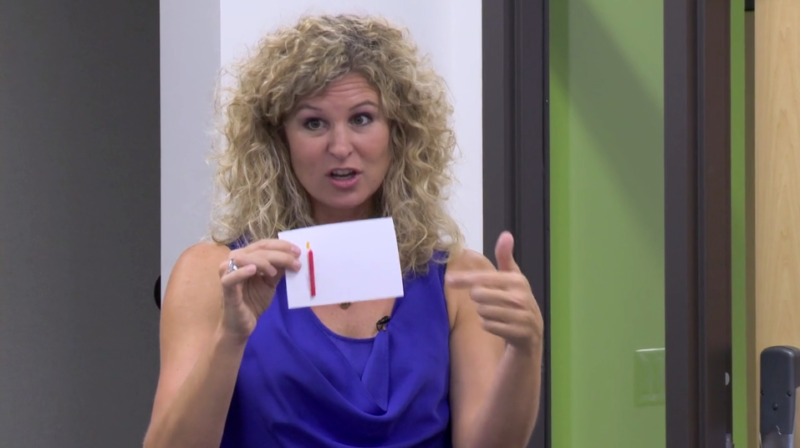
"caption": "English teacher Sarah Brown Wessling likes to start school off by asking students their wish for the year.",
"description": "English teacher Sarah Brown Wessling likes to start school off by asking students their wish for the year.",
"title": "Wessling2",
"credit": "\u003ca href=\"https://www.teachingchannel.org/video/first-day-high-school-goals\">Teaching Channel\u003c/a>",
"status": "inherit",
"isLoading": false,
"fetchFailed": false
},
"mindshift_51973": {
"type": "attachments",
"id": "mindshift_51973",
"meta": {
"index": "attachments_1716263798",
"site": "mindshift",
"id": "51973",
"found": true
},
"parent": 51967,
"imgSizes": {
"small": {
"file": "https://ww2.kqed.org/app/uploads/sites/23/2018/08/Masumee2-1-520x293.jpg",
"width": 520,
"mimeType": "image/jpeg",
"height": 293
},
"twentyfourteen-full-width": {
"file": "https://ww2.kqed.org/app/uploads/sites/23/2018/08/Masumee2-1-1038x576.jpg",
"width": 1038,
"mimeType": "image/jpeg",
"height": 576
},
"thumbnail": {
"file": "https://ww2.kqed.org/app/uploads/sites/23/2018/08/Masumee2-1-160x90.jpg",
"width": 160,
"mimeType": "image/jpeg",
"height": 90
},
"fd-sm": {
"file": "https://ww2.kqed.org/app/uploads/sites/23/2018/08/Masumee2-1-960x540.jpg",
"width": 960,
"mimeType": "image/jpeg",
"height": 540
},
"post-thumbnail": {
"file": "https://ww2.kqed.org/app/uploads/sites/23/2018/08/Masumee2-1-672x372.jpg",
"width": 672,
"mimeType": "image/jpeg",
"height": 372
},
"xsmall": {
"file": "https://ww2.kqed.org/app/uploads/sites/23/2018/08/Masumee2-1-375x211.jpg",
"width": 375,
"mimeType": "image/jpeg",
"height": 211
},
"kqedFullSize": {
"file": "https://ww2.kqed.org/app/uploads/sites/23/2018/08/Masumee2-1.jpg",
"width": 4032,
"height": 2268
},
"large": {
"file": "https://ww2.kqed.org/app/uploads/sites/23/2018/08/Masumee2-1-1020x574.jpg",
"width": 1020,
"mimeType": "image/jpeg",
"height": 574
},
"xlarge": {
"file": "https://ww2.kqed.org/app/uploads/sites/23/2018/08/Masumee2-1-1180x664.jpg",
"width": 1180,
"mimeType": "image/jpeg",
"height": 664
},
"complete_open_graph": {
"file": "https://ww2.kqed.org/app/uploads/sites/23/2018/08/Masumee2-1-1200x675.jpg",
"width": 1200,
"mimeType": "image/jpeg",
"height": 675
},
"guest-author-50": {
"file": "https://ww2.kqed.org/app/uploads/sites/23/2018/08/Masumee2-1-50x50.jpg",
"width": 50,
"mimeType": "image/jpeg",
"height": 50
},
"guest-author-96": {
"file": "https://ww2.kqed.org/app/uploads/sites/23/2018/08/Masumee2-1-96x96.jpg",
"width": 96,
"mimeType": "image/jpeg",
"height": 96
},
"medium": {
"file": "https://ww2.kqed.org/app/uploads/sites/23/2018/08/Masumee2-1-800x450.jpg",
"width": 800,
"mimeType": "image/jpeg",
"height": 450
},
"guest-author-64": {
"file": "https://ww2.kqed.org/app/uploads/sites/23/2018/08/Masumee2-1-64x64.jpg",
"width": 64,
"mimeType": "image/jpeg",
"height": 64
},
"guest-author-32": {
"file": "https://ww2.kqed.org/app/uploads/sites/23/2018/08/Masumee2-1-32x32.jpg",
"width": 32,
"mimeType": "image/jpeg",
"height": 32
},
"fd-lrg": {
"file": "https://ww2.kqed.org/app/uploads/sites/23/2018/08/Masumee2-1-1920x1080.jpg",
"width": 1920,
"mimeType": "image/jpeg",
"height": 1080
},
"fd-med": {
"file": "https://ww2.kqed.org/app/uploads/sites/23/2018/08/Masumee2-1-1180x664.jpg",
"width": 1180,
"mimeType": "image/jpeg",
"height": 664
},
"full-width": {
"file": "https://ww2.kqed.org/app/uploads/sites/23/2018/08/Masumee2-1-1920x1080.jpg",
"width": 1920,
"mimeType": "image/jpeg",
"height": 1080
},
"detail": {
"file": "https://ww2.kqed.org/app/uploads/sites/23/2018/08/Masumee2-1-150x150.jpg",
"width": 150,
"mimeType": "image/jpeg",
"height": 150
},
"medium_large": {
"file": "https://ww2.kqed.org/app/uploads/sites/23/2018/08/Masumee2-1-768x432.jpg",
"width": 768,
"mimeType": "image/jpeg",
"height": 432
},
"guest-author-128": {
"file": "https://ww2.kqed.org/app/uploads/sites/23/2018/08/Masumee2-1-128x128.jpg",
"width": 128,
"mimeType": "image/jpeg",
"height": 128
},
"xxsmall": {
"file": "https://ww2.kqed.org/app/uploads/sites/23/2018/08/Masumee2-1-240x135.jpg",
"width": 240,
"mimeType": "image/jpeg",
"height": 135
}
},
"publishDate": 1535410004,
"modified": 1535411174,
"caption": "The Masomee family with visiting Luther Burbank High School teachers. Left to right: teacher Veronica Villanueva, son Ruhullah Masomee, father Najibullah Masomee, mother Khadeja Masomee, teacher Pam Buric and Ruhullah's three younger siblings. ",
"description": "The Masomee family with visiting Luther Burbank High School teachers. Left to right: teacher Veronica Villanueva, son Ruhullah Masomee, father Najibullah Masomee, mother Khadeja Masomee, teacher Pam Buric and Ruhullah's three siblings. ",
"title": "Masumee2",
"credit": "Katrina Schwartz/KQED",
"status": "inherit",
"isLoading": false,
"fetchFailed": false
},
"mindshift_51945": {
"type": "attachments",
"id": "mindshift_51945",
"meta": {
"index": "attachments_1716263798",
"site": "mindshift",
"id": "51945",
"found": true
},
"parent": 51943,
"imgSizes": {
"small": {
"file": "https://ww2.kqed.org/app/uploads/sites/23/2018/08/students-work-together-520x291.png",
"width": 520,
"mimeType": "image/png",
"height": 291
},
"thumbnail": {
"file": "https://ww2.kqed.org/app/uploads/sites/23/2018/08/students-work-together-160x90.png",
"width": 160,
"mimeType": "image/png",
"height": 90
},
"post-thumbnail": {
"file": "https://ww2.kqed.org/app/uploads/sites/23/2018/08/students-work-together-672x372.png",
"width": 672,
"mimeType": "image/png",
"height": 372
},
"xsmall": {
"file": "https://ww2.kqed.org/app/uploads/sites/23/2018/08/students-work-together-375x210.png",
"width": 375,
"mimeType": "image/png",
"height": 210
},
"kqedFullSize": {
"file": "https://ww2.kqed.org/app/uploads/sites/23/2018/08/students-work-together.png",
"width": 950,
"height": 532
},
"guest-author-50": {
"file": "https://ww2.kqed.org/app/uploads/sites/23/2018/08/students-work-together-50x50.png",
"width": 50,
"mimeType": "image/png",
"height": 50
},
"guest-author-96": {
"file": "https://ww2.kqed.org/app/uploads/sites/23/2018/08/students-work-together-96x96.png",
"width": 96,
"mimeType": "image/png",
"height": 96
},
"medium": {
"file": "https://ww2.kqed.org/app/uploads/sites/23/2018/08/students-work-together-800x448.png",
"width": 800,
"mimeType": "image/png",
"height": 448
},
"guest-author-64": {
"file": "https://ww2.kqed.org/app/uploads/sites/23/2018/08/students-work-together-64x64.png",
"width": 64,
"mimeType": "image/png",
"height": 64
},
"guest-author-32": {
"file": "https://ww2.kqed.org/app/uploads/sites/23/2018/08/students-work-together-32x32.png",
"width": 32,
"mimeType": "image/png",
"height": 32
},
"detail": {
"file": "https://ww2.kqed.org/app/uploads/sites/23/2018/08/students-work-together-150x150.png",
"width": 150,
"mimeType": "image/png",
"height": 150
},
"medium_large": {
"file": "https://ww2.kqed.org/app/uploads/sites/23/2018/08/students-work-together-768x430.png",
"width": 768,
"mimeType": "image/png",
"height": 430
},
"guest-author-128": {
"file": "https://ww2.kqed.org/app/uploads/sites/23/2018/08/students-work-together-128x128.png",
"width": 128,
"mimeType": "image/png",
"height": 128
},
"xxsmall": {
"file": "https://ww2.kqed.org/app/uploads/sites/23/2018/08/students-work-together-240x134.png",
"width": 240,
"mimeType": "image/png",
"height": 134
}
},
"publishDate": 1534808031,
"modified": 1534808110,
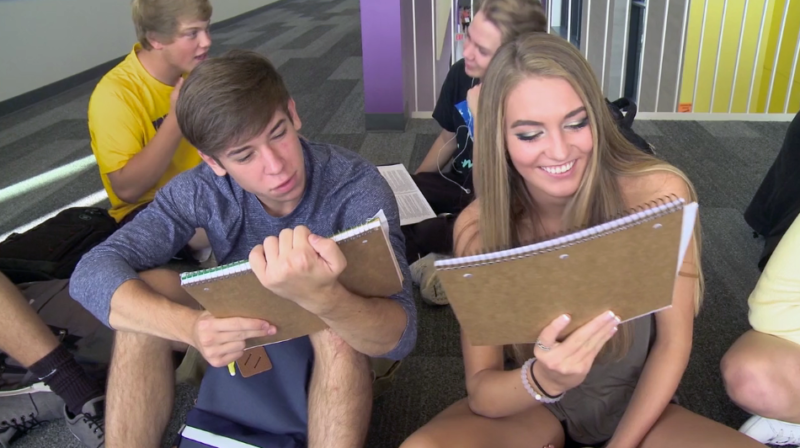
"caption": "Rather than going over the syllabus, rules and expectations for the class on the first day of school, Wessling asks students to engage in a complex learning task.",
"description": "Rather than going over the syllabus, rules and expectations for the class on the first day of school, Wessling asks students to engage in a complex learning task.",
"title": "students work together",
"credit": "\u003ca href=\"https://www.teachingchannel.org/video/first-day-school-high-school-lesson\">Teaching Channel\u003c/a>",
"status": "inherit",
"isLoading": false,
"fetchFailed": false
},
"mindshift_51959": {
"type": "attachments",
"id": "mindshift_51959",
"meta": {
"index": "attachments_1716263798",
"site": "mindshift",
"id": "51959",
"found": true
},
"parent": 51736,
"imgSizes": {
"small": {
"file": "https://ww2.kqed.org/app/uploads/sites/23/2018/08/iStock-531317427-520x330.jpg",
"width": 520,
"mimeType": "image/jpeg",
"height": 330
},
"twentyfourteen-full-width": {
"file": "https://ww2.kqed.org/app/uploads/sites/23/2018/08/iStock-531317427-1038x576.jpg",
"width": 1038,
"mimeType": "image/jpeg",
"height": 576
},
"thumbnail": {
"file": "https://ww2.kqed.org/app/uploads/sites/23/2018/08/iStock-531317427-160x101.jpg",
"width": 160,
"mimeType": "image/jpeg",
"height": 101
},
"fd-sm": {
"file": "https://ww2.kqed.org/app/uploads/sites/23/2018/08/iStock-531317427-960x609.jpg",
"width": 960,
"mimeType": "image/jpeg",
"height": 609
},
"post-thumbnail": {
"file": "https://ww2.kqed.org/app/uploads/sites/23/2018/08/iStock-531317427-672x372.jpg",
"width": 672,
"mimeType": "image/jpeg",
"height": 372
},
"xsmall": {
"file": "https://ww2.kqed.org/app/uploads/sites/23/2018/08/iStock-531317427-375x238.jpg",
"width": 375,
"mimeType": "image/jpeg",
"height": 238
},
"kqedFullSize": {
"file": "https://ww2.kqed.org/app/uploads/sites/23/2018/08/iStock-531317427-e1534869901915.jpg",
"width": 1920,
"height": 1217
},
"large": {
"file": "https://ww2.kqed.org/app/uploads/sites/23/2018/08/iStock-531317427-1020x647.jpg",
"width": 1020,
"mimeType": "image/jpeg",
"height": 647
},
"xlarge": {
"file": "https://ww2.kqed.org/app/uploads/sites/23/2018/08/iStock-531317427-1180x748.jpg",
"width": 1180,
"mimeType": "image/jpeg",
"height": 748
},
"complete_open_graph": {
"file": "https://ww2.kqed.org/app/uploads/sites/23/2018/08/iStock-531317427-1200x761.jpg",
"width": 1200,
"mimeType": "image/jpeg",
"height": 761
},
"guest-author-50": {
"file": "https://ww2.kqed.org/app/uploads/sites/23/2018/08/iStock-531317427-50x50.jpg",
"width": 50,
"mimeType": "image/jpeg",
"height": 50
},
"guest-author-96": {
"file": "https://ww2.kqed.org/app/uploads/sites/23/2018/08/iStock-531317427-96x96.jpg",
"width": 96,
"mimeType": "image/jpeg",
"height": 96
},
"medium": {
"file": "https://ww2.kqed.org/app/uploads/sites/23/2018/08/iStock-531317427-800x507.jpg",
"width": 800,
"mimeType": "image/jpeg",
"height": 507
},
"guest-author-64": {
"file": "https://ww2.kqed.org/app/uploads/sites/23/2018/08/iStock-531317427-64x64.jpg",
"width": 64,
"mimeType": "image/jpeg",
"height": 64
},
"guest-author-32": {
"file": "https://ww2.kqed.org/app/uploads/sites/23/2018/08/iStock-531317427-32x32.jpg",
"width": 32,
"mimeType": "image/jpeg",
"height": 32
},
"fd-lrg": {
"file": "https://ww2.kqed.org/app/uploads/sites/23/2018/08/iStock-531317427-1920x1217.jpg",
"width": 1920,
"mimeType": "image/jpeg",
"height": 1217
},
"fd-med": {
"file": "https://ww2.kqed.org/app/uploads/sites/23/2018/08/iStock-531317427-1180x748.jpg",
"width": 1180,
"mimeType": "image/jpeg",
"height": 748
},
"full-width": {
"file": "https://ww2.kqed.org/app/uploads/sites/23/2018/08/iStock-531317427-1920x1217.jpg",
"width": 1920,
"mimeType": "image/jpeg",
"height": 1217
},
"detail": {
"file": "https://ww2.kqed.org/app/uploads/sites/23/2018/08/iStock-531317427-150x150.jpg",
"width": 150,
"mimeType": "image/jpeg",
"height": 150
},
"medium_large": {
"file": "https://ww2.kqed.org/app/uploads/sites/23/2018/08/iStock-531317427-768x487.jpg",
"width": 768,
"mimeType": "image/jpeg",
"height": 487
},
"guest-author-128": {
"file": "https://ww2.kqed.org/app/uploads/sites/23/2018/08/iStock-531317427-128x128.jpg",
"width": 128,
"mimeType": "image/jpeg",
"height": 128
},
"xxsmall": {
"file": "https://ww2.kqed.org/app/uploads/sites/23/2018/08/iStock-531317427-240x152.jpg",
"width": 240,
"mimeType": "image/jpeg",
"height": 152
}
},
"publishDate": 1534869875,
"modified": 1534869894,
"caption": null,
"description": null,
"title": "iStock-531317427",
"credit": "iStock/Heijo",
"status": "inherit",
"isLoading": false,
"fetchFailed": false
},
"mindshift_51948": {
"type": "attachments",
"id": "mindshift_51948",
"meta": {
"index": "attachments_1716263798",
"site": "mindshift",
"id": "51948",
"found": true
},
"parent": 51720,
"imgSizes": {
"small": {
"file": "https://ww2.kqed.org/app/uploads/sites/23/2018/08/iStock-695284970-520x347.jpg",
"width": 520,
"mimeType": "image/jpeg",
"height": 347
},
"twentyfourteen-full-width": {
"file": "https://ww2.kqed.org/app/uploads/sites/23/2018/08/iStock-695284970-1038x576.jpg",
"width": 1038,
"mimeType": "image/jpeg",
"height": 576
},
"thumbnail": {
"file": "https://ww2.kqed.org/app/uploads/sites/23/2018/08/iStock-695284970-160x107.jpg",
"width": 160,
"mimeType": "image/jpeg",
"height": 107
},
"fd-sm": {
"file": "https://ww2.kqed.org/app/uploads/sites/23/2018/08/iStock-695284970-960x640.jpg",
"width": 960,
"mimeType": "image/jpeg",
"height": 640
},
"post-thumbnail": {
"file": "https://ww2.kqed.org/app/uploads/sites/23/2018/08/iStock-695284970-672x372.jpg",
"width": 672,
"mimeType": "image/jpeg",
"height": 372
},
"xsmall": {
"file": "https://ww2.kqed.org/app/uploads/sites/23/2018/08/iStock-695284970-375x250.jpg",
"width": 375,
"mimeType": "image/jpeg",
"height": 250
},
"kqedFullSize": {
"file": "https://ww2.kqed.org/app/uploads/sites/23/2018/08/iStock-695284970-e1534855013612.jpg",
"width": 1920,
"height": 1280
},
"large": {
"file": "https://ww2.kqed.org/app/uploads/sites/23/2018/08/iStock-695284970-1020x680.jpg",
"width": 1020,
"mimeType": "image/jpeg",
"height": 680
},
"xlarge": {
"file": "https://ww2.kqed.org/app/uploads/sites/23/2018/08/iStock-695284970-1180x787.jpg",
"width": 1180,
"mimeType": "image/jpeg",
"height": 787
},
"complete_open_graph": {
"file": "https://ww2.kqed.org/app/uploads/sites/23/2018/08/iStock-695284970-1200x800.jpg",
"width": 1200,
"mimeType": "image/jpeg",
"height": 800
},
"guest-author-50": {
"file": "https://ww2.kqed.org/app/uploads/sites/23/2018/08/iStock-695284970-50x50.jpg",
"width": 50,
"mimeType": "image/jpeg",
"height": 50
},
"guest-author-96": {
"file": "https://ww2.kqed.org/app/uploads/sites/23/2018/08/iStock-695284970-96x96.jpg",
"width": 96,
"mimeType": "image/jpeg",
"height": 96
},
"medium": {
"file": "https://ww2.kqed.org/app/uploads/sites/23/2018/08/iStock-695284970-800x533.jpg",
"width": 800,
"mimeType": "image/jpeg",
"height": 533
},
"guest-author-64": {
"file": "https://ww2.kqed.org/app/uploads/sites/23/2018/08/iStock-695284970-64x64.jpg",
"width": 64,
"mimeType": "image/jpeg",
"height": 64
},
"guest-author-32": {
"file": "https://ww2.kqed.org/app/uploads/sites/23/2018/08/iStock-695284970-32x32.jpg",
"width": 32,
"mimeType": "image/jpeg",
"height": 32
},
"fd-lrg": {
"file": "https://ww2.kqed.org/app/uploads/sites/23/2018/08/iStock-695284970-1920x1280.jpg",
"width": 1920,
"mimeType": "image/jpeg",
"height": 1280
},
"fd-med": {
"file": "https://ww2.kqed.org/app/uploads/sites/23/2018/08/iStock-695284970-1180x787.jpg",
"width": 1180,
"mimeType": "image/jpeg",
"height": 787
},
"full-width": {
"file": "https://ww2.kqed.org/app/uploads/sites/23/2018/08/iStock-695284970-1920x1280.jpg",
"width": 1920,
"mimeType": "image/jpeg",
"height": 1280
},
"detail": {
"file": "https://ww2.kqed.org/app/uploads/sites/23/2018/08/iStock-695284970-150x150.jpg",
"width": 150,
"mimeType": "image/jpeg",
"height": 150
},
"medium_large": {
"file": "https://ww2.kqed.org/app/uploads/sites/23/2018/08/iStock-695284970-768x512.jpg",
"width": 768,
"mimeType": "image/jpeg",
"height": 512
},
"guest-author-128": {
"file": "https://ww2.kqed.org/app/uploads/sites/23/2018/08/iStock-695284970-128x128.jpg",
"width": 128,
"mimeType": "image/jpeg",
"height": 128
},
"xxsmall": {
"file": "https://ww2.kqed.org/app/uploads/sites/23/2018/08/iStock-695284970-240x160.jpg",
"width": 240,
"mimeType": "image/jpeg",
"height": 160
}
},
"publishDate": 1534854391,
"modified": 1534855066,
"caption": null,
"description": null,
"title": "iStock-695284970",
"credit": "iStock/CREATISTA",
"status": "inherit",
"isLoading": false,
"fetchFailed": false
},
"mindshift_51887": {
"type": "attachments",
"id": "mindshift_51887",
"meta": {
"index": "attachments_1716263798",
"site": "mindshift",
"id": "51887",
"found": true
},
"parent": 49092,
"imgSizes": {
"small": {
"file": "https://ww2.kqed.org/app/uploads/sites/23/2018/08/Mindshift-Digital-Distractions-2-520x293.jpg",
"width": 520,
"mimeType": "image/jpeg",
"height": 293
},
"twentyfourteen-full-width": {
"file": "https://ww2.kqed.org/app/uploads/sites/23/2018/08/Mindshift-Digital-Distractions-2-1038x576.jpg",
"width": 1038,
"mimeType": "image/jpeg",
"height": 576
},
"thumbnail": {
"file": "https://ww2.kqed.org/app/uploads/sites/23/2018/08/Mindshift-Digital-Distractions-2-160x90.jpg",
"width": 160,
"mimeType": "image/jpeg",
"height": 90
},
"fd-sm": {
"file": "https://ww2.kqed.org/app/uploads/sites/23/2018/08/Mindshift-Digital-Distractions-2-960x540.jpg",
"width": 960,
"mimeType": "image/jpeg",
"height": 540
},
"post-thumbnail": {
"file": "https://ww2.kqed.org/app/uploads/sites/23/2018/08/Mindshift-Digital-Distractions-2-672x372.jpg",
"width": 672,
"mimeType": "image/jpeg",
"height": 372
},
"xsmall": {
"file": "https://ww2.kqed.org/app/uploads/sites/23/2018/08/Mindshift-Digital-Distractions-2-375x211.jpg",
"width": 375,
"mimeType": "image/jpeg",
"height": 211
},
"kqedFullSize": {
"file": "https://ww2.kqed.org/app/uploads/sites/23/2018/08/Mindshift-Digital-Distractions-2.jpg",
"width": 1920,
"height": 1080
},
"large": {
"file": "https://ww2.kqed.org/app/uploads/sites/23/2018/08/Mindshift-Digital-Distractions-2-1020x574.jpg",
"width": 1020,
"mimeType": "image/jpeg",
"height": 574
},
"xlarge": {
"file": "https://ww2.kqed.org/app/uploads/sites/23/2018/08/Mindshift-Digital-Distractions-2-1180x664.jpg",
"width": 1180,
"mimeType": "image/jpeg",
"height": 664
},
"complete_open_graph": {
"file": "https://ww2.kqed.org/app/uploads/sites/23/2018/08/Mindshift-Digital-Distractions-2-1200x675.jpg",
"width": 1200,
"mimeType": "image/jpeg",
"height": 675
},
"guest-author-50": {
"file": "https://ww2.kqed.org/app/uploads/sites/23/2018/08/Mindshift-Digital-Distractions-2-50x50.jpg",
"width": 50,
"mimeType": "image/jpeg",
"height": 50
},
"guest-author-96": {
"file": "https://ww2.kqed.org/app/uploads/sites/23/2018/08/Mindshift-Digital-Distractions-2-96x96.jpg",
"width": 96,
"mimeType": "image/jpeg",
"height": 96
},
"medium": {
"file": "https://ww2.kqed.org/app/uploads/sites/23/2018/08/Mindshift-Digital-Distractions-2-800x450.jpg",
"width": 800,
"mimeType": "image/jpeg",
"height": 450
},
"guest-author-64": {
"file": "https://ww2.kqed.org/app/uploads/sites/23/2018/08/Mindshift-Digital-Distractions-2-64x64.jpg",
"width": 64,
"mimeType": "image/jpeg",
"height": 64
},
"guest-author-32": {
"file": "https://ww2.kqed.org/app/uploads/sites/23/2018/08/Mindshift-Digital-Distractions-2-32x32.jpg",
"width": 32,
"mimeType": "image/jpeg",
"height": 32
},
"fd-lrg": {
"file": "https://ww2.kqed.org/app/uploads/sites/23/2018/08/Mindshift-Digital-Distractions-2-1920x1080.jpg",
"width": 1920,
"mimeType": "image/jpeg",
"height": 1080
},
"fd-med": {
"file": "https://ww2.kqed.org/app/uploads/sites/23/2018/08/Mindshift-Digital-Distractions-2-1180x664.jpg",
"width": 1180,
"mimeType": "image/jpeg",
"height": 664
},
"full-width": {
"file": "https://ww2.kqed.org/app/uploads/sites/23/2018/08/Mindshift-Digital-Distractions-2-1920x1080.jpg",
"width": 1920,
"mimeType": "image/jpeg",
"height": 1080
},
"detail": {
"file": "https://ww2.kqed.org/app/uploads/sites/23/2018/08/Mindshift-Digital-Distractions-2-150x150.jpg",
"width": 150,
"mimeType": "image/jpeg",
"height": 150
},
"medium_large": {
"file": "https://ww2.kqed.org/app/uploads/sites/23/2018/08/Mindshift-Digital-Distractions-2-768x432.jpg",
"width": 768,
"mimeType": "image/jpeg",
"height": 432
},
"guest-author-128": {
"file": "https://ww2.kqed.org/app/uploads/sites/23/2018/08/Mindshift-Digital-Distractions-2-128x128.jpg",
"width": 128,
"mimeType": "image/jpeg",
"height": 128
},
"xxsmall": {
"file": "https://ww2.kqed.org/app/uploads/sites/23/2018/08/Mindshift-Digital-Distractions-2-240x135.jpg",
"width": 240,
"mimeType": "image/jpeg",
"height": 135
}
},
"publishDate": 1534268541,
"modified": 1534268577,
"caption": null,
"description": null,
"title": "MindShift Digital Distractions 2",
"credit": "KQED/Kelly McLachlan",
"status": "inherit",
"isLoading": false,
"fetchFailed": false
},
"mindshift_51915": {
"type": "attachments",
"id": "mindshift_51915",
"meta": {
"index": "attachments_1716263798",
"site": "mindshift",
"id": "51915",
"found": true
},
"parent": 51909,
"imgSizes": {
"small": {
"file": "https://ww2.kqed.org/app/uploads/sites/23/2018/08/Horizons1-520x293.jpg",
"width": 520,
"mimeType": "image/jpeg",
"height": 293
},
"twentyfourteen-full-width": {
"file": "https://ww2.kqed.org/app/uploads/sites/23/2018/08/Horizons1-1038x576.jpg",
"width": 1038,
"mimeType": "image/jpeg",
"height": 576
},
"thumbnail": {
"file": "https://ww2.kqed.org/app/uploads/sites/23/2018/08/Horizons1-160x90.jpg",
"width": 160,
"mimeType": "image/jpeg",
"height": 90
},
"fd-sm": {
"file": "https://ww2.kqed.org/app/uploads/sites/23/2018/08/Horizons1-960x540.jpg",
"width": 960,
"mimeType": "image/jpeg",
"height": 540
},
"post-thumbnail": {
"file": "https://ww2.kqed.org/app/uploads/sites/23/2018/08/Horizons1-672x372.jpg",
"width": 672,
"mimeType": "image/jpeg",
"height": 372
},
"xsmall": {
"file": "https://ww2.kqed.org/app/uploads/sites/23/2018/08/Horizons1-375x211.jpg",
"width": 375,
"mimeType": "image/jpeg",
"height": 211
},
"kqedFullSize": {
"file": "https://ww2.kqed.org/app/uploads/sites/23/2018/08/Horizons1.jpg",
"width": 5472,
"height": 3078
},
"large": {
"file": "https://ww2.kqed.org/app/uploads/sites/23/2018/08/Horizons1-1020x574.jpg",
"width": 1020,
"mimeType": "image/jpeg",
"height": 574
},
"xlarge": {
"file": "https://ww2.kqed.org/app/uploads/sites/23/2018/08/Horizons1-1180x664.jpg",
"width": 1180,
"mimeType": "image/jpeg",
"height": 664
},
"complete_open_graph": {
"file": "https://ww2.kqed.org/app/uploads/sites/23/2018/08/Horizons1-1200x675.jpg",
"width": 1200,
"mimeType": "image/jpeg",
"height": 675
},
"guest-author-50": {
"file": "https://ww2.kqed.org/app/uploads/sites/23/2018/08/Horizons1-50x50.jpg",
"width": 50,
"mimeType": "image/jpeg",
"height": 50
},
"guest-author-96": {
"file": "https://ww2.kqed.org/app/uploads/sites/23/2018/08/Horizons1-96x96.jpg",
"width": 96,
"mimeType": "image/jpeg",
"height": 96
},
"medium": {
"file": "https://ww2.kqed.org/app/uploads/sites/23/2018/08/Horizons1-800x450.jpg",
"width": 800,
"mimeType": "image/jpeg",
"height": 450
},
"guest-author-64": {
"file": "https://ww2.kqed.org/app/uploads/sites/23/2018/08/Horizons1-64x64.jpg",
"width": 64,
"mimeType": "image/jpeg",
"height": 64
},
"guest-author-32": {
"file": "https://ww2.kqed.org/app/uploads/sites/23/2018/08/Horizons1-32x32.jpg",
"width": 32,
"mimeType": "image/jpeg",
"height": 32
},
"fd-lrg": {
"file": "https://ww2.kqed.org/app/uploads/sites/23/2018/08/Horizons1-1920x1080.jpg",
"width": 1920,
"mimeType": "image/jpeg",
"height": 1080
},
"fd-med": {
"file": "https://ww2.kqed.org/app/uploads/sites/23/2018/08/Horizons1-1180x664.jpg",
"width": 1180,
"mimeType": "image/jpeg",
"height": 664
},
"full-width": {
"file": "https://ww2.kqed.org/app/uploads/sites/23/2018/08/Horizons1-1920x1080.jpg",
"width": 1920,
"mimeType": "image/jpeg",
"height": 1080
},
"detail": {
"file": "https://ww2.kqed.org/app/uploads/sites/23/2018/08/Horizons1-150x150.jpg",
"width": 150,
"mimeType": "image/jpeg",
"height": 150
},
"medium_large": {
"file": "https://ww2.kqed.org/app/uploads/sites/23/2018/08/Horizons1-768x432.jpg",
"width": 768,
"mimeType": "image/jpeg",
"height": 432
},
"guest-author-128": {
"file": "https://ww2.kqed.org/app/uploads/sites/23/2018/08/Horizons1-128x128.jpg",
"width": 128,
"mimeType": "image/jpeg",
"height": 128
},
"xxsmall": {
"file": "https://ww2.kqed.org/app/uploads/sites/23/2018/08/Horizons1-240x135.jpg",
"width": 240,
"mimeType": "image/jpeg",
"height": 135
}
},
"publishDate": 1534532364,
"modified": 1534532445,
"caption": "Kindergarten students in the Horizons summer program at their swim lesson.",
"description": "Kindergarten students in the Horizons summer program at their swim lesson.",
"title": "Horizons1",
"credit": "Abby Rovner/\u003ca href=\"https://www.sffriendsschool.org/about-us/horizons-sffs\">Horizons at San Francisco Friends School\u003c/a>",
"status": "inherit",
"isLoading": false,
"fetchFailed": false
},
"mindshift_51903": {
"type": "attachments",
"id": "mindshift_51903",
"meta": {
"index": "attachments_1716263798",
"site": "mindshift",
"id": "51903",
"found": true
},
"parent": 51901,
"imgSizes": {
"thumbnail": {
"file": "https://ww2.kqed.org/app/uploads/sites/23/2018/08/Michael-Elsen-Rooney-ElsenRooneyVista1-500x0-c-default-160x120.jpg",
"width": 160,
"mimeType": "image/jpeg",
"height": 120
},
"post-thumbnail": {
"file": "https://ww2.kqed.org/app/uploads/sites/23/2018/08/Michael-Elsen-Rooney-ElsenRooneyVista1-500x0-c-default-500x372.jpg",
"width": 500,
"mimeType": "image/jpeg",
"height": 372
},
"xsmall": {
"file": "https://ww2.kqed.org/app/uploads/sites/23/2018/08/Michael-Elsen-Rooney-ElsenRooneyVista1-500x0-c-default-375x281.jpg",
"width": 375,
"mimeType": "image/jpeg",
"height": 281
},
"kqedFullSize": {
"file": "https://ww2.kqed.org/app/uploads/sites/23/2018/08/Michael-Elsen-Rooney-ElsenRooneyVista1-500x0-c-default.jpg",
"width": 500,
"height": 375
},
"guest-author-50": {
"file": "https://ww2.kqed.org/app/uploads/sites/23/2018/08/Michael-Elsen-Rooney-ElsenRooneyVista1-500x0-c-default-50x50.jpg",
"width": 50,
"mimeType": "image/jpeg",
"height": 50
},
"guest-author-96": {
"file": "https://ww2.kqed.org/app/uploads/sites/23/2018/08/Michael-Elsen-Rooney-ElsenRooneyVista1-500x0-c-default-96x96.jpg",
"width": 96,
"mimeType": "image/jpeg",
"height": 96
},
"guest-author-64": {
"file": "https://ww2.kqed.org/app/uploads/sites/23/2018/08/Michael-Elsen-Rooney-ElsenRooneyVista1-500x0-c-default-64x64.jpg",
"width": 64,
"mimeType": "image/jpeg",
"height": 64
},
"detail": {
"file": "https://ww2.kqed.org/app/uploads/sites/23/2018/08/Michael-Elsen-Rooney-ElsenRooneyVista1-500x0-c-default-150x150.jpg",
"width": 150,
"mimeType": "image/jpeg",
"height": 150
},
"guest-author-32": {
"file": "https://ww2.kqed.org/app/uploads/sites/23/2018/08/Michael-Elsen-Rooney-ElsenRooneyVista1-500x0-c-default-32x32.jpg",
"width": 32,
"mimeType": "image/jpeg",
"height": 32
},
"guest-author-128": {
"file": "https://ww2.kqed.org/app/uploads/sites/23/2018/08/Michael-Elsen-Rooney-ElsenRooneyVista1-500x0-c-default-128x128.jpg",
"width": 128,
"mimeType": "image/jpeg",
"height": 128
},
"xxsmall": {
"file": "https://ww2.kqed.org/app/uploads/sites/23/2018/08/Michael-Elsen-Rooney-ElsenRooneyVista1-500x0-c-default-240x180.jpg",
"width": 240,
"mimeType": "image/jpeg",
"height": 180
}
},
"publishDate": 1534489273,
"modified": 1534489317,
"caption": "Teacher Catherine Connelly leads a lesson on giving compliments in Vista’s pioneering new class on social and emotional wellness. Connelly loved the curriculum, but not the rolling furniture. ",
"description": null,
"title": "Michael-Elsen-Rooney-ElsenRooneyVista1-500x0-c-default",
"credit": "The Hechinger Report/Mike Elsen-Rooney",
"status": "inherit",
"isLoading": false,
"fetchFailed": false
},
"mindshift_51893": {
"type": "attachments",
"id": "mindshift_51893",
"meta": {
"index": "attachments_1716263798",
"site": "mindshift",
"id": "51893",
"found": true
},
"parent": 51890,
"imgSizes": {
"small": {
"file": "https://ww2.kqed.org/app/uploads/sites/23/2018/08/Podcast-Podcast-Season-3-520x398.png",
"width": 520,
"mimeType": "image/png",
"height": 398
},
"twentyfourteen-full-width": {
"file": "https://ww2.kqed.org/app/uploads/sites/23/2018/08/Podcast-Podcast-Season-3-1038x576.png",
"width": 1038,
"mimeType": "image/png",
"height": 576
},
"thumbnail": {
"file": "https://ww2.kqed.org/app/uploads/sites/23/2018/08/Podcast-Podcast-Season-3-160x123.png",
"width": 160,
"mimeType": "image/png",
"height": 123
},
"fd-sm": {
"file": "https://ww2.kqed.org/app/uploads/sites/23/2018/08/Podcast-Podcast-Season-3-960x735.png",
"width": 960,
"mimeType": "image/png",
"height": 735
},
"post-thumbnail": {
"file": "https://ww2.kqed.org/app/uploads/sites/23/2018/08/Podcast-Podcast-Season-3-672x372.png",
"width": 672,
"mimeType": "image/png",
"height": 372
},
"xsmall": {
"file": "https://ww2.kqed.org/app/uploads/sites/23/2018/08/Podcast-Podcast-Season-3-375x287.png",
"width": 375,
"mimeType": "image/png",
"height": 287
},
"kqedFullSize": {
"file": "https://ww2.kqed.org/app/uploads/sites/23/2018/08/Podcast-Podcast-Season-3.png",
"width": 1440,
"height": 1103
},
"large": {
"file": "https://ww2.kqed.org/app/uploads/sites/23/2018/08/Podcast-Podcast-Season-3-1020x781.png",
"width": 1020,
"mimeType": "image/png",
"height": 781
},
"xlarge": {
"file": "https://ww2.kqed.org/app/uploads/sites/23/2018/08/Podcast-Podcast-Season-3-1180x904.png",
"width": 1180,
"mimeType": "image/png",
"height": 904
},
"complete_open_graph": {
"file": "https://ww2.kqed.org/app/uploads/sites/23/2018/08/Podcast-Podcast-Season-3-1200x919.png",
"width": 1200,
"mimeType": "image/png",
"height": 919
},
"guest-author-50": {
"file": "https://ww2.kqed.org/app/uploads/sites/23/2018/08/Podcast-Podcast-Season-3-50x50.png",
"width": 50,
"mimeType": "image/png",
"height": 50
},
"guest-author-96": {
"file": "https://ww2.kqed.org/app/uploads/sites/23/2018/08/Podcast-Podcast-Season-3-96x96.png",
"width": 96,
"mimeType": "image/png",
"height": 96
},
"medium": {
"file": "https://ww2.kqed.org/app/uploads/sites/23/2018/08/Podcast-Podcast-Season-3-800x613.png",
"width": 800,
"mimeType": "image/png",
"height": 613
},
"guest-author-64": {
"file": "https://ww2.kqed.org/app/uploads/sites/23/2018/08/Podcast-Podcast-Season-3-64x64.png",
"width": 64,
"mimeType": "image/png",
"height": 64
},
"guest-author-32": {
"file": "https://ww2.kqed.org/app/uploads/sites/23/2018/08/Podcast-Podcast-Season-3-32x32.png",
"width": 32,
"mimeType": "image/png",
"height": 32
},
"fd-med": {
"file": "https://ww2.kqed.org/app/uploads/sites/23/2018/08/Podcast-Podcast-Season-3-1180x904.png",
"width": 1180,
"mimeType": "image/png",
"height": 904
},
"detail": {
"file": "https://ww2.kqed.org/app/uploads/sites/23/2018/08/Podcast-Podcast-Season-3-150x150.png",
"width": 150,
"mimeType": "image/png",
"height": 150
},
"medium_large": {
"file": "https://ww2.kqed.org/app/uploads/sites/23/2018/08/Podcast-Podcast-Season-3-768x588.png",
"width": 768,
"mimeType": "image/png",
"height": 588
},
"guest-author-128": {
"file": "https://ww2.kqed.org/app/uploads/sites/23/2018/08/Podcast-Podcast-Season-3-128x128.png",
"width": 128,
"mimeType": "image/png",
"height": 128
},
"xxsmall": {
"file": "https://ww2.kqed.org/app/uploads/sites/23/2018/08/Podcast-Podcast-Season-3-240x184.png",
"width": 240,
"mimeType": "image/png",
"height": 184
}
},
"publishDate": 1534281052,
"modified": 1534281052,
"caption": null,
"description": null,
"title": "Podcast-Podcast-Season-3",
"credit": null,
"status": "inherit",
"isLoading": false,
"fetchFailed": false
},
"mindshift_51879": {
"type": "attachments",
"id": "mindshift_51879",
"meta": {
"index": "attachments_1716263798",
"site": "mindshift",
"id": "51879",
"found": true
},
"parent": 51878,
"imgSizes": {
"small": {
"file": "https://ww2.kqed.org/app/uploads/sites/23/2018/08/civics-to-voters_custom-2211b7ddd9b7cc51da6b8a94af39ea44f6691e49-520x325.jpg",
"width": 520,
"mimeType": "image/jpeg",
"height": 325
},
"twentyfourteen-full-width": {
"file": "https://ww2.kqed.org/app/uploads/sites/23/2018/08/civics-to-voters_custom-2211b7ddd9b7cc51da6b8a94af39ea44f6691e49-1038x576.jpg",
"width": 1038,
"mimeType": "image/jpeg",
"height": 576
},
"thumbnail": {
"file": "https://ww2.kqed.org/app/uploads/sites/23/2018/08/civics-to-voters_custom-2211b7ddd9b7cc51da6b8a94af39ea44f6691e49-160x100.jpg",
"width": 160,
"mimeType": "image/jpeg",
"height": 100
},
"fd-sm": {
"file": "https://ww2.kqed.org/app/uploads/sites/23/2018/08/civics-to-voters_custom-2211b7ddd9b7cc51da6b8a94af39ea44f6691e49-960x599.jpg",
"width": 960,
"mimeType": "image/jpeg",
"height": 599
},
"post-thumbnail": {
"file": "https://ww2.kqed.org/app/uploads/sites/23/2018/08/civics-to-voters_custom-2211b7ddd9b7cc51da6b8a94af39ea44f6691e49-672x372.jpg",
"width": 672,
"mimeType": "image/jpeg",
"height": 372
},
"xsmall": {
"file": "https://ww2.kqed.org/app/uploads/sites/23/2018/08/civics-to-voters_custom-2211b7ddd9b7cc51da6b8a94af39ea44f6691e49-375x234.jpg",
"width": 375,
"mimeType": "image/jpeg",
"height": 234
},
"kqedFullSize": {
"file": "https://ww2.kqed.org/app/uploads/sites/23/2018/08/civics-to-voters_custom-2211b7ddd9b7cc51da6b8a94af39ea44f6691e49-e1534322654141.jpg",
"width": 1920,
"height": 1198
},
"large": {
"file": "https://ww2.kqed.org/app/uploads/sites/23/2018/08/civics-to-voters_custom-2211b7ddd9b7cc51da6b8a94af39ea44f6691e49-1020x637.jpg",
"width": 1020,
"mimeType": "image/jpeg",
"height": 637
},
"xlarge": {
"file": "https://ww2.kqed.org/app/uploads/sites/23/2018/08/civics-to-voters_custom-2211b7ddd9b7cc51da6b8a94af39ea44f6691e49-1180x736.jpg",
"width": 1180,
"mimeType": "image/jpeg",
"height": 736
},
"complete_open_graph": {
"file": "https://ww2.kqed.org/app/uploads/sites/23/2018/08/civics-to-voters_custom-2211b7ddd9b7cc51da6b8a94af39ea44f6691e49-1200x749.jpg",
"width": 1200,
"mimeType": "image/jpeg",
"height": 749
},
"guest-author-50": {
"file": "https://ww2.kqed.org/app/uploads/sites/23/2018/08/civics-to-voters_custom-2211b7ddd9b7cc51da6b8a94af39ea44f6691e49-50x50.jpg",
"width": 50,
"mimeType": "image/jpeg",
"height": 50
},
"guest-author-96": {
"file": "https://ww2.kqed.org/app/uploads/sites/23/2018/08/civics-to-voters_custom-2211b7ddd9b7cc51da6b8a94af39ea44f6691e49-96x96.jpg",
"width": 96,
"mimeType": "image/jpeg",
"height": 96
},
"medium": {
"file": "https://ww2.kqed.org/app/uploads/sites/23/2018/08/civics-to-voters_custom-2211b7ddd9b7cc51da6b8a94af39ea44f6691e49-800x499.jpg",
"width": 800,
"mimeType": "image/jpeg",
"height": 499
},
"guest-author-64": {
"file": "https://ww2.kqed.org/app/uploads/sites/23/2018/08/civics-to-voters_custom-2211b7ddd9b7cc51da6b8a94af39ea44f6691e49-64x64.jpg",
"width": 64,
"mimeType": "image/jpeg",
"height": 64
},
"guest-author-32": {
"file": "https://ww2.kqed.org/app/uploads/sites/23/2018/08/civics-to-voters_custom-2211b7ddd9b7cc51da6b8a94af39ea44f6691e49-32x32.jpg",
"width": 32,
"mimeType": "image/jpeg",
"height": 32
},
"fd-lrg": {
"file": "https://ww2.kqed.org/app/uploads/sites/23/2018/08/civics-to-voters_custom-2211b7ddd9b7cc51da6b8a94af39ea44f6691e49-1920x1198.jpg",
"width": 1920,
"mimeType": "image/jpeg",
"height": 1198
},
"fd-med": {
"file": "https://ww2.kqed.org/app/uploads/sites/23/2018/08/civics-to-voters_custom-2211b7ddd9b7cc51da6b8a94af39ea44f6691e49-1180x736.jpg",
"width": 1180,
"mimeType": "image/jpeg",
"height": 736
},
"full-width": {
"file": "https://ww2.kqed.org/app/uploads/sites/23/2018/08/civics-to-voters_custom-2211b7ddd9b7cc51da6b8a94af39ea44f6691e49-1920x1198.jpg",
"width": 1920,
"mimeType": "image/jpeg",
"height": 1198
},
"detail": {
"file": "https://ww2.kqed.org/app/uploads/sites/23/2018/08/civics-to-voters_custom-2211b7ddd9b7cc51da6b8a94af39ea44f6691e49-150x150.jpg",
"width": 150,
"mimeType": "image/jpeg",
"height": 150
},
"medium_large": {
"file": "https://ww2.kqed.org/app/uploads/sites/23/2018/08/civics-to-voters_custom-2211b7ddd9b7cc51da6b8a94af39ea44f6691e49-768x479.jpg",
"width": 768,
"mimeType": "image/jpeg",
"height": 479
},
"guest-author-128": {
"file": "https://ww2.kqed.org/app/uploads/sites/23/2018/08/civics-to-voters_custom-2211b7ddd9b7cc51da6b8a94af39ea44f6691e49-128x128.jpg",
"width": 128,
"mimeType": "image/jpeg",
"height": 128
},
"xxsmall": {
"file": "https://ww2.kqed.org/app/uploads/sites/23/2018/08/civics-to-voters_custom-2211b7ddd9b7cc51da6b8a94af39ea44f6691e49-240x150.jpg",
"width": 240,
"mimeType": "image/jpeg",
"height": 150
}
},
"publishDate": 1534260627,
"modified": 1534322693,
"caption": "Teaching civics to students can help them be more engaged voters.",
"description": "Teaching civics to students can help them be more engaged voters.",
"title": "Teaching civics to students can help them be more engaged voters.",
"credit": "NPR/LA Johnson",
"status": "inherit",
"isLoading": false,
"fetchFailed": false
},
"mindshift_51866": {
"type": "attachments",
"id": "mindshift_51866",
"meta": {
"index": "attachments_1716263798",
"site": "mindshift",
"id": "51866",
"found": true
},
"parent": 51827,
"imgSizes": {
"small": {
"file": "https://ww2.kqed.org/app/uploads/sites/23/2018/08/iStock-871647800-e1534172537388-520x309.jpg",
"width": 520,
"mimeType": "image/jpeg",
"height": 309
},
"twentyfourteen-full-width": {
"file": "https://ww2.kqed.org/app/uploads/sites/23/2018/08/iStock-871647800-e1534172537388-1038x576.jpg",
"width": 1038,
"mimeType": "image/jpeg",
"height": 576
},
"thumbnail": {
"file": "https://ww2.kqed.org/app/uploads/sites/23/2018/08/iStock-871647800-e1534172537388-160x95.jpg",
"width": 160,
"mimeType": "image/jpeg",
"height": 95
},
"fd-sm": {
"file": "https://ww2.kqed.org/app/uploads/sites/23/2018/08/iStock-871647800-e1534172537388-960x570.jpg",
"width": 960,
"mimeType": "image/jpeg",
"height": 570
},
"post-thumbnail": {
"file": "https://ww2.kqed.org/app/uploads/sites/23/2018/08/iStock-871647800-e1534172537388-672x372.jpg",
"width": 672,
"mimeType": "image/jpeg",
"height": 372
},
"xsmall": {
"file": "https://ww2.kqed.org/app/uploads/sites/23/2018/08/iStock-871647800-e1534172537388-375x223.jpg",
"width": 375,
"mimeType": "image/jpeg",
"height": 223
},
"kqedFullSize": {
"file": "https://ww2.kqed.org/app/uploads/sites/23/2018/08/iStock-871647800-e1534172537388.jpg",
"width": 1786,
"height": 1060
},
"large": {
"file": "https://ww2.kqed.org/app/uploads/sites/23/2018/08/iStock-871647800-e1534172537388-1020x605.jpg",
"width": 1020,
"mimeType": "image/jpeg",
"height": 605
},
"xlarge": {
"file": "https://ww2.kqed.org/app/uploads/sites/23/2018/08/iStock-871647800-e1534172537388-1180x700.jpg",
"width": 1180,
"mimeType": "image/jpeg",
"height": 700
},
"complete_open_graph": {
"file": "https://ww2.kqed.org/app/uploads/sites/23/2018/08/iStock-871647800-e1534172537388-1200x712.jpg",
"width": 1200,
"mimeType": "image/jpeg",
"height": 712
},
"guest-author-50": {
"file": "https://ww2.kqed.org/app/uploads/sites/23/2018/08/iStock-871647800-e1534172537388-50x50.jpg",
"width": 50,
"mimeType": "image/jpeg",
"height": 50
},
"guest-author-96": {
"file": "https://ww2.kqed.org/app/uploads/sites/23/2018/08/iStock-871647800-e1534172537388-96x96.jpg",
"width": 96,
"mimeType": "image/jpeg",
"height": 96
},
"medium": {
"file": "https://ww2.kqed.org/app/uploads/sites/23/2018/08/iStock-871647800-e1534172537388-800x475.jpg",
"width": 800,
"mimeType": "image/jpeg",
"height": 475
},
"guest-author-64": {
"file": "https://ww2.kqed.org/app/uploads/sites/23/2018/08/iStock-871647800-e1534172537388-64x64.jpg",
"width": 64,
"mimeType": "image/jpeg",
"height": 64
},
"guest-author-32": {
"file": "https://ww2.kqed.org/app/uploads/sites/23/2018/08/iStock-871647800-e1534172537388-32x32.jpg",
"width": 32,
"mimeType": "image/jpeg",
"height": 32
},
"fd-lrg": {
"file": "https://ww2.kqed.org/app/uploads/sites/23/2018/08/iStock-871647800-1920x1280.jpg",
"width": 1920,
"mimeType": "image/jpeg",
"height": 1280
},
"fd-med": {
"file": "https://ww2.kqed.org/app/uploads/sites/23/2018/08/iStock-871647800-e1534172537388-1180x700.jpg",
"width": 1180,
"mimeType": "image/jpeg",
"height": 700
},
"full-width": {
"file": "https://ww2.kqed.org/app/uploads/sites/23/2018/08/iStock-871647800-1920x1280.jpg",
"width": 1920,
"mimeType": "image/jpeg",
"height": 1280
},
"detail": {
"file": "https://ww2.kqed.org/app/uploads/sites/23/2018/08/iStock-871647800-e1534172537388-150x150.jpg",
"width": 150,
"mimeType": "image/jpeg",
"height": 150
},
"medium_large": {
"file": "https://ww2.kqed.org/app/uploads/sites/23/2018/08/iStock-871647800-e1534172537388-768x456.jpg",
"width": 768,
"mimeType": "image/jpeg",
"height": 456
},
"guest-author-128": {
"file": "https://ww2.kqed.org/app/uploads/sites/23/2018/08/iStock-871647800-e1534172537388-128x128.jpg",
"width": 128,
"mimeType": "image/jpeg",
"height": 128
},
"xxsmall": {
"file": "https://ww2.kqed.org/app/uploads/sites/23/2018/08/iStock-871647800-e1534172537388-240x142.jpg",
"width": 240,
"mimeType": "image/jpeg",
"height": 142
}
},
"publishDate": 1534172365,
"modified": 1534172554,
"caption": null,
"description": null,
"title": "iStock-871647800",
"credit": "iStock/tuk69tuk",
"status": "inherit",
"isLoading": false,
"fetchFailed": false
},
"mindshift_51839": {
"type": "attachments",
"id": "mindshift_51839",
"meta": {
"index": "attachments_1716263798",
"site": "mindshift",
"id": "51839",
"found": true
},
"parent": 51811,
"imgSizes": {
"small": {
"file": "https://ww2.kqed.org/app/uploads/sites/23/2018/08/iStock-925453216-520x422.jpg",
"width": 520,
"mimeType": "image/jpeg",
"height": 422
},
"twentyfourteen-full-width": {
"file": "https://ww2.kqed.org/app/uploads/sites/23/2018/08/iStock-925453216-1038x576.jpg",
"width": 1038,
"mimeType": "image/jpeg",
"height": 576
},
"thumbnail": {
"file": "https://ww2.kqed.org/app/uploads/sites/23/2018/08/iStock-925453216-160x130.jpg",
"width": 160,
"mimeType": "image/jpeg",
"height": 130
},
"fd-sm": {
"file": "https://ww2.kqed.org/app/uploads/sites/23/2018/08/iStock-925453216-960x779.jpg",
"width": 960,
"mimeType": "image/jpeg",
"height": 779
},
"post-thumbnail": {
"file": "https://ww2.kqed.org/app/uploads/sites/23/2018/08/iStock-925453216-672x372.jpg",
"width": 672,
"mimeType": "image/jpeg",
"height": 372
},
"xsmall": {
"file": "https://ww2.kqed.org/app/uploads/sites/23/2018/08/iStock-925453216-375x304.jpg",
"width": 375,
"mimeType": "image/jpeg",
"height": 304
},
"kqedFullSize": {
"file": "https://ww2.kqed.org/app/uploads/sites/23/2018/08/iStock-925453216.jpg",
"width": 1922,
"height": 1560
},
"large": {
"file": "https://ww2.kqed.org/app/uploads/sites/23/2018/08/iStock-925453216-1020x828.jpg",
"width": 1020,
"mimeType": "image/jpeg",
"height": 828
},
"xlarge": {
"file": "https://ww2.kqed.org/app/uploads/sites/23/2018/08/iStock-925453216-1180x958.jpg",
"width": 1180,
"mimeType": "image/jpeg",
"height": 958
},
"complete_open_graph": {
"file": "https://ww2.kqed.org/app/uploads/sites/23/2018/08/iStock-925453216-1200x974.jpg",
"width": 1200,
"mimeType": "image/jpeg",
"height": 974
},
"guest-author-50": {
"file": "https://ww2.kqed.org/app/uploads/sites/23/2018/08/iStock-925453216-50x50.jpg",
"width": 50,
"mimeType": "image/jpeg",
"height": 50
},
"guest-author-96": {
"file": "https://ww2.kqed.org/app/uploads/sites/23/2018/08/iStock-925453216-96x96.jpg",
"width": 96,
"mimeType": "image/jpeg",
"height": 96
},
"medium": {
"file": "https://ww2.kqed.org/app/uploads/sites/23/2018/08/iStock-925453216-800x649.jpg",
"width": 800,
"mimeType": "image/jpeg",
"height": 649
},
"guest-author-64": {
"file": "https://ww2.kqed.org/app/uploads/sites/23/2018/08/iStock-925453216-64x64.jpg",
"width": 64,
"mimeType": "image/jpeg",
"height": 64
},
"guest-author-32": {
"file": "https://ww2.kqed.org/app/uploads/sites/23/2018/08/iStock-925453216-32x32.jpg",
"width": 32,
"mimeType": "image/jpeg",
"height": 32
},
"fd-lrg": {
"file": "https://ww2.kqed.org/app/uploads/sites/23/2018/08/iStock-925453216-1920x1558.jpg",
"width": 1920,
"mimeType": "image/jpeg",
"height": 1558
},
"fd-med": {
"file": "https://ww2.kqed.org/app/uploads/sites/23/2018/08/iStock-925453216-1180x958.jpg",
"width": 1180,
"mimeType": "image/jpeg",
"height": 958
},
"full-width": {
"file": "https://ww2.kqed.org/app/uploads/sites/23/2018/08/iStock-925453216-1920x1558.jpg",
"width": 1920,
"mimeType": "image/jpeg",
"height": 1558
},
"detail": {
"file": "https://ww2.kqed.org/app/uploads/sites/23/2018/08/iStock-925453216-150x150.jpg",
"width": 150,
"mimeType": "image/jpeg",
"height": 150
},
"medium_large": {
"file": "https://ww2.kqed.org/app/uploads/sites/23/2018/08/iStock-925453216-768x623.jpg",
"width": 768,
"mimeType": "image/jpeg",
"height": 623
},
"guest-author-128": {
"file": "https://ww2.kqed.org/app/uploads/sites/23/2018/08/iStock-925453216-128x128.jpg",
"width": 128,
"mimeType": "image/jpeg",
"height": 128
},
"xxsmall": {
"file": "https://ww2.kqed.org/app/uploads/sites/23/2018/08/iStock-925453216-240x195.jpg",
"width": 240,
"mimeType": "image/jpeg",
"height": 195
}
},
"publishDate": 1533712391,
"modified": 1533712414,
"caption": null,
"description": null,
"title": "iStock-925453216",
"credit": "iStock/UberImages",
"status": "inherit",
"isLoading": false,
"fetchFailed": false
}
},
"audioPlayerReducer": {
"postId": "stream_live",
"isPaused": true,
"isPlaying": false,
"pfsActive": false,
"pledgeModalIsOpen": true,
"playerDrawerIsOpen": false,
"liveAudioPlayStartedAt": 0,
"liveAudioPlayContext": ""
},
"authorsReducer": {
"byline_mindshift_51901": {
"type": "authors",
"id": "byline_mindshift_51901",
"meta": {
"override": true
},
"slug": "byline_mindshift_51901",
"name": "\u003ca href=\"http://hechingerreport.org/\">Mike Elsen-Rooney, The Hechinger Report\u003c/a>",
"isLoading": false
},
"byline_mindshift_51878": {
"type": "authors",
"id": "byline_mindshift_51878",
"meta": {
"override": true
},
"slug": "byline_mindshift_51878",
"name": "Emily Cardinali",
"isLoading": false
},
"katrinaschwartz": {
"type": "authors",
"id": "234",
"meta": {
"index": "authors_1716337520",
"id": "234",
"found": true
},
"name": "Katrina Schwartz",
"firstName": "Katrina",
"lastName": "Schwartz",
"slug": "katrinaschwartz",
"email": "kschwartz@kqed.org",
"display_author_email": false,
"staff_mastheads": [
"news"
],
"title": "Producer",
"bio": "Katrina Schwartz is a journalist based in San Francisco. She's worked at KPCC public radio in LA and has reported on air and online for KQED since 2010. She covered how teaching and learning is changing for MindShift between 2012 and 2020. She is the co-host of the MindShift podcast and now produces KQED's Bay Curious podcast.",
"avatar": "https://secure.gravatar.com/avatar/edb4ee79070447a018538c9aae6eeecf28786515b8a0c30e43b6b7dce5aa44c8?s=600&d=blank&r=g",
"twitter": "kschwart",
"bluesky": null,
"facebook": null,
"instagram": null,
"linkedin": null,
"sites": [
{
"site": "",
"roles": [
"editor"
]
},
{
"site": "news",
"roles": [
"editor"
]
},
{
"site": "mindshift",
"roles": [
"administrator"
]
},
{
"site": "stateofhealth",
"roles": [
"author"
]
},
{
"site": "science",
"roles": [
"editor"
]
}
],
"headData": {
"title": "Katrina Schwartz | KQED",
"description": "Producer",
"ogImgSrc": "https://secure.gravatar.com/avatar/edb4ee79070447a018538c9aae6eeecf28786515b8a0c30e43b6b7dce5aa44c8?s=600&d=blank&r=g",
"twImgSrc": "https://secure.gravatar.com/avatar/edb4ee79070447a018538c9aae6eeecf28786515b8a0c30e43b6b7dce5aa44c8?s=600&d=blank&r=g"
},
"isLoading": false,
"link": "/author/katrinaschwartz"
},
"hollykorbey": {
"type": "authors",
"id": "4445",
"meta": {
"index": "authors_1716337520",
"id": "4445",
"found": true
},
"name": "Holly Korbey",
"firstName": "Holly",
"lastName": "Korbey",
"slug": "hollykorbey",
"email": "holly@hollykorbey.com",
"display_author_email": false,
"staff_mastheads": [],
"title": null,
"bio": "Holly Korbey's work on parenting and education has appeared in The New York Times, The Atlantic, Babble, Brain, Child Magazine, and others. She lives in Nashville with her family. Follow her on Twitter: @HKorbey",
"avatar": "https://secure.gravatar.com/avatar/f385f7a3b90e52ecd5e85c24fbd0a363?s=600&d=blank&r=g",
"twitter": null,
"facebook": null,
"instagram": null,
"linkedin": null,
"sites": [
{
"site": "mindshift",
"roles": [
"contributor"
]
}
],
"headData": {
"title": "Holly Korbey | KQED",
"description": null,
"ogImgSrc": "https://secure.gravatar.com/avatar/f385f7a3b90e52ecd5e85c24fbd0a363?s=600&d=blank&r=g",
"twImgSrc": "https://secure.gravatar.com/avatar/f385f7a3b90e52ecd5e85c24fbd0a363?s=600&d=blank&r=g"
},
"isLoading": false,
"link": "/author/hollykorbey"
},
"ksung": {
"type": "authors",
"id": "4596",
"meta": {
"index": "authors_1716337520",
"id": "4596",
"found": true
},
"name": "Ki Sung",
"firstName": "Ki",
"lastName": "Sung",
"slug": "ksung",
"email": "ksung@kqed.org",
"display_author_email": false,
"staff_mastheads": [
"news"
],
"title": "KQED Contributor",
"bio": "Ki Sung is Managing Editor of Digital News at KQED. She is former Senior Editor of MindShift and worked at NPR before joining KQED in 2014.",
"avatar": "https://secure.gravatar.com/avatar/64271e01dc95486c133be56937739045b7c00c990525bf9add12d3dd4f0433c9?s=600&d=blank&r=g",
"twitter": null,
"bluesky": null,
"facebook": null,
"instagram": null,
"linkedin": null,
"sites": [
{
"site": "arts",
"roles": [
"administrator"
]
},
{
"site": "news",
"roles": [
"administrator"
]
},
{
"site": "mindshift",
"roles": [
"administrator"
]
},
{
"site": "science",
"roles": [
"administrator"
]
},
{
"site": "forum",
"roles": [
"administrator"
]
},
{
"site": "perspectives",
"roles": [
"administrator"
]
},
{
"site": "elections",
"roles": [
"administrator"
]
}
],
"headData": {
"title": "Ki Sung | KQED",
"description": "KQED Contributor",
"ogImgSrc": "https://secure.gravatar.com/avatar/64271e01dc95486c133be56937739045b7c00c990525bf9add12d3dd4f0433c9?s=600&d=blank&r=g",
"twImgSrc": "https://secure.gravatar.com/avatar/64271e01dc95486c133be56937739045b7c00c990525bf9add12d3dd4f0433c9?s=600&d=blank&r=g"
},
"isLoading": false,
"link": "/author/ksung"
},
"dfkris": {
"type": "authors",
"id": "11087",
"meta": {
"index": "authors_1716337520",
"id": "11087",
"found": true
},
"name": "Deborah Farmer Kris",
"firstName": "Deborah Farmer",
"lastName": "Kris",
"slug": "dfkris",
"email": "dfkris@gmail.com",
"display_author_email": false,
"staff_mastheads": [],
"title": null,
"bio": "\u003cem>\u003ca href=\"https://twitter.com/@dfkris\">Deborah Farmer Kris\u003c/a> has taught elementary, middle and high school and served as a charter school administrator. She spent a decade as an associate at Boston University’s \u003c/em>\u003cem>\u003ca href=\"http://www.bu.edu/ccsr/about-us/\">Center for Character and Social Responsibility\u003c/a>, \u003c/em>\u003cem>researching, writing, and consulting with schools. She is the mother of two young children. You can follower her on Twitter \u003ca href=\"https://twitter.com/@dfkris\">@dfkris\u003c/a>.\u003c/em>",
"avatar": "https://secure.gravatar.com/avatar/48efe6f17031ed31222b74af9605fe5a?s=600&d=blank&r=g",
"twitter": "dfkris",
"facebook": null,
"instagram": null,
"linkedin": null,
"sites": [
{
"site": "mindshift",
"roles": [
"author"
]
}
],
"headData": {
"title": "Deborah Farmer Kris | KQED",
"description": null,
"ogImgSrc": "https://secure.gravatar.com/avatar/48efe6f17031ed31222b74af9605fe5a?s=600&d=blank&r=g",
"twImgSrc": "https://secure.gravatar.com/avatar/48efe6f17031ed31222b74af9605fe5a?s=600&d=blank&r=g"
},
"isLoading": false,
"link": "/author/dfkris"
}
},
"pagesReducer": {
"mindshift_tag_featured": {
"type": "terms",
"id": "mindshift_20784",
"meta": {
"index": "terms_1716263798",
"site": "mindshift",
"id": "20784",
"score": 7.6563077
},
"featImg": null,
"name": "featured",
"description": null,
"taxonomy": "tag",
"headData": {
"twImgId": null,
"twTitle": null,
"ogTitle": null,
"ogImgId": null,
"twDescription": null,
"description": null,
"title": "featured Archives | KQED Mindshift",
"ogDescription": null
},
"ttid": 20061,
"slug": "featured",
"isLoading": false,
"title": "featured",
"pageMeta": {
"site": "mindshift",
"WpPageTemplate": "page-topic-editorial",
"currentPage": 27
},
"blocks": [
{
"blockName": "kqed/post-list",
"attrs": {
"layout": "cardArticle2",
"query": "posts/mindshift?tag=featured",
"seeMore": false,
"paginated": true,
"page": 27
}
},
{
"blockName": "kqed/ad"
}
]
}
},
"pfsSessionReducer": {},
"postsReducer": {
"stream_live": {
"type": "live",
"id": "stream_live",
"audioUrl": "https://hls.kqed.org/hls/kqed_app/playlist.m3u8",
"title": "Live Stream",
"excerpt": "Live Stream information currently unavailable.",
"link": "/radio",
"featImg": "",
"label": {
"name": "KQED Live",
"link": "/"
}
},
"stream_kqedNewscast": {
"type": "posts",
"id": "stream_kqedNewscast",
"audioUrl": "https://www.kqed.org/.stream/anon/radio/RDnews/newscast.mp3?_=1",
"title": "KQED Newscast",
"featImg": "",
"label": {
"name": "88.5 FM",
"link": "/"
}
},
"mindshift_51937": {
"type": "posts",
"id": "mindshift_51937",
"meta": {
"index": "posts_1716263798",
"site": "mindshift",
"id": "51937",
"score": null,
"sort": [
1535524274000
]
},
"parent": 0,
"labelTerm": {
"site": "mindshift"
},
"blocks": [],
"publishDate": 1535524274,
"format": "standard",
"disqusTitle": "Starting A New School Year With Connection and Looking Forward",
"title": "Starting A New School Year With Connection and Looking Forward",
"headTitle": "MindShift | KQED News",
"content": "\u003cp>The start of school is full of preparations, back-to-school shopping, and jitters for both teachers and students. The first day of school is important -- it's when first impressions are made and when teachers have an opportunity to start connecting with students without any preconceived notions about their academics or behavior.\u003c/p>\n\u003cp>At Johnston High School in Iowa, English teacher Sarah Brown Wessling only gets 10 minutes with her students on the first day. She knows she needs to make them count, so she has three objectives:\u003c/p>\n\u003cp>1. Connect with them\u003cbr>\n2. Start putting names to faces\u003cbr>\n3. Get them to start thinking forward\u003c/p>\n\u003cp>\"When I am being really honest with students about why I love this work, it's really easy to cross this line into relying on too much emotion,\" Wessling says in a \u003ca href=\"https://www.teachingchannel.org/video/first-day-high-school-goals\" target=\"_blank\" rel=\"noopener\">Teaching Channel\u003c/a> video. \"So I think it's really important to be genuine and to be honest, but not feel like you have to disclose everything in order for it to be effective.\"\u003c/p>\n\u003cp>She does want students to have a memorable experience in this first meeting. \"My hope is that they leave with a feeling, and that feeling they can then start to connect to our space.\"\u003c/p>\n\u003cp>[ad fullwidth]\u003c/p>\n\u003cp>[vimeo 277501050 w=640 h=360]\u003c/p>\n\u003cp>Wessling, the \u003ca href=\"https://ccsso.org/teachers/sarah-brown-wessling\">2010 National Teacher of the Year\u003c/a>, also likes to think about who her students will be before she even meets them. \u003ca href=\"https://www.teachingchannel.org/video/pledge-to-students\" target=\"_blank\" rel=\"noopener\">She writes a pledge to them\u003c/a>, which she hands out early in the school year.\u003c/p>\n\u003cp>\"I've had students who've gone through the class come back and tell me how much that note caught their attention, that they were supposed to open up this envelope and inside was this letter to them, \" Wessling said.\u003c/p>\n\u003cp>[vimeo 277528356 w=640 h=360]\u003c/p>\n\u003cp>\u003c/p>\n\u003cp>How do you use the first crucial minutes with a new group of students?\u003c/p>\n\n",
"disqusIdentifier": "51937 https://ww2.kqed.org/mindshift/?p=51937",
"disqusUrl": "https://ww2.kqed.org/mindshift/2018/08/28/starting-a-new-school-year-with-connection-and-looking-forward/",
"stats": {
"hasVideo": true,
"hasChartOrMap": false,
"hasAudio": false,
"hasPolis": false,
"wordCount": 310,
"hasGoogleForm": false,
"hasGallery": false,
"hasHearkenModule": false,
"iframeSrcs": [],
"paragraphCount": 12
},
"modified": 1535524274,
"excerpt": "The first few days of school are a crucial time to start building relationships and setting expectations for the rest of the year.",
"headData": {
"twImgId": "",
"twTitle": "",
"ogTitle": "",
"ogImgId": "",
"twDescription": "",
"description": "The first few days of school are a crucial time to start building relationships and setting expectations for the rest of the year.",
"title": "Starting A New School Year With Connection and Looking Forward | KQED",
"ogDescription": "",
"schema": {
"@context": "https://schema.org",
"@type": "Article",
"headline": "Starting A New School Year With Connection and Looking Forward",
"datePublished": "2018-08-28T23:31:14-07:00",
"dateModified": "2018-08-28T23:31:14-07:00",
"image": "https://cdn.kqed.org/wp-content/uploads/2020/02/KQED-OG-Image@1x.png"
}
},
"guestAuthors": [],
"slug": "starting-a-new-school-year-with-connection-and-looking-forward",
"status": "publish",
"path": "/mindshift/51937/starting-a-new-school-year-with-connection-and-looking-forward",
"audioTrackLength": null,
"parsedContent": [
{
"type": "contentString",
"content": "\u003cdiv class=\"post-body\">\u003cp>\u003cp>The start of school is full of preparations, back-to-school shopping, and jitters for both teachers and students. The first day of school is important -- it's when first impressions are made and when teachers have an opportunity to start connecting with students without any preconceived notions about their academics or behavior.\u003c/p>\n\u003cp>At Johnston High School in Iowa, English teacher Sarah Brown Wessling only gets 10 minutes with her students on the first day. She knows she needs to make them count, so she has three objectives:\u003c/p>\n\u003cp>1. Connect with them\u003cbr>\n2. Start putting names to faces\u003cbr>\n3. Get them to start thinking forward\u003c/p>\n\u003cp>\"When I am being really honest with students about why I love this work, it's really easy to cross this line into relying on too much emotion,\" Wessling says in a \u003ca href=\"https://www.teachingchannel.org/video/first-day-high-school-goals\" target=\"_blank\" rel=\"noopener\">Teaching Channel\u003c/a> video. \"So I think it's really important to be genuine and to be honest, but not feel like you have to disclose everything in order for it to be effective.\"\u003c/p>\n\u003cp>She does want students to have a memorable experience in this first meeting. \"My hope is that they leave with a feeling, and that feeling they can then start to connect to our space.\"\u003c/p>\n\u003cp>\u003c/p>\u003c/div>",
"attributes": {
"named": {},
"numeric": []
}
},
{
"type": "component",
"content": "",
"name": "ad",
"attributes": {
"named": {
"label": "fullwidth"
},
"numeric": [
"fullwidth"
]
}
},
{
"type": "contentString",
"content": "\u003cdiv class=\"post-body\">\u003cp>\u003c/p>\n\u003cp>\u003c/p>\u003c/div>",
"attributes": {
"named": {},
"numeric": []
}
},
{
"type": "component",
"content": "",
"name": "vimeo",
"attributes": {
"named": {
"w": "640",
"h": "360",
"label": "277501050"
},
"numeric": [
"277501050"
]
}
},
{
"type": "contentString",
"content": "\u003cdiv class=\"post-body\">\u003cp>\u003c/p>\n\u003cp>Wessling, the \u003ca href=\"https://ccsso.org/teachers/sarah-brown-wessling\">2010 National Teacher of the Year\u003c/a>, also likes to think about who her students will be before she even meets them. \u003ca href=\"https://www.teachingchannel.org/video/pledge-to-students\" target=\"_blank\" rel=\"noopener\">She writes a pledge to them\u003c/a>, which she hands out early in the school year.\u003c/p>\n\u003cp>\"I've had students who've gone through the class come back and tell me how much that note caught their attention, that they were supposed to open up this envelope and inside was this letter to them, \" Wessling said.\u003c/p>\n\u003cp>\u003c/p>\u003c/div>",
"attributes": {
"named": {},
"numeric": []
}
},
{
"type": "component",
"content": "",
"name": "vimeo",
"attributes": {
"named": {
"w": "640",
"h": "360",
"label": "277528356"
},
"numeric": [
"277528356"
]
}
},
{
"type": "contentString",
"content": "\u003cdiv class=\"post-body\">\u003cp>\u003c/p>\n\u003cp>\u003c/p>\n\u003cp>How do you use the first crucial minutes with a new group of students?\u003c/p>\n\n\u003c/div>\u003c/p>",
"attributes": {
"named": {},
"numeric": []
}
}
],
"link": "/mindshift/51937/starting-a-new-school-year-with-connection-and-looking-forward",
"authors": [
"234"
],
"categories": [
"mindshift_193"
],
"tags": [
"mindshift_20738",
"mindshift_20784",
"mindshift_1040",
"mindshift_21213",
"mindshift_20652"
],
"featImg": "mindshift_51940",
"label": "mindshift"
},
"mindshift_51967": {
"type": "posts",
"id": "mindshift_51967",
"meta": {
"index": "posts_1716263798",
"site": "mindshift",
"id": "51967",
"score": null,
"sort": [
1535439841000
]
},
"guestAuthors": [],
"slug": "can-inviting-teachers-over-to-your-home-improve-how-kids-learn",
"title": "Can Inviting Teachers Over to Your Home Improve How Kids Learn?",
"publishDate": 1535439841,
"format": "audio",
"headTitle": "Can Inviting Teachers Over to Your Home Improve How Kids Learn? | KQED",
"labelTerm": {
"term": 21942,
"site": "mindshift"
},
"content": "\u003cp>When parents are attentive to what their child is learning at school, supporting their learning at home, and generally advocating for them, \u003ca href=\"http://msan.wceruw.org/documents/resources_for_educators/Relationships/Relation%20Parental%20Involvement%20and%20Secondary%20Studnet%20Achievement.pdf\" target=\"_blank\" rel=\"noopener\">academic outcomes for the child improve\u003c/a>. But getting parents engaged with school is often a big challenge, which is why so many schools and districts are trying to move beyond traditional models of parent engagement. Some are offering \u003ca href=\"http://www.communityschools.org/aboutschools/what_is_a_community_school.aspx\" target=\"_blank\" rel=\"noopener\">wraparound services\u003c/a> like health care at school sites, while others offer English classes or parenting seminars to entice parents to campus where they can hope for more face-to-face time with them.\u003c/p>\n\u003cp>But efforts focused around getting parents to come to school may not be the most effective.\u003c/p>\n\u003cp>One of Yesenia Ramirez’s six daughters was reading at a second-grade level when she was in the seventh grade. The girl was having difficulty accessing the material so she acted out in class.\u003c/p>\n\u003cp>Then her reading teacher, Mr. Ford, visited the family at home. He listened to Yesenia Ramirez’s concerns about her daughter and helped her develop an action plan; and everything turned around.\u003c/p>\n\u003cp>“It was the best gift I’ve ever received when it comes to my children’s education because he taught me how I needed to be an advocate for my children,” Ramirez said.\u003c/p>\n\u003cp>[ad fullwidth]\u003c/p>\n\u003cp>This experience inspired Ramirez to start the \u003ca href=\"http://www.pthvp.org/\" target=\"_blank\" rel=\"noopener\">Parent Teacher Home Visits project\u003c/a> training teachers around the country in the model. She passionately believes that home visits go a long way to build trust between teachers and families. Ramirez says the teachers she trains (in 20 states) are almost always hesitant at first, but she works hard to help them see the value in home visits.\u003c/p>\n\u003cp>\u003cstrong>MORE THAN A SCHOOL CONTACT\u003c/strong>\u003c/p>\n\u003cp>Pam Buric teaches newcomer English Language Learners at \u003ca href=\"https://lutherburbank.scusd.edu/\" target=\"_blank\" rel=\"noopener\">Luther Burbank High School\u003c/a> in Sacramento. Recently she has had several newly arrived families from Afghanistan. When she visited the family of her student, Ruhullah Masomee, she not only met his parents, but also his three siblings. During the visit Buric told Ruhullah’s family how hard he was working and how much his English has improved. His parents asked if he was using his cellphone in class and how they could help him at home. At the end of the visit, Buric gave Ruhullah’s father her card so that he has a specific contact at the school. Making sure parents have this kind of personal connection is one of the goals of the home visit. The hope is that if anything comes up for the student that the school should know about, family members will feel more comfortable reaching out.\u003c/p>\n\u003cp>Buric’s colleague at Luther Burbank, Jennifer Adkins, was a bit more skeptical of home visits. Before coming to Luther Burbank, a school with more than 1,700 students, the majority of whom receive free and reduced price meals, Adkins taught at two private K-8 schools. In that setting, parents weren’t just involved, they were intrusive. They emailed and called her at all hours and showed up at her classroom in the middle of the day. She’s happy to have a conversation about a child’s progress, but found the constant bombardment from parents overbearing. When she heard about the home visit program at Luther Burbank she was not interested in participating.\u003c/p>\n\u003cp>A colleague finally convinced Adkins to give home visits a try. At the training, she learned the five non-negotiable rules of the program:\u003c/p>\n\u003col>\n\u003cli>The program is voluntary for teachers.\u003c/li>\n\u003cli>Teachers go in pairs.\u003c/li>\n\u003cli>Teachers make sure the parents agree to the visit by making an appointment and following up before arriving.\u003c/li>\n\u003cli>Teachers focus on the family’s hopes and dreams for their child.\u003c/li>\n\u003cli>Any student can get a home visit, so it doesn’t become a stigma.\u003c/li>\n\u003c/ol>\n\u003cp>“I was a little scared and intimidated,” Adkins said. She worried the parents wouldn’t want her in their home and was skeptical that the visit would really make a difference for her student, Hernan. For his part, Hernan thought Adkins was there to tell on him.\u003c/p>\n\u003cp>“I actually felt like she was going to tell them bad things about me because I wasn’t doing too well at that time,” Hernan said.\u003c/p>\n\u003cp>\u003c/p>\n\u003cp>Listen to the rest of Hernan and Adkins’ story on the first episode of Season 3 of the\u003ca href=\"https://www.kqed.org/mindshift/category/mindshiftpodcast/\" target=\"_blank\" rel=\"noopener\"> MindShift podcast\u003c/a>. You’ll hear more about why teachers and parents are skeptical of home visits and get to go along on one with us! Find it on\u003ca href=\"https://podcasts.apple.com/us/podcast/can-inviting-teachers-over-to-your-home-improve-how/id1078765985?i=1000418648673\">\u003cstrong> Apple Podcasts\u003c/strong>\u003c/a>, \u003ca href=\"https://play.google.com/music/m/Dbr7iyd7xrmpj63gqeiniq2lhz4?t=Can_Inviting_Teachers_Over_to_Your_Home_Improve_How_Kids_Learn-MindShift_Podcast\">\u003cstrong>Google Play\u003c/strong>\u003c/a>, \u003ca href=\"https://www.stitcher.com/s?eid=55979919&autoplay=1\">\u003cstrong>Stitcher\u003c/strong>\u003c/a>, \u003cstrong>\u003ca href=\"https://open.spotify.com/episode/1330lXqgTanR7s6VXqi0Ii\">Spotify\u003c/a>\u003c/strong>, \u003ca href=\"https://one.npr.org/i/642491926:642491928\">\u003cstrong>NPR One\u003c/strong>\u003c/a> or anywhere you get your podcasts.\u003c/p>\n\n",
"blocks": [],
"excerpt": "Teachers in at least 20 states are visiting students' families in their homes as a way to build trust between families and the school.",
"status": "publish",
"parent": 0,
"modified": 1726872659,
"stats": {
"hasAudio": false,
"hasVideo": false,
"hasChartOrMap": false,
"iframeSrcs": [],
"hasGoogleForm": false,
"hasGallery": false,
"hasHearkenModule": false,
"hasPolis": false,
"paragraphCount": 15,
"wordCount": 783
},
"headData": {
"title": "Can Inviting Teachers Over to Your Home Improve How Kids Learn? | KQED",
"description": "Teachers in at least 20 states are visiting students' families in their homes as a way to build trust between families and the school.",
"ogTitle": "",
"ogDescription": "",
"ogImgId": "",
"twTitle": "",
"twDescription": "",
"twImgId": "",
"schema": {
"@context": "https://schema.org",
"@type": "Article",
"headline": "Can Inviting Teachers Over to Your Home Improve How Kids Learn?",
"datePublished": "2018-08-28T00:04:01-07:00",
"dateModified": "2024-09-20T15:50:59-07:00",
"image": "https://cdn.kqed.org/wp-content/uploads/2020/02/KQED-OG-Image@1x.png"
}
},
"sticky": false,
"audioTrackLength": 1353,
"path": "/mindshift/51967/can-inviting-teachers-over-to-your-home-improve-how-kids-learn",
"audioUrl": "https://www.podtrac.com/pts/redirect.mp3/www.kqed.org/.stream/mp3splice/radio/storiesteachersshare/2018/08/CanInvitingTeacherstoYourHomeImproveHowKidsLearn.mp3",
"audioDuration": 1372000,
"parsedContent": [
{
"type": "contentString",
"content": "\u003cdiv class=\"post-body\">\u003cp>\u003cp>When parents are attentive to what their child is learning at school, supporting their learning at home, and generally advocating for them, \u003ca href=\"http://msan.wceruw.org/documents/resources_for_educators/Relationships/Relation%20Parental%20Involvement%20and%20Secondary%20Studnet%20Achievement.pdf\" target=\"_blank\" rel=\"noopener\">academic outcomes for the child improve\u003c/a>. But getting parents engaged with school is often a big challenge, which is why so many schools and districts are trying to move beyond traditional models of parent engagement. Some are offering \u003ca href=\"http://www.communityschools.org/aboutschools/what_is_a_community_school.aspx\" target=\"_blank\" rel=\"noopener\">wraparound services\u003c/a> like health care at school sites, while others offer English classes or parenting seminars to entice parents to campus where they can hope for more face-to-face time with them.\u003c/p>\n\u003cp>But efforts focused around getting parents to come to school may not be the most effective.\u003c/p>\n\u003cp>One of Yesenia Ramirez’s six daughters was reading at a second-grade level when she was in the seventh grade. The girl was having difficulty accessing the material so she acted out in class.\u003c/p>\n\u003cp>Then her reading teacher, Mr. Ford, visited the family at home. He listened to Yesenia Ramirez’s concerns about her daughter and helped her develop an action plan; and everything turned around.\u003c/p>\n\u003cp>“It was the best gift I’ve ever received when it comes to my children’s education because he taught me how I needed to be an advocate for my children,” Ramirez said.\u003c/p>\n\u003cp>\u003c/p>\u003c/div>",
"attributes": {
"named": {},
"numeric": []
}
},
{
"type": "component",
"content": "",
"name": "ad",
"attributes": {
"named": {
"label": "fullwidth"
},
"numeric": [
"fullwidth"
]
}
},
{
"type": "contentString",
"content": "\u003cdiv class=\"post-body\">\u003cp>\u003c/p>\n\u003cp>This experience inspired Ramirez to start the \u003ca href=\"http://www.pthvp.org/\" target=\"_blank\" rel=\"noopener\">Parent Teacher Home Visits project\u003c/a> training teachers around the country in the model. She passionately believes that home visits go a long way to build trust between teachers and families. Ramirez says the teachers she trains (in 20 states) are almost always hesitant at first, but she works hard to help them see the value in home visits.\u003c/p>\n\u003cp>\u003cstrong>MORE THAN A SCHOOL CONTACT\u003c/strong>\u003c/p>\n\u003cp>Pam Buric teaches newcomer English Language Learners at \u003ca href=\"https://lutherburbank.scusd.edu/\" target=\"_blank\" rel=\"noopener\">Luther Burbank High School\u003c/a> in Sacramento. Recently she has had several newly arrived families from Afghanistan. When she visited the family of her student, Ruhullah Masomee, she not only met his parents, but also his three siblings. During the visit Buric told Ruhullah’s family how hard he was working and how much his English has improved. His parents asked if he was using his cellphone in class and how they could help him at home. At the end of the visit, Buric gave Ruhullah’s father her card so that he has a specific contact at the school. Making sure parents have this kind of personal connection is one of the goals of the home visit. The hope is that if anything comes up for the student that the school should know about, family members will feel more comfortable reaching out.\u003c/p>\n\u003cp>Buric’s colleague at Luther Burbank, Jennifer Adkins, was a bit more skeptical of home visits. Before coming to Luther Burbank, a school with more than 1,700 students, the majority of whom receive free and reduced price meals, Adkins taught at two private K-8 schools. In that setting, parents weren’t just involved, they were intrusive. They emailed and called her at all hours and showed up at her classroom in the middle of the day. She’s happy to have a conversation about a child’s progress, but found the constant bombardment from parents overbearing. When she heard about the home visit program at Luther Burbank she was not interested in participating.\u003c/p>\n\u003cp>A colleague finally convinced Adkins to give home visits a try. At the training, she learned the five non-negotiable rules of the program:\u003c/p>\n\u003col>\n\u003cli>The program is voluntary for teachers.\u003c/li>\n\u003cli>Teachers go in pairs.\u003c/li>\n\u003cli>Teachers make sure the parents agree to the visit by making an appointment and following up before arriving.\u003c/li>\n\u003cli>Teachers focus on the family’s hopes and dreams for their child.\u003c/li>\n\u003cli>Any student can get a home visit, so it doesn’t become a stigma.\u003c/li>\n\u003c/ol>\n\u003cp>“I was a little scared and intimidated,” Adkins said. She worried the parents wouldn’t want her in their home and was skeptical that the visit would really make a difference for her student, Hernan. For his part, Hernan thought Adkins was there to tell on him.\u003c/p>\n\u003cp>“I actually felt like she was going to tell them bad things about me because I wasn’t doing too well at that time,” Hernan said.\u003c/p>\n\u003cp>\u003c/p>\n\u003cp>Listen to the rest of Hernan and Adkins’ story on the first episode of Season 3 of the\u003ca href=\"https://www.kqed.org/mindshift/category/mindshiftpodcast/\" target=\"_blank\" rel=\"noopener\"> MindShift podcast\u003c/a>. You’ll hear more about why teachers and parents are skeptical of home visits and get to go along on one with us! Find it on\u003ca href=\"https://podcasts.apple.com/us/podcast/can-inviting-teachers-over-to-your-home-improve-how/id1078765985?i=1000418648673\">\u003cstrong> Apple Podcasts\u003c/strong>\u003c/a>, \u003ca href=\"https://play.google.com/music/m/Dbr7iyd7xrmpj63gqeiniq2lhz4?t=Can_Inviting_Teachers_Over_to_Your_Home_Improve_How_Kids_Learn-MindShift_Podcast\">\u003cstrong>Google Play\u003c/strong>\u003c/a>, \u003ca href=\"https://www.stitcher.com/s?eid=55979919&autoplay=1\">\u003cstrong>Stitcher\u003c/strong>\u003c/a>, \u003cstrong>\u003ca href=\"https://open.spotify.com/episode/1330lXqgTanR7s6VXqi0Ii\">Spotify\u003c/a>\u003c/strong>, \u003ca href=\"https://one.npr.org/i/642491926:642491928\">\u003cstrong>NPR One\u003c/strong>\u003c/a> or anywhere you get your podcasts.\u003c/p>\n\n\u003c/div>\u003c/p>",
"attributes": {
"named": {},
"numeric": []
}
}
],
"link": "/mindshift/51967/can-inviting-teachers-over-to-your-home-improve-how-kids-learn",
"authors": [
"234"
],
"programs": [
"mindshift_21847",
"mindshift_21942"
],
"categories": [
"mindshift_21130",
"mindshift_21848"
],
"tags": [
"mindshift_20784",
"mindshift_1040",
"mindshift_20961",
"mindshift_231"
],
"featImg": "mindshift_51973",
"label": "mindshift_21942"
},
"mindshift_51943": {
"type": "posts",
"id": "mindshift_51943",
"meta": {
"index": "posts_1716263798",
"site": "mindshift",
"id": "51943",
"score": null,
"sort": [
1535347223000
]
},
"parent": 0,
"labelTerm": {
"site": "mindshift"
},
"blocks": [],
"publishDate": 1535347223,
"format": "standard",
"disqusTitle": "Leading With Learning On The First Day Of School To Build Class Culture",
"title": "Leading With Learning On The First Day Of School To Build Class Culture",
"headTitle": "MindShift | KQED News",
"content": "\u003cp>High school English teacher Sarah Brown Wessling admits that she used to think about the first day of school as the time to lay out class rules and expectations. But after years of teaching, she has come to a different understanding about the best way to use this crucial time.\u003c/p>\n\u003cp>\"Over time, I've realized I want them to walk away with an experience where they understand what learning is going to feel like in this space together,\" Wessling said in a \u003ca href=\"https://www.teachingchannel.org/video/first-day-school-high-school-lesson\" target=\"_blank\" rel=\"noopener\">Teaching Channel video\u003c/a>. \"So I've given myself this challenge to teach on the first day.\"\u003c/p>\n\u003cp>She gives students three clues and asks them to tell her what the class is going to be all about. During the class period, students share ideas with one another in pairs, but also to the whole group. Wessling takes them through Plato's \"Allegory of the Cave,\" reading it out loud to them because she knows tone and inflection make a difference for comprehension with text this difficult. As they slowly move through the text, she models some of the habits of good readers.\u003c/p>\n\u003cp>\"Plato is perfect for complex work, but I also know if I were to say go read this tough essay on your own and then tell me what it's all about, that it would be counterproductive,\" Wessling said. \"It really has to be a community effort because that's part of what I want them to understand about who we're going to be as learners.\"\u003c/p>\n\u003cp>Wessling has learned that starting with real learning on the first day, does a lot more to set the tone for the year than a laundry list of rules. She's demonstrating right away what it looks like to be part of a community of learners.\u003c/p>\n\u003cp>[ad fullwidth]\u003c/p>\n\u003cp>\"When I think of my overarching goal of leading with learning instead of presenting a lesson, I think that this particular lesson really helps to achieve that because it creates an opportunity for us to do work together. Students aren't sitting and getting. They're talking to each other; they're listening; they're writing; they're reading; they're doing so many of the skills that we know they're going to have to do throughout the entire course.\"\u003c/p>\n\u003cp>[vimeo 277505749 w=640 h=360]\u003c/p>\n\u003cp>What may not have been clear from that video is that Johnston High is in its first year in a new building where teachers \u003ca href=\"https://www.teachingchannel.org/video/floating-teachers\" target=\"_blank\" rel=\"noopener\">roam between classrooms\u003c/a>, sharing space. This was an adjustment for Wessling, who had taught in her own classroom for 19 years. She had to think carefully about how to transport the materials and tools she finds most important between classrooms, as well as shift her mindset about what it means to be a learning community.\u003c/p>\n\u003cp>\"I don't want to be defined by a traditional classroom anymore,\" Wessling said. \"We will be a class and we will be a community wherever we're at. And that the people are far more important than the walls that will define us.\"\u003c/p>\n\u003cp>\u003c/p>\n\u003cp>[vimeo 277524516 w=640 h=360]\u003c/p>\n\n",
"disqusIdentifier": "51943 https://ww2.kqed.org/mindshift/?p=51943",
"disqusUrl": "https://ww2.kqed.org/mindshift/2018/08/26/leading-with-learning-on-the-first-day-of-school-to-build-class-culture/",
"stats": {
"hasVideo": true,
"hasChartOrMap": false,
"hasAudio": false,
"hasPolis": false,
"wordCount": 514,
"hasGoogleForm": false,
"hasGallery": false,
"hasHearkenModule": false,
"iframeSrcs": [],
"paragraphCount": 12
},
"modified": 1535347223,
"excerpt": "English teacher Sarah Brown Wessling has found that jumping right into a complex lesson on the first day -- instead of going through a list of rules -- sets the tone for what it means to learn in community.",
"headData": {
"twImgId": "",
"twTitle": "",
"ogTitle": "",
"ogImgId": "",
"twDescription": "",
"description": "English teacher Sarah Brown Wessling has found that jumping right into a complex lesson on the first day -- instead of going through a list of rules -- sets the tone for what it means to learn in community.",
"title": "Leading With Learning On The First Day Of School To Build Class Culture | KQED",
"ogDescription": "",
"schema": {
"@context": "https://schema.org",
"@type": "Article",
"headline": "Leading With Learning On The First Day Of School To Build Class Culture",
"datePublished": "2018-08-26T22:20:23-07:00",
"dateModified": "2018-08-26T22:20:23-07:00",
"image": "https://cdn.kqed.org/wp-content/uploads/2020/02/KQED-OG-Image@1x.png"
}
},
"guestAuthors": [],
"slug": "leading-with-learning-on-the-first-day-of-school-to-build-class-culture",
"status": "publish",
"path": "/mindshift/51943/leading-with-learning-on-the-first-day-of-school-to-build-class-culture",
"audioTrackLength": null,
"parsedContent": [
{
"type": "contentString",
"content": "\u003cdiv class=\"post-body\">\u003cp>\u003cp>High school English teacher Sarah Brown Wessling admits that she used to think about the first day of school as the time to lay out class rules and expectations. But after years of teaching, she has come to a different understanding about the best way to use this crucial time.\u003c/p>\n\u003cp>\"Over time, I've realized I want them to walk away with an experience where they understand what learning is going to feel like in this space together,\" Wessling said in a \u003ca href=\"https://www.teachingchannel.org/video/first-day-school-high-school-lesson\" target=\"_blank\" rel=\"noopener\">Teaching Channel video\u003c/a>. \"So I've given myself this challenge to teach on the first day.\"\u003c/p>\n\u003cp>She gives students three clues and asks them to tell her what the class is going to be all about. During the class period, students share ideas with one another in pairs, but also to the whole group. Wessling takes them through Plato's \"Allegory of the Cave,\" reading it out loud to them because she knows tone and inflection make a difference for comprehension with text this difficult. As they slowly move through the text, she models some of the habits of good readers.\u003c/p>\n\u003cp>\"Plato is perfect for complex work, but I also know if I were to say go read this tough essay on your own and then tell me what it's all about, that it would be counterproductive,\" Wessling said. \"It really has to be a community effort because that's part of what I want them to understand about who we're going to be as learners.\"\u003c/p>\n\u003cp>Wessling has learned that starting with real learning on the first day, does a lot more to set the tone for the year than a laundry list of rules. She's demonstrating right away what it looks like to be part of a community of learners.\u003c/p>\n\u003cp>\u003c/p>\u003c/div>",
"attributes": {
"named": {},
"numeric": []
}
},
{
"type": "component",
"content": "",
"name": "ad",
"attributes": {
"named": {
"label": "fullwidth"
},
"numeric": [
"fullwidth"
]
}
},
{
"type": "contentString",
"content": "\u003cdiv class=\"post-body\">\u003cp>\u003c/p>\n\u003cp>\"When I think of my overarching goal of leading with learning instead of presenting a lesson, I think that this particular lesson really helps to achieve that because it creates an opportunity for us to do work together. Students aren't sitting and getting. They're talking to each other; they're listening; they're writing; they're reading; they're doing so many of the skills that we know they're going to have to do throughout the entire course.\"\u003c/p>\n\u003cp>\u003c/p>\u003c/div>",
"attributes": {
"named": {},
"numeric": []
}
},
{
"type": "component",
"content": "",
"name": "vimeo",
"attributes": {
"named": {
"w": "640",
"h": "360",
"label": "277505749"
},
"numeric": [
"277505749"
]
}
},
{
"type": "contentString",
"content": "\u003cdiv class=\"post-body\">\u003cp>\u003c/p>\n\u003cp>What may not have been clear from that video is that Johnston High is in its first year in a new building where teachers \u003ca href=\"https://www.teachingchannel.org/video/floating-teachers\" target=\"_blank\" rel=\"noopener\">roam between classrooms\u003c/a>, sharing space. This was an adjustment for Wessling, who had taught in her own classroom for 19 years. She had to think carefully about how to transport the materials and tools she finds most important between classrooms, as well as shift her mindset about what it means to be a learning community.\u003c/p>\n\u003cp>\"I don't want to be defined by a traditional classroom anymore,\" Wessling said. \"We will be a class and we will be a community wherever we're at. And that the people are far more important than the walls that will define us.\"\u003c/p>\n\u003cp>\u003c/p>\n\u003cp>\u003c/p>\u003c/div>",
"attributes": {
"named": {},
"numeric": []
}
},
{
"type": "component",
"content": "",
"name": "vimeo",
"attributes": {
"named": {
"w": "640",
"h": "360",
"label": "277524516"
},
"numeric": [
"277524516"
]
}
},
{
"type": "contentString",
"content": "\u003cdiv class=\"post-body\">\u003cp>\u003c/p>\n\n\u003c/div>\u003c/p>",
"attributes": {
"named": {},
"numeric": []
}
}
],
"link": "/mindshift/51943/leading-with-learning-on-the-first-day-of-school-to-build-class-culture",
"authors": [
"234"
],
"categories": [
"mindshift_193"
],
"tags": [
"mindshift_20738",
"mindshift_20646",
"mindshift_20784",
"mindshift_1040",
"mindshift_21213",
"mindshift_20652"
],
"featImg": "mindshift_51945",
"label": "mindshift"
},
"mindshift_51736": {
"type": "posts",
"id": "mindshift_51736",
"meta": {
"index": "posts_1716263798",
"site": "mindshift",
"id": "51736",
"score": null,
"sort": [
1535016064000
]
},
"parent": 0,
"labelTerm": {
"site": "mindshift"
},
"blocks": [],
"publishDate": 1535016064,
"format": "standard",
"disqusTitle": "What Adolescent Girls Wish Their Parents Understood About Them",
"title": "What Adolescent Girls Wish Their Parents Understood About Them",
"headTitle": "MindShift | KQED News",
"content": "\u003cp>\u003cem>This excerpt is from the girls' section of \"\u003ca href=\"http://www.sasquatchbooks.com/book/?isbn=9781632171801&will-puberty-last-my-whole-life-by-julie-metzger\">Will Puberty Last My Whole Life? REAL Answers to REAL Questions from Preteens About Body Changes, Sex, and Other Growing-Up Stuff\u003c/a>\" by Julie Metzger and Robert Lehmann. Some of the questions most frequently asked by adolescent girls are featured in this chapter, \"\u003cspan class=\"s1\">How Can I Make My Family Seem Like More of an Option to Talk To? …And Other Questions About Your Relationship with Your Parents.\"\u003c/span>\u003c/em>\u003c/p>\n\u003cp class=\"p1\">\u003cstrong>\u003cspan class=\"s1\">What if you like a boy but you don’t know how to break it to your parents that their baby girl LIKES SOMEONE?\u003c/span>\u003c/strong>\u003c/p>\n\u003cp class=\"p3\">\u003cspan class=\"s1\">Talking with grown-ups about friendships and relationships can sometimes be challenging for a lot of reasons. They might be surprised by what you have to say, might change their opinions about you or your friend, or might have advice that you weren’t looking for. “Liking” someone means you have feelings for the person that seem different than feelings you have for other friends—that you are interested in that person in a new or bigger way than you used to be. You may worry that your mom might not think you are old enough to \u003cem>like \u003c/em>\u003c/span>\u003cspan class=\"s1\">someone, and that she will be concerned or surprised. It can help to start off the conversation with something like, “Some of my feelings are changing about people. I think I like someone in my class and \u003cem>I would like to tell you about it\u003c/em> but I am worried what you will say or think.”\u003c/span>\u003c/p>\n\u003cp class=\"p1\">\u003cstrong>\u003cspan class=\"s1\">It seems like my mom and I are FIGHTING ALL THE TIME. I just think she doesn’t understand. She thinks I don’t understand. It’s, well, it’s majorly weird! What do I do?\u003c/span>\u003c/strong>\u003c/p>\n\u003cp class=\"p4\">\u003cspan class=\"s1\">Living with your family gives you an important place to learn skills that you’ll use \u003cem>throughout the rest of your life\u003c/em>. However, it isn’t always easy for parents and kids to get along. Sometimes there are topics or emotions that are uncomfortable and difficult. Maybe you feel like your mom gives you too much advice or that her ideas \u003c/span>\u003c/p>\n\u003cp>[ad fullwidth]\u003c/p>\n\u003cp class=\"p4\">\u003cspan class=\"s1\">don’t feel realistic. Maybe you think she is critical, or you argue more than anything else. It might be helpful to just \u003cem>talk about talking\u003c/em> with your mom. Try to find a time to connect when there isn’t something to argue about. You could start with, “It always seems like we are arguing—it would be nice to talk things over without yelling at each other.” Let her know how you are feeling—\u003cem>most likely she is hoping for some changes as well\u003c/em>. If you find you are always fighting, learning how to take a break and come back together when you both calm down can be key. Families who are struggling may need to call upon resources like counselors to help them work on \u003c/span>\u003cspan class=\"s1\">ways to improve their communication.\u003c/span>\u003c/p>\n\u003cfigure id=\"attachment_51742\" class=\"wp-caption alignnone\" style=\"max-width: 625px\">\u003cimg class=\"wp-image-51742 size-full\" src=\"https://ww2.kqed.org/mindshift/wp-content/uploads/sites/23/2018/07/What-I-Wish-Parents-Understood.png\" alt=\"\" width=\"625\" height=\"821\" srcset=\"https://ww2.kqed.org/app/uploads/sites/23/2018/07/What-I-Wish-Parents-Understood.png 625w, https://ww2.kqed.org/app/uploads/sites/23/2018/07/What-I-Wish-Parents-Understood-160x210.png 160w, https://ww2.kqed.org/app/uploads/sites/23/2018/07/What-I-Wish-Parents-Understood-240x315.png 240w, https://ww2.kqed.org/app/uploads/sites/23/2018/07/What-I-Wish-Parents-Understood-375x493.png 375w, https://ww2.kqed.org/app/uploads/sites/23/2018/07/What-I-Wish-Parents-Understood-520x683.png 520w\" sizes=\"(max-width: 625px) 100vw, 625px\">\u003cfigcaption class=\"wp-caption-text\">From \u003ca href=\"http://www.sasquatchbooks.com/book/?isbn=9781632171801&will-puberty-last-my-whole-life-by-julie-metzger\">Will Puberty Last My Whole Life? REAL Answers to REAL Questions from Preteens About Body Changes, Sex, and Other Growing-Up Stuff\u003c/a>\u003c/figcaption>\u003c/figure>\n\u003cp class=\"p1\">\u003cstrong>\u003cspan class=\"s1\">How can I make MY FAMILY seem like more of an option to talk to?\u003c/span>\u003c/strong>\u003c/p>\n\u003cp class=\"p4\">\u003cspan class=\"s1\">Sometimes it’s challenging to bring up certain topics with your family. That might be because they don’t have any practice talking about those topics, which makes them feel as uncomfortable as you do. Maybe you feel like they don’t “hear” what you are trying to say. Or maybe just finding a time to talk is half the challenge—grown-ups can be distracted by lots of responsibilities, so you need to invite them into the conversation. You might try saying something like, “\u003cem>I would love to talk through\u003c/em> something that is going on with my friends. Would you have some time after dinner?” Or, “Would you want to walk the dog together tonight? \u003cem>I have something on my mind.\u003c/em>” Sometimes it’s easier to start the conversation by writing them a note.\u003c/span>\u003c/p>\n\u003cp class=\"p1\">\u003cstrong>\u003cspan class=\"s1\">My family doesn’t like to see me growing up, so I don’t know how they will accept that I am growing up. How can I show them kindly that I’m NOT\u003cspan class=\"Apple-converted-space\"> \u003c/span>A\u003cspan class=\"Apple-converted-space\"> \u003c/span>BABY anymore?\u003c/span>\u003c/strong>\u003c/p>\n\u003cp class=\"p4\">\u003cspan class=\"s1\">Sometimes our bodies and our brains\u003cem> change so fast\u003c/em> that our parents can’t keep track. And sometimes we feel ready to have new responsibilities, but our parents are less certain. Every family makes adjustments as each person grows up, and part of the process is \u003cem>negotiating decisions within a family\u003c/em>. If you feel ready to make your own decision but your family is less certain, have a conversation with them to say what you are thinking and experiencing. Everyone has the courage for even a one-minute conversation—it’s a place to start. \u003c/span>\u003c/p>\n\u003cp class=\"p1\">\u003cstrong>\u003cspan class=\"s1\">Should my dad know I am going through puberty?\u003c/span>\u003c/strong>\u003c/p>\n\u003cp class=\"p4\">\u003cspan class=\"s1\">Dads are invested in their daughters’ lives in puberty \u003cem>and beyond\u003c/em>! Some dads may not have much experience talking about girls’ body changes since they have only been through their own puberty experience. Using your own words and stories will \u003cem>help your dad understand\u003c/em> what puberty is like for a girl. Dads can be amazing advocates—they want the puberty experience to go well for their daughters. Sharing your\u003cem> thoughts and feelings\u003c/em> with your dad helps him to discover some of the ways you are growing up.\u003c/span>\u003c/p>\n\u003cp class=\"p1\">\u003cstrong>\u003cspan class=\"s1\">\u003ca href=\"http://www.sasquatchbooks.com/book/?isbn=9781632171801&will-puberty-last-my-whole-life-by-julie-metzger\">\u003cimg class=\"alignleft wp-image-51954\" src=\"https://ww2.kqed.org/mindshift/wp-content/uploads/sites/23/2018/07/Puberty_fullcover_Girls-1-800x939.jpg\" alt=\"\" width=\"250\" height=\"293\" srcset=\"https://ww2.kqed.org/app/uploads/sites/23/2018/07/Puberty_fullcover_Girls-1-800x939.jpg 800w, https://ww2.kqed.org/app/uploads/sites/23/2018/07/Puberty_fullcover_Girls-1-160x188.jpg 160w, https://ww2.kqed.org/app/uploads/sites/23/2018/07/Puberty_fullcover_Girls-1-768x901.jpg 768w, https://ww2.kqed.org/app/uploads/sites/23/2018/07/Puberty_fullcover_Girls-1-1020x1197.jpg 1020w, https://ww2.kqed.org/app/uploads/sites/23/2018/07/Puberty_fullcover_Girls-1-1023x1200.jpg 1023w, https://ww2.kqed.org/app/uploads/sites/23/2018/07/Puberty_fullcover_Girls-1-1180x1385.jpg 1180w, https://ww2.kqed.org/app/uploads/sites/23/2018/07/Puberty_fullcover_Girls-1-960x1127.jpg 960w, https://ww2.kqed.org/app/uploads/sites/23/2018/07/Puberty_fullcover_Girls-1-240x282.jpg 240w, https://ww2.kqed.org/app/uploads/sites/23/2018/07/Puberty_fullcover_Girls-1-375x440.jpg 375w, https://ww2.kqed.org/app/uploads/sites/23/2018/07/Puberty_fullcover_Girls-1-520x610.jpg 520w\" sizes=\"(max-width: 250px) 100vw, 250px\">\u003c/a>Why do teens start to HATE their parents?\u003c/span>\u003c/strong>\u003c/p>\n\u003cp class=\"p4\">\u003cspan class=\"s1\">Becoming a teenager does not mean you will automatically hate your parents. In fact, most teens say that their parents are the \u003cem>most important people in their lives\u003c/em>. As we get older, we begin to develop our own ideas and opinions, and sometimes those ideas are different from our parents’ ideas, which creates conflict. As we work through our conflicts with our families, it’s important to take a break from the conversation when it gets too heated, coming back to it when we can be calmer. It’s also important to look for things that we can agree on and to make compromises when we can’t agree. \u003cem>Living with your family helps\u003c/em> you to learn about how to get along with others, how to love others, how to be challenged, and how to grow.\u003c/span>\u003c/p>\n\u003cp class=\"p1\">\u003cstrong>\u003cspan class=\"s1\">Why do I think that sometimes MY FAMILY is driving me crazy?\u003c/span>\u003c/strong>\u003c/p>\n\u003cp class=\"p4\">\u003cspan class=\"s1\">Have you ever noticed that your family members can be your biggest cheerleaders and \u003cem>at the same time\u003c/em> they are the people that bug you the most? That’s because families are where some of our most important growing up takes place. We learn about ourselves while living with our families because we practice how to be in relationships, get along, have major arguments, and share space, responsibilities, and time. Everyone in the family is learning how to live together and navigate through \u003cem>life\u003c/em> . . . it’s not easy. \u003c/span>\u003c/p>\n\u003cp>[ad floatright]\u003c/p>\n\u003cp class=\"p4\">\u003cspan class=\"s1\">In every healthy family some of the decisions are made by the grown-ups, some by the kids, while other decisions are \u003cem>shared\u003c/em>. When you are little, most of the decisions are made by the grown-ups; then, as you get older, more and more of the decisions are shared; and \u003cem>finally, with practice\u003c/em>, more and more of the decisions become your own. Sometimes as we are growing up we believe that we are ready to make our own decisions before the grown-ups do. This can be frustrating and annoying for everyone because everyone sees the world differently. It can help to talk about how your family determines when someone is old enough to take part in making their own decisions.\u003c/span>\u003c/p>\n\u003cdiv>\u003cem>\u003cimg class=\"wp-image-51723 alignleft\" src=\"https://ww2.kqed.org/mindshift/wp-content/uploads/sites/23/2018/07/Julie-Metzger-And-Rob-Lehman-by-Linda-Brooks_2011.jpeg\" alt=\"\" width=\"250\" height=\"200\" srcset=\"https://ww2.kqed.org/app/uploads/sites/23/2018/07/Julie-Metzger-And-Rob-Lehman-by-Linda-Brooks_2011.jpeg 864w, https://ww2.kqed.org/app/uploads/sites/23/2018/07/Julie-Metzger-And-Rob-Lehman-by-Linda-Brooks_2011-160x128.jpeg 160w, https://ww2.kqed.org/app/uploads/sites/23/2018/07/Julie-Metzger-And-Rob-Lehman-by-Linda-Brooks_2011-800x641.jpeg 800w, https://ww2.kqed.org/app/uploads/sites/23/2018/07/Julie-Metzger-And-Rob-Lehman-by-Linda-Brooks_2011-768x615.jpeg 768w, https://ww2.kqed.org/app/uploads/sites/23/2018/07/Julie-Metzger-And-Rob-Lehman-by-Linda-Brooks_2011-240x192.jpeg 240w, https://ww2.kqed.org/app/uploads/sites/23/2018/07/Julie-Metzger-And-Rob-Lehman-by-Linda-Brooks_2011-375x300.jpeg 375w, https://ww2.kqed.org/app/uploads/sites/23/2018/07/Julie-Metzger-And-Rob-Lehman-by-Linda-Brooks_2011-520x416.jpeg 520w\" sizes=\"(max-width: 250px) 100vw, 250px\">Julie Metzger is a registered nurse with a master’s degree \u003c/em>\u003cem>in pediatric nursing. She has worked extensively in the field \u003c/em>\u003cem>of parent education on adolescent development, sexuality, \u003c/em>\u003cem>parenting, and communication between parent and child.\u003c/em>\u003c/div>\n\u003cdiv>\u003c/div>\n\u003cdiv>\u003cem>Dr. Robert Lehman is an adolescent health specialist. He has devoted his career to providing direct health care services \u003c/em>\u003cem>to youth, teaching health care professionals about the special \u003c/em>\u003cem>needs of adolescents, and addressing teen health issues and \u003c/em>\u003cem>policies on local, regional, and national levels.\u003c/em>\u003c/div>\n\u003cdiv>\u003c/div>\n\u003cdiv>\u003cem>Together they created and teach the \u003ca href=\"https://www.greatconversations.com/\">Great Conversations\u003c/a> classes for parents and their preteens.\u003c/em>\u003c/div>\n\n",
"disqusIdentifier": "51736 https://ww2.kqed.org/mindshift/?p=51736",
"disqusUrl": "https://ww2.kqed.org/mindshift/2018/08/23/what-adolescent-girls-wish-their-parents-understood-about-them/",
"stats": {
"hasVideo": false,
"hasChartOrMap": false,
"hasAudio": false,
"hasPolis": false,
"wordCount": 1400,
"hasGoogleForm": false,
"hasGallery": false,
"hasHearkenModule": false,
"iframeSrcs": [],
"paragraphCount": 3
},
"modified": 1535016064,
"excerpt": "Puberty educator Julie Metzger shares what adolescent girls want parents to know most about what they're experiencing. ",
"headData": {
"twImgId": "",
"twTitle": "",
"ogTitle": "",
"ogImgId": "",
"twDescription": "",
"description": "Puberty educator Julie Metzger shares what adolescent girls want parents to know most about what they're experiencing. ",
"title": "What Adolescent Girls Wish Their Parents Understood About Them | KQED",
"ogDescription": "",
"schema": {
"@context": "https://schema.org",
"@type": "Article",
"headline": "What Adolescent Girls Wish Their Parents Understood About Them",
"datePublished": "2018-08-23T02:21:04-07:00",
"dateModified": "2018-08-23T02:21:04-07:00",
"image": "https://cdn.kqed.org/wp-content/uploads/2020/02/KQED-OG-Image@1x.png"
}
},
"guestAuthors": [],
"slug": "what-adolescent-girls-wish-their-parents-understood-about-them",
"status": "publish",
"path": "/mindshift/51736/what-adolescent-girls-wish-their-parents-understood-about-them",
"audioTrackLength": null,
"parsedContent": [
{
"type": "contentString",
"content": "\u003cdiv class=\"post-body\">\u003cp>\u003cp>\u003cem>This excerpt is from the girls' section of \"\u003ca href=\"http://www.sasquatchbooks.com/book/?isbn=9781632171801&will-puberty-last-my-whole-life-by-julie-metzger\">Will Puberty Last My Whole Life? REAL Answers to REAL Questions from Preteens About Body Changes, Sex, and Other Growing-Up Stuff\u003c/a>\" by Julie Metzger and Robert Lehmann. Some of the questions most frequently asked by adolescent girls are featured in this chapter, \"\u003cspan class=\"s1\">How Can I Make My Family Seem Like More of an Option to Talk To? …And Other Questions About Your Relationship with Your Parents.\"\u003c/span>\u003c/em>\u003c/p>\n\u003cp class=\"p1\">\u003cstrong>\u003cspan class=\"s1\">What if you like a boy but you don’t know how to break it to your parents that their baby girl LIKES SOMEONE?\u003c/span>\u003c/strong>\u003c/p>\n\u003cp class=\"p3\">\u003cspan class=\"s1\">Talking with grown-ups about friendships and relationships can sometimes be challenging for a lot of reasons. They might be surprised by what you have to say, might change their opinions about you or your friend, or might have advice that you weren’t looking for. “Liking” someone means you have feelings for the person that seem different than feelings you have for other friends—that you are interested in that person in a new or bigger way than you used to be. You may worry that your mom might not think you are old enough to \u003cem>like \u003c/em>\u003c/span>\u003cspan class=\"s1\">someone, and that she will be concerned or surprised. It can help to start off the conversation with something like, “Some of my feelings are changing about people. I think I like someone in my class and \u003cem>I would like to tell you about it\u003c/em> but I am worried what you will say or think.”\u003c/span>\u003c/p>\n\u003cp class=\"p1\">\u003cstrong>\u003cspan class=\"s1\">It seems like my mom and I are FIGHTING ALL THE TIME. I just think she doesn’t understand. She thinks I don’t understand. It’s, well, it’s majorly weird! What do I do?\u003c/span>\u003c/strong>\u003c/p>\n\u003cp class=\"p4\">\u003cspan class=\"s1\">Living with your family gives you an important place to learn skills that you’ll use \u003cem>throughout the rest of your life\u003c/em>. However, it isn’t always easy for parents and kids to get along. Sometimes there are topics or emotions that are uncomfortable and difficult. Maybe you feel like your mom gives you too much advice or that her ideas \u003c/span>\u003c/p>\n\u003cp>\u003c/p>\u003c/div>",
"attributes": {
"named": {},
"numeric": []
}
},
{
"type": "component",
"content": "",
"name": "ad",
"attributes": {
"named": {
"label": "fullwidth"
},
"numeric": [
"fullwidth"
]
}
},
{
"type": "contentString",
"content": "\u003cdiv class=\"post-body\">\u003cp>\u003c/p>\n\u003cp class=\"p4\">\u003cspan class=\"s1\">don’t feel realistic. Maybe you think she is critical, or you argue more than anything else. It might be helpful to just \u003cem>talk about talking\u003c/em> with your mom. Try to find a time to connect when there isn’t something to argue about. You could start with, “It always seems like we are arguing—it would be nice to talk things over without yelling at each other.” Let her know how you are feeling—\u003cem>most likely she is hoping for some changes as well\u003c/em>. If you find you are always fighting, learning how to take a break and come back together when you both calm down can be key. Families who are struggling may need to call upon resources like counselors to help them work on \u003c/span>\u003cspan class=\"s1\">ways to improve their communication.\u003c/span>\u003c/p>\n\u003cfigure id=\"attachment_51742\" class=\"wp-caption alignnone\" style=\"max-width: 625px\">\u003cimg class=\"wp-image-51742 size-full\" src=\"https://ww2.kqed.org/mindshift/wp-content/uploads/sites/23/2018/07/What-I-Wish-Parents-Understood.png\" alt=\"\" width=\"625\" height=\"821\" srcset=\"https://ww2.kqed.org/app/uploads/sites/23/2018/07/What-I-Wish-Parents-Understood.png 625w, https://ww2.kqed.org/app/uploads/sites/23/2018/07/What-I-Wish-Parents-Understood-160x210.png 160w, https://ww2.kqed.org/app/uploads/sites/23/2018/07/What-I-Wish-Parents-Understood-240x315.png 240w, https://ww2.kqed.org/app/uploads/sites/23/2018/07/What-I-Wish-Parents-Understood-375x493.png 375w, https://ww2.kqed.org/app/uploads/sites/23/2018/07/What-I-Wish-Parents-Understood-520x683.png 520w\" sizes=\"(max-width: 625px) 100vw, 625px\">\u003cfigcaption class=\"wp-caption-text\">From \u003ca href=\"http://www.sasquatchbooks.com/book/?isbn=9781632171801&will-puberty-last-my-whole-life-by-julie-metzger\">Will Puberty Last My Whole Life? REAL Answers to REAL Questions from Preteens About Body Changes, Sex, and Other Growing-Up Stuff\u003c/a>\u003c/figcaption>\u003c/figure>\n\u003cp class=\"p1\">\u003cstrong>\u003cspan class=\"s1\">How can I make MY FAMILY seem like more of an option to talk to?\u003c/span>\u003c/strong>\u003c/p>\n\u003cp class=\"p4\">\u003cspan class=\"s1\">Sometimes it’s challenging to bring up certain topics with your family. That might be because they don’t have any practice talking about those topics, which makes them feel as uncomfortable as you do. Maybe you feel like they don’t “hear” what you are trying to say. Or maybe just finding a time to talk is half the challenge—grown-ups can be distracted by lots of responsibilities, so you need to invite them into the conversation. You might try saying something like, “\u003cem>I would love to talk through\u003c/em> something that is going on with my friends. Would you have some time after dinner?” Or, “Would you want to walk the dog together tonight? \u003cem>I have something on my mind.\u003c/em>” Sometimes it’s easier to start the conversation by writing them a note.\u003c/span>\u003c/p>\n\u003cp class=\"p1\">\u003cstrong>\u003cspan class=\"s1\">My family doesn’t like to see me growing up, so I don’t know how they will accept that I am growing up. How can I show them kindly that I’m NOT\u003cspan class=\"Apple-converted-space\"> \u003c/span>A\u003cspan class=\"Apple-converted-space\"> \u003c/span>BABY anymore?\u003c/span>\u003c/strong>\u003c/p>\n\u003cp class=\"p4\">\u003cspan class=\"s1\">Sometimes our bodies and our brains\u003cem> change so fast\u003c/em> that our parents can’t keep track. And sometimes we feel ready to have new responsibilities, but our parents are less certain. Every family makes adjustments as each person grows up, and part of the process is \u003cem>negotiating decisions within a family\u003c/em>. If you feel ready to make your own decision but your family is less certain, have a conversation with them to say what you are thinking and experiencing. Everyone has the courage for even a one-minute conversation—it’s a place to start. \u003c/span>\u003c/p>\n\u003cp class=\"p1\">\u003cstrong>\u003cspan class=\"s1\">Should my dad know I am going through puberty?\u003c/span>\u003c/strong>\u003c/p>\n\u003cp class=\"p4\">\u003cspan class=\"s1\">Dads are invested in their daughters’ lives in puberty \u003cem>and beyond\u003c/em>! Some dads may not have much experience talking about girls’ body changes since they have only been through their own puberty experience. Using your own words and stories will \u003cem>help your dad understand\u003c/em> what puberty is like for a girl. Dads can be amazing advocates—they want the puberty experience to go well for their daughters. Sharing your\u003cem> thoughts and feelings\u003c/em> with your dad helps him to discover some of the ways you are growing up.\u003c/span>\u003c/p>\n\u003cp class=\"p1\">\u003cstrong>\u003cspan class=\"s1\">\u003ca href=\"http://www.sasquatchbooks.com/book/?isbn=9781632171801&will-puberty-last-my-whole-life-by-julie-metzger\">\u003cimg class=\"alignleft wp-image-51954\" src=\"https://ww2.kqed.org/mindshift/wp-content/uploads/sites/23/2018/07/Puberty_fullcover_Girls-1-800x939.jpg\" alt=\"\" width=\"250\" height=\"293\" srcset=\"https://ww2.kqed.org/app/uploads/sites/23/2018/07/Puberty_fullcover_Girls-1-800x939.jpg 800w, https://ww2.kqed.org/app/uploads/sites/23/2018/07/Puberty_fullcover_Girls-1-160x188.jpg 160w, https://ww2.kqed.org/app/uploads/sites/23/2018/07/Puberty_fullcover_Girls-1-768x901.jpg 768w, https://ww2.kqed.org/app/uploads/sites/23/2018/07/Puberty_fullcover_Girls-1-1020x1197.jpg 1020w, https://ww2.kqed.org/app/uploads/sites/23/2018/07/Puberty_fullcover_Girls-1-1023x1200.jpg 1023w, https://ww2.kqed.org/app/uploads/sites/23/2018/07/Puberty_fullcover_Girls-1-1180x1385.jpg 1180w, https://ww2.kqed.org/app/uploads/sites/23/2018/07/Puberty_fullcover_Girls-1-960x1127.jpg 960w, https://ww2.kqed.org/app/uploads/sites/23/2018/07/Puberty_fullcover_Girls-1-240x282.jpg 240w, https://ww2.kqed.org/app/uploads/sites/23/2018/07/Puberty_fullcover_Girls-1-375x440.jpg 375w, https://ww2.kqed.org/app/uploads/sites/23/2018/07/Puberty_fullcover_Girls-1-520x610.jpg 520w\" sizes=\"(max-width: 250px) 100vw, 250px\">\u003c/a>Why do teens start to HATE their parents?\u003c/span>\u003c/strong>\u003c/p>\n\u003cp class=\"p4\">\u003cspan class=\"s1\">Becoming a teenager does not mean you will automatically hate your parents. In fact, most teens say that their parents are the \u003cem>most important people in their lives\u003c/em>. As we get older, we begin to develop our own ideas and opinions, and sometimes those ideas are different from our parents’ ideas, which creates conflict. As we work through our conflicts with our families, it’s important to take a break from the conversation when it gets too heated, coming back to it when we can be calmer. It’s also important to look for things that we can agree on and to make compromises when we can’t agree. \u003cem>Living with your family helps\u003c/em> you to learn about how to get along with others, how to love others, how to be challenged, and how to grow.\u003c/span>\u003c/p>\n\u003cp class=\"p1\">\u003cstrong>\u003cspan class=\"s1\">Why do I think that sometimes MY FAMILY is driving me crazy?\u003c/span>\u003c/strong>\u003c/p>\n\u003cp class=\"p4\">\u003cspan class=\"s1\">Have you ever noticed that your family members can be your biggest cheerleaders and \u003cem>at the same time\u003c/em> they are the people that bug you the most? That’s because families are where some of our most important growing up takes place. We learn about ourselves while living with our families because we practice how to be in relationships, get along, have major arguments, and share space, responsibilities, and time. Everyone in the family is learning how to live together and navigate through \u003cem>life\u003c/em> . . . it’s not easy. \u003c/span>\u003c/p>\n\u003cp>\u003c/p>\u003c/div>",
"attributes": {
"named": {},
"numeric": []
}
},
{
"type": "component",
"content": "",
"name": "ad",
"attributes": {
"named": {
"label": "floatright"
},
"numeric": [
"floatright"
]
}
},
{
"type": "contentString",
"content": "\u003cdiv class=\"post-body\">\u003cp>\u003c/p>\n\u003cp class=\"p4\">\u003cspan class=\"s1\">In every healthy family some of the decisions are made by the grown-ups, some by the kids, while other decisions are \u003cem>shared\u003c/em>. When you are little, most of the decisions are made by the grown-ups; then, as you get older, more and more of the decisions are shared; and \u003cem>finally, with practice\u003c/em>, more and more of the decisions become your own. Sometimes as we are growing up we believe that we are ready to make our own decisions before the grown-ups do. This can be frustrating and annoying for everyone because everyone sees the world differently. It can help to talk about how your family determines when someone is old enough to take part in making their own decisions.\u003c/span>\u003c/p>\n\u003cdiv>\u003cem>\u003cimg class=\"wp-image-51723 alignleft\" src=\"https://ww2.kqed.org/mindshift/wp-content/uploads/sites/23/2018/07/Julie-Metzger-And-Rob-Lehman-by-Linda-Brooks_2011.jpeg\" alt=\"\" width=\"250\" height=\"200\" srcset=\"https://ww2.kqed.org/app/uploads/sites/23/2018/07/Julie-Metzger-And-Rob-Lehman-by-Linda-Brooks_2011.jpeg 864w, https://ww2.kqed.org/app/uploads/sites/23/2018/07/Julie-Metzger-And-Rob-Lehman-by-Linda-Brooks_2011-160x128.jpeg 160w, https://ww2.kqed.org/app/uploads/sites/23/2018/07/Julie-Metzger-And-Rob-Lehman-by-Linda-Brooks_2011-800x641.jpeg 800w, https://ww2.kqed.org/app/uploads/sites/23/2018/07/Julie-Metzger-And-Rob-Lehman-by-Linda-Brooks_2011-768x615.jpeg 768w, https://ww2.kqed.org/app/uploads/sites/23/2018/07/Julie-Metzger-And-Rob-Lehman-by-Linda-Brooks_2011-240x192.jpeg 240w, https://ww2.kqed.org/app/uploads/sites/23/2018/07/Julie-Metzger-And-Rob-Lehman-by-Linda-Brooks_2011-375x300.jpeg 375w, https://ww2.kqed.org/app/uploads/sites/23/2018/07/Julie-Metzger-And-Rob-Lehman-by-Linda-Brooks_2011-520x416.jpeg 520w\" sizes=\"(max-width: 250px) 100vw, 250px\">Julie Metzger is a registered nurse with a master’s degree \u003c/em>\u003cem>in pediatric nursing. She has worked extensively in the field \u003c/em>\u003cem>of parent education on adolescent development, sexuality, \u003c/em>\u003cem>parenting, and communication between parent and child.\u003c/em>\u003c/div>\n\u003cdiv>\u003c/div>\n\u003cdiv>\u003cem>Dr. Robert Lehman is an adolescent health specialist. He has devoted his career to providing direct health care services \u003c/em>\u003cem>to youth, teaching health care professionals about the special \u003c/em>\u003cem>needs of adolescents, and addressing teen health issues and \u003c/em>\u003cem>policies on local, regional, and national levels.\u003c/em>\u003c/div>\n\u003cdiv>\u003c/div>\n\u003cdiv>\u003cem>Together they created and teach the \u003ca href=\"https://www.greatconversations.com/\">Great Conversations\u003c/a> classes for parents and their preteens.\u003c/em>\u003c/div>\n\n\u003c/div>\u003c/p>",
"attributes": {
"named": {},
"numeric": []
}
}
],
"link": "/mindshift/51736/what-adolescent-girls-wish-their-parents-understood-about-them",
"authors": [
"4354"
],
"categories": [
"mindshift_192"
],
"tags": [
"mindshift_21093",
"mindshift_20784",
"mindshift_1040",
"mindshift_20568",
"mindshift_21210",
"mindshift_20963"
],
"featImg": "mindshift_51959",
"label": "mindshift"
},
"mindshift_51720": {
"type": "posts",
"id": "mindshift_51720",
"meta": {
"index": "posts_1716263798",
"site": "mindshift",
"id": "51720",
"score": null,
"sort": [
1534922811000
]
},
"parent": 0,
"labelTerm": {
"site": "mindshift"
},
"blocks": [],
"publishDate": 1534922811,
"format": "standard",
"disqusTitle": "How to Answer the Questions Boys Ask Most Often About Puberty",
"title": "How to Answer the Questions Boys Ask Most Often About Puberty",
"headTitle": "MindShift | KQED News",
"content": "\u003cp>\u003cem>Excerpted from the boys' section of \"\u003ca href=\"http://www.sasquatchbooks.com/book/?isbn=9781632171801&will-puberty-last-my-whole-life-by-julie-metzger\">Will Puberty Last My Whole Life? REAL Answers to REAL Questions from Preteens About Body Changes, Sex, and Other Growing-Up Stuff\u003c/a>\" by Dr. Robert Lehmann and Julie Metzger. Some of the questions most frequently asked by adolescent boys are featured in this chapter, \"Will Puberty Last MY Whole Life?. . . And Other Questions About Puberty\" especially the question, \"Am I Normal?\" \u003c/em>\u003c/p>\n\u003cp class=\"p4\">\u003cspan class=\"s1\">\u003cb>What exactly is puberty? Can you feel puberty?\u003c/b>\u003c/span>\u003c/p>\n\u003cp class=\"p5\">\u003cspan class=\"s1\">Puberty is the time when your body (and your \u003cem>thoughts and emotions\u003c/em> too!) goes through all sorts of changes, mostly in your preteen and teenage years. \u003c/span>\u003cspan class=\"s1\">\u003cem>Can you feel it?\u003c/em> Not exactly, but you certainly can see that it’s happening. Puberty \u003c/span>\u003cspan class=\"s1\">is the time when your body changes from a boy’s to a man’s. It’s set to start \u003c/span>\u003cspan class=\"s1\">just like an alarm clock. At a certain age (determined by what you inherited from \u003c/span>\u003cspan class=\"s1\">your birth mother and birth father), a message from your brain \u003c/span>gives the signal. It tells a gland just under your brain, called the pituitary, to make a lot of a certain chemical, or hormone, that then travels all over your body. When it gets to your \u003cspan class=\"s1\">testicles, which are glands themselves, it tells them to make another hormone, called testosterone. This then \u003cem>flows all through your body\u003c/em>, telling different parts to \u003c/span>\u003cspan class=\"s1\">do different things—it tells your bones to grow faster, making you taller; it tells your muscles to get bigger and stronger; it tells your skin to grow hair in new places and produce oil; and it tells your voice box to grow longer, making your voice get lower. When you’re all done, you will \u003cem>look, act, and think\u003c/em> like a man.\u003c/span>\u003c/p>\n\u003cp class=\"p4\">\u003cspan class=\"s1\">\u003cb>How big is a HORMONE?\u003c/b>\u003c/span>\u003c/p>\n\u003cp class=\"p6\">\u003cspan class=\"s1\">A hormone is a chemical.\u003cem> You can’t see it\u003c/em>, but it is carried by your blood to all parts of your body, including your brain, which also changes during puberty. Puberty starts when a lot of this hormone, called testosterone, gets released by the testicles and causes \u003cem>all these amazing changes.\u003c/em>\u003c/span>\u003c/p>\n\u003cp>[ad fullwidth]\u003c/p>\n\u003cp class=\"p4\">\u003cspan class=\"s1\">\u003cb>Is it WEIRD going through puberty?\u003c/b>\u003c/span>\u003c/p>\n\u003cp class=\"p6\">\u003cspan class=\"s1\">Some people wish they could stay just the way they were as kids, while others can’t \u003c/span>\u003cspan class=\"s1\">wait to grow up. The thing is, everyone goes through puberty and has to experience the same changes. You might think that all this is weird because it’s new, but you can be certain that \u003cem>it’s normal\u003c/em>—everyone else is doing it too.\u003c/span>\u003c/p>\n\u003cp class=\"p8\">\u003cspan class=\"s1\">\u003cb>I wonder when I will have PUBERTY. I wonder if it will be hard. \u003c/b>\u003c/span>\u003c/p>\n\u003cp class=\"p9\">\u003cspan class=\"s1\">\u003cem>Most boys\u003c/em> start puberty between the ages of ten and twelve, though a few can start \u003c/span>\u003cspan class=\"s1\">earlier and a few later—and all of them are normal. The first thing you’ll see is pubic hair, the hair growing around your penis. The next place you’ll see hair is in your armpits, then on your arms, legs, and other places, with your full beard not coming in until much later. In the meantime, you’ll be growing taller, getting bigger muscles, and developing a lower voice. It might be confusing, surprising, or even astounding, but it’s not hard—it’s normal and \u003cem>everybody goes through it\u003c/em>!\u003c/span>\u003c/p>\n\u003cp class=\"p6\">\u003cspan class=\"s1\">(Girls’ puberty is slightly different in timing and other things—for information, see \u003c/span>\u003cspan class=\"s1\">the girls’ side!)\u003c/span>\u003c/p>\n\u003cp class=\"p4\">\u003cspan class=\"s1\">\u003cb>\u003ca href=\"http://www.sasquatchbooks.com/book/?isbn=9781632171801&will-puberty-last-my-whole-life-by-julie-metzger\">\u003cimg class=\"alignleft wp-image-51949 size-full\" src=\"https://ww2.kqed.org/mindshift/wp-content/uploads/sites/23/2018/08/Puberty_fullcover_boys-e1534855102458.jpg\" alt=\"\" width=\"250\" height=\"294\">\u003c/a>What if I don’t feel like all the other boys?\u003c/b>\u003c/span>\u003c/p>\n\u003cp class=\"p6\">\u003cspan class=\"s1\">There could be \u003cem>many reasons\u003c/em> to feel that way. Sometimes it’s because you’re experiencing puberty earlier or later, or slower or faster than the other boys you know. You might feel different from them, even though you’re all normal. It could be because you’re attracted to boys, or both boys and girls, or no one right now. And sometimes, \u003c/span>\u003cspan class=\"s1\">a kid who is born with boy reproductive parts doesn’t feel like a “boy” inside—maybe \u003c/span>\u003cspan class=\"s1\">they feel more like a girl, or a mix of boy and girl, or maybe they feel \u003cem>really confused\u003c/em> about the whole gender thing. When we feel different, we tend to keep those things to ourselves and worry about them a lot. Try talking to a trusted adult about what makes you feel different. You’ll probably find there are others who feel the same way as \u003c/span>\u003cspan class=\"s1\">you. And that in itself can make you feel a whole lot better.\u003c/span>\u003c/p>\n\u003cp class=\"p4\">\u003cspan class=\"s1\">\u003cb>Can I still do things that I like to do (like building models)?\u003c/b>\u003c/span>\u003c/p>\n\u003cp class=\"p10\">\u003cspan class=\"s1\">When your body—and the rest of you—grows up, you will naturally get interested in a lot of new things. Just because you add new interests doesn’t mean you have to lose all the old ones.\u003c/span>\u003c/p>\n\u003cp class=\"p4\">\u003cspan class=\"s1\">\u003cb>A question I have is how much \u003c/b>\u003c/span>\u003cspan class=\"s1\">\u003cb>will I be like my dad?\u003c/b>\u003c/span>\u003c/p>\n\u003cp class=\"p10\">\u003cspan class=\"s1\">We inherit most of what we are from our birth mothers and birth fathers—hair color, height, foot size, good looks, and lots of other things—but we are a \u003cem>mix of both\u003c/em> of their families. So some of us take after one more than the other and some of us look like a little bit of both. But we are more than just what we inherit. We are influenced by our friends, by what we learn, and\u003cem> by our experiences\u003c/em>—all of these things help make us unique individuals.\u003c/span>\u003c/p>\n\u003cp class=\"p4\">\u003cspan class=\"s1\">\u003cb>Why is puberty so EMBARRASSING?\u003c/b>\u003c/span>\u003c/p>\n\u003cp class=\"p6\">\u003cspan class=\"s1\">Maybe puberty feels embarrassing because it has a lot to do with our bodies, and there are some parts of our bodies that we don’t talk about very much, so it takes some getting used to. Maybe puberty feels embarrassing also because it’s new and \u003cem>because it happens no matter what\u003c/em>. Hopefully, after reading all these questions asked by other kids your age, it will be a little less embarrassing for you.\u003c/span>\u003c/p>\n\u003cp class=\"p4\">\u003cspan class=\"s1\">\u003cb>Is it OK to talk about this with my friends? \u003c/b>\u003c/span>\u003c/p>\n\u003cp class=\"p6\">\u003cspan class=\"s1\">You bet. In fact, show them this book! You should also talk about this stuff with your parents or other trusted adults in your life—after all, they’ve definitely gone through this themselves and can help you understand and get through the changes that are coming. They want this to go well for you. The more you talk about growing up and the more questions you ask about it, the less scary it will seem. Here’s a\u003cem> fun exercise you can do\u003c/em>: ask a parent or other adult in your life to name three things that make them glad they’re grown up. The more adults you ask, the more things you’ll learn to\u003cem> look forward\u003c/em> to as you grow up yourself.\u003c/span>\u003c/p>\n\u003cp class=\"p4\">\u003cspan class=\"s1\">\u003cb>How do you know if you’re NORMAL?\u003c/b>\u003c/span>\u003c/p>\n\u003cp class=\"p6\">\u003cspan class=\"s1\">It’s normal to worry about \u003cem>whether you’re normal\u003c/em>! Boys, men, girls, and women all think about this. Your friends might be a little ahead of or a little behind you as \u003c/span>\u003cspan class=\"s1\">they progress through puberty, but “normal” includes all of these paths to growing up. Some boys look at their friends or other boys at school and wonder why they seem to be so far ahead in puberty, or why they look so different. \u003c/span>\u003c/p>\n\u003cp class=\"p6\">\u003cspan class=\"s1\">Throughout your preteen and teen years, you might see others who are taller or more \u003c/span>\u003cspan class=\"s1\">muscular than you. Remember that the timing of puberty for you is set by what you \u003cem>inherit from your birth parents\u003c/em>—not everyone starts at the same time or goes at the same speed. You could be the exact same age as another person but be at a different place in puberty. That’s OK—you’ll all be adults in time. This is a terrific example of being \u003cem>different but normal\u003c/em>. And, if you’re one of those boys who is progressing a little later than his friends, the good news is that you might continue growing even after they’ve stopped. So you might wind up taller than them in the long run!\u003c/span>\u003c/p>\n\u003cp class=\"p4\">\u003cspan class=\"s1\">\u003cb>Will puberty last my WHOLE LIFE?\u003c/b>\u003c/span>\u003c/p>\n\u003cp>[ad floatright]\u003c/p>\n\u003cp class=\"p5\">\u003cspan class=\"s1\">Puberty is over when you no longer grow any taller. \u003cem>For the average guy\u003c/em>, that’s at about age eighteen, though some can stop sooner while others can continue growing after high school. (Girls tend to start earlier and end sooner than boys.) But being a grown-up is a totally different thing, since it also involves the responsibilities of an adult. \u003cem>And guess what\u003c/em>? Although puberty ends near the end of our teen years, our bodies (and minds!) continue to change throughout our lives. So you’re not the only one growing and changing in the house—\u003cem>everyone is\u003c/em>.\u003c/span>\u003c/p>\n\u003cdiv>\u003c/div>\n\u003cdiv>\u003cem>\u003cimg class=\"wp-image-51723 alignleft\" src=\"https://ww2.kqed.org/mindshift/wp-content/uploads/sites/23/2018/07/Julie-Metzger-And-Rob-Lehman-by-Linda-Brooks_2011.jpeg\" alt=\"\" width=\"250\" height=\"200\" srcset=\"https://ww2.kqed.org/app/uploads/sites/23/2018/07/Julie-Metzger-And-Rob-Lehman-by-Linda-Brooks_2011.jpeg 864w, https://ww2.kqed.org/app/uploads/sites/23/2018/07/Julie-Metzger-And-Rob-Lehman-by-Linda-Brooks_2011-160x128.jpeg 160w, https://ww2.kqed.org/app/uploads/sites/23/2018/07/Julie-Metzger-And-Rob-Lehman-by-Linda-Brooks_2011-800x641.jpeg 800w, https://ww2.kqed.org/app/uploads/sites/23/2018/07/Julie-Metzger-And-Rob-Lehman-by-Linda-Brooks_2011-768x615.jpeg 768w, https://ww2.kqed.org/app/uploads/sites/23/2018/07/Julie-Metzger-And-Rob-Lehman-by-Linda-Brooks_2011-240x192.jpeg 240w, https://ww2.kqed.org/app/uploads/sites/23/2018/07/Julie-Metzger-And-Rob-Lehman-by-Linda-Brooks_2011-375x300.jpeg 375w, https://ww2.kqed.org/app/uploads/sites/23/2018/07/Julie-Metzger-And-Rob-Lehman-by-Linda-Brooks_2011-520x416.jpeg 520w\" sizes=\"(max-width: 250px) 100vw, 250px\">Dr. Robert Lehman is an adolescent health specialist. He has devoted his career to providing direct health care services \u003c/em>\u003cem>to youth, teaching health care professionals about the special \u003c/em>\u003cem>needs of adolescents, and addressing teen health issues and \u003c/em>\u003cem>policies on local, regional, and national levels.\u003c/em>\u003c/div>\n\u003cdiv>\u003c/div>\n\u003cdiv>\n\u003cdiv>\u003cem>Julie Metzger is a registered nurse with a master’s degree \u003c/em>\u003cem>in pediatric nursing. She has worked extensively in the field \u003c/em>\u003cem>of parent education on adolescent development, sexuality, \u003c/em>\u003cem>parenting, and communication between parent and child.\u003c/em>\u003c/div>\n\u003c/div>\n\u003cdiv>\u003c/div>\n\u003cdiv>\u003cem>Together they created and teach the \u003ca href=\"https://www.greatconversations.com/\">Great Conversations\u003c/a> classes for parents and their preteens.\u003c/em>\u003c/div>\n\n",
"disqusIdentifier": "51720 https://ww2.kqed.org/mindshift/?p=51720",
"disqusUrl": "https://ww2.kqed.org/mindshift/2018/08/22/how-to-answer-the-questions-boys-ask-most-often-about-puberty/",
"stats": {
"hasVideo": false,
"hasChartOrMap": false,
"hasAudio": false,
"hasPolis": false,
"wordCount": 1576,
"hasGoogleForm": false,
"hasGallery": false,
"hasHearkenModule": false,
"iframeSrcs": [],
"paragraphCount": 3
},
"modified": 1534922811,
"excerpt": "\"How do you know if you’re normal?\" is the question boys ask most frequently of puberty educator Dr. Robert Lehmann. He and Julie Metzger model for parents how to answer questions kids have about puberty. ",
"headData": {
"twImgId": "",
"twTitle": "",
"ogTitle": "",
"ogImgId": "",
"twDescription": "",
"description": ""How do you know if you’re normal?" is the question boys ask most frequently of puberty educator Dr. Robert Lehmann. He and Julie Metzger model for parents how to answer questions kids have about puberty. ",
"title": "How to Answer the Questions Boys Ask Most Often About Puberty | KQED",
"ogDescription": "",
"schema": {
"@context": "https://schema.org",
"@type": "Article",
"headline": "How to Answer the Questions Boys Ask Most Often About Puberty",
"datePublished": "2018-08-22T00:26:51-07:00",
"dateModified": "2018-08-22T00:26:51-07:00",
"image": "https://cdn.kqed.org/wp-content/uploads/2020/02/KQED-OG-Image@1x.png"
}
},
"guestAuthors": [],
"slug": "how-to-answer-the-questions-boys-ask-most-often-about-puberty",
"status": "publish",
"path": "/mindshift/51720/how-to-answer-the-questions-boys-ask-most-often-about-puberty",
"audioTrackLength": null,
"parsedContent": [
{
"type": "contentString",
"content": "\u003cdiv class=\"post-body\">\u003cp>\u003cp>\u003cem>Excerpted from the boys' section of \"\u003ca href=\"http://www.sasquatchbooks.com/book/?isbn=9781632171801&will-puberty-last-my-whole-life-by-julie-metzger\">Will Puberty Last My Whole Life? REAL Answers to REAL Questions from Preteens About Body Changes, Sex, and Other Growing-Up Stuff\u003c/a>\" by Dr. Robert Lehmann and Julie Metzger. Some of the questions most frequently asked by adolescent boys are featured in this chapter, \"Will Puberty Last MY Whole Life?. . . And Other Questions About Puberty\" especially the question, \"Am I Normal?\" \u003c/em>\u003c/p>\n\u003cp class=\"p4\">\u003cspan class=\"s1\">\u003cb>What exactly is puberty? Can you feel puberty?\u003c/b>\u003c/span>\u003c/p>\n\u003cp class=\"p5\">\u003cspan class=\"s1\">Puberty is the time when your body (and your \u003cem>thoughts and emotions\u003c/em> too!) goes through all sorts of changes, mostly in your preteen and teenage years. \u003c/span>\u003cspan class=\"s1\">\u003cem>Can you feel it?\u003c/em> Not exactly, but you certainly can see that it’s happening. Puberty \u003c/span>\u003cspan class=\"s1\">is the time when your body changes from a boy’s to a man’s. It’s set to start \u003c/span>\u003cspan class=\"s1\">just like an alarm clock. At a certain age (determined by what you inherited from \u003c/span>\u003cspan class=\"s1\">your birth mother and birth father), a message from your brain \u003c/span>gives the signal. It tells a gland just under your brain, called the pituitary, to make a lot of a certain chemical, or hormone, that then travels all over your body. When it gets to your \u003cspan class=\"s1\">testicles, which are glands themselves, it tells them to make another hormone, called testosterone. This then \u003cem>flows all through your body\u003c/em>, telling different parts to \u003c/span>\u003cspan class=\"s1\">do different things—it tells your bones to grow faster, making you taller; it tells your muscles to get bigger and stronger; it tells your skin to grow hair in new places and produce oil; and it tells your voice box to grow longer, making your voice get lower. When you’re all done, you will \u003cem>look, act, and think\u003c/em> like a man.\u003c/span>\u003c/p>\n\u003cp class=\"p4\">\u003cspan class=\"s1\">\u003cb>How big is a HORMONE?\u003c/b>\u003c/span>\u003c/p>\n\u003cp class=\"p6\">\u003cspan class=\"s1\">A hormone is a chemical.\u003cem> You can’t see it\u003c/em>, but it is carried by your blood to all parts of your body, including your brain, which also changes during puberty. Puberty starts when a lot of this hormone, called testosterone, gets released by the testicles and causes \u003cem>all these amazing changes.\u003c/em>\u003c/span>\u003c/p>\n\u003cp>\u003c/p>\u003c/div>",
"attributes": {
"named": {},
"numeric": []
}
},
{
"type": "component",
"content": "",
"name": "ad",
"attributes": {
"named": {
"label": "fullwidth"
},
"numeric": [
"fullwidth"
]
}
},
{
"type": "contentString",
"content": "\u003cdiv class=\"post-body\">\u003cp>\u003c/p>\n\u003cp class=\"p4\">\u003cspan class=\"s1\">\u003cb>Is it WEIRD going through puberty?\u003c/b>\u003c/span>\u003c/p>\n\u003cp class=\"p6\">\u003cspan class=\"s1\">Some people wish they could stay just the way they were as kids, while others can’t \u003c/span>\u003cspan class=\"s1\">wait to grow up. The thing is, everyone goes through puberty and has to experience the same changes. You might think that all this is weird because it’s new, but you can be certain that \u003cem>it’s normal\u003c/em>—everyone else is doing it too.\u003c/span>\u003c/p>\n\u003cp class=\"p8\">\u003cspan class=\"s1\">\u003cb>I wonder when I will have PUBERTY. I wonder if it will be hard. \u003c/b>\u003c/span>\u003c/p>\n\u003cp class=\"p9\">\u003cspan class=\"s1\">\u003cem>Most boys\u003c/em> start puberty between the ages of ten and twelve, though a few can start \u003c/span>\u003cspan class=\"s1\">earlier and a few later—and all of them are normal. The first thing you’ll see is pubic hair, the hair growing around your penis. The next place you’ll see hair is in your armpits, then on your arms, legs, and other places, with your full beard not coming in until much later. In the meantime, you’ll be growing taller, getting bigger muscles, and developing a lower voice. It might be confusing, surprising, or even astounding, but it’s not hard—it’s normal and \u003cem>everybody goes through it\u003c/em>!\u003c/span>\u003c/p>\n\u003cp class=\"p6\">\u003cspan class=\"s1\">(Girls’ puberty is slightly different in timing and other things—for information, see \u003c/span>\u003cspan class=\"s1\">the girls’ side!)\u003c/span>\u003c/p>\n\u003cp class=\"p4\">\u003cspan class=\"s1\">\u003cb>\u003ca href=\"http://www.sasquatchbooks.com/book/?isbn=9781632171801&will-puberty-last-my-whole-life-by-julie-metzger\">\u003cimg class=\"alignleft wp-image-51949 size-full\" src=\"https://ww2.kqed.org/mindshift/wp-content/uploads/sites/23/2018/08/Puberty_fullcover_boys-e1534855102458.jpg\" alt=\"\" width=\"250\" height=\"294\">\u003c/a>What if I don’t feel like all the other boys?\u003c/b>\u003c/span>\u003c/p>\n\u003cp class=\"p6\">\u003cspan class=\"s1\">There could be \u003cem>many reasons\u003c/em> to feel that way. Sometimes it’s because you’re experiencing puberty earlier or later, or slower or faster than the other boys you know. You might feel different from them, even though you’re all normal. It could be because you’re attracted to boys, or both boys and girls, or no one right now. And sometimes, \u003c/span>\u003cspan class=\"s1\">a kid who is born with boy reproductive parts doesn’t feel like a “boy” inside—maybe \u003c/span>\u003cspan class=\"s1\">they feel more like a girl, or a mix of boy and girl, or maybe they feel \u003cem>really confused\u003c/em> about the whole gender thing. When we feel different, we tend to keep those things to ourselves and worry about them a lot. Try talking to a trusted adult about what makes you feel different. You’ll probably find there are others who feel the same way as \u003c/span>\u003cspan class=\"s1\">you. And that in itself can make you feel a whole lot better.\u003c/span>\u003c/p>\n\u003cp class=\"p4\">\u003cspan class=\"s1\">\u003cb>Can I still do things that I like to do (like building models)?\u003c/b>\u003c/span>\u003c/p>\n\u003cp class=\"p10\">\u003cspan class=\"s1\">When your body—and the rest of you—grows up, you will naturally get interested in a lot of new things. Just because you add new interests doesn’t mean you have to lose all the old ones.\u003c/span>\u003c/p>\n\u003cp class=\"p4\">\u003cspan class=\"s1\">\u003cb>A question I have is how much \u003c/b>\u003c/span>\u003cspan class=\"s1\">\u003cb>will I be like my dad?\u003c/b>\u003c/span>\u003c/p>\n\u003cp class=\"p10\">\u003cspan class=\"s1\">We inherit most of what we are from our birth mothers and birth fathers—hair color, height, foot size, good looks, and lots of other things—but we are a \u003cem>mix of both\u003c/em> of their families. So some of us take after one more than the other and some of us look like a little bit of both. But we are more than just what we inherit. We are influenced by our friends, by what we learn, and\u003cem> by our experiences\u003c/em>—all of these things help make us unique individuals.\u003c/span>\u003c/p>\n\u003cp class=\"p4\">\u003cspan class=\"s1\">\u003cb>Why is puberty so EMBARRASSING?\u003c/b>\u003c/span>\u003c/p>\n\u003cp class=\"p6\">\u003cspan class=\"s1\">Maybe puberty feels embarrassing because it has a lot to do with our bodies, and there are some parts of our bodies that we don’t talk about very much, so it takes some getting used to. Maybe puberty feels embarrassing also because it’s new and \u003cem>because it happens no matter what\u003c/em>. Hopefully, after reading all these questions asked by other kids your age, it will be a little less embarrassing for you.\u003c/span>\u003c/p>\n\u003cp class=\"p4\">\u003cspan class=\"s1\">\u003cb>Is it OK to talk about this with my friends? \u003c/b>\u003c/span>\u003c/p>\n\u003cp class=\"p6\">\u003cspan class=\"s1\">You bet. In fact, show them this book! You should also talk about this stuff with your parents or other trusted adults in your life—after all, they’ve definitely gone through this themselves and can help you understand and get through the changes that are coming. They want this to go well for you. The more you talk about growing up and the more questions you ask about it, the less scary it will seem. Here’s a\u003cem> fun exercise you can do\u003c/em>: ask a parent or other adult in your life to name three things that make them glad they’re grown up. The more adults you ask, the more things you’ll learn to\u003cem> look forward\u003c/em> to as you grow up yourself.\u003c/span>\u003c/p>\n\u003cp class=\"p4\">\u003cspan class=\"s1\">\u003cb>How do you know if you’re NORMAL?\u003c/b>\u003c/span>\u003c/p>\n\u003cp class=\"p6\">\u003cspan class=\"s1\">It’s normal to worry about \u003cem>whether you’re normal\u003c/em>! Boys, men, girls, and women all think about this. Your friends might be a little ahead of or a little behind you as \u003c/span>\u003cspan class=\"s1\">they progress through puberty, but “normal” includes all of these paths to growing up. Some boys look at their friends or other boys at school and wonder why they seem to be so far ahead in puberty, or why they look so different. \u003c/span>\u003c/p>\n\u003cp class=\"p6\">\u003cspan class=\"s1\">Throughout your preteen and teen years, you might see others who are taller or more \u003c/span>\u003cspan class=\"s1\">muscular than you. Remember that the timing of puberty for you is set by what you \u003cem>inherit from your birth parents\u003c/em>—not everyone starts at the same time or goes at the same speed. You could be the exact same age as another person but be at a different place in puberty. That’s OK—you’ll all be adults in time. This is a terrific example of being \u003cem>different but normal\u003c/em>. And, if you’re one of those boys who is progressing a little later than his friends, the good news is that you might continue growing even after they’ve stopped. So you might wind up taller than them in the long run!\u003c/span>\u003c/p>\n\u003cp class=\"p4\">\u003cspan class=\"s1\">\u003cb>Will puberty last my WHOLE LIFE?\u003c/b>\u003c/span>\u003c/p>\n\u003cp>\u003c/p>\u003c/div>",
"attributes": {
"named": {},
"numeric": []
}
},
{
"type": "component",
"content": "",
"name": "ad",
"attributes": {
"named": {
"label": "floatright"
},
"numeric": [
"floatright"
]
}
},
{
"type": "contentString",
"content": "\u003cdiv class=\"post-body\">\u003cp>\u003c/p>\n\u003cp class=\"p5\">\u003cspan class=\"s1\">Puberty is over when you no longer grow any taller. \u003cem>For the average guy\u003c/em>, that’s at about age eighteen, though some can stop sooner while others can continue growing after high school. (Girls tend to start earlier and end sooner than boys.) But being a grown-up is a totally different thing, since it also involves the responsibilities of an adult. \u003cem>And guess what\u003c/em>? Although puberty ends near the end of our teen years, our bodies (and minds!) continue to change throughout our lives. So you’re not the only one growing and changing in the house—\u003cem>everyone is\u003c/em>.\u003c/span>\u003c/p>\n\u003cdiv>\u003c/div>\n\u003cdiv>\u003cem>\u003cimg class=\"wp-image-51723 alignleft\" src=\"https://ww2.kqed.org/mindshift/wp-content/uploads/sites/23/2018/07/Julie-Metzger-And-Rob-Lehman-by-Linda-Brooks_2011.jpeg\" alt=\"\" width=\"250\" height=\"200\" srcset=\"https://ww2.kqed.org/app/uploads/sites/23/2018/07/Julie-Metzger-And-Rob-Lehman-by-Linda-Brooks_2011.jpeg 864w, https://ww2.kqed.org/app/uploads/sites/23/2018/07/Julie-Metzger-And-Rob-Lehman-by-Linda-Brooks_2011-160x128.jpeg 160w, https://ww2.kqed.org/app/uploads/sites/23/2018/07/Julie-Metzger-And-Rob-Lehman-by-Linda-Brooks_2011-800x641.jpeg 800w, https://ww2.kqed.org/app/uploads/sites/23/2018/07/Julie-Metzger-And-Rob-Lehman-by-Linda-Brooks_2011-768x615.jpeg 768w, https://ww2.kqed.org/app/uploads/sites/23/2018/07/Julie-Metzger-And-Rob-Lehman-by-Linda-Brooks_2011-240x192.jpeg 240w, https://ww2.kqed.org/app/uploads/sites/23/2018/07/Julie-Metzger-And-Rob-Lehman-by-Linda-Brooks_2011-375x300.jpeg 375w, https://ww2.kqed.org/app/uploads/sites/23/2018/07/Julie-Metzger-And-Rob-Lehman-by-Linda-Brooks_2011-520x416.jpeg 520w\" sizes=\"(max-width: 250px) 100vw, 250px\">Dr. Robert Lehman is an adolescent health specialist. He has devoted his career to providing direct health care services \u003c/em>\u003cem>to youth, teaching health care professionals about the special \u003c/em>\u003cem>needs of adolescents, and addressing teen health issues and \u003c/em>\u003cem>policies on local, regional, and national levels.\u003c/em>\u003c/div>\n\u003cdiv>\u003c/div>\n\u003cdiv>\n\u003cdiv>\u003cem>Julie Metzger is a registered nurse with a master’s degree \u003c/em>\u003cem>in pediatric nursing. She has worked extensively in the field \u003c/em>\u003cem>of parent education on adolescent development, sexuality, \u003c/em>\u003cem>parenting, and communication between parent and child.\u003c/em>\u003c/div>\n\u003c/div>\n\u003cdiv>\u003c/div>\n\u003cdiv>\u003cem>Together they created and teach the \u003ca href=\"https://www.greatconversations.com/\">Great Conversations\u003c/a> classes for parents and their preteens.\u003c/em>\u003c/div>\n\n\u003c/div>\u003c/p>",
"attributes": {
"named": {},
"numeric": []
}
}
],
"link": "/mindshift/51720/how-to-answer-the-questions-boys-ask-most-often-about-puberty",
"authors": [
"4354"
],
"categories": [
"mindshift_192"
],
"tags": [
"mindshift_21093",
"mindshift_20784",
"mindshift_1040",
"mindshift_20568",
"mindshift_21210",
"mindshift_20963",
"mindshift_943"
],
"featImg": "mindshift_51948",
"label": "mindshift"
},
"mindshift_49092": {
"type": "posts",
"id": "mindshift_49092",
"meta": {
"index": "posts_1716263798",
"site": "mindshift",
"id": "49092",
"score": null,
"sort": [
1534856052000
]
},
"parent": 0,
"labelTerm": {
"site": "mindshift"
},
"blocks": [],
"publishDate": 1534856052,
"format": "standard",
"disqusTitle": "Digital Text is Changing How Kids Read—Just Not in the Way That You Think",
"title": "Digital Text is Changing How Kids Read—Just Not in the Way That You Think",
"headTitle": "MindShift | KQED News",
"content": "\u003cp>After his bath each night, Julie Atkinson’s eight-year-old son grabs the iPad and settles into bed for some reading time through kids’ book app Epic! Though Atkinson and her husband were accustomed to reading to him, now their son explores different subjects on his own inside the app’s 25,000 titles, reading biographies, history and fiction all pre-selected for his reading level. Atkinson is impressed with Epic’s quality titles, and likes the recommendation feature that makes the monthly subscription service feel like Netflix.\u003c/p>\n\u003cp>But Atkinson, who guesses that her family of four in Orinda, California, spends half their reading time with physical books, said that she has noticed a difference between how her son reads paper books and how he reads digitally. He has a tendency to skim more in Epic! “He might be more inclined to flip in Epic!, just flip through and see if he likes a book, skipping around. When it’s a physical book, he’s going to sit and read until he’s tired of reading. But in Epic!, he knows there are so many [books], he will read a little faster.”\u003c/p>\n\u003cp>According to San Jose State University researcher Ziming Lu, this is typical \u003ca href=\"http://www.emeraldinsight.com/doi/abs/10.1108/00220410510632040\">“screen-based reading behavior,”\u003c/a> with more time spent browsing, scanning and skimming than in-depth reading. As reading experiences move online, experts have been exploring how reading from a screen may be changing our brains. Reading expert Maryanne Wolf, author of \u003ca href=\"https://www.goodreads.com/book/show/289751.Proust_and_the_Squid\">\u003cem>Proust and the Squid\u003c/em>\u003c/a>, has voiced concerns that digital reading will negatively affect the brain’s ability to \u003ca href=\"http://www.newyorker.com/science/maria-konnikova/being-a-better-online-reader\">read deeply\u003c/a> for sophisticated understanding, something that Nicholas Carr also explored in his book, \u003cem>\u003ca href=\"https://www.amazon.com/Shallows-What-Internet-Doing-Brains/dp/0393339750\">The Shallows\u003c/a>.\u003c/em> Teachers are trying to steer students toward digital reading strategies that \u003ca href=\"https://ww2.kqed.org/mindshift/2016/10/16/strategies-to-help-students-go-deep-when-reading-digitally/\">practice deep reading\u003c/a>, and nine out of ten parents say that having their children read \u003ca href=\"http://www.pewresearch.org/fact-tank/2013/05/28/in-a-digital-age-parents-value-printed-books-for-their-kids/\">paper books\u003c/a> is important to them.\u003c/p>\n\u003cp>But since digital reading is still in its infancy, for many adults it’s hard to know exactly what the issues are—what’s happening to a young brain when reading online? Should kids be reading more paper books, and why? Do other digital activities, like video games and social media apps, affect kids’ ability to reach deep understanding when reading longer content, like books? And how do today’s kids learn to toggle between paper and the screen?\u003c/p>\n\u003cp>The digital revolution and all of our personal devices have produced a sort of reading paradox: because of the time spent with digital tech, kids are reading more now, in literal words, than ever. Yet the relationship between reading and digital tech is complicated.\u003c/p>\n\u003cp>[ad fullwidth]\u003c/p>\n\u003cp>Cognitive scientist \u003ca href=\"http://www.danielwillingham.com/\">Daniel T. Willingham\u003c/a> said that digital devices aren’t changing the way kids read in terms of actual cognitive processes—putting together letters to make words, and words to make sentences. In fact, Willingham is quick to point out that in terms of “raw words,” kids are reading more now than they were a decade ago (thanks mostly to text messaging). But he does believe, as he writes in his book, \u003ca href=\"https://www.goodreads.com/book/show/32285196-the-reading-mind\">\u003cem>The Reading Mind: A Cognitive Approach to Understanding How the Mind Reads\u003c/em>\u003c/a>, that kids’ reading \u003cem>habits\u003c/em> are changing. And it’s reasonable to guess that digital technology, in all its three-second-video and Snapchat glory, is changing those habits.\u003c/p>\n\u003cp>In the chapter “Reading After the Digital Revolution,” Willingham, who has four children of his own, takes a measured approach toward screen reading.\u003c/p>\n\u003cp>“Digital reading is good in some ways, and bad in others,” he said: in other words, it’s complicated. Much of the online interaction that kids take part in involves reading, including texting, social media and even gaming. And all that online reading increases ‘word knowledge,’ or repeated exposure to words, even if there isn’t a big range of vocabulary words to draw from in text messages back and forth to friends. But will all of this reading of texts and Instagram posts make kids better readers?\u003c/p>\n\u003cp>“Probably not,” he said. “Based on theory, it’s not going to influence reading comprehension at all. After all, they’re not reading a \u003cem>New York Times\u003c/em> article on Instagram. They’re mostly taking selfies and posting comments.”\u003c/p>\n\u003cfigure id=\"attachment_51888\" class=\"wp-caption alignnone\" style=\"max-width: 1920px\">\u003cimg class=\"wp-image-51888 size-full\" src=\"https://ww2.kqed.org/mindshift/wp-content/uploads/sites/23/2018/08/Mindshift-Digital-Distractions-3.jpg\" alt=\"\" width=\"1920\" height=\"1080\" srcset=\"https://ww2.kqed.org/app/uploads/sites/23/2018/08/Mindshift-Digital-Distractions-3.jpg 1920w, https://ww2.kqed.org/app/uploads/sites/23/2018/08/Mindshift-Digital-Distractions-3-160x90.jpg 160w, https://ww2.kqed.org/app/uploads/sites/23/2018/08/Mindshift-Digital-Distractions-3-800x450.jpg 800w, https://ww2.kqed.org/app/uploads/sites/23/2018/08/Mindshift-Digital-Distractions-3-768x432.jpg 768w, https://ww2.kqed.org/app/uploads/sites/23/2018/08/Mindshift-Digital-Distractions-3-1020x574.jpg 1020w, https://ww2.kqed.org/app/uploads/sites/23/2018/08/Mindshift-Digital-Distractions-3-1200x675.jpg 1200w, https://ww2.kqed.org/app/uploads/sites/23/2018/08/Mindshift-Digital-Distractions-3-1180x664.jpg 1180w, https://ww2.kqed.org/app/uploads/sites/23/2018/08/Mindshift-Digital-Distractions-3-960x540.jpg 960w, https://ww2.kqed.org/app/uploads/sites/23/2018/08/Mindshift-Digital-Distractions-3-240x135.jpg 240w, https://ww2.kqed.org/app/uploads/sites/23/2018/08/Mindshift-Digital-Distractions-3-375x211.jpg 375w, https://ww2.kqed.org/app/uploads/sites/23/2018/08/Mindshift-Digital-Distractions-3-520x293.jpg 520w\" sizes=\"(max-width: 1920px) 100vw, 1920px\">\u003cfigcaption class=\"wp-caption-text\">KQED/Kelly McLachlan \u003ccite>(KQED/Kelly McLachlan)\u003c/cite>\u003c/figcaption>\u003c/figure>\n\u003cp>For many parents and teachers worried that spending so much time with video games and Snapchats will shred kids’ attention spans—the average 8-12-year-old spends about six hours a day in front of a screen, and\u003ca href=\"https://www.washingtonpost.com/news/the-switch/wp/2015/11/03/teens-spend-nearly-nine-hours-every-day-consuming-media/?utm_term=.c7e5872a6ea9\"> teenagers spend more than nine\u003c/a> — Willingham thinks they may be concerned about the wrong thing. He isn’t convinced that spending so many hours playing Super Smash Bros will shorten kids’ attention spans, making them unable to sustain the attention to read a book. He’s more concerned that Super Smash Bros has trained kids’ brains to crave experiences that are more like fast-paced video games.\u003c/p>\n\u003cp>“The change we are seeing is not that kids can’t pay attention to things, it’s that they’re not as interested in paying attention to things,” he said. “They have less patience for being bored. What I think that all the digital activities have in common is that, with very little effort from me, something interesting happens. And if I’m bored, another interesting experience is very easy to obtain.” Instead, reading's payoff often comes after some effort and maybe even a little boredom in the beginning. But the slower-paced pleasure comes with more satisfaction in the end.\u003c/p>\n\u003cp>\u003cstrong>Watermelon for dessert instead of chocolate \u003c/strong>\u003c/p>\n\u003cp>Willingham said it’s a mistake for adults to deny the fun of a kitty cat video or Buzzfeed listicle—but instead to help kids distinguish between the easy pleasures of some digital media, and the more complex payoff that comes when reaching the end of the \u003cem>Harry Potter\u003c/em> series. He recommends telling kids that you want them to experience both, part of a larger strategy to \u003ca href=\"https://ww2.kqed.org/mindshift/2016/10/31/how-to-help-students-develop-a-love-of-reading/\">make reading a family value\u003c/a>.\u003c/p>\n\u003cp>“It’s watermelon or chocolate for dessert. I love watermelon and so do my kids, but chocolate is more tempting,” he said. “I want my kids to enjoy chocolate, but I want them to eat watermelon because it’s a little more enriching and it's a different \u003cem>kind \u003c/em>of enjoyment.\"\u003c/p>\n\u003cp>“So I think that reading is enriching in ways that lots of digital experiences aren’t enriching. Parents and teachers should confront this head on, and say [to their kids and students], ‘There are fast pleasures with a quick payoff, and there are things that build slowly and take more sustained effort on your part. And I want you to experience both.’”\u003c/p>\n\u003cp>Taking time to experience the slower pace and pleasures of reading is especially important for younger children, and Willingham is in favor of limiting screen time in order to give kids space to discover the pleasures of reading. Kids who never experienced the satisfaction of reaching the end of a book won’t know to make room for it when they are older.\u003c/p>\n\u003cp>And for older kids, coordinate with their friends’ parents and teachers to reduce the amount of time spent online. Every little bit helps to build their long-pleasure reading muscles.\u003c/p>\n\u003cfigure id=\"attachment_51881\" class=\"wp-caption alignnone\" style=\"max-width: 1920px\">\u003cimg class=\"wp-image-51881 size-full\" src=\"https://ww2.kqed.org/mindshift/wp-content/uploads/sites/23/2017/08/Mindshift-Digital-Distractions-Illustration-1.jpeg\" alt=\"\" width=\"1920\" height=\"1080\" srcset=\"https://ww2.kqed.org/app/uploads/sites/23/2017/08/Mindshift-Digital-Distractions-Illustration-1.jpeg 1920w, https://ww2.kqed.org/app/uploads/sites/23/2017/08/Mindshift-Digital-Distractions-Illustration-1-160x90.jpeg 160w, https://ww2.kqed.org/app/uploads/sites/23/2017/08/Mindshift-Digital-Distractions-Illustration-1-800x450.jpeg 800w, https://ww2.kqed.org/app/uploads/sites/23/2017/08/Mindshift-Digital-Distractions-Illustration-1-768x432.jpeg 768w, https://ww2.kqed.org/app/uploads/sites/23/2017/08/Mindshift-Digital-Distractions-Illustration-1-1020x574.jpeg 1020w, https://ww2.kqed.org/app/uploads/sites/23/2017/08/Mindshift-Digital-Distractions-Illustration-1-1200x675.jpeg 1200w, https://ww2.kqed.org/app/uploads/sites/23/2017/08/Mindshift-Digital-Distractions-Illustration-1-1180x664.jpeg 1180w, https://ww2.kqed.org/app/uploads/sites/23/2017/08/Mindshift-Digital-Distractions-Illustration-1-960x540.jpeg 960w, https://ww2.kqed.org/app/uploads/sites/23/2017/08/Mindshift-Digital-Distractions-Illustration-1-240x135.jpeg 240w, https://ww2.kqed.org/app/uploads/sites/23/2017/08/Mindshift-Digital-Distractions-Illustration-1-375x211.jpeg 375w, https://ww2.kqed.org/app/uploads/sites/23/2017/08/Mindshift-Digital-Distractions-Illustration-1-520x293.jpeg 520w\" sizes=\"(max-width: 1920px) 100vw, 1920px\">\u003cfigcaption class=\"wp-caption-text\">KQED/Kelly McLachlan \u003ccite>(KQED/Kelly McLachlan)\u003c/cite>\u003c/figcaption>\u003c/figure>\n\u003cp>\u003cstrong>How reading online changes attention\u003c/strong>\u003c/p>\n\u003cp>According to Julie Coiro, a reading researcher at the University of Rhode Island, moving from digital to paper and back again is only a piece of the attention puzzle: the larger and more pressing issue is how reading online is taxing kids’ attention. Online reading, Coiro noticed, complicates the comprehension process “a million-fold.”\u003c/p>\n\u003cp>As more and more of kids’ reading takes place online, especially for schoolwork, Coiro has been studying how kids’ brains have had to adjust. Her research, conducted on middle- and high school students as well as college students, shows that reading online requires \u003cem>more\u003c/em> attention than reading a paper book. Every single action a student takes online offers multiple choices, requiring an astounding amount of self-regulation to both find and understand needed information.\u003c/p>\n\u003cp>Each time a student reads online content, Coiro said, they are faced with almost limitless input and decisions, including images, video and multiple hyperlinks that lead to even more information. As kids navigate a website, they must constantly ask themselves: is this the information I’m looking for? What if I click on one of the many links, will that get me closer or farther away from what I need? This process doesn’t happen automatically, she said, but the brain must work to make each choice a wise one.\u003c/p>\n\u003cp>“It used to be that there was a pre-reading, the reading itself, and the evaluation at the end of your chapter or at the end of a book,” Coiro said. “Now that process happens repeatedly in about 4 seconds: I choose a link. I decide whether I want to be here/I don’t want to be here, and then, where should I go next?”\u003c/p>\n\u003cp>In one of Coiro’s studies of\u003ca href=\"http://journals.sagepub.com/doi/abs/10.1177/1086296X11421979\"> middle schoolers\u003c/a>, she found that good readers on paper weren’t necessarily good readers online. The ability to generate search terms, evaluate the information and integrate ideas from multiple sources and media makes online reading comprehension, she argues, a critical set of skills that builds on those required to read a physical book.\u003c/p>\n\u003cp>“We make the assumption that we’re going to keep them safe and protected if we have kids read mostly in the print world,” Coiro said. “And if they’re good readers in that world, they’re just going to naturally be a good reader in a complex online world. That’s so not the case.”\u003c/p>\n\u003cp>To navigate a new world straddled between digital and physical reading, adults are finding ways to try and balance both. Though there is plenty of distracting media out there vying for kids’ attention, digital reading companies like\u003ca href=\"https://www.getepic.com/\"> Epic!\u003c/a> are trying to keep the reading experience as close to a real book as possible. Suren Markosian, Epic!’s co-founder and CEO, created the app in part for his own young children. He said they made a conscious choice to keep ads, video content and hyperlinks outside of the book-reading experience. “Once inside a book, you get a full-screen view,” he said. “You are basically committing to reading the book and nothing else.”\u003c/p>\n\u003cp>Some teachers have taken a more aggressive approach toward making space for reading, taking Willingham’s advice to talk to students head-on about putting down digital devices. Jarred Amato, a high school ELA teacher in Nashville, Tennessee, created a 24-hour \u003ca href=\"http://nashvillepublicradio.org/post/nashville-high-schoolers-give-phones-day-see-how-they-survived#stream/0\">digital cleanse\u003c/a> for his freshman to crack the surface of what he calls their “smartphone addiction.”\u003c/p>\n\u003cp>[ad floatright]\u003c/p>\n\u003cp>“Students need to develop a reading routine, so I give my students daily time to read independently in my classroom,” he said. “Once they find a book that hooks them, they're far more likely to unplug from technology and continue reading at home.”\u003c/p>\n\n",
"disqusIdentifier": "49092 https://ww2.kqed.org/mindshift/?p=49092",
"disqusUrl": "https://ww2.kqed.org/mindshift/2018/08/21/digital-text-is-changing-how-kids-read-just-not-in-the-way-that-you-think/",
"stats": {
"hasVideo": false,
"hasChartOrMap": false,
"hasAudio": false,
"hasPolis": false,
"wordCount": 1934,
"hasGoogleForm": false,
"hasGallery": false,
"hasHearkenModule": false,
"iframeSrcs": [],
"paragraphCount": 29
},
"modified": 1534856052,
"excerpt": "Technology is increasing the number of words kids see, but the way they interact with digital text may create challenges to reading deeply. ",
"headData": {
"twImgId": "",
"twTitle": "",
"ogTitle": "",
"ogImgId": "",
"twDescription": "",
"description": "Technology is increasing the number of words kids see, but the way they interact with digital text may create challenges to reading deeply. ",
"title": "Digital Text is Changing How Kids Read—Just Not in the Way That You Think | KQED",
"ogDescription": "",
"schema": {
"@context": "https://schema.org",
"@type": "Article",
"headline": "Digital Text is Changing How Kids Read—Just Not in the Way That You Think",
"datePublished": "2018-08-21T05:54:12-07:00",
"dateModified": "2018-08-21T05:54:12-07:00",
"image": "https://cdn.kqed.org/wp-content/uploads/2020/02/KQED-OG-Image@1x.png"
}
},
"guestAuthors": [],
"slug": "digital-text-is-changing-how-kids-read-just-not-in-the-way-that-you-think",
"status": "publish",
"path": "/mindshift/49092/digital-text-is-changing-how-kids-read-just-not-in-the-way-that-you-think",
"audioTrackLength": null,
"parsedContent": [
{
"type": "contentString",
"content": "\u003cdiv class=\"post-body\">\u003cp>\u003cp>After his bath each night, Julie Atkinson’s eight-year-old son grabs the iPad and settles into bed for some reading time through kids’ book app Epic! Though Atkinson and her husband were accustomed to reading to him, now their son explores different subjects on his own inside the app’s 25,000 titles, reading biographies, history and fiction all pre-selected for his reading level. Atkinson is impressed with Epic’s quality titles, and likes the recommendation feature that makes the monthly subscription service feel like Netflix.\u003c/p>\n\u003cp>But Atkinson, who guesses that her family of four in Orinda, California, spends half their reading time with physical books, said that she has noticed a difference between how her son reads paper books and how he reads digitally. He has a tendency to skim more in Epic! “He might be more inclined to flip in Epic!, just flip through and see if he likes a book, skipping around. When it’s a physical book, he’s going to sit and read until he’s tired of reading. But in Epic!, he knows there are so many [books], he will read a little faster.”\u003c/p>\n\u003cp>According to San Jose State University researcher Ziming Lu, this is typical \u003ca href=\"http://www.emeraldinsight.com/doi/abs/10.1108/00220410510632040\">“screen-based reading behavior,”\u003c/a> with more time spent browsing, scanning and skimming than in-depth reading. As reading experiences move online, experts have been exploring how reading from a screen may be changing our brains. Reading expert Maryanne Wolf, author of \u003ca href=\"https://www.goodreads.com/book/show/289751.Proust_and_the_Squid\">\u003cem>Proust and the Squid\u003c/em>\u003c/a>, has voiced concerns that digital reading will negatively affect the brain’s ability to \u003ca href=\"http://www.newyorker.com/science/maria-konnikova/being-a-better-online-reader\">read deeply\u003c/a> for sophisticated understanding, something that Nicholas Carr also explored in his book, \u003cem>\u003ca href=\"https://www.amazon.com/Shallows-What-Internet-Doing-Brains/dp/0393339750\">The Shallows\u003c/a>.\u003c/em> Teachers are trying to steer students toward digital reading strategies that \u003ca href=\"https://ww2.kqed.org/mindshift/2016/10/16/strategies-to-help-students-go-deep-when-reading-digitally/\">practice deep reading\u003c/a>, and nine out of ten parents say that having their children read \u003ca href=\"http://www.pewresearch.org/fact-tank/2013/05/28/in-a-digital-age-parents-value-printed-books-for-their-kids/\">paper books\u003c/a> is important to them.\u003c/p>\n\u003cp>But since digital reading is still in its infancy, for many adults it’s hard to know exactly what the issues are—what’s happening to a young brain when reading online? Should kids be reading more paper books, and why? Do other digital activities, like video games and social media apps, affect kids’ ability to reach deep understanding when reading longer content, like books? And how do today’s kids learn to toggle between paper and the screen?\u003c/p>\n\u003cp>The digital revolution and all of our personal devices have produced a sort of reading paradox: because of the time spent with digital tech, kids are reading more now, in literal words, than ever. Yet the relationship between reading and digital tech is complicated.\u003c/p>\n\u003cp>\u003c/p>\u003c/div>",
"attributes": {
"named": {},
"numeric": []
}
},
{
"type": "component",
"content": "",
"name": "ad",
"attributes": {
"named": {
"label": "fullwidth"
},
"numeric": [
"fullwidth"
]
}
},
{
"type": "contentString",
"content": "\u003cdiv class=\"post-body\">\u003cp>\u003c/p>\n\u003cp>Cognitive scientist \u003ca href=\"http://www.danielwillingham.com/\">Daniel T. Willingham\u003c/a> said that digital devices aren’t changing the way kids read in terms of actual cognitive processes—putting together letters to make words, and words to make sentences. In fact, Willingham is quick to point out that in terms of “raw words,” kids are reading more now than they were a decade ago (thanks mostly to text messaging). But he does believe, as he writes in his book, \u003ca href=\"https://www.goodreads.com/book/show/32285196-the-reading-mind\">\u003cem>The Reading Mind: A Cognitive Approach to Understanding How the Mind Reads\u003c/em>\u003c/a>, that kids’ reading \u003cem>habits\u003c/em> are changing. And it’s reasonable to guess that digital technology, in all its three-second-video and Snapchat glory, is changing those habits.\u003c/p>\n\u003cp>In the chapter “Reading After the Digital Revolution,” Willingham, who has four children of his own, takes a measured approach toward screen reading.\u003c/p>\n\u003cp>“Digital reading is good in some ways, and bad in others,” he said: in other words, it’s complicated. Much of the online interaction that kids take part in involves reading, including texting, social media and even gaming. And all that online reading increases ‘word knowledge,’ or repeated exposure to words, even if there isn’t a big range of vocabulary words to draw from in text messages back and forth to friends. But will all of this reading of texts and Instagram posts make kids better readers?\u003c/p>\n\u003cp>“Probably not,” he said. “Based on theory, it’s not going to influence reading comprehension at all. After all, they’re not reading a \u003cem>New York Times\u003c/em> article on Instagram. They’re mostly taking selfies and posting comments.”\u003c/p>\n\u003cfigure id=\"attachment_51888\" class=\"wp-caption alignnone\" style=\"max-width: 1920px\">\u003cimg class=\"wp-image-51888 size-full\" src=\"https://ww2.kqed.org/mindshift/wp-content/uploads/sites/23/2018/08/Mindshift-Digital-Distractions-3.jpg\" alt=\"\" width=\"1920\" height=\"1080\" srcset=\"https://ww2.kqed.org/app/uploads/sites/23/2018/08/Mindshift-Digital-Distractions-3.jpg 1920w, https://ww2.kqed.org/app/uploads/sites/23/2018/08/Mindshift-Digital-Distractions-3-160x90.jpg 160w, https://ww2.kqed.org/app/uploads/sites/23/2018/08/Mindshift-Digital-Distractions-3-800x450.jpg 800w, https://ww2.kqed.org/app/uploads/sites/23/2018/08/Mindshift-Digital-Distractions-3-768x432.jpg 768w, https://ww2.kqed.org/app/uploads/sites/23/2018/08/Mindshift-Digital-Distractions-3-1020x574.jpg 1020w, https://ww2.kqed.org/app/uploads/sites/23/2018/08/Mindshift-Digital-Distractions-3-1200x675.jpg 1200w, https://ww2.kqed.org/app/uploads/sites/23/2018/08/Mindshift-Digital-Distractions-3-1180x664.jpg 1180w, https://ww2.kqed.org/app/uploads/sites/23/2018/08/Mindshift-Digital-Distractions-3-960x540.jpg 960w, https://ww2.kqed.org/app/uploads/sites/23/2018/08/Mindshift-Digital-Distractions-3-240x135.jpg 240w, https://ww2.kqed.org/app/uploads/sites/23/2018/08/Mindshift-Digital-Distractions-3-375x211.jpg 375w, https://ww2.kqed.org/app/uploads/sites/23/2018/08/Mindshift-Digital-Distractions-3-520x293.jpg 520w\" sizes=\"(max-width: 1920px) 100vw, 1920px\">\u003cfigcaption class=\"wp-caption-text\">KQED/Kelly McLachlan \u003ccite>(KQED/Kelly McLachlan)\u003c/cite>\u003c/figcaption>\u003c/figure>\n\u003cp>For many parents and teachers worried that spending so much time with video games and Snapchats will shred kids’ attention spans—the average 8-12-year-old spends about six hours a day in front of a screen, and\u003ca href=\"https://www.washingtonpost.com/news/the-switch/wp/2015/11/03/teens-spend-nearly-nine-hours-every-day-consuming-media/?utm_term=.c7e5872a6ea9\"> teenagers spend more than nine\u003c/a> — Willingham thinks they may be concerned about the wrong thing. He isn’t convinced that spending so many hours playing Super Smash Bros will shorten kids’ attention spans, making them unable to sustain the attention to read a book. He’s more concerned that Super Smash Bros has trained kids’ brains to crave experiences that are more like fast-paced video games.\u003c/p>\n\u003cp>“The change we are seeing is not that kids can’t pay attention to things, it’s that they’re not as interested in paying attention to things,” he said. “They have less patience for being bored. What I think that all the digital activities have in common is that, with very little effort from me, something interesting happens. And if I’m bored, another interesting experience is very easy to obtain.” Instead, reading's payoff often comes after some effort and maybe even a little boredom in the beginning. But the slower-paced pleasure comes with more satisfaction in the end.\u003c/p>\n\u003cp>\u003cstrong>Watermelon for dessert instead of chocolate \u003c/strong>\u003c/p>\n\u003cp>Willingham said it’s a mistake for adults to deny the fun of a kitty cat video or Buzzfeed listicle—but instead to help kids distinguish between the easy pleasures of some digital media, and the more complex payoff that comes when reaching the end of the \u003cem>Harry Potter\u003c/em> series. He recommends telling kids that you want them to experience both, part of a larger strategy to \u003ca href=\"https://ww2.kqed.org/mindshift/2016/10/31/how-to-help-students-develop-a-love-of-reading/\">make reading a family value\u003c/a>.\u003c/p>\n\u003cp>“It’s watermelon or chocolate for dessert. I love watermelon and so do my kids, but chocolate is more tempting,” he said. “I want my kids to enjoy chocolate, but I want them to eat watermelon because it’s a little more enriching and it's a different \u003cem>kind \u003c/em>of enjoyment.\"\u003c/p>\n\u003cp>“So I think that reading is enriching in ways that lots of digital experiences aren’t enriching. Parents and teachers should confront this head on, and say [to their kids and students], ‘There are fast pleasures with a quick payoff, and there are things that build slowly and take more sustained effort on your part. And I want you to experience both.’”\u003c/p>\n\u003cp>Taking time to experience the slower pace and pleasures of reading is especially important for younger children, and Willingham is in favor of limiting screen time in order to give kids space to discover the pleasures of reading. Kids who never experienced the satisfaction of reaching the end of a book won’t know to make room for it when they are older.\u003c/p>\n\u003cp>And for older kids, coordinate with their friends’ parents and teachers to reduce the amount of time spent online. Every little bit helps to build their long-pleasure reading muscles.\u003c/p>\n\u003cfigure id=\"attachment_51881\" class=\"wp-caption alignnone\" style=\"max-width: 1920px\">\u003cimg class=\"wp-image-51881 size-full\" src=\"https://ww2.kqed.org/mindshift/wp-content/uploads/sites/23/2017/08/Mindshift-Digital-Distractions-Illustration-1.jpeg\" alt=\"\" width=\"1920\" height=\"1080\" srcset=\"https://ww2.kqed.org/app/uploads/sites/23/2017/08/Mindshift-Digital-Distractions-Illustration-1.jpeg 1920w, https://ww2.kqed.org/app/uploads/sites/23/2017/08/Mindshift-Digital-Distractions-Illustration-1-160x90.jpeg 160w, https://ww2.kqed.org/app/uploads/sites/23/2017/08/Mindshift-Digital-Distractions-Illustration-1-800x450.jpeg 800w, https://ww2.kqed.org/app/uploads/sites/23/2017/08/Mindshift-Digital-Distractions-Illustration-1-768x432.jpeg 768w, https://ww2.kqed.org/app/uploads/sites/23/2017/08/Mindshift-Digital-Distractions-Illustration-1-1020x574.jpeg 1020w, https://ww2.kqed.org/app/uploads/sites/23/2017/08/Mindshift-Digital-Distractions-Illustration-1-1200x675.jpeg 1200w, https://ww2.kqed.org/app/uploads/sites/23/2017/08/Mindshift-Digital-Distractions-Illustration-1-1180x664.jpeg 1180w, https://ww2.kqed.org/app/uploads/sites/23/2017/08/Mindshift-Digital-Distractions-Illustration-1-960x540.jpeg 960w, https://ww2.kqed.org/app/uploads/sites/23/2017/08/Mindshift-Digital-Distractions-Illustration-1-240x135.jpeg 240w, https://ww2.kqed.org/app/uploads/sites/23/2017/08/Mindshift-Digital-Distractions-Illustration-1-375x211.jpeg 375w, https://ww2.kqed.org/app/uploads/sites/23/2017/08/Mindshift-Digital-Distractions-Illustration-1-520x293.jpeg 520w\" sizes=\"(max-width: 1920px) 100vw, 1920px\">\u003cfigcaption class=\"wp-caption-text\">KQED/Kelly McLachlan \u003ccite>(KQED/Kelly McLachlan)\u003c/cite>\u003c/figcaption>\u003c/figure>\n\u003cp>\u003cstrong>How reading online changes attention\u003c/strong>\u003c/p>\n\u003cp>According to Julie Coiro, a reading researcher at the University of Rhode Island, moving from digital to paper and back again is only a piece of the attention puzzle: the larger and more pressing issue is how reading online is taxing kids’ attention. Online reading, Coiro noticed, complicates the comprehension process “a million-fold.”\u003c/p>\n\u003cp>As more and more of kids’ reading takes place online, especially for schoolwork, Coiro has been studying how kids’ brains have had to adjust. Her research, conducted on middle- and high school students as well as college students, shows that reading online requires \u003cem>more\u003c/em> attention than reading a paper book. Every single action a student takes online offers multiple choices, requiring an astounding amount of self-regulation to both find and understand needed information.\u003c/p>\n\u003cp>Each time a student reads online content, Coiro said, they are faced with almost limitless input and decisions, including images, video and multiple hyperlinks that lead to even more information. As kids navigate a website, they must constantly ask themselves: is this the information I’m looking for? What if I click on one of the many links, will that get me closer or farther away from what I need? This process doesn’t happen automatically, she said, but the brain must work to make each choice a wise one.\u003c/p>\n\u003cp>“It used to be that there was a pre-reading, the reading itself, and the evaluation at the end of your chapter or at the end of a book,” Coiro said. “Now that process happens repeatedly in about 4 seconds: I choose a link. I decide whether I want to be here/I don’t want to be here, and then, where should I go next?”\u003c/p>\n\u003cp>In one of Coiro’s studies of\u003ca href=\"http://journals.sagepub.com/doi/abs/10.1177/1086296X11421979\"> middle schoolers\u003c/a>, she found that good readers on paper weren’t necessarily good readers online. The ability to generate search terms, evaluate the information and integrate ideas from multiple sources and media makes online reading comprehension, she argues, a critical set of skills that builds on those required to read a physical book.\u003c/p>\n\u003cp>“We make the assumption that we’re going to keep them safe and protected if we have kids read mostly in the print world,” Coiro said. “And if they’re good readers in that world, they’re just going to naturally be a good reader in a complex online world. That’s so not the case.”\u003c/p>\n\u003cp>To navigate a new world straddled between digital and physical reading, adults are finding ways to try and balance both. Though there is plenty of distracting media out there vying for kids’ attention, digital reading companies like\u003ca href=\"https://www.getepic.com/\"> Epic!\u003c/a> are trying to keep the reading experience as close to a real book as possible. Suren Markosian, Epic!’s co-founder and CEO, created the app in part for his own young children. He said they made a conscious choice to keep ads, video content and hyperlinks outside of the book-reading experience. “Once inside a book, you get a full-screen view,” he said. “You are basically committing to reading the book and nothing else.”\u003c/p>\n\u003cp>Some teachers have taken a more aggressive approach toward making space for reading, taking Willingham’s advice to talk to students head-on about putting down digital devices. Jarred Amato, a high school ELA teacher in Nashville, Tennessee, created a 24-hour \u003ca href=\"http://nashvillepublicradio.org/post/nashville-high-schoolers-give-phones-day-see-how-they-survived#stream/0\">digital cleanse\u003c/a> for his freshman to crack the surface of what he calls their “smartphone addiction.”\u003c/p>\n\u003cp>\u003c/p>\u003c/div>",
"attributes": {
"named": {},
"numeric": []
}
},
{
"type": "component",
"content": "",
"name": "ad",
"attributes": {
"named": {
"label": "floatright"
},
"numeric": [
"floatright"
]
}
},
{
"type": "contentString",
"content": "\u003cdiv class=\"post-body\">\u003cp>\u003c/p>\n\u003cp>“Students need to develop a reading routine, so I give my students daily time to read independently in my classroom,” he said. “Once they find a book that hooks them, they're far more likely to unplug from technology and continue reading at home.”\u003c/p>\n\n\u003c/div>\u003c/p>",
"attributes": {
"named": {},
"numeric": []
}
}
],
"link": "/mindshift/49092/digital-text-is-changing-how-kids-read-just-not-in-the-way-that-you-think",
"authors": [
"4445"
],
"categories": [
"mindshift_192",
"mindshift_195"
],
"tags": [
"mindshift_21129",
"mindshift_20693",
"mindshift_20678",
"mindshift_20784",
"mindshift_1040",
"mindshift_21116",
"mindshift_21128",
"mindshift_30"
],
"featImg": "mindshift_51887",
"label": "mindshift"
},
"mindshift_51909": {
"type": "posts",
"id": "mindshift_51909",
"meta": {
"index": "posts_1716263798",
"site": "mindshift",
"id": "51909",
"score": null,
"sort": [
1534747406000
]
},
"parent": 0,
"labelTerm": {
"site": "mindshift"
},
"blocks": [],
"publishDate": 1534747406,
"format": "audio",
"disqusTitle": "How Can Private Schools Contribute To the Public Good?",
"title": "How Can Private Schools Contribute To the Public Good?",
"headTitle": "MindShift | KQED News",
"content": "\u003cp>All kids forget some of what they learned during the school year over summer, but more affluent families often pay for travel or summer opportunities that \u003ca href=\"https://hechingerreport.org/money-makes-the-difference-for-kindergarteners-in-the-summer/\" target=\"_blank\" rel=\"noopener\">mitigate this loss\u003c/a>. That's why some call summer the \"most unequal time of the year.\" \u003ca href=\"https://www.ewa.org/sites/main/files/file-attachments/summer_learning_gap-2.pdf\" target=\"_blank\" rel=\"noopener\"> Johns Hopkins researchers found\u003c/a> that summer learning loss in elementary school accounts for two-thirds of the achievement gap between low-income children and their middle-income peers by ninth grade.\u003c/p>\n\u003cp>Many non-profits and city programs recognize this problem and offer programming for low-income kids. But the goals and quality of these programs can vary and the demand for them is high. That's why some private schools are stepping in to contribute resources to this problem. \u003ca href=\"https://www.horizonsnational.org/about/\" target=\"_blank\" rel=\"noopener\">Horizons\u003c/a> is a public-private partnership trying to reduce the summer learning gap by giving low-income children the academic support and other \u003ca href=\"https://www.economist.com/international/2018/08/11/summer-camps-entertain-educate-and-give-kids-a-competitive-edge\">enriching experiences that their more affluent peers pay for over the break\u003c/a>.\u003c/p>\n\u003cp>Through Horizons, private schools and universities open their campuses and offer a high-quality summer experience to low-income public school students. Kids get extra instruction in reading, writing and math, but they also do hands-on science and have plenty of time to play. Each class has about 17 students, and is staffed with a credentialed teacher, a teaching assistant and two high school student volunteers.\u003c/p>\n\u003cp>“We are making an impact on the kids’ ability to achieve at grade level as they go through school,” said Abby Rovner, director of the \u003ca href=\"https://www.horizonsatsffs.org/\">Horizons program housed at the San Francisco Friends School\u003c/a>.* “By not allowing them to slide back in their academic skills, and by giving them all kinds of enriching, exciting experiences so that they get back to school the next year ready to learn, I feel like summer after summer we’re supporting their academic growth, but also their confidence, their love of learning and also their vision for themselves.”\u003c/p>\n\u003cfigure id=\"attachment_51912\" class=\"wp-caption aligncenter\" style=\"max-width: 5472px\">\u003cimg class=\"size-full wp-image-51912\" src=\"https://ww2.kqed.org/mindshift/wp-content/uploads/sites/23/2018/08/Horizons4.jpg\" alt=\"\" width=\"5472\" height=\"3648\" srcset=\"https://ww2.kqed.org/app/uploads/sites/23/2018/08/Horizons4.jpg 5472w, https://ww2.kqed.org/app/uploads/sites/23/2018/08/Horizons4-160x107.jpg 160w, https://ww2.kqed.org/app/uploads/sites/23/2018/08/Horizons4-800x533.jpg 800w, https://ww2.kqed.org/app/uploads/sites/23/2018/08/Horizons4-768x512.jpg 768w, https://ww2.kqed.org/app/uploads/sites/23/2018/08/Horizons4-1020x680.jpg 1020w, https://ww2.kqed.org/app/uploads/sites/23/2018/08/Horizons4-1200x800.jpg 1200w, https://ww2.kqed.org/app/uploads/sites/23/2018/08/Horizons4-1180x787.jpg 1180w, https://ww2.kqed.org/app/uploads/sites/23/2018/08/Horizons4-960x640.jpg 960w, https://ww2.kqed.org/app/uploads/sites/23/2018/08/Horizons4-240x160.jpg 240w, https://ww2.kqed.org/app/uploads/sites/23/2018/08/Horizons4-375x250.jpg 375w, https://ww2.kqed.org/app/uploads/sites/23/2018/08/Horizons4-520x347.jpg 520w\" sizes=\"(max-width: 5472px) 100vw, 5472px\">\u003cfigcaption class=\"wp-caption-text\">Students gain confidence in non-academic areas that teachers work to transfer back into academic learning. \u003ccite>(Abby Rovner/Horizons at SFFS)\u003c/cite>\u003c/figcaption>\u003c/figure>\n\u003cp>This is a cohort-model, so the same kids return year after year. In addition to targeted reading and math support, kids get to do a lot of the activities that many public schools can no longer afford. They have two recesses, drama, art and dance. This summer students attended the theater, where they saw \u003cem>School of Rock\u003c/em>; they went kayaking; and they visited the \u003ca href=\"https://www.exploratorium.edu/\" target=\"_blank\" rel=\"noopener\">Exploratorium\u003c/a>, among other field trips.\u003c/p>\n\u003cp>[ad fullwidth]\u003c/p>\n\u003cp>“I really strongly believe that experiences and access to arts enrichment and hands-on science is a huge equity issue for low-income children,” Rovner said. “It opens their eyes to what’s possible for them, to things they may or may not love and want to pursue. It gives them different ways to understand what they read when they’re back in the classroom doing academic learning. And it brings joy and excitement for learning into their lives.”\u003c/p>\n\u003cp>\u003ca href=\"https://www.horizonsnational.org/inspire/program-elements/swimming/\" target=\"_blank\" rel=\"noopener\">Swimming is a surprisingly important part of this program.\u003c/a> Students often start out knowing nothing about swimming, feeling uncomfortable in the water, and unsure of their abilities. Pretty soon, though, they’re kicking, swimming underwater and pushing themselves to try new moves. That willingness to take risks, experiment, and tackle something hard comes straight back to the classroom.\u003c/p>\n\u003cp>“With the kids it builds so much confidence so quickly,” said kindergarten teacher Roxy Cano. She says some of her most timid swimmers were also scared to try new things in the classroom. But Cano said, “to see them overcome something, and then to name it and talk to them about that, and tell them look you did this, you should be proud of yourself,” they start to try new things in the classroom too.\u003c/p>\n\u003cp>Many kids said swimming was their favorite part of the summer. And every adult said it was a crucial part of the program’s success.\u003c/p>\n\u003cp>“I’ll be the first to admit that I was one of the biggest doubters and now I’m one of the biggest champions because the power of it is really apparent,” said Guybe Slangen, director of community engagement at the San Francisco Friends School.\u003c/p>\n\u003cp>Slangen’s job is to connect the school to the community where it sits, a historically Latino neighborhood that has been rapidly gentrifying. He’s done that in several ways, often coordinating Friends school teachers and students to work with organizations in the community. When Slangen heard about the Horizons program at a conference, he wanted to bring it to his school.\u003c/p>\n\u003cp>“That model, is what’s so exciting about it because you can have private schools that contribute to and support the great work that public schools are doing,” Slangen said.\u003c/p>\n\u003cp>[vimeo 283523113 w=640 h=360]\u003c/p>\n\u003cp>Slangen is aware private schools occupy a complicated space in San Francisco and also in the larger education conversation. But he said too often they’ve been afraid to address the issue head on.\u003c/p>\n\u003cp>“I don’t see independent schools going anywhere anytime soon,” Slangen said. “But what can we do with what we have now and how might we be able to make an impact, a difference? To be a little bit more equitable, a little bit more accessible, a little bit more of the solution.”\u003c/p>\n\u003cp>To that end, Horizons at the San Francisco Friends School partners with local public schools in its neighborhood, most of which serve a largely Latino and low-income population of students. Rovner works with kindergarten teachers who recommend students that are behind grade level to the program. After parents apply and get in, those kids come back year after year, all the way through eighth grade. This cohort model creates a unique community of teachers, parents, and students each summer.\u003c/p>\n\u003cfigure id=\"attachment_51911\" class=\"wp-caption aligncenter\" style=\"max-width: 4000px\">\u003cimg class=\"size-full wp-image-51911\" src=\"https://ww2.kqed.org/mindshift/wp-content/uploads/sites/23/2018/08/Horizons5.jpg\" alt=\"Fourth grade Horizons students are practicing reading like detectives, looking for clues to predict what will happen next.\" width=\"4000\" height=\"3000\" srcset=\"https://ww2.kqed.org/app/uploads/sites/23/2018/08/Horizons5.jpg 4000w, https://ww2.kqed.org/app/uploads/sites/23/2018/08/Horizons5-160x120.jpg 160w, https://ww2.kqed.org/app/uploads/sites/23/2018/08/Horizons5-800x600.jpg 800w, https://ww2.kqed.org/app/uploads/sites/23/2018/08/Horizons5-768x576.jpg 768w, https://ww2.kqed.org/app/uploads/sites/23/2018/08/Horizons5-1020x765.jpg 1020w, https://ww2.kqed.org/app/uploads/sites/23/2018/08/Horizons5-1200x900.jpg 1200w, https://ww2.kqed.org/app/uploads/sites/23/2018/08/Horizons5-1180x885.jpg 1180w, https://ww2.kqed.org/app/uploads/sites/23/2018/08/Horizons5-960x720.jpg 960w, https://ww2.kqed.org/app/uploads/sites/23/2018/08/Horizons5-240x180.jpg 240w, https://ww2.kqed.org/app/uploads/sites/23/2018/08/Horizons5-375x281.jpg 375w, https://ww2.kqed.org/app/uploads/sites/23/2018/08/Horizons5-520x390.jpg 520w\" sizes=\"(max-width: 4000px) 100vw, 4000px\">\u003cfigcaption class=\"wp-caption-text\">Fourth grade Horizons students are practicing reading like detectives, looking for clues to predict what will happen next. \u003ccite>(Katrina Schwartz/KQED)\u003c/cite>\u003c/figcaption>\u003c/figure>\n\u003cp>“The narrow and deep impact that we are having with these kids can really make a huge impact,” Slangen said. “Those relationships only deepen and strengthen over time and we can see the impact over time, not only with the students, but with the families as well.”\u003c/p>\n\u003cp>Horizons National has been around \u003ca href=\"https://www.horizonsnational.org/about/history-1/\" target=\"_blank\" rel=\"noopener\">since the 1960s\u003c/a>, time enough to \u003ca href=\"https://www.horizonsnational.org/transform/student-impact/\" target=\"_blank\" rel=\"noopener\">measure the impact\u003c/a> of its program on student success. They estimate that students gain eight to twelve weeks of learning over each six-week summer session. And 97 percent of students who participate in Horizons go on to graduate high school, with 91 percent attending college or other post-secondary training. The Horizons program at the San Francisco Friends School has seen similar math and reading gains based on pre and post tests of its students, but don’t have official numbers because the program is still small with just 84 students.\u003c/p>\n\u003cfigure id=\"attachment_51914\" class=\"wp-caption aligncenter\" style=\"max-width: 4898px\">\u003cimg class=\"size-full wp-image-51914\" src=\"https://ww2.kqed.org/mindshift/wp-content/uploads/sites/23/2018/08/Horizons2.jpg\" alt=\"Fourth grade Horizons students listen to their teacher during circle time.\" width=\"4898\" height=\"2755\" srcset=\"https://ww2.kqed.org/app/uploads/sites/23/2018/08/Horizons2.jpg 4898w, https://ww2.kqed.org/app/uploads/sites/23/2018/08/Horizons2-160x90.jpg 160w, https://ww2.kqed.org/app/uploads/sites/23/2018/08/Horizons2-800x450.jpg 800w, https://ww2.kqed.org/app/uploads/sites/23/2018/08/Horizons2-768x432.jpg 768w, https://ww2.kqed.org/app/uploads/sites/23/2018/08/Horizons2-1020x574.jpg 1020w, https://ww2.kqed.org/app/uploads/sites/23/2018/08/Horizons2-1200x675.jpg 1200w, https://ww2.kqed.org/app/uploads/sites/23/2018/08/Horizons2-1180x664.jpg 1180w, https://ww2.kqed.org/app/uploads/sites/23/2018/08/Horizons2-960x540.jpg 960w, https://ww2.kqed.org/app/uploads/sites/23/2018/08/Horizons2-240x135.jpg 240w, https://ww2.kqed.org/app/uploads/sites/23/2018/08/Horizons2-375x211.jpg 375w, https://ww2.kqed.org/app/uploads/sites/23/2018/08/Horizons2-520x292.jpg 520w\" sizes=\"(max-width: 4898px) 100vw, 4898px\">\u003cfigcaption class=\"wp-caption-text\">Fourth grade Horizons students listen to their teacher during circle time. \u003ccite>(Courtesy Horizons at SFFS)\u003c/cite>\u003c/figcaption>\u003c/figure>\n\u003cp>Parents often gather in the morning at drop-off or at afternoon pick-up chatting together or with teachers. They appreciate how responsive Rovner and the other teachers are to their questions and concerns.\u003c/p>\n\u003cp>“You have a question, it gets answered. You have a doubt, it gets resolved,” said Christine Pineda, whose daughter is in the Horizons program. Although Pineda grew up in the neighborhood, she and her daughter lived for several years in El Salvador with her husband. When it came time for her daughter to start school, Pineda moved back to the States. Her daughter struggled with English at her new school. Pineda said her daughters’ comfort and expression in English has improved since starting Horizons.\u003cbr>\n\u003cstrong>\u003cbr>\nWHO ARE THE TEACHERS?\u003c/strong>\u003c/p>\n\u003cp>Rovner tries to hire credentialed teachers whenever she can, although some of the teachers this summer were teachers-in-training. She’s looking for people who want to teach in hands-on, experiential ways and who are excited about the mission of the program. But it can be challenging to find teachers who want to commit seven weeks of their summer break to more teaching. Many are just too burned out.\u003c/p>\n\u003cp>Roxy Cano teaches at a public elementary school in San Francisco all year, but said the environment is different enough at Horizons that she doesn’t feel burnt out. For one thing, she’s got a lot more support. She’s used to having 22 students in a classroom by herself. At Horizons, she has 17 students and multiple adults who help her. That frees her up to give focused one-on-one attention to the kids who really need it, and makes it feel more possible to get to things like science which don’t always fit into the regular school year.\u003c/p>\n\u003cfigure id=\"attachment_51913\" class=\"wp-caption aligncenter\" style=\"max-width: 3264px\">\u003cimg class=\"size-full wp-image-51913\" src=\"https://ww2.kqed.org/mindshift/wp-content/uploads/sites/23/2018/08/Horizons3.jpg\" alt=\"Horizons students during art class.\" width=\"3264\" height=\"2448\" srcset=\"https://ww2.kqed.org/app/uploads/sites/23/2018/08/Horizons3.jpg 3264w, https://ww2.kqed.org/app/uploads/sites/23/2018/08/Horizons3-160x120.jpg 160w, https://ww2.kqed.org/app/uploads/sites/23/2018/08/Horizons3-800x600.jpg 800w, https://ww2.kqed.org/app/uploads/sites/23/2018/08/Horizons3-768x576.jpg 768w, https://ww2.kqed.org/app/uploads/sites/23/2018/08/Horizons3-1020x765.jpg 1020w, https://ww2.kqed.org/app/uploads/sites/23/2018/08/Horizons3-1200x900.jpg 1200w, https://ww2.kqed.org/app/uploads/sites/23/2018/08/Horizons3-1180x885.jpg 1180w, https://ww2.kqed.org/app/uploads/sites/23/2018/08/Horizons3-960x720.jpg 960w, https://ww2.kqed.org/app/uploads/sites/23/2018/08/Horizons3-240x180.jpg 240w, https://ww2.kqed.org/app/uploads/sites/23/2018/08/Horizons3-375x281.jpg 375w, https://ww2.kqed.org/app/uploads/sites/23/2018/08/Horizons3-520x390.jpg 520w\" sizes=\"(max-width: 3264px) 100vw, 3264px\">\u003cfigcaption class=\"wp-caption-text\">Horizons students during art class. \u003ccite>(Courtesy Horizons at SFFS)\u003c/cite>\u003c/figcaption>\u003c/figure>\n\u003cp>“I feel like I’m more successful here in the summer program,” Cano said. “Even though this is only a six week program, I feel like I can really see a lot of progress in the students’ reading, in their confidence, and how much they grow socially also.”\u003c/p>\n\u003cp>Cano said she’s got lots of resources and tools to draw from her experience at public school, but it’s a luxury to have the support, professional development, and physical supplies that Horizon provides. During the school year she pays for most supplies out of pocket. At Horizons, they are provided.\u003cbr>\n\u003cstrong>\u003cbr>\nTHE INVESTMENT\u003c/strong>\u003c/p>\n\u003cp>Horizons operates as its own non-profit under the 501(c)3 status of the \u003ca href=\"https://www.sffriendsschool.org/\" target=\"_blank\" rel=\"noopener\">San Francisco Friends School\u003c/a>. It’s a huge help that the private school donates its building to the program each summer, especially in a city as expensive as San Francisco. The school's teachers share their space, books, materials and technology with the Horizons staff and teachers. But additionally, the program has to raise hundreds of thousands of dollars to pay for staff, food, field trips and materials.\u003c/p>\n\u003cp>Rovner estimates they spend about $3,700 per student for the six week summer program, one week of staff professional development, her year round salary and several events for Horizons families during the school year. And their costs go up each year as they add on classes. This is their fourth year, but they intend to grow into a K-8 program.\u003c/p>\n\u003cp>It’s not a cheap program and the fundraising comes on top of other fundraising efforts the private school does for its scholarship fund and other priorities. That may be why Slangen called interest from other private schools “lukewarm.” He said some have shown interest, but there’s often a fear that a program like Horizons, which doesn’t directly serve the Friends school students, will “cannibalize” a school’s development efforts on its own behalf. But Slangen said that hasn’t happened at the Friends School.\u003c/p>\n\u003cp>“We feel there is a lot of opportunity to grow the Horizons network here in the Bay Area,” Slangen said.\u003c/p>\n\u003cp>Slangen also said the school is looking for more ways to integrate the Horizons community with the broader Friends School community of students and parents. Because the two schools use the building at different times of the year they don’t overlap often, but Horizons families are invited to several Friends school events during the school year like a book swap and craft fair. Slangen said he’d like to find more ways to make these two communities feel more like one.\u003c/p>\n\u003cp>[ad floatright]\u003c/p>\n\u003cp>\u003cem>*This story has been edited to make it clear that although the San Francisco Friends School hosts the Horizons program, it is separate and raises its own funds.\u003c/em>\u003c/p>\n\n",
"disqusIdentifier": "51909 https://ww2.kqed.org/mindshift/?p=51909",
"disqusUrl": "https://ww2.kqed.org/mindshift/2018/08/19/how-can-private-schools-contribute-to-the-public-good/",
"stats": {
"hasVideo": true,
"hasChartOrMap": false,
"hasAudio": false,
"hasPolis": false,
"wordCount": 1984,
"hasGoogleForm": false,
"hasGallery": false,
"hasHearkenModule": false,
"iframeSrcs": [],
"paragraphCount": 32
},
"modified": 1534879426,
"excerpt": "A public-private partnership aims to prevent the \"summer slide\" by giving low-income neighborhood kids a private school experience over the summer.",
"headData": {
"twImgId": "",
"twTitle": "",
"ogTitle": "",
"ogImgId": "",
"twDescription": "",
"description": "A public-private partnership aims to prevent the "summer slide" by giving low-income neighborhood kids a private school experience over the summer.",
"title": "How Can Private Schools Contribute To the Public Good? | KQED",
"ogDescription": "",
"schema": {
"@context": "https://schema.org",
"@type": "Article",
"headline": "How Can Private Schools Contribute To the Public Good?",
"datePublished": "2018-08-19T23:43:26-07:00",
"dateModified": "2018-08-21T12:23:46-07:00",
"image": "https://cdn.kqed.org/wp-content/uploads/2020/02/KQED-OG-Image@1x.png"
}
},
"guestAuthors": [],
"slug": "how-can-private-schools-contribute-to-the-public-good",
"status": "publish",
"audioUrl": "https://www.kqed.org/.stream/anon/radio/RDnews/2018/08/SchwartzPublicPrivateSummerSchool.mp3",
"audioTrackLength": 282,
"path": "/mindshift/51909/how-can-private-schools-contribute-to-the-public-good",
"audioDuration": null,
"parsedContent": [
{
"type": "contentString",
"content": "\u003cdiv class=\"post-body\">\u003cp>\u003cp>All kids forget some of what they learned during the school year over summer, but more affluent families often pay for travel or summer opportunities that \u003ca href=\"https://hechingerreport.org/money-makes-the-difference-for-kindergarteners-in-the-summer/\" target=\"_blank\" rel=\"noopener\">mitigate this loss\u003c/a>. That's why some call summer the \"most unequal time of the year.\" \u003ca href=\"https://www.ewa.org/sites/main/files/file-attachments/summer_learning_gap-2.pdf\" target=\"_blank\" rel=\"noopener\"> Johns Hopkins researchers found\u003c/a> that summer learning loss in elementary school accounts for two-thirds of the achievement gap between low-income children and their middle-income peers by ninth grade.\u003c/p>\n\u003cp>Many non-profits and city programs recognize this problem and offer programming for low-income kids. But the goals and quality of these programs can vary and the demand for them is high. That's why some private schools are stepping in to contribute resources to this problem. \u003ca href=\"https://www.horizonsnational.org/about/\" target=\"_blank\" rel=\"noopener\">Horizons\u003c/a> is a public-private partnership trying to reduce the summer learning gap by giving low-income children the academic support and other \u003ca href=\"https://www.economist.com/international/2018/08/11/summer-camps-entertain-educate-and-give-kids-a-competitive-edge\">enriching experiences that their more affluent peers pay for over the break\u003c/a>.\u003c/p>\n\u003cp>Through Horizons, private schools and universities open their campuses and offer a high-quality summer experience to low-income public school students. Kids get extra instruction in reading, writing and math, but they also do hands-on science and have plenty of time to play. Each class has about 17 students, and is staffed with a credentialed teacher, a teaching assistant and two high school student volunteers.\u003c/p>\n\u003cp>“We are making an impact on the kids’ ability to achieve at grade level as they go through school,” said Abby Rovner, director of the \u003ca href=\"https://www.horizonsatsffs.org/\">Horizons program housed at the San Francisco Friends School\u003c/a>.* “By not allowing them to slide back in their academic skills, and by giving them all kinds of enriching, exciting experiences so that they get back to school the next year ready to learn, I feel like summer after summer we’re supporting their academic growth, but also their confidence, their love of learning and also their vision for themselves.”\u003c/p>\n\u003cfigure id=\"attachment_51912\" class=\"wp-caption aligncenter\" style=\"max-width: 5472px\">\u003cimg class=\"size-full wp-image-51912\" src=\"https://ww2.kqed.org/mindshift/wp-content/uploads/sites/23/2018/08/Horizons4.jpg\" alt=\"\" width=\"5472\" height=\"3648\" srcset=\"https://ww2.kqed.org/app/uploads/sites/23/2018/08/Horizons4.jpg 5472w, https://ww2.kqed.org/app/uploads/sites/23/2018/08/Horizons4-160x107.jpg 160w, https://ww2.kqed.org/app/uploads/sites/23/2018/08/Horizons4-800x533.jpg 800w, https://ww2.kqed.org/app/uploads/sites/23/2018/08/Horizons4-768x512.jpg 768w, https://ww2.kqed.org/app/uploads/sites/23/2018/08/Horizons4-1020x680.jpg 1020w, https://ww2.kqed.org/app/uploads/sites/23/2018/08/Horizons4-1200x800.jpg 1200w, https://ww2.kqed.org/app/uploads/sites/23/2018/08/Horizons4-1180x787.jpg 1180w, https://ww2.kqed.org/app/uploads/sites/23/2018/08/Horizons4-960x640.jpg 960w, https://ww2.kqed.org/app/uploads/sites/23/2018/08/Horizons4-240x160.jpg 240w, https://ww2.kqed.org/app/uploads/sites/23/2018/08/Horizons4-375x250.jpg 375w, https://ww2.kqed.org/app/uploads/sites/23/2018/08/Horizons4-520x347.jpg 520w\" sizes=\"(max-width: 5472px) 100vw, 5472px\">\u003cfigcaption class=\"wp-caption-text\">Students gain confidence in non-academic areas that teachers work to transfer back into academic learning. \u003ccite>(Abby Rovner/Horizons at SFFS)\u003c/cite>\u003c/figcaption>\u003c/figure>\n\u003cp>This is a cohort-model, so the same kids return year after year. In addition to targeted reading and math support, kids get to do a lot of the activities that many public schools can no longer afford. They have two recesses, drama, art and dance. This summer students attended the theater, where they saw \u003cem>School of Rock\u003c/em>; they went kayaking; and they visited the \u003ca href=\"https://www.exploratorium.edu/\" target=\"_blank\" rel=\"noopener\">Exploratorium\u003c/a>, among other field trips.\u003c/p>\n\u003cp>\u003c/p>\u003c/div>",
"attributes": {
"named": {},
"numeric": []
}
},
{
"type": "component",
"content": "",
"name": "ad",
"attributes": {
"named": {
"label": "fullwidth"
},
"numeric": [
"fullwidth"
]
}
},
{
"type": "contentString",
"content": "\u003cdiv class=\"post-body\">\u003cp>\u003c/p>\n\u003cp>“I really strongly believe that experiences and access to arts enrichment and hands-on science is a huge equity issue for low-income children,” Rovner said. “It opens their eyes to what’s possible for them, to things they may or may not love and want to pursue. It gives them different ways to understand what they read when they’re back in the classroom doing academic learning. And it brings joy and excitement for learning into their lives.”\u003c/p>\n\u003cp>\u003ca href=\"https://www.horizonsnational.org/inspire/program-elements/swimming/\" target=\"_blank\" rel=\"noopener\">Swimming is a surprisingly important part of this program.\u003c/a> Students often start out knowing nothing about swimming, feeling uncomfortable in the water, and unsure of their abilities. Pretty soon, though, they’re kicking, swimming underwater and pushing themselves to try new moves. That willingness to take risks, experiment, and tackle something hard comes straight back to the classroom.\u003c/p>\n\u003cp>“With the kids it builds so much confidence so quickly,” said kindergarten teacher Roxy Cano. She says some of her most timid swimmers were also scared to try new things in the classroom. But Cano said, “to see them overcome something, and then to name it and talk to them about that, and tell them look you did this, you should be proud of yourself,” they start to try new things in the classroom too.\u003c/p>\n\u003cp>Many kids said swimming was their favorite part of the summer. And every adult said it was a crucial part of the program’s success.\u003c/p>\n\u003cp>“I’ll be the first to admit that I was one of the biggest doubters and now I’m one of the biggest champions because the power of it is really apparent,” said Guybe Slangen, director of community engagement at the San Francisco Friends School.\u003c/p>\n\u003cp>Slangen’s job is to connect the school to the community where it sits, a historically Latino neighborhood that has been rapidly gentrifying. He’s done that in several ways, often coordinating Friends school teachers and students to work with organizations in the community. When Slangen heard about the Horizons program at a conference, he wanted to bring it to his school.\u003c/p>\n\u003cp>“That model, is what’s so exciting about it because you can have private schools that contribute to and support the great work that public schools are doing,” Slangen said.\u003c/p>\n\u003cp>\u003c/p>\u003c/div>",
"attributes": {
"named": {},
"numeric": []
}
},
{
"type": "component",
"content": "",
"name": "vimeo",
"attributes": {
"named": {
"w": "640",
"h": "360",
"label": "283523113"
},
"numeric": [
"283523113"
]
}
},
{
"type": "contentString",
"content": "\u003cdiv class=\"post-body\">\u003cp>\u003c/p>\n\u003cp>Slangen is aware private schools occupy a complicated space in San Francisco and also in the larger education conversation. But he said too often they’ve been afraid to address the issue head on.\u003c/p>\n\u003cp>“I don’t see independent schools going anywhere anytime soon,” Slangen said. “But what can we do with what we have now and how might we be able to make an impact, a difference? To be a little bit more equitable, a little bit more accessible, a little bit more of the solution.”\u003c/p>\n\u003cp>To that end, Horizons at the San Francisco Friends School partners with local public schools in its neighborhood, most of which serve a largely Latino and low-income population of students. Rovner works with kindergarten teachers who recommend students that are behind grade level to the program. After parents apply and get in, those kids come back year after year, all the way through eighth grade. This cohort model creates a unique community of teachers, parents, and students each summer.\u003c/p>\n\u003cfigure id=\"attachment_51911\" class=\"wp-caption aligncenter\" style=\"max-width: 4000px\">\u003cimg class=\"size-full wp-image-51911\" src=\"https://ww2.kqed.org/mindshift/wp-content/uploads/sites/23/2018/08/Horizons5.jpg\" alt=\"Fourth grade Horizons students are practicing reading like detectives, looking for clues to predict what will happen next.\" width=\"4000\" height=\"3000\" srcset=\"https://ww2.kqed.org/app/uploads/sites/23/2018/08/Horizons5.jpg 4000w, https://ww2.kqed.org/app/uploads/sites/23/2018/08/Horizons5-160x120.jpg 160w, https://ww2.kqed.org/app/uploads/sites/23/2018/08/Horizons5-800x600.jpg 800w, https://ww2.kqed.org/app/uploads/sites/23/2018/08/Horizons5-768x576.jpg 768w, https://ww2.kqed.org/app/uploads/sites/23/2018/08/Horizons5-1020x765.jpg 1020w, https://ww2.kqed.org/app/uploads/sites/23/2018/08/Horizons5-1200x900.jpg 1200w, https://ww2.kqed.org/app/uploads/sites/23/2018/08/Horizons5-1180x885.jpg 1180w, https://ww2.kqed.org/app/uploads/sites/23/2018/08/Horizons5-960x720.jpg 960w, https://ww2.kqed.org/app/uploads/sites/23/2018/08/Horizons5-240x180.jpg 240w, https://ww2.kqed.org/app/uploads/sites/23/2018/08/Horizons5-375x281.jpg 375w, https://ww2.kqed.org/app/uploads/sites/23/2018/08/Horizons5-520x390.jpg 520w\" sizes=\"(max-width: 4000px) 100vw, 4000px\">\u003cfigcaption class=\"wp-caption-text\">Fourth grade Horizons students are practicing reading like detectives, looking for clues to predict what will happen next. \u003ccite>(Katrina Schwartz/KQED)\u003c/cite>\u003c/figcaption>\u003c/figure>\n\u003cp>“The narrow and deep impact that we are having with these kids can really make a huge impact,” Slangen said. “Those relationships only deepen and strengthen over time and we can see the impact over time, not only with the students, but with the families as well.”\u003c/p>\n\u003cp>Horizons National has been around \u003ca href=\"https://www.horizonsnational.org/about/history-1/\" target=\"_blank\" rel=\"noopener\">since the 1960s\u003c/a>, time enough to \u003ca href=\"https://www.horizonsnational.org/transform/student-impact/\" target=\"_blank\" rel=\"noopener\">measure the impact\u003c/a> of its program on student success. They estimate that students gain eight to twelve weeks of learning over each six-week summer session. And 97 percent of students who participate in Horizons go on to graduate high school, with 91 percent attending college or other post-secondary training. The Horizons program at the San Francisco Friends School has seen similar math and reading gains based on pre and post tests of its students, but don’t have official numbers because the program is still small with just 84 students.\u003c/p>\n\u003cfigure id=\"attachment_51914\" class=\"wp-caption aligncenter\" style=\"max-width: 4898px\">\u003cimg class=\"size-full wp-image-51914\" src=\"https://ww2.kqed.org/mindshift/wp-content/uploads/sites/23/2018/08/Horizons2.jpg\" alt=\"Fourth grade Horizons students listen to their teacher during circle time.\" width=\"4898\" height=\"2755\" srcset=\"https://ww2.kqed.org/app/uploads/sites/23/2018/08/Horizons2.jpg 4898w, https://ww2.kqed.org/app/uploads/sites/23/2018/08/Horizons2-160x90.jpg 160w, https://ww2.kqed.org/app/uploads/sites/23/2018/08/Horizons2-800x450.jpg 800w, https://ww2.kqed.org/app/uploads/sites/23/2018/08/Horizons2-768x432.jpg 768w, https://ww2.kqed.org/app/uploads/sites/23/2018/08/Horizons2-1020x574.jpg 1020w, https://ww2.kqed.org/app/uploads/sites/23/2018/08/Horizons2-1200x675.jpg 1200w, https://ww2.kqed.org/app/uploads/sites/23/2018/08/Horizons2-1180x664.jpg 1180w, https://ww2.kqed.org/app/uploads/sites/23/2018/08/Horizons2-960x540.jpg 960w, https://ww2.kqed.org/app/uploads/sites/23/2018/08/Horizons2-240x135.jpg 240w, https://ww2.kqed.org/app/uploads/sites/23/2018/08/Horizons2-375x211.jpg 375w, https://ww2.kqed.org/app/uploads/sites/23/2018/08/Horizons2-520x292.jpg 520w\" sizes=\"(max-width: 4898px) 100vw, 4898px\">\u003cfigcaption class=\"wp-caption-text\">Fourth grade Horizons students listen to their teacher during circle time. \u003ccite>(Courtesy Horizons at SFFS)\u003c/cite>\u003c/figcaption>\u003c/figure>\n\u003cp>Parents often gather in the morning at drop-off or at afternoon pick-up chatting together or with teachers. They appreciate how responsive Rovner and the other teachers are to their questions and concerns.\u003c/p>\n\u003cp>“You have a question, it gets answered. You have a doubt, it gets resolved,” said Christine Pineda, whose daughter is in the Horizons program. Although Pineda grew up in the neighborhood, she and her daughter lived for several years in El Salvador with her husband. When it came time for her daughter to start school, Pineda moved back to the States. Her daughter struggled with English at her new school. Pineda said her daughters’ comfort and expression in English has improved since starting Horizons.\u003cbr>\n\u003cstrong>\u003cbr>\nWHO ARE THE TEACHERS?\u003c/strong>\u003c/p>\n\u003cp>Rovner tries to hire credentialed teachers whenever she can, although some of the teachers this summer were teachers-in-training. She’s looking for people who want to teach in hands-on, experiential ways and who are excited about the mission of the program. But it can be challenging to find teachers who want to commit seven weeks of their summer break to more teaching. Many are just too burned out.\u003c/p>\n\u003cp>Roxy Cano teaches at a public elementary school in San Francisco all year, but said the environment is different enough at Horizons that she doesn’t feel burnt out. For one thing, she’s got a lot more support. She’s used to having 22 students in a classroom by herself. At Horizons, she has 17 students and multiple adults who help her. That frees her up to give focused one-on-one attention to the kids who really need it, and makes it feel more possible to get to things like science which don’t always fit into the regular school year.\u003c/p>\n\u003cfigure id=\"attachment_51913\" class=\"wp-caption aligncenter\" style=\"max-width: 3264px\">\u003cimg class=\"size-full wp-image-51913\" src=\"https://ww2.kqed.org/mindshift/wp-content/uploads/sites/23/2018/08/Horizons3.jpg\" alt=\"Horizons students during art class.\" width=\"3264\" height=\"2448\" srcset=\"https://ww2.kqed.org/app/uploads/sites/23/2018/08/Horizons3.jpg 3264w, https://ww2.kqed.org/app/uploads/sites/23/2018/08/Horizons3-160x120.jpg 160w, https://ww2.kqed.org/app/uploads/sites/23/2018/08/Horizons3-800x600.jpg 800w, https://ww2.kqed.org/app/uploads/sites/23/2018/08/Horizons3-768x576.jpg 768w, https://ww2.kqed.org/app/uploads/sites/23/2018/08/Horizons3-1020x765.jpg 1020w, https://ww2.kqed.org/app/uploads/sites/23/2018/08/Horizons3-1200x900.jpg 1200w, https://ww2.kqed.org/app/uploads/sites/23/2018/08/Horizons3-1180x885.jpg 1180w, https://ww2.kqed.org/app/uploads/sites/23/2018/08/Horizons3-960x720.jpg 960w, https://ww2.kqed.org/app/uploads/sites/23/2018/08/Horizons3-240x180.jpg 240w, https://ww2.kqed.org/app/uploads/sites/23/2018/08/Horizons3-375x281.jpg 375w, https://ww2.kqed.org/app/uploads/sites/23/2018/08/Horizons3-520x390.jpg 520w\" sizes=\"(max-width: 3264px) 100vw, 3264px\">\u003cfigcaption class=\"wp-caption-text\">Horizons students during art class. \u003ccite>(Courtesy Horizons at SFFS)\u003c/cite>\u003c/figcaption>\u003c/figure>\n\u003cp>“I feel like I’m more successful here in the summer program,” Cano said. “Even though this is only a six week program, I feel like I can really see a lot of progress in the students’ reading, in their confidence, and how much they grow socially also.”\u003c/p>\n\u003cp>Cano said she’s got lots of resources and tools to draw from her experience at public school, but it’s a luxury to have the support, professional development, and physical supplies that Horizon provides. During the school year she pays for most supplies out of pocket. At Horizons, they are provided.\u003cbr>\n\u003cstrong>\u003cbr>\nTHE INVESTMENT\u003c/strong>\u003c/p>\n\u003cp>Horizons operates as its own non-profit under the 501(c)3 status of the \u003ca href=\"https://www.sffriendsschool.org/\" target=\"_blank\" rel=\"noopener\">San Francisco Friends School\u003c/a>. It’s a huge help that the private school donates its building to the program each summer, especially in a city as expensive as San Francisco. The school's teachers share their space, books, materials and technology with the Horizons staff and teachers. But additionally, the program has to raise hundreds of thousands of dollars to pay for staff, food, field trips and materials.\u003c/p>\n\u003cp>Rovner estimates they spend about $3,700 per student for the six week summer program, one week of staff professional development, her year round salary and several events for Horizons families during the school year. And their costs go up each year as they add on classes. This is their fourth year, but they intend to grow into a K-8 program.\u003c/p>\n\u003cp>It’s not a cheap program and the fundraising comes on top of other fundraising efforts the private school does for its scholarship fund and other priorities. That may be why Slangen called interest from other private schools “lukewarm.” He said some have shown interest, but there’s often a fear that a program like Horizons, which doesn’t directly serve the Friends school students, will “cannibalize” a school’s development efforts on its own behalf. But Slangen said that hasn’t happened at the Friends School.\u003c/p>\n\u003cp>“We feel there is a lot of opportunity to grow the Horizons network here in the Bay Area,” Slangen said.\u003c/p>\n\u003cp>Slangen also said the school is looking for more ways to integrate the Horizons community with the broader Friends School community of students and parents. Because the two schools use the building at different times of the year they don’t overlap often, but Horizons families are invited to several Friends school events during the school year like a book swap and craft fair. Slangen said he’d like to find more ways to make these two communities feel more like one.\u003c/p>\n\u003cp>\u003c/p>\u003c/div>",
"attributes": {
"named": {},
"numeric": []
}
},
{
"type": "component",
"content": "",
"name": "ad",
"attributes": {
"named": {
"label": "floatright"
},
"numeric": [
"floatright"
]
}
},
{
"type": "contentString",
"content": "\u003cdiv class=\"post-body\">\u003cp>\u003c/p>\n\u003cp>\u003cem>*This story has been edited to make it clear that although the San Francisco Friends School hosts the Horizons program, it is separate and raises its own funds.\u003c/em>\u003c/p>\n\n\u003c/div>\u003c/p>",
"attributes": {
"named": {},
"numeric": []
}
}
],
"link": "/mindshift/51909/how-can-private-schools-contribute-to-the-public-good",
"authors": [
"234"
],
"categories": [
"mindshift_192"
],
"tags": [
"mindshift_20784",
"mindshift_1040",
"mindshift_21212",
"mindshift_514"
],
"featImg": "mindshift_51915",
"label": "mindshift"
},
"mindshift_51901": {
"type": "posts",
"id": "mindshift_51901",
"meta": {
"index": "posts_1716263798",
"site": "mindshift",
"id": "51901",
"score": null,
"sort": [
1534490496000
]
},
"parent": 0,
"labelTerm": {
"site": "mindshift"
},
"blocks": [],
"publishDate": 1534490496,
"format": "standard",
"disqusTitle": "Personalized Learning: Mistakes, Moving Furniture and Making it Work",
"title": "Personalized Learning: Mistakes, Moving Furniture and Making it Work",
"headTitle": "MindShift | KQED News",
"content": "\u003cp>\u003cspan class=\"s1\">\u003ci>This story about\u003ca href=\"https://hechingerreport.org/a-year-of-personalized-learning-mistakes-moving-furniture-and-making-it-work/\"> \u003c/a>\u003c/i>\u003ca href=\"https://hechingerreport.org/a-year-of-personalized-learning-mistakes-moving-furniture-and-making-it-work/\">\u003cspan class=\"s2\">\u003ci>personalized learning\u003c/i>\u003c/span>\u003c/a>\u003ci> was produced by\u003ca href=\"https://hechingerreport.org/\"> \u003c/a>\u003c/i>\u003cspan class=\"s2\">The Hechinger Report\u003c/span>\u003ci>, a nonprofit, independent news organization focused on inequality and innovation in education. Sign up for the \u003c/i>\u003ca href=\"https://us2.list-manage.com/subscribe?u=66c306eebb323868c3ce353c1&id=d3ee4c3e04\">\u003cspan class=\"s2\">\u003ci>Hechinger newsletter\u003c/i>\u003c/span>\u003c/a>\u003ci>.\u003c/i>\u003c/span>\u003c/p>\n\u003cp>SAN DIEGO — Vista High School principal Anthony Barela had a vivid image of what school here could look like after a $10 million grant to reimagine learning: Rolling desks and chairs, with students moving freely and talking about their work. Better attendance, class participation and graduation rates.\u003c/p>\n\u003cp>One year later, Barela has watched some of this vision flourish — including new classes and ways of teaching — while other parts never took off.\u003c/p>\n\u003cp>“Oh, I hate [the furniture],” observed teacher Catherine Connelly one spring morning, as she watched a student propel himself across the room in a rolling chair. Connelly, who is pioneering a new course in social and emotional wellness, added: “I don’t know who thought white desks and rolling chairs were good ideas for high school students.”\u003c/p>\n\u003cp>Vista’s trials and errors started when the school became an \u003ca href=\"http://vhs.vistausd.org/vhs-reimagined/xq-super-school/\">XQ\u003c/a> Super School Project, with a five-year grant by the national nonprofit to bring a personalized-learning approach to this suburban district. With year one down, teachers, students and administrators are still negotiating the promise and pitfalls of personalized learning on a large scale, lessons that may shed light on the relatively new reform that so far seems to be facilitating \u003cstrong>\u003ca href=\"https://www.brookings.edu/blog/brown-center-chalkboard/2017/08/15/what-emerging-research-says-about-the-promise-of-personalized-learning/\">modest achievement gains. \u003c/a>\u003c/strong>\u003c/p>\n\u003cp>[ad fullwidth]\u003c/p>\n\u003cp>Barela contends that Vista’s approach is making a tangible impact in an area he’s long considered paramount: attendance. More kids are coming to school; attendance rates among last year’s ninth-grade class were up 15 percent from the previous year’s freshmen, according to Barela, and 10 percent from the same class’s eighth-grade rates. The average GPA for freshmen was slightly higher (0.2 percent) as well.\u003c/p>\n\u003cp>This nearly majority-Latino city began its experiment with personalized learning three years ago, after a districtwide survey revealed that thousands of high schoolers felt their education wasn’t relevant. District officials theorized that students’ disillusionment with the curriculum contributed to Vista High’s 10 percent dropout rate. In response, they launched an experimental Personalized Learning Academy for 150 juniors and seniors deemed at risk of dropping out.\u003c/p>\n\u003cp>Grades and attendance rates for students who signed up for the new academy rose slowly over the next two years, giving Vista officials sufficient evidence that their approach could work on a larger scale. They applied for and \u003ca href=\"http://www.sandiegouniontribune.com/news/education/sd-no-vista-superschool-20160914-story.html\">won\u003c/a> the $10 million XQ grant, which meant that they would need to replicate the features that had made their academy successful on a much larger scale: creating smaller communities, making changes gradually, giving students more control, and focusing on students’ social and emotional wellness.\u003c/p>\n\u003cp>\u003cstrong>Smaller communities\u003c/strong>\u003c/p>\n\u003cp>Vista school officials started by trying to replicate the academy’s intimate structure, in which four teachers shared the same group of 150 students and got a block of time each day to plan lessons together and review who needed additional help. Sharing information helped them develop closer relationships with students and better tailor their lessons.\u003c/p>\n\u003cp>For the 2017-18 school year, they broke up Vista’s freshman class of almost 700 students into six self-contained “houses.” Teachers say they appreciate the chance to work more closely with the students, along with a small group of their colleagues, and believe it’s helped contribute to a drop in disciplinary incidents.\u003c/p>\n\u003cp>“Because of the relationships and collaborations between the teachers,” said freshman math teacher Amanda Peace, “those issues are able to get settled a lot faster than they would in a previous year.”\u003c/p>\n\u003cp>Yet some teachers also said that the intimacy of the house system — in which freshmen often ended up in three or more classes with the same students — caused friction.\u003c/p>\n\u003cp>While students in the pilot academy chose to join the close-knit community, last year’s freshmen had no choice. When they had conflicts, they didn’t get time away from each other, so Peace said her team decided to switch several students’ schedules midyear.\u003c/p>\n\u003cp>But even with such frustrations, the house system kept freshmen who would otherwise be scattered across Vista’s sprawling outdoor campus feeling “like a little family,” said 14-year-old, then-freshman Peyton Kemp.\u003c/p>\n\u003cp>And having small groups of teachers sharing the same students also paid academic dividends.\u003c/p>\n\u003cp>\"I think the students were a little shocked by the connection between teachers,” freshman science teacher Lexi Kunz said. “They hadn’t seen that before. We would have times when they’re working on one assignment and there’d be a very explicit connection in another class, and I think they went, ‘Oh, this is real, they’re really talking to each other.’ ”\u003c/p>\n\u003cfigure id=\"attachment_51904\" class=\"wp-caption alignnone\" style=\"max-width: 500px\">\u003cimg class=\"size-full wp-image-51904\" src=\"https://ww2.kqed.org/mindshift/wp-content/uploads/sites/23/2018/08/Michael-Elsen-Rooney-ElsenRooneyVista2-500x0-c-default.jpg\" alt=\"\" width=\"500\" height=\"375\" srcset=\"https://ww2.kqed.org/app/uploads/sites/23/2018/08/Michael-Elsen-Rooney-ElsenRooneyVista2-500x0-c-default.jpg 500w, https://ww2.kqed.org/app/uploads/sites/23/2018/08/Michael-Elsen-Rooney-ElsenRooneyVista2-500x0-c-default-160x120.jpg 160w, https://ww2.kqed.org/app/uploads/sites/23/2018/08/Michael-Elsen-Rooney-ElsenRooneyVista2-500x0-c-default-240x180.jpg 240w, https://ww2.kqed.org/app/uploads/sites/23/2018/08/Michael-Elsen-Rooney-ElsenRooneyVista2-500x0-c-default-375x281.jpg 375w\" sizes=\"(max-width: 500px) 100vw, 500px\">\u003cfigcaption class=\"wp-caption-text\">Vista’s large freshman class was broken down into “houses” as part of the transformation, creating closer relationships and more interdisciplinary learning. \u003ccite>(The Hechinger Report/Mike Elsen-Rooney)\u003c/cite>\u003c/figcaption>\u003c/figure>\n\u003cp>\u003cstrong>Making changes gradually\u003c/strong>\u003c/p>\n\u003cp>Teachers and administrators in the academy also found that for change to stick, it had to come gradually; students and teachers both needed time to adjust. At the beginning of the 2017-18 school year, freshman history teacher Matt Stuckey, one of the school’s most experienced personalized-learning practitioners, told students that change wouldn’t happen all at once.\u003c/p>\n\u003cp>“Some days, it’s going to feel like what school felt like last year,” Stuckey told them. “Then there’s going to be times when you’re really going to have the independence to show what you’re learning in different ways.’ ”\u003c/p>\n\u003cp>\u003cstrong>More student control over learning\u003c/strong>\u003c/p>\n\u003cp>Personalized learning encompasses a range of techniques meant to give students more control over what they learn and how they learn it. Much of the momentum has come from foundations with roots in Silicon Valley, whose founders believe that a proliferation of cheap technology allows new possibilities for personalizing education. The idea has also appealed to educators who see benefits in letting students learn at their own pace, after years of standardized testing.\u003c/p>\n\u003cp>In Kunz’s windowless freshman physics class on an April school day, a group of about 15 mixed special and general education students squinted up at a projection of a graph.\u003c/p>\n\u003cp>“I had a lovely conversation with Ms. Peace about graphing,” Kunz explained to her students. Peace teaches in the same house as Kunz, and had noticed that this group of students struggled when choosing increments for labeling the x-axis of a graph.\u003c/p>\n\u003cp>Kunz devoted the entire lesson to reinforcing the skill. Students worked quietly — a couple listened to music through headphones — and the special education teacher who co-teaches the course walked around spending additional time with some students.\u003c/p>\n\u003cp>That kind of communication — in which Kunz and Peace tag teamed their teaching of the same concept — is a clear benefit of the house system and of personalized learning’s approach, and simply wouldn’t have happened in previous years, teachers say.\u003c/p>\n\u003cp>But communicating with each other about where to focus is just the first step, according to Craig Gastauer, the former science teacher who’s now in charge of training Vista’s teachers in personalized learning.\u003c/p>\n\u003cp>For example, if Kunz’s reinforcement lesson on graphing had allowed students to fill in the x-axis in the way they thought was correct, then compare answers, they would have understood the process more deeply because they would have found the answers on their own, Gastauer said.\u003c/p>\n\u003cp>From his tiny office in an out-of-the way corner of the campus, Gastauer said that the whole experiment is about trial and error; he ultimately wants to overhaul the school’s grading system, removing letter grades and switching to “competency-based” diplomas that would allow students more flexibility in how to demonstrate they’ve acquired the knowledge necessary to graduate from high school.\u003c/p>\n\u003cp>“We want to make sure first we have a curriculum that’s inviting to the students where they can work with teachers to co-create parts of the curriculum,” he said.\u003c/p>\n\u003cp>Teachers have come a long way since the beginning of the last school year, when many said they felt “under the microscope” and fearful they’d be criticized for not adapting quickly enough to the changes, Gastauer said. They felt additional pressure from amped-up media around the XQ grant, which celebrated its 10 “super schools” last September with a flashy national TV event featuring actor Tom Hanks.\u003c/p>\n\u003cfigure id=\"attachment_51905\" class=\"wp-caption alignnone\" style=\"max-width: 500px\">\u003cimg class=\"size-full wp-image-51905\" src=\"https://ww2.kqed.org/mindshift/wp-content/uploads/sites/23/2018/08/Michael-Elsen-Rooney-ElsenRooneyVista3-500x0-c-default.jpg\" alt=\"\" width=\"500\" height=\"375\" srcset=\"https://ww2.kqed.org/app/uploads/sites/23/2018/08/Michael-Elsen-Rooney-ElsenRooneyVista3-500x0-c-default.jpg 500w, https://ww2.kqed.org/app/uploads/sites/23/2018/08/Michael-Elsen-Rooney-ElsenRooneyVista3-500x0-c-default-160x120.jpg 160w, https://ww2.kqed.org/app/uploads/sites/23/2018/08/Michael-Elsen-Rooney-ElsenRooneyVista3-500x0-c-default-240x180.jpg 240w, https://ww2.kqed.org/app/uploads/sites/23/2018/08/Michael-Elsen-Rooney-ElsenRooneyVista3-500x0-c-default-375x281.jpg 375w\" sizes=\"(max-width: 500px) 100vw, 500px\">\u003cfigcaption class=\"wp-caption-text\">With part of the grant money, Vista turned its library into a “learning commons.” The space now serves as one of the school’s primary gathering spaces, a gallery for student art and a technology hub. \u003ccite>(The Hechinger Report/Mike Elsen-Rooney)\u003c/cite>\u003c/figcaption>\u003c/figure>\n\u003cp>\u003cstrong>War, peace and Chromebooks\u003c/strong>\u003c/p>\n\u003cp>History teacher Caroline Billings embraced the changes. Instead of the traditional global history course she’d taught in the past, in 2017-18 she led a “challenge” class in which freshmen designed self-directed projects based on the \u003ca href=\"http://www.unfoundation.org/features/globalgoals/the-global-goals.html\">United Nations Sustainable Development Goals.\u003c/a>\u003c/p>\n\u003cp>On an April morning in Billings’ class, students chatted in groups and surfed the internet on Chromebook laptops, as part of a unit on peace. Later, as a final project, the groups would propose ways to incorporate the study of peace into the 2018-19 history curriculum.\u003c/p>\n\u003cp>Billings assigned each group of three a different aspect of peace studies to research. One group typed “France” into the Google search bar, another browsed search results for “domestic peace.”\u003c/p>\n\u003cp>Avery Mortensen, 14, appreciated that Billings started the unit by having students read a critique of teaching peace in history class, and called the class more “student involving” than previous history courses.\u003c/p>\n\u003cp>Other students struggled with the freedom of toting the personal Chromebook laptops the school gave out. “It’s more like a personal thing when you get distracted on the Chromebook, not the Chromebook itself,” said 15-year-old Emiah Mills.\u003c/p>\n\u003cp>Finding the right balance with the new technology is a focus for teacher training. Gastauer instructs teachers to “plan learning and then ask how can tech enhance. Don’t start with the app.”\u003c/p>\n\u003cp>Before the Chromebooks, Mills had to borrow her grandmother’s computer. Now she gets more done at home, although she admits she also video chats with her friends while working on essays.\u003c/p>\n\u003cp>\u003cstrong>Can wellness be taught?\u003c/strong>\u003c/p>\n\u003cp>Teachers knew that students would at times struggle with the increased freedom and responsibility of personalized learning, and they were ready with a solution they’d piloted in the academy: “wellness” classes dedicated to helping students cope with social and emotional discomfort.\u003c/p>\n\u003cp>Wellness teacher Cindy Brooks said the course supports the broader goal of Vista’s personalized learning push “to get those kids that get lost in the shuffle. Try to bring them in.”\u003c/p>\n\u003cp>Ultimately, wellness class became something of a metaphor for the rollout of personalized learning as a whole, illustrating the challenge of making a concept that worked with a small, self-selecting group succeed on a much larger scale.\u003c/p>\n\u003cp>Eight teachers volunteered to teach the course and write the curriculum, but they had no idea where to start. “It’s a class that no other place was doing,” said wellness teacher Rick Worthington. They cobbled together curriculum materials meant for guidance counselors and health teachers.\u003c/p>\n\u003cp>“We’re literally learning as we go along,” Worthington said. “You can know what stress is and what anxiety is, but how do you teach a teenager?”\u003c/p>\n\u003cp>In the beginning, students were antagonistic. “That’s the worst beginning of a school year I’ve ever had,” Worthington said. The eight teachers were directly encountering aspects of their students’ lives they used to see only from a distance, but had little framework for teaching them coping skills for what came after school.\u003c/p>\n\u003cp>The wellness class gave teachers a chance to “step back from the content area of teaching to make that a priority,” former English teacher Cindy Brooks added.\u003c/p>\n\u003cp>In addition to daily lessons on topics like how to receive a compliment, wellness teachers checked in with students every week about grades and helped mediate conflicts in other classes.\u003c/p>\n\u003cp>Gradually, students started to look forward to wellness class. “It’s a good break from school work,” said 15-year-old Namrit Ahluwalia. “Regular school days take our mind away from who we actually are.”\u003c/p>\n\u003cp>At some point in the school year, administrators realized that none of the eight wellness teachers had experience with English Language Learners. ELL specialists like Kim Collier tried to help, but Collier had no experience with the curriculum wellness teachers were creating on the fly.\u003c/p>\n\u003cp>“We tried to make some adjustments, but the train was moving,” Collier said. This year, Collier will run a training with wellness teachers before school starts to make sure the course is accessible to ELL students.\u003c/p>\n\u003cp>\u003cstrong>What changes are ahead?\u003c/strong>\u003c/p>\n\u003cp>There will be other adjustments going forward as well. This fall, Vista’s house system will migrate to the 10th grade, and will expand each year until the whole school runs under the new system.\u003c/p>\n\u003cp>There are still open questions about how the school will shift into its second year. Some freshmen teachers want to follow their current students to the 10th grade. There will also be a new leader: Principal Barela stepped down to be near family in Colorado. He will be replaced by \u003ca href=\"http://vhs.vistausd.org/about/welcome-vista-high-school/\">Kyle Ruggles,\u003c/a> a former elementary school principal who most recently oversaw academic and behavioral support programs for the Vista school district.\u003c/p>\n\u003cp>Much of Barela’s vision will remain. And science teacher Blaine Darling says teachers sound different now when speaking about personalized learning. “For the first time, it’s given everyone a common language,” Darling said. “The conversations that are happening are happening outside of staff meetings.”\u003c/p>\n\u003cp>That’s exactly what Vista is hoping for: a new kind of teaching that will last, long after the grant is spent. It’s why science teacher Gastauer wasn’t upset at criticism of the moving furniture: Already, Vista has introduced a new version with individual desks instead of long tables, and has gotten much better feedback from teachers.\u003c/p>\n\u003cp>“The focus has always been on our teachers feeling like they’re comfortable,” Barela said, “and making sure the reason we’re doing that is for our students to be able to leave here better off than when they arrived.”\u003c/p>\n\u003cp>[ad floatright]\u003c/p>\n\u003cp class=\"p1\">\u003cspan class=\"s1\">\u003ci>This story about\u003ca href=\"https://hechingerreport.org/a-year-of-personalized-learning-mistakes-moving-furniture-and-making-it-work/\"> \u003c/a>\u003c/i>\u003ca href=\"https://hechingerreport.org/a-year-of-personalized-learning-mistakes-moving-furniture-and-making-it-work/\">\u003cspan class=\"s2\">\u003ci>personalized learning\u003c/i>\u003c/span>\u003c/a>\u003ci> was produced by\u003ca href=\"https://hechingerreport.org/\"> \u003c/a>\u003c/i>\u003cspan class=\"s2\">The Hechinger Report\u003c/span>\u003ci>, a nonprofit, independent news organization focused on inequality and innovation in education. Sign up for the \u003c/i>\u003ca href=\"https://us2.list-manage.com/subscribe?u=66c306eebb323868c3ce353c1&id=d3ee4c3e04\">\u003cspan class=\"s2\">\u003ci>Hechinger newsletter\u003c/i>\u003c/span>\u003c/a>\u003ci>.\u003c/i>\u003c/span>\u003c/p>\n\n",
"disqusIdentifier": "51901 https://ww2.kqed.org/mindshift/?p=51901",
"disqusUrl": "https://ww2.kqed.org/mindshift/2018/08/17/personalized-learning-mistakes-moving-furniture-and-making-it-work/",
"stats": {
"hasVideo": false,
"hasChartOrMap": false,
"hasAudio": false,
"hasPolis": false,
"wordCount": 2566,
"hasGoogleForm": false,
"hasGallery": false,
"hasHearkenModule": false,
"iframeSrcs": [],
"paragraphCount": 59
},
"modified": 1534490496,
"excerpt": "In the first year of a new personalized learning program, a large San Diego district experiences small victories despite growing pains.",
"headData": {
"twImgId": "",
"twTitle": "",
"ogTitle": "",
"ogImgId": "",
"twDescription": "",
"description": "In the first year of a new personalized learning program, a large San Diego district experiences small victories despite growing pains.",
"title": "Personalized Learning: Mistakes, Moving Furniture and Making it Work | KQED",
"ogDescription": "",
"schema": {
"@context": "https://schema.org",
"@type": "Article",
"headline": "Personalized Learning: Mistakes, Moving Furniture and Making it Work",
"datePublished": "2018-08-17T00:21:36-07:00",
"dateModified": "2018-08-17T00:21:36-07:00",
"image": "https://cdn.kqed.org/wp-content/uploads/2020/02/KQED-OG-Image@1x.png"
}
},
"guestAuthors": [],
"slug": "personalized-learning-mistakes-moving-furniture-and-making-it-work",
"status": "publish",
"nprByline": "\u003ca href=\"http://hechingerreport.org/\">Mike Elsen-Rooney, The Hechinger Report\u003c/a>",
"path": "/mindshift/51901/personalized-learning-mistakes-moving-furniture-and-making-it-work",
"audioTrackLength": null,
"parsedContent": [
{
"type": "contentString",
"content": "\u003cdiv class=\"post-body\">\u003cp>\u003cp>\u003cspan class=\"s1\">\u003ci>This story about\u003ca href=\"https://hechingerreport.org/a-year-of-personalized-learning-mistakes-moving-furniture-and-making-it-work/\"> \u003c/a>\u003c/i>\u003ca href=\"https://hechingerreport.org/a-year-of-personalized-learning-mistakes-moving-furniture-and-making-it-work/\">\u003cspan class=\"s2\">\u003ci>personalized learning\u003c/i>\u003c/span>\u003c/a>\u003ci> was produced by\u003ca href=\"https://hechingerreport.org/\"> \u003c/a>\u003c/i>\u003cspan class=\"s2\">The Hechinger Report\u003c/span>\u003ci>, a nonprofit, independent news organization focused on inequality and innovation in education. Sign up for the \u003c/i>\u003ca href=\"https://us2.list-manage.com/subscribe?u=66c306eebb323868c3ce353c1&id=d3ee4c3e04\">\u003cspan class=\"s2\">\u003ci>Hechinger newsletter\u003c/i>\u003c/span>\u003c/a>\u003ci>.\u003c/i>\u003c/span>\u003c/p>\n\u003cp>SAN DIEGO — Vista High School principal Anthony Barela had a vivid image of what school here could look like after a $10 million grant to reimagine learning: Rolling desks and chairs, with students moving freely and talking about their work. Better attendance, class participation and graduation rates.\u003c/p>\n\u003cp>One year later, Barela has watched some of this vision flourish — including new classes and ways of teaching — while other parts never took off.\u003c/p>\n\u003cp>“Oh, I hate [the furniture],” observed teacher Catherine Connelly one spring morning, as she watched a student propel himself across the room in a rolling chair. Connelly, who is pioneering a new course in social and emotional wellness, added: “I don’t know who thought white desks and rolling chairs were good ideas for high school students.”\u003c/p>\n\u003cp>Vista’s trials and errors started when the school became an \u003ca href=\"http://vhs.vistausd.org/vhs-reimagined/xq-super-school/\">XQ\u003c/a> Super School Project, with a five-year grant by the national nonprofit to bring a personalized-learning approach to this suburban district. With year one down, teachers, students and administrators are still negotiating the promise and pitfalls of personalized learning on a large scale, lessons that may shed light on the relatively new reform that so far seems to be facilitating \u003cstrong>\u003ca href=\"https://www.brookings.edu/blog/brown-center-chalkboard/2017/08/15/what-emerging-research-says-about-the-promise-of-personalized-learning/\">modest achievement gains. \u003c/a>\u003c/strong>\u003c/p>\n\u003cp>\u003c/p>\u003c/div>",
"attributes": {
"named": {},
"numeric": []
}
},
{
"type": "component",
"content": "",
"name": "ad",
"attributes": {
"named": {
"label": "fullwidth"
},
"numeric": [
"fullwidth"
]
}
},
{
"type": "contentString",
"content": "\u003cdiv class=\"post-body\">\u003cp>\u003c/p>\n\u003cp>Barela contends that Vista’s approach is making a tangible impact in an area he’s long considered paramount: attendance. More kids are coming to school; attendance rates among last year’s ninth-grade class were up 15 percent from the previous year’s freshmen, according to Barela, and 10 percent from the same class’s eighth-grade rates. The average GPA for freshmen was slightly higher (0.2 percent) as well.\u003c/p>\n\u003cp>This nearly majority-Latino city began its experiment with personalized learning three years ago, after a districtwide survey revealed that thousands of high schoolers felt their education wasn’t relevant. District officials theorized that students’ disillusionment with the curriculum contributed to Vista High’s 10 percent dropout rate. In response, they launched an experimental Personalized Learning Academy for 150 juniors and seniors deemed at risk of dropping out.\u003c/p>\n\u003cp>Grades and attendance rates for students who signed up for the new academy rose slowly over the next two years, giving Vista officials sufficient evidence that their approach could work on a larger scale. They applied for and \u003ca href=\"http://www.sandiegouniontribune.com/news/education/sd-no-vista-superschool-20160914-story.html\">won\u003c/a> the $10 million XQ grant, which meant that they would need to replicate the features that had made their academy successful on a much larger scale: creating smaller communities, making changes gradually, giving students more control, and focusing on students’ social and emotional wellness.\u003c/p>\n\u003cp>\u003cstrong>Smaller communities\u003c/strong>\u003c/p>\n\u003cp>Vista school officials started by trying to replicate the academy’s intimate structure, in which four teachers shared the same group of 150 students and got a block of time each day to plan lessons together and review who needed additional help. Sharing information helped them develop closer relationships with students and better tailor their lessons.\u003c/p>\n\u003cp>For the 2017-18 school year, they broke up Vista’s freshman class of almost 700 students into six self-contained “houses.” Teachers say they appreciate the chance to work more closely with the students, along with a small group of their colleagues, and believe it’s helped contribute to a drop in disciplinary incidents.\u003c/p>\n\u003cp>“Because of the relationships and collaborations between the teachers,” said freshman math teacher Amanda Peace, “those issues are able to get settled a lot faster than they would in a previous year.”\u003c/p>\n\u003cp>Yet some teachers also said that the intimacy of the house system — in which freshmen often ended up in three or more classes with the same students — caused friction.\u003c/p>\n\u003cp>While students in the pilot academy chose to join the close-knit community, last year’s freshmen had no choice. When they had conflicts, they didn’t get time away from each other, so Peace said her team decided to switch several students’ schedules midyear.\u003c/p>\n\u003cp>But even with such frustrations, the house system kept freshmen who would otherwise be scattered across Vista’s sprawling outdoor campus feeling “like a little family,” said 14-year-old, then-freshman Peyton Kemp.\u003c/p>\n\u003cp>And having small groups of teachers sharing the same students also paid academic dividends.\u003c/p>\n\u003cp>\"I think the students were a little shocked by the connection between teachers,” freshman science teacher Lexi Kunz said. “They hadn’t seen that before. We would have times when they’re working on one assignment and there’d be a very explicit connection in another class, and I think they went, ‘Oh, this is real, they’re really talking to each other.’ ”\u003c/p>\n\u003cfigure id=\"attachment_51904\" class=\"wp-caption alignnone\" style=\"max-width: 500px\">\u003cimg class=\"size-full wp-image-51904\" src=\"https://ww2.kqed.org/mindshift/wp-content/uploads/sites/23/2018/08/Michael-Elsen-Rooney-ElsenRooneyVista2-500x0-c-default.jpg\" alt=\"\" width=\"500\" height=\"375\" srcset=\"https://ww2.kqed.org/app/uploads/sites/23/2018/08/Michael-Elsen-Rooney-ElsenRooneyVista2-500x0-c-default.jpg 500w, https://ww2.kqed.org/app/uploads/sites/23/2018/08/Michael-Elsen-Rooney-ElsenRooneyVista2-500x0-c-default-160x120.jpg 160w, https://ww2.kqed.org/app/uploads/sites/23/2018/08/Michael-Elsen-Rooney-ElsenRooneyVista2-500x0-c-default-240x180.jpg 240w, https://ww2.kqed.org/app/uploads/sites/23/2018/08/Michael-Elsen-Rooney-ElsenRooneyVista2-500x0-c-default-375x281.jpg 375w\" sizes=\"(max-width: 500px) 100vw, 500px\">\u003cfigcaption class=\"wp-caption-text\">Vista’s large freshman class was broken down into “houses” as part of the transformation, creating closer relationships and more interdisciplinary learning. \u003ccite>(The Hechinger Report/Mike Elsen-Rooney)\u003c/cite>\u003c/figcaption>\u003c/figure>\n\u003cp>\u003cstrong>Making changes gradually\u003c/strong>\u003c/p>\n\u003cp>Teachers and administrators in the academy also found that for change to stick, it had to come gradually; students and teachers both needed time to adjust. At the beginning of the 2017-18 school year, freshman history teacher Matt Stuckey, one of the school’s most experienced personalized-learning practitioners, told students that change wouldn’t happen all at once.\u003c/p>\n\u003cp>“Some days, it’s going to feel like what school felt like last year,” Stuckey told them. “Then there’s going to be times when you’re really going to have the independence to show what you’re learning in different ways.’ ”\u003c/p>\n\u003cp>\u003cstrong>More student control over learning\u003c/strong>\u003c/p>\n\u003cp>Personalized learning encompasses a range of techniques meant to give students more control over what they learn and how they learn it. Much of the momentum has come from foundations with roots in Silicon Valley, whose founders believe that a proliferation of cheap technology allows new possibilities for personalizing education. The idea has also appealed to educators who see benefits in letting students learn at their own pace, after years of standardized testing.\u003c/p>\n\u003cp>In Kunz’s windowless freshman physics class on an April school day, a group of about 15 mixed special and general education students squinted up at a projection of a graph.\u003c/p>\n\u003cp>“I had a lovely conversation with Ms. Peace about graphing,” Kunz explained to her students. Peace teaches in the same house as Kunz, and had noticed that this group of students struggled when choosing increments for labeling the x-axis of a graph.\u003c/p>\n\u003cp>Kunz devoted the entire lesson to reinforcing the skill. Students worked quietly — a couple listened to music through headphones — and the special education teacher who co-teaches the course walked around spending additional time with some students.\u003c/p>\n\u003cp>That kind of communication — in which Kunz and Peace tag teamed their teaching of the same concept — is a clear benefit of the house system and of personalized learning’s approach, and simply wouldn’t have happened in previous years, teachers say.\u003c/p>\n\u003cp>But communicating with each other about where to focus is just the first step, according to Craig Gastauer, the former science teacher who’s now in charge of training Vista’s teachers in personalized learning.\u003c/p>\n\u003cp>For example, if Kunz’s reinforcement lesson on graphing had allowed students to fill in the x-axis in the way they thought was correct, then compare answers, they would have understood the process more deeply because they would have found the answers on their own, Gastauer said.\u003c/p>\n\u003cp>From his tiny office in an out-of-the way corner of the campus, Gastauer said that the whole experiment is about trial and error; he ultimately wants to overhaul the school’s grading system, removing letter grades and switching to “competency-based” diplomas that would allow students more flexibility in how to demonstrate they’ve acquired the knowledge necessary to graduate from high school.\u003c/p>\n\u003cp>“We want to make sure first we have a curriculum that’s inviting to the students where they can work with teachers to co-create parts of the curriculum,” he said.\u003c/p>\n\u003cp>Teachers have come a long way since the beginning of the last school year, when many said they felt “under the microscope” and fearful they’d be criticized for not adapting quickly enough to the changes, Gastauer said. They felt additional pressure from amped-up media around the XQ grant, which celebrated its 10 “super schools” last September with a flashy national TV event featuring actor Tom Hanks.\u003c/p>\n\u003cfigure id=\"attachment_51905\" class=\"wp-caption alignnone\" style=\"max-width: 500px\">\u003cimg class=\"size-full wp-image-51905\" src=\"https://ww2.kqed.org/mindshift/wp-content/uploads/sites/23/2018/08/Michael-Elsen-Rooney-ElsenRooneyVista3-500x0-c-default.jpg\" alt=\"\" width=\"500\" height=\"375\" srcset=\"https://ww2.kqed.org/app/uploads/sites/23/2018/08/Michael-Elsen-Rooney-ElsenRooneyVista3-500x0-c-default.jpg 500w, https://ww2.kqed.org/app/uploads/sites/23/2018/08/Michael-Elsen-Rooney-ElsenRooneyVista3-500x0-c-default-160x120.jpg 160w, https://ww2.kqed.org/app/uploads/sites/23/2018/08/Michael-Elsen-Rooney-ElsenRooneyVista3-500x0-c-default-240x180.jpg 240w, https://ww2.kqed.org/app/uploads/sites/23/2018/08/Michael-Elsen-Rooney-ElsenRooneyVista3-500x0-c-default-375x281.jpg 375w\" sizes=\"(max-width: 500px) 100vw, 500px\">\u003cfigcaption class=\"wp-caption-text\">With part of the grant money, Vista turned its library into a “learning commons.” The space now serves as one of the school’s primary gathering spaces, a gallery for student art and a technology hub. \u003ccite>(The Hechinger Report/Mike Elsen-Rooney)\u003c/cite>\u003c/figcaption>\u003c/figure>\n\u003cp>\u003cstrong>War, peace and Chromebooks\u003c/strong>\u003c/p>\n\u003cp>History teacher Caroline Billings embraced the changes. Instead of the traditional global history course she’d taught in the past, in 2017-18 she led a “challenge” class in which freshmen designed self-directed projects based on the \u003ca href=\"http://www.unfoundation.org/features/globalgoals/the-global-goals.html\">United Nations Sustainable Development Goals.\u003c/a>\u003c/p>\n\u003cp>On an April morning in Billings’ class, students chatted in groups and surfed the internet on Chromebook laptops, as part of a unit on peace. Later, as a final project, the groups would propose ways to incorporate the study of peace into the 2018-19 history curriculum.\u003c/p>\n\u003cp>Billings assigned each group of three a different aspect of peace studies to research. One group typed “France” into the Google search bar, another browsed search results for “domestic peace.”\u003c/p>\n\u003cp>Avery Mortensen, 14, appreciated that Billings started the unit by having students read a critique of teaching peace in history class, and called the class more “student involving” than previous history courses.\u003c/p>\n\u003cp>Other students struggled with the freedom of toting the personal Chromebook laptops the school gave out. “It’s more like a personal thing when you get distracted on the Chromebook, not the Chromebook itself,” said 15-year-old Emiah Mills.\u003c/p>\n\u003cp>Finding the right balance with the new technology is a focus for teacher training. Gastauer instructs teachers to “plan learning and then ask how can tech enhance. Don’t start with the app.”\u003c/p>\n\u003cp>Before the Chromebooks, Mills had to borrow her grandmother’s computer. Now she gets more done at home, although she admits she also video chats with her friends while working on essays.\u003c/p>\n\u003cp>\u003cstrong>Can wellness be taught?\u003c/strong>\u003c/p>\n\u003cp>Teachers knew that students would at times struggle with the increased freedom and responsibility of personalized learning, and they were ready with a solution they’d piloted in the academy: “wellness” classes dedicated to helping students cope with social and emotional discomfort.\u003c/p>\n\u003cp>Wellness teacher Cindy Brooks said the course supports the broader goal of Vista’s personalized learning push “to get those kids that get lost in the shuffle. Try to bring them in.”\u003c/p>\n\u003cp>Ultimately, wellness class became something of a metaphor for the rollout of personalized learning as a whole, illustrating the challenge of making a concept that worked with a small, self-selecting group succeed on a much larger scale.\u003c/p>\n\u003cp>Eight teachers volunteered to teach the course and write the curriculum, but they had no idea where to start. “It’s a class that no other place was doing,” said wellness teacher Rick Worthington. They cobbled together curriculum materials meant for guidance counselors and health teachers.\u003c/p>\n\u003cp>“We’re literally learning as we go along,” Worthington said. “You can know what stress is and what anxiety is, but how do you teach a teenager?”\u003c/p>\n\u003cp>In the beginning, students were antagonistic. “That’s the worst beginning of a school year I’ve ever had,” Worthington said. The eight teachers were directly encountering aspects of their students’ lives they used to see only from a distance, but had little framework for teaching them coping skills for what came after school.\u003c/p>\n\u003cp>The wellness class gave teachers a chance to “step back from the content area of teaching to make that a priority,” former English teacher Cindy Brooks added.\u003c/p>\n\u003cp>In addition to daily lessons on topics like how to receive a compliment, wellness teachers checked in with students every week about grades and helped mediate conflicts in other classes.\u003c/p>\n\u003cp>Gradually, students started to look forward to wellness class. “It’s a good break from school work,” said 15-year-old Namrit Ahluwalia. “Regular school days take our mind away from who we actually are.”\u003c/p>\n\u003cp>At some point in the school year, administrators realized that none of the eight wellness teachers had experience with English Language Learners. ELL specialists like Kim Collier tried to help, but Collier had no experience with the curriculum wellness teachers were creating on the fly.\u003c/p>\n\u003cp>“We tried to make some adjustments, but the train was moving,” Collier said. This year, Collier will run a training with wellness teachers before school starts to make sure the course is accessible to ELL students.\u003c/p>\n\u003cp>\u003cstrong>What changes are ahead?\u003c/strong>\u003c/p>\n\u003cp>There will be other adjustments going forward as well. This fall, Vista’s house system will migrate to the 10th grade, and will expand each year until the whole school runs under the new system.\u003c/p>\n\u003cp>There are still open questions about how the school will shift into its second year. Some freshmen teachers want to follow their current students to the 10th grade. There will also be a new leader: Principal Barela stepped down to be near family in Colorado. He will be replaced by \u003ca href=\"http://vhs.vistausd.org/about/welcome-vista-high-school/\">Kyle Ruggles,\u003c/a> a former elementary school principal who most recently oversaw academic and behavioral support programs for the Vista school district.\u003c/p>\n\u003cp>Much of Barela’s vision will remain. And science teacher Blaine Darling says teachers sound different now when speaking about personalized learning. “For the first time, it’s given everyone a common language,” Darling said. “The conversations that are happening are happening outside of staff meetings.”\u003c/p>\n\u003cp>That’s exactly what Vista is hoping for: a new kind of teaching that will last, long after the grant is spent. It’s why science teacher Gastauer wasn’t upset at criticism of the moving furniture: Already, Vista has introduced a new version with individual desks instead of long tables, and has gotten much better feedback from teachers.\u003c/p>\n\u003cp>“The focus has always been on our teachers feeling like they’re comfortable,” Barela said, “and making sure the reason we’re doing that is for our students to be able to leave here better off than when they arrived.”\u003c/p>\n\u003cp>\u003c/p>\u003c/div>",
"attributes": {
"named": {},
"numeric": []
}
},
{
"type": "component",
"content": "",
"name": "ad",
"attributes": {
"named": {
"label": "floatright"
},
"numeric": [
"floatright"
]
}
},
{
"type": "contentString",
"content": "\u003cdiv class=\"post-body\">\u003cp>\u003c/p>\n\u003cp class=\"p1\">\u003cspan class=\"s1\">\u003ci>This story about\u003ca href=\"https://hechingerreport.org/a-year-of-personalized-learning-mistakes-moving-furniture-and-making-it-work/\"> \u003c/a>\u003c/i>\u003ca href=\"https://hechingerreport.org/a-year-of-personalized-learning-mistakes-moving-furniture-and-making-it-work/\">\u003cspan class=\"s2\">\u003ci>personalized learning\u003c/i>\u003c/span>\u003c/a>\u003ci> was produced by\u003ca href=\"https://hechingerreport.org/\"> \u003c/a>\u003c/i>\u003cspan class=\"s2\">The Hechinger Report\u003c/span>\u003ci>, a nonprofit, independent news organization focused on inequality and innovation in education. Sign up for the \u003c/i>\u003ca href=\"https://us2.list-manage.com/subscribe?u=66c306eebb323868c3ce353c1&id=d3ee4c3e04\">\u003cspan class=\"s2\">\u003ci>Hechinger newsletter\u003c/i>\u003c/span>\u003c/a>\u003ci>.\u003c/i>\u003c/span>\u003c/p>\n\n\u003c/div>\u003c/p>",
"attributes": {
"named": {},
"numeric": []
}
}
],
"link": "/mindshift/51901/personalized-learning-mistakes-moving-furniture-and-making-it-work",
"authors": [
"byline_mindshift_51901"
],
"categories": [
"mindshift_192",
"mindshift_193"
],
"tags": [
"mindshift_495",
"mindshift_20784",
"mindshift_1040",
"mindshift_21195",
"mindshift_21088",
"mindshift_20865",
"mindshift_20877",
"mindshift_421",
"mindshift_21194",
"mindshift_943",
"mindshift_21199"
],
"featImg": "mindshift_51903",
"label": "mindshift"
},
"mindshift_51890": {
"type": "posts",
"id": "mindshift_51890",
"meta": {
"index": "posts_1716263798",
"site": "mindshift",
"id": "51890",
"score": null,
"sort": [
1534323009000
]
},
"guestAuthors": [],
"slug": "mindshift-podcast-season-3-is-coming-soon",
"title": "MindShift Podcast Season 3 is Coming Soon!",
"publishDate": 1534323009,
"format": "audio",
"headTitle": "MindShift Podcast Season 3 is Coming Soon! | KQED",
"labelTerm": {
"term": 21942,
"site": "mindshift"
},
"content": "\u003cp>It’s that time of year! We’re back with new podcast episodes.\u003c/p>\n\u003cp>Emotional safety, trust, and relationships: this season, we investigate the intangible, and often overlooked, elements of academic success. You’ll hear how teacher home visits can help parents see themselves as a valued a partner in their child’s education; how far a public high school goes to develop an inclusive experience for the crucial transition to ninth grade; how parents and schools can address childhood trauma so it doesn’t become an obstacle to learning, and what parents and communities can do to help kids grow.\u003c/p>\n\u003cp>Join us for new episodes beginning August 28!\u003c/p>\n\u003cp>Listen on \u003cstrong>\u003ca href=\"https://play.google.com/music/listen?u=0#/ps/I4hhfs3azg3avjzbuowzeal5sze\">Google Play\u003c/a>\u003c/strong>, \u003cstrong>\u003ca href=\"https://itunes.apple.com/us/podcast/stories-teachers-share-mindshift/id1078765985\">Apple Podcasts\u003c/a>, \u003ca href=\"https://rpb3r.app.goo.gl/rhsF\">NPR One\u003c/a>\u003c/strong> or wherever you get your podcasts.\u003c/p>\n\u003cp>You can also catch up on earlier episodes that are still relevant today. Hear how middle school principal \u003cstrong>Michael Essien\u003c/strong> \u003ca href=\"https://www.kqed.org/mindshift/49123/a-whole-school-approach-to-behavior-issues\">transformed school discipline\u003c/a> by sending counselors to the classroom to help teachers with disruptive students, keeping kids in the classroom; hear former Stanford dean of freshmen \u003cstrong>Julie Lythcott-Haims\u003c/strong> talk about how \u003ca href=\"https://www.kqed.org/mindshift/49194/stepping-back-from-overparenting-a-stanford-deans-perspective\">overparenting is creating “existential impotence\u003c/a>” among young adults; and how students helped high school teacher \u003cstrong>Michael Godsey\u003c/strong> unlock a better way to read and learn English Language Arts \u003ca href=\"https://www.kqed.org/mindshift/49420/how-listening-to-podcasts-helps-students-read-and-learn\">through podcasts\u003c/a>.\u003c/p>\n\u003cp>[ad fullwidth]\u003c/p>\u003cp>\u003c/p>\n",
"blocks": [],
"excerpt": "We're getting ready for new episodes of the MindShift Podcast! ",
"status": "publish",
"parent": 0,
"modified": 1726872664,
"stats": {
"hasAudio": false,
"hasVideo": false,
"hasChartOrMap": false,
"iframeSrcs": [],
"hasGoogleForm": false,
"hasGallery": false,
"hasHearkenModule": false,
"hasPolis": false,
"paragraphCount": 7,
"wordCount": 217
},
"headData": {
"title": "MindShift Podcast Season 3 is Coming Soon! | KQED",
"description": "We're getting ready for new episodes of the MindShift Podcast! ",
"ogTitle": "",
"ogDescription": "",
"ogImgId": "",
"twTitle": "",
"twDescription": "",
"twImgId": "",
"schema": {
"@context": "https://schema.org",
"@type": "Article",
"headline": "MindShift Podcast Season 3 is Coming Soon!",
"datePublished": "2018-08-15T01:50:09-07:00",
"dateModified": "2024-09-20T15:51:04-07:00",
"image": "https://cdn.kqed.org/wp-content/uploads/2020/02/KQED-OG-Image@1x.png"
}
},
"audioUrl": "https://www.podtrac.com/pts/redirect.mp3/www.kqed.org/.stream/mp3splice/radio/storiesteachersshare/2018/08/MindShiftPodcastSeason3EpisodeZero.mp3",
"sticky": false,
"audioTrackLength": 109,
"path": "/mindshift/51890/mindshift-podcast-season-3-is-coming-soon",
"audioDuration": 126000,
"parsedContent": [
{
"type": "contentString",
"content": "\u003cdiv class=\"post-body\">\u003cp>\u003cp>It’s that time of year! We’re back with new podcast episodes.\u003c/p>\n\u003cp>Emotional safety, trust, and relationships: this season, we investigate the intangible, and often overlooked, elements of academic success. You’ll hear how teacher home visits can help parents see themselves as a valued a partner in their child’s education; how far a public high school goes to develop an inclusive experience for the crucial transition to ninth grade; how parents and schools can address childhood trauma so it doesn’t become an obstacle to learning, and what parents and communities can do to help kids grow.\u003c/p>\n\u003cp>Join us for new episodes beginning August 28!\u003c/p>\n\u003cp>Listen on \u003cstrong>\u003ca href=\"https://play.google.com/music/listen?u=0#/ps/I4hhfs3azg3avjzbuowzeal5sze\">Google Play\u003c/a>\u003c/strong>, \u003cstrong>\u003ca href=\"https://itunes.apple.com/us/podcast/stories-teachers-share-mindshift/id1078765985\">Apple Podcasts\u003c/a>, \u003ca href=\"https://rpb3r.app.goo.gl/rhsF\">NPR One\u003c/a>\u003c/strong> or wherever you get your podcasts.\u003c/p>\n\u003cp>You can also catch up on earlier episodes that are still relevant today. Hear how middle school principal \u003cstrong>Michael Essien\u003c/strong> \u003ca href=\"https://www.kqed.org/mindshift/49123/a-whole-school-approach-to-behavior-issues\">transformed school discipline\u003c/a> by sending counselors to the classroom to help teachers with disruptive students, keeping kids in the classroom; hear former Stanford dean of freshmen \u003cstrong>Julie Lythcott-Haims\u003c/strong> talk about how \u003ca href=\"https://www.kqed.org/mindshift/49194/stepping-back-from-overparenting-a-stanford-deans-perspective\">overparenting is creating “existential impotence\u003c/a>” among young adults; and how students helped high school teacher \u003cstrong>Michael Godsey\u003c/strong> unlock a better way to read and learn English Language Arts \u003ca href=\"https://www.kqed.org/mindshift/49420/how-listening-to-podcasts-helps-students-read-and-learn\">through podcasts\u003c/a>.\u003c/p>\n\u003cp>\u003c/p>\u003c/div>",
"attributes": {
"named": {},
"numeric": []
}
},
{
"type": "component",
"content": "",
"name": "ad",
"attributes": {
"named": {
"label": "fullwidth"
},
"numeric": [
"fullwidth"
]
}
},
{
"type": "contentString",
"content": "\u003cdiv class=\"post-body\">\u003cp>\u003c/p>\u003cp>\u003c/p>\n\u003c/div>\u003c/p>",
"attributes": {
"named": {},
"numeric": []
}
}
],
"link": "/mindshift/51890/mindshift-podcast-season-3-is-coming-soon",
"authors": [
"4596"
],
"programs": [
"mindshift_21847",
"mindshift_21942"
],
"categories": [
"mindshift_21130",
"mindshift_21848"
],
"tags": [
"mindshift_20784",
"mindshift_1040",
"mindshift_21132"
],
"featImg": "mindshift_51893",
"label": "mindshift_21942"
},
"mindshift_51878": {
"type": "posts",
"id": "mindshift_51878",
"meta": {
"index": "posts_1716263798",
"site": "mindshift",
"id": "51878",
"score": null,
"sort": [
1534304395000
]
},
"parent": 0,
"labelTerm": {
"site": "mindshift"
},
"blocks": [],
"publishDate": 1534304395,
"format": "standard",
"disqusTitle": "How To Make A Civics Education Stick",
"title": "How To Make A Civics Education Stick",
"headTitle": "MindShift | KQED News",
"content": "\u003cp>How do you teach kids to be active participants in government? Or to tell the difference between real news and fake news?\u003c/p>\n\u003cp>In their last legislative sessions, \u003ca href=\"https://www.npr.org/sections/ed/2018/07/21/624267576/what-your-state-is-doing-to-beef-up-civics-education\">27 states considered bills or other proposals\u003c/a> that aim to answer these questions. Many of those proposals are rooted in popular ideas about the best ways to teach civics, including when kids should start, what they should learn and how to apply those lessons. Here's a look at some of those concepts.\u003c/p>\n\u003cp>\u003cstrong>Start when they're young, go into college\u003c/strong>\u003c/p>\n\u003cp>Little kids know about rules.\u003c/p>\n\u003cp>If you explain the reasons behind the rules, they'll understand that, too. Charles Quigley, executive director of the Center for Civic Education, says children grasp these concepts as early as kindergarten. That's also a good time to introduce the idea of authority, and that people in authority should follow their own rules.\u003c/p>\n\u003cp>[ad fullwidth]\u003c/p>\n\u003cp>He warns against waiting until high school.\u003c/p>\n\u003cp>\"The knee-jerk reaction to teach civics in high school is too little, too late,\" he says. \"What's the dropout rate in some places? Forty percent? Some never get to that high school class.\"\u003c/p>\n\u003cp>And according to Jim Shon of the Hawaii Educational Policy Center, civics education needs to extend into college. When kids grow up together in school, they build a community and are invested in it. He says after graduation, that community often disappears.\u003c/p>\n\u003cp>\"It is kind of hard to make students grasp the idea that, 'Oh, there's still greater community beyond what you had in school.' That's the baseline of a civic education. This is our community of our country.\"\u003c/p>\n\u003cp>This year, both \u003ca href=\"https://www.flrules.org/gateway/RuleNo.asp?id=6A-10.02413\">Florida\u003c/a> and \u003ca href=\"https://www.senate.mo.gov/18info/BTS_Web/Bill.aspx?SessionType=R&BillID=69921012\">Missouri\u003c/a> approved a civics requirement for public college students.\u003c/p>\n\u003cp>\u003cstrong>Be inclusive\u003c/strong>\u003c/p>\n\u003cp>No one is born with an inherent knowledge of how the U.S. government works, and everyone has some interaction with government every day. But some students learn more about their government than others.\u003c/p>\n\u003cp>On the civics portion of the National Assessment of Educational Progress, commonly called the \"Nation's Report Card,\" students of color and low-income students have \u003ca href=\"https://www.nationsreportcard.gov/hgc_2014/#civics/gaps\">consistently scored lower\u003c/a> than their white, wealthier counterparts. \"If there are students who are not receiving adequate instruction in civics education, and if those students are among the disadvantaged groups, then that's going to perpetuate some of the barriers to political participation and representation that we've seen in the past,\" says Elizabeth Levesque, an education research fellow at the Brookings Institution.\u003c/p>\n\u003cp>That distance between marginalized communities and government has a disenfranchising effect.\u003c/p>\n\u003cp>\"What's happening is the affluent communities — political elites — are getting a good civics education,\" Charles Quigley says. \"This is contributing to the empowerment gap.\"\u003c/p>\n\u003cp>\u003cstrong>Create a lab for civics learning\u003c/strong>\u003c/p>\n\u003cp>The principles of the U.S. government are enshrined in founding documents, but civics classes don't have to be a narrow, boring reading of those texts.\u003c/p>\n\u003cp>\"You'd never have a biology class without having a lab,\" says Louise Dubé, executive director of iCivics. \"Kids must know, they must learn, they must evaluate, they must have the skills — but they must also \u003cem>do\u003c/em>.\"\u003c/p>\n\u003cp>Dubé's organization, founded by retired Supreme Court Justice Sandra Day O'Connor, creates free games and lessons for civics teachers. The games teach students about their personal rights, how local government works and how to anchor their opinions in facts. iCivics is also part of a group supporting a Massachusetts bill that would \u003ca href=\"https://malegislature.gov/Bills/190/S2375\">incorporate hands-on civics projects\u003c/a> into the state's curriculum.\u003c/p>\n\u003cp>At one Florida middle school, students learned about laws by writing bills — and in 2003, one of those \u003ca href=\"https://archive.flsenate.gov/session/index.cfm?BI_Mode=ViewBillInfo&Mode=Bills&ElementID=JumpToBox&SubMenu=1&Year=2003&billnum=1588\">bills made it to the Florida legislature\u003c/a>.\u003c/p>\n\u003cp>A class at Hialeah Middle School came up with the proposal, which would prohibit having and selling drugs within 1,000 feet of public spaces frequented by children. When it passed into law, then-Florida Gov. Jeb Bush held the signing ceremony at their school outside Miami.\u003c/p>\n\u003cp>Michelle Montesino, now 29, was part of that class and still remembers that day. \"It definitely showed me that if you believe in something and you feel something is important, to not be afraid to voice it,\" she says.\u003c/p>\n\u003cp>But you don't need to draft legislation to learn about civics.\u003c/p>\n\u003cp>When social studies teacher Todd Heuston stands in front of his students on the first day of class in Anchorage, Alaska, he knows some of them just aren't interested.\u003c/p>\n\u003cp>\"A lot of students are trying to find ways to take my U.S. government class online,\" he says. \"They don't see any value in it other than it's simply just another hurdle or hoop to go through before graduation.\"\u003c/p>\n\u003cp>It's hard to get his students to connect with what's happening in Washington, so Heuston focuses on local issues like curfew laws and marijuana policy. Then, when national issues come up, his students know how to ground their opinions in facts.\u003c/p>\n\u003cp>\"They don't always apply calculus every single day. They don't always apply history every day. But citizenship, civic engagement and involving themselves in the government is something they do every single day.\"\u003c/p>\n\u003cp>\u003cstrong>\"Question everything\"\u003c/strong>\u003c/p>\n\u003cp>\"Civic participation in 2018 is different from civic participation in 1950,\" says Jon Valant, an education research fellow at the Brookings Institution.\u003c/p>\n\u003cp>Today, Valant says, it's harder to instill empathy for people with different opinions because technology makes it easier to ignore those perspectives. You can unfriend someone on Facebook or mute specific phrases on Twitter. But living in a bubble means you have less opportunity or need to empathize with others.\u003c/p>\n\u003cp>Plus, students are inundated with information from social media, and they need to learn how to wade through it all to find the facts.\u003c/p>\n\u003cp>Amy Raper encourages students to do just that. She's an eighth grade social studies teacher in Pheonix, and says, \"These kids think, 'Oh, Kanye West says this so it must be true.' I'm like, 'Guys, you have to look at everything. Facebook and social media cannot be your only way of finding knowledge.' \"\u003c/p>\n\u003cp>Instead of dismissing the information her students see online, Raper asks them to verify it.\u003c/p>\n\u003cp>[ad floatright]\u003c/p>\n\u003cp>One piece of advice she hopes sticks? \"Question everything.\"\u003c/p>\n\u003cdiv class=\"fullattribution\">Copyright 2018 NPR. To see more, visit http://www.npr.org/.\u003cimg src=\"https://www.google-analytics.com/__utm.gif?utmac=UA-5828686-4&utmdt=How+To+Make+A+Civics+Education+Stick&utme=8(APIKey)9(MDAxOTAwOTE4MDEyMTkxMDAzNjczZDljZA004)\">\u003c/div>\n\n",
"disqusIdentifier": "51878 https://ww2.kqed.org/mindshift/?p=51878",
"disqusUrl": "https://ww2.kqed.org/mindshift/2018/08/14/how-to-make-a-civics-education-stick/",
"stats": {
"hasVideo": false,
"hasChartOrMap": false,
"hasAudio": false,
"hasPolis": false,
"wordCount": 1050,
"hasGoogleForm": false,
"hasGallery": false,
"hasHearkenModule": false,
"iframeSrcs": [],
"paragraphCount": 36
},
"modified": 1534322766,
"excerpt": "In the age of fake news, civics learning involves a lot more than reading the Constitution. One teacher says she encourages her students to \"question everything.\"",
"headData": {
"twImgId": "",
"twTitle": "",
"ogTitle": "",
"ogImgId": "",
"twDescription": "",
"description": "In the age of fake news, civics learning involves a lot more than reading the Constitution. One teacher says she encourages her students to "question everything."",
"title": "How To Make A Civics Education Stick | KQED",
"ogDescription": "",
"schema": {
"@context": "https://schema.org",
"@type": "Article",
"headline": "How To Make A Civics Education Stick",
"datePublished": "2018-08-14T20:39:55-07:00",
"dateModified": "2018-08-15T01:46:06-07:00",
"image": "https://cdn.kqed.org/wp-content/uploads/2020/02/KQED-OG-Image@1x.png"
}
},
"guestAuthors": [],
"slug": "how-to-make-a-civics-education-stick",
"status": "publish",
"nprApiLink": "http://api.npr.org/query?id=632666071&apiKey=MDAxOTAwOTE4MDEyMTkxMDAzNjczZDljZA004",
"nprByline": "Emily Cardinali",
"nprStoryDate": "Tue, 14 Aug 2018 06:00:29 -0400",
"nprLastModifiedDate": "Tue, 14 Aug 2018 06:00:29 -0400",
"nprHtmlLink": "https://www.npr.org/2018/08/14/632666071/how-to-make-a-civics-education-stick?ft=nprml&f=632666071",
"nprImageAgency": "NPR",
"nprImageCredit": "LA Johnson",
"nprStoryId": "632666071",
"nprRetrievedStory": "1",
"nprPubDate": "Tue, 14 Aug 2018 06:00:00 -0400",
"path": "/mindshift/51878/how-to-make-a-civics-education-stick",
"audioTrackLength": null,
"parsedContent": [
{
"type": "contentString",
"content": "\u003cdiv class=\"post-body\">\u003cp>\u003cp>How do you teach kids to be active participants in government? Or to tell the difference between real news and fake news?\u003c/p>\n\u003cp>In their last legislative sessions, \u003ca href=\"https://www.npr.org/sections/ed/2018/07/21/624267576/what-your-state-is-doing-to-beef-up-civics-education\">27 states considered bills or other proposals\u003c/a> that aim to answer these questions. Many of those proposals are rooted in popular ideas about the best ways to teach civics, including when kids should start, what they should learn and how to apply those lessons. Here's a look at some of those concepts.\u003c/p>\n\u003cp>\u003cstrong>Start when they're young, go into college\u003c/strong>\u003c/p>\n\u003cp>Little kids know about rules.\u003c/p>\n\u003cp>If you explain the reasons behind the rules, they'll understand that, too. Charles Quigley, executive director of the Center for Civic Education, says children grasp these concepts as early as kindergarten. That's also a good time to introduce the idea of authority, and that people in authority should follow their own rules.\u003c/p>\n\u003cp>\u003c/p>\u003c/div>",
"attributes": {
"named": {},
"numeric": []
}
},
{
"type": "component",
"content": "",
"name": "ad",
"attributes": {
"named": {
"label": "fullwidth"
},
"numeric": [
"fullwidth"
]
}
},
{
"type": "contentString",
"content": "\u003cdiv class=\"post-body\">\u003cp>\u003c/p>\n\u003cp>He warns against waiting until high school.\u003c/p>\n\u003cp>\"The knee-jerk reaction to teach civics in high school is too little, too late,\" he says. \"What's the dropout rate in some places? Forty percent? Some never get to that high school class.\"\u003c/p>\n\u003cp>And according to Jim Shon of the Hawaii Educational Policy Center, civics education needs to extend into college. When kids grow up together in school, they build a community and are invested in it. He says after graduation, that community often disappears.\u003c/p>\n\u003cp>\"It is kind of hard to make students grasp the idea that, 'Oh, there's still greater community beyond what you had in school.' That's the baseline of a civic education. This is our community of our country.\"\u003c/p>\n\u003cp>This year, both \u003ca href=\"https://www.flrules.org/gateway/RuleNo.asp?id=6A-10.02413\">Florida\u003c/a> and \u003ca href=\"https://www.senate.mo.gov/18info/BTS_Web/Bill.aspx?SessionType=R&BillID=69921012\">Missouri\u003c/a> approved a civics requirement for public college students.\u003c/p>\n\u003cp>\u003cstrong>Be inclusive\u003c/strong>\u003c/p>\n\u003cp>No one is born with an inherent knowledge of how the U.S. government works, and everyone has some interaction with government every day. But some students learn more about their government than others.\u003c/p>\n\u003cp>On the civics portion of the National Assessment of Educational Progress, commonly called the \"Nation's Report Card,\" students of color and low-income students have \u003ca href=\"https://www.nationsreportcard.gov/hgc_2014/#civics/gaps\">consistently scored lower\u003c/a> than their white, wealthier counterparts. \"If there are students who are not receiving adequate instruction in civics education, and if those students are among the disadvantaged groups, then that's going to perpetuate some of the barriers to political participation and representation that we've seen in the past,\" says Elizabeth Levesque, an education research fellow at the Brookings Institution.\u003c/p>\n\u003cp>That distance between marginalized communities and government has a disenfranchising effect.\u003c/p>\n\u003cp>\"What's happening is the affluent communities — political elites — are getting a good civics education,\" Charles Quigley says. \"This is contributing to the empowerment gap.\"\u003c/p>\n\u003cp>\u003cstrong>Create a lab for civics learning\u003c/strong>\u003c/p>\n\u003cp>The principles of the U.S. government are enshrined in founding documents, but civics classes don't have to be a narrow, boring reading of those texts.\u003c/p>\n\u003cp>\"You'd never have a biology class without having a lab,\" says Louise Dubé, executive director of iCivics. \"Kids must know, they must learn, they must evaluate, they must have the skills — but they must also \u003cem>do\u003c/em>.\"\u003c/p>\n\u003cp>Dubé's organization, founded by retired Supreme Court Justice Sandra Day O'Connor, creates free games and lessons for civics teachers. The games teach students about their personal rights, how local government works and how to anchor their opinions in facts. iCivics is also part of a group supporting a Massachusetts bill that would \u003ca href=\"https://malegislature.gov/Bills/190/S2375\">incorporate hands-on civics projects\u003c/a> into the state's curriculum.\u003c/p>\n\u003cp>At one Florida middle school, students learned about laws by writing bills — and in 2003, one of those \u003ca href=\"https://archive.flsenate.gov/session/index.cfm?BI_Mode=ViewBillInfo&Mode=Bills&ElementID=JumpToBox&SubMenu=1&Year=2003&billnum=1588\">bills made it to the Florida legislature\u003c/a>.\u003c/p>\n\u003cp>A class at Hialeah Middle School came up with the proposal, which would prohibit having and selling drugs within 1,000 feet of public spaces frequented by children. When it passed into law, then-Florida Gov. Jeb Bush held the signing ceremony at their school outside Miami.\u003c/p>\n\u003cp>Michelle Montesino, now 29, was part of that class and still remembers that day. \"It definitely showed me that if you believe in something and you feel something is important, to not be afraid to voice it,\" she says.\u003c/p>\n\u003cp>But you don't need to draft legislation to learn about civics.\u003c/p>\n\u003cp>When social studies teacher Todd Heuston stands in front of his students on the first day of class in Anchorage, Alaska, he knows some of them just aren't interested.\u003c/p>\n\u003cp>\"A lot of students are trying to find ways to take my U.S. government class online,\" he says. \"They don't see any value in it other than it's simply just another hurdle or hoop to go through before graduation.\"\u003c/p>\n\u003cp>It's hard to get his students to connect with what's happening in Washington, so Heuston focuses on local issues like curfew laws and marijuana policy. Then, when national issues come up, his students know how to ground their opinions in facts.\u003c/p>\n\u003cp>\"They don't always apply calculus every single day. They don't always apply history every day. But citizenship, civic engagement and involving themselves in the government is something they do every single day.\"\u003c/p>\n\u003cp>\u003cstrong>\"Question everything\"\u003c/strong>\u003c/p>\n\u003cp>\"Civic participation in 2018 is different from civic participation in 1950,\" says Jon Valant, an education research fellow at the Brookings Institution.\u003c/p>\n\u003cp>Today, Valant says, it's harder to instill empathy for people with different opinions because technology makes it easier to ignore those perspectives. You can unfriend someone on Facebook or mute specific phrases on Twitter. But living in a bubble means you have less opportunity or need to empathize with others.\u003c/p>\n\u003cp>Plus, students are inundated with information from social media, and they need to learn how to wade through it all to find the facts.\u003c/p>\n\u003cp>Amy Raper encourages students to do just that. She's an eighth grade social studies teacher in Pheonix, and says, \"These kids think, 'Oh, Kanye West says this so it must be true.' I'm like, 'Guys, you have to look at everything. Facebook and social media cannot be your only way of finding knowledge.' \"\u003c/p>\n\u003cp>Instead of dismissing the information her students see online, Raper asks them to verify it.\u003c/p>\n\u003cp>\u003c/p>\u003c/div>",
"attributes": {
"named": {},
"numeric": []
}
},
{
"type": "component",
"content": "",
"name": "ad",
"attributes": {
"named": {
"label": "floatright"
},
"numeric": [
"floatright"
]
}
},
{
"type": "contentString",
"content": "\u003cdiv class=\"post-body\">\u003cp>\u003c/p>\n\u003cp>One piece of advice she hopes sticks? \"Question everything.\"\u003c/p>\n\u003cdiv class=\"fullattribution\">Copyright 2018 NPR. To see more, visit http://www.npr.org/.\u003cimg src=\"https://www.google-analytics.com/__utm.gif?utmac=UA-5828686-4&utmdt=How+To+Make+A+Civics+Education+Stick&utme=8(APIKey)9(MDAxOTAwOTE4MDEyMTkxMDAzNjczZDljZA004)\">\u003c/div>\n\n\u003c/div>\u003c/p>",
"attributes": {
"named": {},
"numeric": []
}
}
],
"link": "/mindshift/51878/how-to-make-a-civics-education-stick",
"authors": [
"byline_mindshift_51878"
],
"categories": [
"mindshift_192",
"mindshift_193"
],
"tags": [
"mindshift_20533",
"mindshift_20784",
"mindshift_1040"
],
"featImg": "mindshift_51879",
"label": "mindshift"
},
"mindshift_51827": {
"type": "posts",
"id": "mindshift_51827",
"meta": {
"index": "posts_1716263798",
"site": "mindshift",
"id": "51827",
"score": null,
"sort": [
1534225291000
]
},
"parent": 0,
"labelTerm": {
"site": "mindshift"
},
"blocks": [],
"publishDate": 1534225291,
"format": "standard",
"disqusTitle": "10 Ways To Start Shifting Your Classroom Practices Little By Little",
"title": "10 Ways To Start Shifting Your Classroom Practices Little By Little",
"headTitle": "MindShift | KQED News",
"content": "\u003cp>When a colleague invited \u003ca href=\"https://twitter.com/JoyKirr?ref_src=twsrc%5Egoogle%7Ctwcamp%5Eserp%7Ctwgr%5Eauthor\" target=\"_blank\" rel=\"noopener\">Joy Kirr\u003c/a> to a professional development day featuring the Scottish design thinking expert \u003ca href=\"https://medium.com/notosh\" target=\"_blank\" rel=\"noopener\">Ewan McIntosh\u003c/a> she didn’t think it would be life changing. She was flattered to be asked, and wanted to make the most of the opportunity, but her experience of professional development up to that point didn’t lead her to believe it would be Earth-shattering. But then, McIntosh gave the teachers assembled a simple task: Pick one problem in your school and start working on it today.\u003c/p>\n\u003cp>Kirr, like most teachers, can think of a lot of structural problems influencing her classroom, but she decided to focus on something she could control: reading. Kirr teaches seventh grade English Language Arts, and was troubled that the curriculum only required students to read one book per quarter. She thought they should be reading a lot more than that, and she thought the rubric her school used was designed to catch kids who didn’t read. She knew there were kids getting A’s on that test who hadn’t read the book. There had to be a better way.\u003c/p>\n\u003cp>https://www.youtube.com/watch?v=JUnhyyw8_kY\u003c/p>\n\u003cp>As she explored this problem in the McIntosh seminar, Kirr stumbled across the concept of \u003ca href=\"http://geniushour.com/\" target=\"_blank\" rel=\"noopener\">Genius Hour\u003c/a>, a teaching tactic based on a practice at Google, that many teachers are trying. Google found that some of its most successful and innovative products came from projects its employees developed on their own time. So the company instituted a 20-percent time policy, where employees could use 20 percent of their work time on a passion project.\u003c/p>\n\u003cp>In classrooms, teachers give students a set amount of time t\u003ca href=\"https://www.kqed.org/mindshift/44188/how-giving-students-choice-during-the-day-can-create-unstoppable-learning\" target=\"_blank\" rel=\"noopener\">o explore a topic about which they are passionate\u003c/a>. Usually the inquiry results in a project, solution or analysis shared with the rest of the class. It’s the opposite of a standardized curriculum -- which makes some teachers nervous -- but in the Genius Hour idea Kirr saw an opportunity to bring \u003ca href=\"https://www.kqed.org/mindshift/48754/what-works-for-getting-kids-to-enjoy-reading\" target=\"_blank\" rel=\"noopener\">joy to reading\u003c/a>.\u003c/p>\n\u003cp>[ad fullwidth]\u003c/p>\n\u003cp>She decided to try giving students time in class to read whatever they wanted. There were no expectations other than that students learn something and share it with the class. There would be no grades because it didn’t make sense to compare projects that are so different. Kirr asked her principal if she could try out Genius Hour and his response opened the door for everything that followed. According to Kirr, he asked, “Do you think it’s right for your kids?” She said yes and has used that question as a guidepost for every other shift that came from this first step.\u003c/p>\n\u003cp>When Kirr saw how much fun her students were having learning during Genius Hour she started to use some of the lessons she learned from that shift in all her teaching. She stopped giving grades on every assignment and instead gave detailed \u003ca href=\"https://www.kqed.org/mindshift/47948/why-giving-effective-feedback-is-trickier-than-it-seems\" target=\"_blank\" rel=\"noopener\">feedback \u003c/a>on student work and time to revise. Her school requires quarter grades, but now she decides those through one-on-one conferences with students where the two of them discuss the students’ work, improvement and grade.\u003c/p>\n\u003cp>Kirr said taking a risk on Genius Hour has changed her teaching dramatically. During this time, she doesn’t present a lesson and then moderate an activity that all students do at the same time. Instead, students work on individual projects while she circulates the room checking in, troubleshooting issues, and \u003ca href=\"https://www.kqed.org/mindshift/34799/teachers-most-powerful-role-adding-context\" target=\"_blank\" rel=\"noopener\">offering guidance\u003c/a>. Teaching this way showed her the power of checking in with individual students every day, something she now does no matter what she’s teaching.\u003c/p>\n\u003cp>“That means my lessons have to change because that means I have to give more time over to them to work,” Kirr said. That one shift, making time to talk to students individually, meant her whole approach to instruction had to change as well.\u003c/p>\n\u003cp>Talking to her students more often also revealed insights into who they are, what they care about, and what troubles them. Now, if something is on their minds, she knows better than to try to push forward with planning content. Now she takes the time to stop and listen.\u003c/p>\n\u003cp>“Especially content area teachers, we feel like we have to get in the content before the year is out,” Kirr said. “But you can’t get the content in if they're not listening to you.”\u003c/p>\n\u003cp>And when she stopped to listen to students, she also started to hear from them about what they’d like to see changed in the classroom. Rather than being offended by that feedback, she reflected on it, made changes where she could, and let them know what changes she’d made, or why she couldn’t if that was the case.\u003c/p>\n\u003cp>“That feedback from them is key to help them buy into what you’re saying from your lessons,” Kirr said.\u003c/p>\n\u003cp>It also impacts her relationships with students. They know she listens to them because there are tangible changes, and that builds trust. For example, Kirr now has a suggestion box so students can regularly give feedback -- that was a student idea. Another time, a student wanted to bring her dog in for her Genius Hour project. Kirr asked the principal for permission and got a “No.” But the principal did say it would be fine to have the dog outside the building. So, Kirr let that student present outside.\u003c/p>\n\u003cp>“I’m more passionate about what I’m doing,” Kirr said. She’s been teaching 24 years in various roles, but she doesn’t think she would have lasted another 15 if she hadn’t started to make some of these changes that reflect what she thinks is “right and good” for students. “Now, the feeling I have in class that there are more yay moments than nay moments,” she said. She’s saying yes to students more, and it feels good.\u003c/p>\n\u003cp>It’s worth noting that the anecdotal positives Kirr notes in the class culture, in her relationships, and in her students’ willingness to reflect and revise work aren’t showing up on the standardized tests they take. Her class’ scores from three years ago are about the same as they are this year.\u003c/p>\n\u003cp>Often, when a teacher makes as many substantive changes as Kirr has, other educators assume that she must work at a school where this type of innovation is regular. While leaders at Kirr's school encourage teachers to try new things, not all staff are at that point now.\u003c/p>\n\u003cp>It’s easier sometimes to talk to teachers outside the building about change ideas. That’s why Kirr wrote a book, \u003ca href=\"http://shiftthis.weebly.com/\" target=\"_blank\" rel=\"noopener\">“Shift This!: How To Implement Gradual Changes For MASSIVE Impact In Your Classroom.”\u003c/a> She wanted to share what she has learned.\u003c/p>\n\u003cp>After she published “Shift This,” teachers around the country wanted to know how they could continue to make shifts in their classrooms. They described the resistance they ran up against and colleagues who shunned their ideas. Kirr understands that kind of environment, and believes there’s all kinds of reasons some teachers won’t embrace her ideas. She thinks every educator is on his or her own journey and forcing them to change doesn’t often result in the kind of real differences administrators want to see.\u003c/p>\n\u003cp>Instead, she focuses on \u003ca href=\"https://docs.google.com/document/d/19xP6UB3Sp9yxs_EsTWqc04bw38xArtA7D4xBGXjafh0/edit\" target=\"_blank\" rel=\"noopener\">ten core concepts\u003c/a> that underpin everything that has made a difference in how she thinks about teaching. She shared them at the\u003ca href=\"https://www.iste.org/\" target=\"_blank\" rel=\"noopener\"> International Society for Technology in Education\u003c/a> conference.\u003c/p>\n\u003cp>\u003cstrong>Lesson 1: Ask lots of questions.\u003c/strong>\u003c/p>\n\u003cp>When Kirr started questioning the way things had always been done there were lots of areas that she could change. She admits her questions started to annoy other teachers on her team, but she thinks questioning her practice has made her a better, more committed teacher.\u003c/p>\n\u003cp>“If you don’t have a why in place then the how and what will crumble,” Kirr said. Asking questions is the first step, but it’s important to have a good reason why a change is needed before upending the classroom. Once a clear “why” is established, it becomes the guiding star for the inevitable ups and downs of implementing something new.\u003c/p>\n\u003cp>When exploring how she might get students to read more, Kirr asked questions like: why is it taking us eight weeks to read a 182 page book? Why do we teach it the same way, even if some students are finishing the whole book in one day? How might we authentically test reading comprehension without a 50-point true/false test?\u003c/p>\n\u003cp>Kirr decided to try assessing by having \u003ca href=\"https://www.kqed.org/mindshift/51186/how-helping-students-to-ask-better-questions-can-transform-classrooms\" target=\"_blank\" rel=\"noopener\">students ask questions\u003c/a>. They each had to bring in four questions about the book every day, which helped Kirr not only see that they had read, but also how well they were understanding what they read. When she started asking questions, her students also asked more questions.\u003c/p>\n\u003cp>\u003cstrong>Lesson 2: Make time for what you believe is right and good.\u003c/strong>\u003c/p>\n\u003cp>Despite a cramped schedule, Kirr believes that making time for things demonstrates to students their importance. That’s why she makes sure her students have time to read in class.\u003c/p>\n\u003cp>“Once we started reading in the classroom, they started reading outside the classroom,” Kirr said.\u003c/p>\n\u003cp>\u003cstrong>Lesson 3: Provide time for sharing in class\u003c/strong>\u003c/p>\n\u003cp>“People want to share,” Kirr said. “We’ve got to allow time in class for sharing.”\u003c/p>\n\u003cp>Sharing could be a structured experience, like \u003ca href=\"https://www.kqed.org/mindshift/49243/developing-students-ability-to-give-and-take-effective-feedback\" target=\"_blank\" rel=\"noopener\">peer-feedback\u003c/a>, or sharing writing with one another. But Kirr also does book talks, where students share the books they like with one another, and aren’t graded on the presentation.\u003c/p>\n\u003cp>“If they’ll do these things without grades attached, you know you’re doing a pretty good job,” Kirr said.\u003c/p>\n\u003cp>\u003cstrong>Lesson 4: Provide time for practice\u003c/strong>\u003c/p>\n\u003cp>Kirr began to realize she expected students to be able to do a lot of things that she hadn’t given them time to practice. For example, when the \u003ca href=\"https://www.districtadministration.com/article/fidget-spinners-good-distraction\" target=\"_blank\" rel=\"noopener\">fidget spinner craze\u003c/a> swept her classroom she was as annoyed as any other teacher. But rather than taking them all away, she had a conversation with her class about the difference between using a fidget spinner to focus and it being a distraction. She had to let them practice making the right choice before she punished them.\u003c/p>\n\u003cp>She learned a similar lesson with Fishbowl discussions. “This is terrible at the beginning of the year,” Kirr said. “They talk over each other. They act like they never heard what another person said.”\u003c/p>\n\u003cp>Rather than abandoning an activity that she believes requires her students to use important communication and analytical skills, Kirr sees the terrible first discussions as practice. And over the year students improve. The same goes for group work.\u003c/p>\n\u003cp>“Unless I have an adult at every table, I know they’re not going to be on task every moment. But we have to provide that time to practice or they won’t get any better.”\u003c/p>\n\u003cp>\u003cstrong>Lesson 5: Include time for reflection\u003c/strong>\u003c/p>\n\u003cp>\u003ca href=\"https://www.kqed.org/mindshift/38619/what-meaningful-reflection-on-student-work-can-do-for-learning\" target=\"_blank\" rel=\"noopener\">Reflection isn’t a new idea\u003c/a> to most educators, but it’s easily forgotten or swept aside when things get hectic. Kirr remembers realizing when she went through \u003ca href=\"https://www.nbpts.org/national-board-certification/\" target=\"_blank\" rel=\"noopener\">National Board Certification\u003c/a> that she’d never really reflected until then. But it’s a crucial practice for educators and great modeling for students who gain metacognitive skills when they stop to take note of what and how they’re learning.\u003c/p>\n\u003cp>\u003cstrong>Lesson 6: After you ask students questions, listen and respond to them.\u003c/strong>\u003c/p>\n\u003cp>“It helps you be more in tune with who the people are in your classroom,” Kirr said. Allowing student feedback and ideas to influence what happens in the classroom is one of the biggest and most fundamental shifts Kirr has made. It can also be done regardless of teaching style, a relatively simple way to make students feel like who they are and what they think has value to their teacher.\u003c/p>\n\u003cp>\u003cstrong>Lesson 7: Take risks\u003c/strong>\u003c/p>\n\u003cp>Often teachers don’t feel like they can take risks, but Kirr has found that even within a fairly traditional school there is room to try new things.\u003c/p>\n\u003cp>“The first risk I took was not decorating my walls,” Kirr said. She wanted students to decorate the walls with their work over the course of the year so that it would feel like it is their space, not her space. She was excited about the idea, but that didn’t stop her from being worried about what parents would say when they walked into a classroom with blank walls at back to school night, or what other teachers would think. She had to push through those anxieties.\u003c/p>\n\u003cp>“It’s so great to see their work up there instead of my posters that they’re not going to read,” Kirr said.\u003c/p>\n\u003cp>Once she saw that taking risks could lead to good things, Kirr pushed herself to try more ideas. She got rid of her teachers desk, for example, turning it into a station where students could find supplies.\u003c/p>\n\u003cp>“My only mistake was not telling students that other teacher desks were not student stations,” Kirr laughed.\u003c/p>\n\u003cp>The scariest risk Kirr took was inviting parents into her classroom. Because she had moved to one-on-one conferences about grades, she needed extra adults in the classroom to keep an eye on kids while they worked on their Genius Hour projects.\u003c/p>\n\u003cp>“Parents scare the heck out of me,” Kirr said. But she opened up her classroom anyway. The superintendent even visited, although Kirr wasn’t aware of it because she was deep in conferences.\u003c/p>\n\u003cp>“The kids loved it. They got to show them their projects, got feedback, and it showed [parents] how [students] were doing.”\u003cbr>\n\u003cstrong>\u003cbr>\nLesson 8: Communicate with parents and the world\u003c/strong>\u003c/p>\n\u003cp>This lesson goes hand in hand with reflection; \u003ca href=\"https://www.kqed.org/mindshift/35763/how-transparency-can-transform-school-culture\" target=\"_blank\" rel=\"noopener\">sharing successes and failures publicly\u003c/a> is a powerful way to reflect while soliciting feedback from other educators. Kirr discovered this lesson when a parent came to her angry that class time was being used for Genius Hour. In communicating with the parent about her reasons for the approach, Kirr had to think through her “why” again. She collected all her resources and \u003ca href=\"http://geniushour.blogspot.com/\" target=\"_blank\" rel=\"noopener\">shared them on her website \u003c/a>so other curious parents could easily access it as well. Articulating that reasoning clearly and with supporting research made the idea seem less crazy to parents.\u003c/p>\n\u003cp>\u003cstrong>Lesson 9: Change your language in front of children, your colleagues and in your thoughts\u003c/strong>\u003c/p>\n\u003cp>Kirr has taken to calling her students “readers,” “writers,” “researchers,” and “collaborators” depending on the skill she’s emphasizing in a lesson. \u003ca href=\"https://www.stenhouse.com/content/choice-words\" target=\"_blank\" rel=\"noopener\">She’s become acutely aware\u003c/a> that labels create perceptions in the minds of students, but also for other teachers in the building. And even sneaky negative thoughts that are never spoken out loud can infect ones’ attitude. Teaching is hard, Kirr said, and wallowing in it just drags her down.\u003c/p>\n\u003cp>“Choose your language carefully in front of your students, your peers and in your thoughts,” she said.\u003c/p>\n\u003cp>\u003cstrong>Lesson 10: Seek support\u003c/strong>\u003c/p>\n\u003cp>The shifts Kirr has made require time, patience, and hard work. Many educators undertake this work on their own because they believe it’s the right thing for students, but it can be a lonely path, full of mistakes and setbacks. That’s why Kirr loves Twitter, where she can find \u003ca href=\"https://www.kqed.org/mindshift/50540/when-pushing-boundaries-in-math-education-where-can-teachers-turn-for-help-and-camaraderie\" target=\"_blank\" rel=\"noopener\">support and like-minded educators\u003c/a>.\u003c/p>\n\u003cp>She also continues to reach out to her colleagues in the building. She has an “Observe Me” sign-up sheet on her door for anyone who wants to visit her classroom during a prep period. Almost no one takes her up on the offer, she admitted, because they don’t have time, a feeling she understands.\u003c/p>\n\u003cp>“I don’t want to go into someone else’s room during my planning time,” Kirr said. “But every time I do, I learn a lot.”\u003c/p>\n\u003cp>Principals could support this type of sharing by using \u003ca href=\"https://www.cultofpedagogy.com/pineapple-charts/\" target=\"_blank\" rel=\"noopener\">Pineapple Charts\u003c/a> showing which teachers are doing what in each classroom. That kind of transparency can help make an \u003ca href=\"https://www.kqed.org/mindshift/33897/how-opening-up-classroom-doors-can-push-education-forward\" target=\"_blank\" rel=\"noopener\">open-door policy part of the school culture\u003c/a>.\u003c/p>\n\u003cp>“We can all learn so much from each other,” Kirr said. “Sometimes it hurts to ask for help, but that’s a human thing, and people want to help you back.”\u003c/p>\n\u003cp>When she steps back and looks at her classroom over the past several years, these ten lessons embody the core changes she thinks have stuck. And, while Kirr hopes sharing these ideas will help other teachers feel brave, she also understand that change happens differently for everyone. There are many ways to stop change from happening and she’s a firm believer that the type of shift she’s talking about has to come from an internally motivated educator.\u003c/p>\n\u003cp>[ad floatright]\u003c/p>\n\u003cp>“I know when change is pushed upon you we resist. But when you choose it, it’s so much easier,” she said.\u003c/p>\n\n",
"disqusIdentifier": "51827 https://ww2.kqed.org/mindshift/?p=51827",
"disqusUrl": "https://ww2.kqed.org/mindshift/2018/08/13/10-ways-to-start-shifting-your-classroom-practices-little-by-little/",
"stats": {
"hasVideo": true,
"hasChartOrMap": false,
"hasAudio": false,
"hasPolis": false,
"wordCount": 2925,
"hasGoogleForm": false,
"hasGallery": false,
"hasHearkenModule": false,
"iframeSrcs": [],
"paragraphCount": 63
},
"modified": 1534259141,
"excerpt": "Joy Kirr implemented Geniur Hour in her classroom and it shifted almost everything about how she approaches the classroom. She shares what she has learned along the way.",
"headData": {
"twImgId": "",
"twTitle": "",
"ogTitle": "",
"ogImgId": "",
"twDescription": "",
"description": "Joy Kirr implemented Geniur Hour in her classroom and it shifted almost everything about how she approaches the classroom. She shares what she has learned along the way.",
"title": "10 Ways To Start Shifting Your Classroom Practices Little By Little | KQED",
"ogDescription": "",
"schema": {
"@context": "https://schema.org",
"@type": "Article",
"headline": "10 Ways To Start Shifting Your Classroom Practices Little By Little",
"datePublished": "2018-08-13T22:41:31-07:00",
"dateModified": "2018-08-14T08:05:41-07:00",
"image": "https://cdn.kqed.org/wp-content/uploads/2020/02/KQED-OG-Image@1x.png"
}
},
"guestAuthors": [],
"slug": "10-ways-to-start-shifting-your-classroom-practices-little-by-little",
"status": "publish",
"path": "/mindshift/51827/10-ways-to-start-shifting-your-classroom-practices-little-by-little",
"audioTrackLength": null,
"parsedContent": [
{
"type": "contentString",
"content": "\u003cdiv class=\"post-body\">\u003cp>\u003cp>When a colleague invited \u003ca href=\"https://twitter.com/JoyKirr?ref_src=twsrc%5Egoogle%7Ctwcamp%5Eserp%7Ctwgr%5Eauthor\" target=\"_blank\" rel=\"noopener\">Joy Kirr\u003c/a> to a professional development day featuring the Scottish design thinking expert \u003ca href=\"https://medium.com/notosh\" target=\"_blank\" rel=\"noopener\">Ewan McIntosh\u003c/a> she didn’t think it would be life changing. She was flattered to be asked, and wanted to make the most of the opportunity, but her experience of professional development up to that point didn’t lead her to believe it would be Earth-shattering. But then, McIntosh gave the teachers assembled a simple task: Pick one problem in your school and start working on it today.\u003c/p>\n\u003cp>Kirr, like most teachers, can think of a lot of structural problems influencing her classroom, but she decided to focus on something she could control: reading. Kirr teaches seventh grade English Language Arts, and was troubled that the curriculum only required students to read one book per quarter. She thought they should be reading a lot more than that, and she thought the rubric her school used was designed to catch kids who didn’t read. She knew there were kids getting A’s on that test who hadn’t read the book. There had to be a better way.\u003c/p>\u003c/p>\u003cp>\u003cspan class='utils-parseShortcode-shortcodes-__youtubeShortcode__embedYoutube'>\n \u003cspan class='utils-parseShortcode-shortcodes-__youtubeShortcode__embedYoutubeInside'>\n \u003ciframe\n loading='lazy'\n class='utils-parseShortcode-shortcodes-__youtubeShortcode__youtubePlayer'\n type='text/html'\n src='//www.youtube.com/embed/JUnhyyw8_kY'\n title='//www.youtube.com/embed/JUnhyyw8_kY'\n allowfullscreen='true'\n style='border:0;'>\u003c/iframe>\n \u003c/span>\n \u003c/span>\u003c/p>\u003cp>\u003cp>As she explored this problem in the McIntosh seminar, Kirr stumbled across the concept of \u003ca href=\"http://geniushour.com/\" target=\"_blank\" rel=\"noopener\">Genius Hour\u003c/a>, a teaching tactic based on a practice at Google, that many teachers are trying. Google found that some of its most successful and innovative products came from projects its employees developed on their own time. So the company instituted a 20-percent time policy, where employees could use 20 percent of their work time on a passion project.\u003c/p>\n\u003cp>In classrooms, teachers give students a set amount of time t\u003ca href=\"https://www.kqed.org/mindshift/44188/how-giving-students-choice-during-the-day-can-create-unstoppable-learning\" target=\"_blank\" rel=\"noopener\">o explore a topic about which they are passionate\u003c/a>. Usually the inquiry results in a project, solution or analysis shared with the rest of the class. It’s the opposite of a standardized curriculum -- which makes some teachers nervous -- but in the Genius Hour idea Kirr saw an opportunity to bring \u003ca href=\"https://www.kqed.org/mindshift/48754/what-works-for-getting-kids-to-enjoy-reading\" target=\"_blank\" rel=\"noopener\">joy to reading\u003c/a>.\u003c/p>\n\u003cp>\u003c/p>\u003c/div>",
"attributes": {
"named": {},
"numeric": []
}
},
{
"type": "component",
"content": "",
"name": "ad",
"attributes": {
"named": {
"label": "fullwidth"
},
"numeric": [
"fullwidth"
]
}
},
{
"type": "contentString",
"content": "\u003cdiv class=\"post-body\">\u003cp>\u003c/p>\n\u003cp>She decided to try giving students time in class to read whatever they wanted. There were no expectations other than that students learn something and share it with the class. There would be no grades because it didn’t make sense to compare projects that are so different. Kirr asked her principal if she could try out Genius Hour and his response opened the door for everything that followed. According to Kirr, he asked, “Do you think it’s right for your kids?” She said yes and has used that question as a guidepost for every other shift that came from this first step.\u003c/p>\n\u003cp>When Kirr saw how much fun her students were having learning during Genius Hour she started to use some of the lessons she learned from that shift in all her teaching. She stopped giving grades on every assignment and instead gave detailed \u003ca href=\"https://www.kqed.org/mindshift/47948/why-giving-effective-feedback-is-trickier-than-it-seems\" target=\"_blank\" rel=\"noopener\">feedback \u003c/a>on student work and time to revise. Her school requires quarter grades, but now she decides those through one-on-one conferences with students where the two of them discuss the students’ work, improvement and grade.\u003c/p>\n\u003cp>Kirr said taking a risk on Genius Hour has changed her teaching dramatically. During this time, she doesn’t present a lesson and then moderate an activity that all students do at the same time. Instead, students work on individual projects while she circulates the room checking in, troubleshooting issues, and \u003ca href=\"https://www.kqed.org/mindshift/34799/teachers-most-powerful-role-adding-context\" target=\"_blank\" rel=\"noopener\">offering guidance\u003c/a>. Teaching this way showed her the power of checking in with individual students every day, something she now does no matter what she’s teaching.\u003c/p>\n\u003cp>“That means my lessons have to change because that means I have to give more time over to them to work,” Kirr said. That one shift, making time to talk to students individually, meant her whole approach to instruction had to change as well.\u003c/p>\n\u003cp>Talking to her students more often also revealed insights into who they are, what they care about, and what troubles them. Now, if something is on their minds, she knows better than to try to push forward with planning content. Now she takes the time to stop and listen.\u003c/p>\n\u003cp>“Especially content area teachers, we feel like we have to get in the content before the year is out,” Kirr said. “But you can’t get the content in if they're not listening to you.”\u003c/p>\n\u003cp>And when she stopped to listen to students, she also started to hear from them about what they’d like to see changed in the classroom. Rather than being offended by that feedback, she reflected on it, made changes where she could, and let them know what changes she’d made, or why she couldn’t if that was the case.\u003c/p>\n\u003cp>“That feedback from them is key to help them buy into what you’re saying from your lessons,” Kirr said.\u003c/p>\n\u003cp>It also impacts her relationships with students. They know she listens to them because there are tangible changes, and that builds trust. For example, Kirr now has a suggestion box so students can regularly give feedback -- that was a student idea. Another time, a student wanted to bring her dog in for her Genius Hour project. Kirr asked the principal for permission and got a “No.” But the principal did say it would be fine to have the dog outside the building. So, Kirr let that student present outside.\u003c/p>\n\u003cp>“I’m more passionate about what I’m doing,” Kirr said. She’s been teaching 24 years in various roles, but she doesn’t think she would have lasted another 15 if she hadn’t started to make some of these changes that reflect what she thinks is “right and good” for students. “Now, the feeling I have in class that there are more yay moments than nay moments,” she said. She’s saying yes to students more, and it feels good.\u003c/p>\n\u003cp>It’s worth noting that the anecdotal positives Kirr notes in the class culture, in her relationships, and in her students’ willingness to reflect and revise work aren’t showing up on the standardized tests they take. Her class’ scores from three years ago are about the same as they are this year.\u003c/p>\n\u003cp>Often, when a teacher makes as many substantive changes as Kirr has, other educators assume that she must work at a school where this type of innovation is regular. While leaders at Kirr's school encourage teachers to try new things, not all staff are at that point now.\u003c/p>\n\u003cp>It’s easier sometimes to talk to teachers outside the building about change ideas. That’s why Kirr wrote a book, \u003ca href=\"http://shiftthis.weebly.com/\" target=\"_blank\" rel=\"noopener\">“Shift This!: How To Implement Gradual Changes For MASSIVE Impact In Your Classroom.”\u003c/a> She wanted to share what she has learned.\u003c/p>\n\u003cp>After she published “Shift This,” teachers around the country wanted to know how they could continue to make shifts in their classrooms. They described the resistance they ran up against and colleagues who shunned their ideas. Kirr understands that kind of environment, and believes there’s all kinds of reasons some teachers won’t embrace her ideas. She thinks every educator is on his or her own journey and forcing them to change doesn’t often result in the kind of real differences administrators want to see.\u003c/p>\n\u003cp>Instead, she focuses on \u003ca href=\"https://docs.google.com/document/d/19xP6UB3Sp9yxs_EsTWqc04bw38xArtA7D4xBGXjafh0/edit\" target=\"_blank\" rel=\"noopener\">ten core concepts\u003c/a> that underpin everything that has made a difference in how she thinks about teaching. She shared them at the\u003ca href=\"https://www.iste.org/\" target=\"_blank\" rel=\"noopener\"> International Society for Technology in Education\u003c/a> conference.\u003c/p>\n\u003cp>\u003cstrong>Lesson 1: Ask lots of questions.\u003c/strong>\u003c/p>\n\u003cp>When Kirr started questioning the way things had always been done there were lots of areas that she could change. She admits her questions started to annoy other teachers on her team, but she thinks questioning her practice has made her a better, more committed teacher.\u003c/p>\n\u003cp>“If you don’t have a why in place then the how and what will crumble,” Kirr said. Asking questions is the first step, but it’s important to have a good reason why a change is needed before upending the classroom. Once a clear “why” is established, it becomes the guiding star for the inevitable ups and downs of implementing something new.\u003c/p>\n\u003cp>When exploring how she might get students to read more, Kirr asked questions like: why is it taking us eight weeks to read a 182 page book? Why do we teach it the same way, even if some students are finishing the whole book in one day? How might we authentically test reading comprehension without a 50-point true/false test?\u003c/p>\n\u003cp>Kirr decided to try assessing by having \u003ca href=\"https://www.kqed.org/mindshift/51186/how-helping-students-to-ask-better-questions-can-transform-classrooms\" target=\"_blank\" rel=\"noopener\">students ask questions\u003c/a>. They each had to bring in four questions about the book every day, which helped Kirr not only see that they had read, but also how well they were understanding what they read. When she started asking questions, her students also asked more questions.\u003c/p>\n\u003cp>\u003cstrong>Lesson 2: Make time for what you believe is right and good.\u003c/strong>\u003c/p>\n\u003cp>Despite a cramped schedule, Kirr believes that making time for things demonstrates to students their importance. That’s why she makes sure her students have time to read in class.\u003c/p>\n\u003cp>“Once we started reading in the classroom, they started reading outside the classroom,” Kirr said.\u003c/p>\n\u003cp>\u003cstrong>Lesson 3: Provide time for sharing in class\u003c/strong>\u003c/p>\n\u003cp>“People want to share,” Kirr said. “We’ve got to allow time in class for sharing.”\u003c/p>\n\u003cp>Sharing could be a structured experience, like \u003ca href=\"https://www.kqed.org/mindshift/49243/developing-students-ability-to-give-and-take-effective-feedback\" target=\"_blank\" rel=\"noopener\">peer-feedback\u003c/a>, or sharing writing with one another. But Kirr also does book talks, where students share the books they like with one another, and aren’t graded on the presentation.\u003c/p>\n\u003cp>“If they’ll do these things without grades attached, you know you’re doing a pretty good job,” Kirr said.\u003c/p>\n\u003cp>\u003cstrong>Lesson 4: Provide time for practice\u003c/strong>\u003c/p>\n\u003cp>Kirr began to realize she expected students to be able to do a lot of things that she hadn’t given them time to practice. For example, when the \u003ca href=\"https://www.districtadministration.com/article/fidget-spinners-good-distraction\" target=\"_blank\" rel=\"noopener\">fidget spinner craze\u003c/a> swept her classroom she was as annoyed as any other teacher. But rather than taking them all away, she had a conversation with her class about the difference between using a fidget spinner to focus and it being a distraction. She had to let them practice making the right choice before she punished them.\u003c/p>\n\u003cp>She learned a similar lesson with Fishbowl discussions. “This is terrible at the beginning of the year,” Kirr said. “They talk over each other. They act like they never heard what another person said.”\u003c/p>\n\u003cp>Rather than abandoning an activity that she believes requires her students to use important communication and analytical skills, Kirr sees the terrible first discussions as practice. And over the year students improve. The same goes for group work.\u003c/p>\n\u003cp>“Unless I have an adult at every table, I know they’re not going to be on task every moment. But we have to provide that time to practice or they won’t get any better.”\u003c/p>\n\u003cp>\u003cstrong>Lesson 5: Include time for reflection\u003c/strong>\u003c/p>\n\u003cp>\u003ca href=\"https://www.kqed.org/mindshift/38619/what-meaningful-reflection-on-student-work-can-do-for-learning\" target=\"_blank\" rel=\"noopener\">Reflection isn’t a new idea\u003c/a> to most educators, but it’s easily forgotten or swept aside when things get hectic. Kirr remembers realizing when she went through \u003ca href=\"https://www.nbpts.org/national-board-certification/\" target=\"_blank\" rel=\"noopener\">National Board Certification\u003c/a> that she’d never really reflected until then. But it’s a crucial practice for educators and great modeling for students who gain metacognitive skills when they stop to take note of what and how they’re learning.\u003c/p>\n\u003cp>\u003cstrong>Lesson 6: After you ask students questions, listen and respond to them.\u003c/strong>\u003c/p>\n\u003cp>“It helps you be more in tune with who the people are in your classroom,” Kirr said. Allowing student feedback and ideas to influence what happens in the classroom is one of the biggest and most fundamental shifts Kirr has made. It can also be done regardless of teaching style, a relatively simple way to make students feel like who they are and what they think has value to their teacher.\u003c/p>\n\u003cp>\u003cstrong>Lesson 7: Take risks\u003c/strong>\u003c/p>\n\u003cp>Often teachers don’t feel like they can take risks, but Kirr has found that even within a fairly traditional school there is room to try new things.\u003c/p>\n\u003cp>“The first risk I took was not decorating my walls,” Kirr said. She wanted students to decorate the walls with their work over the course of the year so that it would feel like it is their space, not her space. She was excited about the idea, but that didn’t stop her from being worried about what parents would say when they walked into a classroom with blank walls at back to school night, or what other teachers would think. She had to push through those anxieties.\u003c/p>\n\u003cp>“It’s so great to see their work up there instead of my posters that they’re not going to read,” Kirr said.\u003c/p>\n\u003cp>Once she saw that taking risks could lead to good things, Kirr pushed herself to try more ideas. She got rid of her teachers desk, for example, turning it into a station where students could find supplies.\u003c/p>\n\u003cp>“My only mistake was not telling students that other teacher desks were not student stations,” Kirr laughed.\u003c/p>\n\u003cp>The scariest risk Kirr took was inviting parents into her classroom. Because she had moved to one-on-one conferences about grades, she needed extra adults in the classroom to keep an eye on kids while they worked on their Genius Hour projects.\u003c/p>\n\u003cp>“Parents scare the heck out of me,” Kirr said. But she opened up her classroom anyway. The superintendent even visited, although Kirr wasn’t aware of it because she was deep in conferences.\u003c/p>\n\u003cp>“The kids loved it. They got to show them their projects, got feedback, and it showed [parents] how [students] were doing.”\u003cbr>\n\u003cstrong>\u003cbr>\nLesson 8: Communicate with parents and the world\u003c/strong>\u003c/p>\n\u003cp>This lesson goes hand in hand with reflection; \u003ca href=\"https://www.kqed.org/mindshift/35763/how-transparency-can-transform-school-culture\" target=\"_blank\" rel=\"noopener\">sharing successes and failures publicly\u003c/a> is a powerful way to reflect while soliciting feedback from other educators. Kirr discovered this lesson when a parent came to her angry that class time was being used for Genius Hour. In communicating with the parent about her reasons for the approach, Kirr had to think through her “why” again. She collected all her resources and \u003ca href=\"http://geniushour.blogspot.com/\" target=\"_blank\" rel=\"noopener\">shared them on her website \u003c/a>so other curious parents could easily access it as well. Articulating that reasoning clearly and with supporting research made the idea seem less crazy to parents.\u003c/p>\n\u003cp>\u003cstrong>Lesson 9: Change your language in front of children, your colleagues and in your thoughts\u003c/strong>\u003c/p>\n\u003cp>Kirr has taken to calling her students “readers,” “writers,” “researchers,” and “collaborators” depending on the skill she’s emphasizing in a lesson. \u003ca href=\"https://www.stenhouse.com/content/choice-words\" target=\"_blank\" rel=\"noopener\">She’s become acutely aware\u003c/a> that labels create perceptions in the minds of students, but also for other teachers in the building. And even sneaky negative thoughts that are never spoken out loud can infect ones’ attitude. Teaching is hard, Kirr said, and wallowing in it just drags her down.\u003c/p>\n\u003cp>“Choose your language carefully in front of your students, your peers and in your thoughts,” she said.\u003c/p>\n\u003cp>\u003cstrong>Lesson 10: Seek support\u003c/strong>\u003c/p>\n\u003cp>The shifts Kirr has made require time, patience, and hard work. Many educators undertake this work on their own because they believe it’s the right thing for students, but it can be a lonely path, full of mistakes and setbacks. That’s why Kirr loves Twitter, where she can find \u003ca href=\"https://www.kqed.org/mindshift/50540/when-pushing-boundaries-in-math-education-where-can-teachers-turn-for-help-and-camaraderie\" target=\"_blank\" rel=\"noopener\">support and like-minded educators\u003c/a>.\u003c/p>\n\u003cp>She also continues to reach out to her colleagues in the building. She has an “Observe Me” sign-up sheet on her door for anyone who wants to visit her classroom during a prep period. Almost no one takes her up on the offer, she admitted, because they don’t have time, a feeling she understands.\u003c/p>\n\u003cp>“I don’t want to go into someone else’s room during my planning time,” Kirr said. “But every time I do, I learn a lot.”\u003c/p>\n\u003cp>Principals could support this type of sharing by using \u003ca href=\"https://www.cultofpedagogy.com/pineapple-charts/\" target=\"_blank\" rel=\"noopener\">Pineapple Charts\u003c/a> showing which teachers are doing what in each classroom. That kind of transparency can help make an \u003ca href=\"https://www.kqed.org/mindshift/33897/how-opening-up-classroom-doors-can-push-education-forward\" target=\"_blank\" rel=\"noopener\">open-door policy part of the school culture\u003c/a>.\u003c/p>\n\u003cp>“We can all learn so much from each other,” Kirr said. “Sometimes it hurts to ask for help, but that’s a human thing, and people want to help you back.”\u003c/p>\n\u003cp>When she steps back and looks at her classroom over the past several years, these ten lessons embody the core changes she thinks have stuck. And, while Kirr hopes sharing these ideas will help other teachers feel brave, she also understand that change happens differently for everyone. There are many ways to stop change from happening and she’s a firm believer that the type of shift she’s talking about has to come from an internally motivated educator.\u003c/p>\n\u003cp>\u003c/p>\u003c/div>",
"attributes": {
"named": {},
"numeric": []
}
},
{
"type": "component",
"content": "",
"name": "ad",
"attributes": {
"named": {
"label": "floatright"
},
"numeric": [
"floatright"
]
}
},
{
"type": "contentString",
"content": "\u003cdiv class=\"post-body\">\u003cp>\u003c/p>\n\u003cp>“I know when change is pushed upon you we resist. But when you choose it, it’s so much easier,” she said.\u003c/p>\n\n\u003c/div>\u003c/p>",
"attributes": {
"named": {},
"numeric": []
}
}
],
"link": "/mindshift/51827/10-ways-to-start-shifting-your-classroom-practices-little-by-little",
"authors": [
"234"
],
"categories": [
"mindshift_193"
],
"tags": [
"mindshift_20784",
"mindshift_1040",
"mindshift_20861",
"mindshift_421",
"mindshift_20779"
],
"featImg": "mindshift_51866",
"label": "mindshift"
},
"mindshift_51811": {
"type": "posts",
"id": "mindshift_51811",
"meta": {
"index": "posts_1716263798",
"site": "mindshift",
"id": "51811",
"score": null,
"sort": [
1534140317000
]
},
"parent": 0,
"labelTerm": {
"site": "mindshift"
},
"blocks": [],
"publishDate": 1534140317,
"format": "standard",
"disqusTitle": "Six Strategies to Help Introverts Thrive at School and Feel Understood",
"title": "Six Strategies to Help Introverts Thrive at School and Feel Understood",
"headTitle": "MindShift | KQED News",
"content": "\u003cp>\u003cspan style=\"font-weight: 400\">In every classroom, teachers try to engage students who have a variety of temperaments: extroverts, introverts and ambiverts. They work with children who crave sensory stimulation and with those who are \u003c/span>\u003ca href=\"http://hsperson.com/pdf/JPSP_Aron_and_Aron_97_Sensitivity_vs_I_and_N.pdf\">\u003cspan style=\"font-weight: 400\">highly sensitive\u003c/span>\u003c/a>\u003cspan style=\"font-weight: 400\"> to noise and \u003c/span>\u003ca href=\"https://www.psychologicalscience.org/news/releases/heavily-decorated-classrooms-disrupt-attention-and-learning-in-young-children.html\">\u003cspan style=\"font-weight: 400\">visual distraction\u003c/span>\u003c/a>\u003cspan style=\"font-weight: 400\">. \u003c/span>\u003c/p>\n\u003cp>\u003cspan style=\"font-weight: 400\">While one temperament is not better than any other, \u003c/span>\u003cspan style=\"font-weight: 400\">introverted students are often “overlooked, undervalued and overstimulated in our schools,” said Heidi Kasevich, a 20-year teaching veteran and \u003c/span>\u003cspan style=\"font-weight: 400\">director of education for\u003c/span>\u003ca href=\"https://www.quietrev.com/team/heidi-kasevich/\">\u003cspan style=\"font-weight: 400\"> Quiet Revolution,\u003c/span>\u003c/a>\u003cspan style=\"font-weight: 400\"> an outgrowth of Susan Cain’s best-selling \u003c/span>\u003ca href=\"https://www.quietrev.com/quiet-the-book/\">\u003cspan style=\"font-weight: 400\">book\u003c/span>\u003c/a>\u003cspan style=\"font-weight: 400\"> on the power of introverts. \u003c/span>\u003c/p>\n\u003cp>\u003cspan style=\"font-weight: 400\">When Kasevich was a student, she was often told, “Just come out of your shell” and “Just speak up.”\u003c/span>\u003c/p>\n\u003cp>\u003cspan style=\"font-weight: 400\">“I had no idea I had an inborn temperament,” she said, “and I often felt unsafe in school environments.” A person’s basic \u003ca href=\"https://urldefense.proofpoint.com/v2/url?u=http-3A__www.child-2Dencyclopedia.com_temperament_according-2Dexperts_temperament-2Dand-2Dits-2Dimpact-2Dchild-2Ddevelopment-2Dcomments-2Drothbart-2Dkagan&d=DQMFaQ&c=RAhzPLrCAq19eJdrcQiUVEwFYoMRqGDAXQ_puw5tYjg&r=Gqje-yG6AEEsDePoSmvJRc9NfE-sQUcOkTuPaL2oojY&m=yYO_li6qqKmwIuy0ZXWfBuJThOb_eAa5G90xrvwIBlY&s=L-r4opRoGbi9sl1lecERPrAh66b-LFc6Amkzd0PDECU&e=\">temperament\u003c/a> is \u003ca href=\"https://www.ncbi.nlm.nih.gov/pmc/articles/PMC1188235/\">rooted in biology\u003c/a>, with differences emerging in \u003ca href=\"http://ideas.time.com/2012/01/26/dont-call-introverted-children-shy/\">infancy and early childhood\u003c/a>. For example, some babies are more sensitive than others to stimuli such as loud noises; and some toddlers are more cautious when presented with novel objects, such as a robotic toy. Many of these careful and sensory-sensitive children grow up to be introverts. \u003c/span>\u003c/p>\n\u003cp>\u003cspan style=\"font-weight: 400\">Now, as a leader of the \u003c/span>\u003ca href=\"https://www.quietrev.com/quiet-schools-network/\">\u003cspan style=\"font-weight: 400\">Quiet Schools Network\u003c/span>\u003c/a>\u003cspan style=\"font-weight: 400\">, Kasevich has worked with Cain to develop accessible techniques to help introverted students “hit the ground running, with a sense of well-being instead of the feeling that ‘there’s something wrong with me.’ ” \u003c/span>\u003c/p>\n\u003cp>[ad fullwidth]\u003c/p>\n\u003cp>\u003cb>What Do Teachers Need to Know About Introverted Students?\u003c/b>\u003c/p>\n\u003cp>\u003cspan style=\"font-weight: 400\">We all fall somewhere on the introvert/extrovert spectrum, said Kasevich. In schools -- which are highly stimulating environments -- introverts are often “expected to fit into the extrovert ideal, and this leads to the danger zone of self-negation, turning inward or withdrawing.”\u003c/span>\u003c/p>\n\u003cp>\u003cspan style=\"font-weight: 400\">To better understand the needs of students, teachers can spend some time at the beginning of the year getting to know students’ preferred work and communication styles. For example, said Kasevich, introverts tend to prefer: \u003c/span>\u003c/p>\n\u003cul>\n\u003cli style=\"font-weight: 400\">\u003cspan style=\"font-weight: 400\">Conversing one-on-one or in small groups\u003c/span>\u003c/li>\n\u003cli style=\"font-weight: 400\">\u003cspan style=\"font-weight: 400\">Thinking before sharing aloud\u003c/span>\u003c/li>\n\u003cli style=\"font-weight: 400\">\u003cspan style=\"font-weight: 400\">Weighing options before making decisions\u003c/span>\u003c/li>\n\u003cli style=\"font-weight: 400\">\u003cspan style=\"font-weight: 400\">Looking (and assessing risk) before leaping\u003c/span>\u003c/li>\n\u003cli style=\"font-weight: 400\">\u003cspan style=\"font-weight: 400\">Recharging in a quiet, calm environment \u003c/span>\u003c/li>\n\u003c/ul>\n\u003cp>\u003cspan style=\"font-weight: 400\">Thoughtful teachers can help children see their preferences as adding value to the classroom environment and as opportunities for growth. For example, a disposition toward caution can be nurtured into \u003c/span>\u003ci>\u003cspan style=\"font-weight: 400\">prudence\u003c/span>\u003c/i>\u003cspan style=\"font-weight: 400\"> -- or, as Kasevich defines it, “risk-taking that is rooted in practical wisdom, that takes the time to consider the ‘what-if’s.’ ” Similarly, a proclivity toward listening and reflection supports \u003c/span>\u003ca href=\"https://behavioralscientist.org/the-benefits-of-admitting-when-you-dont-know/\">\u003cspan style=\"font-weight: 400\">intellectual humility\u003c/span>\u003c/a>\u003cspan style=\"font-weight: 400\">. And a preference for small-group conversation can bolster perspective-taking skills.\u003c/span>\u003c/p>\n\u003cp>\u003cb>Six Classroom Strategies that Help Introverts Thrive\u003c/b>\u003c/p>\n\u003cp>\u003cspan style=\"font-weight: 400\">When Kasevich works with schools and educators, she shares several strategies for creating temperament-inclusive classrooms, including the following. \u003c/span>\u003c/p>\n\u003cp>\u003cb>Make Space for Quiet Reflection: \u003c/b>\u003cspan style=\"font-weight: 400\">Teachers can take an inventory of the \u003c/span>\u003cspan style=\"font-weight: 400\">“silence-talk continuum” in their teaching methods, making room for both quiet reflection and active discourse. For example:\u003c/span>\u003c/p>\n\u003cul>\n\u003cli style=\"font-weight: 400\">\u003cspan style=\"font-weight: 400\">Provide opportunities for one-on-one conversation within the classroom -- such as \u003ca href=\"http://pz.harvard.edu/resources/think-pair-share\">think-pair-share\u003c/a>. \u003c/span>\u003c/li>\n\u003cli style=\"font-weight: 400\">\u003cspan style=\"font-weight: 400\">Ask students to first respond to questions on a Post-it note before inviting verbal responses. This primes the pump for students who need more think time. \u003c/span>\u003c/li>\n\u003cli style=\"font-weight: 400\">\u003cspan style=\"font-weight: 400\">Try a “One-Minute Paper”: Pause in the middle of class and ask students to reflect on what they are learning. Prompts might include: “What’s striking me? What’s challenging me? Why is this relevant? How can I connect this to something else I’m learning?”\u003c/span>\u003c/li>\n\u003cli style=\"font-weight: 400\">\u003cspan style=\"font-weight: 400\">Count to 10 in your head before calling on students. According to Kasevich, “studies show that three to 10 seconds of wait time helps introverted students and increases the complexity of responses for \u003c/span>\u003ci>\u003cspan style=\"font-weight: 400\">all \u003c/span>\u003c/i>\u003cspan style=\"font-weight: 400\">students.” \u003c/span>\u003c/li>\n\u003cli style=\"font-weight: 400\">\u003cspan style=\"font-weight: 400\">Integrate purposeful silence. For example, put up an image, a painting or a line from a book and ask students to carefully observe and think about it for four minutes. \u003c/span>\u003c/li>\n\u003c/ul>\n\u003cp>\u003cb>Consider the Physical Environment: \u003c/b>\u003cspan style=\"font-weight: 400\">Because introverts can become overstimulated by the action-packed pace of a school day, “they need time and space to restore their nervous system.” Think about providing niches for quiet reading or mind-wandering. Explore inclusive lunchroom and playground options, such as a coloring table or open library time.\u003c/span>\u003c/p>\n\u003cp>\u003cb>Provide Previews: \u003c/b>Some introverted students instinctively avoid unfamiliar challenges, said Kasevich, “so give them a long runway.” This might take the form of\u003c/p>\n\u003cul>\n\u003cli style=\"font-weight: 400\">\u003cspan style=\"font-weight: 400\">An essential question on the board as class starts\u003c/span>\u003c/li>\n\u003cli style=\"font-weight: 400\">\u003cspan style=\"font-weight: 400\">An agenda before a meeting\u003c/span>\u003c/li>\n\u003cli style=\"font-weight: 400\">\u003cspan style=\"font-weight: 400\">A detailed calendar or syllabus (middle and high school)\u003c/span>\u003c/li>\n\u003cli style=\"font-weight: 400\">\u003cspan style=\"font-weight: 400\">A posted daily schedule (elementary school)\u003c/span>\u003c/li>\n\u003cli style=\"font-weight: 400\">\u003cspan style=\"font-weight: 400\">A thorough preview of a unit, project or assessment\u003c/span>\u003c/li>\n\u003c/ul>\n\u003cp>\u003cb> Watch Your Language:\u003c/b>\u003cspan style=\"font-weight: 400\"> Introverts are sometimes labeled negatively by peers and teachers. The \u003c/span>\u003ca href=\"https://www.quietrev.com/wp-content/uploads/2018/03/Quiet-Friendly-Comments.pdf\">\u003cspan style=\"font-weight: 400\">Quiet-Friendly Comment Guide\u003c/span>\u003c/a>\u003cspan style=\"font-weight: 400\"> offers teachers with alternatives to common phrases that they can use when providing feedback to students or talking with parents. For example, instead of noting a deficit (e.g. “She needs to speak up more in class discussion”), frame a student’s strengths (e.g., “She is an insightful student who thinks deeply and thoughtfully before responding”).\u003c/span>\u003c/p>\n\u003cp>\u003cb> Scaffold Meaningful Stretching: \u003c/b>\u003cspan style=\"font-weight: 400\">Teachers can help introverts stretch outside their comfort zones and take comfortable risks. Since “they won’t take a risk for risk’s sake,” tie needful actions to their passions and interests -- to something \u003c/span>\u003ci>\u003cspan style=\"font-weight: 400\">meaningful\u003c/span>\u003c/i>\u003cspan style=\"font-weight: 400\">. Framing risks in this way “is the ticket for helping introverts stretch.” Kasevich gives the example of a student who wants to bring sustainability initiatives to his high school -- a passion that might require becoming a club officer or giving a speech or presentation. Teachers can remind such a student to “keep your mission in mind. Go to auditorium beforehand to practice, and remember a time in the past when you spoke with confidence and conviction.” \u003c/span>\u003c/p>\n\u003cp>\u003cb>Structure Temperamentally Inclusive Group Work:\u003c/b>\u003cspan style=\"font-weight: 400\"> If you simply put kids into groups with no training, a minority of members will likely do the majority of the talking. Train students in techniques such as \u003c/span>\u003ca href=\"https://www.smashingmagazine.com/2013/12/using-brainwriting-for-rapid-idea-generation/\">\u003cspan style=\"font-weight: 400\">brainwriting\u003c/span>\u003c/a>\u003cspan style=\"font-weight: 400\"> and \u003c/span>\u003ca href=\"https://www.designthinkinginschools.com/\">\u003cspan style=\"font-weight: 400\">design thinking\u003c/span>\u003c/a>\u003cspan style=\"font-weight: 400\">. Establish \u003c/span>\u003ca href=\"https://www.berea.edu/brushy-fork-institute/establishing-group-norms/\">\u003cspan style=\"font-weight: 400\">group\u003c/span>\u003c/a> \u003ca href=\"https://www.kqed.org/mindshift/28201/how-to-foster-collaboration-and-team-spirit\">\u003cspan style=\"font-weight: 400\">norms\u003c/span>\u003c/a>\u003cspan style=\"font-weight: 400\"> for inclusive conversation and stick to them. \u003c/span>\u003c/p>\n\u003cp>[ad floatright]\u003c/p>\n\u003cp>\u003cspan style=\"font-weight: 400\">Creating a temperament-inclusive classroom takes time, said Kasevich. It’s about striking the balance between collaboration and individual work, creating a classroom culture that values deep listening, reflective pauses and \u003c/span>\u003ca href=\"https://www.quietrev.com/wp-content/uploads/2018/03/Quiet-Student-Engagement-Rubric.pdf\">\u003cspan style=\"font-weight: 400\">multiple forms of engagement\u003c/span>\u003c/a>\u003cspan style=\"font-weight: 400\">. “We are not waging war on group work,” said Kasevich. “We want educators to think more broadly about classroom participation and engagement,” creating an environment where all students can thrive.\u003c/span>\u003c/p>\n\n",
"disqusIdentifier": "51811 https://ww2.kqed.org/mindshift/?p=51811",
"disqusUrl": "https://ww2.kqed.org/mindshift/2018/08/12/six-strategies-to-help-introverts-thrive-at-school-and-feel-understood/",
"stats": {
"hasVideo": false,
"hasChartOrMap": false,
"hasAudio": false,
"hasPolis": false,
"wordCount": 1123,
"hasGoogleForm": false,
"hasGallery": false,
"hasHearkenModule": false,
"iframeSrcs": [],
"paragraphCount": 20
},
"modified": 1534172826,
"excerpt": "Designing experiences that give kids time to think on their own before sharing out to the class can go a long way in helping introverted kids feel valued and understood.",
"headData": {
"twImgId": "",
"twTitle": "",
"ogTitle": "",
"ogImgId": "",
"twDescription": "",
"description": "Designing experiences that give kids time to think on their own before sharing out to the class can go a long way in helping introverted kids feel valued and understood.",
"title": "Six Strategies to Help Introverts Thrive at School and Feel Understood | KQED",
"ogDescription": "",
"schema": {
"@context": "https://schema.org",
"@type": "Article",
"headline": "Six Strategies to Help Introverts Thrive at School and Feel Understood",
"datePublished": "2018-08-12T23:05:17-07:00",
"dateModified": "2018-08-13T08:07:06-07:00",
"image": "https://cdn.kqed.org/wp-content/uploads/2020/02/KQED-OG-Image@1x.png"
}
},
"guestAuthors": [],
"slug": "six-strategies-to-help-introverts-thrive-at-school-and-feel-understood",
"status": "publish",
"path": "/mindshift/51811/six-strategies-to-help-introverts-thrive-at-school-and-feel-understood",
"audioTrackLength": null,
"parsedContent": [
{
"type": "contentString",
"content": "\u003cdiv class=\"post-body\">\u003cp>\u003cp>\u003cspan style=\"font-weight: 400\">In every classroom, teachers try to engage students who have a variety of temperaments: extroverts, introverts and ambiverts. They work with children who crave sensory stimulation and with those who are \u003c/span>\u003ca href=\"http://hsperson.com/pdf/JPSP_Aron_and_Aron_97_Sensitivity_vs_I_and_N.pdf\">\u003cspan style=\"font-weight: 400\">highly sensitive\u003c/span>\u003c/a>\u003cspan style=\"font-weight: 400\"> to noise and \u003c/span>\u003ca href=\"https://www.psychologicalscience.org/news/releases/heavily-decorated-classrooms-disrupt-attention-and-learning-in-young-children.html\">\u003cspan style=\"font-weight: 400\">visual distraction\u003c/span>\u003c/a>\u003cspan style=\"font-weight: 400\">. \u003c/span>\u003c/p>\n\u003cp>\u003cspan style=\"font-weight: 400\">While one temperament is not better than any other, \u003c/span>\u003cspan style=\"font-weight: 400\">introverted students are often “overlooked, undervalued and overstimulated in our schools,” said Heidi Kasevich, a 20-year teaching veteran and \u003c/span>\u003cspan style=\"font-weight: 400\">director of education for\u003c/span>\u003ca href=\"https://www.quietrev.com/team/heidi-kasevich/\">\u003cspan style=\"font-weight: 400\"> Quiet Revolution,\u003c/span>\u003c/a>\u003cspan style=\"font-weight: 400\"> an outgrowth of Susan Cain’s best-selling \u003c/span>\u003ca href=\"https://www.quietrev.com/quiet-the-book/\">\u003cspan style=\"font-weight: 400\">book\u003c/span>\u003c/a>\u003cspan style=\"font-weight: 400\"> on the power of introverts. \u003c/span>\u003c/p>\n\u003cp>\u003cspan style=\"font-weight: 400\">When Kasevich was a student, she was often told, “Just come out of your shell” and “Just speak up.”\u003c/span>\u003c/p>\n\u003cp>\u003cspan style=\"font-weight: 400\">“I had no idea I had an inborn temperament,” she said, “and I often felt unsafe in school environments.” A person’s basic \u003ca href=\"https://urldefense.proofpoint.com/v2/url?u=http-3A__www.child-2Dencyclopedia.com_temperament_according-2Dexperts_temperament-2Dand-2Dits-2Dimpact-2Dchild-2Ddevelopment-2Dcomments-2Drothbart-2Dkagan&d=DQMFaQ&c=RAhzPLrCAq19eJdrcQiUVEwFYoMRqGDAXQ_puw5tYjg&r=Gqje-yG6AEEsDePoSmvJRc9NfE-sQUcOkTuPaL2oojY&m=yYO_li6qqKmwIuy0ZXWfBuJThOb_eAa5G90xrvwIBlY&s=L-r4opRoGbi9sl1lecERPrAh66b-LFc6Amkzd0PDECU&e=\">temperament\u003c/a> is \u003ca href=\"https://www.ncbi.nlm.nih.gov/pmc/articles/PMC1188235/\">rooted in biology\u003c/a>, with differences emerging in \u003ca href=\"http://ideas.time.com/2012/01/26/dont-call-introverted-children-shy/\">infancy and early childhood\u003c/a>. For example, some babies are more sensitive than others to stimuli such as loud noises; and some toddlers are more cautious when presented with novel objects, such as a robotic toy. Many of these careful and sensory-sensitive children grow up to be introverts. \u003c/span>\u003c/p>\n\u003cp>\u003cspan style=\"font-weight: 400\">Now, as a leader of the \u003c/span>\u003ca href=\"https://www.quietrev.com/quiet-schools-network/\">\u003cspan style=\"font-weight: 400\">Quiet Schools Network\u003c/span>\u003c/a>\u003cspan style=\"font-weight: 400\">, Kasevich has worked with Cain to develop accessible techniques to help introverted students “hit the ground running, with a sense of well-being instead of the feeling that ‘there’s something wrong with me.’ ” \u003c/span>\u003c/p>\n\u003cp>\u003c/p>\u003c/div>",
"attributes": {
"named": {},
"numeric": []
}
},
{
"type": "component",
"content": "",
"name": "ad",
"attributes": {
"named": {
"label": "fullwidth"
},
"numeric": [
"fullwidth"
]
}
},
{
"type": "contentString",
"content": "\u003cdiv class=\"post-body\">\u003cp>\u003c/p>\n\u003cp>\u003cb>What Do Teachers Need to Know About Introverted Students?\u003c/b>\u003c/p>\n\u003cp>\u003cspan style=\"font-weight: 400\">We all fall somewhere on the introvert/extrovert spectrum, said Kasevich. In schools -- which are highly stimulating environments -- introverts are often “expected to fit into the extrovert ideal, and this leads to the danger zone of self-negation, turning inward or withdrawing.”\u003c/span>\u003c/p>\n\u003cp>\u003cspan style=\"font-weight: 400\">To better understand the needs of students, teachers can spend some time at the beginning of the year getting to know students’ preferred work and communication styles. For example, said Kasevich, introverts tend to prefer: \u003c/span>\u003c/p>\n\u003cul>\n\u003cli style=\"font-weight: 400\">\u003cspan style=\"font-weight: 400\">Conversing one-on-one or in small groups\u003c/span>\u003c/li>\n\u003cli style=\"font-weight: 400\">\u003cspan style=\"font-weight: 400\">Thinking before sharing aloud\u003c/span>\u003c/li>\n\u003cli style=\"font-weight: 400\">\u003cspan style=\"font-weight: 400\">Weighing options before making decisions\u003c/span>\u003c/li>\n\u003cli style=\"font-weight: 400\">\u003cspan style=\"font-weight: 400\">Looking (and assessing risk) before leaping\u003c/span>\u003c/li>\n\u003cli style=\"font-weight: 400\">\u003cspan style=\"font-weight: 400\">Recharging in a quiet, calm environment \u003c/span>\u003c/li>\n\u003c/ul>\n\u003cp>\u003cspan style=\"font-weight: 400\">Thoughtful teachers can help children see their preferences as adding value to the classroom environment and as opportunities for growth. For example, a disposition toward caution can be nurtured into \u003c/span>\u003ci>\u003cspan style=\"font-weight: 400\">prudence\u003c/span>\u003c/i>\u003cspan style=\"font-weight: 400\"> -- or, as Kasevich defines it, “risk-taking that is rooted in practical wisdom, that takes the time to consider the ‘what-if’s.’ ” Similarly, a proclivity toward listening and reflection supports \u003c/span>\u003ca href=\"https://behavioralscientist.org/the-benefits-of-admitting-when-you-dont-know/\">\u003cspan style=\"font-weight: 400\">intellectual humility\u003c/span>\u003c/a>\u003cspan style=\"font-weight: 400\">. And a preference for small-group conversation can bolster perspective-taking skills.\u003c/span>\u003c/p>\n\u003cp>\u003cb>Six Classroom Strategies that Help Introverts Thrive\u003c/b>\u003c/p>\n\u003cp>\u003cspan style=\"font-weight: 400\">When Kasevich works with schools and educators, she shares several strategies for creating temperament-inclusive classrooms, including the following. \u003c/span>\u003c/p>\n\u003cp>\u003cb>Make Space for Quiet Reflection: \u003c/b>\u003cspan style=\"font-weight: 400\">Teachers can take an inventory of the \u003c/span>\u003cspan style=\"font-weight: 400\">“silence-talk continuum” in their teaching methods, making room for both quiet reflection and active discourse. For example:\u003c/span>\u003c/p>\n\u003cul>\n\u003cli style=\"font-weight: 400\">\u003cspan style=\"font-weight: 400\">Provide opportunities for one-on-one conversation within the classroom -- such as \u003ca href=\"http://pz.harvard.edu/resources/think-pair-share\">think-pair-share\u003c/a>. \u003c/span>\u003c/li>\n\u003cli style=\"font-weight: 400\">\u003cspan style=\"font-weight: 400\">Ask students to first respond to questions on a Post-it note before inviting verbal responses. This primes the pump for students who need more think time. \u003c/span>\u003c/li>\n\u003cli style=\"font-weight: 400\">\u003cspan style=\"font-weight: 400\">Try a “One-Minute Paper”: Pause in the middle of class and ask students to reflect on what they are learning. Prompts might include: “What’s striking me? What’s challenging me? Why is this relevant? How can I connect this to something else I’m learning?”\u003c/span>\u003c/li>\n\u003cli style=\"font-weight: 400\">\u003cspan style=\"font-weight: 400\">Count to 10 in your head before calling on students. According to Kasevich, “studies show that three to 10 seconds of wait time helps introverted students and increases the complexity of responses for \u003c/span>\u003ci>\u003cspan style=\"font-weight: 400\">all \u003c/span>\u003c/i>\u003cspan style=\"font-weight: 400\">students.” \u003c/span>\u003c/li>\n\u003cli style=\"font-weight: 400\">\u003cspan style=\"font-weight: 400\">Integrate purposeful silence. For example, put up an image, a painting or a line from a book and ask students to carefully observe and think about it for four minutes. \u003c/span>\u003c/li>\n\u003c/ul>\n\u003cp>\u003cb>Consider the Physical Environment: \u003c/b>\u003cspan style=\"font-weight: 400\">Because introverts can become overstimulated by the action-packed pace of a school day, “they need time and space to restore their nervous system.” Think about providing niches for quiet reading or mind-wandering. Explore inclusive lunchroom and playground options, such as a coloring table or open library time.\u003c/span>\u003c/p>\n\u003cp>\u003cb>Provide Previews: \u003c/b>Some introverted students instinctively avoid unfamiliar challenges, said Kasevich, “so give them a long runway.” This might take the form of\u003c/p>\n\u003cul>\n\u003cli style=\"font-weight: 400\">\u003cspan style=\"font-weight: 400\">An essential question on the board as class starts\u003c/span>\u003c/li>\n\u003cli style=\"font-weight: 400\">\u003cspan style=\"font-weight: 400\">An agenda before a meeting\u003c/span>\u003c/li>\n\u003cli style=\"font-weight: 400\">\u003cspan style=\"font-weight: 400\">A detailed calendar or syllabus (middle and high school)\u003c/span>\u003c/li>\n\u003cli style=\"font-weight: 400\">\u003cspan style=\"font-weight: 400\">A posted daily schedule (elementary school)\u003c/span>\u003c/li>\n\u003cli style=\"font-weight: 400\">\u003cspan style=\"font-weight: 400\">A thorough preview of a unit, project or assessment\u003c/span>\u003c/li>\n\u003c/ul>\n\u003cp>\u003cb> Watch Your Language:\u003c/b>\u003cspan style=\"font-weight: 400\"> Introverts are sometimes labeled negatively by peers and teachers. The \u003c/span>\u003ca href=\"https://www.quietrev.com/wp-content/uploads/2018/03/Quiet-Friendly-Comments.pdf\">\u003cspan style=\"font-weight: 400\">Quiet-Friendly Comment Guide\u003c/span>\u003c/a>\u003cspan style=\"font-weight: 400\"> offers teachers with alternatives to common phrases that they can use when providing feedback to students or talking with parents. For example, instead of noting a deficit (e.g. “She needs to speak up more in class discussion”), frame a student’s strengths (e.g., “She is an insightful student who thinks deeply and thoughtfully before responding”).\u003c/span>\u003c/p>\n\u003cp>\u003cb> Scaffold Meaningful Stretching: \u003c/b>\u003cspan style=\"font-weight: 400\">Teachers can help introverts stretch outside their comfort zones and take comfortable risks. Since “they won’t take a risk for risk’s sake,” tie needful actions to their passions and interests -- to something \u003c/span>\u003ci>\u003cspan style=\"font-weight: 400\">meaningful\u003c/span>\u003c/i>\u003cspan style=\"font-weight: 400\">. Framing risks in this way “is the ticket for helping introverts stretch.” Kasevich gives the example of a student who wants to bring sustainability initiatives to his high school -- a passion that might require becoming a club officer or giving a speech or presentation. Teachers can remind such a student to “keep your mission in mind. Go to auditorium beforehand to practice, and remember a time in the past when you spoke with confidence and conviction.” \u003c/span>\u003c/p>\n\u003cp>\u003cb>Structure Temperamentally Inclusive Group Work:\u003c/b>\u003cspan style=\"font-weight: 400\"> If you simply put kids into groups with no training, a minority of members will likely do the majority of the talking. Train students in techniques such as \u003c/span>\u003ca href=\"https://www.smashingmagazine.com/2013/12/using-brainwriting-for-rapid-idea-generation/\">\u003cspan style=\"font-weight: 400\">brainwriting\u003c/span>\u003c/a>\u003cspan style=\"font-weight: 400\"> and \u003c/span>\u003ca href=\"https://www.designthinkinginschools.com/\">\u003cspan style=\"font-weight: 400\">design thinking\u003c/span>\u003c/a>\u003cspan style=\"font-weight: 400\">. Establish \u003c/span>\u003ca href=\"https://www.berea.edu/brushy-fork-institute/establishing-group-norms/\">\u003cspan style=\"font-weight: 400\">group\u003c/span>\u003c/a> \u003ca href=\"https://www.kqed.org/mindshift/28201/how-to-foster-collaboration-and-team-spirit\">\u003cspan style=\"font-weight: 400\">norms\u003c/span>\u003c/a>\u003cspan style=\"font-weight: 400\"> for inclusive conversation and stick to them. \u003c/span>\u003c/p>\n\u003cp>\u003c/p>\u003c/div>",
"attributes": {
"named": {},
"numeric": []
}
},
{
"type": "component",
"content": "",
"name": "ad",
"attributes": {
"named": {
"label": "floatright"
},
"numeric": [
"floatright"
]
}
},
{
"type": "contentString",
"content": "\u003cdiv class=\"post-body\">\u003cp>\u003c/p>\n\u003cp>\u003cspan style=\"font-weight: 400\">Creating a temperament-inclusive classroom takes time, said Kasevich. It’s about striking the balance between collaboration and individual work, creating a classroom culture that values deep listening, reflective pauses and \u003c/span>\u003ca href=\"https://www.quietrev.com/wp-content/uploads/2018/03/Quiet-Student-Engagement-Rubric.pdf\">\u003cspan style=\"font-weight: 400\">multiple forms of engagement\u003c/span>\u003c/a>\u003cspan style=\"font-weight: 400\">. “We are not waging war on group work,” said Kasevich. “We want educators to think more broadly about classroom participation and engagement,” creating an environment where all students can thrive.\u003c/span>\u003c/p>\n\n\u003c/div>\u003c/p>",
"attributes": {
"named": {},
"numeric": []
}
}
],
"link": "/mindshift/51811/six-strategies-to-help-introverts-thrive-at-school-and-feel-understood",
"authors": [
"11087"
],
"categories": [
"mindshift_193"
],
"tags": [
"mindshift_167",
"mindshift_20784",
"mindshift_1040",
"mindshift_20762",
"mindshift_20970"
],
"featImg": "mindshift_51839",
"label": "mindshift"
}
},
"podcastsReducer": {
"isFetching": false,
"fetchFailed": false,
"hasFetched": false,
"podcasts": {}
},
"radioProgramsReducer": {
"isFetching": false,
"fetchFailed": false,
"hasFetched": false,
"radioPrograms": {}
},
"radioSearchSegmentsReducer": {},
"programsReducer": {
"all-things-considered": {
"id": "all-things-considered",
"title": "All Things Considered",
"info": "Every weekday, \u003cem>All Things Considered\u003c/em> hosts Robert Siegel, Audie Cornish, Ari Shapiro, and Kelly McEvers present the program's trademark mix of news, interviews, commentaries, reviews, and offbeat features. Michel Martin hosts on the weekends.",
"airtime": "MON-FRI 1pm-2pm, 4:30pm-6:30pm\u003cbr />SAT-SUN 5pm-6pm",
"imageSrc": "https://cdn.kqed.org/wp-content/uploads/2024/04/All-Things-Considered-Podcast-Tile-360x360-1.jpg",
"officialWebsiteLink": "https://www.npr.org/programs/all-things-considered/",
"meta": {
"site": "news",
"source": "npr"
},
"link": "/radio/program/all-things-considered"
},
"american-suburb-podcast": {
"id": "american-suburb-podcast",
"title": "American Suburb: The Podcast",
"tagline": "The flip side of gentrification, told through one town",
"info": "Gentrification is changing cities across America, forcing people from neighborhoods they have long called home. Call them the displaced. Now those priced out of the Bay Area are looking for a better life in an unlikely place. American Suburb follows this migration to one California town along the Delta, 45 miles from San Francisco. But is this once sleepy suburb ready for them?",
"imageSrc": "https://cdn.kqed.org/wp-content/uploads/2024/04/American-Suburb-Podcast-Tile-703x703-1.jpg",
"officialWebsiteLink": "/news/series/american-suburb-podcast",
"meta": {
"site": "news",
"source": "kqed",
"order": 19
},
"link": "/news/series/american-suburb-podcast/",
"subscribe": {
"npr": "https://rpb3r.app.goo.gl/RBrW",
"apple": "https://itunes.apple.com/WebObjects/MZStore.woa/wa/viewPodcast?mt=2&id=1287748328",
"tuneIn": "https://tunein.com/radio/American-Suburb-p1086805/",
"rss": "https://ww2.kqed.org/news/series/american-suburb-podcast/feed/podcast",
"google": "https://podcasts.google.com/feed/aHR0cHM6Ly9mZWVkcy5tZWdhcGhvbmUuZm0vS1FJTkMzMDExODgxNjA5"
}
},
"baycurious": {
"id": "baycurious",
"title": "Bay Curious",
"tagline": "Exploring the Bay Area, one question at a time",
"info": "KQED’s new podcast, Bay Curious, gets to the bottom of the mysteries — both profound and peculiar — that give the Bay Area its unique identity. And we’ll do it with your help! You ask the questions. You decide what Bay Curious investigates. And you join us on the journey to find the answers.",
"imageSrc": "https://cdn.kqed.org/wp-content/uploads/2024/04/Bay-Curious-Podcast-Tile-703x703-1.jpg",
"imageAlt": "KQED Bay Curious",
"officialWebsiteLink": "/news/series/baycurious",
"meta": {
"site": "news",
"source": "kqed",
"order": 3
},
"link": "/podcasts/baycurious",
"subscribe": {
"apple": "https://podcasts.apple.com/us/podcast/bay-curious/id1172473406",
"npr": "https://www.npr.org/podcasts/500557090/bay-curious",
"rss": "https://ww2.kqed.org/news/category/bay-curious-podcast/feed/podcast",
"amazon": "https://music.amazon.com/podcasts/9a90d476-aa04-455d-9a4c-0871ed6216d4/bay-curious",
"stitcher": "https://www.stitcher.com/podcast/kqed/bay-curious",
"spotify": "https://open.spotify.com/show/6O76IdmhixfijmhTZLIJ8k"
}
},
"bbc-world-service": {
"id": "bbc-world-service",
"title": "BBC World Service",
"info": "The day's top stories from BBC News compiled twice daily in the week, once at weekends.",
"airtime": "MON-FRI 9pm-10pm, TUE-FRI 1am-2am",
"imageSrc": "https://cdn.kqed.org/wp-content/uploads/2024/04/BBC-World-Service-Podcast-Tile-360x360-1.jpg",
"officialWebsiteLink": "https://www.bbc.co.uk/sounds/play/live:bbc_world_service",
"meta": {
"site": "news",
"source": "BBC World Service"
},
"link": "/radio/program/bbc-world-service",
"subscribe": {
"apple": "https://itunes.apple.com/us/podcast/global-news-podcast/id135067274?mt=2",
"tuneIn": "https://tunein.com/radio/BBC-World-Service-p455581/",
"rss": "https://podcasts.files.bbci.co.uk/p02nq0gn.rss"
}
},
"californiareport": {
"id": "californiareport",
"title": "The California Report",
"tagline": "California, day by day",
"info": "KQED’s statewide radio news program providing daily coverage of issues, trends and public policy decisions.",
"imageSrc": "https://cdn.kqed.org/wp-content/uploads/2024/04/The-California-Report-Podcast-Tile-703x703-1.jpg",
"imageAlt": "KQED The California Report",
"officialWebsiteLink": "/californiareport",
"meta": {
"site": "news",
"source": "kqed",
"order": 8
},
"link": "/californiareport",
"subscribe": {
"apple": "https://podcasts.apple.com/us/podcast/kqeds-the-california-report/id79681292",
"amazon": "https://music.amazon.com/podcasts/26099305-72af-4542-9dde-ac1807fe36d5/kqed-s-the-california-report",
"npr": "https://www.npr.org/podcasts/432285393/the-california-report",
"stitcher": "https://www.stitcher.com/podcast/kqedfm-kqeds-the-california-report-podcast-8838",
"rss": "https://ww2.kqed.org/news/tag/tcram/feed/podcast"
}
},
"californiareportmagazine": {
"id": "californiareportmagazine",
"title": "The California Report Magazine",
"tagline": "Your state, your stories",
"info": "Every week, The California Report Magazine takes you on a road trip for the ears: to visit the places and meet the people who make California unique. The in-depth storytelling podcast from the California Report.",
"airtime": "FRI 4:30pm-5pm, 6:30pm-7pm, 11pm-11:30pm",
"imageSrc": "https://cdn.kqed.org/wp-content/uploads/2024/04/The-California-Report-Magazine-Podcast-Tile-703x703-1.jpg",
"imageAlt": "KQED The California Report Magazine",
"officialWebsiteLink": "/californiareportmagazine",
"meta": {
"site": "news",
"source": "kqed",
"order": 10
},
"link": "/californiareportmagazine",
"subscribe": {
"apple": "https://podcasts.apple.com/us/podcast/the-california-report-magazine/id1314750545",
"google": "https://podcasts.google.com/feed/aHR0cHM6Ly9mZWVkcy5tZWdhcGhvbmUuZm0vS1FJTkM3NjkwNjk1OTAz",
"npr": "https://www.npr.org/podcasts/564733126/the-california-report-magazine",
"stitcher": "https://www.stitcher.com/podcast/kqed/the-california-report-magazine",
"rss": "https://ww2.kqed.org/news/tag/tcrmag/feed/podcast"
}
},
"city-arts": {
"id": "city-arts",
"title": "City Arts & Lectures",
"info": "A one-hour radio program to hear celebrated writers, artists and thinkers address contemporary ideas and values, often discussing the creative process. Please note: tapes or transcripts are not available",
"imageSrc": "https://ww2.kqed.org/radio/wp-content/uploads/sites/50/2018/05/cityartsandlecture-300x300.jpg",
"officialWebsiteLink": "https://www.cityarts.net/",
"airtime": "SUN 1pm-2pm, TUE 10pm, WED 1am",
"meta": {
"site": "news",
"source": "City Arts & Lectures"
},
"link": "https://www.cityarts.net",
"subscribe": {
"tuneIn": "https://tunein.com/radio/City-Arts-and-Lectures-p692/",
"rss": "https://www.cityarts.net/feed/"
}
},
"closealltabs": {
"id": "closealltabs",
"title": "Close All Tabs",
"tagline": "Your irreverent guide to the trends redefining our world",
"info": "Close All Tabs breaks down how digital culture shapes our world through thoughtful insights and irreverent humor.",
"imageSrc": "https://cdn.kqed.org/wp-content/uploads/2025/02/CAT_2_Tile-scaled.jpg",
"imageAlt": "KQED Close All Tabs",
"officialWebsiteLink": "/podcasts/closealltabs",
"meta": {
"site": "news",
"source": "kqed",
"order": 1
},
"link": "/podcasts/closealltabs",
"subscribe": {
"apple": "https://podcasts.apple.com/us/podcast/close-all-tabs/id214663465",
"rss": "https://feeds.megaphone.fm/KQINC6993880386",
"amazon": "https://music.amazon.com/podcasts/92d9d4ac-67a3-4eed-b10a-fb45d45b1ef2/close-all-tabs",
"spotify": "https://open.spotify.com/show/6LAJFHnGK1pYXYzv6SIol6?si=deb0cae19813417c"
}
},
"code-switch-life-kit": {
"id": "code-switch-life-kit",
"title": "Code Switch / Life Kit",
"info": "\u003cem>Code Switch\u003c/em>, which listeners will hear in the first part of the hour, has fearless and much-needed conversations about race. Hosted by journalists of color, the show tackles the subject of race head-on, exploring how it impacts every part of society — from politics and pop culture to history, sports and more.\u003cbr />\u003cbr />\u003cem>Life Kit\u003c/em>, which will be in the second part of the hour, guides you through spaces and feelings no one prepares you for — from finances to mental health, from workplace microaggressions to imposter syndrome, from relationships to parenting. The show features experts with real world experience and shares their knowledge. Because everyone needs a little help being human.\u003cbr />\u003cbr />\u003ca href=\"https://www.npr.org/podcasts/510312/codeswitch\">\u003cem>Code Switch\u003c/em> offical site and podcast\u003c/a>\u003cbr />\u003ca href=\"https://www.npr.org/lifekit\">\u003cem>Life Kit\u003c/em> offical site and podcast\u003c/a>\u003cbr />",
"airtime": "SUN 9pm-10pm",
"imageSrc": "https://cdn.kqed.org/wp-content/uploads/2024/04/Code-Switch-Life-Kit-Podcast-Tile-360x360-1.jpg",
"meta": {
"site": "radio",
"source": "npr"
},
"link": "/radio/program/code-switch-life-kit",
"subscribe": {
"apple": "https://podcasts.apple.com/podcast/1112190608?mt=2&at=11l79Y&ct=nprdirectory",
"google": "https://podcasts.google.com/feed/aHR0cHM6Ly93d3cubnByLm9yZy9yc3MvcG9kY2FzdC5waHA_aWQ9NTEwMzEy",
"spotify": "https://open.spotify.com/show/3bExJ9JQpkwNhoHvaIIuyV",
"rss": "https://feeds.npr.org/510312/podcast.xml"
}
},
"commonwealth-club": {
"id": "commonwealth-club",
"title": "Commonwealth Club of California Podcast",
"info": "The Commonwealth Club of California is the nation's oldest and largest public affairs forum. As a non-partisan forum, The Club brings to the public airwaves diverse viewpoints on important topics. The Club's weekly radio broadcast - the oldest in the U.S., dating back to 1924 - is carried across the nation on public radio stations and is now podcasting. Our website archive features audio of our recent programs, as well as selected speeches from our long and distinguished history. This podcast feed is usually updated twice a week and is always un-edited.",
"airtime": "THU 10pm, FRI 1am",
"imageSrc": "https://cdn.kqed.org/wp-content/uploads/2024/04/Commonwealth-Club-Podcast-Tile-360x360-1.jpg",
"officialWebsiteLink": "https://www.commonwealthclub.org/podcasts",
"meta": {
"site": "news",
"source": "Commonwealth Club of California"
},
"link": "/radio/program/commonwealth-club",
"subscribe": {
"apple": "https://itunes.apple.com/us/podcast/commonwealth-club-of-california-podcast/id976334034?mt=2",
"google": "https://podcasts.google.com/feed/aHR0cDovL3d3dy5jb21tb253ZWFsdGhjbHViLm9yZy9hdWRpby9wb2RjYXN0L3dlZWtseS54bWw",
"tuneIn": "https://tunein.com/radio/Commonwealth-Club-of-California-p1060/"
}
},
"forum": {
"id": "forum",
"title": "Forum",
"tagline": "The conversation starts here",
"info": "KQED’s live call-in program discussing local, state, national and international issues, as well as in-depth interviews.",
"airtime": "MON-FRI 9am-11am, 10pm-11pm",
"imageSrc": "https://cdn.kqed.org/wp-content/uploads/2024/04/Forum-Podcast-Tile-703x703-1.jpg",
"imageAlt": "KQED Forum with Mina Kim and Alexis Madrigal",
"officialWebsiteLink": "/forum",
"meta": {
"site": "news",
"source": "kqed",
"order": 9
},
"link": "/forum",
"subscribe": {
"apple": "https://podcasts.apple.com/us/podcast/kqeds-forum/id73329719",
"google": "https://podcasts.google.com/feed/aHR0cHM6Ly9mZWVkcy5tZWdhcGhvbmUuZm0vS1FJTkM5NTU3MzgxNjMz",
"npr": "https://www.npr.org/podcasts/432307980/forum",
"stitcher": "https://www.stitcher.com/podcast/kqedfm-kqeds-forum-podcast",
"rss": "https://feeds.megaphone.fm/KQINC9557381633"
}
},
"freakonomics-radio": {
"id": "freakonomics-radio",
"title": "Freakonomics Radio",
"info": "Freakonomics Radio is a one-hour award-winning podcast and public-radio project hosted by Stephen Dubner, with co-author Steve Levitt as a regular guest. It is produced in partnership with WNYC.",
"imageSrc": "https://ww2.kqed.org/news/wp-content/uploads/sites/10/2018/05/freakonomicsRadio.png",
"officialWebsiteLink": "http://freakonomics.com/",
"airtime": "SUN 1am-2am, SAT 3pm-4pm",
"meta": {
"site": "radio",
"source": "WNYC"
},
"link": "/radio/program/freakonomics-radio",
"subscribe": {
"npr": "https://rpb3r.app.goo.gl/4s8b",
"apple": "https://itunes.apple.com/us/podcast/freakonomics-radio/id354668519",
"tuneIn": "https://tunein.com/podcasts/WNYC-Podcasts/Freakonomics-Radio-p272293/",
"rss": "https://feeds.feedburner.com/freakonomicsradio"
}
},
"fresh-air": {
"id": "fresh-air",
"title": "Fresh Air",
"info": "Hosted by Terry Gross, \u003cem>Fresh Air from WHYY\u003c/em> is the Peabody Award-winning weekday magazine of contemporary arts and issues. One of public radio's most popular programs, Fresh Air features intimate conversations with today's biggest luminaries.",
"airtime": "MON-FRI 7pm-8pm",
"imageSrc": "https://cdn.kqed.org/wp-content/uploads/2024/04/Fresh-Air-Podcast-Tile-360x360-1.jpg",
"officialWebsiteLink": "https://www.npr.org/programs/fresh-air/",
"meta": {
"site": "radio",
"source": "npr"
},
"link": "/radio/program/fresh-air",
"subscribe": {
"npr": "https://rpb3r.app.goo.gl/4s8b",
"apple": "https://itunes.apple.com/WebObjects/MZStore.woa/wa/viewPodcast?s=143441&mt=2&id=214089682&at=11l79Y&ct=nprdirectory",
"tuneIn": "https://tunein.com/radio/Fresh-Air-p17/",
"rss": "https://feeds.npr.org/381444908/podcast.xml"
}
},
"here-and-now": {
"id": "here-and-now",
"title": "Here & Now",
"info": "A live production of NPR and WBUR Boston, in collaboration with stations across the country, Here & Now reflects the fluid world of news as it's happening in the middle of the day, with timely, in-depth news, interviews and conversation. Hosted by Robin Young, Jeremy Hobson and Tonya Mosley.",
"airtime": "MON-THU 11am-12pm",
"imageSrc": "https://cdn.kqed.org/wp-content/uploads/2024/04/Here-And-Now-Podcast-Tile-360x360-1.jpg",
"officialWebsiteLink": "http://www.wbur.org/hereandnow",
"meta": {
"site": "news",
"source": "npr"
},
"link": "/radio/program/here-and-now",
"subsdcribe": {
"apple": "https://itunes.apple.com/WebObjects/MZStore.woa/wa/viewPodcast?mt=2&id=426698661",
"tuneIn": "https://tunein.com/radio/Here--Now-p211/",
"rss": "https://feeds.npr.org/510051/podcast.xml"
}
},
"hidden-brain": {
"id": "hidden-brain",
"title": "Hidden Brain",
"info": "Shankar Vedantam uses science and storytelling to reveal the unconscious patterns that drive human behavior, shape our choices and direct our relationships.",
"imageSrc": "https://ww2.kqed.org/radio/wp-content/uploads/sites/50/2018/05/hiddenbrain.jpg",
"officialWebsiteLink": "https://www.npr.org/series/423302056/hidden-brain",
"airtime": "SUN 7pm-8pm",
"meta": {
"site": "news",
"source": "NPR"
},
"link": "/radio/program/hidden-brain",
"subscribe": {
"apple": "https://itunes.apple.com/us/podcast/hidden-brain/id1028908750?mt=2",
"tuneIn": "https://tunein.com/podcasts/Science-Podcasts/Hidden-Brain-p787503/",
"rss": "https://feeds.npr.org/510308/podcast.xml"
}
},
"how-i-built-this": {
"id": "how-i-built-this",
"title": "How I Built This with Guy Raz",
"info": "Guy Raz dives into the stories behind some of the world's best known companies. How I Built This weaves a narrative journey about innovators, entrepreneurs and idealists—and the movements they built.",
"imageSrc": "https://ww2.kqed.org/news/wp-content/uploads/sites/10/2018/05/howIBuiltThis.png",
"officialWebsiteLink": "https://www.npr.org/podcasts/510313/how-i-built-this",
"airtime": "SUN 7:30pm-8pm",
"meta": {
"site": "news",
"source": "npr"
},
"link": "/radio/program/how-i-built-this",
"subscribe": {
"npr": "https://rpb3r.app.goo.gl/3zxy",
"apple": "https://itunes.apple.com/us/podcast/how-i-built-this-with-guy-raz/id1150510297?mt=2",
"tuneIn": "https://tunein.com/podcasts/Arts--Culture-Podcasts/How-I-Built-This-p910896/",
"rss": "https://feeds.npr.org/510313/podcast.xml"
}
},
"hyphenacion": {
"id": "hyphenacion",
"title": "Hyphenación",
"tagline": "Where conversation and cultura meet",
"info": "What kind of no sabo word is Hyphenación? For us, it’s about living within a hyphenation. Like being a third-gen Mexican-American from the Texas border now living that Bay Area Chicano life. Like Xorje! Each week we bring together a couple of hyphenated Latinos to talk all about personal life choices: family, careers, relationships, belonging … everything is on the table. ",
"imageSrc": "https://cdn.kqed.org/wp-content/uploads/2025/03/Hyphenacion_FinalAssets_PodcastTile.png",
"imageAlt": "KQED Hyphenación",
"officialWebsiteLink": "/podcasts/hyphenacion",
"meta": {
"site": "news",
"source": "kqed",
"order": 15
},
"link": "/podcasts/hyphenacion",
"subscribe": {
"apple": "https://podcasts.apple.com/us/podcast/hyphenaci%C3%B3n/id1191591838",
"spotify": "https://open.spotify.com/show/2p3Fifq96nw9BPcmFdIq0o?si=39209f7b25774f38",
"youtube": "https://www.youtube.com/c/kqedarts",
"amazon": "https://music.amazon.com/podcasts/6c3dd23c-93fb-4aab-97ba-1725fa6315f1/hyphenaci%C3%B3n",
"rss": "https://feeds.megaphone.fm/KQINC2275451163"
}
},
"jerrybrown": {
"id": "jerrybrown",
"title": "The Political Mind of Jerry Brown",
"tagline": "Lessons from a lifetime in politics",
"info": "The Political Mind of Jerry Brown brings listeners the wisdom of the former Governor, Mayor, and presidential candidate. Scott Shafer interviewed Brown for more than 40 hours, covering the former governor's life and half-century in the political game – and Brown has some lessons he'd like to share. ",
"imageSrc": "https://cdn.kqed.org/wp-content/uploads/2024/04/The-Political-Mind-of-Jerry-Brown-Podcast-Tile-703x703-1.jpg",
"imageAlt": "KQED The Political Mind of Jerry Brown",
"officialWebsiteLink": "/podcasts/jerrybrown",
"meta": {
"site": "news",
"source": "kqed",
"order": 18
},
"link": "/podcasts/jerrybrown",
"subscribe": {
"npr": "https://www.npr.org/podcasts/790253322/the-political-mind-of-jerry-brown",
"apple": "https://itunes.apple.com/us/podcast/id1492194549",
"rss": "https://ww2.kqed.org/news/series/jerrybrown/feed/podcast/",
"tuneIn": "http://tun.in/pjGcK",
"stitcher": "https://www.stitcher.com/podcast/kqed/the-political-mind-of-jerry-brown",
"spotify": "https://open.spotify.com/show/54C1dmuyFyKMFttY6X2j6r?si=K8SgRCoISNK6ZbjpXrX5-w",
"amazon": "https://music.amazon.com/podcasts/44420f75-3b0e-4301-ab3b-16da6b09e543/the-political-mind-of-jerry-brown"
}
},
"latino-usa": {
"id": "latino-usa",
"title": "Latino USA",
"airtime": "MON 1am-2am, SUN 6pm-7pm",
"info": "Latino USA, the radio journal of news and culture, is the only national, English-language radio program produced from a Latino perspective.",
"imageSrc": "https://ww2.kqed.org/radio/wp-content/uploads/sites/50/2018/04/latinoUsa.jpg",
"officialWebsiteLink": "http://latinousa.org/",
"meta": {
"site": "news",
"source": "npr"
},
"link": "/radio/program/latino-usa",
"subscribe": {
"npr": "https://rpb3r.app.goo.gl/xtTd",
"apple": "https://itunes.apple.com/WebObjects/MZStore.woa/wa/viewPodcast?s=143441&mt=2&id=79681317&at=11l79Y&ct=nprdirectory",
"tuneIn": "https://tunein.com/radio/Latino-USA-p621/",
"rss": "https://feeds.npr.org/510016/podcast.xml"
}
},
"marketplace": {
"id": "marketplace",
"title": "Marketplace",
"info": "Our flagship program, helmed by Kai Ryssdal, examines what the day in money delivered, through stories, conversations, newsworthy numbers and more. Updated Monday through Friday at about 3:30 p.m. PT.",
"airtime": "MON-FRI 4pm-4:30pm, MON-WED 6:30pm-7pm",
"imageSrc": "https://cdn.kqed.org/wp-content/uploads/2024/04/Marketplace-Podcast-Tile-360x360-1.jpg",
"officialWebsiteLink": "https://www.marketplace.org/",
"meta": {
"site": "news",
"source": "American Public Media"
},
"link": "/radio/program/marketplace",
"subscribe": {
"apple": "https://itunes.apple.com/WebObjects/MZStore.woa/wa/viewPodcast?s=143441&mt=2&id=201853034&at=11l79Y&ct=nprdirectory",
"tuneIn": "https://tunein.com/radio/APM-Marketplace-p88/",
"rss": "https://feeds.publicradio.org/public_feeds/marketplace-pm/rss/rss"
}
},
"masters-of-scale": {
"id": "masters-of-scale",
"title": "Masters of Scale",
"info": "Masters of Scale is an original podcast in which LinkedIn co-founder and Greylock Partner Reid Hoffman sets out to describe and prove theories that explain how great entrepreneurs take their companies from zero to a gazillion in ingenious fashion.",
"airtime": "Every other Wednesday June 12 through October 16 at 8pm (repeats Thursdays at 2am)",
"imageSrc": "https://cdn.kqed.org/wp-content/uploads/2024/04/Masters-of-Scale-Podcast-Tile-360x360-1.jpg",
"officialWebsiteLink": "https://mastersofscale.com/",
"meta": {
"site": "radio",
"source": "WaitWhat"
},
"link": "/radio/program/masters-of-scale",
"subscribe": {
"apple": "http://mastersofscale.app.link/",
"rss": "https://rss.art19.com/masters-of-scale"
}
},
"mindshift": {
"id": "mindshift",
"title": "MindShift",
"tagline": "A podcast about the future of learning and how we raise our kids",
"info": "The MindShift podcast explores the innovations in education that are shaping how kids learn. Hosts Ki Sung and Katrina Schwartz introduce listeners to educators, researchers, parents and students who are developing effective ways to improve how kids learn. We cover topics like how fed-up administrators are developing surprising tactics to deal with classroom disruptions; how listening to podcasts are helping kids develop reading skills; the consequences of overparenting; and why interdisciplinary learning can engage students on all ends of the traditional achievement spectrum. This podcast is part of the MindShift education site, a division of KQED News. KQED is an NPR/PBS member station based in San Francisco. You can also visit the MindShift website for episodes and supplemental blog posts or tweet us \u003ca href=\"https://twitter.com/MindShiftKQED\">@MindShiftKQED\u003c/a> or visit us at \u003ca href=\"/mindshift\">MindShift.KQED.org\u003c/a>",
"imageSrc": "https://cdn.kqed.org/wp-content/uploads/2024/04/Mindshift-Podcast-Tile-703x703-1.jpg",
"imageAlt": "KQED MindShift: How We Will Learn",
"officialWebsiteLink": "/mindshift/",
"meta": {
"site": "news",
"source": "kqed",
"order": 12
},
"link": "/podcasts/mindshift",
"subscribe": {
"apple": "https://podcasts.apple.com/us/podcast/mindshift-podcast/id1078765985",
"google": "https://podcasts.google.com/feed/aHR0cHM6Ly9mZWVkcy5tZWdhcGhvbmUuZm0vS1FJTkM1NzY0NjAwNDI5",
"npr": "https://www.npr.org/podcasts/464615685/mind-shift-podcast",
"stitcher": "https://www.stitcher.com/podcast/kqed/stories-teachers-share",
"spotify": "https://open.spotify.com/show/0MxSpNYZKNprFLCl7eEtyx"
}
},
"morning-edition": {
"id": "morning-edition",
"title": "Morning Edition",
"info": "\u003cem>Morning Edition\u003c/em> takes listeners around the country and the world with multi-faceted stories and commentaries every weekday. Hosts Steve Inskeep, David Greene and Rachel Martin bring you the latest breaking news and features to prepare you for the day.",
"airtime": "MON-FRI 3am-9am",
"imageSrc": "https://cdn.kqed.org/wp-content/uploads/2024/04/Morning-Edition-Podcast-Tile-360x360-1.jpg",
"officialWebsiteLink": "https://www.npr.org/programs/morning-edition/",
"meta": {
"site": "news",
"source": "npr"
},
"link": "/radio/program/morning-edition"
},
"onourwatch": {
"id": "onourwatch",
"title": "On Our Watch",
"tagline": "Deeply-reported investigative journalism",
"info": "For decades, the process for how police police themselves has been inconsistent – if not opaque. In some states, like California, these proceedings were completely hidden. After a new police transparency law unsealed scores of internal affairs files, our reporters set out to examine these cases and the shadow world of police discipline. On Our Watch brings listeners into the rooms where officers are questioned and witnesses are interrogated to find out who this system is really protecting. Is it the officers, or the public they've sworn to serve?",
"imageSrc": "https://cdn.kqed.org/wp-content/uploads/2024/04/On-Our-Watch-Podcast-Tile-703x703-1.jpg",
"imageAlt": "On Our Watch from NPR and KQED",
"officialWebsiteLink": "/podcasts/onourwatch",
"meta": {
"site": "news",
"source": "kqed",
"order": 11
},
"link": "/podcasts/onourwatch",
"subscribe": {
"apple": "https://podcasts.apple.com/podcast/id1567098962",
"google": "https://podcasts.google.com/feed/aHR0cHM6Ly9mZWVkcy5ucHIub3JnLzUxMDM2MC9wb2RjYXN0LnhtbD9zYz1nb29nbGVwb2RjYXN0cw",
"npr": "https://rpb3r.app.goo.gl/onourwatch",
"spotify": "https://open.spotify.com/show/0OLWoyizopu6tY1XiuX70x",
"tuneIn": "https://tunein.com/radio/On-Our-Watch-p1436229/",
"stitcher": "https://www.stitcher.com/show/on-our-watch",
"rss": "https://feeds.npr.org/510360/podcast.xml"
}
},
"on-the-media": {
"id": "on-the-media",
"title": "On The Media",
"info": "Our weekly podcast explores how the media 'sausage' is made, casts an incisive eye on fluctuations in the marketplace of ideas, and examines threats to the freedom of information and expression in America and abroad. For one hour a week, the show tries to lift the veil from the process of \"making media,\" especially news media, because it's through that lens that we see the world and the world sees us",
"airtime": "SUN 2pm-3pm, MON 12am-1am",
"imageSrc": "https://ww2.kqed.org/radio/wp-content/uploads/sites/50/2018/04/onTheMedia.png",
"officialWebsiteLink": "https://www.wnycstudios.org/shows/otm",
"meta": {
"site": "news",
"source": "wnyc"
},
"link": "/radio/program/on-the-media",
"subscribe": {
"apple": "https://itunes.apple.com/us/podcast/on-the-media/id73330715?mt=2",
"tuneIn": "https://tunein.com/radio/On-the-Media-p69/",
"rss": "http://feeds.wnyc.org/onthemedia"
}
},
"pbs-newshour": {
"id": "pbs-newshour",
"title": "PBS NewsHour",
"info": "Analysis, background reports and updates from the PBS NewsHour putting today's news in context.",
"airtime": "MON-FRI 3pm-4pm",
"imageSrc": "https://cdn.kqed.org/wp-content/uploads/2024/04/PBS-News-Hour-Podcast-Tile-360x360-1.jpg",
"officialWebsiteLink": "https://www.pbs.org/newshour/",
"meta": {
"site": "news",
"source": "pbs"
},
"link": "/radio/program/pbs-newshour",
"subscribe": {
"apple": "https://itunes.apple.com/us/podcast/pbs-newshour-full-show/id394432287?mt=2",
"tuneIn": "https://tunein.com/radio/PBS-NewsHour---Full-Show-p425698/",
"rss": "https://www.pbs.org/newshour/feeds/rss/podcasts/show"
}
},
"perspectives": {
"id": "perspectives",
"title": "Perspectives",
"tagline": "KQED's series of daily listener commentaries since 1991",
"info": "KQED's series of daily listener commentaries since 1991.",
"imageSrc": "https://cdn.kqed.org/wp-content/uploads/2025/01/Perspectives_Tile_Final.jpg",
"imageAlt": "KQED Perspectives",
"officialWebsiteLink": "/perspectives/",
"meta": {
"site": "radio",
"source": "kqed",
"order": 14
},
"link": "/perspectives",
"subscribe": {
"apple": "https://podcasts.apple.com/us/podcast/id73801135",
"npr": "https://www.npr.org/podcasts/432309616/perspectives",
"rss": "https://ww2.kqed.org/perspectives/category/perspectives/feed/",
"google": "https://podcasts.google.com/feed/aHR0cHM6Ly93dzIua3FlZC5vcmcvcGVyc3BlY3RpdmVzL2NhdGVnb3J5L3BlcnNwZWN0aXZlcy9mZWVkLw"
}
},
"planet-money": {
"id": "planet-money",
"title": "Planet Money",
"info": "The economy explained. Imagine you could call up a friend and say, Meet me at the bar and tell me what's going on with the economy. Now imagine that's actually a fun evening.",
"airtime": "SUN 3pm-4pm",
"imageSrc": "https://ww2.kqed.org/radio/wp-content/uploads/sites/50/2018/04/planetmoney.jpg",
"officialWebsiteLink": "https://www.npr.org/sections/money/",
"meta": {
"site": "news",
"source": "npr"
},
"link": "/radio/program/planet-money",
"subscribe": {
"npr": "https://rpb3r.app.goo.gl/M4f5",
"apple": "https://itunes.apple.com/us/podcast/planet-money/id290783428?mt=2",
"tuneIn": "https://tunein.com/podcasts/Business--Economics-Podcasts/Planet-Money-p164680/",
"rss": "https://feeds.npr.org/510289/podcast.xml"
}
},
"politicalbreakdown": {
"id": "politicalbreakdown",
"title": "Political Breakdown",
"tagline": "Politics from a personal perspective",
"info": "Political Breakdown is a new series that explores the political intersection of California and the nation. Each week hosts Scott Shafer and Marisa Lagos are joined with a new special guest to unpack politics -- with personality — and offer an insider’s glimpse at how politics happens.",
"airtime": "THU 6:30pm-7pm",
"imageSrc": "https://cdn.kqed.org/wp-content/uploads/2024/04/Political-Breakdown-2024-Podcast-Tile-703x703-1.jpg",
"imageAlt": "KQED Political Breakdown",
"officialWebsiteLink": "/podcasts/politicalbreakdown",
"meta": {
"site": "radio",
"source": "kqed",
"order": 5
},
"link": "/podcasts/politicalbreakdown",
"subscribe": {
"apple": "https://podcasts.apple.com/us/podcast/political-breakdown/id1327641087",
"amazon": "https://music.amazon.com/podcasts/e0c2d153-ad36-4c8d-901d-f1da6a724824/political-breakdown",
"npr": "https://www.npr.org/podcasts/572155894/political-breakdown",
"stitcher": "https://www.stitcher.com/podcast/kqed/political-breakdown",
"spotify": "https://open.spotify.com/show/07RVyIjIdk2WDuVehvBMoN",
"rss": "https://ww2.kqed.org/news/tag/political-breakdown/feed/podcast"
}
},
"possible": {
"id": "possible",
"title": "Possible",
"info": "Possible is hosted by entrepreneur Reid Hoffman and writer Aria Finger. Together in Possible, Hoffman and Finger lead enlightening discussions about building a brighter collective future. The show features interviews with visionary guests like Trevor Noah, Sam Altman and Janette Sadik-Khan. Possible paints an optimistic portrait of the world we can create through science, policy, business, art and our shared humanity. It asks: What if everything goes right for once? How can we get there? Each episode also includes a short fiction story generated by advanced AI GPT-4, serving as a thought-provoking springboard to speculate how humanity could leverage technology for good.",
"airtime": "SUN 2pm",
"imageSrc": "https://cdn.kqed.org/wp-content/uploads/2024/04/Possible-Podcast-Tile-360x360-1.jpg",
"officialWebsiteLink": "https://www.possible.fm/",
"meta": {
"site": "news",
"source": "Possible"
},
"link": "/radio/program/possible",
"subscribe": {
"apple": "https://podcasts.apple.com/us/podcast/possible/id1677184070",
"spotify": "https://open.spotify.com/show/730YpdUSNlMyPQwNnyjp4k"
}
},
"pri-the-world": {
"id": "pri-the-world",
"title": "PRI's The World: Latest Edition",
"info": "Each weekday, host Marco Werman and his team of producers bring you the world's most interesting stories in an hour of radio that reminds us just how small our planet really is.",
"airtime": "MON-FRI 2pm-3pm",
"imageSrc": "https://cdn.kqed.org/wp-content/uploads/2024/04/The-World-Podcast-Tile-360x360-1.jpg",
"officialWebsiteLink": "https://www.pri.org/programs/the-world",
"meta": {
"site": "news",
"source": "PRI"
},
"link": "/radio/program/pri-the-world",
"subscribe": {
"apple": "https://itunes.apple.com/us/podcast/pris-the-world-latest-edition/id278196007?mt=2",
"tuneIn": "https://tunein.com/podcasts/News--Politics-Podcasts/PRIs-The-World-p24/",
"rss": "http://feeds.feedburner.com/pri/theworld"
}
},
"radiolab": {
"id": "radiolab",
"title": "Radiolab",
"info": "A two-time Peabody Award-winner, Radiolab is an investigation told through sounds and stories, and centered around one big idea. In the Radiolab world, information sounds like music and science and culture collide. Hosted by Jad Abumrad and Robert Krulwich, the show is designed for listeners who demand skepticism, but appreciate wonder. WNYC Studios is the producer of other leading podcasts including Freakonomics Radio, Death, Sex & Money, On the Media and many more.",
"airtime": "SUN 12am-1am, SAT 2pm-3pm",
"imageSrc": "https://ww2.kqed.org/radio/wp-content/uploads/sites/50/2018/04/radiolab1400.png",
"officialWebsiteLink": "https://www.wnycstudios.org/shows/radiolab/",
"meta": {
"site": "science",
"source": "WNYC"
},
"link": "/radio/program/radiolab",
"subscribe": {
"apple": "https://itunes.apple.com/us/podcast/radiolab/id152249110?mt=2",
"tuneIn": "https://tunein.com/radio/RadioLab-p68032/",
"rss": "https://feeds.wnyc.org/radiolab"
}
},
"reveal": {
"id": "reveal",
"title": "Reveal",
"info": "Created by The Center for Investigative Reporting and PRX, Reveal is public radios first one-hour weekly radio show and podcast dedicated to investigative reporting. Credible, fact based and without a partisan agenda, Reveal combines the power and artistry of driveway moment storytelling with data-rich reporting on critically important issues. The result is stories that inform and inspire, arming our listeners with information to right injustices, hold the powerful accountable and improve lives.Reveal is hosted by Al Letson and showcases the award-winning work of CIR and newsrooms large and small across the nation. In a radio and podcast market crowded with choices, Reveal focuses on important and often surprising stories that illuminate the world for our listeners.",
"airtime": "SAT 4pm-5pm",
"imageSrc": "https://ww2.kqed.org/radio/wp-content/uploads/sites/50/2018/04/reveal300px.png",
"officialWebsiteLink": "https://www.revealnews.org/episodes/",
"meta": {
"site": "news",
"source": "npr"
},
"link": "/radio/program/reveal",
"subscribe": {
"apple": "https://itunes.apple.com/us/podcast/reveal/id886009669",
"tuneIn": "https://tunein.com/radio/Reveal-p679597/",
"rss": "http://feeds.revealradio.org/revealpodcast"
}
},
"rightnowish": {
"id": "rightnowish",
"title": "Rightnowish",
"tagline": "Art is where you find it",
"info": "Rightnowish digs into life in the Bay Area right now… ish. Journalist Pendarvis Harshaw takes us to galleries painted on the sides of liquor stores in West Oakland. We'll dance in warehouses in the Bayview, make smoothies with kids in South Berkeley, and listen to classical music in a 1984 Cutlass Supreme in Richmond. Every week, Pen talks to movers and shakers about how the Bay Area shapes what they create, and how they shape the place we call home.",
"imageSrc": "https://cdn.kqed.org/wp-content/uploads/2024/04/Rightnowish-Podcast-Tile-500x500-1.jpg",
"imageAlt": "KQED Rightnowish with Pendarvis Harshaw",
"officialWebsiteLink": "/podcasts/rightnowish",
"meta": {
"site": "arts",
"source": "kqed",
"order": 16
},
"link": "/podcasts/rightnowish",
"subscribe": {
"npr": "https://www.npr.org/podcasts/721590300/rightnowish",
"rss": "https://ww2.kqed.org/arts/programs/rightnowish/feed/podcast",
"apple": "https://podcasts.apple.com/us/podcast/rightnowish/id1482187648",
"stitcher": "https://www.stitcher.com/podcast/kqed/rightnowish",
"google": "https://podcasts.google.com/feed/aHR0cHM6Ly9mZWVkcy5tZWdhcGhvbmUuZm0vS1FJTkMxMjU5MTY3NDc4",
"spotify": "https://open.spotify.com/show/7kEJuafTzTVan7B78ttz1I"
}
},
"science-friday": {
"id": "science-friday",
"title": "Science Friday",
"info": "Science Friday is a weekly science talk show, broadcast live over public radio stations nationwide. Each week, the show focuses on science topics that are in the news and tries to bring an educated, balanced discussion to bear on the scientific issues at hand. Panels of expert guests join host Ira Flatow, a veteran science journalist, to discuss science and to take questions from listeners during the call-in portion of the program.",
"airtime": "FRI 11am-1pm",
"imageSrc": "https://cdn.kqed.org/wp-content/uploads/2024/04/Science-Friday-Podcast-Tile-360x360-1.jpg",
"officialWebsiteLink": "https://www.wnycstudios.org/shows/science-friday",
"meta": {
"site": "news",
"source": "npr"
},
"link": "/radio/program/science-friday",
"subscribe": {
"apple": "https://itunes.apple.com/WebObjects/MZStore.woa/wa/viewPodcast?s=143441&mt=2&id=73329284&at=11l79Y&ct=nprdirectory",
"tuneIn": "https://tunein.com/radio/Science-Friday-p394/",
"rss": "http://feeds.wnyc.org/science-friday"
}
},
"snap-judgment": {
"id": "snap-judgment",
"title": "Snap Judgment",
"tagline": "Real stories with killer beats",
"info": "The Snap Judgment radio show and podcast mixes real stories with killer beats to produce cinematic, dramatic radio. Snap's musical brand of storytelling dares listeners to see the world through the eyes of another. This is storytelling... with a BEAT!! Snap first aired on public radio stations nationwide in July 2010. Today, Snap Judgment airs on over 450 public radio stations and is brought to the airwaves by KQED & PRX.",
"airtime": "SAT 1pm-2pm, 9pm-10pm",
"imageSrc": "https://cdn.kqed.org/wp-content/uploads/2024/05/Snap-Judgment-Podcast-Tile-703x703-1.jpg",
"imageAlt": "KQED Snap Judgment",
"officialWebsiteLink": "https://snapjudgment.org",
"meta": {
"site": "arts",
"source": "kqed",
"order": 4
},
"link": "https://snapjudgment.org",
"subscribe": {
"apple": "https://podcasts.apple.com/us/podcast/snap-judgment/id283657561",
"npr": "https://www.npr.org/podcasts/449018144/snap-judgment",
"stitcher": "https://www.pandora.com/podcast/snap-judgment/PC:241?source=stitcher-sunset",
"spotify": "https://open.spotify.com/show/3Cct7ZWmxHNAtLgBTqjC5v",
"rss": "https://snap.feed.snapjudgment.org/"
}
},
"soldout": {
"id": "soldout",
"title": "SOLD OUT: Rethinking Housing in America",
"tagline": "A new future for housing",
"info": "Sold Out: Rethinking Housing in America",
"imageSrc": "https://cdn.kqed.org/wp-content/uploads/2024/04/Sold-Out-Podcast-Tile-703x703-1.jpg",
"imageAlt": "KQED Sold Out: Rethinking Housing in America",
"officialWebsiteLink": "/podcasts/soldout",
"meta": {
"site": "news",
"source": "kqed",
"order": 13
},
"link": "/podcasts/soldout",
"subscribe": {
"npr": "https://www.npr.org/podcasts/911586047/s-o-l-d-o-u-t-a-new-future-for-housing",
"apple": "https://podcasts.apple.com/us/podcast/introducing-sold-out-rethinking-housing-in-america/id1531354937",
"rss": "https://feeds.megaphone.fm/soldout",
"spotify": "https://open.spotify.com/show/38dTBSk2ISFoPiyYNoKn1X",
"stitcher": "https://www.stitcher.com/podcast/kqed/sold-out-rethinking-housing-in-america",
"tunein": "https://tunein.com/radio/SOLD-OUT-Rethinking-Housing-in-America-p1365871/"
}
},
"spooked": {
"id": "spooked",
"title": "Spooked",
"tagline": "True-life supernatural stories",
"info": "",
"imageSrc": "https://cdn.kqed.org/wp-content/uploads/2024/10/Spooked-Podcast-Tile-703x703-1.jpg",
"imageAlt": "KQED Spooked",
"officialWebsiteLink": "https://spookedpodcast.org/",
"meta": {
"site": "news",
"source": "kqed",
"order": 7
},
"link": "https://spookedpodcast.org/",
"subscribe": {
"apple": "https://podcasts.apple.com/us/podcast/spooked/id1279361017",
"npr": "https://www.npr.org/podcasts/549547848/snap-judgment-presents-spooked",
"spotify": "https://open.spotify.com/show/76571Rfl3m7PLJQZKQIGCT",
"rss": "https://feeds.simplecast.com/TBotaapn"
}
},
"tech-nation": {
"id": "tech-nation",
"title": "Tech Nation Radio Podcast",
"info": "Tech Nation is a weekly public radio program, hosted by Dr. Moira Gunn. Founded in 1993, it has grown from a simple interview show to a multi-faceted production, featuring conversations with noted technology and science leaders, and a weekly science and technology-related commentary.",
"airtime": "FRI 10pm",
"imageSrc": "https://cdn.kqed.org/wp-content/uploads/2024/04/Tech-Nation-Radio-Podcast-Tile-360x360-1.jpg",
"officialWebsiteLink": "http://technation.podomatic.com/",
"meta": {
"site": "science",
"source": "Tech Nation Media"
},
"link": "/radio/program/tech-nation",
"subscribe": {
"rss": "https://technation.podomatic.com/rss2.xml"
}
},
"ted-radio-hour": {
"id": "ted-radio-hour",
"title": "TED Radio Hour",
"info": "The TED Radio Hour is a journey through fascinating ideas, astonishing inventions, fresh approaches to old problems, and new ways to think and create.",
"airtime": "SUN 3pm-4pm, SAT 10pm-11pm",
"imageSrc": "https://ww2.kqed.org/radio/wp-content/uploads/sites/50/2018/04/tedRadioHour.jpg",
"officialWebsiteLink": "https://www.npr.org/programs/ted-radio-hour/?showDate=2018-06-22",
"meta": {
"site": "news",
"source": "npr"
},
"link": "/radio/program/ted-radio-hour",
"subscribe": {
"npr": "https://rpb3r.app.goo.gl/8vsS",
"apple": "https://itunes.apple.com/WebObjects/MZStore.woa/wa/viewPodcast?s=143441&mt=2&id=523121474&at=11l79Y&ct=nprdirectory",
"tuneIn": "https://tunein.com/radio/TED-Radio-Hour-p418021/",
"rss": "https://feeds.npr.org/510298/podcast.xml"
}
},
"thebay": {
"id": "thebay",
"title": "The Bay",
"tagline": "Local news to keep you rooted",
"info": "Host Devin Katayama walks you through the biggest story of the day with reporters and newsmakers.",
"imageSrc": "https://cdn.kqed.org/wp-content/uploads/2024/04/The-Bay-Podcast-Tile-703x703-1.jpg",
"imageAlt": "KQED The Bay",
"officialWebsiteLink": "/podcasts/thebay",
"meta": {
"site": "radio",
"source": "kqed",
"order": 2
},
"link": "/podcasts/thebay",
"subscribe": {
"apple": "https://podcasts.apple.com/us/podcast/the-bay/id1350043452",
"amazon": "https://music.amazon.com/podcasts/d800ea4c-7a2c-42f2-b861-edaf78a5db0b/the-bay",
"npr": "https://www.npr.org/podcasts/586725995/the-bay",
"stitcher": "https://www.stitcher.com/podcast/kqed/the-bay",
"spotify": "https://open.spotify.com/show/4BIKBKIujizLHlIlBNaAqQ",
"rss": "https://feeds.megaphone.fm/KQINC8259786327"
}
},
"thelatest": {
"id": "thelatest",
"title": "The Latest",
"tagline": "Trusted local news in real time",
"info": "",
"imageSrc": "https://cdn.kqed.org/wp-content/uploads/2025/05/The-Latest-2025-Podcast-Tile-703x703-1.jpg",
"imageAlt": "KQED The Latest",
"officialWebsiteLink": "/thelatest",
"meta": {
"site": "news",
"source": "kqed",
"order": 6
},
"link": "/thelatest",
"subscribe": {
"apple": "https://podcasts.apple.com/us/podcast/the-latest-from-kqed/id1197721799",
"npr": "https://www.npr.org/podcasts/1257949365/the-latest-from-k-q-e-d",
"spotify": "https://open.spotify.com/show/5KIIXMgM9GTi5AepwOYvIZ?si=bd3053fec7244dba",
"rss": "https://feeds.megaphone.fm/KQINC9137121918"
}
},
"theleap": {
"id": "theleap",
"title": "The Leap",
"tagline": "What if you closed your eyes, and jumped?",
"info": "Stories about people making dramatic, risky changes, told by award-winning public radio reporter Judy Campbell.",
"imageSrc": "https://cdn.kqed.org/wp-content/uploads/2024/04/The-Leap-Podcast-Tile-703x703-1.jpg",
"imageAlt": "KQED The Leap",
"officialWebsiteLink": "/podcasts/theleap",
"meta": {
"site": "news",
"source": "kqed",
"order": 17
},
"link": "/podcasts/theleap",
"subscribe": {
"apple": "https://podcasts.apple.com/us/podcast/the-leap/id1046668171",
"npr": "https://www.npr.org/podcasts/447248267/the-leap",
"stitcher": "https://www.stitcher.com/podcast/kqed/the-leap",
"spotify": "https://open.spotify.com/show/3sSlVHHzU0ytLwuGs1SD1U",
"rss": "https://ww2.kqed.org/news/programs/the-leap/feed/podcast"
}
},
"the-moth-radio-hour": {
"id": "the-moth-radio-hour",
"title": "The Moth Radio Hour",
"info": "Since its launch in 1997, The Moth has presented thousands of true stories, told live and without notes, to standing-room-only crowds worldwide. Moth storytellers stand alone, under a spotlight, with only a microphone and a roomful of strangers. The storyteller and the audience embark on a high-wire act of shared experience which is both terrifying and exhilarating. Since 2008, The Moth podcast has featured many of our favorite stories told live on Moth stages around the country. For information on all of our programs and live events, visit themoth.org.",
"airtime": "SAT 8pm-9pm and SUN 11am-12pm",
"imageSrc": "https://ww2.kqed.org/radio/wp-content/uploads/sites/50/2018/04/theMoth.jpg",
"officialWebsiteLink": "https://themoth.org/",
"meta": {
"site": "arts",
"source": "prx"
},
"link": "/radio/program/the-moth-radio-hour",
"subscribe": {
"apple": "https://itunes.apple.com/us/podcast/the-moth-podcast/id275699983?mt=2",
"tuneIn": "https://tunein.com/radio/The-Moth-p273888/",
"rss": "http://feeds.themoth.org/themothpodcast"
}
},
"the-new-yorker-radio-hour": {
"id": "the-new-yorker-radio-hour",
"title": "The New Yorker Radio Hour",
"info": "The New Yorker Radio Hour is a weekly program presented by the magazine's editor, David Remnick, and produced by WNYC Studios and The New Yorker. Each episode features a diverse mix of interviews, profiles, storytelling, and an occasional burst of humor inspired by the magazine, and shaped by its writers, artists, and editors. This isn't a radio version of a magazine, but something all its own, reflecting the rich possibilities of audio storytelling and conversation. Theme music for the show was composed and performed by Merrill Garbus of tUnE-YArDs.",
"airtime": "SAT 10am-11am",
"imageSrc": "https://cdn.kqed.org/wp-content/uploads/2024/04/The-New-Yorker-Podcast-Tile-360x360-1.jpg",
"officialWebsiteLink": "https://www.wnycstudios.org/shows/tnyradiohour",
"meta": {
"site": "arts",
"source": "WNYC"
},
"link": "/radio/program/the-new-yorker-radio-hour",
"subscribe": {
"apple": "https://itunes.apple.com/us/podcast/id1050430296",
"tuneIn": "https://tunein.com/podcasts/WNYC-Podcasts/New-Yorker-Radio-Hour-p803804/",
"rss": "https://feeds.feedburner.com/newyorkerradiohour"
}
},
"the-sam-sanders-show": {
"id": "the-sam-sanders-show",
"title": "The Sam Sanders Show",
"info": "One of public radio's most dynamic voices, Sam Sanders helped launch The NPR Politics Podcast and hosted NPR's hit show It's Been A Minute. Now, the award-winning host returns with something brand new, The Sam Sanders Show. Every week, Sam Sanders and friends dig into the culture that shapes our lives: what's driving the biggest trends, how artists really think, and even the memes you can't stop scrolling past. Sam is beloved for his way of unpacking the world and bringing you up close to fresh currents and engaging conversations. The Sam Sanders Show is smart, funny and always a good time.",
"airtime": "FRI 12-1pm AND SAT 11am-12pm",
"imageSrc": "https://cdn.kqed.org/wp-content/uploads/2025/11/The-Sam-Sanders-Show-Podcast-Tile-400x400-1.jpg",
"officialWebsiteLink": "https://www.kcrw.com/shows/the-sam-sanders-show/latest",
"meta": {
"site": "arts",
"source": "KCRW"
},
"link": "https://www.kcrw.com/shows/the-sam-sanders-show/latest",
"subscribe": {
"rss": "https://feed.cdnstream1.com/zjb/feed/download/ac/28/59/ac28594c-e1d0-4231-8728-61865cdc80e8.xml"
}
},
"the-splendid-table": {
"id": "the-splendid-table",
"title": "The Splendid Table",
"info": "\u003cem>The Splendid Table\u003c/em> hosts our nation's conversations about cooking, sustainability and food culture.",
"imageSrc": "https://cdn.kqed.org/wp-content/uploads/2024/04/The-Splendid-Table-Podcast-Tile-360x360-1.jpg",
"officialWebsiteLink": "https://www.splendidtable.org/",
"airtime": "SUN 10-11 pm",
"meta": {
"site": "radio",
"source": "npr"
},
"link": "/radio/program/the-splendid-table"
},
"this-american-life": {
"id": "this-american-life",
"title": "This American Life",
"info": "This American Life is a weekly public radio show, heard by 2.2 million people on more than 500 stations. Another 2.5 million people download the weekly podcast. It is hosted by Ira Glass, produced in collaboration with Chicago Public Media, delivered to stations by PRX The Public Radio Exchange, and has won all of the major broadcasting awards.",
"airtime": "SAT 12pm-1pm, 7pm-8pm",
"imageSrc": "https://ww2.kqed.org/radio/wp-content/uploads/sites/50/2018/04/thisAmericanLife.png",
"officialWebsiteLink": "https://www.thisamericanlife.org/",
"meta": {
"site": "news",
"source": "wbez"
},
"link": "/radio/program/this-american-life",
"subscribe": {
"apple": "https://itunes.apple.com/WebObjects/MZStore.woa/wa/viewPodcast?s=143441&mt=2&id=201671138&at=11l79Y&ct=nprdirectory",
"rss": "https://www.thisamericanlife.org/podcast/rss.xml"
}
},
"tinydeskradio": {
"id": "tinydeskradio",
"title": "Tiny Desk Radio",
"info": "We're bringing the best of Tiny Desk to the airwaves, only on public radio.",
"airtime": "SUN 8pm and SAT 9pm",
"imageSrc": "https://cdn.kqed.org/wp-content/uploads/2025/04/300x300-For-Member-Station-Logo-Tiny-Desk-Radio-@2x.png",
"officialWebsiteLink": "https://www.npr.org/series/g-s1-52030/tiny-desk-radio",
"meta": {
"site": "news",
"source": "npr"
},
"link": "/radio/program/tinydeskradio",
"subscribe": {
"rss": "https://feeds.npr.org/g-s1-52030/rss.xml"
}
},
"wait-wait-dont-tell-me": {
"id": "wait-wait-dont-tell-me",
"title": "Wait Wait... Don't Tell Me!",
"info": "Peter Sagal and Bill Kurtis host the weekly NPR News quiz show alongside some of the best and brightest news and entertainment personalities.",
"airtime": "SUN 10am-11am, SAT 11am-12pm, SAT 6pm-7pm",
"imageSrc": "https://cdn.kqed.org/wp-content/uploads/2024/04/Wait-Wait-Podcast-Tile-300x300-1.jpg",
"officialWebsiteLink": "https://www.npr.org/programs/wait-wait-dont-tell-me/",
"meta": {
"site": "news",
"source": "npr"
},
"link": "/radio/program/wait-wait-dont-tell-me",
"subscribe": {
"npr": "https://rpb3r.app.goo.gl/Xogv",
"apple": "https://itunes.apple.com/WebObjects/MZStore.woa/wa/viewPodcast?s=143441&mt=2&id=121493804&at=11l79Y&ct=nprdirectory",
"tuneIn": "https://tunein.com/radio/Wait-Wait-Dont-Tell-Me-p46/",
"rss": "https://feeds.npr.org/344098539/podcast.xml"
}
},
"weekend-edition-saturday": {
"id": "weekend-edition-saturday",
"title": "Weekend Edition Saturday",
"info": "Weekend Edition Saturday wraps up the week's news and offers a mix of analysis and features on a wide range of topics, including arts, sports, entertainment, and human interest stories. The two-hour program is hosted by NPR's Peabody Award-winning Scott Simon.",
"airtime": "SAT 5am-10am",
"imageSrc": "https://cdn.kqed.org/wp-content/uploads/2024/04/Weekend-Edition-Podcast-Tile-360x360-1.jpg",
"officialWebsiteLink": "https://www.npr.org/programs/weekend-edition-saturday/",
"meta": {
"site": "news",
"source": "npr"
},
"link": "/radio/program/weekend-edition-saturday"
},
"weekend-edition-sunday": {
"id": "weekend-edition-sunday",
"title": "Weekend Edition Sunday",
"info": "Weekend Edition Sunday features interviews with newsmakers, artists, scientists, politicians, musicians, writers, theologians and historians. The program has covered news events from Nelson Mandela's 1990 release from a South African prison to the capture of Saddam Hussein.",
"airtime": "SUN 5am-10am",
"imageSrc": "https://cdn.kqed.org/wp-content/uploads/2024/04/Weekend-Edition-Podcast-Tile-360x360-1.jpg",
"officialWebsiteLink": "https://www.npr.org/programs/weekend-edition-sunday/",
"meta": {
"site": "news",
"source": "npr"
},
"link": "/radio/program/weekend-edition-sunday"
}
},
"racesReducer": {},
"racesGenElectionReducer": {},
"racesGenElection2026Reducer": {},
"racesGeneralEl2026Reducer": {},
"radioSchedulesReducer": {},
"listsReducer": {
"posts/mindshift?tag=featured": {
"isFetching": false,
"latestQuery": {
"from": 312,
"size": 12
},
"vitalsOnly": false,
"totalRequested": 12,
"isLoading": false,
"isLoadingMore": true,
"total": {
"value": 1082,
"relation": "eq"
},
"items": [
"mindshift_51937",
"mindshift_51967",
"mindshift_51943",
"mindshift_51736",
"mindshift_51720",
"mindshift_49092",
"mindshift_51909",
"mindshift_51901",
"mindshift_51890",
"mindshift_51878",
"mindshift_51827",
"mindshift_51811"
],
"complete": true
}
},
"recallGuideReducer": {
"intros": {},
"policy": {},
"candidates": {}
},
"savedArticleReducer": {
"articles": [],
"status": {}
},
"newslettersReducer": {
"isFetching": false,
"fetchFailed": false,
"hasFetched": false,
"newsletters": {},
"isSubscribing": false,
"isUnsubscribing": false,
"subscribedNewsletters": {}
},
"termsReducer": {
"about": {
"name": "About",
"type": "terms",
"id": "about",
"slug": "about",
"link": "/about",
"taxonomy": "site"
},
"arts": {
"name": "Arts & Culture",
"grouping": [
"arts",
"pop",
"trulyca"
],
"description": "KQED Arts provides daily in-depth coverage of the Bay Area's music, art, film, performing arts, literature and arts news, as well as cultural commentary and criticism.",
"type": "terms",
"id": "arts",
"slug": "arts",
"link": "/arts",
"taxonomy": "site"
},
"artschool": {
"name": "Art School",
"parent": "arts",
"type": "terms",
"id": "artschool",
"slug": "artschool",
"link": "/artschool",
"taxonomy": "site"
},
"bayareabites": {
"name": "KQED food",
"grouping": [
"food",
"bayareabites",
"checkplease"
],
"parent": "food",
"type": "terms",
"id": "bayareabites",
"slug": "bayareabites",
"link": "/food",
"taxonomy": "site"
},
"bayareahiphop": {
"name": "Bay Area Hiphop",
"type": "terms",
"id": "bayareahiphop",
"slug": "bayareahiphop",
"link": "/bayareahiphop",
"taxonomy": "site"
},
"campaign21": {
"name": "Campaign 21",
"type": "terms",
"id": "campaign21",
"slug": "campaign21",
"link": "/campaign21",
"taxonomy": "site"
},
"careers": {
"name": "Careers",
"type": "terms",
"id": "careers",
"slug": "careers",
"link": "/careers",
"taxonomy": "site"
},
"checkplease": {
"name": "KQED food",
"grouping": [
"food",
"bayareabites",
"checkplease"
],
"parent": "food",
"type": "terms",
"id": "checkplease",
"slug": "checkplease",
"link": "/food",
"taxonomy": "site"
},
"education": {
"name": "Education",
"grouping": [
"education"
],
"type": "terms",
"id": "education",
"slug": "education",
"link": "/education",
"taxonomy": "site"
},
"elections": {
"name": "Elections",
"type": "terms",
"id": "elections",
"slug": "elections",
"link": "/elections",
"taxonomy": "site"
},
"events": {
"name": "Events",
"type": "terms",
"id": "events",
"slug": "events",
"link": "/events",
"taxonomy": "site"
},
"event": {
"name": "Event",
"alias": "events",
"type": "terms",
"id": "event",
"slug": "event",
"link": "/event",
"taxonomy": "site"
},
"filmschoolshorts": {
"name": "Film School Shorts",
"type": "terms",
"id": "filmschoolshorts",
"slug": "filmschoolshorts",
"link": "/filmschoolshorts",
"taxonomy": "site"
},
"food": {
"name": "KQED food",
"grouping": [
"food",
"bayareabites",
"checkplease"
],
"type": "terms",
"id": "food",
"slug": "food",
"link": "/food",
"taxonomy": "site"
},
"forum": {
"name": "Forum",
"relatedContentQuery": "posts/forum?",
"parent": "news",
"type": "terms",
"id": "forum",
"slug": "forum",
"link": "/forum",
"taxonomy": "site"
},
"futureofyou": {
"name": "Future of You",
"grouping": [
"science",
"futureofyou"
],
"parent": "science",
"type": "terms",
"id": "futureofyou",
"slug": "futureofyou",
"link": "/futureofyou",
"taxonomy": "site"
},
"jpepinheart": {
"name": "KQED food",
"relatedContentQuery": "posts/food,bayareabites,checkplease",
"parent": "food",
"type": "terms",
"id": "jpepinheart",
"slug": "jpepinheart",
"link": "/food",
"taxonomy": "site"
},
"liveblog": {
"name": "Live Blog",
"type": "terms",
"id": "liveblog",
"slug": "liveblog",
"link": "/liveblog",
"taxonomy": "site"
},
"livetv": {
"name": "Live TV",
"parent": "tv",
"type": "terms",
"id": "livetv",
"slug": "livetv",
"link": "/livetv",
"taxonomy": "site"
},
"lowdown": {
"name": "The Lowdown",
"relatedContentQuery": "posts/lowdown?",
"parent": "news",
"type": "terms",
"id": "lowdown",
"slug": "lowdown",
"link": "/lowdown",
"taxonomy": "site"
},
"mindshift": {
"name": "Mindshift",
"parent": "news",
"description": "MindShift explores the future of education by highlighting the innovative – and sometimes counterintuitive – ways educators and parents are helping all children succeed.",
"type": "terms",
"id": "mindshift",
"slug": "mindshift",
"link": "/mindshift",
"taxonomy": "site"
},
"news": {
"name": "News",
"grouping": [
"news",
"forum"
],
"type": "terms",
"id": "news",
"slug": "news",
"link": "/news",
"taxonomy": "site"
},
"newsletters": {
"name": "newsletters",
"type": "terms",
"id": "newsletters",
"slug": "newsletters",
"link": "/newsletters",
"taxonomy": "site"
},
"perspectives": {
"name": "Perspectives",
"parent": "radio",
"type": "terms",
"id": "perspectives",
"slug": "perspectives",
"link": "/perspectives",
"taxonomy": "site"
},
"podcasts": {
"name": "Podcasts",
"type": "terms",
"id": "podcasts",
"slug": "podcasts",
"link": "/podcasts",
"taxonomy": "site"
},
"pop": {
"name": "Pop",
"parent": "arts",
"type": "terms",
"id": "pop",
"slug": "pop",
"link": "/pop",
"taxonomy": "site"
},
"pressroom": {
"name": "Pressroom",
"type": "terms",
"id": "pressroom",
"slug": "pressroom",
"link": "/pressroom",
"taxonomy": "site"
},
"quest": {
"name": "Quest",
"parent": "science",
"type": "terms",
"id": "quest",
"slug": "quest",
"link": "/quest",
"taxonomy": "site"
},
"radio": {
"name": "Radio",
"grouping": [
"forum",
"perspectives"
],
"description": "Listen to KQED Public Radio – home of Forum and The California Report – on 88.5 FM in San Francisco, 89.3 FM in Sacramento, 88.3 FM in Santa Rosa and 88.1 FM in Martinez.",
"type": "terms",
"id": "radio",
"slug": "radio",
"link": "/radio",
"taxonomy": "site"
},
"root": {
"name": "KQED",
"image": "https://ww2.kqed.org/app/uploads/2020/02/KQED-OG-Image@1x.png",
"imageWidth": 1200,
"imageHeight": 630,
"headData": {
"title": "KQED | News, Radio, Podcasts, TV | Public Media for Northern California",
"description": "KQED provides public radio, television, and independent reporting on issues that matter to the Bay Area. We’re the NPR and PBS member station for Northern California."
},
"type": "terms",
"id": "root",
"slug": "root",
"link": "/root",
"taxonomy": "site"
},
"science": {
"name": "Science",
"grouping": [
"science",
"futureofyou"
],
"description": "KQED Science brings you award-winning science and environment coverage from the Bay Area and beyond.",
"type": "terms",
"id": "science",
"slug": "science",
"link": "/science",
"taxonomy": "site"
},
"stateofhealth": {
"name": "State of Health",
"parent": "science",
"type": "terms",
"id": "stateofhealth",
"slug": "stateofhealth",
"link": "/stateofhealth",
"taxonomy": "site"
},
"support": {
"name": "Support",
"type": "terms",
"id": "support",
"slug": "support",
"link": "/support",
"taxonomy": "site"
},
"thedolist": {
"name": "The Do List",
"parent": "arts",
"type": "terms",
"id": "thedolist",
"slug": "thedolist",
"link": "/thedolist",
"taxonomy": "site"
},
"trulyca": {
"name": "Truly CA",
"grouping": [
"arts",
"pop",
"trulyca"
],
"parent": "arts",
"type": "terms",
"id": "trulyca",
"slug": "trulyca",
"link": "/trulyca",
"taxonomy": "site"
},
"tv": {
"name": "TV",
"type": "terms",
"id": "tv",
"slug": "tv",
"link": "/tv",
"taxonomy": "site"
},
"voterguide": {
"name": "Voter Guide",
"parent": "elections",
"alias": "elections",
"type": "terms",
"id": "voterguide",
"slug": "voterguide",
"link": "/voterguide",
"taxonomy": "site"
},
"guiaelectoral": {
"name": "Guia Electoral",
"parent": "elections",
"alias": "elections",
"type": "terms",
"id": "guiaelectoral",
"slug": "guiaelectoral",
"link": "/guiaelectoral",
"taxonomy": "site"
},
"mindshift_tag_featured": {
"isLoading": true
},
"mindshift_20784": {
"type": "terms",
"id": "mindshift_20784",
"meta": {
"index": "terms_1716263798",
"site": "mindshift",
"id": "20784",
"found": true
},
"relationships": {},
"featImg": null,
"name": "featured",
"description": null,
"taxonomy": "tag",
"headData": {
"twImgId": null,
"twTitle": null,
"ogTitle": null,
"ogImgId": null,
"twDescription": null,
"description": null,
"title": "featured Archives | KQED Mindshift",
"ogDescription": null
},
"ttid": 20061,
"slug": "featured",
"isLoading": false,
"link": "/mindshift/tag/featured"
},
"mindshift_193": {
"type": "terms",
"id": "mindshift_193",
"meta": {
"index": "terms_1716263798",
"site": "mindshift",
"id": "193",
"found": true
},
"relationships": {},
"featImg": null,
"name": "Teaching Strategies",
"description": "Innovative ideas - projects, processes, curricula, and more - that are transforming how we teach and learn.",
"taxonomy": "category",
"headData": {
"twImgId": null,
"twTitle": null,
"ogTitle": null,
"ogImgId": null,
"twDescription": null,
"description": "Innovative ideas - projects, processes, curricula, and more - that are transforming how we teach and learn.",
"title": "Teaching Strategies Archives | KQED Mindshift",
"ogDescription": null
},
"ttid": 193,
"slug": "teaching-strategies",
"isLoading": false,
"link": "/mindshift/category/teaching-strategies"
},
"mindshift_20738": {
"type": "terms",
"id": "mindshift_20738",
"meta": {
"index": "terms_1716263798",
"site": "mindshift",
"id": "20738",
"found": true
},
"relationships": {},
"featImg": null,
"name": "back-to-school",
"description": null,
"taxonomy": "tag",
"headData": {
"twImgId": null,
"twTitle": null,
"ogTitle": null,
"ogImgId": null,
"twDescription": null,
"description": null,
"title": "back-to-school Archives | KQED Mindshift",
"ogDescription": null
},
"ttid": 20015,
"slug": "back-to-school-2",
"isLoading": false,
"link": "/mindshift/tag/back-to-school-2"
},
"mindshift_1040": {
"type": "terms",
"id": "mindshift_1040",
"meta": {
"index": "terms_1716263798",
"site": "mindshift",
"id": "1040",
"found": true
},
"relationships": {},
"featImg": null,
"name": "full-image",
"description": null,
"taxonomy": "tag",
"headData": {
"twImgId": null,
"twTitle": null,
"ogTitle": null,
"ogImgId": null,
"twDescription": null,
"description": null,
"title": "full-image Archives | KQED Mindshift",
"ogDescription": null
},
"ttid": 1045,
"slug": "full-image",
"isLoading": false,
"link": "/mindshift/tag/full-image"
},
"mindshift_21213": {
"type": "terms",
"id": "mindshift_21213",
"meta": {
"index": "terms_1716263798",
"site": "mindshift",
"id": "21213",
"found": true
},
"relationships": {},
"featImg": null,
"name": "relationships",
"description": null,
"taxonomy": "tag",
"headData": {
"twImgId": null,
"twTitle": null,
"ogTitle": null,
"ogImgId": null,
"twDescription": null,
"description": null,
"title": "relationships Archives - KQED Mindshift",
"ogDescription": null
},
"ttid": 20485,
"slug": "relationships",
"isLoading": false,
"link": "/mindshift/tag/relationships"
},
"mindshift_20652": {
"type": "terms",
"id": "mindshift_20652",
"meta": {
"index": "terms_1716263798",
"site": "mindshift",
"id": "20652",
"found": true
},
"relationships": {},
"featImg": null,
"name": "Teaching Channel",
"description": null,
"taxonomy": "tag",
"headData": {
"twImgId": null,
"twTitle": null,
"ogTitle": null,
"ogImgId": null,
"twDescription": null,
"description": null,
"title": "Teaching Channel Archives | KQED Mindshift",
"ogDescription": null
},
"ttid": 19929,
"slug": "teaching-channel",
"isLoading": false,
"link": "/mindshift/tag/teaching-channel"
},
"mindshift_21847": {
"type": "terms",
"id": "mindshift_21847",
"meta": {
"index": "terms_1716263798",
"site": "mindshift",
"id": "21847",
"found": true
},
"relationships": {},
"featImg": null,
"name": "MindShift",
"description": null,
"taxonomy": "program",
"headData": {
"twImgId": null,
"twTitle": null,
"ogTitle": null,
"ogImgId": null,
"twDescription": null,
"description": null,
"title": "MindShift Archives - KQED Mindshift",
"ogDescription": null
},
"ttid": 21119,
"slug": "mindshift",
"isLoading": false,
"link": "/mindshift/program/mindshift"
},
"mindshift_21942": {
"type": "terms",
"id": "mindshift_21942",
"meta": {
"index": "terms_1716263798",
"site": "mindshift",
"id": "21942",
"found": true
},
"relationships": {},
"name": "Mindshift Podcast",
"slug": "mindshiftpodcast",
"taxonomy": "program",
"description": null,
"featImg": null,
"headData": {
"title": "Mindshift Podcast - KQED Mindshift",
"description": null,
"ogTitle": null,
"ogDescription": null,
"ogImgId": null,
"twTitle": null,
"twDescription": null,
"twImgId": null
},
"ttid": 21214,
"isLoading": false,
"link": "/mindshift/program/mindshiftpodcast"
},
"mindshift_21130": {
"type": "terms",
"id": "mindshift_21130",
"meta": {
"index": "terms_1716263798",
"site": "mindshift",
"id": "21130",
"found": true
},
"relationships": {},
"featImg": "https://ww2.kqed.org/app/uploads/sites/23/2017/08/Mindshift_KQEDorg_1440x1103_02-1.jpg",
"name": "MindShift Podcast",
"description": "It’s easy to see a child’s education as a path determined by grades, test scores and extra curricular activities. But genuine learning is about so much more than the points schools tally. MindShift explores the future of education by investigating innovations and issues that are shaping how kids learn.\r\nEmotional safety, trust, and relationships: this season, we investigate the intangible, and often overlooked, elements of academic success. You’ll hear how teacher home visits can help parents see themselves as a valued a partner in their child’s education; how far a public high school goes to develop an inclusive experience for the crucial transition to ninth grade; how parents and schools can address childhood trauma so it doesn’t become an obstacle to learning, and what parents and communities can do to help kids grow.\r\nThis podcast is part of the MindShift education site, a division of KQED News. KQED is an NPR/PBS member station based in San Francisco. You can also visit the MindShift website for episodes and supplemental blog posts or tweet us @MindShiftKQED or visit us at MindShift.KQED.org.",
"taxonomy": "category",
"headData": {
"twImgId": null,
"twTitle": null,
"ogTitle": null,
"ogImgId": null,
"twDescription": null,
"description": "It’s easy to see a child’s education as a path determined by grades, test scores and extra curricular activities. But genuine learning is about so much more than the points schools tally. MindShift explores the future of education by investigating innovations and issues that are shaping how kids learn. Emotional safety, trust, and relationships: this season, we investigate the intangible, and often overlooked, elements of academic success. You’ll hear how teacher home visits can help parents see themselves as a valued a partner in their child’s education; how far a public high school goes to develop an inclusive experience for the crucial transition to ninth grade; how parents and schools can address childhood trauma so it doesn’t become an obstacle to learning, and what parents and communities can do to help kids grow. This podcast is part of the MindShift education site, a division of KQED News. KQED is an NPR/PBS member station based in San Francisco. You can also visit the MindShift website for episodes and supplemental blog posts or tweet us @MindShiftKQED or visit us at MindShift.KQED.org.",
"title": "MindShift Podcast Archives | KQED Mindshift",
"ogDescription": null
},
"ttid": 20402,
"slug": "mindshiftpodcast",
"isLoading": false,
"link": "/mindshift/category/mindshiftpodcast"
},
"mindshift_21848": {
"type": "terms",
"id": "mindshift_21848",
"meta": {
"index": "terms_1716263798",
"site": "mindshift",
"id": "21848",
"found": true
},
"relationships": {},
"featImg": null,
"name": "Podcast",
"description": null,
"taxonomy": "category",
"headData": {
"twImgId": null,
"twTitle": null,
"ogTitle": null,
"ogImgId": null,
"twDescription": null,
"description": null,
"title": "Podcast Archives - KQED Mindshift",
"ogDescription": null
},
"ttid": 21120,
"slug": "podcast",
"isLoading": false,
"link": "/mindshift/category/podcast"
},
"mindshift_20961": {
"type": "terms",
"id": "mindshift_20961",
"meta": {
"index": "terms_1716263798",
"site": "mindshift",
"id": "20961",
"found": true
},
"relationships": {},
"featImg": null,
"name": "home visits",
"description": null,
"taxonomy": "tag",
"headData": {
"twImgId": null,
"twTitle": null,
"ogTitle": null,
"ogImgId": null,
"twDescription": null,
"description": null,
"title": "home visits Archives | KQED Mindshift",
"ogDescription": null
},
"ttid": 20233,
"slug": "home-visits",
"isLoading": false,
"link": "/mindshift/tag/home-visits"
},
"mindshift_231": {
"type": "terms",
"id": "mindshift_231",
"meta": {
"index": "terms_1716263798",
"site": "mindshift",
"id": "231",
"found": true
},
"relationships": {},
"featImg": null,
"name": "parent communication",
"description": null,
"taxonomy": "tag",
"headData": {
"twImgId": null,
"twTitle": null,
"ogTitle": null,
"ogImgId": null,
"twDescription": null,
"description": null,
"title": "parent communication Archives | KQED Mindshift",
"ogDescription": null
},
"ttid": 231,
"slug": "parent-communication",
"isLoading": false,
"link": "/mindshift/tag/parent-communication"
},
"mindshift_20646": {
"type": "terms",
"id": "mindshift_20646",
"meta": {
"index": "terms_1716263798",
"site": "mindshift",
"id": "20646",
"found": true
},
"relationships": {},
"featImg": null,
"name": "English Language Arts",
"description": null,
"taxonomy": "tag",
"headData": {
"twImgId": null,
"twTitle": null,
"ogTitle": null,
"ogImgId": null,
"twDescription": null,
"description": null,
"title": "English Language Arts Archives | KQED Mindshift",
"ogDescription": null
},
"ttid": 19923,
"slug": "english-language-arts",
"isLoading": false,
"link": "/mindshift/tag/english-language-arts"
},
"mindshift_192": {
"type": "terms",
"id": "mindshift_192",
"meta": {
"index": "terms_1716263798",
"site": "mindshift",
"id": "192",
"found": true
},
"relationships": {},
"featImg": null,
"name": "Big Ideas",
"description": "The latest findings from experts in the field related to the future of learning.",
"taxonomy": "category",
"headData": {
"twImgId": null,
"twTitle": null,
"ogTitle": null,
"ogImgId": null,
"twDescription": null,
"description": "The latest findings from experts in the field related to the future of learning.",
"title": "Big Ideas Archives | KQED Mindshift",
"ogDescription": null
},
"ttid": 192,
"slug": "big-ideas",
"isLoading": false,
"link": "/mindshift/category/big-ideas"
},
"mindshift_21093": {
"type": "terms",
"id": "mindshift_21093",
"meta": {
"index": "terms_1716263798",
"site": "mindshift",
"id": "21093",
"found": true
},
"relationships": {},
"featImg": null,
"name": "adolescence",
"description": null,
"taxonomy": "tag",
"headData": {
"twImgId": null,
"twTitle": null,
"ogTitle": null,
"ogImgId": null,
"twDescription": null,
"description": null,
"title": "adolescence Archives | KQED Mindshift",
"ogDescription": null
},
"ttid": 20365,
"slug": "adolescence",
"isLoading": false,
"link": "/mindshift/tag/adolescence"
},
"mindshift_20568": {
"type": "terms",
"id": "mindshift_20568",
"meta": {
"index": "terms_1716263798",
"site": "mindshift",
"id": "20568",
"found": true
},
"relationships": {},
"featImg": null,
"name": "parenting",
"description": null,
"taxonomy": "tag",
"headData": {
"twImgId": null,
"twTitle": null,
"ogTitle": null,
"ogImgId": null,
"twDescription": null,
"description": null,
"title": "parenting Archives - KQED Mindshift",
"ogDescription": null
},
"ttid": 19845,
"slug": "parenting",
"isLoading": false,
"link": "/mindshift/tag/parenting"
},
"mindshift_21210": {
"type": "terms",
"id": "mindshift_21210",
"meta": {
"index": "terms_1716263798",
"site": "mindshift",
"id": "21210",
"found": true
},
"relationships": {},
"featImg": null,
"name": "puberty",
"description": null,
"taxonomy": "tag",
"headData": {
"twImgId": null,
"twTitle": null,
"ogTitle": null,
"ogImgId": null,
"twDescription": null,
"description": null,
"title": "puberty Archives | KQED Mindshift",
"ogDescription": null
},
"ttid": 20482,
"slug": "puberty",
"isLoading": false,
"link": "/mindshift/tag/puberty"
},
"mindshift_20963": {
"type": "terms",
"id": "mindshift_20963",
"meta": {
"index": "terms_1716263798",
"site": "mindshift",
"id": "20963",
"found": true
},
"relationships": {},
"featImg": null,
"name": "sex education",
"description": null,
"taxonomy": "tag",
"headData": {
"twImgId": null,
"twTitle": null,
"ogTitle": null,
"ogImgId": null,
"twDescription": null,
"description": null,
"title": "sex education Archives | KQED Mindshift",
"ogDescription": null
},
"ttid": 20235,
"slug": "sex-education",
"isLoading": false,
"link": "/mindshift/tag/sex-education"
},
"mindshift_943": {
"type": "terms",
"id": "mindshift_943",
"meta": {
"index": "terms_1716263798",
"site": "mindshift",
"id": "943",
"found": true
},
"relationships": {},
"featImg": null,
"name": "social emotional learning",
"description": null,
"taxonomy": "tag",
"headData": {
"twImgId": null,
"twTitle": null,
"ogTitle": null,
"ogImgId": null,
"twDescription": null,
"description": null,
"title": "social emotional learning Archives - KQED Mindshift",
"ogDescription": null
},
"ttid": 948,
"slug": "social-emotional-learning",
"isLoading": false,
"link": "/mindshift/tag/social-emotional-learning"
},
"mindshift_195": {
"type": "terms",
"id": "mindshift_195",
"meta": {
"index": "terms_1716263798",
"site": "mindshift",
"id": "195",
"found": true
},
"relationships": {},
"featImg": null,
"name": "Digital Tools",
"description": "How devices, software, and the Internet are changing the classroom dynamic.",
"taxonomy": "category",
"headData": {
"twImgId": null,
"twTitle": null,
"ogTitle": null,
"ogImgId": null,
"twDescription": null,
"description": "How devices, software, and the Internet are changing the classroom dynamic.",
"title": "Digital Tools Archives | KQED Mindshift",
"ogDescription": null
},
"ttid": 195,
"slug": "digital-tools",
"isLoading": false,
"link": "/mindshift/category/digital-tools"
},
"mindshift_21129": {
"type": "terms",
"id": "mindshift_21129",
"meta": {
"index": "terms_1716263798",
"site": "mindshift",
"id": "21129",
"found": true
},
"relationships": {},
"featImg": null,
"name": "digital reading",
"description": null,
"taxonomy": "tag",
"headData": {
"twImgId": null,
"twTitle": null,
"ogTitle": null,
"ogImgId": null,
"twDescription": null,
"description": null,
"title": "digital reading Archives | KQED Mindshift",
"ogDescription": null
},
"ttid": 20401,
"slug": "digital-reading",
"isLoading": false,
"link": "/mindshift/tag/digital-reading"
},
"mindshift_20693": {
"type": "terms",
"id": "mindshift_20693",
"meta": {
"index": "terms_1716263798",
"site": "mindshift",
"id": "20693",
"found": true
},
"relationships": {},
"featImg": null,
"name": "distraction",
"description": null,
"taxonomy": "tag",
"headData": {
"twImgId": null,
"twTitle": null,
"ogTitle": null,
"ogImgId": null,
"twDescription": null,
"description": null,
"title": "distraction Archives | KQED Mindshift",
"ogDescription": null
},
"ttid": 19970,
"slug": "distraction",
"isLoading": false,
"link": "/mindshift/tag/distraction"
},
"mindshift_20678": {
"type": "terms",
"id": "mindshift_20678",
"meta": {
"index": "terms_1716263798",
"site": "mindshift",
"id": "20678",
"found": true
},
"relationships": {},
"featImg": null,
"name": "education technology",
"description": null,
"taxonomy": "tag",
"headData": {
"twImgId": null,
"twTitle": null,
"ogTitle": null,
"ogImgId": null,
"twDescription": null,
"description": null,
"title": "education technology Archives | KQED Mindshift",
"ogDescription": null
},
"ttid": 19955,
"slug": "education-technology",
"isLoading": false,
"link": "/mindshift/tag/education-technology"
},
"mindshift_21116": {
"type": "terms",
"id": "mindshift_21116",
"meta": {
"index": "terms_1716263798",
"site": "mindshift",
"id": "21116",
"found": true
},
"relationships": {},
"featImg": null,
"name": "phone addiction",
"description": null,
"taxonomy": "tag",
"headData": {
"twImgId": null,
"twTitle": null,
"ogTitle": null,
"ogImgId": null,
"twDescription": null,
"description": null,
"title": "phone addiction Archives | KQED Mindshift",
"ogDescription": null
},
"ttid": 20388,
"slug": "phone-addiction",
"isLoading": false,
"link": "/mindshift/tag/phone-addiction"
},
"mindshift_21128": {
"type": "terms",
"id": "mindshift_21128",
"meta": {
"index": "terms_1716263798",
"site": "mindshift",
"id": "21128",
"found": true
},
"relationships": {},
"featImg": null,
"name": "reading comprehension",
"description": null,
"taxonomy": "tag",
"headData": {
"twImgId": null,
"twTitle": null,
"ogTitle": null,
"ogImgId": null,
"twDescription": null,
"description": null,
"title": "reading comprehension Archives | KQED Mindshift",
"ogDescription": null
},
"ttid": 20400,
"slug": "reading-comprehension",
"isLoading": false,
"link": "/mindshift/tag/reading-comprehension"
},
"mindshift_30": {
"type": "terms",
"id": "mindshift_30",
"meta": {
"index": "terms_1716263798",
"site": "mindshift",
"id": "30",
"found": true
},
"relationships": {},
"featImg": null,
"name": "Social Media",
"description": null,
"taxonomy": "tag",
"headData": {
"twImgId": null,
"twTitle": null,
"ogTitle": null,
"ogImgId": null,
"twDescription": null,
"description": null,
"title": "Social Media Archives | KQED Mindshift",
"ogDescription": null
},
"ttid": 30,
"slug": "social-media",
"isLoading": false,
"link": "/mindshift/tag/social-media"
},
"mindshift_21212": {
"type": "terms",
"id": "mindshift_21212",
"meta": {
"index": "terms_1716263798",
"site": "mindshift",
"id": "21212",
"found": true
},
"relationships": {},
"featImg": null,
"name": "public-private partnership",
"description": null,
"taxonomy": "tag",
"headData": {
"twImgId": null,
"twTitle": null,
"ogTitle": null,
"ogImgId": null,
"twDescription": null,
"description": null,
"title": "public-private partnership Archives | KQED Mindshift",
"ogDescription": null
},
"ttid": 20484,
"slug": "public-private-partnership",
"isLoading": false,
"link": "/mindshift/tag/public-private-partnership"
},
"mindshift_514": {
"type": "terms",
"id": "mindshift_514",
"meta": {
"index": "terms_1716263798",
"site": "mindshift",
"id": "514",
"found": true
},
"relationships": {},
"featImg": null,
"name": "summer slide",
"description": null,
"taxonomy": "tag",
"headData": {
"twImgId": null,
"twTitle": null,
"ogTitle": null,
"ogImgId": null,
"twDescription": null,
"description": null,
"title": "summer slide Archives | KQED Mindshift",
"ogDescription": null
},
"ttid": 517,
"slug": "summer-slide",
"isLoading": false,
"link": "/mindshift/tag/summer-slide"
},
"mindshift_495": {
"type": "terms",
"id": "mindshift_495",
"meta": {
"index": "terms_1716263798",
"site": "mindshift",
"id": "495",
"found": true
},
"relationships": {},
"featImg": null,
"name": "Chromebooks for education",
"description": null,
"taxonomy": "tag",
"headData": {
"twImgId": null,
"twTitle": null,
"ogTitle": null,
"ogImgId": null,
"twDescription": null,
"description": null,
"title": "Chromebooks for education Archives | KQED Mindshift",
"ogDescription": null
},
"ttid": 498,
"slug": "chromebooks-for-education",
"isLoading": false,
"link": "/mindshift/tag/chromebooks-for-education"
},
"mindshift_21195": {
"type": "terms",
"id": "mindshift_21195",
"meta": {
"index": "terms_1716263798",
"site": "mindshift",
"id": "21195",
"found": true
},
"relationships": {},
"featImg": null,
"name": "house system",
"description": null,
"taxonomy": "tag",
"headData": {
"twImgId": null,
"twTitle": null,
"ogTitle": null,
"ogImgId": null,
"twDescription": null,
"description": null,
"title": "house system Archives | KQED Mindshift",
"ogDescription": null
},
"ttid": 20467,
"slug": "house-system",
"isLoading": false,
"link": "/mindshift/tag/house-system"
},
"mindshift_21088": {
"type": "terms",
"id": "mindshift_21088",
"meta": {
"index": "terms_1716263798",
"site": "mindshift",
"id": "21088",
"found": true
},
"relationships": {},
"featImg": null,
"name": "interdisciplinary",
"description": null,
"taxonomy": "tag",
"headData": {
"twImgId": null,
"twTitle": null,
"ogTitle": null,
"ogImgId": null,
"twDescription": null,
"description": null,
"title": "interdisciplinary Archives | KQED Mindshift",
"ogDescription": null
},
"ttid": 20360,
"slug": "interdisciplinary",
"isLoading": false,
"link": "/mindshift/tag/interdisciplinary"
},
"mindshift_20865": {
"type": "terms",
"id": "mindshift_20865",
"meta": {
"index": "terms_1716263798",
"site": "mindshift",
"id": "20865",
"found": true
},
"relationships": {},
"featImg": null,
"name": "mental health",
"description": null,
"taxonomy": "tag",
"headData": {
"twImgId": null,
"twTitle": null,
"ogTitle": null,
"ogImgId": null,
"twDescription": null,
"description": null,
"title": "mental health Archives - KQED Mindshift",
"ogDescription": null
},
"ttid": 20143,
"slug": "mental-health",
"isLoading": false,
"link": "/mindshift/tag/mental-health"
},
"mindshift_20877": {
"type": "terms",
"id": "mindshift_20877",
"meta": {
"index": "terms_1716263798",
"site": "mindshift",
"id": "20877",
"found": true
},
"relationships": {},
"featImg": null,
"name": "Ninth Grade",
"description": null,
"taxonomy": "tag",
"headData": {
"twImgId": null,
"twTitle": null,
"ogTitle": null,
"ogImgId": null,
"twDescription": null,
"description": null,
"title": "Ninth Grade Archives | KQED Mindshift",
"ogDescription": null
},
"ttid": 20155,
"slug": "ninth-grade",
"isLoading": false,
"link": "/mindshift/tag/ninth-grade"
},
"mindshift_421": {
"type": "terms",
"id": "mindshift_421",
"meta": {
"index": "terms_1716263798",
"site": "mindshift",
"id": "421",
"found": true
},
"relationships": {},
"featImg": null,
"name": "personalized learning",
"description": null,
"taxonomy": "tag",
"headData": {
"twImgId": null,
"twTitle": null,
"ogTitle": null,
"ogImgId": null,
"twDescription": null,
"description": null,
"title": "personalized learning Archives | KQED Mindshift",
"ogDescription": null
},
"ttid": 422,
"slug": "personalized-learning",
"isLoading": false,
"link": "/mindshift/tag/personalized-learning"
},
"mindshift_21194": {
"type": "terms",
"id": "mindshift_21194",
"meta": {
"index": "terms_1716263798",
"site": "mindshift",
"id": "21194",
"found": true
},
"relationships": {},
"featImg": null,
"name": "small learning communities",
"description": null,
"taxonomy": "tag",
"headData": {
"twImgId": null,
"twTitle": null,
"ogTitle": null,
"ogImgId": null,
"twDescription": null,
"description": null,
"title": "small learning communities Archives | KQED Mindshift",
"ogDescription": null
},
"ttid": 20466,
"slug": "small-learning-communities",
"isLoading": false,
"link": "/mindshift/tag/small-learning-communities"
},
"mindshift_21199": {
"type": "terms",
"id": "mindshift_21199",
"meta": {
"index": "terms_1716263798",
"site": "mindshift",
"id": "21199",
"found": true
},
"relationships": {},
"featImg": null,
"name": "XQ",
"description": null,
"taxonomy": "tag",
"headData": {
"twImgId": null,
"twTitle": null,
"ogTitle": null,
"ogImgId": null,
"twDescription": null,
"description": null,
"title": "XQ Archives | KQED Mindshift",
"ogDescription": null
},
"ttid": 20471,
"slug": "xq",
"isLoading": false,
"link": "/mindshift/tag/xq"
},
"mindshift_21132": {
"type": "terms",
"id": "mindshift_21132",
"meta": {
"index": "terms_1716263798",
"site": "mindshift",
"id": "21132",
"found": true
},
"relationships": {},
"featImg": null,
"name": "MindShift Podcast",
"description": null,
"taxonomy": "tag",
"headData": {
"twImgId": null,
"twTitle": null,
"ogTitle": null,
"ogImgId": null,
"twDescription": null,
"description": null,
"title": "MindShift Podcast Archives | KQED Mindshift",
"ogDescription": null
},
"ttid": 20404,
"slug": "mindshift-podcast",
"isLoading": false,
"link": "/mindshift/tag/mindshift-podcast"
},
"mindshift_20533": {
"type": "terms",
"id": "mindshift_20533",
"meta": {
"index": "terms_1716263798",
"site": "mindshift",
"id": "20533",
"found": true
},
"relationships": {},
"featImg": null,
"name": "civics",
"description": null,
"taxonomy": "tag",
"headData": {
"twImgId": null,
"twTitle": null,
"ogTitle": null,
"ogImgId": null,
"twDescription": null,
"description": null,
"title": "civics Archives | KQED Mindshift",
"ogDescription": null
},
"ttid": 19810,
"slug": "civics",
"isLoading": false,
"link": "/mindshift/tag/civics"
},
"mindshift_20861": {
"type": "terms",
"id": "mindshift_20861",
"meta": {
"index": "terms_1716263798",
"site": "mindshift",
"id": "20861",
"found": true
},
"relationships": {},
"featImg": null,
"name": "genius hour",
"description": null,
"taxonomy": "tag",
"headData": {
"twImgId": null,
"twTitle": null,
"ogTitle": null,
"ogImgId": null,
"twDescription": null,
"description": null,
"title": "genius hour Archives | KQED Mindshift",
"ogDescription": null
},
"ttid": 20139,
"slug": "genius-hour",
"isLoading": false,
"link": "/mindshift/tag/genius-hour"
},
"mindshift_20779": {
"type": "terms",
"id": "mindshift_20779",
"meta": {
"index": "terms_1716263798",
"site": "mindshift",
"id": "20779",
"found": true
},
"relationships": {},
"featImg": null,
"name": "student voice",
"description": null,
"taxonomy": "tag",
"headData": {
"twImgId": null,
"twTitle": null,
"ogTitle": null,
"ogImgId": null,
"twDescription": null,
"description": null,
"title": "student voice Archives - KQED Mindshift",
"ogDescription": null
},
"ttid": 20056,
"slug": "student-voice",
"isLoading": false,
"link": "/mindshift/tag/student-voice"
},
"mindshift_167": {
"type": "terms",
"id": "mindshift_167",
"meta": {
"index": "terms_1716263798",
"site": "mindshift",
"id": "167",
"found": true
},
"relationships": {},
"featImg": null,
"name": "design thinking",
"description": null,
"taxonomy": "tag",
"headData": {
"twImgId": null,
"twTitle": null,
"ogTitle": null,
"ogImgId": null,
"twDescription": null,
"description": null,
"title": "design thinking Archives | KQED Mindshift",
"ogDescription": null
},
"ttid": 167,
"slug": "design-thinking",
"isLoading": false,
"link": "/mindshift/tag/design-thinking"
},
"mindshift_20762": {
"type": "terms",
"id": "mindshift_20762",
"meta": {
"index": "terms_1716263798",
"site": "mindshift",
"id": "20762",
"found": true
},
"relationships": {},
"featImg": null,
"name": "group learning",
"description": null,
"taxonomy": "tag",
"headData": {
"twImgId": null,
"twTitle": null,
"ogTitle": null,
"ogImgId": null,
"twDescription": null,
"description": null,
"title": "group learning Archives | KQED Mindshift",
"ogDescription": null
},
"ttid": 20039,
"slug": "group-learning",
"isLoading": false,
"link": "/mindshift/tag/group-learning"
},
"mindshift_20970": {
"type": "terms",
"id": "mindshift_20970",
"meta": {
"index": "terms_1716263798",
"site": "mindshift",
"id": "20970",
"found": true
},
"relationships": {},
"featImg": null,
"name": "introvert",
"description": null,
"taxonomy": "tag",
"headData": {
"twImgId": null,
"twTitle": null,
"ogTitle": null,
"ogImgId": null,
"twDescription": null,
"description": null,
"title": "introvert Archives | KQED Mindshift",
"ogDescription": null
},
"ttid": 20242,
"slug": "introvert",
"isLoading": false,
"link": "/mindshift/tag/introvert"
}
},
"userPermissionsReducer": {
"wpLoggedIn": false
},
"eventsReducer": {},
"fssReducer": {},
"tvDailyScheduleReducer": {},
"tvWeeklyScheduleReducer": {},
"tvPrimetimeScheduleReducer": {},
"tvMonthlyScheduleReducer": {},
"userAccountReducer": {
"user": {
"email": null,
"emailStatus": "EMAIL_UNVALIDATED",
"loggedStatus": "LOGGED_OUT",
"loggingChecked": false,
"articles": [],
"firstName": null,
"lastName": null,
"phoneNumber": null,
"fetchingMembership": false,
"membershipError": false,
"memberships": [
{
"id": null,
"startDate": null,
"firstName": null,
"lastName": null,
"familyNumber": null,
"memberNumber": null,
"memberSince": null,
"expirationDate": null,
"pfsEligible": false,
"isSustaining": false,
"membershipLevel": "Prospect",
"membershipStatus": "Non Member",
"lastGiftDate": null,
"renewalDate": null,
"lastDonationAmount": null
}
]
},
"authModal": {
"isOpen": false,
"view": "LANDING_VIEW"
},
"error": null
},
"youthMediaReducer": {},
"checkPleaseReducer": {
"filterData": {
"region": {
"key": "Restaurant Region",
"filters": [
"Any Region"
]
},
"cuisine": {
"key": "Restaurant Cuisine",
"filters": [
"Any Cuisine"
]
}
},
"restaurantDataById": {},
"restaurantIdsSorted": [],
"error": null
},
"userAgentReducer": {
"userAgent": "Mozilla/5.0 AppleWebKit/537.36 (KHTML, like Gecko; compatible; ClaudeBot/1.0; +claudebot@anthropic.com)",
"isBot": true
},
"requestOutcomesReducer": {
"notFound": []
},
"navPromosReducer": {
"isFetching": false,
"fetchFailed": false,
"hasFetched": true,
"promos": {
"news": {},
"podcasts-radio": {},
"video-tv": {},
"events": {},
"support": {
"name": "Shop exclusive Bay Area offers",
"link": "https://shop.kqed.org/",
"imageURL": "https://cdn.kqed.org/wp-content/uploads/2026/11/Nav-Support-KQED-Marketplace@2x-e29b8111.png",
"description": "100% of net proceeds go to support KQED’s mission."
}
}
}
}