window.__IS_SSR__=true
window.__INITIAL_STATE__={
"attachmentsReducer": {
"audio_0": {
"type": "attachments",
"id": "audio_0",
"imgSizes": {
"kqedFullSize": {
"file": "https://ww2.kqed.org/news/wp-content/themes/KQED-unified/img/audio_bgs/background0.jpg"
}
}
},
"audio_1": {
"type": "attachments",
"id": "audio_1",
"imgSizes": {
"kqedFullSize": {
"file": "https://ww2.kqed.org/news/wp-content/themes/KQED-unified/img/audio_bgs/background1.jpg"
}
}
},
"audio_2": {
"type": "attachments",
"id": "audio_2",
"imgSizes": {
"kqedFullSize": {
"file": "https://ww2.kqed.org/news/wp-content/themes/KQED-unified/img/audio_bgs/background2.jpg"
}
}
},
"audio_3": {
"type": "attachments",
"id": "audio_3",
"imgSizes": {
"kqedFullSize": {
"file": "https://ww2.kqed.org/news/wp-content/themes/KQED-unified/img/audio_bgs/background3.jpg"
}
}
},
"audio_4": {
"type": "attachments",
"id": "audio_4",
"imgSizes": {
"kqedFullSize": {
"file": "https://ww2.kqed.org/news/wp-content/themes/KQED-unified/img/audio_bgs/background4.jpg"
}
}
},
"placeholder": {
"type": "attachments",
"id": "placeholder",
"imgSizes": {
"thumbnail": {
"file": "https://cdn.kqed.org/wp-content/uploads/2024/12/KQED-Default-Image-816638274-2000x1333-1-160x107.jpg",
"width": 160,
"height": 107,
"mimeType": "image/jpeg"
},
"medium": {
"file": "https://cdn.kqed.org/wp-content/uploads/2024/12/KQED-Default-Image-816638274-2000x1333-1-800x533.jpg",
"width": 800,
"height": 533,
"mimeType": "image/jpeg"
},
"medium_large": {
"file": "https://cdn.kqed.org/wp-content/uploads/2024/12/KQED-Default-Image-816638274-2000x1333-1-768x512.jpg",
"width": 768,
"height": 512,
"mimeType": "image/jpeg"
},
"large": {
"file": "https://cdn.kqed.org/wp-content/uploads/2024/12/KQED-Default-Image-816638274-2000x1333-1-1020x680.jpg",
"width": 1020,
"height": 680,
"mimeType": "image/jpeg"
},
"1536x1536": {
"file": "https://cdn.kqed.org/wp-content/uploads/2024/12/KQED-Default-Image-816638274-2000x1333-1-1536x1024.jpg",
"width": 1536,
"height": 1024,
"mimeType": "image/jpeg"
},
"fd-lrg": {
"file": "https://cdn.kqed.org/wp-content/uploads/2024/12/KQED-Default-Image-816638274-2000x1333-1-1536x1024.jpg",
"width": 1536,
"height": 1024,
"mimeType": "image/jpeg"
},
"fd-med": {
"file": "https://cdn.kqed.org/wp-content/uploads/2024/12/KQED-Default-Image-816638274-2000x1333-1-1020x680.jpg",
"width": 1020,
"height": 680,
"mimeType": "image/jpeg"
},
"fd-sm": {
"file": "https://cdn.kqed.org/wp-content/uploads/2024/12/KQED-Default-Image-816638274-2000x1333-1-800x533.jpg",
"width": 800,
"height": 533,
"mimeType": "image/jpeg"
},
"post-thumbnail": {
"file": "https://cdn.kqed.org/wp-content/uploads/2024/12/KQED-Default-Image-816638274-2000x1333-1-672x372.jpg",
"width": 672,
"height": 372,
"mimeType": "image/jpeg"
},
"twentyfourteen-full-width": {
"file": "https://cdn.kqed.org/wp-content/uploads/2024/12/KQED-Default-Image-816638274-2000x1333-1-1038x576.jpg",
"width": 1038,
"height": 576,
"mimeType": "image/jpeg"
},
"xxsmall": {
"file": "https://cdn.kqed.org/wp-content/uploads/2024/12/KQED-Default-Image-816638274-2000x1333-1-160x107.jpg",
"width": 160,
"height": 107,
"mimeType": "image/jpeg"
},
"xsmall": {
"file": "https://cdn.kqed.org/wp-content/uploads/2024/12/KQED-Default-Image-816638274-2000x1333-1-672x372.jpg",
"width": 672,
"height": 372,
"mimeType": "image/jpeg"
},
"small": {
"file": "https://cdn.kqed.org/wp-content/uploads/2024/12/KQED-Default-Image-816638274-2000x1333-1-672x372.jpg",
"width": 672,
"height": 372,
"mimeType": "image/jpeg"
},
"xlarge": {
"file": "https://cdn.kqed.org/wp-content/uploads/2024/12/KQED-Default-Image-816638274-2000x1333-1-1020x680.jpg",
"width": 1020,
"height": 680,
"mimeType": "image/jpeg"
},
"full-width": {
"file": "https://cdn.kqed.org/wp-content/uploads/2024/12/KQED-Default-Image-816638274-2000x1333-1-1920x1280.jpg",
"width": 1920,
"height": 1280,
"mimeType": "image/jpeg"
},
"guest-author-32": {
"file": "https://cdn.kqed.org/wp-content/uploads/2025/01/KQED-Default-Image-816638274-1333x1333-1-160x160.jpg",
"width": 32,
"height": 32,
"mimeType": "image/jpeg"
},
"guest-author-50": {
"file": "https://cdn.kqed.org/wp-content/uploads/2025/01/KQED-Default-Image-816638274-1333x1333-1-160x160.jpg",
"width": 50,
"height": 50,
"mimeType": "image/jpeg"
},
"guest-author-64": {
"file": "https://cdn.kqed.org/wp-content/uploads/2025/01/KQED-Default-Image-816638274-1333x1333-1-160x160.jpg",
"width": 64,
"height": 64,
"mimeType": "image/jpeg"
},
"guest-author-96": {
"file": "https://cdn.kqed.org/wp-content/uploads/2025/01/KQED-Default-Image-816638274-1333x1333-1-160x160.jpg",
"width": 96,
"height": 96,
"mimeType": "image/jpeg"
},
"guest-author-128": {
"file": "https://cdn.kqed.org/wp-content/uploads/2025/01/KQED-Default-Image-816638274-1333x1333-1-160x160.jpg",
"width": 128,
"height": 128,
"mimeType": "image/jpeg"
},
"detail": {
"file": "https://cdn.kqed.org/wp-content/uploads/2025/01/KQED-Default-Image-816638274-1333x1333-1-160x160.jpg",
"width": 160,
"height": 160,
"mimeType": "image/jpeg"
},
"kqedFullSize": {
"file": "https://cdn.kqed.org/wp-content/uploads/2024/12/KQED-Default-Image-816638274-2000x1333-1.jpg",
"width": 2000,
"height": 1333
}
}
},
"mindshift_44595": {
"type": "attachments",
"id": "mindshift_44595",
"meta": {
"index": "attachments_1716263798",
"site": "mindshift",
"id": "44595",
"found": true
},
"parent": 43376,
"imgSizes": {
"twentyfourteen-full-width": {
"file": "https://ww2.kqed.org/app/uploads/sites/23/2016/04/agency-1038x576.jpg",
"width": 1038,
"mimeType": "image/jpeg",
"height": 576
},
"thumbnail": {
"file": "https://ww2.kqed.org/app/uploads/sites/23/2016/04/agency-400x225.jpg",
"width": 400,
"mimeType": "image/jpeg",
"height": 225
},
"fd-sm": {
"file": "https://ww2.kqed.org/app/uploads/sites/23/2016/04/agency-960x540.jpg",
"width": 960,
"mimeType": "image/jpeg",
"height": 540
},
"post-thumbnail": {
"file": "https://ww2.kqed.org/app/uploads/sites/23/2016/04/agency-672x372.jpg",
"width": 672,
"mimeType": "image/jpeg",
"height": 372
},
"kqedFullSize": {
"file": "https://ww2.kqed.org/app/uploads/sites/23/2016/04/agency.jpg",
"width": 1920,
"height": 1080
},
"large": {
"file": "https://ww2.kqed.org/app/uploads/sites/23/2016/04/agency-1440x810.jpg",
"width": 1440,
"mimeType": "image/jpeg",
"height": 810
},
"guest-author-96": {
"file": "https://ww2.kqed.org/app/uploads/sites/23/2016/04/agency-96x96.jpg",
"width": 96,
"mimeType": "image/jpeg",
"height": 96
},
"medium": {
"file": "https://ww2.kqed.org/app/uploads/sites/23/2016/04/agency-800x450.jpg",
"width": 800,
"mimeType": "image/jpeg",
"height": 450
},
"guest-author-64": {
"file": "https://ww2.kqed.org/app/uploads/sites/23/2016/04/agency-64x64.jpg",
"width": 64,
"mimeType": "image/jpeg",
"height": 64
},
"guest-author-32": {
"file": "https://ww2.kqed.org/app/uploads/sites/23/2016/04/agency-32x32.jpg",
"width": 32,
"mimeType": "image/jpeg",
"height": 32
},
"cat_post_thumb_sizecategory-posts-2": {
"file": "https://ww2.kqed.org/app/uploads/sites/23/2016/04/agency-50x50.jpg",
"width": 50,
"mimeType": "image/jpeg",
"height": 50
},
"fd-lrg": {
"file": "https://ww2.kqed.org/app/uploads/sites/23/2016/04/agency-1920x1080.jpg",
"width": 1920,
"mimeType": "image/jpeg",
"height": 1080
},
"fd-med": {
"file": "https://ww2.kqed.org/app/uploads/sites/23/2016/04/agency-1180x664.jpg",
"width": 1180,
"mimeType": "image/jpeg",
"height": 664
},
"detail": {
"file": "https://ww2.kqed.org/app/uploads/sites/23/2016/04/agency-75x75.jpg",
"width": 75,
"mimeType": "image/jpeg",
"height": 75
},
"medium_large": {
"file": "https://ww2.kqed.org/app/uploads/sites/23/2016/04/agency-768x432.jpg",
"width": 768,
"mimeType": "image/jpeg",
"height": 432
},
"guest-author-128": {
"file": "https://ww2.kqed.org/app/uploads/sites/23/2016/04/agency-128x128.jpg",
"width": 128,
"mimeType": "image/jpeg",
"height": 128
}
},
"publishDate": 1459791201,
"modified": 1459791207,
"caption": null,
"description": null,
"title": "agency",
"credit": "iStock",
"status": "inherit",
"isLoading": false,
"fetchFailed": false
},
"mindshift_43697": {
"type": "attachments",
"id": "mindshift_43697",
"meta": {
"index": "attachments_1716263798",
"site": "mindshift",
"id": "43697",
"found": true
},
"parent": 43685,
"imgSizes": {
"twentyfourteen-full-width": {
"file": "https://ww2.kqed.org/app/uploads/sites/23/2016/02/Beeber1-1038x576.jpg",
"width": 1038,
"mimeType": "image/jpeg",
"height": 576
},
"thumbnail": {
"file": "https://ww2.kqed.org/app/uploads/sites/23/2016/02/Beeber1-400x225.jpg",
"width": 400,
"mimeType": "image/jpeg",
"height": 225
},
"fd-sm": {
"file": "https://ww2.kqed.org/app/uploads/sites/23/2016/02/Beeber1-960x540.jpg",
"width": 960,
"mimeType": "image/jpeg",
"height": 540
},
"post-thumbnail": {
"file": "https://ww2.kqed.org/app/uploads/sites/23/2016/02/Beeber1-672x372.jpg",
"width": 672,
"mimeType": "image/jpeg",
"height": 372
},
"kqedFullSize": {
"file": "https://ww2.kqed.org/app/uploads/sites/23/2016/02/Beeber1.jpg",
"width": 2048,
"height": 1152
},
"large": {
"file": "https://ww2.kqed.org/app/uploads/sites/23/2016/02/Beeber1-1440x810.jpg",
"width": 1440,
"mimeType": "image/jpeg",
"height": 810
},
"guest-author-96": {
"file": "https://ww2.kqed.org/app/uploads/sites/23/2016/02/Beeber1-96x96.jpg",
"width": 96,
"mimeType": "image/jpeg",
"height": 96
},
"medium": {
"file": "https://ww2.kqed.org/app/uploads/sites/23/2016/02/Beeber1-800x450.jpg",
"width": 800,
"mimeType": "image/jpeg",
"height": 450
},
"guest-author-64": {
"file": "https://ww2.kqed.org/app/uploads/sites/23/2016/02/Beeber1-64x64.jpg",
"width": 64,
"mimeType": "image/jpeg",
"height": 64
},
"guest-author-32": {
"file": "https://ww2.kqed.org/app/uploads/sites/23/2016/02/Beeber1-32x32.jpg",
"width": 32,
"mimeType": "image/jpeg",
"height": 32
},
"cat_post_thumb_sizecategory-posts-2": {
"file": "https://ww2.kqed.org/app/uploads/sites/23/2016/02/Beeber1-50x50.jpg",
"width": 50,
"mimeType": "image/jpeg",
"height": 50
},
"fd-lrg": {
"file": "https://ww2.kqed.org/app/uploads/sites/23/2016/02/Beeber1-1920x1080.jpg",
"width": 1920,
"mimeType": "image/jpeg",
"height": 1080
},
"fd-med": {
"file": "https://ww2.kqed.org/app/uploads/sites/23/2016/02/Beeber1-1180x664.jpg",
"width": 1180,
"mimeType": "image/jpeg",
"height": 664
},
"detail": {
"file": "https://ww2.kqed.org/app/uploads/sites/23/2016/02/Beeber1-75x75.jpg",
"width": 75,
"mimeType": "image/jpeg",
"height": 75
},
"medium_large": {
"file": "https://ww2.kqed.org/app/uploads/sites/23/2016/02/Beeber1-768x432.jpg",
"width": 768,
"mimeType": "image/jpeg",
"height": 432
},
"guest-author-128": {
"file": "https://ww2.kqed.org/app/uploads/sites/23/2016/02/Beeber1-128x128.jpg",
"width": 128,
"mimeType": "image/jpeg",
"height": 128
}
},
"publishDate": 1455127162,
"modified": 1455127358,
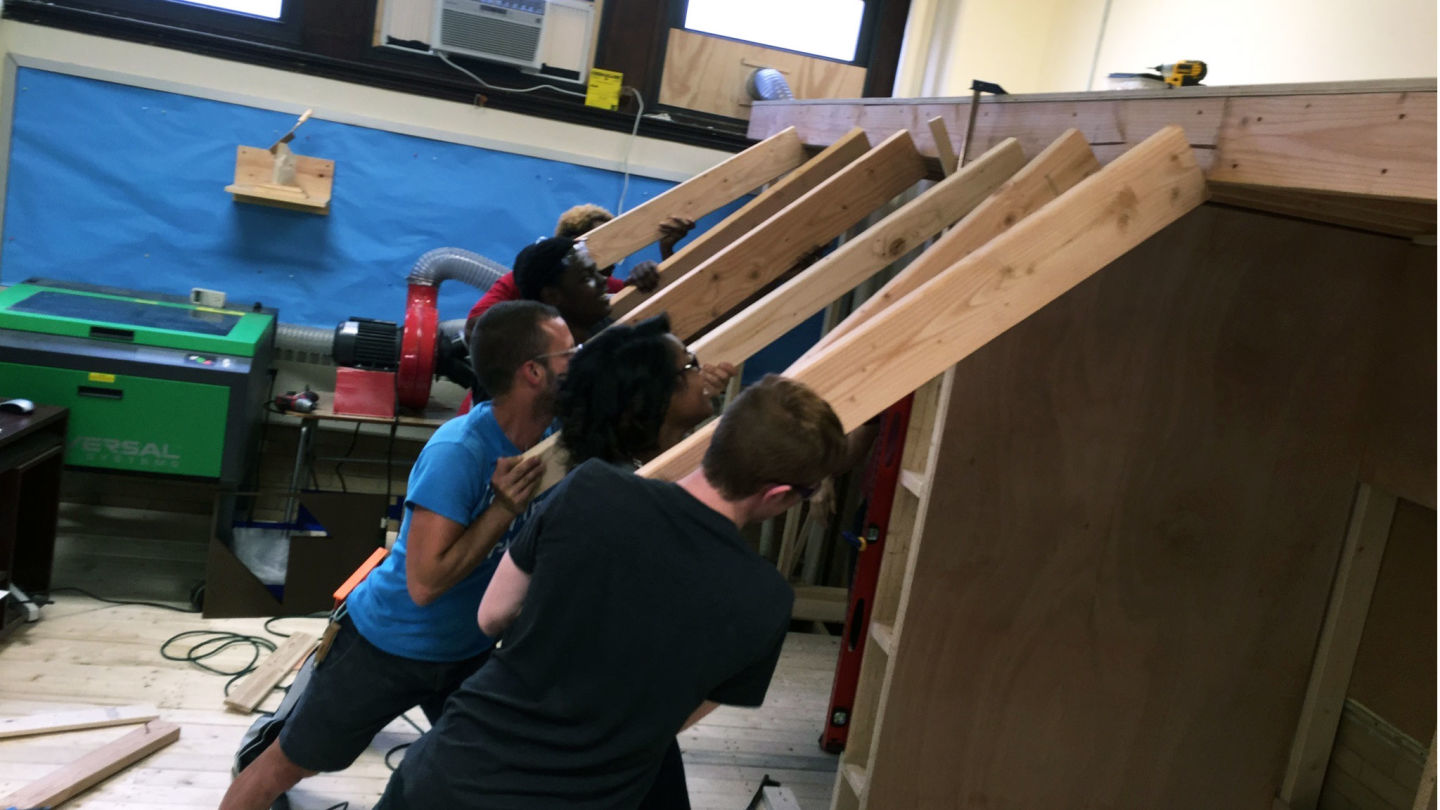
"caption": "Students at SLA Beeber erect the cupboard they built to house a laser cutter.",
"description": null,
"title": "Beeber1",
"credit": "Courtesy Alex Gilliam/Science Leadership Academy",
"status": "inherit",
"isLoading": false,
"fetchFailed": false
},
"mindshift_43185": {
"type": "attachments",
"id": "mindshift_43185",
"meta": {
"index": "attachments_1716263798",
"site": "mindshift",
"id": "43185",
"found": true
},
"parent": 43020,
"imgSizes": {
"twentyfourteen-full-width": {
"file": "https://ww2.kqed.org/app/uploads/sites/23/2015/12/Teenage-brain-1038x576.jpg",
"width": 1038,
"mimeType": "image/jpeg",
"height": 576
},
"thumbnail": {
"file": "https://ww2.kqed.org/app/uploads/sites/23/2015/12/Teenage-brain-400x225.jpg",
"width": 400,
"mimeType": "image/jpeg",
"height": 225
},
"fd-sm": {
"file": "https://ww2.kqed.org/app/uploads/sites/23/2015/12/Teenage-brain-960x540.jpg",
"width": 960,
"mimeType": "image/jpeg",
"height": 540
},
"post-thumbnail": {
"file": "https://ww2.kqed.org/app/uploads/sites/23/2015/12/Teenage-brain-672x372.jpg",
"width": 672,
"mimeType": "image/jpeg",
"height": 372
},
"kqedFullSize": {
"file": "https://ww2.kqed.org/app/uploads/sites/23/2015/12/Teenage-brain.jpg",
"width": 1920,
"height": 1080
},
"large": {
"file": "https://ww2.kqed.org/app/uploads/sites/23/2015/12/Teenage-brain-1440x810.jpg",
"width": 1440,
"mimeType": "image/jpeg",
"height": 810
},
"guest-author-96": {
"file": "https://ww2.kqed.org/app/uploads/sites/23/2015/12/Teenage-brain-96x96.jpg",
"width": 96,
"mimeType": "image/jpeg",
"height": 96
},
"medium": {
"file": "https://ww2.kqed.org/app/uploads/sites/23/2015/12/Teenage-brain-800x450.jpg",
"width": 800,
"mimeType": "image/jpeg",
"height": 450
},
"guest-author-64": {
"file": "https://ww2.kqed.org/app/uploads/sites/23/2015/12/Teenage-brain-64x64.jpg",
"width": 64,
"mimeType": "image/jpeg",
"height": 64
},
"guest-author-32": {
"file": "https://ww2.kqed.org/app/uploads/sites/23/2015/12/Teenage-brain-32x32.jpg",
"width": 32,
"mimeType": "image/jpeg",
"height": 32
},
"cat_post_thumb_sizecategory-posts-2": {
"file": "https://ww2.kqed.org/app/uploads/sites/23/2015/12/Teenage-brain-50x50.jpg",
"width": 50,
"mimeType": "image/jpeg",
"height": 50
},
"fd-lrg": {
"file": "https://ww2.kqed.org/app/uploads/sites/23/2015/12/Teenage-brain-1920x1080.jpg",
"width": 1920,
"mimeType": "image/jpeg",
"height": 1080
},
"fd-med": {
"file": "https://ww2.kqed.org/app/uploads/sites/23/2015/12/Teenage-brain-1180x664.jpg",
"width": 1180,
"mimeType": "image/jpeg",
"height": 664
},
"detail": {
"file": "https://ww2.kqed.org/app/uploads/sites/23/2015/12/Teenage-brain-75x75.jpg",
"width": 75,
"mimeType": "image/jpeg",
"height": 75
},
"medium_large": {
"file": "https://ww2.kqed.org/app/uploads/sites/23/2015/12/Teenage-brain-768x432.jpg",
"width": 768,
"mimeType": "image/jpeg",
"height": 432
},
"guest-author-128": {
"file": "https://ww2.kqed.org/app/uploads/sites/23/2015/12/Teenage-brain-128x128.jpg",
"width": 128,
"mimeType": "image/jpeg",
"height": 128
}
},
"publishDate": 1450683499,
"modified": 1450683508,
"caption": null,
"description": null,
"title": "Teenage-brain",
"credit": "iStock",
"status": "inherit",
"isLoading": false,
"fetchFailed": false
},
"mindshift_43044": {
"type": "attachments",
"id": "mindshift_43044",
"meta": {
"index": "attachments_1716263798",
"site": "mindshift",
"id": "43044",
"found": true
},
"parent": 43037,
"imgSizes": {
"twentyfourteen-full-width": {
"file": "https://ww2.kqed.org/app/uploads/sites/23/2015/12/brain-and-identity-1038x576.jpg",
"width": 1038,
"mimeType": "image/jpeg",
"height": 576
},
"thumbnail": {
"file": "https://ww2.kqed.org/app/uploads/sites/23/2015/12/brain-and-identity-400x225.jpg",
"width": 400,
"mimeType": "image/jpeg",
"height": 225
},
"fd-sm": {
"file": "https://ww2.kqed.org/app/uploads/sites/23/2015/12/brain-and-identity-960x540.jpg",
"width": 960,
"mimeType": "image/jpeg",
"height": 540
},
"post-thumbnail": {
"file": "https://ww2.kqed.org/app/uploads/sites/23/2015/12/brain-and-identity-672x372.jpg",
"width": 672,
"mimeType": "image/jpeg",
"height": 372
},
"kqedFullSize": {
"file": "https://ww2.kqed.org/app/uploads/sites/23/2015/12/brain-and-identity.jpg",
"width": 1920,
"height": 1080
},
"large": {
"file": "https://ww2.kqed.org/app/uploads/sites/23/2015/12/brain-and-identity-1440x810.jpg",
"width": 1440,
"mimeType": "image/jpeg",
"height": 810
},
"guest-author-96": {
"file": "https://ww2.kqed.org/app/uploads/sites/23/2015/12/brain-and-identity-96x96.jpg",
"width": 96,
"mimeType": "image/jpeg",
"height": 96
},
"medium": {
"file": "https://ww2.kqed.org/app/uploads/sites/23/2015/12/brain-and-identity-800x450.jpg",
"width": 800,
"mimeType": "image/jpeg",
"height": 450
},
"guest-author-64": {
"file": "https://ww2.kqed.org/app/uploads/sites/23/2015/12/brain-and-identity-64x64.jpg",
"width": 64,
"mimeType": "image/jpeg",
"height": 64
},
"guest-author-32": {
"file": "https://ww2.kqed.org/app/uploads/sites/23/2015/12/brain-and-identity-32x32.jpg",
"width": 32,
"mimeType": "image/jpeg",
"height": 32
},
"cat_post_thumb_sizecategory-posts-2": {
"file": "https://ww2.kqed.org/app/uploads/sites/23/2015/12/brain-and-identity-50x50.jpg",
"width": 50,
"mimeType": "image/jpeg",
"height": 50
},
"fd-lrg": {
"file": "https://ww2.kqed.org/app/uploads/sites/23/2015/12/brain-and-identity-1920x1080.jpg",
"width": 1920,
"mimeType": "image/jpeg",
"height": 1080
},
"fd-med": {
"file": "https://ww2.kqed.org/app/uploads/sites/23/2015/12/brain-and-identity-1180x664.jpg",
"width": 1180,
"mimeType": "image/jpeg",
"height": 664
},
"detail": {
"file": "https://ww2.kqed.org/app/uploads/sites/23/2015/12/brain-and-identity-75x75.jpg",
"width": 75,
"mimeType": "image/jpeg",
"height": 75
},
"guest-author-128": {
"file": "https://ww2.kqed.org/app/uploads/sites/23/2015/12/brain-and-identity-128x128.jpg",
"width": 128,
"mimeType": "image/jpeg",
"height": 128
}
},
"publishDate": 1449753882,
"modified": 1449753894,
"caption": null,
"description": null,
"title": "brain-and-identity",
"credit": "iStock",
"status": "inherit",
"isLoading": false,
"fetchFailed": false
},
"mindshift_42376": {
"type": "attachments",
"id": "mindshift_42376",
"meta": {
"index": "attachments_1716263798",
"site": "mindshift",
"id": "42376",
"found": true
},
"parent": 42368,
"imgSizes": {
"twentyfourteen-full-width": {
"file": "https://ww2.kqed.org/app/uploads/sites/23/2015/10/MetWestcomposite2-1038x576.jpg",
"width": 1038,
"mimeType": "image/jpeg",
"height": 576
},
"thumbnail": {
"file": "https://ww2.kqed.org/app/uploads/sites/23/2015/10/MetWestcomposite2-400x225.jpg",
"width": 400,
"mimeType": "image/jpeg",
"height": 225
},
"fd-sm": {
"file": "https://ww2.kqed.org/app/uploads/sites/23/2015/10/MetWestcomposite2-960x540.jpg",
"width": 960,
"mimeType": "image/jpeg",
"height": 540
},
"post-thumbnail": {
"file": "https://ww2.kqed.org/app/uploads/sites/23/2015/10/MetWestcomposite2-672x372.jpg",
"width": 672,
"mimeType": "image/jpeg",
"height": 372
},
"kqedFullSize": {
"file": "https://ww2.kqed.org/app/uploads/sites/23/2015/10/MetWestcomposite2.jpg",
"width": 1920,
"height": 1080
},
"large": {
"file": "https://ww2.kqed.org/app/uploads/sites/23/2015/10/MetWestcomposite2-1440x810.jpg",
"width": 1440,
"mimeType": "image/jpeg",
"height": 810
},
"guest-author-96": {
"file": "https://ww2.kqed.org/app/uploads/sites/23/2015/10/MetWestcomposite2-96x96.jpg",
"width": 96,
"mimeType": "image/jpeg",
"height": 96
},
"medium": {
"file": "https://ww2.kqed.org/app/uploads/sites/23/2015/10/MetWestcomposite2-800x450.jpg",
"width": 800,
"mimeType": "image/jpeg",
"height": 450
},
"guest-author-64": {
"file": "https://ww2.kqed.org/app/uploads/sites/23/2015/10/MetWestcomposite2-64x64.jpg",
"width": 64,
"mimeType": "image/jpeg",
"height": 64
},
"guest-author-32": {
"file": "https://ww2.kqed.org/app/uploads/sites/23/2015/10/MetWestcomposite2-32x32.jpg",
"width": 32,
"mimeType": "image/jpeg",
"height": 32
},
"cat_post_thumb_sizecategory-posts-2": {
"file": "https://ww2.kqed.org/app/uploads/sites/23/2015/10/MetWestcomposite2-50x50.jpg",
"width": 50,
"mimeType": "image/jpeg",
"height": 50
},
"fd-lrg": {
"file": "https://ww2.kqed.org/app/uploads/sites/23/2015/10/MetWestcomposite2-1920x1080.jpg",
"width": 1920,
"mimeType": "image/jpeg",
"height": 1080
},
"fd-med": {
"file": "https://ww2.kqed.org/app/uploads/sites/23/2015/10/MetWestcomposite2-1180x664.jpg",
"width": 1180,
"mimeType": "image/jpeg",
"height": 664
},
"detail": {
"file": "https://ww2.kqed.org/app/uploads/sites/23/2015/10/MetWestcomposite2-75x75.jpg",
"width": 75,
"mimeType": "image/jpeg",
"height": 75
},
"guest-author-128": {
"file": "https://ww2.kqed.org/app/uploads/sites/23/2015/10/MetWestcomposite2-128x128.jpg",
"width": 128,
"mimeType": "image/jpeg",
"height": 128
}
},
"publishDate": 1444429125,
"modified": 1446705260,
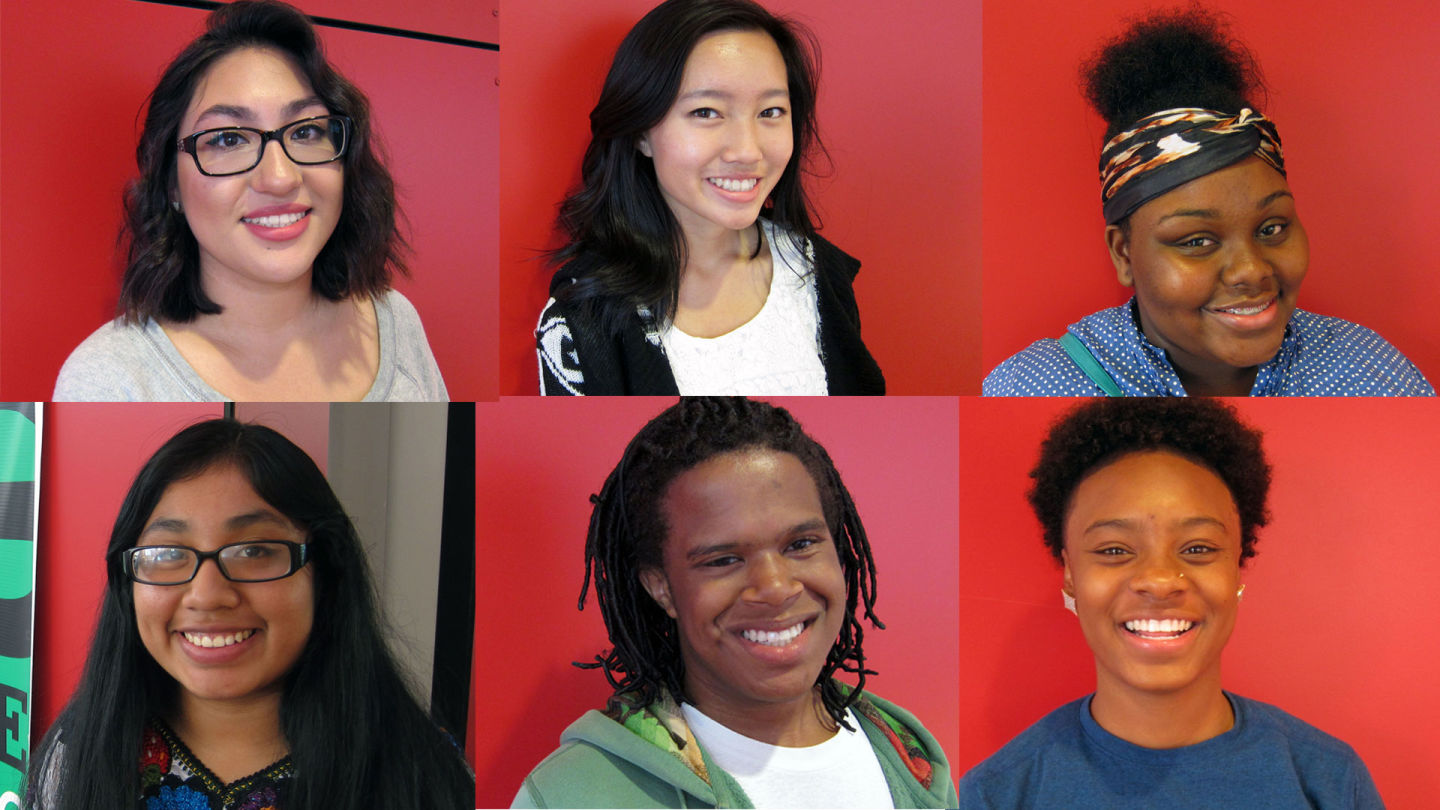
"caption": "MetWest High School juniors. From top left to bottom right: Evelyn Rodriguez, Grace Pang, Jade Herbert, Maya Martín, Myles McConico, and Natanee Collins.",
"description": null,
"title": "MetWestcomposite2",
"credit": "Katrina Schwartz",
"status": "inherit",
"isLoading": false,
"fetchFailed": false
},
"mindshift_42403": {
"type": "attachments",
"id": "mindshift_42403",
"meta": {
"index": "attachments_1716263798",
"site": "mindshift",
"id": "42403",
"found": true
},
"parent": 42387,
"imgSizes": {
"twentyfourteen-full-width": {
"file": "https://ww2.kqed.org/app/uploads/sites/23/2015/10/stress-1038x576.jpg",
"width": 1038,
"mimeType": "image/jpeg",
"height": 576
},
"thumbnail": {
"file": "https://ww2.kqed.org/app/uploads/sites/23/2015/10/stress-400x225.jpg",
"width": 400,
"mimeType": "image/jpeg",
"height": 225
},
"fd-sm": {
"file": "https://ww2.kqed.org/app/uploads/sites/23/2015/10/stress-960x540.jpg",
"width": 960,
"mimeType": "image/jpeg",
"height": 540
},
"post-thumbnail": {
"file": "https://ww2.kqed.org/app/uploads/sites/23/2015/10/stress-672x372.jpg",
"width": 672,
"mimeType": "image/jpeg",
"height": 372
},
"kqedFullSize": {
"file": "https://ww2.kqed.org/app/uploads/sites/23/2015/10/stress.jpg",
"width": 1920,
"height": 1080
},
"large": {
"file": "https://ww2.kqed.org/app/uploads/sites/23/2015/10/stress-1440x810.jpg",
"width": 1440,
"mimeType": "image/jpeg",
"height": 810
},
"guest-author-96": {
"file": "https://ww2.kqed.org/app/uploads/sites/23/2015/10/stress-96x96.jpg",
"width": 96,
"mimeType": "image/jpeg",
"height": 96
},
"medium": {
"file": "https://ww2.kqed.org/app/uploads/sites/23/2015/10/stress-800x450.jpg",
"width": 800,
"mimeType": "image/jpeg",
"height": 450
},
"guest-author-64": {
"file": "https://ww2.kqed.org/app/uploads/sites/23/2015/10/stress-64x64.jpg",
"width": 64,
"mimeType": "image/jpeg",
"height": 64
},
"guest-author-32": {
"file": "https://ww2.kqed.org/app/uploads/sites/23/2015/10/stress-32x32.jpg",
"width": 32,
"mimeType": "image/jpeg",
"height": 32
},
"cat_post_thumb_sizecategory-posts-2": {
"file": "https://ww2.kqed.org/app/uploads/sites/23/2015/10/stress-50x50.jpg",
"width": 50,
"mimeType": "image/jpeg",
"height": 50
},
"fd-lrg": {
"file": "https://ww2.kqed.org/app/uploads/sites/23/2015/10/stress-1920x1080.jpg",
"width": 1920,
"mimeType": "image/jpeg",
"height": 1080
},
"fd-med": {
"file": "https://ww2.kqed.org/app/uploads/sites/23/2015/10/stress-1180x664.jpg",
"width": 1180,
"mimeType": "image/jpeg",
"height": 664
},
"detail": {
"file": "https://ww2.kqed.org/app/uploads/sites/23/2015/10/stress-75x75.jpg",
"width": 75,
"mimeType": "image/jpeg",
"height": 75
},
"guest-author-128": {
"file": "https://ww2.kqed.org/app/uploads/sites/23/2015/10/stress-128x128.jpg",
"width": 128,
"mimeType": "image/jpeg",
"height": 128
}
},
"publishDate": 1444670219,
"modified": 1444670227,
"caption": null,
"description": null,
"title": "stress",
"credit": "Getty Images",
"status": "inherit",
"isLoading": false,
"fetchFailed": false
},
"mindshift_41494": {
"type": "attachments",
"id": "mindshift_41494",
"meta": {
"index": "attachments_1716263798",
"site": "mindshift",
"id": "41494",
"found": true
},
"parent": 41476,
"imgSizes": {
"twentyfourteen-full-width": {
"file": "https://ww2.kqed.org/app/uploads/sites/23/2015/08/different-1038x576.jpg",
"width": 1038,
"mimeType": "image/jpeg",
"height": 576
},
"thumbnail": {
"file": "https://ww2.kqed.org/app/uploads/sites/23/2015/08/different-400x225.jpg",
"width": 400,
"mimeType": "image/jpeg",
"height": 225
},
"fd-sm": {
"file": "https://ww2.kqed.org/app/uploads/sites/23/2015/08/different-960x540.jpg",
"width": 960,
"mimeType": "image/jpeg",
"height": 540
},
"post-thumbnail": {
"file": "https://ww2.kqed.org/app/uploads/sites/23/2015/08/different-672x372.jpg",
"width": 672,
"mimeType": "image/jpeg",
"height": 372
},
"kqedFullSize": {
"file": "https://ww2.kqed.org/app/uploads/sites/23/2015/08/different.jpg",
"width": 1920,
"height": 1080
},
"large": {
"file": "https://ww2.kqed.org/app/uploads/sites/23/2015/08/different-1440x810.jpg",
"width": 1440,
"mimeType": "image/jpeg",
"height": 810
},
"guest-author-96": {
"file": "https://ww2.kqed.org/app/uploads/sites/23/2015/08/different-96x96.jpg",
"width": 96,
"mimeType": "image/jpeg",
"height": 96
},
"medium": {
"file": "https://ww2.kqed.org/app/uploads/sites/23/2015/08/different-800x450.jpg",
"width": 800,
"mimeType": "image/jpeg",
"height": 450
},
"guest-author-64": {
"file": "https://ww2.kqed.org/app/uploads/sites/23/2015/08/different-64x64.jpg",
"width": 64,
"mimeType": "image/jpeg",
"height": 64
},
"guest-author-32": {
"file": "https://ww2.kqed.org/app/uploads/sites/23/2015/08/different-32x32.jpg",
"width": 32,
"mimeType": "image/jpeg",
"height": 32
},
"cat_post_thumb_sizecategory-posts-2": {
"file": "https://ww2.kqed.org/app/uploads/sites/23/2015/08/different-50x50.jpg",
"width": 50,
"mimeType": "image/jpeg",
"height": 50
},
"fd-lrg": {
"file": "https://ww2.kqed.org/app/uploads/sites/23/2015/08/different-1920x1080.jpg",
"width": 1920,
"mimeType": "image/jpeg",
"height": 1080
},
"fd-med": {
"file": "https://ww2.kqed.org/app/uploads/sites/23/2015/08/different-1180x664.jpg",
"width": 1180,
"mimeType": "image/jpeg",
"height": 664
},
"detail": {
"file": "https://ww2.kqed.org/app/uploads/sites/23/2015/08/different-75x75.jpg",
"width": 75,
"mimeType": "image/jpeg",
"height": 75
},
"guest-author-128": {
"file": "https://ww2.kqed.org/app/uploads/sites/23/2015/08/different-128x128.jpg",
"width": 128,
"mimeType": "image/jpeg",
"height": 128
}
},
"publishDate": 1438645939,
"modified": 1438645951,
"caption": null,
"description": null,
"title": "different",
"credit": "iStock",
"status": "inherit",
"isLoading": false,
"fetchFailed": false
},
"mindshift_41423": {
"type": "attachments",
"id": "mindshift_41423",
"meta": {
"index": "attachments_1716263798",
"site": "mindshift",
"id": "41423",
"found": true
},
"parent": 41419,
"imgSizes": {
"twentyfourteen-full-width": {
"file": "https://ww2.kqed.org/app/uploads/sites/23/2015/07/07242015_spaghettibridge_npr_0679-edit_slide-e74b7a5a11f258a0dbbeeb4e4df34c9f13e3b317-1038x576.jpg",
"width": 1038,
"mimeType": "image/jpeg",
"height": 576
},
"thumbnail": {
"file": "https://ww2.kqed.org/app/uploads/sites/23/2015/07/07242015_spaghettibridge_npr_0679-edit_slide-e74b7a5a11f258a0dbbeeb4e4df34c9f13e3b317-400x267.jpg",
"width": 400,
"mimeType": "image/jpeg",
"height": 267
},
"fd-sm": {
"file": "https://ww2.kqed.org/app/uploads/sites/23/2015/07/07242015_spaghettibridge_npr_0679-edit_slide-e74b7a5a11f258a0dbbeeb4e4df34c9f13e3b317-960x640.jpg",
"width": 960,
"mimeType": "image/jpeg",
"height": 640
},
"post-thumbnail": {
"file": "https://ww2.kqed.org/app/uploads/sites/23/2015/07/07242015_spaghettibridge_npr_0679-edit_slide-e74b7a5a11f258a0dbbeeb4e4df34c9f13e3b317-672x372.jpg",
"width": 672,
"mimeType": "image/jpeg",
"height": 372
},
"kqedFullSize": {
"file": "https://ww2.kqed.org/app/uploads/sites/23/2015/07/07242015_spaghettibridge_npr_0679-edit_slide-e74b7a5a11f258a0dbbeeb4e4df34c9f13e3b317.jpg",
"width": 2997,
"height": 1998
},
"large": {
"file": "https://ww2.kqed.org/app/uploads/sites/23/2015/07/07242015_spaghettibridge_npr_0679-edit_slide-e74b7a5a11f258a0dbbeeb4e4df34c9f13e3b317-1440x960.jpg",
"width": 1440,
"mimeType": "image/jpeg",
"height": 960
},
"guest-author-96": {
"file": "https://ww2.kqed.org/app/uploads/sites/23/2015/07/07242015_spaghettibridge_npr_0679-edit_slide-e74b7a5a11f258a0dbbeeb4e4df34c9f13e3b317-96x96.jpg",
"width": 96,
"mimeType": "image/jpeg",
"height": 96
},
"medium": {
"file": "https://ww2.kqed.org/app/uploads/sites/23/2015/07/07242015_spaghettibridge_npr_0679-edit_slide-e74b7a5a11f258a0dbbeeb4e4df34c9f13e3b317-800x533.jpg",
"width": 800,
"mimeType": "image/jpeg",
"height": 533
},
"guest-author-64": {
"file": "https://ww2.kqed.org/app/uploads/sites/23/2015/07/07242015_spaghettibridge_npr_0679-edit_slide-e74b7a5a11f258a0dbbeeb4e4df34c9f13e3b317-64x64.jpg",
"width": 64,
"mimeType": "image/jpeg",
"height": 64
},
"guest-author-32": {
"file": "https://ww2.kqed.org/app/uploads/sites/23/2015/07/07242015_spaghettibridge_npr_0679-edit_slide-e74b7a5a11f258a0dbbeeb4e4df34c9f13e3b317-32x32.jpg",
"width": 32,
"mimeType": "image/jpeg",
"height": 32
},
"cat_post_thumb_sizecategory-posts-2": {
"file": "https://ww2.kqed.org/app/uploads/sites/23/2015/07/07242015_spaghettibridge_npr_0679-edit_slide-e74b7a5a11f258a0dbbeeb4e4df34c9f13e3b317-50x50.jpg",
"width": 50,
"mimeType": "image/jpeg",
"height": 50
},
"fd-lrg": {
"file": "https://ww2.kqed.org/app/uploads/sites/23/2015/07/07242015_spaghettibridge_npr_0679-edit_slide-e74b7a5a11f258a0dbbeeb4e4df34c9f13e3b317-1920x1280.jpg",
"width": 1920,
"mimeType": "image/jpeg",
"height": 1280
},
"fd-med": {
"file": "https://ww2.kqed.org/app/uploads/sites/23/2015/07/07242015_spaghettibridge_npr_0679-edit_slide-e74b7a5a11f258a0dbbeeb4e4df34c9f13e3b317-1180x787.jpg",
"width": 1180,
"mimeType": "image/jpeg",
"height": 787
},
"detail": {
"file": "https://ww2.kqed.org/app/uploads/sites/23/2015/07/07242015_spaghettibridge_npr_0679-edit_slide-e74b7a5a11f258a0dbbeeb4e4df34c9f13e3b317-75x75.jpg",
"width": 75,
"mimeType": "image/jpeg",
"height": 75
},
"guest-author-128": {
"file": "https://ww2.kqed.org/app/uploads/sites/23/2015/07/07242015_spaghettibridge_npr_0679-edit_slide-e74b7a5a11f258a0dbbeeb4e4df34c9f13e3b317-128x128.jpg",
"width": 128,
"mimeType": "image/jpeg",
"height": 128
}
},
"publishDate": 1438278028,
"modified": 1438279418,
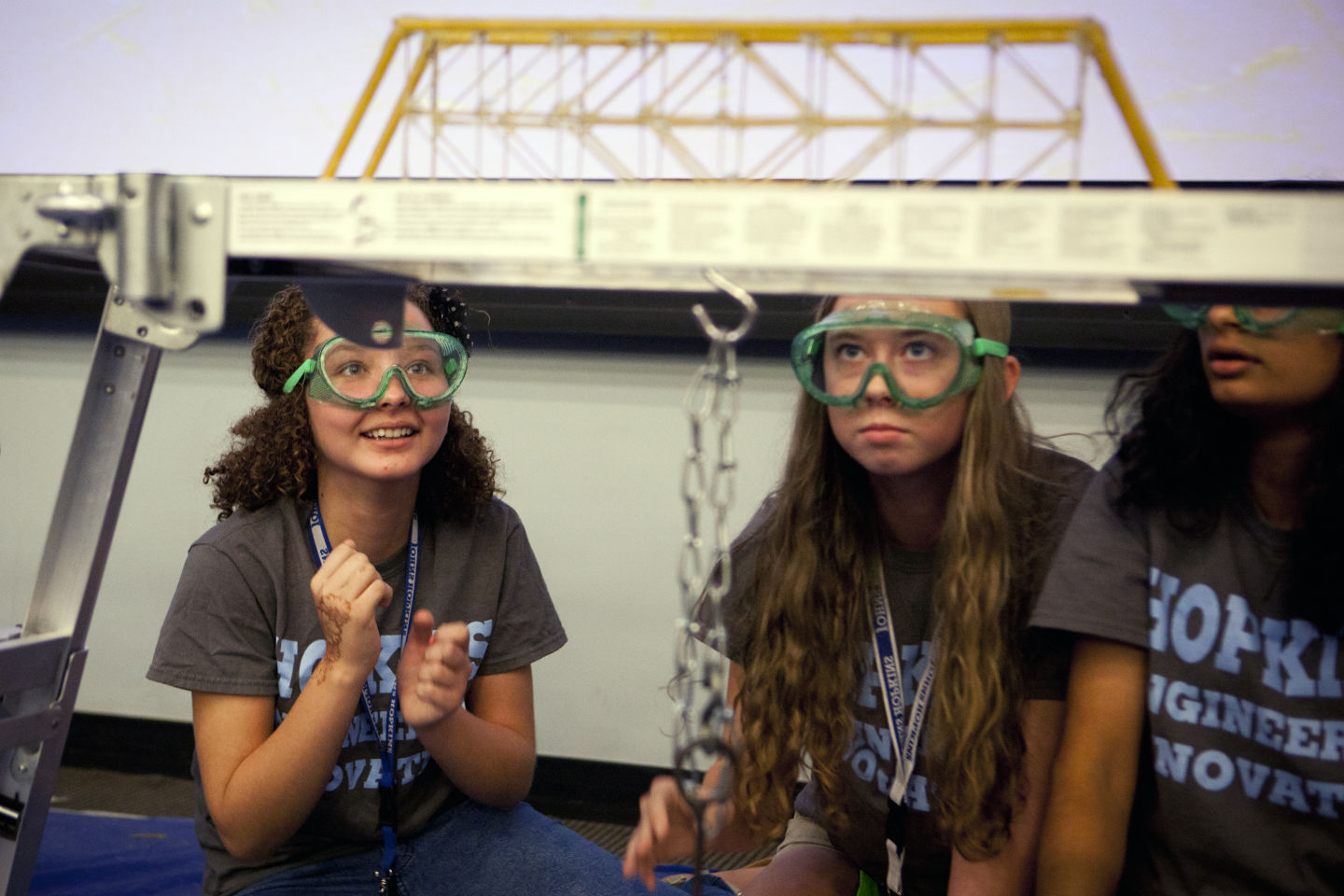
"caption": "Sheidey Morales Del Valle (left), Amelia Hawley and Varsha Gopal of Team Foxy Epoxy try sending their bridge subliminal messages, willing it to hold up under pressure.",
"description": null,
"title": "Sheidey Morales Del Valle (left), Amelia Hawley and Varsha Gopal of Team Foxy Epoxy try sending their bridge subliminal messages, willing it to hold up under pressure.",
"credit": "Lydia Thompson/NPR",
"status": "inherit",
"isLoading": false,
"fetchFailed": false
},
"mindshift_41383": {
"type": "attachments",
"id": "mindshift_41383",
"meta": {
"index": "attachments_1716263798",
"site": "mindshift",
"id": "41383",
"found": true
},
"parent": 41379,
"imgSizes": {
"twentyfourteen-full-width": {
"file": "https://ww2.kqed.org/app/uploads/sites/23/2015/07/suicide-prevention-1038x576.jpg",
"width": 1038,
"mimeType": "image/jpeg",
"height": 576
},
"thumbnail": {
"file": "https://ww2.kqed.org/app/uploads/sites/23/2015/07/suicide-prevention-400x225.jpg",
"width": 400,
"mimeType": "image/jpeg",
"height": 225
},
"fd-sm": {
"file": "https://ww2.kqed.org/app/uploads/sites/23/2015/07/suicide-prevention-960x540.jpg",
"width": 960,
"mimeType": "image/jpeg",
"height": 540
},
"post-thumbnail": {
"file": "https://ww2.kqed.org/app/uploads/sites/23/2015/07/suicide-prevention-672x372.jpg",
"width": 672,
"mimeType": "image/jpeg",
"height": 372
},
"kqedFullSize": {
"file": "https://ww2.kqed.org/app/uploads/sites/23/2015/07/suicide-prevention.jpg",
"width": 1920,
"height": 1080
},
"large": {
"file": "https://ww2.kqed.org/app/uploads/sites/23/2015/07/suicide-prevention-1440x810.jpg",
"width": 1440,
"mimeType": "image/jpeg",
"height": 810
},
"guest-author-96": {
"file": "https://ww2.kqed.org/app/uploads/sites/23/2015/07/suicide-prevention-96x96.jpg",
"width": 96,
"mimeType": "image/jpeg",
"height": 96
},
"medium": {
"file": "https://ww2.kqed.org/app/uploads/sites/23/2015/07/suicide-prevention-800x450.jpg",
"width": 800,
"mimeType": "image/jpeg",
"height": 450
},
"guest-author-64": {
"file": "https://ww2.kqed.org/app/uploads/sites/23/2015/07/suicide-prevention-64x64.jpg",
"width": 64,
"mimeType": "image/jpeg",
"height": 64
},
"guest-author-32": {
"file": "https://ww2.kqed.org/app/uploads/sites/23/2015/07/suicide-prevention-32x32.jpg",
"width": 32,
"mimeType": "image/jpeg",
"height": 32
},
"cat_post_thumb_sizecategory-posts-2": {
"file": "https://ww2.kqed.org/app/uploads/sites/23/2015/07/suicide-prevention-50x50.jpg",
"width": 50,
"mimeType": "image/jpeg",
"height": 50
},
"fd-lrg": {
"file": "https://ww2.kqed.org/app/uploads/sites/23/2015/07/suicide-prevention-1400x788.jpg",
"width": 1400,
"mimeType": "image/jpeg",
"height": 788
},
"fd-med": {
"file": "https://ww2.kqed.org/app/uploads/sites/23/2015/07/suicide-prevention-1180x664.jpg",
"width": 1180,
"mimeType": "image/jpeg",
"height": 664
},
"detail": {
"file": "https://ww2.kqed.org/app/uploads/sites/23/2015/07/suicide-prevention-75x75.jpg",
"width": 75,
"mimeType": "image/jpeg",
"height": 75
},
"guest-author-128": {
"file": "https://ww2.kqed.org/app/uploads/sites/23/2015/07/suicide-prevention-128x128.jpg",
"width": 128,
"mimeType": "image/jpeg",
"height": 128
}
},
"publishDate": 1438106824,
"modified": 1438106885,
"caption": null,
"description": null,
"title": "suicide-prevention",
"credit": "Jared Keener/Flickr",
"status": "inherit",
"isLoading": false,
"fetchFailed": false
},
"mindshift_41213": {
"type": "attachments",
"id": "mindshift_41213",
"meta": {
"index": "attachments_1716263798",
"site": "mindshift",
"id": "41213",
"found": true
},
"parent": 40806,
"imgSizes": {
"twentyfourteen-full-width": {
"file": "https://ww2.kqed.org/app/uploads/sites/23/2015/07/Girls-Reading-1038x576.jpg",
"width": 1038,
"mimeType": "image/jpeg",
"height": 576
},
"thumbnail": {
"file": "https://ww2.kqed.org/app/uploads/sites/23/2015/07/Girls-Reading-400x267.jpg",
"width": 400,
"mimeType": "image/jpeg",
"height": 267
},
"fd-sm": {
"file": "https://ww2.kqed.org/app/uploads/sites/23/2015/07/Girls-Reading-960x640.jpg",
"width": 960,
"mimeType": "image/jpeg",
"height": 640
},
"post-thumbnail": {
"file": "https://ww2.kqed.org/app/uploads/sites/23/2015/07/Girls-Reading-672x372.jpg",
"width": 672,
"mimeType": "image/jpeg",
"height": 372
},
"kqedFullSize": {
"file": "https://ww2.kqed.org/app/uploads/sites/23/2015/07/Girls-Reading-e1437137854348.jpg",
"width": 1920,
"height": 1280
},
"large": {
"file": "https://ww2.kqed.org/app/uploads/sites/23/2015/07/Girls-Reading-1440x960.jpg",
"width": 1440,
"mimeType": "image/jpeg",
"height": 960
},
"guest-author-96": {
"file": "https://ww2.kqed.org/app/uploads/sites/23/2015/07/Girls-Reading-96x96.jpg",
"width": 96,
"mimeType": "image/jpeg",
"height": 96
},
"medium": {
"file": "https://ww2.kqed.org/app/uploads/sites/23/2015/07/Girls-Reading-800x533.jpg",
"width": 800,
"mimeType": "image/jpeg",
"height": 533
},
"guest-author-64": {
"file": "https://ww2.kqed.org/app/uploads/sites/23/2015/07/Girls-Reading-64x64.jpg",
"width": 64,
"mimeType": "image/jpeg",
"height": 64
},
"guest-author-32": {
"file": "https://ww2.kqed.org/app/uploads/sites/23/2015/07/Girls-Reading-32x32.jpg",
"width": 32,
"mimeType": "image/jpeg",
"height": 32
},
"cat_post_thumb_sizecategory-posts-2": {
"file": "https://ww2.kqed.org/app/uploads/sites/23/2015/07/Girls-Reading-50x50.jpg",
"width": 50,
"mimeType": "image/jpeg",
"height": 50
},
"fd-lrg": {
"file": "https://ww2.kqed.org/app/uploads/sites/23/2015/07/Girls-Reading-1400x933.jpg",
"width": 1400,
"mimeType": "image/jpeg",
"height": 933
},
"fd-med": {
"file": "https://ww2.kqed.org/app/uploads/sites/23/2015/07/Girls-Reading-1180x786.jpg",
"width": 1180,
"mimeType": "image/jpeg",
"height": 786
},
"detail": {
"file": "https://ww2.kqed.org/app/uploads/sites/23/2015/07/Girls-Reading-75x75.jpg",
"width": 75,
"mimeType": "image/jpeg",
"height": 75
},
"guest-author-128": {
"file": "https://ww2.kqed.org/app/uploads/sites/23/2015/07/Girls-Reading-128x128.jpg",
"width": 128,
"mimeType": "image/jpeg",
"height": 128
}
},
"publishDate": 1437137841,
"modified": 1437137880,
"caption": null,
"description": "Modern teen girls reading outside",
"title": "Girls reading",
"credit": "Getty Images",
"status": "inherit",
"isLoading": false,
"fetchFailed": false
},
"mindshift_41086": {
"type": "attachments",
"id": "mindshift_41086",
"meta": {
"index": "attachments_1716263798",
"site": "mindshift",
"id": "41086",
"found": true
},
"parent": 40667,
"imgSizes": {
"twentyfourteen-full-width": {
"file": "https://ww2.kqed.org/app/uploads/sites/23/2015/07/Middle-School-1038x576.jpg",
"width": 1038,
"mimeType": "image/jpeg",
"height": 576
},
"thumbnail": {
"file": "https://ww2.kqed.org/app/uploads/sites/23/2015/07/Middle-School-400x225.jpg",
"width": 400,
"mimeType": "image/jpeg",
"height": 225
},
"fd-sm": {
"file": "https://ww2.kqed.org/app/uploads/sites/23/2015/07/Middle-School-960x540.jpg",
"width": 960,
"mimeType": "image/jpeg",
"height": 540
},
"post-thumbnail": {
"file": "https://ww2.kqed.org/app/uploads/sites/23/2015/07/Middle-School-672x372.jpg",
"width": 672,
"mimeType": "image/jpeg",
"height": 372
},
"kqedFullSize": {
"file": "https://ww2.kqed.org/app/uploads/sites/23/2015/07/Middle-School.jpg",
"width": 1920,
"height": 1080
},
"large": {
"file": "https://ww2.kqed.org/app/uploads/sites/23/2015/07/Middle-School-1440x810.jpg",
"width": 1440,
"mimeType": "image/jpeg",
"height": 810
},
"guest-author-96": {
"file": "https://ww2.kqed.org/app/uploads/sites/23/2015/07/Middle-School-96x96.jpg",
"width": 96,
"mimeType": "image/jpeg",
"height": 96
},
"medium": {
"file": "https://ww2.kqed.org/app/uploads/sites/23/2015/07/Middle-School-800x450.jpg",
"width": 800,
"mimeType": "image/jpeg",
"height": 450
},
"guest-author-64": {
"file": "https://ww2.kqed.org/app/uploads/sites/23/2015/07/Middle-School-64x64.jpg",
"width": 64,
"mimeType": "image/jpeg",
"height": 64
},
"guest-author-32": {
"file": "https://ww2.kqed.org/app/uploads/sites/23/2015/07/Middle-School-32x32.jpg",
"width": 32,
"mimeType": "image/jpeg",
"height": 32
},
"cat_post_thumb_sizecategory-posts-2": {
"file": "https://ww2.kqed.org/app/uploads/sites/23/2015/07/Middle-School-50x50.jpg",
"width": 50,
"mimeType": "image/jpeg",
"height": 50
},
"fd-med": {
"file": "https://ww2.kqed.org/app/uploads/sites/23/2015/07/Middle-School-1180x664.jpg",
"width": 1180,
"mimeType": "image/jpeg",
"height": 664
},
"detail": {
"file": "https://ww2.kqed.org/app/uploads/sites/23/2015/07/Middle-School-75x75.jpg",
"width": 75,
"mimeType": "image/jpeg",
"height": 75
},
"guest-author-128": {
"file": "https://ww2.kqed.org/app/uploads/sites/23/2015/07/Middle-School-128x128.jpg",
"width": 128,
"mimeType": "image/jpeg",
"height": 128
}
},
"publishDate": 1436356664,
"modified": 1436357231,
"caption": "Screen grab from \"Smoothing the Transition to High School\" video by Jennifer Madden-Fuoco. ",
"description": "Screen grab from \"Smoothing the Transition to High School\" video by Jennifer Madden-Fuoco. ",
"title": "Middle-School",
"credit": null,
"status": "inherit",
"isLoading": false,
"fetchFailed": false
},
"mindshift_40994": {
"type": "attachments",
"id": "mindshift_40994",
"meta": {
"index": "attachments_1716263798",
"site": "mindshift",
"id": "40994",
"found": true
},
"parent": 40578,
"imgSizes": {
"twentyfourteen-full-width": {
"file": "https://ww2.kqed.org/app/uploads/sites/23/2015/06/Girl-Walking-in-School-Corridor-1038x576.jpg",
"width": 1038,
"mimeType": "image/jpeg",
"height": 576
},
"thumbnail": {
"file": "https://ww2.kqed.org/app/uploads/sites/23/2015/06/Girl-Walking-in-School-Corridor-400x267.jpg",
"width": 400,
"mimeType": "image/jpeg",
"height": 267
},
"fd-sm": {
"file": "https://ww2.kqed.org/app/uploads/sites/23/2015/06/Girl-Walking-in-School-Corridor-960x640.jpg",
"width": 960,
"mimeType": "image/jpeg",
"height": 640
},
"post-thumbnail": {
"file": "https://ww2.kqed.org/app/uploads/sites/23/2015/06/Girl-Walking-in-School-Corridor-672x372.jpg",
"width": 672,
"mimeType": "image/jpeg",
"height": 372
},
"kqedFullSize": {
"file": "https://ww2.kqed.org/app/uploads/sites/23/2015/06/Girl-Walking-in-School-Corridor-e1435680096536.jpg",
"width": 1920,
"height": 1280
},
"large": {
"file": "https://ww2.kqed.org/app/uploads/sites/23/2015/06/Girl-Walking-in-School-Corridor-1440x960.jpg",
"width": 1440,
"mimeType": "image/jpeg",
"height": 960
},
"guest-author-96": {
"file": "https://ww2.kqed.org/app/uploads/sites/23/2015/06/Girl-Walking-in-School-Corridor-96x96.jpg",
"width": 96,
"mimeType": "image/jpeg",
"height": 96
},
"medium": {
"file": "https://ww2.kqed.org/app/uploads/sites/23/2015/06/Girl-Walking-in-School-Corridor-800x533.jpg",
"width": 800,
"mimeType": "image/jpeg",
"height": 533
},
"guest-author-64": {
"file": "https://ww2.kqed.org/app/uploads/sites/23/2015/06/Girl-Walking-in-School-Corridor-64x64.jpg",
"width": 64,
"mimeType": "image/jpeg",
"height": 64
},
"guest-author-32": {
"file": "https://ww2.kqed.org/app/uploads/sites/23/2015/06/Girl-Walking-in-School-Corridor-32x32.jpg",
"width": 32,
"mimeType": "image/jpeg",
"height": 32
},
"cat_post_thumb_sizecategory-posts-2": {
"file": "https://ww2.kqed.org/app/uploads/sites/23/2015/06/Girl-Walking-in-School-Corridor-50x50.jpg",
"width": 50,
"mimeType": "image/jpeg",
"height": 50
},
"fd-med": {
"file": "https://ww2.kqed.org/app/uploads/sites/23/2015/06/Girl-Walking-in-School-Corridor-1180x787.jpg",
"width": 1180,
"mimeType": "image/jpeg",
"height": 787
},
"detail": {
"file": "https://ww2.kqed.org/app/uploads/sites/23/2015/06/Girl-Walking-in-School-Corridor-75x75.jpg",
"width": 75,
"mimeType": "image/jpeg",
"height": 75
},
"guest-author-128": {
"file": "https://ww2.kqed.org/app/uploads/sites/23/2015/06/Girl-Walking-in-School-Corridor-128x128.jpg",
"width": 128,
"mimeType": "image/jpeg",
"height": 128
}
},
"publishDate": 1435680083,
"modified": 1435680110,
"caption": null,
"description": null,
"title": "Girl Walking in School Corridor",
"credit": "Getty Images",
"status": "inherit",
"isLoading": false,
"fetchFailed": false
}
},
"audioPlayerReducer": {
"postId": "stream_live",
"isPaused": true,
"isPlaying": false,
"pfsActive": false,
"pledgeModalIsOpen": true,
"playerDrawerIsOpen": false,
"liveAudioPlayStartedAt": 0,
"liveAudioPlayContext": ""
},
"authorsReducer": {
"byline_mindshift_41419": {
"type": "authors",
"id": "byline_mindshift_41419",
"meta": {
"override": true
},
"slug": "byline_mindshift_41419",
"name": "\u003ca href=\"http://www.npr.org/sections/ed/2015/07/29/425058097/teaching-students-to-use-their-noodles\">Cory Turner, NPR\u003c/a>",
"isLoading": false
},
"katrinaschwartz": {
"type": "authors",
"id": "234",
"meta": {
"index": "authors_1716337520",
"id": "234",
"found": true
},
"name": "Katrina Schwartz",
"firstName": "Katrina",
"lastName": "Schwartz",
"slug": "katrinaschwartz",
"email": "kschwartz@kqed.org",
"display_author_email": false,
"staff_mastheads": [
"news"
],
"title": "Producer",
"bio": "Katrina Schwartz is a journalist based in San Francisco. She's worked at KPCC public radio in LA and has reported on air and online for KQED since 2010. She covered how teaching and learning is changing for MindShift between 2012 and 2020. She is the co-host of the MindShift podcast and now produces KQED's Bay Curious podcast.",
"avatar": "https://secure.gravatar.com/avatar/edb4ee79070447a018538c9aae6eeecf28786515b8a0c30e43b6b7dce5aa44c8?s=600&d=blank&r=g",
"twitter": "kschwart",
"bluesky": null,
"facebook": null,
"instagram": null,
"linkedin": null,
"sites": [
{
"site": "",
"roles": [
"editor"
]
},
{
"site": "news",
"roles": [
"editor"
]
},
{
"site": "mindshift",
"roles": [
"administrator"
]
},
{
"site": "stateofhealth",
"roles": [
"author"
]
},
{
"site": "science",
"roles": [
"editor"
]
}
],
"headData": {
"title": "Katrina Schwartz | KQED",
"description": "Producer",
"ogImgSrc": "https://secure.gravatar.com/avatar/edb4ee79070447a018538c9aae6eeecf28786515b8a0c30e43b6b7dce5aa44c8?s=600&d=blank&r=g",
"twImgSrc": "https://secure.gravatar.com/avatar/edb4ee79070447a018538c9aae6eeecf28786515b8a0c30e43b6b7dce5aa44c8?s=600&d=blank&r=g"
},
"isLoading": false,
"link": "/author/katrinaschwartz"
},
"hollykorbey": {
"type": "authors",
"id": "4445",
"meta": {
"index": "authors_1716337520",
"id": "4445",
"found": true
},
"name": "Holly Korbey",
"firstName": "Holly",
"lastName": "Korbey",
"slug": "hollykorbey",
"email": "holly@hollykorbey.com",
"display_author_email": false,
"staff_mastheads": [],
"title": null,
"bio": "Holly Korbey's work on parenting and education has appeared in The New York Times, The Atlantic, Babble, Brain, Child Magazine, and others. She lives in Nashville with her family. Follow her on Twitter: @HKorbey",
"avatar": "https://secure.gravatar.com/avatar/f385f7a3b90e52ecd5e85c24fbd0a363?s=600&d=blank&r=g",
"twitter": null,
"facebook": null,
"instagram": null,
"linkedin": null,
"sites": [
{
"site": "mindshift",
"roles": [
"contributor"
]
}
],
"headData": {
"title": "Holly Korbey | KQED",
"description": null,
"ogImgSrc": "https://secure.gravatar.com/avatar/f385f7a3b90e52ecd5e85c24fbd0a363?s=600&d=blank&r=g",
"twImgSrc": "https://secure.gravatar.com/avatar/f385f7a3b90e52ecd5e85c24fbd0a363?s=600&d=blank&r=g"
},
"isLoading": false,
"link": "/author/hollykorbey"
}
},
"pagesReducer": {
"mindshift_category_teenage-years": {
"type": "terms",
"id": "mindshift_20874",
"meta": {
"index": "terms_1716263798",
"site": "mindshift",
"id": "20874",
"score": 14.406026
},
"featImg": null,
"name": "Teenage Years",
"description": null,
"taxonomy": "category",
"headData": {
"twImgId": null,
"twTitle": null,
"ogTitle": null,
"ogImgId": null,
"twDescription": null,
"description": null,
"title": "Teenage Years Archives | KQED Mindshift",
"ogDescription": null
},
"ttid": 20152,
"slug": "teenage-years",
"isLoading": false,
"title": "Teenage Years",
"pageMeta": {
"site": "mindshift",
"WpPageTemplate": "page-topic-editorial",
"currentPage": 6
},
"blocks": [
{
"blockName": "kqed/post-list",
"attrs": {
"layout": "cardArticle2",
"query": "posts/mindshift?category=teenage-years",
"seeMore": false,
"paginated": true,
"page": 6
}
},
{
"blockName": "kqed/ad"
}
]
}
},
"pfsSessionReducer": {},
"postsReducer": {
"stream_live": {
"type": "live",
"id": "stream_live",
"audioUrl": "https://streams.kqed.org/kqedradio",
"title": "Live Stream",
"excerpt": "Live Stream information currently unavailable.",
"link": "/radio",
"featImg": "",
"label": {
"name": "KQED Live",
"link": "/"
}
},
"stream_kqedNewscast": {
"type": "posts",
"id": "stream_kqedNewscast",
"audioUrl": "https://www.kqed.org/.stream/anon/radio/RDnews/newscast.mp3?_=1",
"title": "KQED Newscast",
"featImg": "",
"label": {
"name": "88.5 FM",
"link": "/"
}
},
"mindshift_43376": {
"type": "posts",
"id": "mindshift_43376",
"meta": {
"index": "posts_1716263798",
"site": "mindshift",
"id": "43376",
"score": null,
"sort": [
1459797338000
]
},
"parent": 0,
"labelTerm": {
"site": "mindshift"
},
"blocks": [],
"publishDate": 1459797338,
"format": "standard",
"disqusTitle": "How to Cultivate Student Agency in English Language Learners",
"title": "How to Cultivate Student Agency in English Language Learners",
"headTitle": "MindShift | KQED News",
"content": "\u003cp class=\"p1\">\u003cem>Excerpted from \u003ca href=\"http://www.amazon.com/Navigating-Common-English-Language-Learners/dp/1119023009/ref=asap_bc?ie=UTF8\">Navigating the Common Core with English Language Learners: Developing Higher-Order Thinking Skill\u003c/a>\u003ca href=\"http://www.amazon.com/Navigating-Common-English-Language-Learners/dp/1119023009/ref=asap_bc?ie=UTF8\">s\u003c/a> by Larry Ferlazzo and Katie Hull-Sypnieski, published by Jossey-Bass. This section is from the chapter, \"Creating the Conditions for English Language Learners to Be Successful in the Common Core Standards.\"\u003c/em>\u003c/p>\n\u003cp>Agency is the ability to be proactive in determining one’s life path and not just react to the surrounding circumstances. Agency also recognizes that outside factors provide some limitations, and that people have some ability to influence and determine one’s response to them. Many of our English language learners face particularly large challenges in these outside factors—socioeconomically and linguistically. In addition, since many came to this country with little voice in the decision to do so, it may be an uphill battle to help them feel as though they do have control over what happens to them in life. Those issues make it even more important for teachers to encourage students to see these challenges not as limits to what they can do but, instead, obstacles that can be overcome.\u003c/p>\n\u003cp>And our success in doing so will have a direct effect on our work in the classroom—multiple studies have found that a student’s sense of agency strongly predicts their success in a language-learning context.\u003c/p>\n\u003cp>Here are some strategies we can use in the classroom to assist our students develop a sense of agency:\u003c/p>\n\u003cp>\u003cstrong>Goal-setting and metacognitive reflection\u003c/strong>: Both of these have been discussed at length earlier in this chapter, and both support the agency qualities of “These are my goals, and I can reach them” and “I know myself and what I need to do.”\u003c/p>\n\u003cp>[ad fullwidth]\u003c/p>\n\u003cp>\u003cimg class=\"alignleft size-full wp-image-44588\" src=\"http://ww2.kqed.org/mindshift/wp-content/uploads/sites/23/2016/04/Ferlazzo-Common-Core-e1459752641133.jpg\" alt=\"Ferlazzo Common Core\" width=\"250\" height=\"324\">\u003c/p>\n\u003cp>\u003cstrong>Providing encouragement and feedback\u003c/strong>: This is another action that can support student agency. We are not talking about the “You’re so smart! And such a great writer!” kind of encouragement, however. As Carol Dweck has documented in her work on a growth mindset, which we’ll be discussing at length later in this section, it’s important to provide encouragement that supports the idea that “the harder they work, the smarter they get.” That kind of feedback (“This is a great conclusion to your essay—look what happens when you take the time to revise!”) supports looking at problems as obstacles to be overcome instead of having a fixed mindset, which views your present situation as destiny and does not prepare you well for coping when things don’t go your way.\u003c/p>\n\u003cp>\u003cstrong>Self-talk\u003c/strong> is a strategy students can use to encourage themselves. It’s been called a form of \"internal remodeling” and is a way to affect how you see yourself. Research shows that when using this tool, it’s better to use the pronoun \"you” and/or say your name in the third person (“John, you can do this”) instead of the \"I” pronoun, because we have more of a tendency to use “You” for positive messages (“You can do this”) and “I” for negative ones (“Boy, there is no way I can solve this problem”). With ELLs, we find that it is easier just to have them say their names—depending on their language level, explaining that “you” is them talking to themselves can get confusing. A short video of basketball superstar Stephen Curry winning a free-throw shooting contest and telling himself “\u003ca href=\"http://bit.ly/navccss3\">Control your destiny!\u003c/a>” could be a good one to show for demonstrating this point. Teachers, however, should ultimately use their best judgment about their classes—sometimes it might just be easier to have students, especially ELLs, say “I” in their positive self-talk and not worry about “you” or their name in the third person. The Growth Mindset lesson later in this section also includes suggestions for self-talk.\u003c/p>\n\u003cp>\u003cstrong>Contributing to others\u003c/strong> helps students “gain self-confidence and come to see themselves as capable.”\u003c/p>\n\u003cp>Here are two examples:\u003c/p>\n\u003cp>Working as a tutor: An ELL could help a family member at home (we included a form in our last book that we have students use to document their reading to a younger sibling or cousin) or an Intermediate ELL could assist a Beginner. In our combined Beginner and Intermediate class, we periodically prepare Intermediate students to teach a lesson to a Beginner, or just have a Beginner read aloud a simple book to or with them (followed by their writing about why they liked or didn’t like it). Research shows that this kind of interaction benefits both the tutor and the person doing the tutoring.\u003c/p>\n\u003cp>Doing a class community project. Larry wrote in one of his previous books, \u003cem>English Language Learners: Teaching Strategies That Work\u003c/em>, about a lesson in critical pedagogy that led to students in his class organizing a job fair at the school for students and their families with different job-training providers. Another year, when there was public concern about the disease known as SARS, his students developed flyers in English and their home language that provided clear and accurate information about it and distributed them to neighbors.\u003c/p>\n\u003cfigure id=\"attachment_39777\" class=\"wp-caption alignleft\" style=\"max-width: 250px\">\u003cimg class=\"wp-image-39777\" src=\"http://ww2.kqed.org/mindshift/wp-content/uploads/sites/23/2015/03/Larry-Ferlazzo-headshot.png\" alt=\"Larry Ferlazzo\" width=\"250\" height=\"349\" srcset=\"https://ww2.kqed.org/app/uploads/sites/23/2015/03/Larry-Ferlazzo-headshot.png 371w, https://ww2.kqed.org/app/uploads/sites/23/2015/03/Larry-Ferlazzo-headshot-320x447.png 320w\" sizes=\"(max-width: 250px) 100vw, 250px\">\u003cfigcaption class=\"wp-caption-text\">Larry Ferlazzo\u003c/figcaption>\u003c/figure>\n\u003cp>\u003cstrong>Students teaching others\u003c/strong> develops agency in similar ways to tutoring. Not only does it enhance agency but, as researchers found, “simply telling learners that they would later teach another student changes their mindset enough so that they engage in more effective approaches to learning than did their peers, who simply expected a test.” Using the Jigsaw method, where students are provided different sections from the same text or different elements of a broader topic and then have to present to the entire class, is a particularly good strategy for ELLs because it creates an easy way teachers can differentiate (for example, an easier portion of the text can go to a student with lower-level English skills).\u003c/p>\n\u003cp>\u003cstrong>Providing students choice\u003c/strong> whenever possible increases agency, engagement and motivation. These could be “procedural” choices like where to sit or with whom students want to work in small groups. “Cognitive” choices are another option, which might be choosing which topics to explore in a project-based learning assignment or developing their own ideas for homework assignments. Both are good strategies, though researchers have found the latter to be more effective in promoting longer-lasting student autonomy and agency.\u003c/p>\n\u003cp>\u003cstrong>Enhanced discovery learning\u003c/strong>, such as the inductive method mentioned earlier and used often later in this book, promotes agency by having students construct more of their own understanding instead of giving it to them. A meta-analysis favorably reviewed by Robert Marzano found that a guided and scaffolded discovery process—which may very well include \u003cem>some\u003c/em> direct instruction—is superior to lessons primarily relying on either direct instruction or “unassisted discovery” (in other words, lessons with little or no teacher guidance). This kind of constructivist instructional strategy has been repeatedly found effective for non-ELL and ELL students alike.\u003c/p>\n\u003cfigure id=\"attachment_44586\" class=\"wp-caption alignleft\" style=\"max-width: 250px\">\u003cimg class=\"wp-image-44586 size-full\" src=\"http://ww2.kqed.org/mindshift/wp-content/uploads/sites/23/2016/04/Katie-2-e1459752124749.jpeg\" alt=\"Katie 2\" width=\"250\" height=\"309\">\u003cfigcaption class=\"wp-caption-text\">Katie Hull-Sypnieski\u003c/figcaption>\u003c/figure>\n\u003cp>\u003cstrong>Teaching students about their brains\u003c/strong> and how learning a second language helps it grow can reinforce agency. Helping students see that the effort of their learning results in actual growth of their brain is another way for students to see that they do have control of their lives. This strategy builds on the work of Carol Dweck and is described extensively in Larry’s book, \u003cem>Helping Students Motivate Themselves\u003c/em>. We typically teach this lesson at the beginning of the year, and periodically reinforce its points in the subsequent months. Students still talk about it when the school year ends.\u003c/p>\n\u003cp>[ad floatright]\u003c/p>\n\u003cp>\u003cem>\u003ca href=\"http://josseybasseducation.com/our-authors/katie-hull-sypnieski/\">Katie Hull-Sypnieski\u003c/a> has been teaching English and ELL/ESL in the Sacramento City Unified School District for the last 15 years. \u003ca href=\"http://larryferlazzo.edublogs.org/\">Larry Ferlazzo\u003c/a> is an award-winning teacher at Luther Burbank High School in Sacramento, California. He writes a popular education blog and a teacher advice column for \u003ca href=\"http://blogs.edweek.org/teachers/classroom_qa_with_larry_ferlazzo/\">Education Week Teacher\u003c/a>. You can follow him on Twitter at @Larryferlazzo. \u003c/em>\u003c/p>\n\n",
"disqusIdentifier": "43376 http://ww2.kqed.org/mindshift/?p=43376",
"disqusUrl": "https://ww2.kqed.org/mindshift/2016/04/04/how-to-cultivate-student-agency-in-english-language-learners/",
"stats": {
"hasVideo": false,
"hasChartOrMap": false,
"hasAudio": false,
"hasPolis": false,
"wordCount": 1375,
"hasGoogleForm": false,
"hasGallery": false,
"hasHearkenModule": false,
"iframeSrcs": [],
"paragraphCount": 18
},
"modified": 1459797338,
"excerpt": "Developing an English language learner's sense of agency can feel like a challenge when so many variables are at stake. Teachers Larry Ferlazzo and Katie Hull-Sypnieski outline helpful strategies for helping students feel they have more control.",
"headData": {
"twImgId": "",
"twTitle": "",
"ogTitle": "",
"ogImgId": "",
"twDescription": "",
"description": "Developing an English language learner's sense of agency can feel like a challenge when so many variables are at stake. Teachers Larry Ferlazzo and Katie Hull-Sypnieski outline helpful strategies for helping students feel they have more control.",
"title": "How to Cultivate Student Agency in English Language Learners | KQED",
"ogDescription": "",
"schema": {
"@context": "https://schema.org",
"@type": "Article",
"headline": "How to Cultivate Student Agency in English Language Learners",
"datePublished": "2016-04-04T12:15:38-07:00",
"dateModified": "2016-04-04T12:15:38-07:00",
"image": "https://cdn.kqed.org/wp-content/uploads/2020/02/KQED-OG-Image@1x.png"
}
},
"guestAuthors": [],
"slug": "how-to-cultivate-student-agency-in-english-language-learners",
"status": "publish",
"path": "/mindshift/43376/how-to-cultivate-student-agency-in-english-language-learners",
"audioTrackLength": null,
"parsedContent": [
{
"type": "contentString",
"content": "\u003cdiv class=\"post-body\">\u003cp>\u003cp class=\"p1\">\u003cem>Excerpted from \u003ca href=\"http://www.amazon.com/Navigating-Common-English-Language-Learners/dp/1119023009/ref=asap_bc?ie=UTF8\">Navigating the Common Core with English Language Learners: Developing Higher-Order Thinking Skill\u003c/a>\u003ca href=\"http://www.amazon.com/Navigating-Common-English-Language-Learners/dp/1119023009/ref=asap_bc?ie=UTF8\">s\u003c/a> by Larry Ferlazzo and Katie Hull-Sypnieski, published by Jossey-Bass. This section is from the chapter, \"Creating the Conditions for English Language Learners to Be Successful in the Common Core Standards.\"\u003c/em>\u003c/p>\n\u003cp>Agency is the ability to be proactive in determining one’s life path and not just react to the surrounding circumstances. Agency also recognizes that outside factors provide some limitations, and that people have some ability to influence and determine one’s response to them. Many of our English language learners face particularly large challenges in these outside factors—socioeconomically and linguistically. In addition, since many came to this country with little voice in the decision to do so, it may be an uphill battle to help them feel as though they do have control over what happens to them in life. Those issues make it even more important for teachers to encourage students to see these challenges not as limits to what they can do but, instead, obstacles that can be overcome.\u003c/p>\n\u003cp>And our success in doing so will have a direct effect on our work in the classroom—multiple studies have found that a student’s sense of agency strongly predicts their success in a language-learning context.\u003c/p>\n\u003cp>Here are some strategies we can use in the classroom to assist our students develop a sense of agency:\u003c/p>\n\u003cp>\u003cstrong>Goal-setting and metacognitive reflection\u003c/strong>: Both of these have been discussed at length earlier in this chapter, and both support the agency qualities of “These are my goals, and I can reach them” and “I know myself and what I need to do.”\u003c/p>\n\u003cp>\u003c/p>\u003c/div>",
"attributes": {
"named": {},
"numeric": []
}
},
{
"type": "component",
"content": "",
"name": "ad",
"attributes": {
"named": {
"label": "fullwidth"
},
"numeric": [
"fullwidth"
]
}
},
{
"type": "contentString",
"content": "\u003cdiv class=\"post-body\">\u003cp>\u003c/p>\n\u003cp>\u003cimg class=\"alignleft size-full wp-image-44588\" src=\"http://ww2.kqed.org/mindshift/wp-content/uploads/sites/23/2016/04/Ferlazzo-Common-Core-e1459752641133.jpg\" alt=\"Ferlazzo Common Core\" width=\"250\" height=\"324\">\u003c/p>\n\u003cp>\u003cstrong>Providing encouragement and feedback\u003c/strong>: This is another action that can support student agency. We are not talking about the “You’re so smart! And such a great writer!” kind of encouragement, however. As Carol Dweck has documented in her work on a growth mindset, which we’ll be discussing at length later in this section, it’s important to provide encouragement that supports the idea that “the harder they work, the smarter they get.” That kind of feedback (“This is a great conclusion to your essay—look what happens when you take the time to revise!”) supports looking at problems as obstacles to be overcome instead of having a fixed mindset, which views your present situation as destiny and does not prepare you well for coping when things don’t go your way.\u003c/p>\n\u003cp>\u003cstrong>Self-talk\u003c/strong> is a strategy students can use to encourage themselves. It’s been called a form of \"internal remodeling” and is a way to affect how you see yourself. Research shows that when using this tool, it’s better to use the pronoun \"you” and/or say your name in the third person (“John, you can do this”) instead of the \"I” pronoun, because we have more of a tendency to use “You” for positive messages (“You can do this”) and “I” for negative ones (“Boy, there is no way I can solve this problem”). With ELLs, we find that it is easier just to have them say their names—depending on their language level, explaining that “you” is them talking to themselves can get confusing. A short video of basketball superstar Stephen Curry winning a free-throw shooting contest and telling himself “\u003ca href=\"http://bit.ly/navccss3\">Control your destiny!\u003c/a>” could be a good one to show for demonstrating this point. Teachers, however, should ultimately use their best judgment about their classes—sometimes it might just be easier to have students, especially ELLs, say “I” in their positive self-talk and not worry about “you” or their name in the third person. The Growth Mindset lesson later in this section also includes suggestions for self-talk.\u003c/p>\n\u003cp>\u003cstrong>Contributing to others\u003c/strong> helps students “gain self-confidence and come to see themselves as capable.”\u003c/p>\n\u003cp>Here are two examples:\u003c/p>\n\u003cp>Working as a tutor: An ELL could help a family member at home (we included a form in our last book that we have students use to document their reading to a younger sibling or cousin) or an Intermediate ELL could assist a Beginner. In our combined Beginner and Intermediate class, we periodically prepare Intermediate students to teach a lesson to a Beginner, or just have a Beginner read aloud a simple book to or with them (followed by their writing about why they liked or didn’t like it). Research shows that this kind of interaction benefits both the tutor and the person doing the tutoring.\u003c/p>\n\u003cp>Doing a class community project. Larry wrote in one of his previous books, \u003cem>English Language Learners: Teaching Strategies That Work\u003c/em>, about a lesson in critical pedagogy that led to students in his class organizing a job fair at the school for students and their families with different job-training providers. Another year, when there was public concern about the disease known as SARS, his students developed flyers in English and their home language that provided clear and accurate information about it and distributed them to neighbors.\u003c/p>\n\u003cfigure id=\"attachment_39777\" class=\"wp-caption alignleft\" style=\"max-width: 250px\">\u003cimg class=\"wp-image-39777\" src=\"http://ww2.kqed.org/mindshift/wp-content/uploads/sites/23/2015/03/Larry-Ferlazzo-headshot.png\" alt=\"Larry Ferlazzo\" width=\"250\" height=\"349\" srcset=\"https://ww2.kqed.org/app/uploads/sites/23/2015/03/Larry-Ferlazzo-headshot.png 371w, https://ww2.kqed.org/app/uploads/sites/23/2015/03/Larry-Ferlazzo-headshot-320x447.png 320w\" sizes=\"(max-width: 250px) 100vw, 250px\">\u003cfigcaption class=\"wp-caption-text\">Larry Ferlazzo\u003c/figcaption>\u003c/figure>\n\u003cp>\u003cstrong>Students teaching others\u003c/strong> develops agency in similar ways to tutoring. Not only does it enhance agency but, as researchers found, “simply telling learners that they would later teach another student changes their mindset enough so that they engage in more effective approaches to learning than did their peers, who simply expected a test.” Using the Jigsaw method, where students are provided different sections from the same text or different elements of a broader topic and then have to present to the entire class, is a particularly good strategy for ELLs because it creates an easy way teachers can differentiate (for example, an easier portion of the text can go to a student with lower-level English skills).\u003c/p>\n\u003cp>\u003cstrong>Providing students choice\u003c/strong> whenever possible increases agency, engagement and motivation. These could be “procedural” choices like where to sit or with whom students want to work in small groups. “Cognitive” choices are another option, which might be choosing which topics to explore in a project-based learning assignment or developing their own ideas for homework assignments. Both are good strategies, though researchers have found the latter to be more effective in promoting longer-lasting student autonomy and agency.\u003c/p>\n\u003cp>\u003cstrong>Enhanced discovery learning\u003c/strong>, such as the inductive method mentioned earlier and used often later in this book, promotes agency by having students construct more of their own understanding instead of giving it to them. A meta-analysis favorably reviewed by Robert Marzano found that a guided and scaffolded discovery process—which may very well include \u003cem>some\u003c/em> direct instruction—is superior to lessons primarily relying on either direct instruction or “unassisted discovery” (in other words, lessons with little or no teacher guidance). This kind of constructivist instructional strategy has been repeatedly found effective for non-ELL and ELL students alike.\u003c/p>\n\u003cfigure id=\"attachment_44586\" class=\"wp-caption alignleft\" style=\"max-width: 250px\">\u003cimg class=\"wp-image-44586 size-full\" src=\"http://ww2.kqed.org/mindshift/wp-content/uploads/sites/23/2016/04/Katie-2-e1459752124749.jpeg\" alt=\"Katie 2\" width=\"250\" height=\"309\">\u003cfigcaption class=\"wp-caption-text\">Katie Hull-Sypnieski\u003c/figcaption>\u003c/figure>\n\u003cp>\u003cstrong>Teaching students about their brains\u003c/strong> and how learning a second language helps it grow can reinforce agency. Helping students see that the effort of their learning results in actual growth of their brain is another way for students to see that they do have control of their lives. This strategy builds on the work of Carol Dweck and is described extensively in Larry’s book, \u003cem>Helping Students Motivate Themselves\u003c/em>. We typically teach this lesson at the beginning of the year, and periodically reinforce its points in the subsequent months. Students still talk about it when the school year ends.\u003c/p>\n\u003cp>\u003c/p>\u003c/div>",
"attributes": {
"named": {},
"numeric": []
}
},
{
"type": "component",
"content": "",
"name": "ad",
"attributes": {
"named": {
"label": "floatright"
},
"numeric": [
"floatright"
]
}
},
{
"type": "contentString",
"content": "\u003cdiv class=\"post-body\">\u003cp>\u003c/p>\n\u003cp>\u003cem>\u003ca href=\"http://josseybasseducation.com/our-authors/katie-hull-sypnieski/\">Katie Hull-Sypnieski\u003c/a> has been teaching English and ELL/ESL in the Sacramento City Unified School District for the last 15 years. \u003ca href=\"http://larryferlazzo.edublogs.org/\">Larry Ferlazzo\u003c/a> is an award-winning teacher at Luther Burbank High School in Sacramento, California. He writes a popular education blog and a teacher advice column for \u003ca href=\"http://blogs.edweek.org/teachers/classroom_qa_with_larry_ferlazzo/\">Education Week Teacher\u003c/a>. You can follow him on Twitter at @Larryferlazzo. \u003c/em>\u003c/p>\n\n\u003c/div>\u003c/p>",
"attributes": {
"named": {},
"numeric": []
}
}
],
"link": "/mindshift/43376/how-to-cultivate-student-agency-in-english-language-learners",
"authors": [
"4354"
],
"categories": [
"mindshift_20827",
"mindshift_193",
"mindshift_20874"
],
"tags": [
"mindshift_20984",
"mindshift_20851",
"mindshift_20784",
"mindshift_1040",
"mindshift_20790",
"mindshift_20985"
],
"featImg": "mindshift_44595",
"label": "mindshift"
},
"mindshift_43685": {
"type": "posts",
"id": "mindshift_43685",
"meta": {
"index": "posts_1716263798",
"site": "mindshift",
"id": "43685",
"score": null,
"sort": [
1455523984000
]
},
"parent": 0,
"labelTerm": {
"site": "mindshift"
},
"blocks": [],
"publishDate": 1455523984,
"format": "standard",
"disqusTitle": "How Engineering Class in 9th Grade Can Excite Diverse Learners",
"title": "How Engineering Class in 9th Grade Can Excite Diverse Learners",
"headTitle": "MindShift | KQED News",
"content": "\u003cp>Engineering has been getting a lot of attention because of its real-world applications and clear job prospects, but learning to think like an engineer could be useful no matter what students decide to pursue for work. At \u003ca href=\"https://www.scienceleadership.org/\" target=\"_blank\">Science Leadership Academy\u003c/a>, a public magnet school in Philadelphia, all ninth-graders take a one-semester introduction-to-engineering course to help them learn how to tackle big projects. That’s a skill they will need in every high school class going forward at this project-based, inquiry-centered school.\u003c/p>\n\u003cp>SLA teachers see engineering as the perfect vehicle to get students practicing the transferable skills of breaking work down into manageable pieces, working together and learning from failed attempts. By introducing students to the built world and giving some simple ways to think about problems, they’ve also empowered students to design and build improvements for the physical school environment. And that freedom to make an impact has in turn attracted a more diverse set of students to the school’s elective advanced engineering classes.\u003c/p>\n\u003caside class=\"pullquote alignright\">'I don't like engineering because of engineering. I like engineering because of what it does for the rest of my life.'\u003ccite>Javier, Science Leadership Academy senior\u003c/cite>\u003c/aside>\n\u003cp>The engineering programs at SLA’s two campuses are run by two teachers who used to work in the industry and remember exactly which skills they were lacking coming out of college and starting their first engineering jobs. “I felt like I didn’t know how to make enough stuff,” said Chris Pilla, the engineering teacher at \u003ca href=\"http://slabeeber.org/\" target=\"_blank\">SLA Beeber\u003c/a> (a second campus that opened two years ago).\u003c/p>\n\u003cp>Pilla worked as a mechanical engineer at Lockheed Martin before switching to teaching. “I didn’t have enough experience working on and planning out a really big project,” he told educators gathered at the school’s annual \u003ca href=\"http://2016.educon.org/\" target=\"_blank\">EduCon conference\u003c/a>. That’s what he tries to give his students in high school.\u003c/p>\n\u003cp>SLA Beeber is co-located with a middle school in a big old building that doesn’t have any of the open collaborative spaces teachers and students would like to have. But rather than seeing that as an insurmountable barrier, Pilla has incorporated the challenge of changing the physical spaces around the school into the engineering program.\u003c/p>\n\u003cp>[ad fullwidth]\u003c/p>\n\u003cp>They started by building a makerspace to house all their tools and provide workshop space for various ambitious projects going on around the building. “There was a huge advantage of doing that over paying an architect to design and build everything,” Pilla said. Every Wednesday afternoon from 1 to 5 p.m., Pilla and a handful of committed students worked on building the makerspace into exactly what they wanted. It took six to eight months and over 1,000 hours of manpower. But because students were so involved in its design and construction, they care a lot about keeping it neat and functioning, and want to help other students learn about it.\u003c/p>\n\u003cfigure id=\"attachment_43699\" class=\"wp-caption aligncenter\" style=\"max-width: 640px\">\u003cimg class=\"size-large wp-image-43699\" src=\"http://ww2.kqed.org/mindshift/wp-content/uploads/sites/23/2016/02/Beeber3-1440x810.jpg\" alt=\"The SLA Beeber makerspace is in a converted classroom.\" width=\"640\" height=\"360\" srcset=\"https://ww2.kqed.org/app/uploads/sites/23/2016/02/Beeber3-1440x810.jpg 1440w, https://ww2.kqed.org/app/uploads/sites/23/2016/02/Beeber3-400x225.jpg 400w, https://ww2.kqed.org/app/uploads/sites/23/2016/02/Beeber3-800x450.jpg 800w, https://ww2.kqed.org/app/uploads/sites/23/2016/02/Beeber3-768x432.jpg 768w, https://ww2.kqed.org/app/uploads/sites/23/2016/02/Beeber3-1180x664.jpg 1180w, https://ww2.kqed.org/app/uploads/sites/23/2016/02/Beeber3-960x540.jpg 960w\" sizes=\"(max-width: 640px) 100vw, 640px\">\u003cfigcaption class=\"wp-caption-text\">The SLA Beeber makerspace is in a converted classroom. \u003ccite>(Courtesy Chris Pilla/Science Leadership Academy)\u003c/cite>\u003c/figcaption>\u003c/figure>\n\u003cp>“It’s slow, but it’s tremendous for them because they know they’re building something that will be used by the school,” Pilla said.\u003c/p>\n\u003cp>The team intentionally built big glass doors into the makerspace so students walking by get curious about what’s going on inside and drop in to find out. The students who were most involved in constructing the makerspace are now so competent with the tools and protocols of the space that they are teaching assistants for Pilla. When students newer to making come in excited to take on a project, the old hands help them get up to speed on the skills. And a lot of those projects are about improving the school itself.\u003c/p>\n\u003cp>“We want to make sure that they can take control of the physical environment where they go to school,” Pilla said. That’s a radical idea, but it has been a tremendous way to engage students who might not otherwise be interested in engineering.\u003c/p>\n\u003cp>“It’s bringing in new people who might not have been into building the makerspace itself, but now they found a need in the building and are starting to get more involved,” Pilla said. Two girls who showed no interest in making or engineering before came to him with an idea to build a reading loft. They had identified a lack of quiet reading space as a school need and are now building it. They’re also taking engineering as an elective.\u003c/p>\n\u003cp>When kids are excited about what they can design and build, it makes it easier to excite them about more traditional engineering topics, too, Pilla said. Early on in his teaching, he tried to teach students about circuits. They gave up quickly and lost interest because it wasn't connected to anything. But after they'd had a chance to prototype their own projects, build them, fail and try again, they had much more appetite for harder engineering challenges put forward by their teacher.\u003c/p>\n\u003cp>The SLA Beeber students and teachers have a lot of space to repurpose, which is both a lot of work and a luxury. At the Center City SLA campus space is tighter, but engineering teacher John Kamal still encourages his students to solve problems of design they see around the building.\u003c/p>\n\u003cp>“We’re just taking over any little places we can find,” Kamal said. Students noticed a hallway outside one classroom wasn’t being used for much, so they put up double doors and turned it into a storage room for some making equipment. Kamal and his students also converted a chemistry lab into a machine shop, putting the big equipment in the center of the room where the tables used to be and having students sit at the countertops in the back for times when direct instruction is necessary.\u003c/p>\n\u003cp>Using an engineering lens as a way of thinking about problem-solving and then letting students actually design and build solutions to those problems has made engineering a much more approachable subject to many students. Kamal said his goal has always been to draw more minority and female students into the discipline. Two years ago 70 percent of the engineering students were boys, partly because the courses were all electives. Now 41 percent of students in the program are women, up from 30 percent.\u003c/p>\n\u003cfigure id=\"attachment_43700\" class=\"wp-caption aligncenter\" style=\"max-width: 640px\">\u003cimg class=\"size-large wp-image-43700\" src=\"http://ww2.kqed.org/mindshift/wp-content/uploads/sites/23/2016/02/Beeber2-1440x810.jpg\" alt=\"SLA Beeber students working on projects in the makerspace.\" width=\"640\" height=\"360\" srcset=\"https://ww2.kqed.org/app/uploads/sites/23/2016/02/Beeber2-1440x810.jpg 1440w, https://ww2.kqed.org/app/uploads/sites/23/2016/02/Beeber2-400x225.jpg 400w, https://ww2.kqed.org/app/uploads/sites/23/2016/02/Beeber2-800x450.jpg 800w, https://ww2.kqed.org/app/uploads/sites/23/2016/02/Beeber2-768x432.jpg 768w, https://ww2.kqed.org/app/uploads/sites/23/2016/02/Beeber2-1180x664.jpg 1180w, https://ww2.kqed.org/app/uploads/sites/23/2016/02/Beeber2-960x540.jpg 960w\" sizes=\"(max-width: 640px) 100vw, 640px\">\u003cfigcaption class=\"wp-caption-text\">SLA Beeber students working on projects in the makerspace. \u003ccite>(Courtesy of Chris Pilla/Science Leadership Academy)\u003c/cite>\u003c/figcaption>\u003c/figure>\n\u003cp>“I come from a family where everyone builds and what-not, but I was never really involved in it,” said Tiarra Bell, a senior at SLA Center City. Design drew her into engineering. She experimented with architecture and industrial design, but has really become passionate about furniture design. She now makes and sells her own furniture.\u003c/p>\n\u003cp>“It’s really cool because I’m a female and I’m teaching all the guys to do stuff,” Bell said.\u003c/p>\n\u003cp>\u003cstrong>FOCUSING ON CORE SKILLS\u003c/strong>\u003c/p>\n\u003cp>Kamal and Pilla meet with an advisory group of engineering industry professionals periodically to make sure their program is truly equipping students with the skills they’ll need to go into these fields later. When they ask industry experts the core skills required for good employees, no one mentions the ability to do differential equations. Instead, the qualities experts list look a lot more like what every teacher in every subject wants to see from students.\u003c/p>\n\u003cp>The experts say students need to be able to write, to find problems, to communicate, to Google, to understand constraints. They need to be creative, take thoughtful risks and have a “fearlessness to leap.” One project the SLA teachers have devised to help students work on all these skills is a massive Rube Goldberg machine with 70 moving parts designed by 30 people working together. There are lots of opportunities to fail on this project, but Pilla said he’s going to let the project continue until students have some success.\u003c/p>\n\u003cp>“I realized I wasn’t giving kids enough time to succeed after they failed,” Pilla said. He likes this project because it requires a lot of communication and careful design, as well as the ability to break a big project down into its many pieces and work on them step-by-step.\u003c/p>\n\u003cfigure id=\"attachment_43701\" class=\"wp-caption aligncenter\" style=\"max-width: 640px\">\u003cimg class=\"size-large wp-image-43701\" src=\"http://ww2.kqed.org/mindshift/wp-content/uploads/sites/23/2016/02/Beeber4-1440x810.jpg\" alt=\"The makerspace has been an important way for students who are still learning English to make friends and participate in the school community. These boys are recent immigrants from Ethiopia.\" width=\"640\" height=\"360\" srcset=\"https://ww2.kqed.org/app/uploads/sites/23/2016/02/Beeber4-1440x810.jpg 1440w, https://ww2.kqed.org/app/uploads/sites/23/2016/02/Beeber4-400x225.jpg 400w, https://ww2.kqed.org/app/uploads/sites/23/2016/02/Beeber4-800x450.jpg 800w, https://ww2.kqed.org/app/uploads/sites/23/2016/02/Beeber4-768x432.jpg 768w, https://ww2.kqed.org/app/uploads/sites/23/2016/02/Beeber4-1180x664.jpg 1180w, https://ww2.kqed.org/app/uploads/sites/23/2016/02/Beeber4-960x540.jpg 960w\" sizes=\"(max-width: 640px) 100vw, 640px\">\u003cfigcaption class=\"wp-caption-text\">The makerspace has been an important way for students who are still learning English to make friends and participate in the school community. These boys are recent immigrants from Ethiopia. \u003ccite>(Courtesy of Chris Pilla/Science Leadership Academy)\u003c/cite>\u003c/figcaption>\u003c/figure>\n\u003cp>As students move into higher-level engineering electives at SLA (robotics, senior engineering, astronomy and space sciences, MakerSpace, electronics and programming), they get more and more control over the problems they’ll tackle, which is a challenge in and of itself. “We are so used to coming in and having our engineering teacher giving us a problem and a set of restraints,” said Javier, a senior at SLA Center City. In the advanced engineering class, the seniors run the whole class themselves, with Kamal playing more of a coaching role.\u003c/p>\n\u003cp>“We realized this is our class, it’s not his class, and he didn’t chime in until the very end to reflect,” Javier said. He’s found it to be good practice to sit down with peers and push one another to do the best work possible. Currently they’re working on designing a solar cooker that can be built out of materials in Madagascar, since it’s too expensive to ship parts.\u003c/p>\n\u003cp>“I don’t like engineering because of engineering,” Javier said. “I like engineering because of what it does for the rest of my life.” This multitalented young man is a self-described painter, writer and endurance runner. He says when he finishes a tough calculus problem that unlocks some part of an engineering challenge, it gives him confidence that he can finish a long run.\u003c/p>\n\u003cp>“To me it’s not about becoming an engineer in college or after. It’s about the critical thinking and the challenges and the creativity that comes with it,” Javier said. There was a collective sigh of longing and admiration from the educators in the room when he said that. What teacher doesn’t want his or her students to feel that way?\u003c/p>\n\u003cp>“We as educators are trying to develop whole people and that love of learning and that connectedness across the whole of life,” Kamal said. At both SLA campuses, engineering has been woven into the fabric of the school and has become a way for this community of people to come together and devise solutions that affect everyone.\u003c/p>\n\u003cp>[ad floatright]\u003c/p>\n\u003cp>And they’re taking it beyond the school walls. Pilla says his students’ next challenge is to transform a swath of concrete outside their school into a playground and community garden for neighbors to enjoy.\u003c/p>\n\n",
"disqusIdentifier": "43685 http://ww2.kqed.org/mindshift/?p=43685",
"disqusUrl": "https://ww2.kqed.org/mindshift/2016/02/15/how-engineering-class-in-9th-grade-can-excite-diverse-learners/",
"stats": {
"hasVideo": false,
"hasChartOrMap": false,
"hasAudio": false,
"hasPolis": false,
"wordCount": 1866,
"hasGoogleForm": false,
"hasGallery": false,
"hasHearkenModule": false,
"iframeSrcs": [],
"paragraphCount": 28
},
"modified": 1455523984,
"excerpt": "Giving kids the freedom to design, build and iterate in a high school makerspace has helped excite students about engineering and bring a more diverse set of students into STEM subjects.",
"headData": {
"twImgId": "",
"twTitle": "",
"ogTitle": "",
"ogImgId": "",
"twDescription": "",
"description": "Giving kids the freedom to design, build and iterate in a high school makerspace has helped excite students about engineering and bring a more diverse set of students into STEM subjects.",
"title": "How Engineering Class in 9th Grade Can Excite Diverse Learners | KQED",
"ogDescription": "",
"schema": {
"@context": "https://schema.org",
"@type": "Article",
"headline": "How Engineering Class in 9th Grade Can Excite Diverse Learners",
"datePublished": "2016-02-15T00:13:04-08:00",
"dateModified": "2016-02-15T00:13:04-08:00",
"image": "https://cdn.kqed.org/wp-content/uploads/2020/02/KQED-OG-Image@1x.png"
}
},
"guestAuthors": [],
"slug": "how-engineering-class-in-9th-grade-can-excite-diverse-learners",
"status": "publish",
"path": "/mindshift/43685/how-engineering-class-in-9th-grade-can-excite-diverse-learners",
"audioTrackLength": null,
"parsedContent": [
{
"type": "contentString",
"content": "\u003cdiv class=\"post-body\">\u003cp>\u003cp>Engineering has been getting a lot of attention because of its real-world applications and clear job prospects, but learning to think like an engineer could be useful no matter what students decide to pursue for work. At \u003ca href=\"https://www.scienceleadership.org/\" target=\"_blank\">Science Leadership Academy\u003c/a>, a public magnet school in Philadelphia, all ninth-graders take a one-semester introduction-to-engineering course to help them learn how to tackle big projects. That’s a skill they will need in every high school class going forward at this project-based, inquiry-centered school.\u003c/p>\n\u003cp>SLA teachers see engineering as the perfect vehicle to get students practicing the transferable skills of breaking work down into manageable pieces, working together and learning from failed attempts. By introducing students to the built world and giving some simple ways to think about problems, they’ve also empowered students to design and build improvements for the physical school environment. And that freedom to make an impact has in turn attracted a more diverse set of students to the school’s elective advanced engineering classes.\u003c/p>\n\u003caside class=\"pullquote alignright\">'I don't like engineering because of engineering. I like engineering because of what it does for the rest of my life.'\u003ccite>Javier, Science Leadership Academy senior\u003c/cite>\u003c/aside>\n\u003cp>The engineering programs at SLA’s two campuses are run by two teachers who used to work in the industry and remember exactly which skills they were lacking coming out of college and starting their first engineering jobs. “I felt like I didn’t know how to make enough stuff,” said Chris Pilla, the engineering teacher at \u003ca href=\"http://slabeeber.org/\" target=\"_blank\">SLA Beeber\u003c/a> (a second campus that opened two years ago).\u003c/p>\n\u003cp>Pilla worked as a mechanical engineer at Lockheed Martin before switching to teaching. “I didn’t have enough experience working on and planning out a really big project,” he told educators gathered at the school’s annual \u003ca href=\"http://2016.educon.org/\" target=\"_blank\">EduCon conference\u003c/a>. That’s what he tries to give his students in high school.\u003c/p>\n\u003cp>SLA Beeber is co-located with a middle school in a big old building that doesn’t have any of the open collaborative spaces teachers and students would like to have. But rather than seeing that as an insurmountable barrier, Pilla has incorporated the challenge of changing the physical spaces around the school into the engineering program.\u003c/p>\n\u003cp>\u003c/p>\u003c/div>",
"attributes": {
"named": {},
"numeric": []
}
},
{
"type": "component",
"content": "",
"name": "ad",
"attributes": {
"named": {
"label": "fullwidth"
},
"numeric": [
"fullwidth"
]
}
},
{
"type": "contentString",
"content": "\u003cdiv class=\"post-body\">\u003cp>\u003c/p>\n\u003cp>They started by building a makerspace to house all their tools and provide workshop space for various ambitious projects going on around the building. “There was a huge advantage of doing that over paying an architect to design and build everything,” Pilla said. Every Wednesday afternoon from 1 to 5 p.m., Pilla and a handful of committed students worked on building the makerspace into exactly what they wanted. It took six to eight months and over 1,000 hours of manpower. But because students were so involved in its design and construction, they care a lot about keeping it neat and functioning, and want to help other students learn about it.\u003c/p>\n\u003cfigure id=\"attachment_43699\" class=\"wp-caption aligncenter\" style=\"max-width: 640px\">\u003cimg class=\"size-large wp-image-43699\" src=\"http://ww2.kqed.org/mindshift/wp-content/uploads/sites/23/2016/02/Beeber3-1440x810.jpg\" alt=\"The SLA Beeber makerspace is in a converted classroom.\" width=\"640\" height=\"360\" srcset=\"https://ww2.kqed.org/app/uploads/sites/23/2016/02/Beeber3-1440x810.jpg 1440w, https://ww2.kqed.org/app/uploads/sites/23/2016/02/Beeber3-400x225.jpg 400w, https://ww2.kqed.org/app/uploads/sites/23/2016/02/Beeber3-800x450.jpg 800w, https://ww2.kqed.org/app/uploads/sites/23/2016/02/Beeber3-768x432.jpg 768w, https://ww2.kqed.org/app/uploads/sites/23/2016/02/Beeber3-1180x664.jpg 1180w, https://ww2.kqed.org/app/uploads/sites/23/2016/02/Beeber3-960x540.jpg 960w\" sizes=\"(max-width: 640px) 100vw, 640px\">\u003cfigcaption class=\"wp-caption-text\">The SLA Beeber makerspace is in a converted classroom. \u003ccite>(Courtesy Chris Pilla/Science Leadership Academy)\u003c/cite>\u003c/figcaption>\u003c/figure>\n\u003cp>“It’s slow, but it’s tremendous for them because they know they’re building something that will be used by the school,” Pilla said.\u003c/p>\n\u003cp>The team intentionally built big glass doors into the makerspace so students walking by get curious about what’s going on inside and drop in to find out. The students who were most involved in constructing the makerspace are now so competent with the tools and protocols of the space that they are teaching assistants for Pilla. When students newer to making come in excited to take on a project, the old hands help them get up to speed on the skills. And a lot of those projects are about improving the school itself.\u003c/p>\n\u003cp>“We want to make sure that they can take control of the physical environment where they go to school,” Pilla said. That’s a radical idea, but it has been a tremendous way to engage students who might not otherwise be interested in engineering.\u003c/p>\n\u003cp>“It’s bringing in new people who might not have been into building the makerspace itself, but now they found a need in the building and are starting to get more involved,” Pilla said. Two girls who showed no interest in making or engineering before came to him with an idea to build a reading loft. They had identified a lack of quiet reading space as a school need and are now building it. They’re also taking engineering as an elective.\u003c/p>\n\u003cp>When kids are excited about what they can design and build, it makes it easier to excite them about more traditional engineering topics, too, Pilla said. Early on in his teaching, he tried to teach students about circuits. They gave up quickly and lost interest because it wasn't connected to anything. But after they'd had a chance to prototype their own projects, build them, fail and try again, they had much more appetite for harder engineering challenges put forward by their teacher.\u003c/p>\n\u003cp>The SLA Beeber students and teachers have a lot of space to repurpose, which is both a lot of work and a luxury. At the Center City SLA campus space is tighter, but engineering teacher John Kamal still encourages his students to solve problems of design they see around the building.\u003c/p>\n\u003cp>“We’re just taking over any little places we can find,” Kamal said. Students noticed a hallway outside one classroom wasn’t being used for much, so they put up double doors and turned it into a storage room for some making equipment. Kamal and his students also converted a chemistry lab into a machine shop, putting the big equipment in the center of the room where the tables used to be and having students sit at the countertops in the back for times when direct instruction is necessary.\u003c/p>\n\u003cp>Using an engineering lens as a way of thinking about problem-solving and then letting students actually design and build solutions to those problems has made engineering a much more approachable subject to many students. Kamal said his goal has always been to draw more minority and female students into the discipline. Two years ago 70 percent of the engineering students were boys, partly because the courses were all electives. Now 41 percent of students in the program are women, up from 30 percent.\u003c/p>\n\u003cfigure id=\"attachment_43700\" class=\"wp-caption aligncenter\" style=\"max-width: 640px\">\u003cimg class=\"size-large wp-image-43700\" src=\"http://ww2.kqed.org/mindshift/wp-content/uploads/sites/23/2016/02/Beeber2-1440x810.jpg\" alt=\"SLA Beeber students working on projects in the makerspace.\" width=\"640\" height=\"360\" srcset=\"https://ww2.kqed.org/app/uploads/sites/23/2016/02/Beeber2-1440x810.jpg 1440w, https://ww2.kqed.org/app/uploads/sites/23/2016/02/Beeber2-400x225.jpg 400w, https://ww2.kqed.org/app/uploads/sites/23/2016/02/Beeber2-800x450.jpg 800w, https://ww2.kqed.org/app/uploads/sites/23/2016/02/Beeber2-768x432.jpg 768w, https://ww2.kqed.org/app/uploads/sites/23/2016/02/Beeber2-1180x664.jpg 1180w, https://ww2.kqed.org/app/uploads/sites/23/2016/02/Beeber2-960x540.jpg 960w\" sizes=\"(max-width: 640px) 100vw, 640px\">\u003cfigcaption class=\"wp-caption-text\">SLA Beeber students working on projects in the makerspace. \u003ccite>(Courtesy of Chris Pilla/Science Leadership Academy)\u003c/cite>\u003c/figcaption>\u003c/figure>\n\u003cp>“I come from a family where everyone builds and what-not, but I was never really involved in it,” said Tiarra Bell, a senior at SLA Center City. Design drew her into engineering. She experimented with architecture and industrial design, but has really become passionate about furniture design. She now makes and sells her own furniture.\u003c/p>\n\u003cp>“It’s really cool because I’m a female and I’m teaching all the guys to do stuff,” Bell said.\u003c/p>\n\u003cp>\u003cstrong>FOCUSING ON CORE SKILLS\u003c/strong>\u003c/p>\n\u003cp>Kamal and Pilla meet with an advisory group of engineering industry professionals periodically to make sure their program is truly equipping students with the skills they’ll need to go into these fields later. When they ask industry experts the core skills required for good employees, no one mentions the ability to do differential equations. Instead, the qualities experts list look a lot more like what every teacher in every subject wants to see from students.\u003c/p>\n\u003cp>The experts say students need to be able to write, to find problems, to communicate, to Google, to understand constraints. They need to be creative, take thoughtful risks and have a “fearlessness to leap.” One project the SLA teachers have devised to help students work on all these skills is a massive Rube Goldberg machine with 70 moving parts designed by 30 people working together. There are lots of opportunities to fail on this project, but Pilla said he’s going to let the project continue until students have some success.\u003c/p>\n\u003cp>“I realized I wasn’t giving kids enough time to succeed after they failed,” Pilla said. He likes this project because it requires a lot of communication and careful design, as well as the ability to break a big project down into its many pieces and work on them step-by-step.\u003c/p>\n\u003cfigure id=\"attachment_43701\" class=\"wp-caption aligncenter\" style=\"max-width: 640px\">\u003cimg class=\"size-large wp-image-43701\" src=\"http://ww2.kqed.org/mindshift/wp-content/uploads/sites/23/2016/02/Beeber4-1440x810.jpg\" alt=\"The makerspace has been an important way for students who are still learning English to make friends and participate in the school community. These boys are recent immigrants from Ethiopia.\" width=\"640\" height=\"360\" srcset=\"https://ww2.kqed.org/app/uploads/sites/23/2016/02/Beeber4-1440x810.jpg 1440w, https://ww2.kqed.org/app/uploads/sites/23/2016/02/Beeber4-400x225.jpg 400w, https://ww2.kqed.org/app/uploads/sites/23/2016/02/Beeber4-800x450.jpg 800w, https://ww2.kqed.org/app/uploads/sites/23/2016/02/Beeber4-768x432.jpg 768w, https://ww2.kqed.org/app/uploads/sites/23/2016/02/Beeber4-1180x664.jpg 1180w, https://ww2.kqed.org/app/uploads/sites/23/2016/02/Beeber4-960x540.jpg 960w\" sizes=\"(max-width: 640px) 100vw, 640px\">\u003cfigcaption class=\"wp-caption-text\">The makerspace has been an important way for students who are still learning English to make friends and participate in the school community. These boys are recent immigrants from Ethiopia. \u003ccite>(Courtesy of Chris Pilla/Science Leadership Academy)\u003c/cite>\u003c/figcaption>\u003c/figure>\n\u003cp>As students move into higher-level engineering electives at SLA (robotics, senior engineering, astronomy and space sciences, MakerSpace, electronics and programming), they get more and more control over the problems they’ll tackle, which is a challenge in and of itself. “We are so used to coming in and having our engineering teacher giving us a problem and a set of restraints,” said Javier, a senior at SLA Center City. In the advanced engineering class, the seniors run the whole class themselves, with Kamal playing more of a coaching role.\u003c/p>\n\u003cp>“We realized this is our class, it’s not his class, and he didn’t chime in until the very end to reflect,” Javier said. He’s found it to be good practice to sit down with peers and push one another to do the best work possible. Currently they’re working on designing a solar cooker that can be built out of materials in Madagascar, since it’s too expensive to ship parts.\u003c/p>\n\u003cp>“I don’t like engineering because of engineering,” Javier said. “I like engineering because of what it does for the rest of my life.” This multitalented young man is a self-described painter, writer and endurance runner. He says when he finishes a tough calculus problem that unlocks some part of an engineering challenge, it gives him confidence that he can finish a long run.\u003c/p>\n\u003cp>“To me it’s not about becoming an engineer in college or after. It’s about the critical thinking and the challenges and the creativity that comes with it,” Javier said. There was a collective sigh of longing and admiration from the educators in the room when he said that. What teacher doesn’t want his or her students to feel that way?\u003c/p>\n\u003cp>“We as educators are trying to develop whole people and that love of learning and that connectedness across the whole of life,” Kamal said. At both SLA campuses, engineering has been woven into the fabric of the school and has become a way for this community of people to come together and devise solutions that affect everyone.\u003c/p>\n\u003cp>\u003c/p>\u003c/div>",
"attributes": {
"named": {},
"numeric": []
}
},
{
"type": "component",
"content": "",
"name": "ad",
"attributes": {
"named": {
"label": "floatright"
},
"numeric": [
"floatright"
]
}
},
{
"type": "contentString",
"content": "\u003cdiv class=\"post-body\">\u003cp>\u003c/p>\n\u003cp>And they’re taking it beyond the school walls. Pilla says his students’ next challenge is to transform a swath of concrete outside their school into a playground and community garden for neighbors to enjoy.\u003c/p>\n\n\u003c/div>\u003c/p>",
"attributes": {
"named": {},
"numeric": []
}
}
],
"link": "/mindshift/43685/how-engineering-class-in-9th-grade-can-excite-diverse-learners",
"authors": [
"234"
],
"categories": [
"mindshift_20524",
"mindshift_20874"
],
"tags": [
"mindshift_997",
"mindshift_20967",
"mindshift_20784",
"mindshift_1040",
"mindshift_797",
"mindshift_20945",
"mindshift_885",
"mindshift_20877",
"mindshift_956",
"mindshift_47"
],
"featImg": "mindshift_43697",
"label": "mindshift"
},
"mindshift_43020": {
"type": "posts",
"id": "mindshift_43020",
"meta": {
"index": "posts_1716263798",
"site": "mindshift",
"id": "43020",
"score": null,
"sort": [
1450684985000
]
},
"parent": 0,
"labelTerm": {
"site": "mindshift"
},
"blocks": [],
"publishDate": 1450684985,
"format": "standard",
"disqusTitle": "Harnessing the Incredible Learning Potential of the Adolescent Brain",
"title": "Harnessing the Incredible Learning Potential of the Adolescent Brain",
"headTitle": "MindShift | KQED News",
"content": "\u003cp>It has become a cultural cliché that raising adolescents is the most difficult part of parenting. It’s common to joke that when kids are in their teens they are sullen, uncommunicative, more interested in their phones than in their parents and generally hard to take. But this negative trope about adolescents misses the incredible opportunity to positively shape a kid’s brain and future life course during this period of development.\u003c/p>\n\u003cp>“[Adolescence is] a stage of life when we can really thrive, but we need to take advantage of the opportunity,” said Temple University neuroscientist \u003ca href=\"http://www.laurencesteinberg.com/\" target=\"_blank\">Laurence Steinberg\u003c/a> at a \u003ca href=\"http://www.learningandthebrain.com/\" target=\"_blank\">Learning and the Brain\u003c/a> conference in Boston. Steinberg has spent his career studying how the adolescent brain develops and believes there is a fundamental disconnect between the popular characterizations of adolescents and what’s really going on in their brains.\u003c/p>\n\u003cp>Because the brain is still developing during adolescence, it has incredible plasticity. It’s akin to the first five years of life, when a child’s brain is growing and developing new pathways all the time in response to experiences. Adult brains are somewhat plastic as well -- otherwise they wouldn’t be able to learn new things -- but “brain plasticity in adulthood involves minor changes to existing circuits, not the wholesale development of new ones or elimination of others,” Steinberg said.\u003c/p>\n\u003cp>Adolescence is the last time in a person’s life that the brain can be so dramatically overhauled.\u003c/p>\n\u003cp>“The adolescent brain is exquisitely sensitive to experience,” Steinberg said. “It is like the recording device is turned up to a different level of sensitivity.” That’s why humans tend to remember even the most mundane events from adolescence much better than even important events that took place later in life. It also means adolescence could be an extremely important window for learning that sticks. Steinberg notes this window is also lengthening as scientists observe the onset of \u003ca href=\"http://www.theguardian.com/politics/2013/nov/04/why-is-puberty-starting-younger-precocious\" target=\"_blank\">puberty happening earlier\u003c/a> and young people taking on adult roles \u003ca href=\"http://www.bbc.com/news/magazine-24173194\">later in life\u003c/a>. Between these two factors, one biological and one social, adolescence researchers now generally say the period lasts 15 years between the ages of 10 and 25.\u003c/p>\n\u003cp>[ad fullwidth]\u003c/p>\n\u003cp>“When adolescence is this long, we can’t look at it as something to just survive,” Steinberg said.\u003c/p>\n\u003cp>Teenagers get a bad reputation as risk-takers because parts of their brains are more plastic than others, creating an imbalance. The prefrontal cortex, which controls things like planning, thinking ahead, weighing risk and reward, and logical reasoning is the most malleable during adolescence. Meanwhile, sex hormones released by puberty affect brain functioning by adding more dopamine to the system. Every time an adolescent feels good about something he gets a dopamine squirt. That’s why adolescents seek out pleasurable experiences, despite the risks.\u003c/p>\n\u003cp>“Nothing will ever feel as good to you for the rest of your life as it did when you were a teenager,” Steinberg said. The imbalance between an aroused dopamine system and a still developing prefrontal cortex, which would inhibit some of the risky pleasure-seeking behaviors, is why adolescence is such a dangerous time. While adolescents are extremely healthy, mortality rates increase by 200-300 percent due to risky behavior. Scientists have also shown that reward pathways are activated when an adolescent is with a group of peers, which is why kids take extra risks when with friends that they might not take when alone.\u003c/p>\n\u003cp>The imbalance between aroused dopamine systems and self-regulation systems sounds like a scary story, but it also represents a unique opportunity to reach adolescents with positive stimuli that will be hard-wired in high definition years later. Unfortunately, American high schools are by and large not taking advantage of this opportunity.\u003c/p>\n\u003cp>“Our high school students are among the worst in the developed world,” Steinberg said. The high school math and reading scores on the National Assessment of Educational Progress (NAEP) \u003ca href=\"https://nces.ed.gov/fastfacts/display.asp?id=38\" target=\"_blank\">have been flat \u003c/a>for 40 years. In contrast, both elementary school students and middle school students have improved. And U.S. schools tend to spend more money on high schools, those teachers make more money, and on the whole \u003ca href=\"https://nces.ed.gov/programs/coe/analysis/2010-section1a.asp\" target=\"_blank\">elementary schools enroll more low-income kids than high schools\u003c/a>. Steinberg contends that the traditional arguments for why schools fail don’t explain everything that’s going on.\u003c/p>\n\u003cp>“It’s because our high schools are so boring,” Steinberg said. He notes U.S. high school students who study abroad report their experiences were more interesting and more challenging, while foreign students who study in the U.S. say American high school is more boring.\u003c/p>\n\u003cp>Steinberg believes part of the reason school is so boring for teens is that it \u003ca href=\"http://www.slate.com/articles/life/education/2014/02/high_school_in_america_a_complete_disaster.html\" target=\"_blank\">doesn’t challenge them; they're bored\u003c/a>. Students themselves report that they \u003ca href=\"https://www.americanprogress.org/issues/education/report/2012/07/10/11913/do-schools-challenge-our-students/\" target=\"_blank\">can get by in school without doing much\u003c/a>. “When we are not challenging our kids in high school, not only are we hindering their academic development, but we also aren’t taking advantage of the plastic prefrontal cortex,” Steinberg said. The prefrontal cortex is strengthened by challenge and novelty.\u003c/p>\n\u003cp>“This is when we want them to be challenged and pushed because this is when we can develop advanced thinking, as well as self-regulation,” Steinberg said.\u003c/p>\n\u003cp>Teachers often say their students struggle with work that is below grade level and must catch up before they can take on more challenging tasks. But scaffolding can ensure that even the catch-up process is challenging in an interesting way. Consistently providing students with work that is slightly more challenging than their current level keeps them engaged. If the work is too easy, they will disengage and become frustrated.\u003c/p>\n\u003cp>The problem is that many high schools confuse “challenging work” with “amount of work.” Students are stressed out by the volume of tasks they must complete each night or week, but that isn’t the same thing as being challenged by the work. Steinberg points out that hours of repetitious work that is not challenging do nothing but make kids hate school.\u003c/p>\n\u003cp>“Rates of anxiety disorders among adolescents are at record levels,” Steinberg said. “We are raising generations of students who we are driving crazy with what we are asking of them.” Recognizing this pitfall is not only important for maximizing the opportunity to make a lasting impact on students’ extremely malleable developing brains, but also because a plastic brain is also vulnerable to the wrong influences.\u003c/p>\n\u003cp>Adolescence is the most likely time for\u003ca href=\"http://ww2.kqed.org/mindshift/2015/05/22/how-schools-can-help-nurture-students-mental-health/\" target=\"_blank\"> mental illness to develop\u003c/a>, and substance abuse is 10 times worse if a student starts using before the age of 15. “It’s not just the type of people who begin using earlier, it’s the way the adolescent brain is responding to the use,” Steinberg said. The aroused dopamine system in the adolescent brain craves drugs, nicotine or alcohol in a different way than at other times in life.\u003c/p>\n\u003cp>Stress also has a big impact on adolescent brains. A recent study from UC Berkeley showed that growing up as an adolescent during wartime took years off people’s lives. “[Stress] takes more years off of your life if you are a teenager than if you are a child or an adult,” Steinberg said.\u003c/p>\n\u003cp>\u003cstrong>TAKING ADVANTAGE OF A MALLEABLE BRAIN\u003c/strong>\u003c/p>\n\u003cp>Understanding the neuroscience at work in the adolescents populating classrooms can help teachers develop lessons that challenge, engage and satisfy the search for novelty in teens. Those experiences in turn could be some of the most meaningful ones in their lives. If educators and parents don’t take note of this research, kids will continue to tune out, seek pleasure in risky places and continue on into college-level courses unprepared.\u003c/p>\n\u003cp>Research has shown that targeting prefrontal cortex development in adolescents does help. Despite being a bit clichéd, Steinberg pointed to initial research findings that \u003ca href=\"http://rd.springer.com/article/10.1007/s12671-012-0094-5\" target=\"_blank\">mindfulness in schools\u003c/a> can improve self-regulation, the single most important quality to leading a successful life. Steinberg says that statistically there are four things everyone has to do to have a good life: graduate high school, don’t have a child until being married, don’t get in trouble with the law and don’t be idle.\u003c/p>\n\u003cp>“If you play by those rules you will be guaranteed a basically decent life,” Steinberg said. “This is not a moral thing, this is a statistical fact.”\u003c/p>\n\u003cp>[ad floatright]\u003c/p>\n\u003cp>Self-regulation and delayed gratification are important skills to clear those four hurdles. Steinberg basically says that if educators and parents can teach kids self-regulation, they can reduce poverty.\u003c/p>\n\n",
"disqusIdentifier": "43020 http://ww2.kqed.org/mindshift/?p=43020",
"disqusUrl": "https://ww2.kqed.org/mindshift/2015/12/21/harnessing-the-incredible-learning-potential-of-the-adolescent-brain/",
"stats": {
"hasVideo": false,
"hasChartOrMap": false,
"hasAudio": false,
"hasPolis": false,
"wordCount": 1473,
"hasGoogleForm": false,
"hasGallery": false,
"hasHearkenModule": false,
"iframeSrcs": [],
"paragraphCount": 25
},
"modified": 1450685095,
"excerpt": "Adolescence and the teenage years can be riddled with anxiety. But the fantastic brain development during that period makes it a prime time to nurture a love of learning. ",
"headData": {
"twImgId": "",
"twTitle": "",
"ogTitle": "",
"ogImgId": "",
"twDescription": "",
"description": "Adolescence and the teenage years can be riddled with anxiety. But the fantastic brain development during that period makes it a prime time to nurture a love of learning. ",
"title": "Harnessing the Incredible Learning Potential of the Adolescent Brain | KQED",
"ogDescription": "",
"schema": {
"@context": "https://schema.org",
"@type": "Article",
"headline": "Harnessing the Incredible Learning Potential of the Adolescent Brain",
"datePublished": "2015-12-21T00:03:05-08:00",
"dateModified": "2015-12-21T00:04:55-08:00",
"image": "https://cdn.kqed.org/wp-content/uploads/2020/02/KQED-OG-Image@1x.png"
}
},
"guestAuthors": [],
"slug": "harnessing-the-incredible-learning-potential-of-the-adolescent-brain",
"status": "publish",
"path": "/mindshift/43020/harnessing-the-incredible-learning-potential-of-the-adolescent-brain",
"audioTrackLength": null,
"parsedContent": [
{
"type": "contentString",
"content": "\u003cdiv class=\"post-body\">\u003cp>\u003cp>It has become a cultural cliché that raising adolescents is the most difficult part of parenting. It’s common to joke that when kids are in their teens they are sullen, uncommunicative, more interested in their phones than in their parents and generally hard to take. But this negative trope about adolescents misses the incredible opportunity to positively shape a kid’s brain and future life course during this period of development.\u003c/p>\n\u003cp>“[Adolescence is] a stage of life when we can really thrive, but we need to take advantage of the opportunity,” said Temple University neuroscientist \u003ca href=\"http://www.laurencesteinberg.com/\" target=\"_blank\">Laurence Steinberg\u003c/a> at a \u003ca href=\"http://www.learningandthebrain.com/\" target=\"_blank\">Learning and the Brain\u003c/a> conference in Boston. Steinberg has spent his career studying how the adolescent brain develops and believes there is a fundamental disconnect between the popular characterizations of adolescents and what’s really going on in their brains.\u003c/p>\n\u003cp>Because the brain is still developing during adolescence, it has incredible plasticity. It’s akin to the first five years of life, when a child’s brain is growing and developing new pathways all the time in response to experiences. Adult brains are somewhat plastic as well -- otherwise they wouldn’t be able to learn new things -- but “brain plasticity in adulthood involves minor changes to existing circuits, not the wholesale development of new ones or elimination of others,” Steinberg said.\u003c/p>\n\u003cp>Adolescence is the last time in a person’s life that the brain can be so dramatically overhauled.\u003c/p>\n\u003cp>“The adolescent brain is exquisitely sensitive to experience,” Steinberg said. “It is like the recording device is turned up to a different level of sensitivity.” That’s why humans tend to remember even the most mundane events from adolescence much better than even important events that took place later in life. It also means adolescence could be an extremely important window for learning that sticks. Steinberg notes this window is also lengthening as scientists observe the onset of \u003ca href=\"http://www.theguardian.com/politics/2013/nov/04/why-is-puberty-starting-younger-precocious\" target=\"_blank\">puberty happening earlier\u003c/a> and young people taking on adult roles \u003ca href=\"http://www.bbc.com/news/magazine-24173194\">later in life\u003c/a>. Between these two factors, one biological and one social, adolescence researchers now generally say the period lasts 15 years between the ages of 10 and 25.\u003c/p>\n\u003cp>\u003c/p>\u003c/div>",
"attributes": {
"named": {},
"numeric": []
}
},
{
"type": "component",
"content": "",
"name": "ad",
"attributes": {
"named": {
"label": "fullwidth"
},
"numeric": [
"fullwidth"
]
}
},
{
"type": "contentString",
"content": "\u003cdiv class=\"post-body\">\u003cp>\u003c/p>\n\u003cp>“When adolescence is this long, we can’t look at it as something to just survive,” Steinberg said.\u003c/p>\n\u003cp>Teenagers get a bad reputation as risk-takers because parts of their brains are more plastic than others, creating an imbalance. The prefrontal cortex, which controls things like planning, thinking ahead, weighing risk and reward, and logical reasoning is the most malleable during adolescence. Meanwhile, sex hormones released by puberty affect brain functioning by adding more dopamine to the system. Every time an adolescent feels good about something he gets a dopamine squirt. That’s why adolescents seek out pleasurable experiences, despite the risks.\u003c/p>\n\u003cp>“Nothing will ever feel as good to you for the rest of your life as it did when you were a teenager,” Steinberg said. The imbalance between an aroused dopamine system and a still developing prefrontal cortex, which would inhibit some of the risky pleasure-seeking behaviors, is why adolescence is such a dangerous time. While adolescents are extremely healthy, mortality rates increase by 200-300 percent due to risky behavior. Scientists have also shown that reward pathways are activated when an adolescent is with a group of peers, which is why kids take extra risks when with friends that they might not take when alone.\u003c/p>\n\u003cp>The imbalance between aroused dopamine systems and self-regulation systems sounds like a scary story, but it also represents a unique opportunity to reach adolescents with positive stimuli that will be hard-wired in high definition years later. Unfortunately, American high schools are by and large not taking advantage of this opportunity.\u003c/p>\n\u003cp>“Our high school students are among the worst in the developed world,” Steinberg said. The high school math and reading scores on the National Assessment of Educational Progress (NAEP) \u003ca href=\"https://nces.ed.gov/fastfacts/display.asp?id=38\" target=\"_blank\">have been flat \u003c/a>for 40 years. In contrast, both elementary school students and middle school students have improved. And U.S. schools tend to spend more money on high schools, those teachers make more money, and on the whole \u003ca href=\"https://nces.ed.gov/programs/coe/analysis/2010-section1a.asp\" target=\"_blank\">elementary schools enroll more low-income kids than high schools\u003c/a>. Steinberg contends that the traditional arguments for why schools fail don’t explain everything that’s going on.\u003c/p>\n\u003cp>“It’s because our high schools are so boring,” Steinberg said. He notes U.S. high school students who study abroad report their experiences were more interesting and more challenging, while foreign students who study in the U.S. say American high school is more boring.\u003c/p>\n\u003cp>Steinberg believes part of the reason school is so boring for teens is that it \u003ca href=\"http://www.slate.com/articles/life/education/2014/02/high_school_in_america_a_complete_disaster.html\" target=\"_blank\">doesn’t challenge them; they're bored\u003c/a>. Students themselves report that they \u003ca href=\"https://www.americanprogress.org/issues/education/report/2012/07/10/11913/do-schools-challenge-our-students/\" target=\"_blank\">can get by in school without doing much\u003c/a>. “When we are not challenging our kids in high school, not only are we hindering their academic development, but we also aren’t taking advantage of the plastic prefrontal cortex,” Steinberg said. The prefrontal cortex is strengthened by challenge and novelty.\u003c/p>\n\u003cp>“This is when we want them to be challenged and pushed because this is when we can develop advanced thinking, as well as self-regulation,” Steinberg said.\u003c/p>\n\u003cp>Teachers often say their students struggle with work that is below grade level and must catch up before they can take on more challenging tasks. But scaffolding can ensure that even the catch-up process is challenging in an interesting way. Consistently providing students with work that is slightly more challenging than their current level keeps them engaged. If the work is too easy, they will disengage and become frustrated.\u003c/p>\n\u003cp>The problem is that many high schools confuse “challenging work” with “amount of work.” Students are stressed out by the volume of tasks they must complete each night or week, but that isn’t the same thing as being challenged by the work. Steinberg points out that hours of repetitious work that is not challenging do nothing but make kids hate school.\u003c/p>\n\u003cp>“Rates of anxiety disorders among adolescents are at record levels,” Steinberg said. “We are raising generations of students who we are driving crazy with what we are asking of them.” Recognizing this pitfall is not only important for maximizing the opportunity to make a lasting impact on students’ extremely malleable developing brains, but also because a plastic brain is also vulnerable to the wrong influences.\u003c/p>\n\u003cp>Adolescence is the most likely time for\u003ca href=\"http://ww2.kqed.org/mindshift/2015/05/22/how-schools-can-help-nurture-students-mental-health/\" target=\"_blank\"> mental illness to develop\u003c/a>, and substance abuse is 10 times worse if a student starts using before the age of 15. “It’s not just the type of people who begin using earlier, it’s the way the adolescent brain is responding to the use,” Steinberg said. The aroused dopamine system in the adolescent brain craves drugs, nicotine or alcohol in a different way than at other times in life.\u003c/p>\n\u003cp>Stress also has a big impact on adolescent brains. A recent study from UC Berkeley showed that growing up as an adolescent during wartime took years off people’s lives. “[Stress] takes more years off of your life if you are a teenager than if you are a child or an adult,” Steinberg said.\u003c/p>\n\u003cp>\u003cstrong>TAKING ADVANTAGE OF A MALLEABLE BRAIN\u003c/strong>\u003c/p>\n\u003cp>Understanding the neuroscience at work in the adolescents populating classrooms can help teachers develop lessons that challenge, engage and satisfy the search for novelty in teens. Those experiences in turn could be some of the most meaningful ones in their lives. If educators and parents don’t take note of this research, kids will continue to tune out, seek pleasure in risky places and continue on into college-level courses unprepared.\u003c/p>\n\u003cp>Research has shown that targeting prefrontal cortex development in adolescents does help. Despite being a bit clichéd, Steinberg pointed to initial research findings that \u003ca href=\"http://rd.springer.com/article/10.1007/s12671-012-0094-5\" target=\"_blank\">mindfulness in schools\u003c/a> can improve self-regulation, the single most important quality to leading a successful life. Steinberg says that statistically there are four things everyone has to do to have a good life: graduate high school, don’t have a child until being married, don’t get in trouble with the law and don’t be idle.\u003c/p>\n\u003cp>“If you play by those rules you will be guaranteed a basically decent life,” Steinberg said. “This is not a moral thing, this is a statistical fact.”\u003c/p>\n\u003cp>\u003c/p>\u003c/div>",
"attributes": {
"named": {},
"numeric": []
}
},
{
"type": "component",
"content": "",
"name": "ad",
"attributes": {
"named": {
"label": "floatright"
},
"numeric": [
"floatright"
]
}
},
{
"type": "contentString",
"content": "\u003cdiv class=\"post-body\">\u003cp>\u003c/p>\n\u003cp>Self-regulation and delayed gratification are important skills to clear those four hurdles. Steinberg basically says that if educators and parents can teach kids self-regulation, they can reduce poverty.\u003c/p>\n\n\u003c/div>\u003c/p>",
"attributes": {
"named": {},
"numeric": []
}
}
],
"link": "/mindshift/43020/harnessing-the-incredible-learning-potential-of-the-adolescent-brain",
"authors": [
"234"
],
"categories": [
"mindshift_20874",
"mindshift_1"
],
"tags": [
"mindshift_20811",
"mindshift_767",
"mindshift_20784",
"mindshift_1040",
"mindshift_20953",
"mindshift_1038"
],
"featImg": "mindshift_43185",
"label": "mindshift"
},
"mindshift_43037": {
"type": "posts",
"id": "mindshift_43037",
"meta": {
"index": "posts_1716263798",
"site": "mindshift",
"id": "43037",
"score": null,
"sort": [
1449753981000
]
},
"parent": 0,
"labelTerm": {
"site": "mindshift"
},
"blocks": [],
"publishDate": 1449753981,
"format": "standard",
"disqusTitle": "Why Identity and Emotion are Central To Motivating the Teen Brain",
"title": "Why Identity and Emotion are Central To Motivating the Teen Brain",
"headTitle": "MindShift | KQED News",
"content": "\u003cp>\u003cstrong>By \u003ca href=\"http://www.ewa.org/profile/emmeline-zhao\" target=\"_blank\">Emmeline Zhao\u003c/a>\u003c/strong>\u003c/p>\n\u003cp>For years, common experience and studies have prescribed that humans learn best in their earliest years of life – when the \u003ca href=\"http://developingchild.harvard.edu/science/key-concepts/brain-architecture/\" target=\"_blank\">brain is developing at its fastest\u003c/a>. Recently, though, research has suggested that the period of optimal learning extends well into adolescence.\u003c/p>\n\u003cp>The flurry of new findings may force a total rethinking of how educators and parents nurture this vulnerable age group, turning moments of frustration into previously unseen opportunities for learning and academic excitement.\u003c/p>\n\u003cp>New evidence shows that the window for formative brain development continues into the onset of puberty, between ages 9 and 13, and likely through the teenage years, according to \u003ca href=\"http://dahl-lab.berkeley.edu/\" target=\"_blank\">Ronald Dahl\u003c/a>, professor of community health and human development at the University of California, Berkeley. Dahl spoke at a recent \u003ca href=\"http://www.ewa.org/new-lens-learning-hidden-value-motivation-grit-and-engagement\" target=\"_blank\">Education Writers Association seminar\u003c/a> on motivation and engagement.\u003c/p>\n\u003caside class=\"pullquote alignright\">“This is a flexible period for goal engagement, and the main part of what’s underneath what we think about setting goals in conscious ways – the bottom-up-based pull to feel motivated toward things.'\u003ccite>Ronald Dahl, Community Health and Human Development Professor at UC Berkeley\u003c/cite>\u003c/aside>\n\u003cp>Adolescence is a tornado of change: Not only is it the period of fastest \u003ca href=\"http://www.stanfordchildrens.org/en/topic/default?id=the-growing-child-adolescent-13-to-18-years-90-P02175\" target=\"_blank\">physical change\u003c/a> in life – aside from infancy – but also newfound drives, motivations, and feelings of sexuality are amplified. There are profound shifts to metabolisms and sleeping cycles, as well as social roles – especially in the context of schools. During these years, motivation is propelled not by a tangible goal to work toward, but by a feeling of wanting and thirst. Within the tumult of pre-teens or teens is an opportunity to enhance their desire and interest to learn. \u003c/p>\n\u003cp>[ad fullwidth]\u003c/p>\n\u003cp>In the past decade, neuroscientists have been able to identify what makes the adolescent brain so geared for the kind of inquiry that can pay dividends in the classroom. As children enter adolescence, some developing neural systems have already stabilized, Dahl said. But puberty creates a whole new set of elastic neural systems that, when interacting with the already stabilized systems, offers unique windows of opportunity for engagement and experiencing the world around them in multiple ways.\u003c/p>\n\u003cp>“Adolescence is a perfect storm of opportunities to align these changes in positive ways,” Dahl said. “Learning, exploration, acquiring skills and habits, intrinsic motivations, attitudes, setting goals and priorities: There’s compelling need for transdisciplinary research to understand unique opportunities for social and emotional learning. But few people do it in fear of these challenges.”\u003c/p>\n\u003cp>These new scientific insights have large implications for how schools teach adolescents, which have traditionally viewed this age group as \u003ca href=\"https://www.psychologytoday.com/blog/surviving-your-childs-adolescence/201004/adolescence-and-the-problems-puberty\" target=\"_blank\">troublesome\u003c/a>.\u003c/p>\n\u003caside class=\"pullquote alignleft\">'One way to think about puberty is to think of it as a learning spurt for heartfelt goals.It’s a particularly opportune time to fall in love with learning itself.'\u003c/aside>\n\u003cp>The feelings of acceptance, rejection, admiration, among others, are all the story of adolescence. Children in this age group also seek physical sensations and thrills. There’s heightened awareness of social status, especially as they realize that acts of courage can earn them higher social status among peers. Their wildly swinging neurological systems also mean that adolescents can readjust quickly – making those years critical for educators to engage students in “the right ways,” when the brain is learning to calibrate complex social and emotional value systems that use feelings as fast signals, Dahl said.\u003c/p>\n\u003cp>Contrary to common belief, children in this age range don’t actually have “broken brains.” Rather, these children are undergoing a profound update to how they process the world around them. Adolescents are often considered bad decision-makers who are thrill-seekers. These myths, however, stem from young people’s desire to display courage, which is valued across cultures — and adolescents constantly seek the emotional satisfaction of being admired. In fact, Dahl said that adolescents take risks to overcome their fears, not seek them out. \u003c/p>\n\u003cp>“[Adolescents] are learning about the complex social world they must navigate, including the hierarchies, social rules for gaining acceptance and status, and the mystifying discovery of a sexual self,” Dahl said. “This is a flexible period for goal engagement, and the main part of what’s underneath what we think about setting goals in conscious ways – the bottom-up-based pull to feel motivated toward things.”\u003c/p>\n\u003cp>Adding to the confusion over how best to respond to adolescents is a wave of research showing children around the world are \u003ca href=\"http://www.theguardian.com/politics/2013/nov/04/why-is-puberty-starting-younger-precocious\" target=\"_blank\">entering puberty at younger ages\u003c/a>. One report found that in the 1860s, puberty for girls began at age 16. In the 1950s, it occurred at 13. Today it’s closer to eight years old. The transition for boys is similar, according to the report. The earlier onset of these pronounced biological changes puts pressure on educators and parents to update their expectations for what it means to be young, and how youth plays into adulthood.\u003c/p>\n\u003cp>“This is an interesting potential opportunity, with the longer time to learn activated motivational systems, longer time to increase skills and develop patterns of developing knowledge,” Dahl said. “If kids grow up in opportune settings, they can take advantage of the scaffolding and freedom to go on to take adult roles. But the risks are probably more amplified than opportunities for kids in disadvantaged settings.”\u003c/p>\n\u003cp>It’s still unclear how the earlier development happening in children might create other sets of challenges, Dahl noted, but it’s evident that it’s a key development window of motivational learning, a time when the brain more intensely senses motivational feelings, strengthening the patterns of connections to heartfelt goals, and creates potential for deep, sustained learning.\u003c/p>\n\u003cp>This period of learning is exemplified by even the forbidden love of Shakespeare’s Romeo and Juliet. The young couple is brought together by a single brief encounter, after which all mental processes of planning, goals, motivations, longing, and desire are transformed. They begin to obsess over reuniting, and would sacrifice anything – including comfort, safety, family, and friends – to be together again. \u003c/p>\n\u003cp>Without the context that adolescents’ motives can explode entirely by the spark of a single passion, Romeo and Juliet’s story would be one of utter insanity, Dahl said. But adolescents’ abilities to rapidly reshape motivations and goals both supports their emotional volatility as well as presents a key period to find love – not necessarily romantically for others, but for academic activities and goals.\u003c/p>\n\u003cp>“With the feelings that pull you to persevere, maybe [adolescence is] a particularly opportune time to fall in love with learning itself, to love that feeling of exploring,” Dahl said. “There’s a new window to create that ‘Yes!’ feeling.”\u003c/p>\n\u003cp>[ad floatright]\u003c/p>\n\u003cp>\u003cem>This story was written for the \u003ca href=\"http://www.ewa.org/\" target=\"_blank\">Education Writers Association\u003c/a> and originally appeared there.\u003c/em>\u003c/p>\n\n",
"disqusIdentifier": "43037 http://ww2.kqed.org/mindshift/?p=43037",
"disqusUrl": "https://ww2.kqed.org/mindshift/2015/12/10/why-identity-and-emotion-are-central-to-motivating-the-teen-brain/",
"stats": {
"hasVideo": false,
"hasChartOrMap": false,
"hasAudio": false,
"hasPolis": false,
"wordCount": 1155,
"hasGoogleForm": false,
"hasGallery": false,
"hasHearkenModule": false,
"iframeSrcs": [],
"paragraphCount": 20
},
"modified": 1449753981,
"excerpt": "Adolescence could be a time of explosive academic learning if what's taught can be connected to the central preoccupation of young people -- their identities.",
"headData": {
"twImgId": "",
"twTitle": "",
"ogTitle": "",
"ogImgId": "",
"twDescription": "",
"description": "Adolescence could be a time of explosive academic learning if what's taught can be connected to the central preoccupation of young people -- their identities.",
"title": "Why Identity and Emotion are Central To Motivating the Teen Brain | KQED",
"ogDescription": "",
"schema": {
"@context": "https://schema.org",
"@type": "Article",
"headline": "Why Identity and Emotion are Central To Motivating the Teen Brain",
"datePublished": "2015-12-10T05:26:21-08:00",
"dateModified": "2015-12-10T05:26:21-08:00",
"image": "https://cdn.kqed.org/wp-content/uploads/2020/02/KQED-OG-Image@1x.png"
}
},
"guestAuthors": [],
"slug": "why-identity-and-emotion-are-central-to-motivating-the-teen-brain",
"status": "publish",
"path": "/mindshift/43037/why-identity-and-emotion-are-central-to-motivating-the-teen-brain",
"audioTrackLength": null,
"parsedContent": [
{
"type": "contentString",
"content": "\u003cdiv class=\"post-body\">\u003cp>\u003cp>\u003cstrong>By \u003ca href=\"http://www.ewa.org/profile/emmeline-zhao\" target=\"_blank\">Emmeline Zhao\u003c/a>\u003c/strong>\u003c/p>\n\u003cp>For years, common experience and studies have prescribed that humans learn best in their earliest years of life – when the \u003ca href=\"http://developingchild.harvard.edu/science/key-concepts/brain-architecture/\" target=\"_blank\">brain is developing at its fastest\u003c/a>. Recently, though, research has suggested that the period of optimal learning extends well into adolescence.\u003c/p>\n\u003cp>The flurry of new findings may force a total rethinking of how educators and parents nurture this vulnerable age group, turning moments of frustration into previously unseen opportunities for learning and academic excitement.\u003c/p>\n\u003cp>New evidence shows that the window for formative brain development continues into the onset of puberty, between ages 9 and 13, and likely through the teenage years, according to \u003ca href=\"http://dahl-lab.berkeley.edu/\" target=\"_blank\">Ronald Dahl\u003c/a>, professor of community health and human development at the University of California, Berkeley. Dahl spoke at a recent \u003ca href=\"http://www.ewa.org/new-lens-learning-hidden-value-motivation-grit-and-engagement\" target=\"_blank\">Education Writers Association seminar\u003c/a> on motivation and engagement.\u003c/p>\n\u003caside class=\"pullquote alignright\">“This is a flexible period for goal engagement, and the main part of what’s underneath what we think about setting goals in conscious ways – the bottom-up-based pull to feel motivated toward things.'\u003ccite>Ronald Dahl, Community Health and Human Development Professor at UC Berkeley\u003c/cite>\u003c/aside>\n\u003cp>Adolescence is a tornado of change: Not only is it the period of fastest \u003ca href=\"http://www.stanfordchildrens.org/en/topic/default?id=the-growing-child-adolescent-13-to-18-years-90-P02175\" target=\"_blank\">physical change\u003c/a> in life – aside from infancy – but also newfound drives, motivations, and feelings of sexuality are amplified. There are profound shifts to metabolisms and sleeping cycles, as well as social roles – especially in the context of schools. During these years, motivation is propelled not by a tangible goal to work toward, but by a feeling of wanting and thirst. Within the tumult of pre-teens or teens is an opportunity to enhance their desire and interest to learn. \u003c/p>\n\u003cp>\u003c/p>\u003c/div>",
"attributes": {
"named": {},
"numeric": []
}
},
{
"type": "component",
"content": "",
"name": "ad",
"attributes": {
"named": {
"label": "fullwidth"
},
"numeric": [
"fullwidth"
]
}
},
{
"type": "contentString",
"content": "\u003cdiv class=\"post-body\">\u003cp>\u003c/p>\n\u003cp>In the past decade, neuroscientists have been able to identify what makes the adolescent brain so geared for the kind of inquiry that can pay dividends in the classroom. As children enter adolescence, some developing neural systems have already stabilized, Dahl said. But puberty creates a whole new set of elastic neural systems that, when interacting with the already stabilized systems, offers unique windows of opportunity for engagement and experiencing the world around them in multiple ways.\u003c/p>\n\u003cp>“Adolescence is a perfect storm of opportunities to align these changes in positive ways,” Dahl said. “Learning, exploration, acquiring skills and habits, intrinsic motivations, attitudes, setting goals and priorities: There’s compelling need for transdisciplinary research to understand unique opportunities for social and emotional learning. But few people do it in fear of these challenges.”\u003c/p>\n\u003cp>These new scientific insights have large implications for how schools teach adolescents, which have traditionally viewed this age group as \u003ca href=\"https://www.psychologytoday.com/blog/surviving-your-childs-adolescence/201004/adolescence-and-the-problems-puberty\" target=\"_blank\">troublesome\u003c/a>.\u003c/p>\n\u003caside class=\"pullquote alignleft\">'One way to think about puberty is to think of it as a learning spurt for heartfelt goals.It’s a particularly opportune time to fall in love with learning itself.'\u003c/aside>\n\u003cp>The feelings of acceptance, rejection, admiration, among others, are all the story of adolescence. Children in this age group also seek physical sensations and thrills. There’s heightened awareness of social status, especially as they realize that acts of courage can earn them higher social status among peers. Their wildly swinging neurological systems also mean that adolescents can readjust quickly – making those years critical for educators to engage students in “the right ways,” when the brain is learning to calibrate complex social and emotional value systems that use feelings as fast signals, Dahl said.\u003c/p>\n\u003cp>Contrary to common belief, children in this age range don’t actually have “broken brains.” Rather, these children are undergoing a profound update to how they process the world around them. Adolescents are often considered bad decision-makers who are thrill-seekers. These myths, however, stem from young people’s desire to display courage, which is valued across cultures — and adolescents constantly seek the emotional satisfaction of being admired. In fact, Dahl said that adolescents take risks to overcome their fears, not seek them out. \u003c/p>\n\u003cp>“[Adolescents] are learning about the complex social world they must navigate, including the hierarchies, social rules for gaining acceptance and status, and the mystifying discovery of a sexual self,” Dahl said. “This is a flexible period for goal engagement, and the main part of what’s underneath what we think about setting goals in conscious ways – the bottom-up-based pull to feel motivated toward things.”\u003c/p>\n\u003cp>Adding to the confusion over how best to respond to adolescents is a wave of research showing children around the world are \u003ca href=\"http://www.theguardian.com/politics/2013/nov/04/why-is-puberty-starting-younger-precocious\" target=\"_blank\">entering puberty at younger ages\u003c/a>. One report found that in the 1860s, puberty for girls began at age 16. In the 1950s, it occurred at 13. Today it’s closer to eight years old. The transition for boys is similar, according to the report. The earlier onset of these pronounced biological changes puts pressure on educators and parents to update their expectations for what it means to be young, and how youth plays into adulthood.\u003c/p>\n\u003cp>“This is an interesting potential opportunity, with the longer time to learn activated motivational systems, longer time to increase skills and develop patterns of developing knowledge,” Dahl said. “If kids grow up in opportune settings, they can take advantage of the scaffolding and freedom to go on to take adult roles. But the risks are probably more amplified than opportunities for kids in disadvantaged settings.”\u003c/p>\n\u003cp>It’s still unclear how the earlier development happening in children might create other sets of challenges, Dahl noted, but it’s evident that it’s a key development window of motivational learning, a time when the brain more intensely senses motivational feelings, strengthening the patterns of connections to heartfelt goals, and creates potential for deep, sustained learning.\u003c/p>\n\u003cp>This period of learning is exemplified by even the forbidden love of Shakespeare’s Romeo and Juliet. The young couple is brought together by a single brief encounter, after which all mental processes of planning, goals, motivations, longing, and desire are transformed. They begin to obsess over reuniting, and would sacrifice anything – including comfort, safety, family, and friends – to be together again. \u003c/p>\n\u003cp>Without the context that adolescents’ motives can explode entirely by the spark of a single passion, Romeo and Juliet’s story would be one of utter insanity, Dahl said. But adolescents’ abilities to rapidly reshape motivations and goals both supports their emotional volatility as well as presents a key period to find love – not necessarily romantically for others, but for academic activities and goals.\u003c/p>\n\u003cp>“With the feelings that pull you to persevere, maybe [adolescence is] a particularly opportune time to fall in love with learning itself, to love that feeling of exploring,” Dahl said. “There’s a new window to create that ‘Yes!’ feeling.”\u003c/p>\n\u003cp>\u003c/p>\u003c/div>",
"attributes": {
"named": {},
"numeric": []
}
},
{
"type": "component",
"content": "",
"name": "ad",
"attributes": {
"named": {
"label": "floatright"
},
"numeric": [
"floatright"
]
}
},
{
"type": "contentString",
"content": "\u003cdiv class=\"post-body\">\u003cp>\u003c/p>\n\u003cp>\u003cem>This story was written for the \u003ca href=\"http://www.ewa.org/\" target=\"_blank\">Education Writers Association\u003c/a> and originally appeared there.\u003c/em>\u003c/p>\n\n\u003c/div>\u003c/p>",
"attributes": {
"named": {},
"numeric": []
}
}
],
"link": "/mindshift/43037/why-identity-and-emotion-are-central-to-motivating-the-teen-brain",
"authors": [
"4354"
],
"categories": [
"mindshift_192",
"mindshift_20874"
],
"tags": [
"mindshift_20811",
"mindshift_767",
"mindshift_20784",
"mindshift_1040"
],
"featImg": "mindshift_43044",
"label": "mindshift"
},
"mindshift_42368": {
"type": "posts",
"id": "mindshift_42368",
"meta": {
"index": "posts_1716263798",
"site": "mindshift",
"id": "42368",
"score": null,
"sort": [
1446705433000
]
},
"parent": 0,
"labelTerm": {
"site": "mindshift"
},
"blocks": [],
"publishDate": 1446705433,
"format": "standard",
"disqusTitle": "Talk to Teachers: Students Share How and Why They'd Change Education",
"title": "Talk to Teachers: Students Share How and Why They'd Change Education",
"headTitle": "MindShift | KQED News",
"content": "\u003cp>Shannon Carey has been exploring powerful writing with her class of juniors in an Oakland, California public school. To help her students see why powerful writing matters, she's framed it as a form of powerful resistance, a way to be heard on the issues young people care most about. That framing makes the imperative of writing clearly and with force more explicit to these young people who have already experienced their fair share of discrimination and alienation.\u003c/p>\n\u003cp>Carey asked her students to read James Baldwin's essay \"\u003ca href=\"http://richgibson.com/talktoteachers.htm\" target=\"_blank\">A Talk to Teachers\u003c/a>,\" in which he lays out the the influence teachers have to shape a new generation of thinkers and revolutionaries who will change the society we live in. The students dissected the text, looking for specific examples of how Baldwin makes his argument compelling. Carey explains the assignment in detail on \u003ca href=\"https://myyearofteachingdangerously.wordpress.com/2015/09/10/listening-to-james-baldwin/\" target=\"_blank\">her blog\u003c/a>:\u003c/p>\n\u003cblockquote>\u003cp>...students then investigated what writing moves Baldwin made that were so powerful. The criteria they generated was clear and, to me, is a clear and strong baseline for what powerful, defiant writing is. Here are some of their criteria:\u003c/p>\n\u003cp>He speaks from the heart\u003cbr>\nHe does not sugarcoat the truth\u003cbr>\nHe uses repetition to build intensity and cohesion\u003cbr>\nHe uses powerful language\u003cbr>\nHe is fearless\u003cbr>\nHe uses history to talk about the present\u003c/p>\u003c/blockquote>\n\u003cp>Then, Carey asked the students to choose a real audience and write their own \"letter to teachers\" about how education could change to fit them better.\u003c/p>\n\u003cblockquote>\u003cp>\"I started my school year by asking my challenging my [sic] juniors with another essential question: how might we own and control our education? I’ve asked them to think about why they are still in school (they all know plenty of people who have dropped out or been pushed out of school), and what they want out of the valuable hours of their wild and precious life that they spend in our classroom. This resulted in a classroom \u003ca href=\"https://myyearofteachingdangerously.wordpress.com/2015/09/06/what-my-students-want/\" target=\"_blank\">manifesto\u003c/a>, and in my serious consideration about how to radically individualize my class. It’s exciting and it’s dangerous, so, naturally, I’m digging it.\u003c/p>\n\u003cp>I also want my beautiful young people to realize that, as 11th graders, they have more immediate experience and expertise in American public schools than any other young people, save the (frazzled, worried, ass-kicking) seniors. They have a lot to say. I am re-envisioning an important part of my work as being ways for other humans in the US to hear what our young people need, what they notice, and what they are thinking.\"\u003c/p>\u003c/blockquote>\n\u003cp>The students came up with powerful messages for the educators in their lives. Carey picked six students to read their essays. Listen to them below.\u003c/p>\n\u003cdiv style=\"float: left;margin: 0 15px 15px 0\">[soundcloud url=\"https://api.soundcloud.com/tracks/227676846\" params=\"auto_play=false&hide_related=true&show_comments=true&show_user=true&show_reposts=false&visual=true\" width=\"100%\" height=\"300\" iframe=\"true\" /]\u003c/div>\n\u003cdiv style=\"float: left;margin: 0 15px 15px 0\">[soundcloud url=\"https://api.soundcloud.com/tracks/227676039\" params=\"auto_play=false&hide_related=true&show_comments=true&show_user=true&show_reposts=false&visual=true\" width=\"100%\" height=\"300\" iframe=\"true\" /]\u003c/div>\n\u003cdiv style=\"float: left;margin: 0 15px 15px 0\">[soundcloud url=\"https://api.soundcloud.com/tracks/227676642\" params=\"auto_play=false&hide_related=true&show_comments=true&show_user=true&show_reposts=false&visual=true\" width=\"100%\" height=\"300\" iframe=\"true\" /]\u003c/div>\n\u003cdiv style=\"float: left;margin: 0 15px 15px 0\">[soundcloud url=\"https://api.soundcloud.com/tracks/227676195\" params=\"auto_play=false&hide_related=true&show_comments=true&show_user=true&show_reposts=false&visual=true\" width=\"100%\" height=\"300\" iframe=\"true\" /]\u003c/div>\n\u003cdiv style=\"float: left;margin: 0 15px 15px 0\">[soundcloud url=\"https://api.soundcloud.com/tracks/227676344\" params=\"auto_play=false&hide_related=true&show_comments=true&show_user=true&show_reposts=false&visual=true\" width=\"100%\" height=\"300\" iframe=\"true\" /]\u003c/div>\n\u003cdiv style=\"float: left;margin: 0 15px 15px 0\">[soundcloud url=\"https://api.soundcloud.com/tracks/227675819\" params=\"auto_play=false&hide_related=true&show_comments=true&show_user=true&show_reposts=false&visual=true\" width=\"100%\" height=\"300\" iframe=\"true\" /]\u003c/div>\n\u003cdiv style=\"clear: both;margin-bottom: 30px\">\u003c/div>\n\u003cp>A short clip of Baldwin speaking about the experience of education for black people back in 1974.\u003c/p>\n\u003cp>[ad fullwidth]\u003c/p>\n\u003cp>\u003c/p>\n\u003cp>\u003c!-- iframe plugin v.4.3 wordpress.org/plugins/iframe/ -->\u003cbr>\n\u003ciframe width=\"748\" height=\"451\" src=\"https://www.youtube.com/embed/piGSgnSqO5E\" frameborder=\"0\" scrolling=\"yes\" class=\"iframe-class\">\u003c/iframe>\u003c/p>\n\n",
"disqusIdentifier": "42368 http://ww2.kqed.org/mindshift/?p=42368",
"disqusUrl": "https://ww2.kqed.org/mindshift/2015/11/04/talk-to-teachers-students-share-how-and-why-theyd-change-education/",
"stats": {
"hasVideo": true,
"hasChartOrMap": true,
"hasAudio": false,
"hasPolis": false,
"wordCount": 666,
"hasGoogleForm": false,
"hasGallery": false,
"hasHearkenModule": false,
"iframeSrcs": [
"https://www.youtube.com/embed/piGSgnSqO5E"
],
"paragraphCount": 12
},
"modified": 1446705433,
"excerpt": "Students have a lot of opinions about how their education could better serve them. We just have to ask.",
"headData": {
"twImgId": "",
"twTitle": "",
"ogTitle": "",
"ogImgId": "",
"twDescription": "",
"description": "Students have a lot of opinions about how their education could better serve them. We just have to ask.",
"title": "Talk to Teachers: Students Share How and Why They'd Change Education | KQED",
"ogDescription": "",
"schema": {
"@context": "https://schema.org",
"@type": "Article",
"headline": "Talk to Teachers: Students Share How and Why They'd Change Education",
"datePublished": "2015-11-04T22:37:13-08:00",
"dateModified": "2015-11-04T22:37:13-08:00",
"image": "https://cdn.kqed.org/wp-content/uploads/2020/02/KQED-OG-Image@1x.png"
}
},
"guestAuthors": [],
"slug": "talk-to-teachers-students-share-how-and-why-theyd-change-education",
"status": "publish",
"path": "/mindshift/42368/talk-to-teachers-students-share-how-and-why-theyd-change-education",
"audioTrackLength": null,
"parsedContent": [
{
"type": "contentString",
"content": "\u003cdiv class=\"post-body\">\u003cp>\u003cp>Shannon Carey has been exploring powerful writing with her class of juniors in an Oakland, California public school. To help her students see why powerful writing matters, she's framed it as a form of powerful resistance, a way to be heard on the issues young people care most about. That framing makes the imperative of writing clearly and with force more explicit to these young people who have already experienced their fair share of discrimination and alienation.\u003c/p>\n\u003cp>Carey asked her students to read James Baldwin's essay \"\u003ca href=\"http://richgibson.com/talktoteachers.htm\" target=\"_blank\">A Talk to Teachers\u003c/a>,\" in which he lays out the the influence teachers have to shape a new generation of thinkers and revolutionaries who will change the society we live in. The students dissected the text, looking for specific examples of how Baldwin makes his argument compelling. Carey explains the assignment in detail on \u003ca href=\"https://myyearofteachingdangerously.wordpress.com/2015/09/10/listening-to-james-baldwin/\" target=\"_blank\">her blog\u003c/a>:\u003c/p>\n\u003cblockquote>\u003cp>...students then investigated what writing moves Baldwin made that were so powerful. The criteria they generated was clear and, to me, is a clear and strong baseline for what powerful, defiant writing is. Here are some of their criteria:\u003c/p>\n\u003cp>He speaks from the heart\u003cbr>\nHe does not sugarcoat the truth\u003cbr>\nHe uses repetition to build intensity and cohesion\u003cbr>\nHe uses powerful language\u003cbr>\nHe is fearless\u003cbr>\nHe uses history to talk about the present\u003c/p>\u003c/blockquote>\n\u003cp>Then, Carey asked the students to choose a real audience and write their own \"letter to teachers\" about how education could change to fit them better.\u003c/p>\n\u003cblockquote>\u003cp>\"I started my school year by asking my challenging my [sic] juniors with another essential question: how might we own and control our education? I’ve asked them to think about why they are still in school (they all know plenty of people who have dropped out or been pushed out of school), and what they want out of the valuable hours of their wild and precious life that they spend in our classroom. This resulted in a classroom \u003ca href=\"https://myyearofteachingdangerously.wordpress.com/2015/09/06/what-my-students-want/\" target=\"_blank\">manifesto\u003c/a>, and in my serious consideration about how to radically individualize my class. It’s exciting and it’s dangerous, so, naturally, I’m digging it.\u003c/p>\n\u003cp>I also want my beautiful young people to realize that, as 11th graders, they have more immediate experience and expertise in American public schools than any other young people, save the (frazzled, worried, ass-kicking) seniors. They have a lot to say. I am re-envisioning an important part of my work as being ways for other humans in the US to hear what our young people need, what they notice, and what they are thinking.\"\u003c/p>\u003c/blockquote>\n\u003cp>The students came up with powerful messages for the educators in their lives. Carey picked six students to read their essays. Listen to them below.\u003c/p>\n\u003cdiv style=\"float: left;margin: 0 15px 15px 0\">\u003c/p>\u003cp>\u003cdiv class='utils-parseShortcode-shortcodes-__shortcodes__shortcodeWrapper'>\n \u003ciframe width='100%' height='300'\n scrolling='no' frameborder='no'\n src='https://w.soundcloud.com/player/?url=https://api.soundcloud.com/tracks/227676846&visual=true&auto_play=false&hide_related=true&show_comments=true&show_user=true&show_reposts=false&visual=true'\n title='https://api.soundcloud.com/tracks/227676846'>\n \u003c/iframe>\n \u003c/div>\u003c/p>\u003cp>\u003c/div>\n\u003cdiv style=\"float: left;margin: 0 15px 15px 0\">\u003c/p>\u003cp>\u003cdiv class='utils-parseShortcode-shortcodes-__shortcodes__shortcodeWrapper'>\n \u003ciframe width='100%' height='300'\n scrolling='no' frameborder='no'\n src='https://w.soundcloud.com/player/?url=https://api.soundcloud.com/tracks/227676039&visual=true&auto_play=false&hide_related=true&show_comments=true&show_user=true&show_reposts=false&visual=true'\n title='https://api.soundcloud.com/tracks/227676039'>\n \u003c/iframe>\n \u003c/div>\u003c/p>\u003cp>\u003c/div>\n\u003cdiv style=\"float: left;margin: 0 15px 15px 0\">\u003c/p>\u003cp>\u003cdiv class='utils-parseShortcode-shortcodes-__shortcodes__shortcodeWrapper'>\n \u003ciframe width='100%' height='300'\n scrolling='no' frameborder='no'\n src='https://w.soundcloud.com/player/?url=https://api.soundcloud.com/tracks/227676642&visual=true&auto_play=false&hide_related=true&show_comments=true&show_user=true&show_reposts=false&visual=true'\n title='https://api.soundcloud.com/tracks/227676642'>\n \u003c/iframe>\n \u003c/div>\u003c/p>\u003cp>\u003c/div>\n\u003cdiv style=\"float: left;margin: 0 15px 15px 0\">\u003c/p>\u003cp>\u003cdiv class='utils-parseShortcode-shortcodes-__shortcodes__shortcodeWrapper'>\n \u003ciframe width='100%' height='300'\n scrolling='no' frameborder='no'\n src='https://w.soundcloud.com/player/?url=https://api.soundcloud.com/tracks/227676195&visual=true&auto_play=false&hide_related=true&show_comments=true&show_user=true&show_reposts=false&visual=true'\n title='https://api.soundcloud.com/tracks/227676195'>\n \u003c/iframe>\n \u003c/div>\u003c/p>\u003cp>\u003c/div>\n\u003cdiv style=\"float: left;margin: 0 15px 15px 0\">\u003c/p>\u003cp>\u003cdiv class='utils-parseShortcode-shortcodes-__shortcodes__shortcodeWrapper'>\n \u003ciframe width='100%' height='300'\n scrolling='no' frameborder='no'\n src='https://w.soundcloud.com/player/?url=https://api.soundcloud.com/tracks/227676344&visual=true&auto_play=false&hide_related=true&show_comments=true&show_user=true&show_reposts=false&visual=true'\n title='https://api.soundcloud.com/tracks/227676344'>\n \u003c/iframe>\n \u003c/div>\u003c/p>\u003cp>\u003c/div>\n\u003cdiv style=\"float: left;margin: 0 15px 15px 0\">\u003c/p>\u003cp>\u003cdiv class='utils-parseShortcode-shortcodes-__shortcodes__shortcodeWrapper'>\n \u003ciframe width='100%' height='300'\n scrolling='no' frameborder='no'\n src='https://w.soundcloud.com/player/?url=https://api.soundcloud.com/tracks/227675819&visual=true&auto_play=false&hide_related=true&show_comments=true&show_user=true&show_reposts=false&visual=true'\n title='https://api.soundcloud.com/tracks/227675819'>\n \u003c/iframe>\n \u003c/div>\u003c/p>\u003cp>\u003c/div>\n\u003cdiv style=\"clear: both;margin-bottom: 30px\">\u003c/div>\n\u003cp>A short clip of Baldwin speaking about the experience of education for black people back in 1974.\u003c/p>\n\u003cp>\u003c/p>\u003c/div>",
"attributes": {
"named": {},
"numeric": []
}
},
{
"type": "component",
"content": "",
"name": "ad",
"attributes": {
"named": {
"label": "fullwidth"
},
"numeric": [
"fullwidth"
]
}
},
{
"type": "contentString",
"content": "\u003cdiv class=\"post-body\">\u003cp>\u003c/p>\n\u003cp>\u003c/p>\n\u003cp>\u003c!-- iframe plugin v.4.3 wordpress.org/plugins/iframe/ -->\u003cbr>\n\u003ciframe width=\"748\" height=\"451\" src=\"https://www.youtube.com/embed/piGSgnSqO5E\" frameborder=\"0\" scrolling=\"yes\" class=\"iframe-class\">\u003c/iframe>\u003c/p>\n\n\u003c/div>\u003c/p>",
"attributes": {
"named": {},
"numeric": []
}
}
],
"link": "/mindshift/42368/talk-to-teachers-students-share-how-and-why-theyd-change-education",
"authors": [
"234"
],
"categories": [
"mindshift_192",
"mindshift_20874"
],
"tags": [
"mindshift_167",
"mindshift_20784",
"mindshift_1040",
"mindshift_20923",
"mindshift_20779"
],
"featImg": "mindshift_42376",
"label": "mindshift"
},
"mindshift_42387": {
"type": "posts",
"id": "mindshift_42387",
"meta": {
"index": "posts_1716263798",
"site": "mindshift",
"id": "42387",
"score": null,
"sort": [
1445842910000
]
},
"parent": 0,
"labelTerm": {
"site": "mindshift"
},
"blocks": [],
"publishDate": 1445842910,
"format": "standard",
"disqusTitle": "How Can Adults Support Student Success Without Stressing Them Out?",
"title": "How Can Adults Support Student Success Without Stressing Them Out?",
"headTitle": "MindShift | KQED News",
"content": "\u003cp>Getting into and completing college has become a very stressful proposition. Kids from low-performing schools struggle to get the honors and Advanced Placement courses to demonstrate their academic abilities, while worrying about how they'll pay for college if they get there. But even the most fortunate students, those attending elite public and private high schools, are struggling under the pressure to perform academically, participate in extracurriculars and generally succeed at everything. Research is showing all that stress is taking a toll on young people.\u003c/p>\n\u003cp>In her \u003ca href=\"http://www.theatlantic.com/education/archive/2015/10/high-stress-high-school/409735/\" target=\"_blank\">Atlantic article\u003c/a>, Alexandra Ossola writes about a \u003ca href=\"http://journal.frontiersin.org/article/10.3389/fpsyg.2015.01028/full\" target=\"_blank\">Frontiers in Psychology study\u003c/a> of students at two elite East Coast high schools where almost half the participants reported experiencing \"a great deal of stress\" on a daily basis. The study authors even note that chronic stress has become a form of \"cultural currency\" at elite schools, demonstrating the level of rigor.\u003c/p>\n\u003cblockquote>\u003cp>\"But too much stress has many effects on the body and mind, Alvord says. In the short term it can cause anxiety; over long periods of time, elevated levels of stress hormones can degrade the immune system, cause heart problems, exacerbate respiratory and gastrointestinal issues, and bring on chronic anxiety and depression. That’s bad for anyone, but it can be especially bad for high schoolers: 'Colleges are complaining that kids are disengaged, they’re dropping out, taking a long time to graduate. It’s not developmentally appropriate for them to work so hard,' says Gwadz, one of the authors of the recent study. And since everyone has a different psychological capacity for stress, it’s hard to know when a student is pushed to the point of degrading his or her health.\"\u003c/p>\u003c/blockquote>\n\u003cp>http://www.theatlantic.com/education/archive/2015/10/high-stress-high-school/409735/\u003c/p>\n\u003cp>[ad fullwidth]\u003c/p>\u003cp>\u003c/p>\n",
"disqusIdentifier": "42387 http://ww2.kqed.org/mindshift/?p=42387",
"disqusUrl": "https://ww2.kqed.org/mindshift/2015/10/26/how-can-adults-support-student-success-without-stressing-them-out/",
"stats": {
"hasVideo": false,
"hasChartOrMap": false,
"hasAudio": false,
"hasPolis": false,
"wordCount": 299,
"hasGoogleForm": false,
"hasGallery": false,
"hasHearkenModule": false,
"iframeSrcs": [],
"paragraphCount": 5
},
"modified": 1456263179,
"excerpt": "One of the best things parents can do may be to help students find balance.",
"headData": {
"twImgId": "",
"twTitle": "",
"ogTitle": "",
"ogImgId": "",
"twDescription": "",
"description": "One of the best things parents can do may be to help students find balance.",
"title": "How Can Adults Support Student Success Without Stressing Them Out? | KQED",
"ogDescription": "",
"schema": {
"@context": "https://schema.org",
"@type": "Article",
"headline": "How Can Adults Support Student Success Without Stressing Them Out?",
"datePublished": "2015-10-26T00:01:50-07:00",
"dateModified": "2016-02-23T13:32:59-08:00",
"image": "https://cdn.kqed.org/wp-content/uploads/2020/02/KQED-OG-Image@1x.png"
}
},
"guestAuthors": [],
"slug": "how-can-adults-support-student-success-without-stressing-them-out",
"status": "publish",
"path": "/mindshift/42387/how-can-adults-support-student-success-without-stressing-them-out",
"audioTrackLength": null,
"parsedContent": [
{
"type": "contentString",
"content": "\u003cdiv class=\"post-body\">\u003cp>\u003cp>Getting into and completing college has become a very stressful proposition. Kids from low-performing schools struggle to get the honors and Advanced Placement courses to demonstrate their academic abilities, while worrying about how they'll pay for college if they get there. But even the most fortunate students, those attending elite public and private high schools, are struggling under the pressure to perform academically, participate in extracurriculars and generally succeed at everything. Research is showing all that stress is taking a toll on young people.\u003c/p>\n\u003cp>In her \u003ca href=\"http://www.theatlantic.com/education/archive/2015/10/high-stress-high-school/409735/\" target=\"_blank\">Atlantic article\u003c/a>, Alexandra Ossola writes about a \u003ca href=\"http://journal.frontiersin.org/article/10.3389/fpsyg.2015.01028/full\" target=\"_blank\">Frontiers in Psychology study\u003c/a> of students at two elite East Coast high schools where almost half the participants reported experiencing \"a great deal of stress\" on a daily basis. The study authors even note that chronic stress has become a form of \"cultural currency\" at elite schools, demonstrating the level of rigor.\u003c/p>\n\u003cblockquote>\u003cp>\"But too much stress has many effects on the body and mind, Alvord says. In the short term it can cause anxiety; over long periods of time, elevated levels of stress hormones can degrade the immune system, cause heart problems, exacerbate respiratory and gastrointestinal issues, and bring on chronic anxiety and depression. That’s bad for anyone, but it can be especially bad for high schoolers: 'Colleges are complaining that kids are disengaged, they’re dropping out, taking a long time to graduate. It’s not developmentally appropriate for them to work so hard,' says Gwadz, one of the authors of the recent study. And since everyone has a different psychological capacity for stress, it’s hard to know when a student is pushed to the point of degrading his or her health.\"\u003c/p>\u003c/blockquote>\n\u003cp>http://www.theatlantic.com/education/archive/2015/10/high-stress-high-school/409735/\u003c/p>\n\u003cp>\u003c/p>\u003c/div>",
"attributes": {
"named": {},
"numeric": []
}
},
{
"type": "component",
"content": "",
"name": "ad",
"attributes": {
"named": {
"label": "fullwidth"
},
"numeric": [
"fullwidth"
]
}
},
{
"type": "contentString",
"content": "\u003cdiv class=\"post-body\">\u003cp>\u003c/p>\u003cp>\u003c/p>\n\u003c/div>\u003c/p>",
"attributes": {
"named": {},
"numeric": []
}
}
],
"link": "/mindshift/42387/how-can-adults-support-student-success-without-stressing-them-out",
"authors": [
"4354"
],
"categories": [
"mindshift_194",
"mindshift_20874"
],
"tags": [
"mindshift_20733",
"mindshift_20784",
"mindshift_1040",
"mindshift_146",
"mindshift_20925",
"mindshift_20810"
],
"featImg": "mindshift_42403",
"label": "mindshift"
},
"mindshift_41476": {
"type": "posts",
"id": "mindshift_41476",
"meta": {
"index": "posts_1716263798",
"site": "mindshift",
"id": "41476",
"score": null,
"sort": [
1441348498000
]
},
"parent": 0,
"labelTerm": {
"site": "mindshift"
},
"blocks": [],
"publishDate": 1441348498,
"format": "standard",
"disqusTitle": "Is School For Everyone? Some Say 'No'",
"title": "Is School For Everyone? Some Say 'No'",
"headTitle": "MindShift | KQED News",
"content": "\u003cp>Several years ago, few people who knew Hannah Noblewolf would have thought that she would turn out to be an outgoing, articulate, self-assured young woman who has successfully completed her first year at her top-choice college.\u003c/p>\n\u003cp>For years, she struggled with social anxiety, depression and, as a result, school. She had always been bright -- she even skipped fourth grade -- but her intellectual acuity, paired with being younger than her classmates, made her school life deeply unpleasant. Noblewolf comes from a highly educated, upper-middle-class family where academic success was not up for discussion. Neither she nor her parents would ever have believed that dropping out of school would be what was best for her.\u003c/p>\n\u003cp>“I couldn’t get out of bed,” Noblewolf said of her junior year in high school. “I made it to school for a full day maybe twice every two weeks.”\u003c/p>\n\u003cp>Skipping fourth grade because of her academic prowess had put Noblewolf in a toxic social situation. She was bullied for being smart and admits she would intentionally fail advanced placement tests so her classmates wouldn’t make fun of her. By the time she was halfway through high school she had developed Tourette Syndrome and obsessive compulsive disorder. She was extremely unhappy. Then she found \u003ca href=\"http://northstarteens.org/about/how-it-works/\" target=\"_blank\">North Star\u003c/a>, an alternative learning center in Massachusetts that lets teens direct their own learning.\u003c/p>\n\u003caside class=\"pullquote alignright\">'Choosing not to go to school is a big deal; it’s terrifying.'\u003c/aside>\n\u003cp>“My parents were really nervous; they thought I was ruining my future,” Noblewolf said.\u003c/p>\n\u003cp>[ad fullwidth]\u003c/p>\n\u003cp>North Star is one of several learning centers around the country that don’t mandate any curriculum and lets teens pick and choose how to spend their time. Each student has an individual mentor and, once a year, each kid gives a presentation on something she’s been working on. But that’s pretty much where the requirements stop. The program doesn’t give out diplomas, so if a student wants to go on to college, which many do, he or she takes the GED and can use a portfolio to demonstrate learning to colleges.\u003c/p>\n\u003cfigure id=\"attachment_41549\" class=\"wp-caption aligncenter\" style=\"max-width: 1065px\">\u003cimg class=\"wp-image-41549 size-full\" src=\"http://ww2.kqed.org/mindshift/wp-content/uploads/sites/23/2015/08/photography.jpg\" alt=\"North Star teens in a photography class.\" width=\"1065\" height=\"710\" srcset=\"https://ww2.kqed.org/app/uploads/sites/23/2015/08/photography.jpg 1065w, https://ww2.kqed.org/app/uploads/sites/23/2015/08/photography-400x267.jpg 400w, https://ww2.kqed.org/app/uploads/sites/23/2015/08/photography-800x533.jpg 800w, https://ww2.kqed.org/app/uploads/sites/23/2015/08/photography-960x640.jpg 960w\" sizes=\"(max-width: 1065px) 100vw, 1065px\">\u003cfigcaption class=\"wp-caption-text\">North Star teens in a photography class. \u003ccite>(Mauricio Abascal/Courtesy North Star)\u003c/cite>\u003c/figcaption>\u003c/figure>\n\u003cp>For Noblewolf, this freedom reignited her academic self. Far from doing nothing with her days (a common fear when discussing free choice for high school students), she dove into classes on everything from French to drama.\u003c/p>\n\u003cp>“My time was occupied in a way I was comfortable with, but at the same time, I had more time to explore my interests,” she said.\u003c/p>\n\u003cp>She spent more time outside, her relationship with her family improved and she started taking community college classes. She became interested with linguistics and wrote a long research paper on language roots and etymology. No formal paper was required, but she got excited about what she was discovering.\u003c/p>\n\u003cp>Noblewolf isn’t the only one with a story like this. \u003ca href=\"http://northstarteens.org/about/testimonials/\" target=\"_blank\">Teens like her across the country\u003c/a> are struggling to get through school, unaware that there are other options, believing that school is a shared but hated experience that everyone must get through until their real lives can start. Of course, there are also teens who love school and thrive there. Other kids don’t get much out of school academically, but enjoy the social interactions, sports and the feeling of being a “normal kid.”\u003c/p>\n\u003cp>But how many, like Noblewolf, are \u003ca href=\"http://ww2.kqed.org/mindshift/2015/05/22/how-schools-can-help-nurture-students-mental-health/\" target=\"_blank\">suffering through at the expense of their mental health\u003c/a>?\u003c/p>\n\u003cp>“Choosing not to go to school is a big deal; it’s terrifying,” said Ken Danford, executive director of North Star. “Something like North Star helps them embrace it.”\u003c/p>\n\u003cp>Danford started the center almost 20 years ago after a short career as a public middle school teacher. The history he taught just didn’t seem important next to the apparent unhappiness of the students he saw. So he quit and started North Star. He sees it as the helping hand that some parents need to choose a different path from traditional school.\u003c/p>\n\u003cp>“Everyone wants their kids to succeed in school; everyone is trying to make it work,” Danford said.\u003c/p>\n\u003cp>Often it takes years for parents and their kids to give up on the system, and along the way there can be a lot of blame and pain. Families worry that kids can’t learn without school telling them to. New students often worry that when given freedom, they will do nothing, learn nothing. Danford says that almost never happens.\u003c/p>\n\u003caside class=\"pullquote alignright\">'I feel like school can work for people, but it's not a universal fit. There's this mold, and whether you fit or not they're going to try to push you through it.'\u003c/aside>\n\u003cp>It is common, however, for a kid who has been in traditional school for most of his life to show up and do very little for a month or two. He might play video games or sit on his own, refusing to join in activities. That’s fine with Danford. Taking “no” as a legitimate answer from a student is a big part of letting kids take ownership over their own lives. Eventually, though, most kids get bored with playing video games and decide to join something.\u003c/p>\n\u003cp>“The real work is adult relationships with kids,” Danford said. Each North Star teen has a mentor who checks in weekly and helps think through the things he or she wants to achieve. “What’s really happening is that we’re helping kids reorient themselves to the world, to learning in general as a practice, and we’re reorienting them towards adults that are cool, interesting people,” he said.\u003c/p>\n\u003cp>Mentors help kids think of internships or outside resources they might tap for further learning or suggest existing classes or tutorials being offered. North Star operates on a sliding scale membership fee based on need. Some families pay $7,500 for a full membership, meaning their child attends every day. Other kids mix North Star with homeschooling and pay only a partial membership. Danford says they've never turned a kid away who couldn't pay.\u003c/p>\n\u003cfigure id=\"attachment_41550\" class=\"wp-caption aligncenter\" style=\"max-width: 1129px\">\u003cimg class=\"size-full wp-image-41550\" src=\"http://ww2.kqed.org/mindshift/wp-content/uploads/sites/23/2015/08/northstar.jpg\" alt=\"North Star teens work on a project in the common area.\" width=\"1129\" height=\"753\" srcset=\"https://ww2.kqed.org/app/uploads/sites/23/2015/08/northstar.jpg 1129w, https://ww2.kqed.org/app/uploads/sites/23/2015/08/northstar-400x267.jpg 400w, https://ww2.kqed.org/app/uploads/sites/23/2015/08/northstar-800x534.jpg 800w, https://ww2.kqed.org/app/uploads/sites/23/2015/08/northstar-960x640.jpg 960w\" sizes=\"(max-width: 1129px) 100vw, 1129px\">\u003cfigcaption class=\"wp-caption-text\">North Star teens work on a project in the common area. \u003ccite>(Mauricio Abascal/Courtesy North Star)\u003c/cite>\u003c/figcaption>\u003c/figure>\n\u003cp>North Star is not for everyone. Plenty of students have left, deciding they wanted a more “normal” school experience. Others can’t take advantage of what the center offers because they are so distrustful of adults that the mentoring relationship never takes off, according to Danford.\u003c/p>\n\u003cp>“I’m describing a kid who has become so distrustful of adults at school that they can’t get over it and they can’t adjust to the possibility that we want to treat them differently than every other adult has,” Danford said.\u003c/p>\n\u003cp>Below, Jonah Meyer speaks about how and why he acted out in traditional school. He also discusses his path at North Star and his discovery of chemistry as a passion to pursue into college. There's a moment around 9:20 when he describes realizing he could \"do school\" under the right conditions.\u003c/p>\n\u003cp>\u003c!-- iframe plugin v.4.3 wordpress.org/plugins/iframe/ -->\u003cbr>\n\u003ciframe src=\"https://player.vimeo.com/video/122923022?byline=0&portrait=0\" width=\"640\" height=\"360\" frameborder=\"0\" scrolling=\"yes\" class=\"iframe-class\">\u003c/iframe>\u003c/p>\n\u003cp>Danford’s own two children went to traditional public schools, despite having parents who would have been more than happy to embrace an alternative route. “Even though they like going to school, they don’t see learning as valuable or meaningful,” Danford said. “They like going to school because everyone is there.” He’s willing to let them make that choice for themselves, but thinks they’ve learned a lot more at summer camp than they have in school.\u003c/p>\n\u003cp>“I feel like school can work for people, but it’s not a universal fit,” Noblewolf said. “There’s this mold, and whether you fit or not they’re going to try to push you through it.”\u003c/p>\n\u003cp>In the video below, hear from Ramon Elinevsky, who was among the first members of North Star (then called Pathfinder) when it began in 1996. Now an adult finishing his Ph.D., Elinevsky reflects on his choice to leave school after eighth grade to pursue self-directed learning. Recorded at North Star's Celebration of Self-Directed Learning in April 2011.\u003c/p>\n\u003cp>\u003c!-- iframe plugin v.4.3 wordpress.org/plugins/iframe/ -->\u003cbr>\n\u003ciframe src=\"https://player.vimeo.com/video/56493224?byline=0&portrait=0\" width=\"640\" height=\"480\" frameborder=\"0\" scrolling=\"yes\" class=\"iframe-class\">\u003c/iframe>\u003c/p>\n\u003cp>Teens at North Star and other alternative learning centers speak insightfully about how reflection is a bigger part of their learning experience when they choose what to pursue.\u003c/p>\n\u003cp>“A big problem of mine was that high school was seven hours a day, class after class after class, and you have no say in it,” said Sara Webber, a teen now attending the \u003ca href=\"http://princetonlearningcooperative.org/\" target=\"_blank\">Princeton Learning Cooperative\u003c/a>, another center in the \u003ca href=\"http://northstarteens.org/about/a-flagship-for-the-movement/\" target=\"_blank\">Liberated Learners network\u003c/a>.\u003c/p>\n\u003cp>Sara found that in traditional school, her learning didn’t reflect her grade. She learned a lot in some classes where she didn’t do the work and got poor grades, but often had good grades in classes where she hadn’t learned much, which made her doubt the system. She, like Noblewolf, was suffering from social anxiety and was often missing most of her classes while she tried to calm down in the nurse’s office. She’s much happier at Princeton Learning Cooperative.\u003c/p>\n\u003cp>At the cooperative, Sara took an evolutionary biology class that rekindled a middle school interest in marine biology and was able to meet two prominent biologists at Princeton University. She’s discovered a passion for sustainability and started a recycling program that takes almost any waste, from plastic baggies to granola bar wrappers. She’s reading \"Harry Potter\" in French and writing a 30-page paper rhetorically analyzing Chimamanda Ngozi Adichie’s TED talk, \u003ca href=\"https://www.youtube.com/watch?v=hg3umXU_qWc\" target=\"_blank\">“We Should All Be Feminists.”\u003c/a>\u003c/p>\n\u003cp>All these passions are documented and collected in a learning portfolio, similar to what homeschoolers do. Students can use these artifacts to demonstrate work they have done to prospective employers and college admissions officers. And many of these learners have gone on to college if that’s what they wanted. To Danford, allowing teens to start figuring out early on who they are and what makes them tick is the most important thing a center like North Star offers.\u003c/p>\n\u003cp>[ad floatright]\u003c/p>\n\u003cp>\u003c!-- iframe plugin v.4.3 wordpress.org/plugins/iframe/ -->\u003cbr>\n\u003ciframe width=\"640\" height=\"360\" src=\"https://www.youtube.com/embed/Eq1rXdDWXrM?rel=0\" frameborder=\"0\" scrolling=\"yes\" class=\"iframe-class\">\u003c/iframe>\u003c/p>\n\n",
"disqusIdentifier": "41476 http://ww2.kqed.org/mindshift/?p=41476",
"disqusUrl": "https://ww2.kqed.org/mindshift/2015/09/03/is-school-for-everyone-some-say-no/",
"stats": {
"hasVideo": true,
"hasChartOrMap": true,
"hasAudio": false,
"hasPolis": false,
"wordCount": 1753,
"hasGoogleForm": false,
"hasGallery": false,
"hasHearkenModule": false,
"iframeSrcs": [
"https://player.vimeo.com/video/122923022",
"https://player.vimeo.com/video/56493224",
"https://www.youtube.com/embed/Eq1rXdDWXrM"
],
"paragraphCount": 34
},
"modified": 1441348498,
"excerpt": "A network of learning centers is helping families make the difficult decision to remove a struggling child from school in favor of a radically different, self-directed type of education.",
"headData": {
"twImgId": "",
"twTitle": "",
"ogTitle": "",
"ogImgId": "",
"twDescription": "",
"description": "A network of learning centers is helping families make the difficult decision to remove a struggling child from school in favor of a radically different, self-directed type of education.",
"title": "Is School For Everyone? Some Say 'No' | KQED",
"ogDescription": "",
"schema": {
"@context": "https://schema.org",
"@type": "Article",
"headline": "Is School For Everyone? Some Say 'No'",
"datePublished": "2015-09-03T23:34:58-07:00",
"dateModified": "2015-09-03T23:34:58-07:00",
"image": "https://cdn.kqed.org/wp-content/uploads/2020/02/KQED-OG-Image@1x.png"
}
},
"guestAuthors": [],
"slug": "is-school-for-everyone-some-say-no",
"status": "publish",
"path": "/mindshift/41476/is-school-for-everyone-some-say-no",
"audioTrackLength": null,
"parsedContent": [
{
"type": "contentString",
"content": "\u003cdiv class=\"post-body\">\u003cp>\u003cp>Several years ago, few people who knew Hannah Noblewolf would have thought that she would turn out to be an outgoing, articulate, self-assured young woman who has successfully completed her first year at her top-choice college.\u003c/p>\n\u003cp>For years, she struggled with social anxiety, depression and, as a result, school. She had always been bright -- she even skipped fourth grade -- but her intellectual acuity, paired with being younger than her classmates, made her school life deeply unpleasant. Noblewolf comes from a highly educated, upper-middle-class family where academic success was not up for discussion. Neither she nor her parents would ever have believed that dropping out of school would be what was best for her.\u003c/p>\n\u003cp>“I couldn’t get out of bed,” Noblewolf said of her junior year in high school. “I made it to school for a full day maybe twice every two weeks.”\u003c/p>\n\u003cp>Skipping fourth grade because of her academic prowess had put Noblewolf in a toxic social situation. She was bullied for being smart and admits she would intentionally fail advanced placement tests so her classmates wouldn’t make fun of her. By the time she was halfway through high school she had developed Tourette Syndrome and obsessive compulsive disorder. She was extremely unhappy. Then she found \u003ca href=\"http://northstarteens.org/about/how-it-works/\" target=\"_blank\">North Star\u003c/a>, an alternative learning center in Massachusetts that lets teens direct their own learning.\u003c/p>\n\u003caside class=\"pullquote alignright\">'Choosing not to go to school is a big deal; it’s terrifying.'\u003c/aside>\n\u003cp>“My parents were really nervous; they thought I was ruining my future,” Noblewolf said.\u003c/p>\n\u003cp>\u003c/p>\u003c/div>",
"attributes": {
"named": {},
"numeric": []
}
},
{
"type": "component",
"content": "",
"name": "ad",
"attributes": {
"named": {
"label": "fullwidth"
},
"numeric": [
"fullwidth"
]
}
},
{
"type": "contentString",
"content": "\u003cdiv class=\"post-body\">\u003cp>\u003c/p>\n\u003cp>North Star is one of several learning centers around the country that don’t mandate any curriculum and lets teens pick and choose how to spend their time. Each student has an individual mentor and, once a year, each kid gives a presentation on something she’s been working on. But that’s pretty much where the requirements stop. The program doesn’t give out diplomas, so if a student wants to go on to college, which many do, he or she takes the GED and can use a portfolio to demonstrate learning to colleges.\u003c/p>\n\u003cfigure id=\"attachment_41549\" class=\"wp-caption aligncenter\" style=\"max-width: 1065px\">\u003cimg class=\"wp-image-41549 size-full\" src=\"http://ww2.kqed.org/mindshift/wp-content/uploads/sites/23/2015/08/photography.jpg\" alt=\"North Star teens in a photography class.\" width=\"1065\" height=\"710\" srcset=\"https://ww2.kqed.org/app/uploads/sites/23/2015/08/photography.jpg 1065w, https://ww2.kqed.org/app/uploads/sites/23/2015/08/photography-400x267.jpg 400w, https://ww2.kqed.org/app/uploads/sites/23/2015/08/photography-800x533.jpg 800w, https://ww2.kqed.org/app/uploads/sites/23/2015/08/photography-960x640.jpg 960w\" sizes=\"(max-width: 1065px) 100vw, 1065px\">\u003cfigcaption class=\"wp-caption-text\">North Star teens in a photography class. \u003ccite>(Mauricio Abascal/Courtesy North Star)\u003c/cite>\u003c/figcaption>\u003c/figure>\n\u003cp>For Noblewolf, this freedom reignited her academic self. Far from doing nothing with her days (a common fear when discussing free choice for high school students), she dove into classes on everything from French to drama.\u003c/p>\n\u003cp>“My time was occupied in a way I was comfortable with, but at the same time, I had more time to explore my interests,” she said.\u003c/p>\n\u003cp>She spent more time outside, her relationship with her family improved and she started taking community college classes. She became interested with linguistics and wrote a long research paper on language roots and etymology. No formal paper was required, but she got excited about what she was discovering.\u003c/p>\n\u003cp>Noblewolf isn’t the only one with a story like this. \u003ca href=\"http://northstarteens.org/about/testimonials/\" target=\"_blank\">Teens like her across the country\u003c/a> are struggling to get through school, unaware that there are other options, believing that school is a shared but hated experience that everyone must get through until their real lives can start. Of course, there are also teens who love school and thrive there. Other kids don’t get much out of school academically, but enjoy the social interactions, sports and the feeling of being a “normal kid.”\u003c/p>\n\u003cp>But how many, like Noblewolf, are \u003ca href=\"http://ww2.kqed.org/mindshift/2015/05/22/how-schools-can-help-nurture-students-mental-health/\" target=\"_blank\">suffering through at the expense of their mental health\u003c/a>?\u003c/p>\n\u003cp>“Choosing not to go to school is a big deal; it’s terrifying,” said Ken Danford, executive director of North Star. “Something like North Star helps them embrace it.”\u003c/p>\n\u003cp>Danford started the center almost 20 years ago after a short career as a public middle school teacher. The history he taught just didn’t seem important next to the apparent unhappiness of the students he saw. So he quit and started North Star. He sees it as the helping hand that some parents need to choose a different path from traditional school.\u003c/p>\n\u003cp>“Everyone wants their kids to succeed in school; everyone is trying to make it work,” Danford said.\u003c/p>\n\u003cp>Often it takes years for parents and their kids to give up on the system, and along the way there can be a lot of blame and pain. Families worry that kids can’t learn without school telling them to. New students often worry that when given freedom, they will do nothing, learn nothing. Danford says that almost never happens.\u003c/p>\n\u003caside class=\"pullquote alignright\">'I feel like school can work for people, but it's not a universal fit. There's this mold, and whether you fit or not they're going to try to push you through it.'\u003c/aside>\n\u003cp>It is common, however, for a kid who has been in traditional school for most of his life to show up and do very little for a month or two. He might play video games or sit on his own, refusing to join in activities. That’s fine with Danford. Taking “no” as a legitimate answer from a student is a big part of letting kids take ownership over their own lives. Eventually, though, most kids get bored with playing video games and decide to join something.\u003c/p>\n\u003cp>“The real work is adult relationships with kids,” Danford said. Each North Star teen has a mentor who checks in weekly and helps think through the things he or she wants to achieve. “What’s really happening is that we’re helping kids reorient themselves to the world, to learning in general as a practice, and we’re reorienting them towards adults that are cool, interesting people,” he said.\u003c/p>\n\u003cp>Mentors help kids think of internships or outside resources they might tap for further learning or suggest existing classes or tutorials being offered. North Star operates on a sliding scale membership fee based on need. Some families pay $7,500 for a full membership, meaning their child attends every day. Other kids mix North Star with homeschooling and pay only a partial membership. Danford says they've never turned a kid away who couldn't pay.\u003c/p>\n\u003cfigure id=\"attachment_41550\" class=\"wp-caption aligncenter\" style=\"max-width: 1129px\">\u003cimg class=\"size-full wp-image-41550\" src=\"http://ww2.kqed.org/mindshift/wp-content/uploads/sites/23/2015/08/northstar.jpg\" alt=\"North Star teens work on a project in the common area.\" width=\"1129\" height=\"753\" srcset=\"https://ww2.kqed.org/app/uploads/sites/23/2015/08/northstar.jpg 1129w, https://ww2.kqed.org/app/uploads/sites/23/2015/08/northstar-400x267.jpg 400w, https://ww2.kqed.org/app/uploads/sites/23/2015/08/northstar-800x534.jpg 800w, https://ww2.kqed.org/app/uploads/sites/23/2015/08/northstar-960x640.jpg 960w\" sizes=\"(max-width: 1129px) 100vw, 1129px\">\u003cfigcaption class=\"wp-caption-text\">North Star teens work on a project in the common area. \u003ccite>(Mauricio Abascal/Courtesy North Star)\u003c/cite>\u003c/figcaption>\u003c/figure>\n\u003cp>North Star is not for everyone. Plenty of students have left, deciding they wanted a more “normal” school experience. Others can’t take advantage of what the center offers because they are so distrustful of adults that the mentoring relationship never takes off, according to Danford.\u003c/p>\n\u003cp>“I’m describing a kid who has become so distrustful of adults at school that they can’t get over it and they can’t adjust to the possibility that we want to treat them differently than every other adult has,” Danford said.\u003c/p>\n\u003cp>Below, Jonah Meyer speaks about how and why he acted out in traditional school. He also discusses his path at North Star and his discovery of chemistry as a passion to pursue into college. There's a moment around 9:20 when he describes realizing he could \"do school\" under the right conditions.\u003c/p>\n\u003cp>\u003c!-- iframe plugin v.4.3 wordpress.org/plugins/iframe/ -->\u003cbr>\n\u003ciframe src=\"https://player.vimeo.com/video/122923022?byline=0&portrait=0\" width=\"640\" height=\"360\" frameborder=\"0\" scrolling=\"yes\" class=\"iframe-class\">\u003c/iframe>\u003c/p>\n\u003cp>Danford’s own two children went to traditional public schools, despite having parents who would have been more than happy to embrace an alternative route. “Even though they like going to school, they don’t see learning as valuable or meaningful,” Danford said. “They like going to school because everyone is there.” He’s willing to let them make that choice for themselves, but thinks they’ve learned a lot more at summer camp than they have in school.\u003c/p>\n\u003cp>“I feel like school can work for people, but it’s not a universal fit,” Noblewolf said. “There’s this mold, and whether you fit or not they’re going to try to push you through it.”\u003c/p>\n\u003cp>In the video below, hear from Ramon Elinevsky, who was among the first members of North Star (then called Pathfinder) when it began in 1996. Now an adult finishing his Ph.D., Elinevsky reflects on his choice to leave school after eighth grade to pursue self-directed learning. Recorded at North Star's Celebration of Self-Directed Learning in April 2011.\u003c/p>\n\u003cp>\u003c!-- iframe plugin v.4.3 wordpress.org/plugins/iframe/ -->\u003cbr>\n\u003ciframe src=\"https://player.vimeo.com/video/56493224?byline=0&portrait=0\" width=\"640\" height=\"480\" frameborder=\"0\" scrolling=\"yes\" class=\"iframe-class\">\u003c/iframe>\u003c/p>\n\u003cp>Teens at North Star and other alternative learning centers speak insightfully about how reflection is a bigger part of their learning experience when they choose what to pursue.\u003c/p>\n\u003cp>“A big problem of mine was that high school was seven hours a day, class after class after class, and you have no say in it,” said Sara Webber, a teen now attending the \u003ca href=\"http://princetonlearningcooperative.org/\" target=\"_blank\">Princeton Learning Cooperative\u003c/a>, another center in the \u003ca href=\"http://northstarteens.org/about/a-flagship-for-the-movement/\" target=\"_blank\">Liberated Learners network\u003c/a>.\u003c/p>\n\u003cp>Sara found that in traditional school, her learning didn’t reflect her grade. She learned a lot in some classes where she didn’t do the work and got poor grades, but often had good grades in classes where she hadn’t learned much, which made her doubt the system. She, like Noblewolf, was suffering from social anxiety and was often missing most of her classes while she tried to calm down in the nurse’s office. She’s much happier at Princeton Learning Cooperative.\u003c/p>\n\u003cp>At the cooperative, Sara took an evolutionary biology class that rekindled a middle school interest in marine biology and was able to meet two prominent biologists at Princeton University. She’s discovered a passion for sustainability and started a recycling program that takes almost any waste, from plastic baggies to granola bar wrappers. She’s reading \"Harry Potter\" in French and writing a 30-page paper rhetorically analyzing Chimamanda Ngozi Adichie’s TED talk, \u003ca href=\"https://www.youtube.com/watch?v=hg3umXU_qWc\" target=\"_blank\">“We Should All Be Feminists.”\u003c/a>\u003c/p>\n\u003cp>All these passions are documented and collected in a learning portfolio, similar to what homeschoolers do. Students can use these artifacts to demonstrate work they have done to prospective employers and college admissions officers. And many of these learners have gone on to college if that’s what they wanted. To Danford, allowing teens to start figuring out early on who they are and what makes them tick is the most important thing a center like North Star offers.\u003c/p>\n\u003cp>\u003c/p>\u003c/div>",
"attributes": {
"named": {},
"numeric": []
}
},
{
"type": "component",
"content": "",
"name": "ad",
"attributes": {
"named": {
"label": "floatright"
},
"numeric": [
"floatright"
]
}
},
{
"type": "contentString",
"content": "\u003cdiv class=\"post-body\">\u003cp>\u003c/p>\n\u003cp>\u003c!-- iframe plugin v.4.3 wordpress.org/plugins/iframe/ -->\u003cbr>\n\u003ciframe width=\"640\" height=\"360\" src=\"https://www.youtube.com/embed/Eq1rXdDWXrM?rel=0\" frameborder=\"0\" scrolling=\"yes\" class=\"iframe-class\">\u003c/iframe>\u003c/p>\n\n\u003c/div>\u003c/p>",
"attributes": {
"named": {},
"numeric": []
}
}
],
"link": "/mindshift/41476/is-school-for-everyone-some-say-no",
"authors": [
"234"
],
"categories": [
"mindshift_192",
"mindshift_193",
"mindshift_20874"
],
"tags": [
"mindshift_20879",
"mindshift_20889",
"mindshift_20784",
"mindshift_1040",
"mindshift_289",
"mindshift_20865",
"mindshift_20718"
],
"featImg": "mindshift_41494",
"label": "mindshift"
},
"mindshift_41419": {
"type": "posts",
"id": "mindshift_41419",
"meta": {
"index": "posts_1716263798",
"site": "mindshift",
"id": "41419",
"score": null,
"sort": [
1438288240000
]
},
"parent": 0,
"labelTerm": {
"site": "mindshift"
},
"blocks": [],
"publishDate": 1438288240,
"format": "standard",
"disqusTitle": "Teens Show Off Engineering Mettle With Pasta Bridge Competition",
"title": "Teens Show Off Engineering Mettle With Pasta Bridge Competition",
"headTitle": "MindShift | KQED News",
"content": "\u003cp>Imagine having to build a bridge — a strong bridge — out of nothing but epoxy and spaghetti.\u003c/p>\n\u003cp>Yeah, hard. Just ask one of the 160 high schoolers who recently finished \u003ca href=\"http://engineering.jhu.edu/ei/\">Engineering Innovation\u003c/a>, a rigorous, monthlong summer camp run by Johns Hopkins University in Baltimore and a handful of other cities. They didn't just have to imagine it; they had to do it.\u003c/p>\n\u003cp>Students come from all over the world to get what is, for many, their first real taste of engineering in the classroom. The idea behind the program is simple: Give students a chance to explore complex ideas using remarkably simple tools.\u003c/p>\n\u003caside class=\"pullquote alignright\">\"They've heard of engineering, but in high school they know almost nothing.\"\u003c/aside>\n\u003cp>Example: Measure the distance between two spires on the Hopkins campus using nothing but a few measuring sticks, string and tape.\u003c/p>\n\u003cp>Students also have to design a mousetrap out of nothing but paper, glue and rubber bands.\u003c/p>\n\u003cp>[ad fullwidth]\u003c/p>\n\u003cp>But the grand finale — the last big test for students — is the spaghetti bridge.\u003c/p>\n\u003cp>\u003cstrong>The Shatter\u003c/strong>\u003c/p>\n\u003cp>\"I'm so scared right now,\" says Bidyut Mani, 16, playfully cringing as his team begins adding weight to their bridge.\u003c/p>\n\u003cp>It's the last day of camp, and Bidyut's team, Penne For Your Thoughts?, sits onstage in a campus auditorium surrounded by classmates and parents. Bidyut's on edge because students here are graded, and those who finish the month with at least a B-average earn three Johns Hopkins engineering credits.\u003c/p>\n\u003cp>[contextly_sidebar id=\"FMa19v2pAPxj1wQLDqah9QS68WutDquk\"]\u003c/p>\n\u003cp>When Bidyut's bridge — named Bridget, naturally — easily holds the minimum 6.5 pounds, he and his teammates cheer as if they've just won the competition. But for them, it's only beginning. Every team is expected to keep adding weight until this happens ...\u003c/p>\n\u003cp>\u003cstrong>The Rules\u003c/strong>\u003c/p>\n\u003cp>Bridges can weigh no more than half a pound and have to be made of spaghetti or other solid, cylindrical pastas — like capellini or vermicelli.\u003c/p>\n\u003cp>No ziti, people.\u003c/p>\n\u003cp>Too tall (over 10 inches) and points will be deducted. Ditto a bridge's weight. Anything over that half-pound and judges impose a stiff penalty.\u003c/p>\n\u003cp>Onstage, teams set their bridges over a 20-inch gap, hang a chain from the middle and begin ever-so-gently attaching weights.\u003c/p>\n\u003cp>You can tell how well a bridge is built not just by the weight it holds, but by how it breaks. A weaker bridge will quickly bend, then collapse. A strong bridge will hold firm until it shatters, making this amazing sound:\u003c/p>\n\u003cp>Why the Mission: Impastable?\u003c/p>\n\u003cp>\"They've heard of engineering, but in high school they know almost nothing,\" says retired professor Michael Karweit. He designed the camp's curriculum, hoping to give promising high schoolers with an interest in engineering a chance to \"get dirty, so to speak.\"\u003c/p>\n\u003cfigure id=\"attachment_41420\" class=\"wp-caption aligncenter\" style=\"max-width: 3000px\">\u003ca href=\"http://ww2.kqed.org/mindshift/wp-content/uploads/sites/23/2015/07/spaghetti-diptych_custom-2e1ddf2e44fd1d98d0e1d1284c8bb6c2f78920a0.jpg\">\u003cimg class=\"size-full wp-image-41420\" src=\"http://ww2.kqed.org/mindshift/wp-content/uploads/sites/23/2015/07/spaghetti-diptych_custom-2e1ddf2e44fd1d98d0e1d1284c8bb6c2f78920a0.jpg\" alt=\"High school students in the Johns Hopkins University summer program, Engineering Innovation, compete in an annual spaghetti bridge-building competition. Above: The A'hunna Key-Lows push their bridge to the limit. Below: The Key-Lows' winning bridge shatters — but only after holding 53 pounds.\" width=\"3000\" height=\"4022\" srcset=\"https://ww2.kqed.org/app/uploads/sites/23/2015/07/spaghetti-diptych_custom-2e1ddf2e44fd1d98d0e1d1284c8bb6c2f78920a0.jpg 3000w, https://ww2.kqed.org/app/uploads/sites/23/2015/07/spaghetti-diptych_custom-2e1ddf2e44fd1d98d0e1d1284c8bb6c2f78920a0-400x536.jpg 400w, https://ww2.kqed.org/app/uploads/sites/23/2015/07/spaghetti-diptych_custom-2e1ddf2e44fd1d98d0e1d1284c8bb6c2f78920a0-800x1073.jpg 800w, https://ww2.kqed.org/app/uploads/sites/23/2015/07/spaghetti-diptych_custom-2e1ddf2e44fd1d98d0e1d1284c8bb6c2f78920a0-1440x1931.jpg 1440w, https://ww2.kqed.org/app/uploads/sites/23/2015/07/spaghetti-diptych_custom-2e1ddf2e44fd1d98d0e1d1284c8bb6c2f78920a0-1180x1582.jpg 1180w, https://ww2.kqed.org/app/uploads/sites/23/2015/07/spaghetti-diptych_custom-2e1ddf2e44fd1d98d0e1d1284c8bb6c2f78920a0-960x1287.jpg 960w\" sizes=\"(max-width: 3000px) 100vw, 3000px\">\u003c/a>\u003cfigcaption class=\"wp-caption-text\">High school students in the Johns Hopkins University summer program, Engineering Innovation, compete in an annual spaghetti bridge-building competition. \u003cstrong>Above:\u003c/strong> The A'hunna Key-Lows push their bridge to the limit. \u003cstrong>Below:\u003c/strong> The Key-Lows' winning bridge shatters — but only after holding 53 pounds. \u003ccite>(Lydia Thompson/NPR)\u003c/cite>\u003c/figcaption>\u003c/figure>\n\u003cp>And that's exactly what campers were doing the day before the competition, in the last frantic minutes of the allotted bridge-building time.\u003c/p>\n\u003cp>\"We're barely 1 gram under weight,\" says Bidyut, feeling more relaxed after a trip to the scale.\u003c/p>\n\u003cp>Across the workroom, Amelia Hawley, 17, wears bright green goggles. She's been sanding extra epoxy off her bridge. But it, too, came in underweight, so her team is debating some late add-ons to strengthen it. With one problem:\u003c/p>\n\u003cp>\"The epoxy takes 24 hours to dry and cure,\" Amelia says. \"And so we only have \u003cem>not\u003c/em> 24 hours before the actual competition.\"\u003c/p>\n\u003cp>Despite the deadline, everyone seems to be having fun, tweaking their bridges and their team names. Turns out, teens love their pasta puns:\u003c/p>\n\u003cp>Before revealing who won, a few pasta bridge-building basics:\u003c/p>\n\u003cp>First: The engineering equivalent of a safe bet, in this case, was the half wagon wheel. It's strong, with all of its supports focused on the center of the bridge where the weights were hung. Keep in mind, this is a terrible design for an actual bridge that will need to support weight equally across its length.\u003c/p>\n\u003cp>Second rule of bridge club: Triangles = strength.\u003c/p>\n\u003cp>Third: Some crafty students glued spaghetti strands together into hollow tubes — for the sections of bridge that would be compressed by the added weight. Because strength, in that case, comes from diameter not solidity, and keeping the tubes hollow saved weight that teams could use elsewhere.\u003c/p>\n\u003cp>So, whose pasta masterwork ultimately won the day?\u003c/p>\n\u003cp>Mani's Penne For Your Thoughts? did well, holding 15 pounds. While Hawley's team — Foxy Epoxy — tied for third place with a whopping 26 pounds.\u003c/p>\n\u003cp>But the winner, from Team A'hunna Key-Lows (A Hundred Kilos, get it?), held a mind-bending (but not bridge-bending) 53 pounds.\u003c/p>\n\u003cp>\u003c/p>\n\u003cp>Spaghetti and teenagers ... it's amazing what they can do under pressure.\u003c/p>\n\u003cdiv class=\"fullattribution\">Copyright 2015 NPR. To see more, visit http://www.npr.org/.\u003cimg src=\"http://www.google-analytics.com/__utm.gif?utmac=UA-5828686-4&utmdt=Teaching+Students+To+Use+Their+Noodles&utme=8(APIKey)9(MDAxOTAwOTE4MDEyMTkxMDAzNjczZDljZA004)\" alt=\"\">\u003c/div>\n\n",
"disqusIdentifier": "41419 http://ww2.kqed.org/mindshift/?p=41419",
"disqusUrl": "https://ww2.kqed.org/mindshift/2015/07/30/teens-demonstrate-engineering-mettle-with-pasta-bridge-competition/",
"stats": {
"hasVideo": false,
"hasChartOrMap": false,
"hasAudio": false,
"hasPolis": false,
"wordCount": 850,
"hasGoogleForm": false,
"hasGallery": false,
"hasHearkenModule": false,
"iframeSrcs": [],
"paragraphCount": 34
},
"modified": 1438357089,
"excerpt": "A summer program at Johns Hopkins University puts high schoolers' ingenuity to the test — building bridges out of nothing but spaghetti and glue.",
"headData": {
"twImgId": "",
"twTitle": "",
"ogTitle": "",
"ogImgId": "",
"twDescription": "",
"description": "A summer program at Johns Hopkins University puts high schoolers' ingenuity to the test — building bridges out of nothing but spaghetti and glue.",
"title": "Teens Show Off Engineering Mettle With Pasta Bridge Competition | KQED",
"ogDescription": "",
"schema": {
"@context": "https://schema.org",
"@type": "Article",
"headline": "Teens Show Off Engineering Mettle With Pasta Bridge Competition",
"datePublished": "2015-07-30T13:30:40-07:00",
"dateModified": "2015-07-31T08:38:09-07:00",
"image": "https://cdn.kqed.org/wp-content/uploads/2020/02/KQED-OG-Image@1x.png"
}
},
"guestAuthors": [],
"slug": "teens-demonstrate-engineering-mettle-with-pasta-bridge-competition",
"status": "publish",
"nprApiLink": "http://api.npr.org/query?id=425058097&apiKey=MDAxOTAwOTE4MDEyMTkxMDAzNjczZDljZA004",
"nprByline": "\u003ca href=\"http://www.npr.org/sections/ed/2015/07/29/425058097/teaching-students-to-use-their-noodles\">Cory Turner, NPR\u003c/a>",
"nprStoryDate": "Wed, 29 Jul 2015 13:33:00 -0400",
"nprLastModifiedDate": "Wed, 29 Jul 2015 18:59:37 -0400",
"nprHtmlLink": "http://www.npr.org/sections/ed/2015/07/29/425058097/teaching-students-to-use-their-noodles?ft=nprml&f=425058097",
"nprAudio": "http://pd.npr.org/anon.npr-mp3/npr/atc/2015/07/20150729_atc_teaching_students_to_use_their_noodles.mp3?orgId=1&topicId=1013&d=223&p=2&story=425058097&t=progseg&e=427418753&seg=11&ft=nprml&f=425058097",
"nprAudioM3u": "http://api.npr.org/m3u/1427464746-09dd25.m3u?orgId=1&topicId=1013&d=223&p=2&story=425058097&t=progseg&e=427418753&seg=11&ft=nprml&f=425058097",
"nprStoryId": "425058097",
"nprRetrievedStory": "1",
"nprPubDate": "Wed, 29 Jul 2015 19:56:00 -0400",
"path": "/mindshift/41419/teens-demonstrate-engineering-mettle-with-pasta-bridge-competition",
"audioUrl": "http://pd.npr.org/anon.npr-mp3/npr/atc/2015/07/20150729_atc_teaching_students_to_use_their_noodles.mp3?orgId=1&topicId=1013&d=223&p=2&story=425058097&t=progseg&e=427418753&seg=11&ft=nprml&f=425058097",
"audioTrackLength": null,
"parsedContent": [
{
"type": "contentString",
"content": "\u003cdiv class=\"post-body\">\u003cp>\u003cp>Imagine having to build a bridge — a strong bridge — out of nothing but epoxy and spaghetti.\u003c/p>\n\u003cp>Yeah, hard. Just ask one of the 160 high schoolers who recently finished \u003ca href=\"http://engineering.jhu.edu/ei/\">Engineering Innovation\u003c/a>, a rigorous, monthlong summer camp run by Johns Hopkins University in Baltimore and a handful of other cities. They didn't just have to imagine it; they had to do it.\u003c/p>\n\u003cp>Students come from all over the world to get what is, for many, their first real taste of engineering in the classroom. The idea behind the program is simple: Give students a chance to explore complex ideas using remarkably simple tools.\u003c/p>\n\u003caside class=\"pullquote alignright\">\"They've heard of engineering, but in high school they know almost nothing.\"\u003c/aside>\n\u003cp>Example: Measure the distance between two spires on the Hopkins campus using nothing but a few measuring sticks, string and tape.\u003c/p>\n\u003cp>Students also have to design a mousetrap out of nothing but paper, glue and rubber bands.\u003c/p>\n\u003cp>\u003c/p>\u003c/div>",
"attributes": {
"named": {},
"numeric": []
}
},
{
"type": "component",
"content": "",
"name": "ad",
"attributes": {
"named": {
"label": "fullwidth"
},
"numeric": [
"fullwidth"
]
}
},
{
"type": "contentString",
"content": "\u003cdiv class=\"post-body\">\u003cp>\u003c/p>\n\u003cp>But the grand finale — the last big test for students — is the spaghetti bridge.\u003c/p>\n\u003cp>\u003cstrong>The Shatter\u003c/strong>\u003c/p>\n\u003cp>\"I'm so scared right now,\" says Bidyut Mani, 16, playfully cringing as his team begins adding weight to their bridge.\u003c/p>\n\u003cp>It's the last day of camp, and Bidyut's team, Penne For Your Thoughts?, sits onstage in a campus auditorium surrounded by classmates and parents. Bidyut's on edge because students here are graded, and those who finish the month with at least a B-average earn three Johns Hopkins engineering credits.\u003c/p>\n\u003cp>\u003c/p>\u003cp>\u003c/p>\u003cp>\u003c/p>\n\u003cp>When Bidyut's bridge — named Bridget, naturally — easily holds the minimum 6.5 pounds, he and his teammates cheer as if they've just won the competition. But for them, it's only beginning. Every team is expected to keep adding weight until this happens ...\u003c/p>\n\u003cp>\u003cstrong>The Rules\u003c/strong>\u003c/p>\n\u003cp>Bridges can weigh no more than half a pound and have to be made of spaghetti or other solid, cylindrical pastas — like capellini or vermicelli.\u003c/p>\n\u003cp>No ziti, people.\u003c/p>\n\u003cp>Too tall (over 10 inches) and points will be deducted. Ditto a bridge's weight. Anything over that half-pound and judges impose a stiff penalty.\u003c/p>\n\u003cp>Onstage, teams set their bridges over a 20-inch gap, hang a chain from the middle and begin ever-so-gently attaching weights.\u003c/p>\n\u003cp>You can tell how well a bridge is built not just by the weight it holds, but by how it breaks. A weaker bridge will quickly bend, then collapse. A strong bridge will hold firm until it shatters, making this amazing sound:\u003c/p>\n\u003cp>Why the Mission: Impastable?\u003c/p>\n\u003cp>\"They've heard of engineering, but in high school they know almost nothing,\" says retired professor Michael Karweit. He designed the camp's curriculum, hoping to give promising high schoolers with an interest in engineering a chance to \"get dirty, so to speak.\"\u003c/p>\n\u003cfigure id=\"attachment_41420\" class=\"wp-caption aligncenter\" style=\"max-width: 3000px\">\u003ca href=\"http://ww2.kqed.org/mindshift/wp-content/uploads/sites/23/2015/07/spaghetti-diptych_custom-2e1ddf2e44fd1d98d0e1d1284c8bb6c2f78920a0.jpg\">\u003cimg class=\"size-full wp-image-41420\" src=\"http://ww2.kqed.org/mindshift/wp-content/uploads/sites/23/2015/07/spaghetti-diptych_custom-2e1ddf2e44fd1d98d0e1d1284c8bb6c2f78920a0.jpg\" alt=\"High school students in the Johns Hopkins University summer program, Engineering Innovation, compete in an annual spaghetti bridge-building competition. Above: The A'hunna Key-Lows push their bridge to the limit. Below: The Key-Lows' winning bridge shatters — but only after holding 53 pounds.\" width=\"3000\" height=\"4022\" srcset=\"https://ww2.kqed.org/app/uploads/sites/23/2015/07/spaghetti-diptych_custom-2e1ddf2e44fd1d98d0e1d1284c8bb6c2f78920a0.jpg 3000w, https://ww2.kqed.org/app/uploads/sites/23/2015/07/spaghetti-diptych_custom-2e1ddf2e44fd1d98d0e1d1284c8bb6c2f78920a0-400x536.jpg 400w, https://ww2.kqed.org/app/uploads/sites/23/2015/07/spaghetti-diptych_custom-2e1ddf2e44fd1d98d0e1d1284c8bb6c2f78920a0-800x1073.jpg 800w, https://ww2.kqed.org/app/uploads/sites/23/2015/07/spaghetti-diptych_custom-2e1ddf2e44fd1d98d0e1d1284c8bb6c2f78920a0-1440x1931.jpg 1440w, https://ww2.kqed.org/app/uploads/sites/23/2015/07/spaghetti-diptych_custom-2e1ddf2e44fd1d98d0e1d1284c8bb6c2f78920a0-1180x1582.jpg 1180w, https://ww2.kqed.org/app/uploads/sites/23/2015/07/spaghetti-diptych_custom-2e1ddf2e44fd1d98d0e1d1284c8bb6c2f78920a0-960x1287.jpg 960w\" sizes=\"(max-width: 3000px) 100vw, 3000px\">\u003c/a>\u003cfigcaption class=\"wp-caption-text\">High school students in the Johns Hopkins University summer program, Engineering Innovation, compete in an annual spaghetti bridge-building competition. \u003cstrong>Above:\u003c/strong> The A'hunna Key-Lows push their bridge to the limit. \u003cstrong>Below:\u003c/strong> The Key-Lows' winning bridge shatters — but only after holding 53 pounds. \u003ccite>(Lydia Thompson/NPR)\u003c/cite>\u003c/figcaption>\u003c/figure>\n\u003cp>And that's exactly what campers were doing the day before the competition, in the last frantic minutes of the allotted bridge-building time.\u003c/p>\n\u003cp>\"We're barely 1 gram under weight,\" says Bidyut, feeling more relaxed after a trip to the scale.\u003c/p>\n\u003cp>Across the workroom, Amelia Hawley, 17, wears bright green goggles. She's been sanding extra epoxy off her bridge. But it, too, came in underweight, so her team is debating some late add-ons to strengthen it. With one problem:\u003c/p>\n\u003cp>\"The epoxy takes 24 hours to dry and cure,\" Amelia says. \"And so we only have \u003cem>not\u003c/em> 24 hours before the actual competition.\"\u003c/p>\n\u003cp>Despite the deadline, everyone seems to be having fun, tweaking their bridges and their team names. Turns out, teens love their pasta puns:\u003c/p>\n\u003cp>Before revealing who won, a few pasta bridge-building basics:\u003c/p>\n\u003cp>First: The engineering equivalent of a safe bet, in this case, was the half wagon wheel. It's strong, with all of its supports focused on the center of the bridge where the weights were hung. Keep in mind, this is a terrible design for an actual bridge that will need to support weight equally across its length.\u003c/p>\n\u003cp>Second rule of bridge club: Triangles = strength.\u003c/p>\n\u003cp>Third: Some crafty students glued spaghetti strands together into hollow tubes — for the sections of bridge that would be compressed by the added weight. Because strength, in that case, comes from diameter not solidity, and keeping the tubes hollow saved weight that teams could use elsewhere.\u003c/p>\n\u003cp>So, whose pasta masterwork ultimately won the day?\u003c/p>\n\u003cp>Mani's Penne For Your Thoughts? did well, holding 15 pounds. While Hawley's team — Foxy Epoxy — tied for third place with a whopping 26 pounds.\u003c/p>\n\u003cp>But the winner, from Team A'hunna Key-Lows (A Hundred Kilos, get it?), held a mind-bending (but not bridge-bending) 53 pounds.\u003c/p>\n\u003cp>\u003c/p>\n\u003cp>Spaghetti and teenagers ... it's amazing what they can do under pressure.\u003c/p>\n\u003cdiv class=\"fullattribution\">Copyright 2015 NPR. To see more, visit http://www.npr.org/.\u003cimg src=\"http://www.google-analytics.com/__utm.gif?utmac=UA-5828686-4&utmdt=Teaching+Students+To+Use+Their+Noodles&utme=8(APIKey)9(MDAxOTAwOTE4MDEyMTkxMDAzNjczZDljZA004)\" alt=\"\">\u003c/div>\n\n\u003c/div>\u003c/p>",
"attributes": {
"named": {},
"numeric": []
}
}
],
"link": "/mindshift/41419/teens-demonstrate-engineering-mettle-with-pasta-bridge-competition",
"authors": [
"byline_mindshift_41419"
],
"categories": [
"mindshift_20697",
"mindshift_193",
"mindshift_20874"
],
"tags": [
"mindshift_20797",
"mindshift_47",
"mindshift_889",
"mindshift_1038"
],
"featImg": "mindshift_41423",
"label": "mindshift"
},
"mindshift_41379": {
"type": "posts",
"id": "mindshift_41379",
"meta": {
"index": "posts_1716263798",
"site": "mindshift",
"id": "41379",
"score": null,
"sort": [
1438113648000
]
},
"parent": 0,
"labelTerm": {
"site": "mindshift"
},
"blocks": [],
"publishDate": 1438113648,
"format": "standard",
"disqusTitle": "How Can Adults Help Students Buck the Pressure of Perfection?",
"title": "How Can Adults Help Students Buck the Pressure of Perfection?",
"headTitle": "MindShift | KQED News",
"content": "\u003cp>Six University of Pennsylvania students committed suicide in 13 months. Tulane lost four students this past school year. In the 2009-2010 school year Cornell had six suicides. Anxiety and depression are the two most common mental health diagnoses among college students according to the \u003ca href=\"http://ccmh.psu.edu/\" target=\"_blank\">Center for Collegiate Mental Health at Penn State\u003c/a>. What's going on?\u003c/p>\n\u003cp>In her \u003ca href=\"http://www.nytimes.com/2015/08/02/education/edlife/stress-social-media-and-suicide-on-campus.html?_r=2&assetType=nyt_now\" target=\"_blank\">New York Times article\u003c/a> Julie Scelfo examines how students internalize external expectations of success, constantly feeling like they aren't measuring up. Some experts say social media makes the problem worse, offering a platform where young people can present a perfect version of life to the outside world, even if inside many are wracked with self-doubt. Scelfo writes:\u003c/p>\n\u003cp>\"William Alexander, director of Penn's counseling and psychological services, has watched a shift in how some young adults cope with challenges. 'A small setback used to mean disappointment, or having that feeling of needing to try harder next time,' he said. Now? 'For some students, a mistake has incredible meaning.'\u003c/p>\n\u003cp>Meeta Kumar, who has been counseling at Penn for 16 years, has noticed the same change. Getting a B can cause some students to fall apart, she said. 'What you and I would call disappointments in life, to them feel like big failures.' \"\u003c/p>\n\u003cp>How can the adults in students' lives \u003ca href=\"http://ww2.kqed.org/mindshift/2013/11/12/how-can-students-be-successful-in-a-high-stakes-world/\" target=\"_blank\">help them grow up\u003c/a> with a healthier approach to life's setbacks and challenges?\u003cbr>\nhttp://www.nytimes.com/2015/08/02/education/edlife/stress-social-media-and-suicide-on-campus.html\u003c/p>\n\u003cp>[ad fullwidth]\u003c/p>\u003cp>\u003c/p>\n",
"disqusIdentifier": "41379 http://ww2.kqed.org/mindshift/?p=41379",
"disqusUrl": "https://ww2.kqed.org/mindshift/2015/07/28/how-can-adults-help-students-buck-the-pressure-of-perfection/",
"stats": {
"hasVideo": false,
"hasChartOrMap": false,
"hasAudio": false,
"hasPolis": false,
"wordCount": 254,
"hasGoogleForm": false,
"hasGallery": false,
"hasHearkenModule": false,
"iframeSrcs": [],
"paragraphCount": 7
},
"modified": 1456262199,
"excerpt": "Students are struggling to live up to high expectations, often believing they are failing where others are happily succeeding.",
"headData": {
"twImgId": "",
"twTitle": "",
"ogTitle": "",
"ogImgId": "",
"twDescription": "",
"description": "Students are struggling to live up to high expectations, often believing they are failing where others are happily succeeding.",
"title": "How Can Adults Help Students Buck the Pressure of Perfection? | KQED",
"ogDescription": "",
"schema": {
"@context": "https://schema.org",
"@type": "Article",
"headline": "How Can Adults Help Students Buck the Pressure of Perfection?",
"datePublished": "2015-07-28T13:00:48-07:00",
"dateModified": "2016-02-23T13:16:39-08:00",
"image": "https://cdn.kqed.org/wp-content/uploads/2020/02/KQED-OG-Image@1x.png"
}
},
"guestAuthors": [],
"slug": "how-can-adults-help-students-buck-the-pressure-of-perfection",
"status": "publish",
"path": "/mindshift/41379/how-can-adults-help-students-buck-the-pressure-of-perfection",
"audioTrackLength": null,
"parsedContent": [
{
"type": "contentString",
"content": "\u003cdiv class=\"post-body\">\u003cp>\u003cp>Six University of Pennsylvania students committed suicide in 13 months. Tulane lost four students this past school year. In the 2009-2010 school year Cornell had six suicides. Anxiety and depression are the two most common mental health diagnoses among college students according to the \u003ca href=\"http://ccmh.psu.edu/\" target=\"_blank\">Center for Collegiate Mental Health at Penn State\u003c/a>. What's going on?\u003c/p>\n\u003cp>In her \u003ca href=\"http://www.nytimes.com/2015/08/02/education/edlife/stress-social-media-and-suicide-on-campus.html?_r=2&assetType=nyt_now\" target=\"_blank\">New York Times article\u003c/a> Julie Scelfo examines how students internalize external expectations of success, constantly feeling like they aren't measuring up. Some experts say social media makes the problem worse, offering a platform where young people can present a perfect version of life to the outside world, even if inside many are wracked with self-doubt. Scelfo writes:\u003c/p>\n\u003cp>\"William Alexander, director of Penn's counseling and psychological services, has watched a shift in how some young adults cope with challenges. 'A small setback used to mean disappointment, or having that feeling of needing to try harder next time,' he said. Now? 'For some students, a mistake has incredible meaning.'\u003c/p>\n\u003cp>Meeta Kumar, who has been counseling at Penn for 16 years, has noticed the same change. Getting a B can cause some students to fall apart, she said. 'What you and I would call disappointments in life, to them feel like big failures.' \"\u003c/p>\n\u003cp>How can the adults in students' lives \u003ca href=\"http://ww2.kqed.org/mindshift/2013/11/12/how-can-students-be-successful-in-a-high-stakes-world/\" target=\"_blank\">help them grow up\u003c/a> with a healthier approach to life's setbacks and challenges?\u003cbr>\nhttp://www.nytimes.com/2015/08/02/education/edlife/stress-social-media-and-suicide-on-campus.html\u003c/p>\n\u003cp>\u003c/p>\u003c/div>",
"attributes": {
"named": {},
"numeric": []
}
},
{
"type": "component",
"content": "",
"name": "ad",
"attributes": {
"named": {
"label": "fullwidth"
},
"numeric": [
"fullwidth"
]
}
},
{
"type": "contentString",
"content": "\u003cdiv class=\"post-body\">\u003cp>\u003c/p>\u003cp>\u003c/p>\n\u003c/div>\u003c/p>",
"attributes": {
"named": {},
"numeric": []
}
}
],
"link": "/mindshift/41379/how-can-adults-help-students-buck-the-pressure-of-perfection",
"authors": [
"4354"
],
"categories": [
"mindshift_192",
"mindshift_194",
"mindshift_20874"
],
"tags": [
"mindshift_20865",
"mindshift_20870",
"mindshift_20884"
],
"featImg": "mindshift_41383",
"label": "mindshift"
},
"mindshift_40806": {
"type": "posts",
"id": "mindshift_40806",
"meta": {
"index": "posts_1716263798",
"site": "mindshift",
"id": "40806",
"score": null,
"sort": [
1437148461000
]
},
"parent": 0,
"labelTerm": {
"site": "mindshift"
},
"blocks": [],
"publishDate": 1437148461,
"format": "standard",
"disqusTitle": "Which Reading Skills are Critical to Learn in the Ninth Grade?",
"title": "Which Reading Skills are Critical to Learn in the Ninth Grade?",
"headTitle": "MindShift | KQED News",
"content": "\u003cp>Many freshmen coming into one of Nashville’s top public high schools are competent and fluent readers, but have a hard time reading deeply, making ninth grade a challenging year.\u003c/p>\n\u003cp>In general, English teacher Emily Moore said, nearly all of the freshmen she teaches at Hume-Fogg Academic High School -- a magnet school in downtown Nashville a few blocks from Music City’s famed honky-tonks -- have no experience in text analysis.\u003c/p>\n\u003cp>“They’re all great readers,” she said, noting that nearly 90 percent are reading at grade level. “But I have a hard time getting them to engage with the text, read for understanding and deeper meaning. I have a hard time getting them to read and think and write critically about fiction and nonfiction alike.”\u003c/p>\n\u003cp>Because of the advanced academics at Hume-Fogg, Moore and the team of English teachers have created standards that go above and beyond end-of-course exams and Common Core standards, and instead prepare them to take AP English in their junior and senior years.\u003c/p>\n\u003cp>Their English standards are broken down into categories: analysis of fiction; analysis of nonfiction; writing and essay writing in general, covering almost exclusively analytical writing (a big shift from middle school); vocabulary acquisition (a schoolwide program); and universal concepts in reading composition, using major texts of the English canon.\u003c/p>\n\u003caside class=\"pullquote alignleft\">“No matter your major -- accounting, business, marketing, history, you name it -- making connections between what you’ve read in the past, current events and what you’re reading for class is essential.”\u003c/aside>\n\u003cp>While the team of teachers planned for text complexity to increase each year of high school, Moore said some backtracking is needed at the start of freshman year because many arrive in ninth grade unequipped -- not for the \u003ci>amount\u003c/i> of work, but for the specific kind of work that text analysis entails.\u003c/p>\n\u003cp>[ad fullwidth]\u003c/p>\n\u003cp>“In middle school, their English homework typically consisted of 10-15 minutes of reading before they fell asleep,” Moore said. “Now we’re asking them to treat a piece of reading as homework -- annotate the text, make connections, take notes. It’s a foreign concept to many.”\u003c/p>\n\u003cp>She said for many students who have always been fluent readers, slowing down is their main obstacle: “We deal with this objection from students: ‘I like to read, why can’t I just read?' But it’s just one of those skills -- even as adults, we miss so much because we’re going too fast.”\u003c/p>\n\u003cp>[contextly_sidebar id=\"sRp08GxEQq3J7gFrlPVSmLufqc1HbZ5W\"]\u003c/p>\n\u003cp>She said the struggle for students to think and write critically about what they’ve read branches out into two categories: students who are not as good at reading as they think they are, and basic comprehension is lacking (many times, Moore said, this student even reads a lot of young adult books in middle school, which were enjoyable but probably too easy); and students who are able to read and think at a more complex level, but don’t take time to slow down and do a thorough job.\u003c/p>\n\u003cp>The second type has probably been successful at school up to this point, reading text and answering multiple-choice questions like those featured on most standardized tests. But Moore said that in order to prepare for college, students need to be able to do more.\u003c/p>\n\u003cp>Text analysis -- along with its close cousin, writing -- is a foundation of the college-prep track, and an essential skill to college success. Yet a majority of high school students are unprepared: 38 percent of \u003ca href=\"http://www.nationsreportcard.gov/reading_math_g12_2013/#/\">twelfth graders\u003c/a> and 36 percent of \u003ca href=\"http://www.nationsreportcard.gov/reading_math_2013/#/gains-percentiles\">eighth graders \u003c/a>scored proficient or above in reading according to the 2013 National Assessment of Educational Progress report. Nearly one in four students who attend a four-year college take at least \u003ca href=\"http://nces.ed.gov/pubs2013/2013013.pdf\">one remedial course\u003c/a> (for community colleges, the numbers are much higher).\u003c/p>\n\u003cp>Those who work with college students see the need for better reading skills in high school students. “They aren’t as generally prepared as they were when I first began teaching as a grad student a mere 10 years ago,” said Christopher Wolff, associate professor of anthropology at SUNY Plattsburgh, who teaches freshmen in his human evolution general education course. “We have to pick up the slack more, especially in their writing skills and critical thinking skills.”\u003c/p>\n\u003cp>\u003c/p>\n\u003cp>Several teachers interviewed for this story, including Wolff, remarked that they believe testing culture is at least partly responsible for the decline. Yet critical reading and writing will be used in college no matter what students study, and is essential to being successful. “No matter your major -- accounting, business, marketing, history, you name it -- making connections between what you’ve read in the past, current events and what you’re reading for class is essential,\" Moore said.\u003c/p>\n\n",
"disqusIdentifier": "40806 http://ww2.kqed.org/mindshift/?p=40806",
"disqusUrl": "https://ww2.kqed.org/mindshift/2015/07/17/which-reading-skills-are-critical-to-learn-in-the-ninth-grade/",
"stats": {
"hasVideo": false,
"hasChartOrMap": false,
"hasAudio": false,
"hasPolis": false,
"wordCount": 822,
"hasGoogleForm": false,
"hasGallery": false,
"hasHearkenModule": false,
"iframeSrcs": [],
"paragraphCount": 16
},
"modified": 1437148461,
"excerpt": "The type of critical reading skills needed in high school can make the transition into the ninth grade a challenge, so some educators in Nashville are rethinking the curriculum. ",
"headData": {
"twImgId": "",
"twTitle": "",
"ogTitle": "",
"ogImgId": "",
"twDescription": "",
"description": "The type of critical reading skills needed in high school can make the transition into the ninth grade a challenge, so some educators in Nashville are rethinking the curriculum. ",
"title": "Which Reading Skills are Critical to Learn in the Ninth Grade? | KQED",
"ogDescription": "",
"schema": {
"@context": "https://schema.org",
"@type": "Article",
"headline": "Which Reading Skills are Critical to Learn in the Ninth Grade?",
"datePublished": "2015-07-17T08:54:21-07:00",
"dateModified": "2015-07-17T08:54:21-07:00",
"image": "https://cdn.kqed.org/wp-content/uploads/2020/02/KQED-OG-Image@1x.png"
}
},
"guestAuthors": [],
"slug": "which-reading-skills-are-critical-to-learn-in-the-ninth-grade",
"status": "publish",
"path": "/mindshift/40806/which-reading-skills-are-critical-to-learn-in-the-ninth-grade",
"audioTrackLength": null,
"parsedContent": [
{
"type": "contentString",
"content": "\u003cdiv class=\"post-body\">\u003cp>\u003cp>Many freshmen coming into one of Nashville’s top public high schools are competent and fluent readers, but have a hard time reading deeply, making ninth grade a challenging year.\u003c/p>\n\u003cp>In general, English teacher Emily Moore said, nearly all of the freshmen she teaches at Hume-Fogg Academic High School -- a magnet school in downtown Nashville a few blocks from Music City’s famed honky-tonks -- have no experience in text analysis.\u003c/p>\n\u003cp>“They’re all great readers,” she said, noting that nearly 90 percent are reading at grade level. “But I have a hard time getting them to engage with the text, read for understanding and deeper meaning. I have a hard time getting them to read and think and write critically about fiction and nonfiction alike.”\u003c/p>\n\u003cp>Because of the advanced academics at Hume-Fogg, Moore and the team of English teachers have created standards that go above and beyond end-of-course exams and Common Core standards, and instead prepare them to take AP English in their junior and senior years.\u003c/p>\n\u003cp>Their English standards are broken down into categories: analysis of fiction; analysis of nonfiction; writing and essay writing in general, covering almost exclusively analytical writing (a big shift from middle school); vocabulary acquisition (a schoolwide program); and universal concepts in reading composition, using major texts of the English canon.\u003c/p>\n\u003caside class=\"pullquote alignleft\">“No matter your major -- accounting, business, marketing, history, you name it -- making connections between what you’ve read in the past, current events and what you’re reading for class is essential.”\u003c/aside>\n\u003cp>While the team of teachers planned for text complexity to increase each year of high school, Moore said some backtracking is needed at the start of freshman year because many arrive in ninth grade unequipped -- not for the \u003ci>amount\u003c/i> of work, but for the specific kind of work that text analysis entails.\u003c/p>\n\u003cp>\u003c/p>\u003c/div>",
"attributes": {
"named": {},
"numeric": []
}
},
{
"type": "component",
"content": "",
"name": "ad",
"attributes": {
"named": {
"label": "fullwidth"
},
"numeric": [
"fullwidth"
]
}
},
{
"type": "contentString",
"content": "\u003cdiv class=\"post-body\">\u003cp>\u003c/p>\n\u003cp>“In middle school, their English homework typically consisted of 10-15 minutes of reading before they fell asleep,” Moore said. “Now we’re asking them to treat a piece of reading as homework -- annotate the text, make connections, take notes. It’s a foreign concept to many.”\u003c/p>\n\u003cp>She said for many students who have always been fluent readers, slowing down is their main obstacle: “We deal with this objection from students: ‘I like to read, why can’t I just read?' But it’s just one of those skills -- even as adults, we miss so much because we’re going too fast.”\u003c/p>\n\u003cp>\u003c/p>\u003cp>\u003c/p>\u003cp>\u003c/p>\n\u003cp>She said the struggle for students to think and write critically about what they’ve read branches out into two categories: students who are not as good at reading as they think they are, and basic comprehension is lacking (many times, Moore said, this student even reads a lot of young adult books in middle school, which were enjoyable but probably too easy); and students who are able to read and think at a more complex level, but don’t take time to slow down and do a thorough job.\u003c/p>\n\u003cp>The second type has probably been successful at school up to this point, reading text and answering multiple-choice questions like those featured on most standardized tests. But Moore said that in order to prepare for college, students need to be able to do more.\u003c/p>\n\u003cp>Text analysis -- along with its close cousin, writing -- is a foundation of the college-prep track, and an essential skill to college success. Yet a majority of high school students are unprepared: 38 percent of \u003ca href=\"http://www.nationsreportcard.gov/reading_math_g12_2013/#/\">twelfth graders\u003c/a> and 36 percent of \u003ca href=\"http://www.nationsreportcard.gov/reading_math_2013/#/gains-percentiles\">eighth graders \u003c/a>scored proficient or above in reading according to the 2013 National Assessment of Educational Progress report. Nearly one in four students who attend a four-year college take at least \u003ca href=\"http://nces.ed.gov/pubs2013/2013013.pdf\">one remedial course\u003c/a> (for community colleges, the numbers are much higher).\u003c/p>\n\u003cp>Those who work with college students see the need for better reading skills in high school students. “They aren’t as generally prepared as they were when I first began teaching as a grad student a mere 10 years ago,” said Christopher Wolff, associate professor of anthropology at SUNY Plattsburgh, who teaches freshmen in his human evolution general education course. “We have to pick up the slack more, especially in their writing skills and critical thinking skills.”\u003c/p>\n\u003cp>\u003c/p>\n\u003cp>Several teachers interviewed for this story, including Wolff, remarked that they believe testing culture is at least partly responsible for the decline. Yet critical reading and writing will be used in college no matter what students study, and is essential to being successful. “No matter your major -- accounting, business, marketing, history, you name it -- making connections between what you’ve read in the past, current events and what you’re reading for class is essential,\" Moore said.\u003c/p>\n\n\u003c/div>\u003c/p>",
"attributes": {
"named": {},
"numeric": []
}
}
],
"link": "/mindshift/40806/which-reading-skills-are-critical-to-learn-in-the-ninth-grade",
"authors": [
"4445"
],
"categories": [
"mindshift_193",
"mindshift_20874"
],
"tags": [
"mindshift_20784",
"mindshift_1040",
"mindshift_20877",
"mindshift_550"
],
"featImg": "mindshift_41213",
"label": "mindshift"
},
"mindshift_40667": {
"type": "posts",
"id": "mindshift_40667",
"meta": {
"index": "posts_1716263798",
"site": "mindshift",
"id": "40667",
"score": null,
"sort": [
1436358132000
]
},
"parent": 0,
"labelTerm": {
"site": "mindshift"
},
"blocks": [],
"publishDate": 1436358132,
"format": "standard",
"disqusTitle": "From Eighth to Ninth Grade: Programs That Support a Critical Transition",
"title": "From Eighth to Ninth Grade: Programs That Support a Critical Transition",
"headTitle": "MindShift | KQED News",
"content": "\u003cp>The move from middle to high school is proving to be a critical transition, one in which students must deal with great changes in academics, responsibility and social structure all at the same time.\u003c/p>\n\u003cp>\u003ca href=\"https://ccsr.uchicago.edu/publications/track-indicator-predictor-high-school-graduation\">Recent research\u003c/a> showing a strong correlation between failing classes in ninth grade and not graduating puts an even stronger emphasis on making sure the eighth-to-ninth-grade transition goes smoothly -- and puts added pressure on the 14-year-olds making their way from a more \u003ca href=\"http://ww2.kqed.org/mindshift/2015/06/30/why-ninth-grade-is-the-pivotal-year-for-dropping-out-of-high-school/\">nurturing environment to the “Wild, Wild West.”\u003c/a>\u003c/p>\n\u003cp>Formal structures for helping students transition smoothly appear to be relatively uncommon, leaving the work to already \u003ca href=\"http://www.nytimes.com/2014/12/26/nyregion/little-college-guidance-500-high-school-students-per-counselor.html\">overburdened counselors\u003c/a> and families, or sometimes no one but the students themselves. Yet two particular standout programs -- one in Boston, one in St. Paul, Minnesota -- are trying to help connect the dots for freshmen, and may serve as a model for other schools and systems to create a strong bridge over the rough waters from middle to high school.\u003c/p>\n\u003cp>\u003cb>Countdown to High School \u003c/b>\u003c/p>\n\u003cp>Why does it happen that even very stable, very successful eighth-graders crash when they go to ninth grade? This is the question that Boston teacher Neema Avashia asked herself and a small group of educators after she began teaching eighth-grade civics in an urban middle school.\u003c/p>\n\u003cp>[ad fullwidth]\u003c/p>\n\u003cp>“Something about this transition is incredibly complicated,” said Avashia. “And it’s not just the kids who should be at risk. It’s a much bigger group of kids who are falling down. Why?”\u003c/p>\n\u003cp>Some of the reasons she already knew: Boston’s rising high school freshmen had complete choice of any school in the city -- a student could choose or get assigned through the lottery a school that is a two-hour public transportation commute from her home. Avashia knew of many students to whom this happened; it’s not uncommon for a student to take three different trains and a bus to get to high school. Add that enormous responsibility to the other, more normal high school pressures, and it quickly became clear why even the most stable students were “falling down”: Too many students were taking an enormous leap with no information or help to break the fall.\u003c/p>\n\u003cp>“There’s an incredible disconnect between middle schools and high schools,” Avashia said, and because of the dispersion of high schools -- there are no feeder schools -- the middle schools and high schools don’t communicate with each other at all. When ninth-graders show up on the first day of school, their new school knows literally nothing about them.\u003c/p>\n\u003cp>So together with fellow teacher Laura Cennamo and Jessica Madden-Fuoco, their former instructor at the Boston Teacher Residency, Avashia created \u003ca href=\"http://cd2hs.wikispaces.com/\" target=\"_blank\">Countdown to High School\u003c/a>, an organization that provides a curriculum to eighth- and ninth-graders to prepare them for what’s ahead, and help guide them through rough patches when they get to high school by giving them something they really need: information. They offered a free grad-level course to Boston middle school teachers to train them on the curriculum, and even created a \u003ca href=\"http://player.vimeo.com/video/29898395?title=0&byline=0&portrait=0\">video\u003c/a> for eighth-graders that explains what will be expected of them when they are freshmen.\u003c/p>\n\u003cp>https://player.vimeo.com/video/29898395\u003c/p>\n\u003cp>“We created a curriculum you could use with kids to support them through the transition,” Avashia said. “For eighth-graders, it’s about fit, what’s the best school for you. If you can’t get yourself out of bed in the morning, then don’t choose a school so far away from home, that kind of thing.”\u003c/p>\n\u003cp>In the ninth grade, an advisory curriculum helps teachers talk to students about common freshman issues, like time management, how to build relationships with other students and social aspects, like finding the right extracurricular activity. Ideally, teachers take time out of classroom instruction to talk to students about the transition to high school.\u003c/p>\n\u003cp>But, as is the case in many large urban districts, the grant Countdown to High School received to get off the ground has run out; some teachers were more on board than others. Since the grant has run out, Avashia and her team have been in a holding pattern with their program, realizing that in order to be truly effective, they needed more than just a grad course and a video. They needed to turn the organization into a nonprofit and start asking for money.\u003c/p>\n\u003cp>“People’s expectation when you start work like this is that you start your own nonprofit,” Avashia said. “But we want to be teachers. We’re not in it to ask for money from people. We want to help young people.”\u003c/p>\n\u003cp>She said they’ve had trouble attracting donors because, as she put it, “helping kids map their route to school isn’t exactly sexy,” but it's still an entirely necessary piece to help set new freshmen up for success.\u003c/p>\n\u003cp>\u003cb>Giving Freshmen Their Own Space in Alpha House\u003c/b>\u003c/p>\n\u003cp>What began nearly 20 years ago as a music program for urban youth in downtown St. Paul, Minnesota, the \u003ca href=\"http://www.hsra.org/\">High School for Recording Arts\u003c/a> is now a full-scale charter high school and dropout recovery program that serves 300 students from ages 14 to 21. Focused on teaching all aspects of the hip-hop industry, from recording and engineering to business and management, for years the majority of the student population had dropped out of school for at least six months, and 50 percent were currently or formerly homeless. According to its website, “Of the students who have enrolled at HSRA, about 400 or 72.5 percent have graduated. Over the last four years, 100 percent of our graduates have been accepted into college.”\u003c/p>\n\u003cp>But as the school’s reputation for producing stellar hip-hop music has spread, graduating middle school students want to have a shot at “Hip Hop High.” Because of the age of many of the students, and the critical nature of many of their circumstances, Assistant Education Director Joey Cienian said giving freshmen a place to land within the school community became even more important -- especially because HSRA is an open school structure that is project-based, and doesn’t look one bit like traditional high school.\u003c/p>\n\u003cp>“It’s different with the ninth-graders coming in from middle school,” compared with some of the older dropout-recovery students, Cienian said. “If they see that lack of structure, and they don’t have the educational maturity, experience or skill set to know to how to make time for their studies, they’re going to run into problems.”\u003c/p>\n\u003cp>https://www.youtube.com/watch?v=e2aYICdh_uc\u003c/p>\n\u003cp>Over the last 2½ years, HSRA has made vast improvements to serve this particular population of incoming 14- and 15-year-olds to create a smoother transition. They created “Alpha House,” a special advisory just for incoming freshmen. (The whole school follows the advisory system, in which skilled advisers build connections with each student, help choose and oversee student projects, and are responsible for connecting with home, making sure kids get to class, and helping to foster some “soft skills,” like perseverance and resiliency, too.)\u003c/p>\n\u003cp>While Alpha House is a literal room -- a “security blanket,” Cienian called it, with computers, an adviser on staff, a couch to sit on and a place for them to keep their stuff -- it’s also a figurative term for the community-building that freshmen do as part of their inaugural year.\u003c/p>\n\u003cp>One of the first tasks for Alpha students is called the My Future Life Project. Cienian said that students are given the opportunity to do some research and think about who they want to be and where they want to be.\u003c/p>\n\u003cp>“What type of stuff do they want to have as life achievements? What are their goals, their hobbies? Do they want to have a family/car/house?” Cienian said. “They flesh out their ideas, create a presentation, and present it to their peers.”\u003c/p>\n\u003cp>The project can take the shape of a Prezi, a verbal presentation, or they can even write a poem or a song about their goals. Not only does this help the new freshmen clearly define what they’d like to achieve during their time at this unusual high school, Cienian said, but it also holds their feet to the fire, so to speak.\u003c/p>\n\u003cp>“Peer presentation is super-important for any project-based work,” he said. “They [students] must take something more seriously when they show it to others.” He added that getting up in front of a large group also begins to build their confidence.\u003c/p>\n\u003cp>[contextly_sidebar id=\"UGmO9ilgRKx9RciM2ppiISqaB7ZLrpiy\"]\u003c/p>\n\u003cp>Alpha students work on a studio project together (this year’s group is making an album), and do volunteer service projects around town together, too, helping them build strong connections with each other that will come in handy when school and responsibilities get tougher.\u003c/p>\n\u003cp>A critical piece to keeping at-risk students engaged in school, Cienian said, is for advisers to hyper-plan ahead of the project to be sure to scaffold the processes so students don’t get discouraged. And grading is different at HSRA, too; if kids don’t finish a project, they don’t necessarily get an \"F.\" Instead, they get graded on the pieces -- from professionalism to research to presentation.\u003c/p>\n\u003cp>“They may not get the credit,” Cienian said. “But we guide them through what went wrong and how to do it better next time. It’s important for us not to be punitive if the process failed. Instead, they can earn credit for reflecting on their failure, what to do better next time. Something happened in their life, they fell off, they will reflect on what’s going on and what held them back.”\u003c/p>\n\u003cp>[ad floatright]\u003c/p>\n\u003cp>“This population of students need all sorts of resiliency skills,” Cienian said. “They need exposure to organization and conflict management skills. In all these things, they need to be scaffolded and trained. So they leave not just with a diploma, but a skill set that will give them the life they want.”\u003c/p>\n\n",
"disqusIdentifier": "40667 http://ww2.kqed.org/mindshift/?p=40667",
"disqusUrl": "https://ww2.kqed.org/mindshift/2015/07/08/from-eighth-to-ninth-grade-programs-that-support-a-critical-transition/",
"stats": {
"hasVideo": true,
"hasChartOrMap": false,
"hasAudio": false,
"hasPolis": false,
"wordCount": 1748,
"hasGoogleForm": false,
"hasGallery": false,
"hasHearkenModule": false,
"iframeSrcs": [],
"paragraphCount": 31
},
"modified": 1436383732,
"excerpt": "The major shift from middle to high school can be a tough challenge to any student. Several schools have programs in place to help students be more aware of that important transition. ",
"headData": {
"twImgId": "",
"twTitle": "",
"ogTitle": "",
"ogImgId": "",
"twDescription": "",
"description": "The major shift from middle to high school can be a tough challenge to any student. Several schools have programs in place to help students be more aware of that important transition. ",
"title": "From Eighth to Ninth Grade: Programs That Support a Critical Transition | KQED",
"ogDescription": "",
"schema": {
"@context": "https://schema.org",
"@type": "Article",
"headline": "From Eighth to Ninth Grade: Programs That Support a Critical Transition",
"datePublished": "2015-07-08T05:22:12-07:00",
"dateModified": "2015-07-08T12:28:52-07:00",
"image": "https://cdn.kqed.org/wp-content/uploads/2020/02/KQED-OG-Image@1x.png"
}
},
"guestAuthors": [],
"slug": "from-eighth-to-ninth-grade-programs-that-support-a-critical-transition",
"status": "publish",
"path": "/mindshift/40667/from-eighth-to-ninth-grade-programs-that-support-a-critical-transition",
"audioTrackLength": null,
"parsedContent": [
{
"type": "contentString",
"content": "\u003cdiv class=\"post-body\">\u003cp>\u003cp>The move from middle to high school is proving to be a critical transition, one in which students must deal with great changes in academics, responsibility and social structure all at the same time.\u003c/p>\n\u003cp>\u003ca href=\"https://ccsr.uchicago.edu/publications/track-indicator-predictor-high-school-graduation\">Recent research\u003c/a> showing a strong correlation between failing classes in ninth grade and not graduating puts an even stronger emphasis on making sure the eighth-to-ninth-grade transition goes smoothly -- and puts added pressure on the 14-year-olds making their way from a more \u003ca href=\"http://ww2.kqed.org/mindshift/2015/06/30/why-ninth-grade-is-the-pivotal-year-for-dropping-out-of-high-school/\">nurturing environment to the “Wild, Wild West.”\u003c/a>\u003c/p>\n\u003cp>Formal structures for helping students transition smoothly appear to be relatively uncommon, leaving the work to already \u003ca href=\"http://www.nytimes.com/2014/12/26/nyregion/little-college-guidance-500-high-school-students-per-counselor.html\">overburdened counselors\u003c/a> and families, or sometimes no one but the students themselves. Yet two particular standout programs -- one in Boston, one in St. Paul, Minnesota -- are trying to help connect the dots for freshmen, and may serve as a model for other schools and systems to create a strong bridge over the rough waters from middle to high school.\u003c/p>\n\u003cp>\u003cb>Countdown to High School \u003c/b>\u003c/p>\n\u003cp>Why does it happen that even very stable, very successful eighth-graders crash when they go to ninth grade? This is the question that Boston teacher Neema Avashia asked herself and a small group of educators after she began teaching eighth-grade civics in an urban middle school.\u003c/p>\n\u003cp>\u003c/p>\u003c/div>",
"attributes": {
"named": {},
"numeric": []
}
},
{
"type": "component",
"content": "",
"name": "ad",
"attributes": {
"named": {
"label": "fullwidth"
},
"numeric": [
"fullwidth"
]
}
},
{
"type": "contentString",
"content": "\u003cdiv class=\"post-body\">\u003cp>\u003c/p>\n\u003cp>“Something about this transition is incredibly complicated,” said Avashia. “And it’s not just the kids who should be at risk. It’s a much bigger group of kids who are falling down. Why?”\u003c/p>\n\u003cp>Some of the reasons she already knew: Boston’s rising high school freshmen had complete choice of any school in the city -- a student could choose or get assigned through the lottery a school that is a two-hour public transportation commute from her home. Avashia knew of many students to whom this happened; it’s not uncommon for a student to take three different trains and a bus to get to high school. Add that enormous responsibility to the other, more normal high school pressures, and it quickly became clear why even the most stable students were “falling down”: Too many students were taking an enormous leap with no information or help to break the fall.\u003c/p>\n\u003cp>“There’s an incredible disconnect between middle schools and high schools,” Avashia said, and because of the dispersion of high schools -- there are no feeder schools -- the middle schools and high schools don’t communicate with each other at all. When ninth-graders show up on the first day of school, their new school knows literally nothing about them.\u003c/p>\n\u003cp>So together with fellow teacher Laura Cennamo and Jessica Madden-Fuoco, their former instructor at the Boston Teacher Residency, Avashia created \u003ca href=\"http://cd2hs.wikispaces.com/\" target=\"_blank\">Countdown to High School\u003c/a>, an organization that provides a curriculum to eighth- and ninth-graders to prepare them for what’s ahead, and help guide them through rough patches when they get to high school by giving them something they really need: information. They offered a free grad-level course to Boston middle school teachers to train them on the curriculum, and even created a \u003ca href=\"http://player.vimeo.com/video/29898395?title=0&byline=0&portrait=0\">video\u003c/a> for eighth-graders that explains what will be expected of them when they are freshmen.\u003c/p>\n\u003cp>https://player.vimeo.com/video/29898395\u003c/p>\n\u003cp>“We created a curriculum you could use with kids to support them through the transition,” Avashia said. “For eighth-graders, it’s about fit, what’s the best school for you. If you can’t get yourself out of bed in the morning, then don’t choose a school so far away from home, that kind of thing.”\u003c/p>\n\u003cp>In the ninth grade, an advisory curriculum helps teachers talk to students about common freshman issues, like time management, how to build relationships with other students and social aspects, like finding the right extracurricular activity. Ideally, teachers take time out of classroom instruction to talk to students about the transition to high school.\u003c/p>\n\u003cp>But, as is the case in many large urban districts, the grant Countdown to High School received to get off the ground has run out; some teachers were more on board than others. Since the grant has run out, Avashia and her team have been in a holding pattern with their program, realizing that in order to be truly effective, they needed more than just a grad course and a video. They needed to turn the organization into a nonprofit and start asking for money.\u003c/p>\n\u003cp>“People’s expectation when you start work like this is that you start your own nonprofit,” Avashia said. “But we want to be teachers. We’re not in it to ask for money from people. We want to help young people.”\u003c/p>\n\u003cp>She said they’ve had trouble attracting donors because, as she put it, “helping kids map their route to school isn’t exactly sexy,” but it's still an entirely necessary piece to help set new freshmen up for success.\u003c/p>\n\u003cp>\u003cb>Giving Freshmen Their Own Space in Alpha House\u003c/b>\u003c/p>\n\u003cp>What began nearly 20 years ago as a music program for urban youth in downtown St. Paul, Minnesota, the \u003ca href=\"http://www.hsra.org/\">High School for Recording Arts\u003c/a> is now a full-scale charter high school and dropout recovery program that serves 300 students from ages 14 to 21. Focused on teaching all aspects of the hip-hop industry, from recording and engineering to business and management, for years the majority of the student population had dropped out of school for at least six months, and 50 percent were currently or formerly homeless. According to its website, “Of the students who have enrolled at HSRA, about 400 or 72.5 percent have graduated. Over the last four years, 100 percent of our graduates have been accepted into college.”\u003c/p>\n\u003cp>But as the school’s reputation for producing stellar hip-hop music has spread, graduating middle school students want to have a shot at “Hip Hop High.” Because of the age of many of the students, and the critical nature of many of their circumstances, Assistant Education Director Joey Cienian said giving freshmen a place to land within the school community became even more important -- especially because HSRA is an open school structure that is project-based, and doesn’t look one bit like traditional high school.\u003c/p>\n\u003cp>“It’s different with the ninth-graders coming in from middle school,” compared with some of the older dropout-recovery students, Cienian said. “If they see that lack of structure, and they don’t have the educational maturity, experience or skill set to know to how to make time for their studies, they’re going to run into problems.”\u003c/p>\u003c/p>\u003cp>\u003cspan class='utils-parseShortcode-shortcodes-__youtubeShortcode__embedYoutube'>\n \u003cspan class='utils-parseShortcode-shortcodes-__youtubeShortcode__embedYoutubeInside'>\n \u003ciframe\n loading='lazy'\n class='utils-parseShortcode-shortcodes-__youtubeShortcode__youtubePlayer'\n type='text/html'\n src='//www.youtube.com/embed/e2aYICdh_uc'\n title='//www.youtube.com/embed/e2aYICdh_uc'\n allowfullscreen='true'\n style='border:0;'>\u003c/iframe>\n \u003c/span>\n \u003c/span>\u003c/p>\u003cp>\u003cp>Over the last 2½ years, HSRA has made vast improvements to serve this particular population of incoming 14- and 15-year-olds to create a smoother transition. They created “Alpha House,” a special advisory just for incoming freshmen. (The whole school follows the advisory system, in which skilled advisers build connections with each student, help choose and oversee student projects, and are responsible for connecting with home, making sure kids get to class, and helping to foster some “soft skills,” like perseverance and resiliency, too.)\u003c/p>\n\u003cp>While Alpha House is a literal room -- a “security blanket,” Cienian called it, with computers, an adviser on staff, a couch to sit on and a place for them to keep their stuff -- it’s also a figurative term for the community-building that freshmen do as part of their inaugural year.\u003c/p>\n\u003cp>One of the first tasks for Alpha students is called the My Future Life Project. Cienian said that students are given the opportunity to do some research and think about who they want to be and where they want to be.\u003c/p>\n\u003cp>“What type of stuff do they want to have as life achievements? What are their goals, their hobbies? Do they want to have a family/car/house?” Cienian said. “They flesh out their ideas, create a presentation, and present it to their peers.”\u003c/p>\n\u003cp>The project can take the shape of a Prezi, a verbal presentation, or they can even write a poem or a song about their goals. Not only does this help the new freshmen clearly define what they’d like to achieve during their time at this unusual high school, Cienian said, but it also holds their feet to the fire, so to speak.\u003c/p>\n\u003cp>“Peer presentation is super-important for any project-based work,” he said. “They [students] must take something more seriously when they show it to others.” He added that getting up in front of a large group also begins to build their confidence.\u003c/p>\n\u003cp>\u003c/p>\u003cp>\u003c/p>\u003cp>\u003c/p>\n\u003cp>Alpha students work on a studio project together (this year’s group is making an album), and do volunteer service projects around town together, too, helping them build strong connections with each other that will come in handy when school and responsibilities get tougher.\u003c/p>\n\u003cp>A critical piece to keeping at-risk students engaged in school, Cienian said, is for advisers to hyper-plan ahead of the project to be sure to scaffold the processes so students don’t get discouraged. And grading is different at HSRA, too; if kids don’t finish a project, they don’t necessarily get an \"F.\" Instead, they get graded on the pieces -- from professionalism to research to presentation.\u003c/p>\n\u003cp>“They may not get the credit,” Cienian said. “But we guide them through what went wrong and how to do it better next time. It’s important for us not to be punitive if the process failed. Instead, they can earn credit for reflecting on their failure, what to do better next time. Something happened in their life, they fell off, they will reflect on what’s going on and what held them back.”\u003c/p>\n\u003cp>\u003c/p>\u003c/div>",
"attributes": {
"named": {},
"numeric": []
}
},
{
"type": "component",
"content": "",
"name": "ad",
"attributes": {
"named": {
"label": "floatright"
},
"numeric": [
"floatright"
]
}
},
{
"type": "contentString",
"content": "\u003cdiv class=\"post-body\">\u003cp>\u003c/p>\n\u003cp>“This population of students need all sorts of resiliency skills,” Cienian said. “They need exposure to organization and conflict management skills. In all these things, they need to be scaffolded and trained. So they leave not just with a diploma, but a skill set that will give them the life they want.”\u003c/p>\n\n\u003c/div>\u003c/p>",
"attributes": {
"named": {},
"numeric": []
}
}
],
"link": "/mindshift/40667/from-eighth-to-ninth-grade-programs-that-support-a-critical-transition",
"authors": [
"4445"
],
"categories": [
"mindshift_192",
"mindshift_20874"
],
"tags": [
"mindshift_20784",
"mindshift_1040",
"mindshift_146",
"mindshift_145",
"mindshift_20877",
"mindshift_20867"
],
"featImg": "mindshift_41086",
"label": "mindshift"
},
"mindshift_40578": {
"type": "posts",
"id": "mindshift_40578",
"meta": {
"index": "posts_1716263798",
"site": "mindshift",
"id": "40578",
"score": null,
"sort": [
1435680900000
]
},
"parent": 0,
"labelTerm": {
"site": "mindshift"
},
"blocks": [],
"publishDate": 1435680900,
"format": "standard",
"disqusTitle": "Why Ninth Grade is the Pivotal Year for Dropping Out of High School",
"title": "Why Ninth Grade is the Pivotal Year for Dropping Out of High School",
"headTitle": "MindShift | KQED News",
"content": "\u003cp class=\"p2\">The transition from middle school to high school is a big one, perhaps bigger than appears at first blush: Not only do students’ academic workloads increase, but simultaneously, so does their independence and responsibility.\u003c/p>\n\u003cp class=\"p2\">For some kids, the leap to the responsibilities of high school from what they were doing just a few months before -- lining up for the cafeteria, or having parents sign their report cards -- is overwhelming, especially when factoring in added freedoms and new opportunities to be social.\u003c/p>\n\u003cp class=\"p2\">In the case of many Chicago 14-year-olds leaving their small, familiar K-8 schools, moving up to high school can feel like entering “the Wild, Wild West,” according to University of Chicago Urban Education Institute researcher Camille Farrington.\u003c/p>\n\u003cp class=\"p2\">“The Chicago K-8 schools tend to be little-kid places,” she said. “Everyone knows you and your family, all the kids are lined up, the schools tend to be small. Then they move into high school, and it’s totally different: Doors open to the outside all over the place, boys and girls interested in each other.”\u003c/p>\n\u003caside class=\"pullquote alignleft\">“All the systems put in place were to weed out kids that struggle.”\u003c/aside>\n\u003cp class=\"p2\">For some students, disproportionately poor and minority, the transition to ninth grade is difficult, and fraught with implications for whether or not they will graduate. And even though, according to the \u003ca href=\"http://www.ed.gov/news/press-releases/us-high-school-graduation-rate-hits-new-record-high\">\u003cspan class=\"s1\">latest data released\u003c/span>\u003c/a> by the U.S. Department of Education’s National Center for Education Statistics, American students are graduating at a higher rate than ever before -- 81 percent of high school seniors received their diploma in 2012-2013 -- for those who didn’t make it to graduation, their troubles most likely began long before senior year, in ninth grade.\u003c/p>\n\u003cp>[ad fullwidth]\u003c/p>\n\u003cp class=\"p2\">Farrington said that in 2005, the University of Chicago Consortium on Chicago School Research published the report \"\u003ca href=\"https://ccsr.uchicago.edu/publications/track-indicator-predictor-high-school-graduation\">\u003cspan class=\"s1\">The On-Track Indicator as a Predictor of High School Graduation\u003c/span>\u003c/a>.\" The researchers found ninth-grade status to be the single-best determinant of whether or not a student would graduate:\u003c/p>\n\u003cblockquote>\n\u003cp class=\"p2\">\u003cspan class=\"s2\">“This indicator identifies students as on-track if they earn at least five full-year course credits and no more than one semester F in a core course in their first year of high school. On-track students are more than three and one-half times more likely to graduate from high school in four years than off-track students. The indicator is a more accurate predictor of graduation than students’ previous achievement test scores or their background characteristics.”\u003c/span>\u003c/p>\n\u003c/blockquote>\n\u003cp class=\"p2\">In her research, Farrington explores both the systematic and psychological reasons why there seems to be a connection between ninth-grade failures and not graduating, detailing the results in her book, \"\u003ca href=\"http://www.amazon.com/Failing-School-Lessons-Redesigning-Schools/dp/0807755168\">Failing at School\u003c/a>.\" She addresses the roadblocks in the current system, which is basically the same model used when the high school was created more than 100 years ago.\u003c/p>\n\u003cp class=\"p2\">During her doctorate study, Farrington began studying the history of high school and said she soon realized that the first high schools were designed on purpose to weed out those who couldn’t cut it.\u003c/p>\n\u003cp class=\"p2\">“What became really clear, what I didn’t realize, was that high schools early on were not meant for the masses. Even public high schools were very competitive, high stakes and intense. Taxpayers had never paid for high schools before, and they were very much interested in keeping lazy or uninterested kids out of high school,” Farrington said. “All the systems put in place were to weed out kids that struggle.”\u003c/p>\n\u003caside class=\"pullquote alignleft\">“They weren’t able to shake the past failures, and it became impossible to dig themselves out of the hole.”\u003c/aside>\n\u003cp class=\"p2\">But the entire paradigm of education has changed. Now having a high school diploma is needed to get any kind of job, and a college education is crucial to \u003ca href=\"http://ww2.kqed.org/mindshift/2015/03/20/feeling-alone-as-the-opportunity-gap-widens-in-education/\">\u003cspan class=\"s1\">staying out of poverty\u003c/span>\u003c/a>. Yet the structures of that antiquated system meant for only the academically strong are still in place today, including the high school credit system and cumulative grading.\u003c/p>\n\u003cp class=\"p2\">Farrington said one of her favorite quotes is, “Every system is perfectly designed to get the results it gets.” If we want all kids to graduate from high school, she said, then we will need to redesign the system with that goal in mind.\u003c/p>\n\u003cp class=\"p2\">What kind of school do we need to have to make sure the majority of kids graduate? That’s the question Farrington was thinking about when she decided to interview and study a group of students who had failed classes in ninth grade. Even though Farrington knew that, due to their failures, these students had only a 16 percent chance of ever graduating, she said \u003ci>they \u003c/i>didn’t know that, and many were hoping to make a change and get back on track.\u003c/p>\n\u003cp class=\"p2\">[contextly_sidebar id=\"o4r9sEtrvhWR3gpZKARq6nOJeAlw9OQL\"]\u003c/p>\n\u003cp class=\"p2\">Early in their ninth-grade year, many students she observed got into what Farrington called “perfectly immature 14-year-old behavior,” like testing limits and not completing their homework, which led to slip-ups. For some students, it was the first time they’d ever received a failing grade on a progress report. While student responses to the failures varied, some felt bad and weren’t happy with themselves, and resolved to do better.\u003c/p>\n\u003cp class=\"p2\">“But even those who vowed to buckle down and try hard, they found that even if they kept apace from then forward, the fact that they had these zeros kept getting averaged in,” she said. “They weren’t able to shake the past failures, and it became impossible to dig themselves out of the hole.”\u003c/p>\n\u003cp class=\"p2\">Students then began to internalize the hopeless feeling of working hard but not getting anywhere, starting to turn on themselves (“What’s wrong with me?”) and the system, too. This leads to disengagement and the sneaking feeling that the system is rigged against them, which in turn saps the students’ motivation to keep working hard. From there, it’s easy to envision where the disengagement is headed.\u003c/p>\n\u003cp class=\"p2\">Farrington said it became clear to her that it was paramount for high schools to have a “way out” for students who had messed up, seen the error of their ways and decided to work harder. But in order to do that, some big things would have to change.\u003c/p>\n\u003cp class=\"p2\">\u003cb>Redesign the Whole System? Or Just Work With What We Have?\u003c/b>\u003c/p>\n\u003cp class=\"p2\">As to \"fixing’\"high schools, Farrington said she looks at it in two ways: redesigning high school from the ground up with the current goals in mind, or tweaking what’s already there.\u003c/p>\n\u003cp class=\"p2\">“I think there are things we could keep,” from the old-style high school, she said -- things like standards, clear sets of education objectives, and a clear but not overly prescriptive set of skills and competencies. But the rest -- how and what kids should learn -- would need to be brand-new.\u003c/p>\n\u003cp class=\"p2\">“I think there are some great examples [of high schools doing this well], and they all tend to be not ‘regular,’ like \u003ca href=\"http://elschools.org/\">\u003cspan class=\"s1\">Expeditionary Learning\u003c/span>\u003c/a> schools and \u003ca href=\"http://www.hightechhigh.org/\">\u003cspan class=\"s1\">High Tech High\u003c/span>\u003c/a>,” she said.\u003c/p>\n\u003cp class=\"p2\">Both schools champion project-based learning and harness the power of student motivation to produce results.\u003c/p>\n\u003cp>https://vimeo.com/13575876\u003c/p>\n\u003cp class=\"p2\">“They have really rigorous standards for production, top quality, in the concept of things they care about, likewise engaging young people in solving problems in their communities,\" she said. \"There are no shortage of problems that need to be solved, and we have the potential of young people and the real world right outside. Right now, we don’t let them in on the real world.”\u003c/p>\n\u003cp class=\"p2\">And as for working within the current system, Farrington said she’d like to see improvement in four dimensions: a developmental understanding of where young adolescents are at and what they are naturally interested in; understanding student motivation and giving kids meaningful work they care about; higher academic standards; and perhaps, most importantly, addressing issues created by the structure that’s holding kids back.\u003c/p>\n\u003cp class=\"p2\">“I’d like to see us moving away from grading and credit systems, and instead holding higher standards. Currently, you could get a D in everything and graduate, leave school and know nothing.\u003c/p>\n\u003cp>[ad floatright]\u003c/p>\n\u003cp class=\"p2\">“I’d much prefer a system that says, ‘We’re not going to let you go until you’ve demonstrated that you can do these certain things,’ ” she said.\u003c/p>\n\n",
"disqusIdentifier": "40578 http://ww2.kqed.org/mindshift/?p=40578",
"disqusUrl": "https://ww2.kqed.org/mindshift/2015/06/30/why-ninth-grade-is-the-pivotal-year-for-dropping-out-of-high-school/",
"stats": {
"hasVideo": false,
"hasChartOrMap": false,
"hasAudio": false,
"hasPolis": false,
"wordCount": 1440,
"hasGoogleForm": false,
"hasGallery": false,
"hasHearkenModule": false,
"iframeSrcs": [],
"paragraphCount": 2
},
"modified": 1435680900,
"excerpt": "There are programs to keep kids from dropping out, but the causes run more deeply, down to the design of school, according to researchers. ",
"headData": {
"twImgId": "",
"twTitle": "",
"ogTitle": "",
"ogImgId": "",
"twDescription": "",
"description": "There are programs to keep kids from dropping out, but the causes run more deeply, down to the design of school, according to researchers. ",
"title": "Why Ninth Grade is the Pivotal Year for Dropping Out of High School | KQED",
"ogDescription": "",
"schema": {
"@context": "https://schema.org",
"@type": "Article",
"headline": "Why Ninth Grade is the Pivotal Year for Dropping Out of High School",
"datePublished": "2015-06-30T09:15:00-07:00",
"dateModified": "2015-06-30T09:15:00-07:00",
"image": "https://cdn.kqed.org/wp-content/uploads/2020/02/KQED-OG-Image@1x.png"
}
},
"guestAuthors": [],
"slug": "why-ninth-grade-is-the-pivotal-year-for-dropping-out-of-high-school",
"status": "publish",
"path": "/mindshift/40578/why-ninth-grade-is-the-pivotal-year-for-dropping-out-of-high-school",
"audioTrackLength": null,
"parsedContent": [
{
"type": "contentString",
"content": "\u003cdiv class=\"post-body\">\u003cp>\u003cp class=\"p2\">The transition from middle school to high school is a big one, perhaps bigger than appears at first blush: Not only do students’ academic workloads increase, but simultaneously, so does their independence and responsibility.\u003c/p>\n\u003cp class=\"p2\">For some kids, the leap to the responsibilities of high school from what they were doing just a few months before -- lining up for the cafeteria, or having parents sign their report cards -- is overwhelming, especially when factoring in added freedoms and new opportunities to be social.\u003c/p>\n\u003cp class=\"p2\">In the case of many Chicago 14-year-olds leaving their small, familiar K-8 schools, moving up to high school can feel like entering “the Wild, Wild West,” according to University of Chicago Urban Education Institute researcher Camille Farrington.\u003c/p>\n\u003cp class=\"p2\">“The Chicago K-8 schools tend to be little-kid places,” she said. “Everyone knows you and your family, all the kids are lined up, the schools tend to be small. Then they move into high school, and it’s totally different: Doors open to the outside all over the place, boys and girls interested in each other.”\u003c/p>\n\u003caside class=\"pullquote alignleft\">“All the systems put in place were to weed out kids that struggle.”\u003c/aside>\n\u003cp class=\"p2\">For some students, disproportionately poor and minority, the transition to ninth grade is difficult, and fraught with implications for whether or not they will graduate. And even though, according to the \u003ca href=\"http://www.ed.gov/news/press-releases/us-high-school-graduation-rate-hits-new-record-high\">\u003cspan class=\"s1\">latest data released\u003c/span>\u003c/a> by the U.S. Department of Education’s National Center for Education Statistics, American students are graduating at a higher rate than ever before -- 81 percent of high school seniors received their diploma in 2012-2013 -- for those who didn’t make it to graduation, their troubles most likely began long before senior year, in ninth grade.\u003c/p>\n\u003cp>\u003c/p>\u003c/div>",
"attributes": {
"named": {},
"numeric": []
}
},
{
"type": "component",
"content": "",
"name": "ad",
"attributes": {
"named": {
"label": "fullwidth"
},
"numeric": [
"fullwidth"
]
}
},
{
"type": "contentString",
"content": "\u003cdiv class=\"post-body\">\u003cp>\u003c/p>\n\u003cp class=\"p2\">Farrington said that in 2005, the University of Chicago Consortium on Chicago School Research published the report \"\u003ca href=\"https://ccsr.uchicago.edu/publications/track-indicator-predictor-high-school-graduation\">\u003cspan class=\"s1\">The On-Track Indicator as a Predictor of High School Graduation\u003c/span>\u003c/a>.\" The researchers found ninth-grade status to be the single-best determinant of whether or not a student would graduate:\u003c/p>\n\u003cblockquote>\n\u003cp class=\"p2\">\u003cspan class=\"s2\">“This indicator identifies students as on-track if they earn at least five full-year course credits and no more than one semester F in a core course in their first year of high school. On-track students are more than three and one-half times more likely to graduate from high school in four years than off-track students. The indicator is a more accurate predictor of graduation than students’ previous achievement test scores or their background characteristics.”\u003c/span>\u003c/p>\n\u003c/blockquote>\n\u003cp class=\"p2\">In her research, Farrington explores both the systematic and psychological reasons why there seems to be a connection between ninth-grade failures and not graduating, detailing the results in her book, \"\u003ca href=\"http://www.amazon.com/Failing-School-Lessons-Redesigning-Schools/dp/0807755168\">Failing at School\u003c/a>.\" She addresses the roadblocks in the current system, which is basically the same model used when the high school was created more than 100 years ago.\u003c/p>\n\u003cp class=\"p2\">During her doctorate study, Farrington began studying the history of high school and said she soon realized that the first high schools were designed on purpose to weed out those who couldn’t cut it.\u003c/p>\n\u003cp class=\"p2\">“What became really clear, what I didn’t realize, was that high schools early on were not meant for the masses. Even public high schools were very competitive, high stakes and intense. Taxpayers had never paid for high schools before, and they were very much interested in keeping lazy or uninterested kids out of high school,” Farrington said. “All the systems put in place were to weed out kids that struggle.”\u003c/p>\n\u003caside class=\"pullquote alignleft\">“They weren’t able to shake the past failures, and it became impossible to dig themselves out of the hole.”\u003c/aside>\n\u003cp class=\"p2\">But the entire paradigm of education has changed. Now having a high school diploma is needed to get any kind of job, and a college education is crucial to \u003ca href=\"http://ww2.kqed.org/mindshift/2015/03/20/feeling-alone-as-the-opportunity-gap-widens-in-education/\">\u003cspan class=\"s1\">staying out of poverty\u003c/span>\u003c/a>. Yet the structures of that antiquated system meant for only the academically strong are still in place today, including the high school credit system and cumulative grading.\u003c/p>\n\u003cp class=\"p2\">Farrington said one of her favorite quotes is, “Every system is perfectly designed to get the results it gets.” If we want all kids to graduate from high school, she said, then we will need to redesign the system with that goal in mind.\u003c/p>\n\u003cp class=\"p2\">What kind of school do we need to have to make sure the majority of kids graduate? That’s the question Farrington was thinking about when she decided to interview and study a group of students who had failed classes in ninth grade. Even though Farrington knew that, due to their failures, these students had only a 16 percent chance of ever graduating, she said \u003ci>they \u003c/i>didn’t know that, and many were hoping to make a change and get back on track.\u003c/p>\n\u003cp class=\"p2\">\u003c/p>\u003cp>\u003c/p>\u003cp>\u003c/p>\n\u003cp class=\"p2\">Early in their ninth-grade year, many students she observed got into what Farrington called “perfectly immature 14-year-old behavior,” like testing limits and not completing their homework, which led to slip-ups. For some students, it was the first time they’d ever received a failing grade on a progress report. While student responses to the failures varied, some felt bad and weren’t happy with themselves, and resolved to do better.\u003c/p>\n\u003cp class=\"p2\">“But even those who vowed to buckle down and try hard, they found that even if they kept apace from then forward, the fact that they had these zeros kept getting averaged in,” she said. “They weren’t able to shake the past failures, and it became impossible to dig themselves out of the hole.”\u003c/p>\n\u003cp class=\"p2\">Students then began to internalize the hopeless feeling of working hard but not getting anywhere, starting to turn on themselves (“What’s wrong with me?”) and the system, too. This leads to disengagement and the sneaking feeling that the system is rigged against them, which in turn saps the students’ motivation to keep working hard. From there, it’s easy to envision where the disengagement is headed.\u003c/p>\n\u003cp class=\"p2\">Farrington said it became clear to her that it was paramount for high schools to have a “way out” for students who had messed up, seen the error of their ways and decided to work harder. But in order to do that, some big things would have to change.\u003c/p>\n\u003cp class=\"p2\">\u003cb>Redesign the Whole System? Or Just Work With What We Have?\u003c/b>\u003c/p>\n\u003cp class=\"p2\">As to \"fixing’\"high schools, Farrington said she looks at it in two ways: redesigning high school from the ground up with the current goals in mind, or tweaking what’s already there.\u003c/p>\n\u003cp class=\"p2\">“I think there are things we could keep,” from the old-style high school, she said -- things like standards, clear sets of education objectives, and a clear but not overly prescriptive set of skills and competencies. But the rest -- how and what kids should learn -- would need to be brand-new.\u003c/p>\n\u003cp class=\"p2\">“I think there are some great examples [of high schools doing this well], and they all tend to be not ‘regular,’ like \u003ca href=\"http://elschools.org/\">\u003cspan class=\"s1\">Expeditionary Learning\u003c/span>\u003c/a> schools and \u003ca href=\"http://www.hightechhigh.org/\">\u003cspan class=\"s1\">High Tech High\u003c/span>\u003c/a>,” she said.\u003c/p>\n\u003cp class=\"p2\">Both schools champion project-based learning and harness the power of student motivation to produce results.\u003c/p>\u003c/p>\u003c/div>",
"attributes": {
"named": {},
"numeric": []
}
},
{
"type": "component",
"content": "",
"name": "vimeoLink",
"attributes": {
"named": {
"vimeoId": "13575876"
},
"numeric": []
}
},
{
"type": "contentString",
"content": "\u003cdiv class=\"post-body\">\u003cp>\u003cp class=\"p2\">“They have really rigorous standards for production, top quality, in the concept of things they care about, likewise engaging young people in solving problems in their communities,\" she said. \"There are no shortage of problems that need to be solved, and we have the potential of young people and the real world right outside. Right now, we don’t let them in on the real world.”\u003c/p>\n\u003cp class=\"p2\">And as for working within the current system, Farrington said she’d like to see improvement in four dimensions: a developmental understanding of where young adolescents are at and what they are naturally interested in; understanding student motivation and giving kids meaningful work they care about; higher academic standards; and perhaps, most importantly, addressing issues created by the structure that’s holding kids back.\u003c/p>\n\u003cp class=\"p2\">“I’d like to see us moving away from grading and credit systems, and instead holding higher standards. Currently, you could get a D in everything and graduate, leave school and know nothing.\u003c/p>\n\u003cp>\u003c/p>\u003c/div>",
"attributes": {
"named": {},
"numeric": []
}
},
{
"type": "component",
"content": "",
"name": "ad",
"attributes": {
"named": {
"label": "floatright"
},
"numeric": [
"floatright"
]
}
},
{
"type": "contentString",
"content": "\u003cdiv class=\"post-body\">\u003cp>\u003c/p>\n\u003cp class=\"p2\">“I’d much prefer a system that says, ‘We’re not going to let you go until you’ve demonstrated that you can do these certain things,’ ” she said.\u003c/p>\n\n\u003c/div>\u003c/p>",
"attributes": {
"named": {},
"numeric": []
}
}
],
"link": "/mindshift/40578/why-ninth-grade-is-the-pivotal-year-for-dropping-out-of-high-school",
"authors": [
"4445"
],
"categories": [
"mindshift_20729",
"mindshift_192",
"mindshift_20874"
],
"tags": [
"mindshift_196",
"mindshift_20784",
"mindshift_1040",
"mindshift_146",
"mindshift_20875"
],
"featImg": "mindshift_40994",
"label": "mindshift"
}
},
"podcastsReducer": {
"isFetching": false,
"fetchFailed": false,
"hasFetched": false,
"podcasts": {}
},
"radioProgramsReducer": {
"isFetching": false,
"fetchFailed": false,
"hasFetched": false,
"radioPrograms": {}
},
"radioSearchSegmentsReducer": {},
"programsReducer": {
"all-things-considered": {
"id": "all-things-considered",
"title": "All Things Considered",
"info": "Every weekday, \u003cem>All Things Considered\u003c/em> hosts Robert Siegel, Audie Cornish, Ari Shapiro, and Kelly McEvers present the program's trademark mix of news, interviews, commentaries, reviews, and offbeat features. Michel Martin hosts on the weekends.",
"airtime": "MON-FRI 1pm-2pm, 4:30pm-6:30pm\u003cbr />SAT-SUN 5pm-6pm",
"imageSrc": "https://cdn.kqed.org/wp-content/uploads/2024/04/All-Things-Considered-Podcast-Tile-360x360-1.jpg",
"officialWebsiteLink": "https://www.npr.org/programs/all-things-considered/",
"meta": {
"site": "news",
"source": "npr"
},
"link": "/radio/program/all-things-considered"
},
"american-suburb-podcast": {
"id": "american-suburb-podcast",
"title": "American Suburb: The Podcast",
"tagline": "The flip side of gentrification, told through one town",
"info": "Gentrification is changing cities across America, forcing people from neighborhoods they have long called home. Call them the displaced. Now those priced out of the Bay Area are looking for a better life in an unlikely place. American Suburb follows this migration to one California town along the Delta, 45 miles from San Francisco. But is this once sleepy suburb ready for them?",
"imageSrc": "https://cdn.kqed.org/wp-content/uploads/2024/04/American-Suburb-Podcast-Tile-703x703-1.jpg",
"officialWebsiteLink": "/news/series/american-suburb-podcast",
"meta": {
"site": "news",
"source": "kqed",
"order": 19
},
"link": "/news/series/american-suburb-podcast/",
"subscribe": {
"npr": "https://rpb3r.app.goo.gl/RBrW",
"apple": "https://itunes.apple.com/WebObjects/MZStore.woa/wa/viewPodcast?mt=2&id=1287748328",
"tuneIn": "https://tunein.com/radio/American-Suburb-p1086805/",
"rss": "https://ww2.kqed.org/news/series/american-suburb-podcast/feed/podcast",
"google": "https://podcasts.google.com/feed/aHR0cHM6Ly9mZWVkcy5tZWdhcGhvbmUuZm0vS1FJTkMzMDExODgxNjA5"
}
},
"baycurious": {
"id": "baycurious",
"title": "Bay Curious",
"tagline": "Exploring the Bay Area, one question at a time",
"info": "KQED’s new podcast, Bay Curious, gets to the bottom of the mysteries — both profound and peculiar — that give the Bay Area its unique identity. And we’ll do it with your help! You ask the questions. You decide what Bay Curious investigates. And you join us on the journey to find the answers.",
"imageSrc": "https://cdn.kqed.org/wp-content/uploads/2024/04/Bay-Curious-Podcast-Tile-703x703-1.jpg",
"imageAlt": "KQED Bay Curious",
"officialWebsiteLink": "/news/series/baycurious",
"meta": {
"site": "news",
"source": "kqed",
"order": 3
},
"link": "/podcasts/baycurious",
"subscribe": {
"apple": "https://podcasts.apple.com/us/podcast/bay-curious/id1172473406",
"npr": "https://www.npr.org/podcasts/500557090/bay-curious",
"rss": "https://ww2.kqed.org/news/category/bay-curious-podcast/feed/podcast",
"amazon": "https://music.amazon.com/podcasts/9a90d476-aa04-455d-9a4c-0871ed6216d4/bay-curious",
"stitcher": "https://www.stitcher.com/podcast/kqed/bay-curious",
"spotify": "https://open.spotify.com/show/6O76IdmhixfijmhTZLIJ8k"
}
},
"bbc-world-service": {
"id": "bbc-world-service",
"title": "BBC World Service",
"info": "The day's top stories from BBC News compiled twice daily in the week, once at weekends.",
"airtime": "MON-FRI 9pm-10pm, TUE-FRI 1am-2am",
"imageSrc": "https://cdn.kqed.org/wp-content/uploads/2024/04/BBC-World-Service-Podcast-Tile-360x360-1.jpg",
"officialWebsiteLink": "https://www.bbc.co.uk/sounds/play/live:bbc_world_service",
"meta": {
"site": "news",
"source": "BBC World Service"
},
"link": "/radio/program/bbc-world-service",
"subscribe": {
"apple": "https://itunes.apple.com/us/podcast/global-news-podcast/id135067274?mt=2",
"tuneIn": "https://tunein.com/radio/BBC-World-Service-p455581/",
"rss": "https://podcasts.files.bbci.co.uk/p02nq0gn.rss"
}
},
"californiareport": {
"id": "californiareport",
"title": "The California Report",
"tagline": "California, day by day",
"info": "KQED’s statewide radio news program providing daily coverage of issues, trends and public policy decisions.",
"imageSrc": "https://cdn.kqed.org/wp-content/uploads/2024/04/The-California-Report-Podcast-Tile-703x703-1.jpg",
"imageAlt": "KQED The California Report",
"officialWebsiteLink": "/californiareport",
"meta": {
"site": "news",
"source": "kqed",
"order": 8
},
"link": "/californiareport",
"subscribe": {
"apple": "https://podcasts.apple.com/us/podcast/kqeds-the-california-report/id79681292",
"amazon": "https://music.amazon.com/podcasts/26099305-72af-4542-9dde-ac1807fe36d5/kqed-s-the-california-report",
"npr": "https://www.npr.org/podcasts/432285393/the-california-report",
"stitcher": "https://www.stitcher.com/podcast/kqedfm-kqeds-the-california-report-podcast-8838",
"rss": "https://ww2.kqed.org/news/tag/tcram/feed/podcast"
}
},
"californiareportmagazine": {
"id": "californiareportmagazine",
"title": "The California Report Magazine",
"tagline": "Your state, your stories",
"info": "Every week, The California Report Magazine takes you on a road trip for the ears: to visit the places and meet the people who make California unique. The in-depth storytelling podcast from the California Report.",
"airtime": "FRI 4:30pm-5pm, 6:30pm-7pm, 11pm-11:30pm",
"imageSrc": "https://cdn.kqed.org/wp-content/uploads/2024/04/The-California-Report-Magazine-Podcast-Tile-703x703-1.jpg",
"imageAlt": "KQED The California Report Magazine",
"officialWebsiteLink": "/californiareportmagazine",
"meta": {
"site": "news",
"source": "kqed",
"order": 10
},
"link": "/californiareportmagazine",
"subscribe": {
"apple": "https://podcasts.apple.com/us/podcast/the-california-report-magazine/id1314750545",
"google": "https://podcasts.google.com/feed/aHR0cHM6Ly9mZWVkcy5tZWdhcGhvbmUuZm0vS1FJTkM3NjkwNjk1OTAz",
"npr": "https://www.npr.org/podcasts/564733126/the-california-report-magazine",
"stitcher": "https://www.stitcher.com/podcast/kqed/the-california-report-magazine",
"rss": "https://ww2.kqed.org/news/tag/tcrmag/feed/podcast"
}
},
"city-arts": {
"id": "city-arts",
"title": "City Arts & Lectures",
"info": "A one-hour radio program to hear celebrated writers, artists and thinkers address contemporary ideas and values, often discussing the creative process. Please note: tapes or transcripts are not available",
"imageSrc": "https://ww2.kqed.org/radio/wp-content/uploads/sites/50/2018/05/cityartsandlecture-300x300.jpg",
"officialWebsiteLink": "https://www.cityarts.net/",
"airtime": "SUN 1pm-2pm, TUE 10pm, WED 1am",
"meta": {
"site": "news",
"source": "City Arts & Lectures"
},
"link": "https://www.cityarts.net",
"subscribe": {
"tuneIn": "https://tunein.com/radio/City-Arts-and-Lectures-p692/",
"rss": "https://www.cityarts.net/feed/"
}
},
"closealltabs": {
"id": "closealltabs",
"title": "Close All Tabs",
"tagline": "Your irreverent guide to the trends redefining our world",
"info": "Close All Tabs breaks down how digital culture shapes our world through thoughtful insights and irreverent humor.",
"imageSrc": "https://cdn.kqed.org/wp-content/uploads/2025/02/CAT_2_Tile-scaled.jpg",
"imageAlt": "KQED Close All Tabs",
"officialWebsiteLink": "/podcasts/closealltabs",
"meta": {
"site": "news",
"source": "kqed",
"order": 1
},
"link": "/podcasts/closealltabs",
"subscribe": {
"apple": "https://podcasts.apple.com/us/podcast/close-all-tabs/id214663465",
"rss": "https://feeds.megaphone.fm/KQINC6993880386",
"amazon": "https://music.amazon.com/podcasts/92d9d4ac-67a3-4eed-b10a-fb45d45b1ef2/close-all-tabs",
"spotify": "https://open.spotify.com/show/6LAJFHnGK1pYXYzv6SIol6?si=deb0cae19813417c"
}
},
"code-switch-life-kit": {
"id": "code-switch-life-kit",
"title": "Code Switch / Life Kit",
"info": "\u003cem>Code Switch\u003c/em>, which listeners will hear in the first part of the hour, has fearless and much-needed conversations about race. Hosted by journalists of color, the show tackles the subject of race head-on, exploring how it impacts every part of society — from politics and pop culture to history, sports and more.\u003cbr />\u003cbr />\u003cem>Life Kit\u003c/em>, which will be in the second part of the hour, guides you through spaces and feelings no one prepares you for — from finances to mental health, from workplace microaggressions to imposter syndrome, from relationships to parenting. The show features experts with real world experience and shares their knowledge. Because everyone needs a little help being human.\u003cbr />\u003cbr />\u003ca href=\"https://www.npr.org/podcasts/510312/codeswitch\">\u003cem>Code Switch\u003c/em> offical site and podcast\u003c/a>\u003cbr />\u003ca href=\"https://www.npr.org/lifekit\">\u003cem>Life Kit\u003c/em> offical site and podcast\u003c/a>\u003cbr />",
"airtime": "SUN 9pm-10pm",
"imageSrc": "https://cdn.kqed.org/wp-content/uploads/2024/04/Code-Switch-Life-Kit-Podcast-Tile-360x360-1.jpg",
"meta": {
"site": "radio",
"source": "npr"
},
"link": "/radio/program/code-switch-life-kit",
"subscribe": {
"apple": "https://podcasts.apple.com/podcast/1112190608?mt=2&at=11l79Y&ct=nprdirectory",
"google": "https://podcasts.google.com/feed/aHR0cHM6Ly93d3cubnByLm9yZy9yc3MvcG9kY2FzdC5waHA_aWQ9NTEwMzEy",
"spotify": "https://open.spotify.com/show/3bExJ9JQpkwNhoHvaIIuyV",
"rss": "https://feeds.npr.org/510312/podcast.xml"
}
},
"commonwealth-club": {
"id": "commonwealth-club",
"title": "Commonwealth Club of California Podcast",
"info": "The Commonwealth Club of California is the nation's oldest and largest public affairs forum. As a non-partisan forum, The Club brings to the public airwaves diverse viewpoints on important topics. The Club's weekly radio broadcast - the oldest in the U.S., dating back to 1924 - is carried across the nation on public radio stations and is now podcasting. Our website archive features audio of our recent programs, as well as selected speeches from our long and distinguished history. This podcast feed is usually updated twice a week and is always un-edited.",
"airtime": "THU 10pm, FRI 1am",
"imageSrc": "https://cdn.kqed.org/wp-content/uploads/2024/04/Commonwealth-Club-Podcast-Tile-360x360-1.jpg",
"officialWebsiteLink": "https://www.commonwealthclub.org/podcasts",
"meta": {
"site": "news",
"source": "Commonwealth Club of California"
},
"link": "/radio/program/commonwealth-club",
"subscribe": {
"apple": "https://itunes.apple.com/us/podcast/commonwealth-club-of-california-podcast/id976334034?mt=2",
"google": "https://podcasts.google.com/feed/aHR0cDovL3d3dy5jb21tb253ZWFsdGhjbHViLm9yZy9hdWRpby9wb2RjYXN0L3dlZWtseS54bWw",
"tuneIn": "https://tunein.com/radio/Commonwealth-Club-of-California-p1060/"
}
},
"forum": {
"id": "forum",
"title": "Forum",
"tagline": "The conversation starts here",
"info": "KQED’s live call-in program discussing local, state, national and international issues, as well as in-depth interviews.",
"airtime": "MON-FRI 9am-11am, 10pm-11pm",
"imageSrc": "https://cdn.kqed.org/wp-content/uploads/2024/04/Forum-Podcast-Tile-703x703-1.jpg",
"imageAlt": "KQED Forum with Mina Kim and Alexis Madrigal",
"officialWebsiteLink": "/forum",
"meta": {
"site": "news",
"source": "kqed",
"order": 9
},
"link": "/forum",
"subscribe": {
"apple": "https://podcasts.apple.com/us/podcast/kqeds-forum/id73329719",
"google": "https://podcasts.google.com/feed/aHR0cHM6Ly9mZWVkcy5tZWdhcGhvbmUuZm0vS1FJTkM5NTU3MzgxNjMz",
"npr": "https://www.npr.org/podcasts/432307980/forum",
"stitcher": "https://www.stitcher.com/podcast/kqedfm-kqeds-forum-podcast",
"rss": "https://feeds.megaphone.fm/KQINC9557381633"
}
},
"freakonomics-radio": {
"id": "freakonomics-radio",
"title": "Freakonomics Radio",
"info": "Freakonomics Radio is a one-hour award-winning podcast and public-radio project hosted by Stephen Dubner, with co-author Steve Levitt as a regular guest. It is produced in partnership with WNYC.",
"imageSrc": "https://ww2.kqed.org/news/wp-content/uploads/sites/10/2018/05/freakonomicsRadio.png",
"officialWebsiteLink": "http://freakonomics.com/",
"airtime": "SUN 1am-2am, SAT 3pm-4pm",
"meta": {
"site": "radio",
"source": "WNYC"
},
"link": "/radio/program/freakonomics-radio",
"subscribe": {
"npr": "https://rpb3r.app.goo.gl/4s8b",
"apple": "https://itunes.apple.com/us/podcast/freakonomics-radio/id354668519",
"tuneIn": "https://tunein.com/podcasts/WNYC-Podcasts/Freakonomics-Radio-p272293/",
"rss": "https://feeds.feedburner.com/freakonomicsradio"
}
},
"fresh-air": {
"id": "fresh-air",
"title": "Fresh Air",
"info": "Hosted by Terry Gross, \u003cem>Fresh Air from WHYY\u003c/em> is the Peabody Award-winning weekday magazine of contemporary arts and issues. One of public radio's most popular programs, Fresh Air features intimate conversations with today's biggest luminaries.",
"airtime": "MON-FRI 7pm-8pm",
"imageSrc": "https://cdn.kqed.org/wp-content/uploads/2024/04/Fresh-Air-Podcast-Tile-360x360-1.jpg",
"officialWebsiteLink": "https://www.npr.org/programs/fresh-air/",
"meta": {
"site": "radio",
"source": "npr"
},
"link": "/radio/program/fresh-air",
"subscribe": {
"npr": "https://rpb3r.app.goo.gl/4s8b",
"apple": "https://itunes.apple.com/WebObjects/MZStore.woa/wa/viewPodcast?s=143441&mt=2&id=214089682&at=11l79Y&ct=nprdirectory",
"tuneIn": "https://tunein.com/radio/Fresh-Air-p17/",
"rss": "https://feeds.npr.org/381444908/podcast.xml"
}
},
"here-and-now": {
"id": "here-and-now",
"title": "Here & Now",
"info": "A live production of NPR and WBUR Boston, in collaboration with stations across the country, Here & Now reflects the fluid world of news as it's happening in the middle of the day, with timely, in-depth news, interviews and conversation. Hosted by Robin Young, Jeremy Hobson and Tonya Mosley.",
"airtime": "MON-THU 11am-12pm",
"imageSrc": "https://cdn.kqed.org/wp-content/uploads/2024/04/Here-And-Now-Podcast-Tile-360x360-1.jpg",
"officialWebsiteLink": "http://www.wbur.org/hereandnow",
"meta": {
"site": "news",
"source": "npr"
},
"link": "/radio/program/here-and-now",
"subsdcribe": {
"apple": "https://itunes.apple.com/WebObjects/MZStore.woa/wa/viewPodcast?mt=2&id=426698661",
"tuneIn": "https://tunein.com/radio/Here--Now-p211/",
"rss": "https://feeds.npr.org/510051/podcast.xml"
}
},
"hidden-brain": {
"id": "hidden-brain",
"title": "Hidden Brain",
"info": "Shankar Vedantam uses science and storytelling to reveal the unconscious patterns that drive human behavior, shape our choices and direct our relationships.",
"imageSrc": "https://ww2.kqed.org/radio/wp-content/uploads/sites/50/2018/05/hiddenbrain.jpg",
"officialWebsiteLink": "https://www.npr.org/series/423302056/hidden-brain",
"airtime": "SUN 7pm-8pm",
"meta": {
"site": "news",
"source": "NPR"
},
"link": "/radio/program/hidden-brain",
"subscribe": {
"apple": "https://itunes.apple.com/us/podcast/hidden-brain/id1028908750?mt=2",
"tuneIn": "https://tunein.com/podcasts/Science-Podcasts/Hidden-Brain-p787503/",
"rss": "https://feeds.npr.org/510308/podcast.xml"
}
},
"how-i-built-this": {
"id": "how-i-built-this",
"title": "How I Built This with Guy Raz",
"info": "Guy Raz dives into the stories behind some of the world's best known companies. How I Built This weaves a narrative journey about innovators, entrepreneurs and idealists—and the movements they built.",
"imageSrc": "https://ww2.kqed.org/news/wp-content/uploads/sites/10/2018/05/howIBuiltThis.png",
"officialWebsiteLink": "https://www.npr.org/podcasts/510313/how-i-built-this",
"airtime": "SUN 7:30pm-8pm",
"meta": {
"site": "news",
"source": "npr"
},
"link": "/radio/program/how-i-built-this",
"subscribe": {
"npr": "https://rpb3r.app.goo.gl/3zxy",
"apple": "https://itunes.apple.com/us/podcast/how-i-built-this-with-guy-raz/id1150510297?mt=2",
"tuneIn": "https://tunein.com/podcasts/Arts--Culture-Podcasts/How-I-Built-This-p910896/",
"rss": "https://feeds.npr.org/510313/podcast.xml"
}
},
"hyphenacion": {
"id": "hyphenacion",
"title": "Hyphenación",
"tagline": "Where conversation and cultura meet",
"info": "What kind of no sabo word is Hyphenación? For us, it’s about living within a hyphenation. Like being a third-gen Mexican-American from the Texas border now living that Bay Area Chicano life. Like Xorje! Each week we bring together a couple of hyphenated Latinos to talk all about personal life choices: family, careers, relationships, belonging … everything is on the table. ",
"imageSrc": "https://cdn.kqed.org/wp-content/uploads/2025/03/Hyphenacion_FinalAssets_PodcastTile.png",
"imageAlt": "KQED Hyphenación",
"officialWebsiteLink": "/podcasts/hyphenacion",
"meta": {
"site": "news",
"source": "kqed",
"order": 15
},
"link": "/podcasts/hyphenacion",
"subscribe": {
"apple": "https://podcasts.apple.com/us/podcast/hyphenaci%C3%B3n/id1191591838",
"spotify": "https://open.spotify.com/show/2p3Fifq96nw9BPcmFdIq0o?si=39209f7b25774f38",
"youtube": "https://www.youtube.com/c/kqedarts",
"amazon": "https://music.amazon.com/podcasts/6c3dd23c-93fb-4aab-97ba-1725fa6315f1/hyphenaci%C3%B3n",
"rss": "https://feeds.megaphone.fm/KQINC2275451163"
}
},
"jerrybrown": {
"id": "jerrybrown",
"title": "The Political Mind of Jerry Brown",
"tagline": "Lessons from a lifetime in politics",
"info": "The Political Mind of Jerry Brown brings listeners the wisdom of the former Governor, Mayor, and presidential candidate. Scott Shafer interviewed Brown for more than 40 hours, covering the former governor's life and half-century in the political game – and Brown has some lessons he'd like to share. ",
"imageSrc": "https://cdn.kqed.org/wp-content/uploads/2024/04/The-Political-Mind-of-Jerry-Brown-Podcast-Tile-703x703-1.jpg",
"imageAlt": "KQED The Political Mind of Jerry Brown",
"officialWebsiteLink": "/podcasts/jerrybrown",
"meta": {
"site": "news",
"source": "kqed",
"order": 18
},
"link": "/podcasts/jerrybrown",
"subscribe": {
"npr": "https://www.npr.org/podcasts/790253322/the-political-mind-of-jerry-brown",
"apple": "https://itunes.apple.com/us/podcast/id1492194549",
"rss": "https://ww2.kqed.org/news/series/jerrybrown/feed/podcast/",
"tuneIn": "http://tun.in/pjGcK",
"stitcher": "https://www.stitcher.com/podcast/kqed/the-political-mind-of-jerry-brown",
"spotify": "https://open.spotify.com/show/54C1dmuyFyKMFttY6X2j6r?si=K8SgRCoISNK6ZbjpXrX5-w",
"amazon": "https://music.amazon.com/podcasts/44420f75-3b0e-4301-ab3b-16da6b09e543/the-political-mind-of-jerry-brown"
}
},
"latino-usa": {
"id": "latino-usa",
"title": "Latino USA",
"airtime": "MON 1am-2am, SUN 6pm-7pm",
"info": "Latino USA, the radio journal of news and culture, is the only national, English-language radio program produced from a Latino perspective.",
"imageSrc": "https://ww2.kqed.org/radio/wp-content/uploads/sites/50/2018/04/latinoUsa.jpg",
"officialWebsiteLink": "http://latinousa.org/",
"meta": {
"site": "news",
"source": "npr"
},
"link": "/radio/program/latino-usa",
"subscribe": {
"npr": "https://rpb3r.app.goo.gl/xtTd",
"apple": "https://itunes.apple.com/WebObjects/MZStore.woa/wa/viewPodcast?s=143441&mt=2&id=79681317&at=11l79Y&ct=nprdirectory",
"tuneIn": "https://tunein.com/radio/Latino-USA-p621/",
"rss": "https://feeds.npr.org/510016/podcast.xml"
}
},
"marketplace": {
"id": "marketplace",
"title": "Marketplace",
"info": "Our flagship program, helmed by Kai Ryssdal, examines what the day in money delivered, through stories, conversations, newsworthy numbers and more. Updated Monday through Friday at about 3:30 p.m. PT.",
"airtime": "MON-FRI 4pm-4:30pm, MON-WED 6:30pm-7pm",
"imageSrc": "https://cdn.kqed.org/wp-content/uploads/2024/04/Marketplace-Podcast-Tile-360x360-1.jpg",
"officialWebsiteLink": "https://www.marketplace.org/",
"meta": {
"site": "news",
"source": "American Public Media"
},
"link": "/radio/program/marketplace",
"subscribe": {
"apple": "https://itunes.apple.com/WebObjects/MZStore.woa/wa/viewPodcast?s=143441&mt=2&id=201853034&at=11l79Y&ct=nprdirectory",
"tuneIn": "https://tunein.com/radio/APM-Marketplace-p88/",
"rss": "https://feeds.publicradio.org/public_feeds/marketplace-pm/rss/rss"
}
},
"masters-of-scale": {
"id": "masters-of-scale",
"title": "Masters of Scale",
"info": "Masters of Scale is an original podcast in which LinkedIn co-founder and Greylock Partner Reid Hoffman sets out to describe and prove theories that explain how great entrepreneurs take their companies from zero to a gazillion in ingenious fashion.",
"airtime": "Every other Wednesday June 12 through October 16 at 8pm (repeats Thursdays at 2am)",
"imageSrc": "https://cdn.kqed.org/wp-content/uploads/2024/04/Masters-of-Scale-Podcast-Tile-360x360-1.jpg",
"officialWebsiteLink": "https://mastersofscale.com/",
"meta": {
"site": "radio",
"source": "WaitWhat"
},
"link": "/radio/program/masters-of-scale",
"subscribe": {
"apple": "http://mastersofscale.app.link/",
"rss": "https://rss.art19.com/masters-of-scale"
}
},
"mindshift": {
"id": "mindshift",
"title": "MindShift",
"tagline": "A podcast about the future of learning and how we raise our kids",
"info": "The MindShift podcast explores the innovations in education that are shaping how kids learn. Hosts Ki Sung and Katrina Schwartz introduce listeners to educators, researchers, parents and students who are developing effective ways to improve how kids learn. We cover topics like how fed-up administrators are developing surprising tactics to deal with classroom disruptions; how listening to podcasts are helping kids develop reading skills; the consequences of overparenting; and why interdisciplinary learning can engage students on all ends of the traditional achievement spectrum. This podcast is part of the MindShift education site, a division of KQED News. KQED is an NPR/PBS member station based in San Francisco. You can also visit the MindShift website for episodes and supplemental blog posts or tweet us \u003ca href=\"https://twitter.com/MindShiftKQED\">@MindShiftKQED\u003c/a> or visit us at \u003ca href=\"/mindshift\">MindShift.KQED.org\u003c/a>",
"imageSrc": "https://cdn.kqed.org/wp-content/uploads/2024/04/Mindshift-Podcast-Tile-703x703-1.jpg",
"imageAlt": "KQED MindShift: How We Will Learn",
"officialWebsiteLink": "/mindshift/",
"meta": {
"site": "news",
"source": "kqed",
"order": 12
},
"link": "/podcasts/mindshift",
"subscribe": {
"apple": "https://podcasts.apple.com/us/podcast/mindshift-podcast/id1078765985",
"google": "https://podcasts.google.com/feed/aHR0cHM6Ly9mZWVkcy5tZWdhcGhvbmUuZm0vS1FJTkM1NzY0NjAwNDI5",
"npr": "https://www.npr.org/podcasts/464615685/mind-shift-podcast",
"stitcher": "https://www.stitcher.com/podcast/kqed/stories-teachers-share",
"spotify": "https://open.spotify.com/show/0MxSpNYZKNprFLCl7eEtyx"
}
},
"morning-edition": {
"id": "morning-edition",
"title": "Morning Edition",
"info": "\u003cem>Morning Edition\u003c/em> takes listeners around the country and the world with multi-faceted stories and commentaries every weekday. Hosts Steve Inskeep, David Greene and Rachel Martin bring you the latest breaking news and features to prepare you for the day.",
"airtime": "MON-FRI 3am-9am",
"imageSrc": "https://cdn.kqed.org/wp-content/uploads/2024/04/Morning-Edition-Podcast-Tile-360x360-1.jpg",
"officialWebsiteLink": "https://www.npr.org/programs/morning-edition/",
"meta": {
"site": "news",
"source": "npr"
},
"link": "/radio/program/morning-edition"
},
"onourwatch": {
"id": "onourwatch",
"title": "On Our Watch",
"tagline": "Deeply-reported investigative journalism",
"info": "For decades, the process for how police police themselves has been inconsistent – if not opaque. In some states, like California, these proceedings were completely hidden. After a new police transparency law unsealed scores of internal affairs files, our reporters set out to examine these cases and the shadow world of police discipline. On Our Watch brings listeners into the rooms where officers are questioned and witnesses are interrogated to find out who this system is really protecting. Is it the officers, or the public they've sworn to serve?",
"imageSrc": "https://cdn.kqed.org/wp-content/uploads/2024/04/On-Our-Watch-Podcast-Tile-703x703-1.jpg",
"imageAlt": "On Our Watch from NPR and KQED",
"officialWebsiteLink": "/podcasts/onourwatch",
"meta": {
"site": "news",
"source": "kqed",
"order": 11
},
"link": "/podcasts/onourwatch",
"subscribe": {
"apple": "https://podcasts.apple.com/podcast/id1567098962",
"google": "https://podcasts.google.com/feed/aHR0cHM6Ly9mZWVkcy5ucHIub3JnLzUxMDM2MC9wb2RjYXN0LnhtbD9zYz1nb29nbGVwb2RjYXN0cw",
"npr": "https://rpb3r.app.goo.gl/onourwatch",
"spotify": "https://open.spotify.com/show/0OLWoyizopu6tY1XiuX70x",
"tuneIn": "https://tunein.com/radio/On-Our-Watch-p1436229/",
"stitcher": "https://www.stitcher.com/show/on-our-watch",
"rss": "https://feeds.npr.org/510360/podcast.xml"
}
},
"on-the-media": {
"id": "on-the-media",
"title": "On The Media",
"info": "Our weekly podcast explores how the media 'sausage' is made, casts an incisive eye on fluctuations in the marketplace of ideas, and examines threats to the freedom of information and expression in America and abroad. For one hour a week, the show tries to lift the veil from the process of \"making media,\" especially news media, because it's through that lens that we see the world and the world sees us",
"airtime": "SUN 2pm-3pm, MON 12am-1am",
"imageSrc": "https://ww2.kqed.org/radio/wp-content/uploads/sites/50/2018/04/onTheMedia.png",
"officialWebsiteLink": "https://www.wnycstudios.org/shows/otm",
"meta": {
"site": "news",
"source": "wnyc"
},
"link": "/radio/program/on-the-media",
"subscribe": {
"apple": "https://itunes.apple.com/us/podcast/on-the-media/id73330715?mt=2",
"tuneIn": "https://tunein.com/radio/On-the-Media-p69/",
"rss": "http://feeds.wnyc.org/onthemedia"
}
},
"pbs-newshour": {
"id": "pbs-newshour",
"title": "PBS NewsHour",
"info": "Analysis, background reports and updates from the PBS NewsHour putting today's news in context.",
"airtime": "MON-FRI 3pm-4pm",
"imageSrc": "https://cdn.kqed.org/wp-content/uploads/2024/04/PBS-News-Hour-Podcast-Tile-360x360-1.jpg",
"officialWebsiteLink": "https://www.pbs.org/newshour/",
"meta": {
"site": "news",
"source": "pbs"
},
"link": "/radio/program/pbs-newshour",
"subscribe": {
"apple": "https://itunes.apple.com/us/podcast/pbs-newshour-full-show/id394432287?mt=2",
"tuneIn": "https://tunein.com/radio/PBS-NewsHour---Full-Show-p425698/",
"rss": "https://www.pbs.org/newshour/feeds/rss/podcasts/show"
}
},
"perspectives": {
"id": "perspectives",
"title": "Perspectives",
"tagline": "KQED's series of daily listener commentaries since 1991",
"info": "KQED's series of daily listener commentaries since 1991.",
"imageSrc": "https://cdn.kqed.org/wp-content/uploads/2025/01/Perspectives_Tile_Final.jpg",
"imageAlt": "KQED Perspectives",
"officialWebsiteLink": "/perspectives/",
"meta": {
"site": "radio",
"source": "kqed",
"order": 14
},
"link": "/perspectives",
"subscribe": {
"apple": "https://podcasts.apple.com/us/podcast/id73801135",
"npr": "https://www.npr.org/podcasts/432309616/perspectives",
"rss": "https://ww2.kqed.org/perspectives/category/perspectives/feed/",
"google": "https://podcasts.google.com/feed/aHR0cHM6Ly93dzIua3FlZC5vcmcvcGVyc3BlY3RpdmVzL2NhdGVnb3J5L3BlcnNwZWN0aXZlcy9mZWVkLw"
}
},
"planet-money": {
"id": "planet-money",
"title": "Planet Money",
"info": "The economy explained. Imagine you could call up a friend and say, Meet me at the bar and tell me what's going on with the economy. Now imagine that's actually a fun evening.",
"airtime": "SUN 3pm-4pm",
"imageSrc": "https://ww2.kqed.org/radio/wp-content/uploads/sites/50/2018/04/planetmoney.jpg",
"officialWebsiteLink": "https://www.npr.org/sections/money/",
"meta": {
"site": "news",
"source": "npr"
},
"link": "/radio/program/planet-money",
"subscribe": {
"npr": "https://rpb3r.app.goo.gl/M4f5",
"apple": "https://itunes.apple.com/us/podcast/planet-money/id290783428?mt=2",
"tuneIn": "https://tunein.com/podcasts/Business--Economics-Podcasts/Planet-Money-p164680/",
"rss": "https://feeds.npr.org/510289/podcast.xml"
}
},
"politicalbreakdown": {
"id": "politicalbreakdown",
"title": "Political Breakdown",
"tagline": "Politics from a personal perspective",
"info": "Political Breakdown is a new series that explores the political intersection of California and the nation. Each week hosts Scott Shafer and Marisa Lagos are joined with a new special guest to unpack politics -- with personality — and offer an insider’s glimpse at how politics happens.",
"airtime": "THU 6:30pm-7pm",
"imageSrc": "https://cdn.kqed.org/wp-content/uploads/2024/04/Political-Breakdown-2024-Podcast-Tile-703x703-1.jpg",
"imageAlt": "KQED Political Breakdown",
"officialWebsiteLink": "/podcasts/politicalbreakdown",
"meta": {
"site": "radio",
"source": "kqed",
"order": 5
},
"link": "/podcasts/politicalbreakdown",
"subscribe": {
"apple": "https://podcasts.apple.com/us/podcast/political-breakdown/id1327641087",
"amazon": "https://music.amazon.com/podcasts/e0c2d153-ad36-4c8d-901d-f1da6a724824/political-breakdown",
"npr": "https://www.npr.org/podcasts/572155894/political-breakdown",
"stitcher": "https://www.stitcher.com/podcast/kqed/political-breakdown",
"spotify": "https://open.spotify.com/show/07RVyIjIdk2WDuVehvBMoN",
"rss": "https://ww2.kqed.org/news/tag/political-breakdown/feed/podcast"
}
},
"possible": {
"id": "possible",
"title": "Possible",
"info": "Possible is hosted by entrepreneur Reid Hoffman and writer Aria Finger. Together in Possible, Hoffman and Finger lead enlightening discussions about building a brighter collective future. The show features interviews with visionary guests like Trevor Noah, Sam Altman and Janette Sadik-Khan. Possible paints an optimistic portrait of the world we can create through science, policy, business, art and our shared humanity. It asks: What if everything goes right for once? How can we get there? Each episode also includes a short fiction story generated by advanced AI GPT-4, serving as a thought-provoking springboard to speculate how humanity could leverage technology for good.",
"airtime": "SUN 2pm",
"imageSrc": "https://cdn.kqed.org/wp-content/uploads/2024/04/Possible-Podcast-Tile-360x360-1.jpg",
"officialWebsiteLink": "https://www.possible.fm/",
"meta": {
"site": "news",
"source": "Possible"
},
"link": "/radio/program/possible",
"subscribe": {
"apple": "https://podcasts.apple.com/us/podcast/possible/id1677184070",
"spotify": "https://open.spotify.com/show/730YpdUSNlMyPQwNnyjp4k"
}
},
"pri-the-world": {
"id": "pri-the-world",
"title": "PRI's The World: Latest Edition",
"info": "Each weekday, host Marco Werman and his team of producers bring you the world's most interesting stories in an hour of radio that reminds us just how small our planet really is.",
"airtime": "MON-FRI 2pm-3pm",
"imageSrc": "https://cdn.kqed.org/wp-content/uploads/2024/04/The-World-Podcast-Tile-360x360-1.jpg",
"officialWebsiteLink": "https://www.pri.org/programs/the-world",
"meta": {
"site": "news",
"source": "PRI"
},
"link": "/radio/program/pri-the-world",
"subscribe": {
"apple": "https://itunes.apple.com/us/podcast/pris-the-world-latest-edition/id278196007?mt=2",
"tuneIn": "https://tunein.com/podcasts/News--Politics-Podcasts/PRIs-The-World-p24/",
"rss": "http://feeds.feedburner.com/pri/theworld"
}
},
"radiolab": {
"id": "radiolab",
"title": "Radiolab",
"info": "A two-time Peabody Award-winner, Radiolab is an investigation told through sounds and stories, and centered around one big idea. In the Radiolab world, information sounds like music and science and culture collide. Hosted by Jad Abumrad and Robert Krulwich, the show is designed for listeners who demand skepticism, but appreciate wonder. WNYC Studios is the producer of other leading podcasts including Freakonomics Radio, Death, Sex & Money, On the Media and many more.",
"airtime": "SUN 12am-1am, SAT 2pm-3pm",
"imageSrc": "https://ww2.kqed.org/radio/wp-content/uploads/sites/50/2018/04/radiolab1400.png",
"officialWebsiteLink": "https://www.wnycstudios.org/shows/radiolab/",
"meta": {
"site": "science",
"source": "WNYC"
},
"link": "/radio/program/radiolab",
"subscribe": {
"apple": "https://itunes.apple.com/us/podcast/radiolab/id152249110?mt=2",
"tuneIn": "https://tunein.com/radio/RadioLab-p68032/",
"rss": "https://feeds.wnyc.org/radiolab"
}
},
"reveal": {
"id": "reveal",
"title": "Reveal",
"info": "Created by The Center for Investigative Reporting and PRX, Reveal is public radios first one-hour weekly radio show and podcast dedicated to investigative reporting. Credible, fact based and without a partisan agenda, Reveal combines the power and artistry of driveway moment storytelling with data-rich reporting on critically important issues. The result is stories that inform and inspire, arming our listeners with information to right injustices, hold the powerful accountable and improve lives.Reveal is hosted by Al Letson and showcases the award-winning work of CIR and newsrooms large and small across the nation. In a radio and podcast market crowded with choices, Reveal focuses on important and often surprising stories that illuminate the world for our listeners.",
"airtime": "SAT 4pm-5pm",
"imageSrc": "https://ww2.kqed.org/radio/wp-content/uploads/sites/50/2018/04/reveal300px.png",
"officialWebsiteLink": "https://www.revealnews.org/episodes/",
"meta": {
"site": "news",
"source": "npr"
},
"link": "/radio/program/reveal",
"subscribe": {
"apple": "https://itunes.apple.com/us/podcast/reveal/id886009669",
"tuneIn": "https://tunein.com/radio/Reveal-p679597/",
"rss": "http://feeds.revealradio.org/revealpodcast"
}
},
"rightnowish": {
"id": "rightnowish",
"title": "Rightnowish",
"tagline": "Art is where you find it",
"info": "Rightnowish digs into life in the Bay Area right now… ish. Journalist Pendarvis Harshaw takes us to galleries painted on the sides of liquor stores in West Oakland. We'll dance in warehouses in the Bayview, make smoothies with kids in South Berkeley, and listen to classical music in a 1984 Cutlass Supreme in Richmond. Every week, Pen talks to movers and shakers about how the Bay Area shapes what they create, and how they shape the place we call home.",
"imageSrc": "https://cdn.kqed.org/wp-content/uploads/2024/04/Rightnowish-Podcast-Tile-500x500-1.jpg",
"imageAlt": "KQED Rightnowish with Pendarvis Harshaw",
"officialWebsiteLink": "/podcasts/rightnowish",
"meta": {
"site": "arts",
"source": "kqed",
"order": 16
},
"link": "/podcasts/rightnowish",
"subscribe": {
"npr": "https://www.npr.org/podcasts/721590300/rightnowish",
"rss": "https://ww2.kqed.org/arts/programs/rightnowish/feed/podcast",
"apple": "https://podcasts.apple.com/us/podcast/rightnowish/id1482187648",
"stitcher": "https://www.stitcher.com/podcast/kqed/rightnowish",
"google": "https://podcasts.google.com/feed/aHR0cHM6Ly9mZWVkcy5tZWdhcGhvbmUuZm0vS1FJTkMxMjU5MTY3NDc4",
"spotify": "https://open.spotify.com/show/7kEJuafTzTVan7B78ttz1I"
}
},
"science-friday": {
"id": "science-friday",
"title": "Science Friday",
"info": "Science Friday is a weekly science talk show, broadcast live over public radio stations nationwide. Each week, the show focuses on science topics that are in the news and tries to bring an educated, balanced discussion to bear on the scientific issues at hand. Panels of expert guests join host Ira Flatow, a veteran science journalist, to discuss science and to take questions from listeners during the call-in portion of the program.",
"airtime": "FRI 11am-1pm",
"imageSrc": "https://cdn.kqed.org/wp-content/uploads/2024/04/Science-Friday-Podcast-Tile-360x360-1.jpg",
"officialWebsiteLink": "https://www.wnycstudios.org/shows/science-friday",
"meta": {
"site": "news",
"source": "npr"
},
"link": "/radio/program/science-friday",
"subscribe": {
"apple": "https://itunes.apple.com/WebObjects/MZStore.woa/wa/viewPodcast?s=143441&mt=2&id=73329284&at=11l79Y&ct=nprdirectory",
"tuneIn": "https://tunein.com/radio/Science-Friday-p394/",
"rss": "http://feeds.wnyc.org/science-friday"
}
},
"snap-judgment": {
"id": "snap-judgment",
"title": "Snap Judgment",
"tagline": "Real stories with killer beats",
"info": "The Snap Judgment radio show and podcast mixes real stories with killer beats to produce cinematic, dramatic radio. Snap's musical brand of storytelling dares listeners to see the world through the eyes of another. This is storytelling... with a BEAT!! Snap first aired on public radio stations nationwide in July 2010. Today, Snap Judgment airs on over 450 public radio stations and is brought to the airwaves by KQED & PRX.",
"airtime": "SAT 1pm-2pm, 9pm-10pm",
"imageSrc": "https://cdn.kqed.org/wp-content/uploads/2024/05/Snap-Judgment-Podcast-Tile-703x703-1.jpg",
"imageAlt": "KQED Snap Judgment",
"officialWebsiteLink": "https://snapjudgment.org",
"meta": {
"site": "arts",
"source": "kqed",
"order": 4
},
"link": "https://snapjudgment.org",
"subscribe": {
"apple": "https://podcasts.apple.com/us/podcast/snap-judgment/id283657561",
"npr": "https://www.npr.org/podcasts/449018144/snap-judgment",
"stitcher": "https://www.pandora.com/podcast/snap-judgment/PC:241?source=stitcher-sunset",
"spotify": "https://open.spotify.com/show/3Cct7ZWmxHNAtLgBTqjC5v",
"rss": "https://snap.feed.snapjudgment.org/"
}
},
"soldout": {
"id": "soldout",
"title": "SOLD OUT: Rethinking Housing in America",
"tagline": "A new future for housing",
"info": "Sold Out: Rethinking Housing in America",
"imageSrc": "https://cdn.kqed.org/wp-content/uploads/2024/04/Sold-Out-Podcast-Tile-703x703-1.jpg",
"imageAlt": "KQED Sold Out: Rethinking Housing in America",
"officialWebsiteLink": "/podcasts/soldout",
"meta": {
"site": "news",
"source": "kqed",
"order": 13
},
"link": "/podcasts/soldout",
"subscribe": {
"npr": "https://www.npr.org/podcasts/911586047/s-o-l-d-o-u-t-a-new-future-for-housing",
"apple": "https://podcasts.apple.com/us/podcast/introducing-sold-out-rethinking-housing-in-america/id1531354937",
"rss": "https://feeds.megaphone.fm/soldout",
"spotify": "https://open.spotify.com/show/38dTBSk2ISFoPiyYNoKn1X",
"stitcher": "https://www.stitcher.com/podcast/kqed/sold-out-rethinking-housing-in-america",
"tunein": "https://tunein.com/radio/SOLD-OUT-Rethinking-Housing-in-America-p1365871/"
}
},
"spooked": {
"id": "spooked",
"title": "Spooked",
"tagline": "True-life supernatural stories",
"info": "",
"imageSrc": "https://cdn.kqed.org/wp-content/uploads/2024/10/Spooked-Podcast-Tile-703x703-1.jpg",
"imageAlt": "KQED Spooked",
"officialWebsiteLink": "https://spookedpodcast.org/",
"meta": {
"site": "news",
"source": "kqed",
"order": 7
},
"link": "https://spookedpodcast.org/",
"subscribe": {
"apple": "https://podcasts.apple.com/us/podcast/spooked/id1279361017",
"npr": "https://www.npr.org/podcasts/549547848/snap-judgment-presents-spooked",
"spotify": "https://open.spotify.com/show/76571Rfl3m7PLJQZKQIGCT",
"rss": "https://feeds.simplecast.com/TBotaapn"
}
},
"tech-nation": {
"id": "tech-nation",
"title": "Tech Nation Radio Podcast",
"info": "Tech Nation is a weekly public radio program, hosted by Dr. Moira Gunn. Founded in 1993, it has grown from a simple interview show to a multi-faceted production, featuring conversations with noted technology and science leaders, and a weekly science and technology-related commentary.",
"airtime": "FRI 10pm",
"imageSrc": "https://cdn.kqed.org/wp-content/uploads/2024/04/Tech-Nation-Radio-Podcast-Tile-360x360-1.jpg",
"officialWebsiteLink": "http://technation.podomatic.com/",
"meta": {
"site": "science",
"source": "Tech Nation Media"
},
"link": "/radio/program/tech-nation",
"subscribe": {
"rss": "https://technation.podomatic.com/rss2.xml"
}
},
"ted-radio-hour": {
"id": "ted-radio-hour",
"title": "TED Radio Hour",
"info": "The TED Radio Hour is a journey through fascinating ideas, astonishing inventions, fresh approaches to old problems, and new ways to think and create.",
"airtime": "SUN 3pm-4pm, SAT 10pm-11pm",
"imageSrc": "https://ww2.kqed.org/radio/wp-content/uploads/sites/50/2018/04/tedRadioHour.jpg",
"officialWebsiteLink": "https://www.npr.org/programs/ted-radio-hour/?showDate=2018-06-22",
"meta": {
"site": "news",
"source": "npr"
},
"link": "/radio/program/ted-radio-hour",
"subscribe": {
"npr": "https://rpb3r.app.goo.gl/8vsS",
"apple": "https://itunes.apple.com/WebObjects/MZStore.woa/wa/viewPodcast?s=143441&mt=2&id=523121474&at=11l79Y&ct=nprdirectory",
"tuneIn": "https://tunein.com/radio/TED-Radio-Hour-p418021/",
"rss": "https://feeds.npr.org/510298/podcast.xml"
}
},
"thebay": {
"id": "thebay",
"title": "The Bay",
"tagline": "Local news to keep you rooted",
"info": "Host Devin Katayama walks you through the biggest story of the day with reporters and newsmakers.",
"imageSrc": "https://cdn.kqed.org/wp-content/uploads/2024/04/The-Bay-Podcast-Tile-703x703-1.jpg",
"imageAlt": "KQED The Bay",
"officialWebsiteLink": "/podcasts/thebay",
"meta": {
"site": "radio",
"source": "kqed",
"order": 2
},
"link": "/podcasts/thebay",
"subscribe": {
"apple": "https://podcasts.apple.com/us/podcast/the-bay/id1350043452",
"amazon": "https://music.amazon.com/podcasts/d800ea4c-7a2c-42f2-b861-edaf78a5db0b/the-bay",
"npr": "https://www.npr.org/podcasts/586725995/the-bay",
"stitcher": "https://www.stitcher.com/podcast/kqed/the-bay",
"spotify": "https://open.spotify.com/show/4BIKBKIujizLHlIlBNaAqQ",
"rss": "https://feeds.megaphone.fm/KQINC8259786327"
}
},
"thelatest": {
"id": "thelatest",
"title": "The Latest",
"tagline": "Trusted local news in real time",
"info": "",
"imageSrc": "https://cdn.kqed.org/wp-content/uploads/2025/05/The-Latest-2025-Podcast-Tile-703x703-1.jpg",
"imageAlt": "KQED The Latest",
"officialWebsiteLink": "/thelatest",
"meta": {
"site": "news",
"source": "kqed",
"order": 6
},
"link": "/thelatest",
"subscribe": {
"apple": "https://podcasts.apple.com/us/podcast/the-latest-from-kqed/id1197721799",
"npr": "https://www.npr.org/podcasts/1257949365/the-latest-from-k-q-e-d",
"spotify": "https://open.spotify.com/show/5KIIXMgM9GTi5AepwOYvIZ?si=bd3053fec7244dba",
"rss": "https://feeds.megaphone.fm/KQINC9137121918"
}
},
"theleap": {
"id": "theleap",
"title": "The Leap",
"tagline": "What if you closed your eyes, and jumped?",
"info": "Stories about people making dramatic, risky changes, told by award-winning public radio reporter Judy Campbell.",
"imageSrc": "https://cdn.kqed.org/wp-content/uploads/2024/04/The-Leap-Podcast-Tile-703x703-1.jpg",
"imageAlt": "KQED The Leap",
"officialWebsiteLink": "/podcasts/theleap",
"meta": {
"site": "news",
"source": "kqed",
"order": 17
},
"link": "/podcasts/theleap",
"subscribe": {
"apple": "https://podcasts.apple.com/us/podcast/the-leap/id1046668171",
"npr": "https://www.npr.org/podcasts/447248267/the-leap",
"stitcher": "https://www.stitcher.com/podcast/kqed/the-leap",
"spotify": "https://open.spotify.com/show/3sSlVHHzU0ytLwuGs1SD1U",
"rss": "https://ww2.kqed.org/news/programs/the-leap/feed/podcast"
}
},
"the-moth-radio-hour": {
"id": "the-moth-radio-hour",
"title": "The Moth Radio Hour",
"info": "Since its launch in 1997, The Moth has presented thousands of true stories, told live and without notes, to standing-room-only crowds worldwide. Moth storytellers stand alone, under a spotlight, with only a microphone and a roomful of strangers. The storyteller and the audience embark on a high-wire act of shared experience which is both terrifying and exhilarating. Since 2008, The Moth podcast has featured many of our favorite stories told live on Moth stages around the country. For information on all of our programs and live events, visit themoth.org.",
"airtime": "SAT 8pm-9pm and SUN 11am-12pm",
"imageSrc": "https://ww2.kqed.org/radio/wp-content/uploads/sites/50/2018/04/theMoth.jpg",
"officialWebsiteLink": "https://themoth.org/",
"meta": {
"site": "arts",
"source": "prx"
},
"link": "/radio/program/the-moth-radio-hour",
"subscribe": {
"apple": "https://itunes.apple.com/us/podcast/the-moth-podcast/id275699983?mt=2",
"tuneIn": "https://tunein.com/radio/The-Moth-p273888/",
"rss": "http://feeds.themoth.org/themothpodcast"
}
},
"the-new-yorker-radio-hour": {
"id": "the-new-yorker-radio-hour",
"title": "The New Yorker Radio Hour",
"info": "The New Yorker Radio Hour is a weekly program presented by the magazine's editor, David Remnick, and produced by WNYC Studios and The New Yorker. Each episode features a diverse mix of interviews, profiles, storytelling, and an occasional burst of humor inspired by the magazine, and shaped by its writers, artists, and editors. This isn't a radio version of a magazine, but something all its own, reflecting the rich possibilities of audio storytelling and conversation. Theme music for the show was composed and performed by Merrill Garbus of tUnE-YArDs.",
"airtime": "SAT 10am-11am",
"imageSrc": "https://cdn.kqed.org/wp-content/uploads/2024/04/The-New-Yorker-Podcast-Tile-360x360-1.jpg",
"officialWebsiteLink": "https://www.wnycstudios.org/shows/tnyradiohour",
"meta": {
"site": "arts",
"source": "WNYC"
},
"link": "/radio/program/the-new-yorker-radio-hour",
"subscribe": {
"apple": "https://itunes.apple.com/us/podcast/id1050430296",
"tuneIn": "https://tunein.com/podcasts/WNYC-Podcasts/New-Yorker-Radio-Hour-p803804/",
"rss": "https://feeds.feedburner.com/newyorkerradiohour"
}
},
"the-sam-sanders-show": {
"id": "the-sam-sanders-show",
"title": "The Sam Sanders Show",
"info": "One of public radio's most dynamic voices, Sam Sanders helped launch The NPR Politics Podcast and hosted NPR's hit show It's Been A Minute. Now, the award-winning host returns with something brand new, The Sam Sanders Show. Every week, Sam Sanders and friends dig into the culture that shapes our lives: what's driving the biggest trends, how artists really think, and even the memes you can't stop scrolling past. Sam is beloved for his way of unpacking the world and bringing you up close to fresh currents and engaging conversations. The Sam Sanders Show is smart, funny and always a good time.",
"airtime": "FRI 12-1pm AND SAT 11am-12pm",
"imageSrc": "https://cdn.kqed.org/wp-content/uploads/2025/11/The-Sam-Sanders-Show-Podcast-Tile-400x400-1.jpg",
"officialWebsiteLink": "https://www.kcrw.com/shows/the-sam-sanders-show/latest",
"meta": {
"site": "arts",
"source": "KCRW"
},
"link": "https://www.kcrw.com/shows/the-sam-sanders-show/latest",
"subscribe": {
"rss": "https://feed.cdnstream1.com/zjb/feed/download/ac/28/59/ac28594c-e1d0-4231-8728-61865cdc80e8.xml"
}
},
"the-splendid-table": {
"id": "the-splendid-table",
"title": "The Splendid Table",
"info": "\u003cem>The Splendid Table\u003c/em> hosts our nation's conversations about cooking, sustainability and food culture.",
"imageSrc": "https://cdn.kqed.org/wp-content/uploads/2024/04/The-Splendid-Table-Podcast-Tile-360x360-1.jpg",
"officialWebsiteLink": "https://www.splendidtable.org/",
"airtime": "SUN 10-11 pm",
"meta": {
"site": "radio",
"source": "npr"
},
"link": "/radio/program/the-splendid-table"
},
"this-american-life": {
"id": "this-american-life",
"title": "This American Life",
"info": "This American Life is a weekly public radio show, heard by 2.2 million people on more than 500 stations. Another 2.5 million people download the weekly podcast. It is hosted by Ira Glass, produced in collaboration with Chicago Public Media, delivered to stations by PRX The Public Radio Exchange, and has won all of the major broadcasting awards.",
"airtime": "SAT 12pm-1pm, 7pm-8pm",
"imageSrc": "https://ww2.kqed.org/radio/wp-content/uploads/sites/50/2018/04/thisAmericanLife.png",
"officialWebsiteLink": "https://www.thisamericanlife.org/",
"meta": {
"site": "news",
"source": "wbez"
},
"link": "/radio/program/this-american-life",
"subscribe": {
"apple": "https://itunes.apple.com/WebObjects/MZStore.woa/wa/viewPodcast?s=143441&mt=2&id=201671138&at=11l79Y&ct=nprdirectory",
"rss": "https://www.thisamericanlife.org/podcast/rss.xml"
}
},
"tinydeskradio": {
"id": "tinydeskradio",
"title": "Tiny Desk Radio",
"info": "We're bringing the best of Tiny Desk to the airwaves, only on public radio.",
"airtime": "SUN 8pm and SAT 9pm",
"imageSrc": "https://cdn.kqed.org/wp-content/uploads/2025/04/300x300-For-Member-Station-Logo-Tiny-Desk-Radio-@2x.png",
"officialWebsiteLink": "https://www.npr.org/series/g-s1-52030/tiny-desk-radio",
"meta": {
"site": "news",
"source": "npr"
},
"link": "/radio/program/tinydeskradio",
"subscribe": {
"rss": "https://feeds.npr.org/g-s1-52030/rss.xml"
}
},
"wait-wait-dont-tell-me": {
"id": "wait-wait-dont-tell-me",
"title": "Wait Wait... Don't Tell Me!",
"info": "Peter Sagal and Bill Kurtis host the weekly NPR News quiz show alongside some of the best and brightest news and entertainment personalities.",
"airtime": "SUN 10am-11am, SAT 11am-12pm, SAT 6pm-7pm",
"imageSrc": "https://cdn.kqed.org/wp-content/uploads/2024/04/Wait-Wait-Podcast-Tile-300x300-1.jpg",
"officialWebsiteLink": "https://www.npr.org/programs/wait-wait-dont-tell-me/",
"meta": {
"site": "news",
"source": "npr"
},
"link": "/radio/program/wait-wait-dont-tell-me",
"subscribe": {
"npr": "https://rpb3r.app.goo.gl/Xogv",
"apple": "https://itunes.apple.com/WebObjects/MZStore.woa/wa/viewPodcast?s=143441&mt=2&id=121493804&at=11l79Y&ct=nprdirectory",
"tuneIn": "https://tunein.com/radio/Wait-Wait-Dont-Tell-Me-p46/",
"rss": "https://feeds.npr.org/344098539/podcast.xml"
}
},
"weekend-edition-saturday": {
"id": "weekend-edition-saturday",
"title": "Weekend Edition Saturday",
"info": "Weekend Edition Saturday wraps up the week's news and offers a mix of analysis and features on a wide range of topics, including arts, sports, entertainment, and human interest stories. The two-hour program is hosted by NPR's Peabody Award-winning Scott Simon.",
"airtime": "SAT 5am-10am",
"imageSrc": "https://cdn.kqed.org/wp-content/uploads/2024/04/Weekend-Edition-Podcast-Tile-360x360-1.jpg",
"officialWebsiteLink": "https://www.npr.org/programs/weekend-edition-saturday/",
"meta": {
"site": "news",
"source": "npr"
},
"link": "/radio/program/weekend-edition-saturday"
},
"weekend-edition-sunday": {
"id": "weekend-edition-sunday",
"title": "Weekend Edition Sunday",
"info": "Weekend Edition Sunday features interviews with newsmakers, artists, scientists, politicians, musicians, writers, theologians and historians. The program has covered news events from Nelson Mandela's 1990 release from a South African prison to the capture of Saddam Hussein.",
"airtime": "SUN 5am-10am",
"imageSrc": "https://cdn.kqed.org/wp-content/uploads/2024/04/Weekend-Edition-Podcast-Tile-360x360-1.jpg",
"officialWebsiteLink": "https://www.npr.org/programs/weekend-edition-sunday/",
"meta": {
"site": "news",
"source": "npr"
},
"link": "/radio/program/weekend-edition-sunday"
}
},
"racesReducer": {},
"racesGenElectionReducer": {},
"racesGenElection2026Reducer": {},
"radioSchedulesReducer": {},
"listsReducer": {
"posts/mindshift?category=teenage-years": {
"isFetching": false,
"latestQuery": {
"from": 60,
"size": 12
},
"vitalsOnly": false,
"totalRequested": 12,
"isLoading": false,
"isLoadingMore": true,
"total": {
"value": 73,
"relation": "eq"
},
"items": [
"mindshift_43376",
"mindshift_43685",
"mindshift_43020",
"mindshift_43037",
"mindshift_42368",
"mindshift_42387",
"mindshift_41476",
"mindshift_41419",
"mindshift_41379",
"mindshift_40806",
"mindshift_40667",
"mindshift_40578"
],
"complete": true
}
},
"recallGuideReducer": {
"intros": {},
"policy": {},
"candidates": {}
},
"savedArticleReducer": {
"articles": [],
"status": {}
},
"newslettersReducer": {
"isFetching": false,
"fetchFailed": false,
"hasFetched": false,
"newsletters": {},
"isSubscribing": false,
"isUnsubscribing": false,
"subscribedNewsletters": {}
},
"termsReducer": {
"about": {
"name": "About",
"type": "terms",
"id": "about",
"slug": "about",
"link": "/about",
"taxonomy": "site"
},
"arts": {
"name": "Arts & Culture",
"grouping": [
"arts",
"pop",
"trulyca"
],
"description": "KQED Arts provides daily in-depth coverage of the Bay Area's music, art, film, performing arts, literature and arts news, as well as cultural commentary and criticism.",
"type": "terms",
"id": "arts",
"slug": "arts",
"link": "/arts",
"taxonomy": "site"
},
"artschool": {
"name": "Art School",
"parent": "arts",
"type": "terms",
"id": "artschool",
"slug": "artschool",
"link": "/artschool",
"taxonomy": "site"
},
"bayareabites": {
"name": "KQED food",
"grouping": [
"food",
"bayareabites",
"checkplease"
],
"parent": "food",
"type": "terms",
"id": "bayareabites",
"slug": "bayareabites",
"link": "/food",
"taxonomy": "site"
},
"bayareahiphop": {
"name": "Bay Area Hiphop",
"type": "terms",
"id": "bayareahiphop",
"slug": "bayareahiphop",
"link": "/bayareahiphop",
"taxonomy": "site"
},
"campaign21": {
"name": "Campaign 21",
"type": "terms",
"id": "campaign21",
"slug": "campaign21",
"link": "/campaign21",
"taxonomy": "site"
},
"careers": {
"name": "Careers",
"type": "terms",
"id": "careers",
"slug": "careers",
"link": "/careers",
"taxonomy": "site"
},
"checkplease": {
"name": "KQED food",
"grouping": [
"food",
"bayareabites",
"checkplease"
],
"parent": "food",
"type": "terms",
"id": "checkplease",
"slug": "checkplease",
"link": "/food",
"taxonomy": "site"
},
"education": {
"name": "Education",
"grouping": [
"education"
],
"type": "terms",
"id": "education",
"slug": "education",
"link": "/education",
"taxonomy": "site"
},
"elections": {
"name": "Elections",
"type": "terms",
"id": "elections",
"slug": "elections",
"link": "/elections",
"taxonomy": "site"
},
"events": {
"name": "Events",
"type": "terms",
"id": "events",
"slug": "events",
"link": "/events",
"taxonomy": "site"
},
"event": {
"name": "Event",
"alias": "events",
"type": "terms",
"id": "event",
"slug": "event",
"link": "/event",
"taxonomy": "site"
},
"filmschoolshorts": {
"name": "Film School Shorts",
"type": "terms",
"id": "filmschoolshorts",
"slug": "filmschoolshorts",
"link": "/filmschoolshorts",
"taxonomy": "site"
},
"food": {
"name": "KQED food",
"grouping": [
"food",
"bayareabites",
"checkplease"
],
"type": "terms",
"id": "food",
"slug": "food",
"link": "/food",
"taxonomy": "site"
},
"forum": {
"name": "Forum",
"relatedContentQuery": "posts/forum?",
"parent": "news",
"type": "terms",
"id": "forum",
"slug": "forum",
"link": "/forum",
"taxonomy": "site"
},
"futureofyou": {
"name": "Future of You",
"grouping": [
"science",
"futureofyou"
],
"parent": "science",
"type": "terms",
"id": "futureofyou",
"slug": "futureofyou",
"link": "/futureofyou",
"taxonomy": "site"
},
"jpepinheart": {
"name": "KQED food",
"relatedContentQuery": "posts/food,bayareabites,checkplease",
"parent": "food",
"type": "terms",
"id": "jpepinheart",
"slug": "jpepinheart",
"link": "/food",
"taxonomy": "site"
},
"liveblog": {
"name": "Live Blog",
"type": "terms",
"id": "liveblog",
"slug": "liveblog",
"link": "/liveblog",
"taxonomy": "site"
},
"livetv": {
"name": "Live TV",
"parent": "tv",
"type": "terms",
"id": "livetv",
"slug": "livetv",
"link": "/livetv",
"taxonomy": "site"
},
"lowdown": {
"name": "The Lowdown",
"relatedContentQuery": "posts/lowdown?",
"parent": "news",
"type": "terms",
"id": "lowdown",
"slug": "lowdown",
"link": "/lowdown",
"taxonomy": "site"
},
"mindshift": {
"name": "Mindshift",
"parent": "news",
"description": "MindShift explores the future of education by highlighting the innovative – and sometimes counterintuitive – ways educators and parents are helping all children succeed.",
"type": "terms",
"id": "mindshift",
"slug": "mindshift",
"link": "/mindshift",
"taxonomy": "site"
},
"news": {
"name": "News",
"grouping": [
"news",
"forum"
],
"type": "terms",
"id": "news",
"slug": "news",
"link": "/news",
"taxonomy": "site"
},
"newsletters": {
"name": "newsletters",
"type": "terms",
"id": "newsletters",
"slug": "newsletters",
"link": "/newsletters",
"taxonomy": "site"
},
"perspectives": {
"name": "Perspectives",
"parent": "radio",
"type": "terms",
"id": "perspectives",
"slug": "perspectives",
"link": "/perspectives",
"taxonomy": "site"
},
"podcasts": {
"name": "Podcasts",
"type": "terms",
"id": "podcasts",
"slug": "podcasts",
"link": "/podcasts",
"taxonomy": "site"
},
"pop": {
"name": "Pop",
"parent": "arts",
"type": "terms",
"id": "pop",
"slug": "pop",
"link": "/pop",
"taxonomy": "site"
},
"pressroom": {
"name": "Pressroom",
"type": "terms",
"id": "pressroom",
"slug": "pressroom",
"link": "/pressroom",
"taxonomy": "site"
},
"quest": {
"name": "Quest",
"parent": "science",
"type": "terms",
"id": "quest",
"slug": "quest",
"link": "/quest",
"taxonomy": "site"
},
"radio": {
"name": "Radio",
"grouping": [
"forum",
"perspectives"
],
"description": "Listen to KQED Public Radio – home of Forum and The California Report – on 88.5 FM in San Francisco, 89.3 FM in Sacramento, 88.3 FM in Santa Rosa and 88.1 FM in Martinez.",
"type": "terms",
"id": "radio",
"slug": "radio",
"link": "/radio",
"taxonomy": "site"
},
"root": {
"name": "KQED",
"image": "https://ww2.kqed.org/app/uploads/2020/02/KQED-OG-Image@1x.png",
"imageWidth": 1200,
"imageHeight": 630,
"headData": {
"title": "KQED | News, Radio, Podcasts, TV | Public Media for Northern California",
"description": "KQED provides public radio, television, and independent reporting on issues that matter to the Bay Area. We’re the NPR and PBS member station for Northern California."
},
"type": "terms",
"id": "root",
"slug": "root",
"link": "/root",
"taxonomy": "site"
},
"science": {
"name": "Science",
"grouping": [
"science",
"futureofyou"
],
"description": "KQED Science brings you award-winning science and environment coverage from the Bay Area and beyond.",
"type": "terms",
"id": "science",
"slug": "science",
"link": "/science",
"taxonomy": "site"
},
"stateofhealth": {
"name": "State of Health",
"parent": "science",
"type": "terms",
"id": "stateofhealth",
"slug": "stateofhealth",
"link": "/stateofhealth",
"taxonomy": "site"
},
"support": {
"name": "Support",
"type": "terms",
"id": "support",
"slug": "support",
"link": "/support",
"taxonomy": "site"
},
"thedolist": {
"name": "The Do List",
"parent": "arts",
"type": "terms",
"id": "thedolist",
"slug": "thedolist",
"link": "/thedolist",
"taxonomy": "site"
},
"trulyca": {
"name": "Truly CA",
"grouping": [
"arts",
"pop",
"trulyca"
],
"parent": "arts",
"type": "terms",
"id": "trulyca",
"slug": "trulyca",
"link": "/trulyca",
"taxonomy": "site"
},
"tv": {
"name": "TV",
"type": "terms",
"id": "tv",
"slug": "tv",
"link": "/tv",
"taxonomy": "site"
},
"voterguide": {
"name": "Voter Guide",
"parent": "elections",
"alias": "elections",
"type": "terms",
"id": "voterguide",
"slug": "voterguide",
"link": "/voterguide",
"taxonomy": "site"
},
"guiaelectoral": {
"name": "Guia Electoral",
"parent": "elections",
"alias": "elections",
"type": "terms",
"id": "guiaelectoral",
"slug": "guiaelectoral",
"link": "/guiaelectoral",
"taxonomy": "site"
},
"mindshift_category_teenage-years": {
"isLoading": true
},
"mindshift_20874": {
"type": "terms",
"id": "mindshift_20874",
"meta": {
"index": "terms_1716263798",
"site": "mindshift",
"id": "20874",
"found": true
},
"relationships": {},
"featImg": null,
"name": "Teenage Years",
"description": null,
"taxonomy": "category",
"headData": {
"twImgId": null,
"twTitle": null,
"ogTitle": null,
"ogImgId": null,
"twDescription": null,
"description": null,
"title": "Teenage Years Archives | KQED Mindshift",
"ogDescription": null
},
"ttid": 20152,
"slug": "teenage-years",
"isLoading": false,
"link": "/mindshift/category/teenage-years"
},
"mindshift_20827": {
"type": "terms",
"id": "mindshift_20827",
"meta": {
"index": "terms_1716263798",
"site": "mindshift",
"id": "20827",
"found": true
},
"relationships": {},
"featImg": null,
"name": "Motivation",
"description": null,
"taxonomy": "category",
"headData": {
"twImgId": null,
"twTitle": null,
"ogTitle": null,
"ogImgId": null,
"twDescription": null,
"description": null,
"title": "Motivation Archives | KQED Mindshift",
"ogDescription": null
},
"ttid": 20105,
"slug": "motivation",
"isLoading": false,
"link": "/mindshift/category/motivation"
},
"mindshift_193": {
"type": "terms",
"id": "mindshift_193",
"meta": {
"index": "terms_1716263798",
"site": "mindshift",
"id": "193",
"found": true
},
"relationships": {},
"featImg": null,
"name": "Teaching Strategies",
"description": "Innovative ideas - projects, processes, curricula, and more - that are transforming how we teach and learn.",
"taxonomy": "category",
"headData": {
"twImgId": null,
"twTitle": null,
"ogTitle": null,
"ogImgId": null,
"twDescription": null,
"description": "Innovative ideas - projects, processes, curricula, and more - that are transforming how we teach and learn.",
"title": "Teaching Strategies Archives | KQED Mindshift",
"ogDescription": null
},
"ttid": 193,
"slug": "teaching-strategies",
"isLoading": false,
"link": "/mindshift/category/teaching-strategies"
},
"mindshift_20984": {
"type": "terms",
"id": "mindshift_20984",
"meta": {
"index": "terms_1716263798",
"site": "mindshift",
"id": "20984",
"found": true
},
"relationships": {},
"featImg": null,
"name": "agency",
"description": null,
"taxonomy": "tag",
"headData": {
"twImgId": null,
"twTitle": null,
"ogTitle": null,
"ogImgId": null,
"twDescription": null,
"description": null,
"title": "agency Archives | KQED Mindshift",
"ogDescription": null
},
"ttid": 20256,
"slug": "agency",
"isLoading": false,
"link": "/mindshift/tag/agency"
},
"mindshift_20851": {
"type": "terms",
"id": "mindshift_20851",
"meta": {
"index": "terms_1716263798",
"site": "mindshift",
"id": "20851",
"found": true
},
"relationships": {},
"featImg": null,
"name": "English Language Learners",
"description": null,
"taxonomy": "tag",
"headData": {
"twImgId": null,
"twTitle": null,
"ogTitle": null,
"ogImgId": null,
"twDescription": null,
"description": null,
"title": "English Language Learners Archives | KQED Mindshift",
"ogDescription": null
},
"ttid": 20129,
"slug": "english-language-learners",
"isLoading": false,
"link": "/mindshift/tag/english-language-learners"
},
"mindshift_20784": {
"type": "terms",
"id": "mindshift_20784",
"meta": {
"index": "terms_1716263798",
"site": "mindshift",
"id": "20784",
"found": true
},
"relationships": {},
"featImg": null,
"name": "featured",
"description": null,
"taxonomy": "tag",
"headData": {
"twImgId": null,
"twTitle": null,
"ogTitle": null,
"ogImgId": null,
"twDescription": null,
"description": null,
"title": "featured Archives | KQED Mindshift",
"ogDescription": null
},
"ttid": 20061,
"slug": "featured",
"isLoading": false,
"link": "/mindshift/tag/featured"
},
"mindshift_1040": {
"type": "terms",
"id": "mindshift_1040",
"meta": {
"index": "terms_1716263798",
"site": "mindshift",
"id": "1040",
"found": true
},
"relationships": {},
"featImg": null,
"name": "full-image",
"description": null,
"taxonomy": "tag",
"headData": {
"twImgId": null,
"twTitle": null,
"ogTitle": null,
"ogImgId": null,
"twDescription": null,
"description": null,
"title": "full-image Archives | KQED Mindshift",
"ogDescription": null
},
"ttid": 1045,
"slug": "full-image",
"isLoading": false,
"link": "/mindshift/tag/full-image"
},
"mindshift_20790": {
"type": "terms",
"id": "mindshift_20790",
"meta": {
"index": "terms_1716263798",
"site": "mindshift",
"id": "20790",
"found": true
},
"relationships": {},
"featImg": null,
"name": "metacognition",
"description": null,
"taxonomy": "tag",
"headData": {
"twImgId": null,
"twTitle": null,
"ogTitle": null,
"ogImgId": null,
"twDescription": null,
"description": null,
"title": "metacognition Archives | KQED Mindshift",
"ogDescription": null
},
"ttid": 20067,
"slug": "metacognition",
"isLoading": false,
"link": "/mindshift/tag/metacognition"
},
"mindshift_20985": {
"type": "terms",
"id": "mindshift_20985",
"meta": {
"index": "terms_1716263798",
"site": "mindshift",
"id": "20985",
"found": true
},
"relationships": {},
"featImg": null,
"name": "motivation",
"description": null,
"taxonomy": "tag",
"headData": {
"twImgId": null,
"twTitle": null,
"ogTitle": null,
"ogImgId": null,
"twDescription": null,
"description": null,
"title": "motivation Archives | KQED Mindshift",
"ogDescription": null
},
"ttid": 20257,
"slug": "motivation",
"isLoading": false,
"link": "/mindshift/tag/motivation"
},
"mindshift_20524": {
"type": "terms",
"id": "mindshift_20524",
"meta": {
"index": "terms_1716263798",
"site": "mindshift",
"id": "20524",
"found": true
},
"relationships": {},
"featImg": null,
"name": "Inquiry Learning",
"description": null,
"taxonomy": "category",
"headData": {
"twImgId": null,
"twTitle": null,
"ogTitle": null,
"ogImgId": null,
"twDescription": null,
"description": null,
"title": "Inquiry Learning Archives | KQED Mindshift",
"ogDescription": null
},
"ttid": 19801,
"slug": "inquiry-learning-2",
"isLoading": false,
"link": "/mindshift/category/inquiry-learning-2"
},
"mindshift_997": {
"type": "terms",
"id": "mindshift_997",
"meta": {
"index": "terms_1716263798",
"site": "mindshift",
"id": "997",
"found": true
},
"relationships": {},
"featImg": null,
"name": "Educon",
"description": null,
"taxonomy": "tag",
"headData": {
"twImgId": null,
"twTitle": null,
"ogTitle": null,
"ogImgId": null,
"twDescription": null,
"description": null,
"title": "Educon Archives | KQED Mindshift",
"ogDescription": null
},
"ttid": 1002,
"slug": "educon",
"isLoading": false,
"link": "/mindshift/tag/educon"
},
"mindshift_20967": {
"type": "terms",
"id": "mindshift_20967",
"meta": {
"index": "terms_1716263798",
"site": "mindshift",
"id": "20967",
"found": true
},
"relationships": {},
"featImg": null,
"name": "engineering",
"description": null,
"taxonomy": "tag",
"headData": {
"twImgId": null,
"twTitle": null,
"ogTitle": null,
"ogImgId": null,
"twDescription": null,
"description": null,
"title": "engineering Archives | KQED Mindshift",
"ogDescription": null
},
"ttid": 20239,
"slug": "engineering",
"isLoading": false,
"link": "/mindshift/tag/engineering"
},
"mindshift_797": {
"type": "terms",
"id": "mindshift_797",
"meta": {
"index": "terms_1716263798",
"site": "mindshift",
"id": "797",
"found": true
},
"relationships": {},
"featImg": null,
"name": "inquiry learning",
"description": null,
"taxonomy": "tag",
"headData": {
"twImgId": null,
"twTitle": null,
"ogTitle": null,
"ogImgId": null,
"twDescription": null,
"description": null,
"title": "inquiry learning Archives - KQED Mindshift",
"ogDescription": null
},
"ttid": 800,
"slug": "inquiry-learning",
"isLoading": false,
"link": "/mindshift/tag/inquiry-learning"
},
"mindshift_20945": {
"type": "terms",
"id": "mindshift_20945",
"meta": {
"index": "terms_1716263798",
"site": "mindshift",
"id": "20945",
"found": true
},
"relationships": {},
"featImg": null,
"name": "maker education",
"description": null,
"taxonomy": "tag",
"headData": {
"twImgId": null,
"twTitle": null,
"ogTitle": null,
"ogImgId": null,
"twDescription": null,
"description": null,
"title": "maker education Archives | KQED Mindshift",
"ogDescription": null
},
"ttid": 20217,
"slug": "maker-education",
"isLoading": false,
"link": "/mindshift/tag/maker-education"
},
"mindshift_885": {
"type": "terms",
"id": "mindshift_885",
"meta": {
"index": "terms_1716263798",
"site": "mindshift",
"id": "885",
"found": true
},
"relationships": {},
"featImg": null,
"name": "Maker Space",
"description": null,
"taxonomy": "tag",
"headData": {
"twImgId": null,
"twTitle": null,
"ogTitle": null,
"ogImgId": null,
"twDescription": null,
"description": null,
"title": "Maker Space Archives | KQED Mindshift",
"ogDescription": null
},
"ttid": 888,
"slug": "maker-space",
"isLoading": false,
"link": "/mindshift/tag/maker-space"
},
"mindshift_20877": {
"type": "terms",
"id": "mindshift_20877",
"meta": {
"index": "terms_1716263798",
"site": "mindshift",
"id": "20877",
"found": true
},
"relationships": {},
"featImg": null,
"name": "Ninth Grade",
"description": null,
"taxonomy": "tag",
"headData": {
"twImgId": null,
"twTitle": null,
"ogTitle": null,
"ogImgId": null,
"twDescription": null,
"description": null,
"title": "Ninth Grade Archives | KQED Mindshift",
"ogDescription": null
},
"ttid": 20155,
"slug": "ninth-grade",
"isLoading": false,
"link": "/mindshift/tag/ninth-grade"
},
"mindshift_956": {
"type": "terms",
"id": "mindshift_956",
"meta": {
"index": "terms_1716263798",
"site": "mindshift",
"id": "956",
"found": true
},
"relationships": {},
"featImg": null,
"name": "Science Leadership Academy",
"description": null,
"taxonomy": "tag",
"headData": {
"twImgId": null,
"twTitle": null,
"ogTitle": null,
"ogImgId": null,
"twDescription": null,
"description": null,
"title": "Science Leadership Academy Archives | KQED Mindshift",
"ogDescription": null
},
"ttid": 961,
"slug": "science-leadership-academy",
"isLoading": false,
"link": "/mindshift/tag/science-leadership-academy"
},
"mindshift_47": {
"type": "terms",
"id": "mindshift_47",
"meta": {
"index": "terms_1716263798",
"site": "mindshift",
"id": "47",
"found": true
},
"relationships": {},
"featImg": null,
"name": "STEM",
"description": null,
"taxonomy": "tag",
"headData": {
"twImgId": null,
"twTitle": null,
"ogTitle": null,
"ogImgId": null,
"twDescription": null,
"description": null,
"title": "STEM Archives - KQED Mindshift",
"ogDescription": null
},
"ttid": 47,
"slug": "stem",
"isLoading": false,
"link": "/mindshift/tag/stem"
},
"mindshift_1": {
"type": "terms",
"id": "mindshift_1",
"meta": {
"index": "terms_1716263798",
"site": "mindshift",
"id": "1",
"found": true
},
"relationships": {},
"featImg": null,
"name": "Uncategorized",
"description": null,
"taxonomy": "category",
"headData": {
"twImgId": null,
"twTitle": null,
"ogTitle": null,
"ogImgId": null,
"twDescription": null,
"description": null,
"title": "Uncategorized Archives | KQED Mindshift",
"ogDescription": null
},
"ttid": 1,
"slug": "uncategorized",
"isLoading": false,
"link": "/mindshift/category/uncategorized"
},
"mindshift_20811": {
"type": "terms",
"id": "mindshift_20811",
"meta": {
"index": "terms_1716263798",
"site": "mindshift",
"id": "20811",
"found": true
},
"relationships": {},
"featImg": null,
"name": "adolescents",
"description": null,
"taxonomy": "tag",
"headData": {
"twImgId": null,
"twTitle": null,
"ogTitle": null,
"ogImgId": null,
"twDescription": null,
"description": null,
"title": "adolescents Archives | KQED Mindshift",
"ogDescription": null
},
"ttid": 20088,
"slug": "adolescents",
"isLoading": false,
"link": "/mindshift/tag/adolescents"
},
"mindshift_767": {
"type": "terms",
"id": "mindshift_767",
"meta": {
"index": "terms_1716263798",
"site": "mindshift",
"id": "767",
"found": true
},
"relationships": {},
"featImg": null,
"name": "brain research",
"description": null,
"taxonomy": "tag",
"headData": {
"twImgId": null,
"twTitle": null,
"ogTitle": null,
"ogImgId": null,
"twDescription": null,
"description": null,
"title": "brain research Archives | KQED Mindshift",
"ogDescription": null
},
"ttid": 770,
"slug": "brain-research",
"isLoading": false,
"link": "/mindshift/tag/brain-research"
},
"mindshift_20953": {
"type": "terms",
"id": "mindshift_20953",
"meta": {
"index": "terms_1716263798",
"site": "mindshift",
"id": "20953",
"found": true
},
"relationships": {},
"featImg": null,
"name": "prefrontal cortex",
"description": null,
"taxonomy": "tag",
"headData": {
"twImgId": null,
"twTitle": null,
"ogTitle": null,
"ogImgId": null,
"twDescription": null,
"description": null,
"title": "prefrontal cortex Archives | KQED Mindshift",
"ogDescription": null
},
"ttid": 20225,
"slug": "prefrontal-cortex",
"isLoading": false,
"link": "/mindshift/tag/prefrontal-cortex"
},
"mindshift_1038": {
"type": "terms",
"id": "mindshift_1038",
"meta": {
"index": "terms_1716263798",
"site": "mindshift",
"id": "1038",
"found": true
},
"relationships": {},
"featImg": null,
"name": "teens",
"description": null,
"taxonomy": "tag",
"headData": {
"twImgId": null,
"twTitle": null,
"ogTitle": null,
"ogImgId": null,
"twDescription": null,
"description": null,
"title": "teens Archives | KQED Mindshift",
"ogDescription": null
},
"ttid": 1043,
"slug": "teens",
"isLoading": false,
"link": "/mindshift/tag/teens"
},
"mindshift_192": {
"type": "terms",
"id": "mindshift_192",
"meta": {
"index": "terms_1716263798",
"site": "mindshift",
"id": "192",
"found": true
},
"relationships": {},
"featImg": null,
"name": "Big Ideas",
"description": "The latest findings from experts in the field related to the future of learning.",
"taxonomy": "category",
"headData": {
"twImgId": null,
"twTitle": null,
"ogTitle": null,
"ogImgId": null,
"twDescription": null,
"description": "The latest findings from experts in the field related to the future of learning.",
"title": "Big Ideas Archives | KQED Mindshift",
"ogDescription": null
},
"ttid": 192,
"slug": "big-ideas",
"isLoading": false,
"link": "/mindshift/category/big-ideas"
},
"mindshift_167": {
"type": "terms",
"id": "mindshift_167",
"meta": {
"index": "terms_1716263798",
"site": "mindshift",
"id": "167",
"found": true
},
"relationships": {},
"featImg": null,
"name": "design thinking",
"description": null,
"taxonomy": "tag",
"headData": {
"twImgId": null,
"twTitle": null,
"ogTitle": null,
"ogImgId": null,
"twDescription": null,
"description": null,
"title": "design thinking Archives | KQED Mindshift",
"ogDescription": null
},
"ttid": 167,
"slug": "design-thinking",
"isLoading": false,
"link": "/mindshift/tag/design-thinking"
},
"mindshift_20923": {
"type": "terms",
"id": "mindshift_20923",
"meta": {
"index": "terms_1716263798",
"site": "mindshift",
"id": "20923",
"found": true
},
"relationships": {},
"featImg": null,
"name": "MetWest",
"description": null,
"taxonomy": "tag",
"headData": {
"twImgId": null,
"twTitle": null,
"ogTitle": null,
"ogImgId": null,
"twDescription": null,
"description": null,
"title": "MetWest Archives | KQED Mindshift",
"ogDescription": null
},
"ttid": 20195,
"slug": "metwest",
"isLoading": false,
"link": "/mindshift/tag/metwest"
},
"mindshift_20779": {
"type": "terms",
"id": "mindshift_20779",
"meta": {
"index": "terms_1716263798",
"site": "mindshift",
"id": "20779",
"found": true
},
"relationships": {},
"featImg": null,
"name": "student voice",
"description": null,
"taxonomy": "tag",
"headData": {
"twImgId": null,
"twTitle": null,
"ogTitle": null,
"ogImgId": null,
"twDescription": null,
"description": null,
"title": "student voice Archives - KQED Mindshift",
"ogDescription": null
},
"ttid": 20056,
"slug": "student-voice",
"isLoading": false,
"link": "/mindshift/tag/student-voice"
},
"mindshift_194": {
"type": "terms",
"id": "mindshift_194",
"meta": {
"index": "terms_1716263798",
"site": "mindshift",
"id": "194",
"found": true
},
"relationships": {},
"featImg": null,
"name": "Culture",
"description": "How trends in technology – social networks, Internet privacy, cyberbullying – influence education.",
"taxonomy": "category",
"headData": {
"twImgId": null,
"twTitle": null,
"ogTitle": null,
"ogImgId": null,
"twDescription": null,
"description": "How trends in technology – social networks, Internet privacy, cyberbullying – influence education.",
"title": "Culture Archives | KQED Mindshift",
"ogDescription": null
},
"ttid": 194,
"slug": "culture",
"isLoading": false,
"link": "/mindshift/category/culture"
},
"mindshift_20733": {
"type": "terms",
"id": "mindshift_20733",
"meta": {
"index": "terms_1716263798",
"site": "mindshift",
"id": "20733",
"found": true
},
"relationships": {},
"featImg": null,
"name": "college applications",
"description": null,
"taxonomy": "tag",
"headData": {
"twImgId": null,
"twTitle": null,
"ogTitle": null,
"ogImgId": null,
"twDescription": null,
"description": null,
"title": "college applications Archives | KQED Mindshift",
"ogDescription": null
},
"ttid": 20010,
"slug": "college-applications",
"isLoading": false,
"link": "/mindshift/tag/college-applications"
},
"mindshift_146": {
"type": "terms",
"id": "mindshift_146",
"meta": {
"index": "terms_1716263798",
"site": "mindshift",
"id": "146",
"found": true
},
"relationships": {},
"featImg": null,
"name": "High School",
"description": null,
"taxonomy": "tag",
"headData": {
"twImgId": null,
"twTitle": null,
"ogTitle": null,
"ogImgId": null,
"twDescription": null,
"description": null,
"title": "High School Archives | KQED Mindshift",
"ogDescription": null
},
"ttid": 146,
"slug": "high-school",
"isLoading": false,
"link": "/mindshift/tag/high-school"
},
"mindshift_20925": {
"type": "terms",
"id": "mindshift_20925",
"meta": {
"index": "terms_1716263798",
"site": "mindshift",
"id": "20925",
"found": true
},
"relationships": {},
"featImg": null,
"name": "stress",
"description": null,
"taxonomy": "tag",
"headData": {
"twImgId": null,
"twTitle": null,
"ogTitle": null,
"ogImgId": null,
"twDescription": null,
"description": null,
"title": "stress Archives | KQED Mindshift",
"ogDescription": null
},
"ttid": 20197,
"slug": "stress",
"isLoading": false,
"link": "/mindshift/tag/stress"
},
"mindshift_20810": {
"type": "terms",
"id": "mindshift_20810",
"meta": {
"index": "terms_1716263798",
"site": "mindshift",
"id": "20810",
"found": true
},
"relationships": {},
"featImg": null,
"name": "study drugs",
"description": null,
"taxonomy": "tag",
"headData": {
"twImgId": null,
"twTitle": null,
"ogTitle": null,
"ogImgId": null,
"twDescription": null,
"description": null,
"title": "study drugs Archives | KQED Mindshift",
"ogDescription": null
},
"ttid": 20087,
"slug": "study-drugs",
"isLoading": false,
"link": "/mindshift/tag/study-drugs"
},
"mindshift_20879": {
"type": "terms",
"id": "mindshift_20879",
"meta": {
"index": "terms_1716263798",
"site": "mindshift",
"id": "20879",
"found": true
},
"relationships": {},
"featImg": null,
"name": "AERO",
"description": null,
"taxonomy": "tag",
"headData": {
"twImgId": null,
"twTitle": null,
"ogTitle": null,
"ogImgId": null,
"twDescription": null,
"description": null,
"title": "AERO Archives | KQED Mindshift",
"ogDescription": null
},
"ttid": 20157,
"slug": "aero",
"isLoading": false,
"link": "/mindshift/tag/aero"
},
"mindshift_20889": {
"type": "terms",
"id": "mindshift_20889",
"meta": {
"index": "terms_1716263798",
"site": "mindshift",
"id": "20889",
"found": true
},
"relationships": {},
"featImg": null,
"name": "alternative school",
"description": null,
"taxonomy": "tag",
"headData": {
"twImgId": null,
"twTitle": null,
"ogTitle": null,
"ogImgId": null,
"twDescription": null,
"description": null,
"title": "alternative school Archives | KQED Mindshift",
"ogDescription": null
},
"ttid": 20167,
"slug": "alternative-school",
"isLoading": false,
"link": "/mindshift/tag/alternative-school"
},
"mindshift_289": {
"type": "terms",
"id": "mindshift_289",
"meta": {
"index": "terms_1716263798",
"site": "mindshift",
"id": "289",
"found": true
},
"relationships": {},
"featImg": null,
"name": "homeschool",
"description": null,
"taxonomy": "tag",
"headData": {
"twImgId": null,
"twTitle": null,
"ogTitle": null,
"ogImgId": null,
"twDescription": null,
"description": null,
"title": "homeschool Archives | KQED Mindshift",
"ogDescription": null
},
"ttid": 290,
"slug": "homeschool",
"isLoading": false,
"link": "/mindshift/tag/homeschool"
},
"mindshift_20865": {
"type": "terms",
"id": "mindshift_20865",
"meta": {
"index": "terms_1716263798",
"site": "mindshift",
"id": "20865",
"found": true
},
"relationships": {},
"featImg": null,
"name": "mental health",
"description": null,
"taxonomy": "tag",
"headData": {
"twImgId": null,
"twTitle": null,
"ogTitle": null,
"ogImgId": null,
"twDescription": null,
"description": null,
"title": "mental health Archives - KQED Mindshift",
"ogDescription": null
},
"ttid": 20143,
"slug": "mental-health",
"isLoading": false,
"link": "/mindshift/tag/mental-health"
},
"mindshift_20718": {
"type": "terms",
"id": "mindshift_20718",
"meta": {
"index": "terms_1716263798",
"site": "mindshift",
"id": "20718",
"found": true
},
"relationships": {},
"featImg": null,
"name": "unschooling",
"description": null,
"taxonomy": "tag",
"headData": {
"twImgId": null,
"twTitle": null,
"ogTitle": null,
"ogImgId": null,
"twDescription": null,
"description": null,
"title": "unschooling Archives | KQED Mindshift",
"ogDescription": null
},
"ttid": 19995,
"slug": "unschooling",
"isLoading": false,
"link": "/mindshift/tag/unschooling"
},
"mindshift_20697": {
"type": "terms",
"id": "mindshift_20697",
"meta": {
"index": "terms_1716263798",
"site": "mindshift",
"id": "20697",
"found": true
},
"relationships": {},
"featImg": null,
"name": "Summer Learning",
"description": null,
"taxonomy": "category",
"headData": {
"twImgId": null,
"twTitle": null,
"ogTitle": null,
"ogImgId": null,
"twDescription": null,
"description": null,
"title": "Summer Learning Archives | KQED Mindshift",
"ogDescription": null
},
"ttid": 19974,
"slug": "summer-learning-ideas",
"isLoading": false,
"link": "/mindshift/category/summer-learning-ideas"
},
"mindshift_20797": {
"type": "terms",
"id": "mindshift_20797",
"meta": {
"index": "terms_1716263798",
"site": "mindshift",
"id": "20797",
"found": true
},
"relationships": {},
"featImg": null,
"name": "hands-on learning",
"description": null,
"taxonomy": "tag",
"headData": {
"twImgId": null,
"twTitle": null,
"ogTitle": null,
"ogImgId": null,
"twDescription": null,
"description": null,
"title": "hands-on learning Archives | KQED Mindshift",
"ogDescription": null
},
"ttid": 20074,
"slug": "hands-on-learning",
"isLoading": false,
"link": "/mindshift/tag/hands-on-learning"
},
"mindshift_889": {
"type": "terms",
"id": "mindshift_889",
"meta": {
"index": "terms_1716263798",
"site": "mindshift",
"id": "889",
"found": true
},
"relationships": {},
"featImg": null,
"name": "summer learning series",
"description": null,
"taxonomy": "tag",
"headData": {
"twImgId": null,
"twTitle": null,
"ogTitle": null,
"ogImgId": null,
"twDescription": null,
"description": null,
"title": "summer learning series Archives | KQED Mindshift",
"ogDescription": null
},
"ttid": 892,
"slug": "summer-learning-series",
"isLoading": false,
"link": "/mindshift/tag/summer-learning-series"
},
"mindshift_20870": {
"type": "terms",
"id": "mindshift_20870",
"meta": {
"index": "terms_1716263798",
"site": "mindshift",
"id": "20870",
"found": true
},
"relationships": {},
"featImg": null,
"name": "overparenting",
"description": null,
"taxonomy": "tag",
"headData": {
"twImgId": null,
"twTitle": null,
"ogTitle": null,
"ogImgId": null,
"twDescription": null,
"description": null,
"title": "overparenting Archives | KQED Mindshift",
"ogDescription": null
},
"ttid": 20148,
"slug": "overparenting",
"isLoading": false,
"link": "/mindshift/tag/overparenting"
},
"mindshift_20884": {
"type": "terms",
"id": "mindshift_20884",
"meta": {
"index": "terms_1716263798",
"site": "mindshift",
"id": "20884",
"found": true
},
"relationships": {},
"featImg": null,
"name": "suicide",
"description": null,
"taxonomy": "tag",
"headData": {
"twImgId": null,
"twTitle": null,
"ogTitle": null,
"ogImgId": null,
"twDescription": null,
"description": null,
"title": "suicide Archives | KQED Mindshift",
"ogDescription": null
},
"ttid": 20162,
"slug": "suicide",
"isLoading": false,
"link": "/mindshift/tag/suicide"
},
"mindshift_550": {
"type": "terms",
"id": "mindshift_550",
"meta": {
"index": "terms_1716263798",
"site": "mindshift",
"id": "550",
"found": true
},
"relationships": {},
"featImg": null,
"name": "Reading",
"description": null,
"taxonomy": "tag",
"headData": {
"twImgId": null,
"twTitle": null,
"ogTitle": null,
"ogImgId": null,
"twDescription": null,
"description": null,
"title": "Reading Archives | KQED Mindshift",
"ogDescription": null
},
"ttid": 553,
"slug": "reading",
"isLoading": false,
"link": "/mindshift/tag/reading"
},
"mindshift_145": {
"type": "terms",
"id": "mindshift_145",
"meta": {
"index": "terms_1716263798",
"site": "mindshift",
"id": "145",
"found": true
},
"relationships": {},
"featImg": null,
"name": "Middle School",
"description": null,
"taxonomy": "tag",
"headData": {
"twImgId": null,
"twTitle": null,
"ogTitle": null,
"ogImgId": null,
"twDescription": null,
"description": null,
"title": "Middle School Archives | KQED Mindshift",
"ogDescription": null
},
"ttid": 145,
"slug": "middle-school",
"isLoading": false,
"link": "/mindshift/tag/middle-school"
},
"mindshift_20867": {
"type": "terms",
"id": "mindshift_20867",
"meta": {
"index": "terms_1716263798",
"site": "mindshift",
"id": "20867",
"found": true
},
"relationships": {},
"featImg": null,
"name": "non-cognitive skills",
"description": null,
"taxonomy": "tag",
"headData": {
"twImgId": null,
"twTitle": null,
"ogTitle": null,
"ogImgId": null,
"twDescription": null,
"description": null,
"title": "non-cognitive skills Archives | KQED Mindshift",
"ogDescription": null
},
"ttid": 20145,
"slug": "non-cognitive-skills",
"isLoading": false,
"link": "/mindshift/tag/non-cognitive-skills"
},
"mindshift_20729": {
"type": "terms",
"id": "mindshift_20729",
"meta": {
"index": "terms_1716263798",
"site": "mindshift",
"id": "20729",
"found": true
},
"relationships": {},
"featImg": null,
"name": "BACK TO SCHOOL",
"description": null,
"taxonomy": "category",
"headData": {
"twImgId": null,
"twTitle": null,
"ogTitle": null,
"ogImgId": null,
"twDescription": null,
"description": null,
"title": "BACK TO SCHOOL Archives | KQED Mindshift",
"ogDescription": null
},
"ttid": 20006,
"slug": "back-to-school",
"isLoading": false,
"link": "/mindshift/category/back-to-school"
},
"mindshift_196": {
"type": "terms",
"id": "mindshift_196",
"meta": {
"index": "terms_1716263798",
"site": "mindshift",
"id": "196",
"found": true
},
"relationships": {},
"featImg": null,
"name": "dropout prevention",
"description": null,
"taxonomy": "tag",
"headData": {
"twImgId": null,
"twTitle": null,
"ogTitle": null,
"ogImgId": null,
"twDescription": null,
"description": null,
"title": "dropout prevention Archives | KQED Mindshift",
"ogDescription": null
},
"ttid": 196,
"slug": "dropout-prevention",
"isLoading": false,
"link": "/mindshift/tag/dropout-prevention"
},
"mindshift_20875": {
"type": "terms",
"id": "mindshift_20875",
"meta": {
"index": "terms_1716263798",
"site": "mindshift",
"id": "20875",
"found": true
},
"relationships": {},
"featImg": null,
"name": "University of Chicago",
"description": null,
"taxonomy": "tag",
"headData": {
"twImgId": null,
"twTitle": null,
"ogTitle": null,
"ogImgId": null,
"twDescription": null,
"description": null,
"title": "University of Chicago Archives | KQED Mindshift",
"ogDescription": null
},
"ttid": 20153,
"slug": "university-of-chicago",
"isLoading": false,
"link": "/mindshift/tag/university-of-chicago"
}
},
"userPermissionsReducer": {
"wpLoggedIn": false
},
"eventsReducer": {},
"fssReducer": {},
"tvDailyScheduleReducer": {},
"tvWeeklyScheduleReducer": {},
"tvPrimetimeScheduleReducer": {},
"tvMonthlyScheduleReducer": {},
"userAccountReducer": {
"user": {
"email": null,
"emailStatus": "EMAIL_UNVALIDATED",
"loggedStatus": "LOGGED_OUT",
"loggingChecked": false,
"articles": [],
"firstName": null,
"lastName": null,
"phoneNumber": null,
"fetchingMembership": false,
"membershipError": false,
"memberships": [
{
"id": null,
"startDate": null,
"firstName": null,
"lastName": null,
"familyNumber": null,
"memberNumber": null,
"memberSince": null,
"expirationDate": null,
"pfsEligible": false,
"isSustaining": false,
"membershipLevel": "Prospect",
"membershipStatus": "Non Member",
"lastGiftDate": null,
"renewalDate": null,
"lastDonationAmount": null
}
]
},
"authModal": {
"isOpen": false,
"view": "LANDING_VIEW"
},
"error": null
},
"youthMediaReducer": {},
"checkPleaseReducer": {
"filterData": {
"region": {
"key": "Restaurant Region",
"filters": [
"Any Region"
]
},
"cuisine": {
"key": "Restaurant Cuisine",
"filters": [
"Any Cuisine"
]
}
},
"restaurantDataById": {},
"restaurantIdsSorted": [],
"error": null
},
"userAgentReducer": {
"userAgent": "Mozilla/5.0 AppleWebKit/537.36 (KHTML, like Gecko; compatible; ClaudeBot/1.0; +claudebot@anthropic.com)",
"isBot": true
},
"requestOutcomesReducer": {
"notFound": []
}
}