window.__IS_SSR__=true
window.__INITIAL_STATE__={
"attachmentsReducer": {
"audio_0": {
"type": "attachments",
"id": "audio_0",
"imgSizes": {
"kqedFullSize": {
"file": "https://ww2.kqed.org/news/wp-content/themes/KQED-unified/img/audio_bgs/background0.jpg"
}
}
},
"audio_1": {
"type": "attachments",
"id": "audio_1",
"imgSizes": {
"kqedFullSize": {
"file": "https://ww2.kqed.org/news/wp-content/themes/KQED-unified/img/audio_bgs/background1.jpg"
}
}
},
"audio_2": {
"type": "attachments",
"id": "audio_2",
"imgSizes": {
"kqedFullSize": {
"file": "https://ww2.kqed.org/news/wp-content/themes/KQED-unified/img/audio_bgs/background2.jpg"
}
}
},
"audio_3": {
"type": "attachments",
"id": "audio_3",
"imgSizes": {
"kqedFullSize": {
"file": "https://ww2.kqed.org/news/wp-content/themes/KQED-unified/img/audio_bgs/background3.jpg"
}
}
},
"audio_4": {
"type": "attachments",
"id": "audio_4",
"imgSizes": {
"kqedFullSize": {
"file": "https://ww2.kqed.org/news/wp-content/themes/KQED-unified/img/audio_bgs/background4.jpg"
}
}
},
"placeholder": {
"type": "attachments",
"id": "placeholder",
"imgSizes": {
"thumbnail": {
"file": "https://cdn.kqed.org/wp-content/uploads/2024/12/KQED-Default-Image-816638274-2000x1333-1-160x107.jpg",
"width": 160,
"height": 107,
"mimeType": "image/jpeg"
},
"medium": {
"file": "https://cdn.kqed.org/wp-content/uploads/2024/12/KQED-Default-Image-816638274-2000x1333-1-800x533.jpg",
"width": 800,
"height": 533,
"mimeType": "image/jpeg"
},
"medium_large": {
"file": "https://cdn.kqed.org/wp-content/uploads/2024/12/KQED-Default-Image-816638274-2000x1333-1-768x512.jpg",
"width": 768,
"height": 512,
"mimeType": "image/jpeg"
},
"large": {
"file": "https://cdn.kqed.org/wp-content/uploads/2024/12/KQED-Default-Image-816638274-2000x1333-1-1020x680.jpg",
"width": 1020,
"height": 680,
"mimeType": "image/jpeg"
},
"1536x1536": {
"file": "https://cdn.kqed.org/wp-content/uploads/2024/12/KQED-Default-Image-816638274-2000x1333-1-1536x1024.jpg",
"width": 1536,
"height": 1024,
"mimeType": "image/jpeg"
},
"fd-lrg": {
"file": "https://cdn.kqed.org/wp-content/uploads/2024/12/KQED-Default-Image-816638274-2000x1333-1-1536x1024.jpg",
"width": 1536,
"height": 1024,
"mimeType": "image/jpeg"
},
"fd-med": {
"file": "https://cdn.kqed.org/wp-content/uploads/2024/12/KQED-Default-Image-816638274-2000x1333-1-1020x680.jpg",
"width": 1020,
"height": 680,
"mimeType": "image/jpeg"
},
"fd-sm": {
"file": "https://cdn.kqed.org/wp-content/uploads/2024/12/KQED-Default-Image-816638274-2000x1333-1-800x533.jpg",
"width": 800,
"height": 533,
"mimeType": "image/jpeg"
},
"post-thumbnail": {
"file": "https://cdn.kqed.org/wp-content/uploads/2024/12/KQED-Default-Image-816638274-2000x1333-1-672x372.jpg",
"width": 672,
"height": 372,
"mimeType": "image/jpeg"
},
"twentyfourteen-full-width": {
"file": "https://cdn.kqed.org/wp-content/uploads/2024/12/KQED-Default-Image-816638274-2000x1333-1-1038x576.jpg",
"width": 1038,
"height": 576,
"mimeType": "image/jpeg"
},
"xxsmall": {
"file": "https://cdn.kqed.org/wp-content/uploads/2024/12/KQED-Default-Image-816638274-2000x1333-1-160x107.jpg",
"width": 160,
"height": 107,
"mimeType": "image/jpeg"
},
"xsmall": {
"file": "https://cdn.kqed.org/wp-content/uploads/2024/12/KQED-Default-Image-816638274-2000x1333-1-672x372.jpg",
"width": 672,
"height": 372,
"mimeType": "image/jpeg"
},
"small": {
"file": "https://cdn.kqed.org/wp-content/uploads/2024/12/KQED-Default-Image-816638274-2000x1333-1-672x372.jpg",
"width": 672,
"height": 372,
"mimeType": "image/jpeg"
},
"xlarge": {
"file": "https://cdn.kqed.org/wp-content/uploads/2024/12/KQED-Default-Image-816638274-2000x1333-1-1020x680.jpg",
"width": 1020,
"height": 680,
"mimeType": "image/jpeg"
},
"full-width": {
"file": "https://cdn.kqed.org/wp-content/uploads/2024/12/KQED-Default-Image-816638274-2000x1333-1-1920x1280.jpg",
"width": 1920,
"height": 1280,
"mimeType": "image/jpeg"
},
"guest-author-32": {
"file": "https://cdn.kqed.org/wp-content/uploads/2025/01/KQED-Default-Image-816638274-1333x1333-1-160x160.jpg",
"width": 32,
"height": 32,
"mimeType": "image/jpeg"
},
"guest-author-50": {
"file": "https://cdn.kqed.org/wp-content/uploads/2025/01/KQED-Default-Image-816638274-1333x1333-1-160x160.jpg",
"width": 50,
"height": 50,
"mimeType": "image/jpeg"
},
"guest-author-64": {
"file": "https://cdn.kqed.org/wp-content/uploads/2025/01/KQED-Default-Image-816638274-1333x1333-1-160x160.jpg",
"width": 64,
"height": 64,
"mimeType": "image/jpeg"
},
"guest-author-96": {
"file": "https://cdn.kqed.org/wp-content/uploads/2025/01/KQED-Default-Image-816638274-1333x1333-1-160x160.jpg",
"width": 96,
"height": 96,
"mimeType": "image/jpeg"
},
"guest-author-128": {
"file": "https://cdn.kqed.org/wp-content/uploads/2025/01/KQED-Default-Image-816638274-1333x1333-1-160x160.jpg",
"width": 128,
"height": 128,
"mimeType": "image/jpeg"
},
"detail": {
"file": "https://cdn.kqed.org/wp-content/uploads/2025/01/KQED-Default-Image-816638274-1333x1333-1-160x160.jpg",
"width": 160,
"height": 160,
"mimeType": "image/jpeg"
},
"kqedFullSize": {
"file": "https://cdn.kqed.org/wp-content/uploads/2024/12/KQED-Default-Image-816638274-2000x1333-1.jpg",
"width": 2000,
"height": 1333
}
}
},
"mindshift_48037": {
"type": "attachments",
"id": "mindshift_48037",
"meta": {
"index": "attachments_1716263798",
"site": "mindshift",
"id": "48037",
"found": true
},
"parent": 48036,
"imgSizes": {
"small": {
"file": "https://ww2.kqed.org/app/uploads/sites/23/2017/04/npr_cognitiveempathy_custom-8ccd964f76af4d72c371ba6dbc7ae9b81b6c5938-520x306.jpg",
"width": 520,
"mimeType": "image/jpeg",
"height": 306
},
"twentyfourteen-full-width": {
"file": "https://ww2.kqed.org/app/uploads/sites/23/2017/04/npr_cognitiveempathy_custom-8ccd964f76af4d72c371ba6dbc7ae9b81b6c5938-1038x576.jpg",
"width": 1038,
"mimeType": "image/jpeg",
"height": 576
},
"thumbnail": {
"file": "https://ww2.kqed.org/app/uploads/sites/23/2017/04/npr_cognitiveempathy_custom-8ccd964f76af4d72c371ba6dbc7ae9b81b6c5938-160x94.jpg",
"width": 160,
"mimeType": "image/jpeg",
"height": 94
},
"fd-sm": {
"file": "https://ww2.kqed.org/app/uploads/sites/23/2017/04/npr_cognitiveempathy_custom-8ccd964f76af4d72c371ba6dbc7ae9b81b6c5938-960x566.jpg",
"width": 960,
"mimeType": "image/jpeg",
"height": 566
},
"post-thumbnail": {
"file": "https://ww2.kqed.org/app/uploads/sites/23/2017/04/npr_cognitiveempathy_custom-8ccd964f76af4d72c371ba6dbc7ae9b81b6c5938-672x372.jpg",
"width": 672,
"mimeType": "image/jpeg",
"height": 372
},
"xsmall": {
"file": "https://ww2.kqed.org/app/uploads/sites/23/2017/04/npr_cognitiveempathy_custom-8ccd964f76af4d72c371ba6dbc7ae9b81b6c5938-375x221.jpg",
"width": 375,
"mimeType": "image/jpeg",
"height": 221
},
"kqedFullSize": {
"file": "https://ww2.kqed.org/app/uploads/sites/23/2017/04/npr_cognitiveempathy_custom-8ccd964f76af4d72c371ba6dbc7ae9b81b6c5938-e1492410478128.jpg",
"width": 1920,
"height": 1131
},
"large": {
"file": "https://ww2.kqed.org/app/uploads/sites/23/2017/04/npr_cognitiveempathy_custom-8ccd964f76af4d72c371ba6dbc7ae9b81b6c5938-1020x601.jpg",
"width": 1020,
"mimeType": "image/jpeg",
"height": 601
},
"xlarge": {
"file": "https://ww2.kqed.org/app/uploads/sites/23/2017/04/npr_cognitiveempathy_custom-8ccd964f76af4d72c371ba6dbc7ae9b81b6c5938-1180x695.jpg",
"width": 1180,
"mimeType": "image/jpeg",
"height": 695
},
"guest-author-50": {
"file": "https://ww2.kqed.org/app/uploads/sites/23/2017/04/npr_cognitiveempathy_custom-8ccd964f76af4d72c371ba6dbc7ae9b81b6c5938-50x50.jpg",
"width": 50,
"mimeType": "image/jpeg",
"height": 50
},
"guest-author-96": {
"file": "https://ww2.kqed.org/app/uploads/sites/23/2017/04/npr_cognitiveempathy_custom-8ccd964f76af4d72c371ba6dbc7ae9b81b6c5938-96x96.jpg",
"width": 96,
"mimeType": "image/jpeg",
"height": 96
},
"medium": {
"file": "https://ww2.kqed.org/app/uploads/sites/23/2017/04/npr_cognitiveempathy_custom-8ccd964f76af4d72c371ba6dbc7ae9b81b6c5938-800x471.jpg",
"width": 800,
"mimeType": "image/jpeg",
"height": 471
},
"guest-author-64": {
"file": "https://ww2.kqed.org/app/uploads/sites/23/2017/04/npr_cognitiveempathy_custom-8ccd964f76af4d72c371ba6dbc7ae9b81b6c5938-64x64.jpg",
"width": 64,
"mimeType": "image/jpeg",
"height": 64
},
"guest-author-32": {
"file": "https://ww2.kqed.org/app/uploads/sites/23/2017/04/npr_cognitiveempathy_custom-8ccd964f76af4d72c371ba6dbc7ae9b81b6c5938-32x32.jpg",
"width": 32,
"mimeType": "image/jpeg",
"height": 32
},
"fd-lrg": {
"file": "https://ww2.kqed.org/app/uploads/sites/23/2017/04/npr_cognitiveempathy_custom-8ccd964f76af4d72c371ba6dbc7ae9b81b6c5938-1920x1131.jpg",
"width": 1920,
"mimeType": "image/jpeg",
"height": 1131
},
"fd-med": {
"file": "https://ww2.kqed.org/app/uploads/sites/23/2017/04/npr_cognitiveempathy_custom-8ccd964f76af4d72c371ba6dbc7ae9b81b6c5938-1180x695.jpg",
"width": 1180,
"mimeType": "image/jpeg",
"height": 695
},
"full-width": {
"file": "https://ww2.kqed.org/app/uploads/sites/23/2017/04/npr_cognitiveempathy_custom-8ccd964f76af4d72c371ba6dbc7ae9b81b6c5938-1920x1131.jpg",
"width": 1920,
"mimeType": "image/jpeg",
"height": 1131
},
"detail": {
"file": "https://ww2.kqed.org/app/uploads/sites/23/2017/04/npr_cognitiveempathy_custom-8ccd964f76af4d72c371ba6dbc7ae9b81b6c5938-150x150.jpg",
"width": 150,
"mimeType": "image/jpeg",
"height": 150
},
"medium_large": {
"file": "https://ww2.kqed.org/app/uploads/sites/23/2017/04/npr_cognitiveempathy_custom-8ccd964f76af4d72c371ba6dbc7ae9b81b6c5938-768x452.jpg",
"width": 768,
"mimeType": "image/jpeg",
"height": 452
},
"guest-author-128": {
"file": "https://ww2.kqed.org/app/uploads/sites/23/2017/04/npr_cognitiveempathy_custom-8ccd964f76af4d72c371ba6dbc7ae9b81b6c5938-128x128.jpg",
"width": 128,
"mimeType": "image/jpeg",
"height": 128
},
"xxsmall": {
"file": "https://ww2.kqed.org/app/uploads/sites/23/2017/04/npr_cognitiveempathy_custom-8ccd964f76af4d72c371ba6dbc7ae9b81b6c5938-240x141.jpg",
"width": 240,
"mimeType": "image/jpeg",
"height": 141
}
},
"publishDate": 1492410422,
"modified": 1492410504,
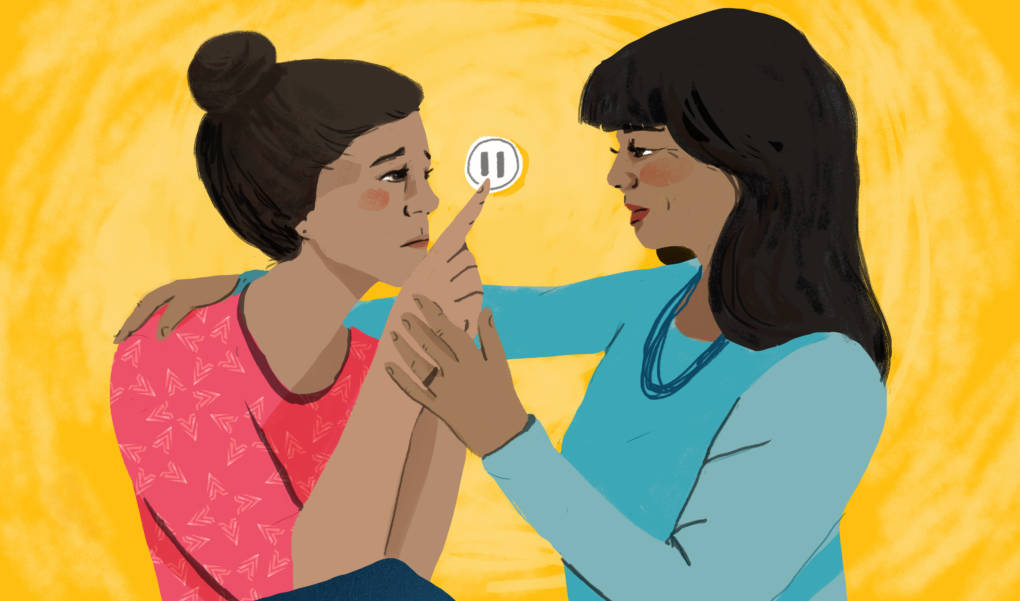
"caption": "Parents can phrase advice to their teens about coping with stress in ways that also help teenagers imagine the perspectives of others.",
"description": "Parents can phrase advice to their teens about coping with stress in ways that also help teenagers imagine the perspectives of others",
"title": "Parents can phrase advice to their teens about coping with stress in ways that also help teenagers imagine the perspectives of others.",
"credit": "NPR/Maria Fabrizio",
"status": "inherit",
"isLoading": false,
"fetchFailed": false
},
"mindshift_47666": {
"type": "attachments",
"id": "mindshift_47666",
"meta": {
"index": "attachments_1716263798",
"site": "mindshift",
"id": "47666",
"found": true
},
"parent": 47516,
"imgSizes": {
"small": {
"file": "https://ww2.kqed.org/app/uploads/sites/23/2017/02/EducatorsRising-197-520x293.jpg",
"width": 520,
"mimeType": "image/jpeg",
"height": 293
},
"twentyfourteen-full-width": {
"file": "https://ww2.kqed.org/app/uploads/sites/23/2017/02/EducatorsRising-197-1038x576.jpg",
"width": 1038,
"mimeType": "image/jpeg",
"height": 576
},
"thumbnail": {
"file": "https://ww2.kqed.org/app/uploads/sites/23/2017/02/EducatorsRising-197-160x90.jpg",
"width": 160,
"mimeType": "image/jpeg",
"height": 90
},
"fd-sm": {
"file": "https://ww2.kqed.org/app/uploads/sites/23/2017/02/EducatorsRising-197-960x540.jpg",
"width": 960,
"mimeType": "image/jpeg",
"height": 540
},
"post-thumbnail": {
"file": "https://ww2.kqed.org/app/uploads/sites/23/2017/02/EducatorsRising-197-672x372.jpg",
"width": 672,
"mimeType": "image/jpeg",
"height": 372
},
"xsmall": {
"file": "https://ww2.kqed.org/app/uploads/sites/23/2017/02/EducatorsRising-197-375x211.jpg",
"width": 375,
"mimeType": "image/jpeg",
"height": 211
},
"kqedFullSize": {
"file": "https://ww2.kqed.org/app/uploads/sites/23/2017/02/EducatorsRising-197.jpg",
"width": 5616,
"height": 3159
},
"large": {
"file": "https://ww2.kqed.org/app/uploads/sites/23/2017/02/EducatorsRising-197-1020x574.jpg",
"width": 1020,
"mimeType": "image/jpeg",
"height": 574
},
"xlarge": {
"file": "https://ww2.kqed.org/app/uploads/sites/23/2017/02/EducatorsRising-197-1180x664.jpg",
"width": 1180,
"mimeType": "image/jpeg",
"height": 664
},
"guest-author-50": {
"file": "https://ww2.kqed.org/app/uploads/sites/23/2017/02/EducatorsRising-197-50x50.jpg",
"width": 50,
"mimeType": "image/jpeg",
"height": 50
},
"guest-author-96": {
"file": "https://ww2.kqed.org/app/uploads/sites/23/2017/02/EducatorsRising-197-96x96.jpg",
"width": 96,
"mimeType": "image/jpeg",
"height": 96
},
"medium": {
"file": "https://ww2.kqed.org/app/uploads/sites/23/2017/02/EducatorsRising-197-800x450.jpg",
"width": 800,
"mimeType": "image/jpeg",
"height": 450
},
"guest-author-64": {
"file": "https://ww2.kqed.org/app/uploads/sites/23/2017/02/EducatorsRising-197-64x64.jpg",
"width": 64,
"mimeType": "image/jpeg",
"height": 64
},
"guest-author-32": {
"file": "https://ww2.kqed.org/app/uploads/sites/23/2017/02/EducatorsRising-197-32x32.jpg",
"width": 32,
"mimeType": "image/jpeg",
"height": 32
},
"fd-lrg": {
"file": "https://ww2.kqed.org/app/uploads/sites/23/2017/02/EducatorsRising-197-1920x1080.jpg",
"width": 1920,
"mimeType": "image/jpeg",
"height": 1080
},
"fd-med": {
"file": "https://ww2.kqed.org/app/uploads/sites/23/2017/02/EducatorsRising-197-1180x664.jpg",
"width": 1180,
"mimeType": "image/jpeg",
"height": 664
},
"full-width": {
"file": "https://ww2.kqed.org/app/uploads/sites/23/2017/02/EducatorsRising-197-1920x1080.jpg",
"width": 1920,
"mimeType": "image/jpeg",
"height": 1080
},
"detail": {
"file": "https://ww2.kqed.org/app/uploads/sites/23/2017/02/EducatorsRising-197-150x150.jpg",
"width": 150,
"mimeType": "image/jpeg",
"height": 150
},
"medium_large": {
"file": "https://ww2.kqed.org/app/uploads/sites/23/2017/02/EducatorsRising-197-768x432.jpg",
"width": 768,
"mimeType": "image/jpeg",
"height": 432
},
"guest-author-128": {
"file": "https://ww2.kqed.org/app/uploads/sites/23/2017/02/EducatorsRising-197-128x128.jpg",
"width": 128,
"mimeType": "image/jpeg",
"height": 128
},
"xxsmall": {
"file": "https://ww2.kqed.org/app/uploads/sites/23/2017/02/EducatorsRising-197-240x135.jpg",
"width": 240,
"mimeType": "image/jpeg",
"height": 135
}
},
"publishDate": 1487978437,
"modified": 1487978482,
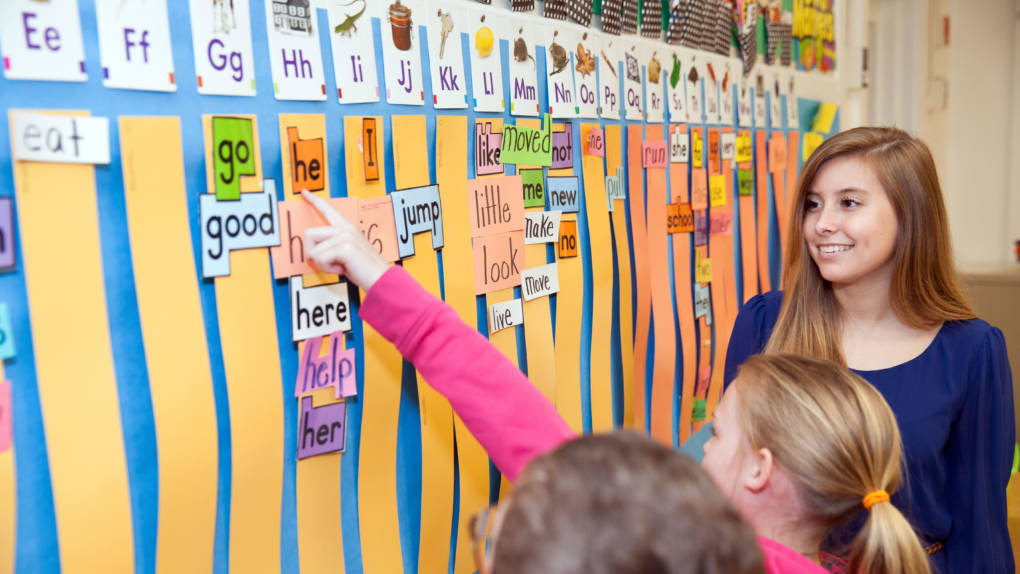
"caption": "A high school student at her teaching internship.",
"description": null,
"title": "EducatorsRising-197",
"credit": "Courtesy Educators Rising",
"status": "inherit",
"isLoading": false,
"fetchFailed": false
},
"mindshift_47675": {
"type": "attachments",
"id": "mindshift_47675",
"meta": {
"index": "attachments_1716263798",
"site": "mindshift",
"id": "47675",
"found": true
},
"parent": 47616,
"imgSizes": {
"small": {
"file": "https://ww2.kqed.org/app/uploads/sites/23/2017/02/Eggs-520x335.jpg",
"width": 520,
"mimeType": "image/jpeg",
"height": 335
},
"twentyfourteen-full-width": {
"file": "https://ww2.kqed.org/app/uploads/sites/23/2017/02/Eggs-1038x576.jpg",
"width": 1038,
"mimeType": "image/jpeg",
"height": 576
},
"thumbnail": {
"file": "https://ww2.kqed.org/app/uploads/sites/23/2017/02/Eggs-160x103.jpg",
"width": 160,
"mimeType": "image/jpeg",
"height": 103
},
"fd-sm": {
"file": "https://ww2.kqed.org/app/uploads/sites/23/2017/02/Eggs-960x619.jpg",
"width": 960,
"mimeType": "image/jpeg",
"height": 619
},
"post-thumbnail": {
"file": "https://ww2.kqed.org/app/uploads/sites/23/2017/02/Eggs-672x372.jpg",
"width": 672,
"mimeType": "image/jpeg",
"height": 372
},
"xsmall": {
"file": "https://ww2.kqed.org/app/uploads/sites/23/2017/02/Eggs-375x242.jpg",
"width": 375,
"mimeType": "image/jpeg",
"height": 242
},
"kqedFullSize": {
"file": "https://ww2.kqed.org/app/uploads/sites/23/2017/02/Eggs-e1488232117247.jpg",
"width": 1920,
"height": 1237
},
"large": {
"file": "https://ww2.kqed.org/app/uploads/sites/23/2017/02/Eggs-1020x657.jpg",
"width": 1020,
"mimeType": "image/jpeg",
"height": 657
},
"xlarge": {
"file": "https://ww2.kqed.org/app/uploads/sites/23/2017/02/Eggs-1180x760.jpg",
"width": 1180,
"mimeType": "image/jpeg",
"height": 760
},
"guest-author-50": {
"file": "https://ww2.kqed.org/app/uploads/sites/23/2017/02/Eggs-50x50.jpg",
"width": 50,
"mimeType": "image/jpeg",
"height": 50
},
"guest-author-96": {
"file": "https://ww2.kqed.org/app/uploads/sites/23/2017/02/Eggs-96x96.jpg",
"width": 96,
"mimeType": "image/jpeg",
"height": 96
},
"medium": {
"file": "https://ww2.kqed.org/app/uploads/sites/23/2017/02/Eggs-800x516.jpg",
"width": 800,
"mimeType": "image/jpeg",
"height": 516
},
"guest-author-64": {
"file": "https://ww2.kqed.org/app/uploads/sites/23/2017/02/Eggs-64x64.jpg",
"width": 64,
"mimeType": "image/jpeg",
"height": 64
},
"guest-author-32": {
"file": "https://ww2.kqed.org/app/uploads/sites/23/2017/02/Eggs-32x32.jpg",
"width": 32,
"mimeType": "image/jpeg",
"height": 32
},
"fd-lrg": {
"file": "https://ww2.kqed.org/app/uploads/sites/23/2017/02/Eggs-1920x1237.jpg",
"width": 1920,
"mimeType": "image/jpeg",
"height": 1237
},
"fd-med": {
"file": "https://ww2.kqed.org/app/uploads/sites/23/2017/02/Eggs-1180x760.jpg",
"width": 1180,
"mimeType": "image/jpeg",
"height": 760
},
"full-width": {
"file": "https://ww2.kqed.org/app/uploads/sites/23/2017/02/Eggs-1920x1237.jpg",
"width": 1920,
"mimeType": "image/jpeg",
"height": 1237
},
"detail": {
"file": "https://ww2.kqed.org/app/uploads/sites/23/2017/02/Eggs-150x150.jpg",
"width": 150,
"mimeType": "image/jpeg",
"height": 150
},
"medium_large": {
"file": "https://ww2.kqed.org/app/uploads/sites/23/2017/02/Eggs-768x495.jpg",
"width": 768,
"mimeType": "image/jpeg",
"height": 495
},
"guest-author-128": {
"file": "https://ww2.kqed.org/app/uploads/sites/23/2017/02/Eggs-128x128.jpg",
"width": 128,
"mimeType": "image/jpeg",
"height": 128
},
"xxsmall": {
"file": "https://ww2.kqed.org/app/uploads/sites/23/2017/02/Eggs-240x155.jpg",
"width": 240,
"mimeType": "image/jpeg",
"height": 155
}
},
"publishDate": 1488232082,
"modified": 1488232105,
"caption": null,
"description": null,
"title": "white eggs with different emotions in tray horizontal",
"credit": "iStock/TanyaRu ",
"status": "inherit",
"isLoading": false,
"fetchFailed": false
},
"mindshift_47689": {
"type": "attachments",
"id": "mindshift_47689",
"meta": {
"index": "attachments_1716263798",
"site": "mindshift",
"id": "47689",
"found": true
},
"parent": 47688,
"imgSizes": {
"small": {
"file": "https://ww2.kqed.org/app/uploads/sites/23/2017/02/teenscreen_psedit_enl-b2cab37a2894cdb4cc553a6822ab3767169908b2-520x390.jpg",
"width": 520,
"mimeType": "image/jpeg",
"height": 390
},
"twentyfourteen-full-width": {
"file": "https://ww2.kqed.org/app/uploads/sites/23/2017/02/teenscreen_psedit_enl-b2cab37a2894cdb4cc553a6822ab3767169908b2-1038x576.jpg",
"width": 1038,
"mimeType": "image/jpeg",
"height": 576
},
"thumbnail": {
"file": "https://ww2.kqed.org/app/uploads/sites/23/2017/02/teenscreen_psedit_enl-b2cab37a2894cdb4cc553a6822ab3767169908b2-160x120.jpg",
"width": 160,
"mimeType": "image/jpeg",
"height": 120
},
"fd-sm": {
"file": "https://ww2.kqed.org/app/uploads/sites/23/2017/02/teenscreen_psedit_enl-b2cab37a2894cdb4cc553a6822ab3767169908b2-960x720.jpg",
"width": 960,
"mimeType": "image/jpeg",
"height": 720
},
"post-thumbnail": {
"file": "https://ww2.kqed.org/app/uploads/sites/23/2017/02/teenscreen_psedit_enl-b2cab37a2894cdb4cc553a6822ab3767169908b2-672x372.jpg",
"width": 672,
"mimeType": "image/jpeg",
"height": 372
},
"xsmall": {
"file": "https://ww2.kqed.org/app/uploads/sites/23/2017/02/teenscreen_psedit_enl-b2cab37a2894cdb4cc553a6822ab3767169908b2-375x281.jpg",
"width": 375,
"mimeType": "image/jpeg",
"height": 281
},
"kqedFullSize": {
"file": "https://ww2.kqed.org/app/uploads/sites/23/2017/02/teenscreen_psedit_enl-b2cab37a2894cdb4cc553a6822ab3767169908b2.jpg",
"width": 2000,
"height": 1499
},
"large": {
"file": "https://ww2.kqed.org/app/uploads/sites/23/2017/02/teenscreen_psedit_enl-b2cab37a2894cdb4cc553a6822ab3767169908b2-1020x764.jpg",
"width": 1020,
"mimeType": "image/jpeg",
"height": 764
},
"xlarge": {
"file": "https://ww2.kqed.org/app/uploads/sites/23/2017/02/teenscreen_psedit_enl-b2cab37a2894cdb4cc553a6822ab3767169908b2-1180x884.jpg",
"width": 1180,
"mimeType": "image/jpeg",
"height": 884
},
"guest-author-50": {
"file": "https://ww2.kqed.org/app/uploads/sites/23/2017/02/teenscreen_psedit_enl-b2cab37a2894cdb4cc553a6822ab3767169908b2-50x50.jpg",
"width": 50,
"mimeType": "image/jpeg",
"height": 50
},
"guest-author-96": {
"file": "https://ww2.kqed.org/app/uploads/sites/23/2017/02/teenscreen_psedit_enl-b2cab37a2894cdb4cc553a6822ab3767169908b2-96x96.jpg",
"width": 96,
"mimeType": "image/jpeg",
"height": 96
},
"medium": {
"file": "https://ww2.kqed.org/app/uploads/sites/23/2017/02/teenscreen_psedit_enl-b2cab37a2894cdb4cc553a6822ab3767169908b2-800x600.jpg",
"width": 800,
"mimeType": "image/jpeg",
"height": 600
},
"guest-author-64": {
"file": "https://ww2.kqed.org/app/uploads/sites/23/2017/02/teenscreen_psedit_enl-b2cab37a2894cdb4cc553a6822ab3767169908b2-64x64.jpg",
"width": 64,
"mimeType": "image/jpeg",
"height": 64
},
"guest-author-32": {
"file": "https://ww2.kqed.org/app/uploads/sites/23/2017/02/teenscreen_psedit_enl-b2cab37a2894cdb4cc553a6822ab3767169908b2-32x32.jpg",
"width": 32,
"mimeType": "image/jpeg",
"height": 32
},
"fd-lrg": {
"file": "https://ww2.kqed.org/app/uploads/sites/23/2017/02/teenscreen_psedit_enl-b2cab37a2894cdb4cc553a6822ab3767169908b2-1920x1439.jpg",
"width": 1920,
"mimeType": "image/jpeg",
"height": 1439
},
"fd-med": {
"file": "https://ww2.kqed.org/app/uploads/sites/23/2017/02/teenscreen_psedit_enl-b2cab37a2894cdb4cc553a6822ab3767169908b2-1180x884.jpg",
"width": 1180,
"mimeType": "image/jpeg",
"height": 884
},
"full-width": {
"file": "https://ww2.kqed.org/app/uploads/sites/23/2017/02/teenscreen_psedit_enl-b2cab37a2894cdb4cc553a6822ab3767169908b2-1920x1439.jpg",
"width": 1920,
"mimeType": "image/jpeg",
"height": 1439
},
"detail": {
"file": "https://ww2.kqed.org/app/uploads/sites/23/2017/02/teenscreen_psedit_enl-b2cab37a2894cdb4cc553a6822ab3767169908b2-150x150.jpg",
"width": 150,
"mimeType": "image/jpeg",
"height": 150
},
"medium_large": {
"file": "https://ww2.kqed.org/app/uploads/sites/23/2017/02/teenscreen_psedit_enl-b2cab37a2894cdb4cc553a6822ab3767169908b2-768x576.jpg",
"width": 768,
"mimeType": "image/jpeg",
"height": 576
},
"guest-author-128": {
"file": "https://ww2.kqed.org/app/uploads/sites/23/2017/02/teenscreen_psedit_enl-b2cab37a2894cdb4cc553a6822ab3767169908b2-128x128.jpg",
"width": 128,
"mimeType": "image/jpeg",
"height": 128
},
"xxsmall": {
"file": "https://ww2.kqed.org/app/uploads/sites/23/2017/02/teenscreen_psedit_enl-b2cab37a2894cdb4cc553a6822ab3767169908b2-240x180.jpg",
"width": 240,
"mimeType": "image/jpeg",
"height": 180
}
},
"publishDate": 1488486733,
"modified": 1488486733,
"caption": null,
"description": "American kids access the Internet and social media through their phones or a parent's phone every day.",
"title": "American kids access the Internet and social media through their phones or a parent's phone every day.",
"credit": null,
"status": "inherit",
"isLoading": false,
"fetchFailed": false
},
"mindshift_47553": {
"type": "attachments",
"id": "mindshift_47553",
"meta": {
"index": "attachments_1716263798",
"site": "mindshift",
"id": "47553",
"found": true
},
"parent": 47552,
"imgSizes": {
"small": {
"file": "https://ww2.kqed.org/app/uploads/sites/23/2017/02/teen-love-talk_wide-9113b9504f89a2332fca4b3eaab45c39f566905c-520x292.jpg",
"width": 520,
"mimeType": "image/jpeg",
"height": 292
},
"twentyfourteen-full-width": {
"file": "https://ww2.kqed.org/app/uploads/sites/23/2017/02/teen-love-talk_wide-9113b9504f89a2332fca4b3eaab45c39f566905c-1038x576.jpg",
"width": 1038,
"mimeType": "image/jpeg",
"height": 576
},
"thumbnail": {
"file": "https://ww2.kqed.org/app/uploads/sites/23/2017/02/teen-love-talk_wide-9113b9504f89a2332fca4b3eaab45c39f566905c-160x90.jpg",
"width": 160,
"mimeType": "image/jpeg",
"height": 90
},
"fd-sm": {
"file": "https://ww2.kqed.org/app/uploads/sites/23/2017/02/teen-love-talk_wide-9113b9504f89a2332fca4b3eaab45c39f566905c-960x540.jpg",
"width": 960,
"mimeType": "image/jpeg",
"height": 540
},
"post-thumbnail": {
"file": "https://ww2.kqed.org/app/uploads/sites/23/2017/02/teen-love-talk_wide-9113b9504f89a2332fca4b3eaab45c39f566905c-672x372.jpg",
"width": 672,
"mimeType": "image/jpeg",
"height": 372
},
"xsmall": {
"file": "https://ww2.kqed.org/app/uploads/sites/23/2017/02/teen-love-talk_wide-9113b9504f89a2332fca4b3eaab45c39f566905c-375x211.jpg",
"width": 375,
"mimeType": "image/jpeg",
"height": 211
},
"kqedFullSize": {
"file": "https://ww2.kqed.org/app/uploads/sites/23/2017/02/teen-love-talk_wide-9113b9504f89a2332fca4b3eaab45c39f566905c.jpg",
"width": 3487,
"height": 1961
},
"large": {
"file": "https://ww2.kqed.org/app/uploads/sites/23/2017/02/teen-love-talk_wide-9113b9504f89a2332fca4b3eaab45c39f566905c-1020x574.jpg",
"width": 1020,
"mimeType": "image/jpeg",
"height": 574
},
"xlarge": {
"file": "https://ww2.kqed.org/app/uploads/sites/23/2017/02/teen-love-talk_wide-9113b9504f89a2332fca4b3eaab45c39f566905c-1180x664.jpg",
"width": 1180,
"mimeType": "image/jpeg",
"height": 664
},
"guest-author-50": {
"file": "https://ww2.kqed.org/app/uploads/sites/23/2017/02/teen-love-talk_wide-9113b9504f89a2332fca4b3eaab45c39f566905c-50x50.jpg",
"width": 50,
"mimeType": "image/jpeg",
"height": 50
},
"guest-author-96": {
"file": "https://ww2.kqed.org/app/uploads/sites/23/2017/02/teen-love-talk_wide-9113b9504f89a2332fca4b3eaab45c39f566905c-96x96.jpg",
"width": 96,
"mimeType": "image/jpeg",
"height": 96
},
"medium": {
"file": "https://ww2.kqed.org/app/uploads/sites/23/2017/02/teen-love-talk_wide-9113b9504f89a2332fca4b3eaab45c39f566905c-800x450.jpg",
"width": 800,
"mimeType": "image/jpeg",
"height": 450
},
"guest-author-64": {
"file": "https://ww2.kqed.org/app/uploads/sites/23/2017/02/teen-love-talk_wide-9113b9504f89a2332fca4b3eaab45c39f566905c-64x64.jpg",
"width": 64,
"mimeType": "image/jpeg",
"height": 64
},
"guest-author-32": {
"file": "https://ww2.kqed.org/app/uploads/sites/23/2017/02/teen-love-talk_wide-9113b9504f89a2332fca4b3eaab45c39f566905c-32x32.jpg",
"width": 32,
"mimeType": "image/jpeg",
"height": 32
},
"fd-lrg": {
"file": "https://ww2.kqed.org/app/uploads/sites/23/2017/02/teen-love-talk_wide-9113b9504f89a2332fca4b3eaab45c39f566905c-1920x1080.jpg",
"width": 1920,
"mimeType": "image/jpeg",
"height": 1080
},
"fd-med": {
"file": "https://ww2.kqed.org/app/uploads/sites/23/2017/02/teen-love-talk_wide-9113b9504f89a2332fca4b3eaab45c39f566905c-1180x664.jpg",
"width": 1180,
"mimeType": "image/jpeg",
"height": 664
},
"full-width": {
"file": "https://ww2.kqed.org/app/uploads/sites/23/2017/02/teen-love-talk_wide-9113b9504f89a2332fca4b3eaab45c39f566905c-1920x1080.jpg",
"width": 1920,
"mimeType": "image/jpeg",
"height": 1080
},
"detail": {
"file": "https://ww2.kqed.org/app/uploads/sites/23/2017/02/teen-love-talk_wide-9113b9504f89a2332fca4b3eaab45c39f566905c-150x150.jpg",
"width": 150,
"mimeType": "image/jpeg",
"height": 150
},
"medium_large": {
"file": "https://ww2.kqed.org/app/uploads/sites/23/2017/02/teen-love-talk_wide-9113b9504f89a2332fca4b3eaab45c39f566905c-768x432.jpg",
"width": 768,
"mimeType": "image/jpeg",
"height": 432
},
"guest-author-128": {
"file": "https://ww2.kqed.org/app/uploads/sites/23/2017/02/teen-love-talk_wide-9113b9504f89a2332fca4b3eaab45c39f566905c-128x128.jpg",
"width": 128,
"mimeType": "image/jpeg",
"height": 128
},
"xxsmall": {
"file": "https://ww2.kqed.org/app/uploads/sites/23/2017/02/teen-love-talk_wide-9113b9504f89a2332fca4b3eaab45c39f566905c-240x135.jpg",
"width": 240,
"mimeType": "image/jpeg",
"height": 135
}
},
"publishDate": 1487081126,
"modified": 1487081126,
"caption": null,
"description": "Teens talking about love",
"title": "Teens talking about love",
"credit": null,
"status": "inherit",
"isLoading": false,
"fetchFailed": false
},
"mindshift_47607": {
"type": "attachments",
"id": "mindshift_47607",
"meta": {
"index": "attachments_1716263798",
"site": "mindshift",
"id": "47607",
"found": true
},
"parent": 47606,
"imgSizes": {
"small": {
"file": "https://ww2.kqed.org/app/uploads/sites/23/2017/02/depression_enl-fe8f18f22026a720afe2b0257103327344420269-520x293.jpe",
"width": 520,
"mimeType": "image/jpeg",
"height": 293
},
"twentyfourteen-full-width": {
"file": "https://ww2.kqed.org/app/uploads/sites/23/2017/02/depression_enl-fe8f18f22026a720afe2b0257103327344420269-1038x576.jpe",
"width": 1038,
"mimeType": "image/jpeg",
"height": 576
},
"thumbnail": {
"file": "https://ww2.kqed.org/app/uploads/sites/23/2017/02/depression_enl-fe8f18f22026a720afe2b0257103327344420269-160x90.jpe",
"width": 160,
"mimeType": "image/jpeg",
"height": 90
},
"fd-sm": {
"file": "https://ww2.kqed.org/app/uploads/sites/23/2017/02/depression_enl-fe8f18f22026a720afe2b0257103327344420269-960x540.jpe",
"width": 960,
"mimeType": "image/jpeg",
"height": 540
},
"post-thumbnail": {
"file": "https://ww2.kqed.org/app/uploads/sites/23/2017/02/depression_enl-fe8f18f22026a720afe2b0257103327344420269-672x372.jpe",
"width": 672,
"mimeType": "image/jpeg",
"height": 372
},
"xsmall": {
"file": "https://ww2.kqed.org/app/uploads/sites/23/2017/02/depression_enl-fe8f18f22026a720afe2b0257103327344420269-375x211.jpe",
"width": 375,
"mimeType": "image/jpeg",
"height": 211
},
"kqedFullSize": {
"file": "https://ww2.kqed.org/app/uploads/sites/23/2017/02/depression_enl-fe8f18f22026a720afe2b0257103327344420269-e1487619134907.jpe",
"width": 1920,
"height": 1080
},
"large": {
"file": "https://ww2.kqed.org/app/uploads/sites/23/2017/02/depression_enl-fe8f18f22026a720afe2b0257103327344420269-1020x574.jpe",
"width": 1020,
"mimeType": "image/jpeg",
"height": 574
},
"xlarge": {
"file": "https://ww2.kqed.org/app/uploads/sites/23/2017/02/depression_enl-fe8f18f22026a720afe2b0257103327344420269-1180x664.jpe",
"width": 1180,
"mimeType": "image/jpeg",
"height": 664
},
"guest-author-50": {
"file": "https://ww2.kqed.org/app/uploads/sites/23/2017/02/depression_enl-fe8f18f22026a720afe2b0257103327344420269-50x50.jpe",
"width": 50,
"mimeType": "image/jpeg",
"height": 50
},
"guest-author-96": {
"file": "https://ww2.kqed.org/app/uploads/sites/23/2017/02/depression_enl-fe8f18f22026a720afe2b0257103327344420269-96x96.jpe",
"width": 96,
"mimeType": "image/jpeg",
"height": 96
},
"medium": {
"file": "https://ww2.kqed.org/app/uploads/sites/23/2017/02/depression_enl-fe8f18f22026a720afe2b0257103327344420269-800x450.jpe",
"width": 800,
"mimeType": "image/jpeg",
"height": 450
},
"guest-author-64": {
"file": "https://ww2.kqed.org/app/uploads/sites/23/2017/02/depression_enl-fe8f18f22026a720afe2b0257103327344420269-64x64.jpe",
"width": 64,
"mimeType": "image/jpeg",
"height": 64
},
"guest-author-32": {
"file": "https://ww2.kqed.org/app/uploads/sites/23/2017/02/depression_enl-fe8f18f22026a720afe2b0257103327344420269-32x32.jpe",
"width": 32,
"mimeType": "image/jpeg",
"height": 32
},
"fd-lrg": {
"file": "https://ww2.kqed.org/app/uploads/sites/23/2017/02/depression_enl-fe8f18f22026a720afe2b0257103327344420269-1920x1080.jpe",
"width": 1920,
"mimeType": "image/jpeg",
"height": 1080
},
"fd-med": {
"file": "https://ww2.kqed.org/app/uploads/sites/23/2017/02/depression_enl-fe8f18f22026a720afe2b0257103327344420269-1180x664.jpe",
"width": 1180,
"mimeType": "image/jpeg",
"height": 664
},
"full-width": {
"file": "https://ww2.kqed.org/app/uploads/sites/23/2017/02/depression_enl-fe8f18f22026a720afe2b0257103327344420269-1920x1080.jpe",
"width": 1920,
"mimeType": "image/jpeg",
"height": 1080
},
"detail": {
"file": "https://ww2.kqed.org/app/uploads/sites/23/2017/02/depression_enl-fe8f18f22026a720afe2b0257103327344420269-150x150.jpe",
"width": 150,
"mimeType": "image/jpeg",
"height": 150
},
"medium_large": {
"file": "https://ww2.kqed.org/app/uploads/sites/23/2017/02/depression_enl-fe8f18f22026a720afe2b0257103327344420269-768x432.jpe",
"width": 768,
"mimeType": "image/jpeg",
"height": 432
},
"guest-author-128": {
"file": "https://ww2.kqed.org/app/uploads/sites/23/2017/02/depression_enl-fe8f18f22026a720afe2b0257103327344420269-128x128.jpe",
"width": 128,
"mimeType": "image/jpeg",
"height": 128
},
"xxsmall": {
"file": "https://ww2.kqed.org/app/uploads/sites/23/2017/02/depression_enl-fe8f18f22026a720afe2b0257103327344420269-240x135.jpe",
"width": 240,
"mimeType": "image/jpeg",
"height": 135
}
},
"publishDate": 1487618984,
"modified": 1487619162,
"caption": "A new study suggests that teen girls experience more bouts of depression than teen boys. ",
"description": "A new study suggests that teen girls experience more bouts of depression than teen boys",
"title": "A new study suggests that teen girls experience more bouts of depression than teen boys.",
"credit": "Nicole Xu for NPR",
"status": "inherit",
"isLoading": false,
"fetchFailed": false
},
"mindshift_46649": {
"type": "attachments",
"id": "mindshift_46649",
"meta": {
"index": "attachments_1716263798",
"site": "mindshift",
"id": "46649",
"found": true
},
"parent": 46648,
"imgSizes": {
"twentyfourteen-full-width": {
"file": "https://ww2.kqed.org/app/uploads/sites/23/2016/10/student-stress3_custom-f075c08b5702057aa9d960e34161142abebc6b72-1038x576.jpg",
"width": 1038,
"mimeType": "image/jpeg",
"height": 576
},
"thumbnail": {
"file": "https://ww2.kqed.org/app/uploads/sites/23/2016/10/student-stress3_custom-f075c08b5702057aa9d960e34161142abebc6b72-400x262.jpg",
"width": 400,
"mimeType": "image/jpeg",
"height": 262
},
"fd-sm": {
"file": "https://ww2.kqed.org/app/uploads/sites/23/2016/10/student-stress3_custom-f075c08b5702057aa9d960e34161142abebc6b72-960x629.jpg",
"width": 960,
"mimeType": "image/jpeg",
"height": 629
},
"post-thumbnail": {
"file": "https://ww2.kqed.org/app/uploads/sites/23/2016/10/student-stress3_custom-f075c08b5702057aa9d960e34161142abebc6b72-672x372.jpg",
"width": 672,
"mimeType": "image/jpeg",
"height": 372
},
"kqedFullSize": {
"file": "https://ww2.kqed.org/app/uploads/sites/23/2016/10/student-stress3_custom-f075c08b5702057aa9d960e34161142abebc6b72.jpg",
"width": 3200,
"height": 2098
},
"large": {
"file": "https://ww2.kqed.org/app/uploads/sites/23/2016/10/student-stress3_custom-f075c08b5702057aa9d960e34161142abebc6b72-1440x944.jpg",
"width": 1440,
"mimeType": "image/jpeg",
"height": 944
},
"guest-author-50": {
"file": "https://ww2.kqed.org/app/uploads/sites/23/2016/10/student-stress3_custom-f075c08b5702057aa9d960e34161142abebc6b72-50x50.jpg",
"width": 50,
"mimeType": "image/jpeg",
"height": 50
},
"guest-author-96": {
"file": "https://ww2.kqed.org/app/uploads/sites/23/2016/10/student-stress3_custom-f075c08b5702057aa9d960e34161142abebc6b72-96x96.jpg",
"width": 96,
"mimeType": "image/jpeg",
"height": 96
},
"medium": {
"file": "https://ww2.kqed.org/app/uploads/sites/23/2016/10/student-stress3_custom-f075c08b5702057aa9d960e34161142abebc6b72-800x525.jpg",
"width": 800,
"mimeType": "image/jpeg",
"height": 525
},
"guest-author-64": {
"file": "https://ww2.kqed.org/app/uploads/sites/23/2016/10/student-stress3_custom-f075c08b5702057aa9d960e34161142abebc6b72-64x64.jpg",
"width": 64,
"mimeType": "image/jpeg",
"height": 64
},
"guest-author-32": {
"file": "https://ww2.kqed.org/app/uploads/sites/23/2016/10/student-stress3_custom-f075c08b5702057aa9d960e34161142abebc6b72-32x32.jpg",
"width": 32,
"mimeType": "image/jpeg",
"height": 32
},
"cat_post_thumb_sizecategory-posts-2": {
"file": "https://ww2.kqed.org/app/uploads/sites/23/2016/10/student-stress3_custom-f075c08b5702057aa9d960e34161142abebc6b72-50x50.jpg",
"width": 50,
"mimeType": "image/jpeg",
"height": 50
},
"fd-lrg": {
"file": "https://ww2.kqed.org/app/uploads/sites/23/2016/10/student-stress3_custom-f075c08b5702057aa9d960e34161142abebc6b72-1920x1259.jpg",
"width": 1920,
"mimeType": "image/jpeg",
"height": 1259
},
"fd-med": {
"file": "https://ww2.kqed.org/app/uploads/sites/23/2016/10/student-stress3_custom-f075c08b5702057aa9d960e34161142abebc6b72-1180x774.jpg",
"width": 1180,
"mimeType": "image/jpeg",
"height": 774
},
"detail": {
"file": "https://ww2.kqed.org/app/uploads/sites/23/2016/10/student-stress3_custom-f075c08b5702057aa9d960e34161142abebc6b72-150x150.jpg",
"width": 150,
"mimeType": "image/jpeg",
"height": 150
},
"medium_large": {
"file": "https://ww2.kqed.org/app/uploads/sites/23/2016/10/student-stress3_custom-f075c08b5702057aa9d960e34161142abebc6b72-768x504.jpg",
"width": 768,
"mimeType": "image/jpeg",
"height": 504
},
"guest-author-128": {
"file": "https://ww2.kqed.org/app/uploads/sites/23/2016/10/student-stress3_custom-f075c08b5702057aa9d960e34161142abebc6b72-128x128.jpg",
"width": 128,
"mimeType": "image/jpeg",
"height": 128
}
},
"publishDate": 1476122478,
"modified": 1476122661,
"caption": "Middle school is a particularly stressful time for young adolescents.",
"description": "Middle school is a particularly stressful time for young adolescents.",
"title": "Middle school is a particularly stressful time for young adolescents.",
"credit": "LA Johnson/NPR",
"status": "inherit",
"isLoading": false,
"fetchFailed": false
},
"mindshift_46641": {
"type": "attachments",
"id": "mindshift_46641",
"meta": {
"index": "attachments_1716263798",
"site": "mindshift",
"id": "46641",
"found": true
},
"parent": 46640,
"imgSizes": {
"twentyfourteen-full-width": {
"file": "https://ww2.kqed.org/app/uploads/sites/23/2016/10/editedteens-f34c411d8c71f0119a5137d6cf614e8d485758c4-1038x576.jpg",
"width": 1038,
"mimeType": "image/jpeg",
"height": 576
},
"thumbnail": {
"file": "https://ww2.kqed.org/app/uploads/sites/23/2016/10/editedteens-f34c411d8c71f0119a5137d6cf614e8d485758c4-400x300.jpg",
"width": 400,
"mimeType": "image/jpeg",
"height": 300
},
"fd-sm": {
"file": "https://ww2.kqed.org/app/uploads/sites/23/2016/10/editedteens-f34c411d8c71f0119a5137d6cf614e8d485758c4-960x720.jpg",
"width": 960,
"mimeType": "image/jpeg",
"height": 720
},
"post-thumbnail": {
"file": "https://ww2.kqed.org/app/uploads/sites/23/2016/10/editedteens-f34c411d8c71f0119a5137d6cf614e8d485758c4-672x372.jpg",
"width": 672,
"mimeType": "image/jpeg",
"height": 372
},
"kqedFullSize": {
"file": "https://ww2.kqed.org/app/uploads/sites/23/2016/10/editedteens-f34c411d8c71f0119a5137d6cf614e8d485758c4-e1475844095531.jpg",
"width": 1920,
"height": 1440
},
"large": {
"file": "https://ww2.kqed.org/app/uploads/sites/23/2016/10/editedteens-f34c411d8c71f0119a5137d6cf614e8d485758c4-1440x1080.jpg",
"width": 1440,
"mimeType": "image/jpeg",
"height": 1080
},
"guest-author-50": {
"file": "https://ww2.kqed.org/app/uploads/sites/23/2016/10/editedteens-f34c411d8c71f0119a5137d6cf614e8d485758c4-50x50.jpg",
"width": 50,
"mimeType": "image/jpeg",
"height": 50
},
"guest-author-96": {
"file": "https://ww2.kqed.org/app/uploads/sites/23/2016/10/editedteens-f34c411d8c71f0119a5137d6cf614e8d485758c4-96x96.jpg",
"width": 96,
"mimeType": "image/jpeg",
"height": 96
},
"medium": {
"file": "https://ww2.kqed.org/app/uploads/sites/23/2016/10/editedteens-f34c411d8c71f0119a5137d6cf614e8d485758c4-800x600.jpg",
"width": 800,
"mimeType": "image/jpeg",
"height": 600
},
"guest-author-64": {
"file": "https://ww2.kqed.org/app/uploads/sites/23/2016/10/editedteens-f34c411d8c71f0119a5137d6cf614e8d485758c4-64x64.jpg",
"width": 64,
"mimeType": "image/jpeg",
"height": 64
},
"guest-author-32": {
"file": "https://ww2.kqed.org/app/uploads/sites/23/2016/10/editedteens-f34c411d8c71f0119a5137d6cf614e8d485758c4-32x32.jpg",
"width": 32,
"mimeType": "image/jpeg",
"height": 32
},
"cat_post_thumb_sizecategory-posts-2": {
"file": "https://ww2.kqed.org/app/uploads/sites/23/2016/10/editedteens-f34c411d8c71f0119a5137d6cf614e8d485758c4-50x50.jpg",
"width": 50,
"mimeType": "image/jpeg",
"height": 50
},
"fd-lrg": {
"file": "https://ww2.kqed.org/app/uploads/sites/23/2016/10/editedteens-f34c411d8c71f0119a5137d6cf614e8d485758c4-1920x1440.jpg",
"width": 1920,
"mimeType": "image/jpeg",
"height": 1440
},
"fd-med": {
"file": "https://ww2.kqed.org/app/uploads/sites/23/2016/10/editedteens-f34c411d8c71f0119a5137d6cf614e8d485758c4-1180x885.jpg",
"width": 1180,
"mimeType": "image/jpeg",
"height": 885
},
"detail": {
"file": "https://ww2.kqed.org/app/uploads/sites/23/2016/10/editedteens-f34c411d8c71f0119a5137d6cf614e8d485758c4-150x150.jpg",
"width": 150,
"mimeType": "image/jpeg",
"height": 150
},
"medium_large": {
"file": "https://ww2.kqed.org/app/uploads/sites/23/2016/10/editedteens-f34c411d8c71f0119a5137d6cf614e8d485758c4-768x576.jpg",
"width": 768,
"mimeType": "image/jpeg",
"height": 576
},
"guest-author-128": {
"file": "https://ww2.kqed.org/app/uploads/sites/23/2016/10/editedteens-f34c411d8c71f0119a5137d6cf614e8d485758c4-128x128.jpg",
"width": 128,
"mimeType": "image/jpeg",
"height": 128
}
},
"publishDate": 1475843397,
"modified": 1475843397,
"caption": null,
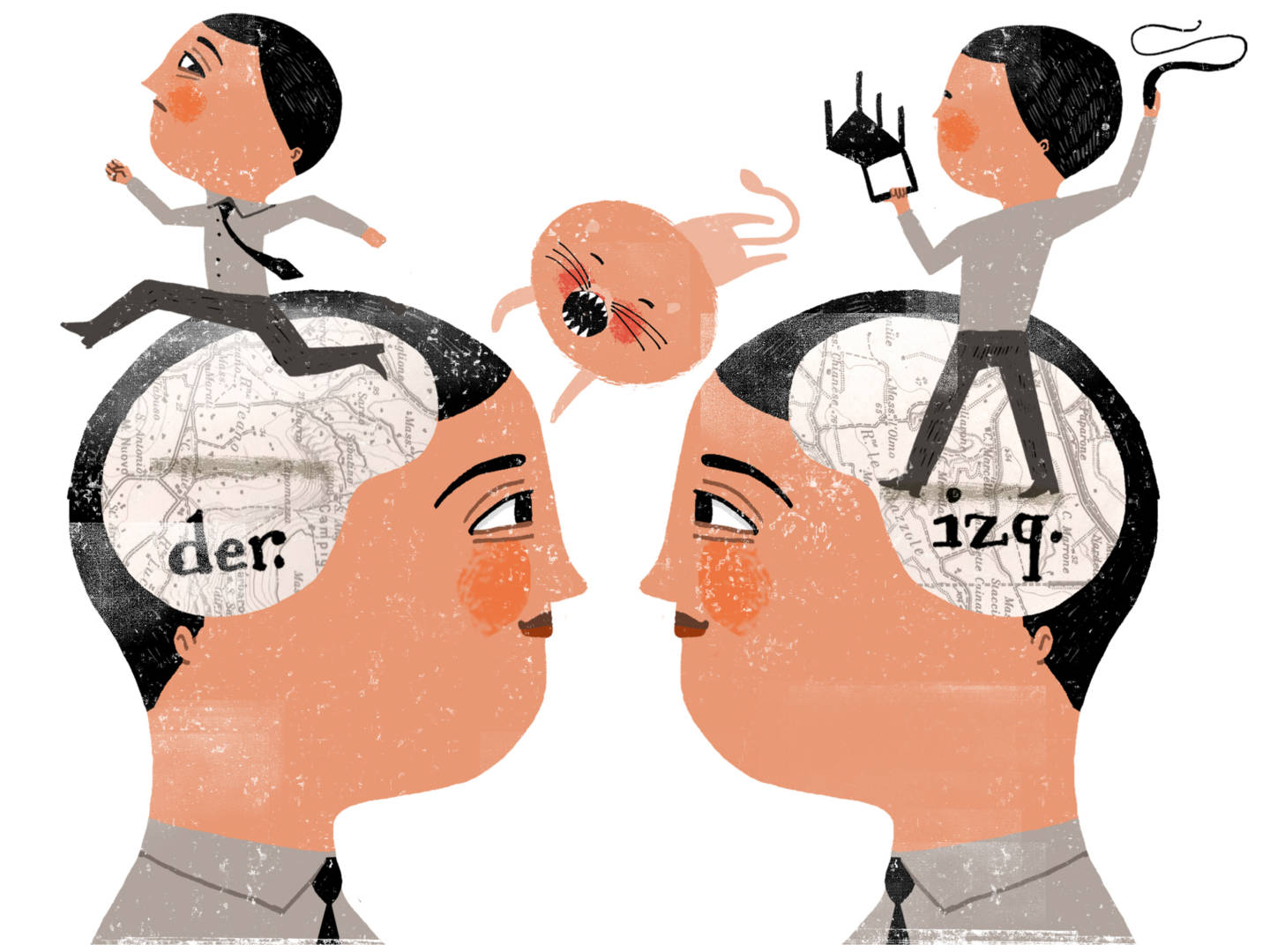
"description": "Sure, keeping a teenager's thoughts corralled may seem like lion taming. But that impulsivity may help them learn, too.",
"title": "Sure, keeping a teenager's thoughts corralled may seem like lion taming. But that impulsivity may help them learn, too.",
"credit": null,
"status": "inherit",
"isLoading": false,
"fetchFailed": false
},
"mindshift_46366": {
"type": "attachments",
"id": "mindshift_46366",
"meta": {
"index": "attachments_1716263798",
"site": "mindshift",
"id": "46366",
"found": true
},
"parent": 46351,
"imgSizes": {
"twentyfourteen-full-width": {
"file": "https://ww2.kqed.org/app/uploads/sites/23/2016/09/iStock_42644082_LARGE-1038x576.jpg",
"width": 1038,
"mimeType": "image/jpeg",
"height": 576
},
"thumbnail": {
"file": "https://ww2.kqed.org/app/uploads/sites/23/2016/09/iStock_42644082_LARGE-400x267.jpg",
"width": 400,
"mimeType": "image/jpeg",
"height": 267
},
"fd-sm": {
"file": "https://ww2.kqed.org/app/uploads/sites/23/2016/09/iStock_42644082_LARGE-960x640.jpg",
"width": 960,
"mimeType": "image/jpeg",
"height": 640
},
"post-thumbnail": {
"file": "https://ww2.kqed.org/app/uploads/sites/23/2016/09/iStock_42644082_LARGE-672x372.jpg",
"width": 672,
"mimeType": "image/jpeg",
"height": 372
},
"kqedFullSize": {
"file": "https://ww2.kqed.org/app/uploads/sites/23/2016/09/iStock_42644082_LARGE-e1473940233132.jpg",
"width": 1920,
"height": 1280
},
"large": {
"file": "https://ww2.kqed.org/app/uploads/sites/23/2016/09/iStock_42644082_LARGE-1440x960.jpg",
"width": 1440,
"mimeType": "image/jpeg",
"height": 960
},
"guest-author-50": {
"file": "https://ww2.kqed.org/app/uploads/sites/23/2016/09/iStock_42644082_LARGE-50x50.jpg",
"width": 50,
"mimeType": "image/jpeg",
"height": 50
},
"guest-author-96": {
"file": "https://ww2.kqed.org/app/uploads/sites/23/2016/09/iStock_42644082_LARGE-96x96.jpg",
"width": 96,
"mimeType": "image/jpeg",
"height": 96
},
"medium": {
"file": "https://ww2.kqed.org/app/uploads/sites/23/2016/09/iStock_42644082_LARGE-800x533.jpg",
"width": 800,
"mimeType": "image/jpeg",
"height": 533
},
"guest-author-64": {
"file": "https://ww2.kqed.org/app/uploads/sites/23/2016/09/iStock_42644082_LARGE-64x64.jpg",
"width": 64,
"mimeType": "image/jpeg",
"height": 64
},
"guest-author-32": {
"file": "https://ww2.kqed.org/app/uploads/sites/23/2016/09/iStock_42644082_LARGE-32x32.jpg",
"width": 32,
"mimeType": "image/jpeg",
"height": 32
},
"cat_post_thumb_sizecategory-posts-2": {
"file": "https://ww2.kqed.org/app/uploads/sites/23/2016/09/iStock_42644082_LARGE-50x50.jpg",
"width": 50,
"mimeType": "image/jpeg",
"height": 50
},
"fd-lrg": {
"file": "https://ww2.kqed.org/app/uploads/sites/23/2016/09/iStock_42644082_LARGE-1920x1280.jpg",
"width": 1920,
"mimeType": "image/jpeg",
"height": 1280
},
"fd-med": {
"file": "https://ww2.kqed.org/app/uploads/sites/23/2016/09/iStock_42644082_LARGE-1180x787.jpg",
"width": 1180,
"mimeType": "image/jpeg",
"height": 787
},
"detail": {
"file": "https://ww2.kqed.org/app/uploads/sites/23/2016/09/iStock_42644082_LARGE-150x150.jpg",
"width": 150,
"mimeType": "image/jpeg",
"height": 150
},
"medium_large": {
"file": "https://ww2.kqed.org/app/uploads/sites/23/2016/09/iStock_42644082_LARGE-768x512.jpg",
"width": 768,
"mimeType": "image/jpeg",
"height": 512
},
"guest-author-128": {
"file": "https://ww2.kqed.org/app/uploads/sites/23/2016/09/iStock_42644082_LARGE-128x128.jpg",
"width": 128,
"mimeType": "image/jpeg",
"height": 128
}
},
"publishDate": 1473940179,
"modified": 1473940282,
"caption": null,
"description": null,
"title": "iStock_42644082_LARGE",
"credit": "iStock/Antonio_Diaz",
"status": "inherit",
"isLoading": false,
"fetchFailed": false
},
"mindshift_45638": {
"type": "attachments",
"id": "mindshift_45638",
"meta": {
"index": "attachments_1716263798",
"site": "mindshift",
"id": "45638",
"found": true
},
"parent": 45301,
"imgSizes": {
"twentyfourteen-full-width": {
"file": "https://ww2.kqed.org/app/uploads/sites/23/2016/06/13390096375_9daa280ac0_k-1038x576.jpg",
"width": 1038,
"mimeType": "image/jpeg",
"height": 576
},
"thumbnail": {
"file": "https://ww2.kqed.org/app/uploads/sites/23/2016/06/13390096375_9daa280ac0_k-400x300.jpg",
"width": 400,
"mimeType": "image/jpeg",
"height": 300
},
"fd-sm": {
"file": "https://ww2.kqed.org/app/uploads/sites/23/2016/06/13390096375_9daa280ac0_k-960x720.jpg",
"width": 960,
"mimeType": "image/jpeg",
"height": 720
},
"post-thumbnail": {
"file": "https://ww2.kqed.org/app/uploads/sites/23/2016/06/13390096375_9daa280ac0_k-672x372.jpg",
"width": 672,
"mimeType": "image/jpeg",
"height": 372
},
"kqedFullSize": {
"file": "https://ww2.kqed.org/app/uploads/sites/23/2016/06/13390096375_9daa280ac0_k-e1466791592315.jpg",
"width": 1920,
"height": 1440
},
"large": {
"file": "https://ww2.kqed.org/app/uploads/sites/23/2016/06/13390096375_9daa280ac0_k-1440x1080.jpg",
"width": 1440,
"mimeType": "image/jpeg",
"height": 1080
},
"guest-author-50": {
"file": "https://ww2.kqed.org/app/uploads/sites/23/2016/06/13390096375_9daa280ac0_k-50x50.jpg",
"width": 50,
"mimeType": "image/jpeg",
"height": 50
},
"guest-author-96": {
"file": "https://ww2.kqed.org/app/uploads/sites/23/2016/06/13390096375_9daa280ac0_k-96x96.jpg",
"width": 96,
"mimeType": "image/jpeg",
"height": 96
},
"medium": {
"file": "https://ww2.kqed.org/app/uploads/sites/23/2016/06/13390096375_9daa280ac0_k-800x600.jpg",
"width": 800,
"mimeType": "image/jpeg",
"height": 600
},
"guest-author-64": {
"file": "https://ww2.kqed.org/app/uploads/sites/23/2016/06/13390096375_9daa280ac0_k-64x64.jpg",
"width": 64,
"mimeType": "image/jpeg",
"height": 64
},
"guest-author-32": {
"file": "https://ww2.kqed.org/app/uploads/sites/23/2016/06/13390096375_9daa280ac0_k-32x32.jpg",
"width": 32,
"mimeType": "image/jpeg",
"height": 32
},
"cat_post_thumb_sizecategory-posts-2": {
"file": "https://ww2.kqed.org/app/uploads/sites/23/2016/06/13390096375_9daa280ac0_k-50x50.jpg",
"width": 50,
"mimeType": "image/jpeg",
"height": 50
},
"fd-lrg": {
"file": "https://ww2.kqed.org/app/uploads/sites/23/2016/06/13390096375_9daa280ac0_k-1920x1440.jpg",
"width": 1920,
"mimeType": "image/jpeg",
"height": 1440
},
"fd-med": {
"file": "https://ww2.kqed.org/app/uploads/sites/23/2016/06/13390096375_9daa280ac0_k-1180x885.jpg",
"width": 1180,
"mimeType": "image/jpeg",
"height": 885
},
"detail": {
"file": "https://ww2.kqed.org/app/uploads/sites/23/2016/06/13390096375_9daa280ac0_k-150x150.jpg",
"width": 150,
"mimeType": "image/jpeg",
"height": 150
},
"medium_large": {
"file": "https://ww2.kqed.org/app/uploads/sites/23/2016/06/13390096375_9daa280ac0_k-768x576.jpg",
"width": 768,
"mimeType": "image/jpeg",
"height": 576
},
"guest-author-128": {
"file": "https://ww2.kqed.org/app/uploads/sites/23/2016/06/13390096375_9daa280ac0_k-128x128.jpg",
"width": 128,
"mimeType": "image/jpeg",
"height": 128
}
},
"publishDate": 1466791573,
"modified": 1466791608,
"caption": null,
"description": null,
"title": "13390096375_9daa280ac0_k",
"credit": "\u003ca href=\"https://www.flickr.com/photos/rankinb/13390096375/in/photolist-ciruih-kYecXP-c8As8E-8sVttn-mpeK9B-j94CkJ-fGd1Ma-cpcQ7s-7jyYKV-oMa17C-npwH1a-i2yCSA-554QcR-5whkmd-AzWDr-eazqUW-f71Fwa-uAsJ-si38vJ-i1UqFt-bcbM5t-91r7Cq-eddhHY-j5sN9N-eF5y4J-9q8G3R-iygP2b-98n8ga-9npEpe-5qii8m-62Pi3T-7B1Ugx-iZDYzq-bmHTAg-Heny-e8XGnn-eaqJWX-7vPWq-KrTKN-9bCF7x-bmAUTi-dwRV5d-H7gdCH-fK6Ljc-94VAHa-fp6a1g-dqhS8w-9KKZx-boqGZ6-6or7vv\">Flickr/Brendan Rankin\u003c/a>",
"status": "inherit",
"isLoading": false,
"fetchFailed": false
},
"mindshift_45479": {
"type": "attachments",
"id": "mindshift_45479",
"meta": {
"index": "attachments_1716263798",
"site": "mindshift",
"id": "45479",
"found": true
},
"parent": 45422,
"imgSizes": {
"twentyfourteen-full-width": {
"file": "https://ww2.kqed.org/app/uploads/sites/23/2016/06/Gootee-Journal-entry-1-1038x576.jpg",
"width": 1038,
"mimeType": "image/jpeg",
"height": 576
},
"thumbnail": {
"file": "https://ww2.kqed.org/app/uploads/sites/23/2016/06/Gootee-Journal-entry-1-400x225.jpg",
"width": 400,
"mimeType": "image/jpeg",
"height": 225
},
"fd-sm": {
"file": "https://ww2.kqed.org/app/uploads/sites/23/2016/06/Gootee-Journal-entry-1-960x540.jpg",
"width": 960,
"mimeType": "image/jpeg",
"height": 540
},
"post-thumbnail": {
"file": "https://ww2.kqed.org/app/uploads/sites/23/2016/06/Gootee-Journal-entry-1-672x372.jpg",
"width": 672,
"mimeType": "image/jpeg",
"height": 372
},
"kqedFullSize": {
"file": "https://ww2.kqed.org/app/uploads/sites/23/2016/06/Gootee-Journal-entry-1.jpg",
"width": 1920,
"height": 1080
},
"large": {
"file": "https://ww2.kqed.org/app/uploads/sites/23/2016/06/Gootee-Journal-entry-1-1440x810.jpg",
"width": 1440,
"mimeType": "image/jpeg",
"height": 810
},
"guest-author-50": {
"file": "https://ww2.kqed.org/app/uploads/sites/23/2016/06/Gootee-Journal-entry-1-50x50.jpg",
"width": 50,
"mimeType": "image/jpeg",
"height": 50
},
"guest-author-96": {
"file": "https://ww2.kqed.org/app/uploads/sites/23/2016/06/Gootee-Journal-entry-1-96x96.jpg",
"width": 96,
"mimeType": "image/jpeg",
"height": 96
},
"medium": {
"file": "https://ww2.kqed.org/app/uploads/sites/23/2016/06/Gootee-Journal-entry-1-800x450.jpg",
"width": 800,
"mimeType": "image/jpeg",
"height": 450
},
"guest-author-64": {
"file": "https://ww2.kqed.org/app/uploads/sites/23/2016/06/Gootee-Journal-entry-1-64x64.jpg",
"width": 64,
"mimeType": "image/jpeg",
"height": 64
},
"guest-author-32": {
"file": "https://ww2.kqed.org/app/uploads/sites/23/2016/06/Gootee-Journal-entry-1-32x32.jpg",
"width": 32,
"mimeType": "image/jpeg",
"height": 32
},
"cat_post_thumb_sizecategory-posts-2": {
"file": "https://ww2.kqed.org/app/uploads/sites/23/2016/06/Gootee-Journal-entry-1-50x50.jpg",
"width": 50,
"mimeType": "image/jpeg",
"height": 50
},
"fd-lrg": {
"file": "https://ww2.kqed.org/app/uploads/sites/23/2016/06/Gootee-Journal-entry-1-1920x1080.jpg",
"width": 1920,
"mimeType": "image/jpeg",
"height": 1080
},
"fd-med": {
"file": "https://ww2.kqed.org/app/uploads/sites/23/2016/06/Gootee-Journal-entry-1-1180x664.jpg",
"width": 1180,
"mimeType": "image/jpeg",
"height": 664
},
"detail": {
"file": "https://ww2.kqed.org/app/uploads/sites/23/2016/06/Gootee-Journal-entry-1-150x150.jpg",
"width": 150,
"mimeType": "image/jpeg",
"height": 150
},
"medium_large": {
"file": "https://ww2.kqed.org/app/uploads/sites/23/2016/06/Gootee-Journal-entry-1-768x432.jpg",
"width": 768,
"mimeType": "image/jpeg",
"height": 432
},
"guest-author-128": {
"file": "https://ww2.kqed.org/app/uploads/sites/23/2016/06/Gootee-Journal-entry-1-128x128.jpg",
"width": 128,
"mimeType": "image/jpeg",
"height": 128
}
},
"publishDate": 1465972725,
"modified": 1465973366,
"caption": "Journal entry by Georgia Gootee alongside photos from 1996.",
"description": null,
"title": "Gootee-Journal-entry-1",
"credit": "Courtesy of Georgia Gootee",
"status": "inherit",
"isLoading": false,
"fetchFailed": false
},
"mindshift_44774": {
"type": "attachments",
"id": "mindshift_44774",
"meta": {
"index": "attachments_1716263798",
"site": "mindshift",
"id": "44774",
"found": true
},
"parent": 44772,
"imgSizes": {
"twentyfourteen-full-width": {
"file": "https://ww2.kqed.org/app/uploads/sites/23/2016/04/Serge-Saint-1038x576.jpg",
"width": 1038,
"mimeType": "image/jpeg",
"height": 576
},
"thumbnail": {
"file": "https://ww2.kqed.org/app/uploads/sites/23/2016/04/Serge-Saint-400x267.jpg",
"width": 400,
"mimeType": "image/jpeg",
"height": 267
},
"fd-sm": {
"file": "https://ww2.kqed.org/app/uploads/sites/23/2016/04/Serge-Saint-960x640.jpg",
"width": 960,
"mimeType": "image/jpeg",
"height": 640
},
"post-thumbnail": {
"file": "https://ww2.kqed.org/app/uploads/sites/23/2016/04/Serge-Saint-672x372.jpg",
"width": 672,
"mimeType": "image/jpeg",
"height": 372
},
"kqedFullSize": {
"file": "https://ww2.kqed.org/app/uploads/sites/23/2016/04/Serge-Saint-e1461307568991.jpg",
"width": 1920,
"height": 1280
},
"large": {
"file": "https://ww2.kqed.org/app/uploads/sites/23/2016/04/Serge-Saint-1440x960.jpg",
"width": 1440,
"mimeType": "image/jpeg",
"height": 960
},
"guest-author-96": {
"file": "https://ww2.kqed.org/app/uploads/sites/23/2016/04/Serge-Saint-96x96.jpg",
"width": 96,
"mimeType": "image/jpeg",
"height": 96
},
"medium": {
"file": "https://ww2.kqed.org/app/uploads/sites/23/2016/04/Serge-Saint-800x533.jpg",
"width": 800,
"mimeType": "image/jpeg",
"height": 533
},
"guest-author-64": {
"file": "https://ww2.kqed.org/app/uploads/sites/23/2016/04/Serge-Saint-64x64.jpg",
"width": 64,
"mimeType": "image/jpeg",
"height": 64
},
"guest-author-32": {
"file": "https://ww2.kqed.org/app/uploads/sites/23/2016/04/Serge-Saint-32x32.jpg",
"width": 32,
"mimeType": "image/jpeg",
"height": 32
},
"cat_post_thumb_sizecategory-posts-2": {
"file": "https://ww2.kqed.org/app/uploads/sites/23/2016/04/Serge-Saint-50x50.jpg",
"width": 50,
"mimeType": "image/jpeg",
"height": 50
},
"fd-lrg": {
"file": "https://ww2.kqed.org/app/uploads/sites/23/2016/04/Serge-Saint-1920x1280.jpg",
"width": 1920,
"mimeType": "image/jpeg",
"height": 1280
},
"fd-med": {
"file": "https://ww2.kqed.org/app/uploads/sites/23/2016/04/Serge-Saint-1180x786.jpg",
"width": 1180,
"mimeType": "image/jpeg",
"height": 786
},
"detail": {
"file": "https://ww2.kqed.org/app/uploads/sites/23/2016/04/Serge-Saint-75x75.jpg",
"width": 75,
"mimeType": "image/jpeg",
"height": 75
},
"medium_large": {
"file": "https://ww2.kqed.org/app/uploads/sites/23/2016/04/Serge-Saint-768x512.jpg",
"width": 768,
"mimeType": "image/jpeg",
"height": 512
},
"guest-author-128": {
"file": "https://ww2.kqed.org/app/uploads/sites/23/2016/04/Serge-Saint-128x128.jpg",
"width": 128,
"mimeType": "image/jpeg",
"height": 128
}
},
"publishDate": 1461307552,
"modified": 1461307561,
"caption": null,
"description": null,
"title": "Serge Saint",
"credit": " \u003ca href=\"https://www.flickr.com/photos/sergiosf/7696330570/in/photolist-cJ6GWE-eheQ5W-ehePAo-eheVoJ-8tmmZs-akPoZH-e621uT-e67JKw-e62gdn-bz5ghY-e61H4a-bMZ1aH-e67KrN-bMZ5xc-e623h4-372CTF-bz5cvN-z9bkK7-8zF4fa-e67F5q-eheRS9-e67HAU-bMZ6te-bMZ3ZZ-bF81rm-eheSGd-eheRtb-bz5bM7-5VNsuq-e67xry-e67Agf-e61Y8p-e67wam-e61Rnc-eheXSu-e67Ea9-e67MSw-eh9f9c-eh99De-bRirL-bz5i6h-cj3oZ-eheSeU-e61QSg-e67CwN-8cnyYW-bMZbtM-bz59UW-bz5usW-eheTK5\">Serge Saint/Flickr\u003c/a>",
"status": "inherit",
"isLoading": false,
"fetchFailed": false
}
},
"audioPlayerReducer": {
"postId": "stream_live",
"isPaused": true,
"isPlaying": false,
"pfsActive": false,
"pledgeModalIsOpen": true,
"playerDrawerIsOpen": false,
"liveAudioPlayStartedAt": 0,
"liveAudioPlayContext": ""
},
"authorsReducer": {
"byline_mindshift_48036": {
"type": "authors",
"id": "byline_mindshift_48036",
"meta": {
"override": true
},
"slug": "byline_mindshift_48036",
"name": "Juli Fraga",
"isLoading": false
},
"byline_mindshift_47688": {
"type": "authors",
"id": "byline_mindshift_47688",
"meta": {
"override": true
},
"slug": "byline_mindshift_47688",
"name": "April Fulton",
"isLoading": false
},
"byline_mindshift_47552": {
"type": "authors",
"id": "byline_mindshift_47552",
"meta": {
"override": true
},
"slug": "byline_mindshift_47552",
"name": "Kat Lonsdorf",
"isLoading": false
},
"byline_mindshift_47606": {
"type": "authors",
"id": "byline_mindshift_47606",
"meta": {
"override": true
},
"slug": "byline_mindshift_47606",
"name": "Patti Neighmond",
"isLoading": false
},
"byline_mindshift_46648": {
"type": "authors",
"id": "byline_mindshift_46648",
"meta": {
"override": true
},
"slug": "byline_mindshift_46648",
"name": "Kat Lonsdorf, NPR",
"isLoading": false
},
"byline_mindshift_46640": {
"type": "authors",
"id": "byline_mindshift_46640",
"meta": {
"override": true
},
"slug": "byline_mindshift_46640",
"name": "Erin Ross",
"isLoading": false
},
"katrinaschwartz": {
"type": "authors",
"id": "234",
"meta": {
"index": "authors_1716337520",
"id": "234",
"found": true
},
"name": "Katrina Schwartz",
"firstName": "Katrina",
"lastName": "Schwartz",
"slug": "katrinaschwartz",
"email": "kschwartz@kqed.org",
"display_author_email": false,
"staff_mastheads": [
"news"
],
"title": "Producer",
"bio": "Katrina Schwartz is a journalist based in San Francisco. She's worked at KPCC public radio in LA and has reported on air and online for KQED since 2010. She covered how teaching and learning is changing for MindShift between 2012 and 2020. She is the co-host of the MindShift podcast and now produces KQED's Bay Curious podcast.",
"avatar": "https://secure.gravatar.com/avatar/edb4ee79070447a018538c9aae6eeecf28786515b8a0c30e43b6b7dce5aa44c8?s=600&d=blank&r=g",
"twitter": "kschwart",
"bluesky": null,
"facebook": null,
"instagram": null,
"linkedin": null,
"sites": [
{
"site": "",
"roles": [
"editor"
]
},
{
"site": "news",
"roles": [
"editor"
]
},
{
"site": "mindshift",
"roles": [
"administrator"
]
},
{
"site": "stateofhealth",
"roles": [
"author"
]
},
{
"site": "science",
"roles": [
"editor"
]
}
],
"headData": {
"title": "Katrina Schwartz | KQED",
"description": "Producer",
"ogImgSrc": "https://secure.gravatar.com/avatar/edb4ee79070447a018538c9aae6eeecf28786515b8a0c30e43b6b7dce5aa44c8?s=600&d=blank&r=g",
"twImgSrc": "https://secure.gravatar.com/avatar/edb4ee79070447a018538c9aae6eeecf28786515b8a0c30e43b6b7dce5aa44c8?s=600&d=blank&r=g"
},
"isLoading": false,
"link": "/author/katrinaschwartz"
},
"hollykorbey": {
"type": "authors",
"id": "4445",
"meta": {
"index": "authors_1716337520",
"id": "4445",
"found": true
},
"name": "Holly Korbey",
"firstName": "Holly",
"lastName": "Korbey",
"slug": "hollykorbey",
"email": "holly@hollykorbey.com",
"display_author_email": false,
"staff_mastheads": [],
"title": null,
"bio": "Holly Korbey's work on parenting and education has appeared in The New York Times, The Atlantic, Babble, Brain, Child Magazine, and others. She lives in Nashville with her family. Follow her on Twitter: @HKorbey",
"avatar": "https://secure.gravatar.com/avatar/f385f7a3b90e52ecd5e85c24fbd0a363?s=600&d=blank&r=g",
"twitter": null,
"facebook": null,
"instagram": null,
"linkedin": null,
"sites": [
{
"site": "mindshift",
"roles": [
"contributor"
]
}
],
"headData": {
"title": "Holly Korbey | KQED",
"description": null,
"ogImgSrc": "https://secure.gravatar.com/avatar/f385f7a3b90e52ecd5e85c24fbd0a363?s=600&d=blank&r=g",
"twImgSrc": "https://secure.gravatar.com/avatar/f385f7a3b90e52ecd5e85c24fbd0a363?s=600&d=blank&r=g"
},
"isLoading": false,
"link": "/author/hollykorbey"
},
"lindaflan": {
"type": "authors",
"id": "4613",
"meta": {
"index": "authors_1716337520",
"id": "4613",
"found": true
},
"name": "Linda Flanagan",
"firstName": "Linda",
"lastName": "Flanagan",
"slug": "lindaflan",
"email": "lindaflan@comcast.net",
"display_author_email": false,
"staff_mastheads": [],
"title": null,
"bio": "Linda Flanagan is a freelance writer, researcher, and editor. Her work has appeared in The Atlantic, The Wall St. Journal, Newsweek, Running Times, and Mind/Shift, and she blogs regularly for the Huffington Post. Linda writes about education, culture, athletics, youth sports, mental health, politics, college admissions, and other curiosities. She also reviews books and conducts interviews.",
"avatar": "https://secure.gravatar.com/avatar/6bca04c0736bf5eaea80654019de688f?s=600&d=blank&r=g",
"twitter": "LindaFlanagan2",
"facebook": null,
"instagram": null,
"linkedin": null,
"sites": [
{
"site": "mindshift",
"roles": [
"contributor"
]
}
],
"headData": {
"title": "Linda Flanagan | KQED",
"description": null,
"ogImgSrc": "https://secure.gravatar.com/avatar/6bca04c0736bf5eaea80654019de688f?s=600&d=blank&r=g",
"twImgSrc": "https://secure.gravatar.com/avatar/6bca04c0736bf5eaea80654019de688f?s=600&d=blank&r=g"
},
"isLoading": false,
"link": "/author/lindaflan"
},
"dfkris": {
"type": "authors",
"id": "11087",
"meta": {
"index": "authors_1716337520",
"id": "11087",
"found": true
},
"name": "Deborah Farmer Kris",
"firstName": "Deborah Farmer",
"lastName": "Kris",
"slug": "dfkris",
"email": "dfkris@gmail.com",
"display_author_email": false,
"staff_mastheads": [],
"title": null,
"bio": "\u003cem>\u003ca href=\"https://twitter.com/@dfkris\">Deborah Farmer Kris\u003c/a> has taught elementary, middle and high school and served as a charter school administrator. She spent a decade as an associate at Boston University’s \u003c/em>\u003cem>\u003ca href=\"http://www.bu.edu/ccsr/about-us/\">Center for Character and Social Responsibility\u003c/a>, \u003c/em>\u003cem>researching, writing, and consulting with schools. She is the mother of two young children. You can follower her on Twitter \u003ca href=\"https://twitter.com/@dfkris\">@dfkris\u003c/a>.\u003c/em>",
"avatar": "https://secure.gravatar.com/avatar/48efe6f17031ed31222b74af9605fe5a?s=600&d=blank&r=g",
"twitter": "dfkris",
"facebook": null,
"instagram": null,
"linkedin": null,
"sites": [
{
"site": "mindshift",
"roles": [
"author"
]
}
],
"headData": {
"title": "Deborah Farmer Kris | KQED",
"description": null,
"ogImgSrc": "https://secure.gravatar.com/avatar/48efe6f17031ed31222b74af9605fe5a?s=600&d=blank&r=g",
"twImgSrc": "https://secure.gravatar.com/avatar/48efe6f17031ed31222b74af9605fe5a?s=600&d=blank&r=g"
},
"isLoading": false,
"link": "/author/dfkris"
}
},
"pagesReducer": {
"mindshift_category_teenage-years": {
"type": "terms",
"id": "mindshift_20874",
"meta": {
"index": "terms_1716263798",
"site": "mindshift",
"id": "20874",
"score": 14.406026
},
"featImg": null,
"name": "Teenage Years",
"description": null,
"taxonomy": "category",
"headData": {
"twImgId": null,
"twTitle": null,
"ogTitle": null,
"ogImgId": null,
"twDescription": null,
"description": null,
"title": "Teenage Years Archives | KQED Mindshift",
"ogDescription": null
},
"ttid": 20152,
"slug": "teenage-years",
"isLoading": false,
"title": "Teenage Years",
"pageMeta": {
"site": "mindshift",
"WpPageTemplate": "page-topic-editorial",
"currentPage": 5
},
"blocks": [
{
"blockName": "kqed/post-list",
"attrs": {
"layout": "cardArticle2",
"query": "posts/mindshift?category=teenage-years",
"seeMore": false,
"paginated": true,
"page": 5
}
},
{
"blockName": "kqed/ad"
}
]
}
},
"pfsSessionReducer": {},
"postsReducer": {
"stream_live": {
"type": "live",
"id": "stream_live",
"audioUrl": "https://streams.kqed.org/kqedradio",
"title": "Live Stream",
"excerpt": "Live Stream information currently unavailable.",
"link": "/radio",
"featImg": "",
"label": {
"name": "KQED Live",
"link": "/"
}
},
"stream_kqedNewscast": {
"type": "posts",
"id": "stream_kqedNewscast",
"audioUrl": "https://www.kqed.org/.stream/anon/radio/RDnews/newscast.mp3?_=1",
"title": "KQED Newscast",
"featImg": "",
"label": {
"name": "88.5 FM",
"link": "/"
}
},
"mindshift_48036": {
"type": "posts",
"id": "mindshift_48036",
"meta": {
"index": "posts_1716263798",
"site": "mindshift",
"id": "48036",
"score": null,
"sort": [
1492411766000
]
},
"parent": 0,
"labelTerm": {
"site": "mindshift"
},
"blocks": [],
"publishDate": 1492411766,
"format": "standard",
"disqusTitle": "How Empathy Is Important For Parents And Teens When Things Get Stressful",
"title": "How Empathy Is Important For Parents And Teens When Things Get Stressful",
"headTitle": "MindShift | KQED News",
"content": "\u003cp>It's difficult to have a teenager's mind. The brain \u003ca href=\"https://www.nimh.nih.gov/health/publications/the-teen-brain-6-things-to-know/index.shtml\">develops rapidly\u003c/a> during the adolescent years, which partially explains why teens experience anger, sadness and frustration so intensely.\u003c/p>\n\u003cp>During these tumultuous years, hormones surge, bodies change and adolescents must face a number of social and academic challenges, such as managing their relationships, coping with peer rejection and,-- especially this time of year — graduating from high school or preparing for college admission tests.\u003c/p>\n\u003cp>These worries can take a definitive toll on a teenager's emotional health.\u003c/p>\n\u003cp>\"My daughters are dealing with friendship conflicts, school pressures and college applications. My younger daughter has so much homework that she sets her alarm at 5 a.m. to finish it before school begins,\" says Cameron Gaeren, a mother of two teen daughters in Chicago, Ill.\u003c/p>\n\u003cp>A \u003ca href=\"http://www.apa.org/news/press/releases/2014/02/teen-stress.aspx\">2014 survey\u003c/a> published by the American Psychological Association found that teens report feeling even more stressed than adults, and that this affects them in unhealthy ways. Approximately 30 percent of the 1,018 teens surveyed reported feeling sad, overwhelmed or depressed, and 25 percent said that they had skipped meals because of their anxiety.\u003c/p>\n\u003cp>[ad fullwidth]\u003c/p>\n\u003cp>Still, Gaeren says, her kids don't often accept her help in managing their stress. Gaeren and her daughters are not alone. Though all teens need coping skills to help navigate their unique set of stressors, many adolescents either don't turn to their parents for help or refuse to accept their advice.\u003c/p>\n\u003cp>This may be partly due to the way parents typically try to help their kids.\u003c/p>\n\u003cp>\u003ca href=\"http://denverchildtherapy.com/about-us/sheryl-ziegler/\">Sheryl Gonzalez Ziegler\u003c/a>, a psychologist in Denver, Colo., explains, \"When teens are overwhelmed, parents may try to connect with their kids' feelings by drawing on their own childhood experiences. They may say things like, \"When I was fourteen, I had a job, and I still did my homework and made time for my friends. I know that you can do this, too.'\"\u003c/p>\n\u003cp>They mean well when they try to connect with their teens in this comparative way, but often it prompts a communication breakdown.\u003c/p>\n\u003cp>\"Teenagers are looking for proof that their parents don't understand them and bringing up these examples only confirms that you're not on the same wavelength,\" Ziegler says.\u003c/p>\n\u003cp>She suggests that parents try to relate to their teen's feelings by saying things like, \"When I was your age, I had difficulty with my friends. I felt confused, and my heart was broken, too.\"\u003c/p>\n\u003cp>She says that these disclosures remind kids that even if technology is different, human emotions are the same. Parents can bond with their kids by focusing on these similarities.\u003c/p>\n\u003cp>When adolescents are distressed, most parents are inclined to try to \u003cem>solve \u003c/em>their problems, but often what teens really need is help developing problem-solving skills of their own. Parents don't need an entirely new set of tools to impart these lessons to their teenagers. They can adapt lessons about empathy and perspective that they taught their kids earlier in childhood.\u003c/p>\n\u003cp>It's particularly important to teach adolescents how to develop a specific type of empathy called cognitive empathy, Ziegler says.\u003c/p>\n\u003cp>If empathy helps us sympathize with how another person is feeling, cognitive empathy also allows us to try to understand someone else's perspective and how they perceive the world, even when our feelings differ.\u003c/p>\n\u003cp>In a 2016 longitudinal \u003ca href=\"http://www.sciencedirect.com/science/article/pii/S0140197115002857\">study\u003c/a> of 497 Dutch teens between the ages of 13 and 18, researchers found that cognitive empathy skills help teens regulate their emotions, improve their listening skills and strengthen their ability to tolerate conflict. They also found that these skills can help kids work through disagreements with their parents more constructively.\u003c/p>\n\u003cp>Research on teen stress by \u003ca href=\"https://news.utexas.edu/2016/06/20/method-helps-teens-cope-with-stress-and-get-better-grades\">David Yeager\u003c/a>, a psychologist at the University of Texas at Austin, shows that cognitive empathy skills can also help adolescents to realize that people and situations can change, which allows them to face social challenges more easily.\u003c/p>\n\u003cp>Ziegler says that parents can help their kids strengthen this type of empathy by talking with them about the importance of looking at both sides of the story.\u003c/p>\n\u003cp>For example, if a teen is upset because a friend didn't return a text, parents can ask, \"What do you think might be going on for her?\" or \"Remember last week when you didn't text back right away because you were studying for an exam?\"\u003c/p>\n\u003cp>Because teenagers are so emotionally driven, they may be prone to react in exaggerated ways. Hence, a conflict with a teacher, a clash with a friend or an unanswered text can feel like the end of the world. By strengthening their cognitive empathy, teens can develop an emotional pause button, which reminds them that even when feelings take over, stressful circumstances are temporary.\u003c/p>\n\u003cp>\u003c/p>\n\u003cp>\u003cem>Juli Fraga is a psychologist and writer in San Francisco. You can find her on Twitter\u003c/em> \u003cem>\u003ca href=\"https://twitter.com/dr_fraga\">@dr_fraga\u003c/a>.\u003c/em>\u003c/p>\n\u003cdiv class=\"fullattribution\">Copyright 2017 NPR. To see more, visit http://www.npr.org/.\u003cimg src=\"https://www.google-analytics.com/__utm.gif?utmac=UA-5828686-4&utmdt=%27When+I+Was+Your+Age%27+And+Other+Pitfalls+Of+Talking+To+Teens+About+Stress&utme=8(APIKey)9(MDAxOTAwOTE4MDEyMTkxMDAzNjczZDljZA004)\">\u003c/div>\n\n",
"disqusIdentifier": "48036 https://ww2.kqed.org/mindshift/?p=48036",
"disqusUrl": "https://ww2.kqed.org/mindshift/2017/04/16/how-empathy-is-important-for-parents-and-teens-when-things-get-stressful/",
"stats": {
"hasVideo": false,
"hasChartOrMap": false,
"hasAudio": false,
"hasPolis": false,
"wordCount": 816,
"hasGoogleForm": false,
"hasGallery": false,
"hasHearkenModule": false,
"iframeSrcs": [],
"paragraphCount": 23
},
"modified": 1492411766,
"excerpt": "Helping teenagers develop cognitive empathy, the ability to understand another person's perspective, can allow them to cope with stress better. But whether they accept help can be all in the phrasing.",
"headData": {
"twImgId": "",
"twTitle": "",
"ogTitle": "",
"ogImgId": "",
"twDescription": "",
"description": "Helping teenagers develop cognitive empathy, the ability to understand another person's perspective, can allow them to cope with stress better. But whether they accept help can be all in the phrasing.",
"title": "How Empathy Is Important For Parents And Teens When Things Get Stressful | KQED",
"ogDescription": "",
"schema": {
"@context": "https://schema.org",
"@type": "Article",
"headline": "How Empathy Is Important For Parents And Teens When Things Get Stressful",
"datePublished": "2017-04-16T23:49:26-07:00",
"dateModified": "2017-04-16T23:49:26-07:00",
"image": "https://cdn.kqed.org/wp-content/uploads/2020/02/KQED-OG-Image@1x.png"
}
},
"guestAuthors": [],
"slug": "how-empathy-is-important-for-parents-and-teens-when-things-get-stressful",
"status": "publish",
"nprApiLink": "http://api.npr.org/query?id=523592625&apiKey=MDAxOTAwOTE4MDEyMTkxMDAzNjczZDljZA004",
"nprByline": "Juli Fraga",
"nprStoryDate": "Sun, 16 Apr 2017 10:00:27 -0400",
"nprLastModifiedDate": "Sun, 16 Apr 2017 10:00:27 -0400",
"nprHtmlLink": "http://www.npr.org/sections/health-shots/2017/04/16/523592625/-when-i-was-your-age-and-other-conversational-pitfalls-of-talking-to-teens?ft=nprml&f=523592625",
"nprStoryId": "523592625",
"nprRetrievedStory": "1",
"nprPubDate": "Sun, 16 Apr 2017 10:00:00 -0400",
"path": "/mindshift/48036/how-empathy-is-important-for-parents-and-teens-when-things-get-stressful",
"audioTrackLength": null,
"parsedContent": [
{
"type": "contentString",
"content": "\u003cdiv class=\"post-body\">\u003cp>\u003cp>It's difficult to have a teenager's mind. The brain \u003ca href=\"https://www.nimh.nih.gov/health/publications/the-teen-brain-6-things-to-know/index.shtml\">develops rapidly\u003c/a> during the adolescent years, which partially explains why teens experience anger, sadness and frustration so intensely.\u003c/p>\n\u003cp>During these tumultuous years, hormones surge, bodies change and adolescents must face a number of social and academic challenges, such as managing their relationships, coping with peer rejection and,-- especially this time of year — graduating from high school or preparing for college admission tests.\u003c/p>\n\u003cp>These worries can take a definitive toll on a teenager's emotional health.\u003c/p>\n\u003cp>\"My daughters are dealing with friendship conflicts, school pressures and college applications. My younger daughter has so much homework that she sets her alarm at 5 a.m. to finish it before school begins,\" says Cameron Gaeren, a mother of two teen daughters in Chicago, Ill.\u003c/p>\n\u003cp>A \u003ca href=\"http://www.apa.org/news/press/releases/2014/02/teen-stress.aspx\">2014 survey\u003c/a> published by the American Psychological Association found that teens report feeling even more stressed than adults, and that this affects them in unhealthy ways. Approximately 30 percent of the 1,018 teens surveyed reported feeling sad, overwhelmed or depressed, and 25 percent said that they had skipped meals because of their anxiety.\u003c/p>\n\u003cp>\u003c/p>\u003c/div>",
"attributes": {
"named": {},
"numeric": []
}
},
{
"type": "component",
"content": "",
"name": "ad",
"attributes": {
"named": {
"label": "fullwidth"
},
"numeric": [
"fullwidth"
]
}
},
{
"type": "contentString",
"content": "\u003cdiv class=\"post-body\">\u003cp>\u003c/p>\n\u003cp>Still, Gaeren says, her kids don't often accept her help in managing their stress. Gaeren and her daughters are not alone. Though all teens need coping skills to help navigate their unique set of stressors, many adolescents either don't turn to their parents for help or refuse to accept their advice.\u003c/p>\n\u003cp>This may be partly due to the way parents typically try to help their kids.\u003c/p>\n\u003cp>\u003ca href=\"http://denverchildtherapy.com/about-us/sheryl-ziegler/\">Sheryl Gonzalez Ziegler\u003c/a>, a psychologist in Denver, Colo., explains, \"When teens are overwhelmed, parents may try to connect with their kids' feelings by drawing on their own childhood experiences. They may say things like, \"When I was fourteen, I had a job, and I still did my homework and made time for my friends. I know that you can do this, too.'\"\u003c/p>\n\u003cp>They mean well when they try to connect with their teens in this comparative way, but often it prompts a communication breakdown.\u003c/p>\n\u003cp>\"Teenagers are looking for proof that their parents don't understand them and bringing up these examples only confirms that you're not on the same wavelength,\" Ziegler says.\u003c/p>\n\u003cp>She suggests that parents try to relate to their teen's feelings by saying things like, \"When I was your age, I had difficulty with my friends. I felt confused, and my heart was broken, too.\"\u003c/p>\n\u003cp>She says that these disclosures remind kids that even if technology is different, human emotions are the same. Parents can bond with their kids by focusing on these similarities.\u003c/p>\n\u003cp>When adolescents are distressed, most parents are inclined to try to \u003cem>solve \u003c/em>their problems, but often what teens really need is help developing problem-solving skills of their own. Parents don't need an entirely new set of tools to impart these lessons to their teenagers. They can adapt lessons about empathy and perspective that they taught their kids earlier in childhood.\u003c/p>\n\u003cp>It's particularly important to teach adolescents how to develop a specific type of empathy called cognitive empathy, Ziegler says.\u003c/p>\n\u003cp>If empathy helps us sympathize with how another person is feeling, cognitive empathy also allows us to try to understand someone else's perspective and how they perceive the world, even when our feelings differ.\u003c/p>\n\u003cp>In a 2016 longitudinal \u003ca href=\"http://www.sciencedirect.com/science/article/pii/S0140197115002857\">study\u003c/a> of 497 Dutch teens between the ages of 13 and 18, researchers found that cognitive empathy skills help teens regulate their emotions, improve their listening skills and strengthen their ability to tolerate conflict. They also found that these skills can help kids work through disagreements with their parents more constructively.\u003c/p>\n\u003cp>Research on teen stress by \u003ca href=\"https://news.utexas.edu/2016/06/20/method-helps-teens-cope-with-stress-and-get-better-grades\">David Yeager\u003c/a>, a psychologist at the University of Texas at Austin, shows that cognitive empathy skills can also help adolescents to realize that people and situations can change, which allows them to face social challenges more easily.\u003c/p>\n\u003cp>Ziegler says that parents can help their kids strengthen this type of empathy by talking with them about the importance of looking at both sides of the story.\u003c/p>\n\u003cp>For example, if a teen is upset because a friend didn't return a text, parents can ask, \"What do you think might be going on for her?\" or \"Remember last week when you didn't text back right away because you were studying for an exam?\"\u003c/p>\n\u003cp>Because teenagers are so emotionally driven, they may be prone to react in exaggerated ways. Hence, a conflict with a teacher, a clash with a friend or an unanswered text can feel like the end of the world. By strengthening their cognitive empathy, teens can develop an emotional pause button, which reminds them that even when feelings take over, stressful circumstances are temporary.\u003c/p>\n\u003cp>\u003c/p>\n\u003cp>\u003cem>Juli Fraga is a psychologist and writer in San Francisco. You can find her on Twitter\u003c/em> \u003cem>\u003ca href=\"https://twitter.com/dr_fraga\">@dr_fraga\u003c/a>.\u003c/em>\u003c/p>\n\u003cdiv class=\"fullattribution\">Copyright 2017 NPR. To see more, visit http://www.npr.org/.\u003cimg src=\"https://www.google-analytics.com/__utm.gif?utmac=UA-5828686-4&utmdt=%27When+I+Was+Your+Age%27+And+Other+Pitfalls+Of+Talking+To+Teens+About+Stress&utme=8(APIKey)9(MDAxOTAwOTE4MDEyMTkxMDAzNjczZDljZA004)\">\u003c/div>\n\n\u003c/div>\u003c/p>",
"attributes": {
"named": {},
"numeric": []
}
}
],
"link": "/mindshift/48036/how-empathy-is-important-for-parents-and-teens-when-things-get-stressful",
"authors": [
"byline_mindshift_48036"
],
"categories": [
"mindshift_20874"
],
"tags": [
"mindshift_21087",
"mindshift_20699",
"mindshift_20784",
"mindshift_21054",
"mindshift_20925",
"mindshift_1038"
],
"featImg": "mindshift_48037",
"label": "mindshift"
},
"mindshift_47516": {
"type": "posts",
"id": "mindshift_47516",
"meta": {
"index": "posts_1716263798",
"site": "mindshift",
"id": "47516",
"score": null,
"sort": [
1489388462000
]
},
"parent": 0,
"labelTerm": {
"site": "mindshift"
},
"blocks": [],
"publishDate": 1489388462,
"format": "standard",
"disqusTitle": "Growing An Educator Pipeline Starts By Sparking Student Passion For Teaching",
"title": "Growing An Educator Pipeline Starts By Sparking Student Passion For Teaching",
"headTitle": "MindShift | KQED News",
"content": "\u003cp>When Michael Shaner was a freshman at Smyrna High School he joined the Future Educators Association club to explore an interest in teaching. At that time, club members mostly talked about issues in education and what a career in teaching entailed. But Shaner wanted experience working with kids, so he started a tutoring program at the local elementary school two times a week. He says these experiences changed his life.\u003c/p>\n\u003cp>“It is the reason I am a teacher,” Shaner said. He returned to his hometown after college and got a job teaching at his alma mater, where he now runs a more robust version of the program that so forcefully set him on his professional path. “It allowed me to fall in love with what I wanted to do and be sure that’s what it was,” he said.\u003c/p>\n\u003cp>Future Educators Association is now called \u003ca href=\"https://www.educatorsrising.org/\" target=\"_blank\">Educators Rising\u003c/a> and it has 2,000 participating schools across the country.* Some states have career pathways dedicated to education as part of their Career Technical Education (CTE) offerings, while others have more informal extracurricular programs. At comprehensive high schools in Delaware, students take college preparation classes as usual, but they also take three credits of a career pathway, of which teaching is one.\u003c/p>\n\u003cp>Shaner gives a pretty thorough introduction to the history of education and various pedagogical models in the introductory course in Smyrna's teaching pathway. He then moves on to some of the more practical elements of teaching. Students write lesson plans, develop Individualized Education Programs (IEP) for hypothetical students with special needs, and learn how to comply with legal requirements. When they are seniors, students also get to work in classrooms around the district, first observing, then working to design interventions for one student. The responsibilities gradually scale up until the student has the opportunity to teach a full class.\u003c/p>\n\u003cp>https://www.youtube.com/watch?v=zBWqPc1A6Sk\u003c/p>\n\u003cp>[ad fullwidth]\u003c/p>\n\u003cp>“When they go to college they are so far ahead of the game that they are able to excel and dig deeper,” Shaner said. Perhaps more importantly, participating high school students are getting a pretty good idea of what teaching is really like. At the end of the Teacher Academy some students decide it’s not for them, but others have found a lifelong passion.\u003c/p>\n\u003cp>Shaner doesn’t shy away from talking about the hard parts of education with his students. He leads discussions on funding inequalities and segregation, different forms of teacher evaluation, and the work load. During the first marking period of senior year, when students are observing in real classrooms, Shaner makes sure they have to do a lot of the “grunt work” inherent to the job, like photocopying and making bulletin boards. He wants them to understand that while working with kids may be what excites them, paperwork is part of teaching too.\u003c/p>\n\u003cp>Tyler Jones was part of a teaching program at his high school in Virginia Beach. He interned in a music class and worked with a student who often acted out. Jones was able to form a connection with the boy and the gratification he felt when his student made progress hooked him on teaching.\u003c/p>\n\u003cp>https://www.youtube.com/watch?v=WR4Fee7-rGo\u003c/p>\n\u003cp>“I want to be that for my own students one day,” Jones said. He’s currently attending Tidewater Community College and speaks about his experiences with Educators Rising regularly. He’s grateful he had the opportunity to explore a career while still in high school, instead of potentially committing four years of college to something he didn’t know much about.\u003c/p>\n\u003cp>Educators Rising announced it will now offer free \u003ca href=\"https://www.educatorsrising.org/what-we-offer/micro-credentials\" target=\"_blank\">micro-credentials\u003c/a> that high school and college students can earn to demonstrate competency in specific skills. The courses take between five and 15 hours to complete and include anti-bias instruction, classroom culture, collaboration, formative assessment and learner engagement. The micro-credential represent topics that may not be covered in high school teaching courses, but are ones that Educator Rising believes will be crucial for future teachers to be successful.\u003c/p>\n\u003cp>“They are designed to articulate clearly to young people who are interested in teaching, here is the bar for taking those first steps,” said Educators Rising Co-Director Dan Brown. A micro-credential is an \u003ca href=\"http://digitalpromise.org/initiative/educator-micro-credentials/how-it-works/\" target=\"_blank\">asynchronous course offered through an online platform\u003c/a> that requires participants to learn about and then try research-based practices in their own interactions with students. They then submit evidence of their work, get feedback from reviewers, reflect on what they’ve learned and ultimately must demonstrate competency in the set of skills to earn the credential.\u003c/p>\n\u003cp>“These skills are designed to coherently connect with the skills teachers need in the classroom,” Brown said. The five micro-credentials Educators Rising currently offers are rooted in the standards the organization \u003ca href=\"https://www.educatorsrising.org/what-we-offer/standards\">developed with\u003c/a> the National Board for Professional Teaching Standards. High schools around the country can use Educators Rising curriculum in their classes to essentially map out the first phase of a teacher’s career. Now, they can also augment those courses with the new micro-credentials.\u003c/p>\n\u003cp>Brown said the micro-credentials are intended to clarify and build foundational mindsets for teachers of the future. “It can be hard to know where you stand as a teacher,” he said. “I fear that a lot of folks in classrooms are sort of winging it and determining their success based on how they feel about the experience that may be untethered from professional standards of practice.” Brown says the micro-credentials his organization has developed are not a substitution for a teacher credential, but rather a way for high school students interested in teaching to deepen their skills and demonstrate their commitment to colleges and future employers.\u003c/p>\n\u003cp>Shaner helped pilot the micro-credentials with his students at Smyrna High School and has mapped them onto his curriculum so that feedback students get on their micro-credential work is now part of their final grade in his class. He says his students were already building a robust portfolio during their time in his program, but it’s only certified by Smyrna School District.\u003c/p>\n\u003cp>Shaner appreciates that the feedback and practice loop inherent in the micro-credential builds students’ sense that teaching must always be a reflective practice, and that once they have classrooms of their own they will always be learning and adapting to the students in front of them.\u003c/p>\n\u003cp>“This will look really good to colleges and future employers in the education system because it will show we take this seriously,” Tyler Jones said about earning micro-credentials. He plans to take them on top of his other coursework.\u003c/p>\n\u003cp>“They’re fired up about making a difference,” Brown said of young people like Jones. Even better, Brown cited \u003ca href=\"https://cepa.stanford.edu/sites/default/files/Reininger%20HA%20EEPA%202012.pdf\" target=\"_blank\">a report\u003c/a> that found 60 percent of teachers end up working within 15 miles of where they went to high school. Getting current high school students interested in teaching could be one of the best ways to build a teacher pipeline back to the building. And, he hopes that the micro-credentials could help guide those young teachers with skills that will particularly useful in today's classrooms.\u003c/p>\n\u003cp>[ad floatright]\u003c/p>\n\u003cp>Shaner said the Smyrna School District regularly hires its graduates after college. The district sees the Teacher Academy as a strong recruiting tool. And Brown says 51 percent of Educator Rising participants across the country are students of color, so academies like the one at Smyrna High could also be a way to attract a more diverse teaching staff. For schools that don't have programs as robust as Smyrna's, the micro-credentials could be a good way for students interested in teaching to start building a track record of commitment to teaching.\u003cbr>\n\u003cem>\u003cbr>\n*A previous version of this story incorrectly stated that 850 schools partner with Educators Rising. The correct number is 2,000. We regret the error.\u003c/em>\u003c/p>\n\n",
"disqusIdentifier": "47516 https://ww2.kqed.org/mindshift/?p=47516",
"disqusUrl": "https://ww2.kqed.org/mindshift/2017/03/13/growing-an-educator-pipeline-starts-by-sparking-student-passion-for-teaching/",
"stats": {
"hasVideo": true,
"hasChartOrMap": false,
"hasAudio": false,
"hasPolis": false,
"wordCount": 1347,
"hasGoogleForm": false,
"hasGallery": false,
"hasHearkenModule": false,
"iframeSrcs": [],
"paragraphCount": 19
},
"modified": 1489511988,
"excerpt": "Could Teacher Academies in high school be a way to build a pipeline of passionate, diverse future teachers?",
"headData": {
"twImgId": "",
"twTitle": "",
"ogTitle": "",
"ogImgId": "",
"twDescription": "",
"description": "Could Teacher Academies in high school be a way to build a pipeline of passionate, diverse future teachers?",
"title": "Growing An Educator Pipeline Starts By Sparking Student Passion For Teaching | KQED",
"ogDescription": "",
"schema": {
"@context": "https://schema.org",
"@type": "Article",
"headline": "Growing An Educator Pipeline Starts By Sparking Student Passion For Teaching",
"datePublished": "2017-03-13T00:01:02-07:00",
"dateModified": "2017-03-14T10:19:48-07:00",
"image": "https://cdn.kqed.org/wp-content/uploads/2020/02/KQED-OG-Image@1x.png"
}
},
"guestAuthors": [],
"slug": "growing-an-educator-pipeline-starts-by-sparking-student-passion-for-teaching",
"status": "publish",
"path": "/mindshift/47516/growing-an-educator-pipeline-starts-by-sparking-student-passion-for-teaching",
"audioTrackLength": null,
"parsedContent": [
{
"type": "contentString",
"content": "\u003cdiv class=\"post-body\">\u003cp>\u003cp>When Michael Shaner was a freshman at Smyrna High School he joined the Future Educators Association club to explore an interest in teaching. At that time, club members mostly talked about issues in education and what a career in teaching entailed. But Shaner wanted experience working with kids, so he started a tutoring program at the local elementary school two times a week. He says these experiences changed his life.\u003c/p>\n\u003cp>“It is the reason I am a teacher,” Shaner said. He returned to his hometown after college and got a job teaching at his alma mater, where he now runs a more robust version of the program that so forcefully set him on his professional path. “It allowed me to fall in love with what I wanted to do and be sure that’s what it was,” he said.\u003c/p>\n\u003cp>Future Educators Association is now called \u003ca href=\"https://www.educatorsrising.org/\" target=\"_blank\">Educators Rising\u003c/a> and it has 2,000 participating schools across the country.* Some states have career pathways dedicated to education as part of their Career Technical Education (CTE) offerings, while others have more informal extracurricular programs. At comprehensive high schools in Delaware, students take college preparation classes as usual, but they also take three credits of a career pathway, of which teaching is one.\u003c/p>\n\u003cp>Shaner gives a pretty thorough introduction to the history of education and various pedagogical models in the introductory course in Smyrna's teaching pathway. He then moves on to some of the more practical elements of teaching. Students write lesson plans, develop Individualized Education Programs (IEP) for hypothetical students with special needs, and learn how to comply with legal requirements. When they are seniors, students also get to work in classrooms around the district, first observing, then working to design interventions for one student. The responsibilities gradually scale up until the student has the opportunity to teach a full class.\u003c/p>\u003c/p>\u003cp>\u003cspan class='utils-parseShortcode-shortcodes-__youtubeShortcode__embedYoutube'>\n \u003cspan class='utils-parseShortcode-shortcodes-__youtubeShortcode__embedYoutubeInside'>\n \u003ciframe\n loading='lazy'\n class='utils-parseShortcode-shortcodes-__youtubeShortcode__youtubePlayer'\n type='text/html'\n src='//www.youtube.com/embed/zBWqPc1A6Sk'\n title='//www.youtube.com/embed/zBWqPc1A6Sk'\n allowfullscreen='true'\n style='border:0;'>\u003c/iframe>\n \u003c/span>\n \u003c/span>\u003c/p>\u003cp>\u003cp>\u003c/p>\u003c/div>",
"attributes": {
"named": {},
"numeric": []
}
},
{
"type": "component",
"content": "",
"name": "ad",
"attributes": {
"named": {
"label": "fullwidth"
},
"numeric": [
"fullwidth"
]
}
},
{
"type": "contentString",
"content": "\u003cdiv class=\"post-body\">\u003cp>\u003c/p>\n\u003cp>“When they go to college they are so far ahead of the game that they are able to excel and dig deeper,” Shaner said. Perhaps more importantly, participating high school students are getting a pretty good idea of what teaching is really like. At the end of the Teacher Academy some students decide it’s not for them, but others have found a lifelong passion.\u003c/p>\n\u003cp>Shaner doesn’t shy away from talking about the hard parts of education with his students. He leads discussions on funding inequalities and segregation, different forms of teacher evaluation, and the work load. During the first marking period of senior year, when students are observing in real classrooms, Shaner makes sure they have to do a lot of the “grunt work” inherent to the job, like photocopying and making bulletin boards. He wants them to understand that while working with kids may be what excites them, paperwork is part of teaching too.\u003c/p>\n\u003cp>Tyler Jones was part of a teaching program at his high school in Virginia Beach. He interned in a music class and worked with a student who often acted out. Jones was able to form a connection with the boy and the gratification he felt when his student made progress hooked him on teaching.\u003c/p>\u003c/p>\u003cp>\u003cspan class='utils-parseShortcode-shortcodes-__youtubeShortcode__embedYoutube'>\n \u003cspan class='utils-parseShortcode-shortcodes-__youtubeShortcode__embedYoutubeInside'>\n \u003ciframe\n loading='lazy'\n class='utils-parseShortcode-shortcodes-__youtubeShortcode__youtubePlayer'\n type='text/html'\n src='//www.youtube.com/embed/WR4Fee7-rGo'\n title='//www.youtube.com/embed/WR4Fee7-rGo'\n allowfullscreen='true'\n style='border:0;'>\u003c/iframe>\n \u003c/span>\n \u003c/span>\u003c/p>\u003cp>\u003cp>“I want to be that for my own students one day,” Jones said. He’s currently attending Tidewater Community College and speaks about his experiences with Educators Rising regularly. He’s grateful he had the opportunity to explore a career while still in high school, instead of potentially committing four years of college to something he didn’t know much about.\u003c/p>\n\u003cp>Educators Rising announced it will now offer free \u003ca href=\"https://www.educatorsrising.org/what-we-offer/micro-credentials\" target=\"_blank\">micro-credentials\u003c/a> that high school and college students can earn to demonstrate competency in specific skills. The courses take between five and 15 hours to complete and include anti-bias instruction, classroom culture, collaboration, formative assessment and learner engagement. The micro-credential represent topics that may not be covered in high school teaching courses, but are ones that Educator Rising believes will be crucial for future teachers to be successful.\u003c/p>\n\u003cp>“They are designed to articulate clearly to young people who are interested in teaching, here is the bar for taking those first steps,” said Educators Rising Co-Director Dan Brown. A micro-credential is an \u003ca href=\"http://digitalpromise.org/initiative/educator-micro-credentials/how-it-works/\" target=\"_blank\">asynchronous course offered through an online platform\u003c/a> that requires participants to learn about and then try research-based practices in their own interactions with students. They then submit evidence of their work, get feedback from reviewers, reflect on what they’ve learned and ultimately must demonstrate competency in the set of skills to earn the credential.\u003c/p>\n\u003cp>“These skills are designed to coherently connect with the skills teachers need in the classroom,” Brown said. The five micro-credentials Educators Rising currently offers are rooted in the standards the organization \u003ca href=\"https://www.educatorsrising.org/what-we-offer/standards\">developed with\u003c/a> the National Board for Professional Teaching Standards. High schools around the country can use Educators Rising curriculum in their classes to essentially map out the first phase of a teacher’s career. Now, they can also augment those courses with the new micro-credentials.\u003c/p>\n\u003cp>Brown said the micro-credentials are intended to clarify and build foundational mindsets for teachers of the future. “It can be hard to know where you stand as a teacher,” he said. “I fear that a lot of folks in classrooms are sort of winging it and determining their success based on how they feel about the experience that may be untethered from professional standards of practice.” Brown says the micro-credentials his organization has developed are not a substitution for a teacher credential, but rather a way for high school students interested in teaching to deepen their skills and demonstrate their commitment to colleges and future employers.\u003c/p>\n\u003cp>Shaner helped pilot the micro-credentials with his students at Smyrna High School and has mapped them onto his curriculum so that feedback students get on their micro-credential work is now part of their final grade in his class. He says his students were already building a robust portfolio during their time in his program, but it’s only certified by Smyrna School District.\u003c/p>\n\u003cp>Shaner appreciates that the feedback and practice loop inherent in the micro-credential builds students’ sense that teaching must always be a reflective practice, and that once they have classrooms of their own they will always be learning and adapting to the students in front of them.\u003c/p>\n\u003cp>“This will look really good to colleges and future employers in the education system because it will show we take this seriously,” Tyler Jones said about earning micro-credentials. He plans to take them on top of his other coursework.\u003c/p>\n\u003cp>“They’re fired up about making a difference,” Brown said of young people like Jones. Even better, Brown cited \u003ca href=\"https://cepa.stanford.edu/sites/default/files/Reininger%20HA%20EEPA%202012.pdf\" target=\"_blank\">a report\u003c/a> that found 60 percent of teachers end up working within 15 miles of where they went to high school. Getting current high school students interested in teaching could be one of the best ways to build a teacher pipeline back to the building. And, he hopes that the micro-credentials could help guide those young teachers with skills that will particularly useful in today's classrooms.\u003c/p>\n\u003cp>\u003c/p>\u003c/div>",
"attributes": {
"named": {},
"numeric": []
}
},
{
"type": "component",
"content": "",
"name": "ad",
"attributes": {
"named": {
"label": "floatright"
},
"numeric": [
"floatright"
]
}
},
{
"type": "contentString",
"content": "\u003cdiv class=\"post-body\">\u003cp>\u003c/p>\n\u003cp>Shaner said the Smyrna School District regularly hires its graduates after college. The district sees the Teacher Academy as a strong recruiting tool. And Brown says 51 percent of Educator Rising participants across the country are students of color, so academies like the one at Smyrna High could also be a way to attract a more diverse teaching staff. For schools that don't have programs as robust as Smyrna's, the micro-credentials could be a good way for students interested in teaching to start building a track record of commitment to teaching.\u003cbr>\n\u003cem>\u003cbr>\n*A previous version of this story incorrectly stated that 850 schools partner with Educators Rising. The correct number is 2,000. We regret the error.\u003c/em>\u003c/p>\n\n\u003c/div>\u003c/p>",
"attributes": {
"named": {},
"numeric": []
}
}
],
"link": "/mindshift/47516/growing-an-educator-pipeline-starts-by-sparking-student-passion-for-teaching",
"authors": [
"234"
],
"categories": [
"mindshift_192",
"mindshift_20874"
],
"tags": [
"mindshift_20610",
"mindshift_21063",
"mindshift_20784",
"mindshift_1040",
"mindshift_21060",
"mindshift_208"
],
"featImg": "mindshift_47666",
"label": "mindshift"
},
"mindshift_47616": {
"type": "posts",
"id": "mindshift_47616",
"meta": {
"index": "posts_1716263798",
"site": "mindshift",
"id": "47616",
"score": null,
"sort": [
1488288965000
]
},
"parent": 0,
"labelTerm": {
"site": "mindshift"
},
"blocks": [],
"publishDate": 1488288965,
"format": "standard",
"disqusTitle": "Emotional Agility as a Tool to Help Teens Manage Their Feelings",
"title": "Emotional Agility as a Tool to Help Teens Manage Their Feelings",
"headTitle": "MindShift | KQED News",
"content": "\u003cp>Navigating the ups and downs of the teenage years has never been easy, as young adults manage a lot of changes that are hormonal, physical, social and emotional. Teens could use help during this period; according to a \u003ca href=\"http://pediatrics.aappublications.org/content/pediatrics/early/2016/11/10/peds.2016-1878.full.pdf\">recent study\u003c/a>, the prevalence of \u003ca href=\"http://time.com/4572593/increase-depression-teens-teenage-mental-health/\">depression in adolescents\u003c/a> has increased in the last decade. One way teens can manage these experiences, according to psychologist \u003ca href=\"http://www.susandavid.com/about-susan-david/\">Susan David\u003c/a>, is by equipping teens with the emotional skills to “help them develop the flexibility and resilience they need to flourish, even during hard times.”\u003c/p>\n\u003cp>“Emotions are absolutely fundamental to our long-term success – our grit, our ability to self-regulate, to negotiate conflict and to solve problems. They influence our relationships and our ability to be effective in our jobs,” said David, author of the book “\u003ca href=\"https://www.amazon.com/Emotional-Agility-Unstuck-Embrace-Change/dp/1592409490\">Emotional Agility\u003c/a>” and an instructor at Harvard Medical School. “Children who grow up into adults who are not able to navigate emotions effectively will be at a major disadvantage.”\u003c/p>\n\u003cp>In her book, David defines emotional agility as “being aware and accepting of all your emotions, even learning from the most difficult ones,” and being able to “live in the moment with a clear reading of present circumstances, respond appropriately, and then act in alignment with your deepest values.” She says emotions are data, not directions. Understanding that distinction can equip teenagers to make healthy decisions that are in alignment with their values.\u003c/p>\n\u003cp>\u003cspan style=\"font-weight: 400\">David said that she would explain the concept to a teenager this way: “Emotional agility is the ability to not be scared of emotions, but rather to be able to learn from them and use emotions for all the things you want to do and be in the world.” \u003c/span>In order to respond with agility to challenging or novel situations, teenagers need to strengthen their emotional literacy. David recommends helping them understand these key concepts about emotions.\u003c/p>\n\u003cp>\u003cb>Emotions are not good or bad -- they just are.\u003cbr>\n\u003c/b>\u003cspan style=\"font-weight: 400\">Everyone experiences difficult emotions -- including sadness, anger and frustration. Teens need to know that “there is nothing wrong with you when you feel sad or angry inside,” said David. “Teens so often live in a world in which what peers are doing becomes the litmus of what is normal.” They engage in social comparison, often via social media platforms. “If your friends seem to be happy all the time, that can be very isolating for a teen.” When adults reassure teens that all emotions are normal and healthy, it can help ease their minds when they have a strong emotional response.\u003c/span>\u003c/p>\n\u003cp>[ad fullwidth]\u003c/p>\n\u003cp>\u003cb>Emotions pass.\u003cbr>\n\u003c/b>“No emotion is here to stay,” said David. “You may feel really sad or really angry -- but emotions are transient. Emotions pass.” This understanding can help teens keep their emotional fluctuations in perspective. This doesn’t mean you should bury emotions or pretend they don’t affect you, said David. Instead, acknowledge them. Notice how you are feeling and create a “nonjudgmental space” between the emotion and how you choose to respond to it. David advocates viewing your emotional responses with compassion and curiosity, gently asking, “Why am I feeling this way?”\u003c/p>\n\u003cp>\u003cb>Emotions are teachers.\u003cbr>\n\u003c/b>\u003cspan style=\"font-weight: 400\">People can learn from difficult emotions. In fact, David notes, emotions can give you tremendous data about what is important to you, what you care about, who you can trust and how you want to live your life. “No one is happy all the time,” said David, “so when you feel those difficult emotions, ask yourself: What is this emotion telling me? How can I use this information to be stronger, better and more connected with the world?” \u003c/span>\u003c/p>\n\u003cp>\u003cb>Courage is “fear walking.”\u003cbr>\n\u003c/b>\u003cspan style=\"font-weight: 400\">“We are surrounded by people telling us to conquer our fears,” said David, “but fear is normal.” The trick is not letting fear stop you from doing important work. “We cannot do away with fear, but we can choose to notice it with compassion and still move toward what is of value to us.” When you have the internal thought, “I want to do this but I’m scared,” take one small step that moves you toward your goal. “Courage is not the absence of fear,” said David. “Courage is fear walking.“ \u003c/span>\u003c/p>\n\u003cp>\u003cb>How Values Affirmation Strengthens Emotional Agility\u003c/b>\u003c/p>\n\u003cp>\u003cspan style=\"font-weight: 400\">David points to two additional strategies that parents and teachers can draw on to help teens become emotionally agile: values affirmation and autonomy.\u003c/span>\u003c/p>\n\u003cp>\u003cspan style=\"font-weight: 400\">“We are all susceptible to social contagion,” said David, “and we end up being influenced by our peers to do things that aren’t right for us. Core values are the compass that keep us moving in the right direction.” David said that giving teens opportunities to affirm and articulate their values is protective in the face of inevitable challenges. For example, adults can invite teens to talk about why school is important to them, who they want to be, what they care about, what they want to accomplish and what difference they want to make in the world.\u003c/span>\u003c/p>\n\u003cp>\u003ca href=\"https://www.gsb.stanford.edu/insights/value-values-affirmation\">\u003cspan style=\"font-weight: 400\">Research out of Stanford University\u003c/span>\u003c/a>\u003cspan style=\"font-weight: 400\"> found that asking middle school students to reflect and write about the things that truly mattered to them during stressful points in the school year resulted in significant academic gains, particularly for at-risk students. A \u003c/span>\u003ca href=\"https://www.ncbi.nlm.nih.gov/pmc/articles/PMC4103196/\">\u003cspan style=\"font-weight: 400\">similar writing exercise\u003c/span>\u003c/a>\u003cspan style=\"font-weight: 400\"> with first-generation college students -- where they were asked to write about the three values that were most important to them -- also resulted in academic gains.\u003c/span>\u003c/p>\n\u003cp>\u003cspan style=\"font-weight: 400\">A strong internal compass can help teens develop true autonomy -- which should not be confused with independence, said David. For example, when a teenager breaks curfew to stay out with friends, they may feel independent, but their behavior is not autonomous if it is driven by “peer pressure or chaotic emotions.”\u003c/span>\u003c/p>\n\u003cp>\u003cspan style=\"font-weight: 400\">Parents and teachers can support teens by \u003c/span>\u003ca href=\"http://ww2.kqed.org/mindshift/2015/06/23/as-teens-push-away-what-can-parents-do-to-support-success/\">\u003cspan style=\"font-weight: 400\">providing them with scaffolded autonomy,\u003c/span>\u003c/a>\u003cspan style=\"font-weight: 400\"> giving them opportunities to try (and fail) to solve problems, talking through their choices and potential outcomes, offering them authentic choices and resisting the impulse to rush in to save the day. \u003c/span>\u003c/p>\n\u003cp>\u003cspan style=\"font-weight: 400\">David said we need to teach teens \u003c/span>\u003ci>\u003cspan style=\"font-weight: 400\">how\u003c/span>\u003c/i>\u003cspan style=\"font-weight: 400\"> to think, not \u003c/span>\u003ci>\u003cspan style=\"font-weight: 400\">what\u003c/span>\u003c/i>\u003cspan style=\"font-weight: 400\"> to think, as they work through emotionally charged situations. That way, when they face a difficult decision, they can act in a way that is congruent with their internal compass. “Ask them, ‘What are some strategies that might help you? You are struggling with something that feels big and difficult -- so how do we break this down? What’s \u003c/span>\u003ci>\u003cspan style=\"font-weight: 400\">one step\u003c/span>\u003c/i>\u003cspan style=\"font-weight: 400\"> you can take? Support them as they look for solutions that are meaningful to them.” David encapsulates the essence of this support in three words: “I see you\" -- your emotions, your ideas, your strengths, your struggles, and your dreams. \u003c/span>\u003c/p>\n\u003cp>[ad floatright]\u003c/p>\n\u003cp>\u003cspan style=\"font-weight: 400\">“Every single one of us wants to be seen. For me, ‘I see you’ means creating a space in your heart and in your home or classroom where [a child] is seen. When children and adolescents are very upset, literally just the presence of a loving person helps to de-escalate and creates the space where calm is invited in.” \u003c/span>\u003c/p>\n\n",
"disqusIdentifier": "47616 https://ww2.kqed.org/mindshift/?p=47616",
"disqusUrl": "https://ww2.kqed.org/mindshift/2017/02/28/emotional-agility-as-a-tool-to-help-teens-manage-their-feelings/",
"stats": {
"hasVideo": false,
"hasChartOrMap": false,
"hasAudio": false,
"hasPolis": false,
"wordCount": 1235,
"hasGoogleForm": false,
"hasGallery": false,
"hasHearkenModule": false,
"iframeSrcs": [],
"paragraphCount": 18
},
"modified": 1488289026,
"excerpt": "Teens who who are able to identify and manage emotions may be better equipped to navigate life situations. ",
"headData": {
"twImgId": "",
"twTitle": "",
"ogTitle": "",
"ogImgId": "",
"twDescription": "",
"description": "Teens who who are able to identify and manage emotions may be better equipped to navigate life situations. ",
"title": "Emotional Agility as a Tool to Help Teens Manage Their Feelings | KQED",
"ogDescription": "",
"schema": {
"@context": "https://schema.org",
"@type": "Article",
"headline": "Emotional Agility as a Tool to Help Teens Manage Their Feelings",
"datePublished": "2017-02-28T05:36:05-08:00",
"dateModified": "2017-02-28T05:37:06-08:00",
"image": "https://cdn.kqed.org/wp-content/uploads/2020/02/KQED-OG-Image@1x.png"
}
},
"guestAuthors": [],
"slug": "emotional-agility-as-a-tool-to-help-teens-manage-their-feelings",
"status": "publish",
"path": "/mindshift/47616/emotional-agility-as-a-tool-to-help-teens-manage-their-feelings",
"audioTrackLength": null,
"parsedContent": [
{
"type": "contentString",
"content": "\u003cdiv class=\"post-body\">\u003cp>\u003cp>Navigating the ups and downs of the teenage years has never been easy, as young adults manage a lot of changes that are hormonal, physical, social and emotional. Teens could use help during this period; according to a \u003ca href=\"http://pediatrics.aappublications.org/content/pediatrics/early/2016/11/10/peds.2016-1878.full.pdf\">recent study\u003c/a>, the prevalence of \u003ca href=\"http://time.com/4572593/increase-depression-teens-teenage-mental-health/\">depression in adolescents\u003c/a> has increased in the last decade. One way teens can manage these experiences, according to psychologist \u003ca href=\"http://www.susandavid.com/about-susan-david/\">Susan David\u003c/a>, is by equipping teens with the emotional skills to “help them develop the flexibility and resilience they need to flourish, even during hard times.”\u003c/p>\n\u003cp>“Emotions are absolutely fundamental to our long-term success – our grit, our ability to self-regulate, to negotiate conflict and to solve problems. They influence our relationships and our ability to be effective in our jobs,” said David, author of the book “\u003ca href=\"https://www.amazon.com/Emotional-Agility-Unstuck-Embrace-Change/dp/1592409490\">Emotional Agility\u003c/a>” and an instructor at Harvard Medical School. “Children who grow up into adults who are not able to navigate emotions effectively will be at a major disadvantage.”\u003c/p>\n\u003cp>In her book, David defines emotional agility as “being aware and accepting of all your emotions, even learning from the most difficult ones,” and being able to “live in the moment with a clear reading of present circumstances, respond appropriately, and then act in alignment with your deepest values.” She says emotions are data, not directions. Understanding that distinction can equip teenagers to make healthy decisions that are in alignment with their values.\u003c/p>\n\u003cp>\u003cspan style=\"font-weight: 400\">David said that she would explain the concept to a teenager this way: “Emotional agility is the ability to not be scared of emotions, but rather to be able to learn from them and use emotions for all the things you want to do and be in the world.” \u003c/span>In order to respond with agility to challenging or novel situations, teenagers need to strengthen their emotional literacy. David recommends helping them understand these key concepts about emotions.\u003c/p>\n\u003cp>\u003cb>Emotions are not good or bad -- they just are.\u003cbr>\n\u003c/b>\u003cspan style=\"font-weight: 400\">Everyone experiences difficult emotions -- including sadness, anger and frustration. Teens need to know that “there is nothing wrong with you when you feel sad or angry inside,” said David. “Teens so often live in a world in which what peers are doing becomes the litmus of what is normal.” They engage in social comparison, often via social media platforms. “If your friends seem to be happy all the time, that can be very isolating for a teen.” When adults reassure teens that all emotions are normal and healthy, it can help ease their minds when they have a strong emotional response.\u003c/span>\u003c/p>\n\u003cp>\u003c/p>\u003c/div>",
"attributes": {
"named": {},
"numeric": []
}
},
{
"type": "component",
"content": "",
"name": "ad",
"attributes": {
"named": {
"label": "fullwidth"
},
"numeric": [
"fullwidth"
]
}
},
{
"type": "contentString",
"content": "\u003cdiv class=\"post-body\">\u003cp>\u003c/p>\n\u003cp>\u003cb>Emotions pass.\u003cbr>\n\u003c/b>“No emotion is here to stay,” said David. “You may feel really sad or really angry -- but emotions are transient. Emotions pass.” This understanding can help teens keep their emotional fluctuations in perspective. This doesn’t mean you should bury emotions or pretend they don’t affect you, said David. Instead, acknowledge them. Notice how you are feeling and create a “nonjudgmental space” between the emotion and how you choose to respond to it. David advocates viewing your emotional responses with compassion and curiosity, gently asking, “Why am I feeling this way?”\u003c/p>\n\u003cp>\u003cb>Emotions are teachers.\u003cbr>\n\u003c/b>\u003cspan style=\"font-weight: 400\">People can learn from difficult emotions. In fact, David notes, emotions can give you tremendous data about what is important to you, what you care about, who you can trust and how you want to live your life. “No one is happy all the time,” said David, “so when you feel those difficult emotions, ask yourself: What is this emotion telling me? How can I use this information to be stronger, better and more connected with the world?” \u003c/span>\u003c/p>\n\u003cp>\u003cb>Courage is “fear walking.”\u003cbr>\n\u003c/b>\u003cspan style=\"font-weight: 400\">“We are surrounded by people telling us to conquer our fears,” said David, “but fear is normal.” The trick is not letting fear stop you from doing important work. “We cannot do away with fear, but we can choose to notice it with compassion and still move toward what is of value to us.” When you have the internal thought, “I want to do this but I’m scared,” take one small step that moves you toward your goal. “Courage is not the absence of fear,” said David. “Courage is fear walking.“ \u003c/span>\u003c/p>\n\u003cp>\u003cb>How Values Affirmation Strengthens Emotional Agility\u003c/b>\u003c/p>\n\u003cp>\u003cspan style=\"font-weight: 400\">David points to two additional strategies that parents and teachers can draw on to help teens become emotionally agile: values affirmation and autonomy.\u003c/span>\u003c/p>\n\u003cp>\u003cspan style=\"font-weight: 400\">“We are all susceptible to social contagion,” said David, “and we end up being influenced by our peers to do things that aren’t right for us. Core values are the compass that keep us moving in the right direction.” David said that giving teens opportunities to affirm and articulate their values is protective in the face of inevitable challenges. For example, adults can invite teens to talk about why school is important to them, who they want to be, what they care about, what they want to accomplish and what difference they want to make in the world.\u003c/span>\u003c/p>\n\u003cp>\u003ca href=\"https://www.gsb.stanford.edu/insights/value-values-affirmation\">\u003cspan style=\"font-weight: 400\">Research out of Stanford University\u003c/span>\u003c/a>\u003cspan style=\"font-weight: 400\"> found that asking middle school students to reflect and write about the things that truly mattered to them during stressful points in the school year resulted in significant academic gains, particularly for at-risk students. A \u003c/span>\u003ca href=\"https://www.ncbi.nlm.nih.gov/pmc/articles/PMC4103196/\">\u003cspan style=\"font-weight: 400\">similar writing exercise\u003c/span>\u003c/a>\u003cspan style=\"font-weight: 400\"> with first-generation college students -- where they were asked to write about the three values that were most important to them -- also resulted in academic gains.\u003c/span>\u003c/p>\n\u003cp>\u003cspan style=\"font-weight: 400\">A strong internal compass can help teens develop true autonomy -- which should not be confused with independence, said David. For example, when a teenager breaks curfew to stay out with friends, they may feel independent, but their behavior is not autonomous if it is driven by “peer pressure or chaotic emotions.”\u003c/span>\u003c/p>\n\u003cp>\u003cspan style=\"font-weight: 400\">Parents and teachers can support teens by \u003c/span>\u003ca href=\"http://ww2.kqed.org/mindshift/2015/06/23/as-teens-push-away-what-can-parents-do-to-support-success/\">\u003cspan style=\"font-weight: 400\">providing them with scaffolded autonomy,\u003c/span>\u003c/a>\u003cspan style=\"font-weight: 400\"> giving them opportunities to try (and fail) to solve problems, talking through their choices and potential outcomes, offering them authentic choices and resisting the impulse to rush in to save the day. \u003c/span>\u003c/p>\n\u003cp>\u003cspan style=\"font-weight: 400\">David said we need to teach teens \u003c/span>\u003ci>\u003cspan style=\"font-weight: 400\">how\u003c/span>\u003c/i>\u003cspan style=\"font-weight: 400\"> to think, not \u003c/span>\u003ci>\u003cspan style=\"font-weight: 400\">what\u003c/span>\u003c/i>\u003cspan style=\"font-weight: 400\"> to think, as they work through emotionally charged situations. That way, when they face a difficult decision, they can act in a way that is congruent with their internal compass. “Ask them, ‘What are some strategies that might help you? You are struggling with something that feels big and difficult -- so how do we break this down? What’s \u003c/span>\u003ci>\u003cspan style=\"font-weight: 400\">one step\u003c/span>\u003c/i>\u003cspan style=\"font-weight: 400\"> you can take? Support them as they look for solutions that are meaningful to them.” David encapsulates the essence of this support in three words: “I see you\" -- your emotions, your ideas, your strengths, your struggles, and your dreams. \u003c/span>\u003c/p>\n\u003cp>\u003c/p>\u003c/div>",
"attributes": {
"named": {},
"numeric": []
}
},
{
"type": "component",
"content": "",
"name": "ad",
"attributes": {
"named": {
"label": "floatright"
},
"numeric": [
"floatright"
]
}
},
{
"type": "contentString",
"content": "\u003cdiv class=\"post-body\">\u003cp>\u003c/p>\n\u003cp>\u003cspan style=\"font-weight: 400\">“Every single one of us wants to be seen. For me, ‘I see you’ means creating a space in your heart and in your home or classroom where [a child] is seen. When children and adolescents are very upset, literally just the presence of a loving person helps to de-escalate and creates the space where calm is invited in.” \u003c/span>\u003c/p>\n\n\u003c/div>\u003c/p>",
"attributes": {
"named": {},
"numeric": []
}
}
],
"link": "/mindshift/47616/emotional-agility-as-a-tool-to-help-teens-manage-their-feelings",
"authors": [
"11087"
],
"categories": [
"mindshift_20874"
],
"tags": [
"mindshift_21071",
"mindshift_21047",
"mindshift_20784",
"mindshift_1040",
"mindshift_1038"
],
"featImg": "mindshift_47675",
"label": "mindshift"
},
"mindshift_47688": {
"type": "posts",
"id": "mindshift_47688",
"meta": {
"index": "posts_1716263798",
"site": "mindshift",
"id": "47688",
"score": null,
"sort": [
1488227543000
]
},
"parent": 0,
"labelTerm": {
"site": "mindshift"
},
"blocks": [],
"publishDate": 1488227543,
"format": "standard",
"disqusTitle": "To Keep Teens Safe Online, They Need To Learn To Manage Risk",
"title": "To Keep Teens Safe Online, They Need To Learn To Manage Risk",
"headTitle": "MindShift | KQED News",
"content": "\u003cp>Parents of teens know how tricky it is to keep their kids physically safe while balancing their need for greater independence, but when it comes to keeping them safe online, it can be even trickier.\u003c/p>\n\u003cp>Horror stories of social media harassment and exposure to explicit content leading to teen suicide or even murder abound. With \u003ca href=\"http://www.pewinternet.org/2015/04/09/mobile-access-shifts-social-media-use-and-other-online-activities/\">91 percent\u003c/a> of U.S. teens accessing the Internet via a mobile device that allows them to be online anywhere and at all times of day, parents are desperately looking for ways to protect teens from online predators, bullies, and their own poor decisionmaking.\u003c/p>\n\u003cp>Most apps sold to promote teen safety online focus on giving parents control over the phone, rather than helping teens learn how to navigate the web safely, a study finds.\u003c/p>\n\u003cp>Researchers looked at 74 Android mobile apps and found that 89 percent of the security features on the apps focus on parental control by blocking and monitoring teens' online activities. Only 11 percent support teens' ability to regulate their own behavior. In other words, most of the apps don't encourage parents and teens to talk about their shared social media values. And that may be a missed opportunity.\u003c/p>\n\u003cp>\"The most apparent finding from our results is that developers assume that parents are the end users of mobile online safety apps, not teens,\" says lead researcher \u003ca href=\"http://www.cecs.ucf.edu/faculty/pamela-wisniewski/\">Pamela Wisniewski\u003c/a>, a former postdoctoral scholar in information sciences and technology at Penn State who is now an assistant professor in computer science at the University of Central Florida.\u003c/p>\n\u003cp>[ad fullwidth]\u003c/p>\n\u003cp>\"Teens have somehow been overlooked within the design process because these apps clearly violate their privacy and assume the only thing that can do to protect themselves from online risk is make an SOS call to a trusted adult,\" Wisniewski said in an email to Shots.\u003c/p>\n\u003cp>The most surprising finding? That ReThink, the only app that gave teens a bigger role in online risk reduction, was designed by a 15-year-old girl, Wisniewski says. It's designed like those \u003ca href=\"https://www.thrillist.com/tech/nation/apps-to-prevent-drunk-texting-and-late-night-mistakes\">drunk texting apps\u003c/a> that temporarily block contacts (like exes) to save us from sending ill-advised screeds at the end of a long night, but this one helps teens \"rethink\" before sending a potentially hurtful message.\u003c/p>\n\u003cp>Wisniewski and her colleagues set out to reverse engineer the values in the design of existing mobile apps to try to understand what they offer.\u003c/p>\n\u003cp>Developmental psychology says the Holy Grail of parenting teens is striking a balance between parental supervision and teen autonomy, and that teens learn coping skills when parents are actively engaged yet mindful of teens' need for independence.\u003c/p>\n\u003cp>That general theory is supported by the American Academy of Pediatrics, which issued an online tool this past October to help families develop a \u003ca href=\"https://www.healthychildren.org/English/media/Pages/default.aspx\">media plan\u003c/a> to create goals and rules around media use.\u003c/p>\n\u003cp>\u003ca href=\"http://www.mottchildren.org/profile/4195/jenny-stillwaggon-radesky-md\">Jenny Radesky\u003c/a>, a developmental pediatrician at the University of Michigan's C.S. Mott Children's Hospital and lead author of the AAP's policy statement on media use for young children \u003ca href=\"http://www.npr.org/sections/health-shots/2016/10/21/498706789/no-snapchat-in-the-bedroom-an-online-tool-to-manage-kids-media-use\">told Shots\u003c/a> last fall that a printout of a plan is not going to solve every family's problems about how much screen time kids should get or whether devices should be banned from the bathroom. But it will help families lay out values in advance, rather than reacting to the latest new online challenge.\u003c/p>\n\u003cp>Dr. \u003ca href=\"https://www.linkedin.com/in/yolanda-linda-reid-chassiakos-2433555/\">Yolanda Reid Chassiakos\u003c/a>, a clinical assistant professor of pediatrics at the David Geffen School of Medicine, UCLA, says the AAP doesn't want to paint all digital media as bad. In fact the opportunities for teens to find a supportive community and be exposed to new ideas are some of the positives. But parents must be actively involved in discussions with teens about their values.\u003c/p>\n\u003cp>\"They [parents] also must model good online behavior themselves,\" Chassiakos says, like participating in \"media-free meals,\" making time for exercise, and putting the device away before bed.\u003c/p>\n\u003cp>For their assessment of the teen mobile safety apps, the Penn State researchers developed a framework they call Teen Online Safety Strategies. TOSS weighs parents' desire to monitor, restrict and mediate teen activities with teens' need to learn self-awareness, impulse control and how to cope with risk.\u003c/p>\n\u003cp>Of the apps they looked at, 49 percent had interactive interfaces only for parents, and 49 percent had interfaces for both parents and teens, although the teens' interfaces were \"extremely limited,\" the study says.\u003c/p>\n\u003cp>Forty-four percent of all the apps' features included monitoring, 43 percent included restriction and 2 percent focused on education. Meanwhile, only 4 percent of the apps' features helped teens cope with risk, 2 percent focused on teen self-monitoring, and less than 1 percent focused on teen impulse control, according to the study.\u003c/p>\n\u003cp>It's still early days for mobile monitoring of teenagers. Currently, \u003ca href=\"http://www.pewinternet.org/2016/01/07/parents-teens-and-digital-monitoring/\">only 16 percent\u003c/a> of parents use monitoring software on their teens' mobile phones, according to a 2016 Pew Research study. More often, parents check websites their teens have visited, monitor their social media profiles by \"friending\" them, or directly access their accounts – the online version of listening in on phone calls or sitting two rows away at the movies.\u003c/p>\n\u003cp>Wisniewski hopes her research will lead to other studies that include teens in the design of new mobile online protections.\u003c/p>\n\u003cp>\"As adults, we need to start being more creative rather than trying to put 'governors' on teens' phones to prevent unwanted behaviors,\" she says. \"If we want to help protect teens from online risks, we have to stop assuming that they are the perpetrators and treat them like partners.\"\u003c/p>\n\u003cp>\u003c/p>\n\u003cp>Wisniewski and her colleagues will present their \u003ca href=\"http://dl.acm.org/citation.cfm?id=2998352\">paper\u003c/a> at the Association for Computing Machinery conference on computer-supported cooperative work and social computing in Portland on Monday.\u003c/p>\n\u003cdiv class=\"fullattribution\">Copyright 2017 NPR. To see more, visit http://www.npr.org/.\u003cimg src=\"http://www.google-analytics.com/__utm.gif?utmac=UA-5828686-4&utmdt=To+Keep+Teens+Safe+Online%2C+They+Need+To+Learn+To+Manage+Risk&utme=8(APIKey)9(MDAxOTAwOTE4MDEyMTkxMDAzNjczZDljZA004)\">\u003c/div>\n\n",
"disqusIdentifier": "47688 https://ww2.kqed.org/mindshift/?p=47688",
"disqusUrl": "https://ww2.kqed.org/mindshift/2017/02/27/to-keep-teens-safe-online-they-need-to-learn-to-manage-risk/",
"stats": {
"hasVideo": false,
"hasChartOrMap": false,
"hasAudio": false,
"hasPolis": false,
"wordCount": 963,
"hasGoogleForm": false,
"hasGallery": false,
"hasHearkenModule": false,
"iframeSrcs": [],
"paragraphCount": 22
},
"modified": 1488487222,
"excerpt": "Teens should be included in efforts to mitigate their online risks, researchers say, but apps focus more on parents controlling access by monitoring and blocking sites.",
"headData": {
"twImgId": "",
"twTitle": "",
"ogTitle": "",
"ogImgId": "",
"twDescription": "",
"description": "Teens should be included in efforts to mitigate their online risks, researchers say, but apps focus more on parents controlling access by monitoring and blocking sites.",
"title": "To Keep Teens Safe Online, They Need To Learn To Manage Risk | KQED",
"ogDescription": "",
"schema": {
"@context": "https://schema.org",
"@type": "Article",
"headline": "To Keep Teens Safe Online, They Need To Learn To Manage Risk",
"datePublished": "2017-02-27T12:32:23-08:00",
"dateModified": "2017-03-02T12:40:22-08:00",
"image": "https://cdn.kqed.org/wp-content/uploads/2020/02/KQED-OG-Image@1x.png"
}
},
"guestAuthors": [],
"slug": "to-keep-teens-safe-online-they-need-to-learn-to-manage-risk",
"status": "publish",
"nprApiLink": "http://api.npr.org/query?id=517491502&apiKey=MDAxOTAwOTE4MDEyMTkxMDAzNjczZDljZA004",
"nprByline": "April Fulton",
"nprStoryDate": "Mon, 27 Feb 2017 14:38:00 -0500",
"nprLastModifiedDate": "Wed, 01 Mar 2017 11:24:05 -0500",
"nprHtmlLink": "http://www.npr.org/sections/health-shots/2017/02/27/517491502/to-keep-teens-safe-online-they-need-to-learn-to-manage-risk?ft=nprml&f=517491502",
"nprImageAgency": "Jiangang Wang/Moment Editorial/Getty Images",
"nprStoryId": "517491502",
"nprRetrievedStory": "1",
"nprPubDate": "Wed, 01 Mar 2017 11:24:00 -0500",
"path": "/mindshift/47688/to-keep-teens-safe-online-they-need-to-learn-to-manage-risk",
"audioTrackLength": null,
"parsedContent": [
{
"type": "contentString",
"content": "\u003cdiv class=\"post-body\">\u003cp>\u003cp>Parents of teens know how tricky it is to keep their kids physically safe while balancing their need for greater independence, but when it comes to keeping them safe online, it can be even trickier.\u003c/p>\n\u003cp>Horror stories of social media harassment and exposure to explicit content leading to teen suicide or even murder abound. With \u003ca href=\"http://www.pewinternet.org/2015/04/09/mobile-access-shifts-social-media-use-and-other-online-activities/\">91 percent\u003c/a> of U.S. teens accessing the Internet via a mobile device that allows them to be online anywhere and at all times of day, parents are desperately looking for ways to protect teens from online predators, bullies, and their own poor decisionmaking.\u003c/p>\n\u003cp>Most apps sold to promote teen safety online focus on giving parents control over the phone, rather than helping teens learn how to navigate the web safely, a study finds.\u003c/p>\n\u003cp>Researchers looked at 74 Android mobile apps and found that 89 percent of the security features on the apps focus on parental control by blocking and monitoring teens' online activities. Only 11 percent support teens' ability to regulate their own behavior. In other words, most of the apps don't encourage parents and teens to talk about their shared social media values. And that may be a missed opportunity.\u003c/p>\n\u003cp>\"The most apparent finding from our results is that developers assume that parents are the end users of mobile online safety apps, not teens,\" says lead researcher \u003ca href=\"http://www.cecs.ucf.edu/faculty/pamela-wisniewski/\">Pamela Wisniewski\u003c/a>, a former postdoctoral scholar in information sciences and technology at Penn State who is now an assistant professor in computer science at the University of Central Florida.\u003c/p>\n\u003cp>\u003c/p>\u003c/div>",
"attributes": {
"named": {},
"numeric": []
}
},
{
"type": "component",
"content": "",
"name": "ad",
"attributes": {
"named": {
"label": "fullwidth"
},
"numeric": [
"fullwidth"
]
}
},
{
"type": "contentString",
"content": "\u003cdiv class=\"post-body\">\u003cp>\u003c/p>\n\u003cp>\"Teens have somehow been overlooked within the design process because these apps clearly violate their privacy and assume the only thing that can do to protect themselves from online risk is make an SOS call to a trusted adult,\" Wisniewski said in an email to Shots.\u003c/p>\n\u003cp>The most surprising finding? That ReThink, the only app that gave teens a bigger role in online risk reduction, was designed by a 15-year-old girl, Wisniewski says. It's designed like those \u003ca href=\"https://www.thrillist.com/tech/nation/apps-to-prevent-drunk-texting-and-late-night-mistakes\">drunk texting apps\u003c/a> that temporarily block contacts (like exes) to save us from sending ill-advised screeds at the end of a long night, but this one helps teens \"rethink\" before sending a potentially hurtful message.\u003c/p>\n\u003cp>Wisniewski and her colleagues set out to reverse engineer the values in the design of existing mobile apps to try to understand what they offer.\u003c/p>\n\u003cp>Developmental psychology says the Holy Grail of parenting teens is striking a balance between parental supervision and teen autonomy, and that teens learn coping skills when parents are actively engaged yet mindful of teens' need for independence.\u003c/p>\n\u003cp>That general theory is supported by the American Academy of Pediatrics, which issued an online tool this past October to help families develop a \u003ca href=\"https://www.healthychildren.org/English/media/Pages/default.aspx\">media plan\u003c/a> to create goals and rules around media use.\u003c/p>\n\u003cp>\u003ca href=\"http://www.mottchildren.org/profile/4195/jenny-stillwaggon-radesky-md\">Jenny Radesky\u003c/a>, a developmental pediatrician at the University of Michigan's C.S. Mott Children's Hospital and lead author of the AAP's policy statement on media use for young children \u003ca href=\"http://www.npr.org/sections/health-shots/2016/10/21/498706789/no-snapchat-in-the-bedroom-an-online-tool-to-manage-kids-media-use\">told Shots\u003c/a> last fall that a printout of a plan is not going to solve every family's problems about how much screen time kids should get or whether devices should be banned from the bathroom. But it will help families lay out values in advance, rather than reacting to the latest new online challenge.\u003c/p>\n\u003cp>Dr. \u003ca href=\"https://www.linkedin.com/in/yolanda-linda-reid-chassiakos-2433555/\">Yolanda Reid Chassiakos\u003c/a>, a clinical assistant professor of pediatrics at the David Geffen School of Medicine, UCLA, says the AAP doesn't want to paint all digital media as bad. In fact the opportunities for teens to find a supportive community and be exposed to new ideas are some of the positives. But parents must be actively involved in discussions with teens about their values.\u003c/p>\n\u003cp>\"They [parents] also must model good online behavior themselves,\" Chassiakos says, like participating in \"media-free meals,\" making time for exercise, and putting the device away before bed.\u003c/p>\n\u003cp>For their assessment of the teen mobile safety apps, the Penn State researchers developed a framework they call Teen Online Safety Strategies. TOSS weighs parents' desire to monitor, restrict and mediate teen activities with teens' need to learn self-awareness, impulse control and how to cope with risk.\u003c/p>\n\u003cp>Of the apps they looked at, 49 percent had interactive interfaces only for parents, and 49 percent had interfaces for both parents and teens, although the teens' interfaces were \"extremely limited,\" the study says.\u003c/p>\n\u003cp>Forty-four percent of all the apps' features included monitoring, 43 percent included restriction and 2 percent focused on education. Meanwhile, only 4 percent of the apps' features helped teens cope with risk, 2 percent focused on teen self-monitoring, and less than 1 percent focused on teen impulse control, according to the study.\u003c/p>\n\u003cp>It's still early days for mobile monitoring of teenagers. Currently, \u003ca href=\"http://www.pewinternet.org/2016/01/07/parents-teens-and-digital-monitoring/\">only 16 percent\u003c/a> of parents use monitoring software on their teens' mobile phones, according to a 2016 Pew Research study. More often, parents check websites their teens have visited, monitor their social media profiles by \"friending\" them, or directly access their accounts – the online version of listening in on phone calls or sitting two rows away at the movies.\u003c/p>\n\u003cp>Wisniewski hopes her research will lead to other studies that include teens in the design of new mobile online protections.\u003c/p>\n\u003cp>\"As adults, we need to start being more creative rather than trying to put 'governors' on teens' phones to prevent unwanted behaviors,\" she says. \"If we want to help protect teens from online risks, we have to stop assuming that they are the perpetrators and treat them like partners.\"\u003c/p>\n\u003cp>\u003c/p>\n\u003cp>Wisniewski and her colleagues will present their \u003ca href=\"http://dl.acm.org/citation.cfm?id=2998352\">paper\u003c/a> at the Association for Computing Machinery conference on computer-supported cooperative work and social computing in Portland on Monday.\u003c/p>\n\u003cdiv class=\"fullattribution\">Copyright 2017 NPR. To see more, visit http://www.npr.org/.\u003cimg src=\"http://www.google-analytics.com/__utm.gif?utmac=UA-5828686-4&utmdt=To+Keep+Teens+Safe+Online%2C+They+Need+To+Learn+To+Manage+Risk&utme=8(APIKey)9(MDAxOTAwOTE4MDEyMTkxMDAzNjczZDljZA004)\">\u003c/div>\n\n\u003c/div>\u003c/p>",
"attributes": {
"named": {},
"numeric": []
}
}
],
"link": "/mindshift/47688/to-keep-teens-safe-online-they-need-to-learn-to-manage-risk",
"authors": [
"byline_mindshift_47688"
],
"categories": [
"mindshift_20874"
],
"tags": [
"mindshift_822",
"mindshift_968",
"mindshift_225",
"mindshift_1038"
],
"featImg": "mindshift_47689",
"label": "mindshift"
},
"mindshift_47552": {
"type": "posts",
"id": "mindshift_47552",
"meta": {
"index": "posts_1716263798",
"site": "mindshift",
"id": "47552",
"score": null,
"sort": [
1487081523000
]
},
"parent": 0,
"labelTerm": {
"site": "mindshift"
},
"blocks": [],
"publishDate": 1487081523,
"format": "standard",
"disqusTitle": "Beyond Sex Ed: How To Talk To Teens About Love",
"title": "Beyond Sex Ed: How To Talk To Teens About Love",
"headTitle": "MindShift | KQED News",
"content": "\u003cp>Love — or infatuation, at least — is part of school, whether we want it to be or not. It's often school that gives us our first crush, our first dance-induced cold sweat, and that first bitter taste of heartbreak.\u003c/p>\n\u003cp>And so, on this Valentine's Day we ask: Should educators and parents be talking about love more with the teens and pre-teens in their lives? Could they do more to help students navigate some of the more bewildering emotions of adolescence?\u003c/p>\n\u003cp>For answers, we turn to Phyllis Fagell. She is a school counselor in Washington, D.C., a licensed clinical professional counselor and the mother of two teenagers (and an elementary-schooler). Below is an edited version of our conversation.\u003c/p>\n\u003cp>\u003cstrong>Is love really something kids want to talk about?\u003c/strong>\u003c/p>\n\u003cp>What I have found in my years as a school counselor is that kids very, very rarely ask me questions about birth control or the mechanics of sex. What they ask me are relationship questions.\u003c/p>\n\u003cp>[ad fullwidth]\u003c/p>\n\u003cp>They want to talk about why their parents divorced or how they can tell if a boy likes them or if they should break up with someone because they think that person is going to break up with them. It's those relationship questions that they're interested in.\u003c/p>\n\u003cp>But when you look at the sex ed curriculum in most schools, it's really grounded in issues related to disaster prevention — like preventing STDs or abstinence or consent. It's not geared in the same way toward teaching kids the nuanced and complex skills they need to have a relationship — and that, if they choose to enter a relationship, it could end up being one of the most important parts of their life.\u003c/p>\n\u003cp>\u003cstrong>If it's not being talked about in school, where are kids and teens getting ideas about love and relationships?\u003c/strong>\u003c/p>\n\u003cp>For the most part, we're relegating the information that teens get to the outside world, to media, and I think the portrayal of love in the media is inaccurate. It really glorifies young love. It doesn't delve into what it's like to have a mature relationship.\u003c/p>\n\u003cp>When I was growing up, I watched John Cusack movies, and I had this idea, just like in \u003cem>Sixteen Candles\u003c/em>, that when the girl finds love she's going to ride off into the sunset with a handsome older guy, even if she might not know his name. I think there's still this idea in the media — in movies, in TV shows, in popular culture — of this instantaneous, instant-gratification moment of love, as opposed to that slow building that it takes to create a lasting relationship.\u003c/p>\n\u003cp>\u003cstrong>But this isn't something that can or should only be talked about in school, right?\u003c/strong>\u003c/p>\n\u003cp>Part of the issue is that parents are not talking about this at home, either. I think if a parent has been divorced, if a parent married their first love, if a parent has had a series of failed relationships, they might think that they have nothing to offer their child, and so they choose to avoid the topic altogether. But they have wisdom — whether it's about the mistakes they've made or the good choices they've made — that they can share with their child.\u003c/p>\n\u003cp>A lot of parents \u003cem>are \u003c/em>teaching their kids about the mechanics of sex and birth control, and they're talking about those physical risks. But they're not talking about the emotional risks, the emotional vulnerability that comes with entering a relationship — that they might get their heart broken, for example.\u003c/p>\n\u003cp>And parents don't have to go into the really personal with their child. They can also look to the media when they notice an inaccurate portrayal of love — whether it's on a TV show or a movie. They can talk about how they see that relationship on TV and how they see it as not accurately portraying what real life relationships look like.\u003c/p>\n\u003cp>\u003cstrong>So it doesn't always have to be these happy endings, riding-off-into-the-sunset moments that they hear about?\u003c/strong>\u003c/p>\n\u003cp>It shouldn't be. There are huge fall-outs from failed romantic relationships — both emotionally and, later on, maybe financially. It's not just the positive but the negative as well.\u003c/p>\n\u003cp>Kids should be introduced to the idea that it might take some time to find the right person. There might be some ups and downs along the way, and there are a lot of ways to have a happy family — not leaving out single moms or divorced couples. This isn't just about how happily-coupled people can teach their children about love. It's really about how everybody's journey will be different.\u003c/p>\n\u003cp>\u003cstrong>What about a younger child who isn't necessarily old enough for a romantic relationship? Is there a way you could ease into the topic?\u003c/strong>\u003c/p>\n\u003cp>The basics, like how to choose a friend. The same skills that kids would use to choose a friend — whether it's generosity or kindness or loyalty or empathy — those are the same traits they're going to be looking for later in a relationship. So parents can help guide kids, and they can lead that discussion at home.\u003c/p>\n\u003cp>I do a lot of work in the younger grades with friendship skills: reciprocity, reflective listening, turn-taking, sharing. All of these very basic skills that you need to teach young kids so that later on, they not only have the skills to maintain a healthy relationship, they'll know how to \u003cem>identify\u003c/em> a healthy relationship, too.\u003c/p>\n\u003cp>\u003cstrong>What role can schools play in this discussion?\u003c/strong>\u003c/p>\n\u003cp>I think that if we can rally public schools to join this cause, we will do kids such a big service. I think they can incorporate these concepts into the sex ed curriculum beyond what they're doing at this time. They can have advanced sex ed classes, or provide boys and girls groups — either with an administrator or a teacher — to talk about romantic relationships and respect and all of these things that are important that would not typically get covered in your basic wellness class.\u003c/p>\n\u003cp>I also think teachers can use literature and history, they can talk about it in any other part of the curriculum that provides that natural segue. They can talk about media literacy — in terms of how relationships are portrayed, how love is portrayed.\u003c/p>\n\u003cp>We should use all the tools we've got. We spend all this time teaching kids about work, but work and love are equally important.\u003c/p>\n\u003cp>\u003cstrong>Some educators might think, 'This seems like a tough topic with a lot of taboos, I don't really know if it's appropriate to talk about in school. Maybe I should just avoid it altogether.' What would you say to that?\u003c/strong>\u003c/p>\n\u003cp>It is a complex topic, and there is a lot of subtlety involved. But I don't think the answer is to avoid it. Kids are smart. These are questions they have on their minds. These are the things they're interested in. We need to honor their intelligence. We need to talk about everything beyond safety.\u003c/p>\n\u003cp>There are so many ways we can do that without it being really fraught. In a school, the teacher's not going to delve into their personal life — of course not. Everybody's family has their own values, their own rules, their own way of addressing love at home, so it shouldn't be about telling kids what they should value.\u003c/p>\n\u003cp>[ad floatright]\u003c/p>\n\u003cp>Love comes in many different forms, but there are some basic tenets of relationships that you can convey that are not controversial.\u003c/p>\n\u003cdiv class=\"fullattribution\">Copyright 2017 NPR. To see more, visit http://www.npr.org/.\u003cimg src=\"http://www.google-analytics.com/__utm.gif?utmac=UA-5828686-4&utmdt=Beyond+Sex+Ed%3A+How+To+Talk+To+Teens+About+Love&utme=8(APIKey)9(MDAxOTAwOTE4MDEyMTkxMDAzNjczZDljZA004)\">\u003c/div>\n\n",
"disqusIdentifier": "47552 https://ww2.kqed.org/mindshift/?p=47552",
"disqusUrl": "https://ww2.kqed.org/mindshift/2017/02/14/beyond-sex-ed-how-to-talk-to-teens-about-love/",
"stats": {
"hasVideo": false,
"hasChartOrMap": false,
"hasAudio": false,
"hasPolis": false,
"wordCount": 1310,
"hasGoogleForm": false,
"hasGallery": false,
"hasHearkenModule": false,
"iframeSrcs": [],
"paragraphCount": 30
},
"modified": 1487081523,
"excerpt": "One school counselor's take on how to help teens get past the pop culture myths.",
"headData": {
"twImgId": "",
"twTitle": "",
"ogTitle": "",
"ogImgId": "",
"twDescription": "",
"description": "One school counselor's take on how to help teens get past the pop culture myths.",
"title": "Beyond Sex Ed: How To Talk To Teens About Love | KQED",
"ogDescription": "",
"schema": {
"@context": "https://schema.org",
"@type": "Article",
"headline": "Beyond Sex Ed: How To Talk To Teens About Love",
"datePublished": "2017-02-14T06:12:03-08:00",
"dateModified": "2017-02-14T06:12:03-08:00",
"image": "https://cdn.kqed.org/wp-content/uploads/2020/02/KQED-OG-Image@1x.png"
}
},
"guestAuthors": [],
"slug": "beyond-sex-ed-how-to-talk-to-teens-about-love",
"status": "publish",
"nprApiLink": "http://api.npr.org/query?id=514965963&apiKey=MDAxOTAwOTE4MDEyMTkxMDAzNjczZDljZA004",
"nprByline": "Kat Lonsdorf",
"nprStoryDate": "Tue, 14 Feb 2017 06:30:04 -0500",
"nprLastModifiedDate": "Tue, 14 Feb 2017 06:30:04 -0500",
"nprHtmlLink": "http://www.npr.org/sections/ed/2017/02/14/514965963/beyond-sex-ed-how-to-talk-to-teens-about-love?ft=nprml&f=514965963",
"nprImageAgency": "NPR",
"nprImageCredit": "LA Johnson",
"nprStoryId": "514965963",
"nprRetrievedStory": "1",
"nprPubDate": "Tue, 14 Feb 2017 06:30:00 -0500",
"path": "/mindshift/47552/beyond-sex-ed-how-to-talk-to-teens-about-love",
"audioTrackLength": null,
"parsedContent": [
{
"type": "contentString",
"content": "\u003cdiv class=\"post-body\">\u003cp>\u003cp>Love — or infatuation, at least — is part of school, whether we want it to be or not. It's often school that gives us our first crush, our first dance-induced cold sweat, and that first bitter taste of heartbreak.\u003c/p>\n\u003cp>And so, on this Valentine's Day we ask: Should educators and parents be talking about love more with the teens and pre-teens in their lives? Could they do more to help students navigate some of the more bewildering emotions of adolescence?\u003c/p>\n\u003cp>For answers, we turn to Phyllis Fagell. She is a school counselor in Washington, D.C., a licensed clinical professional counselor and the mother of two teenagers (and an elementary-schooler). Below is an edited version of our conversation.\u003c/p>\n\u003cp>\u003cstrong>Is love really something kids want to talk about?\u003c/strong>\u003c/p>\n\u003cp>What I have found in my years as a school counselor is that kids very, very rarely ask me questions about birth control or the mechanics of sex. What they ask me are relationship questions.\u003c/p>\n\u003cp>\u003c/p>\u003c/div>",
"attributes": {
"named": {},
"numeric": []
}
},
{
"type": "component",
"content": "",
"name": "ad",
"attributes": {
"named": {
"label": "fullwidth"
},
"numeric": [
"fullwidth"
]
}
},
{
"type": "contentString",
"content": "\u003cdiv class=\"post-body\">\u003cp>\u003c/p>\n\u003cp>They want to talk about why their parents divorced or how they can tell if a boy likes them or if they should break up with someone because they think that person is going to break up with them. It's those relationship questions that they're interested in.\u003c/p>\n\u003cp>But when you look at the sex ed curriculum in most schools, it's really grounded in issues related to disaster prevention — like preventing STDs or abstinence or consent. It's not geared in the same way toward teaching kids the nuanced and complex skills they need to have a relationship — and that, if they choose to enter a relationship, it could end up being one of the most important parts of their life.\u003c/p>\n\u003cp>\u003cstrong>If it's not being talked about in school, where are kids and teens getting ideas about love and relationships?\u003c/strong>\u003c/p>\n\u003cp>For the most part, we're relegating the information that teens get to the outside world, to media, and I think the portrayal of love in the media is inaccurate. It really glorifies young love. It doesn't delve into what it's like to have a mature relationship.\u003c/p>\n\u003cp>When I was growing up, I watched John Cusack movies, and I had this idea, just like in \u003cem>Sixteen Candles\u003c/em>, that when the girl finds love she's going to ride off into the sunset with a handsome older guy, even if she might not know his name. I think there's still this idea in the media — in movies, in TV shows, in popular culture — of this instantaneous, instant-gratification moment of love, as opposed to that slow building that it takes to create a lasting relationship.\u003c/p>\n\u003cp>\u003cstrong>But this isn't something that can or should only be talked about in school, right?\u003c/strong>\u003c/p>\n\u003cp>Part of the issue is that parents are not talking about this at home, either. I think if a parent has been divorced, if a parent married their first love, if a parent has had a series of failed relationships, they might think that they have nothing to offer their child, and so they choose to avoid the topic altogether. But they have wisdom — whether it's about the mistakes they've made or the good choices they've made — that they can share with their child.\u003c/p>\n\u003cp>A lot of parents \u003cem>are \u003c/em>teaching their kids about the mechanics of sex and birth control, and they're talking about those physical risks. But they're not talking about the emotional risks, the emotional vulnerability that comes with entering a relationship — that they might get their heart broken, for example.\u003c/p>\n\u003cp>And parents don't have to go into the really personal with their child. They can also look to the media when they notice an inaccurate portrayal of love — whether it's on a TV show or a movie. They can talk about how they see that relationship on TV and how they see it as not accurately portraying what real life relationships look like.\u003c/p>\n\u003cp>\u003cstrong>So it doesn't always have to be these happy endings, riding-off-into-the-sunset moments that they hear about?\u003c/strong>\u003c/p>\n\u003cp>It shouldn't be. There are huge fall-outs from failed romantic relationships — both emotionally and, later on, maybe financially. It's not just the positive but the negative as well.\u003c/p>\n\u003cp>Kids should be introduced to the idea that it might take some time to find the right person. There might be some ups and downs along the way, and there are a lot of ways to have a happy family — not leaving out single moms or divorced couples. This isn't just about how happily-coupled people can teach their children about love. It's really about how everybody's journey will be different.\u003c/p>\n\u003cp>\u003cstrong>What about a younger child who isn't necessarily old enough for a romantic relationship? Is there a way you could ease into the topic?\u003c/strong>\u003c/p>\n\u003cp>The basics, like how to choose a friend. The same skills that kids would use to choose a friend — whether it's generosity or kindness or loyalty or empathy — those are the same traits they're going to be looking for later in a relationship. So parents can help guide kids, and they can lead that discussion at home.\u003c/p>\n\u003cp>I do a lot of work in the younger grades with friendship skills: reciprocity, reflective listening, turn-taking, sharing. All of these very basic skills that you need to teach young kids so that later on, they not only have the skills to maintain a healthy relationship, they'll know how to \u003cem>identify\u003c/em> a healthy relationship, too.\u003c/p>\n\u003cp>\u003cstrong>What role can schools play in this discussion?\u003c/strong>\u003c/p>\n\u003cp>I think that if we can rally public schools to join this cause, we will do kids such a big service. I think they can incorporate these concepts into the sex ed curriculum beyond what they're doing at this time. They can have advanced sex ed classes, or provide boys and girls groups — either with an administrator or a teacher — to talk about romantic relationships and respect and all of these things that are important that would not typically get covered in your basic wellness class.\u003c/p>\n\u003cp>I also think teachers can use literature and history, they can talk about it in any other part of the curriculum that provides that natural segue. They can talk about media literacy — in terms of how relationships are portrayed, how love is portrayed.\u003c/p>\n\u003cp>We should use all the tools we've got. We spend all this time teaching kids about work, but work and love are equally important.\u003c/p>\n\u003cp>\u003cstrong>Some educators might think, 'This seems like a tough topic with a lot of taboos, I don't really know if it's appropriate to talk about in school. Maybe I should just avoid it altogether.' What would you say to that?\u003c/strong>\u003c/p>\n\u003cp>It is a complex topic, and there is a lot of subtlety involved. But I don't think the answer is to avoid it. Kids are smart. These are questions they have on their minds. These are the things they're interested in. We need to honor their intelligence. We need to talk about everything beyond safety.\u003c/p>\n\u003cp>There are so many ways we can do that without it being really fraught. In a school, the teacher's not going to delve into their personal life — of course not. Everybody's family has their own values, their own rules, their own way of addressing love at home, so it shouldn't be about telling kids what they should value.\u003c/p>\n\u003cp>\u003c/p>\u003c/div>",
"attributes": {
"named": {},
"numeric": []
}
},
{
"type": "component",
"content": "",
"name": "ad",
"attributes": {
"named": {
"label": "floatright"
},
"numeric": [
"floatright"
]
}
},
{
"type": "contentString",
"content": "\u003cdiv class=\"post-body\">\u003cp>\u003c/p>\n\u003cp>Love comes in many different forms, but there are some basic tenets of relationships that you can convey that are not controversial.\u003c/p>\n\u003cdiv class=\"fullattribution\">Copyright 2017 NPR. To see more, visit http://www.npr.org/.\u003cimg src=\"http://www.google-analytics.com/__utm.gif?utmac=UA-5828686-4&utmdt=Beyond+Sex+Ed%3A+How+To+Talk+To+Teens+About+Love&utme=8(APIKey)9(MDAxOTAwOTE4MDEyMTkxMDAzNjczZDljZA004)\">\u003c/div>\n\n\u003c/div>\u003c/p>",
"attributes": {
"named": {},
"numeric": []
}
}
],
"link": "/mindshift/47552/beyond-sex-ed-how-to-talk-to-teens-about-love",
"authors": [
"byline_mindshift_47552"
],
"categories": [
"mindshift_192",
"mindshift_20874"
],
"tags": [
"mindshift_20784",
"mindshift_1040",
"mindshift_20963",
"mindshift_1038"
],
"featImg": "mindshift_47553",
"label": "mindshift"
},
"mindshift_47606": {
"type": "posts",
"id": "mindshift_47606",
"meta": {
"index": "posts_1716263798",
"site": "mindshift",
"id": "47606",
"score": null,
"sort": [
1487014194000
]
},
"parent": 0,
"labelTerm": {
"site": "mindshift"
},
"blocks": [],
"publishDate": 1487014194,
"format": "standard",
"disqusTitle": "Why Depression Strikes Today's Teen Girls Especially Hard",
"title": "Why Depression Strikes Today's Teen Girls Especially Hard",
"headTitle": "MindShift | KQED News",
"content": "\u003cp>It's tough to be a teenager. Hormones kick in, peer pressures escalate and academic expectations loom large. Kids become more aware of their environment in the teen years — down the block and online. The whole mix of changes can increase stress, anxiety and the risk of depression among all teens, research has long shown.\u003c/p>\n\u003cp>But a recent \u003ca href=\"http://pediatrics.aappublications.org/content/early/2016/11/10/peds.2016-1878\">study\u003c/a> published in the journal \u003cem>Pediatrics \u003c/em>suggests many more teenage girls in the U.S. may be experiencing major depressive episodes at this age than boys. And the numbers of teens affected took a particularly big jump after 2011, the scientists note, suggesting that the increasing dependence on social media by this age group may be \u003ca href=\"http://www.npr.org/2014/01/09/261108836/many-younger-facebook-users-unfriend-the-network\">exacerbating the problem\u003c/a>.\u003c/p>\n\u003cp>\u003ca href=\"http://www.hopkinsmedicine.org/profiles/results/directory/profile/0023393/ramin-mojtabai\">Psychiatrist Ramin Mojtabai\u003c/a> and colleagues at Johns Hopkins University Bloomberg School of Public Health wanted to know whether rates of depression among teens had increased over the past decade. They analyzed federal data from interviews with more than 172,000 adolescents. Between 2005 and 2014, the scientists found, rates of depression went up significantly — if extrapolated to all U.S. teens it would work out to about a half million more depressed teens. What's more, three-fourths of those depressed teens in the study were girls.\u003c/p>\n\u003cp>The findings are just the latest in a steady stream of research showing that women of all ages experience \u003ca href=\"http://bjp.rcpsych.org/content/177/6/486\">higher rates\u003c/a> of depression compared to men, says psychologist and \u003ca href=\"http://catherinesteineradair.com/testimonial-view/the-big-disconnect/\">author\u003c/a> \u003ca href=\"http://catherinesteineradair.com/\">Catherine Steiner-Adair\u003c/a>. And no wonder, she says — despite gains in employment, education and salary, women and girls are still \"continually bombarded by media messages, dominant culture, humor and even political figures about how they look — no matter how smart, gifted, or passionate they are.\"\u003c/p>\n\u003cp>Today's constant online connections — via texting, Facebook, Instagram and Snapchat, — can exacerbate that harsh focus on looks and other judgments from peers, she says. The uptick in teen depression Mojtabai found after 2011 could be evidence of that.\u003c/p>\n\u003cp>[ad fullwidth]\u003c/p>\n\u003cp>Mojtabai says girls, in particular, \"are \u003ca href=\"http://www.pewinternet.org/2015/04/09/teens-social-media-technology-2015/\">more likely\u003c/a> to use these new means of communication, so may be exposed to more cyberbullying or other negative effects of this latest social media.\"\u003c/p>\n\u003cp>The effects can feel devastating, says Steiner-Adair.\u003c/p>\n\u003cp>\"We know girls are very vulnerable to defining themselves in comparison to others,\" she says. Her young female patients often tell her they get their \"entire identity\" from their phone, she says, constantly checking the number of \"tags, likes, Instagram photos and Snapchat stories.\"\u003c/p>\n\u003cp>Steiner-Adair urges schools to be proactive in trying to reduce teens' feelings of being \"left out\" or judged. One tool, she says, might be a course in \u003ca href=\"http://jamanetwork.com/journals/jamainternalmedicine/fullarticle/1809754\">mindfulness\u003c/a> — a form of meditation that has been shown to offer measurable health benefits and can help reduce anxiety and depression.\u003c/p>\n\u003cp>Such training can help teach kids that their brain \"on tech\" actually needs a rest, Steiner-Adair says. Mindfulness training teaches the value of solitude and can help practitioners calm the urge to constantly check the phone — a useful skill for people of all ages and gender.\u003c/p>\n\u003cp>Meanwhile, Mojtabai says, parents and family doctors, as well as teachers and school counselors, should be on the lookout for any behavioral changes in the teens they live and work with that might be signs of depression. Symptoms can include changes in sleep patterns, appetite or energy, or a growing inability to pay attention and concentrate.\u003c/p>\n\u003cp>\u003c/p>\n\u003cp>Even just one counseling session to evaluate such symptoms, Mojtabai says, can help get teens back on the right track.\u003c/p>\n\u003cdiv class=\"fullattribution\">Copyright 2017 NPR. To see more, visit http://www.npr.org/.\u003cimg src=\"http://www.google-analytics.com/__utm.gif?utmac=UA-5828686-4&utmdt=Depression+Strikes+Today%27s+Teen+Girls+Especially+Hard&utme=8(APIKey)9(MDAxOTAwOTE4MDEyMTkxMDAzNjczZDljZA004)\">\u003c/div>\n\n",
"disqusIdentifier": "47606 https://ww2.kqed.org/mindshift/?p=47606",
"disqusUrl": "https://ww2.kqed.org/mindshift/2017/02/13/why-depression-strikes-todays-teen-girls-especially-hard/",
"stats": {
"hasVideo": false,
"hasChartOrMap": false,
"hasAudio": false,
"hasPolis": false,
"wordCount": 594,
"hasGoogleForm": false,
"hasGallery": false,
"hasHearkenModule": false,
"iframeSrcs": [],
"paragraphCount": 14
},
"modified": 1487619276,
"excerpt": "A study tracking depression rates among U.S. teens from 2005 to 2014 finds an increase — especially among girls. A steady diet of harsh judgments from social media may play a role, researchers say.",
"headData": {
"twImgId": "",
"twTitle": "",
"ogTitle": "",
"ogImgId": "",
"twDescription": "",
"description": "A study tracking depression rates among U.S. teens from 2005 to 2014 finds an increase — especially among girls. A steady diet of harsh judgments from social media may play a role, researchers say.",
"title": "Why Depression Strikes Today's Teen Girls Especially Hard | KQED",
"ogDescription": "",
"schema": {
"@context": "https://schema.org",
"@type": "Article",
"headline": "Why Depression Strikes Today's Teen Girls Especially Hard",
"datePublished": "2017-02-13T11:29:54-08:00",
"dateModified": "2017-02-20T11:34:36-08:00",
"image": "https://cdn.kqed.org/wp-content/uploads/2020/02/KQED-OG-Image@1x.png"
}
},
"guestAuthors": [],
"slug": "why-depression-strikes-todays-teen-girls-especially-hard",
"status": "publish",
"nprApiLink": "http://api.npr.org/query?id=514353285&apiKey=MDAxOTAwOTE4MDEyMTkxMDAzNjczZDljZA004",
"nprByline": "Patti Neighmond",
"nprStoryDate": "Mon, 13 Feb 2017 04:30:00 -0500",
"nprLastModifiedDate": "Mon, 13 Feb 2017 14:03:27 -0500",
"nprHtmlLink": "http://www.npr.org/sections/health-shots/2017/02/13/514353285/depression-strikes-todays-teen-girls-especially-hard?ft=nprml&f=514353285",
"nprAudio": "https://ondemand.npr.org/anon.npr-mp3/npr/me/2017/02/20170213_me_depression_strikes_todays_teen_girls_especially_hard.mp3?orgId=1&topicId=1128&d=257&p=3&story=514353285&t=progseg&e=514934996&seg=3&ft=nprml&f=514353285",
"nprImageAgency": "Nicole Xu for NPR",
"nprAudioM3u": "http://api.npr.org/m3u/1514935133-06f2ec.m3u?orgId=1&topicId=1128&d=257&p=3&story=514353285&t=progseg&e=514934996&seg=3&ft=nprml&f=514353285",
"nprStoryId": "514353285",
"nprRetrievedStory": "1",
"nprPubDate": "Mon, 13 Feb 2017 09:30:00 -0500",
"path": "/mindshift/47606/why-depression-strikes-todays-teen-girls-especially-hard",
"audioUrl": "https://ondemand.npr.org/anon.npr-mp3/npr/me/2017/02/20170213_me_depression_strikes_todays_teen_girls_especially_hard.mp3?orgId=1&topicId=1128&d=257&p=3&story=514353285&t=progseg&e=514934996&seg=3&ft=nprml&f=514353285",
"audioTrackLength": null,
"parsedContent": [
{
"type": "contentString",
"content": "\u003cdiv class=\"post-body\">\u003cp>\u003cp>It's tough to be a teenager. Hormones kick in, peer pressures escalate and academic expectations loom large. Kids become more aware of their environment in the teen years — down the block and online. The whole mix of changes can increase stress, anxiety and the risk of depression among all teens, research has long shown.\u003c/p>\n\u003cp>But a recent \u003ca href=\"http://pediatrics.aappublications.org/content/early/2016/11/10/peds.2016-1878\">study\u003c/a> published in the journal \u003cem>Pediatrics \u003c/em>suggests many more teenage girls in the U.S. may be experiencing major depressive episodes at this age than boys. And the numbers of teens affected took a particularly big jump after 2011, the scientists note, suggesting that the increasing dependence on social media by this age group may be \u003ca href=\"http://www.npr.org/2014/01/09/261108836/many-younger-facebook-users-unfriend-the-network\">exacerbating the problem\u003c/a>.\u003c/p>\n\u003cp>\u003ca href=\"http://www.hopkinsmedicine.org/profiles/results/directory/profile/0023393/ramin-mojtabai\">Psychiatrist Ramin Mojtabai\u003c/a> and colleagues at Johns Hopkins University Bloomberg School of Public Health wanted to know whether rates of depression among teens had increased over the past decade. They analyzed federal data from interviews with more than 172,000 adolescents. Between 2005 and 2014, the scientists found, rates of depression went up significantly — if extrapolated to all U.S. teens it would work out to about a half million more depressed teens. What's more, three-fourths of those depressed teens in the study were girls.\u003c/p>\n\u003cp>The findings are just the latest in a steady stream of research showing that women of all ages experience \u003ca href=\"http://bjp.rcpsych.org/content/177/6/486\">higher rates\u003c/a> of depression compared to men, says psychologist and \u003ca href=\"http://catherinesteineradair.com/testimonial-view/the-big-disconnect/\">author\u003c/a> \u003ca href=\"http://catherinesteineradair.com/\">Catherine Steiner-Adair\u003c/a>. And no wonder, she says — despite gains in employment, education and salary, women and girls are still \"continually bombarded by media messages, dominant culture, humor and even political figures about how they look — no matter how smart, gifted, or passionate they are.\"\u003c/p>\n\u003cp>Today's constant online connections — via texting, Facebook, Instagram and Snapchat, — can exacerbate that harsh focus on looks and other judgments from peers, she says. The uptick in teen depression Mojtabai found after 2011 could be evidence of that.\u003c/p>\n\u003cp>\u003c/p>\u003c/div>",
"attributes": {
"named": {},
"numeric": []
}
},
{
"type": "component",
"content": "",
"name": "ad",
"attributes": {
"named": {
"label": "fullwidth"
},
"numeric": [
"fullwidth"
]
}
},
{
"type": "contentString",
"content": "\u003cdiv class=\"post-body\">\u003cp>\u003c/p>\n\u003cp>Mojtabai says girls, in particular, \"are \u003ca href=\"http://www.pewinternet.org/2015/04/09/teens-social-media-technology-2015/\">more likely\u003c/a> to use these new means of communication, so may be exposed to more cyberbullying or other negative effects of this latest social media.\"\u003c/p>\n\u003cp>The effects can feel devastating, says Steiner-Adair.\u003c/p>\n\u003cp>\"We know girls are very vulnerable to defining themselves in comparison to others,\" she says. Her young female patients often tell her they get their \"entire identity\" from their phone, she says, constantly checking the number of \"tags, likes, Instagram photos and Snapchat stories.\"\u003c/p>\n\u003cp>Steiner-Adair urges schools to be proactive in trying to reduce teens' feelings of being \"left out\" or judged. One tool, she says, might be a course in \u003ca href=\"http://jamanetwork.com/journals/jamainternalmedicine/fullarticle/1809754\">mindfulness\u003c/a> — a form of meditation that has been shown to offer measurable health benefits and can help reduce anxiety and depression.\u003c/p>\n\u003cp>Such training can help teach kids that their brain \"on tech\" actually needs a rest, Steiner-Adair says. Mindfulness training teaches the value of solitude and can help practitioners calm the urge to constantly check the phone — a useful skill for people of all ages and gender.\u003c/p>\n\u003cp>Meanwhile, Mojtabai says, parents and family doctors, as well as teachers and school counselors, should be on the lookout for any behavioral changes in the teens they live and work with that might be signs of depression. Symptoms can include changes in sleep patterns, appetite or energy, or a growing inability to pay attention and concentrate.\u003c/p>\n\u003cp>\u003c/p>\n\u003cp>Even just one counseling session to evaluate such symptoms, Mojtabai says, can help get teens back on the right track.\u003c/p>\n\u003cdiv class=\"fullattribution\">Copyright 2017 NPR. To see more, visit http://www.npr.org/.\u003cimg src=\"http://www.google-analytics.com/__utm.gif?utmac=UA-5828686-4&utmdt=Depression+Strikes+Today%27s+Teen+Girls+Especially+Hard&utme=8(APIKey)9(MDAxOTAwOTE4MDEyMTkxMDAzNjczZDljZA004)\">\u003c/div>\n\n\u003c/div>\u003c/p>",
"attributes": {
"named": {},
"numeric": []
}
}
],
"link": "/mindshift/47606/why-depression-strikes-todays-teen-girls-especially-hard",
"authors": [
"byline_mindshift_47606"
],
"categories": [
"mindshift_20874"
],
"tags": [
"mindshift_21070",
"mindshift_20865",
"mindshift_30",
"mindshift_1038"
],
"featImg": "mindshift_47607",
"label": "mindshift"
},
"mindshift_46648": {
"type": "posts",
"id": "mindshift_46648",
"meta": {
"index": "posts_1716263798",
"site": "mindshift",
"id": "46648",
"score": null,
"sort": [
1476123857000
]
},
"parent": 0,
"labelTerm": {
"site": "mindshift"
},
"blocks": [],
"publishDate": 1476123857,
"format": "standard",
"disqusTitle": "How Can Middle Schools Best Organize to Help Young Adolescents Thrive?",
"title": "How Can Middle Schools Best Organize to Help Young Adolescents Thrive?",
"headTitle": "MindShift | KQED News",
"content": "\u003cp>Middle school is tough. Bodies change. Hormones rage. Algebra becomes a reality. But there are things schools can do to make life easier for students — like this \u003ca href=\"http://www.npr.org/sections/ed/2016/09/19/494232646/sixth-grade-is-tough-it-helps-to-be-top-dog\">big study we wrote about\u003c/a> showing that K-8 schools may be better for kids than traditional middle schools.\u003c/p>\n\u003cp>But aside from re-configuring an entire school system, are there other ways to make the sixth-grade experience better?\u003c/p>\n\u003cp>To answer that question, I called up Dru Tomlin, a director at the \u003ca href=\"https://www.amle.org/\">Association for Middle Level Education\u003c/a> — an organization that's been researching best practices for middle grade students for decades. Tomlin knows middle school: He's been a middle school teacher, an administrator, and he's the parent of a seventh-grade student.\u003c/p>\n\u003cp>\u003cstrong>What do you think about the idea of K-8 schools as opposed to the traditional 6-8 middle school set up?\u003c/strong>\u003c/p>\n\u003cp>Our research shows that when the school is made to feel smaller, that's when young adolescents flourish more. With a K-8 school you have potentially more students in the school because you have all the way from 5-year-olds to 13- and 14-year-olds.\u003c/p>\n\u003cfigure id=\"attachment_46650\" class=\"wp-caption alignright\" style=\"max-width: 200px\">\u003cimg class=\"size-full wp-image-46650\" src=\"http://ww2.kqed.org/mindshift/wp-content/uploads/sites/23/2016/10/drudrawn_custom-f9b37fe9f2e7413d8c2901f473016f0f40034a01.jpg\" alt=\"Dru Tomlin, Ph.D. Director of Middle Level Services Association for Middle Level Education.\" width=\"200\" height=\"200\" srcset=\"https://ww2.kqed.org/app/uploads/sites/23/2016/10/drudrawn_custom-f9b37fe9f2e7413d8c2901f473016f0f40034a01.jpg 200w, https://ww2.kqed.org/app/uploads/sites/23/2016/10/drudrawn_custom-f9b37fe9f2e7413d8c2901f473016f0f40034a01-50x50.jpg 50w, https://ww2.kqed.org/app/uploads/sites/23/2016/10/drudrawn_custom-f9b37fe9f2e7413d8c2901f473016f0f40034a01-32x32.jpg 32w, https://ww2.kqed.org/app/uploads/sites/23/2016/10/drudrawn_custom-f9b37fe9f2e7413d8c2901f473016f0f40034a01-64x64.jpg 64w, https://ww2.kqed.org/app/uploads/sites/23/2016/10/drudrawn_custom-f9b37fe9f2e7413d8c2901f473016f0f40034a01-96x96.jpg 96w, https://ww2.kqed.org/app/uploads/sites/23/2016/10/drudrawn_custom-f9b37fe9f2e7413d8c2901f473016f0f40034a01-128x128.jpg 128w, https://ww2.kqed.org/app/uploads/sites/23/2016/10/drudrawn_custom-f9b37fe9f2e7413d8c2901f473016f0f40034a01-150x150.jpg 150w\" sizes=\"(max-width: 200px) 100vw, 200px\">\u003cfigcaption class=\"wp-caption-text\">Dru Tomlin, Ph.D. Director of Middle Level Services Association for Middle Level Education. \u003ccite>(Illustration by Lara Tomlin/Courtesy of Dru Tomlin)\u003c/cite>\u003c/figcaption>\u003c/figure>\n\u003cp>An effective middle school, or middle grades, program needs to go beyond the grade configuration change. You can change the grade configuration of a school all day long. But you can also do some other things, and should do some things, that are developmentally responsive to young adolescents.\u003c/p>\n\u003cp>[ad fullwidth]\u003c/p>\n\u003cp>Of course safety and security is paramount, so we want students to not feel like they're going to be bullied or picked on or harassed in a school setting. But if you just change it to a K-8 school from a 6-8 school it doesn't guarantee that there is going to be less bullying and less transition issues for kids. There need to be other characteristics in place.\u003c/p>\n\u003cp>\u003cstrong>So how can we design middle schools to make the sixth-grade experience better? \u003c/strong>\u003c/p>\n\u003cp>It starts with identifying what their unique characteristics are. Identifying that they are trying to achieve not just academically or cognitively, but they're achieving and really working on social, emotional, behavioral, psychological, ethical — all that stuff at one time in a rapid way. So, we start with that understanding, plus a shared vision of what type of programs and what type of people we need to have in our buildings to serve those kids, that's where it really begins.\u003c/p>\n\u003cp>Without a common language, a common understanding and a common passion, then it's really not going to work as well as it should. It might function, but it won't help them flourish.\u003c/p>\n\u003cp>\u003cstrong>You talk about keeping schools small — what does that look like?\u003c/strong>\u003c/p>\n\u003cp>There are a couple of different structures that a middle grades program can put into place to make the learning community smaller. One of those key structures is called interdisciplinary teaming. It has both an academic focus as well as a social and emotional learning focus. Interdisciplinary in place of departments, because that's the junior high model, where you have separate departments that really never meet.\u003c/p>\n\u003cp>Instead, you take a large student body and you create a smaller learning community through interdisciplinary teams. Those teams can be two people. So for instance on a sixth-grade team, you have two teachers: One teaches English, language arts, reading and social studies and the other teaches math and science. Then, they can just really focus on those kids.\u003c/p>\n\u003cp>\u003cstrong>So how do you make a K-8 school feel small?\u003c/strong>\u003c/p>\n\u003cp>What it takes to make that happen is \u003ca href=\"https://www.amle.org/BrowsebyTopic/MiddleSchoolConcept/MSCDet/TabId/193/ArtMID/817/ArticleID/515/Scheduling-Time-for-Interdisciplinary-Collaboration.aspx\">a master bell schedule\u003c/a> that provides common planning. Which sounds like a mundane logistical piece, but that's where really creative work happens in a middle grades program — to have a schedule where those grade level teachers can meet across the content areas.\u003c/p>\n\u003cp>But the point is if it's just about the grade configuration but no attention is paid to interdisciplinary teaming or other developmentally responsive programs and initiatives, then you're really just putting more grades in the building.\u003c/p>\n\u003cp>\u003cstrong>What are some other structures that would help?\u003c/strong>\u003c/p>\n\u003cp>Another structure that is imperative, I think, is something called advisory or advisement. In the Utopian sense of it, it [a middle school] really should have a dedicated time during the day when students are meeting with an adult advocate in the building. That could be a teacher that they have or, it could be a teacher that they don't have that just meets with them. In these advisory periods, they work on social-emotional learning, behavioral issues, they work on skill development, they work on character education.\u003c/p>\n\u003cp>That's the environment in which young adolescents flourish: When they feel like they have a personal connection and someone who really cares about them. It's that old adage of they don't care to learn, unless they learn that we care.\u003c/p>\n\u003cp>\u003cstrong>When sixth-graders go to a new school they may not have those relationships that they had at their old elementary school. Is that part of the problem?\u003c/strong>\u003c/p>\n\u003cp>It really depends on what they call the \"feeder patterns\" of the school, so how the elementary schools matriculate up to the middle school. I've been in a middle school where they had five elementary schools feed into the school. That can be an issue. So that means even more that there needs to be a dialogue between elementary and middle grades to make sure those transitions are smooth.\u003c/p>\n\u003cp>Now in a K-8 structure, those conversations still need to happen, but the benefit of that is that everyone's in the same building. Transition conversations need to happen to ease the transition of sixth-grade students regardless of a 6-8 school or a K-8 school or whatever it is.\u003c/p>\n\u003cp>\u003cstrong>Sixth grade can be a rough time. Is being a sixth-grade student just always hard?\u003c/strong>\u003c/p>\n\u003cp>Well, they're a young adolescent first. So a young adolescent \u003ca href=\"https://www.amle.org/BrowsebyTopic/MiddleSchoolConcept/MSCDet/TabId/193/ArtMID/817/ArticleID/455/Developmental-Characteristics-of-Young-Adolescents.aspx\">has unique characteristics\u003c/a> that the school needs to recognize and respond to. For instance, they're undergoing the most rapid physical and cognitive change in their life in this grade. The only other time that it's this fast is birth to 3.\u003c/p>\n\u003cp>So, having a difficult time as a sixth-grader is in some ways regardless of the grade configuration. They're going through a massive identity shift with friends, with family, with their relationship to academics, to other adults in their lives, to other kids in their lives, trying to figure it all out.\u003c/p>\n\u003cp>Having difficulty in the sixth grade is part of that young adolescent journey. How we respond to and support them on that journey starts with an awareness that they're on it.\u003c/p>\n\u003cp>[ad floatright]\u003c/p>\n\u003cp>Quite honestly, one of the first things that a middle grades program needs to do is just to remember that. Have the teachers and administrators and staff members in the school take those characteristics of young adolescents that they have and remember what they were like at this age too.\u003c/p>\n\u003cdiv class=\"fullattribution\">\u003cem>Copyright 2016 NPR. To see more, visit http://www.npr.org/.\u003cimg src=\"http://www.google-analytics.com/__utm.gif?utmac=UA-5828686-4&utmdt=Here%27s+How+Schools+Can+Soften+The+Blow+Of+Sixth+Grade&utme=8(APIKey)9(MDAxOTAwOTE4MDEyMTkxMDAzNjczZDljZA004)\">\u003c/em>\u003c/div>\n\n",
"disqusIdentifier": "46648 http://ww2.kqed.org/mindshift/?p=46648",
"disqusUrl": "https://ww2.kqed.org/mindshift/2016/10/10/how-can-middle-schools-best-organize-to-help-young-adolescents-thrive/",
"stats": {
"hasVideo": false,
"hasChartOrMap": false,
"hasAudio": false,
"hasPolis": false,
"wordCount": 1216,
"hasGoogleForm": false,
"hasGallery": false,
"hasHearkenModule": false,
"iframeSrcs": [],
"paragraphCount": 29
},
"modified": 1476123857,
"excerpt": "Middle school is an awkward time — there's no getting around that. But there are ways we can make it better, hormones and all.",
"headData": {
"twImgId": "",
"twTitle": "",
"ogTitle": "",
"ogImgId": "",
"twDescription": "",
"description": "Middle school is an awkward time — there's no getting around that. But there are ways we can make it better, hormones and all.",
"title": "How Can Middle Schools Best Organize to Help Young Adolescents Thrive? | KQED",
"ogDescription": "",
"schema": {
"@context": "https://schema.org",
"@type": "Article",
"headline": "How Can Middle Schools Best Organize to Help Young Adolescents Thrive?",
"datePublished": "2016-10-10T11:24:17-07:00",
"dateModified": "2016-10-10T11:24:17-07:00",
"image": "https://cdn.kqed.org/wp-content/uploads/2020/02/KQED-OG-Image@1x.png"
}
},
"guestAuthors": [],
"slug": "how-can-middle-schools-best-organize-to-help-young-adolescents-thrive",
"status": "publish",
"nprApiLink": "http://api.npr.org/query?id=495961751&apiKey=MDAxOTAwOTE4MDEyMTkxMDAzNjczZDljZA004",
"nprByline": "Kat Lonsdorf, NPR",
"nprStoryDate": "Sun, 09 Oct 2016 06:00:00 -0400",
"nprLastModifiedDate": "Mon, 10 Oct 2016 11:32:09 -0400",
"nprHtmlLink": "http://www.npr.org/sections/ed/2016/10/09/495961751/heres-how-schools-can-soften-the-blow-of-sixth-grade?ft=nprml&f=495961751",
"nprImageAgency": "NPR",
"nprImageCredit": "LA Johnson",
"nprStoryId": "495961751",
"nprRetrievedStory": "1",
"nprPubDate": "Mon, 10 Oct 2016 11:32:00 -0400",
"path": "/mindshift/46648/how-can-middle-schools-best-organize-to-help-young-adolescents-thrive",
"audioTrackLength": null,
"parsedContent": [
{
"type": "contentString",
"content": "\u003cdiv class=\"post-body\">\u003cp>\u003cp>Middle school is tough. Bodies change. Hormones rage. Algebra becomes a reality. But there are things schools can do to make life easier for students — like this \u003ca href=\"http://www.npr.org/sections/ed/2016/09/19/494232646/sixth-grade-is-tough-it-helps-to-be-top-dog\">big study we wrote about\u003c/a> showing that K-8 schools may be better for kids than traditional middle schools.\u003c/p>\n\u003cp>But aside from re-configuring an entire school system, are there other ways to make the sixth-grade experience better?\u003c/p>\n\u003cp>To answer that question, I called up Dru Tomlin, a director at the \u003ca href=\"https://www.amle.org/\">Association for Middle Level Education\u003c/a> — an organization that's been researching best practices for middle grade students for decades. Tomlin knows middle school: He's been a middle school teacher, an administrator, and he's the parent of a seventh-grade student.\u003c/p>\n\u003cp>\u003cstrong>What do you think about the idea of K-8 schools as opposed to the traditional 6-8 middle school set up?\u003c/strong>\u003c/p>\n\u003cp>Our research shows that when the school is made to feel smaller, that's when young adolescents flourish more. With a K-8 school you have potentially more students in the school because you have all the way from 5-year-olds to 13- and 14-year-olds.\u003c/p>\n\u003cfigure id=\"attachment_46650\" class=\"wp-caption alignright\" style=\"max-width: 200px\">\u003cimg class=\"size-full wp-image-46650\" src=\"http://ww2.kqed.org/mindshift/wp-content/uploads/sites/23/2016/10/drudrawn_custom-f9b37fe9f2e7413d8c2901f473016f0f40034a01.jpg\" alt=\"Dru Tomlin, Ph.D. Director of Middle Level Services Association for Middle Level Education.\" width=\"200\" height=\"200\" srcset=\"https://ww2.kqed.org/app/uploads/sites/23/2016/10/drudrawn_custom-f9b37fe9f2e7413d8c2901f473016f0f40034a01.jpg 200w, https://ww2.kqed.org/app/uploads/sites/23/2016/10/drudrawn_custom-f9b37fe9f2e7413d8c2901f473016f0f40034a01-50x50.jpg 50w, https://ww2.kqed.org/app/uploads/sites/23/2016/10/drudrawn_custom-f9b37fe9f2e7413d8c2901f473016f0f40034a01-32x32.jpg 32w, https://ww2.kqed.org/app/uploads/sites/23/2016/10/drudrawn_custom-f9b37fe9f2e7413d8c2901f473016f0f40034a01-64x64.jpg 64w, https://ww2.kqed.org/app/uploads/sites/23/2016/10/drudrawn_custom-f9b37fe9f2e7413d8c2901f473016f0f40034a01-96x96.jpg 96w, https://ww2.kqed.org/app/uploads/sites/23/2016/10/drudrawn_custom-f9b37fe9f2e7413d8c2901f473016f0f40034a01-128x128.jpg 128w, https://ww2.kqed.org/app/uploads/sites/23/2016/10/drudrawn_custom-f9b37fe9f2e7413d8c2901f473016f0f40034a01-150x150.jpg 150w\" sizes=\"(max-width: 200px) 100vw, 200px\">\u003cfigcaption class=\"wp-caption-text\">Dru Tomlin, Ph.D. Director of Middle Level Services Association for Middle Level Education. \u003ccite>(Illustration by Lara Tomlin/Courtesy of Dru Tomlin)\u003c/cite>\u003c/figcaption>\u003c/figure>\n\u003cp>An effective middle school, or middle grades, program needs to go beyond the grade configuration change. You can change the grade configuration of a school all day long. But you can also do some other things, and should do some things, that are developmentally responsive to young adolescents.\u003c/p>\n\u003cp>\u003c/p>\u003c/div>",
"attributes": {
"named": {},
"numeric": []
}
},
{
"type": "component",
"content": "",
"name": "ad",
"attributes": {
"named": {
"label": "fullwidth"
},
"numeric": [
"fullwidth"
]
}
},
{
"type": "contentString",
"content": "\u003cdiv class=\"post-body\">\u003cp>\u003c/p>\n\u003cp>Of course safety and security is paramount, so we want students to not feel like they're going to be bullied or picked on or harassed in a school setting. But if you just change it to a K-8 school from a 6-8 school it doesn't guarantee that there is going to be less bullying and less transition issues for kids. There need to be other characteristics in place.\u003c/p>\n\u003cp>\u003cstrong>So how can we design middle schools to make the sixth-grade experience better? \u003c/strong>\u003c/p>\n\u003cp>It starts with identifying what their unique characteristics are. Identifying that they are trying to achieve not just academically or cognitively, but they're achieving and really working on social, emotional, behavioral, psychological, ethical — all that stuff at one time in a rapid way. So, we start with that understanding, plus a shared vision of what type of programs and what type of people we need to have in our buildings to serve those kids, that's where it really begins.\u003c/p>\n\u003cp>Without a common language, a common understanding and a common passion, then it's really not going to work as well as it should. It might function, but it won't help them flourish.\u003c/p>\n\u003cp>\u003cstrong>You talk about keeping schools small — what does that look like?\u003c/strong>\u003c/p>\n\u003cp>There are a couple of different structures that a middle grades program can put into place to make the learning community smaller. One of those key structures is called interdisciplinary teaming. It has both an academic focus as well as a social and emotional learning focus. Interdisciplinary in place of departments, because that's the junior high model, where you have separate departments that really never meet.\u003c/p>\n\u003cp>Instead, you take a large student body and you create a smaller learning community through interdisciplinary teams. Those teams can be two people. So for instance on a sixth-grade team, you have two teachers: One teaches English, language arts, reading and social studies and the other teaches math and science. Then, they can just really focus on those kids.\u003c/p>\n\u003cp>\u003cstrong>So how do you make a K-8 school feel small?\u003c/strong>\u003c/p>\n\u003cp>What it takes to make that happen is \u003ca href=\"https://www.amle.org/BrowsebyTopic/MiddleSchoolConcept/MSCDet/TabId/193/ArtMID/817/ArticleID/515/Scheduling-Time-for-Interdisciplinary-Collaboration.aspx\">a master bell schedule\u003c/a> that provides common planning. Which sounds like a mundane logistical piece, but that's where really creative work happens in a middle grades program — to have a schedule where those grade level teachers can meet across the content areas.\u003c/p>\n\u003cp>But the point is if it's just about the grade configuration but no attention is paid to interdisciplinary teaming or other developmentally responsive programs and initiatives, then you're really just putting more grades in the building.\u003c/p>\n\u003cp>\u003cstrong>What are some other structures that would help?\u003c/strong>\u003c/p>\n\u003cp>Another structure that is imperative, I think, is something called advisory or advisement. In the Utopian sense of it, it [a middle school] really should have a dedicated time during the day when students are meeting with an adult advocate in the building. That could be a teacher that they have or, it could be a teacher that they don't have that just meets with them. In these advisory periods, they work on social-emotional learning, behavioral issues, they work on skill development, they work on character education.\u003c/p>\n\u003cp>That's the environment in which young adolescents flourish: When they feel like they have a personal connection and someone who really cares about them. It's that old adage of they don't care to learn, unless they learn that we care.\u003c/p>\n\u003cp>\u003cstrong>When sixth-graders go to a new school they may not have those relationships that they had at their old elementary school. Is that part of the problem?\u003c/strong>\u003c/p>\n\u003cp>It really depends on what they call the \"feeder patterns\" of the school, so how the elementary schools matriculate up to the middle school. I've been in a middle school where they had five elementary schools feed into the school. That can be an issue. So that means even more that there needs to be a dialogue between elementary and middle grades to make sure those transitions are smooth.\u003c/p>\n\u003cp>Now in a K-8 structure, those conversations still need to happen, but the benefit of that is that everyone's in the same building. Transition conversations need to happen to ease the transition of sixth-grade students regardless of a 6-8 school or a K-8 school or whatever it is.\u003c/p>\n\u003cp>\u003cstrong>Sixth grade can be a rough time. Is being a sixth-grade student just always hard?\u003c/strong>\u003c/p>\n\u003cp>Well, they're a young adolescent first. So a young adolescent \u003ca href=\"https://www.amle.org/BrowsebyTopic/MiddleSchoolConcept/MSCDet/TabId/193/ArtMID/817/ArticleID/455/Developmental-Characteristics-of-Young-Adolescents.aspx\">has unique characteristics\u003c/a> that the school needs to recognize and respond to. For instance, they're undergoing the most rapid physical and cognitive change in their life in this grade. The only other time that it's this fast is birth to 3.\u003c/p>\n\u003cp>So, having a difficult time as a sixth-grader is in some ways regardless of the grade configuration. They're going through a massive identity shift with friends, with family, with their relationship to academics, to other adults in their lives, to other kids in their lives, trying to figure it all out.\u003c/p>\n\u003cp>Having difficulty in the sixth grade is part of that young adolescent journey. How we respond to and support them on that journey starts with an awareness that they're on it.\u003c/p>\n\u003cp>\u003c/p>\u003c/div>",
"attributes": {
"named": {},
"numeric": []
}
},
{
"type": "component",
"content": "",
"name": "ad",
"attributes": {
"named": {
"label": "floatright"
},
"numeric": [
"floatright"
]
}
},
{
"type": "contentString",
"content": "\u003cdiv class=\"post-body\">\u003cp>\u003c/p>\n\u003cp>Quite honestly, one of the first things that a middle grades program needs to do is just to remember that. Have the teachers and administrators and staff members in the school take those characteristics of young adolescents that they have and remember what they were like at this age too.\u003c/p>\n\u003cdiv class=\"fullattribution\">\u003cem>Copyright 2016 NPR. To see more, visit http://www.npr.org/.\u003cimg src=\"http://www.google-analytics.com/__utm.gif?utmac=UA-5828686-4&utmdt=Here%27s+How+Schools+Can+Soften+The+Blow+Of+Sixth+Grade&utme=8(APIKey)9(MDAxOTAwOTE4MDEyMTkxMDAzNjczZDljZA004)\">\u003c/em>\u003c/div>\n\n\u003c/div>\u003c/p>",
"attributes": {
"named": {},
"numeric": []
}
}
],
"link": "/mindshift/46648/how-can-middle-schools-best-organize-to-help-young-adolescents-thrive",
"authors": [
"byline_mindshift_46648"
],
"categories": [
"mindshift_193",
"mindshift_20874"
],
"tags": [
"mindshift_20811",
"mindshift_20784",
"mindshift_1040",
"mindshift_145"
],
"featImg": "mindshift_46649",
"label": "mindshift"
},
"mindshift_46640": {
"type": "posts",
"id": "mindshift_46640",
"meta": {
"index": "posts_1716263798",
"site": "mindshift",
"id": "46640",
"score": null,
"sort": [
1475844051000
]
},
"parent": 0,
"labelTerm": {
"site": "mindshift"
},
"blocks": [],
"publishDate": 1475844051,
"format": "standard",
"disqusTitle": "How Teens' Penchant For Risk-Taking May Help Them Learn Faster",
"title": "How Teens' Penchant For Risk-Taking May Help Them Learn Faster",
"headTitle": "MindShift | KQED News",
"content": "\u003cp>The teenage brain has been characterized as a risk-taking machine, looking for quick rewards and thrills instead of acting responsibly. But these behaviors could actually make teens better than adults at certain kinds of learning.\u003c/p>\n\u003cp>\"In neuroscience, we tend to think that if healthy brains act in a certain way, there should be a reason for it,\" says Juliet Davidow, a postdoctoral researcher at Harvard University in the \u003ca href=\"http://andl.wjh.harvard.edu/research\">Affective Neuroscience and Development Lab\u003c/a> and the lead author of the \u003ca href=\"http://www.cell.com/neuron/fulltext/S0896-6273(16)30524-4\">study\u003c/a>, which was published Wednesday in the journal \u003cem>Neuron\u003c/em>.\u003c/p>\n\u003cp>But scientists and the public often focus on the negatives of teen behavior, so she and her colleagues set out to test the hypothesis that teenagers' drive for rewards, and the risk-taking that comes from it, exist for a reason.\u003c/p>\n\u003cp>When it comes to what drives reward-seeking in teens, fingers have always been pointed at the \u003ca href=\"http://www.jneurosci.org/content/27/31/8161.full\">striatum\u003c/a>, a lobster-claw-shape structure in the brain. When something surprising and good happens — say, you find $20 on the street — your body produces the pleasure-related hormone dopamine, and the striatum responds.\u003c/p>\n\u003cp>\"Research shows that the teenage striatum is very active,\" says Davidow. This suggests that teens are hard-wired to seek immediate rewards. But, she adds, it's also \u003ca href=\"http://www.pnas.org/content/101/21/8174.long\">shown \u003c/a>that their prefrontal cortex, which helps with impulse control, isn't fully developed. Combined, these two things have given teens their risky rep.\u003c/p>\n\u003cp>[ad fullwidth]\u003c/p>\n\u003cp>But the striatum isn't just involved in reward-seeking. It's also involved in learning from rewards, explains \u003ca href=\"http://shohamylab.psych.columbia.edu/index.php\">Daphna Shohamy\u003c/a>, a cognitive neuroscientist at the Zuckerman Mind Brain Behavior Institute at Columbia University who worked on the study. She wanted to see if teenagers would be better at this type of learning than adults would.\u003c/p>\n\u003cp>To test this, Shohamy and her colleagues used an fMRI scanner to watch brain activity in a group of adults and teenagers. They were looking at the striatum, but also in a different part of the brain called the hippocampus. The hippocampus (which looks like, and is named after, a seahorse) helps people remember things like dates and times: the who, what, when and where.\u003c/p>\n\u003cp>\"Think back to the last time something really great and surprising happened,\" says Shohamy, \"You might remember a lot of little irrelevant details, like the weather or the shirt you were wearing. That's your episodic memory.\"\u003c/p>\n\u003cp>As the adults and teens had their brains scanned, they played a game that rewarded players for guessing correctly. Between questions, participants saw random pictures of neutral objects. As expected, the reward-hungry teenagers figured out the game faster than the adults did. Surprisingly, the striatum was equally active in both teenagers and adults. But in teens, it also worked closely with their hippocampus.\u003c/p>\n\u003cp>To see if this cooperation changed how the teens learned, the adults and adolescents were given a memory test. They had to recall the random pictures that had flashed on the screen as they played the game.\u003c/p>\n\u003cp>Overall, teenagers and adults were equally good at remembering the pictures. But they were good in different ways. When the picture was associated with getting something right in the learning test, adolescents were more likely to remember it than adults were.\u003c/p>\n\u003cp>Adolescence is a time of growing, Shohamy says, when teenagers transition from dependence to independence. She thinks that being sensitive to rewards could help youth explore and leave the safety of their home, to try new things and learn from them. Having a sharp episodic memory could help with that.\u003c/p>\n\u003cp>\"Too many people describe the teen brain like it's a defective car with no steering wheel or brakes, just an accelerator,\" says \u003ca href=\"http://psychology.yale.edu/people/bj-casey\">BJ Casey\u003c/a>, a cognitive neuroscientist and professor of psychology at Yale who was not involved in the study. \"What we need to understand in terms of the adolescent brain is that while there are circumstances get them into trouble, there are also ones in which they excel. This study shows that not only do teens have cognitive capabilities, they're even better in some situations!\"\u003c/p>\n\u003cp>Casey likes how this study treats the teenage hunger for new, positive experiences as normal, not deviant. But it doesn't explain everything about how teenagers learn, not by a long shot.\u003c/p>\n\u003cp>\"It's just one snapshot in time, and it's only one study,\" says Shohamy. To draw further conclusions, first they'd have to replicate their findings. Then, Shohamy would like to know if the hippocampus and striatum cooperate in other age groups, too. She wants to follow children as they grow up and find out when these two brain regions start talking to each other, and when they stop.\u003c/p>\n\u003cp>\u003c/p>\n\u003cp>\"This field of research is still in its adolescence,\" Shohamy adds. In other words, it's got a lot of growing to do.\u003c/p>\n\u003cdiv class=\"fullattribution\">Copyright 2016 NPR. To see more, visit http://www.npr.org/.\u003cimg src=\"http://www.google-analytics.com/__utm.gif?utmac=UA-5828686-4&utmdt=Teens%27+Penchant+For+Risk-Taking+May+Help+Them+Learn+Faster&utme=8(APIKey)9(MDAxOTAwOTE4MDEyMTkxMDAzNjczZDljZA004)\">\u003c/div>\n\n",
"disqusIdentifier": "46640 http://ww2.kqed.org/mindshift/?p=46640",
"disqusUrl": "https://ww2.kqed.org/mindshift/2016/10/07/how-teens-penchant-for-risk-taking-may-help-them-learn-faster/",
"stats": {
"hasVideo": false,
"hasChartOrMap": false,
"hasAudio": false,
"hasPolis": false,
"wordCount": 811,
"hasGoogleForm": false,
"hasGallery": false,
"hasHearkenModule": false,
"iframeSrcs": [],
"paragraphCount": 18
},
"modified": 1475844110,
"excerpt": "The impulsivity and risk-taking that are common among teenagers may be a side effect of having a brain tuned to learn a lot of new stuff fast, researchers say. So it could be good in the long run.",
"headData": {
"twImgId": "",
"twTitle": "",
"ogTitle": "",
"ogImgId": "",
"twDescription": "",
"description": "The impulsivity and risk-taking that are common among teenagers may be a side effect of having a brain tuned to learn a lot of new stuff fast, researchers say. So it could be good in the long run.",
"title": "How Teens' Penchant For Risk-Taking May Help Them Learn Faster | KQED",
"ogDescription": "",
"schema": {
"@context": "https://schema.org",
"@type": "Article",
"headline": "How Teens' Penchant For Risk-Taking May Help Them Learn Faster",
"datePublished": "2016-10-07T05:40:51-07:00",
"dateModified": "2016-10-07T05:41:50-07:00",
"image": "https://cdn.kqed.org/wp-content/uploads/2020/02/KQED-OG-Image@1x.png"
}
},
"guestAuthors": [],
"slug": "how-teens-penchant-for-risk-taking-may-help-them-learn-faster",
"status": "publish",
"nprApiLink": "http://api.npr.org/query?id=496793162&apiKey=MDAxOTAwOTE4MDEyMTkxMDAzNjczZDljZA004",
"nprByline": "Erin Ross",
"nprStoryDate": "Thu, 06 Oct 2016 15:08:00 -0400",
"nprLastModifiedDate": "Thu, 06 Oct 2016 17:25:35 -0400",
"nprHtmlLink": "http://www.npr.org/sections/health-shots/2016/10/06/496793162/teens-penchant-for-risk-taking-may-help-them-learn-faster?ft=nprml&f=496793162",
"nprImageAgency": "Getty Images",
"nprImageCredit": "Luciano Lozano",
"nprStoryId": "496793162",
"nprRetrievedStory": "1",
"nprPubDate": "Thu, 06 Oct 2016 17:25:00 -0400",
"path": "/mindshift/46640/how-teens-penchant-for-risk-taking-may-help-them-learn-faster",
"audioTrackLength": null,
"parsedContent": [
{
"type": "contentString",
"content": "\u003cdiv class=\"post-body\">\u003cp>\u003cp>The teenage brain has been characterized as a risk-taking machine, looking for quick rewards and thrills instead of acting responsibly. But these behaviors could actually make teens better than adults at certain kinds of learning.\u003c/p>\n\u003cp>\"In neuroscience, we tend to think that if healthy brains act in a certain way, there should be a reason for it,\" says Juliet Davidow, a postdoctoral researcher at Harvard University in the \u003ca href=\"http://andl.wjh.harvard.edu/research\">Affective Neuroscience and Development Lab\u003c/a> and the lead author of the \u003ca href=\"http://www.cell.com/neuron/fulltext/S0896-6273(16)30524-4\">study\u003c/a>, which was published Wednesday in the journal \u003cem>Neuron\u003c/em>.\u003c/p>\n\u003cp>But scientists and the public often focus on the negatives of teen behavior, so she and her colleagues set out to test the hypothesis that teenagers' drive for rewards, and the risk-taking that comes from it, exist for a reason.\u003c/p>\n\u003cp>When it comes to what drives reward-seeking in teens, fingers have always been pointed at the \u003ca href=\"http://www.jneurosci.org/content/27/31/8161.full\">striatum\u003c/a>, a lobster-claw-shape structure in the brain. When something surprising and good happens — say, you find $20 on the street — your body produces the pleasure-related hormone dopamine, and the striatum responds.\u003c/p>\n\u003cp>\"Research shows that the teenage striatum is very active,\" says Davidow. This suggests that teens are hard-wired to seek immediate rewards. But, she adds, it's also \u003ca href=\"http://www.pnas.org/content/101/21/8174.long\">shown \u003c/a>that their prefrontal cortex, which helps with impulse control, isn't fully developed. Combined, these two things have given teens their risky rep.\u003c/p>\n\u003cp>\u003c/p>\u003c/div>",
"attributes": {
"named": {},
"numeric": []
}
},
{
"type": "component",
"content": "",
"name": "ad",
"attributes": {
"named": {
"label": "fullwidth"
},
"numeric": [
"fullwidth"
]
}
},
{
"type": "contentString",
"content": "\u003cdiv class=\"post-body\">\u003cp>\u003c/p>\n\u003cp>But the striatum isn't just involved in reward-seeking. It's also involved in learning from rewards, explains \u003ca href=\"http://shohamylab.psych.columbia.edu/index.php\">Daphna Shohamy\u003c/a>, a cognitive neuroscientist at the Zuckerman Mind Brain Behavior Institute at Columbia University who worked on the study. She wanted to see if teenagers would be better at this type of learning than adults would.\u003c/p>\n\u003cp>To test this, Shohamy and her colleagues used an fMRI scanner to watch brain activity in a group of adults and teenagers. They were looking at the striatum, but also in a different part of the brain called the hippocampus. The hippocampus (which looks like, and is named after, a seahorse) helps people remember things like dates and times: the who, what, when and where.\u003c/p>\n\u003cp>\"Think back to the last time something really great and surprising happened,\" says Shohamy, \"You might remember a lot of little irrelevant details, like the weather or the shirt you were wearing. That's your episodic memory.\"\u003c/p>\n\u003cp>As the adults and teens had their brains scanned, they played a game that rewarded players for guessing correctly. Between questions, participants saw random pictures of neutral objects. As expected, the reward-hungry teenagers figured out the game faster than the adults did. Surprisingly, the striatum was equally active in both teenagers and adults. But in teens, it also worked closely with their hippocampus.\u003c/p>\n\u003cp>To see if this cooperation changed how the teens learned, the adults and adolescents were given a memory test. They had to recall the random pictures that had flashed on the screen as they played the game.\u003c/p>\n\u003cp>Overall, teenagers and adults were equally good at remembering the pictures. But they were good in different ways. When the picture was associated with getting something right in the learning test, adolescents were more likely to remember it than adults were.\u003c/p>\n\u003cp>Adolescence is a time of growing, Shohamy says, when teenagers transition from dependence to independence. She thinks that being sensitive to rewards could help youth explore and leave the safety of their home, to try new things and learn from them. Having a sharp episodic memory could help with that.\u003c/p>\n\u003cp>\"Too many people describe the teen brain like it's a defective car with no steering wheel or brakes, just an accelerator,\" says \u003ca href=\"http://psychology.yale.edu/people/bj-casey\">BJ Casey\u003c/a>, a cognitive neuroscientist and professor of psychology at Yale who was not involved in the study. \"What we need to understand in terms of the adolescent brain is that while there are circumstances get them into trouble, there are also ones in which they excel. This study shows that not only do teens have cognitive capabilities, they're even better in some situations!\"\u003c/p>\n\u003cp>Casey likes how this study treats the teenage hunger for new, positive experiences as normal, not deviant. But it doesn't explain everything about how teenagers learn, not by a long shot.\u003c/p>\n\u003cp>\"It's just one snapshot in time, and it's only one study,\" says Shohamy. To draw further conclusions, first they'd have to replicate their findings. Then, Shohamy would like to know if the hippocampus and striatum cooperate in other age groups, too. She wants to follow children as they grow up and find out when these two brain regions start talking to each other, and when they stop.\u003c/p>\n\u003cp>\u003c/p>\n\u003cp>\"This field of research is still in its adolescence,\" Shohamy adds. In other words, it's got a lot of growing to do.\u003c/p>\n\u003cdiv class=\"fullattribution\">Copyright 2016 NPR. To see more, visit http://www.npr.org/.\u003cimg src=\"http://www.google-analytics.com/__utm.gif?utmac=UA-5828686-4&utmdt=Teens%27+Penchant+For+Risk-Taking+May+Help+Them+Learn+Faster&utme=8(APIKey)9(MDAxOTAwOTE4MDEyMTkxMDAzNjczZDljZA004)\">\u003c/div>\n\n\u003c/div>\u003c/p>",
"attributes": {
"named": {},
"numeric": []
}
}
],
"link": "/mindshift/46640/how-teens-penchant-for-risk-taking-may-help-them-learn-faster",
"authors": [
"byline_mindshift_46640"
],
"categories": [
"mindshift_192",
"mindshift_20874"
],
"tags": [
"mindshift_20784",
"mindshift_1040",
"mindshift_46",
"mindshift_21039"
],
"featImg": "mindshift_46641",
"label": "mindshift"
},
"mindshift_46351": {
"type": "posts",
"id": "mindshift_46351",
"meta": {
"index": "posts_1716263798",
"site": "mindshift",
"id": "46351",
"score": null,
"sort": [
1473940440000
]
},
"parent": 0,
"labelTerm": {
"site": "mindshift"
},
"blocks": [],
"publishDate": 1473940440,
"format": "standard",
"disqusTitle": "Tapping Into the Adolescent Need For Purpose to Motivate Learners",
"title": "Tapping Into the Adolescent Need For Purpose to Motivate Learners",
"headTitle": "MindShift | KQED News",
"content": "\u003cp>Teenagers can be a prickly bunch, and getting them invested in learning about algebraic equations, metaphor and simile or American History can seem like an impossible task to many teachers required to teach those topics. At the same time, teens are often derided for their \"unformed brains\" that lead them to \u003ca href=\"https://ww2.kqed.org/mindshift/2015/01/29/why-teens-are-impulsive-addiction-prone-and-should-protect-their-brains/\" target=\"_blank\">make risky decisions\u003c/a> and make it \u003ca href=\"https://ww2.kqed.org/mindshift/2015/12/10/why-identity-and-emotion-are-central-to-motivating-the-teen-brain/\" target=\"_blank\">difficult for them to control their emotions\u003c/a>. Much of the writing on adolescents makes this group out to be a nightmare to teach, but the \u003ca href=\"https://ww2.kqed.org/mindshift/2015/12/21/harnessing-the-incredible-learning-potential-of-the-adolescent-brain/\" target=\"_blank\">more researchers learn\u003c/a> about what drives teens, the more complicated that picture becomes. Amanda Ripley dives into research showing how the teen brain can be a double-edged sword when it comes to decision making and learning in \u003ca href=\"http://mobile.nytimes.com/2016/09/13/upshot/can-teenage-defiance-be-manipulated-for-good.html\" target=\"_blank\">her \u003cem>New York Times\u003c/em> article\u003c/a>:\u003c/p>\n\u003cblockquote>\u003cp>The brains of adolescents are notoriously more receptive to short-term rewards and peer approval, which can lead to risky behavior. But researchers and educators are noticing that young people are also more sensitive to notions of social justice and autonomy. Teenage rebellion can be virtuous — even wholesome — depending on the situation.\u003c/p>\u003c/blockquote>\n\u003cp>Schools that have found consistent success educating adolescents use this information to craft projects that build academic skills by giving students work that feels purposeful and social justice oriented. When teenagers are working together on something they care about the impulse to resist authority weakens. Ripley gives an example of a middle school project focused on curbing gun violence in Chicago that made a lasting impact on students. She also characterizes many other ways that educators can tap into the adolescent proclivity for rebellion and use it for good.\u003c/p>\n\u003cp>http://mobile.nytimes.com/2016/09/13/upshot/can-teenage-defiance-be-manipulated-for-good.html\u003c/p>\n\u003cp>[ad fullwidth]\u003c/p>\u003cp>\u003c/p>\n",
"disqusIdentifier": "46351 http://ww2.kqed.org/mindshift/?p=46351",
"disqusUrl": "https://ww2.kqed.org/mindshift/2016/09/15/tapping-into-the-adolescent-need-for-purpose-to-motivate-learners/",
"stats": {
"hasVideo": false,
"hasChartOrMap": false,
"hasAudio": false,
"hasPolis": false,
"wordCount": 288,
"hasGoogleForm": false,
"hasGallery": false,
"hasHearkenModule": false,
"iframeSrcs": [],
"paragraphCount": 5
},
"modified": 1473940440,
"excerpt": "Adolescents are often painted as rebellious risk takers, but the developmental traits that make them difficult can also be harnessed for good.",
"headData": {
"twImgId": "",
"twTitle": "",
"ogTitle": "",
"ogImgId": "",
"twDescription": "",
"description": "Adolescents are often painted as rebellious risk takers, but the developmental traits that make them difficult can also be harnessed for good.",
"title": "Tapping Into the Adolescent Need For Purpose to Motivate Learners | KQED",
"ogDescription": "",
"schema": {
"@context": "https://schema.org",
"@type": "Article",
"headline": "Tapping Into the Adolescent Need For Purpose to Motivate Learners",
"datePublished": "2016-09-15T04:54:00-07:00",
"dateModified": "2016-09-15T04:54:00-07:00",
"image": "https://cdn.kqed.org/wp-content/uploads/2020/02/KQED-OG-Image@1x.png"
}
},
"guestAuthors": [],
"slug": "tapping-into-the-adolescent-need-for-purpose-to-motivate-learners",
"status": "publish",
"path": "/mindshift/46351/tapping-into-the-adolescent-need-for-purpose-to-motivate-learners",
"audioTrackLength": null,
"parsedContent": [
{
"type": "contentString",
"content": "\u003cdiv class=\"post-body\">\u003cp>\u003cp>Teenagers can be a prickly bunch, and getting them invested in learning about algebraic equations, metaphor and simile or American History can seem like an impossible task to many teachers required to teach those topics. At the same time, teens are often derided for their \"unformed brains\" that lead them to \u003ca href=\"https://ww2.kqed.org/mindshift/2015/01/29/why-teens-are-impulsive-addiction-prone-and-should-protect-their-brains/\" target=\"_blank\">make risky decisions\u003c/a> and make it \u003ca href=\"https://ww2.kqed.org/mindshift/2015/12/10/why-identity-and-emotion-are-central-to-motivating-the-teen-brain/\" target=\"_blank\">difficult for them to control their emotions\u003c/a>. Much of the writing on adolescents makes this group out to be a nightmare to teach, but the \u003ca href=\"https://ww2.kqed.org/mindshift/2015/12/21/harnessing-the-incredible-learning-potential-of-the-adolescent-brain/\" target=\"_blank\">more researchers learn\u003c/a> about what drives teens, the more complicated that picture becomes. Amanda Ripley dives into research showing how the teen brain can be a double-edged sword when it comes to decision making and learning in \u003ca href=\"http://mobile.nytimes.com/2016/09/13/upshot/can-teenage-defiance-be-manipulated-for-good.html\" target=\"_blank\">her \u003cem>New York Times\u003c/em> article\u003c/a>:\u003c/p>\n\u003cblockquote>\u003cp>The brains of adolescents are notoriously more receptive to short-term rewards and peer approval, which can lead to risky behavior. But researchers and educators are noticing that young people are also more sensitive to notions of social justice and autonomy. Teenage rebellion can be virtuous — even wholesome — depending on the situation.\u003c/p>\u003c/blockquote>\n\u003cp>Schools that have found consistent success educating adolescents use this information to craft projects that build academic skills by giving students work that feels purposeful and social justice oriented. When teenagers are working together on something they care about the impulse to resist authority weakens. Ripley gives an example of a middle school project focused on curbing gun violence in Chicago that made a lasting impact on students. She also characterizes many other ways that educators can tap into the adolescent proclivity for rebellion and use it for good.\u003c/p>\n\u003cp>http://mobile.nytimes.com/2016/09/13/upshot/can-teenage-defiance-be-manipulated-for-good.html\u003c/p>\n\u003cp>\u003c/p>\u003c/div>",
"attributes": {
"named": {},
"numeric": []
}
},
{
"type": "component",
"content": "",
"name": "ad",
"attributes": {
"named": {
"label": "fullwidth"
},
"numeric": [
"fullwidth"
]
}
},
{
"type": "contentString",
"content": "\u003cdiv class=\"post-body\">\u003cp>\u003c/p>\u003cp>\u003c/p>\n\u003c/div>\u003c/p>",
"attributes": {
"named": {},
"numeric": []
}
}
],
"link": "/mindshift/46351/tapping-into-the-adolescent-need-for-purpose-to-motivate-learners",
"authors": [
"4354"
],
"categories": [
"mindshift_20827",
"mindshift_20874"
],
"tags": [
"mindshift_20811",
"mindshift_767",
"mindshift_20784",
"mindshift_1040",
"mindshift_146"
],
"featImg": "mindshift_46366",
"label": "mindshift"
},
"mindshift_45301": {
"type": "posts",
"id": "mindshift_45301",
"meta": {
"index": "posts_1716263798",
"site": "mindshift",
"id": "45301",
"score": null,
"sort": [
1467097500000
]
},
"parent": 0,
"labelTerm": {
"site": "mindshift"
},
"blocks": [],
"publishDate": 1467097500,
"format": "standard",
"disqusTitle": "How Mentors and Scholarships Help Community College Students Succeed",
"title": "How Mentors and Scholarships Help Community College Students Succeed",
"headTitle": "MindShift | KQED News",
"content": "\u003cp>High school senior Sarah Goins of Louisville, Tennessee, drove in her first drag race at age 7 in a smaller version of a drag car called a junior; now, at 18, she just graduated to her own full-size car. Sarah shares her passion for drag racing with her family, particularly her father. Even though she’d been thinking “forever” that she’d eventually graduate high school and become a veterinarian, early in her senior year, when she learned how much veterinary school was going to cost, she began to rethink her options. A close friend was attending the Tennessee College of Applied Technology, or TCAT, for machining -- and Sarah began to think that maybe she could also get a machining certificate, so she could get a good job at the local Alcoa aluminum plant, or even work on car engines.\u003c/p>\n\u003cp class=\"p1\">“To be completely honest, I didn’t even know that I was going to go to college,” she said. “I work two jobs, and I knew that, even with working another job over the summer, I couldn’t afford it [college] myself. And my dad works all the time, too [he is self-employed, and owns his own jet ski repair shop]. I just thought to myself, there’s just no way I can afford it. Maybe I’ll go later on, after I graduate and get some money saved up.”\u003c/p>\n\u003cfigure id=\"attachment_45646\" class=\"wp-caption alignright\" style=\"max-width: 250px\">\u003cimg class=\"size-full wp-image-45646\" src=\"http://ww2.kqed.org/mindshift/wp-content/uploads/sites/23/2016/06/SARA-e1466801134630.jpg\" alt=\"Courtesy of Sara Goins\" width=\"250\" height=\"333\">\u003cfigcaption class=\"wp-caption-text\">Courtesy of Sara Goins\u003c/figcaption>\u003c/figure>\n\u003cp class=\"p1\">Then Goins began paying attention to the continuous announcements coming over the school intercom, telling seniors about the deadline to apply for a program that would allow them to go to college in Tennessee for free. “I was like, OK, I’ll look into it, because I didn’t think it was actually free,” she said. “Whenever people say, ‘free college,’ you go, ‘No way, there ain’t nothing free about that.’ It will come back and get you.”\u003c/p>\n\u003cp class=\"p1\">But when she got home and went to the \u003ca href=\"http://tennesseepromise.gov/index.shtml\">Tennessee Promise\u003c/a> website, she saw that it was true: With a few minimum requirements, she could go to college for free, and it would not come back and get her, or ask her to pay it back.\u003c/p>\n\u003cp class=\"p1\">Tennessee Promise, the \"last-dollar\" scholarship program that promises to cover the entire cost of college to any Tennessee student, filling in any gaps after Pell Grants, the Hope Scholarship and other scholarships, was the brainchild of Knoxville mayors Mike Ragsdale and (now Governor) Bill Haslam, along with local businessman Randal Boyd. Krissy DeAlejandro, who now serves as executive director of \u003ca href=\"https://www.tnachieves.org/\">tnAchieves\u003c/a>, the Tennessee Promise partner organization, was former Mayor Ragsdale’s deputy chief of staff, and said she’s been with the program since it was an “idea on a whiteboard,” when the group was looking for a way to bring a “world-class workforce” to Knoxville.\u003c/p>\n\u003cp>[ad fullwidth]\u003c/p>\n\u003cp class=\"p1\">“We knew that one-third of students were graduating from the Knox County school system and not pursuing any kind of post-secondary education directly following high school,” she said. “The need for a world-class workforce, and knowing that one-third of your graduating population are entering that workforce without any type of credential, was necessary for business and industry.”\u003c/p>\n\u003cp class=\"p1\">She said they took a close look at the students who weren’t pursuing higher education after high school, and found they had three things in common: 1) They tended to be lower- to lower-middle income; 2) They were academically fragile, meaning they weren’t eligible for academic scholarships and would also require remediation, typically math; and 3) No one in their family had ever been to college before.\u003c/p>\n\u003cp class=\"p1\">Together, they built a program called KnoxAchieves, which worked to eliminate what they saw were the barriers for this particular group in entering the higher education pipeline. Using private money raised within the community, KnoxAchieves provided up to the last dollar to ensure that students wouldn’t pay any tuition, and the program would work to bring these high-risk students into community colleges, which proved to be a good fit for students’ needs as well as kept costs low for the private funders. The requirements to qualify were simple: There was no GPA requirement and no income cap; any student could take part if they wanted to; and, in exchange for the tuition money, students were asked to provide eight hours of community service each semester that they attended college.\u003c/p>\n\u003cp class=\"p1\">\u003cstrong>Nurturing Real Connections\u003c/strong>\u003c/p>\n\u003cp class=\"p1\">Perhaps the most important part of the program, however, was not the free tuition, but the mentor assigned to each student -- a volunteer who was just a phone call or text away, ready to answer questions or make sure deadlines were being met.\u003c/p>\n\u003cp class=\"p1\">“In some ways, if no one in your family has ever been to college, you need an encourager, you need a resource, someone who can talk to you about what’s a credit hour, what’s a semester,” DeAlejandro said. “So we developed a volunteer mentoring program. For us, this was about being a conduit between the program and the students, someone who could be, for lack of a better phrase, pulling for the student. Someone in their corner who could be like, ‘Let’s get through it together.’ ”\u003c/p>\n\u003cp class=\"p1\">After KnoxAchieves was launched in 2009, DeAlejandro said they quickly saw that the scholarship/mentor combination was retaining and completing students at levels that were higher than both state and national averages. The program quickly spread to other counties, so by the time Gov. Haslam introduced the program to the whole state earlier this year, the Promise program was already serving 50 percent of Tennessee’s high school seniors.\u003c/p>\n\u003cp class=\"p1\">Goins just met her mentor, retired dietician and hospital administrator Laura Harrill, for the first time recently. Harrill came to a Tennessee Promise meeting at Goins’ high school, just weeks before they were set to graduate in May. Goins said Harrill was funny and likable, and gave the six students in her charge ways to contact her by email, phone or text.\u003c/p>\n\u003cp class=\"p1\">\u003cimg class=\"size-full wp-image-45634 alignright\" src=\"http://ww2.kqed.org/mindshift/wp-content/uploads/sites/23/2016/06/Laura-Harrill-e1466788524364.jpg\" alt=\"Laura-Harrill\" width=\"250\" height=\"350\">Harrill has been volunteering as a Promise mentor since 2008, and has helped 29 students through college, some who have transferred and gone on to four-year institutions. Harrill has a friendly, folksy manner that is simultaneously sweet and no-nonsense, and loves the program so much that she has coaxed her retired friends into volunteering, too. Harrill sees her main duties as keeping students on track, reminding them of deadlines and due dates for important forms, but also being available to answer questions for first-time college students who often don’t understand the nuances of navigating the college system.\u003c/p>\n\u003cp class=\"p1\">“I know one time, a student emailed me, and I could tell that she was just brokenhearted,” Harrill recalled. “She had gotten an email from the college that her classes were going to be canceled because she had not paid her fees. I called tnAchieves, and there had indeed been a glitch in the transfer of funds. They said, ‘Every one of our students is getting that email. Tell her not to worry and to keep going to class, we’re paying the bills.’ But rather than not going to class, the student emailed me [her mentor], and I reached out to find out what was going on. You build a trust with your students so they can reach out when they are worried or scared about something, and they don’t know what to do.”\u003c/p>\n\u003cp class=\"p1\">Harrill swears that the mentor/student relationship works because mentors aren’t parents. “They know I have their best interest at heart. And I know the ropes,” she said. “If I don’t know the answer, I can certainly find out. With their parents, they may not be so honest with them that they got a notice, or feel like they might embarrass their parents because they don’t know [what to do].”\u003c/p>\n\u003cp class=\"p1\">Harrill is planning on keeping in touch with both Goins and her father over the summer, checking in as the day to start college gets closer. Harrill said she can tell that Sara is driven to succeed, and thinks she will be successful. “I tell my students, I am here no matter what. I’m not going to bug you, but I am going to ride herd on you about deadlines, and things that I know are important.” Through experience, Harrill has seen that the extra push of a mentor can help students reach success.\u003c/p>\n\u003cp class=\"p1\">The scholarship/mentor/community service combination of Tennessee Promise has indeed shown great promise: in their state-wide inaugural year, the Promise has seen an uptick of 4.6 percent college-going rate increase overall, and a 10 percent increase in full-time freshman enrollment. The program inspired President Obama’s \u003ca href=\"http://https://www.whitehouse.gov/the-press-office/2015/01/09/fact-sheet-white-house-unveils-america-s-college-promise-proposal-tuitio\">America’s College Promise\u003c/a>, his proposal to bring the Tennessee Promise last-dollar scholarship program to the whole nation.\u003c/p>\n\u003cp>[ad floatright]\u003c/p>\n\u003cp class=\"p1\">“Often, what’s reported in Tennessee is the free college, which is so critical to the conversation,” said DeAlejandro, “but we want everyone to be pulling in the same direction. And again, that’s the holistic approach: We understand that yes, the funding implement is critical, but we also understand that we need to build supports around these students in order for them to be successful.”\u003c/p>\n\n",
"disqusIdentifier": "45301 http://ww2.kqed.org/mindshift/?p=45301",
"disqusUrl": "https://ww2.kqed.org/mindshift/2016/06/28/how-mentors-and-scholarships-help-community-college-students-succeed/",
"stats": {
"hasVideo": false,
"hasChartOrMap": false,
"hasAudio": false,
"hasPolis": false,
"wordCount": 1620,
"hasGoogleForm": false,
"hasGallery": false,
"hasHearkenModule": false,
"iframeSrcs": [],
"paragraphCount": 3
},
"modified": 1467097500,
"excerpt": "Tennessee Promise is demonstrating how community colleges can help students succeed by providing students with mentors and making paying for school less burdensome. ",
"headData": {
"twImgId": "",
"twTitle": "",
"ogTitle": "",
"ogImgId": "",
"twDescription": "",
"description": "Tennessee Promise is demonstrating how community colleges can help students succeed by providing students with mentors and making paying for school less burdensome. ",
"title": "How Mentors and Scholarships Help Community College Students Succeed | KQED",
"ogDescription": "",
"schema": {
"@context": "https://schema.org",
"@type": "Article",
"headline": "How Mentors and Scholarships Help Community College Students Succeed",
"datePublished": "2016-06-28T00:05:00-07:00",
"dateModified": "2016-06-28T00:05:00-07:00",
"image": "https://cdn.kqed.org/wp-content/uploads/2020/02/KQED-OG-Image@1x.png"
}
},
"guestAuthors": [],
"slug": "how-mentors-and-scholarships-help-community-college-students-succeed",
"status": "publish",
"path": "/mindshift/45301/how-mentors-and-scholarships-help-community-college-students-succeed",
"audioTrackLength": null,
"parsedContent": [
{
"type": "contentString",
"content": "\u003cdiv class=\"post-body\">\u003cp>\u003cp>High school senior Sarah Goins of Louisville, Tennessee, drove in her first drag race at age 7 in a smaller version of a drag car called a junior; now, at 18, she just graduated to her own full-size car. Sarah shares her passion for drag racing with her family, particularly her father. Even though she’d been thinking “forever” that she’d eventually graduate high school and become a veterinarian, early in her senior year, when she learned how much veterinary school was going to cost, she began to rethink her options. A close friend was attending the Tennessee College of Applied Technology, or TCAT, for machining -- and Sarah began to think that maybe she could also get a machining certificate, so she could get a good job at the local Alcoa aluminum plant, or even work on car engines.\u003c/p>\n\u003cp class=\"p1\">“To be completely honest, I didn’t even know that I was going to go to college,” she said. “I work two jobs, and I knew that, even with working another job over the summer, I couldn’t afford it [college] myself. And my dad works all the time, too [he is self-employed, and owns his own jet ski repair shop]. I just thought to myself, there’s just no way I can afford it. Maybe I’ll go later on, after I graduate and get some money saved up.”\u003c/p>\n\u003cfigure id=\"attachment_45646\" class=\"wp-caption alignright\" style=\"max-width: 250px\">\u003cimg class=\"size-full wp-image-45646\" src=\"http://ww2.kqed.org/mindshift/wp-content/uploads/sites/23/2016/06/SARA-e1466801134630.jpg\" alt=\"Courtesy of Sara Goins\" width=\"250\" height=\"333\">\u003cfigcaption class=\"wp-caption-text\">Courtesy of Sara Goins\u003c/figcaption>\u003c/figure>\n\u003cp class=\"p1\">Then Goins began paying attention to the continuous announcements coming over the school intercom, telling seniors about the deadline to apply for a program that would allow them to go to college in Tennessee for free. “I was like, OK, I’ll look into it, because I didn’t think it was actually free,” she said. “Whenever people say, ‘free college,’ you go, ‘No way, there ain’t nothing free about that.’ It will come back and get you.”\u003c/p>\n\u003cp class=\"p1\">But when she got home and went to the \u003ca href=\"http://tennesseepromise.gov/index.shtml\">Tennessee Promise\u003c/a> website, she saw that it was true: With a few minimum requirements, she could go to college for free, and it would not come back and get her, or ask her to pay it back.\u003c/p>\n\u003cp class=\"p1\">Tennessee Promise, the \"last-dollar\" scholarship program that promises to cover the entire cost of college to any Tennessee student, filling in any gaps after Pell Grants, the Hope Scholarship and other scholarships, was the brainchild of Knoxville mayors Mike Ragsdale and (now Governor) Bill Haslam, along with local businessman Randal Boyd. Krissy DeAlejandro, who now serves as executive director of \u003ca href=\"https://www.tnachieves.org/\">tnAchieves\u003c/a>, the Tennessee Promise partner organization, was former Mayor Ragsdale’s deputy chief of staff, and said she’s been with the program since it was an “idea on a whiteboard,” when the group was looking for a way to bring a “world-class workforce” to Knoxville.\u003c/p>\n\u003cp>\u003c/p>\u003c/div>",
"attributes": {
"named": {},
"numeric": []
}
},
{
"type": "component",
"content": "",
"name": "ad",
"attributes": {
"named": {
"label": "fullwidth"
},
"numeric": [
"fullwidth"
]
}
},
{
"type": "contentString",
"content": "\u003cdiv class=\"post-body\">\u003cp>\u003c/p>\n\u003cp class=\"p1\">“We knew that one-third of students were graduating from the Knox County school system and not pursuing any kind of post-secondary education directly following high school,” she said. “The need for a world-class workforce, and knowing that one-third of your graduating population are entering that workforce without any type of credential, was necessary for business and industry.”\u003c/p>\n\u003cp class=\"p1\">She said they took a close look at the students who weren’t pursuing higher education after high school, and found they had three things in common: 1) They tended to be lower- to lower-middle income; 2) They were academically fragile, meaning they weren’t eligible for academic scholarships and would also require remediation, typically math; and 3) No one in their family had ever been to college before.\u003c/p>\n\u003cp class=\"p1\">Together, they built a program called KnoxAchieves, which worked to eliminate what they saw were the barriers for this particular group in entering the higher education pipeline. Using private money raised within the community, KnoxAchieves provided up to the last dollar to ensure that students wouldn’t pay any tuition, and the program would work to bring these high-risk students into community colleges, which proved to be a good fit for students’ needs as well as kept costs low for the private funders. The requirements to qualify were simple: There was no GPA requirement and no income cap; any student could take part if they wanted to; and, in exchange for the tuition money, students were asked to provide eight hours of community service each semester that they attended college.\u003c/p>\n\u003cp class=\"p1\">\u003cstrong>Nurturing Real Connections\u003c/strong>\u003c/p>\n\u003cp class=\"p1\">Perhaps the most important part of the program, however, was not the free tuition, but the mentor assigned to each student -- a volunteer who was just a phone call or text away, ready to answer questions or make sure deadlines were being met.\u003c/p>\n\u003cp class=\"p1\">“In some ways, if no one in your family has ever been to college, you need an encourager, you need a resource, someone who can talk to you about what’s a credit hour, what’s a semester,” DeAlejandro said. “So we developed a volunteer mentoring program. For us, this was about being a conduit between the program and the students, someone who could be, for lack of a better phrase, pulling for the student. Someone in their corner who could be like, ‘Let’s get through it together.’ ”\u003c/p>\n\u003cp class=\"p1\">After KnoxAchieves was launched in 2009, DeAlejandro said they quickly saw that the scholarship/mentor combination was retaining and completing students at levels that were higher than both state and national averages. The program quickly spread to other counties, so by the time Gov. Haslam introduced the program to the whole state earlier this year, the Promise program was already serving 50 percent of Tennessee’s high school seniors.\u003c/p>\n\u003cp class=\"p1\">Goins just met her mentor, retired dietician and hospital administrator Laura Harrill, for the first time recently. Harrill came to a Tennessee Promise meeting at Goins’ high school, just weeks before they were set to graduate in May. Goins said Harrill was funny and likable, and gave the six students in her charge ways to contact her by email, phone or text.\u003c/p>\n\u003cp class=\"p1\">\u003cimg class=\"size-full wp-image-45634 alignright\" src=\"http://ww2.kqed.org/mindshift/wp-content/uploads/sites/23/2016/06/Laura-Harrill-e1466788524364.jpg\" alt=\"Laura-Harrill\" width=\"250\" height=\"350\">Harrill has been volunteering as a Promise mentor since 2008, and has helped 29 students through college, some who have transferred and gone on to four-year institutions. Harrill has a friendly, folksy manner that is simultaneously sweet and no-nonsense, and loves the program so much that she has coaxed her retired friends into volunteering, too. Harrill sees her main duties as keeping students on track, reminding them of deadlines and due dates for important forms, but also being available to answer questions for first-time college students who often don’t understand the nuances of navigating the college system.\u003c/p>\n\u003cp class=\"p1\">“I know one time, a student emailed me, and I could tell that she was just brokenhearted,” Harrill recalled. “She had gotten an email from the college that her classes were going to be canceled because she had not paid her fees. I called tnAchieves, and there had indeed been a glitch in the transfer of funds. They said, ‘Every one of our students is getting that email. Tell her not to worry and to keep going to class, we’re paying the bills.’ But rather than not going to class, the student emailed me [her mentor], and I reached out to find out what was going on. You build a trust with your students so they can reach out when they are worried or scared about something, and they don’t know what to do.”\u003c/p>\n\u003cp class=\"p1\">Harrill swears that the mentor/student relationship works because mentors aren’t parents. “They know I have their best interest at heart. And I know the ropes,” she said. “If I don’t know the answer, I can certainly find out. With their parents, they may not be so honest with them that they got a notice, or feel like they might embarrass their parents because they don’t know [what to do].”\u003c/p>\n\u003cp class=\"p1\">Harrill is planning on keeping in touch with both Goins and her father over the summer, checking in as the day to start college gets closer. Harrill said she can tell that Sara is driven to succeed, and thinks she will be successful. “I tell my students, I am here no matter what. I’m not going to bug you, but I am going to ride herd on you about deadlines, and things that I know are important.” Through experience, Harrill has seen that the extra push of a mentor can help students reach success.\u003c/p>\n\u003cp class=\"p1\">The scholarship/mentor/community service combination of Tennessee Promise has indeed shown great promise: in their state-wide inaugural year, the Promise has seen an uptick of 4.6 percent college-going rate increase overall, and a 10 percent increase in full-time freshman enrollment. The program inspired President Obama’s \u003ca href=\"http://https://www.whitehouse.gov/the-press-office/2015/01/09/fact-sheet-white-house-unveils-america-s-college-promise-proposal-tuitio\">America’s College Promise\u003c/a>, his proposal to bring the Tennessee Promise last-dollar scholarship program to the whole nation.\u003c/p>\n\u003cp>\u003c/p>\u003c/div>",
"attributes": {
"named": {},
"numeric": []
}
},
{
"type": "component",
"content": "",
"name": "ad",
"attributes": {
"named": {
"label": "floatright"
},
"numeric": [
"floatright"
]
}
},
{
"type": "contentString",
"content": "\u003cdiv class=\"post-body\">\u003cp>\u003c/p>\n\u003cp class=\"p1\">“Often, what’s reported in Tennessee is the free college, which is so critical to the conversation,” said DeAlejandro, “but we want everyone to be pulling in the same direction. And again, that’s the holistic approach: We understand that yes, the funding implement is critical, but we also understand that we need to build supports around these students in order for them to be successful.”\u003c/p>\n\n\u003c/div>\u003c/p>",
"attributes": {
"named": {},
"numeric": []
}
}
],
"link": "/mindshift/45301/how-mentors-and-scholarships-help-community-college-students-succeed",
"authors": [
"4445"
],
"categories": [
"mindshift_192",
"mindshift_194",
"mindshift_20874"
],
"tags": [
"mindshift_21011",
"mindshift_20966",
"mindshift_20784",
"mindshift_1040",
"mindshift_21009",
"mindshift_21010",
"mindshift_21008"
],
"featImg": "mindshift_45638",
"label": "mindshift"
},
"mindshift_45422": {
"type": "posts",
"id": "mindshift_45422",
"meta": {
"index": "posts_1716263798",
"site": "mindshift",
"id": "45422",
"score": null,
"sort": [
1465992935000
]
},
"parent": 0,
"labelTerm": {
"site": "mindshift"
},
"blocks": [],
"publishDate": 1465992935,
"format": "standard",
"disqusTitle": "Reflecting on Adolescence: How Stories Can Inspire Teen Empathy",
"title": "Reflecting on Adolescence: How Stories Can Inspire Teen Empathy",
"headTitle": "MindShift | KQED News",
"content": "\u003cp>When Georgia Gootee examines the journals she wrote as a 15-year-old, she sympathizes with her younger flailing self. “You can read through these journals and tell that at some points I'm just so terrified that it'll never come together, I'll never find my place in the world, I'll never feel loved or love anyone myself,” the 26-year-old teacher told me. At the same time, Gootee can chuckle at the overwrought nature of her youthful preoccupations. “It’s a weird duality,” she said.\u003c/p>\n\u003cp>Gootee knows this material is funny because she heard the audience laugh when she read excerpts from her teenage journal at a Mortified performance in Portland last year. Mortified shows, as they’re called, feature adults reading aloud and on stage from their adolescent diaries. Like Gootee, readers typically share their most embarrassing and wrenching youthful stories on a variety of subjects: crushes, body image, self-esteem, divorce. Sharing these intensely private excerpts provokes laughter and connection between the audience and reader.\u003c/p>\n\u003cp>Mortified is the brainchild of self-described “angstologist” David Nadelberg, a writer and storyteller who stumbled on the idea of adults reading aloud from their adolescent journals after he shared a hilariously passionate and juvenile love letter with friends, and witnessed their positive reaction. Mortified was launched in Los Angeles 14 years ago, and now 20 cities around the world host their own live shows. The Mortified “movement” has grown to include \u003ca href=\"http://getmortified.com/podcast/\">podcasts\u003c/a>, the film \u003ca href=\"http://getmortified.com/film/\">Mortified Nation\u003c/a>, a couple of \u003ca href=\"http://getmortified.com/beyond-the-stage-2/books/\">anthologies\u003c/a> of stories and a \u003ca href=\"http://www.sundance.tv/series/the-mortified-sessions\">Sundance TV series\u003c/a>.\u003c/p>\n\u003cp>\u003cstrong>Mortified in Schools\u003c/strong>\u003c/p>\n\u003cp>Some Mortified fans, Gootee included, have found another medium for these deeply personal stories: the classroom.\u003c/p>\n\u003cp>[ad fullwidth]\u003c/p>\n\u003cp>Gootee teaches teenagers at the\u003ca href=\"http://youthprogress.org/\"> Youth Progress Learning Center\u003c/a> in Portland, which provides services for kids who have experienced abandonment, delinquency, and other serious challenges. She began to use podcasts of Mortified shows with students as a way to offer them perspective on their own difficult lives. “These kids really struggle with empathy sometimes, and they think no one could ever understand how they’re feeling right now,” Gootee said. In her sessions on mindfulness, she invites kids to bring their pillows and blankets into class and to spread out around (and under) the long conference table, while she tunes in to a Mortified podcast. The first story students heard, told by an older woman about her quaint-seeming struggles with a long-ago high school boyfriend, enchanted the students. Gootee selected the podcast—called \u003ca href=\"http://getmortified.com/podcast/\">Why Do I Date A**holes\u003c/a>?—because she knew the girls would be able to relate to young love. Not only did they chortle over the woman’s familiar mishaps, they also opened up about their own romantic challenges. “It started a casual discussion about what in their lives they could look back at and smile or laugh, despite it hurting originally,” Gootee said.\u003c/p>\n\u003cfigure id=\"attachment_45478\" class=\"wp-caption alignnone\" style=\"max-width: 1920px\">\u003cimg class=\"size-full wp-image-45478\" src=\"http://ww2.kqed.org/mindshift/wp-content/uploads/sites/23/2016/06/Gootee-Journal-Collection.jpg\" alt=\"Childhood journals\" width=\"1920\" height=\"1080\" srcset=\"https://ww2.kqed.org/app/uploads/sites/23/2016/06/Gootee-Journal-Collection.jpg 1920w, https://ww2.kqed.org/app/uploads/sites/23/2016/06/Gootee-Journal-Collection-400x225.jpg 400w, https://ww2.kqed.org/app/uploads/sites/23/2016/06/Gootee-Journal-Collection-800x450.jpg 800w, https://ww2.kqed.org/app/uploads/sites/23/2016/06/Gootee-Journal-Collection-768x432.jpg 768w, https://ww2.kqed.org/app/uploads/sites/23/2016/06/Gootee-Journal-Collection-1440x810.jpg 1440w, https://ww2.kqed.org/app/uploads/sites/23/2016/06/Gootee-Journal-Collection-1180x664.jpg 1180w, https://ww2.kqed.org/app/uploads/sites/23/2016/06/Gootee-Journal-Collection-960x540.jpg 960w\" sizes=\"(max-width: 1920px) 100vw, 1920px\">\u003cfigcaption class=\"wp-caption-text\">Teenage journals \u003ccite>(Courtesy of Georgia Gootee)\u003c/cite>\u003c/figcaption>\u003c/figure>\n\u003cp>Frank Mathews, a veteran social studies teacher at Wilson High School in Portland, also includes Mortified in the classroom. A part-time producer for Mortified, he has intimate knowledge of the show’s content, as well as access to the scripts. Mathews often summarizes the stories he’s heard, and shares excerpts from the readings with the juniors and seniors in his psychology class. Students pounced when he began to talk about his part-time work. “They were obsessed with wanting to know more,” he said. Mathews recently shared parts of #4 \u003ca href=\"https://soundcloud.com/themortifiedpodcast/04-jimmy-throw-in-the-towel/sets\">Jimmy: Throw in the Towel\u003c/a> about a boy’s coming out experience. “The 'coming out' ones always seem very relatable in Psychology because it deals so directly with their identity,” Mathews explained. Another podcast that works with kids is \u003ca href=\"http://www.stitcher.com/podcast/get-mortified/e/54-dont-fck-with-emiko-43270300\">#54 Don’t F*ck with Emiko\u003c/a>, he added, because it grapples with addiction.\u003c/p>\n\u003cp>\u003cstrong>The Benefits of Journal Writing \u003c/strong>\u003c/p>\n\u003cp>Both Mathews and Gootee also draw on Mortified to encourage journal-writing among their students. Having endured adolescence with the help of her private diary, Gootee teaches her students to write as an emotional outlet. Mathews, who laments his own failure to record his teenage worries, tells his students that keeping a journal will allow them to write their own history and document their life. “This is a unique moment of your life, and you’ll appreciate the document,” Mathews tells his high school students. Plus, he says, in ten years they can do their own Mortified show.\u003c/p>\n\u003cp>Sarabeth Leitch, a writing teacher in Portland, says that Mortified has inspired her to assign more personal writing with her freshmen and sophomores. While she hasn’t played a Mortified podcast to her students, she talks about the show and reminds them to hold on to their journals so they can observe, at some later date, their personal growth.\u003c/p>\n\u003cp>https://soundcloud.com/themortifiedpodcast/15-tynan-peace-one-luv\u003c/p>\n\u003cp>The Mortified podcast \u003ca href=\"http://mortified.prx.org/2015/05/15-tynan-peace-one-luv/\">15 Tynan: Peace! One Luv,\u003c/a>” is especially powerful, Leitch said. “It has really mixed up the way I think about writing prompts, and it reminds me what sorts of things are most important to youth: their style, their joys, their voice,” she said. Once relying just on literature as a writing prompt, she now assigns more personal narratives; for example, she asks students to write about their personal experiences as a way to clear their minds. At the end of the school year, Leitch will return the assignments so students can read their earlier writings and perhaps gain a little perspective.\u003c/p>\n\u003cp>For college professor Alina Miller-Padilla, Mortified provides a wholly different learning opportunity. Miller-Padilla taught a class at Oregon State University on Writing for the Media Professional, and used the Mortified documentary and podcasts as illustrations of superior storytelling. “We focused on how they were saying what they were saying, and on the connection between the storyteller and the audience,” Miller-Padilla said. College students enjoy studying it, she said, because of the human experience it captures. “It’s funny, heartbreaking, and light-hearted, it runs the gamut, and we can all relate to it,” she said.\u003c/p>\n\u003cp>\u003cstrong>Some Words of Caution \u003c/strong>\u003c/p>\n\u003cp>Many Mortified narratives dwell on provocative subjects that some schools and parents might consider indelicate for teenagers. Also challenging, and what keeps podcast enthusiast \u003ca href=\"http://ww2.kqed.org/mindshift/2016/03/18/why-listening-to-podcasts-helps-kids-improve-reading-skills/\">Michael Godsey \u003c/a>from teaching with Mortified, is the fear that teenagers might interpret adults laughing at distant adolescent pain as trivializing.\u003c/p>\n\u003cp>Padilla-Miller believes that even the more salacious Mortified stories can work with high school kids if teachers prepare their students ahead of time. Classes on cultural studies, social studies, media and culture are natural audiences for the stories. “It can be a powerful tool if you lay down the foundation to talk about race, class, sexuality and storytelling,” Padilla-Miller said. And screening what students hear, as Mathews does, sidesteps the problem. Though the racy nature of the stories initially attracts students, Mathews said, it’s the poignancy of the narratives that keeps kids engaged. As well, the stories reinforce to young adults that revealing vulnerability is a mark of courage, not weakness. “The heart of Mortified is vulnerability, which is also the heart of relating to people,” he said.\u003c/p>\n\u003cp>Mathews believes that exposure to Mortified, even in expurgated form, helps kids develop some perspective on their own outsized worries. Rather than minimize teenage misery, Mortified reveals its universality—and survivability. “Learning that other people go through this difficult phase,” he said, “is the biggest gift of the Mortified podcasts.”\u003c/p>\n\u003cp>\u003cstrong>What Teachers Gain\u003c/strong>\u003c/p>\n\u003cp>Teachers who endeavor to use these podcasts in class learn a bit themselves. Just listening to Mortified helps ground teachers in the reality of teenage life. While adults might be ruminating about common core requirements and testing schedules, teenagers fixate on petty slights and fears of social isolation. Hearing Mortified podcasts reminds teachers that “kids aren’t thinking about the curriculum,” Mathews said. When teachers show some awareness of teenage worries, he added, students engage more in class. For her part, Sarabeth Leitch listens to Mortified to immerse herself in the high school mentality, and trains teachers using Mortified methods. All teachers should listen to an occasional podcast, she said. “Attending Mortified and hearing story after story truly reminded me of that coming-of-age experience,” she said. “It’s such a call to action to remember the human experience.” This summer, she intends to share original, embarrassing memorabilia from her youth with incoming teachers, and invite them to do the same.\u003c/p>\n\u003cp>https://www.youtube.com/watch?v=QoxKZhmWLrw&app=desktop\u003c/p>\n\u003cp>When Gootee pored through old journals to prepare for her Mortified show, some of it still felt raw. As a teenager, she considered herself desperately unappealing, a total loser, a girl without confidantes—and bound to fail. But when grown-up Georgia got on stage and shared her ancient worries with the audience, she felt healed by the crowd’s bellowing support. “I was gloriously wrong—and I hope to prove myself wrong for decades to come,” she said.\u003c/p>\n\u003cp>How did Gootee’s students, who recently watched a video of her performance, react to the \u003ca href=\"https://m.youtube.com/watch?v=QoxKZhmWLrw\">show\u003c/a>? “While watching they tried very hard to not laugh, but I managed to get a few giggles out of them,” she said.\u003c/p>\n\u003cp>\u003cstrong>Mortified at Home\u003c/strong>\u003c/p>\n\u003cfigure id=\"attachment_45476\" class=\"wp-caption alignright\" style=\"max-width: 240px\">\u003cimg class=\"size-full wp-image-45476\" src=\"http://ww2.kqed.org/mindshift/wp-content/uploads/sites/23/2016/06/Jolivet-1-e1465972881332.jpeg\" alt=\"Pages of Dana Jolivet's teenage journal read on stage at a Mortified show. \" width=\"240\" height=\"320\">\u003cfigcaption class=\"wp-caption-text\">Pages of Dana Jolivet's teenage journal read on stage at a Mortified show. \u003ccite>(Courtesy of Dana Jolivet)\u003c/cite>\u003c/figcaption>\u003c/figure>\n\u003cp>Dana Jolivet, a recruiter and mother of two who lives in Portland, listened to Mortified podcasts with her teenage daughter Dora on the drives to and from school. Jolivet thought the stories might ease the strain her family was under. “It was cathartic for both of us,” she said. A dutiful diarist when she was a teenager, Jolivet read from her own youthful journals at a Mortified show in May, while her daughter sat in the audience. Jolivet and two others that evening shared their teenage wish to kill themselves.\u003c/p>\n\u003cp>“I thought I was alone,” Jolivet said about her long-ago suicidal thinking. Hearing other adults share the same story from their youth “lit a lightbulb for me,” she said. “We were all going through the same thing,” she added. Jolivet wanted her daughter to understand that\u003c/p>\n\u003cfigure id=\"attachment_45476\" class=\"wp-caption alignright\" style=\"max-width: 240px\">\u003cimg class=\"size-full wp-image-45476\" src=\"http://ww2.kqed.org/mindshift/wp-content/uploads/sites/23/2016/06/Jolivet-1-e1465972881332.jpeg\" alt=\"Pages of Dana Jolivet's teenage journal read on stage at a Mortified show. \" width=\"240\" height=\"320\">\u003cfigcaption class=\"wp-caption-text\">Pages of Dana Jolivet's teenage journal read on stage at a Mortified show. \u003ccite>(Courtesy of Dana Jolivet)\u003c/cite>\u003c/figcaption>\u003c/figure>\n\u003cp>the agonies of growing up are often fleeting, and that what seems overwhelming and tragic when you’re young can be transcended with time. “It was good for her to hear, and for her to hear other people talk about the exact same stuff,” Jolivet said. “It hits home that things aren’t as serious as you think they are just then,” she added.\u003c/p>\n\u003cp>[ad floatright]\u003c/p>\n\u003cp>Dora seemed to agree. “I went through a really hard time when I was 13,” she said. Now 15, she understands that she’s not freakish or alone with her troubles. It helps “to not have to learn that at 46, but when you’re going through it,” she added. Dora is close to her mother, and able to talk openly about her worries. But for kids who lack that kind of intimacy with a parent, they might find an outlet in Mortified, she added. “The podcasts are great,” she said. “It’s not exactly a conversation, but you can definitely find someone going through the exact same thing as you are,” she said.\u003c/p>\n\u003cfigure id=\"attachment_45480\" class=\"wp-caption alignnone\" style=\"max-width: 1280px\">\u003cimg class=\"size-full wp-image-45480\" src=\"http://ww2.kqed.org/mindshift/wp-content/uploads/sites/23/2016/06/Dana-and-Dora-e1465973021568.jpeg\" alt=\"Dora and Dana Jolivet.\" width=\"1280\" height=\"960\" srcset=\"https://ww2.kqed.org/app/uploads/sites/23/2016/06/Dana-and-Dora-e1465973021568.jpeg 1280w, https://ww2.kqed.org/app/uploads/sites/23/2016/06/Dana-and-Dora-e1465973021568-400x300.jpeg 400w, https://ww2.kqed.org/app/uploads/sites/23/2016/06/Dana-and-Dora-e1465973021568-800x600.jpeg 800w, https://ww2.kqed.org/app/uploads/sites/23/2016/06/Dana-and-Dora-e1465973021568-768x576.jpeg 768w, https://ww2.kqed.org/app/uploads/sites/23/2016/06/Dana-and-Dora-e1465973021568-1180x885.jpeg 1180w, https://ww2.kqed.org/app/uploads/sites/23/2016/06/Dana-and-Dora-e1465973021568-960x720.jpeg 960w\" sizes=\"(max-width: 1280px) 100vw, 1280px\">\u003cfigcaption class=\"wp-caption-text\">Dora and Dana Jolivet \u003ccite>(Courtesy of Dana Jolivet)\u003c/cite>\u003c/figcaption>\u003c/figure>\n\n",
"disqusIdentifier": "45422 http://ww2.kqed.org/mindshift/?p=45422",
"disqusUrl": "https://ww2.kqed.org/mindshift/2016/06/15/mortified-how-sharing-childhood-journals-can-help-teens-feel-more-understood/",
"stats": {
"hasVideo": true,
"hasChartOrMap": false,
"hasAudio": true,
"hasPolis": false,
"wordCount": 1988,
"hasGoogleForm": false,
"hasGallery": false,
"hasHearkenModule": false,
"iframeSrcs": [],
"paragraphCount": 27
},
"modified": 1466023595,
"excerpt": "A program that features adults reading from journals they wrote as teens and adolescents is helping some teachers empathize with teenagers who might be going through similar issues. ",
"headData": {
"twImgId": "",
"twTitle": "",
"ogTitle": "",
"ogImgId": "",
"twDescription": "",
"description": "A program that features adults reading from journals they wrote as teens and adolescents is helping some teachers empathize with teenagers who might be going through similar issues. ",
"title": "Reflecting on Adolescence: How Stories Can Inspire Teen Empathy | KQED",
"ogDescription": "",
"schema": {
"@context": "https://schema.org",
"@type": "Article",
"headline": "Reflecting on Adolescence: How Stories Can Inspire Teen Empathy",
"datePublished": "2016-06-15T05:15:35-07:00",
"dateModified": "2016-06-15T13:46:35-07:00",
"image": "https://cdn.kqed.org/wp-content/uploads/2020/02/KQED-OG-Image@1x.png"
}
},
"guestAuthors": [],
"slug": "mortified-how-sharing-childhood-journals-can-help-teens-feel-more-understood",
"status": "publish",
"path": "/mindshift/45422/mortified-how-sharing-childhood-journals-can-help-teens-feel-more-understood",
"audioTrackLength": null,
"parsedContent": [
{
"type": "contentString",
"content": "\u003cdiv class=\"post-body\">\u003cp>\u003cp>When Georgia Gootee examines the journals she wrote as a 15-year-old, she sympathizes with her younger flailing self. “You can read through these journals and tell that at some points I'm just so terrified that it'll never come together, I'll never find my place in the world, I'll never feel loved or love anyone myself,” the 26-year-old teacher told me. At the same time, Gootee can chuckle at the overwrought nature of her youthful preoccupations. “It’s a weird duality,” she said.\u003c/p>\n\u003cp>Gootee knows this material is funny because she heard the audience laugh when she read excerpts from her teenage journal at a Mortified performance in Portland last year. Mortified shows, as they’re called, feature adults reading aloud and on stage from their adolescent diaries. Like Gootee, readers typically share their most embarrassing and wrenching youthful stories on a variety of subjects: crushes, body image, self-esteem, divorce. Sharing these intensely private excerpts provokes laughter and connection between the audience and reader.\u003c/p>\n\u003cp>Mortified is the brainchild of self-described “angstologist” David Nadelberg, a writer and storyteller who stumbled on the idea of adults reading aloud from their adolescent journals after he shared a hilariously passionate and juvenile love letter with friends, and witnessed their positive reaction. Mortified was launched in Los Angeles 14 years ago, and now 20 cities around the world host their own live shows. The Mortified “movement” has grown to include \u003ca href=\"http://getmortified.com/podcast/\">podcasts\u003c/a>, the film \u003ca href=\"http://getmortified.com/film/\">Mortified Nation\u003c/a>, a couple of \u003ca href=\"http://getmortified.com/beyond-the-stage-2/books/\">anthologies\u003c/a> of stories and a \u003ca href=\"http://www.sundance.tv/series/the-mortified-sessions\">Sundance TV series\u003c/a>.\u003c/p>\n\u003cp>\u003cstrong>Mortified in Schools\u003c/strong>\u003c/p>\n\u003cp>Some Mortified fans, Gootee included, have found another medium for these deeply personal stories: the classroom.\u003c/p>\n\u003cp>\u003c/p>\u003c/div>",
"attributes": {
"named": {},
"numeric": []
}
},
{
"type": "component",
"content": "",
"name": "ad",
"attributes": {
"named": {
"label": "fullwidth"
},
"numeric": [
"fullwidth"
]
}
},
{
"type": "contentString",
"content": "\u003cdiv class=\"post-body\">\u003cp>\u003c/p>\n\u003cp>Gootee teaches teenagers at the\u003ca href=\"http://youthprogress.org/\"> Youth Progress Learning Center\u003c/a> in Portland, which provides services for kids who have experienced abandonment, delinquency, and other serious challenges. She began to use podcasts of Mortified shows with students as a way to offer them perspective on their own difficult lives. “These kids really struggle with empathy sometimes, and they think no one could ever understand how they’re feeling right now,” Gootee said. In her sessions on mindfulness, she invites kids to bring their pillows and blankets into class and to spread out around (and under) the long conference table, while she tunes in to a Mortified podcast. The first story students heard, told by an older woman about her quaint-seeming struggles with a long-ago high school boyfriend, enchanted the students. Gootee selected the podcast—called \u003ca href=\"http://getmortified.com/podcast/\">Why Do I Date A**holes\u003c/a>?—because she knew the girls would be able to relate to young love. Not only did they chortle over the woman’s familiar mishaps, they also opened up about their own romantic challenges. “It started a casual discussion about what in their lives they could look back at and smile or laugh, despite it hurting originally,” Gootee said.\u003c/p>\n\u003cfigure id=\"attachment_45478\" class=\"wp-caption alignnone\" style=\"max-width: 1920px\">\u003cimg class=\"size-full wp-image-45478\" src=\"http://ww2.kqed.org/mindshift/wp-content/uploads/sites/23/2016/06/Gootee-Journal-Collection.jpg\" alt=\"Childhood journals\" width=\"1920\" height=\"1080\" srcset=\"https://ww2.kqed.org/app/uploads/sites/23/2016/06/Gootee-Journal-Collection.jpg 1920w, https://ww2.kqed.org/app/uploads/sites/23/2016/06/Gootee-Journal-Collection-400x225.jpg 400w, https://ww2.kqed.org/app/uploads/sites/23/2016/06/Gootee-Journal-Collection-800x450.jpg 800w, https://ww2.kqed.org/app/uploads/sites/23/2016/06/Gootee-Journal-Collection-768x432.jpg 768w, https://ww2.kqed.org/app/uploads/sites/23/2016/06/Gootee-Journal-Collection-1440x810.jpg 1440w, https://ww2.kqed.org/app/uploads/sites/23/2016/06/Gootee-Journal-Collection-1180x664.jpg 1180w, https://ww2.kqed.org/app/uploads/sites/23/2016/06/Gootee-Journal-Collection-960x540.jpg 960w\" sizes=\"(max-width: 1920px) 100vw, 1920px\">\u003cfigcaption class=\"wp-caption-text\">Teenage journals \u003ccite>(Courtesy of Georgia Gootee)\u003c/cite>\u003c/figcaption>\u003c/figure>\n\u003cp>Frank Mathews, a veteran social studies teacher at Wilson High School in Portland, also includes Mortified in the classroom. A part-time producer for Mortified, he has intimate knowledge of the show’s content, as well as access to the scripts. Mathews often summarizes the stories he’s heard, and shares excerpts from the readings with the juniors and seniors in his psychology class. Students pounced when he began to talk about his part-time work. “They were obsessed with wanting to know more,” he said. Mathews recently shared parts of #4 \u003ca href=\"https://soundcloud.com/themortifiedpodcast/04-jimmy-throw-in-the-towel/sets\">Jimmy: Throw in the Towel\u003c/a> about a boy’s coming out experience. “The 'coming out' ones always seem very relatable in Psychology because it deals so directly with their identity,” Mathews explained. Another podcast that works with kids is \u003ca href=\"http://www.stitcher.com/podcast/get-mortified/e/54-dont-fck-with-emiko-43270300\">#54 Don’t F*ck with Emiko\u003c/a>, he added, because it grapples with addiction.\u003c/p>\n\u003cp>\u003cstrong>The Benefits of Journal Writing \u003c/strong>\u003c/p>\n\u003cp>Both Mathews and Gootee also draw on Mortified to encourage journal-writing among their students. Having endured adolescence with the help of her private diary, Gootee teaches her students to write as an emotional outlet. Mathews, who laments his own failure to record his teenage worries, tells his students that keeping a journal will allow them to write their own history and document their life. “This is a unique moment of your life, and you’ll appreciate the document,” Mathews tells his high school students. Plus, he says, in ten years they can do their own Mortified show.\u003c/p>\n\u003cp>Sarabeth Leitch, a writing teacher in Portland, says that Mortified has inspired her to assign more personal writing with her freshmen and sophomores. While she hasn’t played a Mortified podcast to her students, she talks about the show and reminds them to hold on to their journals so they can observe, at some later date, their personal growth.\u003c/p>\n\u003cp>https://soundcloud.com/themortifiedpodcast/15-tynan-peace-one-luv\u003c/p>\n\u003cp>The Mortified podcast \u003ca href=\"http://mortified.prx.org/2015/05/15-tynan-peace-one-luv/\">15 Tynan: Peace! One Luv,\u003c/a>” is especially powerful, Leitch said. “It has really mixed up the way I think about writing prompts, and it reminds me what sorts of things are most important to youth: their style, their joys, their voice,” she said. Once relying just on literature as a writing prompt, she now assigns more personal narratives; for example, she asks students to write about their personal experiences as a way to clear their minds. At the end of the school year, Leitch will return the assignments so students can read their earlier writings and perhaps gain a little perspective.\u003c/p>\n\u003cp>For college professor Alina Miller-Padilla, Mortified provides a wholly different learning opportunity. Miller-Padilla taught a class at Oregon State University on Writing for the Media Professional, and used the Mortified documentary and podcasts as illustrations of superior storytelling. “We focused on how they were saying what they were saying, and on the connection between the storyteller and the audience,” Miller-Padilla said. College students enjoy studying it, she said, because of the human experience it captures. “It’s funny, heartbreaking, and light-hearted, it runs the gamut, and we can all relate to it,” she said.\u003c/p>\n\u003cp>\u003cstrong>Some Words of Caution \u003c/strong>\u003c/p>\n\u003cp>Many Mortified narratives dwell on provocative subjects that some schools and parents might consider indelicate for teenagers. Also challenging, and what keeps podcast enthusiast \u003ca href=\"http://ww2.kqed.org/mindshift/2016/03/18/why-listening-to-podcasts-helps-kids-improve-reading-skills/\">Michael Godsey \u003c/a>from teaching with Mortified, is the fear that teenagers might interpret adults laughing at distant adolescent pain as trivializing.\u003c/p>\n\u003cp>Padilla-Miller believes that even the more salacious Mortified stories can work with high school kids if teachers prepare their students ahead of time. Classes on cultural studies, social studies, media and culture are natural audiences for the stories. “It can be a powerful tool if you lay down the foundation to talk about race, class, sexuality and storytelling,” Padilla-Miller said. And screening what students hear, as Mathews does, sidesteps the problem. Though the racy nature of the stories initially attracts students, Mathews said, it’s the poignancy of the narratives that keeps kids engaged. As well, the stories reinforce to young adults that revealing vulnerability is a mark of courage, not weakness. “The heart of Mortified is vulnerability, which is also the heart of relating to people,” he said.\u003c/p>\n\u003cp>Mathews believes that exposure to Mortified, even in expurgated form, helps kids develop some perspective on their own outsized worries. Rather than minimize teenage misery, Mortified reveals its universality—and survivability. “Learning that other people go through this difficult phase,” he said, “is the biggest gift of the Mortified podcasts.”\u003c/p>\n\u003cp>\u003cstrong>What Teachers Gain\u003c/strong>\u003c/p>\n\u003cp>Teachers who endeavor to use these podcasts in class learn a bit themselves. Just listening to Mortified helps ground teachers in the reality of teenage life. While adults might be ruminating about common core requirements and testing schedules, teenagers fixate on petty slights and fears of social isolation. Hearing Mortified podcasts reminds teachers that “kids aren’t thinking about the curriculum,” Mathews said. When teachers show some awareness of teenage worries, he added, students engage more in class. For her part, Sarabeth Leitch listens to Mortified to immerse herself in the high school mentality, and trains teachers using Mortified methods. All teachers should listen to an occasional podcast, she said. “Attending Mortified and hearing story after story truly reminded me of that coming-of-age experience,” she said. “It’s such a call to action to remember the human experience.” This summer, she intends to share original, embarrassing memorabilia from her youth with incoming teachers, and invite them to do the same.\u003c/p>\u003c/p>\u003cp>\u003cspan class='utils-parseShortcode-shortcodes-__youtubeShortcode__embedYoutube'>\n \u003cspan class='utils-parseShortcode-shortcodes-__youtubeShortcode__embedYoutubeInside'>\n \u003ciframe\n loading='lazy'\n class='utils-parseShortcode-shortcodes-__youtubeShortcode__youtubePlayer'\n type='text/html'\n src='//www.youtube.com/embed/QoxKZhmWLrw'\n title='//www.youtube.com/embed/QoxKZhmWLrw'\n allowfullscreen='true'\n style='border:0;'>\u003c/iframe>\n \u003c/span>\n \u003c/span>\u003c/p>\u003cp>\u003cp>When Gootee pored through old journals to prepare for her Mortified show, some of it still felt raw. As a teenager, she considered herself desperately unappealing, a total loser, a girl without confidantes—and bound to fail. But when grown-up Georgia got on stage and shared her ancient worries with the audience, she felt healed by the crowd’s bellowing support. “I was gloriously wrong—and I hope to prove myself wrong for decades to come,” she said.\u003c/p>\n\u003cp>How did Gootee’s students, who recently watched a video of her performance, react to the \u003ca href=\"https://m.youtube.com/watch?v=QoxKZhmWLrw\">show\u003c/a>? “While watching they tried very hard to not laugh, but I managed to get a few giggles out of them,” she said.\u003c/p>\n\u003cp>\u003cstrong>Mortified at Home\u003c/strong>\u003c/p>\n\u003cfigure id=\"attachment_45476\" class=\"wp-caption alignright\" style=\"max-width: 240px\">\u003cimg class=\"size-full wp-image-45476\" src=\"http://ww2.kqed.org/mindshift/wp-content/uploads/sites/23/2016/06/Jolivet-1-e1465972881332.jpeg\" alt=\"Pages of Dana Jolivet's teenage journal read on stage at a Mortified show. \" width=\"240\" height=\"320\">\u003cfigcaption class=\"wp-caption-text\">Pages of Dana Jolivet's teenage journal read on stage at a Mortified show. \u003ccite>(Courtesy of Dana Jolivet)\u003c/cite>\u003c/figcaption>\u003c/figure>\n\u003cp>Dana Jolivet, a recruiter and mother of two who lives in Portland, listened to Mortified podcasts with her teenage daughter Dora on the drives to and from school. Jolivet thought the stories might ease the strain her family was under. “It was cathartic for both of us,” she said. A dutiful diarist when she was a teenager, Jolivet read from her own youthful journals at a Mortified show in May, while her daughter sat in the audience. Jolivet and two others that evening shared their teenage wish to kill themselves.\u003c/p>\n\u003cp>“I thought I was alone,” Jolivet said about her long-ago suicidal thinking. Hearing other adults share the same story from their youth “lit a lightbulb for me,” she said. “We were all going through the same thing,” she added. Jolivet wanted her daughter to understand that\u003c/p>\n\u003cfigure id=\"attachment_45476\" class=\"wp-caption alignright\" style=\"max-width: 240px\">\u003cimg class=\"size-full wp-image-45476\" src=\"http://ww2.kqed.org/mindshift/wp-content/uploads/sites/23/2016/06/Jolivet-1-e1465972881332.jpeg\" alt=\"Pages of Dana Jolivet's teenage journal read on stage at a Mortified show. \" width=\"240\" height=\"320\">\u003cfigcaption class=\"wp-caption-text\">Pages of Dana Jolivet's teenage journal read on stage at a Mortified show. \u003ccite>(Courtesy of Dana Jolivet)\u003c/cite>\u003c/figcaption>\u003c/figure>\n\u003cp>the agonies of growing up are often fleeting, and that what seems overwhelming and tragic when you’re young can be transcended with time. “It was good for her to hear, and for her to hear other people talk about the exact same stuff,” Jolivet said. “It hits home that things aren’t as serious as you think they are just then,” she added.\u003c/p>\n\u003cp>\u003c/p>\u003c/div>",
"attributes": {
"named": {},
"numeric": []
}
},
{
"type": "component",
"content": "",
"name": "ad",
"attributes": {
"named": {
"label": "floatright"
},
"numeric": [
"floatright"
]
}
},
{
"type": "contentString",
"content": "\u003cdiv class=\"post-body\">\u003cp>\u003c/p>\n\u003cp>Dora seemed to agree. “I went through a really hard time when I was 13,” she said. Now 15, she understands that she’s not freakish or alone with her troubles. It helps “to not have to learn that at 46, but when you’re going through it,” she added. Dora is close to her mother, and able to talk openly about her worries. But for kids who lack that kind of intimacy with a parent, they might find an outlet in Mortified, she added. “The podcasts are great,” she said. “It’s not exactly a conversation, but you can definitely find someone going through the exact same thing as you are,” she said.\u003c/p>\n\u003cfigure id=\"attachment_45480\" class=\"wp-caption alignnone\" style=\"max-width: 1280px\">\u003cimg class=\"size-full wp-image-45480\" src=\"http://ww2.kqed.org/mindshift/wp-content/uploads/sites/23/2016/06/Dana-and-Dora-e1465973021568.jpeg\" alt=\"Dora and Dana Jolivet.\" width=\"1280\" height=\"960\" srcset=\"https://ww2.kqed.org/app/uploads/sites/23/2016/06/Dana-and-Dora-e1465973021568.jpeg 1280w, https://ww2.kqed.org/app/uploads/sites/23/2016/06/Dana-and-Dora-e1465973021568-400x300.jpeg 400w, https://ww2.kqed.org/app/uploads/sites/23/2016/06/Dana-and-Dora-e1465973021568-800x600.jpeg 800w, https://ww2.kqed.org/app/uploads/sites/23/2016/06/Dana-and-Dora-e1465973021568-768x576.jpeg 768w, https://ww2.kqed.org/app/uploads/sites/23/2016/06/Dana-and-Dora-e1465973021568-1180x885.jpeg 1180w, https://ww2.kqed.org/app/uploads/sites/23/2016/06/Dana-and-Dora-e1465973021568-960x720.jpeg 960w\" sizes=\"(max-width: 1280px) 100vw, 1280px\">\u003cfigcaption class=\"wp-caption-text\">Dora and Dana Jolivet \u003ccite>(Courtesy of Dana Jolivet)\u003c/cite>\u003c/figcaption>\u003c/figure>\n\n\u003c/div>\u003c/p>",
"attributes": {
"named": {},
"numeric": []
}
}
],
"link": "/mindshift/45422/mortified-how-sharing-childhood-journals-can-help-teens-feel-more-understood",
"authors": [
"4613"
],
"categories": [
"mindshift_195",
"mindshift_20874"
],
"tags": [
"mindshift_20784",
"mindshift_1040",
"mindshift_74",
"mindshift_1038"
],
"featImg": "mindshift_45479",
"label": "mindshift"
},
"mindshift_44772": {
"type": "posts",
"id": "mindshift_44772",
"meta": {
"index": "posts_1716263798",
"site": "mindshift",
"id": "44772",
"score": null,
"sort": [
1461332824000
]
},
"parent": 0,
"labelTerm": {
"site": "mindshift"
},
"blocks": [],
"publishDate": 1461332824,
"format": "standard",
"disqusTitle": "10 Realities About Bullying at School and Online",
"title": "10 Realities About Bullying at School and Online",
"headTitle": "MindShift | KQED News",
"content": "\u003cp>In spite of national campaigns against bullying, including legislation in some states that punishes offenders and imposes strict reporting standards on schools, as many kids as ever report being victimized by their peers. The most recent \u003ca href=\"http://www.cdc.gov/healthyyouth/data/yrbs/pdf/trends/us_violenceschool_trend_yrbs.pdf\">survey\u003c/a> by the Centers for Disease Control and Prevention on youth behavior showed no change in reports of bullying among high school kids, on school property, between 2009 and 2013. According to the US Department of Education, up to \u003ca href=\"https://nces.ed.gov/fastfacts/display.asp?id=719\">22 percent\u003c/a> of 12-18 year olds claim to having been bullied by their peers.\u003c/p>\n\u003cp>A clear understanding of the nature of bullying, including who does it and why, should guide a school’s response. But “most educators aren’t aware of the function bullying serves in school,” said James Dillon, a retired teacher and former principal who directs the \u003ca href=\"http://www.noplaceforbullying.com/#!meetus/c21kz\">Center for Leadership and Bullying Prevention\u003c/a>. Without a better sense of what drives heartless peer-on-peer behavior, Dillon said, schools’ anti-bullying campaigns will continue to wilt. “If you don’t understand it, you can’t treat it,” Dillon added.\u003c/p>\n\u003cp>School leaders who are eager to staunch online and in-person bullying might consider reviewing recent findings from social science as well as the opinions of scholars who study the problem. These findings, in some cases, upend the conventional wisdom about bullying and how to stop it.\u003c/p>\n\u003cp>\u003cstrong>Most kids don’t bully, don’t like bullying, and feel bad for the victims.\u003c/strong> The majority of kids don’t bully other kids and haven’t been victimized, the Olweus Bullying Prevention Program reports. In a 2012-13 survey the organization conducted of 300,000 kids from 1,000 schools, 80 percent of students between third and twelfth grade reported never having been bullied or having targeted another for bullying. The Olweus study also found that most students disapprove of bullying and feel sympathy for the victim. “More than 90 percent of girls and 74 percent of boys across all grade levels feel sorry for bullied students,” the report says.\u003c/p>\n\u003cp>\u003cstrong>Kids bully to achieve dominance and to solidify their social standing. \u003c/strong>Kids pick on others as a way to secure their standing among their peers or to move up a notch. In the words of social scientists Robert Faris and Diane Felmlee, who authored a 2011 \u003ca href=\"http://www.asanet.org/images/journals/docs/pdf/Faris_FelmleeASRFeb11.pdf\">study\u003c/a> on bullying in the context of social networks in schools, “aggression is intrinsic to status and escalates with increases in peer status until the pinnacle of the social hierarchy is attained.” Children from single-parent homes, and those with less educated parents, are no more apt to bully than kids with married and learned parents. African-Americans and other minorities show the same rates of bullying as their white counterparts. In short, Faris and Felmlee write, “the role of personal deficiencies is overstated and…concerns over status drive much aggressive behavior.” The popular notion of bullies as sullen social outcasts who come from broken homes is a myth.\u003c/p>\n\u003cp>[ad fullwidth]\u003c/p>\n\u003cp>\u003cstrong>What adults call bullying kids call drama\u003c/strong>. “I can’t think of a single bully at our school,” a popular high school senior told me about the climate at his medium-sized, and competitive public high school. This magical absence of aggression among his peers may have more to do with terminology than reality. “Students may not view the words and actions they witness as bullying,” Dillon \u003ca href=\"http://www.naesp.org/principal-januaryfebruary-2014-assessments-evaluations-and-data/untying-nots-bullying-prevention\">writes\u003c/a>. What the Olweus survey identifies as the top three types of bullying—verbal abuse, exclusion, and spreading rumors—kids can see as normal and essentially harmless behavior. The more the grown-up world frets about bullies, including adopting “zero-tolerance” policies and legal penalties, the less likely kids will be to see bullying amongst them. The very word bully is associated with “bad” kids committed dramatically aggressive acts, even though much social aggression is subtle and ambiguous—a raised eyebrow, a subtle smirk—and often carried out by successful kids against weaker peers.\u003c/p>\n\u003cp>\u003cstrong>Cyber-bullying is just an extension of what’s happening in the classrooms, halls, and cafeteria\u003c/strong>. Anonymous, online attacks against kids from their peers are just as emotionally devastating as being teased in the hallway or ostracized during gym. But experts believe that online cruelty merely makes visible what kids are doing in person behind the backs of adults. “If this is happening online, it’s absolutely happening in school,” says Nancy Willard, author of \u003cem>Cyberbullying and Cyberthreats: Responding to the Challenge of Online Aggression, Threats, and Distress\u003c/em>. Thus, nasty posts on Yik Yak, Ask.fm, or Instagram, to name a few popular social media sites, are just another way for kids to express hostility towards targets they’ve already gone after—or are in retaliation against those who have attacked them in school. An unintended benefit of attacks on social media is the tangible evidence of bullying is provides.\u003c/p>\n\u003cp>\u003cstrong>Kids don’t intervene because doing so would jeopardize their own standing, they lack the tools to assist, and because they don’t think it will help anyway. \u003c/strong>Adolescents are fixated on their social standing, and anything that jeopardizes their fragile position will be avoided. Defending a relatively powerless kid against a more popular peer threatens that bystander's own position. As well, a witness might prefer the child doing the bullying to the one being targeted; from a social perspective, it would make little sense for the bystander to help the school punish her friend. As well, students receive scant training on how to help in such a way that it won’t backfire. “Asking students to be empowered and responsible bystanders is tantamount to telling them to be good readers or safe drivers without giving them instructions, guidance, and opportunities to practice,” Dillon writes.\u003c/p>\n\u003cp>\u003cstrong>Bullied kids don’t “tell” on their perpetrators because they think it won’t make a difference. \u003c/strong>According to the Olweus foundation study, just ten percent of high school girls and 15 percent of boys who had been bullied reported telling a teacher or other adult at school. This may be explained in part by another finding in the report: slightly more than half of the high school kids surveyed reported that adults in their schools “did little or nothing,” or “fairly little” to cut down on bullying.\u003c/p>\n\u003cp>\u003cstrong>Apocalyptic messaging about an epidemic of bullying is misleading, alienating and potentially dangerous\u003c/strong>. When all students are bombarded with the idea that bullying is a widespread scourge that must be stamped out—even though most kids don’t abuse others—they take in a false message about how pervasive the problem is among their peers. Perversely, learning that bullying is common practice in school makes the behavior more attractive to kids who want most to fit in. When the majority of non-aggressive kids continue to get clobbered with lessons about the ills of bullying, they naturally feel misunderstood and alienated from the adults in charge. “Combined with everything else students are told to do or not do, the issue of bullying can become static or background noise,” Dillon writes. Even worse, says Willard, the message that bullying leads to suicide signals to targeted kids that harming themselves is an acceptable way to respond.\u003c/p>\n\u003cp>\u003cstrong>Harsh disciplinary measures backfire\u003c/strong>. When schools adopt punitive approaches to combat the problem, “they create the very behavior they are trying to control,” Dillon said. Effective anti-bullying strategies depend on student bystanders to help diffuse social aggression. But if the penalty for hostile acts is severe, those student observers will remain quiet when they witness abuse. Even if they want the behavior to stop, witnesses might not report on the abuser because they view the penalty as extreme; they also reason that resentment against the victim will be worse if they notify an adult. “Harsh consequences delivered by controlling adults also deepens the chasm between the adult world and the student world,” Dillon said. And the wider the chasm, the less likely students will be to call out their own tribe against controlling adults who don’t understand their world.\u003c/p>\n\u003cp>\u003cstrong>Kids retreat to social media in part to flee from prying adult eyes. \u003c/strong>Though worrisome to grown-ups, adolescents’ withdrawal into their private social world is developmentally appropriate. Unfortunately, because the part of the brain that governs rational thought isn’t fully developed until age 25, adolescents also are more likely to act impulsively and irrationally when they feel challenged. Much online bullying is done impulsively and in retaliation for perceived slights. Thus, a cruel post on Yik Yak can trigger an equally nasty response, which launches a cycle of hostility.\u003c/p>\n\u003cp>[ad floatright]\u003c/p>\n\u003cp>\u003cstrong>School climate has a lot to do with it\u003c/strong>. Authoritarian and hierarchical school environments where adults are the bosses and the students are expected to behave, no questions asked, make bullying among kids more likely. When grown-ups model this type of authority, they signal to kids that power is what matters rather than character or learning. Further, when schools value grades and individual achievement above all, kids infer that looking out for one another isn’t important. “Kids are much more likely to bully to gain dominance and status in environments that are hierarchical and have staff who mistreat kids while disciplining them,” Dillon said.\u003c/p>\n\n",
"disqusIdentifier": "44772 http://ww2.kqed.org/mindshift/?p=44772",
"disqusUrl": "https://ww2.kqed.org/mindshift/2016/04/22/10-realities-about-bullying-at-school-and-online/",
"stats": {
"hasVideo": false,
"hasChartOrMap": false,
"hasAudio": false,
"hasPolis": false,
"wordCount": 1600,
"hasGoogleForm": false,
"hasGallery": false,
"hasHearkenModule": false,
"iframeSrcs": [],
"paragraphCount": 15
},
"modified": 1461332824,
"excerpt": "By understanding the research behind what causes bullying, schools can develop policies and programs to create a climate for growth. ",
"headData": {
"twImgId": "",
"twTitle": "",
"ogTitle": "",
"ogImgId": "",
"twDescription": "",
"description": "By understanding the research behind what causes bullying, schools can develop policies and programs to create a climate for growth. ",
"title": "10 Realities About Bullying at School and Online | KQED",
"ogDescription": "",
"schema": {
"@context": "https://schema.org",
"@type": "Article",
"headline": "10 Realities About Bullying at School and Online",
"datePublished": "2016-04-22T06:47:04-07:00",
"dateModified": "2016-04-22T06:47:04-07:00",
"image": "https://cdn.kqed.org/wp-content/uploads/2020/02/KQED-OG-Image@1x.png"
}
},
"guestAuthors": [],
"slug": "10-realities-about-bullying-at-school-and-online",
"status": "publish",
"path": "/mindshift/44772/10-realities-about-bullying-at-school-and-online",
"audioTrackLength": null,
"parsedContent": [
{
"type": "contentString",
"content": "\u003cdiv class=\"post-body\">\u003cp>\u003cp>In spite of national campaigns against bullying, including legislation in some states that punishes offenders and imposes strict reporting standards on schools, as many kids as ever report being victimized by their peers. The most recent \u003ca href=\"http://www.cdc.gov/healthyyouth/data/yrbs/pdf/trends/us_violenceschool_trend_yrbs.pdf\">survey\u003c/a> by the Centers for Disease Control and Prevention on youth behavior showed no change in reports of bullying among high school kids, on school property, between 2009 and 2013. According to the US Department of Education, up to \u003ca href=\"https://nces.ed.gov/fastfacts/display.asp?id=719\">22 percent\u003c/a> of 12-18 year olds claim to having been bullied by their peers.\u003c/p>\n\u003cp>A clear understanding of the nature of bullying, including who does it and why, should guide a school’s response. But “most educators aren’t aware of the function bullying serves in school,” said James Dillon, a retired teacher and former principal who directs the \u003ca href=\"http://www.noplaceforbullying.com/#!meetus/c21kz\">Center for Leadership and Bullying Prevention\u003c/a>. Without a better sense of what drives heartless peer-on-peer behavior, Dillon said, schools’ anti-bullying campaigns will continue to wilt. “If you don’t understand it, you can’t treat it,” Dillon added.\u003c/p>\n\u003cp>School leaders who are eager to staunch online and in-person bullying might consider reviewing recent findings from social science as well as the opinions of scholars who study the problem. These findings, in some cases, upend the conventional wisdom about bullying and how to stop it.\u003c/p>\n\u003cp>\u003cstrong>Most kids don’t bully, don’t like bullying, and feel bad for the victims.\u003c/strong> The majority of kids don’t bully other kids and haven’t been victimized, the Olweus Bullying Prevention Program reports. In a 2012-13 survey the organization conducted of 300,000 kids from 1,000 schools, 80 percent of students between third and twelfth grade reported never having been bullied or having targeted another for bullying. The Olweus study also found that most students disapprove of bullying and feel sympathy for the victim. “More than 90 percent of girls and 74 percent of boys across all grade levels feel sorry for bullied students,” the report says.\u003c/p>\n\u003cp>\u003cstrong>Kids bully to achieve dominance and to solidify their social standing. \u003c/strong>Kids pick on others as a way to secure their standing among their peers or to move up a notch. In the words of social scientists Robert Faris and Diane Felmlee, who authored a 2011 \u003ca href=\"http://www.asanet.org/images/journals/docs/pdf/Faris_FelmleeASRFeb11.pdf\">study\u003c/a> on bullying in the context of social networks in schools, “aggression is intrinsic to status and escalates with increases in peer status until the pinnacle of the social hierarchy is attained.” Children from single-parent homes, and those with less educated parents, are no more apt to bully than kids with married and learned parents. African-Americans and other minorities show the same rates of bullying as their white counterparts. In short, Faris and Felmlee write, “the role of personal deficiencies is overstated and…concerns over status drive much aggressive behavior.” The popular notion of bullies as sullen social outcasts who come from broken homes is a myth.\u003c/p>\n\u003cp>\u003c/p>\u003c/div>",
"attributes": {
"named": {},
"numeric": []
}
},
{
"type": "component",
"content": "",
"name": "ad",
"attributes": {
"named": {
"label": "fullwidth"
},
"numeric": [
"fullwidth"
]
}
},
{
"type": "contentString",
"content": "\u003cdiv class=\"post-body\">\u003cp>\u003c/p>\n\u003cp>\u003cstrong>What adults call bullying kids call drama\u003c/strong>. “I can’t think of a single bully at our school,” a popular high school senior told me about the climate at his medium-sized, and competitive public high school. This magical absence of aggression among his peers may have more to do with terminology than reality. “Students may not view the words and actions they witness as bullying,” Dillon \u003ca href=\"http://www.naesp.org/principal-januaryfebruary-2014-assessments-evaluations-and-data/untying-nots-bullying-prevention\">writes\u003c/a>. What the Olweus survey identifies as the top three types of bullying—verbal abuse, exclusion, and spreading rumors—kids can see as normal and essentially harmless behavior. The more the grown-up world frets about bullies, including adopting “zero-tolerance” policies and legal penalties, the less likely kids will be to see bullying amongst them. The very word bully is associated with “bad” kids committed dramatically aggressive acts, even though much social aggression is subtle and ambiguous—a raised eyebrow, a subtle smirk—and often carried out by successful kids against weaker peers.\u003c/p>\n\u003cp>\u003cstrong>Cyber-bullying is just an extension of what’s happening in the classrooms, halls, and cafeteria\u003c/strong>. Anonymous, online attacks against kids from their peers are just as emotionally devastating as being teased in the hallway or ostracized during gym. But experts believe that online cruelty merely makes visible what kids are doing in person behind the backs of adults. “If this is happening online, it’s absolutely happening in school,” says Nancy Willard, author of \u003cem>Cyberbullying and Cyberthreats: Responding to the Challenge of Online Aggression, Threats, and Distress\u003c/em>. Thus, nasty posts on Yik Yak, Ask.fm, or Instagram, to name a few popular social media sites, are just another way for kids to express hostility towards targets they’ve already gone after—or are in retaliation against those who have attacked them in school. An unintended benefit of attacks on social media is the tangible evidence of bullying is provides.\u003c/p>\n\u003cp>\u003cstrong>Kids don’t intervene because doing so would jeopardize their own standing, they lack the tools to assist, and because they don’t think it will help anyway. \u003c/strong>Adolescents are fixated on their social standing, and anything that jeopardizes their fragile position will be avoided. Defending a relatively powerless kid against a more popular peer threatens that bystander's own position. As well, a witness might prefer the child doing the bullying to the one being targeted; from a social perspective, it would make little sense for the bystander to help the school punish her friend. As well, students receive scant training on how to help in such a way that it won’t backfire. “Asking students to be empowered and responsible bystanders is tantamount to telling them to be good readers or safe drivers without giving them instructions, guidance, and opportunities to practice,” Dillon writes.\u003c/p>\n\u003cp>\u003cstrong>Bullied kids don’t “tell” on their perpetrators because they think it won’t make a difference. \u003c/strong>According to the Olweus foundation study, just ten percent of high school girls and 15 percent of boys who had been bullied reported telling a teacher or other adult at school. This may be explained in part by another finding in the report: slightly more than half of the high school kids surveyed reported that adults in their schools “did little or nothing,” or “fairly little” to cut down on bullying.\u003c/p>\n\u003cp>\u003cstrong>Apocalyptic messaging about an epidemic of bullying is misleading, alienating and potentially dangerous\u003c/strong>. When all students are bombarded with the idea that bullying is a widespread scourge that must be stamped out—even though most kids don’t abuse others—they take in a false message about how pervasive the problem is among their peers. Perversely, learning that bullying is common practice in school makes the behavior more attractive to kids who want most to fit in. When the majority of non-aggressive kids continue to get clobbered with lessons about the ills of bullying, they naturally feel misunderstood and alienated from the adults in charge. “Combined with everything else students are told to do or not do, the issue of bullying can become static or background noise,” Dillon writes. Even worse, says Willard, the message that bullying leads to suicide signals to targeted kids that harming themselves is an acceptable way to respond.\u003c/p>\n\u003cp>\u003cstrong>Harsh disciplinary measures backfire\u003c/strong>. When schools adopt punitive approaches to combat the problem, “they create the very behavior they are trying to control,” Dillon said. Effective anti-bullying strategies depend on student bystanders to help diffuse social aggression. But if the penalty for hostile acts is severe, those student observers will remain quiet when they witness abuse. Even if they want the behavior to stop, witnesses might not report on the abuser because they view the penalty as extreme; they also reason that resentment against the victim will be worse if they notify an adult. “Harsh consequences delivered by controlling adults also deepens the chasm between the adult world and the student world,” Dillon said. And the wider the chasm, the less likely students will be to call out their own tribe against controlling adults who don’t understand their world.\u003c/p>\n\u003cp>\u003cstrong>Kids retreat to social media in part to flee from prying adult eyes. \u003c/strong>Though worrisome to grown-ups, adolescents’ withdrawal into their private social world is developmentally appropriate. Unfortunately, because the part of the brain that governs rational thought isn’t fully developed until age 25, adolescents also are more likely to act impulsively and irrationally when they feel challenged. Much online bullying is done impulsively and in retaliation for perceived slights. Thus, a cruel post on Yik Yak can trigger an equally nasty response, which launches a cycle of hostility.\u003c/p>\n\u003cp>\u003c/p>\u003c/div>",
"attributes": {
"named": {},
"numeric": []
}
},
{
"type": "component",
"content": "",
"name": "ad",
"attributes": {
"named": {
"label": "floatright"
},
"numeric": [
"floatright"
]
}
},
{
"type": "contentString",
"content": "\u003cdiv class=\"post-body\">\u003cp>\u003c/p>\n\u003cp>\u003cstrong>School climate has a lot to do with it\u003c/strong>. Authoritarian and hierarchical school environments where adults are the bosses and the students are expected to behave, no questions asked, make bullying among kids more likely. When grown-ups model this type of authority, they signal to kids that power is what matters rather than character or learning. Further, when schools value grades and individual achievement above all, kids infer that looking out for one another isn’t important. “Kids are much more likely to bully to gain dominance and status in environments that are hierarchical and have staff who mistreat kids while disciplining them,” Dillon said.\u003c/p>\n\n\u003c/div>\u003c/p>",
"attributes": {
"named": {},
"numeric": []
}
}
],
"link": "/mindshift/44772/10-realities-about-bullying-at-school-and-online",
"authors": [
"4613"
],
"categories": [
"mindshift_194",
"mindshift_20874"
],
"tags": [
"mindshift_377",
"mindshift_73",
"mindshift_20784",
"mindshift_1040",
"mindshift_1038"
],
"featImg": "mindshift_44774",
"label": "mindshift"
}
},
"podcastsReducer": {
"isFetching": false,
"fetchFailed": false,
"hasFetched": false,
"podcasts": {}
},
"radioProgramsReducer": {
"isFetching": false,
"fetchFailed": false,
"hasFetched": false,
"radioPrograms": {}
},
"radioSearchSegmentsReducer": {},
"programsReducer": {
"all-things-considered": {
"id": "all-things-considered",
"title": "All Things Considered",
"info": "Every weekday, \u003cem>All Things Considered\u003c/em> hosts Robert Siegel, Audie Cornish, Ari Shapiro, and Kelly McEvers present the program's trademark mix of news, interviews, commentaries, reviews, and offbeat features. Michel Martin hosts on the weekends.",
"airtime": "MON-FRI 1pm-2pm, 4:30pm-6:30pm\u003cbr />SAT-SUN 5pm-6pm",
"imageSrc": "https://cdn.kqed.org/wp-content/uploads/2024/04/All-Things-Considered-Podcast-Tile-360x360-1.jpg",
"officialWebsiteLink": "https://www.npr.org/programs/all-things-considered/",
"meta": {
"site": "news",
"source": "npr"
},
"link": "/radio/program/all-things-considered"
},
"american-suburb-podcast": {
"id": "american-suburb-podcast",
"title": "American Suburb: The Podcast",
"tagline": "The flip side of gentrification, told through one town",
"info": "Gentrification is changing cities across America, forcing people from neighborhoods they have long called home. Call them the displaced. Now those priced out of the Bay Area are looking for a better life in an unlikely place. American Suburb follows this migration to one California town along the Delta, 45 miles from San Francisco. But is this once sleepy suburb ready for them?",
"imageSrc": "https://cdn.kqed.org/wp-content/uploads/2024/04/American-Suburb-Podcast-Tile-703x703-1.jpg",
"officialWebsiteLink": "/news/series/american-suburb-podcast",
"meta": {
"site": "news",
"source": "kqed",
"order": 19
},
"link": "/news/series/american-suburb-podcast/",
"subscribe": {
"npr": "https://rpb3r.app.goo.gl/RBrW",
"apple": "https://itunes.apple.com/WebObjects/MZStore.woa/wa/viewPodcast?mt=2&id=1287748328",
"tuneIn": "https://tunein.com/radio/American-Suburb-p1086805/",
"rss": "https://ww2.kqed.org/news/series/american-suburb-podcast/feed/podcast",
"google": "https://podcasts.google.com/feed/aHR0cHM6Ly9mZWVkcy5tZWdhcGhvbmUuZm0vS1FJTkMzMDExODgxNjA5"
}
},
"baycurious": {
"id": "baycurious",
"title": "Bay Curious",
"tagline": "Exploring the Bay Area, one question at a time",
"info": "KQED’s new podcast, Bay Curious, gets to the bottom of the mysteries — both profound and peculiar — that give the Bay Area its unique identity. And we’ll do it with your help! You ask the questions. You decide what Bay Curious investigates. And you join us on the journey to find the answers.",
"imageSrc": "https://cdn.kqed.org/wp-content/uploads/2024/04/Bay-Curious-Podcast-Tile-703x703-1.jpg",
"imageAlt": "KQED Bay Curious",
"officialWebsiteLink": "/news/series/baycurious",
"meta": {
"site": "news",
"source": "kqed",
"order": 3
},
"link": "/podcasts/baycurious",
"subscribe": {
"apple": "https://podcasts.apple.com/us/podcast/bay-curious/id1172473406",
"npr": "https://www.npr.org/podcasts/500557090/bay-curious",
"rss": "https://ww2.kqed.org/news/category/bay-curious-podcast/feed/podcast",
"amazon": "https://music.amazon.com/podcasts/9a90d476-aa04-455d-9a4c-0871ed6216d4/bay-curious",
"stitcher": "https://www.stitcher.com/podcast/kqed/bay-curious",
"spotify": "https://open.spotify.com/show/6O76IdmhixfijmhTZLIJ8k"
}
},
"bbc-world-service": {
"id": "bbc-world-service",
"title": "BBC World Service",
"info": "The day's top stories from BBC News compiled twice daily in the week, once at weekends.",
"airtime": "MON-FRI 9pm-10pm, TUE-FRI 1am-2am",
"imageSrc": "https://cdn.kqed.org/wp-content/uploads/2024/04/BBC-World-Service-Podcast-Tile-360x360-1.jpg",
"officialWebsiteLink": "https://www.bbc.co.uk/sounds/play/live:bbc_world_service",
"meta": {
"site": "news",
"source": "BBC World Service"
},
"link": "/radio/program/bbc-world-service",
"subscribe": {
"apple": "https://itunes.apple.com/us/podcast/global-news-podcast/id135067274?mt=2",
"tuneIn": "https://tunein.com/radio/BBC-World-Service-p455581/",
"rss": "https://podcasts.files.bbci.co.uk/p02nq0gn.rss"
}
},
"californiareport": {
"id": "californiareport",
"title": "The California Report",
"tagline": "California, day by day",
"info": "KQED’s statewide radio news program providing daily coverage of issues, trends and public policy decisions.",
"imageSrc": "https://cdn.kqed.org/wp-content/uploads/2024/04/The-California-Report-Podcast-Tile-703x703-1.jpg",
"imageAlt": "KQED The California Report",
"officialWebsiteLink": "/californiareport",
"meta": {
"site": "news",
"source": "kqed",
"order": 8
},
"link": "/californiareport",
"subscribe": {
"apple": "https://podcasts.apple.com/us/podcast/kqeds-the-california-report/id79681292",
"amazon": "https://music.amazon.com/podcasts/26099305-72af-4542-9dde-ac1807fe36d5/kqed-s-the-california-report",
"npr": "https://www.npr.org/podcasts/432285393/the-california-report",
"stitcher": "https://www.stitcher.com/podcast/kqedfm-kqeds-the-california-report-podcast-8838",
"rss": "https://ww2.kqed.org/news/tag/tcram/feed/podcast"
}
},
"californiareportmagazine": {
"id": "californiareportmagazine",
"title": "The California Report Magazine",
"tagline": "Your state, your stories",
"info": "Every week, The California Report Magazine takes you on a road trip for the ears: to visit the places and meet the people who make California unique. The in-depth storytelling podcast from the California Report.",
"airtime": "FRI 4:30pm-5pm, 6:30pm-7pm, 11pm-11:30pm",
"imageSrc": "https://cdn.kqed.org/wp-content/uploads/2024/04/The-California-Report-Magazine-Podcast-Tile-703x703-1.jpg",
"imageAlt": "KQED The California Report Magazine",
"officialWebsiteLink": "/californiareportmagazine",
"meta": {
"site": "news",
"source": "kqed",
"order": 10
},
"link": "/californiareportmagazine",
"subscribe": {
"apple": "https://podcasts.apple.com/us/podcast/the-california-report-magazine/id1314750545",
"google": "https://podcasts.google.com/feed/aHR0cHM6Ly9mZWVkcy5tZWdhcGhvbmUuZm0vS1FJTkM3NjkwNjk1OTAz",
"npr": "https://www.npr.org/podcasts/564733126/the-california-report-magazine",
"stitcher": "https://www.stitcher.com/podcast/kqed/the-california-report-magazine",
"rss": "https://ww2.kqed.org/news/tag/tcrmag/feed/podcast"
}
},
"city-arts": {
"id": "city-arts",
"title": "City Arts & Lectures",
"info": "A one-hour radio program to hear celebrated writers, artists and thinkers address contemporary ideas and values, often discussing the creative process. Please note: tapes or transcripts are not available",
"imageSrc": "https://ww2.kqed.org/radio/wp-content/uploads/sites/50/2018/05/cityartsandlecture-300x300.jpg",
"officialWebsiteLink": "https://www.cityarts.net/",
"airtime": "SUN 1pm-2pm, TUE 10pm, WED 1am",
"meta": {
"site": "news",
"source": "City Arts & Lectures"
},
"link": "https://www.cityarts.net",
"subscribe": {
"tuneIn": "https://tunein.com/radio/City-Arts-and-Lectures-p692/",
"rss": "https://www.cityarts.net/feed/"
}
},
"closealltabs": {
"id": "closealltabs",
"title": "Close All Tabs",
"tagline": "Your irreverent guide to the trends redefining our world",
"info": "Close All Tabs breaks down how digital culture shapes our world through thoughtful insights and irreverent humor.",
"imageSrc": "https://cdn.kqed.org/wp-content/uploads/2025/02/CAT_2_Tile-scaled.jpg",
"imageAlt": "KQED Close All Tabs",
"officialWebsiteLink": "/podcasts/closealltabs",
"meta": {
"site": "news",
"source": "kqed",
"order": 1
},
"link": "/podcasts/closealltabs",
"subscribe": {
"apple": "https://podcasts.apple.com/us/podcast/close-all-tabs/id214663465",
"rss": "https://feeds.megaphone.fm/KQINC6993880386",
"amazon": "https://music.amazon.com/podcasts/92d9d4ac-67a3-4eed-b10a-fb45d45b1ef2/close-all-tabs",
"spotify": "https://open.spotify.com/show/6LAJFHnGK1pYXYzv6SIol6?si=deb0cae19813417c"
}
},
"code-switch-life-kit": {
"id": "code-switch-life-kit",
"title": "Code Switch / Life Kit",
"info": "\u003cem>Code Switch\u003c/em>, which listeners will hear in the first part of the hour, has fearless and much-needed conversations about race. Hosted by journalists of color, the show tackles the subject of race head-on, exploring how it impacts every part of society — from politics and pop culture to history, sports and more.\u003cbr />\u003cbr />\u003cem>Life Kit\u003c/em>, which will be in the second part of the hour, guides you through spaces and feelings no one prepares you for — from finances to mental health, from workplace microaggressions to imposter syndrome, from relationships to parenting. The show features experts with real world experience and shares their knowledge. Because everyone needs a little help being human.\u003cbr />\u003cbr />\u003ca href=\"https://www.npr.org/podcasts/510312/codeswitch\">\u003cem>Code Switch\u003c/em> offical site and podcast\u003c/a>\u003cbr />\u003ca href=\"https://www.npr.org/lifekit\">\u003cem>Life Kit\u003c/em> offical site and podcast\u003c/a>\u003cbr />",
"airtime": "SUN 9pm-10pm",
"imageSrc": "https://cdn.kqed.org/wp-content/uploads/2024/04/Code-Switch-Life-Kit-Podcast-Tile-360x360-1.jpg",
"meta": {
"site": "radio",
"source": "npr"
},
"link": "/radio/program/code-switch-life-kit",
"subscribe": {
"apple": "https://podcasts.apple.com/podcast/1112190608?mt=2&at=11l79Y&ct=nprdirectory",
"google": "https://podcasts.google.com/feed/aHR0cHM6Ly93d3cubnByLm9yZy9yc3MvcG9kY2FzdC5waHA_aWQ9NTEwMzEy",
"spotify": "https://open.spotify.com/show/3bExJ9JQpkwNhoHvaIIuyV",
"rss": "https://feeds.npr.org/510312/podcast.xml"
}
},
"commonwealth-club": {
"id": "commonwealth-club",
"title": "Commonwealth Club of California Podcast",
"info": "The Commonwealth Club of California is the nation's oldest and largest public affairs forum. As a non-partisan forum, The Club brings to the public airwaves diverse viewpoints on important topics. The Club's weekly radio broadcast - the oldest in the U.S., dating back to 1924 - is carried across the nation on public radio stations and is now podcasting. Our website archive features audio of our recent programs, as well as selected speeches from our long and distinguished history. This podcast feed is usually updated twice a week and is always un-edited.",
"airtime": "THU 10pm, FRI 1am",
"imageSrc": "https://cdn.kqed.org/wp-content/uploads/2024/04/Commonwealth-Club-Podcast-Tile-360x360-1.jpg",
"officialWebsiteLink": "https://www.commonwealthclub.org/podcasts",
"meta": {
"site": "news",
"source": "Commonwealth Club of California"
},
"link": "/radio/program/commonwealth-club",
"subscribe": {
"apple": "https://itunes.apple.com/us/podcast/commonwealth-club-of-california-podcast/id976334034?mt=2",
"google": "https://podcasts.google.com/feed/aHR0cDovL3d3dy5jb21tb253ZWFsdGhjbHViLm9yZy9hdWRpby9wb2RjYXN0L3dlZWtseS54bWw",
"tuneIn": "https://tunein.com/radio/Commonwealth-Club-of-California-p1060/"
}
},
"forum": {
"id": "forum",
"title": "Forum",
"tagline": "The conversation starts here",
"info": "KQED’s live call-in program discussing local, state, national and international issues, as well as in-depth interviews.",
"airtime": "MON-FRI 9am-11am, 10pm-11pm",
"imageSrc": "https://cdn.kqed.org/wp-content/uploads/2024/04/Forum-Podcast-Tile-703x703-1.jpg",
"imageAlt": "KQED Forum with Mina Kim and Alexis Madrigal",
"officialWebsiteLink": "/forum",
"meta": {
"site": "news",
"source": "kqed",
"order": 9
},
"link": "/forum",
"subscribe": {
"apple": "https://podcasts.apple.com/us/podcast/kqeds-forum/id73329719",
"google": "https://podcasts.google.com/feed/aHR0cHM6Ly9mZWVkcy5tZWdhcGhvbmUuZm0vS1FJTkM5NTU3MzgxNjMz",
"npr": "https://www.npr.org/podcasts/432307980/forum",
"stitcher": "https://www.stitcher.com/podcast/kqedfm-kqeds-forum-podcast",
"rss": "https://feeds.megaphone.fm/KQINC9557381633"
}
},
"freakonomics-radio": {
"id": "freakonomics-radio",
"title": "Freakonomics Radio",
"info": "Freakonomics Radio is a one-hour award-winning podcast and public-radio project hosted by Stephen Dubner, with co-author Steve Levitt as a regular guest. It is produced in partnership with WNYC.",
"imageSrc": "https://ww2.kqed.org/news/wp-content/uploads/sites/10/2018/05/freakonomicsRadio.png",
"officialWebsiteLink": "http://freakonomics.com/",
"airtime": "SUN 1am-2am, SAT 3pm-4pm",
"meta": {
"site": "radio",
"source": "WNYC"
},
"link": "/radio/program/freakonomics-radio",
"subscribe": {
"npr": "https://rpb3r.app.goo.gl/4s8b",
"apple": "https://itunes.apple.com/us/podcast/freakonomics-radio/id354668519",
"tuneIn": "https://tunein.com/podcasts/WNYC-Podcasts/Freakonomics-Radio-p272293/",
"rss": "https://feeds.feedburner.com/freakonomicsradio"
}
},
"fresh-air": {
"id": "fresh-air",
"title": "Fresh Air",
"info": "Hosted by Terry Gross, \u003cem>Fresh Air from WHYY\u003c/em> is the Peabody Award-winning weekday magazine of contemporary arts and issues. One of public radio's most popular programs, Fresh Air features intimate conversations with today's biggest luminaries.",
"airtime": "MON-FRI 7pm-8pm",
"imageSrc": "https://cdn.kqed.org/wp-content/uploads/2024/04/Fresh-Air-Podcast-Tile-360x360-1.jpg",
"officialWebsiteLink": "https://www.npr.org/programs/fresh-air/",
"meta": {
"site": "radio",
"source": "npr"
},
"link": "/radio/program/fresh-air",
"subscribe": {
"npr": "https://rpb3r.app.goo.gl/4s8b",
"apple": "https://itunes.apple.com/WebObjects/MZStore.woa/wa/viewPodcast?s=143441&mt=2&id=214089682&at=11l79Y&ct=nprdirectory",
"tuneIn": "https://tunein.com/radio/Fresh-Air-p17/",
"rss": "https://feeds.npr.org/381444908/podcast.xml"
}
},
"here-and-now": {
"id": "here-and-now",
"title": "Here & Now",
"info": "A live production of NPR and WBUR Boston, in collaboration with stations across the country, Here & Now reflects the fluid world of news as it's happening in the middle of the day, with timely, in-depth news, interviews and conversation. Hosted by Robin Young, Jeremy Hobson and Tonya Mosley.",
"airtime": "MON-THU 11am-12pm",
"imageSrc": "https://cdn.kqed.org/wp-content/uploads/2024/04/Here-And-Now-Podcast-Tile-360x360-1.jpg",
"officialWebsiteLink": "http://www.wbur.org/hereandnow",
"meta": {
"site": "news",
"source": "npr"
},
"link": "/radio/program/here-and-now",
"subsdcribe": {
"apple": "https://itunes.apple.com/WebObjects/MZStore.woa/wa/viewPodcast?mt=2&id=426698661",
"tuneIn": "https://tunein.com/radio/Here--Now-p211/",
"rss": "https://feeds.npr.org/510051/podcast.xml"
}
},
"hidden-brain": {
"id": "hidden-brain",
"title": "Hidden Brain",
"info": "Shankar Vedantam uses science and storytelling to reveal the unconscious patterns that drive human behavior, shape our choices and direct our relationships.",
"imageSrc": "https://ww2.kqed.org/radio/wp-content/uploads/sites/50/2018/05/hiddenbrain.jpg",
"officialWebsiteLink": "https://www.npr.org/series/423302056/hidden-brain",
"airtime": "SUN 7pm-8pm",
"meta": {
"site": "news",
"source": "NPR"
},
"link": "/radio/program/hidden-brain",
"subscribe": {
"apple": "https://itunes.apple.com/us/podcast/hidden-brain/id1028908750?mt=2",
"tuneIn": "https://tunein.com/podcasts/Science-Podcasts/Hidden-Brain-p787503/",
"rss": "https://feeds.npr.org/510308/podcast.xml"
}
},
"how-i-built-this": {
"id": "how-i-built-this",
"title": "How I Built This with Guy Raz",
"info": "Guy Raz dives into the stories behind some of the world's best known companies. How I Built This weaves a narrative journey about innovators, entrepreneurs and idealists—and the movements they built.",
"imageSrc": "https://ww2.kqed.org/news/wp-content/uploads/sites/10/2018/05/howIBuiltThis.png",
"officialWebsiteLink": "https://www.npr.org/podcasts/510313/how-i-built-this",
"airtime": "SUN 7:30pm-8pm",
"meta": {
"site": "news",
"source": "npr"
},
"link": "/radio/program/how-i-built-this",
"subscribe": {
"npr": "https://rpb3r.app.goo.gl/3zxy",
"apple": "https://itunes.apple.com/us/podcast/how-i-built-this-with-guy-raz/id1150510297?mt=2",
"tuneIn": "https://tunein.com/podcasts/Arts--Culture-Podcasts/How-I-Built-This-p910896/",
"rss": "https://feeds.npr.org/510313/podcast.xml"
}
},
"hyphenacion": {
"id": "hyphenacion",
"title": "Hyphenación",
"tagline": "Where conversation and cultura meet",
"info": "What kind of no sabo word is Hyphenación? For us, it’s about living within a hyphenation. Like being a third-gen Mexican-American from the Texas border now living that Bay Area Chicano life. Like Xorje! Each week we bring together a couple of hyphenated Latinos to talk all about personal life choices: family, careers, relationships, belonging … everything is on the table. ",
"imageSrc": "https://cdn.kqed.org/wp-content/uploads/2025/03/Hyphenacion_FinalAssets_PodcastTile.png",
"imageAlt": "KQED Hyphenación",
"officialWebsiteLink": "/podcasts/hyphenacion",
"meta": {
"site": "news",
"source": "kqed",
"order": 15
},
"link": "/podcasts/hyphenacion",
"subscribe": {
"apple": "https://podcasts.apple.com/us/podcast/hyphenaci%C3%B3n/id1191591838",
"spotify": "https://open.spotify.com/show/2p3Fifq96nw9BPcmFdIq0o?si=39209f7b25774f38",
"youtube": "https://www.youtube.com/c/kqedarts",
"amazon": "https://music.amazon.com/podcasts/6c3dd23c-93fb-4aab-97ba-1725fa6315f1/hyphenaci%C3%B3n",
"rss": "https://feeds.megaphone.fm/KQINC2275451163"
}
},
"jerrybrown": {
"id": "jerrybrown",
"title": "The Political Mind of Jerry Brown",
"tagline": "Lessons from a lifetime in politics",
"info": "The Political Mind of Jerry Brown brings listeners the wisdom of the former Governor, Mayor, and presidential candidate. Scott Shafer interviewed Brown for more than 40 hours, covering the former governor's life and half-century in the political game – and Brown has some lessons he'd like to share. ",
"imageSrc": "https://cdn.kqed.org/wp-content/uploads/2024/04/The-Political-Mind-of-Jerry-Brown-Podcast-Tile-703x703-1.jpg",
"imageAlt": "KQED The Political Mind of Jerry Brown",
"officialWebsiteLink": "/podcasts/jerrybrown",
"meta": {
"site": "news",
"source": "kqed",
"order": 18
},
"link": "/podcasts/jerrybrown",
"subscribe": {
"npr": "https://www.npr.org/podcasts/790253322/the-political-mind-of-jerry-brown",
"apple": "https://itunes.apple.com/us/podcast/id1492194549",
"rss": "https://ww2.kqed.org/news/series/jerrybrown/feed/podcast/",
"tuneIn": "http://tun.in/pjGcK",
"stitcher": "https://www.stitcher.com/podcast/kqed/the-political-mind-of-jerry-brown",
"spotify": "https://open.spotify.com/show/54C1dmuyFyKMFttY6X2j6r?si=K8SgRCoISNK6ZbjpXrX5-w",
"amazon": "https://music.amazon.com/podcasts/44420f75-3b0e-4301-ab3b-16da6b09e543/the-political-mind-of-jerry-brown"
}
},
"latino-usa": {
"id": "latino-usa",
"title": "Latino USA",
"airtime": "MON 1am-2am, SUN 6pm-7pm",
"info": "Latino USA, the radio journal of news and culture, is the only national, English-language radio program produced from a Latino perspective.",
"imageSrc": "https://ww2.kqed.org/radio/wp-content/uploads/sites/50/2018/04/latinoUsa.jpg",
"officialWebsiteLink": "http://latinousa.org/",
"meta": {
"site": "news",
"source": "npr"
},
"link": "/radio/program/latino-usa",
"subscribe": {
"npr": "https://rpb3r.app.goo.gl/xtTd",
"apple": "https://itunes.apple.com/WebObjects/MZStore.woa/wa/viewPodcast?s=143441&mt=2&id=79681317&at=11l79Y&ct=nprdirectory",
"tuneIn": "https://tunein.com/radio/Latino-USA-p621/",
"rss": "https://feeds.npr.org/510016/podcast.xml"
}
},
"marketplace": {
"id": "marketplace",
"title": "Marketplace",
"info": "Our flagship program, helmed by Kai Ryssdal, examines what the day in money delivered, through stories, conversations, newsworthy numbers and more. Updated Monday through Friday at about 3:30 p.m. PT.",
"airtime": "MON-FRI 4pm-4:30pm, MON-WED 6:30pm-7pm",
"imageSrc": "https://cdn.kqed.org/wp-content/uploads/2024/04/Marketplace-Podcast-Tile-360x360-1.jpg",
"officialWebsiteLink": "https://www.marketplace.org/",
"meta": {
"site": "news",
"source": "American Public Media"
},
"link": "/radio/program/marketplace",
"subscribe": {
"apple": "https://itunes.apple.com/WebObjects/MZStore.woa/wa/viewPodcast?s=143441&mt=2&id=201853034&at=11l79Y&ct=nprdirectory",
"tuneIn": "https://tunein.com/radio/APM-Marketplace-p88/",
"rss": "https://feeds.publicradio.org/public_feeds/marketplace-pm/rss/rss"
}
},
"masters-of-scale": {
"id": "masters-of-scale",
"title": "Masters of Scale",
"info": "Masters of Scale is an original podcast in which LinkedIn co-founder and Greylock Partner Reid Hoffman sets out to describe and prove theories that explain how great entrepreneurs take their companies from zero to a gazillion in ingenious fashion.",
"airtime": "Every other Wednesday June 12 through October 16 at 8pm (repeats Thursdays at 2am)",
"imageSrc": "https://cdn.kqed.org/wp-content/uploads/2024/04/Masters-of-Scale-Podcast-Tile-360x360-1.jpg",
"officialWebsiteLink": "https://mastersofscale.com/",
"meta": {
"site": "radio",
"source": "WaitWhat"
},
"link": "/radio/program/masters-of-scale",
"subscribe": {
"apple": "http://mastersofscale.app.link/",
"rss": "https://rss.art19.com/masters-of-scale"
}
},
"mindshift": {
"id": "mindshift",
"title": "MindShift",
"tagline": "A podcast about the future of learning and how we raise our kids",
"info": "The MindShift podcast explores the innovations in education that are shaping how kids learn. Hosts Ki Sung and Katrina Schwartz introduce listeners to educators, researchers, parents and students who are developing effective ways to improve how kids learn. We cover topics like how fed-up administrators are developing surprising tactics to deal with classroom disruptions; how listening to podcasts are helping kids develop reading skills; the consequences of overparenting; and why interdisciplinary learning can engage students on all ends of the traditional achievement spectrum. This podcast is part of the MindShift education site, a division of KQED News. KQED is an NPR/PBS member station based in San Francisco. You can also visit the MindShift website for episodes and supplemental blog posts or tweet us \u003ca href=\"https://twitter.com/MindShiftKQED\">@MindShiftKQED\u003c/a> or visit us at \u003ca href=\"/mindshift\">MindShift.KQED.org\u003c/a>",
"imageSrc": "https://cdn.kqed.org/wp-content/uploads/2024/04/Mindshift-Podcast-Tile-703x703-1.jpg",
"imageAlt": "KQED MindShift: How We Will Learn",
"officialWebsiteLink": "/mindshift/",
"meta": {
"site": "news",
"source": "kqed",
"order": 12
},
"link": "/podcasts/mindshift",
"subscribe": {
"apple": "https://podcasts.apple.com/us/podcast/mindshift-podcast/id1078765985",
"google": "https://podcasts.google.com/feed/aHR0cHM6Ly9mZWVkcy5tZWdhcGhvbmUuZm0vS1FJTkM1NzY0NjAwNDI5",
"npr": "https://www.npr.org/podcasts/464615685/mind-shift-podcast",
"stitcher": "https://www.stitcher.com/podcast/kqed/stories-teachers-share",
"spotify": "https://open.spotify.com/show/0MxSpNYZKNprFLCl7eEtyx"
}
},
"morning-edition": {
"id": "morning-edition",
"title": "Morning Edition",
"info": "\u003cem>Morning Edition\u003c/em> takes listeners around the country and the world with multi-faceted stories and commentaries every weekday. Hosts Steve Inskeep, David Greene and Rachel Martin bring you the latest breaking news and features to prepare you for the day.",
"airtime": "MON-FRI 3am-9am",
"imageSrc": "https://cdn.kqed.org/wp-content/uploads/2024/04/Morning-Edition-Podcast-Tile-360x360-1.jpg",
"officialWebsiteLink": "https://www.npr.org/programs/morning-edition/",
"meta": {
"site": "news",
"source": "npr"
},
"link": "/radio/program/morning-edition"
},
"onourwatch": {
"id": "onourwatch",
"title": "On Our Watch",
"tagline": "Deeply-reported investigative journalism",
"info": "For decades, the process for how police police themselves has been inconsistent – if not opaque. In some states, like California, these proceedings were completely hidden. After a new police transparency law unsealed scores of internal affairs files, our reporters set out to examine these cases and the shadow world of police discipline. On Our Watch brings listeners into the rooms where officers are questioned and witnesses are interrogated to find out who this system is really protecting. Is it the officers, or the public they've sworn to serve?",
"imageSrc": "https://cdn.kqed.org/wp-content/uploads/2024/04/On-Our-Watch-Podcast-Tile-703x703-1.jpg",
"imageAlt": "On Our Watch from NPR and KQED",
"officialWebsiteLink": "/podcasts/onourwatch",
"meta": {
"site": "news",
"source": "kqed",
"order": 11
},
"link": "/podcasts/onourwatch",
"subscribe": {
"apple": "https://podcasts.apple.com/podcast/id1567098962",
"google": "https://podcasts.google.com/feed/aHR0cHM6Ly9mZWVkcy5ucHIub3JnLzUxMDM2MC9wb2RjYXN0LnhtbD9zYz1nb29nbGVwb2RjYXN0cw",
"npr": "https://rpb3r.app.goo.gl/onourwatch",
"spotify": "https://open.spotify.com/show/0OLWoyizopu6tY1XiuX70x",
"tuneIn": "https://tunein.com/radio/On-Our-Watch-p1436229/",
"stitcher": "https://www.stitcher.com/show/on-our-watch",
"rss": "https://feeds.npr.org/510360/podcast.xml"
}
},
"on-the-media": {
"id": "on-the-media",
"title": "On The Media",
"info": "Our weekly podcast explores how the media 'sausage' is made, casts an incisive eye on fluctuations in the marketplace of ideas, and examines threats to the freedom of information and expression in America and abroad. For one hour a week, the show tries to lift the veil from the process of \"making media,\" especially news media, because it's through that lens that we see the world and the world sees us",
"airtime": "SUN 2pm-3pm, MON 12am-1am",
"imageSrc": "https://ww2.kqed.org/radio/wp-content/uploads/sites/50/2018/04/onTheMedia.png",
"officialWebsiteLink": "https://www.wnycstudios.org/shows/otm",
"meta": {
"site": "news",
"source": "wnyc"
},
"link": "/radio/program/on-the-media",
"subscribe": {
"apple": "https://itunes.apple.com/us/podcast/on-the-media/id73330715?mt=2",
"tuneIn": "https://tunein.com/radio/On-the-Media-p69/",
"rss": "http://feeds.wnyc.org/onthemedia"
}
},
"pbs-newshour": {
"id": "pbs-newshour",
"title": "PBS NewsHour",
"info": "Analysis, background reports and updates from the PBS NewsHour putting today's news in context.",
"airtime": "MON-FRI 3pm-4pm",
"imageSrc": "https://cdn.kqed.org/wp-content/uploads/2024/04/PBS-News-Hour-Podcast-Tile-360x360-1.jpg",
"officialWebsiteLink": "https://www.pbs.org/newshour/",
"meta": {
"site": "news",
"source": "pbs"
},
"link": "/radio/program/pbs-newshour",
"subscribe": {
"apple": "https://itunes.apple.com/us/podcast/pbs-newshour-full-show/id394432287?mt=2",
"tuneIn": "https://tunein.com/radio/PBS-NewsHour---Full-Show-p425698/",
"rss": "https://www.pbs.org/newshour/feeds/rss/podcasts/show"
}
},
"perspectives": {
"id": "perspectives",
"title": "Perspectives",
"tagline": "KQED's series of daily listener commentaries since 1991",
"info": "KQED's series of daily listener commentaries since 1991.",
"imageSrc": "https://cdn.kqed.org/wp-content/uploads/2025/01/Perspectives_Tile_Final.jpg",
"imageAlt": "KQED Perspectives",
"officialWebsiteLink": "/perspectives/",
"meta": {
"site": "radio",
"source": "kqed",
"order": 14
},
"link": "/perspectives",
"subscribe": {
"apple": "https://podcasts.apple.com/us/podcast/id73801135",
"npr": "https://www.npr.org/podcasts/432309616/perspectives",
"rss": "https://ww2.kqed.org/perspectives/category/perspectives/feed/",
"google": "https://podcasts.google.com/feed/aHR0cHM6Ly93dzIua3FlZC5vcmcvcGVyc3BlY3RpdmVzL2NhdGVnb3J5L3BlcnNwZWN0aXZlcy9mZWVkLw"
}
},
"planet-money": {
"id": "planet-money",
"title": "Planet Money",
"info": "The economy explained. Imagine you could call up a friend and say, Meet me at the bar and tell me what's going on with the economy. Now imagine that's actually a fun evening.",
"airtime": "SUN 3pm-4pm",
"imageSrc": "https://ww2.kqed.org/radio/wp-content/uploads/sites/50/2018/04/planetmoney.jpg",
"officialWebsiteLink": "https://www.npr.org/sections/money/",
"meta": {
"site": "news",
"source": "npr"
},
"link": "/radio/program/planet-money",
"subscribe": {
"npr": "https://rpb3r.app.goo.gl/M4f5",
"apple": "https://itunes.apple.com/us/podcast/planet-money/id290783428?mt=2",
"tuneIn": "https://tunein.com/podcasts/Business--Economics-Podcasts/Planet-Money-p164680/",
"rss": "https://feeds.npr.org/510289/podcast.xml"
}
},
"politicalbreakdown": {
"id": "politicalbreakdown",
"title": "Political Breakdown",
"tagline": "Politics from a personal perspective",
"info": "Political Breakdown is a new series that explores the political intersection of California and the nation. Each week hosts Scott Shafer and Marisa Lagos are joined with a new special guest to unpack politics -- with personality — and offer an insider’s glimpse at how politics happens.",
"airtime": "THU 6:30pm-7pm",
"imageSrc": "https://cdn.kqed.org/wp-content/uploads/2024/04/Political-Breakdown-2024-Podcast-Tile-703x703-1.jpg",
"imageAlt": "KQED Political Breakdown",
"officialWebsiteLink": "/podcasts/politicalbreakdown",
"meta": {
"site": "radio",
"source": "kqed",
"order": 5
},
"link": "/podcasts/politicalbreakdown",
"subscribe": {
"apple": "https://podcasts.apple.com/us/podcast/political-breakdown/id1327641087",
"amazon": "https://music.amazon.com/podcasts/e0c2d153-ad36-4c8d-901d-f1da6a724824/political-breakdown",
"npr": "https://www.npr.org/podcasts/572155894/political-breakdown",
"stitcher": "https://www.stitcher.com/podcast/kqed/political-breakdown",
"spotify": "https://open.spotify.com/show/07RVyIjIdk2WDuVehvBMoN",
"rss": "https://ww2.kqed.org/news/tag/political-breakdown/feed/podcast"
}
},
"possible": {
"id": "possible",
"title": "Possible",
"info": "Possible is hosted by entrepreneur Reid Hoffman and writer Aria Finger. Together in Possible, Hoffman and Finger lead enlightening discussions about building a brighter collective future. The show features interviews with visionary guests like Trevor Noah, Sam Altman and Janette Sadik-Khan. Possible paints an optimistic portrait of the world we can create through science, policy, business, art and our shared humanity. It asks: What if everything goes right for once? How can we get there? Each episode also includes a short fiction story generated by advanced AI GPT-4, serving as a thought-provoking springboard to speculate how humanity could leverage technology for good.",
"airtime": "SUN 2pm",
"imageSrc": "https://cdn.kqed.org/wp-content/uploads/2024/04/Possible-Podcast-Tile-360x360-1.jpg",
"officialWebsiteLink": "https://www.possible.fm/",
"meta": {
"site": "news",
"source": "Possible"
},
"link": "/radio/program/possible",
"subscribe": {
"apple": "https://podcasts.apple.com/us/podcast/possible/id1677184070",
"spotify": "https://open.spotify.com/show/730YpdUSNlMyPQwNnyjp4k"
}
},
"pri-the-world": {
"id": "pri-the-world",
"title": "PRI's The World: Latest Edition",
"info": "Each weekday, host Marco Werman and his team of producers bring you the world's most interesting stories in an hour of radio that reminds us just how small our planet really is.",
"airtime": "MON-FRI 2pm-3pm",
"imageSrc": "https://cdn.kqed.org/wp-content/uploads/2024/04/The-World-Podcast-Tile-360x360-1.jpg",
"officialWebsiteLink": "https://www.pri.org/programs/the-world",
"meta": {
"site": "news",
"source": "PRI"
},
"link": "/radio/program/pri-the-world",
"subscribe": {
"apple": "https://itunes.apple.com/us/podcast/pris-the-world-latest-edition/id278196007?mt=2",
"tuneIn": "https://tunein.com/podcasts/News--Politics-Podcasts/PRIs-The-World-p24/",
"rss": "http://feeds.feedburner.com/pri/theworld"
}
},
"radiolab": {
"id": "radiolab",
"title": "Radiolab",
"info": "A two-time Peabody Award-winner, Radiolab is an investigation told through sounds and stories, and centered around one big idea. In the Radiolab world, information sounds like music and science and culture collide. Hosted by Jad Abumrad and Robert Krulwich, the show is designed for listeners who demand skepticism, but appreciate wonder. WNYC Studios is the producer of other leading podcasts including Freakonomics Radio, Death, Sex & Money, On the Media and many more.",
"airtime": "SUN 12am-1am, SAT 2pm-3pm",
"imageSrc": "https://ww2.kqed.org/radio/wp-content/uploads/sites/50/2018/04/radiolab1400.png",
"officialWebsiteLink": "https://www.wnycstudios.org/shows/radiolab/",
"meta": {
"site": "science",
"source": "WNYC"
},
"link": "/radio/program/radiolab",
"subscribe": {
"apple": "https://itunes.apple.com/us/podcast/radiolab/id152249110?mt=2",
"tuneIn": "https://tunein.com/radio/RadioLab-p68032/",
"rss": "https://feeds.wnyc.org/radiolab"
}
},
"reveal": {
"id": "reveal",
"title": "Reveal",
"info": "Created by The Center for Investigative Reporting and PRX, Reveal is public radios first one-hour weekly radio show and podcast dedicated to investigative reporting. Credible, fact based and without a partisan agenda, Reveal combines the power and artistry of driveway moment storytelling with data-rich reporting on critically important issues. The result is stories that inform and inspire, arming our listeners with information to right injustices, hold the powerful accountable and improve lives.Reveal is hosted by Al Letson and showcases the award-winning work of CIR and newsrooms large and small across the nation. In a radio and podcast market crowded with choices, Reveal focuses on important and often surprising stories that illuminate the world for our listeners.",
"airtime": "SAT 4pm-5pm",
"imageSrc": "https://ww2.kqed.org/radio/wp-content/uploads/sites/50/2018/04/reveal300px.png",
"officialWebsiteLink": "https://www.revealnews.org/episodes/",
"meta": {
"site": "news",
"source": "npr"
},
"link": "/radio/program/reveal",
"subscribe": {
"apple": "https://itunes.apple.com/us/podcast/reveal/id886009669",
"tuneIn": "https://tunein.com/radio/Reveal-p679597/",
"rss": "http://feeds.revealradio.org/revealpodcast"
}
},
"rightnowish": {
"id": "rightnowish",
"title": "Rightnowish",
"tagline": "Art is where you find it",
"info": "Rightnowish digs into life in the Bay Area right now… ish. Journalist Pendarvis Harshaw takes us to galleries painted on the sides of liquor stores in West Oakland. We'll dance in warehouses in the Bayview, make smoothies with kids in South Berkeley, and listen to classical music in a 1984 Cutlass Supreme in Richmond. Every week, Pen talks to movers and shakers about how the Bay Area shapes what they create, and how they shape the place we call home.",
"imageSrc": "https://cdn.kqed.org/wp-content/uploads/2024/04/Rightnowish-Podcast-Tile-500x500-1.jpg",
"imageAlt": "KQED Rightnowish with Pendarvis Harshaw",
"officialWebsiteLink": "/podcasts/rightnowish",
"meta": {
"site": "arts",
"source": "kqed",
"order": 16
},
"link": "/podcasts/rightnowish",
"subscribe": {
"npr": "https://www.npr.org/podcasts/721590300/rightnowish",
"rss": "https://ww2.kqed.org/arts/programs/rightnowish/feed/podcast",
"apple": "https://podcasts.apple.com/us/podcast/rightnowish/id1482187648",
"stitcher": "https://www.stitcher.com/podcast/kqed/rightnowish",
"google": "https://podcasts.google.com/feed/aHR0cHM6Ly9mZWVkcy5tZWdhcGhvbmUuZm0vS1FJTkMxMjU5MTY3NDc4",
"spotify": "https://open.spotify.com/show/7kEJuafTzTVan7B78ttz1I"
}
},
"science-friday": {
"id": "science-friday",
"title": "Science Friday",
"info": "Science Friday is a weekly science talk show, broadcast live over public radio stations nationwide. Each week, the show focuses on science topics that are in the news and tries to bring an educated, balanced discussion to bear on the scientific issues at hand. Panels of expert guests join host Ira Flatow, a veteran science journalist, to discuss science and to take questions from listeners during the call-in portion of the program.",
"airtime": "FRI 11am-1pm",
"imageSrc": "https://cdn.kqed.org/wp-content/uploads/2024/04/Science-Friday-Podcast-Tile-360x360-1.jpg",
"officialWebsiteLink": "https://www.wnycstudios.org/shows/science-friday",
"meta": {
"site": "news",
"source": "npr"
},
"link": "/radio/program/science-friday",
"subscribe": {
"apple": "https://itunes.apple.com/WebObjects/MZStore.woa/wa/viewPodcast?s=143441&mt=2&id=73329284&at=11l79Y&ct=nprdirectory",
"tuneIn": "https://tunein.com/radio/Science-Friday-p394/",
"rss": "http://feeds.wnyc.org/science-friday"
}
},
"snap-judgment": {
"id": "snap-judgment",
"title": "Snap Judgment",
"tagline": "Real stories with killer beats",
"info": "The Snap Judgment radio show and podcast mixes real stories with killer beats to produce cinematic, dramatic radio. Snap's musical brand of storytelling dares listeners to see the world through the eyes of another. This is storytelling... with a BEAT!! Snap first aired on public radio stations nationwide in July 2010. Today, Snap Judgment airs on over 450 public radio stations and is brought to the airwaves by KQED & PRX.",
"airtime": "SAT 1pm-2pm, 9pm-10pm",
"imageSrc": "https://cdn.kqed.org/wp-content/uploads/2024/05/Snap-Judgment-Podcast-Tile-703x703-1.jpg",
"imageAlt": "KQED Snap Judgment",
"officialWebsiteLink": "https://snapjudgment.org",
"meta": {
"site": "arts",
"source": "kqed",
"order": 4
},
"link": "https://snapjudgment.org",
"subscribe": {
"apple": "https://podcasts.apple.com/us/podcast/snap-judgment/id283657561",
"npr": "https://www.npr.org/podcasts/449018144/snap-judgment",
"stitcher": "https://www.pandora.com/podcast/snap-judgment/PC:241?source=stitcher-sunset",
"spotify": "https://open.spotify.com/show/3Cct7ZWmxHNAtLgBTqjC5v",
"rss": "https://snap.feed.snapjudgment.org/"
}
},
"soldout": {
"id": "soldout",
"title": "SOLD OUT: Rethinking Housing in America",
"tagline": "A new future for housing",
"info": "Sold Out: Rethinking Housing in America",
"imageSrc": "https://cdn.kqed.org/wp-content/uploads/2024/04/Sold-Out-Podcast-Tile-703x703-1.jpg",
"imageAlt": "KQED Sold Out: Rethinking Housing in America",
"officialWebsiteLink": "/podcasts/soldout",
"meta": {
"site": "news",
"source": "kqed",
"order": 13
},
"link": "/podcasts/soldout",
"subscribe": {
"npr": "https://www.npr.org/podcasts/911586047/s-o-l-d-o-u-t-a-new-future-for-housing",
"apple": "https://podcasts.apple.com/us/podcast/introducing-sold-out-rethinking-housing-in-america/id1531354937",
"rss": "https://feeds.megaphone.fm/soldout",
"spotify": "https://open.spotify.com/show/38dTBSk2ISFoPiyYNoKn1X",
"stitcher": "https://www.stitcher.com/podcast/kqed/sold-out-rethinking-housing-in-america",
"tunein": "https://tunein.com/radio/SOLD-OUT-Rethinking-Housing-in-America-p1365871/"
}
},
"spooked": {
"id": "spooked",
"title": "Spooked",
"tagline": "True-life supernatural stories",
"info": "",
"imageSrc": "https://cdn.kqed.org/wp-content/uploads/2024/10/Spooked-Podcast-Tile-703x703-1.jpg",
"imageAlt": "KQED Spooked",
"officialWebsiteLink": "https://spookedpodcast.org/",
"meta": {
"site": "news",
"source": "kqed",
"order": 7
},
"link": "https://spookedpodcast.org/",
"subscribe": {
"apple": "https://podcasts.apple.com/us/podcast/spooked/id1279361017",
"npr": "https://www.npr.org/podcasts/549547848/snap-judgment-presents-spooked",
"spotify": "https://open.spotify.com/show/76571Rfl3m7PLJQZKQIGCT",
"rss": "https://feeds.simplecast.com/TBotaapn"
}
},
"tech-nation": {
"id": "tech-nation",
"title": "Tech Nation Radio Podcast",
"info": "Tech Nation is a weekly public radio program, hosted by Dr. Moira Gunn. Founded in 1993, it has grown from a simple interview show to a multi-faceted production, featuring conversations with noted technology and science leaders, and a weekly science and technology-related commentary.",
"airtime": "FRI 10pm",
"imageSrc": "https://cdn.kqed.org/wp-content/uploads/2024/04/Tech-Nation-Radio-Podcast-Tile-360x360-1.jpg",
"officialWebsiteLink": "http://technation.podomatic.com/",
"meta": {
"site": "science",
"source": "Tech Nation Media"
},
"link": "/radio/program/tech-nation",
"subscribe": {
"rss": "https://technation.podomatic.com/rss2.xml"
}
},
"ted-radio-hour": {
"id": "ted-radio-hour",
"title": "TED Radio Hour",
"info": "The TED Radio Hour is a journey through fascinating ideas, astonishing inventions, fresh approaches to old problems, and new ways to think and create.",
"airtime": "SUN 3pm-4pm, SAT 10pm-11pm",
"imageSrc": "https://ww2.kqed.org/radio/wp-content/uploads/sites/50/2018/04/tedRadioHour.jpg",
"officialWebsiteLink": "https://www.npr.org/programs/ted-radio-hour/?showDate=2018-06-22",
"meta": {
"site": "news",
"source": "npr"
},
"link": "/radio/program/ted-radio-hour",
"subscribe": {
"npr": "https://rpb3r.app.goo.gl/8vsS",
"apple": "https://itunes.apple.com/WebObjects/MZStore.woa/wa/viewPodcast?s=143441&mt=2&id=523121474&at=11l79Y&ct=nprdirectory",
"tuneIn": "https://tunein.com/radio/TED-Radio-Hour-p418021/",
"rss": "https://feeds.npr.org/510298/podcast.xml"
}
},
"thebay": {
"id": "thebay",
"title": "The Bay",
"tagline": "Local news to keep you rooted",
"info": "Host Devin Katayama walks you through the biggest story of the day with reporters and newsmakers.",
"imageSrc": "https://cdn.kqed.org/wp-content/uploads/2024/04/The-Bay-Podcast-Tile-703x703-1.jpg",
"imageAlt": "KQED The Bay",
"officialWebsiteLink": "/podcasts/thebay",
"meta": {
"site": "radio",
"source": "kqed",
"order": 2
},
"link": "/podcasts/thebay",
"subscribe": {
"apple": "https://podcasts.apple.com/us/podcast/the-bay/id1350043452",
"amazon": "https://music.amazon.com/podcasts/d800ea4c-7a2c-42f2-b861-edaf78a5db0b/the-bay",
"npr": "https://www.npr.org/podcasts/586725995/the-bay",
"stitcher": "https://www.stitcher.com/podcast/kqed/the-bay",
"spotify": "https://open.spotify.com/show/4BIKBKIujizLHlIlBNaAqQ",
"rss": "https://feeds.megaphone.fm/KQINC8259786327"
}
},
"thelatest": {
"id": "thelatest",
"title": "The Latest",
"tagline": "Trusted local news in real time",
"info": "",
"imageSrc": "https://cdn.kqed.org/wp-content/uploads/2025/05/The-Latest-2025-Podcast-Tile-703x703-1.jpg",
"imageAlt": "KQED The Latest",
"officialWebsiteLink": "/thelatest",
"meta": {
"site": "news",
"source": "kqed",
"order": 6
},
"link": "/thelatest",
"subscribe": {
"apple": "https://podcasts.apple.com/us/podcast/the-latest-from-kqed/id1197721799",
"npr": "https://www.npr.org/podcasts/1257949365/the-latest-from-k-q-e-d",
"spotify": "https://open.spotify.com/show/5KIIXMgM9GTi5AepwOYvIZ?si=bd3053fec7244dba",
"rss": "https://feeds.megaphone.fm/KQINC9137121918"
}
},
"theleap": {
"id": "theleap",
"title": "The Leap",
"tagline": "What if you closed your eyes, and jumped?",
"info": "Stories about people making dramatic, risky changes, told by award-winning public radio reporter Judy Campbell.",
"imageSrc": "https://cdn.kqed.org/wp-content/uploads/2024/04/The-Leap-Podcast-Tile-703x703-1.jpg",
"imageAlt": "KQED The Leap",
"officialWebsiteLink": "/podcasts/theleap",
"meta": {
"site": "news",
"source": "kqed",
"order": 17
},
"link": "/podcasts/theleap",
"subscribe": {
"apple": "https://podcasts.apple.com/us/podcast/the-leap/id1046668171",
"npr": "https://www.npr.org/podcasts/447248267/the-leap",
"stitcher": "https://www.stitcher.com/podcast/kqed/the-leap",
"spotify": "https://open.spotify.com/show/3sSlVHHzU0ytLwuGs1SD1U",
"rss": "https://ww2.kqed.org/news/programs/the-leap/feed/podcast"
}
},
"the-moth-radio-hour": {
"id": "the-moth-radio-hour",
"title": "The Moth Radio Hour",
"info": "Since its launch in 1997, The Moth has presented thousands of true stories, told live and without notes, to standing-room-only crowds worldwide. Moth storytellers stand alone, under a spotlight, with only a microphone and a roomful of strangers. The storyteller and the audience embark on a high-wire act of shared experience which is both terrifying and exhilarating. Since 2008, The Moth podcast has featured many of our favorite stories told live on Moth stages around the country. For information on all of our programs and live events, visit themoth.org.",
"airtime": "SAT 8pm-9pm and SUN 11am-12pm",
"imageSrc": "https://ww2.kqed.org/radio/wp-content/uploads/sites/50/2018/04/theMoth.jpg",
"officialWebsiteLink": "https://themoth.org/",
"meta": {
"site": "arts",
"source": "prx"
},
"link": "/radio/program/the-moth-radio-hour",
"subscribe": {
"apple": "https://itunes.apple.com/us/podcast/the-moth-podcast/id275699983?mt=2",
"tuneIn": "https://tunein.com/radio/The-Moth-p273888/",
"rss": "http://feeds.themoth.org/themothpodcast"
}
},
"the-new-yorker-radio-hour": {
"id": "the-new-yorker-radio-hour",
"title": "The New Yorker Radio Hour",
"info": "The New Yorker Radio Hour is a weekly program presented by the magazine's editor, David Remnick, and produced by WNYC Studios and The New Yorker. Each episode features a diverse mix of interviews, profiles, storytelling, and an occasional burst of humor inspired by the magazine, and shaped by its writers, artists, and editors. This isn't a radio version of a magazine, but something all its own, reflecting the rich possibilities of audio storytelling and conversation. Theme music for the show was composed and performed by Merrill Garbus of tUnE-YArDs.",
"airtime": "SAT 10am-11am",
"imageSrc": "https://cdn.kqed.org/wp-content/uploads/2024/04/The-New-Yorker-Podcast-Tile-360x360-1.jpg",
"officialWebsiteLink": "https://www.wnycstudios.org/shows/tnyradiohour",
"meta": {
"site": "arts",
"source": "WNYC"
},
"link": "/radio/program/the-new-yorker-radio-hour",
"subscribe": {
"apple": "https://itunes.apple.com/us/podcast/id1050430296",
"tuneIn": "https://tunein.com/podcasts/WNYC-Podcasts/New-Yorker-Radio-Hour-p803804/",
"rss": "https://feeds.feedburner.com/newyorkerradiohour"
}
},
"the-sam-sanders-show": {
"id": "the-sam-sanders-show",
"title": "The Sam Sanders Show",
"info": "One of public radio's most dynamic voices, Sam Sanders helped launch The NPR Politics Podcast and hosted NPR's hit show It's Been A Minute. Now, the award-winning host returns with something brand new, The Sam Sanders Show. Every week, Sam Sanders and friends dig into the culture that shapes our lives: what's driving the biggest trends, how artists really think, and even the memes you can't stop scrolling past. Sam is beloved for his way of unpacking the world and bringing you up close to fresh currents and engaging conversations. The Sam Sanders Show is smart, funny and always a good time.",
"airtime": "FRI 12-1pm AND SAT 11am-12pm",
"imageSrc": "https://cdn.kqed.org/wp-content/uploads/2025/11/The-Sam-Sanders-Show-Podcast-Tile-400x400-1.jpg",
"officialWebsiteLink": "https://www.kcrw.com/shows/the-sam-sanders-show/latest",
"meta": {
"site": "arts",
"source": "KCRW"
},
"link": "https://www.kcrw.com/shows/the-sam-sanders-show/latest",
"subscribe": {
"rss": "https://feed.cdnstream1.com/zjb/feed/download/ac/28/59/ac28594c-e1d0-4231-8728-61865cdc80e8.xml"
}
},
"the-splendid-table": {
"id": "the-splendid-table",
"title": "The Splendid Table",
"info": "\u003cem>The Splendid Table\u003c/em> hosts our nation's conversations about cooking, sustainability and food culture.",
"imageSrc": "https://cdn.kqed.org/wp-content/uploads/2024/04/The-Splendid-Table-Podcast-Tile-360x360-1.jpg",
"officialWebsiteLink": "https://www.splendidtable.org/",
"airtime": "SUN 10-11 pm",
"meta": {
"site": "radio",
"source": "npr"
},
"link": "/radio/program/the-splendid-table"
},
"this-american-life": {
"id": "this-american-life",
"title": "This American Life",
"info": "This American Life is a weekly public radio show, heard by 2.2 million people on more than 500 stations. Another 2.5 million people download the weekly podcast. It is hosted by Ira Glass, produced in collaboration with Chicago Public Media, delivered to stations by PRX The Public Radio Exchange, and has won all of the major broadcasting awards.",
"airtime": "SAT 12pm-1pm, 7pm-8pm",
"imageSrc": "https://ww2.kqed.org/radio/wp-content/uploads/sites/50/2018/04/thisAmericanLife.png",
"officialWebsiteLink": "https://www.thisamericanlife.org/",
"meta": {
"site": "news",
"source": "wbez"
},
"link": "/radio/program/this-american-life",
"subscribe": {
"apple": "https://itunes.apple.com/WebObjects/MZStore.woa/wa/viewPodcast?s=143441&mt=2&id=201671138&at=11l79Y&ct=nprdirectory",
"rss": "https://www.thisamericanlife.org/podcast/rss.xml"
}
},
"tinydeskradio": {
"id": "tinydeskradio",
"title": "Tiny Desk Radio",
"info": "We're bringing the best of Tiny Desk to the airwaves, only on public radio.",
"airtime": "SUN 8pm and SAT 9pm",
"imageSrc": "https://cdn.kqed.org/wp-content/uploads/2025/04/300x300-For-Member-Station-Logo-Tiny-Desk-Radio-@2x.png",
"officialWebsiteLink": "https://www.npr.org/series/g-s1-52030/tiny-desk-radio",
"meta": {
"site": "news",
"source": "npr"
},
"link": "/radio/program/tinydeskradio",
"subscribe": {
"rss": "https://feeds.npr.org/g-s1-52030/rss.xml"
}
},
"wait-wait-dont-tell-me": {
"id": "wait-wait-dont-tell-me",
"title": "Wait Wait... Don't Tell Me!",
"info": "Peter Sagal and Bill Kurtis host the weekly NPR News quiz show alongside some of the best and brightest news and entertainment personalities.",
"airtime": "SUN 10am-11am, SAT 11am-12pm, SAT 6pm-7pm",
"imageSrc": "https://cdn.kqed.org/wp-content/uploads/2024/04/Wait-Wait-Podcast-Tile-300x300-1.jpg",
"officialWebsiteLink": "https://www.npr.org/programs/wait-wait-dont-tell-me/",
"meta": {
"site": "news",
"source": "npr"
},
"link": "/radio/program/wait-wait-dont-tell-me",
"subscribe": {
"npr": "https://rpb3r.app.goo.gl/Xogv",
"apple": "https://itunes.apple.com/WebObjects/MZStore.woa/wa/viewPodcast?s=143441&mt=2&id=121493804&at=11l79Y&ct=nprdirectory",
"tuneIn": "https://tunein.com/radio/Wait-Wait-Dont-Tell-Me-p46/",
"rss": "https://feeds.npr.org/344098539/podcast.xml"
}
},
"weekend-edition-saturday": {
"id": "weekend-edition-saturday",
"title": "Weekend Edition Saturday",
"info": "Weekend Edition Saturday wraps up the week's news and offers a mix of analysis and features on a wide range of topics, including arts, sports, entertainment, and human interest stories. The two-hour program is hosted by NPR's Peabody Award-winning Scott Simon.",
"airtime": "SAT 5am-10am",
"imageSrc": "https://cdn.kqed.org/wp-content/uploads/2024/04/Weekend-Edition-Podcast-Tile-360x360-1.jpg",
"officialWebsiteLink": "https://www.npr.org/programs/weekend-edition-saturday/",
"meta": {
"site": "news",
"source": "npr"
},
"link": "/radio/program/weekend-edition-saturday"
},
"weekend-edition-sunday": {
"id": "weekend-edition-sunday",
"title": "Weekend Edition Sunday",
"info": "Weekend Edition Sunday features interviews with newsmakers, artists, scientists, politicians, musicians, writers, theologians and historians. The program has covered news events from Nelson Mandela's 1990 release from a South African prison to the capture of Saddam Hussein.",
"airtime": "SUN 5am-10am",
"imageSrc": "https://cdn.kqed.org/wp-content/uploads/2024/04/Weekend-Edition-Podcast-Tile-360x360-1.jpg",
"officialWebsiteLink": "https://www.npr.org/programs/weekend-edition-sunday/",
"meta": {
"site": "news",
"source": "npr"
},
"link": "/radio/program/weekend-edition-sunday"
}
},
"racesReducer": {},
"racesGenElectionReducer": {},
"racesGenElection2026Reducer": {},
"radioSchedulesReducer": {},
"listsReducer": {
"posts/mindshift?category=teenage-years": {
"isFetching": false,
"latestQuery": {
"from": 48,
"size": 12
},
"vitalsOnly": false,
"totalRequested": 12,
"isLoading": false,
"isLoadingMore": true,
"total": {
"value": 73,
"relation": "eq"
},
"items": [
"mindshift_48036",
"mindshift_47516",
"mindshift_47616",
"mindshift_47688",
"mindshift_47552",
"mindshift_47606",
"mindshift_46648",
"mindshift_46640",
"mindshift_46351",
"mindshift_45301",
"mindshift_45422",
"mindshift_44772"
],
"complete": true
}
},
"recallGuideReducer": {
"intros": {},
"policy": {},
"candidates": {}
},
"savedArticleReducer": {
"articles": [],
"status": {}
},
"newslettersReducer": {
"isFetching": false,
"fetchFailed": false,
"hasFetched": false,
"newsletters": {},
"isSubscribing": false,
"isUnsubscribing": false,
"subscribedNewsletters": {}
},
"termsReducer": {
"about": {
"name": "About",
"type": "terms",
"id": "about",
"slug": "about",
"link": "/about",
"taxonomy": "site"
},
"arts": {
"name": "Arts & Culture",
"grouping": [
"arts",
"pop",
"trulyca"
],
"description": "KQED Arts provides daily in-depth coverage of the Bay Area's music, art, film, performing arts, literature and arts news, as well as cultural commentary and criticism.",
"type": "terms",
"id": "arts",
"slug": "arts",
"link": "/arts",
"taxonomy": "site"
},
"artschool": {
"name": "Art School",
"parent": "arts",
"type": "terms",
"id": "artschool",
"slug": "artschool",
"link": "/artschool",
"taxonomy": "site"
},
"bayareabites": {
"name": "KQED food",
"grouping": [
"food",
"bayareabites",
"checkplease"
],
"parent": "food",
"type": "terms",
"id": "bayareabites",
"slug": "bayareabites",
"link": "/food",
"taxonomy": "site"
},
"bayareahiphop": {
"name": "Bay Area Hiphop",
"type": "terms",
"id": "bayareahiphop",
"slug": "bayareahiphop",
"link": "/bayareahiphop",
"taxonomy": "site"
},
"campaign21": {
"name": "Campaign 21",
"type": "terms",
"id": "campaign21",
"slug": "campaign21",
"link": "/campaign21",
"taxonomy": "site"
},
"careers": {
"name": "Careers",
"type": "terms",
"id": "careers",
"slug": "careers",
"link": "/careers",
"taxonomy": "site"
},
"checkplease": {
"name": "KQED food",
"grouping": [
"food",
"bayareabites",
"checkplease"
],
"parent": "food",
"type": "terms",
"id": "checkplease",
"slug": "checkplease",
"link": "/food",
"taxonomy": "site"
},
"education": {
"name": "Education",
"grouping": [
"education"
],
"type": "terms",
"id": "education",
"slug": "education",
"link": "/education",
"taxonomy": "site"
},
"elections": {
"name": "Elections",
"type": "terms",
"id": "elections",
"slug": "elections",
"link": "/elections",
"taxonomy": "site"
},
"events": {
"name": "Events",
"type": "terms",
"id": "events",
"slug": "events",
"link": "/events",
"taxonomy": "site"
},
"event": {
"name": "Event",
"alias": "events",
"type": "terms",
"id": "event",
"slug": "event",
"link": "/event",
"taxonomy": "site"
},
"filmschoolshorts": {
"name": "Film School Shorts",
"type": "terms",
"id": "filmschoolshorts",
"slug": "filmschoolshorts",
"link": "/filmschoolshorts",
"taxonomy": "site"
},
"food": {
"name": "KQED food",
"grouping": [
"food",
"bayareabites",
"checkplease"
],
"type": "terms",
"id": "food",
"slug": "food",
"link": "/food",
"taxonomy": "site"
},
"forum": {
"name": "Forum",
"relatedContentQuery": "posts/forum?",
"parent": "news",
"type": "terms",
"id": "forum",
"slug": "forum",
"link": "/forum",
"taxonomy": "site"
},
"futureofyou": {
"name": "Future of You",
"grouping": [
"science",
"futureofyou"
],
"parent": "science",
"type": "terms",
"id": "futureofyou",
"slug": "futureofyou",
"link": "/futureofyou",
"taxonomy": "site"
},
"jpepinheart": {
"name": "KQED food",
"relatedContentQuery": "posts/food,bayareabites,checkplease",
"parent": "food",
"type": "terms",
"id": "jpepinheart",
"slug": "jpepinheart",
"link": "/food",
"taxonomy": "site"
},
"liveblog": {
"name": "Live Blog",
"type": "terms",
"id": "liveblog",
"slug": "liveblog",
"link": "/liveblog",
"taxonomy": "site"
},
"livetv": {
"name": "Live TV",
"parent": "tv",
"type": "terms",
"id": "livetv",
"slug": "livetv",
"link": "/livetv",
"taxonomy": "site"
},
"lowdown": {
"name": "The Lowdown",
"relatedContentQuery": "posts/lowdown?",
"parent": "news",
"type": "terms",
"id": "lowdown",
"slug": "lowdown",
"link": "/lowdown",
"taxonomy": "site"
},
"mindshift": {
"name": "Mindshift",
"parent": "news",
"description": "MindShift explores the future of education by highlighting the innovative – and sometimes counterintuitive – ways educators and parents are helping all children succeed.",
"type": "terms",
"id": "mindshift",
"slug": "mindshift",
"link": "/mindshift",
"taxonomy": "site"
},
"news": {
"name": "News",
"grouping": [
"news",
"forum"
],
"type": "terms",
"id": "news",
"slug": "news",
"link": "/news",
"taxonomy": "site"
},
"newsletters": {
"name": "newsletters",
"type": "terms",
"id": "newsletters",
"slug": "newsletters",
"link": "/newsletters",
"taxonomy": "site"
},
"perspectives": {
"name": "Perspectives",
"parent": "radio",
"type": "terms",
"id": "perspectives",
"slug": "perspectives",
"link": "/perspectives",
"taxonomy": "site"
},
"podcasts": {
"name": "Podcasts",
"type": "terms",
"id": "podcasts",
"slug": "podcasts",
"link": "/podcasts",
"taxonomy": "site"
},
"pop": {
"name": "Pop",
"parent": "arts",
"type": "terms",
"id": "pop",
"slug": "pop",
"link": "/pop",
"taxonomy": "site"
},
"pressroom": {
"name": "Pressroom",
"type": "terms",
"id": "pressroom",
"slug": "pressroom",
"link": "/pressroom",
"taxonomy": "site"
},
"quest": {
"name": "Quest",
"parent": "science",
"type": "terms",
"id": "quest",
"slug": "quest",
"link": "/quest",
"taxonomy": "site"
},
"radio": {
"name": "Radio",
"grouping": [
"forum",
"perspectives"
],
"description": "Listen to KQED Public Radio – home of Forum and The California Report – on 88.5 FM in San Francisco, 89.3 FM in Sacramento, 88.3 FM in Santa Rosa and 88.1 FM in Martinez.",
"type": "terms",
"id": "radio",
"slug": "radio",
"link": "/radio",
"taxonomy": "site"
},
"root": {
"name": "KQED",
"image": "https://ww2.kqed.org/app/uploads/2020/02/KQED-OG-Image@1x.png",
"imageWidth": 1200,
"imageHeight": 630,
"headData": {
"title": "KQED | News, Radio, Podcasts, TV | Public Media for Northern California",
"description": "KQED provides public radio, television, and independent reporting on issues that matter to the Bay Area. We’re the NPR and PBS member station for Northern California."
},
"type": "terms",
"id": "root",
"slug": "root",
"link": "/root",
"taxonomy": "site"
},
"science": {
"name": "Science",
"grouping": [
"science",
"futureofyou"
],
"description": "KQED Science brings you award-winning science and environment coverage from the Bay Area and beyond.",
"type": "terms",
"id": "science",
"slug": "science",
"link": "/science",
"taxonomy": "site"
},
"stateofhealth": {
"name": "State of Health",
"parent": "science",
"type": "terms",
"id": "stateofhealth",
"slug": "stateofhealth",
"link": "/stateofhealth",
"taxonomy": "site"
},
"support": {
"name": "Support",
"type": "terms",
"id": "support",
"slug": "support",
"link": "/support",
"taxonomy": "site"
},
"thedolist": {
"name": "The Do List",
"parent": "arts",
"type": "terms",
"id": "thedolist",
"slug": "thedolist",
"link": "/thedolist",
"taxonomy": "site"
},
"trulyca": {
"name": "Truly CA",
"grouping": [
"arts",
"pop",
"trulyca"
],
"parent": "arts",
"type": "terms",
"id": "trulyca",
"slug": "trulyca",
"link": "/trulyca",
"taxonomy": "site"
},
"tv": {
"name": "TV",
"type": "terms",
"id": "tv",
"slug": "tv",
"link": "/tv",
"taxonomy": "site"
},
"voterguide": {
"name": "Voter Guide",
"parent": "elections",
"alias": "elections",
"type": "terms",
"id": "voterguide",
"slug": "voterguide",
"link": "/voterguide",
"taxonomy": "site"
},
"guiaelectoral": {
"name": "Guia Electoral",
"parent": "elections",
"alias": "elections",
"type": "terms",
"id": "guiaelectoral",
"slug": "guiaelectoral",
"link": "/guiaelectoral",
"taxonomy": "site"
},
"mindshift_category_teenage-years": {
"isLoading": true
},
"mindshift_20874": {
"type": "terms",
"id": "mindshift_20874",
"meta": {
"index": "terms_1716263798",
"site": "mindshift",
"id": "20874",
"found": true
},
"relationships": {},
"featImg": null,
"name": "Teenage Years",
"description": null,
"taxonomy": "category",
"headData": {
"twImgId": null,
"twTitle": null,
"ogTitle": null,
"ogImgId": null,
"twDescription": null,
"description": null,
"title": "Teenage Years Archives | KQED Mindshift",
"ogDescription": null
},
"ttid": 20152,
"slug": "teenage-years",
"isLoading": false,
"link": "/mindshift/category/teenage-years"
},
"mindshift_21087": {
"type": "terms",
"id": "mindshift_21087",
"meta": {
"index": "terms_1716263798",
"site": "mindshift",
"id": "21087",
"found": true
},
"relationships": {},
"featImg": null,
"name": "cognitive empathy",
"description": null,
"taxonomy": "tag",
"headData": {
"twImgId": null,
"twTitle": null,
"ogTitle": null,
"ogImgId": null,
"twDescription": null,
"description": null,
"title": "cognitive empathy Archives | KQED Mindshift",
"ogDescription": null
},
"ttid": 20359,
"slug": "cognitive-empathy",
"isLoading": false,
"link": "/mindshift/tag/cognitive-empathy"
},
"mindshift_20699": {
"type": "terms",
"id": "mindshift_20699",
"meta": {
"index": "terms_1716263798",
"site": "mindshift",
"id": "20699",
"found": true
},
"relationships": {},
"featImg": null,
"name": "empathy",
"description": null,
"taxonomy": "tag",
"headData": {
"twImgId": null,
"twTitle": null,
"ogTitle": null,
"ogImgId": null,
"twDescription": null,
"description": null,
"title": "empathy Archives | KQED Mindshift",
"ogDescription": null
},
"ttid": 19976,
"slug": "empathy",
"isLoading": false,
"link": "/mindshift/tag/empathy"
},
"mindshift_20784": {
"type": "terms",
"id": "mindshift_20784",
"meta": {
"index": "terms_1716263798",
"site": "mindshift",
"id": "20784",
"found": true
},
"relationships": {},
"featImg": null,
"name": "featured",
"description": null,
"taxonomy": "tag",
"headData": {
"twImgId": null,
"twTitle": null,
"ogTitle": null,
"ogImgId": null,
"twDescription": null,
"description": null,
"title": "featured Archives | KQED Mindshift",
"ogDescription": null
},
"ttid": 20061,
"slug": "featured",
"isLoading": false,
"link": "/mindshift/tag/featured"
},
"mindshift_21054": {
"type": "terms",
"id": "mindshift_21054",
"meta": {
"index": "terms_1716263798",
"site": "mindshift",
"id": "21054",
"found": true
},
"relationships": {},
"featImg": null,
"name": "full-size",
"description": null,
"taxonomy": "tag",
"headData": {
"twImgId": null,
"twTitle": null,
"ogTitle": null,
"ogImgId": null,
"twDescription": null,
"description": null,
"title": "full-size Archives | KQED Mindshift",
"ogDescription": null
},
"ttid": 20326,
"slug": "full-size",
"isLoading": false,
"link": "/mindshift/tag/full-size"
},
"mindshift_20925": {
"type": "terms",
"id": "mindshift_20925",
"meta": {
"index": "terms_1716263798",
"site": "mindshift",
"id": "20925",
"found": true
},
"relationships": {},
"featImg": null,
"name": "stress",
"description": null,
"taxonomy": "tag",
"headData": {
"twImgId": null,
"twTitle": null,
"ogTitle": null,
"ogImgId": null,
"twDescription": null,
"description": null,
"title": "stress Archives | KQED Mindshift",
"ogDescription": null
},
"ttid": 20197,
"slug": "stress",
"isLoading": false,
"link": "/mindshift/tag/stress"
},
"mindshift_1038": {
"type": "terms",
"id": "mindshift_1038",
"meta": {
"index": "terms_1716263798",
"site": "mindshift",
"id": "1038",
"found": true
},
"relationships": {},
"featImg": null,
"name": "teens",
"description": null,
"taxonomy": "tag",
"headData": {
"twImgId": null,
"twTitle": null,
"ogTitle": null,
"ogImgId": null,
"twDescription": null,
"description": null,
"title": "teens Archives | KQED Mindshift",
"ogDescription": null
},
"ttid": 1043,
"slug": "teens",
"isLoading": false,
"link": "/mindshift/tag/teens"
},
"mindshift_192": {
"type": "terms",
"id": "mindshift_192",
"meta": {
"index": "terms_1716263798",
"site": "mindshift",
"id": "192",
"found": true
},
"relationships": {},
"featImg": null,
"name": "Big Ideas",
"description": "The latest findings from experts in the field related to the future of learning.",
"taxonomy": "category",
"headData": {
"twImgId": null,
"twTitle": null,
"ogTitle": null,
"ogImgId": null,
"twDescription": null,
"description": "The latest findings from experts in the field related to the future of learning.",
"title": "Big Ideas Archives | KQED Mindshift",
"ogDescription": null
},
"ttid": 192,
"slug": "big-ideas",
"isLoading": false,
"link": "/mindshift/category/big-ideas"
},
"mindshift_20610": {
"type": "terms",
"id": "mindshift_20610",
"meta": {
"index": "terms_1716263798",
"site": "mindshift",
"id": "20610",
"found": true
},
"relationships": {},
"featImg": null,
"name": "diversity",
"description": null,
"taxonomy": "tag",
"headData": {
"twImgId": null,
"twTitle": null,
"ogTitle": null,
"ogImgId": null,
"twDescription": null,
"description": null,
"title": "diversity Archives | KQED Mindshift",
"ogDescription": null
},
"ttid": 19887,
"slug": "diversity",
"isLoading": false,
"link": "/mindshift/tag/diversity"
},
"mindshift_21063": {
"type": "terms",
"id": "mindshift_21063",
"meta": {
"index": "terms_1716263798",
"site": "mindshift",
"id": "21063",
"found": true
},
"relationships": {},
"featImg": null,
"name": "Educators Rising",
"description": null,
"taxonomy": "tag",
"headData": {
"twImgId": null,
"twTitle": null,
"ogTitle": null,
"ogImgId": null,
"twDescription": null,
"description": null,
"title": "Educators Rising Archives | KQED Mindshift",
"ogDescription": null
},
"ttid": 20335,
"slug": "educators-rising",
"isLoading": false,
"link": "/mindshift/tag/educators-rising"
},
"mindshift_1040": {
"type": "terms",
"id": "mindshift_1040",
"meta": {
"index": "terms_1716263798",
"site": "mindshift",
"id": "1040",
"found": true
},
"relationships": {},
"featImg": null,
"name": "full-image",
"description": null,
"taxonomy": "tag",
"headData": {
"twImgId": null,
"twTitle": null,
"ogTitle": null,
"ogImgId": null,
"twDescription": null,
"description": null,
"title": "full-image Archives | KQED Mindshift",
"ogDescription": null
},
"ttid": 1045,
"slug": "full-image",
"isLoading": false,
"link": "/mindshift/tag/full-image"
},
"mindshift_21060": {
"type": "terms",
"id": "mindshift_21060",
"meta": {
"index": "terms_1716263798",
"site": "mindshift",
"id": "21060",
"found": true
},
"relationships": {},
"featImg": null,
"name": "micro-credential",
"description": null,
"taxonomy": "tag",
"headData": {
"twImgId": null,
"twTitle": null,
"ogTitle": null,
"ogImgId": null,
"twDescription": null,
"description": null,
"title": "micro-credential Archives | KQED Mindshift",
"ogDescription": null
},
"ttid": 20332,
"slug": "micro-credential",
"isLoading": false,
"link": "/mindshift/tag/micro-credential"
},
"mindshift_208": {
"type": "terms",
"id": "mindshift_208",
"meta": {
"index": "terms_1716263798",
"site": "mindshift",
"id": "208",
"found": true
},
"relationships": {},
"featImg": null,
"name": "teacher-training",
"description": null,
"taxonomy": "tag",
"headData": {
"twImgId": null,
"twTitle": null,
"ogTitle": null,
"ogImgId": null,
"twDescription": null,
"description": null,
"title": "teacher-training Archives | KQED Mindshift",
"ogDescription": null
},
"ttid": 208,
"slug": "teacher-training",
"isLoading": false,
"link": "/mindshift/tag/teacher-training"
},
"mindshift_21071": {
"type": "terms",
"id": "mindshift_21071",
"meta": {
"index": "terms_1716263798",
"site": "mindshift",
"id": "21071",
"found": true
},
"relationships": {},
"featImg": null,
"name": "emotional agility",
"description": null,
"taxonomy": "tag",
"headData": {
"twImgId": null,
"twTitle": null,
"ogTitle": null,
"ogImgId": null,
"twDescription": null,
"description": null,
"title": "emotional agility Archives | KQED Mindshift",
"ogDescription": null
},
"ttid": 20343,
"slug": "emotional-agility",
"isLoading": false,
"link": "/mindshift/tag/emotional-agility"
},
"mindshift_21047": {
"type": "terms",
"id": "mindshift_21047",
"meta": {
"index": "terms_1716263798",
"site": "mindshift",
"id": "21047",
"found": true
},
"relationships": {},
"featImg": null,
"name": "emotions and learning",
"description": null,
"taxonomy": "tag",
"headData": {
"twImgId": null,
"twTitle": null,
"ogTitle": null,
"ogImgId": null,
"twDescription": null,
"description": null,
"title": "emotions and learning Archives | KQED Mindshift",
"ogDescription": null
},
"ttid": 20319,
"slug": "emotions-and-learning",
"isLoading": false,
"link": "/mindshift/tag/emotions-and-learning"
},
"mindshift_822": {
"type": "terms",
"id": "mindshift_822",
"meta": {
"index": "terms_1716263798",
"site": "mindshift",
"id": "822",
"found": true
},
"relationships": {},
"featImg": null,
"name": "digital citizenship",
"description": null,
"taxonomy": "tag",
"headData": {
"twImgId": null,
"twTitle": null,
"ogTitle": null,
"ogImgId": null,
"twDescription": null,
"description": null,
"title": "digital citizenship Archives | KQED Mindshift",
"ogDescription": null
},
"ttid": 825,
"slug": "digital-citizenship",
"isLoading": false,
"link": "/mindshift/tag/digital-citizenship"
},
"mindshift_968": {
"type": "terms",
"id": "mindshift_968",
"meta": {
"index": "terms_1716263798",
"site": "mindshift",
"id": "968",
"found": true
},
"relationships": {},
"featImg": null,
"name": "digital literacy",
"description": null,
"taxonomy": "tag",
"headData": {
"twImgId": null,
"twTitle": null,
"ogTitle": null,
"ogImgId": null,
"twDescription": null,
"description": null,
"title": "digital literacy Archives | KQED Mindshift",
"ogDescription": null
},
"ttid": 973,
"slug": "digital-literacy",
"isLoading": false,
"link": "/mindshift/tag/digital-literacy"
},
"mindshift_225": {
"type": "terms",
"id": "mindshift_225",
"meta": {
"index": "terms_1716263798",
"site": "mindshift",
"id": "225",
"found": true
},
"relationships": {},
"featImg": null,
"name": "online predators",
"description": null,
"taxonomy": "tag",
"headData": {
"twImgId": null,
"twTitle": null,
"ogTitle": null,
"ogImgId": null,
"twDescription": null,
"description": null,
"title": "online predators Archives | KQED Mindshift",
"ogDescription": null
},
"ttid": 225,
"slug": "online-predators",
"isLoading": false,
"link": "/mindshift/tag/online-predators"
},
"mindshift_20963": {
"type": "terms",
"id": "mindshift_20963",
"meta": {
"index": "terms_1716263798",
"site": "mindshift",
"id": "20963",
"found": true
},
"relationships": {},
"featImg": null,
"name": "sex education",
"description": null,
"taxonomy": "tag",
"headData": {
"twImgId": null,
"twTitle": null,
"ogTitle": null,
"ogImgId": null,
"twDescription": null,
"description": null,
"title": "sex education Archives | KQED Mindshift",
"ogDescription": null
},
"ttid": 20235,
"slug": "sex-education",
"isLoading": false,
"link": "/mindshift/tag/sex-education"
},
"mindshift_21070": {
"type": "terms",
"id": "mindshift_21070",
"meta": {
"index": "terms_1716263798",
"site": "mindshift",
"id": "21070",
"found": true
},
"relationships": {},
"featImg": null,
"name": "depression",
"description": null,
"taxonomy": "tag",
"headData": {
"twImgId": null,
"twTitle": null,
"ogTitle": null,
"ogImgId": null,
"twDescription": null,
"description": null,
"title": "depression Archives | KQED Mindshift",
"ogDescription": null
},
"ttid": 20342,
"slug": "depression",
"isLoading": false,
"link": "/mindshift/tag/depression"
},
"mindshift_20865": {
"type": "terms",
"id": "mindshift_20865",
"meta": {
"index": "terms_1716263798",
"site": "mindshift",
"id": "20865",
"found": true
},
"relationships": {},
"featImg": null,
"name": "mental health",
"description": null,
"taxonomy": "tag",
"headData": {
"twImgId": null,
"twTitle": null,
"ogTitle": null,
"ogImgId": null,
"twDescription": null,
"description": null,
"title": "mental health Archives - KQED Mindshift",
"ogDescription": null
},
"ttid": 20143,
"slug": "mental-health",
"isLoading": false,
"link": "/mindshift/tag/mental-health"
},
"mindshift_30": {
"type": "terms",
"id": "mindshift_30",
"meta": {
"index": "terms_1716263798",
"site": "mindshift",
"id": "30",
"found": true
},
"relationships": {},
"featImg": null,
"name": "Social Media",
"description": null,
"taxonomy": "tag",
"headData": {
"twImgId": null,
"twTitle": null,
"ogTitle": null,
"ogImgId": null,
"twDescription": null,
"description": null,
"title": "Social Media Archives | KQED Mindshift",
"ogDescription": null
},
"ttid": 30,
"slug": "social-media",
"isLoading": false,
"link": "/mindshift/tag/social-media"
},
"mindshift_193": {
"type": "terms",
"id": "mindshift_193",
"meta": {
"index": "terms_1716263798",
"site": "mindshift",
"id": "193",
"found": true
},
"relationships": {},
"featImg": null,
"name": "Teaching Strategies",
"description": "Innovative ideas - projects, processes, curricula, and more - that are transforming how we teach and learn.",
"taxonomy": "category",
"headData": {
"twImgId": null,
"twTitle": null,
"ogTitle": null,
"ogImgId": null,
"twDescription": null,
"description": "Innovative ideas - projects, processes, curricula, and more - that are transforming how we teach and learn.",
"title": "Teaching Strategies Archives | KQED Mindshift",
"ogDescription": null
},
"ttid": 193,
"slug": "teaching-strategies",
"isLoading": false,
"link": "/mindshift/category/teaching-strategies"
},
"mindshift_20811": {
"type": "terms",
"id": "mindshift_20811",
"meta": {
"index": "terms_1716263798",
"site": "mindshift",
"id": "20811",
"found": true
},
"relationships": {},
"featImg": null,
"name": "adolescents",
"description": null,
"taxonomy": "tag",
"headData": {
"twImgId": null,
"twTitle": null,
"ogTitle": null,
"ogImgId": null,
"twDescription": null,
"description": null,
"title": "adolescents Archives | KQED Mindshift",
"ogDescription": null
},
"ttid": 20088,
"slug": "adolescents",
"isLoading": false,
"link": "/mindshift/tag/adolescents"
},
"mindshift_145": {
"type": "terms",
"id": "mindshift_145",
"meta": {
"index": "terms_1716263798",
"site": "mindshift",
"id": "145",
"found": true
},
"relationships": {},
"featImg": null,
"name": "Middle School",
"description": null,
"taxonomy": "tag",
"headData": {
"twImgId": null,
"twTitle": null,
"ogTitle": null,
"ogImgId": null,
"twDescription": null,
"description": null,
"title": "Middle School Archives | KQED Mindshift",
"ogDescription": null
},
"ttid": 145,
"slug": "middle-school",
"isLoading": false,
"link": "/mindshift/tag/middle-school"
},
"mindshift_46": {
"type": "terms",
"id": "mindshift_46",
"meta": {
"index": "terms_1716263798",
"site": "mindshift",
"id": "46",
"found": true
},
"relationships": {},
"featImg": null,
"name": "Neuroscience",
"description": null,
"taxonomy": "tag",
"headData": {
"twImgId": null,
"twTitle": null,
"ogTitle": null,
"ogImgId": null,
"twDescription": null,
"description": null,
"title": "Neuroscience Archives | KQED Mindshift",
"ogDescription": null
},
"ttid": 46,
"slug": "neuroscience",
"isLoading": false,
"link": "/mindshift/tag/neuroscience"
},
"mindshift_21039": {
"type": "terms",
"id": "mindshift_21039",
"meta": {
"index": "terms_1716263798",
"site": "mindshift",
"id": "21039",
"found": true
},
"relationships": {},
"featImg": null,
"name": "risk",
"description": null,
"taxonomy": "tag",
"headData": {
"twImgId": null,
"twTitle": null,
"ogTitle": null,
"ogImgId": null,
"twDescription": null,
"description": null,
"title": "risk Archives | KQED Mindshift",
"ogDescription": null
},
"ttid": 20311,
"slug": "risk",
"isLoading": false,
"link": "/mindshift/tag/risk"
},
"mindshift_20827": {
"type": "terms",
"id": "mindshift_20827",
"meta": {
"index": "terms_1716263798",
"site": "mindshift",
"id": "20827",
"found": true
},
"relationships": {},
"featImg": null,
"name": "Motivation",
"description": null,
"taxonomy": "category",
"headData": {
"twImgId": null,
"twTitle": null,
"ogTitle": null,
"ogImgId": null,
"twDescription": null,
"description": null,
"title": "Motivation Archives | KQED Mindshift",
"ogDescription": null
},
"ttid": 20105,
"slug": "motivation",
"isLoading": false,
"link": "/mindshift/category/motivation"
},
"mindshift_767": {
"type": "terms",
"id": "mindshift_767",
"meta": {
"index": "terms_1716263798",
"site": "mindshift",
"id": "767",
"found": true
},
"relationships": {},
"featImg": null,
"name": "brain research",
"description": null,
"taxonomy": "tag",
"headData": {
"twImgId": null,
"twTitle": null,
"ogTitle": null,
"ogImgId": null,
"twDescription": null,
"description": null,
"title": "brain research Archives | KQED Mindshift",
"ogDescription": null
},
"ttid": 770,
"slug": "brain-research",
"isLoading": false,
"link": "/mindshift/tag/brain-research"
},
"mindshift_146": {
"type": "terms",
"id": "mindshift_146",
"meta": {
"index": "terms_1716263798",
"site": "mindshift",
"id": "146",
"found": true
},
"relationships": {},
"featImg": null,
"name": "High School",
"description": null,
"taxonomy": "tag",
"headData": {
"twImgId": null,
"twTitle": null,
"ogTitle": null,
"ogImgId": null,
"twDescription": null,
"description": null,
"title": "High School Archives | KQED Mindshift",
"ogDescription": null
},
"ttid": 146,
"slug": "high-school",
"isLoading": false,
"link": "/mindshift/tag/high-school"
},
"mindshift_194": {
"type": "terms",
"id": "mindshift_194",
"meta": {
"index": "terms_1716263798",
"site": "mindshift",
"id": "194",
"found": true
},
"relationships": {},
"featImg": null,
"name": "Culture",
"description": "How trends in technology – social networks, Internet privacy, cyberbullying – influence education.",
"taxonomy": "category",
"headData": {
"twImgId": null,
"twTitle": null,
"ogTitle": null,
"ogImgId": null,
"twDescription": null,
"description": "How trends in technology – social networks, Internet privacy, cyberbullying – influence education.",
"title": "Culture Archives | KQED Mindshift",
"ogDescription": null
},
"ttid": 194,
"slug": "culture",
"isLoading": false,
"link": "/mindshift/category/culture"
},
"mindshift_21011": {
"type": "terms",
"id": "mindshift_21011",
"meta": {
"index": "terms_1716263798",
"site": "mindshift",
"id": "21011",
"found": true
},
"relationships": {},
"featImg": null,
"name": "America's College Promise",
"description": null,
"taxonomy": "tag",
"headData": {
"twImgId": null,
"twTitle": null,
"ogTitle": null,
"ogImgId": null,
"twDescription": null,
"description": null,
"title": "America's College Promise Archives | KQED Mindshift",
"ogDescription": null
},
"ttid": 20283,
"slug": "americas-college-promise",
"isLoading": false,
"link": "/mindshift/tag/americas-college-promise"
},
"mindshift_20966": {
"type": "terms",
"id": "mindshift_20966",
"meta": {
"index": "terms_1716263798",
"site": "mindshift",
"id": "20966",
"found": true
},
"relationships": {},
"featImg": null,
"name": "community college",
"description": null,
"taxonomy": "tag",
"headData": {
"twImgId": null,
"twTitle": null,
"ogTitle": null,
"ogImgId": null,
"twDescription": null,
"description": null,
"title": "community college Archives | KQED Mindshift",
"ogDescription": null
},
"ttid": 20238,
"slug": "community-college",
"isLoading": false,
"link": "/mindshift/tag/community-college"
},
"mindshift_21009": {
"type": "terms",
"id": "mindshift_21009",
"meta": {
"index": "terms_1716263798",
"site": "mindshift",
"id": "21009",
"found": true
},
"relationships": {},
"featImg": null,
"name": "KnoxAchieves",
"description": null,
"taxonomy": "tag",
"headData": {
"twImgId": null,
"twTitle": null,
"ogTitle": null,
"ogImgId": null,
"twDescription": null,
"description": null,
"title": "KnoxAchieves Archives | KQED Mindshift",
"ogDescription": null
},
"ttid": 20281,
"slug": "knoxachieves",
"isLoading": false,
"link": "/mindshift/tag/knoxachieves"
},
"mindshift_21010": {
"type": "terms",
"id": "mindshift_21010",
"meta": {
"index": "terms_1716263798",
"site": "mindshift",
"id": "21010",
"found": true
},
"relationships": {},
"featImg": null,
"name": "mentorship",
"description": null,
"taxonomy": "tag",
"headData": {
"twImgId": null,
"twTitle": null,
"ogTitle": null,
"ogImgId": null,
"twDescription": null,
"description": null,
"title": "mentorship Archives | KQED Mindshift",
"ogDescription": null
},
"ttid": 20282,
"slug": "mentorship",
"isLoading": false,
"link": "/mindshift/tag/mentorship"
},
"mindshift_21008": {
"type": "terms",
"id": "mindshift_21008",
"meta": {
"index": "terms_1716263798",
"site": "mindshift",
"id": "21008",
"found": true
},
"relationships": {},
"featImg": null,
"name": "Tennessee Promise",
"description": null,
"taxonomy": "tag",
"headData": {
"twImgId": null,
"twTitle": null,
"ogTitle": null,
"ogImgId": null,
"twDescription": null,
"description": null,
"title": "Tennessee Promise Archives | KQED Mindshift",
"ogDescription": null
},
"ttid": 20280,
"slug": "tennessee-promise",
"isLoading": false,
"link": "/mindshift/tag/tennessee-promise"
},
"mindshift_195": {
"type": "terms",
"id": "mindshift_195",
"meta": {
"index": "terms_1716263798",
"site": "mindshift",
"id": "195",
"found": true
},
"relationships": {},
"featImg": null,
"name": "Digital Tools",
"description": "How devices, software, and the Internet are changing the classroom dynamic.",
"taxonomy": "category",
"headData": {
"twImgId": null,
"twTitle": null,
"ogTitle": null,
"ogImgId": null,
"twDescription": null,
"description": "How devices, software, and the Internet are changing the classroom dynamic.",
"title": "Digital Tools Archives | KQED Mindshift",
"ogDescription": null
},
"ttid": 195,
"slug": "digital-tools",
"isLoading": false,
"link": "/mindshift/category/digital-tools"
},
"mindshift_74": {
"type": "terms",
"id": "mindshift_74",
"meta": {
"index": "terms_1716263798",
"site": "mindshift",
"id": "74",
"found": true
},
"relationships": {},
"featImg": null,
"name": "Podcasts",
"description": null,
"taxonomy": "tag",
"headData": {
"twImgId": null,
"twTitle": null,
"ogTitle": null,
"ogImgId": null,
"twDescription": null,
"description": null,
"title": "Podcasts Archives | KQED Mindshift",
"ogDescription": null
},
"ttid": 74,
"slug": "podcasts",
"isLoading": false,
"link": "/mindshift/tag/podcasts"
},
"mindshift_377": {
"type": "terms",
"id": "mindshift_377",
"meta": {
"index": "terms_1716263798",
"site": "mindshift",
"id": "377",
"found": true
},
"relationships": {},
"featImg": null,
"name": "bullying",
"description": null,
"taxonomy": "tag",
"headData": {
"twImgId": null,
"twTitle": null,
"ogTitle": null,
"ogImgId": null,
"twDescription": null,
"description": null,
"title": "bullying Archives | KQED Mindshift",
"ogDescription": null
},
"ttid": 378,
"slug": "bullying",
"isLoading": false,
"link": "/mindshift/tag/bullying"
},
"mindshift_73": {
"type": "terms",
"id": "mindshift_73",
"meta": {
"index": "terms_1716263798",
"site": "mindshift",
"id": "73",
"found": true
},
"relationships": {},
"featImg": null,
"name": "cyberbullying",
"description": null,
"taxonomy": "tag",
"headData": {
"twImgId": null,
"twTitle": null,
"ogTitle": null,
"ogImgId": null,
"twDescription": null,
"description": null,
"title": "cyberbullying Archives | KQED Mindshift",
"ogDescription": null
},
"ttid": 73,
"slug": "cyberbullying",
"isLoading": false,
"link": "/mindshift/tag/cyberbullying"
}
},
"userPermissionsReducer": {
"wpLoggedIn": false
},
"eventsReducer": {},
"fssReducer": {},
"tvDailyScheduleReducer": {},
"tvWeeklyScheduleReducer": {},
"tvPrimetimeScheduleReducer": {},
"tvMonthlyScheduleReducer": {},
"userAccountReducer": {
"user": {
"email": null,
"emailStatus": "EMAIL_UNVALIDATED",
"loggedStatus": "LOGGED_OUT",
"loggingChecked": false,
"articles": [],
"firstName": null,
"lastName": null,
"phoneNumber": null,
"fetchingMembership": false,
"membershipError": false,
"memberships": [
{
"id": null,
"startDate": null,
"firstName": null,
"lastName": null,
"familyNumber": null,
"memberNumber": null,
"memberSince": null,
"expirationDate": null,
"pfsEligible": false,
"isSustaining": false,
"membershipLevel": "Prospect",
"membershipStatus": "Non Member",
"lastGiftDate": null,
"renewalDate": null,
"lastDonationAmount": null
}
]
},
"authModal": {
"isOpen": false,
"view": "LANDING_VIEW"
},
"error": null
},
"youthMediaReducer": {},
"checkPleaseReducer": {
"filterData": {
"region": {
"key": "Restaurant Region",
"filters": [
"Any Region"
]
},
"cuisine": {
"key": "Restaurant Cuisine",
"filters": [
"Any Cuisine"
]
}
},
"restaurantDataById": {},
"restaurantIdsSorted": [],
"error": null
},
"userAgentReducer": {
"userAgent": "Mozilla/5.0 AppleWebKit/537.36 (KHTML, like Gecko; compatible; ClaudeBot/1.0; +claudebot@anthropic.com)",
"isBot": true
},
"requestOutcomesReducer": {
"notFound": []
}
}