window.__IS_SSR__=true
window.__INITIAL_STATE__={
"attachmentsReducer": {
"audio_0": {
"type": "attachments",
"id": "audio_0",
"imgSizes": {
"kqedFullSize": {
"file": "https://ww2.kqed.org/news/wp-content/themes/KQED-unified/img/audio_bgs/background0.jpg"
}
}
},
"audio_1": {
"type": "attachments",
"id": "audio_1",
"imgSizes": {
"kqedFullSize": {
"file": "https://ww2.kqed.org/news/wp-content/themes/KQED-unified/img/audio_bgs/background1.jpg"
}
}
},
"audio_2": {
"type": "attachments",
"id": "audio_2",
"imgSizes": {
"kqedFullSize": {
"file": "https://ww2.kqed.org/news/wp-content/themes/KQED-unified/img/audio_bgs/background2.jpg"
}
}
},
"audio_3": {
"type": "attachments",
"id": "audio_3",
"imgSizes": {
"kqedFullSize": {
"file": "https://ww2.kqed.org/news/wp-content/themes/KQED-unified/img/audio_bgs/background3.jpg"
}
}
},
"audio_4": {
"type": "attachments",
"id": "audio_4",
"imgSizes": {
"kqedFullSize": {
"file": "https://ww2.kqed.org/news/wp-content/themes/KQED-unified/img/audio_bgs/background4.jpg"
}
}
},
"placeholder": {
"type": "attachments",
"id": "placeholder",
"imgSizes": {
"thumbnail": {
"file": "https://cdn.kqed.org/wp-content/uploads/2024/12/KQED-Default-Image-816638274-2000x1333-1-160x107.jpg",
"width": 160,
"height": 107,
"mimeType": "image/jpeg"
},
"medium": {
"file": "https://cdn.kqed.org/wp-content/uploads/2024/12/KQED-Default-Image-816638274-2000x1333-1-800x533.jpg",
"width": 800,
"height": 533,
"mimeType": "image/jpeg"
},
"medium_large": {
"file": "https://cdn.kqed.org/wp-content/uploads/2024/12/KQED-Default-Image-816638274-2000x1333-1-768x512.jpg",
"width": 768,
"height": 512,
"mimeType": "image/jpeg"
},
"large": {
"file": "https://cdn.kqed.org/wp-content/uploads/2024/12/KQED-Default-Image-816638274-2000x1333-1-1020x680.jpg",
"width": 1020,
"height": 680,
"mimeType": "image/jpeg"
},
"1536x1536": {
"file": "https://cdn.kqed.org/wp-content/uploads/2024/12/KQED-Default-Image-816638274-2000x1333-1-1536x1024.jpg",
"width": 1536,
"height": 1024,
"mimeType": "image/jpeg"
},
"fd-lrg": {
"file": "https://cdn.kqed.org/wp-content/uploads/2024/12/KQED-Default-Image-816638274-2000x1333-1-1536x1024.jpg",
"width": 1536,
"height": 1024,
"mimeType": "image/jpeg"
},
"fd-med": {
"file": "https://cdn.kqed.org/wp-content/uploads/2024/12/KQED-Default-Image-816638274-2000x1333-1-1020x680.jpg",
"width": 1020,
"height": 680,
"mimeType": "image/jpeg"
},
"fd-sm": {
"file": "https://cdn.kqed.org/wp-content/uploads/2024/12/KQED-Default-Image-816638274-2000x1333-1-800x533.jpg",
"width": 800,
"height": 533,
"mimeType": "image/jpeg"
},
"post-thumbnail": {
"file": "https://cdn.kqed.org/wp-content/uploads/2024/12/KQED-Default-Image-816638274-2000x1333-1-672x372.jpg",
"width": 672,
"height": 372,
"mimeType": "image/jpeg"
},
"twentyfourteen-full-width": {
"file": "https://cdn.kqed.org/wp-content/uploads/2024/12/KQED-Default-Image-816638274-2000x1333-1-1038x576.jpg",
"width": 1038,
"height": 576,
"mimeType": "image/jpeg"
},
"xxsmall": {
"file": "https://cdn.kqed.org/wp-content/uploads/2024/12/KQED-Default-Image-816638274-2000x1333-1-160x107.jpg",
"width": 160,
"height": 107,
"mimeType": "image/jpeg"
},
"xsmall": {
"file": "https://cdn.kqed.org/wp-content/uploads/2024/12/KQED-Default-Image-816638274-2000x1333-1-672x372.jpg",
"width": 672,
"height": 372,
"mimeType": "image/jpeg"
},
"small": {
"file": "https://cdn.kqed.org/wp-content/uploads/2024/12/KQED-Default-Image-816638274-2000x1333-1-672x372.jpg",
"width": 672,
"height": 372,
"mimeType": "image/jpeg"
},
"xlarge": {
"file": "https://cdn.kqed.org/wp-content/uploads/2024/12/KQED-Default-Image-816638274-2000x1333-1-1020x680.jpg",
"width": 1020,
"height": 680,
"mimeType": "image/jpeg"
},
"full-width": {
"file": "https://cdn.kqed.org/wp-content/uploads/2024/12/KQED-Default-Image-816638274-2000x1333-1-1920x1280.jpg",
"width": 1920,
"height": 1280,
"mimeType": "image/jpeg"
},
"guest-author-32": {
"file": "https://cdn.kqed.org/wp-content/uploads/2025/01/KQED-Default-Image-816638274-1333x1333-1-160x160.jpg",
"width": 32,
"height": 32,
"mimeType": "image/jpeg"
},
"guest-author-50": {
"file": "https://cdn.kqed.org/wp-content/uploads/2025/01/KQED-Default-Image-816638274-1333x1333-1-160x160.jpg",
"width": 50,
"height": 50,
"mimeType": "image/jpeg"
},
"guest-author-64": {
"file": "https://cdn.kqed.org/wp-content/uploads/2025/01/KQED-Default-Image-816638274-1333x1333-1-160x160.jpg",
"width": 64,
"height": 64,
"mimeType": "image/jpeg"
},
"guest-author-96": {
"file": "https://cdn.kqed.org/wp-content/uploads/2025/01/KQED-Default-Image-816638274-1333x1333-1-160x160.jpg",
"width": 96,
"height": 96,
"mimeType": "image/jpeg"
},
"guest-author-128": {
"file": "https://cdn.kqed.org/wp-content/uploads/2025/01/KQED-Default-Image-816638274-1333x1333-1-160x160.jpg",
"width": 128,
"height": 128,
"mimeType": "image/jpeg"
},
"detail": {
"file": "https://cdn.kqed.org/wp-content/uploads/2025/01/KQED-Default-Image-816638274-1333x1333-1-160x160.jpg",
"width": 160,
"height": 160,
"mimeType": "image/jpeg"
},
"kqedFullSize": {
"file": "https://cdn.kqed.org/wp-content/uploads/2024/12/KQED-Default-Image-816638274-2000x1333-1.jpg",
"width": 2000,
"height": 1333
}
}
},
"mindshift_62176": {
"type": "attachments",
"id": "mindshift_62176",
"meta": {
"index": "attachments_1716263798",
"site": "mindshift",
"id": "62176",
"found": true
},
"parent": 62163,
"imgSizes": {
"twentyfourteen-full-width": {
"file": "https://ww2.kqed.org/app/uploads/sites/23/2023/08/dress-code-outfit-1038x576.jpg",
"width": 1038,
"mimeType": "image/jpeg",
"height": 576
},
"thumbnail": {
"file": "https://ww2.kqed.org/app/uploads/sites/23/2023/08/dress-code-outfit-160x107.jpg",
"width": 160,
"mimeType": "image/jpeg",
"height": 107
},
"post-thumbnail": {
"file": "https://ww2.kqed.org/app/uploads/sites/23/2023/08/dress-code-outfit-672x372.jpg",
"width": 672,
"mimeType": "image/jpeg",
"height": 372
},
"kqedFullSize": {
"file": "https://ww2.kqed.org/app/uploads/sites/23/2023/08/dress-code-outfit.jpg",
"width": 2121,
"height": 1414
},
"2048x2048": {
"file": "https://ww2.kqed.org/app/uploads/sites/23/2023/08/dress-code-outfit-2048x1365.jpg",
"width": 2048,
"mimeType": "image/jpeg",
"height": 1365
},
"large": {
"file": "https://ww2.kqed.org/app/uploads/sites/23/2023/08/dress-code-outfit-1020x680.jpg",
"width": 1020,
"mimeType": "image/jpeg",
"height": 680
},
"1536x1536": {
"file": "https://ww2.kqed.org/app/uploads/sites/23/2023/08/dress-code-outfit-1536x1024.jpg",
"width": 1536,
"mimeType": "image/jpeg",
"height": 1024
},
"full-width": {
"file": "https://ww2.kqed.org/app/uploads/sites/23/2023/08/dress-code-outfit-1920x1280.jpg",
"width": 1920,
"mimeType": "image/jpeg",
"height": 1280
},
"medium": {
"file": "https://ww2.kqed.org/app/uploads/sites/23/2023/08/dress-code-outfit-800x533.jpg",
"width": 800,
"mimeType": "image/jpeg",
"height": 533
},
"medium_large": {
"file": "https://ww2.kqed.org/app/uploads/sites/23/2023/08/dress-code-outfit-768x512.jpg",
"width": 768,
"mimeType": "image/jpeg",
"height": 512
}
},
"publishDate": 1691411114,
"modified": 1691411145,
"caption": null,
"description": null,
"title": "Shirt, jumper and skirt hanging on yellow brick wall. School uniform",
"credit": "Liudmila Chernetska/ iStock",
"status": "inherit",
"altTag": "Shirt, jumper and skirt hanging on yellow brick wall. School uniform",
"isLoading": false,
"fetchFailed": false
},
"mindshift_62005": {
"type": "attachments",
"id": "mindshift_62005",
"meta": {
"index": "attachments_1716263798",
"site": "mindshift",
"id": "62005",
"found": true
},
"parent": 62004,
"imgSizes": {
"twentyfourteen-full-width": {
"file": "https://ww2.kqed.org/app/uploads/sites/23/2023/07/gettyimages-1213627011-0c3036a51fc6e5e40a4f923d12b38332a41eafb3-1038x576.jpg",
"width": 1038,
"mimeType": "image/jpeg",
"height": 576
},
"thumbnail": {
"file": "https://ww2.kqed.org/app/uploads/sites/23/2023/07/gettyimages-1213627011-0c3036a51fc6e5e40a4f923d12b38332a41eafb3-160x120.jpg",
"width": 160,
"mimeType": "image/jpeg",
"height": 120
},
"post-thumbnail": {
"file": "https://ww2.kqed.org/app/uploads/sites/23/2023/07/gettyimages-1213627011-0c3036a51fc6e5e40a4f923d12b38332a41eafb3-672x372.jpg",
"width": 672,
"mimeType": "image/jpeg",
"height": 372
},
"kqedFullSize": {
"file": "https://ww2.kqed.org/app/uploads/sites/23/2023/07/gettyimages-1213627011-0c3036a51fc6e5e40a4f923d12b38332a41eafb3.jpg",
"width": 1883,
"height": 1412
},
"large": {
"file": "https://ww2.kqed.org/app/uploads/sites/23/2023/07/gettyimages-1213627011-0c3036a51fc6e5e40a4f923d12b38332a41eafb3-1020x765.jpg",
"width": 1020,
"mimeType": "image/jpeg",
"height": 765
},
"1536x1536": {
"file": "https://ww2.kqed.org/app/uploads/sites/23/2023/07/gettyimages-1213627011-0c3036a51fc6e5e40a4f923d12b38332a41eafb3-1536x1152.jpg",
"width": 1536,
"mimeType": "image/jpeg",
"height": 1152
},
"medium": {
"file": "https://ww2.kqed.org/app/uploads/sites/23/2023/07/gettyimages-1213627011-0c3036a51fc6e5e40a4f923d12b38332a41eafb3-800x600.jpg",
"width": 800,
"mimeType": "image/jpeg",
"height": 600
},
"medium_large": {
"file": "https://ww2.kqed.org/app/uploads/sites/23/2023/07/gettyimages-1213627011-0c3036a51fc6e5e40a4f923d12b38332a41eafb3-768x576.jpg",
"width": 768,
"mimeType": "image/jpeg",
"height": 576
}
},
"publishDate": 1689280723,
"modified": 1689280978,
"caption": "Are smartphones safe for tweens? Parents should be aware of the risks, a screen consultant advises.",
"description": null,
"title": null,
"credit": "Elva Etienne/Getty Images",
"status": "inherit",
"altTag": null,
"isLoading": false,
"fetchFailed": false
},
"mindshift_61878": {
"type": "attachments",
"id": "mindshift_61878",
"meta": {
"index": "attachments_1716263798",
"site": "mindshift",
"id": "61878",
"found": true
},
"parent": 61877,
"imgSizes": {
"twentyfourteen-full-width": {
"file": "https://ww2.kqed.org/app/uploads/sites/23/2023/06/mg_0394_slide-5cf0f3ade4ba49f94c29099d3eb9bff77db69995-1038x576.jpg",
"width": 1038,
"mimeType": "image/jpeg",
"height": 576
},
"thumbnail": {
"file": "https://ww2.kqed.org/app/uploads/sites/23/2023/06/mg_0394_slide-5cf0f3ade4ba49f94c29099d3eb9bff77db69995-160x107.jpg",
"width": 160,
"mimeType": "image/jpeg",
"height": 107
},
"post-thumbnail": {
"file": "https://ww2.kqed.org/app/uploads/sites/23/2023/06/mg_0394_slide-5cf0f3ade4ba49f94c29099d3eb9bff77db69995-672x372.jpg",
"width": 672,
"mimeType": "image/jpeg",
"height": 372
},
"kqedFullSize": {
"file": "https://ww2.kqed.org/app/uploads/sites/23/2023/06/mg_0394_slide-5cf0f3ade4ba49f94c29099d3eb9bff77db69995-scaled.jpg",
"width": 2560,
"height": 1706
},
"2048x2048": {
"file": "https://ww2.kqed.org/app/uploads/sites/23/2023/06/mg_0394_slide-5cf0f3ade4ba49f94c29099d3eb9bff77db69995-2048x1365.jpg",
"width": 2048,
"mimeType": "image/jpeg",
"height": 1365
},
"large": {
"file": "https://ww2.kqed.org/app/uploads/sites/23/2023/06/mg_0394_slide-5cf0f3ade4ba49f94c29099d3eb9bff77db69995-1020x680.jpg",
"width": 1020,
"mimeType": "image/jpeg",
"height": 680
},
"1536x1536": {
"file": "https://ww2.kqed.org/app/uploads/sites/23/2023/06/mg_0394_slide-5cf0f3ade4ba49f94c29099d3eb9bff77db69995-1536x1024.jpg",
"width": 1536,
"mimeType": "image/jpeg",
"height": 1024
},
"full-width": {
"file": "https://ww2.kqed.org/app/uploads/sites/23/2023/06/mg_0394_slide-5cf0f3ade4ba49f94c29099d3eb9bff77db69995-1920x1280.jpg",
"width": 1920,
"mimeType": "image/jpeg",
"height": 1280
},
"medium": {
"file": "https://ww2.kqed.org/app/uploads/sites/23/2023/06/mg_0394_slide-5cf0f3ade4ba49f94c29099d3eb9bff77db69995-800x533.jpg",
"width": 800,
"mimeType": "image/jpeg",
"height": 533
},
"medium_large": {
"file": "https://ww2.kqed.org/app/uploads/sites/23/2023/06/mg_0394_slide-5cf0f3ade4ba49f94c29099d3eb9bff77db69995-768x512.jpg",
"width": 768,
"mimeType": "image/jpeg",
"height": 512
}
},
"publishDate": 1687359088,
"modified": 1687360297,
"caption": "Georgianna McKenny, 17, is the high school grand-prize winner in NPR's fifth-annual Student Podcast Challenge.",
"description": null,
"title": null,
"credit": "Imani Khayyam for NPR",
"status": "inherit",
"altTag": null,
"isLoading": false,
"fetchFailed": false
},
"mindshift_61741": {
"type": "attachments",
"id": "mindshift_61741",
"meta": {
"index": "attachments_1716263798",
"site": "mindshift",
"id": "61741",
"found": true
},
"parent": 61739,
"imgSizes": {
"twentyfourteen-full-width": {
"file": "https://ww2.kqed.org/app/uploads/sites/23/2023/06/iStock-1299120940-1038x576.jpg",
"width": 1038,
"mimeType": "image/jpeg",
"height": 576
},
"thumbnail": {
"file": "https://ww2.kqed.org/app/uploads/sites/23/2023/06/iStock-1299120940-160x96.jpg",
"width": 160,
"mimeType": "image/jpeg",
"height": 96
},
"post-thumbnail": {
"file": "https://ww2.kqed.org/app/uploads/sites/23/2023/06/iStock-1299120940-672x372.jpg",
"width": 672,
"mimeType": "image/jpeg",
"height": 372
},
"kqedFullSize": {
"file": "https://ww2.kqed.org/app/uploads/sites/23/2023/06/iStock-1299120940.jpg",
"width": 2229,
"height": 1344
},
"2048x2048": {
"file": "https://ww2.kqed.org/app/uploads/sites/23/2023/06/iStock-1299120940-2048x1235.jpg",
"width": 2048,
"mimeType": "image/jpeg",
"height": 1235
},
"large": {
"file": "https://ww2.kqed.org/app/uploads/sites/23/2023/06/iStock-1299120940-1020x615.jpg",
"width": 1020,
"mimeType": "image/jpeg",
"height": 615
},
"1536x1536": {
"file": "https://ww2.kqed.org/app/uploads/sites/23/2023/06/iStock-1299120940-1536x926.jpg",
"width": 1536,
"mimeType": "image/jpeg",
"height": 926
},
"full-width": {
"file": "https://ww2.kqed.org/app/uploads/sites/23/2023/06/iStock-1299120940-1920x1158.jpg",
"width": 1920,
"mimeType": "image/jpeg",
"height": 1158
},
"medium": {
"file": "https://ww2.kqed.org/app/uploads/sites/23/2023/06/iStock-1299120940-800x482.jpg",
"width": 800,
"mimeType": "image/jpeg",
"height": 482
},
"medium_large": {
"file": "https://ww2.kqed.org/app/uploads/sites/23/2023/06/iStock-1299120940-768x463.jpg",
"width": 768,
"mimeType": "image/jpeg",
"height": 463
}
},
"publishDate": 1685634112,
"modified": 1685634141,
"caption": null,
"description": null,
"title": "Motivation and inspiration concept",
"credit": "iStock/Rudzhan Nagiev",
"status": "inherit",
"altTag": null,
"isLoading": false,
"fetchFailed": false
},
"mindshift_61672": {
"type": "attachments",
"id": "mindshift_61672",
"meta": {
"index": "attachments_1716263798",
"site": "mindshift",
"id": "61672",
"found": true
},
"parent": 61671,
"imgSizes": {
"twentyfourteen-full-width": {
"file": "https://ww2.kqed.org/app/uploads/sites/23/2023/05/teens-screens-promo_custom-119eefecaf79d960b0ffe95431a15b0a30bea4a2-941x576.jpg",
"width": 941,
"mimeType": "image/jpeg",
"height": 576
},
"thumbnail": {
"file": "https://ww2.kqed.org/app/uploads/sites/23/2023/05/teens-screens-promo_custom-119eefecaf79d960b0ffe95431a15b0a30bea4a2-160x104.jpg",
"width": 160,
"mimeType": "image/jpeg",
"height": 104
},
"post-thumbnail": {
"file": "https://ww2.kqed.org/app/uploads/sites/23/2023/05/teens-screens-promo_custom-119eefecaf79d960b0ffe95431a15b0a30bea4a2-672x372.jpg",
"width": 672,
"mimeType": "image/jpeg",
"height": 372
},
"kqedFullSize": {
"file": "https://ww2.kqed.org/app/uploads/sites/23/2023/05/teens-screens-promo_custom-119eefecaf79d960b0ffe95431a15b0a30bea4a2.jpg",
"width": 941,
"height": 611
},
"medium": {
"file": "https://ww2.kqed.org/app/uploads/sites/23/2023/05/teens-screens-promo_custom-119eefecaf79d960b0ffe95431a15b0a30bea4a2-800x519.jpg",
"width": 800,
"mimeType": "image/jpeg",
"height": 519
},
"medium_large": {
"file": "https://ww2.kqed.org/app/uploads/sites/23/2023/05/teens-screens-promo_custom-119eefecaf79d960b0ffe95431a15b0a30bea4a2-768x499.jpg",
"width": 768,
"mimeType": "image/jpeg",
"height": 499
}
},
"publishDate": 1684636101,
"modified": 1684636481,
"caption": null,
"description": null,
"title": "Many teens and young adults struggle with overuse of screens. They also have good advice for how to have a healthy relationship with social media.",
"credit": "Rose Wong for NPR",
"status": "inherit",
"altTag": null,
"isLoading": false,
"fetchFailed": false
},
"mindshift_61346": {
"type": "attachments",
"id": "mindshift_61346",
"meta": {
"index": "attachments_1716263798",
"site": "mindshift",
"id": "61346",
"found": true
},
"parent": 61345,
"imgSizes": {
"twentyfourteen-full-width": {
"file": "https://ww2.kqed.org/app/uploads/sites/23/2023/04/recovery-high-school-1-8be784f0d2d11dc3bd75e0b91721a251cf4e67f6-1038x576.jpg",
"width": 1038,
"mimeType": "image/jpeg",
"height": 576
},
"thumbnail": {
"file": "https://ww2.kqed.org/app/uploads/sites/23/2023/04/recovery-high-school-1-8be784f0d2d11dc3bd75e0b91721a251cf4e67f6-160x120.jpg",
"width": 160,
"mimeType": "image/jpeg",
"height": 120
},
"post-thumbnail": {
"file": "https://ww2.kqed.org/app/uploads/sites/23/2023/04/recovery-high-school-1-8be784f0d2d11dc3bd75e0b91721a251cf4e67f6-672x372.jpg",
"width": 672,
"mimeType": "image/jpeg",
"height": 372
},
"kqedFullSize": {
"file": "https://ww2.kqed.org/app/uploads/sites/23/2023/04/recovery-high-school-1-8be784f0d2d11dc3bd75e0b91721a251cf4e67f6-scaled.jpg",
"width": 2560,
"height": 1920
},
"2048x2048": {
"file": "https://ww2.kqed.org/app/uploads/sites/23/2023/04/recovery-high-school-1-8be784f0d2d11dc3bd75e0b91721a251cf4e67f6-2048x1536.jpg",
"width": 2048,
"mimeType": "image/jpeg",
"height": 1536
},
"large": {
"file": "https://ww2.kqed.org/app/uploads/sites/23/2023/04/recovery-high-school-1-8be784f0d2d11dc3bd75e0b91721a251cf4e67f6-1020x765.jpg",
"width": 1020,
"mimeType": "image/jpeg",
"height": 765
},
"1536x1536": {
"file": "https://ww2.kqed.org/app/uploads/sites/23/2023/04/recovery-high-school-1-8be784f0d2d11dc3bd75e0b91721a251cf4e67f6-1536x1152.jpg",
"width": 1536,
"mimeType": "image/jpeg",
"height": 1152
},
"full-width": {
"file": "https://ww2.kqed.org/app/uploads/sites/23/2023/04/recovery-high-school-1-8be784f0d2d11dc3bd75e0b91721a251cf4e67f6-1920x1440.jpg",
"width": 1920,
"mimeType": "image/jpeg",
"height": 1440
},
"medium": {
"file": "https://ww2.kqed.org/app/uploads/sites/23/2023/04/recovery-high-school-1-8be784f0d2d11dc3bd75e0b91721a251cf4e67f6-800x600.jpg",
"width": 800,
"mimeType": "image/jpeg",
"height": 600
},
"medium_large": {
"file": "https://ww2.kqed.org/app/uploads/sites/23/2023/04/recovery-high-school-1-8be784f0d2d11dc3bd75e0b91721a251cf4e67f6-768x576.jpg",
"width": 768,
"mimeType": "image/jpeg",
"height": 576
}
},
"publishDate": 1680618090,
"modified": 1680619771,
"caption": "5280 High School in Denver is one of 43 secondary schools in the U.S. with a program designed for students recovering from substance use disorder and related mental health disorders.",
"description": null,
"title": "5280 High School in Denver is one of 43 secondary schools in the U.S. with a program designed for students recovering from substance use disorder and related mental health disorders.",
"credit": "Stephanie Daniel for KHN",
"status": "inherit",
"altTag": null,
"isLoading": false,
"fetchFailed": false
},
"mindshift_61027": {
"type": "attachments",
"id": "mindshift_61027",
"meta": {
"index": "attachments_1716263798",
"site": "mindshift",
"id": "61027",
"found": true
},
"parent": 61026,
"imgSizes": {
"twentyfourteen-full-width": {
"file": "https://ww2.kqed.org/app/uploads/sites/23/2023/02/tlee-npr_040521_3_slide-dd3c9bf39e4a69ec676eb33e1d7c1cbadb3ce068-1038x576.jpg",
"width": 1038,
"mimeType": "image/jpeg",
"height": 576
},
"thumbnail": {
"file": "https://ww2.kqed.org/app/uploads/sites/23/2023/02/tlee-npr_040521_3_slide-dd3c9bf39e4a69ec676eb33e1d7c1cbadb3ce068-160x107.jpg",
"width": 160,
"mimeType": "image/jpeg",
"height": 107
},
"post-thumbnail": {
"file": "https://ww2.kqed.org/app/uploads/sites/23/2023/02/tlee-npr_040521_3_slide-dd3c9bf39e4a69ec676eb33e1d7c1cbadb3ce068-672x372.jpg",
"width": 672,
"mimeType": "image/jpeg",
"height": 372
},
"kqedFullSize": {
"file": "https://ww2.kqed.org/app/uploads/sites/23/2023/02/tlee-npr_040521_3_slide-dd3c9bf39e4a69ec676eb33e1d7c1cbadb3ce068-scaled.jpg",
"width": 2560,
"height": 1707
},
"2048x2048": {
"file": "https://ww2.kqed.org/app/uploads/sites/23/2023/02/tlee-npr_040521_3_slide-dd3c9bf39e4a69ec676eb33e1d7c1cbadb3ce068-2048x1365.jpg",
"width": 2048,
"mimeType": "image/jpeg",
"height": 1365
},
"large": {
"file": "https://ww2.kqed.org/app/uploads/sites/23/2023/02/tlee-npr_040521_3_slide-dd3c9bf39e4a69ec676eb33e1d7c1cbadb3ce068-1020x680.jpg",
"width": 1020,
"mimeType": "image/jpeg",
"height": 680
},
"1536x1536": {
"file": "https://ww2.kqed.org/app/uploads/sites/23/2023/02/tlee-npr_040521_3_slide-dd3c9bf39e4a69ec676eb33e1d7c1cbadb3ce068-1536x1024.jpg",
"width": 1536,
"mimeType": "image/jpeg",
"height": 1024
},
"full-width": {
"file": "https://ww2.kqed.org/app/uploads/sites/23/2023/02/tlee-npr_040521_3_slide-dd3c9bf39e4a69ec676eb33e1d7c1cbadb3ce068-1920x1280.jpg",
"width": 1920,
"mimeType": "image/jpeg",
"height": 1280
},
"medium": {
"file": "https://ww2.kqed.org/app/uploads/sites/23/2023/02/tlee-npr_040521_3_slide-dd3c9bf39e4a69ec676eb33e1d7c1cbadb3ce068-800x533.jpg",
"width": 800,
"mimeType": "image/jpeg",
"height": 533
},
"medium_large": {
"file": "https://ww2.kqed.org/app/uploads/sites/23/2023/02/tlee-npr_040521_3_slide-dd3c9bf39e4a69ec676eb33e1d7c1cbadb3ce068-768x512.jpg",
"width": 768,
"mimeType": "image/jpeg",
"height": 512
}
},
"publishDate": 1676599487,
"modified": 1676601223,
"caption": null,
"description": null,
"title": "A young student attends online school from her bedroom.",
"credit": "Tracy J. Lee for NPR",
"status": "inherit",
"altTag": "A young student attends online school from her bedroom.",
"isLoading": false,
"fetchFailed": false
},
"mindshift_61032": {
"type": "attachments",
"id": "mindshift_61032",
"meta": {
"index": "attachments_1716263798",
"site": "mindshift",
"id": "61032",
"found": true
},
"parent": 61031,
"imgSizes": {
"twentyfourteen-full-width": {
"file": "https://ww2.kqed.org/app/uploads/sites/23/2023/02/gettyimages-728909107-f1f73e4b0e7dfb721400f849053de3e6990d0ce8-1038x576.jpg",
"width": 1038,
"mimeType": "image/jpeg",
"height": 576
},
"thumbnail": {
"file": "https://ww2.kqed.org/app/uploads/sites/23/2023/02/gettyimages-728909107-f1f73e4b0e7dfb721400f849053de3e6990d0ce8-160x120.jpg",
"width": 160,
"mimeType": "image/jpeg",
"height": 120
},
"post-thumbnail": {
"file": "https://ww2.kqed.org/app/uploads/sites/23/2023/02/gettyimages-728909107-f1f73e4b0e7dfb721400f849053de3e6990d0ce8-672x372.jpg",
"width": 672,
"mimeType": "image/jpeg",
"height": 372
},
"kqedFullSize": {
"file": "https://ww2.kqed.org/app/uploads/sites/23/2023/02/gettyimages-728909107-f1f73e4b0e7dfb721400f849053de3e6990d0ce8.jpg",
"width": 1878,
"height": 1409
},
"large": {
"file": "https://ww2.kqed.org/app/uploads/sites/23/2023/02/gettyimages-728909107-f1f73e4b0e7dfb721400f849053de3e6990d0ce8-1020x765.jpg",
"width": 1020,
"mimeType": "image/jpeg",
"height": 765
},
"1536x1536": {
"file": "https://ww2.kqed.org/app/uploads/sites/23/2023/02/gettyimages-728909107-f1f73e4b0e7dfb721400f849053de3e6990d0ce8-1536x1152.jpg",
"width": 1536,
"mimeType": "image/jpeg",
"height": 1152
},
"medium": {
"file": "https://ww2.kqed.org/app/uploads/sites/23/2023/02/gettyimages-728909107-f1f73e4b0e7dfb721400f849053de3e6990d0ce8-800x600.jpg",
"width": 800,
"mimeType": "image/jpeg",
"height": 600
},
"medium_large": {
"file": "https://ww2.kqed.org/app/uploads/sites/23/2023/02/gettyimages-728909107-f1f73e4b0e7dfb721400f849053de3e6990d0ce8-768x576.jpg",
"width": 768,
"mimeType": "image/jpeg",
"height": 576
}
},
"publishDate": 1676648120,
"modified": 1676649222,
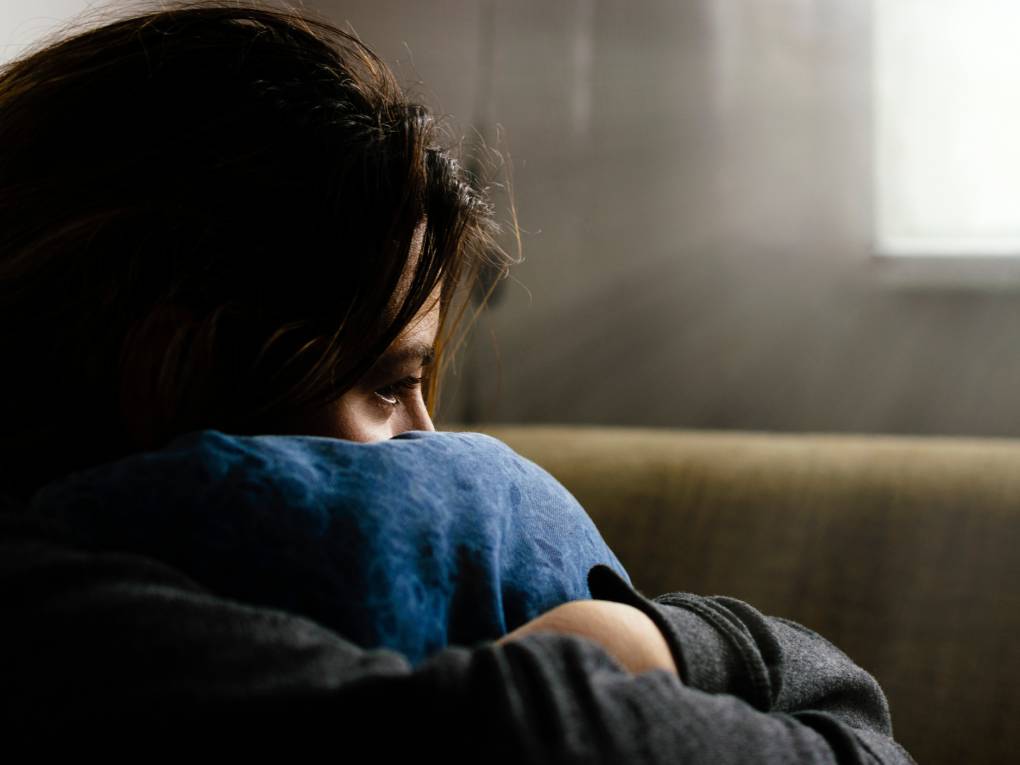
"caption": "Almost 60% of teen girls in the U.S. had depressive symptoms in the past year, according to new survey data published by the Centers for Disease Control and Prevention. And nearly 1 in 3 said they'd seriously considered suicide.",
"description": "Photo Taken In Oradea, Romania",
"title": null,
"credit": "Radu Bighian/EyeEm via Getty Images",
"status": "inherit",
"altTag": null,
"isLoading": false,
"fetchFailed": false
},
"mindshift_59380": {
"type": "attachments",
"id": "mindshift_59380",
"meta": {
"index": "attachments_1716263798",
"site": "mindshift",
"id": "59380",
"found": true
},
"parent": 59379,
"imgSizes": {
"twentyfourteen-full-width": {
"file": "https://ww2.kqed.org/app/uploads/sites/23/2022/05/mental-health-pandemic-final_slide-201e8baec2468d61999e7fc512467693857f3846-1038x576.jpg",
"width": 1038,
"mimeType": "image/jpeg",
"height": 576
},
"thumbnail": {
"file": "https://ww2.kqed.org/app/uploads/sites/23/2022/05/mental-health-pandemic-final_slide-201e8baec2468d61999e7fc512467693857f3846-160x107.jpg",
"width": 160,
"mimeType": "image/jpeg",
"height": 107
},
"post-thumbnail": {
"file": "https://ww2.kqed.org/app/uploads/sites/23/2022/05/mental-health-pandemic-final_slide-201e8baec2468d61999e7fc512467693857f3846-672x372.jpg",
"width": 672,
"mimeType": "image/jpeg",
"height": 372
},
"kqedFullSize": {
"file": "https://ww2.kqed.org/app/uploads/sites/23/2022/05/mental-health-pandemic-final_slide-201e8baec2468d61999e7fc512467693857f3846-scaled.jpg",
"width": 2560,
"height": 1707
},
"2048x2048": {
"file": "https://ww2.kqed.org/app/uploads/sites/23/2022/05/mental-health-pandemic-final_slide-201e8baec2468d61999e7fc512467693857f3846-2048x1365.jpg",
"width": 2048,
"mimeType": "image/jpeg",
"height": 1365
},
"large": {
"file": "https://ww2.kqed.org/app/uploads/sites/23/2022/05/mental-health-pandemic-final_slide-201e8baec2468d61999e7fc512467693857f3846-1020x680.jpg",
"width": 1020,
"mimeType": "image/jpeg",
"height": 680
},
"1536x1536": {
"file": "https://ww2.kqed.org/app/uploads/sites/23/2022/05/mental-health-pandemic-final_slide-201e8baec2468d61999e7fc512467693857f3846-1536x1024.jpg",
"width": 1536,
"mimeType": "image/jpeg",
"height": 1024
},
"full-width": {
"file": "https://ww2.kqed.org/app/uploads/sites/23/2022/05/mental-health-pandemic-final_slide-201e8baec2468d61999e7fc512467693857f3846-1920x1280.jpg",
"width": 1920,
"mimeType": "image/jpeg",
"height": 1280
},
"medium": {
"file": "https://ww2.kqed.org/app/uploads/sites/23/2022/05/mental-health-pandemic-final_slide-201e8baec2468d61999e7fc512467693857f3846-800x533.jpg",
"width": 800,
"mimeType": "image/jpeg",
"height": 533
},
"medium_large": {
"file": "https://ww2.kqed.org/app/uploads/sites/23/2022/05/mental-health-pandemic-final_slide-201e8baec2468d61999e7fc512467693857f3846-768x512.jpg",
"width": 768,
"mimeType": "image/jpeg",
"height": 512
}
},
"publishDate": 1652706622,
"modified": 1652706718,
"caption": null,
"description": null,
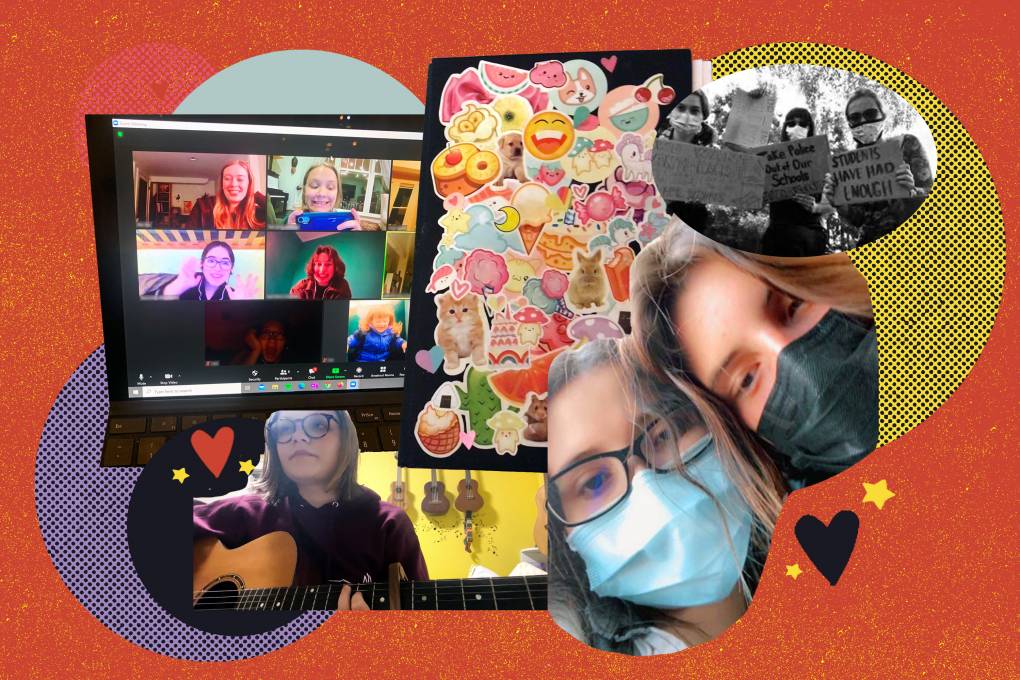
"title": "Mental health during the pandemic.",
"credit": "Photo collage by LA Johnson/NPR",
"status": "inherit",
"altTag": null,
"isLoading": false,
"fetchFailed": false
},
"mindshift_59302": {
"type": "attachments",
"id": "mindshift_59302",
"meta": {
"index": "attachments_1716263798",
"site": "mindshift",
"id": "59302",
"found": true
},
"parent": 59301,
"imgSizes": {
"twentyfourteen-full-width": {
"file": "https://ww2.kqed.org/app/uploads/sites/23/2022/04/spc-podcastkidsartboard-5-46735c52f339f042a1f5f43fef2dfd93e280addc-1038x576.jpg",
"width": 1038,
"mimeType": "image/jpeg",
"height": 576
},
"thumbnail": {
"file": "https://ww2.kqed.org/app/uploads/sites/23/2022/04/spc-podcastkidsartboard-5-46735c52f339f042a1f5f43fef2dfd93e280addc-160x120.jpg",
"width": 160,
"mimeType": "image/jpeg",
"height": 120
},
"post-thumbnail": {
"file": "https://ww2.kqed.org/app/uploads/sites/23/2022/04/spc-podcastkidsartboard-5-46735c52f339f042a1f5f43fef2dfd93e280addc-672x372.jpg",
"width": 672,
"mimeType": "image/jpeg",
"height": 372
},
"kqedFullSize": {
"file": "https://ww2.kqed.org/app/uploads/sites/23/2022/04/spc-podcastkidsartboard-5-46735c52f339f042a1f5f43fef2dfd93e280addc-scaled-e1650036170942.jpg",
"width": 1920,
"height": 1439
},
"2048x2048": {
"file": "https://ww2.kqed.org/app/uploads/sites/23/2022/04/spc-podcastkidsartboard-5-46735c52f339f042a1f5f43fef2dfd93e280addc-2048x1535.jpg",
"width": 2048,
"mimeType": "image/jpeg",
"height": 1535
},
"large": {
"file": "https://ww2.kqed.org/app/uploads/sites/23/2022/04/spc-podcastkidsartboard-5-46735c52f339f042a1f5f43fef2dfd93e280addc-1020x765.jpg",
"width": 1020,
"mimeType": "image/jpeg",
"height": 765
},
"1536x1536": {
"file": "https://ww2.kqed.org/app/uploads/sites/23/2022/04/spc-podcastkidsartboard-5-46735c52f339f042a1f5f43fef2dfd93e280addc-1536x1152.jpg",
"width": 1536,
"mimeType": "image/jpeg",
"height": 1152
},
"full-width": {
"file": "https://ww2.kqed.org/app/uploads/sites/23/2022/04/spc-podcastkidsartboard-5-46735c52f339f042a1f5f43fef2dfd93e280addc-1920x1439.jpg",
"width": 1920,
"mimeType": "image/jpeg",
"height": 1439
},
"medium": {
"file": "https://ww2.kqed.org/app/uploads/sites/23/2022/04/spc-podcastkidsartboard-5-46735c52f339f042a1f5f43fef2dfd93e280addc-800x600.jpg",
"width": 800,
"mimeType": "image/jpeg",
"height": 600
},
"medium_large": {
"file": "https://ww2.kqed.org/app/uploads/sites/23/2022/04/spc-podcastkidsartboard-5-46735c52f339f042a1f5f43fef2dfd93e280addc-768x576.jpg",
"width": 768,
"mimeType": "image/jpeg",
"height": 576
}
},
"publishDate": 1650036031,
"modified": 1650036192,
"caption": null,
"description": null,
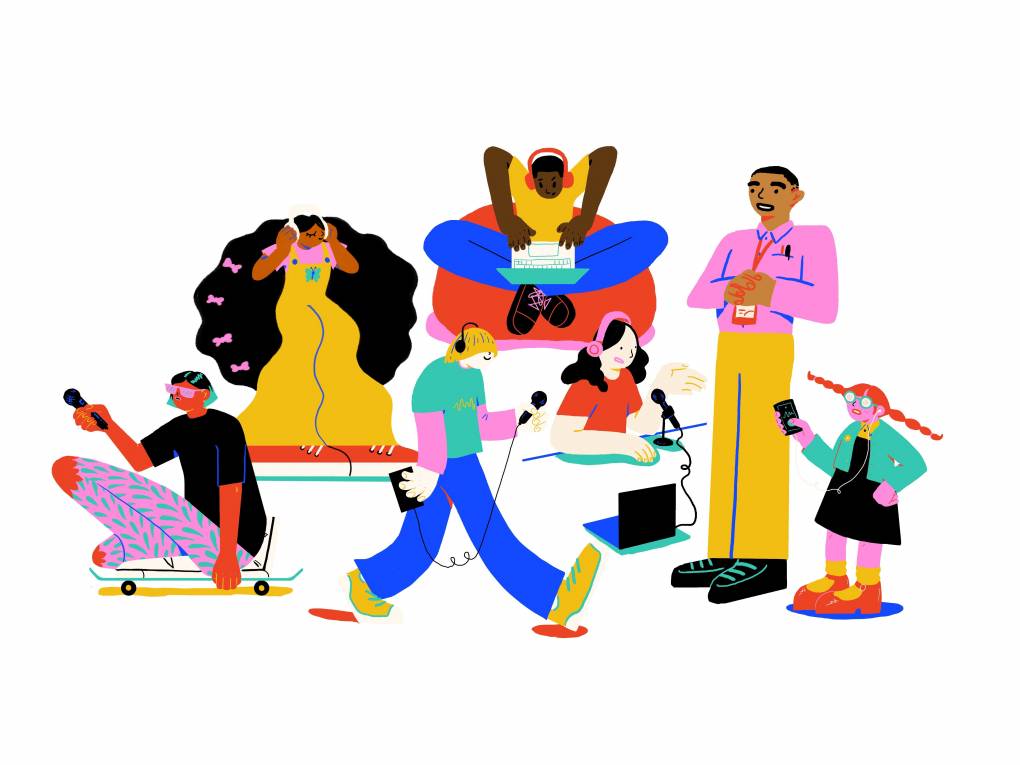
"title": "Colorful illustration of student podcasters — some using headphones, others holding microphones.",
"credit": "LA Johnson",
"status": "inherit",
"altTag": null,
"isLoading": false,
"fetchFailed": false
},
"mindshift_58975": {
"type": "attachments",
"id": "mindshift_58975",
"meta": {
"index": "attachments_1716263798",
"site": "mindshift",
"id": "58975",
"found": true
},
"parent": 58972,
"imgSizes": {
"twentyfourteen-full-width": {
"file": "https://ww2.kqed.org/app/uploads/sites/23/2022/01/IMG_20201231_121902_mh1627255188496-1038x576.jpg",
"width": 1038,
"mimeType": "image/jpeg",
"height": 576
},
"thumbnail": {
"file": "https://ww2.kqed.org/app/uploads/sites/23/2022/01/IMG_20201231_121902_mh1627255188496-160x90.jpg",
"width": 160,
"mimeType": "image/jpeg",
"height": 90
},
"post-thumbnail": {
"file": "https://ww2.kqed.org/app/uploads/sites/23/2022/01/IMG_20201231_121902_mh1627255188496-672x372.jpg",
"width": 672,
"mimeType": "image/jpeg",
"height": 372
},
"kqedFullSize": {
"file": "https://ww2.kqed.org/app/uploads/sites/23/2022/01/IMG_20201231_121902_mh1627255188496-scaled-e1642993964317.jpg",
"width": 1920,
"height": 1080
},
"2048x2048": {
"file": "https://ww2.kqed.org/app/uploads/sites/23/2022/01/IMG_20201231_121902_mh1627255188496-2048x1152.jpg",
"width": 2048,
"mimeType": "image/jpeg",
"height": 1152
},
"large": {
"file": "https://ww2.kqed.org/app/uploads/sites/23/2022/01/IMG_20201231_121902_mh1627255188496-1020x574.jpg",
"width": 1020,
"mimeType": "image/jpeg",
"height": 574
},
"1536x1536": {
"file": "https://ww2.kqed.org/app/uploads/sites/23/2022/01/IMG_20201231_121902_mh1627255188496-1536x864.jpg",
"width": 1536,
"mimeType": "image/jpeg",
"height": 864
},
"full-width": {
"file": "https://ww2.kqed.org/app/uploads/sites/23/2022/01/IMG_20201231_121902_mh1627255188496-1920x1080.jpg",
"width": 1920,
"mimeType": "image/jpeg",
"height": 1080
},
"medium": {
"file": "https://ww2.kqed.org/app/uploads/sites/23/2022/01/IMG_20201231_121902_mh1627255188496-800x450.jpg",
"width": 800,
"mimeType": "image/jpeg",
"height": 450
},
"medium_large": {
"file": "https://ww2.kqed.org/app/uploads/sites/23/2022/01/IMG_20201231_121902_mh1627255188496-768x432.jpg",
"width": 768,
"mimeType": "image/jpeg",
"height": 432
}
},
"publishDate": 1642993722,
"modified": 1642994736,
"caption": "Student Melody Dao created the \"Study Break\" podcast during the pandemic as she was reassessing what was important to her. ",
"description": null,
"title": "IMG_20201231_121902_mh1627255188496",
"credit": null,
"status": "inherit",
"altTag": null,
"isLoading": false,
"fetchFailed": false
},
"mindshift_58694": {
"type": "attachments",
"id": "mindshift_58694",
"meta": {
"index": "attachments_1716263798",
"site": "mindshift",
"id": "58694",
"found": true
},
"parent": 58693,
"imgSizes": {
"twentyfourteen-full-width": {
"file": "https://ww2.kqed.org/app/uploads/sites/23/2021/10/gettyimages-1234979403_slide-9b4f70a6e8292953e9529e0ad68f7a4157a91b45-1038x576.jpg",
"width": 1038,
"mimeType": "image/jpeg",
"height": 576
},
"thumbnail": {
"file": "https://ww2.kqed.org/app/uploads/sites/23/2021/10/gettyimages-1234979403_slide-9b4f70a6e8292953e9529e0ad68f7a4157a91b45-160x107.jpg",
"width": 160,
"mimeType": "image/jpeg",
"height": 107
},
"post-thumbnail": {
"file": "https://ww2.kqed.org/app/uploads/sites/23/2021/10/gettyimages-1234979403_slide-9b4f70a6e8292953e9529e0ad68f7a4157a91b45-672x372.jpg",
"width": 672,
"mimeType": "image/jpeg",
"height": 372
},
"kqedFullSize": {
"file": "https://ww2.kqed.org/app/uploads/sites/23/2021/10/gettyimages-1234979403_slide-9b4f70a6e8292953e9529e0ad68f7a4157a91b45-scaled-e1635398167635.jpg",
"width": 1920,
"height": 1280
},
"2048x2048": {
"file": "https://ww2.kqed.org/app/uploads/sites/23/2021/10/gettyimages-1234979403_slide-9b4f70a6e8292953e9529e0ad68f7a4157a91b45-2048x1365.jpg",
"width": 2048,
"mimeType": "image/jpeg",
"height": 1365
},
"large": {
"file": "https://ww2.kqed.org/app/uploads/sites/23/2021/10/gettyimages-1234979403_slide-9b4f70a6e8292953e9529e0ad68f7a4157a91b45-1020x680.jpg",
"width": 1020,
"mimeType": "image/jpeg",
"height": 680
},
"1536x1536": {
"file": "https://ww2.kqed.org/app/uploads/sites/23/2021/10/gettyimages-1234979403_slide-9b4f70a6e8292953e9529e0ad68f7a4157a91b45-1536x1024.jpg",
"width": 1536,
"mimeType": "image/jpeg",
"height": 1024
},
"full-width": {
"file": "https://ww2.kqed.org/app/uploads/sites/23/2021/10/gettyimages-1234979403_slide-9b4f70a6e8292953e9529e0ad68f7a4157a91b45-1920x1280.jpg",
"width": 1920,
"mimeType": "image/jpeg",
"height": 1280
},
"medium": {
"file": "https://ww2.kqed.org/app/uploads/sites/23/2021/10/gettyimages-1234979403_slide-9b4f70a6e8292953e9529e0ad68f7a4157a91b45-800x533.jpg",
"width": 800,
"mimeType": "image/jpeg",
"height": 533
},
"medium_large": {
"file": "https://ww2.kqed.org/app/uploads/sites/23/2021/10/gettyimages-1234979403_slide-9b4f70a6e8292953e9529e0ad68f7a4157a91b45-768x512.jpg",
"width": 768,
"mimeType": "image/jpeg",
"height": 512
}
},
"publishDate": 1635398145,
"modified": 1635398183,
"caption": "A majority of students at Los Angeles City College, the United States' largest community college district, are continuing with online classes for this fall semester in Los Angeles.\n",
"description": null,
"title": "A majority of students at Los Angeles City College, the United States' largest community college district, are continuing with online classes for this fall semester in Los Angeles.",
"credit": "Al Seib/Los Angeles Times via Getty Images",
"status": "inherit",
"altTag": null,
"isLoading": false,
"fetchFailed": false
}
},
"audioPlayerReducer": {
"postId": "stream_live",
"isPaused": true,
"isPlaying": false,
"pfsActive": false,
"pledgeModalIsOpen": true,
"playerDrawerIsOpen": false,
"liveAudioPlayStartedAt": 0,
"liveAudioPlayContext": ""
},
"authorsReducer": {
"byline_mindshift_62004": {
"type": "authors",
"id": "byline_mindshift_62004",
"meta": {
"override": true
},
"slug": "byline_mindshift_62004",
"name": "Michaeleen Doucleff",
"isLoading": false
},
"byline_mindshift_61877": {
"type": "authors",
"id": "byline_mindshift_61877",
"meta": {
"override": true
},
"slug": "byline_mindshift_61877",
"name": "Cory Turner, Lauren Migaki, Janet W. Lee",
"isLoading": false
},
"byline_mindshift_61671": {
"type": "authors",
"id": "byline_mindshift_61671",
"meta": {
"override": true
},
"slug": "byline_mindshift_61671",
"name": "Michaeleen Doucleff",
"isLoading": false
},
"byline_mindshift_61345": {
"type": "authors",
"id": "byline_mindshift_61345",
"meta": {
"override": true
},
"slug": "byline_mindshift_61345",
"name": "Stephanie Daniel",
"isLoading": false
},
"byline_mindshift_61026": {
"type": "authors",
"id": "byline_mindshift_61026",
"meta": {
"override": true
},
"slug": "byline_mindshift_61026",
"name": "Cory Turner",
"isLoading": false
},
"byline_mindshift_61031": {
"type": "authors",
"id": "byline_mindshift_61031",
"meta": {
"override": true
},
"slug": "byline_mindshift_61031",
"name": "Rhitu Chatterjee",
"isLoading": false
},
"byline_mindshift_59379": {
"type": "authors",
"id": "byline_mindshift_59379",
"meta": {
"override": true
},
"slug": "byline_mindshift_59379",
"name": "Anya Steinberg",
"isLoading": false
},
"byline_mindshift_59301": {
"type": "authors",
"id": "byline_mindshift_59301",
"meta": {
"override": true
},
"slug": "byline_mindshift_59301",
"name": "Eda Uzunlar",
"isLoading": false
},
"byline_mindshift_58693": {
"type": "authors",
"id": "byline_mindshift_58693",
"meta": {
"override": true
},
"slug": "byline_mindshift_58693",
"name": "Elissa Nadworny ",
"isLoading": false
},
"lindaflan": {
"type": "authors",
"id": "4613",
"meta": {
"index": "authors_1716337520",
"id": "4613",
"found": true
},
"name": "Linda Flanagan",
"firstName": "Linda",
"lastName": "Flanagan",
"slug": "lindaflan",
"email": "lindaflan@comcast.net",
"display_author_email": false,
"staff_mastheads": [],
"title": null,
"bio": "Linda Flanagan is a freelance writer, researcher, and editor. Her work has appeared in The Atlantic, The Wall St. Journal, Newsweek, Running Times, and Mind/Shift, and she blogs regularly for the Huffington Post. Linda writes about education, culture, athletics, youth sports, mental health, politics, college admissions, and other curiosities. She also reviews books and conducts interviews.",
"avatar": "https://secure.gravatar.com/avatar/6bca04c0736bf5eaea80654019de688f?s=600&d=blank&r=g",
"twitter": "LindaFlanagan2",
"facebook": null,
"instagram": null,
"linkedin": null,
"sites": [
{
"site": "mindshift",
"roles": [
"contributor"
]
}
],
"headData": {
"title": "Linda Flanagan | KQED",
"description": null,
"ogImgSrc": "https://secure.gravatar.com/avatar/6bca04c0736bf5eaea80654019de688f?s=600&d=blank&r=g",
"twImgSrc": "https://secure.gravatar.com/avatar/6bca04c0736bf5eaea80654019de688f?s=600&d=blank&r=g"
},
"isLoading": false,
"link": "/author/lindaflan"
},
"csmith": {
"type": "authors",
"id": "11603",
"meta": {
"index": "authors_1716337520",
"id": "11603",
"found": true
},
"name": "Caroline Smith",
"firstName": "Caroline",
"lastName": "Smith",
"slug": "csmith",
"email": "csmith@kqed.org",
"display_author_email": true,
"staff_mastheads": [
"news"
],
"title": "Producer, Forum",
"bio": "Caroline Smith is a producer for \u003cem>Forum\u003c/em>, producing more than 500 segments since joining the team in 2019 as an intern. From the Bay Area, Smith graduated with a B.A. in Rhetoric from UC Berkeley and is an alumnus of \u003cem>The Daily Californian.\u003c/em> They have received multiple San Francisco Press Club awards, a Fulbright scholarship and the ICFJ's Arthur F. Burns Fellowship, through which they reported from Berlin for one of Germany's largest national newspapers.",
"avatar": "https://secure.gravatar.com/avatar/191832bcd9809e2c67810a34b813b4b6c43fcba15f499f526da57b7161b4c778?s=600&d=blank&r=g",
"twitter": null,
"bluesky": null,
"facebook": null,
"instagram": null,
"linkedin": null,
"sites": [
{
"site": "arts",
"roles": [
"editor"
]
},
{
"site": "news",
"roles": [
"author"
]
},
{
"site": "mindshift",
"roles": [
"editor"
]
},
{
"site": "forum",
"roles": [
"administrator"
]
},
{
"site": "perspectives",
"roles": [
"editor"
]
}
],
"headData": {
"title": "Caroline Smith | KQED",
"description": "Producer, Forum",
"ogImgSrc": "https://secure.gravatar.com/avatar/191832bcd9809e2c67810a34b813b4b6c43fcba15f499f526da57b7161b4c778?s=600&d=blank&r=g",
"twImgSrc": "https://secure.gravatar.com/avatar/191832bcd9809e2c67810a34b813b4b6c43fcba15f499f526da57b7161b4c778?s=600&d=blank&r=g"
},
"isLoading": false,
"link": "/author/csmith"
},
"ngobir": {
"type": "authors",
"id": "11721",
"meta": {
"index": "authors_1716337520",
"id": "11721",
"found": true
},
"name": "Nimah Gobir",
"firstName": "Nimah",
"lastName": "Gobir",
"slug": "ngobir",
"email": "ngobir@kqed.org",
"display_author_email": false,
"staff_mastheads": [],
"title": "KQED Contributor",
"bio": null,
"avatar": "https://secure.gravatar.com/avatar/837f5df7045c59f3ec097cdf7ac391373ab75d5ec936dd7099b8cb6f0af1b0e9?s=600&d=blank&r=g",
"twitter": null,
"bluesky": null,
"facebook": null,
"instagram": null,
"linkedin": null,
"sites": [
{
"site": "mindshift",
"roles": [
"editor"
]
}
],
"headData": {
"title": "Nimah Gobir | KQED",
"description": "KQED Contributor",
"ogImgSrc": "https://secure.gravatar.com/avatar/837f5df7045c59f3ec097cdf7ac391373ab75d5ec936dd7099b8cb6f0af1b0e9?s=600&d=blank&r=g",
"twImgSrc": "https://secure.gravatar.com/avatar/837f5df7045c59f3ec097cdf7ac391373ab75d5ec936dd7099b8cb6f0af1b0e9?s=600&d=blank&r=g"
},
"isLoading": false,
"link": "/author/ngobir"
}
},
"pagesReducer": {
"mindshift_category_teenage-years": {
"type": "terms",
"id": "mindshift_20874",
"meta": {
"index": "terms_1716263798",
"site": "mindshift",
"id": "20874",
"score": 14.406026
},
"featImg": null,
"name": "Teenage Years",
"description": null,
"taxonomy": "category",
"headData": {
"twImgId": null,
"twTitle": null,
"ogTitle": null,
"ogImgId": null,
"twDescription": null,
"description": null,
"title": "Teenage Years Archives | KQED Mindshift",
"ogDescription": null
},
"ttid": 20152,
"slug": "teenage-years",
"isLoading": false,
"title": "Teenage Years",
"pageMeta": {
"site": "mindshift",
"WpPageTemplate": "page-topic-editorial",
"currentPage": 2
},
"blocks": [
{
"blockName": "kqed/post-list",
"attrs": {
"layout": "cardArticle2",
"query": "posts/mindshift?category=teenage-years",
"seeMore": false,
"paginated": true,
"page": 2
}
},
{
"blockName": "kqed/ad"
}
]
}
},
"pfsSessionReducer": {},
"postsReducer": {
"stream_live": {
"type": "live",
"id": "stream_live",
"audioUrl": "https://streams.kqed.org/kqedradio",
"title": "Live Stream",
"excerpt": "Live Stream information currently unavailable.",
"link": "/radio",
"featImg": "",
"label": {
"name": "KQED Live",
"link": "/"
}
},
"stream_kqedNewscast": {
"type": "posts",
"id": "stream_kqedNewscast",
"audioUrl": "https://www.kqed.org/.stream/anon/radio/RDnews/newscast.mp3?_=1",
"title": "KQED Newscast",
"featImg": "",
"label": {
"name": "88.5 FM",
"link": "/"
}
},
"mindshift_62163": {
"type": "posts",
"id": "mindshift_62163",
"meta": {
"index": "posts_1716263798",
"site": "mindshift",
"id": "62163",
"score": null,
"sort": [
1692095441000
]
},
"guestAuthors": [],
"slug": "are-dress-codes-fair-how-one-middle-school-transformed-its-rules-for-what-students-wear",
"title": "Are Dress Codes Fair? How One Middle School Transformed Its Rules for What Students Wear",
"publishDate": 1692095441,
"format": "audio",
"headTitle": "Are Dress Codes Fair? How One Middle School Transformed Its Rules for What Students Wear | KQED",
"labelTerm": {
"term": 21942,
"site": "mindshift"
},
"content": "\u003cp>\u003ca href=\"#episode-transcript\">\u003ci>\u003cspan style=\"font-weight: 400\">View the full episode transcript.\u003c/span>\u003c/i>\u003c/a>\u003c/p>\n\u003cp>\u003cspan style=\"font-weight: 400\">In 2018, following the reveal of a new dress code, students enthusiastically showed up to Alice Deal Middle School in spaghetti straps, flip flops and short hemlines. “It was just on parade,” said Principal Diedre Neal about students’ attire. With time, the strappy, short outfits leveled off. Neal said that while \u003c/span>\u003ca href=\"https://www.kqed.org/mindshift/59687/middle-schoolers-are-social-what-opportunity-does-that-create-for-learning\">\u003cspan style=\"font-weight: 400\">adolescents revel in novelty\u003c/span>\u003c/a>\u003cspan style=\"font-weight: 400\">, their desire to be comfortable won out in the end: “They ran out of completely outrageous things. The completely outrageous things are also not comfortable or feasible.” \u003c/span>\u003c/p>\n\u003cp>\u003cspan style=\"font-weight: 400\">The decision to reevaluate the dress code arose from the realization that the existing policies were no longer aligned with the needs of the students at Alice Deal, a public middle school in Washington, D.C. Prior to the change, students were pulled out of class if their outfits violated the school dress code. “They had their work. They were engaging. They were learning,” said Neal. “And we took them away from their learning to have a conversation about what they were wearing.” For instance, Zya Kinney, now 23, remembered getting pulled out of class by a teacher and being asked to do the “fingertip test” — a practice where students put their hand by their sides to see if the hemline of their shorts or skirts pass their fingertips. When Kinney’s skirt did not pass her fingertips, she had to change into her gym shorts. “I had to go back to that classroom,” said Kinney, who described herself as an insecure middle schooler. “That is embarrassing.”\u003c/span>\u003c/p>\n\u003cp>\u003cspan style=\"font-weight: 400\">To reshape the policy in a way that truly supported student learning and wellbeing, Neal embraced a school-wide approach. She knew that for an updated dress code to be successful and work for learners, it required the active involvement from the students and community members it would impact.\u003c/span>\u003c/p>\n\u003ch2>\u003cb>Identify the gaps\u003c/b>\u003c/h2>\n\u003cp>\u003cspan style=\"font-weight: 400\">The catalyst for changing the dress code at Alice Deal came in the form of a \u003c/span>\u003ca href=\"https://nwlc.org/wp-content/uploads/2018/04/5.1web_Final_nwlc_DressCodeReport.pdf\">\u003cspan style=\"font-weight: 400\">dress code report\u003c/span>\u003c/a>\u003cspan style=\"font-weight: 400\"> written by Nia Evans from the National Women’s Law Center (NWLC) and a group of students in 2018. The report brought to light the discriminatory and harmful effects of dress code policies at schools in D.C. Evans’ research focused on school pushout — when schools use \u003c/span>\u003ca href=\"https://www.kqed.org/mindshift/58817/how-changing-schools-culture-of-discipline-paves-the-way-for-inclusivity\">\u003cspan style=\"font-weight: 400\">exclusionary discipline practices\u003c/span>\u003c/a>\u003cspan style=\"font-weight: 400\"> that result in students leaving school altogether. “What we found in conversations with students, parents and teachers was that dress codes were consistently coming up as a massive contributor to school push out,” Evans said. \u003c/span>\u003c/p>\n\u003cp>[ad fullwidth]\u003c/p>\n\u003cp>\u003cspan style=\"font-weight: 400\">She recruited over 20 young people ages 12 to 18 to research dress codes with her and produce a report on dress codes featuring the twelve schools they collectively attended in DC. Their findings exposed gender and race stereotypes within dress code policies. “They were using language saying girls need to cover up to avoid distracting boys or Black girls can’t wear head wraps because it’s unprofessional or it’s not neat,” said Evans.These policies resulted in harsh punishments ranging from disrupting classroom time to suspensions. According to a Government Accountability Office \u003c/span>\u003ca href=\"https://www.gao.gov/products/gao-23-105348\">\u003cspan style=\"font-weight: 400\">report\u003c/span>\u003c/a>\u003cspan style=\"font-weight: 400\">, 90% of dress codes have policies that dictate what girls can wear. The NWLC found that Black girls, who had the highest suspension rate in the country compared to white girls, were being unfairly targeted by school dress codes. \u003c/span>\u003c/p>\n\u003cp>\u003cspan style=\"font-weight: 400\">Uniforms, which are lauded as a way to reduce the appearance of economic disparity, proved to be an imperfect solution. Nearly 20% of the nation’s public schools and preschools require uniforms, according to the \u003c/span>\u003ca href=\"https://nces.ed.gov/programs/digest/d21/tables/dt21_233.60.asp\">\u003cspan style=\"font-weight: 400\">National Center for Education Statistics\u003c/span>\u003c/a>\u003cspan style=\"font-weight: 400\">. Over the course of their research, students found that uniforms, often sold at specific stores, can become a financial burden for many families. They can also be limiting from a developmental standpoint. “You’re taking an opportunity away from students to be able to express themselves,” Evans said. The student researchers found that uniforms can alienate non-binary students. “We are enforcing what we think girls should look like and what boys should look like. We’re not creating a lot of space for any type of spectrum,” Evans added.\u003c/span>\u003c/p>\n\u003cp>\u003cspan style=\"font-weight: 400\">The student researchers proposed solutions for school leaders looking to improve their dress codes. They recommended the creation of dress code task forces, made up of teachers, administrators, parents, and students, to discuss whether a school’s dress code achieved the intended goals. They emphasized the importance of, allowing students to express their authentic selves, including cultural representations like headwraps and Black hairstyles. Additionally, students called for gender-neutral dress codes that didn’t require students to have to wear specific clothes because of their gender identity. They also suggested taking out vague language such as ‘distracting’ or ‘inappropriate’ from dress code policies, as it often leaves room for teacher bias and subjective interpretation.\u003c/span>\u003c/p>\n\u003ch2>\u003cb>Collaboration and communication\u003c/b>\u003c/h2>\n\u003cp>\u003cspan style=\"font-weight: 400\">At Alice Deal, Principal Neal partnered with parent Deborah Zerwitz to get input from students and families before changing the dress code. Zerwitz drew insights from the NWLC report, as well as from \u003c/span>\u003ca href=\"https://www.today.com/style/high-school-changes-dress-code-promote-body-positivity-t115656\">\u003cspan style=\"font-weight: 400\">student-centered practices from Evanston Township High School in Illinois\u003c/span>\u003c/a>\u003cspan style=\"font-weight: 400\">, a school that had changed their dress code the year prior. Recognizing the need to foster a respectful and equitable learning environment, Evanston Township engaged in collaborative discussions involving students, parents, teachers, and administrators to redefine their dress code guidelines. \u003c/span>\u003c/p>\n\u003cp>\u003cspan style=\"font-weight: 400\">Neal let parents know in her weekly newsletter that they could attend four listening sessions for students, parents and administrators to voice their ideas and opinions on the dress code. Listening sessions were offered at various times and locations on and off the school campus to make them as accessible as possible. To gather even more student feedback, Zerwitz put up poster boards outside of the school cafeteria with questions like:\u003c/span>\u003c/p>\n\u003cul>\n\u003cli style=\"font-weight: 400\">\u003cspan style=\"font-weight: 400\">“What changes would you make to the dress code?”\u003c/span>\u003c/li>\n\u003cli style=\"font-weight: 400\">\u003cspan style=\"font-weight: 400\">“What do you think about school uniforms?”\u003c/span>\u003c/li>\n\u003cli style=\"font-weight: 400\">\u003cspan style=\"font-weight: 400\">“What should the consequences be for violating a dress code?”\u003c/span>\u003c/li>\n\u003c/ul>\n\u003cp>\u003cspan style=\"font-weight: 400\">Students could stick post-it notes to the board with their answers or place anonymous ideas in a shoebox with a slot in it.. \u003c/span>\u003c/p>\n\u003cp>\u003cspan style=\"font-weight: 400\">Additionally, Neal and Zerwitz created a task force made up of student and parent volunteers. “Somebody’s got to put pen to paper at some point,” said Zerwitz. “We were trying to identify a core group of people that will actually take all this information and distill it.” The task force used the feedback from the listening sessions and posters to create the new dress code.\u003c/span>\u003c/p>\n\u003cp>\u003c!-- iframe plugin v.4.3 wordpress.org/plugins/iframe/ -->\u003cbr>\n\u003ciframe loading=\"lazy\" frameborder=\"0\" height=\"200\" scrolling=\"no\" src=\"https://playlist.megaphone.fm/?e=KQINC9608676364&light=true\" width=\"100%\" class=\"iframe-class\">\u003c/iframe>\u003cbr>\n\u003cspan class=\"c-message__edited_label\" dir=\"ltr\" data-sk=\"tooltip_parent\"> \u003c/span>\u003c/p>\n\u003ch2>\u003cb>Empowering students and redefining dress code policies\u003c/b>\u003c/h2>\n\u003cp>\u003cspan style=\"font-weight: 400\">Zerwitz and Neal received diverse feedback about the dress code, with students, particularly girls, expressing their desire to be heard and understood. “They wanted to say how it was making them feel. And they felt awkward. They felt like, ‘Why are these grown ups looking at me every morning and telling me something’s wrong?” Zerwitz said.\u003c/span>\u003c/p>\n\u003cp>\u003cspan style=\"font-weight: 400\">The consensus from teachers was that they did not like spending time enforcing the dress code. However, some teachers — usually older teachers, Zerwitz said — tended to think the students should dress professionally for school and were in favor of a strict dress code. \u003c/span>\u003c/p>\n\u003cp>\u003cspan style=\"font-weight: 400\">Among parents, safety concerns surfaced. For example, a parent of two Black boys said that she likes using the dress code policies as a reason her son cannot wear hoodies to school. Citing concerns about stereotypes and racial profiling, especially considering incidents like the 2012 killing of Trayvon Martin, the parent explained that she could “breathe a little bit easier when my two Black sons leave the house and they’re not wearing a hood.”\u003c/span>\u003c/p>\n\u003cp>\u003cspan style=\"font-weight: 400\">With support from the NWLC, Neal, Zerwitz and the task force members worked through these tensions. “Sometimes in wanting to protect our young people, we end up reinforcing the very inequalities that the world puts on them,” said Evans. “The solution to sexual harassment isn’t to get girls to cover up. The solution to police violence and racist violence is not to punish Black boys for wearing hoodies.”\u003c/span>\u003c/p>\n\u003ch2>\u003cb>Long-term benefits and impact\u003c/b>\u003c/h2>\n\u003cp>\u003cspan style=\"font-weight: 400\">The results of the schoolwide effort to change the dress code came at the end of the 2017-18 school year when Alice Deal Middle School introduced a revised, gender non-specific and relaxed dress code. Students were required to cover the core of their bodies with opaque fabric, but there was greater flexibility with articles like crop tops and hoodies. Importantly, teachers were advised not to remove students from class if they violated the dress code. Principal Neal saw a decrease in dress code-related disciplinary actions. Students reported feeling more comfortable expressing their identities, which is\u003c/span>\u003ca href=\"https://www.kqed.org/mindshift/59008/5-strategies-for-developing-a-school-wide-culture-of-healing\">\u003cspan style=\"font-weight: 400\"> associated with overall well-being\u003c/span>\u003c/a>\u003cspan style=\"font-weight: 400\">. \u003c/span>\u003c/p>\n\u003cp>\u003cspan style=\"font-weight: 400\">Despite the positive changes, in interviews last year, some students reported that certain staff members still commented on what they wore. “We’re still working with staff,” said Neal. “I need to check with students and see if people are dress coding them.”\u003c/span>\u003c/p>\n\u003cp>\u003cspan style=\"font-weight: 400\">The journey to a new dress code was a source of pride for students. In a graduation shortly after the revised dress code was implemented, Zerwitz listened to a student speaker talk about how the class collectively achieved this transformation. It was evident to Zerwitz that the students understood the power of their voices and felt empowered by the impact they had at their school. “Those kids — all of the ones that came to the listening sessions or wrote a note in the little box or whatever — all of them contributed in some way to this,” said Zerwitz. “And, hopefully, [they went to high school] knowing that their voice matters.”\u003c/span>\u003c/p>\n\u003ch2 id=\"episode-transcript\">Episode Transcript\u003c/h2>\n\u003cp>\u003cem>This is a computer-generated transcript. While our team has reviewed it, there may be errors.\u003c/em>\u003c/p>\n\u003cp>\u003cb>Nimah Gobir:\u003c/b>\u003cspan style=\"font-weight: 400\"> Welcome to MindShift. Where we explore the future of learning and how we raise our kids. I’m Nimah Gobir.\u003c/span>\u003c/p>\n\u003cp>\u003cb>Nimah Gobir: \u003c/b>\u003cspan style=\"font-weight: 400\">Every day, when students get ready in the morning, they are faced with a challenge: [dramatic music] deciding what to wear to school that day.\u003c/span>\u003c/p>\n\u003cp>\u003cb>Nimah Gobir:\u003c/b>\u003cspan style=\"font-weight: 400\"> They have to weigh a lot of factors. Like…What makes me feel comfortable? What’s the weather outside? And maybe even What will my crush in 3rd period think about my fit?\u003c/span>\u003cspan style=\"font-weight: 400\"> \u003c/span>\u003c/p>\n\u003cp>\u003cb>Nimah Gobir: \u003c/b>\u003cspan style=\"font-weight: 400\">In 7th grade, when Zya Kinney was in her favorite outfit, you couldn’t tell her nothing.\u003c/span>\u003c/p>\n\u003cp>\u003cb>Zya Kinney: \u003c/b>\u003cspan style=\"font-weight: 400\">I wore my red skirt with a spaghetti strap kind of tank top – And I had no leggings on. I was feeling myself! \u003c/span>\u003c/p>\n\u003cp>\u003cb>Nimah Gobir:\u003c/b>\u003cspan style=\"font-weight: 400\"> Zya’s twenty-three now. She was talking about when she was a student at Alice Deal Middle School in Washington, DC. It was ten years ago, but she remembers how putting on the perfect outfit could make her feel good about herself.\u003c/span>\u003cspan style=\"font-weight: 400\"> \u003c/span>\u003c/p>\n\u003cp>\u003cb>Zya Kinney:\u003c/b>\u003cspan style=\"font-weight: 400\"> I would just put on whatever was comfortable and whatever was like kind of cute. And i would have my little pop out moments here and there.\u003c/span>\u003c/p>\n\u003cp>\u003cb>Nimah Gobir:\u003c/b>\u003cspan style=\"font-weight: 400\"> One of the reasons Zya remembers the outfit she wore is because it was the day she got dress coded. \u003c/span>\u003c/p>\n\u003cp>\u003cb>Nimah Gobir: \u003c/b>\u003cspan style=\"font-weight: 400\">That means she was in violation of the school’s rules that dictate what students should and should not wear. There’s usually language about visible skin, footwear and even hair in some cases. Most schools have them, but they can be flawed.\u003c/span>\u003c/p>\n\u003cp>\u003cb>Leora Tanenbaum:\u003c/b>\u003cspan style=\"font-weight: 400\"> The big irony, of course, that lies at the heart of school dress codes is that they are drafted with the intention of eliminating distraction and helping learners. But the opposite actually happens in the end because learners themselves are targeted and therefore they are unable to focus on learning. \u003c/span>\u003c/p>\n\u003cp>\u003cb>Nimah Gobir: \u003c/b>\u003cspan style=\"font-weight: 400\">That’s writer and researcher Leora Tanenbaum. She also calls out dress code incidents on her Instagram. \u003c/span>\u003c/p>\n\u003cp>\u003cb>Leora Tanenbaum:\u003c/b>\u003cspan style=\"font-weight: 400\"> Where they go wrong is when they are gendered. When the codes are created with a presupposition that girls’ bodies pose a distraction to other learners and therefore girls’ bodies need to be covered up in a specific way. And therefore the dress code is drafted in a way that has different language and different rules depending on one’s gender.\u003c/span>\u003c/p>\n\u003cp>\u003cb>Nimah Gobir:\u003c/b>\u003cspan style=\"font-weight: 400\"> If you violate the dress code, a teacher might call you over to talk with you privately about your clothes or you’ll be sent to the principal’s office. You might have to do the fingertip test where you put your hands by your sides and see if your skirt or shorts go past your fingertips.\u003c/span>\u003c/p>\n\u003cp>\u003cb>Leora Tanenbaum:\u003c/b>\u003cspan style=\"font-weight: 400\"> It embarrasses the student. It makes her all of a sudden very aware of her physicality in a way that she may not have been at all. The teacher might assume she was aware of her physicality but you can’t assume that.\u003c/span>\u003c/p>\n\u003cp>\u003cb>Nimah Gobir: \u003c/b>\u003cspan style=\"font-weight: 400\">Zya was in class when she got dress coded. \u003c/span>\u003c/p>\n\u003cp>\u003cb>Zya Kinney: \u003c/b>\u003cspan style=\"font-weight: 400\">My teacher gave us some work to do. Like just busy work or whatever. And she’s like, ‘Can I talk to you, you know, outside the classroom?’ You know, I think I’m not even thinking it has something to do with my outfit. She said ” Your skirt is too short.” \u003c/span>\u003c/p>\n\u003cp>\u003cb>Nimah Gobir:\u003c/b>\u003cspan style=\"font-weight: 400\"> When Zya put her hands at her sides, her middle fingertips were just barely past her skirt!\u003c/span>\u003c/p>\n\u003cp>\u003cb>Zya Kinney:\u003c/b>\u003cspan style=\"font-weight: 400\"> and, do you know, they made me change it to my gym shorts? I’m walking around here, cute up top, gym down, down…down below, like I’m not looking the same. And I remember being so upset about it because it’s like, Why are you sexualizing a seventh grader? \u003c/span>\u003c/p>\n\u003cp>\u003cb>Nimah Gobir:\u003c/b>\u003cspan style=\"font-weight: 400\"> To her, it was so much more than having to change clothes. She was trying to fit in and be confident and her school basically told her that she was doing it wrong.\u003c/span>\u003c/p>\n\u003cp>\u003cb>Zya Kinney:\u003c/b>\u003cspan style=\"font-weight: 400\"> I can’t lie and tell you that the popular girls weren’t wearing the skirts and had all the new things. They had the accessories. They had like three different book bags in rotation when I had just the one backpack. And I definitely remember seeing the difference in attention that they would get from guys and stuff like that, and then even their girlfriends. Like I felt like they were always the ones that you chose for stuff or, you know, they were like the most likable people and everything. And while I was, I was okay with myself, but I was also really insecure too. [00:07:01][19.3]\u003c/span>\u003c/p>\n\u003cp>\u003cb>Nimah Gobir:\u003c/b>\u003cspan style=\"font-weight: 400\"> Zya, who’s Black, also noticed something else about the dress codes… \u003c/span>\u003cspan style=\"font-weight: 400\"> \u003c/span>\u003c/p>\n\u003cp>\u003cb>Zya Kinney: \u003c/b>\u003cspan style=\"font-weight: 400\">It wasn’t until I started wearing skirts and dresses and I noticed how my white friends wouldn’t have anything said to them about what they have on. And I realized, okay, if I wear a skirt and she wears a skirt, we have on two different skirts.\u003c/span>\u003cspan style=\"font-weight: 400\"> \u003c/span>\u003c/p>\n\u003cp>\u003cb>Nimah Gobir:\u003c/b>\u003cspan style=\"font-weight: 400\"> And Zya was on to something. Here’s researcher and writer Nia Evans.\u003c/span>\u003cspan style=\"font-weight: 400\"> \u003c/span>\u003c/p>\n\u003cp>\u003cb>Nia Evans: \u003c/b>\u003cspan style=\"font-weight: 400\">I’m basically a Black girl who grew up in D.C. And when I was working at the National Women’s Law Center, we were doing a lot of research about what we call school push out.\u003c/span>\u003c/p>\n\u003cp>\u003cb>Nimah Gobir:\u003c/b>\u003cspan style=\"font-weight: 400\"> School push out is basically when schools use disciplinary actions that exclude students. These discipline practices often end up forcing students out of school altogether.\u003c/span>\u003c/p>\n\u003cp>\u003cb>Nia Evans: \u003c/b>\u003cspan style=\"font-weight: 400\">What we found was that dress codes were consistently coming up as a massive contributor to school push out. That black girls in particular were being unfairly targeted by school dress codes. But not only were they being treated differently in school, they were being removed from schools.\u003c/span>\u003c/p>\n\u003cp>\u003cb>Nimah Gobir:\u003c/b>\u003cspan style=\"font-weight: 400\"> At the time she was doing this research – around 2018. Black girls had some of the highest suspension rates in the country. So high that the obama administration opened investigations into school discipline policies. back then black girls were 20 times more likely to be suspended than white girls. And to be clear, it was not because Black girls were misbehaving more, it’s because they were being targeted by harsher rules.\u003c/span>\u003c/p>\n\u003cp>\u003cb>Nia Evans: \u003c/b>\u003cspan style=\"font-weight: 400\">We decided to partner with the experts when it comes to dress codes, which is students. We recruited over 20 young people, ages 12 to 18 from 12 different high schools in Washington, D.C., to be our co-researchers. \u003c/span>\u003c/p>\n\u003cp>\u003cb>Nimah Gobir:\u003c/b>\u003cspan style=\"font-weight: 400\"> Nia worked with them to produce a report about their experiences with dress codes and how they’re enforced. What they found confirmed Zya’s suspicions: for black students, dress codes hit different.\u003c/span>\u003c/p>\n\u003cp>\u003cb>Nia Evans:\u003c/b>\u003cspan style=\"font-weight: 400\"> Dress codes often are steeped in race and gender stereotypes. \u003c/span>\u003cspan style=\"font-weight: 400\"> They were using language saying, you know, girls need to cover up to avoid from distracting boys or black girls can’t wear head wraps because it’s unprofessional or it’s not neat. \u003c/span>\u003c/p>\n\u003cp>\u003cb>Nia Evans: \u003c/b>\u003cspan style=\"font-weight: 400\">At a high level, a lot of these rules are sort of remnants of racist, sexist ideas and are invested in and are a mechanism to sort of keep students in line and to communicate a certain narrative around what it means to be professional, what it means to be neat, what it means to be successful. \u003c/span>\u003c/p>\n\u003cp>\u003cb>Nimah Gobir:\u003c/b>\u003cspan style=\"font-weight: 400\"> Many schools will defend their dress code saying that they want their students to be prepared to dress for jobs as an adult, but that’s open to interpretation. Different jobs require different clothes. Zya, the 23 year old I spoke to dresses pretty casually for her job at ABC studios because she’s running around delivering scripts to producers all day. \u003c/span>\u003c/p>\n\u003cp>\u003cb>Nimah Gobir:\u003c/b>\u003cspan style=\"font-weight: 400\"> When dress codes come into question, sometimes the response is to put kids in uniforms – almost half of schools and preschools use uniforms now. It makes sense… If everyone has to wear the same thing that means no more problems right? Well… not necessarily. Here’s Nia again.\u003c/span>\u003c/p>\n\u003cp>\u003cb>Nia Evans: \u003c/b>\u003cspan style=\"font-weight: 400\">From a growth standpoint, you’re taking an opportunity away from students to be able to express themselves. Uniforms are often gender specific, which means, again, we are enforcing what we think girls should look like, boys should look like. We’re not creating a lot of space for any in between any type of spectrum. \u003c/span>\u003c/p>\n\u003cp>\u003cb>Nimah Gobir:\u003c/b>\u003cspan style=\"font-weight: 400\"> The students that Nia worked with offered a few solutions.\u003c/span>\u003c/p>\n\u003cp>\u003cb>Nia Evans: \u003c/b>\u003cspan style=\"font-weight: 400\">A lot of them recommended that schools create dress code task force forces, where teachers and administrators and parents and students can come together and really start with the question of what is the goal of this? Why do we have a dress code? What is the point? Is it achieving its goals? And if it’s not, do we need it? \u003c/span>\u003c/p>\n\u003cp>\u003cb>Nia Evans:\u003c/b>\u003cspan style=\"font-weight: 400\"> So it really ignited, I think, a long overdue issue in D.C. And we saw a lot of student and parent activism as a result of it. And some teachers and administrators listened. \u003c/span>\u003c/p>\n\u003cp>\u003cb>Nimah Gobir:\u003c/b>\u003cspan style=\"font-weight: 400\"> News of this report reached the principal at Zya’s former school – Alice Deal middle school. And when we get back from the break we’ll hear about what THE principal did when she took a closer look at her school’s dress code. Her reaction may surprise you.\u003c/span>\u003c/p>\n\u003cp>\u003cb>Nimah Gobir:\u003c/b>\u003cspan style=\"font-weight: 400\"> When I talked to Principal Diedre Neal from Alice Deal Middle School she said that moments ago there were three young women in her office. One was wearing ripped jeans, another was wearing a tube top, and another wearing a spaghetti strap tank top. Ordinarily, they all would have gotten dress coded, but something amazing happened: Principal Neal didn’t care. \u003c/span>\u003c/p>\n\u003cp>\u003cb>Nimah Gobir:\u003c/b>\u003cspan style=\"font-weight: 400\"> And that’s significant because dress codes used to be a situation…\u003c/span>\u003c/p>\n\u003cp>\u003cb>Diedre Neal:\u003c/b>\u003cspan style=\"font-weight: 400\"> Every spring when children wanted to shift from, you know, long pants to shorts and skirts, there would be either commentary or and I’m smiling because there was always a petition. It was always a petition. And I remember saying, “I can’t wait until we solve this issue, and then you can move on and give me a petition for something else.”\u003c/span>\u003c/p>\n\u003cp>\u003cb>Nimah Gobir:\u003c/b>\u003cspan style=\"font-weight: 400\"> After reading the dress code report, Principal Neal recognized that it was probably time for dress codes to change.\u003c/span>\u003c/p>\n\u003cp>\u003cb>Diedre Neal:\u003c/b>\u003cspan style=\"font-weight: 400\"> Over time, like enforcing it. I would say there was cognitive dissonance.\u003c/span>\u003cspan style=\"font-weight: 400\"> People were being sent out of class to address what they had on. So they were in class , they had their work, they were engaging, they were learning, and so we took them away from their learning to have a conversation about what they were wearing. \u003c/span>\u003c/p>\n\u003cp>\u003cb>Nimah Gobir:\u003c/b>\u003cspan style=\"font-weight: 400\"> She needed to figure out what it would take to make Alice Deal’s dress code work in favor of learning. To get started, Principal Neal partnered with a parent named Debb Zerwitz.\u003c/span>\u003c/p>\n\u003cp>\u003cb>Debb Zerwitz: \u003c/b>\u003cspan style=\"font-weight: 400\">We announced that we were going to be creating a task force to review and update the dress code.\u003c/span>\u003c/p>\n\u003cp>\u003cb>Nimah Gobir:\u003c/b>\u003cspan style=\"font-weight: 400\"> They created a little set up outside the school cafeteria .\u003c/span>\u003c/p>\n\u003cp>\u003cb>Debb Zerwitz:\u003c/b>\u003cspan style=\"font-weight: 400\"> We put up big poster boards with questions like.\u003c/span>\u003c/p>\n\u003cp>\u003cb>Debb Zerwitz:\u003c/b>\u003cspan style=\"font-weight: 400\"> What changes would you make to the dress code? What do you think about school uniforms? And what should the consequences be for violating a dress code?\u003c/span>\u003c/p>\n\u003cp>\u003cb>Nimah Gobir:\u003c/b>\u003cspan style=\"font-weight: 400\"> They had post-it notes in all these different colors so students could stick their ideas to the poster board. And they had 4 listening sessions where they would get feedback and input from students, administrators and parents. They had conversations with parents who wanted to keep the dress code for really valid reasons. For example, a lot of schools don’t let students wear hoodies. Black parents didn’t want their kids wearing hooded sweatshirts out the door because of Trayvon Martin.\u003c/span>\u003c/p>\n\u003cp>\u003ci>\u003cspan style=\"font-weight: 400\">[News clip\u003c/span>\u003c/i> \u003ci>\u003cspan style=\"font-weight: 400\">Reporter: Trayvon Martin was wearing a gray hoodie the night he was killed, a fact that caught the attention of neighborhood watch volunteer George Zimmerman. \u003c/span>\u003c/i> \u003ci>\u003cspan style=\"font-weight: 400\">Zimmerman: This guy looks like he’s up to no good or he’s on drugs or something. \u003c/span>\u003c/i> \u003ci>\u003cspan style=\"font-weight: 400\">Dispatcher: Did you see what he was wearing? \u003c/span>\u003c/i> \u003ci>\u003cspan style=\"font-weight: 400\">Zimmerman: Yeah. A dark hoodie. Like a gray hoodie. \u003c/span>\u003c/i> \u003ci>\u003cspan style=\"font-weight: 400\">Reporter: A few minutes later Zimmerman shot Trayvon Martin, he claims, in self defense.]\u003c/span>\u003c/i>\u003c/p>\n\u003cp>\u003cb>Nimah Gobir:\u003c/b>\u003cspan style=\"font-weight: 400\"> One Black parent in one of the listening sessions, said she liked having the support of the school dress code, to keep her child from wearing hoodies . \u003c/span>\u003c/p>\n\u003cp>\u003cb>Debb Zerwitz:\u003c/b>\u003cspan style=\"font-weight: 400\"> She said I can point to the policy and say you’re going to get in trouble and you’re going to get you’re going to have to change your clothes and it’s going to be embarrassing that that helps me at home if there’s a policy. Who the hell am I to, like, dismiss this mother telling me like, I like the dress code? And this is one of the reasons why. Like, of course I hear you. You know I do.\u003c/span>\u003c/p>\n\u003cp>\u003cb>Nimah Gobir: \u003c/b>\u003cspan style=\"font-weight: 400\">Another thing that surfaced in the listening sessions were some generational differences. In many cases it’s older Black adults telling younger black kids that they need to look more presentable. \u003c/span>\u003cspan style=\"font-weight: 400\">In other words, they leaned into respectability politics, a way of trying to navigate prejudice and discrimination by making oneself match the visual standards set by those in power. . It’s basically saying, “Hey, look, we’re just like you, so you should respect us and treat us better!”\u003c/span>\u003c/p>\n\u003cp>\u003cb>Nimah Gobir: \u003c/b>\u003cspan style=\"font-weight: 400\">Nia — she’s the researcher who made the dress code report with students — noticed respectability politics in dress codes too.\u003c/span>\u003c/p>\n\u003cp>\u003cb>Nia Evans: \u003c/b>\u003cspan style=\"font-weight: 400\">You also have a deeper layer of Black teachers and young people and parents who love each other, who are really struggling with how to keep kids safe. And the same way the solution to sexual harassment isn’t to get girls to cover up. The solution to police violence and racist violence is not to punish black boys for wearing hoodies. \u003c/span>\u003c/p>\n\u003cp>\u003cb>Nia Evans:\u003c/b>\u003cspan style=\"font-weight: 400\"> I don’t think you can dress your way out of racism and sexism. I don’t. And I also think that sometimes in wanting to protect our young people, we end up reinforcing the very inequalities that the world puts on them.\u003c/span>\u003c/p>\n\u003cp>\u003cb>Nia Evans:\u003c/b>\u003cspan style=\"font-weight: 400\"> Dress codes actually hold a lot of our values and fears and anxieties as a culture. It says a lot about how we want students and young people to move through the world, how we want to protect them, how we want to set them up for success and our baggage as a culture around race and gender and sexuality and different identities. \u003c/span>\u003c/p>\n\u003cp>\u003cb>Nimah Gobir:\u003c/b>\u003cspan style=\"font-weight: 400\"> Based on what she learned from all the feedback , Principal Neal with the help of Deb and the National Women’s Law Center ended up changing their dress code to be more casual and gender nonspecific. Technically, students are required to wear clothing that covers the core of the student’s body including private areas and midriff, with opaque fabric. But no one really says anything about crop tops. Even if a student is in violation of the dress code they are not supposed to be taken out of class. \u003c/span>\u003c/p>\n\u003cp>\u003cb>Nimah Gobir: \u003c/b>\u003cspan style=\"font-weight: 400\">When the dress code changed, students had an enthusiastic response. All the clothing they couldn’t wear before was on display. Here’s Principal Neal again.\u003c/span>\u003c/p>\n\u003cp>\u003cb>Principal Neal: \u003c/b>\u003cspan style=\"font-weight: 400\">It was just on parade and then they ran out of the completely outrageous things and it leveled off.\u003c/span>\u003c/p>\n\u003cp>\u003cb>Nimah Gobir:\u003c/b>\u003cspan style=\"font-weight: 400\"> A student even mentioned in their graduation speech the way Alice Deal middle school’s student body had worked together to change the dress code. It was clear that being part of creating meaningful change at their school felt really empowering to students. \u003c/span>\u003c/p>\n\u003cp>\u003cb>Nimah Gobir:\u003c/b>\u003cspan style=\"font-weight: 400\"> To find out what Alice Deal Middle School Students are wearing these days we went straight to the source. These students may be walking down hallways instead of the red carpet, but I still wanted to know “Who are you wearing?” “How did you achieve this look?” \u003c/span>\u003c/p>\n\u003cp>\u003cb>Student 1: \u003c/b>\u003cspan style=\"font-weight: 400\">I like to put on something that’ll make me comfortable and also make me feel good. \u003c/span>\u003c/p>\n\u003cp>\u003cb>Student 2:\u003c/b>\u003cspan style=\"font-weight: 400\"> Jewelry is a really big part of like, what I wear. \u003c/span>\u003c/p>\n\u003cp>\u003cb>Student 3: \u003c/b>\u003cspan style=\"font-weight: 400\"> I’m wearing leggings right now, but that’s kind of just because it’s kind of colder right now than it normally is.\u003c/span>\u003c/p>\n\u003cp>\u003cb>Student 2:\u003c/b>\u003cspan style=\"font-weight: 400\"> I have a lot of bracelets on most of the time.\u003c/span>\u003c/p>\n\u003cp>\u003cb>Student 1: \u003c/b>\u003cspan style=\"font-weight: 400\">Right now I’m just wearing sweatpants and my Reeboks, which are the shoes that I like to wear because they’re comfortable.\u003c/span>\u003c/p>\n\u003cp>\u003cb>Student 4: \u003c/b>\u003cspan style=\"font-weight: 400\">I mostly wear crocs.\u003c/span>\u003c/p>\n\u003cp>\u003cb>Nimah Gobir: \u003c/b>\u003cspan style=\"font-weight: 400\">Sweatpants. Crocs. Leggings. They sound pretty unburdened. And you know what else….they sound comfy.\u003c/span>\u003c/p>\n\u003cp>\u003cb>Student: \u003c/b>\u003cspan style=\"font-weight: 400\">I feel like, in a sense, we don’t really have a dress code like we’re allowed to wear what we want. But like to a certain point. \u003c/span>\u003c/p>\n\u003cp>\u003cb>Nimah Gobir: \u003c/b>\u003cspan style=\"font-weight: 400\">But not all teachers and administrators are fully on board. Some students mentioned that there are still teachers at the school who call them out for what they’re wearing.\u003c/span>\u003c/p>\n\u003cp>\u003cb>Nimah Gobir: \u003c/b>\u003cspan style=\"font-weight: 400\">It’s one thing to change a policy, but it’s another thing to change the hearts and minds of all the administrators and teachers. Here’s principal Neal talking about next steps.\u003c/span>\u003c/p>\n\u003cp>\u003cb>Diedre Neal: \u003c/b>\u003cspan style=\"font-weight: 400\">We’re still working with staff. I now know that I need to check with students and see if people are dress coding them. \u003c/span>\u003c/p>\n\u003cp>\u003cb>Nimah Gobir: \u003c/b>\u003cspan style=\"font-weight: 400\">Some might call what Principal Neal did intellectual humility. It involves recognizing the limits of what you think you know. When Principal Neal learned more from students, parents and research, she realized the dress codes might be doing more harm than good. \u003c/span>\u003c/p>\n\u003cp>\u003cspan style=\"font-weight: 400\">\u003cb>Nimah Gobir: \u003c/b>Alice Deal Middle School set out to re-evaluate their dress code and even though they’re still working with teachers on changing their mindsets, it is a step towards better reflecting the needs and identities of their students. It’s important to involve students in the process of creating policies that impact them. While it may not solve every problem, it is an essential step towards finding more equitable and inclusive solutions. \u003c/span>\u003c/p>\n\u003cp>\u003cb>Nimah Gobir: \u003c/b>\u003cspan style=\"font-weight: 400\">Thank you to Lawrence Lanahan, Zya Kinney, Leora Tanenbaum, Nia Evans, Debb Zerwitz, Principal Diedre Neal and students at Alice Deal Middle School\u003c/span>\u003c/p>\n\u003cp>\u003cb>Nimah Gobir: \u003c/b>\u003cspan style=\"font-weight: 400\">The MindShift team includes Ki Sung, Kara Newhouse, Marlena Jackson Retondo and me, Nimah Gobir. Our editor is Chris Hambrick, Seth Samuel is our sound designer, Jen Chien is our head of podcasts, and Holly Kernan is KQED’s chief content officer.\u003c/span>\u003c/p>\n\u003cp>\u003cb>Nimah Gobir: \u003c/b>\u003cspan style=\"font-weight: 400\">MindShift’s intellectual humility series is supported by the Greater Good Science Center’s “Expanding Awareness of the Science of Intellectual Humility” project and the Templeton Foundation.\u003c/span>\u003c/p>\n\u003cp>[ad floatright]\u003c/p>\n\u003cp>\u003cb>Nimah Gobir: \u003c/b>\u003cspan style=\"font-weight: 400\">MindShift is also supported in part by the generosity of the William & Flora Hewlett Foundation and members of KQED. Thank you for listening!\u003c/span>\u003c/p>\n\n",
"blocks": [],
"excerpt": "In response to student-led research, a Washington, D.C. school overhauled its dress code to be inclusive and respectful of all students.",
"status": "publish",
"parent": 0,
"modified": 1726872340,
"stats": {
"hasAudio": true,
"hasVideo": false,
"hasChartOrMap": false,
"iframeSrcs": [],
"hasGoogleForm": false,
"hasGallery": false,
"hasHearkenModule": false,
"hasPolis": false,
"paragraphCount": 102,
"wordCount": 5041
},
"headData": {
"title": "Are Dress Codes Fair? How One Middle School Transformed Its Rules for What Students Wear | KQED",
"description": "In response to student-led research, a Washington, D.C. school overhauled its dress code to be inclusive and respectful of all students.",
"ogTitle": "",
"ogDescription": "",
"ogImgId": "",
"twTitle": "",
"twDescription": "",
"twImgId": "",
"socialDescription": "In response to student-led research, a Washington, D.C. school overhauled its dress code to be inclusive and respectful of all students.",
"schema": {
"@context": "https://schema.org",
"@type": "Article",
"headline": "Are Dress Codes Fair? How One Middle School Transformed Its Rules for What Students Wear",
"datePublished": "2023-08-15T03:30:41-07:00",
"dateModified": "2024-09-20T15:45:40-07:00",
"image": "https://cdn.kqed.org/wp-content/uploads/2020/02/KQED-OG-Image@1x.png"
}
},
"audioUrl": "https://www.podtrac.com/pts/redirect.mp3/chrt.fm/track/G6C7C3/traffic.megaphone.fm/KQINC9608676364.mp3?updated=1691013157",
"sticky": false,
"excludeFromSiteSearch": "Include",
"articleAge": "0",
"path": "/mindshift/62163/are-dress-codes-fair-how-one-middle-school-transformed-its-rules-for-what-students-wear",
"audioTrackLength": null,
"parsedContent": [
{
"type": "contentString",
"content": "\u003cdiv class=\"post-body\">\u003cp>\u003cp>\u003ca href=\"#episode-transcript\">\u003ci>\u003cspan style=\"font-weight: 400\">View the full episode transcript.\u003c/span>\u003c/i>\u003c/a>\u003c/p>\n\u003cp>\u003cspan style=\"font-weight: 400\">In 2018, following the reveal of a new dress code, students enthusiastically showed up to Alice Deal Middle School in spaghetti straps, flip flops and short hemlines. “It was just on parade,” said Principal Diedre Neal about students’ attire. With time, the strappy, short outfits leveled off. Neal said that while \u003c/span>\u003ca href=\"https://www.kqed.org/mindshift/59687/middle-schoolers-are-social-what-opportunity-does-that-create-for-learning\">\u003cspan style=\"font-weight: 400\">adolescents revel in novelty\u003c/span>\u003c/a>\u003cspan style=\"font-weight: 400\">, their desire to be comfortable won out in the end: “They ran out of completely outrageous things. The completely outrageous things are also not comfortable or feasible.” \u003c/span>\u003c/p>\n\u003cp>\u003cspan style=\"font-weight: 400\">The decision to reevaluate the dress code arose from the realization that the existing policies were no longer aligned with the needs of the students at Alice Deal, a public middle school in Washington, D.C. Prior to the change, students were pulled out of class if their outfits violated the school dress code. “They had their work. They were engaging. They were learning,” said Neal. “And we took them away from their learning to have a conversation about what they were wearing.” For instance, Zya Kinney, now 23, remembered getting pulled out of class by a teacher and being asked to do the “fingertip test” — a practice where students put their hand by their sides to see if the hemline of their shorts or skirts pass their fingertips. When Kinney’s skirt did not pass her fingertips, she had to change into her gym shorts. “I had to go back to that classroom,” said Kinney, who described herself as an insecure middle schooler. “That is embarrassing.”\u003c/span>\u003c/p>\n\u003cp>\u003cspan style=\"font-weight: 400\">To reshape the policy in a way that truly supported student learning and wellbeing, Neal embraced a school-wide approach. She knew that for an updated dress code to be successful and work for learners, it required the active involvement from the students and community members it would impact.\u003c/span>\u003c/p>\n\u003ch2>\u003cb>Identify the gaps\u003c/b>\u003c/h2>\n\u003cp>\u003cspan style=\"font-weight: 400\">The catalyst for changing the dress code at Alice Deal came in the form of a \u003c/span>\u003ca href=\"https://nwlc.org/wp-content/uploads/2018/04/5.1web_Final_nwlc_DressCodeReport.pdf\">\u003cspan style=\"font-weight: 400\">dress code report\u003c/span>\u003c/a>\u003cspan style=\"font-weight: 400\"> written by Nia Evans from the National Women’s Law Center (NWLC) and a group of students in 2018. The report brought to light the discriminatory and harmful effects of dress code policies at schools in D.C. Evans’ research focused on school pushout — when schools use \u003c/span>\u003ca href=\"https://www.kqed.org/mindshift/58817/how-changing-schools-culture-of-discipline-paves-the-way-for-inclusivity\">\u003cspan style=\"font-weight: 400\">exclusionary discipline practices\u003c/span>\u003c/a>\u003cspan style=\"font-weight: 400\"> that result in students leaving school altogether. “What we found in conversations with students, parents and teachers was that dress codes were consistently coming up as a massive contributor to school push out,” Evans said. \u003c/span>\u003c/p>\n\u003cp>\u003c/p>\u003c/div>",
"attributes": {
"named": {},
"numeric": []
}
},
{
"type": "component",
"content": "",
"name": "ad",
"attributes": {
"named": {
"label": "fullwidth"
},
"numeric": [
"fullwidth"
]
}
},
{
"type": "contentString",
"content": "\u003cdiv class=\"post-body\">\u003cp>\u003c/p>\n\u003cp>\u003cspan style=\"font-weight: 400\">She recruited over 20 young people ages 12 to 18 to research dress codes with her and produce a report on dress codes featuring the twelve schools they collectively attended in DC. Their findings exposed gender and race stereotypes within dress code policies. “They were using language saying girls need to cover up to avoid distracting boys or Black girls can’t wear head wraps because it’s unprofessional or it’s not neat,” said Evans.These policies resulted in harsh punishments ranging from disrupting classroom time to suspensions. According to a Government Accountability Office \u003c/span>\u003ca href=\"https://www.gao.gov/products/gao-23-105348\">\u003cspan style=\"font-weight: 400\">report\u003c/span>\u003c/a>\u003cspan style=\"font-weight: 400\">, 90% of dress codes have policies that dictate what girls can wear. The NWLC found that Black girls, who had the highest suspension rate in the country compared to white girls, were being unfairly targeted by school dress codes. \u003c/span>\u003c/p>\n\u003cp>\u003cspan style=\"font-weight: 400\">Uniforms, which are lauded as a way to reduce the appearance of economic disparity, proved to be an imperfect solution. Nearly 20% of the nation’s public schools and preschools require uniforms, according to the \u003c/span>\u003ca href=\"https://nces.ed.gov/programs/digest/d21/tables/dt21_233.60.asp\">\u003cspan style=\"font-weight: 400\">National Center for Education Statistics\u003c/span>\u003c/a>\u003cspan style=\"font-weight: 400\">. Over the course of their research, students found that uniforms, often sold at specific stores, can become a financial burden for many families. They can also be limiting from a developmental standpoint. “You’re taking an opportunity away from students to be able to express themselves,” Evans said. The student researchers found that uniforms can alienate non-binary students. “We are enforcing what we think girls should look like and what boys should look like. We’re not creating a lot of space for any type of spectrum,” Evans added.\u003c/span>\u003c/p>\n\u003cp>\u003cspan style=\"font-weight: 400\">The student researchers proposed solutions for school leaders looking to improve their dress codes. They recommended the creation of dress code task forces, made up of teachers, administrators, parents, and students, to discuss whether a school’s dress code achieved the intended goals. They emphasized the importance of, allowing students to express their authentic selves, including cultural representations like headwraps and Black hairstyles. Additionally, students called for gender-neutral dress codes that didn’t require students to have to wear specific clothes because of their gender identity. They also suggested taking out vague language such as ‘distracting’ or ‘inappropriate’ from dress code policies, as it often leaves room for teacher bias and subjective interpretation.\u003c/span>\u003c/p>\n\u003ch2>\u003cb>Collaboration and communication\u003c/b>\u003c/h2>\n\u003cp>\u003cspan style=\"font-weight: 400\">At Alice Deal, Principal Neal partnered with parent Deborah Zerwitz to get input from students and families before changing the dress code. Zerwitz drew insights from the NWLC report, as well as from \u003c/span>\u003ca href=\"https://www.today.com/style/high-school-changes-dress-code-promote-body-positivity-t115656\">\u003cspan style=\"font-weight: 400\">student-centered practices from Evanston Township High School in Illinois\u003c/span>\u003c/a>\u003cspan style=\"font-weight: 400\">, a school that had changed their dress code the year prior. Recognizing the need to foster a respectful and equitable learning environment, Evanston Township engaged in collaborative discussions involving students, parents, teachers, and administrators to redefine their dress code guidelines. \u003c/span>\u003c/p>\n\u003cp>\u003cspan style=\"font-weight: 400\">Neal let parents know in her weekly newsletter that they could attend four listening sessions for students, parents and administrators to voice their ideas and opinions on the dress code. Listening sessions were offered at various times and locations on and off the school campus to make them as accessible as possible. To gather even more student feedback, Zerwitz put up poster boards outside of the school cafeteria with questions like:\u003c/span>\u003c/p>\n\u003cul>\n\u003cli style=\"font-weight: 400\">\u003cspan style=\"font-weight: 400\">“What changes would you make to the dress code?”\u003c/span>\u003c/li>\n\u003cli style=\"font-weight: 400\">\u003cspan style=\"font-weight: 400\">“What do you think about school uniforms?”\u003c/span>\u003c/li>\n\u003cli style=\"font-weight: 400\">\u003cspan style=\"font-weight: 400\">“What should the consequences be for violating a dress code?”\u003c/span>\u003c/li>\n\u003c/ul>\n\u003cp>\u003cspan style=\"font-weight: 400\">Students could stick post-it notes to the board with their answers or place anonymous ideas in a shoebox with a slot in it.. \u003c/span>\u003c/p>\n\u003cp>\u003cspan style=\"font-weight: 400\">Additionally, Neal and Zerwitz created a task force made up of student and parent volunteers. “Somebody’s got to put pen to paper at some point,” said Zerwitz. “We were trying to identify a core group of people that will actually take all this information and distill it.” The task force used the feedback from the listening sessions and posters to create the new dress code.\u003c/span>\u003c/p>\n\u003cp>\u003c!-- iframe plugin v.4.3 wordpress.org/plugins/iframe/ -->\u003cbr>\n\u003ciframe loading=\"lazy\" frameborder=\"0\" height=\"200\" scrolling=\"no\" src=\"https://playlist.megaphone.fm/?e=KQINC9608676364&light=true\" width=\"100%\" class=\"iframe-class\">\u003c/iframe>\u003cbr>\n\u003cspan class=\"c-message__edited_label\" dir=\"ltr\" data-sk=\"tooltip_parent\"> \u003c/span>\u003c/p>\n\u003ch2>\u003cb>Empowering students and redefining dress code policies\u003c/b>\u003c/h2>\n\u003cp>\u003cspan style=\"font-weight: 400\">Zerwitz and Neal received diverse feedback about the dress code, with students, particularly girls, expressing their desire to be heard and understood. “They wanted to say how it was making them feel. And they felt awkward. They felt like, ‘Why are these grown ups looking at me every morning and telling me something’s wrong?” Zerwitz said.\u003c/span>\u003c/p>\n\u003cp>\u003cspan style=\"font-weight: 400\">The consensus from teachers was that they did not like spending time enforcing the dress code. However, some teachers — usually older teachers, Zerwitz said — tended to think the students should dress professionally for school and were in favor of a strict dress code. \u003c/span>\u003c/p>\n\u003cp>\u003cspan style=\"font-weight: 400\">Among parents, safety concerns surfaced. For example, a parent of two Black boys said that she likes using the dress code policies as a reason her son cannot wear hoodies to school. Citing concerns about stereotypes and racial profiling, especially considering incidents like the 2012 killing of Trayvon Martin, the parent explained that she could “breathe a little bit easier when my two Black sons leave the house and they’re not wearing a hood.”\u003c/span>\u003c/p>\n\u003cp>\u003cspan style=\"font-weight: 400\">With support from the NWLC, Neal, Zerwitz and the task force members worked through these tensions. “Sometimes in wanting to protect our young people, we end up reinforcing the very inequalities that the world puts on them,” said Evans. “The solution to sexual harassment isn’t to get girls to cover up. The solution to police violence and racist violence is not to punish Black boys for wearing hoodies.”\u003c/span>\u003c/p>\n\u003ch2>\u003cb>Long-term benefits and impact\u003c/b>\u003c/h2>\n\u003cp>\u003cspan style=\"font-weight: 400\">The results of the schoolwide effort to change the dress code came at the end of the 2017-18 school year when Alice Deal Middle School introduced a revised, gender non-specific and relaxed dress code. Students were required to cover the core of their bodies with opaque fabric, but there was greater flexibility with articles like crop tops and hoodies. Importantly, teachers were advised not to remove students from class if they violated the dress code. Principal Neal saw a decrease in dress code-related disciplinary actions. Students reported feeling more comfortable expressing their identities, which is\u003c/span>\u003ca href=\"https://www.kqed.org/mindshift/59008/5-strategies-for-developing-a-school-wide-culture-of-healing\">\u003cspan style=\"font-weight: 400\"> associated with overall well-being\u003c/span>\u003c/a>\u003cspan style=\"font-weight: 400\">. \u003c/span>\u003c/p>\n\u003cp>\u003cspan style=\"font-weight: 400\">Despite the positive changes, in interviews last year, some students reported that certain staff members still commented on what they wore. “We’re still working with staff,” said Neal. “I need to check with students and see if people are dress coding them.”\u003c/span>\u003c/p>\n\u003cp>\u003cspan style=\"font-weight: 400\">The journey to a new dress code was a source of pride for students. In a graduation shortly after the revised dress code was implemented, Zerwitz listened to a student speaker talk about how the class collectively achieved this transformation. It was evident to Zerwitz that the students understood the power of their voices and felt empowered by the impact they had at their school. “Those kids — all of the ones that came to the listening sessions or wrote a note in the little box or whatever — all of them contributed in some way to this,” said Zerwitz. “And, hopefully, [they went to high school] knowing that their voice matters.”\u003c/span>\u003c/div>",
"attributes": {
"named": {},
"numeric": []
}
},
{
"type": "contentString",
"content": "\u003cdiv class=\"post-content post-body\">\u003ch2 id=\"episode-transcript\">Episode Transcript\u003c/h2>\n\u003cp>\u003cem>This is a computer-generated transcript. While our team has reviewed it, there may be errors.\u003c/em>\u003c/p>\n\u003cp>\u003cb>Nimah Gobir:\u003c/b>\u003cspan style=\"font-weight: 400\"> Welcome to MindShift. Where we explore the future of learning and how we raise our kids. I’m Nimah Gobir.\u003c/span>\u003c/p>\n\u003cp>\u003cb>Nimah Gobir: \u003c/b>\u003cspan style=\"font-weight: 400\">Every day, when students get ready in the morning, they are faced with a challenge: [dramatic music] deciding what to wear to school that day.\u003c/span>\u003c/p>\n\u003cp>\u003cb>Nimah Gobir:\u003c/b>\u003cspan style=\"font-weight: 400\"> They have to weigh a lot of factors. Like…What makes me feel comfortable? What’s the weather outside? And maybe even What will my crush in 3rd period think about my fit?\u003c/span>\u003cspan style=\"font-weight: 400\"> \u003c/span>\u003c/p>\n\u003cp>\u003cb>Nimah Gobir: \u003c/b>\u003cspan style=\"font-weight: 400\">In 7th grade, when Zya Kinney was in her favorite outfit, you couldn’t tell her nothing.\u003c/span>\u003c/p>\n\u003cp>\u003cb>Zya Kinney: \u003c/b>\u003cspan style=\"font-weight: 400\">I wore my red skirt with a spaghetti strap kind of tank top – And I had no leggings on. I was feeling myself! \u003c/span>\u003c/p>\n\u003cp>\u003cb>Nimah Gobir:\u003c/b>\u003cspan style=\"font-weight: 400\"> Zya’s twenty-three now. She was talking about when she was a student at Alice Deal Middle School in Washington, DC. It was ten years ago, but she remembers how putting on the perfect outfit could make her feel good about herself.\u003c/span>\u003cspan style=\"font-weight: 400\"> \u003c/span>\u003c/p>\n\u003cp>\u003cb>Zya Kinney:\u003c/b>\u003cspan style=\"font-weight: 400\"> I would just put on whatever was comfortable and whatever was like kind of cute. And i would have my little pop out moments here and there.\u003c/span>\u003c/p>\n\u003cp>\u003cb>Nimah Gobir:\u003c/b>\u003cspan style=\"font-weight: 400\"> One of the reasons Zya remembers the outfit she wore is because it was the day she got dress coded. \u003c/span>\u003c/p>\n\u003cp>\u003cb>Nimah Gobir: \u003c/b>\u003cspan style=\"font-weight: 400\">That means she was in violation of the school’s rules that dictate what students should and should not wear. There’s usually language about visible skin, footwear and even hair in some cases. Most schools have them, but they can be flawed.\u003c/span>\u003c/p>\n\u003cp>\u003cb>Leora Tanenbaum:\u003c/b>\u003cspan style=\"font-weight: 400\"> The big irony, of course, that lies at the heart of school dress codes is that they are drafted with the intention of eliminating distraction and helping learners. But the opposite actually happens in the end because learners themselves are targeted and therefore they are unable to focus on learning. \u003c/span>\u003c/p>\n\u003cp>\u003cb>Nimah Gobir: \u003c/b>\u003cspan style=\"font-weight: 400\">That’s writer and researcher Leora Tanenbaum. She also calls out dress code incidents on her Instagram. \u003c/span>\u003c/p>\n\u003cp>\u003cb>Leora Tanenbaum:\u003c/b>\u003cspan style=\"font-weight: 400\"> Where they go wrong is when they are gendered. When the codes are created with a presupposition that girls’ bodies pose a distraction to other learners and therefore girls’ bodies need to be covered up in a specific way. And therefore the dress code is drafted in a way that has different language and different rules depending on one’s gender.\u003c/span>\u003c/p>\n\u003cp>\u003cb>Nimah Gobir:\u003c/b>\u003cspan style=\"font-weight: 400\"> If you violate the dress code, a teacher might call you over to talk with you privately about your clothes or you’ll be sent to the principal’s office. You might have to do the fingertip test where you put your hands by your sides and see if your skirt or shorts go past your fingertips.\u003c/span>\u003c/p>\n\u003cp>\u003cb>Leora Tanenbaum:\u003c/b>\u003cspan style=\"font-weight: 400\"> It embarrasses the student. It makes her all of a sudden very aware of her physicality in a way that she may not have been at all. The teacher might assume she was aware of her physicality but you can’t assume that.\u003c/span>\u003c/p>\n\u003cp>\u003cb>Nimah Gobir: \u003c/b>\u003cspan style=\"font-weight: 400\">Zya was in class when she got dress coded. \u003c/span>\u003c/p>\n\u003cp>\u003cb>Zya Kinney: \u003c/b>\u003cspan style=\"font-weight: 400\">My teacher gave us some work to do. Like just busy work or whatever. And she’s like, ‘Can I talk to you, you know, outside the classroom?’ You know, I think I’m not even thinking it has something to do with my outfit. She said ” Your skirt is too short.” \u003c/span>\u003c/p>\n\u003cp>\u003cb>Nimah Gobir:\u003c/b>\u003cspan style=\"font-weight: 400\"> When Zya put her hands at her sides, her middle fingertips were just barely past her skirt!\u003c/span>\u003c/p>\n\u003cp>\u003cb>Zya Kinney:\u003c/b>\u003cspan style=\"font-weight: 400\"> and, do you know, they made me change it to my gym shorts? I’m walking around here, cute up top, gym down, down…down below, like I’m not looking the same. And I remember being so upset about it because it’s like, Why are you sexualizing a seventh grader? \u003c/span>\u003c/p>\n\u003cp>\u003cb>Nimah Gobir:\u003c/b>\u003cspan style=\"font-weight: 400\"> To her, it was so much more than having to change clothes. She was trying to fit in and be confident and her school basically told her that she was doing it wrong.\u003c/span>\u003c/p>\n\u003cp>\u003cb>Zya Kinney:\u003c/b>\u003cspan style=\"font-weight: 400\"> I can’t lie and tell you that the popular girls weren’t wearing the skirts and had all the new things. They had the accessories. They had like three different book bags in rotation when I had just the one backpack. And I definitely remember seeing the difference in attention that they would get from guys and stuff like that, and then even their girlfriends. Like I felt like they were always the ones that you chose for stuff or, you know, they were like the most likable people and everything. And while I was, I was okay with myself, but I was also really insecure too. [00:07:01][19.3]\u003c/span>\u003c/p>\n\u003cp>\u003cb>Nimah Gobir:\u003c/b>\u003cspan style=\"font-weight: 400\"> Zya, who’s Black, also noticed something else about the dress codes… \u003c/span>\u003cspan style=\"font-weight: 400\"> \u003c/span>\u003c/p>\n\u003cp>\u003cb>Zya Kinney: \u003c/b>\u003cspan style=\"font-weight: 400\">It wasn’t until I started wearing skirts and dresses and I noticed how my white friends wouldn’t have anything said to them about what they have on. And I realized, okay, if I wear a skirt and she wears a skirt, we have on two different skirts.\u003c/span>\u003cspan style=\"font-weight: 400\"> \u003c/span>\u003c/p>\n\u003cp>\u003cb>Nimah Gobir:\u003c/b>\u003cspan style=\"font-weight: 400\"> And Zya was on to something. Here’s researcher and writer Nia Evans.\u003c/span>\u003cspan style=\"font-weight: 400\"> \u003c/span>\u003c/p>\n\u003cp>\u003cb>Nia Evans: \u003c/b>\u003cspan style=\"font-weight: 400\">I’m basically a Black girl who grew up in D.C. And when I was working at the National Women’s Law Center, we were doing a lot of research about what we call school push out.\u003c/span>\u003c/p>\n\u003cp>\u003cb>Nimah Gobir:\u003c/b>\u003cspan style=\"font-weight: 400\"> School push out is basically when schools use disciplinary actions that exclude students. These discipline practices often end up forcing students out of school altogether.\u003c/span>\u003c/p>\n\u003cp>\u003cb>Nia Evans: \u003c/b>\u003cspan style=\"font-weight: 400\">What we found was that dress codes were consistently coming up as a massive contributor to school push out. That black girls in particular were being unfairly targeted by school dress codes. But not only were they being treated differently in school, they were being removed from schools.\u003c/span>\u003c/p>\n\u003cp>\u003cb>Nimah Gobir:\u003c/b>\u003cspan style=\"font-weight: 400\"> At the time she was doing this research – around 2018. Black girls had some of the highest suspension rates in the country. So high that the obama administration opened investigations into school discipline policies. back then black girls were 20 times more likely to be suspended than white girls. And to be clear, it was not because Black girls were misbehaving more, it’s because they were being targeted by harsher rules.\u003c/span>\u003c/p>\n\u003cp>\u003cb>Nia Evans: \u003c/b>\u003cspan style=\"font-weight: 400\">We decided to partner with the experts when it comes to dress codes, which is students. We recruited over 20 young people, ages 12 to 18 from 12 different high schools in Washington, D.C., to be our co-researchers. \u003c/span>\u003c/p>\n\u003cp>\u003cb>Nimah Gobir:\u003c/b>\u003cspan style=\"font-weight: 400\"> Nia worked with them to produce a report about their experiences with dress codes and how they’re enforced. What they found confirmed Zya’s suspicions: for black students, dress codes hit different.\u003c/span>\u003c/p>\n\u003cp>\u003cb>Nia Evans:\u003c/b>\u003cspan style=\"font-weight: 400\"> Dress codes often are steeped in race and gender stereotypes. \u003c/span>\u003cspan style=\"font-weight: 400\"> They were using language saying, you know, girls need to cover up to avoid from distracting boys or black girls can’t wear head wraps because it’s unprofessional or it’s not neat. \u003c/span>\u003c/p>\n\u003cp>\u003cb>Nia Evans: \u003c/b>\u003cspan style=\"font-weight: 400\">At a high level, a lot of these rules are sort of remnants of racist, sexist ideas and are invested in and are a mechanism to sort of keep students in line and to communicate a certain narrative around what it means to be professional, what it means to be neat, what it means to be successful. \u003c/span>\u003c/p>\n\u003cp>\u003cb>Nimah Gobir:\u003c/b>\u003cspan style=\"font-weight: 400\"> Many schools will defend their dress code saying that they want their students to be prepared to dress for jobs as an adult, but that’s open to interpretation. Different jobs require different clothes. Zya, the 23 year old I spoke to dresses pretty casually for her job at ABC studios because she’s running around delivering scripts to producers all day. \u003c/span>\u003c/p>\n\u003cp>\u003cb>Nimah Gobir:\u003c/b>\u003cspan style=\"font-weight: 400\"> When dress codes come into question, sometimes the response is to put kids in uniforms – almost half of schools and preschools use uniforms now. It makes sense… If everyone has to wear the same thing that means no more problems right? Well… not necessarily. Here’s Nia again.\u003c/span>\u003c/p>\n\u003cp>\u003cb>Nia Evans: \u003c/b>\u003cspan style=\"font-weight: 400\">From a growth standpoint, you’re taking an opportunity away from students to be able to express themselves. Uniforms are often gender specific, which means, again, we are enforcing what we think girls should look like, boys should look like. We’re not creating a lot of space for any in between any type of spectrum. \u003c/span>\u003c/p>\n\u003cp>\u003cb>Nimah Gobir:\u003c/b>\u003cspan style=\"font-weight: 400\"> The students that Nia worked with offered a few solutions.\u003c/span>\u003c/p>\n\u003cp>\u003cb>Nia Evans: \u003c/b>\u003cspan style=\"font-weight: 400\">A lot of them recommended that schools create dress code task force forces, where teachers and administrators and parents and students can come together and really start with the question of what is the goal of this? Why do we have a dress code? What is the point? Is it achieving its goals? And if it’s not, do we need it? \u003c/span>\u003c/p>\n\u003cp>\u003cb>Nia Evans:\u003c/b>\u003cspan style=\"font-weight: 400\"> So it really ignited, I think, a long overdue issue in D.C. And we saw a lot of student and parent activism as a result of it. And some teachers and administrators listened. \u003c/span>\u003c/p>\n\u003cp>\u003cb>Nimah Gobir:\u003c/b>\u003cspan style=\"font-weight: 400\"> News of this report reached the principal at Zya’s former school – Alice Deal middle school. And when we get back from the break we’ll hear about what THE principal did when she took a closer look at her school’s dress code. Her reaction may surprise you.\u003c/span>\u003c/p>\n\u003cp>\u003cb>Nimah Gobir:\u003c/b>\u003cspan style=\"font-weight: 400\"> When I talked to Principal Diedre Neal from Alice Deal Middle School she said that moments ago there were three young women in her office. One was wearing ripped jeans, another was wearing a tube top, and another wearing a spaghetti strap tank top. Ordinarily, they all would have gotten dress coded, but something amazing happened: Principal Neal didn’t care. \u003c/span>\u003c/p>\n\u003cp>\u003cb>Nimah Gobir:\u003c/b>\u003cspan style=\"font-weight: 400\"> And that’s significant because dress codes used to be a situation…\u003c/span>\u003c/p>\n\u003cp>\u003cb>Diedre Neal:\u003c/b>\u003cspan style=\"font-weight: 400\"> Every spring when children wanted to shift from, you know, long pants to shorts and skirts, there would be either commentary or and I’m smiling because there was always a petition. It was always a petition. And I remember saying, “I can’t wait until we solve this issue, and then you can move on and give me a petition for something else.”\u003c/span>\u003c/p>\n\u003cp>\u003cb>Nimah Gobir:\u003c/b>\u003cspan style=\"font-weight: 400\"> After reading the dress code report, Principal Neal recognized that it was probably time for dress codes to change.\u003c/span>\u003c/p>\n\u003cp>\u003cb>Diedre Neal:\u003c/b>\u003cspan style=\"font-weight: 400\"> Over time, like enforcing it. I would say there was cognitive dissonance.\u003c/span>\u003cspan style=\"font-weight: 400\"> People were being sent out of class to address what they had on. So they were in class , they had their work, they were engaging, they were learning, and so we took them away from their learning to have a conversation about what they were wearing. \u003c/span>\u003c/p>\n\u003cp>\u003cb>Nimah Gobir:\u003c/b>\u003cspan style=\"font-weight: 400\"> She needed to figure out what it would take to make Alice Deal’s dress code work in favor of learning. To get started, Principal Neal partnered with a parent named Debb Zerwitz.\u003c/span>\u003c/p>\n\u003cp>\u003cb>Debb Zerwitz: \u003c/b>\u003cspan style=\"font-weight: 400\">We announced that we were going to be creating a task force to review and update the dress code.\u003c/span>\u003c/p>\n\u003cp>\u003cb>Nimah Gobir:\u003c/b>\u003cspan style=\"font-weight: 400\"> They created a little set up outside the school cafeteria .\u003c/span>\u003c/p>\n\u003cp>\u003cb>Debb Zerwitz:\u003c/b>\u003cspan style=\"font-weight: 400\"> We put up big poster boards with questions like.\u003c/span>\u003c/p>\n\u003cp>\u003cb>Debb Zerwitz:\u003c/b>\u003cspan style=\"font-weight: 400\"> What changes would you make to the dress code? What do you think about school uniforms? And what should the consequences be for violating a dress code?\u003c/span>\u003c/p>\n\u003cp>\u003cb>Nimah Gobir:\u003c/b>\u003cspan style=\"font-weight: 400\"> They had post-it notes in all these different colors so students could stick their ideas to the poster board. And they had 4 listening sessions where they would get feedback and input from students, administrators and parents. They had conversations with parents who wanted to keep the dress code for really valid reasons. For example, a lot of schools don’t let students wear hoodies. Black parents didn’t want their kids wearing hooded sweatshirts out the door because of Trayvon Martin.\u003c/span>\u003c/p>\n\u003cp>\u003ci>\u003cspan style=\"font-weight: 400\">[News clip\u003c/span>\u003c/i> \u003ci>\u003cspan style=\"font-weight: 400\">Reporter: Trayvon Martin was wearing a gray hoodie the night he was killed, a fact that caught the attention of neighborhood watch volunteer George Zimmerman. \u003c/span>\u003c/i> \u003ci>\u003cspan style=\"font-weight: 400\">Zimmerman: This guy looks like he’s up to no good or he’s on drugs or something. \u003c/span>\u003c/i> \u003ci>\u003cspan style=\"font-weight: 400\">Dispatcher: Did you see what he was wearing? \u003c/span>\u003c/i> \u003ci>\u003cspan style=\"font-weight: 400\">Zimmerman: Yeah. A dark hoodie. Like a gray hoodie. \u003c/span>\u003c/i> \u003ci>\u003cspan style=\"font-weight: 400\">Reporter: A few minutes later Zimmerman shot Trayvon Martin, he claims, in self defense.]\u003c/span>\u003c/i>\u003c/p>\n\u003cp>\u003cb>Nimah Gobir:\u003c/b>\u003cspan style=\"font-weight: 400\"> One Black parent in one of the listening sessions, said she liked having the support of the school dress code, to keep her child from wearing hoodies . \u003c/span>\u003c/p>\n\u003cp>\u003cb>Debb Zerwitz:\u003c/b>\u003cspan style=\"font-weight: 400\"> She said I can point to the policy and say you’re going to get in trouble and you’re going to get you’re going to have to change your clothes and it’s going to be embarrassing that that helps me at home if there’s a policy. Who the hell am I to, like, dismiss this mother telling me like, I like the dress code? And this is one of the reasons why. Like, of course I hear you. You know I do.\u003c/span>\u003c/p>\n\u003cp>\u003cb>Nimah Gobir: \u003c/b>\u003cspan style=\"font-weight: 400\">Another thing that surfaced in the listening sessions were some generational differences. In many cases it’s older Black adults telling younger black kids that they need to look more presentable. \u003c/span>\u003cspan style=\"font-weight: 400\">In other words, they leaned into respectability politics, a way of trying to navigate prejudice and discrimination by making oneself match the visual standards set by those in power. . It’s basically saying, “Hey, look, we’re just like you, so you should respect us and treat us better!”\u003c/span>\u003c/p>\n\u003cp>\u003cb>Nimah Gobir: \u003c/b>\u003cspan style=\"font-weight: 400\">Nia — she’s the researcher who made the dress code report with students — noticed respectability politics in dress codes too.\u003c/span>\u003c/p>\n\u003cp>\u003cb>Nia Evans: \u003c/b>\u003cspan style=\"font-weight: 400\">You also have a deeper layer of Black teachers and young people and parents who love each other, who are really struggling with how to keep kids safe. And the same way the solution to sexual harassment isn’t to get girls to cover up. The solution to police violence and racist violence is not to punish black boys for wearing hoodies. \u003c/span>\u003c/p>\n\u003cp>\u003cb>Nia Evans:\u003c/b>\u003cspan style=\"font-weight: 400\"> I don’t think you can dress your way out of racism and sexism. I don’t. And I also think that sometimes in wanting to protect our young people, we end up reinforcing the very inequalities that the world puts on them.\u003c/span>\u003c/p>\n\u003cp>\u003cb>Nia Evans:\u003c/b>\u003cspan style=\"font-weight: 400\"> Dress codes actually hold a lot of our values and fears and anxieties as a culture. It says a lot about how we want students and young people to move through the world, how we want to protect them, how we want to set them up for success and our baggage as a culture around race and gender and sexuality and different identities. \u003c/span>\u003c/p>\n\u003cp>\u003cb>Nimah Gobir:\u003c/b>\u003cspan style=\"font-weight: 400\"> Based on what she learned from all the feedback , Principal Neal with the help of Deb and the National Women’s Law Center ended up changing their dress code to be more casual and gender nonspecific. Technically, students are required to wear clothing that covers the core of the student’s body including private areas and midriff, with opaque fabric. But no one really says anything about crop tops. Even if a student is in violation of the dress code they are not supposed to be taken out of class. \u003c/span>\u003c/p>\n\u003cp>\u003cb>Nimah Gobir: \u003c/b>\u003cspan style=\"font-weight: 400\">When the dress code changed, students had an enthusiastic response. All the clothing they couldn’t wear before was on display. Here’s Principal Neal again.\u003c/span>\u003c/p>\n\u003cp>\u003cb>Principal Neal: \u003c/b>\u003cspan style=\"font-weight: 400\">It was just on parade and then they ran out of the completely outrageous things and it leveled off.\u003c/span>\u003c/p>\n\u003cp>\u003cb>Nimah Gobir:\u003c/b>\u003cspan style=\"font-weight: 400\"> A student even mentioned in their graduation speech the way Alice Deal middle school’s student body had worked together to change the dress code. It was clear that being part of creating meaningful change at their school felt really empowering to students. \u003c/span>\u003c/p>\n\u003cp>\u003cb>Nimah Gobir:\u003c/b>\u003cspan style=\"font-weight: 400\"> To find out what Alice Deal Middle School Students are wearing these days we went straight to the source. These students may be walking down hallways instead of the red carpet, but I still wanted to know “Who are you wearing?” “How did you achieve this look?” \u003c/span>\u003c/p>\n\u003cp>\u003cb>Student 1: \u003c/b>\u003cspan style=\"font-weight: 400\">I like to put on something that’ll make me comfortable and also make me feel good. \u003c/span>\u003c/p>\n\u003cp>\u003cb>Student 2:\u003c/b>\u003cspan style=\"font-weight: 400\"> Jewelry is a really big part of like, what I wear. \u003c/span>\u003c/p>\n\u003cp>\u003cb>Student 3: \u003c/b>\u003cspan style=\"font-weight: 400\"> I’m wearing leggings right now, but that’s kind of just because it’s kind of colder right now than it normally is.\u003c/span>\u003c/p>\n\u003cp>\u003cb>Student 2:\u003c/b>\u003cspan style=\"font-weight: 400\"> I have a lot of bracelets on most of the time.\u003c/span>\u003c/p>\n\u003cp>\u003cb>Student 1: \u003c/b>\u003cspan style=\"font-weight: 400\">Right now I’m just wearing sweatpants and my Reeboks, which are the shoes that I like to wear because they’re comfortable.\u003c/span>\u003c/p>\n\u003cp>\u003cb>Student 4: \u003c/b>\u003cspan style=\"font-weight: 400\">I mostly wear crocs.\u003c/span>\u003c/p>\n\u003cp>\u003cb>Nimah Gobir: \u003c/b>\u003cspan style=\"font-weight: 400\">Sweatpants. Crocs. Leggings. They sound pretty unburdened. And you know what else….they sound comfy.\u003c/span>\u003c/p>\n\u003cp>\u003cb>Student: \u003c/b>\u003cspan style=\"font-weight: 400\">I feel like, in a sense, we don’t really have a dress code like we’re allowed to wear what we want. But like to a certain point. \u003c/span>\u003c/p>\n\u003cp>\u003cb>Nimah Gobir: \u003c/b>\u003cspan style=\"font-weight: 400\">But not all teachers and administrators are fully on board. Some students mentioned that there are still teachers at the school who call them out for what they’re wearing.\u003c/span>\u003c/p>\n\u003cp>\u003cb>Nimah Gobir: \u003c/b>\u003cspan style=\"font-weight: 400\">It’s one thing to change a policy, but it’s another thing to change the hearts and minds of all the administrators and teachers. Here’s principal Neal talking about next steps.\u003c/span>\u003c/p>\n\u003cp>\u003cb>Diedre Neal: \u003c/b>\u003cspan style=\"font-weight: 400\">We’re still working with staff. I now know that I need to check with students and see if people are dress coding them. \u003c/span>\u003c/p>\n\u003cp>\u003cb>Nimah Gobir: \u003c/b>\u003cspan style=\"font-weight: 400\">Some might call what Principal Neal did intellectual humility. It involves recognizing the limits of what you think you know. When Principal Neal learned more from students, parents and research, she realized the dress codes might be doing more harm than good. \u003c/span>\u003c/p>\n\u003cp>\u003cspan style=\"font-weight: 400\">\u003cb>Nimah Gobir: \u003c/b>Alice Deal Middle School set out to re-evaluate their dress code and even though they’re still working with teachers on changing their mindsets, it is a step towards better reflecting the needs and identities of their students. It’s important to involve students in the process of creating policies that impact them. While it may not solve every problem, it is an essential step towards finding more equitable and inclusive solutions. \u003c/span>\u003c/p>\n\u003cp>\u003cb>Nimah Gobir: \u003c/b>\u003cspan style=\"font-weight: 400\">Thank you to Lawrence Lanahan, Zya Kinney, Leora Tanenbaum, Nia Evans, Debb Zerwitz, Principal Diedre Neal and students at Alice Deal Middle School\u003c/span>\u003c/p>\n\u003cp>\u003cb>Nimah Gobir: \u003c/b>\u003cspan style=\"font-weight: 400\">The MindShift team includes Ki Sung, Kara Newhouse, Marlena Jackson Retondo and me, Nimah Gobir. Our editor is Chris Hambrick, Seth Samuel is our sound designer, Jen Chien is our head of podcasts, and Holly Kernan is KQED’s chief content officer.\u003c/span>\u003c/p>\n\u003cp>\u003cb>Nimah Gobir: \u003c/b>\u003cspan style=\"font-weight: 400\">MindShift’s intellectual humility series is supported by the Greater Good Science Center’s “Expanding Awareness of the Science of Intellectual Humility” project and the Templeton Foundation.\u003c/span>\u003c/p>\n\u003cp>\u003c/p>\n\u003cp>\u003cb>Nimah Gobir: \u003c/b>\u003cspan style=\"font-weight: 400\">MindShift is also supported in part by the generosity of the William & Flora Hewlett Foundation and members of KQED. Thank you for listening!\u003c/span>\u003c/p>\n\n\u003c/div>"
}
],
"link": "/mindshift/62163/are-dress-codes-fair-how-one-middle-school-transformed-its-rules-for-what-students-wear",
"authors": [
"11721"
],
"programs": [
"mindshift_21847",
"mindshift_21942"
],
"categories": [
"mindshift_21445",
"mindshift_21357",
"mindshift_21512",
"mindshift_194",
"mindshift_21280",
"mindshift_21130",
"mindshift_21848",
"mindshift_21579",
"mindshift_20874"
],
"tags": [
"mindshift_21093",
"mindshift_20811",
"mindshift_21250",
"mindshift_20794",
"mindshift_21473",
"mindshift_21660",
"mindshift_21015",
"mindshift_21777",
"mindshift_21278",
"mindshift_21395",
"mindshift_219",
"mindshift_220",
"mindshift_20779",
"mindshift_20795"
],
"featImg": "mindshift_62176",
"label": "mindshift_21942"
},
"mindshift_62004": {
"type": "posts",
"id": "mindshift_62004",
"meta": {
"index": "posts_1716263798",
"site": "mindshift",
"id": "62004",
"score": null,
"sort": [
1689282003000
]
},
"guestAuthors": [],
"slug": "so-your-tween-wants-a-smartphone-read-this-first",
"title": "So Your Tween Wants a Smartphone? Read This First",
"publishDate": 1689282003,
"format": "standard",
"headTitle": "So Your Tween Wants a Smartphone? Read This First | KQED",
"labelTerm": {
"site": "mindshift"
},
"content": "\u003cp>Your tween wants a smartphone \u003cem>very \u003c/em>badly. So badly that it physically hurts. And they’re giving you \u003cem>soooo \u003c/em>many reasons why.\u003c/p>\n\u003cp>They’re going to middle school … they need it to collaborate with peers on school projects … they need it to tell you where they are … when they’ll be home … when the school bus is late. It’ll help \u003cem>you,\u003c/em> dear parent, they vow. Plus, all their friends have one, and they feel left out. Come on! Pleeeeeease.\u003c/p>\n\u003cp>Before you click “place order” on that smartphone, pause and consider a few insights from a person who makes a living helping parents and tweens navigate the murky waters of smartphones and social media.\u003c/p>\n\u003cp>\u003ca href=\"https://www.thescreentimeconsultant.com/about-emily\">Emily Cherkin\u003c/a> spent more than a decade as a middle school teacher during the early aughts. She watched firsthand as the presence of smartphones transformed life for middle schoolers. For the past four years, she’s been working as screen-time consultant, coaching parents about digital technology.\u003c/p>\n\u003cp>Her first piece of advice about when to give a child a smartphone and allow them to access social media was reiterated by other experts over and over again: Delay, delay, delay.\u003c/p>\n\u003ch3>“I wish I knew then what I know now”\u003c/h3>\n\u003cp>“I have talked to hundreds of parents,” Cherkin explains, “and no one has ever said to me, ‘I wish I gave my kid a phone earlier’ or ‘I wish I’d given them social media access sooner.’ Never.”\u003c/p>\n\u003cp>[ad fullwidth]\u003c/p>\n\u003cp>In fact, parents tell her the opposite. “I always hear, ‘I wish I had waited. I wish I knew then what I know now,’ ” she says, “because boy, once you give a child one of these devices or technologies, it is so much harder to take it back.”\u003c/p>\n\u003cp>Smartphones, social media and video games create large spikes in dopamine deep inside a child’s brain. As \u003ca href=\"https://www.kqed.org/mindshift/61863/anti-dopamine-parenting-can-curb-a-kids-craving-for-screens-or-sweets\">NPR has reported\u003c/a>, those spikes pull the child’s attention to the device or app, almost like a magnet. They tell the child’s brain that this activity is super critical – way more critical than other activities that trigger smaller spikes in dopamine, such as finishing homework, helping to clean up after dinner, or even playing outside with friends.\u003c/p>\n\u003cp>Thus, parents set themselves up for a constant struggle when a child starts having their own smartphone, Cherkin says. “It’s the dopamine you’re fighting. And that’s not a fair fight. So I tell parents, ‘Delay all of it just as long as you can,'” she emphasizes.\u003c/p>\n\u003cp>That means delaying, not just a smartphone, but \u003cem>any \u003c/em>device, including tablets, she suggests. By introducing a tablet at an early age, even for educational purposes, parents can establish a habit that may be hard to break later, Cherkin has observed.\u003c/p>\n\u003cp>“A child using a tablet at age 6 to 8 comes to expect screen time after school,” she says. “Flash forward to age 12, and now they have a phone. And when they come home from school, they’re likely engaging with social media, instead of educational videos.”\u003c/p>\n\u003cp>Neurologically, children’s brains haven’t developed enough to handle the magnetic pull of these devices and the apps on them, says neuroscientist \u003ca href=\"https://en.samaha-lab.com/\">Anne-Noël Samaha\u003c/a> at the University of Montreal.\u003c/p>\n\u003cp>“It’s almost as if you have the perfect storm,” Samaha explains. “You have games, social media and even pornography and shopping online, and the brains of children are just not yet ready to have the level of self-control needed to regulate their behavior with these activities. Even adults sometimes don’t have enough self-control to do that or handle some of the emotional impact of them.”\u003c/p>\n\u003ch3>Right-size your parenting fears\u003c/h3>\n\u003cp>Parents often feel like once their tween starts moving around more autonomously through their neighborhood or town more, the child needs a smartphone to be safe, Cherkin says. “They may think, ‘Oh, my gosh! My kid is going to be kidnapped on the way to school. They need a phone to call me.’\u003c/p>\n\u003cp>But Cherkin notes that parents tend to overestimate the dangers of the “real world” and \u003cem>underestimate\u003c/em> the dangers of a smartphone.\u003c/p>\n\u003cp>“I think our fears are very misplaced,” she says. “We need to think about what is statistically really likely to happen versus what’s really, really unlikely.”\u003c/p>\n\u003cp>Each year in the U.S. about a hundred children are abducted by strangers or people or slight acquaintances, the U.S. Department of Justice \u003ca href=\"https://ojjdp.ojp.gov/sites/g/files/xyckuh176/files/pubs/249249.pdf\">reported\u003c/a>. Given that 50 million children, ages 6 to 17, reside in the U.S, the risk of a child being kidnapped by a stranger is about 0.0002% each year. (By comparison, the risk of being struck by lightning each year is about 0.0001%.)\u003c/p>\n\u003cp>On the other hand, giving a child a phone comes with a whole new set of risks and dangers, Cherkin says. They can be difficult for some parents to understand because they may not have much firsthand experience with specific apps, and the new threats that are emerging.\u003c/p>\n\u003cp>Back in March, the nonprofit Common Sense Media \u003ca href=\"https://www.commonsensemedia.org/sites/default/files/research/report/how-girls-really-feel-about-social-media-researchreport_web_final_2.pdf\">surveyed\u003c/a> about 1,300 girls, ages 11 to 15, about their experiences on social media. Nearly 60% of the girls who use Instagram, and nearly 60% of those who use Snapchat, said they had been contacted by a stranger that makes them uncomfortable. The same was true for 46% of those who use TikTok.\u003c/p>\n\u003ch3>Disturbing online encounters and influences\u003c/h3>\n\u003cp>The same survey found that these apps often expose girls to content they find disturbing or harmful. For those that use Instagram, TikTok or Snapchat, 12% to 15% of girls see or hear content related to suicide on a daily basis. About the same percentage asaid they see or hear content about eating disorders on a daily basis as well.\u003c/p>\n\u003cp>An investigation by the Center for Countering Digital Hate also found evidence that content related to suicide and disordered eating is relatively common on TikTok. In the \u003ca href=\"https://counterhate.com/research/deadly-by-design/\">investigation\u003c/a>, the nonprofit set up eight accounts ostensibly by 13-year-old children. Each user paused on and liked videos about body image and mental health. Within 30 minutes, TikTok recommended content about suicide and eating disorders to all eight accounts.\u003c/p>\n\u003cp>In one instance, this content began appearing in less than three minutes. On average, TikTok suggested content about eating disorders every four minutes to the teen accounts.\u003c/p>\n\u003cp>TikTok declined NPR’s request for an interview, but in an email, a spokesperson for the company wrote: “We’re committed to building age-appropriate experiences, while equipping parents with tools, like\u003ca href=\"https://urldefense.com/v3/__https:/newsroom.tiktok.com/en-us/new-features-for-teens-and-families-on-tiktok-us__;!!Iwwt!TXlWyyVqWw7ko1SLp-5LloOiRlujH57BqCCTBxgALe7v3MBnbuRJg9C_l2e_RGxD4vLurQazVw_k3BzUCiaeF4o%24\"> Family Pairing\u003c/a>, to support their teen’s experience on TikTok.”\u003c/p>\n\u003cp>Emma Lembke, age 20, says these findings line up with what she experienced when she first went on Instagram eight years ago. “As a 12-year-old girl, I felt like I was being constantly bombarded by bodies that I could never replicate or ones that I could try to, but it would lead me in a darker direction.”\u003c/p>\n\u003cp>She remembers just trying to look up a healthy recipe. “And from that one search, I remember being fed constant stuff about my ‘200-calorie day’ or intermittent fasting.”\u003c/p>\n\u003cp>Eventually, she says, her feed was “covered with anorexic, thin, tiny women. Dieting pills, lollipops to suppress my appetite.”\u003c/p>\n\u003cp>Lembke developed an eating disorder. She has recovered and now is a digital advocate and founder of the \u003ca href=\"https://www.logoffmovement.org/\">Log OFF\u003c/a> project, which helps teens build healthier relationships with social media.\u003c/p>\n\u003cp>“When I was younger, I was being prodded and poked and fed material [on social media] that was really leading me in a direction toward an eating disorder,” she says. “I think for a lot of young women, even if it doesn’t materialize into a fully fledged eating disorder, it painfully warps their sense of self by harming their body image. ”\u003c/p>\n\u003cp>Instagram’s parent company, Meta, declined a request for an interview. But in an email, a spokesperson said the company has invested in technology that finds and removes content related to suicide, self-injury or eating disorders before anyone reports it. “We want to reassure every parent that we have their interests at heart in the work we’re doing to provide teens with safe, supportive experiences online,” they wrote.\u003c/p>\n\u003ch3>A whole world of sexually explicit content\u003c/h3>\n\u003cp>Many children also come across sexualized content, even porn, on social media apps, Cherkin says.\u003c/p>\n\u003cp>If you want to get a sense for what your kid might encounter once you let them have a phone and popular apps, Cherkin recommends trying this: Set up a test account in one of the apps, setting the age of the user to your child’s age, and then use the account yourself for a few weeks.\u003c/p>\n\u003cp>“I did that with Snapchat. I set up an account, pretending to be 15. Then I just went to the Discover feed, where it pushes content to you based on your age,” she explains. Within seconds, sexualized content and vulgar images appeared, she says. “And I thought, ‘No, this is not appropriate for a 15-year-old.”\u003c/p>\n\u003cp>Snapchat’s parent company, Snap, also declined a request for an interview with NPR. A spokesperson wrote in an email: “We have largely kept misinformation, hate speech and other potentially harmful content from spreading on Snapchat. That said, we completely understand concerns about the appropriateness of the content that may be featured, and are working to strengthen protections for teens with the aim of offering them a more age-appropriate experience.”\u003c/p>\n\u003cp>Personally, Cherkin uses Instagram for her business. And back in March, despite all her knowledge about the traps on social media, she says she “got catfished.” She engaged with a stranger who seemed to be a teen in her DMs and eventually received obscene and disturbing photos of a man’s genitalia.\u003c/p>\n\u003cp>She \u003ca href=\"https://www.thescreentimeconsultant.com/think-your-kid-wont-get-porn-in-their-dms-6fd96a4dc330sourcerss-43e8070c4854------2\">writes\u003c/a> on her blog: “It’s graphic. It’s gross. And this is one teeny (lol) example of what kids and teens see ALL THE TIME.”\u003c/p>\n\u003ch3>What’s a parent to do? Consider smartphone alternatives\u003c/h3>\n\u003cp>In the end, Cherkin says, there are several other in-between options for tweens besides giving them their own smartphone or denying them a phone altogether. You can:\u003c/p>\n\u003col>\n\u003cli>Share your phone with your tween so they can text with and call friends.\u003c/li>\n\u003c/ol>\n\u003col>\n\u003cli>Give your tween a “dumb phone” that only allows texting and calling. For example, buy an old-school flip phone. But if that’s out of the question because it’s not cool enough (and you have extra cash to spare), you can now buy dumb phones that look like smartphones but have extremely limited functions — no easy-access to the internet, no social media. And very little risk of inappropriate content.\u003c/li>\n\u003c/ol>\n\u003ch3>Try to limit the apps your child uses, but get ready to be busy monitoring them\u003c/h3>\n\u003cp>If you do end up getting your tween a smartphone, Cherkin says, you might be tempted to simply “block” children from downloading particular apps on their phones. And in theory, this works. Parental control apps, such as \u003ca href=\"https://www.bark.us/\">Bark,\u003c/a> can notify you when an app is installed.\u003c/p>\n\u003cp>But, she says, many kids find workarounds to this approach — and really any parental controls. For instance, she says, if you block Instagram on their phone, kids can log in via the web. If you block TikTok, they might watch TikTok videos in Pinterest. Kids can find \u003ca href=\"https://www.bark.us/blog/spotify-porn-problem/#:~:text=Spotify%2C%20Amazon%20Unlimited%2C%20YouTube%20Music,filter%20off%20after%20the%20fact.\">porn on Spotify\u003c/a>.\u003c/p>\n\u003cp>“Kids are way tech savvier than we are,” Cherkin wrote in an email. “Remember how we used to program the VCR for our parents?! Every single parent who comes to me for help has a variation of this same story: ‘We had X parental controls; we blocked X sites; our child figured out how to access them anyway.’ … It’s impossible to successfully block everything — and once you do, a replacement will pop up in its place.”\u003c/p>\n\u003cp>[ad floatright]\u003c/p>\n\u003cp>In other words, once you give your child a smartphone, you will likely be setting up yourself for a whole new series of parenting tasks and worries. Even Meta reveals this in its April \u003ca href=\"https://www.youtube.com/watch?v=gxy14wjki6s\">ad for parental controls\u003c/a>: The mom in the ad is monitoring her son’s Instagram account while doing the dishes.\u003c/p>\n\u003cdiv class=\"fullattribution\">Copyright 2023 NPR. To see more, visit https://www.npr.org.\u003cimg decoding=\"async\" src=\"https://www.google-analytics.com/__utm.gif?utmac=UA-5828686-4&utmdt=So+your+tween+wants+a+smartphone%3F+Read+this+first&utme=8(APIKey)9(MDAxOTAwOTE4MDEyMTkxMDAzNjczZDljZA004)\">\u003c/div>\n\n",
"blocks": [],
"excerpt": "When's the right time to start your child with a phone? Is 12 too young? Here's what a professional screen time consultant tells parents about the risks kids face online.",
"status": "publish",
"parent": 0,
"modified": 1722866060,
"stats": {
"hasAudio": false,
"hasVideo": false,
"hasChartOrMap": false,
"iframeSrcs": [],
"hasGoogleForm": false,
"hasGallery": false,
"hasHearkenModule": false,
"hasPolis": false,
"paragraphCount": 42,
"wordCount": 2147
},
"headData": {
"title": "So Your Tween Wants a Smartphone? Read This First | KQED",
"description": "When's the right time to start your child with a phone? Is 12 too young? Here's what a professional screen time consultant tells parents about the risks kids face online.",
"ogTitle": "",
"ogDescription": "",
"ogImgId": "",
"twTitle": "",
"twDescription": "",
"twImgId": "",
"socialDescription": "When's the right time to start your child with a phone? Is 12 too young? Here's what a professional screen time consultant tells parents about the risks kids face online.",
"schema": {
"@context": "https://schema.org",
"@type": "Article",
"headline": "So Your Tween Wants a Smartphone? Read This First",
"datePublished": "2023-07-13T14:00:03-07:00",
"dateModified": "2024-08-05T06:54:20-07:00",
"image": "https://cdn.kqed.org/wp-content/uploads/2020/02/KQED-OG-Image@1x.png"
}
},
"sticky": false,
"nprImageCredit": "Elva Etienne",
"nprByline": "Michaeleen Doucleff",
"nprImageAgency": "Getty Images",
"nprStoryId": "1187130983",
"nprApiLink": "http://api.npr.org/query?id=1187130983&apiKey=MDAxOTAwOTE4MDEyMTkxMDAzNjczZDljZA004",
"nprHtmlLink": "https://www.npr.org/sections/health-shots/2023/07/12/1187130983/smartphone-tween-safe-alternatives?ft=nprml&f=1187130983",
"nprRetrievedStory": "1",
"nprPubDate": "Wed, 12 Jul 2023 19:02:00 -0400",
"nprStoryDate": "Wed, 12 Jul 2023 11:57:26 -0400",
"nprLastModifiedDate": "Wed, 12 Jul 2023 19:02:14 -0400",
"nprAudio": "https://ondemand.npr.org/anon.npr-mp3/npr/atc/2023/07/20230712_atc_so_your_tween_wants_a_smartphone_read_this_first.mp3?orgId=1&topicId=1128&aggIds=1176326550&d=263&p=2&story=1187130983&ft=nprml&f=1187130983",
"nprAudioM3u": "http://api.npr.org/m3u/11187354682-3a9793.m3u?orgId=1&topicId=1128&aggIds=1176326550&d=263&p=2&story=1187130983&ft=nprml&f=1187130983",
"excludeFromSiteSearch": "Include",
"showOnAuthorArchivePages": "No",
"articleAge": "0",
"path": "/mindshift/62004/so-your-tween-wants-a-smartphone-read-this-first",
"audioUrl": "https://ondemand.npr.org/anon.npr-mp3/npr/atc/2023/07/20230712_atc_so_your_tween_wants_a_smartphone_read_this_first.mp3?orgId=1&topicId=1128&aggIds=1176326550&d=263&p=2&story=1187130983&ft=nprml&f=1187130983",
"audioTrackLength": null,
"parsedContent": [
{
"type": "contentString",
"content": "\u003cdiv class=\"post-body\">\u003cp>\u003cp>Your tween wants a smartphone \u003cem>very \u003c/em>badly. So badly that it physically hurts. And they’re giving you \u003cem>soooo \u003c/em>many reasons why.\u003c/p>\n\u003cp>They’re going to middle school … they need it to collaborate with peers on school projects … they need it to tell you where they are … when they’ll be home … when the school bus is late. It’ll help \u003cem>you,\u003c/em> dear parent, they vow. Plus, all their friends have one, and they feel left out. Come on! Pleeeeeease.\u003c/p>\n\u003cp>Before you click “place order” on that smartphone, pause and consider a few insights from a person who makes a living helping parents and tweens navigate the murky waters of smartphones and social media.\u003c/p>\n\u003cp>\u003ca href=\"https://www.thescreentimeconsultant.com/about-emily\">Emily Cherkin\u003c/a> spent more than a decade as a middle school teacher during the early aughts. She watched firsthand as the presence of smartphones transformed life for middle schoolers. For the past four years, she’s been working as screen-time consultant, coaching parents about digital technology.\u003c/p>\n\u003cp>Her first piece of advice about when to give a child a smartphone and allow them to access social media was reiterated by other experts over and over again: Delay, delay, delay.\u003c/p>\n\u003ch3>“I wish I knew then what I know now”\u003c/h3>\n\u003cp>“I have talked to hundreds of parents,” Cherkin explains, “and no one has ever said to me, ‘I wish I gave my kid a phone earlier’ or ‘I wish I’d given them social media access sooner.’ Never.”\u003c/p>\n\u003cp>\u003c/p>\u003c/div>",
"attributes": {
"named": {},
"numeric": []
}
},
{
"type": "component",
"content": "",
"name": "ad",
"attributes": {
"named": {
"label": "fullwidth"
},
"numeric": [
"fullwidth"
]
}
},
{
"type": "contentString",
"content": "\u003cdiv class=\"post-body\">\u003cp>\u003c/p>\n\u003cp>In fact, parents tell her the opposite. “I always hear, ‘I wish I had waited. I wish I knew then what I know now,’ ” she says, “because boy, once you give a child one of these devices or technologies, it is so much harder to take it back.”\u003c/p>\n\u003cp>Smartphones, social media and video games create large spikes in dopamine deep inside a child’s brain. As \u003ca href=\"https://www.kqed.org/mindshift/61863/anti-dopamine-parenting-can-curb-a-kids-craving-for-screens-or-sweets\">NPR has reported\u003c/a>, those spikes pull the child’s attention to the device or app, almost like a magnet. They tell the child’s brain that this activity is super critical – way more critical than other activities that trigger smaller spikes in dopamine, such as finishing homework, helping to clean up after dinner, or even playing outside with friends.\u003c/p>\n\u003cp>Thus, parents set themselves up for a constant struggle when a child starts having their own smartphone, Cherkin says. “It’s the dopamine you’re fighting. And that’s not a fair fight. So I tell parents, ‘Delay all of it just as long as you can,'” she emphasizes.\u003c/p>\n\u003cp>That means delaying, not just a smartphone, but \u003cem>any \u003c/em>device, including tablets, she suggests. By introducing a tablet at an early age, even for educational purposes, parents can establish a habit that may be hard to break later, Cherkin has observed.\u003c/p>\n\u003cp>“A child using a tablet at age 6 to 8 comes to expect screen time after school,” she says. “Flash forward to age 12, and now they have a phone. And when they come home from school, they’re likely engaging with social media, instead of educational videos.”\u003c/p>\n\u003cp>Neurologically, children’s brains haven’t developed enough to handle the magnetic pull of these devices and the apps on them, says neuroscientist \u003ca href=\"https://en.samaha-lab.com/\">Anne-Noël Samaha\u003c/a> at the University of Montreal.\u003c/p>\n\u003cp>“It’s almost as if you have the perfect storm,” Samaha explains. “You have games, social media and even pornography and shopping online, and the brains of children are just not yet ready to have the level of self-control needed to regulate their behavior with these activities. Even adults sometimes don’t have enough self-control to do that or handle some of the emotional impact of them.”\u003c/p>\n\u003ch3>Right-size your parenting fears\u003c/h3>\n\u003cp>Parents often feel like once their tween starts moving around more autonomously through their neighborhood or town more, the child needs a smartphone to be safe, Cherkin says. “They may think, ‘Oh, my gosh! My kid is going to be kidnapped on the way to school. They need a phone to call me.’\u003c/p>\n\u003cp>But Cherkin notes that parents tend to overestimate the dangers of the “real world” and \u003cem>underestimate\u003c/em> the dangers of a smartphone.\u003c/p>\n\u003cp>“I think our fears are very misplaced,” she says. “We need to think about what is statistically really likely to happen versus what’s really, really unlikely.”\u003c/p>\n\u003cp>Each year in the U.S. about a hundred children are abducted by strangers or people or slight acquaintances, the U.S. Department of Justice \u003ca href=\"https://ojjdp.ojp.gov/sites/g/files/xyckuh176/files/pubs/249249.pdf\">reported\u003c/a>. Given that 50 million children, ages 6 to 17, reside in the U.S, the risk of a child being kidnapped by a stranger is about 0.0002% each year. (By comparison, the risk of being struck by lightning each year is about 0.0001%.)\u003c/p>\n\u003cp>On the other hand, giving a child a phone comes with a whole new set of risks and dangers, Cherkin says. They can be difficult for some parents to understand because they may not have much firsthand experience with specific apps, and the new threats that are emerging.\u003c/p>\n\u003cp>Back in March, the nonprofit Common Sense Media \u003ca href=\"https://www.commonsensemedia.org/sites/default/files/research/report/how-girls-really-feel-about-social-media-researchreport_web_final_2.pdf\">surveyed\u003c/a> about 1,300 girls, ages 11 to 15, about their experiences on social media. Nearly 60% of the girls who use Instagram, and nearly 60% of those who use Snapchat, said they had been contacted by a stranger that makes them uncomfortable. The same was true for 46% of those who use TikTok.\u003c/p>\n\u003ch3>Disturbing online encounters and influences\u003c/h3>\n\u003cp>The same survey found that these apps often expose girls to content they find disturbing or harmful. For those that use Instagram, TikTok or Snapchat, 12% to 15% of girls see or hear content related to suicide on a daily basis. About the same percentage asaid they see or hear content about eating disorders on a daily basis as well.\u003c/p>\n\u003cp>An investigation by the Center for Countering Digital Hate also found evidence that content related to suicide and disordered eating is relatively common on TikTok. In the \u003ca href=\"https://counterhate.com/research/deadly-by-design/\">investigation\u003c/a>, the nonprofit set up eight accounts ostensibly by 13-year-old children. Each user paused on and liked videos about body image and mental health. Within 30 minutes, TikTok recommended content about suicide and eating disorders to all eight accounts.\u003c/p>\n\u003cp>In one instance, this content began appearing in less than three minutes. On average, TikTok suggested content about eating disorders every four minutes to the teen accounts.\u003c/p>\n\u003cp>TikTok declined NPR’s request for an interview, but in an email, a spokesperson for the company wrote: “We’re committed to building age-appropriate experiences, while equipping parents with tools, like\u003ca href=\"https://urldefense.com/v3/__https:/newsroom.tiktok.com/en-us/new-features-for-teens-and-families-on-tiktok-us__;!!Iwwt!TXlWyyVqWw7ko1SLp-5LloOiRlujH57BqCCTBxgALe7v3MBnbuRJg9C_l2e_RGxD4vLurQazVw_k3BzUCiaeF4o%24\"> Family Pairing\u003c/a>, to support their teen’s experience on TikTok.”\u003c/p>\n\u003cp>Emma Lembke, age 20, says these findings line up with what she experienced when she first went on Instagram eight years ago. “As a 12-year-old girl, I felt like I was being constantly bombarded by bodies that I could never replicate or ones that I could try to, but it would lead me in a darker direction.”\u003c/p>\n\u003cp>She remembers just trying to look up a healthy recipe. “And from that one search, I remember being fed constant stuff about my ‘200-calorie day’ or intermittent fasting.”\u003c/p>\n\u003cp>Eventually, she says, her feed was “covered with anorexic, thin, tiny women. Dieting pills, lollipops to suppress my appetite.”\u003c/p>\n\u003cp>Lembke developed an eating disorder. She has recovered and now is a digital advocate and founder of the \u003ca href=\"https://www.logoffmovement.org/\">Log OFF\u003c/a> project, which helps teens build healthier relationships with social media.\u003c/p>\n\u003cp>“When I was younger, I was being prodded and poked and fed material [on social media] that was really leading me in a direction toward an eating disorder,” she says. “I think for a lot of young women, even if it doesn’t materialize into a fully fledged eating disorder, it painfully warps their sense of self by harming their body image. ”\u003c/p>\n\u003cp>Instagram’s parent company, Meta, declined a request for an interview. But in an email, a spokesperson said the company has invested in technology that finds and removes content related to suicide, self-injury or eating disorders before anyone reports it. “We want to reassure every parent that we have their interests at heart in the work we’re doing to provide teens with safe, supportive experiences online,” they wrote.\u003c/p>\n\u003ch3>A whole world of sexually explicit content\u003c/h3>\n\u003cp>Many children also come across sexualized content, even porn, on social media apps, Cherkin says.\u003c/p>\n\u003cp>If you want to get a sense for what your kid might encounter once you let them have a phone and popular apps, Cherkin recommends trying this: Set up a test account in one of the apps, setting the age of the user to your child’s age, and then use the account yourself for a few weeks.\u003c/p>\n\u003cp>“I did that with Snapchat. I set up an account, pretending to be 15. Then I just went to the Discover feed, where it pushes content to you based on your age,” she explains. Within seconds, sexualized content and vulgar images appeared, she says. “And I thought, ‘No, this is not appropriate for a 15-year-old.”\u003c/p>\n\u003cp>Snapchat’s parent company, Snap, also declined a request for an interview with NPR. A spokesperson wrote in an email: “We have largely kept misinformation, hate speech and other potentially harmful content from spreading on Snapchat. That said, we completely understand concerns about the appropriateness of the content that may be featured, and are working to strengthen protections for teens with the aim of offering them a more age-appropriate experience.”\u003c/p>\n\u003cp>Personally, Cherkin uses Instagram for her business. And back in March, despite all her knowledge about the traps on social media, she says she “got catfished.” She engaged with a stranger who seemed to be a teen in her DMs and eventually received obscene and disturbing photos of a man’s genitalia.\u003c/p>\n\u003cp>She \u003ca href=\"https://www.thescreentimeconsultant.com/think-your-kid-wont-get-porn-in-their-dms-6fd96a4dc330sourcerss-43e8070c4854------2\">writes\u003c/a> on her blog: “It’s graphic. It’s gross. And this is one teeny (lol) example of what kids and teens see ALL THE TIME.”\u003c/p>\n\u003ch3>What’s a parent to do? Consider smartphone alternatives\u003c/h3>\n\u003cp>In the end, Cherkin says, there are several other in-between options for tweens besides giving them their own smartphone or denying them a phone altogether. You can:\u003c/p>\n\u003col>\n\u003cli>Share your phone with your tween so they can text with and call friends.\u003c/li>\n\u003c/ol>\n\u003col>\n\u003cli>Give your tween a “dumb phone” that only allows texting and calling. For example, buy an old-school flip phone. But if that’s out of the question because it’s not cool enough (and you have extra cash to spare), you can now buy dumb phones that look like smartphones but have extremely limited functions — no easy-access to the internet, no social media. And very little risk of inappropriate content.\u003c/li>\n\u003c/ol>\n\u003ch3>Try to limit the apps your child uses, but get ready to be busy monitoring them\u003c/h3>\n\u003cp>If you do end up getting your tween a smartphone, Cherkin says, you might be tempted to simply “block” children from downloading particular apps on their phones. And in theory, this works. Parental control apps, such as \u003ca href=\"https://www.bark.us/\">Bark,\u003c/a> can notify you when an app is installed.\u003c/p>\n\u003cp>But, she says, many kids find workarounds to this approach — and really any parental controls. For instance, she says, if you block Instagram on their phone, kids can log in via the web. If you block TikTok, they might watch TikTok videos in Pinterest. Kids can find \u003ca href=\"https://www.bark.us/blog/spotify-porn-problem/#:~:text=Spotify%2C%20Amazon%20Unlimited%2C%20YouTube%20Music,filter%20off%20after%20the%20fact.\">porn on Spotify\u003c/a>.\u003c/p>\n\u003cp>“Kids are way tech savvier than we are,” Cherkin wrote in an email. “Remember how we used to program the VCR for our parents?! Every single parent who comes to me for help has a variation of this same story: ‘We had X parental controls; we blocked X sites; our child figured out how to access them anyway.’ … It’s impossible to successfully block everything — and once you do, a replacement will pop up in its place.”\u003c/p>\n\u003cp>\u003c/p>\u003c/div>",
"attributes": {
"named": {},
"numeric": []
}
},
{
"type": "component",
"content": "",
"name": "ad",
"attributes": {
"named": {
"label": "floatright"
},
"numeric": [
"floatright"
]
}
},
{
"type": "contentString",
"content": "\u003cdiv class=\"post-body\">\u003cp>\u003c/p>\n\u003cp>In other words, once you give your child a smartphone, you will likely be setting up yourself for a whole new series of parenting tasks and worries. Even Meta reveals this in its April \u003ca href=\"https://www.youtube.com/watch?v=gxy14wjki6s\">ad for parental controls\u003c/a>: The mom in the ad is monitoring her son’s Instagram account while doing the dishes.\u003c/p>\n\u003cdiv class=\"fullattribution\">Copyright 2023 NPR. To see more, visit https://www.npr.org.\u003cimg decoding=\"async\" src=\"https://www.google-analytics.com/__utm.gif?utmac=UA-5828686-4&utmdt=So+your+tween+wants+a+smartphone%3F+Read+this+first&utme=8(APIKey)9(MDAxOTAwOTE4MDEyMTkxMDAzNjczZDljZA004)\">\u003c/div>\n\n\u003c/div>\u003c/p>",
"attributes": {
"named": {},
"numeric": []
}
}
],
"link": "/mindshift/62004/so-your-tween-wants-a-smartphone-read-this-first",
"authors": [
"byline_mindshift_62004"
],
"categories": [
"mindshift_21445",
"mindshift_21385",
"mindshift_20874"
],
"tags": [
"mindshift_866",
"mindshift_822",
"mindshift_691",
"mindshift_21473",
"mindshift_145",
"mindshift_20568",
"mindshift_290",
"mindshift_20816",
"mindshift_393",
"mindshift_30",
"mindshift_21680"
],
"featImg": "mindshift_62005",
"label": "mindshift"
},
"mindshift_61877": {
"type": "posts",
"id": "mindshift_61877",
"meta": {
"index": "posts_1716263798",
"site": "mindshift",
"id": "61877",
"score": null,
"sort": [
1687360824000
]
},
"parent": 0,
"labelTerm": {
"site": "mindshift"
},
"blocks": [],
"publishDate": 1687360824,
"format": "standard",
"title": "A Mississippi teen's podcast unpacks how the Jackson water crisis impacts education",
"headTitle": "A Mississippi teen’s podcast unpacks how the Jackson water crisis impacts education | KQED",
"content": "\u003cp>Georgianna McKenny’s \u003ca href=\"https://spotify.link/WdQIKXURdzb\">award-winning podcast\u003c/a> begins, fittingly, with a blaring alarm.\u003c/p>\n\u003cp>It’s an alarm \u003cem>clock\u003c/em>, waking her 17-year-old cousin, Mariah, as she navigates a morning, back in January, when living in Jackson, Miss., meant waking up \u003ca href=\"https://www.npr.org/2022/08/31/1120166328/jackson-mississippi-water-crisis\">without access to clean water\u003c/a>.\u003c/p>\n\u003cp>No showers, no drinkable water out of the tap, and, for a few days, no school.\u003c/p>\n\u003cp>McKenny is the newly-announced high-school winner of NPR’s fifth-annual \u003ca href=\"https://studentpodcastchallenge23.splashthat.com/\">Student Podcast Challenge\u003c/a>. In a year with more than 3,300 entries – from middle- and high-schoolers in 48 states as well as Washington, D.C., and Puerto Rico – McKenny and her winning entry tell the story of the toll Jackson’s water crisis has taken on the city’s \u003cem>students\u003c/em>.\u003c/p>\n\u003ch2>“I don’t listen to podcasts”\u003c/h2>\n\u003cp>Georgianna McKenny attends school two and a half hours northeast of Jackson, in Columbus – at the Mississippi School for Mathematics and Science, a prestigious, public boarding school for academically talented high-schoolers from all over the state.\u003c/p>\n\u003cp>[ad fullwidth]\u003c/p>\n\u003cp>In the school’s sun-filled lobby, summer-school students lower a handmade rope over a balcony. Others watch or conduct experiments of their own around the staircase. Mounted on one classroom door are posters in Russian, one of at least five languages students here can learn.\u003c/p>\n\u003cp>The school is something of a wonder, as is Georgianna.\u003c/p>\n\u003cp>A rising senior, she is soft-spoken, with glasses and hair in braids that hang to the corners of her broad smile. We meet her in the lobby, amidst the chaos, along with her English teacher, Thomas Easterling, who assigned the podcast as part of his composition class.\u003c/p>\n\u003cfigure id=\"attachment_61879\" class=\"wp-caption aligncenter\" style=\"max-width: 1920px\">\u003cimg decoding=\"async\" loading=\"lazy\" class=\"size-full wp-image-61879\" src=\"https://ww2.kqed.org/app/uploads/sites/23/2023/06/mg_0529_vert-1d33d07f26ac3fc2a60ef43c4e9590b7f50d9b15-scaled.jpg\" alt=\"\" width=\"1920\" height=\"2560\" srcset=\"https://ww2.kqed.org/app/uploads/sites/23/2023/06/mg_0529_vert-1d33d07f26ac3fc2a60ef43c4e9590b7f50d9b15-scaled.jpg 1920w, https://ww2.kqed.org/app/uploads/sites/23/2023/06/mg_0529_vert-1d33d07f26ac3fc2a60ef43c4e9590b7f50d9b15-800x1067.jpg 800w, https://ww2.kqed.org/app/uploads/sites/23/2023/06/mg_0529_vert-1d33d07f26ac3fc2a60ef43c4e9590b7f50d9b15-1020x1360.jpg 1020w, https://ww2.kqed.org/app/uploads/sites/23/2023/06/mg_0529_vert-1d33d07f26ac3fc2a60ef43c4e9590b7f50d9b15-160x213.jpg 160w, https://ww2.kqed.org/app/uploads/sites/23/2023/06/mg_0529_vert-1d33d07f26ac3fc2a60ef43c4e9590b7f50d9b15-768x1024.jpg 768w, https://ww2.kqed.org/app/uploads/sites/23/2023/06/mg_0529_vert-1d33d07f26ac3fc2a60ef43c4e9590b7f50d9b15-1152x1536.jpg 1152w, https://ww2.kqed.org/app/uploads/sites/23/2023/06/mg_0529_vert-1d33d07f26ac3fc2a60ef43c4e9590b7f50d9b15-1536x2048.jpg 1536w\" sizes=\"(max-width: 1920px) 100vw, 1920px\">\u003cfigcaption class=\"wp-caption-text\">Georgianna poses with her English teacher, Thomas Easterling, who assigned the podcast contest as part of his composition class. \u003ccite>(Imani Khayyam for NPR)\u003c/cite>\u003c/figcaption>\u003c/figure>\n\u003cp>“The idea was, they need to know their hometowns better,” Easterling says of the assignment in his University Composition class. “Since I have students from all over Mississippi, they did research on the parts of their hometown that gave them a sense of place\u003cem>.”\u003c/em>\u003c/p>\n\u003cp>Georgianna grew up south of Jackson and struggled, at first, to settle on a subject. Then she mentioned the water crisis, \u003ca href=\"https://www.npr.org/2022/09/07/1121532579/in-jackson-mississippi-a-water-crisis-decades-in-the-making\">which has troubled Jackson for years\u003c/a>, while texting with a friend from out of state.\u003c/p>\n\u003cp>“She lives in Georgia,” Georgianna remembers. “I texted her, and she was like, ‘What is that?’ Like, she didn’t know about it. I was like, really shocked.”\u003c/p>\n\u003cp>We walk to Easterling’s classroom, where Georgianna heads to her usual desk, in the back corner, and begins explaining how she went about making her podcast.\u003c/p>\n\u003cp>“I kind of had a vision in my head. I spend a lot of time in my head, actually, so it wasn’t that hard,” she says, smiling.\u003c/p>\n\u003cp>That’s Georgianna – disarmingly honest. While most of Easterling’s students worked in pairs – one writing, one producing – Georgianna did both, alone. Though she admits: She didn’t actually know how to \u003cem>make\u003c/em> a podcast.\u003c/p>\n\u003cp>“I don’t listen to podcasts,” she says, “they’re, like, really boring.”\u003c/p>\n\u003cp>But once she settled on the Jackson water crisis, and specifically, on her cousin Mariah’s experience of it, Georgianna had something just as powerful as experience.\u003c/p>\n\u003cp>She had purpose.\u003c/p>\n\u003ch2>“No water comes from the faucet”\u003c/h2>\n\u003cp>NPR judges loved Georgianna’s entry because she took on a major story in her community, conducted in-depth interviews – and made excellent use of sound.\u003c/p>\n\u003cp>After being awakened by that blaring alarm clock, “Mariah starts her day by going to the bathroom, to check if her water pressure is working before getting ready for school,” Georgianna narrates at the beginning of her podcast. “No water comes from the faucet.”\u003c/p>\n\u003cp>When Mariah looks for a bottle of water, she finds none. Welcome to Jackson in January, 2023.\u003c/p>\n\u003cp>Georgianna’s podcast is about a few tough days in January, when low water pressure across the city hit families and schools hard.\u003c/p>\n\u003cfigure id=\"attachment_61880\" class=\"wp-caption alignleft\" style=\"max-width: 200px\">\u003cimg decoding=\"async\" loading=\"lazy\" class=\"size-full wp-image-61880\" src=\"https://ww2.kqed.org/app/uploads/sites/23/2023/06/mg_0599-copy_custom-c26ac42f8fc190780afa84af805130bb86486155.jpg\" alt=\"\" width=\"200\" height=\"300\" srcset=\"https://ww2.kqed.org/app/uploads/sites/23/2023/06/mg_0599-copy_custom-c26ac42f8fc190780afa84af805130bb86486155.jpg 200w, https://ww2.kqed.org/app/uploads/sites/23/2023/06/mg_0599-copy_custom-c26ac42f8fc190780afa84af805130bb86486155-160x240.jpg 160w\" sizes=\"(max-width: 200px) 100vw, 200px\">\u003cfigcaption class=\"wp-caption-text\">Georgianna McKenny wins the high school award in NPR’s fifth-annual Student Podcast Challenge. \u003ccite>(Imani Khayyam for NPR)\u003c/cite>\u003c/figcaption>\u003c/figure>\n\u003cp>For two days early in the month, all Jackson Public Schools went virtual because little to no water pressure in schools made it difficult to prepare meals and flush toilets, Georgianna reports. Even after students returned for in-person learning, low water pressure remained a challenge.\u003c/p>\n\u003cp>“Something so simple as using the bathroom has become difficult,” Georgianna narrates, under the sound of a flushing toilet.\u003c/p>\n\u003cp>“They ended up shutting down some of the bathrooms” because the toilets could no longer be flushed, says Mariah, Georgianna’s cousin, who remembers one particularly uncomfortable day.\u003c/p>\n\u003cp>“Class was not my main focus,” Mariah says. “I couldn’t do anything else besides \u003cem>hold it\u003c/em>.”\u003c/p>\n\u003cp>Georgianna also interviewed an administrator with Jackson Public Schools, who agreed to discuss the crisis as long as Georgianna promised not to use her name.\u003c/p>\n\u003cp>Because water pressure continued to vary from school to school, instead of returning to virtual learning, the district sometimes sent students from one school to another.\u003c/p>\n\u003cp>“There were times when some other high schools relocated a grade level to our campus, which also made for extra adjustment to the classrooms,” the administrator says in the podcast. “Teachers weren’t able to be in the classrooms they’re usually assigned to. Students weren’t reporting to the area where they were assigned. So it just made for a very unpredictable circumstance.”\u003c/p>\n\u003cp>Mariah tells NPR, in a follow-up interview in downtown Jackson, that her school was one of those that ended up hosting a lot more students. “Sometimes the classroom would be packed. And just imagine the lunchroom, because our lunchroom is really not that big.”\u003c/p>\n\u003cp>The school administrator told Georgianna, the water problems even affected what students were given to eat. If there was enough water pressure, the cafeteria could prepare full, hot meals. If not: sack lunches.\u003c/p>\n\u003cp>Mariah, Georgianna’s cousin, was not a fan. “Imagine getting turkey and ham-and-cheese sandwiches for seven days straight. It felt like we were in prison.”\u003c/p>\n\u003cp>The good news is, this was back in January. Jackson Public Schools tells NPR, with the exception of a few boil-water notices and one high school having to return to virtual learning again in February, the district’s schools operated largely as usual for the rest of the school year.\u003c/p>\n\u003cp>As for Georgianna, she admits one of the hardest things about creating her podcast wasn’t the reporting itself; it was listening to the sound of her own voice.\u003c/p>\n\u003cp>The day Easterling played her assignment for the class, Georgianna remembers, “I requested, ‘Can I please leave the classroom when you play it?’ Because I couldn’t stand it.”\u003c/p>\n\u003cp>Easterling agreed, as long as she agreed to come back for her classmates’ critique.\u003c/p>\n\u003cp>Now, in winning NPR’s Student Podcast Challenge, Georgianna McKenny is getting exactly what she wanted: A platform to sound the alarm on behalf of the kids of Jackson.\u003c/p>\n\u003cp>To listen to Georgianna’s podcast, click \u003ca href=\"https://open.spotify.com/episode/5dISmtTl8ti6MAMBiM3hOQ\">here\u003c/a>.\u003c/p>\n\u003chr>\n\u003cp>[ad floatright]\u003c/p>\n\u003cp>\u003cem>Visual design and development by: LA Johnson\u003cbr>\nAudio story produced by: Lauren Migaki & Janet Woojeong Lee\u003cbr>\nAudio and digital story edited by: Steve Drummond\u003c/em>\u003c/p>\n\u003cdiv class=\"fullattribution\">Copyright 2023 NPR. To see more, visit https://www.npr.org.\u003cimg decoding=\"async\" src=\"https://www.google-analytics.com/__utm.gif?utmac=UA-5828686-4&utmdt=A+Mississippi+teen+unpacks+how+the+Jackson+water+crisis+impacts+education&utme=8(APIKey)9(MDAxOTAwOTE4MDEyMTkxMDAzNjczZDljZA004)\">\u003c/div>\n\n",
"stats": {
"hasVideo": false,
"hasChartOrMap": false,
"hasAudio": false,
"hasPolis": false,
"wordCount": 1284,
"hasGoogleForm": false,
"hasGallery": false,
"hasHearkenModule": false,
"iframeSrcs": [],
"paragraphCount": 40
},
"modified": 1690807817,
"excerpt": "17-year-old Georgianna McKenny is the high school grand prize winner in NPR's fifth annual Student Podcast Challenge.",
"headData": {
"twImgId": "",
"twTitle": "",
"ogTitle": "",
"ogImgId": "",
"twDescription": "",
"description": "17-year-old Georgianna McKenny is the high school grand prize winner in NPR's fifth annual Student Podcast Challenge.",
"socialDescription": "17-year-old Georgianna McKenny is the high school grand prize winner in NPR's fifth annual Student Podcast Challenge.",
"title": "A Mississippi teen's podcast unpacks how the Jackson water crisis impacts education | KQED",
"ogDescription": "",
"schema": {
"@context": "https://schema.org",
"@type": "Article",
"headline": "A Mississippi teen's podcast unpacks how the Jackson water crisis impacts education",
"datePublished": "2023-06-21T08:20:24-07:00",
"dateModified": "2023-07-31T05:50:17-07:00",
"image": "https://cdn.kqed.org/wp-content/uploads/2020/02/KQED-OG-Image@1x.png"
}
},
"guestAuthors": [],
"slug": "a-mississippi-teens-podcast-unpacks-how-the-jackson-water-crisis-impacts-education",
"status": "publish",
"nprApiLink": "http://api.npr.org/query?id=1181726312&apiKey=MDAxOTAwOTE4MDEyMTkxMDAzNjczZDljZA004",
"nprByline": "Cory Turner, Lauren Migaki, Janet W. Lee",
"nprStoryDate": "Wed, 21 Jun 2023 10:33:00 -0400",
"excludeFromSiteSearch": "Include",
"nprLastModifiedDate": "Wed, 21 Jun 2023 10:34:05 -0400",
"nprHtmlLink": "https://www.npr.org/2023/06/21/1181726312/student-podcast-challenge-2023-high-school-winner?ft=nprml&f=1181726312",
"nprImageAgency": "Imani Khayyam for NPR",
"showOnAuthorArchivePages": "No",
"articleAge": "0",
"nprStoryId": "1181726312",
"nprRetrievedStory": "1",
"nprPubDate": "Wed, 21 Jun 2023 10:34:00 -0400",
"path": "/mindshift/61877/a-mississippi-teens-podcast-unpacks-how-the-jackson-water-crisis-impacts-education",
"audioTrackLength": null,
"parsedContent": [
{
"type": "contentString",
"content": "\u003cdiv class=\"post-body\">\u003cp>\u003cp>Georgianna McKenny’s \u003ca href=\"https://spotify.link/WdQIKXURdzb\">award-winning podcast\u003c/a> begins, fittingly, with a blaring alarm.\u003c/p>\n\u003cp>It’s an alarm \u003cem>clock\u003c/em>, waking her 17-year-old cousin, Mariah, as she navigates a morning, back in January, when living in Jackson, Miss., meant waking up \u003ca href=\"https://www.npr.org/2022/08/31/1120166328/jackson-mississippi-water-crisis\">without access to clean water\u003c/a>.\u003c/p>\n\u003cp>No showers, no drinkable water out of the tap, and, for a few days, no school.\u003c/p>\n\u003cp>McKenny is the newly-announced high-school winner of NPR’s fifth-annual \u003ca href=\"https://studentpodcastchallenge23.splashthat.com/\">Student Podcast Challenge\u003c/a>. In a year with more than 3,300 entries – from middle- and high-schoolers in 48 states as well as Washington, D.C., and Puerto Rico – McKenny and her winning entry tell the story of the toll Jackson’s water crisis has taken on the city’s \u003cem>students\u003c/em>.\u003c/p>\n\u003ch2>“I don’t listen to podcasts”\u003c/h2>\n\u003cp>Georgianna McKenny attends school two and a half hours northeast of Jackson, in Columbus – at the Mississippi School for Mathematics and Science, a prestigious, public boarding school for academically talented high-schoolers from all over the state.\u003c/p>\n\u003cp>\u003c/p>\u003c/div>",
"attributes": {
"named": {},
"numeric": []
}
},
{
"type": "component",
"content": "",
"name": "ad",
"attributes": {
"named": {
"label": "fullwidth"
},
"numeric": [
"fullwidth"
]
}
},
{
"type": "contentString",
"content": "\u003cdiv class=\"post-body\">\u003cp>\u003c/p>\n\u003cp>In the school’s sun-filled lobby, summer-school students lower a handmade rope over a balcony. Others watch or conduct experiments of their own around the staircase. Mounted on one classroom door are posters in Russian, one of at least five languages students here can learn.\u003c/p>\n\u003cp>The school is something of a wonder, as is Georgianna.\u003c/p>\n\u003cp>A rising senior, she is soft-spoken, with glasses and hair in braids that hang to the corners of her broad smile. We meet her in the lobby, amidst the chaos, along with her English teacher, Thomas Easterling, who assigned the podcast as part of his composition class.\u003c/p>\n\u003cfigure id=\"attachment_61879\" class=\"wp-caption aligncenter\" style=\"max-width: 1920px\">\u003cimg decoding=\"async\" loading=\"lazy\" class=\"size-full wp-image-61879\" src=\"https://ww2.kqed.org/app/uploads/sites/23/2023/06/mg_0529_vert-1d33d07f26ac3fc2a60ef43c4e9590b7f50d9b15-scaled.jpg\" alt=\"\" width=\"1920\" height=\"2560\" srcset=\"https://ww2.kqed.org/app/uploads/sites/23/2023/06/mg_0529_vert-1d33d07f26ac3fc2a60ef43c4e9590b7f50d9b15-scaled.jpg 1920w, https://ww2.kqed.org/app/uploads/sites/23/2023/06/mg_0529_vert-1d33d07f26ac3fc2a60ef43c4e9590b7f50d9b15-800x1067.jpg 800w, https://ww2.kqed.org/app/uploads/sites/23/2023/06/mg_0529_vert-1d33d07f26ac3fc2a60ef43c4e9590b7f50d9b15-1020x1360.jpg 1020w, https://ww2.kqed.org/app/uploads/sites/23/2023/06/mg_0529_vert-1d33d07f26ac3fc2a60ef43c4e9590b7f50d9b15-160x213.jpg 160w, https://ww2.kqed.org/app/uploads/sites/23/2023/06/mg_0529_vert-1d33d07f26ac3fc2a60ef43c4e9590b7f50d9b15-768x1024.jpg 768w, https://ww2.kqed.org/app/uploads/sites/23/2023/06/mg_0529_vert-1d33d07f26ac3fc2a60ef43c4e9590b7f50d9b15-1152x1536.jpg 1152w, https://ww2.kqed.org/app/uploads/sites/23/2023/06/mg_0529_vert-1d33d07f26ac3fc2a60ef43c4e9590b7f50d9b15-1536x2048.jpg 1536w\" sizes=\"(max-width: 1920px) 100vw, 1920px\">\u003cfigcaption class=\"wp-caption-text\">Georgianna poses with her English teacher, Thomas Easterling, who assigned the podcast contest as part of his composition class. \u003ccite>(Imani Khayyam for NPR)\u003c/cite>\u003c/figcaption>\u003c/figure>\n\u003cp>“The idea was, they need to know their hometowns better,” Easterling says of the assignment in his University Composition class. “Since I have students from all over Mississippi, they did research on the parts of their hometown that gave them a sense of place\u003cem>.”\u003c/em>\u003c/p>\n\u003cp>Georgianna grew up south of Jackson and struggled, at first, to settle on a subject. Then she mentioned the water crisis, \u003ca href=\"https://www.npr.org/2022/09/07/1121532579/in-jackson-mississippi-a-water-crisis-decades-in-the-making\">which has troubled Jackson for years\u003c/a>, while texting with a friend from out of state.\u003c/p>\n\u003cp>“She lives in Georgia,” Georgianna remembers. “I texted her, and she was like, ‘What is that?’ Like, she didn’t know about it. I was like, really shocked.”\u003c/p>\n\u003cp>We walk to Easterling’s classroom, where Georgianna heads to her usual desk, in the back corner, and begins explaining how she went about making her podcast.\u003c/p>\n\u003cp>“I kind of had a vision in my head. I spend a lot of time in my head, actually, so it wasn’t that hard,” she says, smiling.\u003c/p>\n\u003cp>That’s Georgianna – disarmingly honest. While most of Easterling’s students worked in pairs – one writing, one producing – Georgianna did both, alone. Though she admits: She didn’t actually know how to \u003cem>make\u003c/em> a podcast.\u003c/p>\n\u003cp>“I don’t listen to podcasts,” she says, “they’re, like, really boring.”\u003c/p>\n\u003cp>But once she settled on the Jackson water crisis, and specifically, on her cousin Mariah’s experience of it, Georgianna had something just as powerful as experience.\u003c/p>\n\u003cp>She had purpose.\u003c/p>\n\u003ch2>“No water comes from the faucet”\u003c/h2>\n\u003cp>NPR judges loved Georgianna’s entry because she took on a major story in her community, conducted in-depth interviews – and made excellent use of sound.\u003c/p>\n\u003cp>After being awakened by that blaring alarm clock, “Mariah starts her day by going to the bathroom, to check if her water pressure is working before getting ready for school,” Georgianna narrates at the beginning of her podcast. “No water comes from the faucet.”\u003c/p>\n\u003cp>When Mariah looks for a bottle of water, she finds none. Welcome to Jackson in January, 2023.\u003c/p>\n\u003cp>Georgianna’s podcast is about a few tough days in January, when low water pressure across the city hit families and schools hard.\u003c/p>\n\u003cfigure id=\"attachment_61880\" class=\"wp-caption alignleft\" style=\"max-width: 200px\">\u003cimg decoding=\"async\" loading=\"lazy\" class=\"size-full wp-image-61880\" src=\"https://ww2.kqed.org/app/uploads/sites/23/2023/06/mg_0599-copy_custom-c26ac42f8fc190780afa84af805130bb86486155.jpg\" alt=\"\" width=\"200\" height=\"300\" srcset=\"https://ww2.kqed.org/app/uploads/sites/23/2023/06/mg_0599-copy_custom-c26ac42f8fc190780afa84af805130bb86486155.jpg 200w, https://ww2.kqed.org/app/uploads/sites/23/2023/06/mg_0599-copy_custom-c26ac42f8fc190780afa84af805130bb86486155-160x240.jpg 160w\" sizes=\"(max-width: 200px) 100vw, 200px\">\u003cfigcaption class=\"wp-caption-text\">Georgianna McKenny wins the high school award in NPR’s fifth-annual Student Podcast Challenge. \u003ccite>(Imani Khayyam for NPR)\u003c/cite>\u003c/figcaption>\u003c/figure>\n\u003cp>For two days early in the month, all Jackson Public Schools went virtual because little to no water pressure in schools made it difficult to prepare meals and flush toilets, Georgianna reports. Even after students returned for in-person learning, low water pressure remained a challenge.\u003c/p>\n\u003cp>“Something so simple as using the bathroom has become difficult,” Georgianna narrates, under the sound of a flushing toilet.\u003c/p>\n\u003cp>“They ended up shutting down some of the bathrooms” because the toilets could no longer be flushed, says Mariah, Georgianna’s cousin, who remembers one particularly uncomfortable day.\u003c/p>\n\u003cp>“Class was not my main focus,” Mariah says. “I couldn’t do anything else besides \u003cem>hold it\u003c/em>.”\u003c/p>\n\u003cp>Georgianna also interviewed an administrator with Jackson Public Schools, who agreed to discuss the crisis as long as Georgianna promised not to use her name.\u003c/p>\n\u003cp>Because water pressure continued to vary from school to school, instead of returning to virtual learning, the district sometimes sent students from one school to another.\u003c/p>\n\u003cp>“There were times when some other high schools relocated a grade level to our campus, which also made for extra adjustment to the classrooms,” the administrator says in the podcast. “Teachers weren’t able to be in the classrooms they’re usually assigned to. Students weren’t reporting to the area where they were assigned. So it just made for a very unpredictable circumstance.”\u003c/p>\n\u003cp>Mariah tells NPR, in a follow-up interview in downtown Jackson, that her school was one of those that ended up hosting a lot more students. “Sometimes the classroom would be packed. And just imagine the lunchroom, because our lunchroom is really not that big.”\u003c/p>\n\u003cp>The school administrator told Georgianna, the water problems even affected what students were given to eat. If there was enough water pressure, the cafeteria could prepare full, hot meals. If not: sack lunches.\u003c/p>\n\u003cp>Mariah, Georgianna’s cousin, was not a fan. “Imagine getting turkey and ham-and-cheese sandwiches for seven days straight. It felt like we were in prison.”\u003c/p>\n\u003cp>The good news is, this was back in January. Jackson Public Schools tells NPR, with the exception of a few boil-water notices and one high school having to return to virtual learning again in February, the district’s schools operated largely as usual for the rest of the school year.\u003c/p>\n\u003cp>As for Georgianna, she admits one of the hardest things about creating her podcast wasn’t the reporting itself; it was listening to the sound of her own voice.\u003c/p>\n\u003cp>The day Easterling played her assignment for the class, Georgianna remembers, “I requested, ‘Can I please leave the classroom when you play it?’ Because I couldn’t stand it.”\u003c/p>\n\u003cp>Easterling agreed, as long as she agreed to come back for her classmates’ critique.\u003c/p>\n\u003cp>Now, in winning NPR’s Student Podcast Challenge, Georgianna McKenny is getting exactly what she wanted: A platform to sound the alarm on behalf of the kids of Jackson.\u003c/p>\n\u003cp>To listen to Georgianna’s podcast, click \u003ca href=\"https://open.spotify.com/episode/5dISmtTl8ti6MAMBiM3hOQ\">here\u003c/a>.\u003c/p>\n\u003chr>\n\u003cp>\u003c/p>\u003c/div>",
"attributes": {
"named": {},
"numeric": []
}
},
{
"type": "component",
"content": "",
"name": "ad",
"attributes": {
"named": {
"label": "floatright"
},
"numeric": [
"floatright"
]
}
},
{
"type": "contentString",
"content": "\u003cdiv class=\"post-body\">\u003cp>\u003c/p>\n\u003cp>\u003cem>Visual design and development by: LA Johnson\u003cbr>\nAudio story produced by: Lauren Migaki & Janet Woojeong Lee\u003cbr>\nAudio and digital story edited by: Steve Drummond\u003c/em>\u003c/p>\n\u003cdiv class=\"fullattribution\">Copyright 2023 NPR. To see more, visit https://www.npr.org.\u003cimg decoding=\"async\" src=\"https://www.google-analytics.com/__utm.gif?utmac=UA-5828686-4&utmdt=A+Mississippi+teen+unpacks+how+the+Jackson+water+crisis+impacts+education&utme=8(APIKey)9(MDAxOTAwOTE4MDEyMTkxMDAzNjczZDljZA004)\">\u003c/div>\n\n\u003c/div>\u003c/p>",
"attributes": {
"named": {},
"numeric": []
}
}
],
"link": "/mindshift/61877/a-mississippi-teens-podcast-unpacks-how-the-jackson-water-crisis-impacts-education",
"authors": [
"byline_mindshift_61877"
],
"categories": [
"mindshift_21445",
"mindshift_21508",
"mindshift_20579",
"mindshift_195",
"mindshift_20874"
],
"tags": [
"mindshift_21124",
"mindshift_146",
"mindshift_21683",
"mindshift_21575",
"mindshift_74",
"mindshift_21685",
"mindshift_21684"
],
"featImg": "mindshift_61878",
"label": "mindshift"
},
"mindshift_61739": {
"type": "posts",
"id": "mindshift_61739",
"meta": {
"index": "posts_1716263798",
"site": "mindshift",
"id": "61739",
"score": null,
"sort": [
1686013207000
]
},
"parent": 0,
"labelTerm": {
"site": "mindshift"
},
"blocks": [],
"publishDate": 1686013207,
"format": "standard",
"title": "When Should You Let Your Kid Quit?",
"headTitle": "When Should You Let Your Kid Quit? | KQED",
"content": "\u003cp>\u003cspan style=\"font-weight: 400\">It’s late September, and your teenage daughter won’t stop moaning about soccer. A natural athlete, she has always been one of the best on the field. But the sport feels different now that she’s in high school; she’s not scoring like she used to and hasn’t connected with the coach. Whether she has plateaued as a player, her teammates have stepped it up, or she’s simply tired of the sport, the game doesn’t bring her the joy it once did. It’s mid-season and she’s aching to quit. What should you do?\u003c/span>\u003c/p>\n\u003cp>\u003cspan style=\"font-weight: 400\">\u003ca href=\"https://twitter.com/annieduke\" target=\"_blank\" rel=\"noopener\">Annie Duke\u003c/a> is a retired professional poker player and an expert on decision making, and she has some thoughts. In her new book, \u003c/span>\u003ca href=\"https://www.penguinrandomhouse.com/books/692752/quit-by-annie-duke/\" target=\"_blank\" rel=\"noopener\">\u003ci>\u003cspan style=\"font-weight: 400\">Quit: The Power of Knowing When to Walk Away\u003c/span>\u003c/i>\u003c/a>\u003cspan style=\"font-weight: 400\">, Duke explores our hangups about quitting and debunks the idea that blind allegiance to a particular course of action is heroic or wise. Figuring out when to give up one pursuit and take on another is an essential but neglected skill that adults would do well to learn – and then teach to their teenagers.\u003c/span>\u003c/p>\n\u003cp>\u003cspan style=\"font-weight: 400\">“Quit is a four-letter word, but it shouldn’t be a dirty one,” Duke told me. Clinging to something that’s unlikely to turn out well gets in the way of engaging in another activity that’s more apt to. “Success does not lie in sticking to things,” Duke writes. “It lies in picking the \u003c/span>\u003ci>\u003cspan style=\"font-weight: 400\">right\u003c/span>\u003c/i>\u003cspan style=\"font-weight: 400\"> thing to stick to and quitting the rest.”\u003c/span>\u003c/p>\n\u003cp>\u003cspan style=\"font-weight: 400\">The key is to understand the expected value of carrying on. If the expected value is high, then it’s smart to keep going. If persevering will help you gain ground toward your goal, then it’s smart to keep going. But if what’s to come looks bleak, it’s wiser to quit. \u003c/span>\u003c/p>\n\u003cp>\u003cspan style=\"font-weight: 400\">This sounds simple. But cognitive biases and hangups cloud decisions. One of the first obstacles is a reflexive negativity toward the idea of stopping something. Sloganeering about resilience and grit – “winners never quit and quitters never win,” for example – turn what should be rational decision making into a test of character. If we think of quitters as losers, we’ll err on the side of sticking with something that ought to be abandoned. Quitting also evokes a distressing sense of uncertainty, because giving up an endeavor before the outcome is clear precludes ever knowing what might have happened if one had carried on to the bitter end. Several subterranean cognitive biases also compel us to cling to the status quo, even when changing course makes better sense, including:\u003c/span>\u003c/p>\n\u003cul>\n\u003cli style=\"font-weight: 400\">\u003cspan style=\"font-weight: 400\">the sunk cost fallacy – “I can’t give up now after putting in so much time”\u003c/span>\u003c/li>\n\u003cli style=\"font-weight: 400\">\u003cspan style=\"font-weight: 400\">the endowment effect – “I own this, so it’s more valuable”\u003c/span>\u003c/li>\n\u003cli style=\"font-weight: 400\">\u003cspan style=\"font-weight: 400\">the omission-commission bias – It’s considered worse to commit a mistake than simply to allow an error to happen.\u003c/span>\u003c/li>\n\u003c/ul>\n\u003cp>\u003cspan style=\"font-weight: 400\">Duke recommends deploying several tools to help override these powerful biases. Help your teenager understand the overarching goal, and then to consider the various paths to getting there. Once she has chosen it, encourage her to create “kill criteria” – a list of signals that, if she sees them, will indicate that it’s time to quit, because the chances of an undesirable outcome are too high. A good way to come up with these criteria is to imagine what an unhappy future would look like. Reflecting on possible, future bad outcomes will help her develop useful criteria for knowing when to quit. What would she have been blind to that should have told her to leave? Duke also advises coming up with a “state and date” to force a deadline onto the decision. As she puts it, “If I haven’t done X by Y (time), I’ll quit.” “If we write the kill criteria down in advance, we will pay more attention to these things,” she said. \u003c/span>\u003c/p>\n\u003cp>[ad fullwidth]\u003c/p>\n\u003cp>\u003cspan style=\"font-weight: 400\">Most everyone struggles to see long-term benefits. We’re all more apt to focus on the short-term advantages or costs, Duke pointed out. But this is especially so for teenagers, who generally are more impulsive and lack the experience to see a future advantage to sticking it out. Getting kids to focus on the future will help them evaluate the decision to stick or quit more clearly. In the end, that decision is not about what it feels like right now, but rather what the long-term costs and benefits are of staying the course or walking away. As important, parents need to talk to their kids about what will replace the abandoned activity. Quitting one thing allows for a shift to something that might move them closer to their goal. \u003c/span>\u003c/p>\n\u003cp>\u003c/p>\n\u003cp>\u003cspan style=\"font-weight: 400\">Now consider your daughter, the freshman soccer player. Since she has only six weeks remaining, you – her quit/stick coaches – encourage her to stay with it for now. You also ask her to imagine what it would look like, in six weeks, if she fell back in love with the sport. What signals would suggest that the game is for her? Maybe it’s being aggressive on the field, or clicking with her teammates, or feeling excited about practice. Now, ask her to imagine an alternate future scenario, one in which she realizes that the game is no longer for her. What signals would lead to this decision? Perhaps she still loathes practice, or languishes on the field, or feels alienated from her peers. With these two possible outcomes in mind, you encourage her to make a plan for how to achieve the happy version of the story; it’s important for all kids to realize that they have agency, and some power to shape their future. When the season ends after six weeks – the deadline for her quitting decision – she’ll return to the kill criteria to see if they’ve been met. If they have, she’ll quit the sport entirely – but not without a plan for what to do next fall instead of playing soccer.\u003c/span>\u003c/p>\n\n",
"stats": {
"hasVideo": false,
"hasChartOrMap": false,
"hasAudio": false,
"hasPolis": false,
"wordCount": 1066,
"hasGoogleForm": false,
"hasGallery": false,
"hasHearkenModule": false,
"iframeSrcs": [],
"paragraphCount": 10
},
"modified": 1713291179,
"excerpt": "In her new book, Quit: The Power of Knowing When to Walk Away, retired professional poker player Duke explores our hangups about quitting and debunks the idea that blind allegiance to a particular course of action is heroic or wise.",
"headData": {
"twImgId": "",
"twTitle": "",
"ogTitle": "",
"ogImgId": "",
"twDescription": "",
"description": "Retired pro poker player Annie Duke shares decision-making strategies that can help you and your child determine when to quit an activity or stick with it.",
"socialDescription": "Retired pro poker player Annie Duke shares decision-making strategies that can help you and your child determine when to quit an activity or stick with it.",
"title": "When Should You Let Your Kid Quit? | KQED",
"ogDescription": "",
"schema": {
"@context": "https://schema.org",
"@type": "Article",
"headline": "When Should You Let Your Kid Quit?",
"datePublished": "2023-06-05T18:00:07-07:00",
"dateModified": "2024-04-16T11:12:59-07:00",
"image": "https://cdn.kqed.org/wp-content/uploads/2020/02/KQED-OG-Image@1x.png"
}
},
"guestAuthors": [],
"slug": "when-should-you-let-your-kid-quit",
"status": "publish",
"excludeFromSiteSearch": "Include",
"sticky": false,
"articleAge": "0",
"path": "/mindshift/61739/when-should-you-let-your-kid-quit",
"audioTrackLength": null,
"parsedContent": [
{
"type": "contentString",
"content": "\u003cdiv class=\"post-body\">\u003cp>\u003cp>\u003cspan style=\"font-weight: 400\">It’s late September, and your teenage daughter won’t stop moaning about soccer. A natural athlete, she has always been one of the best on the field. But the sport feels different now that she’s in high school; she’s not scoring like she used to and hasn’t connected with the coach. Whether she has plateaued as a player, her teammates have stepped it up, or she’s simply tired of the sport, the game doesn’t bring her the joy it once did. It’s mid-season and she’s aching to quit. What should you do?\u003c/span>\u003c/p>\n\u003cp>\u003cspan style=\"font-weight: 400\">\u003ca href=\"https://twitter.com/annieduke\" target=\"_blank\" rel=\"noopener\">Annie Duke\u003c/a> is a retired professional poker player and an expert on decision making, and she has some thoughts. In her new book, \u003c/span>\u003ca href=\"https://www.penguinrandomhouse.com/books/692752/quit-by-annie-duke/\" target=\"_blank\" rel=\"noopener\">\u003ci>\u003cspan style=\"font-weight: 400\">Quit: The Power of Knowing When to Walk Away\u003c/span>\u003c/i>\u003c/a>\u003cspan style=\"font-weight: 400\">, Duke explores our hangups about quitting and debunks the idea that blind allegiance to a particular course of action is heroic or wise. Figuring out when to give up one pursuit and take on another is an essential but neglected skill that adults would do well to learn – and then teach to their teenagers.\u003c/span>\u003c/p>\n\u003cp>\u003cspan style=\"font-weight: 400\">“Quit is a four-letter word, but it shouldn’t be a dirty one,” Duke told me. Clinging to something that’s unlikely to turn out well gets in the way of engaging in another activity that’s more apt to. “Success does not lie in sticking to things,” Duke writes. “It lies in picking the \u003c/span>\u003ci>\u003cspan style=\"font-weight: 400\">right\u003c/span>\u003c/i>\u003cspan style=\"font-weight: 400\"> thing to stick to and quitting the rest.”\u003c/span>\u003c/p>\n\u003cp>\u003cspan style=\"font-weight: 400\">The key is to understand the expected value of carrying on. If the expected value is high, then it’s smart to keep going. If persevering will help you gain ground toward your goal, then it’s smart to keep going. But if what’s to come looks bleak, it’s wiser to quit. \u003c/span>\u003c/p>\n\u003cp>\u003cspan style=\"font-weight: 400\">This sounds simple. But cognitive biases and hangups cloud decisions. One of the first obstacles is a reflexive negativity toward the idea of stopping something. Sloganeering about resilience and grit – “winners never quit and quitters never win,” for example – turn what should be rational decision making into a test of character. If we think of quitters as losers, we’ll err on the side of sticking with something that ought to be abandoned. Quitting also evokes a distressing sense of uncertainty, because giving up an endeavor before the outcome is clear precludes ever knowing what might have happened if one had carried on to the bitter end. Several subterranean cognitive biases also compel us to cling to the status quo, even when changing course makes better sense, including:\u003c/span>\u003c/p>\n\u003cul>\n\u003cli style=\"font-weight: 400\">\u003cspan style=\"font-weight: 400\">the sunk cost fallacy – “I can’t give up now after putting in so much time”\u003c/span>\u003c/li>\n\u003cli style=\"font-weight: 400\">\u003cspan style=\"font-weight: 400\">the endowment effect – “I own this, so it’s more valuable”\u003c/span>\u003c/li>\n\u003cli style=\"font-weight: 400\">\u003cspan style=\"font-weight: 400\">the omission-commission bias – It’s considered worse to commit a mistake than simply to allow an error to happen.\u003c/span>\u003c/li>\n\u003c/ul>\n\u003cp>\u003cspan style=\"font-weight: 400\">Duke recommends deploying several tools to help override these powerful biases. Help your teenager understand the overarching goal, and then to consider the various paths to getting there. Once she has chosen it, encourage her to create “kill criteria” – a list of signals that, if she sees them, will indicate that it’s time to quit, because the chances of an undesirable outcome are too high. A good way to come up with these criteria is to imagine what an unhappy future would look like. Reflecting on possible, future bad outcomes will help her develop useful criteria for knowing when to quit. What would she have been blind to that should have told her to leave? Duke also advises coming up with a “state and date” to force a deadline onto the decision. As she puts it, “If I haven’t done X by Y (time), I’ll quit.” “If we write the kill criteria down in advance, we will pay more attention to these things,” she said. \u003c/span>\u003c/p>\n\u003cp>\u003c/p>\u003c/div>",
"attributes": {
"named": {},
"numeric": []
}
},
{
"type": "component",
"content": "",
"name": "ad",
"attributes": {
"named": {
"label": "fullwidth"
},
"numeric": [
"fullwidth"
]
}
},
{
"type": "contentString",
"content": "\u003cdiv class=\"post-body\">\u003cp>\u003c/p>\n\u003cp>\u003cspan style=\"font-weight: 400\">Most everyone struggles to see long-term benefits. We’re all more apt to focus on the short-term advantages or costs, Duke pointed out. But this is especially so for teenagers, who generally are more impulsive and lack the experience to see a future advantage to sticking it out. Getting kids to focus on the future will help them evaluate the decision to stick or quit more clearly. In the end, that decision is not about what it feels like right now, but rather what the long-term costs and benefits are of staying the course or walking away. As important, parents need to talk to their kids about what will replace the abandoned activity. Quitting one thing allows for a shift to something that might move them closer to their goal. \u003c/span>\u003c/p>\n\u003cp>\u003c/p>\n\u003cp>\u003cspan style=\"font-weight: 400\">Now consider your daughter, the freshman soccer player. Since she has only six weeks remaining, you – her quit/stick coaches – encourage her to stay with it for now. You also ask her to imagine what it would look like, in six weeks, if she fell back in love with the sport. What signals would suggest that the game is for her? Maybe it’s being aggressive on the field, or clicking with her teammates, or feeling excited about practice. Now, ask her to imagine an alternate future scenario, one in which she realizes that the game is no longer for her. What signals would lead to this decision? Perhaps she still loathes practice, or languishes on the field, or feels alienated from her peers. With these two possible outcomes in mind, you encourage her to make a plan for how to achieve the happy version of the story; it’s important for all kids to realize that they have agency, and some power to shape their future. When the season ends after six weeks – the deadline for her quitting decision – she’ll return to the kill criteria to see if they’ve been met. If they have, she’ll quit the sport entirely – but not without a plan for what to do next fall instead of playing soccer.\u003c/span>\u003c/p>\n\n\u003c/div>\u003c/p>",
"attributes": {
"named": {},
"numeric": []
}
}
],
"link": "/mindshift/61739/when-should-you-let-your-kid-quit",
"authors": [
"4613"
],
"categories": [
"mindshift_21445",
"mindshift_194",
"mindshift_21385",
"mindshift_20874"
],
"tags": [
"mindshift_21643",
"mindshift_21645",
"mindshift_20869",
"mindshift_945",
"mindshift_21648",
"mindshift_21646",
"mindshift_20568",
"mindshift_21649",
"mindshift_21652",
"mindshift_21644",
"mindshift_21650",
"mindshift_21647",
"mindshift_21651"
],
"featImg": "mindshift_61741",
"label": "mindshift"
},
"mindshift_61671": {
"type": "posts",
"id": "mindshift_61671",
"meta": {
"index": "posts_1716263798",
"site": "mindshift",
"id": "61671",
"score": null,
"sort": [
1684636798000
]
},
"guestAuthors": [],
"slug": "teens-say-social-media-is-stressing-them-out-heres-how-to-help-them",
"title": "Teens Say Social media Is Stressing Them Out. Here's How to Help Them",
"publishDate": 1684636798,
"format": "standard",
"headTitle": "Teens Say Social media Is Stressing Them Out. Here’s How to Help Them | KQED",
"labelTerm": {
"site": "mindshift"
},
"content": "\u003cp>\u003cem>“What advice would you give to young people who are new to social media?” \u003c/em>\u003c/p>\n\u003cp>\u003cem>“Have you ever felt like you need to change your social media use…?”\u003c/em>\u003c/p>\n\u003cp>Teens and young adults from across the country answered these questions in a text survey in 2020. Their answers are eye-opening.\u003c/p>\n\u003cp>“\u003cem>I would tell young people … the internet is far off from reality and the more time you spend on it, the more you forget what real life is actually like…,” \u003c/em>one person wrote.\u003c/p>\n\u003cp>\u003cem>“Don’t let social media control your life or your self-esteem,” \u003c/em>another texted.\u003c/p>\n\u003cp>[ad fullwidth]\u003c/p>\n\u003cp>The study, \u003ca href=\"https://pubmed.ncbi.nlm.nih.gov/35691849/\">published\u003c/a> in September, reveals a striking awareness about the potential harms social media can have on teenagers’ mental health, but also their persistent attempts to counter these harms.\u003c/p>\n\u003cp>Some respondents explicitly said social media made them feel depressed. Many asked their parents to help them stop using it. Nearly two-thirds of respondents gave some version of this advice to future teens: Don’t use social media. It’s OK to abstain. Or delete your accounts.\u003c/p>\n\u003cp>\u003cem>“I have repeatedly deleted Instagram in an effort to improve my emotional state but then, I reinstall. Many times,” \u003c/em>a respondent wrote.\u003c/p>\n\u003cp>About 95% of U.S. teens today use some type of social media, and about a third say they use it “almost constantly,” the Pew Research Center \u003ca href=\"https://www.pewresearch.org/internet/2022/08/10/teens-social-media-and-technology-2022/\">found in August\u003c/a>. At the same time, teens and tweens are facing a \u003ca href=\"https://www.npr.org/2023/03/01/1160478454/the-kids-arent-alright-the-post-pandemic-teen-mental-health-crisis\">mental health crisis\u003c/a>. And \u003ca href=\"https://www.npr.org/sections/health-shots/2023/04/25/1171773181/social-media-teens-mental-health\">research indicates\u003c/a> that these two trends are intertwined: that social media can cause depression and lower life satisfaction.\u003c/p>\n\u003cp>While clinicians and psychologists try to come up with remedies to this crisis, some of them are realizing something paradoxical: Teens and young adults may be the best source of advice and solutions. \u003cem>They \u003c/em>are the experts of these apps — not their parents.\u003c/p>\n\u003cp>And they’ve been affected by social media more than any other generation, says Emma Lembke, who’s 20 and founded the \u003ca href=\"https://www.logoffmovement.org/\">Log Off Movement\u003c/a> to help teens have a healthy relationship with social media. “We, Gen Z, have felt so tangibly the impact of being left alone to big tech’s profit business model,” she explains. “And that relationship is completely asymmetric, and it is just harming young people.”\u003c/p>\n\u003cp>By listening to young people, Lembke believes, parents can work with teens to help them minimize the harms of these platforms while maximizing their benefits.\u003c/p>\n\u003cp>“I do believe social media has great aspects as well,” says \u003ca href=\"https://rijularora.com/\">Rijul Arora\u003c/a>, age 26, a digital wellness coach and consultant who leads a project called \u003ca href=\"https://www.facebook.com/lookupindia4youth/\">LookUp India\u003c/a>, aimed at helping teens unhook from social media. “I’ve been given a lot of opportunities because of social media. I can amplify positive content, and I’m connecting with a lot of people worldwide.”\u003c/p>\n\u003cp>If you’re a young adult struggling to keep up with school because you can’t put down your phone, Arora and Lembke don’t advise trying to cut off from social media altogether. Instead, they say find the sweet spot, “where you take the positive but leave the negative.”\u003c/p>\n\u003cp>The goal is to give youth more agency over social media apps, Arora says. “So teens are using these apps instead of the apps using teens.”\u003c/p>\n\u003cp>And parents, this all applies to you too: Here’s how to support and nudge your teen toward balanced screen use, while changing your own habits.\u003c/p>\n\u003ch3>Step 1: Learn what you’re up against\u003c/h3>\n\u003cp>Here’s what teens and young adults say over and over again: Know what you are up against with social media.\u003c/p>\n\u003cp>Back when Lembke was in sixth grade, she really, really, \u003cem>really \u003c/em>wanted a phone.\u003c/p>\n\u003cp>“I remember as each one of my friends got a phone, each one of them was getting pulled away from conversations with me, from even playing on the playground,” Lembke explains. “So my initial response to this phenomenon was ‘OK, there must be something so magical and amazing within these social media apps.”\u003c/p>\n\u003cp>Then she got her own phone, she says, “And I remember for the first few months I was in love with Instagram.”\u003c/p>\n\u003cp>“One day, I think I commented, [to] Olive Garden, ‘I love you.’ And they responded, ‘We love you, too.'” Lembke says. “And I was screaming around the house. It felt like the best day ever.”\u003c/p>\n\u003cp>But within a few months, her time on her phone had increased from one hour to five or six hours each day. And her relationship with her phone shifted.\u003c/p>\n\u003cp>“I realized that the magic I thought Instagram — and all these social media apps — had was really just an illusion,” she says. “As I began to scroll more, I felt my mental, and physical health really suffer.”\u003c/p>\n\u003cp>Lembke wishes someone would have told her about this possibility before she began using social media.\u003c/p>\n\u003cp>“I have an anxiety disorder, and I have OCD,” Lembke \u003ca href=\"https://www.youtube.com/watch?v=7wrCUcfb7mc\">told\u003c/a> Sen. Richard Blumenthal, D-Conn., in March 2022, during a roundtable hosted by the nonprofit \u003ca href=\"https://accountabletech.org/\">Accountable Tech\u003c/a>. “I was never warned that entering these online platforms would only amplify the things that I already struggle with.”\u003c/p>\n\u003cp>Meta’s global head of safety, Antigone Davis, said in a statement emailed to NPR that the company refers to research on social media and feedback from teens and families. The company has launched “more than 30 tools to support families,” she says, including some “that allow teens and parents to navigate social media safely together.”\u003c/p>\n\u003cp>A representative from TikTok noted in an email that the company released a tool in March for users to monitor their screen time.\u003c/p>\n\u003cp>So here’s what Lembke and other young people want you to know about how the apps work:\u003c/p>\n\u003cp>\u003cem>1. These apps aren’t necessarily going to improve your life.\u003c/em> They aren’t necessarily going to help your fear of missing out. In fact, some teens say their feelings of FOMO actually worsened after starting social media. And for teenagers who are already struggling with mental health problems, studies \u003ca href=\"https://papers.ssrn.com/sol3/papers.cfm?abstract_id=3919760\">suggest \u003c/a>that social media can exacerbate these issues.\u003c/p>\n\u003cp>\u003cem>2. The goal is to keep you on the phone, even if you don’t want to stay.\u003c/em> Even if you feel like social media is hurting you. The apps are \u003ca href=\"https://www.ted.com/talks/nir_eyal_what_makes_technology_so_habit_forming\">designed to keep you using them\u003c/a> so you can see ads. That’s how social media companies make money, Meta’s Mark Zuckerberg \u003ca href=\"https://www.google.com/books/edition/Zuckerberg_Senate_Transcript_2018/3Oh1EAAAQBAJ?hl=en&gbpv=1&dq=%22What+we+allow+is+for+advertisers+to+tell+us+who+they+want+to+reach,+and+then+we+do+the+placement.+So,+if+an+advertiser+comes+to+us+and+says,+%27All+right,+I+am+a+ski+shop+and+I+want+to+sell+skis+to+women,%27+then+we+might+have+some+sense,+because+people+shared+skiing-related+content,+or+said+they+were+interested+in+that,+they+shared+whether+they%27re+a+woman,+and+then+we+can+show+the+ads+to+the+right+people+without+that+data+ever+changing+hands+and+going+to+the+advertiser.%22&pg=PT46&printsec=frontcover\">explained\u003c/a> to Congress in 2018.\u003c/p>\n\u003cp>Social media apps tap into an ancient pathway in your brain that makes you crave using them and makes it extremely difficult to stop, says neuroscientist \u003ca href=\"https://en.samaha-lab.com/about/samaha/\">Anne-Noël Samaha\u003c/a> at the University of Montreal. “Social media apps know very well how to exploit human behavior to keep you coming back.”\u003c/p>\n\u003cp>Many teens say they feel like social media apps control \u003cem>them \u003c/em>instead of vice versa. “I felt this addiction. I felt this pull, as if I had lost agency…,” Lembke said to Sen. Blumenthal. “As a young female, as a young person, that’s incredibly scary.”\u003c/p>\n\u003cp>But here’s the third thing teens say, over and over again about social media overuse: You can break the habit. And it starts with one key step: a digital audit.\u003c/p>\n\u003ch3>Step 2: Get your baseline\u003c/h3>\n\u003cp>Because of the way social media taps into our brain circuitry, most of the time we hardly realize we’re using the apps. It’s habitual or even subconscious. That’s why young people suggest doing a digital audit to help bring this usage into your consciousness.\u003c/p>\n\u003cp>For a project in high school English class, Sofie Keppler tracked the time she spent on each app on her phone each day for a week. The results triggered several big epiphanies for the 16-year-old: “First, that I was using my phone like a lot — I mean \u003cem>a lot\u003c/em> — more than I thought,” she says.\u003c/p>\n\u003cp>Second, “it made me think like, maybe I should limit myself … so I’m not always on social media, and I’m talking to everyone around me,” she says. “The more I was on the phone, the more I was ignoring people in social settings.”\u003c/p>\n\u003cp>Ironically, you can do a digital audit easily with an app, such as Apple \u003ca href=\"https://support.apple.com/guide/iphone/view-your-screen-time-summary-iph24dcd4fb8/ios\">Screen Time\u003c/a>, \u003ca href=\"https://appadvice.com/app/moment-cut-screen-time/771541926\">Moment\u003c/a>, Toggl \u003ca href=\"https://toggl.com/track/\">Track\u003c/a> and \u003ca href=\"https://www.rescuetime.com/\">Rescue Time\u003c/a>.\u003c/p>\n\u003cp>“Facts don’t lie … [tracking my usage] really got my eyes to open up,” Lembke says on the Log Off podcast. “When I downloaded Moment and I saw I had like 200 pickups of my phone each day, I was horrified. People don’t understand those statistics … until they really, really see them.”\u003c/p>\n\u003cp>Then once you understand your baseline, have self-compassion, says Rijul Arora, who has struggled with what he describes as an addiction to social media himself. Don’t feel ashamed or anxious about it.\u003c/p>\n\u003cp>In workshops he gives on managing social media use, he tells teens: “Even if you have very high screen time … first acknowledge that you’re doing that, and it’s OK to be that way,” he says. Then when a teen seems ready to change, he adds: “It’s not OK to \u003cem>stay \u003c/em>that way.”\u003c/p>\n\u003cp>Which brings us to the next step.\u003c/p>\n\u003ch3>Step 3: Add “friction” to make yourself pause\u003c/h3>\n\u003cp>Just as friction on the road slows down your car, \u003ca href=\"https://www.npr.org/2022/09/30/1127249176/yael-eisenstat-why-we-need-more-friction-on-social-media\">friction\u003c/a> on social media slows your usage. Basically, it’s adding apps that throw up small obstacles when using social media. Friction makes you pause for a bit and think before you mindlessly log on, scroll or click.\u003c/p>\n\u003cp>Some “friction” even makes you take breaths, fill out a wellness survey or meditate after some amount of time engaged with social media.\u003c/p>\n\u003cp>Adding friction is surprisingly easy. Again, there are a bunch of apps. Lembke recommends \u003ca href=\"https://habitlab.github.io/\">HabitLab\u003c/a> from Stanford University. The app uses more than 20 interventions to reduce your time on whatever apps you choose. For example, HabitLab runs a clock at the top of the screen showing how much time you’ve spent on the app. It also blocks your news feeds and even stops your scroll after a certain amount of time.\u003c/p>\n\u003cp>For some apps, it uses an intervention called “Feed Diet,” which hides recommended content. Or it uses the “Mission Goal” intervention, which makes you type in why you’re entering this site.\u003c/p>\n\u003cp>Other friction apps include \u003ca href=\"https://apps.shopmoment.com/\">Moment\u003c/a>, \u003ca href=\"https://freedom.to/\">Freedom\u003c/a>, \u003ca href=\"https://www.forestapp.cc/\">Forest\u003c/a> and \u003ca href=\"https://screentime.stanford.edu/\">Screentime Genie\u003c/a>. Both \u003ca href=\"https://about.instagram.com/blog/announcements/tools-and-resources-for-parents-and-teens-in-vr-and-on-instagram\">Instagram \u003c/a>and \u003ca href=\"https://support.tiktok.com/en/account-and-privacy/account-information/screen-time\">TikTok\u003c/a> also have tools inside the apps to add friction.\u003c/p>\n\u003cp>Do these friction apps work? “Oh, I think my screen time decreased by like 80%” while using HabitLab, Lembke says.\u003c/p>\n\u003cp>If you’re tired of apps, Lembke recommends something she created: the five-minute power scroll. While looking at your news feed, stop at each image for five minutes. Say to yourself, “OK, with this image and with this person, why am I following them? Does this image make me happy? Am I benefiting from their content?” And if not, “unfollow them and give yourself grace to do that,” Lembke says.\u003c/p>\n\u003cp>This five-minute power scroll helps you reflect on why you’re using the app and what you want to prioritize during your time online, she says. “It’s how can I maximize its benefits for me, while mitigating its harms.”\u003c/p>\n\u003ch3>Step 4: Hack your apps’ default settings\u003c/h3>\n\u003cp>On many apps, Arora says, the default settings tickle his brain circuitry in a way that amplifies his cravings and habitual overuse.\u003c/p>\n\u003cp>“Never go by the default settings that tech companies give you,” says Arora. “Kids love this tip! Because they hate to be manipulated.”\u003c/p>\n\u003cp>Over and over again, teens say that turning off notifications is the first — perhaps the most critical — step here. You can do it for only certain times of day, if you need.\u003c/p>\n\u003cp>But also explore all the setting options, Arora says, including those related to privacy, your feed, comments and likes. “For example, many people don’t realize that you can turn off ‘likes’ on Instagram,” he says. “This helps reduce the competitiveness of the app.”\u003c/p>\n\u003cp>And if an app recommends videos or other content, or starts the next video on auto-play, don’t click. Go and find the video you \u003cem>want \u003c/em>to look at, Lembke says. Remember, she says, you’re in charge. Not the app.\u003c/p>\n\u003cp>Both \u003ca href=\"https://about.instagram.com/blog/announcements/giving-young-people-a-safer-more-private-experience\">Instagram\u003c/a> and \u003ca href=\"https://newsroom.tiktok.com/en-us/new-features-for-teens-and-families-on-tiktok-us\">TikTok \u003c/a>have information for parents on how to set up teens’ accounts in a way that makes them safer but also can help with overuse.\u003c/p>\n\u003cp>For example, TikTok has started setting all users under age 18 to a screen time limit of 60 minutes each day. When they reach that limit, the app prompts them to enter a passcode if they want to keep watching, “requiring them to make an active decision to extend that time,” the company explained in March.\u003c/p>\n\u003cp>And in Instagram, teens can turn on notifications that urge them to “take a break” after a certain amount of scrolling. The app will also “suggest that they set reminders to take more breaks in the future,” Adam Mosseri, head of Instagram, \u003ca href=\"https://about.instagram.com/blog/announcements/raising-the-standard-for-protecting-teens-and-supporting-parents-online\">noted \u003c/a>in December 2021.\u003c/p>\n\u003ch3>Step 5: Enrich your 3D life\u003c/h3>\n\u003cp>This one is huge. And it comes from Alassane Sow, 20, who’s studying environmental microbiology at Michigan State University. He and many other young people notice that they use social media when they’re bored (or stressed and need a distraction).\u003c/p>\n\u003cp>“A lot of people have a sort of shame when they see that they have 10 hours of screen time a day, and they don’t like that,” Sow explains. “But they don’t have anything else to do — or they feel like they don’t.”\u003c/p>\n\u003cp>Sow saw this in himself. “At some point, I realized that I couldn’t sit down for five minutes in my own space without looking at my phone for some sort of stimulus. That’s when I noticed, like, something was off,” he says.\u003c/p>\n\u003cp>So he went out and started to find \u003cem>other \u003c/em>hobbies that don’t use his phone. He even has a special name for this: long-format entertainment. These are activities that take time to complete, such as reading a book, or drawing a picture.\u003c/p>\n\u003cp>“These activities make sure my brain isn’t only entertained by short videos and stuff like that,” he explains.\u003c/p>\n\u003cp>“I consciously plan to do them — instead of being on my phone, I say to myself, ‘I’m going to read a chapter of this book today or I’m going to go see my friends — that’s my favorite thing to do.”\u003c/p>\n\u003cp>Psychologists, psychiatrists and therapists agree wholeheartedly with Sow. Reinvigorating your life offline is critical to healthy social media usage. Then cutting down social media becomes much easier. You don’t have to accept boredom offline.\u003c/p>\n\u003cp>“I’m a big believer in passion in your life,” explains therapist Bob Keane at Walden Behavioral Care. “What do you really like to learn? What gets you really excited besides your phone? And that’s, I think, what we really have to encourage kids to develop.”\u003c/p>\n\u003cp>Not sure where to get started finding a passion? Lembke’s Log Off project has a whole series of projects and challenges to try, from dipping your toe into the 3D world to taking on big, long-term projects.\u003c/p>\n\u003ch3>Step 6: Reach out to your parents for help — or if you’re a parent, get involved\u003c/h3>\n\u003cp>This isn’t ironic or a joke. Teenagers say over and over again that they want their parents to help them regulate their social media use.\u003c/p>\n\u003cp>They don’t want parents to rip the phone away or be controlling or bossy. And they definitely don’t want to feel judged or shamed for their social media use. But they want parents to listen empathetically, offer gentle advice and set up guard rails. Even some rules. They want help learning to manage their device themselves.\u003c/p>\n\u003cp>“In order to prevent addiction and manage digital wellbeing, it is important for parents to set boundaries for their children/teenagers,” writes recent high school graduate Keegan Lee in a \u003ca href=\"https://www.logoffmovement.org/post/a-message-from-gen-z-to-parents\">blog post\u003c/a> on Log Off, called “A Message from Gen Z to Parents.” Lee describes how to talk to teens about their usage and gives some ideas for how to set up rules, including “Try to keep tech out of the bedroom.”\u003c/p>\n\u003cp>“Children may not like this suggestion,” she continues, “however, explain to them the purpose of the bedroom is used to rest and recharge.”\u003c/p>\n\u003cp>Also, Lee suggests setting clear consequences and punishments when kids violate tech rules. And “revisit the rules frequently,” she writes. If parents don’t help kids manage their screen use, she explains, no one else will.\u003c/p>\n\u003cp>Keane at Walden Behavioral Care says teenagers in his support group told him the same idea. “The kids were pretty clear to us that they need help,” he says. “They need help figuring out ways to be able to manage this because they told us, clearly, ‘We can’t do it by ourselves.’ ”\u003c/p>\n\u003cp>And the rules need to apply to the whole family, including the parents themselves. “For example, if you have a family dinner, no one has a device at the table,” Keane suggests. “If a parent is driving your adolescent to a game or a practice … the parent can say, ‘If you’re going to want me to drive you, you’re not on your phone, you’re talking to me.’ ”\u003c/p>\n\u003cp>The goal is simple but critical: Get kids back in the habit of socializing face-to-face. Because unlike online interactions, talking to other humans in person “is the glue of genuine human connection,” says therapist Kameron Mendes, who works with Keane at Walden Behavioral Center. And it’s time to replenish that glue.\u003c/p>\n\u003cp>[ad floatright]\u003c/p>\n\u003cp>“Adolescence is when kids start to become their own people in the world,” Mendes adds. “They try on finding friends, connecting with other people and connecting with other types of values and ideas. For that process to take hold and flourish, we really need to restore some level of human connection.”\u003c/p>\n\u003cdiv class=\"fullattribution\">Copyright 2023 NPR. To see more, visit https://www.npr.org.\u003cimg decoding=\"async\" src=\"https://www.google-analytics.com/__utm.gif?utmac=UA-5828686-4&utmdt=Teens+say+social+media+is+stressing+them+out.+Here%27s+how+to+help+them&utme=8(APIKey)9(MDAxOTAwOTE4MDEyMTkxMDAzNjczZDljZA004)\">\u003c/div>\n\n",
"blocks": [],
"excerpt": "Many parents are worried about their kids losing themselves for hours on their phones. Turns out, teens are troubled too. But they also know a lot about how to get unhooked. Here's how they do it.",
"status": "publish",
"parent": 0,
"modified": 1721055255,
"stats": {
"hasAudio": false,
"hasVideo": false,
"hasChartOrMap": false,
"iframeSrcs": [],
"hasGoogleForm": false,
"hasGallery": false,
"hasHearkenModule": false,
"hasPolis": false,
"paragraphCount": 77,
"wordCount": 3229
},
"headData": {
"title": "Teens Say Social media Is Stressing Them Out. Here's How to Help Them | KQED",
"description": "Adults worry about how much teens use their phones. Turns out, so teens are troubled by it, too. But they also know a lot about how to get unhooked.",
"ogTitle": "",
"ogDescription": "",
"ogImgId": "",
"twTitle": "",
"twDescription": "",
"twImgId": "",
"socialDescription": "Adults worry about how much teens use their phones. Turns out, so teens are troubled by it, too. But they also know a lot about how to get unhooked.",
"schema": {
"@context": "https://schema.org",
"@type": "Article",
"headline": "Teens Say Social media Is Stressing Them Out. Here's How to Help Them",
"datePublished": "2023-05-20T19:39:58-07:00",
"dateModified": "2024-07-15T07:54:15-07:00",
"image": "https://cdn.kqed.org/wp-content/uploads/2020/02/KQED-OG-Image@1x.png"
}
},
"sticky": false,
"nprByline": "Michaeleen Doucleff",
"nprImageAgency": "Rose Wong for NPR",
"nprStoryId": "1176452284",
"nprApiLink": "http://api.npr.org/query?id=1176452284&apiKey=MDAxOTAwOTE4MDEyMTkxMDAzNjczZDljZA004",
"nprHtmlLink": "https://www.npr.org/sections/health-shots/2023/05/17/1176452284/teens-social-media-phone-habit?ft=nprml&f=1176452284",
"nprRetrievedStory": "1",
"nprPubDate": "Thu, 18 May 2023 10:29:00 -0400",
"nprStoryDate": "Wed, 17 May 2023 10:54:23 -0400",
"nprLastModifiedDate": "Thu, 18 May 2023 10:29:11 -0400",
"nprAudio": "https://ondemand.npr.org/anon.npr-mp3/npr/atc/2023/05/20230517_atc_teens_say_social_media_is_stressing_them_out_heres_how_to_help_them.mp3?orgId=1&topicId=1128&aggIds=1176326550&d=448&p=2&story=1176452284&ft=nprml&f=1176452284",
"nprAudioM3u": "http://api.npr.org/m3u/11176760038-a01f12.m3u?orgId=1&topicId=1128&aggIds=1176326550&d=448&p=2&story=1176452284&ft=nprml&f=1176452284",
"excludeFromSiteSearch": "Include",
"showOnAuthorArchivePages": "No",
"articleAge": "0",
"path": "/mindshift/61671/teens-say-social-media-is-stressing-them-out-heres-how-to-help-them",
"audioUrl": "https://ondemand.npr.org/anon.npr-mp3/npr/atc/2023/05/20230517_atc_teens_say_social_media_is_stressing_them_out_heres_how_to_help_them.mp3?orgId=1&topicId=1128&aggIds=1176326550&d=448&p=2&story=1176452284&ft=nprml&f=1176452284",
"audioTrackLength": null,
"parsedContent": [
{
"type": "contentString",
"content": "\u003cdiv class=\"post-body\">\u003cp>\u003cp>\u003cem>“What advice would you give to young people who are new to social media?” \u003c/em>\u003c/p>\n\u003cp>\u003cem>“Have you ever felt like you need to change your social media use…?”\u003c/em>\u003c/p>\n\u003cp>Teens and young adults from across the country answered these questions in a text survey in 2020. Their answers are eye-opening.\u003c/p>\n\u003cp>“\u003cem>I would tell young people … the internet is far off from reality and the more time you spend on it, the more you forget what real life is actually like…,” \u003c/em>one person wrote.\u003c/p>\n\u003cp>\u003cem>“Don’t let social media control your life or your self-esteem,” \u003c/em>another texted.\u003c/p>\n\u003cp>\u003c/p>\u003c/div>",
"attributes": {
"named": {},
"numeric": []
}
},
{
"type": "component",
"content": "",
"name": "ad",
"attributes": {
"named": {
"label": "fullwidth"
},
"numeric": [
"fullwidth"
]
}
},
{
"type": "contentString",
"content": "\u003cdiv class=\"post-body\">\u003cp>\u003c/p>\n\u003cp>The study, \u003ca href=\"https://pubmed.ncbi.nlm.nih.gov/35691849/\">published\u003c/a> in September, reveals a striking awareness about the potential harms social media can have on teenagers’ mental health, but also their persistent attempts to counter these harms.\u003c/p>\n\u003cp>Some respondents explicitly said social media made them feel depressed. Many asked their parents to help them stop using it. Nearly two-thirds of respondents gave some version of this advice to future teens: Don’t use social media. It’s OK to abstain. Or delete your accounts.\u003c/p>\n\u003cp>\u003cem>“I have repeatedly deleted Instagram in an effort to improve my emotional state but then, I reinstall. Many times,” \u003c/em>a respondent wrote.\u003c/p>\n\u003cp>About 95% of U.S. teens today use some type of social media, and about a third say they use it “almost constantly,” the Pew Research Center \u003ca href=\"https://www.pewresearch.org/internet/2022/08/10/teens-social-media-and-technology-2022/\">found in August\u003c/a>. At the same time, teens and tweens are facing a \u003ca href=\"https://www.npr.org/2023/03/01/1160478454/the-kids-arent-alright-the-post-pandemic-teen-mental-health-crisis\">mental health crisis\u003c/a>. And \u003ca href=\"https://www.npr.org/sections/health-shots/2023/04/25/1171773181/social-media-teens-mental-health\">research indicates\u003c/a> that these two trends are intertwined: that social media can cause depression and lower life satisfaction.\u003c/p>\n\u003cp>While clinicians and psychologists try to come up with remedies to this crisis, some of them are realizing something paradoxical: Teens and young adults may be the best source of advice and solutions. \u003cem>They \u003c/em>are the experts of these apps — not their parents.\u003c/p>\n\u003cp>And they’ve been affected by social media more than any other generation, says Emma Lembke, who’s 20 and founded the \u003ca href=\"https://www.logoffmovement.org/\">Log Off Movement\u003c/a> to help teens have a healthy relationship with social media. “We, Gen Z, have felt so tangibly the impact of being left alone to big tech’s profit business model,” she explains. “And that relationship is completely asymmetric, and it is just harming young people.”\u003c/p>\n\u003cp>By listening to young people, Lembke believes, parents can work with teens to help them minimize the harms of these platforms while maximizing their benefits.\u003c/p>\n\u003cp>“I do believe social media has great aspects as well,” says \u003ca href=\"https://rijularora.com/\">Rijul Arora\u003c/a>, age 26, a digital wellness coach and consultant who leads a project called \u003ca href=\"https://www.facebook.com/lookupindia4youth/\">LookUp India\u003c/a>, aimed at helping teens unhook from social media. “I’ve been given a lot of opportunities because of social media. I can amplify positive content, and I’m connecting with a lot of people worldwide.”\u003c/p>\n\u003cp>If you’re a young adult struggling to keep up with school because you can’t put down your phone, Arora and Lembke don’t advise trying to cut off from social media altogether. Instead, they say find the sweet spot, “where you take the positive but leave the negative.”\u003c/p>\n\u003cp>The goal is to give youth more agency over social media apps, Arora says. “So teens are using these apps instead of the apps using teens.”\u003c/p>\n\u003cp>And parents, this all applies to you too: Here’s how to support and nudge your teen toward balanced screen use, while changing your own habits.\u003c/p>\n\u003ch3>Step 1: Learn what you’re up against\u003c/h3>\n\u003cp>Here’s what teens and young adults say over and over again: Know what you are up against with social media.\u003c/p>\n\u003cp>Back when Lembke was in sixth grade, she really, really, \u003cem>really \u003c/em>wanted a phone.\u003c/p>\n\u003cp>“I remember as each one of my friends got a phone, each one of them was getting pulled away from conversations with me, from even playing on the playground,” Lembke explains. “So my initial response to this phenomenon was ‘OK, there must be something so magical and amazing within these social media apps.”\u003c/p>\n\u003cp>Then she got her own phone, she says, “And I remember for the first few months I was in love with Instagram.”\u003c/p>\n\u003cp>“One day, I think I commented, [to] Olive Garden, ‘I love you.’ And they responded, ‘We love you, too.'” Lembke says. “And I was screaming around the house. It felt like the best day ever.”\u003c/p>\n\u003cp>But within a few months, her time on her phone had increased from one hour to five or six hours each day. And her relationship with her phone shifted.\u003c/p>\n\u003cp>“I realized that the magic I thought Instagram — and all these social media apps — had was really just an illusion,” she says. “As I began to scroll more, I felt my mental, and physical health really suffer.”\u003c/p>\n\u003cp>Lembke wishes someone would have told her about this possibility before she began using social media.\u003c/p>\n\u003cp>“I have an anxiety disorder, and I have OCD,” Lembke \u003ca href=\"https://www.youtube.com/watch?v=7wrCUcfb7mc\">told\u003c/a> Sen. Richard Blumenthal, D-Conn., in March 2022, during a roundtable hosted by the nonprofit \u003ca href=\"https://accountabletech.org/\">Accountable Tech\u003c/a>. “I was never warned that entering these online platforms would only amplify the things that I already struggle with.”\u003c/p>\n\u003cp>Meta’s global head of safety, Antigone Davis, said in a statement emailed to NPR that the company refers to research on social media and feedback from teens and families. The company has launched “more than 30 tools to support families,” she says, including some “that allow teens and parents to navigate social media safely together.”\u003c/p>\n\u003cp>A representative from TikTok noted in an email that the company released a tool in March for users to monitor their screen time.\u003c/p>\n\u003cp>So here’s what Lembke and other young people want you to know about how the apps work:\u003c/p>\n\u003cp>\u003cem>1. These apps aren’t necessarily going to improve your life.\u003c/em> They aren’t necessarily going to help your fear of missing out. In fact, some teens say their feelings of FOMO actually worsened after starting social media. And for teenagers who are already struggling with mental health problems, studies \u003ca href=\"https://papers.ssrn.com/sol3/papers.cfm?abstract_id=3919760\">suggest \u003c/a>that social media can exacerbate these issues.\u003c/p>\n\u003cp>\u003cem>2. The goal is to keep you on the phone, even if you don’t want to stay.\u003c/em> Even if you feel like social media is hurting you. The apps are \u003ca href=\"https://www.ted.com/talks/nir_eyal_what_makes_technology_so_habit_forming\">designed to keep you using them\u003c/a> so you can see ads. That’s how social media companies make money, Meta’s Mark Zuckerberg \u003ca href=\"https://www.google.com/books/edition/Zuckerberg_Senate_Transcript_2018/3Oh1EAAAQBAJ?hl=en&gbpv=1&dq=%22What+we+allow+is+for+advertisers+to+tell+us+who+they+want+to+reach,+and+then+we+do+the+placement.+So,+if+an+advertiser+comes+to+us+and+says,+%27All+right,+I+am+a+ski+shop+and+I+want+to+sell+skis+to+women,%27+then+we+might+have+some+sense,+because+people+shared+skiing-related+content,+or+said+they+were+interested+in+that,+they+shared+whether+they%27re+a+woman,+and+then+we+can+show+the+ads+to+the+right+people+without+that+data+ever+changing+hands+and+going+to+the+advertiser.%22&pg=PT46&printsec=frontcover\">explained\u003c/a> to Congress in 2018.\u003c/p>\n\u003cp>Social media apps tap into an ancient pathway in your brain that makes you crave using them and makes it extremely difficult to stop, says neuroscientist \u003ca href=\"https://en.samaha-lab.com/about/samaha/\">Anne-Noël Samaha\u003c/a> at the University of Montreal. “Social media apps know very well how to exploit human behavior to keep you coming back.”\u003c/p>\n\u003cp>Many teens say they feel like social media apps control \u003cem>them \u003c/em>instead of vice versa. “I felt this addiction. I felt this pull, as if I had lost agency…,” Lembke said to Sen. Blumenthal. “As a young female, as a young person, that’s incredibly scary.”\u003c/p>\n\u003cp>But here’s the third thing teens say, over and over again about social media overuse: You can break the habit. And it starts with one key step: a digital audit.\u003c/p>\n\u003ch3>Step 2: Get your baseline\u003c/h3>\n\u003cp>Because of the way social media taps into our brain circuitry, most of the time we hardly realize we’re using the apps. It’s habitual or even subconscious. That’s why young people suggest doing a digital audit to help bring this usage into your consciousness.\u003c/p>\n\u003cp>For a project in high school English class, Sofie Keppler tracked the time she spent on each app on her phone each day for a week. The results triggered several big epiphanies for the 16-year-old: “First, that I was using my phone like a lot — I mean \u003cem>a lot\u003c/em> — more than I thought,” she says.\u003c/p>\n\u003cp>Second, “it made me think like, maybe I should limit myself … so I’m not always on social media, and I’m talking to everyone around me,” she says. “The more I was on the phone, the more I was ignoring people in social settings.”\u003c/p>\n\u003cp>Ironically, you can do a digital audit easily with an app, such as Apple \u003ca href=\"https://support.apple.com/guide/iphone/view-your-screen-time-summary-iph24dcd4fb8/ios\">Screen Time\u003c/a>, \u003ca href=\"https://appadvice.com/app/moment-cut-screen-time/771541926\">Moment\u003c/a>, Toggl \u003ca href=\"https://toggl.com/track/\">Track\u003c/a> and \u003ca href=\"https://www.rescuetime.com/\">Rescue Time\u003c/a>.\u003c/p>\n\u003cp>“Facts don’t lie … [tracking my usage] really got my eyes to open up,” Lembke says on the Log Off podcast. “When I downloaded Moment and I saw I had like 200 pickups of my phone each day, I was horrified. People don’t understand those statistics … until they really, really see them.”\u003c/p>\n\u003cp>Then once you understand your baseline, have self-compassion, says Rijul Arora, who has struggled with what he describes as an addiction to social media himself. Don’t feel ashamed or anxious about it.\u003c/p>\n\u003cp>In workshops he gives on managing social media use, he tells teens: “Even if you have very high screen time … first acknowledge that you’re doing that, and it’s OK to be that way,” he says. Then when a teen seems ready to change, he adds: “It’s not OK to \u003cem>stay \u003c/em>that way.”\u003c/p>\n\u003cp>Which brings us to the next step.\u003c/p>\n\u003ch3>Step 3: Add “friction” to make yourself pause\u003c/h3>\n\u003cp>Just as friction on the road slows down your car, \u003ca href=\"https://www.npr.org/2022/09/30/1127249176/yael-eisenstat-why-we-need-more-friction-on-social-media\">friction\u003c/a> on social media slows your usage. Basically, it’s adding apps that throw up small obstacles when using social media. Friction makes you pause for a bit and think before you mindlessly log on, scroll or click.\u003c/p>\n\u003cp>Some “friction” even makes you take breaths, fill out a wellness survey or meditate after some amount of time engaged with social media.\u003c/p>\n\u003cp>Adding friction is surprisingly easy. Again, there are a bunch of apps. Lembke recommends \u003ca href=\"https://habitlab.github.io/\">HabitLab\u003c/a> from Stanford University. The app uses more than 20 interventions to reduce your time on whatever apps you choose. For example, HabitLab runs a clock at the top of the screen showing how much time you’ve spent on the app. It also blocks your news feeds and even stops your scroll after a certain amount of time.\u003c/p>\n\u003cp>For some apps, it uses an intervention called “Feed Diet,” which hides recommended content. Or it uses the “Mission Goal” intervention, which makes you type in why you’re entering this site.\u003c/p>\n\u003cp>Other friction apps include \u003ca href=\"https://apps.shopmoment.com/\">Moment\u003c/a>, \u003ca href=\"https://freedom.to/\">Freedom\u003c/a>, \u003ca href=\"https://www.forestapp.cc/\">Forest\u003c/a> and \u003ca href=\"https://screentime.stanford.edu/\">Screentime Genie\u003c/a>. Both \u003ca href=\"https://about.instagram.com/blog/announcements/tools-and-resources-for-parents-and-teens-in-vr-and-on-instagram\">Instagram \u003c/a>and \u003ca href=\"https://support.tiktok.com/en/account-and-privacy/account-information/screen-time\">TikTok\u003c/a> also have tools inside the apps to add friction.\u003c/p>\n\u003cp>Do these friction apps work? “Oh, I think my screen time decreased by like 80%” while using HabitLab, Lembke says.\u003c/p>\n\u003cp>If you’re tired of apps, Lembke recommends something she created: the five-minute power scroll. While looking at your news feed, stop at each image for five minutes. Say to yourself, “OK, with this image and with this person, why am I following them? Does this image make me happy? Am I benefiting from their content?” And if not, “unfollow them and give yourself grace to do that,” Lembke says.\u003c/p>\n\u003cp>This five-minute power scroll helps you reflect on why you’re using the app and what you want to prioritize during your time online, she says. “It’s how can I maximize its benefits for me, while mitigating its harms.”\u003c/p>\n\u003ch3>Step 4: Hack your apps’ default settings\u003c/h3>\n\u003cp>On many apps, Arora says, the default settings tickle his brain circuitry in a way that amplifies his cravings and habitual overuse.\u003c/p>\n\u003cp>“Never go by the default settings that tech companies give you,” says Arora. “Kids love this tip! Because they hate to be manipulated.”\u003c/p>\n\u003cp>Over and over again, teens say that turning off notifications is the first — perhaps the most critical — step here. You can do it for only certain times of day, if you need.\u003c/p>\n\u003cp>But also explore all the setting options, Arora says, including those related to privacy, your feed, comments and likes. “For example, many people don’t realize that you can turn off ‘likes’ on Instagram,” he says. “This helps reduce the competitiveness of the app.”\u003c/p>\n\u003cp>And if an app recommends videos or other content, or starts the next video on auto-play, don’t click. Go and find the video you \u003cem>want \u003c/em>to look at, Lembke says. Remember, she says, you’re in charge. Not the app.\u003c/p>\n\u003cp>Both \u003ca href=\"https://about.instagram.com/blog/announcements/giving-young-people-a-safer-more-private-experience\">Instagram\u003c/a> and \u003ca href=\"https://newsroom.tiktok.com/en-us/new-features-for-teens-and-families-on-tiktok-us\">TikTok \u003c/a>have information for parents on how to set up teens’ accounts in a way that makes them safer but also can help with overuse.\u003c/p>\n\u003cp>For example, TikTok has started setting all users under age 18 to a screen time limit of 60 minutes each day. When they reach that limit, the app prompts them to enter a passcode if they want to keep watching, “requiring them to make an active decision to extend that time,” the company explained in March.\u003c/p>\n\u003cp>And in Instagram, teens can turn on notifications that urge them to “take a break” after a certain amount of scrolling. The app will also “suggest that they set reminders to take more breaks in the future,” Adam Mosseri, head of Instagram, \u003ca href=\"https://about.instagram.com/blog/announcements/raising-the-standard-for-protecting-teens-and-supporting-parents-online\">noted \u003c/a>in December 2021.\u003c/p>\n\u003ch3>Step 5: Enrich your 3D life\u003c/h3>\n\u003cp>This one is huge. And it comes from Alassane Sow, 20, who’s studying environmental microbiology at Michigan State University. He and many other young people notice that they use social media when they’re bored (or stressed and need a distraction).\u003c/p>\n\u003cp>“A lot of people have a sort of shame when they see that they have 10 hours of screen time a day, and they don’t like that,” Sow explains. “But they don’t have anything else to do — or they feel like they don’t.”\u003c/p>\n\u003cp>Sow saw this in himself. “At some point, I realized that I couldn’t sit down for five minutes in my own space without looking at my phone for some sort of stimulus. That’s when I noticed, like, something was off,” he says.\u003c/p>\n\u003cp>So he went out and started to find \u003cem>other \u003c/em>hobbies that don’t use his phone. He even has a special name for this: long-format entertainment. These are activities that take time to complete, such as reading a book, or drawing a picture.\u003c/p>\n\u003cp>“These activities make sure my brain isn’t only entertained by short videos and stuff like that,” he explains.\u003c/p>\n\u003cp>“I consciously plan to do them — instead of being on my phone, I say to myself, ‘I’m going to read a chapter of this book today or I’m going to go see my friends — that’s my favorite thing to do.”\u003c/p>\n\u003cp>Psychologists, psychiatrists and therapists agree wholeheartedly with Sow. Reinvigorating your life offline is critical to healthy social media usage. Then cutting down social media becomes much easier. You don’t have to accept boredom offline.\u003c/p>\n\u003cp>“I’m a big believer in passion in your life,” explains therapist Bob Keane at Walden Behavioral Care. “What do you really like to learn? What gets you really excited besides your phone? And that’s, I think, what we really have to encourage kids to develop.”\u003c/p>\n\u003cp>Not sure where to get started finding a passion? Lembke’s Log Off project has a whole series of projects and challenges to try, from dipping your toe into the 3D world to taking on big, long-term projects.\u003c/p>\n\u003ch3>Step 6: Reach out to your parents for help — or if you’re a parent, get involved\u003c/h3>\n\u003cp>This isn’t ironic or a joke. Teenagers say over and over again that they want their parents to help them regulate their social media use.\u003c/p>\n\u003cp>They don’t want parents to rip the phone away or be controlling or bossy. And they definitely don’t want to feel judged or shamed for their social media use. But they want parents to listen empathetically, offer gentle advice and set up guard rails. Even some rules. They want help learning to manage their device themselves.\u003c/p>\n\u003cp>“In order to prevent addiction and manage digital wellbeing, it is important for parents to set boundaries for their children/teenagers,” writes recent high school graduate Keegan Lee in a \u003ca href=\"https://www.logoffmovement.org/post/a-message-from-gen-z-to-parents\">blog post\u003c/a> on Log Off, called “A Message from Gen Z to Parents.” Lee describes how to talk to teens about their usage and gives some ideas for how to set up rules, including “Try to keep tech out of the bedroom.”\u003c/p>\n\u003cp>“Children may not like this suggestion,” she continues, “however, explain to them the purpose of the bedroom is used to rest and recharge.”\u003c/p>\n\u003cp>Also, Lee suggests setting clear consequences and punishments when kids violate tech rules. And “revisit the rules frequently,” she writes. If parents don’t help kids manage their screen use, she explains, no one else will.\u003c/p>\n\u003cp>Keane at Walden Behavioral Care says teenagers in his support group told him the same idea. “The kids were pretty clear to us that they need help,” he says. “They need help figuring out ways to be able to manage this because they told us, clearly, ‘We can’t do it by ourselves.’ ”\u003c/p>\n\u003cp>And the rules need to apply to the whole family, including the parents themselves. “For example, if you have a family dinner, no one has a device at the table,” Keane suggests. “If a parent is driving your adolescent to a game or a practice … the parent can say, ‘If you’re going to want me to drive you, you’re not on your phone, you’re talking to me.’ ”\u003c/p>\n\u003cp>The goal is simple but critical: Get kids back in the habit of socializing face-to-face. Because unlike online interactions, talking to other humans in person “is the glue of genuine human connection,” says therapist Kameron Mendes, who works with Keane at Walden Behavioral Center. And it’s time to replenish that glue.\u003c/p>\n\u003cp>\u003c/p>\u003c/div>",
"attributes": {
"named": {},
"numeric": []
}
},
{
"type": "component",
"content": "",
"name": "ad",
"attributes": {
"named": {
"label": "floatright"
},
"numeric": [
"floatright"
]
}
},
{
"type": "contentString",
"content": "\u003cdiv class=\"post-body\">\u003cp>\u003c/p>\n\u003cp>“Adolescence is when kids start to become their own people in the world,” Mendes adds. “They try on finding friends, connecting with other people and connecting with other types of values and ideas. For that process to take hold and flourish, we really need to restore some level of human connection.”\u003c/p>\n\u003cdiv class=\"fullattribution\">Copyright 2023 NPR. To see more, visit https://www.npr.org.\u003cimg decoding=\"async\" src=\"https://www.google-analytics.com/__utm.gif?utmac=UA-5828686-4&utmdt=Teens+say+social+media+is+stressing+them+out.+Here%27s+how+to+help+them&utme=8(APIKey)9(MDAxOTAwOTE4MDEyMTkxMDAzNjczZDljZA004)\">\u003c/div>\n\n\u003c/div>\u003c/p>",
"attributes": {
"named": {},
"numeric": []
}
}
],
"link": "/mindshift/61671/teens-say-social-media-is-stressing-them-out-heres-how-to-help-them",
"authors": [
"byline_mindshift_61671"
],
"categories": [
"mindshift_21445",
"mindshift_21280",
"mindshift_21385",
"mindshift_20874"
],
"tags": [
"mindshift_20865",
"mindshift_30",
"mindshift_20925",
"mindshift_20624",
"mindshift_1038"
],
"featImg": "mindshift_61672",
"label": "mindshift"
},
"mindshift_61345": {
"type": "posts",
"id": "mindshift_61345",
"meta": {
"index": "posts_1716263798",
"site": "mindshift",
"id": "61345",
"score": null,
"sort": [
1680620162000
]
},
"parent": 0,
"labelTerm": {
"site": "mindshift"
},
"blocks": [],
"publishDate": 1680620162,
"format": "standard",
"title": "Recovery high schools help kids heal from addiction and build a positive future",
"headTitle": "MindShift | KQED News",
"content": "\u003cp>Every weekday at 5280 High School in Denver starts the same way.\u003c/p>\n\u003cp>Students in recovery from drug and alcohol addiction gather on the steps of the school's indoor auditorium to discuss a topic chosen by staff members. One recent morning, they talked about mental health and sobriety. A teenage boy dressed in tan corduroys, a black hoodie, and sneakers went first.\u003c/p>\n\u003cp>\"I didn't want to have, like, any emotion,\" he said. \"So I thought, like, the best way to, like, put it down would be to do more and more and more drugs.\"\u003c/p>\n\u003cp>A classmate said she started doing drugs for fun and then got hooked. Another student said his addiction negatively impacts his mental health. A third announced an upcoming milestone.\u003c/p>\n\u003cp>\"In, like, two days, I'll be six months sober,\" she said, as her classmates cheered.\u003c/p>\n\u003cp>[ad fullwidth]\u003c/p>\n\u003cp>The students attend Colorado's only recovery high school — one of 43 nationwide. These schools \u003ca href=\"https://recoveryschools.org/\" target=\"_blank\" rel=\"noopener\">are designed for students who are recovering\u003c/a> from substance use disorder and might also be dealing with related mental health disorders. The Denver school opened in 2018 as a public charter school that today enrolls more than 100 students.\u003c/p>\n\u003cp>One of those cheering classmates was sophomore Alexis Castillo, 16, who listened supportively during that recent morning meeting. She is in recovery for alcohol and fentanyl addictions. Several of her friends attended the school when she enrolled during her freshman year and initially loved it. But after a while some of Castillo's friends left and she grew disillusioned. She stopped going to class and wasn't motivated to work her recovery steps.\u003c/p>\n\u003cp>\"They give you a lot of accountability,\" she said. \"That was not something I wanted.\"\u003c/p>\n\u003cp>Castillo relapsed and school staffers helped her get into rehab. Three months later she was back at the school, in recovery and ready to do the work.\u003c/p>\n\u003cp>The school's mission is to help kids learn to live a substance-free life while receiving an education. This includes attending recovery meetings and wellness activities, and taking traditional high school classes like English, math, and Spanish.\u003c/p>\n\u003cp>\"They can go on to college or a career and really handle anything that life throws at them,\" said 5280's founder and executive director, Dr. Melissa Mouton.\u003c/p>\n\u003cp>In 2022, nearly a third of 12th graders and 1 in 5 10th graders reported using an illicit drug in the previous year, according to a \u003ca href=\"https://monitoringthefuture.org/data/Prevalence.html#drug=%22Any+Illicit+Drug%22\" target=\"_blank\" rel=\"noopener\">national survey\u003c/a> from the Monitoring the Future project conducted by the University of Michigan Survey Research Center. Those numbers have steadily decreased over the past 25 years. However, data from UCLA shows \u003ca href=\"https://www.uclahealth.org/news/adolescent-drug-overdose-deaths-rose-exponentially-first\" target=\"_blank\" rel=\"noopener\">overdose deaths among teens doubled\u003c/a> in the first year of the pandemic, mainly attributed to the increased prevalence of fentanyl-laced drugs.\u003c/p>\n\u003cp>The first recovery high school opened in Silver Spring, Md., in 1979 and similar programs now operate in 21 states. Compared with their peers at regular schools who have gone through treatment, recovery high school students have better attendance and are more likely to \u003ca href=\"https://read.qxmd.com/read/31811754/net-benefits-of-recovery-high-schools-higher-cost-but-increased-sobriety-and-educational-attainment\" target=\"_blank\" rel=\"noopener\">stay sober\u003c/a>, and their \u003ca href=\"https://www.ncbi.nlm.nih.gov/pmc/articles/PMC6901088/\" target=\"_blank\" rel=\"noopener\">graduation rate\u003c/a> is at least 21% higher, according to one study.\u003c/p>\n\u003cfigure id=\"attachment_61347\" class=\"wp-caption alignnone\" style=\"max-width: 800px\">\u003cimg decoding=\"async\" loading=\"lazy\" class=\"size-medium wp-image-61347\" src=\"https://ww2.kqed.org/app/uploads/sites/23/2023/04/recovery-high-school-2-6b1346a6a206c6b382881c292f0110b777f3f4c7-800x600.jpg\" alt=\"\" width=\"800\" height=\"600\" srcset=\"https://ww2.kqed.org/app/uploads/sites/23/2023/04/recovery-high-school-2-6b1346a6a206c6b382881c292f0110b777f3f4c7-800x600.jpg 800w, https://ww2.kqed.org/app/uploads/sites/23/2023/04/recovery-high-school-2-6b1346a6a206c6b382881c292f0110b777f3f4c7-1020x765.jpg 1020w, https://ww2.kqed.org/app/uploads/sites/23/2023/04/recovery-high-school-2-6b1346a6a206c6b382881c292f0110b777f3f4c7-160x120.jpg 160w, https://ww2.kqed.org/app/uploads/sites/23/2023/04/recovery-high-school-2-6b1346a6a206c6b382881c292f0110b777f3f4c7-768x576.jpg 768w, https://ww2.kqed.org/app/uploads/sites/23/2023/04/recovery-high-school-2-6b1346a6a206c6b382881c292f0110b777f3f4c7-1536x1152.jpg 1536w, https://ww2.kqed.org/app/uploads/sites/23/2023/04/recovery-high-school-2-6b1346a6a206c6b382881c292f0110b777f3f4c7-2048x1536.jpg 2048w, https://ww2.kqed.org/app/uploads/sites/23/2023/04/recovery-high-school-2-6b1346a6a206c6b382881c292f0110b777f3f4c7-1920x1440.jpg 1920w\" sizes=\"(max-width: 800px) 100vw, 800px\">\u003cfigcaption class=\"wp-caption-text\">A mosaic in the computer lab at 5280 High School in Denver. Colorado’s only high school with a recovery program opened in 2018 as a public charter school and today enrolls more than 100 students. \u003ccite>(Stephanie Daniel for KHN)\u003c/cite>\u003c/figcaption>\u003c/figure>\n\u003cp>\"For this particular group of young people who have these disorders, this can be a lifesaver,\" said John Kelly, director of the Recovery Research Institute at Massachusetts General Hospital. \"It can help them create a social norm of recovery.\"\u003c/p>\n\u003cp>There are three components to effective drug and alcohol treatment, according to Dr. Sharon Levy, a pediatrician and addiction medicine specialist at Boston Children's Hospital. The first part is medical, which includes seeing a doctor, drug testing, and using medications like buprenorphine to treat opioid addiction. The second is emotional support from counseling to address co-occurring mental health disorders. And there is a behavioral component that, for kids, can include receiving positive feedback from parents, peer support and recovery schools.\u003c/p>\n\u003cp>\"Recovery schools offer an opportunity really for peer support and mutual aid in a kind of a supervised and structured way,\" Levy said.\u003c/p>\n\u003cp>Recovery high schools often weave components of treatment into the school day — activities like 5280's daily recovery program meeting. In the afternoon, the school offers wellness electives such as spiritual principles and journaling. The school also employs a director of recovery and recovery coach to work with and counsel the students individually.\u003c/p>\n\u003cp>Recovery schools do face challenges. Most are publicly funded charter or alternative schools that carry a higher cost of educating students than traditional schools do. This is due to a smaller enrollment, the need for mental health and recovery personnel, higher faculty-to-student ratios, and other factors.\u003c/p>\n\u003cp>The Denver school enrolls about 100 students annually, making it one of the biggest recovery high schools in the nation. This year, the per-pupil cost is about $25,000 per student but the school receives only about $15,000 from federal, state, and local funding, according to Mouton. The remaining money comes from donors.\u003c/p>\n\u003cp>Given the complex needs of the students, \"recovery schools will always be small,\" she said.\u003c/p>\n\u003cp>Pooling such students together may also raise a concern that students will trigger one another to use drugs and alcohol and relapse, but, Levy said, that's a risk with any social interaction.\u003c/p>\n\u003cp>\"So, if you're in an environment where the recovery is kind of front and center and people are watching and monitoring and supervising,\" she said, \"I think that's helpful for a lot of kids.\"\u003c/p>\n\u003cp>The school in Denver purposely keeps enrollment under capacity so additional teens can enroll anytime during the school year. A student won't get kicked out if they relapse, but there are two requirements: They must want to be sober and attend an outside recovery program.\u003c/p>\n\u003cp>\"The No. 1 step is just letting them know out of the gate, no matter what's going on, that we love them,\" said Brittany Kitchens, the school's recovery coach. \"We are here for them.\"\u003c/p>\n\u003cp>Kitchens teaches students how to navigate recovery and regulate their emotions. She likens herself to a hall monitor, constantly checking in with students and looking for changes in behavior.\u003c/p>\n\u003cp>\"I tend to be the first kind of line that the kids will come to when they're experiencing something that is just a little bit too big for them to process,\" she said.\u003c/p>\n\u003cp>Some of these difficulties stem from traumas students have experienced, including sex and drug trafficking, and abandonment. Students also deal with traumas they have caused, Kitchens said, actions that landed them in jail or on probation.\u003c/p>\n\u003cp>Kitchens, who is in recovery herself, shares coping mechanisms with the students.\u003c/p>\n\u003cp>\"A lot of times it just starts with, 'Hey, take a breath, breathe in through the nose and out through the mouth,'\" she said.\u003c/p>\n\u003cp>Alexis has been in recovery for nearly a year, she said. The morning meetings where she and her classmates talk about mental health, sobriety, and other topics are an opportunity to build a community of friends who support one another, something she said she didn't have when she was using drugs.\u003c/p>\n\u003cp>\"It's really hard to get sober young,\" she said.\u003c/p>\n\u003cp>\u003cem>This article is part of a partnership that includes \u003c/em>\u003ca href=\"https://www.kunc.org/\" target=\"_blank\" rel=\"noopener\">\u003cem>KUNC\u003c/em>\u003c/a>\u003cem>, \u003c/em>\u003ca href=\"https://www.npr.org/\" target=\"_blank\" rel=\"noopener\">\u003cem>NPR\u003c/em>\u003c/a>\u003cem>, and KHN.\u003c/em>\u003c/p>\n\u003cp>[ad floatright]\u003c/p>\n\u003cp>\u003ca href=\"https://khn.org/about-us\" target=\"_blank\" rel=\"noopener\">\u003cem>KHN\u003c/em>\u003c/a>\u003cem> (Kaiser Health News) is a national newsroom that produces in-depth journalism about health issues. Together with Policy Analysis and Polling, KHN is one of the three major operating programs at \u003c/em>\u003ca href=\"https://www.kff.org/about-us/\" target=\"_blank\" rel=\"noopener\">\u003cem>KFF\u003c/em>\u003c/a>\u003cem> (Kaiser Family Foundation). KFF is an endowed nonprofit organization providing information on health issues to the nation.\u003c/em>\u003c/p>\n\u003cdiv class=\"fullattribution\">Copyright 2023 KUNC. To see more, visit \u003ca href=\"https://www.kunc.org/\" target=\"_blank\" rel=\"noopener\">KUNC\u003c/a>.\u003cimg decoding=\"async\" src=\"https://www.google-analytics.com/__utm.gif?utmac=UA-5828686-4&utmdt=Recovery+high+schools+help+kids+heal+from+an+addiction+and+build+a+future&utme=8(APIKey)9(MDAxOTAwOTE4MDEyMTkxMDAzNjczZDljZA004)\">\u003c/div>\n\n",
"stats": {
"hasVideo": false,
"hasChartOrMap": false,
"hasAudio": false,
"hasPolis": false,
"wordCount": 1295,
"hasGoogleForm": false,
"hasGallery": false,
"hasHearkenModule": false,
"iframeSrcs": [],
"paragraphCount": 35
},
"modified": 1680620162,
"excerpt": "A few dozen high schools across the U.S. combine education with treatment for substance use disorders to keep kids in recovery — and in school.",
"headData": {
"twImgId": "",
"twTitle": "",
"ogTitle": "",
"ogImgId": "",
"twDescription": "",
"description": "A few dozen high schools across the U.S. combine education with treatment for substance use disorders to keep kids in recovery — and in school.",
"title": "Recovery high schools help kids heal from addiction and build a positive future | KQED",
"ogDescription": "",
"schema": {
"@context": "https://schema.org",
"@type": "Article",
"headline": "Recovery high schools help kids heal from addiction and build a positive future",
"datePublished": "2023-04-04T07:56:02-07:00",
"dateModified": "2023-04-04T07:56:02-07:00",
"image": "https://cdn.kqed.org/wp-content/uploads/2020/02/KQED-OG-Image@1x.png"
}
},
"guestAuthors": [],
"slug": "recovery-high-schools-help-kids-heal-from-addiction-and-build-a-positive-future",
"status": "publish",
"nprApiLink": "http://api.npr.org/query?id=1167856499&apiKey=MDAxOTAwOTE4MDEyMTkxMDAzNjczZDljZA004",
"nprStoryDate": "Tue, 04 Apr 2023 05:03:38 -0400",
"excludeFromSiteSearch": "Include",
"nprLastModifiedDate": "Tue, 04 Apr 2023 05:03:38 -0400",
"nprHtmlLink": "https://www.npr.org/sections/health-shots/2023/04/04/1167856499/recovery-high-schools-help-kids-heal-from-an-addiction-and-build-a-future?ft=nprml&f=1167856499",
"nprImageAgency": "KUNC",
"nprStoryId": "1167856499",
"nprByline": "Stephanie Daniel",
"nprImageCredit": "Stephanie Daniel",
"showOnAuthorArchivePages": "No",
"articleAge": "0",
"nprRetrievedStory": "1",
"nprPubDate": "Tue, 04 Apr 2023 05:03:00 -0400",
"path": "/mindshift/61345/recovery-high-schools-help-kids-heal-from-addiction-and-build-a-positive-future",
"audioTrackLength": null,
"parsedContent": [
{
"type": "contentString",
"content": "\u003cdiv class=\"post-body\">\u003cp>\u003cp>Every weekday at 5280 High School in Denver starts the same way.\u003c/p>\n\u003cp>Students in recovery from drug and alcohol addiction gather on the steps of the school's indoor auditorium to discuss a topic chosen by staff members. One recent morning, they talked about mental health and sobriety. A teenage boy dressed in tan corduroys, a black hoodie, and sneakers went first.\u003c/p>\n\u003cp>\"I didn't want to have, like, any emotion,\" he said. \"So I thought, like, the best way to, like, put it down would be to do more and more and more drugs.\"\u003c/p>\n\u003cp>A classmate said she started doing drugs for fun and then got hooked. Another student said his addiction negatively impacts his mental health. A third announced an upcoming milestone.\u003c/p>\n\u003cp>\"In, like, two days, I'll be six months sober,\" she said, as her classmates cheered.\u003c/p>\n\u003cp>\u003c/p>\u003c/div>",
"attributes": {
"named": {},
"numeric": []
}
},
{
"type": "component",
"content": "",
"name": "ad",
"attributes": {
"named": {
"label": "fullwidth"
},
"numeric": [
"fullwidth"
]
}
},
{
"type": "contentString",
"content": "\u003cdiv class=\"post-body\">\u003cp>\u003c/p>\n\u003cp>The students attend Colorado's only recovery high school — one of 43 nationwide. These schools \u003ca href=\"https://recoveryschools.org/\" target=\"_blank\" rel=\"noopener\">are designed for students who are recovering\u003c/a> from substance use disorder and might also be dealing with related mental health disorders. The Denver school opened in 2018 as a public charter school that today enrolls more than 100 students.\u003c/p>\n\u003cp>One of those cheering classmates was sophomore Alexis Castillo, 16, who listened supportively during that recent morning meeting. She is in recovery for alcohol and fentanyl addictions. Several of her friends attended the school when she enrolled during her freshman year and initially loved it. But after a while some of Castillo's friends left and she grew disillusioned. She stopped going to class and wasn't motivated to work her recovery steps.\u003c/p>\n\u003cp>\"They give you a lot of accountability,\" she said. \"That was not something I wanted.\"\u003c/p>\n\u003cp>Castillo relapsed and school staffers helped her get into rehab. Three months later she was back at the school, in recovery and ready to do the work.\u003c/p>\n\u003cp>The school's mission is to help kids learn to live a substance-free life while receiving an education. This includes attending recovery meetings and wellness activities, and taking traditional high school classes like English, math, and Spanish.\u003c/p>\n\u003cp>\"They can go on to college or a career and really handle anything that life throws at them,\" said 5280's founder and executive director, Dr. Melissa Mouton.\u003c/p>\n\u003cp>In 2022, nearly a third of 12th graders and 1 in 5 10th graders reported using an illicit drug in the previous year, according to a \u003ca href=\"https://monitoringthefuture.org/data/Prevalence.html#drug=%22Any+Illicit+Drug%22\" target=\"_blank\" rel=\"noopener\">national survey\u003c/a> from the Monitoring the Future project conducted by the University of Michigan Survey Research Center. Those numbers have steadily decreased over the past 25 years. However, data from UCLA shows \u003ca href=\"https://www.uclahealth.org/news/adolescent-drug-overdose-deaths-rose-exponentially-first\" target=\"_blank\" rel=\"noopener\">overdose deaths among teens doubled\u003c/a> in the first year of the pandemic, mainly attributed to the increased prevalence of fentanyl-laced drugs.\u003c/p>\n\u003cp>The first recovery high school opened in Silver Spring, Md., in 1979 and similar programs now operate in 21 states. Compared with their peers at regular schools who have gone through treatment, recovery high school students have better attendance and are more likely to \u003ca href=\"https://read.qxmd.com/read/31811754/net-benefits-of-recovery-high-schools-higher-cost-but-increased-sobriety-and-educational-attainment\" target=\"_blank\" rel=\"noopener\">stay sober\u003c/a>, and their \u003ca href=\"https://www.ncbi.nlm.nih.gov/pmc/articles/PMC6901088/\" target=\"_blank\" rel=\"noopener\">graduation rate\u003c/a> is at least 21% higher, according to one study.\u003c/p>\n\u003cfigure id=\"attachment_61347\" class=\"wp-caption alignnone\" style=\"max-width: 800px\">\u003cimg decoding=\"async\" loading=\"lazy\" class=\"size-medium wp-image-61347\" src=\"https://ww2.kqed.org/app/uploads/sites/23/2023/04/recovery-high-school-2-6b1346a6a206c6b382881c292f0110b777f3f4c7-800x600.jpg\" alt=\"\" width=\"800\" height=\"600\" srcset=\"https://ww2.kqed.org/app/uploads/sites/23/2023/04/recovery-high-school-2-6b1346a6a206c6b382881c292f0110b777f3f4c7-800x600.jpg 800w, https://ww2.kqed.org/app/uploads/sites/23/2023/04/recovery-high-school-2-6b1346a6a206c6b382881c292f0110b777f3f4c7-1020x765.jpg 1020w, https://ww2.kqed.org/app/uploads/sites/23/2023/04/recovery-high-school-2-6b1346a6a206c6b382881c292f0110b777f3f4c7-160x120.jpg 160w, https://ww2.kqed.org/app/uploads/sites/23/2023/04/recovery-high-school-2-6b1346a6a206c6b382881c292f0110b777f3f4c7-768x576.jpg 768w, https://ww2.kqed.org/app/uploads/sites/23/2023/04/recovery-high-school-2-6b1346a6a206c6b382881c292f0110b777f3f4c7-1536x1152.jpg 1536w, https://ww2.kqed.org/app/uploads/sites/23/2023/04/recovery-high-school-2-6b1346a6a206c6b382881c292f0110b777f3f4c7-2048x1536.jpg 2048w, https://ww2.kqed.org/app/uploads/sites/23/2023/04/recovery-high-school-2-6b1346a6a206c6b382881c292f0110b777f3f4c7-1920x1440.jpg 1920w\" sizes=\"(max-width: 800px) 100vw, 800px\">\u003cfigcaption class=\"wp-caption-text\">A mosaic in the computer lab at 5280 High School in Denver. Colorado’s only high school with a recovery program opened in 2018 as a public charter school and today enrolls more than 100 students. \u003ccite>(Stephanie Daniel for KHN)\u003c/cite>\u003c/figcaption>\u003c/figure>\n\u003cp>\"For this particular group of young people who have these disorders, this can be a lifesaver,\" said John Kelly, director of the Recovery Research Institute at Massachusetts General Hospital. \"It can help them create a social norm of recovery.\"\u003c/p>\n\u003cp>There are three components to effective drug and alcohol treatment, according to Dr. Sharon Levy, a pediatrician and addiction medicine specialist at Boston Children's Hospital. The first part is medical, which includes seeing a doctor, drug testing, and using medications like buprenorphine to treat opioid addiction. The second is emotional support from counseling to address co-occurring mental health disorders. And there is a behavioral component that, for kids, can include receiving positive feedback from parents, peer support and recovery schools.\u003c/p>\n\u003cp>\"Recovery schools offer an opportunity really for peer support and mutual aid in a kind of a supervised and structured way,\" Levy said.\u003c/p>\n\u003cp>Recovery high schools often weave components of treatment into the school day — activities like 5280's daily recovery program meeting. In the afternoon, the school offers wellness electives such as spiritual principles and journaling. The school also employs a director of recovery and recovery coach to work with and counsel the students individually.\u003c/p>\n\u003cp>Recovery schools do face challenges. Most are publicly funded charter or alternative schools that carry a higher cost of educating students than traditional schools do. This is due to a smaller enrollment, the need for mental health and recovery personnel, higher faculty-to-student ratios, and other factors.\u003c/p>\n\u003cp>The Denver school enrolls about 100 students annually, making it one of the biggest recovery high schools in the nation. This year, the per-pupil cost is about $25,000 per student but the school receives only about $15,000 from federal, state, and local funding, according to Mouton. The remaining money comes from donors.\u003c/p>\n\u003cp>Given the complex needs of the students, \"recovery schools will always be small,\" she said.\u003c/p>\n\u003cp>Pooling such students together may also raise a concern that students will trigger one another to use drugs and alcohol and relapse, but, Levy said, that's a risk with any social interaction.\u003c/p>\n\u003cp>\"So, if you're in an environment where the recovery is kind of front and center and people are watching and monitoring and supervising,\" she said, \"I think that's helpful for a lot of kids.\"\u003c/p>\n\u003cp>The school in Denver purposely keeps enrollment under capacity so additional teens can enroll anytime during the school year. A student won't get kicked out if they relapse, but there are two requirements: They must want to be sober and attend an outside recovery program.\u003c/p>\n\u003cp>\"The No. 1 step is just letting them know out of the gate, no matter what's going on, that we love them,\" said Brittany Kitchens, the school's recovery coach. \"We are here for them.\"\u003c/p>\n\u003cp>Kitchens teaches students how to navigate recovery and regulate their emotions. She likens herself to a hall monitor, constantly checking in with students and looking for changes in behavior.\u003c/p>\n\u003cp>\"I tend to be the first kind of line that the kids will come to when they're experiencing something that is just a little bit too big for them to process,\" she said.\u003c/p>\n\u003cp>Some of these difficulties stem from traumas students have experienced, including sex and drug trafficking, and abandonment. Students also deal with traumas they have caused, Kitchens said, actions that landed them in jail or on probation.\u003c/p>\n\u003cp>Kitchens, who is in recovery herself, shares coping mechanisms with the students.\u003c/p>\n\u003cp>\"A lot of times it just starts with, 'Hey, take a breath, breathe in through the nose and out through the mouth,'\" she said.\u003c/p>\n\u003cp>Alexis has been in recovery for nearly a year, she said. The morning meetings where she and her classmates talk about mental health, sobriety, and other topics are an opportunity to build a community of friends who support one another, something she said she didn't have when she was using drugs.\u003c/p>\n\u003cp>\"It's really hard to get sober young,\" she said.\u003c/p>\n\u003cp>\u003cem>This article is part of a partnership that includes \u003c/em>\u003ca href=\"https://www.kunc.org/\" target=\"_blank\" rel=\"noopener\">\u003cem>KUNC\u003c/em>\u003c/a>\u003cem>, \u003c/em>\u003ca href=\"https://www.npr.org/\" target=\"_blank\" rel=\"noopener\">\u003cem>NPR\u003c/em>\u003c/a>\u003cem>, and KHN.\u003c/em>\u003c/p>\n\u003cp>\u003c/p>\u003c/div>",
"attributes": {
"named": {},
"numeric": []
}
},
{
"type": "component",
"content": "",
"name": "ad",
"attributes": {
"named": {
"label": "floatright"
},
"numeric": [
"floatright"
]
}
},
{
"type": "contentString",
"content": "\u003cdiv class=\"post-body\">\u003cp>\u003c/p>\n\u003cp>\u003ca href=\"https://khn.org/about-us\" target=\"_blank\" rel=\"noopener\">\u003cem>KHN\u003c/em>\u003c/a>\u003cem> (Kaiser Health News) is a national newsroom that produces in-depth journalism about health issues. Together with Policy Analysis and Polling, KHN is one of the three major operating programs at \u003c/em>\u003ca href=\"https://www.kff.org/about-us/\" target=\"_blank\" rel=\"noopener\">\u003cem>KFF\u003c/em>\u003c/a>\u003cem> (Kaiser Family Foundation). KFF is an endowed nonprofit organization providing information on health issues to the nation.\u003c/em>\u003c/p>\n\u003cdiv class=\"fullattribution\">Copyright 2023 KUNC. To see more, visit \u003ca href=\"https://www.kunc.org/\" target=\"_blank\" rel=\"noopener\">KUNC\u003c/a>.\u003cimg decoding=\"async\" src=\"https://www.google-analytics.com/__utm.gif?utmac=UA-5828686-4&utmdt=Recovery+high+schools+help+kids+heal+from+an+addiction+and+build+a+future&utme=8(APIKey)9(MDAxOTAwOTE4MDEyMTkxMDAzNjczZDljZA004)\">\u003c/div>\n\n\u003c/div>\u003c/p>",
"attributes": {
"named": {},
"numeric": []
}
}
],
"link": "/mindshift/61345/recovery-high-schools-help-kids-heal-from-addiction-and-build-a-positive-future",
"authors": [
"byline_mindshift_61345"
],
"categories": [
"mindshift_21445",
"mindshift_21280",
"mindshift_21579",
"mindshift_20874"
],
"tags": [
"mindshift_21581",
"mindshift_21093",
"mindshift_146",
"mindshift_20865",
"mindshift_20761",
"mindshift_21580",
"mindshift_21582",
"mindshift_21159"
],
"featImg": "mindshift_61346",
"label": "mindshift"
},
"mindshift_61026": {
"type": "posts",
"id": "mindshift_61026",
"meta": {
"index": "posts_1716263798",
"site": "mindshift",
"id": "61026",
"score": null,
"sort": [
1676602854000
]
},
"guestAuthors": [],
"slug": "10-things-to-know-about-how-social-media-affects-teens-brains",
"title": "10 Things to Know Sbout How Social Media Affects Teens' Brains",
"publishDate": 1676602854,
"format": "standard",
"headTitle": "10 Things to Know Sbout How Social Media Affects Teens’ Brains | KQED",
"labelTerm": {
"site": "mindshift"
},
"content": "\u003cp>\u003cem>If you or someone you know may be considering suicide, contact the \u003c/em>\u003ca href=\"https://988lifeline.org/\" target=\"_blank\" rel=\"noopener\">\u003cem>988 Suicide & Crisis Lifeline\u003c/em>\u003c/a>\u003cem> by dialing or texting 9-8-8.\u003c/em>\u003c/p>\n\u003chr>\n\u003cp>The statistics are sobering. In the past year, nearly 1 in 3 teen girls reports \u003ca href=\"https://www.npr.org/sections/health-shots/2023/02/13/1156663966/teen-girls-and-lgbtq-youth-plagued-by-violence-and-trauma-survey-says\" target=\"_blank\" rel=\"noopener\">seriously considering suicide\u003c/a>. One in 5 teens identifying as LGBTQ+ say they attempted suicide in that time. Between 2009 and 2019, depression rates doubled for all teens. And that was \u003cem>before\u003c/em> the COVID-19 pandemic. The question is: \u003cem>Why now\u003c/em>?\u003c/p>\n\u003cp>“Our brains, our bodies, and our society have been evolving together to shape human development for millennia… Within the last twenty years, the advent of portable technology and social media platforms is changing what took 60,000 years to evolve,” Mitch Prinstein, the chief science officer at the American Psychological Association (APA), told the Senate Judiciary Committee this week. “We are just beginning to understand how this may impact youth development.”\u003c/p>\n\u003cp>Prinstein’s \u003ca href=\"https://www.judiciary.senate.gov/imo/media/doc/2023-02-14%20-%20Testimony%20-%20Prinstein.pdf\" target=\"_blank\" rel=\"noopener\">22-page testimony\u003c/a>, along with dozens of useful footnotes, offers some much-needed clarity about the role social media may play in contributing to this teen mental health crisis. For you busy parents, caregivers and educators out there, we’ve distilled it down to 10 useful takeaways:\u003c/p>\n\u003ch3>1. Social interaction is key to every child’s growth and development.\u003c/h3>\n\u003cp>Humans are social creatures, and we learn through social interaction. In fact, said Prinstein, “numerous studies have revealed that children’s interactions with peers have enduring effects on their occupational status, salary, relationship success, emotional development, mental health, and even on physical health and mortality over 40 years later. These effects are stronger than the effects of children’s IQ, socioeconomic status, and educational attainment.”\u003c/p>\n\u003cp>[ad fullwidth]\u003c/p>\n\u003cp>This helps explain why social media platforms have grown so big in a relatively short period of time. But is the kind of social interaction they offer \u003cem>healthy\u003c/em>?\u003c/p>\n\u003ch3>2. Social media platforms often traffic in the wrong kind of social interaction.\u003c/h3>\n\u003cp>What’s the right kind, you ask? According to Prinstein, it’s interactions and relationship-building “characterized by support, emotional intimacy, disclosure, positive regard, reliable alliance (e.g., ‘having each other’s backs’), and trust.”\u003c/p>\n\u003cp>The problem is, social media platforms often (though not always) emphasize metrics over the \u003cem>humans \u003c/em>behind the “likes” and “followers,” which can lead teens to simply post things about themselves, true or not, that they hope will draw the most attention. And these cycles, Prinstein warned, “create the exact opposite qualities needed for successful and adaptive relationships (i.e., disingenuous, anonymous, depersonalized). In other words, social media offers the ’empty calories of social interaction,’ that appear to help satiate our biological and psychological needs, but do not contain any of the healthy ingredients necessary to reap benefits.”\u003c/p>\n\u003cp>In fact, research has found that social media can actually \u003ca>make some teens feel lonelier.\u003c/a>\u003c/p>\n\u003ch3>3. It’s not all bad.\u003c/h3>\n\u003cp>The APA’s chief science officer made clear, social media and the study of it are both too young to arrive at many conclusions with absolute certainty. In fact, when used properly, social media can feed teens’ need for social connection in healthy ways.\u003c/p>\n\u003cp>“Research suggests that young people form and maintain friendships online. These relationships often afford opportunities to interact with a more diverse peer group than offline, and the relationships are close and meaningful and provide important support to youth in times of stress.”\u003c/p>\n\u003cp>What’s more, Prinstein pointed out, for many marginalized teens, “digital platforms provide an important space for self-discovery and expression” and can help them forge meaningful relationships that may buffer and protect them from the effects of stress.\u003c/p>\n\u003ch3>4. Adolescence is a “developmentally vulnerable period” when teens crave social rewards – without the ability to restrain themselves.\u003c/h3>\n\u003cp>That’s because, as children enter puberty, the areas of the brain “associated with our craving for ‘social rewards,’ such as visibility, attention, and positive feedback from peers” tend to develop well before the bits of the brain “involved in our ability to inhibit our behavior, and resist temptations,” Prinstein said. Social media platforms that reward teens with “likes” and new “followers” can trigger and feed that craving.\u003c/p>\n\u003ch3>5. “Likes” can make bad behavior look good.\u003c/h3>\n\u003cp>Hollywood has long grappled with parent groups who worry that violent or overly sexualized movies can have a negative effect on teen behavior. Well, similar fears, about teens witnessing bad behavior on social media, might be well-founded. But it’s complicated. Check this out:\u003c/p>\n\u003cp>“Research examining adolescents’ brains while on a simulated social media site, for example, revealed that when exposed to illegal, dangerous imagery, activation of the prefrontal cortex was observed suggesting healthy inhibition towards maladaptive behaviors,” Prinstein told lawmakers.\u003c/p>\n\u003cp>So, that’s good. The prefrontal cortex helps us make smart (and safe) decisions. Hooray for the prefrontal cortex! Here’s the problem.\u003c/p>\n\u003cp>Prinstein said, when teens viewed these same illegal and/or dangerous behaviors on social media alongside icons suggesting they’d been “liked” by others, the part of the brain that keeps us safe stopped working as well, “suggesting that the ‘likes’ may reduce youths’ inhibition (i.e., perhaps increasing their proclivity) towards dangerous and illegal behavior.”\u003c/p>\n\u003cp>In other words, bad behavior feels bad… until other people start liking it.\u003c/p>\n\u003ch3>6. Social media can also make “psychologically disordered behavior” look good.\u003c/h3>\n\u003cp>Prinstein spoke specifically about sites or accounts that promote eating disordered behaviors and nonsuicidal self-injury, like self-cutting.\u003c/p>\n\u003cp>“Research indicates that this content has proliferated on social media sites, not only depicting these behaviors, but teaching young people how to engage in each, how to conceal these behaviors from adults, actively encouraging users to engage in these behaviors, and socially sanctioning those who express a desire for less risky behavior.”\u003c/p>\n\u003ch3>7. Extreme social media use can look a lot like addiction.\u003c/h3>\n\u003cp>“Regions of the brain activated by social media use overlap considerably with the regions involved in addictions to illegal and dangerous substances,” Prinstein told lawmakers.\u003c/p>\n\u003cp>He cited a litany of research that says, excessive social media use in teens often manifests some of the same symptoms of more traditional addictions, in part because teen brains just don’t have the kind of self-control toolbox that adults do.\u003c/p>\n\u003ch3>8. The threat of online bullying is real.\u003c/h3>\n\u003cp>Prinstein warned lawmakers that “victimization, harassment, and discrimination against racial, ethnic, gender, and sexual minorities is frequent online and often targeted at young people. LGBTQ+ youth experience a heightened level of bullying, threats, and self-harm on social media.”\u003c/p>\n\u003cp>And online bullying can take a terrible physical toll, Prinstein said: “Brain scans of adults and youths reveal that online harassment activates the same regions of the brain that respond to physical pain and trigger a cascade of reactions that replicate physical assault and create physical and mental health damage.”\u003c/p>\n\u003cp>\u003ca href=\"https://www.cdc.gov/violenceprevention/pdf/yv/bullying-suicide-translation-final-a.pdf\" target=\"_blank\" rel=\"noopener\">According to the Centers for Disease Control and Prevention\u003c/a>, “youth who report any involvement with bullying behavior are more likely to report high levels of suicide-related behavior than youth who do not report any involvement with bullying behavior.”\u003c/p>\n\u003cp>Earlier this month, \u003ca href=\"https://www.nytimes.com/2023/02/13/nyregion/nj-teen-suicide-bullying-school.html\" target=\"_blank\" rel=\"noopener\">a 14-year-old New Jersey girl took her own life\u003c/a> after she was attacked by fellow students at school and a video of the assault was posted on social media.\u003c/p>\n\u003ch3>9. It’s hard not to compare yourself to what you see in social media.\u003c/h3>\n\u003cp>Even adults feel it. We go onto social media and compare ourselves to everyone else out there, from the sunsets in our vacation pics to our waistlines – but \u003cem>especially\u003c/em> our waistlines and how we look, or feel we \u003cem>should \u003c/em>look, based on who’s getting “likes” and who’s not. For teens, the impacts of such comparisons can be amplified.\u003c/p>\n\u003cp>“Psychological science demonstrates that exposure to this online content is associated with lower self-image and distorted body perceptions among young people. This exposure creates strong risk factors for eating disorders, unhealthy weight-management behaviors, and depression,” Prinstein testified.\u003c/p>\n\u003ch3>10. Sleep is more important than those “likes.”\u003c/h3>\n\u003cp>Research suggests more than half of adolescents are on screens right before bedtime, and that can keep them from getting the sleep they need. Not only is poor sleep linked to all sorts of downsides, including poor mental health symptoms, poor performance in school and trouble regulating stress, “inconsistent sleep schedules are associated with changes in structural brain development in adolescent years. In other words, youths’ preoccupation with technology and social media may deleteriously affect the size of their brains,” Prinstein said.\u003c/p>\n\u003cp>[ad floatright]\u003c/p>\n\u003cp>\u003cem>Edited by: \u003c/em>\u003ca href=\"https://www.npr.org/people/348780034/nicole-cohen\" target=\"_blank\" rel=\"noopener\">\u003cem>Nicole Cohen\u003c/em>\u003c/a>\u003cem>\u003cbr>\nVisual design and development by: \u003c/em>\u003ca href=\"https://www.npr.org/people/348775569/la-johnson\" target=\"_blank\" rel=\"noopener\">\u003cem>LA Johnson \u003c/em>\u003c/a>\u003c/p>\n\u003cdiv class=\"fullattribution\">Copyright 2023 NPR. To see more, visit https://www.npr.org.\u003cimg decoding=\"async\" src=\"https://www.google-analytics.com/__utm.gif?utmac=UA-5828686-4&utmdt=10+things+to+know+about+how+social+media+affects+teens%27+brains&utme=8(APIKey)9(MDAxOTAwOTE4MDEyMTkxMDAzNjczZDljZA004)\">\u003c/div>\n\n",
"blocks": [],
"excerpt": "Eye-opening testimony from a top scientist offers a useful primer on the role social media may play in the teen mental health crisis. ",
"status": "publish",
"parent": 0,
"modified": 1722866578,
"stats": {
"hasAudio": false,
"hasVideo": false,
"hasChartOrMap": false,
"iframeSrcs": [],
"hasGoogleForm": false,
"hasGallery": false,
"hasHearkenModule": false,
"hasPolis": false,
"paragraphCount": 32,
"wordCount": 1516
},
"headData": {
"title": "10 Things to Know Sbout How Social Media Affects Teens' Brains | KQED",
"description": "Eye-opening testimony from a top scientist offers a useful primer on the role social media may play in the teen mental health crisis.",
"ogTitle": "",
"ogDescription": "",
"ogImgId": "",
"twTitle": "",
"twDescription": "",
"twImgId": "",
"socialDescription": "Eye-opening testimony from a top scientist offers a useful primer on the role social media may play in the teen mental health crisis.",
"schema": {
"@context": "https://schema.org",
"@type": "Article",
"headline": "10 Things to Know Sbout How Social Media Affects Teens' Brains",
"datePublished": "2023-02-16T19:00:54-08:00",
"dateModified": "2024-08-05T07:02:58-07:00",
"image": "https://cdn.kqed.org/wp-content/uploads/2020/02/KQED-OG-Image@1x.png"
}
},
"sticky": false,
"nprByline": "Cory Turner",
"nprImageAgency": "Tracy J. Lee for NPR",
"nprStoryId": "1157180971",
"nprApiLink": "http://api.npr.org/query?id=1157180971&apiKey=MDAxOTAwOTE4MDEyMTkxMDAzNjczZDljZA004",
"nprHtmlLink": "https://www.npr.org/2023/02/16/1157180971/10-things-to-know-about-how-social-media-affects-teens-brains?ft=nprml&f=1157180971",
"nprRetrievedStory": "1",
"nprPubDate": "Thu, 16 Feb 2023 12:01:00 -0500",
"nprStoryDate": "Thu, 16 Feb 2023 12:01:01 -0500",
"nprLastModifiedDate": "Thu, 16 Feb 2023 12:01:01 -0500",
"excludeFromSiteSearch": "Include",
"showOnAuthorArchivePages": "No",
"articleAge": "0",
"path": "/mindshift/61026/10-things-to-know-about-how-social-media-affects-teens-brains",
"audioTrackLength": null,
"parsedContent": [
{
"type": "contentString",
"content": "\u003cdiv class=\"post-body\">\u003cp>\u003cp>\u003cem>If you or someone you know may be considering suicide, contact the \u003c/em>\u003ca href=\"https://988lifeline.org/\" target=\"_blank\" rel=\"noopener\">\u003cem>988 Suicide & Crisis Lifeline\u003c/em>\u003c/a>\u003cem> by dialing or texting 9-8-8.\u003c/em>\u003c/p>\n\u003chr>\n\u003cp>The statistics are sobering. In the past year, nearly 1 in 3 teen girls reports \u003ca href=\"https://www.npr.org/sections/health-shots/2023/02/13/1156663966/teen-girls-and-lgbtq-youth-plagued-by-violence-and-trauma-survey-says\" target=\"_blank\" rel=\"noopener\">seriously considering suicide\u003c/a>. One in 5 teens identifying as LGBTQ+ say they attempted suicide in that time. Between 2009 and 2019, depression rates doubled for all teens. And that was \u003cem>before\u003c/em> the COVID-19 pandemic. The question is: \u003cem>Why now\u003c/em>?\u003c/p>\n\u003cp>“Our brains, our bodies, and our society have been evolving together to shape human development for millennia… Within the last twenty years, the advent of portable technology and social media platforms is changing what took 60,000 years to evolve,” Mitch Prinstein, the chief science officer at the American Psychological Association (APA), told the Senate Judiciary Committee this week. “We are just beginning to understand how this may impact youth development.”\u003c/p>\n\u003cp>Prinstein’s \u003ca href=\"https://www.judiciary.senate.gov/imo/media/doc/2023-02-14%20-%20Testimony%20-%20Prinstein.pdf\" target=\"_blank\" rel=\"noopener\">22-page testimony\u003c/a>, along with dozens of useful footnotes, offers some much-needed clarity about the role social media may play in contributing to this teen mental health crisis. For you busy parents, caregivers and educators out there, we’ve distilled it down to 10 useful takeaways:\u003c/p>\n\u003ch3>1. Social interaction is key to every child’s growth and development.\u003c/h3>\n\u003cp>Humans are social creatures, and we learn through social interaction. In fact, said Prinstein, “numerous studies have revealed that children’s interactions with peers have enduring effects on their occupational status, salary, relationship success, emotional development, mental health, and even on physical health and mortality over 40 years later. These effects are stronger than the effects of children’s IQ, socioeconomic status, and educational attainment.”\u003c/p>\n\u003cp>\u003c/p>\u003c/div>",
"attributes": {
"named": {},
"numeric": []
}
},
{
"type": "component",
"content": "",
"name": "ad",
"attributes": {
"named": {
"label": "fullwidth"
},
"numeric": [
"fullwidth"
]
}
},
{
"type": "contentString",
"content": "\u003cdiv class=\"post-body\">\u003cp>\u003c/p>\n\u003cp>This helps explain why social media platforms have grown so big in a relatively short period of time. But is the kind of social interaction they offer \u003cem>healthy\u003c/em>?\u003c/p>\n\u003ch3>2. Social media platforms often traffic in the wrong kind of social interaction.\u003c/h3>\n\u003cp>What’s the right kind, you ask? According to Prinstein, it’s interactions and relationship-building “characterized by support, emotional intimacy, disclosure, positive regard, reliable alliance (e.g., ‘having each other’s backs’), and trust.”\u003c/p>\n\u003cp>The problem is, social media platforms often (though not always) emphasize metrics over the \u003cem>humans \u003c/em>behind the “likes” and “followers,” which can lead teens to simply post things about themselves, true or not, that they hope will draw the most attention. And these cycles, Prinstein warned, “create the exact opposite qualities needed for successful and adaptive relationships (i.e., disingenuous, anonymous, depersonalized). In other words, social media offers the ’empty calories of social interaction,’ that appear to help satiate our biological and psychological needs, but do not contain any of the healthy ingredients necessary to reap benefits.”\u003c/p>\n\u003cp>In fact, research has found that social media can actually \u003ca>make some teens feel lonelier.\u003c/a>\u003c/p>\n\u003ch3>3. It’s not all bad.\u003c/h3>\n\u003cp>The APA’s chief science officer made clear, social media and the study of it are both too young to arrive at many conclusions with absolute certainty. In fact, when used properly, social media can feed teens’ need for social connection in healthy ways.\u003c/p>\n\u003cp>“Research suggests that young people form and maintain friendships online. These relationships often afford opportunities to interact with a more diverse peer group than offline, and the relationships are close and meaningful and provide important support to youth in times of stress.”\u003c/p>\n\u003cp>What’s more, Prinstein pointed out, for many marginalized teens, “digital platforms provide an important space for self-discovery and expression” and can help them forge meaningful relationships that may buffer and protect them from the effects of stress.\u003c/p>\n\u003ch3>4. Adolescence is a “developmentally vulnerable period” when teens crave social rewards – without the ability to restrain themselves.\u003c/h3>\n\u003cp>That’s because, as children enter puberty, the areas of the brain “associated with our craving for ‘social rewards,’ such as visibility, attention, and positive feedback from peers” tend to develop well before the bits of the brain “involved in our ability to inhibit our behavior, and resist temptations,” Prinstein said. Social media platforms that reward teens with “likes” and new “followers” can trigger and feed that craving.\u003c/p>\n\u003ch3>5. “Likes” can make bad behavior look good.\u003c/h3>\n\u003cp>Hollywood has long grappled with parent groups who worry that violent or overly sexualized movies can have a negative effect on teen behavior. Well, similar fears, about teens witnessing bad behavior on social media, might be well-founded. But it’s complicated. Check this out:\u003c/p>\n\u003cp>“Research examining adolescents’ brains while on a simulated social media site, for example, revealed that when exposed to illegal, dangerous imagery, activation of the prefrontal cortex was observed suggesting healthy inhibition towards maladaptive behaviors,” Prinstein told lawmakers.\u003c/p>\n\u003cp>So, that’s good. The prefrontal cortex helps us make smart (and safe) decisions. Hooray for the prefrontal cortex! Here’s the problem.\u003c/p>\n\u003cp>Prinstein said, when teens viewed these same illegal and/or dangerous behaviors on social media alongside icons suggesting they’d been “liked” by others, the part of the brain that keeps us safe stopped working as well, “suggesting that the ‘likes’ may reduce youths’ inhibition (i.e., perhaps increasing their proclivity) towards dangerous and illegal behavior.”\u003c/p>\n\u003cp>In other words, bad behavior feels bad… until other people start liking it.\u003c/p>\n\u003ch3>6. Social media can also make “psychologically disordered behavior” look good.\u003c/h3>\n\u003cp>Prinstein spoke specifically about sites or accounts that promote eating disordered behaviors and nonsuicidal self-injury, like self-cutting.\u003c/p>\n\u003cp>“Research indicates that this content has proliferated on social media sites, not only depicting these behaviors, but teaching young people how to engage in each, how to conceal these behaviors from adults, actively encouraging users to engage in these behaviors, and socially sanctioning those who express a desire for less risky behavior.”\u003c/p>\n\u003ch3>7. Extreme social media use can look a lot like addiction.\u003c/h3>\n\u003cp>“Regions of the brain activated by social media use overlap considerably with the regions involved in addictions to illegal and dangerous substances,” Prinstein told lawmakers.\u003c/p>\n\u003cp>He cited a litany of research that says, excessive social media use in teens often manifests some of the same symptoms of more traditional addictions, in part because teen brains just don’t have the kind of self-control toolbox that adults do.\u003c/p>\n\u003ch3>8. The threat of online bullying is real.\u003c/h3>\n\u003cp>Prinstein warned lawmakers that “victimization, harassment, and discrimination against racial, ethnic, gender, and sexual minorities is frequent online and often targeted at young people. LGBTQ+ youth experience a heightened level of bullying, threats, and self-harm on social media.”\u003c/p>\n\u003cp>And online bullying can take a terrible physical toll, Prinstein said: “Brain scans of adults and youths reveal that online harassment activates the same regions of the brain that respond to physical pain and trigger a cascade of reactions that replicate physical assault and create physical and mental health damage.”\u003c/p>\n\u003cp>\u003ca href=\"https://www.cdc.gov/violenceprevention/pdf/yv/bullying-suicide-translation-final-a.pdf\" target=\"_blank\" rel=\"noopener\">According to the Centers for Disease Control and Prevention\u003c/a>, “youth who report any involvement with bullying behavior are more likely to report high levels of suicide-related behavior than youth who do not report any involvement with bullying behavior.”\u003c/p>\n\u003cp>Earlier this month, \u003ca href=\"https://www.nytimes.com/2023/02/13/nyregion/nj-teen-suicide-bullying-school.html\" target=\"_blank\" rel=\"noopener\">a 14-year-old New Jersey girl took her own life\u003c/a> after she was attacked by fellow students at school and a video of the assault was posted on social media.\u003c/p>\n\u003ch3>9. It’s hard not to compare yourself to what you see in social media.\u003c/h3>\n\u003cp>Even adults feel it. We go onto social media and compare ourselves to everyone else out there, from the sunsets in our vacation pics to our waistlines – but \u003cem>especially\u003c/em> our waistlines and how we look, or feel we \u003cem>should \u003c/em>look, based on who’s getting “likes” and who’s not. For teens, the impacts of such comparisons can be amplified.\u003c/p>\n\u003cp>“Psychological science demonstrates that exposure to this online content is associated with lower self-image and distorted body perceptions among young people. This exposure creates strong risk factors for eating disorders, unhealthy weight-management behaviors, and depression,” Prinstein testified.\u003c/p>\n\u003ch3>10. Sleep is more important than those “likes.”\u003c/h3>\n\u003cp>Research suggests more than half of adolescents are on screens right before bedtime, and that can keep them from getting the sleep they need. Not only is poor sleep linked to all sorts of downsides, including poor mental health symptoms, poor performance in school and trouble regulating stress, “inconsistent sleep schedules are associated with changes in structural brain development in adolescent years. In other words, youths’ preoccupation with technology and social media may deleteriously affect the size of their brains,” Prinstein said.\u003c/p>\n\u003cp>\u003c/p>\u003c/div>",
"attributes": {
"named": {},
"numeric": []
}
},
{
"type": "component",
"content": "",
"name": "ad",
"attributes": {
"named": {
"label": "floatright"
},
"numeric": [
"floatright"
]
}
},
{
"type": "contentString",
"content": "\u003cdiv class=\"post-body\">\u003cp>\u003c/p>\n\u003cp>\u003cem>Edited by: \u003c/em>\u003ca href=\"https://www.npr.org/people/348780034/nicole-cohen\" target=\"_blank\" rel=\"noopener\">\u003cem>Nicole Cohen\u003c/em>\u003c/a>\u003cem>\u003cbr>\nVisual design and development by: \u003c/em>\u003ca href=\"https://www.npr.org/people/348775569/la-johnson\" target=\"_blank\" rel=\"noopener\">\u003cem>LA Johnson \u003c/em>\u003c/a>\u003c/p>\n\u003cdiv class=\"fullattribution\">Copyright 2023 NPR. To see more, visit https://www.npr.org.\u003cimg decoding=\"async\" src=\"https://www.google-analytics.com/__utm.gif?utmac=UA-5828686-4&utmdt=10+things+to+know+about+how+social+media+affects+teens%27+brains&utme=8(APIKey)9(MDAxOTAwOTE4MDEyMTkxMDAzNjczZDljZA004)\">\u003c/div>\n\n\u003c/div>\u003c/p>",
"attributes": {
"named": {},
"numeric": []
}
}
],
"link": "/mindshift/61026/10-things-to-know-about-how-social-media-affects-teens-brains",
"authors": [
"byline_mindshift_61026"
],
"categories": [
"mindshift_21445",
"mindshift_21280",
"mindshift_21385",
"mindshift_20874"
],
"tags": [
"mindshift_21093",
"mindshift_767",
"mindshift_21339",
"mindshift_46",
"mindshift_30",
"mindshift_21159"
],
"featImg": "mindshift_61027",
"label": "mindshift"
},
"mindshift_61031": {
"type": "posts",
"id": "mindshift_61031",
"meta": {
"index": "posts_1716263798",
"site": "mindshift",
"id": "61031",
"score": null,
"sort": [
1676388927000
]
},
"parent": 0,
"labelTerm": {
"site": "mindshift"
},
"blocks": [],
"publishDate": 1676388927,
"format": "standard",
"title": "Teen girls and LGBTQ+ youth plagued by violence and trauma, survey says",
"headTitle": "MindShift | KQED News",
"content": "\u003cp>\u003cem>If you or someone you know may be considering suicide, contact the \u003c/em>\u003ca href=\"https://988lifeline.org/\" target=\"_blank\" rel=\"noopener\">\u003cem>988 Suicide & Crisis Lifeline\u003c/em>\u003c/a>\u003cem> by dialing 9-8-8, or the \u003c/em>\u003ca href=\"http://www.crisistextline.org/\" target=\"_blank\" rel=\"noopener\">\u003cem>Crisis Text Line\u003c/em>\u003c/a>\u003cem> by texting HOME to 741741.\u003c/em>\u003c/p>\n\u003chr>\n\u003cp>Adolescent girls across the country are facing record levels of violence, sadness and despair, according to new survey data from the U.S. Centers for Disease Control and Prevention. And teens who identify as lesbian, gay, bisexual, questioning and other non-heterosexual identities also experience high levels of violence and distress, the survey found.\u003c/p>\n\u003cp>\"There is no question from this data [that] young people are telling us that they are in crisis,\" says \u003ca href=\"https://twitter.com/ethierka\" target=\"_blank\" rel=\"noopener\">Kathleen Ethier\u003c/a>, director of the CDC's Division of Adolescent and School Health. \"And there is this growing wave of violence and trauma that's affecting young people, especially teen girls and LGBTQ+ youth.\"\u003c/p>\n\u003cp>Every two years, the CDC \u003ca href=\"https://www.cdc.gov/healthyyouth/data/yrbs/yrbs_data_summary_and_trends.htm\" target=\"_blank\" rel=\"noopener\">surveys 9th through 12th graders across the country\u003c/a> about a range of health behaviors and experiences for a report titled, the Youth Risk Behavior Survey. On Monday, it released the results from the most recent survey conducted in 2021, along with the trends over the past decade.\u003c/p>\n\u003cp>While 11% of all teens reported facing sexual violence in the past year, 18% of girls and 22% of LGBTQ+ youth reported the same. Among racial and ethnic groups, American Indian or Alaska Native teens were the most likely to have faced sexual violence.\u003c/p>\n\u003cp>[ad fullwidth]\u003c/p>\n\u003cp>And more than one in ten girls had been forced to have sex in their lifetime, says Ethier.\u003c/p>\n\u003cp>\"That is just an overwhelming finding,\" she says. \"So, not surprisingly, we're also seeing that almost 60% of teen girls had depressive symptoms in the past year, which is the highest level in a decade.\"\u003c/p>\n\u003cp>Nearly one in three girls also reported seriously considering suicide in the past year – a 60% rise from a decade ago.\u003c/p>\n\u003cp>The report also found that 52% of teens identifying as LGBTQ+ experienced poor mental health in the past year, with 1 in 5 saying they had attempted suicide during that period of time. Among racial and ethnic groups Native American teens were the most likely to have attempted suicide in the year before, followed by Black youth, at 14%.\u003c/p>\n\u003ch3>Trauma plays a role\u003c/h3>\n\u003cp>There's often a history of trauma among teens experiencing a mental health crisis, says\u003ca href=\"https://faculty.medicine.hofstra.edu/7557-vera-feuer\" target=\"_blank\" rel=\"noopener\"> Dr. Vera Feuer\u003c/a>, a child and adolescent psychiatrist at Northwell Health in Long Island, NY, who did not participate in the study.\u003c/p>\n\u003cp>\"Most of the kids presenting to psychiatric emergency rooms and a lot of the kids presenting with suicidal thoughts do have a background that includes trauma,\" she says, and that trauma often stems from, \"some sort of victimization, sexual victimization, as well as bullying, cyber bullying.\"\u003c/p>\n\u003cp>However, there are a whole host of social and environmental factors driving the behaviors and mental health problems among teens, especially teen girls, says \u003ca href=\"https://rogersbh.org/staff/stephanie-eken\" target=\"_blank\" rel=\"noopener\">Dr. Stephanie Eken\u003c/a>, a pediatrician and child and adolescent psychiatrist at \u003ca href=\"https://rogersbh.org/\" target=\"_blank\" rel=\"noopener\">Rogers Behavioral Health\u003c/a> in Wisconsin, which also has a program for adolescent girls.\u003c/p>\n\u003cp>One of those factors, she says, is early puberty.\u003c/p>\n\u003cp>Girls \"are starting puberty early, and we know that hormones certainly start to differentiate issues for females versus males,\" says Eken. \"When we look at research studies, girls, when they start to hit puberty, start to have increasing rates of depression and anxiety. So there are the hormonal factors that we think could play a role.\"\u003c/p>\n\u003cp>Social media also plays a major role, she adds.\u003c/p>\n\u003cp>\"We see that for girls and their social networks, even when they're socializing, they are not socializing in person,\" she says. \"They are socializing through their phone or through some type of device rather than in-person.\"\u003c/p>\n\u003cp>But, she adds, adolescents in general, and girls in particular need in-person social contact.\u003c/p>\n\u003cp>The lack of it, she adds, has created higher levels of loneliness among teens, even before the pandemic. And loneliness is a well known risk factor for suicide.\u003c/p>\n\u003cp>Social media also exposes girls to all kinds of negative social pressures.\u003c/p>\n\u003cp>\"Body type expectations and the images that they're shown with the flood of information that we have available to us has detrimental effects,\" says Eken. \"And they're being exposed to them earlier and earlier in their lives when their brains are not prepared to deal with this information and know what to do with it.\"\u003c/p>\n\u003cp>That's also why there's been a dramatic rise in teen girls with eating disorders in recent years, say Eken and Feuer.\u003c/p>\n\u003ch3>Schools can be part of the solution\u003c/h3>\n\u003cp>Schools are key, the report suggests, to help teens facing these behavioral and mental health challenges.\u003c/p>\n\u003cp>\"Schools are on the front lines of dealing with the mental health crisis that we're experiencing in this country,\" says the CDC's Ethier.\u003c/p>\n\u003cp>She points to a number of things that schools can do to prevent these issues and also to support vulnerable students.\u003c/p>\n\u003cp>\"Things like making sure teachers are well trained in dealing with the mental health issues that are arising in their classrooms, making sure that there are programs in place to get young people out into their communities to provide service and bringing important community members into schools to meet, to provide mentorship,\" Ethier says.\u003c/p>\n\u003cp>The report also points to the need to have school environments where students feel socially connected, not just to their peers, but also to caring adults.\u003c/p>\n\u003cp>\"The role of other trusted adults at school is a big part of that,\" says Feuer.\u003c/p>\n\u003cp>A proven way to protect vulnerable students against despair and suicide is to help them feel like they belong – at school, at home, in their communities.\u003c/p>\n\u003cp>\u003c/p>\n\u003cp>\"We know from suicide research that the sense of belongingness and feeling connected is a really, really important factor to consider,\" adds Feuer.\u003c/p>\n\u003cdiv class=\"fullattribution\">Copyright 2023 NPR. To see more, visit https://www.npr.org.\u003cimg decoding=\"async\" src=\"https://www.google-analytics.com/__utm.gif?utmac=UA-5828686-4&utmdt=Teen+girls+and+LGBTQ%2B+youth+plagued+by+violence+and+trauma%2C+survey+says&utme=8(APIKey)9(MDAxOTAwOTE4MDEyMTkxMDAzNjczZDljZA004)\">\u003c/div>\n\n",
"stats": {
"hasVideo": false,
"hasChartOrMap": false,
"hasAudio": false,
"hasPolis": false,
"wordCount": 980,
"hasGoogleForm": false,
"hasGallery": false,
"hasHearkenModule": false,
"iframeSrcs": [],
"paragraphCount": 31
},
"modified": 1676663168,
"excerpt": "Nearly one in three girls reported seriously considering suicide in the past year – a 60% rise from a decade ago, according to the CDC survey data.",
"headData": {
"twImgId": "",
"twTitle": "",
"ogTitle": "",
"ogImgId": "",
"twDescription": "",
"description": "Nearly 1 in 3 girls reported seriously considering suicide in the past year – a 60% rise from a decade ago, according to the CDC survey data.",
"title": "Teen girls and LGBTQ+ youth plagued by violence and trauma, survey says | KQED",
"ogDescription": "",
"schema": {
"@context": "https://schema.org",
"@type": "Article",
"headline": "Teen girls and LGBTQ+ youth plagued by violence and trauma, survey says",
"datePublished": "2023-02-14T07:35:27-08:00",
"dateModified": "2023-02-17T11:46:08-08:00",
"image": "https://cdn.kqed.org/wp-content/uploads/2020/02/KQED-OG-Image@1x.png"
}
},
"guestAuthors": [],
"slug": "teen-girls-and-lgbtq-youth-plagued-by-violence-and-trauma-survey-says",
"status": "publish",
"nprApiLink": "http://api.npr.org/query?id=1156663966&apiKey=MDAxOTAwOTE4MDEyMTkxMDAzNjczZDljZA004",
"nprStoryDate": "Mon, 13 Feb 2023 19:36:56 -0500",
"excludeFromSiteSearch": "Include",
"nprLastModifiedDate": "Mon, 13 Feb 2023 19:43:45 -0500",
"nprHtmlLink": "https://www.npr.org/sections/health-shots/2023/02/13/1156663966/teen-girls-and-lgbtq-youth-plagued-by-violence-and-trauma-survey-says?ft=nprml&f=1156663966",
"nprAudio": "https://ondemand.npr.org/anon.npr-mp3/npr/atc/2023/02/20230213_atc_teen_girls_in_growing_crisis.mp3?orgId=1&topicId=1128&d=238&story=1156663966&ft=nprml&f=1156663966",
"nprImageAgency": "EyeEm via Getty Images",
"nprAudioM3u": "http://api.npr.org/m3u/11156690774-af7ff1.m3u?orgId=1&topicId=1128&d=238&story=1156663966&ft=nprml&f=1156663966",
"nprStoryId": "1156663966",
"nprByline": "Rhitu Chatterjee",
"nprImageCredit": "Radu Bighian",
"showOnAuthorArchivePages": "No",
"articleAge": "0",
"nprRetrievedStory": "1",
"nprPubDate": "Mon, 13 Feb 2023 19:43:00 -0500",
"path": "/mindshift/61031/teen-girls-and-lgbtq-youth-plagued-by-violence-and-trauma-survey-says",
"audioUrl": "https://ondemand.npr.org/anon.npr-mp3/npr/atc/2023/02/20230213_atc_teen_girls_in_growing_crisis.mp3?orgId=1&topicId=1128&d=238&story=1156663966&ft=nprml&f=1156663966",
"audioTrackLength": null,
"parsedContent": [
{
"type": "contentString",
"content": "\u003cdiv class=\"post-body\">\u003cp>\u003cp>\u003cem>If you or someone you know may be considering suicide, contact the \u003c/em>\u003ca href=\"https://988lifeline.org/\" target=\"_blank\" rel=\"noopener\">\u003cem>988 Suicide & Crisis Lifeline\u003c/em>\u003c/a>\u003cem> by dialing 9-8-8, or the \u003c/em>\u003ca href=\"http://www.crisistextline.org/\" target=\"_blank\" rel=\"noopener\">\u003cem>Crisis Text Line\u003c/em>\u003c/a>\u003cem> by texting HOME to 741741.\u003c/em>\u003c/p>\n\u003chr>\n\u003cp>Adolescent girls across the country are facing record levels of violence, sadness and despair, according to new survey data from the U.S. Centers for Disease Control and Prevention. And teens who identify as lesbian, gay, bisexual, questioning and other non-heterosexual identities also experience high levels of violence and distress, the survey found.\u003c/p>\n\u003cp>\"There is no question from this data [that] young people are telling us that they are in crisis,\" says \u003ca href=\"https://twitter.com/ethierka\" target=\"_blank\" rel=\"noopener\">Kathleen Ethier\u003c/a>, director of the CDC's Division of Adolescent and School Health. \"And there is this growing wave of violence and trauma that's affecting young people, especially teen girls and LGBTQ+ youth.\"\u003c/p>\n\u003cp>Every two years, the CDC \u003ca href=\"https://www.cdc.gov/healthyyouth/data/yrbs/yrbs_data_summary_and_trends.htm\" target=\"_blank\" rel=\"noopener\">surveys 9th through 12th graders across the country\u003c/a> about a range of health behaviors and experiences for a report titled, the Youth Risk Behavior Survey. On Monday, it released the results from the most recent survey conducted in 2021, along with the trends over the past decade.\u003c/p>\n\u003cp>While 11% of all teens reported facing sexual violence in the past year, 18% of girls and 22% of LGBTQ+ youth reported the same. Among racial and ethnic groups, American Indian or Alaska Native teens were the most likely to have faced sexual violence.\u003c/p>\n\u003cp>\u003c/p>\u003c/div>",
"attributes": {
"named": {},
"numeric": []
}
},
{
"type": "component",
"content": "",
"name": "ad",
"attributes": {
"named": {
"label": "fullwidth"
},
"numeric": [
"fullwidth"
]
}
},
{
"type": "contentString",
"content": "\u003cdiv class=\"post-body\">\u003cp>\u003c/p>\n\u003cp>And more than one in ten girls had been forced to have sex in their lifetime, says Ethier.\u003c/p>\n\u003cp>\"That is just an overwhelming finding,\" she says. \"So, not surprisingly, we're also seeing that almost 60% of teen girls had depressive symptoms in the past year, which is the highest level in a decade.\"\u003c/p>\n\u003cp>Nearly one in three girls also reported seriously considering suicide in the past year – a 60% rise from a decade ago.\u003c/p>\n\u003cp>The report also found that 52% of teens identifying as LGBTQ+ experienced poor mental health in the past year, with 1 in 5 saying they had attempted suicide during that period of time. Among racial and ethnic groups Native American teens were the most likely to have attempted suicide in the year before, followed by Black youth, at 14%.\u003c/p>\n\u003ch3>Trauma plays a role\u003c/h3>\n\u003cp>There's often a history of trauma among teens experiencing a mental health crisis, says\u003ca href=\"https://faculty.medicine.hofstra.edu/7557-vera-feuer\" target=\"_blank\" rel=\"noopener\"> Dr. Vera Feuer\u003c/a>, a child and adolescent psychiatrist at Northwell Health in Long Island, NY, who did not participate in the study.\u003c/p>\n\u003cp>\"Most of the kids presenting to psychiatric emergency rooms and a lot of the kids presenting with suicidal thoughts do have a background that includes trauma,\" she says, and that trauma often stems from, \"some sort of victimization, sexual victimization, as well as bullying, cyber bullying.\"\u003c/p>\n\u003cp>However, there are a whole host of social and environmental factors driving the behaviors and mental health problems among teens, especially teen girls, says \u003ca href=\"https://rogersbh.org/staff/stephanie-eken\" target=\"_blank\" rel=\"noopener\">Dr. Stephanie Eken\u003c/a>, a pediatrician and child and adolescent psychiatrist at \u003ca href=\"https://rogersbh.org/\" target=\"_blank\" rel=\"noopener\">Rogers Behavioral Health\u003c/a> in Wisconsin, which also has a program for adolescent girls.\u003c/p>\n\u003cp>One of those factors, she says, is early puberty.\u003c/p>\n\u003cp>Girls \"are starting puberty early, and we know that hormones certainly start to differentiate issues for females versus males,\" says Eken. \"When we look at research studies, girls, when they start to hit puberty, start to have increasing rates of depression and anxiety. So there are the hormonal factors that we think could play a role.\"\u003c/p>\n\u003cp>Social media also plays a major role, she adds.\u003c/p>\n\u003cp>\"We see that for girls and their social networks, even when they're socializing, they are not socializing in person,\" she says. \"They are socializing through their phone or through some type of device rather than in-person.\"\u003c/p>\n\u003cp>But, she adds, adolescents in general, and girls in particular need in-person social contact.\u003c/p>\n\u003cp>The lack of it, she adds, has created higher levels of loneliness among teens, even before the pandemic. And loneliness is a well known risk factor for suicide.\u003c/p>\n\u003cp>Social media also exposes girls to all kinds of negative social pressures.\u003c/p>\n\u003cp>\"Body type expectations and the images that they're shown with the flood of information that we have available to us has detrimental effects,\" says Eken. \"And they're being exposed to them earlier and earlier in their lives when their brains are not prepared to deal with this information and know what to do with it.\"\u003c/p>\n\u003cp>That's also why there's been a dramatic rise in teen girls with eating disorders in recent years, say Eken and Feuer.\u003c/p>\n\u003ch3>Schools can be part of the solution\u003c/h3>\n\u003cp>Schools are key, the report suggests, to help teens facing these behavioral and mental health challenges.\u003c/p>\n\u003cp>\"Schools are on the front lines of dealing with the mental health crisis that we're experiencing in this country,\" says the CDC's Ethier.\u003c/p>\n\u003cp>She points to a number of things that schools can do to prevent these issues and also to support vulnerable students.\u003c/p>\n\u003cp>\"Things like making sure teachers are well trained in dealing with the mental health issues that are arising in their classrooms, making sure that there are programs in place to get young people out into their communities to provide service and bringing important community members into schools to meet, to provide mentorship,\" Ethier says.\u003c/p>\n\u003cp>The report also points to the need to have school environments where students feel socially connected, not just to their peers, but also to caring adults.\u003c/p>\n\u003cp>\"The role of other trusted adults at school is a big part of that,\" says Feuer.\u003c/p>\n\u003cp>A proven way to protect vulnerable students against despair and suicide is to help them feel like they belong – at school, at home, in their communities.\u003c/p>\n\u003cp>\u003c/p>\n\u003cp>\"We know from suicide research that the sense of belongingness and feeling connected is a really, really important factor to consider,\" adds Feuer.\u003c/p>\n\u003cdiv class=\"fullattribution\">Copyright 2023 NPR. To see more, visit https://www.npr.org.\u003cimg decoding=\"async\" src=\"https://www.google-analytics.com/__utm.gif?utmac=UA-5828686-4&utmdt=Teen+girls+and+LGBTQ%2B+youth+plagued+by+violence+and+trauma%2C+survey+says&utme=8(APIKey)9(MDAxOTAwOTE4MDEyMTkxMDAzNjczZDljZA004)\">\u003c/div>\n\n\u003c/div>\u003c/p>",
"attributes": {
"named": {},
"numeric": []
}
}
],
"link": "/mindshift/61031/teen-girls-and-lgbtq-youth-plagued-by-violence-and-trauma-survey-says",
"authors": [
"byline_mindshift_61031"
],
"categories": [
"mindshift_21445",
"mindshift_21280",
"mindshift_20874"
],
"tags": [
"mindshift_20589",
"mindshift_21556",
"mindshift_21070",
"mindshift_20825",
"mindshift_21339",
"mindshift_20865",
"mindshift_20884",
"mindshift_21159",
"mindshift_1038",
"mindshift_21557"
],
"featImg": "mindshift_61032",
"label": "mindshift"
},
"mindshift_59379": {
"type": "posts",
"id": "mindshift_59379",
"meta": {
"index": "posts_1716263798",
"site": "mindshift",
"id": "59379",
"score": null,
"sort": [
1652533891000
]
},
"parent": 0,
"labelTerm": {
"site": "mindshift"
},
"blocks": [],
"publishDate": 1652533891,
"format": "standard",
"disqusTitle": "4 high school students talk mental health and how the pandemic changed them",
"title": "4 high school students talk mental health and how the pandemic changed them",
"headTitle": "MindShift | KQED News",
"content": "\u003cp>At this point in the pandemic, American teens have spent a significant chunk of their formative years isolated from friends and in fractured learning environments. More than 2 in 5 teens have reported persistently feeling sad or hopeless, according to a new Centers for Disease Control and Prevention \u003ca href=\"https://www.cdc.gov/mmwr/volumes/71/su/pdfs/su7103a1-a5-H.pdf\">survey of high school students\u003c/a>. Many who were already struggling with trauma or mental health problems before the pandemic were deeply affected by the prolonged isolation.\u003c/p>\n\u003cp>But young people have also shown grace and resilience as they dealt with the challenges of COVID-19. NPR spoke to four high school students who marked the pandemic's two year anniversary with a newfound sense of self, and big dreams for the future.\u003c/p>\n\u003cp>\u003cem>If you or someone you know may be considering suicide, contact the \u003c/em>\u003ca href=\"http://suicidepreventionlifeline.org/\">\u003cem>National Suicide Prevention Lifeline\u003c/em>\u003c/a>\u003cem> at 1-800-273-8255 (en español: 1-888-628-9454; deaf and hard of hearing: 1-800-799-4889) or the \u003c/em>\u003ca href=\"http://www.crisistextline.org/\">\u003cem>Crisis Text Line\u003c/em>\u003c/a>\u003cem> by texting HOME to 741741.\u003c/em>\u003c/p>\n\u003ch3>\u003cstrong>Ruby, 17: \"I left a toxic friendship, I explored myself more.\"\u003c/strong>\u003c/h3>\n\u003cp>By the time the pandemic closed her school in March 2020, Ruby had already spent weeks trying to ignore her mom's warnings about COVID-19. Her mom is Chinese, and their relatives back in China had been updating her on the virus' spread since its early days. Ruby says when her spring break got extended, her mom told her: \"Oh yeah, you won't be going back to school anytime soon.\"\u003c/p>\n\u003cp>At first, remote learning heightened a lot of the anxieties Ruby already felt about her Minnetonka, Minn. high school. She transferred there in the fall of 2019 and was struggling to feel like she fit in because many of her new classmates came from wealthier families. NPR isn't using Ruby's last name to protect her privacy.\u003c/p>\n\u003cp>[ad fullwidth]\u003c/p>\n\u003cp>\"It was just something I was worrying about constantly,\" she said. \"I was afraid to even move in class. I was just, like, sitting there, and I did not move because I was so anxious about what they were thinking about me.\"\u003c/p>\n\u003cp>When school went online, Ruby, then a freshman, was self-conscious about showing her house on camera. She also had a hard time finding a quiet place to concentrate as her two siblings also switched to remote learning – she would often lose focus during Zoom class. During remote school, she says, \"I didn't learn anything.\"\u003c/p>\n\u003cp>Ruby wasn't the only one. In the first several months of the pandemic, two-thirds of U.S. students in grades nine through 12 \u003ca href=\"https://www.cdc.gov/mmwr/volumes/71/su/su7103a5.htm?s_cid=su7103a5_w\">told the CDC\u003c/a> reported difficulty completing their schoolwork.\u003c/p>\n\u003cp>One upside to remote school was that it put some distance between Ruby and a friendship that she describes as toxic.\u003c/p>\n\u003cp>\"She was the only person I really knew, so I kind of felt safe around her,\" Ruby explains. \"But at the same time, I didn't really feel so safe because the people who she hung out with were not my people.\"\u003c/p>\n\u003cp>Things changed for the better during Ruby's sophomore year, when her school transitioned to hybrid learning and she decided to leave that friendship. She started to nurture relationships with the three people who are now her best friends.\u003c/p>\n\u003cp>\"I left a toxic friendship, I explored myself more.\" she says. \"I would say [the pandemic] has definitely made me a stronger person.\"\u003c/p>\n\u003ch3>\u003cstrong>Teja, 18: \"The lack of structure just led to me becoming obsessive.\"\u003c/strong>\u003c/h3>\n\u003cp>When her Seattle high school closed in March 2020, Teja's world started to disintegrate. Her jazz choir trip and swim practices were canceled, her clubs were confined to Zoom meetings and her entire life was condensed to her family's home.\u003c/p>\n\u003cp>Teja, then a sophomore, had been diagnosed with anorexia during her freshman year of high school and when the pandemic hit, she was in recovery. NPR isn't using her last name to protect her privacy around her anorexia.\u003c/p>\n\u003cp>\"School was a huge motivator for me, for... staying on track for recovery because school is something I love. I love to learn. It's really important to me and that was only possible if I was eating,\" Teja says. \"And then all of a sudden school was canceled.\"\u003c/p>\n\u003cp>Those early months of the pandemic were extremely destabilizing for Teja, and for other teenaged girls with eating disorders. The \u003ca href=\"https://www.cdc.gov/mmwr/volumes/71/wr/mm7108e2.htm\">CDC found\u003c/a> the proportion of emergency room visits for eating disorders increased among adolescent girls in 2020 and 2021.\u003c/p>\n\u003cp>Teja relapsed, and her family noticed. After a difficult conversation with her dad about how she might have to go to the hospital, Teja called a friend who talked her down. \"She was like, 'It's not fair to frighten you, but on the other hand, that is the reality.' \"\u003c/p>\n\u003cp>She says the conversation was a wake-up call.\u003c/p>\n\u003cp>\"I realized the only way I would be happy and have structure is if I created that for myself. So I made a schedule and I set goals,\" Teja says.\u003c/p>\n\u003cp>In the summer of 2020, she started going on daily walks with her dog, planning outdoor meetups with friends and writing music on a regular basis – all in addition to regular meetings with her psychiatrist. Eventually, she was healthy enough to attend outdoor swim team practices in nearby Lake Washington.\u003c/p>\n\u003cp>\"It was a lot of fun to be back in the water again and be back with my teammates. So those things kind of helped ground me with why I wanted to continue in recovery.\"\u003c/p>\n\u003cp>But that grounding didn't last long. When remote learning continued into her junior year, in fall 2020, she says, \"I just became really anxious about school in a way that I hadn't really been before.\"\u003c/p>\n\u003cp>\"I'm very perfectionistic,\" Teja explains, \"and the lack of structure just led to me becoming obsessive.\"\u003c/p>\n\u003cp>The things that usually brought her joy, like practicing with the jazz choir, didn't feel the same without her classmates singing by her side. \"I think the primary thing was the isolation. There was no one to catch me from spiraling.\"\u003c/p>\n\u003cp>In the fall of 2020, Teja's anxiety was getting worse. That's when the seizures started – sometimes more than 10 a day. \"I couldn't leave the house,\" she says.\u003c/p>\n\u003cp>Three weeks after her first seizure, she was diagnosed with a \u003ca href=\"https://www.ninds.nih.gov/Disorders/Patient-Caregiver-Education/Fact-Sheets/Functional-Neurologic-Disorder\">rare neurological disorder\u003c/a> called Functional Neurologic Disorder that can be triggered by things like anxiety, stress and trauma.\u003c/p>\n\u003cp>\"That was a really, really hard couple of months because I couldn't do anything. You couldn't see friends without having seizures. My friends had my parents on speed dial for when I'd have seizures on Zoom.\"\u003c/p>\n\u003cp>She and her family had to go all the way to Colorado to find treatment in February 2021 – and the treatment helped. She started having fewer seizures, and this past fall, she returned to in-person classes for the first time since the pandemic started. She says being back at school has been strange, but good.\u003c/p>\n\u003cp>\"On my first day of school, my schedule was messed up and I was like, this is such an unusual experience. Like, it's been so long since I've had an issue as small as like, 'Oh, my schedule's wrong.' \"\u003c/p>\n\u003cp>Teja also got to return to some of the activities she loves most. She says getting back to some sense of normalcy has helped her recover from everything she went through during the pandemic.\u003c/p>\n\u003cp>\"I was able to do a live production of \u003cem>Alice in Wonderland\u003c/em>. And that, to me, was the first time I was like: It is important that I am here. Like, if I were to get sick and I couldn't be here, it would matter. And that was the first time in my high school experience that I felt that way.\"\u003c/p>\n\u003ch3>\u003cstrong>Alex, 16:\u003c/strong> \u003cstrong>\"I was asking myself, 'Am I a male? I don't look like the typical guy.' \"\u003c/strong>\u003c/h3>\n\u003cp>Pandemic isolation was a mixed bag for Alex, who lives in northern Minnesota.\u003c/p>\n\u003cp>On the one hand, the isolation worsened a lot of the struggles he was already having around mental health. Alex, now a junior, had been sexually abused in middle school, and was later diagnosed with anxiety, depression and PTSD. NPR isn't using Alex's last name to protect his privacy as a minor.\u003c/p>\n\u003cp>He hoped being quarantined at home would make him feel safer and less paranoid. But it didn't.\u003c/p>\n\u003cp>\"Honestly, if anything, it made it worse,\" he says. He felt trapped, and he constantly worried his abuser would find him.\u003c/p>\n\u003cp>Sitting at home, Alex had a lot of time to think. He started to look deeper into questions he had about his gender identity. \"I was asking myself, 'Am I a male? I don't look like the typical guy. I don't act like the other trans people I see online or in school,' \" he recalls.\u003c/p>\n\u003cp>After months of contemplation, he began identifying as trans masculine.\u003c/p>\n\u003cp>Then, in spring 2020, at the end of his freshman year, he started seeing a new therapist via telehealth appointments, which he liked better than in-person therapy. He was able to do therapy from the safety of his bed. \"You have all your comfort items right there.\"\u003c/p>\n\u003cp>It helped him open up in a new way.\u003c/p>\n\u003cp>\"I kinda just started getting braver. I started expressing what I was feeling,\" he explains.\u003c/p>\n\u003cp>\"It was like Jenga. Once one thing fell, everything else started falling. There was just kind of like word vomit.\"\u003c/p>\n\u003cp>In the fall of 2020, Alex started his sophomore year in-person, at a new school. \"I was basically like, 'Look, it's a new start.' \"\u003c/p>\n\u003cp>He reconnected with an old friend, who quickly became his best friend. \"We're at the point where we could just sit in silence and one of us would randomly start laughing, and the other person would know what we're laughing at already,\" he says. They like to hang out and do each others' makeup – Alex enjoys cosplaying.\u003c/p>\n\u003cp>But recovery isn't always a straight line. In October 2021, Alex was hospitalized after attempting to take his own life. According to the CDC, in the first several months of the pandemic, 1 in 5 U.S. high school students had seriously considered attempting suicide, and 9% had tried to kill themselves.\u003c/p>\n\u003cp>Since his hospitalization, Alex has been working with his therapist on finding healthy coping mechanisms for processing his traumas, like \"drawing, focusing on schoolwork and getting out into the community more.\"\u003c/p>\n\u003cp>Right now, he says he's doing \"pretty good. I'm stressed, but I'm a high school student, so that's inevitable. I'm working on my trauma, but trauma processing is all your life. You just learn new ways to cope with it.\"\u003c/p>\n\u003ch3>\u003cstrong>Daniela Rivera, 17: \"I just lost all motivation\"\u003c/strong>\u003c/h3>\n\u003cp>Daniela Rivera enjoys learning, and she likes being in school – but not so much when she doesn't understand the material, which was what made school during the pandemic so hard for her. In March 2020, Daniela was in her freshman year of high school in Cottonwood, Ariz. At first, her school's remote learning option didn't include live instruction, just packets of optional work – which Daniela didn't do.\u003c/p>\n\u003cp>That fall, her school began using online lessons from an educational company. Daniela found herself alone in her room, clicking through hours of pre-recorded videos with no actual teacher.\u003c/p>\n\u003cp>\"I didn't get a lot of things. I gave up completely,\" Daniela says. \"Every day I'd just stay in my bed. I'd wake up...be on school in my bed and just get up to go eat.\"\u003c/p>\n\u003cp>Her motivation for schoolwork instantly changed. \"I was behind in all my classes. I would play [remote learning] videos...and go out to the living room and talk to my mom while the video is playing. I come in, like, 30 minutes later and the video is still playing. I just lost all motivation.\"\u003c/p>\n\u003cp>\"[The pandemic] got me into the mindset where, like, I'm just trapped in this house and I can't do nothing. And like, I have stuff I could do outside, but I just felt like I couldn't even open the front door.\"\u003c/p>\n\u003cp>\u003ca href=\"https://www.cdc.gov/mmwr/volumes/71/su/su7103a3.htm?s_cid=su7103a3_w\">According to the CDC\u003c/a>, nearly 2 in 5 teens reported experiencing poor mental health during the pandemic. That's something Daniela struggled with, too. In the evenings, she would FaceTime her boyfriend, and they would talk about how the days were starting to blur together.\u003c/p>\n\u003cp>She had a part-time job as a hostess at a restaurant on the weekends, and that job made it hard to maintain her friendships because all her friends worked weekday shifts.\u003c/p>\n\u003cp>When her school started offering a hybrid option partway through the fall semester of her sophomore year, in 2020, Daniela was excited. But it wasn't the same. Her lessons were still the same pre-recorded videos. She would sit in a classroom all day, separated from other students by a row of desks, with a single teacher to supervise her as she watched from a laptop.\u003c/p>\n\u003cp>Being back in school didn't make it any easier to keep in touch with her friends – they chose to stay fully online so they could keep their jobs.\u003c/p>\n\u003cp>\"[I'm] definitely sad because they... went from being one of the closest people to me to becoming a stranger. I don't know how they are, I don't know what they're doing, I don't know what's happened in their life.\"\u003c/p>\n\u003cp>Things got better as school permanently transitioned back to regular, in-person learning in spring 2021. But returning to business-as-usual has made Daniela realize how much she changed over the pandemic. \"I've always been a shy, quiet person. But I feel like even now, I'm quieter and shyer than usual.\"\u003c/p>\n\u003cp>She also noticed words don't seem to roll off her tongue as easily as they used to, especially when she's called on in class. \"My fear of public speaking has gotten worse in all this because I haven't been, like, speaking out loud to anyone.\"\u003c/p>\n\u003cp>One thing she's grateful for: The past two years gave her time and space to get to know herself better. In pandemic isolation, she discovered that she loves to go fishing with her boyfriend, and she's now a big fan of indie music.\u003c/p>\n\u003cp>[ad floatright]\u003c/p>\n\u003cp>\"I know who I am now.\"\u003c/p>\n\u003cdiv class=\"fullattribution\">Copyright 2022 NPR. To see more, visit https://www.npr.org.\u003cimg src=\"https://www.google-analytics.com/__utm.gif?utmac=UA-5828686-4&utmdt=4+high+school+students+talk+mental+health+and+how+the+pandemic+changed+them&utme=8(APIKey)9(MDAxOTAwOTE4MDEyMTkxMDAzNjczZDljZA004)\">\u003c/div>\n\n",
"disqusIdentifier": "59379 https://ww2.kqed.org/mindshift/?p=59379",
"disqusUrl": "https://ww2.kqed.org/mindshift/2022/05/14/4-high-school-students-talk-mental-health-and-how-the-pandemic-changed-them/",
"stats": {
"hasVideo": false,
"hasChartOrMap": false,
"hasAudio": false,
"hasPolis": false,
"wordCount": 2446,
"hasGoogleForm": false,
"hasGallery": false,
"hasHearkenModule": false,
"iframeSrcs": [],
"paragraphCount": 62
},
"modified": 1652706807,
"excerpt": "After two years of isolation and uncertainty, many American teens are struggling with mental health problems. But they're also discovering themselves — and their own resilience. ",
"headData": {
"twImgId": "",
"twTitle": "",
"ogTitle": "",
"ogImgId": "",
"twDescription": "",
"description": "After two years of isolation and uncertainty, many American teens are struggling with mental health problems. But they're also discovering themselves — and their own resilience. ",
"title": "4 high school students talk mental health and how the pandemic changed them - MindShift",
"ogDescription": "",
"schema": {
"@context": "https://schema.org",
"@type": "Article",
"headline": "4 high school students talk mental health and how the pandemic changed them",
"datePublished": "2022-05-14T06:11:31-07:00",
"dateModified": "2022-05-16T06:13:27-07:00",
"image": "https://cdn.kqed.org/wp-content/uploads/2020/02/KQED-OG-Image@1x.png"
}
},
"guestAuthors": [],
"slug": "4-high-school-students-talk-mental-health-and-how-the-pandemic-changed-them",
"status": "publish",
"nprApiLink": "http://api.npr.org/query?id=1093737862&apiKey=MDAxOTAwOTE4MDEyMTkxMDAzNjczZDljZA004",
"nprByline": "Anya Steinberg",
"nprStoryDate": "Sat, 14 May 2022 05:37:48 -0400",
"excludeFromSiteSearch": "Include",
"nprLastModifiedDate": "Sat, 14 May 2022 05:37:48 -0400",
"nprHtmlLink": "https://www.npr.org/2022/05/14/1093737862/covid19-mental-health-students?ft=nprml&f=1093737862",
"nprImageAgency": "Photo collage by LA Johnson/NPR",
"showOnAuthorArchivePages": "No",
"nprStoryId": "1093737862",
"nprRetrievedStory": "1",
"nprPubDate": "Sat, 14 May 2022 05:37:00 -0400",
"path": "/mindshift/59379/4-high-school-students-talk-mental-health-and-how-the-pandemic-changed-them",
"audioTrackLength": null,
"parsedContent": [
{
"type": "contentString",
"content": "\u003cdiv class=\"post-body\">\u003cp>\u003cp>At this point in the pandemic, American teens have spent a significant chunk of their formative years isolated from friends and in fractured learning environments. More than 2 in 5 teens have reported persistently feeling sad or hopeless, according to a new Centers for Disease Control and Prevention \u003ca href=\"https://www.cdc.gov/mmwr/volumes/71/su/pdfs/su7103a1-a5-H.pdf\">survey of high school students\u003c/a>. Many who were already struggling with trauma or mental health problems before the pandemic were deeply affected by the prolonged isolation.\u003c/p>\n\u003cp>But young people have also shown grace and resilience as they dealt with the challenges of COVID-19. NPR spoke to four high school students who marked the pandemic's two year anniversary with a newfound sense of self, and big dreams for the future.\u003c/p>\n\u003cp>\u003cem>If you or someone you know may be considering suicide, contact the \u003c/em>\u003ca href=\"http://suicidepreventionlifeline.org/\">\u003cem>National Suicide Prevention Lifeline\u003c/em>\u003c/a>\u003cem> at 1-800-273-8255 (en español: 1-888-628-9454; deaf and hard of hearing: 1-800-799-4889) or the \u003c/em>\u003ca href=\"http://www.crisistextline.org/\">\u003cem>Crisis Text Line\u003c/em>\u003c/a>\u003cem> by texting HOME to 741741.\u003c/em>\u003c/p>\n\u003ch3>\u003cstrong>Ruby, 17: \"I left a toxic friendship, I explored myself more.\"\u003c/strong>\u003c/h3>\n\u003cp>By the time the pandemic closed her school in March 2020, Ruby had already spent weeks trying to ignore her mom's warnings about COVID-19. Her mom is Chinese, and their relatives back in China had been updating her on the virus' spread since its early days. Ruby says when her spring break got extended, her mom told her: \"Oh yeah, you won't be going back to school anytime soon.\"\u003c/p>\n\u003cp>At first, remote learning heightened a lot of the anxieties Ruby already felt about her Minnetonka, Minn. high school. She transferred there in the fall of 2019 and was struggling to feel like she fit in because many of her new classmates came from wealthier families. NPR isn't using Ruby's last name to protect her privacy.\u003c/p>\n\u003cp>\u003c/p>\u003c/div>",
"attributes": {
"named": {},
"numeric": []
}
},
{
"type": "component",
"content": "",
"name": "ad",
"attributes": {
"named": {
"label": "fullwidth"
},
"numeric": [
"fullwidth"
]
}
},
{
"type": "contentString",
"content": "\u003cdiv class=\"post-body\">\u003cp>\u003c/p>\n\u003cp>\"It was just something I was worrying about constantly,\" she said. \"I was afraid to even move in class. I was just, like, sitting there, and I did not move because I was so anxious about what they were thinking about me.\"\u003c/p>\n\u003cp>When school went online, Ruby, then a freshman, was self-conscious about showing her house on camera. She also had a hard time finding a quiet place to concentrate as her two siblings also switched to remote learning – she would often lose focus during Zoom class. During remote school, she says, \"I didn't learn anything.\"\u003c/p>\n\u003cp>Ruby wasn't the only one. In the first several months of the pandemic, two-thirds of U.S. students in grades nine through 12 \u003ca href=\"https://www.cdc.gov/mmwr/volumes/71/su/su7103a5.htm?s_cid=su7103a5_w\">told the CDC\u003c/a> reported difficulty completing their schoolwork.\u003c/p>\n\u003cp>One upside to remote school was that it put some distance between Ruby and a friendship that she describes as toxic.\u003c/p>\n\u003cp>\"She was the only person I really knew, so I kind of felt safe around her,\" Ruby explains. \"But at the same time, I didn't really feel so safe because the people who she hung out with were not my people.\"\u003c/p>\n\u003cp>Things changed for the better during Ruby's sophomore year, when her school transitioned to hybrid learning and she decided to leave that friendship. She started to nurture relationships with the three people who are now her best friends.\u003c/p>\n\u003cp>\"I left a toxic friendship, I explored myself more.\" she says. \"I would say [the pandemic] has definitely made me a stronger person.\"\u003c/p>\n\u003ch3>\u003cstrong>Teja, 18: \"The lack of structure just led to me becoming obsessive.\"\u003c/strong>\u003c/h3>\n\u003cp>When her Seattle high school closed in March 2020, Teja's world started to disintegrate. Her jazz choir trip and swim practices were canceled, her clubs were confined to Zoom meetings and her entire life was condensed to her family's home.\u003c/p>\n\u003cp>Teja, then a sophomore, had been diagnosed with anorexia during her freshman year of high school and when the pandemic hit, she was in recovery. NPR isn't using her last name to protect her privacy around her anorexia.\u003c/p>\n\u003cp>\"School was a huge motivator for me, for... staying on track for recovery because school is something I love. I love to learn. It's really important to me and that was only possible if I was eating,\" Teja says. \"And then all of a sudden school was canceled.\"\u003c/p>\n\u003cp>Those early months of the pandemic were extremely destabilizing for Teja, and for other teenaged girls with eating disorders. The \u003ca href=\"https://www.cdc.gov/mmwr/volumes/71/wr/mm7108e2.htm\">CDC found\u003c/a> the proportion of emergency room visits for eating disorders increased among adolescent girls in 2020 and 2021.\u003c/p>\n\u003cp>Teja relapsed, and her family noticed. After a difficult conversation with her dad about how she might have to go to the hospital, Teja called a friend who talked her down. \"She was like, 'It's not fair to frighten you, but on the other hand, that is the reality.' \"\u003c/p>\n\u003cp>She says the conversation was a wake-up call.\u003c/p>\n\u003cp>\"I realized the only way I would be happy and have structure is if I created that for myself. So I made a schedule and I set goals,\" Teja says.\u003c/p>\n\u003cp>In the summer of 2020, she started going on daily walks with her dog, planning outdoor meetups with friends and writing music on a regular basis – all in addition to regular meetings with her psychiatrist. Eventually, she was healthy enough to attend outdoor swim team practices in nearby Lake Washington.\u003c/p>\n\u003cp>\"It was a lot of fun to be back in the water again and be back with my teammates. So those things kind of helped ground me with why I wanted to continue in recovery.\"\u003c/p>\n\u003cp>But that grounding didn't last long. When remote learning continued into her junior year, in fall 2020, she says, \"I just became really anxious about school in a way that I hadn't really been before.\"\u003c/p>\n\u003cp>\"I'm very perfectionistic,\" Teja explains, \"and the lack of structure just led to me becoming obsessive.\"\u003c/p>\n\u003cp>The things that usually brought her joy, like practicing with the jazz choir, didn't feel the same without her classmates singing by her side. \"I think the primary thing was the isolation. There was no one to catch me from spiraling.\"\u003c/p>\n\u003cp>In the fall of 2020, Teja's anxiety was getting worse. That's when the seizures started – sometimes more than 10 a day. \"I couldn't leave the house,\" she says.\u003c/p>\n\u003cp>Three weeks after her first seizure, she was diagnosed with a \u003ca href=\"https://www.ninds.nih.gov/Disorders/Patient-Caregiver-Education/Fact-Sheets/Functional-Neurologic-Disorder\">rare neurological disorder\u003c/a> called Functional Neurologic Disorder that can be triggered by things like anxiety, stress and trauma.\u003c/p>\n\u003cp>\"That was a really, really hard couple of months because I couldn't do anything. You couldn't see friends without having seizures. My friends had my parents on speed dial for when I'd have seizures on Zoom.\"\u003c/p>\n\u003cp>She and her family had to go all the way to Colorado to find treatment in February 2021 – and the treatment helped. She started having fewer seizures, and this past fall, she returned to in-person classes for the first time since the pandemic started. She says being back at school has been strange, but good.\u003c/p>\n\u003cp>\"On my first day of school, my schedule was messed up and I was like, this is such an unusual experience. Like, it's been so long since I've had an issue as small as like, 'Oh, my schedule's wrong.' \"\u003c/p>\n\u003cp>Teja also got to return to some of the activities she loves most. She says getting back to some sense of normalcy has helped her recover from everything she went through during the pandemic.\u003c/p>\n\u003cp>\"I was able to do a live production of \u003cem>Alice in Wonderland\u003c/em>. And that, to me, was the first time I was like: It is important that I am here. Like, if I were to get sick and I couldn't be here, it would matter. And that was the first time in my high school experience that I felt that way.\"\u003c/p>\n\u003ch3>\u003cstrong>Alex, 16:\u003c/strong> \u003cstrong>\"I was asking myself, 'Am I a male? I don't look like the typical guy.' \"\u003c/strong>\u003c/h3>\n\u003cp>Pandemic isolation was a mixed bag for Alex, who lives in northern Minnesota.\u003c/p>\n\u003cp>On the one hand, the isolation worsened a lot of the struggles he was already having around mental health. Alex, now a junior, had been sexually abused in middle school, and was later diagnosed with anxiety, depression and PTSD. NPR isn't using Alex's last name to protect his privacy as a minor.\u003c/p>\n\u003cp>He hoped being quarantined at home would make him feel safer and less paranoid. But it didn't.\u003c/p>\n\u003cp>\"Honestly, if anything, it made it worse,\" he says. He felt trapped, and he constantly worried his abuser would find him.\u003c/p>\n\u003cp>Sitting at home, Alex had a lot of time to think. He started to look deeper into questions he had about his gender identity. \"I was asking myself, 'Am I a male? I don't look like the typical guy. I don't act like the other trans people I see online or in school,' \" he recalls.\u003c/p>\n\u003cp>After months of contemplation, he began identifying as trans masculine.\u003c/p>\n\u003cp>Then, in spring 2020, at the end of his freshman year, he started seeing a new therapist via telehealth appointments, which he liked better than in-person therapy. He was able to do therapy from the safety of his bed. \"You have all your comfort items right there.\"\u003c/p>\n\u003cp>It helped him open up in a new way.\u003c/p>\n\u003cp>\"I kinda just started getting braver. I started expressing what I was feeling,\" he explains.\u003c/p>\n\u003cp>\"It was like Jenga. Once one thing fell, everything else started falling. There was just kind of like word vomit.\"\u003c/p>\n\u003cp>In the fall of 2020, Alex started his sophomore year in-person, at a new school. \"I was basically like, 'Look, it's a new start.' \"\u003c/p>\n\u003cp>He reconnected with an old friend, who quickly became his best friend. \"We're at the point where we could just sit in silence and one of us would randomly start laughing, and the other person would know what we're laughing at already,\" he says. They like to hang out and do each others' makeup – Alex enjoys cosplaying.\u003c/p>\n\u003cp>But recovery isn't always a straight line. In October 2021, Alex was hospitalized after attempting to take his own life. According to the CDC, in the first several months of the pandemic, 1 in 5 U.S. high school students had seriously considered attempting suicide, and 9% had tried to kill themselves.\u003c/p>\n\u003cp>Since his hospitalization, Alex has been working with his therapist on finding healthy coping mechanisms for processing his traumas, like \"drawing, focusing on schoolwork and getting out into the community more.\"\u003c/p>\n\u003cp>Right now, he says he's doing \"pretty good. I'm stressed, but I'm a high school student, so that's inevitable. I'm working on my trauma, but trauma processing is all your life. You just learn new ways to cope with it.\"\u003c/p>\n\u003ch3>\u003cstrong>Daniela Rivera, 17: \"I just lost all motivation\"\u003c/strong>\u003c/h3>\n\u003cp>Daniela Rivera enjoys learning, and she likes being in school – but not so much when she doesn't understand the material, which was what made school during the pandemic so hard for her. In March 2020, Daniela was in her freshman year of high school in Cottonwood, Ariz. At first, her school's remote learning option didn't include live instruction, just packets of optional work – which Daniela didn't do.\u003c/p>\n\u003cp>That fall, her school began using online lessons from an educational company. Daniela found herself alone in her room, clicking through hours of pre-recorded videos with no actual teacher.\u003c/p>\n\u003cp>\"I didn't get a lot of things. I gave up completely,\" Daniela says. \"Every day I'd just stay in my bed. I'd wake up...be on school in my bed and just get up to go eat.\"\u003c/p>\n\u003cp>Her motivation for schoolwork instantly changed. \"I was behind in all my classes. I would play [remote learning] videos...and go out to the living room and talk to my mom while the video is playing. I come in, like, 30 minutes later and the video is still playing. I just lost all motivation.\"\u003c/p>\n\u003cp>\"[The pandemic] got me into the mindset where, like, I'm just trapped in this house and I can't do nothing. And like, I have stuff I could do outside, but I just felt like I couldn't even open the front door.\"\u003c/p>\n\u003cp>\u003ca href=\"https://www.cdc.gov/mmwr/volumes/71/su/su7103a3.htm?s_cid=su7103a3_w\">According to the CDC\u003c/a>, nearly 2 in 5 teens reported experiencing poor mental health during the pandemic. That's something Daniela struggled with, too. In the evenings, she would FaceTime her boyfriend, and they would talk about how the days were starting to blur together.\u003c/p>\n\u003cp>She had a part-time job as a hostess at a restaurant on the weekends, and that job made it hard to maintain her friendships because all her friends worked weekday shifts.\u003c/p>\n\u003cp>When her school started offering a hybrid option partway through the fall semester of her sophomore year, in 2020, Daniela was excited. But it wasn't the same. Her lessons were still the same pre-recorded videos. She would sit in a classroom all day, separated from other students by a row of desks, with a single teacher to supervise her as she watched from a laptop.\u003c/p>\n\u003cp>Being back in school didn't make it any easier to keep in touch with her friends – they chose to stay fully online so they could keep their jobs.\u003c/p>\n\u003cp>\"[I'm] definitely sad because they... went from being one of the closest people to me to becoming a stranger. I don't know how they are, I don't know what they're doing, I don't know what's happened in their life.\"\u003c/p>\n\u003cp>Things got better as school permanently transitioned back to regular, in-person learning in spring 2021. But returning to business-as-usual has made Daniela realize how much she changed over the pandemic. \"I've always been a shy, quiet person. But I feel like even now, I'm quieter and shyer than usual.\"\u003c/p>\n\u003cp>She also noticed words don't seem to roll off her tongue as easily as they used to, especially when she's called on in class. \"My fear of public speaking has gotten worse in all this because I haven't been, like, speaking out loud to anyone.\"\u003c/p>\n\u003cp>One thing she's grateful for: The past two years gave her time and space to get to know herself better. In pandemic isolation, she discovered that she loves to go fishing with her boyfriend, and she's now a big fan of indie music.\u003c/p>\n\u003cp>\u003c/p>\u003c/div>",
"attributes": {
"named": {},
"numeric": []
}
},
{
"type": "component",
"content": "",
"name": "ad",
"attributes": {
"named": {
"label": "floatright"
},
"numeric": [
"floatright"
]
}
},
{
"type": "contentString",
"content": "\u003cdiv class=\"post-body\">\u003cp>\u003c/p>\n\u003cp>\"I know who I am now.\"\u003c/p>\n\u003cdiv class=\"fullattribution\">Copyright 2022 NPR. To see more, visit https://www.npr.org.\u003cimg src=\"https://www.google-analytics.com/__utm.gif?utmac=UA-5828686-4&utmdt=4+high+school+students+talk+mental+health+and+how+the+pandemic+changed+them&utme=8(APIKey)9(MDAxOTAwOTE4MDEyMTkxMDAzNjczZDljZA004)\">\u003c/div>\n\n\u003c/div>\u003c/p>",
"attributes": {
"named": {},
"numeric": []
}
}
],
"link": "/mindshift/59379/4-high-school-students-talk-mental-health-and-how-the-pandemic-changed-them",
"authors": [
"byline_mindshift_59379"
],
"categories": [
"mindshift_20874"
],
"tags": [
"mindshift_21343",
"mindshift_21339",
"mindshift_20865",
"mindshift_21213",
"mindshift_1038"
],
"featImg": "mindshift_59380",
"label": "mindshift"
},
"mindshift_59301": {
"type": "posts",
"id": "mindshift_59301",
"meta": {
"index": "posts_1716263798",
"site": "mindshift",
"id": "59301",
"score": null,
"sort": [
1650036196000
]
},
"parent": 0,
"labelTerm": {
"site": "mindshift"
},
"blocks": [],
"publishDate": 1650036196,
"format": "standard",
"disqusTitle": "From a molasses flood to 'Titanic,' 6 podcasts that offer a glimpse into kids' minds",
"title": "From a molasses flood to 'Titanic,' 6 podcasts that offer a glimpse into kids' minds",
"headTitle": "MindShift | KQED News",
"content": "\u003cp>From discussions about teen mental health to explorations on the possibility of alien life, the 2022 \u003ca href=\"https://studentpodcastchallenge22.splashthat.com/\">Student Podcast Challenge\u003c/a> offers a glimpse into the mind of kids and teens from across the country. This year, the contest received well over 7,500 minutes of podcasting from 45 states and the District of Columbia. While all the entries spotlight a different topic, one thing is clear: we need to listen to kids more often – and we don't often get the chance to.\u003c/p>\n\u003cp>Your opportunity to discover what they've got to say starts here – with a compilation of a few early entries from this year's pool of submissions that made us smile, laugh or stop to think for a minute.\u003c/p>\n\u003cp>The finalists for the contest will be announced next week. Until then, check out these six podcasts to tide you over.\u003c/p>\n\u003cp>\u003cstrong>High School Entries: on neurodiversity, stage fright and \u003c/strong>\u003cem>\u003cstrong>The Titanic\u003c/strong>\u003c/em>\u003c/p>\n\u003cp>\u003ca href=\"https://soundcloud.com/fazli-qadir/we-are-all-different/s-OG2v7N1220P\">We are all different\u003c/a>\u003c/p>\n\u003cp>[ad fullwidth]\u003c/p>\n\u003cp>What happens when students don't get the right support at their school? Fazli Qadir, a student at Wolcott College Prep in Chicago, discusses the challenges, stigmas and strengths of the neurodiverse population in the U.S. In his podcast, Fazli compares his own experiences between two different high schools and offers insights on how to keep all types of students engaged in the classroom.\u003c/p>\n\u003cp>\u003ca href=\"https://soundcloud.com/user-761084389/fine-arts\">Carnegie-bound: inside Ramsay High's state-of-the-art choir class\u003c/a>\u003c/p>\n\u003cp>The choir students at Ramsay I.B. High School in Birmingham, Ala. are preparing for a performance at the one-and-only Carnegie Hall and ninth-graders Reign Jones, Darrious Moore, and Joselynn Walker are here to document it all. Their podcast touches on stage fright, creative self-discovery and what they learned about Black history along the way.\u003c/p>\n\u003cp>\u003ca href=\"https://soundcloud.com/user-311599922/did-jack-dawson-have-to-die3f-samantha-quiroga-1?utm_source=clipboard&utm_medium=text&utm_campaign=social_sharing\">Did Jack Dawson have to die?\u003c/a>\u003c/p>\n\u003cp>\"Did we really have to cry at the end of \u003cem>The Titanic?\" \u003c/em>asks Samantha Quiroga, a student at Morton East High School in Cicero, Ill. The podcast investigates the iconic movie scene where (spoiler alert!) the character Rose is saved from the frigid waters on a fragment of a door while her romantic interest, Jack, dies of hypothermia in the water. Samantha provides her own opinion on the movie she's seen \"over 100 times,\" refers to a \u003cem>Mythbusters\u003c/em> episode to get an expert opinion and conducts her own interviews to get to the bottom of the question that has been plaguing us since 1997: was there room for Jack on that door?\u003c/p>\n\u003cp>\u003cstrong>Middle School Entries: on molasses, protective hairstyles and Nvm, IDK\u003c/strong>\u003c/p>\n\u003cp>\u003ca href=\"https://soundcloud.com/user-326783993/boston-molasses-flood-of-1919?utm_source=clipboard&utm_medium=text&utm_campaign=social_sharing\">Unnatrual Disasters: Boston Molasses Flood of 1919\u003c/a>\u003c/p>\n\u003cp>Calling attention to a rather, ahem, \u003cem>sticky\u003c/em> situation. Eighth graders Alma Woods and Ella Horvath at Clearwater Fundamental Middle School in Clearwater, Fla., use their entry to guide us through the very real disaster of the Boston Molasses Flood, an incident that caused millions of gallons of molasses to flood city streets. The podcast oozes with highly detailed, (albeit fictionalized) interviews based off of historical research and their storytelling takes you to the scene, where you learn just how quickly molasses can move.\u003c/p>\n\u003cp>\u003ca href=\"https://soundcloud.com/kailee-plucknette-kurzen/black-hair-care\">Black hair care\u003c/a>\u003c/p>\n\u003cp>You can learn a lot from your mom. In her podcast, Arielle Lawrence from Chestnut Hill Middle School in Liverpool, N.Y., interviews her mother, a licensed cosmetologist, about Black hair care. We learn how methods of taking care of hair were passed down through generations of women in Arielle's family – from trimming ends to staying moisturized. Arielle and her mom discuss her mom's hair journey – navigating curl patterns, relaxers, and her decision to go natural.\u003c/p>\n\u003cp>\u003ca href=\"https://soundcloud.com/brennanlit2022/texting-troubles?utm_source=clipboard&utm_medium=text&utm_campaign=social_sharing\">Texting troubles\u003c/a>\u003c/p>\n\u003cp>\u003c/p>\n\u003cp>Nvm. Idk. Btw. All of these are textisms. As explained by Dylon Grimaldi and Liam Azzaoui at Indian Hill School in Holmdel, N.J., textisms are prevalent enough in today's world of language that they're having effects on test scores. Hold your cynicism, though – positive results were found in some categories! The students debate the pros and cons of textisms with their literacy teacher and a professional copywriter.\u003c/p>\n\u003cdiv class=\"fullattribution\">Copyright 2022 NPR. To see more, visit https://www.npr.org.\u003cimg src=\"https://www.google-analytics.com/__utm.gif?utmac=UA-5828686-4&utmdt=From+a+molasses+flood+to+%27Titanic%2C%27+6+podcasts+that+offer+a+glimpse+into+kids%27+minds&utme=8(APIKey)9(MDAxOTAwOTE4MDEyMTkxMDAzNjczZDljZA004)\">\u003c/div>\n\n",
"disqusIdentifier": "59301 https://ww2.kqed.org/mindshift/?p=59301",
"disqusUrl": "https://ww2.kqed.org/mindshift/2022/04/15/from-a-molasses-flood-to-titanic-6-podcasts-that-offer-a-glimpse-into-kids-minds/",
"stats": {
"hasVideo": false,
"hasChartOrMap": false,
"hasAudio": false,
"hasPolis": false,
"wordCount": 682,
"hasGoogleForm": false,
"hasGallery": false,
"hasHearkenModule": false,
"iframeSrcs": [],
"paragraphCount": 19
},
"modified": 1650036196,
"excerpt": "We listened to thousands of minutes of student podcasts and curated a list of episodes that will make you laugh, smile, or stop to think for a minute. ",
"headData": {
"twImgId": "",
"twTitle": "",
"ogTitle": "",
"ogImgId": "",
"twDescription": "",
"description": "We listened to thousands of minutes of student podcasts and curated a list of episodes that will make you laugh, smile, or stop to think for a minute. ",
"title": "From a molasses flood to 'Titanic,' 6 podcasts that offer a glimpse into kids' minds - MindShift",
"ogDescription": "",
"schema": {
"@context": "https://schema.org",
"@type": "Article",
"headline": "From a molasses flood to 'Titanic,' 6 podcasts that offer a glimpse into kids' minds",
"datePublished": "2022-04-15T08:23:16-07:00",
"dateModified": "2022-04-15T08:23:16-07:00",
"image": "https://cdn.kqed.org/wp-content/uploads/2020/02/KQED-OG-Image@1x.png"
}
},
"guestAuthors": [],
"slug": "from-a-molasses-flood-to-titanic-6-podcasts-that-offer-a-glimpse-into-kids-minds",
"status": "publish",
"nprApiLink": "http://api.npr.org/query?id=1093025116&apiKey=MDAxOTAwOTE4MDEyMTkxMDAzNjczZDljZA004",
"nprByline": "Eda Uzunlar",
"nprStoryDate": "Fri, 15 Apr 2022 10:05:06 -0400",
"excludeFromSiteSearch": "Include",
"nprLastModifiedDate": "Fri, 15 Apr 2022 10:10:12 -0400",
"nprHtmlLink": "https://www.npr.org/2022/04/15/1093025116/from-a-molasses-flood-to-titanic-6-podcasts-that-offer-a-glimpse-into-kids-minds?ft=nprml&f=1093025116",
"nprImageAgency": "LA Johnson",
"showOnAuthorArchivePages": "No",
"nprStoryId": "1093025116",
"nprRetrievedStory": "1",
"nprPubDate": "Fri, 15 Apr 2022 10:10:00 -0400",
"path": "/mindshift/59301/from-a-molasses-flood-to-titanic-6-podcasts-that-offer-a-glimpse-into-kids-minds",
"audioTrackLength": null,
"parsedContent": [
{
"type": "contentString",
"content": "\u003cdiv class=\"post-body\">\u003cp>\u003cp>From discussions about teen mental health to explorations on the possibility of alien life, the 2022 \u003ca href=\"https://studentpodcastchallenge22.splashthat.com/\">Student Podcast Challenge\u003c/a> offers a glimpse into the mind of kids and teens from across the country. This year, the contest received well over 7,500 minutes of podcasting from 45 states and the District of Columbia. While all the entries spotlight a different topic, one thing is clear: we need to listen to kids more often – and we don't often get the chance to.\u003c/p>\n\u003cp>Your opportunity to discover what they've got to say starts here – with a compilation of a few early entries from this year's pool of submissions that made us smile, laugh or stop to think for a minute.\u003c/p>\n\u003cp>The finalists for the contest will be announced next week. Until then, check out these six podcasts to tide you over.\u003c/p>\n\u003cp>\u003cstrong>High School Entries: on neurodiversity, stage fright and \u003c/strong>\u003cem>\u003cstrong>The Titanic\u003c/strong>\u003c/em>\u003c/p>\n\u003cp>\u003ca href=\"https://soundcloud.com/fazli-qadir/we-are-all-different/s-OG2v7N1220P\">We are all different\u003c/a>\u003c/p>\n\u003cp>\u003c/p>\u003c/div>",
"attributes": {
"named": {},
"numeric": []
}
},
{
"type": "component",
"content": "",
"name": "ad",
"attributes": {
"named": {
"label": "fullwidth"
},
"numeric": [
"fullwidth"
]
}
},
{
"type": "contentString",
"content": "\u003cdiv class=\"post-body\">\u003cp>\u003c/p>\n\u003cp>What happens when students don't get the right support at their school? Fazli Qadir, a student at Wolcott College Prep in Chicago, discusses the challenges, stigmas and strengths of the neurodiverse population in the U.S. In his podcast, Fazli compares his own experiences between two different high schools and offers insights on how to keep all types of students engaged in the classroom.\u003c/p>\n\u003cp>\u003ca href=\"https://soundcloud.com/user-761084389/fine-arts\">Carnegie-bound: inside Ramsay High's state-of-the-art choir class\u003c/a>\u003c/p>\n\u003cp>The choir students at Ramsay I.B. High School in Birmingham, Ala. are preparing for a performance at the one-and-only Carnegie Hall and ninth-graders Reign Jones, Darrious Moore, and Joselynn Walker are here to document it all. Their podcast touches on stage fright, creative self-discovery and what they learned about Black history along the way.\u003c/p>\n\u003cp>\u003ca href=\"https://soundcloud.com/user-311599922/did-jack-dawson-have-to-die3f-samantha-quiroga-1?utm_source=clipboard&utm_medium=text&utm_campaign=social_sharing\">Did Jack Dawson have to die?\u003c/a>\u003c/p>\n\u003cp>\"Did we really have to cry at the end of \u003cem>The Titanic?\" \u003c/em>asks Samantha Quiroga, a student at Morton East High School in Cicero, Ill. The podcast investigates the iconic movie scene where (spoiler alert!) the character Rose is saved from the frigid waters on a fragment of a door while her romantic interest, Jack, dies of hypothermia in the water. Samantha provides her own opinion on the movie she's seen \"over 100 times,\" refers to a \u003cem>Mythbusters\u003c/em> episode to get an expert opinion and conducts her own interviews to get to the bottom of the question that has been plaguing us since 1997: was there room for Jack on that door?\u003c/p>\n\u003cp>\u003cstrong>Middle School Entries: on molasses, protective hairstyles and Nvm, IDK\u003c/strong>\u003c/p>\n\u003cp>\u003ca href=\"https://soundcloud.com/user-326783993/boston-molasses-flood-of-1919?utm_source=clipboard&utm_medium=text&utm_campaign=social_sharing\">Unnatrual Disasters: Boston Molasses Flood of 1919\u003c/a>\u003c/p>\n\u003cp>Calling attention to a rather, ahem, \u003cem>sticky\u003c/em> situation. Eighth graders Alma Woods and Ella Horvath at Clearwater Fundamental Middle School in Clearwater, Fla., use their entry to guide us through the very real disaster of the Boston Molasses Flood, an incident that caused millions of gallons of molasses to flood city streets. The podcast oozes with highly detailed, (albeit fictionalized) interviews based off of historical research and their storytelling takes you to the scene, where you learn just how quickly molasses can move.\u003c/p>\n\u003cp>\u003ca href=\"https://soundcloud.com/kailee-plucknette-kurzen/black-hair-care\">Black hair care\u003c/a>\u003c/p>\n\u003cp>You can learn a lot from your mom. In her podcast, Arielle Lawrence from Chestnut Hill Middle School in Liverpool, N.Y., interviews her mother, a licensed cosmetologist, about Black hair care. We learn how methods of taking care of hair were passed down through generations of women in Arielle's family – from trimming ends to staying moisturized. Arielle and her mom discuss her mom's hair journey – navigating curl patterns, relaxers, and her decision to go natural.\u003c/p>\n\u003cp>\u003ca href=\"https://soundcloud.com/brennanlit2022/texting-troubles?utm_source=clipboard&utm_medium=text&utm_campaign=social_sharing\">Texting troubles\u003c/a>\u003c/p>\n\u003cp>\u003c/p>\n\u003cp>Nvm. Idk. Btw. All of these are textisms. As explained by Dylon Grimaldi and Liam Azzaoui at Indian Hill School in Holmdel, N.J., textisms are prevalent enough in today's world of language that they're having effects on test scores. Hold your cynicism, though – positive results were found in some categories! The students debate the pros and cons of textisms with their literacy teacher and a professional copywriter.\u003c/p>\n\u003cdiv class=\"fullattribution\">Copyright 2022 NPR. To see more, visit https://www.npr.org.\u003cimg src=\"https://www.google-analytics.com/__utm.gif?utmac=UA-5828686-4&utmdt=From+a+molasses+flood+to+%27Titanic%2C%27+6+podcasts+that+offer+a+glimpse+into+kids%27+minds&utme=8(APIKey)9(MDAxOTAwOTE4MDEyMTkxMDAzNjczZDljZA004)\">\u003c/div>\n\n\u003c/div>\u003c/p>",
"attributes": {
"named": {},
"numeric": []
}
}
],
"link": "/mindshift/59301/from-a-molasses-flood-to-titanic-6-podcasts-that-offer-a-glimpse-into-kids-minds",
"authors": [
"byline_mindshift_59301"
],
"categories": [
"mindshift_20874"
],
"tags": [
"mindshift_74"
],
"featImg": "mindshift_59302",
"label": "mindshift"
},
"mindshift_58972": {
"type": "posts",
"id": "mindshift_58972",
"meta": {
"index": "posts_1716263798",
"site": "mindshift",
"id": "58972",
"score": null,
"sort": [
1643014798000
]
},
"guestAuthors": [],
"slug": "how-teens-are-experiencing-their-version-of-the-great-resignation",
"title": "How teens are experiencing their version of the ‘Great Resignation’",
"publishDate": 1643014798,
"format": "audio",
"headTitle": "How teens are experiencing their version of the ‘Great Resignation’ | KQED",
"labelTerm": {
"term": 21942,
"site": "mindshift"
},
"content": "\u003cp>\u003c!-- iframe plugin v.4.3 wordpress.org/plugins/iframe/ -->\u003cbr>\n\u003ciframe loading=\"lazy\" frameborder=\"0\" height=\"200\" scrolling=\"no\" src=\"https://playlist.megaphone.fm?e=KQINC5636330471\" width=\"100%\" class=\"iframe-class\">\u003c/iframe>\u003c/p>\n\u003cp>By her sophomore year, Melody Dao was already enrolled in three AP classes at her high school in Los Angeles County. She expected the challenges ahead to largely be academic.\u003c/p>\n\u003cp>“Before the pandemic,” she said, “I thought I had everything planned out. Everything was going to go smoothly.”\u003c/p>\n\u003cp>Her senior year marked the first time Dao attended class in person since she was a sophomore in March 2020. She described her junior year, spent entirely online, as unmotivating and numbing. Everything seemed overwhelming. She found she couldn’t conjure the same amount of effort she did pre-pandemic to a classroom on Zoom, something we now know is a common experience among students.\u003c/p>\n\u003cp>“Before the pandemic, I was kind of focusing. Then during the pandemic and distance learning, I feel like I just kind of lost it a bit,” said Azalia Mariscal, a junior at Richmond High School in Richmond, California. Mariscal took care of her younger siblings during the school day, helping them focus on their classes and occasionally cooking their meals. She felt there was a lot more to do than just school — which made finding the motivation to pay attention in class and do school work difficult online. Teens took on caregiving roles for their families at a time when the balancing of paid and domestic labor forced women out of the workforce at a disproportionate rate: Estimates in May 2021 placed the figure at \u003ca href=\"https://www.npr.org/2021/05/26/999952298/women-left-their-jobs-to-be-caregivers-a-business-coalition-wants-companies-to-h\">400,000 more\u003c/a> U.S. women left than men.\u003c/p>\n\u003cp>[ad fullwidth]\u003c/p>\n\u003cp>Much of the coverage on Covid’s effects on adolescent mental health focuses on isolation from peers or a desire for normalcy. But for some students, not doing well on \u003ca href=\"https://www.kqed.org/mindshift/58055/dont-go-back-to-the-old-normal-opportunities-for-adolescent-learning-revealed-by-covid-19\">Zoom school\u003c/a> interfered with self-identities they were deeply invested in.\u003c/p>\n\u003cp>“It was a hard realization to realize that I wasn’t the student that I was before and I couldn’t be as motivated as I was before,” said Ian Szeto, also a high school senior in Los Angeles County.\u003c/p>\n\u003cp>Even though his junior year was online, Szeto found his courses were rigorous, eroding his confidence when he \u003ca href=\"https://www.latimes.com/california/story/2021-11-08/as-ds-and-fs-soar-schools-ditch-inequitable-grade-systems\">couldn’t meet expectations\u003c/a> as he once did. With so much of his self esteem and identity based in school, he felt as though he’d lost who he thought he was.\u003c/p>\n\u003cp>“It just felt very frustrating and tiring,” said Szeto.\u003c/p>\n\u003cp>This sentiment seemed widespread amongst his classmates: Szeto recalled Zoom classes where, the moment class wrapped with a teacher’s dismissal, 15 or so students would disappear instantly — as though they’d been hovering over the “Leave” button. It wasn’t as though they had places to be, he said. They just couldn’t take being in class anymore.\u003c/p>\n\u003cfigure id=\"attachment_58988\" class=\"wp-caption alignright\" style=\"max-width: 250px\">\u003cimg loading=\"lazy\" decoding=\"async\" class=\"wp-image-58988\" src=\"https://ww2.kqed.org/app/uploads/sites/23/2022/01/Podcast-Logo.png\" alt=\"Study Break with Melody Dao podcast\" width=\"250\" height=\"249\" srcset=\"https://cdn.kqed.org/wp-content/uploads/sites/23/2022/01/Podcast-Logo.png 2663w, https://cdn.kqed.org/wp-content/uploads/sites/23/2022/01/Podcast-Logo-800x798.png 800w, https://cdn.kqed.org/wp-content/uploads/sites/23/2022/01/Podcast-Logo-1020x1018.png 1020w, https://cdn.kqed.org/wp-content/uploads/sites/23/2022/01/Podcast-Logo-160x160.png 160w, https://cdn.kqed.org/wp-content/uploads/sites/23/2022/01/Podcast-Logo-768x766.png 768w, https://cdn.kqed.org/wp-content/uploads/sites/23/2022/01/Podcast-Logo-1536x1533.png 1536w, https://cdn.kqed.org/wp-content/uploads/sites/23/2022/01/Podcast-Logo-2048x2043.png 2048w, https://cdn.kqed.org/wp-content/uploads/sites/23/2022/01/Podcast-Logo-1920x1916.png 1920w\" sizes=\"(max-width: 250px) 100vw, 250px\">\u003cfigcaption class=\"wp-caption-text\">During the pandemic, Melody Dao decided to focus less on school and more on what interests her, such as creating a podcast.\u003c/figcaption>\u003c/figure>\n\u003cp>“With everything happening outside of school, how could I focus on school?” asked Dao. “I learned that, yeah, school is not that serious. So why should I focus on it when I can focus on other things that matter more to me?”\u003c/p>\n\u003cp>That’s not to say Dao stopped attending school, or even that she stopped working hard in her classes. But she de-centered school and grades from her priorities focusing instead on her family, her friends, her mental health and her dedication to helping others outside of school.\u003c/p>\n\u003cp>This self-first approach to high school was novel for many of these high school students. Instead of forcing themselves into being or becoming straight-A students, they began thinking about how school could best serve them. They decided to make time for themselves and prioritize what they care about. Many decided to safeguard their mental health.\u003c/p>\n\u003cp>Sound familiar?\u003c/p>\n\u003cp>In continuation of last year’s upward trend of \u003ca href=\"https://www.shrm.org/resourcesandtools/hr-topics/talent-acquisition/pages/interactive-quits-level-by-year.aspx\">voluntary resignations\u003c/a>, a record 4.5 million adults \u003ca href=\"https://fortune.com/2022/01/04/great-resignation-record-quit-rate-4-5-million/\">quit\u003c/a> their jobs in November 2021, according to the \u003ca href=\"https://www.bls.gov/news.release/jolts.t04.htm\">most recent data\u003c/a> from the\u003ca href=\"https://fortune.com/2022/01/04/great-resignation-record-quit-rate-4-5-million/\"> U.S. Bureau of Labor Statistics\u003c/a>. While some economists \u003ca href=\"https://www.kqed.org/forum/2010101887279/beyond-the-great-resignation-how-the-u-s-job-market-broke\">complain\u003c/a> that “\u003ca href=\"https://fortune.com/2022/01/04/great-resignation-record-quit-rate-4-5-million/\">The Great Resignation\u003c/a>” or “The Big Quit” has been largely misunderstood by the media and general public for its failure to take into account retirement and job-swapping rates, many find it undeniable that Covid has influenced the employment conditions workers desire and demand from their employers.\u003c/p>\n\u003cp>Unlike adults, in most states, teens can’t really just quit school. But during the pandemic, teens also experienced a mindset shift as to the best conditions that would facilitate their learning, the ways they prefer to learn, and the role school should play in their lives.\u003c/p>\n\u003cp>These students said the pandemic caused them to approach school differently than they did as freshmen or sophomores in March 2020. Though attitude changes and re-prioritizations are par for the course in adolescence, these teens’ experiences are larger than that: they can draw direct lines from their time spent in isolation, in online classrooms, in the ongoing fear they or their loved ones could become sick — to the students they are now, and to what they value most.\u003c/p>\n\u003cp>\u003cb>DECENTERING SCHOOL\u003c/b>\u003c/p>\n\u003cp>One of the biggest realizations these teens expressed was that school — and by extension, college — wasn’t everything. The speed with which Covid razed once normal, taken-for-granted routines made the future even less predictable. Many students looked inward and asked themselves what they wanted, rather than what was expected of them.\u003c/p>\n\u003cp>Szeto shared that many of his classmates reconsidered their planned majors — wanting to pursue subjects they were actually passionate about — and reconsidered college itself. Some debated whether a high tuition would be worth a university experience that could be largely online. Others reconsidered life plans, given the odds that they would have to work remotely or that another life-altering event could happen. Why not spend your time on this earth doing what you want?\u003c/p>\n\u003cfigure id=\"attachment_58985\" class=\"wp-caption alignnone\" style=\"max-width: 1364px\">\u003cimg loading=\"lazy\" decoding=\"async\" class=\"size-full wp-image-58985\" src=\"https://ww2.kqed.org/app/uploads/sites/23/2022/01/IMG_0019.jpg\" alt=\"\" width=\"1364\" height=\"1819\" srcset=\"https://cdn.kqed.org/wp-content/uploads/sites/23/2022/01/IMG_0019.jpg 1364w, https://cdn.kqed.org/wp-content/uploads/sites/23/2022/01/IMG_0019-800x1067.jpg 800w, https://cdn.kqed.org/wp-content/uploads/sites/23/2022/01/IMG_0019-1020x1360.jpg 1020w, https://cdn.kqed.org/wp-content/uploads/sites/23/2022/01/IMG_0019-160x213.jpg 160w, https://cdn.kqed.org/wp-content/uploads/sites/23/2022/01/IMG_0019-768x1024.jpg 768w, https://cdn.kqed.org/wp-content/uploads/sites/23/2022/01/IMG_0019-1152x1536.jpg 1152w\" sizes=\"(max-width: 1364px) 100vw, 1364px\">\u003cfigcaption class=\"wp-caption-text\">Ian Szeto \u003ccite>(Courtesy of Ian Szeto)\u003c/cite>\u003c/figcaption>\u003c/figure>\n\u003cp>During shelter-in-place, many students — like their adult counterparts — developed hobbies, reignited passions or aligned priorities. Some students went so far as to realize that the untold amounts of effort they spent \u003ca href=\"https://www.kqed.org/mindshift/58155/grades-have-huge-impact-but-are-they-effective\">striving for an ‘A’\u003c/a> in a subject they weren’t passionate about might not be as worthy a use of their time. A lower grade and more time to work on their own extracurricular projects provided a balance that felt more true.\u003c/p>\n\u003cp>“Now that there’s been this pandemic, it’s given me more opportunity to reflect. And it’s made me come to the realization that I want to prioritize my interests,” said Sirihaasa Nallamothu, a high school junior in Normal, Illinois.\u003c/p>\n\u003cp>Nallamothu learned new coding languages, as did Danielle Ma, a high school senior in Los Angeles County. Szeto spent more time sewing — he designed, cut and stitched the backpack he now wears to school. He feels a rush of pride when classmates compliment him and ask where it’s from. Dao created a \u003ca href=\"https://podcasts.apple.com/us/podcast/study-break/id1522538171\">podcast\u003c/a> in which she \u003ca href=\"https://open.spotify.com/show/12xEOwnqJrsFYwuU9pOPhA\">interviews\u003c/a> teens around the world about their experiences, differences and common ground.\u003c/p>\n\u003cfigure id=\"attachment_58981\" class=\"wp-caption alignright\" style=\"max-width: 250px\">\u003cimg loading=\"lazy\" decoding=\"async\" class=\"wp-image-58981\" src=\"https://ww2.kqed.org/app/uploads/sites/23/2022/01/IMG_1584-scaled-e1643003971380.jpeg\" alt=\"\" width=\"250\" height=\"264\" srcset=\"https://cdn.kqed.org/wp-content/uploads/sites/23/2022/01/IMG_1584-scaled-e1643003971380.jpeg 1920w, https://cdn.kqed.org/wp-content/uploads/sites/23/2022/01/IMG_1584-scaled-e1643003971380-800x845.jpeg 800w, https://cdn.kqed.org/wp-content/uploads/sites/23/2022/01/IMG_1584-scaled-e1643003971380-1020x1077.jpeg 1020w, https://cdn.kqed.org/wp-content/uploads/sites/23/2022/01/IMG_1584-scaled-e1643003971380-160x169.jpeg 160w, https://cdn.kqed.org/wp-content/uploads/sites/23/2022/01/IMG_1584-scaled-e1643003971380-768x811.jpeg 768w, https://cdn.kqed.org/wp-content/uploads/sites/23/2022/01/IMG_1584-scaled-e1643003971380-1454x1536.jpeg 1454w\" sizes=\"(max-width: 250px) 100vw, 250px\">\u003cfigcaption class=\"wp-caption-text\">Danielle Ma\u003c/figcaption>\u003c/figure>\n\u003cp>“I know a couple of students that have reprioritized their mental health over the pandemic,” said Nallamothu. She says these students changed track from courses solely designed to optimize college admittance to ones that better suit who they are.\u003c/p>\n\u003cp>“They’re taking courses that make them happy or make them feel challenged while prioritizing their mental health, which is really cool,” said Nallamothu. “College isn’t everything. You pursue your interests and you prioritize your mental health and then you’ll have a pretty good outlook on life.”\u003c/p>\n\u003cp>\u003c!-- iframe plugin v.4.3 wordpress.org/plugins/iframe/ -->\u003cbr>\n\u003ciframe loading=\"lazy\" frameborder=\"0\" height=\"200\" scrolling=\"no\" src=\"https://playlist.megaphone.fm?e=KQINC5636330471\" width=\"100%\" class=\"iframe-class\">\u003c/iframe>\u003c/p>\n\u003cp>\u003cb>HOW TO REFORM SCHOOL\u003c/b>\u003c/p>\n\u003cp>This new approach to school largely seems to have occurred on an individual level: each student discovering what they want, the state of their mental health, and how to protect both interests in their decisions regarding class choice, college applications and how much studying to do. But students also want to see this emphasis on mental health occurring school-wide, even education system-wide, in the midst of a pandemic.\u003c/p>\n\u003cp>“People have lost family members, they’ve lost friends, they’ve lost other important figures in their life. And it’s just really hard to go through all of that, but then receive a notification on your phone saying, ‘Your teacher posted a new math assignment. It’s due tonight at 11:59 p.m.’,” said Dao.\u003c/p>\n\u003cp>Students don’t think their teachers are insensitive to what they’re going through. All of the students I spoke with expressed gratitude for their teachers, who were right there alongside them on Zoom. But based on her experiences and her podcast’s conversations, Dao wants to see greater sensitivity from schools. She wants there to be better structural support for mental health. She wants students to have a chance to share what they need and desire. And she wants schools to actively listen.\u003c/p>\n\u003cp>Dao appreciates the mental health resources her own school shares and its peer counseling program. While many things are easier in person, she posited that her peers seem less open about their mental health than they were online. Face-to-face, there’s no anonymity and there’s increased vulnerability compared with posting from a social media handle. So peer counseling programs allow students to feel supported in sharing again. The ability to talk with someone in one’s own year, someone who also knows what it’s like to be a student right now — and then to resultantly feel heard, supported and validated, is crucial, she said.\u003c/p>\n\u003cp>Szeto pointed out that some students may be skeptical about using a school resource.\u003c/p>\n\u003cp>“It’s almost like, ‘Oh, you put us through this, how could you know what we’re going through?’” he said.\u003c/p>\n\u003cp>Dao suggested schools could go beyond more formal resources and services to make adaptations that better serve students’ mental health. Some of Nallamothu’s teachers are encouraging more talking in class in general, allowing chatting between topics to go on for longer than she remembers pre-pandemic. Beyond the benefit of getting to socialize with peers again, she noticed the value of getting to talk out concepts, being directly asked for her thoughts or turning around and asking the person behind her a question. She felt more engaged. She wasn’t just speaking at her computer to rectangular video feeds of her classmates. School felt more real in person.\u003c/p>\n\u003cp>“You feel like you’re in a bigger and more connected community that way,” she said. “It’s the people that make it valuable.”\u003c/p>\n\u003cp>While Dao finds it easier to focus in person than at home — she can less easily be distracted by her phone, her family or her neighbor’s dog — she thinks the rapid adjustment makes paying attention still difficult, if in a different way. She likes that some of her teachers are providing opportunities for students to take breaks. She’s heard of students being allowed to go for a quick walk around the building and then return to class, a two-minute reset that she thinks makes a real difference for concentration.\u003c/p>\n\u003cfigure id=\"attachment_58983\" class=\"wp-caption alignright\" style=\"max-width: 250px\">\u003cimg loading=\"lazy\" decoding=\"async\" class=\"wp-image-58983\" src=\"https://ww2.kqed.org/app/uploads/sites/23/2022/01/IMG_5443.jpeg\" alt=\"\" width=\"250\" height=\"487\">\u003cfigcaption class=\"wp-caption-text\">Courtesy of Azalia Mariscal \u003ccite>(Courtesy of Azalia Mariscal)\u003c/cite>\u003c/figcaption>\u003c/figure>\n\u003cp>Mariscal felt grateful to be able to leave her house when classes went back in person, but that feeling was tempered by her fear of catching Covid. Band class helps distract from that fear: she plays tuba and trombone, and couldn’t really play during online learning. She appreciates the focus required to use the specific amount of air needed to hit each note. “It’s that one thing that makes me feel better,” she said.\u003c/p>\n\u003cp>Dao wants teachers and administrators system-wide to allow students to get in touch with their emotions and personal identities, to allow students to talk about what they’re going through and what they need. Teachers should listen when students say they need more time for homework, for instance: they could correspondingly push out due dates or even assign less work.\u003c/p>\n\u003cp>Ma would like to see less busy work — she can tell the difference between an assignment that challenges her and one that seems only assigned for the sake of assigning. She said her class has been more “bold” in asking for less of that busy work, as well as in asking for extended time for work or test preparation, compared with pre-pandemic school. She feels she and many of her classmates have acquired agency and self-efficacy skills that will benefit them in the future — even if that future includes online learning.\u003c/p>\n\u003cp>“I don’t want to go to online school again. But if it’s for health reasons, it would be OK. I just have to work harder to stay focused,” said Ma.\u003c/p>\n\u003cp>This agency is presently being \u003ca href=\"https://www.kqed.org/news/11902396/shouldnt-have-to-make-this-decision-thousands-of-contra-costa-students-stay-home-citing-omicron-fears\">utilized\u003c/a> by students \u003ca href=\"https://www.washingtonpost.com/education/2022/01/14/students-walkout-covid-safety/\">nationwide\u003c/a> who have staged protests and walk-outs amidst the omicron surge to demand better Covid protections, testing and online schooling options. To only hear students’ preferences for in-person learning and to omit the context of the pandemic is disingenuous. The pandemic made even more visible systemic inequities that made safety and school most challenging for the families who needed the most help — the conditions that often worsen mental health in the first place. Students are pushing both for interesting classes and a feeling of safety at school in the ways they can.\u003c/p>\n\u003cp>\u003cb>TIME BETTER SPENT IN CLASS\u003c/b>\u003c/p>\n\u003cp>When filling out her college applications, Ma asked herself why she goes to school at all. She thought about classes where the teacher is engaging, ones where the discussions are fun. In her English class, not only are her readings insightful, but she feels there’s a depth to them. She learns more from each re-reading, then more out of her teacher’s analysis, then even more from class discussions.\u003c/p>\n\u003cp>The discussions weren’t like that on Zoom. In person, students are energetic. They build off each other. They’re funny. Ma enjoys the chance to laugh, to listen to new points of view, to participate herself. She appreciates when her English class’ readings deal with taboo topics, are open to interpretation and reflect non-Eurocentric worldviews. She’d like to see more of that. Her class read a work by Amy Tan, and Ma appreciated the chance to personally relate to the content, to connect with the narrator and to be able to draw from her own life in her analysis.\u003c/p>\n\u003cp>Ma realized she keeps going to class not just for her English teacher or fellow classmates, but because she actually likes the subject itself. Beyond grades, she feels challenged to uncover meanings and learn how to improve her own writing. The transfer from passively wanting good grades to actively wanting to learn is new, she said.\u003c/p>\n\u003cfigure id=\"attachment_58974\" class=\"wp-caption alignnone\" style=\"max-width: 1078px\">\u003cimg loading=\"lazy\" decoding=\"async\" class=\"size-full wp-image-58974\" src=\"https://ww2.kqed.org/app/uploads/sites/23/2022/01/nallamothuprofile.png\" alt=\"\" width=\"1078\" height=\"1424\" srcset=\"https://cdn.kqed.org/wp-content/uploads/sites/23/2022/01/nallamothuprofile.png 1078w, https://cdn.kqed.org/wp-content/uploads/sites/23/2022/01/nallamothuprofile-800x1057.png 800w, https://cdn.kqed.org/wp-content/uploads/sites/23/2022/01/nallamothuprofile-1020x1347.png 1020w, https://cdn.kqed.org/wp-content/uploads/sites/23/2022/01/nallamothuprofile-160x211.png 160w, https://cdn.kqed.org/wp-content/uploads/sites/23/2022/01/nallamothuprofile-768x1015.png 768w\" sizes=\"(max-width: 1078px) 100vw, 1078px\">\u003cfigcaption class=\"wp-caption-text\">Sirihaasa Nallamothu is one of several students who re-evaluated the role of school in their lives during the pandemic and chose to follow more personally interesting pursuits. \u003ccite>(Courtesy of Sirihaasa Nallamothu)\u003c/cite>\u003c/figcaption>\u003c/figure>\n\u003cp>Moving from online to in-person laboratory experiments helped Nallamothu understand why she was learning chemistry, instead of just to achieve a good grade. Real-world applications allow students to see the value of learning beyond test scores, she said. She praised recent decisions by some universities to drop SAT or ACT score requirements for admissions and by the CollegeBoard to \u003ca href=\"https://www.politico.com/news/2021/01/22/college-board-scraps-sat-subject-tests-461357\">nix SAT subject tests\u003c/a>. She sees this as a sign that more higher-ups are realizing that understanding is far deeper than test scores: it’s about personal mastery and application.\u003c/p>\n\u003cp>Nallamothu conceived her own way of applying what she was learning. After reading her AP U.S. History textbook’s sole paragraph on the 1918 influenza, she realized she didn’t want her town’s experience from this pandemic to be similarly truncated and forgotten. So she organized the 20-Year Project, a \u003ca href=\"https://www.wjbc.com/2022/01/10/town-of-normal-preserving-artifacts-from-the-covid-19-pandemic-in-a-community-time-capsule/\">community time capsule\u003c/a>.\u003c/p>\n\u003cp>Community-based efforts by her generation give Nallamothu the hope she needs to go to school and try her best in an increasingly unpredictable world. She characterizes Gen Z as trying its best to remedy its unjust inheritances, ones that stretch back far before the pandemic.\u003c/p>\n\u003cp>“Gen Z-ers have been exposed to so much around them. They’ve been exposed to political polarization, social movements, the pandemic, \u003ca href=\"https://www.kqed.org/news/11900424/combating-climate-anxiety-how-young-activists-in-california-are-taking-action\">climate change\u003c/a>. And it feels like we’re really going to make a difference. I’ve seen so many cool people working in my community and on social media, working to make a change. So I think we’ll be in pretty good hands,” said Nallamothu.\u003c/p>\n\u003cp>\u003c!-- iframe plugin v.4.3 wordpress.org/plugins/iframe/ -->\u003cbr>\n\u003ciframe loading=\"lazy\" frameborder=\"0\" height=\"200\" scrolling=\"no\" src=\"https://playlist.megaphone.fm?e=KQINC5636330471\" width=\"100%\" class=\"iframe-class\">\u003c/iframe>\u003c/p>\n\u003cp>Shocking events that disrupt any idea of normalcy are now normal to this generation, Szeto argues. That means many have realized that they can’t plan for their lives using a baseline assumption that the former status quo will return, or even that the current status quo will continue.\u003c/p>\n\u003cp>[ad floatright]\u003c/p>\n\u003cp>“I don’t really know if normalcy exists anymore, and I think we’re all just trying to create a new normal in a way,” said Szeto. “But I don’t really know if people can really go back to what they had before. We just went through too much for it, for us to just go back and forget everything that happened.”\u003c/p>\n\n",
"blocks": [],
"excerpt": "Struggling over Zoom tested students’ self-identities. Now teens are taking action to find balance, prioritize mental wellness and care less about school 24/7.",
"status": "publish",
"parent": 0,
"modified": 1726872455,
"stats": {
"hasAudio": true,
"hasVideo": false,
"hasChartOrMap": false,
"iframeSrcs": [],
"hasGoogleForm": false,
"hasGallery": false,
"hasHearkenModule": false,
"hasPolis": false,
"paragraphCount": 54,
"wordCount": 2991
},
"headData": {
"title": "How teens are experiencing their version of the ‘Great Resignation’ | KQED",
"description": "Struggling over Zoom tested students’ self-identities. Now teens are taking action to find balance, prioritize mental wellness and care less about school 24/7.",
"ogTitle": "",
"ogDescription": "",
"ogImgId": "",
"twTitle": "",
"twDescription": "",
"twImgId": "",
"socialDescription": "Struggling over Zoom tested students’ self-identities. Now teens are taking action to find balance, prioritize mental wellness and care less about school 24/7.",
"schema": {
"@context": "https://schema.org",
"@type": "Article",
"headline": "How teens are experiencing their version of the ‘Great Resignation’",
"datePublished": "2022-01-24T00:59:58-08:00",
"dateModified": "2024-09-20T15:47:35-07:00",
"image": "https://cdn.kqed.org/wp-content/uploads/2020/02/KQED-OG-Image@1x.png"
}
},
"audioUrl": "https://www.podtrac.com/pts/redirect.mp3/traffic.megaphone.fm/KQINC5636330471.mp3?updated=1649108769",
"sticky": false,
"subhead": "Struggling over Zoom tested students’ self-identities. Now teens are taking action to find balance, prioritize mental wellness and care less about school 24/7",
"excludeFromSiteSearch": "Include",
"path": "/mindshift/58972/how-teens-are-experiencing-their-version-of-the-great-resignation",
"audioTrackLength": null,
"parsedContent": [
{
"type": "contentString",
"content": "\u003cdiv class=\"post-body\">\u003cp>\u003cp>\u003c!-- iframe plugin v.4.3 wordpress.org/plugins/iframe/ -->\u003cbr>\n\u003ciframe loading=\"lazy\" frameborder=\"0\" height=\"200\" scrolling=\"no\" src=\"https://playlist.megaphone.fm?e=KQINC5636330471\" width=\"100%\" class=\"iframe-class\">\u003c/iframe>\u003c/p>\n\u003cp>By her sophomore year, Melody Dao was already enrolled in three AP classes at her high school in Los Angeles County. She expected the challenges ahead to largely be academic.\u003c/p>\n\u003cp>“Before the pandemic,” she said, “I thought I had everything planned out. Everything was going to go smoothly.”\u003c/p>\n\u003cp>Her senior year marked the first time Dao attended class in person since she was a sophomore in March 2020. She described her junior year, spent entirely online, as unmotivating and numbing. Everything seemed overwhelming. She found she couldn’t conjure the same amount of effort she did pre-pandemic to a classroom on Zoom, something we now know is a common experience among students.\u003c/p>\n\u003cp>“Before the pandemic, I was kind of focusing. Then during the pandemic and distance learning, I feel like I just kind of lost it a bit,” said Azalia Mariscal, a junior at Richmond High School in Richmond, California. Mariscal took care of her younger siblings during the school day, helping them focus on their classes and occasionally cooking their meals. She felt there was a lot more to do than just school — which made finding the motivation to pay attention in class and do school work difficult online. Teens took on caregiving roles for their families at a time when the balancing of paid and domestic labor forced women out of the workforce at a disproportionate rate: Estimates in May 2021 placed the figure at \u003ca href=\"https://www.npr.org/2021/05/26/999952298/women-left-their-jobs-to-be-caregivers-a-business-coalition-wants-companies-to-h\">400,000 more\u003c/a> U.S. women left than men.\u003c/p>\n\u003cp>\u003c/p>\u003c/div>",
"attributes": {
"named": {},
"numeric": []
}
},
{
"type": "component",
"content": "",
"name": "ad",
"attributes": {
"named": {
"label": "fullwidth"
},
"numeric": [
"fullwidth"
]
}
},
{
"type": "contentString",
"content": "\u003cdiv class=\"post-body\">\u003cp>\u003c/p>\n\u003cp>Much of the coverage on Covid’s effects on adolescent mental health focuses on isolation from peers or a desire for normalcy. But for some students, not doing well on \u003ca href=\"https://www.kqed.org/mindshift/58055/dont-go-back-to-the-old-normal-opportunities-for-adolescent-learning-revealed-by-covid-19\">Zoom school\u003c/a> interfered with self-identities they were deeply invested in.\u003c/p>\n\u003cp>“It was a hard realization to realize that I wasn’t the student that I was before and I couldn’t be as motivated as I was before,” said Ian Szeto, also a high school senior in Los Angeles County.\u003c/p>\n\u003cp>Even though his junior year was online, Szeto found his courses were rigorous, eroding his confidence when he \u003ca href=\"https://www.latimes.com/california/story/2021-11-08/as-ds-and-fs-soar-schools-ditch-inequitable-grade-systems\">couldn’t meet expectations\u003c/a> as he once did. With so much of his self esteem and identity based in school, he felt as though he’d lost who he thought he was.\u003c/p>\n\u003cp>“It just felt very frustrating and tiring,” said Szeto.\u003c/p>\n\u003cp>This sentiment seemed widespread amongst his classmates: Szeto recalled Zoom classes where, the moment class wrapped with a teacher’s dismissal, 15 or so students would disappear instantly — as though they’d been hovering over the “Leave” button. It wasn’t as though they had places to be, he said. They just couldn’t take being in class anymore.\u003c/p>\n\u003cfigure id=\"attachment_58988\" class=\"wp-caption alignright\" style=\"max-width: 250px\">\u003cimg loading=\"lazy\" decoding=\"async\" class=\"wp-image-58988\" src=\"https://ww2.kqed.org/app/uploads/sites/23/2022/01/Podcast-Logo.png\" alt=\"Study Break with Melody Dao podcast\" width=\"250\" height=\"249\" srcset=\"https://cdn.kqed.org/wp-content/uploads/sites/23/2022/01/Podcast-Logo.png 2663w, https://cdn.kqed.org/wp-content/uploads/sites/23/2022/01/Podcast-Logo-800x798.png 800w, https://cdn.kqed.org/wp-content/uploads/sites/23/2022/01/Podcast-Logo-1020x1018.png 1020w, https://cdn.kqed.org/wp-content/uploads/sites/23/2022/01/Podcast-Logo-160x160.png 160w, https://cdn.kqed.org/wp-content/uploads/sites/23/2022/01/Podcast-Logo-768x766.png 768w, https://cdn.kqed.org/wp-content/uploads/sites/23/2022/01/Podcast-Logo-1536x1533.png 1536w, https://cdn.kqed.org/wp-content/uploads/sites/23/2022/01/Podcast-Logo-2048x2043.png 2048w, https://cdn.kqed.org/wp-content/uploads/sites/23/2022/01/Podcast-Logo-1920x1916.png 1920w\" sizes=\"(max-width: 250px) 100vw, 250px\">\u003cfigcaption class=\"wp-caption-text\">During the pandemic, Melody Dao decided to focus less on school and more on what interests her, such as creating a podcast.\u003c/figcaption>\u003c/figure>\n\u003cp>“With everything happening outside of school, how could I focus on school?” asked Dao. “I learned that, yeah, school is not that serious. So why should I focus on it when I can focus on other things that matter more to me?”\u003c/p>\n\u003cp>That’s not to say Dao stopped attending school, or even that she stopped working hard in her classes. But she de-centered school and grades from her priorities focusing instead on her family, her friends, her mental health and her dedication to helping others outside of school.\u003c/p>\n\u003cp>This self-first approach to high school was novel for many of these high school students. Instead of forcing themselves into being or becoming straight-A students, they began thinking about how school could best serve them. They decided to make time for themselves and prioritize what they care about. Many decided to safeguard their mental health.\u003c/p>\n\u003cp>Sound familiar?\u003c/p>\n\u003cp>In continuation of last year’s upward trend of \u003ca href=\"https://www.shrm.org/resourcesandtools/hr-topics/talent-acquisition/pages/interactive-quits-level-by-year.aspx\">voluntary resignations\u003c/a>, a record 4.5 million adults \u003ca href=\"https://fortune.com/2022/01/04/great-resignation-record-quit-rate-4-5-million/\">quit\u003c/a> their jobs in November 2021, according to the \u003ca href=\"https://www.bls.gov/news.release/jolts.t04.htm\">most recent data\u003c/a> from the\u003ca href=\"https://fortune.com/2022/01/04/great-resignation-record-quit-rate-4-5-million/\"> U.S. Bureau of Labor Statistics\u003c/a>. While some economists \u003ca href=\"https://www.kqed.org/forum/2010101887279/beyond-the-great-resignation-how-the-u-s-job-market-broke\">complain\u003c/a> that “\u003ca href=\"https://fortune.com/2022/01/04/great-resignation-record-quit-rate-4-5-million/\">The Great Resignation\u003c/a>” or “The Big Quit” has been largely misunderstood by the media and general public for its failure to take into account retirement and job-swapping rates, many find it undeniable that Covid has influenced the employment conditions workers desire and demand from their employers.\u003c/p>\n\u003cp>Unlike adults, in most states, teens can’t really just quit school. But during the pandemic, teens also experienced a mindset shift as to the best conditions that would facilitate their learning, the ways they prefer to learn, and the role school should play in their lives.\u003c/p>\n\u003cp>These students said the pandemic caused them to approach school differently than they did as freshmen or sophomores in March 2020. Though attitude changes and re-prioritizations are par for the course in adolescence, these teens’ experiences are larger than that: they can draw direct lines from their time spent in isolation, in online classrooms, in the ongoing fear they or their loved ones could become sick — to the students they are now, and to what they value most.\u003c/p>\n\u003cp>\u003cb>DECENTERING SCHOOL\u003c/b>\u003c/p>\n\u003cp>One of the biggest realizations these teens expressed was that school — and by extension, college — wasn’t everything. The speed with which Covid razed once normal, taken-for-granted routines made the future even less predictable. Many students looked inward and asked themselves what they wanted, rather than what was expected of them.\u003c/p>\n\u003cp>Szeto shared that many of his classmates reconsidered their planned majors — wanting to pursue subjects they were actually passionate about — and reconsidered college itself. Some debated whether a high tuition would be worth a university experience that could be largely online. Others reconsidered life plans, given the odds that they would have to work remotely or that another life-altering event could happen. Why not spend your time on this earth doing what you want?\u003c/p>\n\u003cfigure id=\"attachment_58985\" class=\"wp-caption alignnone\" style=\"max-width: 1364px\">\u003cimg loading=\"lazy\" decoding=\"async\" class=\"size-full wp-image-58985\" src=\"https://ww2.kqed.org/app/uploads/sites/23/2022/01/IMG_0019.jpg\" alt=\"\" width=\"1364\" height=\"1819\" srcset=\"https://cdn.kqed.org/wp-content/uploads/sites/23/2022/01/IMG_0019.jpg 1364w, https://cdn.kqed.org/wp-content/uploads/sites/23/2022/01/IMG_0019-800x1067.jpg 800w, https://cdn.kqed.org/wp-content/uploads/sites/23/2022/01/IMG_0019-1020x1360.jpg 1020w, https://cdn.kqed.org/wp-content/uploads/sites/23/2022/01/IMG_0019-160x213.jpg 160w, https://cdn.kqed.org/wp-content/uploads/sites/23/2022/01/IMG_0019-768x1024.jpg 768w, https://cdn.kqed.org/wp-content/uploads/sites/23/2022/01/IMG_0019-1152x1536.jpg 1152w\" sizes=\"(max-width: 1364px) 100vw, 1364px\">\u003cfigcaption class=\"wp-caption-text\">Ian Szeto \u003ccite>(Courtesy of Ian Szeto)\u003c/cite>\u003c/figcaption>\u003c/figure>\n\u003cp>During shelter-in-place, many students — like their adult counterparts — developed hobbies, reignited passions or aligned priorities. Some students went so far as to realize that the untold amounts of effort they spent \u003ca href=\"https://www.kqed.org/mindshift/58155/grades-have-huge-impact-but-are-they-effective\">striving for an ‘A’\u003c/a> in a subject they weren’t passionate about might not be as worthy a use of their time. A lower grade and more time to work on their own extracurricular projects provided a balance that felt more true.\u003c/p>\n\u003cp>“Now that there’s been this pandemic, it’s given me more opportunity to reflect. And it’s made me come to the realization that I want to prioritize my interests,” said Sirihaasa Nallamothu, a high school junior in Normal, Illinois.\u003c/p>\n\u003cp>Nallamothu learned new coding languages, as did Danielle Ma, a high school senior in Los Angeles County. Szeto spent more time sewing — he designed, cut and stitched the backpack he now wears to school. He feels a rush of pride when classmates compliment him and ask where it’s from. Dao created a \u003ca href=\"https://podcasts.apple.com/us/podcast/study-break/id1522538171\">podcast\u003c/a> in which she \u003ca href=\"https://open.spotify.com/show/12xEOwnqJrsFYwuU9pOPhA\">interviews\u003c/a> teens around the world about their experiences, differences and common ground.\u003c/p>\n\u003cfigure id=\"attachment_58981\" class=\"wp-caption alignright\" style=\"max-width: 250px\">\u003cimg loading=\"lazy\" decoding=\"async\" class=\"wp-image-58981\" src=\"https://ww2.kqed.org/app/uploads/sites/23/2022/01/IMG_1584-scaled-e1643003971380.jpeg\" alt=\"\" width=\"250\" height=\"264\" srcset=\"https://cdn.kqed.org/wp-content/uploads/sites/23/2022/01/IMG_1584-scaled-e1643003971380.jpeg 1920w, https://cdn.kqed.org/wp-content/uploads/sites/23/2022/01/IMG_1584-scaled-e1643003971380-800x845.jpeg 800w, https://cdn.kqed.org/wp-content/uploads/sites/23/2022/01/IMG_1584-scaled-e1643003971380-1020x1077.jpeg 1020w, https://cdn.kqed.org/wp-content/uploads/sites/23/2022/01/IMG_1584-scaled-e1643003971380-160x169.jpeg 160w, https://cdn.kqed.org/wp-content/uploads/sites/23/2022/01/IMG_1584-scaled-e1643003971380-768x811.jpeg 768w, https://cdn.kqed.org/wp-content/uploads/sites/23/2022/01/IMG_1584-scaled-e1643003971380-1454x1536.jpeg 1454w\" sizes=\"(max-width: 250px) 100vw, 250px\">\u003cfigcaption class=\"wp-caption-text\">Danielle Ma\u003c/figcaption>\u003c/figure>\n\u003cp>“I know a couple of students that have reprioritized their mental health over the pandemic,” said Nallamothu. She says these students changed track from courses solely designed to optimize college admittance to ones that better suit who they are.\u003c/p>\n\u003cp>“They’re taking courses that make them happy or make them feel challenged while prioritizing their mental health, which is really cool,” said Nallamothu. “College isn’t everything. You pursue your interests and you prioritize your mental health and then you’ll have a pretty good outlook on life.”\u003c/p>\n\u003cp>\u003c!-- iframe plugin v.4.3 wordpress.org/plugins/iframe/ -->\u003cbr>\n\u003ciframe loading=\"lazy\" frameborder=\"0\" height=\"200\" scrolling=\"no\" src=\"https://playlist.megaphone.fm?e=KQINC5636330471\" width=\"100%\" class=\"iframe-class\">\u003c/iframe>\u003c/p>\n\u003cp>\u003cb>HOW TO REFORM SCHOOL\u003c/b>\u003c/p>\n\u003cp>This new approach to school largely seems to have occurred on an individual level: each student discovering what they want, the state of their mental health, and how to protect both interests in their decisions regarding class choice, college applications and how much studying to do. But students also want to see this emphasis on mental health occurring school-wide, even education system-wide, in the midst of a pandemic.\u003c/p>\n\u003cp>“People have lost family members, they’ve lost friends, they’ve lost other important figures in their life. And it’s just really hard to go through all of that, but then receive a notification on your phone saying, ‘Your teacher posted a new math assignment. It’s due tonight at 11:59 p.m.’,” said Dao.\u003c/p>\n\u003cp>Students don’t think their teachers are insensitive to what they’re going through. All of the students I spoke with expressed gratitude for their teachers, who were right there alongside them on Zoom. But based on her experiences and her podcast’s conversations, Dao wants to see greater sensitivity from schools. She wants there to be better structural support for mental health. She wants students to have a chance to share what they need and desire. And she wants schools to actively listen.\u003c/p>\n\u003cp>Dao appreciates the mental health resources her own school shares and its peer counseling program. While many things are easier in person, she posited that her peers seem less open about their mental health than they were online. Face-to-face, there’s no anonymity and there’s increased vulnerability compared with posting from a social media handle. So peer counseling programs allow students to feel supported in sharing again. The ability to talk with someone in one’s own year, someone who also knows what it’s like to be a student right now — and then to resultantly feel heard, supported and validated, is crucial, she said.\u003c/p>\n\u003cp>Szeto pointed out that some students may be skeptical about using a school resource.\u003c/p>\n\u003cp>“It’s almost like, ‘Oh, you put us through this, how could you know what we’re going through?’” he said.\u003c/p>\n\u003cp>Dao suggested schools could go beyond more formal resources and services to make adaptations that better serve students’ mental health. Some of Nallamothu’s teachers are encouraging more talking in class in general, allowing chatting between topics to go on for longer than she remembers pre-pandemic. Beyond the benefit of getting to socialize with peers again, she noticed the value of getting to talk out concepts, being directly asked for her thoughts or turning around and asking the person behind her a question. She felt more engaged. She wasn’t just speaking at her computer to rectangular video feeds of her classmates. School felt more real in person.\u003c/p>\n\u003cp>“You feel like you’re in a bigger and more connected community that way,” she said. “It’s the people that make it valuable.”\u003c/p>\n\u003cp>While Dao finds it easier to focus in person than at home — she can less easily be distracted by her phone, her family or her neighbor’s dog — she thinks the rapid adjustment makes paying attention still difficult, if in a different way. She likes that some of her teachers are providing opportunities for students to take breaks. She’s heard of students being allowed to go for a quick walk around the building and then return to class, a two-minute reset that she thinks makes a real difference for concentration.\u003c/p>\n\u003cfigure id=\"attachment_58983\" class=\"wp-caption alignright\" style=\"max-width: 250px\">\u003cimg loading=\"lazy\" decoding=\"async\" class=\"wp-image-58983\" src=\"https://ww2.kqed.org/app/uploads/sites/23/2022/01/IMG_5443.jpeg\" alt=\"\" width=\"250\" height=\"487\">\u003cfigcaption class=\"wp-caption-text\">Courtesy of Azalia Mariscal \u003ccite>(Courtesy of Azalia Mariscal)\u003c/cite>\u003c/figcaption>\u003c/figure>\n\u003cp>Mariscal felt grateful to be able to leave her house when classes went back in person, but that feeling was tempered by her fear of catching Covid. Band class helps distract from that fear: she plays tuba and trombone, and couldn’t really play during online learning. She appreciates the focus required to use the specific amount of air needed to hit each note. “It’s that one thing that makes me feel better,” she said.\u003c/p>\n\u003cp>Dao wants teachers and administrators system-wide to allow students to get in touch with their emotions and personal identities, to allow students to talk about what they’re going through and what they need. Teachers should listen when students say they need more time for homework, for instance: they could correspondingly push out due dates or even assign less work.\u003c/p>\n\u003cp>Ma would like to see less busy work — she can tell the difference between an assignment that challenges her and one that seems only assigned for the sake of assigning. She said her class has been more “bold” in asking for less of that busy work, as well as in asking for extended time for work or test preparation, compared with pre-pandemic school. She feels she and many of her classmates have acquired agency and self-efficacy skills that will benefit them in the future — even if that future includes online learning.\u003c/p>\n\u003cp>“I don’t want to go to online school again. But if it’s for health reasons, it would be OK. I just have to work harder to stay focused,” said Ma.\u003c/p>\n\u003cp>This agency is presently being \u003ca href=\"https://www.kqed.org/news/11902396/shouldnt-have-to-make-this-decision-thousands-of-contra-costa-students-stay-home-citing-omicron-fears\">utilized\u003c/a> by students \u003ca href=\"https://www.washingtonpost.com/education/2022/01/14/students-walkout-covid-safety/\">nationwide\u003c/a> who have staged protests and walk-outs amidst the omicron surge to demand better Covid protections, testing and online schooling options. To only hear students’ preferences for in-person learning and to omit the context of the pandemic is disingenuous. The pandemic made even more visible systemic inequities that made safety and school most challenging for the families who needed the most help — the conditions that often worsen mental health in the first place. Students are pushing both for interesting classes and a feeling of safety at school in the ways they can.\u003c/p>\n\u003cp>\u003cb>TIME BETTER SPENT IN CLASS\u003c/b>\u003c/p>\n\u003cp>When filling out her college applications, Ma asked herself why she goes to school at all. She thought about classes where the teacher is engaging, ones where the discussions are fun. In her English class, not only are her readings insightful, but she feels there’s a depth to them. She learns more from each re-reading, then more out of her teacher’s analysis, then even more from class discussions.\u003c/p>\n\u003cp>The discussions weren’t like that on Zoom. In person, students are energetic. They build off each other. They’re funny. Ma enjoys the chance to laugh, to listen to new points of view, to participate herself. She appreciates when her English class’ readings deal with taboo topics, are open to interpretation and reflect non-Eurocentric worldviews. She’d like to see more of that. Her class read a work by Amy Tan, and Ma appreciated the chance to personally relate to the content, to connect with the narrator and to be able to draw from her own life in her analysis.\u003c/p>\n\u003cp>Ma realized she keeps going to class not just for her English teacher or fellow classmates, but because she actually likes the subject itself. Beyond grades, she feels challenged to uncover meanings and learn how to improve her own writing. The transfer from passively wanting good grades to actively wanting to learn is new, she said.\u003c/p>\n\u003cfigure id=\"attachment_58974\" class=\"wp-caption alignnone\" style=\"max-width: 1078px\">\u003cimg loading=\"lazy\" decoding=\"async\" class=\"size-full wp-image-58974\" src=\"https://ww2.kqed.org/app/uploads/sites/23/2022/01/nallamothuprofile.png\" alt=\"\" width=\"1078\" height=\"1424\" srcset=\"https://cdn.kqed.org/wp-content/uploads/sites/23/2022/01/nallamothuprofile.png 1078w, https://cdn.kqed.org/wp-content/uploads/sites/23/2022/01/nallamothuprofile-800x1057.png 800w, https://cdn.kqed.org/wp-content/uploads/sites/23/2022/01/nallamothuprofile-1020x1347.png 1020w, https://cdn.kqed.org/wp-content/uploads/sites/23/2022/01/nallamothuprofile-160x211.png 160w, https://cdn.kqed.org/wp-content/uploads/sites/23/2022/01/nallamothuprofile-768x1015.png 768w\" sizes=\"(max-width: 1078px) 100vw, 1078px\">\u003cfigcaption class=\"wp-caption-text\">Sirihaasa Nallamothu is one of several students who re-evaluated the role of school in their lives during the pandemic and chose to follow more personally interesting pursuits. \u003ccite>(Courtesy of Sirihaasa Nallamothu)\u003c/cite>\u003c/figcaption>\u003c/figure>\n\u003cp>Moving from online to in-person laboratory experiments helped Nallamothu understand why she was learning chemistry, instead of just to achieve a good grade. Real-world applications allow students to see the value of learning beyond test scores, she said. She praised recent decisions by some universities to drop SAT or ACT score requirements for admissions and by the CollegeBoard to \u003ca href=\"https://www.politico.com/news/2021/01/22/college-board-scraps-sat-subject-tests-461357\">nix SAT subject tests\u003c/a>. She sees this as a sign that more higher-ups are realizing that understanding is far deeper than test scores: it’s about personal mastery and application.\u003c/p>\n\u003cp>Nallamothu conceived her own way of applying what she was learning. After reading her AP U.S. History textbook’s sole paragraph on the 1918 influenza, she realized she didn’t want her town’s experience from this pandemic to be similarly truncated and forgotten. So she organized the 20-Year Project, a \u003ca href=\"https://www.wjbc.com/2022/01/10/town-of-normal-preserving-artifacts-from-the-covid-19-pandemic-in-a-community-time-capsule/\">community time capsule\u003c/a>.\u003c/p>\n\u003cp>Community-based efforts by her generation give Nallamothu the hope she needs to go to school and try her best in an increasingly unpredictable world. She characterizes Gen Z as trying its best to remedy its unjust inheritances, ones that stretch back far before the pandemic.\u003c/p>\n\u003cp>“Gen Z-ers have been exposed to so much around them. They’ve been exposed to political polarization, social movements, the pandemic, \u003ca href=\"https://www.kqed.org/news/11900424/combating-climate-anxiety-how-young-activists-in-california-are-taking-action\">climate change\u003c/a>. And it feels like we’re really going to make a difference. I’ve seen so many cool people working in my community and on social media, working to make a change. So I think we’ll be in pretty good hands,” said Nallamothu.\u003c/p>\n\u003cp>\u003c!-- iframe plugin v.4.3 wordpress.org/plugins/iframe/ -->\u003cbr>\n\u003ciframe loading=\"lazy\" frameborder=\"0\" height=\"200\" scrolling=\"no\" src=\"https://playlist.megaphone.fm?e=KQINC5636330471\" width=\"100%\" class=\"iframe-class\">\u003c/iframe>\u003c/p>\n\u003cp>Shocking events that disrupt any idea of normalcy are now normal to this generation, Szeto argues. That means many have realized that they can’t plan for their lives using a baseline assumption that the former status quo will return, or even that the current status quo will continue.\u003c/p>\n\u003cp>\u003c/p>\u003c/div>",
"attributes": {
"named": {},
"numeric": []
}
},
{
"type": "component",
"content": "",
"name": "ad",
"attributes": {
"named": {
"label": "floatright"
},
"numeric": [
"floatright"
]
}
},
{
"type": "contentString",
"content": "\u003cdiv class=\"post-body\">\u003cp>\u003c/p>\n\u003cp>“I don’t really know if normalcy exists anymore, and I think we’re all just trying to create a new normal in a way,” said Szeto. “But I don’t really know if people can really go back to what they had before. We just went through too much for it, for us to just go back and forget everything that happened.”\u003c/p>\n\n\u003c/div>\u003c/p>",
"attributes": {
"named": {},
"numeric": []
}
}
],
"link": "/mindshift/58972/how-teens-are-experiencing-their-version-of-the-great-resignation",
"authors": [
"11603"
],
"programs": [
"mindshift_21847",
"mindshift_21942"
],
"categories": [
"mindshift_21130",
"mindshift_21848",
"mindshift_20874"
],
"tags": [
"mindshift_20984",
"mindshift_21460",
"mindshift_20772",
"mindshift_21395",
"mindshift_20852",
"mindshift_21159"
],
"featImg": "mindshift_58975",
"label": "mindshift_21942"
},
"mindshift_58693": {
"type": "posts",
"id": "mindshift_58693",
"meta": {
"index": "posts_1716263798",
"site": "mindshift",
"id": "58693",
"score": null,
"sort": [
1635311757000
]
},
"parent": 0,
"labelTerm": {
"site": "mindshift"
},
"blocks": [],
"publishDate": 1635311757,
"format": "standard",
"disqusTitle": "College enrollment plummeted during the pandemic. This fall, it's even worse",
"title": "College enrollment plummeted during the pandemic. This fall, it's even worse",
"headTitle": "MindShift | KQED News",
"content": "\u003cp>Enrollment at U.S. colleges and universities is on track to fall by another nearly 500,000 undergraduate students this fall, continuing the historic drops that began with the start of the coronavirus pandemic, according to new data out Tuesday.\u003c/p>\n\u003cp>The decline of 3.2% in undergraduate enrollment this fall follows a similar drop of 3.4% the previous year, the first fall of the pandemic, according to the research from the National Student Clearinghouse Research Center.\u003c/p>\n\u003cp>The numbers are from a preliminary data set representing 8.4 million undergrad and graduate students from about 50% of U.S. colleges. The numbers show there are now 240,000 fewer undergraduates enrolled this fall compared with the same time last year, and if that rate of decline holds up for the rest of the colleges, that could translate into almost a half-million fewer undergraduate students.\u003c/p>\n\u003cp>\"It's very frightening,\" says Doug Shapiro, who runs the nonprofit research center. \"Far from filling the hole of last year's enrollment declines, we are still digging it deeper.\"\u003c/p>\n\u003cp>If these preliminary numbers hold up, Shapiro says the last two years of undergrad decline, totaling more than 6%, would be the largest two-year decrease in at least half a century.\u003c/p>\n\u003cp>[ad fullwidth]\u003c/p>\n\u003cp>Overall, enrollment in undergraduate and graduate programs has been\u003ca href=\"https://www.npr.org/2021/06/10/1005177324/spring-numbers-show-dramatic-drop-in-college-enrollment#:~:text=Overall%20enrollment%20in%20undergraduate%20and,spring%202019%20to%20spring%202020\"> trending downward since around 2012\u003c/a>, but the pandemic turbocharged the declines at the undergrad level. When fewer students go to college, fewer students graduate, get job training and move on to higher-paying jobs, meaning all this could have huge ramifications \u003ca href=\"https://www.npr.org/2019/12/16/787909495/fewer-students-are-going-to-college-heres-why-that-matters\">for the U.S. economy\u003c/a>.\u003c/p>\n\u003cp>\"College is the best chance you have to get into well-paying jobs in this economy,\" says Shapiro. \"It's not the only path, and it's certainly not a guarantee, but it's the best path we have right now. And so, if more students are thrown off that path, their families and communities suffer, and our economy suffers because businesses have fewer skilled workers to hire from.\"\u003c/p>\n\u003cp>In previous recessions, college enrollments have followed a wavelike pattern: When the economy is doing poorly, enrollment, especially at community colleges, typically goes up. Students go to college when they can't find work. But as the job market improves, they leave college and join the workforce.\u003c/p>\n\u003cp>\"This time, that entire crest of that wave just didn't happen — it got swallowed up by the pandemic,\" explains Shapiro. \"What we've seen instead is literally two troughs, one after the other. So there was no upside from the recession. We just got the downside from the recovery, as the labor market recovers and jobs are going back up.\"\u003c/p>\n\u003cp>This fall, the drop in undergraduate enrollment is spread across all sectors, but numbers are worse at community colleges, public four-year colleges and private for-profits. While schools that are primarily online saw gains last year during the height of the pandemic, those positives turned to negatives this fall, with enrollment dropping by 5.4% for undergrad programs and 13.6% for graduate programs.\u003c/p>\n\u003cp>Community colleges, which often enroll more low-income students and students of color, have consistently been the hardest hit. The preliminary fall data show the decline this fall to be 5.6%. That's not quite as steep as last year: In the fall of 2020, community college enrollment fell by roughly 10% nationally — a loss of over 544,200 students when compared with the fall of 2019. That \u003ca href=\"https://www.npr.org/2021/06/10/1005177324/spring-numbers-show-dramatic-drop-in-college-enrollment\">sharp decline continued last spring\u003c/a>.\u003c/p>\n\u003cp>The new figures confirm other signs that declines among undergraduates will continue — notably, the number of high school seniors who fill out the financial aid form known as the FAFSA. That figure for seniors who graduated in the spring of 2021 fell \u003ca href=\"https://www.ncan.org/news/573024/FAFSA-Completion-Declines-Nearly-5-Nation-Loses-270K-FAFSAs-Since-2019.htm\">4.8% \u003c/a>compared with the class of 2020, which was itself down 3.7% from 2019.\u003c/p>\n\u003cp>\"The FAFSA is one of the best indicators that we have about college-going,\" explains Bill DeBaun, who works for the National College Attainment Network and tracks FAFSA completion. \"To see it really go off the rails for two graduating classes, and not have a ton of confidence that it's going to get back on track for the current one, you know, really, really does sound the alarm.\"\u003c/p>\n\u003cp>Numbers from the organization's \u003ca href=\"https://formyourfuture.org/fafsa-tracker/\">FAFSA Tracker \u003c/a>show that high-poverty schools, as well as those with large numbers of Black and Hispanic students, had a smaller percentage of students filling out the form than at wealthier schools with predominantly white enrollment.\u003c/p>\n\u003cp>The new data from the National Student Clearinghouse Research Center shows enrollment among first-year students declined 3.1% this fall. Nationally, freshman enrollment fell most steeply among white students (8.6%) and Black students (7.5%).\u003c/p>\n\u003cp>\u003c/p>\n\u003cp>At U.S. community colleges, the freshman class is now 20.8% below the number for the freshman class in 2019. \"A lot of young people seem to be going to work instead of to college,\" says Shapiro. The big question now, he adds, is \"will those students ever get back onto the college path?\"\u003c/p>\n\u003cdiv class=\"fullattribution\">Copyright 2021 NPR. To see more, visit https://www.npr.org.\u003cimg src=\"https://www.google-analytics.com/__utm.gif?utmac=UA-5828686-4&utmdt=College+enrollment+plummeted+during+the+pandemic.+This+fall%2C+it%27s+even+worse&utme=8(APIKey)9(MDAxOTAwOTE4MDEyMTkxMDAzNjczZDljZA004)\">\u003c/div>\n\n",
"disqusIdentifier": "58693 https://ww2.kqed.org/mindshift/?p=58693",
"disqusUrl": "https://ww2.kqed.org/mindshift/2021/10/26/college-enrollment-plummeted-during-the-pandemic-this-fall-its-even-worse/",
"stats": {
"hasVideo": false,
"hasChartOrMap": false,
"hasAudio": false,
"hasPolis": false,
"wordCount": 855,
"hasGoogleForm": false,
"hasGallery": false,
"hasHearkenModule": false,
"iframeSrcs": [],
"paragraphCount": 18
},
"modified": 1635398268,
"excerpt": "The pandemic has seen far fewer students go to college — that trend continued this fall, according to preliminary data from the National Student Clearinghouse Research Center.",
"headData": {
"twImgId": "",
"twTitle": "",
"ogTitle": "",
"ogImgId": "",
"twDescription": "",
"description": "The pandemic has seen far fewer students go to college — that trend continued this fall, according to preliminary data from the National Student Clearinghouse Research Center.",
"title": "College enrollment plummeted during the pandemic. This fall, it's even worse - MindShift",
"ogDescription": "",
"schema": {
"@context": "https://schema.org",
"@type": "Article",
"headline": "College enrollment plummeted during the pandemic. This fall, it's even worse",
"datePublished": "2021-10-26T22:15:57-07:00",
"dateModified": "2021-10-27T22:17:48-07:00",
"image": "https://cdn.kqed.org/wp-content/uploads/2020/02/KQED-OG-Image@1x.png"
}
},
"guestAuthors": [],
"slug": "college-enrollment-plummeted-during-the-pandemic-this-fall-its-even-worse",
"status": "publish",
"nprApiLink": "http://api.npr.org/query?id=1048955023&apiKey=MDAxOTAwOTE4MDEyMTkxMDAzNjczZDljZA004",
"nprStoryDate": "Tue, 26 Oct 2021 05:07:00 -0400",
"excludeFromSiteSearch": "Include",
"nprLastModifiedDate": "Tue, 26 Oct 2021 13:42:24 -0400",
"nprHtmlLink": "https://www.npr.org/2021/10/26/1048955023/college-enrollment-down-pandemic-economy?ft=nprml&f=1048955023",
"nprAudio": "https://ondemand.npr.org/anon.npr-mp3/npr/me/2021/10/20211026_me_college_enrollment_has_plummeted_during_the_pandemic_this_fall_its_even_worse.mp3?orgId=1&topicId=1013&d=113&p=3&story=1048955023&ft=nprml&f=1048955023",
"nprImageAgency": "Los Angeles Times via Getty Images",
"nprAudioM3u": "http://api.npr.org/m3u/11049222072-3c3d9a.m3u?orgId=1&topicId=1013&d=113&p=3&story=1048955023&ft=nprml&f=1048955023",
"nprStoryId": "1048955023",
"nprByline": "Elissa Nadworny ",
"nprImageCredit": "Al Seib",
"nprRetrievedStory": "1",
"nprPubDate": "Tue, 26 Oct 2021 13:42:00 -0400",
"path": "/mindshift/58693/college-enrollment-plummeted-during-the-pandemic-this-fall-its-even-worse",
"audioUrl": "https://ondemand.npr.org/anon.npr-mp3/npr/me/2021/10/20211026_me_college_enrollment_has_plummeted_during_the_pandemic_this_fall_its_even_worse.mp3?orgId=1&topicId=1013&d=113&p=3&story=1048955023&ft=nprml&f=1048955023",
"audioTrackLength": null,
"parsedContent": [
{
"type": "contentString",
"content": "\u003cdiv class=\"post-body\">\u003cp>\u003cp>Enrollment at U.S. colleges and universities is on track to fall by another nearly 500,000 undergraduate students this fall, continuing the historic drops that began with the start of the coronavirus pandemic, according to new data out Tuesday.\u003c/p>\n\u003cp>The decline of 3.2% in undergraduate enrollment this fall follows a similar drop of 3.4% the previous year, the first fall of the pandemic, according to the research from the National Student Clearinghouse Research Center.\u003c/p>\n\u003cp>The numbers are from a preliminary data set representing 8.4 million undergrad and graduate students from about 50% of U.S. colleges. The numbers show there are now 240,000 fewer undergraduates enrolled this fall compared with the same time last year, and if that rate of decline holds up for the rest of the colleges, that could translate into almost a half-million fewer undergraduate students.\u003c/p>\n\u003cp>\"It's very frightening,\" says Doug Shapiro, who runs the nonprofit research center. \"Far from filling the hole of last year's enrollment declines, we are still digging it deeper.\"\u003c/p>\n\u003cp>If these preliminary numbers hold up, Shapiro says the last two years of undergrad decline, totaling more than 6%, would be the largest two-year decrease in at least half a century.\u003c/p>\n\u003cp>\u003c/p>\u003c/div>",
"attributes": {
"named": {},
"numeric": []
}
},
{
"type": "component",
"content": "",
"name": "ad",
"attributes": {
"named": {
"label": "fullwidth"
},
"numeric": [
"fullwidth"
]
}
},
{
"type": "contentString",
"content": "\u003cdiv class=\"post-body\">\u003cp>\u003c/p>\n\u003cp>Overall, enrollment in undergraduate and graduate programs has been\u003ca href=\"https://www.npr.org/2021/06/10/1005177324/spring-numbers-show-dramatic-drop-in-college-enrollment#:~:text=Overall%20enrollment%20in%20undergraduate%20and,spring%202019%20to%20spring%202020\"> trending downward since around 2012\u003c/a>, but the pandemic turbocharged the declines at the undergrad level. When fewer students go to college, fewer students graduate, get job training and move on to higher-paying jobs, meaning all this could have huge ramifications \u003ca href=\"https://www.npr.org/2019/12/16/787909495/fewer-students-are-going-to-college-heres-why-that-matters\">for the U.S. economy\u003c/a>.\u003c/p>\n\u003cp>\"College is the best chance you have to get into well-paying jobs in this economy,\" says Shapiro. \"It's not the only path, and it's certainly not a guarantee, but it's the best path we have right now. And so, if more students are thrown off that path, their families and communities suffer, and our economy suffers because businesses have fewer skilled workers to hire from.\"\u003c/p>\n\u003cp>In previous recessions, college enrollments have followed a wavelike pattern: When the economy is doing poorly, enrollment, especially at community colleges, typically goes up. Students go to college when they can't find work. But as the job market improves, they leave college and join the workforce.\u003c/p>\n\u003cp>\"This time, that entire crest of that wave just didn't happen — it got swallowed up by the pandemic,\" explains Shapiro. \"What we've seen instead is literally two troughs, one after the other. So there was no upside from the recession. We just got the downside from the recovery, as the labor market recovers and jobs are going back up.\"\u003c/p>\n\u003cp>This fall, the drop in undergraduate enrollment is spread across all sectors, but numbers are worse at community colleges, public four-year colleges and private for-profits. While schools that are primarily online saw gains last year during the height of the pandemic, those positives turned to negatives this fall, with enrollment dropping by 5.4% for undergrad programs and 13.6% for graduate programs.\u003c/p>\n\u003cp>Community colleges, which often enroll more low-income students and students of color, have consistently been the hardest hit. The preliminary fall data show the decline this fall to be 5.6%. That's not quite as steep as last year: In the fall of 2020, community college enrollment fell by roughly 10% nationally — a loss of over 544,200 students when compared with the fall of 2019. That \u003ca href=\"https://www.npr.org/2021/06/10/1005177324/spring-numbers-show-dramatic-drop-in-college-enrollment\">sharp decline continued last spring\u003c/a>.\u003c/p>\n\u003cp>The new figures confirm other signs that declines among undergraduates will continue — notably, the number of high school seniors who fill out the financial aid form known as the FAFSA. That figure for seniors who graduated in the spring of 2021 fell \u003ca href=\"https://www.ncan.org/news/573024/FAFSA-Completion-Declines-Nearly-5-Nation-Loses-270K-FAFSAs-Since-2019.htm\">4.8% \u003c/a>compared with the class of 2020, which was itself down 3.7% from 2019.\u003c/p>\n\u003cp>\"The FAFSA is one of the best indicators that we have about college-going,\" explains Bill DeBaun, who works for the National College Attainment Network and tracks FAFSA completion. \"To see it really go off the rails for two graduating classes, and not have a ton of confidence that it's going to get back on track for the current one, you know, really, really does sound the alarm.\"\u003c/p>\n\u003cp>Numbers from the organization's \u003ca href=\"https://formyourfuture.org/fafsa-tracker/\">FAFSA Tracker \u003c/a>show that high-poverty schools, as well as those with large numbers of Black and Hispanic students, had a smaller percentage of students filling out the form than at wealthier schools with predominantly white enrollment.\u003c/p>\n\u003cp>The new data from the National Student Clearinghouse Research Center shows enrollment among first-year students declined 3.1% this fall. Nationally, freshman enrollment fell most steeply among white students (8.6%) and Black students (7.5%).\u003c/p>\n\u003cp>\u003c/p>\n\u003cp>At U.S. community colleges, the freshman class is now 20.8% below the number for the freshman class in 2019. \"A lot of young people seem to be going to work instead of to college,\" says Shapiro. The big question now, he adds, is \"will those students ever get back onto the college path?\"\u003c/p>\n\u003cdiv class=\"fullattribution\">Copyright 2021 NPR. To see more, visit https://www.npr.org.\u003cimg src=\"https://www.google-analytics.com/__utm.gif?utmac=UA-5828686-4&utmdt=College+enrollment+plummeted+during+the+pandemic.+This+fall%2C+it%27s+even+worse&utme=8(APIKey)9(MDAxOTAwOTE4MDEyMTkxMDAzNjczZDljZA004)\">\u003c/div>\n\n\u003c/div>\u003c/p>",
"attributes": {
"named": {},
"numeric": []
}
}
],
"link": "/mindshift/58693/college-enrollment-plummeted-during-the-pandemic-this-fall-its-even-worse",
"authors": [
"byline_mindshift_58693"
],
"categories": [
"mindshift_20874"
],
"tags": [
"mindshift_21189",
"mindshift_21305",
"mindshift_21343"
],
"featImg": "mindshift_58694",
"label": "mindshift"
}
},
"podcastsReducer": {
"isFetching": false,
"fetchFailed": false,
"hasFetched": false,
"podcasts": {}
},
"radioProgramsReducer": {
"isFetching": false,
"fetchFailed": false,
"hasFetched": false,
"radioPrograms": {}
},
"radioSearchSegmentsReducer": {},
"programsReducer": {
"all-things-considered": {
"id": "all-things-considered",
"title": "All Things Considered",
"info": "Every weekday, \u003cem>All Things Considered\u003c/em> hosts Robert Siegel, Audie Cornish, Ari Shapiro, and Kelly McEvers present the program's trademark mix of news, interviews, commentaries, reviews, and offbeat features. Michel Martin hosts on the weekends.",
"airtime": "MON-FRI 1pm-2pm, 4:30pm-6:30pm\u003cbr />SAT-SUN 5pm-6pm",
"imageSrc": "https://cdn.kqed.org/wp-content/uploads/2024/04/All-Things-Considered-Podcast-Tile-360x360-1.jpg",
"officialWebsiteLink": "https://www.npr.org/programs/all-things-considered/",
"meta": {
"site": "news",
"source": "npr"
},
"link": "/radio/program/all-things-considered"
},
"american-suburb-podcast": {
"id": "american-suburb-podcast",
"title": "American Suburb: The Podcast",
"tagline": "The flip side of gentrification, told through one town",
"info": "Gentrification is changing cities across America, forcing people from neighborhoods they have long called home. Call them the displaced. Now those priced out of the Bay Area are looking for a better life in an unlikely place. American Suburb follows this migration to one California town along the Delta, 45 miles from San Francisco. But is this once sleepy suburb ready for them?",
"imageSrc": "https://cdn.kqed.org/wp-content/uploads/2024/04/American-Suburb-Podcast-Tile-703x703-1.jpg",
"officialWebsiteLink": "/news/series/american-suburb-podcast",
"meta": {
"site": "news",
"source": "kqed",
"order": 19
},
"link": "/news/series/american-suburb-podcast/",
"subscribe": {
"npr": "https://rpb3r.app.goo.gl/RBrW",
"apple": "https://itunes.apple.com/WebObjects/MZStore.woa/wa/viewPodcast?mt=2&id=1287748328",
"tuneIn": "https://tunein.com/radio/American-Suburb-p1086805/",
"rss": "https://ww2.kqed.org/news/series/american-suburb-podcast/feed/podcast",
"google": "https://podcasts.google.com/feed/aHR0cHM6Ly9mZWVkcy5tZWdhcGhvbmUuZm0vS1FJTkMzMDExODgxNjA5"
}
},
"baycurious": {
"id": "baycurious",
"title": "Bay Curious",
"tagline": "Exploring the Bay Area, one question at a time",
"info": "KQED’s new podcast, Bay Curious, gets to the bottom of the mysteries — both profound and peculiar — that give the Bay Area its unique identity. And we’ll do it with your help! You ask the questions. You decide what Bay Curious investigates. And you join us on the journey to find the answers.",
"imageSrc": "https://cdn.kqed.org/wp-content/uploads/2024/04/Bay-Curious-Podcast-Tile-703x703-1.jpg",
"imageAlt": "KQED Bay Curious",
"officialWebsiteLink": "/news/series/baycurious",
"meta": {
"site": "news",
"source": "kqed",
"order": 3
},
"link": "/podcasts/baycurious",
"subscribe": {
"apple": "https://podcasts.apple.com/us/podcast/bay-curious/id1172473406",
"npr": "https://www.npr.org/podcasts/500557090/bay-curious",
"rss": "https://ww2.kqed.org/news/category/bay-curious-podcast/feed/podcast",
"amazon": "https://music.amazon.com/podcasts/9a90d476-aa04-455d-9a4c-0871ed6216d4/bay-curious",
"stitcher": "https://www.stitcher.com/podcast/kqed/bay-curious",
"spotify": "https://open.spotify.com/show/6O76IdmhixfijmhTZLIJ8k"
}
},
"bbc-world-service": {
"id": "bbc-world-service",
"title": "BBC World Service",
"info": "The day's top stories from BBC News compiled twice daily in the week, once at weekends.",
"airtime": "MON-FRI 9pm-10pm, TUE-FRI 1am-2am",
"imageSrc": "https://cdn.kqed.org/wp-content/uploads/2024/04/BBC-World-Service-Podcast-Tile-360x360-1.jpg",
"officialWebsiteLink": "https://www.bbc.co.uk/sounds/play/live:bbc_world_service",
"meta": {
"site": "news",
"source": "BBC World Service"
},
"link": "/radio/program/bbc-world-service",
"subscribe": {
"apple": "https://itunes.apple.com/us/podcast/global-news-podcast/id135067274?mt=2",
"tuneIn": "https://tunein.com/radio/BBC-World-Service-p455581/",
"rss": "https://podcasts.files.bbci.co.uk/p02nq0gn.rss"
}
},
"californiareport": {
"id": "californiareport",
"title": "The California Report",
"tagline": "California, day by day",
"info": "KQED’s statewide radio news program providing daily coverage of issues, trends and public policy decisions.",
"imageSrc": "https://cdn.kqed.org/wp-content/uploads/2024/04/The-California-Report-Podcast-Tile-703x703-1.jpg",
"imageAlt": "KQED The California Report",
"officialWebsiteLink": "/californiareport",
"meta": {
"site": "news",
"source": "kqed",
"order": 8
},
"link": "/californiareport",
"subscribe": {
"apple": "https://podcasts.apple.com/us/podcast/kqeds-the-california-report/id79681292",
"amazon": "https://music.amazon.com/podcasts/26099305-72af-4542-9dde-ac1807fe36d5/kqed-s-the-california-report",
"npr": "https://www.npr.org/podcasts/432285393/the-california-report",
"stitcher": "https://www.stitcher.com/podcast/kqedfm-kqeds-the-california-report-podcast-8838",
"rss": "https://ww2.kqed.org/news/tag/tcram/feed/podcast"
}
},
"californiareportmagazine": {
"id": "californiareportmagazine",
"title": "The California Report Magazine",
"tagline": "Your state, your stories",
"info": "Every week, The California Report Magazine takes you on a road trip for the ears: to visit the places and meet the people who make California unique. The in-depth storytelling podcast from the California Report.",
"airtime": "FRI 4:30pm-5pm, 6:30pm-7pm, 11pm-11:30pm",
"imageSrc": "https://cdn.kqed.org/wp-content/uploads/2024/04/The-California-Report-Magazine-Podcast-Tile-703x703-1.jpg",
"imageAlt": "KQED The California Report Magazine",
"officialWebsiteLink": "/californiareportmagazine",
"meta": {
"site": "news",
"source": "kqed",
"order": 10
},
"link": "/californiareportmagazine",
"subscribe": {
"apple": "https://podcasts.apple.com/us/podcast/the-california-report-magazine/id1314750545",
"google": "https://podcasts.google.com/feed/aHR0cHM6Ly9mZWVkcy5tZWdhcGhvbmUuZm0vS1FJTkM3NjkwNjk1OTAz",
"npr": "https://www.npr.org/podcasts/564733126/the-california-report-magazine",
"stitcher": "https://www.stitcher.com/podcast/kqed/the-california-report-magazine",
"rss": "https://ww2.kqed.org/news/tag/tcrmag/feed/podcast"
}
},
"city-arts": {
"id": "city-arts",
"title": "City Arts & Lectures",
"info": "A one-hour radio program to hear celebrated writers, artists and thinkers address contemporary ideas and values, often discussing the creative process. Please note: tapes or transcripts are not available",
"imageSrc": "https://ww2.kqed.org/radio/wp-content/uploads/sites/50/2018/05/cityartsandlecture-300x300.jpg",
"officialWebsiteLink": "https://www.cityarts.net/",
"airtime": "SUN 1pm-2pm, TUE 10pm, WED 1am",
"meta": {
"site": "news",
"source": "City Arts & Lectures"
},
"link": "https://www.cityarts.net",
"subscribe": {
"tuneIn": "https://tunein.com/radio/City-Arts-and-Lectures-p692/",
"rss": "https://www.cityarts.net/feed/"
}
},
"closealltabs": {
"id": "closealltabs",
"title": "Close All Tabs",
"tagline": "Your irreverent guide to the trends redefining our world",
"info": "Close All Tabs breaks down how digital culture shapes our world through thoughtful insights and irreverent humor.",
"imageSrc": "https://cdn.kqed.org/wp-content/uploads/2025/02/CAT_2_Tile-scaled.jpg",
"imageAlt": "KQED Close All Tabs",
"officialWebsiteLink": "/podcasts/closealltabs",
"meta": {
"site": "news",
"source": "kqed",
"order": 1
},
"link": "/podcasts/closealltabs",
"subscribe": {
"apple": "https://podcasts.apple.com/us/podcast/close-all-tabs/id214663465",
"rss": "https://feeds.megaphone.fm/KQINC6993880386",
"amazon": "https://music.amazon.com/podcasts/92d9d4ac-67a3-4eed-b10a-fb45d45b1ef2/close-all-tabs",
"spotify": "https://open.spotify.com/show/6LAJFHnGK1pYXYzv6SIol6?si=deb0cae19813417c"
}
},
"code-switch-life-kit": {
"id": "code-switch-life-kit",
"title": "Code Switch / Life Kit",
"info": "\u003cem>Code Switch\u003c/em>, which listeners will hear in the first part of the hour, has fearless and much-needed conversations about race. Hosted by journalists of color, the show tackles the subject of race head-on, exploring how it impacts every part of society — from politics and pop culture to history, sports and more.\u003cbr />\u003cbr />\u003cem>Life Kit\u003c/em>, which will be in the second part of the hour, guides you through spaces and feelings no one prepares you for — from finances to mental health, from workplace microaggressions to imposter syndrome, from relationships to parenting. The show features experts with real world experience and shares their knowledge. Because everyone needs a little help being human.\u003cbr />\u003cbr />\u003ca href=\"https://www.npr.org/podcasts/510312/codeswitch\">\u003cem>Code Switch\u003c/em> offical site and podcast\u003c/a>\u003cbr />\u003ca href=\"https://www.npr.org/lifekit\">\u003cem>Life Kit\u003c/em> offical site and podcast\u003c/a>\u003cbr />",
"airtime": "SUN 9pm-10pm",
"imageSrc": "https://cdn.kqed.org/wp-content/uploads/2024/04/Code-Switch-Life-Kit-Podcast-Tile-360x360-1.jpg",
"meta": {
"site": "radio",
"source": "npr"
},
"link": "/radio/program/code-switch-life-kit",
"subscribe": {
"apple": "https://podcasts.apple.com/podcast/1112190608?mt=2&at=11l79Y&ct=nprdirectory",
"google": "https://podcasts.google.com/feed/aHR0cHM6Ly93d3cubnByLm9yZy9yc3MvcG9kY2FzdC5waHA_aWQ9NTEwMzEy",
"spotify": "https://open.spotify.com/show/3bExJ9JQpkwNhoHvaIIuyV",
"rss": "https://feeds.npr.org/510312/podcast.xml"
}
},
"commonwealth-club": {
"id": "commonwealth-club",
"title": "Commonwealth Club of California Podcast",
"info": "The Commonwealth Club of California is the nation's oldest and largest public affairs forum. As a non-partisan forum, The Club brings to the public airwaves diverse viewpoints on important topics. The Club's weekly radio broadcast - the oldest in the U.S., dating back to 1924 - is carried across the nation on public radio stations and is now podcasting. Our website archive features audio of our recent programs, as well as selected speeches from our long and distinguished history. This podcast feed is usually updated twice a week and is always un-edited.",
"airtime": "THU 10pm, FRI 1am",
"imageSrc": "https://cdn.kqed.org/wp-content/uploads/2024/04/Commonwealth-Club-Podcast-Tile-360x360-1.jpg",
"officialWebsiteLink": "https://www.commonwealthclub.org/podcasts",
"meta": {
"site": "news",
"source": "Commonwealth Club of California"
},
"link": "/radio/program/commonwealth-club",
"subscribe": {
"apple": "https://itunes.apple.com/us/podcast/commonwealth-club-of-california-podcast/id976334034?mt=2",
"google": "https://podcasts.google.com/feed/aHR0cDovL3d3dy5jb21tb253ZWFsdGhjbHViLm9yZy9hdWRpby9wb2RjYXN0L3dlZWtseS54bWw",
"tuneIn": "https://tunein.com/radio/Commonwealth-Club-of-California-p1060/"
}
},
"forum": {
"id": "forum",
"title": "Forum",
"tagline": "The conversation starts here",
"info": "KQED’s live call-in program discussing local, state, national and international issues, as well as in-depth interviews.",
"airtime": "MON-FRI 9am-11am, 10pm-11pm",
"imageSrc": "https://cdn.kqed.org/wp-content/uploads/2024/04/Forum-Podcast-Tile-703x703-1.jpg",
"imageAlt": "KQED Forum with Mina Kim and Alexis Madrigal",
"officialWebsiteLink": "/forum",
"meta": {
"site": "news",
"source": "kqed",
"order": 9
},
"link": "/forum",
"subscribe": {
"apple": "https://podcasts.apple.com/us/podcast/kqeds-forum/id73329719",
"google": "https://podcasts.google.com/feed/aHR0cHM6Ly9mZWVkcy5tZWdhcGhvbmUuZm0vS1FJTkM5NTU3MzgxNjMz",
"npr": "https://www.npr.org/podcasts/432307980/forum",
"stitcher": "https://www.stitcher.com/podcast/kqedfm-kqeds-forum-podcast",
"rss": "https://feeds.megaphone.fm/KQINC9557381633"
}
},
"freakonomics-radio": {
"id": "freakonomics-radio",
"title": "Freakonomics Radio",
"info": "Freakonomics Radio is a one-hour award-winning podcast and public-radio project hosted by Stephen Dubner, with co-author Steve Levitt as a regular guest. It is produced in partnership with WNYC.",
"imageSrc": "https://ww2.kqed.org/news/wp-content/uploads/sites/10/2018/05/freakonomicsRadio.png",
"officialWebsiteLink": "http://freakonomics.com/",
"airtime": "SUN 1am-2am, SAT 3pm-4pm",
"meta": {
"site": "radio",
"source": "WNYC"
},
"link": "/radio/program/freakonomics-radio",
"subscribe": {
"npr": "https://rpb3r.app.goo.gl/4s8b",
"apple": "https://itunes.apple.com/us/podcast/freakonomics-radio/id354668519",
"tuneIn": "https://tunein.com/podcasts/WNYC-Podcasts/Freakonomics-Radio-p272293/",
"rss": "https://feeds.feedburner.com/freakonomicsradio"
}
},
"fresh-air": {
"id": "fresh-air",
"title": "Fresh Air",
"info": "Hosted by Terry Gross, \u003cem>Fresh Air from WHYY\u003c/em> is the Peabody Award-winning weekday magazine of contemporary arts and issues. One of public radio's most popular programs, Fresh Air features intimate conversations with today's biggest luminaries.",
"airtime": "MON-FRI 7pm-8pm",
"imageSrc": "https://cdn.kqed.org/wp-content/uploads/2024/04/Fresh-Air-Podcast-Tile-360x360-1.jpg",
"officialWebsiteLink": "https://www.npr.org/programs/fresh-air/",
"meta": {
"site": "radio",
"source": "npr"
},
"link": "/radio/program/fresh-air",
"subscribe": {
"npr": "https://rpb3r.app.goo.gl/4s8b",
"apple": "https://itunes.apple.com/WebObjects/MZStore.woa/wa/viewPodcast?s=143441&mt=2&id=214089682&at=11l79Y&ct=nprdirectory",
"tuneIn": "https://tunein.com/radio/Fresh-Air-p17/",
"rss": "https://feeds.npr.org/381444908/podcast.xml"
}
},
"here-and-now": {
"id": "here-and-now",
"title": "Here & Now",
"info": "A live production of NPR and WBUR Boston, in collaboration with stations across the country, Here & Now reflects the fluid world of news as it's happening in the middle of the day, with timely, in-depth news, interviews and conversation. Hosted by Robin Young, Jeremy Hobson and Tonya Mosley.",
"airtime": "MON-THU 11am-12pm",
"imageSrc": "https://cdn.kqed.org/wp-content/uploads/2024/04/Here-And-Now-Podcast-Tile-360x360-1.jpg",
"officialWebsiteLink": "http://www.wbur.org/hereandnow",
"meta": {
"site": "news",
"source": "npr"
},
"link": "/radio/program/here-and-now",
"subsdcribe": {
"apple": "https://itunes.apple.com/WebObjects/MZStore.woa/wa/viewPodcast?mt=2&id=426698661",
"tuneIn": "https://tunein.com/radio/Here--Now-p211/",
"rss": "https://feeds.npr.org/510051/podcast.xml"
}
},
"hidden-brain": {
"id": "hidden-brain",
"title": "Hidden Brain",
"info": "Shankar Vedantam uses science and storytelling to reveal the unconscious patterns that drive human behavior, shape our choices and direct our relationships.",
"imageSrc": "https://ww2.kqed.org/radio/wp-content/uploads/sites/50/2018/05/hiddenbrain.jpg",
"officialWebsiteLink": "https://www.npr.org/series/423302056/hidden-brain",
"airtime": "SUN 7pm-8pm",
"meta": {
"site": "news",
"source": "NPR"
},
"link": "/radio/program/hidden-brain",
"subscribe": {
"apple": "https://itunes.apple.com/us/podcast/hidden-brain/id1028908750?mt=2",
"tuneIn": "https://tunein.com/podcasts/Science-Podcasts/Hidden-Brain-p787503/",
"rss": "https://feeds.npr.org/510308/podcast.xml"
}
},
"how-i-built-this": {
"id": "how-i-built-this",
"title": "How I Built This with Guy Raz",
"info": "Guy Raz dives into the stories behind some of the world's best known companies. How I Built This weaves a narrative journey about innovators, entrepreneurs and idealists—and the movements they built.",
"imageSrc": "https://ww2.kqed.org/news/wp-content/uploads/sites/10/2018/05/howIBuiltThis.png",
"officialWebsiteLink": "https://www.npr.org/podcasts/510313/how-i-built-this",
"airtime": "SUN 7:30pm-8pm",
"meta": {
"site": "news",
"source": "npr"
},
"link": "/radio/program/how-i-built-this",
"subscribe": {
"npr": "https://rpb3r.app.goo.gl/3zxy",
"apple": "https://itunes.apple.com/us/podcast/how-i-built-this-with-guy-raz/id1150510297?mt=2",
"tuneIn": "https://tunein.com/podcasts/Arts--Culture-Podcasts/How-I-Built-This-p910896/",
"rss": "https://feeds.npr.org/510313/podcast.xml"
}
},
"hyphenacion": {
"id": "hyphenacion",
"title": "Hyphenación",
"tagline": "Where conversation and cultura meet",
"info": "What kind of no sabo word is Hyphenación? For us, it’s about living within a hyphenation. Like being a third-gen Mexican-American from the Texas border now living that Bay Area Chicano life. Like Xorje! Each week we bring together a couple of hyphenated Latinos to talk all about personal life choices: family, careers, relationships, belonging … everything is on the table. ",
"imageSrc": "https://cdn.kqed.org/wp-content/uploads/2025/03/Hyphenacion_FinalAssets_PodcastTile.png",
"imageAlt": "KQED Hyphenación",
"officialWebsiteLink": "/podcasts/hyphenacion",
"meta": {
"site": "news",
"source": "kqed",
"order": 15
},
"link": "/podcasts/hyphenacion",
"subscribe": {
"apple": "https://podcasts.apple.com/us/podcast/hyphenaci%C3%B3n/id1191591838",
"spotify": "https://open.spotify.com/show/2p3Fifq96nw9BPcmFdIq0o?si=39209f7b25774f38",
"youtube": "https://www.youtube.com/c/kqedarts",
"amazon": "https://music.amazon.com/podcasts/6c3dd23c-93fb-4aab-97ba-1725fa6315f1/hyphenaci%C3%B3n",
"rss": "https://feeds.megaphone.fm/KQINC2275451163"
}
},
"jerrybrown": {
"id": "jerrybrown",
"title": "The Political Mind of Jerry Brown",
"tagline": "Lessons from a lifetime in politics",
"info": "The Political Mind of Jerry Brown brings listeners the wisdom of the former Governor, Mayor, and presidential candidate. Scott Shafer interviewed Brown for more than 40 hours, covering the former governor's life and half-century in the political game – and Brown has some lessons he'd like to share. ",
"imageSrc": "https://cdn.kqed.org/wp-content/uploads/2024/04/The-Political-Mind-of-Jerry-Brown-Podcast-Tile-703x703-1.jpg",
"imageAlt": "KQED The Political Mind of Jerry Brown",
"officialWebsiteLink": "/podcasts/jerrybrown",
"meta": {
"site": "news",
"source": "kqed",
"order": 18
},
"link": "/podcasts/jerrybrown",
"subscribe": {
"npr": "https://www.npr.org/podcasts/790253322/the-political-mind-of-jerry-brown",
"apple": "https://itunes.apple.com/us/podcast/id1492194549",
"rss": "https://ww2.kqed.org/news/series/jerrybrown/feed/podcast/",
"tuneIn": "http://tun.in/pjGcK",
"stitcher": "https://www.stitcher.com/podcast/kqed/the-political-mind-of-jerry-brown",
"spotify": "https://open.spotify.com/show/54C1dmuyFyKMFttY6X2j6r?si=K8SgRCoISNK6ZbjpXrX5-w",
"amazon": "https://music.amazon.com/podcasts/44420f75-3b0e-4301-ab3b-16da6b09e543/the-political-mind-of-jerry-brown"
}
},
"latino-usa": {
"id": "latino-usa",
"title": "Latino USA",
"airtime": "MON 1am-2am, SUN 6pm-7pm",
"info": "Latino USA, the radio journal of news and culture, is the only national, English-language radio program produced from a Latino perspective.",
"imageSrc": "https://ww2.kqed.org/radio/wp-content/uploads/sites/50/2018/04/latinoUsa.jpg",
"officialWebsiteLink": "http://latinousa.org/",
"meta": {
"site": "news",
"source": "npr"
},
"link": "/radio/program/latino-usa",
"subscribe": {
"npr": "https://rpb3r.app.goo.gl/xtTd",
"apple": "https://itunes.apple.com/WebObjects/MZStore.woa/wa/viewPodcast?s=143441&mt=2&id=79681317&at=11l79Y&ct=nprdirectory",
"tuneIn": "https://tunein.com/radio/Latino-USA-p621/",
"rss": "https://feeds.npr.org/510016/podcast.xml"
}
},
"marketplace": {
"id": "marketplace",
"title": "Marketplace",
"info": "Our flagship program, helmed by Kai Ryssdal, examines what the day in money delivered, through stories, conversations, newsworthy numbers and more. Updated Monday through Friday at about 3:30 p.m. PT.",
"airtime": "MON-FRI 4pm-4:30pm, MON-WED 6:30pm-7pm",
"imageSrc": "https://cdn.kqed.org/wp-content/uploads/2024/04/Marketplace-Podcast-Tile-360x360-1.jpg",
"officialWebsiteLink": "https://www.marketplace.org/",
"meta": {
"site": "news",
"source": "American Public Media"
},
"link": "/radio/program/marketplace",
"subscribe": {
"apple": "https://itunes.apple.com/WebObjects/MZStore.woa/wa/viewPodcast?s=143441&mt=2&id=201853034&at=11l79Y&ct=nprdirectory",
"tuneIn": "https://tunein.com/radio/APM-Marketplace-p88/",
"rss": "https://feeds.publicradio.org/public_feeds/marketplace-pm/rss/rss"
}
},
"masters-of-scale": {
"id": "masters-of-scale",
"title": "Masters of Scale",
"info": "Masters of Scale is an original podcast in which LinkedIn co-founder and Greylock Partner Reid Hoffman sets out to describe and prove theories that explain how great entrepreneurs take their companies from zero to a gazillion in ingenious fashion.",
"airtime": "Every other Wednesday June 12 through October 16 at 8pm (repeats Thursdays at 2am)",
"imageSrc": "https://cdn.kqed.org/wp-content/uploads/2024/04/Masters-of-Scale-Podcast-Tile-360x360-1.jpg",
"officialWebsiteLink": "https://mastersofscale.com/",
"meta": {
"site": "radio",
"source": "WaitWhat"
},
"link": "/radio/program/masters-of-scale",
"subscribe": {
"apple": "http://mastersofscale.app.link/",
"rss": "https://rss.art19.com/masters-of-scale"
}
},
"mindshift": {
"id": "mindshift",
"title": "MindShift",
"tagline": "A podcast about the future of learning and how we raise our kids",
"info": "The MindShift podcast explores the innovations in education that are shaping how kids learn. Hosts Ki Sung and Katrina Schwartz introduce listeners to educators, researchers, parents and students who are developing effective ways to improve how kids learn. We cover topics like how fed-up administrators are developing surprising tactics to deal with classroom disruptions; how listening to podcasts are helping kids develop reading skills; the consequences of overparenting; and why interdisciplinary learning can engage students on all ends of the traditional achievement spectrum. This podcast is part of the MindShift education site, a division of KQED News. KQED is an NPR/PBS member station based in San Francisco. You can also visit the MindShift website for episodes and supplemental blog posts or tweet us \u003ca href=\"https://twitter.com/MindShiftKQED\">@MindShiftKQED\u003c/a> or visit us at \u003ca href=\"/mindshift\">MindShift.KQED.org\u003c/a>",
"imageSrc": "https://cdn.kqed.org/wp-content/uploads/2024/04/Mindshift-Podcast-Tile-703x703-1.jpg",
"imageAlt": "KQED MindShift: How We Will Learn",
"officialWebsiteLink": "/mindshift/",
"meta": {
"site": "news",
"source": "kqed",
"order": 12
},
"link": "/podcasts/mindshift",
"subscribe": {
"apple": "https://podcasts.apple.com/us/podcast/mindshift-podcast/id1078765985",
"google": "https://podcasts.google.com/feed/aHR0cHM6Ly9mZWVkcy5tZWdhcGhvbmUuZm0vS1FJTkM1NzY0NjAwNDI5",
"npr": "https://www.npr.org/podcasts/464615685/mind-shift-podcast",
"stitcher": "https://www.stitcher.com/podcast/kqed/stories-teachers-share",
"spotify": "https://open.spotify.com/show/0MxSpNYZKNprFLCl7eEtyx"
}
},
"morning-edition": {
"id": "morning-edition",
"title": "Morning Edition",
"info": "\u003cem>Morning Edition\u003c/em> takes listeners around the country and the world with multi-faceted stories and commentaries every weekday. Hosts Steve Inskeep, David Greene and Rachel Martin bring you the latest breaking news and features to prepare you for the day.",
"airtime": "MON-FRI 3am-9am",
"imageSrc": "https://cdn.kqed.org/wp-content/uploads/2024/04/Morning-Edition-Podcast-Tile-360x360-1.jpg",
"officialWebsiteLink": "https://www.npr.org/programs/morning-edition/",
"meta": {
"site": "news",
"source": "npr"
},
"link": "/radio/program/morning-edition"
},
"onourwatch": {
"id": "onourwatch",
"title": "On Our Watch",
"tagline": "Deeply-reported investigative journalism",
"info": "For decades, the process for how police police themselves has been inconsistent – if not opaque. In some states, like California, these proceedings were completely hidden. After a new police transparency law unsealed scores of internal affairs files, our reporters set out to examine these cases and the shadow world of police discipline. On Our Watch brings listeners into the rooms where officers are questioned and witnesses are interrogated to find out who this system is really protecting. Is it the officers, or the public they've sworn to serve?",
"imageSrc": "https://cdn.kqed.org/wp-content/uploads/2024/04/On-Our-Watch-Podcast-Tile-703x703-1.jpg",
"imageAlt": "On Our Watch from NPR and KQED",
"officialWebsiteLink": "/podcasts/onourwatch",
"meta": {
"site": "news",
"source": "kqed",
"order": 11
},
"link": "/podcasts/onourwatch",
"subscribe": {
"apple": "https://podcasts.apple.com/podcast/id1567098962",
"google": "https://podcasts.google.com/feed/aHR0cHM6Ly9mZWVkcy5ucHIub3JnLzUxMDM2MC9wb2RjYXN0LnhtbD9zYz1nb29nbGVwb2RjYXN0cw",
"npr": "https://rpb3r.app.goo.gl/onourwatch",
"spotify": "https://open.spotify.com/show/0OLWoyizopu6tY1XiuX70x",
"tuneIn": "https://tunein.com/radio/On-Our-Watch-p1436229/",
"stitcher": "https://www.stitcher.com/show/on-our-watch",
"rss": "https://feeds.npr.org/510360/podcast.xml"
}
},
"on-the-media": {
"id": "on-the-media",
"title": "On The Media",
"info": "Our weekly podcast explores how the media 'sausage' is made, casts an incisive eye on fluctuations in the marketplace of ideas, and examines threats to the freedom of information and expression in America and abroad. For one hour a week, the show tries to lift the veil from the process of \"making media,\" especially news media, because it's through that lens that we see the world and the world sees us",
"airtime": "SUN 2pm-3pm, MON 12am-1am",
"imageSrc": "https://ww2.kqed.org/radio/wp-content/uploads/sites/50/2018/04/onTheMedia.png",
"officialWebsiteLink": "https://www.wnycstudios.org/shows/otm",
"meta": {
"site": "news",
"source": "wnyc"
},
"link": "/radio/program/on-the-media",
"subscribe": {
"apple": "https://itunes.apple.com/us/podcast/on-the-media/id73330715?mt=2",
"tuneIn": "https://tunein.com/radio/On-the-Media-p69/",
"rss": "http://feeds.wnyc.org/onthemedia"
}
},
"pbs-newshour": {
"id": "pbs-newshour",
"title": "PBS NewsHour",
"info": "Analysis, background reports and updates from the PBS NewsHour putting today's news in context.",
"airtime": "MON-FRI 3pm-4pm",
"imageSrc": "https://cdn.kqed.org/wp-content/uploads/2024/04/PBS-News-Hour-Podcast-Tile-360x360-1.jpg",
"officialWebsiteLink": "https://www.pbs.org/newshour/",
"meta": {
"site": "news",
"source": "pbs"
},
"link": "/radio/program/pbs-newshour",
"subscribe": {
"apple": "https://itunes.apple.com/us/podcast/pbs-newshour-full-show/id394432287?mt=2",
"tuneIn": "https://tunein.com/radio/PBS-NewsHour---Full-Show-p425698/",
"rss": "https://www.pbs.org/newshour/feeds/rss/podcasts/show"
}
},
"perspectives": {
"id": "perspectives",
"title": "Perspectives",
"tagline": "KQED's series of daily listener commentaries since 1991",
"info": "KQED's series of daily listener commentaries since 1991.",
"imageSrc": "https://cdn.kqed.org/wp-content/uploads/2025/01/Perspectives_Tile_Final.jpg",
"imageAlt": "KQED Perspectives",
"officialWebsiteLink": "/perspectives/",
"meta": {
"site": "radio",
"source": "kqed",
"order": 14
},
"link": "/perspectives",
"subscribe": {
"apple": "https://podcasts.apple.com/us/podcast/id73801135",
"npr": "https://www.npr.org/podcasts/432309616/perspectives",
"rss": "https://ww2.kqed.org/perspectives/category/perspectives/feed/",
"google": "https://podcasts.google.com/feed/aHR0cHM6Ly93dzIua3FlZC5vcmcvcGVyc3BlY3RpdmVzL2NhdGVnb3J5L3BlcnNwZWN0aXZlcy9mZWVkLw"
}
},
"planet-money": {
"id": "planet-money",
"title": "Planet Money",
"info": "The economy explained. Imagine you could call up a friend and say, Meet me at the bar and tell me what's going on with the economy. Now imagine that's actually a fun evening.",
"airtime": "SUN 3pm-4pm",
"imageSrc": "https://ww2.kqed.org/radio/wp-content/uploads/sites/50/2018/04/planetmoney.jpg",
"officialWebsiteLink": "https://www.npr.org/sections/money/",
"meta": {
"site": "news",
"source": "npr"
},
"link": "/radio/program/planet-money",
"subscribe": {
"npr": "https://rpb3r.app.goo.gl/M4f5",
"apple": "https://itunes.apple.com/us/podcast/planet-money/id290783428?mt=2",
"tuneIn": "https://tunein.com/podcasts/Business--Economics-Podcasts/Planet-Money-p164680/",
"rss": "https://feeds.npr.org/510289/podcast.xml"
}
},
"politicalbreakdown": {
"id": "politicalbreakdown",
"title": "Political Breakdown",
"tagline": "Politics from a personal perspective",
"info": "Political Breakdown is a new series that explores the political intersection of California and the nation. Each week hosts Scott Shafer and Marisa Lagos are joined with a new special guest to unpack politics -- with personality — and offer an insider’s glimpse at how politics happens.",
"airtime": "THU 6:30pm-7pm",
"imageSrc": "https://cdn.kqed.org/wp-content/uploads/2024/04/Political-Breakdown-2024-Podcast-Tile-703x703-1.jpg",
"imageAlt": "KQED Political Breakdown",
"officialWebsiteLink": "/podcasts/politicalbreakdown",
"meta": {
"site": "radio",
"source": "kqed",
"order": 5
},
"link": "/podcasts/politicalbreakdown",
"subscribe": {
"apple": "https://podcasts.apple.com/us/podcast/political-breakdown/id1327641087",
"amazon": "https://music.amazon.com/podcasts/e0c2d153-ad36-4c8d-901d-f1da6a724824/political-breakdown",
"npr": "https://www.npr.org/podcasts/572155894/political-breakdown",
"stitcher": "https://www.stitcher.com/podcast/kqed/political-breakdown",
"spotify": "https://open.spotify.com/show/07RVyIjIdk2WDuVehvBMoN",
"rss": "https://ww2.kqed.org/news/tag/political-breakdown/feed/podcast"
}
},
"possible": {
"id": "possible",
"title": "Possible",
"info": "Possible is hosted by entrepreneur Reid Hoffman and writer Aria Finger. Together in Possible, Hoffman and Finger lead enlightening discussions about building a brighter collective future. The show features interviews with visionary guests like Trevor Noah, Sam Altman and Janette Sadik-Khan. Possible paints an optimistic portrait of the world we can create through science, policy, business, art and our shared humanity. It asks: What if everything goes right for once? How can we get there? Each episode also includes a short fiction story generated by advanced AI GPT-4, serving as a thought-provoking springboard to speculate how humanity could leverage technology for good.",
"airtime": "SUN 2pm",
"imageSrc": "https://cdn.kqed.org/wp-content/uploads/2024/04/Possible-Podcast-Tile-360x360-1.jpg",
"officialWebsiteLink": "https://www.possible.fm/",
"meta": {
"site": "news",
"source": "Possible"
},
"link": "/radio/program/possible",
"subscribe": {
"apple": "https://podcasts.apple.com/us/podcast/possible/id1677184070",
"spotify": "https://open.spotify.com/show/730YpdUSNlMyPQwNnyjp4k"
}
},
"pri-the-world": {
"id": "pri-the-world",
"title": "PRI's The World: Latest Edition",
"info": "Each weekday, host Marco Werman and his team of producers bring you the world's most interesting stories in an hour of radio that reminds us just how small our planet really is.",
"airtime": "MON-FRI 2pm-3pm",
"imageSrc": "https://cdn.kqed.org/wp-content/uploads/2024/04/The-World-Podcast-Tile-360x360-1.jpg",
"officialWebsiteLink": "https://www.pri.org/programs/the-world",
"meta": {
"site": "news",
"source": "PRI"
},
"link": "/radio/program/pri-the-world",
"subscribe": {
"apple": "https://itunes.apple.com/us/podcast/pris-the-world-latest-edition/id278196007?mt=2",
"tuneIn": "https://tunein.com/podcasts/News--Politics-Podcasts/PRIs-The-World-p24/",
"rss": "http://feeds.feedburner.com/pri/theworld"
}
},
"radiolab": {
"id": "radiolab",
"title": "Radiolab",
"info": "A two-time Peabody Award-winner, Radiolab is an investigation told through sounds and stories, and centered around one big idea. In the Radiolab world, information sounds like music and science and culture collide. Hosted by Jad Abumrad and Robert Krulwich, the show is designed for listeners who demand skepticism, but appreciate wonder. WNYC Studios is the producer of other leading podcasts including Freakonomics Radio, Death, Sex & Money, On the Media and many more.",
"airtime": "SUN 12am-1am, SAT 2pm-3pm",
"imageSrc": "https://ww2.kqed.org/radio/wp-content/uploads/sites/50/2018/04/radiolab1400.png",
"officialWebsiteLink": "https://www.wnycstudios.org/shows/radiolab/",
"meta": {
"site": "science",
"source": "WNYC"
},
"link": "/radio/program/radiolab",
"subscribe": {
"apple": "https://itunes.apple.com/us/podcast/radiolab/id152249110?mt=2",
"tuneIn": "https://tunein.com/radio/RadioLab-p68032/",
"rss": "https://feeds.wnyc.org/radiolab"
}
},
"reveal": {
"id": "reveal",
"title": "Reveal",
"info": "Created by The Center for Investigative Reporting and PRX, Reveal is public radios first one-hour weekly radio show and podcast dedicated to investigative reporting. Credible, fact based and without a partisan agenda, Reveal combines the power and artistry of driveway moment storytelling with data-rich reporting on critically important issues. The result is stories that inform and inspire, arming our listeners with information to right injustices, hold the powerful accountable and improve lives.Reveal is hosted by Al Letson and showcases the award-winning work of CIR and newsrooms large and small across the nation. In a radio and podcast market crowded with choices, Reveal focuses on important and often surprising stories that illuminate the world for our listeners.",
"airtime": "SAT 4pm-5pm",
"imageSrc": "https://ww2.kqed.org/radio/wp-content/uploads/sites/50/2018/04/reveal300px.png",
"officialWebsiteLink": "https://www.revealnews.org/episodes/",
"meta": {
"site": "news",
"source": "npr"
},
"link": "/radio/program/reveal",
"subscribe": {
"apple": "https://itunes.apple.com/us/podcast/reveal/id886009669",
"tuneIn": "https://tunein.com/radio/Reveal-p679597/",
"rss": "http://feeds.revealradio.org/revealpodcast"
}
},
"rightnowish": {
"id": "rightnowish",
"title": "Rightnowish",
"tagline": "Art is where you find it",
"info": "Rightnowish digs into life in the Bay Area right now… ish. Journalist Pendarvis Harshaw takes us to galleries painted on the sides of liquor stores in West Oakland. We'll dance in warehouses in the Bayview, make smoothies with kids in South Berkeley, and listen to classical music in a 1984 Cutlass Supreme in Richmond. Every week, Pen talks to movers and shakers about how the Bay Area shapes what they create, and how they shape the place we call home.",
"imageSrc": "https://cdn.kqed.org/wp-content/uploads/2024/04/Rightnowish-Podcast-Tile-500x500-1.jpg",
"imageAlt": "KQED Rightnowish with Pendarvis Harshaw",
"officialWebsiteLink": "/podcasts/rightnowish",
"meta": {
"site": "arts",
"source": "kqed",
"order": 16
},
"link": "/podcasts/rightnowish",
"subscribe": {
"npr": "https://www.npr.org/podcasts/721590300/rightnowish",
"rss": "https://ww2.kqed.org/arts/programs/rightnowish/feed/podcast",
"apple": "https://podcasts.apple.com/us/podcast/rightnowish/id1482187648",
"stitcher": "https://www.stitcher.com/podcast/kqed/rightnowish",
"google": "https://podcasts.google.com/feed/aHR0cHM6Ly9mZWVkcy5tZWdhcGhvbmUuZm0vS1FJTkMxMjU5MTY3NDc4",
"spotify": "https://open.spotify.com/show/7kEJuafTzTVan7B78ttz1I"
}
},
"science-friday": {
"id": "science-friday",
"title": "Science Friday",
"info": "Science Friday is a weekly science talk show, broadcast live over public radio stations nationwide. Each week, the show focuses on science topics that are in the news and tries to bring an educated, balanced discussion to bear on the scientific issues at hand. Panels of expert guests join host Ira Flatow, a veteran science journalist, to discuss science and to take questions from listeners during the call-in portion of the program.",
"airtime": "FRI 11am-1pm",
"imageSrc": "https://cdn.kqed.org/wp-content/uploads/2024/04/Science-Friday-Podcast-Tile-360x360-1.jpg",
"officialWebsiteLink": "https://www.wnycstudios.org/shows/science-friday",
"meta": {
"site": "news",
"source": "npr"
},
"link": "/radio/program/science-friday",
"subscribe": {
"apple": "https://itunes.apple.com/WebObjects/MZStore.woa/wa/viewPodcast?s=143441&mt=2&id=73329284&at=11l79Y&ct=nprdirectory",
"tuneIn": "https://tunein.com/radio/Science-Friday-p394/",
"rss": "http://feeds.wnyc.org/science-friday"
}
},
"snap-judgment": {
"id": "snap-judgment",
"title": "Snap Judgment",
"tagline": "Real stories with killer beats",
"info": "The Snap Judgment radio show and podcast mixes real stories with killer beats to produce cinematic, dramatic radio. Snap's musical brand of storytelling dares listeners to see the world through the eyes of another. This is storytelling... with a BEAT!! Snap first aired on public radio stations nationwide in July 2010. Today, Snap Judgment airs on over 450 public radio stations and is brought to the airwaves by KQED & PRX.",
"airtime": "SAT 1pm-2pm, 9pm-10pm",
"imageSrc": "https://cdn.kqed.org/wp-content/uploads/2024/05/Snap-Judgment-Podcast-Tile-703x703-1.jpg",
"imageAlt": "KQED Snap Judgment",
"officialWebsiteLink": "https://snapjudgment.org",
"meta": {
"site": "arts",
"source": "kqed",
"order": 4
},
"link": "https://snapjudgment.org",
"subscribe": {
"apple": "https://podcasts.apple.com/us/podcast/snap-judgment/id283657561",
"npr": "https://www.npr.org/podcasts/449018144/snap-judgment",
"stitcher": "https://www.pandora.com/podcast/snap-judgment/PC:241?source=stitcher-sunset",
"spotify": "https://open.spotify.com/show/3Cct7ZWmxHNAtLgBTqjC5v",
"rss": "https://snap.feed.snapjudgment.org/"
}
},
"soldout": {
"id": "soldout",
"title": "SOLD OUT: Rethinking Housing in America",
"tagline": "A new future for housing",
"info": "Sold Out: Rethinking Housing in America",
"imageSrc": "https://cdn.kqed.org/wp-content/uploads/2024/04/Sold-Out-Podcast-Tile-703x703-1.jpg",
"imageAlt": "KQED Sold Out: Rethinking Housing in America",
"officialWebsiteLink": "/podcasts/soldout",
"meta": {
"site": "news",
"source": "kqed",
"order": 13
},
"link": "/podcasts/soldout",
"subscribe": {
"npr": "https://www.npr.org/podcasts/911586047/s-o-l-d-o-u-t-a-new-future-for-housing",
"apple": "https://podcasts.apple.com/us/podcast/introducing-sold-out-rethinking-housing-in-america/id1531354937",
"rss": "https://feeds.megaphone.fm/soldout",
"spotify": "https://open.spotify.com/show/38dTBSk2ISFoPiyYNoKn1X",
"stitcher": "https://www.stitcher.com/podcast/kqed/sold-out-rethinking-housing-in-america",
"tunein": "https://tunein.com/radio/SOLD-OUT-Rethinking-Housing-in-America-p1365871/"
}
},
"spooked": {
"id": "spooked",
"title": "Spooked",
"tagline": "True-life supernatural stories",
"info": "",
"imageSrc": "https://cdn.kqed.org/wp-content/uploads/2024/10/Spooked-Podcast-Tile-703x703-1.jpg",
"imageAlt": "KQED Spooked",
"officialWebsiteLink": "https://spookedpodcast.org/",
"meta": {
"site": "news",
"source": "kqed",
"order": 7
},
"link": "https://spookedpodcast.org/",
"subscribe": {
"apple": "https://podcasts.apple.com/us/podcast/spooked/id1279361017",
"npr": "https://www.npr.org/podcasts/549547848/snap-judgment-presents-spooked",
"spotify": "https://open.spotify.com/show/76571Rfl3m7PLJQZKQIGCT",
"rss": "https://feeds.simplecast.com/TBotaapn"
}
},
"tech-nation": {
"id": "tech-nation",
"title": "Tech Nation Radio Podcast",
"info": "Tech Nation is a weekly public radio program, hosted by Dr. Moira Gunn. Founded in 1993, it has grown from a simple interview show to a multi-faceted production, featuring conversations with noted technology and science leaders, and a weekly science and technology-related commentary.",
"airtime": "FRI 10pm",
"imageSrc": "https://cdn.kqed.org/wp-content/uploads/2024/04/Tech-Nation-Radio-Podcast-Tile-360x360-1.jpg",
"officialWebsiteLink": "http://technation.podomatic.com/",
"meta": {
"site": "science",
"source": "Tech Nation Media"
},
"link": "/radio/program/tech-nation",
"subscribe": {
"rss": "https://technation.podomatic.com/rss2.xml"
}
},
"ted-radio-hour": {
"id": "ted-radio-hour",
"title": "TED Radio Hour",
"info": "The TED Radio Hour is a journey through fascinating ideas, astonishing inventions, fresh approaches to old problems, and new ways to think and create.",
"airtime": "SUN 3pm-4pm, SAT 10pm-11pm",
"imageSrc": "https://ww2.kqed.org/radio/wp-content/uploads/sites/50/2018/04/tedRadioHour.jpg",
"officialWebsiteLink": "https://www.npr.org/programs/ted-radio-hour/?showDate=2018-06-22",
"meta": {
"site": "news",
"source": "npr"
},
"link": "/radio/program/ted-radio-hour",
"subscribe": {
"npr": "https://rpb3r.app.goo.gl/8vsS",
"apple": "https://itunes.apple.com/WebObjects/MZStore.woa/wa/viewPodcast?s=143441&mt=2&id=523121474&at=11l79Y&ct=nprdirectory",
"tuneIn": "https://tunein.com/radio/TED-Radio-Hour-p418021/",
"rss": "https://feeds.npr.org/510298/podcast.xml"
}
},
"thebay": {
"id": "thebay",
"title": "The Bay",
"tagline": "Local news to keep you rooted",
"info": "Host Devin Katayama walks you through the biggest story of the day with reporters and newsmakers.",
"imageSrc": "https://cdn.kqed.org/wp-content/uploads/2024/04/The-Bay-Podcast-Tile-703x703-1.jpg",
"imageAlt": "KQED The Bay",
"officialWebsiteLink": "/podcasts/thebay",
"meta": {
"site": "radio",
"source": "kqed",
"order": 2
},
"link": "/podcasts/thebay",
"subscribe": {
"apple": "https://podcasts.apple.com/us/podcast/the-bay/id1350043452",
"amazon": "https://music.amazon.com/podcasts/d800ea4c-7a2c-42f2-b861-edaf78a5db0b/the-bay",
"npr": "https://www.npr.org/podcasts/586725995/the-bay",
"stitcher": "https://www.stitcher.com/podcast/kqed/the-bay",
"spotify": "https://open.spotify.com/show/4BIKBKIujizLHlIlBNaAqQ",
"rss": "https://feeds.megaphone.fm/KQINC8259786327"
}
},
"thelatest": {
"id": "thelatest",
"title": "The Latest",
"tagline": "Trusted local news in real time",
"info": "",
"imageSrc": "https://cdn.kqed.org/wp-content/uploads/2025/05/The-Latest-2025-Podcast-Tile-703x703-1.jpg",
"imageAlt": "KQED The Latest",
"officialWebsiteLink": "/thelatest",
"meta": {
"site": "news",
"source": "kqed",
"order": 6
},
"link": "/thelatest",
"subscribe": {
"apple": "https://podcasts.apple.com/us/podcast/the-latest-from-kqed/id1197721799",
"npr": "https://www.npr.org/podcasts/1257949365/the-latest-from-k-q-e-d",
"spotify": "https://open.spotify.com/show/5KIIXMgM9GTi5AepwOYvIZ?si=bd3053fec7244dba",
"rss": "https://feeds.megaphone.fm/KQINC9137121918"
}
},
"theleap": {
"id": "theleap",
"title": "The Leap",
"tagline": "What if you closed your eyes, and jumped?",
"info": "Stories about people making dramatic, risky changes, told by award-winning public radio reporter Judy Campbell.",
"imageSrc": "https://cdn.kqed.org/wp-content/uploads/2024/04/The-Leap-Podcast-Tile-703x703-1.jpg",
"imageAlt": "KQED The Leap",
"officialWebsiteLink": "/podcasts/theleap",
"meta": {
"site": "news",
"source": "kqed",
"order": 17
},
"link": "/podcasts/theleap",
"subscribe": {
"apple": "https://podcasts.apple.com/us/podcast/the-leap/id1046668171",
"npr": "https://www.npr.org/podcasts/447248267/the-leap",
"stitcher": "https://www.stitcher.com/podcast/kqed/the-leap",
"spotify": "https://open.spotify.com/show/3sSlVHHzU0ytLwuGs1SD1U",
"rss": "https://ww2.kqed.org/news/programs/the-leap/feed/podcast"
}
},
"the-moth-radio-hour": {
"id": "the-moth-radio-hour",
"title": "The Moth Radio Hour",
"info": "Since its launch in 1997, The Moth has presented thousands of true stories, told live and without notes, to standing-room-only crowds worldwide. Moth storytellers stand alone, under a spotlight, with only a microphone and a roomful of strangers. The storyteller and the audience embark on a high-wire act of shared experience which is both terrifying and exhilarating. Since 2008, The Moth podcast has featured many of our favorite stories told live on Moth stages around the country. For information on all of our programs and live events, visit themoth.org.",
"airtime": "SAT 8pm-9pm and SUN 11am-12pm",
"imageSrc": "https://ww2.kqed.org/radio/wp-content/uploads/sites/50/2018/04/theMoth.jpg",
"officialWebsiteLink": "https://themoth.org/",
"meta": {
"site": "arts",
"source": "prx"
},
"link": "/radio/program/the-moth-radio-hour",
"subscribe": {
"apple": "https://itunes.apple.com/us/podcast/the-moth-podcast/id275699983?mt=2",
"tuneIn": "https://tunein.com/radio/The-Moth-p273888/",
"rss": "http://feeds.themoth.org/themothpodcast"
}
},
"the-new-yorker-radio-hour": {
"id": "the-new-yorker-radio-hour",
"title": "The New Yorker Radio Hour",
"info": "The New Yorker Radio Hour is a weekly program presented by the magazine's editor, David Remnick, and produced by WNYC Studios and The New Yorker. Each episode features a diverse mix of interviews, profiles, storytelling, and an occasional burst of humor inspired by the magazine, and shaped by its writers, artists, and editors. This isn't a radio version of a magazine, but something all its own, reflecting the rich possibilities of audio storytelling and conversation. Theme music for the show was composed and performed by Merrill Garbus of tUnE-YArDs.",
"airtime": "SAT 10am-11am",
"imageSrc": "https://cdn.kqed.org/wp-content/uploads/2024/04/The-New-Yorker-Podcast-Tile-360x360-1.jpg",
"officialWebsiteLink": "https://www.wnycstudios.org/shows/tnyradiohour",
"meta": {
"site": "arts",
"source": "WNYC"
},
"link": "/radio/program/the-new-yorker-radio-hour",
"subscribe": {
"apple": "https://itunes.apple.com/us/podcast/id1050430296",
"tuneIn": "https://tunein.com/podcasts/WNYC-Podcasts/New-Yorker-Radio-Hour-p803804/",
"rss": "https://feeds.feedburner.com/newyorkerradiohour"
}
},
"the-sam-sanders-show": {
"id": "the-sam-sanders-show",
"title": "The Sam Sanders Show",
"info": "One of public radio's most dynamic voices, Sam Sanders helped launch The NPR Politics Podcast and hosted NPR's hit show It's Been A Minute. Now, the award-winning host returns with something brand new, The Sam Sanders Show. Every week, Sam Sanders and friends dig into the culture that shapes our lives: what's driving the biggest trends, how artists really think, and even the memes you can't stop scrolling past. Sam is beloved for his way of unpacking the world and bringing you up close to fresh currents and engaging conversations. The Sam Sanders Show is smart, funny and always a good time.",
"airtime": "FRI 12-1pm AND SAT 11am-12pm",
"imageSrc": "https://cdn.kqed.org/wp-content/uploads/2025/11/The-Sam-Sanders-Show-Podcast-Tile-400x400-1.jpg",
"officialWebsiteLink": "https://www.kcrw.com/shows/the-sam-sanders-show/latest",
"meta": {
"site": "arts",
"source": "KCRW"
},
"link": "https://www.kcrw.com/shows/the-sam-sanders-show/latest",
"subscribe": {
"rss": "https://feed.cdnstream1.com/zjb/feed/download/ac/28/59/ac28594c-e1d0-4231-8728-61865cdc80e8.xml"
}
},
"the-splendid-table": {
"id": "the-splendid-table",
"title": "The Splendid Table",
"info": "\u003cem>The Splendid Table\u003c/em> hosts our nation's conversations about cooking, sustainability and food culture.",
"imageSrc": "https://cdn.kqed.org/wp-content/uploads/2024/04/The-Splendid-Table-Podcast-Tile-360x360-1.jpg",
"officialWebsiteLink": "https://www.splendidtable.org/",
"airtime": "SUN 10-11 pm",
"meta": {
"site": "radio",
"source": "npr"
},
"link": "/radio/program/the-splendid-table"
},
"this-american-life": {
"id": "this-american-life",
"title": "This American Life",
"info": "This American Life is a weekly public radio show, heard by 2.2 million people on more than 500 stations. Another 2.5 million people download the weekly podcast. It is hosted by Ira Glass, produced in collaboration with Chicago Public Media, delivered to stations by PRX The Public Radio Exchange, and has won all of the major broadcasting awards.",
"airtime": "SAT 12pm-1pm, 7pm-8pm",
"imageSrc": "https://ww2.kqed.org/radio/wp-content/uploads/sites/50/2018/04/thisAmericanLife.png",
"officialWebsiteLink": "https://www.thisamericanlife.org/",
"meta": {
"site": "news",
"source": "wbez"
},
"link": "/radio/program/this-american-life",
"subscribe": {
"apple": "https://itunes.apple.com/WebObjects/MZStore.woa/wa/viewPodcast?s=143441&mt=2&id=201671138&at=11l79Y&ct=nprdirectory",
"rss": "https://www.thisamericanlife.org/podcast/rss.xml"
}
},
"tinydeskradio": {
"id": "tinydeskradio",
"title": "Tiny Desk Radio",
"info": "We're bringing the best of Tiny Desk to the airwaves, only on public radio.",
"airtime": "SUN 8pm and SAT 9pm",
"imageSrc": "https://cdn.kqed.org/wp-content/uploads/2025/04/300x300-For-Member-Station-Logo-Tiny-Desk-Radio-@2x.png",
"officialWebsiteLink": "https://www.npr.org/series/g-s1-52030/tiny-desk-radio",
"meta": {
"site": "news",
"source": "npr"
},
"link": "/radio/program/tinydeskradio",
"subscribe": {
"rss": "https://feeds.npr.org/g-s1-52030/rss.xml"
}
},
"wait-wait-dont-tell-me": {
"id": "wait-wait-dont-tell-me",
"title": "Wait Wait... Don't Tell Me!",
"info": "Peter Sagal and Bill Kurtis host the weekly NPR News quiz show alongside some of the best and brightest news and entertainment personalities.",
"airtime": "SUN 10am-11am, SAT 11am-12pm, SAT 6pm-7pm",
"imageSrc": "https://cdn.kqed.org/wp-content/uploads/2024/04/Wait-Wait-Podcast-Tile-300x300-1.jpg",
"officialWebsiteLink": "https://www.npr.org/programs/wait-wait-dont-tell-me/",
"meta": {
"site": "news",
"source": "npr"
},
"link": "/radio/program/wait-wait-dont-tell-me",
"subscribe": {
"npr": "https://rpb3r.app.goo.gl/Xogv",
"apple": "https://itunes.apple.com/WebObjects/MZStore.woa/wa/viewPodcast?s=143441&mt=2&id=121493804&at=11l79Y&ct=nprdirectory",
"tuneIn": "https://tunein.com/radio/Wait-Wait-Dont-Tell-Me-p46/",
"rss": "https://feeds.npr.org/344098539/podcast.xml"
}
},
"weekend-edition-saturday": {
"id": "weekend-edition-saturday",
"title": "Weekend Edition Saturday",
"info": "Weekend Edition Saturday wraps up the week's news and offers a mix of analysis and features on a wide range of topics, including arts, sports, entertainment, and human interest stories. The two-hour program is hosted by NPR's Peabody Award-winning Scott Simon.",
"airtime": "SAT 5am-10am",
"imageSrc": "https://cdn.kqed.org/wp-content/uploads/2024/04/Weekend-Edition-Podcast-Tile-360x360-1.jpg",
"officialWebsiteLink": "https://www.npr.org/programs/weekend-edition-saturday/",
"meta": {
"site": "news",
"source": "npr"
},
"link": "/radio/program/weekend-edition-saturday"
},
"weekend-edition-sunday": {
"id": "weekend-edition-sunday",
"title": "Weekend Edition Sunday",
"info": "Weekend Edition Sunday features interviews with newsmakers, artists, scientists, politicians, musicians, writers, theologians and historians. The program has covered news events from Nelson Mandela's 1990 release from a South African prison to the capture of Saddam Hussein.",
"airtime": "SUN 5am-10am",
"imageSrc": "https://cdn.kqed.org/wp-content/uploads/2024/04/Weekend-Edition-Podcast-Tile-360x360-1.jpg",
"officialWebsiteLink": "https://www.npr.org/programs/weekend-edition-sunday/",
"meta": {
"site": "news",
"source": "npr"
},
"link": "/radio/program/weekend-edition-sunday"
}
},
"racesReducer": {},
"racesGenElectionReducer": {},
"racesGenElection2026Reducer": {},
"radioSchedulesReducer": {},
"listsReducer": {
"posts/mindshift?category=teenage-years": {
"isFetching": false,
"latestQuery": {
"from": 12,
"size": 12
},
"vitalsOnly": false,
"totalRequested": 12,
"isLoading": false,
"isLoadingMore": true,
"total": {
"value": 73,
"relation": "eq"
},
"items": [
"mindshift_62163",
"mindshift_62004",
"mindshift_61877",
"mindshift_61739",
"mindshift_61671",
"mindshift_61345",
"mindshift_61026",
"mindshift_61031",
"mindshift_59379",
"mindshift_59301",
"mindshift_58972",
"mindshift_58693"
],
"complete": true
}
},
"recallGuideReducer": {
"intros": {},
"policy": {},
"candidates": {}
},
"savedArticleReducer": {
"articles": [],
"status": {}
},
"newslettersReducer": {
"isFetching": false,
"fetchFailed": false,
"hasFetched": false,
"newsletters": {},
"isSubscribing": false,
"isUnsubscribing": false,
"subscribedNewsletters": {}
},
"termsReducer": {
"about": {
"name": "About",
"type": "terms",
"id": "about",
"slug": "about",
"link": "/about",
"taxonomy": "site"
},
"arts": {
"name": "Arts & Culture",
"grouping": [
"arts",
"pop",
"trulyca"
],
"description": "KQED Arts provides daily in-depth coverage of the Bay Area's music, art, film, performing arts, literature and arts news, as well as cultural commentary and criticism.",
"type": "terms",
"id": "arts",
"slug": "arts",
"link": "/arts",
"taxonomy": "site"
},
"artschool": {
"name": "Art School",
"parent": "arts",
"type": "terms",
"id": "artschool",
"slug": "artschool",
"link": "/artschool",
"taxonomy": "site"
},
"bayareabites": {
"name": "KQED food",
"grouping": [
"food",
"bayareabites",
"checkplease"
],
"parent": "food",
"type": "terms",
"id": "bayareabites",
"slug": "bayareabites",
"link": "/food",
"taxonomy": "site"
},
"bayareahiphop": {
"name": "Bay Area Hiphop",
"type": "terms",
"id": "bayareahiphop",
"slug": "bayareahiphop",
"link": "/bayareahiphop",
"taxonomy": "site"
},
"campaign21": {
"name": "Campaign 21",
"type": "terms",
"id": "campaign21",
"slug": "campaign21",
"link": "/campaign21",
"taxonomy": "site"
},
"careers": {
"name": "Careers",
"type": "terms",
"id": "careers",
"slug": "careers",
"link": "/careers",
"taxonomy": "site"
},
"checkplease": {
"name": "KQED food",
"grouping": [
"food",
"bayareabites",
"checkplease"
],
"parent": "food",
"type": "terms",
"id": "checkplease",
"slug": "checkplease",
"link": "/food",
"taxonomy": "site"
},
"education": {
"name": "Education",
"grouping": [
"education"
],
"type": "terms",
"id": "education",
"slug": "education",
"link": "/education",
"taxonomy": "site"
},
"elections": {
"name": "Elections",
"type": "terms",
"id": "elections",
"slug": "elections",
"link": "/elections",
"taxonomy": "site"
},
"events": {
"name": "Events",
"type": "terms",
"id": "events",
"slug": "events",
"link": "/events",
"taxonomy": "site"
},
"event": {
"name": "Event",
"alias": "events",
"type": "terms",
"id": "event",
"slug": "event",
"link": "/event",
"taxonomy": "site"
},
"filmschoolshorts": {
"name": "Film School Shorts",
"type": "terms",
"id": "filmschoolshorts",
"slug": "filmschoolshorts",
"link": "/filmschoolshorts",
"taxonomy": "site"
},
"food": {
"name": "KQED food",
"grouping": [
"food",
"bayareabites",
"checkplease"
],
"type": "terms",
"id": "food",
"slug": "food",
"link": "/food",
"taxonomy": "site"
},
"forum": {
"name": "Forum",
"relatedContentQuery": "posts/forum?",
"parent": "news",
"type": "terms",
"id": "forum",
"slug": "forum",
"link": "/forum",
"taxonomy": "site"
},
"futureofyou": {
"name": "Future of You",
"grouping": [
"science",
"futureofyou"
],
"parent": "science",
"type": "terms",
"id": "futureofyou",
"slug": "futureofyou",
"link": "/futureofyou",
"taxonomy": "site"
},
"jpepinheart": {
"name": "KQED food",
"relatedContentQuery": "posts/food,bayareabites,checkplease",
"parent": "food",
"type": "terms",
"id": "jpepinheart",
"slug": "jpepinheart",
"link": "/food",
"taxonomy": "site"
},
"liveblog": {
"name": "Live Blog",
"type": "terms",
"id": "liveblog",
"slug": "liveblog",
"link": "/liveblog",
"taxonomy": "site"
},
"livetv": {
"name": "Live TV",
"parent": "tv",
"type": "terms",
"id": "livetv",
"slug": "livetv",
"link": "/livetv",
"taxonomy": "site"
},
"lowdown": {
"name": "The Lowdown",
"relatedContentQuery": "posts/lowdown?",
"parent": "news",
"type": "terms",
"id": "lowdown",
"slug": "lowdown",
"link": "/lowdown",
"taxonomy": "site"
},
"mindshift": {
"name": "Mindshift",
"parent": "news",
"description": "MindShift explores the future of education by highlighting the innovative – and sometimes counterintuitive – ways educators and parents are helping all children succeed.",
"type": "terms",
"id": "mindshift",
"slug": "mindshift",
"link": "/mindshift",
"taxonomy": "site"
},
"news": {
"name": "News",
"grouping": [
"news",
"forum"
],
"type": "terms",
"id": "news",
"slug": "news",
"link": "/news",
"taxonomy": "site"
},
"newsletters": {
"name": "newsletters",
"type": "terms",
"id": "newsletters",
"slug": "newsletters",
"link": "/newsletters",
"taxonomy": "site"
},
"perspectives": {
"name": "Perspectives",
"parent": "radio",
"type": "terms",
"id": "perspectives",
"slug": "perspectives",
"link": "/perspectives",
"taxonomy": "site"
},
"podcasts": {
"name": "Podcasts",
"type": "terms",
"id": "podcasts",
"slug": "podcasts",
"link": "/podcasts",
"taxonomy": "site"
},
"pop": {
"name": "Pop",
"parent": "arts",
"type": "terms",
"id": "pop",
"slug": "pop",
"link": "/pop",
"taxonomy": "site"
},
"pressroom": {
"name": "Pressroom",
"type": "terms",
"id": "pressroom",
"slug": "pressroom",
"link": "/pressroom",
"taxonomy": "site"
},
"quest": {
"name": "Quest",
"parent": "science",
"type": "terms",
"id": "quest",
"slug": "quest",
"link": "/quest",
"taxonomy": "site"
},
"radio": {
"name": "Radio",
"grouping": [
"forum",
"perspectives"
],
"description": "Listen to KQED Public Radio – home of Forum and The California Report – on 88.5 FM in San Francisco, 89.3 FM in Sacramento, 88.3 FM in Santa Rosa and 88.1 FM in Martinez.",
"type": "terms",
"id": "radio",
"slug": "radio",
"link": "/radio",
"taxonomy": "site"
},
"root": {
"name": "KQED",
"image": "https://ww2.kqed.org/app/uploads/2020/02/KQED-OG-Image@1x.png",
"imageWidth": 1200,
"imageHeight": 630,
"headData": {
"title": "KQED | News, Radio, Podcasts, TV | Public Media for Northern California",
"description": "KQED provides public radio, television, and independent reporting on issues that matter to the Bay Area. We’re the NPR and PBS member station for Northern California."
},
"type": "terms",
"id": "root",
"slug": "root",
"link": "/root",
"taxonomy": "site"
},
"science": {
"name": "Science",
"grouping": [
"science",
"futureofyou"
],
"description": "KQED Science brings you award-winning science and environment coverage from the Bay Area and beyond.",
"type": "terms",
"id": "science",
"slug": "science",
"link": "/science",
"taxonomy": "site"
},
"stateofhealth": {
"name": "State of Health",
"parent": "science",
"type": "terms",
"id": "stateofhealth",
"slug": "stateofhealth",
"link": "/stateofhealth",
"taxonomy": "site"
},
"support": {
"name": "Support",
"type": "terms",
"id": "support",
"slug": "support",
"link": "/support",
"taxonomy": "site"
},
"thedolist": {
"name": "The Do List",
"parent": "arts",
"type": "terms",
"id": "thedolist",
"slug": "thedolist",
"link": "/thedolist",
"taxonomy": "site"
},
"trulyca": {
"name": "Truly CA",
"grouping": [
"arts",
"pop",
"trulyca"
],
"parent": "arts",
"type": "terms",
"id": "trulyca",
"slug": "trulyca",
"link": "/trulyca",
"taxonomy": "site"
},
"tv": {
"name": "TV",
"type": "terms",
"id": "tv",
"slug": "tv",
"link": "/tv",
"taxonomy": "site"
},
"voterguide": {
"name": "Voter Guide",
"parent": "elections",
"alias": "elections",
"type": "terms",
"id": "voterguide",
"slug": "voterguide",
"link": "/voterguide",
"taxonomy": "site"
},
"guiaelectoral": {
"name": "Guia Electoral",
"parent": "elections",
"alias": "elections",
"type": "terms",
"id": "guiaelectoral",
"slug": "guiaelectoral",
"link": "/guiaelectoral",
"taxonomy": "site"
},
"mindshift_category_teenage-years": {
"isLoading": true
},
"mindshift_20874": {
"type": "terms",
"id": "mindshift_20874",
"meta": {
"index": "terms_1716263798",
"site": "mindshift",
"id": "20874",
"found": true
},
"relationships": {},
"featImg": null,
"name": "Teenage Years",
"description": null,
"taxonomy": "category",
"headData": {
"twImgId": null,
"twTitle": null,
"ogTitle": null,
"ogImgId": null,
"twDescription": null,
"description": null,
"title": "Teenage Years Archives | KQED Mindshift",
"ogDescription": null
},
"ttid": 20152,
"slug": "teenage-years",
"isLoading": false,
"link": "/mindshift/category/teenage-years"
},
"mindshift_21847": {
"type": "terms",
"id": "mindshift_21847",
"meta": {
"index": "terms_1716263798",
"site": "mindshift",
"id": "21847",
"found": true
},
"relationships": {},
"featImg": null,
"name": "MindShift",
"description": null,
"taxonomy": "program",
"headData": {
"twImgId": null,
"twTitle": null,
"ogTitle": null,
"ogImgId": null,
"twDescription": null,
"description": null,
"title": "MindShift Archives - KQED Mindshift",
"ogDescription": null
},
"ttid": 21119,
"slug": "mindshift",
"isLoading": false,
"link": "/mindshift/program/mindshift"
},
"mindshift_21942": {
"type": "terms",
"id": "mindshift_21942",
"meta": {
"index": "terms_1716263798",
"site": "mindshift",
"id": "21942",
"found": true
},
"relationships": {},
"name": "Mindshift Podcast",
"slug": "mindshiftpodcast",
"taxonomy": "program",
"description": null,
"featImg": null,
"headData": {
"title": "Mindshift Podcast - KQED Mindshift",
"description": null,
"ogTitle": null,
"ogDescription": null,
"ogImgId": null,
"twTitle": null,
"twDescription": null,
"twImgId": null
},
"ttid": 21214,
"isLoading": false,
"link": "/mindshift/program/mindshiftpodcast"
},
"mindshift_21445": {
"type": "terms",
"id": "mindshift_21445",
"meta": {
"index": "terms_1716263798",
"site": "mindshift",
"id": "21445",
"found": true
},
"relationships": {},
"featImg": null,
"name": "Adolescence",
"description": null,
"taxonomy": "category",
"headData": {
"twImgId": null,
"twTitle": null,
"ogTitle": null,
"ogImgId": null,
"twDescription": null,
"description": null,
"title": "Adolescence Archives | KQED Mindshift",
"ogDescription": null
},
"ttid": 20717,
"slug": "adolescence",
"isLoading": false,
"link": "/mindshift/category/adolescence"
},
"mindshift_21357": {
"type": "terms",
"id": "mindshift_21357",
"meta": {
"index": "terms_1716263798",
"site": "mindshift",
"id": "21357",
"found": true
},
"relationships": {},
"featImg": null,
"name": "Antiracism",
"description": null,
"taxonomy": "category",
"headData": {
"twImgId": null,
"twTitle": null,
"ogTitle": null,
"ogImgId": null,
"twDescription": null,
"description": null,
"title": "Antiracism Archives | KQED Mindshift",
"ogDescription": null
},
"ttid": 20629,
"slug": "antiracism",
"isLoading": false,
"link": "/mindshift/category/antiracism"
},
"mindshift_21512": {
"type": "terms",
"id": "mindshift_21512",
"meta": {
"index": "terms_1716263798",
"site": "mindshift",
"id": "21512",
"found": true
},
"relationships": {},
"featImg": null,
"name": "Belonging",
"description": null,
"taxonomy": "category",
"headData": {
"twImgId": null,
"twTitle": null,
"ogTitle": null,
"ogImgId": null,
"twDescription": null,
"description": null,
"title": "Belonging Archives | KQED Mindshift",
"ogDescription": null
},
"ttid": 20784,
"slug": "belonging",
"isLoading": false,
"link": "/mindshift/category/belonging"
},
"mindshift_194": {
"type": "terms",
"id": "mindshift_194",
"meta": {
"index": "terms_1716263798",
"site": "mindshift",
"id": "194",
"found": true
},
"relationships": {},
"featImg": null,
"name": "Culture",
"description": "How trends in technology – social networks, Internet privacy, cyberbullying – influence education.",
"taxonomy": "category",
"headData": {
"twImgId": null,
"twTitle": null,
"ogTitle": null,
"ogImgId": null,
"twDescription": null,
"description": "How trends in technology – social networks, Internet privacy, cyberbullying – influence education.",
"title": "Culture Archives | KQED Mindshift",
"ogDescription": null
},
"ttid": 194,
"slug": "culture",
"isLoading": false,
"link": "/mindshift/category/culture"
},
"mindshift_21280": {
"type": "terms",
"id": "mindshift_21280",
"meta": {
"index": "terms_1716263798",
"site": "mindshift",
"id": "21280",
"found": true
},
"relationships": {},
"featImg": null,
"name": "Mental Health",
"description": null,
"taxonomy": "category",
"headData": {
"twImgId": null,
"twTitle": null,
"ogTitle": null,
"ogImgId": null,
"twDescription": null,
"description": null,
"title": "Mental Health Archives | KQED Mindshift",
"ogDescription": null
},
"ttid": 20552,
"slug": "mental-health",
"isLoading": false,
"link": "/mindshift/category/mental-health"
},
"mindshift_21130": {
"type": "terms",
"id": "mindshift_21130",
"meta": {
"index": "terms_1716263798",
"site": "mindshift",
"id": "21130",
"found": true
},
"relationships": {},
"featImg": "https://ww2.kqed.org/app/uploads/sites/23/2017/08/Mindshift_KQEDorg_1440x1103_02-1.jpg",
"name": "MindShift Podcast",
"description": "It’s easy to see a child’s education as a path determined by grades, test scores and extra curricular activities. But genuine learning is about so much more than the points schools tally. MindShift explores the future of education by investigating innovations and issues that are shaping how kids learn.\r\nEmotional safety, trust, and relationships: this season, we investigate the intangible, and often overlooked, elements of academic success. You’ll hear how teacher home visits can help parents see themselves as a valued a partner in their child’s education; how far a public high school goes to develop an inclusive experience for the crucial transition to ninth grade; how parents and schools can address childhood trauma so it doesn’t become an obstacle to learning, and what parents and communities can do to help kids grow.\r\nThis podcast is part of the MindShift education site, a division of KQED News. KQED is an NPR/PBS member station based in San Francisco. You can also visit the MindShift website for episodes and supplemental blog posts or tweet us @MindShiftKQED or visit us at MindShift.KQED.org.",
"taxonomy": "category",
"headData": {
"twImgId": null,
"twTitle": null,
"ogTitle": null,
"ogImgId": null,
"twDescription": null,
"description": "It’s easy to see a child’s education as a path determined by grades, test scores and extra curricular activities. But genuine learning is about so much more than the points schools tally. MindShift explores the future of education by investigating innovations and issues that are shaping how kids learn. Emotional safety, trust, and relationships: this season, we investigate the intangible, and often overlooked, elements of academic success. You’ll hear how teacher home visits can help parents see themselves as a valued a partner in their child’s education; how far a public high school goes to develop an inclusive experience for the crucial transition to ninth grade; how parents and schools can address childhood trauma so it doesn’t become an obstacle to learning, and what parents and communities can do to help kids grow. This podcast is part of the MindShift education site, a division of KQED News. KQED is an NPR/PBS member station based in San Francisco. You can also visit the MindShift website for episodes and supplemental blog posts or tweet us @MindShiftKQED or visit us at MindShift.KQED.org.",
"title": "MindShift Podcast Archives | KQED Mindshift",
"ogDescription": null
},
"ttid": 20402,
"slug": "mindshiftpodcast",
"isLoading": false,
"link": "/mindshift/category/mindshiftpodcast"
},
"mindshift_21848": {
"type": "terms",
"id": "mindshift_21848",
"meta": {
"index": "terms_1716263798",
"site": "mindshift",
"id": "21848",
"found": true
},
"relationships": {},
"featImg": null,
"name": "Podcast",
"description": null,
"taxonomy": "category",
"headData": {
"twImgId": null,
"twTitle": null,
"ogTitle": null,
"ogImgId": null,
"twDescription": null,
"description": null,
"title": "Podcast Archives - KQED Mindshift",
"ogDescription": null
},
"ttid": 21120,
"slug": "podcast",
"isLoading": false,
"link": "/mindshift/category/podcast"
},
"mindshift_21579": {
"type": "terms",
"id": "mindshift_21579",
"meta": {
"index": "terms_1716263798",
"site": "mindshift",
"id": "21579",
"found": true
},
"relationships": {},
"featImg": null,
"name": "Schoolwide Solutions",
"description": null,
"taxonomy": "category",
"headData": {
"twImgId": null,
"twTitle": null,
"ogTitle": null,
"ogImgId": null,
"twDescription": null,
"description": null,
"title": "Schoolwide Solutions Archives - KQED Mindshift",
"ogDescription": null
},
"ttid": 20851,
"slug": "schoolwide-solutions",
"isLoading": false,
"link": "/mindshift/category/schoolwide-solutions"
},
"mindshift_21093": {
"type": "terms",
"id": "mindshift_21093",
"meta": {
"index": "terms_1716263798",
"site": "mindshift",
"id": "21093",
"found": true
},
"relationships": {},
"featImg": null,
"name": "adolescence",
"description": null,
"taxonomy": "tag",
"headData": {
"twImgId": null,
"twTitle": null,
"ogTitle": null,
"ogImgId": null,
"twDescription": null,
"description": null,
"title": "adolescence Archives | KQED Mindshift",
"ogDescription": null
},
"ttid": 20365,
"slug": "adolescence",
"isLoading": false,
"link": "/mindshift/tag/adolescence"
},
"mindshift_20811": {
"type": "terms",
"id": "mindshift_20811",
"meta": {
"index": "terms_1716263798",
"site": "mindshift",
"id": "20811",
"found": true
},
"relationships": {},
"featImg": null,
"name": "adolescents",
"description": null,
"taxonomy": "tag",
"headData": {
"twImgId": null,
"twTitle": null,
"ogTitle": null,
"ogImgId": null,
"twDescription": null,
"description": null,
"title": "adolescents Archives | KQED Mindshift",
"ogDescription": null
},
"ttid": 20088,
"slug": "adolescents",
"isLoading": false,
"link": "/mindshift/tag/adolescents"
},
"mindshift_21250": {
"type": "terms",
"id": "mindshift_21250",
"meta": {
"index": "terms_1716263798",
"site": "mindshift",
"id": "21250",
"found": true
},
"relationships": {},
"featImg": null,
"name": "belonging",
"description": null,
"taxonomy": "tag",
"headData": {
"twImgId": null,
"twTitle": null,
"ogTitle": null,
"ogImgId": null,
"twDescription": null,
"description": null,
"title": "belonging Archives | KQED Mindshift",
"ogDescription": null
},
"ttid": 20522,
"slug": "belonging",
"isLoading": false,
"link": "/mindshift/tag/belonging"
},
"mindshift_20794": {
"type": "terms",
"id": "mindshift_20794",
"meta": {
"index": "terms_1716263798",
"site": "mindshift",
"id": "20794",
"found": true
},
"relationships": {},
"featImg": null,
"name": "discipline",
"description": null,
"taxonomy": "tag",
"headData": {
"twImgId": null,
"twTitle": null,
"ogTitle": null,
"ogImgId": null,
"twDescription": null,
"description": null,
"title": "discipline Archives | KQED Mindshift",
"ogDescription": null
},
"ttid": 20071,
"slug": "discipline",
"isLoading": false,
"link": "/mindshift/tag/discipline"
},
"mindshift_21473": {
"type": "terms",
"id": "mindshift_21473",
"meta": {
"index": "terms_1716263798",
"site": "mindshift",
"id": "21473",
"found": true
},
"relationships": {},
"featImg": null,
"name": "early adolescence",
"description": null,
"taxonomy": "tag",
"headData": {
"twImgId": null,
"twTitle": null,
"ogTitle": null,
"ogImgId": null,
"twDescription": null,
"description": null,
"title": "early adolescence Archives | KQED Mindshift",
"ogDescription": null
},
"ttid": 20745,
"slug": "early-adolescence",
"isLoading": false,
"link": "/mindshift/tag/early-adolescence"
},
"mindshift_21660": {
"type": "terms",
"id": "mindshift_21660",
"meta": {
"index": "terms_1716263798",
"site": "mindshift",
"id": "21660",
"found": true
},
"relationships": {},
"featImg": null,
"name": "gender identity",
"description": null,
"taxonomy": "tag",
"headData": {
"twImgId": null,
"twTitle": null,
"ogTitle": null,
"ogImgId": null,
"twDescription": null,
"description": null,
"title": "gender identity Archives - KQED Mindshift",
"ogDescription": null
},
"ttid": 20932,
"slug": "gender-identity",
"isLoading": false,
"link": "/mindshift/tag/gender-identity"
},
"mindshift_21015": {
"type": "terms",
"id": "mindshift_21015",
"meta": {
"index": "terms_1716263798",
"site": "mindshift",
"id": "21015",
"found": true
},
"relationships": {},
"featImg": null,
"name": "identity",
"description": null,
"taxonomy": "tag",
"headData": {
"twImgId": null,
"twTitle": null,
"ogTitle": null,
"ogImgId": null,
"twDescription": null,
"description": null,
"title": "identity Archives | KQED Mindshift",
"ogDescription": null
},
"ttid": 20287,
"slug": "identity",
"isLoading": false,
"link": "/mindshift/tag/identity"
},
"mindshift_21777": {
"type": "terms",
"id": "mindshift_21777",
"meta": {
"index": "terms_1716263798",
"site": "mindshift",
"id": "21777",
"found": true
},
"relationships": {},
"featImg": null,
"name": "intellectual humility",
"description": null,
"taxonomy": "tag",
"headData": {
"twImgId": null,
"twTitle": null,
"ogTitle": null,
"ogImgId": null,
"twDescription": null,
"description": null,
"title": "intellectual humility Archives - KQED Mindshift",
"ogDescription": null
},
"ttid": 21049,
"slug": "intellectual-humility",
"isLoading": false,
"link": "/mindshift/tag/intellectual-humility"
},
"mindshift_21278": {
"type": "terms",
"id": "mindshift_21278",
"meta": {
"index": "terms_1716263798",
"site": "mindshift",
"id": "21278",
"found": true
},
"relationships": {},
"featImg": null,
"name": "student activism",
"description": null,
"taxonomy": "tag",
"headData": {
"twImgId": null,
"twTitle": null,
"ogTitle": null,
"ogImgId": null,
"twDescription": null,
"description": null,
"title": "student activism Archives | KQED Mindshift",
"ogDescription": null
},
"ttid": 20550,
"slug": "student-activism",
"isLoading": false,
"link": "/mindshift/tag/student-activism"
},
"mindshift_21395": {
"type": "terms",
"id": "mindshift_21395",
"meta": {
"index": "terms_1716263798",
"site": "mindshift",
"id": "21395",
"found": true
},
"relationships": {},
"featImg": null,
"name": "student agency",
"description": null,
"taxonomy": "tag",
"headData": {
"twImgId": null,
"twTitle": null,
"ogTitle": null,
"ogImgId": null,
"twDescription": null,
"description": null,
"title": "student agency Archives | KQED Mindshift",
"ogDescription": null
},
"ttid": 20667,
"slug": "student-agency",
"isLoading": false,
"link": "/mindshift/tag/student-agency"
},
"mindshift_219": {
"type": "terms",
"id": "mindshift_219",
"meta": {
"index": "terms_1716263798",
"site": "mindshift",
"id": "219",
"found": true
},
"relationships": {},
"featImg": null,
"name": "student recommendations",
"description": null,
"taxonomy": "tag",
"headData": {
"twImgId": null,
"twTitle": null,
"ogTitle": null,
"ogImgId": null,
"twDescription": null,
"description": null,
"title": "student recommendations Archives | KQED Mindshift",
"ogDescription": null
},
"ttid": 219,
"slug": "student-recommendations",
"isLoading": false,
"link": "/mindshift/tag/student-recommendations"
},
"mindshift_220": {
"type": "terms",
"id": "mindshift_220",
"meta": {
"index": "terms_1716263798",
"site": "mindshift",
"id": "220",
"found": true
},
"relationships": {},
"featImg": null,
"name": "student research",
"description": null,
"taxonomy": "tag",
"headData": {
"twImgId": null,
"twTitle": null,
"ogTitle": null,
"ogImgId": null,
"twDescription": null,
"description": null,
"title": "student research Archives | KQED Mindshift",
"ogDescription": null
},
"ttid": 220,
"slug": "student-research",
"isLoading": false,
"link": "/mindshift/tag/student-research"
},
"mindshift_20779": {
"type": "terms",
"id": "mindshift_20779",
"meta": {
"index": "terms_1716263798",
"site": "mindshift",
"id": "20779",
"found": true
},
"relationships": {},
"featImg": null,
"name": "student voice",
"description": null,
"taxonomy": "tag",
"headData": {
"twImgId": null,
"twTitle": null,
"ogTitle": null,
"ogImgId": null,
"twDescription": null,
"description": null,
"title": "student voice Archives - KQED Mindshift",
"ogDescription": null
},
"ttid": 20056,
"slug": "student-voice",
"isLoading": false,
"link": "/mindshift/tag/student-voice"
},
"mindshift_20795": {
"type": "terms",
"id": "mindshift_20795",
"meta": {
"index": "terms_1716263798",
"site": "mindshift",
"id": "20795",
"found": true
},
"relationships": {},
"featImg": null,
"name": "suspension",
"description": null,
"taxonomy": "tag",
"headData": {
"twImgId": null,
"twTitle": null,
"ogTitle": null,
"ogImgId": null,
"twDescription": null,
"description": null,
"title": "suspension Archives | KQED Mindshift",
"ogDescription": null
},
"ttid": 20072,
"slug": "suspension",
"isLoading": false,
"link": "/mindshift/tag/suspension"
},
"mindshift_21385": {
"type": "terms",
"id": "mindshift_21385",
"meta": {
"index": "terms_1716263798",
"site": "mindshift",
"id": "21385",
"found": true
},
"relationships": {},
"featImg": null,
"name": "Parenting",
"description": null,
"taxonomy": "category",
"headData": {
"twImgId": null,
"twTitle": null,
"ogTitle": null,
"ogImgId": null,
"twDescription": null,
"description": null,
"title": "Parenting Archives | KQED Mindshift",
"ogDescription": null
},
"ttid": 20657,
"slug": "parenting",
"isLoading": false,
"link": "/mindshift/category/parenting"
},
"mindshift_866": {
"type": "terms",
"id": "mindshift_866",
"meta": {
"index": "terms_1716263798",
"site": "mindshift",
"id": "866",
"found": true
},
"relationships": {},
"featImg": null,
"name": "cell phones",
"description": null,
"taxonomy": "tag",
"headData": {
"twImgId": null,
"twTitle": null,
"ogTitle": null,
"ogImgId": null,
"twDescription": null,
"description": null,
"title": "cell phones Archives | KQED Mindshift",
"ogDescription": null
},
"ttid": 869,
"slug": "cell-phones",
"isLoading": false,
"link": "/mindshift/tag/cell-phones"
},
"mindshift_822": {
"type": "terms",
"id": "mindshift_822",
"meta": {
"index": "terms_1716263798",
"site": "mindshift",
"id": "822",
"found": true
},
"relationships": {},
"featImg": null,
"name": "digital citizenship",
"description": null,
"taxonomy": "tag",
"headData": {
"twImgId": null,
"twTitle": null,
"ogTitle": null,
"ogImgId": null,
"twDescription": null,
"description": null,
"title": "digital citizenship Archives | KQED Mindshift",
"ogDescription": null
},
"ttid": 825,
"slug": "digital-citizenship",
"isLoading": false,
"link": "/mindshift/tag/digital-citizenship"
},
"mindshift_691": {
"type": "terms",
"id": "mindshift_691",
"meta": {
"index": "terms_1716263798",
"site": "mindshift",
"id": "691",
"found": true
},
"relationships": {},
"featImg": null,
"name": "digital footprint",
"description": null,
"taxonomy": "tag",
"headData": {
"twImgId": null,
"twTitle": null,
"ogTitle": null,
"ogImgId": null,
"twDescription": null,
"description": null,
"title": "digital footprint Archives | KQED Mindshift",
"ogDescription": null
},
"ttid": 694,
"slug": "digital-footprint",
"isLoading": false,
"link": "/mindshift/tag/digital-footprint"
},
"mindshift_145": {
"type": "terms",
"id": "mindshift_145",
"meta": {
"index": "terms_1716263798",
"site": "mindshift",
"id": "145",
"found": true
},
"relationships": {},
"featImg": null,
"name": "Middle School",
"description": null,
"taxonomy": "tag",
"headData": {
"twImgId": null,
"twTitle": null,
"ogTitle": null,
"ogImgId": null,
"twDescription": null,
"description": null,
"title": "Middle School Archives | KQED Mindshift",
"ogDescription": null
},
"ttid": 145,
"slug": "middle-school",
"isLoading": false,
"link": "/mindshift/tag/middle-school"
},
"mindshift_20568": {
"type": "terms",
"id": "mindshift_20568",
"meta": {
"index": "terms_1716263798",
"site": "mindshift",
"id": "20568",
"found": true
},
"relationships": {},
"featImg": null,
"name": "parenting",
"description": null,
"taxonomy": "tag",
"headData": {
"twImgId": null,
"twTitle": null,
"ogTitle": null,
"ogImgId": null,
"twDescription": null,
"description": null,
"title": "parenting Archives - KQED Mindshift",
"ogDescription": null
},
"ttid": 19845,
"slug": "parenting",
"isLoading": false,
"link": "/mindshift/tag/parenting"
},
"mindshift_290": {
"type": "terms",
"id": "mindshift_290",
"meta": {
"index": "terms_1716263798",
"site": "mindshift",
"id": "290",
"found": true
},
"relationships": {},
"featImg": null,
"name": "parents",
"description": null,
"taxonomy": "tag",
"headData": {
"twImgId": null,
"twTitle": null,
"ogTitle": null,
"ogImgId": null,
"twDescription": null,
"description": null,
"title": "parents Archives | KQED Mindshift",
"ogDescription": null
},
"ttid": 291,
"slug": "parents",
"isLoading": false,
"link": "/mindshift/tag/parents"
},
"mindshift_20816": {
"type": "terms",
"id": "mindshift_20816",
"meta": {
"index": "terms_1716263798",
"site": "mindshift",
"id": "20816",
"found": true
},
"relationships": {},
"featImg": null,
"name": "screen time",
"description": null,
"taxonomy": "tag",
"headData": {
"twImgId": null,
"twTitle": null,
"ogTitle": null,
"ogImgId": null,
"twDescription": null,
"description": null,
"title": "screen time Archives | KQED Mindshift",
"ogDescription": null
},
"ttid": 20093,
"slug": "screen-time",
"isLoading": false,
"link": "/mindshift/tag/screen-time"
},
"mindshift_393": {
"type": "terms",
"id": "mindshift_393",
"meta": {
"index": "terms_1716263798",
"site": "mindshift",
"id": "393",
"found": true
},
"relationships": {},
"featImg": null,
"name": "smart phones",
"description": null,
"taxonomy": "tag",
"headData": {
"twImgId": null,
"twTitle": null,
"ogTitle": null,
"ogImgId": null,
"twDescription": null,
"description": null,
"title": "smart phones Archives | KQED Mindshift",
"ogDescription": null
},
"ttid": 394,
"slug": "smart-phones",
"isLoading": false,
"link": "/mindshift/tag/smart-phones"
},
"mindshift_30": {
"type": "terms",
"id": "mindshift_30",
"meta": {
"index": "terms_1716263798",
"site": "mindshift",
"id": "30",
"found": true
},
"relationships": {},
"featImg": null,
"name": "Social Media",
"description": null,
"taxonomy": "tag",
"headData": {
"twImgId": null,
"twTitle": null,
"ogTitle": null,
"ogImgId": null,
"twDescription": null,
"description": null,
"title": "Social Media Archives | KQED Mindshift",
"ogDescription": null
},
"ttid": 30,
"slug": "social-media",
"isLoading": false,
"link": "/mindshift/tag/social-media"
},
"mindshift_21680": {
"type": "terms",
"id": "mindshift_21680",
"meta": {
"index": "terms_1716263798",
"site": "mindshift",
"id": "21680",
"found": true
},
"relationships": {},
"featImg": null,
"name": "tweens",
"description": null,
"taxonomy": "tag",
"headData": {
"twImgId": null,
"twTitle": null,
"ogTitle": null,
"ogImgId": null,
"twDescription": null,
"description": null,
"title": "tweens Archives - KQED Mindshift",
"ogDescription": null
},
"ttid": 20952,
"slug": "tweens",
"isLoading": false,
"link": "/mindshift/tag/tweens"
},
"mindshift_21508": {
"type": "terms",
"id": "mindshift_21508",
"meta": {
"index": "terms_1716263798",
"site": "mindshift",
"id": "21508",
"found": true
},
"relationships": {},
"featImg": null,
"name": "Climate change",
"description": null,
"taxonomy": "category",
"headData": {
"twImgId": null,
"twTitle": null,
"ogTitle": null,
"ogImgId": null,
"twDescription": null,
"description": null,
"title": "Climate change Archives | KQED Mindshift",
"ogDescription": null
},
"ttid": 20780,
"slug": "climate-change",
"isLoading": false,
"link": "/mindshift/category/climate-change"
},
"mindshift_20579": {
"type": "terms",
"id": "mindshift_20579",
"meta": {
"index": "terms_1716263798",
"site": "mindshift",
"id": "20579",
"found": true
},
"relationships": {},
"featImg": null,
"name": "Creativity",
"description": null,
"taxonomy": "category",
"headData": {
"twImgId": null,
"twTitle": null,
"ogTitle": null,
"ogImgId": null,
"twDescription": null,
"description": null,
"title": "Creativity Archives | KQED Mindshift",
"ogDescription": null
},
"ttid": 19856,
"slug": "creativity-3",
"isLoading": false,
"link": "/mindshift/category/creativity-3"
},
"mindshift_195": {
"type": "terms",
"id": "mindshift_195",
"meta": {
"index": "terms_1716263798",
"site": "mindshift",
"id": "195",
"found": true
},
"relationships": {},
"featImg": null,
"name": "Digital Tools",
"description": "How devices, software, and the Internet are changing the classroom dynamic.",
"taxonomy": "category",
"headData": {
"twImgId": null,
"twTitle": null,
"ogTitle": null,
"ogImgId": null,
"twDescription": null,
"description": "How devices, software, and the Internet are changing the classroom dynamic.",
"title": "Digital Tools Archives | KQED Mindshift",
"ogDescription": null
},
"ttid": 195,
"slug": "digital-tools",
"isLoading": false,
"link": "/mindshift/category/digital-tools"
},
"mindshift_21124": {
"type": "terms",
"id": "mindshift_21124",
"meta": {
"index": "terms_1716263798",
"site": "mindshift",
"id": "21124",
"found": true
},
"relationships": {},
"featImg": null,
"name": "climate change",
"description": null,
"taxonomy": "tag",
"headData": {
"twImgId": null,
"twTitle": null,
"ogTitle": null,
"ogImgId": null,
"twDescription": null,
"description": null,
"title": "climate change Archives | KQED Mindshift",
"ogDescription": null
},
"ttid": 20396,
"slug": "climate-change",
"isLoading": false,
"link": "/mindshift/tag/climate-change"
},
"mindshift_146": {
"type": "terms",
"id": "mindshift_146",
"meta": {
"index": "terms_1716263798",
"site": "mindshift",
"id": "146",
"found": true
},
"relationships": {},
"featImg": null,
"name": "High School",
"description": null,
"taxonomy": "tag",
"headData": {
"twImgId": null,
"twTitle": null,
"ogTitle": null,
"ogImgId": null,
"twDescription": null,
"description": null,
"title": "High School Archives | KQED Mindshift",
"ogDescription": null
},
"ttid": 146,
"slug": "high-school",
"isLoading": false,
"link": "/mindshift/tag/high-school"
},
"mindshift_21683": {
"type": "terms",
"id": "mindshift_21683",
"meta": {
"index": "terms_1716263798",
"site": "mindshift",
"id": "21683",
"found": true
},
"relationships": {},
"featImg": null,
"name": "Jackson",
"description": null,
"taxonomy": "tag",
"headData": {
"twImgId": null,
"twTitle": null,
"ogTitle": null,
"ogImgId": null,
"twDescription": null,
"description": null,
"title": "Jackson Archives - KQED Mindshift",
"ogDescription": null
},
"ttid": 20955,
"slug": "jackson",
"isLoading": false,
"link": "/mindshift/tag/jackson"
},
"mindshift_21575": {
"type": "terms",
"id": "mindshift_21575",
"meta": {
"index": "terms_1716263798",
"site": "mindshift",
"id": "21575",
"found": true
},
"relationships": {},
"featImg": null,
"name": "Mississippi",
"description": null,
"taxonomy": "tag",
"headData": {
"twImgId": null,
"twTitle": null,
"ogTitle": null,
"ogImgId": null,
"twDescription": null,
"description": null,
"title": "Mississippi Archives - KQED Mindshift",
"ogDescription": null
},
"ttid": 20847,
"slug": "mississippi",
"isLoading": false,
"link": "/mindshift/tag/mississippi"
},
"mindshift_74": {
"type": "terms",
"id": "mindshift_74",
"meta": {
"index": "terms_1716263798",
"site": "mindshift",
"id": "74",
"found": true
},
"relationships": {},
"featImg": null,
"name": "Podcasts",
"description": null,
"taxonomy": "tag",
"headData": {
"twImgId": null,
"twTitle": null,
"ogTitle": null,
"ogImgId": null,
"twDescription": null,
"description": null,
"title": "Podcasts Archives | KQED Mindshift",
"ogDescription": null
},
"ttid": 74,
"slug": "podcasts",
"isLoading": false,
"link": "/mindshift/tag/podcasts"
},
"mindshift_21685": {
"type": "terms",
"id": "mindshift_21685",
"meta": {
"index": "terms_1716263798",
"site": "mindshift",
"id": "21685",
"found": true
},
"relationships": {},
"featImg": null,
"name": "Student Podcast Challenge",
"description": null,
"taxonomy": "tag",
"headData": {
"twImgId": null,
"twTitle": null,
"ogTitle": null,
"ogImgId": null,
"twDescription": null,
"description": null,
"title": "Student Podcast Challenge Archives - KQED Mindshift",
"ogDescription": null
},
"ttid": 20957,
"slug": "student-podcast-challenge",
"isLoading": false,
"link": "/mindshift/tag/student-podcast-challenge"
},
"mindshift_21684": {
"type": "terms",
"id": "mindshift_21684",
"meta": {
"index": "terms_1716263798",
"site": "mindshift",
"id": "21684",
"found": true
},
"relationships": {},
"featImg": null,
"name": "water crisis",
"description": null,
"taxonomy": "tag",
"headData": {
"twImgId": null,
"twTitle": null,
"ogTitle": null,
"ogImgId": null,
"twDescription": null,
"description": null,
"title": "water crisis Archives - KQED Mindshift",
"ogDescription": null
},
"ttid": 20956,
"slug": "water-crisis",
"isLoading": false,
"link": "/mindshift/tag/water-crisis"
},
"mindshift_21643": {
"type": "terms",
"id": "mindshift_21643",
"meta": {
"index": "terms_1716263798",
"site": "mindshift",
"id": "21643",
"found": true
},
"relationships": {},
"featImg": null,
"name": "Annie Duke",
"description": null,
"taxonomy": "tag",
"headData": {
"twImgId": null,
"twTitle": null,
"ogTitle": null,
"ogImgId": null,
"twDescription": null,
"description": null,
"title": "Annie Duke Archives - KQED Mindshift",
"ogDescription": null
},
"ttid": 20915,
"slug": "annie-duke",
"isLoading": false,
"link": "/mindshift/tag/annie-duke"
},
"mindshift_21645": {
"type": "terms",
"id": "mindshift_21645",
"meta": {
"index": "terms_1716263798",
"site": "mindshift",
"id": "21645",
"found": true
},
"relationships": {},
"featImg": null,
"name": "cognitive bias",
"description": null,
"taxonomy": "tag",
"headData": {
"twImgId": null,
"twTitle": null,
"ogTitle": null,
"ogImgId": null,
"twDescription": null,
"description": null,
"title": "cognitive bias Archives - KQED Mindshift",
"ogDescription": null
},
"ttid": 20917,
"slug": "cognitive-bias",
"isLoading": false,
"link": "/mindshift/tag/cognitive-bias"
},
"mindshift_20869": {
"type": "terms",
"id": "mindshift_20869",
"meta": {
"index": "terms_1716263798",
"site": "mindshift",
"id": "20869",
"found": true
},
"relationships": {},
"featImg": null,
"name": "decision-making",
"description": null,
"taxonomy": "tag",
"headData": {
"twImgId": null,
"twTitle": null,
"ogTitle": null,
"ogImgId": null,
"twDescription": null,
"description": null,
"title": "decision-making Archives | KQED Mindshift",
"ogDescription": null
},
"ttid": 20147,
"slug": "decision-making",
"isLoading": false,
"link": "/mindshift/tag/decision-making"
},
"mindshift_945": {
"type": "terms",
"id": "mindshift_945",
"meta": {
"index": "terms_1716263798",
"site": "mindshift",
"id": "945",
"found": true
},
"relationships": {},
"featImg": null,
"name": "grit",
"description": null,
"taxonomy": "tag",
"headData": {
"twImgId": null,
"twTitle": null,
"ogTitle": null,
"ogImgId": null,
"twDescription": null,
"description": null,
"title": "grit Archives | KQED Mindshift",
"ogDescription": null
},
"ttid": 950,
"slug": "grit",
"isLoading": false,
"link": "/mindshift/tag/grit"
},
"mindshift_21648": {
"type": "terms",
"id": "mindshift_21648",
"meta": {
"index": "terms_1716263798",
"site": "mindshift",
"id": "21648",
"found": true
},
"relationships": {},
"featImg": null,
"name": "logical fallacies",
"description": null,
"taxonomy": "tag",
"headData": {
"twImgId": null,
"twTitle": null,
"ogTitle": null,
"ogImgId": null,
"twDescription": null,
"description": null,
"title": "logical fallacies Archives - KQED Mindshift",
"ogDescription": null
},
"ttid": 20920,
"slug": "logical-fallacies",
"isLoading": false,
"link": "/mindshift/tag/logical-fallacies"
},
"mindshift_21646": {
"type": "terms",
"id": "mindshift_21646",
"meta": {
"index": "terms_1716263798",
"site": "mindshift",
"id": "21646",
"found": true
},
"relationships": {},
"featImg": null,
"name": "outcome bias",
"description": null,
"taxonomy": "tag",
"headData": {
"twImgId": null,
"twTitle": null,
"ogTitle": null,
"ogImgId": null,
"twDescription": null,
"description": null,
"title": "outcome bias Archives - KQED Mindshift",
"ogDescription": null
},
"ttid": 20918,
"slug": "outcome-bias",
"isLoading": false,
"link": "/mindshift/tag/outcome-bias"
},
"mindshift_21649": {
"type": "terms",
"id": "mindshift_21649",
"meta": {
"index": "terms_1716263798",
"site": "mindshift",
"id": "21649",
"found": true
},
"relationships": {},
"featImg": null,
"name": "persistence",
"description": null,
"taxonomy": "tag",
"headData": {
"twImgId": null,
"twTitle": null,
"ogTitle": null,
"ogImgId": null,
"twDescription": null,
"description": null,
"title": "persistence Archives - KQED Mindshift",
"ogDescription": null
},
"ttid": 20921,
"slug": "persistence",
"isLoading": false,
"link": "/mindshift/tag/persistence"
},
"mindshift_21652": {
"type": "terms",
"id": "mindshift_21652",
"meta": {
"index": "terms_1716263798",
"site": "mindshift",
"id": "21652",
"found": true
},
"relationships": {},
"featImg": null,
"name": "poker",
"description": null,
"taxonomy": "tag",
"headData": {
"twImgId": null,
"twTitle": null,
"ogTitle": null,
"ogImgId": null,
"twDescription": null,
"description": null,
"title": "poker Archives - KQED Mindshift",
"ogDescription": null
},
"ttid": 20924,
"slug": "poker",
"isLoading": false,
"link": "/mindshift/tag/poker"
},
"mindshift_21644": {
"type": "terms",
"id": "mindshift_21644",
"meta": {
"index": "terms_1716263798",
"site": "mindshift",
"id": "21644",
"found": true
},
"relationships": {},
"featImg": null,
"name": "quitting",
"description": null,
"taxonomy": "tag",
"headData": {
"twImgId": null,
"twTitle": null,
"ogTitle": null,
"ogImgId": null,
"twDescription": null,
"description": null,
"title": "quitting Archives - KQED Mindshift",
"ogDescription": null
},
"ttid": 20916,
"slug": "quitting",
"isLoading": false,
"link": "/mindshift/tag/quitting"
},
"mindshift_21650": {
"type": "terms",
"id": "mindshift_21650",
"meta": {
"index": "terms_1716263798",
"site": "mindshift",
"id": "21650",
"found": true
},
"relationships": {},
"featImg": null,
"name": "sports",
"description": null,
"taxonomy": "tag",
"headData": {
"twImgId": null,
"twTitle": null,
"ogTitle": null,
"ogImgId": null,
"twDescription": null,
"description": null,
"title": "sports Archives - KQED Mindshift",
"ogDescription": null
},
"ttid": 20922,
"slug": "sports",
"isLoading": false,
"link": "/mindshift/tag/sports"
},
"mindshift_21647": {
"type": "terms",
"id": "mindshift_21647",
"meta": {
"index": "terms_1716263798",
"site": "mindshift",
"id": "21647",
"found": true
},
"relationships": {},
"featImg": null,
"name": "sunk cost fallacy",
"description": null,
"taxonomy": "tag",
"headData": {
"twImgId": null,
"twTitle": null,
"ogTitle": null,
"ogImgId": null,
"twDescription": null,
"description": null,
"title": "sunk cost fallacy Archives - KQED Mindshift",
"ogDescription": null
},
"ttid": 20919,
"slug": "sunk-cost-fallacy",
"isLoading": false,
"link": "/mindshift/tag/sunk-cost-fallacy"
},
"mindshift_21651": {
"type": "terms",
"id": "mindshift_21651",
"meta": {
"index": "terms_1716263798",
"site": "mindshift",
"id": "21651",
"found": true
},
"relationships": {},
"featImg": null,
"name": "youth sports",
"description": null,
"taxonomy": "tag",
"headData": {
"twImgId": null,
"twTitle": null,
"ogTitle": null,
"ogImgId": null,
"twDescription": null,
"description": null,
"title": "youth sports Archives - KQED Mindshift",
"ogDescription": null
},
"ttid": 20923,
"slug": "youth-sports",
"isLoading": false,
"link": "/mindshift/tag/youth-sports"
},
"mindshift_20865": {
"type": "terms",
"id": "mindshift_20865",
"meta": {
"index": "terms_1716263798",
"site": "mindshift",
"id": "20865",
"found": true
},
"relationships": {},
"featImg": null,
"name": "mental health",
"description": null,
"taxonomy": "tag",
"headData": {
"twImgId": null,
"twTitle": null,
"ogTitle": null,
"ogImgId": null,
"twDescription": null,
"description": null,
"title": "mental health Archives - KQED Mindshift",
"ogDescription": null
},
"ttid": 20143,
"slug": "mental-health",
"isLoading": false,
"link": "/mindshift/tag/mental-health"
},
"mindshift_20925": {
"type": "terms",
"id": "mindshift_20925",
"meta": {
"index": "terms_1716263798",
"site": "mindshift",
"id": "20925",
"found": true
},
"relationships": {},
"featImg": null,
"name": "stress",
"description": null,
"taxonomy": "tag",
"headData": {
"twImgId": null,
"twTitle": null,
"ogTitle": null,
"ogImgId": null,
"twDescription": null,
"description": null,
"title": "stress Archives | KQED Mindshift",
"ogDescription": null
},
"ttid": 20197,
"slug": "stress",
"isLoading": false,
"link": "/mindshift/tag/stress"
},
"mindshift_20624": {
"type": "terms",
"id": "mindshift_20624",
"meta": {
"index": "terms_1716263798",
"site": "mindshift",
"id": "20624",
"found": true
},
"relationships": {},
"featImg": null,
"name": "student voices",
"description": null,
"taxonomy": "tag",
"headData": {
"twImgId": null,
"twTitle": null,
"ogTitle": null,
"ogImgId": null,
"twDescription": null,
"description": null,
"title": "student voices Archives | KQED Mindshift",
"ogDescription": null
},
"ttid": 19901,
"slug": "student-voices",
"isLoading": false,
"link": "/mindshift/tag/student-voices"
},
"mindshift_1038": {
"type": "terms",
"id": "mindshift_1038",
"meta": {
"index": "terms_1716263798",
"site": "mindshift",
"id": "1038",
"found": true
},
"relationships": {},
"featImg": null,
"name": "teens",
"description": null,
"taxonomy": "tag",
"headData": {
"twImgId": null,
"twTitle": null,
"ogTitle": null,
"ogImgId": null,
"twDescription": null,
"description": null,
"title": "teens Archives | KQED Mindshift",
"ogDescription": null
},
"ttid": 1043,
"slug": "teens",
"isLoading": false,
"link": "/mindshift/tag/teens"
},
"mindshift_21581": {
"type": "terms",
"id": "mindshift_21581",
"meta": {
"index": "terms_1716263798",
"site": "mindshift",
"id": "21581",
"found": true
},
"relationships": {},
"featImg": null,
"name": "addiction",
"description": null,
"taxonomy": "tag",
"headData": {
"twImgId": null,
"twTitle": null,
"ogTitle": null,
"ogImgId": null,
"twDescription": null,
"description": null,
"title": "addiction Archives - KQED Mindshift",
"ogDescription": null
},
"ttid": 20853,
"slug": "addiction",
"isLoading": false,
"link": "/mindshift/tag/addiction"
},
"mindshift_20761": {
"type": "terms",
"id": "mindshift_20761",
"meta": {
"index": "terms_1716263798",
"site": "mindshift",
"id": "20761",
"found": true
},
"relationships": {},
"featImg": null,
"name": "peer pressure",
"description": null,
"taxonomy": "tag",
"headData": {
"twImgId": null,
"twTitle": null,
"ogTitle": null,
"ogImgId": null,
"twDescription": null,
"description": null,
"title": "peer pressure Archives | KQED Mindshift",
"ogDescription": null
},
"ttid": 20038,
"slug": "peer-pressure",
"isLoading": false,
"link": "/mindshift/tag/peer-pressure"
},
"mindshift_21580": {
"type": "terms",
"id": "mindshift_21580",
"meta": {
"index": "terms_1716263798",
"site": "mindshift",
"id": "21580",
"found": true
},
"relationships": {},
"featImg": null,
"name": "peer support",
"description": null,
"taxonomy": "tag",
"headData": {
"twImgId": null,
"twTitle": null,
"ogTitle": null,
"ogImgId": null,
"twDescription": null,
"description": null,
"title": "peer support Archives - KQED Mindshift",
"ogDescription": null
},
"ttid": 20852,
"slug": "peer-support",
"isLoading": false,
"link": "/mindshift/tag/peer-support"
},
"mindshift_21582": {
"type": "terms",
"id": "mindshift_21582",
"meta": {
"index": "terms_1716263798",
"site": "mindshift",
"id": "21582",
"found": true
},
"relationships": {},
"featImg": null,
"name": "recovery",
"description": null,
"taxonomy": "tag",
"headData": {
"twImgId": null,
"twTitle": null,
"ogTitle": null,
"ogImgId": null,
"twDescription": null,
"description": null,
"title": "recovery Archives - KQED Mindshift",
"ogDescription": null
},
"ttid": 20854,
"slug": "recovery",
"isLoading": false,
"link": "/mindshift/tag/recovery"
},
"mindshift_21159": {
"type": "terms",
"id": "mindshift_21159",
"meta": {
"index": "terms_1716263798",
"site": "mindshift",
"id": "21159",
"found": true
},
"relationships": {},
"featImg": null,
"name": "teenage brain",
"description": null,
"taxonomy": "tag",
"headData": {
"twImgId": null,
"twTitle": null,
"ogTitle": null,
"ogImgId": null,
"twDescription": null,
"description": null,
"title": "teenage brain Archives | KQED Mindshift",
"ogDescription": null
},
"ttid": 20431,
"slug": "teenage-brain",
"isLoading": false,
"link": "/mindshift/tag/teenage-brain"
},
"mindshift_767": {
"type": "terms",
"id": "mindshift_767",
"meta": {
"index": "terms_1716263798",
"site": "mindshift",
"id": "767",
"found": true
},
"relationships": {},
"featImg": null,
"name": "brain research",
"description": null,
"taxonomy": "tag",
"headData": {
"twImgId": null,
"twTitle": null,
"ogTitle": null,
"ogImgId": null,
"twDescription": null,
"description": null,
"title": "brain research Archives | KQED Mindshift",
"ogDescription": null
},
"ttid": 770,
"slug": "brain-research",
"isLoading": false,
"link": "/mindshift/tag/brain-research"
},
"mindshift_21339": {
"type": "terms",
"id": "mindshift_21339",
"meta": {
"index": "terms_1716263798",
"site": "mindshift",
"id": "21339",
"found": true
},
"relationships": {},
"featImg": null,
"name": "LGBTQ",
"description": null,
"taxonomy": "tag",
"headData": {
"twImgId": null,
"twTitle": null,
"ogTitle": null,
"ogImgId": null,
"twDescription": null,
"description": null,
"title": "LGBTQ Archives | KQED Mindshift",
"ogDescription": null
},
"ttid": 20611,
"slug": "lgbtq",
"isLoading": false,
"link": "/mindshift/tag/lgbtq"
},
"mindshift_46": {
"type": "terms",
"id": "mindshift_46",
"meta": {
"index": "terms_1716263798",
"site": "mindshift",
"id": "46",
"found": true
},
"relationships": {},
"featImg": null,
"name": "Neuroscience",
"description": null,
"taxonomy": "tag",
"headData": {
"twImgId": null,
"twTitle": null,
"ogTitle": null,
"ogImgId": null,
"twDescription": null,
"description": null,
"title": "Neuroscience Archives | KQED Mindshift",
"ogDescription": null
},
"ttid": 46,
"slug": "neuroscience",
"isLoading": false,
"link": "/mindshift/tag/neuroscience"
},
"mindshift_20589": {
"type": "terms",
"id": "mindshift_20589",
"meta": {
"index": "terms_1716263798",
"site": "mindshift",
"id": "20589",
"found": true
},
"relationships": {},
"featImg": null,
"name": "anxiety",
"description": null,
"taxonomy": "tag",
"headData": {
"twImgId": null,
"twTitle": null,
"ogTitle": null,
"ogImgId": null,
"twDescription": null,
"description": null,
"title": "anxiety Archives | KQED Mindshift",
"ogDescription": null
},
"ttid": 19866,
"slug": "anxiety",
"isLoading": false,
"link": "/mindshift/tag/anxiety"
},
"mindshift_21556": {
"type": "terms",
"id": "mindshift_21556",
"meta": {
"index": "terms_1716263798",
"site": "mindshift",
"id": "21556",
"found": true
},
"relationships": {},
"featImg": null,
"name": "CDC",
"description": null,
"taxonomy": "tag",
"headData": {
"twImgId": null,
"twTitle": null,
"ogTitle": null,
"ogImgId": null,
"twDescription": null,
"description": null,
"title": "CDC Archives - KQED Mindshift",
"ogDescription": null
},
"ttid": 20828,
"slug": "cdc",
"isLoading": false,
"link": "/mindshift/tag/cdc"
},
"mindshift_21070": {
"type": "terms",
"id": "mindshift_21070",
"meta": {
"index": "terms_1716263798",
"site": "mindshift",
"id": "21070",
"found": true
},
"relationships": {},
"featImg": null,
"name": "depression",
"description": null,
"taxonomy": "tag",
"headData": {
"twImgId": null,
"twTitle": null,
"ogTitle": null,
"ogImgId": null,
"twDescription": null,
"description": null,
"title": "depression Archives | KQED Mindshift",
"ogDescription": null
},
"ttid": 20342,
"slug": "depression",
"isLoading": false,
"link": "/mindshift/tag/depression"
},
"mindshift_20825": {
"type": "terms",
"id": "mindshift_20825",
"meta": {
"index": "terms_1716263798",
"site": "mindshift",
"id": "20825",
"found": true
},
"relationships": {},
"featImg": null,
"name": "girls",
"description": null,
"taxonomy": "tag",
"headData": {
"twImgId": null,
"twTitle": null,
"ogTitle": null,
"ogImgId": null,
"twDescription": null,
"description": null,
"title": "girls Archives | KQED Mindshift",
"ogDescription": null
},
"ttid": 20102,
"slug": "girls",
"isLoading": false,
"link": "/mindshift/tag/girls"
},
"mindshift_20884": {
"type": "terms",
"id": "mindshift_20884",
"meta": {
"index": "terms_1716263798",
"site": "mindshift",
"id": "20884",
"found": true
},
"relationships": {},
"featImg": null,
"name": "suicide",
"description": null,
"taxonomy": "tag",
"headData": {
"twImgId": null,
"twTitle": null,
"ogTitle": null,
"ogImgId": null,
"twDescription": null,
"description": null,
"title": "suicide Archives | KQED Mindshift",
"ogDescription": null
},
"ttid": 20162,
"slug": "suicide",
"isLoading": false,
"link": "/mindshift/tag/suicide"
},
"mindshift_21557": {
"type": "terms",
"id": "mindshift_21557",
"meta": {
"index": "terms_1716263798",
"site": "mindshift",
"id": "21557",
"found": true
},
"relationships": {},
"featImg": null,
"name": "Youth Risk Behavior Survey",
"description": null,
"taxonomy": "tag",
"headData": {
"twImgId": null,
"twTitle": null,
"ogTitle": null,
"ogImgId": null,
"twDescription": null,
"description": null,
"title": "Youth Risk Behavior Survey Archives - KQED Mindshift",
"ogDescription": null
},
"ttid": 20829,
"slug": "youth-risk-behavior-survey",
"isLoading": false,
"link": "/mindshift/tag/youth-risk-behavior-survey"
},
"mindshift_21343": {
"type": "terms",
"id": "mindshift_21343",
"meta": {
"index": "terms_1716263798",
"site": "mindshift",
"id": "21343",
"found": true
},
"relationships": {},
"featImg": null,
"name": "COVID-19",
"description": null,
"taxonomy": "tag",
"headData": {
"twImgId": null,
"twTitle": null,
"ogTitle": null,
"ogImgId": null,
"twDescription": null,
"description": null,
"title": "COVID-19 Archives - KQED Mindshift",
"ogDescription": null
},
"ttid": 20615,
"slug": "covid-19",
"isLoading": false,
"link": "/mindshift/tag/covid-19"
},
"mindshift_21213": {
"type": "terms",
"id": "mindshift_21213",
"meta": {
"index": "terms_1716263798",
"site": "mindshift",
"id": "21213",
"found": true
},
"relationships": {},
"featImg": null,
"name": "relationships",
"description": null,
"taxonomy": "tag",
"headData": {
"twImgId": null,
"twTitle": null,
"ogTitle": null,
"ogImgId": null,
"twDescription": null,
"description": null,
"title": "relationships Archives - KQED Mindshift",
"ogDescription": null
},
"ttid": 20485,
"slug": "relationships",
"isLoading": false,
"link": "/mindshift/tag/relationships"
},
"mindshift_20984": {
"type": "terms",
"id": "mindshift_20984",
"meta": {
"index": "terms_1716263798",
"site": "mindshift",
"id": "20984",
"found": true
},
"relationships": {},
"featImg": null,
"name": "agency",
"description": null,
"taxonomy": "tag",
"headData": {
"twImgId": null,
"twTitle": null,
"ogTitle": null,
"ogImgId": null,
"twDescription": null,
"description": null,
"title": "agency Archives | KQED Mindshift",
"ogDescription": null
},
"ttid": 20256,
"slug": "agency",
"isLoading": false,
"link": "/mindshift/tag/agency"
},
"mindshift_21460": {
"type": "terms",
"id": "mindshift_21460",
"meta": {
"index": "terms_1716263798",
"site": "mindshift",
"id": "21460",
"found": true
},
"relationships": {},
"featImg": null,
"name": "Great Resignation",
"description": null,
"taxonomy": "tag",
"headData": {
"twImgId": null,
"twTitle": null,
"ogTitle": null,
"ogImgId": null,
"twDescription": null,
"description": null,
"title": "Great Resignation Archives | KQED Mindshift",
"ogDescription": null
},
"ttid": 20732,
"slug": "great-resignation",
"isLoading": false,
"link": "/mindshift/tag/great-resignation"
},
"mindshift_20772": {
"type": "terms",
"id": "mindshift_20772",
"meta": {
"index": "terms_1716263798",
"site": "mindshift",
"id": "20772",
"found": true
},
"relationships": {},
"featImg": null,
"name": "intrinsic motivation",
"description": null,
"taxonomy": "tag",
"headData": {
"twImgId": null,
"twTitle": null,
"ogTitle": null,
"ogImgId": null,
"twDescription": null,
"description": null,
"title": "intrinsic motivation Archives | KQED Mindshift",
"ogDescription": null
},
"ttid": 20049,
"slug": "intrinsic-motivation",
"isLoading": false,
"link": "/mindshift/tag/intrinsic-motivation"
},
"mindshift_20852": {
"type": "terms",
"id": "mindshift_20852",
"meta": {
"index": "terms_1716263798",
"site": "mindshift",
"id": "20852",
"found": true
},
"relationships": {},
"featImg": null,
"name": "student-centered learning",
"description": null,
"taxonomy": "tag",
"headData": {
"twImgId": null,
"twTitle": null,
"ogTitle": null,
"ogImgId": null,
"twDescription": null,
"description": null,
"title": "student-centered learning Archives | KQED Mindshift",
"ogDescription": null
},
"ttid": 20130,
"slug": "student-centered-learning",
"isLoading": false,
"link": "/mindshift/tag/student-centered-learning"
},
"mindshift_21189": {
"type": "terms",
"id": "mindshift_21189",
"meta": {
"index": "terms_1716263798",
"site": "mindshift",
"id": "21189",
"found": true
},
"relationships": {},
"featImg": null,
"name": "college admissions",
"description": null,
"taxonomy": "tag",
"headData": {
"twImgId": null,
"twTitle": null,
"ogTitle": null,
"ogImgId": null,
"twDescription": null,
"description": null,
"title": "college admissions Archives | KQED Mindshift",
"ogDescription": null
},
"ttid": 20461,
"slug": "college-admissions",
"isLoading": false,
"link": "/mindshift/tag/college-admissions"
},
"mindshift_21305": {
"type": "terms",
"id": "mindshift_21305",
"meta": {
"index": "terms_1716263798",
"site": "mindshift",
"id": "21305",
"found": true
},
"relationships": {},
"featImg": null,
"name": "college affordability",
"description": null,
"taxonomy": "tag",
"headData": {
"twImgId": null,
"twTitle": null,
"ogTitle": null,
"ogImgId": null,
"twDescription": null,
"description": null,
"title": "college affordability Archives | KQED Mindshift",
"ogDescription": null
},
"ttid": 20577,
"slug": "college-affordability",
"isLoading": false,
"link": "/mindshift/tag/college-affordability"
}
},
"userPermissionsReducer": {
"wpLoggedIn": false
},
"eventsReducer": {},
"fssReducer": {},
"tvDailyScheduleReducer": {},
"tvWeeklyScheduleReducer": {},
"tvPrimetimeScheduleReducer": {},
"tvMonthlyScheduleReducer": {},
"userAccountReducer": {
"user": {
"email": null,
"emailStatus": "EMAIL_UNVALIDATED",
"loggedStatus": "LOGGED_OUT",
"loggingChecked": false,
"articles": [],
"firstName": null,
"lastName": null,
"phoneNumber": null,
"fetchingMembership": false,
"membershipError": false,
"memberships": [
{
"id": null,
"startDate": null,
"firstName": null,
"lastName": null,
"familyNumber": null,
"memberNumber": null,
"memberSince": null,
"expirationDate": null,
"pfsEligible": false,
"isSustaining": false,
"membershipLevel": "Prospect",
"membershipStatus": "Non Member",
"lastGiftDate": null,
"renewalDate": null,
"lastDonationAmount": null
}
]
},
"authModal": {
"isOpen": false,
"view": "LANDING_VIEW"
},
"error": null
},
"youthMediaReducer": {},
"checkPleaseReducer": {
"filterData": {
"region": {
"key": "Restaurant Region",
"filters": [
"Any Region"
]
},
"cuisine": {
"key": "Restaurant Cuisine",
"filters": [
"Any Cuisine"
]
}
},
"restaurantDataById": {},
"restaurantIdsSorted": [],
"error": null
},
"userAgentReducer": {
"userAgent": "Mozilla/5.0 AppleWebKit/537.36 (KHTML, like Gecko; compatible; ClaudeBot/1.0; +claudebot@anthropic.com)",
"isBot": true
},
"requestOutcomesReducer": {
"notFound": []
}
}