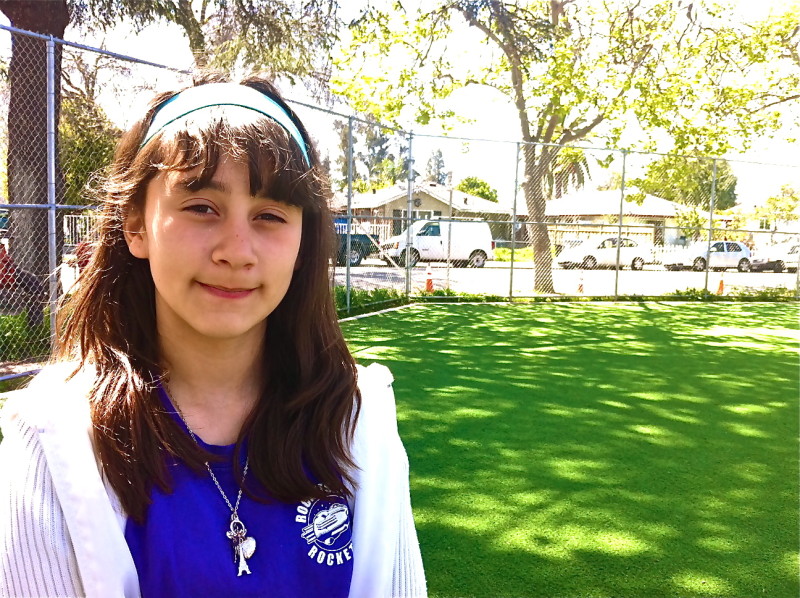
window.__IS_SSR__=true
window.__INITIAL_STATE__={
"attachmentsReducer": {
"audio_0": {
"type": "attachments",
"id": "audio_0",
"imgSizes": {
"kqedFullSize": {
"file": "https://ww2.kqed.org/news/wp-content/themes/KQED-unified/img/audio_bgs/background0.jpg"
}
}
},
"audio_1": {
"type": "attachments",
"id": "audio_1",
"imgSizes": {
"kqedFullSize": {
"file": "https://ww2.kqed.org/news/wp-content/themes/KQED-unified/img/audio_bgs/background1.jpg"
}
}
},
"audio_2": {
"type": "attachments",
"id": "audio_2",
"imgSizes": {
"kqedFullSize": {
"file": "https://ww2.kqed.org/news/wp-content/themes/KQED-unified/img/audio_bgs/background2.jpg"
}
}
},
"audio_3": {
"type": "attachments",
"id": "audio_3",
"imgSizes": {
"kqedFullSize": {
"file": "https://ww2.kqed.org/news/wp-content/themes/KQED-unified/img/audio_bgs/background3.jpg"
}
}
},
"audio_4": {
"type": "attachments",
"id": "audio_4",
"imgSizes": {
"kqedFullSize": {
"file": "https://ww2.kqed.org/news/wp-content/themes/KQED-unified/img/audio_bgs/background4.jpg"
}
}
},
"placeholder": {
"type": "attachments",
"id": "placeholder",
"imgSizes": {
"thumbnail": {
"file": "https://cdn.kqed.org/wp-content/uploads/2024/12/KQED-Default-Image-816638274-2000x1333-1-160x107.jpg",
"width": 160,
"height": 107,
"mimeType": "image/jpeg"
},
"medium": {
"file": "https://cdn.kqed.org/wp-content/uploads/2024/12/KQED-Default-Image-816638274-2000x1333-1-800x533.jpg",
"width": 800,
"height": 533,
"mimeType": "image/jpeg"
},
"medium_large": {
"file": "https://cdn.kqed.org/wp-content/uploads/2024/12/KQED-Default-Image-816638274-2000x1333-1-768x512.jpg",
"width": 768,
"height": 512,
"mimeType": "image/jpeg"
},
"large": {
"file": "https://cdn.kqed.org/wp-content/uploads/2024/12/KQED-Default-Image-816638274-2000x1333-1-1020x680.jpg",
"width": 1020,
"height": 680,
"mimeType": "image/jpeg"
},
"1536x1536": {
"file": "https://cdn.kqed.org/wp-content/uploads/2024/12/KQED-Default-Image-816638274-2000x1333-1-1536x1024.jpg",
"width": 1536,
"height": 1024,
"mimeType": "image/jpeg"
},
"fd-lrg": {
"file": "https://cdn.kqed.org/wp-content/uploads/2024/12/KQED-Default-Image-816638274-2000x1333-1-1536x1024.jpg",
"width": 1536,
"height": 1024,
"mimeType": "image/jpeg"
},
"fd-med": {
"file": "https://cdn.kqed.org/wp-content/uploads/2024/12/KQED-Default-Image-816638274-2000x1333-1-1020x680.jpg",
"width": 1020,
"height": 680,
"mimeType": "image/jpeg"
},
"fd-sm": {
"file": "https://cdn.kqed.org/wp-content/uploads/2024/12/KQED-Default-Image-816638274-2000x1333-1-800x533.jpg",
"width": 800,
"height": 533,
"mimeType": "image/jpeg"
},
"post-thumbnail": {
"file": "https://cdn.kqed.org/wp-content/uploads/2024/12/KQED-Default-Image-816638274-2000x1333-1-672x372.jpg",
"width": 672,
"height": 372,
"mimeType": "image/jpeg"
},
"twentyfourteen-full-width": {
"file": "https://cdn.kqed.org/wp-content/uploads/2024/12/KQED-Default-Image-816638274-2000x1333-1-1038x576.jpg",
"width": 1038,
"height": 576,
"mimeType": "image/jpeg"
},
"xxsmall": {
"file": "https://cdn.kqed.org/wp-content/uploads/2024/12/KQED-Default-Image-816638274-2000x1333-1-160x107.jpg",
"width": 160,
"height": 107,
"mimeType": "image/jpeg"
},
"xsmall": {
"file": "https://cdn.kqed.org/wp-content/uploads/2024/12/KQED-Default-Image-816638274-2000x1333-1-672x372.jpg",
"width": 672,
"height": 372,
"mimeType": "image/jpeg"
},
"small": {
"file": "https://cdn.kqed.org/wp-content/uploads/2024/12/KQED-Default-Image-816638274-2000x1333-1-672x372.jpg",
"width": 672,
"height": 372,
"mimeType": "image/jpeg"
},
"xlarge": {
"file": "https://cdn.kqed.org/wp-content/uploads/2024/12/KQED-Default-Image-816638274-2000x1333-1-1020x680.jpg",
"width": 1020,
"height": 680,
"mimeType": "image/jpeg"
},
"full-width": {
"file": "https://cdn.kqed.org/wp-content/uploads/2024/12/KQED-Default-Image-816638274-2000x1333-1-1920x1280.jpg",
"width": 1920,
"height": 1280,
"mimeType": "image/jpeg"
},
"guest-author-32": {
"file": "https://cdn.kqed.org/wp-content/uploads/2025/01/KQED-Default-Image-816638274-1333x1333-1-160x160.jpg",
"width": 32,
"height": 32,
"mimeType": "image/jpeg"
},
"guest-author-50": {
"file": "https://cdn.kqed.org/wp-content/uploads/2025/01/KQED-Default-Image-816638274-1333x1333-1-160x160.jpg",
"width": 50,
"height": 50,
"mimeType": "image/jpeg"
},
"guest-author-64": {
"file": "https://cdn.kqed.org/wp-content/uploads/2025/01/KQED-Default-Image-816638274-1333x1333-1-160x160.jpg",
"width": 64,
"height": 64,
"mimeType": "image/jpeg"
},
"guest-author-96": {
"file": "https://cdn.kqed.org/wp-content/uploads/2025/01/KQED-Default-Image-816638274-1333x1333-1-160x160.jpg",
"width": 96,
"height": 96,
"mimeType": "image/jpeg"
},
"guest-author-128": {
"file": "https://cdn.kqed.org/wp-content/uploads/2025/01/KQED-Default-Image-816638274-1333x1333-1-160x160.jpg",
"width": 128,
"height": 128,
"mimeType": "image/jpeg"
},
"detail": {
"file": "https://cdn.kqed.org/wp-content/uploads/2025/01/KQED-Default-Image-816638274-1333x1333-1-160x160.jpg",
"width": 160,
"height": 160,
"mimeType": "image/jpeg"
},
"kqedFullSize": {
"file": "https://cdn.kqed.org/wp-content/uploads/2024/12/KQED-Default-Image-816638274-2000x1333-1.jpg",
"width": 2000,
"height": 1333
}
}
},
"mindshift_11085": {
"type": "attachments",
"id": "mindshift_11085",
"meta": {
"index": "attachments_1716263798",
"site": "mindshift",
"id": "11085",
"found": true
},
"parent": 11075,
"imgSizes": {
"twentyfourteen-full-width": {
"file": "https://ww2.kqed.org/app/uploads/sites/23/2011/04/Sintia-1038x576.jpg",
"width": 1038,
"mimeType": "image/jpeg",
"height": 576
},
"thumbnail": {
"file": "https://ww2.kqed.org/app/uploads/sites/23/2011/04/Sintia-400x299.jpg",
"width": 400,
"mimeType": "image/jpeg",
"height": 299
},
"fd-sm": {
"file": "https://ww2.kqed.org/app/uploads/sites/23/2011/04/Sintia-320x239.jpg",
"width": 320,
"mimeType": "image/jpeg",
"height": 239
},
"post-thumbnail": {
"file": "https://ww2.kqed.org/app/uploads/sites/23/2011/04/Sintia-672x372.jpg",
"width": 672,
"mimeType": "image/jpeg",
"height": 372
},
"kqedFullSize": {
"file": "https://ww2.kqed.org/app/uploads/sites/23/2011/04/Sintia.jpg",
"width": 1296,
"height": 968
},
"guest-author-96": {
"file": "https://ww2.kqed.org/app/uploads/sites/23/2011/04/Sintia-96x96.jpg",
"width": 96,
"mimeType": "image/jpeg",
"height": 96
},
"medium": {
"file": "https://ww2.kqed.org/app/uploads/sites/23/2011/04/Sintia-800x598.jpg",
"width": 800,
"mimeType": "image/jpeg",
"height": 598
},
"guest-author-64": {
"file": "https://ww2.kqed.org/app/uploads/sites/23/2011/04/Sintia-64x64.jpg",
"width": 64,
"mimeType": "image/jpeg",
"height": 64
},
"guest-author-32": {
"file": "https://ww2.kqed.org/app/uploads/sites/23/2011/04/Sintia-32x32.jpg",
"width": 32,
"mimeType": "image/jpeg",
"height": 32
},
"fd-lrg": {
"file": "https://ww2.kqed.org/app/uploads/sites/23/2011/04/Sintia-1180x881.jpg",
"width": 1180,
"mimeType": "image/jpeg",
"height": 881
},
"fd-med": {
"file": "https://ww2.kqed.org/app/uploads/sites/23/2011/04/Sintia-768x574.jpg",
"width": 768,
"mimeType": "image/jpeg",
"height": 574
},
"detail": {
"file": "https://ww2.kqed.org/app/uploads/sites/23/2011/04/Sintia-75x75.jpg",
"width": 75,
"mimeType": "image/jpeg",
"height": 75
},
"guest-author-128": {
"file": "https://ww2.kqed.org/app/uploads/sites/23/2011/04/Sintia-128x128.jpg",
"width": 128,
"mimeType": "image/jpeg",
"height": 128
}
},
"publishDate": 1304102472,
"modified": 1304102472,
"caption": null,
"description": null,
"title": "Sintia",
"credit": null,
"status": "inherit",
"isLoading": false,
"fetchFailed": false
},
"mindshift_11035": {
"type": "attachments",
"id": "mindshift_11035",
"meta": {
"index": "attachments_1716263798",
"site": "mindshift",
"id": "11035",
"found": true
},
"parent": 10903,
"imgSizes": {
"thumbnail": {
"file": "https://ww2.kqed.org/app/uploads/sites/23/2011/04/UTC-Library-400x266.jpg",
"width": 400,
"mimeType": "image/jpeg",
"height": 266
},
"fd-sm": {
"file": "https://ww2.kqed.org/app/uploads/sites/23/2011/04/UTC-Library-320x212.jpg",
"width": 320,
"mimeType": "image/jpeg",
"height": 212
},
"kqedFullSize": {
"file": "https://ww2.kqed.org/app/uploads/sites/23/2011/04/UTC-Library.jpg",
"width": 500,
"height": 332
},
"guest-author-96": {
"file": "https://ww2.kqed.org/app/uploads/sites/23/2011/04/UTC-Library-96x96.jpg",
"width": 96,
"mimeType": "image/jpeg",
"height": 96
},
"guest-author-64": {
"file": "https://ww2.kqed.org/app/uploads/sites/23/2011/04/UTC-Library-64x64.jpg",
"width": 64,
"mimeType": "image/jpeg",
"height": 64
},
"detail": {
"file": "https://ww2.kqed.org/app/uploads/sites/23/2011/04/UTC-Library-75x75.jpg",
"width": 75,
"mimeType": "image/jpeg",
"height": 75
},
"guest-author-32": {
"file": "https://ww2.kqed.org/app/uploads/sites/23/2011/04/UTC-Library-32x32.jpg",
"width": 32,
"mimeType": "image/jpeg",
"height": 32
},
"guest-author-128": {
"file": "https://ww2.kqed.org/app/uploads/sites/23/2011/04/UTC-Library-128x128.jpg",
"width": 128,
"mimeType": "image/jpeg",
"height": 128
}
},
"publishDate": 1304012095,
"modified": 1304012095,
"caption": null,
"description": null,
"title": "UTC Library",
"credit": null,
"status": "inherit",
"isLoading": false,
"fetchFailed": false
},
"mindshift_10998": {
"type": "attachments",
"id": "mindshift_10998",
"meta": {
"index": "attachments_1716263798",
"site": "mindshift",
"id": "10998",
"found": true
},
"parent": 10995,
"imgSizes": {
"kqedFullSize": {
"file": "https://ww2.kqed.org/app/uploads/sites/23/2011/04/dale.png",
"width": 184,
"height": 200
},
"guest-author-96": {
"file": "https://ww2.kqed.org/app/uploads/sites/23/2011/04/dale-96x96.png",
"width": 96,
"mimeType": "image/png",
"height": 96
},
"guest-author-64": {
"file": "https://ww2.kqed.org/app/uploads/sites/23/2011/04/dale-64x64.png",
"width": 64,
"mimeType": "image/png",
"height": 64
},
"detail": {
"file": "https://ww2.kqed.org/app/uploads/sites/23/2011/04/dale-75x75.png",
"width": 75,
"mimeType": "image/png",
"height": 75
},
"guest-author-32": {
"file": "https://ww2.kqed.org/app/uploads/sites/23/2011/04/dale-32x32.png",
"width": 32,
"mimeType": "image/png",
"height": 32
},
"guest-author-128": {
"file": "https://ww2.kqed.org/app/uploads/sites/23/2011/04/dale-128x128.png",
"width": 128,
"mimeType": "image/png",
"height": 128
}
},
"publishDate": 1303940824,
"modified": 1303940824,
"caption": "Dale Dougherty",
"description": null,
"title": "dale",
"credit": null,
"status": "inherit",
"isLoading": false,
"fetchFailed": false
},
"mindshift_10808": {
"type": "attachments",
"id": "mindshift_10808",
"meta": {
"index": "attachments_1716263798",
"site": "mindshift",
"id": "10808",
"found": true
},
"parent": 10782,
"imgSizes": {
"thumbnail": {
"file": "https://ww2.kqed.org/app/uploads/sites/23/2011/04/Science-PaloAltoCA-400x266.jpg",
"width": 400,
"mimeType": "image/jpeg",
"height": 266
},
"fd-sm": {
"file": "https://ww2.kqed.org/app/uploads/sites/23/2011/04/Science-PaloAltoCA-320x213.jpg",
"width": 320,
"mimeType": "image/jpeg",
"height": 213
},
"post-thumbnail": {
"file": "https://ww2.kqed.org/app/uploads/sites/23/2011/04/Science-PaloAltoCA-672x372.jpg",
"width": 672,
"mimeType": "image/jpeg",
"height": 372
},
"kqedFullSize": {
"file": "https://ww2.kqed.org/app/uploads/sites/23/2011/04/Science-PaloAltoCA.jpg",
"width": 720,
"height": 479
},
"guest-author-96": {
"file": "https://ww2.kqed.org/app/uploads/sites/23/2011/04/Science-PaloAltoCA-96x96.jpg",
"width": 96,
"mimeType": "image/jpeg",
"height": 96
},
"guest-author-64": {
"file": "https://ww2.kqed.org/app/uploads/sites/23/2011/04/Science-PaloAltoCA-64x64.jpg",
"width": 64,
"mimeType": "image/jpeg",
"height": 64
},
"detail": {
"file": "https://ww2.kqed.org/app/uploads/sites/23/2011/04/Science-PaloAltoCA-75x75.jpg",
"width": 75,
"mimeType": "image/jpeg",
"height": 75
},
"guest-author-32": {
"file": "https://ww2.kqed.org/app/uploads/sites/23/2011/04/Science-PaloAltoCA-32x32.jpg",
"width": 32,
"mimeType": "image/jpeg",
"height": 32
},
"guest-author-128": {
"file": "https://ww2.kqed.org/app/uploads/sites/23/2011/04/Science-PaloAltoCA-128x128.jpg",
"width": 128,
"mimeType": "image/jpeg",
"height": 128
}
},
"publishDate": 1303514336,
"modified": 1303514336,
"caption": null,
"description": "Citizen Schools students participate in a Google-sponsored fair where they exhibit their projects.",
"title": "Science-PaloAltoCA",
"credit": null,
"status": "inherit",
"isLoading": false,
"fetchFailed": false
},
"mindshift_10742": {
"type": "attachments",
"id": "mindshift_10742",
"meta": {
"index": "attachments_1716263798",
"site": "mindshift",
"id": "10742",
"found": true
},
"parent": 10736,
"imgSizes": {
"twentyfourteen-full-width": {
"file": "https://ww2.kqed.org/app/uploads/sites/23/2011/04/10_11.15_newtech_0606-1038x576.jpg",
"width": 1038,
"mimeType": "image/jpeg",
"height": 576
},
"thumbnail": {
"file": "https://ww2.kqed.org/app/uploads/sites/23/2011/04/10_11.15_newtech_0606-400x266.jpg",
"width": 400,
"mimeType": "image/jpeg",
"height": 266
},
"fd-sm": {
"file": "https://ww2.kqed.org/app/uploads/sites/23/2011/04/10_11.15_newtech_0606-320x213.jpg",
"width": 320,
"mimeType": "image/jpeg",
"height": 213
},
"post-thumbnail": {
"file": "https://ww2.kqed.org/app/uploads/sites/23/2011/04/10_11.15_newtech_0606-672x372.jpg",
"width": 672,
"mimeType": "image/jpeg",
"height": 372
},
"kqedFullSize": {
"file": "https://ww2.kqed.org/app/uploads/sites/23/2011/04/10_11.15_newtech_0606.jpg",
"width": 1440,
"height": 958
},
"large": {
"file": "https://ww2.kqed.org/app/uploads/sites/23/2011/04/10_11.15_newtech_0606-1440x958.jpg",
"width": 1440,
"mimeType": "image/jpeg",
"height": 958
},
"guest-author-96": {
"file": "https://ww2.kqed.org/app/uploads/sites/23/2011/04/10_11.15_newtech_0606-96x96.jpg",
"width": 96,
"mimeType": "image/jpeg",
"height": 96
},
"medium": {
"file": "https://ww2.kqed.org/app/uploads/sites/23/2011/04/10_11.15_newtech_0606-800x532.jpg",
"width": 800,
"mimeType": "image/jpeg",
"height": 532
},
"guest-author-64": {
"file": "https://ww2.kqed.org/app/uploads/sites/23/2011/04/10_11.15_newtech_0606-64x64.jpg",
"width": 64,
"mimeType": "image/jpeg",
"height": 64
},
"guest-author-32": {
"file": "https://ww2.kqed.org/app/uploads/sites/23/2011/04/10_11.15_newtech_0606-32x32.jpg",
"width": 32,
"mimeType": "image/jpeg",
"height": 32
},
"fd-lrg": {
"file": "https://ww2.kqed.org/app/uploads/sites/23/2011/04/10_11.15_newtech_0606-1180x785.jpg",
"width": 1180,
"mimeType": "image/jpeg",
"height": 785
},
"fd-med": {
"file": "https://ww2.kqed.org/app/uploads/sites/23/2011/04/10_11.15_newtech_0606-768x511.jpg",
"width": 768,
"mimeType": "image/jpeg",
"height": 511
},
"detail": {
"file": "https://ww2.kqed.org/app/uploads/sites/23/2011/04/10_11.15_newtech_0606-75x75.jpg",
"width": 75,
"mimeType": "image/jpeg",
"height": 75
},
"guest-author-128": {
"file": "https://ww2.kqed.org/app/uploads/sites/23/2011/04/10_11.15_newtech_0606-128x128.jpg",
"width": 128,
"mimeType": "image/jpeg",
"height": 128
}
},
"publishDate": 1303407496,
"modified": 1303407496,
"caption": null,
"description": null,
"title": "10_11.15_newtech_0606",
"credit": null,
"status": "inherit",
"isLoading": false,
"fetchFailed": false
},
"mindshift_10698": {
"type": "attachments",
"id": "mindshift_10698",
"meta": {
"index": "attachments_1716263798",
"site": "mindshift",
"id": "10698",
"found": true
},
"parent": 10697,
"imgSizes": {
"thumbnail": {
"file": "https://ww2.kqed.org/app/uploads/sites/23/2011/04/204163563_cac6984a30-400x300.jpg",
"width": 400,
"mimeType": "image/jpeg",
"height": 300
},
"fd-sm": {
"file": "https://ww2.kqed.org/app/uploads/sites/23/2011/04/204163563_cac6984a30-320x240.jpg",
"width": 320,
"mimeType": "image/jpeg",
"height": 240
},
"post-thumbnail": {
"file": "https://ww2.kqed.org/app/uploads/sites/23/2011/04/204163563_cac6984a30-500x372.jpg",
"width": 500,
"mimeType": "image/jpeg",
"height": 372
},
"kqedFullSize": {
"file": "https://ww2.kqed.org/app/uploads/sites/23/2011/04/204163563_cac6984a30.jpg",
"width": 500,
"height": 375
},
"guest-author-96": {
"file": "https://ww2.kqed.org/app/uploads/sites/23/2011/04/204163563_cac6984a30-96x96.jpg",
"width": 96,
"mimeType": "image/jpeg",
"height": 96
},
"guest-author-64": {
"file": "https://ww2.kqed.org/app/uploads/sites/23/2011/04/204163563_cac6984a30-64x64.jpg",
"width": 64,
"mimeType": "image/jpeg",
"height": 64
},
"detail": {
"file": "https://ww2.kqed.org/app/uploads/sites/23/2011/04/204163563_cac6984a30-75x75.jpg",
"width": 75,
"mimeType": "image/jpeg",
"height": 75
},
"guest-author-32": {
"file": "https://ww2.kqed.org/app/uploads/sites/23/2011/04/204163563_cac6984a30-32x32.jpg",
"width": 32,
"mimeType": "image/jpeg",
"height": 32
},
"guest-author-128": {
"file": "https://ww2.kqed.org/app/uploads/sites/23/2011/04/204163563_cac6984a30-128x128.jpg",
"width": 128,
"mimeType": "image/jpeg",
"height": 128
}
},
"publishDate": 1303279023,
"modified": 1303279023,
"caption": null,
"description": null,
"title": "204163563_cac6984a30",
"credit": null,
"status": "inherit",
"isLoading": false,
"fetchFailed": false
},
"mindshift_10628": {
"type": "attachments",
"id": "mindshift_10628",
"meta": {
"index": "attachments_1716263798",
"site": "mindshift",
"id": "10628",
"found": true
},
"parent": 10625,
"imgSizes": {
"thumbnail": {
"file": "https://ww2.kqed.org/app/uploads/sites/23/2011/04/3749432665_b02755d5f4_z-400x300.jpg",
"width": 400,
"mimeType": "image/jpeg",
"height": 300
},
"fd-sm": {
"file": "https://ww2.kqed.org/app/uploads/sites/23/2011/04/3749432665_b02755d5f4_z-320x240.jpg",
"width": 320,
"mimeType": "image/jpeg",
"height": 240
},
"post-thumbnail": {
"file": "https://ww2.kqed.org/app/uploads/sites/23/2011/04/3749432665_b02755d5f4_z-640x372.jpg",
"width": 640,
"mimeType": "image/jpeg",
"height": 372
},
"kqedFullSize": {
"file": "https://ww2.kqed.org/app/uploads/sites/23/2011/04/3749432665_b02755d5f4_z.jpg",
"width": 640,
"height": 480
},
"guest-author-96": {
"file": "https://ww2.kqed.org/app/uploads/sites/23/2011/04/3749432665_b02755d5f4_z-96x96.jpg",
"width": 96,
"mimeType": "image/jpeg",
"height": 96
},
"guest-author-64": {
"file": "https://ww2.kqed.org/app/uploads/sites/23/2011/04/3749432665_b02755d5f4_z-64x64.jpg",
"width": 64,
"mimeType": "image/jpeg",
"height": 64
},
"detail": {
"file": "https://ww2.kqed.org/app/uploads/sites/23/2011/04/3749432665_b02755d5f4_z-75x75.jpg",
"width": 75,
"mimeType": "image/jpeg",
"height": 75
},
"guest-author-32": {
"file": "https://ww2.kqed.org/app/uploads/sites/23/2011/04/3749432665_b02755d5f4_z-32x32.jpg",
"width": 32,
"mimeType": "image/jpeg",
"height": 32
},
"guest-author-128": {
"file": "https://ww2.kqed.org/app/uploads/sites/23/2011/04/3749432665_b02755d5f4_z-128x128.jpg",
"width": 128,
"mimeType": "image/jpeg",
"height": 128
}
},
"publishDate": 1302907218,
"modified": 1302907218,
"caption": null,
"description": null,
"title": "students computers",
"credit": null,
"status": "inherit",
"isLoading": false,
"fetchFailed": false
},
"mindshift_10426": {
"type": "attachments",
"id": "mindshift_10426",
"meta": {
"index": "attachments_1716263798",
"site": "mindshift",
"id": "10426",
"found": true
},
"parent": 10419,
"imgSizes": {
"twentyfourteen-full-width": {
"file": "https://ww2.kqed.org/app/uploads/sites/23/2011/04/5490370577_8ff9e947e6_z1-612x576.jpg",
"width": 612,
"mimeType": "image/jpeg",
"height": 576
},
"thumbnail": {
"file": "https://ww2.kqed.org/app/uploads/sites/23/2011/04/5490370577_8ff9e947e6_z1-400x400.jpg",
"width": 400,
"mimeType": "image/jpeg",
"height": 400
},
"fd-sm": {
"file": "https://ww2.kqed.org/app/uploads/sites/23/2011/04/5490370577_8ff9e947e6_z1-320x320.jpg",
"width": 320,
"mimeType": "image/jpeg",
"height": 320
},
"post-thumbnail": {
"file": "https://ww2.kqed.org/app/uploads/sites/23/2011/04/5490370577_8ff9e947e6_z1-612x372.jpg",
"width": 612,
"mimeType": "image/jpeg",
"height": 372
},
"kqedFullSize": {
"file": "https://ww2.kqed.org/app/uploads/sites/23/2011/04/5490370577_8ff9e947e6_z1.jpg",
"width": 612,
"height": 612
},
"guest-author-96": {
"file": "https://ww2.kqed.org/app/uploads/sites/23/2011/04/5490370577_8ff9e947e6_z1-96x96.jpg",
"width": 96,
"mimeType": "image/jpeg",
"height": 96
},
"guest-author-64": {
"file": "https://ww2.kqed.org/app/uploads/sites/23/2011/04/5490370577_8ff9e947e6_z1-64x64.jpg",
"width": 64,
"mimeType": "image/jpeg",
"height": 64
},
"detail": {
"file": "https://ww2.kqed.org/app/uploads/sites/23/2011/04/5490370577_8ff9e947e6_z1-75x75.jpg",
"width": 75,
"mimeType": "image/jpeg",
"height": 75
},
"guest-author-32": {
"file": "https://ww2.kqed.org/app/uploads/sites/23/2011/04/5490370577_8ff9e947e6_z1-32x32.jpg",
"width": 32,
"mimeType": "image/jpeg",
"height": 32
},
"guest-author-128": {
"file": "https://ww2.kqed.org/app/uploads/sites/23/2011/04/5490370577_8ff9e947e6_z1-128x128.jpg",
"width": 128,
"mimeType": "image/jpeg",
"height": 128
}
},
"publishDate": 1302589782,
"modified": 1302589782,
"caption": null,
"description": null,
"title": "test",
"credit": null,
"status": "inherit",
"isLoading": false,
"fetchFailed": false
},
"mindshift_10634": {
"type": "attachments",
"id": "mindshift_10634",
"meta": {
"index": "attachments_1716263798",
"site": "mindshift",
"id": "10634",
"found": true
},
"parent": 10582,
"imgSizes": {
"thumbnail": {
"file": "https://ww2.kqed.org/app/uploads/sites/23/2011/04/CriCristina-400x267.jpg",
"width": 400,
"mimeType": "image/jpeg",
"height": 267
},
"fd-sm": {
"file": "https://ww2.kqed.org/app/uploads/sites/23/2011/04/CriCristina-320x214.jpg",
"width": 320,
"mimeType": "image/jpeg",
"height": 214
},
"kqedFullSize": {
"file": "https://ww2.kqed.org/app/uploads/sites/23/2011/04/CriCristina.jpg",
"width": 406,
"height": 271
},
"guest-author-96": {
"file": "https://ww2.kqed.org/app/uploads/sites/23/2011/04/CriCristina-96x96.jpg",
"width": 96,
"mimeType": "image/jpeg",
"height": 96
},
"guest-author-64": {
"file": "https://ww2.kqed.org/app/uploads/sites/23/2011/04/CriCristina-64x64.jpg",
"width": 64,
"mimeType": "image/jpeg",
"height": 64
},
"detail": {
"file": "https://ww2.kqed.org/app/uploads/sites/23/2011/04/CriCristina-75x75.jpg",
"width": 75,
"mimeType": "image/jpeg",
"height": 75
},
"guest-author-32": {
"file": "https://ww2.kqed.org/app/uploads/sites/23/2011/04/CriCristina-32x32.jpg",
"width": 32,
"mimeType": "image/jpeg",
"height": 32
},
"guest-author-128": {
"file": "https://ww2.kqed.org/app/uploads/sites/23/2011/04/CriCristina-128x128.jpg",
"width": 128,
"mimeType": "image/jpeg",
"height": 128
}
},
"publishDate": 1302911333,
"modified": 1302911333,
"caption": null,
"description": null,
"title": "CriCristina",
"credit": null,
"status": "inherit",
"isLoading": false,
"fetchFailed": false
},
"mindshift_7269": {
"type": "attachments",
"id": "mindshift_7269",
"meta": {
"index": "attachments_1716263798",
"site": "mindshift",
"id": "7269",
"found": true
},
"parent": 7264,
"imgSizes": {
"twentyfourteen-full-width": {
"file": "https://ww2.kqed.org/app/uploads/sites/23/2011/01/11_1.21_Ipad_Algebra_02381-1038x576.jpg",
"width": 1038,
"mimeType": "image/jpeg",
"height": 576
},
"thumbnail": {
"file": "https://ww2.kqed.org/app/uploads/sites/23/2011/01/11_1.21_Ipad_Algebra_02381-400x266.jpg",
"width": 400,
"mimeType": "image/jpeg",
"height": 266
},
"fd-sm": {
"file": "https://ww2.kqed.org/app/uploads/sites/23/2011/01/11_1.21_Ipad_Algebra_02381-320x213.jpg",
"width": 320,
"mimeType": "image/jpeg",
"height": 213
},
"post-thumbnail": {
"file": "https://ww2.kqed.org/app/uploads/sites/23/2011/01/11_1.21_Ipad_Algebra_02381-672x372.jpg",
"width": 672,
"mimeType": "image/jpeg",
"height": 372
},
"kqedFullSize": {
"file": "https://ww2.kqed.org/app/uploads/sites/23/2011/01/11_1.21_Ipad_Algebra_02381.jpg",
"width": 1440,
"height": 958
},
"large": {
"file": "https://ww2.kqed.org/app/uploads/sites/23/2011/01/11_1.21_Ipad_Algebra_02381-1440x958.jpg",
"width": 1440,
"mimeType": "image/jpeg",
"height": 958
},
"guest-author-96": {
"file": "https://ww2.kqed.org/app/uploads/sites/23/2011/01/11_1.21_Ipad_Algebra_02381-96x96.jpg",
"width": 96,
"mimeType": "image/jpeg",
"height": 96
},
"medium": {
"file": "https://ww2.kqed.org/app/uploads/sites/23/2011/01/11_1.21_Ipad_Algebra_02381-800x532.jpg",
"width": 800,
"mimeType": "image/jpeg",
"height": 532
},
"guest-author-64": {
"file": "https://ww2.kqed.org/app/uploads/sites/23/2011/01/11_1.21_Ipad_Algebra_02381-64x64.jpg",
"width": 64,
"mimeType": "image/jpeg",
"height": 64
},
"guest-author-32": {
"file": "https://ww2.kqed.org/app/uploads/sites/23/2011/01/11_1.21_Ipad_Algebra_02381-32x32.jpg",
"width": 32,
"mimeType": "image/jpeg",
"height": 32
},
"fd-lrg": {
"file": "https://ww2.kqed.org/app/uploads/sites/23/2011/01/11_1.21_Ipad_Algebra_02381-1180x785.jpg",
"width": 1180,
"mimeType": "image/jpeg",
"height": 785
},
"fd-med": {
"file": "https://ww2.kqed.org/app/uploads/sites/23/2011/01/11_1.21_Ipad_Algebra_02381-768x511.jpg",
"width": 768,
"mimeType": "image/jpeg",
"height": 511
},
"detail": {
"file": "https://ww2.kqed.org/app/uploads/sites/23/2011/01/11_1.21_Ipad_Algebra_02381-75x75.jpg",
"width": 75,
"mimeType": "image/jpeg",
"height": 75
},
"guest-author-128": {
"file": "https://ww2.kqed.org/app/uploads/sites/23/2011/01/11_1.21_Ipad_Algebra_02381-128x128.jpg",
"width": 128,
"mimeType": "image/jpeg",
"height": 128
}
},
"publishDate": 1296152978,
"modified": 1296152978,
"caption": "Eighth grade students at Presidio Middle School share an iPad while working on a lesson.",
"description": null,
"title": "11_1.21_Ipad_Algebra_02381",
"credit": null,
"status": "inherit",
"isLoading": false,
"fetchFailed": false
},
"mindshift_10574": {
"type": "attachments",
"id": "mindshift_10574",
"meta": {
"index": "attachments_1716263798",
"site": "mindshift",
"id": "10574",
"found": true
},
"parent": 10571,
"imgSizes": {
"thumbnail": {
"file": "https://ww2.kqed.org/app/uploads/sites/23/2011/04/woodleywonderworks-400x266.jpg",
"width": 400,
"mimeType": "image/jpeg",
"height": 266
},
"fd-sm": {
"file": "https://ww2.kqed.org/app/uploads/sites/23/2011/04/woodleywonderworks-320x213.jpg",
"width": 320,
"mimeType": "image/jpeg",
"height": 213
},
"kqedFullSize": {
"file": "https://ww2.kqed.org/app/uploads/sites/23/2011/04/woodleywonderworks.jpg",
"width": 500,
"height": 333
},
"guest-author-96": {
"file": "https://ww2.kqed.org/app/uploads/sites/23/2011/04/woodleywonderworks-96x96.jpg",
"width": 96,
"mimeType": "image/jpeg",
"height": 96
},
"guest-author-64": {
"file": "https://ww2.kqed.org/app/uploads/sites/23/2011/04/woodleywonderworks-64x64.jpg",
"width": 64,
"mimeType": "image/jpeg",
"height": 64
},
"detail": {
"file": "https://ww2.kqed.org/app/uploads/sites/23/2011/04/woodleywonderworks-75x75.jpg",
"width": 75,
"mimeType": "image/jpeg",
"height": 75
},
"guest-author-32": {
"file": "https://ww2.kqed.org/app/uploads/sites/23/2011/04/woodleywonderworks-32x32.jpg",
"width": 32,
"mimeType": "image/jpeg",
"height": 32
},
"guest-author-128": {
"file": "https://ww2.kqed.org/app/uploads/sites/23/2011/04/woodleywonderworks-128x128.jpg",
"width": 128,
"mimeType": "image/jpeg",
"height": 128
}
},
"publishDate": 1302823558,
"modified": 1302823558,
"caption": null,
"description": null,
"title": "woodleywonderworks",
"credit": null,
"status": "inherit",
"isLoading": false,
"fetchFailed": false
},
"mindshift_10569": {
"type": "attachments",
"id": "mindshift_10569",
"meta": {
"index": "attachments_1716263798",
"site": "mindshift",
"id": "10569",
"found": true
},
"parent": 10547,
"imgSizes": {
"fd-sm": {
"file": "https://ww2.kqed.org/app/uploads/sites/23/2011/04/Aza-Raskin1-320x320.jpg",
"width": 320,
"mimeType": "image/jpeg",
"height": 320
},
"post-thumbnail": {
"file": "https://ww2.kqed.org/app/uploads/sites/23/2011/04/Aza-Raskin1-375x372.jpg",
"width": 375,
"mimeType": "image/jpeg",
"height": 372
},
"kqedFullSize": {
"file": "https://ww2.kqed.org/app/uploads/sites/23/2011/04/Aza-Raskin1.jpg",
"width": 375,
"height": 375
},
"guest-author-96": {
"file": "https://ww2.kqed.org/app/uploads/sites/23/2011/04/Aza-Raskin1-96x96.jpg",
"width": 96,
"mimeType": "image/jpeg",
"height": 96
},
"guest-author-64": {
"file": "https://ww2.kqed.org/app/uploads/sites/23/2011/04/Aza-Raskin1-64x64.jpg",
"width": 64,
"mimeType": "image/jpeg",
"height": 64
},
"detail": {
"file": "https://ww2.kqed.org/app/uploads/sites/23/2011/04/Aza-Raskin1-75x75.jpg",
"width": 75,
"mimeType": "image/jpeg",
"height": 75
},
"guest-author-32": {
"file": "https://ww2.kqed.org/app/uploads/sites/23/2011/04/Aza-Raskin1-32x32.jpg",
"width": 32,
"mimeType": "image/jpeg",
"height": 32
},
"guest-author-128": {
"file": "https://ww2.kqed.org/app/uploads/sites/23/2011/04/Aza-Raskin1-128x128.jpg",
"width": 128,
"mimeType": "image/jpeg",
"height": 128
}
},
"publishDate": 1302817948,
"modified": 1302817948,
"caption": null,
"description": null,
"title": "Aza Raskin",
"credit": null,
"status": "inherit",
"isLoading": false,
"fetchFailed": false
}
},
"audioPlayerReducer": {
"postId": "stream_live",
"isPaused": true,
"isPlaying": false,
"pfsActive": false,
"pledgeModalIsOpen": true,
"playerDrawerIsOpen": false,
"liveAudioPlayStartedAt": 0,
"liveAudioPlayContext": ""
},
"authorsReducer": {
"tbarseghian": {
"type": "authors",
"id": "180",
"meta": {
"index": "authors_1716337520",
"id": "180",
"found": true
},
"name": "Tina Barseghian",
"firstName": "Tina",
"lastName": "Barseghian",
"slug": "tbarseghian",
"email": "tbarseghian@kqed.org",
"display_author_email": false,
"staff_mastheads": [],
"title": null,
"bio": null,
"avatar": "https://secure.gravatar.com/avatar/de7e6ced1239b7018fe4d2b61f723c90?s=600&d=blank&r=g",
"twitter": null,
"facebook": null,
"instagram": null,
"linkedin": null,
"sites": [
{
"site": "styleguide",
"roles": [
"contributor"
]
},
{
"site": "news",
"roles": [
"subscriber"
]
},
{
"site": "mindshift",
"roles": [
"subscriber"
]
},
{
"site": "bayareabites",
"roles": [
"subscriber"
]
}
],
"headData": {
"title": "Tina Barseghian | KQED",
"description": null,
"ogImgSrc": "https://secure.gravatar.com/avatar/de7e6ced1239b7018fe4d2b61f723c90?s=600&d=blank&r=g",
"twImgSrc": "https://secure.gravatar.com/avatar/de7e6ced1239b7018fe4d2b61f723c90?s=600&d=blank&r=g"
},
"isLoading": false,
"link": "/author/tbarseghian"
},
"sbernard": {
"type": "authors",
"id": "4351",
"meta": {
"index": "authors_1716337520",
"id": "4351",
"found": true
},
"name": "Sara Bernard",
"firstName": "Sara",
"lastName": "Bernard",
"slug": "sbernard",
"email": "saralacy@gmail.com",
"display_author_email": false,
"staff_mastheads": [],
"title": null,
"bio": null,
"avatar": "https://secure.gravatar.com/avatar/69bae8afcc64ab67f6e3709cfb4bef26?s=600&d=blank&r=g",
"twitter": null,
"facebook": null,
"instagram": null,
"linkedin": null,
"sites": [
{
"site": "mindshift",
"roles": [
"subscriber"
]
}
],
"headData": {
"title": "Sara Bernard | KQED",
"description": null,
"ogImgSrc": "https://secure.gravatar.com/avatar/69bae8afcc64ab67f6e3709cfb4bef26?s=600&d=blank&r=g",
"twImgSrc": "https://secure.gravatar.com/avatar/69bae8afcc64ab67f6e3709cfb4bef26?s=600&d=blank&r=g"
},
"isLoading": false,
"link": "/author/sbernard"
},
"awatters": {
"type": "authors",
"id": "4352",
"meta": {
"index": "authors_1716337520",
"id": "4352",
"found": true
},
"name": "Audrey Watters",
"firstName": "Audrey",
"lastName": "Watters",
"slug": "awatters",
"email": "awatters@kqed.org",
"display_author_email": false,
"staff_mastheads": [],
"title": null,
"bio": null,
"avatar": "https://secure.gravatar.com/avatar/fb6ac91bb93632725bfa683c1de71bee?s=600&d=blank&r=g",
"twitter": null,
"facebook": null,
"instagram": null,
"linkedin": null,
"sites": [
{
"site": "mindshift",
"roles": [
"subscriber"
]
}
],
"headData": {
"title": "Audrey Watters | KQED",
"description": null,
"ogImgSrc": "https://secure.gravatar.com/avatar/fb6ac91bb93632725bfa683c1de71bee?s=600&d=blank&r=g",
"twImgSrc": "https://secure.gravatar.com/avatar/fb6ac91bb93632725bfa683c1de71bee?s=600&d=blank&r=g"
},
"isLoading": false,
"link": "/author/awatters"
}
},
"pagesReducer": {
"mindshift_category_teaching-strategies": {
"type": "terms",
"id": "mindshift_193",
"meta": {
"index": "terms_1716263798",
"site": "mindshift",
"id": "193",
"score": 14.406956
},
"featImg": null,
"name": "Teaching Strategies",
"description": "Innovative ideas - projects, processes, curricula, and more - that are transforming how we teach and learn.",
"taxonomy": "category",
"headData": {
"twImgId": null,
"twTitle": null,
"ogTitle": null,
"ogImgId": null,
"twDescription": null,
"description": "Innovative ideas - projects, processes, curricula, and more - that are transforming how we teach and learn.",
"title": "Teaching Strategies Archives | KQED Mindshift",
"ogDescription": null
},
"ttid": 193,
"slug": "teaching-strategies",
"isLoading": false,
"title": "Teaching Strategies",
"pageMeta": {
"site": "mindshift",
"WpPageTemplate": "page-topic-editorial",
"currentPage": 90
},
"blocks": [
{
"blockName": "kqed/company-paragraph",
"content": "Innovative ideas - projects, processes, curricula, and more - that are transforming how we teach and learn."
},
{
"blockName": "kqed/post-list",
"attrs": {
"layout": "cardArticle2",
"query": "posts/mindshift?category=teaching-strategies",
"seeMore": false,
"paginated": true,
"page": 90
}
},
{
"blockName": "kqed/ad"
}
]
}
},
"pfsSessionReducer": {},
"postsReducer": {
"stream_live": {
"type": "live",
"id": "stream_live",
"audioUrl": "https://streams.kqed.org/kqedradio",
"title": "Live Stream",
"excerpt": "Live Stream information currently unavailable.",
"link": "/radio",
"featImg": "",
"label": {
"name": "KQED Live",
"link": "/"
}
},
"stream_kqedNewscast": {
"type": "posts",
"id": "stream_kqedNewscast",
"audioUrl": "https://www.kqed.org/.stream/anon/radio/RDnews/newscast.mp3?_=1",
"title": "KQED Newscast",
"featImg": "",
"label": {
"name": "88.5 FM",
"link": "/"
}
},
"mindshift_11075": {
"type": "posts",
"id": "mindshift_11075",
"meta": {
"index": "posts_1716263798",
"site": "mindshift",
"id": "11075",
"score": null,
"sort": [
1304112318000
]
},
"parent": 0,
"labelTerm": {
"site": "mindshift"
},
"blocks": [],
"publishDate": 1304112318,
"format": "aside",
"disqusTitle": "How Can an Advanced Student Move Ahead in Public School?",
"title": "How Can an Advanced Student Move Ahead in Public School?",
"headTitle": "MindShift | KQED News",
"content": "\u003cp>http://youtu.be/NS2uTchaTrg?hd=1\u003c/p>\n\u003cp>\u003cstrong>As her mother saw it, Sintia Marquez\u003c/strong> was too smart for her school.\u003c/p>\n\u003cp>She'd outpaced her school's ability to keep up with her by fourth grade. So her mother moved Sintia to a new school, a charter called \u003ca href=\"http://rsed.org/index.php?page=mateo-sheedy-elementary\">Rocketship Mateo Sheedy Elementary\u003c/a>, which focuses on the concept of individualized learning.\u003c/p>\n\u003cp>What's different about Rocketship is the school's focus on allowing students to progress at their own pace. Teachers introduce new concepts in class, and students practice the material they've learned in a computer lab, a system called hybrid learning. Rocketship also has a longer school day -- from 8 a.m. to 4 p.m. -- and an intense program to motivate kids, even as young as kindergarten, to think seriously about going to college.\u003c/p>\n\u003cp>\u003ca rel=\"attachment wp-att-11085\" href=\"http://ww2.kqed.org/mindshift/2011/04/how-can-an-advanced-student-move-ahead-in-public-school/sintia/\">\u003cimg class=\"size-medium wp-image-11085\" title=\"Sintia\" src=\"http://ww2.kqed.org/mindshift/wp-content/uploads/sites/23/2011/04/Sintia-300x224.jpg\" alt=\"\" width=\"300\" height=\"224\">\u003c/a>\u003c/p>\n\u003cp>[ad fullwidth]\u003c/p>\n\u003cp>If state assessment scores determine a school's success -- and in this high-stakes testing environment they certainly do -- Rocketship's flagship school qualifies as a winner. For the past two years, the school has scored 925 on the Academic Performance Index (API) -- the same score earned by \u003ca href=\"http://www.pausd.org/\">Palo Alto School District\u003c/a>, a neighboring community with a much more affluent demographic. It bears noting that, of the 463 students at Rocketship, 91 percent qualify for free or reduced lunch program, and 71 percent are English as Second Language learners.\u003c/p>\n\u003cp>Rocketship Mateo Sheedy is one of three Rocketship charter schools in the area, but the organization has plans to expand across the state and eventually across the country. They offer open enrollment (not lottery, like many charters) and receive funding from local, state, and federal taxes, as well as from venture capital.\u003c!--more-->\u003c/p>\n\u003cp>In the first of a new series on MindShift called \u003cem>My Education\u003c/em>, we focus on how this new technique in education -- hybrid learning -- works with a high-achieving student like Sintia. In the course of the following days and weeks, we'll explore how the hybrid model works, the powerful school culture, the highly engineered block schedule, the specifics of the adaptive software used in the learning labs, the charter organization's plans for growth, their tactics for teacher retention (many of them are young Teach For America recruits and are committed to a two-year contract), and how teachers use data from the learning labs to help them guide their teaching in class.\u003c/p>\n\u003cp>\u003ca rel=\"attachment wp-att-14194\" href=\"http://ww2.kqed.org/mindshift/2011/04/how-can-an-advanced-student-move-ahead-in-public-school/myed_square-2/\">\u003cimg class=\"alignleft size-full wp-image-14194\" title=\"myEd_square\" src=\"http://ww2.kqed.org/mindshift/wp-content/uploads/sites/23/2011/04/myEd_square.png\" alt=\"\" width=\"64\" height=\"64\" srcset=\"https://ww2.kqed.org/app/uploads/sites/23/2011/04/myEd_square.png 140w, https://ww2.kqed.org/app/uploads/sites/23/2011/04/myEd_square-32x32.png 32w, https://ww2.kqed.org/app/uploads/sites/23/2011/04/myEd_square-64x64.png 64w, https://ww2.kqed.org/app/uploads/sites/23/2011/04/myEd_square-96x96.png 96w, https://ww2.kqed.org/app/uploads/sites/23/2011/04/myEd_square-128x128.png 128w, https://ww2.kqed.org/app/uploads/sites/23/2011/04/myEd_square-75x75.png 75w\" sizes=\"(max-width: 64px) 100vw, 64px\">\u003c/a>With this series, through the perspective of individual kids, we hope to discover how those from underprivileged backgrounds can strive beyond the confines of their circumstances, and to examine what tactics work (or don't work) in boosting them to a place where they might have a chance to learn the best they can.\u003c/p>\n\u003cp>[Produced by Matthew Williams and Tina Barseghian]\u003cbr>\n[module align=\"center\" width=\"half\" type=\"aside\"]\u003c/p>\n\u003ch3>Read more about Rocketship\u003ca href=\"http://ww2.kqed.org/mindshift/feature/my-education/\">\u003c/a>:\u003c/h3>\n\u003cul>\n\u003cli>\u003cstrong>PART I:\u003c/strong> \u003ca href=\"http://ww2.kqed.org/mindshift/2011/04/how-can-an-advanced-student-move-ahead-in-public-school/\">How Can An Advanced Student Move Ahead in Public School?\u003c/a>\u003c/li>\n\u003cli>\u003cstrong>PART II: \u003c/strong>\u003ca href=\"http://ww2.kqed.org/mindshift/2011/05/hybrid-learning-comes-to-life-at-rocketship/\">Hybrid Learning Comes to Life at Rocketship\u003c/a>\u003c/li>\n\u003cli>\u003cstrong>PART III:\u003c/strong> \u003ca href=\"http://ww2.kqed.org/mindshift/2011/05/rocketships-culture-respectful-empathetic-and-college-bound/\">Rocketship's Culture - Respectful, Empathetic and College-Bound\u003c/a>\u003c/li>\n\u003cli>\u003cstrong>PART IV:\u003c/strong> \u003ca href=\"http://ww2.kqed.org/mindshift/2011/05/how-to-keep-good-teachers-in-the-game/\">How to Keep Good Teachers in the Game\u003c/a>\u003c/li>\n\u003cli>\u003cstrong>PART V:\u003c/strong> \u003ca href=\"http://ww2.kqed.org/mindshift/2011/05/focus-on-assessments-fuels-rocketships-goals/\">Focus on Assessments Fuels Rocketship's Goals\u003c/a>\u003c/li>\n\u003cli>\u003cstrong>PART VI:\u003c/strong> \u003ca href=\"http://ww2.kqed.org/mindshift/2011/05/a-look-inside-rocketship/\">A Look Inside Rocketship\u003c/a>\u003c/li>\n\u003cli>\u003cstrong>PART VII:\u003c/strong> \u003ca href=\"http://ww2.kqed.org/mindshift/2011/05/five-lessons-learned-from-a-new-charter-school/\">Five Lessons Learned from a New Charter School\u003c/a>\u003c/li>\n\u003c/ul>\n\u003cp>\u003c/p>\n\u003cp>[/module]\u003cbr>\n[/module]\u003c/p>\n\n",
"disqusIdentifier": "11075 http://blogs.kqed.org/mindshift/?p=11075",
"disqusUrl": "https://ww2.kqed.org/mindshift/2011/04/29/how-can-an-advanced-student-move-ahead-in-public-school/",
"stats": {
"hasVideo": false,
"hasChartOrMap": false,
"hasAudio": false,
"hasPolis": false,
"wordCount": 532,
"hasGoogleForm": false,
"hasGallery": false,
"hasHearkenModule": false,
"iframeSrcs": [],
"paragraphCount": 12
},
"modified": 1311800716,
"excerpt": "With a combination of high-tech computer programs, high expectations from teachers, and sheer force of will, Sintia Marquez is propelling ahead.",
"headData": {
"twImgId": "",
"twTitle": "",
"ogTitle": "",
"ogImgId": "",
"twDescription": "",
"description": "With a combination of high-tech computer programs, high expectations from teachers, and sheer force of will, Sintia Marquez is propelling ahead.",
"title": "How Can an Advanced Student Move Ahead in Public School? | KQED",
"ogDescription": "",
"schema": {
"@context": "https://schema.org",
"@type": "Article",
"headline": "How Can an Advanced Student Move Ahead in Public School?",
"datePublished": "2011-04-29T14:25:18-07:00",
"dateModified": "2011-07-27T14:05:16-07:00",
"image": "https://cdn.kqed.org/wp-content/uploads/2020/02/KQED-OG-Image@1x.png"
}
},
"guestAuthors": [],
"slug": "how-can-an-advanced-student-move-ahead-in-public-school",
"status": "publish",
"path": "/mindshift/11075/how-can-an-advanced-student-move-ahead-in-public-school",
"audioTrackLength": null,
"parsedContent": [
{
"type": "contentString",
"content": "\u003cdiv class=\"post-body\">\u003cp>\u003c/p>\u003cp>\u003cspan class='utils-parseShortcode-shortcodes-__youtubeShortcode__embedYoutube'>\n \u003cspan class='utils-parseShortcode-shortcodes-__youtubeShortcode__embedYoutubeInside'>\n \u003ciframe\n loading='lazy'\n class='utils-parseShortcode-shortcodes-__youtubeShortcode__youtubePlayer'\n type='text/html'\n src='//www.youtube.com/embed/NS2uTchaTrg'\n title='//www.youtube.com/embed/NS2uTchaTrg'\n allowfullscreen='true'\n style='border:0;'>\u003c/iframe>\n \u003c/span>\n \u003c/span>\u003c/p>\u003cp>\u003cp>\u003cstrong>As her mother saw it, Sintia Marquez\u003c/strong> was too smart for her school.\u003c/p>\n\u003cp>She'd outpaced her school's ability to keep up with her by fourth grade. So her mother moved Sintia to a new school, a charter called \u003ca href=\"http://rsed.org/index.php?page=mateo-sheedy-elementary\">Rocketship Mateo Sheedy Elementary\u003c/a>, which focuses on the concept of individualized learning.\u003c/p>\n\u003cp>What's different about Rocketship is the school's focus on allowing students to progress at their own pace. Teachers introduce new concepts in class, and students practice the material they've learned in a computer lab, a system called hybrid learning. Rocketship also has a longer school day -- from 8 a.m. to 4 p.m. -- and an intense program to motivate kids, even as young as kindergarten, to think seriously about going to college.\u003c/p>\n\u003cp>\u003ca rel=\"attachment wp-att-11085\" href=\"http://ww2.kqed.org/mindshift/2011/04/how-can-an-advanced-student-move-ahead-in-public-school/sintia/\">\u003cimg class=\"size-medium wp-image-11085\" title=\"Sintia\" src=\"http://ww2.kqed.org/mindshift/wp-content/uploads/sites/23/2011/04/Sintia-300x224.jpg\" alt=\"\" width=\"300\" height=\"224\">\u003c/a>\u003c/p>\n\u003cp>\u003c/p>\u003c/div>",
"attributes": {
"named": {},
"numeric": []
}
},
{
"type": "component",
"content": "",
"name": "ad",
"attributes": {
"named": {
"label": "fullwidth"
},
"numeric": [
"fullwidth"
]
}
},
{
"type": "contentString",
"content": "\u003cdiv class=\"post-body\">\u003cp>\u003c/p>\n\u003cp>If state assessment scores determine a school's success -- and in this high-stakes testing environment they certainly do -- Rocketship's flagship school qualifies as a winner. For the past two years, the school has scored 925 on the Academic Performance Index (API) -- the same score earned by \u003ca href=\"http://www.pausd.org/\">Palo Alto School District\u003c/a>, a neighboring community with a much more affluent demographic. It bears noting that, of the 463 students at Rocketship, 91 percent qualify for free or reduced lunch program, and 71 percent are English as Second Language learners.\u003c/p>\n\u003cp>Rocketship Mateo Sheedy is one of three Rocketship charter schools in the area, but the organization has plans to expand across the state and eventually across the country. They offer open enrollment (not lottery, like many charters) and receive funding from local, state, and federal taxes, as well as from venture capital.\u003c!--more-->\u003c/p>\n\u003cp>In the first of a new series on MindShift called \u003cem>My Education\u003c/em>, we focus on how this new technique in education -- hybrid learning -- works with a high-achieving student like Sintia. In the course of the following days and weeks, we'll explore how the hybrid model works, the powerful school culture, the highly engineered block schedule, the specifics of the adaptive software used in the learning labs, the charter organization's plans for growth, their tactics for teacher retention (many of them are young Teach For America recruits and are committed to a two-year contract), and how teachers use data from the learning labs to help them guide their teaching in class.\u003c/p>\n\u003cp>\u003ca rel=\"attachment wp-att-14194\" href=\"http://ww2.kqed.org/mindshift/2011/04/how-can-an-advanced-student-move-ahead-in-public-school/myed_square-2/\">\u003cimg class=\"alignleft size-full wp-image-14194\" title=\"myEd_square\" src=\"http://ww2.kqed.org/mindshift/wp-content/uploads/sites/23/2011/04/myEd_square.png\" alt=\"\" width=\"64\" height=\"64\" srcset=\"https://ww2.kqed.org/app/uploads/sites/23/2011/04/myEd_square.png 140w, https://ww2.kqed.org/app/uploads/sites/23/2011/04/myEd_square-32x32.png 32w, https://ww2.kqed.org/app/uploads/sites/23/2011/04/myEd_square-64x64.png 64w, https://ww2.kqed.org/app/uploads/sites/23/2011/04/myEd_square-96x96.png 96w, https://ww2.kqed.org/app/uploads/sites/23/2011/04/myEd_square-128x128.png 128w, https://ww2.kqed.org/app/uploads/sites/23/2011/04/myEd_square-75x75.png 75w\" sizes=\"(max-width: 64px) 100vw, 64px\">\u003c/a>With this series, through the perspective of individual kids, we hope to discover how those from underprivileged backgrounds can strive beyond the confines of their circumstances, and to examine what tactics work (or don't work) in boosting them to a place where they might have a chance to learn the best they can.\u003c/p>\n\u003cp>[Produced by Matthew Williams and Tina Barseghian]\u003cbr>\n[module align=\"center\" width=\"half\" type=\"aside\"]\u003c/p>\n\u003ch3>Read more about Rocketship\u003ca href=\"http://ww2.kqed.org/mindshift/feature/my-education/\">\u003c/a>:\u003c/h3>\n\u003cul>\n\u003cli>\u003cstrong>PART I:\u003c/strong> \u003ca href=\"http://ww2.kqed.org/mindshift/2011/04/how-can-an-advanced-student-move-ahead-in-public-school/\">How Can An Advanced Student Move Ahead in Public School?\u003c/a>\u003c/li>\n\u003cli>\u003cstrong>PART II: \u003c/strong>\u003ca href=\"http://ww2.kqed.org/mindshift/2011/05/hybrid-learning-comes-to-life-at-rocketship/\">Hybrid Learning Comes to Life at Rocketship\u003c/a>\u003c/li>\n\u003cli>\u003cstrong>PART III:\u003c/strong> \u003ca href=\"http://ww2.kqed.org/mindshift/2011/05/rocketships-culture-respectful-empathetic-and-college-bound/\">Rocketship's Culture - Respectful, Empathetic and College-Bound\u003c/a>\u003c/li>\n\u003cli>\u003cstrong>PART IV:\u003c/strong> \u003ca href=\"http://ww2.kqed.org/mindshift/2011/05/how-to-keep-good-teachers-in-the-game/\">How to Keep Good Teachers in the Game\u003c/a>\u003c/li>\n\u003cli>\u003cstrong>PART V:\u003c/strong> \u003ca href=\"http://ww2.kqed.org/mindshift/2011/05/focus-on-assessments-fuels-rocketships-goals/\">Focus on Assessments Fuels Rocketship's Goals\u003c/a>\u003c/li>\n\u003cli>\u003cstrong>PART VI:\u003c/strong> \u003ca href=\"http://ww2.kqed.org/mindshift/2011/05/a-look-inside-rocketship/\">A Look Inside Rocketship\u003c/a>\u003c/li>\n\u003cli>\u003cstrong>PART VII:\u003c/strong> \u003ca href=\"http://ww2.kqed.org/mindshift/2011/05/five-lessons-learned-from-a-new-charter-school/\">Five Lessons Learned from a New Charter School\u003c/a>\u003c/li>\n\u003c/ul>\n\u003cp>\u003c/p>\n\u003cp>[/module]\u003cbr>\n[/module]\u003c/p>\n\n\u003c/div>\u003c/p>",
"attributes": {
"named": {},
"numeric": []
}
}
],
"link": "/mindshift/11075/how-can-an-advanced-student-move-ahead-in-public-school",
"authors": [
"180"
],
"categories": [
"mindshift_194",
"mindshift_195",
"mindshift_193"
],
"tags": [
"mindshift_480",
"mindshift_477",
"mindshift_124",
"mindshift_481"
],
"featImg": "mindshift_11085",
"label": "mindshift"
},
"mindshift_10903": {
"type": "posts",
"id": "mindshift_10903",
"meta": {
"index": "posts_1716263798",
"site": "mindshift",
"id": "10903",
"score": null,
"sort": [
1304012186000
]
},
"parent": 0,
"labelTerm": {
"site": "mindshift"
},
"blocks": [],
"publishDate": 1304012186,
"format": "aside",
"disqusTitle": "Who's Best Suited to Teach and Learn in Virtual Schools? ",
"title": "Who's Best Suited to Teach and Learn in Virtual Schools? ",
"headTitle": "MindShift | KQED News",
"content": "\u003cp>\u003ca rel=\"attachment wp-att-11035\" href=\"http://ww2.kqed.org/mindshift/2011/04/whos-best-suited-to-teach-and-learn-in-virtual-schools/utc-library-2/\">\u003cimg class=\"size-full wp-image-11035\" title=\"UTC Library\" src=\"http://ww2.kqed.org/mindshift/wp-content/uploads/sites/23/2011/04/UTC-Library.jpg\" alt=\"\" width=\"500\" height=\"332\" srcset=\"https://ww2.kqed.org/app/uploads/sites/23/2011/04/UTC-Library.jpg 500w, https://ww2.kqed.org/app/uploads/sites/23/2011/04/UTC-Library-400x266.jpg 400w, https://ww2.kqed.org/app/uploads/sites/23/2011/04/UTC-Library-320x212.jpg 320w\" sizes=\"(max-width: 500px) 100vw, 500px\">\u003c/a>\u003c/p>\n\u003cp>Online learning is not easy, says Maureen Cottrell, a science teacher at \u003ca href=\"http://www.sandi.net/ihigh/site/default.asp\" target=\"_blank\">iHigh Virtual Academy\u003c/a>, a fully-accredited virtual public high school in San Diego, California. \"Many students fully expect it to be easy and then bomb out.\"\u003c/p>\n\u003cp>Cottrell, who's been teaching for a decade, has spent the last two years at iHigh, the first completely online, diploma-granting school in the \u003ca href=\"http://www.sandi.net/sandi/site/default.asp\" target=\"_blank\">San Diego Unified School District\u003c/a>.\u003c/p>\n\u003cp>\"Sure, everyone wants to cut costs,\" she says. \"Virtual learning is seen as a tool for that. But I don’t think any educator just wants to cut costs\" at the expense of quality. \"One of the things we address from the ground up is keeping rigor in place.\" Getting \u003ca href=\"http://www.acswasc.org/\" target=\"_blank\">WASC accreditation\u003c/a> and recognition from the \u003ca href=\"http://www.ucop.edu/doorways/\" target=\"_blank\">University of California Doorways system\u003c/a> was a rigorous process. \"We fought a hard battle. We don't want to lose that! We want to keep the rigor high.\"\u003c/p>\n\u003caside class=\"pullquote alignleft\">\u003cspan style=\"color: #cc0000;\">\"You're not going to learn more easily or teach more easily; it's just different.\"\u003c/span>\u003c/aside>\n\u003cp>I spoke with Cottrell about her experience as a virtual high school teacher and the advantages and drawbacks of online learning. She talks honestly about concerns of social isolation, of what's the best age for virtual learning, and of the type of teacher's personality best suited for this environment.\u003c/p>\n\u003cp>[ad fullwidth]\u003c/p>\n\u003cp>\"I don't think online learning will ever take over completely. Many teachers talk about being replaced, but I don't think that will ever happen,\" she says.\u003c!--more-->\u003c/p>\n\u003cp>\u003cem>\u003cstrong>Q: Would you say the level of curriculum at iHigh Virtual Academy is pretty rigorous?\u003c/strong>\u003c/em>\u003c/p>\n\u003cp style=\"padding-left: 30px;\">\u003cstrong>A:\u003c/strong> Yes. The problem with that is that many students get into our system and find that they didn’t know how difficult it was going to be. We see that too frequently. Slowly, we're building our reputation within San Diego schools. It spreads through students' word of mouth: \"Those iHigh courses are hard!\" We have systems in place to catch cheating and plagiarism and to maintain rigor; with any virtual course you have to keep that in mind. People in their 20s who've taken an online course through a university are aware that it's not easy. The younger generation has a better perception of what online learning's all about.\u003c/p>\n\u003cp>\u003cem>\u003cstrong>Q: How does your job differ now that you're teaching at a virtual school?\u003c/strong>\u003c/em>\u003c/p>\n\u003cp style=\"padding-left: 30px;\">\u003cstrong>A:\u003c/strong> In the traditional classroom, I'd often have to slow down my teaching to the pace of the majority. I'd get to the end of the unit and realize I hadn't even started on nuclear chemistry. So I'd start cutting units. That’s not in place with an online system. Nothing gets cut out. We cover all the topics in a chemistry setting. The pace is rigorous; it's a lot of work, a lot of written work, a lot of helping and tutoring. It also levels the playing field when there's one system teachers are using. It's not like one high school is going to offer an easier chemistry class than another school [if it's an online curriculum].\u003c/p>\n\u003cp style=\"padding-left: 30px;\">I think the virtual world does make your life easier in a lot of ways. But it doesn’t make education easier. You're not going to learn more easily or teach more easily; it's just different. As an online teacher, how do you check for understanding? Sometimes we use Skype or Adobe Connect for virtual classroom tutoring sessions, so we're face-to-face on computer. It’s just different -- we have to develop different methods of teaching and evaluating.\u003c/p>\n\u003cp style=\"padding-left: 30px;\">It's also about preference. There are a lot of teachers who would hate to use Skype all the time; they'd prefer being in the classroom. They would hate my job. I think you have to be a certain personality type and have a certain mindset to be a virtual teacher and still ensure student success.\u003c/p>\n\u003cp>\u003cstrong>\u003cem>Q: What kinds of students choose iHigh Virtual Academy?\u003c/em>\u003cbr>\n\u003c/strong>\u003c/p>\n\u003cp style=\"padding-left: 30px;\">\u003cstrong>A:\u003c/strong> We have two kinds of students at iHigh: One is full-time, one is dual enrollment. Dual enrollment students stay at their neighborhood school and take a few classes through us. They can do it outside the school day if that works for them, or often they've scheduled a lab period when they go into the computer lab. You have multiple kids in the room doing different online courses. They don't have to have one classroom teacher that teaches one subject; the teacher [for each course] is a virtual teacher.\u003c/p>\n\u003cp style=\"padding-left: 30px;\">Students can contact their teachers and ask specific questions through the Message Center, such as, \"I'm stuck, I can't figure out differential equations.\" Other times, it's just minor: \"My computer has frozen.\" They will always have a mentor in the room with them who help them over the little bumps, someone who’s well versed in \u003ca href=\"http://www.apexlearning.com/\" target=\"_blank\">Apex Learning\u003c/a> and getting around the system. Any curriculum questions the student can ask their virtual teacher.\u003c/p>\n\u003caside class=\"pullquote alignleft\">\u003cspan style=\"color: #cc0000;\">\"While some students thrive in this environment, some students don't realize how much they’re going to miss the socialization.\"\u003c/span>\u003c/aside>\n\u003cp>\u003cem>\u003cstrong>Q: How is online learning helpful for some students?\u003c/strong>\u003c/em>\u003c/p>\n\u003cp style=\"padding-left: 30px;\">\u003cstrong>A:\u003c/strong> There are students who want to accelerate and so they come to us. There are students who cannot stop being the class clown, so in the traditional classroom setting they don't do well. There are student athletes who are constantly going around the country. There are medical reasons why a student wouldn't attend to a full time school. Many students are more successful in a virtual environment, more successful than they would be in classroom. It's kind of individualized. Each student is a separate case.\u003c/p>\n\u003cp style=\"padding-left: 30px;\">Also, we have a hybrid model: Students can come in and meet with a teacher face-to-face if they need more attention. As with any classroom you have some geniuses; they’ll probably need less intervention. But our teachers don't get to work from home. We have a classroom set aside here. About 20 to 30 kids come in at any given day, voluntarily -- there is no mandatory attendance. It puts the ownership in the students' hands. At iHigh, how you're going to succeed is up to you.\u003c/p>\n\u003cp style=\"padding-left: 30px;\">Another feature of online learning that's a plus is the reports and evaluation. If someone’s getting behind, the teacher can contact them immediately. She can click on a student's name and see exactly how they're doing. You can have reports sent out to parents every single Sunday, with assignments, grades, and so on -- it's all automated. Parents can easily stay on top of their kids' progress.\u003c/p>\n\u003cp>\u003cem>\u003cstrong>Q: What are some challenges or drawbacks of online learning?\u003c/strong>\u003c/em>\u003c/p>\n\u003cp style=\"padding-left: 30px;\">\u003cstrong>A:\u003c/strong> It definitely works, but online learning is not for everybody. The high school experience in which you’re socializing with your peers or doing sports after school is important. Virtual high school definitely fills a niche.\u003c/p>\n\u003cp style=\"padding-left: 30px;\">We are a charter school, so if students don’t succeed here, they’re sent back to their neighborhood school. We'll have interventions for students for whom this was really not the right choice, who picked it for the wrong reasons. We have eighteen-year-old seniors who need a few courses more and they won't go back to regular school, so this is a last ditch effort, the only thing they’re willing to do. We try get them through. While some students thrive in this environment, some students don't realize how much they’re going to miss the socialization. We do \u003ca href=\"http://www.habitat.org/cd/local/\" target=\"_blank\">Habitat for Humanity\u003c/a> and other activities in the community, hold ice cream socials, or we'll get together and play Wii rock band. If students don’t participate in those activities they can feel a sense of isolation. That's why we encourage them to participate. Teenagers love to be social with each other. They miss it more than they realize.\u003c/p>\n\u003cp>\u003cem>\u003cstrong>Q: Does online learning work better for older students?\u003c/strong>\u003c/em>\u003c/p>\n\u003cp>[ad floatright]\u003c/p>\n\u003cp style=\"padding-left: 30px;\">\u003cstrong>A: \u003c/strong>Yes, I would think high school students would be more successful than younger students. They need to have a certain maturity level to be self-sufficient. There's not someone looking over their shoulder, so they have to be more motivated. Whether a younger student would have that, I don't know. But homeschooling would work if there's a lot of parental involvement to keep them on track -- a younger person would need that. In terms of the ability to learn online, though, I don’t think there is a specific age bracket.\u003c/p>\n\n",
"disqusIdentifier": "10903 http://blogs.kqed.org/mindshift/?p=10903",
"disqusUrl": "https://ww2.kqed.org/mindshift/2011/04/28/whos-best-suited-to-teach-and-learn-in-virtual-schools/",
"stats": {
"hasVideo": false,
"hasChartOrMap": false,
"hasAudio": false,
"hasPolis": false,
"wordCount": 1454,
"hasGoogleForm": false,
"hasGallery": false,
"hasHearkenModule": false,
"iframeSrcs": [],
"paragraphCount": 14
},
"modified": 1304464379,
"excerpt": null,
"headData": {
"twImgId": "",
"twTitle": "",
"ogTitle": "",
"ogImgId": "",
"twDescription": "",
"description": "Online learning is not easy, says Maureen Cottrell, a science teacher at iHigh Virtual Academy, a fully-accredited virtual public high school in San Diego, California. "Many students fully expect it to be easy and then bomb out." Cottrell, who's been teaching for a decade, has spent the last two years at iHigh, the first completely",
"title": "Who's Best Suited to Teach and Learn in Virtual Schools? | KQED",
"ogDescription": "",
"schema": {
"@context": "https://schema.org",
"@type": "Article",
"headline": "Who's Best Suited to Teach and Learn in Virtual Schools? ",
"datePublished": "2011-04-28T10:36:26-07:00",
"dateModified": "2011-05-03T16:12:59-07:00",
"image": "https://cdn.kqed.org/wp-content/uploads/2020/02/KQED-OG-Image@1x.png"
}
},
"guestAuthors": [],
"slug": "whos-best-suited-to-teach-and-learn-in-virtual-schools",
"status": "publish",
"path": "/mindshift/10903/whos-best-suited-to-teach-and-learn-in-virtual-schools",
"audioTrackLength": null,
"parsedContent": [
{
"type": "contentString",
"content": "\u003cdiv class=\"post-body\">\u003cp>\u003cp>\u003ca rel=\"attachment wp-att-11035\" href=\"http://ww2.kqed.org/mindshift/2011/04/whos-best-suited-to-teach-and-learn-in-virtual-schools/utc-library-2/\">\u003cimg class=\"size-full wp-image-11035\" title=\"UTC Library\" src=\"http://ww2.kqed.org/mindshift/wp-content/uploads/sites/23/2011/04/UTC-Library.jpg\" alt=\"\" width=\"500\" height=\"332\" srcset=\"https://ww2.kqed.org/app/uploads/sites/23/2011/04/UTC-Library.jpg 500w, https://ww2.kqed.org/app/uploads/sites/23/2011/04/UTC-Library-400x266.jpg 400w, https://ww2.kqed.org/app/uploads/sites/23/2011/04/UTC-Library-320x212.jpg 320w\" sizes=\"(max-width: 500px) 100vw, 500px\">\u003c/a>\u003c/p>\n\u003cp>Online learning is not easy, says Maureen Cottrell, a science teacher at \u003ca href=\"http://www.sandi.net/ihigh/site/default.asp\" target=\"_blank\">iHigh Virtual Academy\u003c/a>, a fully-accredited virtual public high school in San Diego, California. \"Many students fully expect it to be easy and then bomb out.\"\u003c/p>\n\u003cp>Cottrell, who's been teaching for a decade, has spent the last two years at iHigh, the first completely online, diploma-granting school in the \u003ca href=\"http://www.sandi.net/sandi/site/default.asp\" target=\"_blank\">San Diego Unified School District\u003c/a>.\u003c/p>\n\u003cp>\"Sure, everyone wants to cut costs,\" she says. \"Virtual learning is seen as a tool for that. But I don’t think any educator just wants to cut costs\" at the expense of quality. \"One of the things we address from the ground up is keeping rigor in place.\" Getting \u003ca href=\"http://www.acswasc.org/\" target=\"_blank\">WASC accreditation\u003c/a> and recognition from the \u003ca href=\"http://www.ucop.edu/doorways/\" target=\"_blank\">University of California Doorways system\u003c/a> was a rigorous process. \"We fought a hard battle. We don't want to lose that! We want to keep the rigor high.\"\u003c/p>\n\u003caside class=\"pullquote alignleft\">\u003cspan style=\"color: #cc0000;\">\"You're not going to learn more easily or teach more easily; it's just different.\"\u003c/span>\u003c/aside>\n\u003cp>I spoke with Cottrell about her experience as a virtual high school teacher and the advantages and drawbacks of online learning. She talks honestly about concerns of social isolation, of what's the best age for virtual learning, and of the type of teacher's personality best suited for this environment.\u003c/p>\n\u003cp>\u003c/p>\u003c/div>",
"attributes": {
"named": {},
"numeric": []
}
},
{
"type": "component",
"content": "",
"name": "ad",
"attributes": {
"named": {
"label": "fullwidth"
},
"numeric": [
"fullwidth"
]
}
},
{
"type": "contentString",
"content": "\u003cdiv class=\"post-body\">\u003cp>\u003c/p>\n\u003cp>\"I don't think online learning will ever take over completely. Many teachers talk about being replaced, but I don't think that will ever happen,\" she says.\u003c!--more-->\u003c/p>\n\u003cp>\u003cem>\u003cstrong>Q: Would you say the level of curriculum at iHigh Virtual Academy is pretty rigorous?\u003c/strong>\u003c/em>\u003c/p>\n\u003cp style=\"padding-left: 30px;\">\u003cstrong>A:\u003c/strong> Yes. The problem with that is that many students get into our system and find that they didn’t know how difficult it was going to be. We see that too frequently. Slowly, we're building our reputation within San Diego schools. It spreads through students' word of mouth: \"Those iHigh courses are hard!\" We have systems in place to catch cheating and plagiarism and to maintain rigor; with any virtual course you have to keep that in mind. People in their 20s who've taken an online course through a university are aware that it's not easy. The younger generation has a better perception of what online learning's all about.\u003c/p>\n\u003cp>\u003cem>\u003cstrong>Q: How does your job differ now that you're teaching at a virtual school?\u003c/strong>\u003c/em>\u003c/p>\n\u003cp style=\"padding-left: 30px;\">\u003cstrong>A:\u003c/strong> In the traditional classroom, I'd often have to slow down my teaching to the pace of the majority. I'd get to the end of the unit and realize I hadn't even started on nuclear chemistry. So I'd start cutting units. That’s not in place with an online system. Nothing gets cut out. We cover all the topics in a chemistry setting. The pace is rigorous; it's a lot of work, a lot of written work, a lot of helping and tutoring. It also levels the playing field when there's one system teachers are using. It's not like one high school is going to offer an easier chemistry class than another school [if it's an online curriculum].\u003c/p>\n\u003cp style=\"padding-left: 30px;\">I think the virtual world does make your life easier in a lot of ways. But it doesn’t make education easier. You're not going to learn more easily or teach more easily; it's just different. As an online teacher, how do you check for understanding? Sometimes we use Skype or Adobe Connect for virtual classroom tutoring sessions, so we're face-to-face on computer. It’s just different -- we have to develop different methods of teaching and evaluating.\u003c/p>\n\u003cp style=\"padding-left: 30px;\">It's also about preference. There are a lot of teachers who would hate to use Skype all the time; they'd prefer being in the classroom. They would hate my job. I think you have to be a certain personality type and have a certain mindset to be a virtual teacher and still ensure student success.\u003c/p>\n\u003cp>\u003cstrong>\u003cem>Q: What kinds of students choose iHigh Virtual Academy?\u003c/em>\u003cbr>\n\u003c/strong>\u003c/p>\n\u003cp style=\"padding-left: 30px;\">\u003cstrong>A:\u003c/strong> We have two kinds of students at iHigh: One is full-time, one is dual enrollment. Dual enrollment students stay at their neighborhood school and take a few classes through us. They can do it outside the school day if that works for them, or often they've scheduled a lab period when they go into the computer lab. You have multiple kids in the room doing different online courses. They don't have to have one classroom teacher that teaches one subject; the teacher [for each course] is a virtual teacher.\u003c/p>\n\u003cp style=\"padding-left: 30px;\">Students can contact their teachers and ask specific questions through the Message Center, such as, \"I'm stuck, I can't figure out differential equations.\" Other times, it's just minor: \"My computer has frozen.\" They will always have a mentor in the room with them who help them over the little bumps, someone who’s well versed in \u003ca href=\"http://www.apexlearning.com/\" target=\"_blank\">Apex Learning\u003c/a> and getting around the system. Any curriculum questions the student can ask their virtual teacher.\u003c/p>\n\u003caside class=\"pullquote alignleft\">\u003cspan style=\"color: #cc0000;\">\"While some students thrive in this environment, some students don't realize how much they’re going to miss the socialization.\"\u003c/span>\u003c/aside>\n\u003cp>\u003cem>\u003cstrong>Q: How is online learning helpful for some students?\u003c/strong>\u003c/em>\u003c/p>\n\u003cp style=\"padding-left: 30px;\">\u003cstrong>A:\u003c/strong> There are students who want to accelerate and so they come to us. There are students who cannot stop being the class clown, so in the traditional classroom setting they don't do well. There are student athletes who are constantly going around the country. There are medical reasons why a student wouldn't attend to a full time school. Many students are more successful in a virtual environment, more successful than they would be in classroom. It's kind of individualized. Each student is a separate case.\u003c/p>\n\u003cp style=\"padding-left: 30px;\">Also, we have a hybrid model: Students can come in and meet with a teacher face-to-face if they need more attention. As with any classroom you have some geniuses; they’ll probably need less intervention. But our teachers don't get to work from home. We have a classroom set aside here. About 20 to 30 kids come in at any given day, voluntarily -- there is no mandatory attendance. It puts the ownership in the students' hands. At iHigh, how you're going to succeed is up to you.\u003c/p>\n\u003cp style=\"padding-left: 30px;\">Another feature of online learning that's a plus is the reports and evaluation. If someone’s getting behind, the teacher can contact them immediately. She can click on a student's name and see exactly how they're doing. You can have reports sent out to parents every single Sunday, with assignments, grades, and so on -- it's all automated. Parents can easily stay on top of their kids' progress.\u003c/p>\n\u003cp>\u003cem>\u003cstrong>Q: What are some challenges or drawbacks of online learning?\u003c/strong>\u003c/em>\u003c/p>\n\u003cp style=\"padding-left: 30px;\">\u003cstrong>A:\u003c/strong> It definitely works, but online learning is not for everybody. The high school experience in which you’re socializing with your peers or doing sports after school is important. Virtual high school definitely fills a niche.\u003c/p>\n\u003cp style=\"padding-left: 30px;\">We are a charter school, so if students don’t succeed here, they’re sent back to their neighborhood school. We'll have interventions for students for whom this was really not the right choice, who picked it for the wrong reasons. We have eighteen-year-old seniors who need a few courses more and they won't go back to regular school, so this is a last ditch effort, the only thing they’re willing to do. We try get them through. While some students thrive in this environment, some students don't realize how much they’re going to miss the socialization. We do \u003ca href=\"http://www.habitat.org/cd/local/\" target=\"_blank\">Habitat for Humanity\u003c/a> and other activities in the community, hold ice cream socials, or we'll get together and play Wii rock band. If students don’t participate in those activities they can feel a sense of isolation. That's why we encourage them to participate. Teenagers love to be social with each other. They miss it more than they realize.\u003c/p>\n\u003cp>\u003cem>\u003cstrong>Q: Does online learning work better for older students?\u003c/strong>\u003c/em>\u003c/p>\n\u003cp>\u003c/p>\u003c/div>",
"attributes": {
"named": {},
"numeric": []
}
},
{
"type": "component",
"content": "",
"name": "ad",
"attributes": {
"named": {
"label": "floatright"
},
"numeric": [
"floatright"
]
}
},
{
"type": "contentString",
"content": "\u003cdiv class=\"post-body\">\u003cp>\u003c/p>\n\u003cp style=\"padding-left: 30px;\">\u003cstrong>A: \u003c/strong>Yes, I would think high school students would be more successful than younger students. They need to have a certain maturity level to be self-sufficient. There's not someone looking over their shoulder, so they have to be more motivated. Whether a younger student would have that, I don't know. But homeschooling would work if there's a lot of parental involvement to keep them on track -- a younger person would need that. In terms of the ability to learn online, though, I don’t think there is a specific age bracket.\u003c/p>\n\n\u003c/div>\u003c/p>",
"attributes": {
"named": {},
"numeric": []
}
}
],
"link": "/mindshift/10903/whos-best-suited-to-teach-and-learn-in-virtual-schools",
"authors": [
"4351"
],
"categories": [
"mindshift_193"
],
"tags": [
"mindshift_399",
"mindshift_475",
"mindshift_477",
"mindshift_476",
"mindshift_122",
"mindshift_78"
],
"featImg": "mindshift_11035",
"label": "mindshift"
},
"mindshift_10995": {
"type": "posts",
"id": "mindshift_10995",
"meta": {
"index": "posts_1716263798",
"site": "mindshift",
"id": "10995",
"score": null,
"sort": [
1303941154000
]
},
"parent": 0,
"labelTerm": {
"site": "mindshift"
},
"blocks": [],
"publishDate": 1303941154,
"format": "aside",
"disqusTitle": "The Virtues of the Open Web",
"title": "The Virtues of the Open Web",
"headTitle": "MindShift | KQED News",
"content": "\u003cp>Dale Dougherty, founder of \u003ca href=\"http://makermedia.com/\">Maker Media\u003c/a> (which organizes the annual \u003ca href=\"http://www.makerfaire.com\">Maker Faire\u003c/a>), \u003ca href=\"http://oreilly.com/\">O'Reilly Media\u003c/a> (publisher of all those great \"Missing Manuals\") heralds the virtues of the open web and the history of open-source information in this talk at\u003ca href=\"http://wiki.oercommons.org/mediawiki/index.php/OER_2011\"> Open Educational Resources 2011\u003c/a> talk last month.\u003c/p>\n\u003cp>\"The most important educational resource is the student,\" he says.\u003c/p>\n\u003cp>http://youtu.be/FhY-izKK4xM\u003c/p>\n\u003cp>[ad fullwidth]\u003c/p>\u003cp>\u003c/p>\n",
"disqusIdentifier": "10995 http://blogs.kqed.org/mindshift/?p=10995",
"disqusUrl": "https://ww2.kqed.org/mindshift/2011/04/27/the-virtues-of-the-open-web/",
"stats": {
"hasVideo": false,
"hasChartOrMap": false,
"hasAudio": false,
"hasPolis": false,
"wordCount": 64,
"hasGoogleForm": false,
"hasGallery": false,
"hasHearkenModule": false,
"iframeSrcs": [],
"paragraphCount": 4
},
"modified": 1346966075,
"excerpt": null,
"headData": {
"twImgId": "",
"twTitle": "",
"ogTitle": "",
"ogImgId": "",
"twDescription": "",
"description": "Dale Dougherty, founder of Maker Media (which organizes the annual Maker Faire), O'Reilly Media (publisher of all those great "Missing Manuals") heralds the virtues of the open web and the history of open-source information in this talk at Open Educational Resources 2011 talk last month. "The most important educational resource is the student," he says.",
"title": "The Virtues of the Open Web | KQED",
"ogDescription": "",
"schema": {
"@context": "https://schema.org",
"@type": "Article",
"headline": "The Virtues of the Open Web",
"datePublished": "2011-04-27T14:52:34-07:00",
"dateModified": "2012-09-06T14:14:35-07:00",
"image": "https://cdn.kqed.org/wp-content/uploads/2020/02/KQED-OG-Image@1x.png"
}
},
"guestAuthors": [],
"slug": "the-virtues-of-the-open-web",
"status": "publish",
"path": "/mindshift/10995/the-virtues-of-the-open-web",
"audioTrackLength": null,
"parsedContent": [
{
"type": "contentString",
"content": "\u003cdiv class=\"post-body\">\u003cp>\u003cp>Dale Dougherty, founder of \u003ca href=\"http://makermedia.com/\">Maker Media\u003c/a> (which organizes the annual \u003ca href=\"http://www.makerfaire.com\">Maker Faire\u003c/a>), \u003ca href=\"http://oreilly.com/\">O'Reilly Media\u003c/a> (publisher of all those great \"Missing Manuals\") heralds the virtues of the open web and the history of open-source information in this talk at\u003ca href=\"http://wiki.oercommons.org/mediawiki/index.php/OER_2011\"> Open Educational Resources 2011\u003c/a> talk last month.\u003c/p>\n\u003cp>\"The most important educational resource is the student,\" he says.\u003c/p>\u003c/p>\u003cp>\u003cspan class='utils-parseShortcode-shortcodes-__youtubeShortcode__embedYoutube'>\n \u003cspan class='utils-parseShortcode-shortcodes-__youtubeShortcode__embedYoutubeInside'>\n \u003ciframe\n loading='lazy'\n class='utils-parseShortcode-shortcodes-__youtubeShortcode__youtubePlayer'\n type='text/html'\n src='//www.youtube.com/embed/FhY-izKK4xM'\n title='//www.youtube.com/embed/FhY-izKK4xM'\n allowfullscreen='true'\n style='border:0;'>\u003c/iframe>\n \u003c/span>\n \u003c/span>\u003c/p>\u003cp>\u003cp>\u003c/p>\u003c/div>",
"attributes": {
"named": {},
"numeric": []
}
},
{
"type": "component",
"content": "",
"name": "ad",
"attributes": {
"named": {
"label": "fullwidth"
},
"numeric": [
"fullwidth"
]
}
},
{
"type": "contentString",
"content": "\u003cdiv class=\"post-body\">\u003cp>\u003c/p>\u003cp>\u003c/p>\n\u003c/div>\u003c/p>",
"attributes": {
"named": {},
"numeric": []
}
}
],
"link": "/mindshift/10995/the-virtues-of-the-open-web",
"authors": [
"180"
],
"categories": [
"mindshift_193"
],
"tags": [
"mindshift_303",
"mindshift_100",
"mindshift_159",
"mindshift_76"
],
"featImg": "mindshift_10998",
"label": "mindshift"
},
"mindshift_10782": {
"type": "posts",
"id": "mindshift_10782",
"meta": {
"index": "posts_1716263798",
"site": "mindshift",
"id": "10782",
"score": null,
"sort": [
1303514989000
]
},
"parent": 0,
"labelTerm": {
"site": "mindshift"
},
"blocks": [],
"publishDate": 1303514989,
"format": "aside",
"disqusTitle": "Can a 9-Hour School Day Prevent Students from Dropping Out?",
"title": "Can a 9-Hour School Day Prevent Students from Dropping Out?",
"headTitle": "MindShift | KQED News",
"content": "\u003cp>\u003cimg class=\"size-large wp-image-10808\" title=\"Science-PaloAltoCA\" src=\"http://ww2.kqed.org/mindshift/wp-content/uploads/sites/23/2011/04/Science-PaloAltoCA-620x412.jpg\" alt=\"\" width=\"620\" height=\"412\">\u003c/p>\n\u003cp>Despite President Obama's loftiest hopes to extend the number of school days per year, many schools are actually having to decrease them because of severe budget cuts. While the number of school days in other countries exceeds 200, they're being cut further in the U.S. to fewer than 180.\u003c/p>\n\u003cp>With families that have access to enrichment programs and encourage learning online at home, the discrepancy can be filled. But for low-income kids who don't have those opportunities, fewer school days puts them at an even greater disadvantage.\u003c/p>\n\u003cp>For these kids, the nonprofit organization \u003ca href=\"http://www.citizenschools.org\">Citizen Schools \u003c/a>attempts to fill that gap. The organization works with low-income students in low-performing middle schools across the country to, in essence, lengthen the learning day by \"bringing in a second shift of educators who work with students,\" says Stacey Gilbert, the organization's spokesperson.\u003c/p>\n\u003cp>That means that every student stays an extra three hours per day, four days a week, working on everything from language arts and math to art and P.E. in project-based groups. (Fridays are used for staff development.)\u003c/p>\n\u003cp>[ad fullwidth]\u003c/p>\n\u003cp>Here's what that looks like:\u003c/p>\n\u003cp>\u003ca rel=\"attachment wp-att-10787\" href=\"http://ww2.kqed.org/mindshift/2011/04/can-a-9-hour-school-day-prevent-students-from-dropping-out/screen-shot-2011-04-22-at-2-25-13-pm/\">\u003cimg class=\"size-large wp-image-10787\" title=\"Screen-shot-2011-04-22-at-2.25.13-PM\" src=\"http://ww2.kqed.org/mindshift/wp-content/uploads/sites/23/2011/04/Screen-shot-2011-04-22-at-2.25.13-PM-620x204.png\" alt=\"\" width=\"620\" height=\"204\">\u003c/a>\u003c/p>\n\u003cp>The organization also recruits \"citizen teachers\" from local businesses to teach 11-week apprenticeships about different kinds of careers through hands-on projects.\u003c/p>\n\u003cp>What's the impact of this intensive program? There are the tangible outcomes: 20 percent higher high-school graduation rates; 9 out of 10 Citizen Schools students passed state math and English exams; and students attend seven more weeks of school than their peers in low-performing schools.\u003c/p>\n\u003cp>But more importantly, the intangible results, as Gilbert describes it:\u003c/p>\n\u003cp>\"Things like attitudes, beliefs, if they're feeling good about their schooling,\" she says. \"A big part of what we found to be successful is that, hands-on project-based learning in middle school students in particular, and students overall, gets them excited about school. It makes those longer school days work. If you’re asking them to stay an additional three hours everyday, what are you doing that’s engaging to them over the longer day?\"\u003c/p>\n\u003caside class=\"pullquote alignleft\">\"Kids have the extra time to get really engaged. They have more flexibility to learn what they're interested in by doing things that have been cut out because of the focus on test scores.\"\u003c/aside>\n\u003cp>Their long-terms studies are showing that not only students are doing better in school, but that the most at-risk kids are actually going on to high school. \"What we want for them is to excel beyond middle school and to get off to a good start in high school, succeed there, and graduate from high school,\" Gilbert said.\u003c/p>\n\u003cp>When it comes to preventing dropouts at the crucial middle-school level, Gilbert thinks the longer school day is a good solution. \"We know that middle school is an important time, when they decide if schools are for them,\" she said. \"We’re seeing some success in a number of charter schools and traditional district schools that have extended learning times. That's because the kids have the extra time to get really engaged. They have more flexibility to learn what they're interested in by doing things that have been cut out because of the focus on test scores.\"\u003c/p>\n\u003cp>Students spend time in enrichment programs, in P.E. classes, social studies, science and other areas. And through the apprenticeship programs, they learn about careers in science, business, journalism, even photography and art. For instance, Google engineers help students build websites. They'll take field trips to colleges. \"They're given the opportunity to talk to people who they wouldn't have the chance to talk with otherwise,\" she said. \"They ask questions like, what kinds of courses should I be taking, what’s an AP course, what’s the pathway for me? Access to these kinds of people is a big piece.\"\u003c/p>\n\u003cp>But aren't kids tired by 6 o'clock at night?\u003c/p>\n\u003cp>\"I’m sure there are days that seem longer than others,\" Gilbert said. \"But if the programming is really high quality and does what we want it to do, then kids have energy and are enthusiastic. Just like any other school day. It could be 10 in the morning, and if this activity isn’t enough to keep their attention, they can't focus, they're tired, and it’s up to us to make sure we’re meeting those high quality standards.\"\u003c/p>\n\u003cp>As a movement, the Extended Learning Time initiative has gained momentum recently. The Massachusetts Extended Learning Time Initiative has been closely surveying progress of these kinds of programs and is \u003ca href=\"http://www.doe.mass.edu/redesign/elt/?section=eval\">showing success\u003c/a>.\u003c/p>\n\u003cp>\"As a litany of indicators attests, the length of the current school day is insufficient to meet the needs of students, especially those from low-income backgrounds. With just 20% of their waking hours in school, many students are desperate for more time to learn,\" said Eric Schwarz, co-founder and CEO of Citizen Schools. \"The idea of creating more time for learning is gaining currency, especially as standards-based reforms within the conventional school day delivered exclusively by conventional teachers have mostly failed to deliver lasting gains. As expanded learning time gains momentum, the country has an opportunity that might come along once in a generation – an opportunity to dramatically change the way we structure the learning day.\u003c/p>\n\u003cp>Read more about \u003ca href=\"http://ww2.kqed.org/mindshift/tag/citizen-schools/\">Citizen Schools' Joe Ross's vision of the Future School Day.\u003c/a>\u003c/p>\n\u003cp>Watch this comprehensive video, produced by \u003ca href=\"http://www.edutopia.org\">Edutopia\u003c/a>, for a comprehensive overview of the program.\u003c/p>\n\u003cp>\u003c/p>\n\u003cp>\u003cobject id=\"flashObj\" classid=\"clsid:d27cdb6e-ae6d-11cf-96b8-444553540000\" width=\"326\" height=\"399\" codebase=\"http://download.macromedia.com/pub/shockwave/cabs/flash/swflash.cab#version=6,0,40,0\">\u003cparam name=\"bgcolor\" value=\"#FFFFFF\">\u003cparam name=\"flashVars\" value=\"videoId=91160125001&linkBaseURL=http%3A%2F%2Fwww.edutopia.org%2Fcitizen-schools-after-school-program-video&playerID=85476225001&playerKey=AQ~~,AAAAEB37iok~,WCM8Fxf9urWXvPHVqwbTgBZpf-N7C4SW&domain=embed&dynamicStreaming=true\">\u003cparam name=\"base\" value=\"http://admin.brightcove.com\">\u003cparam name=\"seamlesstabbing\" value=\"false\">\u003cparam name=\"allowFullScreen\" value=\"true\">\u003cparam name=\"swLiveConnect\" value=\"true\">\u003cparam name=\"allowScriptAccess\" value=\"always\">\u003cparam name=\"src\" value=\"http://c.brightcove.com/services/viewer/federated_f9?isVid=1&isUI=1\">\u003cparam name=\"name\" value=\"flashObj\">\u003cparam name=\"flashvars\" value=\"videoId=91160125001&linkBaseURL=http%3A%2F%2Fwww.edutopia.org%2Fcitizen-schools-after-school-program-video&playerID=85476225001&playerKey=AQ~~,AAAAEB37iok~,WCM8Fxf9urWXvPHVqwbTgBZpf-N7C4SW&domain=embed&dynamicStreaming=true\">\u003cparam name=\"allowfullscreen\" value=\"true\">\u003cembed id=\"flashObj\" type=\"application/x-shockwave-flash\" width=\"326\" height=\"399\" src=\"http://c.brightcove.com/services/viewer/federated_f9?isVid=1&isUI=1\" name=\"flashObj\" allowscriptaccess=\"always\" swliveconnect=\"true\" allowfullscreen=\"true\" seamlesstabbing=\"false\" base=\"http://admin.brightcove.com\" flashvars=\"videoId=91160125001&linkBaseURL=http%3A%2F%2Fwww.edutopia.org%2Fcitizen-schools-after-school-program-video&playerID=85476225001&playerKey=AQ~~,AAAAEB37iok~,WCM8Fxf9urWXvPHVqwbTgBZpf-N7C4SW&domain=embed&dynamicStreaming=true\" bgcolor=\"#FFFFFF\">\u003c/embed>\u003c/object>\u003c/p>\n\n",
"disqusIdentifier": "10782 http://blogs.kqed.org/mindshift/?p=10782",
"disqusUrl": "https://ww2.kqed.org/mindshift/2011/04/22/can-a-9-hour-school-day-prevent-students-from-dropping-out/",
"stats": {
"hasVideo": false,
"hasChartOrMap": false,
"hasAudio": false,
"hasPolis": false,
"wordCount": 933,
"hasGoogleForm": false,
"hasGallery": false,
"hasHearkenModule": false,
"iframeSrcs": [],
"paragraphCount": 23
},
"modified": 1303514998,
"excerpt": null,
"headData": {
"twImgId": "",
"twTitle": "",
"ogTitle": "",
"ogImgId": "",
"twDescription": "",
"description": "Despite President Obama's loftiest hopes to extend the number of school days per year, many schools are actually having to decrease them because of severe budget cuts. While the number of school days in other countries exceeds 200, they're being cut further in the U.S. to fewer than 180. With families that have access to",
"title": "Can a 9-Hour School Day Prevent Students from Dropping Out? | KQED",
"ogDescription": "",
"schema": {
"@context": "https://schema.org",
"@type": "Article",
"headline": "Can a 9-Hour School Day Prevent Students from Dropping Out?",
"datePublished": "2011-04-22T16:29:49-07:00",
"dateModified": "2011-04-22T16:29:58-07:00",
"image": "https://cdn.kqed.org/wp-content/uploads/2020/02/KQED-OG-Image@1x.png"
}
},
"guestAuthors": [],
"slug": "can-a-9-hour-school-day-prevent-students-from-dropping-out",
"status": "publish",
"path": "/mindshift/10782/can-a-9-hour-school-day-prevent-students-from-dropping-out",
"audioTrackLength": null,
"parsedContent": [
{
"type": "contentString",
"content": "\u003cdiv class=\"post-body\">\u003cp>\u003cp>\u003cimg class=\"size-large wp-image-10808\" title=\"Science-PaloAltoCA\" src=\"http://ww2.kqed.org/mindshift/wp-content/uploads/sites/23/2011/04/Science-PaloAltoCA-620x412.jpg\" alt=\"\" width=\"620\" height=\"412\">\u003c/p>\n\u003cp>Despite President Obama's loftiest hopes to extend the number of school days per year, many schools are actually having to decrease them because of severe budget cuts. While the number of school days in other countries exceeds 200, they're being cut further in the U.S. to fewer than 180.\u003c/p>\n\u003cp>With families that have access to enrichment programs and encourage learning online at home, the discrepancy can be filled. But for low-income kids who don't have those opportunities, fewer school days puts them at an even greater disadvantage.\u003c/p>\n\u003cp>For these kids, the nonprofit organization \u003ca href=\"http://www.citizenschools.org\">Citizen Schools \u003c/a>attempts to fill that gap. The organization works with low-income students in low-performing middle schools across the country to, in essence, lengthen the learning day by \"bringing in a second shift of educators who work with students,\" says Stacey Gilbert, the organization's spokesperson.\u003c/p>\n\u003cp>That means that every student stays an extra three hours per day, four days a week, working on everything from language arts and math to art and P.E. in project-based groups. (Fridays are used for staff development.)\u003c/p>\n\u003cp>\u003c/p>\u003c/div>",
"attributes": {
"named": {},
"numeric": []
}
},
{
"type": "component",
"content": "",
"name": "ad",
"attributes": {
"named": {
"label": "fullwidth"
},
"numeric": [
"fullwidth"
]
}
},
{
"type": "contentString",
"content": "\u003cdiv class=\"post-body\">\u003cp>\u003c/p>\n\u003cp>Here's what that looks like:\u003c/p>\n\u003cp>\u003ca rel=\"attachment wp-att-10787\" href=\"http://ww2.kqed.org/mindshift/2011/04/can-a-9-hour-school-day-prevent-students-from-dropping-out/screen-shot-2011-04-22-at-2-25-13-pm/\">\u003cimg class=\"size-large wp-image-10787\" title=\"Screen-shot-2011-04-22-at-2.25.13-PM\" src=\"http://ww2.kqed.org/mindshift/wp-content/uploads/sites/23/2011/04/Screen-shot-2011-04-22-at-2.25.13-PM-620x204.png\" alt=\"\" width=\"620\" height=\"204\">\u003c/a>\u003c/p>\n\u003cp>The organization also recruits \"citizen teachers\" from local businesses to teach 11-week apprenticeships about different kinds of careers through hands-on projects.\u003c/p>\n\u003cp>What's the impact of this intensive program? There are the tangible outcomes: 20 percent higher high-school graduation rates; 9 out of 10 Citizen Schools students passed state math and English exams; and students attend seven more weeks of school than their peers in low-performing schools.\u003c/p>\n\u003cp>But more importantly, the intangible results, as Gilbert describes it:\u003c/p>\n\u003cp>\"Things like attitudes, beliefs, if they're feeling good about their schooling,\" she says. \"A big part of what we found to be successful is that, hands-on project-based learning in middle school students in particular, and students overall, gets them excited about school. It makes those longer school days work. If you’re asking them to stay an additional three hours everyday, what are you doing that’s engaging to them over the longer day?\"\u003c/p>\n\u003caside class=\"pullquote alignleft\">\"Kids have the extra time to get really engaged. They have more flexibility to learn what they're interested in by doing things that have been cut out because of the focus on test scores.\"\u003c/aside>\n\u003cp>Their long-terms studies are showing that not only students are doing better in school, but that the most at-risk kids are actually going on to high school. \"What we want for them is to excel beyond middle school and to get off to a good start in high school, succeed there, and graduate from high school,\" Gilbert said.\u003c/p>\n\u003cp>When it comes to preventing dropouts at the crucial middle-school level, Gilbert thinks the longer school day is a good solution. \"We know that middle school is an important time, when they decide if schools are for them,\" she said. \"We’re seeing some success in a number of charter schools and traditional district schools that have extended learning times. That's because the kids have the extra time to get really engaged. They have more flexibility to learn what they're interested in by doing things that have been cut out because of the focus on test scores.\"\u003c/p>\n\u003cp>Students spend time in enrichment programs, in P.E. classes, social studies, science and other areas. And through the apprenticeship programs, they learn about careers in science, business, journalism, even photography and art. For instance, Google engineers help students build websites. They'll take field trips to colleges. \"They're given the opportunity to talk to people who they wouldn't have the chance to talk with otherwise,\" she said. \"They ask questions like, what kinds of courses should I be taking, what’s an AP course, what’s the pathway for me? Access to these kinds of people is a big piece.\"\u003c/p>\n\u003cp>But aren't kids tired by 6 o'clock at night?\u003c/p>\n\u003cp>\"I’m sure there are days that seem longer than others,\" Gilbert said. \"But if the programming is really high quality and does what we want it to do, then kids have energy and are enthusiastic. Just like any other school day. It could be 10 in the morning, and if this activity isn’t enough to keep their attention, they can't focus, they're tired, and it’s up to us to make sure we’re meeting those high quality standards.\"\u003c/p>\n\u003cp>As a movement, the Extended Learning Time initiative has gained momentum recently. The Massachusetts Extended Learning Time Initiative has been closely surveying progress of these kinds of programs and is \u003ca href=\"http://www.doe.mass.edu/redesign/elt/?section=eval\">showing success\u003c/a>.\u003c/p>\n\u003cp>\"As a litany of indicators attests, the length of the current school day is insufficient to meet the needs of students, especially those from low-income backgrounds. With just 20% of their waking hours in school, many students are desperate for more time to learn,\" said Eric Schwarz, co-founder and CEO of Citizen Schools. \"The idea of creating more time for learning is gaining currency, especially as standards-based reforms within the conventional school day delivered exclusively by conventional teachers have mostly failed to deliver lasting gains. As expanded learning time gains momentum, the country has an opportunity that might come along once in a generation – an opportunity to dramatically change the way we structure the learning day.\u003c/p>\n\u003cp>Read more about \u003ca href=\"http://ww2.kqed.org/mindshift/tag/citizen-schools/\">Citizen Schools' Joe Ross's vision of the Future School Day.\u003c/a>\u003c/p>\n\u003cp>Watch this comprehensive video, produced by \u003ca href=\"http://www.edutopia.org\">Edutopia\u003c/a>, for a comprehensive overview of the program.\u003c/p>\n\u003cp>\u003c/p>\n\u003cp>\u003cobject id=\"flashObj\" classid=\"clsid:d27cdb6e-ae6d-11cf-96b8-444553540000\" width=\"326\" height=\"399\" codebase=\"http://download.macromedia.com/pub/shockwave/cabs/flash/swflash.cab#version=6,0,40,0\">\u003cparam name=\"bgcolor\" value=\"#FFFFFF\">\u003cparam name=\"flashVars\" value=\"videoId=91160125001&linkBaseURL=http%3A%2F%2Fwww.edutopia.org%2Fcitizen-schools-after-school-program-video&playerID=85476225001&playerKey=AQ~~,AAAAEB37iok~,WCM8Fxf9urWXvPHVqwbTgBZpf-N7C4SW&domain=embed&dynamicStreaming=true\">\u003cparam name=\"base\" value=\"http://admin.brightcove.com\">\u003cparam name=\"seamlesstabbing\" value=\"false\">\u003cparam name=\"allowFullScreen\" value=\"true\">\u003cparam name=\"swLiveConnect\" value=\"true\">\u003cparam name=\"allowScriptAccess\" value=\"always\">\u003cparam name=\"src\" value=\"http://c.brightcove.com/services/viewer/federated_f9?isVid=1&isUI=1\">\u003cparam name=\"name\" value=\"flashObj\">\u003cparam name=\"flashvars\" value=\"videoId=91160125001&linkBaseURL=http%3A%2F%2Fwww.edutopia.org%2Fcitizen-schools-after-school-program-video&playerID=85476225001&playerKey=AQ~~,AAAAEB37iok~,WCM8Fxf9urWXvPHVqwbTgBZpf-N7C4SW&domain=embed&dynamicStreaming=true\">\u003cparam name=\"allowfullscreen\" value=\"true\">\u003cembed id=\"flashObj\" type=\"application/x-shockwave-flash\" width=\"326\" height=\"399\" src=\"http://c.brightcove.com/services/viewer/federated_f9?isVid=1&isUI=1\" name=\"flashObj\" allowscriptaccess=\"always\" swliveconnect=\"true\" allowfullscreen=\"true\" seamlesstabbing=\"false\" base=\"http://admin.brightcove.com\" flashvars=\"videoId=91160125001&linkBaseURL=http%3A%2F%2Fwww.edutopia.org%2Fcitizen-schools-after-school-program-video&playerID=85476225001&playerKey=AQ~~,AAAAEB37iok~,WCM8Fxf9urWXvPHVqwbTgBZpf-N7C4SW&domain=embed&dynamicStreaming=true\" bgcolor=\"#FFFFFF\">\u003c/embed>\u003c/object>\u003c/p>\n\n\u003c/div>\u003c/p>",
"attributes": {
"named": {},
"numeric": []
}
}
],
"link": "/mindshift/10782/can-a-9-hour-school-day-prevent-students-from-dropping-out",
"authors": [
"180"
],
"categories": [
"mindshift_193"
],
"tags": [
"mindshift_320",
"mindshift_471"
],
"featImg": "mindshift_10808",
"label": "mindshift"
},
"mindshift_10736": {
"type": "posts",
"id": "mindshift_10736",
"meta": {
"index": "posts_1716263798",
"site": "mindshift",
"id": "10736",
"score": null,
"sort": [
1303408009000
]
},
"parent": 0,
"labelTerm": {
"site": "mindshift"
},
"blocks": [],
"publishDate": 1303408009,
"format": "aside",
"disqusTitle": "Insightful Depiction of Online Learning",
"title": "Insightful Depiction of Online Learning",
"headTitle": "MindShift | KQED News",
"content": "\u003cp>\u003cimg class=\"size-medium wp-image-10742\" title=\"10_11.15_newtech_0606\" src=\"http://ww2.kqed.org/mindshift/wp-content/uploads/sites/23/2011/04/10_11.15_newtech_0606-300x199.jpg\" alt=\"\" width=\"300\" height=\"199\">\u003c/p>\n\u003cp>For those uninitiated in the world of online education, yesterday's \u003ca href=\"http://online.wsj.com/article/SB10001424052748703922504576272872529316328.html?mod=dist_smartbrief\">Wall Street Journal article\u003c/a> does a rare, balanced job of describing the finer points of online learning.\u003c/p>\n\u003cp>Writer Sue Shellenbarger presents the subject from different perspectives. The article explains how online classes work: interactive games and quizzes, collaborative projects and classes, and teachers interacting with students through virtual whiteboards. She explains that, although demand for AP classes has increased in the past 10 years, it's hard for budget-constrained schools to justify the added expense of offering the courses, so online classes provide an opportunity for those who want it.\u003c/p>\n\u003cp>Shellenbarger writes about a father who saves thousands of dollars in college tuition by having his two daughters take A.P. classes online.\u003c/p>\n\u003cblockquote>\u003cp>\"They get as much school work done in 3½ hours as it takes eight to do\" in a traditional school day, Mr. Kirkpatrick says. Kayla Kirkpatrick says she likes moving through the material at her own pace, in contrast with a traditional classroom where \"sometimes I'm really bored, and other times it is moving way too fast for me.\"\u003c/p>\u003c/blockquote>\n\u003cp>When it comes to managing their time wisely, with all those online distractions beckoning them, the students have figured out their own path:\u003c/p>\n\u003cblockquote>\u003cp>To stay on track, she logs the assignments she must finish by the end of each day and highlights those that are completed. \"I tell myself that when I get through X number of things, I can allow myself 10 minutes on Facebook,\" she says.\u003c/p>\n\u003cp>Ms. Larrivee, the student who is taking AP French, says splicing her online studies into the late-night or early-morning hours enables her to squeeze in more activities, including cheerleading, a communications internship and volunteering at a special-needs camp.\u003c/p>\u003c/blockquote>\n\u003cp>And we read about some of the frustrations of distance learning:\u003c/p>\n\u003cblockquote>\u003cp>When taking her online course, Ms. Larrivee sometimes gets frustrated by the lack of a teacher and classmates nearby. She is graded on recordings of her French pronunciation exercises, but \"I don't have someone I can physically have a conversation with about whether I'm pronouncing words well or using grammar the way I should,\" she says. While some teachers reply quickly to emails and instant messages, others take a day or longer to respond.\u003c/p>\u003c/blockquote>\n\u003cp>And when it comes to student performance, Shellenbarger writes that although no deep studies have been conducted, smaller studies show that those who take online A.P. classes fare as well or better than those who take them in class.\u003c/p>\n\u003cp>[ad fullwidth]\u003c/p>\n\u003cp>\u003c/p>\n\u003cp>This is a great explainer, offering perspectives from different stakeholders. Read the\u003ca href=\"http://online.wsj.com/article/SB10001424052748703922504576272872529316328.html?mod=dist_smartbrief\"> full story here\u003c/a>.\u003c/p>\n\n",
"disqusIdentifier": "10736 http://blogs.kqed.org/mindshift/?p=10736",
"disqusUrl": "https://ww2.kqed.org/mindshift/2011/04/21/insightful-depiction-of-online-learning/",
"stats": {
"hasVideo": false,
"hasChartOrMap": false,
"hasAudio": false,
"hasPolis": false,
"wordCount": 439,
"hasGoogleForm": false,
"hasGallery": false,
"hasHearkenModule": false,
"iframeSrcs": [],
"paragraphCount": 14
},
"modified": 1303408009,
"excerpt": null,
"headData": {
"twImgId": "",
"twTitle": "",
"ogTitle": "",
"ogImgId": "",
"twDescription": "",
"description": "For those uninitiated in the world of online education, yesterday's Wall Street Journal article does a rare, balanced job of describing the finer points of online learning. Writer Sue Shellenbarger presents the subject from different perspectives. The article explains how online classes work: interactive games and quizzes, collaborative projects and classes, and teachers interacting with",
"title": "Insightful Depiction of Online Learning | KQED",
"ogDescription": "",
"schema": {
"@context": "https://schema.org",
"@type": "Article",
"headline": "Insightful Depiction of Online Learning",
"datePublished": "2011-04-21T10:46:49-07:00",
"dateModified": "2011-04-21T10:46:49-07:00",
"image": "https://cdn.kqed.org/wp-content/uploads/2020/02/KQED-OG-Image@1x.png"
}
},
"guestAuthors": [],
"slug": "insightful-depiction-of-online-learning",
"status": "publish",
"path": "/mindshift/10736/insightful-depiction-of-online-learning",
"audioTrackLength": null,
"parsedContent": [
{
"type": "contentString",
"content": "\u003cdiv class=\"post-body\">\u003cp>\u003cp>\u003cimg class=\"size-medium wp-image-10742\" title=\"10_11.15_newtech_0606\" src=\"http://ww2.kqed.org/mindshift/wp-content/uploads/sites/23/2011/04/10_11.15_newtech_0606-300x199.jpg\" alt=\"\" width=\"300\" height=\"199\">\u003c/p>\n\u003cp>For those uninitiated in the world of online education, yesterday's \u003ca href=\"http://online.wsj.com/article/SB10001424052748703922504576272872529316328.html?mod=dist_smartbrief\">Wall Street Journal article\u003c/a> does a rare, balanced job of describing the finer points of online learning.\u003c/p>\n\u003cp>Writer Sue Shellenbarger presents the subject from different perspectives. The article explains how online classes work: interactive games and quizzes, collaborative projects and classes, and teachers interacting with students through virtual whiteboards. She explains that, although demand for AP classes has increased in the past 10 years, it's hard for budget-constrained schools to justify the added expense of offering the courses, so online classes provide an opportunity for those who want it.\u003c/p>\n\u003cp>Shellenbarger writes about a father who saves thousands of dollars in college tuition by having his two daughters take A.P. classes online.\u003c/p>\n\u003cblockquote>\u003cp>\"They get as much school work done in 3½ hours as it takes eight to do\" in a traditional school day, Mr. Kirkpatrick says. Kayla Kirkpatrick says she likes moving through the material at her own pace, in contrast with a traditional classroom where \"sometimes I'm really bored, and other times it is moving way too fast for me.\"\u003c/p>\u003c/blockquote>\n\u003cp>When it comes to managing their time wisely, with all those online distractions beckoning them, the students have figured out their own path:\u003c/p>\n\u003cblockquote>\u003cp>To stay on track, she logs the assignments she must finish by the end of each day and highlights those that are completed. \"I tell myself that when I get through X number of things, I can allow myself 10 minutes on Facebook,\" she says.\u003c/p>\n\u003cp>Ms. Larrivee, the student who is taking AP French, says splicing her online studies into the late-night or early-morning hours enables her to squeeze in more activities, including cheerleading, a communications internship and volunteering at a special-needs camp.\u003c/p>\u003c/blockquote>\n\u003cp>And we read about some of the frustrations of distance learning:\u003c/p>\n\u003cblockquote>\u003cp>When taking her online course, Ms. Larrivee sometimes gets frustrated by the lack of a teacher and classmates nearby. She is graded on recordings of her French pronunciation exercises, but \"I don't have someone I can physically have a conversation with about whether I'm pronouncing words well or using grammar the way I should,\" she says. While some teachers reply quickly to emails and instant messages, others take a day or longer to respond.\u003c/p>\u003c/blockquote>\n\u003cp>And when it comes to student performance, Shellenbarger writes that although no deep studies have been conducted, smaller studies show that those who take online A.P. classes fare as well or better than those who take them in class.\u003c/p>\n\u003cp>\u003c/p>\u003c/div>",
"attributes": {
"named": {},
"numeric": []
}
},
{
"type": "component",
"content": "",
"name": "ad",
"attributes": {
"named": {
"label": "fullwidth"
},
"numeric": [
"fullwidth"
]
}
},
{
"type": "contentString",
"content": "\u003cdiv class=\"post-body\">\u003cp>\u003c/p>\n\u003cp>\u003c/p>\n\u003cp>This is a great explainer, offering perspectives from different stakeholders. Read the\u003ca href=\"http://online.wsj.com/article/SB10001424052748703922504576272872529316328.html?mod=dist_smartbrief\"> full story here\u003c/a>.\u003c/p>\n\n\u003c/div>\u003c/p>",
"attributes": {
"named": {},
"numeric": []
}
}
],
"link": "/mindshift/10736/insightful-depiction-of-online-learning",
"authors": [
"180"
],
"categories": [
"mindshift_193"
],
"tags": [
"mindshift_122"
],
"featImg": "mindshift_10742",
"label": "mindshift"
},
"mindshift_10697": {
"type": "posts",
"id": "mindshift_10697",
"meta": {
"index": "posts_1716263798",
"site": "mindshift",
"id": "10697",
"score": null,
"sort": [
1303320503000
]
},
"parent": 0,
"labelTerm": {
"site": "mindshift"
},
"blocks": [],
"publishDate": 1303320503,
"format": "aside",
"disqusTitle": "One Mom's Quest to Ace the SAT Alongside Her Son",
"title": "One Mom's Quest to Ace the SAT Alongside Her Son",
"headTitle": "MindShift | KQED News",
"content": "\u003cdiv id=\"attachment_10698\" class=\"module image center mceTemp\" style=\"width: 500px;\">\u003ca rel=\"attachment wp-att-10698\" href=\"http://ww2.kqed.org/mindshift/2011/04/one-moms-quest-to-ace-the-sat-alongside-her-son/204163563_cac6984a30/\">\u003c/a>\n\u003cp>\u003ca rel=\"attachment wp-att-10698\" href=\"http://ww2.kqed.org/mindshift/2011/04/one-moms-quest-to-ace-the-sat-alongside-her-son/204163563_cac6984a30/\">\u003cimg class=\"size-full wp-image-10698\" title=\"204163563_cac6984a30\" src=\"http://ww2.kqed.org/mindshift/wp-content/uploads/sites/23/2011/04/204163563_cac6984a30.jpg\" alt=\"\" width=\"500\" height=\"375\" srcset=\"https://ww2.kqed.org/app/uploads/sites/23/2011/04/204163563_cac6984a30.jpg 500w, https://ww2.kqed.org/app/uploads/sites/23/2011/04/204163563_cac6984a30-400x300.jpg 400w, https://ww2.kqed.org/app/uploads/sites/23/2011/04/204163563_cac6984a30-320x240.jpg 320w\" sizes=\"(max-width: 500px) 100vw, 500px\">\u003c/a>\u003c/p>\n\u003cp class=\"credit\">\n\u003c/p>\u003cp class=\"caption\">\n\u003c/p>\u003c/div>\n\u003cp>Test prep is a massive, multi-billion dollar industry. That’s no surprise, considering the significance we place on testing. Say what you want about SATs and GREs and MCATs failing to fully represent a student’s skills or college readiness. Say what you want about schools looking at other factors when deciding who to accept. Tests still matter. And parents and schools spend a lot of money in order to prepare students to do well.\u003c/p>\n\u003caside class=\"pullquote alignleft\">The project has given her a lot of insight into what teens have to go through in order to make time for something that is notoriously boring.\u003c/aside>\n\u003cp>Debbie Stier has been thinking a lot about this, especially in relation to her high-school age son. Last summer, the two of them agreed to take practice tests together, and it launched her first SAT flashback.\u003c/p>\n\u003cp>Stier didn't do well when she took the test back in 1982, and her score hampered her efforts to get into certain universities -- and she doesn't want her kids to have those same restrictions.\u003c/p>\n\u003cp>But Stier decided to do something else, too: She's going to study alongside her son. She's going to retake the SAT. And she's going to get a perfect score.\u003c/p>\n\u003cp>She made this vow at the beginning of the year, and she's chronicling her efforts nearly on a daily basis on \u003ca href=\"http://perfectscoreproject.com/\">The Perfect Score Project\u003c/a> blog. Compared to her baseline score of the test she took in January, she plans to retake the SAT each time it's officially offered (that's seven four-hour tests in total).\u003c/p>\n\u003cp>[ad fullwidth]\u003c/p>\n\u003cp>Each month, Stier is trying out a new methodology or service. So far, she's taken \u003ca href=\"http://www.collegeboard.org/\">College Board\u003c/a> and \u003ca href=\"http://www.kaplan.com/pages/default.aspx\">Kaplan\u003c/a> courses (in both online and in book formats). She's also tried watching \u003ca href=\"http://khanacademy.org\">Khan Academy\u003c/a> videos. Next month, she's going to sign up for \u003ca href=\"http://www.grockit.com\">Grockit\u003c/a>, and she plans to eventually hire individual tutoring services as well.\u003c/p>\n\u003cp>It's been almost 30 years since Stier first took the SAT, and even if her scores had once been stellar, time chips away at our test-taking skills and at our mastery of math and vocabulary. Having worked in the publishing industry, Stier wasn't too concerned about the latter. But brushing up on -- and learning -- the necessary material to ace the math portion of the test is another thing altogether.\u003c/p>\n\u003cp>\u003ca href=\"http://perfectscoreproject.com\">\u003cimg class=\"size-full wp-image-10699\" title=\"debbiestier\" src=\"http://ww2.kqed.org/mindshift/wp-content/uploads/sites/23/2011/04/debbiestier.png\" alt=\"\" width=\"240\" height=\"360\">\u003c/a>\u003c/p>\n\u003cp>She's teaching herself primarily, with some support from online material and books. And she has her son to help her too, she says.\u003c/p>\n\u003cp>True, she's learning a lot about her own knowledge and learning process. But that teaching and learning relationship with her son might be the most important lesson here.\u003c/p>\n\u003cp>\"I have a weird understanding what he's going through,\" she says, noting that she's recognized how hard it is for him to carve out the time for studying, particularly after an already full day of school and homework. Describing her own limited \"think hours,\" she says that the Perfect Score Project has given her a lot of insight into what teens have to go through in order to make time for something that is notoriously boring.\u003c/p>\n\u003cp>By going through the study process with her son, she says she's found a way to keep both of them motivated. They study together and run through practice tests together. They help each other troubleshoot wrong answers. Comparing scores on quizzes is akin to Scrabble she says, as the two of them engage in a friendly competition. \"That's the most powerful message,\" she says, \"work with your kid.\"\u003c/p>\n\u003cp>But as it's about her own quest for a perfect score on the SAT, Stier is paying attention to more than just studying alongside her son. Stier is monitoring her own learning and progress like a hawk. She's also able to recognize that she \u003ca href=\"http://perfectscoreproject.com/2011/04/when-it-comes-to-learning-i-prefer-books-to-videos/\">studies better with books\u003c/a> and learns better when she handwrites things than she does with computer-mediated studying and test-taking.\u003c/p>\n\u003cblockquote>\u003cp>Book: I'm Excited. Can't wait.\u003c/p>\n\u003cp>Online Video: Dread. Drudgery. How much longer does this go on.\u003c/p>\n\u003cp>One exception to the video versus book preference: When I need a solution, I don't feel the same \"video dread.\" I'm happy to go in, learn what I need to, then leave.\u003c/p>\u003c/blockquote>\n\u003cp>She interviews herself about the experience.\u003c/p>\n\u003cblockquote>\u003cp>\u003cstrong>Q. Does your son feel more pressure to get the perfect score now that you are doing this?\u003c/strong>\u003c/p>\n\u003cp>\u003cem>\u003cstrong> A.\u003c/strong> I wish. No, he doesn't. That said, he has become more interested in the SATs now that I've climbed into the trenches with him. In fact, he said to me last night \"Mom, when can we do SAT work again?\" (I swear to you. This is an honest to god quote from April 10, 2011)\u003c/em>\u003c/p>\u003c/blockquote>\n\u003cp>Stier speaks out about \u003ca href=\"http://perfectscoreproject.com/2011/04/heres-whats-wrong-with-online-learning-kaplan-a-case-study/\">unsatisfactory experiences\u003c/a> with online test prep courses, for example, when teens would likely remain quiet.\u003c/p>\n\u003cblockquote>\u003cp>You can't get to the answers until you finish the entire (and extremely long, I might add) \"quiz.\" When you finally get the answers, they come without the questions. I realize that memory starts going in your 40s, but can anyone remember question #2 by the time they finish #50?\u003c/p>\u003c/blockquote>\n\u003cp>She's approaching all of this with a great deal of self-reflection, a depth of analysis and a list of demands that a teenager studying for the SATs would unlikely have.\u003c/p>\n\u003cp>\u003c/p>\n\u003cp>So when she aces the SAT test -- and I'm sure she will -- it won't just be a matter of what Stier has mastered. It's also what the rest of us might be able to learn about the world of test prep as well.\u003c/p>\n\n",
"disqusIdentifier": "10697 http://blogs.kqed.org/mindshift/?p=10697",
"disqusUrl": "https://ww2.kqed.org/mindshift/2011/04/20/one-moms-quest-to-ace-the-sat-alongside-her-son/",
"stats": {
"hasVideo": false,
"hasChartOrMap": false,
"hasAudio": false,
"hasPolis": false,
"wordCount": 959,
"hasGoogleForm": false,
"hasGallery": false,
"hasHearkenModule": false,
"iframeSrcs": [],
"paragraphCount": 26
},
"modified": 1303333061,
"excerpt": null,
"headData": {
"twImgId": "",
"twTitle": "",
"ogTitle": "",
"ogImgId": "",
"twDescription": "",
"description": "Test prep is a massive, multi-billion dollar industry. That’s no surprise, considering the significance we place on testing. Say what you want about SATs and GREs and MCATs failing to fully represent a student’s skills or college readiness. Say what you want about schools looking at other factors when deciding who to accept. Tests still",
"title": "One Mom's Quest to Ace the SAT Alongside Her Son | KQED",
"ogDescription": "",
"schema": {
"@context": "https://schema.org",
"@type": "Article",
"headline": "One Mom's Quest to Ace the SAT Alongside Her Son",
"datePublished": "2011-04-20T10:28:23-07:00",
"dateModified": "2011-04-20T13:57:41-07:00",
"image": "https://cdn.kqed.org/wp-content/uploads/2020/02/KQED-OG-Image@1x.png"
}
},
"guestAuthors": [],
"slug": "one-moms-quest-to-ace-the-sat-alongside-her-son",
"status": "publish",
"path": "/mindshift/10697/one-moms-quest-to-ace-the-sat-alongside-her-son",
"audioTrackLength": null,
"parsedContent": [
{
"type": "contentString",
"content": "\u003cdiv class=\"post-body\">\u003cp>\u003cdiv id=\"attachment_10698\" class=\"module image center mceTemp\" style=\"width: 500px;\">\u003ca rel=\"attachment wp-att-10698\" href=\"http://ww2.kqed.org/mindshift/2011/04/one-moms-quest-to-ace-the-sat-alongside-her-son/204163563_cac6984a30/\">\u003c/a>\n\u003cp>\u003ca rel=\"attachment wp-att-10698\" href=\"http://ww2.kqed.org/mindshift/2011/04/one-moms-quest-to-ace-the-sat-alongside-her-son/204163563_cac6984a30/\">\u003cimg class=\"size-full wp-image-10698\" title=\"204163563_cac6984a30\" src=\"http://ww2.kqed.org/mindshift/wp-content/uploads/sites/23/2011/04/204163563_cac6984a30.jpg\" alt=\"\" width=\"500\" height=\"375\" srcset=\"https://ww2.kqed.org/app/uploads/sites/23/2011/04/204163563_cac6984a30.jpg 500w, https://ww2.kqed.org/app/uploads/sites/23/2011/04/204163563_cac6984a30-400x300.jpg 400w, https://ww2.kqed.org/app/uploads/sites/23/2011/04/204163563_cac6984a30-320x240.jpg 320w\" sizes=\"(max-width: 500px) 100vw, 500px\">\u003c/a>\u003c/p>\n\u003cp class=\"credit\">\n\u003c/p>\u003cp class=\"caption\">\n\u003c/p>\u003c/div>\n\u003cp>Test prep is a massive, multi-billion dollar industry. That’s no surprise, considering the significance we place on testing. Say what you want about SATs and GREs and MCATs failing to fully represent a student’s skills or college readiness. Say what you want about schools looking at other factors when deciding who to accept. Tests still matter. And parents and schools spend a lot of money in order to prepare students to do well.\u003c/p>\n\u003caside class=\"pullquote alignleft\">The project has given her a lot of insight into what teens have to go through in order to make time for something that is notoriously boring.\u003c/aside>\n\u003cp>Debbie Stier has been thinking a lot about this, especially in relation to her high-school age son. Last summer, the two of them agreed to take practice tests together, and it launched her first SAT flashback.\u003c/p>\n\u003cp>Stier didn't do well when she took the test back in 1982, and her score hampered her efforts to get into certain universities -- and she doesn't want her kids to have those same restrictions.\u003c/p>\n\u003cp>But Stier decided to do something else, too: She's going to study alongside her son. She's going to retake the SAT. And she's going to get a perfect score.\u003c/p>\n\u003cp>She made this vow at the beginning of the year, and she's chronicling her efforts nearly on a daily basis on \u003ca href=\"http://perfectscoreproject.com/\">The Perfect Score Project\u003c/a> blog. Compared to her baseline score of the test she took in January, she plans to retake the SAT each time it's officially offered (that's seven four-hour tests in total).\u003c/p>\n\u003cp>\u003c/p>\u003c/div>",
"attributes": {
"named": {},
"numeric": []
}
},
{
"type": "component",
"content": "",
"name": "ad",
"attributes": {
"named": {
"label": "fullwidth"
},
"numeric": [
"fullwidth"
]
}
},
{
"type": "contentString",
"content": "\u003cdiv class=\"post-body\">\u003cp>\u003c/p>\n\u003cp>Each month, Stier is trying out a new methodology or service. So far, she's taken \u003ca href=\"http://www.collegeboard.org/\">College Board\u003c/a> and \u003ca href=\"http://www.kaplan.com/pages/default.aspx\">Kaplan\u003c/a> courses (in both online and in book formats). She's also tried watching \u003ca href=\"http://khanacademy.org\">Khan Academy\u003c/a> videos. Next month, she's going to sign up for \u003ca href=\"http://www.grockit.com\">Grockit\u003c/a>, and she plans to eventually hire individual tutoring services as well.\u003c/p>\n\u003cp>It's been almost 30 years since Stier first took the SAT, and even if her scores had once been stellar, time chips away at our test-taking skills and at our mastery of math and vocabulary. Having worked in the publishing industry, Stier wasn't too concerned about the latter. But brushing up on -- and learning -- the necessary material to ace the math portion of the test is another thing altogether.\u003c/p>\n\u003cp>\u003ca href=\"http://perfectscoreproject.com\">\u003cimg class=\"size-full wp-image-10699\" title=\"debbiestier\" src=\"http://ww2.kqed.org/mindshift/wp-content/uploads/sites/23/2011/04/debbiestier.png\" alt=\"\" width=\"240\" height=\"360\">\u003c/a>\u003c/p>\n\u003cp>She's teaching herself primarily, with some support from online material and books. And she has her son to help her too, she says.\u003c/p>\n\u003cp>True, she's learning a lot about her own knowledge and learning process. But that teaching and learning relationship with her son might be the most important lesson here.\u003c/p>\n\u003cp>\"I have a weird understanding what he's going through,\" she says, noting that she's recognized how hard it is for him to carve out the time for studying, particularly after an already full day of school and homework. Describing her own limited \"think hours,\" she says that the Perfect Score Project has given her a lot of insight into what teens have to go through in order to make time for something that is notoriously boring.\u003c/p>\n\u003cp>By going through the study process with her son, she says she's found a way to keep both of them motivated. They study together and run through practice tests together. They help each other troubleshoot wrong answers. Comparing scores on quizzes is akin to Scrabble she says, as the two of them engage in a friendly competition. \"That's the most powerful message,\" she says, \"work with your kid.\"\u003c/p>\n\u003cp>But as it's about her own quest for a perfect score on the SAT, Stier is paying attention to more than just studying alongside her son. Stier is monitoring her own learning and progress like a hawk. She's also able to recognize that she \u003ca href=\"http://perfectscoreproject.com/2011/04/when-it-comes-to-learning-i-prefer-books-to-videos/\">studies better with books\u003c/a> and learns better when she handwrites things than she does with computer-mediated studying and test-taking.\u003c/p>\n\u003cblockquote>\u003cp>Book: I'm Excited. Can't wait.\u003c/p>\n\u003cp>Online Video: Dread. Drudgery. How much longer does this go on.\u003c/p>\n\u003cp>One exception to the video versus book preference: When I need a solution, I don't feel the same \"video dread.\" I'm happy to go in, learn what I need to, then leave.\u003c/p>\u003c/blockquote>\n\u003cp>She interviews herself about the experience.\u003c/p>\n\u003cblockquote>\u003cp>\u003cstrong>Q. Does your son feel more pressure to get the perfect score now that you are doing this?\u003c/strong>\u003c/p>\n\u003cp>\u003cem>\u003cstrong> A.\u003c/strong> I wish. No, he doesn't. That said, he has become more interested in the SATs now that I've climbed into the trenches with him. In fact, he said to me last night \"Mom, when can we do SAT work again?\" (I swear to you. This is an honest to god quote from April 10, 2011)\u003c/em>\u003c/p>\u003c/blockquote>\n\u003cp>Stier speaks out about \u003ca href=\"http://perfectscoreproject.com/2011/04/heres-whats-wrong-with-online-learning-kaplan-a-case-study/\">unsatisfactory experiences\u003c/a> with online test prep courses, for example, when teens would likely remain quiet.\u003c/p>\n\u003cblockquote>\u003cp>You can't get to the answers until you finish the entire (and extremely long, I might add) \"quiz.\" When you finally get the answers, they come without the questions. I realize that memory starts going in your 40s, but can anyone remember question #2 by the time they finish #50?\u003c/p>\u003c/blockquote>\n\u003cp>She's approaching all of this with a great deal of self-reflection, a depth of analysis and a list of demands that a teenager studying for the SATs would unlikely have.\u003c/p>\n\u003cp>\u003c/p>\n\u003cp>So when she aces the SAT test -- and I'm sure she will -- it won't just be a matter of what Stier has mastered. It's also what the rest of us might be able to learn about the world of test prep as well.\u003c/p>\n\n\u003c/div>\u003c/p>",
"attributes": {
"named": {},
"numeric": []
}
}
],
"link": "/mindshift/10697/one-moms-quest-to-ace-the-sat-alongside-her-son",
"authors": [
"4352"
],
"categories": [
"mindshift_193"
],
"tags": [
"mindshift_108",
"mindshift_463",
"mindshift_464",
"mindshift_291"
],
"featImg": "mindshift_10698",
"label": "mindshift"
},
"mindshift_10625": {
"type": "posts",
"id": "mindshift_10625",
"meta": {
"index": "posts_1716263798",
"site": "mindshift",
"id": "10625",
"score": null,
"sort": [
1303231020000
]
},
"parent": 0,
"labelTerm": {
"site": "mindshift"
},
"blocks": [],
"publishDate": 1303231020,
"format": "aside",
"disqusTitle": "Online Learning: It's Complicated",
"title": "Online Learning: It's Complicated",
"headTitle": "MindShift | KQED News",
"content": "\u003cp>\u003ca href=\"http://www.flickr.com/photos/31092106@N02/3749432665/\">\u003cimg class=\"size-medium wp-image-10628\" src=\"http://ww2.kqed.org/mindshift/wp-content/uploads/sites/23/2011/04/3749432665_b02755d5f4_z-300x225.jpg\" alt=\"\" width=\"300\" height=\"225\">\u003c/a>\u003c/p>\n\u003cp>Online learning in K-12 classrooms has gotten some \u003ca href=\"http://www.nytimes.com/2011/04/06/education/06online.html?ref=tripgabriel\">bad press\u003c/a> recently. The articles portray low-quality computer programs replacing teachers in a short-sighted effort to cut costs.\u003c/p>\n\u003cp>That simplistic portrayal does not address the whole picture. \"It's a lot more complicated than that,\" says Cheryl Vedoe, CEO of \u003ca href=\"http://www.apexlearning.com/\" target=\"_blank\">Apex Learning\u003c/a>, a digital curriculum provider in both traditional and virtual classrooms.\u003c/p>\n\u003cp>For one thing, saving money is not the priority for more schools.\u003c/p>\n\u003cp>\u003ca href=\"../2011/03/new-york-city-schools-blended-learning-experiment/\" target=\"_blank\">Arthur VanderVeen\u003c/a>, CEO of New York City's \u003ca href=\"http://schools.nyc.gov/community/innovation/izone/default.htm\" target=\"_blank\">iZone\u003c/a>, for instance said that \"cost savings are not the first appeal here. They’re not that real. If student-teacher ratios are the same, then [costs are] no different.\" At \u003ca href=\"http://www.ilearnnyc.net/default.htm\" target=\"_blank\">iLearnNYC\u003c/a>, the iZone's online learning program, costs are the same. That may change in the future, though. There may be other cost savings, VanderVeen says, when \"digital resources become cheaper than textbooks and when users and schools can create their own content.\" Also, \"a school that might offer a class to a small number of students can now aggregate students from across schools\" for that class.\u003c/p>\n\u003cp>[ad fullwidth]\u003c/p>\n\u003cp>I asked Apex Learning's Cheryl Vedoe to talk about the specifics of online learning: the costs, when it works, and what makes it successful.\u003c/p>\n\u003cp>\u003cstrong> \u003c/strong>\u003c/p>\n\u003cp>\u003cstrong> \u003c/strong>\u003c/p>\n\u003cp>\u003cstrong>\u003cem>Q: Do online courses reduce costs for schools?\u003c/em>\u003cbr>\n\u003c/strong>\u003c/p>\n\u003cp style=\"padding-left: 30px\">\u003cstrong>A:\u003c/strong> There are several different aspects to that. In a virtual school environment where students are at a distance from their teacher, it is often the case that an online teacher is engaged with an average of 180 students each semester. That sounds like a huge number, but a typical teacher in a high school teaches six class periods per day with average of 30 students per period. That actually adds up to 180 students. You have to be careful about the data a little bit. It’s true that an online teacher will be working simultaneously with 180 students, but so will a classroom teacher.\u003c/p>\n\u003cp style=\"padding-left: 30px\">The other thing about reducing cost: Nationally, we have a dropout rate of 30 percent, and approximately 50 percent of students who go on to college need remediation. The reality is a teacher in a traditional model is challenged to help every student in the class be successful. A digital curriculum can help teachers more effectively individualize learning. Where do the cost savings come in? You don't need remediation programs, credit recovery programs, after school, or summer programs at the same level of magnitude. So, we do think there’s opportunity for cost savings here, but it's not necessarily by having one teacher teach more students. It's by supporting the teacher in being more effective with a higher percentage of students.\u003c/p>\n\u003cp>\u003cstrong> \u003c/strong>\u003c/p>\n\u003cp>\u003cem>\u003cstrong>Q: How does digital learning differ from traditional learning practices?\u003c/strong>\u003c/em>\u003c/p>\n\u003cp style=\"padding-left: 30px\">\u003cstrong>A:\u003c/strong> I think the most significant factor is that when students are engaged in a digital curriculum they are having an individualized experience. Teachers have a set of standards they have to cover and they have a set time period in which they must cover it. With a textbook, every student is doing the same thing every day. The teacher, out of necessity, teaches to the middle of the class. The kids who could be accelerating have to be held back, and the kids who need more time to be successful don't have that time. Struggling students in a typical classroom just get lost. They can't keep up. Approximately two-thirds of high school students are below proficient in reading and math. You’re going to have a number of students in your class who need more support. A single teacher doesn’t have bandwidth to do that. And if a student is capable of accelerating and can't, they become bored.\u003c/p>\n\u003cp style=\"padding-left: 30px\">In an online course, you can have individualized pacing. You're able to integrate media to incorporate different learning styles, such as audio, video, and animation -- multiple ways in which to learn and master a concept. For a traditional classroom teacher who's teaching six classes a day at 30 students per class, I really question whether it's a realistic expectation to ensure the success of all students.\u003c/p>\n\u003cp>\u003cstrong> \u003c/strong>\u003c/p>\n\u003cp>\u003cem>\u003cstrong>Q: Is there an age that works best for online learning? \u003c/strong>\u003c/em>\u003c/p>\n\u003cp style=\"padding-left: 30px\">\u003cstrong>A:\u003c/strong> If you look at what's being done in elementary versus middle and high schools, you'll see different uses of online learning. In high school, comprehensive online courses are a good fit. At Apex Learning, our focus is on high school and on supporting middle school students in the transition from middle school to high school.\u003c/p>\n\u003cp style=\"padding-left: 30px\">But 300,000 students enrolled full time in virtual schools last year and 80 or 85 percent of the students in full time virtual charter schools are actually K-8 students. The smaller percentage are in high school.\u003c/p>\n\u003cp>\u003cstrong> \u003c/strong>\u003c/p>\n\u003cp>\u003cem>\u003cstrong>Q: Are online courses less rigorous than traditional courses, as the recent \u003c/strong>\u003c/em>\u003cstrong>New York Times\u003c/strong>\u003cem>\u003cstrong> article implies, particularly when it comes to credit recovery? \u003c/strong>\u003c/em>\u003c/p>\n\u003cp style=\"padding-left: 30px\">\u003cstrong>A: \u003c/strong> Different school districts take different approaches to credit recovery. Credit recovery is not new, but in the past the only option schools had was to have the student repeat the course. This was typically unsuccessful. If they failed it the first time, they might fail it the second time using that model. But they might succeed in a different model. Online courses provide an individualized experience. Students can go quickly through the material and only take time when they need to work on specific skills.\u003c/p>\n\u003cp style=\"padding-left: 30px\">On the question of rigor: Our courses are often viewed as \u003cem>too\u003c/em> rigorous by the schools. One of the things the \u003cem>New York Times\u003c/em> article pointed to was that the student wasn’t required to a read a work of literature. We do require that, but school districts don’t always choose to implement the entire curriculum. So, implementation can make a big difference.\u003c/p>\n\u003cp>\u003cem>\u003cstrong>Q: How would you respond to the assertion that online learning replaces teachers with technology?\u003c/strong>\u003c/em>\u003c/p>\n\u003cp style=\"padding-left: 30px\">\u003cstrong>A:\u003c/strong> I would say that it depends on the online courses and the implementation of the online courses. There are models in which that is exactly what happens. Not all online courses are the same and not all implementations are the same. For example, when we design and develop our online courses, we assume that there is a highly qualified certified teacher actively engaged with students. Our courses are in no way a substitute for a teacher. What they do is change the role of the teacher somewhat.\u003c/p>\n\u003cp style=\"padding-left: 30px\">We once thought of the teacher as standing up in front of the class and delivering content and handing out quizzes and grading work. But what a teacher does while teaching an online course is interact one-on-one with every student, making sure each student is successfully moving through the course. And because of the data available in an online environment, a teacher is able to identify when a student needs help and provide that student with tailored support.\u003c/p>\n\u003cp>[ad floatright]\u003c/p>\n\u003cp>\u003cstrong> \u003c/strong>\u003c/p>\n\n",
"disqusIdentifier": "10625 http://blogs.kqed.org/mindshift/?p=10625",
"disqusUrl": "https://ww2.kqed.org/mindshift/2011/04/19/online-learning-its-complicated/",
"stats": {
"hasVideo": false,
"hasChartOrMap": false,
"hasAudio": false,
"hasPolis": false,
"wordCount": 1162,
"hasGoogleForm": false,
"hasGallery": false,
"hasHearkenModule": false,
"iframeSrcs": [],
"paragraphCount": 19
},
"modified": 1303249667,
"excerpt": null,
"headData": {
"twImgId": "",
"twTitle": "",
"ogTitle": "",
"ogImgId": "",
"twDescription": "",
"description": "Online learning in K-12 classrooms has gotten some bad press recently. The articles portray low-quality computer programs replacing teachers in a short-sighted effort to cut costs. That simplistic portrayal does not address the whole picture. "It's a lot more complicated than that," says Cheryl Vedoe, CEO of Apex Learning, a digital curriculum provider in both",
"title": "Online Learning: It's Complicated | KQED",
"ogDescription": "",
"schema": {
"@context": "https://schema.org",
"@type": "Article",
"headline": "Online Learning: It's Complicated",
"datePublished": "2011-04-19T09:37:00-07:00",
"dateModified": "2011-04-19T14:47:47-07:00",
"image": "https://cdn.kqed.org/wp-content/uploads/2020/02/KQED-OG-Image@1x.png"
}
},
"guestAuthors": [],
"slug": "online-learning-its-complicated",
"status": "publish",
"path": "/mindshift/10625/online-learning-its-complicated",
"audioTrackLength": null,
"parsedContent": [
{
"type": "contentString",
"content": "\u003cdiv class=\"post-body\">\u003cp>\u003cp>\u003ca href=\"http://www.flickr.com/photos/31092106@N02/3749432665/\">\u003cimg class=\"size-medium wp-image-10628\" src=\"http://ww2.kqed.org/mindshift/wp-content/uploads/sites/23/2011/04/3749432665_b02755d5f4_z-300x225.jpg\" alt=\"\" width=\"300\" height=\"225\">\u003c/a>\u003c/p>\n\u003cp>Online learning in K-12 classrooms has gotten some \u003ca href=\"http://www.nytimes.com/2011/04/06/education/06online.html?ref=tripgabriel\">bad press\u003c/a> recently. The articles portray low-quality computer programs replacing teachers in a short-sighted effort to cut costs.\u003c/p>\n\u003cp>That simplistic portrayal does not address the whole picture. \"It's a lot more complicated than that,\" says Cheryl Vedoe, CEO of \u003ca href=\"http://www.apexlearning.com/\" target=\"_blank\">Apex Learning\u003c/a>, a digital curriculum provider in both traditional and virtual classrooms.\u003c/p>\n\u003cp>For one thing, saving money is not the priority for more schools.\u003c/p>\n\u003cp>\u003ca href=\"../2011/03/new-york-city-schools-blended-learning-experiment/\" target=\"_blank\">Arthur VanderVeen\u003c/a>, CEO of New York City's \u003ca href=\"http://schools.nyc.gov/community/innovation/izone/default.htm\" target=\"_blank\">iZone\u003c/a>, for instance said that \"cost savings are not the first appeal here. They’re not that real. If student-teacher ratios are the same, then [costs are] no different.\" At \u003ca href=\"http://www.ilearnnyc.net/default.htm\" target=\"_blank\">iLearnNYC\u003c/a>, the iZone's online learning program, costs are the same. That may change in the future, though. There may be other cost savings, VanderVeen says, when \"digital resources become cheaper than textbooks and when users and schools can create their own content.\" Also, \"a school that might offer a class to a small number of students can now aggregate students from across schools\" for that class.\u003c/p>\n\u003cp>\u003c/p>\u003c/div>",
"attributes": {
"named": {},
"numeric": []
}
},
{
"type": "component",
"content": "",
"name": "ad",
"attributes": {
"named": {
"label": "fullwidth"
},
"numeric": [
"fullwidth"
]
}
},
{
"type": "contentString",
"content": "\u003cdiv class=\"post-body\">\u003cp>\u003c/p>\n\u003cp>I asked Apex Learning's Cheryl Vedoe to talk about the specifics of online learning: the costs, when it works, and what makes it successful.\u003c/p>\n\u003cp>\u003cstrong> \u003c/strong>\u003c/p>\n\u003cp>\u003cstrong> \u003c/strong>\u003c/p>\n\u003cp>\u003cstrong>\u003cem>Q: Do online courses reduce costs for schools?\u003c/em>\u003cbr>\n\u003c/strong>\u003c/p>\n\u003cp style=\"padding-left: 30px\">\u003cstrong>A:\u003c/strong> There are several different aspects to that. In a virtual school environment where students are at a distance from their teacher, it is often the case that an online teacher is engaged with an average of 180 students each semester. That sounds like a huge number, but a typical teacher in a high school teaches six class periods per day with average of 30 students per period. That actually adds up to 180 students. You have to be careful about the data a little bit. It’s true that an online teacher will be working simultaneously with 180 students, but so will a classroom teacher.\u003c/p>\n\u003cp style=\"padding-left: 30px\">The other thing about reducing cost: Nationally, we have a dropout rate of 30 percent, and approximately 50 percent of students who go on to college need remediation. The reality is a teacher in a traditional model is challenged to help every student in the class be successful. A digital curriculum can help teachers more effectively individualize learning. Where do the cost savings come in? You don't need remediation programs, credit recovery programs, after school, or summer programs at the same level of magnitude. So, we do think there’s opportunity for cost savings here, but it's not necessarily by having one teacher teach more students. It's by supporting the teacher in being more effective with a higher percentage of students.\u003c/p>\n\u003cp>\u003cstrong> \u003c/strong>\u003c/p>\n\u003cp>\u003cem>\u003cstrong>Q: How does digital learning differ from traditional learning practices?\u003c/strong>\u003c/em>\u003c/p>\n\u003cp style=\"padding-left: 30px\">\u003cstrong>A:\u003c/strong> I think the most significant factor is that when students are engaged in a digital curriculum they are having an individualized experience. Teachers have a set of standards they have to cover and they have a set time period in which they must cover it. With a textbook, every student is doing the same thing every day. The teacher, out of necessity, teaches to the middle of the class. The kids who could be accelerating have to be held back, and the kids who need more time to be successful don't have that time. Struggling students in a typical classroom just get lost. They can't keep up. Approximately two-thirds of high school students are below proficient in reading and math. You’re going to have a number of students in your class who need more support. A single teacher doesn’t have bandwidth to do that. And if a student is capable of accelerating and can't, they become bored.\u003c/p>\n\u003cp style=\"padding-left: 30px\">In an online course, you can have individualized pacing. You're able to integrate media to incorporate different learning styles, such as audio, video, and animation -- multiple ways in which to learn and master a concept. For a traditional classroom teacher who's teaching six classes a day at 30 students per class, I really question whether it's a realistic expectation to ensure the success of all students.\u003c/p>\n\u003cp>\u003cstrong> \u003c/strong>\u003c/p>\n\u003cp>\u003cem>\u003cstrong>Q: Is there an age that works best for online learning? \u003c/strong>\u003c/em>\u003c/p>\n\u003cp style=\"padding-left: 30px\">\u003cstrong>A:\u003c/strong> If you look at what's being done in elementary versus middle and high schools, you'll see different uses of online learning. In high school, comprehensive online courses are a good fit. At Apex Learning, our focus is on high school and on supporting middle school students in the transition from middle school to high school.\u003c/p>\n\u003cp style=\"padding-left: 30px\">But 300,000 students enrolled full time in virtual schools last year and 80 or 85 percent of the students in full time virtual charter schools are actually K-8 students. The smaller percentage are in high school.\u003c/p>\n\u003cp>\u003cstrong> \u003c/strong>\u003c/p>\n\u003cp>\u003cem>\u003cstrong>Q: Are online courses less rigorous than traditional courses, as the recent \u003c/strong>\u003c/em>\u003cstrong>New York Times\u003c/strong>\u003cem>\u003cstrong> article implies, particularly when it comes to credit recovery? \u003c/strong>\u003c/em>\u003c/p>\n\u003cp style=\"padding-left: 30px\">\u003cstrong>A: \u003c/strong> Different school districts take different approaches to credit recovery. Credit recovery is not new, but in the past the only option schools had was to have the student repeat the course. This was typically unsuccessful. If they failed it the first time, they might fail it the second time using that model. But they might succeed in a different model. Online courses provide an individualized experience. Students can go quickly through the material and only take time when they need to work on specific skills.\u003c/p>\n\u003cp style=\"padding-left: 30px\">On the question of rigor: Our courses are often viewed as \u003cem>too\u003c/em> rigorous by the schools. One of the things the \u003cem>New York Times\u003c/em> article pointed to was that the student wasn’t required to a read a work of literature. We do require that, but school districts don’t always choose to implement the entire curriculum. So, implementation can make a big difference.\u003c/p>\n\u003cp>\u003cem>\u003cstrong>Q: How would you respond to the assertion that online learning replaces teachers with technology?\u003c/strong>\u003c/em>\u003c/p>\n\u003cp style=\"padding-left: 30px\">\u003cstrong>A:\u003c/strong> I would say that it depends on the online courses and the implementation of the online courses. There are models in which that is exactly what happens. Not all online courses are the same and not all implementations are the same. For example, when we design and develop our online courses, we assume that there is a highly qualified certified teacher actively engaged with students. Our courses are in no way a substitute for a teacher. What they do is change the role of the teacher somewhat.\u003c/p>\n\u003cp style=\"padding-left: 30px\">We once thought of the teacher as standing up in front of the class and delivering content and handing out quizzes and grading work. But what a teacher does while teaching an online course is interact one-on-one with every student, making sure each student is successfully moving through the course. And because of the data available in an online environment, a teacher is able to identify when a student needs help and provide that student with tailored support.\u003c/p>\n\u003cp>\u003c/p>\u003c/div>",
"attributes": {
"named": {},
"numeric": []
}
},
{
"type": "component",
"content": "",
"name": "ad",
"attributes": {
"named": {
"label": "floatright"
},
"numeric": [
"floatright"
]
}
},
{
"type": "contentString",
"content": "\u003cdiv class=\"post-body\">\u003cp>\u003c/p>\n\u003cp>\u003cstrong> \u003c/strong>\u003c/p>\n\n\u003c/div>\u003c/p>",
"attributes": {
"named": {},
"numeric": []
}
}
],
"link": "/mindshift/10625/online-learning-its-complicated",
"authors": [
"4351"
],
"categories": [
"mindshift_193"
],
"tags": [
"mindshift_460",
"mindshift_385",
"mindshift_461",
"mindshift_382",
"mindshift_124",
"mindshift_326",
"mindshift_122",
"mindshift_78"
],
"featImg": "mindshift_10628",
"label": "mindshift"
},
"mindshift_10419": {
"type": "posts",
"id": "mindshift_10419",
"meta": {
"index": "posts_1716263798",
"site": "mindshift",
"id": "10419",
"score": null,
"sort": [
1303164055000
]
},
"parent": 0,
"labelTerm": {
"site": "mindshift"
},
"blocks": [],
"publishDate": 1303164055,
"format": "aside",
"disqusTitle": "Is Instant Assessment an Important Teaching Tool?",
"title": "Is Instant Assessment an Important Teaching Tool?",
"headTitle": "MindShift | KQED News",
"content": "\u003cp>\u003ca href=\"http://www.flickr.com/photos/benchun/5490370577/\">\u003cimg class=\"size-medium wp-image-10426\" src=\"http://ww2.kqed.org/mindshift/wp-content/uploads/sites/23/2011/04/5490370577_8ff9e947e6_z1-300x300.jpg\" alt=\"\" width=\"300\" height=\"300\">\u003c/a>\u003c/p>\n\u003cp>\u003ca href=\"http://conovate.com/\" target=\"_blank\">Conovate\u003c/a>, a Web-based assessment tool for teachers, now in Beta, is the result of its founder's hope to give teachers a crucial missing tool: the ability to instantly see student progress.\u003c/p>\n\u003cp>Sylvain Niles, CEO of \u003ca href=\"http://conovate.com/\" target=\"_blank\">Conovate\u003c/a>, wants to provide a way for teachers to instantly track, analyze, and report on student performance over time by skill and subject. The tool is free (click \u003ca href=\"http://beta.conovate.com/\" target=\"_blank\">here\u003c/a> to sign up for the Beta version and offer feedback).\u003c/p>\n\u003cp>The idea is to give teachers, parents, and students access to instant data, enabling educators to respond quickly to each students' strengths and stumbling blocks. Conovate also provides tools for teachers to build quizzes according to state and federal standards and share resources (such as quiz questions) with other teachers. \"Our idea is to save as much time as we can,\" says Niles. \"If teachers get maybe five minutes per student, they can spend that entire five minutes on the problems that student is having.\"\u003c/p>\n\u003caside class=\"pullquote alignleft\">\n\u003cp>\"A teacher becomes more of a mentor and a guide, and a classroom becomes more of an environment for solving problems.\"\u003c/p>\n\u003c/aside>\n\u003cp>With some exceptions, he adds, \"the traditional homework and quiz model is a highly manual process. With more training and time, a teacher might have the luxury to do more advanced analysis of how a student is doing,\" but most of the time, there just aren't enough hours in the school day to personalize the education process to this extent.\u003c/p>\n\u003cp>[ad fullwidth]\u003c/p>\n\u003cp>So how does Conovate help teachers do that? \"Let's say Student One really gets what they're learning this week. If the teacher knows that almost right away from the feedback system, they can know that this student can move on to the next step. A teacher becomes more of a mentor and a guide, and a classroom becomes more of an environment for solving problems.\"\u003c/p>\n\u003cp>This type of platform can be helpful \"especially in the younger grades,\" says Niles, \"where one teacher is covering a ton of different subjects. This would allow students to excel in the subjects that they're really getting. The rest of the time, instead of doing repetitive homework on the stuff they get, they can take that time to focus on the subject they're \u003cem>not \u003c/em> getting.\"\u003c/p>\n\u003cp>A lot of assessment platforms out there, says Niles, are targeted toward high-stakes testing. \"They're not really adaptive and don't show the more meta-cognitive aspects. For instance, when students take one of our quizzes we’re going to pay attention to how long they take on each question\" and will also always ask the student to reflect on his or her performance: \"Now that you're done with the quiz, how did you feel you did? It's important to track self-confidence in different subjects.\"\u003c/p>\n\u003cp>\u003c/p>\n\u003cp>Going forward, Conovate also aims to bridge the education and analytics communities by pairing teachers and education leaders with experts in the data and analytics fields, funding their research on best practices, and publishing that research on the site. The match makes sense: Having a digital platform quickly do the things that technology does best (collect data, crunch numbers, produce actionable results) saves time for what teachers do best (teach).\u003c/p>\n\n",
"disqusIdentifier": "10419 http://blogs.kqed.org/mindshift/?p=10419",
"disqusUrl": "https://ww2.kqed.org/mindshift/2011/04/18/linking-analytics-with-learning/",
"stats": {
"hasVideo": false,
"hasChartOrMap": false,
"hasAudio": false,
"hasPolis": false,
"wordCount": 540,
"hasGoogleForm": false,
"hasGallery": false,
"hasHearkenModule": false,
"iframeSrcs": [],
"paragraphCount": 12
},
"modified": 1303164606,
"excerpt": null,
"headData": {
"twImgId": "",
"twTitle": "",
"ogTitle": "",
"ogImgId": "",
"twDescription": "",
"description": "Conovate, a Web-based assessment tool for teachers, now in Beta, is the result of its founder's hope to give teachers a crucial missing tool: the ability to instantly see student progress. Sylvain Niles, CEO of Conovate, wants to provide a way for teachers to instantly track, analyze, and report on student performance over time by",
"title": "Is Instant Assessment an Important Teaching Tool? | KQED",
"ogDescription": "",
"schema": {
"@context": "https://schema.org",
"@type": "Article",
"headline": "Is Instant Assessment an Important Teaching Tool?",
"datePublished": "2011-04-18T15:00:55-07:00",
"dateModified": "2011-04-18T15:10:06-07:00",
"image": "https://cdn.kqed.org/wp-content/uploads/2020/02/KQED-OG-Image@1x.png"
}
},
"guestAuthors": [],
"slug": "linking-analytics-with-learning",
"status": "publish",
"path": "/mindshift/10419/linking-analytics-with-learning",
"audioTrackLength": null,
"parsedContent": [
{
"type": "contentString",
"content": "\u003cdiv class=\"post-body\">\u003cp>\u003cp>\u003ca href=\"http://www.flickr.com/photos/benchun/5490370577/\">\u003cimg class=\"size-medium wp-image-10426\" src=\"http://ww2.kqed.org/mindshift/wp-content/uploads/sites/23/2011/04/5490370577_8ff9e947e6_z1-300x300.jpg\" alt=\"\" width=\"300\" height=\"300\">\u003c/a>\u003c/p>\n\u003cp>\u003ca href=\"http://conovate.com/\" target=\"_blank\">Conovate\u003c/a>, a Web-based assessment tool for teachers, now in Beta, is the result of its founder's hope to give teachers a crucial missing tool: the ability to instantly see student progress.\u003c/p>\n\u003cp>Sylvain Niles, CEO of \u003ca href=\"http://conovate.com/\" target=\"_blank\">Conovate\u003c/a>, wants to provide a way for teachers to instantly track, analyze, and report on student performance over time by skill and subject. The tool is free (click \u003ca href=\"http://beta.conovate.com/\" target=\"_blank\">here\u003c/a> to sign up for the Beta version and offer feedback).\u003c/p>\n\u003cp>The idea is to give teachers, parents, and students access to instant data, enabling educators to respond quickly to each students' strengths and stumbling blocks. Conovate also provides tools for teachers to build quizzes according to state and federal standards and share resources (such as quiz questions) with other teachers. \"Our idea is to save as much time as we can,\" says Niles. \"If teachers get maybe five minutes per student, they can spend that entire five minutes on the problems that student is having.\"\u003c/p>\n\u003caside class=\"pullquote alignleft\">\n\u003cp>\"A teacher becomes more of a mentor and a guide, and a classroom becomes more of an environment for solving problems.\"\u003c/p>\n\u003c/aside>\n\u003cp>With some exceptions, he adds, \"the traditional homework and quiz model is a highly manual process. With more training and time, a teacher might have the luxury to do more advanced analysis of how a student is doing,\" but most of the time, there just aren't enough hours in the school day to personalize the education process to this extent.\u003c/p>\n\u003cp>\u003c/p>\u003c/div>",
"attributes": {
"named": {},
"numeric": []
}
},
{
"type": "component",
"content": "",
"name": "ad",
"attributes": {
"named": {
"label": "fullwidth"
},
"numeric": [
"fullwidth"
]
}
},
{
"type": "contentString",
"content": "\u003cdiv class=\"post-body\">\u003cp>\u003c/p>\n\u003cp>So how does Conovate help teachers do that? \"Let's say Student One really gets what they're learning this week. If the teacher knows that almost right away from the feedback system, they can know that this student can move on to the next step. A teacher becomes more of a mentor and a guide, and a classroom becomes more of an environment for solving problems.\"\u003c/p>\n\u003cp>This type of platform can be helpful \"especially in the younger grades,\" says Niles, \"where one teacher is covering a ton of different subjects. This would allow students to excel in the subjects that they're really getting. The rest of the time, instead of doing repetitive homework on the stuff they get, they can take that time to focus on the subject they're \u003cem>not \u003c/em> getting.\"\u003c/p>\n\u003cp>A lot of assessment platforms out there, says Niles, are targeted toward high-stakes testing. \"They're not really adaptive and don't show the more meta-cognitive aspects. For instance, when students take one of our quizzes we’re going to pay attention to how long they take on each question\" and will also always ask the student to reflect on his or her performance: \"Now that you're done with the quiz, how did you feel you did? It's important to track self-confidence in different subjects.\"\u003c/p>\n\u003cp>\u003c/p>\n\u003cp>Going forward, Conovate also aims to bridge the education and analytics communities by pairing teachers and education leaders with experts in the data and analytics fields, funding their research on best practices, and publishing that research on the site. The match makes sense: Having a digital platform quickly do the things that technology does best (collect data, crunch numbers, produce actionable results) saves time for what teachers do best (teach).\u003c/p>\n\n\u003c/div>\u003c/p>",
"attributes": {
"named": {},
"numeric": []
}
}
],
"link": "/mindshift/10419/linking-analytics-with-learning",
"authors": [
"4351"
],
"categories": [
"mindshift_195",
"mindshift_193"
],
"tags": [
"mindshift_442",
"mindshift_108",
"mindshift_441",
"mindshift_124"
],
"featImg": "mindshift_10426",
"label": "mindshift"
},
"mindshift_10582": {
"type": "posts",
"id": "mindshift_10582",
"meta": {
"index": "posts_1716263798",
"site": "mindshift",
"id": "10582",
"score": null,
"sort": [
1303138858000
]
},
"parent": 0,
"labelTerm": {
"site": "mindshift"
},
"blocks": [],
"publishDate": 1303138858,
"format": "aside",
"disqusTitle": "10 Ways OpenCourseWare Has Freed Education",
"title": "10 Ways OpenCourseWare Has Freed Education",
"headTitle": "MindShift | KQED News",
"content": "\u003cdiv id=\"attachment_10634\" class=\"module image aligncenter mceTemp mceIEcenter\" style=\"width: 406px\">\u003ca href=\"http://www.flickr.com/photos/cricristina/5542560570/sizes/m/in/photostream/\">\u003cimg class=\"size-full wp-image-10634\" title=\"CriCristina\" src=\"http://ww2.kqed.org/mindshift/wp-content/uploads/sites/23/2011/04/CriCristina.jpg\" alt=\"\" width=\"406\" height=\"271\" srcset=\"https://ww2.kqed.org/app/uploads/sites/23/2011/04/CriCristina.jpg 406w, https://ww2.kqed.org/app/uploads/sites/23/2011/04/CriCristina-400x267.jpg 400w, https://ww2.kqed.org/app/uploads/sites/23/2011/04/CriCristina-320x214.jpg 320w\" sizes=\"(max-width: 406px) 100vw, 406px\">\u003c/a>\n\u003cp class=\"credit\">Flickr:CriCristina\u003c/p>\n\u003c/div>\n\u003cp>This month marks the \u003ca href=\"http://ocw.mit.edu/about/next-decade/\">tenth anniversary\u003c/a> of \u003ca href=\"http://ocw.mit.edu/index.htm\">MIT OpenCourseWare\u003c/a>, the university's initiative to provide free and open access to its core academic content -- the syllabi, lecture notes, problem sets and solutions, exams, reading lists, and event video lectures from over 2000 MIT course.\u003c/p>\n\u003cp>The decision by the MIT faculty in 2001 to allow anyone to use their course content was a seminal move, one that had a profound effect on democratizing education. (You can read the original New York Times story \u003ca href=\"http://query.nytimes.com/gst/fullpage.html?res=9E07E0DD163EF937A35757C0A9679C8B63&sec=technology&spon=&partner=permalink&exprod=permalink\">here\u003c/a>.) Since then, over 100 million people have accessed MIT's materials.\u003c/p>\n\u003cp>In honor of ten years of MIT OCW, here are 10 ways in which this important Open CourseWare initiative has changed education.\u003c/p>\n\u003col>\n\u003cli>\u003cstrong>CREATING THE MOLD\u003c/strong>. While MIT OpenCourseWare remains the flagship institution and initiative, it has been joined by multiple other colleges and universities that now make their course content available for learners. These include Brigham Young University, Carnegie Mellon University, UC Berkeley, Notre Dame and UC Irvine -- and that's just in the United States.\u003c/li>\n\u003cli>\u003cstrong>GOING GLOBAL\u003c/strong>. In addition to American universities that now make their course content available, universities all over the world follow suit. But just as importantly, learners all over the world have access to this content. \u003ca href=\"http://www.readwriteweb.com/archives/year-end_stats_from_mit_point_to_increasing_popula.php\">Statistics\u003c/a> from MIT's program show that less than 1% of those who access the university's content are actually doing so from MIT. And almost 60% of those visitors to the site are outside the U.S.\u003c/li>\n\u003cli>\u003cstrong>DEMOCRATIZING HIGH-QUALITY EDUCATION\u003c/strong>. The idea of making content available online means that the sorts of information that are part of a university education can be accessed by anyone with an Internet connection. Despite the hoops and hurdles necessary for gaining admission to a school like MIT, the course content is actually accessible to anyone.\u003c/li>\n\u003cli>\u003cstrong>ALLOWING CUSTOMIZATION\u003c/strong>. MIT OCW is licensed under a \u003ca href=\"http://ocw.mit.edu/terms/#cc\">Creative Commons\u003c/a> Attribution-Share Alike-Non-Commercial License. That means that teachers and learners are able to share and remix the content that's available.\u003c/li>\n\u003cli>\u003cstrong>ENCOURAGING SHARING\u003c/strong>. Do educators have an \u003ca href=\"http://educon23.org/conversations/The_Ethical_Obligation_to_Teach-_Learn_-_Share_Globally\">ethical responsibility\u003c/a> to share? Open CourseWare reminds us that a large part of our role as educators is to share knowledge, and we should work to remove the barriers that make that possible.\u003c/li>\n\u003cli>\u003cstrong>EMPOWERING EDUCATORS\u003c/strong>. Even with the best of intentions, sharing content isn't possible without the framework in place to make that happen. Open CourseWare efforts give educators the tools necessary to spread their teaching materials globally.\u003c/li>\n\u003cli>\u003cstrong>PROVIDING VALUABLE CONTENT\u003c/strong>. Want to learn about a particular topic? Want to see what the professors at the premier institutions in the world include in a class on astrophysics, calculus, engineering? Open CourseWare means that learners are able to follow their intellectual pursuits, without having to worry about college applications, tuition, course requirements, and the like.\u003c/li>\n\u003cli>\u003cstrong>ENABLING LIFELONG LEARNING\u003c/strong>. Most of those who take advantage of Open CourseWare aren't enrolled in college. These are independent learners who are not working towards a particular degree, but are committed to lifelong learning.\u003c/li>\n\u003cli>\u003cstrong>REINFORCING THE COLLEGE EXPERIENCE\u003c/strong>. Open CourseWare doesn't negate the college degree necessarily. But it does show that universities can post their content online with the assurance that the college campus experience is, in fact, worth paying for. That you can access MIT course content online has done nothing at all to diminish the value of an MIT degree.\u003c/li>\n\u003cli>\u003cstrong>DEMONSTRATING THE NEED FOR MORE\u003c/strong>. Despite the massive amount of content that's available online, it isn't really enough. In the past ten years, we've seen a number of other efforts grow up alongside open courseware, aiming to establish a community of learners who are all working through these same topics -- whether they're students or independent learners. Examples include \u003ca href=\"http://www.openstudy.com\">OpenStudy\u003c/a>, a project that grew out of Georgia Tech and Emory University and now runs a social learning network that supports Open CourseWare and open educational resources. Learning isn't a solitary act.\u003c/li>\n\u003c/ol>\n\u003cp>[ad fullwidth]\u003c/p>\u003cp>\u003c/p>\n",
"disqusIdentifier": "10582 http://blogs.kqed.org/mindshift/?p=10582",
"disqusUrl": "https://ww2.kqed.org/mindshift/2011/04/18/10-ways-open-courseware-has-freed-education/",
"stats": {
"hasVideo": false,
"hasChartOrMap": false,
"hasAudio": false,
"hasPolis": false,
"wordCount": 656,
"hasGoogleForm": false,
"hasGallery": false,
"hasHearkenModule": false,
"iframeSrcs": [],
"paragraphCount": 5
},
"modified": 1346966309,
"excerpt": null,
"headData": {
"twImgId": "",
"twTitle": "",
"ogTitle": "",
"ogImgId": "",
"twDescription": "",
"description": "Flickr:CriCristina This month marks the tenth anniversary of MIT OpenCourseWare, the university's initiative to provide free and open access to its core academic content -- the syllabi, lecture notes, problem sets and solutions, exams, reading lists, and event video lectures from over 2000 MIT course. The decision by the MIT faculty in 2001 to allow",
"title": "10 Ways OpenCourseWare Has Freed Education | KQED",
"ogDescription": "",
"schema": {
"@context": "https://schema.org",
"@type": "Article",
"headline": "10 Ways OpenCourseWare Has Freed Education",
"datePublished": "2011-04-18T08:00:58-07:00",
"dateModified": "2012-09-06T14:18:29-07:00",
"image": "https://cdn.kqed.org/wp-content/uploads/2020/02/KQED-OG-Image@1x.png"
}
},
"guestAuthors": [],
"slug": "10-ways-open-courseware-has-freed-education",
"status": "publish",
"path": "/mindshift/10582/10-ways-open-courseware-has-freed-education",
"audioTrackLength": null,
"parsedContent": [
{
"type": "contentString",
"content": "\u003cdiv class=\"post-body\">\u003cp>\u003cdiv id=\"attachment_10634\" class=\"module image aligncenter mceTemp mceIEcenter\" style=\"width: 406px\">\u003ca href=\"http://www.flickr.com/photos/cricristina/5542560570/sizes/m/in/photostream/\">\u003cimg class=\"size-full wp-image-10634\" title=\"CriCristina\" src=\"http://ww2.kqed.org/mindshift/wp-content/uploads/sites/23/2011/04/CriCristina.jpg\" alt=\"\" width=\"406\" height=\"271\" srcset=\"https://ww2.kqed.org/app/uploads/sites/23/2011/04/CriCristina.jpg 406w, https://ww2.kqed.org/app/uploads/sites/23/2011/04/CriCristina-400x267.jpg 400w, https://ww2.kqed.org/app/uploads/sites/23/2011/04/CriCristina-320x214.jpg 320w\" sizes=\"(max-width: 406px) 100vw, 406px\">\u003c/a>\n\u003cp class=\"credit\">Flickr:CriCristina\u003c/p>\n\u003c/div>\n\u003cp>This month marks the \u003ca href=\"http://ocw.mit.edu/about/next-decade/\">tenth anniversary\u003c/a> of \u003ca href=\"http://ocw.mit.edu/index.htm\">MIT OpenCourseWare\u003c/a>, the university's initiative to provide free and open access to its core academic content -- the syllabi, lecture notes, problem sets and solutions, exams, reading lists, and event video lectures from over 2000 MIT course.\u003c/p>\n\u003cp>The decision by the MIT faculty in 2001 to allow anyone to use their course content was a seminal move, one that had a profound effect on democratizing education. (You can read the original New York Times story \u003ca href=\"http://query.nytimes.com/gst/fullpage.html?res=9E07E0DD163EF937A35757C0A9679C8B63&sec=technology&spon=&partner=permalink&exprod=permalink\">here\u003c/a>.) Since then, over 100 million people have accessed MIT's materials.\u003c/p>\n\u003cp>In honor of ten years of MIT OCW, here are 10 ways in which this important Open CourseWare initiative has changed education.\u003c/p>\n\u003col>\n\u003cli>\u003cstrong>CREATING THE MOLD\u003c/strong>. While MIT OpenCourseWare remains the flagship institution and initiative, it has been joined by multiple other colleges and universities that now make their course content available for learners. These include Brigham Young University, Carnegie Mellon University, UC Berkeley, Notre Dame and UC Irvine -- and that's just in the United States.\u003c/li>\n\u003cli>\u003cstrong>GOING GLOBAL\u003c/strong>. In addition to American universities that now make their course content available, universities all over the world follow suit. But just as importantly, learners all over the world have access to this content. \u003ca href=\"http://www.readwriteweb.com/archives/year-end_stats_from_mit_point_to_increasing_popula.php\">Statistics\u003c/a> from MIT's program show that less than 1% of those who access the university's content are actually doing so from MIT. And almost 60% of those visitors to the site are outside the U.S.\u003c/li>\n\u003cli>\u003cstrong>DEMOCRATIZING HIGH-QUALITY EDUCATION\u003c/strong>. The idea of making content available online means that the sorts of information that are part of a university education can be accessed by anyone with an Internet connection. Despite the hoops and hurdles necessary for gaining admission to a school like MIT, the course content is actually accessible to anyone.\u003c/li>\n\u003cli>\u003cstrong>ALLOWING CUSTOMIZATION\u003c/strong>. MIT OCW is licensed under a \u003ca href=\"http://ocw.mit.edu/terms/#cc\">Creative Commons\u003c/a> Attribution-Share Alike-Non-Commercial License. That means that teachers and learners are able to share and remix the content that's available.\u003c/li>\n\u003cli>\u003cstrong>ENCOURAGING SHARING\u003c/strong>. Do educators have an \u003ca href=\"http://educon23.org/conversations/The_Ethical_Obligation_to_Teach-_Learn_-_Share_Globally\">ethical responsibility\u003c/a> to share? Open CourseWare reminds us that a large part of our role as educators is to share knowledge, and we should work to remove the barriers that make that possible.\u003c/li>\n\u003cli>\u003cstrong>EMPOWERING EDUCATORS\u003c/strong>. Even with the best of intentions, sharing content isn't possible without the framework in place to make that happen. Open CourseWare efforts give educators the tools necessary to spread their teaching materials globally.\u003c/li>\n\u003cli>\u003cstrong>PROVIDING VALUABLE CONTENT\u003c/strong>. Want to learn about a particular topic? Want to see what the professors at the premier institutions in the world include in a class on astrophysics, calculus, engineering? Open CourseWare means that learners are able to follow their intellectual pursuits, without having to worry about college applications, tuition, course requirements, and the like.\u003c/li>\n\u003cli>\u003cstrong>ENABLING LIFELONG LEARNING\u003c/strong>. Most of those who take advantage of Open CourseWare aren't enrolled in college. These are independent learners who are not working towards a particular degree, but are committed to lifelong learning.\u003c/li>\n\u003cli>\u003cstrong>REINFORCING THE COLLEGE EXPERIENCE\u003c/strong>. Open CourseWare doesn't negate the college degree necessarily. But it does show that universities can post their content online with the assurance that the college campus experience is, in fact, worth paying for. That you can access MIT course content online has done nothing at all to diminish the value of an MIT degree.\u003c/li>\n\u003cli>\u003cstrong>DEMONSTRATING THE NEED FOR MORE\u003c/strong>. Despite the massive amount of content that's available online, it isn't really enough. In the past ten years, we've seen a number of other efforts grow up alongside open courseware, aiming to establish a community of learners who are all working through these same topics -- whether they're students or independent learners. Examples include \u003ca href=\"http://www.openstudy.com\">OpenStudy\u003c/a>, a project that grew out of Georgia Tech and Emory University and now runs a social learning network that supports Open CourseWare and open educational resources. Learning isn't a solitary act.\u003c/li>\n\u003c/ol>\n\u003cp>\u003c/p>\u003c/div>",
"attributes": {
"named": {},
"numeric": []
}
},
{
"type": "component",
"content": "",
"name": "ad",
"attributes": {
"named": {
"label": "fullwidth"
},
"numeric": [
"fullwidth"
]
}
},
{
"type": "contentString",
"content": "\u003cdiv class=\"post-body\">\u003cp>\u003c/p>\u003cp>\u003c/p>\n\u003c/div>\u003c/p>",
"attributes": {
"named": {},
"numeric": []
}
}
],
"link": "/mindshift/10582/10-ways-open-courseware-has-freed-education",
"authors": [
"4352"
],
"categories": [
"mindshift_193"
],
"tags": [
"mindshift_346",
"mindshift_451",
"mindshift_452",
"mindshift_76"
],
"featImg": "mindshift_10634",
"label": "mindshift"
},
"mindshift_10594": {
"type": "posts",
"id": "mindshift_10594",
"meta": {
"index": "posts_1716263798",
"site": "mindshift",
"id": "10594",
"score": null,
"sort": [
1302899447000
]
},
"parent": 0,
"labelTerm": {
"site": "mindshift"
},
"blocks": [],
"publishDate": 1302899447,
"format": "aside",
"disqusTitle": "Five Ways Silicon Valley is Changing Education",
"title": "Five Ways Silicon Valley is Changing Education",
"headTitle": "MindShift | KQED News",
"content": "\u003cfigure id=\"attachment_7269\" class=\"wp-caption alignright\" style=\"max-width: 300px\">\u003ca href=\"http://ww2.kqed.org/mindshift/tag/hmh-fuse-pilot-study/\">\u003cimg class=\"size-medium wp-image-7269\" title=\"11_1.21_Ipad_Algebra_02381\" src=\"http://ww2.kqed.org/mindshift/wp-content/uploads/sites/23/2011/01/11_1.21_Ipad_Algebra_02381-300x199.jpg\" alt=\"\" width=\"300\" height=\"199\">\u003c/a>\u003cfigcaption class=\"wp-caption-text\">Eighth grade students at Presidio Middle School share an iPad while working on a lesson.\u003c/figcaption>\u003c/figure>\n\u003cp>There's no argument that Silicon Valley startups have influenced how businesses operate. The fact that most companies now count social media strategy as a crucial part of their operation is a testament to the Internet culture infiltrating far beyond the Internet-only based businesses.\u003c/p>\n\u003cp>The same phenomenon is happening in education. Here are five ways tech-based startups in Silicon Valley have influenced education.\u003c/p>\n\u003ch4>1. Social media\u003c/h4>\n\u003cp style=\"padding-left: 30px;\">Not long ago, social media and education had absolutely nothing to do with one another. These days, it has become enmeshed in school policy and practice. Schools are figuring out guidelines for using Facebook. Teachers are \u003ca href=\"http://www.slideshare.net/travelinlibrarian/twenty-five-interesting-ways-to-use-tw\">using Twitter \u003c/a>to engage and gauge student interaction. They're using \u003ca href=\"http://www.amazon.com/dp/1412959721?tag=weblogged-20&camp=14573&creative=327641&linkCode=as1&creativeASIN=1412959721&adid=10NZ1MHW441ZEVX131PE&\">blogs and wikis\u003c/a> to communicate and to teach. Parents are \u003ca href=\"http://www.freetech4teachers.com/2010/09/using-facebook-to-connect-with-students.html\">friending teachers and schools\u003c/a>. \"If you’re not on Facebook, it's hard to communicate with us,\" \u003ca href=\"http://ww2.kqed.org/mindshift/2011/03/the-pitfalls-and-promise-of-social-media-and-kids/\">said Eric Sheninger\u003c/a>, principal of New Milford High School in Bergen County, New Jersey. \"Our new hub of real time information is Facebook. When I post things about kids' accomplishments, and when students and parents comment, as a principal I'm proud.\"\u003c/p>\n\u003ch4>\u003c!--more-->2. Grassroots growth\u003c/h4>\n\u003cp style=\"padding-left: 30px;\">As with \u003ca href=\"http://mashable.com/\">Mashable\u003c/a> and \u003ca href=\"http://www.yelp.com/\">Yelp\u003c/a>, the use of Web 2.0 tools in education is proliferating from the ground up. \u003ca href=\"http://ww2.kqed.org/mindshift/2011/02/three-trends-that-define-the-future-of-teaching-and-learning/\">Educators are finding each other online\u003c/a>, teaming up, and sharing smart tactics on how best to inventively use tech to engage their students and keep up with the quickly changing world outside school walls. They meet and confer online with weekly Twitter meetups on #Edchat, and spread the word about best practices through Twitter and Facebook and their own blog, even if it means \u003ca href=\"http://ww2.kqed.org/mindshift/2011/04/eight-surprising-webites-schools-cant-access/\">circumventing school rules\u003c/a>.\u003c/p>\n\u003ch4>3. User-generated content\u003c/h4>\n\u003cp style=\"padding-left: 30px;\">Like Huffington Post, Flickr, Yelp, and the mother of all UGC sites, Wikipedia, forward-thinking educators are incorporating student-created media, feedback, essays, and blogs as part of the curriculum they teach in class. Rather than feeding their students information, they're giving \u003ca href=\"http://ww2.kqed.org/mindshift/2011/04/jumping-into-the-21st-century-one-teachers-account/\">value and recognition to their students' ideas \u003c/a>and encouraging them to think for themselves.\u003c/p>\n\u003ch4>4. Open-source education\u003c/h4>\n\u003cp style=\"padding-left: 30px;\">As with Linux and Mozilla (creator of your Firefox browser), progressive educators are throwing open their classroom doors and \u003ca href=\"http://ww2.kqed.org/mindshift/2010/11/alaska-educator-makes-the-case-for-throwing-out-textbooks/\">sharing their knowledge with each other\u003c/a> and with the world. They're using content sites like \u003ca href=\"http://www.oercommons.org/\">Open Education Resources\u003c/a> and \u003ca href=\"http://ww2.kqed.org/mindshift/2011/01/the-living-book-movement-free-education-for-all/\">CK12\u003c/a> to create and customize their own curriculum, and allowing others to access all of it.\u003c/p>\n\u003ch4>5. Venture capital\u003c/h4>\n\u003cp style=\"padding-left: 30px;\">There may come a day when schools can \"go public,\" so to speak, (as in have stockholders), but until then schools are finding ways to fund new initiatives through private investments. Organizations like \u003ca href=\"http://www.newschools.org/about\">NewSchool Venture Fund\u003c/a> are fueling the growth of charter schools like Rocketship, Green Dot, and Aspire -- and their progress is worth following.\u003c/p>\n\u003cp>[ad fullwidth]\u003c/p>\n\u003cp>\u003c/p>\n\u003cp>\u003cem>\u003cstrong>Read more about trends in education.\u003c/strong>\u003c/em>\u003c/p>\n\u003cul>\n\u003cli>\u003ca href=\"http://ww2.kqed.org/mindshift/2010/11/6-ways-social-media-is-changing-education/\">6 Ways Social Media is Changing Education\u003c/a>\u003c/li>\n\u003cli>\u003ca href=\"http://ww2.kqed.org/mindshift/2011/02/how-learning-environments-are-changing/\">How Learning Environments are Changing\u003c/a>\u003c/li>\n\u003cli>\u003ca href=\"http://ww2.kqed.org/mindshift/2011/02/three-trends-that-define-the-future-of-teaching-and-learning/\">Three Trends That Define the Future of Teaching and Learning\u003c/a>\u003c/li>\n\u003cli>\u003ca href=\"http://ww2.kqed.org/mindshift/2011/02/three-trends-that-will-shape-the-future-of-curriculum/\">Trends That Will Shape the Future of Curriculum\u003c/a>\u003c/li>\n\u003c/ul>\n\n",
"disqusIdentifier": "10594 http://blogs.kqed.org/mindshift/?p=10594",
"disqusUrl": "https://ww2.kqed.org/mindshift/2011/04/15/five-ways-silicon-valley-is-changing-education/",
"stats": {
"hasVideo": false,
"hasChartOrMap": false,
"hasAudio": false,
"hasPolis": false,
"wordCount": 505,
"hasGoogleForm": false,
"hasGallery": false,
"hasHearkenModule": false,
"iframeSrcs": [],
"paragraphCount": 5
},
"modified": 1302977354,
"excerpt": null,
"headData": {
"twImgId": "",
"twTitle": "",
"ogTitle": "",
"ogImgId": "",
"twDescription": "",
"description": "There's no argument that Silicon Valley startups have influenced how businesses operate. The fact that most companies now count social media strategy as a crucial part of their operation is a testament to the Internet culture infiltrating far beyond the Internet-only based businesses. The same phenomenon is happening in education. Here are five ways tech-based",
"title": "Five Ways Silicon Valley is Changing Education | KQED",
"ogDescription": "",
"schema": {
"@context": "https://schema.org",
"@type": "Article",
"headline": "Five Ways Silicon Valley is Changing Education",
"datePublished": "2011-04-15T13:30:47-07:00",
"dateModified": "2011-04-16T11:09:14-07:00",
"image": "https://cdn.kqed.org/wp-content/uploads/2020/02/KQED-OG-Image@1x.png"
}
},
"guestAuthors": [],
"slug": "five-ways-silicon-valley-is-changing-education",
"status": "publish",
"path": "/mindshift/10594/five-ways-silicon-valley-is-changing-education",
"audioTrackLength": null,
"parsedContent": [
{
"type": "contentString",
"content": "\u003cdiv class=\"post-body\">\u003cp>\u003cfigure id=\"attachment_7269\" class=\"wp-caption alignright\" style=\"max-width: 300px\">\u003ca href=\"http://ww2.kqed.org/mindshift/tag/hmh-fuse-pilot-study/\">\u003cimg class=\"size-medium wp-image-7269\" title=\"11_1.21_Ipad_Algebra_02381\" src=\"http://ww2.kqed.org/mindshift/wp-content/uploads/sites/23/2011/01/11_1.21_Ipad_Algebra_02381-300x199.jpg\" alt=\"\" width=\"300\" height=\"199\">\u003c/a>\u003cfigcaption class=\"wp-caption-text\">Eighth grade students at Presidio Middle School share an iPad while working on a lesson.\u003c/figcaption>\u003c/figure>\n\u003cp>There's no argument that Silicon Valley startups have influenced how businesses operate. The fact that most companies now count social media strategy as a crucial part of their operation is a testament to the Internet culture infiltrating far beyond the Internet-only based businesses.\u003c/p>\n\u003cp>The same phenomenon is happening in education. Here are five ways tech-based startups in Silicon Valley have influenced education.\u003c/p>\n\u003ch4>1. Social media\u003c/h4>\n\u003cp style=\"padding-left: 30px;\">Not long ago, social media and education had absolutely nothing to do with one another. These days, it has become enmeshed in school policy and practice. Schools are figuring out guidelines for using Facebook. Teachers are \u003ca href=\"http://www.slideshare.net/travelinlibrarian/twenty-five-interesting-ways-to-use-tw\">using Twitter \u003c/a>to engage and gauge student interaction. They're using \u003ca href=\"http://www.amazon.com/dp/1412959721?tag=weblogged-20&camp=14573&creative=327641&linkCode=as1&creativeASIN=1412959721&adid=10NZ1MHW441ZEVX131PE&\">blogs and wikis\u003c/a> to communicate and to teach. Parents are \u003ca href=\"http://www.freetech4teachers.com/2010/09/using-facebook-to-connect-with-students.html\">friending teachers and schools\u003c/a>. \"If you’re not on Facebook, it's hard to communicate with us,\" \u003ca href=\"http://ww2.kqed.org/mindshift/2011/03/the-pitfalls-and-promise-of-social-media-and-kids/\">said Eric Sheninger\u003c/a>, principal of New Milford High School in Bergen County, New Jersey. \"Our new hub of real time information is Facebook. When I post things about kids' accomplishments, and when students and parents comment, as a principal I'm proud.\"\u003c/p>\n\u003ch4>\u003c!--more-->2. Grassroots growth\u003c/h4>\n\u003cp style=\"padding-left: 30px;\">As with \u003ca href=\"http://mashable.com/\">Mashable\u003c/a> and \u003ca href=\"http://www.yelp.com/\">Yelp\u003c/a>, the use of Web 2.0 tools in education is proliferating from the ground up. \u003ca href=\"http://ww2.kqed.org/mindshift/2011/02/three-trends-that-define-the-future-of-teaching-and-learning/\">Educators are finding each other online\u003c/a>, teaming up, and sharing smart tactics on how best to inventively use tech to engage their students and keep up with the quickly changing world outside school walls. They meet and confer online with weekly Twitter meetups on #Edchat, and spread the word about best practices through Twitter and Facebook and their own blog, even if it means \u003ca href=\"http://ww2.kqed.org/mindshift/2011/04/eight-surprising-webites-schools-cant-access/\">circumventing school rules\u003c/a>.\u003c/p>\n\u003ch4>3. User-generated content\u003c/h4>\n\u003cp style=\"padding-left: 30px;\">Like Huffington Post, Flickr, Yelp, and the mother of all UGC sites, Wikipedia, forward-thinking educators are incorporating student-created media, feedback, essays, and blogs as part of the curriculum they teach in class. Rather than feeding their students information, they're giving \u003ca href=\"http://ww2.kqed.org/mindshift/2011/04/jumping-into-the-21st-century-one-teachers-account/\">value and recognition to their students' ideas \u003c/a>and encouraging them to think for themselves.\u003c/p>\n\u003ch4>4. Open-source education\u003c/h4>\n\u003cp style=\"padding-left: 30px;\">As with Linux and Mozilla (creator of your Firefox browser), progressive educators are throwing open their classroom doors and \u003ca href=\"http://ww2.kqed.org/mindshift/2010/11/alaska-educator-makes-the-case-for-throwing-out-textbooks/\">sharing their knowledge with each other\u003c/a> and with the world. They're using content sites like \u003ca href=\"http://www.oercommons.org/\">Open Education Resources\u003c/a> and \u003ca href=\"http://ww2.kqed.org/mindshift/2011/01/the-living-book-movement-free-education-for-all/\">CK12\u003c/a> to create and customize their own curriculum, and allowing others to access all of it.\u003c/p>\n\u003ch4>5. Venture capital\u003c/h4>\n\u003cp style=\"padding-left: 30px;\">There may come a day when schools can \"go public,\" so to speak, (as in have stockholders), but until then schools are finding ways to fund new initiatives through private investments. Organizations like \u003ca href=\"http://www.newschools.org/about\">NewSchool Venture Fund\u003c/a> are fueling the growth of charter schools like Rocketship, Green Dot, and Aspire -- and their progress is worth following.\u003c/p>\n\u003cp>\u003c/p>\u003c/div>",
"attributes": {
"named": {},
"numeric": []
}
},
{
"type": "component",
"content": "",
"name": "ad",
"attributes": {
"named": {
"label": "fullwidth"
},
"numeric": [
"fullwidth"
]
}
},
{
"type": "contentString",
"content": "\u003cdiv class=\"post-body\">\u003cp>\u003c/p>\n\u003cp>\u003c/p>\n\u003cp>\u003cem>\u003cstrong>Read more about trends in education.\u003c/strong>\u003c/em>\u003c/p>\n\u003cul>\n\u003cli>\u003ca href=\"http://ww2.kqed.org/mindshift/2010/11/6-ways-social-media-is-changing-education/\">6 Ways Social Media is Changing Education\u003c/a>\u003c/li>\n\u003cli>\u003ca href=\"http://ww2.kqed.org/mindshift/2011/02/how-learning-environments-are-changing/\">How Learning Environments are Changing\u003c/a>\u003c/li>\n\u003cli>\u003ca href=\"http://ww2.kqed.org/mindshift/2011/02/three-trends-that-define-the-future-of-teaching-and-learning/\">Three Trends That Define the Future of Teaching and Learning\u003c/a>\u003c/li>\n\u003cli>\u003ca href=\"http://ww2.kqed.org/mindshift/2011/02/three-trends-that-will-shape-the-future-of-curriculum/\">Trends That Will Shape the Future of Curriculum\u003c/a>\u003c/li>\n\u003c/ul>\n\n\u003c/div>\u003c/p>",
"attributes": {
"named": {},
"numeric": []
}
}
],
"link": "/mindshift/10594/five-ways-silicon-valley-is-changing-education",
"authors": [
"180"
],
"categories": [
"mindshift_194",
"mindshift_195",
"mindshift_193"
],
"tags": [
"mindshift_26",
"mindshift_31",
"mindshift_456",
"mindshift_457",
"mindshift_233",
"mindshift_459",
"mindshift_458",
"mindshift_76",
"mindshift_30",
"mindshift_32",
"mindshift_453",
"mindshift_455",
"mindshift_454"
],
"featImg": "mindshift_7269",
"label": "mindshift"
},
"mindshift_10571": {
"type": "posts",
"id": "mindshift_10571",
"meta": {
"index": "posts_1716263798",
"site": "mindshift",
"id": "10571",
"score": null,
"sort": [
1302823689000
]
},
"parent": 0,
"labelTerm": {
"site": "mindshift"
},
"blocks": [],
"publishDate": 1302823689,
"format": "aside",
"disqusTitle": "Bring Back the Lost Art of Tinkering",
"title": "Bring Back the Lost Art of Tinkering",
"headTitle": "MindShift | KQED News",
"content": "\u003ch5>\n\u003c/h5>\u003cp>\u003ca href=\"http://www.flickr.com/photos/wwworks/2305987775/\">\u003cimg class=\"size-medium wp-image-10574\" title=\"woodleywonderworks\" src=\"http://ww2.kqed.org/mindshift/wp-content/uploads/sites/23/2011/04/woodleywonderworks-300x199.jpg\" alt=\"\" width=\"300\" height=\"199\">\u003c/a>\u003c/p>\n\u003cp>By Peter Sims\n\u003c/p>\u003cp style=\"padding-left: 30px;\">In March, a Manhattan mother, Nicole Imprescia, sued her 4-year old daughter’s private preschool for failing to “prepare her daughter for the ERB, an exam required for admission into nearly all the elite private elementary schools,” shows.\u003c/p>\n\u003cp style=\"padding-left: 30px;\">The case may be a classic “only in New York” story, but our national obsession with testing is not, especially in an era that will be defined by our ability to improvise, create, and innovate.\u003c/p>\n\u003cp style=\"padding-left: 30px;\">\n\u003caside class=\"pullquote alignleft\">To be creative requires willingness to be misunderstood, sometimes for long periods of time, despite conventional wisdom.\u003c/aside>\n\u003c/p>\n\u003cp>[ad fullwidth]\u003c/p>\n\u003cp style=\"padding-left: 30px;\">Ironically, \u003ca href=\"http://www.wired.com/wiredscience/2011/03/the-virtues-of-play/\">according to researchers and neuroscience author Jonah Lehrer,\u003c/a> unstructured play turns out to be one of the best ways for preschoolers to learn. \u003ca href=\"http://www.ncbi.nlm.nih.gov/pmc/articles/PMC2174918/\">A 2007 study\u003c/a> published in \u003cem>Science\u003c/em>, for example, compared cognitive development patterns for 4-and 5-year old preschool students taught using significant amounts of unstructured play with students in regular classrooms. Two years later, the students exposed to play scored better on self-control and discipline, the ability to hold and use information, and adapt to change, all critical skills for success in school and life.\u003c/p>\n\u003cp style=\"padding-left: 30px;\">More broadly, \u003ca href=\"ascc.artsci.wustl.edu/~ksawyer/PDFs/Thinkjournal.pdf\">educational historians have repeatedly shown\u003c/a> that today’s schools were designed during the first half of the twentieth century to meet the demands of the industrial era, not an innovative knowledge economy. “Very few schools teach students how to create knowledge,” says \u003ca href=\"http://keithsawyer.wordpress.com/about/\">Professor Keith Sawyer\u003c/a> of Washington University, a leading education and innovation researcher, “Instead, students are taught that knowledge is static and complete, and they become experts at consuming knowledge rather than producing knowledge.”\u003c/p>\n\u003cp style=\"padding-left: 30px;\">As education and creativity researcher and author \u003ca href=\"http://www.sirkenrobinson.com/\">Sir Ken Robinson\u003c/a> puts it, “We are educating people out of their creativity.\" This is unacceptable.\u003c/p>\n\u003cp style=\"padding-left: 30px;\">By emphasizing rote teaching and memorization, such as about facts that are already known, like historical information or scientific tables, there's much less room to develop creative thinking abilities, abilities to let our minds run imaginatively and to discover things on our own. We're given very little opportunity, for instance, to perform our own, original experiments, and there's also little or no margin for failure or mistakes. From elementary school through graduate school programs, we are graded primarily on getting answers right.\u003c/p>\n\u003cp style=\"padding-left: 30px;\">\n\u003caside class=\"pullquote alignleft\">From elementary school through graduate school programs, we are graded primarily on getting answers right.\u003c/aside>\n\u003c/p>\n\u003cp style=\"padding-left: 30px;\">Despite the myths, highly creative people, like Henry Ford and Thomas Edison who were life-long tinkerers, discover new ways of doing things by improvising, experimenting, failing, and retesting. For example, when comedian Chris Rock performs on HBO or a big stage, the work is widely considered brilliantly creative, yet his routines (like all stand-up comedians) are the output of what he has learned from thousands of experiments in small clubs, nearly all of which initially fail. And the cycle repeats, day in, day out. They persistently tinker and discover fresh material.\u003c/p>\n\u003cp style=\"padding-left: 30px;\">So what can be done to emphasize creativity?\u003c/p>\n\u003cp style=\"padding-left: 30px;\">Perhaps the most promising solutions to the creativity conundrum will come from the rapidly growing field of design thinking. Design thinking provides a set of creative methodologies for solving problems and generating ideas that is based on building up solutions, rather than starting with the answer. The field has been developed and refined over several decades, including at the renowned innovation center Xerox PARC during the 1970s and 80s, then later at such places as \u003ca href=\"http://www.ideo.com\">IDEO\u003c/a>.\u003c/p>\n\u003cp style=\"padding-left: 30px;\">Design methods include rapid prototyping and experimentation, immersive techniques to understand problems and human needs, the use of strategic constraints, and techniques for imaginative idea generation.\u003c/p>\n\u003cp style=\"padding-left: 30px;\">Meanwhile, design schools are popping up all around the world. At \u003ca href=\"http://dschool.stanford.edu/\">Stanford’s Hasso Plattner Institute of Design\u003c/a> (the d.school), graduate students from across disciplines, including business, law, medicine, engineering, and education take classes at the d.school to learn creative methods. As enrollment trends at the d.school show, students are flocking to design thinking to complement their traditional training in order to learn methods for creating and collaborating.\u003c/p>\n\u003cp style=\"padding-left: 30px;\">Beyond that, change happens in small, achievable ways. On a visit to an experimental lab that teaches kids about design methods, I was struck by a simple example of this when a brown-eyed second grader asked her teacher, “Are there pencils in this classroom?” Now, I don’t know about you, but my second grade teacher would have just pointed to the pencils. However, this teacher said, “That’s a good question. What do you think?” After the girl replied, “I think so,” the teacher said, “That’s a great guess. Now where do you think they would be?” She paused, scrunched her face in thought, and said, “I don’t know, maybe by the markers?” To which the teacher said, “That’s another great guess. Where are the markers?” The girl then turned and pointed toward a box of markers across the room which, coincidentally, was right beside a carton of pencils. It’s in those seemingly insignificant moments when educators and parents can unleash creative thinking.\u003c/p>\n\u003cp style=\"padding-left: 30px;\">Invention and discovery emanate from being able to try seemingly wild possibilities and work in the unknown; to be comfortable being wrong before being right; to live in the world as a keen observer, with an openness to experiences and ideas; to improvise ideas in collaboration and conversation with others; and, to have a willingness to be misunderstood, sometimes for long periods of time, despite conventional wisdom.\u003c/p>\n\u003cp style=\"padding-left: 30px;\">Growing evidence suggests that these skills can be learned and developed. It starts with small actions – the art of tinkering that leads to constant learning and discovery.\u003c/p>\n\u003cp>\u003c/p>\n\u003cp style=\"padding-left: 30px;\">\u003ca href=\"http://www.petersims.com/\">\u003cem>Peter Sims\u003c/em>\u003c/a>\u003cem> is a b\u003cem>estselling author \u003c/em>whose new book is \u003c/em>\u003ca href=\"http://amzn.to/hZ8QS1\">\u003cem>Little Bets: How Breakthrough Ideas Emerge from Small Discoveries\u003c/em>\u003c/a>\u003cem>. He can be found on Twitter \u003c/em>\u003ca href=\"http://www.twitter.com/petersims\">\u003cem>@petersims\u003c/em>\u003c/a>\u003cem>. He lives in San Francisco.\u003c/em>\u003c/p>\n\n",
"disqusIdentifier": "10571 http://blogs.kqed.org/mindshift/?p=10571",
"disqusUrl": "https://ww2.kqed.org/mindshift/2011/04/14/bring-back-the-lost-art-of-tinkering/",
"stats": {
"hasVideo": false,
"hasChartOrMap": false,
"hasAudio": false,
"hasPolis": false,
"wordCount": 992,
"hasGoogleForm": false,
"hasGallery": false,
"hasHearkenModule": false,
"iframeSrcs": [],
"paragraphCount": 4
},
"modified": 1302823689,
"excerpt": null,
"headData": {
"twImgId": "",
"twTitle": "",
"ogTitle": "",
"ogImgId": "",
"twDescription": "",
"description": "By Peter Sims In March, a Manhattan mother, Nicole Imprescia, sued her 4-year old daughter’s private preschool for failing to “prepare her daughter for the ERB, an exam required for admission into nearly all the elite private elementary schools,” shows. The case may be a classic “only in New York” story, but our national obsession",
"title": "Bring Back the Lost Art of Tinkering | KQED",
"ogDescription": "",
"schema": {
"@context": "https://schema.org",
"@type": "Article",
"headline": "Bring Back the Lost Art of Tinkering",
"datePublished": "2011-04-14T16:28:09-07:00",
"dateModified": "2011-04-14T16:28:09-07:00",
"image": "https://cdn.kqed.org/wp-content/uploads/2020/02/KQED-OG-Image@1x.png"
}
},
"guestAuthors": [],
"slug": "bring-back-the-lost-art-of-tinkering",
"status": "publish",
"path": "/mindshift/10571/bring-back-the-lost-art-of-tinkering",
"audioTrackLength": null,
"parsedContent": [
{
"type": "contentString",
"content": "\u003cdiv class=\"post-body\">\u003cp>\u003ch5>\n\u003c/h5>\u003cp>\u003ca href=\"http://www.flickr.com/photos/wwworks/2305987775/\">\u003cimg class=\"size-medium wp-image-10574\" title=\"woodleywonderworks\" src=\"http://ww2.kqed.org/mindshift/wp-content/uploads/sites/23/2011/04/woodleywonderworks-300x199.jpg\" alt=\"\" width=\"300\" height=\"199\">\u003c/a>\u003c/p>\n\u003cp>By Peter Sims\n\u003c/p>\u003cp style=\"padding-left: 30px;\">In March, a Manhattan mother, Nicole Imprescia, sued her 4-year old daughter’s private preschool for failing to “prepare her daughter for the ERB, an exam required for admission into nearly all the elite private elementary schools,” shows.\u003c/p>\n\u003cp style=\"padding-left: 30px;\">The case may be a classic “only in New York” story, but our national obsession with testing is not, especially in an era that will be defined by our ability to improvise, create, and innovate.\u003c/p>\n\u003cp style=\"padding-left: 30px;\">\n\u003caside class=\"pullquote alignleft\">To be creative requires willingness to be misunderstood, sometimes for long periods of time, despite conventional wisdom.\u003c/aside>\n\u003c/p>\n\u003cp>\u003c/p>\u003c/div>",
"attributes": {
"named": {},
"numeric": []
}
},
{
"type": "component",
"content": "",
"name": "ad",
"attributes": {
"named": {
"label": "fullwidth"
},
"numeric": [
"fullwidth"
]
}
},
{
"type": "contentString",
"content": "\u003cdiv class=\"post-body\">\u003cp>\u003c/p>\n\u003cp style=\"padding-left: 30px;\">Ironically, \u003ca href=\"http://www.wired.com/wiredscience/2011/03/the-virtues-of-play/\">according to researchers and neuroscience author Jonah Lehrer,\u003c/a> unstructured play turns out to be one of the best ways for preschoolers to learn. \u003ca href=\"http://www.ncbi.nlm.nih.gov/pmc/articles/PMC2174918/\">A 2007 study\u003c/a> published in \u003cem>Science\u003c/em>, for example, compared cognitive development patterns for 4-and 5-year old preschool students taught using significant amounts of unstructured play with students in regular classrooms. Two years later, the students exposed to play scored better on self-control and discipline, the ability to hold and use information, and adapt to change, all critical skills for success in school and life.\u003c/p>\n\u003cp style=\"padding-left: 30px;\">More broadly, \u003ca href=\"ascc.artsci.wustl.edu/~ksawyer/PDFs/Thinkjournal.pdf\">educational historians have repeatedly shown\u003c/a> that today’s schools were designed during the first half of the twentieth century to meet the demands of the industrial era, not an innovative knowledge economy. “Very few schools teach students how to create knowledge,” says \u003ca href=\"http://keithsawyer.wordpress.com/about/\">Professor Keith Sawyer\u003c/a> of Washington University, a leading education and innovation researcher, “Instead, students are taught that knowledge is static and complete, and they become experts at consuming knowledge rather than producing knowledge.”\u003c/p>\n\u003cp style=\"padding-left: 30px;\">As education and creativity researcher and author \u003ca href=\"http://www.sirkenrobinson.com/\">Sir Ken Robinson\u003c/a> puts it, “We are educating people out of their creativity.\" This is unacceptable.\u003c/p>\n\u003cp style=\"padding-left: 30px;\">By emphasizing rote teaching and memorization, such as about facts that are already known, like historical information or scientific tables, there's much less room to develop creative thinking abilities, abilities to let our minds run imaginatively and to discover things on our own. We're given very little opportunity, for instance, to perform our own, original experiments, and there's also little or no margin for failure or mistakes. From elementary school through graduate school programs, we are graded primarily on getting answers right.\u003c/p>\n\u003cp style=\"padding-left: 30px;\">\n\u003caside class=\"pullquote alignleft\">From elementary school through graduate school programs, we are graded primarily on getting answers right.\u003c/aside>\n\u003c/p>\n\u003cp style=\"padding-left: 30px;\">Despite the myths, highly creative people, like Henry Ford and Thomas Edison who were life-long tinkerers, discover new ways of doing things by improvising, experimenting, failing, and retesting. For example, when comedian Chris Rock performs on HBO or a big stage, the work is widely considered brilliantly creative, yet his routines (like all stand-up comedians) are the output of what he has learned from thousands of experiments in small clubs, nearly all of which initially fail. And the cycle repeats, day in, day out. They persistently tinker and discover fresh material.\u003c/p>\n\u003cp style=\"padding-left: 30px;\">So what can be done to emphasize creativity?\u003c/p>\n\u003cp style=\"padding-left: 30px;\">Perhaps the most promising solutions to the creativity conundrum will come from the rapidly growing field of design thinking. Design thinking provides a set of creative methodologies for solving problems and generating ideas that is based on building up solutions, rather than starting with the answer. The field has been developed and refined over several decades, including at the renowned innovation center Xerox PARC during the 1970s and 80s, then later at such places as \u003ca href=\"http://www.ideo.com\">IDEO\u003c/a>.\u003c/p>\n\u003cp style=\"padding-left: 30px;\">Design methods include rapid prototyping and experimentation, immersive techniques to understand problems and human needs, the use of strategic constraints, and techniques for imaginative idea generation.\u003c/p>\n\u003cp style=\"padding-left: 30px;\">Meanwhile, design schools are popping up all around the world. At \u003ca href=\"http://dschool.stanford.edu/\">Stanford’s Hasso Plattner Institute of Design\u003c/a> (the d.school), graduate students from across disciplines, including business, law, medicine, engineering, and education take classes at the d.school to learn creative methods. As enrollment trends at the d.school show, students are flocking to design thinking to complement their traditional training in order to learn methods for creating and collaborating.\u003c/p>\n\u003cp style=\"padding-left: 30px;\">Beyond that, change happens in small, achievable ways. On a visit to an experimental lab that teaches kids about design methods, I was struck by a simple example of this when a brown-eyed second grader asked her teacher, “Are there pencils in this classroom?” Now, I don’t know about you, but my second grade teacher would have just pointed to the pencils. However, this teacher said, “That’s a good question. What do you think?” After the girl replied, “I think so,” the teacher said, “That’s a great guess. Now where do you think they would be?” She paused, scrunched her face in thought, and said, “I don’t know, maybe by the markers?” To which the teacher said, “That’s another great guess. Where are the markers?” The girl then turned and pointed toward a box of markers across the room which, coincidentally, was right beside a carton of pencils. It’s in those seemingly insignificant moments when educators and parents can unleash creative thinking.\u003c/p>\n\u003cp style=\"padding-left: 30px;\">Invention and discovery emanate from being able to try seemingly wild possibilities and work in the unknown; to be comfortable being wrong before being right; to live in the world as a keen observer, with an openness to experiences and ideas; to improvise ideas in collaboration and conversation with others; and, to have a willingness to be misunderstood, sometimes for long periods of time, despite conventional wisdom.\u003c/p>\n\u003cp style=\"padding-left: 30px;\">Growing evidence suggests that these skills can be learned and developed. It starts with small actions – the art of tinkering that leads to constant learning and discovery.\u003c/p>\n\u003cp>\u003c/p>\n\u003cp style=\"padding-left: 30px;\">\u003ca href=\"http://www.petersims.com/\">\u003cem>Peter Sims\u003c/em>\u003c/a>\u003cem> is a b\u003cem>estselling author \u003c/em>whose new book is \u003c/em>\u003ca href=\"http://amzn.to/hZ8QS1\">\u003cem>Little Bets: How Breakthrough Ideas Emerge from Small Discoveries\u003c/em>\u003c/a>\u003cem>. He can be found on Twitter \u003c/em>\u003ca href=\"http://www.twitter.com/petersims\">\u003cem>@petersims\u003c/em>\u003c/a>\u003cem>. He lives in San Francisco.\u003c/em>\u003c/p>\n\n\u003c/div>\u003c/p>",
"attributes": {
"named": {},
"numeric": []
}
}
],
"link": "/mindshift/10571/bring-back-the-lost-art-of-tinkering",
"authors": [
"180"
],
"categories": [
"mindshift_193",
"mindshift_1"
],
"featImg": "mindshift_10574",
"label": "mindshift"
},
"mindshift_10547": {
"type": "posts",
"id": "mindshift_10547",
"meta": {
"index": "posts_1716263798",
"site": "mindshift",
"id": "10547",
"score": null,
"sort": [
1302810639000
]
},
"parent": 0,
"labelTerm": {
"site": "mindshift"
},
"blocks": [],
"publishDate": 1302810639,
"format": "aside",
"disqusTitle": "Jumping into the 21st Century: One Teacher's Account",
"title": "Jumping into the 21st Century: One Teacher's Account",
"headTitle": "MindShift | KQED News",
"content": "\u003cp>\u003cstrong>\u003c/strong>\u003c/p>\n\u003cdiv id=\"attachment_10569\" class=\"module image left mceTemp\" style=\"width: 300px;\">\u003cstrong>\u003cimg class=\"size-medium wp-image-10569\" title=\"Aza Raskin\" src=\"http://ww2.kqed.org/mindshift/wp-content/uploads/sites/23/2011/04/Aza-Raskin1-300x300.jpg\" alt=\"\" width=\"300\" height=\"300\">\u003c/strong>\n\u003cp class=\"credit\">\u003cstrong>Flickr:AzaRaskin\u003c/strong>\u003c/p>\n\u003cp class=\"caption\">\n\u003c/p>\u003c/div>\n\u003cp>\"I think all teachers must have times when they’re faced with the decision to continue on the safe road that they know, or radically depart on a way that they believe to be better, but the specific route and outcomes are unknown,\" writes Shelley Wright on the excellent educators blog \u003ca href=\"http://plpnetwork.com/2011/03/07/the-courage-to-change/\">Voices from a Learning Revolution\u003c/a>.\u003c/p>\n\u003caside class=\"pullquote alignleft\">\"How often do we want the end result — engaged, articulate, deep discussions — without being willingly to do the hard work to get there?\"\u003c/aside>\n\u003cp>With honesty and in great detail, Wright talks about how she decided to jump in with both feet to completely reorganize her class structure and the way she teaches. Wright shifted the teacher-centered, textbook-based class to a collaborative learning space, encouraging students to research units individually and in groups, and to help each other. They even created their own online textbook.\u003c/p>\n\u003cp>How did it go? She discusses the first few halting steps:\u003c/p>\n\u003cp style=\"padding-left: 30px;\">\u003cem>First, my science, technology, and English classes are paperless. This is a big change for me and my students. All the information for our class is housed on our wiki. My students are in the process of adapting to being responsible for their own education. Instead of having things handed to them, whether it be the answer, or a piece of paper with their assignment on it, they are now required to take initiative and access all the information they need.\u003c/em>\u003c/p>\n\u003cp>[ad fullwidth]\u003c/p>\n\u003cp style=\"padding-left: 30px;\">\u003cem>This semester we’ve also switched from a traditional Holocaust novel study Q & A, to a framework that scaffolds group discussion. Some weeks they’ll meet in homogeneous groups, with those who have read the same book. Other weeks they’ll meet in heterogeneous groups, with those who have read a different book from their own.\u003c/em>\u003c/p>\n\u003cp style=\"padding-left: 30px;\">\u003cem>Today was their first day of novel discussions. \u003cstrong>One word for it — painful.\u003c/strong> Many of my students lack the skills necessary for an insightful conversation surrounding their book’s characters and motivations. They’re not familiar with the kinds of questions that don’t necessarily have a right answer, let alone more than one. And so, haltingly and awkwardly, they answered the questions that were set out for them. Few poured forth deep, poignant insights. There was no critical dialogue. Yet.\u003c/em>\u003c/p>\n\u003cp>But she perseveres. Rather than giving up, Wright recognizes that it's her first step in skill building, and as with all skills, it takes practice, and the first attempt is never perfect -- or anything close to it.\u003c/p>\n\u003cp style=\"padding-left: 30px;\">\u003cem>I wonder how often, as teachers, we have classes that feel like failures, but they’re really not. Instead it’s a messy, awkward success, given the stage that our students are at. How often do we want the end result — engaged, articulate, deep discussions — without being willingly to do the hard work to get there? Instead of seeing all the struggling as the necessary first step, we see it as a failure and don’t try it again. I know I’ve been guilty of this.\u003c/em>\u003c/p>\n\u003cp style=\"padding-left: 30px;\">\u003cem>I find in the beginning that it takes as much work for me not to jump in and rescue the conversations as it does for my students to have them. So today I walked around and listened, and told myself over and over, “This is painful, but next week it will be a little bit better. And the week after that will be a little bit better still.”\u003c/em>\u003c/p>\n\u003cp>\u003c/p>\n\u003cp>Read the more about Wright's path to realizing her own learning revolution at \u003ca href=\"http://shelleywright.wordpress.com/\">Wright's Room\u003c/a>.\u003c/p>\n\n",
"disqusIdentifier": "10547 http://blogs.kqed.org/mindshift/?p=10547",
"disqusUrl": "https://ww2.kqed.org/mindshift/2011/04/14/jumping-into-the-21st-century-one-teachers-account/",
"stats": {
"hasVideo": false,
"hasChartOrMap": false,
"hasAudio": false,
"hasPolis": false,
"wordCount": 624,
"hasGoogleForm": false,
"hasGallery": false,
"hasHearkenModule": false,
"iframeSrcs": [],
"paragraphCount": 8
},
"modified": 1302817983,
"excerpt": null,
"headData": {
"twImgId": "",
"twTitle": "",
"ogTitle": "",
"ogImgId": "",
"twDescription": "",
"description": "Flickr:AzaRaskin "I think all teachers must have times when they’re faced with the decision to continue on the safe road that they know, or radically depart on a way that they believe to be better, but the specific route and outcomes are unknown," writes Shelley Wright on the excellent educators blog Voices from a Learning Revolution. "How often do we",
"title": "Jumping into the 21st Century: One Teacher's Account | KQED",
"ogDescription": "",
"schema": {
"@context": "https://schema.org",
"@type": "Article",
"headline": "Jumping into the 21st Century: One Teacher's Account",
"datePublished": "2011-04-14T12:50:39-07:00",
"dateModified": "2011-04-14T14:53:03-07:00",
"image": "https://cdn.kqed.org/wp-content/uploads/2020/02/KQED-OG-Image@1x.png"
}
},
"guestAuthors": [],
"slug": "jumping-into-the-21st-century-one-teachers-account",
"status": "publish",
"path": "/mindshift/10547/jumping-into-the-21st-century-one-teachers-account",
"audioTrackLength": null,
"parsedContent": [
{
"type": "contentString",
"content": "\u003cdiv class=\"post-body\">\u003cp>\u003cp>\u003cstrong>\u003c/strong>\u003c/p>\n\u003cdiv id=\"attachment_10569\" class=\"module image left mceTemp\" style=\"width: 300px;\">\u003cstrong>\u003cimg class=\"size-medium wp-image-10569\" title=\"Aza Raskin\" src=\"http://ww2.kqed.org/mindshift/wp-content/uploads/sites/23/2011/04/Aza-Raskin1-300x300.jpg\" alt=\"\" width=\"300\" height=\"300\">\u003c/strong>\n\u003cp class=\"credit\">\u003cstrong>Flickr:AzaRaskin\u003c/strong>\u003c/p>\n\u003cp class=\"caption\">\n\u003c/p>\u003c/div>\n\u003cp>\"I think all teachers must have times when they’re faced with the decision to continue on the safe road that they know, or radically depart on a way that they believe to be better, but the specific route and outcomes are unknown,\" writes Shelley Wright on the excellent educators blog \u003ca href=\"http://plpnetwork.com/2011/03/07/the-courage-to-change/\">Voices from a Learning Revolution\u003c/a>.\u003c/p>\n\u003caside class=\"pullquote alignleft\">\"How often do we want the end result — engaged, articulate, deep discussions — without being willingly to do the hard work to get there?\"\u003c/aside>\n\u003cp>With honesty and in great detail, Wright talks about how she decided to jump in with both feet to completely reorganize her class structure and the way she teaches. Wright shifted the teacher-centered, textbook-based class to a collaborative learning space, encouraging students to research units individually and in groups, and to help each other. They even created their own online textbook.\u003c/p>\n\u003cp>How did it go? She discusses the first few halting steps:\u003c/p>\n\u003cp style=\"padding-left: 30px;\">\u003cem>First, my science, technology, and English classes are paperless. This is a big change for me and my students. All the information for our class is housed on our wiki. My students are in the process of adapting to being responsible for their own education. Instead of having things handed to them, whether it be the answer, or a piece of paper with their assignment on it, they are now required to take initiative and access all the information they need.\u003c/em>\u003c/p>\n\u003cp>\u003c/p>\u003c/div>",
"attributes": {
"named": {},
"numeric": []
}
},
{
"type": "component",
"content": "",
"name": "ad",
"attributes": {
"named": {
"label": "fullwidth"
},
"numeric": [
"fullwidth"
]
}
},
{
"type": "contentString",
"content": "\u003cdiv class=\"post-body\">\u003cp>\u003c/p>\n\u003cp style=\"padding-left: 30px;\">\u003cem>This semester we’ve also switched from a traditional Holocaust novel study Q & A, to a framework that scaffolds group discussion. Some weeks they’ll meet in homogeneous groups, with those who have read the same book. Other weeks they’ll meet in heterogeneous groups, with those who have read a different book from their own.\u003c/em>\u003c/p>\n\u003cp style=\"padding-left: 30px;\">\u003cem>Today was their first day of novel discussions. \u003cstrong>One word for it — painful.\u003c/strong> Many of my students lack the skills necessary for an insightful conversation surrounding their book’s characters and motivations. They’re not familiar with the kinds of questions that don’t necessarily have a right answer, let alone more than one. And so, haltingly and awkwardly, they answered the questions that were set out for them. Few poured forth deep, poignant insights. There was no critical dialogue. Yet.\u003c/em>\u003c/p>\n\u003cp>But she perseveres. Rather than giving up, Wright recognizes that it's her first step in skill building, and as with all skills, it takes practice, and the first attempt is never perfect -- or anything close to it.\u003c/p>\n\u003cp style=\"padding-left: 30px;\">\u003cem>I wonder how often, as teachers, we have classes that feel like failures, but they’re really not. Instead it’s a messy, awkward success, given the stage that our students are at. How often do we want the end result — engaged, articulate, deep discussions — without being willingly to do the hard work to get there? Instead of seeing all the struggling as the necessary first step, we see it as a failure and don’t try it again. I know I’ve been guilty of this.\u003c/em>\u003c/p>\n\u003cp style=\"padding-left: 30px;\">\u003cem>I find in the beginning that it takes as much work for me not to jump in and rescue the conversations as it does for my students to have them. So today I walked around and listened, and told myself over and over, “This is painful, but next week it will be a little bit better. And the week after that will be a little bit better still.”\u003c/em>\u003c/p>\n\u003cp>\u003c/p>\n\u003cp>Read the more about Wright's path to realizing her own learning revolution at \u003ca href=\"http://shelleywright.wordpress.com/\">Wright's Room\u003c/a>.\u003c/p>\n\n\u003c/div>\u003c/p>",
"attributes": {
"named": {},
"numeric": []
}
}
],
"link": "/mindshift/10547/jumping-into-the-21st-century-one-teachers-account",
"authors": [
"180"
],
"categories": [
"mindshift_193"
],
"featImg": "mindshift_10569",
"label": "mindshift"
}
},
"podcastsReducer": {
"isFetching": false,
"fetchFailed": false,
"hasFetched": false,
"podcasts": {}
},
"radioProgramsReducer": {
"isFetching": false,
"fetchFailed": false,
"hasFetched": false,
"radioPrograms": {}
},
"radioSearchSegmentsReducer": {},
"programsReducer": {
"all-things-considered": {
"id": "all-things-considered",
"title": "All Things Considered",
"info": "Every weekday, \u003cem>All Things Considered\u003c/em> hosts Robert Siegel, Audie Cornish, Ari Shapiro, and Kelly McEvers present the program's trademark mix of news, interviews, commentaries, reviews, and offbeat features. Michel Martin hosts on the weekends.",
"airtime": "MON-FRI 1pm-2pm, 4:30pm-6:30pm\u003cbr />SAT-SUN 5pm-6pm",
"imageSrc": "https://cdn.kqed.org/wp-content/uploads/2024/04/All-Things-Considered-Podcast-Tile-360x360-1.jpg",
"officialWebsiteLink": "https://www.npr.org/programs/all-things-considered/",
"meta": {
"site": "news",
"source": "npr"
},
"link": "/radio/program/all-things-considered"
},
"american-suburb-podcast": {
"id": "american-suburb-podcast",
"title": "American Suburb: The Podcast",
"tagline": "The flip side of gentrification, told through one town",
"info": "Gentrification is changing cities across America, forcing people from neighborhoods they have long called home. Call them the displaced. Now those priced out of the Bay Area are looking for a better life in an unlikely place. American Suburb follows this migration to one California town along the Delta, 45 miles from San Francisco. But is this once sleepy suburb ready for them?",
"imageSrc": "https://cdn.kqed.org/wp-content/uploads/2024/04/American-Suburb-Podcast-Tile-703x703-1.jpg",
"officialWebsiteLink": "/news/series/american-suburb-podcast",
"meta": {
"site": "news",
"source": "kqed",
"order": 19
},
"link": "/news/series/american-suburb-podcast/",
"subscribe": {
"npr": "https://rpb3r.app.goo.gl/RBrW",
"apple": "https://itunes.apple.com/WebObjects/MZStore.woa/wa/viewPodcast?mt=2&id=1287748328",
"tuneIn": "https://tunein.com/radio/American-Suburb-p1086805/",
"rss": "https://ww2.kqed.org/news/series/american-suburb-podcast/feed/podcast",
"google": "https://podcasts.google.com/feed/aHR0cHM6Ly9mZWVkcy5tZWdhcGhvbmUuZm0vS1FJTkMzMDExODgxNjA5"
}
},
"baycurious": {
"id": "baycurious",
"title": "Bay Curious",
"tagline": "Exploring the Bay Area, one question at a time",
"info": "KQED’s new podcast, Bay Curious, gets to the bottom of the mysteries — both profound and peculiar — that give the Bay Area its unique identity. And we’ll do it with your help! You ask the questions. You decide what Bay Curious investigates. And you join us on the journey to find the answers.",
"imageSrc": "https://cdn.kqed.org/wp-content/uploads/2024/04/Bay-Curious-Podcast-Tile-703x703-1.jpg",
"imageAlt": "KQED Bay Curious",
"officialWebsiteLink": "/news/series/baycurious",
"meta": {
"site": "news",
"source": "kqed",
"order": 3
},
"link": "/podcasts/baycurious",
"subscribe": {
"apple": "https://podcasts.apple.com/us/podcast/bay-curious/id1172473406",
"npr": "https://www.npr.org/podcasts/500557090/bay-curious",
"rss": "https://ww2.kqed.org/news/category/bay-curious-podcast/feed/podcast",
"amazon": "https://music.amazon.com/podcasts/9a90d476-aa04-455d-9a4c-0871ed6216d4/bay-curious",
"stitcher": "https://www.stitcher.com/podcast/kqed/bay-curious",
"spotify": "https://open.spotify.com/show/6O76IdmhixfijmhTZLIJ8k"
}
},
"bbc-world-service": {
"id": "bbc-world-service",
"title": "BBC World Service",
"info": "The day's top stories from BBC News compiled twice daily in the week, once at weekends.",
"airtime": "MON-FRI 9pm-10pm, TUE-FRI 1am-2am",
"imageSrc": "https://cdn.kqed.org/wp-content/uploads/2024/04/BBC-World-Service-Podcast-Tile-360x360-1.jpg",
"officialWebsiteLink": "https://www.bbc.co.uk/sounds/play/live:bbc_world_service",
"meta": {
"site": "news",
"source": "BBC World Service"
},
"link": "/radio/program/bbc-world-service",
"subscribe": {
"apple": "https://itunes.apple.com/us/podcast/global-news-podcast/id135067274?mt=2",
"tuneIn": "https://tunein.com/radio/BBC-World-Service-p455581/",
"rss": "https://podcasts.files.bbci.co.uk/p02nq0gn.rss"
}
},
"californiareport": {
"id": "californiareport",
"title": "The California Report",
"tagline": "California, day by day",
"info": "KQED’s statewide radio news program providing daily coverage of issues, trends and public policy decisions.",
"imageSrc": "https://cdn.kqed.org/wp-content/uploads/2024/04/The-California-Report-Podcast-Tile-703x703-1.jpg",
"imageAlt": "KQED The California Report",
"officialWebsiteLink": "/californiareport",
"meta": {
"site": "news",
"source": "kqed",
"order": 8
},
"link": "/californiareport",
"subscribe": {
"apple": "https://podcasts.apple.com/us/podcast/kqeds-the-california-report/id79681292",
"amazon": "https://music.amazon.com/podcasts/26099305-72af-4542-9dde-ac1807fe36d5/kqed-s-the-california-report",
"npr": "https://www.npr.org/podcasts/432285393/the-california-report",
"stitcher": "https://www.stitcher.com/podcast/kqedfm-kqeds-the-california-report-podcast-8838",
"rss": "https://ww2.kqed.org/news/tag/tcram/feed/podcast"
}
},
"californiareportmagazine": {
"id": "californiareportmagazine",
"title": "The California Report Magazine",
"tagline": "Your state, your stories",
"info": "Every week, The California Report Magazine takes you on a road trip for the ears: to visit the places and meet the people who make California unique. The in-depth storytelling podcast from the California Report.",
"airtime": "FRI 4:30pm-5pm, 6:30pm-7pm, 11pm-11:30pm",
"imageSrc": "https://cdn.kqed.org/wp-content/uploads/2024/04/The-California-Report-Magazine-Podcast-Tile-703x703-1.jpg",
"imageAlt": "KQED The California Report Magazine",
"officialWebsiteLink": "/californiareportmagazine",
"meta": {
"site": "news",
"source": "kqed",
"order": 10
},
"link": "/californiareportmagazine",
"subscribe": {
"apple": "https://podcasts.apple.com/us/podcast/the-california-report-magazine/id1314750545",
"google": "https://podcasts.google.com/feed/aHR0cHM6Ly9mZWVkcy5tZWdhcGhvbmUuZm0vS1FJTkM3NjkwNjk1OTAz",
"npr": "https://www.npr.org/podcasts/564733126/the-california-report-magazine",
"stitcher": "https://www.stitcher.com/podcast/kqed/the-california-report-magazine",
"rss": "https://ww2.kqed.org/news/tag/tcrmag/feed/podcast"
}
},
"city-arts": {
"id": "city-arts",
"title": "City Arts & Lectures",
"info": "A one-hour radio program to hear celebrated writers, artists and thinkers address contemporary ideas and values, often discussing the creative process. Please note: tapes or transcripts are not available",
"imageSrc": "https://ww2.kqed.org/radio/wp-content/uploads/sites/50/2018/05/cityartsandlecture-300x300.jpg",
"officialWebsiteLink": "https://www.cityarts.net/",
"airtime": "SUN 1pm-2pm, TUE 10pm, WED 1am",
"meta": {
"site": "news",
"source": "City Arts & Lectures"
},
"link": "https://www.cityarts.net",
"subscribe": {
"tuneIn": "https://tunein.com/radio/City-Arts-and-Lectures-p692/",
"rss": "https://www.cityarts.net/feed/"
}
},
"closealltabs": {
"id": "closealltabs",
"title": "Close All Tabs",
"tagline": "Your irreverent guide to the trends redefining our world",
"info": "Close All Tabs breaks down how digital culture shapes our world through thoughtful insights and irreverent humor.",
"imageSrc": "https://cdn.kqed.org/wp-content/uploads/2025/02/CAT_2_Tile-scaled.jpg",
"imageAlt": "KQED Close All Tabs",
"officialWebsiteLink": "/podcasts/closealltabs",
"meta": {
"site": "news",
"source": "kqed",
"order": 1
},
"link": "/podcasts/closealltabs",
"subscribe": {
"apple": "https://podcasts.apple.com/us/podcast/close-all-tabs/id214663465",
"rss": "https://feeds.megaphone.fm/KQINC6993880386",
"amazon": "https://music.amazon.com/podcasts/92d9d4ac-67a3-4eed-b10a-fb45d45b1ef2/close-all-tabs",
"spotify": "https://open.spotify.com/show/6LAJFHnGK1pYXYzv6SIol6?si=deb0cae19813417c"
}
},
"code-switch-life-kit": {
"id": "code-switch-life-kit",
"title": "Code Switch / Life Kit",
"info": "\u003cem>Code Switch\u003c/em>, which listeners will hear in the first part of the hour, has fearless and much-needed conversations about race. Hosted by journalists of color, the show tackles the subject of race head-on, exploring how it impacts every part of society — from politics and pop culture to history, sports and more.\u003cbr />\u003cbr />\u003cem>Life Kit\u003c/em>, which will be in the second part of the hour, guides you through spaces and feelings no one prepares you for — from finances to mental health, from workplace microaggressions to imposter syndrome, from relationships to parenting. The show features experts with real world experience and shares their knowledge. Because everyone needs a little help being human.\u003cbr />\u003cbr />\u003ca href=\"https://www.npr.org/podcasts/510312/codeswitch\">\u003cem>Code Switch\u003c/em> offical site and podcast\u003c/a>\u003cbr />\u003ca href=\"https://www.npr.org/lifekit\">\u003cem>Life Kit\u003c/em> offical site and podcast\u003c/a>\u003cbr />",
"airtime": "SUN 9pm-10pm",
"imageSrc": "https://cdn.kqed.org/wp-content/uploads/2024/04/Code-Switch-Life-Kit-Podcast-Tile-360x360-1.jpg",
"meta": {
"site": "radio",
"source": "npr"
},
"link": "/radio/program/code-switch-life-kit",
"subscribe": {
"apple": "https://podcasts.apple.com/podcast/1112190608?mt=2&at=11l79Y&ct=nprdirectory",
"google": "https://podcasts.google.com/feed/aHR0cHM6Ly93d3cubnByLm9yZy9yc3MvcG9kY2FzdC5waHA_aWQ9NTEwMzEy",
"spotify": "https://open.spotify.com/show/3bExJ9JQpkwNhoHvaIIuyV",
"rss": "https://feeds.npr.org/510312/podcast.xml"
}
},
"commonwealth-club": {
"id": "commonwealth-club",
"title": "Commonwealth Club of California Podcast",
"info": "The Commonwealth Club of California is the nation's oldest and largest public affairs forum. As a non-partisan forum, The Club brings to the public airwaves diverse viewpoints on important topics. The Club's weekly radio broadcast - the oldest in the U.S., dating back to 1924 - is carried across the nation on public radio stations and is now podcasting. Our website archive features audio of our recent programs, as well as selected speeches from our long and distinguished history. This podcast feed is usually updated twice a week and is always un-edited.",
"airtime": "THU 10pm, FRI 1am",
"imageSrc": "https://cdn.kqed.org/wp-content/uploads/2024/04/Commonwealth-Club-Podcast-Tile-360x360-1.jpg",
"officialWebsiteLink": "https://www.commonwealthclub.org/podcasts",
"meta": {
"site": "news",
"source": "Commonwealth Club of California"
},
"link": "/radio/program/commonwealth-club",
"subscribe": {
"apple": "https://itunes.apple.com/us/podcast/commonwealth-club-of-california-podcast/id976334034?mt=2",
"google": "https://podcasts.google.com/feed/aHR0cDovL3d3dy5jb21tb253ZWFsdGhjbHViLm9yZy9hdWRpby9wb2RjYXN0L3dlZWtseS54bWw",
"tuneIn": "https://tunein.com/radio/Commonwealth-Club-of-California-p1060/"
}
},
"forum": {
"id": "forum",
"title": "Forum",
"tagline": "The conversation starts here",
"info": "KQED’s live call-in program discussing local, state, national and international issues, as well as in-depth interviews.",
"airtime": "MON-FRI 9am-11am, 10pm-11pm",
"imageSrc": "https://cdn.kqed.org/wp-content/uploads/2024/04/Forum-Podcast-Tile-703x703-1.jpg",
"imageAlt": "KQED Forum with Mina Kim and Alexis Madrigal",
"officialWebsiteLink": "/forum",
"meta": {
"site": "news",
"source": "kqed",
"order": 9
},
"link": "/forum",
"subscribe": {
"apple": "https://podcasts.apple.com/us/podcast/kqeds-forum/id73329719",
"google": "https://podcasts.google.com/feed/aHR0cHM6Ly9mZWVkcy5tZWdhcGhvbmUuZm0vS1FJTkM5NTU3MzgxNjMz",
"npr": "https://www.npr.org/podcasts/432307980/forum",
"stitcher": "https://www.stitcher.com/podcast/kqedfm-kqeds-forum-podcast",
"rss": "https://feeds.megaphone.fm/KQINC9557381633"
}
},
"freakonomics-radio": {
"id": "freakonomics-radio",
"title": "Freakonomics Radio",
"info": "Freakonomics Radio is a one-hour award-winning podcast and public-radio project hosted by Stephen Dubner, with co-author Steve Levitt as a regular guest. It is produced in partnership with WNYC.",
"imageSrc": "https://ww2.kqed.org/news/wp-content/uploads/sites/10/2018/05/freakonomicsRadio.png",
"officialWebsiteLink": "http://freakonomics.com/",
"airtime": "SUN 1am-2am, SAT 3pm-4pm",
"meta": {
"site": "radio",
"source": "WNYC"
},
"link": "/radio/program/freakonomics-radio",
"subscribe": {
"npr": "https://rpb3r.app.goo.gl/4s8b",
"apple": "https://itunes.apple.com/us/podcast/freakonomics-radio/id354668519",
"tuneIn": "https://tunein.com/podcasts/WNYC-Podcasts/Freakonomics-Radio-p272293/",
"rss": "https://feeds.feedburner.com/freakonomicsradio"
}
},
"fresh-air": {
"id": "fresh-air",
"title": "Fresh Air",
"info": "Hosted by Terry Gross, \u003cem>Fresh Air from WHYY\u003c/em> is the Peabody Award-winning weekday magazine of contemporary arts and issues. One of public radio's most popular programs, Fresh Air features intimate conversations with today's biggest luminaries.",
"airtime": "MON-FRI 7pm-8pm",
"imageSrc": "https://cdn.kqed.org/wp-content/uploads/2024/04/Fresh-Air-Podcast-Tile-360x360-1.jpg",
"officialWebsiteLink": "https://www.npr.org/programs/fresh-air/",
"meta": {
"site": "radio",
"source": "npr"
},
"link": "/radio/program/fresh-air",
"subscribe": {
"npr": "https://rpb3r.app.goo.gl/4s8b",
"apple": "https://itunes.apple.com/WebObjects/MZStore.woa/wa/viewPodcast?s=143441&mt=2&id=214089682&at=11l79Y&ct=nprdirectory",
"tuneIn": "https://tunein.com/radio/Fresh-Air-p17/",
"rss": "https://feeds.npr.org/381444908/podcast.xml"
}
},
"here-and-now": {
"id": "here-and-now",
"title": "Here & Now",
"info": "A live production of NPR and WBUR Boston, in collaboration with stations across the country, Here & Now reflects the fluid world of news as it's happening in the middle of the day, with timely, in-depth news, interviews and conversation. Hosted by Robin Young, Jeremy Hobson and Tonya Mosley.",
"airtime": "MON-THU 11am-12pm",
"imageSrc": "https://cdn.kqed.org/wp-content/uploads/2024/04/Here-And-Now-Podcast-Tile-360x360-1.jpg",
"officialWebsiteLink": "http://www.wbur.org/hereandnow",
"meta": {
"site": "news",
"source": "npr"
},
"link": "/radio/program/here-and-now",
"subsdcribe": {
"apple": "https://itunes.apple.com/WebObjects/MZStore.woa/wa/viewPodcast?mt=2&id=426698661",
"tuneIn": "https://tunein.com/radio/Here--Now-p211/",
"rss": "https://feeds.npr.org/510051/podcast.xml"
}
},
"hidden-brain": {
"id": "hidden-brain",
"title": "Hidden Brain",
"info": "Shankar Vedantam uses science and storytelling to reveal the unconscious patterns that drive human behavior, shape our choices and direct our relationships.",
"imageSrc": "https://ww2.kqed.org/radio/wp-content/uploads/sites/50/2018/05/hiddenbrain.jpg",
"officialWebsiteLink": "https://www.npr.org/series/423302056/hidden-brain",
"airtime": "SUN 7pm-8pm",
"meta": {
"site": "news",
"source": "NPR"
},
"link": "/radio/program/hidden-brain",
"subscribe": {
"apple": "https://itunes.apple.com/us/podcast/hidden-brain/id1028908750?mt=2",
"tuneIn": "https://tunein.com/podcasts/Science-Podcasts/Hidden-Brain-p787503/",
"rss": "https://feeds.npr.org/510308/podcast.xml"
}
},
"how-i-built-this": {
"id": "how-i-built-this",
"title": "How I Built This with Guy Raz",
"info": "Guy Raz dives into the stories behind some of the world's best known companies. How I Built This weaves a narrative journey about innovators, entrepreneurs and idealists—and the movements they built.",
"imageSrc": "https://ww2.kqed.org/news/wp-content/uploads/sites/10/2018/05/howIBuiltThis.png",
"officialWebsiteLink": "https://www.npr.org/podcasts/510313/how-i-built-this",
"airtime": "SUN 7:30pm-8pm",
"meta": {
"site": "news",
"source": "npr"
},
"link": "/radio/program/how-i-built-this",
"subscribe": {
"npr": "https://rpb3r.app.goo.gl/3zxy",
"apple": "https://itunes.apple.com/us/podcast/how-i-built-this-with-guy-raz/id1150510297?mt=2",
"tuneIn": "https://tunein.com/podcasts/Arts--Culture-Podcasts/How-I-Built-This-p910896/",
"rss": "https://feeds.npr.org/510313/podcast.xml"
}
},
"hyphenacion": {
"id": "hyphenacion",
"title": "Hyphenación",
"tagline": "Where conversation and cultura meet",
"info": "What kind of no sabo word is Hyphenación? For us, it’s about living within a hyphenation. Like being a third-gen Mexican-American from the Texas border now living that Bay Area Chicano life. Like Xorje! Each week we bring together a couple of hyphenated Latinos to talk all about personal life choices: family, careers, relationships, belonging … everything is on the table. ",
"imageSrc": "https://cdn.kqed.org/wp-content/uploads/2025/03/Hyphenacion_FinalAssets_PodcastTile.png",
"imageAlt": "KQED Hyphenación",
"officialWebsiteLink": "/podcasts/hyphenacion",
"meta": {
"site": "news",
"source": "kqed",
"order": 15
},
"link": "/podcasts/hyphenacion",
"subscribe": {
"apple": "https://podcasts.apple.com/us/podcast/hyphenaci%C3%B3n/id1191591838",
"spotify": "https://open.spotify.com/show/2p3Fifq96nw9BPcmFdIq0o?si=39209f7b25774f38",
"youtube": "https://www.youtube.com/c/kqedarts",
"amazon": "https://music.amazon.com/podcasts/6c3dd23c-93fb-4aab-97ba-1725fa6315f1/hyphenaci%C3%B3n",
"rss": "https://feeds.megaphone.fm/KQINC2275451163"
}
},
"jerrybrown": {
"id": "jerrybrown",
"title": "The Political Mind of Jerry Brown",
"tagline": "Lessons from a lifetime in politics",
"info": "The Political Mind of Jerry Brown brings listeners the wisdom of the former Governor, Mayor, and presidential candidate. Scott Shafer interviewed Brown for more than 40 hours, covering the former governor's life and half-century in the political game – and Brown has some lessons he'd like to share. ",
"imageSrc": "https://cdn.kqed.org/wp-content/uploads/2024/04/The-Political-Mind-of-Jerry-Brown-Podcast-Tile-703x703-1.jpg",
"imageAlt": "KQED The Political Mind of Jerry Brown",
"officialWebsiteLink": "/podcasts/jerrybrown",
"meta": {
"site": "news",
"source": "kqed",
"order": 18
},
"link": "/podcasts/jerrybrown",
"subscribe": {
"npr": "https://www.npr.org/podcasts/790253322/the-political-mind-of-jerry-brown",
"apple": "https://itunes.apple.com/us/podcast/id1492194549",
"rss": "https://ww2.kqed.org/news/series/jerrybrown/feed/podcast/",
"tuneIn": "http://tun.in/pjGcK",
"stitcher": "https://www.stitcher.com/podcast/kqed/the-political-mind-of-jerry-brown",
"spotify": "https://open.spotify.com/show/54C1dmuyFyKMFttY6X2j6r?si=K8SgRCoISNK6ZbjpXrX5-w",
"amazon": "https://music.amazon.com/podcasts/44420f75-3b0e-4301-ab3b-16da6b09e543/the-political-mind-of-jerry-brown"
}
},
"latino-usa": {
"id": "latino-usa",
"title": "Latino USA",
"airtime": "MON 1am-2am, SUN 6pm-7pm",
"info": "Latino USA, the radio journal of news and culture, is the only national, English-language radio program produced from a Latino perspective.",
"imageSrc": "https://ww2.kqed.org/radio/wp-content/uploads/sites/50/2018/04/latinoUsa.jpg",
"officialWebsiteLink": "http://latinousa.org/",
"meta": {
"site": "news",
"source": "npr"
},
"link": "/radio/program/latino-usa",
"subscribe": {
"npr": "https://rpb3r.app.goo.gl/xtTd",
"apple": "https://itunes.apple.com/WebObjects/MZStore.woa/wa/viewPodcast?s=143441&mt=2&id=79681317&at=11l79Y&ct=nprdirectory",
"tuneIn": "https://tunein.com/radio/Latino-USA-p621/",
"rss": "https://feeds.npr.org/510016/podcast.xml"
}
},
"marketplace": {
"id": "marketplace",
"title": "Marketplace",
"info": "Our flagship program, helmed by Kai Ryssdal, examines what the day in money delivered, through stories, conversations, newsworthy numbers and more. Updated Monday through Friday at about 3:30 p.m. PT.",
"airtime": "MON-FRI 4pm-4:30pm, MON-WED 6:30pm-7pm",
"imageSrc": "https://cdn.kqed.org/wp-content/uploads/2024/04/Marketplace-Podcast-Tile-360x360-1.jpg",
"officialWebsiteLink": "https://www.marketplace.org/",
"meta": {
"site": "news",
"source": "American Public Media"
},
"link": "/radio/program/marketplace",
"subscribe": {
"apple": "https://itunes.apple.com/WebObjects/MZStore.woa/wa/viewPodcast?s=143441&mt=2&id=201853034&at=11l79Y&ct=nprdirectory",
"tuneIn": "https://tunein.com/radio/APM-Marketplace-p88/",
"rss": "https://feeds.publicradio.org/public_feeds/marketplace-pm/rss/rss"
}
},
"masters-of-scale": {
"id": "masters-of-scale",
"title": "Masters of Scale",
"info": "Masters of Scale is an original podcast in which LinkedIn co-founder and Greylock Partner Reid Hoffman sets out to describe and prove theories that explain how great entrepreneurs take their companies from zero to a gazillion in ingenious fashion.",
"airtime": "Every other Wednesday June 12 through October 16 at 8pm (repeats Thursdays at 2am)",
"imageSrc": "https://cdn.kqed.org/wp-content/uploads/2024/04/Masters-of-Scale-Podcast-Tile-360x360-1.jpg",
"officialWebsiteLink": "https://mastersofscale.com/",
"meta": {
"site": "radio",
"source": "WaitWhat"
},
"link": "/radio/program/masters-of-scale",
"subscribe": {
"apple": "http://mastersofscale.app.link/",
"rss": "https://rss.art19.com/masters-of-scale"
}
},
"mindshift": {
"id": "mindshift",
"title": "MindShift",
"tagline": "A podcast about the future of learning and how we raise our kids",
"info": "The MindShift podcast explores the innovations in education that are shaping how kids learn. Hosts Ki Sung and Katrina Schwartz introduce listeners to educators, researchers, parents and students who are developing effective ways to improve how kids learn. We cover topics like how fed-up administrators are developing surprising tactics to deal with classroom disruptions; how listening to podcasts are helping kids develop reading skills; the consequences of overparenting; and why interdisciplinary learning can engage students on all ends of the traditional achievement spectrum. This podcast is part of the MindShift education site, a division of KQED News. KQED is an NPR/PBS member station based in San Francisco. You can also visit the MindShift website for episodes and supplemental blog posts or tweet us \u003ca href=\"https://twitter.com/MindShiftKQED\">@MindShiftKQED\u003c/a> or visit us at \u003ca href=\"/mindshift\">MindShift.KQED.org\u003c/a>",
"imageSrc": "https://cdn.kqed.org/wp-content/uploads/2024/04/Mindshift-Podcast-Tile-703x703-1.jpg",
"imageAlt": "KQED MindShift: How We Will Learn",
"officialWebsiteLink": "/mindshift/",
"meta": {
"site": "news",
"source": "kqed",
"order": 12
},
"link": "/podcasts/mindshift",
"subscribe": {
"apple": "https://podcasts.apple.com/us/podcast/mindshift-podcast/id1078765985",
"google": "https://podcasts.google.com/feed/aHR0cHM6Ly9mZWVkcy5tZWdhcGhvbmUuZm0vS1FJTkM1NzY0NjAwNDI5",
"npr": "https://www.npr.org/podcasts/464615685/mind-shift-podcast",
"stitcher": "https://www.stitcher.com/podcast/kqed/stories-teachers-share",
"spotify": "https://open.spotify.com/show/0MxSpNYZKNprFLCl7eEtyx"
}
},
"morning-edition": {
"id": "morning-edition",
"title": "Morning Edition",
"info": "\u003cem>Morning Edition\u003c/em> takes listeners around the country and the world with multi-faceted stories and commentaries every weekday. Hosts Steve Inskeep, David Greene and Rachel Martin bring you the latest breaking news and features to prepare you for the day.",
"airtime": "MON-FRI 3am-9am",
"imageSrc": "https://cdn.kqed.org/wp-content/uploads/2024/04/Morning-Edition-Podcast-Tile-360x360-1.jpg",
"officialWebsiteLink": "https://www.npr.org/programs/morning-edition/",
"meta": {
"site": "news",
"source": "npr"
},
"link": "/radio/program/morning-edition"
},
"onourwatch": {
"id": "onourwatch",
"title": "On Our Watch",
"tagline": "Deeply-reported investigative journalism",
"info": "For decades, the process for how police police themselves has been inconsistent – if not opaque. In some states, like California, these proceedings were completely hidden. After a new police transparency law unsealed scores of internal affairs files, our reporters set out to examine these cases and the shadow world of police discipline. On Our Watch brings listeners into the rooms where officers are questioned and witnesses are interrogated to find out who this system is really protecting. Is it the officers, or the public they've sworn to serve?",
"imageSrc": "https://cdn.kqed.org/wp-content/uploads/2024/04/On-Our-Watch-Podcast-Tile-703x703-1.jpg",
"imageAlt": "On Our Watch from NPR and KQED",
"officialWebsiteLink": "/podcasts/onourwatch",
"meta": {
"site": "news",
"source": "kqed",
"order": 11
},
"link": "/podcasts/onourwatch",
"subscribe": {
"apple": "https://podcasts.apple.com/podcast/id1567098962",
"google": "https://podcasts.google.com/feed/aHR0cHM6Ly9mZWVkcy5ucHIub3JnLzUxMDM2MC9wb2RjYXN0LnhtbD9zYz1nb29nbGVwb2RjYXN0cw",
"npr": "https://rpb3r.app.goo.gl/onourwatch",
"spotify": "https://open.spotify.com/show/0OLWoyizopu6tY1XiuX70x",
"tuneIn": "https://tunein.com/radio/On-Our-Watch-p1436229/",
"stitcher": "https://www.stitcher.com/show/on-our-watch",
"rss": "https://feeds.npr.org/510360/podcast.xml"
}
},
"on-the-media": {
"id": "on-the-media",
"title": "On The Media",
"info": "Our weekly podcast explores how the media 'sausage' is made, casts an incisive eye on fluctuations in the marketplace of ideas, and examines threats to the freedom of information and expression in America and abroad. For one hour a week, the show tries to lift the veil from the process of \"making media,\" especially news media, because it's through that lens that we see the world and the world sees us",
"airtime": "SUN 2pm-3pm, MON 12am-1am",
"imageSrc": "https://ww2.kqed.org/radio/wp-content/uploads/sites/50/2018/04/onTheMedia.png",
"officialWebsiteLink": "https://www.wnycstudios.org/shows/otm",
"meta": {
"site": "news",
"source": "wnyc"
},
"link": "/radio/program/on-the-media",
"subscribe": {
"apple": "https://itunes.apple.com/us/podcast/on-the-media/id73330715?mt=2",
"tuneIn": "https://tunein.com/radio/On-the-Media-p69/",
"rss": "http://feeds.wnyc.org/onthemedia"
}
},
"pbs-newshour": {
"id": "pbs-newshour",
"title": "PBS NewsHour",
"info": "Analysis, background reports and updates from the PBS NewsHour putting today's news in context.",
"airtime": "MON-FRI 3pm-4pm",
"imageSrc": "https://cdn.kqed.org/wp-content/uploads/2024/04/PBS-News-Hour-Podcast-Tile-360x360-1.jpg",
"officialWebsiteLink": "https://www.pbs.org/newshour/",
"meta": {
"site": "news",
"source": "pbs"
},
"link": "/radio/program/pbs-newshour",
"subscribe": {
"apple": "https://itunes.apple.com/us/podcast/pbs-newshour-full-show/id394432287?mt=2",
"tuneIn": "https://tunein.com/radio/PBS-NewsHour---Full-Show-p425698/",
"rss": "https://www.pbs.org/newshour/feeds/rss/podcasts/show"
}
},
"perspectives": {
"id": "perspectives",
"title": "Perspectives",
"tagline": "KQED's series of daily listener commentaries since 1991",
"info": "KQED's series of daily listener commentaries since 1991.",
"imageSrc": "https://cdn.kqed.org/wp-content/uploads/2025/01/Perspectives_Tile_Final.jpg",
"imageAlt": "KQED Perspectives",
"officialWebsiteLink": "/perspectives/",
"meta": {
"site": "radio",
"source": "kqed",
"order": 14
},
"link": "/perspectives",
"subscribe": {
"apple": "https://podcasts.apple.com/us/podcast/id73801135",
"npr": "https://www.npr.org/podcasts/432309616/perspectives",
"rss": "https://ww2.kqed.org/perspectives/category/perspectives/feed/",
"google": "https://podcasts.google.com/feed/aHR0cHM6Ly93dzIua3FlZC5vcmcvcGVyc3BlY3RpdmVzL2NhdGVnb3J5L3BlcnNwZWN0aXZlcy9mZWVkLw"
}
},
"planet-money": {
"id": "planet-money",
"title": "Planet Money",
"info": "The economy explained. Imagine you could call up a friend and say, Meet me at the bar and tell me what's going on with the economy. Now imagine that's actually a fun evening.",
"airtime": "SUN 3pm-4pm",
"imageSrc": "https://ww2.kqed.org/radio/wp-content/uploads/sites/50/2018/04/planetmoney.jpg",
"officialWebsiteLink": "https://www.npr.org/sections/money/",
"meta": {
"site": "news",
"source": "npr"
},
"link": "/radio/program/planet-money",
"subscribe": {
"npr": "https://rpb3r.app.goo.gl/M4f5",
"apple": "https://itunes.apple.com/us/podcast/planet-money/id290783428?mt=2",
"tuneIn": "https://tunein.com/podcasts/Business--Economics-Podcasts/Planet-Money-p164680/",
"rss": "https://feeds.npr.org/510289/podcast.xml"
}
},
"politicalbreakdown": {
"id": "politicalbreakdown",
"title": "Political Breakdown",
"tagline": "Politics from a personal perspective",
"info": "Political Breakdown is a new series that explores the political intersection of California and the nation. Each week hosts Scott Shafer and Marisa Lagos are joined with a new special guest to unpack politics -- with personality — and offer an insider’s glimpse at how politics happens.",
"airtime": "THU 6:30pm-7pm",
"imageSrc": "https://cdn.kqed.org/wp-content/uploads/2024/04/Political-Breakdown-2024-Podcast-Tile-703x703-1.jpg",
"imageAlt": "KQED Political Breakdown",
"officialWebsiteLink": "/podcasts/politicalbreakdown",
"meta": {
"site": "radio",
"source": "kqed",
"order": 5
},
"link": "/podcasts/politicalbreakdown",
"subscribe": {
"apple": "https://podcasts.apple.com/us/podcast/political-breakdown/id1327641087",
"amazon": "https://music.amazon.com/podcasts/e0c2d153-ad36-4c8d-901d-f1da6a724824/political-breakdown",
"npr": "https://www.npr.org/podcasts/572155894/political-breakdown",
"stitcher": "https://www.stitcher.com/podcast/kqed/political-breakdown",
"spotify": "https://open.spotify.com/show/07RVyIjIdk2WDuVehvBMoN",
"rss": "https://ww2.kqed.org/news/tag/political-breakdown/feed/podcast"
}
},
"possible": {
"id": "possible",
"title": "Possible",
"info": "Possible is hosted by entrepreneur Reid Hoffman and writer Aria Finger. Together in Possible, Hoffman and Finger lead enlightening discussions about building a brighter collective future. The show features interviews with visionary guests like Trevor Noah, Sam Altman and Janette Sadik-Khan. Possible paints an optimistic portrait of the world we can create through science, policy, business, art and our shared humanity. It asks: What if everything goes right for once? How can we get there? Each episode also includes a short fiction story generated by advanced AI GPT-4, serving as a thought-provoking springboard to speculate how humanity could leverage technology for good.",
"airtime": "SUN 2pm",
"imageSrc": "https://cdn.kqed.org/wp-content/uploads/2024/04/Possible-Podcast-Tile-360x360-1.jpg",
"officialWebsiteLink": "https://www.possible.fm/",
"meta": {
"site": "news",
"source": "Possible"
},
"link": "/radio/program/possible",
"subscribe": {
"apple": "https://podcasts.apple.com/us/podcast/possible/id1677184070",
"spotify": "https://open.spotify.com/show/730YpdUSNlMyPQwNnyjp4k"
}
},
"pri-the-world": {
"id": "pri-the-world",
"title": "PRI's The World: Latest Edition",
"info": "Each weekday, host Marco Werman and his team of producers bring you the world's most interesting stories in an hour of radio that reminds us just how small our planet really is.",
"airtime": "MON-FRI 2pm-3pm",
"imageSrc": "https://cdn.kqed.org/wp-content/uploads/2024/04/The-World-Podcast-Tile-360x360-1.jpg",
"officialWebsiteLink": "https://www.pri.org/programs/the-world",
"meta": {
"site": "news",
"source": "PRI"
},
"link": "/radio/program/pri-the-world",
"subscribe": {
"apple": "https://itunes.apple.com/us/podcast/pris-the-world-latest-edition/id278196007?mt=2",
"tuneIn": "https://tunein.com/podcasts/News--Politics-Podcasts/PRIs-The-World-p24/",
"rss": "http://feeds.feedburner.com/pri/theworld"
}
},
"radiolab": {
"id": "radiolab",
"title": "Radiolab",
"info": "A two-time Peabody Award-winner, Radiolab is an investigation told through sounds and stories, and centered around one big idea. In the Radiolab world, information sounds like music and science and culture collide. Hosted by Jad Abumrad and Robert Krulwich, the show is designed for listeners who demand skepticism, but appreciate wonder. WNYC Studios is the producer of other leading podcasts including Freakonomics Radio, Death, Sex & Money, On the Media and many more.",
"airtime": "SUN 12am-1am, SAT 2pm-3pm",
"imageSrc": "https://ww2.kqed.org/radio/wp-content/uploads/sites/50/2018/04/radiolab1400.png",
"officialWebsiteLink": "https://www.wnycstudios.org/shows/radiolab/",
"meta": {
"site": "science",
"source": "WNYC"
},
"link": "/radio/program/radiolab",
"subscribe": {
"apple": "https://itunes.apple.com/us/podcast/radiolab/id152249110?mt=2",
"tuneIn": "https://tunein.com/radio/RadioLab-p68032/",
"rss": "https://feeds.wnyc.org/radiolab"
}
},
"reveal": {
"id": "reveal",
"title": "Reveal",
"info": "Created by The Center for Investigative Reporting and PRX, Reveal is public radios first one-hour weekly radio show and podcast dedicated to investigative reporting. Credible, fact based and without a partisan agenda, Reveal combines the power and artistry of driveway moment storytelling with data-rich reporting on critically important issues. The result is stories that inform and inspire, arming our listeners with information to right injustices, hold the powerful accountable and improve lives.Reveal is hosted by Al Letson and showcases the award-winning work of CIR and newsrooms large and small across the nation. In a radio and podcast market crowded with choices, Reveal focuses on important and often surprising stories that illuminate the world for our listeners.",
"airtime": "SAT 4pm-5pm",
"imageSrc": "https://ww2.kqed.org/radio/wp-content/uploads/sites/50/2018/04/reveal300px.png",
"officialWebsiteLink": "https://www.revealnews.org/episodes/",
"meta": {
"site": "news",
"source": "npr"
},
"link": "/radio/program/reveal",
"subscribe": {
"apple": "https://itunes.apple.com/us/podcast/reveal/id886009669",
"tuneIn": "https://tunein.com/radio/Reveal-p679597/",
"rss": "http://feeds.revealradio.org/revealpodcast"
}
},
"rightnowish": {
"id": "rightnowish",
"title": "Rightnowish",
"tagline": "Art is where you find it",
"info": "Rightnowish digs into life in the Bay Area right now… ish. Journalist Pendarvis Harshaw takes us to galleries painted on the sides of liquor stores in West Oakland. We'll dance in warehouses in the Bayview, make smoothies with kids in South Berkeley, and listen to classical music in a 1984 Cutlass Supreme in Richmond. Every week, Pen talks to movers and shakers about how the Bay Area shapes what they create, and how they shape the place we call home.",
"imageSrc": "https://cdn.kqed.org/wp-content/uploads/2024/04/Rightnowish-Podcast-Tile-500x500-1.jpg",
"imageAlt": "KQED Rightnowish with Pendarvis Harshaw",
"officialWebsiteLink": "/podcasts/rightnowish",
"meta": {
"site": "arts",
"source": "kqed",
"order": 16
},
"link": "/podcasts/rightnowish",
"subscribe": {
"npr": "https://www.npr.org/podcasts/721590300/rightnowish",
"rss": "https://ww2.kqed.org/arts/programs/rightnowish/feed/podcast",
"apple": "https://podcasts.apple.com/us/podcast/rightnowish/id1482187648",
"stitcher": "https://www.stitcher.com/podcast/kqed/rightnowish",
"google": "https://podcasts.google.com/feed/aHR0cHM6Ly9mZWVkcy5tZWdhcGhvbmUuZm0vS1FJTkMxMjU5MTY3NDc4",
"spotify": "https://open.spotify.com/show/7kEJuafTzTVan7B78ttz1I"
}
},
"science-friday": {
"id": "science-friday",
"title": "Science Friday",
"info": "Science Friday is a weekly science talk show, broadcast live over public radio stations nationwide. Each week, the show focuses on science topics that are in the news and tries to bring an educated, balanced discussion to bear on the scientific issues at hand. Panels of expert guests join host Ira Flatow, a veteran science journalist, to discuss science and to take questions from listeners during the call-in portion of the program.",
"airtime": "FRI 11am-1pm",
"imageSrc": "https://cdn.kqed.org/wp-content/uploads/2024/04/Science-Friday-Podcast-Tile-360x360-1.jpg",
"officialWebsiteLink": "https://www.wnycstudios.org/shows/science-friday",
"meta": {
"site": "news",
"source": "npr"
},
"link": "/radio/program/science-friday",
"subscribe": {
"apple": "https://itunes.apple.com/WebObjects/MZStore.woa/wa/viewPodcast?s=143441&mt=2&id=73329284&at=11l79Y&ct=nprdirectory",
"tuneIn": "https://tunein.com/radio/Science-Friday-p394/",
"rss": "http://feeds.wnyc.org/science-friday"
}
},
"snap-judgment": {
"id": "snap-judgment",
"title": "Snap Judgment",
"tagline": "Real stories with killer beats",
"info": "The Snap Judgment radio show and podcast mixes real stories with killer beats to produce cinematic, dramatic radio. Snap's musical brand of storytelling dares listeners to see the world through the eyes of another. This is storytelling... with a BEAT!! Snap first aired on public radio stations nationwide in July 2010. Today, Snap Judgment airs on over 450 public radio stations and is brought to the airwaves by KQED & PRX.",
"airtime": "SAT 1pm-2pm, 9pm-10pm",
"imageSrc": "https://cdn.kqed.org/wp-content/uploads/2024/05/Snap-Judgment-Podcast-Tile-703x703-1.jpg",
"imageAlt": "KQED Snap Judgment",
"officialWebsiteLink": "https://snapjudgment.org",
"meta": {
"site": "arts",
"source": "kqed",
"order": 4
},
"link": "https://snapjudgment.org",
"subscribe": {
"apple": "https://podcasts.apple.com/us/podcast/snap-judgment/id283657561",
"npr": "https://www.npr.org/podcasts/449018144/snap-judgment",
"stitcher": "https://www.pandora.com/podcast/snap-judgment/PC:241?source=stitcher-sunset",
"spotify": "https://open.spotify.com/show/3Cct7ZWmxHNAtLgBTqjC5v",
"rss": "https://snap.feed.snapjudgment.org/"
}
},
"soldout": {
"id": "soldout",
"title": "SOLD OUT: Rethinking Housing in America",
"tagline": "A new future for housing",
"info": "Sold Out: Rethinking Housing in America",
"imageSrc": "https://cdn.kqed.org/wp-content/uploads/2024/04/Sold-Out-Podcast-Tile-703x703-1.jpg",
"imageAlt": "KQED Sold Out: Rethinking Housing in America",
"officialWebsiteLink": "/podcasts/soldout",
"meta": {
"site": "news",
"source": "kqed",
"order": 13
},
"link": "/podcasts/soldout",
"subscribe": {
"npr": "https://www.npr.org/podcasts/911586047/s-o-l-d-o-u-t-a-new-future-for-housing",
"apple": "https://podcasts.apple.com/us/podcast/introducing-sold-out-rethinking-housing-in-america/id1531354937",
"rss": "https://feeds.megaphone.fm/soldout",
"spotify": "https://open.spotify.com/show/38dTBSk2ISFoPiyYNoKn1X",
"stitcher": "https://www.stitcher.com/podcast/kqed/sold-out-rethinking-housing-in-america",
"tunein": "https://tunein.com/radio/SOLD-OUT-Rethinking-Housing-in-America-p1365871/"
}
},
"spooked": {
"id": "spooked",
"title": "Spooked",
"tagline": "True-life supernatural stories",
"info": "",
"imageSrc": "https://cdn.kqed.org/wp-content/uploads/2024/10/Spooked-Podcast-Tile-703x703-1.jpg",
"imageAlt": "KQED Spooked",
"officialWebsiteLink": "https://spookedpodcast.org/",
"meta": {
"site": "news",
"source": "kqed",
"order": 7
},
"link": "https://spookedpodcast.org/",
"subscribe": {
"apple": "https://podcasts.apple.com/us/podcast/spooked/id1279361017",
"npr": "https://www.npr.org/podcasts/549547848/snap-judgment-presents-spooked",
"spotify": "https://open.spotify.com/show/76571Rfl3m7PLJQZKQIGCT",
"rss": "https://feeds.simplecast.com/TBotaapn"
}
},
"tech-nation": {
"id": "tech-nation",
"title": "Tech Nation Radio Podcast",
"info": "Tech Nation is a weekly public radio program, hosted by Dr. Moira Gunn. Founded in 1993, it has grown from a simple interview show to a multi-faceted production, featuring conversations with noted technology and science leaders, and a weekly science and technology-related commentary.",
"airtime": "FRI 10pm",
"imageSrc": "https://cdn.kqed.org/wp-content/uploads/2024/04/Tech-Nation-Radio-Podcast-Tile-360x360-1.jpg",
"officialWebsiteLink": "http://technation.podomatic.com/",
"meta": {
"site": "science",
"source": "Tech Nation Media"
},
"link": "/radio/program/tech-nation",
"subscribe": {
"rss": "https://technation.podomatic.com/rss2.xml"
}
},
"ted-radio-hour": {
"id": "ted-radio-hour",
"title": "TED Radio Hour",
"info": "The TED Radio Hour is a journey through fascinating ideas, astonishing inventions, fresh approaches to old problems, and new ways to think and create.",
"airtime": "SUN 3pm-4pm, SAT 10pm-11pm",
"imageSrc": "https://ww2.kqed.org/radio/wp-content/uploads/sites/50/2018/04/tedRadioHour.jpg",
"officialWebsiteLink": "https://www.npr.org/programs/ted-radio-hour/?showDate=2018-06-22",
"meta": {
"site": "news",
"source": "npr"
},
"link": "/radio/program/ted-radio-hour",
"subscribe": {
"npr": "https://rpb3r.app.goo.gl/8vsS",
"apple": "https://itunes.apple.com/WebObjects/MZStore.woa/wa/viewPodcast?s=143441&mt=2&id=523121474&at=11l79Y&ct=nprdirectory",
"tuneIn": "https://tunein.com/radio/TED-Radio-Hour-p418021/",
"rss": "https://feeds.npr.org/510298/podcast.xml"
}
},
"thebay": {
"id": "thebay",
"title": "The Bay",
"tagline": "Local news to keep you rooted",
"info": "Host Devin Katayama walks you through the biggest story of the day with reporters and newsmakers.",
"imageSrc": "https://cdn.kqed.org/wp-content/uploads/2024/04/The-Bay-Podcast-Tile-703x703-1.jpg",
"imageAlt": "KQED The Bay",
"officialWebsiteLink": "/podcasts/thebay",
"meta": {
"site": "radio",
"source": "kqed",
"order": 2
},
"link": "/podcasts/thebay",
"subscribe": {
"apple": "https://podcasts.apple.com/us/podcast/the-bay/id1350043452",
"amazon": "https://music.amazon.com/podcasts/d800ea4c-7a2c-42f2-b861-edaf78a5db0b/the-bay",
"npr": "https://www.npr.org/podcasts/586725995/the-bay",
"stitcher": "https://www.stitcher.com/podcast/kqed/the-bay",
"spotify": "https://open.spotify.com/show/4BIKBKIujizLHlIlBNaAqQ",
"rss": "https://feeds.megaphone.fm/KQINC8259786327"
}
},
"thelatest": {
"id": "thelatest",
"title": "The Latest",
"tagline": "Trusted local news in real time",
"info": "",
"imageSrc": "https://cdn.kqed.org/wp-content/uploads/2025/05/The-Latest-2025-Podcast-Tile-703x703-1.jpg",
"imageAlt": "KQED The Latest",
"officialWebsiteLink": "/thelatest",
"meta": {
"site": "news",
"source": "kqed",
"order": 6
},
"link": "/thelatest",
"subscribe": {
"apple": "https://podcasts.apple.com/us/podcast/the-latest-from-kqed/id1197721799",
"npr": "https://www.npr.org/podcasts/1257949365/the-latest-from-k-q-e-d",
"spotify": "https://open.spotify.com/show/5KIIXMgM9GTi5AepwOYvIZ?si=bd3053fec7244dba",
"rss": "https://feeds.megaphone.fm/KQINC9137121918"
}
},
"theleap": {
"id": "theleap",
"title": "The Leap",
"tagline": "What if you closed your eyes, and jumped?",
"info": "Stories about people making dramatic, risky changes, told by award-winning public radio reporter Judy Campbell.",
"imageSrc": "https://cdn.kqed.org/wp-content/uploads/2024/04/The-Leap-Podcast-Tile-703x703-1.jpg",
"imageAlt": "KQED The Leap",
"officialWebsiteLink": "/podcasts/theleap",
"meta": {
"site": "news",
"source": "kqed",
"order": 17
},
"link": "/podcasts/theleap",
"subscribe": {
"apple": "https://podcasts.apple.com/us/podcast/the-leap/id1046668171",
"npr": "https://www.npr.org/podcasts/447248267/the-leap",
"stitcher": "https://www.stitcher.com/podcast/kqed/the-leap",
"spotify": "https://open.spotify.com/show/3sSlVHHzU0ytLwuGs1SD1U",
"rss": "https://ww2.kqed.org/news/programs/the-leap/feed/podcast"
}
},
"the-moth-radio-hour": {
"id": "the-moth-radio-hour",
"title": "The Moth Radio Hour",
"info": "Since its launch in 1997, The Moth has presented thousands of true stories, told live and without notes, to standing-room-only crowds worldwide. Moth storytellers stand alone, under a spotlight, with only a microphone and a roomful of strangers. The storyteller and the audience embark on a high-wire act of shared experience which is both terrifying and exhilarating. Since 2008, The Moth podcast has featured many of our favorite stories told live on Moth stages around the country. For information on all of our programs and live events, visit themoth.org.",
"airtime": "SAT 8pm-9pm and SUN 11am-12pm",
"imageSrc": "https://ww2.kqed.org/radio/wp-content/uploads/sites/50/2018/04/theMoth.jpg",
"officialWebsiteLink": "https://themoth.org/",
"meta": {
"site": "arts",
"source": "prx"
},
"link": "/radio/program/the-moth-radio-hour",
"subscribe": {
"apple": "https://itunes.apple.com/us/podcast/the-moth-podcast/id275699983?mt=2",
"tuneIn": "https://tunein.com/radio/The-Moth-p273888/",
"rss": "http://feeds.themoth.org/themothpodcast"
}
},
"the-new-yorker-radio-hour": {
"id": "the-new-yorker-radio-hour",
"title": "The New Yorker Radio Hour",
"info": "The New Yorker Radio Hour is a weekly program presented by the magazine's editor, David Remnick, and produced by WNYC Studios and The New Yorker. Each episode features a diverse mix of interviews, profiles, storytelling, and an occasional burst of humor inspired by the magazine, and shaped by its writers, artists, and editors. This isn't a radio version of a magazine, but something all its own, reflecting the rich possibilities of audio storytelling and conversation. Theme music for the show was composed and performed by Merrill Garbus of tUnE-YArDs.",
"airtime": "SAT 10am-11am",
"imageSrc": "https://cdn.kqed.org/wp-content/uploads/2024/04/The-New-Yorker-Podcast-Tile-360x360-1.jpg",
"officialWebsiteLink": "https://www.wnycstudios.org/shows/tnyradiohour",
"meta": {
"site": "arts",
"source": "WNYC"
},
"link": "/radio/program/the-new-yorker-radio-hour",
"subscribe": {
"apple": "https://itunes.apple.com/us/podcast/id1050430296",
"tuneIn": "https://tunein.com/podcasts/WNYC-Podcasts/New-Yorker-Radio-Hour-p803804/",
"rss": "https://feeds.feedburner.com/newyorkerradiohour"
}
},
"the-sam-sanders-show": {
"id": "the-sam-sanders-show",
"title": "The Sam Sanders Show",
"info": "One of public radio's most dynamic voices, Sam Sanders helped launch The NPR Politics Podcast and hosted NPR's hit show It's Been A Minute. Now, the award-winning host returns with something brand new, The Sam Sanders Show. Every week, Sam Sanders and friends dig into the culture that shapes our lives: what's driving the biggest trends, how artists really think, and even the memes you can't stop scrolling past. Sam is beloved for his way of unpacking the world and bringing you up close to fresh currents and engaging conversations. The Sam Sanders Show is smart, funny and always a good time.",
"airtime": "FRI 12-1pm AND SAT 11am-12pm",
"imageSrc": "https://cdn.kqed.org/wp-content/uploads/2025/11/The-Sam-Sanders-Show-Podcast-Tile-400x400-1.jpg",
"officialWebsiteLink": "https://www.kcrw.com/shows/the-sam-sanders-show/latest",
"meta": {
"site": "arts",
"source": "KCRW"
},
"link": "https://www.kcrw.com/shows/the-sam-sanders-show/latest",
"subscribe": {
"rss": "https://feed.cdnstream1.com/zjb/feed/download/ac/28/59/ac28594c-e1d0-4231-8728-61865cdc80e8.xml"
}
},
"the-splendid-table": {
"id": "the-splendid-table",
"title": "The Splendid Table",
"info": "\u003cem>The Splendid Table\u003c/em> hosts our nation's conversations about cooking, sustainability and food culture.",
"imageSrc": "https://cdn.kqed.org/wp-content/uploads/2024/04/The-Splendid-Table-Podcast-Tile-360x360-1.jpg",
"officialWebsiteLink": "https://www.splendidtable.org/",
"airtime": "SUN 10-11 pm",
"meta": {
"site": "radio",
"source": "npr"
},
"link": "/radio/program/the-splendid-table"
},
"this-american-life": {
"id": "this-american-life",
"title": "This American Life",
"info": "This American Life is a weekly public radio show, heard by 2.2 million people on more than 500 stations. Another 2.5 million people download the weekly podcast. It is hosted by Ira Glass, produced in collaboration with Chicago Public Media, delivered to stations by PRX The Public Radio Exchange, and has won all of the major broadcasting awards.",
"airtime": "SAT 12pm-1pm, 7pm-8pm",
"imageSrc": "https://ww2.kqed.org/radio/wp-content/uploads/sites/50/2018/04/thisAmericanLife.png",
"officialWebsiteLink": "https://www.thisamericanlife.org/",
"meta": {
"site": "news",
"source": "wbez"
},
"link": "/radio/program/this-american-life",
"subscribe": {
"apple": "https://itunes.apple.com/WebObjects/MZStore.woa/wa/viewPodcast?s=143441&mt=2&id=201671138&at=11l79Y&ct=nprdirectory",
"rss": "https://www.thisamericanlife.org/podcast/rss.xml"
}
},
"tinydeskradio": {
"id": "tinydeskradio",
"title": "Tiny Desk Radio",
"info": "We're bringing the best of Tiny Desk to the airwaves, only on public radio.",
"airtime": "SUN 8pm and SAT 9pm",
"imageSrc": "https://cdn.kqed.org/wp-content/uploads/2025/04/300x300-For-Member-Station-Logo-Tiny-Desk-Radio-@2x.png",
"officialWebsiteLink": "https://www.npr.org/series/g-s1-52030/tiny-desk-radio",
"meta": {
"site": "news",
"source": "npr"
},
"link": "/radio/program/tinydeskradio",
"subscribe": {
"rss": "https://feeds.npr.org/g-s1-52030/rss.xml"
}
},
"wait-wait-dont-tell-me": {
"id": "wait-wait-dont-tell-me",
"title": "Wait Wait... Don't Tell Me!",
"info": "Peter Sagal and Bill Kurtis host the weekly NPR News quiz show alongside some of the best and brightest news and entertainment personalities.",
"airtime": "SUN 10am-11am, SAT 11am-12pm, SAT 6pm-7pm",
"imageSrc": "https://cdn.kqed.org/wp-content/uploads/2024/04/Wait-Wait-Podcast-Tile-300x300-1.jpg",
"officialWebsiteLink": "https://www.npr.org/programs/wait-wait-dont-tell-me/",
"meta": {
"site": "news",
"source": "npr"
},
"link": "/radio/program/wait-wait-dont-tell-me",
"subscribe": {
"npr": "https://rpb3r.app.goo.gl/Xogv",
"apple": "https://itunes.apple.com/WebObjects/MZStore.woa/wa/viewPodcast?s=143441&mt=2&id=121493804&at=11l79Y&ct=nprdirectory",
"tuneIn": "https://tunein.com/radio/Wait-Wait-Dont-Tell-Me-p46/",
"rss": "https://feeds.npr.org/344098539/podcast.xml"
}
},
"weekend-edition-saturday": {
"id": "weekend-edition-saturday",
"title": "Weekend Edition Saturday",
"info": "Weekend Edition Saturday wraps up the week's news and offers a mix of analysis and features on a wide range of topics, including arts, sports, entertainment, and human interest stories. The two-hour program is hosted by NPR's Peabody Award-winning Scott Simon.",
"airtime": "SAT 5am-10am",
"imageSrc": "https://cdn.kqed.org/wp-content/uploads/2024/04/Weekend-Edition-Podcast-Tile-360x360-1.jpg",
"officialWebsiteLink": "https://www.npr.org/programs/weekend-edition-saturday/",
"meta": {
"site": "news",
"source": "npr"
},
"link": "/radio/program/weekend-edition-saturday"
},
"weekend-edition-sunday": {
"id": "weekend-edition-sunday",
"title": "Weekend Edition Sunday",
"info": "Weekend Edition Sunday features interviews with newsmakers, artists, scientists, politicians, musicians, writers, theologians and historians. The program has covered news events from Nelson Mandela's 1990 release from a South African prison to the capture of Saddam Hussein.",
"airtime": "SUN 5am-10am",
"imageSrc": "https://cdn.kqed.org/wp-content/uploads/2024/04/Weekend-Edition-Podcast-Tile-360x360-1.jpg",
"officialWebsiteLink": "https://www.npr.org/programs/weekend-edition-sunday/",
"meta": {
"site": "news",
"source": "npr"
},
"link": "/radio/program/weekend-edition-sunday"
}
},
"racesReducer": {},
"racesGenElectionReducer": {},
"racesGenElection2026Reducer": {},
"racesGenElection2026PresidentialReducer": {},
"radioSchedulesReducer": {},
"listsReducer": {
"posts/mindshift?category=teaching-strategies": {
"isFetching": false,
"latestQuery": {
"from": 1068,
"size": 12
},
"vitalsOnly": false,
"totalRequested": 12,
"isLoading": false,
"isLoadingMore": true,
"total": {
"value": 1188,
"relation": "eq"
},
"items": [
"mindshift_11075",
"mindshift_10903",
"mindshift_10995",
"mindshift_10782",
"mindshift_10736",
"mindshift_10697",
"mindshift_10625",
"mindshift_10419",
"mindshift_10582",
"mindshift_10594",
"mindshift_10571",
"mindshift_10547"
],
"complete": true
}
},
"recallGuideReducer": {
"intros": {},
"policy": {},
"candidates": {}
},
"savedArticleReducer": {
"articles": [],
"status": {}
},
"newslettersReducer": {
"isFetching": false,
"fetchFailed": false,
"hasFetched": false,
"newsletters": {},
"isSubscribing": false,
"isUnsubscribing": false,
"subscribedNewsletters": {}
},
"termsReducer": {
"about": {
"name": "About",
"type": "terms",
"id": "about",
"slug": "about",
"link": "/about",
"taxonomy": "site"
},
"arts": {
"name": "Arts & Culture",
"grouping": [
"arts",
"pop",
"trulyca"
],
"description": "KQED Arts provides daily in-depth coverage of the Bay Area's music, art, film, performing arts, literature and arts news, as well as cultural commentary and criticism.",
"type": "terms",
"id": "arts",
"slug": "arts",
"link": "/arts",
"taxonomy": "site"
},
"artschool": {
"name": "Art School",
"parent": "arts",
"type": "terms",
"id": "artschool",
"slug": "artschool",
"link": "/artschool",
"taxonomy": "site"
},
"bayareabites": {
"name": "KQED food",
"grouping": [
"food",
"bayareabites",
"checkplease"
],
"parent": "food",
"type": "terms",
"id": "bayareabites",
"slug": "bayareabites",
"link": "/food",
"taxonomy": "site"
},
"bayareahiphop": {
"name": "Bay Area Hiphop",
"type": "terms",
"id": "bayareahiphop",
"slug": "bayareahiphop",
"link": "/bayareahiphop",
"taxonomy": "site"
},
"campaign21": {
"name": "Campaign 21",
"type": "terms",
"id": "campaign21",
"slug": "campaign21",
"link": "/campaign21",
"taxonomy": "site"
},
"careers": {
"name": "Careers",
"type": "terms",
"id": "careers",
"slug": "careers",
"link": "/careers",
"taxonomy": "site"
},
"checkplease": {
"name": "KQED food",
"grouping": [
"food",
"bayareabites",
"checkplease"
],
"parent": "food",
"type": "terms",
"id": "checkplease",
"slug": "checkplease",
"link": "/food",
"taxonomy": "site"
},
"education": {
"name": "Education",
"grouping": [
"education"
],
"type": "terms",
"id": "education",
"slug": "education",
"link": "/education",
"taxonomy": "site"
},
"elections": {
"name": "Elections",
"type": "terms",
"id": "elections",
"slug": "elections",
"link": "/elections",
"taxonomy": "site"
},
"events": {
"name": "Events",
"type": "terms",
"id": "events",
"slug": "events",
"link": "/events",
"taxonomy": "site"
},
"event": {
"name": "Event",
"alias": "events",
"type": "terms",
"id": "event",
"slug": "event",
"link": "/event",
"taxonomy": "site"
},
"filmschoolshorts": {
"name": "Film School Shorts",
"type": "terms",
"id": "filmschoolshorts",
"slug": "filmschoolshorts",
"link": "/filmschoolshorts",
"taxonomy": "site"
},
"food": {
"name": "KQED food",
"grouping": [
"food",
"bayareabites",
"checkplease"
],
"type": "terms",
"id": "food",
"slug": "food",
"link": "/food",
"taxonomy": "site"
},
"forum": {
"name": "Forum",
"relatedContentQuery": "posts/forum?",
"parent": "news",
"type": "terms",
"id": "forum",
"slug": "forum",
"link": "/forum",
"taxonomy": "site"
},
"futureofyou": {
"name": "Future of You",
"grouping": [
"science",
"futureofyou"
],
"parent": "science",
"type": "terms",
"id": "futureofyou",
"slug": "futureofyou",
"link": "/futureofyou",
"taxonomy": "site"
},
"jpepinheart": {
"name": "KQED food",
"relatedContentQuery": "posts/food,bayareabites,checkplease",
"parent": "food",
"type": "terms",
"id": "jpepinheart",
"slug": "jpepinheart",
"link": "/food",
"taxonomy": "site"
},
"liveblog": {
"name": "Live Blog",
"type": "terms",
"id": "liveblog",
"slug": "liveblog",
"link": "/liveblog",
"taxonomy": "site"
},
"livetv": {
"name": "Live TV",
"parent": "tv",
"type": "terms",
"id": "livetv",
"slug": "livetv",
"link": "/livetv",
"taxonomy": "site"
},
"lowdown": {
"name": "The Lowdown",
"relatedContentQuery": "posts/lowdown?",
"parent": "news",
"type": "terms",
"id": "lowdown",
"slug": "lowdown",
"link": "/lowdown",
"taxonomy": "site"
},
"mindshift": {
"name": "Mindshift",
"parent": "news",
"description": "MindShift explores the future of education by highlighting the innovative – and sometimes counterintuitive – ways educators and parents are helping all children succeed.",
"type": "terms",
"id": "mindshift",
"slug": "mindshift",
"link": "/mindshift",
"taxonomy": "site"
},
"news": {
"name": "News",
"grouping": [
"news",
"forum"
],
"type": "terms",
"id": "news",
"slug": "news",
"link": "/news",
"taxonomy": "site"
},
"newsletters": {
"name": "newsletters",
"type": "terms",
"id": "newsletters",
"slug": "newsletters",
"link": "/newsletters",
"taxonomy": "site"
},
"perspectives": {
"name": "Perspectives",
"parent": "radio",
"type": "terms",
"id": "perspectives",
"slug": "perspectives",
"link": "/perspectives",
"taxonomy": "site"
},
"podcasts": {
"name": "Podcasts",
"type": "terms",
"id": "podcasts",
"slug": "podcasts",
"link": "/podcasts",
"taxonomy": "site"
},
"pop": {
"name": "Pop",
"parent": "arts",
"type": "terms",
"id": "pop",
"slug": "pop",
"link": "/pop",
"taxonomy": "site"
},
"pressroom": {
"name": "Pressroom",
"type": "terms",
"id": "pressroom",
"slug": "pressroom",
"link": "/pressroom",
"taxonomy": "site"
},
"quest": {
"name": "Quest",
"parent": "science",
"type": "terms",
"id": "quest",
"slug": "quest",
"link": "/quest",
"taxonomy": "site"
},
"radio": {
"name": "Radio",
"grouping": [
"forum",
"perspectives"
],
"description": "Listen to KQED Public Radio – home of Forum and The California Report – on 88.5 FM in San Francisco, 89.3 FM in Sacramento, 88.3 FM in Santa Rosa and 88.1 FM in Martinez.",
"type": "terms",
"id": "radio",
"slug": "radio",
"link": "/radio",
"taxonomy": "site"
},
"root": {
"name": "KQED",
"image": "https://ww2.kqed.org/app/uploads/2020/02/KQED-OG-Image@1x.png",
"imageWidth": 1200,
"imageHeight": 630,
"headData": {
"title": "KQED | News, Radio, Podcasts, TV | Public Media for Northern California",
"description": "KQED provides public radio, television, and independent reporting on issues that matter to the Bay Area. We’re the NPR and PBS member station for Northern California."
},
"type": "terms",
"id": "root",
"slug": "root",
"link": "/root",
"taxonomy": "site"
},
"science": {
"name": "Science",
"grouping": [
"science",
"futureofyou"
],
"description": "KQED Science brings you award-winning science and environment coverage from the Bay Area and beyond.",
"type": "terms",
"id": "science",
"slug": "science",
"link": "/science",
"taxonomy": "site"
},
"stateofhealth": {
"name": "State of Health",
"parent": "science",
"type": "terms",
"id": "stateofhealth",
"slug": "stateofhealth",
"link": "/stateofhealth",
"taxonomy": "site"
},
"support": {
"name": "Support",
"type": "terms",
"id": "support",
"slug": "support",
"link": "/support",
"taxonomy": "site"
},
"thedolist": {
"name": "The Do List",
"parent": "arts",
"type": "terms",
"id": "thedolist",
"slug": "thedolist",
"link": "/thedolist",
"taxonomy": "site"
},
"trulyca": {
"name": "Truly CA",
"grouping": [
"arts",
"pop",
"trulyca"
],
"parent": "arts",
"type": "terms",
"id": "trulyca",
"slug": "trulyca",
"link": "/trulyca",
"taxonomy": "site"
},
"tv": {
"name": "TV",
"type": "terms",
"id": "tv",
"slug": "tv",
"link": "/tv",
"taxonomy": "site"
},
"voterguide": {
"name": "Voter Guide",
"parent": "elections",
"alias": "elections",
"type": "terms",
"id": "voterguide",
"slug": "voterguide",
"link": "/voterguide",
"taxonomy": "site"
},
"guiaelectoral": {
"name": "Guia Electoral",
"parent": "elections",
"alias": "elections",
"type": "terms",
"id": "guiaelectoral",
"slug": "guiaelectoral",
"link": "/guiaelectoral",
"taxonomy": "site"
},
"mindshift_category_teaching-strategies": {
"isLoading": true
},
"mindshift_193": {
"type": "terms",
"id": "mindshift_193",
"meta": {
"index": "terms_1716263798",
"site": "mindshift",
"id": "193",
"found": true
},
"relationships": {},
"featImg": null,
"name": "Teaching Strategies",
"description": "Innovative ideas - projects, processes, curricula, and more - that are transforming how we teach and learn.",
"taxonomy": "category",
"headData": {
"twImgId": null,
"twTitle": null,
"ogTitle": null,
"ogImgId": null,
"twDescription": null,
"description": "Innovative ideas - projects, processes, curricula, and more - that are transforming how we teach and learn.",
"title": "Teaching Strategies Archives | KQED Mindshift",
"ogDescription": null
},
"ttid": 193,
"slug": "teaching-strategies",
"isLoading": false,
"link": "/mindshift/category/teaching-strategies"
},
"mindshift_194": {
"type": "terms",
"id": "mindshift_194",
"meta": {
"index": "terms_1716263798",
"site": "mindshift",
"id": "194",
"found": true
},
"relationships": {},
"featImg": null,
"name": "Culture",
"description": "How trends in technology – social networks, Internet privacy, cyberbullying – influence education.",
"taxonomy": "category",
"headData": {
"twImgId": null,
"twTitle": null,
"ogTitle": null,
"ogImgId": null,
"twDescription": null,
"description": "How trends in technology – social networks, Internet privacy, cyberbullying – influence education.",
"title": "Culture Archives | KQED Mindshift",
"ogDescription": null
},
"ttid": 194,
"slug": "culture",
"isLoading": false,
"link": "/mindshift/category/culture"
},
"mindshift_195": {
"type": "terms",
"id": "mindshift_195",
"meta": {
"index": "terms_1716263798",
"site": "mindshift",
"id": "195",
"found": true
},
"relationships": {},
"featImg": null,
"name": "Digital Tools",
"description": "How devices, software, and the Internet are changing the classroom dynamic.",
"taxonomy": "category",
"headData": {
"twImgId": null,
"twTitle": null,
"ogTitle": null,
"ogImgId": null,
"twDescription": null,
"description": "How devices, software, and the Internet are changing the classroom dynamic.",
"title": "Digital Tools Archives | KQED Mindshift",
"ogDescription": null
},
"ttid": 195,
"slug": "digital-tools",
"isLoading": false,
"link": "/mindshift/category/digital-tools"
},
"mindshift_480": {
"type": "terms",
"id": "mindshift_480",
"meta": {
"index": "terms_1716263798",
"site": "mindshift",
"id": "480",
"found": true
},
"relationships": {},
"featImg": null,
"name": "hybrid learning",
"description": null,
"taxonomy": "tag",
"headData": {
"twImgId": null,
"twTitle": null,
"ogTitle": null,
"ogImgId": null,
"twDescription": null,
"description": null,
"title": "hybrid learning Archives | KQED Mindshift",
"ogDescription": null
},
"ttid": 482,
"slug": "hybrid-learning",
"isLoading": false,
"link": "/mindshift/tag/hybrid-learning"
},
"mindshift_477": {
"type": "terms",
"id": "mindshift_477",
"meta": {
"index": "terms_1716263798",
"site": "mindshift",
"id": "477",
"found": true
},
"relationships": {},
"featImg": null,
"name": "individualized instruction",
"description": null,
"taxonomy": "tag",
"headData": {
"twImgId": null,
"twTitle": null,
"ogTitle": null,
"ogImgId": null,
"twDescription": null,
"description": null,
"title": "individualized instruction Archives | KQED Mindshift",
"ogDescription": null
},
"ttid": 479,
"slug": "individualized-instruction",
"isLoading": false,
"link": "/mindshift/tag/individualized-instruction"
},
"mindshift_124": {
"type": "terms",
"id": "mindshift_124",
"meta": {
"index": "terms_1716263798",
"site": "mindshift",
"id": "124",
"found": true
},
"relationships": {},
"featImg": null,
"name": "individualized learning",
"description": null,
"taxonomy": "tag",
"headData": {
"twImgId": null,
"twTitle": null,
"ogTitle": null,
"ogImgId": null,
"twDescription": null,
"description": null,
"title": "individualized learning Archives | KQED Mindshift",
"ogDescription": null
},
"ttid": 124,
"slug": "individualized-learning",
"isLoading": false,
"link": "/mindshift/tag/individualized-learning"
},
"mindshift_481": {
"type": "terms",
"id": "mindshift_481",
"meta": {
"index": "terms_1716263798",
"site": "mindshift",
"id": "481",
"found": true
},
"relationships": {},
"featImg": null,
"name": "Rocketship",
"description": null,
"taxonomy": "tag",
"headData": {
"twImgId": null,
"twTitle": null,
"ogTitle": null,
"ogImgId": null,
"twDescription": null,
"description": null,
"title": "Rocketship Archives | KQED Mindshift",
"ogDescription": null
},
"ttid": 483,
"slug": "rocketship",
"isLoading": false,
"link": "/mindshift/tag/rocketship"
},
"mindshift_399": {
"type": "terms",
"id": "mindshift_399",
"meta": {
"index": "terms_1716263798",
"site": "mindshift",
"id": "399",
"found": true
},
"relationships": {},
"featImg": null,
"name": "blended learning",
"description": null,
"taxonomy": "tag",
"headData": {
"twImgId": null,
"twTitle": null,
"ogTitle": null,
"ogImgId": null,
"twDescription": null,
"description": null,
"title": "blended learning Archives | KQED Mindshift",
"ogDescription": null
},
"ttid": 400,
"slug": "blended-learning",
"isLoading": false,
"link": "/mindshift/tag/blended-learning"
},
"mindshift_475": {
"type": "terms",
"id": "mindshift_475",
"meta": {
"index": "terms_1716263798",
"site": "mindshift",
"id": "475",
"found": true
},
"relationships": {},
"featImg": null,
"name": "iHigh Virtual Academy",
"description": null,
"taxonomy": "tag",
"headData": {
"twImgId": null,
"twTitle": null,
"ogTitle": null,
"ogImgId": null,
"twDescription": null,
"description": null,
"title": "iHigh Virtual Academy Archives | KQED Mindshift",
"ogDescription": null
},
"ttid": 477,
"slug": "ihigh-virtual-academy",
"isLoading": false,
"link": "/mindshift/tag/ihigh-virtual-academy"
},
"mindshift_476": {
"type": "terms",
"id": "mindshift_476",
"meta": {
"index": "terms_1716263798",
"site": "mindshift",
"id": "476",
"found": true
},
"relationships": {},
"featImg": null,
"name": "Maureen Cottrell",
"description": null,
"taxonomy": "tag",
"headData": {
"twImgId": null,
"twTitle": null,
"ogTitle": null,
"ogImgId": null,
"twDescription": null,
"description": null,
"title": "Maureen Cottrell Archives | KQED Mindshift",
"ogDescription": null
},
"ttid": 478,
"slug": "maureen-cottrell",
"isLoading": false,
"link": "/mindshift/tag/maureen-cottrell"
},
"mindshift_122": {
"type": "terms",
"id": "mindshift_122",
"meta": {
"index": "terms_1716263798",
"site": "mindshift",
"id": "122",
"found": true
},
"relationships": {},
"featImg": null,
"name": "online learning",
"description": null,
"taxonomy": "tag",
"headData": {
"twImgId": null,
"twTitle": null,
"ogTitle": null,
"ogImgId": null,
"twDescription": null,
"description": null,
"title": "online learning Archives | KQED Mindshift",
"ogDescription": null
},
"ttid": 122,
"slug": "online-learning",
"isLoading": false,
"link": "/mindshift/tag/online-learning"
},
"mindshift_78": {
"type": "terms",
"id": "mindshift_78",
"meta": {
"index": "terms_1716263798",
"site": "mindshift",
"id": "78",
"found": true
},
"relationships": {},
"featImg": null,
"name": "virtual schools",
"description": null,
"taxonomy": "tag",
"headData": {
"twImgId": null,
"twTitle": null,
"ogTitle": null,
"ogImgId": null,
"twDescription": null,
"description": null,
"title": "virtual schools Archives | KQED Mindshift",
"ogDescription": null
},
"ttid": 78,
"slug": "virtual-schools",
"isLoading": false,
"link": "/mindshift/tag/virtual-schools"
},
"mindshift_303": {
"type": "terms",
"id": "mindshift_303",
"meta": {
"index": "terms_1716263798",
"site": "mindshift",
"id": "303",
"found": true
},
"relationships": {},
"featImg": null,
"name": "Dale Dougherty",
"description": null,
"taxonomy": "tag",
"headData": {
"twImgId": null,
"twTitle": null,
"ogTitle": null,
"ogImgId": null,
"twDescription": null,
"description": null,
"title": "Dale Dougherty Archives | KQED Mindshift",
"ogDescription": null
},
"ttid": 304,
"slug": "dale-dougherty",
"isLoading": false,
"link": "/mindshift/tag/dale-dougherty"
},
"mindshift_100": {
"type": "terms",
"id": "mindshift_100",
"meta": {
"index": "terms_1716263798",
"site": "mindshift",
"id": "100",
"found": true
},
"relationships": {},
"featImg": null,
"name": "Maker Faire",
"description": null,
"taxonomy": "tag",
"headData": {
"twImgId": null,
"twTitle": null,
"ogTitle": null,
"ogImgId": null,
"twDescription": null,
"description": null,
"title": "Maker Faire Archives | KQED Mindshift",
"ogDescription": null
},
"ttid": 100,
"slug": "maker-faire",
"isLoading": false,
"link": "/mindshift/tag/maker-faire"
},
"mindshift_159": {
"type": "terms",
"id": "mindshift_159",
"meta": {
"index": "terms_1716263798",
"site": "mindshift",
"id": "159",
"found": true
},
"relationships": {},
"featImg": null,
"name": "open education resources",
"description": null,
"taxonomy": "tag",
"headData": {
"twImgId": null,
"twTitle": null,
"ogTitle": null,
"ogImgId": null,
"twDescription": null,
"description": null,
"title": "open education resources Archives | KQED Mindshift",
"ogDescription": null
},
"ttid": 159,
"slug": "open-education-resources",
"isLoading": false,
"link": "/mindshift/tag/open-education-resources"
},
"mindshift_76": {
"type": "terms",
"id": "mindshift_76",
"meta": {
"index": "terms_1716263798",
"site": "mindshift",
"id": "76",
"found": true
},
"relationships": {},
"featImg": null,
"name": "Open Source",
"description": null,
"taxonomy": "tag",
"headData": {
"twImgId": null,
"twTitle": null,
"ogTitle": null,
"ogImgId": null,
"twDescription": null,
"description": null,
"title": "Open Source Archives | KQED Mindshift",
"ogDescription": null
},
"ttid": 76,
"slug": "open-source",
"isLoading": false,
"link": "/mindshift/tag/open-source"
},
"mindshift_320": {
"type": "terms",
"id": "mindshift_320",
"meta": {
"index": "terms_1716263798",
"site": "mindshift",
"id": "320",
"found": true
},
"relationships": {},
"featImg": null,
"name": "Citizen Schools",
"description": null,
"taxonomy": "tag",
"headData": {
"twImgId": null,
"twTitle": null,
"ogTitle": null,
"ogImgId": null,
"twDescription": null,
"description": null,
"title": "Citizen Schools Archives | KQED Mindshift",
"ogDescription": null
},
"ttid": 321,
"slug": "citizen-schools",
"isLoading": false,
"link": "/mindshift/tag/citizen-schools"
},
"mindshift_471": {
"type": "terms",
"id": "mindshift_471",
"meta": {
"index": "terms_1716263798",
"site": "mindshift",
"id": "471",
"found": true
},
"relationships": {},
"featImg": null,
"name": "Extended Learning Time",
"description": null,
"taxonomy": "tag",
"headData": {
"twImgId": null,
"twTitle": null,
"ogTitle": null,
"ogImgId": null,
"twDescription": null,
"description": null,
"title": "Extended Learning Time Archives | KQED Mindshift",
"ogDescription": null
},
"ttid": 473,
"slug": "extended-learning-time",
"isLoading": false,
"link": "/mindshift/tag/extended-learning-time"
},
"mindshift_108": {
"type": "terms",
"id": "mindshift_108",
"meta": {
"index": "terms_1716263798",
"site": "mindshift",
"id": "108",
"found": true
},
"relationships": {},
"featImg": null,
"name": "assessment",
"description": null,
"taxonomy": "tag",
"headData": {
"twImgId": null,
"twTitle": null,
"ogTitle": null,
"ogImgId": null,
"twDescription": null,
"description": null,
"title": "assessment Archives | KQED Mindshift",
"ogDescription": null
},
"ttid": 108,
"slug": "assessments",
"isLoading": false,
"link": "/mindshift/tag/assessments"
},
"mindshift_463": {
"type": "terms",
"id": "mindshift_463",
"meta": {
"index": "terms_1716263798",
"site": "mindshift",
"id": "463",
"found": true
},
"relationships": {},
"featImg": null,
"name": "perfect score project",
"description": null,
"taxonomy": "tag",
"headData": {
"twImgId": null,
"twTitle": null,
"ogTitle": null,
"ogImgId": null,
"twDescription": null,
"description": null,
"title": "perfect score project Archives | KQED Mindshift",
"ogDescription": null
},
"ttid": 465,
"slug": "perfect-score-project",
"isLoading": false,
"link": "/mindshift/tag/perfect-score-project"
},
"mindshift_464": {
"type": "terms",
"id": "mindshift_464",
"meta": {
"index": "terms_1716263798",
"site": "mindshift",
"id": "464",
"found": true
},
"relationships": {},
"featImg": null,
"name": "SAT",
"description": null,
"taxonomy": "tag",
"headData": {
"twImgId": null,
"twTitle": null,
"ogTitle": null,
"ogImgId": null,
"twDescription": null,
"description": null,
"title": "SAT Archives | KQED Mindshift",
"ogDescription": null
},
"ttid": 466,
"slug": "sat",
"isLoading": false,
"link": "/mindshift/tag/sat"
},
"mindshift_291": {
"type": "terms",
"id": "mindshift_291",
"meta": {
"index": "terms_1716263798",
"site": "mindshift",
"id": "291",
"found": true
},
"relationships": {},
"featImg": null,
"name": "test preparation",
"description": null,
"taxonomy": "tag",
"headData": {
"twImgId": null,
"twTitle": null,
"ogTitle": null,
"ogImgId": null,
"twDescription": null,
"description": null,
"title": "test preparation Archives | KQED Mindshift",
"ogDescription": null
},
"ttid": 292,
"slug": "test-preparation",
"isLoading": false,
"link": "/mindshift/tag/test-preparation"
},
"mindshift_460": {
"type": "terms",
"id": "mindshift_460",
"meta": {
"index": "terms_1716263798",
"site": "mindshift",
"id": "460",
"found": true
},
"relationships": {},
"featImg": null,
"name": "Apex Learning",
"description": null,
"taxonomy": "tag",
"headData": {
"twImgId": null,
"twTitle": null,
"ogTitle": null,
"ogImgId": null,
"twDescription": null,
"description": null,
"title": "Apex Learning Archives | KQED Mindshift",
"ogDescription": null
},
"ttid": 462,
"slug": "apex-learning",
"isLoading": false,
"link": "/mindshift/tag/apex-learning"
},
"mindshift_385": {
"type": "terms",
"id": "mindshift_385",
"meta": {
"index": "terms_1716263798",
"site": "mindshift",
"id": "385",
"found": true
},
"relationships": {},
"featImg": null,
"name": "Arthur VanderVeen",
"description": null,
"taxonomy": "tag",
"headData": {
"twImgId": null,
"twTitle": null,
"ogTitle": null,
"ogImgId": null,
"twDescription": null,
"description": null,
"title": "Arthur VanderVeen Archives | KQED Mindshift",
"ogDescription": null
},
"ttid": 386,
"slug": "arthur-vanderveen",
"isLoading": false,
"link": "/mindshift/tag/arthur-vanderveen"
},
"mindshift_461": {
"type": "terms",
"id": "mindshift_461",
"meta": {
"index": "terms_1716263798",
"site": "mindshift",
"id": "461",
"found": true
},
"relationships": {},
"featImg": null,
"name": "Cheryl Vedoe",
"description": null,
"taxonomy": "tag",
"headData": {
"twImgId": null,
"twTitle": null,
"ogTitle": null,
"ogImgId": null,
"twDescription": null,
"description": null,
"title": "Cheryl Vedoe Archives | KQED Mindshift",
"ogDescription": null
},
"ttid": 463,
"slug": "cheryl-vedoe",
"isLoading": false,
"link": "/mindshift/tag/cheryl-vedoe"
},
"mindshift_382": {
"type": "terms",
"id": "mindshift_382",
"meta": {
"index": "terms_1716263798",
"site": "mindshift",
"id": "382",
"found": true
},
"relationships": {},
"featImg": null,
"name": "iLearnNYC",
"description": null,
"taxonomy": "tag",
"headData": {
"twImgId": null,
"twTitle": null,
"ogTitle": null,
"ogImgId": null,
"twDescription": null,
"description": null,
"title": "iLearnNYC Archives | KQED Mindshift",
"ogDescription": null
},
"ttid": 383,
"slug": "ilearnnyc",
"isLoading": false,
"link": "/mindshift/tag/ilearnnyc"
},
"mindshift_326": {
"type": "terms",
"id": "mindshift_326",
"meta": {
"index": "terms_1716263798",
"site": "mindshift",
"id": "326",
"found": true
},
"relationships": {},
"featImg": null,
"name": "iZone",
"description": null,
"taxonomy": "tag",
"headData": {
"twImgId": null,
"twTitle": null,
"ogTitle": null,
"ogImgId": null,
"twDescription": null,
"description": null,
"title": "iZone Archives | KQED Mindshift",
"ogDescription": null
},
"ttid": 327,
"slug": "izone",
"isLoading": false,
"link": "/mindshift/tag/izone"
},
"mindshift_442": {
"type": "terms",
"id": "mindshift_442",
"meta": {
"index": "terms_1716263798",
"site": "mindshift",
"id": "442",
"found": true
},
"relationships": {},
"featImg": null,
"name": "analytics",
"description": null,
"taxonomy": "tag",
"headData": {
"twImgId": null,
"twTitle": null,
"ogTitle": null,
"ogImgId": null,
"twDescription": null,
"description": null,
"title": "analytics Archives | KQED Mindshift",
"ogDescription": null
},
"ttid": 443,
"slug": "analytics",
"isLoading": false,
"link": "/mindshift/tag/analytics"
},
"mindshift_441": {
"type": "terms",
"id": "mindshift_441",
"meta": {
"index": "terms_1716263798",
"site": "mindshift",
"id": "441",
"found": true
},
"relationships": {},
"featImg": null,
"name": "Conovate",
"description": null,
"taxonomy": "tag",
"headData": {
"twImgId": null,
"twTitle": null,
"ogTitle": null,
"ogImgId": null,
"twDescription": null,
"description": null,
"title": "Conovate Archives | KQED Mindshift",
"ogDescription": null
},
"ttid": 442,
"slug": "conovate",
"isLoading": false,
"link": "/mindshift/tag/conovate"
},
"mindshift_346": {
"type": "terms",
"id": "mindshift_346",
"meta": {
"index": "terms_1716263798",
"site": "mindshift",
"id": "346",
"found": true
},
"relationships": {},
"featImg": null,
"name": "MIT OpenCourseWare",
"description": null,
"taxonomy": "tag",
"headData": {
"twImgId": null,
"twTitle": null,
"ogTitle": null,
"ogImgId": null,
"twDescription": null,
"description": null,
"title": "MIT OpenCourseWare Archives | KQED Mindshift",
"ogDescription": null
},
"ttid": 347,
"slug": "mit-opencourseware",
"isLoading": false,
"link": "/mindshift/tag/mit-opencourseware"
},
"mindshift_451": {
"type": "terms",
"id": "mindshift_451",
"meta": {
"index": "terms_1716263798",
"site": "mindshift",
"id": "451",
"found": true
},
"relationships": {},
"featImg": null,
"name": "open courseware",
"description": null,
"taxonomy": "tag",
"headData": {
"twImgId": null,
"twTitle": null,
"ogTitle": null,
"ogImgId": null,
"twDescription": null,
"description": null,
"title": "open courseware Archives | KQED Mindshift",
"ogDescription": null
},
"ttid": 453,
"slug": "open-courseware",
"isLoading": false,
"link": "/mindshift/tag/open-courseware"
},
"mindshift_452": {
"type": "terms",
"id": "mindshift_452",
"meta": {
"index": "terms_1716263798",
"site": "mindshift",
"id": "452",
"found": true
},
"relationships": {},
"featImg": null,
"name": "open educational resources",
"description": null,
"taxonomy": "tag",
"headData": {
"twImgId": null,
"twTitle": null,
"ogTitle": null,
"ogImgId": null,
"twDescription": null,
"description": null,
"title": "open educational resources Archives | KQED Mindshift",
"ogDescription": null
},
"ttid": 454,
"slug": "open-educational-resources",
"isLoading": false,
"link": "/mindshift/tag/open-educational-resources"
},
"mindshift_26": {
"type": "terms",
"id": "mindshift_26",
"meta": {
"index": "terms_1716263798",
"site": "mindshift",
"id": "26",
"found": true
},
"relationships": {},
"featImg": null,
"name": "CK12",
"description": null,
"taxonomy": "tag",
"headData": {
"twImgId": null,
"twTitle": null,
"ogTitle": null,
"ogImgId": null,
"twDescription": null,
"description": null,
"title": "CK12 Archives | KQED Mindshift",
"ogDescription": null
},
"ttid": 26,
"slug": "ck12",
"isLoading": false,
"link": "/mindshift/tag/ck12"
},
"mindshift_31": {
"type": "terms",
"id": "mindshift_31",
"meta": {
"index": "terms_1716263798",
"site": "mindshift",
"id": "31",
"found": true
},
"relationships": {},
"featImg": null,
"name": "Facebook",
"description": null,
"taxonomy": "tag",
"headData": {
"twImgId": null,
"twTitle": null,
"ogTitle": null,
"ogImgId": null,
"twDescription": null,
"description": null,
"title": "Facebook Archives | KQED Mindshift",
"ogDescription": null
},
"ttid": 31,
"slug": "facebook",
"isLoading": false,
"link": "/mindshift/tag/facebook"
},
"mindshift_456": {
"type": "terms",
"id": "mindshift_456",
"meta": {
"index": "terms_1716263798",
"site": "mindshift",
"id": "456",
"found": true
},
"relationships": {},
"featImg": null,
"name": "Flickr",
"description": null,
"taxonomy": "tag",
"headData": {
"twImgId": null,
"twTitle": null,
"ogTitle": null,
"ogImgId": null,
"twDescription": null,
"description": null,
"title": "Flickr Archives | KQED Mindshift",
"ogDescription": null
},
"ttid": 458,
"slug": "flickr",
"isLoading": false,
"link": "/mindshift/tag/flickr"
},
"mindshift_457": {
"type": "terms",
"id": "mindshift_457",
"meta": {
"index": "terms_1716263798",
"site": "mindshift",
"id": "457",
"found": true
},
"relationships": {},
"featImg": null,
"name": "Huffington Post",
"description": null,
"taxonomy": "tag",
"headData": {
"twImgId": null,
"twTitle": null,
"ogTitle": null,
"ogImgId": null,
"twDescription": null,
"description": null,
"title": "Huffington Post Archives | KQED Mindshift",
"ogDescription": null
},
"ttid": 459,
"slug": "huffington-post",
"isLoading": false,
"link": "/mindshift/tag/huffington-post"
},
"mindshift_233": {
"type": "terms",
"id": "mindshift_233",
"meta": {
"index": "terms_1716263798",
"site": "mindshift",
"id": "233",
"found": true
},
"relationships": {},
"featImg": null,
"name": "mashable",
"description": null,
"taxonomy": "tag",
"headData": {
"twImgId": null,
"twTitle": null,
"ogTitle": null,
"ogImgId": null,
"twDescription": null,
"description": null,
"title": "mashable Archives | KQED Mindshift",
"ogDescription": null
},
"ttid": 233,
"slug": "mashable",
"isLoading": false,
"link": "/mindshift/tag/mashable"
},
"mindshift_459": {
"type": "terms",
"id": "mindshift_459",
"meta": {
"index": "terms_1716263798",
"site": "mindshift",
"id": "459",
"found": true
},
"relationships": {},
"featImg": null,
"name": "NewSchool Venture Fund",
"description": null,
"taxonomy": "tag",
"headData": {
"twImgId": null,
"twTitle": null,
"ogTitle": null,
"ogImgId": null,
"twDescription": null,
"description": null,
"title": "NewSchool Venture Fund Archives | KQED Mindshift",
"ogDescription": null
},
"ttid": 461,
"slug": "newschool-venture-fund",
"isLoading": false,
"link": "/mindshift/tag/newschool-venture-fund"
},
"mindshift_458": {
"type": "terms",
"id": "mindshift_458",
"meta": {
"index": "terms_1716263798",
"site": "mindshift",
"id": "458",
"found": true
},
"relationships": {},
"featImg": null,
"name": "OER",
"description": null,
"taxonomy": "tag",
"headData": {
"twImgId": null,
"twTitle": null,
"ogTitle": null,
"ogImgId": null,
"twDescription": null,
"description": null,
"title": "OER Archives | KQED Mindshift",
"ogDescription": null
},
"ttid": 460,
"slug": "oer",
"isLoading": false,
"link": "/mindshift/tag/oer"
},
"mindshift_30": {
"type": "terms",
"id": "mindshift_30",
"meta": {
"index": "terms_1716263798",
"site": "mindshift",
"id": "30",
"found": true
},
"relationships": {},
"featImg": null,
"name": "Social Media",
"description": null,
"taxonomy": "tag",
"headData": {
"twImgId": null,
"twTitle": null,
"ogTitle": null,
"ogImgId": null,
"twDescription": null,
"description": null,
"title": "Social Media Archives | KQED Mindshift",
"ogDescription": null
},
"ttid": 30,
"slug": "social-media",
"isLoading": false,
"link": "/mindshift/tag/social-media"
},
"mindshift_32": {
"type": "terms",
"id": "mindshift_32",
"meta": {
"index": "terms_1716263798",
"site": "mindshift",
"id": "32",
"found": true
},
"relationships": {},
"featImg": null,
"name": "Twitter",
"description": null,
"taxonomy": "tag",
"headData": {
"twImgId": null,
"twTitle": null,
"ogTitle": null,
"ogImgId": null,
"twDescription": null,
"description": null,
"title": "Twitter Archives | KQED Mindshift",
"ogDescription": null
},
"ttid": 32,
"slug": "twitter",
"isLoading": false,
"link": "/mindshift/tag/twitter"
},
"mindshift_453": {
"type": "terms",
"id": "mindshift_453",
"meta": {
"index": "terms_1716263798",
"site": "mindshift",
"id": "453",
"found": true
},
"relationships": {},
"featImg": null,
"name": "UGC",
"description": null,
"taxonomy": "tag",
"headData": {
"twImgId": null,
"twTitle": null,
"ogTitle": null,
"ogImgId": null,
"twDescription": null,
"description": null,
"title": "UGC Archives | KQED Mindshift",
"ogDescription": null
},
"ttid": 455,
"slug": "ugc",
"isLoading": false,
"link": "/mindshift/tag/ugc"
},
"mindshift_455": {
"type": "terms",
"id": "mindshift_455",
"meta": {
"index": "terms_1716263798",
"site": "mindshift",
"id": "455",
"found": true
},
"relationships": {},
"featImg": null,
"name": "Wikipedia",
"description": null,
"taxonomy": "tag",
"headData": {
"twImgId": null,
"twTitle": null,
"ogTitle": null,
"ogImgId": null,
"twDescription": null,
"description": null,
"title": "Wikipedia Archives | KQED Mindshift",
"ogDescription": null
},
"ttid": 457,
"slug": "wikipedia",
"isLoading": false,
"link": "/mindshift/tag/wikipedia"
},
"mindshift_454": {
"type": "terms",
"id": "mindshift_454",
"meta": {
"index": "terms_1716263798",
"site": "mindshift",
"id": "454",
"found": true
},
"relationships": {},
"featImg": null,
"name": "Yelp",
"description": null,
"taxonomy": "tag",
"headData": {
"twImgId": null,
"twTitle": null,
"ogTitle": null,
"ogImgId": null,
"twDescription": null,
"description": null,
"title": "Yelp Archives | KQED Mindshift",
"ogDescription": null
},
"ttid": 456,
"slug": "yelp",
"isLoading": false,
"link": "/mindshift/tag/yelp"
},
"mindshift_1": {
"type": "terms",
"id": "mindshift_1",
"meta": {
"index": "terms_1716263798",
"site": "mindshift",
"id": "1",
"found": true
},
"relationships": {},
"featImg": null,
"name": "Uncategorized",
"description": null,
"taxonomy": "category",
"headData": {
"twImgId": null,
"twTitle": null,
"ogTitle": null,
"ogImgId": null,
"twDescription": null,
"description": null,
"title": "Uncategorized Archives | KQED Mindshift",
"ogDescription": null
},
"ttid": 1,
"slug": "uncategorized",
"isLoading": false,
"link": "/mindshift/category/uncategorized"
}
},
"userPermissionsReducer": {
"wpLoggedIn": false
},
"eventsReducer": {},
"fssReducer": {},
"tvDailyScheduleReducer": {},
"tvWeeklyScheduleReducer": {},
"tvPrimetimeScheduleReducer": {},
"tvMonthlyScheduleReducer": {},
"userAccountReducer": {
"user": {
"email": null,
"emailStatus": "EMAIL_UNVALIDATED",
"loggedStatus": "LOGGED_OUT",
"loggingChecked": false,
"articles": [],
"firstName": null,
"lastName": null,
"phoneNumber": null,
"fetchingMembership": false,
"membershipError": false,
"memberships": [
{
"id": null,
"startDate": null,
"firstName": null,
"lastName": null,
"familyNumber": null,
"memberNumber": null,
"memberSince": null,
"expirationDate": null,
"pfsEligible": false,
"isSustaining": false,
"membershipLevel": "Prospect",
"membershipStatus": "Non Member",
"lastGiftDate": null,
"renewalDate": null,
"lastDonationAmount": null
}
]
},
"authModal": {
"isOpen": false,
"view": "LANDING_VIEW"
},
"error": null
},
"youthMediaReducer": {},
"checkPleaseReducer": {
"filterData": {
"region": {
"key": "Restaurant Region",
"filters": [
"Any Region"
]
},
"cuisine": {
"key": "Restaurant Cuisine",
"filters": [
"Any Cuisine"
]
}
},
"restaurantDataById": {},
"restaurantIdsSorted": [],
"error": null
},
"userAgentReducer": {
"userAgent": "Mozilla/5.0 AppleWebKit/537.36 (KHTML, like Gecko; compatible; ClaudeBot/1.0; +claudebot@anthropic.com)",
"isBot": true
},
"requestOutcomesReducer": {
"notFound": []
}
}