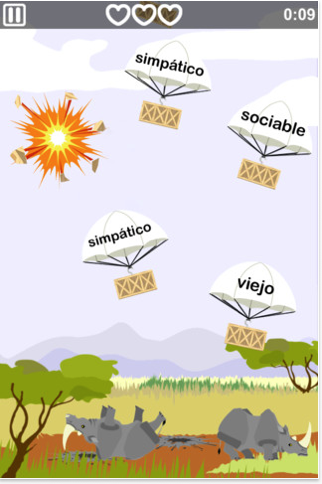
window.__IS_SSR__=true
window.__INITIAL_STATE__={
"attachmentsReducer": {
"audio_0": {
"type": "attachments",
"id": "audio_0",
"imgSizes": {
"kqedFullSize": {
"file": "https://ww2.kqed.org/news/wp-content/themes/KQED-unified/img/audio_bgs/background0.jpg"
}
}
},
"audio_1": {
"type": "attachments",
"id": "audio_1",
"imgSizes": {
"kqedFullSize": {
"file": "https://ww2.kqed.org/news/wp-content/themes/KQED-unified/img/audio_bgs/background1.jpg"
}
}
},
"audio_2": {
"type": "attachments",
"id": "audio_2",
"imgSizes": {
"kqedFullSize": {
"file": "https://ww2.kqed.org/news/wp-content/themes/KQED-unified/img/audio_bgs/background2.jpg"
}
}
},
"audio_3": {
"type": "attachments",
"id": "audio_3",
"imgSizes": {
"kqedFullSize": {
"file": "https://ww2.kqed.org/news/wp-content/themes/KQED-unified/img/audio_bgs/background3.jpg"
}
}
},
"audio_4": {
"type": "attachments",
"id": "audio_4",
"imgSizes": {
"kqedFullSize": {
"file": "https://ww2.kqed.org/news/wp-content/themes/KQED-unified/img/audio_bgs/background4.jpg"
}
}
},
"placeholder": {
"type": "attachments",
"id": "placeholder",
"imgSizes": {
"thumbnail": {
"file": "https://cdn.kqed.org/wp-content/uploads/2024/12/KQED-Default-Image-816638274-2000x1333-1-160x107.jpg",
"width": 160,
"height": 107,
"mimeType": "image/jpeg"
},
"medium": {
"file": "https://cdn.kqed.org/wp-content/uploads/2024/12/KQED-Default-Image-816638274-2000x1333-1-800x533.jpg",
"width": 800,
"height": 533,
"mimeType": "image/jpeg"
},
"medium_large": {
"file": "https://cdn.kqed.org/wp-content/uploads/2024/12/KQED-Default-Image-816638274-2000x1333-1-768x512.jpg",
"width": 768,
"height": 512,
"mimeType": "image/jpeg"
},
"large": {
"file": "https://cdn.kqed.org/wp-content/uploads/2024/12/KQED-Default-Image-816638274-2000x1333-1-1020x680.jpg",
"width": 1020,
"height": 680,
"mimeType": "image/jpeg"
},
"1536x1536": {
"file": "https://cdn.kqed.org/wp-content/uploads/2024/12/KQED-Default-Image-816638274-2000x1333-1-1536x1024.jpg",
"width": 1536,
"height": 1024,
"mimeType": "image/jpeg"
},
"fd-lrg": {
"file": "https://cdn.kqed.org/wp-content/uploads/2024/12/KQED-Default-Image-816638274-2000x1333-1-1536x1024.jpg",
"width": 1536,
"height": 1024,
"mimeType": "image/jpeg"
},
"fd-med": {
"file": "https://cdn.kqed.org/wp-content/uploads/2024/12/KQED-Default-Image-816638274-2000x1333-1-1020x680.jpg",
"width": 1020,
"height": 680,
"mimeType": "image/jpeg"
},
"fd-sm": {
"file": "https://cdn.kqed.org/wp-content/uploads/2024/12/KQED-Default-Image-816638274-2000x1333-1-800x533.jpg",
"width": 800,
"height": 533,
"mimeType": "image/jpeg"
},
"post-thumbnail": {
"file": "https://cdn.kqed.org/wp-content/uploads/2024/12/KQED-Default-Image-816638274-2000x1333-1-672x372.jpg",
"width": 672,
"height": 372,
"mimeType": "image/jpeg"
},
"twentyfourteen-full-width": {
"file": "https://cdn.kqed.org/wp-content/uploads/2024/12/KQED-Default-Image-816638274-2000x1333-1-1038x576.jpg",
"width": 1038,
"height": 576,
"mimeType": "image/jpeg"
},
"xxsmall": {
"file": "https://cdn.kqed.org/wp-content/uploads/2024/12/KQED-Default-Image-816638274-2000x1333-1-160x107.jpg",
"width": 160,
"height": 107,
"mimeType": "image/jpeg"
},
"xsmall": {
"file": "https://cdn.kqed.org/wp-content/uploads/2024/12/KQED-Default-Image-816638274-2000x1333-1-672x372.jpg",
"width": 672,
"height": 372,
"mimeType": "image/jpeg"
},
"small": {
"file": "https://cdn.kqed.org/wp-content/uploads/2024/12/KQED-Default-Image-816638274-2000x1333-1-672x372.jpg",
"width": 672,
"height": 372,
"mimeType": "image/jpeg"
},
"xlarge": {
"file": "https://cdn.kqed.org/wp-content/uploads/2024/12/KQED-Default-Image-816638274-2000x1333-1-1020x680.jpg",
"width": 1020,
"height": 680,
"mimeType": "image/jpeg"
},
"full-width": {
"file": "https://cdn.kqed.org/wp-content/uploads/2024/12/KQED-Default-Image-816638274-2000x1333-1-1920x1280.jpg",
"width": 1920,
"height": 1280,
"mimeType": "image/jpeg"
},
"guest-author-32": {
"file": "https://cdn.kqed.org/wp-content/uploads/2025/01/KQED-Default-Image-816638274-1333x1333-1-160x160.jpg",
"width": 32,
"height": 32,
"mimeType": "image/jpeg"
},
"guest-author-50": {
"file": "https://cdn.kqed.org/wp-content/uploads/2025/01/KQED-Default-Image-816638274-1333x1333-1-160x160.jpg",
"width": 50,
"height": 50,
"mimeType": "image/jpeg"
},
"guest-author-64": {
"file": "https://cdn.kqed.org/wp-content/uploads/2025/01/KQED-Default-Image-816638274-1333x1333-1-160x160.jpg",
"width": 64,
"height": 64,
"mimeType": "image/jpeg"
},
"guest-author-96": {
"file": "https://cdn.kqed.org/wp-content/uploads/2025/01/KQED-Default-Image-816638274-1333x1333-1-160x160.jpg",
"width": 96,
"height": 96,
"mimeType": "image/jpeg"
},
"guest-author-128": {
"file": "https://cdn.kqed.org/wp-content/uploads/2025/01/KQED-Default-Image-816638274-1333x1333-1-160x160.jpg",
"width": 128,
"height": 128,
"mimeType": "image/jpeg"
},
"detail": {
"file": "https://cdn.kqed.org/wp-content/uploads/2025/01/KQED-Default-Image-816638274-1333x1333-1-160x160.jpg",
"width": 160,
"height": 160,
"mimeType": "image/jpeg"
},
"kqedFullSize": {
"file": "https://cdn.kqed.org/wp-content/uploads/2024/12/KQED-Default-Image-816638274-2000x1333-1.jpg",
"width": 2000,
"height": 1333
}
}
},
"mindshift_19083": {
"type": "attachments",
"id": "mindshift_19083",
"meta": {
"index": "attachments_1716263798",
"site": "mindshift",
"id": "19083",
"found": true
},
"parent": 19081,
"imgSizes": {
"fd-sm": {
"file": "https://ww2.kqed.org/app/uploads/sites/23/2012/02/108773063-320x365.jpg",
"width": 320,
"mimeType": "image/jpeg",
"height": 365
},
"post-thumbnail": {
"file": "https://ww2.kqed.org/app/uploads/sites/23/2012/02/108773063-388x372.jpg",
"width": 388,
"mimeType": "image/jpeg",
"height": 372
},
"kqedFullSize": {
"file": "https://ww2.kqed.org/app/uploads/sites/23/2012/02/108773063.jpg",
"width": 388,
"height": 443
},
"guest-author-96": {
"file": "https://ww2.kqed.org/app/uploads/sites/23/2012/02/108773063-96x96.jpg",
"width": 96,
"mimeType": "image/jpeg",
"height": 96
},
"guest-author-64": {
"file": "https://ww2.kqed.org/app/uploads/sites/23/2012/02/108773063-64x64.jpg",
"width": 64,
"mimeType": "image/jpeg",
"height": 64
},
"detail": {
"file": "https://ww2.kqed.org/app/uploads/sites/23/2012/02/108773063-75x75.jpg",
"width": 75,
"mimeType": "image/jpeg",
"height": 75
},
"guest-author-32": {
"file": "https://ww2.kqed.org/app/uploads/sites/23/2012/02/108773063-32x32.jpg",
"width": 32,
"mimeType": "image/jpeg",
"height": 32
},
"guest-author-128": {
"file": "https://ww2.kqed.org/app/uploads/sites/23/2012/02/108773063-128x128.jpg",
"width": 128,
"mimeType": "image/jpeg",
"height": 128
}
},
"publishDate": 1329332315,
"modified": 1329332315,
"caption": null,
"description": "Love education!",
"title": "108773063",
"credit": null,
"status": "inherit",
"isLoading": false,
"fetchFailed": false
},
"mindshift_19071": {
"type": "attachments",
"id": "mindshift_19071",
"meta": {
"index": "attachments_1716263798",
"site": "mindshift",
"id": "19071",
"found": true
},
"parent": 19063,
"imgSizes": {
"fd-sm": {
"file": "https://ww2.kqed.org/app/uploads/sites/23/2012/02/96047907-320x390.jpg",
"width": 320,
"mimeType": "image/jpeg",
"height": 390
},
"post-thumbnail": {
"file": "https://ww2.kqed.org/app/uploads/sites/23/2012/02/96047907-374x372.jpg",
"width": 374,
"mimeType": "image/jpeg",
"height": 372
},
"kqedFullSize": {
"file": "https://ww2.kqed.org/app/uploads/sites/23/2012/02/96047907.jpg",
"width": 374,
"height": 456
},
"guest-author-96": {
"file": "https://ww2.kqed.org/app/uploads/sites/23/2012/02/96047907-96x96.jpg",
"width": 96,
"mimeType": "image/jpeg",
"height": 96
},
"guest-author-64": {
"file": "https://ww2.kqed.org/app/uploads/sites/23/2012/02/96047907-64x64.jpg",
"width": 64,
"mimeType": "image/jpeg",
"height": 64
},
"detail": {
"file": "https://ww2.kqed.org/app/uploads/sites/23/2012/02/96047907-75x75.jpg",
"width": 75,
"mimeType": "image/jpeg",
"height": 75
},
"guest-author-32": {
"file": "https://ww2.kqed.org/app/uploads/sites/23/2012/02/96047907-32x32.jpg",
"width": 32,
"mimeType": "image/jpeg",
"height": 32
},
"guest-author-128": {
"file": "https://ww2.kqed.org/app/uploads/sites/23/2012/02/96047907-128x128.jpg",
"width": 128,
"mimeType": "image/jpeg",
"height": 128
}
},
"publishDate": 1329260170,
"modified": 1329260170,
"caption": null,
"description": "Exploring Friends",
"title": "96047907",
"credit": null,
"status": "inherit",
"isLoading": false,
"fetchFailed": false
},
"mindshift_19050": {
"type": "attachments",
"id": "mindshift_19050",
"meta": {
"index": "attachments_1716263798",
"site": "mindshift",
"id": "19050",
"found": true
},
"parent": 19039,
"imgSizes": {
"fd-sm": {
"file": "https://ww2.kqed.org/app/uploads/sites/23/2012/02/Screen-shot-2012-02-14-at-10.53.10-AM-320x481.png",
"width": 320,
"mimeType": "image/png",
"height": 481
},
"post-thumbnail": {
"file": "https://ww2.kqed.org/app/uploads/sites/23/2012/02/Screen-shot-2012-02-14-at-10.53.10-AM-322x372.png",
"width": 322,
"mimeType": "image/png",
"height": 372
},
"kqedFullSize": {
"file": "https://ww2.kqed.org/app/uploads/sites/23/2012/02/Screen-shot-2012-02-14-at-10.53.10-AM.png",
"width": 322,
"height": 484
},
"guest-author-96": {
"file": "https://ww2.kqed.org/app/uploads/sites/23/2012/02/Screen-shot-2012-02-14-at-10.53.10-AM-96x96.png",
"width": 96,
"mimeType": "image/png",
"height": 96
},
"guest-author-64": {
"file": "https://ww2.kqed.org/app/uploads/sites/23/2012/02/Screen-shot-2012-02-14-at-10.53.10-AM-64x64.png",
"width": 64,
"mimeType": "image/png",
"height": 64
},
"detail": {
"file": "https://ww2.kqed.org/app/uploads/sites/23/2012/02/Screen-shot-2012-02-14-at-10.53.10-AM-75x75.png",
"width": 75,
"mimeType": "image/png",
"height": 75
},
"guest-author-32": {
"file": "https://ww2.kqed.org/app/uploads/sites/23/2012/02/Screen-shot-2012-02-14-at-10.53.10-AM-32x32.png",
"width": 32,
"mimeType": "image/png",
"height": 32
},
"guest-author-128": {
"file": "https://ww2.kqed.org/app/uploads/sites/23/2012/02/Screen-shot-2012-02-14-at-10.53.10-AM-128x128.png",
"width": 128,
"mimeType": "image/png",
"height": 128
}
},
"publishDate": 1329245628,
"modified": 1329245628,
"caption": null,
"description": null,
"title": "Screen shot 2012-02-14 at 10.53.10 AM",
"credit": null,
"status": "inherit",
"isLoading": false,
"fetchFailed": false
},
"mindshift_19036": {
"type": "attachments",
"id": "mindshift_19036",
"meta": {
"index": "attachments_1716263798",
"site": "mindshift",
"id": "19036",
"found": true
},
"parent": 19030,
"imgSizes": {
"thumbnail": {
"file": "https://ww2.kqed.org/app/uploads/sites/23/2012/02/Screen-shot-2012-02-13-at-3.18.17-PM-400x238.png",
"width": 400,
"mimeType": "image/png",
"height": 238
},
"fd-sm": {
"file": "https://ww2.kqed.org/app/uploads/sites/23/2012/02/Screen-shot-2012-02-13-at-3.18.17-PM-320x190.png",
"width": 320,
"mimeType": "image/png",
"height": 190
},
"kqedFullSize": {
"file": "https://ww2.kqed.org/app/uploads/sites/23/2012/02/Screen-shot-2012-02-13-at-3.18.17-PM.png",
"width": 591,
"height": 351
},
"guest-author-96": {
"file": "https://ww2.kqed.org/app/uploads/sites/23/2012/02/Screen-shot-2012-02-13-at-3.18.17-PM-96x96.png",
"width": 96,
"mimeType": "image/png",
"height": 96
},
"guest-author-64": {
"file": "https://ww2.kqed.org/app/uploads/sites/23/2012/02/Screen-shot-2012-02-13-at-3.18.17-PM-64x64.png",
"width": 64,
"mimeType": "image/png",
"height": 64
},
"detail": {
"file": "https://ww2.kqed.org/app/uploads/sites/23/2012/02/Screen-shot-2012-02-13-at-3.18.17-PM-75x75.png",
"width": 75,
"mimeType": "image/png",
"height": 75
},
"guest-author-32": {
"file": "https://ww2.kqed.org/app/uploads/sites/23/2012/02/Screen-shot-2012-02-13-at-3.18.17-PM-32x32.png",
"width": 32,
"mimeType": "image/png",
"height": 32
},
"guest-author-128": {
"file": "https://ww2.kqed.org/app/uploads/sites/23/2012/02/Screen-shot-2012-02-13-at-3.18.17-PM-128x128.png",
"width": 128,
"mimeType": "image/png",
"height": 128
}
},
"publishDate": 1329175119,
"modified": 1329175119,
"caption": null,
"description": null,
"title": "Screen shot 2012-02-13 at 3.18.17 PM",
"credit": null,
"status": "inherit",
"isLoading": false,
"fetchFailed": false
},
"mindshift_19000": {
"type": "attachments",
"id": "mindshift_19000",
"meta": {
"index": "attachments_1716263798",
"site": "mindshift",
"id": "19000",
"found": true
},
"parent": 18993,
"imgSizes": {
"thumbnail": {
"file": "https://ww2.kqed.org/app/uploads/sites/23/2012/02/131708640-400x267.jpg",
"width": 400,
"mimeType": "image/jpeg",
"height": 267
},
"fd-sm": {
"file": "https://ww2.kqed.org/app/uploads/sites/23/2012/02/131708640-320x213.jpg",
"width": 320,
"mimeType": "image/jpeg",
"height": 213
},
"kqedFullSize": {
"file": "https://ww2.kqed.org/app/uploads/sites/23/2012/02/131708640.jpg",
"width": 507,
"height": 338
},
"guest-author-96": {
"file": "https://ww2.kqed.org/app/uploads/sites/23/2012/02/131708640-96x96.jpg",
"width": 96,
"mimeType": "image/jpeg",
"height": 96
},
"guest-author-64": {
"file": "https://ww2.kqed.org/app/uploads/sites/23/2012/02/131708640-64x64.jpg",
"width": 64,
"mimeType": "image/jpeg",
"height": 64
},
"detail": {
"file": "https://ww2.kqed.org/app/uploads/sites/23/2012/02/131708640-75x75.jpg",
"width": 75,
"mimeType": "image/jpeg",
"height": 75
},
"guest-author-32": {
"file": "https://ww2.kqed.org/app/uploads/sites/23/2012/02/131708640-32x32.jpg",
"width": 32,
"mimeType": "image/jpeg",
"height": 32
},
"guest-author-128": {
"file": "https://ww2.kqed.org/app/uploads/sites/23/2012/02/131708640-128x128.jpg",
"width": 128,
"mimeType": "image/jpeg",
"height": 128
}
},
"publishDate": 1328900122,
"modified": 1328900122,
"caption": "College professors are finding creative ways to use tablets in classes.",
"description": "Young focused student using a tablet computer",
"title": "131708640",
"credit": null,
"status": "inherit",
"isLoading": false,
"fetchFailed": false
},
"mindshift_18989": {
"type": "attachments",
"id": "mindshift_18989",
"meta": {
"index": "attachments_1716263798",
"site": "mindshift",
"id": "18989",
"found": true
},
"parent": 18962,
"imgSizes": {
"thumbnail": {
"file": "https://ww2.kqed.org/app/uploads/sites/23/2012/02/57436584-400x288.jpg",
"width": 400,
"mimeType": "image/jpeg",
"height": 288
},
"fd-sm": {
"file": "https://ww2.kqed.org/app/uploads/sites/23/2012/02/57436584-320x231.jpg",
"width": 320,
"mimeType": "image/jpeg",
"height": 231
},
"kqedFullSize": {
"file": "https://ww2.kqed.org/app/uploads/sites/23/2012/02/57436584.jpg",
"width": 487,
"height": 351
},
"guest-author-96": {
"file": "https://ww2.kqed.org/app/uploads/sites/23/2012/02/57436584-96x96.jpg",
"width": 96,
"mimeType": "image/jpeg",
"height": 96
},
"guest-author-64": {
"file": "https://ww2.kqed.org/app/uploads/sites/23/2012/02/57436584-64x64.jpg",
"width": 64,
"mimeType": "image/jpeg",
"height": 64
},
"detail": {
"file": "https://ww2.kqed.org/app/uploads/sites/23/2012/02/57436584-75x75.jpg",
"width": 75,
"mimeType": "image/jpeg",
"height": 75
},
"guest-author-32": {
"file": "https://ww2.kqed.org/app/uploads/sites/23/2012/02/57436584-32x32.jpg",
"width": 32,
"mimeType": "image/jpeg",
"height": 32
},
"guest-author-128": {
"file": "https://ww2.kqed.org/app/uploads/sites/23/2012/02/57436584-128x128.jpg",
"width": 128,
"mimeType": "image/jpeg",
"height": 128
}
},
"publishDate": 1328817905,
"modified": 1328817905,
"caption": null,
"description": "view of a young boy (8-10) playing chess",
"title": "57436584",
"credit": null,
"status": "inherit",
"isLoading": false,
"fetchFailed": false
},
"mindshift_18972": {
"type": "attachments",
"id": "mindshift_18972",
"meta": {
"index": "attachments_1716263798",
"site": "mindshift",
"id": "18972",
"found": true
},
"parent": 18961,
"imgSizes": {
"twentyfourteen-full-width": {
"file": "https://ww2.kqed.org/app/uploads/sites/23/2012/02/Screen-shot-2012-02-09-at-10.24.59-AM-927x576.png",
"width": 927,
"mimeType": "image/png",
"height": 576
},
"thumbnail": {
"file": "https://ww2.kqed.org/app/uploads/sites/23/2012/02/Screen-shot-2012-02-09-at-10.24.59-AM-400x268.png",
"width": 400,
"mimeType": "image/png",
"height": 268
},
"fd-sm": {
"file": "https://ww2.kqed.org/app/uploads/sites/23/2012/02/Screen-shot-2012-02-09-at-10.24.59-AM-320x214.png",
"width": 320,
"mimeType": "image/png",
"height": 214
},
"post-thumbnail": {
"file": "https://ww2.kqed.org/app/uploads/sites/23/2012/02/Screen-shot-2012-02-09-at-10.24.59-AM-672x372.png",
"width": 672,
"mimeType": "image/png",
"height": 372
},
"kqedFullSize": {
"file": "https://ww2.kqed.org/app/uploads/sites/23/2012/02/Screen-shot-2012-02-09-at-10.24.59-AM.png",
"width": 927,
"height": 620
},
"fd-med": {
"file": "https://ww2.kqed.org/app/uploads/sites/23/2012/02/Screen-shot-2012-02-09-at-10.24.59-AM-768x514.png",
"width": 768,
"mimeType": "image/png",
"height": 514
},
"guest-author-96": {
"file": "https://ww2.kqed.org/app/uploads/sites/23/2012/02/Screen-shot-2012-02-09-at-10.24.59-AM-96x96.png",
"width": 96,
"mimeType": "image/png",
"height": 96
},
"medium": {
"file": "https://ww2.kqed.org/app/uploads/sites/23/2012/02/Screen-shot-2012-02-09-at-10.24.59-AM-800x535.png",
"width": 800,
"mimeType": "image/png",
"height": 535
},
"guest-author-64": {
"file": "https://ww2.kqed.org/app/uploads/sites/23/2012/02/Screen-shot-2012-02-09-at-10.24.59-AM-64x64.png",
"width": 64,
"mimeType": "image/png",
"height": 64
},
"detail": {
"file": "https://ww2.kqed.org/app/uploads/sites/23/2012/02/Screen-shot-2012-02-09-at-10.24.59-AM-75x75.png",
"width": 75,
"mimeType": "image/png",
"height": 75
},
"guest-author-32": {
"file": "https://ww2.kqed.org/app/uploads/sites/23/2012/02/Screen-shot-2012-02-09-at-10.24.59-AM-32x32.png",
"width": 32,
"mimeType": "image/png",
"height": 32
},
"guest-author-128": {
"file": "https://ww2.kqed.org/app/uploads/sites/23/2012/02/Screen-shot-2012-02-09-at-10.24.59-AM-128x128.png",
"width": 128,
"mimeType": "image/png",
"height": 128
}
},
"publishDate": 1328811951,
"modified": 1328811951,
"caption": "Students at Visitacion Valley School in South San Francisco observe 15 minutes of quiet time every morning.",
"description": null,
"title": "Screen-shot-2012-02-09-at-10.24.59-AM",
"credit": null,
"status": "inherit",
"isLoading": false,
"fetchFailed": false
},
"mindshift_18186": {
"type": "attachments",
"id": "mindshift_18186",
"meta": {
"index": "attachments_1716263798",
"site": "mindshift",
"id": "18186",
"found": true
},
"parent": 18144,
"imgSizes": {
"thumbnail": {
"file": "https://ww2.kqed.org/app/uploads/sites/23/2012/01/4601492261_599b55ef54_z1-400x241.jpg",
"width": 400,
"mimeType": "image/jpeg",
"height": 241
},
"fd-sm": {
"file": "https://ww2.kqed.org/app/uploads/sites/23/2012/01/4601492261_599b55ef54_z1-320x193.jpg",
"width": 320,
"mimeType": "image/jpeg",
"height": 193
},
"post-thumbnail": {
"file": "https://ww2.kqed.org/app/uploads/sites/23/2012/01/4601492261_599b55ef54_z1-640x372.jpg",
"width": 640,
"mimeType": "image/jpeg",
"height": 372
},
"kqedFullSize": {
"file": "https://ww2.kqed.org/app/uploads/sites/23/2012/01/4601492261_599b55ef54_z1.jpg",
"width": 640,
"height": 386
},
"guest-author-96": {
"file": "https://ww2.kqed.org/app/uploads/sites/23/2012/01/4601492261_599b55ef54_z1-96x96.jpg",
"width": 96,
"mimeType": "image/jpeg",
"height": 96
},
"guest-author-64": {
"file": "https://ww2.kqed.org/app/uploads/sites/23/2012/01/4601492261_599b55ef54_z1-64x64.jpg",
"width": 64,
"mimeType": "image/jpeg",
"height": 64
},
"detail": {
"file": "https://ww2.kqed.org/app/uploads/sites/23/2012/01/4601492261_599b55ef54_z1-75x75.jpg",
"width": 75,
"mimeType": "image/jpeg",
"height": 75
},
"guest-author-32": {
"file": "https://ww2.kqed.org/app/uploads/sites/23/2012/01/4601492261_599b55ef54_z1-32x32.jpg",
"width": 32,
"mimeType": "image/jpeg",
"height": 32
},
"guest-author-128": {
"file": "https://ww2.kqed.org/app/uploads/sites/23/2012/01/4601492261_599b55ef54_z1-128x128.jpg",
"width": 128,
"mimeType": "image/jpeg",
"height": 128
}
},
"publishDate": 1326486941,
"modified": 1326486941,
"caption": "The world looks to schools like this in Vantaankosken, Finland, as the model of success.",
"description": null,
"title": "4601492261_599b55ef54_z1",
"credit": null,
"status": "inherit",
"isLoading": false,
"fetchFailed": false
},
"mindshift_18768": {
"type": "attachments",
"id": "mindshift_18768",
"meta": {
"index": "attachments_1716263798",
"site": "mindshift",
"id": "18768",
"found": true
},
"parent": 18749,
"imgSizes": {
"twentyfourteen-full-width": {
"file": "https://ww2.kqed.org/app/uploads/sites/23/2012/01/Screen-shot-2012-01-31-at-5.17.29-PM-863x576.png",
"width": 863,
"mimeType": "image/png",
"height": 576
},
"thumbnail": {
"file": "https://ww2.kqed.org/app/uploads/sites/23/2012/01/Screen-shot-2012-01-31-at-5.17.29-PM-400x286.png",
"width": 400,
"mimeType": "image/png",
"height": 286
},
"fd-sm": {
"file": "https://ww2.kqed.org/app/uploads/sites/23/2012/01/Screen-shot-2012-01-31-at-5.17.29-PM-320x229.png",
"width": 320,
"mimeType": "image/png",
"height": 229
},
"post-thumbnail": {
"file": "https://ww2.kqed.org/app/uploads/sites/23/2012/01/Screen-shot-2012-01-31-at-5.17.29-PM-672x372.png",
"width": 672,
"mimeType": "image/png",
"height": 372
},
"kqedFullSize": {
"file": "https://ww2.kqed.org/app/uploads/sites/23/2012/01/Screen-shot-2012-01-31-at-5.17.29-PM.png",
"width": 863,
"height": 618
},
"fd-med": {
"file": "https://ww2.kqed.org/app/uploads/sites/23/2012/01/Screen-shot-2012-01-31-at-5.17.29-PM-768x550.png",
"width": 768,
"mimeType": "image/png",
"height": 550
},
"guest-author-96": {
"file": "https://ww2.kqed.org/app/uploads/sites/23/2012/01/Screen-shot-2012-01-31-at-5.17.29-PM-96x96.png",
"width": 96,
"mimeType": "image/png",
"height": 96
},
"medium": {
"file": "https://ww2.kqed.org/app/uploads/sites/23/2012/01/Screen-shot-2012-01-31-at-5.17.29-PM-800x573.png",
"width": 800,
"mimeType": "image/png",
"height": 573
},
"guest-author-64": {
"file": "https://ww2.kqed.org/app/uploads/sites/23/2012/01/Screen-shot-2012-01-31-at-5.17.29-PM-64x64.png",
"width": 64,
"mimeType": "image/png",
"height": 64
},
"detail": {
"file": "https://ww2.kqed.org/app/uploads/sites/23/2012/01/Screen-shot-2012-01-31-at-5.17.29-PM-75x75.png",
"width": 75,
"mimeType": "image/png",
"height": 75
},
"guest-author-32": {
"file": "https://ww2.kqed.org/app/uploads/sites/23/2012/01/Screen-shot-2012-01-31-at-5.17.29-PM-32x32.png",
"width": 32,
"mimeType": "image/png",
"height": 32
},
"guest-author-128": {
"file": "https://ww2.kqed.org/app/uploads/sites/23/2012/01/Screen-shot-2012-01-31-at-5.17.29-PM-128x128.png",
"width": 128,
"mimeType": "image/png",
"height": 128
}
},
"publishDate": 1328059074,
"modified": 1328059074,
"caption": null,
"description": null,
"title": "Screen-shot-2012-01-31-at-5.17.29-PM",
"credit": null,
"status": "inherit",
"isLoading": false,
"fetchFailed": false
},
"mindshift_18908": {
"type": "attachments",
"id": "mindshift_18908",
"meta": {
"index": "attachments_1716263798",
"site": "mindshift",
"id": "18908",
"found": true
},
"parent": 18907,
"imgSizes": {
"thumbnail": {
"file": "https://ww2.kqed.org/app/uploads/sites/23/2012/02/2763788143_08223ddaf2_z-400x266.jpg",
"width": 400,
"mimeType": "image/jpeg",
"height": 266
},
"fd-sm": {
"file": "https://ww2.kqed.org/app/uploads/sites/23/2012/02/2763788143_08223ddaf2_z-320x213.jpg",
"width": 320,
"mimeType": "image/jpeg",
"height": 213
},
"post-thumbnail": {
"file": "https://ww2.kqed.org/app/uploads/sites/23/2012/02/2763788143_08223ddaf2_z-640x372.jpg",
"width": 640,
"mimeType": "image/jpeg",
"height": 372
},
"kqedFullSize": {
"file": "https://ww2.kqed.org/app/uploads/sites/23/2012/02/2763788143_08223ddaf2_z.jpg",
"width": 640,
"height": 426
},
"guest-author-96": {
"file": "https://ww2.kqed.org/app/uploads/sites/23/2012/02/2763788143_08223ddaf2_z-96x96.jpg",
"width": 96,
"mimeType": "image/jpeg",
"height": 96
},
"guest-author-64": {
"file": "https://ww2.kqed.org/app/uploads/sites/23/2012/02/2763788143_08223ddaf2_z-64x64.jpg",
"width": 64,
"mimeType": "image/jpeg",
"height": 64
},
"detail": {
"file": "https://ww2.kqed.org/app/uploads/sites/23/2012/02/2763788143_08223ddaf2_z-75x75.jpg",
"width": 75,
"mimeType": "image/jpeg",
"height": 75
},
"guest-author-32": {
"file": "https://ww2.kqed.org/app/uploads/sites/23/2012/02/2763788143_08223ddaf2_z-32x32.jpg",
"width": 32,
"mimeType": "image/jpeg",
"height": 32
},
"guest-author-128": {
"file": "https://ww2.kqed.org/app/uploads/sites/23/2012/02/2763788143_08223ddaf2_z-128x128.jpg",
"width": 128,
"mimeType": "image/jpeg",
"height": 128
}
},
"publishDate": 1328638485,
"modified": 1328638485,
"caption": null,
"description": null,
"title": "2763788143_08223ddaf2_z",
"credit": null,
"status": "inherit",
"isLoading": false,
"fetchFailed": false
},
"mindshift_18893": {
"type": "attachments",
"id": "mindshift_18893",
"meta": {
"index": "attachments_1716263798",
"site": "mindshift",
"id": "18893",
"found": true
},
"parent": 18891,
"imgSizes": {
"thumbnail": {
"file": "https://ww2.kqed.org/app/uploads/sites/23/2012/02/5123131271_1d64b29303-400x266.jpg",
"width": 400,
"mimeType": "image/jpeg",
"height": 266
},
"fd-sm": {
"file": "https://ww2.kqed.org/app/uploads/sites/23/2012/02/5123131271_1d64b29303-320x212.jpg",
"width": 320,
"mimeType": "image/jpeg",
"height": 212
},
"kqedFullSize": {
"file": "https://ww2.kqed.org/app/uploads/sites/23/2012/02/5123131271_1d64b29303.jpg",
"width": 500,
"height": 332
},
"guest-author-96": {
"file": "https://ww2.kqed.org/app/uploads/sites/23/2012/02/5123131271_1d64b29303-96x96.jpg",
"width": 96,
"mimeType": "image/jpeg",
"height": 96
},
"guest-author-64": {
"file": "https://ww2.kqed.org/app/uploads/sites/23/2012/02/5123131271_1d64b29303-64x64.jpg",
"width": 64,
"mimeType": "image/jpeg",
"height": 64
},
"detail": {
"file": "https://ww2.kqed.org/app/uploads/sites/23/2012/02/5123131271_1d64b29303-75x75.jpg",
"width": 75,
"mimeType": "image/jpeg",
"height": 75
},
"guest-author-32": {
"file": "https://ww2.kqed.org/app/uploads/sites/23/2012/02/5123131271_1d64b29303-32x32.jpg",
"width": 32,
"mimeType": "image/jpeg",
"height": 32
},
"guest-author-128": {
"file": "https://ww2.kqed.org/app/uploads/sites/23/2012/02/5123131271_1d64b29303-128x128.jpg",
"width": 128,
"mimeType": "image/jpeg",
"height": 128
}
},
"publishDate": 1328316444,
"modified": 1328316444,
"caption": null,
"description": "Nazareth College is proud to announce it is hosting a 29th Congressional District debate between candidatesTom Reed (R) and Matt Zeller (D) onTuesday, October 26, from 7 8 p.m. in the Callahan Theater of the Nazareth College Arts Center. It is open to the public. Voters can also meet the candidates the hour before the debate in the Arts Center Lobby, as well as after the debate. Nazareth College is located at 4245 East Avenue, Rochester, N.Y. 14618. The debate is the first-ever on the Nazareth campus, and is being organized entirely by students in the Campaigns, Voters and Elections political science class taught by Dr. Timothy Kneeland. It is also the first time the candidates will debate in the Rochester area in front of a live audience before the election",
"title": "5123131271_1d64b29303",
"credit": null,
"status": "inherit",
"isLoading": false,
"fetchFailed": false
}
},
"audioPlayerReducer": {
"postId": "stream_live",
"isPaused": true,
"isPlaying": false,
"pfsActive": false,
"pledgeModalIsOpen": true,
"playerDrawerIsOpen": false,
"liveAudioPlayStartedAt": 0,
"liveAudioPlayContext": ""
},
"authorsReducer": {
"tbarseghian": {
"type": "authors",
"id": "180",
"meta": {
"index": "authors_1716337520",
"id": "180",
"found": true
},
"name": "Tina Barseghian",
"firstName": "Tina",
"lastName": "Barseghian",
"slug": "tbarseghian",
"email": "tbarseghian@kqed.org",
"display_author_email": false,
"staff_mastheads": [],
"title": null,
"bio": null,
"avatar": "https://secure.gravatar.com/avatar/de7e6ced1239b7018fe4d2b61f723c90?s=600&d=blank&r=g",
"twitter": null,
"facebook": null,
"instagram": null,
"linkedin": null,
"sites": [
{
"site": "styleguide",
"roles": [
"contributor"
]
},
{
"site": "news",
"roles": [
"subscriber"
]
},
{
"site": "mindshift",
"roles": [
"subscriber"
]
},
{
"site": "bayareabites",
"roles": [
"subscriber"
]
}
],
"headData": {
"title": "Tina Barseghian | KQED",
"description": null,
"ogImgSrc": "https://secure.gravatar.com/avatar/de7e6ced1239b7018fe4d2b61f723c90?s=600&d=blank&r=g",
"twImgSrc": "https://secure.gravatar.com/avatar/de7e6ced1239b7018fe4d2b61f723c90?s=600&d=blank&r=g"
},
"isLoading": false,
"link": "/author/tbarseghian"
},
"anniempaul": {
"type": "authors",
"id": "4355",
"meta": {
"index": "authors_1716337520",
"id": "4355",
"found": true
},
"name": "Annie Murphy Paul",
"firstName": "Annie",
"lastName": "Murphy Paul",
"slug": "anniempaul",
"email": "anniempaul@gmail.com",
"display_author_email": false,
"staff_mastheads": [],
"title": null,
"bio": null,
"avatar": "https://secure.gravatar.com/avatar/060ea758e9b83d478e4e6c8a0466af50?s=600&d=blank&r=g",
"twitter": null,
"facebook": null,
"instagram": null,
"linkedin": null,
"sites": [
{
"site": "mindshift",
"roles": [
"author"
]
}
],
"headData": {
"title": "Annie Murphy Paul | KQED",
"description": null,
"ogImgSrc": "https://secure.gravatar.com/avatar/060ea758e9b83d478e4e6c8a0466af50?s=600&d=blank&r=g",
"twImgSrc": "https://secure.gravatar.com/avatar/060ea758e9b83d478e4e6c8a0466af50?s=600&d=blank&r=g"
},
"isLoading": false,
"link": "/author/anniempaul"
}
},
"pagesReducer": {
"mindshift_category_teaching-strategies": {
"type": "terms",
"id": "mindshift_193",
"meta": {
"index": "terms_1716263798",
"site": "mindshift",
"id": "193",
"score": 14.406914
},
"featImg": null,
"name": "Teaching Strategies",
"description": "Innovative ideas - projects, processes, curricula, and more - that are transforming how we teach and learn.",
"taxonomy": "category",
"headData": {
"twImgId": null,
"twTitle": null,
"ogTitle": null,
"ogImgId": null,
"twDescription": null,
"description": "Innovative ideas - projects, processes, curricula, and more - that are transforming how we teach and learn.",
"title": "Teaching Strategies Archives | KQED Mindshift",
"ogDescription": null
},
"ttid": 193,
"slug": "teaching-strategies",
"isLoading": false,
"title": "Teaching Strategies",
"pageMeta": {
"site": "mindshift",
"WpPageTemplate": "page-topic-editorial",
"currentPage": 75
},
"blocks": [
{
"blockName": "kqed/company-paragraph",
"content": "Innovative ideas - projects, processes, curricula, and more - that are transforming how we teach and learn."
},
{
"blockName": "kqed/post-list",
"attrs": {
"layout": "cardArticle2",
"query": "posts/mindshift?category=teaching-strategies",
"seeMore": false,
"paginated": true,
"page": 75
}
},
{
"blockName": "kqed/ad"
}
]
}
},
"pfsSessionReducer": {},
"postsReducer": {
"stream_live": {
"type": "live",
"id": "stream_live",
"audioUrl": "https://streams.kqed.org/kqedradio",
"title": "Live Stream",
"excerpt": "Live Stream information currently unavailable.",
"link": "/radio",
"featImg": "",
"label": {
"name": "KQED Live",
"link": "/"
}
},
"stream_kqedNewscast": {
"type": "posts",
"id": "stream_kqedNewscast",
"audioUrl": "https://www.kqed.org/.stream/anon/radio/RDnews/newscast.mp3?_=1",
"title": "KQED Newscast",
"featImg": "",
"label": {
"name": "88.5 FM",
"link": "/"
}
},
"mindshift_19081": {
"type": "posts",
"id": "mindshift_19081",
"meta": {
"index": "posts_1716263798",
"site": "mindshift",
"id": "19081",
"score": null,
"sort": [
1329332540000
]
},
"parent": 0,
"labelTerm": {
"site": "mindshift"
},
"blocks": [],
"publishDate": 1329332540,
"format": "aside",
"disqusTitle": "What If Robots Taught Kids?",
"title": "What If Robots Taught Kids?",
"headTitle": "MindShift | KQED News",
"content": "\u003cdiv class=\"module image alignleft mceTemp\" style=\"width: 388px\">\u003cimg class=\"size-full wp-image-19083\" src=\"http://ww2.kqed.org/mindshift/wp-content/uploads/sites/23/2012/02/108773063.jpg\" alt=\"\" width=\"388\" height=\"443\" srcset=\"https://ww2.kqed.org/app/uploads/sites/23/2012/02/108773063.jpg 388w, https://ww2.kqed.org/app/uploads/sites/23/2012/02/108773063-320x365.jpg 320w\" sizes=\"(max-width: 388px) 100vw, 388px\">\n\u003cp class=\"wp-media-credit\">Getty\u003c/p>\n\u003c/div>\n\u003ch5>By Chris Thompson\u003c/h5>\n\u003cp>Last month, a company called \u003ca href=\"http://latd.com/\">Latitude\u003c/a>, which analyzes how people will read, watch, listen, and learn in the future, organized a survey to figure out what the future of education might look like. They asked: \u003ca href=\"http://latd.com/2012/01/16/robots-at-school-findings/\">what if robots taught children?\u003c/a>\u003c/p>\n\u003cp>The survey was conducted with 348 children from Australia, Europe, South Africa, and the U.S., designed to help answer the question, “What if robots were part of your everyday life – at school and beyond?” The questions, which were created with partners LEGO Learning Institute, were framed in a series of “narrative prompts” that would tease out complex and interesting answers about how children could best interact with artificial learning guides. “This really works with kids, and without it, we wouldn’t have gotten the richness we did,” says Ian Schultze, Latitude’s Director of Technology and Business Development.\u003c/p>\n\u003cp>The children were asked to finish the following stories:\u003c/p>\n\u003cp>“When I got to school this morning, my teacher surprised me by giving me a robot to help me with my schoolwork and…”\u003c/p>\n\u003cp>“My learning group or classroom finished its work before class ended, so my teacher let us leave early with the class robot and…”\u003c/p>\n\u003cp>[ad fullwidth]\u003c/p>\n\u003cp>“I made friends with a robot today, so I invited it to come home with me after school and…”\u003c/p>\n\u003cp>Some of the results [\u003ca href=\"http://bit.ly/robotstudy\">PDF\u003c/a>]:\u003c/p>\n\u003cul>\n\u003cli>64% of kids described robots as if they were \"natural, human-like companions: as humanoid peers that could speak and communicate with ease, came 'pre-loaded' with smarts and useful knowledge, and were social naturals.\"\u003c/li>\n\u003cli>One-third of kids explicitly described their robots’ physical form as human-like, and 29% \u003c!--more-->specified that their robots’ primary mode of interaction was speech.\u003c/li>\n\u003cli>75% of kids' robots \"acted patient and supportive in educational contexts.\"\u003c/li>\n\u003cli>20% of kids saw robots as a natural part of their peer groups.\u003c/li>\n\u003cli>38% of kids want a robot to play with.\u003c/li>\n\u003cli>38% of kids want a robot to learn with.\u003c/li>\n\u003c/ul>\n\u003cp>The results were more than just a role-playing game. Without knowing it, the children were describing their ideal teachers and learning environment. And overwhelmingly, children asked for teachers who didn't use shame or scolding if they answered a question wrong or didn’t understand a subject. Their ideal robot learning partner understood if a child wasn’t ready to move on from long division, and patiently went over the subject as long as it took.\u003c/p>\n\u003cp>“There’s a little bit of shame involved in being wrong or being behind,” Schultze says. “Robots can get that out of the way, because they’re not judgmental. There’s a sense that technology is almost coequal, as opposed to a sort of master-servant relationship.”\u003c/p>\n\u003cp>The survey also suggested that children have an almost eerily comfortable intimacy with robots, treating them as play partners and considering play, learning, and social behavior as part of the same continuum. Though this survey is a speculative game, the prospect of computers and robots being a part of children’s daily education may not be as far off as we think. Institutes like \u003ca href=\"http://ww2.kqed.org/mindshift/2010/12/school-of-one-revolutionizes-traditional-classroom-model/\">School of One \u003c/a>and \u003ca href=\"http://carpediemschools.com/about-us\">Carpe Dium\u003c/a> in Arizona are using online tutors and computer-assisted instruction, and Japanese and Korean schools have been \u003ca href=\"../2011/04/my-teacher-is-an-avatar/\">experimenting with robots in secondary education\u003c/a>.\u003c/p>\n\u003cp>But there are lessons from this survey, Schultze says, that suggest children crave a tutor. Someone – or something – that listens and learns with them, not at them.\u003c/p>\n\u003cp>As Schultze described the children’s attitude, “They’re using robots as a projective tool about what they do and don’t like about the current learning process,” Schultze says. “At a very simple level, they’re answering questions about how to better drive their own learning.”\u003c/p>\n\u003cp>\u003c/p>\n\u003cp> \u003c/p>\n\n",
"disqusIdentifier": "19081 http://blogs.kqed.org/mindshift/?p=19081",
"disqusUrl": "https://ww2.kqed.org/mindshift/2012/02/15/what-if-robots-taught-kids/",
"stats": {
"hasVideo": false,
"hasChartOrMap": false,
"hasAudio": false,
"hasPolis": false,
"wordCount": 658,
"hasGoogleForm": false,
"hasGallery": false,
"hasHearkenModule": false,
"iframeSrcs": [],
"paragraphCount": 14
},
"modified": 1329332540,
"excerpt": null,
"headData": {
"twImgId": "",
"twTitle": "",
"ogTitle": "",
"ogImgId": "",
"twDescription": "",
"description": "Getty By Chris Thompson Last month, a company called Latitude, which analyzes how people will read, watch, listen, and learn in the future, organized a survey to figure out what the future of education might look like. They asked: what if robots taught children? The survey was conducted with 348 children from Australia, Europe, South",
"title": "What If Robots Taught Kids? | KQED",
"ogDescription": "",
"schema": {
"@context": "https://schema.org",
"@type": "Article",
"headline": "What If Robots Taught Kids?",
"datePublished": "2012-02-15T11:02:20-08:00",
"dateModified": "2012-02-15T11:02:20-08:00",
"image": "https://cdn.kqed.org/wp-content/uploads/2020/02/KQED-OG-Image@1x.png"
}
},
"guestAuthors": [],
"slug": "what-if-robots-taught-kids",
"status": "publish",
"path": "/mindshift/19081/what-if-robots-taught-kids",
"audioTrackLength": null,
"parsedContent": [
{
"type": "contentString",
"content": "\u003cdiv class=\"post-body\">\u003cp>\u003cdiv class=\"module image alignleft mceTemp\" style=\"width: 388px\">\u003cimg class=\"size-full wp-image-19083\" src=\"http://ww2.kqed.org/mindshift/wp-content/uploads/sites/23/2012/02/108773063.jpg\" alt=\"\" width=\"388\" height=\"443\" srcset=\"https://ww2.kqed.org/app/uploads/sites/23/2012/02/108773063.jpg 388w, https://ww2.kqed.org/app/uploads/sites/23/2012/02/108773063-320x365.jpg 320w\" sizes=\"(max-width: 388px) 100vw, 388px\">\n\u003cp class=\"wp-media-credit\">Getty\u003c/p>\n\u003c/div>\n\u003ch5>By Chris Thompson\u003c/h5>\n\u003cp>Last month, a company called \u003ca href=\"http://latd.com/\">Latitude\u003c/a>, which analyzes how people will read, watch, listen, and learn in the future, organized a survey to figure out what the future of education might look like. They asked: \u003ca href=\"http://latd.com/2012/01/16/robots-at-school-findings/\">what if robots taught children?\u003c/a>\u003c/p>\n\u003cp>The survey was conducted with 348 children from Australia, Europe, South Africa, and the U.S., designed to help answer the question, “What if robots were part of your everyday life – at school and beyond?” The questions, which were created with partners LEGO Learning Institute, were framed in a series of “narrative prompts” that would tease out complex and interesting answers about how children could best interact with artificial learning guides. “This really works with kids, and without it, we wouldn’t have gotten the richness we did,” says Ian Schultze, Latitude’s Director of Technology and Business Development.\u003c/p>\n\u003cp>The children were asked to finish the following stories:\u003c/p>\n\u003cp>“When I got to school this morning, my teacher surprised me by giving me a robot to help me with my schoolwork and…”\u003c/p>\n\u003cp>“My learning group or classroom finished its work before class ended, so my teacher let us leave early with the class robot and…”\u003c/p>\n\u003cp>\u003c/p>\u003c/div>",
"attributes": {
"named": {},
"numeric": []
}
},
{
"type": "component",
"content": "",
"name": "ad",
"attributes": {
"named": {
"label": "fullwidth"
},
"numeric": [
"fullwidth"
]
}
},
{
"type": "contentString",
"content": "\u003cdiv class=\"post-body\">\u003cp>\u003c/p>\n\u003cp>“I made friends with a robot today, so I invited it to come home with me after school and…”\u003c/p>\n\u003cp>Some of the results [\u003ca href=\"http://bit.ly/robotstudy\">PDF\u003c/a>]:\u003c/p>\n\u003cul>\n\u003cli>64% of kids described robots as if they were \"natural, human-like companions: as humanoid peers that could speak and communicate with ease, came 'pre-loaded' with smarts and useful knowledge, and were social naturals.\"\u003c/li>\n\u003cli>One-third of kids explicitly described their robots’ physical form as human-like, and 29% \u003c!--more-->specified that their robots’ primary mode of interaction was speech.\u003c/li>\n\u003cli>75% of kids' robots \"acted patient and supportive in educational contexts.\"\u003c/li>\n\u003cli>20% of kids saw robots as a natural part of their peer groups.\u003c/li>\n\u003cli>38% of kids want a robot to play with.\u003c/li>\n\u003cli>38% of kids want a robot to learn with.\u003c/li>\n\u003c/ul>\n\u003cp>The results were more than just a role-playing game. Without knowing it, the children were describing their ideal teachers and learning environment. And overwhelmingly, children asked for teachers who didn't use shame or scolding if they answered a question wrong or didn’t understand a subject. Their ideal robot learning partner understood if a child wasn’t ready to move on from long division, and patiently went over the subject as long as it took.\u003c/p>\n\u003cp>“There’s a little bit of shame involved in being wrong or being behind,” Schultze says. “Robots can get that out of the way, because they’re not judgmental. There’s a sense that technology is almost coequal, as opposed to a sort of master-servant relationship.”\u003c/p>\n\u003cp>The survey also suggested that children have an almost eerily comfortable intimacy with robots, treating them as play partners and considering play, learning, and social behavior as part of the same continuum. Though this survey is a speculative game, the prospect of computers and robots being a part of children’s daily education may not be as far off as we think. Institutes like \u003ca href=\"http://ww2.kqed.org/mindshift/2010/12/school-of-one-revolutionizes-traditional-classroom-model/\">School of One \u003c/a>and \u003ca href=\"http://carpediemschools.com/about-us\">Carpe Dium\u003c/a> in Arizona are using online tutors and computer-assisted instruction, and Japanese and Korean schools have been \u003ca href=\"../2011/04/my-teacher-is-an-avatar/\">experimenting with robots in secondary education\u003c/a>.\u003c/p>\n\u003cp>But there are lessons from this survey, Schultze says, that suggest children crave a tutor. Someone – or something – that listens and learns with them, not at them.\u003c/p>\n\u003cp>As Schultze described the children’s attitude, “They’re using robots as a projective tool about what they do and don’t like about the current learning process,” Schultze says. “At a very simple level, they’re answering questions about how to better drive their own learning.”\u003c/p>\n\u003cp>\u003c/p>\n\u003cp> \u003c/p>\n\n\u003c/div>\u003c/p>",
"attributes": {
"named": {},
"numeric": []
}
}
],
"link": "/mindshift/19081/what-if-robots-taught-kids",
"authors": [
"4354"
],
"categories": [
"mindshift_195",
"mindshift_193"
],
"tags": [
"mindshift_817",
"mindshift_505"
],
"featImg": "mindshift_19083",
"label": "mindshift"
},
"mindshift_19063": {
"type": "posts",
"id": "mindshift_19063",
"meta": {
"index": "posts_1716263798",
"site": "mindshift",
"id": "19063",
"score": null,
"sort": [
1329260397000
]
},
"parent": 0,
"labelTerm": {
"site": "mindshift"
},
"blocks": [],
"publishDate": 1329260397,
"format": "aside",
"disqusTitle": "Creating Students' Survival Guide to the Web",
"title": "Creating Students' Survival Guide to the Web",
"headTitle": "MindShift | KQED News",
"content": "\u003cdiv class=\"module image alignright mceTemp\" style=\"width: 300px\">\u003cimg class=\"size-medium wp-image-19071\" src=\"http://ww2.kqed.org/mindshift/wp-content/uploads/sites/23/2012/02/96047907-300x365.jpg\" alt=\"\" width=\"300\" height=\"365\">\n\u003cp class=\"wp-media-credit\">Getty\u003c/p>\n\u003c/div>\n\u003ch5>\u003ca href=\"http://plpnetwork.com/author/ann-michaelsen/\">\u003cstrong>By Ann Michaelson\u003c/strong>\u003c/a>\u003c/h5>\n\u003cp>\u003cem>\u003cstrong>Infotention\u003c/strong> is a word I came up with to describe the psycho-social-techno skill/tools we all need to find our way online today, a mind-machine combination of brain-powered attention skills with computer-powered information filters. \u003c/em>- \u003ca href=\"http://www.rheingold.com/\">Howard Rheingold\u003c/a>\u003c/p>\n\u003cp>Author and educator Howard Rheingold discusses the importance of teaching students how to search the Web skillfully and how to find trustworthy Web sites. (See this YouTube video with \u003cstrong>\u003ca href=\"http://www.youtube.com/watch?v=AHVvGELuEqM\">advice to students\u003c/a>\u003c/strong> and read \"\u003ca href=\"http://blog.sfgate.com/rheingold/2009/06/30/crap-detection-101/\">Crap Detection 101\u003c/a>\"). Rheingold's online course \u003ca href=\"http://socialmediaclassroom.com/\">Social Media Classroom\u003c/a> points to many directions and provides a long reading list that includes books by intelligent authors who examine the potentially detrimental effects of the Internet on human cognition and relationships; books like \u003cstrong>\u003ca href=\"http://www.amazon.com/Alone-Together-Expect-Technology-Other/dp/0465010210\">Alone Together\u003c/a>\u003c/strong> by \u003cstrong>\u003ca href=\"http://www.youtube.com/watch?v=MtLVCpZIiNs\">Sherry Turkle\u003c/a>\u003c/strong> and \u003cstrong>\u003ca href=\"http://www.amazon.com/Shallows/dp/1848872275/ref=sr_1_2?s=books&ie=UTF8&qid=1326890902&sr=1-2\">The Shallows\u003c/a>\u003c/strong> by \u003cstrong>\u003ca href=\"http://en.wikipedia.org/wiki/Nicholas_G._Carr\">Nicholas Carr\u003c/a>\u003c/strong>.\u003c/p>\n\u003cp>If highly educated professionals are having problems staying focused on long pieces of writing, what about students? More and more schools are going 1:1, equipping students with personal computing devices without equipping their teachers with research-based pedagogy to support its use.\u003c/p>\n\u003cp>It's like \u003cstrong>\u003ca href=\"http://www.claytonchristensen.com/\">Clayton M. Christensen\u003c/a>\u003c/strong> says in his book\u003cem> \u003cstrong>\u003ca href=\"http://disruptingclass.mhprofessional.com/apps/ab/about-the-book/\">Disrupting Class\u003c/a>\u003c/strong>\u003c/em>: We can’t go on teaching, assuming all students should be taught the same things on the same day in the same way. When teachers are lecturing, using a PowerPoint for more than 15 minutes, students’ attention most certainly will be on content they find online! I think it is rather unfair to assume that all teachers \u003c!--more-->automatically know how to deal with these distractions and how to guide their students. I know many teachers struggle with this at my school.\u003c/p>\n\u003cp>Solutions emphasize strict time limits, interesting tasks and real-life problems. (Read this useful article from the \u003cem>Harvard Education Letter\u003c/em>: \u003cstrong>\u003ca href=\"http://www.hepg.org/hel/article/507\" target=\"_blank\">“Teaching students to ask their own questions.”)\u003c/a>\u003c/strong> But even if we have a school where the core values are inquiry, research, collaboration, presentation and reflection\u003cem>,\u003c/em> (\u003ca href=\"http://www.scienceleadership.org/pages/Mission_and_Vision\">Science Leadership Academy, Philadelphia\u003c/a>)\u003cem>, \u003c/em>if we’re going to help our students develop the focus they need to think deeply about things — to acquire Rheingold’s \"infotention\" — then most schools will need some ground rules, made in collaboration with students after lots of conversations around these important topics.\u003c/p>\n\u003ch4>Drafting Guidelines\u003c/h4>\n\u003cp>Here are some possible guidelines or ground rules that come to my mind for using computers and staying focused in school. Please add your own thoughts in the comments.\u003cstrong> \u003c/strong>\u003c/p>\n\u003cp>[ad fullwidth]\u003c/p>\n\u003cp>\u003cstrong>A. Make your own rules of student Netiquette. \u003c/strong>\u003c/p>\n\u003cp>Netiquette\u003cstrong> (\u003c/strong>short for “network etiquette” or “Internet etiquette”) is a set of \u003cstrong>\u003ca href=\"http://www.networketiquette.net/studentk12.html\">social conventions\u003c/a>\u003c/strong> that facilitate interaction over networks, whether through social media, chat, email or other means.\u003c/p>\n\u003col start=\"1\">\n\u003cli>Computer lids down when teacher is giving instructions for class.\u003c/li>\n\u003cli>Stay on task, no gaming, Facebook, Twitter, Skype or surfing when not related to school work.\u003c/li>\n\u003cli>Computer lids down when teachers or students are presenting, unless you are taking notes or searching online for more information.\u003c/li>\n\u003c/ol>\n\u003cp>\u003cstrong>B. Teach and discuss how to focus in the age of distraction. \u003c/strong>\u003c/p>\n\u003col start=\"1\">\n\u003cli>Close all other applications and devices when reading texts.\u003c/li>\n\u003cli>Make a mental list of what to do and how much time you have available.\u003c/li>\n\u003cli>Turn off the internet when you don’t need it.\u003c/li>\n\u003cli>Leave your phone at home sometimes!\u003c/li>\n\u003c/ol>\n\u003cp>\u003cstrong>C: Teach and discuss how to find reliable information online. \u003c/strong>\u003c/p>\n\u003col start=\"1\">\n\u003cli>Teach \u003cstrong>\u003ca href=\"https://sites.google.com/site/gwebsearcheducation/\">searching skills\u003c/a>\u003c/strong> and introduce \u003cstrong>\u003ca href=\"http://annmic.wordpress.com/2011/12/28/search-engines-for-students/\">safe search engines\u003c/a>\u003c/strong>.\u003c/li>\n\u003cli>Teach and discuss knowing how to ask the right questions and \u003cstrong>\u003ca href=\"http://annmic.wordpress.com/2011/09/12/glean-comparison-search-an-educational-research-and-search-tool/\">finding the accurate answers\u003c/a>\u003c/strong>.\u003c/li>\n\u003cli>Help students build personal learning networks with people they know they can trust. One way is to introduce blogging and the use of Twitter.\u003c/li>\n\u003c/ol>\n\u003cp>Find out more about \u003ca href=\"http://socialmediaclassroom.com/host/mindamplifier/\">Howard Reingold's his e-course\u003c/a>, which is characterized by many good things, including small enrollment\u003cstrong>\u003c/strong>.\u003c/p>\n\u003cp>\u003c/p>\n\u003cp>\u003cem>Ann S. Michaelsen is a teacher and administrator at Sandvika High School in Oslo, Norway. A \u003ca href=\"http://plpnetwork.com/2012/01/27/howard-rheingolds-world-of-infotention/\">version of this post\u003c/a> appeared on \u003ca href=\"http://plpnetwork.com/category/voices/\">Voices from the Learning Revolution\u003c/a>.\u003c/em>\u003c/p>\n\n",
"disqusIdentifier": "19063 http://blogs.kqed.org/mindshift/?p=19063",
"disqusUrl": "https://ww2.kqed.org/mindshift/2012/02/14/creating-students-survival-guide-to-the-web/",
"stats": {
"hasVideo": false,
"hasChartOrMap": false,
"hasAudio": false,
"hasPolis": false,
"wordCount": 645,
"hasGoogleForm": false,
"hasGallery": false,
"hasHearkenModule": false,
"iframeSrcs": [],
"paragraphCount": 14
},
"modified": 1329260397,
"excerpt": null,
"headData": {
"twImgId": "",
"twTitle": "",
"ogTitle": "",
"ogImgId": "",
"twDescription": "",
"description": "Getty By Ann Michaelson Infotention is a word I came up with to describe the psycho-social-techno skill/tools we all need to find our way online today, a mind-machine combination of brain-powered attention skills with computer-powered information filters. - Howard Rheingold Author and educator Howard Rheingold discusses the importance of teaching students how to search the",
"title": "Creating Students' Survival Guide to the Web | KQED",
"ogDescription": "",
"schema": {
"@context": "https://schema.org",
"@type": "Article",
"headline": "Creating Students' Survival Guide to the Web",
"datePublished": "2012-02-14T14:59:57-08:00",
"dateModified": "2012-02-14T14:59:57-08:00",
"image": "https://cdn.kqed.org/wp-content/uploads/2020/02/KQED-OG-Image@1x.png"
}
},
"guestAuthors": [],
"slug": "creating-students-survival-guide-to-the-web",
"status": "publish",
"path": "/mindshift/19063/creating-students-survival-guide-to-the-web",
"audioTrackLength": null,
"parsedContent": [
{
"type": "contentString",
"content": "\u003cdiv class=\"post-body\">\u003cp>\u003cdiv class=\"module image alignright mceTemp\" style=\"width: 300px\">\u003cimg class=\"size-medium wp-image-19071\" src=\"http://ww2.kqed.org/mindshift/wp-content/uploads/sites/23/2012/02/96047907-300x365.jpg\" alt=\"\" width=\"300\" height=\"365\">\n\u003cp class=\"wp-media-credit\">Getty\u003c/p>\n\u003c/div>\n\u003ch5>\u003ca href=\"http://plpnetwork.com/author/ann-michaelsen/\">\u003cstrong>By Ann Michaelson\u003c/strong>\u003c/a>\u003c/h5>\n\u003cp>\u003cem>\u003cstrong>Infotention\u003c/strong> is a word I came up with to describe the psycho-social-techno skill/tools we all need to find our way online today, a mind-machine combination of brain-powered attention skills with computer-powered information filters. \u003c/em>- \u003ca href=\"http://www.rheingold.com/\">Howard Rheingold\u003c/a>\u003c/p>\n\u003cp>Author and educator Howard Rheingold discusses the importance of teaching students how to search the Web skillfully and how to find trustworthy Web sites. (See this YouTube video with \u003cstrong>\u003ca href=\"http://www.youtube.com/watch?v=AHVvGELuEqM\">advice to students\u003c/a>\u003c/strong> and read \"\u003ca href=\"http://blog.sfgate.com/rheingold/2009/06/30/crap-detection-101/\">Crap Detection 101\u003c/a>\"). Rheingold's online course \u003ca href=\"http://socialmediaclassroom.com/\">Social Media Classroom\u003c/a> points to many directions and provides a long reading list that includes books by intelligent authors who examine the potentially detrimental effects of the Internet on human cognition and relationships; books like \u003cstrong>\u003ca href=\"http://www.amazon.com/Alone-Together-Expect-Technology-Other/dp/0465010210\">Alone Together\u003c/a>\u003c/strong> by \u003cstrong>\u003ca href=\"http://www.youtube.com/watch?v=MtLVCpZIiNs\">Sherry Turkle\u003c/a>\u003c/strong> and \u003cstrong>\u003ca href=\"http://www.amazon.com/Shallows/dp/1848872275/ref=sr_1_2?s=books&ie=UTF8&qid=1326890902&sr=1-2\">The Shallows\u003c/a>\u003c/strong> by \u003cstrong>\u003ca href=\"http://en.wikipedia.org/wiki/Nicholas_G._Carr\">Nicholas Carr\u003c/a>\u003c/strong>.\u003c/p>\n\u003cp>If highly educated professionals are having problems staying focused on long pieces of writing, what about students? More and more schools are going 1:1, equipping students with personal computing devices without equipping their teachers with research-based pedagogy to support its use.\u003c/p>\n\u003cp>It's like \u003cstrong>\u003ca href=\"http://www.claytonchristensen.com/\">Clayton M. Christensen\u003c/a>\u003c/strong> says in his book\u003cem> \u003cstrong>\u003ca href=\"http://disruptingclass.mhprofessional.com/apps/ab/about-the-book/\">Disrupting Class\u003c/a>\u003c/strong>\u003c/em>: We can’t go on teaching, assuming all students should be taught the same things on the same day in the same way. When teachers are lecturing, using a PowerPoint for more than 15 minutes, students’ attention most certainly will be on content they find online! I think it is rather unfair to assume that all teachers \u003c!--more-->automatically know how to deal with these distractions and how to guide their students. I know many teachers struggle with this at my school.\u003c/p>\n\u003cp>Solutions emphasize strict time limits, interesting tasks and real-life problems. (Read this useful article from the \u003cem>Harvard Education Letter\u003c/em>: \u003cstrong>\u003ca href=\"http://www.hepg.org/hel/article/507\" target=\"_blank\">“Teaching students to ask their own questions.”)\u003c/a>\u003c/strong> But even if we have a school where the core values are inquiry, research, collaboration, presentation and reflection\u003cem>,\u003c/em> (\u003ca href=\"http://www.scienceleadership.org/pages/Mission_and_Vision\">Science Leadership Academy, Philadelphia\u003c/a>)\u003cem>, \u003c/em>if we’re going to help our students develop the focus they need to think deeply about things — to acquire Rheingold’s \"infotention\" — then most schools will need some ground rules, made in collaboration with students after lots of conversations around these important topics.\u003c/p>\n\u003ch4>Drafting Guidelines\u003c/h4>\n\u003cp>Here are some possible guidelines or ground rules that come to my mind for using computers and staying focused in school. Please add your own thoughts in the comments.\u003cstrong> \u003c/strong>\u003c/p>\n\u003cp>\u003c/p>\u003c/div>",
"attributes": {
"named": {},
"numeric": []
}
},
{
"type": "component",
"content": "",
"name": "ad",
"attributes": {
"named": {
"label": "fullwidth"
},
"numeric": [
"fullwidth"
]
}
},
{
"type": "contentString",
"content": "\u003cdiv class=\"post-body\">\u003cp>\u003c/p>\n\u003cp>\u003cstrong>A. Make your own rules of student Netiquette. \u003c/strong>\u003c/p>\n\u003cp>Netiquette\u003cstrong> (\u003c/strong>short for “network etiquette” or “Internet etiquette”) is a set of \u003cstrong>\u003ca href=\"http://www.networketiquette.net/studentk12.html\">social conventions\u003c/a>\u003c/strong> that facilitate interaction over networks, whether through social media, chat, email or other means.\u003c/p>\n\u003col start=\"1\">\n\u003cli>Computer lids down when teacher is giving instructions for class.\u003c/li>\n\u003cli>Stay on task, no gaming, Facebook, Twitter, Skype or surfing when not related to school work.\u003c/li>\n\u003cli>Computer lids down when teachers or students are presenting, unless you are taking notes or searching online for more information.\u003c/li>\n\u003c/ol>\n\u003cp>\u003cstrong>B. Teach and discuss how to focus in the age of distraction. \u003c/strong>\u003c/p>\n\u003col start=\"1\">\n\u003cli>Close all other applications and devices when reading texts.\u003c/li>\n\u003cli>Make a mental list of what to do and how much time you have available.\u003c/li>\n\u003cli>Turn off the internet when you don’t need it.\u003c/li>\n\u003cli>Leave your phone at home sometimes!\u003c/li>\n\u003c/ol>\n\u003cp>\u003cstrong>C: Teach and discuss how to find reliable information online. \u003c/strong>\u003c/p>\n\u003col start=\"1\">\n\u003cli>Teach \u003cstrong>\u003ca href=\"https://sites.google.com/site/gwebsearcheducation/\">searching skills\u003c/a>\u003c/strong> and introduce \u003cstrong>\u003ca href=\"http://annmic.wordpress.com/2011/12/28/search-engines-for-students/\">safe search engines\u003c/a>\u003c/strong>.\u003c/li>\n\u003cli>Teach and discuss knowing how to ask the right questions and \u003cstrong>\u003ca href=\"http://annmic.wordpress.com/2011/09/12/glean-comparison-search-an-educational-research-and-search-tool/\">finding the accurate answers\u003c/a>\u003c/strong>.\u003c/li>\n\u003cli>Help students build personal learning networks with people they know they can trust. One way is to introduce blogging and the use of Twitter.\u003c/li>\n\u003c/ol>\n\u003cp>Find out more about \u003ca href=\"http://socialmediaclassroom.com/host/mindamplifier/\">Howard Reingold's his e-course\u003c/a>, which is characterized by many good things, including small enrollment\u003cstrong>\u003c/strong>.\u003c/p>\n\u003cp>\u003c/p>\n\u003cp>\u003cem>Ann S. Michaelsen is a teacher and administrator at Sandvika High School in Oslo, Norway. A \u003ca href=\"http://plpnetwork.com/2012/01/27/howard-rheingolds-world-of-infotention/\">version of this post\u003c/a> appeared on \u003ca href=\"http://plpnetwork.com/category/voices/\">Voices from the Learning Revolution\u003c/a>.\u003c/em>\u003c/p>\n\n\u003c/div>\u003c/p>",
"attributes": {
"named": {},
"numeric": []
}
}
],
"link": "/mindshift/19063/creating-students-survival-guide-to-the-web",
"authors": [
"4354"
],
"categories": [
"mindshift_195",
"mindshift_193"
],
"tags": [
"mindshift_816"
],
"featImg": "mindshift_19071",
"label": "mindshift"
},
"mindshift_19039": {
"type": "posts",
"id": "mindshift_19039",
"meta": {
"index": "posts_1716263798",
"site": "mindshift",
"id": "19039",
"score": null,
"sort": [
1329245862000
]
},
"parent": 0,
"labelTerm": {
"site": "mindshift"
},
"blocks": [],
"publishDate": 1329245862,
"format": "aside",
"disqusTitle": "¿Hablas español? There's an App for That",
"title": "¿Hablas español? There's an App for That",
"headTitle": "MindShift | KQED News",
"content": "\u003ch5>\u003ca href=\"http://ww2.kqed.org/mindshift/2012/02/%c2%bfhablas-espanol-theres-an-app-for-that/screen-shot-2012-02-14-at-10-53-10-am/\" rel=\"attachment wp-att-19050\">\u003cimg class=\"alignleft size-medium wp-image-19050\" src=\"http://ww2.kqed.org/mindshift/wp-content/uploads/sites/23/2012/02/Screen-shot-2012-02-14-at-10.53.10-AM-300x450.png\" alt=\"\" width=\"300\" height=\"450\">\u003c/a>\u003cem>\u003cstrong>By Polly Stryker\u003c/strong>\u003c/em>\u003c/h5>\n\u003cp>App stores are chock-a-block with apps for language learning. Most of them boast colorful flashcards and cute characters for kids, and others are translators that help travelers with phrases, vocabulary, and pronunciation. The big names are in the mix: Rosetta Stone has apps for both Android and iPhones/iPads, but they're mobile companions to the expensive software packets that contain the main course. Berlitz sells apps to help you brush up on your vocabulary and phrases before you travel.\u003c/p>\n\u003cp>But a few new language learning apps are moving in on the \"\u003ca href=\"http://ww2.kqed.org/mindshift/2011/04/can-gamification-boost-independent-learning/\">gamification\u003c/a>\" trend in education, making a game out of learning phrases and words. For young students accustomed to playing games during their off-hours from school, or for adults who have a few minutes to kill on the bus, these game apps are meant to help with casual, conversational language learning in languages like Spanish, Italian, French, German, Mandarin, and Portuguese.\u003c/p>\n\u003cp>One of the biggest players in the language-learning game app realm is \u003ca href=\"http://www.mindsnacks.com/\">MindSnacks,\u003c/a> and as Mindy Eve Myers, Director of Education explains it, the point of the app is not necessarily to teach the language to the point of fluency, but to keep players engaged with something more productive than killing pigs.\u003c/p>\n\u003cp>\"The reason that we wanted the games to look they way they did and to be able to be played in short bursts of time is that we wanted them to fit into those awkward moments of the day where you've got a couple of minutes to kill,\" Myers said. \"So, instead of playing Angry Birds, you can practice your Spanish vocabulary.\"\u003c/p>\n\u003cp>Here's how it works: You have to match the English word with the Spanish word, for example, \"nine\" and \"nueve,\" before the fish tank empties. The water drains faster and faster as numbers are thrown at you.\u003c/p>\n\u003cp>[ad fullwidth]\u003c/p>\n\u003cp>Another game on the menu: meteors falling to earth, with numbers or vocabulary to match before the meteor crashes into houses. Or your spelling is checked by tapping on parachutes falling to the \u003c!--more-->ground. See an incorrect spelling? Tap it, and it explodes. Correct spelling? Let the parachute land, and a rhino walks off into the bush. There are prep tutorials, with audio recordings to tell you how to say vocabulary or phrases. These can then be incorporated into the games. And, just in case anyone thought this would be really simple, there are fifty levels, so you can keep playing for quite a while.\u003c/p>\n\u003caside class=\"pullquote alignright\">\n\u003cp>\u003cstrong>RELATED READING:\u003c/strong>\u003c/p>\n\u003cul>\n\u003cli>\u003ca href=\"../2011/04/can-gamification-boost-independent-learning/\">CAN GAMIFICATION BOOST INDEPENDENT LEARNING?\u003cstrong>\u003c/strong>\u003c/a>\u003c/li>\n\u003cli>\u003ca href=\"../2011/11/can-an-online-game-crack-the-code-to-language-learning/\">ONLINE GAME CRACKS THE CODE TO LANGUAGE LEARNING\u003c/a>\u003c/li>\n\u003cli>\u003ca href=\"../2012/01/combining-computer-games-with-classroom-teaching/\">COMBINING COMPUTER GAMES AND CLASSROOM TEACHING\u003c/a>\u003c/li>\n\u003cli>\u003ca href=\"../2011/06/boredom-busters-50-fantastic-play-and-learn-apps-sites-and-toys/\">50 FANTASTIC PLAY-AND-LEARN APPS, SITES, AND TOYS\u003c/a>\u003c/li>\n\u003cli>\u003ca href=\"../feature/educational-apps/\">MINDSHIFT'S LIST OF NOTEWORTHY LEARNING APPS\u003c/a>\u003c/li>\n\u003c/ul>\n\u003c/aside>\n\u003cp>\u003ca href=\"http://mandarinmadness.com/\">Mandarin Madness\u003c/a> and \u003ca href=\"http://spanishsmash.com/\">Spanish Smash\u003c/a> by Native Tongue, which are both new to the app scene, work on the same premise, where learners play in an arcade-style game and must get past obstacles to get to the next, progressively more difficult levels.\u003c/p>\n\u003cp>\"The idea is that if they're fun and addicting and engaging, then you'll want to keep playing and therefore you'll be more likely to continue learning that language and continue working with the words, more so than you would have if everyone has flash cards, and after a while, it just becomes a bit of a bore,\" Myers said.\u003c/p>\n\u003cp>The MindSnacks algorithm is based on linguist Dr. Paul Pimsleur's research surrounding language and memory. Pimsleur's methods grew into a self-study language series, and became the basis for \"Speak Spanish With Dora and Diego,\" the popular children's series on Nickelodeon's Nick Jr. MindSnack’s founders also created the original curriculum in conjunction with University of Pennsylvania professors.\u003c/p>\n\u003cp>\u003c/p>\n\u003cp>MindSnacks plans to release grade-level vocabulary and geography apps, and they hope, one for Japanese.\u003c/p>\n\n",
"disqusIdentifier": "19039 http://blogs.kqed.org/mindshift/?p=19039",
"disqusUrl": "https://ww2.kqed.org/mindshift/2012/02/14/%c2%bfhablas-espanol-theres-an-app-for-that/",
"stats": {
"hasVideo": false,
"hasChartOrMap": false,
"hasAudio": false,
"hasPolis": false,
"wordCount": 640,
"hasGoogleForm": false,
"hasGallery": false,
"hasHearkenModule": false,
"iframeSrcs": [],
"paragraphCount": 13
},
"modified": 1329247317,
"excerpt": null,
"headData": {
"twImgId": "",
"twTitle": "",
"ogTitle": "",
"ogImgId": "",
"twDescription": "",
"description": "By Polly Stryker App stores are chock-a-block with apps for language learning. Most of them boast colorful flashcards and cute characters for kids, and others are translators that help travelers with phrases, vocabulary, and pronunciation. The big names are in the mix: Rosetta Stone has apps for both Android and iPhones/iPads, but they're mobile companions",
"title": "¿Hablas español? There's an App for That | KQED",
"ogDescription": "",
"schema": {
"@context": "https://schema.org",
"@type": "Article",
"headline": "¿Hablas español? There's an App for That",
"datePublished": "2012-02-14T10:57:42-08:00",
"dateModified": "2012-02-14T11:21:57-08:00",
"image": "https://cdn.kqed.org/wp-content/uploads/2020/02/KQED-OG-Image@1x.png"
}
},
"guestAuthors": [],
"slug": "%c2%bfhablas-espanol-theres-an-app-for-that",
"status": "publish",
"path": "/mindshift/19039/%c2%bfhablas-espanol-theres-an-app-for-that",
"audioTrackLength": null,
"parsedContent": [
{
"type": "contentString",
"content": "\u003cdiv class=\"post-body\">\u003cp>\u003ch5>\u003ca href=\"http://ww2.kqed.org/mindshift/2012/02/%c2%bfhablas-espanol-theres-an-app-for-that/screen-shot-2012-02-14-at-10-53-10-am/\" rel=\"attachment wp-att-19050\">\u003cimg class=\"alignleft size-medium wp-image-19050\" src=\"http://ww2.kqed.org/mindshift/wp-content/uploads/sites/23/2012/02/Screen-shot-2012-02-14-at-10.53.10-AM-300x450.png\" alt=\"\" width=\"300\" height=\"450\">\u003c/a>\u003cem>\u003cstrong>By Polly Stryker\u003c/strong>\u003c/em>\u003c/h5>\n\u003cp>App stores are chock-a-block with apps for language learning. Most of them boast colorful flashcards and cute characters for kids, and others are translators that help travelers with phrases, vocabulary, and pronunciation. The big names are in the mix: Rosetta Stone has apps for both Android and iPhones/iPads, but they're mobile companions to the expensive software packets that contain the main course. Berlitz sells apps to help you brush up on your vocabulary and phrases before you travel.\u003c/p>\n\u003cp>But a few new language learning apps are moving in on the \"\u003ca href=\"http://ww2.kqed.org/mindshift/2011/04/can-gamification-boost-independent-learning/\">gamification\u003c/a>\" trend in education, making a game out of learning phrases and words. For young students accustomed to playing games during their off-hours from school, or for adults who have a few minutes to kill on the bus, these game apps are meant to help with casual, conversational language learning in languages like Spanish, Italian, French, German, Mandarin, and Portuguese.\u003c/p>\n\u003cp>One of the biggest players in the language-learning game app realm is \u003ca href=\"http://www.mindsnacks.com/\">MindSnacks,\u003c/a> and as Mindy Eve Myers, Director of Education explains it, the point of the app is not necessarily to teach the language to the point of fluency, but to keep players engaged with something more productive than killing pigs.\u003c/p>\n\u003cp>\"The reason that we wanted the games to look they way they did and to be able to be played in short bursts of time is that we wanted them to fit into those awkward moments of the day where you've got a couple of minutes to kill,\" Myers said. \"So, instead of playing Angry Birds, you can practice your Spanish vocabulary.\"\u003c/p>\n\u003cp>Here's how it works: You have to match the English word with the Spanish word, for example, \"nine\" and \"nueve,\" before the fish tank empties. The water drains faster and faster as numbers are thrown at you.\u003c/p>\n\u003cp>\u003c/p>\u003c/div>",
"attributes": {
"named": {},
"numeric": []
}
},
{
"type": "component",
"content": "",
"name": "ad",
"attributes": {
"named": {
"label": "fullwidth"
},
"numeric": [
"fullwidth"
]
}
},
{
"type": "contentString",
"content": "\u003cdiv class=\"post-body\">\u003cp>\u003c/p>\n\u003cp>Another game on the menu: meteors falling to earth, with numbers or vocabulary to match before the meteor crashes into houses. Or your spelling is checked by tapping on parachutes falling to the \u003c!--more-->ground. See an incorrect spelling? Tap it, and it explodes. Correct spelling? Let the parachute land, and a rhino walks off into the bush. There are prep tutorials, with audio recordings to tell you how to say vocabulary or phrases. These can then be incorporated into the games. And, just in case anyone thought this would be really simple, there are fifty levels, so you can keep playing for quite a while.\u003c/p>\n\u003caside class=\"pullquote alignright\">\n\u003cp>\u003cstrong>RELATED READING:\u003c/strong>\u003c/p>\n\u003cul>\n\u003cli>\u003ca href=\"../2011/04/can-gamification-boost-independent-learning/\">CAN GAMIFICATION BOOST INDEPENDENT LEARNING?\u003cstrong>\u003c/strong>\u003c/a>\u003c/li>\n\u003cli>\u003ca href=\"../2011/11/can-an-online-game-crack-the-code-to-language-learning/\">ONLINE GAME CRACKS THE CODE TO LANGUAGE LEARNING\u003c/a>\u003c/li>\n\u003cli>\u003ca href=\"../2012/01/combining-computer-games-with-classroom-teaching/\">COMBINING COMPUTER GAMES AND CLASSROOM TEACHING\u003c/a>\u003c/li>\n\u003cli>\u003ca href=\"../2011/06/boredom-busters-50-fantastic-play-and-learn-apps-sites-and-toys/\">50 FANTASTIC PLAY-AND-LEARN APPS, SITES, AND TOYS\u003c/a>\u003c/li>\n\u003cli>\u003ca href=\"../feature/educational-apps/\">MINDSHIFT'S LIST OF NOTEWORTHY LEARNING APPS\u003c/a>\u003c/li>\n\u003c/ul>\n\u003c/aside>\n\u003cp>\u003ca href=\"http://mandarinmadness.com/\">Mandarin Madness\u003c/a> and \u003ca href=\"http://spanishsmash.com/\">Spanish Smash\u003c/a> by Native Tongue, which are both new to the app scene, work on the same premise, where learners play in an arcade-style game and must get past obstacles to get to the next, progressively more difficult levels.\u003c/p>\n\u003cp>\"The idea is that if they're fun and addicting and engaging, then you'll want to keep playing and therefore you'll be more likely to continue learning that language and continue working with the words, more so than you would have if everyone has flash cards, and after a while, it just becomes a bit of a bore,\" Myers said.\u003c/p>\n\u003cp>The MindSnacks algorithm is based on linguist Dr. Paul Pimsleur's research surrounding language and memory. Pimsleur's methods grew into a self-study language series, and became the basis for \"Speak Spanish With Dora and Diego,\" the popular children's series on Nickelodeon's Nick Jr. MindSnack’s founders also created the original curriculum in conjunction with University of Pennsylvania professors.\u003c/p>\n\u003cp>\u003c/p>\n\u003cp>MindSnacks plans to release grade-level vocabulary and geography apps, and they hope, one for Japanese.\u003c/p>\n\n\u003c/div>\u003c/p>",
"attributes": {
"named": {},
"numeric": []
}
}
],
"link": "/mindshift/19039/%c2%bfhablas-espanol-theres-an-app-for-that",
"authors": [
"180"
],
"categories": [
"mindshift_195",
"mindshift_193"
],
"tags": [
"mindshift_134",
"mindshift_373",
"mindshift_815"
],
"featImg": "mindshift_19050",
"label": "mindshift"
},
"mindshift_19030": {
"type": "posts",
"id": "mindshift_19030",
"meta": {
"index": "posts_1716263798",
"site": "mindshift",
"id": "19030",
"score": null,
"sort": [
1329175141000
]
},
"parent": 0,
"labelTerm": {
"site": "mindshift"
},
"blocks": [],
"publishDate": 1329175141,
"format": "aside",
"disqusTitle": "What's Blended Learning? Ask Salman Khan",
"title": "What's Blended Learning? Ask Salman Khan",
"headTitle": "MindShift | KQED News",
"content": "\u003cp>http://youtu.be/0OtSs2xEpzY\u003c/p>\n\u003cp>Salman Khan has \u003ca href=\"http://ww2.kqed.org/mindshift/2011/05/meet-sal-khan-the-jerry-seinfeld-of-the-education-revolution/\">made a name for himself\u003c/a> for producing bite-sized videos that explain everything from fair value accounting to how the Hawaiian Islands were formed on the free online \u003ca href=\"http://youtu.be/0OtSs2xEpzY\">Khan Academy\u003c/a>.\u003c/p>\n\u003cp>Here, Khan uses his trademark \"chalkboard\" sketching approach to explain how the idea of \u003ca href=\"http://ww2.kqed.org/mindshift/tag/blended-learning/\">blended learning\u003c/a> -- combining technology like online videos and software with classroom instruction -- works.\u003c/p>\n\u003cp> \u003c/p>\n\u003cp>[ad fullwidth]\u003c/p>\u003cp>\u003c/p>\n",
"disqusIdentifier": "19030 http://blogs.kqed.org/mindshift/?p=19030",
"disqusUrl": "https://ww2.kqed.org/mindshift/2012/02/13/whats-blended-learning-ask-salman-khan/",
"stats": {
"hasVideo": false,
"hasChartOrMap": false,
"hasAudio": false,
"hasPolis": false,
"wordCount": 67,
"hasGoogleForm": false,
"hasGallery": false,
"hasHearkenModule": false,
"iframeSrcs": [],
"paragraphCount": 4
},
"modified": 1329175141,
"excerpt": null,
"headData": {
"twImgId": "",
"twTitle": "",
"ogTitle": "",
"ogImgId": "",
"twDescription": "",
"description": "http://youtu.be/0OtSs2xEpzY Salman Khan has made a name for himself for producing bite-sized videos that explain everything from fair value accounting to how the Hawaiian Islands were formed on the free online Khan Academy. Here, Khan uses his trademark "chalkboard" sketching approach to explain how the idea of blended learning -- combining technology like online videos",
"title": "What's Blended Learning? Ask Salman Khan | KQED",
"ogDescription": "",
"schema": {
"@context": "https://schema.org",
"@type": "Article",
"headline": "What's Blended Learning? Ask Salman Khan",
"datePublished": "2012-02-13T15:19:01-08:00",
"dateModified": "2012-02-13T15:19:01-08:00",
"image": "https://cdn.kqed.org/wp-content/uploads/2020/02/KQED-OG-Image@1x.png"
}
},
"guestAuthors": [],
"slug": "whats-blended-learning-ask-salman-khan",
"status": "publish",
"path": "/mindshift/19030/whats-blended-learning-ask-salman-khan",
"audioTrackLength": null,
"parsedContent": [
{
"type": "contentString",
"content": "\u003cdiv class=\"post-body\">\u003cp>\u003c/p>\u003cp>\u003cspan class='utils-parseShortcode-shortcodes-__youtubeShortcode__embedYoutube'>\n \u003cspan class='utils-parseShortcode-shortcodes-__youtubeShortcode__embedYoutubeInside'>\n \u003ciframe\n loading='lazy'\n class='utils-parseShortcode-shortcodes-__youtubeShortcode__youtubePlayer'\n type='text/html'\n src='//www.youtube.com/embed/0OtSs2xEpzY'\n title='//www.youtube.com/embed/0OtSs2xEpzY'\n allowfullscreen='true'\n style='border:0;'>\u003c/iframe>\n \u003c/span>\n \u003c/span>\u003c/p>\u003cp>\u003cp>Salman Khan has \u003ca href=\"http://ww2.kqed.org/mindshift/2011/05/meet-sal-khan-the-jerry-seinfeld-of-the-education-revolution/\">made a name for himself\u003c/a> for producing bite-sized videos that explain everything from fair value accounting to how the Hawaiian Islands were formed on the free online \u003ca href=\"http://youtu.be/0OtSs2xEpzY\">Khan Academy\u003c/a>.\u003c/p>\n\u003cp>Here, Khan uses his trademark \"chalkboard\" sketching approach to explain how the idea of \u003ca href=\"http://ww2.kqed.org/mindshift/tag/blended-learning/\">blended learning\u003c/a> -- combining technology like online videos and software with classroom instruction -- works.\u003c/p>\n\u003cp> \u003c/p>\n\u003cp>\u003c/p>\u003c/div>",
"attributes": {
"named": {},
"numeric": []
}
},
{
"type": "component",
"content": "",
"name": "ad",
"attributes": {
"named": {
"label": "fullwidth"
},
"numeric": [
"fullwidth"
]
}
},
{
"type": "contentString",
"content": "\u003cdiv class=\"post-body\">\u003cp>\u003c/p>\u003cp>\u003c/p>\n\u003c/div>\u003c/p>",
"attributes": {
"named": {},
"numeric": []
}
}
],
"link": "/mindshift/19030/whats-blended-learning-ask-salman-khan",
"authors": [
"180"
],
"categories": [
"mindshift_195",
"mindshift_193"
],
"tags": [
"mindshift_399",
"mindshift_294"
],
"featImg": "mindshift_19036",
"label": "mindshift"
},
"mindshift_18993": {
"type": "posts",
"id": "mindshift_18993",
"meta": {
"index": "posts_1716263798",
"site": "mindshift",
"id": "18993",
"score": null,
"sort": [
1328900835000
]
},
"parent": 0,
"labelTerm": {
"site": "mindshift"
},
"blocks": [],
"publishDate": 1328900835,
"format": "aside",
"disqusTitle": "Ernest Hemingway Meets \"This American Life\": the New English Lit Class",
"title": "Ernest Hemingway Meets \"This American Life\": the New English Lit Class",
"headTitle": "MindShift | KQED News",
"content": "\u003cfigure id=\"attachment_19000\" class=\"wp-caption center\" style=\"max-width: 507px\">\u003ca href=\"http://ww2.kqed.org/mindshift/2012/02/ernest-hemingway-meets-this-american-life-the-new-english-lit-class/attachment/131708640/\" rel=\"attachment wp-att-19000\">\u003cimg class=\"size-full wp-image-19000\" src=\"http://ww2.kqed.org/mindshift/wp-content/uploads/sites/23/2012/02/131708640.jpg\" alt=\"\" width=\"507\" height=\"338\" srcset=\"https://ww2.kqed.org/app/uploads/sites/23/2012/02/131708640.jpg 507w, https://ww2.kqed.org/app/uploads/sites/23/2012/02/131708640-400x267.jpg 400w, https://ww2.kqed.org/app/uploads/sites/23/2012/02/131708640-320x213.jpg 320w\" sizes=\"(max-width: 507px) 100vw, 507px\">\u003c/a>\u003cfigcaption class=\"wp-caption-text\">College professors are finding creative ways to use tablets in classes.\u003c/figcaption>\u003c/figure>\n\u003ch5>By Stephen Chupaska\u003c/h5>\n\u003cp class=\"dropcap-serif\">What will e-readers do to the time-honored tradition of scribbling notes in the margins and underlining passages in print books?\u003c/p>\n\u003cp>Remains to be seen how quickly college students will adopt e-books on a mass scale. Thorny issues over \u003ca href=\"http://ww2.kqed.org/mindshift/2011/09/school-libraries-struggle-with-e-book-loans/\">who can use the books\u003c/a> when students rent digital versions, how the growing movement of \u003ca href=\"http://ww2.kqed.org/mindshift/2011/12/california-bill-pushes-for-free-online-college-books/\">free, online textbooks will be incorporated \u003c/a>into college curriculum, and figuring out \u003ca href=\"http://ww2.kqed.org/mindshift/2011/08/turning-static-text-into-interactive-discussions/\">how to share notes online\u003c/a> are just a few important unknowns that are still being hammered out as \u003ca href=\"http://ww2.kqed.org/mindshift/2011/11/why-arent-students-using-e-books/\">college students think about using ebooks\u003c/a>.\u003c/p>\n\u003cp>And though \u003ca href=\"http://chronicle.com/article/iPads-for-College-Classrooms-/126681/\">students still complain about \u003c/a>using iPads (slow, cumbersome typing, for one thing), some English literature college professors are finding creative ways of using its multi-media uses.\u003c/p>\n\u003cp>\u003ca href=\"http://www.stonehill.edu/x8275.xml\">Scott Cohen,\u003c/a> an English professor at Stonehill Colllege, located about 30 miles southwest of Boston, is in his second year of implementing the iPad into his lessons.\u003c/p>\n\u003cp>“The iPad really helps move between different kinds of texts and material, visual, cinematic, written, audio, etcetera,” Cohen said. “Students love them, beyond just being a new shiny device.”\u003c/p>\n\u003cp>[ad fullwidth]\u003c/p>\n\u003cp>Last year, Cohen received a grant from the college’s Center for Teacher and Learning to purchase three iPads as part of a pilot program in his Storytelling in the Age of Information class.\u003c/p>\n\u003caside class=\"pullquote alignleft\">“The iPad really helps move between different kinds of texts and material, visual, cinematic, written, audio.\"\u003c/aside>\n\u003cp>Cohen incorporates the popular NPR public radio show \u003ca href=\"http://www.thisamericanlife.org\">This American Life\u003c/a> in his classes, and using the iPad allows the class to move between audio clips and an annotated transcript of the story that can be projected on a screen.\u003c/p>\n\u003cp>Cohen said students can initiate these sequences and bookmark them, efficiently saving them for future reference or emailing them to each other.\u003c/p>\n\u003cp>The iPad allows Cohen and his students to capitalize on the “improvisational” nature of class, as they can call up passages more quickly or even play a clip from the radio show to counter a point \u003c!--more-->made by a classmate.\u003c/p>\n\u003cp>“The iPad works like a community slate, passed around the room, collecting and collating students' thoughts about a given topic, a line of text, or quotation under investigation,” Cohen said.\u003c/p>\n\u003cp>And students prefer the iPad to laptops, he said, because the latter tends to isolate them.\u003c/p>\n\u003cp>What's more, one of the big criticisms of the iPad -- that it’s mostly a single application device -- is an advantage for Cohen, as it forces students to focus on a particular task, instead of say, chatting on Gmail or scrolling through Facebook posts.\u003c/p>\n\u003cp>Elsewhere, the University of Virginia English Department recently completed a three-semester pilot program using iPads in the classroom along with a \u003ca href=\"https://wiki.shanti.virginia.edu/display/ENGANTH/ENGL+3820+iPad+Course-Pack\">wiki-syllabus\u003c/a> and \u003ca href=\"http://pages.shanti.virginia.edu/ipad/\">blog.\u003c/a>\u003c/p>\n\u003caside class=\"pullquote alignright\">\n\u003cp>\u003cstrong>RELATED READING\u003c/strong>:\u003c/p>\n\u003cul>\n\u003cli>\u003ca href=\"http://ww2.kqed.org/mindshift/2011/11/why-arent-students-using-e-books/\">WHY AREN'T STUDENTS USING E-BOOKS?\u003c/a>\u003c/li>\n\u003cli>\u003ca href=\"http://ww2.kqed.org/mindshift/2011/12/blowing-out-the-digital-book-as-we-know-it/\">BLOWING OUT THE DIGITAL TEXTBOOK AS WE KNOW IT\u003c/a>\u003c/li>\n\u003cli>\u003ca href=\"http://ww2.kqed.org/mindshift/2011/12/california-bill-pushes-for-free-online-college-books/\">CALIFORNIA PUSHES FOR FREE, ONLINE TEXTBOOKS\u003c/a>\u003c/li>\n\u003cli>\u003ca href=\"http://ww2.kqed.org/mindshift/2011/09/school-libraries-struggle-with-e-book-loans/\">SCHOOL LIBRARIES STRUGGLE WITH E-BOOK LOANS\u003c/a>\u003c/li>\n\u003cli>\u003ca href=\"http://ww2.kqed.org/mindshift/2011/08/turning-static-text-into-interactive-discussions/\">TURNING STATIC TEXT INTO INTERACTIVE DISCUSSION\u003c/a>\u003c/li>\n\u003c/ul>\n\u003c/aside>\n\u003cp>In addition to commenting on the coursework, some students posted about the experience of swiping pages instead of leafing through them. One student wrote: “Maybe it's just my own somewhat utopian view of myself sitting outside on a beautiful day with the breeze blowing reading these great works on… an iPad?.... I do not wish to bash the very existence of the iPad. I do think its invention is a great thing, but for English classes I’ve been so conditioned to read from a book.”\u003c/p>\n\u003cp>\u003cstrong>WAITING FOR \"THE REVOLUTION\"\u003c/strong>\u003c/p>\n\u003cp>Cohen's use of the This American Life program is still an exception in the college landscape. Though companies like Inkling are \u003ca href=\"http://ww2.kqed.org/mindshift/2011/12/blowing-out-the-digital-book-as-we-know-it/\">completely changing the experience of \"reading\"\u003c/a>by adding interactive experiences like note-sharing, social media, and high-definition, manipulable images and videos, for the most part e-readers and tablets are still just replacements for print books.\u003c/p>\n\u003cp>\u003ca href=\"http://www.conncoll.edu/Academics/web_profiles/peray.html\">Philip Ray,\u003c/a> who has taught at Connecticut College for 36 years, said he’s seeing more students using iPads and Kindles for the required reading.\u003c/p>\n\u003cp>Ray said for the most part, it doesn’t make any difference to him if students prefer to use e-books, especially if they are available for free or at reduced prices.\u003c/p>\n\u003cp>“It works well for books that are in the public domain,” he said.\u003c/p>\n\u003cp>Ray is, however, a bit more fastidious though when he teaches poetry, as he wants to make sure that a digital version of a poem looks the way the author intended.\u003c/p>\n\u003cp>“Some poems have strict left-hand margins or there are lines that begin with capital letters,” Ray said. “Sometimes when they are digitized things can be a bit off.”\u003c/p>\n\u003cp>\u003c/p>\n\u003cp>Ray said the increased popularity of tablets is a hot topic of conversation among his colleagues and the education community at large -- particularly since many of his peers own iPads or Kindles.\u003c/p>\n\n",
"disqusIdentifier": "18993 http://blogs.kqed.org/mindshift/?p=18993",
"disqusUrl": "https://ww2.kqed.org/mindshift/2012/02/10/ernest-hemingway-meets-this-american-life-the-new-english-lit-class/",
"stats": {
"hasVideo": false,
"hasChartOrMap": false,
"hasAudio": false,
"hasPolis": false,
"wordCount": 839,
"hasGoogleForm": false,
"hasGallery": false,
"hasHearkenModule": false,
"iframeSrcs": [],
"paragraphCount": 24
},
"modified": 1328900836,
"excerpt": null,
"headData": {
"twImgId": "",
"twTitle": "",
"ogTitle": "",
"ogImgId": "",
"twDescription": "",
"description": "By Stephen Chupaska What will e-readers do to the time-honored tradition of scribbling notes in the margins and underlining passages in print books? Remains to be seen how quickly college students will adopt e-books on a mass scale. Thorny issues over who can use the books when students rent digital versions, how the growing movement",
"title": "Ernest Hemingway Meets \"This American Life\": the New English Lit Class | KQED",
"ogDescription": "",
"schema": {
"@context": "https://schema.org",
"@type": "Article",
"headline": "Ernest Hemingway Meets \"This American Life\": the New English Lit Class",
"datePublished": "2012-02-10T11:07:15-08:00",
"dateModified": "2012-02-10T11:07:16-08:00",
"image": "https://cdn.kqed.org/wp-content/uploads/2020/02/KQED-OG-Image@1x.png"
}
},
"guestAuthors": [],
"slug": "ernest-hemingway-meets-this-american-life-the-new-english-lit-class",
"status": "publish",
"path": "/mindshift/18993/ernest-hemingway-meets-this-american-life-the-new-english-lit-class",
"audioTrackLength": null,
"parsedContent": [
{
"type": "contentString",
"content": "\u003cdiv class=\"post-body\">\u003cp>\u003cfigure id=\"attachment_19000\" class=\"wp-caption center\" style=\"max-width: 507px\">\u003ca href=\"http://ww2.kqed.org/mindshift/2012/02/ernest-hemingway-meets-this-american-life-the-new-english-lit-class/attachment/131708640/\" rel=\"attachment wp-att-19000\">\u003cimg class=\"size-full wp-image-19000\" src=\"http://ww2.kqed.org/mindshift/wp-content/uploads/sites/23/2012/02/131708640.jpg\" alt=\"\" width=\"507\" height=\"338\" srcset=\"https://ww2.kqed.org/app/uploads/sites/23/2012/02/131708640.jpg 507w, https://ww2.kqed.org/app/uploads/sites/23/2012/02/131708640-400x267.jpg 400w, https://ww2.kqed.org/app/uploads/sites/23/2012/02/131708640-320x213.jpg 320w\" sizes=\"(max-width: 507px) 100vw, 507px\">\u003c/a>\u003cfigcaption class=\"wp-caption-text\">College professors are finding creative ways to use tablets in classes.\u003c/figcaption>\u003c/figure>\n\u003ch5>By Stephen Chupaska\u003c/h5>\n\u003cp class=\"dropcap-serif\">What will e-readers do to the time-honored tradition of scribbling notes in the margins and underlining passages in print books?\u003c/p>\n\u003cp>Remains to be seen how quickly college students will adopt e-books on a mass scale. Thorny issues over \u003ca href=\"http://ww2.kqed.org/mindshift/2011/09/school-libraries-struggle-with-e-book-loans/\">who can use the books\u003c/a> when students rent digital versions, how the growing movement of \u003ca href=\"http://ww2.kqed.org/mindshift/2011/12/california-bill-pushes-for-free-online-college-books/\">free, online textbooks will be incorporated \u003c/a>into college curriculum, and figuring out \u003ca href=\"http://ww2.kqed.org/mindshift/2011/08/turning-static-text-into-interactive-discussions/\">how to share notes online\u003c/a> are just a few important unknowns that are still being hammered out as \u003ca href=\"http://ww2.kqed.org/mindshift/2011/11/why-arent-students-using-e-books/\">college students think about using ebooks\u003c/a>.\u003c/p>\n\u003cp>And though \u003ca href=\"http://chronicle.com/article/iPads-for-College-Classrooms-/126681/\">students still complain about \u003c/a>using iPads (slow, cumbersome typing, for one thing), some English literature college professors are finding creative ways of using its multi-media uses.\u003c/p>\n\u003cp>\u003ca href=\"http://www.stonehill.edu/x8275.xml\">Scott Cohen,\u003c/a> an English professor at Stonehill Colllege, located about 30 miles southwest of Boston, is in his second year of implementing the iPad into his lessons.\u003c/p>\n\u003cp>“The iPad really helps move between different kinds of texts and material, visual, cinematic, written, audio, etcetera,” Cohen said. “Students love them, beyond just being a new shiny device.”\u003c/p>\n\u003cp>\u003c/p>\u003c/div>",
"attributes": {
"named": {},
"numeric": []
}
},
{
"type": "component",
"content": "",
"name": "ad",
"attributes": {
"named": {
"label": "fullwidth"
},
"numeric": [
"fullwidth"
]
}
},
{
"type": "contentString",
"content": "\u003cdiv class=\"post-body\">\u003cp>\u003c/p>\n\u003cp>Last year, Cohen received a grant from the college’s Center for Teacher and Learning to purchase three iPads as part of a pilot program in his Storytelling in the Age of Information class.\u003c/p>\n\u003caside class=\"pullquote alignleft\">“The iPad really helps move between different kinds of texts and material, visual, cinematic, written, audio.\"\u003c/aside>\n\u003cp>Cohen incorporates the popular NPR public radio show \u003ca href=\"http://www.thisamericanlife.org\">This American Life\u003c/a> in his classes, and using the iPad allows the class to move between audio clips and an annotated transcript of the story that can be projected on a screen.\u003c/p>\n\u003cp>Cohen said students can initiate these sequences and bookmark them, efficiently saving them for future reference or emailing them to each other.\u003c/p>\n\u003cp>The iPad allows Cohen and his students to capitalize on the “improvisational” nature of class, as they can call up passages more quickly or even play a clip from the radio show to counter a point \u003c!--more-->made by a classmate.\u003c/p>\n\u003cp>“The iPad works like a community slate, passed around the room, collecting and collating students' thoughts about a given topic, a line of text, or quotation under investigation,” Cohen said.\u003c/p>\n\u003cp>And students prefer the iPad to laptops, he said, because the latter tends to isolate them.\u003c/p>\n\u003cp>What's more, one of the big criticisms of the iPad -- that it’s mostly a single application device -- is an advantage for Cohen, as it forces students to focus on a particular task, instead of say, chatting on Gmail or scrolling through Facebook posts.\u003c/p>\n\u003cp>Elsewhere, the University of Virginia English Department recently completed a three-semester pilot program using iPads in the classroom along with a \u003ca href=\"https://wiki.shanti.virginia.edu/display/ENGANTH/ENGL+3820+iPad+Course-Pack\">wiki-syllabus\u003c/a> and \u003ca href=\"http://pages.shanti.virginia.edu/ipad/\">blog.\u003c/a>\u003c/p>\n\u003caside class=\"pullquote alignright\">\n\u003cp>\u003cstrong>RELATED READING\u003c/strong>:\u003c/p>\n\u003cul>\n\u003cli>\u003ca href=\"http://ww2.kqed.org/mindshift/2011/11/why-arent-students-using-e-books/\">WHY AREN'T STUDENTS USING E-BOOKS?\u003c/a>\u003c/li>\n\u003cli>\u003ca href=\"http://ww2.kqed.org/mindshift/2011/12/blowing-out-the-digital-book-as-we-know-it/\">BLOWING OUT THE DIGITAL TEXTBOOK AS WE KNOW IT\u003c/a>\u003c/li>\n\u003cli>\u003ca href=\"http://ww2.kqed.org/mindshift/2011/12/california-bill-pushes-for-free-online-college-books/\">CALIFORNIA PUSHES FOR FREE, ONLINE TEXTBOOKS\u003c/a>\u003c/li>\n\u003cli>\u003ca href=\"http://ww2.kqed.org/mindshift/2011/09/school-libraries-struggle-with-e-book-loans/\">SCHOOL LIBRARIES STRUGGLE WITH E-BOOK LOANS\u003c/a>\u003c/li>\n\u003cli>\u003ca href=\"http://ww2.kqed.org/mindshift/2011/08/turning-static-text-into-interactive-discussions/\">TURNING STATIC TEXT INTO INTERACTIVE DISCUSSION\u003c/a>\u003c/li>\n\u003c/ul>\n\u003c/aside>\n\u003cp>In addition to commenting on the coursework, some students posted about the experience of swiping pages instead of leafing through them. One student wrote: “Maybe it's just my own somewhat utopian view of myself sitting outside on a beautiful day with the breeze blowing reading these great works on… an iPad?.... I do not wish to bash the very existence of the iPad. I do think its invention is a great thing, but for English classes I’ve been so conditioned to read from a book.”\u003c/p>\n\u003cp>\u003cstrong>WAITING FOR \"THE REVOLUTION\"\u003c/strong>\u003c/p>\n\u003cp>Cohen's use of the This American Life program is still an exception in the college landscape. Though companies like Inkling are \u003ca href=\"http://ww2.kqed.org/mindshift/2011/12/blowing-out-the-digital-book-as-we-know-it/\">completely changing the experience of \"reading\"\u003c/a>by adding interactive experiences like note-sharing, social media, and high-definition, manipulable images and videos, for the most part e-readers and tablets are still just replacements for print books.\u003c/p>\n\u003cp>\u003ca href=\"http://www.conncoll.edu/Academics/web_profiles/peray.html\">Philip Ray,\u003c/a> who has taught at Connecticut College for 36 years, said he’s seeing more students using iPads and Kindles for the required reading.\u003c/p>\n\u003cp>Ray said for the most part, it doesn’t make any difference to him if students prefer to use e-books, especially if they are available for free or at reduced prices.\u003c/p>\n\u003cp>“It works well for books that are in the public domain,” he said.\u003c/p>\n\u003cp>Ray is, however, a bit more fastidious though when he teaches poetry, as he wants to make sure that a digital version of a poem looks the way the author intended.\u003c/p>\n\u003cp>“Some poems have strict left-hand margins or there are lines that begin with capital letters,” Ray said. “Sometimes when they are digitized things can be a bit off.”\u003c/p>\n\u003cp>\u003c/p>\n\u003cp>Ray said the increased popularity of tablets is a hot topic of conversation among his colleagues and the education community at large -- particularly since many of his peers own iPads or Kindles.\u003c/p>\n\n\u003c/div>\u003c/p>",
"attributes": {
"named": {},
"numeric": []
}
}
],
"link": "/mindshift/18993/ernest-hemingway-meets-this-american-life-the-new-english-lit-class",
"authors": [
"180"
],
"categories": [
"mindshift_195",
"mindshift_193"
],
"tags": [
"mindshift_33",
"mindshift_198",
"mindshift_81"
],
"featImg": "mindshift_19000",
"label": "mindshift"
},
"mindshift_18962": {
"type": "posts",
"id": "mindshift_18962",
"meta": {
"index": "posts_1716263798",
"site": "mindshift",
"id": "18962",
"score": null,
"sort": [
1328823001000
]
},
"parent": 0,
"labelTerm": {
"site": "mindshift"
},
"blocks": [],
"publishDate": 1328823001,
"format": "aside",
"disqusTitle": "Beyond Strategy and Winning, How Games Teach Kids Empathy",
"title": "Beyond Strategy and Winning, How Games Teach Kids Empathy",
"headTitle": "MindShift | KQED News",
"content": "\u003cdiv class=\"module image alignright mceTemp\" style=\"width: 300px\">\u003cimg class=\"size-medium wp-image-18989\" src=\"http://ww2.kqed.org/mindshift/wp-content/uploads/sites/23/2012/02/57436584-300x216.jpg\" alt=\"\" width=\"300\" height=\"216\">\n\u003cp class=\"wp-media-credit\">Getty\u003c/p>\n\u003c/div>\n\u003ch5>By Annie Murphy Paul\u003c/h5>\n\u003cp>Until I had children, I couldn't be bothered with playing games. Couldn't stand poker, pinochle or gin rummy. Bored out of my mind by Sorry! and Stratego. Never understood the appeal of chess, checkers or backgammon.\u003c/p>\n\u003cp>But once I had kids, games took on a new appeal. Apart from entertaining my kids on rainy afternoons, I saw how many different skills games helped to develop. Card games like Uno and Go Fish helped my sons learn to recognize colors and numbers. Board games like Candyland and Chutes and Ladders reinforced their burgeoning conception of a linear number line. And word games like Scrabble and Boggle, which we’re just beginning to try out, promise to expand their vocabularies and enhance their understanding of word stems and endings.\u003c/p>\n\u003cp>But the biggest benefits of playing games, I’ve come to see, are social. The same kid who responds to the question, “What did you do at school today?” with an impassive “Nothing,” suddenly grows loquacious once there’s a pair of dice or a pack of playing cards between the two of you. Games teach children how to take turns, lose stoically and win graciously (well, most of the time). And there’s another skill that game-playing promotes, one I hadn’t thought about until I read \u003ca href=\"http://www.pnas.org/content/109/5/1419\">a study published\u003c/a> last month in the \u003ca href=\"http://www.pnas.org/\">\u003cem>Proceedings of the National Academy of Sciences\u003c/em>\u003c/a>: Games push players to try to understand the minds of the other participants. Is she bluffing? Is he \u003c/p>\n\u003cp>\u003c!--more-->\u003c/p>\n\u003cp>clueless, or just playing dumb? Can everyone tell that I’m planning to go out in a blaze of glory on the next round?\u003c/p>\n\u003caside class=\"pullquote alignright\">\u003cstrong>\u003cspan style=\"color: #2f568e\">RELATED READING\u003c/span>:\u003c/strong>\u003cbr>\n\u003cstrong>\u003cspan style=\"color: #8a96a5\">\u003ca href=\"http://ww2.kqed.org/mindshift/2012/01/the-power-of-play-in-learning/\">\u003cspan style=\"color: #7e8992\">THE POWER OF PLAY IN LEARNING\u003c/span>\u003c/a>\u003c/span>\u003c/strong>\u003c/aside>\n\u003cp>The study, conducted by a group of researchers from the University of California, Berkeley, used functional magnetic resonance imaging to show that different brain regions are active when individuals play a game against other people and when they play against themselves.\u003c/p>\n\u003cp>[ad fullwidth]\u003c/p>\n\u003cp>“When players compete against each other in a game, they try to make a mental model of the other person’s intentions, what they’re going to do and how they’re going to play, so they can play strategically against them,” explains one of the study's authors Kyle Mathewson, who worked alongside lead author Lusha Zhu\u003c/p>\n\u003cp>This “mental model” of other people’s thoughts and feelings, also known as theory of mind, is crucial for the development of empathy, perspective-taking, and social reciprocity—all the skills that allow us to get along productively with others.\u003c/p>\n\u003cp>OK, so in this case we’re trying to understand the other person so that we can \u003cem>completely crush them\u003c/em> in Battleship. But the ability to adopt another person’s point of view is an aptitude we should want to foster at every opportunity, in every setting. Cultivating children’s theory of mind is a game that everybody wins.\u003c/p>\n\u003cp>\u003c/p>\n\u003cp>[Update: The current version of the article reflects the correct name of the lead author and university that conducted the study.]\u003c/p>\n\n",
"disqusIdentifier": "18962 http://blogs.kqed.org/mindshift/?p=18962",
"disqusUrl": "https://ww2.kqed.org/mindshift/2012/02/09/beyond-strategy-and-winning-how-games-teach-kids-empathy/",
"stats": {
"hasVideo": false,
"hasChartOrMap": false,
"hasAudio": false,
"hasPolis": false,
"wordCount": 530,
"hasGoogleForm": false,
"hasGallery": false,
"hasHearkenModule": false,
"iframeSrcs": [],
"paragraphCount": 12
},
"modified": 1329007655,
"excerpt": null,
"headData": {
"twImgId": "",
"twTitle": "",
"ogTitle": "",
"ogImgId": "",
"twDescription": "",
"description": "Getty By Annie Murphy Paul Until I had children, I couldn't be bothered with playing games. Couldn't stand poker, pinochle or gin rummy. Bored out of my mind by Sorry! and Stratego. Never understood the appeal of chess, checkers or backgammon. But once I had kids, games took on a new appeal. Apart from entertaining",
"title": "Beyond Strategy and Winning, How Games Teach Kids Empathy | KQED",
"ogDescription": "",
"schema": {
"@context": "https://schema.org",
"@type": "Article",
"headline": "Beyond Strategy and Winning, How Games Teach Kids Empathy",
"datePublished": "2012-02-09T13:30:01-08:00",
"dateModified": "2012-02-11T16:47:35-08:00",
"image": "https://cdn.kqed.org/wp-content/uploads/2020/02/KQED-OG-Image@1x.png"
}
},
"guestAuthors": [],
"slug": "beyond-strategy-and-winning-how-games-teach-kids-empathy",
"status": "publish",
"path": "/mindshift/18962/beyond-strategy-and-winning-how-games-teach-kids-empathy",
"audioTrackLength": null,
"parsedContent": [
{
"type": "contentString",
"content": "\u003cdiv class=\"post-body\">\u003cp>\u003cdiv class=\"module image alignright mceTemp\" style=\"width: 300px\">\u003cimg class=\"size-medium wp-image-18989\" src=\"http://ww2.kqed.org/mindshift/wp-content/uploads/sites/23/2012/02/57436584-300x216.jpg\" alt=\"\" width=\"300\" height=\"216\">\n\u003cp class=\"wp-media-credit\">Getty\u003c/p>\n\u003c/div>\n\u003ch5>By Annie Murphy Paul\u003c/h5>\n\u003cp>Until I had children, I couldn't be bothered with playing games. Couldn't stand poker, pinochle or gin rummy. Bored out of my mind by Sorry! and Stratego. Never understood the appeal of chess, checkers or backgammon.\u003c/p>\n\u003cp>But once I had kids, games took on a new appeal. Apart from entertaining my kids on rainy afternoons, I saw how many different skills games helped to develop. Card games like Uno and Go Fish helped my sons learn to recognize colors and numbers. Board games like Candyland and Chutes and Ladders reinforced their burgeoning conception of a linear number line. And word games like Scrabble and Boggle, which we’re just beginning to try out, promise to expand their vocabularies and enhance their understanding of word stems and endings.\u003c/p>\n\u003cp>But the biggest benefits of playing games, I’ve come to see, are social. The same kid who responds to the question, “What did you do at school today?” with an impassive “Nothing,” suddenly grows loquacious once there’s a pair of dice or a pack of playing cards between the two of you. Games teach children how to take turns, lose stoically and win graciously (well, most of the time). And there’s another skill that game-playing promotes, one I hadn’t thought about until I read \u003ca href=\"http://www.pnas.org/content/109/5/1419\">a study published\u003c/a> last month in the \u003ca href=\"http://www.pnas.org/\">\u003cem>Proceedings of the National Academy of Sciences\u003c/em>\u003c/a>: Games push players to try to understand the minds of the other participants. Is she bluffing? Is he \u003c/p>\n\u003cp>\u003c!--more-->\u003c/p>\n\u003cp>clueless, or just playing dumb? Can everyone tell that I’m planning to go out in a blaze of glory on the next round?\u003c/p>\n\u003caside class=\"pullquote alignright\">\u003cstrong>\u003cspan style=\"color: #2f568e\">RELATED READING\u003c/span>:\u003c/strong>\u003cbr>\n\u003cstrong>\u003cspan style=\"color: #8a96a5\">\u003ca href=\"http://ww2.kqed.org/mindshift/2012/01/the-power-of-play-in-learning/\">\u003cspan style=\"color: #7e8992\">THE POWER OF PLAY IN LEARNING\u003c/span>\u003c/a>\u003c/span>\u003c/strong>\u003c/aside>\n\u003cp>The study, conducted by a group of researchers from the University of California, Berkeley, used functional magnetic resonance imaging to show that different brain regions are active when individuals play a game against other people and when they play against themselves.\u003c/p>\n\u003cp>\u003c/p>\u003c/div>",
"attributes": {
"named": {},
"numeric": []
}
},
{
"type": "component",
"content": "",
"name": "ad",
"attributes": {
"named": {
"label": "fullwidth"
},
"numeric": [
"fullwidth"
]
}
},
{
"type": "contentString",
"content": "\u003cdiv class=\"post-body\">\u003cp>\u003c/p>\n\u003cp>“When players compete against each other in a game, they try to make a mental model of the other person’s intentions, what they’re going to do and how they’re going to play, so they can play strategically against them,” explains one of the study's authors Kyle Mathewson, who worked alongside lead author Lusha Zhu\u003c/p>\n\u003cp>This “mental model” of other people’s thoughts and feelings, also known as theory of mind, is crucial for the development of empathy, perspective-taking, and social reciprocity—all the skills that allow us to get along productively with others.\u003c/p>\n\u003cp>OK, so in this case we’re trying to understand the other person so that we can \u003cem>completely crush them\u003c/em> in Battleship. But the ability to adopt another person’s point of view is an aptitude we should want to foster at every opportunity, in every setting. Cultivating children’s theory of mind is a game that everybody wins.\u003c/p>\n\u003cp>\u003c/p>\n\u003cp>[Update: The current version of the article reflects the correct name of the lead author and university that conducted the study.]\u003c/p>\n\n\u003c/div>\u003c/p>",
"attributes": {
"named": {},
"numeric": []
}
}
],
"link": "/mindshift/18962/beyond-strategy-and-winning-how-games-teach-kids-empathy",
"authors": [
"4355"
],
"categories": [
"mindshift_192",
"mindshift_193"
],
"tags": [
"mindshift_20902"
],
"featImg": "mindshift_18989",
"label": "mindshift"
},
"mindshift_18961": {
"type": "posts",
"id": "mindshift_18961",
"meta": {
"index": "posts_1716263798",
"site": "mindshift",
"id": "18961",
"score": null,
"sort": [
1328812565000
]
},
"parent": 0,
"labelTerm": {
"site": "mindshift"
},
"blocks": [],
"publishDate": 1328812565,
"format": "aside",
"disqusTitle": "Amidst Chaos, 15 Minutes of Quiet Time Helps Focus Students",
"title": "Amidst Chaos, 15 Minutes of Quiet Time Helps Focus Students",
"headTitle": "MindShift | KQED News",
"content": "\u003cfigure id=\"attachment_18972\" class=\"wp-caption center\" style=\"max-width: 620px\">\u003ca href=\"http://ww2.kqed.org/mindshift/2012/02/amidst-chaos-15-minutes-of-quiet-time-helps-focus-students/screen-shot-2012-02-09-at-10-24-59-am/\" rel=\"attachment wp-att-18972\">\u003cimg class=\"size-large wp-image-18972\" src=\"http://ww2.kqed.org/mindshift/wp-content/uploads/sites/23/2012/02/Screen-shot-2012-02-09-at-10.24.59-AM-620x414.png\" alt=\"\" width=\"620\" height=\"414\">\u003c/a>\u003cfigcaption class=\"wp-caption-text\">Students at Visitacion Valley School in San Francisco observe 15 minutes of quiet time every morning.\u003c/figcaption>\u003c/figure>\n\u003ch5>By Kyle Palmer\u003c/h5>\n\u003cp class=\"dropcap\">On a recent morning at Visitacion Valley Middle School in San Francisco, Principal James Dierke looked out over the school’s auditorium at more than 100 eighth graders. A restless din filled the large room. Bursts of laughter and errant shouts punctuated the buzz. Most of the students seemed disinterested in Dierke’s announcements about the spring’s impending graduation, upcoming field trips, and recent birthdays.\u003c/p>\n\u003cp>Then, Dierke struck a bell and said, “Okay, it's quiet time.”\u003c/p>\n\u003cp>And just like that, a hush fell over the auditorium. Students straightened their backs and closed their eyes. Some bowed their heads. Others rested them on the backs of their chairs. The once-boisterous hall became silent and remained so for the next 15 minutes.\u003c/p>\n\u003cp>“Visitors are always amazed,” Dierke said afterwards, “but it works. It really is quiet time.”\u003c/p>\n\u003caside class=\"pullquote alignleft\">“Meditation strengthens the areas of the brain that control our ‘fear center.’ It helps kids reduce anxiety and increase their ability to reason and concentrate.”\u003c/aside>\n\u003cp>“Quiet Time” isn’t just a slogan but a daily regimen at Visitacion Valley. The entire school—faculty, staff, and students—spend the first and last 15 minutes of every day in silence. Students are encouraged to use the time to meditate, but Dierke says students can simply clear their mind, think about schoolwork, or even sleep. Just as long as they are quiet.\u003c/p>\n\u003cp>[ad fullwidth]\u003c/p>\n\u003cp>“I’ve found that it makes people—students and teachers—more joyful,” Dierke said, “To have that time to reflect and be still is important.”\u003c/p>\n\u003cp>That is not always possible for his school’s students, Dierke said. He said the neighborhood around Visitacion Valley can be rife with violence and crime. “These kids hear gunshots on their way to and from school. That kind of stuff makes it hard to focus on algebra,” he said.\u003cem> \u003c/em>\u003c/p>\n\u003cp>Besides dealing with problems outside school, Visitacion Valley faces challenges in school, too. Nearly 90 percent of Visitacion Valley’s students are classified by the district as socioeconomically disadvantaged and more than 40 percent are English Language Learners.\u003c/p>\n\u003cp>Dierke, who has been principal at the school for 13 years, said things reached a turning point about five years ago. “We were looking for a way to get kids to relax,” he said. “We saw kids with real post-traumatic stress disorder symptoms. I noticed a lot of them missing school, fighting, and getting angry a lot. They couldn’t concentrate on school.” \u003cem> \u003c/em>\u003c/p>\n\u003cp>An assistant principal suggested the idea for quiet time after she saw Hollywood director David Lynch speak about the program and the accompanying benefits of transcendental meditation. Lynch runs a non-profit foundation that promotes meditation in schools and also sponsors \u003c!--more-->meditation retreats for under-served students.\u003c/p>\n\u003cp>With the help of the David Lynch Foundation and the San Francisco-based Center for Wellness and Achievement in Education (CWAE), Visitacion Valley trained teachers on how to conduct Quiet Time sessions in their class. CWAE specialists counseled students on meditation techniques and five full-time staffers remain on campus to help maintain the program.\u003c/p>\n\u003caside class=\"pullquote alignright\">RELATED READING:\n\u003cp>\u003ca href=\"http://ww2.kqed.org/mindshift/2011/10/how-meditating-helps-with-multitasking/\">HOW MEDITATING HELPS WITH MULTITASKING\u003c/a>\u003c/p>\u003c/aside>\n\u003cp>Since beginning Quiet Time, Dierke said things have improved: Daily attendance last year was more than 98 percent, and there have been fewer suspensions and higher test scores.\u003c/p>\n\u003cp>Angelica Mahinay, Visitacion Valley’s 8\u003csup>th\u003c/sup> grade student body president, said Quiet Time gives her more energy. “I get to school at 7 a.m. for softball practice. It helps me not be so tired during school,” she said.\u003c/p>\n\u003cp>Eighth grader Art Parkeenvincha moved to San Francisco from Canada in the middle of this year. “I can be really hyperactive,” he said. “I had never done meditation before, but now I do Quiet Time. I think of my mantra, and it helps me calm down.”\u003c/p>\n\u003caside class=\"pullquote alignright\">“Man, when I hear students getting an attitude, or they’re saying they’re going to fight, I say, ‘Hey! Just meditate!’”\u003c/aside>\n\u003cp>Bob Roth, Executive Director for the David Lynch Foundation, said meditation is not just a way for students to relax but has real cognitive benefits. “Meditation strengthens the areas of the brain that control our ‘fear center’,” he said. “It helps kids reduce anxiety and increase their ability to reason and concentrate.”\u003c/p>\n\u003cp>Principal Dierke said, as a result of Quiet Time, the school’s image is changing. “This school used to be known as the ‘fight’ school,” he said. “Now, I have other principals asking me about Quiet Time. It feels good to have that reputation.”\u003c/p>\n\u003cp>Two other schools in SFUSD have begun their own Quiet Time programs and a district spokesperson said other schools have begun asking questions about Visitacion Valley’s success.\u003c/p>\n\u003cp>Visitacion Valley also got attention from actor Russell Brand, who visited the school just before Christmas on a trip sponsored by the David Lynch Foundation. “That was crazy,” Angelica, the student body president, said. “I got to sit right by him and the whole school meditated with him.”\u003c/p>\n\u003cp>In addition, Dierke said regular Quiet Time has also helped teachers relax. “Only two teachers have left in the past five years, outside of retirements and district layoffs. That’s amazing for an urban middle school,” he said. He attributes that to higher levels of job satisfaction.\u003c/p>\n\u003cp>Physical Education teacher Barry O’Driscoll agreed that Quiet Time has helped improve the staff’s quality of life. “I was very reluctant when it first started,” he said. “I thought it was just another fad. But now I meditate twice a day, and I do it at home. I think it’s helped my golf game, too.”\u003c/p>\n\u003cp>Visitacion Valley still struggles with significant challenges. This year, the school has had to integrate more than 100 new students onto campus after another nearby middle school was closed by the district. Likewise, test scores have increased in recent years but still remain low compared to other SFUSD middle schools.\u003c/p>\n\u003cp>“We’re not perfect,” Dierke said. “Quiet Time is just like an umbrella. When you have it up, it keeps the rain off, and you can focus on trying to build a culture with kids. That’s what we’re gradually doing here.”\u003c/p>\n\u003cp>The payoff might be most evident in students like Angelica Mahinay, who says, “Man, when I hear students getting an attitude, or they’re saying they’re going to fight, I say, ‘Hey! Just meditate!’”\u003c/p>\n\u003cp>\u003cem>[CLARIFICATION: Visitacion Valley Middle School is located in San Francisco, not South San Francisco, as the article originally stated.]\u003c/em>\u003c/p>\n\u003cp>[ad floatright]\u003c/p>\n\u003cp> \u003c/p>\n\n",
"disqusIdentifier": "18961 http://blogs.kqed.org/mindshift/?p=18961",
"disqusUrl": "https://ww2.kqed.org/mindshift/2012/02/09/amidst-chaos-15-minutes-of-quiet-time-helps-focus-students/",
"stats": {
"hasVideo": false,
"hasChartOrMap": false,
"hasAudio": false,
"hasPolis": false,
"wordCount": 1185,
"hasGoogleForm": false,
"hasGallery": false,
"hasHearkenModule": false,
"iframeSrcs": [],
"paragraphCount": 26
},
"modified": 1329155645,
"excerpt": null,
"headData": {
"twImgId": "",
"twTitle": "",
"ogTitle": "",
"ogImgId": "",
"twDescription": "",
"description": "By Kyle Palmer On a recent morning at Visitacion Valley Middle School in San Francisco, Principal James Dierke looked out over the school’s auditorium at more than 100 eighth graders. A restless din filled the large room. Bursts of laughter and errant shouts punctuated the buzz. Most of the students seemed disinterested in Dierke’s announcements",
"title": "Amidst Chaos, 15 Minutes of Quiet Time Helps Focus Students | KQED",
"ogDescription": "",
"schema": {
"@context": "https://schema.org",
"@type": "Article",
"headline": "Amidst Chaos, 15 Minutes of Quiet Time Helps Focus Students",
"datePublished": "2012-02-09T10:36:05-08:00",
"dateModified": "2012-02-13T09:54:05-08:00",
"image": "https://cdn.kqed.org/wp-content/uploads/2020/02/KQED-OG-Image@1x.png"
}
},
"guestAuthors": [],
"slug": "amidst-chaos-15-minutes-of-quiet-time-helps-focus-students",
"status": "publish",
"path": "/mindshift/18961/amidst-chaos-15-minutes-of-quiet-time-helps-focus-students",
"audioTrackLength": null,
"parsedContent": [
{
"type": "contentString",
"content": "\u003cdiv class=\"post-body\">\u003cp>\u003cfigure id=\"attachment_18972\" class=\"wp-caption center\" style=\"max-width: 620px\">\u003ca href=\"http://ww2.kqed.org/mindshift/2012/02/amidst-chaos-15-minutes-of-quiet-time-helps-focus-students/screen-shot-2012-02-09-at-10-24-59-am/\" rel=\"attachment wp-att-18972\">\u003cimg class=\"size-large wp-image-18972\" src=\"http://ww2.kqed.org/mindshift/wp-content/uploads/sites/23/2012/02/Screen-shot-2012-02-09-at-10.24.59-AM-620x414.png\" alt=\"\" width=\"620\" height=\"414\">\u003c/a>\u003cfigcaption class=\"wp-caption-text\">Students at Visitacion Valley School in San Francisco observe 15 minutes of quiet time every morning.\u003c/figcaption>\u003c/figure>\n\u003ch5>By Kyle Palmer\u003c/h5>\n\u003cp class=\"dropcap\">On a recent morning at Visitacion Valley Middle School in San Francisco, Principal James Dierke looked out over the school’s auditorium at more than 100 eighth graders. A restless din filled the large room. Bursts of laughter and errant shouts punctuated the buzz. Most of the students seemed disinterested in Dierke’s announcements about the spring’s impending graduation, upcoming field trips, and recent birthdays.\u003c/p>\n\u003cp>Then, Dierke struck a bell and said, “Okay, it's quiet time.”\u003c/p>\n\u003cp>And just like that, a hush fell over the auditorium. Students straightened their backs and closed their eyes. Some bowed their heads. Others rested them on the backs of their chairs. The once-boisterous hall became silent and remained so for the next 15 minutes.\u003c/p>\n\u003cp>“Visitors are always amazed,” Dierke said afterwards, “but it works. It really is quiet time.”\u003c/p>\n\u003caside class=\"pullquote alignleft\">“Meditation strengthens the areas of the brain that control our ‘fear center.’ It helps kids reduce anxiety and increase their ability to reason and concentrate.”\u003c/aside>\n\u003cp>“Quiet Time” isn’t just a slogan but a daily regimen at Visitacion Valley. The entire school—faculty, staff, and students—spend the first and last 15 minutes of every day in silence. Students are encouraged to use the time to meditate, but Dierke says students can simply clear their mind, think about schoolwork, or even sleep. Just as long as they are quiet.\u003c/p>\n\u003cp>\u003c/p>\u003c/div>",
"attributes": {
"named": {},
"numeric": []
}
},
{
"type": "component",
"content": "",
"name": "ad",
"attributes": {
"named": {
"label": "fullwidth"
},
"numeric": [
"fullwidth"
]
}
},
{
"type": "contentString",
"content": "\u003cdiv class=\"post-body\">\u003cp>\u003c/p>\n\u003cp>“I’ve found that it makes people—students and teachers—more joyful,” Dierke said, “To have that time to reflect and be still is important.”\u003c/p>\n\u003cp>That is not always possible for his school’s students, Dierke said. He said the neighborhood around Visitacion Valley can be rife with violence and crime. “These kids hear gunshots on their way to and from school. That kind of stuff makes it hard to focus on algebra,” he said.\u003cem> \u003c/em>\u003c/p>\n\u003cp>Besides dealing with problems outside school, Visitacion Valley faces challenges in school, too. Nearly 90 percent of Visitacion Valley’s students are classified by the district as socioeconomically disadvantaged and more than 40 percent are English Language Learners.\u003c/p>\n\u003cp>Dierke, who has been principal at the school for 13 years, said things reached a turning point about five years ago. “We were looking for a way to get kids to relax,” he said. “We saw kids with real post-traumatic stress disorder symptoms. I noticed a lot of them missing school, fighting, and getting angry a lot. They couldn’t concentrate on school.” \u003cem> \u003c/em>\u003c/p>\n\u003cp>An assistant principal suggested the idea for quiet time after she saw Hollywood director David Lynch speak about the program and the accompanying benefits of transcendental meditation. Lynch runs a non-profit foundation that promotes meditation in schools and also sponsors \u003c!--more-->meditation retreats for under-served students.\u003c/p>\n\u003cp>With the help of the David Lynch Foundation and the San Francisco-based Center for Wellness and Achievement in Education (CWAE), Visitacion Valley trained teachers on how to conduct Quiet Time sessions in their class. CWAE specialists counseled students on meditation techniques and five full-time staffers remain on campus to help maintain the program.\u003c/p>\n\u003caside class=\"pullquote alignright\">RELATED READING:\n\u003cp>\u003ca href=\"http://ww2.kqed.org/mindshift/2011/10/how-meditating-helps-with-multitasking/\">HOW MEDITATING HELPS WITH MULTITASKING\u003c/a>\u003c/p>\u003c/aside>\n\u003cp>Since beginning Quiet Time, Dierke said things have improved: Daily attendance last year was more than 98 percent, and there have been fewer suspensions and higher test scores.\u003c/p>\n\u003cp>Angelica Mahinay, Visitacion Valley’s 8\u003csup>th\u003c/sup> grade student body president, said Quiet Time gives her more energy. “I get to school at 7 a.m. for softball practice. It helps me not be so tired during school,” she said.\u003c/p>\n\u003cp>Eighth grader Art Parkeenvincha moved to San Francisco from Canada in the middle of this year. “I can be really hyperactive,” he said. “I had never done meditation before, but now I do Quiet Time. I think of my mantra, and it helps me calm down.”\u003c/p>\n\u003caside class=\"pullquote alignright\">“Man, when I hear students getting an attitude, or they’re saying they’re going to fight, I say, ‘Hey! Just meditate!’”\u003c/aside>\n\u003cp>Bob Roth, Executive Director for the David Lynch Foundation, said meditation is not just a way for students to relax but has real cognitive benefits. “Meditation strengthens the areas of the brain that control our ‘fear center’,” he said. “It helps kids reduce anxiety and increase their ability to reason and concentrate.”\u003c/p>\n\u003cp>Principal Dierke said, as a result of Quiet Time, the school’s image is changing. “This school used to be known as the ‘fight’ school,” he said. “Now, I have other principals asking me about Quiet Time. It feels good to have that reputation.”\u003c/p>\n\u003cp>Two other schools in SFUSD have begun their own Quiet Time programs and a district spokesperson said other schools have begun asking questions about Visitacion Valley’s success.\u003c/p>\n\u003cp>Visitacion Valley also got attention from actor Russell Brand, who visited the school just before Christmas on a trip sponsored by the David Lynch Foundation. “That was crazy,” Angelica, the student body president, said. “I got to sit right by him and the whole school meditated with him.”\u003c/p>\n\u003cp>In addition, Dierke said regular Quiet Time has also helped teachers relax. “Only two teachers have left in the past five years, outside of retirements and district layoffs. That’s amazing for an urban middle school,” he said. He attributes that to higher levels of job satisfaction.\u003c/p>\n\u003cp>Physical Education teacher Barry O’Driscoll agreed that Quiet Time has helped improve the staff’s quality of life. “I was very reluctant when it first started,” he said. “I thought it was just another fad. But now I meditate twice a day, and I do it at home. I think it’s helped my golf game, too.”\u003c/p>\n\u003cp>Visitacion Valley still struggles with significant challenges. This year, the school has had to integrate more than 100 new students onto campus after another nearby middle school was closed by the district. Likewise, test scores have increased in recent years but still remain low compared to other SFUSD middle schools.\u003c/p>\n\u003cp>“We’re not perfect,” Dierke said. “Quiet Time is just like an umbrella. When you have it up, it keeps the rain off, and you can focus on trying to build a culture with kids. That’s what we’re gradually doing here.”\u003c/p>\n\u003cp>The payoff might be most evident in students like Angelica Mahinay, who says, “Man, when I hear students getting an attitude, or they’re saying they’re going to fight, I say, ‘Hey! Just meditate!’”\u003c/p>\n\u003cp>\u003cem>[CLARIFICATION: Visitacion Valley Middle School is located in San Francisco, not South San Francisco, as the article originally stated.]\u003c/em>\u003c/p>\n\u003cp>\u003c/p>\u003c/div>",
"attributes": {
"named": {},
"numeric": []
}
},
{
"type": "component",
"content": "",
"name": "ad",
"attributes": {
"named": {
"label": "floatright"
},
"numeric": [
"floatright"
]
}
},
{
"type": "contentString",
"content": "\u003cdiv class=\"post-body\">\u003cp>\u003c/p>\n\u003cp> \u003c/p>\n\n\u003c/div>\u003c/p>",
"attributes": {
"named": {},
"numeric": []
}
}
],
"link": "/mindshift/18961/amidst-chaos-15-minutes-of-quiet-time-helps-focus-students",
"authors": [
"180"
],
"categories": [
"mindshift_194",
"mindshift_193"
],
"featImg": "mindshift_18972",
"label": "mindshift"
},
"mindshift_18955": {
"type": "posts",
"id": "mindshift_18955",
"meta": {
"index": "posts_1716263798",
"site": "mindshift",
"id": "18955",
"score": null,
"sort": [
1328745616000
]
},
"parent": 0,
"labelTerm": {
"site": "mindshift"
},
"blocks": [],
"publishDate": 1328745616,
"format": "aside",
"disqusTitle": "Finland's Formula for Success",
"title": "Finland's Formula for Success",
"headTitle": "MindShift | KQED News",
"content": "\u003cp>http://youtu.be/HsdFi8zMrYI\u003c/p>\n\u003cp>Finland's education system has come under close scrutiny recently for its unique holistic approach to learning (read \u003ca href=\"http://ww2.kqed.org/mindshift/2012/01/whats-so-great-about-schools-in-finland/\">What's So Great About Schools in Finland\u003c/a>). In this\u003ca href=\"http://www.edutopia.org/education-everywhere-international-finland-video\"> illuminating video by Edutopia\u003c/a>, it's clear that early intervention is a key part of the philosophy there, and that the entire community of educators rallies around kids to make sure they get the attention they need at all levels.\u003c/p>\n\u003cp>[ad fullwidth]\u003c/p>\u003cp>\u003c/p>\n",
"disqusIdentifier": "18955 http://blogs.kqed.org/mindshift/?p=18955",
"disqusUrl": "https://ww2.kqed.org/mindshift/2012/02/08/finlands-formula-for-success/",
"stats": {
"hasVideo": false,
"hasChartOrMap": false,
"hasAudio": false,
"hasPolis": false,
"wordCount": 74,
"hasGoogleForm": false,
"hasGallery": false,
"hasHearkenModule": false,
"iframeSrcs": [],
"paragraphCount": 3
},
"modified": 1328745617,
"excerpt": null,
"headData": {
"twImgId": "",
"twTitle": "",
"ogTitle": "",
"ogImgId": "",
"twDescription": "",
"description": "http://youtu.be/HsdFi8zMrYI Finland's education system has come under close scrutiny recently for its unique holistic approach to learning (read What's So Great About Schools in Finland). In this illuminating video by Edutopia, it's clear that early intervention is a key part of the philosophy there, and that the entire community of educators rallies around kids to",
"title": "Finland's Formula for Success | KQED",
"ogDescription": "",
"schema": {
"@context": "https://schema.org",
"@type": "Article",
"headline": "Finland's Formula for Success",
"datePublished": "2012-02-08T16:00:16-08:00",
"dateModified": "2012-02-08T16:00:17-08:00",
"image": "https://cdn.kqed.org/wp-content/uploads/2020/02/KQED-OG-Image@1x.png"
}
},
"guestAuthors": [],
"slug": "finlands-formula-for-success",
"status": "publish",
"path": "/mindshift/18955/finlands-formula-for-success",
"audioTrackLength": null,
"parsedContent": [
{
"type": "contentString",
"content": "\u003cdiv class=\"post-body\">\u003cp>\u003c/p>\u003cp>\u003cspan class='utils-parseShortcode-shortcodes-__youtubeShortcode__embedYoutube'>\n \u003cspan class='utils-parseShortcode-shortcodes-__youtubeShortcode__embedYoutubeInside'>\n \u003ciframe\n loading='lazy'\n class='utils-parseShortcode-shortcodes-__youtubeShortcode__youtubePlayer'\n type='text/html'\n src='//www.youtube.com/embed/HsdFi8zMrYI'\n title='//www.youtube.com/embed/HsdFi8zMrYI'\n allowfullscreen='true'\n style='border:0;'>\u003c/iframe>\n \u003c/span>\n \u003c/span>\u003c/p>\u003cp>\u003cp>Finland's education system has come under close scrutiny recently for its unique holistic approach to learning (read \u003ca href=\"http://ww2.kqed.org/mindshift/2012/01/whats-so-great-about-schools-in-finland/\">What's So Great About Schools in Finland\u003c/a>). In this\u003ca href=\"http://www.edutopia.org/education-everywhere-international-finland-video\"> illuminating video by Edutopia\u003c/a>, it's clear that early intervention is a key part of the philosophy there, and that the entire community of educators rallies around kids to make sure they get the attention they need at all levels.\u003c/p>\n\u003cp>\u003c/p>\u003c/div>",
"attributes": {
"named": {},
"numeric": []
}
},
{
"type": "component",
"content": "",
"name": "ad",
"attributes": {
"named": {
"label": "fullwidth"
},
"numeric": [
"fullwidth"
]
}
},
{
"type": "contentString",
"content": "\u003cdiv class=\"post-body\">\u003cp>\u003c/p>\u003cp>\u003c/p>\n\u003c/div>\u003c/p>",
"attributes": {
"named": {},
"numeric": []
}
}
],
"link": "/mindshift/18955/finlands-formula-for-success",
"authors": [
"180"
],
"categories": [
"mindshift_193"
],
"tags": [
"mindshift_799"
],
"featImg": "mindshift_18186",
"label": "mindshift"
},
"mindshift_18934": {
"type": "posts",
"id": "mindshift_18934",
"meta": {
"index": "posts_1716263798",
"site": "mindshift",
"id": "18934",
"score": null,
"sort": [
1328726021000
]
},
"parent": 0,
"labelTerm": {
"site": "mindshift"
},
"blocks": [],
"publishDate": 1328726021,
"format": "aside",
"disqusTitle": "As Digital Tools Abound, Help Kids Self-Regulate",
"title": "As Digital Tools Abound, Help Kids Self-Regulate",
"headTitle": "MindShift | KQED News",
"content": "\u003cfigure id=\"attachment_18768\" class=\"wp-caption left\" style=\"max-width: 300px\">\u003ca href=\"http://ww2.kqed.org/mindshift/2012/02/on-digital-learning-day-7-golden-rules-of-using-technology/screen-shot-2012-01-31-at-5-17-29-pm/\" rel=\"attachment wp-att-18768\">\u003cimg class=\"size-medium wp-image-18768\" src=\"http://ww2.kqed.org/mindshift/wp-content/uploads/sites/23/2012/01/Screen-shot-2012-01-31-at-5.17.29-PM-300x214.png\" alt=\"\" width=\"300\" height=\"214\">\u003c/a>\u003cfigcaption class=\"wp-caption-text\"> \u003c/figcaption>\u003c/figure>\n\u003ch5>By Yalda T. Uhls\u003c/h5>\n\u003cp>With tablets, laptops, apps, and online games, there's great promise in technology to inspire and excite students to learn with digital tools. It's easy to find examples of kids using technology to learn all kinds of things, from \u003ca href=\"http://ww2.kqed.org/mindshift/2011/05/5-tools-to-introduce-programming-to-kids/\">learning how to program\u003c/a> to \u003ca href=\"http://ww2.kqed.org/mindshift/2011/11/what-do-wii-remotes-have-to-do-with-science-ask-sixth-graders/\">using Wii to learn about physics\u003c/a>, to \u003ca href=\"http://ww2.kqed.org/mindshift/2011/11/can-an-online-game-crack-the-code-to-language-learning/\">learning Latin with an online game\u003c/a>. But using technology in and of itself is not a silver bullet for motivating children to love learning and doesn't guarantee they'll use it for creative and innovative scholarship. A student's initiative, self-efficacy and ability to set goals are essential.\u003c/p>\n\u003cp>Helping kids develop strategies like self-regulation will allow them to use their own initiative and to direct themselves -- without adult supervision. A good self-regulator will pay attention to tasks, persist when it becomes difficult, demonstrate flexibility, and be confident that more effort will lead to positive outcomes. As educators move towards using digital media to teach, and we rely more on children’s independent initiative and motivation, it's important to develop kids' learning strategies so they stay on topic while they use these tools.\u003c/p>\n\u003cp>So how can parents and teachers help students develop these skills? Teach kids to set an attainable goal -- not one that's out of reach. For example, have them focus on finishing one portion of a 10-page book report rather than the entire project. Second, teach them strategies to help them attain the goal, like setting aside 15- or 30-minute chunks of time on working without\u003c/p>\n\u003cp>\u003c!--more-->\u003c/p>\n\u003cp> distractions. Finally, work with them to self-reflect on what worked and what didn't in these exercises, and to attribute their successes to their own efforts. Was 15 minutes long enough? Would they benefit from a timer? The goal is to teach the child to self-regulate, not be reliant on adults\u003cem>.\u003c/em>\u003c/p>\n\u003cp>[ad fullwidth]\u003c/p>\n\u003cp>Psychologists and educators have spent years studying self-regulation: developing theory, conducting longitudinal and experimental research, and developing academic interventions with embedded self-regulation learning. Some researchers such as Roger Azevedo and colleagues are already working on developing theoretically sound and empirically tested compute- based learning environments with pedagogical agents who provide self-regulation tips and tools while students study in a hypermedia environment. This application, \u003ca href=\"http://www.google.com/url?sa=t&rct=j&q=&esrc=s&source=web&cd=2&ved=0CEQQFjAB&url=http%3A%2F%2Fwww.aaai.org%2Focs%2Findex.php%2FFSS%2FFSS09%2Fpaper%2Fdownload%2F995%2F1253&ei=h70yT8WWMciMiALk0L2pCg&usg=AFQjCNHuKqMhiURsnQoBcPECLIDc0cd6Hw&sig2=KuOSwyUS2wcWkDmeu1-v5Q\">called Meta-Tutor\u003c/a>, holds a lot of promise.\u003c/p>\n\u003cp>\u003c/p>\n\u003cp>It's not a stretch to say that technology will continue to change the educational landscape. As students become more immersed in technology around them, self-regulation will become an essential life skill to cultivate.\u003c/p>\n\n",
"disqusIdentifier": "18934 http://blogs.kqed.org/mindshift/?p=18934",
"disqusUrl": "https://ww2.kqed.org/mindshift/2012/02/08/as-digital-tools-abound-help-kids-self-regulate/",
"stats": {
"hasVideo": false,
"hasChartOrMap": false,
"hasAudio": false,
"hasPolis": false,
"wordCount": 426,
"hasGoogleForm": false,
"hasGallery": false,
"hasHearkenModule": false,
"iframeSrcs": [],
"paragraphCount": 9
},
"modified": 1328727545,
"excerpt": null,
"headData": {
"twImgId": "",
"twTitle": "",
"ogTitle": "",
"ogImgId": "",
"twDescription": "",
"description": "By Yalda T. Uhls With tablets, laptops, apps, and online games, there's great promise in technology to inspire and excite students to learn with digital tools. It's easy to find examples of kids using technology to learn all kinds of things, from learning how to program to using Wii to learn about physics, to learning",
"title": "As Digital Tools Abound, Help Kids Self-Regulate | KQED",
"ogDescription": "",
"schema": {
"@context": "https://schema.org",
"@type": "Article",
"headline": "As Digital Tools Abound, Help Kids Self-Regulate",
"datePublished": "2012-02-08T10:33:41-08:00",
"dateModified": "2012-02-08T10:59:05-08:00",
"image": "https://cdn.kqed.org/wp-content/uploads/2020/02/KQED-OG-Image@1x.png"
}
},
"guestAuthors": [],
"slug": "as-digital-tools-abound-help-kids-self-regulate",
"status": "publish",
"path": "/mindshift/18934/as-digital-tools-abound-help-kids-self-regulate",
"audioTrackLength": null,
"parsedContent": [
{
"type": "contentString",
"content": "\u003cdiv class=\"post-body\">\u003cp>\u003cfigure id=\"attachment_18768\" class=\"wp-caption left\" style=\"max-width: 300px\">\u003ca href=\"http://ww2.kqed.org/mindshift/2012/02/on-digital-learning-day-7-golden-rules-of-using-technology/screen-shot-2012-01-31-at-5-17-29-pm/\" rel=\"attachment wp-att-18768\">\u003cimg class=\"size-medium wp-image-18768\" src=\"http://ww2.kqed.org/mindshift/wp-content/uploads/sites/23/2012/01/Screen-shot-2012-01-31-at-5.17.29-PM-300x214.png\" alt=\"\" width=\"300\" height=\"214\">\u003c/a>\u003cfigcaption class=\"wp-caption-text\"> \u003c/figcaption>\u003c/figure>\n\u003ch5>By Yalda T. Uhls\u003c/h5>\n\u003cp>With tablets, laptops, apps, and online games, there's great promise in technology to inspire and excite students to learn with digital tools. It's easy to find examples of kids using technology to learn all kinds of things, from \u003ca href=\"http://ww2.kqed.org/mindshift/2011/05/5-tools-to-introduce-programming-to-kids/\">learning how to program\u003c/a> to \u003ca href=\"http://ww2.kqed.org/mindshift/2011/11/what-do-wii-remotes-have-to-do-with-science-ask-sixth-graders/\">using Wii to learn about physics\u003c/a>, to \u003ca href=\"http://ww2.kqed.org/mindshift/2011/11/can-an-online-game-crack-the-code-to-language-learning/\">learning Latin with an online game\u003c/a>. But using technology in and of itself is not a silver bullet for motivating children to love learning and doesn't guarantee they'll use it for creative and innovative scholarship. A student's initiative, self-efficacy and ability to set goals are essential.\u003c/p>\n\u003cp>Helping kids develop strategies like self-regulation will allow them to use their own initiative and to direct themselves -- without adult supervision. A good self-regulator will pay attention to tasks, persist when it becomes difficult, demonstrate flexibility, and be confident that more effort will lead to positive outcomes. As educators move towards using digital media to teach, and we rely more on children’s independent initiative and motivation, it's important to develop kids' learning strategies so they stay on topic while they use these tools.\u003c/p>\n\u003cp>So how can parents and teachers help students develop these skills? Teach kids to set an attainable goal -- not one that's out of reach. For example, have them focus on finishing one portion of a 10-page book report rather than the entire project. Second, teach them strategies to help them attain the goal, like setting aside 15- or 30-minute chunks of time on working without\u003c/p>\n\u003cp>\u003c!--more-->\u003c/p>\n\u003cp> distractions. Finally, work with them to self-reflect on what worked and what didn't in these exercises, and to attribute their successes to their own efforts. Was 15 minutes long enough? Would they benefit from a timer? The goal is to teach the child to self-regulate, not be reliant on adults\u003cem>.\u003c/em>\u003c/p>\n\u003cp>\u003c/p>\u003c/div>",
"attributes": {
"named": {},
"numeric": []
}
},
{
"type": "component",
"content": "",
"name": "ad",
"attributes": {
"named": {
"label": "fullwidth"
},
"numeric": [
"fullwidth"
]
}
},
{
"type": "contentString",
"content": "\u003cdiv class=\"post-body\">\u003cp>\u003c/p>\n\u003cp>Psychologists and educators have spent years studying self-regulation: developing theory, conducting longitudinal and experimental research, and developing academic interventions with embedded self-regulation learning. Some researchers such as Roger Azevedo and colleagues are already working on developing theoretically sound and empirically tested compute- based learning environments with pedagogical agents who provide self-regulation tips and tools while students study in a hypermedia environment. This application, \u003ca href=\"http://www.google.com/url?sa=t&rct=j&q=&esrc=s&source=web&cd=2&ved=0CEQQFjAB&url=http%3A%2F%2Fwww.aaai.org%2Focs%2Findex.php%2FFSS%2FFSS09%2Fpaper%2Fdownload%2F995%2F1253&ei=h70yT8WWMciMiALk0L2pCg&usg=AFQjCNHuKqMhiURsnQoBcPECLIDc0cd6Hw&sig2=KuOSwyUS2wcWkDmeu1-v5Q\">called Meta-Tutor\u003c/a>, holds a lot of promise.\u003c/p>\n\u003cp>\u003c/p>\n\u003cp>It's not a stretch to say that technology will continue to change the educational landscape. As students become more immersed in technology around them, self-regulation will become an essential life skill to cultivate.\u003c/p>\n\n\u003c/div>\u003c/p>",
"attributes": {
"named": {},
"numeric": []
}
}
],
"link": "/mindshift/18934/as-digital-tools-abound-help-kids-self-regulate",
"authors": [
"180"
],
"categories": [
"mindshift_193"
],
"featImg": "mindshift_18768",
"label": "mindshift"
},
"mindshift_18907": {
"type": "posts",
"id": "mindshift_18907",
"meta": {
"index": "posts_1716263798",
"site": "mindshift",
"id": "18907",
"score": null,
"sort": [
1328639412000
]
},
"parent": 0,
"labelTerm": {
"site": "mindshift"
},
"blocks": [],
"publishDate": 1328639412,
"format": "aside",
"disqusTitle": "How Computer Games Help Children Learn",
"title": "How Computer Games Help Children Learn",
"headTitle": "MindShift | KQED News",
"content": "\u003cdiv class=\"module image alignleft mceTemp\" style=\"width: 620px\">\n\u003cp>\u003ca href=\"http://www.flickr.com/photos/lorenkahle/2763788143/sizes/z/in/photostream/\">\u003cimg class=\"size-large wp-image-18908\" src=\"http://ww2.kqed.org/mindshift/wp-content/uploads/sites/23/2012/02/2763788143_08223ddaf2_z-620x412.jpg\" alt=\"\" width=\"620\" height=\"412\">\u003c/a>\u003c/p>\n\u003cp class=\"wp-media-credit\">Flickr: Loren Kahle\u003c/p>\n\u003c/div>\n\u003ch5>\u003ca href=\"@fusionjones\">By Aran Levasseur\u003c/a>\u003c/h5>\n\u003cp class=\"dropcap-serif\">Imagine you're a senior manager at a leading videogame company. Your job is to devise the company's competitive strategy in a rapidly growing and dynamic industry. What prices will you set for the consoles? How many games will be available for your platform?\u003c/p>\n\u003cp>This is the premise of \u003ca href=\"https://mitsloan.mit.edu/MSTIR/system-dynamics/platform-wars/Pages/default.aspx\">Platform Wars\u003c/a>, an epistemic game, or management simulator, developed by MIT's Sloan School of Management. The game's learning objectives are to allow students to interactively experience the challenges of strategic competition in complex and dynamic markets.\u003c/p>\n\u003cp>Epistemic games are computer games that are essentially about learning to think in innovative ways. They're designed to be pedagogical tools for the digital age where the player learns to think like professionals by playing a simulated game of such professions as management, engineering, journalism or urban planning.\u003c/p>\n\u003caside class=\"pullquote alignleft\">\"In playing games, [students] are doing explicitly, openly and socially what as adults they will do tacitly, privately and personally.\" \u003c/aside>\n\u003cp>As schools aim to prepare students for life outside of school, they need to realize that the world now values knowledge and skills that can be applied in creative ways. Epistemic games fit the learning requirements of today's world because they allow students to role-play professions while learning skills that they apply in the game.\u003c/p>\n\u003cp>One of the nation's leading scholars on epistemic games is \u003ca href=\"http://epistemicgames.org/eg/category/people/david-williamson-shaffer/\">David Williamson Shaffer\u003c/a>, whose landmark book, \u003ca href=\"http://www.amazon.com/Computer-Games-Help-Children-Learn/dp/1403975051\" target=\"blank\">\u003cem>How Computer Games Help Children Learn\u003c/em>,\u003c/a> demonstrates how particular kinds of video and computer games can cultivate innovative thinking. Shaffer outlines how modern schools developed in a particular time and place to meet the specific economic and social needs of industrialism and now, he contends, education needs to change to fit the needs of our current world. The traditional educational paradigm prepared students for a world of standardization, whereas today's world puts a premium on independent thinking and creativity. As a result of the \u003c!--more-->social and economic sea change, schools need to foster innovative thinking.\u003c/p>\n\u003cp>[ad fullwidth]\u003c/p>\n\u003cp>Shaffer believes one of the best ways to do this is through what he calls epistemic games: video or computer games that are essentially about learning to think in innovative ways in a post-industrial, global economy and society.\u003c/p>\n\u003ch4>Epistemologies of the Digital Age\u003c/h4>\n\u003cp>Epistemology is the study of knowledge and, according to Shaffer, every age has its own epistemology, i.e., what it means to know something. Computers -- which are increasingly becoming ubiquitous in work and school -- provide the means to think in new ways, which will fundamentally reconfigure our thinking and theories of knowledge. Computers in general, and epistemic games in particular, are structuring new epistemologies for our digital age.\u003c/p>\n\u003cp>\u003ca href=\"http://ww2.kqed.org/mindshift/2012/02/how-computer-games-help-children-learn/1149218-l/\" rel=\"attachment wp-att-18909\">\u003cimg class=\"alignleft size-medium wp-image-18909\" src=\"http://ww2.kqed.org/mindshift/wp-content/uploads/sites/23/2012/02/1149218-L-300x453.jpg\" alt=\"\" width=\"164\" height=\"248\">\u003c/a>\"The epistemology of School,\" in Shaffer's words, \"is the epistemology of the Industrial Revolution -- of creating wealth through mass production of standardized goods. School is a game about thinking like a factory worker. It is a game with an epistemology or right and wrong answers in which Students are supposed to follow instructions, whether they make sense in the moment or not.\"\u003c/p>\n\u003cp>While this kind of epistemology may have been appropriate and even innovative for the Industrial Revolution, it is outdated for our informational economy and digital age. Being literate in the digital age uses reading and writing as a foundation to build upon, but they are no longer solely sufficient. Students must learn to produce various kinds of media and learn how to solve problems using simulations.\u003c/p>\n\u003ch4>Epistemic Frames\u003c/h4>\n\u003cp>Epistemic games are organized around epistemic frames. Any profession is structured around a culture that is composed of skills, values, knowledge, identities and an epistemology that anchor how creative professionals operate. Shaffer calls this configuration an epistemic frame: an integral theory of learning that sees how the collection of a profession's knowledge and skills synergistically work together to create a learning community.\u003c/p>\n\u003cp>Professionals learn to acquire their epistemic frames, i.e., their knowledge and skills, in ways that are very different from traditional classrooms because the creative thinking today's jobs demand require more than knowing a standardized answer. In addition, their thinking, problem solving and communication need to be integrated into the real world of work.\u003c/p>\n\u003ch4>Epistemic Games\u003c/h4>\n\u003cp>One epistemic game Shaffer writes about is \u003ca href=\"http://sodaplay.com/creators/soda/items/constructor\">SodaConstructor,\u003c/a> which uses the epistemic frames of engineering and physics. SodaConstructor lets players construct a virtual creature of their own design and then simulate how that creature would operate once gravity, friction and muscles enter the equation. In order to get their creatures to successfully walk in this virtual world they need to understand a couple fundamental physics and engineering concepts: \u003cem>center of mass and cross bracing.\u003c/em> Once key concepts are understood, players then begin to frame their project in a way real engineers creatively think: creating designs, building them, and then testing alternatives as well.\u003c/p>\n\u003caside class=\"pullquote alignright\">\n\u003cp>\u003cstrong>RELATED READING:\u003c/strong>\u003c/p>\n\u003cul>\n\u003cli>\u003ca href=\"http://ww2.kqed.org/mindshift/2012/01/the-power-of-play-in-learning/\">The Power of Play in Learning\u003c/a>\u003c/li>\n\u003cli>\u003ca href=\"http://ww2.kqed.org/mindshift/2011/11/can-an-online-game-crack-the-code-to-language-learning/\">Can an Online Game Crack the Code to Language Learning?\u003c/a>\u003c/li>\n\u003cli>\u003ca href=\"http://ww2.kqed.org/mindshift/2011/11/what-do-wii-remotes-have-to-do-with-science-ask-sixth-graders/\">What Do Wii Remotes Have to Do With Science? Ask Sixth-Graders\u003c/a>\u003c/li>\n\u003c/ul>\n\u003c/aside>\n\u003cp>\u003c/p>\n\u003cp>While epistemic games can be fun, their real value lies in allowing individuals to experience worlds they're interested in. \"In playing games,\" according to Shaffer, \"[students] are doing explicitly, openly and socially what as adults they will do tacitly, privately and personally. They are running simulations of worlds they want to learn about in order to understand the rules, roles and consequences of those worlds.\"\u003c/p>\n\u003ch5>\u003cem>Aran Levasseur has an eclectic background that ranges from outdoor education to life coaching, and from habitat restoration to video production. He taught middle school history and science for five years, where he integrated technology into his classes to enhance his teaching and student learning.\u003c/em>\u003c/h5>\n\u003ch5>\u003cem>\u003ca href=\"http://ww2.kqed.org/mindshift/2012/02/how-computer-games-help-children-learn/pbs-mediashift-logo-final-13/\" rel=\"attachment wp-att-18916\">\u003cimg class=\"alignleft size-thumbnail wp-image-18916\" src=\"http://ww2.kqed.org/mindshift/wp-content/uploads/sites/23/2012/02/pbs-mediashift-logo-final-140x140.jpg\" alt=\"\" width=\"55\" height=\"55\">\u003c/a>\u003c/em>\u003c/h5>\n\u003ch5>\u003cem>The article was originally published by\u003ca href=\"http://www.pbs.org/mediashift/2011/05/childrens-magazines-cater-to-true-early-adopters-with-mobile-apps137.html\"> PBS MediaShift\u003c/a>, covering the intersection of \u003c/em>\u003cem> \u003c/em>\u003cem>media and technology. Follow \u003ca href=\"http://twitter.com/#%21/pbsmediashift\">@PBSMediaShift\u003c/a> for Twitter updates, or join us on \u003ca href=\"https://www.facebook.com/mediashift\">Facebook.\u003c/a>\u003c/em>\u003c/h5>\n\n",
"disqusIdentifier": "18907 http://blogs.kqed.org/mindshift/?p=18907",
"disqusUrl": "https://ww2.kqed.org/mindshift/2012/02/07/how-computer-games-help-children-learn/",
"stats": {
"hasVideo": false,
"hasChartOrMap": false,
"hasAudio": false,
"hasPolis": false,
"wordCount": 967,
"hasGoogleForm": false,
"hasGallery": false,
"hasHearkenModule": false,
"iframeSrcs": [],
"paragraphCount": 16
},
"modified": 1336411268,
"excerpt": null,
"headData": {
"twImgId": "",
"twTitle": "",
"ogTitle": "",
"ogImgId": "",
"twDescription": "",
"description": "Flickr: Loren Kahle By Aran Levasseur Imagine you're a senior manager at a leading videogame company. Your job is to devise the company's competitive strategy in a rapidly growing and dynamic industry. What prices will you set for the consoles? How many games will be available for your platform? This is the premise of Platform",
"title": "How Computer Games Help Children Learn | KQED",
"ogDescription": "",
"schema": {
"@context": "https://schema.org",
"@type": "Article",
"headline": "How Computer Games Help Children Learn",
"datePublished": "2012-02-07T10:30:12-08:00",
"dateModified": "2012-05-07T10:21:08-07:00",
"image": "https://cdn.kqed.org/wp-content/uploads/2020/02/KQED-OG-Image@1x.png"
}
},
"guestAuthors": [],
"slug": "how-computer-games-help-children-learn",
"status": "publish",
"path": "/mindshift/18907/how-computer-games-help-children-learn",
"audioTrackLength": null,
"parsedContent": [
{
"type": "contentString",
"content": "\u003cdiv class=\"post-body\">\u003cp>\u003cdiv class=\"module image alignleft mceTemp\" style=\"width: 620px\">\n\u003cp>\u003ca href=\"http://www.flickr.com/photos/lorenkahle/2763788143/sizes/z/in/photostream/\">\u003cimg class=\"size-large wp-image-18908\" src=\"http://ww2.kqed.org/mindshift/wp-content/uploads/sites/23/2012/02/2763788143_08223ddaf2_z-620x412.jpg\" alt=\"\" width=\"620\" height=\"412\">\u003c/a>\u003c/p>\n\u003cp class=\"wp-media-credit\">Flickr: Loren Kahle\u003c/p>\n\u003c/div>\n\u003ch5>\u003ca href=\"@fusionjones\">By Aran Levasseur\u003c/a>\u003c/h5>\n\u003cp class=\"dropcap-serif\">Imagine you're a senior manager at a leading videogame company. Your job is to devise the company's competitive strategy in a rapidly growing and dynamic industry. What prices will you set for the consoles? How many games will be available for your platform?\u003c/p>\n\u003cp>This is the premise of \u003ca href=\"https://mitsloan.mit.edu/MSTIR/system-dynamics/platform-wars/Pages/default.aspx\">Platform Wars\u003c/a>, an epistemic game, or management simulator, developed by MIT's Sloan School of Management. The game's learning objectives are to allow students to interactively experience the challenges of strategic competition in complex and dynamic markets.\u003c/p>\n\u003cp>Epistemic games are computer games that are essentially about learning to think in innovative ways. They're designed to be pedagogical tools for the digital age where the player learns to think like professionals by playing a simulated game of such professions as management, engineering, journalism or urban planning.\u003c/p>\n\u003caside class=\"pullquote alignleft\">\"In playing games, [students] are doing explicitly, openly and socially what as adults they will do tacitly, privately and personally.\" \u003c/aside>\n\u003cp>As schools aim to prepare students for life outside of school, they need to realize that the world now values knowledge and skills that can be applied in creative ways. Epistemic games fit the learning requirements of today's world because they allow students to role-play professions while learning skills that they apply in the game.\u003c/p>\n\u003cp>One of the nation's leading scholars on epistemic games is \u003ca href=\"http://epistemicgames.org/eg/category/people/david-williamson-shaffer/\">David Williamson Shaffer\u003c/a>, whose landmark book, \u003ca href=\"http://www.amazon.com/Computer-Games-Help-Children-Learn/dp/1403975051\" target=\"blank\">\u003cem>How Computer Games Help Children Learn\u003c/em>,\u003c/a> demonstrates how particular kinds of video and computer games can cultivate innovative thinking. Shaffer outlines how modern schools developed in a particular time and place to meet the specific economic and social needs of industrialism and now, he contends, education needs to change to fit the needs of our current world. The traditional educational paradigm prepared students for a world of standardization, whereas today's world puts a premium on independent thinking and creativity. As a result of the \u003c!--more-->social and economic sea change, schools need to foster innovative thinking.\u003c/p>\n\u003cp>\u003c/p>\u003c/div>",
"attributes": {
"named": {},
"numeric": []
}
},
{
"type": "component",
"content": "",
"name": "ad",
"attributes": {
"named": {
"label": "fullwidth"
},
"numeric": [
"fullwidth"
]
}
},
{
"type": "contentString",
"content": "\u003cdiv class=\"post-body\">\u003cp>\u003c/p>\n\u003cp>Shaffer believes one of the best ways to do this is through what he calls epistemic games: video or computer games that are essentially about learning to think in innovative ways in a post-industrial, global economy and society.\u003c/p>\n\u003ch4>Epistemologies of the Digital Age\u003c/h4>\n\u003cp>Epistemology is the study of knowledge and, according to Shaffer, every age has its own epistemology, i.e., what it means to know something. Computers -- which are increasingly becoming ubiquitous in work and school -- provide the means to think in new ways, which will fundamentally reconfigure our thinking and theories of knowledge. Computers in general, and epistemic games in particular, are structuring new epistemologies for our digital age.\u003c/p>\n\u003cp>\u003ca href=\"http://ww2.kqed.org/mindshift/2012/02/how-computer-games-help-children-learn/1149218-l/\" rel=\"attachment wp-att-18909\">\u003cimg class=\"alignleft size-medium wp-image-18909\" src=\"http://ww2.kqed.org/mindshift/wp-content/uploads/sites/23/2012/02/1149218-L-300x453.jpg\" alt=\"\" width=\"164\" height=\"248\">\u003c/a>\"The epistemology of School,\" in Shaffer's words, \"is the epistemology of the Industrial Revolution -- of creating wealth through mass production of standardized goods. School is a game about thinking like a factory worker. It is a game with an epistemology or right and wrong answers in which Students are supposed to follow instructions, whether they make sense in the moment or not.\"\u003c/p>\n\u003cp>While this kind of epistemology may have been appropriate and even innovative for the Industrial Revolution, it is outdated for our informational economy and digital age. Being literate in the digital age uses reading and writing as a foundation to build upon, but they are no longer solely sufficient. Students must learn to produce various kinds of media and learn how to solve problems using simulations.\u003c/p>\n\u003ch4>Epistemic Frames\u003c/h4>\n\u003cp>Epistemic games are organized around epistemic frames. Any profession is structured around a culture that is composed of skills, values, knowledge, identities and an epistemology that anchor how creative professionals operate. Shaffer calls this configuration an epistemic frame: an integral theory of learning that sees how the collection of a profession's knowledge and skills synergistically work together to create a learning community.\u003c/p>\n\u003cp>Professionals learn to acquire their epistemic frames, i.e., their knowledge and skills, in ways that are very different from traditional classrooms because the creative thinking today's jobs demand require more than knowing a standardized answer. In addition, their thinking, problem solving and communication need to be integrated into the real world of work.\u003c/p>\n\u003ch4>Epistemic Games\u003c/h4>\n\u003cp>One epistemic game Shaffer writes about is \u003ca href=\"http://sodaplay.com/creators/soda/items/constructor\">SodaConstructor,\u003c/a> which uses the epistemic frames of engineering and physics. SodaConstructor lets players construct a virtual creature of their own design and then simulate how that creature would operate once gravity, friction and muscles enter the equation. In order to get their creatures to successfully walk in this virtual world they need to understand a couple fundamental physics and engineering concepts: \u003cem>center of mass and cross bracing.\u003c/em> Once key concepts are understood, players then begin to frame their project in a way real engineers creatively think: creating designs, building them, and then testing alternatives as well.\u003c/p>\n\u003caside class=\"pullquote alignright\">\n\u003cp>\u003cstrong>RELATED READING:\u003c/strong>\u003c/p>\n\u003cul>\n\u003cli>\u003ca href=\"http://ww2.kqed.org/mindshift/2012/01/the-power-of-play-in-learning/\">The Power of Play in Learning\u003c/a>\u003c/li>\n\u003cli>\u003ca href=\"http://ww2.kqed.org/mindshift/2011/11/can-an-online-game-crack-the-code-to-language-learning/\">Can an Online Game Crack the Code to Language Learning?\u003c/a>\u003c/li>\n\u003cli>\u003ca href=\"http://ww2.kqed.org/mindshift/2011/11/what-do-wii-remotes-have-to-do-with-science-ask-sixth-graders/\">What Do Wii Remotes Have to Do With Science? Ask Sixth-Graders\u003c/a>\u003c/li>\n\u003c/ul>\n\u003c/aside>\n\u003cp>\u003c/p>\n\u003cp>While epistemic games can be fun, their real value lies in allowing individuals to experience worlds they're interested in. \"In playing games,\" according to Shaffer, \"[students] are doing explicitly, openly and socially what as adults they will do tacitly, privately and personally. They are running simulations of worlds they want to learn about in order to understand the rules, roles and consequences of those worlds.\"\u003c/p>\n\u003ch5>\u003cem>Aran Levasseur has an eclectic background that ranges from outdoor education to life coaching, and from habitat restoration to video production. He taught middle school history and science for five years, where he integrated technology into his classes to enhance his teaching and student learning.\u003c/em>\u003c/h5>\n\u003ch5>\u003cem>\u003ca href=\"http://ww2.kqed.org/mindshift/2012/02/how-computer-games-help-children-learn/pbs-mediashift-logo-final-13/\" rel=\"attachment wp-att-18916\">\u003cimg class=\"alignleft size-thumbnail wp-image-18916\" src=\"http://ww2.kqed.org/mindshift/wp-content/uploads/sites/23/2012/02/pbs-mediashift-logo-final-140x140.jpg\" alt=\"\" width=\"55\" height=\"55\">\u003c/a>\u003c/em>\u003c/h5>\n\u003ch5>\u003cem>The article was originally published by\u003ca href=\"http://www.pbs.org/mediashift/2011/05/childrens-magazines-cater-to-true-early-adopters-with-mobile-apps137.html\"> PBS MediaShift\u003c/a>, covering the intersection of \u003c/em>\u003cem> \u003c/em>\u003cem>media and technology. Follow \u003ca href=\"http://twitter.com/#%21/pbsmediashift\">@PBSMediaShift\u003c/a> for Twitter updates, or join us on \u003ca href=\"https://www.facebook.com/mediashift\">Facebook.\u003c/a>\u003c/em>\u003c/h5>\n\n\u003c/div>\u003c/p>",
"attributes": {
"named": {},
"numeric": []
}
}
],
"link": "/mindshift/18907/how-computer-games-help-children-learn",
"authors": [
"4354"
],
"categories": [
"mindshift_193"
],
"tags": [
"mindshift_20902",
"mindshift_114"
],
"featImg": "mindshift_18908",
"label": "mindshift"
},
"mindshift_18900": {
"type": "posts",
"id": "mindshift_18900",
"meta": {
"index": "posts_1716263798",
"site": "mindshift",
"id": "18900",
"score": null,
"sort": [
1328569305000
]
},
"parent": 0,
"labelTerm": {
"site": "mindshift"
},
"blocks": [],
"publishDate": 1328569305,
"format": "aside",
"disqusTitle": "A Day of Learning Made of Glass",
"title": "A Day of Learning Made of Glass",
"headTitle": "MindShift | KQED News",
"content": "\u003cp>http://youtu.be/X-GXO_urMow\u003c/p>\n\u003cp>Yes, Corning has a product to sell in this ad, and yes, it's geared toward the affluent private-school demographic. But even knowing this, it's still fun to watch this video. The focus on \u003ca href=\"http://mashable.com/2012/02/03/day-of-glass/\">this second installment\u003c/a> the company produced is learning -- imagining the possibilities of augmented reality on school field trips and a community work table made of interactive glass where students collaborate on online projects alongside the teacher.\u003c/p>\n\u003cp> \u003c/p>\n\u003cp>[ad fullwidth]\u003c/p>\u003cp>\u003c/p>\n",
"disqusIdentifier": "18900 http://blogs.kqed.org/mindshift/?p=18900",
"disqusUrl": "https://ww2.kqed.org/mindshift/2012/02/06/a-day-of-learning-made-of-glass/",
"stats": {
"hasVideo": false,
"hasChartOrMap": false,
"hasAudio": false,
"hasPolis": false,
"wordCount": 80,
"hasGoogleForm": false,
"hasGallery": false,
"hasHearkenModule": false,
"iframeSrcs": [],
"paragraphCount": 3
},
"modified": 1328569305,
"excerpt": null,
"headData": {
"twImgId": "",
"twTitle": "",
"ogTitle": "",
"ogImgId": "",
"twDescription": "",
"description": "http://youtu.be/X-GXO_urMow Yes, Corning has a product to sell in this ad, and yes, it's geared toward the affluent private-school demographic. But even knowing this, it's still fun to watch this video. The focus on this second installment the company produced is learning -- imagining the possibilities of augmented reality on school field trips and a",
"title": "A Day of Learning Made of Glass | KQED",
"ogDescription": "",
"schema": {
"@context": "https://schema.org",
"@type": "Article",
"headline": "A Day of Learning Made of Glass",
"datePublished": "2012-02-06T15:01:45-08:00",
"dateModified": "2012-02-06T15:01:45-08:00",
"image": "https://cdn.kqed.org/wp-content/uploads/2020/02/KQED-OG-Image@1x.png"
}
},
"guestAuthors": [],
"slug": "a-day-of-learning-made-of-glass",
"status": "publish",
"path": "/mindshift/18900/a-day-of-learning-made-of-glass",
"audioTrackLength": null,
"parsedContent": [
{
"type": "contentString",
"content": "\u003cdiv class=\"post-body\">\u003cp>\u003c/p>\u003cp>\u003cspan class='utils-parseShortcode-shortcodes-__youtubeShortcode__embedYoutube'>\n \u003cspan class='utils-parseShortcode-shortcodes-__youtubeShortcode__embedYoutubeInside'>\n \u003ciframe\n loading='lazy'\n class='utils-parseShortcode-shortcodes-__youtubeShortcode__youtubePlayer'\n type='text/html'\n src='//www.youtube.com/embed/X-GXO_urMow'\n title='//www.youtube.com/embed/X-GXO_urMow'\n allowfullscreen='true'\n style='border:0;'>\u003c/iframe>\n \u003c/span>\n \u003c/span>\u003c/p>\u003cp>\u003cp>Yes, Corning has a product to sell in this ad, and yes, it's geared toward the affluent private-school demographic. But even knowing this, it's still fun to watch this video. The focus on \u003ca href=\"http://mashable.com/2012/02/03/day-of-glass/\">this second installment\u003c/a> the company produced is learning -- imagining the possibilities of augmented reality on school field trips and a community work table made of interactive glass where students collaborate on online projects alongside the teacher.\u003c/p>\n\u003cp> \u003c/p>\n\u003cp>\u003c/p>\u003c/div>",
"attributes": {
"named": {},
"numeric": []
}
},
{
"type": "component",
"content": "",
"name": "ad",
"attributes": {
"named": {
"label": "fullwidth"
},
"numeric": [
"fullwidth"
]
}
},
{
"type": "contentString",
"content": "\u003cdiv class=\"post-body\">\u003cp>\u003c/p>\u003cp>\u003c/p>\n\u003c/div>\u003c/p>",
"attributes": {
"named": {},
"numeric": []
}
}
],
"link": "/mindshift/18900/a-day-of-learning-made-of-glass",
"authors": [
"180"
],
"categories": [
"mindshift_195",
"mindshift_193"
],
"label": "mindshift"
},
"mindshift_18891": {
"type": "posts",
"id": "mindshift_18891",
"meta": {
"index": "posts_1716263798",
"site": "mindshift",
"id": "18891",
"score": null,
"sort": [
1328540439000
]
},
"parent": 0,
"labelTerm": {
"site": "mindshift"
},
"blocks": [],
"publishDate": 1328540439,
"format": "aside",
"disqusTitle": "Do Students Have Copyright to Their Own Notes?",
"title": "Do Students Have Copyright to Their Own Notes?",
"headTitle": "MindShift | KQED News",
"content": "\u003cfigure id=\"attachment_18893\" class=\"wp-caption left\" style=\"max-width: 300px\">\u003ca href=\"http://www.flickr.com/photos/nazareth_college/5123131271/sizes/m/in/photostream/\">\u003cimg class=\"size-medium wp-image-18893\" src=\"http://ww2.kqed.org/mindshift/wp-content/uploads/sites/23/2012/02/5123131271_1d64b29303-300x199.jpg\" alt=\"\" width=\"300\" height=\"199\">\u003c/a>\u003cfigcaption class=\"wp-caption-text\"> \u003c/figcaption>\u003c/figure>\n\u003ch5>\u003ca href=\"http://californiawatch.org/dailyreport/colleges-crack-down-selling-sharing-notes-14744\">By Erica Perez, California Watch\u003c/a>\u003c/h5>\n\u003cp>California State University and University of California campuses are taking new steps to limit what students can do with their class notes: At least one CSU Chico student recently was reported to judicial affairs for selling notes to a website, while a newly updated UC Berkeley policy restricts how students share their notes with others.\u003c/p>\n\u003cp>The policies raise questions about whether instructors or students have copyrights to the notes students take in class. While the California Education Code prohibits students and others from selling class notes – and many campuses have policies that also ban unauthorized note-selling – critics say students, not instructors, own the copyright to their own notes.\u003c/p>\n\u003cp>Some university officials say faculty members have the right to protect their professional reputation – they don't want inaccurate or low-quality notes to be attributed to them. But others say the university policies are restricting students' free speech.\u003c/p>\n\u003cp>\"Given the amount of money students are paying to go to school right now, to ... confront them with these policies and say, 'You don't even have the right to use your own notes any way you want,' seems to be the wrong message to be sending,\" said Jason M. Schultz, assistant clinical professor of law at UC Berkeley and director of the university's Samuelson Law, Technology & Public Policy Clinic.\u003c/p>\n\u003cp>The CSU and UC systems have made efforts to shut down private note-selling websites for some time. As early as 1999, the note-selling website Versity.com \u003ca href=\"http://archive.dailycal.org/article/487/online_services_for_lecture_notes_anger_some_offic\" target=\"_blank\">sparked officials' furor\u003c/a> at UC Berkeley. In fall 2010, CSU \u003ca href=\"http://chronicle.com/blogs/wiredcampus/cal-state-bans-students-from-selling-class-notes-online/27733\" target=\"_blank\">sent\u003c/a> a cease-and-desist order to \u003ca href=\"http://www.noteutopia.com/sell-class-notes\" target=\"_blank\">NoteUtopia\u003c/a>, which allows students to upload course notes, study guides and outlines to a website, then set a price and earn cash for their work.\u003c/p>\n\u003caside class=\"pullquote alignleft\">\"There's a First Amendment issue as well. If I take notes in class, and I want to share them, that's speech.\"\u003c/aside>\n\u003cp>More recently, both UC and CSU have sent cease-and-desist letters to \u003ca href=\"http://www.notehall.com/\" target=\"_blank\">Notehall\u003c/a>, a note-selling website owned by Santa Clara-based Chegg.\u003c/p>\n\u003cp>[ad fullwidth]\u003c/p>\n\u003cp>CSU sent its \u003ca href=\"https://www.documentcloud.org/documents/289229-csu-notehall.html\" target=\"_blank\">letter\u003c/a> to Chegg in January after at least one student was reported to student judicial affairs for selling notes through the service. CSU Chico's student newspaper, \u003ca href=\"http://theorion.com/features/article_4d317be4-1a47-11e1-a2e4-001a4bcf6878.html\" target=\"_blank\">The Orion\u003c/a>, reported \u003c!--more-->that two students were referred to judicial affairs, but Lisa Root, the university's director of student judicial affairs, said there has been only one case involving the note-selling policy in the past three years. She could not comment on the specific case. The one student named in the Orion story declined to talk to a reporter Wednesday.\u003c/p>\n\u003cp>It's unclear whether the student was sanctioned or whether other universities in California have sought disciplinary action against students who have sold their notes to third parties.\u003c/p>\n\u003cp>The letter from CSU to Chegg cited CSU's own student policies and the \u003ca href=\"http://www.leginfo.ca.gov/cgi-bin/displaycode?section=edc&group=66001-67000&file=66450-66452\" target=\"_blank\">California Education Code\u003c/a>, both of which prohibit selling, distributing or publishing class notes for a commercial purpose.\u003c/p>\n\u003cp>Notehall's website indicates the company is no longer accepting notes from CSU or UC students. Users who try to upload notes for CSU or UC campuses see an error message.\u003c/p>\n\u003cp>\"Unfortunately, No More Notes!\" the message begins. \"The California State University Student Conduct Code prohibits students from selling class notes, and subjects violators to potential disciplinary action. Out of respect for this policy, Notehall does not offer its note taking services at your school. We apologize for the inconvenience, and share your disappointment with this CSU policy decision.\"\u003c/p>\n\u003cp>In a written statement, a spokeswoman for Chegg said the company is fully compliant with California law and is \"working to ensure that our services fall within what is acceptable from one state to the next.\"\u003c/p>\n\u003cp>But Berkeley's Schultz questioned whether states can prevent students from selling their notes. Instructors have almost no intellectual property rights to what students write down in class, he said. Faculty members may have intellectual property in the books they write, articles they publish and even possibly in the lecture notes they write for themselves, but students own the copyright on their own notes, he said.\u003c/p>\n\u003cp>\"Copyright is a federal law, and generally when state laws conflict with federal laws, federal law wins,\" Schultz said. \"Perhaps more important is there's a First Amendment issue as well. If I take notes in class, and I want to share them, that's speech.\"\u003c/p>\n\u003cp>UC's legal office also sent a cease-and-desist \u003ca href=\"https://www.documentcloud.org/documents/289270-notehall-cease-and-desist-letter.html\" target=\"_blank\">letter\u003c/a> to Notehall in November 2010, prompted at least in part by complaints at UC Davis about Notehall, said Jan Carmikle, senior intellectual property officer at UC Davis.\u003c/p>\n\u003cp>The university told Notehall that the company was violating California law, potentially infringing on copyright law, and encouraging students to violate university policy and risk discipline.\u003c/p>\n\u003cp>Carmikle said many professors and instructors at UC Davis who found notes for their classes on Notehall were indignant about it.\u003c/p>\n\u003cp>\"For a lot of them it's a reputational quality-control issue. They take a lot of pride in giving really high-quality lectures,\" she said. \"If a D-student can put these notes up, that's not good to anybody. It's not good for other students and not good for the instructor.\"\u003c/p>\n\u003cp>Schultz argued that faculty members can easily address quality issues by making clear to students that they should not trust the accuracy of unofficial class notes.\u003c/p>\n\u003cp>[module align=\"left\" width=\"half\" type=\"HEADING4\"]\u003c/p>\n\u003cp>\u003cstrong>RELATED READING:\u003c/strong>\u003c/p>\n\u003cul>\n\u003cli>\u003ca href=\"http://ww2.kqed.org/mindshift/2012/01/redefining-cheating-with-homework/\">REDEFINING \"CHEATING\" WITH HOMEWORK\u003c/a>\u003c/li>\n\u003cli>\u003ca href=\"http://ww2.kqed.org/mindshift/2011/10/can-online-tutoring-work-as-well-as-face-to-face/\">CAN ONLINE TUTORING WORK AS WELL AS FACE-TO-FACE?\u003c/a>\u003c/li>\n\u003c/ul>\n\u003cp>[/module]\u003c/p>\n\u003cp>He described the policy as a trade-off between the cost of suppressing student enthusiasm for learning and sharing knowledge against the benefit of protecting instructors' reputations – something they can achieve through other means.\u003c/p>\n\u003cp>\"I just don't think the trade-off is a very good trade-off for public education,\" he said.\u003c/p>\n\u003cp>At UC Berkeley, a joint academic senate/administrative task force recently revised the university policy on course notes. The new \u003ca href=\"http://campuspol.chance.berkeley.edu/policies/coursenotes.pdf\" target=\"_blank\">policy [PDF]\u003c/a>, which took effect in January, continues to ban the unauthorized sale of class notes. It also says students can share notes with other students only if they're both enrolled in the class at the same time. In theory, that means a student could face disciplinary action for sharing his or her notes from last semester with a student currently enrolled in the same class.\u003c/p>\n\u003cp>Philip Stark, a member of the task force and professor of statistics at UC Berkeley, said the policy should have included more careful definitions of \"course notes.\" At issue, he said, are transcript-style notes, not a student's own synthesis of lecture material.\u003c/p>\n\u003cp>\"I can't imagine any action being taken against a student who says, 'Here's the bullet items from this class.' That's not what this is intended to address,\" he said. \"It's intended to address someone representing something as the instructor's words.\"\u003c/p>\n\u003cp>Stark, who is also vice chairman of the statistics department, said the policy is aimed at maintaining the integrity – and accuracy – of the instructor's lecture.\u003c/p>\n\u003cp>\"It's my words, it's my performance, it's my material. I want you to learn from it, but I don't want you to represent to someone else that these are my words if I haven't had a chance to vet them,\" he said.\u003c/p>\n\u003cp>Schultz said he's concerned the universities are moving in the wrong direction.\u003c/p>\n\u003cp>[ad floatright]\u003c/p>\n\u003cp>\"It's a policy against sharing knowledge. The Internet and networked technologies have been disrupting, one by one, every business model that has tried to put gates around information,\" he said. \"These universities have to decide how they're going to handle this. They can embrace it or suppress it.\"\u003c/p>\n\u003ch5>\u003cem>\u003ca href=\"http://californiawatch.org/user/erica-perez\">Erica Perez \u003c/a>is an investigative reporter for California Watch, the state’s largest investigative reporting team and part of the Center for Investigative Reporting. Learn more at \u003ca href=\"http://www.californiawatch.org\">www.californiawatch.org\u003c/a>.\u003c/em>\u003c/h5>\n\n",
"disqusIdentifier": "18891 http://blogs.kqed.org/mindshift/?p=18891",
"disqusUrl": "https://ww2.kqed.org/mindshift/2012/02/06/do-students-have-copyright-to-their-own-notes/",
"stats": {
"hasVideo": false,
"hasChartOrMap": false,
"hasAudio": false,
"hasPolis": false,
"wordCount": 1326,
"hasGoogleForm": false,
"hasGallery": false,
"hasHearkenModule": false,
"iframeSrcs": [],
"paragraphCount": 33
},
"modified": 1328550624,
"excerpt": null,
"headData": {
"twImgId": "",
"twTitle": "",
"ogTitle": "",
"ogImgId": "",
"twDescription": "",
"description": "By Erica Perez, California Watch California State University and University of California campuses are taking new steps to limit what students can do with their class notes: At least one CSU Chico student recently was reported to judicial affairs for selling notes to a website, while a newly updated UC Berkeley policy restricts how students",
"title": "Do Students Have Copyright to Their Own Notes? | KQED",
"ogDescription": "",
"schema": {
"@context": "https://schema.org",
"@type": "Article",
"headline": "Do Students Have Copyright to Their Own Notes?",
"datePublished": "2012-02-06T07:00:39-08:00",
"dateModified": "2012-02-06T09:50:24-08:00",
"image": "https://cdn.kqed.org/wp-content/uploads/2020/02/KQED-OG-Image@1x.png"
}
},
"guestAuthors": [],
"slug": "do-students-have-copyright-to-their-own-notes",
"status": "publish",
"path": "/mindshift/18891/do-students-have-copyright-to-their-own-notes",
"audioTrackLength": null,
"parsedContent": [
{
"type": "contentString",
"content": "\u003cdiv class=\"post-body\">\u003cp>\u003cfigure id=\"attachment_18893\" class=\"wp-caption left\" style=\"max-width: 300px\">\u003ca href=\"http://www.flickr.com/photos/nazareth_college/5123131271/sizes/m/in/photostream/\">\u003cimg class=\"size-medium wp-image-18893\" src=\"http://ww2.kqed.org/mindshift/wp-content/uploads/sites/23/2012/02/5123131271_1d64b29303-300x199.jpg\" alt=\"\" width=\"300\" height=\"199\">\u003c/a>\u003cfigcaption class=\"wp-caption-text\"> \u003c/figcaption>\u003c/figure>\n\u003ch5>\u003ca href=\"http://californiawatch.org/dailyreport/colleges-crack-down-selling-sharing-notes-14744\">By Erica Perez, California Watch\u003c/a>\u003c/h5>\n\u003cp>California State University and University of California campuses are taking new steps to limit what students can do with their class notes: At least one CSU Chico student recently was reported to judicial affairs for selling notes to a website, while a newly updated UC Berkeley policy restricts how students share their notes with others.\u003c/p>\n\u003cp>The policies raise questions about whether instructors or students have copyrights to the notes students take in class. While the California Education Code prohibits students and others from selling class notes – and many campuses have policies that also ban unauthorized note-selling – critics say students, not instructors, own the copyright to their own notes.\u003c/p>\n\u003cp>Some university officials say faculty members have the right to protect their professional reputation – they don't want inaccurate or low-quality notes to be attributed to them. But others say the university policies are restricting students' free speech.\u003c/p>\n\u003cp>\"Given the amount of money students are paying to go to school right now, to ... confront them with these policies and say, 'You don't even have the right to use your own notes any way you want,' seems to be the wrong message to be sending,\" said Jason M. Schultz, assistant clinical professor of law at UC Berkeley and director of the university's Samuelson Law, Technology & Public Policy Clinic.\u003c/p>\n\u003cp>The CSU and UC systems have made efforts to shut down private note-selling websites for some time. As early as 1999, the note-selling website Versity.com \u003ca href=\"http://archive.dailycal.org/article/487/online_services_for_lecture_notes_anger_some_offic\" target=\"_blank\">sparked officials' furor\u003c/a> at UC Berkeley. In fall 2010, CSU \u003ca href=\"http://chronicle.com/blogs/wiredcampus/cal-state-bans-students-from-selling-class-notes-online/27733\" target=\"_blank\">sent\u003c/a> a cease-and-desist order to \u003ca href=\"http://www.noteutopia.com/sell-class-notes\" target=\"_blank\">NoteUtopia\u003c/a>, which allows students to upload course notes, study guides and outlines to a website, then set a price and earn cash for their work.\u003c/p>\n\u003caside class=\"pullquote alignleft\">\"There's a First Amendment issue as well. If I take notes in class, and I want to share them, that's speech.\"\u003c/aside>\n\u003cp>More recently, both UC and CSU have sent cease-and-desist letters to \u003ca href=\"http://www.notehall.com/\" target=\"_blank\">Notehall\u003c/a>, a note-selling website owned by Santa Clara-based Chegg.\u003c/p>\n\u003cp>\u003c/p>\u003c/div>",
"attributes": {
"named": {},
"numeric": []
}
},
{
"type": "component",
"content": "",
"name": "ad",
"attributes": {
"named": {
"label": "fullwidth"
},
"numeric": [
"fullwidth"
]
}
},
{
"type": "contentString",
"content": "\u003cdiv class=\"post-body\">\u003cp>\u003c/p>\n\u003cp>CSU sent its \u003ca href=\"https://www.documentcloud.org/documents/289229-csu-notehall.html\" target=\"_blank\">letter\u003c/a> to Chegg in January after at least one student was reported to student judicial affairs for selling notes through the service. CSU Chico's student newspaper, \u003ca href=\"http://theorion.com/features/article_4d317be4-1a47-11e1-a2e4-001a4bcf6878.html\" target=\"_blank\">The Orion\u003c/a>, reported \u003c!--more-->that two students were referred to judicial affairs, but Lisa Root, the university's director of student judicial affairs, said there has been only one case involving the note-selling policy in the past three years. She could not comment on the specific case. The one student named in the Orion story declined to talk to a reporter Wednesday.\u003c/p>\n\u003cp>It's unclear whether the student was sanctioned or whether other universities in California have sought disciplinary action against students who have sold their notes to third parties.\u003c/p>\n\u003cp>The letter from CSU to Chegg cited CSU's own student policies and the \u003ca href=\"http://www.leginfo.ca.gov/cgi-bin/displaycode?section=edc&group=66001-67000&file=66450-66452\" target=\"_blank\">California Education Code\u003c/a>, both of which prohibit selling, distributing or publishing class notes for a commercial purpose.\u003c/p>\n\u003cp>Notehall's website indicates the company is no longer accepting notes from CSU or UC students. Users who try to upload notes for CSU or UC campuses see an error message.\u003c/p>\n\u003cp>\"Unfortunately, No More Notes!\" the message begins. \"The California State University Student Conduct Code prohibits students from selling class notes, and subjects violators to potential disciplinary action. Out of respect for this policy, Notehall does not offer its note taking services at your school. We apologize for the inconvenience, and share your disappointment with this CSU policy decision.\"\u003c/p>\n\u003cp>In a written statement, a spokeswoman for Chegg said the company is fully compliant with California law and is \"working to ensure that our services fall within what is acceptable from one state to the next.\"\u003c/p>\n\u003cp>But Berkeley's Schultz questioned whether states can prevent students from selling their notes. Instructors have almost no intellectual property rights to what students write down in class, he said. Faculty members may have intellectual property in the books they write, articles they publish and even possibly in the lecture notes they write for themselves, but students own the copyright on their own notes, he said.\u003c/p>\n\u003cp>\"Copyright is a federal law, and generally when state laws conflict with federal laws, federal law wins,\" Schultz said. \"Perhaps more important is there's a First Amendment issue as well. If I take notes in class, and I want to share them, that's speech.\"\u003c/p>\n\u003cp>UC's legal office also sent a cease-and-desist \u003ca href=\"https://www.documentcloud.org/documents/289270-notehall-cease-and-desist-letter.html\" target=\"_blank\">letter\u003c/a> to Notehall in November 2010, prompted at least in part by complaints at UC Davis about Notehall, said Jan Carmikle, senior intellectual property officer at UC Davis.\u003c/p>\n\u003cp>The university told Notehall that the company was violating California law, potentially infringing on copyright law, and encouraging students to violate university policy and risk discipline.\u003c/p>\n\u003cp>Carmikle said many professors and instructors at UC Davis who found notes for their classes on Notehall were indignant about it.\u003c/p>\n\u003cp>\"For a lot of them it's a reputational quality-control issue. They take a lot of pride in giving really high-quality lectures,\" she said. \"If a D-student can put these notes up, that's not good to anybody. It's not good for other students and not good for the instructor.\"\u003c/p>\n\u003cp>Schultz argued that faculty members can easily address quality issues by making clear to students that they should not trust the accuracy of unofficial class notes.\u003c/p>\n\u003cp>[module align=\"left\" width=\"half\" type=\"HEADING4\"]\u003c/p>\n\u003cp>\u003cstrong>RELATED READING:\u003c/strong>\u003c/p>\n\u003cul>\n\u003cli>\u003ca href=\"http://ww2.kqed.org/mindshift/2012/01/redefining-cheating-with-homework/\">REDEFINING \"CHEATING\" WITH HOMEWORK\u003c/a>\u003c/li>\n\u003cli>\u003ca href=\"http://ww2.kqed.org/mindshift/2011/10/can-online-tutoring-work-as-well-as-face-to-face/\">CAN ONLINE TUTORING WORK AS WELL AS FACE-TO-FACE?\u003c/a>\u003c/li>\n\u003c/ul>\n\u003cp>[/module]\u003c/p>\n\u003cp>He described the policy as a trade-off between the cost of suppressing student enthusiasm for learning and sharing knowledge against the benefit of protecting instructors' reputations – something they can achieve through other means.\u003c/p>\n\u003cp>\"I just don't think the trade-off is a very good trade-off for public education,\" he said.\u003c/p>\n\u003cp>At UC Berkeley, a joint academic senate/administrative task force recently revised the university policy on course notes. The new \u003ca href=\"http://campuspol.chance.berkeley.edu/policies/coursenotes.pdf\" target=\"_blank\">policy [PDF]\u003c/a>, which took effect in January, continues to ban the unauthorized sale of class notes. It also says students can share notes with other students only if they're both enrolled in the class at the same time. In theory, that means a student could face disciplinary action for sharing his or her notes from last semester with a student currently enrolled in the same class.\u003c/p>\n\u003cp>Philip Stark, a member of the task force and professor of statistics at UC Berkeley, said the policy should have included more careful definitions of \"course notes.\" At issue, he said, are transcript-style notes, not a student's own synthesis of lecture material.\u003c/p>\n\u003cp>\"I can't imagine any action being taken against a student who says, 'Here's the bullet items from this class.' That's not what this is intended to address,\" he said. \"It's intended to address someone representing something as the instructor's words.\"\u003c/p>\n\u003cp>Stark, who is also vice chairman of the statistics department, said the policy is aimed at maintaining the integrity – and accuracy – of the instructor's lecture.\u003c/p>\n\u003cp>\"It's my words, it's my performance, it's my material. I want you to learn from it, but I don't want you to represent to someone else that these are my words if I haven't had a chance to vet them,\" he said.\u003c/p>\n\u003cp>Schultz said he's concerned the universities are moving in the wrong direction.\u003c/p>\n\u003cp>\u003c/p>\u003c/div>",
"attributes": {
"named": {},
"numeric": []
}
},
{
"type": "component",
"content": "",
"name": "ad",
"attributes": {
"named": {
"label": "floatright"
},
"numeric": [
"floatright"
]
}
},
{
"type": "contentString",
"content": "\u003cdiv class=\"post-body\">\u003cp>\u003c/p>\n\u003cp>\"It's a policy against sharing knowledge. The Internet and networked technologies have been disrupting, one by one, every business model that has tried to put gates around information,\" he said. \"These universities have to decide how they're going to handle this. They can embrace it or suppress it.\"\u003c/p>\n\u003ch5>\u003cem>\u003ca href=\"http://californiawatch.org/user/erica-perez\">Erica Perez \u003c/a>is an investigative reporter for California Watch, the state’s largest investigative reporting team and part of the Center for Investigative Reporting. Learn more at \u003ca href=\"http://www.californiawatch.org\">www.californiawatch.org\u003c/a>.\u003c/em>\u003c/h5>\n\n\u003c/div>\u003c/p>",
"attributes": {
"named": {},
"numeric": []
}
}
],
"link": "/mindshift/18891/do-students-have-copyright-to-their-own-notes",
"authors": [
"180"
],
"categories": [
"mindshift_195",
"mindshift_193"
],
"tags": [
"mindshift_68"
],
"featImg": "mindshift_18893",
"label": "mindshift"
}
},
"podcastsReducer": {
"isFetching": false,
"fetchFailed": false,
"hasFetched": false,
"podcasts": {}
},
"radioProgramsReducer": {
"isFetching": false,
"fetchFailed": false,
"hasFetched": false,
"radioPrograms": {}
},
"radioSearchSegmentsReducer": {},
"programsReducer": {
"all-things-considered": {
"id": "all-things-considered",
"title": "All Things Considered",
"info": "Every weekday, \u003cem>All Things Considered\u003c/em> hosts Robert Siegel, Audie Cornish, Ari Shapiro, and Kelly McEvers present the program's trademark mix of news, interviews, commentaries, reviews, and offbeat features. Michel Martin hosts on the weekends.",
"airtime": "MON-FRI 1pm-2pm, 4:30pm-6:30pm\u003cbr />SAT-SUN 5pm-6pm",
"imageSrc": "https://cdn.kqed.org/wp-content/uploads/2024/04/All-Things-Considered-Podcast-Tile-360x360-1.jpg",
"officialWebsiteLink": "https://www.npr.org/programs/all-things-considered/",
"meta": {
"site": "news",
"source": "npr"
},
"link": "/radio/program/all-things-considered"
},
"american-suburb-podcast": {
"id": "american-suburb-podcast",
"title": "American Suburb: The Podcast",
"tagline": "The flip side of gentrification, told through one town",
"info": "Gentrification is changing cities across America, forcing people from neighborhoods they have long called home. Call them the displaced. Now those priced out of the Bay Area are looking for a better life in an unlikely place. American Suburb follows this migration to one California town along the Delta, 45 miles from San Francisco. But is this once sleepy suburb ready for them?",
"imageSrc": "https://cdn.kqed.org/wp-content/uploads/2024/04/American-Suburb-Podcast-Tile-703x703-1.jpg",
"officialWebsiteLink": "/news/series/american-suburb-podcast",
"meta": {
"site": "news",
"source": "kqed",
"order": 19
},
"link": "/news/series/american-suburb-podcast/",
"subscribe": {
"npr": "https://rpb3r.app.goo.gl/RBrW",
"apple": "https://itunes.apple.com/WebObjects/MZStore.woa/wa/viewPodcast?mt=2&id=1287748328",
"tuneIn": "https://tunein.com/radio/American-Suburb-p1086805/",
"rss": "https://ww2.kqed.org/news/series/american-suburb-podcast/feed/podcast",
"google": "https://podcasts.google.com/feed/aHR0cHM6Ly9mZWVkcy5tZWdhcGhvbmUuZm0vS1FJTkMzMDExODgxNjA5"
}
},
"baycurious": {
"id": "baycurious",
"title": "Bay Curious",
"tagline": "Exploring the Bay Area, one question at a time",
"info": "KQED’s new podcast, Bay Curious, gets to the bottom of the mysteries — both profound and peculiar — that give the Bay Area its unique identity. And we’ll do it with your help! You ask the questions. You decide what Bay Curious investigates. And you join us on the journey to find the answers.",
"imageSrc": "https://cdn.kqed.org/wp-content/uploads/2024/04/Bay-Curious-Podcast-Tile-703x703-1.jpg",
"imageAlt": "KQED Bay Curious",
"officialWebsiteLink": "/news/series/baycurious",
"meta": {
"site": "news",
"source": "kqed",
"order": 3
},
"link": "/podcasts/baycurious",
"subscribe": {
"apple": "https://podcasts.apple.com/us/podcast/bay-curious/id1172473406",
"npr": "https://www.npr.org/podcasts/500557090/bay-curious",
"rss": "https://ww2.kqed.org/news/category/bay-curious-podcast/feed/podcast",
"amazon": "https://music.amazon.com/podcasts/9a90d476-aa04-455d-9a4c-0871ed6216d4/bay-curious",
"stitcher": "https://www.stitcher.com/podcast/kqed/bay-curious",
"spotify": "https://open.spotify.com/show/6O76IdmhixfijmhTZLIJ8k"
}
},
"bbc-world-service": {
"id": "bbc-world-service",
"title": "BBC World Service",
"info": "The day's top stories from BBC News compiled twice daily in the week, once at weekends.",
"airtime": "MON-FRI 9pm-10pm, TUE-FRI 1am-2am",
"imageSrc": "https://cdn.kqed.org/wp-content/uploads/2024/04/BBC-World-Service-Podcast-Tile-360x360-1.jpg",
"officialWebsiteLink": "https://www.bbc.co.uk/sounds/play/live:bbc_world_service",
"meta": {
"site": "news",
"source": "BBC World Service"
},
"link": "/radio/program/bbc-world-service",
"subscribe": {
"apple": "https://itunes.apple.com/us/podcast/global-news-podcast/id135067274?mt=2",
"tuneIn": "https://tunein.com/radio/BBC-World-Service-p455581/",
"rss": "https://podcasts.files.bbci.co.uk/p02nq0gn.rss"
}
},
"californiareport": {
"id": "californiareport",
"title": "The California Report",
"tagline": "California, day by day",
"info": "KQED’s statewide radio news program providing daily coverage of issues, trends and public policy decisions.",
"imageSrc": "https://cdn.kqed.org/wp-content/uploads/2024/04/The-California-Report-Podcast-Tile-703x703-1.jpg",
"imageAlt": "KQED The California Report",
"officialWebsiteLink": "/californiareport",
"meta": {
"site": "news",
"source": "kqed",
"order": 8
},
"link": "/californiareport",
"subscribe": {
"apple": "https://podcasts.apple.com/us/podcast/kqeds-the-california-report/id79681292",
"amazon": "https://music.amazon.com/podcasts/26099305-72af-4542-9dde-ac1807fe36d5/kqed-s-the-california-report",
"npr": "https://www.npr.org/podcasts/432285393/the-california-report",
"stitcher": "https://www.stitcher.com/podcast/kqedfm-kqeds-the-california-report-podcast-8838",
"rss": "https://ww2.kqed.org/news/tag/tcram/feed/podcast"
}
},
"californiareportmagazine": {
"id": "californiareportmagazine",
"title": "The California Report Magazine",
"tagline": "Your state, your stories",
"info": "Every week, The California Report Magazine takes you on a road trip for the ears: to visit the places and meet the people who make California unique. The in-depth storytelling podcast from the California Report.",
"airtime": "FRI 4:30pm-5pm, 6:30pm-7pm, 11pm-11:30pm",
"imageSrc": "https://cdn.kqed.org/wp-content/uploads/2024/04/The-California-Report-Magazine-Podcast-Tile-703x703-1.jpg",
"imageAlt": "KQED The California Report Magazine",
"officialWebsiteLink": "/californiareportmagazine",
"meta": {
"site": "news",
"source": "kqed",
"order": 10
},
"link": "/californiareportmagazine",
"subscribe": {
"apple": "https://podcasts.apple.com/us/podcast/the-california-report-magazine/id1314750545",
"google": "https://podcasts.google.com/feed/aHR0cHM6Ly9mZWVkcy5tZWdhcGhvbmUuZm0vS1FJTkM3NjkwNjk1OTAz",
"npr": "https://www.npr.org/podcasts/564733126/the-california-report-magazine",
"stitcher": "https://www.stitcher.com/podcast/kqed/the-california-report-magazine",
"rss": "https://ww2.kqed.org/news/tag/tcrmag/feed/podcast"
}
},
"city-arts": {
"id": "city-arts",
"title": "City Arts & Lectures",
"info": "A one-hour radio program to hear celebrated writers, artists and thinkers address contemporary ideas and values, often discussing the creative process. Please note: tapes or transcripts are not available",
"imageSrc": "https://ww2.kqed.org/radio/wp-content/uploads/sites/50/2018/05/cityartsandlecture-300x300.jpg",
"officialWebsiteLink": "https://www.cityarts.net/",
"airtime": "SUN 1pm-2pm, TUE 10pm, WED 1am",
"meta": {
"site": "news",
"source": "City Arts & Lectures"
},
"link": "https://www.cityarts.net",
"subscribe": {
"tuneIn": "https://tunein.com/radio/City-Arts-and-Lectures-p692/",
"rss": "https://www.cityarts.net/feed/"
}
},
"closealltabs": {
"id": "closealltabs",
"title": "Close All Tabs",
"tagline": "Your irreverent guide to the trends redefining our world",
"info": "Close All Tabs breaks down how digital culture shapes our world through thoughtful insights and irreverent humor.",
"imageSrc": "https://cdn.kqed.org/wp-content/uploads/2025/02/CAT_2_Tile-scaled.jpg",
"imageAlt": "KQED Close All Tabs",
"officialWebsiteLink": "/podcasts/closealltabs",
"meta": {
"site": "news",
"source": "kqed",
"order": 1
},
"link": "/podcasts/closealltabs",
"subscribe": {
"apple": "https://podcasts.apple.com/us/podcast/close-all-tabs/id214663465",
"rss": "https://feeds.megaphone.fm/KQINC6993880386",
"amazon": "https://music.amazon.com/podcasts/92d9d4ac-67a3-4eed-b10a-fb45d45b1ef2/close-all-tabs",
"spotify": "https://open.spotify.com/show/6LAJFHnGK1pYXYzv6SIol6?si=deb0cae19813417c"
}
},
"code-switch-life-kit": {
"id": "code-switch-life-kit",
"title": "Code Switch / Life Kit",
"info": "\u003cem>Code Switch\u003c/em>, which listeners will hear in the first part of the hour, has fearless and much-needed conversations about race. Hosted by journalists of color, the show tackles the subject of race head-on, exploring how it impacts every part of society — from politics and pop culture to history, sports and more.\u003cbr />\u003cbr />\u003cem>Life Kit\u003c/em>, which will be in the second part of the hour, guides you through spaces and feelings no one prepares you for — from finances to mental health, from workplace microaggressions to imposter syndrome, from relationships to parenting. The show features experts with real world experience and shares their knowledge. Because everyone needs a little help being human.\u003cbr />\u003cbr />\u003ca href=\"https://www.npr.org/podcasts/510312/codeswitch\">\u003cem>Code Switch\u003c/em> offical site and podcast\u003c/a>\u003cbr />\u003ca href=\"https://www.npr.org/lifekit\">\u003cem>Life Kit\u003c/em> offical site and podcast\u003c/a>\u003cbr />",
"airtime": "SUN 9pm-10pm",
"imageSrc": "https://cdn.kqed.org/wp-content/uploads/2024/04/Code-Switch-Life-Kit-Podcast-Tile-360x360-1.jpg",
"meta": {
"site": "radio",
"source": "npr"
},
"link": "/radio/program/code-switch-life-kit",
"subscribe": {
"apple": "https://podcasts.apple.com/podcast/1112190608?mt=2&at=11l79Y&ct=nprdirectory",
"google": "https://podcasts.google.com/feed/aHR0cHM6Ly93d3cubnByLm9yZy9yc3MvcG9kY2FzdC5waHA_aWQ9NTEwMzEy",
"spotify": "https://open.spotify.com/show/3bExJ9JQpkwNhoHvaIIuyV",
"rss": "https://feeds.npr.org/510312/podcast.xml"
}
},
"commonwealth-club": {
"id": "commonwealth-club",
"title": "Commonwealth Club of California Podcast",
"info": "The Commonwealth Club of California is the nation's oldest and largest public affairs forum. As a non-partisan forum, The Club brings to the public airwaves diverse viewpoints on important topics. The Club's weekly radio broadcast - the oldest in the U.S., dating back to 1924 - is carried across the nation on public radio stations and is now podcasting. Our website archive features audio of our recent programs, as well as selected speeches from our long and distinguished history. This podcast feed is usually updated twice a week and is always un-edited.",
"airtime": "THU 10pm, FRI 1am",
"imageSrc": "https://cdn.kqed.org/wp-content/uploads/2024/04/Commonwealth-Club-Podcast-Tile-360x360-1.jpg",
"officialWebsiteLink": "https://www.commonwealthclub.org/podcasts",
"meta": {
"site": "news",
"source": "Commonwealth Club of California"
},
"link": "/radio/program/commonwealth-club",
"subscribe": {
"apple": "https://itunes.apple.com/us/podcast/commonwealth-club-of-california-podcast/id976334034?mt=2",
"google": "https://podcasts.google.com/feed/aHR0cDovL3d3dy5jb21tb253ZWFsdGhjbHViLm9yZy9hdWRpby9wb2RjYXN0L3dlZWtseS54bWw",
"tuneIn": "https://tunein.com/radio/Commonwealth-Club-of-California-p1060/"
}
},
"forum": {
"id": "forum",
"title": "Forum",
"tagline": "The conversation starts here",
"info": "KQED’s live call-in program discussing local, state, national and international issues, as well as in-depth interviews.",
"airtime": "MON-FRI 9am-11am, 10pm-11pm",
"imageSrc": "https://cdn.kqed.org/wp-content/uploads/2024/04/Forum-Podcast-Tile-703x703-1.jpg",
"imageAlt": "KQED Forum with Mina Kim and Alexis Madrigal",
"officialWebsiteLink": "/forum",
"meta": {
"site": "news",
"source": "kqed",
"order": 9
},
"link": "/forum",
"subscribe": {
"apple": "https://podcasts.apple.com/us/podcast/kqeds-forum/id73329719",
"google": "https://podcasts.google.com/feed/aHR0cHM6Ly9mZWVkcy5tZWdhcGhvbmUuZm0vS1FJTkM5NTU3MzgxNjMz",
"npr": "https://www.npr.org/podcasts/432307980/forum",
"stitcher": "https://www.stitcher.com/podcast/kqedfm-kqeds-forum-podcast",
"rss": "https://feeds.megaphone.fm/KQINC9557381633"
}
},
"freakonomics-radio": {
"id": "freakonomics-radio",
"title": "Freakonomics Radio",
"info": "Freakonomics Radio is a one-hour award-winning podcast and public-radio project hosted by Stephen Dubner, with co-author Steve Levitt as a regular guest. It is produced in partnership with WNYC.",
"imageSrc": "https://ww2.kqed.org/news/wp-content/uploads/sites/10/2018/05/freakonomicsRadio.png",
"officialWebsiteLink": "http://freakonomics.com/",
"airtime": "SUN 1am-2am, SAT 3pm-4pm",
"meta": {
"site": "radio",
"source": "WNYC"
},
"link": "/radio/program/freakonomics-radio",
"subscribe": {
"npr": "https://rpb3r.app.goo.gl/4s8b",
"apple": "https://itunes.apple.com/us/podcast/freakonomics-radio/id354668519",
"tuneIn": "https://tunein.com/podcasts/WNYC-Podcasts/Freakonomics-Radio-p272293/",
"rss": "https://feeds.feedburner.com/freakonomicsradio"
}
},
"fresh-air": {
"id": "fresh-air",
"title": "Fresh Air",
"info": "Hosted by Terry Gross, \u003cem>Fresh Air from WHYY\u003c/em> is the Peabody Award-winning weekday magazine of contemporary arts and issues. One of public radio's most popular programs, Fresh Air features intimate conversations with today's biggest luminaries.",
"airtime": "MON-FRI 7pm-8pm",
"imageSrc": "https://cdn.kqed.org/wp-content/uploads/2024/04/Fresh-Air-Podcast-Tile-360x360-1.jpg",
"officialWebsiteLink": "https://www.npr.org/programs/fresh-air/",
"meta": {
"site": "radio",
"source": "npr"
},
"link": "/radio/program/fresh-air",
"subscribe": {
"npr": "https://rpb3r.app.goo.gl/4s8b",
"apple": "https://itunes.apple.com/WebObjects/MZStore.woa/wa/viewPodcast?s=143441&mt=2&id=214089682&at=11l79Y&ct=nprdirectory",
"tuneIn": "https://tunein.com/radio/Fresh-Air-p17/",
"rss": "https://feeds.npr.org/381444908/podcast.xml"
}
},
"here-and-now": {
"id": "here-and-now",
"title": "Here & Now",
"info": "A live production of NPR and WBUR Boston, in collaboration with stations across the country, Here & Now reflects the fluid world of news as it's happening in the middle of the day, with timely, in-depth news, interviews and conversation. Hosted by Robin Young, Jeremy Hobson and Tonya Mosley.",
"airtime": "MON-THU 11am-12pm",
"imageSrc": "https://cdn.kqed.org/wp-content/uploads/2024/04/Here-And-Now-Podcast-Tile-360x360-1.jpg",
"officialWebsiteLink": "http://www.wbur.org/hereandnow",
"meta": {
"site": "news",
"source": "npr"
},
"link": "/radio/program/here-and-now",
"subsdcribe": {
"apple": "https://itunes.apple.com/WebObjects/MZStore.woa/wa/viewPodcast?mt=2&id=426698661",
"tuneIn": "https://tunein.com/radio/Here--Now-p211/",
"rss": "https://feeds.npr.org/510051/podcast.xml"
}
},
"hidden-brain": {
"id": "hidden-brain",
"title": "Hidden Brain",
"info": "Shankar Vedantam uses science and storytelling to reveal the unconscious patterns that drive human behavior, shape our choices and direct our relationships.",
"imageSrc": "https://ww2.kqed.org/radio/wp-content/uploads/sites/50/2018/05/hiddenbrain.jpg",
"officialWebsiteLink": "https://www.npr.org/series/423302056/hidden-brain",
"airtime": "SUN 7pm-8pm",
"meta": {
"site": "news",
"source": "NPR"
},
"link": "/radio/program/hidden-brain",
"subscribe": {
"apple": "https://itunes.apple.com/us/podcast/hidden-brain/id1028908750?mt=2",
"tuneIn": "https://tunein.com/podcasts/Science-Podcasts/Hidden-Brain-p787503/",
"rss": "https://feeds.npr.org/510308/podcast.xml"
}
},
"how-i-built-this": {
"id": "how-i-built-this",
"title": "How I Built This with Guy Raz",
"info": "Guy Raz dives into the stories behind some of the world's best known companies. How I Built This weaves a narrative journey about innovators, entrepreneurs and idealists—and the movements they built.",
"imageSrc": "https://ww2.kqed.org/news/wp-content/uploads/sites/10/2018/05/howIBuiltThis.png",
"officialWebsiteLink": "https://www.npr.org/podcasts/510313/how-i-built-this",
"airtime": "SUN 7:30pm-8pm",
"meta": {
"site": "news",
"source": "npr"
},
"link": "/radio/program/how-i-built-this",
"subscribe": {
"npr": "https://rpb3r.app.goo.gl/3zxy",
"apple": "https://itunes.apple.com/us/podcast/how-i-built-this-with-guy-raz/id1150510297?mt=2",
"tuneIn": "https://tunein.com/podcasts/Arts--Culture-Podcasts/How-I-Built-This-p910896/",
"rss": "https://feeds.npr.org/510313/podcast.xml"
}
},
"hyphenacion": {
"id": "hyphenacion",
"title": "Hyphenación",
"tagline": "Where conversation and cultura meet",
"info": "What kind of no sabo word is Hyphenación? For us, it’s about living within a hyphenation. Like being a third-gen Mexican-American from the Texas border now living that Bay Area Chicano life. Like Xorje! Each week we bring together a couple of hyphenated Latinos to talk all about personal life choices: family, careers, relationships, belonging … everything is on the table. ",
"imageSrc": "https://cdn.kqed.org/wp-content/uploads/2025/03/Hyphenacion_FinalAssets_PodcastTile.png",
"imageAlt": "KQED Hyphenación",
"officialWebsiteLink": "/podcasts/hyphenacion",
"meta": {
"site": "news",
"source": "kqed",
"order": 15
},
"link": "/podcasts/hyphenacion",
"subscribe": {
"apple": "https://podcasts.apple.com/us/podcast/hyphenaci%C3%B3n/id1191591838",
"spotify": "https://open.spotify.com/show/2p3Fifq96nw9BPcmFdIq0o?si=39209f7b25774f38",
"youtube": "https://www.youtube.com/c/kqedarts",
"amazon": "https://music.amazon.com/podcasts/6c3dd23c-93fb-4aab-97ba-1725fa6315f1/hyphenaci%C3%B3n",
"rss": "https://feeds.megaphone.fm/KQINC2275451163"
}
},
"jerrybrown": {
"id": "jerrybrown",
"title": "The Political Mind of Jerry Brown",
"tagline": "Lessons from a lifetime in politics",
"info": "The Political Mind of Jerry Brown brings listeners the wisdom of the former Governor, Mayor, and presidential candidate. Scott Shafer interviewed Brown for more than 40 hours, covering the former governor's life and half-century in the political game – and Brown has some lessons he'd like to share. ",
"imageSrc": "https://cdn.kqed.org/wp-content/uploads/2024/04/The-Political-Mind-of-Jerry-Brown-Podcast-Tile-703x703-1.jpg",
"imageAlt": "KQED The Political Mind of Jerry Brown",
"officialWebsiteLink": "/podcasts/jerrybrown",
"meta": {
"site": "news",
"source": "kqed",
"order": 18
},
"link": "/podcasts/jerrybrown",
"subscribe": {
"npr": "https://www.npr.org/podcasts/790253322/the-political-mind-of-jerry-brown",
"apple": "https://itunes.apple.com/us/podcast/id1492194549",
"rss": "https://ww2.kqed.org/news/series/jerrybrown/feed/podcast/",
"tuneIn": "http://tun.in/pjGcK",
"stitcher": "https://www.stitcher.com/podcast/kqed/the-political-mind-of-jerry-brown",
"spotify": "https://open.spotify.com/show/54C1dmuyFyKMFttY6X2j6r?si=K8SgRCoISNK6ZbjpXrX5-w",
"amazon": "https://music.amazon.com/podcasts/44420f75-3b0e-4301-ab3b-16da6b09e543/the-political-mind-of-jerry-brown"
}
},
"latino-usa": {
"id": "latino-usa",
"title": "Latino USA",
"airtime": "MON 1am-2am, SUN 6pm-7pm",
"info": "Latino USA, the radio journal of news and culture, is the only national, English-language radio program produced from a Latino perspective.",
"imageSrc": "https://ww2.kqed.org/radio/wp-content/uploads/sites/50/2018/04/latinoUsa.jpg",
"officialWebsiteLink": "http://latinousa.org/",
"meta": {
"site": "news",
"source": "npr"
},
"link": "/radio/program/latino-usa",
"subscribe": {
"npr": "https://rpb3r.app.goo.gl/xtTd",
"apple": "https://itunes.apple.com/WebObjects/MZStore.woa/wa/viewPodcast?s=143441&mt=2&id=79681317&at=11l79Y&ct=nprdirectory",
"tuneIn": "https://tunein.com/radio/Latino-USA-p621/",
"rss": "https://feeds.npr.org/510016/podcast.xml"
}
},
"marketplace": {
"id": "marketplace",
"title": "Marketplace",
"info": "Our flagship program, helmed by Kai Ryssdal, examines what the day in money delivered, through stories, conversations, newsworthy numbers and more. Updated Monday through Friday at about 3:30 p.m. PT.",
"airtime": "MON-FRI 4pm-4:30pm, MON-WED 6:30pm-7pm",
"imageSrc": "https://cdn.kqed.org/wp-content/uploads/2024/04/Marketplace-Podcast-Tile-360x360-1.jpg",
"officialWebsiteLink": "https://www.marketplace.org/",
"meta": {
"site": "news",
"source": "American Public Media"
},
"link": "/radio/program/marketplace",
"subscribe": {
"apple": "https://itunes.apple.com/WebObjects/MZStore.woa/wa/viewPodcast?s=143441&mt=2&id=201853034&at=11l79Y&ct=nprdirectory",
"tuneIn": "https://tunein.com/radio/APM-Marketplace-p88/",
"rss": "https://feeds.publicradio.org/public_feeds/marketplace-pm/rss/rss"
}
},
"masters-of-scale": {
"id": "masters-of-scale",
"title": "Masters of Scale",
"info": "Masters of Scale is an original podcast in which LinkedIn co-founder and Greylock Partner Reid Hoffman sets out to describe and prove theories that explain how great entrepreneurs take their companies from zero to a gazillion in ingenious fashion.",
"airtime": "Every other Wednesday June 12 through October 16 at 8pm (repeats Thursdays at 2am)",
"imageSrc": "https://cdn.kqed.org/wp-content/uploads/2024/04/Masters-of-Scale-Podcast-Tile-360x360-1.jpg",
"officialWebsiteLink": "https://mastersofscale.com/",
"meta": {
"site": "radio",
"source": "WaitWhat"
},
"link": "/radio/program/masters-of-scale",
"subscribe": {
"apple": "http://mastersofscale.app.link/",
"rss": "https://rss.art19.com/masters-of-scale"
}
},
"mindshift": {
"id": "mindshift",
"title": "MindShift",
"tagline": "A podcast about the future of learning and how we raise our kids",
"info": "The MindShift podcast explores the innovations in education that are shaping how kids learn. Hosts Ki Sung and Katrina Schwartz introduce listeners to educators, researchers, parents and students who are developing effective ways to improve how kids learn. We cover topics like how fed-up administrators are developing surprising tactics to deal with classroom disruptions; how listening to podcasts are helping kids develop reading skills; the consequences of overparenting; and why interdisciplinary learning can engage students on all ends of the traditional achievement spectrum. This podcast is part of the MindShift education site, a division of KQED News. KQED is an NPR/PBS member station based in San Francisco. You can also visit the MindShift website for episodes and supplemental blog posts or tweet us \u003ca href=\"https://twitter.com/MindShiftKQED\">@MindShiftKQED\u003c/a> or visit us at \u003ca href=\"/mindshift\">MindShift.KQED.org\u003c/a>",
"imageSrc": "https://cdn.kqed.org/wp-content/uploads/2024/04/Mindshift-Podcast-Tile-703x703-1.jpg",
"imageAlt": "KQED MindShift: How We Will Learn",
"officialWebsiteLink": "/mindshift/",
"meta": {
"site": "news",
"source": "kqed",
"order": 12
},
"link": "/podcasts/mindshift",
"subscribe": {
"apple": "https://podcasts.apple.com/us/podcast/mindshift-podcast/id1078765985",
"google": "https://podcasts.google.com/feed/aHR0cHM6Ly9mZWVkcy5tZWdhcGhvbmUuZm0vS1FJTkM1NzY0NjAwNDI5",
"npr": "https://www.npr.org/podcasts/464615685/mind-shift-podcast",
"stitcher": "https://www.stitcher.com/podcast/kqed/stories-teachers-share",
"spotify": "https://open.spotify.com/show/0MxSpNYZKNprFLCl7eEtyx"
}
},
"morning-edition": {
"id": "morning-edition",
"title": "Morning Edition",
"info": "\u003cem>Morning Edition\u003c/em> takes listeners around the country and the world with multi-faceted stories and commentaries every weekday. Hosts Steve Inskeep, David Greene and Rachel Martin bring you the latest breaking news and features to prepare you for the day.",
"airtime": "MON-FRI 3am-9am",
"imageSrc": "https://cdn.kqed.org/wp-content/uploads/2024/04/Morning-Edition-Podcast-Tile-360x360-1.jpg",
"officialWebsiteLink": "https://www.npr.org/programs/morning-edition/",
"meta": {
"site": "news",
"source": "npr"
},
"link": "/radio/program/morning-edition"
},
"onourwatch": {
"id": "onourwatch",
"title": "On Our Watch",
"tagline": "Deeply-reported investigative journalism",
"info": "For decades, the process for how police police themselves has been inconsistent – if not opaque. In some states, like California, these proceedings were completely hidden. After a new police transparency law unsealed scores of internal affairs files, our reporters set out to examine these cases and the shadow world of police discipline. On Our Watch brings listeners into the rooms where officers are questioned and witnesses are interrogated to find out who this system is really protecting. Is it the officers, or the public they've sworn to serve?",
"imageSrc": "https://cdn.kqed.org/wp-content/uploads/2024/04/On-Our-Watch-Podcast-Tile-703x703-1.jpg",
"imageAlt": "On Our Watch from NPR and KQED",
"officialWebsiteLink": "/podcasts/onourwatch",
"meta": {
"site": "news",
"source": "kqed",
"order": 11
},
"link": "/podcasts/onourwatch",
"subscribe": {
"apple": "https://podcasts.apple.com/podcast/id1567098962",
"google": "https://podcasts.google.com/feed/aHR0cHM6Ly9mZWVkcy5ucHIub3JnLzUxMDM2MC9wb2RjYXN0LnhtbD9zYz1nb29nbGVwb2RjYXN0cw",
"npr": "https://rpb3r.app.goo.gl/onourwatch",
"spotify": "https://open.spotify.com/show/0OLWoyizopu6tY1XiuX70x",
"tuneIn": "https://tunein.com/radio/On-Our-Watch-p1436229/",
"stitcher": "https://www.stitcher.com/show/on-our-watch",
"rss": "https://feeds.npr.org/510360/podcast.xml"
}
},
"on-the-media": {
"id": "on-the-media",
"title": "On The Media",
"info": "Our weekly podcast explores how the media 'sausage' is made, casts an incisive eye on fluctuations in the marketplace of ideas, and examines threats to the freedom of information and expression in America and abroad. For one hour a week, the show tries to lift the veil from the process of \"making media,\" especially news media, because it's through that lens that we see the world and the world sees us",
"airtime": "SUN 2pm-3pm, MON 12am-1am",
"imageSrc": "https://ww2.kqed.org/radio/wp-content/uploads/sites/50/2018/04/onTheMedia.png",
"officialWebsiteLink": "https://www.wnycstudios.org/shows/otm",
"meta": {
"site": "news",
"source": "wnyc"
},
"link": "/radio/program/on-the-media",
"subscribe": {
"apple": "https://itunes.apple.com/us/podcast/on-the-media/id73330715?mt=2",
"tuneIn": "https://tunein.com/radio/On-the-Media-p69/",
"rss": "http://feeds.wnyc.org/onthemedia"
}
},
"pbs-newshour": {
"id": "pbs-newshour",
"title": "PBS NewsHour",
"info": "Analysis, background reports and updates from the PBS NewsHour putting today's news in context.",
"airtime": "MON-FRI 3pm-4pm",
"imageSrc": "https://cdn.kqed.org/wp-content/uploads/2024/04/PBS-News-Hour-Podcast-Tile-360x360-1.jpg",
"officialWebsiteLink": "https://www.pbs.org/newshour/",
"meta": {
"site": "news",
"source": "pbs"
},
"link": "/radio/program/pbs-newshour",
"subscribe": {
"apple": "https://itunes.apple.com/us/podcast/pbs-newshour-full-show/id394432287?mt=2",
"tuneIn": "https://tunein.com/radio/PBS-NewsHour---Full-Show-p425698/",
"rss": "https://www.pbs.org/newshour/feeds/rss/podcasts/show"
}
},
"perspectives": {
"id": "perspectives",
"title": "Perspectives",
"tagline": "KQED's series of daily listener commentaries since 1991",
"info": "KQED's series of daily listener commentaries since 1991.",
"imageSrc": "https://cdn.kqed.org/wp-content/uploads/2025/01/Perspectives_Tile_Final.jpg",
"imageAlt": "KQED Perspectives",
"officialWebsiteLink": "/perspectives/",
"meta": {
"site": "radio",
"source": "kqed",
"order": 14
},
"link": "/perspectives",
"subscribe": {
"apple": "https://podcasts.apple.com/us/podcast/id73801135",
"npr": "https://www.npr.org/podcasts/432309616/perspectives",
"rss": "https://ww2.kqed.org/perspectives/category/perspectives/feed/",
"google": "https://podcasts.google.com/feed/aHR0cHM6Ly93dzIua3FlZC5vcmcvcGVyc3BlY3RpdmVzL2NhdGVnb3J5L3BlcnNwZWN0aXZlcy9mZWVkLw"
}
},
"planet-money": {
"id": "planet-money",
"title": "Planet Money",
"info": "The economy explained. Imagine you could call up a friend and say, Meet me at the bar and tell me what's going on with the economy. Now imagine that's actually a fun evening.",
"airtime": "SUN 3pm-4pm",
"imageSrc": "https://ww2.kqed.org/radio/wp-content/uploads/sites/50/2018/04/planetmoney.jpg",
"officialWebsiteLink": "https://www.npr.org/sections/money/",
"meta": {
"site": "news",
"source": "npr"
},
"link": "/radio/program/planet-money",
"subscribe": {
"npr": "https://rpb3r.app.goo.gl/M4f5",
"apple": "https://itunes.apple.com/us/podcast/planet-money/id290783428?mt=2",
"tuneIn": "https://tunein.com/podcasts/Business--Economics-Podcasts/Planet-Money-p164680/",
"rss": "https://feeds.npr.org/510289/podcast.xml"
}
},
"politicalbreakdown": {
"id": "politicalbreakdown",
"title": "Political Breakdown",
"tagline": "Politics from a personal perspective",
"info": "Political Breakdown is a new series that explores the political intersection of California and the nation. Each week hosts Scott Shafer and Marisa Lagos are joined with a new special guest to unpack politics -- with personality — and offer an insider’s glimpse at how politics happens.",
"airtime": "THU 6:30pm-7pm",
"imageSrc": "https://cdn.kqed.org/wp-content/uploads/2024/04/Political-Breakdown-2024-Podcast-Tile-703x703-1.jpg",
"imageAlt": "KQED Political Breakdown",
"officialWebsiteLink": "/podcasts/politicalbreakdown",
"meta": {
"site": "radio",
"source": "kqed",
"order": 5
},
"link": "/podcasts/politicalbreakdown",
"subscribe": {
"apple": "https://podcasts.apple.com/us/podcast/political-breakdown/id1327641087",
"amazon": "https://music.amazon.com/podcasts/e0c2d153-ad36-4c8d-901d-f1da6a724824/political-breakdown",
"npr": "https://www.npr.org/podcasts/572155894/political-breakdown",
"stitcher": "https://www.stitcher.com/podcast/kqed/political-breakdown",
"spotify": "https://open.spotify.com/show/07RVyIjIdk2WDuVehvBMoN",
"rss": "https://ww2.kqed.org/news/tag/political-breakdown/feed/podcast"
}
},
"possible": {
"id": "possible",
"title": "Possible",
"info": "Possible is hosted by entrepreneur Reid Hoffman and writer Aria Finger. Together in Possible, Hoffman and Finger lead enlightening discussions about building a brighter collective future. The show features interviews with visionary guests like Trevor Noah, Sam Altman and Janette Sadik-Khan. Possible paints an optimistic portrait of the world we can create through science, policy, business, art and our shared humanity. It asks: What if everything goes right for once? How can we get there? Each episode also includes a short fiction story generated by advanced AI GPT-4, serving as a thought-provoking springboard to speculate how humanity could leverage technology for good.",
"airtime": "SUN 2pm",
"imageSrc": "https://cdn.kqed.org/wp-content/uploads/2024/04/Possible-Podcast-Tile-360x360-1.jpg",
"officialWebsiteLink": "https://www.possible.fm/",
"meta": {
"site": "news",
"source": "Possible"
},
"link": "/radio/program/possible",
"subscribe": {
"apple": "https://podcasts.apple.com/us/podcast/possible/id1677184070",
"spotify": "https://open.spotify.com/show/730YpdUSNlMyPQwNnyjp4k"
}
},
"pri-the-world": {
"id": "pri-the-world",
"title": "PRI's The World: Latest Edition",
"info": "Each weekday, host Marco Werman and his team of producers bring you the world's most interesting stories in an hour of radio that reminds us just how small our planet really is.",
"airtime": "MON-FRI 2pm-3pm",
"imageSrc": "https://cdn.kqed.org/wp-content/uploads/2024/04/The-World-Podcast-Tile-360x360-1.jpg",
"officialWebsiteLink": "https://www.pri.org/programs/the-world",
"meta": {
"site": "news",
"source": "PRI"
},
"link": "/radio/program/pri-the-world",
"subscribe": {
"apple": "https://itunes.apple.com/us/podcast/pris-the-world-latest-edition/id278196007?mt=2",
"tuneIn": "https://tunein.com/podcasts/News--Politics-Podcasts/PRIs-The-World-p24/",
"rss": "http://feeds.feedburner.com/pri/theworld"
}
},
"radiolab": {
"id": "radiolab",
"title": "Radiolab",
"info": "A two-time Peabody Award-winner, Radiolab is an investigation told through sounds and stories, and centered around one big idea. In the Radiolab world, information sounds like music and science and culture collide. Hosted by Jad Abumrad and Robert Krulwich, the show is designed for listeners who demand skepticism, but appreciate wonder. WNYC Studios is the producer of other leading podcasts including Freakonomics Radio, Death, Sex & Money, On the Media and many more.",
"airtime": "SUN 12am-1am, SAT 2pm-3pm",
"imageSrc": "https://ww2.kqed.org/radio/wp-content/uploads/sites/50/2018/04/radiolab1400.png",
"officialWebsiteLink": "https://www.wnycstudios.org/shows/radiolab/",
"meta": {
"site": "science",
"source": "WNYC"
},
"link": "/radio/program/radiolab",
"subscribe": {
"apple": "https://itunes.apple.com/us/podcast/radiolab/id152249110?mt=2",
"tuneIn": "https://tunein.com/radio/RadioLab-p68032/",
"rss": "https://feeds.wnyc.org/radiolab"
}
},
"reveal": {
"id": "reveal",
"title": "Reveal",
"info": "Created by The Center for Investigative Reporting and PRX, Reveal is public radios first one-hour weekly radio show and podcast dedicated to investigative reporting. Credible, fact based and without a partisan agenda, Reveal combines the power and artistry of driveway moment storytelling with data-rich reporting on critically important issues. The result is stories that inform and inspire, arming our listeners with information to right injustices, hold the powerful accountable and improve lives.Reveal is hosted by Al Letson and showcases the award-winning work of CIR and newsrooms large and small across the nation. In a radio and podcast market crowded with choices, Reveal focuses on important and often surprising stories that illuminate the world for our listeners.",
"airtime": "SAT 4pm-5pm",
"imageSrc": "https://ww2.kqed.org/radio/wp-content/uploads/sites/50/2018/04/reveal300px.png",
"officialWebsiteLink": "https://www.revealnews.org/episodes/",
"meta": {
"site": "news",
"source": "npr"
},
"link": "/radio/program/reveal",
"subscribe": {
"apple": "https://itunes.apple.com/us/podcast/reveal/id886009669",
"tuneIn": "https://tunein.com/radio/Reveal-p679597/",
"rss": "http://feeds.revealradio.org/revealpodcast"
}
},
"rightnowish": {
"id": "rightnowish",
"title": "Rightnowish",
"tagline": "Art is where you find it",
"info": "Rightnowish digs into life in the Bay Area right now… ish. Journalist Pendarvis Harshaw takes us to galleries painted on the sides of liquor stores in West Oakland. We'll dance in warehouses in the Bayview, make smoothies with kids in South Berkeley, and listen to classical music in a 1984 Cutlass Supreme in Richmond. Every week, Pen talks to movers and shakers about how the Bay Area shapes what they create, and how they shape the place we call home.",
"imageSrc": "https://cdn.kqed.org/wp-content/uploads/2024/04/Rightnowish-Podcast-Tile-500x500-1.jpg",
"imageAlt": "KQED Rightnowish with Pendarvis Harshaw",
"officialWebsiteLink": "/podcasts/rightnowish",
"meta": {
"site": "arts",
"source": "kqed",
"order": 16
},
"link": "/podcasts/rightnowish",
"subscribe": {
"npr": "https://www.npr.org/podcasts/721590300/rightnowish",
"rss": "https://ww2.kqed.org/arts/programs/rightnowish/feed/podcast",
"apple": "https://podcasts.apple.com/us/podcast/rightnowish/id1482187648",
"stitcher": "https://www.stitcher.com/podcast/kqed/rightnowish",
"google": "https://podcasts.google.com/feed/aHR0cHM6Ly9mZWVkcy5tZWdhcGhvbmUuZm0vS1FJTkMxMjU5MTY3NDc4",
"spotify": "https://open.spotify.com/show/7kEJuafTzTVan7B78ttz1I"
}
},
"science-friday": {
"id": "science-friday",
"title": "Science Friday",
"info": "Science Friday is a weekly science talk show, broadcast live over public radio stations nationwide. Each week, the show focuses on science topics that are in the news and tries to bring an educated, balanced discussion to bear on the scientific issues at hand. Panels of expert guests join host Ira Flatow, a veteran science journalist, to discuss science and to take questions from listeners during the call-in portion of the program.",
"airtime": "FRI 11am-1pm",
"imageSrc": "https://cdn.kqed.org/wp-content/uploads/2024/04/Science-Friday-Podcast-Tile-360x360-1.jpg",
"officialWebsiteLink": "https://www.wnycstudios.org/shows/science-friday",
"meta": {
"site": "news",
"source": "npr"
},
"link": "/radio/program/science-friday",
"subscribe": {
"apple": "https://itunes.apple.com/WebObjects/MZStore.woa/wa/viewPodcast?s=143441&mt=2&id=73329284&at=11l79Y&ct=nprdirectory",
"tuneIn": "https://tunein.com/radio/Science-Friday-p394/",
"rss": "http://feeds.wnyc.org/science-friday"
}
},
"snap-judgment": {
"id": "snap-judgment",
"title": "Snap Judgment",
"tagline": "Real stories with killer beats",
"info": "The Snap Judgment radio show and podcast mixes real stories with killer beats to produce cinematic, dramatic radio. Snap's musical brand of storytelling dares listeners to see the world through the eyes of another. This is storytelling... with a BEAT!! Snap first aired on public radio stations nationwide in July 2010. Today, Snap Judgment airs on over 450 public radio stations and is brought to the airwaves by KQED & PRX.",
"airtime": "SAT 1pm-2pm, 9pm-10pm",
"imageSrc": "https://cdn.kqed.org/wp-content/uploads/2024/05/Snap-Judgment-Podcast-Tile-703x703-1.jpg",
"imageAlt": "KQED Snap Judgment",
"officialWebsiteLink": "https://snapjudgment.org",
"meta": {
"site": "arts",
"source": "kqed",
"order": 4
},
"link": "https://snapjudgment.org",
"subscribe": {
"apple": "https://podcasts.apple.com/us/podcast/snap-judgment/id283657561",
"npr": "https://www.npr.org/podcasts/449018144/snap-judgment",
"stitcher": "https://www.pandora.com/podcast/snap-judgment/PC:241?source=stitcher-sunset",
"spotify": "https://open.spotify.com/show/3Cct7ZWmxHNAtLgBTqjC5v",
"rss": "https://snap.feed.snapjudgment.org/"
}
},
"soldout": {
"id": "soldout",
"title": "SOLD OUT: Rethinking Housing in America",
"tagline": "A new future for housing",
"info": "Sold Out: Rethinking Housing in America",
"imageSrc": "https://cdn.kqed.org/wp-content/uploads/2024/04/Sold-Out-Podcast-Tile-703x703-1.jpg",
"imageAlt": "KQED Sold Out: Rethinking Housing in America",
"officialWebsiteLink": "/podcasts/soldout",
"meta": {
"site": "news",
"source": "kqed",
"order": 13
},
"link": "/podcasts/soldout",
"subscribe": {
"npr": "https://www.npr.org/podcasts/911586047/s-o-l-d-o-u-t-a-new-future-for-housing",
"apple": "https://podcasts.apple.com/us/podcast/introducing-sold-out-rethinking-housing-in-america/id1531354937",
"rss": "https://feeds.megaphone.fm/soldout",
"spotify": "https://open.spotify.com/show/38dTBSk2ISFoPiyYNoKn1X",
"stitcher": "https://www.stitcher.com/podcast/kqed/sold-out-rethinking-housing-in-america",
"tunein": "https://tunein.com/radio/SOLD-OUT-Rethinking-Housing-in-America-p1365871/"
}
},
"spooked": {
"id": "spooked",
"title": "Spooked",
"tagline": "True-life supernatural stories",
"info": "",
"imageSrc": "https://cdn.kqed.org/wp-content/uploads/2024/10/Spooked-Podcast-Tile-703x703-1.jpg",
"imageAlt": "KQED Spooked",
"officialWebsiteLink": "https://spookedpodcast.org/",
"meta": {
"site": "news",
"source": "kqed",
"order": 7
},
"link": "https://spookedpodcast.org/",
"subscribe": {
"apple": "https://podcasts.apple.com/us/podcast/spooked/id1279361017",
"npr": "https://www.npr.org/podcasts/549547848/snap-judgment-presents-spooked",
"spotify": "https://open.spotify.com/show/76571Rfl3m7PLJQZKQIGCT",
"rss": "https://feeds.simplecast.com/TBotaapn"
}
},
"tech-nation": {
"id": "tech-nation",
"title": "Tech Nation Radio Podcast",
"info": "Tech Nation is a weekly public radio program, hosted by Dr. Moira Gunn. Founded in 1993, it has grown from a simple interview show to a multi-faceted production, featuring conversations with noted technology and science leaders, and a weekly science and technology-related commentary.",
"airtime": "FRI 10pm",
"imageSrc": "https://cdn.kqed.org/wp-content/uploads/2024/04/Tech-Nation-Radio-Podcast-Tile-360x360-1.jpg",
"officialWebsiteLink": "http://technation.podomatic.com/",
"meta": {
"site": "science",
"source": "Tech Nation Media"
},
"link": "/radio/program/tech-nation",
"subscribe": {
"rss": "https://technation.podomatic.com/rss2.xml"
}
},
"ted-radio-hour": {
"id": "ted-radio-hour",
"title": "TED Radio Hour",
"info": "The TED Radio Hour is a journey through fascinating ideas, astonishing inventions, fresh approaches to old problems, and new ways to think and create.",
"airtime": "SUN 3pm-4pm, SAT 10pm-11pm",
"imageSrc": "https://ww2.kqed.org/radio/wp-content/uploads/sites/50/2018/04/tedRadioHour.jpg",
"officialWebsiteLink": "https://www.npr.org/programs/ted-radio-hour/?showDate=2018-06-22",
"meta": {
"site": "news",
"source": "npr"
},
"link": "/radio/program/ted-radio-hour",
"subscribe": {
"npr": "https://rpb3r.app.goo.gl/8vsS",
"apple": "https://itunes.apple.com/WebObjects/MZStore.woa/wa/viewPodcast?s=143441&mt=2&id=523121474&at=11l79Y&ct=nprdirectory",
"tuneIn": "https://tunein.com/radio/TED-Radio-Hour-p418021/",
"rss": "https://feeds.npr.org/510298/podcast.xml"
}
},
"thebay": {
"id": "thebay",
"title": "The Bay",
"tagline": "Local news to keep you rooted",
"info": "Host Devin Katayama walks you through the biggest story of the day with reporters and newsmakers.",
"imageSrc": "https://cdn.kqed.org/wp-content/uploads/2024/04/The-Bay-Podcast-Tile-703x703-1.jpg",
"imageAlt": "KQED The Bay",
"officialWebsiteLink": "/podcasts/thebay",
"meta": {
"site": "radio",
"source": "kqed",
"order": 2
},
"link": "/podcasts/thebay",
"subscribe": {
"apple": "https://podcasts.apple.com/us/podcast/the-bay/id1350043452",
"amazon": "https://music.amazon.com/podcasts/d800ea4c-7a2c-42f2-b861-edaf78a5db0b/the-bay",
"npr": "https://www.npr.org/podcasts/586725995/the-bay",
"stitcher": "https://www.stitcher.com/podcast/kqed/the-bay",
"spotify": "https://open.spotify.com/show/4BIKBKIujizLHlIlBNaAqQ",
"rss": "https://feeds.megaphone.fm/KQINC8259786327"
}
},
"thelatest": {
"id": "thelatest",
"title": "The Latest",
"tagline": "Trusted local news in real time",
"info": "",
"imageSrc": "https://cdn.kqed.org/wp-content/uploads/2025/05/The-Latest-2025-Podcast-Tile-703x703-1.jpg",
"imageAlt": "KQED The Latest",
"officialWebsiteLink": "/thelatest",
"meta": {
"site": "news",
"source": "kqed",
"order": 6
},
"link": "/thelatest",
"subscribe": {
"apple": "https://podcasts.apple.com/us/podcast/the-latest-from-kqed/id1197721799",
"npr": "https://www.npr.org/podcasts/1257949365/the-latest-from-k-q-e-d",
"spotify": "https://open.spotify.com/show/5KIIXMgM9GTi5AepwOYvIZ?si=bd3053fec7244dba",
"rss": "https://feeds.megaphone.fm/KQINC9137121918"
}
},
"theleap": {
"id": "theleap",
"title": "The Leap",
"tagline": "What if you closed your eyes, and jumped?",
"info": "Stories about people making dramatic, risky changes, told by award-winning public radio reporter Judy Campbell.",
"imageSrc": "https://cdn.kqed.org/wp-content/uploads/2024/04/The-Leap-Podcast-Tile-703x703-1.jpg",
"imageAlt": "KQED The Leap",
"officialWebsiteLink": "/podcasts/theleap",
"meta": {
"site": "news",
"source": "kqed",
"order": 17
},
"link": "/podcasts/theleap",
"subscribe": {
"apple": "https://podcasts.apple.com/us/podcast/the-leap/id1046668171",
"npr": "https://www.npr.org/podcasts/447248267/the-leap",
"stitcher": "https://www.stitcher.com/podcast/kqed/the-leap",
"spotify": "https://open.spotify.com/show/3sSlVHHzU0ytLwuGs1SD1U",
"rss": "https://ww2.kqed.org/news/programs/the-leap/feed/podcast"
}
},
"the-moth-radio-hour": {
"id": "the-moth-radio-hour",
"title": "The Moth Radio Hour",
"info": "Since its launch in 1997, The Moth has presented thousands of true stories, told live and without notes, to standing-room-only crowds worldwide. Moth storytellers stand alone, under a spotlight, with only a microphone and a roomful of strangers. The storyteller and the audience embark on a high-wire act of shared experience which is both terrifying and exhilarating. Since 2008, The Moth podcast has featured many of our favorite stories told live on Moth stages around the country. For information on all of our programs and live events, visit themoth.org.",
"airtime": "SAT 8pm-9pm and SUN 11am-12pm",
"imageSrc": "https://ww2.kqed.org/radio/wp-content/uploads/sites/50/2018/04/theMoth.jpg",
"officialWebsiteLink": "https://themoth.org/",
"meta": {
"site": "arts",
"source": "prx"
},
"link": "/radio/program/the-moth-radio-hour",
"subscribe": {
"apple": "https://itunes.apple.com/us/podcast/the-moth-podcast/id275699983?mt=2",
"tuneIn": "https://tunein.com/radio/The-Moth-p273888/",
"rss": "http://feeds.themoth.org/themothpodcast"
}
},
"the-new-yorker-radio-hour": {
"id": "the-new-yorker-radio-hour",
"title": "The New Yorker Radio Hour",
"info": "The New Yorker Radio Hour is a weekly program presented by the magazine's editor, David Remnick, and produced by WNYC Studios and The New Yorker. Each episode features a diverse mix of interviews, profiles, storytelling, and an occasional burst of humor inspired by the magazine, and shaped by its writers, artists, and editors. This isn't a radio version of a magazine, but something all its own, reflecting the rich possibilities of audio storytelling and conversation. Theme music for the show was composed and performed by Merrill Garbus of tUnE-YArDs.",
"airtime": "SAT 10am-11am",
"imageSrc": "https://cdn.kqed.org/wp-content/uploads/2024/04/The-New-Yorker-Podcast-Tile-360x360-1.jpg",
"officialWebsiteLink": "https://www.wnycstudios.org/shows/tnyradiohour",
"meta": {
"site": "arts",
"source": "WNYC"
},
"link": "/radio/program/the-new-yorker-radio-hour",
"subscribe": {
"apple": "https://itunes.apple.com/us/podcast/id1050430296",
"tuneIn": "https://tunein.com/podcasts/WNYC-Podcasts/New-Yorker-Radio-Hour-p803804/",
"rss": "https://feeds.feedburner.com/newyorkerradiohour"
}
},
"the-sam-sanders-show": {
"id": "the-sam-sanders-show",
"title": "The Sam Sanders Show",
"info": "One of public radio's most dynamic voices, Sam Sanders helped launch The NPR Politics Podcast and hosted NPR's hit show It's Been A Minute. Now, the award-winning host returns with something brand new, The Sam Sanders Show. Every week, Sam Sanders and friends dig into the culture that shapes our lives: what's driving the biggest trends, how artists really think, and even the memes you can't stop scrolling past. Sam is beloved for his way of unpacking the world and bringing you up close to fresh currents and engaging conversations. The Sam Sanders Show is smart, funny and always a good time.",
"airtime": "FRI 12-1pm AND SAT 11am-12pm",
"imageSrc": "https://cdn.kqed.org/wp-content/uploads/2025/11/The-Sam-Sanders-Show-Podcast-Tile-400x400-1.jpg",
"officialWebsiteLink": "https://www.kcrw.com/shows/the-sam-sanders-show/latest",
"meta": {
"site": "arts",
"source": "KCRW"
},
"link": "https://www.kcrw.com/shows/the-sam-sanders-show/latest",
"subscribe": {
"rss": "https://feed.cdnstream1.com/zjb/feed/download/ac/28/59/ac28594c-e1d0-4231-8728-61865cdc80e8.xml"
}
},
"the-splendid-table": {
"id": "the-splendid-table",
"title": "The Splendid Table",
"info": "\u003cem>The Splendid Table\u003c/em> hosts our nation's conversations about cooking, sustainability and food culture.",
"imageSrc": "https://cdn.kqed.org/wp-content/uploads/2024/04/The-Splendid-Table-Podcast-Tile-360x360-1.jpg",
"officialWebsiteLink": "https://www.splendidtable.org/",
"airtime": "SUN 10-11 pm",
"meta": {
"site": "radio",
"source": "npr"
},
"link": "/radio/program/the-splendid-table"
},
"this-american-life": {
"id": "this-american-life",
"title": "This American Life",
"info": "This American Life is a weekly public radio show, heard by 2.2 million people on more than 500 stations. Another 2.5 million people download the weekly podcast. It is hosted by Ira Glass, produced in collaboration with Chicago Public Media, delivered to stations by PRX The Public Radio Exchange, and has won all of the major broadcasting awards.",
"airtime": "SAT 12pm-1pm, 7pm-8pm",
"imageSrc": "https://ww2.kqed.org/radio/wp-content/uploads/sites/50/2018/04/thisAmericanLife.png",
"officialWebsiteLink": "https://www.thisamericanlife.org/",
"meta": {
"site": "news",
"source": "wbez"
},
"link": "/radio/program/this-american-life",
"subscribe": {
"apple": "https://itunes.apple.com/WebObjects/MZStore.woa/wa/viewPodcast?s=143441&mt=2&id=201671138&at=11l79Y&ct=nprdirectory",
"rss": "https://www.thisamericanlife.org/podcast/rss.xml"
}
},
"tinydeskradio": {
"id": "tinydeskradio",
"title": "Tiny Desk Radio",
"info": "We're bringing the best of Tiny Desk to the airwaves, only on public radio.",
"airtime": "SUN 8pm and SAT 9pm",
"imageSrc": "https://cdn.kqed.org/wp-content/uploads/2025/04/300x300-For-Member-Station-Logo-Tiny-Desk-Radio-@2x.png",
"officialWebsiteLink": "https://www.npr.org/series/g-s1-52030/tiny-desk-radio",
"meta": {
"site": "news",
"source": "npr"
},
"link": "/radio/program/tinydeskradio",
"subscribe": {
"rss": "https://feeds.npr.org/g-s1-52030/rss.xml"
}
},
"wait-wait-dont-tell-me": {
"id": "wait-wait-dont-tell-me",
"title": "Wait Wait... Don't Tell Me!",
"info": "Peter Sagal and Bill Kurtis host the weekly NPR News quiz show alongside some of the best and brightest news and entertainment personalities.",
"airtime": "SUN 10am-11am, SAT 11am-12pm, SAT 6pm-7pm",
"imageSrc": "https://cdn.kqed.org/wp-content/uploads/2024/04/Wait-Wait-Podcast-Tile-300x300-1.jpg",
"officialWebsiteLink": "https://www.npr.org/programs/wait-wait-dont-tell-me/",
"meta": {
"site": "news",
"source": "npr"
},
"link": "/radio/program/wait-wait-dont-tell-me",
"subscribe": {
"npr": "https://rpb3r.app.goo.gl/Xogv",
"apple": "https://itunes.apple.com/WebObjects/MZStore.woa/wa/viewPodcast?s=143441&mt=2&id=121493804&at=11l79Y&ct=nprdirectory",
"tuneIn": "https://tunein.com/radio/Wait-Wait-Dont-Tell-Me-p46/",
"rss": "https://feeds.npr.org/344098539/podcast.xml"
}
},
"weekend-edition-saturday": {
"id": "weekend-edition-saturday",
"title": "Weekend Edition Saturday",
"info": "Weekend Edition Saturday wraps up the week's news and offers a mix of analysis and features on a wide range of topics, including arts, sports, entertainment, and human interest stories. The two-hour program is hosted by NPR's Peabody Award-winning Scott Simon.",
"airtime": "SAT 5am-10am",
"imageSrc": "https://cdn.kqed.org/wp-content/uploads/2024/04/Weekend-Edition-Podcast-Tile-360x360-1.jpg",
"officialWebsiteLink": "https://www.npr.org/programs/weekend-edition-saturday/",
"meta": {
"site": "news",
"source": "npr"
},
"link": "/radio/program/weekend-edition-saturday"
},
"weekend-edition-sunday": {
"id": "weekend-edition-sunday",
"title": "Weekend Edition Sunday",
"info": "Weekend Edition Sunday features interviews with newsmakers, artists, scientists, politicians, musicians, writers, theologians and historians. The program has covered news events from Nelson Mandela's 1990 release from a South African prison to the capture of Saddam Hussein.",
"airtime": "SUN 5am-10am",
"imageSrc": "https://cdn.kqed.org/wp-content/uploads/2024/04/Weekend-Edition-Podcast-Tile-360x360-1.jpg",
"officialWebsiteLink": "https://www.npr.org/programs/weekend-edition-sunday/",
"meta": {
"site": "news",
"source": "npr"
},
"link": "/radio/program/weekend-edition-sunday"
}
},
"racesReducer": {},
"racesGenElectionReducer": {},
"racesGenElection2026Reducer": {},
"racesGenElection2026PresidentialReducer": {},
"radioSchedulesReducer": {},
"listsReducer": {
"posts/mindshift?category=teaching-strategies": {
"isFetching": false,
"latestQuery": {
"from": 888,
"size": 12
},
"vitalsOnly": false,
"totalRequested": 12,
"isLoading": false,
"isLoadingMore": true,
"total": {
"value": 1188,
"relation": "eq"
},
"items": [
"mindshift_19081",
"mindshift_19063",
"mindshift_19039",
"mindshift_19030",
"mindshift_18993",
"mindshift_18962",
"mindshift_18961",
"mindshift_18955",
"mindshift_18934",
"mindshift_18907",
"mindshift_18900",
"mindshift_18891"
],
"complete": true
}
},
"recallGuideReducer": {
"intros": {},
"policy": {},
"candidates": {}
},
"savedArticleReducer": {
"articles": [],
"status": {}
},
"newslettersReducer": {
"isFetching": false,
"fetchFailed": false,
"hasFetched": false,
"newsletters": {},
"isSubscribing": false,
"isUnsubscribing": false,
"subscribedNewsletters": {}
},
"termsReducer": {
"about": {
"name": "About",
"type": "terms",
"id": "about",
"slug": "about",
"link": "/about",
"taxonomy": "site"
},
"arts": {
"name": "Arts & Culture",
"grouping": [
"arts",
"pop",
"trulyca"
],
"description": "KQED Arts provides daily in-depth coverage of the Bay Area's music, art, film, performing arts, literature and arts news, as well as cultural commentary and criticism.",
"type": "terms",
"id": "arts",
"slug": "arts",
"link": "/arts",
"taxonomy": "site"
},
"artschool": {
"name": "Art School",
"parent": "arts",
"type": "terms",
"id": "artschool",
"slug": "artschool",
"link": "/artschool",
"taxonomy": "site"
},
"bayareabites": {
"name": "KQED food",
"grouping": [
"food",
"bayareabites",
"checkplease"
],
"parent": "food",
"type": "terms",
"id": "bayareabites",
"slug": "bayareabites",
"link": "/food",
"taxonomy": "site"
},
"bayareahiphop": {
"name": "Bay Area Hiphop",
"type": "terms",
"id": "bayareahiphop",
"slug": "bayareahiphop",
"link": "/bayareahiphop",
"taxonomy": "site"
},
"campaign21": {
"name": "Campaign 21",
"type": "terms",
"id": "campaign21",
"slug": "campaign21",
"link": "/campaign21",
"taxonomy": "site"
},
"careers": {
"name": "Careers",
"type": "terms",
"id": "careers",
"slug": "careers",
"link": "/careers",
"taxonomy": "site"
},
"checkplease": {
"name": "KQED food",
"grouping": [
"food",
"bayareabites",
"checkplease"
],
"parent": "food",
"type": "terms",
"id": "checkplease",
"slug": "checkplease",
"link": "/food",
"taxonomy": "site"
},
"education": {
"name": "Education",
"grouping": [
"education"
],
"type": "terms",
"id": "education",
"slug": "education",
"link": "/education",
"taxonomy": "site"
},
"elections": {
"name": "Elections",
"type": "terms",
"id": "elections",
"slug": "elections",
"link": "/elections",
"taxonomy": "site"
},
"events": {
"name": "Events",
"type": "terms",
"id": "events",
"slug": "events",
"link": "/events",
"taxonomy": "site"
},
"event": {
"name": "Event",
"alias": "events",
"type": "terms",
"id": "event",
"slug": "event",
"link": "/event",
"taxonomy": "site"
},
"filmschoolshorts": {
"name": "Film School Shorts",
"type": "terms",
"id": "filmschoolshorts",
"slug": "filmschoolshorts",
"link": "/filmschoolshorts",
"taxonomy": "site"
},
"food": {
"name": "KQED food",
"grouping": [
"food",
"bayareabites",
"checkplease"
],
"type": "terms",
"id": "food",
"slug": "food",
"link": "/food",
"taxonomy": "site"
},
"forum": {
"name": "Forum",
"relatedContentQuery": "posts/forum?",
"parent": "news",
"type": "terms",
"id": "forum",
"slug": "forum",
"link": "/forum",
"taxonomy": "site"
},
"futureofyou": {
"name": "Future of You",
"grouping": [
"science",
"futureofyou"
],
"parent": "science",
"type": "terms",
"id": "futureofyou",
"slug": "futureofyou",
"link": "/futureofyou",
"taxonomy": "site"
},
"jpepinheart": {
"name": "KQED food",
"relatedContentQuery": "posts/food,bayareabites,checkplease",
"parent": "food",
"type": "terms",
"id": "jpepinheart",
"slug": "jpepinheart",
"link": "/food",
"taxonomy": "site"
},
"liveblog": {
"name": "Live Blog",
"type": "terms",
"id": "liveblog",
"slug": "liveblog",
"link": "/liveblog",
"taxonomy": "site"
},
"livetv": {
"name": "Live TV",
"parent": "tv",
"type": "terms",
"id": "livetv",
"slug": "livetv",
"link": "/livetv",
"taxonomy": "site"
},
"lowdown": {
"name": "The Lowdown",
"relatedContentQuery": "posts/lowdown?",
"parent": "news",
"type": "terms",
"id": "lowdown",
"slug": "lowdown",
"link": "/lowdown",
"taxonomy": "site"
},
"mindshift": {
"name": "Mindshift",
"parent": "news",
"description": "MindShift explores the future of education by highlighting the innovative – and sometimes counterintuitive – ways educators and parents are helping all children succeed.",
"type": "terms",
"id": "mindshift",
"slug": "mindshift",
"link": "/mindshift",
"taxonomy": "site"
},
"news": {
"name": "News",
"grouping": [
"news",
"forum"
],
"type": "terms",
"id": "news",
"slug": "news",
"link": "/news",
"taxonomy": "site"
},
"newsletters": {
"name": "newsletters",
"type": "terms",
"id": "newsletters",
"slug": "newsletters",
"link": "/newsletters",
"taxonomy": "site"
},
"perspectives": {
"name": "Perspectives",
"parent": "radio",
"type": "terms",
"id": "perspectives",
"slug": "perspectives",
"link": "/perspectives",
"taxonomy": "site"
},
"podcasts": {
"name": "Podcasts",
"type": "terms",
"id": "podcasts",
"slug": "podcasts",
"link": "/podcasts",
"taxonomy": "site"
},
"pop": {
"name": "Pop",
"parent": "arts",
"type": "terms",
"id": "pop",
"slug": "pop",
"link": "/pop",
"taxonomy": "site"
},
"pressroom": {
"name": "Pressroom",
"type": "terms",
"id": "pressroom",
"slug": "pressroom",
"link": "/pressroom",
"taxonomy": "site"
},
"quest": {
"name": "Quest",
"parent": "science",
"type": "terms",
"id": "quest",
"slug": "quest",
"link": "/quest",
"taxonomy": "site"
},
"radio": {
"name": "Radio",
"grouping": [
"forum",
"perspectives"
],
"description": "Listen to KQED Public Radio – home of Forum and The California Report – on 88.5 FM in San Francisco, 89.3 FM in Sacramento, 88.3 FM in Santa Rosa and 88.1 FM in Martinez.",
"type": "terms",
"id": "radio",
"slug": "radio",
"link": "/radio",
"taxonomy": "site"
},
"root": {
"name": "KQED",
"image": "https://ww2.kqed.org/app/uploads/2020/02/KQED-OG-Image@1x.png",
"imageWidth": 1200,
"imageHeight": 630,
"headData": {
"title": "KQED | News, Radio, Podcasts, TV | Public Media for Northern California",
"description": "KQED provides public radio, television, and independent reporting on issues that matter to the Bay Area. We’re the NPR and PBS member station for Northern California."
},
"type": "terms",
"id": "root",
"slug": "root",
"link": "/root",
"taxonomy": "site"
},
"science": {
"name": "Science",
"grouping": [
"science",
"futureofyou"
],
"description": "KQED Science brings you award-winning science and environment coverage from the Bay Area and beyond.",
"type": "terms",
"id": "science",
"slug": "science",
"link": "/science",
"taxonomy": "site"
},
"stateofhealth": {
"name": "State of Health",
"parent": "science",
"type": "terms",
"id": "stateofhealth",
"slug": "stateofhealth",
"link": "/stateofhealth",
"taxonomy": "site"
},
"support": {
"name": "Support",
"type": "terms",
"id": "support",
"slug": "support",
"link": "/support",
"taxonomy": "site"
},
"thedolist": {
"name": "The Do List",
"parent": "arts",
"type": "terms",
"id": "thedolist",
"slug": "thedolist",
"link": "/thedolist",
"taxonomy": "site"
},
"trulyca": {
"name": "Truly CA",
"grouping": [
"arts",
"pop",
"trulyca"
],
"parent": "arts",
"type": "terms",
"id": "trulyca",
"slug": "trulyca",
"link": "/trulyca",
"taxonomy": "site"
},
"tv": {
"name": "TV",
"type": "terms",
"id": "tv",
"slug": "tv",
"link": "/tv",
"taxonomy": "site"
},
"voterguide": {
"name": "Voter Guide",
"parent": "elections",
"alias": "elections",
"type": "terms",
"id": "voterguide",
"slug": "voterguide",
"link": "/voterguide",
"taxonomy": "site"
},
"guiaelectoral": {
"name": "Guia Electoral",
"parent": "elections",
"alias": "elections",
"type": "terms",
"id": "guiaelectoral",
"slug": "guiaelectoral",
"link": "/guiaelectoral",
"taxonomy": "site"
},
"mindshift_category_teaching-strategies": {
"isLoading": true
},
"mindshift_193": {
"type": "terms",
"id": "mindshift_193",
"meta": {
"index": "terms_1716263798",
"site": "mindshift",
"id": "193",
"found": true
},
"relationships": {},
"featImg": null,
"name": "Teaching Strategies",
"description": "Innovative ideas - projects, processes, curricula, and more - that are transforming how we teach and learn.",
"taxonomy": "category",
"headData": {
"twImgId": null,
"twTitle": null,
"ogTitle": null,
"ogImgId": null,
"twDescription": null,
"description": "Innovative ideas - projects, processes, curricula, and more - that are transforming how we teach and learn.",
"title": "Teaching Strategies Archives | KQED Mindshift",
"ogDescription": null
},
"ttid": 193,
"slug": "teaching-strategies",
"isLoading": false,
"link": "/mindshift/category/teaching-strategies"
},
"mindshift_195": {
"type": "terms",
"id": "mindshift_195",
"meta": {
"index": "terms_1716263798",
"site": "mindshift",
"id": "195",
"found": true
},
"relationships": {},
"featImg": null,
"name": "Digital Tools",
"description": "How devices, software, and the Internet are changing the classroom dynamic.",
"taxonomy": "category",
"headData": {
"twImgId": null,
"twTitle": null,
"ogTitle": null,
"ogImgId": null,
"twDescription": null,
"description": "How devices, software, and the Internet are changing the classroom dynamic.",
"title": "Digital Tools Archives | KQED Mindshift",
"ogDescription": null
},
"ttid": 195,
"slug": "digital-tools",
"isLoading": false,
"link": "/mindshift/category/digital-tools"
},
"mindshift_817": {
"type": "terms",
"id": "mindshift_817",
"meta": {
"index": "terms_1716263798",
"site": "mindshift",
"id": "817",
"found": true
},
"relationships": {},
"featImg": null,
"name": "Latitude",
"description": null,
"taxonomy": "tag",
"headData": {
"twImgId": null,
"twTitle": null,
"ogTitle": null,
"ogImgId": null,
"twDescription": null,
"description": null,
"title": "Latitude Archives | KQED Mindshift",
"ogDescription": null
},
"ttid": 820,
"slug": "latitude",
"isLoading": false,
"link": "/mindshift/tag/latitude"
},
"mindshift_505": {
"type": "terms",
"id": "mindshift_505",
"meta": {
"index": "terms_1716263798",
"site": "mindshift",
"id": "505",
"found": true
},
"relationships": {},
"featImg": null,
"name": "Lego",
"description": null,
"taxonomy": "tag",
"headData": {
"twImgId": null,
"twTitle": null,
"ogTitle": null,
"ogImgId": null,
"twDescription": null,
"description": null,
"title": "Lego Archives | KQED Mindshift",
"ogDescription": null
},
"ttid": 508,
"slug": "lego",
"isLoading": false,
"link": "/mindshift/tag/lego"
},
"mindshift_816": {
"type": "terms",
"id": "mindshift_816",
"meta": {
"index": "terms_1716263798",
"site": "mindshift",
"id": "816",
"found": true
},
"relationships": {},
"featImg": null,
"name": "I",
"description": null,
"taxonomy": "tag",
"headData": {
"twImgId": null,
"twTitle": null,
"ogTitle": null,
"ogImgId": null,
"twDescription": null,
"description": null,
"title": "I Archives | KQED Mindshift",
"ogDescription": null
},
"ttid": 819,
"slug": "i",
"isLoading": false,
"link": "/mindshift/tag/i"
},
"mindshift_134": {
"type": "terms",
"id": "mindshift_134",
"meta": {
"index": "terms_1716263798",
"site": "mindshift",
"id": "134",
"found": true
},
"relationships": {},
"featImg": null,
"name": "apps",
"description": null,
"taxonomy": "tag",
"headData": {
"twImgId": null,
"twTitle": null,
"ogTitle": null,
"ogImgId": null,
"twDescription": null,
"description": null,
"title": "apps Archives | KQED Mindshift",
"ogDescription": null
},
"ttid": 134,
"slug": "apps",
"isLoading": false,
"link": "/mindshift/tag/apps"
},
"mindshift_373": {
"type": "terms",
"id": "mindshift_373",
"meta": {
"index": "terms_1716263798",
"site": "mindshift",
"id": "373",
"found": true
},
"relationships": {},
"featImg": null,
"name": "foreign language",
"description": null,
"taxonomy": "tag",
"headData": {
"twImgId": null,
"twTitle": null,
"ogTitle": null,
"ogImgId": null,
"twDescription": null,
"description": null,
"title": "foreign language Archives | KQED Mindshift",
"ogDescription": null
},
"ttid": 374,
"slug": "foreign-language",
"isLoading": false,
"link": "/mindshift/tag/foreign-language"
},
"mindshift_815": {
"type": "terms",
"id": "mindshift_815",
"meta": {
"index": "terms_1716263798",
"site": "mindshift",
"id": "815",
"found": true
},
"relationships": {},
"featImg": null,
"name": "language learning",
"description": null,
"taxonomy": "tag",
"headData": {
"twImgId": null,
"twTitle": null,
"ogTitle": null,
"ogImgId": null,
"twDescription": null,
"description": null,
"title": "language learning Archives | KQED Mindshift",
"ogDescription": null
},
"ttid": 818,
"slug": "language-learning",
"isLoading": false,
"link": "/mindshift/tag/language-learning"
},
"mindshift_399": {
"type": "terms",
"id": "mindshift_399",
"meta": {
"index": "terms_1716263798",
"site": "mindshift",
"id": "399",
"found": true
},
"relationships": {},
"featImg": null,
"name": "blended learning",
"description": null,
"taxonomy": "tag",
"headData": {
"twImgId": null,
"twTitle": null,
"ogTitle": null,
"ogImgId": null,
"twDescription": null,
"description": null,
"title": "blended learning Archives | KQED Mindshift",
"ogDescription": null
},
"ttid": 400,
"slug": "blended-learning",
"isLoading": false,
"link": "/mindshift/tag/blended-learning"
},
"mindshift_294": {
"type": "terms",
"id": "mindshift_294",
"meta": {
"index": "terms_1716263798",
"site": "mindshift",
"id": "294",
"found": true
},
"relationships": {},
"featImg": null,
"name": "salman Khan",
"description": null,
"taxonomy": "tag",
"headData": {
"twImgId": null,
"twTitle": null,
"ogTitle": null,
"ogImgId": null,
"twDescription": null,
"description": null,
"title": "salman Khan Archives | KQED Mindshift",
"ogDescription": null
},
"ttid": 295,
"slug": "salman-khan",
"isLoading": false,
"link": "/mindshift/tag/salman-khan"
},
"mindshift_33": {
"type": "terms",
"id": "mindshift_33",
"meta": {
"index": "terms_1716263798",
"site": "mindshift",
"id": "33",
"found": true
},
"relationships": {},
"featImg": null,
"name": "digital textbooks",
"description": null,
"taxonomy": "tag",
"headData": {
"twImgId": null,
"twTitle": null,
"ogTitle": null,
"ogImgId": null,
"twDescription": null,
"description": null,
"title": "digital textbooks Archives | KQED Mindshift",
"ogDescription": null
},
"ttid": 33,
"slug": "digital-textbooks",
"isLoading": false,
"link": "/mindshift/tag/digital-textbooks"
},
"mindshift_198": {
"type": "terms",
"id": "mindshift_198",
"meta": {
"index": "terms_1716263798",
"site": "mindshift",
"id": "198",
"found": true
},
"relationships": {},
"featImg": null,
"name": "e-readers",
"description": null,
"taxonomy": "tag",
"headData": {
"twImgId": null,
"twTitle": null,
"ogTitle": null,
"ogImgId": null,
"twDescription": null,
"description": null,
"title": "e-readers Archives | KQED Mindshift",
"ogDescription": null
},
"ttid": 198,
"slug": "e-readers",
"isLoading": false,
"link": "/mindshift/tag/e-readers"
},
"mindshift_81": {
"type": "terms",
"id": "mindshift_81",
"meta": {
"index": "terms_1716263798",
"site": "mindshift",
"id": "81",
"found": true
},
"relationships": {},
"featImg": null,
"name": "iPad",
"description": null,
"taxonomy": "tag",
"headData": {
"twImgId": null,
"twTitle": null,
"ogTitle": null,
"ogImgId": null,
"twDescription": null,
"description": null,
"title": "iPad Archives | KQED Mindshift",
"ogDescription": null
},
"ttid": 81,
"slug": "ipad",
"isLoading": false,
"link": "/mindshift/tag/ipad"
},
"mindshift_192": {
"type": "terms",
"id": "mindshift_192",
"meta": {
"index": "terms_1716263798",
"site": "mindshift",
"id": "192",
"found": true
},
"relationships": {},
"featImg": null,
"name": "Big Ideas",
"description": "The latest findings from experts in the field related to the future of learning.",
"taxonomy": "category",
"headData": {
"twImgId": null,
"twTitle": null,
"ogTitle": null,
"ogImgId": null,
"twDescription": null,
"description": "The latest findings from experts in the field related to the future of learning.",
"title": "Big Ideas Archives | KQED Mindshift",
"ogDescription": null
},
"ttid": 192,
"slug": "big-ideas",
"isLoading": false,
"link": "/mindshift/category/big-ideas"
},
"mindshift_20902": {
"type": "terms",
"id": "mindshift_20902",
"meta": {
"index": "terms_1716263798",
"site": "mindshift",
"id": "20902",
"found": true
},
"relationships": {},
"featImg": null,
"name": "Games",
"description": null,
"taxonomy": "tag",
"headData": {
"twImgId": null,
"twTitle": null,
"ogTitle": null,
"ogImgId": null,
"twDescription": null,
"description": null,
"title": "Games Archives - KQED Mindshift",
"ogDescription": null
},
"ttid": 67,
"slug": "games",
"isLoading": false,
"link": "/mindshift/tag/games"
},
"mindshift_194": {
"type": "terms",
"id": "mindshift_194",
"meta": {
"index": "terms_1716263798",
"site": "mindshift",
"id": "194",
"found": true
},
"relationships": {},
"featImg": null,
"name": "Culture",
"description": "How trends in technology – social networks, Internet privacy, cyberbullying – influence education.",
"taxonomy": "category",
"headData": {
"twImgId": null,
"twTitle": null,
"ogTitle": null,
"ogImgId": null,
"twDescription": null,
"description": "How trends in technology – social networks, Internet privacy, cyberbullying – influence education.",
"title": "Culture Archives | KQED Mindshift",
"ogDescription": null
},
"ttid": 194,
"slug": "culture",
"isLoading": false,
"link": "/mindshift/category/culture"
},
"mindshift_799": {
"type": "terms",
"id": "mindshift_799",
"meta": {
"index": "terms_1716263798",
"site": "mindshift",
"id": "799",
"found": true
},
"relationships": {},
"featImg": null,
"name": "Finland",
"description": null,
"taxonomy": "tag",
"headData": {
"twImgId": null,
"twTitle": null,
"ogTitle": null,
"ogImgId": null,
"twDescription": null,
"description": null,
"title": "Finland Archives | KQED Mindshift",
"ogDescription": null
},
"ttid": 802,
"slug": "finland",
"isLoading": false,
"link": "/mindshift/tag/finland"
},
"mindshift_114": {
"type": "terms",
"id": "mindshift_114",
"meta": {
"index": "terms_1716263798",
"site": "mindshift",
"id": "114",
"found": true
},
"relationships": {},
"featImg": null,
"name": "video games",
"description": null,
"taxonomy": "tag",
"headData": {
"twImgId": null,
"twTitle": null,
"ogTitle": null,
"ogImgId": null,
"twDescription": null,
"description": null,
"title": "video games Archives | KQED Mindshift",
"ogDescription": null
},
"ttid": 114,
"slug": "video-games",
"isLoading": false,
"link": "/mindshift/tag/video-games"
},
"mindshift_68": {
"type": "terms",
"id": "mindshift_68",
"meta": {
"index": "terms_1716263798",
"site": "mindshift",
"id": "68",
"found": true
},
"relationships": {},
"featImg": null,
"name": "Higher Education",
"description": null,
"taxonomy": "tag",
"headData": {
"twImgId": null,
"twTitle": null,
"ogTitle": null,
"ogImgId": null,
"twDescription": null,
"description": null,
"title": "Higher Education Archives - KQED Mindshift",
"ogDescription": null
},
"ttid": 68,
"slug": "higher-education",
"isLoading": false,
"link": "/mindshift/tag/higher-education"
}
},
"userPermissionsReducer": {
"wpLoggedIn": false
},
"eventsReducer": {},
"fssReducer": {},
"tvDailyScheduleReducer": {},
"tvWeeklyScheduleReducer": {},
"tvPrimetimeScheduleReducer": {},
"tvMonthlyScheduleReducer": {},
"userAccountReducer": {
"user": {
"email": null,
"emailStatus": "EMAIL_UNVALIDATED",
"loggedStatus": "LOGGED_OUT",
"loggingChecked": false,
"articles": [],
"firstName": null,
"lastName": null,
"phoneNumber": null,
"fetchingMembership": false,
"membershipError": false,
"memberships": [
{
"id": null,
"startDate": null,
"firstName": null,
"lastName": null,
"familyNumber": null,
"memberNumber": null,
"memberSince": null,
"expirationDate": null,
"pfsEligible": false,
"isSustaining": false,
"membershipLevel": "Prospect",
"membershipStatus": "Non Member",
"lastGiftDate": null,
"renewalDate": null,
"lastDonationAmount": null
}
]
},
"authModal": {
"isOpen": false,
"view": "LANDING_VIEW"
},
"error": null
},
"youthMediaReducer": {},
"checkPleaseReducer": {
"filterData": {
"region": {
"key": "Restaurant Region",
"filters": [
"Any Region"
]
},
"cuisine": {
"key": "Restaurant Cuisine",
"filters": [
"Any Cuisine"
]
}
},
"restaurantDataById": {},
"restaurantIdsSorted": [],
"error": null
},
"userAgentReducer": {
"userAgent": "Mozilla/5.0 AppleWebKit/537.36 (KHTML, like Gecko; compatible; ClaudeBot/1.0; +claudebot@anthropic.com)",
"isBot": true
},
"requestOutcomesReducer": {
"notFound": []
}
}