window.__IS_SSR__=true
window.__INITIAL_STATE__={
"attachmentsReducer": {
"audio_0": {
"type": "attachments",
"id": "audio_0",
"imgSizes": {
"kqedFullSize": {
"file": "https://ww2.kqed.org/news/wp-content/themes/KQED-unified/img/audio_bgs/background0.jpg"
}
}
},
"audio_1": {
"type": "attachments",
"id": "audio_1",
"imgSizes": {
"kqedFullSize": {
"file": "https://ww2.kqed.org/news/wp-content/themes/KQED-unified/img/audio_bgs/background1.jpg"
}
}
},
"audio_2": {
"type": "attachments",
"id": "audio_2",
"imgSizes": {
"kqedFullSize": {
"file": "https://ww2.kqed.org/news/wp-content/themes/KQED-unified/img/audio_bgs/background2.jpg"
}
}
},
"audio_3": {
"type": "attachments",
"id": "audio_3",
"imgSizes": {
"kqedFullSize": {
"file": "https://ww2.kqed.org/news/wp-content/themes/KQED-unified/img/audio_bgs/background3.jpg"
}
}
},
"audio_4": {
"type": "attachments",
"id": "audio_4",
"imgSizes": {
"kqedFullSize": {
"file": "https://ww2.kqed.org/news/wp-content/themes/KQED-unified/img/audio_bgs/background4.jpg"
}
}
},
"placeholder": {
"type": "attachments",
"id": "placeholder",
"imgSizes": {
"thumbnail": {
"file": "https://cdn.kqed.org/wp-content/uploads/2024/12/KQED-Default-Image-816638274-2000x1333-1-160x107.jpg",
"width": 160,
"height": 107,
"mimeType": "image/jpeg"
},
"medium": {
"file": "https://cdn.kqed.org/wp-content/uploads/2024/12/KQED-Default-Image-816638274-2000x1333-1-800x533.jpg",
"width": 800,
"height": 533,
"mimeType": "image/jpeg"
},
"medium_large": {
"file": "https://cdn.kqed.org/wp-content/uploads/2024/12/KQED-Default-Image-816638274-2000x1333-1-768x512.jpg",
"width": 768,
"height": 512,
"mimeType": "image/jpeg"
},
"large": {
"file": "https://cdn.kqed.org/wp-content/uploads/2024/12/KQED-Default-Image-816638274-2000x1333-1-1020x680.jpg",
"width": 1020,
"height": 680,
"mimeType": "image/jpeg"
},
"1536x1536": {
"file": "https://cdn.kqed.org/wp-content/uploads/2024/12/KQED-Default-Image-816638274-2000x1333-1-1536x1024.jpg",
"width": 1536,
"height": 1024,
"mimeType": "image/jpeg"
},
"fd-lrg": {
"file": "https://cdn.kqed.org/wp-content/uploads/2024/12/KQED-Default-Image-816638274-2000x1333-1-1536x1024.jpg",
"width": 1536,
"height": 1024,
"mimeType": "image/jpeg"
},
"fd-med": {
"file": "https://cdn.kqed.org/wp-content/uploads/2024/12/KQED-Default-Image-816638274-2000x1333-1-1020x680.jpg",
"width": 1020,
"height": 680,
"mimeType": "image/jpeg"
},
"fd-sm": {
"file": "https://cdn.kqed.org/wp-content/uploads/2024/12/KQED-Default-Image-816638274-2000x1333-1-800x533.jpg",
"width": 800,
"height": 533,
"mimeType": "image/jpeg"
},
"post-thumbnail": {
"file": "https://cdn.kqed.org/wp-content/uploads/2024/12/KQED-Default-Image-816638274-2000x1333-1-672x372.jpg",
"width": 672,
"height": 372,
"mimeType": "image/jpeg"
},
"twentyfourteen-full-width": {
"file": "https://cdn.kqed.org/wp-content/uploads/2024/12/KQED-Default-Image-816638274-2000x1333-1-1038x576.jpg",
"width": 1038,
"height": 576,
"mimeType": "image/jpeg"
},
"xxsmall": {
"file": "https://cdn.kqed.org/wp-content/uploads/2024/12/KQED-Default-Image-816638274-2000x1333-1-160x107.jpg",
"width": 160,
"height": 107,
"mimeType": "image/jpeg"
},
"xsmall": {
"file": "https://cdn.kqed.org/wp-content/uploads/2024/12/KQED-Default-Image-816638274-2000x1333-1-672x372.jpg",
"width": 672,
"height": 372,
"mimeType": "image/jpeg"
},
"small": {
"file": "https://cdn.kqed.org/wp-content/uploads/2024/12/KQED-Default-Image-816638274-2000x1333-1-672x372.jpg",
"width": 672,
"height": 372,
"mimeType": "image/jpeg"
},
"xlarge": {
"file": "https://cdn.kqed.org/wp-content/uploads/2024/12/KQED-Default-Image-816638274-2000x1333-1-1020x680.jpg",
"width": 1020,
"height": 680,
"mimeType": "image/jpeg"
},
"full-width": {
"file": "https://cdn.kqed.org/wp-content/uploads/2024/12/KQED-Default-Image-816638274-2000x1333-1-1920x1280.jpg",
"width": 1920,
"height": 1280,
"mimeType": "image/jpeg"
},
"guest-author-32": {
"file": "https://cdn.kqed.org/wp-content/uploads/2025/01/KQED-Default-Image-816638274-1333x1333-1-160x160.jpg",
"width": 32,
"height": 32,
"mimeType": "image/jpeg"
},
"guest-author-50": {
"file": "https://cdn.kqed.org/wp-content/uploads/2025/01/KQED-Default-Image-816638274-1333x1333-1-160x160.jpg",
"width": 50,
"height": 50,
"mimeType": "image/jpeg"
},
"guest-author-64": {
"file": "https://cdn.kqed.org/wp-content/uploads/2025/01/KQED-Default-Image-816638274-1333x1333-1-160x160.jpg",
"width": 64,
"height": 64,
"mimeType": "image/jpeg"
},
"guest-author-96": {
"file": "https://cdn.kqed.org/wp-content/uploads/2025/01/KQED-Default-Image-816638274-1333x1333-1-160x160.jpg",
"width": 96,
"height": 96,
"mimeType": "image/jpeg"
},
"guest-author-128": {
"file": "https://cdn.kqed.org/wp-content/uploads/2025/01/KQED-Default-Image-816638274-1333x1333-1-160x160.jpg",
"width": 128,
"height": 128,
"mimeType": "image/jpeg"
},
"detail": {
"file": "https://cdn.kqed.org/wp-content/uploads/2025/01/KQED-Default-Image-816638274-1333x1333-1-160x160.jpg",
"width": 160,
"height": 160,
"mimeType": "image/jpeg"
},
"kqedFullSize": {
"file": "https://cdn.kqed.org/wp-content/uploads/2024/12/KQED-Default-Image-816638274-2000x1333-1.jpg",
"width": 2000,
"height": 1333
}
}
},
"mindshift_48207": {
"type": "attachments",
"id": "mindshift_48207",
"meta": {
"index": "attachments_1716263798",
"site": "mindshift",
"id": "48207",
"found": true
},
"parent": 48191,
"imgSizes": {
"small": {
"file": "https://ww2.kqed.org/app/uploads/sites/23/2017/05/2017-Readathon-Group-520x346.jpg",
"width": 520,
"mimeType": "image/jpeg",
"height": 346
},
"twentyfourteen-full-width": {
"file": "https://ww2.kqed.org/app/uploads/sites/23/2017/05/2017-Readathon-Group-1038x576.jpg",
"width": 1038,
"mimeType": "image/jpeg",
"height": 576
},
"thumbnail": {
"file": "https://ww2.kqed.org/app/uploads/sites/23/2017/05/2017-Readathon-Group-160x106.jpg",
"width": 160,
"mimeType": "image/jpeg",
"height": 106
},
"fd-sm": {
"file": "https://ww2.kqed.org/app/uploads/sites/23/2017/05/2017-Readathon-Group-960x638.jpg",
"width": 960,
"mimeType": "image/jpeg",
"height": 638
},
"post-thumbnail": {
"file": "https://ww2.kqed.org/app/uploads/sites/23/2017/05/2017-Readathon-Group-672x372.jpg",
"width": 672,
"mimeType": "image/jpeg",
"height": 372
},
"xsmall": {
"file": "https://ww2.kqed.org/app/uploads/sites/23/2017/05/2017-Readathon-Group-375x249.jpg",
"width": 375,
"mimeType": "image/jpeg",
"height": 249
},
"kqedFullSize": {
"file": "https://ww2.kqed.org/app/uploads/sites/23/2017/05/2017-Readathon-Group-e1494224351905.jpg",
"width": 1920,
"height": 1277
},
"large": {
"file": "https://ww2.kqed.org/app/uploads/sites/23/2017/05/2017-Readathon-Group-1020x678.jpg",
"width": 1020,
"mimeType": "image/jpeg",
"height": 678
},
"xlarge": {
"file": "https://ww2.kqed.org/app/uploads/sites/23/2017/05/2017-Readathon-Group-1180x785.jpg",
"width": 1180,
"mimeType": "image/jpeg",
"height": 785
},
"guest-author-50": {
"file": "https://ww2.kqed.org/app/uploads/sites/23/2017/05/2017-Readathon-Group-50x50.jpg",
"width": 50,
"mimeType": "image/jpeg",
"height": 50
},
"guest-author-96": {
"file": "https://ww2.kqed.org/app/uploads/sites/23/2017/05/2017-Readathon-Group-96x96.jpg",
"width": 96,
"mimeType": "image/jpeg",
"height": 96
},
"medium": {
"file": "https://ww2.kqed.org/app/uploads/sites/23/2017/05/2017-Readathon-Group-800x532.jpg",
"width": 800,
"mimeType": "image/jpeg",
"height": 532
},
"guest-author-64": {
"file": "https://ww2.kqed.org/app/uploads/sites/23/2017/05/2017-Readathon-Group-64x64.jpg",
"width": 64,
"mimeType": "image/jpeg",
"height": 64
},
"guest-author-32": {
"file": "https://ww2.kqed.org/app/uploads/sites/23/2017/05/2017-Readathon-Group-32x32.jpg",
"width": 32,
"mimeType": "image/jpeg",
"height": 32
},
"fd-lrg": {
"file": "https://ww2.kqed.org/app/uploads/sites/23/2017/05/2017-Readathon-Group-1920x1277.jpg",
"width": 1920,
"mimeType": "image/jpeg",
"height": 1277
},
"fd-med": {
"file": "https://ww2.kqed.org/app/uploads/sites/23/2017/05/2017-Readathon-Group-1180x785.jpg",
"width": 1180,
"mimeType": "image/jpeg",
"height": 785
},
"full-width": {
"file": "https://ww2.kqed.org/app/uploads/sites/23/2017/05/2017-Readathon-Group-1920x1277.jpg",
"width": 1920,
"mimeType": "image/jpeg",
"height": 1277
},
"detail": {
"file": "https://ww2.kqed.org/app/uploads/sites/23/2017/05/2017-Readathon-Group-150x150.jpg",
"width": 150,
"mimeType": "image/jpeg",
"height": 150
},
"medium_large": {
"file": "https://ww2.kqed.org/app/uploads/sites/23/2017/05/2017-Readathon-Group-768x511.jpg",
"width": 768,
"mimeType": "image/jpeg",
"height": 511
},
"guest-author-128": {
"file": "https://ww2.kqed.org/app/uploads/sites/23/2017/05/2017-Readathon-Group-128x128.jpg",
"width": 128,
"mimeType": "image/jpeg",
"height": 128
},
"xxsmall": {
"file": "https://ww2.kqed.org/app/uploads/sites/23/2017/05/2017-Readathon-Group-240x160.jpg",
"width": 240,
"mimeType": "image/jpeg",
"height": 160
}
},
"publishDate": 1494224272,
"modified": 1494224354,
"caption": "Students read books as part of Waltham High School's 24-hour read-a-thon to select a book that the entire school will read together over the summer. ",
"description": null,
"title": "2017 Readathon Group",
"credit": "Courtesy of Allyson McHugh",
"status": "inherit",
"isLoading": false,
"fetchFailed": false
},
"mindshift_48197": {
"type": "attachments",
"id": "mindshift_48197",
"meta": {
"index": "attachments_1716263798",
"site": "mindshift",
"id": "48197",
"found": true
},
"parent": 47940,
"imgSizes": {
"small": {
"file": "https://ww2.kqed.org/app/uploads/sites/23/2017/05/Edcamp-520x344.jpg",
"width": 520,
"mimeType": "image/jpeg",
"height": 344
},
"twentyfourteen-full-width": {
"file": "https://ww2.kqed.org/app/uploads/sites/23/2017/05/Edcamp-1038x576.jpg",
"width": 1038,
"mimeType": "image/jpeg",
"height": 576
},
"thumbnail": {
"file": "https://ww2.kqed.org/app/uploads/sites/23/2017/05/Edcamp-160x106.jpg",
"width": 160,
"mimeType": "image/jpeg",
"height": 106
},
"fd-sm": {
"file": "https://ww2.kqed.org/app/uploads/sites/23/2017/05/Edcamp-960x636.jpg",
"width": 960,
"mimeType": "image/jpeg",
"height": 636
},
"post-thumbnail": {
"file": "https://ww2.kqed.org/app/uploads/sites/23/2017/05/Edcamp-672x372.jpg",
"width": 672,
"mimeType": "image/jpeg",
"height": 372
},
"xsmall": {
"file": "https://ww2.kqed.org/app/uploads/sites/23/2017/05/Edcamp-375x248.jpg",
"width": 375,
"mimeType": "image/jpeg",
"height": 248
},
"kqedFullSize": {
"file": "https://ww2.kqed.org/app/uploads/sites/23/2017/05/Edcamp-e1493989110847.jpg",
"width": 1920,
"height": 1271
},
"large": {
"file": "https://ww2.kqed.org/app/uploads/sites/23/2017/05/Edcamp-1020x675.jpg",
"width": 1020,
"mimeType": "image/jpeg",
"height": 675
},
"xlarge": {
"file": "https://ww2.kqed.org/app/uploads/sites/23/2017/05/Edcamp-1180x781.jpg",
"width": 1180,
"mimeType": "image/jpeg",
"height": 781
},
"guest-author-50": {
"file": "https://ww2.kqed.org/app/uploads/sites/23/2017/05/Edcamp-50x50.jpg",
"width": 50,
"mimeType": "image/jpeg",
"height": 50
},
"guest-author-96": {
"file": "https://ww2.kqed.org/app/uploads/sites/23/2017/05/Edcamp-96x96.jpg",
"width": 96,
"mimeType": "image/jpeg",
"height": 96
},
"medium": {
"file": "https://ww2.kqed.org/app/uploads/sites/23/2017/05/Edcamp-800x530.jpg",
"width": 800,
"mimeType": "image/jpeg",
"height": 530
},
"guest-author-64": {
"file": "https://ww2.kqed.org/app/uploads/sites/23/2017/05/Edcamp-64x64.jpg",
"width": 64,
"mimeType": "image/jpeg",
"height": 64
},
"guest-author-32": {
"file": "https://ww2.kqed.org/app/uploads/sites/23/2017/05/Edcamp-32x32.jpg",
"width": 32,
"mimeType": "image/jpeg",
"height": 32
},
"fd-lrg": {
"file": "https://ww2.kqed.org/app/uploads/sites/23/2017/05/Edcamp-1920x1271.jpg",
"width": 1920,
"mimeType": "image/jpeg",
"height": 1271
},
"fd-med": {
"file": "https://ww2.kqed.org/app/uploads/sites/23/2017/05/Edcamp-1180x781.jpg",
"width": 1180,
"mimeType": "image/jpeg",
"height": 781
},
"full-width": {
"file": "https://ww2.kqed.org/app/uploads/sites/23/2017/05/Edcamp-1920x1271.jpg",
"width": 1920,
"mimeType": "image/jpeg",
"height": 1271
},
"detail": {
"file": "https://ww2.kqed.org/app/uploads/sites/23/2017/05/Edcamp-150x150.jpg",
"width": 150,
"mimeType": "image/jpeg",
"height": 150
},
"medium_large": {
"file": "https://ww2.kqed.org/app/uploads/sites/23/2017/05/Edcamp-768x509.jpg",
"width": 768,
"mimeType": "image/jpeg",
"height": 509
},
"guest-author-128": {
"file": "https://ww2.kqed.org/app/uploads/sites/23/2017/05/Edcamp-128x128.jpg",
"width": 128,
"mimeType": "image/jpeg",
"height": 128
},
"xxsmall": {
"file": "https://ww2.kqed.org/app/uploads/sites/23/2017/05/Edcamp-240x159.jpg",
"width": 240,
"mimeType": "image/jpeg",
"height": 159
}
},
"publishDate": 1493989045,
"modified": 1493989135,
"caption": "Edcamp STEAM 2014",
"description": null,
"title": "Edcamp",
"credit": "\u003ca href=\"https://www.flickr.com/photos/kjarrett/14658360290/in/photolist-okiVPQ-dxMax6-dxSkT1-hMNHgv-9HHKH1-ozM2Yb-aPUm5k-hMNRfX-bFFYdV-dxM5cD-dxLWW4-dxSPu9-ekiQKP-dxSich-nnuPGy-oBAdBy-hMNPG6-bAKvY7-dxSo6Q-ekiSzP-dxSiQo-hMMKLe-hMNQJ6-dxMyWM-nDZqbX-ekpzjq-dxMxvr-hMNoyd-dxMu9H-dxMoLP-nnuURb-dxMzJ4-ekiShT-dxMbqT-nFLFp4-nnuKkf-hMNwP9-dxSmHw-nnuCwr-dxMdTx-dxSKoS-hMNhaS-dxMzfH-ekiP1n-nBWG8L-9HHKGq-hMNjQS-dxSJwW-hMNMbV-hMMLCz\">Flickr/Kevin Jarrett\u003c/a>",
"status": "inherit",
"isLoading": false,
"fetchFailed": false
},
"mindshift_48008": {
"type": "attachments",
"id": "mindshift_48008",
"meta": {
"index": "attachments_1716263798",
"site": "mindshift",
"id": "48008",
"found": true
},
"parent": 47954,
"imgSizes": {
"small": {
"file": "https://ww2.kqed.org/app/uploads/sites/23/2017/04/Sad-520x377.jpg",
"width": 520,
"mimeType": "image/jpeg",
"height": 377
},
"twentyfourteen-full-width": {
"file": "https://ww2.kqed.org/app/uploads/sites/23/2017/04/Sad-1038x576.jpg",
"width": 1038,
"mimeType": "image/jpeg",
"height": 576
},
"thumbnail": {
"file": "https://ww2.kqed.org/app/uploads/sites/23/2017/04/Sad-160x116.jpg",
"width": 160,
"mimeType": "image/jpeg",
"height": 116
},
"fd-sm": {
"file": "https://ww2.kqed.org/app/uploads/sites/23/2017/04/Sad-960x697.jpg",
"width": 960,
"mimeType": "image/jpeg",
"height": 697
},
"post-thumbnail": {
"file": "https://ww2.kqed.org/app/uploads/sites/23/2017/04/Sad-672x372.jpg",
"width": 672,
"mimeType": "image/jpeg",
"height": 372
},
"xsmall": {
"file": "https://ww2.kqed.org/app/uploads/sites/23/2017/04/Sad-375x272.jpg",
"width": 375,
"mimeType": "image/jpeg",
"height": 272
},
"kqedFullSize": {
"file": "https://ww2.kqed.org/app/uploads/sites/23/2017/04/Sad-e1492110569300.jpg",
"width": 1920,
"height": 1393
},
"large": {
"file": "https://ww2.kqed.org/app/uploads/sites/23/2017/04/Sad-1020x740.jpg",
"width": 1020,
"mimeType": "image/jpeg",
"height": 740
},
"xlarge": {
"file": "https://ww2.kqed.org/app/uploads/sites/23/2017/04/Sad-1180x856.jpg",
"width": 1180,
"mimeType": "image/jpeg",
"height": 856
},
"guest-author-50": {
"file": "https://ww2.kqed.org/app/uploads/sites/23/2017/04/Sad-50x50.jpg",
"width": 50,
"mimeType": "image/jpeg",
"height": 50
},
"guest-author-96": {
"file": "https://ww2.kqed.org/app/uploads/sites/23/2017/04/Sad-96x96.jpg",
"width": 96,
"mimeType": "image/jpeg",
"height": 96
},
"medium": {
"file": "https://ww2.kqed.org/app/uploads/sites/23/2017/04/Sad-800x580.jpg",
"width": 800,
"mimeType": "image/jpeg",
"height": 580
},
"guest-author-64": {
"file": "https://ww2.kqed.org/app/uploads/sites/23/2017/04/Sad-64x64.jpg",
"width": 64,
"mimeType": "image/jpeg",
"height": 64
},
"guest-author-32": {
"file": "https://ww2.kqed.org/app/uploads/sites/23/2017/04/Sad-32x32.jpg",
"width": 32,
"mimeType": "image/jpeg",
"height": 32
},
"fd-lrg": {
"file": "https://ww2.kqed.org/app/uploads/sites/23/2017/04/Sad-1920x1393.jpg",
"width": 1920,
"mimeType": "image/jpeg",
"height": 1393
},
"fd-med": {
"file": "https://ww2.kqed.org/app/uploads/sites/23/2017/04/Sad-1180x856.jpg",
"width": 1180,
"mimeType": "image/jpeg",
"height": 856
},
"full-width": {
"file": "https://ww2.kqed.org/app/uploads/sites/23/2017/04/Sad-1920x1393.jpg",
"width": 1920,
"mimeType": "image/jpeg",
"height": 1393
},
"detail": {
"file": "https://ww2.kqed.org/app/uploads/sites/23/2017/04/Sad-150x150.jpg",
"width": 150,
"mimeType": "image/jpeg",
"height": 150
},
"medium_large": {
"file": "https://ww2.kqed.org/app/uploads/sites/23/2017/04/Sad-768x557.jpg",
"width": 768,
"mimeType": "image/jpeg",
"height": 557
},
"guest-author-128": {
"file": "https://ww2.kqed.org/app/uploads/sites/23/2017/04/Sad-128x128.jpg",
"width": 128,
"mimeType": "image/jpeg",
"height": 128
},
"xxsmall": {
"file": "https://ww2.kqed.org/app/uploads/sites/23/2017/04/Sad-240x174.jpg",
"width": 240,
"mimeType": "image/jpeg",
"height": 174
}
},
"publishDate": 1492110553,
"modified": 1492110591,
"caption": null,
"description": null,
"title": "Sad",
"credit": "iStock/PhenomArtlover ",
"status": "inherit",
"isLoading": false,
"fetchFailed": false
},
"mindshift_48060": {
"type": "attachments",
"id": "mindshift_48060",
"meta": {
"index": "attachments_1716263798",
"site": "mindshift",
"id": "48060",
"found": true
},
"parent": 48044,
"imgSizes": {
"small": {
"file": "https://ww2.kqed.org/app/uploads/sites/23/2017/04/Catlin-w-student-520x292.png",
"width": 520,
"mimeType": "image/png",
"height": 292
},
"twentyfourteen-full-width": {
"file": "https://ww2.kqed.org/app/uploads/sites/23/2017/04/Catlin-w-student-1038x576.png",
"width": 1038,
"mimeType": "image/png",
"height": 576
},
"thumbnail": {
"file": "https://ww2.kqed.org/app/uploads/sites/23/2017/04/Catlin-w-student-160x90.png",
"width": 160,
"mimeType": "image/png",
"height": 90
},
"fd-sm": {
"file": "https://ww2.kqed.org/app/uploads/sites/23/2017/04/Catlin-w-student-960x540.png",
"width": 960,
"mimeType": "image/png",
"height": 540
},
"post-thumbnail": {
"file": "https://ww2.kqed.org/app/uploads/sites/23/2017/04/Catlin-w-student-672x372.png",
"width": 672,
"mimeType": "image/png",
"height": 372
},
"xsmall": {
"file": "https://ww2.kqed.org/app/uploads/sites/23/2017/04/Catlin-w-student-375x211.png",
"width": 375,
"mimeType": "image/png",
"height": 211
},
"kqedFullSize": {
"file": "https://ww2.kqed.org/app/uploads/sites/23/2017/04/Catlin-w-student-e1492670796860.png",
"width": 1920,
"height": 1080
},
"large": {
"file": "https://ww2.kqed.org/app/uploads/sites/23/2017/04/Catlin-w-student-1020x574.png",
"width": 1020,
"mimeType": "image/png",
"height": 574
},
"xlarge": {
"file": "https://ww2.kqed.org/app/uploads/sites/23/2017/04/Catlin-w-student-1180x664.png",
"width": 1180,
"mimeType": "image/png",
"height": 664
},
"guest-author-50": {
"file": "https://ww2.kqed.org/app/uploads/sites/23/2017/04/Catlin-w-student-50x50.png",
"width": 50,
"mimeType": "image/png",
"height": 50
},
"guest-author-96": {
"file": "https://ww2.kqed.org/app/uploads/sites/23/2017/04/Catlin-w-student-96x96.png",
"width": 96,
"mimeType": "image/png",
"height": 96
},
"medium": {
"file": "https://ww2.kqed.org/app/uploads/sites/23/2017/04/Catlin-w-student-800x450.png",
"width": 800,
"mimeType": "image/png",
"height": 450
},
"guest-author-64": {
"file": "https://ww2.kqed.org/app/uploads/sites/23/2017/04/Catlin-w-student-64x64.png",
"width": 64,
"mimeType": "image/png",
"height": 64
},
"guest-author-32": {
"file": "https://ww2.kqed.org/app/uploads/sites/23/2017/04/Catlin-w-student-32x32.png",
"width": 32,
"mimeType": "image/png",
"height": 32
},
"fd-lrg": {
"file": "https://ww2.kqed.org/app/uploads/sites/23/2017/04/Catlin-w-student-1920x1080.png",
"width": 1920,
"mimeType": "image/png",
"height": 1080
},
"fd-med": {
"file": "https://ww2.kqed.org/app/uploads/sites/23/2017/04/Catlin-w-student-1180x664.png",
"width": 1180,
"mimeType": "image/png",
"height": 664
},
"full-width": {
"file": "https://ww2.kqed.org/app/uploads/sites/23/2017/04/Catlin-w-student-1920x1080.png",
"width": 1920,
"mimeType": "image/png",
"height": 1080
},
"detail": {
"file": "https://ww2.kqed.org/app/uploads/sites/23/2017/04/Catlin-w-student-150x150.png",
"width": 150,
"mimeType": "image/png",
"height": 150
},
"medium_large": {
"file": "https://ww2.kqed.org/app/uploads/sites/23/2017/04/Catlin-w-student-768x432.png",
"width": 768,
"mimeType": "image/png",
"height": 432
},
"guest-author-128": {
"file": "https://ww2.kqed.org/app/uploads/sites/23/2017/04/Catlin-w-student-128x128.png",
"width": 128,
"mimeType": "image/png",
"height": 128
},
"xxsmall": {
"file": "https://ww2.kqed.org/app/uploads/sites/23/2017/04/Catlin-w-student-240x135.png",
"width": 240,
"mimeType": "image/png",
"height": 135
}
},
"publishDate": 1492538541,
"modified": 1492670791,
"caption": "Catlin Tucker confers with a student during N.E.W. school.",
"description": null,
"title": "Catlin-w-student",
"credit": "Katrina Schwartz",
"status": "inherit",
"isLoading": false,
"fetchFailed": false
},
"mindshift_47999": {
"type": "attachments",
"id": "mindshift_47999",
"meta": {
"index": "attachments_1716263798",
"site": "mindshift",
"id": "47999",
"found": true
},
"parent": 47948,
"imgSizes": {
"small": {
"file": "https://ww2.kqed.org/app/uploads/sites/23/2017/04/Direction-520x343.png",
"width": 520,
"mimeType": "image/png",
"height": 343
},
"twentyfourteen-full-width": {
"file": "https://ww2.kqed.org/app/uploads/sites/23/2017/04/Direction-969x576.png",
"width": 969,
"mimeType": "image/png",
"height": 576
},
"thumbnail": {
"file": "https://ww2.kqed.org/app/uploads/sites/23/2017/04/Direction-160x106.png",
"width": 160,
"mimeType": "image/png",
"height": 106
},
"fd-sm": {
"file": "https://ww2.kqed.org/app/uploads/sites/23/2017/04/Direction-960x633.png",
"width": 960,
"mimeType": "image/png",
"height": 633
},
"post-thumbnail": {
"file": "https://ww2.kqed.org/app/uploads/sites/23/2017/04/Direction-672x372.png",
"width": 672,
"mimeType": "image/png",
"height": 372
},
"xsmall": {
"file": "https://ww2.kqed.org/app/uploads/sites/23/2017/04/Direction-375x247.png",
"width": 375,
"mimeType": "image/png",
"height": 247
},
"kqedFullSize": {
"file": "https://ww2.kqed.org/app/uploads/sites/23/2017/04/Direction.png",
"width": 969,
"height": 639
},
"guest-author-50": {
"file": "https://ww2.kqed.org/app/uploads/sites/23/2017/04/Direction-50x50.png",
"width": 50,
"mimeType": "image/png",
"height": 50
},
"guest-author-96": {
"file": "https://ww2.kqed.org/app/uploads/sites/23/2017/04/Direction-96x96.png",
"width": 96,
"mimeType": "image/png",
"height": 96
},
"medium": {
"file": "https://ww2.kqed.org/app/uploads/sites/23/2017/04/Direction-800x528.png",
"width": 800,
"mimeType": "image/png",
"height": 528
},
"guest-author-64": {
"file": "https://ww2.kqed.org/app/uploads/sites/23/2017/04/Direction-64x64.png",
"width": 64,
"mimeType": "image/png",
"height": 64
},
"guest-author-32": {
"file": "https://ww2.kqed.org/app/uploads/sites/23/2017/04/Direction-32x32.png",
"width": 32,
"mimeType": "image/png",
"height": 32
},
"detail": {
"file": "https://ww2.kqed.org/app/uploads/sites/23/2017/04/Direction-150x150.png",
"width": 150,
"mimeType": "image/png",
"height": 150
},
"medium_large": {
"file": "https://ww2.kqed.org/app/uploads/sites/23/2017/04/Direction-768x506.png",
"width": 768,
"mimeType": "image/png",
"height": 506
},
"guest-author-128": {
"file": "https://ww2.kqed.org/app/uploads/sites/23/2017/04/Direction-128x128.png",
"width": 128,
"mimeType": "image/png",
"height": 128
},
"xxsmall": {
"file": "https://ww2.kqed.org/app/uploads/sites/23/2017/04/Direction-240x158.png",
"width": 240,
"mimeType": "image/png",
"height": 158
}
},
"publishDate": 1492002513,
"modified": 1492002544,
"caption": null,
"description": null,
"title": "Direction",
"credit": "iStock/BrianAJackson",
"status": "inherit",
"isLoading": false,
"fetchFailed": false
},
"mindshift_47918": {
"type": "attachments",
"id": "mindshift_47918",
"meta": {
"index": "attachments_1716263798",
"site": "mindshift",
"id": "47918",
"found": true
},
"parent": 47907,
"imgSizes": {
"small": {
"file": "https://ww2.kqed.org/app/uploads/sites/23/2017/04/cubeoid2-520x290.png",
"width": 520,
"mimeType": "image/png",
"height": 290
},
"thumbnail": {
"file": "https://ww2.kqed.org/app/uploads/sites/23/2017/04/cubeoid2-160x89.png",
"width": 160,
"mimeType": "image/png",
"height": 89
},
"post-thumbnail": {
"file": "https://ww2.kqed.org/app/uploads/sites/23/2017/04/cubeoid2-672x372.png",
"width": 672,
"mimeType": "image/png",
"height": 372
},
"xsmall": {
"file": "https://ww2.kqed.org/app/uploads/sites/23/2017/04/cubeoid2-375x209.png",
"width": 375,
"mimeType": "image/png",
"height": 209
},
"kqedFullSize": {
"file": "https://ww2.kqed.org/app/uploads/sites/23/2017/04/cubeoid2.png",
"width": 951,
"height": 530
},
"guest-author-50": {
"file": "https://ww2.kqed.org/app/uploads/sites/23/2017/04/cubeoid2-50x50.png",
"width": 50,
"mimeType": "image/png",
"height": 50
},
"guest-author-96": {
"file": "https://ww2.kqed.org/app/uploads/sites/23/2017/04/cubeoid2-96x96.png",
"width": 96,
"mimeType": "image/png",
"height": 96
},
"medium": {
"file": "https://ww2.kqed.org/app/uploads/sites/23/2017/04/cubeoid2-800x446.png",
"width": 800,
"mimeType": "image/png",
"height": 446
},
"guest-author-64": {
"file": "https://ww2.kqed.org/app/uploads/sites/23/2017/04/cubeoid2-64x64.png",
"width": 64,
"mimeType": "image/png",
"height": 64
},
"guest-author-32": {
"file": "https://ww2.kqed.org/app/uploads/sites/23/2017/04/cubeoid2-32x32.png",
"width": 32,
"mimeType": "image/png",
"height": 32
},
"detail": {
"file": "https://ww2.kqed.org/app/uploads/sites/23/2017/04/cubeoid2-150x150.png",
"width": 150,
"mimeType": "image/png",
"height": 150
},
"medium_large": {
"file": "https://ww2.kqed.org/app/uploads/sites/23/2017/04/cubeoid2-768x428.png",
"width": 768,
"mimeType": "image/png",
"height": 428
},
"guest-author-128": {
"file": "https://ww2.kqed.org/app/uploads/sites/23/2017/04/cubeoid2-128x128.png",
"width": 128,
"mimeType": "image/png",
"height": 128
},
"xxsmall": {
"file": "https://ww2.kqed.org/app/uploads/sites/23/2017/04/cubeoid2-240x134.png",
"width": 240,
"mimeType": "image/png",
"height": 134
}
},
"publishDate": 1491343648,
"modified": 1491394944,
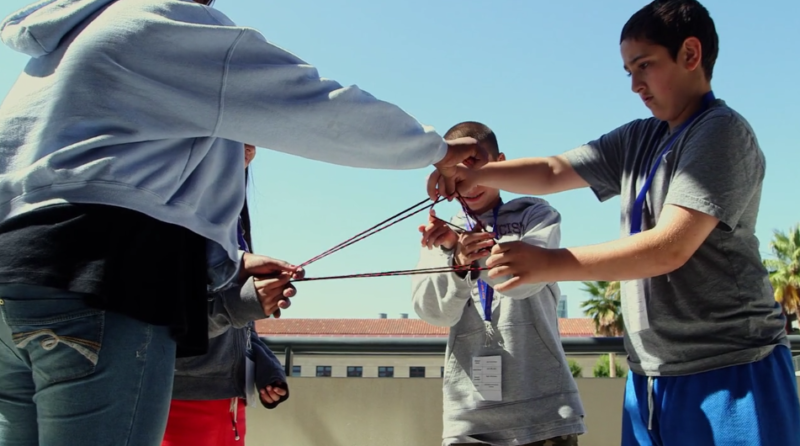
"caption": "Students at the YouCubed Summer Camp work together to make geometric shapes out of string.",
"description": null,
"title": "cubeoid2",
"credit": "\u003ca href=\"https://www.youcubed.org/solving-math-problem/\">YouCubed\u003c/a>",
"status": "inherit",
"isLoading": false,
"fetchFailed": false
},
"mindshift_47886": {
"type": "attachments",
"id": "mindshift_47886",
"meta": {
"index": "attachments_1716263798",
"site": "mindshift",
"id": "47886",
"found": true
},
"parent": 47856,
"imgSizes": {
"small": {
"file": "https://ww2.kqed.org/app/uploads/sites/23/2017/03/iStock-506062932-520x369.jpg",
"width": 520,
"mimeType": "image/jpeg",
"height": 369
},
"twentyfourteen-full-width": {
"file": "https://ww2.kqed.org/app/uploads/sites/23/2017/03/iStock-506062932-1038x576.jpg",
"width": 1038,
"mimeType": "image/jpeg",
"height": 576
},
"thumbnail": {
"file": "https://ww2.kqed.org/app/uploads/sites/23/2017/03/iStock-506062932-160x114.jpg",
"width": 160,
"mimeType": "image/jpeg",
"height": 114
},
"fd-sm": {
"file": "https://ww2.kqed.org/app/uploads/sites/23/2017/03/iStock-506062932-960x682.jpg",
"width": 960,
"mimeType": "image/jpeg",
"height": 682
},
"post-thumbnail": {
"file": "https://ww2.kqed.org/app/uploads/sites/23/2017/03/iStock-506062932-672x372.jpg",
"width": 672,
"mimeType": "image/jpeg",
"height": 372
},
"xsmall": {
"file": "https://ww2.kqed.org/app/uploads/sites/23/2017/03/iStock-506062932-375x266.jpg",
"width": 375,
"mimeType": "image/jpeg",
"height": 266
},
"kqedFullSize": {
"file": "https://ww2.kqed.org/app/uploads/sites/23/2017/03/iStock-506062932.jpg",
"width": 2055,
"height": 1459
},
"large": {
"file": "https://ww2.kqed.org/app/uploads/sites/23/2017/03/iStock-506062932-1020x724.jpg",
"width": 1020,
"mimeType": "image/jpeg",
"height": 724
},
"xlarge": {
"file": "https://ww2.kqed.org/app/uploads/sites/23/2017/03/iStock-506062932-1180x838.jpg",
"width": 1180,
"mimeType": "image/jpeg",
"height": 838
},
"guest-author-50": {
"file": "https://ww2.kqed.org/app/uploads/sites/23/2017/03/iStock-506062932-50x50.jpg",
"width": 50,
"mimeType": "image/jpeg",
"height": 50
},
"guest-author-96": {
"file": "https://ww2.kqed.org/app/uploads/sites/23/2017/03/iStock-506062932-96x96.jpg",
"width": 96,
"mimeType": "image/jpeg",
"height": 96
},
"medium": {
"file": "https://ww2.kqed.org/app/uploads/sites/23/2017/03/iStock-506062932-800x568.jpg",
"width": 800,
"mimeType": "image/jpeg",
"height": 568
},
"guest-author-64": {
"file": "https://ww2.kqed.org/app/uploads/sites/23/2017/03/iStock-506062932-64x64.jpg",
"width": 64,
"mimeType": "image/jpeg",
"height": 64
},
"guest-author-32": {
"file": "https://ww2.kqed.org/app/uploads/sites/23/2017/03/iStock-506062932-32x32.jpg",
"width": 32,
"mimeType": "image/jpeg",
"height": 32
},
"fd-lrg": {
"file": "https://ww2.kqed.org/app/uploads/sites/23/2017/03/iStock-506062932-1920x1363.jpg",
"width": 1920,
"mimeType": "image/jpeg",
"height": 1363
},
"fd-med": {
"file": "https://ww2.kqed.org/app/uploads/sites/23/2017/03/iStock-506062932-1180x838.jpg",
"width": 1180,
"mimeType": "image/jpeg",
"height": 838
},
"full-width": {
"file": "https://ww2.kqed.org/app/uploads/sites/23/2017/03/iStock-506062932-1920x1363.jpg",
"width": 1920,
"mimeType": "image/jpeg",
"height": 1363
},
"detail": {
"file": "https://ww2.kqed.org/app/uploads/sites/23/2017/03/iStock-506062932-150x150.jpg",
"width": 150,
"mimeType": "image/jpeg",
"height": 150
},
"medium_large": {
"file": "https://ww2.kqed.org/app/uploads/sites/23/2017/03/iStock-506062932-768x545.jpg",
"width": 768,
"mimeType": "image/jpeg",
"height": 545
},
"guest-author-128": {
"file": "https://ww2.kqed.org/app/uploads/sites/23/2017/03/iStock-506062932-128x128.jpg",
"width": 128,
"mimeType": "image/jpeg",
"height": 128
},
"xxsmall": {
"file": "https://ww2.kqed.org/app/uploads/sites/23/2017/03/iStock-506062932-240x170.jpg",
"width": 240,
"mimeType": "image/jpeg",
"height": 170
}
},
"publishDate": 1490729541,
"modified": 1490729560,
"caption": "Children reading the book.",
"description": null,
"title": "Children reading the book.",
"credit": "iStock",
"status": "inherit",
"isLoading": false,
"fetchFailed": false
},
"mindshift_47864": {
"type": "attachments",
"id": "mindshift_47864",
"meta": {
"index": "attachments_1716263798",
"site": "mindshift",
"id": "47864",
"found": true
},
"parent": 47863,
"imgSizes": {
"small": {
"file": "https://ww2.kqed.org/app/uploads/sites/23/2017/03/atoldeelote_wide-48110cbba5cbc31b6214475e4df9ee91b65e814a-520x292.jpg",
"width": 520,
"mimeType": "image/jpeg",
"height": 292
},
"twentyfourteen-full-width": {
"file": "https://ww2.kqed.org/app/uploads/sites/23/2017/03/atoldeelote_wide-48110cbba5cbc31b6214475e4df9ee91b65e814a-1038x576.jpg",
"width": 1038,
"mimeType": "image/jpeg",
"height": 576
},
"thumbnail": {
"file": "https://ww2.kqed.org/app/uploads/sites/23/2017/03/atoldeelote_wide-48110cbba5cbc31b6214475e4df9ee91b65e814a-160x90.jpg",
"width": 160,
"mimeType": "image/jpeg",
"height": 90
},
"fd-sm": {
"file": "https://ww2.kqed.org/app/uploads/sites/23/2017/03/atoldeelote_wide-48110cbba5cbc31b6214475e4df9ee91b65e814a-960x540.jpg",
"width": 960,
"mimeType": "image/jpeg",
"height": 540
},
"post-thumbnail": {
"file": "https://ww2.kqed.org/app/uploads/sites/23/2017/03/atoldeelote_wide-48110cbba5cbc31b6214475e4df9ee91b65e814a-672x372.jpg",
"width": 672,
"mimeType": "image/jpeg",
"height": 372
},
"xsmall": {
"file": "https://ww2.kqed.org/app/uploads/sites/23/2017/03/atoldeelote_wide-48110cbba5cbc31b6214475e4df9ee91b65e814a-375x211.jpg",
"width": 375,
"mimeType": "image/jpeg",
"height": 211
},
"kqedFullSize": {
"file": "https://ww2.kqed.org/app/uploads/sites/23/2017/03/atoldeelote_wide-48110cbba5cbc31b6214475e4df9ee91b65e814a.jpg",
"width": 1839,
"height": 1034
},
"large": {
"file": "https://ww2.kqed.org/app/uploads/sites/23/2017/03/atoldeelote_wide-48110cbba5cbc31b6214475e4df9ee91b65e814a-1020x574.jpg",
"width": 1020,
"mimeType": "image/jpeg",
"height": 574
},
"xlarge": {
"file": "https://ww2.kqed.org/app/uploads/sites/23/2017/03/atoldeelote_wide-48110cbba5cbc31b6214475e4df9ee91b65e814a-1180x663.jpg",
"width": 1180,
"mimeType": "image/jpeg",
"height": 663
},
"guest-author-50": {
"file": "https://ww2.kqed.org/app/uploads/sites/23/2017/03/atoldeelote_wide-48110cbba5cbc31b6214475e4df9ee91b65e814a-50x50.jpg",
"width": 50,
"mimeType": "image/jpeg",
"height": 50
},
"guest-author-96": {
"file": "https://ww2.kqed.org/app/uploads/sites/23/2017/03/atoldeelote_wide-48110cbba5cbc31b6214475e4df9ee91b65e814a-96x96.jpg",
"width": 96,
"mimeType": "image/jpeg",
"height": 96
},
"medium": {
"file": "https://ww2.kqed.org/app/uploads/sites/23/2017/03/atoldeelote_wide-48110cbba5cbc31b6214475e4df9ee91b65e814a-800x450.jpg",
"width": 800,
"mimeType": "image/jpeg",
"height": 450
},
"guest-author-64": {
"file": "https://ww2.kqed.org/app/uploads/sites/23/2017/03/atoldeelote_wide-48110cbba5cbc31b6214475e4df9ee91b65e814a-64x64.jpg",
"width": 64,
"mimeType": "image/jpeg",
"height": 64
},
"guest-author-32": {
"file": "https://ww2.kqed.org/app/uploads/sites/23/2017/03/atoldeelote_wide-48110cbba5cbc31b6214475e4df9ee91b65e814a-32x32.jpg",
"width": 32,
"mimeType": "image/jpeg",
"height": 32
},
"fd-med": {
"file": "https://ww2.kqed.org/app/uploads/sites/23/2017/03/atoldeelote_wide-48110cbba5cbc31b6214475e4df9ee91b65e814a-1180x663.jpg",
"width": 1180,
"mimeType": "image/jpeg",
"height": 663
},
"detail": {
"file": "https://ww2.kqed.org/app/uploads/sites/23/2017/03/atoldeelote_wide-48110cbba5cbc31b6214475e4df9ee91b65e814a-150x150.jpg",
"width": 150,
"mimeType": "image/jpeg",
"height": 150
},
"medium_large": {
"file": "https://ww2.kqed.org/app/uploads/sites/23/2017/03/atoldeelote_wide-48110cbba5cbc31b6214475e4df9ee91b65e814a-768x432.jpg",
"width": 768,
"mimeType": "image/jpeg",
"height": 432
},
"guest-author-128": {
"file": "https://ww2.kqed.org/app/uploads/sites/23/2017/03/atoldeelote_wide-48110cbba5cbc31b6214475e4df9ee91b65e814a-128x128.jpg",
"width": 128,
"mimeType": "image/jpeg",
"height": 128
},
"xxsmall": {
"file": "https://ww2.kqed.org/app/uploads/sites/23/2017/03/atoldeelote_wide-48110cbba5cbc31b6214475e4df9ee91b65e814a-240x135.jpg",
"width": 240,
"mimeType": "image/jpeg",
"height": 135
}
},
"publishDate": 1490705471,
"modified": 1490706052,
"caption": "\u003cem>Atole de elote\u003c/em> is a warm corn drink from Central America. Student Jose Rivas wrote an essay about a weekly tradition of enjoying \u003cem>atole\u003c/em> with his late father in El Salvador, and how the drink helped him to feel more at home after he moved to the U.S.",
"description": "\u003cem>Atole de elote\u003c/em> is a warm corn drink from Central America. Student Jose Rivas wrote an essay about a weekly tradition of enjoying \u003cem>atole\u003c/em> with his late father in El Salvador, and how the drink helped him to feel more at home after he moved to the U.S.",
"title": "Atole de elote is a warm corn drink from Central America. Student Jose Rivas wrote an essay about a weekly tradition of enjoying atole with his late father in El Salvador, and how the drink helped him to feel more at home after he moved to the U.S.",
"credit": "Becky Harlan",
"status": "inherit",
"isLoading": false,
"fetchFailed": false
},
"mindshift_47862": {
"type": "attachments",
"id": "mindshift_47862",
"meta": {
"index": "attachments_1716263798",
"site": "mindshift",
"id": "47862",
"found": true
},
"parent": 47820,
"imgSizes": {
"small": {
"file": "https://ww2.kqed.org/app/uploads/sites/23/2017/03/same-different-jh-520x288.jpg",
"width": 520,
"mimeType": "image/jpeg",
"height": 288
},
"thumbnail": {
"file": "https://ww2.kqed.org/app/uploads/sites/23/2017/03/same-different-jh-160x89.jpg",
"width": 160,
"mimeType": "image/jpeg",
"height": 89
},
"post-thumbnail": {
"file": "https://ww2.kqed.org/app/uploads/sites/23/2017/03/same-different-jh-672x372.jpg",
"width": 672,
"mimeType": "image/jpeg",
"height": 372
},
"xsmall": {
"file": "https://ww2.kqed.org/app/uploads/sites/23/2017/03/same-different-jh-375x208.jpg",
"width": 375,
"mimeType": "image/jpeg",
"height": 208
},
"kqedFullSize": {
"file": "https://ww2.kqed.org/app/uploads/sites/23/2017/03/same-different-jh.jpg",
"width": 730,
"height": 405
},
"guest-author-50": {
"file": "https://ww2.kqed.org/app/uploads/sites/23/2017/03/same-different-jh-50x50.jpg",
"width": 50,
"mimeType": "image/jpeg",
"height": 50
},
"guest-author-96": {
"file": "https://ww2.kqed.org/app/uploads/sites/23/2017/03/same-different-jh-96x96.jpg",
"width": 96,
"mimeType": "image/jpeg",
"height": 96
},
"guest-author-64": {
"file": "https://ww2.kqed.org/app/uploads/sites/23/2017/03/same-different-jh-64x64.jpg",
"width": 64,
"mimeType": "image/jpeg",
"height": 64
},
"detail": {
"file": "https://ww2.kqed.org/app/uploads/sites/23/2017/03/same-different-jh-150x150.jpg",
"width": 150,
"mimeType": "image/jpeg",
"height": 150
},
"guest-author-32": {
"file": "https://ww2.kqed.org/app/uploads/sites/23/2017/03/same-different-jh-32x32.jpg",
"width": 32,
"mimeType": "image/jpeg",
"height": 32
},
"guest-author-128": {
"file": "https://ww2.kqed.org/app/uploads/sites/23/2017/03/same-different-jh-128x128.jpg",
"width": 128,
"mimeType": "image/jpeg",
"height": 128
},
"xxsmall": {
"file": "https://ww2.kqed.org/app/uploads/sites/23/2017/03/same-different-jh-240x133.jpg",
"width": 240,
"mimeType": "image/jpeg",
"height": 133
}
},
"publishDate": 1490668883,
"modified": 1490668883,
"caption": null,
"description": null,
"title": "same-different-jh",
"credit": null,
"status": "inherit",
"isLoading": false,
"fetchFailed": false
},
"mindshift_47714": {
"type": "attachments",
"id": "mindshift_47714",
"meta": {
"index": "attachments_1716263798",
"site": "mindshift",
"id": "47714",
"found": true
},
"parent": 47712,
"imgSizes": {
"small": {
"file": "https://ww2.kqed.org/app/uploads/sites/23/2017/03/kids-drawing-520x293.png",
"width": 520,
"mimeType": "image/png",
"height": 293
},
"twentyfourteen-full-width": {
"file": "https://ww2.kqed.org/app/uploads/sites/23/2017/03/kids-drawing-1038x576.png",
"width": 1038,
"mimeType": "image/png",
"height": 576
},
"thumbnail": {
"file": "https://ww2.kqed.org/app/uploads/sites/23/2017/03/kids-drawing-160x90.png",
"width": 160,
"mimeType": "image/png",
"height": 90
},
"fd-sm": {
"file": "https://ww2.kqed.org/app/uploads/sites/23/2017/03/kids-drawing-960x540.png",
"width": 960,
"mimeType": "image/png",
"height": 540
},
"post-thumbnail": {
"file": "https://ww2.kqed.org/app/uploads/sites/23/2017/03/kids-drawing-672x372.png",
"width": 672,
"mimeType": "image/png",
"height": 372
},
"xsmall": {
"file": "https://ww2.kqed.org/app/uploads/sites/23/2017/03/kids-drawing-375x211.png",
"width": 375,
"mimeType": "image/png",
"height": 211
},
"kqedFullSize": {
"file": "https://ww2.kqed.org/app/uploads/sites/23/2017/03/kids-drawing.png",
"width": 2120,
"height": 1193
},
"large": {
"file": "https://ww2.kqed.org/app/uploads/sites/23/2017/03/kids-drawing-1020x574.png",
"width": 1020,
"mimeType": "image/png",
"height": 574
},
"xlarge": {
"file": "https://ww2.kqed.org/app/uploads/sites/23/2017/03/kids-drawing-1180x664.png",
"width": 1180,
"mimeType": "image/png",
"height": 664
},
"guest-author-50": {
"file": "https://ww2.kqed.org/app/uploads/sites/23/2017/03/kids-drawing-50x50.png",
"width": 50,
"mimeType": "image/png",
"height": 50
},
"guest-author-96": {
"file": "https://ww2.kqed.org/app/uploads/sites/23/2017/03/kids-drawing-96x96.png",
"width": 96,
"mimeType": "image/png",
"height": 96
},
"medium": {
"file": "https://ww2.kqed.org/app/uploads/sites/23/2017/03/kids-drawing-800x450.png",
"width": 800,
"mimeType": "image/png",
"height": 450
},
"guest-author-64": {
"file": "https://ww2.kqed.org/app/uploads/sites/23/2017/03/kids-drawing-64x64.png",
"width": 64,
"mimeType": "image/png",
"height": 64
},
"guest-author-32": {
"file": "https://ww2.kqed.org/app/uploads/sites/23/2017/03/kids-drawing-32x32.png",
"width": 32,
"mimeType": "image/png",
"height": 32
},
"fd-lrg": {
"file": "https://ww2.kqed.org/app/uploads/sites/23/2017/03/kids-drawing-1920x1080.png",
"width": 1920,
"mimeType": "image/png",
"height": 1080
},
"fd-med": {
"file": "https://ww2.kqed.org/app/uploads/sites/23/2017/03/kids-drawing-1180x664.png",
"width": 1180,
"mimeType": "image/png",
"height": 664
},
"full-width": {
"file": "https://ww2.kqed.org/app/uploads/sites/23/2017/03/kids-drawing-1920x1080.png",
"width": 1920,
"mimeType": "image/png",
"height": 1080
},
"detail": {
"file": "https://ww2.kqed.org/app/uploads/sites/23/2017/03/kids-drawing-150x150.png",
"width": 150,
"mimeType": "image/png",
"height": 150
},
"medium_large": {
"file": "https://ww2.kqed.org/app/uploads/sites/23/2017/03/kids-drawing-768x432.png",
"width": 768,
"mimeType": "image/png",
"height": 432
},
"guest-author-128": {
"file": "https://ww2.kqed.org/app/uploads/sites/23/2017/03/kids-drawing-128x128.png",
"width": 128,
"mimeType": "image/png",
"height": 128
},
"xxsmall": {
"file": "https://ww2.kqed.org/app/uploads/sites/23/2017/03/kids-drawing-240x135.png",
"width": 240,
"mimeType": "image/png",
"height": 135
}
},
"publishDate": 1488925014,
"modified": 1488925123,
"caption": "A famous study found that when preschool children were incentivized to draw they no longer chose to do so when they had free play time.",
"description": null,
"title": "kids-drawing",
"credit": "iStock",
"status": "inherit",
"isLoading": false,
"fetchFailed": false
},
"mindshift_47657": {
"type": "attachments",
"id": "mindshift_47657",
"meta": {
"index": "attachments_1716263798",
"site": "mindshift",
"id": "47657",
"found": true
},
"parent": 47641,
"imgSizes": {
"small": {
"file": "https://ww2.kqed.org/app/uploads/sites/23/2017/02/SFIHS-520x283.jpg",
"width": 520,
"mimeType": "image/jpeg",
"height": 283
},
"twentyfourteen-full-width": {
"file": "https://ww2.kqed.org/app/uploads/sites/23/2017/02/SFIHS-1038x576.jpg",
"width": 1038,
"mimeType": "image/jpeg",
"height": 576
},
"thumbnail": {
"file": "https://ww2.kqed.org/app/uploads/sites/23/2017/02/SFIHS-160x87.jpg",
"width": 160,
"mimeType": "image/jpeg",
"height": 87
},
"fd-sm": {
"file": "https://ww2.kqed.org/app/uploads/sites/23/2017/02/SFIHS-960x522.jpg",
"width": 960,
"mimeType": "image/jpeg",
"height": 522
},
"post-thumbnail": {
"file": "https://ww2.kqed.org/app/uploads/sites/23/2017/02/SFIHS-672x372.jpg",
"width": 672,
"mimeType": "image/jpeg",
"height": 372
},
"xsmall": {
"file": "https://ww2.kqed.org/app/uploads/sites/23/2017/02/SFIHS-375x204.jpg",
"width": 375,
"mimeType": "image/jpeg",
"height": 204
},
"kqedFullSize": {
"file": "https://ww2.kqed.org/app/uploads/sites/23/2017/02/SFIHS.jpg",
"width": 1196,
"height": 650
},
"large": {
"file": "https://ww2.kqed.org/app/uploads/sites/23/2017/02/SFIHS-1020x554.jpg",
"width": 1020,
"mimeType": "image/jpeg",
"height": 554
},
"xlarge": {
"file": "https://ww2.kqed.org/app/uploads/sites/23/2017/02/SFIHS-1180x641.jpg",
"width": 1180,
"mimeType": "image/jpeg",
"height": 641
},
"guest-author-50": {
"file": "https://ww2.kqed.org/app/uploads/sites/23/2017/02/SFIHS-50x50.jpg",
"width": 50,
"mimeType": "image/jpeg",
"height": 50
},
"guest-author-96": {
"file": "https://ww2.kqed.org/app/uploads/sites/23/2017/02/SFIHS-96x96.jpg",
"width": 96,
"mimeType": "image/jpeg",
"height": 96
},
"medium": {
"file": "https://ww2.kqed.org/app/uploads/sites/23/2017/02/SFIHS-800x435.jpg",
"width": 800,
"mimeType": "image/jpeg",
"height": 435
},
"guest-author-64": {
"file": "https://ww2.kqed.org/app/uploads/sites/23/2017/02/SFIHS-64x64.jpg",
"width": 64,
"mimeType": "image/jpeg",
"height": 64
},
"guest-author-32": {
"file": "https://ww2.kqed.org/app/uploads/sites/23/2017/02/SFIHS-32x32.jpg",
"width": 32,
"mimeType": "image/jpeg",
"height": 32
},
"fd-med": {
"file": "https://ww2.kqed.org/app/uploads/sites/23/2017/02/SFIHS-1180x641.jpg",
"width": 1180,
"mimeType": "image/jpeg",
"height": 641
},
"detail": {
"file": "https://ww2.kqed.org/app/uploads/sites/23/2017/02/SFIHS-150x150.jpg",
"width": 150,
"mimeType": "image/jpeg",
"height": 150
},
"medium_large": {
"file": "https://ww2.kqed.org/app/uploads/sites/23/2017/02/SFIHS-768x417.jpg",
"width": 768,
"mimeType": "image/jpeg",
"height": 417
},
"guest-author-128": {
"file": "https://ww2.kqed.org/app/uploads/sites/23/2017/02/SFIHS-128x128.jpg",
"width": 128,
"mimeType": "image/jpeg",
"height": 128
},
"xxsmall": {
"file": "https://ww2.kqed.org/app/uploads/sites/23/2017/02/SFIHS-240x130.jpg",
"width": 240,
"mimeType": "image/jpeg",
"height": 130
}
},
"publishDate": 1487837107,
"modified": 1487837149,
"caption": null,
"description": null,
"title": "SFIHS",
"credit": "BAYCAT/SFIHS screengrab",
"status": "inherit",
"isLoading": false,
"fetchFailed": false
},
"mindshift_47620": {
"type": "attachments",
"id": "mindshift_47620",
"meta": {
"index": "attachments_1716263798",
"site": "mindshift",
"id": "47620",
"found": true
},
"parent": 47069,
"imgSizes": {
"small": {
"file": "https://ww2.kqed.org/app/uploads/sites/23/2017/02/Pens-Paper-520x346.jpg",
"width": 520,
"mimeType": "image/jpeg",
"height": 346
},
"twentyfourteen-full-width": {
"file": "https://ww2.kqed.org/app/uploads/sites/23/2017/02/Pens-Paper-1038x576.jpg",
"width": 1038,
"mimeType": "image/jpeg",
"height": 576
},
"thumbnail": {
"file": "https://ww2.kqed.org/app/uploads/sites/23/2017/02/Pens-Paper-160x106.jpg",
"width": 160,
"mimeType": "image/jpeg",
"height": 106
},
"fd-sm": {
"file": "https://ww2.kqed.org/app/uploads/sites/23/2017/02/Pens-Paper-960x638.jpg",
"width": 960,
"mimeType": "image/jpeg",
"height": 638
},
"post-thumbnail": {
"file": "https://ww2.kqed.org/app/uploads/sites/23/2017/02/Pens-Paper-672x372.jpg",
"width": 672,
"mimeType": "image/jpeg",
"height": 372
},
"xsmall": {
"file": "https://ww2.kqed.org/app/uploads/sites/23/2017/02/Pens-Paper-375x249.jpg",
"width": 375,
"mimeType": "image/jpeg",
"height": 249
},
"kqedFullSize": {
"file": "https://ww2.kqed.org/app/uploads/sites/23/2017/02/Pens-Paper-e1487657035820.jpg",
"width": 1920,
"height": 1277
},
"large": {
"file": "https://ww2.kqed.org/app/uploads/sites/23/2017/02/Pens-Paper-1020x678.jpg",
"width": 1020,
"mimeType": "image/jpeg",
"height": 678
},
"xlarge": {
"file": "https://ww2.kqed.org/app/uploads/sites/23/2017/02/Pens-Paper-1180x785.jpg",
"width": 1180,
"mimeType": "image/jpeg",
"height": 785
},
"guest-author-50": {
"file": "https://ww2.kqed.org/app/uploads/sites/23/2017/02/Pens-Paper-50x50.jpg",
"width": 50,
"mimeType": "image/jpeg",
"height": 50
},
"guest-author-96": {
"file": "https://ww2.kqed.org/app/uploads/sites/23/2017/02/Pens-Paper-96x96.jpg",
"width": 96,
"mimeType": "image/jpeg",
"height": 96
},
"medium": {
"file": "https://ww2.kqed.org/app/uploads/sites/23/2017/02/Pens-Paper-800x532.jpg",
"width": 800,
"mimeType": "image/jpeg",
"height": 532
},
"guest-author-64": {
"file": "https://ww2.kqed.org/app/uploads/sites/23/2017/02/Pens-Paper-64x64.jpg",
"width": 64,
"mimeType": "image/jpeg",
"height": 64
},
"guest-author-32": {
"file": "https://ww2.kqed.org/app/uploads/sites/23/2017/02/Pens-Paper-32x32.jpg",
"width": 32,
"mimeType": "image/jpeg",
"height": 32
},
"fd-lrg": {
"file": "https://ww2.kqed.org/app/uploads/sites/23/2017/02/Pens-Paper-1920x1277.jpg",
"width": 1920,
"mimeType": "image/jpeg",
"height": 1277
},
"fd-med": {
"file": "https://ww2.kqed.org/app/uploads/sites/23/2017/02/Pens-Paper-1180x785.jpg",
"width": 1180,
"mimeType": "image/jpeg",
"height": 785
},
"full-width": {
"file": "https://ww2.kqed.org/app/uploads/sites/23/2017/02/Pens-Paper-1920x1277.jpg",
"width": 1920,
"mimeType": "image/jpeg",
"height": 1277
},
"detail": {
"file": "https://ww2.kqed.org/app/uploads/sites/23/2017/02/Pens-Paper-150x150.jpg",
"width": 150,
"mimeType": "image/jpeg",
"height": 150
},
"medium_large": {
"file": "https://ww2.kqed.org/app/uploads/sites/23/2017/02/Pens-Paper-768x511.jpg",
"width": 768,
"mimeType": "image/jpeg",
"height": 511
},
"guest-author-128": {
"file": "https://ww2.kqed.org/app/uploads/sites/23/2017/02/Pens-Paper-128x128.jpg",
"width": 128,
"mimeType": "image/jpeg",
"height": 128
},
"xxsmall": {
"file": "https://ww2.kqed.org/app/uploads/sites/23/2017/02/Pens-Paper-240x160.jpg",
"width": 240,
"mimeType": "image/jpeg",
"height": 160
}
},
"publishDate": 1487656977,
"modified": 1487657028,
"caption": null,
"description": null,
"title": "Pens Paper",
"credit": " \u003ca href=\"https://www.flickr.com/photos/demerziii/4253502775/in/photolist-7tSjbK-6fTYUV-2zYktg-4nRGo7-4ajrz9-jJRNRh-eDCJNR-65ssGg-62bdqV-5dVz3R-7x5U6k-pwNnb9-ehmKBQ-6ssTNV-fCMyGp-b66Cup-bAoLpn-6UPqPb-efBczP-a2Xasd-xZrF1-68XDBP-8E44cX-5ZkCpf-ebzC4L-efGXQj-du955Q-8brJrQ-8F6RYe-cqPJoE-9pfWe-ggsBxX-pqnG7-5Sj9MC-8WvvJW-5yshnG-ebzBZQ-beAchk-pSVpgH-9g613H-6MmFNU-oX74zm-C2SP7-6STiWy-8zKFss-23NkpC-ehYXJB-8RaWbh-8Er3Km-qz4UUy\">Flickr/David Merz\u003c/a>",
"status": "inherit",
"isLoading": false,
"fetchFailed": false
}
},
"audioPlayerReducer": {
"postId": "stream_live",
"isPaused": true,
"isPlaying": false,
"pfsActive": false,
"pledgeModalIsOpen": true,
"playerDrawerIsOpen": false,
"liveAudioPlayStartedAt": 0,
"liveAudioPlayContext": ""
},
"authorsReducer": {
"byline_mindshift_47954": {
"type": "authors",
"id": "byline_mindshift_47954",
"meta": {
"override": true
},
"slug": "byline_mindshift_47954",
"name": "\u003ca href=\"https://shevrin.wordpress.com/\">Alex Shevrin Venet\u003c/a>",
"isLoading": false
},
"byline_mindshift_47863": {
"type": "authors",
"id": "byline_mindshift_47863",
"meta": {
"override": true
},
"slug": "byline_mindshift_47863",
"name": "Becky Harlan",
"isLoading": false
},
"katrinaschwartz": {
"type": "authors",
"id": "234",
"meta": {
"index": "authors_1716337520",
"id": "234",
"found": true
},
"name": "Katrina Schwartz",
"firstName": "Katrina",
"lastName": "Schwartz",
"slug": "katrinaschwartz",
"email": "kschwartz@kqed.org",
"display_author_email": false,
"staff_mastheads": [
"news"
],
"title": "Producer",
"bio": "Katrina Schwartz is a journalist based in San Francisco. She's worked at KPCC public radio in LA and has reported on air and online for KQED since 2010. She covered how teaching and learning is changing for MindShift between 2012 and 2020. She is the co-host of the MindShift podcast and now produces KQED's Bay Curious podcast.",
"avatar": "https://secure.gravatar.com/avatar/edb4ee79070447a018538c9aae6eeecf28786515b8a0c30e43b6b7dce5aa44c8?s=600&d=blank&r=g",
"twitter": "kschwart",
"bluesky": null,
"facebook": null,
"instagram": null,
"linkedin": null,
"sites": [
{
"site": "",
"roles": [
"editor"
]
},
{
"site": "news",
"roles": [
"editor"
]
},
{
"site": "mindshift",
"roles": [
"administrator"
]
},
{
"site": "stateofhealth",
"roles": [
"author"
]
},
{
"site": "science",
"roles": [
"editor"
]
}
],
"headData": {
"title": "Katrina Schwartz | KQED",
"description": "Producer",
"ogImgSrc": "https://secure.gravatar.com/avatar/edb4ee79070447a018538c9aae6eeecf28786515b8a0c30e43b6b7dce5aa44c8?s=600&d=blank&r=g",
"twImgSrc": "https://secure.gravatar.com/avatar/edb4ee79070447a018538c9aae6eeecf28786515b8a0c30e43b6b7dce5aa44c8?s=600&d=blank&r=g"
},
"isLoading": false,
"link": "/author/katrinaschwartz"
},
"lshaffer": {
"type": "authors",
"id": "11330",
"meta": {
"index": "authors_1716337520",
"id": "11330",
"found": true
},
"name": "Leah Shaffer",
"firstName": "Leah",
"lastName": "Shaffer",
"slug": "lshaffer",
"email": "leahabshaffer@gmail.com",
"display_author_email": false,
"staff_mastheads": [],
"title": null,
"bio": null,
"avatar": "https://secure.gravatar.com/avatar/ee7b4bb631d0c035e426aba5e260f9ce?s=600&d=blank&r=g",
"twitter": null,
"facebook": null,
"instagram": null,
"linkedin": null,
"sites": [
{
"site": "mindshift",
"roles": [
"author"
]
}
],
"headData": {
"title": "Leah Shaffer | KQED",
"description": null,
"ogImgSrc": "https://secure.gravatar.com/avatar/ee7b4bb631d0c035e426aba5e260f9ce?s=600&d=blank&r=g",
"twImgSrc": "https://secure.gravatar.com/avatar/ee7b4bb631d0c035e426aba5e260f9ce?s=600&d=blank&r=g"
},
"isLoading": false,
"link": "/author/lshaffer"
},
"mrgodsey": {
"type": "authors",
"id": "11341",
"meta": {
"index": "authors_1716337520",
"id": "11341",
"found": true
},
"name": "Michael Godsey",
"firstName": "Michael",
"lastName": "Godsey",
"slug": "mrgodsey",
"email": "mrgodsey@gmail.com",
"display_author_email": false,
"staff_mastheads": [],
"title": null,
"bio": "I'm a high school English teacher, education writer, speaker, and creator of innovative lesson plans about podcasts and other media. When nobody's paying attention, I teach excerpts from The Brothers Karamozov.",
"avatar": "https://secure.gravatar.com/avatar/2a329f45940b6a24eaeca4ab54a3c7dd?s=600&d=blank&r=g",
"twitter": "TheMrGodsey",
"facebook": null,
"instagram": null,
"linkedin": null,
"sites": [
{
"site": "mindshift",
"roles": [
"author"
]
}
],
"headData": {
"title": "Michael Godsey | KQED",
"description": null,
"ogImgSrc": "https://secure.gravatar.com/avatar/2a329f45940b6a24eaeca4ab54a3c7dd?s=600&d=blank&r=g",
"twImgSrc": "https://secure.gravatar.com/avatar/2a329f45940b6a24eaeca4ab54a3c7dd?s=600&d=blank&r=g"
},
"isLoading": false,
"link": "/author/mrgodsey"
}
},
"pagesReducer": {
"mindshift_category_teaching-strategies": {
"type": "terms",
"id": "mindshift_193",
"meta": {
"index": "terms_1716263798",
"site": "mindshift",
"id": "193",
"score": 14.406914
},
"featImg": null,
"name": "Teaching Strategies",
"description": "Innovative ideas - projects, processes, curricula, and more - that are transforming how we teach and learn.",
"taxonomy": "category",
"headData": {
"twImgId": null,
"twTitle": null,
"ogTitle": null,
"ogImgId": null,
"twDescription": null,
"description": "Innovative ideas - projects, processes, curricula, and more - that are transforming how we teach and learn.",
"title": "Teaching Strategies Archives | KQED Mindshift",
"ogDescription": null
},
"ttid": 193,
"slug": "teaching-strategies",
"isLoading": false,
"title": "Teaching Strategies",
"pageMeta": {
"site": "mindshift",
"WpPageTemplate": "page-topic-editorial",
"currentPage": 29
},
"blocks": [
{
"blockName": "kqed/company-paragraph",
"content": "Innovative ideas - projects, processes, curricula, and more - that are transforming how we teach and learn."
},
{
"blockName": "kqed/post-list",
"attrs": {
"layout": "cardArticle2",
"query": "posts/mindshift?category=teaching-strategies",
"seeMore": false,
"paginated": true,
"page": 29
}
},
{
"blockName": "kqed/ad"
}
]
}
},
"pfsSessionReducer": {},
"postsReducer": {
"stream_live": {
"type": "live",
"id": "stream_live",
"audioUrl": "https://streams.kqed.org/kqedradio",
"title": "Live Stream",
"excerpt": "Live Stream information currently unavailable.",
"link": "/radio",
"featImg": "",
"label": {
"name": "KQED Live",
"link": "/"
}
},
"stream_kqedNewscast": {
"type": "posts",
"id": "stream_kqedNewscast",
"audioUrl": "https://www.kqed.org/.stream/anon/radio/RDnews/newscast.mp3?_=1",
"title": "KQED Newscast",
"featImg": "",
"label": {
"name": "88.5 FM",
"link": "/"
}
},
"mindshift_48191": {
"type": "posts",
"id": "mindshift_48191",
"meta": {
"index": "posts_1716263798",
"site": "mindshift",
"id": "48191",
"score": null,
"sort": [
1494421406000
]
},
"parent": 0,
"labelTerm": {
"site": "mindshift"
},
"blocks": [],
"publishDate": 1494421406,
"format": "standard",
"disqusTitle": "How 'One Story' Can Excite Students About Reading And Connecting With Community",
"title": "How 'One Story' Can Excite Students About Reading And Connecting With Community",
"headTitle": "MindShift | KQED News",
"content": "\u003cp>Several years ago, Waltham High School educators were trying to think of some way to enliven summer reading. They had tried book lists and they had tried letting students just read what they wanted but they were missing a deeper level of student engagement.\u003c/p>\n\u003cp>“We felt like we needed something different that was more meaningful,” said English teacher Emilie Perna.\u003c/p>\n\u003cp>They wanted a reading program that would be fun, multidisciplinary and included the community so that students would learn that reading is a life-long adventure. The educators developed a \"\u003ca href=\"http://www.walthamreads.org/\">One School, One Story\u003c/a>\" program that gives students more voice in which book gets selected during the summer and continues the dialogue with authors and members of the community throughout the year.\u003c/p>\n\u003cp>The story selection process starts in the fall, when teachers from different departments come together to read books during Thanksgiving break. They narrow a list of about 100 books to 16.\u003c/p>\n\u003cp>In the spring, more than 60 students participate in the 24-hour read-a-thon in the school library, where they winnow down the selections, bracket-style, to four books. By the end of 24 hours, all the students vote on the best choice out of the four books.\u003c/p>\n\u003cp>[ad fullwidth]\u003c/p>\n\u003cp>\u003cimg class=\"alignnone size-full wp-image-48206\" src=\"https://ww2.kqed.org/mindshift/wp-content/uploads/sites/23/2017/05/Slide1.png\" alt=\"\" width=\"720\" height=\"540\" srcset=\"https://ww2.kqed.org/app/uploads/sites/23/2017/05/Slide1.png 720w, https://ww2.kqed.org/app/uploads/sites/23/2017/05/Slide1-160x120.png 160w, https://ww2.kqed.org/app/uploads/sites/23/2017/05/Slide1-240x180.png 240w, https://ww2.kqed.org/app/uploads/sites/23/2017/05/Slide1-375x281.png 375w, https://ww2.kqed.org/app/uploads/sites/23/2017/05/Slide1-520x390.png 520w\" sizes=\"(max-width: 720px) 100vw, 720px\">\u003c/p>\n\u003cp>“We try to put as much responsibility in the students' hands as we can,” said Waltham High School English Language Arts director Allyson McHugh.\u003c/p>\n\u003cp>In doing so, educators have learned that what adults think students should be reading doesn't necessarily align with what the students think they should be reading, she added.\u003c/p>\n\u003cp>The first year, students picked “\u003ca href=\"https://www.amazon.com/Left-Dead-Search-Justice-Indianapolis/dp/0385730918\">Left for Dead: A Young Man's Search for Justice for the USS Indianapolis\u003c/a>.” The book was about a young man who worked to exonerate the captain of the USS Indianapolis, who was unfairly court-martialed for the sinking of a ship in WWII.\u003c/p>\n\u003cp>https://twitter.com/MrsBrennanWHS/status/378254670722269184\u003c/p>\n\u003cp>They invited that young man, Hunter Scott, to school, and students were to able ”to see a story come to life,” said Perna. They also worked with a local veterans group so that students could meet with war veterans. “We had kids graduate last year who said that was some of the most meaningful discussions that they had in a high school setting,” said Perna.\u003c/p>\n\u003cp>Thanks to a fund from the Waltham Family Foundation they are able to buy about 1,800 copies of each year's book so all high school students, eighth-graders and faculty have a copy. They receive about $1,000 a year to buy the books and bring in speakers. Local businesses donate goods to help with various events.\u003c/p>\n\u003cp>“The fact that they had the book in their hands, that is huge,” said Perna.\u003c/p>\n\u003cp>The program has even allowed students to choose a podcast instead of a book. In their second year, students surprised everyone by picking the podcast “Serial.” But, again, the same ideas applied: Get people engaged in a conversation. When the fall came around, teachers connected the crime story told in \u003ca href=\"https://ww2.kqed.org/mindshift/2015/03/11/what-teens-are-learning-from-serial-and-other-podcasts/\">“Serial” to other classes\u003c/a> -- science teachers set up a forensics science scene and history teachers looked at how life for Muslims has changed since 1999 since the podcast is about a young Muslim convicted of a crime in that year. Even math teachers got involved by showing how to triangulate a person's location using cellphone towers. Even though people assume students are tech-savvy, many had never listened to a podcast before, so “Serial” was an opportunity to teach students how to access and listen to a whole other type of storytelling.\u003c/p>\n\u003cp>\u003cstrong>BUILDING COMMUNITY \u003c/strong>\u003c/p>\n\u003cp>Rebekah Tierney started work as the Waltham High School librarian in January and was initially reluctant when she heard about “One School, One Story” because she usually is a proponent of letting kids choose their own book for the summer. But then she saw how focusing on one book connects the wider community -- the program went beyond catering to individual favorites and challenged readers to talk about a book, even they didn't like it. It forces students to look at issues from a different perspective, said Tierney.\u003c/p>\n\u003cp>https://twitter.com/Rebrarian/status/845317049505189888\u003c/p>\n\u003cp>Engagement and reading levels are at an all-time high for students at Waltham because this type of program starts conversations and kids can find relevance in their communities. For last year's “\u003ca href=\"https://www.amazon.com/All-American-Boys-Jason-Reynolds/dp/1481463330\">All American Boys\u003c/a>,” (which delves into police brutality and racial profiling) they brought in the authors, Jason Reynolds and Brendan Kiely. For many students, it was the first time they had seen a black author.\u003c/p>\n\u003cp>https://twitter.com/WalthamReads/status/773864416026570752\u003c/p>\n\u003cp>“Watching the students watch these two authors up on stage was one of the most fulfilling things as a teacher,” said Perna. “That was a moment, where as teacher, I was like, 'I can't top that, but I'll try.' ”\u003c/p>\n\u003cp>As part of the larger community discussion, Waltham educators worked closely with the town's police department for a workshop where officers led discussions about community policing with some 600 students, said Perna. Community members \u003ca href=\"http://waltham.wickedlocal.com/news/20160428/school-officials-debate-controversial-summer-reading\">were\u003c/a> \u003ca href=\"http://waltham.wickedlocal.com/news/20160428/school-officials-debate-controversial-summer-reading\">nervous\u003c/a> about tackling such a topics , but it's the students who are “really the ones pulling us along and saying it's time to have these difficult conversations,” said Perna.\u003c/p>\n\u003cp>https://twitter.com/walthamlibrary/status/790715632270635008\u003c/p>\n\u003cp>This year's selection is also covering a difficult topic. The book committee of 64 students selected “\u003ca href=\"https://www.amazon.com/Speak-Laurie-Halse-Anderson/dp/0312674392\">Speak\u003c/a>,” by Laurie Halse Anderson, a story in which an incident of rape factors into the plot. McHugh and other organizers are working with a student group called PAVE (Peers against Violence), a rape counseling center in Boston and a group that educates students on domestic violence and safe dating skills as an opportunity to bring the community in for important conversations.\u003c/p>\n\u003cp>\u003c/p>\n\u003cp> \u003c/p>\n\n",
"disqusIdentifier": "48191 https://ww2.kqed.org/mindshift/?p=48191",
"disqusUrl": "https://ww2.kqed.org/mindshift/2017/05/10/how-one-story-can-excite-students-about-reading-and-connecting-with-community/",
"stats": {
"hasVideo": false,
"hasChartOrMap": false,
"hasAudio": false,
"hasPolis": false,
"wordCount": 1001,
"hasGoogleForm": false,
"hasGallery": false,
"hasHearkenModule": false,
"iframeSrcs": [],
"paragraphCount": 21
},
"modified": 1494421406,
"excerpt": "If students can have greater voice in what they read and see the story's relevance to their community, reading becomes a more engaging activity. ",
"headData": {
"twImgId": "",
"twTitle": "",
"ogTitle": "",
"ogImgId": "",
"twDescription": "",
"description": "If students can have greater voice in what they read and see the story's relevance to their community, reading becomes a more engaging activity. ",
"title": "How 'One Story' Can Excite Students About Reading And Connecting With Community | KQED",
"ogDescription": "",
"schema": {
"@context": "https://schema.org",
"@type": "Article",
"headline": "How 'One Story' Can Excite Students About Reading And Connecting With Community",
"datePublished": "2017-05-10T06:03:26-07:00",
"dateModified": "2017-05-10T06:03:26-07:00",
"image": "https://cdn.kqed.org/wp-content/uploads/2020/02/KQED-OG-Image@1x.png"
}
},
"guestAuthors": [],
"slug": "how-one-story-can-excite-students-about-reading-and-connecting-with-community",
"status": "publish",
"path": "/mindshift/48191/how-one-story-can-excite-students-about-reading-and-connecting-with-community",
"audioTrackLength": null,
"parsedContent": [
{
"type": "contentString",
"content": "\u003cdiv class=\"post-body\">\u003cp>\u003cp>Several years ago, Waltham High School educators were trying to think of some way to enliven summer reading. They had tried book lists and they had tried letting students just read what they wanted but they were missing a deeper level of student engagement.\u003c/p>\n\u003cp>“We felt like we needed something different that was more meaningful,” said English teacher Emilie Perna.\u003c/p>\n\u003cp>They wanted a reading program that would be fun, multidisciplinary and included the community so that students would learn that reading is a life-long adventure. The educators developed a \"\u003ca href=\"http://www.walthamreads.org/\">One School, One Story\u003c/a>\" program that gives students more voice in which book gets selected during the summer and continues the dialogue with authors and members of the community throughout the year.\u003c/p>\n\u003cp>The story selection process starts in the fall, when teachers from different departments come together to read books during Thanksgiving break. They narrow a list of about 100 books to 16.\u003c/p>\n\u003cp>In the spring, more than 60 students participate in the 24-hour read-a-thon in the school library, where they winnow down the selections, bracket-style, to four books. By the end of 24 hours, all the students vote on the best choice out of the four books.\u003c/p>\n\u003cp>\u003c/p>\u003c/div>",
"attributes": {
"named": {},
"numeric": []
}
},
{
"type": "component",
"content": "",
"name": "ad",
"attributes": {
"named": {
"label": "fullwidth"
},
"numeric": [
"fullwidth"
]
}
},
{
"type": "contentString",
"content": "\u003cdiv class=\"post-body\">\u003cp>\u003c/p>\n\u003cp>\u003cimg class=\"alignnone size-full wp-image-48206\" src=\"https://ww2.kqed.org/mindshift/wp-content/uploads/sites/23/2017/05/Slide1.png\" alt=\"\" width=\"720\" height=\"540\" srcset=\"https://ww2.kqed.org/app/uploads/sites/23/2017/05/Slide1.png 720w, https://ww2.kqed.org/app/uploads/sites/23/2017/05/Slide1-160x120.png 160w, https://ww2.kqed.org/app/uploads/sites/23/2017/05/Slide1-240x180.png 240w, https://ww2.kqed.org/app/uploads/sites/23/2017/05/Slide1-375x281.png 375w, https://ww2.kqed.org/app/uploads/sites/23/2017/05/Slide1-520x390.png 520w\" sizes=\"(max-width: 720px) 100vw, 720px\">\u003c/p>\n\u003cp>“We try to put as much responsibility in the students' hands as we can,” said Waltham High School English Language Arts director Allyson McHugh.\u003c/p>\n\u003cp>In doing so, educators have learned that what adults think students should be reading doesn't necessarily align with what the students think they should be reading, she added.\u003c/p>\n\u003cp>The first year, students picked “\u003ca href=\"https://www.amazon.com/Left-Dead-Search-Justice-Indianapolis/dp/0385730918\">Left for Dead: A Young Man's Search for Justice for the USS Indianapolis\u003c/a>.” The book was about a young man who worked to exonerate the captain of the USS Indianapolis, who was unfairly court-martialed for the sinking of a ship in WWII.\u003c/p>\u003c/p>\u003c/div>",
"attributes": {
"named": {},
"numeric": []
}
},
{
"type": "component",
"content": "",
"name": "singleTwitterStatus",
"attributes": {
"named": {
"id": "378254670722269184"
},
"numeric": []
}
},
{
"type": "contentString",
"content": "\u003cdiv class=\"post-body\">\u003cp>\n\u003cp>They invited that young man, Hunter Scott, to school, and students were to able ”to see a story come to life,” said Perna. They also worked with a local veterans group so that students could meet with war veterans. “We had kids graduate last year who said that was some of the most meaningful discussions that they had in a high school setting,” said Perna.\u003c/p>\n\u003cp>Thanks to a fund from the Waltham Family Foundation they are able to buy about 1,800 copies of each year's book so all high school students, eighth-graders and faculty have a copy. They receive about $1,000 a year to buy the books and bring in speakers. Local businesses donate goods to help with various events.\u003c/p>\n\u003cp>“The fact that they had the book in their hands, that is huge,” said Perna.\u003c/p>\n\u003cp>The program has even allowed students to choose a podcast instead of a book. In their second year, students surprised everyone by picking the podcast “Serial.” But, again, the same ideas applied: Get people engaged in a conversation. When the fall came around, teachers connected the crime story told in \u003ca href=\"https://ww2.kqed.org/mindshift/2015/03/11/what-teens-are-learning-from-serial-and-other-podcasts/\">“Serial” to other classes\u003c/a> -- science teachers set up a forensics science scene and history teachers looked at how life for Muslims has changed since 1999 since the podcast is about a young Muslim convicted of a crime in that year. Even math teachers got involved by showing how to triangulate a person's location using cellphone towers. Even though people assume students are tech-savvy, many had never listened to a podcast before, so “Serial” was an opportunity to teach students how to access and listen to a whole other type of storytelling.\u003c/p>\n\u003cp>\u003cstrong>BUILDING COMMUNITY \u003c/strong>\u003c/p>\n\u003cp>Rebekah Tierney started work as the Waltham High School librarian in January and was initially reluctant when she heard about “One School, One Story” because she usually is a proponent of letting kids choose their own book for the summer. But then she saw how focusing on one book connects the wider community -- the program went beyond catering to individual favorites and challenged readers to talk about a book, even they didn't like it. It forces students to look at issues from a different perspective, said Tierney.\u003c/p>\u003c/p>\u003c/div>",
"attributes": {
"named": {},
"numeric": []
}
},
{
"type": "component",
"content": "",
"name": "singleTwitterStatus",
"attributes": {
"named": {
"id": "845317049505189888"
},
"numeric": []
}
},
{
"type": "contentString",
"content": "\u003cdiv class=\"post-body\">\u003cp>\n\u003cp>Engagement and reading levels are at an all-time high for students at Waltham because this type of program starts conversations and kids can find relevance in their communities. For last year's “\u003ca href=\"https://www.amazon.com/All-American-Boys-Jason-Reynolds/dp/1481463330\">All American Boys\u003c/a>,” (which delves into police brutality and racial profiling) they brought in the authors, Jason Reynolds and Brendan Kiely. For many students, it was the first time they had seen a black author.\u003c/p>\u003c/p>\u003c/div>",
"attributes": {
"named": {},
"numeric": []
}
},
{
"type": "component",
"content": "",
"name": "singleTwitterStatus",
"attributes": {
"named": {
"id": "773864416026570752"
},
"numeric": []
}
},
{
"type": "contentString",
"content": "\u003cdiv class=\"post-body\">\u003cp>\n\u003cp>“Watching the students watch these two authors up on stage was one of the most fulfilling things as a teacher,” said Perna. “That was a moment, where as teacher, I was like, 'I can't top that, but I'll try.' ”\u003c/p>\n\u003cp>As part of the larger community discussion, Waltham educators worked closely with the town's police department for a workshop where officers led discussions about community policing with some 600 students, said Perna. Community members \u003ca href=\"http://waltham.wickedlocal.com/news/20160428/school-officials-debate-controversial-summer-reading\">were\u003c/a> \u003ca href=\"http://waltham.wickedlocal.com/news/20160428/school-officials-debate-controversial-summer-reading\">nervous\u003c/a> about tackling such a topics , but it's the students who are “really the ones pulling us along and saying it's time to have these difficult conversations,” said Perna.\u003c/p>\u003c/p>\u003c/div>",
"attributes": {
"named": {},
"numeric": []
}
},
{
"type": "component",
"content": "",
"name": "singleTwitterStatus",
"attributes": {
"named": {
"id": "790715632270635008"
},
"numeric": []
}
},
{
"type": "contentString",
"content": "\u003cdiv class=\"post-body\">\u003cp>\n\u003cp>This year's selection is also covering a difficult topic. The book committee of 64 students selected “\u003ca href=\"https://www.amazon.com/Speak-Laurie-Halse-Anderson/dp/0312674392\">Speak\u003c/a>,” by Laurie Halse Anderson, a story in which an incident of rape factors into the plot. McHugh and other organizers are working with a student group called PAVE (Peers against Violence), a rape counseling center in Boston and a group that educates students on domestic violence and safe dating skills as an opportunity to bring the community in for important conversations.\u003c/p>\n\u003cp>\u003c/p>\n\u003cp> \u003c/p>\n\n\u003c/div>\u003c/p>",
"attributes": {
"named": {},
"numeric": []
}
}
],
"link": "/mindshift/48191/how-one-story-can-excite-students-about-reading-and-connecting-with-community",
"authors": [
"11330"
],
"categories": [
"mindshift_193"
],
"tags": [
"mindshift_972",
"mindshift_20784",
"mindshift_1040",
"mindshift_550",
"mindshift_20616",
"mindshift_1038"
],
"featImg": "mindshift_48207",
"label": "mindshift"
},
"mindshift_47940": {
"type": "posts",
"id": "mindshift_47940",
"meta": {
"index": "posts_1716263798",
"site": "mindshift",
"id": "47940",
"score": null,
"sort": [
1494000470000
]
},
"parent": 0,
"labelTerm": {
"site": "mindshift"
},
"blocks": [],
"publishDate": 1494000470,
"format": "standard",
"disqusTitle": "How Teachers Can Learn From One Another at Unconferences, Meet-ups and Edcamps",
"title": "How Teachers Can Learn From One Another at Unconferences, Meet-ups and Edcamps",
"headTitle": "MindShift | KQED News",
"content": "\u003cp>\u003cspan style=\"font-weight: 400\">Technically, if one trusts the etymology, the best way for a teacher to \u003c/span>\u003ci>\u003cspan style=\"font-weight: 400\">confer\u003c/span>\u003c/i>\u003cspan style=\"font-weight: 400\"> with other educators would be an educator conference. Unfortunately, it’s often obligatory to passively listen to speeches and then “talk to someone next to you” about a prescribed topic. Meanwhile, the most enthusiastic listeners whisper to each other, or form mini-groups outside the conference walls, maybe even at a social gathering later that day. Even if it’s standard professional development at a school site, the richest conversations are usually right afterward or just outside. One administrator even told me, “We don’t ever make any important decisions until we’ve re-discussed them at a bar or coffee shop. That’s where the truth comes out.” \u003c/span>\u003c/p>\n\u003cp>\u003cspan style=\"font-weight: 400\">Generally speaking, unconferences offer as much expertise as a more conventional conference, but they’re cost-free, with no salespeople, and the participants propose the topics on the spot and drive the conversations. \u003c/span>\u003c/p>\n\u003cp>\u003cspan style=\"font-weight: 400\">Unconferences lack a formal hierarchy and the space is open for different people to be heard and appreciated regardless of where they came from. During the lunch break of the most recent unconference in my area, I asked several of the participants about their experiences in the morning. One district employee was smiling about how there were elementary and secondary teachers connecting and sharing: “Where else do you see this?” he asked. Another participant shared a scene from one of her sessions: “Someone said, ‘I’m just a para…,’ and we were like, ‘You’re never \u003c/span>\u003ci>\u003cspan style=\"font-weight: 400\">just\u003c/span>\u003c/i>\u003cspan style=\"font-weight: 400\"> an anything. We really wanted to hear her perspective.”\u003c/span>\u003c/p>\n\u003cp>\u003cspan style=\"font-weight: 400\">To be fair, the morning wasn’t perfect for everyone, and the spontaneous nature of unconferencing results in some unsatisfying conversations. The session on grant writing, for example, was a dud because everyone there wanted to learn how to write them and nobody knew where to start. One teacher went to a “STEM/STEAM” session but was disappointed that the discussion was so “general and theoretical,” while he was looking for something more specific and practical. In these cases, however, attendees are encouraged to use the “Rule of Two Feet” to get up and move on to a new session. The session on grant writing, for example, promptly disbanded and they each found new groups; the “STEM/STEAM” teacher left and went to a group on “buy-in” that he “absolutely loved.” \u003c/span>\u003c/p>\n\u003cp>\u003cspan style=\"font-weight: 400\">Because unconferences are unscripted by nature, it’s relatively easy to participate, or even start one of your own, at whatever size is best for you. Even if you send out a group email for people to meet at a coffee shop on a particular afternoon, you’re technically starting an unconference. If you’re looking for something more formal, the same kind of gathering can take place at a school site, ideally one with Wi-Fi and at least a few accessible classrooms. Or if you want go big, you can create a countywide event, complete with a website, advertising and a registration process. I’ve experienced all three types, and they all have their own strengths and deficiencies. \u003c/span>\u003c/p>\n\u003cp>[ad fullwidth]\u003c/p>\n\u003cp>https://twitter.com/TechCoachSusan/status/777204950111625216\u003c/p>\n\u003cp>\u003cspan style=\"font-weight: 400\">For larger, more efficient unconferences, the \u003c/span>\u003ca href=\"http://www.edcamp.org/\">\u003cspan style=\"font-weight: 400\">Edcamp Foundation\u003c/span>\u003c/a>\u003cspan style=\"font-weight: 400\"> has a site full of resources and \u003c/span>\u003ca href=\"http://www.edcamp.org/organizer-information-0\">\u003cspan style=\"font-weight: 400\">ideas\u003c/span>\u003c/a>\u003cspan style=\"font-weight: 400\"> for anybody who wants to organize their own “Edcamp,” which is simply a well-articulated version of an education unconference. Hadley Ferguson, the executive director of the foundation, told me that they trademarked “Edcamp” so that “it doesn’t get diluted,” but they are insistent that edcamps are free, shared, vendor-free and driven by participants. In fact, once you start a legitimate event, the Edcamp Foundation \u003c/span>\u003ca href=\"https://docs.google.com/forms/d/e/1FAIpQLSfX-5luhfJqH1mGqDPECjDSY3libXicON-YscIx7cQxvnlHjg/viewform?c=0&w=1\">\u003cspan style=\"font-weight: 400\">is willing to send you materials and funding\u003c/span>\u003c/a>\u003cspan style=\"font-weight: 400\"> to help with the organization, such as breakfast. \u003c/span>\u003c/p>\n\u003cp>\u003cstrong>HOW TO DO A SMALL UNCONFERENCE\u003c/strong>\u003c/p>\n\u003cp>\u003cspan style=\"font-weight: 400\">Someone once asked me: “So at your unconference, do you just skip the power points and go straight to the bar?” He was joking, but sometimes the answer is yes. In fact, the first unconference I ever attended was a “mini-unconference” called “\u003ca href=\"https://twitter.com/hashtag/BrewCUE?src=hash\">BrewCUE,\u003c/a>” an agenda-less gathering of educators promoted on Twitter (BrewCUE has roots in the California ed-tech organization CUE). In this particular case, about 20 teachers and administrators bought beers at the best bar in town and talked about approaches to restorative justice, classroom design and podcasts in the classroom. It was great; I’m not exactly sure why we don’t do this every Friday.\u003c/span>\u003c/p>\n\u003cp>https://twitter.com/dustin772/status/753405006662033408\u003c/p>\n\u003cp>\u003cspan style=\"font-weight: 400\">If you’re looking for more details, Karl Lindgren-Streicher has already written a \u003c/span>\u003ca href=\"http://historywithls.blogspot.com/2013/11/brewcue-how-and-why-to-make-it-happen.html\">\u003cspan style=\"font-weight: 400\">great blog post\u003c/span>\u003c/a>\u003cspan style=\"font-weight: 400\"> about how to start a BrewCUE event, but I think I can sum it up here: Pick a time and a place; promote in emails and your favorite social media tool (possibly with the hashtag #BrewCUE); bring a co-organizer so that you don’t have to sit alone; make a little sign (using a paper plate is fine); and consider buying the first round. If you don’t want to promote drinking, coffee shops and similar places work just as well. Worst-case scenario, you have a good hour of chatting with your chosen co-organizer. As always, you’re free to move around, stay late or leave early.\u003c/span>\u003c/p>\n\u003cp>\u003cspan style=\"font-weight: 400\">Candice Grossi, an elementary school principal in Lompoc, California, says that she organizes an unconference at a school site with just about 10 teachers once a month. She said she loves watching people from across the district talk with each other and share “so many resources.” Since these events have such a small number of participants, Grossi admits that she has seen a group struggle because “the conversation is extremely free-flow, or nobody talks because they don’t know each other.” She told me that it works best when the participants “have a way of gathering their thoughts beforehand,” and she recommended the use of a facilitator — somebody who doesn’t dominate the conversation or act as an expert, but keeps the discussion moving along the tracks.\u003c/span>\u003c/p>\n\u003cp>\u003cstrong>HOW TO DO A MEDIUM-SIZE UNCONFERENCE\u003c/strong>\u003c/p>\n\u003cp>\u003cspan style=\"font-weight: 400\">The second unconference I attended was considerably more structured. It was at an elementary school, and a healthy brunch was provided. On a whiteboard at the front of the room, there was a grid of time slots and room numbers, but the spaces for topics were all blank, ready to be filled by the participants themselves. In fact, with the exception of the people who brought the breakfast and the whiteboard, everyone there was “just” a participant — there were no speakers, coaches, designated experts or even facilitators.\u003c/span>\u003c/p>\n\u003cp>https://www.youtube.com/watch?time_continue=41&v=I7DwCI7j0Bg\u003c/p>\n\u003cp>\u003cspan style=\"font-weight: 400\">For the first hour, I attended a session on student blogging. About six of us talked about student privacy, student engagement and inspiring project ideas. One teacher shared a few examples of great student blogs from around the country; I shared a couple of blog posts from teachers who had learned lessons the hard way. Near the end of the hour, someone tried to thank whoever started this session, but nobody took credit. Turns out, whoever wrote “student blogging” on the whiteboard ended up going to a \u003c/span>\u003cspan style=\"font-weight: 400\">different session -- a rare move, but one that’s totally acceptable. In the second session, we talked about homework: how much is too much; how to make it meaningful; the parent perspective; and what happens when some kids get more practice than others. That was it; it was a delightful morning. And then some of us still met up for lunch afterward.\u003c/span>\u003c/p>\n\u003cp>\u003cspan style=\"font-weight: 400\">This particular event was relatively humble, and so the organization was just as simple. For a gathering like this, you’ll need one big main room with a whiteboard, on which you draw up a grid for the time slots and locations for each session. You’ll also need several classrooms for the sessions, Wi-Fi access, and available restrooms. At this particular event, there were just two hourlong time slots and four classrooms for about 30 educators, and it worked out great (there were six teachers in the student-blogging session, and over 15 in the homework session). As everyone meets in the main room, thank them for coming, and invite them to use sticky notes (which you provide) or markers to suggest session topics on the whiteboard. Ideally, the participants will fill up the spots on their own, but organizers may need to make executive decisions if there are any blank spaces or competing ideas. When the board is finalized, encourage the attendees to take a photo of the grid with their phones for their reference, and then set them free.\u003c/span>\u003c/p>\n\u003cp>\u003cstrong>HOW TO DO A LARGE UNCONFERENCE\u003c/strong>\u003c/p>\n\u003cp>\u003cspan style=\"font-weight: 400\">My third unconference was, again, entirely different from my previous experiences: It was hosted by a local state university, with more than 200 participating educators, and the Edcamp (it was an official Edcamp) was embedded within the “\u003c/span>\u003ca href=\"http://cateacherssummit.com/\">\u003cspan style=\"font-weight: 400\">Better Together’s California Teachers Summit\u003c/span>\u003c/a>\u003cspan style=\"font-weight: 400\">,” a teacher-led network of conferences across 38 different college campus. In what could be equally described as a moment of weakness and a rush of idealistic giddiness, I had volunteered to be the “specialist,” the organizer who oversees the whole process. Though I felt calmed by my good experiences at the first two, I still felt nervous about the size of the event and a little unnerved about paradoxically organizing an event that should drive itself. The day before the “summit,” I found myself both preparing — and not preparing — a professional development experience that I would be both directing and not directing, overseeing a team of facilitators who were instructed to not really facilitate. \u003c/span>\u003c/p>\n\u003cp>https://twitter.com/TeacherHovey/status/531173766575828992\u003c/p>\n\u003cp>\u003cspan style=\"font-weight: 400\">Fortunately, Better Together did almost all the difficult organizational work. They reserved the Education Building at Cal Poly San Luis Obispo, set up the website and registration process, provided an app for the participants, hired a caterer and set up a series of shared documents, including an up-to-the-minute schedule of the day’s sessions. \u003c/span>\u003c/p>\n\u003cp>\u003cspan style=\"font-weight: 400\">With the help of a team of volunteer facilitators, my job was to greet all 200 attendees as they arrived in the morning, quickly explain the essence of an Edcamp and then provide sticky notes for them to vote on one or more session topics. My team had four different “parking lots” — huge sheets of white paper — available for the attendees to place their sticky notes. Then, as they all enjoyed the keynote speech for the Better Together conference, my team scrambled to cluster the most popular topics from the parking lots and put them on the master schedule, which we ultimately shared with the participants as a Google doc. For this event, we had three 45-minute sessions scheduled with 12 rooms available. The topics ranged from rather niche (“environment-based pedagogy”), basic (“technology in the elementary classroom”), unique (“bridging generational gaps”) or fun (“Newbie teachers!”). \u003c/span>\u003c/p>\n\u003cp>\u003cspan style=\"font-weight: 400\">After the schedule was created, I assigned a facilitator for each room. Ideally, they had some expertise on the subject, but it wasn’t really necessary. Their job was primarily to get the discussion started and keep everyone generally on topic. For each session, there was also a shared doc for the facilitator (and ideally the participants) to share notes and links to resources for the group’s future reference, or for anybody who wanted to attend but couldn’t make it. \u003c/span>\u003c/p>\n\u003cp>\u003cspan style=\"font-weight: 400\">The day of the event, I just walked around, dropping in on interesting and inspiring conversations happening in almost every room. Even at lunch, I could hear the continuation of earlier discussions. I wanted to interview one group, but they were too involved in their conversation on migrant education to be interrupted. Another teacher told me she hoped that her own district would start hosting similar events. \u003c/span>\u003c/p>\n\u003cp>https://twitter.com/matthewpauls/status/531135631338905602\u003c/p>\n\u003cp>\u003cstrong>POTENTIAL PROBLEMS (AND SOLUTIONS)\u003c/strong>\u003c/p>\n\u003cp>What if a “spontaneous group” is spontaneously awful? Sometimes a group will be dominated by an unstoppable mansplainer, or way too big, or way too small, or it veers in a direction that doesn’t interest you. There is one solution to all of these problems and others like them: Get up and leave. The Edcamp Foundation puts the Rule of Two Feet near the top of their list of tenets. Find a session that meets your needs. If there are only two of you in the session, you may have just met your best friend; if not, it’s very easy to say something like, “I was hoping for a bigger session; I think I’m going to move on.” In all these cases, it also helps to have an official facilitator in the room to help restrain people from dominating a discussion or taking it away from the topic.\u003c/p>\n\u003cp>\u003cspan style=\"font-weight: 400\">What if you’re an introvert or are concerned about participants who may be on the introverted side of the spectrum? Won’t this be inherently awful for them? Since up to half of all teachers could consider themselves introverts, this is a topic \u003c/span>\u003ca href=\"https://www.theatlantic.com/education/archive/2016/01/why-introverted-teachers-are-burning-out/425151/\">\u003cspan style=\"font-weight: 400\">I take very seriously\u003c/span>\u003c/a>\u003cspan style=\"font-weight: 400\">. And yes, I’ve seen some unconferences promote “active participation” from everyone, which could dissuade an introvert from attending. Just like a regular classroom, however, there are different ways of participating; for one, every group could use somebody to take notes and gather resources on a shared document, or tweet the things the best things they heard with a relevant hashtag. Also, I don’t subscribe to the premise that everyone has to “actively participate” — quiet listeners should feel comfortable quietly listening. \u003c/span>\u003c/p>\n\u003cp>\u003cspan style=\"font-weight: 400\">What if the attendees feel like they got ripped off by your event? This is virtually impossible, since these events are free. If somebody is charging money to sit and watch specific speeches and presentations, then it makes sense to be anxious about the quality of the product. But at an unconference, if organizers are responsible for anything, it’s free food, facilitators and facilities. \u003c/span>\u003c/p>\n\u003cp>\u003cspan style=\"font-weight: 400\">And as I walked through the rooms at Cal Poly, I felt the same special type of pride a teacher feels when they aren’t really needed anymore—when their students are self-driven, working hard in their own engaged groups. The “Newbie Teachers!” session was equal parts first-year teachers and well-meaning veteran teachers, and they were all telling stories and laughing. The next group had disbanded and moved on, and I shrugged. The “classroom design” session had, on their own, split into three different groups based on grade level, and they were enraptured by the examples they were showing each other on computer screens and sketches on paper. \u003c/span>\u003c/p>\n\u003cp>[ad floatright]\u003c/p>\n\u003cp>After the last session, I met with the facilitators, all of whom shared my happy relief at a surprisingly easy event that was interesting and inspiring to so many educators. Then we shared our favorite photos and takeaways on social media. And finally, we started organizing our next impromptu unconference — for later that afternoon (\u003ca href=\"https://twitter.com/hashtag/BrewCUE?src=hash&lang=en\">#BrewCUE\u003c/a>).\u003c/p>\n\n",
"disqusIdentifier": "47940 https://ww2.kqed.org/mindshift/?p=47940",
"disqusUrl": "https://ww2.kqed.org/mindshift/2017/05/05/how-teachers-can-learn-from-one-another-at-unconferences-meet-ups-and-edcamps/",
"stats": {
"hasVideo": true,
"hasChartOrMap": false,
"hasAudio": false,
"hasPolis": false,
"wordCount": 2605,
"hasGoogleForm": false,
"hasGallery": false,
"hasHearkenModule": false,
"iframeSrcs": [],
"paragraphCount": 28
},
"modified": 1494000470,
"excerpt": "Unconferences are helping teachers meet one another to connect around needs and interests often not covered by traditional professional development. ",
"headData": {
"twImgId": "",
"twTitle": "",
"ogTitle": "",
"ogImgId": "",
"twDescription": "",
"description": "Unconferences are helping teachers meet one another to connect around needs and interests often not covered by traditional professional development. ",
"title": "How Teachers Can Learn From One Another at Unconferences, Meet-ups and Edcamps | KQED",
"ogDescription": "",
"schema": {
"@context": "https://schema.org",
"@type": "Article",
"headline": "How Teachers Can Learn From One Another at Unconferences, Meet-ups and Edcamps",
"datePublished": "2017-05-05T09:07:50-07:00",
"dateModified": "2017-05-05T09:07:50-07:00",
"image": "https://cdn.kqed.org/wp-content/uploads/2020/02/KQED-OG-Image@1x.png"
}
},
"guestAuthors": [],
"slug": "how-teachers-can-learn-from-one-another-at-unconferences-meet-ups-and-edcamps",
"status": "publish",
"path": "/mindshift/47940/how-teachers-can-learn-from-one-another-at-unconferences-meet-ups-and-edcamps",
"audioTrackLength": null,
"parsedContent": [
{
"type": "contentString",
"content": "\u003cdiv class=\"post-body\">\u003cp>\u003cp>\u003cspan style=\"font-weight: 400\">Technically, if one trusts the etymology, the best way for a teacher to \u003c/span>\u003ci>\u003cspan style=\"font-weight: 400\">confer\u003c/span>\u003c/i>\u003cspan style=\"font-weight: 400\"> with other educators would be an educator conference. Unfortunately, it’s often obligatory to passively listen to speeches and then “talk to someone next to you” about a prescribed topic. Meanwhile, the most enthusiastic listeners whisper to each other, or form mini-groups outside the conference walls, maybe even at a social gathering later that day. Even if it’s standard professional development at a school site, the richest conversations are usually right afterward or just outside. One administrator even told me, “We don’t ever make any important decisions until we’ve re-discussed them at a bar or coffee shop. That’s where the truth comes out.” \u003c/span>\u003c/p>\n\u003cp>\u003cspan style=\"font-weight: 400\">Generally speaking, unconferences offer as much expertise as a more conventional conference, but they’re cost-free, with no salespeople, and the participants propose the topics on the spot and drive the conversations. \u003c/span>\u003c/p>\n\u003cp>\u003cspan style=\"font-weight: 400\">Unconferences lack a formal hierarchy and the space is open for different people to be heard and appreciated regardless of where they came from. During the lunch break of the most recent unconference in my area, I asked several of the participants about their experiences in the morning. One district employee was smiling about how there were elementary and secondary teachers connecting and sharing: “Where else do you see this?” he asked. Another participant shared a scene from one of her sessions: “Someone said, ‘I’m just a para…,’ and we were like, ‘You’re never \u003c/span>\u003ci>\u003cspan style=\"font-weight: 400\">just\u003c/span>\u003c/i>\u003cspan style=\"font-weight: 400\"> an anything. We really wanted to hear her perspective.”\u003c/span>\u003c/p>\n\u003cp>\u003cspan style=\"font-weight: 400\">To be fair, the morning wasn’t perfect for everyone, and the spontaneous nature of unconferencing results in some unsatisfying conversations. The session on grant writing, for example, was a dud because everyone there wanted to learn how to write them and nobody knew where to start. One teacher went to a “STEM/STEAM” session but was disappointed that the discussion was so “general and theoretical,” while he was looking for something more specific and practical. In these cases, however, attendees are encouraged to use the “Rule of Two Feet” to get up and move on to a new session. The session on grant writing, for example, promptly disbanded and they each found new groups; the “STEM/STEAM” teacher left and went to a group on “buy-in” that he “absolutely loved.” \u003c/span>\u003c/p>\n\u003cp>\u003cspan style=\"font-weight: 400\">Because unconferences are unscripted by nature, it’s relatively easy to participate, or even start one of your own, at whatever size is best for you. Even if you send out a group email for people to meet at a coffee shop on a particular afternoon, you’re technically starting an unconference. If you’re looking for something more formal, the same kind of gathering can take place at a school site, ideally one with Wi-Fi and at least a few accessible classrooms. Or if you want go big, you can create a countywide event, complete with a website, advertising and a registration process. I’ve experienced all three types, and they all have their own strengths and deficiencies. \u003c/span>\u003c/p>\n\u003cp>\u003c/p>\u003c/div>",
"attributes": {
"named": {},
"numeric": []
}
},
{
"type": "component",
"content": "",
"name": "ad",
"attributes": {
"named": {
"label": "fullwidth"
},
"numeric": [
"fullwidth"
]
}
},
{
"type": "contentString",
"content": "\u003cdiv class=\"post-body\">\u003cp>\u003c/p>\u003c/p>\u003c/div>",
"attributes": {
"named": {},
"numeric": []
}
},
{
"type": "component",
"content": "",
"name": "singleTwitterStatus",
"attributes": {
"named": {
"id": "777204950111625216"
},
"numeric": []
}
},
{
"type": "contentString",
"content": "\u003cdiv class=\"post-body\">\u003cp>\n\u003cp>\u003cspan style=\"font-weight: 400\">For larger, more efficient unconferences, the \u003c/span>\u003ca href=\"http://www.edcamp.org/\">\u003cspan style=\"font-weight: 400\">Edcamp Foundation\u003c/span>\u003c/a>\u003cspan style=\"font-weight: 400\"> has a site full of resources and \u003c/span>\u003ca href=\"http://www.edcamp.org/organizer-information-0\">\u003cspan style=\"font-weight: 400\">ideas\u003c/span>\u003c/a>\u003cspan style=\"font-weight: 400\"> for anybody who wants to organize their own “Edcamp,” which is simply a well-articulated version of an education unconference. Hadley Ferguson, the executive director of the foundation, told me that they trademarked “Edcamp” so that “it doesn’t get diluted,” but they are insistent that edcamps are free, shared, vendor-free and driven by participants. In fact, once you start a legitimate event, the Edcamp Foundation \u003c/span>\u003ca href=\"https://docs.google.com/forms/d/e/1FAIpQLSfX-5luhfJqH1mGqDPECjDSY3libXicON-YscIx7cQxvnlHjg/viewform?c=0&w=1\">\u003cspan style=\"font-weight: 400\">is willing to send you materials and funding\u003c/span>\u003c/a>\u003cspan style=\"font-weight: 400\"> to help with the organization, such as breakfast. \u003c/span>\u003c/p>\n\u003cp>\u003cstrong>HOW TO DO A SMALL UNCONFERENCE\u003c/strong>\u003c/p>\n\u003cp>\u003cspan style=\"font-weight: 400\">Someone once asked me: “So at your unconference, do you just skip the power points and go straight to the bar?” He was joking, but sometimes the answer is yes. In fact, the first unconference I ever attended was a “mini-unconference” called “\u003ca href=\"https://twitter.com/hashtag/BrewCUE?src=hash\">BrewCUE,\u003c/a>” an agenda-less gathering of educators promoted on Twitter (BrewCUE has roots in the California ed-tech organization CUE). In this particular case, about 20 teachers and administrators bought beers at the best bar in town and talked about approaches to restorative justice, classroom design and podcasts in the classroom. It was great; I’m not exactly sure why we don’t do this every Friday.\u003c/span>\u003c/p>\u003c/p>\u003c/div>",
"attributes": {
"named": {},
"numeric": []
}
},
{
"type": "component",
"content": "",
"name": "singleTwitterStatus",
"attributes": {
"named": {
"id": "753405006662033408"
},
"numeric": []
}
},
{
"type": "contentString",
"content": "\u003cdiv class=\"post-body\">\u003cp>\n\u003cp>\u003cspan style=\"font-weight: 400\">If you’re looking for more details, Karl Lindgren-Streicher has already written a \u003c/span>\u003ca href=\"http://historywithls.blogspot.com/2013/11/brewcue-how-and-why-to-make-it-happen.html\">\u003cspan style=\"font-weight: 400\">great blog post\u003c/span>\u003c/a>\u003cspan style=\"font-weight: 400\"> about how to start a BrewCUE event, but I think I can sum it up here: Pick a time and a place; promote in emails and your favorite social media tool (possibly with the hashtag #BrewCUE); bring a co-organizer so that you don’t have to sit alone; make a little sign (using a paper plate is fine); and consider buying the first round. If you don’t want to promote drinking, coffee shops and similar places work just as well. Worst-case scenario, you have a good hour of chatting with your chosen co-organizer. As always, you’re free to move around, stay late or leave early.\u003c/span>\u003c/p>\n\u003cp>\u003cspan style=\"font-weight: 400\">Candice Grossi, an elementary school principal in Lompoc, California, says that she organizes an unconference at a school site with just about 10 teachers once a month. She said she loves watching people from across the district talk with each other and share “so many resources.” Since these events have such a small number of participants, Grossi admits that she has seen a group struggle because “the conversation is extremely free-flow, or nobody talks because they don’t know each other.” She told me that it works best when the participants “have a way of gathering their thoughts beforehand,” and she recommended the use of a facilitator — somebody who doesn’t dominate the conversation or act as an expert, but keeps the discussion moving along the tracks.\u003c/span>\u003c/p>\n\u003cp>\u003cstrong>HOW TO DO A MEDIUM-SIZE UNCONFERENCE\u003c/strong>\u003c/p>\n\u003cp>\u003cspan style=\"font-weight: 400\">The second unconference I attended was considerably more structured. It was at an elementary school, and a healthy brunch was provided. On a whiteboard at the front of the room, there was a grid of time slots and room numbers, but the spaces for topics were all blank, ready to be filled by the participants themselves. In fact, with the exception of the people who brought the breakfast and the whiteboard, everyone there was “just” a participant — there were no speakers, coaches, designated experts or even facilitators.\u003c/span>\u003c/p>\u003c/p>\u003cp>\u003cspan class='utils-parseShortcode-shortcodes-__youtubeShortcode__embedYoutube'>\n \u003cspan class='utils-parseShortcode-shortcodes-__youtubeShortcode__embedYoutubeInside'>\n \u003ciframe\n loading='lazy'\n class='utils-parseShortcode-shortcodes-__youtubeShortcode__youtubePlayer'\n type='text/html'\n src='//www.youtube.com/embed/I7DwCI7j0Bg'\n title='//www.youtube.com/embed/I7DwCI7j0Bg'\n allowfullscreen='true'\n style='border:0;'>\u003c/iframe>\n \u003c/span>\n \u003c/span>\u003c/p>\u003cp>\u003cp>\u003cspan style=\"font-weight: 400\">For the first hour, I attended a session on student blogging. About six of us talked about student privacy, student engagement and inspiring project ideas. One teacher shared a few examples of great student blogs from around the country; I shared a couple of blog posts from teachers who had learned lessons the hard way. Near the end of the hour, someone tried to thank whoever started this session, but nobody took credit. Turns out, whoever wrote “student blogging” on the whiteboard ended up going to a \u003c/span>\u003cspan style=\"font-weight: 400\">different session -- a rare move, but one that’s totally acceptable. In the second session, we talked about homework: how much is too much; how to make it meaningful; the parent perspective; and what happens when some kids get more practice than others. That was it; it was a delightful morning. And then some of us still met up for lunch afterward.\u003c/span>\u003c/p>\n\u003cp>\u003cspan style=\"font-weight: 400\">This particular event was relatively humble, and so the organization was just as simple. For a gathering like this, you’ll need one big main room with a whiteboard, on which you draw up a grid for the time slots and locations for each session. You’ll also need several classrooms for the sessions, Wi-Fi access, and available restrooms. At this particular event, there were just two hourlong time slots and four classrooms for about 30 educators, and it worked out great (there were six teachers in the student-blogging session, and over 15 in the homework session). As everyone meets in the main room, thank them for coming, and invite them to use sticky notes (which you provide) or markers to suggest session topics on the whiteboard. Ideally, the participants will fill up the spots on their own, but organizers may need to make executive decisions if there are any blank spaces or competing ideas. When the board is finalized, encourage the attendees to take a photo of the grid with their phones for their reference, and then set them free.\u003c/span>\u003c/p>\n\u003cp>\u003cstrong>HOW TO DO A LARGE UNCONFERENCE\u003c/strong>\u003c/p>\n\u003cp>\u003cspan style=\"font-weight: 400\">My third unconference was, again, entirely different from my previous experiences: It was hosted by a local state university, with more than 200 participating educators, and the Edcamp (it was an official Edcamp) was embedded within the “\u003c/span>\u003ca href=\"http://cateacherssummit.com/\">\u003cspan style=\"font-weight: 400\">Better Together’s California Teachers Summit\u003c/span>\u003c/a>\u003cspan style=\"font-weight: 400\">,” a teacher-led network of conferences across 38 different college campus. In what could be equally described as a moment of weakness and a rush of idealistic giddiness, I had volunteered to be the “specialist,” the organizer who oversees the whole process. Though I felt calmed by my good experiences at the first two, I still felt nervous about the size of the event and a little unnerved about paradoxically organizing an event that should drive itself. The day before the “summit,” I found myself both preparing — and not preparing — a professional development experience that I would be both directing and not directing, overseeing a team of facilitators who were instructed to not really facilitate. \u003c/span>\u003c/p>\u003c/p>\u003c/div>",
"attributes": {
"named": {},
"numeric": []
}
},
{
"type": "component",
"content": "",
"name": "singleTwitterStatus",
"attributes": {
"named": {
"id": "531173766575828992"
},
"numeric": []
}
},
{
"type": "contentString",
"content": "\u003cdiv class=\"post-body\">\u003cp>\n\u003cp>\u003cspan style=\"font-weight: 400\">Fortunately, Better Together did almost all the difficult organizational work. They reserved the Education Building at Cal Poly San Luis Obispo, set up the website and registration process, provided an app for the participants, hired a caterer and set up a series of shared documents, including an up-to-the-minute schedule of the day’s sessions. \u003c/span>\u003c/p>\n\u003cp>\u003cspan style=\"font-weight: 400\">With the help of a team of volunteer facilitators, my job was to greet all 200 attendees as they arrived in the morning, quickly explain the essence of an Edcamp and then provide sticky notes for them to vote on one or more session topics. My team had four different “parking lots” — huge sheets of white paper — available for the attendees to place their sticky notes. Then, as they all enjoyed the keynote speech for the Better Together conference, my team scrambled to cluster the most popular topics from the parking lots and put them on the master schedule, which we ultimately shared with the participants as a Google doc. For this event, we had three 45-minute sessions scheduled with 12 rooms available. The topics ranged from rather niche (“environment-based pedagogy”), basic (“technology in the elementary classroom”), unique (“bridging generational gaps”) or fun (“Newbie teachers!”). \u003c/span>\u003c/p>\n\u003cp>\u003cspan style=\"font-weight: 400\">After the schedule was created, I assigned a facilitator for each room. Ideally, they had some expertise on the subject, but it wasn’t really necessary. Their job was primarily to get the discussion started and keep everyone generally on topic. For each session, there was also a shared doc for the facilitator (and ideally the participants) to share notes and links to resources for the group’s future reference, or for anybody who wanted to attend but couldn’t make it. \u003c/span>\u003c/p>\n\u003cp>\u003cspan style=\"font-weight: 400\">The day of the event, I just walked around, dropping in on interesting and inspiring conversations happening in almost every room. Even at lunch, I could hear the continuation of earlier discussions. I wanted to interview one group, but they were too involved in their conversation on migrant education to be interrupted. Another teacher told me she hoped that her own district would start hosting similar events. \u003c/span>\u003c/p>\u003c/p>\u003c/div>",
"attributes": {
"named": {},
"numeric": []
}
},
{
"type": "component",
"content": "",
"name": "singleTwitterStatus",
"attributes": {
"named": {
"id": "531135631338905602"
},
"numeric": []
}
},
{
"type": "contentString",
"content": "\u003cdiv class=\"post-body\">\u003cp>\n\u003cp>\u003cstrong>POTENTIAL PROBLEMS (AND SOLUTIONS)\u003c/strong>\u003c/p>\n\u003cp>What if a “spontaneous group” is spontaneously awful? Sometimes a group will be dominated by an unstoppable mansplainer, or way too big, or way too small, or it veers in a direction that doesn’t interest you. There is one solution to all of these problems and others like them: Get up and leave. The Edcamp Foundation puts the Rule of Two Feet near the top of their list of tenets. Find a session that meets your needs. If there are only two of you in the session, you may have just met your best friend; if not, it’s very easy to say something like, “I was hoping for a bigger session; I think I’m going to move on.” In all these cases, it also helps to have an official facilitator in the room to help restrain people from dominating a discussion or taking it away from the topic.\u003c/p>\n\u003cp>\u003cspan style=\"font-weight: 400\">What if you’re an introvert or are concerned about participants who may be on the introverted side of the spectrum? Won’t this be inherently awful for them? Since up to half of all teachers could consider themselves introverts, this is a topic \u003c/span>\u003ca href=\"https://www.theatlantic.com/education/archive/2016/01/why-introverted-teachers-are-burning-out/425151/\">\u003cspan style=\"font-weight: 400\">I take very seriously\u003c/span>\u003c/a>\u003cspan style=\"font-weight: 400\">. And yes, I’ve seen some unconferences promote “active participation” from everyone, which could dissuade an introvert from attending. Just like a regular classroom, however, there are different ways of participating; for one, every group could use somebody to take notes and gather resources on a shared document, or tweet the things the best things they heard with a relevant hashtag. Also, I don’t subscribe to the premise that everyone has to “actively participate” — quiet listeners should feel comfortable quietly listening. \u003c/span>\u003c/p>\n\u003cp>\u003cspan style=\"font-weight: 400\">What if the attendees feel like they got ripped off by your event? This is virtually impossible, since these events are free. If somebody is charging money to sit and watch specific speeches and presentations, then it makes sense to be anxious about the quality of the product. But at an unconference, if organizers are responsible for anything, it’s free food, facilitators and facilities. \u003c/span>\u003c/p>\n\u003cp>\u003cspan style=\"font-weight: 400\">And as I walked through the rooms at Cal Poly, I felt the same special type of pride a teacher feels when they aren’t really needed anymore—when their students are self-driven, working hard in their own engaged groups. The “Newbie Teachers!” session was equal parts first-year teachers and well-meaning veteran teachers, and they were all telling stories and laughing. The next group had disbanded and moved on, and I shrugged. The “classroom design” session had, on their own, split into three different groups based on grade level, and they were enraptured by the examples they were showing each other on computer screens and sketches on paper. \u003c/span>\u003c/p>\n\u003cp>\u003c/p>\u003c/div>",
"attributes": {
"named": {},
"numeric": []
}
},
{
"type": "component",
"content": "",
"name": "ad",
"attributes": {
"named": {
"label": "floatright"
},
"numeric": [
"floatright"
]
}
},
{
"type": "contentString",
"content": "\u003cdiv class=\"post-body\">\u003cp>\u003c/p>\n\u003cp>After the last session, I met with the facilitators, all of whom shared my happy relief at a surprisingly easy event that was interesting and inspiring to so many educators. Then we shared our favorite photos and takeaways on social media. And finally, we started organizing our next impromptu unconference — for later that afternoon (\u003ca href=\"https://twitter.com/hashtag/BrewCUE?src=hash&lang=en\">#BrewCUE\u003c/a>).\u003c/p>\n\n\u003c/div>\u003c/p>",
"attributes": {
"named": {},
"numeric": []
}
}
],
"link": "/mindshift/47940/how-teachers-can-learn-from-one-another-at-unconferences-meet-ups-and-edcamps",
"authors": [
"11341"
],
"categories": [
"mindshift_193"
],
"tags": [
"mindshift_840",
"mindshift_21099",
"mindshift_20784",
"mindshift_1040",
"mindshift_507",
"mindshift_96",
"mindshift_21098"
],
"featImg": "mindshift_48197",
"label": "mindshift"
},
"mindshift_47954": {
"type": "posts",
"id": "mindshift_47954",
"meta": {
"index": "posts_1716263798",
"site": "mindshift",
"id": "47954",
"score": null,
"sort": [
1493037777000
]
},
"parent": 0,
"labelTerm": {
"site": "mindshift"
},
"blocks": [],
"publishDate": 1493037777,
"format": "standard",
"disqusTitle": "A Mindset Shift to Continue Supporting the Most Frustrating Kids",
"title": "A Mindset Shift to Continue Supporting the Most Frustrating Kids",
"headTitle": "MindShift | KQED News",
"content": "\u003cp>On my best day as a teacher, I will talk passionately about progressive pedagogy, empathy as the core of a classroom and diverse student needs. I will say I care about every child, the whole child, and am committed to their growth.\u003c/p>\n\u003cp>And then there are those bad days. The days where within the first two hours of my morning, I’m called a b*** three times. The ones where my perfectly planned learning activity falls flat because my brilliant student just refuses to pick her head up off the desk. The days when the differentiated lesson I designed just for that one student goes on perfectly but that one student’s chair is empty, missing school again. These are the days that push on my best intentions and idealistic visions. These are the days when reality and philosophy collide, and it feels like my challenging students are behind the steering wheel and I’m just along for the ride.\u003c/p>\n\u003cp>\u003cstrong>WHAT'S THE ACTUAL CHALLENGE HERE?\u003c/strong>\u003c/p>\n\u003cp>Challenging students aren’t that way because they are inherently bad kids or intentionally creating difficulties in the classroom. To borrow a phrase from Ross Greene, “kids do well if they can,” and if they aren’t doing well, it’s because there’s something getting in the way. When I step back and consider the obstacles in my students’ lives -- poverty, trauma, chronic stress -- it makes total sense that they are struggling to communicate, regulate their emotions and make progress on learning.\u003c/p>\n\u003cp>To me, the challenge about challenging kids is the way that I feel working with them. Interacting with these students can bring up all kinds of emotions: sadness because of their pain, defensiveness if a student is criticizing or attacking me, protectiveness over the other students being disrupted, and even annoyance that my day didn’t go as I planned. All this is made more challenging by the fast pace of the day, and the fact that even on a good day it can be hard to find time to take care of my own needs. But I know that how I react to students, and my ability to manage my emotions, colors every interaction I have. \u003ca href=\"http://www.livesinthebalance.org/\" target=\"_blank\" rel=\"noopener\">Left unexamined, these strong emotions can lead to burnout\u003c/a>.\u003c/p>\n\u003cp>[ad fullwidth]\u003c/p>\n\u003cp>How do we really feel about our most challenging students? Most of us will say “frustrated” as a first reaction. But after we dig a little bit under the layer of frustration, what’s the next emotion, the truer emotion? I asked a room of educators this question at the \u003ca href=\"http://2017.educon.org/conversations?slot=Conversations:Session_4\">Educon conference\u003c/a> earlier this year. I heard: Worried. Hopeless. Lost. Powerless. Stuck. Many of us feel a deep sense of responsibility and care for “our kids.” When we see a student struggling and believe that we can’t help, the powerlessness can feel overwhelming. If we don’t do the work to transform that emotion in a healthy way, it can instead become frustration and irritation, and begin to chip away at our empathy.\u003c/p>\n\u003cp>This frustration infuses all our interactions with and about that student, which in turn communicates a lack of care to the student and family, heightening what may have already felt like an insurmountable wall. We say we believe in every child, care for every child, support every child -- but when we let our challenging emotions fester, we struggle to communicate that to others -- or even believe it ourselves.\u003c/p>\n\u003cp>I’ve gotten stuck in this trap more than once. It was my student who jolted me out of this cycle when she said, “You don’t really care about kids, you’re just here for the money.” My instinct was to laugh, but I quickly realized that what my student was trying to tell me was that she didn’t feel like I cared about her. I was able to use that moment to let her know that I did indeed care, and we were able to have a great conversation about how teachers can feel frustrated sometimes and how we’re all human. That conversation ended up strengthening our relationship and my work with her.\u003c/p>\n\u003cp>My most challenging student is not inherently challenging as a human being -- but I need to own that it’s challenging for me to work with them. Once I take responsibility for my own emotions, I am now in a position to transform them.\u003c/p>\n\u003cp>\u003cstrong>WHAT CAN I DO TO CHANGE THIS?\u003c/strong>\u003c/p>\n\u003cp>It’s not about not feeling hopeless, defeated and powerless in the face of challenging student behaviors. These are normal responses we can expect to have as humans in relationship with other humans who are struggling. Instead, we need to own the emotions and work to make meaning of them. This means taking the time to dig into questions like:\u003c/p>\n\u003cul>\n\u003cli>Why am I feeling this way?\u003c/li>\n\u003cli>Could this feeling give me insight into how my student is feeling?\u003c/li>\n\u003cli>What does it mean about me that I feel so frustrated, lost or hopeless? Does it change my conception of myself as a teacher, as a person?\u003c/li>\n\u003cli>What do my students’ challenges bring up for me? How does my own history influence my responses?\u003c/li>\n\u003c/ul>\n\u003cp>What is the venue for these questions? In an ideal world, teachers would make space for grappling with these questions as part of their scheduled job responsibilities. At my school, we take time formally and informally to delve into our own emotional response to the work, to gain perspective, to check our assumptions and stay grounded.\u003c/p>\n\u003cp>Informally, this looks like maintaining a school culture where the students’ strengths are at the center. We have an informal “no venting” policy, preferring instead to problem-solve. It’s common to find teachers in each other’s classrooms at the end of the day comparing notes and talking through a challenging situation: “Hey, was he upset in your class today, too? What did you do about it? Do you have any sense of what’s going on for him?” We encourage this peer consultation and make time for it.\u003c/p>\n\u003cp>Formally, we have several mandatory and optional group opportunities for staff to focus on \u003ca href=\"https://shevrin.wordpress.com/2017/03/12/wellness-a-guide-for-teachers/\" target=\"_blank\" rel=\"noopener\">wellness and making meaning\u003c/a> of the work. Once a month we have wellness groups where staff choose a personal wellness goal for the year and use the group to stay on track and get ideas. We also do periodic case conferences, focusing on one particular student, where we walk through what behaviors are coming up, what we understand to be at the root of those behaviors, how we’re feeling working with that student, and what we should do going forward. We make the choice to invest our time as a school doing this rather than focusing staff meetings on other topics, and we see the benefit for students when teachers are on the same page about supporting them.\u003c/p>\n\u003cp>\u003cstrong>WHAT'S NEXT?\u003c/strong>\u003c/p>\n\u003cp>We will never lose the need for meaning-making, because working with humans will always be inherently complex and bring up emotions. However, there are some proactive things we can do to smooth the path for ourselves.\u003c/p>\n\u003cul>\n\u003cli>Proactively plan for being a person with emotions. Expect that the work will be challenging and that sometimes you will feel awful, and accept that this is a normal part of a human-centered job. What are some ways you do this?\u003c/li>\n\u003cli>Build in support systems. Find the people, groups or strategies that will proactively support you and will respond to you with kindness and understanding when the going gets rough. This might be nurturing your personal friendships or relationships, strengthening connections with co-workers, my supervisor or other folks at work, or going to my own counselor or therapist. If I’m worried about respecting my students’ confidentiality, I remind myself to turn my focus back to my own emotions: I don’t need to share my students’ names or stories in order to talk about how frustrated or hopeless I’m feeling, and work through those emotions.\u003c/li>\n\u003cli>Develop understanding. We can better make meaning when we better understand the underlying issues at stake. Seek out \u003ca href=\"http://www.nctsn.org/resources/audiences/school-personnel\" target=\"_blank\" rel=\"noopener\">information about trauma\u003c/a>, chronic stress, the impacts of racism and discrimination, and other systems at play with your particular population. I incorporate these topics into my school’s ongoing professional development (which staff design and facilitate), and also use my own personal learning community online to find these resources.\u003c/li>\n\u003cli>Forgive yourself: Above all, we need to be gentle with ourselves. This self-forgiveness serves to remind us that we also must be gentle with our students, offering a fresh start each day and providing opportunities to repair and rebuild our relationships after conflict\u003c/li>\n\u003c/ul>\n\u003cp>When I feel like I just don’t have time to slow down and do this emotional work, I remind myself that an investment in this work pays off tenfold in my ability to stay grounded, not to get so stressed out, and most importantly, to be a better help to my students who need it most.\u003c/p>\n\u003cp>[ad floatright]\u003c/p>\n\u003cp>\u003cem>Alex Shevrin Venet is a teacher/leader at an alternative therapeutic school in Vermont and an instructor at Community College of Vermont. She also writes about her work at \u003ca href=\"https://shevrin.wordpress.com/\">Unconditional\u003c/a>. You can follower her on Twitter at \u003cspan class=\"username u-dir\" dir=\"ltr\">\u003ca class=\"ProfileHeaderCard-screennameLink u-linkComplex js-nav\" href=\"https://twitter.com/alexsvenet?lang=en\" target=\"_blank\" rel=\"noopener\">@AlexSVenet\u003c/a>.\u003c/span> \u003c/em>\u003c/p>\n\n",
"disqusIdentifier": "47954 https://ww2.kqed.org/mindshift/?p=47954",
"disqusUrl": "https://ww2.kqed.org/mindshift/2017/04/24/a-mindset-shift-to-continue-supporting-the-most-frustrating-kids/",
"stats": {
"hasVideo": false,
"hasChartOrMap": false,
"hasAudio": false,
"hasPolis": false,
"wordCount": 1583,
"hasGoogleForm": false,
"hasGallery": false,
"hasHearkenModule": false,
"iframeSrcs": [],
"paragraphCount": 20
},
"modified": 1553998514,
"excerpt": "Some students can feel so difficult to work with that the challenge begins to strain a teacher's empathy. Alex Shevrin offers some tips for how she shifts her mindset when this happens and proactively practices self-care. ",
"headData": {
"twImgId": "",
"twTitle": "",
"ogTitle": "",
"ogImgId": "",
"twDescription": "",
"description": "Some students can feel so difficult to work with that the challenge begins to strain a teacher's empathy. Alex Shevrin offers some tips for how she shifts her mindset when this happens and proactively practices self-care. ",
"title": "A Mindset Shift to Continue Supporting the Most Frustrating Kids | KQED",
"ogDescription": "",
"schema": {
"@context": "https://schema.org",
"@type": "Article",
"headline": "A Mindset Shift to Continue Supporting the Most Frustrating Kids",
"datePublished": "2017-04-24T05:42:57-07:00",
"dateModified": "2019-03-30T19:15:14-07:00",
"image": "https://cdn.kqed.org/wp-content/uploads/2020/02/KQED-OG-Image@1x.png"
}
},
"guestAuthors": [],
"slug": "a-mindset-shift-to-continue-supporting-the-most-frustrating-kids",
"status": "publish",
"nprByline": "\u003ca href=\"https://shevrin.wordpress.com/\">Alex Shevrin Venet\u003c/a>",
"path": "/mindshift/47954/a-mindset-shift-to-continue-supporting-the-most-frustrating-kids",
"audioTrackLength": null,
"parsedContent": [
{
"type": "contentString",
"content": "\u003cdiv class=\"post-body\">\u003cp>\u003cp>On my best day as a teacher, I will talk passionately about progressive pedagogy, empathy as the core of a classroom and diverse student needs. I will say I care about every child, the whole child, and am committed to their growth.\u003c/p>\n\u003cp>And then there are those bad days. The days where within the first two hours of my morning, I’m called a b*** three times. The ones where my perfectly planned learning activity falls flat because my brilliant student just refuses to pick her head up off the desk. The days when the differentiated lesson I designed just for that one student goes on perfectly but that one student’s chair is empty, missing school again. These are the days that push on my best intentions and idealistic visions. These are the days when reality and philosophy collide, and it feels like my challenging students are behind the steering wheel and I’m just along for the ride.\u003c/p>\n\u003cp>\u003cstrong>WHAT'S THE ACTUAL CHALLENGE HERE?\u003c/strong>\u003c/p>\n\u003cp>Challenging students aren’t that way because they are inherently bad kids or intentionally creating difficulties in the classroom. To borrow a phrase from Ross Greene, “kids do well if they can,” and if they aren’t doing well, it’s because there’s something getting in the way. When I step back and consider the obstacles in my students’ lives -- poverty, trauma, chronic stress -- it makes total sense that they are struggling to communicate, regulate their emotions and make progress on learning.\u003c/p>\n\u003cp>To me, the challenge about challenging kids is the way that I feel working with them. Interacting with these students can bring up all kinds of emotions: sadness because of their pain, defensiveness if a student is criticizing or attacking me, protectiveness over the other students being disrupted, and even annoyance that my day didn’t go as I planned. All this is made more challenging by the fast pace of the day, and the fact that even on a good day it can be hard to find time to take care of my own needs. But I know that how I react to students, and my ability to manage my emotions, colors every interaction I have. \u003ca href=\"http://www.livesinthebalance.org/\" target=\"_blank\" rel=\"noopener\">Left unexamined, these strong emotions can lead to burnout\u003c/a>.\u003c/p>\n\u003cp>\u003c/p>\u003c/div>",
"attributes": {
"named": {},
"numeric": []
}
},
{
"type": "component",
"content": "",
"name": "ad",
"attributes": {
"named": {
"label": "fullwidth"
},
"numeric": [
"fullwidth"
]
}
},
{
"type": "contentString",
"content": "\u003cdiv class=\"post-body\">\u003cp>\u003c/p>\n\u003cp>How do we really feel about our most challenging students? Most of us will say “frustrated” as a first reaction. But after we dig a little bit under the layer of frustration, what’s the next emotion, the truer emotion? I asked a room of educators this question at the \u003ca href=\"http://2017.educon.org/conversations?slot=Conversations:Session_4\">Educon conference\u003c/a> earlier this year. I heard: Worried. Hopeless. Lost. Powerless. Stuck. Many of us feel a deep sense of responsibility and care for “our kids.” When we see a student struggling and believe that we can’t help, the powerlessness can feel overwhelming. If we don’t do the work to transform that emotion in a healthy way, it can instead become frustration and irritation, and begin to chip away at our empathy.\u003c/p>\n\u003cp>This frustration infuses all our interactions with and about that student, which in turn communicates a lack of care to the student and family, heightening what may have already felt like an insurmountable wall. We say we believe in every child, care for every child, support every child -- but when we let our challenging emotions fester, we struggle to communicate that to others -- or even believe it ourselves.\u003c/p>\n\u003cp>I’ve gotten stuck in this trap more than once. It was my student who jolted me out of this cycle when she said, “You don’t really care about kids, you’re just here for the money.” My instinct was to laugh, but I quickly realized that what my student was trying to tell me was that she didn’t feel like I cared about her. I was able to use that moment to let her know that I did indeed care, and we were able to have a great conversation about how teachers can feel frustrated sometimes and how we’re all human. That conversation ended up strengthening our relationship and my work with her.\u003c/p>\n\u003cp>My most challenging student is not inherently challenging as a human being -- but I need to own that it’s challenging for me to work with them. Once I take responsibility for my own emotions, I am now in a position to transform them.\u003c/p>\n\u003cp>\u003cstrong>WHAT CAN I DO TO CHANGE THIS?\u003c/strong>\u003c/p>\n\u003cp>It’s not about not feeling hopeless, defeated and powerless in the face of challenging student behaviors. These are normal responses we can expect to have as humans in relationship with other humans who are struggling. Instead, we need to own the emotions and work to make meaning of them. This means taking the time to dig into questions like:\u003c/p>\n\u003cul>\n\u003cli>Why am I feeling this way?\u003c/li>\n\u003cli>Could this feeling give me insight into how my student is feeling?\u003c/li>\n\u003cli>What does it mean about me that I feel so frustrated, lost or hopeless? Does it change my conception of myself as a teacher, as a person?\u003c/li>\n\u003cli>What do my students’ challenges bring up for me? How does my own history influence my responses?\u003c/li>\n\u003c/ul>\n\u003cp>What is the venue for these questions? In an ideal world, teachers would make space for grappling with these questions as part of their scheduled job responsibilities. At my school, we take time formally and informally to delve into our own emotional response to the work, to gain perspective, to check our assumptions and stay grounded.\u003c/p>\n\u003cp>Informally, this looks like maintaining a school culture where the students’ strengths are at the center. We have an informal “no venting” policy, preferring instead to problem-solve. It’s common to find teachers in each other’s classrooms at the end of the day comparing notes and talking through a challenging situation: “Hey, was he upset in your class today, too? What did you do about it? Do you have any sense of what’s going on for him?” We encourage this peer consultation and make time for it.\u003c/p>\n\u003cp>Formally, we have several mandatory and optional group opportunities for staff to focus on \u003ca href=\"https://shevrin.wordpress.com/2017/03/12/wellness-a-guide-for-teachers/\" target=\"_blank\" rel=\"noopener\">wellness and making meaning\u003c/a> of the work. Once a month we have wellness groups where staff choose a personal wellness goal for the year and use the group to stay on track and get ideas. We also do periodic case conferences, focusing on one particular student, where we walk through what behaviors are coming up, what we understand to be at the root of those behaviors, how we’re feeling working with that student, and what we should do going forward. We make the choice to invest our time as a school doing this rather than focusing staff meetings on other topics, and we see the benefit for students when teachers are on the same page about supporting them.\u003c/p>\n\u003cp>\u003cstrong>WHAT'S NEXT?\u003c/strong>\u003c/p>\n\u003cp>We will never lose the need for meaning-making, because working with humans will always be inherently complex and bring up emotions. However, there are some proactive things we can do to smooth the path for ourselves.\u003c/p>\n\u003cul>\n\u003cli>Proactively plan for being a person with emotions. Expect that the work will be challenging and that sometimes you will feel awful, and accept that this is a normal part of a human-centered job. What are some ways you do this?\u003c/li>\n\u003cli>Build in support systems. Find the people, groups or strategies that will proactively support you and will respond to you with kindness and understanding when the going gets rough. This might be nurturing your personal friendships or relationships, strengthening connections with co-workers, my supervisor or other folks at work, or going to my own counselor or therapist. If I’m worried about respecting my students’ confidentiality, I remind myself to turn my focus back to my own emotions: I don’t need to share my students’ names or stories in order to talk about how frustrated or hopeless I’m feeling, and work through those emotions.\u003c/li>\n\u003cli>Develop understanding. We can better make meaning when we better understand the underlying issues at stake. Seek out \u003ca href=\"http://www.nctsn.org/resources/audiences/school-personnel\" target=\"_blank\" rel=\"noopener\">information about trauma\u003c/a>, chronic stress, the impacts of racism and discrimination, and other systems at play with your particular population. I incorporate these topics into my school’s ongoing professional development (which staff design and facilitate), and also use my own personal learning community online to find these resources.\u003c/li>\n\u003cli>Forgive yourself: Above all, we need to be gentle with ourselves. This self-forgiveness serves to remind us that we also must be gentle with our students, offering a fresh start each day and providing opportunities to repair and rebuild our relationships after conflict\u003c/li>\n\u003c/ul>\n\u003cp>When I feel like I just don’t have time to slow down and do this emotional work, I remind myself that an investment in this work pays off tenfold in my ability to stay grounded, not to get so stressed out, and most importantly, to be a better help to my students who need it most.\u003c/p>\n\u003cp>\u003c/p>\u003c/div>",
"attributes": {
"named": {},
"numeric": []
}
},
{
"type": "component",
"content": "",
"name": "ad",
"attributes": {
"named": {
"label": "floatright"
},
"numeric": [
"floatright"
]
}
},
{
"type": "contentString",
"content": "\u003cdiv class=\"post-body\">\u003cp>\u003c/p>\n\u003cp>\u003cem>Alex Shevrin Venet is a teacher/leader at an alternative therapeutic school in Vermont and an instructor at Community College of Vermont. She also writes about her work at \u003ca href=\"https://shevrin.wordpress.com/\">Unconditional\u003c/a>. You can follower her on Twitter at \u003cspan class=\"username u-dir\" dir=\"ltr\">\u003ca class=\"ProfileHeaderCard-screennameLink u-linkComplex js-nav\" href=\"https://twitter.com/alexsvenet?lang=en\" target=\"_blank\" rel=\"noopener\">@AlexSVenet\u003c/a>.\u003c/span> \u003c/em>\u003c/p>\n\n\u003c/div>\u003c/p>",
"attributes": {
"named": {},
"numeric": []
}
}
],
"link": "/mindshift/47954/a-mindset-shift-to-continue-supporting-the-most-frustrating-kids",
"authors": [
"byline_mindshift_47954"
],
"categories": [
"mindshift_192",
"mindshift_193"
],
"tags": [
"mindshift_20784",
"mindshift_1040",
"mindshift_20952",
"mindshift_20999"
],
"featImg": "mindshift_48008",
"label": "mindshift"
},
"mindshift_48044": {
"type": "posts",
"id": "mindshift_48044",
"meta": {
"index": "posts_1716263798",
"site": "mindshift",
"id": "48044",
"score": null,
"sort": [
1492670907000
]
},
"parent": 0,
"labelTerm": {
"site": "mindshift"
},
"blocks": [],
"publishDate": 1492670907,
"format": "standard",
"disqusTitle": "Be The Change You Want to See By Shifting Traditional High School",
"title": "Be The Change You Want to See By Shifting Traditional High School",
"headTitle": "MindShift | KQED News",
"content": "\u003cp>Great ideas and extraordinary teaching happen in public school classrooms all over the country, but these pockets of innovation often don’t get the attention they deserve. More often the schools held up as models for the future of learning started with a carefully articulated vision around change, a hand-picked staff, and even some startup capital. Changing the traditional approaches to teaching and learning that have been in place for decades within an existing school is extremely difficult work.\u003c/p>\n\u003cp>But passionate teachers and leaders are doing just that. Catlin Tucker has been teaching at Windsor High School for 14 years. She started out as the kind of teacher who had every lesson planned out to the minute; the kind of teacher who assigned lots of writing at home, graded everything meticulously, and had very high expectations of students. She was in control of her classroom, but she found that often her students were disengaged.\u003c/p>\n\u003cp>Over several years she began to experiment with using technology to give her students more ways to engage with material and more choice over how they demonstrated their understanding. But the more she tried to innovate within her standard high school English classroom, the more she felt that \u003ca href=\"http://catlintucker.com/2016/10/unlearning-what-i-was-taught/\" target=\"_blank\">the structure and system itself weren’t serving kids well\u003c/a>. She wanted to \u003ca href=\"http://catlintucker.com/2016/03/manifesting-my-perfect-teaching-position/\" target=\"_blank\">shake it up\u003c/a> even more.\u003c/p>\n\u003cp>“I did feel like in some ways I had reached the edges of what I could do that was different in an English classroom,” Tucker said. She was even thinking about leaving teaching to become a professional development consultant full time -- something she does part time now -- until she saw \u003ca href=\"https://willrichardson.com/\">Will Richardson\u003c/a> keynote an all-staff professional development day at her school.\u003c/p>\n\u003cblockquote class=\"twitter-tweet\">\n\u003cp dir=\"ltr\" lang=\"en\">My new classroom! Let the movement, exploration, collaboration & creation begin! \u003ca href=\"https://twitter.com/hashtag/BackToSchool?src=hash\">#BackToSchool\u003c/a> \u003ca href=\"https://t.co/XWhqzLM1X3\">pic.twitter.com/XWhqzLM1X3\u003c/a>\u003c/p>\n\u003cp>— Catlin Tucker (@Catlin_Tucker) \u003ca href=\"https://twitter.com/Catlin_Tucker/status/766328536659431424\">August 18, 2016\u003c/a>\u003c/p>\u003c/blockquote>\n\u003cp>“I sat there and he just spoke to me, to everything that concerns me about education, and the way we're shuttling kids through classes and losing so many of them, and how we have to reimagine learning for kids of this generation.” Tucker said. She immediately went to her principal and asked to pilot a very different type of learning experience within Windsor High School.\u003c/p>\n\u003cp>[ad fullwidth]\u003c/p>\n\u003cp>\u003cstrong>N.E.W. SCHOOL\u003c/strong>\u003c/p>\n\u003cp>Windsor works on a “core” model where one group of students share the same English, science and history teacher as a way to create smaller communities within the big comprehensive high school. This schedule allowed Tucker to team up with Marika Neto, a science teacher, to offer the Next Evolution of Work-based Learning core, or N.E.W. school.\u003c/p>\n\u003cp>The two teachers share a mix of 60 freshmen and sophomores, teaching them English, science and a technology elective in an interdisciplinary way. Tucker and Neto develop themed units that connect concepts of the science curriculum with the books they are reading and the writing they are doing. For example, in a mental health unit students learned about the neurobiology of mental health disorders and applied that understanding to their reading of \"Romeo and Juliet.\"\u003c/p>\n\u003cp>Each student psychoanalyzed a character, using research to back up claims about how the character’s actions and words indicate they may have had a specific mental disorder. At the same time, students also had to do a project educating a specific audience on some aspect of mental health. Students could work together or alone, and had a lot of freedom to choose how and what they would dive into.\u003c/p>\n\u003cblockquote class=\"twitter-tweet\">\n\u003cp dir=\"ltr\" lang=\"en\">For a Mental Health unit project these girls raised $800 for homeless packs. The power of project-based learning! \u003ca href=\"https://twitter.com/Catlin_Tucker\">@Catlin_Tucker\u003c/a> \u003ca href=\"https://twitter.com/hashtag/NEWSchool?src=hash\">#NEWSchool\u003c/a> \u003ca href=\"https://t.co/dSrpNKsaD2\">pic.twitter.com/dSrpNKsaD2\u003c/a>\u003c/p>\n\u003cp>— Marika Neto (@MarikaNeto) \u003ca href=\"https://twitter.com/MarikaNeto/status/809772083488010240\">December 16, 2016\u003c/a>\u003c/p>\u003c/blockquote>\n\u003cp>One student made an \u003ca href=\"https://docs.google.com/presentation/d/17Mf93GQLBgIYoa7Fp4ZK_-3h0uPQ56S40bcQHPbqJlQ/edit#slide=id.p\" target=\"_blank\">infographic in Spanish and English \u003c/a>to educate the Spanish-speaking community about the dangers of depression and where people can get help locally. Another group wanted to build a life-size mannequin that could show what anxiety looks like in the body. They weren’t sure how to realize their vision, so they formally reached out to the engineering teacher for help programming a device that would light up when certain parts of the brain trigger or when the heartbeat accelerates.\u003c/p>\n\u003cfigure id=\"attachment_48058\" class=\"wp-caption alignright\" style=\"max-width: 640px\">\u003cimg class=\"wp-image-48058 size-large\" src=\"https://ww2.kqed.org/mindshift/wp-content/uploads/sites/23/2017/04/Catlin-brain-circuits-1020x1360.jpg\" alt=\"Students show off their their model of how brain circuits work in a person with anxiety. \" width=\"640\" height=\"853\" srcset=\"https://ww2.kqed.org/app/uploads/sites/23/2017/04/Catlin-brain-circuits-1020x1360.jpg 1020w, https://ww2.kqed.org/app/uploads/sites/23/2017/04/Catlin-brain-circuits-160x213.jpg 160w, https://ww2.kqed.org/app/uploads/sites/23/2017/04/Catlin-brain-circuits-800x1067.jpg 800w, https://ww2.kqed.org/app/uploads/sites/23/2017/04/Catlin-brain-circuits-768x1024.jpg 768w, https://ww2.kqed.org/app/uploads/sites/23/2017/04/Catlin-brain-circuits-1180x1573.jpg 1180w, https://ww2.kqed.org/app/uploads/sites/23/2017/04/Catlin-brain-circuits-960x1280.jpg 960w, https://ww2.kqed.org/app/uploads/sites/23/2017/04/Catlin-brain-circuits-240x320.jpg 240w, https://ww2.kqed.org/app/uploads/sites/23/2017/04/Catlin-brain-circuits-375x500.jpg 375w, https://ww2.kqed.org/app/uploads/sites/23/2017/04/Catlin-brain-circuits-520x693.jpg 520w\" sizes=\"(max-width: 640px) 100vw, 640px\">\u003cfigcaption class=\"wp-caption-text\">Students show off their their model of how brain circuits work in a person with anxiety. \u003ccite>(Courtesy Catlin Tucker)\u003c/cite>\u003c/figcaption>\u003c/figure>\n\u003cp>“These girls were never interested in programming and now they’re doing it on their off-time just to complete this project,” said Marika Neto. She’s been amazed at how deeply students are willing to examine a topic when they have the freedom to choose something that interests them and can show their learning in various ways. That’s especially apparent in science; many students claimed they used to hate science, but are loving it the way Neto teaches.\u003c/p>\n\u003cp>\u003cstrong>THE SCHEDULE\u003c/strong>\u003c/p>\n\u003cp>Tucker and Neto have their N.E.W. students only every other day, but on core days students are with them for a 4½-hour block that the teachers can program however they want. The co-teachers put together a slide deck for every day with each activity, links to resources, and transition times. Students are responsible for looking at the deck and independently transitioning between activities. Sometimes half the students will work on a science lesson while the other half work on a writing assignment. Other times all 60 kids have “My time” to work on anything they need to get done.\u003c/p>\n\u003cp>The effect is that there’s no herding students from room to room based on a bell schedule. Visitors to class don’t always know what students are working on unless they ask, and often one student will be doing different work from her neighbor.\u003c/p>\n\u003cp>Tucker and Neto \u003ca href=\"http://catlintucker.com/2016/08/new-program-new-approach-to-homework/\">don’t formally assign homework\u003c/a>, but they try to give lots of work time in class. And students often do extra work on their projects at home if they haven’t been focused in class or they aren’t satisfied with their work. Tucker has also tried as much as possible \u003ca href=\"http://catlintucker.com/2017/04/stop-taking-grading-home/\">not to collect and grade work at home\u003c/a>. Instead, she synchronously edits student writing in Google Docs. She believes that giving students real-time \u003ca href=\"https://ww2.kqed.org/mindshift/2017/04/12/why-giving-effective-feedback-is-trickier-than-it-seems/\">actionable feedback\u003c/a> as they are drafting benefits them more than when she stamps a grade on at the end. Too often students never look at that feedback again.\u003c/p>\n\u003cfigure id=\"attachment_48046\" class=\"wp-caption aligncenter\" style=\"max-width: 640px\">\u003cimg class=\"size-large wp-image-48046\" src=\"https://ww2.kqed.org/mindshift/wp-content/uploads/sites/23/2017/04/NEW-school-space-1020x765.jpg\" alt=\"Catlin Tucker and Marika Neto have tried to create different types of space within their traditional classroom so students feel at home.\" width=\"640\" height=\"480\" srcset=\"https://ww2.kqed.org/app/uploads/sites/23/2017/04/NEW-school-space-1020x765.jpg 1020w, https://ww2.kqed.org/app/uploads/sites/23/2017/04/NEW-school-space-160x120.jpg 160w, https://ww2.kqed.org/app/uploads/sites/23/2017/04/NEW-school-space-800x600.jpg 800w, https://ww2.kqed.org/app/uploads/sites/23/2017/04/NEW-school-space-768x576.jpg 768w, https://ww2.kqed.org/app/uploads/sites/23/2017/04/NEW-school-space-1180x885.jpg 1180w, https://ww2.kqed.org/app/uploads/sites/23/2017/04/NEW-school-space-960x720.jpg 960w, https://ww2.kqed.org/app/uploads/sites/23/2017/04/NEW-school-space-240x180.jpg 240w, https://ww2.kqed.org/app/uploads/sites/23/2017/04/NEW-school-space-375x281.jpg 375w, https://ww2.kqed.org/app/uploads/sites/23/2017/04/NEW-school-space-520x390.jpg 520w\" sizes=\"(max-width: 640px) 100vw, 640px\">\u003cfigcaption class=\"wp-caption-text\">Catlin Tucker and Marika Neto have tried to create different types of space within their traditional classroom so students feel at home. \u003ccite>(Katrina Schwartz)\u003c/cite>\u003c/figcaption>\u003c/figure>\n\u003cp>And because Tucker and Neto have complete control of the schedule of N.E.W. core, they can invite outside experts in, plan field trips and generally enrich what happens in the classroom by connecting students to other resources at Windsor High or out in the community at large.\u003c/p>\n\u003cp>\u003cstrong>BREAKING DEPENDENCE\u003c/strong>\u003c/p>\n\u003cp>One of the big goals of the N.E.W. program is to create a learning environment where students are \u003ca href=\"http://catlintucker.com/2016/01/learned-helplessness/\" target=\"_blank\">empowered and supported to be independent learners\u003c/a>. That can be a challenge for students arriving to the program with eight or nine years of experiences with teachers who tell them exactly how to do well. Students in the N.E.W. program struggled with the freedom of the program at first and asked for more direct instruction.\u003c/p>\n\u003cp>“In middle school it was more like you sit down, they teach you, you memorize everything, you do your work and that’s it, you’re out,” said Natali, a freshman in the program. “But here it was more, I wouldn’t say self-taught, but as a student you really had to buckle down yourself if you really wanted to get it done.”\u003c/p>\n\u003cp>One of the big ways Tucker and Neto are trying to build student ownership of learning is through the grading system. They are aware that any pedagogical approach must be s\u003ca href=\"http://catlintucker.com/2016/10/ditching-traditional-grades-my-online-gradebook/\">upported by an assessment policy that furthers the same goals\u003c/a>. The grading policy in a classroom can easily send a conflicting message to students if teachers don’t think it through carefully.\u003c/p>\n\u003cp>At the beginning of each unit Tucker identifies the key English and technology standards and Neto picks the science ones. They put those targets in a spreadsheet with columns for students to self-evaluate on each skill, as well as columns for teachers to give feedback and evaluation. Every week students have time to reflect on the work they’ve done and to give themselves a grade 1-4 that indicates how well they believe they are meeting the standard. Crucially, they also have to say why they believe that grade is appropriate and link to work samples as evidence.\u003c/p>\n\u003cp>“The doc is meant to be an ongoing silent conversation between the two of us,” Tucker said. If she goes through and gives a student a 2, that’s not the end of the conversation. The student can then take that feedback, make changes to the work, update his column and ask for the teacher to look again. This process encourages students to constantly reflect on what they are doing well, what they can improve, and to actively use teacher feedback to revise work.\u003c/p>\n\u003cfigure id=\"attachment_48047\" class=\"wp-caption aligncenter\" style=\"max-width: 640px\">\u003cimg class=\"size-large wp-image-48047\" src=\"https://ww2.kqed.org/mindshift/wp-content/uploads/sites/23/2017/04/Catlin-1020x765.jpg\" alt=\"Catlin Tucker sits on moveable seats that her students created to add flexibility to their classroom.\" width=\"640\" height=\"480\" srcset=\"https://ww2.kqed.org/app/uploads/sites/23/2017/04/Catlin-1020x765.jpg 1020w, https://ww2.kqed.org/app/uploads/sites/23/2017/04/Catlin-160x120.jpg 160w, https://ww2.kqed.org/app/uploads/sites/23/2017/04/Catlin-800x600.jpg 800w, https://ww2.kqed.org/app/uploads/sites/23/2017/04/Catlin-768x576.jpg 768w, https://ww2.kqed.org/app/uploads/sites/23/2017/04/Catlin-1180x885.jpg 1180w, https://ww2.kqed.org/app/uploads/sites/23/2017/04/Catlin-960x720.jpg 960w, https://ww2.kqed.org/app/uploads/sites/23/2017/04/Catlin-240x180.jpg 240w, https://ww2.kqed.org/app/uploads/sites/23/2017/04/Catlin-375x281.jpg 375w, https://ww2.kqed.org/app/uploads/sites/23/2017/04/Catlin-520x390.jpg 520w\" sizes=\"(max-width: 640px) 100vw, 640px\">\u003cfigcaption class=\"wp-caption-text\">Catlin Tucker sits on moveable seats that her students created to add flexibility to their classroom. \u003ccite>(Katrina Schwartz)\u003c/cite>\u003c/figcaption>\u003c/figure>\n\u003cp>“Throughout the unit they're constantly being asked to look at their body of work, look at the skills we're targeting, and identify what pieces reflect their growth or their proficiency, or their developing proficiency in relation to a particular standard,” Tucker said.\u003c/p>\n\u003cp>Since Windsor is a traditional public school, Tucker and Neto have to report out grades every six weeks. At that time they conduct grading interviews with each student in which the student presents the grade she thinks she deserves and evidence to support that claim. The teacher comes with her own grade and evidence, and the two have a conversation about it.\u003c/p>\n\u003cp>“The first time I did a grading interview I was like so nervous,” said Josh, a sophomore student. “But then by the second time it was much more relaxed. And I’m like, OK, I’m just showing what I’ve done and I should be proud of it.” He appreciates that he has a voice in the process and that his grade isn’t arbitrarily decided by his teacher.\u003c/p>\n\u003cp>“I think those conversations were some of the scariest things we've asked them to do because they're not asked to think about their learning that way, articulate where they're at in their learning, and what they think their grade should be,” Tucker said. Students are having to retrain themselves to use those types of \u003ca href=\"https://ww2.kqed.org/mindshift/2016/08/10/the-role-of-metacognition-in-learning-and-achievement/\">metacognitive skills\u003c/a>, which is a big shift for them.\u003c/p>\n\u003cblockquote class=\"twitter-tweet\">\n\u003cp dir=\"ltr\" lang=\"en\">A conversation after a grade-less interview \"It is nice to not be defined by doing bad on one assignment; instead the focus is on my growth\"\u003c/p>\n\u003cp>— Marika Neto (@MarikaNeto) \u003ca href=\"https://twitter.com/MarikaNeto/status/780940266966396928\">September 28, 2016\u003c/a>\u003c/p>\u003c/blockquote>\n\u003cp>This approach has also been an adjustment for parents who generally were educated in a more traditional system. They have become accustomed to classrooms where every assignment is graded, and if their child misses an assignment or performs poorly on a test it can start to create a hole in their grade. And, for parents whose children did well in the traditional system, but are adjusting to the independence and autonomy of N.E.W. school, all the changes can be a little scary.\u003c/p>\n\u003cp>“She was struggling at the beginning,” said Carrie Carstensen of her daughter. “And I thought, how is this going to look on her report card? Are her grades going to go down because this is something completely different and new and challenging?’”\u003c/p>\n\u003cp>Ultimately, Carstensen decided she’d rather her daughter learn the content deeply, even if her grades aren’t as strong, in the hopes that the many other skills she’s learning in the hands-on, project-based and tech-savvy program will serve her well later. It doesn’t hurt that her daughter is much more excited about school now.\u003c/p>\n\u003cfigure id=\"attachment_48065\" class=\"wp-caption aligncenter\" style=\"max-width: 640px\">\u003cimg class=\"size-large wp-image-48065\" src=\"https://ww2.kqed.org/mindshift/wp-content/uploads/sites/23/2017/04/Marika-1020x574.png\" alt=\"Marika Neto (left) chats with students before school starts.\" width=\"640\" height=\"360\" srcset=\"https://ww2.kqed.org/app/uploads/sites/23/2017/04/Marika-1020x574.png 1020w, https://ww2.kqed.org/app/uploads/sites/23/2017/04/Marika-160x90.png 160w, https://ww2.kqed.org/app/uploads/sites/23/2017/04/Marika-800x450.png 800w, https://ww2.kqed.org/app/uploads/sites/23/2017/04/Marika-768x432.png 768w, https://ww2.kqed.org/app/uploads/sites/23/2017/04/Marika-1180x664.png 1180w, https://ww2.kqed.org/app/uploads/sites/23/2017/04/Marika-960x540.png 960w, https://ww2.kqed.org/app/uploads/sites/23/2017/04/Marika-240x135.png 240w, https://ww2.kqed.org/app/uploads/sites/23/2017/04/Marika-375x211.png 375w, https://ww2.kqed.org/app/uploads/sites/23/2017/04/Marika-520x293.png 520w\" sizes=\"(max-width: 640px) 100vw, 640px\">\u003cfigcaption class=\"wp-caption-text\">Marika Neto (left) chats with students before school starts. \u003ccite>(Katrina Schwartz)\u003c/cite>\u003c/figcaption>\u003c/figure>\n\u003cp>Other parents were thrown by the idea that students can go back, revise and improve an initial grade. While foreign to many parents at first, it was not unwelcome.\u003c/p>\n\u003cp>“They’re trying to teach them that you might start off with a 1 and you’re a straight-A student because there’s so much room to grow,” said Toni Rooney, a freshman parent. “And so when they give them increases in their number, I feel like it means more to them.”\u003c/p>\n\u003cp>Rooney has been impressed with the passion for learning that the N.E.W. core has brought out in her daughter, Brooke. While Brooke was never a struggling student, she also didn’t particularly like school. Now Brooke is excited to talk with her mom about what she’s learning, how she’s tackling projects and the improvements she’s made.\u003c/p>\n\u003cp>“My other son spends hours sitting at his desk doing homework and I don’t think he’s getting more from his education,” said Dianne Wagner, Josh’s mom. Josh has a twin brother who is in a more traditional honors-track core. Wagner likes that Josh’s schoolwork not only excites him, but that he’s becoming a well-rounded person who can collaborate, juggle project deadlines on his own, communicate about his work and take ownership. And, she likes that when he’s home from school he has time to help out with chores and hang out with his family because he’s not so stressed out by how much homework he has.\u003c/p>\n\u003cp>“What they do here in N.E.W. core is they figure out how to apply the knowledge that they need to learn to the life that they have in front of them, and connecting those dots makes that information more valuable,” Wagner said.\u003c/p>\n\u003cp>\u003cstrong>ROOM TO STRETCH\u003c/strong>\u003c/p>\n\u003cp>Tucker and Neto originally conceived of the N.E.W. core as a way to reach the many students for whom school is “not super stimulating.” Connecting the curriculum to the real world, giving students choice, making science more hands-on and fun, and building in a lot of collaboration are all ways these teachers are trying to shake up the traditional model in order to re-engage kids who haven’t experienced a lot of success in school or who are already checked out.\u003c/p>\n\u003cp>And while there are many students in the program who are thriving in that new environment when they might not have elsewhere, one surprise has been how well the model works for students who also excel at traditional school. Tucker initially worried that having such a broad array of learners in one hectic space would make it hard to challenge her high-flyers, but they’ve told her the opposite.\u003c/p>\n\u003cp>“I have had experiences in past classes where I would do an assignment and I wasn’t super excited about it, but I would still get an A,” said sophomore Samantha Moberly. Samantha is the kind of student who would probably do well anywhere, but she says the freedom she has to pursue her interests motivates her much more than a grade (although she still cares about those, too). \"I’m actually working to get to a point where I’m really satisfied with my work. And because I’m grading myself, I’m not just stopping at a point where I know I would get a certain grade. I go until I’m satisfied,” she said.\u003c/p>\n\u003cfigure id=\"attachment_48059\" class=\"wp-caption aligncenter\" style=\"max-width: 640px\">\u003cimg class=\"size-large wp-image-48059\" src=\"https://ww2.kqed.org/mindshift/wp-content/uploads/sites/23/2017/04/Catlin-iron-chef-video-1020x765.jpg\" alt=\"A student captures her Iron Chef Lab with a time lapse video.\" width=\"640\" height=\"480\" srcset=\"https://ww2.kqed.org/app/uploads/sites/23/2017/04/Catlin-iron-chef-video-1020x765.jpg 1020w, https://ww2.kqed.org/app/uploads/sites/23/2017/04/Catlin-iron-chef-video-160x120.jpg 160w, https://ww2.kqed.org/app/uploads/sites/23/2017/04/Catlin-iron-chef-video-800x600.jpg 800w, https://ww2.kqed.org/app/uploads/sites/23/2017/04/Catlin-iron-chef-video-768x576.jpg 768w, https://ww2.kqed.org/app/uploads/sites/23/2017/04/Catlin-iron-chef-video-1180x885.jpg 1180w, https://ww2.kqed.org/app/uploads/sites/23/2017/04/Catlin-iron-chef-video-960x720.jpg 960w, https://ww2.kqed.org/app/uploads/sites/23/2017/04/Catlin-iron-chef-video-240x180.jpg 240w, https://ww2.kqed.org/app/uploads/sites/23/2017/04/Catlin-iron-chef-video-375x281.jpg 375w, https://ww2.kqed.org/app/uploads/sites/23/2017/04/Catlin-iron-chef-video-520x390.jpg 520w\" sizes=\"(max-width: 640px) 100vw, 640px\">\u003cfigcaption class=\"wp-caption-text\">A student captures her Iron Chef Lab with a time lapse video. \u003ccite>(Courtesy Catlin Tucker)\u003c/cite>\u003c/figcaption>\u003c/figure>\n\u003cp>That attitude has allowed her to pursue some impressive projects. In science, Neto gave groups of students corn on the cob, canned corn or packaged corn, and told them they needed to design a lab from the ground up under the theme of nutrition. The “Iron Chef Lab” required students to come up with an interesting question, write a hypothesis, develop lab procedures and carry out the experiment. On top of that, Neto tasked students with identifying specific skills they would need for their labs so she could run skills stations to support them.\u003c/p>\n\u003cp>Samantha’s group had packaged corn, so they decided to test for the effects of Bisphenol A (BPA) -- commonly found in plastic -- on their corn. They couldn’t buy BPA, so they asked the AP Chemistry teacher for help extracting BPA from a plastic water bottle so they could use it in their lab.\u003c/p>\n\u003cp>[ad floatright]\u003c/p>\n\u003cp>“They are thinking outside the box and they're being creative and they're having that natural inquiry and they're not just looking to check the box,” Neto said. Ultimately, the BPA didn’t have any effect on the corn, but the group learned a lot along the way. In their reflection, students proposed various other ways they would do the experiment if they had different materials and more time. Needless to say, Samantha’s group won the Iron Chef Lab.\u003c/p>\n\n",
"disqusIdentifier": "48044 https://ww2.kqed.org/mindshift/?p=48044",
"disqusUrl": "https://ww2.kqed.org/mindshift/2017/04/19/be-the-change-you-want-to-see-by-shifting-traditional-high-school/",
"stats": {
"hasVideo": false,
"hasChartOrMap": false,
"hasAudio": false,
"hasPolis": false,
"wordCount": 2931,
"hasGoogleForm": false,
"hasGallery": false,
"hasHearkenModule": false,
"iframeSrcs": [],
"paragraphCount": 46
},
"modified": 1527293303,
"excerpt": "At this big traditional high school teachers are taking the lead in the push for interdisciplinary, future-focused teaching practices.",
"headData": {
"twImgId": "",
"twTitle": "",
"ogTitle": "",
"ogImgId": "",
"twDescription": "",
"description": "At this big traditional high school teachers are taking the lead in the push for interdisciplinary, future-focused teaching practices.",
"title": "Be The Change You Want to See By Shifting Traditional High School | KQED",
"ogDescription": "",
"schema": {
"@context": "https://schema.org",
"@type": "Article",
"headline": "Be The Change You Want to See By Shifting Traditional High School",
"datePublished": "2017-04-19T23:48:27-07:00",
"dateModified": "2018-05-25T17:08:23-07:00",
"image": "https://cdn.kqed.org/wp-content/uploads/2020/02/KQED-OG-Image@1x.png"
}
},
"guestAuthors": [],
"slug": "be-the-change-you-want-to-see-by-shifting-traditional-high-school",
"status": "publish",
"path": "/mindshift/48044/be-the-change-you-want-to-see-by-shifting-traditional-high-school",
"audioTrackLength": null,
"parsedContent": [
{
"type": "contentString",
"content": "\u003cdiv class=\"post-body\">\u003cp>\u003cp>Great ideas and extraordinary teaching happen in public school classrooms all over the country, but these pockets of innovation often don’t get the attention they deserve. More often the schools held up as models for the future of learning started with a carefully articulated vision around change, a hand-picked staff, and even some startup capital. Changing the traditional approaches to teaching and learning that have been in place for decades within an existing school is extremely difficult work.\u003c/p>\n\u003cp>But passionate teachers and leaders are doing just that. Catlin Tucker has been teaching at Windsor High School for 14 years. She started out as the kind of teacher who had every lesson planned out to the minute; the kind of teacher who assigned lots of writing at home, graded everything meticulously, and had very high expectations of students. She was in control of her classroom, but she found that often her students were disengaged.\u003c/p>\n\u003cp>Over several years she began to experiment with using technology to give her students more ways to engage with material and more choice over how they demonstrated their understanding. But the more she tried to innovate within her standard high school English classroom, the more she felt that \u003ca href=\"http://catlintucker.com/2016/10/unlearning-what-i-was-taught/\" target=\"_blank\">the structure and system itself weren’t serving kids well\u003c/a>. She wanted to \u003ca href=\"http://catlintucker.com/2016/03/manifesting-my-perfect-teaching-position/\" target=\"_blank\">shake it up\u003c/a> even more.\u003c/p>\n\u003cp>“I did feel like in some ways I had reached the edges of what I could do that was different in an English classroom,” Tucker said. She was even thinking about leaving teaching to become a professional development consultant full time -- something she does part time now -- until she saw \u003ca href=\"https://willrichardson.com/\">Will Richardson\u003c/a> keynote an all-staff professional development day at her school.\u003c/p>\n\u003cblockquote class=\"twitter-tweet\">\n\u003cp dir=\"ltr\" lang=\"en\">My new classroom! Let the movement, exploration, collaboration & creation begin! \u003ca href=\"https://twitter.com/hashtag/BackToSchool?src=hash\">#BackToSchool\u003c/a> \u003ca href=\"https://t.co/XWhqzLM1X3\">pic.twitter.com/XWhqzLM1X3\u003c/a>\u003c/p>\n\u003cp>— Catlin Tucker (@Catlin_Tucker) \u003ca href=\"https://twitter.com/Catlin_Tucker/status/766328536659431424\">August 18, 2016\u003c/a>\u003c/p>\u003c/blockquote>\n\u003cp>“I sat there and he just spoke to me, to everything that concerns me about education, and the way we're shuttling kids through classes and losing so many of them, and how we have to reimagine learning for kids of this generation.” Tucker said. She immediately went to her principal and asked to pilot a very different type of learning experience within Windsor High School.\u003c/p>\n\u003cp>\u003c/p>\u003c/div>",
"attributes": {
"named": {},
"numeric": []
}
},
{
"type": "component",
"content": "",
"name": "ad",
"attributes": {
"named": {
"label": "fullwidth"
},
"numeric": [
"fullwidth"
]
}
},
{
"type": "contentString",
"content": "\u003cdiv class=\"post-body\">\u003cp>\u003c/p>\n\u003cp>\u003cstrong>N.E.W. SCHOOL\u003c/strong>\u003c/p>\n\u003cp>Windsor works on a “core” model where one group of students share the same English, science and history teacher as a way to create smaller communities within the big comprehensive high school. This schedule allowed Tucker to team up with Marika Neto, a science teacher, to offer the Next Evolution of Work-based Learning core, or N.E.W. school.\u003c/p>\n\u003cp>The two teachers share a mix of 60 freshmen and sophomores, teaching them English, science and a technology elective in an interdisciplinary way. Tucker and Neto develop themed units that connect concepts of the science curriculum with the books they are reading and the writing they are doing. For example, in a mental health unit students learned about the neurobiology of mental health disorders and applied that understanding to their reading of \"Romeo and Juliet.\"\u003c/p>\n\u003cp>Each student psychoanalyzed a character, using research to back up claims about how the character’s actions and words indicate they may have had a specific mental disorder. At the same time, students also had to do a project educating a specific audience on some aspect of mental health. Students could work together or alone, and had a lot of freedom to choose how and what they would dive into.\u003c/p>\n\u003cblockquote class=\"twitter-tweet\">\n\u003cp dir=\"ltr\" lang=\"en\">For a Mental Health unit project these girls raised $800 for homeless packs. The power of project-based learning! \u003ca href=\"https://twitter.com/Catlin_Tucker\">@Catlin_Tucker\u003c/a> \u003ca href=\"https://twitter.com/hashtag/NEWSchool?src=hash\">#NEWSchool\u003c/a> \u003ca href=\"https://t.co/dSrpNKsaD2\">pic.twitter.com/dSrpNKsaD2\u003c/a>\u003c/p>\n\u003cp>— Marika Neto (@MarikaNeto) \u003ca href=\"https://twitter.com/MarikaNeto/status/809772083488010240\">December 16, 2016\u003c/a>\u003c/p>\u003c/blockquote>\n\u003cp>One student made an \u003ca href=\"https://docs.google.com/presentation/d/17Mf93GQLBgIYoa7Fp4ZK_-3h0uPQ56S40bcQHPbqJlQ/edit#slide=id.p\" target=\"_blank\">infographic in Spanish and English \u003c/a>to educate the Spanish-speaking community about the dangers of depression and where people can get help locally. Another group wanted to build a life-size mannequin that could show what anxiety looks like in the body. They weren’t sure how to realize their vision, so they formally reached out to the engineering teacher for help programming a device that would light up when certain parts of the brain trigger or when the heartbeat accelerates.\u003c/p>\n\u003cfigure id=\"attachment_48058\" class=\"wp-caption alignright\" style=\"max-width: 640px\">\u003cimg class=\"wp-image-48058 size-large\" src=\"https://ww2.kqed.org/mindshift/wp-content/uploads/sites/23/2017/04/Catlin-brain-circuits-1020x1360.jpg\" alt=\"Students show off their their model of how brain circuits work in a person with anxiety. \" width=\"640\" height=\"853\" srcset=\"https://ww2.kqed.org/app/uploads/sites/23/2017/04/Catlin-brain-circuits-1020x1360.jpg 1020w, https://ww2.kqed.org/app/uploads/sites/23/2017/04/Catlin-brain-circuits-160x213.jpg 160w, https://ww2.kqed.org/app/uploads/sites/23/2017/04/Catlin-brain-circuits-800x1067.jpg 800w, https://ww2.kqed.org/app/uploads/sites/23/2017/04/Catlin-brain-circuits-768x1024.jpg 768w, https://ww2.kqed.org/app/uploads/sites/23/2017/04/Catlin-brain-circuits-1180x1573.jpg 1180w, https://ww2.kqed.org/app/uploads/sites/23/2017/04/Catlin-brain-circuits-960x1280.jpg 960w, https://ww2.kqed.org/app/uploads/sites/23/2017/04/Catlin-brain-circuits-240x320.jpg 240w, https://ww2.kqed.org/app/uploads/sites/23/2017/04/Catlin-brain-circuits-375x500.jpg 375w, https://ww2.kqed.org/app/uploads/sites/23/2017/04/Catlin-brain-circuits-520x693.jpg 520w\" sizes=\"(max-width: 640px) 100vw, 640px\">\u003cfigcaption class=\"wp-caption-text\">Students show off their their model of how brain circuits work in a person with anxiety. \u003ccite>(Courtesy Catlin Tucker)\u003c/cite>\u003c/figcaption>\u003c/figure>\n\u003cp>“These girls were never interested in programming and now they’re doing it on their off-time just to complete this project,” said Marika Neto. She’s been amazed at how deeply students are willing to examine a topic when they have the freedom to choose something that interests them and can show their learning in various ways. That’s especially apparent in science; many students claimed they used to hate science, but are loving it the way Neto teaches.\u003c/p>\n\u003cp>\u003cstrong>THE SCHEDULE\u003c/strong>\u003c/p>\n\u003cp>Tucker and Neto have their N.E.W. students only every other day, but on core days students are with them for a 4½-hour block that the teachers can program however they want. The co-teachers put together a slide deck for every day with each activity, links to resources, and transition times. Students are responsible for looking at the deck and independently transitioning between activities. Sometimes half the students will work on a science lesson while the other half work on a writing assignment. Other times all 60 kids have “My time” to work on anything they need to get done.\u003c/p>\n\u003cp>The effect is that there’s no herding students from room to room based on a bell schedule. Visitors to class don’t always know what students are working on unless they ask, and often one student will be doing different work from her neighbor.\u003c/p>\n\u003cp>Tucker and Neto \u003ca href=\"http://catlintucker.com/2016/08/new-program-new-approach-to-homework/\">don’t formally assign homework\u003c/a>, but they try to give lots of work time in class. And students often do extra work on their projects at home if they haven’t been focused in class or they aren’t satisfied with their work. Tucker has also tried as much as possible \u003ca href=\"http://catlintucker.com/2017/04/stop-taking-grading-home/\">not to collect and grade work at home\u003c/a>. Instead, she synchronously edits student writing in Google Docs. She believes that giving students real-time \u003ca href=\"https://ww2.kqed.org/mindshift/2017/04/12/why-giving-effective-feedback-is-trickier-than-it-seems/\">actionable feedback\u003c/a> as they are drafting benefits them more than when she stamps a grade on at the end. Too often students never look at that feedback again.\u003c/p>\n\u003cfigure id=\"attachment_48046\" class=\"wp-caption aligncenter\" style=\"max-width: 640px\">\u003cimg class=\"size-large wp-image-48046\" src=\"https://ww2.kqed.org/mindshift/wp-content/uploads/sites/23/2017/04/NEW-school-space-1020x765.jpg\" alt=\"Catlin Tucker and Marika Neto have tried to create different types of space within their traditional classroom so students feel at home.\" width=\"640\" height=\"480\" srcset=\"https://ww2.kqed.org/app/uploads/sites/23/2017/04/NEW-school-space-1020x765.jpg 1020w, https://ww2.kqed.org/app/uploads/sites/23/2017/04/NEW-school-space-160x120.jpg 160w, https://ww2.kqed.org/app/uploads/sites/23/2017/04/NEW-school-space-800x600.jpg 800w, https://ww2.kqed.org/app/uploads/sites/23/2017/04/NEW-school-space-768x576.jpg 768w, https://ww2.kqed.org/app/uploads/sites/23/2017/04/NEW-school-space-1180x885.jpg 1180w, https://ww2.kqed.org/app/uploads/sites/23/2017/04/NEW-school-space-960x720.jpg 960w, https://ww2.kqed.org/app/uploads/sites/23/2017/04/NEW-school-space-240x180.jpg 240w, https://ww2.kqed.org/app/uploads/sites/23/2017/04/NEW-school-space-375x281.jpg 375w, https://ww2.kqed.org/app/uploads/sites/23/2017/04/NEW-school-space-520x390.jpg 520w\" sizes=\"(max-width: 640px) 100vw, 640px\">\u003cfigcaption class=\"wp-caption-text\">Catlin Tucker and Marika Neto have tried to create different types of space within their traditional classroom so students feel at home. \u003ccite>(Katrina Schwartz)\u003c/cite>\u003c/figcaption>\u003c/figure>\n\u003cp>And because Tucker and Neto have complete control of the schedule of N.E.W. core, they can invite outside experts in, plan field trips and generally enrich what happens in the classroom by connecting students to other resources at Windsor High or out in the community at large.\u003c/p>\n\u003cp>\u003cstrong>BREAKING DEPENDENCE\u003c/strong>\u003c/p>\n\u003cp>One of the big goals of the N.E.W. program is to create a learning environment where students are \u003ca href=\"http://catlintucker.com/2016/01/learned-helplessness/\" target=\"_blank\">empowered and supported to be independent learners\u003c/a>. That can be a challenge for students arriving to the program with eight or nine years of experiences with teachers who tell them exactly how to do well. Students in the N.E.W. program struggled with the freedom of the program at first and asked for more direct instruction.\u003c/p>\n\u003cp>“In middle school it was more like you sit down, they teach you, you memorize everything, you do your work and that’s it, you’re out,” said Natali, a freshman in the program. “But here it was more, I wouldn’t say self-taught, but as a student you really had to buckle down yourself if you really wanted to get it done.”\u003c/p>\n\u003cp>One of the big ways Tucker and Neto are trying to build student ownership of learning is through the grading system. They are aware that any pedagogical approach must be s\u003ca href=\"http://catlintucker.com/2016/10/ditching-traditional-grades-my-online-gradebook/\">upported by an assessment policy that furthers the same goals\u003c/a>. The grading policy in a classroom can easily send a conflicting message to students if teachers don’t think it through carefully.\u003c/p>\n\u003cp>At the beginning of each unit Tucker identifies the key English and technology standards and Neto picks the science ones. They put those targets in a spreadsheet with columns for students to self-evaluate on each skill, as well as columns for teachers to give feedback and evaluation. Every week students have time to reflect on the work they’ve done and to give themselves a grade 1-4 that indicates how well they believe they are meeting the standard. Crucially, they also have to say why they believe that grade is appropriate and link to work samples as evidence.\u003c/p>\n\u003cp>“The doc is meant to be an ongoing silent conversation between the two of us,” Tucker said. If she goes through and gives a student a 2, that’s not the end of the conversation. The student can then take that feedback, make changes to the work, update his column and ask for the teacher to look again. This process encourages students to constantly reflect on what they are doing well, what they can improve, and to actively use teacher feedback to revise work.\u003c/p>\n\u003cfigure id=\"attachment_48047\" class=\"wp-caption aligncenter\" style=\"max-width: 640px\">\u003cimg class=\"size-large wp-image-48047\" src=\"https://ww2.kqed.org/mindshift/wp-content/uploads/sites/23/2017/04/Catlin-1020x765.jpg\" alt=\"Catlin Tucker sits on moveable seats that her students created to add flexibility to their classroom.\" width=\"640\" height=\"480\" srcset=\"https://ww2.kqed.org/app/uploads/sites/23/2017/04/Catlin-1020x765.jpg 1020w, https://ww2.kqed.org/app/uploads/sites/23/2017/04/Catlin-160x120.jpg 160w, https://ww2.kqed.org/app/uploads/sites/23/2017/04/Catlin-800x600.jpg 800w, https://ww2.kqed.org/app/uploads/sites/23/2017/04/Catlin-768x576.jpg 768w, https://ww2.kqed.org/app/uploads/sites/23/2017/04/Catlin-1180x885.jpg 1180w, https://ww2.kqed.org/app/uploads/sites/23/2017/04/Catlin-960x720.jpg 960w, https://ww2.kqed.org/app/uploads/sites/23/2017/04/Catlin-240x180.jpg 240w, https://ww2.kqed.org/app/uploads/sites/23/2017/04/Catlin-375x281.jpg 375w, https://ww2.kqed.org/app/uploads/sites/23/2017/04/Catlin-520x390.jpg 520w\" sizes=\"(max-width: 640px) 100vw, 640px\">\u003cfigcaption class=\"wp-caption-text\">Catlin Tucker sits on moveable seats that her students created to add flexibility to their classroom. \u003ccite>(Katrina Schwartz)\u003c/cite>\u003c/figcaption>\u003c/figure>\n\u003cp>“Throughout the unit they're constantly being asked to look at their body of work, look at the skills we're targeting, and identify what pieces reflect their growth or their proficiency, or their developing proficiency in relation to a particular standard,” Tucker said.\u003c/p>\n\u003cp>Since Windsor is a traditional public school, Tucker and Neto have to report out grades every six weeks. At that time they conduct grading interviews with each student in which the student presents the grade she thinks she deserves and evidence to support that claim. The teacher comes with her own grade and evidence, and the two have a conversation about it.\u003c/p>\n\u003cp>“The first time I did a grading interview I was like so nervous,” said Josh, a sophomore student. “But then by the second time it was much more relaxed. And I’m like, OK, I’m just showing what I’ve done and I should be proud of it.” He appreciates that he has a voice in the process and that his grade isn’t arbitrarily decided by his teacher.\u003c/p>\n\u003cp>“I think those conversations were some of the scariest things we've asked them to do because they're not asked to think about their learning that way, articulate where they're at in their learning, and what they think their grade should be,” Tucker said. Students are having to retrain themselves to use those types of \u003ca href=\"https://ww2.kqed.org/mindshift/2016/08/10/the-role-of-metacognition-in-learning-and-achievement/\">metacognitive skills\u003c/a>, which is a big shift for them.\u003c/p>\n\u003cblockquote class=\"twitter-tweet\">\n\u003cp dir=\"ltr\" lang=\"en\">A conversation after a grade-less interview \"It is nice to not be defined by doing bad on one assignment; instead the focus is on my growth\"\u003c/p>\n\u003cp>— Marika Neto (@MarikaNeto) \u003ca href=\"https://twitter.com/MarikaNeto/status/780940266966396928\">September 28, 2016\u003c/a>\u003c/p>\u003c/blockquote>\n\u003cp>This approach has also been an adjustment for parents who generally were educated in a more traditional system. They have become accustomed to classrooms where every assignment is graded, and if their child misses an assignment or performs poorly on a test it can start to create a hole in their grade. And, for parents whose children did well in the traditional system, but are adjusting to the independence and autonomy of N.E.W. school, all the changes can be a little scary.\u003c/p>\n\u003cp>“She was struggling at the beginning,” said Carrie Carstensen of her daughter. “And I thought, how is this going to look on her report card? Are her grades going to go down because this is something completely different and new and challenging?’”\u003c/p>\n\u003cp>Ultimately, Carstensen decided she’d rather her daughter learn the content deeply, even if her grades aren’t as strong, in the hopes that the many other skills she’s learning in the hands-on, project-based and tech-savvy program will serve her well later. It doesn’t hurt that her daughter is much more excited about school now.\u003c/p>\n\u003cfigure id=\"attachment_48065\" class=\"wp-caption aligncenter\" style=\"max-width: 640px\">\u003cimg class=\"size-large wp-image-48065\" src=\"https://ww2.kqed.org/mindshift/wp-content/uploads/sites/23/2017/04/Marika-1020x574.png\" alt=\"Marika Neto (left) chats with students before school starts.\" width=\"640\" height=\"360\" srcset=\"https://ww2.kqed.org/app/uploads/sites/23/2017/04/Marika-1020x574.png 1020w, https://ww2.kqed.org/app/uploads/sites/23/2017/04/Marika-160x90.png 160w, https://ww2.kqed.org/app/uploads/sites/23/2017/04/Marika-800x450.png 800w, https://ww2.kqed.org/app/uploads/sites/23/2017/04/Marika-768x432.png 768w, https://ww2.kqed.org/app/uploads/sites/23/2017/04/Marika-1180x664.png 1180w, https://ww2.kqed.org/app/uploads/sites/23/2017/04/Marika-960x540.png 960w, https://ww2.kqed.org/app/uploads/sites/23/2017/04/Marika-240x135.png 240w, https://ww2.kqed.org/app/uploads/sites/23/2017/04/Marika-375x211.png 375w, https://ww2.kqed.org/app/uploads/sites/23/2017/04/Marika-520x293.png 520w\" sizes=\"(max-width: 640px) 100vw, 640px\">\u003cfigcaption class=\"wp-caption-text\">Marika Neto (left) chats with students before school starts. \u003ccite>(Katrina Schwartz)\u003c/cite>\u003c/figcaption>\u003c/figure>\n\u003cp>Other parents were thrown by the idea that students can go back, revise and improve an initial grade. While foreign to many parents at first, it was not unwelcome.\u003c/p>\n\u003cp>“They’re trying to teach them that you might start off with a 1 and you’re a straight-A student because there’s so much room to grow,” said Toni Rooney, a freshman parent. “And so when they give them increases in their number, I feel like it means more to them.”\u003c/p>\n\u003cp>Rooney has been impressed with the passion for learning that the N.E.W. core has brought out in her daughter, Brooke. While Brooke was never a struggling student, she also didn’t particularly like school. Now Brooke is excited to talk with her mom about what she’s learning, how she’s tackling projects and the improvements she’s made.\u003c/p>\n\u003cp>“My other son spends hours sitting at his desk doing homework and I don’t think he’s getting more from his education,” said Dianne Wagner, Josh’s mom. Josh has a twin brother who is in a more traditional honors-track core. Wagner likes that Josh’s schoolwork not only excites him, but that he’s becoming a well-rounded person who can collaborate, juggle project deadlines on his own, communicate about his work and take ownership. And, she likes that when he’s home from school he has time to help out with chores and hang out with his family because he’s not so stressed out by how much homework he has.\u003c/p>\n\u003cp>“What they do here in N.E.W. core is they figure out how to apply the knowledge that they need to learn to the life that they have in front of them, and connecting those dots makes that information more valuable,” Wagner said.\u003c/p>\n\u003cp>\u003cstrong>ROOM TO STRETCH\u003c/strong>\u003c/p>\n\u003cp>Tucker and Neto originally conceived of the N.E.W. core as a way to reach the many students for whom school is “not super stimulating.” Connecting the curriculum to the real world, giving students choice, making science more hands-on and fun, and building in a lot of collaboration are all ways these teachers are trying to shake up the traditional model in order to re-engage kids who haven’t experienced a lot of success in school or who are already checked out.\u003c/p>\n\u003cp>And while there are many students in the program who are thriving in that new environment when they might not have elsewhere, one surprise has been how well the model works for students who also excel at traditional school. Tucker initially worried that having such a broad array of learners in one hectic space would make it hard to challenge her high-flyers, but they’ve told her the opposite.\u003c/p>\n\u003cp>“I have had experiences in past classes where I would do an assignment and I wasn’t super excited about it, but I would still get an A,” said sophomore Samantha Moberly. Samantha is the kind of student who would probably do well anywhere, but she says the freedom she has to pursue her interests motivates her much more than a grade (although she still cares about those, too). \"I’m actually working to get to a point where I’m really satisfied with my work. And because I’m grading myself, I’m not just stopping at a point where I know I would get a certain grade. I go until I’m satisfied,” she said.\u003c/p>\n\u003cfigure id=\"attachment_48059\" class=\"wp-caption aligncenter\" style=\"max-width: 640px\">\u003cimg class=\"size-large wp-image-48059\" src=\"https://ww2.kqed.org/mindshift/wp-content/uploads/sites/23/2017/04/Catlin-iron-chef-video-1020x765.jpg\" alt=\"A student captures her Iron Chef Lab with a time lapse video.\" width=\"640\" height=\"480\" srcset=\"https://ww2.kqed.org/app/uploads/sites/23/2017/04/Catlin-iron-chef-video-1020x765.jpg 1020w, https://ww2.kqed.org/app/uploads/sites/23/2017/04/Catlin-iron-chef-video-160x120.jpg 160w, https://ww2.kqed.org/app/uploads/sites/23/2017/04/Catlin-iron-chef-video-800x600.jpg 800w, https://ww2.kqed.org/app/uploads/sites/23/2017/04/Catlin-iron-chef-video-768x576.jpg 768w, https://ww2.kqed.org/app/uploads/sites/23/2017/04/Catlin-iron-chef-video-1180x885.jpg 1180w, https://ww2.kqed.org/app/uploads/sites/23/2017/04/Catlin-iron-chef-video-960x720.jpg 960w, https://ww2.kqed.org/app/uploads/sites/23/2017/04/Catlin-iron-chef-video-240x180.jpg 240w, https://ww2.kqed.org/app/uploads/sites/23/2017/04/Catlin-iron-chef-video-375x281.jpg 375w, https://ww2.kqed.org/app/uploads/sites/23/2017/04/Catlin-iron-chef-video-520x390.jpg 520w\" sizes=\"(max-width: 640px) 100vw, 640px\">\u003cfigcaption class=\"wp-caption-text\">A student captures her Iron Chef Lab with a time lapse video. \u003ccite>(Courtesy Catlin Tucker)\u003c/cite>\u003c/figcaption>\u003c/figure>\n\u003cp>That attitude has allowed her to pursue some impressive projects. In science, Neto gave groups of students corn on the cob, canned corn or packaged corn, and told them they needed to design a lab from the ground up under the theme of nutrition. The “Iron Chef Lab” required students to come up with an interesting question, write a hypothesis, develop lab procedures and carry out the experiment. On top of that, Neto tasked students with identifying specific skills they would need for their labs so she could run skills stations to support them.\u003c/p>\n\u003cp>Samantha’s group had packaged corn, so they decided to test for the effects of Bisphenol A (BPA) -- commonly found in plastic -- on their corn. They couldn’t buy BPA, so they asked the AP Chemistry teacher for help extracting BPA from a plastic water bottle so they could use it in their lab.\u003c/p>\n\u003cp>\u003c/p>\u003c/div>",
"attributes": {
"named": {},
"numeric": []
}
},
{
"type": "component",
"content": "",
"name": "ad",
"attributes": {
"named": {
"label": "floatright"
},
"numeric": [
"floatright"
]
}
},
{
"type": "contentString",
"content": "\u003cdiv class=\"post-body\">\u003cp>\u003c/p>\n\u003cp>“They are thinking outside the box and they're being creative and they're having that natural inquiry and they're not just looking to check the box,” Neto said. Ultimately, the BPA didn’t have any effect on the corn, but the group learned a lot along the way. In their reflection, students proposed various other ways they would do the experiment if they had different materials and more time. Needless to say, Samantha’s group won the Iron Chef Lab.\u003c/p>\n\n\u003c/div>\u003c/p>",
"attributes": {
"named": {},
"numeric": []
}
}
],
"link": "/mindshift/48044/be-the-change-you-want-to-see-by-shifting-traditional-high-school",
"authors": [
"234"
],
"categories": [
"mindshift_193"
],
"tags": [
"mindshift_21089",
"mindshift_399",
"mindshift_962",
"mindshift_20784",
"mindshift_1040",
"mindshift_146",
"mindshift_21088",
"mindshift_256",
"mindshift_551"
],
"featImg": "mindshift_48060",
"label": "mindshift"
},
"mindshift_47948": {
"type": "posts",
"id": "mindshift_47948",
"meta": {
"index": "posts_1716263798",
"site": "mindshift",
"id": "47948",
"score": null,
"sort": [
1492002591000
]
},
"parent": 0,
"labelTerm": {
"site": "mindshift"
},
"blocks": [],
"publishDate": 1492002591,
"format": "standard",
"disqusTitle": "Why Giving Effective Feedback Is Trickier Than It Seems",
"title": "Why Giving Effective Feedback Is Trickier Than It Seems",
"headTitle": "MindShift | KQED News",
"content": "\u003cp>Teachers intuitively know that giving feedback on student work is an important part of the learning process. Research on different learning strategies conducted by \u003ca href=\"http://education.qld.gov.au/staff/development/performance/resources/readings/power-feedback.pdf\" target=\"_blank\">John Hattie bears out \u003c/a>what many know instinctively to be true -- in order to improve at something humans need to know what they’re doing well and how they can improve. But giving effective feedback in the classroom can be \u003ca href=\"https://ww2.kqed.org/mindshift/2014/03/28/the-difference-between-praise-and-feedback/\" target=\"_blank\">trickier than it seems\u003c/a>. It’s more of an art than a simple practice and requires the teacher to be disciplined and thoughtful about what is worthy of feedback, as well as when to give it.\u003c/p>\n\u003cp>“The job of feedback is to meet the student where they are and give them what they need to take their next steps,” said \u003ca href=\"http://www.ascd.org/ascdarias/authorbio/Susan-M-Brookhart.aspx\" target=\"_blank\">Susan Brookhart\u003c/a> at the \u003ca href=\"https://www.learningandthebrain.com/\" target=\"_blank\">Learning and the Brain\u003c/a> conference. Brookhart is an education consultant and author of \u003ca href=\"http://www.ascd.org/publications/books/116066.aspx\" target=\"_blank\">“How to Give Effective Feedback to Your Students.”\u003c/a> She says often teachers she works with try to close all the education gaps a student has with one round of feedback. But when they do that it’s often too much information for a student to process. Instead Brookhart recommends praising the work’s strengths and then giving just one or two suggestions for how to make it even better.\u003c/p>\n\u003caside class=\"pullquote alignright\">'If they're not asking where am I going, what am I supposed to be learning by doing this, then feedback is just another set of teacher directions to follow.'\u003ccite>Susan Brookhart, Author of '\u003ci>How to Give Effective Feedback to Your Students'\u003c/i>\u003c/cite>\u003c/aside>\n\u003cp>And, crucially, this feedback must come at a time when the student can immediately act on the feedback, not at the end of a unit or essay when there’s no chance for the student to incorporate the feedback. “Don’t give any feedback on the final grade,” Brookhart said. “If they’re not going to be able to use it, it’s wasted time -- yours and theirs.” Instead, she recommends building in time during the trajectory of the work to give feedback that students can immediately use to move them forward in their personal learning journey.\u003c/p>\n\u003cp>Often discussions about feedback focus on timeliness, but \u003ca href=\"http://sites.utexas.edu/mdl/files/2016/06/MulletButlerVerdinvonBorriesMarsh2014.pdf\" target=\"_blank\">research from Andrew Butler’s lab\u003c/a> suggests sometimes delaying feedback can be helpful, too. In his studies, the delayed feedback had the effect of forcing students to return to submitted work a week later, and that extra review helped them retain the information. The same principle can be applied to feedback given immediately, but used by students to improve over a period of time. In a situation oriented more toward process than memorization, using feedback inherently means spacing out learning.\u003c/p>\n\u003cp>“If they’re not asking where am I going, what am I supposed to be learning by doing this, then feedback is just another set of teacher directions to follow, which may or may not in the student's mind be related to anything other than the activity,” Brookhart said. She suggests that teachers think very carefully about the learning target and the success criteria for a specific activity and only give feedback on that target. Students want to learn and they want feedback that will help them improve, but they also want to know why it matters. When a teacher can connect the feedback to an important future skill, students have a reason to incorporate it and can see the transfer process more clearly.\u003c/p>\n\u003cp>[ad fullwidth]\u003c/p>\n\u003cp>https://youtu.be/CygTwWsoXfE\u003c/p>\n\u003cp>A common feedback trap that Brookhart observes can happen when teachers forget the goal of an assignment and give feedback on things like grammar instead of the learning goal. For example, if a seventh-grade science lab is meant to teach a concept, but all the feedback is about how the student formatted the lab, then the teacher has missed an opportunity. “Feedback then becomes what do I need to do to please this teacher, not what do I need to do to learn,” Brookhart said.\u003c/p>\n\u003cp>She also points out that feedback depends entirely on the learning goals of individual students. One student may have trouble starting a problem, but generally understands the material, so simply reminding her of the learning target might be enough. Another student may have trouble starting because his grasp of the material is a little shaky, but some guiding questions might be enough to spark his thinking. Still a third student may be lost on the content, in which case working through an example with her might be the appropriate level of scaffolding.\u003cbr>\n\u003cstrong>\u003cbr>\nFEEDBACK FOR DIFFERENT REASONS\u003c/strong>\u003c/p>\n\u003cp>Often teachers think of giving feedback as useful to the student, but it should also be \u003ca href=\"https://ww2.kqed.org/mindshift/2014/01/06/the-importance-of-low-stakes-student-feedback/\" target=\"_blank\">fruitful for the teacher\u003c/a>. An individual instance of feedback can give a teacher a close-up look at the student’s abilities with a specific skill, a snapshot of where they are in the scope of the class, and some ideas about where to go in the long term.\u003c/p>\n\u003cp>“Tell the students what you see in their work,” Brookhart said. That doesn’t mean merely writing “Good Job” or “Needs Work” in the margins. Those comments are evaluative, signaling the end of the conversation. “Without descriptions students don’t have the information they need to take that next step.”\u003c/p>\n\u003cp>Brookhart gave an example of an elementary class working on persuasive writing. Students were asked to write a letter to the librarian after a book was stolen, offering some reasons why she should buy the book again. One student wrote a paragraph explaining that the book was funny and had mysteries in it, so it was worth replacing. The teacher’s feedback focused almost entirely on the spelling, capitalization and format errors of the letter. And at the end the teacher wrote, “Add more.”\u003c/p>\n\u003cp>Brookhart unapologetically calls this bad feedback. A student reading this feedback would think the teacher cared only about grammar and format, not about his ideas or persuasiveness, the stated goal of the assignment. “The worst thing about this is that there’s something really good in this that the teacher doesn’t mention,” Brookhart said. The student did offer two specific reasons why he liked the book, but the teacher did not call out those strengths.\u003c/p>\n\u003cp>“Do not assume this kid knows that he’s got the kernel of persuasion in there. Part of your feedback should be to make explicit, so he knows that you know,” Brookhart said.\u003c/p>\n\u003cp>Better feedback would be to tell the student he came up with two good reasons and ask him to add some of the missing information, like the title of the book and examples of how the book was funny or had mysteries. Then, the teacher could offer some sentence starters to help the student “add more,” on the principle that he didn’t know how to do that, or else he would have. Brookhart says that because this feedback is related to the skill being learned, it’s more motivating to students, and doesn’t make students feel like they are playing the teacher’s game.\u003c/p>\n\u003cp>“Teachers that are more effective at formative assessment go for student thinking, not just how correct they are,” Brookhart said. After a feedback session the teacher should understand more about how the student is thinking than she could gain from merely looking at what he wrote. And, she can then use that insight to give the student opportunities to revise the work and push toward stronger understanding of the learning target.\u003c/p>\n\u003cp>[youtube https://www.youtube.com/watch?v=DGNp0AJte_c?rel=0&showinfo=0&w=640&h=360]\u003c/p>\n\u003cp>Brookhart says surveys of students are clear on what they want from feedback. “In many different countries, some done in the context of formative assessment and sometimes summative assessment, what students want is information they can use and the opportunity to use it.”\u003cbr>\n\u003cstrong>\u003cbr>\nEQUITY IN FEEDBACK\u003c/strong>\u003c/p>\n\u003cp>Another key thing to keep in mind when giving feedback relates to equity in thinking. It’s easy to see a moderate- or high-level student’s work that doesn’t have typographical errors and push on the thinking behind it. But often the student whose technical writing skills are lower will get only the typographical feedback without the push on further thinking. While done unintentionally, the difference in feedback reinforces bias and could contribute to different expectations for different students.\u003c/p>\n\u003cp>[ad floatright]\u003c/p>\n\u003cp>This is the difficult thing about differentiated feedback. It will necessarily be different, but kids who struggle should also be held to a high level of thinking, and have their ideas honored, even when they are still working to bring their writing skills up to grade level. When teachers focus only on the elements students are worst at, feedback can be demotivating. For the most part, it’s ideas that drive people to learn, not grammar.\u003c/p>\n\n",
"disqusIdentifier": "47948 https://ww2.kqed.org/mindshift/?p=47948",
"disqusUrl": "https://ww2.kqed.org/mindshift/2017/04/12/why-giving-effective-feedback-is-trickier-than-it-seems/",
"stats": {
"hasVideo": true,
"hasChartOrMap": false,
"hasAudio": false,
"hasPolis": false,
"wordCount": 1514,
"hasGoogleForm": false,
"hasGallery": false,
"hasHearkenModule": false,
"iframeSrcs": [],
"paragraphCount": 20
},
"modified": 1492024544,
"excerpt": "Feedback is a crucial part of learning, but only when it helps students target learning goals and comes at the right moment in the trajectory of a project.",
"headData": {
"twImgId": "",
"twTitle": "",
"ogTitle": "",
"ogImgId": "",
"twDescription": "",
"description": "Feedback is a crucial part of learning, but only when it helps students target learning goals and comes at the right moment in the trajectory of a project.",
"title": "Why Giving Effective Feedback Is Trickier Than It Seems | KQED",
"ogDescription": "",
"schema": {
"@context": "https://schema.org",
"@type": "Article",
"headline": "Why Giving Effective Feedback Is Trickier Than It Seems",
"datePublished": "2017-04-12T06:09:51-07:00",
"dateModified": "2017-04-12T12:15:44-07:00",
"image": "https://cdn.kqed.org/wp-content/uploads/2020/02/KQED-OG-Image@1x.png"
}
},
"guestAuthors": [],
"slug": "why-giving-effective-feedback-is-trickier-than-it-seems",
"status": "publish",
"path": "/mindshift/47948/why-giving-effective-feedback-is-trickier-than-it-seems",
"audioTrackLength": null,
"parsedContent": [
{
"type": "contentString",
"content": "\u003cdiv class=\"post-body\">\u003cp>\u003cp>Teachers intuitively know that giving feedback on student work is an important part of the learning process. Research on different learning strategies conducted by \u003ca href=\"http://education.qld.gov.au/staff/development/performance/resources/readings/power-feedback.pdf\" target=\"_blank\">John Hattie bears out \u003c/a>what many know instinctively to be true -- in order to improve at something humans need to know what they’re doing well and how they can improve. But giving effective feedback in the classroom can be \u003ca href=\"https://ww2.kqed.org/mindshift/2014/03/28/the-difference-between-praise-and-feedback/\" target=\"_blank\">trickier than it seems\u003c/a>. It’s more of an art than a simple practice and requires the teacher to be disciplined and thoughtful about what is worthy of feedback, as well as when to give it.\u003c/p>\n\u003cp>“The job of feedback is to meet the student where they are and give them what they need to take their next steps,” said \u003ca href=\"http://www.ascd.org/ascdarias/authorbio/Susan-M-Brookhart.aspx\" target=\"_blank\">Susan Brookhart\u003c/a> at the \u003ca href=\"https://www.learningandthebrain.com/\" target=\"_blank\">Learning and the Brain\u003c/a> conference. Brookhart is an education consultant and author of \u003ca href=\"http://www.ascd.org/publications/books/116066.aspx\" target=\"_blank\">“How to Give Effective Feedback to Your Students.”\u003c/a> She says often teachers she works with try to close all the education gaps a student has with one round of feedback. But when they do that it’s often too much information for a student to process. Instead Brookhart recommends praising the work’s strengths and then giving just one or two suggestions for how to make it even better.\u003c/p>\n\u003caside class=\"pullquote alignright\">'If they're not asking where am I going, what am I supposed to be learning by doing this, then feedback is just another set of teacher directions to follow.'\u003ccite>Susan Brookhart, Author of '\u003ci>How to Give Effective Feedback to Your Students'\u003c/i>\u003c/cite>\u003c/aside>\n\u003cp>And, crucially, this feedback must come at a time when the student can immediately act on the feedback, not at the end of a unit or essay when there’s no chance for the student to incorporate the feedback. “Don’t give any feedback on the final grade,” Brookhart said. “If they’re not going to be able to use it, it’s wasted time -- yours and theirs.” Instead, she recommends building in time during the trajectory of the work to give feedback that students can immediately use to move them forward in their personal learning journey.\u003c/p>\n\u003cp>Often discussions about feedback focus on timeliness, but \u003ca href=\"http://sites.utexas.edu/mdl/files/2016/06/MulletButlerVerdinvonBorriesMarsh2014.pdf\" target=\"_blank\">research from Andrew Butler’s lab\u003c/a> suggests sometimes delaying feedback can be helpful, too. In his studies, the delayed feedback had the effect of forcing students to return to submitted work a week later, and that extra review helped them retain the information. The same principle can be applied to feedback given immediately, but used by students to improve over a period of time. In a situation oriented more toward process than memorization, using feedback inherently means spacing out learning.\u003c/p>\n\u003cp>“If they’re not asking where am I going, what am I supposed to be learning by doing this, then feedback is just another set of teacher directions to follow, which may or may not in the student's mind be related to anything other than the activity,” Brookhart said. She suggests that teachers think very carefully about the learning target and the success criteria for a specific activity and only give feedback on that target. Students want to learn and they want feedback that will help them improve, but they also want to know why it matters. When a teacher can connect the feedback to an important future skill, students have a reason to incorporate it and can see the transfer process more clearly.\u003c/p>\n\u003cp>\u003c/p>\u003c/div>",
"attributes": {
"named": {},
"numeric": []
}
},
{
"type": "component",
"content": "",
"name": "ad",
"attributes": {
"named": {
"label": "fullwidth"
},
"numeric": [
"fullwidth"
]
}
},
{
"type": "contentString",
"content": "\u003cdiv class=\"post-body\">\u003cp>\u003c/p>\u003c/p>\u003cp>\u003cspan class='utils-parseShortcode-shortcodes-__youtubeShortcode__embedYoutube'>\n \u003cspan class='utils-parseShortcode-shortcodes-__youtubeShortcode__embedYoutubeInside'>\n \u003ciframe\n loading='lazy'\n class='utils-parseShortcode-shortcodes-__youtubeShortcode__youtubePlayer'\n type='text/html'\n src='//www.youtube.com/embed/CygTwWsoXfE'\n title='//www.youtube.com/embed/CygTwWsoXfE'\n allowfullscreen='true'\n style='border:0;'>\u003c/iframe>\n \u003c/span>\n \u003c/span>\u003c/p>\u003cp>\u003cp>A common feedback trap that Brookhart observes can happen when teachers forget the goal of an assignment and give feedback on things like grammar instead of the learning goal. For example, if a seventh-grade science lab is meant to teach a concept, but all the feedback is about how the student formatted the lab, then the teacher has missed an opportunity. “Feedback then becomes what do I need to do to please this teacher, not what do I need to do to learn,” Brookhart said.\u003c/p>\n\u003cp>She also points out that feedback depends entirely on the learning goals of individual students. One student may have trouble starting a problem, but generally understands the material, so simply reminding her of the learning target might be enough. Another student may have trouble starting because his grasp of the material is a little shaky, but some guiding questions might be enough to spark his thinking. Still a third student may be lost on the content, in which case working through an example with her might be the appropriate level of scaffolding.\u003cbr>\n\u003cstrong>\u003cbr>\nFEEDBACK FOR DIFFERENT REASONS\u003c/strong>\u003c/p>\n\u003cp>Often teachers think of giving feedback as useful to the student, but it should also be \u003ca href=\"https://ww2.kqed.org/mindshift/2014/01/06/the-importance-of-low-stakes-student-feedback/\" target=\"_blank\">fruitful for the teacher\u003c/a>. An individual instance of feedback can give a teacher a close-up look at the student’s abilities with a specific skill, a snapshot of where they are in the scope of the class, and some ideas about where to go in the long term.\u003c/p>\n\u003cp>“Tell the students what you see in their work,” Brookhart said. That doesn’t mean merely writing “Good Job” or “Needs Work” in the margins. Those comments are evaluative, signaling the end of the conversation. “Without descriptions students don’t have the information they need to take that next step.”\u003c/p>\n\u003cp>Brookhart gave an example of an elementary class working on persuasive writing. Students were asked to write a letter to the librarian after a book was stolen, offering some reasons why she should buy the book again. One student wrote a paragraph explaining that the book was funny and had mysteries in it, so it was worth replacing. The teacher’s feedback focused almost entirely on the spelling, capitalization and format errors of the letter. And at the end the teacher wrote, “Add more.”\u003c/p>\n\u003cp>Brookhart unapologetically calls this bad feedback. A student reading this feedback would think the teacher cared only about grammar and format, not about his ideas or persuasiveness, the stated goal of the assignment. “The worst thing about this is that there’s something really good in this that the teacher doesn’t mention,” Brookhart said. The student did offer two specific reasons why he liked the book, but the teacher did not call out those strengths.\u003c/p>\n\u003cp>“Do not assume this kid knows that he’s got the kernel of persuasion in there. Part of your feedback should be to make explicit, so he knows that you know,” Brookhart said.\u003c/p>\n\u003cp>Better feedback would be to tell the student he came up with two good reasons and ask him to add some of the missing information, like the title of the book and examples of how the book was funny or had mysteries. Then, the teacher could offer some sentence starters to help the student “add more,” on the principle that he didn’t know how to do that, or else he would have. Brookhart says that because this feedback is related to the skill being learned, it’s more motivating to students, and doesn’t make students feel like they are playing the teacher’s game.\u003c/p>\n\u003cp>“Teachers that are more effective at formative assessment go for student thinking, not just how correct they are,” Brookhart said. After a feedback session the teacher should understand more about how the student is thinking than she could gain from merely looking at what he wrote. And, she can then use that insight to give the student opportunities to revise the work and push toward stronger understanding of the learning target.\u003c/p>\n\u003cp>\u003c/p>\u003cp>\u003cspan class='utils-parseShortcode-shortcodes-__youtubeShortcode__embedYoutube'>\n \u003cspan class='utils-parseShortcode-shortcodes-__youtubeShortcode__embedYoutubeInside'>\n \u003ciframe\n loading='lazy'\n class='utils-parseShortcode-shortcodes-__youtubeShortcode__youtubePlayer'\n type='text/html'\n src='//www.youtube.com/embed/DGNp0AJte_c?rel=0'\n title='//www.youtube.com/embed/DGNp0AJte_c?rel=0'\n allowfullscreen='true'\n style='border:0;'>\u003c/iframe>\n \u003c/span>\n \u003c/span>\u003c/p>\u003cp>\u003c/p>\n\u003cp>Brookhart says surveys of students are clear on what they want from feedback. “In many different countries, some done in the context of formative assessment and sometimes summative assessment, what students want is information they can use and the opportunity to use it.”\u003cbr>\n\u003cstrong>\u003cbr>\nEQUITY IN FEEDBACK\u003c/strong>\u003c/p>\n\u003cp>Another key thing to keep in mind when giving feedback relates to equity in thinking. It’s easy to see a moderate- or high-level student’s work that doesn’t have typographical errors and push on the thinking behind it. But often the student whose technical writing skills are lower will get only the typographical feedback without the push on further thinking. While done unintentionally, the difference in feedback reinforces bias and could contribute to different expectations for different students.\u003c/p>\n\u003cp>\u003c/p>\u003c/div>",
"attributes": {
"named": {},
"numeric": []
}
},
{
"type": "component",
"content": "",
"name": "ad",
"attributes": {
"named": {
"label": "floatright"
},
"numeric": [
"floatright"
]
}
},
{
"type": "contentString",
"content": "\u003cdiv class=\"post-body\">\u003cp>\u003c/p>\n\u003cp>This is the difficult thing about differentiated feedback. It will necessarily be different, but kids who struggle should also be held to a high level of thinking, and have their ideas honored, even when they are still working to bring their writing skills up to grade level. When teachers focus only on the elements students are worst at, feedback can be demotivating. For the most part, it’s ideas that drive people to learn, not grammar.\u003c/p>\n\n\u003c/div>\u003c/p>",
"attributes": {
"named": {},
"numeric": []
}
}
],
"link": "/mindshift/47948/why-giving-effective-feedback-is-trickier-than-it-seems",
"authors": [
"234"
],
"categories": [
"mindshift_193"
],
"tags": [
"mindshift_20784",
"mindshift_21074",
"mindshift_20978",
"mindshift_1040",
"mindshift_21082"
],
"featImg": "mindshift_47999",
"label": "mindshift"
},
"mindshift_47907": {
"type": "posts",
"id": "mindshift_47907",
"meta": {
"index": "posts_1716263798",
"site": "mindshift",
"id": "47907",
"score": null,
"sort": [
1491395080000
]
},
"parent": 0,
"labelTerm": {
"site": "mindshift"
},
"blocks": [],
"publishDate": 1491395080,
"format": "standard",
"disqusTitle": "Five Ways To Shift Teaching Practice So Students Feel Less Math Anxious",
"title": "Five Ways To Shift Teaching Practice So Students Feel Less Math Anxious",
"headTitle": "MindShift | KQED News",
"content": "\u003cp>Math has been a traditionally thorny subject in many American schools. Lots of children dislike math and many more adults stopped taking mathematics as soon as they are able, even when they were successful in their classes. At the same time, mathematical thinking is a crucial part of many of the most exciting and growing careers in science, technology, engineering and math, not to mention important for a general understanding of the mathematical world around us. So, what can U.S. math educators do to shift this dynamic?\u003c/p>\n\u003cp>Stanford Mathematics Education Professor Jo Boaler is championing a \u003ca href=\"https://ww2.kqed.org/mindshift/2015/11/30/not-a-math-person-how-to-remove-obstacles-to-learning-math/\" target=\"_blank\">dramatic shift\u003c/a> in how many math teachers approach instruction. Rather than focusing on the algorithms and procedures that make mathematics feel like a lock-step process -- with one right way of solving problems -- Boaler encourages teachers to embrace the visual aspects of math. She encourages teachers to ask students to grapple with open-ended problems, to share ideas and to see math as a creative endeavor. She works with students every summer and says that when students are in a math environment that doesn't focus on performance, speed, procedures, and right and wrong answers they thrive. They even begin to change their perceptions of whether they can or can't do math.\u003c/p>\n\u003cp>[vimeo 206159614 w=640 h=360]\u003c/p>\n\u003cp>\u003ca href=\"https://vimeo.com/206159614\">Solving The Math Problem (Subtitles)\u003c/a> from \u003ca href=\"https://vimeo.com/user20989575\">YouCubed\u003c/a> on \u003ca href=\"https://vimeo.com\">Vimeo\u003c/a>.\u003c/p>\n\u003cp>In an \u003ca href=\"http://hechingerreport.org/opinion-time-stop-clock-math-anxiety-heres-latest-research/\" target=\"_blank\">opinion piece for The Hechinger Report\u003c/a>, Boaler lays out five ways teachers can approach instruction differently. She points out that many students experience math anxiety, which is \u003ca href=\"https://hpl.uchicago.edu/sites/hpl.uchicago.edu/files/uploads/The%20Math%20Anxiety%20Performance%20Link,%20Foley%20et%20al.pdf\" target=\"_blank\">negatively related to performance\u003c/a>. While psychology research has pointed to smaller \u003ca href=\"https://ww2.kqed.org/mindshift/2013/02/08/anxious-about-tests-tips-to-ease-angst/\" target=\"_blank\">interventions to lower anxiety\u003c/a> before tests or to help students combat \u003ca href=\"https://ww2.kqed.org/mindshift/2017/01/26/at-age-6-girls-are-less-likely-to-identify-females-as-really-really-smart/\" target=\"_blank\">stereotype threat\u003c/a>, Boaler says those measures fall short. She writes:\u003c/p>\n\u003cblockquote>\u003cp>Widespread, prevalent among women and hugely damaging, math anxiety is prompted in the early years when timed tests are given in classrooms and it snowballs from there. Psychologists’ recommendations — including counseling and words to repeat before a test — severely miss the mark. The only way to turn our nation around is to change the way we teach and view math. The problems that we have now include these:\u003c/p>\n\u003cp>First, math is often taught as a performance subject. Ask your children what their role is in math class, and they are very likely to say it is to get questions correct. They do not say this about other subjects. More than any other subject math is about tests, grades, homework and competitions.\u003c/p>\u003c/blockquote>\n\u003cp>Check out Boaler's recommendations to change the math teaching paradigm in the U.S.\u003c/p>\n\u003cp>[ad fullwidth]\u003c/p>\n\u003cp>\u003c/p>\n\u003cp>http://hechingerreport.org/opinion-time-stop-clock-math-anxiety-heres-latest-research/\u003c/p>\n\n",
"disqusIdentifier": "47907 https://ww2.kqed.org/mindshift/?p=47907",
"disqusUrl": "https://ww2.kqed.org/mindshift/2017/04/05/five-ways-to-shift-teaching-practice-so-students-feel-less-math-anxious/",
"stats": {
"hasVideo": true,
"hasChartOrMap": false,
"hasAudio": false,
"hasPolis": false,
"wordCount": 439,
"hasGoogleForm": false,
"hasGallery": false,
"hasHearkenModule": false,
"iframeSrcs": [],
"paragraphCount": 10
},
"modified": 1491395080,
"excerpt": "A Stanford professor argues U.S. schools need to fundamentally shift math instruction away from procedural problems to turn the tide on math achievement.",
"headData": {
"twImgId": "",
"twTitle": "",
"ogTitle": "",
"ogImgId": "",
"twDescription": "",
"description": "A Stanford professor argues U.S. schools need to fundamentally shift math instruction away from procedural problems to turn the tide on math achievement.",
"title": "Five Ways To Shift Teaching Practice So Students Feel Less Math Anxious | KQED",
"ogDescription": "",
"schema": {
"@context": "https://schema.org",
"@type": "Article",
"headline": "Five Ways To Shift Teaching Practice So Students Feel Less Math Anxious",
"datePublished": "2017-04-05T05:24:40-07:00",
"dateModified": "2017-04-05T05:24:40-07:00",
"image": "https://cdn.kqed.org/wp-content/uploads/2020/02/KQED-OG-Image@1x.png"
}
},
"guestAuthors": [],
"slug": "five-ways-to-shift-teaching-practice-so-students-feel-less-math-anxious",
"status": "publish",
"path": "/mindshift/47907/five-ways-to-shift-teaching-practice-so-students-feel-less-math-anxious",
"audioTrackLength": null,
"parsedContent": [
{
"type": "contentString",
"content": "\u003cdiv class=\"post-body\">\u003cp>\u003cp>Math has been a traditionally thorny subject in many American schools. Lots of children dislike math and many more adults stopped taking mathematics as soon as they are able, even when they were successful in their classes. At the same time, mathematical thinking is a crucial part of many of the most exciting and growing careers in science, technology, engineering and math, not to mention important for a general understanding of the mathematical world around us. So, what can U.S. math educators do to shift this dynamic?\u003c/p>\n\u003cp>Stanford Mathematics Education Professor Jo Boaler is championing a \u003ca href=\"https://ww2.kqed.org/mindshift/2015/11/30/not-a-math-person-how-to-remove-obstacles-to-learning-math/\" target=\"_blank\">dramatic shift\u003c/a> in how many math teachers approach instruction. Rather than focusing on the algorithms and procedures that make mathematics feel like a lock-step process -- with one right way of solving problems -- Boaler encourages teachers to embrace the visual aspects of math. She encourages teachers to ask students to grapple with open-ended problems, to share ideas and to see math as a creative endeavor. She works with students every summer and says that when students are in a math environment that doesn't focus on performance, speed, procedures, and right and wrong answers they thrive. They even begin to change their perceptions of whether they can or can't do math.\u003c/p>\n\u003cp>\u003c/p>\u003c/div>",
"attributes": {
"named": {},
"numeric": []
}
},
{
"type": "component",
"content": "",
"name": "vimeo",
"attributes": {
"named": {
"w": "640",
"h": "360",
"label": "206159614"
},
"numeric": [
"206159614"
]
}
},
{
"type": "contentString",
"content": "\u003cdiv class=\"post-body\">\u003cp>\u003c/p>\n\u003cp>\u003ca href=\"https://vimeo.com/206159614\">Solving The Math Problem (Subtitles)\u003c/a> from \u003ca href=\"https://vimeo.com/user20989575\">YouCubed\u003c/a> on \u003ca href=\"https://vimeo.com\">Vimeo\u003c/a>.\u003c/p>\n\u003cp>In an \u003ca href=\"http://hechingerreport.org/opinion-time-stop-clock-math-anxiety-heres-latest-research/\" target=\"_blank\">opinion piece for The Hechinger Report\u003c/a>, Boaler lays out five ways teachers can approach instruction differently. She points out that many students experience math anxiety, which is \u003ca href=\"https://hpl.uchicago.edu/sites/hpl.uchicago.edu/files/uploads/The%20Math%20Anxiety%20Performance%20Link,%20Foley%20et%20al.pdf\" target=\"_blank\">negatively related to performance\u003c/a>. While psychology research has pointed to smaller \u003ca href=\"https://ww2.kqed.org/mindshift/2013/02/08/anxious-about-tests-tips-to-ease-angst/\" target=\"_blank\">interventions to lower anxiety\u003c/a> before tests or to help students combat \u003ca href=\"https://ww2.kqed.org/mindshift/2017/01/26/at-age-6-girls-are-less-likely-to-identify-females-as-really-really-smart/\" target=\"_blank\">stereotype threat\u003c/a>, Boaler says those measures fall short. She writes:\u003c/p>\n\u003cblockquote>\u003cp>Widespread, prevalent among women and hugely damaging, math anxiety is prompted in the early years when timed tests are given in classrooms and it snowballs from there. Psychologists’ recommendations — including counseling and words to repeat before a test — severely miss the mark. The only way to turn our nation around is to change the way we teach and view math. The problems that we have now include these:\u003c/p>\n\u003cp>First, math is often taught as a performance subject. Ask your children what their role is in math class, and they are very likely to say it is to get questions correct. They do not say this about other subjects. More than any other subject math is about tests, grades, homework and competitions.\u003c/p>\u003c/blockquote>\n\u003cp>Check out Boaler's recommendations to change the math teaching paradigm in the U.S.\u003c/p>\n\u003cp>\u003c/p>\u003c/div>",
"attributes": {
"named": {},
"numeric": []
}
},
{
"type": "component",
"content": "",
"name": "ad",
"attributes": {
"named": {
"label": "fullwidth"
},
"numeric": [
"fullwidth"
]
}
},
{
"type": "contentString",
"content": "\u003cdiv class=\"post-body\">\u003cp>\u003c/p>\n\u003cp>\u003c/p>\n\u003cp>http://hechingerreport.org/opinion-time-stop-clock-math-anxiety-heres-latest-research/\u003c/p>\n\n\u003c/div>\u003c/p>",
"attributes": {
"named": {},
"numeric": []
}
}
],
"link": "/mindshift/47907/five-ways-to-shift-teaching-practice-so-students-feel-less-math-anxious",
"authors": [
"234"
],
"categories": [
"mindshift_193"
],
"tags": [
"mindshift_20784",
"mindshift_1040",
"mindshift_20943",
"mindshift_392",
"mindshift_20893"
],
"featImg": "mindshift_47918",
"label": "mindshift"
},
"mindshift_47856": {
"type": "posts",
"id": "mindshift_47856",
"meta": {
"index": "posts_1716263798",
"site": "mindshift",
"id": "47856",
"score": null,
"sort": [
1491225362000
]
},
"parent": 0,
"labelTerm": {
"site": "mindshift"
},
"blocks": [],
"publishDate": 1491225362,
"format": "standard",
"disqusTitle": "Four Teaching Moves That Promote A Growth Mindset In All Readers",
"title": "Four Teaching Moves That Promote A Growth Mindset In All Readers",
"headTitle": "MindShift | KQED News",
"content": "\u003cp>Reading can be a very fraught topic for parents, teachers and students. Strong reading skills are essential for accessing later curriculum, so teachers put a lot of emphasis on it early. But the pressure and angst of getting students reading on schedule can sap the joy out of an activity that many young children love. At its heart, reading is a way to access stories, which in turn make readers wonder about the world. In the race to get kids reading, it can be easy to treat reading like a procedure, instead of the complicated experience that it is.\u003c/p>\n\u003cp>In her ten years of teaching, Courtney Rejent has had many students pass through her classes who claimed they hated reading, but rather than forcing them to read books they hate or making them fill out reading logs to show they read at home, Rejent has taken to heart an approach to reading that is much more relationship-based. Her sixth grade classroom runs on a reader's and writer's workshop model, which means students are doing the majority of their reading and writing in class, where Rejent can help them.\u003c/p>\n\u003caside class=\"pullquote alignright\">'These kids come with some amazing ideas, amazing qualities, amazing thinking and we need to value that as educators as well.'\u003ccite>Courtney Rejent\u003c/cite>\u003c/aside>\n\u003cp>“Readers, especially struggling readers, often have this mindset that they’ll never be a good reader,” Rejent said. By middle or high school, kids who struggle with reading are acutely aware that they aren’t reading on grade level and often avoid reading because they’ve experienced so little success. Rejent believes that every student comes to her classroom with skills and strengths, but they often don’t recognize them that way. Her first step with a student who states he hates to read is to name what that student is doing positively, as a way to build rapport and help the student see it for himself.\u003c/p>\n\u003cp>Rejent remembers one student at the beginning of the year who would “find anything else to do besides read.” In her first conference with him she pointed out that when he sat down to read he would find where he left off and then re-read a little bit. The boy mumbled he did that because he couldn’t remember what happened. But Rejent celebrated that reading strategy, acknowledging that all readers do that.\u003c/p>\n\u003cp>“It’s almost small little moments you have with readers that then piece together to make a kid realize they can grow,” Rejent said. That boy grew tremendously in his reading ability over the year. He started noticing character development and growth, and began looking across the text to make connections between events driving the narrative. He may not have finished sixth grade reading at grade level, but he’d begun to engage with reading again and had made huge progress.\u003c/p>\n\u003cp>[ad fullwidth]\u003c/p>\n\u003cp>“These kids come with some amazing ideas, amazing qualities, amazing thinking and we need to value that as educators as well,” Rejent said. “Seeing the positives allow us to build, rather than to fix.”\u003c/p>\n\u003cp>She also doesn’t think it’s appropriate for kids to be so aware of their own reading level. “Levels are important for the teacher to know so you know what the student needs to know next, but it’s not something the child should be labeled as,” Rejent said. She continually goes back to the idea that whether a student likes to read or not is often an accumulation of experiences around reading. So she never focuses on the reading level; instead she encourages students to try different strategies and tries to help each learner on his or her individual path.\u003c/p>\n\u003cp>\u003cstrong>STRATEGIES \u003c/strong>\u003c/p>\n\u003cp>Rejent learned many of the approaches to reading she now uses daily from \u003ca href=\"http://www.drgravitygoldberg.com/\" target=\"_blank\">Gravity Goldberg\u003c/a>, a former teacher and current literacy consultant and \u003ca href=\"https://us.corwin.com/en-us/nam/gravity-goldberg\">author\u003c/a> who works with the English Language Arts teachers at Westbrook Middle School where Rejent teaches. Goldberg’s approaches are based in research, but focus on how individual children relate to reading. She says often teachers need to shift their role in the classroom in order for students to take more ownership over their reading growth.\u003c/p>\n\u003cp>Most often teachers spend their time assigning what students should read and how they should show what they read, monitoring to make sure students have done what was asked, and making decisions about what students will do and how they will do it. Those roles make the teacher the main driver of the learning. In order to step back from those traditional roles, teachers have to replace them with new strategies.\u003c/p>\n\u003cp>“There’s a place for those three, but when that’s our main role there isn't space for ownership and to develop that \u003ca href=\"https://ww2.kqed.org/mindshift/2015/12/29/beyond-working-hard-what-growth-mindset-teaches-us-about-our-brains/\" target=\"_blank\">growth mindset\u003c/a>,” Goldberg said. She coaches teachers to think of themselves in four very different roles, and to step back from constantly stepping in when students \u003ca href=\"https://ww2.kqed.org/mindshift/2012/11/15/struggle-means-learning-difference-in-eastern-and-western-cultures/\" target=\"_blank\">struggle\u003c/a>. A big part of that is making it clear that struggle is part of reading, not a unique experience to students learning to read. It’s common to start a book and be confused, or to read a passage and miss something, but teachers don’t often make it clear how universal that experience is, no matter one’s reading level. Rather than being assignors, monitors and managers, Goldberg coaches teachers to see themselves as miners, mirrors, models and mentors.\u003c/p>\n\u003cp>[youtube https://www.youtube.com/watch?v=o8gY_4PLdWc&w=640&h=360]\u003c/p>\n\u003cp>\u003cstrong>MINER: \u003c/strong>To understand what is driving reluctance in each individual, Goldberg says teachers need to step back and observe how the student interacts with reading, what they say about their approaches to reading, and how they feel about it in order to understand what particular strategies will move them forward. This might be one of the hardest and most rewarding parts of teaching reading. Students dislike reading for many reasons and different strategies will work with different kids. A student who can articulate what he tried, what he didn’t understand, and what he needs help with is signaling that he’s willing to lean into the struggle. That’s very different from a student who avoids reading altogether.\u003c/p>\n\u003cp>And Goldberg says this more nuanced, personal picture of a reader won’t come from standard reading tests. Instead, it often comes from a student’s word choice, her body language, her process. Fifth grade teacher Gail Cordello says taking the time to observe students was a tough transition for her.\u003c/p>\n\u003cp>“I thought it was a waste of time,” she said. She wanted to jump in with data from reading tests and start focusing on the deficits she saw in her students. But when she did finally step back and try to notice positives she could give feedback on first, the classroom dynamic shifted in a meaningful way.\u003c/p>\n\u003cp>“When you flip that, all of a sudden you have kids who are open to you,” Cordello said. She tries to give specific, process-oriented feedback and to stay very positive at the outset of a relationship with a student. Pretty soon she started realizing even her best students were reading because they knew they had to in order to do well in school. But when the classroom dynamic started to shift “they started to do things for themselves and not because the teacher asked them to do it.”\u003c/p>\n\u003cp>\u003cstrong>MIRROR:\u003c/strong> This is where teachers can give students growth mindset oriented feedback that calls out the work students put into reading, focusing on the strategies they used and not on the end result. Goldberg says language is very important in this feedback. Even saying something simple like, “I like how you made a prediction,” can indicate satisfaction with an end goal. She suggests thinking about it as a narrative, rather than a label. Describe what the reader did, rather than labeling it. “That way we’re acknowledging the work they put in,” she said.\u003cbr>\n\u003cstrong>\u003cbr>\nMODEL:\u003c/strong> This is when teachers get to show students how to use strategies that may help them improve. It’s the third “teacher move” on Goldberg’s list because before teachers can effectively model, they need to have a sense of the individual reader and to have given feedback on the strategies already in use. But, “if students aren't taking time to preview their book ahead of time, just telling them probably isn’t enough,” Goldberg said. She suggests thinking of it like a cooking TV program by showing students why the strategy is useful and when they might choose to use it.\u003c/p>\n\u003cp>“We have our own books and we show them in our books how we go about the process of reading,” Goldberg said. If the teacher recognizes that many students are skipping words they don’t know, for example, she might choose to model what she does when she comes across a word she doesn’t know in a shared reading exercise. She might go back and re-read the sentence, talk through how she can use contextual clues to figure it out, and maybe even look it up. This modeling process not only helps students understand why a strategy is useful, but it also shows them that everyone struggles when reading.\u003c/p>\n\u003cp>Another important part of modeling is to help students understand how to transfer reading strategies across books. For example, when reading out loud to students the teacher could stop, identify a conflict in the plot and discuss with students how that conflict reflects all the decisions a character makes. Then students can go back to their independent reading books to practice the same strategy on a different book, aiding transfer. If teachers focus too much on the specifics of one book, then students may not naturally extrapolate the strategy to their own reading.\u003c/p>\n\u003cp>[youtube https://www.youtube.com/watch?v=4JNvFTOP31U&w=640&h=360]\u003c/p>\n\u003cp>\u003cstrong>\u003cbr>\nMENTOR:\u003c/strong> When a student is trying to use a new strategy, she might struggle. That’s when a teacher can do a little coaching, like “try reading it again,” or “what other words do you know that have that part,” to help cue the strategy. Crucially, though, teachers aren’t stepping in to do the work for students. Goldberg says when teachers help too much they rob the student of the “learning high,” that exultant feeling after getting something that didn’t come naturally.\u003c/p>\n\u003cp>She acknowledges that it can be very hard to let students struggle, even when teachers know the skill is within the student’s reach. She suggests three tips that work for her. First, she’ll just take a step back. “That little bit of space reminds me it’s not my job to fix it,” Goldberg said. She also might write the struggle down on a clipboard so she can talk to the student about it in a reading conference later. That gives her permission to step away in the moment. Lastly, she suggests naming the struggle. So, for example, “You’re confused about the main idea.” When said with empathy it might give the student a little shove in the right direction without solving the problem for her.\u003c/p>\n\u003cp>Goldberg’s approach to reading instruction works well within the reader’s workshop model because students are reading in front of teachers. When teachers expect most reading to happen at home, it either doesn’t happen at all or the teacher has very little information about how it went and what the student might still need to learn. Rejent only has students for 60 minutes a day, but she’s seen huge gains in reading growth when she can conference with students on reading during class time.\u003c/p>\n\u003cp>But reading in class doesn’t mean student shouldn’t also read at home. In fact, parents can use many of the strategies Goldberg describes for teachers. Reading aloud and modeling the reading process, trying to get at the heart of why a child doesn’t like to read instead of forcing them to do it, letting them choose what they read, these are all good parental strategies that support reading too.\u003c/p>\n\u003cp>\u003cstrong>REWARDS FOR READING\u003c/strong>\u003c/p>\n\u003cp>Most kids loved stories when they were little, but as they grew up and learned to read the joy and pleasure of the story may have become buried under the stress, or shame, or frustration of reading. When working to build readers back up, Goldberg says she doesn’t recommend \u003ca href=\"https://ww2.kqed.org/mindshift/2017/03/19/why-even-great-teaching-strategies-can-backfire-and-what-to-do-about-it/\" target=\"_blank\">external rewards for reading\u003c/a>. Pizza parties and extra recess for reading send the message that reading is work, not play.\u003c/p>\n\u003cp>Adults don’t read because someone will give them a pizza party. They read because they get invested in characters, or they want to understand something better, or they want to be able to talk about a book everyone is reading. Reading for children shouldn’t be so different. If rewards are already in place, Goldberg suggests using reading-focused rewards when kids reach their goals. Maybe that means ten extra minutes of reading time or a trip to the bookstore or library where the child can pick out anything he or she wants.\u003c/p>\n\u003cp>[ad floatright]\u003c/p>\n\u003cp>Teachers like Rejent and Cordello using some of the strategies Goldberg recommends say they’ve seen huge shifts in the ownership students have over reading. “I actually saw kids get enthusiastic and engaged with reading for the length of the year,” Cordello said. Before, they were just doing what they were told because it was a school subject. Now they argue over whether they’d rather have a read aloud or independent reading time.\u003c/p>\n\n",
"disqusIdentifier": "47856 https://ww2.kqed.org/mindshift/?p=47856",
"disqusUrl": "https://ww2.kqed.org/mindshift/2017/04/03/four-strategies-that-promote-a-growth-mindset-in-struggling-readers/",
"stats": {
"hasVideo": true,
"hasChartOrMap": false,
"hasAudio": false,
"hasPolis": false,
"wordCount": 2347,
"hasGoogleForm": false,
"hasGallery": false,
"hasHearkenModule": false,
"iframeSrcs": [],
"paragraphCount": 30
},
"modified": 1491236954,
"excerpt": "Learning to read doesn't stop after third grade. Students will continue to encounter difficult texts and having a growth mindset about struggle, paired with lots of strategies, will help them tackle even them most difficult readings.",
"headData": {
"twImgId": "",
"twTitle": "",
"ogTitle": "",
"ogImgId": "",
"twDescription": "",
"description": "Learning to read doesn't stop after third grade. Students will continue to encounter difficult texts and having a growth mindset about struggle, paired with lots of strategies, will help them tackle even them most difficult readings.",
"title": "Four Teaching Moves That Promote A Growth Mindset In All Readers | KQED",
"ogDescription": "",
"schema": {
"@context": "https://schema.org",
"@type": "Article",
"headline": "Four Teaching Moves That Promote A Growth Mindset In All Readers",
"datePublished": "2017-04-03T06:16:02-07:00",
"dateModified": "2017-04-03T09:29:14-07:00",
"image": "https://cdn.kqed.org/wp-content/uploads/2020/02/KQED-OG-Image@1x.png"
}
},
"guestAuthors": [],
"slug": "four-strategies-that-promote-a-growth-mindset-in-struggling-readers",
"status": "publish",
"path": "/mindshift/47856/four-strategies-that-promote-a-growth-mindset-in-struggling-readers",
"audioTrackLength": null,
"parsedContent": [
{
"type": "contentString",
"content": "\u003cdiv class=\"post-body\">\u003cp>\u003cp>Reading can be a very fraught topic for parents, teachers and students. Strong reading skills are essential for accessing later curriculum, so teachers put a lot of emphasis on it early. But the pressure and angst of getting students reading on schedule can sap the joy out of an activity that many young children love. At its heart, reading is a way to access stories, which in turn make readers wonder about the world. In the race to get kids reading, it can be easy to treat reading like a procedure, instead of the complicated experience that it is.\u003c/p>\n\u003cp>In her ten years of teaching, Courtney Rejent has had many students pass through her classes who claimed they hated reading, but rather than forcing them to read books they hate or making them fill out reading logs to show they read at home, Rejent has taken to heart an approach to reading that is much more relationship-based. Her sixth grade classroom runs on a reader's and writer's workshop model, which means students are doing the majority of their reading and writing in class, where Rejent can help them.\u003c/p>\n\u003caside class=\"pullquote alignright\">'These kids come with some amazing ideas, amazing qualities, amazing thinking and we need to value that as educators as well.'\u003ccite>Courtney Rejent\u003c/cite>\u003c/aside>\n\u003cp>“Readers, especially struggling readers, often have this mindset that they’ll never be a good reader,” Rejent said. By middle or high school, kids who struggle with reading are acutely aware that they aren’t reading on grade level and often avoid reading because they’ve experienced so little success. Rejent believes that every student comes to her classroom with skills and strengths, but they often don’t recognize them that way. Her first step with a student who states he hates to read is to name what that student is doing positively, as a way to build rapport and help the student see it for himself.\u003c/p>\n\u003cp>Rejent remembers one student at the beginning of the year who would “find anything else to do besides read.” In her first conference with him she pointed out that when he sat down to read he would find where he left off and then re-read a little bit. The boy mumbled he did that because he couldn’t remember what happened. But Rejent celebrated that reading strategy, acknowledging that all readers do that.\u003c/p>\n\u003cp>“It’s almost small little moments you have with readers that then piece together to make a kid realize they can grow,” Rejent said. That boy grew tremendously in his reading ability over the year. He started noticing character development and growth, and began looking across the text to make connections between events driving the narrative. He may not have finished sixth grade reading at grade level, but he’d begun to engage with reading again and had made huge progress.\u003c/p>\n\u003cp>\u003c/p>\u003c/div>",
"attributes": {
"named": {},
"numeric": []
}
},
{
"type": "component",
"content": "",
"name": "ad",
"attributes": {
"named": {
"label": "fullwidth"
},
"numeric": [
"fullwidth"
]
}
},
{
"type": "contentString",
"content": "\u003cdiv class=\"post-body\">\u003cp>\u003c/p>\n\u003cp>“These kids come with some amazing ideas, amazing qualities, amazing thinking and we need to value that as educators as well,” Rejent said. “Seeing the positives allow us to build, rather than to fix.”\u003c/p>\n\u003cp>She also doesn’t think it’s appropriate for kids to be so aware of their own reading level. “Levels are important for the teacher to know so you know what the student needs to know next, but it’s not something the child should be labeled as,” Rejent said. She continually goes back to the idea that whether a student likes to read or not is often an accumulation of experiences around reading. So she never focuses on the reading level; instead she encourages students to try different strategies and tries to help each learner on his or her individual path.\u003c/p>\n\u003cp>\u003cstrong>STRATEGIES \u003c/strong>\u003c/p>\n\u003cp>Rejent learned many of the approaches to reading she now uses daily from \u003ca href=\"http://www.drgravitygoldberg.com/\" target=\"_blank\">Gravity Goldberg\u003c/a>, a former teacher and current literacy consultant and \u003ca href=\"https://us.corwin.com/en-us/nam/gravity-goldberg\">author\u003c/a> who works with the English Language Arts teachers at Westbrook Middle School where Rejent teaches. Goldberg’s approaches are based in research, but focus on how individual children relate to reading. She says often teachers need to shift their role in the classroom in order for students to take more ownership over their reading growth.\u003c/p>\n\u003cp>Most often teachers spend their time assigning what students should read and how they should show what they read, monitoring to make sure students have done what was asked, and making decisions about what students will do and how they will do it. Those roles make the teacher the main driver of the learning. In order to step back from those traditional roles, teachers have to replace them with new strategies.\u003c/p>\n\u003cp>“There’s a place for those three, but when that’s our main role there isn't space for ownership and to develop that \u003ca href=\"https://ww2.kqed.org/mindshift/2015/12/29/beyond-working-hard-what-growth-mindset-teaches-us-about-our-brains/\" target=\"_blank\">growth mindset\u003c/a>,” Goldberg said. She coaches teachers to think of themselves in four very different roles, and to step back from constantly stepping in when students \u003ca href=\"https://ww2.kqed.org/mindshift/2012/11/15/struggle-means-learning-difference-in-eastern-and-western-cultures/\" target=\"_blank\">struggle\u003c/a>. A big part of that is making it clear that struggle is part of reading, not a unique experience to students learning to read. It’s common to start a book and be confused, or to read a passage and miss something, but teachers don’t often make it clear how universal that experience is, no matter one’s reading level. Rather than being assignors, monitors and managers, Goldberg coaches teachers to see themselves as miners, mirrors, models and mentors.\u003c/p>\n\u003cp>\u003c/p>\u003cp>\u003cspan class='utils-parseShortcode-shortcodes-__youtubeShortcode__embedYoutube'>\n \u003cspan class='utils-parseShortcode-shortcodes-__youtubeShortcode__embedYoutubeInside'>\n \u003ciframe\n loading='lazy'\n class='utils-parseShortcode-shortcodes-__youtubeShortcode__youtubePlayer'\n type='text/html'\n src='//www.youtube.com/embed/o8gY_4PLdWc'\n title='//www.youtube.com/embed/o8gY_4PLdWc'\n allowfullscreen='true'\n style='border:0;'>\u003c/iframe>\n \u003c/span>\n \u003c/span>\u003c/p>\u003cp>\u003c/p>\n\u003cp>\u003cstrong>MINER: \u003c/strong>To understand what is driving reluctance in each individual, Goldberg says teachers need to step back and observe how the student interacts with reading, what they say about their approaches to reading, and how they feel about it in order to understand what particular strategies will move them forward. This might be one of the hardest and most rewarding parts of teaching reading. Students dislike reading for many reasons and different strategies will work with different kids. A student who can articulate what he tried, what he didn’t understand, and what he needs help with is signaling that he’s willing to lean into the struggle. That’s very different from a student who avoids reading altogether.\u003c/p>\n\u003cp>And Goldberg says this more nuanced, personal picture of a reader won’t come from standard reading tests. Instead, it often comes from a student’s word choice, her body language, her process. Fifth grade teacher Gail Cordello says taking the time to observe students was a tough transition for her.\u003c/p>\n\u003cp>“I thought it was a waste of time,” she said. She wanted to jump in with data from reading tests and start focusing on the deficits she saw in her students. But when she did finally step back and try to notice positives she could give feedback on first, the classroom dynamic shifted in a meaningful way.\u003c/p>\n\u003cp>“When you flip that, all of a sudden you have kids who are open to you,” Cordello said. She tries to give specific, process-oriented feedback and to stay very positive at the outset of a relationship with a student. Pretty soon she started realizing even her best students were reading because they knew they had to in order to do well in school. But when the classroom dynamic started to shift “they started to do things for themselves and not because the teacher asked them to do it.”\u003c/p>\n\u003cp>\u003cstrong>MIRROR:\u003c/strong> This is where teachers can give students growth mindset oriented feedback that calls out the work students put into reading, focusing on the strategies they used and not on the end result. Goldberg says language is very important in this feedback. Even saying something simple like, “I like how you made a prediction,” can indicate satisfaction with an end goal. She suggests thinking about it as a narrative, rather than a label. Describe what the reader did, rather than labeling it. “That way we’re acknowledging the work they put in,” she said.\u003cbr>\n\u003cstrong>\u003cbr>\nMODEL:\u003c/strong> This is when teachers get to show students how to use strategies that may help them improve. It’s the third “teacher move” on Goldberg’s list because before teachers can effectively model, they need to have a sense of the individual reader and to have given feedback on the strategies already in use. But, “if students aren't taking time to preview their book ahead of time, just telling them probably isn’t enough,” Goldberg said. She suggests thinking of it like a cooking TV program by showing students why the strategy is useful and when they might choose to use it.\u003c/p>\n\u003cp>“We have our own books and we show them in our books how we go about the process of reading,” Goldberg said. If the teacher recognizes that many students are skipping words they don’t know, for example, she might choose to model what she does when she comes across a word she doesn’t know in a shared reading exercise. She might go back and re-read the sentence, talk through how she can use contextual clues to figure it out, and maybe even look it up. This modeling process not only helps students understand why a strategy is useful, but it also shows them that everyone struggles when reading.\u003c/p>\n\u003cp>Another important part of modeling is to help students understand how to transfer reading strategies across books. For example, when reading out loud to students the teacher could stop, identify a conflict in the plot and discuss with students how that conflict reflects all the decisions a character makes. Then students can go back to their independent reading books to practice the same strategy on a different book, aiding transfer. If teachers focus too much on the specifics of one book, then students may not naturally extrapolate the strategy to their own reading.\u003c/p>\n\u003cp>\u003c/p>\u003cp>\u003cspan class='utils-parseShortcode-shortcodes-__youtubeShortcode__embedYoutube'>\n \u003cspan class='utils-parseShortcode-shortcodes-__youtubeShortcode__embedYoutubeInside'>\n \u003ciframe\n loading='lazy'\n class='utils-parseShortcode-shortcodes-__youtubeShortcode__youtubePlayer'\n type='text/html'\n src='//www.youtube.com/embed/4JNvFTOP31U'\n title='//www.youtube.com/embed/4JNvFTOP31U'\n allowfullscreen='true'\n style='border:0;'>\u003c/iframe>\n \u003c/span>\n \u003c/span>\u003c/p>\u003cp>\u003c/p>\n\u003cp>\u003cstrong>\u003cbr>\nMENTOR:\u003c/strong> When a student is trying to use a new strategy, she might struggle. That’s when a teacher can do a little coaching, like “try reading it again,” or “what other words do you know that have that part,” to help cue the strategy. Crucially, though, teachers aren’t stepping in to do the work for students. Goldberg says when teachers help too much they rob the student of the “learning high,” that exultant feeling after getting something that didn’t come naturally.\u003c/p>\n\u003cp>She acknowledges that it can be very hard to let students struggle, even when teachers know the skill is within the student’s reach. She suggests three tips that work for her. First, she’ll just take a step back. “That little bit of space reminds me it’s not my job to fix it,” Goldberg said. She also might write the struggle down on a clipboard so she can talk to the student about it in a reading conference later. That gives her permission to step away in the moment. Lastly, she suggests naming the struggle. So, for example, “You’re confused about the main idea.” When said with empathy it might give the student a little shove in the right direction without solving the problem for her.\u003c/p>\n\u003cp>Goldberg’s approach to reading instruction works well within the reader’s workshop model because students are reading in front of teachers. When teachers expect most reading to happen at home, it either doesn’t happen at all or the teacher has very little information about how it went and what the student might still need to learn. Rejent only has students for 60 minutes a day, but she’s seen huge gains in reading growth when she can conference with students on reading during class time.\u003c/p>\n\u003cp>But reading in class doesn’t mean student shouldn’t also read at home. In fact, parents can use many of the strategies Goldberg describes for teachers. Reading aloud and modeling the reading process, trying to get at the heart of why a child doesn’t like to read instead of forcing them to do it, letting them choose what they read, these are all good parental strategies that support reading too.\u003c/p>\n\u003cp>\u003cstrong>REWARDS FOR READING\u003c/strong>\u003c/p>\n\u003cp>Most kids loved stories when they were little, but as they grew up and learned to read the joy and pleasure of the story may have become buried under the stress, or shame, or frustration of reading. When working to build readers back up, Goldberg says she doesn’t recommend \u003ca href=\"https://ww2.kqed.org/mindshift/2017/03/19/why-even-great-teaching-strategies-can-backfire-and-what-to-do-about-it/\" target=\"_blank\">external rewards for reading\u003c/a>. Pizza parties and extra recess for reading send the message that reading is work, not play.\u003c/p>\n\u003cp>Adults don’t read because someone will give them a pizza party. They read because they get invested in characters, or they want to understand something better, or they want to be able to talk about a book everyone is reading. Reading for children shouldn’t be so different. If rewards are already in place, Goldberg suggests using reading-focused rewards when kids reach their goals. Maybe that means ten extra minutes of reading time or a trip to the bookstore or library where the child can pick out anything he or she wants.\u003c/p>\n\u003cp>\u003c/p>\u003c/div>",
"attributes": {
"named": {},
"numeric": []
}
},
{
"type": "component",
"content": "",
"name": "ad",
"attributes": {
"named": {
"label": "floatright"
},
"numeric": [
"floatright"
]
}
},
{
"type": "contentString",
"content": "\u003cdiv class=\"post-body\">\u003cp>\u003c/p>\n\u003cp>Teachers like Rejent and Cordello using some of the strategies Goldberg recommends say they’ve seen huge shifts in the ownership students have over reading. “I actually saw kids get enthusiastic and engaged with reading for the length of the year,” Cordello said. Before, they were just doing what they were told because it was a school subject. Now they argue over whether they’d rather have a read aloud or independent reading time.\u003c/p>\n\n\u003c/div>\u003c/p>",
"attributes": {
"named": {},
"numeric": []
}
}
],
"link": "/mindshift/47856/four-strategies-that-promote-a-growth-mindset-in-struggling-readers",
"authors": [
"234"
],
"categories": [
"mindshift_193"
],
"tags": [
"mindshift_20646",
"mindshift_20784",
"mindshift_1040",
"mindshift_20512",
"mindshift_21079",
"mindshift_550"
],
"featImg": "mindshift_47886",
"label": "mindshift"
},
"mindshift_47863": {
"type": "posts",
"id": "mindshift_47863",
"meta": {
"index": "posts_1716263798",
"site": "mindshift",
"id": "47863",
"score": null,
"sort": [
1490706733000
]
},
"parent": 0,
"labelTerm": {
"site": "mindshift"
},
"blocks": [],
"publishDate": 1490706733,
"format": "standard",
"disqusTitle": "Students Serve Up Stories Of Beloved Family Recipes In A Global Cookbook Project",
"title": "Students Serve Up Stories Of Beloved Family Recipes In A Global Cookbook Project",
"headTitle": "MindShift | KQED News",
"content": "\u003cp>Washington, D.C.'s Capital City Public Charter School feels like a mini United Nations. Many of the school's 981 students are first-generation Americans with backgrounds spanning the globe, from El Salvador to Nigeria to Vietnam. So when the staff of the literacy non-profit \u003ca href=\"http://826dc.org/\">826DC\u003c/a> began a book-publishing project with the junior class, they picked a topic everyone could relate to that also left room for cultural expression: food.\u003c/p>\n\u003cp>Writing coaches asked students to think of a family recipe with a backstory — and then write an essay around that dish. The 81 recipes and their accompanying stories that resulted make up a cookbook of global cuisine with a heartfelt touch, revealing that storytelling may be the most important step in any recipe.\u003c/p>\n\u003cp>Some students shared tales of beloved dishes, the mere thought of which can make their mouths water. \"As the steam from the macaroni rose, the smell seemed as if it had fallen from heaven,\" writes Mark St. John Pete about his grandmother's macaroni and cheese, eaten around a full table in Washington, D.C.\u003c/p>\n\u003cp>Others focused on less, uh, beloved foods. \"I think tamales do not rot because they can be in a fridge for weeks and look the same,\" says Rolando Fuentes, who lost his taste for the bundled packages of corn masa, from his mother's native El Salvador, as a result of what you might call overexposure.\u003c/p>\n\u003cp>As the current class of 2017, many (maybe all) of these students are preparing to head to college. (Since graduating its first class in 2012, \u003ca href=\"http://www.ccpcs.org/about/our-students/\">100 percent\u003c/a> of Capital City Public Charter School students have been accepted to college.) Writing these food-focused stories has helped the students become better writers, but it's also forced them to delve into their identities and hone their reporting skills with their families, reinforcing important connections before they leave home.\u003c/p>\n\u003cp>[ad fullwidth]\u003c/p>\n\u003cp>In order to fill holes in their narratives, many of the young writers had to reach out to older family members for more information. When they didn't know a detail or an ingredient, the writing coaches would encourage them to ask. \"We'd say, 'Talk to your dad about it,\" explains 826 D.C's Lacey Dunham. \"And they'd say, 'Well I did talk to my dad. We had a conversation, and he told me all this stuff. I had no idea.'\"\u003c/p>\n\u003cp>On the last day of the project, the students celebrated their accomplishment with a potluck — each bringing in the dish they'd so thoughtfully written about. A few even read their stories aloud. \"It's a fun way to get students to think critically about who they are,\" says Zachary Clark, executive director of 826DC, \"to tell their stories through a mechanism where the outcome is everyone gets to eat.\"\u003c/p>\n\u003cp>Excerpts from five of the 81 stories are below, recipes included:\u003c/p>\n\u003chr>\n\u003ch3>\u003cimg class=\"alignleft size-full wp-image-47865\" src=\"https://ww2.kqed.org/mindshift/wp-content/uploads/sites/23/2017/03/harlan_826_authorportraits20120402_0685_custom-74d533ca100feff42be72659dd0df61a63f48ea2.jpg\" alt=\"Chidinma Lantion\" width=\"200\" height=\"300\" srcset=\"https://ww2.kqed.org/app/uploads/sites/23/2017/03/harlan_826_authorportraits20120402_0685_custom-74d533ca100feff42be72659dd0df61a63f48ea2.jpg 200w, https://ww2.kqed.org/app/uploads/sites/23/2017/03/harlan_826_authorportraits20120402_0685_custom-74d533ca100feff42be72659dd0df61a63f48ea2-160x240.jpg 160w\" sizes=\"(max-width: 200px) 100vw, 200px\">\u003cstrong>\u003ca href=\"http://www.npr.org/assets/img/2017/03/13/okrasoup_custom.jpg\" target=\"_blank\">Okra (Not Orca) Soup\u003c/a>, by Chidinma Lantion\u003c/strong>\u003c/h3>\n\u003cp>\u003cstrong>Recipe Origin: Nigeria \u003c/strong>\u003c/p>\n\u003cp>My mom came to this country on Halloween night in 1990 (she still doesn't understand the purpose of the holiday); it was an experience. She was a petite, wide-eyed 18-year-old Nigerian who had never been out of the country, but who was brave enough to go into the unexpected. She was pushing towards another life outside of what her parents expected of her back home. It was dark and cold, and she felt as if the little children in masks were a projection of what she felt inside. She went to her cousin's house in Rockville, Maryland, and the first thing they tried to feed her was pizza, but she was not having it. There were too many new and unusual flavors that she was not used to, all on one slice that she could not handle it. It just tasted artificial. So she made them go out in the middle of the night to get some okra soup because, after such a long journey to a foreign country, she needed something to remind her of her home and what she was used to. She needed the sliminess of the okra and chewiness of the cow skin to let her know, no matter how far away she was from home, no matter how much things changed, she would always have the comfort that the food would always be the same.\u003c/p>\n\u003chr>\n\u003ch3>\u003cstrong>\u003ca href=\"http://www.npr.org/assets/img/2017/03/13/nuegados_custom.jpg\" target=\"_blank\">\u003cimg class=\"alignleft size-full wp-image-47867\" src=\"https://ww2.kqed.org/mindshift/wp-content/uploads/sites/23/2017/03/harlan_826_authorportraits20120402_0800_custom-c7fc178f2ba2c83f2e885a159e794b6ef004fb69.jpg\" alt=\"Janet Arevalo\" width=\"200\" height=\"300\" srcset=\"https://ww2.kqed.org/app/uploads/sites/23/2017/03/harlan_826_authorportraits20120402_0800_custom-c7fc178f2ba2c83f2e885a159e794b6ef004fb69.jpg 200w, https://ww2.kqed.org/app/uploads/sites/23/2017/03/harlan_826_authorportraits20120402_0800_custom-c7fc178f2ba2c83f2e885a159e794b6ef004fb69-160x240.jpg 160w\" sizes=\"(max-width: 200px) 100vw, 200px\">Nuegados, Que Rico!\u003c/a> by Janet Arevalo\u003c/strong>\u003c/h3>\n\u003cp>\u003cstrong>Recipe Origin: El Salvador \u003c/strong>\u003c/p>\n\u003cp>I always helped my mom make \u003cem>nuegados\u003c/em> as much as I could ... I would help her peel the yucca with a plastic knife. It took me forever but, you know, \u003cem>safety \u003c/em>first. My face would lighten up brighter than the sun when my mom dropped the mushy balls of yucca into the roaring fire. The heat was so intense that over time my mom lost almost all of her lashes. I would help her pack them in bags of five, but I would always take a bite from one of them and put it back in. I called this taste testing for customers, satisfaction guaranteed. My mom would always laugh loudly at my shenanigans, you could hear it from miles away, but she would never get mad. How could I not bite those delicious \u003cem>nuegados\u003c/em> itching to be eaten? The smell of the \u003cem>atado de dulce\u003c/em> was like a pool of sugar that mixed with my saliva and the rest of the \u003cem>nuegados.\u003c/em> (Of course, she took the bitten \u003cem>nuegados\u003c/em> out, they had my cooties on them!) Then, after all the food was prepared, my mom would head out to the streets to sell her yummy food to the hungry people.\u003c/p>\n\u003chr>\n\u003ch3>\u003cstrong>\u003ca href=\"http://www.npr.org/assets/img/2017/03/13/moms%20chili%20bowl_custom.jpg\" target=\"_blank\">\u003cimg class=\"alignleft size-full wp-image-47869\" src=\"https://ww2.kqed.org/mindshift/wp-content/uploads/sites/23/2017/03/harlan_826_authorportraits20120402_0378_custom-209f04bea19fc00b740be4327fec14dcc4e99474.jpg\" alt=\"Idriis Hill\" width=\"200\" height=\"300\" srcset=\"https://ww2.kqed.org/app/uploads/sites/23/2017/03/harlan_826_authorportraits20120402_0378_custom-209f04bea19fc00b740be4327fec14dcc4e99474.jpg 200w, https://ww2.kqed.org/app/uploads/sites/23/2017/03/harlan_826_authorportraits20120402_0378_custom-209f04bea19fc00b740be4327fec14dcc4e99474-160x240.jpg 160w\" sizes=\"(max-width: 200px) 100vw, 200px\">Mom's Chili Bowl\u003c/a>, by Idriis Hill\u003c/strong>\u003c/h3>\n\u003cp>\u003cstrong>Recipe Origin: United States\u003c/strong>\u003c/p>\n\u003cp>As a child in junior high school, my mother loved chili. A couple blocks away from her school, there was a concession stand owned by a man named Mr. Steven. Mr. Steven was a skinny African-American man who wore a hat and had a mustache. He was always happy and took pride in his \"shop,\" which was just a small stand. Every day after school, my mom and a couple of her friends would go to Mr. Steven's hot dog stand because he sold the best chili she ever had. He told her that you couldn't get his chili anywhere because it was his wife's homemade recipe.\u003c/p>\n\u003cp>After becoming an adult and living on her own, my mother was determined to re-create the chili she remembered from Mr. Steven's stand.\u003c/p>\n\u003chr>\n\u003ch3>\u003cstrong>\u003ca href=\"http://www.npr.org/assets/img/2017/03/13/chaobo_custom.jpg\" target=\"_blank\">\u003cimg class=\"alignleft size-full wp-image-47871\" src=\"https://ww2.kqed.org/mindshift/wp-content/uploads/sites/23/2017/03/harlan_826_authorportraits20120402_0734_custom-5baa8e6f1aac6de255c1bf44073fdc3ce04e9232.jpg\" alt=\"Ana Nguyen\" width=\"200\" height=\"300\" srcset=\"https://ww2.kqed.org/app/uploads/sites/23/2017/03/harlan_826_authorportraits20120402_0734_custom-5baa8e6f1aac6de255c1bf44073fdc3ce04e9232.jpg 200w, https://ww2.kqed.org/app/uploads/sites/23/2017/03/harlan_826_authorportraits20120402_0734_custom-5baa8e6f1aac6de255c1bf44073fdc3ce04e9232-160x240.jpg 160w\" sizes=\"(max-width: 200px) 100vw, 200px\">Cháo Bò (Beef and Rice Porridge Soup)\u003c/a>, by Ana Nguyen \u003c/strong>\u003c/h3>\n\u003cp>\u003cstrong>Recipe Origin: Vietnam\u003c/strong>\u003c/p>\n\u003cp>In a country filled with many diverse cultures, I always felt like the outcast at school. When there was a potluck for Christmas or Thanksgiving, I was the kid who brought a bag of chips, not because I couldn't bring cooked dishes, but because I lived in a Western culture with a Vietnamese background. I'm in a country mainly dominated by foods my family doesn't normally cook. When I was little, I never ate cereal for breakfast. I would have it as a rare snack, without milk. The few times I brought my culture into the school, I received remarks like, \"It looks weird,\" \"It made me want to barf,\" and \"What is that?\" ...\u003c/p>\n\u003cp>One day, two of my close friends came over. They were your average Hispanic-American teenagers. It was mid-July and over 90 degrees outside, around noon. The three of us sat around a small table in the dining room adjacent to the kitchen. Then, my mom brought in \u003cem>cháo\u003c/em> for us to eat. The preparations began in my mind. I prepared my mom an excuse as to why they wouldn't eat it. Why I would probably eat most of it. Why I would ask her not to share Vietnamese food with my friends. I watched as they both took a sip of the alien soup. A long silence passed — in reality several seconds — and I hesitantly asked, \"How does it taste?\" To my surprise they loved it.\u003c/p>\n\u003chr>\n\u003ch3>\u003ca href=\"http://www.npr.org/assets/img/2017/03/13/atoledeelote_custom.jpg\" target=\"_blank\">\u003cimg class=\"alignleft size-full wp-image-47873\" src=\"https://ww2.kqed.org/mindshift/wp-content/uploads/sites/23/2017/03/harlan_826_authorportraits20120402_0423_custom-caa05f8bf5b59b132db0be0be336364d892f1960.jpg\" alt=\"Jose Rivas\" width=\"200\" height=\"300\" srcset=\"https://ww2.kqed.org/app/uploads/sites/23/2017/03/harlan_826_authorportraits20120402_0423_custom-caa05f8bf5b59b132db0be0be336364d892f1960.jpg 200w, https://ww2.kqed.org/app/uploads/sites/23/2017/03/harlan_826_authorportraits20120402_0423_custom-caa05f8bf5b59b132db0be0be336364d892f1960-160x240.jpg 160w\" sizes=\"(max-width: 200px) 100vw, 200px\">The Irresistible Atole de Elote (Warm Corn Drink)\u003c/a>\u003cstrong>, \u003c/strong>\u003cstrong>by Jose Rivas\u003c/strong>\u003c/h3>\n\u003cp>\u003cstrong>Recipe Origin: El Salvador \u003c/strong>\u003c/p>\n\u003cp>Even though I was born on March 26, 1999, I feel as if my life didn't start until I was 5 years old. Although many people go as far as to say that they remember everything since they were in the womb — which, by the way, I find a little unreliable — I do have some memories of when I was a little boy. One of my most vivid memories is drinking \u003cem>atole de elote\u003c/em> in a small restaurant in El Salvador near the neighborhood where I used to live. \u003cem>Atole de elote\u003c/em> is made out of corn and milk. There are some traditional beliefs that surround the making of \u003cem>atole de elote\u003c/em>. It's believed that only one person can stir the a\u003cem>tole de elote\u003c/em> or it will taste bad, and that pregnant women and anyone in a bad mood can't stir it because it will make the \u003cem>atole de elote\u003c/em> taste bitter.\u003c/p>\n\u003chr>\n\u003cp>[ad floatright]\u003c/p>\n\u003cp>See the rest of the 81 recipes featured in 826DC's \u003cem>Delicious Havoc\u003c/em> \u003ca href=\"https://astoundingmagic.com/products/delicious-havoc\">here\u003c/a>. To download the recipes in this post, click on the title of the recipe.\u003c/p>\n\u003cdiv class=\"fullattribution\">Copyright 2017 NPR. To see more, visit http://www.npr.org/.\u003cimg src=\"https://www.google-analytics.com/__utm.gif?utmac=UA-5828686-4&utmdt=Students+Serve+Up+Stories+Of+Beloved+Family+Recipes+In+A+Global+Cookbook&utme=8(APIKey)9(MDAxOTAwOTE4MDEyMTkxMDAzNjczZDljZA004)\">\u003c/div>\n\n",
"disqusIdentifier": "47863 https://ww2.kqed.org/mindshift/?p=47863",
"disqusUrl": "https://ww2.kqed.org/mindshift/2017/03/28/students-serve-up-stories-of-beloved-family-recipes-in-a-global-cookbook-project/",
"stats": {
"hasVideo": false,
"hasChartOrMap": false,
"hasAudio": false,
"hasPolis": false,
"wordCount": 1565,
"hasGoogleForm": false,
"hasGallery": false,
"hasHearkenModule": false,
"iframeSrcs": [],
"paragraphCount": 23
},
"modified": 1490706733,
"excerpt": "Many students at D.C.'s Capital City Charter School are first-generation Americans. For a creative writing project, a literacy nonprofit picked a topic everyone could relate to: food from home.",
"headData": {
"twImgId": "",
"twTitle": "",
"ogTitle": "",
"ogImgId": "",
"twDescription": "",
"description": "Many students at D.C.'s Capital City Charter School are first-generation Americans. For a creative writing project, a literacy nonprofit picked a topic everyone could relate to: food from home.",
"title": "Students Serve Up Stories Of Beloved Family Recipes In A Global Cookbook Project | KQED",
"ogDescription": "",
"schema": {
"@context": "https://schema.org",
"@type": "Article",
"headline": "Students Serve Up Stories Of Beloved Family Recipes In A Global Cookbook Project",
"datePublished": "2017-03-28T06:12:13-07:00",
"dateModified": "2017-03-28T06:12:13-07:00",
"image": "https://cdn.kqed.org/wp-content/uploads/2020/02/KQED-OG-Image@1x.png"
}
},
"guestAuthors": [],
"slug": "students-serve-up-stories-of-beloved-family-recipes-in-a-global-cookbook-project",
"status": "publish",
"nprApiLink": "http://api.npr.org/query?id=519041220&apiKey=MDAxOTAwOTE4MDEyMTkxMDAzNjczZDljZA004",
"nprByline": "Becky Harlan",
"nprStoryDate": "Sat, 25 Mar 2017 08:03:00 -0400",
"nprLastModifiedDate": "Sat, 25 Mar 2017 14:03:07 -0400",
"nprHtmlLink": "http://www.npr.org/sections/thesalt/2017/03/25/519041220/students-serve-up-stories-of-beloved-family-recipes-in-a-global-cookbook?ft=nprml&f=519041220",
"nprImageAgency": "Becky Harlan",
"nprStoryId": "519041220",
"nprRetrievedStory": "1",
"nprPubDate": "Sat, 25 Mar 2017 14:03:00 -0400",
"path": "/mindshift/47863/students-serve-up-stories-of-beloved-family-recipes-in-a-global-cookbook-project",
"audioTrackLength": null,
"parsedContent": [
{
"type": "contentString",
"content": "\u003cdiv class=\"post-body\">\u003cp>\u003cp>Washington, D.C.'s Capital City Public Charter School feels like a mini United Nations. Many of the school's 981 students are first-generation Americans with backgrounds spanning the globe, from El Salvador to Nigeria to Vietnam. So when the staff of the literacy non-profit \u003ca href=\"http://826dc.org/\">826DC\u003c/a> began a book-publishing project with the junior class, they picked a topic everyone could relate to that also left room for cultural expression: food.\u003c/p>\n\u003cp>Writing coaches asked students to think of a family recipe with a backstory — and then write an essay around that dish. The 81 recipes and their accompanying stories that resulted make up a cookbook of global cuisine with a heartfelt touch, revealing that storytelling may be the most important step in any recipe.\u003c/p>\n\u003cp>Some students shared tales of beloved dishes, the mere thought of which can make their mouths water. \"As the steam from the macaroni rose, the smell seemed as if it had fallen from heaven,\" writes Mark St. John Pete about his grandmother's macaroni and cheese, eaten around a full table in Washington, D.C.\u003c/p>\n\u003cp>Others focused on less, uh, beloved foods. \"I think tamales do not rot because they can be in a fridge for weeks and look the same,\" says Rolando Fuentes, who lost his taste for the bundled packages of corn masa, from his mother's native El Salvador, as a result of what you might call overexposure.\u003c/p>\n\u003cp>As the current class of 2017, many (maybe all) of these students are preparing to head to college. (Since graduating its first class in 2012, \u003ca href=\"http://www.ccpcs.org/about/our-students/\">100 percent\u003c/a> of Capital City Public Charter School students have been accepted to college.) Writing these food-focused stories has helped the students become better writers, but it's also forced them to delve into their identities and hone their reporting skills with their families, reinforcing important connections before they leave home.\u003c/p>\n\u003cp>\u003c/p>\u003c/div>",
"attributes": {
"named": {},
"numeric": []
}
},
{
"type": "component",
"content": "",
"name": "ad",
"attributes": {
"named": {
"label": "fullwidth"
},
"numeric": [
"fullwidth"
]
}
},
{
"type": "contentString",
"content": "\u003cdiv class=\"post-body\">\u003cp>\u003c/p>\n\u003cp>In order to fill holes in their narratives, many of the young writers had to reach out to older family members for more information. When they didn't know a detail or an ingredient, the writing coaches would encourage them to ask. \"We'd say, 'Talk to your dad about it,\" explains 826 D.C's Lacey Dunham. \"And they'd say, 'Well I did talk to my dad. We had a conversation, and he told me all this stuff. I had no idea.'\"\u003c/p>\n\u003cp>On the last day of the project, the students celebrated their accomplishment with a potluck — each bringing in the dish they'd so thoughtfully written about. A few even read their stories aloud. \"It's a fun way to get students to think critically about who they are,\" says Zachary Clark, executive director of 826DC, \"to tell their stories through a mechanism where the outcome is everyone gets to eat.\"\u003c/p>\n\u003cp>Excerpts from five of the 81 stories are below, recipes included:\u003c/p>\n\u003chr>\n\u003ch3>\u003cimg class=\"alignleft size-full wp-image-47865\" src=\"https://ww2.kqed.org/mindshift/wp-content/uploads/sites/23/2017/03/harlan_826_authorportraits20120402_0685_custom-74d533ca100feff42be72659dd0df61a63f48ea2.jpg\" alt=\"Chidinma Lantion\" width=\"200\" height=\"300\" srcset=\"https://ww2.kqed.org/app/uploads/sites/23/2017/03/harlan_826_authorportraits20120402_0685_custom-74d533ca100feff42be72659dd0df61a63f48ea2.jpg 200w, https://ww2.kqed.org/app/uploads/sites/23/2017/03/harlan_826_authorportraits20120402_0685_custom-74d533ca100feff42be72659dd0df61a63f48ea2-160x240.jpg 160w\" sizes=\"(max-width: 200px) 100vw, 200px\">\u003cstrong>\u003ca href=\"http://www.npr.org/assets/img/2017/03/13/okrasoup_custom.jpg\" target=\"_blank\">Okra (Not Orca) Soup\u003c/a>, by Chidinma Lantion\u003c/strong>\u003c/h3>\n\u003cp>\u003cstrong>Recipe Origin: Nigeria \u003c/strong>\u003c/p>\n\u003cp>My mom came to this country on Halloween night in 1990 (she still doesn't understand the purpose of the holiday); it was an experience. She was a petite, wide-eyed 18-year-old Nigerian who had never been out of the country, but who was brave enough to go into the unexpected. She was pushing towards another life outside of what her parents expected of her back home. It was dark and cold, and she felt as if the little children in masks were a projection of what she felt inside. She went to her cousin's house in Rockville, Maryland, and the first thing they tried to feed her was pizza, but she was not having it. There were too many new and unusual flavors that she was not used to, all on one slice that she could not handle it. It just tasted artificial. So she made them go out in the middle of the night to get some okra soup because, after such a long journey to a foreign country, she needed something to remind her of her home and what she was used to. She needed the sliminess of the okra and chewiness of the cow skin to let her know, no matter how far away she was from home, no matter how much things changed, she would always have the comfort that the food would always be the same.\u003c/p>\n\u003chr>\n\u003ch3>\u003cstrong>\u003ca href=\"http://www.npr.org/assets/img/2017/03/13/nuegados_custom.jpg\" target=\"_blank\">\u003cimg class=\"alignleft size-full wp-image-47867\" src=\"https://ww2.kqed.org/mindshift/wp-content/uploads/sites/23/2017/03/harlan_826_authorportraits20120402_0800_custom-c7fc178f2ba2c83f2e885a159e794b6ef004fb69.jpg\" alt=\"Janet Arevalo\" width=\"200\" height=\"300\" srcset=\"https://ww2.kqed.org/app/uploads/sites/23/2017/03/harlan_826_authorportraits20120402_0800_custom-c7fc178f2ba2c83f2e885a159e794b6ef004fb69.jpg 200w, https://ww2.kqed.org/app/uploads/sites/23/2017/03/harlan_826_authorportraits20120402_0800_custom-c7fc178f2ba2c83f2e885a159e794b6ef004fb69-160x240.jpg 160w\" sizes=\"(max-width: 200px) 100vw, 200px\">Nuegados, Que Rico!\u003c/a> by Janet Arevalo\u003c/strong>\u003c/h3>\n\u003cp>\u003cstrong>Recipe Origin: El Salvador \u003c/strong>\u003c/p>\n\u003cp>I always helped my mom make \u003cem>nuegados\u003c/em> as much as I could ... I would help her peel the yucca with a plastic knife. It took me forever but, you know, \u003cem>safety \u003c/em>first. My face would lighten up brighter than the sun when my mom dropped the mushy balls of yucca into the roaring fire. The heat was so intense that over time my mom lost almost all of her lashes. I would help her pack them in bags of five, but I would always take a bite from one of them and put it back in. I called this taste testing for customers, satisfaction guaranteed. My mom would always laugh loudly at my shenanigans, you could hear it from miles away, but she would never get mad. How could I not bite those delicious \u003cem>nuegados\u003c/em> itching to be eaten? The smell of the \u003cem>atado de dulce\u003c/em> was like a pool of sugar that mixed with my saliva and the rest of the \u003cem>nuegados.\u003c/em> (Of course, she took the bitten \u003cem>nuegados\u003c/em> out, they had my cooties on them!) Then, after all the food was prepared, my mom would head out to the streets to sell her yummy food to the hungry people.\u003c/p>\n\u003chr>\n\u003ch3>\u003cstrong>\u003ca href=\"http://www.npr.org/assets/img/2017/03/13/moms%20chili%20bowl_custom.jpg\" target=\"_blank\">\u003cimg class=\"alignleft size-full wp-image-47869\" src=\"https://ww2.kqed.org/mindshift/wp-content/uploads/sites/23/2017/03/harlan_826_authorportraits20120402_0378_custom-209f04bea19fc00b740be4327fec14dcc4e99474.jpg\" alt=\"Idriis Hill\" width=\"200\" height=\"300\" srcset=\"https://ww2.kqed.org/app/uploads/sites/23/2017/03/harlan_826_authorportraits20120402_0378_custom-209f04bea19fc00b740be4327fec14dcc4e99474.jpg 200w, https://ww2.kqed.org/app/uploads/sites/23/2017/03/harlan_826_authorportraits20120402_0378_custom-209f04bea19fc00b740be4327fec14dcc4e99474-160x240.jpg 160w\" sizes=\"(max-width: 200px) 100vw, 200px\">Mom's Chili Bowl\u003c/a>, by Idriis Hill\u003c/strong>\u003c/h3>\n\u003cp>\u003cstrong>Recipe Origin: United States\u003c/strong>\u003c/p>\n\u003cp>As a child in junior high school, my mother loved chili. A couple blocks away from her school, there was a concession stand owned by a man named Mr. Steven. Mr. Steven was a skinny African-American man who wore a hat and had a mustache. He was always happy and took pride in his \"shop,\" which was just a small stand. Every day after school, my mom and a couple of her friends would go to Mr. Steven's hot dog stand because he sold the best chili she ever had. He told her that you couldn't get his chili anywhere because it was his wife's homemade recipe.\u003c/p>\n\u003cp>After becoming an adult and living on her own, my mother was determined to re-create the chili she remembered from Mr. Steven's stand.\u003c/p>\n\u003chr>\n\u003ch3>\u003cstrong>\u003ca href=\"http://www.npr.org/assets/img/2017/03/13/chaobo_custom.jpg\" target=\"_blank\">\u003cimg class=\"alignleft size-full wp-image-47871\" src=\"https://ww2.kqed.org/mindshift/wp-content/uploads/sites/23/2017/03/harlan_826_authorportraits20120402_0734_custom-5baa8e6f1aac6de255c1bf44073fdc3ce04e9232.jpg\" alt=\"Ana Nguyen\" width=\"200\" height=\"300\" srcset=\"https://ww2.kqed.org/app/uploads/sites/23/2017/03/harlan_826_authorportraits20120402_0734_custom-5baa8e6f1aac6de255c1bf44073fdc3ce04e9232.jpg 200w, https://ww2.kqed.org/app/uploads/sites/23/2017/03/harlan_826_authorportraits20120402_0734_custom-5baa8e6f1aac6de255c1bf44073fdc3ce04e9232-160x240.jpg 160w\" sizes=\"(max-width: 200px) 100vw, 200px\">Cháo Bò (Beef and Rice Porridge Soup)\u003c/a>, by Ana Nguyen \u003c/strong>\u003c/h3>\n\u003cp>\u003cstrong>Recipe Origin: Vietnam\u003c/strong>\u003c/p>\n\u003cp>In a country filled with many diverse cultures, I always felt like the outcast at school. When there was a potluck for Christmas or Thanksgiving, I was the kid who brought a bag of chips, not because I couldn't bring cooked dishes, but because I lived in a Western culture with a Vietnamese background. I'm in a country mainly dominated by foods my family doesn't normally cook. When I was little, I never ate cereal for breakfast. I would have it as a rare snack, without milk. The few times I brought my culture into the school, I received remarks like, \"It looks weird,\" \"It made me want to barf,\" and \"What is that?\" ...\u003c/p>\n\u003cp>One day, two of my close friends came over. They were your average Hispanic-American teenagers. It was mid-July and over 90 degrees outside, around noon. The three of us sat around a small table in the dining room adjacent to the kitchen. Then, my mom brought in \u003cem>cháo\u003c/em> for us to eat. The preparations began in my mind. I prepared my mom an excuse as to why they wouldn't eat it. Why I would probably eat most of it. Why I would ask her not to share Vietnamese food with my friends. I watched as they both took a sip of the alien soup. A long silence passed — in reality several seconds — and I hesitantly asked, \"How does it taste?\" To my surprise they loved it.\u003c/p>\n\u003chr>\n\u003ch3>\u003ca href=\"http://www.npr.org/assets/img/2017/03/13/atoledeelote_custom.jpg\" target=\"_blank\">\u003cimg class=\"alignleft size-full wp-image-47873\" src=\"https://ww2.kqed.org/mindshift/wp-content/uploads/sites/23/2017/03/harlan_826_authorportraits20120402_0423_custom-caa05f8bf5b59b132db0be0be336364d892f1960.jpg\" alt=\"Jose Rivas\" width=\"200\" height=\"300\" srcset=\"https://ww2.kqed.org/app/uploads/sites/23/2017/03/harlan_826_authorportraits20120402_0423_custom-caa05f8bf5b59b132db0be0be336364d892f1960.jpg 200w, https://ww2.kqed.org/app/uploads/sites/23/2017/03/harlan_826_authorportraits20120402_0423_custom-caa05f8bf5b59b132db0be0be336364d892f1960-160x240.jpg 160w\" sizes=\"(max-width: 200px) 100vw, 200px\">The Irresistible Atole de Elote (Warm Corn Drink)\u003c/a>\u003cstrong>, \u003c/strong>\u003cstrong>by Jose Rivas\u003c/strong>\u003c/h3>\n\u003cp>\u003cstrong>Recipe Origin: El Salvador \u003c/strong>\u003c/p>\n\u003cp>Even though I was born on March 26, 1999, I feel as if my life didn't start until I was 5 years old. Although many people go as far as to say that they remember everything since they were in the womb — which, by the way, I find a little unreliable — I do have some memories of when I was a little boy. One of my most vivid memories is drinking \u003cem>atole de elote\u003c/em> in a small restaurant in El Salvador near the neighborhood where I used to live. \u003cem>Atole de elote\u003c/em> is made out of corn and milk. There are some traditional beliefs that surround the making of \u003cem>atole de elote\u003c/em>. It's believed that only one person can stir the a\u003cem>tole de elote\u003c/em> or it will taste bad, and that pregnant women and anyone in a bad mood can't stir it because it will make the \u003cem>atole de elote\u003c/em> taste bitter.\u003c/p>\n\u003chr>\n\u003cp>\u003c/p>\u003c/div>",
"attributes": {
"named": {},
"numeric": []
}
},
{
"type": "component",
"content": "",
"name": "ad",
"attributes": {
"named": {
"label": "floatright"
},
"numeric": [
"floatright"
]
}
},
{
"type": "contentString",
"content": "\u003cdiv class=\"post-body\">\u003cp>\u003c/p>\n\u003cp>See the rest of the 81 recipes featured in 826DC's \u003cem>Delicious Havoc\u003c/em> \u003ca href=\"https://astoundingmagic.com/products/delicious-havoc\">here\u003c/a>. To download the recipes in this post, click on the title of the recipe.\u003c/p>\n\u003cdiv class=\"fullattribution\">Copyright 2017 NPR. To see more, visit http://www.npr.org/.\u003cimg src=\"https://www.google-analytics.com/__utm.gif?utmac=UA-5828686-4&utmdt=Students+Serve+Up+Stories+Of+Beloved+Family+Recipes+In+A+Global+Cookbook&utme=8(APIKey)9(MDAxOTAwOTE4MDEyMTkxMDAzNjczZDljZA004)\">\u003c/div>\n\n\u003c/div>\u003c/p>",
"attributes": {
"named": {},
"numeric": []
}
}
],
"link": "/mindshift/47863/students-serve-up-stories-of-beloved-family-recipes-in-a-global-cookbook-project",
"authors": [
"byline_mindshift_47863"
],
"categories": [
"mindshift_193"
],
"tags": [
"mindshift_21080",
"mindshift_20784",
"mindshift_20939",
"mindshift_1040",
"mindshift_851"
],
"featImg": "mindshift_47864",
"label": "mindshift"
},
"mindshift_47820": {
"type": "posts",
"id": "mindshift_47820",
"meta": {
"index": "posts_1716263798",
"site": "mindshift",
"id": "47820",
"score": null,
"sort": [
1490617464000
]
},
"parent": 0,
"labelTerm": {
"site": "mindshift"
},
"blocks": [],
"publishDate": 1490617464,
"format": "standard",
"disqusTitle": "How Kids Benefit From Learning To Explain Their Math Thinking",
"title": "How Kids Benefit From Learning To Explain Their Math Thinking",
"headTitle": "MindShift | KQED News",
"content": "\u003cp>Math teachers of older students sometimes struggle to get students to explain their thinking with evidence. It's hard to get kids in the habit of talking about how they are thinking about a problem when they've had many years of instruction that focused on getting the \"right answer.\" That's why educators are now trying to get students in the habit of explaining their thinking at a young age. The \u003ca href=\"https://www.teachingchannel.org/videos/evidence-supported-claims-nsf\" target=\"_blank\" rel=\"noopener\">Teaching Channel captured\u003c/a> kindergarten and first grade teachers pushing students to give evidence for their answers in situations where there are several ways to think about a problem.\u003c/p>\n\u003cp>[vimeo 209318281 w=640 h=360]\u003c/p>\n\u003cp>Pattern recognition is a fundamental part of mathematics and kindergarteners are not too young to notice, compare and describe simple patterns. In \u003ca href=\"https://www.teachingchannel.org/videos/kindergarten-math-lesson-nsf\" target=\"_blank\" rel=\"noopener\">this video\u003c/a>, kindergarten teacher Donella Oleston describes how she had to back up and explain to these young learners what it means to \"explain your thinking,\" because at first students would only answer, \"My brain told me so.\" With practice, she says students have gotten to deeper levels of noticing, moving past the obvious and picking out more abstract similarities and differences between two pattern sets.\u003c/p>\n\u003cp>[vimeo 209313705 w=640 h=360]\u003c/p>\n\u003cp> \u003c/p>\n\u003cp>[ad fullwidth]\u003c/p>\u003cp>\u003c/p>\n",
"disqusIdentifier": "47820 https://ww2.kqed.org/mindshift/?p=47820",
"disqusUrl": "https://ww2.kqed.org/mindshift/2017/03/27/how-kids-benefit-from-learning-to-explain-math-thinking/",
"stats": {
"hasVideo": true,
"hasChartOrMap": false,
"hasAudio": false,
"hasPolis": false,
"wordCount": 203,
"hasGoogleForm": false,
"hasGallery": false,
"hasHearkenModule": false,
"iframeSrcs": [],
"paragraphCount": 6
},
"modified": 1533684928,
"excerpt": "Students are never too young to explain their thinking. When teachers encourage them to back up their claims with evidence from a young age, they will be more accustomed to doing so when problems get more challenging.",
"headData": {
"twImgId": "",
"twTitle": "",
"ogTitle": "",
"ogImgId": "",
"twDescription": "",
"description": "Students are never too young to explain their thinking. When teachers encourage them to back up their claims with evidence from a young age, they will be more accustomed to doing so when problems get more challenging.",
"title": "How Kids Benefit From Learning To Explain Their Math Thinking | KQED",
"ogDescription": "",
"schema": {
"@context": "https://schema.org",
"@type": "Article",
"headline": "How Kids Benefit From Learning To Explain Their Math Thinking",
"datePublished": "2017-03-27T05:24:24-07:00",
"dateModified": "2018-08-07T16:35:28-07:00",
"image": "https://cdn.kqed.org/wp-content/uploads/2020/02/KQED-OG-Image@1x.png"
}
},
"guestAuthors": [],
"slug": "how-kids-benefit-from-learning-to-explain-math-thinking",
"status": "publish",
"path": "/mindshift/47820/how-kids-benefit-from-learning-to-explain-math-thinking",
"audioTrackLength": null,
"parsedContent": [
{
"type": "contentString",
"content": "\u003cdiv class=\"post-body\">\u003cp>\u003cp>Math teachers of older students sometimes struggle to get students to explain their thinking with evidence. It's hard to get kids in the habit of talking about how they are thinking about a problem when they've had many years of instruction that focused on getting the \"right answer.\" That's why educators are now trying to get students in the habit of explaining their thinking at a young age. The \u003ca href=\"https://www.teachingchannel.org/videos/evidence-supported-claims-nsf\" target=\"_blank\" rel=\"noopener\">Teaching Channel captured\u003c/a> kindergarten and first grade teachers pushing students to give evidence for their answers in situations where there are several ways to think about a problem.\u003c/p>\n\u003cp>\u003c/p>\u003c/div>",
"attributes": {
"named": {},
"numeric": []
}
},
{
"type": "component",
"content": "",
"name": "vimeo",
"attributes": {
"named": {
"w": "640",
"h": "360",
"label": "209318281"
},
"numeric": [
"209318281"
]
}
},
{
"type": "contentString",
"content": "\u003cdiv class=\"post-body\">\u003cp>\u003c/p>\n\u003cp>Pattern recognition is a fundamental part of mathematics and kindergarteners are not too young to notice, compare and describe simple patterns. In \u003ca href=\"https://www.teachingchannel.org/videos/kindergarten-math-lesson-nsf\" target=\"_blank\" rel=\"noopener\">this video\u003c/a>, kindergarten teacher Donella Oleston describes how she had to back up and explain to these young learners what it means to \"explain your thinking,\" because at first students would only answer, \"My brain told me so.\" With practice, she says students have gotten to deeper levels of noticing, moving past the obvious and picking out more abstract similarities and differences between two pattern sets.\u003c/p>\n\u003cp>\u003c/p>\u003c/div>",
"attributes": {
"named": {},
"numeric": []
}
},
{
"type": "component",
"content": "",
"name": "vimeo",
"attributes": {
"named": {
"w": "640",
"h": "360",
"label": "209313705"
},
"numeric": [
"209313705"
]
}
},
{
"type": "contentString",
"content": "\u003cdiv class=\"post-body\">\u003cp>\u003c/p>\n\u003cp> \u003c/p>\n\u003cp>\u003c/p>\u003c/div>",
"attributes": {
"named": {},
"numeric": []
}
},
{
"type": "component",
"content": "",
"name": "ad",
"attributes": {
"named": {
"label": "fullwidth"
},
"numeric": [
"fullwidth"
]
}
},
{
"type": "contentString",
"content": "\u003cdiv class=\"post-body\">\u003cp>\u003c/p>\u003cp>\u003c/p>\n\u003c/div>\u003c/p>",
"attributes": {
"named": {},
"numeric": []
}
}
],
"link": "/mindshift/47820/how-kids-benefit-from-learning-to-explain-math-thinking",
"authors": [
"234"
],
"categories": [
"mindshift_193"
],
"tags": [
"mindshift_20784",
"mindshift_1040",
"mindshift_790",
"mindshift_392",
"mindshift_20652"
],
"featImg": "mindshift_47862",
"label": "mindshift"
},
"mindshift_47712": {
"type": "posts",
"id": "mindshift_47712",
"meta": {
"index": "posts_1716263798",
"site": "mindshift",
"id": "47712",
"score": null,
"sort": [
1489983147000
]
},
"parent": 0,
"labelTerm": {
"site": "mindshift"
},
"blocks": [],
"publishDate": 1489983147,
"format": "standard",
"disqusTitle": "Why Even Great Teaching Strategies Can Backfire And What To Do About It",
"title": "Why Even Great Teaching Strategies Can Backfire And What To Do About It",
"headTitle": "MindShift | KQED News",
"content": "\u003cp>Educators often look for classroom inspiration from instructional strategies that “work,” focusing on how many students improved based on a given strategy. While that’s important and helpful, focusing only on how a strategy works, without examining why it didn’t work for some learners, is a missed opportunity. Examining the conditions when a strategy is ineffective or unintentionally misleads students doesn’t necessarily mean teachers should abandon that strategy altogether, but it does help them plan ahead for how it might backfire.\u003c/p>\n\u003cp>“What seems to be a great way to learn for the teachers, the students, the instructional designers is often a great way to learn,” said \u003ca href=\"https://ed.stanford.edu/faculty/danls\" target=\"_blank\" rel=\"noopener noreferrer\">Daniel Schwartz\u003c/a>, dean of Stanford’s Graduate School of Education, at the \u003ca href=\"https://www.learningandthebrain.com/\" target=\"_blank\" rel=\"noopener noreferrer\">Learning and the Brain\u003c/a> conference in San Francisco. “But sometimes it’s a horrible way to learn.”\u003c/p>\n\u003caside class=\"pullquote alignright\">'The scientists can give you certain laws about learning, but they can't put it together into instruction.'\u003ccite>Dan Schwartz, Dean of Stanford Graduate School of Education\u003c/cite>\u003c/aside>\n\u003cp>There are many examples in education of ideas implemented as though they were gospel backfiring because educators lost sight of the nuances. Rewards are a commonly misapplied tool in education, for example. Simple behavior theory predicts that rewards produce more of a desired behavior, while punishments yield less undesirable behavior. But a \u003ca href=\"https://psycnet.apa.org/record/1974-10497-001\" target=\"_blank\" rel=\"noopener noreferrer\">famous study by Mark Lepper, David Greene and Richard Nisbett\u003c/a> found that misapplied rewards can have disastrous consequences for intrinsic motivation.\u003c/p>\n\u003cp>For their study, Lepper, Greene and Nisbett first observed a preschool classroom for baseline observations and found that drawing was one of the most popular activities. They wanted to test intrinsic versus extrinsic rewards, so they put out felt-tipped markers (a big treat) at the art table and told one group of students that if they chose drawing during free play time they would get a certificate with a gold seal on it. A second group was not told about the reward, but after making art they received one. The third group was neither told about the rewards nor received one. After a week or two, the researchers again put out the felt-tipped markers and observed from behind a one-way mirror what activities the children chose to play with on their own.\u003c/p>\n\u003cp>Children in the reward condition chose to draw much less during a three-hour play period than either of the other two conditions. What happened? “The [certificate] replaced the satisfaction of drawing,” Schwartz said. “When there was no more reward, the kids didn’t want to draw.” And, interestingly, when kids were being rewarded for their drawings, they produced less creative work.\u003c/p>\n\u003cp>[ad fullwidth]\u003c/p>\n\u003cp>Another example is the commonly believed notion that treating each case as unique is a good problem-solving strategy. But this, too, can be misapplied. “Sometimes you design instruction that leads students to inadvertently do the wrong thing,” Schwartz said.\u003c/p>\n\u003cp>In \u003ca href=\"https://aaalab.stanford.edu/wp-content/uploads/2015/04/Seeking-the-General-Explanation-Offprint-1.pdf\" target=\"_blank\" rel=\"noopener noreferrer\">one study\u003c/a> done with college undergraduates, physics students were learning about how magnets affect electric current. They were given three cases of how a magnet interacted with a lightbulb attached to a wire loop. In Case A, the magnet moved right and the lightbulb lit up. In Case B, the magnet moved up and the lightbulb did not light up. In Case C, the magnet was flipped and the light went on.\u003c/p>\n\u003cp>Students were asked to come up with one account that could explain all three cases. They were placed in two groups, one of which was asked to use the “Predict-Observe-Explain” (POE) strategy, common in science education. This is a difficult problem and only about 30 percent of the control group got the correct answer: the lightbulb lights up with a change to the x-vector of the magnetic field. However, only one student was able to get the right answer in the POE group.\u003c/p>\n\u003cp>The researchers found that when students used POE, they treated each case as separate and weren’t looking for patterns across the cases. Schwartz said another way the each-case-is-unique idea can go wrong is when students are doing problem sets. They often treat each problem separately, instead of thinking about how they relate.\u003c/p>\n\u003cp>This is an example of what Schwartz calls a “learning frailty,” or things students are likely to do and that teachers can predict and plan to circumvent. To do this, teachers often have to explicitly tell students what the frailty is and advise them not to give into it. “You have to address what you want them to do, but also what you don’t want them to do,” Schwartz said.\u003c/p>\n\u003cp>\u003cstrong>INVESTIGATING LEARNING FRAILTIES\u003c/strong>\u003c/p>\n\u003cp>Schwartz wanted to know whether he could teach students to seek constructive feedback and to explore a space before prematurely settling on an idea, both strategies found to improve learning. He inserted an intervention into the setup of design thinking activities that 200 sixth-graders were doing in math, social studies and science. Students went through a design cycle where they were told to explore materials and ideas, generate solutions, create prototypes and reflect on the process.\u003c/p>\n\u003cp>One group was told that at each stage of the design process, they should seek constructive criticism on their idea. They were also told to avoid the learning frailty, “we like to hear what we have done well,” in favor of criticism that would help them improve. The other half were told that at each stage of the design process they should resist the temptation to settle on the first idea (the learning frailty), and instead to try multiple ideas before picking one.\u003c/p>\n\u003cp>Measuring whether these interventions taught the students to use the strategy on their own was tricky because Schwartz and his team were interested in whether students would recognize the value in the strategy and choose to use it on their own when they weren’t explicitly told to do so. They needed a way to measure choice, not knowledge, so they chose a game format.\u003c/p>\n\u003cfigure id=\"attachment_47716\" class=\"wp-caption aligncenter\" style=\"max-width: 640px\">\u003ca href=\"https://aaalab.stanford.edu/research/new-models-of-assessment/choice-based-assessments/\">\u003cimg class=\"size-large wp-image-47716\" src=\"https://ww2.kqed.org/mindshift/wp-content/uploads/sites/23/2017/03/posterlet-screenshot-1020x656.png\" alt=\"Screenshot from Schwartz' feedback game. Students could choose to either hear positive or negative feedback on their posters.\" width=\"640\" height=\"412\" srcset=\"https://ww2.kqed.org/app/uploads/sites/23/2017/03/posterlet-screenshot-1020x656.png 1020w, https://ww2.kqed.org/app/uploads/sites/23/2017/03/posterlet-screenshot-160x103.png 160w, https://ww2.kqed.org/app/uploads/sites/23/2017/03/posterlet-screenshot-800x515.png 800w, https://ww2.kqed.org/app/uploads/sites/23/2017/03/posterlet-screenshot-768x494.png 768w, https://ww2.kqed.org/app/uploads/sites/23/2017/03/posterlet-screenshot-960x617.png 960w, https://ww2.kqed.org/app/uploads/sites/23/2017/03/posterlet-screenshot-240x154.png 240w, https://ww2.kqed.org/app/uploads/sites/23/2017/03/posterlet-screenshot-375x241.png 375w, https://ww2.kqed.org/app/uploads/sites/23/2017/03/posterlet-screenshot-520x334.png 520w, https://ww2.kqed.org/app/uploads/sites/23/2017/03/posterlet-screenshot.png 1121w\" sizes=\"(max-width: 640px) 100vw, 640px\">\u003c/a>\u003cfigcaption class=\"wp-caption-text\">Screen shot from Schwartz's feedback game. Students could choose to either hear positive or negative feedback on their posters. \u003ccite>(Courtesy Dan Schwartz)\u003c/cite>\u003c/figcaption>\u003c/figure>\n\u003cp>The seeking-criticism group played a game in which they are hired to make posters for booths at a school fair. The game offers various tools kids can use to create the posters, and then students present their first draft to a focus group of animals that provide feedback that includes praise as well as constructive criticism. Students read the feedback, make changes to the poster, and then see how many tickets they sold. Researchers were looking for \u003ca href=\"https://aaalab.stanford.edu/wp-content/uploads/2015/08/4091-19508-1-PB.pdf\" target=\"_blank\" rel=\"noopener noreferrer\">how often students chose to hear more feedback\u003c/a> from the focus group and made changes to their posters as part of their process.\u003c/p>\n\u003cp>“The more feedback you choose in this game, the more likely you do well on the California standardized tests,” Schwartz said. He also found that lower-achieving kids weren’t using this strategy before the intervention, but after the design thinking project they recognized its power and did use the strategy more. Kids who were already high achievers were already using this strategy, so it didn’t make much difference.\u003c/p>\n\u003cp>Similarly, Schwartz designed a game for the group that was asked to design in parallel instead of choosing the first idea they had. In the game, students are photographers with a variety of settings on their cameras. The game measured how many different camera settings students tried before settling on their final version. And, once again, kids who had not previously used the “exploring the space” strategy did improve.\u003c/p>\n\u003cp>“You want to teach students what to do and what to avoid. And acknowledge why you’d want to avoid it,” Schwartz said. Another common learning frailty is to do the thing that takes the least time. Teachers can try to circumvent the frailty by explaining why a better strategy, while more time-consuming, will pay off in the end.\u003c/p>\n\u003cp>Schwartz is wary of anyone who says teachers should never lecture, or never give rewards because it is “bad pedagogy.” “The key here is understanding that these instructional moves are good. You just have to figure out when,” Schwartz said. Rewards work well to incentivize something students don’t like to do, but educators have to be careful about unintentionally reinforcing the idea that whatever is being rewarded is work and therefore not fun.\u003c/p>\n\u003cp>Similarly, some educators argue that telling students information is wrong or anti-constructivist, but there is a time and a place for telling students information, a relatively efficient way to transfer knowledge. Schwartz and Bransford \u003ca href=\"http://aaalab.stanford.edu/papers/time_for_telling.pdf\" target=\"_blank\" rel=\"noopener noreferrer\">completed a study\u003c/a> in 1998 showing that when college students analyzed contrasting data sets from classic psychology experiments and then read a text or listened to a lecture about why those experiments were important to the development of psychology, they were more prepared to understand and contextualize the new information. The students were then better able to grasp the outcomes of a similar set of data a week later, as compared to students who had summarized the information before the lecture. The analyze-and-lecture condition also predicted more accurately than students in a condition who analyzed the data twice.\u003c/p>\n\u003cp>\u003cstrong>WHAT DOES THIS MEAN FOR TEACHERS?\u003c/strong>\u003c/p>\n\u003cp>Ultimately, Schwartz’s warning about unintended consequences of instruction is a rallying cry for teacher professionalism. “The science points out what’s necessary; the trick is making instruction where that component sits in an environment that’s sufficient for learning,” Schwartz said. For example, scientists can prove that overwhelming students’ cognitive load is bad. But reduce cognitive load too much and students are bored. That’s why teachers are so important; they are the investigators carefully taking note of how different students respond to strategies in the classroom, and are constantly tweaking ideas to improve them.\u003c/p>\n\u003cp>“The scientists can give you certain laws about learning, but they can’t put it together into instruction,” Schwartz said. They understand the neuroscience, not how to translate it into a classroom environment. That’s why Schwartz believes the most important thing for good instruction is for the teacher to be an “adaptive expert,” someone who is constantly reflecting, and learning from what he or she has tried in the past. Adaptive experts have growth mindsets about their teaching, whereas “routine experts” get good at one way and repeat it over and over.\u003c/p>\n\u003cp>“You develop a great deal of expertise by designing instruction and looking at the outcomes of the instruction,” Schwartz said. “You as the teacher need to think about this as a creative endeavor.” Observing how students interpret a lesson and thinking through what learning frailties may have led them in the wrong direction is one way to try to avoid unintended consequences of instruction.\u003c/p>\n\u003cp>[ad floatright]\u003c/p>\n\u003cp>This discussion of instruction misfiring may feel frustrating for educators looking for tried-and-true research-based strategies, but it also reaffirms the importance of educators’ expertise in the classroom. The one guideline Schwartz offers is that often when the rationale for an instructional strategy is to save time or be more efficient, the likelihood of an instructional backfire is high. Resorting to only telling students things, rewarding them for doing what you want them to do and oversimplifying are all ways this can happen.\u003c/p>\n\n",
"disqusIdentifier": "47712 https://ww2.kqed.org/mindshift/?p=47712",
"disqusUrl": "https://ww2.kqed.org/mindshift/2017/03/19/why-even-great-teaching-strategies-can-backfire-and-what-to-do-about-it/",
"stats": {
"hasVideo": false,
"hasChartOrMap": false,
"hasAudio": false,
"hasPolis": false,
"wordCount": 1932,
"hasGoogleForm": false,
"hasGallery": false,
"hasHearkenModule": false,
"iframeSrcs": [],
"paragraphCount": 27
},
"modified": 1584135000,
"excerpt": "Teaching isn't always about knowing the best strategies. Sometimes it's more about when to use which strategy with an eye to any unintended consequences.",
"headData": {
"twImgId": "",
"twTitle": "",
"ogTitle": "",
"ogImgId": "",
"twDescription": "",
"description": "Teaching isn't always about knowing the best strategies. Sometimes it's more about when to use which strategy with an eye to any unintended consequences.",
"title": "Why Even Great Teaching Strategies Can Backfire And What To Do About It | KQED",
"ogDescription": "",
"schema": {
"@context": "https://schema.org",
"@type": "Article",
"headline": "Why Even Great Teaching Strategies Can Backfire And What To Do About It",
"datePublished": "2017-03-19T21:12:27-07:00",
"dateModified": "2020-03-13T14:30:00-07:00",
"image": "https://cdn.kqed.org/wp-content/uploads/2020/02/KQED-OG-Image@1x.png"
}
},
"guestAuthors": [],
"slug": "why-even-great-teaching-strategies-can-backfire-and-what-to-do-about-it",
"status": "publish",
"path": "/mindshift/47712/why-even-great-teaching-strategies-can-backfire-and-what-to-do-about-it",
"audioTrackLength": null,
"parsedContent": [
{
"type": "contentString",
"content": "\u003cdiv class=\"post-body\">\u003cp>\u003cp>Educators often look for classroom inspiration from instructional strategies that “work,” focusing on how many students improved based on a given strategy. While that’s important and helpful, focusing only on how a strategy works, without examining why it didn’t work for some learners, is a missed opportunity. Examining the conditions when a strategy is ineffective or unintentionally misleads students doesn’t necessarily mean teachers should abandon that strategy altogether, but it does help them plan ahead for how it might backfire.\u003c/p>\n\u003cp>“What seems to be a great way to learn for the teachers, the students, the instructional designers is often a great way to learn,” said \u003ca href=\"https://ed.stanford.edu/faculty/danls\" target=\"_blank\" rel=\"noopener noreferrer\">Daniel Schwartz\u003c/a>, dean of Stanford’s Graduate School of Education, at the \u003ca href=\"https://www.learningandthebrain.com/\" target=\"_blank\" rel=\"noopener noreferrer\">Learning and the Brain\u003c/a> conference in San Francisco. “But sometimes it’s a horrible way to learn.”\u003c/p>\n\u003caside class=\"pullquote alignright\">'The scientists can give you certain laws about learning, but they can't put it together into instruction.'\u003ccite>Dan Schwartz, Dean of Stanford Graduate School of Education\u003c/cite>\u003c/aside>\n\u003cp>There are many examples in education of ideas implemented as though they were gospel backfiring because educators lost sight of the nuances. Rewards are a commonly misapplied tool in education, for example. Simple behavior theory predicts that rewards produce more of a desired behavior, while punishments yield less undesirable behavior. But a \u003ca href=\"https://psycnet.apa.org/record/1974-10497-001\" target=\"_blank\" rel=\"noopener noreferrer\">famous study by Mark Lepper, David Greene and Richard Nisbett\u003c/a> found that misapplied rewards can have disastrous consequences for intrinsic motivation.\u003c/p>\n\u003cp>For their study, Lepper, Greene and Nisbett first observed a preschool classroom for baseline observations and found that drawing was one of the most popular activities. They wanted to test intrinsic versus extrinsic rewards, so they put out felt-tipped markers (a big treat) at the art table and told one group of students that if they chose drawing during free play time they would get a certificate with a gold seal on it. A second group was not told about the reward, but after making art they received one. The third group was neither told about the rewards nor received one. After a week or two, the researchers again put out the felt-tipped markers and observed from behind a one-way mirror what activities the children chose to play with on their own.\u003c/p>\n\u003cp>Children in the reward condition chose to draw much less during a three-hour play period than either of the other two conditions. What happened? “The [certificate] replaced the satisfaction of drawing,” Schwartz said. “When there was no more reward, the kids didn’t want to draw.” And, interestingly, when kids were being rewarded for their drawings, they produced less creative work.\u003c/p>\n\u003cp>\u003c/p>\u003c/div>",
"attributes": {
"named": {},
"numeric": []
}
},
{
"type": "component",
"content": "",
"name": "ad",
"attributes": {
"named": {
"label": "fullwidth"
},
"numeric": [
"fullwidth"
]
}
},
{
"type": "contentString",
"content": "\u003cdiv class=\"post-body\">\u003cp>\u003c/p>\n\u003cp>Another example is the commonly believed notion that treating each case as unique is a good problem-solving strategy. But this, too, can be misapplied. “Sometimes you design instruction that leads students to inadvertently do the wrong thing,” Schwartz said.\u003c/p>\n\u003cp>In \u003ca href=\"https://aaalab.stanford.edu/wp-content/uploads/2015/04/Seeking-the-General-Explanation-Offprint-1.pdf\" target=\"_blank\" rel=\"noopener noreferrer\">one study\u003c/a> done with college undergraduates, physics students were learning about how magnets affect electric current. They were given three cases of how a magnet interacted with a lightbulb attached to a wire loop. In Case A, the magnet moved right and the lightbulb lit up. In Case B, the magnet moved up and the lightbulb did not light up. In Case C, the magnet was flipped and the light went on.\u003c/p>\n\u003cp>Students were asked to come up with one account that could explain all three cases. They were placed in two groups, one of which was asked to use the “Predict-Observe-Explain” (POE) strategy, common in science education. This is a difficult problem and only about 30 percent of the control group got the correct answer: the lightbulb lights up with a change to the x-vector of the magnetic field. However, only one student was able to get the right answer in the POE group.\u003c/p>\n\u003cp>The researchers found that when students used POE, they treated each case as separate and weren’t looking for patterns across the cases. Schwartz said another way the each-case-is-unique idea can go wrong is when students are doing problem sets. They often treat each problem separately, instead of thinking about how they relate.\u003c/p>\n\u003cp>This is an example of what Schwartz calls a “learning frailty,” or things students are likely to do and that teachers can predict and plan to circumvent. To do this, teachers often have to explicitly tell students what the frailty is and advise them not to give into it. “You have to address what you want them to do, but also what you don’t want them to do,” Schwartz said.\u003c/p>\n\u003cp>\u003cstrong>INVESTIGATING LEARNING FRAILTIES\u003c/strong>\u003c/p>\n\u003cp>Schwartz wanted to know whether he could teach students to seek constructive feedback and to explore a space before prematurely settling on an idea, both strategies found to improve learning. He inserted an intervention into the setup of design thinking activities that 200 sixth-graders were doing in math, social studies and science. Students went through a design cycle where they were told to explore materials and ideas, generate solutions, create prototypes and reflect on the process.\u003c/p>\n\u003cp>One group was told that at each stage of the design process, they should seek constructive criticism on their idea. They were also told to avoid the learning frailty, “we like to hear what we have done well,” in favor of criticism that would help them improve. The other half were told that at each stage of the design process they should resist the temptation to settle on the first idea (the learning frailty), and instead to try multiple ideas before picking one.\u003c/p>\n\u003cp>Measuring whether these interventions taught the students to use the strategy on their own was tricky because Schwartz and his team were interested in whether students would recognize the value in the strategy and choose to use it on their own when they weren’t explicitly told to do so. They needed a way to measure choice, not knowledge, so they chose a game format.\u003c/p>\n\u003cfigure id=\"attachment_47716\" class=\"wp-caption aligncenter\" style=\"max-width: 640px\">\u003ca href=\"https://aaalab.stanford.edu/research/new-models-of-assessment/choice-based-assessments/\">\u003cimg class=\"size-large wp-image-47716\" src=\"https://ww2.kqed.org/mindshift/wp-content/uploads/sites/23/2017/03/posterlet-screenshot-1020x656.png\" alt=\"Screenshot from Schwartz' feedback game. Students could choose to either hear positive or negative feedback on their posters.\" width=\"640\" height=\"412\" srcset=\"https://ww2.kqed.org/app/uploads/sites/23/2017/03/posterlet-screenshot-1020x656.png 1020w, https://ww2.kqed.org/app/uploads/sites/23/2017/03/posterlet-screenshot-160x103.png 160w, https://ww2.kqed.org/app/uploads/sites/23/2017/03/posterlet-screenshot-800x515.png 800w, https://ww2.kqed.org/app/uploads/sites/23/2017/03/posterlet-screenshot-768x494.png 768w, https://ww2.kqed.org/app/uploads/sites/23/2017/03/posterlet-screenshot-960x617.png 960w, https://ww2.kqed.org/app/uploads/sites/23/2017/03/posterlet-screenshot-240x154.png 240w, https://ww2.kqed.org/app/uploads/sites/23/2017/03/posterlet-screenshot-375x241.png 375w, https://ww2.kqed.org/app/uploads/sites/23/2017/03/posterlet-screenshot-520x334.png 520w, https://ww2.kqed.org/app/uploads/sites/23/2017/03/posterlet-screenshot.png 1121w\" sizes=\"(max-width: 640px) 100vw, 640px\">\u003c/a>\u003cfigcaption class=\"wp-caption-text\">Screen shot from Schwartz's feedback game. Students could choose to either hear positive or negative feedback on their posters. \u003ccite>(Courtesy Dan Schwartz)\u003c/cite>\u003c/figcaption>\u003c/figure>\n\u003cp>The seeking-criticism group played a game in which they are hired to make posters for booths at a school fair. The game offers various tools kids can use to create the posters, and then students present their first draft to a focus group of animals that provide feedback that includes praise as well as constructive criticism. Students read the feedback, make changes to the poster, and then see how many tickets they sold. Researchers were looking for \u003ca href=\"https://aaalab.stanford.edu/wp-content/uploads/2015/08/4091-19508-1-PB.pdf\" target=\"_blank\" rel=\"noopener noreferrer\">how often students chose to hear more feedback\u003c/a> from the focus group and made changes to their posters as part of their process.\u003c/p>\n\u003cp>“The more feedback you choose in this game, the more likely you do well on the California standardized tests,” Schwartz said. He also found that lower-achieving kids weren’t using this strategy before the intervention, but after the design thinking project they recognized its power and did use the strategy more. Kids who were already high achievers were already using this strategy, so it didn’t make much difference.\u003c/p>\n\u003cp>Similarly, Schwartz designed a game for the group that was asked to design in parallel instead of choosing the first idea they had. In the game, students are photographers with a variety of settings on their cameras. The game measured how many different camera settings students tried before settling on their final version. And, once again, kids who had not previously used the “exploring the space” strategy did improve.\u003c/p>\n\u003cp>“You want to teach students what to do and what to avoid. And acknowledge why you’d want to avoid it,” Schwartz said. Another common learning frailty is to do the thing that takes the least time. Teachers can try to circumvent the frailty by explaining why a better strategy, while more time-consuming, will pay off in the end.\u003c/p>\n\u003cp>Schwartz is wary of anyone who says teachers should never lecture, or never give rewards because it is “bad pedagogy.” “The key here is understanding that these instructional moves are good. You just have to figure out when,” Schwartz said. Rewards work well to incentivize something students don’t like to do, but educators have to be careful about unintentionally reinforcing the idea that whatever is being rewarded is work and therefore not fun.\u003c/p>\n\u003cp>Similarly, some educators argue that telling students information is wrong or anti-constructivist, but there is a time and a place for telling students information, a relatively efficient way to transfer knowledge. Schwartz and Bransford \u003ca href=\"http://aaalab.stanford.edu/papers/time_for_telling.pdf\" target=\"_blank\" rel=\"noopener noreferrer\">completed a study\u003c/a> in 1998 showing that when college students analyzed contrasting data sets from classic psychology experiments and then read a text or listened to a lecture about why those experiments were important to the development of psychology, they were more prepared to understand and contextualize the new information. The students were then better able to grasp the outcomes of a similar set of data a week later, as compared to students who had summarized the information before the lecture. The analyze-and-lecture condition also predicted more accurately than students in a condition who analyzed the data twice.\u003c/p>\n\u003cp>\u003cstrong>WHAT DOES THIS MEAN FOR TEACHERS?\u003c/strong>\u003c/p>\n\u003cp>Ultimately, Schwartz’s warning about unintended consequences of instruction is a rallying cry for teacher professionalism. “The science points out what’s necessary; the trick is making instruction where that component sits in an environment that’s sufficient for learning,” Schwartz said. For example, scientists can prove that overwhelming students’ cognitive load is bad. But reduce cognitive load too much and students are bored. That’s why teachers are so important; they are the investigators carefully taking note of how different students respond to strategies in the classroom, and are constantly tweaking ideas to improve them.\u003c/p>\n\u003cp>“The scientists can give you certain laws about learning, but they can’t put it together into instruction,” Schwartz said. They understand the neuroscience, not how to translate it into a classroom environment. That’s why Schwartz believes the most important thing for good instruction is for the teacher to be an “adaptive expert,” someone who is constantly reflecting, and learning from what he or she has tried in the past. Adaptive experts have growth mindsets about their teaching, whereas “routine experts” get good at one way and repeat it over and over.\u003c/p>\n\u003cp>“You develop a great deal of expertise by designing instruction and looking at the outcomes of the instruction,” Schwartz said. “You as the teacher need to think about this as a creative endeavor.” Observing how students interpret a lesson and thinking through what learning frailties may have led them in the wrong direction is one way to try to avoid unintended consequences of instruction.\u003c/p>\n\u003cp>\u003c/p>\u003c/div>",
"attributes": {
"named": {},
"numeric": []
}
},
{
"type": "component",
"content": "",
"name": "ad",
"attributes": {
"named": {
"label": "floatright"
},
"numeric": [
"floatright"
]
}
},
{
"type": "contentString",
"content": "\u003cdiv class=\"post-body\">\u003cp>\u003c/p>\n\u003cp>This discussion of instruction misfiring may feel frustrating for educators looking for tried-and-true research-based strategies, but it also reaffirms the importance of educators’ expertise in the classroom. The one guideline Schwartz offers is that often when the rationale for an instructional strategy is to save time or be more efficient, the likelihood of an instructional backfire is high. Resorting to only telling students things, rewarding them for doing what you want them to do and oversimplifying are all ways this can happen.\u003c/p>\n\n\u003c/div>\u003c/p>",
"attributes": {
"named": {},
"numeric": []
}
}
],
"link": "/mindshift/47712/why-even-great-teaching-strategies-can-backfire-and-what-to-do-about-it",
"authors": [
"234"
],
"categories": [
"mindshift_192",
"mindshift_193"
],
"tags": [
"mindshift_21072",
"mindshift_20784",
"mindshift_21074",
"mindshift_1040",
"mindshift_20772",
"mindshift_20985",
"mindshift_381",
"mindshift_79"
],
"featImg": "mindshift_47714",
"label": "mindshift"
},
"mindshift_47641": {
"type": "posts",
"id": "mindshift_47641",
"meta": {
"index": "posts_1716263798",
"site": "mindshift",
"id": "47641",
"score": null,
"sort": [
1487837528000
]
},
"parent": 0,
"labelTerm": {
"site": "mindshift"
},
"blocks": [],
"publishDate": 1487837528,
"format": "standard",
"disqusTitle": "Why Group Work Could Be the Key to English Learner Success",
"title": "Why Group Work Could Be the Key to English Learner Success",
"headTitle": "MindShift | KQED News",
"content": "\u003cp>One of the most difficult aspects of teaching students who are learning English is keeping the cognitive rigor of learning activities high, while making sure students can access the content by simplifying the language. Too often simplifying language also means simplifying content, and that can be boring, leading to disengagement and less motivation. In order to combat some of the challenges in keeping English language learners engaged, educators at \u003ca href=\"http://international-sfusd-ca.schoolloop.com/cms/page_view?d=x&piid=&vpid=1248203915648\">San Francisco International High School (SFIHS)\u003c/a> are trying a different approach.\u003c/p>\n\u003cp>SFIHS teachers have found that their students are more motivated to engage with content -- and practice English -- when they work in groups that include speakers of many different first languages on authentic discussions or problems.\u003c/p>\n\u003cp>[soundcloud url=\"https://api.soundcloud.com/tracks/309098747\" params=\"color=ff5500&auto_play=false&hide_related=false&show_comments=true&show_user=true&show_reposts=false\" width=\"100%\" height=\"166\" iframe=\"true\" /]\u003c/p>\n\u003cp>The San Francisco public school is part of the\u003ca href=\"http://internationalsnps.org/\"> Internationals Network\u003c/a>, which started in New York and has decades of experience teaching students who are newly arrived to the U.S. and are learning English while attending American high schools. Since students come from all over the world, their exposure to formal schooling is often quite different from the average trajectory in the U.S. In addition to an English gap, some have missed several years of school in their home countries. Despite those challenges, graduates from Internationals schools \u003ca href=\"http://internationalsnps.org/results/student-results/\">do quite well\u003c/a>.\u003c/p>\n\u003cp>In many schools English learners are grouped by ability when they receive targeted instruction, but the \u003ca href=\"http://internationalsnps.org/wp-content/uploads/2012/10/5Garcia-Sylvan.pdf\">Internationals Network model is quite different\u003c/a>. Schools following this model are small and keep a laserlike focus on language development and access to postgraduate opportunities, which means they often don’t offer as much choice as comprehensive high schools.\u003c/p>\n\u003cp>[ad fullwidth]\u003c/p>\n\u003cp>“It is easy for English learners to become marginalized or for their needs not to be taken into account,” said SFIHS principal Julie Kessler. “We have the luxury of having designed our entire program around the needs of this group that is often forgotten about or underserved in schools where multiple priorities exist.”\u003c/p>\n\u003cp>https://www.youtube.com/watch?v=i_C5R4Xastk\u003c/p>\n\u003cp>Teachers tailor instruction to many different academic levels, but they also need to reach students who speak many different languages. In any given year at SFIHS, students speak between 17-24 different languages, which teachers see as an asset to their teaching. Almost all work is done in groups that are carefully crafted by teachers.\u003c/p>\n\u003cp>“Where they sit in the classroom is super important,” said Heather Heistand, an English teacher at SFIHS. “My goal with heterogeneous groups is to make sure that there is at least one speaker of a different language in each group.”\u003c/p>\n\u003cp>She also tries to make sure every group has a leader, someone whose academic and language skills are strong enough to direct the group through the task. And she will often pair a lower-level English speaker with a higher-level English speaker who speaks the same native language. All the instruction and materials are in English, but teachers expect students to use their first languages to help one another make meaning, one of the many strategies they use to keep the level of thinking high.\u003c/p>\n\u003cp>\u003cstrong>WARMUP, ASSIGNING ROLES\u003c/strong>\u003c/p>\n\u003cp>One Wednesday morning in Heistand’s senior English class, students started the class period by writing about why they agreed or disagreed with various statements like, “People should trust their leaders to make decisions for them.” Heistand says she always gives students a chance to prewrite before sharing their answers verbally, so that those who are less comfortable with English have something to share.\u003c/p>\n\u003cp>After the writing exercise, students moved physically to different parts of the room based on their responses and shared their opinions with a partner. Heistand then called on representatives of each group to share out to the class. The warmup activity got students speaking in English with one another about topics relevant to their lives, another key element of the model.\u003c/p>\n\u003cp>Heistand then assigned students to groups she had carefully crafted to discuss passages from George Orwell’s novel, \"Animal Farm.\" They read the passage out loud, discussed what it meant, and used textual evidence to support claims they made in response to prompts.\u003c/p>\n\u003cp>Since participation is fundamental to language practice, teachers often assign roles for group work so that everyone is integral to success. For the \"Animal Farm\" activity there was a “reader,” an “editor,” a “discussion leader” and a “question asker.” The reader is responsible for reading the text out loud; the editor helps make sure everyone knows what to write down; the discussion leader keeps the conversation moving and ensures everyone shares; and the question asker is the only one who can ask Heistand for help or clarification.\u003c/p>\n\u003cp>In one instance, a boy quickly grabbed the “reader” role at his table, but his tablemate told him in Spanish to let someone else try because he had read last time. The tablemate then turned to her group and repeated what she said in English, adding, “We need to practice reading, too.”\u003c/p>\n\u003cp>Heistand wasn’t surprised by this behavior. “They're actually used to holding each other accountable for the norms that we have in group discussions,” she said. These are seniors, so they’ve had three years of experience with group work, sharing roles and making sure everyone has the chance to contribute. And, the school has a uniquely supportive culture in part because everyone is learning English and supporting one another through that difficult process.\u003c/p>\n\u003cp>“Every single kid in that room is a language learner,” Kessler said. “And so if somebody is making a mistake with pronunciation or struggling with the word, everybody has been there.” Educators here try to foster students’ pride in their bilingualism and community around a shared experience of struggle. It’s a safe space where students don’t have to be shy about their accents. There’s also very little direct instruction, in part because it wouldn’t be accessible to many of the students.\u003c/p>\n\u003cp>\u003cstrong>LEARNING TOGETHER\u003c/strong>\u003c/p>\n\u003cp>The emphasis on collaborative group work and conversation with peers from different backgrounds can be hard for students at first. “I am from a place where I only have the same people and same religion,” said Amel, a senior originally from Yemen. “It was really hard for me to know different people. I couldn’t even understand why they think this way, and why they wear these clothes, and why they talk this language.” She also said that at first it was confusing to try to focus on English while being surrounded by other languages like Spanish and Chinese in class and in the halls.\u003c/p>\n\u003cp>Amel said she worried about accidentally offending her classmates because she didn’t know enough about other cultures to know when she was offending someone. She learned quickly to ask questions instead of making assumptions. Now she likes learning about her classmates’ cultures and perspectives -- it’s part of what keeps class interesting. And she thinks it will be an asset when she goes to college and meets people from diverse backgrounds.\u003c/p>\n\u003cp>The social process Amel described is actually a big part of the educational strategy at SFIHS. Educators are taking advantage of teens’ desire to flirt and socialize to help them learn the language. “They are social creatures. They want to talk; they want to learn; they're curious,” Kessler said. “If we create the most heterogeneous mix of kids that we possibly can and put them in situations where they are asked to speak English together, they learn English very quickly.”\u003c/p>\n\u003cp>Many students came from educational systems that did not value collaboration -- all school work was done individually and group work was considered cheating. “At first it’s very hard to collaborate with different kinds of people,” said another student, Alan, who is from China. “But after you get used to it you will feel amazing, like you are working with the whole international.” Alan admits he was shy about collaborating at first, but when his teachers told him teamwork was part of his grade he got over his reticence. Now he said he can see the benefits of both group work and individual work.\u003c/p>\n\u003cp>“You will be able to learn things by yourself very quick, but in teamwork you need to make sure that your teammate isn’t left out,” he said. “So in speed you might be getting a little bit slower, but in quality, teamwork is really much more higher because when you communicate with other people then you will understand different ideas, and you will also learn a deeper level of a certain topic.”\u003c/p>\n\u003cp>Both Amel and Alan are also taking a college-level class at Community College of San Francisco, part of a program most seniors do if they have enough credits. The idea is for students to get exposed to college-level work, but with a cohort of peers and the support of their high school teachers. In the college classes instructors speak more quickly and the reading load is more burdensome, but students seem to like getting a taste of what to expect from the college experience.\u003c/p>\n\u003cp>Kessler said the college program is part of the school’s mission to not just graduate students and help them apply to college, but to ensure that they get in and finish. She encourages students to go to colleges with other students from SFIHS so they can help one another. And, the school supports formal programming to follow up with graduates who are in college and may need a little extra support. It takes between four and seven years to really learn a language well, so it’s no surprise that even after high school students are still catching up to their peers who grew up speaking English.\u003c/p>\n\u003cp>[ad floatright]\u003c/p>\n\u003cp>“I think about the demands that they're going to have to face in college,” English teacher Heather Heistand said. “But again and again we come back to this idea that if we teach students how to learn and how to support each other in learning, they will have the skills to be successful once their language catches up with where their peers are from other schools.”\u003c/p>\n\n",
"disqusIdentifier": "47641 https://ww2.kqed.org/mindshift/?p=47641",
"disqusUrl": "https://ww2.kqed.org/mindshift/2017/02/23/why-group-work-could-be-the-key-to-english-learner-success/",
"stats": {
"hasVideo": true,
"hasChartOrMap": false,
"hasAudio": false,
"hasPolis": false,
"wordCount": 1777,
"hasGoogleForm": false,
"hasGallery": false,
"hasHearkenModule": false,
"iframeSrcs": [],
"paragraphCount": 28
},
"modified": 1487871984,
"excerpt": "English learners are often portrayed as a struggling group, but at San Francisco International High School educators see the language diversity in their classrooms as an asset.",
"headData": {
"twImgId": "",
"twTitle": "",
"ogTitle": "",
"ogImgId": "",
"twDescription": "",
"description": "English learners are often portrayed as a struggling group, but at San Francisco International High School educators see the language diversity in their classrooms as an asset.",
"title": "Why Group Work Could Be the Key to English Learner Success | KQED",
"ogDescription": "",
"schema": {
"@context": "https://schema.org",
"@type": "Article",
"headline": "Why Group Work Could Be the Key to English Learner Success",
"datePublished": "2017-02-23T00:12:08-08:00",
"dateModified": "2017-02-23T09:46:24-08:00",
"image": "https://cdn.kqed.org/wp-content/uploads/2020/02/KQED-OG-Image@1x.png"
}
},
"guestAuthors": [],
"slug": "why-group-work-could-be-the-key-to-english-learner-success",
"status": "publish",
"path": "/mindshift/47641/why-group-work-could-be-the-key-to-english-learner-success",
"audioTrackLength": null,
"parsedContent": [
{
"type": "contentString",
"content": "\u003cdiv class=\"post-body\">\u003cp>\u003cp>One of the most difficult aspects of teaching students who are learning English is keeping the cognitive rigor of learning activities high, while making sure students can access the content by simplifying the language. Too often simplifying language also means simplifying content, and that can be boring, leading to disengagement and less motivation. In order to combat some of the challenges in keeping English language learners engaged, educators at \u003ca href=\"http://international-sfusd-ca.schoolloop.com/cms/page_view?d=x&piid=&vpid=1248203915648\">San Francisco International High School (SFIHS)\u003c/a> are trying a different approach.\u003c/p>\n\u003cp>SFIHS teachers have found that their students are more motivated to engage with content -- and practice English -- when they work in groups that include speakers of many different first languages on authentic discussions or problems.\u003c/p>\n\u003cp>\u003c/p>\u003cp>\u003cdiv class='utils-parseShortcode-shortcodes-__shortcodes__shortcodeWrapper'>\n \u003ciframe width='100%' height='166'\n scrolling='no' frameborder='no'\n src='https://w.soundcloud.com/player/?url=https://api.soundcloud.com/tracks/309098747&visual=true&color=ff5500&auto_play=false&hide_related=false&show_comments=true&show_user=true&show_reposts=false'\n title='https://api.soundcloud.com/tracks/309098747'>\n \u003c/iframe>\n \u003c/div>\u003c/p>\u003cp>\u003c/p>\n\u003cp>The San Francisco public school is part of the\u003ca href=\"http://internationalsnps.org/\"> Internationals Network\u003c/a>, which started in New York and has decades of experience teaching students who are newly arrived to the U.S. and are learning English while attending American high schools. Since students come from all over the world, their exposure to formal schooling is often quite different from the average trajectory in the U.S. In addition to an English gap, some have missed several years of school in their home countries. Despite those challenges, graduates from Internationals schools \u003ca href=\"http://internationalsnps.org/results/student-results/\">do quite well\u003c/a>.\u003c/p>\n\u003cp>In many schools English learners are grouped by ability when they receive targeted instruction, but the \u003ca href=\"http://internationalsnps.org/wp-content/uploads/2012/10/5Garcia-Sylvan.pdf\">Internationals Network model is quite different\u003c/a>. Schools following this model are small and keep a laserlike focus on language development and access to postgraduate opportunities, which means they often don’t offer as much choice as comprehensive high schools.\u003c/p>\n\u003cp>\u003c/p>\u003c/div>",
"attributes": {
"named": {},
"numeric": []
}
},
{
"type": "component",
"content": "",
"name": "ad",
"attributes": {
"named": {
"label": "fullwidth"
},
"numeric": [
"fullwidth"
]
}
},
{
"type": "contentString",
"content": "\u003cdiv class=\"post-body\">\u003cp>\u003c/p>\n\u003cp>“It is easy for English learners to become marginalized or for their needs not to be taken into account,” said SFIHS principal Julie Kessler. “We have the luxury of having designed our entire program around the needs of this group that is often forgotten about or underserved in schools where multiple priorities exist.”\u003c/p>\u003c/p>\u003cp>\u003cspan class='utils-parseShortcode-shortcodes-__youtubeShortcode__embedYoutube'>\n \u003cspan class='utils-parseShortcode-shortcodes-__youtubeShortcode__embedYoutubeInside'>\n \u003ciframe\n loading='lazy'\n class='utils-parseShortcode-shortcodes-__youtubeShortcode__youtubePlayer'\n type='text/html'\n src='//www.youtube.com/embed/i_C5R4Xastk'\n title='//www.youtube.com/embed/i_C5R4Xastk'\n allowfullscreen='true'\n style='border:0;'>\u003c/iframe>\n \u003c/span>\n \u003c/span>\u003c/p>\u003cp>\u003cp>Teachers tailor instruction to many different academic levels, but they also need to reach students who speak many different languages. In any given year at SFIHS, students speak between 17-24 different languages, which teachers see as an asset to their teaching. Almost all work is done in groups that are carefully crafted by teachers.\u003c/p>\n\u003cp>“Where they sit in the classroom is super important,” said Heather Heistand, an English teacher at SFIHS. “My goal with heterogeneous groups is to make sure that there is at least one speaker of a different language in each group.”\u003c/p>\n\u003cp>She also tries to make sure every group has a leader, someone whose academic and language skills are strong enough to direct the group through the task. And she will often pair a lower-level English speaker with a higher-level English speaker who speaks the same native language. All the instruction and materials are in English, but teachers expect students to use their first languages to help one another make meaning, one of the many strategies they use to keep the level of thinking high.\u003c/p>\n\u003cp>\u003cstrong>WARMUP, ASSIGNING ROLES\u003c/strong>\u003c/p>\n\u003cp>One Wednesday morning in Heistand’s senior English class, students started the class period by writing about why they agreed or disagreed with various statements like, “People should trust their leaders to make decisions for them.” Heistand says she always gives students a chance to prewrite before sharing their answers verbally, so that those who are less comfortable with English have something to share.\u003c/p>\n\u003cp>After the writing exercise, students moved physically to different parts of the room based on their responses and shared their opinions with a partner. Heistand then called on representatives of each group to share out to the class. The warmup activity got students speaking in English with one another about topics relevant to their lives, another key element of the model.\u003c/p>\n\u003cp>Heistand then assigned students to groups she had carefully crafted to discuss passages from George Orwell’s novel, \"Animal Farm.\" They read the passage out loud, discussed what it meant, and used textual evidence to support claims they made in response to prompts.\u003c/p>\n\u003cp>Since participation is fundamental to language practice, teachers often assign roles for group work so that everyone is integral to success. For the \"Animal Farm\" activity there was a “reader,” an “editor,” a “discussion leader” and a “question asker.” The reader is responsible for reading the text out loud; the editor helps make sure everyone knows what to write down; the discussion leader keeps the conversation moving and ensures everyone shares; and the question asker is the only one who can ask Heistand for help or clarification.\u003c/p>\n\u003cp>In one instance, a boy quickly grabbed the “reader” role at his table, but his tablemate told him in Spanish to let someone else try because he had read last time. The tablemate then turned to her group and repeated what she said in English, adding, “We need to practice reading, too.”\u003c/p>\n\u003cp>Heistand wasn’t surprised by this behavior. “They're actually used to holding each other accountable for the norms that we have in group discussions,” she said. These are seniors, so they’ve had three years of experience with group work, sharing roles and making sure everyone has the chance to contribute. And, the school has a uniquely supportive culture in part because everyone is learning English and supporting one another through that difficult process.\u003c/p>\n\u003cp>“Every single kid in that room is a language learner,” Kessler said. “And so if somebody is making a mistake with pronunciation or struggling with the word, everybody has been there.” Educators here try to foster students’ pride in their bilingualism and community around a shared experience of struggle. It’s a safe space where students don’t have to be shy about their accents. There’s also very little direct instruction, in part because it wouldn’t be accessible to many of the students.\u003c/p>\n\u003cp>\u003cstrong>LEARNING TOGETHER\u003c/strong>\u003c/p>\n\u003cp>The emphasis on collaborative group work and conversation with peers from different backgrounds can be hard for students at first. “I am from a place where I only have the same people and same religion,” said Amel, a senior originally from Yemen. “It was really hard for me to know different people. I couldn’t even understand why they think this way, and why they wear these clothes, and why they talk this language.” She also said that at first it was confusing to try to focus on English while being surrounded by other languages like Spanish and Chinese in class and in the halls.\u003c/p>\n\u003cp>Amel said she worried about accidentally offending her classmates because she didn’t know enough about other cultures to know when she was offending someone. She learned quickly to ask questions instead of making assumptions. Now she likes learning about her classmates’ cultures and perspectives -- it’s part of what keeps class interesting. And she thinks it will be an asset when she goes to college and meets people from diverse backgrounds.\u003c/p>\n\u003cp>The social process Amel described is actually a big part of the educational strategy at SFIHS. Educators are taking advantage of teens’ desire to flirt and socialize to help them learn the language. “They are social creatures. They want to talk; they want to learn; they're curious,” Kessler said. “If we create the most heterogeneous mix of kids that we possibly can and put them in situations where they are asked to speak English together, they learn English very quickly.”\u003c/p>\n\u003cp>Many students came from educational systems that did not value collaboration -- all school work was done individually and group work was considered cheating. “At first it’s very hard to collaborate with different kinds of people,” said another student, Alan, who is from China. “But after you get used to it you will feel amazing, like you are working with the whole international.” Alan admits he was shy about collaborating at first, but when his teachers told him teamwork was part of his grade he got over his reticence. Now he said he can see the benefits of both group work and individual work.\u003c/p>\n\u003cp>“You will be able to learn things by yourself very quick, but in teamwork you need to make sure that your teammate isn’t left out,” he said. “So in speed you might be getting a little bit slower, but in quality, teamwork is really much more higher because when you communicate with other people then you will understand different ideas, and you will also learn a deeper level of a certain topic.”\u003c/p>\n\u003cp>Both Amel and Alan are also taking a college-level class at Community College of San Francisco, part of a program most seniors do if they have enough credits. The idea is for students to get exposed to college-level work, but with a cohort of peers and the support of their high school teachers. In the college classes instructors speak more quickly and the reading load is more burdensome, but students seem to like getting a taste of what to expect from the college experience.\u003c/p>\n\u003cp>Kessler said the college program is part of the school’s mission to not just graduate students and help them apply to college, but to ensure that they get in and finish. She encourages students to go to colleges with other students from SFIHS so they can help one another. And, the school supports formal programming to follow up with graduates who are in college and may need a little extra support. It takes between four and seven years to really learn a language well, so it’s no surprise that even after high school students are still catching up to their peers who grew up speaking English.\u003c/p>\n\u003cp>\u003c/p>\u003c/div>",
"attributes": {
"named": {},
"numeric": []
}
},
{
"type": "component",
"content": "",
"name": "ad",
"attributes": {
"named": {
"label": "floatright"
},
"numeric": [
"floatright"
]
}
},
{
"type": "contentString",
"content": "\u003cdiv class=\"post-body\">\u003cp>\u003c/p>\n\u003cp>“I think about the demands that they're going to have to face in college,” English teacher Heather Heistand said. “But again and again we come back to this idea that if we teach students how to learn and how to support each other in learning, they will have the skills to be successful once their language catches up with where their peers are from other schools.”\u003c/p>\n\n\u003c/div>\u003c/p>",
"attributes": {
"named": {},
"numeric": []
}
}
],
"link": "/mindshift/47641/why-group-work-could-be-the-key-to-english-learner-success",
"authors": [
"234"
],
"categories": [
"mindshift_193"
],
"tags": [
"mindshift_20966",
"mindshift_20851",
"mindshift_20784",
"mindshift_1040",
"mindshift_85",
"mindshift_20762",
"mindshift_256"
],
"featImg": "mindshift_47657",
"label": "mindshift"
},
"mindshift_47069": {
"type": "posts",
"id": "mindshift_47069",
"meta": {
"index": "posts_1716263798",
"site": "mindshift",
"id": "47069",
"score": null,
"sort": [
1487660495000
]
},
"parent": 0,
"labelTerm": {
"site": "mindshift"
},
"blocks": [],
"publishDate": 1487660495,
"format": "standard",
"disqusTitle": "Is It Time To Go Back To Basics With Writing Instruction?",
"title": "Is It Time To Go Back To Basics With Writing Instruction?",
"headTitle": "MindShift | KQED News",
"content": "\u003cp>Most educators acknowledge that literacy is important, but often the focus is on reading because for a long time that is what achievement tests measured. In the last few years there has been more focus on writing in classrooms and on tests, but many students still have difficulty expressing their ideas on paper.\u003c/p>\n\u003cp>Often students struggle to begin writing, so some teachers have shifted assignments to allow students to write about something they care about, or to provide an authentic audience for written work. While these strategies are important parts of making learning relevant to students, they may not be enough on their own to improve the quality of writing. Practice is important, but how can teachers ensure students are practicing good habits?\u003c/p>\n\u003cp>Nell Scharff Panero taught high school English for 13 years before going back to school to get her Ph.D. in educational leadership. She is now the director of the Center for Educational Leadership at Baruch College, part of City University of New York (CUNY). As a teacher she was often frustrated that she didn’t have more concrete tools to teach writing. Like many teachers, she taught her students to brainstorm, to write outlines and thesis statements with details that backed them up, but when students still struggled she didn’t feel she had the tools to dig deeper.\u003c/p>\n\u003cp>“If language was breaking down at the level of the sentence, I didn’t know how to break it down or what to do about it,” Scharff Panero said. “And I didn’t know how to expect more.”\u003c/p>\n\u003cp>These experiences teaching ultimately led her to the work she currently does, guiding teams of educators in an inquiry process to identify specific, granular gaps in students’ ability to write. Peg Tyre documented one school’s inquiry and implementation process at New Dorp High School in her article “\u003ca href=\"http://www.theatlantic.com/magazine/archive/2012/10/the-writing-revolution/309090/\" target=\"_blank\">The Writing Revolution\u003c/a>,” published in \u003cem>The Atlantic\u003c/em>. Despite initially pushing back, Tyre writes that through inquiry teachers began to see that their students didn’t understand things like how the conjunctions “but, because and so” work in sentences, and these gaps were preventing them from expressing complexity in writing.\u003c/p>\n\u003cp>[ad fullwidth]\u003c/p>\n\u003cp>“I think what’s most counter-cultural, and not really in the knowledge base, is how to develop students at the level of the sentence and all the ramifications that has in terms of thinking and content,” Scharff Panero said. She has recently published a paper titled \u003ca href=\"https://www.researchgate.net/publication/301716196_Progressive_mastery_through_deliberate_practice_A_promising_approach_for_improving_writing\" target=\"_blank\">\"Progressive mastery through deliberate practice: A promising approach for improving writing\"\u003c/a> in the journal \u003cem>Improving Schools\u003c/em> about the New Dorp approach and how it compares to commonly held beliefs about writing instruction, as well as the existing literature on how to teach writing.\u003c/p>\n\u003cp>“There’s a belief that you immerse kids in it and they kind of figure it out,” Scharff Panero said. And some kids can, especially if they grow up in a language-rich environment without any of the common barriers found in public school classrooms, like learning English as a second language, special needs, trauma and poverty. The idea is that models of good writing naturally transfer to students as they regularly practice their own writing, but sometimes students don’t pick up on crucial ideas that end up inhibiting them as they advance in school.\u003c/p>\n\u003cp>Indeed, many students in the public education system aren’t “catching” what they need to know about writing -- the most recent National Assessment of Educational Progress \u003ca href=\"http://nces.ed.gov/whatsnew/commissioner/remarks2012/09_14_2012.asp\" target=\"_blank\">writing test found\u003c/a> almost 75 percent of eighth- and 12th-graders in the U.S. wrote below grade level and only 3 percent of U.S. students, across all demographics, wrote at an “advanced” level.\u003c/p>\n\u003cp>“Some people can make it, but how do we learn more about how we can teach it better, so everyone does better?” Scharff Panero asked.\u003c/p>\n\u003cp>The strategies New Dorp teachers used to fill gaps in students’ understanding came from Judith Hochman’s book \u003cem>\u003ca href=\"http://cdn2.hubspot.net/hub/208815/file-840697059-pdf/docs/website%20sample%20download%20docs/327_tbws_sample.pdf?t=1441305054742\" target=\"_blank\">Teaching Basic Writing Skills\u003c/a>\u003c/em>, and they seem simplistic. To the average high school teacher, spending a semester on sentence-level exercises that are heavily scaffolded seems easy and boring. But Scharff Panero said that when teachers try taking instruction back to basics using what she calls “progressive mastery,” they see big improvements in the quality of both thinking and writing, and that students can meet high school expectations when teachers slow down to show them how to write well.\u003c/p>\n\u003cp>https://www.youtube.com/watch?v=DhA-NTSIkec\u003c/p>\n\u003cp>The New Dorp turnaround inspired New York City to require the approach at the 30 lowest-performing high schools in the district, called \u003ca href=\"http://schools.nyc.gov/AboutUs/schools/RenewalSchools/default\" target=\"_blank\">Renewal Schools\u003c/a>. Some of these schools are now beginning to see a shift, but only after some difficult discussions with staff.\u003c/p>\n\u003cp>“It was very much an attitude that we went in; we taught it; the kids didn’t pay attention; they didn’t study; and they should have learned it,” said Dan Scanlon, principal of \u003ca href=\"http://www.johnadamsnyc.org/\" target=\"_blank\">John Adams High School\u003c/a>. “A lot of people felt they were being blamed for their kids not learning something.”\u003c/p>\n\u003cp>Scanlon said it was difficult for his staff to acknowledge that pointing fingers at students wasn’t going to improve performance. Instead, the staff had to accept the reality of where their students were at and try something new and different for most high school teachers. Because John Adams has been a low-achieving school for a long time and has been designated a Renewal School, teachers ultimately had no choice. The whole staff got trained in the writing strategies, called Writing is Thinking through Strategic Inquiry (WITsi), and learned how to apply them to their content areas.\u003c/p>\n\u003cp>“We have better teacher practice because of their implementation of WIT and that has improved performance on Regents exams,” said Joanna Cohen, a vice-principal at John Adams. School administrators chose to implement writing across the curriculum because they began to see that many of the gaps in writing knowledge also pointed to fundamental abilities to express relationships. Using “so” correctly in a sentence, for example, indicates causality, an idea that’s just as important in math and science as it is in more writing-intensive disciplines like social studies and English.\u003c/p>\n\u003cp>\u003cstrong>HOW PROGRESSIVE MASTERY WORKS\u003c/strong>\u003c/p>\n\u003cp>The WIT activities are not a set curriculum meant to be used exactly the same way by every teacher. Instead, Scharff Panero explained that teachers are trained in the strategies and then use their own discretion to introduce different approaches, according to their instructional goals. For the program to work well, it’s important for teachers to be able to pick out and focus on writing structures that indicate a way of thinking, no matter the discipline. For example, distinguishing general ideas from specific statements is a crucial skill that comes up when students write paragraphs that include a topic sentence, along with supporting sentences that back up the topic sentence.\u003c/p>\n\u003cp>When the idea of distinguishing general from specific is the focus of the lesson, the teacher can approach it in a different way. For example, in the Hochman Method used at New Dorp and \u003ca href=\"http://imp.sagepub.com/content/19/3/229.abstract?rss=1\" target=\"_blank\">studied by Scharff Panero\u003c/a>, teachers started by giving students a paragraph and asking them to pick out the general statement, the topic sentence and specific statements, the supporting detail. Starting with the model before asking students to write their own topic sentences helped reinforce the bigger idea of the difference between general and specific.\u003c/p>\n\u003cp>The idea behind progressive mastery is to protect students from what confuses them until they have mastered each individual component. With that in mind, the freshman high school students Scharff Panero studied focused on the level of the sentence, as well as note-taking strategies, for a whole semester. They looked at examples, identified different kinds of sentences and the details within them, filled in word stems, learned to expand sentences and how to combine them.\u003c/p>\n\u003cfigure id=\"attachment_47095\" class=\"wp-caption aligncenter\" style=\"max-width: 578px\">\u003cimg class=\"size-full wp-image-47095\" src=\"http://ww2.kqed.org/mindshift/wp-content/uploads/sites/23/2016/12/but-because-so.png\" alt=\"A scaffolded activity focusing on the differences between but, because, and so in a sentence.\" width=\"578\" height=\"124\" srcset=\"https://ww2.kqed.org/app/uploads/sites/23/2016/12/but-because-so.png 578w, https://ww2.kqed.org/app/uploads/sites/23/2016/12/but-because-so-160x34.png 160w, https://ww2.kqed.org/app/uploads/sites/23/2016/12/but-because-so-240x51.png 240w, https://ww2.kqed.org/app/uploads/sites/23/2016/12/but-because-so-375x80.png 375w, https://ww2.kqed.org/app/uploads/sites/23/2016/12/but-because-so-520x112.png 520w\" sizes=\"(max-width: 578px) 100vw, 578px\">\u003cfigcaption class=\"wp-caption-text\">A scaffolded activity focusing on the differences between but, because, and so in a sentence. \u003ccite>(Nell Scharff-Panero/\"Progressive mastery through deliberate practice: A promising approach for improving writing\")\u003c/cite>\u003c/figcaption>\u003c/figure>\n\u003cp>Many of these activities are “closed\" in that they have a right or a wrong answer that indicates both how well students understand the writing structure, as well as the content involved. Scharff Panero is aware that many educators believe writing in this didactic way inhibits creativity and free expression, but she says students need to understand the rules of writing before they can break them. And, she pushes back against the idea that this approach is dumbing down expectations, arguing that short, sentence-level exercises can contain a lot of rigor and show deep thought.\u003c/p>\n\u003cp>“My feeling is that if you believe, as I do, that they’re missing foundational skills, then if all you do is increase the rigor without closing the skill gap, then you’ll just make the divide bigger,” she said. Asking students to read longer and more challenging texts, and to write longer essays without first showing them in concrete ways how to build up to that level, defeats the purpose in her mind.\u003c/p>\n\u003cp>After mastering sentences, teachers move on to how to build a paragraph. They teach students how to write quick outlines using a specific note-taking strategy that can then provide an easy guide for writing. Many of these ideas are familiar to English teachers, but the difference with the progressive mastery or WIT strategies is how teachers break down each aspect of writing. Many high school teachers haven’t been taught to teach this way, and while they know how to write themselves, they may not be thinking clearly about the scaffolded steps required to accurately summarize or build on an idea. As simple as they sound, these writing strategies are meant to fill in those gaps.\u003c/p>\n\u003cfigure id=\"attachment_47096\" class=\"wp-caption aligncenter\" style=\"max-width: 632px\">\u003cimg class=\"size-full wp-image-47096\" src=\"http://ww2.kqed.org/mindshift/wp-content/uploads/sites/23/2016/12/expanded-sentence.png\" alt=\"Example of a sentence expansion activity.\" width=\"632\" height=\"123\" srcset=\"https://ww2.kqed.org/app/uploads/sites/23/2016/12/expanded-sentence.png 632w, https://ww2.kqed.org/app/uploads/sites/23/2016/12/expanded-sentence-160x31.png 160w, https://ww2.kqed.org/app/uploads/sites/23/2016/12/expanded-sentence-240x47.png 240w, https://ww2.kqed.org/app/uploads/sites/23/2016/12/expanded-sentence-375x73.png 375w, https://ww2.kqed.org/app/uploads/sites/23/2016/12/expanded-sentence-520x101.png 520w\" sizes=\"(max-width: 632px) 100vw, 632px\">\u003cfigcaption class=\"wp-caption-text\">An example of a sentence expansion activity. \u003ccite>(Nell Scharff-Panero/\"Progressive mastery through deliberate practice: A promising approach for improving writing\")\u003c/cite>\u003c/figcaption>\u003c/figure>\n\u003cp>\u003cstrong>JOHN ADAMS HIGH SCHOOL\u003c/strong>\u003c/p>\n\u003cp>It was frustrating, but John Adams teachers had to face the reality that their kids needed them to step back and explicitly teach things like how to effectively use conjunctions in a sentence. While it’s natural that the English department expected to be reading and analyzing literature, its teachers soon realized that if they didn’t help their students master writing, they’d never get there.\u003c/p>\n\u003cp>“We weren’t really sure how well it was going to work because we thought it was really low level for high school,” said Loribeth Libretta, an English teacher at John Adams. She’s been using the WIT strategies for five years now and has seen the difference it has made for students. She remembers one shy freshman boy who lacked confidence and most writing skills. Now, he’s a junior in her class and she says it’s a joy to read his well-developed paragraphs that flow together and express high-level thinking. He’s also become much more confident as a learner.\u003c/p>\n\u003cp>“Ideally they should have learned this in elementary and junior high school,” said Lauren Salamone, who teaches sophomores Global History. “That’s your automatic reaction, but it’s not the reality.”\u003c/p>\n\u003cp>There’s a lot of writing on the New York Regents Global History exam, which requires students to answer several document-based questions as well as two essays covering a lot of content. Salamone didn’t resist the writing strategies because she could see early on that her students didn’t have the skills to write at the level required of them. And, to her surprise, her students were grateful to learn the code to good writing.\u003c/p>\n\u003cp>“They just kind of naturally grabbed on,” Salamone said. “They didn’t really question at all. If anything they found the benefit in it.”\u003c/p>\n\u003cp>As a science teacher, Jennifer McHugh was skeptical of the schoolwide writing strategy. She didn’t see why she should use valuable class time to teach writing when students wouldn’t need that information to pass the Regents test in her class. But, she complied with the program because she had to, and has come around to how the writing strategies improved her students’ scientific thinking as well.\u003c/p>\n\u003cp>Asking students to use “but, because and so” about the science they are learning has given students new tools and perspectives to discuss what they know. And, McHugh has found that the writing exercises help her see where students have gaps in their knowledge. For example, if a student uses “but” incorrectly in a sentence, it’s likely he or she doesn’t understand the relationship between the two things yet.\u003c/p>\n\u003cp>“It helps with their critical thinking skills because they’re thinking from multiple perspectives,” McHugh said. She’s seen her students grow over the year and they earned better Regents scores as well.\u003c/p>\n\u003cp>What started out as a writing program has become a way to scaffold content and improve teacher performance at John Adams. Teachers are consistently asked to dive into the data in their classrooms and try to understand where the gaps are and how they can be filled. The inquiry that staff did to find the gaps and develop strategies to fill them is ongoing. This work is pushing them to think more critically about how they teach as well.\u003c/p>\n\u003cp>Scharff Panero believes education researchers need to do more explicit studies on best practices to teach writing, and sees her paper as a starting point for that work. Research has already shown that improving writing also improves thinking, content knowledge and speaking skills. She’s not convinced the WIT strategies that she helped develop for New York City’s Renewal Schools are the only way to see pronounced growth in students’ writing abilities. It could just be that identifying and actively trying to fill gaps in writing, no matter how it’s done, is enough.\u003c/p>\n\u003cp>[ad floatright]\u003c/p>\n\u003cp>She’s also skeptical that a software program could find and remediate weaknesses in writing. The processes she has witnessed are very human-based, requiring a teacher’s expertise. Principal Scanlon also thought it might be hard for a computer program to yield the same results. He pointed out that software can give a teacher a lot of data, but how he or she uses that data is much more important. He believes that requiring teacher teams to do cycles of inquiry into their students’ skills, while providing them with support and ideas for closing gaps, serves the important purpose of helping teachers grow, too.\u003c/p>\n\n",
"disqusIdentifier": "47069 http://ww2.kqed.org/mindshift/?p=47069",
"disqusUrl": "https://ww2.kqed.org/mindshift/2017/02/20/is-it-time-to-go-back-to-basics-with-writing-instruction/",
"stats": {
"hasVideo": true,
"hasChartOrMap": false,
"hasAudio": false,
"hasPolis": false,
"wordCount": 2500,
"hasGoogleForm": false,
"hasGallery": false,
"hasHearkenModule": false,
"iframeSrcs": [],
"paragraphCount": 35
},
"modified": 1487704476,
"excerpt": "A writing program that many high school teachers thought would be far too easy has proven crucial to develop students' critical thinking and written expression skills.",
"headData": {
"twImgId": "",
"twTitle": "",
"ogTitle": "",
"ogImgId": "",
"twDescription": "",
"description": "A writing program that many high school teachers thought would be far too easy has proven crucial to develop students' critical thinking and written expression skills.",
"title": "Is It Time To Go Back To Basics With Writing Instruction? | KQED",
"ogDescription": "",
"schema": {
"@context": "https://schema.org",
"@type": "Article",
"headline": "Is It Time To Go Back To Basics With Writing Instruction?",
"datePublished": "2017-02-20T23:01:35-08:00",
"dateModified": "2017-02-21T11:14:36-08:00",
"image": "https://cdn.kqed.org/wp-content/uploads/2020/02/KQED-OG-Image@1x.png"
}
},
"guestAuthors": [],
"slug": "is-it-time-to-go-back-to-basics-with-writing-instruction",
"status": "publish",
"path": "/mindshift/47069/is-it-time-to-go-back-to-basics-with-writing-instruction",
"audioTrackLength": null,
"parsedContent": [
{
"type": "contentString",
"content": "\u003cdiv class=\"post-body\">\u003cp>\u003cp>Most educators acknowledge that literacy is important, but often the focus is on reading because for a long time that is what achievement tests measured. In the last few years there has been more focus on writing in classrooms and on tests, but many students still have difficulty expressing their ideas on paper.\u003c/p>\n\u003cp>Often students struggle to begin writing, so some teachers have shifted assignments to allow students to write about something they care about, or to provide an authentic audience for written work. While these strategies are important parts of making learning relevant to students, they may not be enough on their own to improve the quality of writing. Practice is important, but how can teachers ensure students are practicing good habits?\u003c/p>\n\u003cp>Nell Scharff Panero taught high school English for 13 years before going back to school to get her Ph.D. in educational leadership. She is now the director of the Center for Educational Leadership at Baruch College, part of City University of New York (CUNY). As a teacher she was often frustrated that she didn’t have more concrete tools to teach writing. Like many teachers, she taught her students to brainstorm, to write outlines and thesis statements with details that backed them up, but when students still struggled she didn’t feel she had the tools to dig deeper.\u003c/p>\n\u003cp>“If language was breaking down at the level of the sentence, I didn’t know how to break it down or what to do about it,” Scharff Panero said. “And I didn’t know how to expect more.”\u003c/p>\n\u003cp>These experiences teaching ultimately led her to the work she currently does, guiding teams of educators in an inquiry process to identify specific, granular gaps in students’ ability to write. Peg Tyre documented one school’s inquiry and implementation process at New Dorp High School in her article “\u003ca href=\"http://www.theatlantic.com/magazine/archive/2012/10/the-writing-revolution/309090/\" target=\"_blank\">The Writing Revolution\u003c/a>,” published in \u003cem>The Atlantic\u003c/em>. Despite initially pushing back, Tyre writes that through inquiry teachers began to see that their students didn’t understand things like how the conjunctions “but, because and so” work in sentences, and these gaps were preventing them from expressing complexity in writing.\u003c/p>\n\u003cp>\u003c/p>\u003c/div>",
"attributes": {
"named": {},
"numeric": []
}
},
{
"type": "component",
"content": "",
"name": "ad",
"attributes": {
"named": {
"label": "fullwidth"
},
"numeric": [
"fullwidth"
]
}
},
{
"type": "contentString",
"content": "\u003cdiv class=\"post-body\">\u003cp>\u003c/p>\n\u003cp>“I think what’s most counter-cultural, and not really in the knowledge base, is how to develop students at the level of the sentence and all the ramifications that has in terms of thinking and content,” Scharff Panero said. She has recently published a paper titled \u003ca href=\"https://www.researchgate.net/publication/301716196_Progressive_mastery_through_deliberate_practice_A_promising_approach_for_improving_writing\" target=\"_blank\">\"Progressive mastery through deliberate practice: A promising approach for improving writing\"\u003c/a> in the journal \u003cem>Improving Schools\u003c/em> about the New Dorp approach and how it compares to commonly held beliefs about writing instruction, as well as the existing literature on how to teach writing.\u003c/p>\n\u003cp>“There’s a belief that you immerse kids in it and they kind of figure it out,” Scharff Panero said. And some kids can, especially if they grow up in a language-rich environment without any of the common barriers found in public school classrooms, like learning English as a second language, special needs, trauma and poverty. The idea is that models of good writing naturally transfer to students as they regularly practice their own writing, but sometimes students don’t pick up on crucial ideas that end up inhibiting them as they advance in school.\u003c/p>\n\u003cp>Indeed, many students in the public education system aren’t “catching” what they need to know about writing -- the most recent National Assessment of Educational Progress \u003ca href=\"http://nces.ed.gov/whatsnew/commissioner/remarks2012/09_14_2012.asp\" target=\"_blank\">writing test found\u003c/a> almost 75 percent of eighth- and 12th-graders in the U.S. wrote below grade level and only 3 percent of U.S. students, across all demographics, wrote at an “advanced” level.\u003c/p>\n\u003cp>“Some people can make it, but how do we learn more about how we can teach it better, so everyone does better?” Scharff Panero asked.\u003c/p>\n\u003cp>The strategies New Dorp teachers used to fill gaps in students’ understanding came from Judith Hochman’s book \u003cem>\u003ca href=\"http://cdn2.hubspot.net/hub/208815/file-840697059-pdf/docs/website%20sample%20download%20docs/327_tbws_sample.pdf?t=1441305054742\" target=\"_blank\">Teaching Basic Writing Skills\u003c/a>\u003c/em>, and they seem simplistic. To the average high school teacher, spending a semester on sentence-level exercises that are heavily scaffolded seems easy and boring. But Scharff Panero said that when teachers try taking instruction back to basics using what she calls “progressive mastery,” they see big improvements in the quality of both thinking and writing, and that students can meet high school expectations when teachers slow down to show them how to write well.\u003c/p>\u003c/p>\u003cp>\u003cspan class='utils-parseShortcode-shortcodes-__youtubeShortcode__embedYoutube'>\n \u003cspan class='utils-parseShortcode-shortcodes-__youtubeShortcode__embedYoutubeInside'>\n \u003ciframe\n loading='lazy'\n class='utils-parseShortcode-shortcodes-__youtubeShortcode__youtubePlayer'\n type='text/html'\n src='//www.youtube.com/embed/DhA-NTSIkec'\n title='//www.youtube.com/embed/DhA-NTSIkec'\n allowfullscreen='true'\n style='border:0;'>\u003c/iframe>\n \u003c/span>\n \u003c/span>\u003c/p>\u003cp>\u003cp>The New Dorp turnaround inspired New York City to require the approach at the 30 lowest-performing high schools in the district, called \u003ca href=\"http://schools.nyc.gov/AboutUs/schools/RenewalSchools/default\" target=\"_blank\">Renewal Schools\u003c/a>. Some of these schools are now beginning to see a shift, but only after some difficult discussions with staff.\u003c/p>\n\u003cp>“It was very much an attitude that we went in; we taught it; the kids didn’t pay attention; they didn’t study; and they should have learned it,” said Dan Scanlon, principal of \u003ca href=\"http://www.johnadamsnyc.org/\" target=\"_blank\">John Adams High School\u003c/a>. “A lot of people felt they were being blamed for their kids not learning something.”\u003c/p>\n\u003cp>Scanlon said it was difficult for his staff to acknowledge that pointing fingers at students wasn’t going to improve performance. Instead, the staff had to accept the reality of where their students were at and try something new and different for most high school teachers. Because John Adams has been a low-achieving school for a long time and has been designated a Renewal School, teachers ultimately had no choice. The whole staff got trained in the writing strategies, called Writing is Thinking through Strategic Inquiry (WITsi), and learned how to apply them to their content areas.\u003c/p>\n\u003cp>“We have better teacher practice because of their implementation of WIT and that has improved performance on Regents exams,” said Joanna Cohen, a vice-principal at John Adams. School administrators chose to implement writing across the curriculum because they began to see that many of the gaps in writing knowledge also pointed to fundamental abilities to express relationships. Using “so” correctly in a sentence, for example, indicates causality, an idea that’s just as important in math and science as it is in more writing-intensive disciplines like social studies and English.\u003c/p>\n\u003cp>\u003cstrong>HOW PROGRESSIVE MASTERY WORKS\u003c/strong>\u003c/p>\n\u003cp>The WIT activities are not a set curriculum meant to be used exactly the same way by every teacher. Instead, Scharff Panero explained that teachers are trained in the strategies and then use their own discretion to introduce different approaches, according to their instructional goals. For the program to work well, it’s important for teachers to be able to pick out and focus on writing structures that indicate a way of thinking, no matter the discipline. For example, distinguishing general ideas from specific statements is a crucial skill that comes up when students write paragraphs that include a topic sentence, along with supporting sentences that back up the topic sentence.\u003c/p>\n\u003cp>When the idea of distinguishing general from specific is the focus of the lesson, the teacher can approach it in a different way. For example, in the Hochman Method used at New Dorp and \u003ca href=\"http://imp.sagepub.com/content/19/3/229.abstract?rss=1\" target=\"_blank\">studied by Scharff Panero\u003c/a>, teachers started by giving students a paragraph and asking them to pick out the general statement, the topic sentence and specific statements, the supporting detail. Starting with the model before asking students to write their own topic sentences helped reinforce the bigger idea of the difference between general and specific.\u003c/p>\n\u003cp>The idea behind progressive mastery is to protect students from what confuses them until they have mastered each individual component. With that in mind, the freshman high school students Scharff Panero studied focused on the level of the sentence, as well as note-taking strategies, for a whole semester. They looked at examples, identified different kinds of sentences and the details within them, filled in word stems, learned to expand sentences and how to combine them.\u003c/p>\n\u003cfigure id=\"attachment_47095\" class=\"wp-caption aligncenter\" style=\"max-width: 578px\">\u003cimg class=\"size-full wp-image-47095\" src=\"http://ww2.kqed.org/mindshift/wp-content/uploads/sites/23/2016/12/but-because-so.png\" alt=\"A scaffolded activity focusing on the differences between but, because, and so in a sentence.\" width=\"578\" height=\"124\" srcset=\"https://ww2.kqed.org/app/uploads/sites/23/2016/12/but-because-so.png 578w, https://ww2.kqed.org/app/uploads/sites/23/2016/12/but-because-so-160x34.png 160w, https://ww2.kqed.org/app/uploads/sites/23/2016/12/but-because-so-240x51.png 240w, https://ww2.kqed.org/app/uploads/sites/23/2016/12/but-because-so-375x80.png 375w, https://ww2.kqed.org/app/uploads/sites/23/2016/12/but-because-so-520x112.png 520w\" sizes=\"(max-width: 578px) 100vw, 578px\">\u003cfigcaption class=\"wp-caption-text\">A scaffolded activity focusing on the differences between but, because, and so in a sentence. \u003ccite>(Nell Scharff-Panero/\"Progressive mastery through deliberate practice: A promising approach for improving writing\")\u003c/cite>\u003c/figcaption>\u003c/figure>\n\u003cp>Many of these activities are “closed\" in that they have a right or a wrong answer that indicates both how well students understand the writing structure, as well as the content involved. Scharff Panero is aware that many educators believe writing in this didactic way inhibits creativity and free expression, but she says students need to understand the rules of writing before they can break them. And, she pushes back against the idea that this approach is dumbing down expectations, arguing that short, sentence-level exercises can contain a lot of rigor and show deep thought.\u003c/p>\n\u003cp>“My feeling is that if you believe, as I do, that they’re missing foundational skills, then if all you do is increase the rigor without closing the skill gap, then you’ll just make the divide bigger,” she said. Asking students to read longer and more challenging texts, and to write longer essays without first showing them in concrete ways how to build up to that level, defeats the purpose in her mind.\u003c/p>\n\u003cp>After mastering sentences, teachers move on to how to build a paragraph. They teach students how to write quick outlines using a specific note-taking strategy that can then provide an easy guide for writing. Many of these ideas are familiar to English teachers, but the difference with the progressive mastery or WIT strategies is how teachers break down each aspect of writing. Many high school teachers haven’t been taught to teach this way, and while they know how to write themselves, they may not be thinking clearly about the scaffolded steps required to accurately summarize or build on an idea. As simple as they sound, these writing strategies are meant to fill in those gaps.\u003c/p>\n\u003cfigure id=\"attachment_47096\" class=\"wp-caption aligncenter\" style=\"max-width: 632px\">\u003cimg class=\"size-full wp-image-47096\" src=\"http://ww2.kqed.org/mindshift/wp-content/uploads/sites/23/2016/12/expanded-sentence.png\" alt=\"Example of a sentence expansion activity.\" width=\"632\" height=\"123\" srcset=\"https://ww2.kqed.org/app/uploads/sites/23/2016/12/expanded-sentence.png 632w, https://ww2.kqed.org/app/uploads/sites/23/2016/12/expanded-sentence-160x31.png 160w, https://ww2.kqed.org/app/uploads/sites/23/2016/12/expanded-sentence-240x47.png 240w, https://ww2.kqed.org/app/uploads/sites/23/2016/12/expanded-sentence-375x73.png 375w, https://ww2.kqed.org/app/uploads/sites/23/2016/12/expanded-sentence-520x101.png 520w\" sizes=\"(max-width: 632px) 100vw, 632px\">\u003cfigcaption class=\"wp-caption-text\">An example of a sentence expansion activity. \u003ccite>(Nell Scharff-Panero/\"Progressive mastery through deliberate practice: A promising approach for improving writing\")\u003c/cite>\u003c/figcaption>\u003c/figure>\n\u003cp>\u003cstrong>JOHN ADAMS HIGH SCHOOL\u003c/strong>\u003c/p>\n\u003cp>It was frustrating, but John Adams teachers had to face the reality that their kids needed them to step back and explicitly teach things like how to effectively use conjunctions in a sentence. While it’s natural that the English department expected to be reading and analyzing literature, its teachers soon realized that if they didn’t help their students master writing, they’d never get there.\u003c/p>\n\u003cp>“We weren’t really sure how well it was going to work because we thought it was really low level for high school,” said Loribeth Libretta, an English teacher at John Adams. She’s been using the WIT strategies for five years now and has seen the difference it has made for students. She remembers one shy freshman boy who lacked confidence and most writing skills. Now, he’s a junior in her class and she says it’s a joy to read his well-developed paragraphs that flow together and express high-level thinking. He’s also become much more confident as a learner.\u003c/p>\n\u003cp>“Ideally they should have learned this in elementary and junior high school,” said Lauren Salamone, who teaches sophomores Global History. “That’s your automatic reaction, but it’s not the reality.”\u003c/p>\n\u003cp>There’s a lot of writing on the New York Regents Global History exam, which requires students to answer several document-based questions as well as two essays covering a lot of content. Salamone didn’t resist the writing strategies because she could see early on that her students didn’t have the skills to write at the level required of them. And, to her surprise, her students were grateful to learn the code to good writing.\u003c/p>\n\u003cp>“They just kind of naturally grabbed on,” Salamone said. “They didn’t really question at all. If anything they found the benefit in it.”\u003c/p>\n\u003cp>As a science teacher, Jennifer McHugh was skeptical of the schoolwide writing strategy. She didn’t see why she should use valuable class time to teach writing when students wouldn’t need that information to pass the Regents test in her class. But, she complied with the program because she had to, and has come around to how the writing strategies improved her students’ scientific thinking as well.\u003c/p>\n\u003cp>Asking students to use “but, because and so” about the science they are learning has given students new tools and perspectives to discuss what they know. And, McHugh has found that the writing exercises help her see where students have gaps in their knowledge. For example, if a student uses “but” incorrectly in a sentence, it’s likely he or she doesn’t understand the relationship between the two things yet.\u003c/p>\n\u003cp>“It helps with their critical thinking skills because they’re thinking from multiple perspectives,” McHugh said. She’s seen her students grow over the year and they earned better Regents scores as well.\u003c/p>\n\u003cp>What started out as a writing program has become a way to scaffold content and improve teacher performance at John Adams. Teachers are consistently asked to dive into the data in their classrooms and try to understand where the gaps are and how they can be filled. The inquiry that staff did to find the gaps and develop strategies to fill them is ongoing. This work is pushing them to think more critically about how they teach as well.\u003c/p>\n\u003cp>Scharff Panero believes education researchers need to do more explicit studies on best practices to teach writing, and sees her paper as a starting point for that work. Research has already shown that improving writing also improves thinking, content knowledge and speaking skills. She’s not convinced the WIT strategies that she helped develop for New York City’s Renewal Schools are the only way to see pronounced growth in students’ writing abilities. It could just be that identifying and actively trying to fill gaps in writing, no matter how it’s done, is enough.\u003c/p>\n\u003cp>\u003c/p>\u003c/div>",
"attributes": {
"named": {},
"numeric": []
}
},
{
"type": "component",
"content": "",
"name": "ad",
"attributes": {
"named": {
"label": "floatright"
},
"numeric": [
"floatright"
]
}
},
{
"type": "contentString",
"content": "\u003cdiv class=\"post-body\">\u003cp>\u003c/p>\n\u003cp>She’s also skeptical that a software program could find and remediate weaknesses in writing. The processes she has witnessed are very human-based, requiring a teacher’s expertise. Principal Scanlon also thought it might be hard for a computer program to yield the same results. He pointed out that software can give a teacher a lot of data, but how he or she uses that data is much more important. He believes that requiring teacher teams to do cycles of inquiry into their students’ skills, while providing them with support and ideas for closing gaps, serves the important purpose of helping teachers grow, too.\u003c/p>\n\n\u003c/div>\u003c/p>",
"attributes": {
"named": {},
"numeric": []
}
}
],
"link": "/mindshift/47069/is-it-time-to-go-back-to-basics-with-writing-instruction",
"authors": [
"234"
],
"categories": [
"mindshift_193"
],
"tags": [
"mindshift_20646",
"mindshift_20784",
"mindshift_1040",
"mindshift_146",
"mindshift_797",
"mindshift_851"
],
"featImg": "mindshift_47620",
"label": "mindshift"
}
},
"podcastsReducer": {
"isFetching": false,
"fetchFailed": false,
"hasFetched": false,
"podcasts": {}
},
"radioProgramsReducer": {
"isFetching": false,
"fetchFailed": false,
"hasFetched": false,
"radioPrograms": {}
},
"radioSearchSegmentsReducer": {},
"programsReducer": {
"all-things-considered": {
"id": "all-things-considered",
"title": "All Things Considered",
"info": "Every weekday, \u003cem>All Things Considered\u003c/em> hosts Robert Siegel, Audie Cornish, Ari Shapiro, and Kelly McEvers present the program's trademark mix of news, interviews, commentaries, reviews, and offbeat features. Michel Martin hosts on the weekends.",
"airtime": "MON-FRI 1pm-2pm, 4:30pm-6:30pm\u003cbr />SAT-SUN 5pm-6pm",
"imageSrc": "https://cdn.kqed.org/wp-content/uploads/2024/04/All-Things-Considered-Podcast-Tile-360x360-1.jpg",
"officialWebsiteLink": "https://www.npr.org/programs/all-things-considered/",
"meta": {
"site": "news",
"source": "npr"
},
"link": "/radio/program/all-things-considered"
},
"american-suburb-podcast": {
"id": "american-suburb-podcast",
"title": "American Suburb: The Podcast",
"tagline": "The flip side of gentrification, told through one town",
"info": "Gentrification is changing cities across America, forcing people from neighborhoods they have long called home. Call them the displaced. Now those priced out of the Bay Area are looking for a better life in an unlikely place. American Suburb follows this migration to one California town along the Delta, 45 miles from San Francisco. But is this once sleepy suburb ready for them?",
"imageSrc": "https://cdn.kqed.org/wp-content/uploads/2024/04/American-Suburb-Podcast-Tile-703x703-1.jpg",
"officialWebsiteLink": "/news/series/american-suburb-podcast",
"meta": {
"site": "news",
"source": "kqed",
"order": 19
},
"link": "/news/series/american-suburb-podcast/",
"subscribe": {
"npr": "https://rpb3r.app.goo.gl/RBrW",
"apple": "https://itunes.apple.com/WebObjects/MZStore.woa/wa/viewPodcast?mt=2&id=1287748328",
"tuneIn": "https://tunein.com/radio/American-Suburb-p1086805/",
"rss": "https://ww2.kqed.org/news/series/american-suburb-podcast/feed/podcast",
"google": "https://podcasts.google.com/feed/aHR0cHM6Ly9mZWVkcy5tZWdhcGhvbmUuZm0vS1FJTkMzMDExODgxNjA5"
}
},
"baycurious": {
"id": "baycurious",
"title": "Bay Curious",
"tagline": "Exploring the Bay Area, one question at a time",
"info": "KQED’s new podcast, Bay Curious, gets to the bottom of the mysteries — both profound and peculiar — that give the Bay Area its unique identity. And we’ll do it with your help! You ask the questions. You decide what Bay Curious investigates. And you join us on the journey to find the answers.",
"imageSrc": "https://cdn.kqed.org/wp-content/uploads/2024/04/Bay-Curious-Podcast-Tile-703x703-1.jpg",
"imageAlt": "KQED Bay Curious",
"officialWebsiteLink": "/news/series/baycurious",
"meta": {
"site": "news",
"source": "kqed",
"order": 3
},
"link": "/podcasts/baycurious",
"subscribe": {
"apple": "https://podcasts.apple.com/us/podcast/bay-curious/id1172473406",
"npr": "https://www.npr.org/podcasts/500557090/bay-curious",
"rss": "https://ww2.kqed.org/news/category/bay-curious-podcast/feed/podcast",
"amazon": "https://music.amazon.com/podcasts/9a90d476-aa04-455d-9a4c-0871ed6216d4/bay-curious",
"stitcher": "https://www.stitcher.com/podcast/kqed/bay-curious",
"spotify": "https://open.spotify.com/show/6O76IdmhixfijmhTZLIJ8k"
}
},
"bbc-world-service": {
"id": "bbc-world-service",
"title": "BBC World Service",
"info": "The day's top stories from BBC News compiled twice daily in the week, once at weekends.",
"airtime": "MON-FRI 9pm-10pm, TUE-FRI 1am-2am",
"imageSrc": "https://cdn.kqed.org/wp-content/uploads/2024/04/BBC-World-Service-Podcast-Tile-360x360-1.jpg",
"officialWebsiteLink": "https://www.bbc.co.uk/sounds/play/live:bbc_world_service",
"meta": {
"site": "news",
"source": "BBC World Service"
},
"link": "/radio/program/bbc-world-service",
"subscribe": {
"apple": "https://itunes.apple.com/us/podcast/global-news-podcast/id135067274?mt=2",
"tuneIn": "https://tunein.com/radio/BBC-World-Service-p455581/",
"rss": "https://podcasts.files.bbci.co.uk/p02nq0gn.rss"
}
},
"californiareport": {
"id": "californiareport",
"title": "The California Report",
"tagline": "California, day by day",
"info": "KQED’s statewide radio news program providing daily coverage of issues, trends and public policy decisions.",
"imageSrc": "https://cdn.kqed.org/wp-content/uploads/2024/04/The-California-Report-Podcast-Tile-703x703-1.jpg",
"imageAlt": "KQED The California Report",
"officialWebsiteLink": "/californiareport",
"meta": {
"site": "news",
"source": "kqed",
"order": 8
},
"link": "/californiareport",
"subscribe": {
"apple": "https://podcasts.apple.com/us/podcast/kqeds-the-california-report/id79681292",
"amazon": "https://music.amazon.com/podcasts/26099305-72af-4542-9dde-ac1807fe36d5/kqed-s-the-california-report",
"npr": "https://www.npr.org/podcasts/432285393/the-california-report",
"stitcher": "https://www.stitcher.com/podcast/kqedfm-kqeds-the-california-report-podcast-8838",
"rss": "https://ww2.kqed.org/news/tag/tcram/feed/podcast"
}
},
"californiareportmagazine": {
"id": "californiareportmagazine",
"title": "The California Report Magazine",
"tagline": "Your state, your stories",
"info": "Every week, The California Report Magazine takes you on a road trip for the ears: to visit the places and meet the people who make California unique. The in-depth storytelling podcast from the California Report.",
"airtime": "FRI 4:30pm-5pm, 6:30pm-7pm, 11pm-11:30pm",
"imageSrc": "https://cdn.kqed.org/wp-content/uploads/2024/04/The-California-Report-Magazine-Podcast-Tile-703x703-1.jpg",
"imageAlt": "KQED The California Report Magazine",
"officialWebsiteLink": "/californiareportmagazine",
"meta": {
"site": "news",
"source": "kqed",
"order": 10
},
"link": "/californiareportmagazine",
"subscribe": {
"apple": "https://podcasts.apple.com/us/podcast/the-california-report-magazine/id1314750545",
"google": "https://podcasts.google.com/feed/aHR0cHM6Ly9mZWVkcy5tZWdhcGhvbmUuZm0vS1FJTkM3NjkwNjk1OTAz",
"npr": "https://www.npr.org/podcasts/564733126/the-california-report-magazine",
"stitcher": "https://www.stitcher.com/podcast/kqed/the-california-report-magazine",
"rss": "https://ww2.kqed.org/news/tag/tcrmag/feed/podcast"
}
},
"city-arts": {
"id": "city-arts",
"title": "City Arts & Lectures",
"info": "A one-hour radio program to hear celebrated writers, artists and thinkers address contemporary ideas and values, often discussing the creative process. Please note: tapes or transcripts are not available",
"imageSrc": "https://ww2.kqed.org/radio/wp-content/uploads/sites/50/2018/05/cityartsandlecture-300x300.jpg",
"officialWebsiteLink": "https://www.cityarts.net/",
"airtime": "SUN 1pm-2pm, TUE 10pm, WED 1am",
"meta": {
"site": "news",
"source": "City Arts & Lectures"
},
"link": "https://www.cityarts.net",
"subscribe": {
"tuneIn": "https://tunein.com/radio/City-Arts-and-Lectures-p692/",
"rss": "https://www.cityarts.net/feed/"
}
},
"closealltabs": {
"id": "closealltabs",
"title": "Close All Tabs",
"tagline": "Your irreverent guide to the trends redefining our world",
"info": "Close All Tabs breaks down how digital culture shapes our world through thoughtful insights and irreverent humor.",
"imageSrc": "https://cdn.kqed.org/wp-content/uploads/2025/02/CAT_2_Tile-scaled.jpg",
"imageAlt": "KQED Close All Tabs",
"officialWebsiteLink": "/podcasts/closealltabs",
"meta": {
"site": "news",
"source": "kqed",
"order": 1
},
"link": "/podcasts/closealltabs",
"subscribe": {
"apple": "https://podcasts.apple.com/us/podcast/close-all-tabs/id214663465",
"rss": "https://feeds.megaphone.fm/KQINC6993880386",
"amazon": "https://music.amazon.com/podcasts/92d9d4ac-67a3-4eed-b10a-fb45d45b1ef2/close-all-tabs",
"spotify": "https://open.spotify.com/show/6LAJFHnGK1pYXYzv6SIol6?si=deb0cae19813417c"
}
},
"code-switch-life-kit": {
"id": "code-switch-life-kit",
"title": "Code Switch / Life Kit",
"info": "\u003cem>Code Switch\u003c/em>, which listeners will hear in the first part of the hour, has fearless and much-needed conversations about race. Hosted by journalists of color, the show tackles the subject of race head-on, exploring how it impacts every part of society — from politics and pop culture to history, sports and more.\u003cbr />\u003cbr />\u003cem>Life Kit\u003c/em>, which will be in the second part of the hour, guides you through spaces and feelings no one prepares you for — from finances to mental health, from workplace microaggressions to imposter syndrome, from relationships to parenting. The show features experts with real world experience and shares their knowledge. Because everyone needs a little help being human.\u003cbr />\u003cbr />\u003ca href=\"https://www.npr.org/podcasts/510312/codeswitch\">\u003cem>Code Switch\u003c/em> offical site and podcast\u003c/a>\u003cbr />\u003ca href=\"https://www.npr.org/lifekit\">\u003cem>Life Kit\u003c/em> offical site and podcast\u003c/a>\u003cbr />",
"airtime": "SUN 9pm-10pm",
"imageSrc": "https://cdn.kqed.org/wp-content/uploads/2024/04/Code-Switch-Life-Kit-Podcast-Tile-360x360-1.jpg",
"meta": {
"site": "radio",
"source": "npr"
},
"link": "/radio/program/code-switch-life-kit",
"subscribe": {
"apple": "https://podcasts.apple.com/podcast/1112190608?mt=2&at=11l79Y&ct=nprdirectory",
"google": "https://podcasts.google.com/feed/aHR0cHM6Ly93d3cubnByLm9yZy9yc3MvcG9kY2FzdC5waHA_aWQ9NTEwMzEy",
"spotify": "https://open.spotify.com/show/3bExJ9JQpkwNhoHvaIIuyV",
"rss": "https://feeds.npr.org/510312/podcast.xml"
}
},
"commonwealth-club": {
"id": "commonwealth-club",
"title": "Commonwealth Club of California Podcast",
"info": "The Commonwealth Club of California is the nation's oldest and largest public affairs forum. As a non-partisan forum, The Club brings to the public airwaves diverse viewpoints on important topics. The Club's weekly radio broadcast - the oldest in the U.S., dating back to 1924 - is carried across the nation on public radio stations and is now podcasting. Our website archive features audio of our recent programs, as well as selected speeches from our long and distinguished history. This podcast feed is usually updated twice a week and is always un-edited.",
"airtime": "THU 10pm, FRI 1am",
"imageSrc": "https://cdn.kqed.org/wp-content/uploads/2024/04/Commonwealth-Club-Podcast-Tile-360x360-1.jpg",
"officialWebsiteLink": "https://www.commonwealthclub.org/podcasts",
"meta": {
"site": "news",
"source": "Commonwealth Club of California"
},
"link": "/radio/program/commonwealth-club",
"subscribe": {
"apple": "https://itunes.apple.com/us/podcast/commonwealth-club-of-california-podcast/id976334034?mt=2",
"google": "https://podcasts.google.com/feed/aHR0cDovL3d3dy5jb21tb253ZWFsdGhjbHViLm9yZy9hdWRpby9wb2RjYXN0L3dlZWtseS54bWw",
"tuneIn": "https://tunein.com/radio/Commonwealth-Club-of-California-p1060/"
}
},
"forum": {
"id": "forum",
"title": "Forum",
"tagline": "The conversation starts here",
"info": "KQED’s live call-in program discussing local, state, national and international issues, as well as in-depth interviews.",
"airtime": "MON-FRI 9am-11am, 10pm-11pm",
"imageSrc": "https://cdn.kqed.org/wp-content/uploads/2024/04/Forum-Podcast-Tile-703x703-1.jpg",
"imageAlt": "KQED Forum with Mina Kim and Alexis Madrigal",
"officialWebsiteLink": "/forum",
"meta": {
"site": "news",
"source": "kqed",
"order": 9
},
"link": "/forum",
"subscribe": {
"apple": "https://podcasts.apple.com/us/podcast/kqeds-forum/id73329719",
"google": "https://podcasts.google.com/feed/aHR0cHM6Ly9mZWVkcy5tZWdhcGhvbmUuZm0vS1FJTkM5NTU3MzgxNjMz",
"npr": "https://www.npr.org/podcasts/432307980/forum",
"stitcher": "https://www.stitcher.com/podcast/kqedfm-kqeds-forum-podcast",
"rss": "https://feeds.megaphone.fm/KQINC9557381633"
}
},
"freakonomics-radio": {
"id": "freakonomics-radio",
"title": "Freakonomics Radio",
"info": "Freakonomics Radio is a one-hour award-winning podcast and public-radio project hosted by Stephen Dubner, with co-author Steve Levitt as a regular guest. It is produced in partnership with WNYC.",
"imageSrc": "https://ww2.kqed.org/news/wp-content/uploads/sites/10/2018/05/freakonomicsRadio.png",
"officialWebsiteLink": "http://freakonomics.com/",
"airtime": "SUN 1am-2am, SAT 3pm-4pm",
"meta": {
"site": "radio",
"source": "WNYC"
},
"link": "/radio/program/freakonomics-radio",
"subscribe": {
"npr": "https://rpb3r.app.goo.gl/4s8b",
"apple": "https://itunes.apple.com/us/podcast/freakonomics-radio/id354668519",
"tuneIn": "https://tunein.com/podcasts/WNYC-Podcasts/Freakonomics-Radio-p272293/",
"rss": "https://feeds.feedburner.com/freakonomicsradio"
}
},
"fresh-air": {
"id": "fresh-air",
"title": "Fresh Air",
"info": "Hosted by Terry Gross, \u003cem>Fresh Air from WHYY\u003c/em> is the Peabody Award-winning weekday magazine of contemporary arts and issues. One of public radio's most popular programs, Fresh Air features intimate conversations with today's biggest luminaries.",
"airtime": "MON-FRI 7pm-8pm",
"imageSrc": "https://cdn.kqed.org/wp-content/uploads/2024/04/Fresh-Air-Podcast-Tile-360x360-1.jpg",
"officialWebsiteLink": "https://www.npr.org/programs/fresh-air/",
"meta": {
"site": "radio",
"source": "npr"
},
"link": "/radio/program/fresh-air",
"subscribe": {
"npr": "https://rpb3r.app.goo.gl/4s8b",
"apple": "https://itunes.apple.com/WebObjects/MZStore.woa/wa/viewPodcast?s=143441&mt=2&id=214089682&at=11l79Y&ct=nprdirectory",
"tuneIn": "https://tunein.com/radio/Fresh-Air-p17/",
"rss": "https://feeds.npr.org/381444908/podcast.xml"
}
},
"here-and-now": {
"id": "here-and-now",
"title": "Here & Now",
"info": "A live production of NPR and WBUR Boston, in collaboration with stations across the country, Here & Now reflects the fluid world of news as it's happening in the middle of the day, with timely, in-depth news, interviews and conversation. Hosted by Robin Young, Jeremy Hobson and Tonya Mosley.",
"airtime": "MON-THU 11am-12pm",
"imageSrc": "https://cdn.kqed.org/wp-content/uploads/2024/04/Here-And-Now-Podcast-Tile-360x360-1.jpg",
"officialWebsiteLink": "http://www.wbur.org/hereandnow",
"meta": {
"site": "news",
"source": "npr"
},
"link": "/radio/program/here-and-now",
"subsdcribe": {
"apple": "https://itunes.apple.com/WebObjects/MZStore.woa/wa/viewPodcast?mt=2&id=426698661",
"tuneIn": "https://tunein.com/radio/Here--Now-p211/",
"rss": "https://feeds.npr.org/510051/podcast.xml"
}
},
"hidden-brain": {
"id": "hidden-brain",
"title": "Hidden Brain",
"info": "Shankar Vedantam uses science and storytelling to reveal the unconscious patterns that drive human behavior, shape our choices and direct our relationships.",
"imageSrc": "https://ww2.kqed.org/radio/wp-content/uploads/sites/50/2018/05/hiddenbrain.jpg",
"officialWebsiteLink": "https://www.npr.org/series/423302056/hidden-brain",
"airtime": "SUN 7pm-8pm",
"meta": {
"site": "news",
"source": "NPR"
},
"link": "/radio/program/hidden-brain",
"subscribe": {
"apple": "https://itunes.apple.com/us/podcast/hidden-brain/id1028908750?mt=2",
"tuneIn": "https://tunein.com/podcasts/Science-Podcasts/Hidden-Brain-p787503/",
"rss": "https://feeds.npr.org/510308/podcast.xml"
}
},
"how-i-built-this": {
"id": "how-i-built-this",
"title": "How I Built This with Guy Raz",
"info": "Guy Raz dives into the stories behind some of the world's best known companies. How I Built This weaves a narrative journey about innovators, entrepreneurs and idealists—and the movements they built.",
"imageSrc": "https://ww2.kqed.org/news/wp-content/uploads/sites/10/2018/05/howIBuiltThis.png",
"officialWebsiteLink": "https://www.npr.org/podcasts/510313/how-i-built-this",
"airtime": "SUN 7:30pm-8pm",
"meta": {
"site": "news",
"source": "npr"
},
"link": "/radio/program/how-i-built-this",
"subscribe": {
"npr": "https://rpb3r.app.goo.gl/3zxy",
"apple": "https://itunes.apple.com/us/podcast/how-i-built-this-with-guy-raz/id1150510297?mt=2",
"tuneIn": "https://tunein.com/podcasts/Arts--Culture-Podcasts/How-I-Built-This-p910896/",
"rss": "https://feeds.npr.org/510313/podcast.xml"
}
},
"hyphenacion": {
"id": "hyphenacion",
"title": "Hyphenación",
"tagline": "Where conversation and cultura meet",
"info": "What kind of no sabo word is Hyphenación? For us, it’s about living within a hyphenation. Like being a third-gen Mexican-American from the Texas border now living that Bay Area Chicano life. Like Xorje! Each week we bring together a couple of hyphenated Latinos to talk all about personal life choices: family, careers, relationships, belonging … everything is on the table. ",
"imageSrc": "https://cdn.kqed.org/wp-content/uploads/2025/03/Hyphenacion_FinalAssets_PodcastTile.png",
"imageAlt": "KQED Hyphenación",
"officialWebsiteLink": "/podcasts/hyphenacion",
"meta": {
"site": "news",
"source": "kqed",
"order": 15
},
"link": "/podcasts/hyphenacion",
"subscribe": {
"apple": "https://podcasts.apple.com/us/podcast/hyphenaci%C3%B3n/id1191591838",
"spotify": "https://open.spotify.com/show/2p3Fifq96nw9BPcmFdIq0o?si=39209f7b25774f38",
"youtube": "https://www.youtube.com/c/kqedarts",
"amazon": "https://music.amazon.com/podcasts/6c3dd23c-93fb-4aab-97ba-1725fa6315f1/hyphenaci%C3%B3n",
"rss": "https://feeds.megaphone.fm/KQINC2275451163"
}
},
"jerrybrown": {
"id": "jerrybrown",
"title": "The Political Mind of Jerry Brown",
"tagline": "Lessons from a lifetime in politics",
"info": "The Political Mind of Jerry Brown brings listeners the wisdom of the former Governor, Mayor, and presidential candidate. Scott Shafer interviewed Brown for more than 40 hours, covering the former governor's life and half-century in the political game – and Brown has some lessons he'd like to share. ",
"imageSrc": "https://cdn.kqed.org/wp-content/uploads/2024/04/The-Political-Mind-of-Jerry-Brown-Podcast-Tile-703x703-1.jpg",
"imageAlt": "KQED The Political Mind of Jerry Brown",
"officialWebsiteLink": "/podcasts/jerrybrown",
"meta": {
"site": "news",
"source": "kqed",
"order": 18
},
"link": "/podcasts/jerrybrown",
"subscribe": {
"npr": "https://www.npr.org/podcasts/790253322/the-political-mind-of-jerry-brown",
"apple": "https://itunes.apple.com/us/podcast/id1492194549",
"rss": "https://ww2.kqed.org/news/series/jerrybrown/feed/podcast/",
"tuneIn": "http://tun.in/pjGcK",
"stitcher": "https://www.stitcher.com/podcast/kqed/the-political-mind-of-jerry-brown",
"spotify": "https://open.spotify.com/show/54C1dmuyFyKMFttY6X2j6r?si=K8SgRCoISNK6ZbjpXrX5-w",
"amazon": "https://music.amazon.com/podcasts/44420f75-3b0e-4301-ab3b-16da6b09e543/the-political-mind-of-jerry-brown"
}
},
"latino-usa": {
"id": "latino-usa",
"title": "Latino USA",
"airtime": "MON 1am-2am, SUN 6pm-7pm",
"info": "Latino USA, the radio journal of news and culture, is the only national, English-language radio program produced from a Latino perspective.",
"imageSrc": "https://ww2.kqed.org/radio/wp-content/uploads/sites/50/2018/04/latinoUsa.jpg",
"officialWebsiteLink": "http://latinousa.org/",
"meta": {
"site": "news",
"source": "npr"
},
"link": "/radio/program/latino-usa",
"subscribe": {
"npr": "https://rpb3r.app.goo.gl/xtTd",
"apple": "https://itunes.apple.com/WebObjects/MZStore.woa/wa/viewPodcast?s=143441&mt=2&id=79681317&at=11l79Y&ct=nprdirectory",
"tuneIn": "https://tunein.com/radio/Latino-USA-p621/",
"rss": "https://feeds.npr.org/510016/podcast.xml"
}
},
"marketplace": {
"id": "marketplace",
"title": "Marketplace",
"info": "Our flagship program, helmed by Kai Ryssdal, examines what the day in money delivered, through stories, conversations, newsworthy numbers and more. Updated Monday through Friday at about 3:30 p.m. PT.",
"airtime": "MON-FRI 4pm-4:30pm, MON-WED 6:30pm-7pm",
"imageSrc": "https://cdn.kqed.org/wp-content/uploads/2024/04/Marketplace-Podcast-Tile-360x360-1.jpg",
"officialWebsiteLink": "https://www.marketplace.org/",
"meta": {
"site": "news",
"source": "American Public Media"
},
"link": "/radio/program/marketplace",
"subscribe": {
"apple": "https://itunes.apple.com/WebObjects/MZStore.woa/wa/viewPodcast?s=143441&mt=2&id=201853034&at=11l79Y&ct=nprdirectory",
"tuneIn": "https://tunein.com/radio/APM-Marketplace-p88/",
"rss": "https://feeds.publicradio.org/public_feeds/marketplace-pm/rss/rss"
}
},
"masters-of-scale": {
"id": "masters-of-scale",
"title": "Masters of Scale",
"info": "Masters of Scale is an original podcast in which LinkedIn co-founder and Greylock Partner Reid Hoffman sets out to describe and prove theories that explain how great entrepreneurs take their companies from zero to a gazillion in ingenious fashion.",
"airtime": "Every other Wednesday June 12 through October 16 at 8pm (repeats Thursdays at 2am)",
"imageSrc": "https://cdn.kqed.org/wp-content/uploads/2024/04/Masters-of-Scale-Podcast-Tile-360x360-1.jpg",
"officialWebsiteLink": "https://mastersofscale.com/",
"meta": {
"site": "radio",
"source": "WaitWhat"
},
"link": "/radio/program/masters-of-scale",
"subscribe": {
"apple": "http://mastersofscale.app.link/",
"rss": "https://rss.art19.com/masters-of-scale"
}
},
"mindshift": {
"id": "mindshift",
"title": "MindShift",
"tagline": "A podcast about the future of learning and how we raise our kids",
"info": "The MindShift podcast explores the innovations in education that are shaping how kids learn. Hosts Ki Sung and Katrina Schwartz introduce listeners to educators, researchers, parents and students who are developing effective ways to improve how kids learn. We cover topics like how fed-up administrators are developing surprising tactics to deal with classroom disruptions; how listening to podcasts are helping kids develop reading skills; the consequences of overparenting; and why interdisciplinary learning can engage students on all ends of the traditional achievement spectrum. This podcast is part of the MindShift education site, a division of KQED News. KQED is an NPR/PBS member station based in San Francisco. You can also visit the MindShift website for episodes and supplemental blog posts or tweet us \u003ca href=\"https://twitter.com/MindShiftKQED\">@MindShiftKQED\u003c/a> or visit us at \u003ca href=\"/mindshift\">MindShift.KQED.org\u003c/a>",
"imageSrc": "https://cdn.kqed.org/wp-content/uploads/2024/04/Mindshift-Podcast-Tile-703x703-1.jpg",
"imageAlt": "KQED MindShift: How We Will Learn",
"officialWebsiteLink": "/mindshift/",
"meta": {
"site": "news",
"source": "kqed",
"order": 12
},
"link": "/podcasts/mindshift",
"subscribe": {
"apple": "https://podcasts.apple.com/us/podcast/mindshift-podcast/id1078765985",
"google": "https://podcasts.google.com/feed/aHR0cHM6Ly9mZWVkcy5tZWdhcGhvbmUuZm0vS1FJTkM1NzY0NjAwNDI5",
"npr": "https://www.npr.org/podcasts/464615685/mind-shift-podcast",
"stitcher": "https://www.stitcher.com/podcast/kqed/stories-teachers-share",
"spotify": "https://open.spotify.com/show/0MxSpNYZKNprFLCl7eEtyx"
}
},
"morning-edition": {
"id": "morning-edition",
"title": "Morning Edition",
"info": "\u003cem>Morning Edition\u003c/em> takes listeners around the country and the world with multi-faceted stories and commentaries every weekday. Hosts Steve Inskeep, David Greene and Rachel Martin bring you the latest breaking news and features to prepare you for the day.",
"airtime": "MON-FRI 3am-9am",
"imageSrc": "https://cdn.kqed.org/wp-content/uploads/2024/04/Morning-Edition-Podcast-Tile-360x360-1.jpg",
"officialWebsiteLink": "https://www.npr.org/programs/morning-edition/",
"meta": {
"site": "news",
"source": "npr"
},
"link": "/radio/program/morning-edition"
},
"onourwatch": {
"id": "onourwatch",
"title": "On Our Watch",
"tagline": "Deeply-reported investigative journalism",
"info": "For decades, the process for how police police themselves has been inconsistent – if not opaque. In some states, like California, these proceedings were completely hidden. After a new police transparency law unsealed scores of internal affairs files, our reporters set out to examine these cases and the shadow world of police discipline. On Our Watch brings listeners into the rooms where officers are questioned and witnesses are interrogated to find out who this system is really protecting. Is it the officers, or the public they've sworn to serve?",
"imageSrc": "https://cdn.kqed.org/wp-content/uploads/2024/04/On-Our-Watch-Podcast-Tile-703x703-1.jpg",
"imageAlt": "On Our Watch from NPR and KQED",
"officialWebsiteLink": "/podcasts/onourwatch",
"meta": {
"site": "news",
"source": "kqed",
"order": 11
},
"link": "/podcasts/onourwatch",
"subscribe": {
"apple": "https://podcasts.apple.com/podcast/id1567098962",
"google": "https://podcasts.google.com/feed/aHR0cHM6Ly9mZWVkcy5ucHIub3JnLzUxMDM2MC9wb2RjYXN0LnhtbD9zYz1nb29nbGVwb2RjYXN0cw",
"npr": "https://rpb3r.app.goo.gl/onourwatch",
"spotify": "https://open.spotify.com/show/0OLWoyizopu6tY1XiuX70x",
"tuneIn": "https://tunein.com/radio/On-Our-Watch-p1436229/",
"stitcher": "https://www.stitcher.com/show/on-our-watch",
"rss": "https://feeds.npr.org/510360/podcast.xml"
}
},
"on-the-media": {
"id": "on-the-media",
"title": "On The Media",
"info": "Our weekly podcast explores how the media 'sausage' is made, casts an incisive eye on fluctuations in the marketplace of ideas, and examines threats to the freedom of information and expression in America and abroad. For one hour a week, the show tries to lift the veil from the process of \"making media,\" especially news media, because it's through that lens that we see the world and the world sees us",
"airtime": "SUN 2pm-3pm, MON 12am-1am",
"imageSrc": "https://ww2.kqed.org/radio/wp-content/uploads/sites/50/2018/04/onTheMedia.png",
"officialWebsiteLink": "https://www.wnycstudios.org/shows/otm",
"meta": {
"site": "news",
"source": "wnyc"
},
"link": "/radio/program/on-the-media",
"subscribe": {
"apple": "https://itunes.apple.com/us/podcast/on-the-media/id73330715?mt=2",
"tuneIn": "https://tunein.com/radio/On-the-Media-p69/",
"rss": "http://feeds.wnyc.org/onthemedia"
}
},
"pbs-newshour": {
"id": "pbs-newshour",
"title": "PBS NewsHour",
"info": "Analysis, background reports and updates from the PBS NewsHour putting today's news in context.",
"airtime": "MON-FRI 3pm-4pm",
"imageSrc": "https://cdn.kqed.org/wp-content/uploads/2024/04/PBS-News-Hour-Podcast-Tile-360x360-1.jpg",
"officialWebsiteLink": "https://www.pbs.org/newshour/",
"meta": {
"site": "news",
"source": "pbs"
},
"link": "/radio/program/pbs-newshour",
"subscribe": {
"apple": "https://itunes.apple.com/us/podcast/pbs-newshour-full-show/id394432287?mt=2",
"tuneIn": "https://tunein.com/radio/PBS-NewsHour---Full-Show-p425698/",
"rss": "https://www.pbs.org/newshour/feeds/rss/podcasts/show"
}
},
"perspectives": {
"id": "perspectives",
"title": "Perspectives",
"tagline": "KQED's series of daily listener commentaries since 1991",
"info": "KQED's series of daily listener commentaries since 1991.",
"imageSrc": "https://cdn.kqed.org/wp-content/uploads/2025/01/Perspectives_Tile_Final.jpg",
"imageAlt": "KQED Perspectives",
"officialWebsiteLink": "/perspectives/",
"meta": {
"site": "radio",
"source": "kqed",
"order": 14
},
"link": "/perspectives",
"subscribe": {
"apple": "https://podcasts.apple.com/us/podcast/id73801135",
"npr": "https://www.npr.org/podcasts/432309616/perspectives",
"rss": "https://ww2.kqed.org/perspectives/category/perspectives/feed/",
"google": "https://podcasts.google.com/feed/aHR0cHM6Ly93dzIua3FlZC5vcmcvcGVyc3BlY3RpdmVzL2NhdGVnb3J5L3BlcnNwZWN0aXZlcy9mZWVkLw"
}
},
"planet-money": {
"id": "planet-money",
"title": "Planet Money",
"info": "The economy explained. Imagine you could call up a friend and say, Meet me at the bar and tell me what's going on with the economy. Now imagine that's actually a fun evening.",
"airtime": "SUN 3pm-4pm",
"imageSrc": "https://ww2.kqed.org/radio/wp-content/uploads/sites/50/2018/04/planetmoney.jpg",
"officialWebsiteLink": "https://www.npr.org/sections/money/",
"meta": {
"site": "news",
"source": "npr"
},
"link": "/radio/program/planet-money",
"subscribe": {
"npr": "https://rpb3r.app.goo.gl/M4f5",
"apple": "https://itunes.apple.com/us/podcast/planet-money/id290783428?mt=2",
"tuneIn": "https://tunein.com/podcasts/Business--Economics-Podcasts/Planet-Money-p164680/",
"rss": "https://feeds.npr.org/510289/podcast.xml"
}
},
"politicalbreakdown": {
"id": "politicalbreakdown",
"title": "Political Breakdown",
"tagline": "Politics from a personal perspective",
"info": "Political Breakdown is a new series that explores the political intersection of California and the nation. Each week hosts Scott Shafer and Marisa Lagos are joined with a new special guest to unpack politics -- with personality — and offer an insider’s glimpse at how politics happens.",
"airtime": "THU 6:30pm-7pm",
"imageSrc": "https://cdn.kqed.org/wp-content/uploads/2024/04/Political-Breakdown-2024-Podcast-Tile-703x703-1.jpg",
"imageAlt": "KQED Political Breakdown",
"officialWebsiteLink": "/podcasts/politicalbreakdown",
"meta": {
"site": "radio",
"source": "kqed",
"order": 5
},
"link": "/podcasts/politicalbreakdown",
"subscribe": {
"apple": "https://podcasts.apple.com/us/podcast/political-breakdown/id1327641087",
"amazon": "https://music.amazon.com/podcasts/e0c2d153-ad36-4c8d-901d-f1da6a724824/political-breakdown",
"npr": "https://www.npr.org/podcasts/572155894/political-breakdown",
"stitcher": "https://www.stitcher.com/podcast/kqed/political-breakdown",
"spotify": "https://open.spotify.com/show/07RVyIjIdk2WDuVehvBMoN",
"rss": "https://ww2.kqed.org/news/tag/political-breakdown/feed/podcast"
}
},
"possible": {
"id": "possible",
"title": "Possible",
"info": "Possible is hosted by entrepreneur Reid Hoffman and writer Aria Finger. Together in Possible, Hoffman and Finger lead enlightening discussions about building a brighter collective future. The show features interviews with visionary guests like Trevor Noah, Sam Altman and Janette Sadik-Khan. Possible paints an optimistic portrait of the world we can create through science, policy, business, art and our shared humanity. It asks: What if everything goes right for once? How can we get there? Each episode also includes a short fiction story generated by advanced AI GPT-4, serving as a thought-provoking springboard to speculate how humanity could leverage technology for good.",
"airtime": "SUN 2pm",
"imageSrc": "https://cdn.kqed.org/wp-content/uploads/2024/04/Possible-Podcast-Tile-360x360-1.jpg",
"officialWebsiteLink": "https://www.possible.fm/",
"meta": {
"site": "news",
"source": "Possible"
},
"link": "/radio/program/possible",
"subscribe": {
"apple": "https://podcasts.apple.com/us/podcast/possible/id1677184070",
"spotify": "https://open.spotify.com/show/730YpdUSNlMyPQwNnyjp4k"
}
},
"pri-the-world": {
"id": "pri-the-world",
"title": "PRI's The World: Latest Edition",
"info": "Each weekday, host Marco Werman and his team of producers bring you the world's most interesting stories in an hour of radio that reminds us just how small our planet really is.",
"airtime": "MON-FRI 2pm-3pm",
"imageSrc": "https://cdn.kqed.org/wp-content/uploads/2024/04/The-World-Podcast-Tile-360x360-1.jpg",
"officialWebsiteLink": "https://www.pri.org/programs/the-world",
"meta": {
"site": "news",
"source": "PRI"
},
"link": "/radio/program/pri-the-world",
"subscribe": {
"apple": "https://itunes.apple.com/us/podcast/pris-the-world-latest-edition/id278196007?mt=2",
"tuneIn": "https://tunein.com/podcasts/News--Politics-Podcasts/PRIs-The-World-p24/",
"rss": "http://feeds.feedburner.com/pri/theworld"
}
},
"radiolab": {
"id": "radiolab",
"title": "Radiolab",
"info": "A two-time Peabody Award-winner, Radiolab is an investigation told through sounds and stories, and centered around one big idea. In the Radiolab world, information sounds like music and science and culture collide. Hosted by Jad Abumrad and Robert Krulwich, the show is designed for listeners who demand skepticism, but appreciate wonder. WNYC Studios is the producer of other leading podcasts including Freakonomics Radio, Death, Sex & Money, On the Media and many more.",
"airtime": "SUN 12am-1am, SAT 2pm-3pm",
"imageSrc": "https://ww2.kqed.org/radio/wp-content/uploads/sites/50/2018/04/radiolab1400.png",
"officialWebsiteLink": "https://www.wnycstudios.org/shows/radiolab/",
"meta": {
"site": "science",
"source": "WNYC"
},
"link": "/radio/program/radiolab",
"subscribe": {
"apple": "https://itunes.apple.com/us/podcast/radiolab/id152249110?mt=2",
"tuneIn": "https://tunein.com/radio/RadioLab-p68032/",
"rss": "https://feeds.wnyc.org/radiolab"
}
},
"reveal": {
"id": "reveal",
"title": "Reveal",
"info": "Created by The Center for Investigative Reporting and PRX, Reveal is public radios first one-hour weekly radio show and podcast dedicated to investigative reporting. Credible, fact based and without a partisan agenda, Reveal combines the power and artistry of driveway moment storytelling with data-rich reporting on critically important issues. The result is stories that inform and inspire, arming our listeners with information to right injustices, hold the powerful accountable and improve lives.Reveal is hosted by Al Letson and showcases the award-winning work of CIR and newsrooms large and small across the nation. In a radio and podcast market crowded with choices, Reveal focuses on important and often surprising stories that illuminate the world for our listeners.",
"airtime": "SAT 4pm-5pm",
"imageSrc": "https://ww2.kqed.org/radio/wp-content/uploads/sites/50/2018/04/reveal300px.png",
"officialWebsiteLink": "https://www.revealnews.org/episodes/",
"meta": {
"site": "news",
"source": "npr"
},
"link": "/radio/program/reveal",
"subscribe": {
"apple": "https://itunes.apple.com/us/podcast/reveal/id886009669",
"tuneIn": "https://tunein.com/radio/Reveal-p679597/",
"rss": "http://feeds.revealradio.org/revealpodcast"
}
},
"rightnowish": {
"id": "rightnowish",
"title": "Rightnowish",
"tagline": "Art is where you find it",
"info": "Rightnowish digs into life in the Bay Area right now… ish. Journalist Pendarvis Harshaw takes us to galleries painted on the sides of liquor stores in West Oakland. We'll dance in warehouses in the Bayview, make smoothies with kids in South Berkeley, and listen to classical music in a 1984 Cutlass Supreme in Richmond. Every week, Pen talks to movers and shakers about how the Bay Area shapes what they create, and how they shape the place we call home.",
"imageSrc": "https://cdn.kqed.org/wp-content/uploads/2024/04/Rightnowish-Podcast-Tile-500x500-1.jpg",
"imageAlt": "KQED Rightnowish with Pendarvis Harshaw",
"officialWebsiteLink": "/podcasts/rightnowish",
"meta": {
"site": "arts",
"source": "kqed",
"order": 16
},
"link": "/podcasts/rightnowish",
"subscribe": {
"npr": "https://www.npr.org/podcasts/721590300/rightnowish",
"rss": "https://ww2.kqed.org/arts/programs/rightnowish/feed/podcast",
"apple": "https://podcasts.apple.com/us/podcast/rightnowish/id1482187648",
"stitcher": "https://www.stitcher.com/podcast/kqed/rightnowish",
"google": "https://podcasts.google.com/feed/aHR0cHM6Ly9mZWVkcy5tZWdhcGhvbmUuZm0vS1FJTkMxMjU5MTY3NDc4",
"spotify": "https://open.spotify.com/show/7kEJuafTzTVan7B78ttz1I"
}
},
"science-friday": {
"id": "science-friday",
"title": "Science Friday",
"info": "Science Friday is a weekly science talk show, broadcast live over public radio stations nationwide. Each week, the show focuses on science topics that are in the news and tries to bring an educated, balanced discussion to bear on the scientific issues at hand. Panels of expert guests join host Ira Flatow, a veteran science journalist, to discuss science and to take questions from listeners during the call-in portion of the program.",
"airtime": "FRI 11am-1pm",
"imageSrc": "https://cdn.kqed.org/wp-content/uploads/2024/04/Science-Friday-Podcast-Tile-360x360-1.jpg",
"officialWebsiteLink": "https://www.wnycstudios.org/shows/science-friday",
"meta": {
"site": "news",
"source": "npr"
},
"link": "/radio/program/science-friday",
"subscribe": {
"apple": "https://itunes.apple.com/WebObjects/MZStore.woa/wa/viewPodcast?s=143441&mt=2&id=73329284&at=11l79Y&ct=nprdirectory",
"tuneIn": "https://tunein.com/radio/Science-Friday-p394/",
"rss": "http://feeds.wnyc.org/science-friday"
}
},
"snap-judgment": {
"id": "snap-judgment",
"title": "Snap Judgment",
"tagline": "Real stories with killer beats",
"info": "The Snap Judgment radio show and podcast mixes real stories with killer beats to produce cinematic, dramatic radio. Snap's musical brand of storytelling dares listeners to see the world through the eyes of another. This is storytelling... with a BEAT!! Snap first aired on public radio stations nationwide in July 2010. Today, Snap Judgment airs on over 450 public radio stations and is brought to the airwaves by KQED & PRX.",
"airtime": "SAT 1pm-2pm, 9pm-10pm",
"imageSrc": "https://cdn.kqed.org/wp-content/uploads/2024/05/Snap-Judgment-Podcast-Tile-703x703-1.jpg",
"imageAlt": "KQED Snap Judgment",
"officialWebsiteLink": "https://snapjudgment.org",
"meta": {
"site": "arts",
"source": "kqed",
"order": 4
},
"link": "https://snapjudgment.org",
"subscribe": {
"apple": "https://podcasts.apple.com/us/podcast/snap-judgment/id283657561",
"npr": "https://www.npr.org/podcasts/449018144/snap-judgment",
"stitcher": "https://www.pandora.com/podcast/snap-judgment/PC:241?source=stitcher-sunset",
"spotify": "https://open.spotify.com/show/3Cct7ZWmxHNAtLgBTqjC5v",
"rss": "https://snap.feed.snapjudgment.org/"
}
},
"soldout": {
"id": "soldout",
"title": "SOLD OUT: Rethinking Housing in America",
"tagline": "A new future for housing",
"info": "Sold Out: Rethinking Housing in America",
"imageSrc": "https://cdn.kqed.org/wp-content/uploads/2024/04/Sold-Out-Podcast-Tile-703x703-1.jpg",
"imageAlt": "KQED Sold Out: Rethinking Housing in America",
"officialWebsiteLink": "/podcasts/soldout",
"meta": {
"site": "news",
"source": "kqed",
"order": 13
},
"link": "/podcasts/soldout",
"subscribe": {
"npr": "https://www.npr.org/podcasts/911586047/s-o-l-d-o-u-t-a-new-future-for-housing",
"apple": "https://podcasts.apple.com/us/podcast/introducing-sold-out-rethinking-housing-in-america/id1531354937",
"rss": "https://feeds.megaphone.fm/soldout",
"spotify": "https://open.spotify.com/show/38dTBSk2ISFoPiyYNoKn1X",
"stitcher": "https://www.stitcher.com/podcast/kqed/sold-out-rethinking-housing-in-america",
"tunein": "https://tunein.com/radio/SOLD-OUT-Rethinking-Housing-in-America-p1365871/"
}
},
"spooked": {
"id": "spooked",
"title": "Spooked",
"tagline": "True-life supernatural stories",
"info": "",
"imageSrc": "https://cdn.kqed.org/wp-content/uploads/2024/10/Spooked-Podcast-Tile-703x703-1.jpg",
"imageAlt": "KQED Spooked",
"officialWebsiteLink": "https://spookedpodcast.org/",
"meta": {
"site": "news",
"source": "kqed",
"order": 7
},
"link": "https://spookedpodcast.org/",
"subscribe": {
"apple": "https://podcasts.apple.com/us/podcast/spooked/id1279361017",
"npr": "https://www.npr.org/podcasts/549547848/snap-judgment-presents-spooked",
"spotify": "https://open.spotify.com/show/76571Rfl3m7PLJQZKQIGCT",
"rss": "https://feeds.simplecast.com/TBotaapn"
}
},
"tech-nation": {
"id": "tech-nation",
"title": "Tech Nation Radio Podcast",
"info": "Tech Nation is a weekly public radio program, hosted by Dr. Moira Gunn. Founded in 1993, it has grown from a simple interview show to a multi-faceted production, featuring conversations with noted technology and science leaders, and a weekly science and technology-related commentary.",
"airtime": "FRI 10pm",
"imageSrc": "https://cdn.kqed.org/wp-content/uploads/2024/04/Tech-Nation-Radio-Podcast-Tile-360x360-1.jpg",
"officialWebsiteLink": "http://technation.podomatic.com/",
"meta": {
"site": "science",
"source": "Tech Nation Media"
},
"link": "/radio/program/tech-nation",
"subscribe": {
"rss": "https://technation.podomatic.com/rss2.xml"
}
},
"ted-radio-hour": {
"id": "ted-radio-hour",
"title": "TED Radio Hour",
"info": "The TED Radio Hour is a journey through fascinating ideas, astonishing inventions, fresh approaches to old problems, and new ways to think and create.",
"airtime": "SUN 3pm-4pm, SAT 10pm-11pm",
"imageSrc": "https://ww2.kqed.org/radio/wp-content/uploads/sites/50/2018/04/tedRadioHour.jpg",
"officialWebsiteLink": "https://www.npr.org/programs/ted-radio-hour/?showDate=2018-06-22",
"meta": {
"site": "news",
"source": "npr"
},
"link": "/radio/program/ted-radio-hour",
"subscribe": {
"npr": "https://rpb3r.app.goo.gl/8vsS",
"apple": "https://itunes.apple.com/WebObjects/MZStore.woa/wa/viewPodcast?s=143441&mt=2&id=523121474&at=11l79Y&ct=nprdirectory",
"tuneIn": "https://tunein.com/radio/TED-Radio-Hour-p418021/",
"rss": "https://feeds.npr.org/510298/podcast.xml"
}
},
"thebay": {
"id": "thebay",
"title": "The Bay",
"tagline": "Local news to keep you rooted",
"info": "Host Devin Katayama walks you through the biggest story of the day with reporters and newsmakers.",
"imageSrc": "https://cdn.kqed.org/wp-content/uploads/2024/04/The-Bay-Podcast-Tile-703x703-1.jpg",
"imageAlt": "KQED The Bay",
"officialWebsiteLink": "/podcasts/thebay",
"meta": {
"site": "radio",
"source": "kqed",
"order": 2
},
"link": "/podcasts/thebay",
"subscribe": {
"apple": "https://podcasts.apple.com/us/podcast/the-bay/id1350043452",
"amazon": "https://music.amazon.com/podcasts/d800ea4c-7a2c-42f2-b861-edaf78a5db0b/the-bay",
"npr": "https://www.npr.org/podcasts/586725995/the-bay",
"stitcher": "https://www.stitcher.com/podcast/kqed/the-bay",
"spotify": "https://open.spotify.com/show/4BIKBKIujizLHlIlBNaAqQ",
"rss": "https://feeds.megaphone.fm/KQINC8259786327"
}
},
"thelatest": {
"id": "thelatest",
"title": "The Latest",
"tagline": "Trusted local news in real time",
"info": "",
"imageSrc": "https://cdn.kqed.org/wp-content/uploads/2025/05/The-Latest-2025-Podcast-Tile-703x703-1.jpg",
"imageAlt": "KQED The Latest",
"officialWebsiteLink": "/thelatest",
"meta": {
"site": "news",
"source": "kqed",
"order": 6
},
"link": "/thelatest",
"subscribe": {
"apple": "https://podcasts.apple.com/us/podcast/the-latest-from-kqed/id1197721799",
"npr": "https://www.npr.org/podcasts/1257949365/the-latest-from-k-q-e-d",
"spotify": "https://open.spotify.com/show/5KIIXMgM9GTi5AepwOYvIZ?si=bd3053fec7244dba",
"rss": "https://feeds.megaphone.fm/KQINC9137121918"
}
},
"theleap": {
"id": "theleap",
"title": "The Leap",
"tagline": "What if you closed your eyes, and jumped?",
"info": "Stories about people making dramatic, risky changes, told by award-winning public radio reporter Judy Campbell.",
"imageSrc": "https://cdn.kqed.org/wp-content/uploads/2024/04/The-Leap-Podcast-Tile-703x703-1.jpg",
"imageAlt": "KQED The Leap",
"officialWebsiteLink": "/podcasts/theleap",
"meta": {
"site": "news",
"source": "kqed",
"order": 17
},
"link": "/podcasts/theleap",
"subscribe": {
"apple": "https://podcasts.apple.com/us/podcast/the-leap/id1046668171",
"npr": "https://www.npr.org/podcasts/447248267/the-leap",
"stitcher": "https://www.stitcher.com/podcast/kqed/the-leap",
"spotify": "https://open.spotify.com/show/3sSlVHHzU0ytLwuGs1SD1U",
"rss": "https://ww2.kqed.org/news/programs/the-leap/feed/podcast"
}
},
"the-moth-radio-hour": {
"id": "the-moth-radio-hour",
"title": "The Moth Radio Hour",
"info": "Since its launch in 1997, The Moth has presented thousands of true stories, told live and without notes, to standing-room-only crowds worldwide. Moth storytellers stand alone, under a spotlight, with only a microphone and a roomful of strangers. The storyteller and the audience embark on a high-wire act of shared experience which is both terrifying and exhilarating. Since 2008, The Moth podcast has featured many of our favorite stories told live on Moth stages around the country. For information on all of our programs and live events, visit themoth.org.",
"airtime": "SAT 8pm-9pm and SUN 11am-12pm",
"imageSrc": "https://ww2.kqed.org/radio/wp-content/uploads/sites/50/2018/04/theMoth.jpg",
"officialWebsiteLink": "https://themoth.org/",
"meta": {
"site": "arts",
"source": "prx"
},
"link": "/radio/program/the-moth-radio-hour",
"subscribe": {
"apple": "https://itunes.apple.com/us/podcast/the-moth-podcast/id275699983?mt=2",
"tuneIn": "https://tunein.com/radio/The-Moth-p273888/",
"rss": "http://feeds.themoth.org/themothpodcast"
}
},
"the-new-yorker-radio-hour": {
"id": "the-new-yorker-radio-hour",
"title": "The New Yorker Radio Hour",
"info": "The New Yorker Radio Hour is a weekly program presented by the magazine's editor, David Remnick, and produced by WNYC Studios and The New Yorker. Each episode features a diverse mix of interviews, profiles, storytelling, and an occasional burst of humor inspired by the magazine, and shaped by its writers, artists, and editors. This isn't a radio version of a magazine, but something all its own, reflecting the rich possibilities of audio storytelling and conversation. Theme music for the show was composed and performed by Merrill Garbus of tUnE-YArDs.",
"airtime": "SAT 10am-11am",
"imageSrc": "https://cdn.kqed.org/wp-content/uploads/2024/04/The-New-Yorker-Podcast-Tile-360x360-1.jpg",
"officialWebsiteLink": "https://www.wnycstudios.org/shows/tnyradiohour",
"meta": {
"site": "arts",
"source": "WNYC"
},
"link": "/radio/program/the-new-yorker-radio-hour",
"subscribe": {
"apple": "https://itunes.apple.com/us/podcast/id1050430296",
"tuneIn": "https://tunein.com/podcasts/WNYC-Podcasts/New-Yorker-Radio-Hour-p803804/",
"rss": "https://feeds.feedburner.com/newyorkerradiohour"
}
},
"the-sam-sanders-show": {
"id": "the-sam-sanders-show",
"title": "The Sam Sanders Show",
"info": "One of public radio's most dynamic voices, Sam Sanders helped launch The NPR Politics Podcast and hosted NPR's hit show It's Been A Minute. Now, the award-winning host returns with something brand new, The Sam Sanders Show. Every week, Sam Sanders and friends dig into the culture that shapes our lives: what's driving the biggest trends, how artists really think, and even the memes you can't stop scrolling past. Sam is beloved for his way of unpacking the world and bringing you up close to fresh currents and engaging conversations. The Sam Sanders Show is smart, funny and always a good time.",
"airtime": "FRI 12-1pm AND SAT 11am-12pm",
"imageSrc": "https://cdn.kqed.org/wp-content/uploads/2025/11/The-Sam-Sanders-Show-Podcast-Tile-400x400-1.jpg",
"officialWebsiteLink": "https://www.kcrw.com/shows/the-sam-sanders-show/latest",
"meta": {
"site": "arts",
"source": "KCRW"
},
"link": "https://www.kcrw.com/shows/the-sam-sanders-show/latest",
"subscribe": {
"rss": "https://feed.cdnstream1.com/zjb/feed/download/ac/28/59/ac28594c-e1d0-4231-8728-61865cdc80e8.xml"
}
},
"the-splendid-table": {
"id": "the-splendid-table",
"title": "The Splendid Table",
"info": "\u003cem>The Splendid Table\u003c/em> hosts our nation's conversations about cooking, sustainability and food culture.",
"imageSrc": "https://cdn.kqed.org/wp-content/uploads/2024/04/The-Splendid-Table-Podcast-Tile-360x360-1.jpg",
"officialWebsiteLink": "https://www.splendidtable.org/",
"airtime": "SUN 10-11 pm",
"meta": {
"site": "radio",
"source": "npr"
},
"link": "/radio/program/the-splendid-table"
},
"this-american-life": {
"id": "this-american-life",
"title": "This American Life",
"info": "This American Life is a weekly public radio show, heard by 2.2 million people on more than 500 stations. Another 2.5 million people download the weekly podcast. It is hosted by Ira Glass, produced in collaboration with Chicago Public Media, delivered to stations by PRX The Public Radio Exchange, and has won all of the major broadcasting awards.",
"airtime": "SAT 12pm-1pm, 7pm-8pm",
"imageSrc": "https://ww2.kqed.org/radio/wp-content/uploads/sites/50/2018/04/thisAmericanLife.png",
"officialWebsiteLink": "https://www.thisamericanlife.org/",
"meta": {
"site": "news",
"source": "wbez"
},
"link": "/radio/program/this-american-life",
"subscribe": {
"apple": "https://itunes.apple.com/WebObjects/MZStore.woa/wa/viewPodcast?s=143441&mt=2&id=201671138&at=11l79Y&ct=nprdirectory",
"rss": "https://www.thisamericanlife.org/podcast/rss.xml"
}
},
"tinydeskradio": {
"id": "tinydeskradio",
"title": "Tiny Desk Radio",
"info": "We're bringing the best of Tiny Desk to the airwaves, only on public radio.",
"airtime": "SUN 8pm and SAT 9pm",
"imageSrc": "https://cdn.kqed.org/wp-content/uploads/2025/04/300x300-For-Member-Station-Logo-Tiny-Desk-Radio-@2x.png",
"officialWebsiteLink": "https://www.npr.org/series/g-s1-52030/tiny-desk-radio",
"meta": {
"site": "news",
"source": "npr"
},
"link": "/radio/program/tinydeskradio",
"subscribe": {
"rss": "https://feeds.npr.org/g-s1-52030/rss.xml"
}
},
"wait-wait-dont-tell-me": {
"id": "wait-wait-dont-tell-me",
"title": "Wait Wait... Don't Tell Me!",
"info": "Peter Sagal and Bill Kurtis host the weekly NPR News quiz show alongside some of the best and brightest news and entertainment personalities.",
"airtime": "SUN 10am-11am, SAT 11am-12pm, SAT 6pm-7pm",
"imageSrc": "https://cdn.kqed.org/wp-content/uploads/2024/04/Wait-Wait-Podcast-Tile-300x300-1.jpg",
"officialWebsiteLink": "https://www.npr.org/programs/wait-wait-dont-tell-me/",
"meta": {
"site": "news",
"source": "npr"
},
"link": "/radio/program/wait-wait-dont-tell-me",
"subscribe": {
"npr": "https://rpb3r.app.goo.gl/Xogv",
"apple": "https://itunes.apple.com/WebObjects/MZStore.woa/wa/viewPodcast?s=143441&mt=2&id=121493804&at=11l79Y&ct=nprdirectory",
"tuneIn": "https://tunein.com/radio/Wait-Wait-Dont-Tell-Me-p46/",
"rss": "https://feeds.npr.org/344098539/podcast.xml"
}
},
"weekend-edition-saturday": {
"id": "weekend-edition-saturday",
"title": "Weekend Edition Saturday",
"info": "Weekend Edition Saturday wraps up the week's news and offers a mix of analysis and features on a wide range of topics, including arts, sports, entertainment, and human interest stories. The two-hour program is hosted by NPR's Peabody Award-winning Scott Simon.",
"airtime": "SAT 5am-10am",
"imageSrc": "https://cdn.kqed.org/wp-content/uploads/2024/04/Weekend-Edition-Podcast-Tile-360x360-1.jpg",
"officialWebsiteLink": "https://www.npr.org/programs/weekend-edition-saturday/",
"meta": {
"site": "news",
"source": "npr"
},
"link": "/radio/program/weekend-edition-saturday"
},
"weekend-edition-sunday": {
"id": "weekend-edition-sunday",
"title": "Weekend Edition Sunday",
"info": "Weekend Edition Sunday features interviews with newsmakers, artists, scientists, politicians, musicians, writers, theologians and historians. The program has covered news events from Nelson Mandela's 1990 release from a South African prison to the capture of Saddam Hussein.",
"airtime": "SUN 5am-10am",
"imageSrc": "https://cdn.kqed.org/wp-content/uploads/2024/04/Weekend-Edition-Podcast-Tile-360x360-1.jpg",
"officialWebsiteLink": "https://www.npr.org/programs/weekend-edition-sunday/",
"meta": {
"site": "news",
"source": "npr"
},
"link": "/radio/program/weekend-edition-sunday"
}
},
"racesReducer": {},
"racesGenElectionReducer": {},
"racesGenElection2026Reducer": {},
"racesGenElection2026PresidentialReducer": {},
"radioSchedulesReducer": {},
"listsReducer": {
"posts/mindshift?category=teaching-strategies": {
"isFetching": false,
"latestQuery": {
"from": 336,
"size": 12
},
"vitalsOnly": false,
"totalRequested": 12,
"isLoading": false,
"isLoadingMore": true,
"total": {
"value": 1188,
"relation": "eq"
},
"items": [
"mindshift_48191",
"mindshift_47940",
"mindshift_47954",
"mindshift_48044",
"mindshift_47948",
"mindshift_47907",
"mindshift_47856",
"mindshift_47863",
"mindshift_47820",
"mindshift_47712",
"mindshift_47641",
"mindshift_47069"
],
"complete": true
}
},
"recallGuideReducer": {
"intros": {},
"policy": {},
"candidates": {}
},
"savedArticleReducer": {
"articles": [],
"status": {}
},
"newslettersReducer": {
"isFetching": false,
"fetchFailed": false,
"hasFetched": false,
"newsletters": {},
"isSubscribing": false,
"isUnsubscribing": false,
"subscribedNewsletters": {}
},
"termsReducer": {
"about": {
"name": "About",
"type": "terms",
"id": "about",
"slug": "about",
"link": "/about",
"taxonomy": "site"
},
"arts": {
"name": "Arts & Culture",
"grouping": [
"arts",
"pop",
"trulyca"
],
"description": "KQED Arts provides daily in-depth coverage of the Bay Area's music, art, film, performing arts, literature and arts news, as well as cultural commentary and criticism.",
"type": "terms",
"id": "arts",
"slug": "arts",
"link": "/arts",
"taxonomy": "site"
},
"artschool": {
"name": "Art School",
"parent": "arts",
"type": "terms",
"id": "artschool",
"slug": "artschool",
"link": "/artschool",
"taxonomy": "site"
},
"bayareabites": {
"name": "KQED food",
"grouping": [
"food",
"bayareabites",
"checkplease"
],
"parent": "food",
"type": "terms",
"id": "bayareabites",
"slug": "bayareabites",
"link": "/food",
"taxonomy": "site"
},
"bayareahiphop": {
"name": "Bay Area Hiphop",
"type": "terms",
"id": "bayareahiphop",
"slug": "bayareahiphop",
"link": "/bayareahiphop",
"taxonomy": "site"
},
"campaign21": {
"name": "Campaign 21",
"type": "terms",
"id": "campaign21",
"slug": "campaign21",
"link": "/campaign21",
"taxonomy": "site"
},
"careers": {
"name": "Careers",
"type": "terms",
"id": "careers",
"slug": "careers",
"link": "/careers",
"taxonomy": "site"
},
"checkplease": {
"name": "KQED food",
"grouping": [
"food",
"bayareabites",
"checkplease"
],
"parent": "food",
"type": "terms",
"id": "checkplease",
"slug": "checkplease",
"link": "/food",
"taxonomy": "site"
},
"education": {
"name": "Education",
"grouping": [
"education"
],
"type": "terms",
"id": "education",
"slug": "education",
"link": "/education",
"taxonomy": "site"
},
"elections": {
"name": "Elections",
"type": "terms",
"id": "elections",
"slug": "elections",
"link": "/elections",
"taxonomy": "site"
},
"events": {
"name": "Events",
"type": "terms",
"id": "events",
"slug": "events",
"link": "/events",
"taxonomy": "site"
},
"event": {
"name": "Event",
"alias": "events",
"type": "terms",
"id": "event",
"slug": "event",
"link": "/event",
"taxonomy": "site"
},
"filmschoolshorts": {
"name": "Film School Shorts",
"type": "terms",
"id": "filmschoolshorts",
"slug": "filmschoolshorts",
"link": "/filmschoolshorts",
"taxonomy": "site"
},
"food": {
"name": "KQED food",
"grouping": [
"food",
"bayareabites",
"checkplease"
],
"type": "terms",
"id": "food",
"slug": "food",
"link": "/food",
"taxonomy": "site"
},
"forum": {
"name": "Forum",
"relatedContentQuery": "posts/forum?",
"parent": "news",
"type": "terms",
"id": "forum",
"slug": "forum",
"link": "/forum",
"taxonomy": "site"
},
"futureofyou": {
"name": "Future of You",
"grouping": [
"science",
"futureofyou"
],
"parent": "science",
"type": "terms",
"id": "futureofyou",
"slug": "futureofyou",
"link": "/futureofyou",
"taxonomy": "site"
},
"jpepinheart": {
"name": "KQED food",
"relatedContentQuery": "posts/food,bayareabites,checkplease",
"parent": "food",
"type": "terms",
"id": "jpepinheart",
"slug": "jpepinheart",
"link": "/food",
"taxonomy": "site"
},
"liveblog": {
"name": "Live Blog",
"type": "terms",
"id": "liveblog",
"slug": "liveblog",
"link": "/liveblog",
"taxonomy": "site"
},
"livetv": {
"name": "Live TV",
"parent": "tv",
"type": "terms",
"id": "livetv",
"slug": "livetv",
"link": "/livetv",
"taxonomy": "site"
},
"lowdown": {
"name": "The Lowdown",
"relatedContentQuery": "posts/lowdown?",
"parent": "news",
"type": "terms",
"id": "lowdown",
"slug": "lowdown",
"link": "/lowdown",
"taxonomy": "site"
},
"mindshift": {
"name": "Mindshift",
"parent": "news",
"description": "MindShift explores the future of education by highlighting the innovative – and sometimes counterintuitive – ways educators and parents are helping all children succeed.",
"type": "terms",
"id": "mindshift",
"slug": "mindshift",
"link": "/mindshift",
"taxonomy": "site"
},
"news": {
"name": "News",
"grouping": [
"news",
"forum"
],
"type": "terms",
"id": "news",
"slug": "news",
"link": "/news",
"taxonomy": "site"
},
"newsletters": {
"name": "newsletters",
"type": "terms",
"id": "newsletters",
"slug": "newsletters",
"link": "/newsletters",
"taxonomy": "site"
},
"perspectives": {
"name": "Perspectives",
"parent": "radio",
"type": "terms",
"id": "perspectives",
"slug": "perspectives",
"link": "/perspectives",
"taxonomy": "site"
},
"podcasts": {
"name": "Podcasts",
"type": "terms",
"id": "podcasts",
"slug": "podcasts",
"link": "/podcasts",
"taxonomy": "site"
},
"pop": {
"name": "Pop",
"parent": "arts",
"type": "terms",
"id": "pop",
"slug": "pop",
"link": "/pop",
"taxonomy": "site"
},
"pressroom": {
"name": "Pressroom",
"type": "terms",
"id": "pressroom",
"slug": "pressroom",
"link": "/pressroom",
"taxonomy": "site"
},
"quest": {
"name": "Quest",
"parent": "science",
"type": "terms",
"id": "quest",
"slug": "quest",
"link": "/quest",
"taxonomy": "site"
},
"radio": {
"name": "Radio",
"grouping": [
"forum",
"perspectives"
],
"description": "Listen to KQED Public Radio – home of Forum and The California Report – on 88.5 FM in San Francisco, 89.3 FM in Sacramento, 88.3 FM in Santa Rosa and 88.1 FM in Martinez.",
"type": "terms",
"id": "radio",
"slug": "radio",
"link": "/radio",
"taxonomy": "site"
},
"root": {
"name": "KQED",
"image": "https://ww2.kqed.org/app/uploads/2020/02/KQED-OG-Image@1x.png",
"imageWidth": 1200,
"imageHeight": 630,
"headData": {
"title": "KQED | News, Radio, Podcasts, TV | Public Media for Northern California",
"description": "KQED provides public radio, television, and independent reporting on issues that matter to the Bay Area. We’re the NPR and PBS member station for Northern California."
},
"type": "terms",
"id": "root",
"slug": "root",
"link": "/root",
"taxonomy": "site"
},
"science": {
"name": "Science",
"grouping": [
"science",
"futureofyou"
],
"description": "KQED Science brings you award-winning science and environment coverage from the Bay Area and beyond.",
"type": "terms",
"id": "science",
"slug": "science",
"link": "/science",
"taxonomy": "site"
},
"stateofhealth": {
"name": "State of Health",
"parent": "science",
"type": "terms",
"id": "stateofhealth",
"slug": "stateofhealth",
"link": "/stateofhealth",
"taxonomy": "site"
},
"support": {
"name": "Support",
"type": "terms",
"id": "support",
"slug": "support",
"link": "/support",
"taxonomy": "site"
},
"thedolist": {
"name": "The Do List",
"parent": "arts",
"type": "terms",
"id": "thedolist",
"slug": "thedolist",
"link": "/thedolist",
"taxonomy": "site"
},
"trulyca": {
"name": "Truly CA",
"grouping": [
"arts",
"pop",
"trulyca"
],
"parent": "arts",
"type": "terms",
"id": "trulyca",
"slug": "trulyca",
"link": "/trulyca",
"taxonomy": "site"
},
"tv": {
"name": "TV",
"type": "terms",
"id": "tv",
"slug": "tv",
"link": "/tv",
"taxonomy": "site"
},
"voterguide": {
"name": "Voter Guide",
"parent": "elections",
"alias": "elections",
"type": "terms",
"id": "voterguide",
"slug": "voterguide",
"link": "/voterguide",
"taxonomy": "site"
},
"guiaelectoral": {
"name": "Guia Electoral",
"parent": "elections",
"alias": "elections",
"type": "terms",
"id": "guiaelectoral",
"slug": "guiaelectoral",
"link": "/guiaelectoral",
"taxonomy": "site"
},
"mindshift_category_teaching-strategies": {
"isLoading": true
},
"mindshift_193": {
"type": "terms",
"id": "mindshift_193",
"meta": {
"index": "terms_1716263798",
"site": "mindshift",
"id": "193",
"found": true
},
"relationships": {},
"featImg": null,
"name": "Teaching Strategies",
"description": "Innovative ideas - projects, processes, curricula, and more - that are transforming how we teach and learn.",
"taxonomy": "category",
"headData": {
"twImgId": null,
"twTitle": null,
"ogTitle": null,
"ogImgId": null,
"twDescription": null,
"description": "Innovative ideas - projects, processes, curricula, and more - that are transforming how we teach and learn.",
"title": "Teaching Strategies Archives | KQED Mindshift",
"ogDescription": null
},
"ttid": 193,
"slug": "teaching-strategies",
"isLoading": false,
"link": "/mindshift/category/teaching-strategies"
},
"mindshift_972": {
"type": "terms",
"id": "mindshift_972",
"meta": {
"index": "terms_1716263798",
"site": "mindshift",
"id": "972",
"found": true
},
"relationships": {},
"featImg": null,
"name": "books",
"description": null,
"taxonomy": "tag",
"headData": {
"twImgId": null,
"twTitle": null,
"ogTitle": null,
"ogImgId": null,
"twDescription": null,
"description": null,
"title": "books Archives | KQED Mindshift",
"ogDescription": null
},
"ttid": 977,
"slug": "books",
"isLoading": false,
"link": "/mindshift/tag/books"
},
"mindshift_20784": {
"type": "terms",
"id": "mindshift_20784",
"meta": {
"index": "terms_1716263798",
"site": "mindshift",
"id": "20784",
"found": true
},
"relationships": {},
"featImg": null,
"name": "featured",
"description": null,
"taxonomy": "tag",
"headData": {
"twImgId": null,
"twTitle": null,
"ogTitle": null,
"ogImgId": null,
"twDescription": null,
"description": null,
"title": "featured Archives | KQED Mindshift",
"ogDescription": null
},
"ttid": 20061,
"slug": "featured",
"isLoading": false,
"link": "/mindshift/tag/featured"
},
"mindshift_1040": {
"type": "terms",
"id": "mindshift_1040",
"meta": {
"index": "terms_1716263798",
"site": "mindshift",
"id": "1040",
"found": true
},
"relationships": {},
"featImg": null,
"name": "full-image",
"description": null,
"taxonomy": "tag",
"headData": {
"twImgId": null,
"twTitle": null,
"ogTitle": null,
"ogImgId": null,
"twDescription": null,
"description": null,
"title": "full-image Archives | KQED Mindshift",
"ogDescription": null
},
"ttid": 1045,
"slug": "full-image",
"isLoading": false,
"link": "/mindshift/tag/full-image"
},
"mindshift_550": {
"type": "terms",
"id": "mindshift_550",
"meta": {
"index": "terms_1716263798",
"site": "mindshift",
"id": "550",
"found": true
},
"relationships": {},
"featImg": null,
"name": "Reading",
"description": null,
"taxonomy": "tag",
"headData": {
"twImgId": null,
"twTitle": null,
"ogTitle": null,
"ogImgId": null,
"twDescription": null,
"description": null,
"title": "Reading Archives | KQED Mindshift",
"ogDescription": null
},
"ttid": 553,
"slug": "reading",
"isLoading": false,
"link": "/mindshift/tag/reading"
},
"mindshift_20616": {
"type": "terms",
"id": "mindshift_20616",
"meta": {
"index": "terms_1716263798",
"site": "mindshift",
"id": "20616",
"found": true
},
"relationships": {},
"featImg": null,
"name": "student engagement",
"description": null,
"taxonomy": "tag",
"headData": {
"twImgId": null,
"twTitle": null,
"ogTitle": null,
"ogImgId": null,
"twDescription": null,
"description": null,
"title": "student engagement Archives | KQED Mindshift",
"ogDescription": null
},
"ttid": 19893,
"slug": "student-engagement",
"isLoading": false,
"link": "/mindshift/tag/student-engagement"
},
"mindshift_1038": {
"type": "terms",
"id": "mindshift_1038",
"meta": {
"index": "terms_1716263798",
"site": "mindshift",
"id": "1038",
"found": true
},
"relationships": {},
"featImg": null,
"name": "teens",
"description": null,
"taxonomy": "tag",
"headData": {
"twImgId": null,
"twTitle": null,
"ogTitle": null,
"ogImgId": null,
"twDescription": null,
"description": null,
"title": "teens Archives | KQED Mindshift",
"ogDescription": null
},
"ttid": 1043,
"slug": "teens",
"isLoading": false,
"link": "/mindshift/tag/teens"
},
"mindshift_840": {
"type": "terms",
"id": "mindshift_840",
"meta": {
"index": "terms_1716263798",
"site": "mindshift",
"id": "840",
"found": true
},
"relationships": {},
"featImg": null,
"name": "CUE",
"description": null,
"taxonomy": "tag",
"headData": {
"twImgId": null,
"twTitle": null,
"ogTitle": null,
"ogImgId": null,
"twDescription": null,
"description": null,
"title": "CUE Archives | KQED Mindshift",
"ogDescription": null
},
"ttid": 843,
"slug": "cue",
"isLoading": false,
"link": "/mindshift/tag/cue"
},
"mindshift_21099": {
"type": "terms",
"id": "mindshift_21099",
"meta": {
"index": "terms_1716263798",
"site": "mindshift",
"id": "21099",
"found": true
},
"relationships": {},
"featImg": null,
"name": "Edcamp",
"description": null,
"taxonomy": "tag",
"headData": {
"twImgId": null,
"twTitle": null,
"ogTitle": null,
"ogImgId": null,
"twDescription": null,
"description": null,
"title": "Edcamp Archives | KQED Mindshift",
"ogDescription": null
},
"ttid": 20371,
"slug": "edcamp",
"isLoading": false,
"link": "/mindshift/tag/edcamp"
},
"mindshift_507": {
"type": "terms",
"id": "mindshift_507",
"meta": {
"index": "terms_1716263798",
"site": "mindshift",
"id": "507",
"found": true
},
"relationships": {},
"featImg": null,
"name": "PLN",
"description": null,
"taxonomy": "tag",
"headData": {
"twImgId": null,
"twTitle": null,
"ogTitle": null,
"ogImgId": null,
"twDescription": null,
"description": null,
"title": "PLN Archives | KQED Mindshift",
"ogDescription": null
},
"ttid": 510,
"slug": "pln",
"isLoading": false,
"link": "/mindshift/tag/pln"
},
"mindshift_96": {
"type": "terms",
"id": "mindshift_96",
"meta": {
"index": "terms_1716263798",
"site": "mindshift",
"id": "96",
"found": true
},
"relationships": {},
"featImg": null,
"name": "professional development",
"description": null,
"taxonomy": "tag",
"headData": {
"twImgId": null,
"twTitle": null,
"ogTitle": null,
"ogImgId": null,
"twDescription": null,
"description": null,
"title": "professional development Archives | KQED Mindshift",
"ogDescription": null
},
"ttid": 96,
"slug": "professional-development",
"isLoading": false,
"link": "/mindshift/tag/professional-development"
},
"mindshift_21098": {
"type": "terms",
"id": "mindshift_21098",
"meta": {
"index": "terms_1716263798",
"site": "mindshift",
"id": "21098",
"found": true
},
"relationships": {},
"featImg": null,
"name": "unconference",
"description": null,
"taxonomy": "tag",
"headData": {
"twImgId": null,
"twTitle": null,
"ogTitle": null,
"ogImgId": null,
"twDescription": null,
"description": null,
"title": "unconference Archives | KQED Mindshift",
"ogDescription": null
},
"ttid": 20370,
"slug": "unconference",
"isLoading": false,
"link": "/mindshift/tag/unconference"
},
"mindshift_192": {
"type": "terms",
"id": "mindshift_192",
"meta": {
"index": "terms_1716263798",
"site": "mindshift",
"id": "192",
"found": true
},
"relationships": {},
"featImg": null,
"name": "Big Ideas",
"description": "The latest findings from experts in the field related to the future of learning.",
"taxonomy": "category",
"headData": {
"twImgId": null,
"twTitle": null,
"ogTitle": null,
"ogImgId": null,
"twDescription": null,
"description": "The latest findings from experts in the field related to the future of learning.",
"title": "Big Ideas Archives | KQED Mindshift",
"ogDescription": null
},
"ttid": 192,
"slug": "big-ideas",
"isLoading": false,
"link": "/mindshift/category/big-ideas"
},
"mindshift_20952": {
"type": "terms",
"id": "mindshift_20952",
"meta": {
"index": "terms_1716263798",
"site": "mindshift",
"id": "20952",
"found": true
},
"relationships": {},
"featImg": null,
"name": "mental health. behavior",
"description": null,
"taxonomy": "tag",
"headData": {
"twImgId": null,
"twTitle": null,
"ogTitle": null,
"ogImgId": null,
"twDescription": null,
"description": null,
"title": "mental health. behavior Archives | KQED Mindshift",
"ogDescription": null
},
"ttid": 20224,
"slug": "mental-health-behavior",
"isLoading": false,
"link": "/mindshift/tag/mental-health-behavior"
},
"mindshift_20999": {
"type": "terms",
"id": "mindshift_20999",
"meta": {
"index": "terms_1716263798",
"site": "mindshift",
"id": "20999",
"found": true
},
"relationships": {},
"featImg": null,
"name": "trauma-informed teaching",
"description": null,
"taxonomy": "tag",
"headData": {
"twImgId": null,
"twTitle": null,
"ogTitle": null,
"ogImgId": null,
"twDescription": null,
"description": null,
"title": "trauma-informed teaching Archives | KQED Mindshift",
"ogDescription": null
},
"ttid": 20271,
"slug": "trauma-informed-teaching",
"isLoading": false,
"link": "/mindshift/tag/trauma-informed-teaching"
},
"mindshift_21089": {
"type": "terms",
"id": "mindshift_21089",
"meta": {
"index": "terms_1716263798",
"site": "mindshift",
"id": "21089",
"found": true
},
"relationships": {},
"featImg": null,
"name": "Bay Area Teachers",
"description": null,
"taxonomy": "tag",
"headData": {
"twImgId": null,
"twTitle": null,
"ogTitle": null,
"ogImgId": null,
"twDescription": null,
"description": null,
"title": "Bay Area Teachers Archives | KQED Mindshift",
"ogDescription": null
},
"ttid": 20361,
"slug": "bay-area-teachers",
"isLoading": false,
"link": "/mindshift/tag/bay-area-teachers"
},
"mindshift_399": {
"type": "terms",
"id": "mindshift_399",
"meta": {
"index": "terms_1716263798",
"site": "mindshift",
"id": "399",
"found": true
},
"relationships": {},
"featImg": null,
"name": "blended learning",
"description": null,
"taxonomy": "tag",
"headData": {
"twImgId": null,
"twTitle": null,
"ogTitle": null,
"ogImgId": null,
"twDescription": null,
"description": null,
"title": "blended learning Archives | KQED Mindshift",
"ogDescription": null
},
"ttid": 400,
"slug": "blended-learning",
"isLoading": false,
"link": "/mindshift/tag/blended-learning"
},
"mindshift_962": {
"type": "terms",
"id": "mindshift_962",
"meta": {
"index": "terms_1716263798",
"site": "mindshift",
"id": "962",
"found": true
},
"relationships": {},
"featImg": null,
"name": "ed tech",
"description": null,
"taxonomy": "tag",
"headData": {
"twImgId": null,
"twTitle": null,
"ogTitle": null,
"ogImgId": null,
"twDescription": null,
"description": null,
"title": "ed tech Archives | KQED Mindshift",
"ogDescription": null
},
"ttid": 967,
"slug": "ed-tech",
"isLoading": false,
"link": "/mindshift/tag/ed-tech"
},
"mindshift_146": {
"type": "terms",
"id": "mindshift_146",
"meta": {
"index": "terms_1716263798",
"site": "mindshift",
"id": "146",
"found": true
},
"relationships": {},
"featImg": null,
"name": "High School",
"description": null,
"taxonomy": "tag",
"headData": {
"twImgId": null,
"twTitle": null,
"ogTitle": null,
"ogImgId": null,
"twDescription": null,
"description": null,
"title": "High School Archives | KQED Mindshift",
"ogDescription": null
},
"ttid": 146,
"slug": "high-school",
"isLoading": false,
"link": "/mindshift/tag/high-school"
},
"mindshift_21088": {
"type": "terms",
"id": "mindshift_21088",
"meta": {
"index": "terms_1716263798",
"site": "mindshift",
"id": "21088",
"found": true
},
"relationships": {},
"featImg": null,
"name": "interdisciplinary",
"description": null,
"taxonomy": "tag",
"headData": {
"twImgId": null,
"twTitle": null,
"ogTitle": null,
"ogImgId": null,
"twDescription": null,
"description": null,
"title": "interdisciplinary Archives | KQED Mindshift",
"ogDescription": null
},
"ttid": 20360,
"slug": "interdisciplinary",
"isLoading": false,
"link": "/mindshift/tag/interdisciplinary"
},
"mindshift_256": {
"type": "terms",
"id": "mindshift_256",
"meta": {
"index": "terms_1716263798",
"site": "mindshift",
"id": "256",
"found": true
},
"relationships": {},
"featImg": null,
"name": "Project Based Learning",
"description": "Educators use Project Based Learning to allow students to make projects as they learn certain subjects.",
"taxonomy": "tag",
"headData": {
"twImgId": null,
"twTitle": null,
"ogTitle": null,
"ogImgId": null,
"twDescription": null,
"description": "Educators use Project Based Learning to allow students to make projects as they learn certain subjects.",
"title": "Project Based Learning Archives - KQED Mindshift",
"ogDescription": null
},
"ttid": 256,
"slug": "project-based-learning",
"isLoading": false,
"link": "/mindshift/tag/project-based-learning"
},
"mindshift_551": {
"type": "terms",
"id": "mindshift_551",
"meta": {
"index": "terms_1716263798",
"site": "mindshift",
"id": "551",
"found": true
},
"relationships": {},
"featImg": null,
"name": "science",
"description": null,
"taxonomy": "tag",
"headData": {
"twImgId": null,
"twTitle": null,
"ogTitle": null,
"ogImgId": null,
"twDescription": null,
"description": null,
"title": "science Archives | KQED Mindshift",
"ogDescription": null
},
"ttid": 554,
"slug": "science",
"isLoading": false,
"link": "/mindshift/tag/science"
},
"mindshift_21074": {
"type": "terms",
"id": "mindshift_21074",
"meta": {
"index": "terms_1716263798",
"site": "mindshift",
"id": "21074",
"found": true
},
"relationships": {},
"featImg": null,
"name": "feedback",
"description": null,
"taxonomy": "tag",
"headData": {
"twImgId": null,
"twTitle": null,
"ogTitle": null,
"ogImgId": null,
"twDescription": null,
"description": null,
"title": "feedback Archives | KQED Mindshift",
"ogDescription": null
},
"ttid": 20346,
"slug": "feedback",
"isLoading": false,
"link": "/mindshift/tag/feedback"
},
"mindshift_20978": {
"type": "terms",
"id": "mindshift_20978",
"meta": {
"index": "terms_1716263798",
"site": "mindshift",
"id": "20978",
"found": true
},
"relationships": {},
"featImg": null,
"name": "formative assessment",
"description": null,
"taxonomy": "tag",
"headData": {
"twImgId": null,
"twTitle": null,
"ogTitle": null,
"ogImgId": null,
"twDescription": null,
"description": null,
"title": "formative assessment Archives | KQED Mindshift",
"ogDescription": null
},
"ttid": 20250,
"slug": "formative-assessment",
"isLoading": false,
"link": "/mindshift/tag/formative-assessment"
},
"mindshift_21082": {
"type": "terms",
"id": "mindshift_21082",
"meta": {
"index": "terms_1716263798",
"site": "mindshift",
"id": "21082",
"found": true
},
"relationships": {},
"featImg": null,
"name": "John Hattie",
"description": null,
"taxonomy": "tag",
"headData": {
"twImgId": null,
"twTitle": null,
"ogTitle": null,
"ogImgId": null,
"twDescription": null,
"description": null,
"title": "John Hattie Archives | KQED Mindshift",
"ogDescription": null
},
"ttid": 20354,
"slug": "john-hattie",
"isLoading": false,
"link": "/mindshift/tag/john-hattie"
},
"mindshift_20943": {
"type": "terms",
"id": "mindshift_20943",
"meta": {
"index": "terms_1716263798",
"site": "mindshift",
"id": "20943",
"found": true
},
"relationships": {},
"featImg": null,
"name": "Jo Boaler",
"description": null,
"taxonomy": "tag",
"headData": {
"twImgId": null,
"twTitle": null,
"ogTitle": null,
"ogImgId": null,
"twDescription": null,
"description": null,
"title": "Jo Boaler Archives | KQED Mindshift",
"ogDescription": null
},
"ttid": 20215,
"slug": "jo-boaler",
"isLoading": false,
"link": "/mindshift/tag/jo-boaler"
},
"mindshift_392": {
"type": "terms",
"id": "mindshift_392",
"meta": {
"index": "terms_1716263798",
"site": "mindshift",
"id": "392",
"found": true
},
"relationships": {},
"featImg": null,
"name": "math",
"description": null,
"taxonomy": "tag",
"headData": {
"twImgId": null,
"twTitle": null,
"ogTitle": null,
"ogImgId": null,
"twDescription": null,
"description": null,
"title": "math Archives - KQED Mindshift",
"ogDescription": null
},
"ttid": 393,
"slug": "math",
"isLoading": false,
"link": "/mindshift/tag/math"
},
"mindshift_20893": {
"type": "terms",
"id": "mindshift_20893",
"meta": {
"index": "terms_1716263798",
"site": "mindshift",
"id": "20893",
"found": true
},
"relationships": {},
"featImg": null,
"name": "math anxiety",
"description": null,
"taxonomy": "tag",
"headData": {
"twImgId": null,
"twTitle": null,
"ogTitle": null,
"ogImgId": null,
"twDescription": null,
"description": null,
"title": "math anxiety Archives | KQED Mindshift",
"ogDescription": null
},
"ttid": 20171,
"slug": "math-anxiety",
"isLoading": false,
"link": "/mindshift/tag/math-anxiety"
},
"mindshift_20646": {
"type": "terms",
"id": "mindshift_20646",
"meta": {
"index": "terms_1716263798",
"site": "mindshift",
"id": "20646",
"found": true
},
"relationships": {},
"featImg": null,
"name": "English Language Arts",
"description": null,
"taxonomy": "tag",
"headData": {
"twImgId": null,
"twTitle": null,
"ogTitle": null,
"ogImgId": null,
"twDescription": null,
"description": null,
"title": "English Language Arts Archives | KQED Mindshift",
"ogDescription": null
},
"ttid": 19923,
"slug": "english-language-arts",
"isLoading": false,
"link": "/mindshift/tag/english-language-arts"
},
"mindshift_20512": {
"type": "terms",
"id": "mindshift_20512",
"meta": {
"index": "terms_1716263798",
"site": "mindshift",
"id": "20512",
"found": true
},
"relationships": {},
"featImg": null,
"name": "growth mindset",
"description": null,
"taxonomy": "tag",
"headData": {
"twImgId": null,
"twTitle": null,
"ogTitle": null,
"ogImgId": null,
"twDescription": null,
"description": null,
"title": "growth mindset Archives - KQED Mindshift",
"ogDescription": null
},
"ttid": 19789,
"slug": "growth-mindset",
"isLoading": false,
"link": "/mindshift/tag/growth-mindset"
},
"mindshift_21079": {
"type": "terms",
"id": "mindshift_21079",
"meta": {
"index": "terms_1716263798",
"site": "mindshift",
"id": "21079",
"found": true
},
"relationships": {},
"featImg": null,
"name": "read aloud",
"description": null,
"taxonomy": "tag",
"headData": {
"twImgId": null,
"twTitle": null,
"ogTitle": null,
"ogImgId": null,
"twDescription": null,
"description": null,
"title": "read aloud Archives | KQED Mindshift",
"ogDescription": null
},
"ttid": 20351,
"slug": "read-aloud",
"isLoading": false,
"link": "/mindshift/tag/read-aloud"
},
"mindshift_21080": {
"type": "terms",
"id": "mindshift_21080",
"meta": {
"index": "terms_1716263798",
"site": "mindshift",
"id": "21080",
"found": true
},
"relationships": {},
"featImg": null,
"name": "826DC",
"description": null,
"taxonomy": "tag",
"headData": {
"twImgId": null,
"twTitle": null,
"ogTitle": null,
"ogImgId": null,
"twDescription": null,
"description": null,
"title": "826DC Archives | KQED Mindshift",
"ogDescription": null
},
"ttid": 20352,
"slug": "826dc",
"isLoading": false,
"link": "/mindshift/tag/826dc"
},
"mindshift_20939": {
"type": "terms",
"id": "mindshift_20939",
"meta": {
"index": "terms_1716263798",
"site": "mindshift",
"id": "20939",
"found": true
},
"relationships": {},
"featImg": null,
"name": "food",
"description": null,
"taxonomy": "tag",
"headData": {
"twImgId": null,
"twTitle": null,
"ogTitle": null,
"ogImgId": null,
"twDescription": null,
"description": null,
"title": "food Archives | KQED Mindshift",
"ogDescription": null
},
"ttid": 20211,
"slug": "food",
"isLoading": false,
"link": "/mindshift/tag/food"
},
"mindshift_851": {
"type": "terms",
"id": "mindshift_851",
"meta": {
"index": "terms_1716263798",
"site": "mindshift",
"id": "851",
"found": true
},
"relationships": {},
"featImg": null,
"name": "writing",
"description": null,
"taxonomy": "tag",
"headData": {
"twImgId": null,
"twTitle": null,
"ogTitle": null,
"ogImgId": null,
"twDescription": null,
"description": null,
"title": "writing Archives | KQED Mindshift",
"ogDescription": null
},
"ttid": 854,
"slug": "writing",
"isLoading": false,
"link": "/mindshift/tag/writing"
},
"mindshift_790": {
"type": "terms",
"id": "mindshift_790",
"meta": {
"index": "terms_1716263798",
"site": "mindshift",
"id": "790",
"found": true
},
"relationships": {},
"featImg": null,
"name": "Kindergarten",
"description": null,
"taxonomy": "tag",
"headData": {
"twImgId": null,
"twTitle": null,
"ogTitle": null,
"ogImgId": null,
"twDescription": null,
"description": null,
"title": "Kindergarten Archives | KQED Mindshift",
"ogDescription": null
},
"ttid": 793,
"slug": "kindergarten",
"isLoading": false,
"link": "/mindshift/tag/kindergarten"
},
"mindshift_20652": {
"type": "terms",
"id": "mindshift_20652",
"meta": {
"index": "terms_1716263798",
"site": "mindshift",
"id": "20652",
"found": true
},
"relationships": {},
"featImg": null,
"name": "Teaching Channel",
"description": null,
"taxonomy": "tag",
"headData": {
"twImgId": null,
"twTitle": null,
"ogTitle": null,
"ogImgId": null,
"twDescription": null,
"description": null,
"title": "Teaching Channel Archives | KQED Mindshift",
"ogDescription": null
},
"ttid": 19929,
"slug": "teaching-channel",
"isLoading": false,
"link": "/mindshift/tag/teaching-channel"
},
"mindshift_21072": {
"type": "terms",
"id": "mindshift_21072",
"meta": {
"index": "terms_1716263798",
"site": "mindshift",
"id": "21072",
"found": true
},
"relationships": {},
"featImg": null,
"name": "evidence-based teaching",
"description": null,
"taxonomy": "tag",
"headData": {
"twImgId": null,
"twTitle": null,
"ogTitle": null,
"ogImgId": null,
"twDescription": null,
"description": null,
"title": "evidence-based teaching Archives | KQED Mindshift",
"ogDescription": null
},
"ttid": 20344,
"slug": "evidence-based-teaching",
"isLoading": false,
"link": "/mindshift/tag/evidence-based-teaching"
},
"mindshift_20772": {
"type": "terms",
"id": "mindshift_20772",
"meta": {
"index": "terms_1716263798",
"site": "mindshift",
"id": "20772",
"found": true
},
"relationships": {},
"featImg": null,
"name": "intrinsic motivation",
"description": null,
"taxonomy": "tag",
"headData": {
"twImgId": null,
"twTitle": null,
"ogTitle": null,
"ogImgId": null,
"twDescription": null,
"description": null,
"title": "intrinsic motivation Archives | KQED Mindshift",
"ogDescription": null
},
"ttid": 20049,
"slug": "intrinsic-motivation",
"isLoading": false,
"link": "/mindshift/tag/intrinsic-motivation"
},
"mindshift_20985": {
"type": "terms",
"id": "mindshift_20985",
"meta": {
"index": "terms_1716263798",
"site": "mindshift",
"id": "20985",
"found": true
},
"relationships": {},
"featImg": null,
"name": "motivation",
"description": null,
"taxonomy": "tag",
"headData": {
"twImgId": null,
"twTitle": null,
"ogTitle": null,
"ogImgId": null,
"twDescription": null,
"description": null,
"title": "motivation Archives | KQED Mindshift",
"ogDescription": null
},
"ttid": 20257,
"slug": "motivation",
"isLoading": false,
"link": "/mindshift/tag/motivation"
},
"mindshift_381": {
"type": "terms",
"id": "mindshift_381",
"meta": {
"index": "terms_1716263798",
"site": "mindshift",
"id": "381",
"found": true
},
"relationships": {},
"featImg": null,
"name": "research",
"description": null,
"taxonomy": "tag",
"headData": {
"twImgId": null,
"twTitle": null,
"ogTitle": null,
"ogImgId": null,
"twDescription": null,
"description": null,
"title": "research Archives | KQED Mindshift",
"ogDescription": null
},
"ttid": 382,
"slug": "research-2",
"isLoading": false,
"link": "/mindshift/tag/research-2"
},
"mindshift_79": {
"type": "terms",
"id": "mindshift_79",
"meta": {
"index": "terms_1716263798",
"site": "mindshift",
"id": "79",
"found": true
},
"relationships": {},
"featImg": null,
"name": "Stanford",
"description": null,
"taxonomy": "tag",
"headData": {
"twImgId": null,
"twTitle": null,
"ogTitle": null,
"ogImgId": null,
"twDescription": null,
"description": null,
"title": "Stanford Archives | KQED Mindshift",
"ogDescription": null
},
"ttid": 79,
"slug": "stanford",
"isLoading": false,
"link": "/mindshift/tag/stanford"
},
"mindshift_20966": {
"type": "terms",
"id": "mindshift_20966",
"meta": {
"index": "terms_1716263798",
"site": "mindshift",
"id": "20966",
"found": true
},
"relationships": {},
"featImg": null,
"name": "community college",
"description": null,
"taxonomy": "tag",
"headData": {
"twImgId": null,
"twTitle": null,
"ogTitle": null,
"ogImgId": null,
"twDescription": null,
"description": null,
"title": "community college Archives | KQED Mindshift",
"ogDescription": null
},
"ttid": 20238,
"slug": "community-college",
"isLoading": false,
"link": "/mindshift/tag/community-college"
},
"mindshift_20851": {
"type": "terms",
"id": "mindshift_20851",
"meta": {
"index": "terms_1716263798",
"site": "mindshift",
"id": "20851",
"found": true
},
"relationships": {},
"featImg": null,
"name": "English Language Learners",
"description": null,
"taxonomy": "tag",
"headData": {
"twImgId": null,
"twTitle": null,
"ogTitle": null,
"ogImgId": null,
"twDescription": null,
"description": null,
"title": "English Language Learners Archives | KQED Mindshift",
"ogDescription": null
},
"ttid": 20129,
"slug": "english-language-learners",
"isLoading": false,
"link": "/mindshift/tag/english-language-learners"
},
"mindshift_85": {
"type": "terms",
"id": "mindshift_85",
"meta": {
"index": "terms_1716263798",
"site": "mindshift",
"id": "85",
"found": true
},
"relationships": {},
"featImg": null,
"name": "global learning",
"description": null,
"taxonomy": "tag",
"headData": {
"twImgId": null,
"twTitle": null,
"ogTitle": null,
"ogImgId": null,
"twDescription": null,
"description": null,
"title": "global learning Archives | KQED Mindshift",
"ogDescription": null
},
"ttid": 85,
"slug": "global-learning",
"isLoading": false,
"link": "/mindshift/tag/global-learning"
},
"mindshift_20762": {
"type": "terms",
"id": "mindshift_20762",
"meta": {
"index": "terms_1716263798",
"site": "mindshift",
"id": "20762",
"found": true
},
"relationships": {},
"featImg": null,
"name": "group learning",
"description": null,
"taxonomy": "tag",
"headData": {
"twImgId": null,
"twTitle": null,
"ogTitle": null,
"ogImgId": null,
"twDescription": null,
"description": null,
"title": "group learning Archives | KQED Mindshift",
"ogDescription": null
},
"ttid": 20039,
"slug": "group-learning",
"isLoading": false,
"link": "/mindshift/tag/group-learning"
},
"mindshift_797": {
"type": "terms",
"id": "mindshift_797",
"meta": {
"index": "terms_1716263798",
"site": "mindshift",
"id": "797",
"found": true
},
"relationships": {},
"featImg": null,
"name": "inquiry learning",
"description": null,
"taxonomy": "tag",
"headData": {
"twImgId": null,
"twTitle": null,
"ogTitle": null,
"ogImgId": null,
"twDescription": null,
"description": null,
"title": "inquiry learning Archives - KQED Mindshift",
"ogDescription": null
},
"ttid": 800,
"slug": "inquiry-learning",
"isLoading": false,
"link": "/mindshift/tag/inquiry-learning"
}
},
"userPermissionsReducer": {
"wpLoggedIn": false
},
"eventsReducer": {},
"fssReducer": {},
"tvDailyScheduleReducer": {},
"tvWeeklyScheduleReducer": {},
"tvPrimetimeScheduleReducer": {},
"tvMonthlyScheduleReducer": {},
"userAccountReducer": {
"user": {
"email": null,
"emailStatus": "EMAIL_UNVALIDATED",
"loggedStatus": "LOGGED_OUT",
"loggingChecked": false,
"articles": [],
"firstName": null,
"lastName": null,
"phoneNumber": null,
"fetchingMembership": false,
"membershipError": false,
"memberships": [
{
"id": null,
"startDate": null,
"firstName": null,
"lastName": null,
"familyNumber": null,
"memberNumber": null,
"memberSince": null,
"expirationDate": null,
"pfsEligible": false,
"isSustaining": false,
"membershipLevel": "Prospect",
"membershipStatus": "Non Member",
"lastGiftDate": null,
"renewalDate": null,
"lastDonationAmount": null
}
]
},
"authModal": {
"isOpen": false,
"view": "LANDING_VIEW"
},
"error": null
},
"youthMediaReducer": {},
"checkPleaseReducer": {
"filterData": {
"region": {
"key": "Restaurant Region",
"filters": [
"Any Region"
]
},
"cuisine": {
"key": "Restaurant Cuisine",
"filters": [
"Any Cuisine"
]
}
},
"restaurantDataById": {},
"restaurantIdsSorted": [],
"error": null
},
"userAgentReducer": {
"userAgent": "Mozilla/5.0 AppleWebKit/537.36 (KHTML, like Gecko; compatible; ClaudeBot/1.0; +claudebot@anthropic.com)",
"isBot": true
},
"requestOutcomesReducer": {
"notFound": []
}
}