window.__IS_SSR__=true
window.__INITIAL_STATE__={
"attachmentsReducer": {
"audio_0": {
"type": "attachments",
"id": "audio_0",
"imgSizes": {
"kqedFullSize": {
"file": "https://ww2.kqed.org/news/wp-content/themes/KQED-unified/img/audio_bgs/background0.jpg"
}
}
},
"audio_1": {
"type": "attachments",
"id": "audio_1",
"imgSizes": {
"kqedFullSize": {
"file": "https://ww2.kqed.org/news/wp-content/themes/KQED-unified/img/audio_bgs/background1.jpg"
}
}
},
"audio_2": {
"type": "attachments",
"id": "audio_2",
"imgSizes": {
"kqedFullSize": {
"file": "https://ww2.kqed.org/news/wp-content/themes/KQED-unified/img/audio_bgs/background2.jpg"
}
}
},
"audio_3": {
"type": "attachments",
"id": "audio_3",
"imgSizes": {
"kqedFullSize": {
"file": "https://ww2.kqed.org/news/wp-content/themes/KQED-unified/img/audio_bgs/background3.jpg"
}
}
},
"audio_4": {
"type": "attachments",
"id": "audio_4",
"imgSizes": {
"kqedFullSize": {
"file": "https://ww2.kqed.org/news/wp-content/themes/KQED-unified/img/audio_bgs/background4.jpg"
}
}
},
"placeholder": {
"type": "attachments",
"id": "placeholder",
"imgSizes": {
"thumbnail": {
"file": "https://cdn.kqed.org/wp-content/uploads/2024/12/KQED-Default-Image-816638274-2000x1333-1-160x107.jpg",
"width": 160,
"height": 107,
"mimeType": "image/jpeg"
},
"medium": {
"file": "https://cdn.kqed.org/wp-content/uploads/2024/12/KQED-Default-Image-816638274-2000x1333-1-800x533.jpg",
"width": 800,
"height": 533,
"mimeType": "image/jpeg"
},
"medium_large": {
"file": "https://cdn.kqed.org/wp-content/uploads/2024/12/KQED-Default-Image-816638274-2000x1333-1-768x512.jpg",
"width": 768,
"height": 512,
"mimeType": "image/jpeg"
},
"large": {
"file": "https://cdn.kqed.org/wp-content/uploads/2024/12/KQED-Default-Image-816638274-2000x1333-1-1020x680.jpg",
"width": 1020,
"height": 680,
"mimeType": "image/jpeg"
},
"1536x1536": {
"file": "https://cdn.kqed.org/wp-content/uploads/2024/12/KQED-Default-Image-816638274-2000x1333-1-1536x1024.jpg",
"width": 1536,
"height": 1024,
"mimeType": "image/jpeg"
},
"fd-lrg": {
"file": "https://cdn.kqed.org/wp-content/uploads/2024/12/KQED-Default-Image-816638274-2000x1333-1-1536x1024.jpg",
"width": 1536,
"height": 1024,
"mimeType": "image/jpeg"
},
"fd-med": {
"file": "https://cdn.kqed.org/wp-content/uploads/2024/12/KQED-Default-Image-816638274-2000x1333-1-1020x680.jpg",
"width": 1020,
"height": 680,
"mimeType": "image/jpeg"
},
"fd-sm": {
"file": "https://cdn.kqed.org/wp-content/uploads/2024/12/KQED-Default-Image-816638274-2000x1333-1-800x533.jpg",
"width": 800,
"height": 533,
"mimeType": "image/jpeg"
},
"post-thumbnail": {
"file": "https://cdn.kqed.org/wp-content/uploads/2024/12/KQED-Default-Image-816638274-2000x1333-1-672x372.jpg",
"width": 672,
"height": 372,
"mimeType": "image/jpeg"
},
"twentyfourteen-full-width": {
"file": "https://cdn.kqed.org/wp-content/uploads/2024/12/KQED-Default-Image-816638274-2000x1333-1-1038x576.jpg",
"width": 1038,
"height": 576,
"mimeType": "image/jpeg"
},
"xxsmall": {
"file": "https://cdn.kqed.org/wp-content/uploads/2024/12/KQED-Default-Image-816638274-2000x1333-1-160x107.jpg",
"width": 160,
"height": 107,
"mimeType": "image/jpeg"
},
"xsmall": {
"file": "https://cdn.kqed.org/wp-content/uploads/2024/12/KQED-Default-Image-816638274-2000x1333-1-672x372.jpg",
"width": 672,
"height": 372,
"mimeType": "image/jpeg"
},
"small": {
"file": "https://cdn.kqed.org/wp-content/uploads/2024/12/KQED-Default-Image-816638274-2000x1333-1-672x372.jpg",
"width": 672,
"height": 372,
"mimeType": "image/jpeg"
},
"xlarge": {
"file": "https://cdn.kqed.org/wp-content/uploads/2024/12/KQED-Default-Image-816638274-2000x1333-1-1020x680.jpg",
"width": 1020,
"height": 680,
"mimeType": "image/jpeg"
},
"full-width": {
"file": "https://cdn.kqed.org/wp-content/uploads/2024/12/KQED-Default-Image-816638274-2000x1333-1-1920x1280.jpg",
"width": 1920,
"height": 1280,
"mimeType": "image/jpeg"
},
"guest-author-32": {
"file": "https://cdn.kqed.org/wp-content/uploads/2025/01/KQED-Default-Image-816638274-1333x1333-1-160x160.jpg",
"width": 32,
"height": 32,
"mimeType": "image/jpeg"
},
"guest-author-50": {
"file": "https://cdn.kqed.org/wp-content/uploads/2025/01/KQED-Default-Image-816638274-1333x1333-1-160x160.jpg",
"width": 50,
"height": 50,
"mimeType": "image/jpeg"
},
"guest-author-64": {
"file": "https://cdn.kqed.org/wp-content/uploads/2025/01/KQED-Default-Image-816638274-1333x1333-1-160x160.jpg",
"width": 64,
"height": 64,
"mimeType": "image/jpeg"
},
"guest-author-96": {
"file": "https://cdn.kqed.org/wp-content/uploads/2025/01/KQED-Default-Image-816638274-1333x1333-1-160x160.jpg",
"width": 96,
"height": 96,
"mimeType": "image/jpeg"
},
"guest-author-128": {
"file": "https://cdn.kqed.org/wp-content/uploads/2025/01/KQED-Default-Image-816638274-1333x1333-1-160x160.jpg",
"width": 128,
"height": 128,
"mimeType": "image/jpeg"
},
"detail": {
"file": "https://cdn.kqed.org/wp-content/uploads/2025/01/KQED-Default-Image-816638274-1333x1333-1-160x160.jpg",
"width": 160,
"height": 160,
"mimeType": "image/jpeg"
},
"kqedFullSize": {
"file": "https://cdn.kqed.org/wp-content/uploads/2024/12/KQED-Default-Image-816638274-2000x1333-1.jpg",
"width": 2000,
"height": 1333
}
}
},
"mindshift_48891": {
"type": "attachments",
"id": "mindshift_48891",
"meta": {
"index": "attachments_1716263798",
"site": "mindshift",
"id": "48891",
"found": true
},
"parent": 48021,
"imgSizes": {
"small": {
"file": "https://ww2.kqed.org/app/uploads/sites/23/2017/08/iStock-536079487-520x347.jpg",
"width": 520,
"mimeType": "image/jpeg",
"height": 347
},
"twentyfourteen-full-width": {
"file": "https://ww2.kqed.org/app/uploads/sites/23/2017/08/iStock-536079487-1038x576.jpg",
"width": 1038,
"mimeType": "image/jpeg",
"height": 576
},
"thumbnail": {
"file": "https://ww2.kqed.org/app/uploads/sites/23/2017/08/iStock-536079487-160x107.jpg",
"width": 160,
"mimeType": "image/jpeg",
"height": 107
},
"fd-sm": {
"file": "https://ww2.kqed.org/app/uploads/sites/23/2017/08/iStock-536079487-960x640.jpg",
"width": 960,
"mimeType": "image/jpeg",
"height": 640
},
"post-thumbnail": {
"file": "https://ww2.kqed.org/app/uploads/sites/23/2017/08/iStock-536079487-672x372.jpg",
"width": 672,
"mimeType": "image/jpeg",
"height": 372
},
"xsmall": {
"file": "https://ww2.kqed.org/app/uploads/sites/23/2017/08/iStock-536079487-375x250.jpg",
"width": 375,
"mimeType": "image/jpeg",
"height": 250
},
"kqedFullSize": {
"file": "https://ww2.kqed.org/app/uploads/sites/23/2017/08/iStock-536079487-e1501702086338.jpg",
"width": 1920,
"height": 1281
},
"large": {
"file": "https://ww2.kqed.org/app/uploads/sites/23/2017/08/iStock-536079487-1020x680.jpg",
"width": 1020,
"mimeType": "image/jpeg",
"height": 680
},
"xlarge": {
"file": "https://ww2.kqed.org/app/uploads/sites/23/2017/08/iStock-536079487-1180x787.jpg",
"width": 1180,
"mimeType": "image/jpeg",
"height": 787
},
"guest-author-50": {
"file": "https://ww2.kqed.org/app/uploads/sites/23/2017/08/iStock-536079487-50x50.jpg",
"width": 50,
"mimeType": "image/jpeg",
"height": 50
},
"guest-author-96": {
"file": "https://ww2.kqed.org/app/uploads/sites/23/2017/08/iStock-536079487-96x96.jpg",
"width": 96,
"mimeType": "image/jpeg",
"height": 96
},
"medium": {
"file": "https://ww2.kqed.org/app/uploads/sites/23/2017/08/iStock-536079487-800x534.jpg",
"width": 800,
"mimeType": "image/jpeg",
"height": 534
},
"guest-author-64": {
"file": "https://ww2.kqed.org/app/uploads/sites/23/2017/08/iStock-536079487-64x64.jpg",
"width": 64,
"mimeType": "image/jpeg",
"height": 64
},
"guest-author-32": {
"file": "https://ww2.kqed.org/app/uploads/sites/23/2017/08/iStock-536079487-32x32.jpg",
"width": 32,
"mimeType": "image/jpeg",
"height": 32
},
"fd-lrg": {
"file": "https://ww2.kqed.org/app/uploads/sites/23/2017/08/iStock-536079487-1920x1281.jpg",
"width": 1920,
"mimeType": "image/jpeg",
"height": 1281
},
"fd-med": {
"file": "https://ww2.kqed.org/app/uploads/sites/23/2017/08/iStock-536079487-1180x787.jpg",
"width": 1180,
"mimeType": "image/jpeg",
"height": 787
},
"full-width": {
"file": "https://ww2.kqed.org/app/uploads/sites/23/2017/08/iStock-536079487-1920x1281.jpg",
"width": 1920,
"mimeType": "image/jpeg",
"height": 1281
},
"detail": {
"file": "https://ww2.kqed.org/app/uploads/sites/23/2017/08/iStock-536079487-150x150.jpg",
"width": 150,
"mimeType": "image/jpeg",
"height": 150
},
"medium_large": {
"file": "https://ww2.kqed.org/app/uploads/sites/23/2017/08/iStock-536079487-768x512.jpg",
"width": 768,
"mimeType": "image/jpeg",
"height": 512
},
"guest-author-128": {
"file": "https://ww2.kqed.org/app/uploads/sites/23/2017/08/iStock-536079487-128x128.jpg",
"width": 128,
"mimeType": "image/jpeg",
"height": 128
},
"xxsmall": {
"file": "https://ww2.kqed.org/app/uploads/sites/23/2017/08/iStock-536079487-240x160.jpg",
"width": 240,
"mimeType": "image/jpeg",
"height": 160
}
},
"publishDate": 1501702036,
"modified": 1501702079,
"caption": null,
"description": null,
"title": null,
"credit": "iStock/XiXinXing",
"status": "inherit",
"isLoading": false,
"fetchFailed": false
},
"mindshift_48895": {
"type": "attachments",
"id": "mindshift_48895",
"meta": {
"index": "attachments_1716263798",
"site": "mindshift",
"id": "48895",
"found": true
},
"parent": 48892,
"imgSizes": {
"small": {
"file": "https://ww2.kqed.org/app/uploads/sites/23/2017/08/corrected-writing-520x293.jpg",
"width": 520,
"mimeType": "image/jpeg",
"height": 293
},
"twentyfourteen-full-width": {
"file": "https://ww2.kqed.org/app/uploads/sites/23/2017/08/corrected-writing-1038x576.jpg",
"width": 1038,
"mimeType": "image/jpeg",
"height": 576
},
"thumbnail": {
"file": "https://ww2.kqed.org/app/uploads/sites/23/2017/08/corrected-writing-160x90.jpg",
"width": 160,
"mimeType": "image/jpeg",
"height": 90
},
"fd-sm": {
"file": "https://ww2.kqed.org/app/uploads/sites/23/2017/08/corrected-writing-960x540.jpg",
"width": 960,
"mimeType": "image/jpeg",
"height": 540
},
"post-thumbnail": {
"file": "https://ww2.kqed.org/app/uploads/sites/23/2017/08/corrected-writing-672x372.jpg",
"width": 672,
"mimeType": "image/jpeg",
"height": 372
},
"xsmall": {
"file": "https://ww2.kqed.org/app/uploads/sites/23/2017/08/corrected-writing-375x211.jpg",
"width": 375,
"mimeType": "image/jpeg",
"height": 211
},
"kqedFullSize": {
"file": "https://ww2.kqed.org/app/uploads/sites/23/2017/08/corrected-writing.jpg",
"width": 1920,
"height": 1080
},
"large": {
"file": "https://ww2.kqed.org/app/uploads/sites/23/2017/08/corrected-writing-1020x574.jpg",
"width": 1020,
"mimeType": "image/jpeg",
"height": 574
},
"xlarge": {
"file": "https://ww2.kqed.org/app/uploads/sites/23/2017/08/corrected-writing-1180x664.jpg",
"width": 1180,
"mimeType": "image/jpeg",
"height": 664
},
"guest-author-50": {
"file": "https://ww2.kqed.org/app/uploads/sites/23/2017/08/corrected-writing-50x50.jpg",
"width": 50,
"mimeType": "image/jpeg",
"height": 50
},
"guest-author-96": {
"file": "https://ww2.kqed.org/app/uploads/sites/23/2017/08/corrected-writing-96x96.jpg",
"width": 96,
"mimeType": "image/jpeg",
"height": 96
},
"medium": {
"file": "https://ww2.kqed.org/app/uploads/sites/23/2017/08/corrected-writing-800x450.jpg",
"width": 800,
"mimeType": "image/jpeg",
"height": 450
},
"guest-author-64": {
"file": "https://ww2.kqed.org/app/uploads/sites/23/2017/08/corrected-writing-64x64.jpg",
"width": 64,
"mimeType": "image/jpeg",
"height": 64
},
"guest-author-32": {
"file": "https://ww2.kqed.org/app/uploads/sites/23/2017/08/corrected-writing-32x32.jpg",
"width": 32,
"mimeType": "image/jpeg",
"height": 32
},
"fd-lrg": {
"file": "https://ww2.kqed.org/app/uploads/sites/23/2017/08/corrected-writing-1920x1080.jpg",
"width": 1920,
"mimeType": "image/jpeg",
"height": 1080
},
"fd-med": {
"file": "https://ww2.kqed.org/app/uploads/sites/23/2017/08/corrected-writing-1180x664.jpg",
"width": 1180,
"mimeType": "image/jpeg",
"height": 664
},
"full-width": {
"file": "https://ww2.kqed.org/app/uploads/sites/23/2017/08/corrected-writing-1920x1080.jpg",
"width": 1920,
"mimeType": "image/jpeg",
"height": 1080
},
"detail": {
"file": "https://ww2.kqed.org/app/uploads/sites/23/2017/08/corrected-writing-150x150.jpg",
"width": 150,
"mimeType": "image/jpeg",
"height": 150
},
"medium_large": {
"file": "https://ww2.kqed.org/app/uploads/sites/23/2017/08/corrected-writing-768x432.jpg",
"width": 768,
"mimeType": "image/jpeg",
"height": 432
},
"guest-author-128": {
"file": "https://ww2.kqed.org/app/uploads/sites/23/2017/08/corrected-writing-128x128.jpg",
"width": 128,
"mimeType": "image/jpeg",
"height": 128
},
"xxsmall": {
"file": "https://ww2.kqed.org/app/uploads/sites/23/2017/08/corrected-writing-240x135.jpg",
"width": 240,
"mimeType": "image/jpeg",
"height": 135
}
},
"publishDate": 1501703592,
"modified": 1501703722,
"caption": null,
"description": null,
"title": "corrected-writing",
"credit": "theunquietlibrarian/\u003ca href=\"https://www.flickr.com/photos/10557450@N04/15659180245/in/photolist-pRKoJi-51CAmS-7moTNU-apb9An-nzQNg6-dJX9MC-kZhh8D-5MxM5a-jywZu8-c4PzXJ-e5j4Ko-9VAjsx-sjkA1x-bAuEnC-tuSA2K-nTmCm2-dc8GVM-4CXPuX-cLBhub-pzfN8k-zLCJP-5nGWbC-eiTiTA-brNqFE-4PAkkC-oewXN-dGQKQB-4jh3Py-bwaAkQ-bw8Lgt-cn8Vvh-5bMnM3-e3pzYB-df5kE5-6pWdaC-RymnTg-9xYXcF-bjp4dT-7Eebhn-8Zp8Ks-ivVsjH-8yvxcr-bwbYqh-9okh3U-cegoSb-7Lstkn-9aMbAP-9rgbGc-aa8LTY-59wHMC\">Flickr\u003c/a>",
"status": "inherit",
"isLoading": false,
"fetchFailed": false
},
"mindshift_48805": {
"type": "attachments",
"id": "mindshift_48805",
"meta": {
"index": "attachments_1716263798",
"site": "mindshift",
"id": "48805",
"found": true
},
"parent": 48754,
"imgSizes": {
"small": {
"file": "https://ww2.kqed.org/app/uploads/sites/23/2017/07/iStock-642468794-520x347.jpg",
"width": 520,
"mimeType": "image/jpeg",
"height": 347
},
"twentyfourteen-full-width": {
"file": "https://ww2.kqed.org/app/uploads/sites/23/2017/07/iStock-642468794-1038x576.jpg",
"width": 1038,
"mimeType": "image/jpeg",
"height": 576
},
"thumbnail": {
"file": "https://ww2.kqed.org/app/uploads/sites/23/2017/07/iStock-642468794-160x107.jpg",
"width": 160,
"mimeType": "image/jpeg",
"height": 107
},
"fd-sm": {
"file": "https://ww2.kqed.org/app/uploads/sites/23/2017/07/iStock-642468794-960x640.jpg",
"width": 960,
"mimeType": "image/jpeg",
"height": 640
},
"post-thumbnail": {
"file": "https://ww2.kqed.org/app/uploads/sites/23/2017/07/iStock-642468794-672x372.jpg",
"width": 672,
"mimeType": "image/jpeg",
"height": 372
},
"xsmall": {
"file": "https://ww2.kqed.org/app/uploads/sites/23/2017/07/iStock-642468794-375x250.jpg",
"width": 375,
"mimeType": "image/jpeg",
"height": 250
},
"kqedFullSize": {
"file": "https://ww2.kqed.org/app/uploads/sites/23/2017/07/iStock-642468794-e1501279132481.jpg",
"width": 1920,
"height": 1280
},
"large": {
"file": "https://ww2.kqed.org/app/uploads/sites/23/2017/07/iStock-642468794-1020x680.jpg",
"width": 1020,
"mimeType": "image/jpeg",
"height": 680
},
"xlarge": {
"file": "https://ww2.kqed.org/app/uploads/sites/23/2017/07/iStock-642468794-1180x787.jpg",
"width": 1180,
"mimeType": "image/jpeg",
"height": 787
},
"guest-author-50": {
"file": "https://ww2.kqed.org/app/uploads/sites/23/2017/07/iStock-642468794-50x50.jpg",
"width": 50,
"mimeType": "image/jpeg",
"height": 50
},
"guest-author-96": {
"file": "https://ww2.kqed.org/app/uploads/sites/23/2017/07/iStock-642468794-96x96.jpg",
"width": 96,
"mimeType": "image/jpeg",
"height": 96
},
"medium": {
"file": "https://ww2.kqed.org/app/uploads/sites/23/2017/07/iStock-642468794-800x533.jpg",
"width": 800,
"mimeType": "image/jpeg",
"height": 533
},
"guest-author-64": {
"file": "https://ww2.kqed.org/app/uploads/sites/23/2017/07/iStock-642468794-64x64.jpg",
"width": 64,
"mimeType": "image/jpeg",
"height": 64
},
"guest-author-32": {
"file": "https://ww2.kqed.org/app/uploads/sites/23/2017/07/iStock-642468794-32x32.jpg",
"width": 32,
"mimeType": "image/jpeg",
"height": 32
},
"fd-lrg": {
"file": "https://ww2.kqed.org/app/uploads/sites/23/2017/07/iStock-642468794-1920x1280.jpg",
"width": 1920,
"mimeType": "image/jpeg",
"height": 1280
},
"fd-med": {
"file": "https://ww2.kqed.org/app/uploads/sites/23/2017/07/iStock-642468794-1180x787.jpg",
"width": 1180,
"mimeType": "image/jpeg",
"height": 787
},
"full-width": {
"file": "https://ww2.kqed.org/app/uploads/sites/23/2017/07/iStock-642468794-1920x1280.jpg",
"width": 1920,
"mimeType": "image/jpeg",
"height": 1280
},
"detail": {
"file": "https://ww2.kqed.org/app/uploads/sites/23/2017/07/iStock-642468794-150x150.jpg",
"width": 150,
"mimeType": "image/jpeg",
"height": 150
},
"medium_large": {
"file": "https://ww2.kqed.org/app/uploads/sites/23/2017/07/iStock-642468794-768x512.jpg",
"width": 768,
"mimeType": "image/jpeg",
"height": 512
},
"guest-author-128": {
"file": "https://ww2.kqed.org/app/uploads/sites/23/2017/07/iStock-642468794-128x128.jpg",
"width": 128,
"mimeType": "image/jpeg",
"height": 128
},
"xxsmall": {
"file": "https://ww2.kqed.org/app/uploads/sites/23/2017/07/iStock-642468794-240x160.jpg",
"width": 240,
"mimeType": "image/jpeg",
"height": 160
}
},
"publishDate": 1501279092,
"modified": 1501279123,
"caption": null,
"description": null,
"title": "Boy reading a book with torch at night",
"credit": "iStock/naumoid",
"status": "inherit",
"isLoading": false,
"fetchFailed": false
},
"mindshift_48662": {
"type": "attachments",
"id": "mindshift_48662",
"meta": {
"index": "attachments_1716263798",
"site": "mindshift",
"id": "48662",
"found": true
},
"parent": 48627,
"imgSizes": {
"small": {
"file": "https://ww2.kqed.org/app/uploads/sites/23/2017/07/Questions-520x390.jpg",
"width": 520,
"mimeType": "image/jpeg",
"height": 390
},
"twentyfourteen-full-width": {
"file": "https://ww2.kqed.org/app/uploads/sites/23/2017/07/Questions-1038x576.jpg",
"width": 1038,
"mimeType": "image/jpeg",
"height": 576
},
"thumbnail": {
"file": "https://ww2.kqed.org/app/uploads/sites/23/2017/07/Questions-160x120.jpg",
"width": 160,
"mimeType": "image/jpeg",
"height": 120
},
"fd-sm": {
"file": "https://ww2.kqed.org/app/uploads/sites/23/2017/07/Questions-960x720.jpg",
"width": 960,
"mimeType": "image/jpeg",
"height": 720
},
"post-thumbnail": {
"file": "https://ww2.kqed.org/app/uploads/sites/23/2017/07/Questions-672x372.jpg",
"width": 672,
"mimeType": "image/jpeg",
"height": 372
},
"xsmall": {
"file": "https://ww2.kqed.org/app/uploads/sites/23/2017/07/Questions-375x281.jpg",
"width": 375,
"mimeType": "image/jpeg",
"height": 281
},
"kqedFullSize": {
"file": "https://ww2.kqed.org/app/uploads/sites/23/2017/07/Questions-e1499669838884.jpg",
"width": 1920,
"height": 1440
},
"large": {
"file": "https://ww2.kqed.org/app/uploads/sites/23/2017/07/Questions-1020x765.jpg",
"width": 1020,
"mimeType": "image/jpeg",
"height": 765
},
"xlarge": {
"file": "https://ww2.kqed.org/app/uploads/sites/23/2017/07/Questions-1180x885.jpg",
"width": 1180,
"mimeType": "image/jpeg",
"height": 885
},
"guest-author-50": {
"file": "https://ww2.kqed.org/app/uploads/sites/23/2017/07/Questions-50x50.jpg",
"width": 50,
"mimeType": "image/jpeg",
"height": 50
},
"guest-author-96": {
"file": "https://ww2.kqed.org/app/uploads/sites/23/2017/07/Questions-96x96.jpg",
"width": 96,
"mimeType": "image/jpeg",
"height": 96
},
"medium": {
"file": "https://ww2.kqed.org/app/uploads/sites/23/2017/07/Questions-800x600.jpg",
"width": 800,
"mimeType": "image/jpeg",
"height": 600
},
"guest-author-64": {
"file": "https://ww2.kqed.org/app/uploads/sites/23/2017/07/Questions-64x64.jpg",
"width": 64,
"mimeType": "image/jpeg",
"height": 64
},
"guest-author-32": {
"file": "https://ww2.kqed.org/app/uploads/sites/23/2017/07/Questions-32x32.jpg",
"width": 32,
"mimeType": "image/jpeg",
"height": 32
},
"fd-lrg": {
"file": "https://ww2.kqed.org/app/uploads/sites/23/2017/07/Questions-1920x1440.jpg",
"width": 1920,
"mimeType": "image/jpeg",
"height": 1440
},
"fd-med": {
"file": "https://ww2.kqed.org/app/uploads/sites/23/2017/07/Questions-1180x885.jpg",
"width": 1180,
"mimeType": "image/jpeg",
"height": 885
},
"full-width": {
"file": "https://ww2.kqed.org/app/uploads/sites/23/2017/07/Questions-1920x1440.jpg",
"width": 1920,
"mimeType": "image/jpeg",
"height": 1440
},
"detail": {
"file": "https://ww2.kqed.org/app/uploads/sites/23/2017/07/Questions-150x150.jpg",
"width": 150,
"mimeType": "image/jpeg",
"height": 150
},
"medium_large": {
"file": "https://ww2.kqed.org/app/uploads/sites/23/2017/07/Questions-768x576.jpg",
"width": 768,
"mimeType": "image/jpeg",
"height": 576
},
"guest-author-128": {
"file": "https://ww2.kqed.org/app/uploads/sites/23/2017/07/Questions-128x128.jpg",
"width": 128,
"mimeType": "image/jpeg",
"height": 128
},
"xxsmall": {
"file": "https://ww2.kqed.org/app/uploads/sites/23/2017/07/Questions-240x180.jpg",
"width": 240,
"mimeType": "image/jpeg",
"height": 180
}
},
"publishDate": 1499669788,
"modified": 1499669832,
"caption": null,
"description": null,
"title": "Questions",
"credit": "iStock/MikhailMishchenko",
"status": "inherit",
"isLoading": false,
"fetchFailed": false
},
"mindshift_48567": {
"type": "attachments",
"id": "mindshift_48567",
"meta": {
"index": "attachments_1716263798",
"site": "mindshift",
"id": "48567",
"found": true
},
"parent": 48563,
"imgSizes": {
"small": {
"file": "https://ww2.kqed.org/app/uploads/sites/23/2017/07/Connected-Camps-2-520x256.png",
"width": 520,
"mimeType": "image/png",
"height": 256
},
"twentyfourteen-full-width": {
"file": "https://ww2.kqed.org/app/uploads/sites/23/2017/07/Connected-Camps-2-1038x540.png",
"width": 1038,
"mimeType": "image/png",
"height": 540
},
"thumbnail": {
"file": "https://ww2.kqed.org/app/uploads/sites/23/2017/07/Connected-Camps-2-160x79.png",
"width": 160,
"mimeType": "image/png",
"height": 79
},
"fd-sm": {
"file": "https://ww2.kqed.org/app/uploads/sites/23/2017/07/Connected-Camps-2-960x473.png",
"width": 960,
"mimeType": "image/png",
"height": 473
},
"post-thumbnail": {
"file": "https://ww2.kqed.org/app/uploads/sites/23/2017/07/Connected-Camps-2-672x372.png",
"width": 672,
"mimeType": "image/png",
"height": 372
},
"xsmall": {
"file": "https://ww2.kqed.org/app/uploads/sites/23/2017/07/Connected-Camps-2-375x185.png",
"width": 375,
"mimeType": "image/png",
"height": 185
},
"kqedFullSize": {
"file": "https://ww2.kqed.org/app/uploads/sites/23/2017/07/Connected-Camps-2.png",
"width": 1097,
"height": 540
},
"large": {
"file": "https://ww2.kqed.org/app/uploads/sites/23/2017/07/Connected-Camps-2-1020x502.png",
"width": 1020,
"mimeType": "image/png",
"height": 502
},
"guest-author-50": {
"file": "https://ww2.kqed.org/app/uploads/sites/23/2017/07/Connected-Camps-2-50x50.png",
"width": 50,
"mimeType": "image/png",
"height": 50
},
"guest-author-96": {
"file": "https://ww2.kqed.org/app/uploads/sites/23/2017/07/Connected-Camps-2-96x96.png",
"width": 96,
"mimeType": "image/png",
"height": 96
},
"medium": {
"file": "https://ww2.kqed.org/app/uploads/sites/23/2017/07/Connected-Camps-2-800x394.png",
"width": 800,
"mimeType": "image/png",
"height": 394
},
"guest-author-64": {
"file": "https://ww2.kqed.org/app/uploads/sites/23/2017/07/Connected-Camps-2-64x64.png",
"width": 64,
"mimeType": "image/png",
"height": 64
},
"guest-author-32": {
"file": "https://ww2.kqed.org/app/uploads/sites/23/2017/07/Connected-Camps-2-32x32.png",
"width": 32,
"mimeType": "image/png",
"height": 32
},
"detail": {
"file": "https://ww2.kqed.org/app/uploads/sites/23/2017/07/Connected-Camps-2-150x150.png",
"width": 150,
"mimeType": "image/png",
"height": 150
},
"medium_large": {
"file": "https://ww2.kqed.org/app/uploads/sites/23/2017/07/Connected-Camps-2-768x378.png",
"width": 768,
"mimeType": "image/png",
"height": 378
},
"guest-author-128": {
"file": "https://ww2.kqed.org/app/uploads/sites/23/2017/07/Connected-Camps-2-128x128.png",
"width": 128,
"mimeType": "image/png",
"height": 128
},
"xxsmall": {
"file": "https://ww2.kqed.org/app/uploads/sites/23/2017/07/Connected-Camps-2-240x118.png",
"width": 240,
"mimeType": "image/png",
"height": 118
}
},
"publishDate": 1499118007,
"modified": 1499118048,
"caption": null,
"description": null,
"title": "Connected Camps 2",
"credit": "Youtube/Connected Camps",
"status": "inherit",
"isLoading": false,
"fetchFailed": false
},
"mindshift_48529": {
"type": "attachments",
"id": "mindshift_48529",
"meta": {
"index": "attachments_1716263798",
"site": "mindshift",
"id": "48529",
"found": true
},
"parent": 48526,
"imgSizes": {
"small": {
"file": "https://ww2.kqed.org/app/uploads/sites/23/2017/06/French-Middle-School-Students-2c7489c9f62f58546673bde49ac32c6444d1485d-s800-c85-520x389.jpg",
"width": 520,
"mimeType": "image/jpeg",
"height": 389
},
"twentyfourteen-full-width": {
"file": "https://ww2.kqed.org/app/uploads/sites/23/2017/06/French-Middle-School-Students-2c7489c9f62f58546673bde49ac32c6444d1485d-s800-c85-800x576.jpg",
"width": 800,
"mimeType": "image/jpeg",
"height": 576
},
"thumbnail": {
"file": "https://ww2.kqed.org/app/uploads/sites/23/2017/06/French-Middle-School-Students-2c7489c9f62f58546673bde49ac32c6444d1485d-s800-c85-160x120.jpg",
"width": 160,
"mimeType": "image/jpeg",
"height": 120
},
"post-thumbnail": {
"file": "https://ww2.kqed.org/app/uploads/sites/23/2017/06/French-Middle-School-Students-2c7489c9f62f58546673bde49ac32c6444d1485d-s800-c85-672x372.jpg",
"width": 672,
"mimeType": "image/jpeg",
"height": 372
},
"xsmall": {
"file": "https://ww2.kqed.org/app/uploads/sites/23/2017/06/French-Middle-School-Students-2c7489c9f62f58546673bde49ac32c6444d1485d-s800-c85-375x281.jpg",
"width": 375,
"mimeType": "image/jpeg",
"height": 281
},
"kqedFullSize": {
"file": "https://ww2.kqed.org/app/uploads/sites/23/2017/06/French-Middle-School-Students-2c7489c9f62f58546673bde49ac32c6444d1485d-s800-c85.jpg",
"width": 800,
"height": 599
},
"guest-author-50": {
"file": "https://ww2.kqed.org/app/uploads/sites/23/2017/06/French-Middle-School-Students-2c7489c9f62f58546673bde49ac32c6444d1485d-s800-c85-50x50.jpg",
"width": 50,
"mimeType": "image/jpeg",
"height": 50
},
"guest-author-96": {
"file": "https://ww2.kqed.org/app/uploads/sites/23/2017/06/French-Middle-School-Students-2c7489c9f62f58546673bde49ac32c6444d1485d-s800-c85-96x96.jpg",
"width": 96,
"mimeType": "image/jpeg",
"height": 96
},
"medium": {
"file": "https://ww2.kqed.org/app/uploads/sites/23/2017/06/French-Middle-School-Students-2c7489c9f62f58546673bde49ac32c6444d1485d-s800-c85-800x599.jpg",
"width": 800,
"mimeType": "image/jpeg",
"height": 599
},
"guest-author-64": {
"file": "https://ww2.kqed.org/app/uploads/sites/23/2017/06/French-Middle-School-Students-2c7489c9f62f58546673bde49ac32c6444d1485d-s800-c85-64x64.jpg",
"width": 64,
"mimeType": "image/jpeg",
"height": 64
},
"guest-author-32": {
"file": "https://ww2.kqed.org/app/uploads/sites/23/2017/06/French-Middle-School-Students-2c7489c9f62f58546673bde49ac32c6444d1485d-s800-c85-32x32.jpg",
"width": 32,
"mimeType": "image/jpeg",
"height": 32
},
"detail": {
"file": "https://ww2.kqed.org/app/uploads/sites/23/2017/06/French-Middle-School-Students-2c7489c9f62f58546673bde49ac32c6444d1485d-s800-c85-150x150.jpg",
"width": 150,
"mimeType": "image/jpeg",
"height": 150
},
"medium_large": {
"file": "https://ww2.kqed.org/app/uploads/sites/23/2017/06/French-Middle-School-Students-2c7489c9f62f58546673bde49ac32c6444d1485d-s800-c85-768x575.jpg",
"width": 768,
"mimeType": "image/jpeg",
"height": 575
},
"guest-author-128": {
"file": "https://ww2.kqed.org/app/uploads/sites/23/2017/06/French-Middle-School-Students-2c7489c9f62f58546673bde49ac32c6444d1485d-s800-c85-128x128.jpg",
"width": 128,
"mimeType": "image/jpeg",
"height": 128
},
"xxsmall": {
"file": "https://ww2.kqed.org/app/uploads/sites/23/2017/06/French-Middle-School-Students-2c7489c9f62f58546673bde49ac32c6444d1485d-s800-c85-240x180.jpg",
"width": 240,
"mimeType": "image/jpeg",
"height": 180
}
},
"publishDate": 1498564830,
"modified": 1498564870,
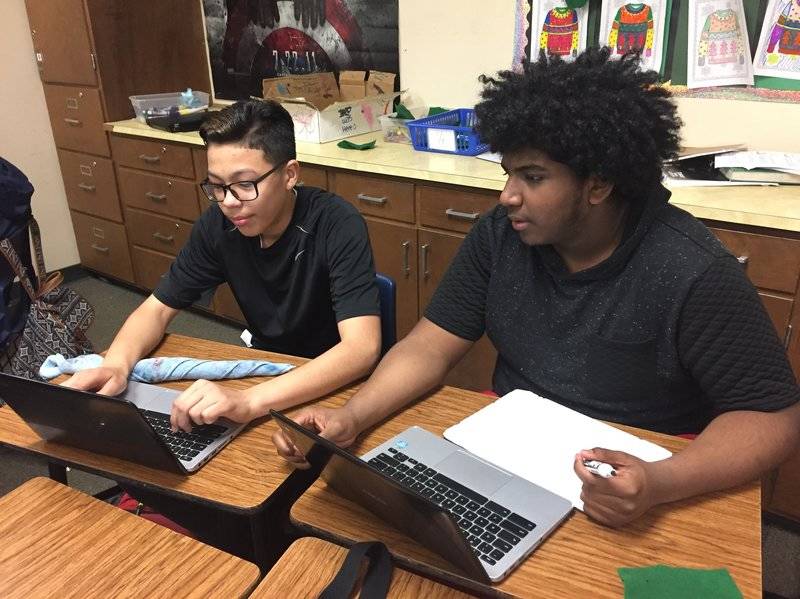
"caption": "Eighth graders Cristian Munoz (left) and Clifton Steward work on their Chromebooks during a language arts class at French Middle School in Topeka, Kan. Both students were eligible to bring the devices home this summer.",
"description": null,
"title": "French Middle School Students-2c7489c9f62f58546673bde49ac32c6444d1485d-s800-c85",
"credit": "Scott Ritter/Courtesy of French Middle School",
"status": "inherit",
"isLoading": false,
"fetchFailed": false
},
"mindshift_48522": {
"type": "attachments",
"id": "mindshift_48522",
"meta": {
"index": "attachments_1716263798",
"site": "mindshift",
"id": "48522",
"found": true
},
"parent": 48476,
"imgSizes": {
"small": {
"file": "https://ww2.kqed.org/app/uploads/sites/23/2017/06/DVX-520x293.jpg",
"width": 520,
"mimeType": "image/jpeg",
"height": 293
},
"twentyfourteen-full-width": {
"file": "https://ww2.kqed.org/app/uploads/sites/23/2017/06/DVX-1038x576.jpg",
"width": 1038,
"mimeType": "image/jpeg",
"height": 576
},
"thumbnail": {
"file": "https://ww2.kqed.org/app/uploads/sites/23/2017/06/DVX-160x90.jpg",
"width": 160,
"mimeType": "image/jpeg",
"height": 90
},
"fd-sm": {
"file": "https://ww2.kqed.org/app/uploads/sites/23/2017/06/DVX-960x540.jpg",
"width": 960,
"mimeType": "image/jpeg",
"height": 540
},
"post-thumbnail": {
"file": "https://ww2.kqed.org/app/uploads/sites/23/2017/06/DVX-672x372.jpg",
"width": 672,
"mimeType": "image/jpeg",
"height": 372
},
"xsmall": {
"file": "https://ww2.kqed.org/app/uploads/sites/23/2017/06/DVX-375x211.jpg",
"width": 375,
"mimeType": "image/jpeg",
"height": 211
},
"kqedFullSize": {
"file": "https://ww2.kqed.org/app/uploads/sites/23/2017/06/DVX-e1498463611624.jpg",
"width": 1920,
"height": 1080
},
"large": {
"file": "https://ww2.kqed.org/app/uploads/sites/23/2017/06/DVX-1020x574.jpg",
"width": 1020,
"mimeType": "image/jpeg",
"height": 574
},
"xlarge": {
"file": "https://ww2.kqed.org/app/uploads/sites/23/2017/06/DVX-1180x664.jpg",
"width": 1180,
"mimeType": "image/jpeg",
"height": 664
},
"guest-author-50": {
"file": "https://ww2.kqed.org/app/uploads/sites/23/2017/06/DVX-50x50.jpg",
"width": 50,
"mimeType": "image/jpeg",
"height": 50
},
"guest-author-96": {
"file": "https://ww2.kqed.org/app/uploads/sites/23/2017/06/DVX-96x96.jpg",
"width": 96,
"mimeType": "image/jpeg",
"height": 96
},
"medium": {
"file": "https://ww2.kqed.org/app/uploads/sites/23/2017/06/DVX-800x450.jpg",
"width": 800,
"mimeType": "image/jpeg",
"height": 450
},
"guest-author-64": {
"file": "https://ww2.kqed.org/app/uploads/sites/23/2017/06/DVX-64x64.jpg",
"width": 64,
"mimeType": "image/jpeg",
"height": 64
},
"guest-author-32": {
"file": "https://ww2.kqed.org/app/uploads/sites/23/2017/06/DVX-32x32.jpg",
"width": 32,
"mimeType": "image/jpeg",
"height": 32
},
"fd-lrg": {
"file": "https://ww2.kqed.org/app/uploads/sites/23/2017/06/DVX-1920x1080.jpg",
"width": 1920,
"mimeType": "image/jpeg",
"height": 1080
},
"fd-med": {
"file": "https://ww2.kqed.org/app/uploads/sites/23/2017/06/DVX-1180x664.jpg",
"width": 1180,
"mimeType": "image/jpeg",
"height": 664
},
"full-width": {
"file": "https://ww2.kqed.org/app/uploads/sites/23/2017/06/DVX-1920x1080.jpg",
"width": 1920,
"mimeType": "image/jpeg",
"height": 1080
},
"detail": {
"file": "https://ww2.kqed.org/app/uploads/sites/23/2017/06/DVX-150x150.jpg",
"width": 150,
"mimeType": "image/jpeg",
"height": 150
},
"medium_large": {
"file": "https://ww2.kqed.org/app/uploads/sites/23/2017/06/DVX-768x432.jpg",
"width": 768,
"mimeType": "image/jpeg",
"height": 432
},
"guest-author-128": {
"file": "https://ww2.kqed.org/app/uploads/sites/23/2017/06/DVX-128x128.jpg",
"width": 128,
"mimeType": "image/jpeg",
"height": 128
},
"xxsmall": {
"file": "https://ww2.kqed.org/app/uploads/sites/23/2017/06/DVX-240x135.jpg",
"width": 240,
"mimeType": "image/jpeg",
"height": 135
}
},
"publishDate": 1498463582,
"modified": 1498463633,
"caption": "DVX student Jessica was struggling with a concept so she hopped on Skype with one of her DVX coaches, Mary Chan. ",
"description": null,
"title": "DVX",
"credit": "Courtesy DVX",
"status": "inherit",
"isLoading": false,
"fetchFailed": false
},
"mindshift_48462": {
"type": "attachments",
"id": "mindshift_48462",
"meta": {
"index": "attachments_1716263798",
"site": "mindshift",
"id": "48462",
"found": true
},
"parent": 48407,
"imgSizes": {
"small": {
"file": "https://ww2.kqed.org/app/uploads/sites/23/2017/06/161216_NYC_HS_GRAND_GrowingPains_005-520x347.jpg",
"width": 520,
"mimeType": "image/jpeg",
"height": 347
},
"twentyfourteen-full-width": {
"file": "https://ww2.kqed.org/app/uploads/sites/23/2017/06/161216_NYC_HS_GRAND_GrowingPains_005-1038x576.jpg",
"width": 1038,
"mimeType": "image/jpeg",
"height": 576
},
"thumbnail": {
"file": "https://ww2.kqed.org/app/uploads/sites/23/2017/06/161216_NYC_HS_GRAND_GrowingPains_005-160x107.jpg",
"width": 160,
"mimeType": "image/jpeg",
"height": 107
},
"fd-sm": {
"file": "https://ww2.kqed.org/app/uploads/sites/23/2017/06/161216_NYC_HS_GRAND_GrowingPains_005-960x640.jpg",
"width": 960,
"mimeType": "image/jpeg",
"height": 640
},
"post-thumbnail": {
"file": "https://ww2.kqed.org/app/uploads/sites/23/2017/06/161216_NYC_HS_GRAND_GrowingPains_005-672x372.jpg",
"width": 672,
"mimeType": "image/jpeg",
"height": 372
},
"xsmall": {
"file": "https://ww2.kqed.org/app/uploads/sites/23/2017/06/161216_NYC_HS_GRAND_GrowingPains_005-375x250.jpg",
"width": 375,
"mimeType": "image/jpeg",
"height": 250
},
"kqedFullSize": {
"file": "https://ww2.kqed.org/app/uploads/sites/23/2017/06/161216_NYC_HS_GRAND_GrowingPains_005-e1497857830454.jpg",
"width": 1920,
"height": 1280
},
"large": {
"file": "https://ww2.kqed.org/app/uploads/sites/23/2017/06/161216_NYC_HS_GRAND_GrowingPains_005-1020x680.jpg",
"width": 1020,
"mimeType": "image/jpeg",
"height": 680
},
"xlarge": {
"file": "https://ww2.kqed.org/app/uploads/sites/23/2017/06/161216_NYC_HS_GRAND_GrowingPains_005-1180x787.jpg",
"width": 1180,
"mimeType": "image/jpeg",
"height": 787
},
"guest-author-50": {
"file": "https://ww2.kqed.org/app/uploads/sites/23/2017/06/161216_NYC_HS_GRAND_GrowingPains_005-50x50.jpg",
"width": 50,
"mimeType": "image/jpeg",
"height": 50
},
"guest-author-96": {
"file": "https://ww2.kqed.org/app/uploads/sites/23/2017/06/161216_NYC_HS_GRAND_GrowingPains_005-96x96.jpg",
"width": 96,
"mimeType": "image/jpeg",
"height": 96
},
"medium": {
"file": "https://ww2.kqed.org/app/uploads/sites/23/2017/06/161216_NYC_HS_GRAND_GrowingPains_005-800x533.jpg",
"width": 800,
"mimeType": "image/jpeg",
"height": 533
},
"guest-author-64": {
"file": "https://ww2.kqed.org/app/uploads/sites/23/2017/06/161216_NYC_HS_GRAND_GrowingPains_005-64x64.jpg",
"width": 64,
"mimeType": "image/jpeg",
"height": 64
},
"guest-author-32": {
"file": "https://ww2.kqed.org/app/uploads/sites/23/2017/06/161216_NYC_HS_GRAND_GrowingPains_005-32x32.jpg",
"width": 32,
"mimeType": "image/jpeg",
"height": 32
},
"fd-lrg": {
"file": "https://ww2.kqed.org/app/uploads/sites/23/2017/06/161216_NYC_HS_GRAND_GrowingPains_005-1920x1280.jpg",
"width": 1920,
"mimeType": "image/jpeg",
"height": 1280
},
"fd-med": {
"file": "https://ww2.kqed.org/app/uploads/sites/23/2017/06/161216_NYC_HS_GRAND_GrowingPains_005-1180x787.jpg",
"width": 1180,
"mimeType": "image/jpeg",
"height": 787
},
"full-width": {
"file": "https://ww2.kqed.org/app/uploads/sites/23/2017/06/161216_NYC_HS_GRAND_GrowingPains_005-1920x1280.jpg",
"width": 1920,
"mimeType": "image/jpeg",
"height": 1280
},
"detail": {
"file": "https://ww2.kqed.org/app/uploads/sites/23/2017/06/161216_NYC_HS_GRAND_GrowingPains_005-150x150.jpg",
"width": 150,
"mimeType": "image/jpeg",
"height": 150
},
"medium_large": {
"file": "https://ww2.kqed.org/app/uploads/sites/23/2017/06/161216_NYC_HS_GRAND_GrowingPains_005-768x512.jpg",
"width": 768,
"mimeType": "image/jpeg",
"height": 512
},
"guest-author-128": {
"file": "https://ww2.kqed.org/app/uploads/sites/23/2017/06/161216_NYC_HS_GRAND_GrowingPains_005-128x128.jpg",
"width": 128,
"mimeType": "image/jpeg",
"height": 128
},
"xxsmall": {
"file": "https://ww2.kqed.org/app/uploads/sites/23/2017/06/161216_NYC_HS_GRAND_GrowingPains_005-240x160.jpg",
"width": 240,
"mimeType": "image/jpeg",
"height": 160
}
},
"publishDate": 1497857795,
"modified": 1497857935,
"caption": "Raheem Ragsdale performs his story as part of The Moth's GrandSLAM for high school students.",
"description": null,
"title": "161216_NYC_HS_GRAND_GrowingPains_005",
"credit": "The Moth/Autumn Stein",
"status": "inherit",
"isLoading": false,
"fetchFailed": false
},
"mindshift_48420": {
"type": "attachments",
"id": "mindshift_48420",
"meta": {
"index": "attachments_1716263798",
"site": "mindshift",
"id": "48420",
"found": true
},
"parent": 48112,
"imgSizes": {
"small": {
"file": "https://ww2.kqed.org/app/uploads/sites/23/2017/06/iStock-535450666-520x320.jpg",
"width": 520,
"mimeType": "image/jpeg",
"height": 320
},
"twentyfourteen-full-width": {
"file": "https://ww2.kqed.org/app/uploads/sites/23/2017/06/iStock-535450666-1038x576.jpg",
"width": 1038,
"mimeType": "image/jpeg",
"height": 576
},
"thumbnail": {
"file": "https://ww2.kqed.org/app/uploads/sites/23/2017/06/iStock-535450666-160x98.jpg",
"width": 160,
"mimeType": "image/jpeg",
"height": 98
},
"fd-sm": {
"file": "https://ww2.kqed.org/app/uploads/sites/23/2017/06/iStock-535450666-960x590.jpg",
"width": 960,
"mimeType": "image/jpeg",
"height": 590
},
"post-thumbnail": {
"file": "https://ww2.kqed.org/app/uploads/sites/23/2017/06/iStock-535450666-672x372.jpg",
"width": 672,
"mimeType": "image/jpeg",
"height": 372
},
"xsmall": {
"file": "https://ww2.kqed.org/app/uploads/sites/23/2017/06/iStock-535450666-375x231.jpg",
"width": 375,
"mimeType": "image/jpeg",
"height": 231
},
"kqedFullSize": {
"file": "https://ww2.kqed.org/app/uploads/sites/23/2017/06/iStock-535450666-e1497424522180.jpg",
"width": 1920,
"height": 1181
},
"large": {
"file": "https://ww2.kqed.org/app/uploads/sites/23/2017/06/iStock-535450666-1020x627.jpg",
"width": 1020,
"mimeType": "image/jpeg",
"height": 627
},
"xlarge": {
"file": "https://ww2.kqed.org/app/uploads/sites/23/2017/06/iStock-535450666-1180x726.jpg",
"width": 1180,
"mimeType": "image/jpeg",
"height": 726
},
"guest-author-50": {
"file": "https://ww2.kqed.org/app/uploads/sites/23/2017/06/iStock-535450666-50x50.jpg",
"width": 50,
"mimeType": "image/jpeg",
"height": 50
},
"guest-author-96": {
"file": "https://ww2.kqed.org/app/uploads/sites/23/2017/06/iStock-535450666-96x96.jpg",
"width": 96,
"mimeType": "image/jpeg",
"height": 96
},
"medium": {
"file": "https://ww2.kqed.org/app/uploads/sites/23/2017/06/iStock-535450666-800x492.jpg",
"width": 800,
"mimeType": "image/jpeg",
"height": 492
},
"guest-author-64": {
"file": "https://ww2.kqed.org/app/uploads/sites/23/2017/06/iStock-535450666-64x64.jpg",
"width": 64,
"mimeType": "image/jpeg",
"height": 64
},
"guest-author-32": {
"file": "https://ww2.kqed.org/app/uploads/sites/23/2017/06/iStock-535450666-32x32.jpg",
"width": 32,
"mimeType": "image/jpeg",
"height": 32
},
"fd-lrg": {
"file": "https://ww2.kqed.org/app/uploads/sites/23/2017/06/iStock-535450666-1920x1181.jpg",
"width": 1920,
"mimeType": "image/jpeg",
"height": 1181
},
"fd-med": {
"file": "https://ww2.kqed.org/app/uploads/sites/23/2017/06/iStock-535450666-1180x726.jpg",
"width": 1180,
"mimeType": "image/jpeg",
"height": 726
},
"full-width": {
"file": "https://ww2.kqed.org/app/uploads/sites/23/2017/06/iStock-535450666-1920x1181.jpg",
"width": 1920,
"mimeType": "image/jpeg",
"height": 1181
},
"detail": {
"file": "https://ww2.kqed.org/app/uploads/sites/23/2017/06/iStock-535450666-150x150.jpg",
"width": 150,
"mimeType": "image/jpeg",
"height": 150
},
"medium_large": {
"file": "https://ww2.kqed.org/app/uploads/sites/23/2017/06/iStock-535450666-768x472.jpg",
"width": 768,
"mimeType": "image/jpeg",
"height": 472
},
"guest-author-128": {
"file": "https://ww2.kqed.org/app/uploads/sites/23/2017/06/iStock-535450666-128x128.jpg",
"width": 128,
"mimeType": "image/jpeg",
"height": 128
},
"xxsmall": {
"file": "https://ww2.kqed.org/app/uploads/sites/23/2017/06/iStock-535450666-240x148.jpg",
"width": 240,
"mimeType": "image/jpeg",
"height": 148
}
},
"publishDate": 1497424485,
"modified": 1497424515,
"caption": null,
"description": null,
"title": null,
"credit": "iStock/CherriesJD ",
"status": "inherit",
"isLoading": false,
"fetchFailed": false
},
"mindshift_48215": {
"type": "attachments",
"id": "mindshift_48215",
"meta": {
"index": "attachments_1716263798",
"site": "mindshift",
"id": "48215",
"found": true
},
"parent": 48185,
"imgSizes": {
"small": {
"file": "https://ww2.kqed.org/app/uploads/sites/23/2017/05/dschool_Retool0117_PatrickBeaudouin-24-520x347.jpg",
"width": 520,
"mimeType": "image/jpeg",
"height": 347
},
"twentyfourteen-full-width": {
"file": "https://ww2.kqed.org/app/uploads/sites/23/2017/05/dschool_Retool0117_PatrickBeaudouin-24-1038x576.jpg",
"width": 1038,
"mimeType": "image/jpeg",
"height": 576
},
"thumbnail": {
"file": "https://ww2.kqed.org/app/uploads/sites/23/2017/05/dschool_Retool0117_PatrickBeaudouin-24-160x107.jpg",
"width": 160,
"mimeType": "image/jpeg",
"height": 107
},
"fd-sm": {
"file": "https://ww2.kqed.org/app/uploads/sites/23/2017/05/dschool_Retool0117_PatrickBeaudouin-24-960x640.jpg",
"width": 960,
"mimeType": "image/jpeg",
"height": 640
},
"post-thumbnail": {
"file": "https://ww2.kqed.org/app/uploads/sites/23/2017/05/dschool_Retool0117_PatrickBeaudouin-24-672x372.jpg",
"width": 672,
"mimeType": "image/jpeg",
"height": 372
},
"xsmall": {
"file": "https://ww2.kqed.org/app/uploads/sites/23/2017/05/dschool_Retool0117_PatrickBeaudouin-24-375x250.jpg",
"width": 375,
"mimeType": "image/jpeg",
"height": 250
},
"kqedFullSize": {
"file": "https://ww2.kqed.org/app/uploads/sites/23/2017/05/dschool_Retool0117_PatrickBeaudouin-24.jpg",
"width": 5526,
"height": 3684
},
"large": {
"file": "https://ww2.kqed.org/app/uploads/sites/23/2017/05/dschool_Retool0117_PatrickBeaudouin-24-1020x680.jpg",
"width": 1020,
"mimeType": "image/jpeg",
"height": 680
},
"xlarge": {
"file": "https://ww2.kqed.org/app/uploads/sites/23/2017/05/dschool_Retool0117_PatrickBeaudouin-24-1180x787.jpg",
"width": 1180,
"mimeType": "image/jpeg",
"height": 787
},
"guest-author-50": {
"file": "https://ww2.kqed.org/app/uploads/sites/23/2017/05/dschool_Retool0117_PatrickBeaudouin-24-50x50.jpg",
"width": 50,
"mimeType": "image/jpeg",
"height": 50
},
"guest-author-96": {
"file": "https://ww2.kqed.org/app/uploads/sites/23/2017/05/dschool_Retool0117_PatrickBeaudouin-24-96x96.jpg",
"width": 96,
"mimeType": "image/jpeg",
"height": 96
},
"medium": {
"file": "https://ww2.kqed.org/app/uploads/sites/23/2017/05/dschool_Retool0117_PatrickBeaudouin-24-800x533.jpg",
"width": 800,
"mimeType": "image/jpeg",
"height": 533
},
"guest-author-64": {
"file": "https://ww2.kqed.org/app/uploads/sites/23/2017/05/dschool_Retool0117_PatrickBeaudouin-24-64x64.jpg",
"width": 64,
"mimeType": "image/jpeg",
"height": 64
},
"guest-author-32": {
"file": "https://ww2.kqed.org/app/uploads/sites/23/2017/05/dschool_Retool0117_PatrickBeaudouin-24-32x32.jpg",
"width": 32,
"mimeType": "image/jpeg",
"height": 32
},
"fd-lrg": {
"file": "https://ww2.kqed.org/app/uploads/sites/23/2017/05/dschool_Retool0117_PatrickBeaudouin-24-1920x1280.jpg",
"width": 1920,
"mimeType": "image/jpeg",
"height": 1280
},
"fd-med": {
"file": "https://ww2.kqed.org/app/uploads/sites/23/2017/05/dschool_Retool0117_PatrickBeaudouin-24-1180x787.jpg",
"width": 1180,
"mimeType": "image/jpeg",
"height": 787
},
"full-width": {
"file": "https://ww2.kqed.org/app/uploads/sites/23/2017/05/dschool_Retool0117_PatrickBeaudouin-24-1920x1280.jpg",
"width": 1920,
"mimeType": "image/jpeg",
"height": 1280
},
"detail": {
"file": "https://ww2.kqed.org/app/uploads/sites/23/2017/05/dschool_Retool0117_PatrickBeaudouin-24-150x150.jpg",
"width": 150,
"mimeType": "image/jpeg",
"height": 150
},
"medium_large": {
"file": "https://ww2.kqed.org/app/uploads/sites/23/2017/05/dschool_Retool0117_PatrickBeaudouin-24-768x512.jpg",
"width": 768,
"mimeType": "image/jpeg",
"height": 512
},
"guest-author-128": {
"file": "https://ww2.kqed.org/app/uploads/sites/23/2017/05/dschool_Retool0117_PatrickBeaudouin-24-128x128.jpg",
"width": 128,
"mimeType": "image/jpeg",
"height": 128
},
"xxsmall": {
"file": "https://ww2.kqed.org/app/uploads/sites/23/2017/05/dschool_Retool0117_PatrickBeaudouin-24-240x160.jpg",
"width": 240,
"mimeType": "image/jpeg",
"height": 160
}
},
"publishDate": 1494285411,
"modified": 1494285470,
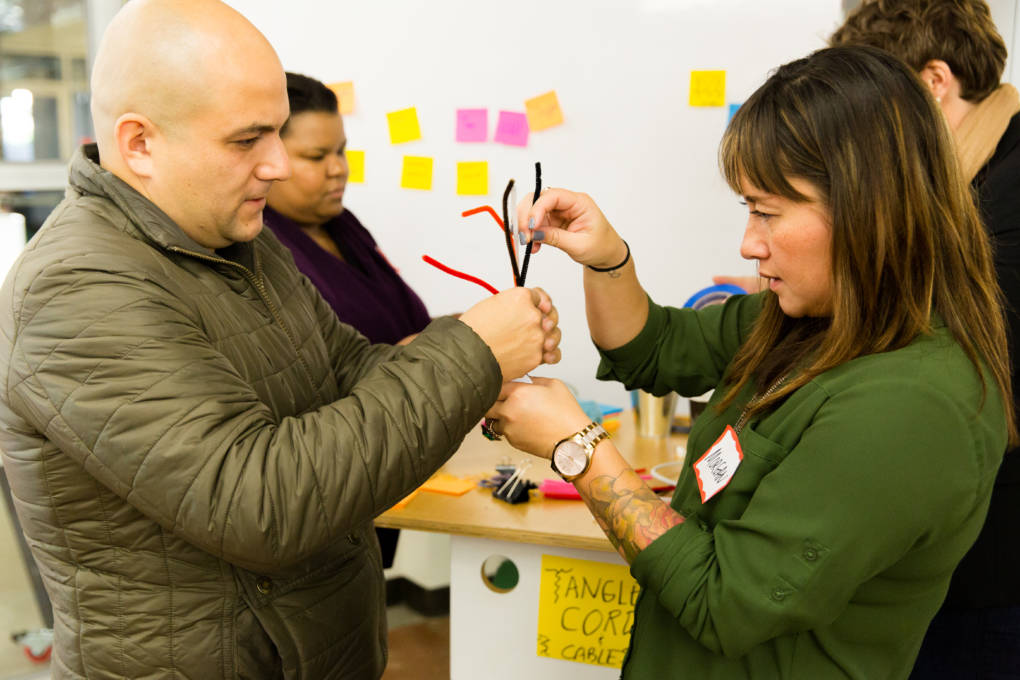
"caption": "Principals engage in design challenges as part of the School Retool fellowship.",
"description": null,
"title": "dschool_Retool0117_PatrickBeaudouin-24",
"credit": "Courtesy School Retool",
"status": "inherit",
"isLoading": false,
"fetchFailed": false
},
"mindshift_48170": {
"type": "attachments",
"id": "mindshift_48170",
"meta": {
"index": "attachments_1716263798",
"site": "mindshift",
"id": "48170",
"found": true
},
"parent": 48139,
"imgSizes": {
"small": {
"file": "https://ww2.kqed.org/app/uploads/sites/23/2017/05/flashcards-520x293.png",
"width": 520,
"mimeType": "image/png",
"height": 293
},
"twentyfourteen-full-width": {
"file": "https://ww2.kqed.org/app/uploads/sites/23/2017/05/flashcards-1038x576.png",
"width": 1038,
"mimeType": "image/png",
"height": 576
},
"thumbnail": {
"file": "https://ww2.kqed.org/app/uploads/sites/23/2017/05/flashcards-160x90.png",
"width": 160,
"mimeType": "image/png",
"height": 90
},
"fd-sm": {
"file": "https://ww2.kqed.org/app/uploads/sites/23/2017/05/flashcards-960x540.png",
"width": 960,
"mimeType": "image/png",
"height": 540
},
"post-thumbnail": {
"file": "https://ww2.kqed.org/app/uploads/sites/23/2017/05/flashcards-672x372.png",
"width": 672,
"mimeType": "image/png",
"height": 372
},
"xsmall": {
"file": "https://ww2.kqed.org/app/uploads/sites/23/2017/05/flashcards-375x211.png",
"width": 375,
"mimeType": "image/png",
"height": 211
},
"kqedFullSize": {
"file": "https://ww2.kqed.org/app/uploads/sites/23/2017/05/flashcards.png",
"width": 1920,
"height": 1080
},
"large": {
"file": "https://ww2.kqed.org/app/uploads/sites/23/2017/05/flashcards-1020x574.png",
"width": 1020,
"mimeType": "image/png",
"height": 574
},
"xlarge": {
"file": "https://ww2.kqed.org/app/uploads/sites/23/2017/05/flashcards-1180x664.png",
"width": 1180,
"mimeType": "image/png",
"height": 664
},
"guest-author-50": {
"file": "https://ww2.kqed.org/app/uploads/sites/23/2017/05/flashcards-50x50.png",
"width": 50,
"mimeType": "image/png",
"height": 50
},
"guest-author-96": {
"file": "https://ww2.kqed.org/app/uploads/sites/23/2017/05/flashcards-96x96.png",
"width": 96,
"mimeType": "image/png",
"height": 96
},
"medium": {
"file": "https://ww2.kqed.org/app/uploads/sites/23/2017/05/flashcards-800x450.png",
"width": 800,
"mimeType": "image/png",
"height": 450
},
"guest-author-64": {
"file": "https://ww2.kqed.org/app/uploads/sites/23/2017/05/flashcards-64x64.png",
"width": 64,
"mimeType": "image/png",
"height": 64
},
"guest-author-32": {
"file": "https://ww2.kqed.org/app/uploads/sites/23/2017/05/flashcards-32x32.png",
"width": 32,
"mimeType": "image/png",
"height": 32
},
"fd-lrg": {
"file": "https://ww2.kqed.org/app/uploads/sites/23/2017/05/flashcards-1920x1080.png",
"width": 1920,
"mimeType": "image/png",
"height": 1080
},
"fd-med": {
"file": "https://ww2.kqed.org/app/uploads/sites/23/2017/05/flashcards-1180x664.png",
"width": 1180,
"mimeType": "image/png",
"height": 664
},
"full-width": {
"file": "https://ww2.kqed.org/app/uploads/sites/23/2017/05/flashcards-1920x1080.png",
"width": 1920,
"mimeType": "image/png",
"height": 1080
},
"detail": {
"file": "https://ww2.kqed.org/app/uploads/sites/23/2017/05/flashcards-150x150.png",
"width": 150,
"mimeType": "image/png",
"height": 150
},
"medium_large": {
"file": "https://ww2.kqed.org/app/uploads/sites/23/2017/05/flashcards-768x432.png",
"width": 768,
"mimeType": "image/png",
"height": 432
},
"guest-author-128": {
"file": "https://ww2.kqed.org/app/uploads/sites/23/2017/05/flashcards-128x128.png",
"width": 128,
"mimeType": "image/png",
"height": 128
},
"xxsmall": {
"file": "https://ww2.kqed.org/app/uploads/sites/23/2017/05/flashcards-240x135.png",
"width": 240,
"mimeType": "image/png",
"height": 135
}
},
"publishDate": 1493839301,
"modified": 1493839380,
"caption": null,
"description": null,
"title": "flashcards",
"credit": "k4dordy/\u003ca href=\"https://www.flickr.com/photos/8593364@N06/4083973587/\">Flickr\u003c/a>",
"status": "inherit",
"isLoading": false,
"fetchFailed": false
},
"mindshift_47806": {
"type": "attachments",
"id": "mindshift_47806",
"meta": {
"index": "attachments_1716263798",
"site": "mindshift",
"id": "47806",
"found": true
},
"parent": 47694,
"imgSizes": {
"small": {
"file": "https://ww2.kqed.org/app/uploads/sites/23/2017/03/Woodworking-520x347.jpg",
"width": 520,
"mimeType": "image/jpeg",
"height": 347
},
"twentyfourteen-full-width": {
"file": "https://ww2.kqed.org/app/uploads/sites/23/2017/03/Woodworking-1038x576.jpg",
"width": 1038,
"mimeType": "image/jpeg",
"height": 576
},
"thumbnail": {
"file": "https://ww2.kqed.org/app/uploads/sites/23/2017/03/Woodworking-160x107.jpg",
"width": 160,
"mimeType": "image/jpeg",
"height": 107
},
"fd-sm": {
"file": "https://ww2.kqed.org/app/uploads/sites/23/2017/03/Woodworking-960x640.jpg",
"width": 960,
"mimeType": "image/jpeg",
"height": 640
},
"post-thumbnail": {
"file": "https://ww2.kqed.org/app/uploads/sites/23/2017/03/Woodworking-672x372.jpg",
"width": 672,
"mimeType": "image/jpeg",
"height": 372
},
"xsmall": {
"file": "https://ww2.kqed.org/app/uploads/sites/23/2017/03/Woodworking-375x250.jpg",
"width": 375,
"mimeType": "image/jpeg",
"height": 250
},
"kqedFullSize": {
"file": "https://ww2.kqed.org/app/uploads/sites/23/2017/03/Woodworking-e1490130734655.jpg",
"width": 1920,
"height": 1281
},
"large": {
"file": "https://ww2.kqed.org/app/uploads/sites/23/2017/03/Woodworking-1020x680.jpg",
"width": 1020,
"mimeType": "image/jpeg",
"height": 680
},
"xlarge": {
"file": "https://ww2.kqed.org/app/uploads/sites/23/2017/03/Woodworking-1180x787.jpg",
"width": 1180,
"mimeType": "image/jpeg",
"height": 787
},
"guest-author-50": {
"file": "https://ww2.kqed.org/app/uploads/sites/23/2017/03/Woodworking-50x50.jpg",
"width": 50,
"mimeType": "image/jpeg",
"height": 50
},
"guest-author-96": {
"file": "https://ww2.kqed.org/app/uploads/sites/23/2017/03/Woodworking-96x96.jpg",
"width": 96,
"mimeType": "image/jpeg",
"height": 96
},
"medium": {
"file": "https://ww2.kqed.org/app/uploads/sites/23/2017/03/Woodworking-800x534.jpg",
"width": 800,
"mimeType": "image/jpeg",
"height": 534
},
"guest-author-64": {
"file": "https://ww2.kqed.org/app/uploads/sites/23/2017/03/Woodworking-64x64.jpg",
"width": 64,
"mimeType": "image/jpeg",
"height": 64
},
"guest-author-32": {
"file": "https://ww2.kqed.org/app/uploads/sites/23/2017/03/Woodworking-32x32.jpg",
"width": 32,
"mimeType": "image/jpeg",
"height": 32
},
"fd-lrg": {
"file": "https://ww2.kqed.org/app/uploads/sites/23/2017/03/Woodworking-1920x1281.jpg",
"width": 1920,
"mimeType": "image/jpeg",
"height": 1281
},
"fd-med": {
"file": "https://ww2.kqed.org/app/uploads/sites/23/2017/03/Woodworking-1180x787.jpg",
"width": 1180,
"mimeType": "image/jpeg",
"height": 787
},
"full-width": {
"file": "https://ww2.kqed.org/app/uploads/sites/23/2017/03/Woodworking-1920x1281.jpg",
"width": 1920,
"mimeType": "image/jpeg",
"height": 1281
},
"detail": {
"file": "https://ww2.kqed.org/app/uploads/sites/23/2017/03/Woodworking-150x150.jpg",
"width": 150,
"mimeType": "image/jpeg",
"height": 150
},
"medium_large": {
"file": "https://ww2.kqed.org/app/uploads/sites/23/2017/03/Woodworking-768x512.jpg",
"width": 768,
"mimeType": "image/jpeg",
"height": 512
},
"guest-author-128": {
"file": "https://ww2.kqed.org/app/uploads/sites/23/2017/03/Woodworking-128x128.jpg",
"width": 128,
"mimeType": "image/jpeg",
"height": 128
},
"xxsmall": {
"file": "https://ww2.kqed.org/app/uploads/sites/23/2017/03/Woodworking-240x160.jpg",
"width": 240,
"mimeType": "image/jpeg",
"height": 160
}
},
"publishDate": 1490130691,
"modified": 1490130728,
"caption": null,
"description": null,
"title": "Woodworking",
"credit": "iStock/diego_cervo ",
"status": "inherit",
"isLoading": false,
"fetchFailed": false
}
},
"audioPlayerReducer": {
"postId": "stream_live",
"isPaused": true,
"isPlaying": false,
"pfsActive": false,
"pledgeModalIsOpen": true,
"playerDrawerIsOpen": false,
"liveAudioPlayStartedAt": 0,
"liveAudioPlayContext": ""
},
"authorsReducer": {
"byline_mindshift_48526": {
"type": "authors",
"id": "byline_mindshift_48526",
"meta": {
"override": true
},
"slug": "byline_mindshift_48526",
"name": "Mollie Simon",
"isLoading": false
},
"katrinaschwartz": {
"type": "authors",
"id": "234",
"meta": {
"index": "authors_1716337520",
"id": "234",
"found": true
},
"name": "Katrina Schwartz",
"firstName": "Katrina",
"lastName": "Schwartz",
"slug": "katrinaschwartz",
"email": "kschwartz@kqed.org",
"display_author_email": false,
"staff_mastheads": [
"news"
],
"title": "Producer",
"bio": "Katrina Schwartz is a journalist based in San Francisco. She's worked at KPCC public radio in LA and has reported on air and online for KQED since 2010. She covered how teaching and learning is changing for MindShift between 2012 and 2020. She is the co-host of the MindShift podcast and now produces KQED's Bay Curious podcast.",
"avatar": "https://secure.gravatar.com/avatar/edb4ee79070447a018538c9aae6eeecf28786515b8a0c30e43b6b7dce5aa44c8?s=600&d=blank&r=g",
"twitter": "kschwart",
"bluesky": null,
"facebook": null,
"instagram": null,
"linkedin": null,
"sites": [
{
"site": "",
"roles": [
"editor"
]
},
{
"site": "news",
"roles": [
"editor"
]
},
{
"site": "mindshift",
"roles": [
"administrator"
]
},
{
"site": "stateofhealth",
"roles": [
"author"
]
},
{
"site": "science",
"roles": [
"editor"
]
}
],
"headData": {
"title": "Katrina Schwartz | KQED",
"description": "Producer",
"ogImgSrc": "https://secure.gravatar.com/avatar/edb4ee79070447a018538c9aae6eeecf28786515b8a0c30e43b6b7dce5aa44c8?s=600&d=blank&r=g",
"twImgSrc": "https://secure.gravatar.com/avatar/edb4ee79070447a018538c9aae6eeecf28786515b8a0c30e43b6b7dce5aa44c8?s=600&d=blank&r=g"
},
"isLoading": false,
"link": "/author/katrinaschwartz"
},
"lindaflan": {
"type": "authors",
"id": "4613",
"meta": {
"index": "authors_1716337520",
"id": "4613",
"found": true
},
"name": "Linda Flanagan",
"firstName": "Linda",
"lastName": "Flanagan",
"slug": "lindaflan",
"email": "lindaflan@comcast.net",
"display_author_email": false,
"staff_mastheads": [],
"title": null,
"bio": "Linda Flanagan is a freelance writer, researcher, and editor. Her work has appeared in The Atlantic, The Wall St. Journal, Newsweek, Running Times, and Mind/Shift, and she blogs regularly for the Huffington Post. Linda writes about education, culture, athletics, youth sports, mental health, politics, college admissions, and other curiosities. She also reviews books and conducts interviews.",
"avatar": "https://secure.gravatar.com/avatar/6bca04c0736bf5eaea80654019de688f?s=600&d=blank&r=g",
"twitter": "LindaFlanagan2",
"facebook": null,
"instagram": null,
"linkedin": null,
"sites": [
{
"site": "mindshift",
"roles": [
"contributor"
]
}
],
"headData": {
"title": "Linda Flanagan | KQED",
"description": null,
"ogImgSrc": "https://secure.gravatar.com/avatar/6bca04c0736bf5eaea80654019de688f?s=600&d=blank&r=g",
"twImgSrc": "https://secure.gravatar.com/avatar/6bca04c0736bf5eaea80654019de688f?s=600&d=blank&r=g"
},
"isLoading": false,
"link": "/author/lindaflan"
},
"pauldarvasi": {
"type": "authors",
"id": "11107",
"meta": {
"index": "authors_1716337520",
"id": "11107",
"found": true
},
"name": "Paul Darvasi",
"firstName": "Paul",
"lastName": "Darvasi",
"slug": "pauldarvasi",
"email": "pauldarvasi@gmail.com",
"display_author_email": false,
"staff_mastheads": [],
"title": null,
"bio": "Paul Darvasi is an experienced educator whose research, speaking and writing explore the intersections of learning, technology, narrative and games. You can follow him on Twitter:\u003ca href=\"https://twitter.com/PaulDarvasi\"> @pauldarvasi\u003c/a>",
"avatar": "https://secure.gravatar.com/avatar/df387897a1bf0cd4b720b8175112731a?s=600&d=blank&r=g",
"twitter": "pauldarvasi",
"facebook": null,
"instagram": null,
"linkedin": null,
"sites": [
{
"site": "mindshift",
"roles": [
"contributor"
]
}
],
"headData": {
"title": "Paul Darvasi | KQED",
"description": null,
"ogImgSrc": "https://secure.gravatar.com/avatar/df387897a1bf0cd4b720b8175112731a?s=600&d=blank&r=g",
"twImgSrc": "https://secure.gravatar.com/avatar/df387897a1bf0cd4b720b8175112731a?s=600&d=blank&r=g"
},
"isLoading": false,
"link": "/author/pauldarvasi"
},
"lshaffer": {
"type": "authors",
"id": "11330",
"meta": {
"index": "authors_1716337520",
"id": "11330",
"found": true
},
"name": "Leah Shaffer",
"firstName": "Leah",
"lastName": "Shaffer",
"slug": "lshaffer",
"email": "leahabshaffer@gmail.com",
"display_author_email": false,
"staff_mastheads": [],
"title": null,
"bio": null,
"avatar": "https://secure.gravatar.com/avatar/ee7b4bb631d0c035e426aba5e260f9ce?s=600&d=blank&r=g",
"twitter": null,
"facebook": null,
"instagram": null,
"linkedin": null,
"sites": [
{
"site": "mindshift",
"roles": [
"author"
]
}
],
"headData": {
"title": "Leah Shaffer | KQED",
"description": null,
"ogImgSrc": "https://secure.gravatar.com/avatar/ee7b4bb631d0c035e426aba5e260f9ce?s=600&d=blank&r=g",
"twImgSrc": "https://secure.gravatar.com/avatar/ee7b4bb631d0c035e426aba5e260f9ce?s=600&d=blank&r=g"
},
"isLoading": false,
"link": "/author/lshaffer"
}
},
"pagesReducer": {
"mindshift_category_teaching-strategies": {
"type": "terms",
"id": "mindshift_193",
"meta": {
"index": "terms_1716263798",
"site": "mindshift",
"id": "193",
"score": 14.406914
},
"featImg": null,
"name": "Teaching Strategies",
"description": "Innovative ideas - projects, processes, curricula, and more - that are transforming how we teach and learn.",
"taxonomy": "category",
"headData": {
"twImgId": null,
"twTitle": null,
"ogTitle": null,
"ogImgId": null,
"twDescription": null,
"description": "Innovative ideas - projects, processes, curricula, and more - that are transforming how we teach and learn.",
"title": "Teaching Strategies Archives | KQED Mindshift",
"ogDescription": null
},
"ttid": 193,
"slug": "teaching-strategies",
"isLoading": false,
"title": "Teaching Strategies",
"pageMeta": {
"site": "mindshift",
"WpPageTemplate": "page-topic-editorial",
"currentPage": 28
},
"blocks": [
{
"blockName": "kqed/company-paragraph",
"content": "Innovative ideas - projects, processes, curricula, and more - that are transforming how we teach and learn."
},
{
"blockName": "kqed/post-list",
"attrs": {
"layout": "cardArticle2",
"query": "posts/mindshift?category=teaching-strategies",
"seeMore": false,
"paginated": true,
"page": 28
}
},
{
"blockName": "kqed/ad"
}
]
}
},
"pfsSessionReducer": {},
"postsReducer": {
"stream_live": {
"type": "live",
"id": "stream_live",
"audioUrl": "https://streams.kqed.org/kqedradio",
"title": "Live Stream",
"excerpt": "Live Stream information currently unavailable.",
"link": "/radio",
"featImg": "",
"label": {
"name": "KQED Live",
"link": "/"
}
},
"stream_kqedNewscast": {
"type": "posts",
"id": "stream_kqedNewscast",
"audioUrl": "https://www.kqed.org/.stream/anon/radio/RDnews/newscast.mp3?_=1",
"title": "KQED Newscast",
"featImg": "",
"label": {
"name": "88.5 FM",
"link": "/"
}
},
"mindshift_48021": {
"type": "posts",
"id": "mindshift_48021",
"meta": {
"index": "posts_1716263798",
"site": "mindshift",
"id": "48021",
"score": null,
"sort": [
1502084946000
]
},
"parent": 0,
"labelTerm": {
"site": "mindshift"
},
"blocks": [],
"publishDate": 1502084946,
"format": "standard",
"disqusTitle": "For Teachers Who Dread Math, Finding a Better Way",
"title": "For Teachers Who Dread Math, Finding a Better Way",
"headTitle": "MindShift | KQED News",
"content": "\u003cp>Several years ago, former fourth-grade teacher Tracy Johnston Zager took an informal survey of two groups of people to find out how they feel about math: mathematicians and teachers who teach math. She discovered that while mathematicians used words like “beauty” and “wonder” to describe math, teachers recalled “dread” and “fear.” These words aligned with what Zager had observed in her job mentoring student teachers who expressed similar reservations about math. Teachers’ sentiment toward math is noteworthy because research has shown that \u003ca href=\"https://ww2.kqed.org/mindshift/2013/10/21/why-kids-take-on-adults-math-anxiety/\">adults can transfer anxiety to kids\u003c/a>.\u003c/p>\n\u003cp>As teachers try to improve how they teach math by applying numeracy, \u003ca href=\"https://ww2.kqed.org/mindshift/2016/11/02/how-one-school-changed-its-math-culture-starting-with-teachers/\">inquiry-based learning\u003c/a>, \u003ca href=\"https://ww2.kqed.org/mindshift/2016/04/19/how-productive-failure-for-students-can-help-lessons-stick/\">productive failure\u003c/a> and \u003ca href=\"https://ww2.kqed.org/mindshift/2016/05/23/how-a-strengths-based-approach-to-math-redefines-who-is-smart/\">complex instruction\u003c/a>, the idea of how to become better math teachers is gaining a wider audience. But Zager writes in her book, “We moved right into a new way to teach math, without addressing teachers’ personal histories with and understanding of mathematics.”\u003c/p>\n\u003cp>Zager traveled around the country observing and interviewing outstanding math teachers, and recently published a comprehensive book that invites teachers to reconsider how they think about and teach mathematics. In \u003ca href=\"https://www.stenhouse.com/content/becoming-math-teacher-you-wish-youd-had\">\u003cem>Becoming the Math Teacher You Wish You’d Had: Ideas and Strategies from Vibrant Classrooms\u003c/em>\u003c/a>, Zager strives to motivate teachers to replace the procedural and uninventive methods of ordinary math instruction with approaches that celebrate pure mathematics, with all its creativity, intuition and risk-taking.\u003c/p>\n\u003cp>And what is it true mathematicians do that the teachers should try to emulate? Mathematicians take risks, make mistakes, demand precision, rise to challenges, ask questions, connect ideas, use intuition, reason and prove—habits of mind that can be taught and learned in math classes. Zager introduces us to several exemplary teachers who find a way to do that, offering readers practical techniques to build the kind of classroom that embraces true mathematics. Zager’s book is divided into 13 chapters, each of which explores a different characteristic of a mathematical mind, and then follows up with stories of teachers who work to instill these qualities in their students.\u003c/p>\n\u003cp>“These teachers aren’t superheroes who were just born this way,” Zager cautions. Rather, they are mere mortals, all working with different populations of kids, who have honed their practice over the years through professional development, coaching and teacher inquiry. What unites them is a common desire to be more effective at their work.\u003c/p>\n\u003cp>[ad fullwidth]\u003c/p>\n\u003cp>https://vimeo.com/129522026\u003c/p>\n\u003cp>One such teacher, Debbie Nichols, teaches first- and second-graders in a rural New England town. She wants her students to ask questions so she consciously finds ways to draw out her students to put their questions at the center of the class. One way she does this is by inviting students to work together to come up with questions, as she did in a class about shapes. “I would like to hear some of your questions so that we can figure out what we want to investigate!” she told her class. The students’ numerous questions were profound in their simplicity; they wondered, for example, “Are shapes the same all around the world?” and “Are shapes fragile?”\u003c/p>\n\u003cp>Nichols then asked students to select the four questions that would help them learn best, and continued to provide guidance and instruction as they probed deeper. Recognizing that students’ understanding of shapes was too limited to answer the questions they posed, she provided students with geometric materials like blocks and tiles to help them make sense of shapes. Midway through the unit, and then at the end, Nichols asked students again to think what new questions they might have. This focus on student questions, Zager writes, ignites their curiosity and spirit of inquiry, which are essential features of mathematical thinking.\u003c/p>\n\u003cp>Another teacher, Jen Clerkin Muhammad, encourages her fourth-grade students to make connections between various concepts. Among other reasons, connecting one idea to another builds on what’s already understood, establishes links between apparently unrelated subjects, and helps students apply mathematics to the real world. Muhammad recognizes that seeing problems solved in multiple ways promotes deeper understanding, and expects students to explore many representations of the same problem. In one class, for example, Muhammad asked students to draw a picture of a multiplication problem—if Darlene picked four apples, and Juan picked four times as many, how many does Juan have?-- and then to walk around and examine others’ representations. “Where do you see the four times as many in this representation?” Muhammad asked her students. Seeing varied perspectives on the same problem enhances student understanding of the essential concept and builds new connections.\u003c/p>\n\u003cp>Shawn Towle, who teaches eighth grade in suburban Portland, prods his students to debate their ideas. Such verbal give-and-take is inherent in mathematical discovery, and Towle challenges his students to take positions and then defend them. In one project, Towle gave students a math problem involving a spinning game and asked them to consider whether the problem is fair or unfair, and why. He then divided the class into like-minded groups and asked each group to clarify their reasoning. Students moved back and forth between groups, and then debated each other one-on-one. This student engagement in mathematical disputes, defending and then abandoning or sticking to their reasoning, resembles the way many high-level mathematical discoveries are made: through a blend of solitary work, collaboration and disagreement.\u003c/p>\n\u003cp>https://www.youtube.com/watch?v=Dz7NsJOpB38\u003c/p>\n\u003cp>In some ways, these classes represent what Zager wishes she had in school.\u003c/p>\n\u003cp>Zager had her own experience in middle school when she felt humiliated in her algebra class for questioning the possible outcomes of a math sequence. In her book, she surmises that her teacher responded in a closed-off manner because he was emulating how he had been taught. In Zager’s case, though, the experience didn’t deter her from math, but encouraged her to find the root of that reaction and the anxious feelings she saw in the teachers she mentored.\u003c/p>\n\u003cp>Many teachers suffer from the same math anxiety and general discomfort with the subject as their students. Thus, changing the way they think about and teach math won’t come quickly or without work. “It requires cognitive and emotional work to relearn and have a better way to teach mathematics,” Zager said. But just like their students, teachers benefit when they approach their own work with a \u003ca href=\"https://ww2.kqed.org/mindshift/tag/growth-mindset/\">growth mindset\u003c/a>.\u003c/p>\n\u003cp>Teachers like Shawn Towle should inspire others who want to shake up the way they teach mathematics but who feel reluctant or afraid, Zager said. Having taught using traditional methods for 14 years, Towle took part in professional development that opened his eyes to new pedagogical tools, which he then shared with colleagues. He piloted a program called Connected Mathematics Project, and went on from there to find more ways of returning creativity and wonder to his math classes.\u003c/p>\n\u003cp>[ad floatright]\u003c/p>\n\u003cp>“He’s a single teacher who has had a positive impact on countless teachers and students in his school,” Zager said. “He gives me such hope.”\u003c/p>\n\n",
"disqusIdentifier": "48021 https://ww2.kqed.org/mindshift/?p=48021",
"disqusUrl": "https://ww2.kqed.org/mindshift/2017/08/06/for-teachers-who-dread-math-finding-a-better-way/",
"stats": {
"hasVideo": true,
"hasChartOrMap": false,
"hasAudio": false,
"hasPolis": false,
"wordCount": 1208,
"hasGoogleForm": false,
"hasGallery": false,
"hasHearkenModule": false,
"iframeSrcs": [],
"paragraphCount": 16
},
"modified": 1502136892,
"excerpt": "After noticing teachers' anxiety around teaching math, educator Tracy Johnston Zager traveled around the country to observe effective math teachers for her book, \"Becoming the Math Teacher You Wish You'd Had.\"",
"headData": {
"twImgId": "",
"twTitle": "",
"ogTitle": "",
"ogImgId": "",
"twDescription": "",
"description": "After noticing teachers' anxiety around teaching math, educator Tracy Johnston Zager traveled around the country to observe effective math teachers for her book, "Becoming the Math Teacher You Wish You'd Had."",
"title": "For Teachers Who Dread Math, Finding a Better Way | KQED",
"ogDescription": "",
"schema": {
"@context": "https://schema.org",
"@type": "Article",
"headline": "For Teachers Who Dread Math, Finding a Better Way",
"datePublished": "2017-08-06T22:49:06-07:00",
"dateModified": "2017-08-07T13:14:52-07:00",
"image": "https://cdn.kqed.org/wp-content/uploads/2020/02/KQED-OG-Image@1x.png"
}
},
"guestAuthors": [],
"slug": "for-teachers-who-dread-math-finding-a-better-way",
"status": "publish",
"path": "/mindshift/48021/for-teachers-who-dread-math-finding-a-better-way",
"audioTrackLength": null,
"parsedContent": [
{
"type": "contentString",
"content": "\u003cdiv class=\"post-body\">\u003cp>\u003cp>Several years ago, former fourth-grade teacher Tracy Johnston Zager took an informal survey of two groups of people to find out how they feel about math: mathematicians and teachers who teach math. She discovered that while mathematicians used words like “beauty” and “wonder” to describe math, teachers recalled “dread” and “fear.” These words aligned with what Zager had observed in her job mentoring student teachers who expressed similar reservations about math. Teachers’ sentiment toward math is noteworthy because research has shown that \u003ca href=\"https://ww2.kqed.org/mindshift/2013/10/21/why-kids-take-on-adults-math-anxiety/\">adults can transfer anxiety to kids\u003c/a>.\u003c/p>\n\u003cp>As teachers try to improve how they teach math by applying numeracy, \u003ca href=\"https://ww2.kqed.org/mindshift/2016/11/02/how-one-school-changed-its-math-culture-starting-with-teachers/\">inquiry-based learning\u003c/a>, \u003ca href=\"https://ww2.kqed.org/mindshift/2016/04/19/how-productive-failure-for-students-can-help-lessons-stick/\">productive failure\u003c/a> and \u003ca href=\"https://ww2.kqed.org/mindshift/2016/05/23/how-a-strengths-based-approach-to-math-redefines-who-is-smart/\">complex instruction\u003c/a>, the idea of how to become better math teachers is gaining a wider audience. But Zager writes in her book, “We moved right into a new way to teach math, without addressing teachers’ personal histories with and understanding of mathematics.”\u003c/p>\n\u003cp>Zager traveled around the country observing and interviewing outstanding math teachers, and recently published a comprehensive book that invites teachers to reconsider how they think about and teach mathematics. In \u003ca href=\"https://www.stenhouse.com/content/becoming-math-teacher-you-wish-youd-had\">\u003cem>Becoming the Math Teacher You Wish You’d Had: Ideas and Strategies from Vibrant Classrooms\u003c/em>\u003c/a>, Zager strives to motivate teachers to replace the procedural and uninventive methods of ordinary math instruction with approaches that celebrate pure mathematics, with all its creativity, intuition and risk-taking.\u003c/p>\n\u003cp>And what is it true mathematicians do that the teachers should try to emulate? Mathematicians take risks, make mistakes, demand precision, rise to challenges, ask questions, connect ideas, use intuition, reason and prove—habits of mind that can be taught and learned in math classes. Zager introduces us to several exemplary teachers who find a way to do that, offering readers practical techniques to build the kind of classroom that embraces true mathematics. Zager’s book is divided into 13 chapters, each of which explores a different characteristic of a mathematical mind, and then follows up with stories of teachers who work to instill these qualities in their students.\u003c/p>\n\u003cp>“These teachers aren’t superheroes who were just born this way,” Zager cautions. Rather, they are mere mortals, all working with different populations of kids, who have honed their practice over the years through professional development, coaching and teacher inquiry. What unites them is a common desire to be more effective at their work.\u003c/p>\n\u003cp>\u003c/p>\u003c/div>",
"attributes": {
"named": {},
"numeric": []
}
},
{
"type": "component",
"content": "",
"name": "ad",
"attributes": {
"named": {
"label": "fullwidth"
},
"numeric": [
"fullwidth"
]
}
},
{
"type": "contentString",
"content": "\u003cdiv class=\"post-body\">\u003cp>\u003c/p>\u003c/p>\u003c/div>",
"attributes": {
"named": {},
"numeric": []
}
},
{
"type": "component",
"content": "",
"name": "vimeoLink",
"attributes": {
"named": {
"vimeoId": "129522026"
},
"numeric": []
}
},
{
"type": "contentString",
"content": "\u003cdiv class=\"post-body\">\u003cp>\u003cp>One such teacher, Debbie Nichols, teaches first- and second-graders in a rural New England town. She wants her students to ask questions so she consciously finds ways to draw out her students to put their questions at the center of the class. One way she does this is by inviting students to work together to come up with questions, as she did in a class about shapes. “I would like to hear some of your questions so that we can figure out what we want to investigate!” she told her class. The students’ numerous questions were profound in their simplicity; they wondered, for example, “Are shapes the same all around the world?” and “Are shapes fragile?”\u003c/p>\n\u003cp>Nichols then asked students to select the four questions that would help them learn best, and continued to provide guidance and instruction as they probed deeper. Recognizing that students’ understanding of shapes was too limited to answer the questions they posed, she provided students with geometric materials like blocks and tiles to help them make sense of shapes. Midway through the unit, and then at the end, Nichols asked students again to think what new questions they might have. This focus on student questions, Zager writes, ignites their curiosity and spirit of inquiry, which are essential features of mathematical thinking.\u003c/p>\n\u003cp>Another teacher, Jen Clerkin Muhammad, encourages her fourth-grade students to make connections between various concepts. Among other reasons, connecting one idea to another builds on what’s already understood, establishes links between apparently unrelated subjects, and helps students apply mathematics to the real world. Muhammad recognizes that seeing problems solved in multiple ways promotes deeper understanding, and expects students to explore many representations of the same problem. In one class, for example, Muhammad asked students to draw a picture of a multiplication problem—if Darlene picked four apples, and Juan picked four times as many, how many does Juan have?-- and then to walk around and examine others’ representations. “Where do you see the four times as many in this representation?” Muhammad asked her students. Seeing varied perspectives on the same problem enhances student understanding of the essential concept and builds new connections.\u003c/p>\n\u003cp>Shawn Towle, who teaches eighth grade in suburban Portland, prods his students to debate their ideas. Such verbal give-and-take is inherent in mathematical discovery, and Towle challenges his students to take positions and then defend them. In one project, Towle gave students a math problem involving a spinning game and asked them to consider whether the problem is fair or unfair, and why. He then divided the class into like-minded groups and asked each group to clarify their reasoning. Students moved back and forth between groups, and then debated each other one-on-one. This student engagement in mathematical disputes, defending and then abandoning or sticking to their reasoning, resembles the way many high-level mathematical discoveries are made: through a blend of solitary work, collaboration and disagreement.\u003c/p>\u003c/p>\u003cp>\u003cspan class='utils-parseShortcode-shortcodes-__youtubeShortcode__embedYoutube'>\n \u003cspan class='utils-parseShortcode-shortcodes-__youtubeShortcode__embedYoutubeInside'>\n \u003ciframe\n loading='lazy'\n class='utils-parseShortcode-shortcodes-__youtubeShortcode__youtubePlayer'\n type='text/html'\n src='//www.youtube.com/embed/Dz7NsJOpB38'\n title='//www.youtube.com/embed/Dz7NsJOpB38'\n allowfullscreen='true'\n style='border:0;'>\u003c/iframe>\n \u003c/span>\n \u003c/span>\u003c/p>\u003cp>\u003cp>In some ways, these classes represent what Zager wishes she had in school.\u003c/p>\n\u003cp>Zager had her own experience in middle school when she felt humiliated in her algebra class for questioning the possible outcomes of a math sequence. In her book, she surmises that her teacher responded in a closed-off manner because he was emulating how he had been taught. In Zager’s case, though, the experience didn’t deter her from math, but encouraged her to find the root of that reaction and the anxious feelings she saw in the teachers she mentored.\u003c/p>\n\u003cp>Many teachers suffer from the same math anxiety and general discomfort with the subject as their students. Thus, changing the way they think about and teach math won’t come quickly or without work. “It requires cognitive and emotional work to relearn and have a better way to teach mathematics,” Zager said. But just like their students, teachers benefit when they approach their own work with a \u003ca href=\"https://ww2.kqed.org/mindshift/tag/growth-mindset/\">growth mindset\u003c/a>.\u003c/p>\n\u003cp>Teachers like Shawn Towle should inspire others who want to shake up the way they teach mathematics but who feel reluctant or afraid, Zager said. Having taught using traditional methods for 14 years, Towle took part in professional development that opened his eyes to new pedagogical tools, which he then shared with colleagues. He piloted a program called Connected Mathematics Project, and went on from there to find more ways of returning creativity and wonder to his math classes.\u003c/p>\n\u003cp>\u003c/p>\u003c/div>",
"attributes": {
"named": {},
"numeric": []
}
},
{
"type": "component",
"content": "",
"name": "ad",
"attributes": {
"named": {
"label": "floatright"
},
"numeric": [
"floatright"
]
}
},
{
"type": "contentString",
"content": "\u003cdiv class=\"post-body\">\u003cp>\u003c/p>\n\u003cp>“He’s a single teacher who has had a positive impact on countless teachers and students in his school,” Zager said. “He gives me such hope.”\u003c/p>\n\n\u003c/div>\u003c/p>",
"attributes": {
"named": {},
"numeric": []
}
}
],
"link": "/mindshift/48021/for-teachers-who-dread-math-finding-a-better-way",
"authors": [
"4613"
],
"categories": [
"mindshift_192",
"mindshift_193"
],
"tags": [
"mindshift_20784",
"mindshift_1040",
"mindshift_392",
"mindshift_20893"
],
"featImg": "mindshift_48891",
"label": "mindshift"
},
"mindshift_48892": {
"type": "posts",
"id": "mindshift_48892",
"meta": {
"index": "posts_1716263798",
"site": "mindshift",
"id": "48892",
"score": null,
"sort": [
1501828912000
]
},
"parent": 0,
"labelTerm": {
"site": "mindshift"
},
"blocks": [],
"publishDate": 1501828912,
"format": "standard",
"disqusTitle": "What's The Middle Ground Between Grammar And Voice When Teaching Writing?",
"title": "What's The Middle Ground Between Grammar And Voice When Teaching Writing?",
"headTitle": "MindShift | KQED News",
"content": "\u003cp>There's very little research on how to effectively teach writing and few pre-service teachers explicitly learn how to teach it in credentialing programs. And yet good writing has become a central skill for most subject areas, including math and science, where teachers are now asking students to explain their thinking. Many teachers use model texts and writing assignments rooted in students' lived experiences to give kids practice writing. Proponents of this approach say too much focus on grammar and sentence structure stunts the individual's voice. On the other side of the debate are people like Judith Hochman, who believes writing should be \u003ca href=\"https://ww2.kqed.org/mindshift/2017/02/20/is-it-time-to-go-back-to-basics-with-writing-instruction/\" target=\"_blank\" rel=\"noopener noreferrer\">taught starting at the sentence level\u003c/a>.\u003c/p>\n\u003cp>The most recent National Assessment in Educational Progress (NAEP) data shows that three quarters of both 8th and 12th graders are not proficient in writing. It's clear that teaching writing is an area of growth for American schools, but what is the right approach? Instruction that blends the technical aspects of writing with inspiring ideas and content may be the best way to go. And Dana Goldstein writes in her \u003ca href=\"https://www.nytimes.com/2017/08/02/education/edlife/writing-education-grammar-students-children.html\" target=\"_blank\" rel=\"noopener noreferrer\">New York Times article\u003c/a> that something in-between is supported by the research that does exist on teaching writing:\u003c/p>\n\u003cblockquote>\u003cp>Before writing paragraphs — which is often now part of the kindergarten curriculum — children do need to practice writing great sentences. At every level, students benefit from clear feedback on their writing, and from seeing and trying to imitate what successful writing looks like, the so-called text models. Some of the touchy-feel stuff matters, too. Students with higher confidence in their writing ability perform better.\u003c/p>\n\u003cp>All of this points toward a synthesis of the two approaches. In classrooms where practices like freewriting are used without any focus on transcription or punctuation, “the students who struggled didn’t make any progress,” Dr. Troia, the Michigan State professor, said. But when grammar instruction is divorced from the writing process and from rich ideas in literature or science, it becomes “superficial,” he warned.\u003c/p>\u003c/blockquote>\n\u003cp>https://www.nytimes.com/2017/08/02/education/edlife/writing-education-grammar-students-children.html\u003c/p>\n\u003cp>[ad fullwidth]\u003c/p>\u003cp>\u003c/p>\n",
"disqusIdentifier": "48892 https://ww2.kqed.org/mindshift/?p=48892",
"disqusUrl": "https://ww2.kqed.org/mindshift/2017/08/03/whats-the-middle-ground-between-grammar-and-voice-when-teaching-writing/",
"stats": {
"hasVideo": false,
"hasChartOrMap": false,
"hasAudio": false,
"hasPolis": false,
"wordCount": 356,
"hasGoogleForm": false,
"hasGallery": false,
"hasHearkenModule": false,
"iframeSrcs": [],
"paragraphCount": 6
},
"modified": 1501828912,
"excerpt": "Teachers often aren't taught how to teach effective writing skills, which has led to two very different approaches in classrooms and a debate over how much focus should be given to writing solid sentences. ",
"headData": {
"twImgId": "",
"twTitle": "",
"ogTitle": "",
"ogImgId": "",
"twDescription": "",
"description": "Teachers often aren't taught how to teach effective writing skills, which has led to two very different approaches in classrooms and a debate over how much focus should be given to writing solid sentences. ",
"title": "What's The Middle Ground Between Grammar And Voice When Teaching Writing? | KQED",
"ogDescription": "",
"schema": {
"@context": "https://schema.org",
"@type": "Article",
"headline": "What's The Middle Ground Between Grammar And Voice When Teaching Writing?",
"datePublished": "2017-08-03T23:41:52-07:00",
"dateModified": "2017-08-03T23:41:52-07:00",
"image": "https://cdn.kqed.org/wp-content/uploads/2020/02/KQED-OG-Image@1x.png"
}
},
"guestAuthors": [],
"slug": "whats-the-middle-ground-between-grammar-and-voice-when-teaching-writing",
"status": "publish",
"path": "/mindshift/48892/whats-the-middle-ground-between-grammar-and-voice-when-teaching-writing",
"audioTrackLength": null,
"parsedContent": [
{
"type": "contentString",
"content": "\u003cdiv class=\"post-body\">\u003cp>\u003cp>There's very little research on how to effectively teach writing and few pre-service teachers explicitly learn how to teach it in credentialing programs. And yet good writing has become a central skill for most subject areas, including math and science, where teachers are now asking students to explain their thinking. Many teachers use model texts and writing assignments rooted in students' lived experiences to give kids practice writing. Proponents of this approach say too much focus on grammar and sentence structure stunts the individual's voice. On the other side of the debate are people like Judith Hochman, who believes writing should be \u003ca href=\"https://ww2.kqed.org/mindshift/2017/02/20/is-it-time-to-go-back-to-basics-with-writing-instruction/\" target=\"_blank\" rel=\"noopener noreferrer\">taught starting at the sentence level\u003c/a>.\u003c/p>\n\u003cp>The most recent National Assessment in Educational Progress (NAEP) data shows that three quarters of both 8th and 12th graders are not proficient in writing. It's clear that teaching writing is an area of growth for American schools, but what is the right approach? Instruction that blends the technical aspects of writing with inspiring ideas and content may be the best way to go. And Dana Goldstein writes in her \u003ca href=\"https://www.nytimes.com/2017/08/02/education/edlife/writing-education-grammar-students-children.html\" target=\"_blank\" rel=\"noopener noreferrer\">New York Times article\u003c/a> that something in-between is supported by the research that does exist on teaching writing:\u003c/p>\n\u003cblockquote>\u003cp>Before writing paragraphs — which is often now part of the kindergarten curriculum — children do need to practice writing great sentences. At every level, students benefit from clear feedback on their writing, and from seeing and trying to imitate what successful writing looks like, the so-called text models. Some of the touchy-feel stuff matters, too. Students with higher confidence in their writing ability perform better.\u003c/p>\n\u003cp>All of this points toward a synthesis of the two approaches. In classrooms where practices like freewriting are used without any focus on transcription or punctuation, “the students who struggled didn’t make any progress,” Dr. Troia, the Michigan State professor, said. But when grammar instruction is divorced from the writing process and from rich ideas in literature or science, it becomes “superficial,” he warned.\u003c/p>\u003c/blockquote>\n\u003cp>https://www.nytimes.com/2017/08/02/education/edlife/writing-education-grammar-students-children.html\u003c/p>\n\u003cp>\u003c/p>\u003c/div>",
"attributes": {
"named": {},
"numeric": []
}
},
{
"type": "component",
"content": "",
"name": "ad",
"attributes": {
"named": {
"label": "fullwidth"
},
"numeric": [
"fullwidth"
]
}
},
{
"type": "contentString",
"content": "\u003cdiv class=\"post-body\">\u003cp>\u003c/p>\u003cp>\u003c/p>\n\u003c/div>\u003c/p>",
"attributes": {
"named": {},
"numeric": []
}
}
],
"link": "/mindshift/48892/whats-the-middle-ground-between-grammar-and-voice-when-teaching-writing",
"authors": [
"234"
],
"categories": [
"mindshift_193"
],
"tags": [
"mindshift_20646",
"mindshift_20784",
"mindshift_1040",
"mindshift_851"
],
"featImg": "mindshift_48895",
"label": "mindshift"
},
"mindshift_48754": {
"type": "posts",
"id": "mindshift_48754",
"meta": {
"index": "posts_1716263798",
"site": "mindshift",
"id": "48754",
"score": null,
"sort": [
1501484414000
]
},
"parent": 0,
"labelTerm": {
"site": "mindshift"
},
"blocks": [],
"publishDate": 1501484414,
"format": "standard",
"disqusTitle": "What Works For Getting Kids to Enjoy Reading?",
"title": "What Works For Getting Kids to Enjoy Reading?",
"headTitle": "MindShift | KQED News",
"content": "\u003cp>\u003cem>Excerpted from \"\u003ca href=\"http://www.wiley.com/buy/1119301378\">The Reading Mind: A Cognitive Approach to Understanding How the Mind Reads\u003c/a>\" by Daniel T. Willingham.\u003c/em>\u003cem> \u003c/em>\u003c/p>\n\u003cp class=\"p2\">\u003cspan class=\"s1\">G\u003c/span>\u003cb>etting \u003c/b>\u003cspan class=\"s2\">\u003cb>K\u003c/b>\u003c/span>\u003cb>ids to \u003c/b>\u003cspan class=\"s2\">\u003cb>R\u003c/b>\u003c/span>\u003cb>e\u003c/b>a\u003cb>d \u003c/b>\u003c/p>\n\u003cp class=\"p3\">I said at the outset that our goal is simply to get kids reading—it’s reading, not positive attitudes toward reading that will make for better lexical representations and broader background knowledge. But then we saw that reading attitudes, reading self-image, and frequency of reading are interconnected. So in fact, getting kids to read will not only improve their reading, it will make them like reading more. Getting children to like reading more in order to prompt more reading is not our only option. We can reverse it—get them reading more, and that will improve reading attitudes and reading self-concept. Well then, how do we prompt a child with negative or indifferent attitudes toward reading to pick up a book?\u003c/p>\n\u003cp class=\"p4\">\u003cb>Rewards \u003c/b>\u003c/p>\n\u003cp class=\"p3\">Adults are frequently confronted with children who don’t want to do what we want them to do. A common solution is to use rewards or punishments as short-term motivators. What if I told a fourth-grader, “If you read a chapter of that book, you can have some ice cream”? The child will likely take me up on the deal and it sounds like he’d have a positive experience. And that’s what we said we’re aiming for, positive reading experiences.\u003c/p>\n\u003cp>[ad fullwidth]\u003c/p>\n\u003cp class=\"p5\">Rewards do work, at least in the short term. If you find a reward that the child cares about, he will read in order to get it. The problem is that you don’t get the attitude boost we’ve predicted. In fact, the attitude is often \u003ci>less \u003c/i>positive because of the reward. The classic experiment on this phenomenon was conducted in a preschool.\u003cspan class=\"s3\"> \u003c/span>A set of really attractive Magic Markers appeared during free play, and the researchers confirmed that kids often chose the markers from among many toys. Then the markers disappeared from the classroom. A few weeks later, researchers took kids, one at a time, into a separate room. They offered the child a fancy “good player” certificate if she would draw with the markers. Other kids were given the opportunity to draw with the markers but were not offered the certificate. A few weeks later, the Magic Markers reappeared in the classroom. The kids who got the certificate showed notably less interest in the Magic Markers than the kids who didn’t get the certificate. The reward had backfired. It had made kids like the markers \u003ci>less\u003c/i>.\u003c/p>\n\u003cp class=\"p6\">The interpretation of the study rests on how kids think about their own behavior. The rewarded kids likely thought, “I drew with the markers because I was offered a reward to do so. Now here are the markers, but no reward. So why would I draw with them?” There have been many studies of rewards in academic contexts, and they often backfire in this way.\u003c/p>\n\u003cp class=\"p6\">\u003ca href=\"http://www.wiley.com/WileyCDA/WileyTitle/productCd-1119301378,descCd-buy.html\">\u003cimg class=\"alignleft wp-image-48756\" src=\"https://ww2.kqed.org/mindshift/wp-content/uploads/sites/23/2017/07/Reading-Mind.png\" alt=\"\" width=\"250\" height=\"377\" srcset=\"https://ww2.kqed.org/app/uploads/sites/23/2017/07/Reading-Mind.png 500w, https://ww2.kqed.org/app/uploads/sites/23/2017/07/Reading-Mind-160x242.png 160w, https://ww2.kqed.org/app/uploads/sites/23/2017/07/Reading-Mind-240x362.png 240w, https://ww2.kqed.org/app/uploads/sites/23/2017/07/Reading-Mind-375x566.png 375w\" sizes=\"(max-width: 250px) 100vw, 250px\">\u003c/a>\u003c/p>\n\u003cp class=\"p5\">We can imagine that rewarding kids for reading \u003ci>could \u003c/i>work in certain circumstances. What if the child has such a positive experience while reading that it overwhelms his thinking that he’s only reading for the sake of the reward? In other words, the child thinks, “Gosh, I only started this book to get the ice cream I was promised, but actually it’s awesome. Mom was a sucker to offer me a reward!” This scenario is, of course, the fond hope of the adult who offers a reward for reading, but let’s be honest, it’s probably rare. If you’re thinking of rewarding a child to read, that is surely a child who has not been reading recently, and whose attitude toward reading is pretty set. A massive turnaround is unlikely. If not rewards, then what?\u003c/p>\n\u003cp class=\"p6\">The expectancy-value model suggests some strategies, most of them pretty intuitive. The value will be higher if the book is on a topic the child already loves, or if it’s a book that a lot of his peers have read, or if it concerns a topic of practical utility to the child. The expectation of successful reading will be higher if it’s at the right reading level, if it includes a lot of pictures (as a graphic novel does), if the chapters are short, or if the child already knows the story (as in a novelization of a movie she’s seen). So the expectancy-value model suggests that we boost the book’s value to the child, or her expectation of successful reading. What else might we try?\u003c/p>\n\u003cp class=\"p8\">\u003cb>Make the Choice Easy \u003c/b>\u003c/p>\n\u003cp class=\"p3\">People often overlook the fact that leisure reading is a choice. A child is not deciding to read or not read. The child is choosing among competing activities: Should I read, or have a snack, or see what my friend’s doing, or play a video game? When we’re talking about leisure reading, it’s not enough that the child like reading, and that she have a positive attitude; if she’s to choose reading, it must be the most appealing activity available.\u003c/p>\n\u003cp class=\"p6\">That makes our job sound terribly difficult—“good” is no longer enough; now we’re shooting for “best.” But bearing in mind that reading is a choice prompts some other ideas to get kids reading. One thing we can do is make reading an easy choice to make. All of us are on autopilot more often than we like to believe; we make decisions not by carefully weighing out options, but by doing what’s expedient. \u003ci>Expedient \u003c/i>often means obvious, easy. Things that are right in front of us and easy to access are more likely to be selected. For example, researchers were able to make food items at a salad bar more or less likely to be selected by moving them closer or farther from the diner—but the necessary change in distance was just 10 inches.\u003c/p>\n\u003cfigure id=\"attachment_48802\" class=\"wp-caption alignleft\" style=\"max-width: 250px\">\u003ca href=\"https://twitter.com/DTWillingham\">\u003cimg class=\"wp-image-48802\" src=\"https://ww2.kqed.org/mindshift/wp-content/uploads/sites/23/2017/07/Willingham.jpg\" alt=\"\" width=\"250\" height=\"250\" srcset=\"https://ww2.kqed.org/app/uploads/sites/23/2017/07/Willingham.jpg 400w, https://ww2.kqed.org/app/uploads/sites/23/2017/07/Willingham-160x160.jpg 160w, https://ww2.kqed.org/app/uploads/sites/23/2017/07/Willingham-240x240.jpg 240w, https://ww2.kqed.org/app/uploads/sites/23/2017/07/Willingham-375x375.jpg 375w, https://ww2.kqed.org/app/uploads/sites/23/2017/07/Willingham-32x32.jpg 32w, https://ww2.kqed.org/app/uploads/sites/23/2017/07/Willingham-50x50.jpg 50w, https://ww2.kqed.org/app/uploads/sites/23/2017/07/Willingham-64x64.jpg 64w, https://ww2.kqed.org/app/uploads/sites/23/2017/07/Willingham-96x96.jpg 96w, https://ww2.kqed.org/app/uploads/sites/23/2017/07/Willingham-128x128.jpg 128w, https://ww2.kqed.org/app/uploads/sites/23/2017/07/Willingham-150x150.jpg 150w\" sizes=\"(max-width: 250px) 100vw, 250px\">\u003c/a>\u003cfigcaption class=\"wp-caption-text\">Daniel Willingham\u003c/figcaption>\u003c/figure>\n\u003cp class=\"p5\">A teacher once told me a remarkable story about the power of easy access. He had mentioned a book—Jared Diamond’s \u003ci>Guns, Germs, and Steel—\u003c/i>in the course of a high school class discussion about income inequity across nations. He enthusiastically recommended it, and mentioned that he knew the school library had two copies. There were a few murmurs of interest. The next day he checked the library and found both copies still on the shelves. He checked them out, brought them to class, and asked if anyone was interested in reading this book he had mentioned. Five students raised their hands, and he gave the copies to the two most enthusiastic students. So five students were ready to give the book a try if someone put it in their hands, but going to the school library to find it seemed like too much trouble. The library, the teacher told me, was a 30-second walk from his classroom.\u003c/p>\n\u003cp class=\"p6\">The implication of these examples is that books should not just be available, but virtually falling into children’s laps, or at least, visible in as many locations as possible: in the classroom, in every room of the house, in the car, and so on. If it’s affordable, an e-reader is wonderful for instant access to any book that a child gets excited about. (And many books can be downloaded for free once the child has the device.)\u003c/p>\n\u003cp class=\"p8\">\u003cb>Change the Other Choices \u003c/b>\u003c/p>\n\u003cp class=\"p3\">That leisure reading represents a choice has another implication. If a child must like reading \u003ci>most \u003c/i>from available alternatives, parents can control the other alternatives; that is, make reading the most appealing choice around by restricting access to other activities that the parents think are less enriching. A recent survey showed that 30% of teens say they enjoy reading “a lot,” but they also say they enjoy other media activities more: watching videos, engaging with friends on social media, gaming.\u003cspan class=\"s4\"> \u003c/span>Most kids will choose screens—“screens” generically referring to video content, games, or computer applications—over a book, even a readily available one. For reasons I don’t understand, moving images on a screen entrance us. We stare at them as we stare at flames or ocean waves. I’ve never met a parent who said, “Television? Oh yeah, she watched it a couple of times, but I just couldn’t get her interested.” An obvious implication is that if these other activities were unavailable, kids might read more.\u003c/p>\n\u003cp class=\"p6\">A 2016 survey of parents reported that 55% say they limit teens’ time online, but they also say that they are less concerned with the amount of time spent with media, and more concerned with content.\u003cspan class=\"s5\"> \u003c/span>Content does matter, of course, but so does volume. And volume is high.\u003c/p>\n\u003cp class=\"p5\">Very young children—those in their first two years of life—spend twice as much time watching television and videos as they do being read to (53 vs. 23 minutes per day). Slightly older children (ages five to eight years) watch more television than younger kids do (about two hours per day) although they read or are read to about the same amount of time (33 minutes per day). At this age, children start to use other digital devices: 90% have used a computer at least once, and 22% use a computer daily. For console video games, the figures are only slightly lower. The use of these other devices, along with greater television viewing, means that the average five- to eight-year-old is exposed to about 3 hours and forty-five minutes of various media each day.\u003cspan class=\"s3\"> \u003c/span>By the time kids are in their late teens, average media exposure approaches \u003ci>11 hours per day\u003c/i>.\u003c/p>\n\u003cp class=\"p6\">My guess is that very few parents are happy that their teens spend so much time with digital devices. I’m also guessing those parents didn’t see it coming when their kids were toddlers. But as any parent knows, it’s easier to limit something at an early age than to wait until it’s a problem and then try to change course. Obviously some video content is more enriching than others—\u003ci>Sesame Street \u003c/i>is not equivalent to \u003ci>Tom and Jerry \u003c/i>cartoons—but if children are to choose reading, controlling the content of screen time won’t do it. The amount must be controlled as well. But again, that alone probably won’t be enough. It must be coupled with ensuring ready access to reading material that kids will value.\u003c/p>\n\u003cp class=\"p1\">\u003cem>\u003cspan class=\"s1\">DANIEL T. WILLINGHAM, PHD, is professor of psychology at the University of Virginia. He is the author of \"\u003ca href=\"http://www.wiley.com/WileyCDA/WileyTitle/productCd-047059196X.html\">Why Don't Students Like School?\u003c/a>\", \"\u003ca href=\"http://www.wiley.com/WileyCDA/WileyTitle/productCd-1118130278.html\">When Can You Trust the Experts? How to Tell Good Science from Bad in Education\u003c/a>\" and \"\u003ca href=\"http://www.wiley.com/WileyCDA/WileyTitle/productCd-1118769724.html\">Raising Kids Who Read.\u003c/a>\" Willingham writes a regular column called Ask the Cognitive Scientist for the American Federation of Teachers' magazine, American Educator. \u003c/span>You can follow him on Twitter at \u003ca href=\"https://twitter.com/DTWillingham\">@DTWillingham\u003c/a>.\u003c/em>\u003c/p>\n\u003cp>[ad floatright]\u003c/p>\n\u003cp class=\"p1\">\n\u003c/p>\n",
"disqusIdentifier": "48754 https://ww2.kqed.org/mindshift/?p=48754",
"disqusUrl": "https://ww2.kqed.org/mindshift/2017/07/31/what-works-for-getting-kids-to-enjoy-reading/",
"stats": {
"hasVideo": false,
"hasChartOrMap": false,
"hasAudio": false,
"hasPolis": false,
"wordCount": 1884,
"hasGoogleForm": false,
"hasGallery": false,
"hasHearkenModule": false,
"iframeSrcs": [],
"paragraphCount": 3
},
"modified": 1501484778,
"excerpt": "Reading becomes more enjoyable the more it's practiced, but getting to that point can be a challenge. Parents and teachers compete with screens; rewards are tempting but can backfire. ",
"headData": {
"twImgId": "",
"twTitle": "",
"ogTitle": "",
"ogImgId": "",
"twDescription": "",
"description": "Reading becomes more enjoyable the more it's practiced, but getting to that point can be a challenge. Parents and teachers compete with screens; rewards are tempting but can backfire. ",
"title": "What Works For Getting Kids to Enjoy Reading? | KQED",
"ogDescription": "",
"schema": {
"@context": "https://schema.org",
"@type": "Article",
"headline": "What Works For Getting Kids to Enjoy Reading?",
"datePublished": "2017-07-31T00:00:14-07:00",
"dateModified": "2017-07-31T00:06:18-07:00",
"image": "https://cdn.kqed.org/wp-content/uploads/2020/02/KQED-OG-Image@1x.png"
}
},
"guestAuthors": [],
"slug": "what-works-for-getting-kids-to-enjoy-reading",
"status": "publish",
"path": "/mindshift/48754/what-works-for-getting-kids-to-enjoy-reading",
"audioTrackLength": null,
"parsedContent": [
{
"type": "contentString",
"content": "\u003cdiv class=\"post-body\">\u003cp>\u003cp>\u003cem>Excerpted from \"\u003ca href=\"http://www.wiley.com/buy/1119301378\">The Reading Mind: A Cognitive Approach to Understanding How the Mind Reads\u003c/a>\" by Daniel T. Willingham.\u003c/em>\u003cem> \u003c/em>\u003c/p>\n\u003cp class=\"p2\">\u003cspan class=\"s1\">G\u003c/span>\u003cb>etting \u003c/b>\u003cspan class=\"s2\">\u003cb>K\u003c/b>\u003c/span>\u003cb>ids to \u003c/b>\u003cspan class=\"s2\">\u003cb>R\u003c/b>\u003c/span>\u003cb>e\u003c/b>a\u003cb>d \u003c/b>\u003c/p>\n\u003cp class=\"p3\">I said at the outset that our goal is simply to get kids reading—it’s reading, not positive attitudes toward reading that will make for better lexical representations and broader background knowledge. But then we saw that reading attitudes, reading self-image, and frequency of reading are interconnected. So in fact, getting kids to read will not only improve their reading, it will make them like reading more. Getting children to like reading more in order to prompt more reading is not our only option. We can reverse it—get them reading more, and that will improve reading attitudes and reading self-concept. Well then, how do we prompt a child with negative or indifferent attitudes toward reading to pick up a book?\u003c/p>\n\u003cp class=\"p4\">\u003cb>Rewards \u003c/b>\u003c/p>\n\u003cp class=\"p3\">Adults are frequently confronted with children who don’t want to do what we want them to do. A common solution is to use rewards or punishments as short-term motivators. What if I told a fourth-grader, “If you read a chapter of that book, you can have some ice cream”? The child will likely take me up on the deal and it sounds like he’d have a positive experience. And that’s what we said we’re aiming for, positive reading experiences.\u003c/p>\n\u003cp>\u003c/p>\u003c/div>",
"attributes": {
"named": {},
"numeric": []
}
},
{
"type": "component",
"content": "",
"name": "ad",
"attributes": {
"named": {
"label": "fullwidth"
},
"numeric": [
"fullwidth"
]
}
},
{
"type": "contentString",
"content": "\u003cdiv class=\"post-body\">\u003cp>\u003c/p>\n\u003cp class=\"p5\">Rewards do work, at least in the short term. If you find a reward that the child cares about, he will read in order to get it. The problem is that you don’t get the attitude boost we’ve predicted. In fact, the attitude is often \u003ci>less \u003c/i>positive because of the reward. The classic experiment on this phenomenon was conducted in a preschool.\u003cspan class=\"s3\"> \u003c/span>A set of really attractive Magic Markers appeared during free play, and the researchers confirmed that kids often chose the markers from among many toys. Then the markers disappeared from the classroom. A few weeks later, researchers took kids, one at a time, into a separate room. They offered the child a fancy “good player” certificate if she would draw with the markers. Other kids were given the opportunity to draw with the markers but were not offered the certificate. A few weeks later, the Magic Markers reappeared in the classroom. The kids who got the certificate showed notably less interest in the Magic Markers than the kids who didn’t get the certificate. The reward had backfired. It had made kids like the markers \u003ci>less\u003c/i>.\u003c/p>\n\u003cp class=\"p6\">The interpretation of the study rests on how kids think about their own behavior. The rewarded kids likely thought, “I drew with the markers because I was offered a reward to do so. Now here are the markers, but no reward. So why would I draw with them?” There have been many studies of rewards in academic contexts, and they often backfire in this way.\u003c/p>\n\u003cp class=\"p6\">\u003ca href=\"http://www.wiley.com/WileyCDA/WileyTitle/productCd-1119301378,descCd-buy.html\">\u003cimg class=\"alignleft wp-image-48756\" src=\"https://ww2.kqed.org/mindshift/wp-content/uploads/sites/23/2017/07/Reading-Mind.png\" alt=\"\" width=\"250\" height=\"377\" srcset=\"https://ww2.kqed.org/app/uploads/sites/23/2017/07/Reading-Mind.png 500w, https://ww2.kqed.org/app/uploads/sites/23/2017/07/Reading-Mind-160x242.png 160w, https://ww2.kqed.org/app/uploads/sites/23/2017/07/Reading-Mind-240x362.png 240w, https://ww2.kqed.org/app/uploads/sites/23/2017/07/Reading-Mind-375x566.png 375w\" sizes=\"(max-width: 250px) 100vw, 250px\">\u003c/a>\u003c/p>\n\u003cp class=\"p5\">We can imagine that rewarding kids for reading \u003ci>could \u003c/i>work in certain circumstances. What if the child has such a positive experience while reading that it overwhelms his thinking that he’s only reading for the sake of the reward? In other words, the child thinks, “Gosh, I only started this book to get the ice cream I was promised, but actually it’s awesome. Mom was a sucker to offer me a reward!” This scenario is, of course, the fond hope of the adult who offers a reward for reading, but let’s be honest, it’s probably rare. If you’re thinking of rewarding a child to read, that is surely a child who has not been reading recently, and whose attitude toward reading is pretty set. A massive turnaround is unlikely. If not rewards, then what?\u003c/p>\n\u003cp class=\"p6\">The expectancy-value model suggests some strategies, most of them pretty intuitive. The value will be higher if the book is on a topic the child already loves, or if it’s a book that a lot of his peers have read, or if it concerns a topic of practical utility to the child. The expectation of successful reading will be higher if it’s at the right reading level, if it includes a lot of pictures (as a graphic novel does), if the chapters are short, or if the child already knows the story (as in a novelization of a movie she’s seen). So the expectancy-value model suggests that we boost the book’s value to the child, or her expectation of successful reading. What else might we try?\u003c/p>\n\u003cp class=\"p8\">\u003cb>Make the Choice Easy \u003c/b>\u003c/p>\n\u003cp class=\"p3\">People often overlook the fact that leisure reading is a choice. A child is not deciding to read or not read. The child is choosing among competing activities: Should I read, or have a snack, or see what my friend’s doing, or play a video game? When we’re talking about leisure reading, it’s not enough that the child like reading, and that she have a positive attitude; if she’s to choose reading, it must be the most appealing activity available.\u003c/p>\n\u003cp class=\"p6\">That makes our job sound terribly difficult—“good” is no longer enough; now we’re shooting for “best.” But bearing in mind that reading is a choice prompts some other ideas to get kids reading. One thing we can do is make reading an easy choice to make. All of us are on autopilot more often than we like to believe; we make decisions not by carefully weighing out options, but by doing what’s expedient. \u003ci>Expedient \u003c/i>often means obvious, easy. Things that are right in front of us and easy to access are more likely to be selected. For example, researchers were able to make food items at a salad bar more or less likely to be selected by moving them closer or farther from the diner—but the necessary change in distance was just 10 inches.\u003c/p>\n\u003cfigure id=\"attachment_48802\" class=\"wp-caption alignleft\" style=\"max-width: 250px\">\u003ca href=\"https://twitter.com/DTWillingham\">\u003cimg class=\"wp-image-48802\" src=\"https://ww2.kqed.org/mindshift/wp-content/uploads/sites/23/2017/07/Willingham.jpg\" alt=\"\" width=\"250\" height=\"250\" srcset=\"https://ww2.kqed.org/app/uploads/sites/23/2017/07/Willingham.jpg 400w, https://ww2.kqed.org/app/uploads/sites/23/2017/07/Willingham-160x160.jpg 160w, https://ww2.kqed.org/app/uploads/sites/23/2017/07/Willingham-240x240.jpg 240w, https://ww2.kqed.org/app/uploads/sites/23/2017/07/Willingham-375x375.jpg 375w, https://ww2.kqed.org/app/uploads/sites/23/2017/07/Willingham-32x32.jpg 32w, https://ww2.kqed.org/app/uploads/sites/23/2017/07/Willingham-50x50.jpg 50w, https://ww2.kqed.org/app/uploads/sites/23/2017/07/Willingham-64x64.jpg 64w, https://ww2.kqed.org/app/uploads/sites/23/2017/07/Willingham-96x96.jpg 96w, https://ww2.kqed.org/app/uploads/sites/23/2017/07/Willingham-128x128.jpg 128w, https://ww2.kqed.org/app/uploads/sites/23/2017/07/Willingham-150x150.jpg 150w\" sizes=\"(max-width: 250px) 100vw, 250px\">\u003c/a>\u003cfigcaption class=\"wp-caption-text\">Daniel Willingham\u003c/figcaption>\u003c/figure>\n\u003cp class=\"p5\">A teacher once told me a remarkable story about the power of easy access. He had mentioned a book—Jared Diamond’s \u003ci>Guns, Germs, and Steel—\u003c/i>in the course of a high school class discussion about income inequity across nations. He enthusiastically recommended it, and mentioned that he knew the school library had two copies. There were a few murmurs of interest. The next day he checked the library and found both copies still on the shelves. He checked them out, brought them to class, and asked if anyone was interested in reading this book he had mentioned. Five students raised their hands, and he gave the copies to the two most enthusiastic students. So five students were ready to give the book a try if someone put it in their hands, but going to the school library to find it seemed like too much trouble. The library, the teacher told me, was a 30-second walk from his classroom.\u003c/p>\n\u003cp class=\"p6\">The implication of these examples is that books should not just be available, but virtually falling into children’s laps, or at least, visible in as many locations as possible: in the classroom, in every room of the house, in the car, and so on. If it’s affordable, an e-reader is wonderful for instant access to any book that a child gets excited about. (And many books can be downloaded for free once the child has the device.)\u003c/p>\n\u003cp class=\"p8\">\u003cb>Change the Other Choices \u003c/b>\u003c/p>\n\u003cp class=\"p3\">That leisure reading represents a choice has another implication. If a child must like reading \u003ci>most \u003c/i>from available alternatives, parents can control the other alternatives; that is, make reading the most appealing choice around by restricting access to other activities that the parents think are less enriching. A recent survey showed that 30% of teens say they enjoy reading “a lot,” but they also say they enjoy other media activities more: watching videos, engaging with friends on social media, gaming.\u003cspan class=\"s4\"> \u003c/span>Most kids will choose screens—“screens” generically referring to video content, games, or computer applications—over a book, even a readily available one. For reasons I don’t understand, moving images on a screen entrance us. We stare at them as we stare at flames or ocean waves. I’ve never met a parent who said, “Television? Oh yeah, she watched it a couple of times, but I just couldn’t get her interested.” An obvious implication is that if these other activities were unavailable, kids might read more.\u003c/p>\n\u003cp class=\"p6\">A 2016 survey of parents reported that 55% say they limit teens’ time online, but they also say that they are less concerned with the amount of time spent with media, and more concerned with content.\u003cspan class=\"s5\"> \u003c/span>Content does matter, of course, but so does volume. And volume is high.\u003c/p>\n\u003cp class=\"p5\">Very young children—those in their first two years of life—spend twice as much time watching television and videos as they do being read to (53 vs. 23 minutes per day). Slightly older children (ages five to eight years) watch more television than younger kids do (about two hours per day) although they read or are read to about the same amount of time (33 minutes per day). At this age, children start to use other digital devices: 90% have used a computer at least once, and 22% use a computer daily. For console video games, the figures are only slightly lower. The use of these other devices, along with greater television viewing, means that the average five- to eight-year-old is exposed to about 3 hours and forty-five minutes of various media each day.\u003cspan class=\"s3\"> \u003c/span>By the time kids are in their late teens, average media exposure approaches \u003ci>11 hours per day\u003c/i>.\u003c/p>\n\u003cp class=\"p6\">My guess is that very few parents are happy that their teens spend so much time with digital devices. I’m also guessing those parents didn’t see it coming when their kids were toddlers. But as any parent knows, it’s easier to limit something at an early age than to wait until it’s a problem and then try to change course. Obviously some video content is more enriching than others—\u003ci>Sesame Street \u003c/i>is not equivalent to \u003ci>Tom and Jerry \u003c/i>cartoons—but if children are to choose reading, controlling the content of screen time won’t do it. The amount must be controlled as well. But again, that alone probably won’t be enough. It must be coupled with ensuring ready access to reading material that kids will value.\u003c/p>\n\u003cp class=\"p1\">\u003cem>\u003cspan class=\"s1\">DANIEL T. WILLINGHAM, PHD, is professor of psychology at the University of Virginia. He is the author of \"\u003ca href=\"http://www.wiley.com/WileyCDA/WileyTitle/productCd-047059196X.html\">Why Don't Students Like School?\u003c/a>\", \"\u003ca href=\"http://www.wiley.com/WileyCDA/WileyTitle/productCd-1118130278.html\">When Can You Trust the Experts? How to Tell Good Science from Bad in Education\u003c/a>\" and \"\u003ca href=\"http://www.wiley.com/WileyCDA/WileyTitle/productCd-1118769724.html\">Raising Kids Who Read.\u003c/a>\" Willingham writes a regular column called Ask the Cognitive Scientist for the American Federation of Teachers' magazine, American Educator. \u003c/span>You can follow him on Twitter at \u003ca href=\"https://twitter.com/DTWillingham\">@DTWillingham\u003c/a>.\u003c/em>\u003c/p>\n\u003cp>\u003c/p>\u003c/div>",
"attributes": {
"named": {},
"numeric": []
}
},
{
"type": "component",
"content": "",
"name": "ad",
"attributes": {
"named": {
"label": "floatright"
},
"numeric": [
"floatright"
]
}
},
{
"type": "contentString",
"content": "\u003cdiv class=\"post-body\">\u003cp>\u003c/p>\n\u003cp class=\"p1\">\n\u003c/p>\n\u003c/div>\u003c/p>",
"attributes": {
"named": {},
"numeric": []
}
}
],
"link": "/mindshift/48754/what-works-for-getting-kids-to-enjoy-reading",
"authors": [
"4354"
],
"categories": [
"mindshift_193"
],
"tags": [
"mindshift_21078",
"mindshift_20552",
"mindshift_20784",
"mindshift_1040",
"mindshift_550"
],
"featImg": "mindshift_48805",
"label": "mindshift"
},
"mindshift_48627": {
"type": "posts",
"id": "mindshift_48627",
"meta": {
"index": "posts_1716263798",
"site": "mindshift",
"id": "48627",
"score": null,
"sort": [
1499670222000
]
},
"parent": 0,
"labelTerm": {
"site": "mindshift"
},
"blocks": [],
"publishDate": 1499670222,
"format": "standard",
"disqusTitle": "7 Questions Principals Should Ask When Hiring Future-Ready Teachers",
"title": "7 Questions Principals Should Ask When Hiring Future-Ready Teachers",
"headTitle": "MindShift | KQED News",
"content": "\u003cp>Every year thousands of educators gather for the \u003ca href=\"https://conference.iste.org/2018/\" target=\"_blank\" rel=\"noopener noreferrer\">International Society for Technology in Education (ISTE) conference\u003c/a> eager to learn about the newest features in favorite apps and to glean ideas from one another about how to effectively teach in new ways. The conference seems to grow every year and there is palpable excitement from educators who finally get to commune with their “tribe” -- techy teachers from around the globe.\u003c/p>\n\u003cp>But many of the products currently being marketed to educators are firmly rooted in the current moment of education. For the most part, they focus on how to help educators do what they already do more efficiently. Or they offer flashy digital tools meant to engage learners presumed to have short attention spans, and entice teachers with the analytics under the hood. But too often the conversations around what educators can do with technology in their classrooms focus on the current moment in a system that almost no one thinks is perfect.\u003c/p>\n\u003cp>“I’m fascinated by trying to look forward rather than looking at what schools look like now,” said \u003ca href=\"http://novemberlearning.com/educational-services/educational-consultants/alan-november/\" target=\"_blank\" rel=\"noopener noreferrer\">Alan November\u003c/a> during a presentation at the conference. November has long been invested in education, first as a teacher and now has a consultant and speaker. He suggests that to fundamentally change, education leaders need to define a new role for learners and then hire teachers who can help nurture those qualities. With that in mind, November proposes seven questions that he thinks should become standard in the interviewing and hiring process.\u003cbr>\n\u003cstrong>\u003cbr>\nQuestion #1: How do you teach students to become problem designers?\u003c/strong>\u003c/p>\n\u003cp>“After 40 years of technology, we are still spoon-feeding students problems to solve,” November said. He finds this ridiculous in an era when hiring managers and business leaders routinely say they are looking for employees who \u003ca href=\"https://ww2.kqed.org/mindshift/2014/06/23/employers-challenge-to-educators-make-school-relevant-to-students-lives/\" target=\"_blank\" rel=\"noopener noreferrer\">can define the problems \u003c/a>the company faces and set about attacking them. But students don’t often get to practice defining the problems they will solve. And without exposure to this type of thinking they become dependent, knowing the teacher will do the hard work of devising problems for them.\u003c/p>\n\u003cp>November worked with a teacher, \u003ca href=\"https://twitter.com/mrsjcaviness\" target=\"_blank\" rel=\"noopener noreferrer\">Jessica Caviness\u003c/a>, who resisted the idea that students were capable of designing interesting problems for a long time. Finally she decided to give them a picture -- in this case a cup at a baseball game -- and asked students to come up with a problem for it that wasn’t the most obvious one.\u003c/p>\n\u003cblockquote class=\"twitter-tweet\">\n\u003cp dir=\"ltr\" lang=\"en\">Can u write the warm up question for tomorrow that goes with this cup? Involve volume somehow. \u003ca href=\"http://t.co/DYCXTpwK\">pic.twitter.com/DYCXTpwK\u003c/a>\u003c/p>\n\u003cp>— Jessica Caviness (@mrsjcaviness) \u003ca href=\"https://twitter.com/mrsjcaviness/status/190237541964853248\">April 12, 2012\u003c/a>\u003c/p>\u003c/blockquote>\n\u003cp>The first student-generated problem she received was wonderfully complex:\u003c/p>\n\u003cblockquote class=\"twitter-tweet\">\n\u003cp dir=\"ltr\" lang=\"en\">\u003ca href=\"https://twitter.com/mrsjcaviness\">@mrsjcaviness\u003c/a> Is this a good warm up Q?!? 😀 \u003ca href=\"http://t.co/LhdzZhZb\">pic.twitter.com/LhdzZhZb\u003c/a>\u003c/p>\n\u003cp>— ⚡ K-T Fink ⚡ (@We_Shout) \u003ca href=\"https://twitter.com/We_Shout/status/259281800940122112\">October 19, 2012\u003c/a>\u003c/p>\u003c/blockquote>\n\u003cp>To figure out that answer, students needed to know much more than geometry. They needed to figure out the buoyancy of ice, the displacement of water, several things about volume in order to figure out how much is left, and some physics.\u003c/p>\n\u003cp>[ad fullwidth]\u003c/p>\n\u003cp>This was a spur-of-the-moment challenge, something Caviness devised while at a Rangers game, but students who followed her on Twitter immediately responded. And because students responded directly to Caviness’ original tweet, the whole class could see one another’s creations. And they were motivated to think more creatively about their own submissions because of what they saw. “And you see this cascading, of students inspiring students, and problems getting harder,” November said.\u003c/p>\n\u003cp>Letting students design their own problems can be tremendously motivating and fun for students, but it requires teachers who aren’t afraid to say they don’t know the answers. “I worry sometimes that this loss of control, this fear of a problem they can’t solve, is holding back some teachers,” November said. But when teachers don’t claim to have all the knowledge, it forces students to find answers, discover new pieces of \u003ca href=\"https://ww2.kqed.org/mindshift/2015/10/19/how-can-we-teach-math-to-encourage-patient-problem-solving/\" target=\"_blank\" rel=\"noopener noreferrer\">information they will need\u003c/a>, and to \u003ca href=\"https://ww2.kqed.org/mindshift/2014/08/21/four-skills-to-teach-students-in-the-first-five-days-of-school-alan-november/\" target=\"_blank\" rel=\"noopener noreferrer\">effectively use the internet\u003c/a> as a powerful learning tool. The resources to extend their learning this way are at their fingertips.\u003c/p>\n\u003cp>“I am convinced in the age of the web, we need teachers who can teach students to be designers of problems,” November said.\u003c/p>\n\u003cp>\u003cstrong>Question #2: How do you manage your own professional growth?\u003c/strong>\u003c/p>\n\u003cp>It has become trendy to call teachers “lead learners,” but how do individual teachers ensure that they are continually learning both content and about their craft? Lack of professional development around technology integration or other new initiatives is a common gripe, but if the adults in schools want students to be lifelong learners they have to model taking that initiative for the children they teach.\u003c/p>\n\u003cp>“I worry a lot of teachers don’t manage their own professional growth,” November said. “They’re told go to this workshop. I’m very worried about that, even though it’s my primary business.”\u003c/p>\n\u003cp>There is a growing network of educators who are self-motivated to grow professionally, often spurred by technology. Increasingly, teachers are earning \u003ca href=\"https://ww2.kqed.org/mindshift/2017/02/15/can-micro-credentials-create-meaningful-professional-development-for-teachers/\" target=\"_blank\" rel=\"noopener noreferrer\">micro-credentials\u003c/a>, participating in Twitter chats, finding other educators to learn from in \u003ca href=\"https://ww2.kqed.org/mindshift/2011/05/19/5-personal-learning-networks-plns-for-educators/\" target=\"_blank\" rel=\"noopener noreferrer\">personalized learning networks\u003c/a>, attending \u003ca href=\"https://ww2.kqed.org/mindshift/2017/02/06/how-playing-with-math-helps-teachers-better-empathize-with-students/\" target=\"_blank\" rel=\"noopener noreferrer\">math circles\u003c/a> and generally widening their network of influencers.\u003c/p>\n\u003cp>Teachers who take that approach to their own careers will not only continue to improve their teaching, but they will inspire students as well.\u003c/p>\n\u003cp>\u003cstrong>Question #3: What are your expectations for student to self-assess their work and publish it for a wider audience?\u003c/strong>\u003c/p>\n\u003cp>\u003ca href=\"https://visible-learning.org/glossary/\" target=\"_blank\" rel=\"noopener noreferrer\">John Hattie’s work\u003c/a> indicates that \u003ca href=\"https://ww2.kqed.org/mindshift/2017/04/19/be-the-change-you-want-to-see-by-shifting-traditional-high-school/\" target=\"_blank\" rel=\"noopener noreferrer\">self-assessment\u003c/a> can have a significant impact on the quality of learning. It’s also a skill that pops up throughout life. And yet, in traditional school most assessment falls to the teacher and most student work is written for only the teacher to see.\u003c/p>\n\u003cp>November recommends a tool called \u003ca href=\"http://prism.scholarslab.org/\" target=\"_blank\" rel=\"noopener noreferrer\">Prism\u003c/a> for students to self-assess, and for teachers to get a read on how students are doing. The teacher can paste any text into Prism and make a legend for highlights. For example, red might be the most difficult parts of the article, blue could be the key ideas, and yellow could be difficult vocabulary. Students can then go into the same article and highlight the reading using the code the teacher set out. This allows students to reflect on what they’re reading and what they understand, but it also gives the teacher a quick snapshot of concepts that need to be unpacked further.\u003c/p>\n\u003cp>Students can also see aggregated and anonymous data on what their peers highlighted, which can help break through the self-conscious refusal to ask questions. When kids know that others in the class also struggled, they are more likely to ask questions to clarify their own understanding.\u003c/p>\n\u003cp>Self-assessment with Prism could also be even more obvious. When student submit an essay, they could paste it into Prism and highlight the best parts of their writing or where they struggled. Teachers can not only see how students are thinking about their own work, but also give more \u003ca href=\"https://ww2.kqed.org/mindshift/2017/04/12/why-giving-effective-feedback-is-trickier-than-it-seems/\" target=\"_blank\" rel=\"noopener noreferrer\">targeted feedback\u003c/a> that may mean more because of what the student has already invested.\u003c/p>\n\u003cp>In addition to helping students self-assess within a closed classroom setting, when students publish their work for a wider audience they receive feedback that feels more authentic and immediate because of its impact. The concept of a wider audience for student work is one that is growing popular among some educators, but how often is that audience global?\u003c/p>\n\u003cblockquote class=\"twitter-tweet\">\n\u003cp dir=\"ltr\" lang=\"en\">Ss share Geometric Gardens and portfolios in the park for exhibition \u003ca href=\"https://twitter.com/hightechhigh\">@hightechhigh\u003c/a> ! \u003ca href=\"https://twitter.com/hashtag/PBL?src=hash\">#PBL\u003c/a> + \u003ca href=\"https://twitter.com/hashtag/Math?src=hash\">#Math\u003c/a> = beautiful work! \u003ca href=\"https://twitter.com/hashtag/hthmath?src=hash\">#hthmath\u003c/a> \u003ca href=\"https://twitter.com/hashtag/maic?src=hash\">#maic\u003c/a> \u003ca href=\"https://t.co/ON28NATAiv\">pic.twitter.com/ON28NATAiv\u003c/a>\u003c/p>\n\u003cp>— Sarah Strong (@sstrong57) \u003ca href=\"https://twitter.com/sstrong57/status/873167381169713152\">June 9, 2017\u003c/a>\u003c/p>\u003c/blockquote>\n\u003cp>“Your ability to get feedback from around the world is an important skill that adds to the assessment of your work for your personal growth,” November said. He loves the example of \u003ca href=\"https://ww2.kqed.org/mindshift/2013/03/05/world-of-warcraft-finds-its-way-into-class/\" target=\"_blank\" rel=\"noopener noreferrer\">fan fiction\u003c/a>. Kids obsessed with characters from their favorite books write thousands of words in fan fiction and publish to online communities. In a presentation at a middle school, November was demonstrating to students how the sites work, praising the particular work of one writer who had clearly progressed over time, incorporating feedback from the comments on her writing to improve. Unbeknown to him, that girl was in the group and her friends soon let him know it.\u003c/p>\n\u003cp>After his talk was over, the girl’s teacher came up and scolded November for praising the girl. The teacher said she never did her work, never seemed to be fully present, and didn’t deserve praise in front of the other students. When November asked the student why she didn’t do her work, she gave him a revealing answer. She said every day she woke up and had to decide whether to publish for the world or for her teacher. The world was a lot more motivating.\u003c/p>\n\u003cp>\u003cstrong>Question #4: What does your global network look like?\u003c/strong>\u003c/p>\n\u003cp>Technology has made the world smaller and it is no longer impossible to learn alongside children on the other side of the world. That is a tremendous opportunity for \u003ca href=\"https://ww2.kqed.org/mindshift/2016/11/10/how-cross-cultural-dialogue-builds-critical-thinking-and-empathy/\" target=\"_blank\" rel=\"noopener noreferrer\">cultural exchange\u003c/a>, new friendships and exciting collaborations. But kids aren’t necessarily going to find those global connections on their own.\u003c/p>\n\u003cp>\u003ca href=\"https://twitter.com/kathycassidy?lang=en\">Kathy Cassidy\u003c/a>, a first-grade teacher in Moose Jaw, Saskatchewan, is one of November’s favorite examples of how a globally connected teacher can open up the world to her students, no matter how young. Cassidy has a \u003ca href=\"https://twitter.com/mscassidysclass\" target=\"_blank\" rel=\"noopener noreferrer\">class Twitter account\u003c/a> where students post their work, discuss their learning, and pose questions they want to pursue. They also follow other first-grade classrooms around the world.\u003c/p>\n\u003cblockquote class=\"twitter-tweet\">\n\u003cp dir=\"ltr\" lang=\"en\">We got comments today from Kenya Eng land and Malaysia. They are far away. By Lemmy\u003c/p>\n\u003cp>— Mrs. Cassidy's Class (@mscassidysclass) \u003ca href=\"https://twitter.com/mscassidysclass/status/724671264690819072\">April 25, 2016\u003c/a>\u003c/p>\u003c/blockquote>\n\u003cp>“The kids see amazing ideas from all over the world every week,” November said. Cassidy’s students often want to try those projects for themselves, but Cassidy always tells them she doesn’t know how to do it. That never stops them. They just say, “We don’t need you.”\u003c/p>\n\u003cp>For example, these globally connected first-graders set up a Skype conversation with students in Vietnam to ask how they made cameras out of junk. After getting some tips and completing their own versions, they tweeted pictures to their Vietnamese peers, along with thank-you notes. They also regularly tweet to authors and share how books inspire them.\u003c/p>\n\u003cblockquote class=\"twitter-tweet\">\n\u003cp dir=\"ltr\" lang=\"und\">.\u003ca href=\"https://twitter.com/EliseGravel\">@EliseGravel\u003c/a> \u003ca href=\"https://t.co/GGRMf4BhM5\">pic.twitter.com/GGRMf4BhM5\u003c/a>\u003c/p>\n\u003cp>— Mrs. Cassidy's Class (@mscassidysclass) \u003ca href=\"https://twitter.com/mscassidysclass/status/685547031167827968\">January 8, 2016\u003c/a>\u003c/p>\u003c/blockquote>\n\u003cp>“I only want teachers who have global networks and know how to use them to inspire students to go beyond what they themselves as teachers may be able to do,” November said.\u003c/p>\n\u003cp>\u003cstrong>Question #5: How do you give students an opportunity to contribute purposeful work to others?\u003c/strong>\u003c/p>\n\u003cp>There’s a lot of motivation research pointing to the \u003ca href=\"https://ww2.kqed.org/mindshift/2017/05/02/how-schools-can-help-students-develop-a-greater-sense-of-purpose/\" target=\"_blank\" rel=\"noopener noreferrer\">power of purpose to drive learning\u003c/a>. Humans evolved in communities and the \u003ca href=\"https://ww2.kqed.org/mindshift/2013/03/28/four-meaningful-ways-students-can-contribute/\" target=\"_blank\" rel=\"noopener noreferrer\">desire to make a difference\u003c/a> is a powerful motivator for many people. Unfortunately, academic culture often doesn’t seem to have a lot of purpose to students. The far-off goal of college doesn’t always seem real to many students, even if it has been hammered into them.\u003c/p>\n\u003cp>“We want to know we had value,” November said. “ At the end of the day, we want to know we made a difference.” Luckily, kids can learn a lot from being helpful with the guidance of a creative teacher.\u003c/p>\n\u003cp>Kindergartners in Loudoun County, Virginia, were studying orangutans, so their teacher set up a conference call with the zookeeper in Waco, Texas, where many orangutans live. The zookeeper told the kids that orangutans often acted naughty when they didn’t have anything to do, so over the next few months the kids designed puzzles and games for the orangutans to play. They shipped their games and then set up another video conference to watch the orangutans playing with what they had designed.\u003c/p>\n\u003cp>“There’s lots to do that I don’t think we’ve tapped, starting with very young children and going all the way through to make a difference,” November said.\u003c/p>\n\u003cp>\u003cstrong>Question #6: How do you teach students to learn what you don’t know?\u003c/strong>\u003c/p>\n\u003cp>Teachers spend a lot of time delivering content they already know to students for whom that information may be new. Far less often do teachers model how they themselves learn new things, in effect modeling how to learn.\u003c/p>\n\u003cp>This could be the perfect topic for a professional development workshop. That facilitator could give teachers a problem about which they know nothing, and ask them to figure it out. The adults would practice documenting the steps of their learning process so they can show students later. These are things teachers do every day out of curiosity or when planning lessons, but the steps aren’t always transparent to students. How do teachers search online effectively? How do they organize their information? How do they keep track of their sources? What questions do they ask themselves along the way to make sure their sources are valid or to push the research further?\u003c/p>\n\u003cp>\u003ca href=\"http://cs.harvard.edu/malan/bio/\" target=\"_blank\" rel=\"noopener noreferrer\">David Malan\u003c/a>, a Harvard computer science professor, told November that the biggest mistake he has made as a teacher was putting too much of his own work on \u003ca href=\"https://cs50.harvard.edu/\" target=\"_blank\" rel=\"noopener noreferrer\">his website for CS50\u003c/a>, one of the college's most popular classes. He realized that linking only to his own class materials, notes and papers encouraged students to be dependent on him and didn’t reveal enough about how he learned and who inspires him. He wanted students to know about the powerful resources from around the world that have influenced his work, so he started linking to those instead.\u003c/p>\n\u003cp>“He was showing them how he learned, that these were resources that were helpful to him,” November said.\u003c/p>\n\u003cp>\u003cstrong>Question #7: How do you teach students to manage their own learning?\u003c/strong>\u003c/p>\n\u003cp>This is a crucial question to develop learner independence. Often students have experience managing their own learning in informal settings. When they play Minecraft (or any other video game), kids don’t wait for an adult to scaffold the learning -- they watch videos, talk to friends, and play around in the world until they \u003ca href=\"https://ww2.kqed.org/mindshift/2014/08/22/how-kids-are-learning-to-code-while-playing-minecraft/\" target=\"_blank\" rel=\"noopener noreferrer\">figure it out\u003c/a>. But that same sense of ownership doesn’t often play out in academic spaces, a missed opportunity for deep learning.\u003c/p>\n\u003cp>November has observed kids of all ages managing their own learning when they create \u003ca href=\"https://ww2.kqed.org/mindshift/2014/11/03/the-benefits-of-students-teaching-students-through-online-video/\" target=\"_blank\" rel=\"noopener noreferrer\">video tutorials\u003c/a> for their friends. Even when given a choice between a worksheet that would take 10 minutes to complete, and a tutorial video, kids will often choose hours of work to produce three good tutorial minutes. They do this because they feel their peers need them and the work has value. Students know the teacher already has the answers to the worksheet.\u003c/p>\n\u003cblockquote class=\"twitter-tweet\">\n\u003cp dir=\"ltr\" lang=\"en\">\u003ca href=\"https://twitter.com/globalearner\">@globalearner\u003c/a> shares a student of \u003ca href=\"https://twitter.com/mathtrain\">@mathtrain\u003c/a> once told him, \"The world needs me\" to make tutorial videos. How powerful. \u003ca href=\"https://twitter.com/hashtag/edtech?src=hash\">#edtech\u003c/a>\u003c/p>\n\u003cp>— John Massie (@UplandEdTech) \u003ca href=\"https://twitter.com/UplandEdTech/status/778651078883676160\">September 21, 2016\u003c/a>\u003c/p>\u003c/blockquote>\n\u003cp>Even more intriguing, students themselves say despite what seems like an altruistic act, making video tutorials benefits the maker the most. One little girl said, “I never really learned anything until I designed tutorials. It’s taught me a whole new way of learning.”\u003c/p>\n\u003cp>At the crux of all these hiring questions is a push to give students more \u003ca href=\"https://ww2.kqed.org/mindshift/2015/10/07/messy-works-how-to-apply-self-organized-learning-in-the-classroom/\" target=\"_blank\" rel=\"noopener noreferrer\">messy problems\u003c/a>. Too often students are asked to complete work that thousands of students have done before them, rather than adding, \u003ca href=\"https://ww2.kqed.org/mindshift/2013/03/08/remixing-melville-moby-dick-meets-the-digital-generation/\" target=\"_blank\" rel=\"noopener noreferrer\">remixing or extending knowledge\u003c/a> that already exists. For example, rather than asking students to make a PowerPoint presentation on Romeo and Juliet, what if they were asked to find five different existing presentations from five different countries representing different cultural interpretations of the play. They could then pick 10 slides from those decks to build their own argument around a theme like irony. To November, that is a worthwhile messy problem.\u003c/p>\n\u003cp>Many education discussions focus on how to best cover the curriculum. Challenges like time, space and system constraints are usually cited as impediments to getting through the required content in engaging and interesting ways. But, looked at differently, covering a set bucket of content could be seen as a straightforward proposition, although it doesn’t guarantee that students emerge on the other side as curious, connected, critical thinkers.\u003c/p>\n\u003cp>“What we need today, because there’s so much knowledge available to us all, what we need are teachers who are so inspiring that students go beyond the curriculum to seek out their own knowledge, to add value to the curriculum the teacher taught them,” November said. That’s the approach Harvard professor David Malan takes. When asked how he knows he’s a good teacher, he responded the only evidence that would convince him is if students bring outside learning to bear on what he has taught.\u003c/p>\n\u003cp>[ad floatright]\u003c/p>\n\u003cp>That’s a rigorous standard by which to measure effective teaching and requires a mindset switch about what education is for and how it will remain relevant to students growing up in a world that is more connected and less stable than ever before.\u003c/p>\n\n",
"disqusIdentifier": "48627 https://ww2.kqed.org/mindshift/?p=48627",
"disqusUrl": "https://ww2.kqed.org/mindshift/2017/07/10/7-questions-principals-should-ask-when-hiring-future-ready-teachers/",
"stats": {
"hasVideo": false,
"hasChartOrMap": false,
"hasAudio": false,
"hasPolis": false,
"wordCount": 2922,
"hasGoogleForm": false,
"hasGallery": false,
"hasHearkenModule": false,
"iframeSrcs": [],
"paragraphCount": 55
},
"modified": 1499670222,
"excerpt": "Education consultant and speaker Alan November says if we want to move education forward, school leaders must start hiring teachers who are globally connected, embrace messy problems and aren't afraid to make their own learning transparent to students.",
"headData": {
"twImgId": "",
"twTitle": "",
"ogTitle": "",
"ogImgId": "",
"twDescription": "",
"description": "Education consultant and speaker Alan November says if we want to move education forward, school leaders must start hiring teachers who are globally connected, embrace messy problems and aren't afraid to make their own learning transparent to students.",
"title": "7 Questions Principals Should Ask When Hiring Future-Ready Teachers | KQED",
"ogDescription": "",
"schema": {
"@context": "https://schema.org",
"@type": "Article",
"headline": "7 Questions Principals Should Ask When Hiring Future-Ready Teachers",
"datePublished": "2017-07-10T00:03:42-07:00",
"dateModified": "2017-07-10T00:03:42-07:00",
"image": "https://cdn.kqed.org/wp-content/uploads/2020/02/KQED-OG-Image@1x.png"
}
},
"guestAuthors": [],
"slug": "7-questions-principals-should-ask-when-hiring-future-ready-teachers",
"status": "publish",
"path": "/mindshift/48627/7-questions-principals-should-ask-when-hiring-future-ready-teachers",
"audioTrackLength": null,
"parsedContent": [
{
"type": "contentString",
"content": "\u003cdiv class=\"post-body\">\u003cp>\u003cp>Every year thousands of educators gather for the \u003ca href=\"https://conference.iste.org/2018/\" target=\"_blank\" rel=\"noopener noreferrer\">International Society for Technology in Education (ISTE) conference\u003c/a> eager to learn about the newest features in favorite apps and to glean ideas from one another about how to effectively teach in new ways. The conference seems to grow every year and there is palpable excitement from educators who finally get to commune with their “tribe” -- techy teachers from around the globe.\u003c/p>\n\u003cp>But many of the products currently being marketed to educators are firmly rooted in the current moment of education. For the most part, they focus on how to help educators do what they already do more efficiently. Or they offer flashy digital tools meant to engage learners presumed to have short attention spans, and entice teachers with the analytics under the hood. But too often the conversations around what educators can do with technology in their classrooms focus on the current moment in a system that almost no one thinks is perfect.\u003c/p>\n\u003cp>“I’m fascinated by trying to look forward rather than looking at what schools look like now,” said \u003ca href=\"http://novemberlearning.com/educational-services/educational-consultants/alan-november/\" target=\"_blank\" rel=\"noopener noreferrer\">Alan November\u003c/a> during a presentation at the conference. November has long been invested in education, first as a teacher and now has a consultant and speaker. He suggests that to fundamentally change, education leaders need to define a new role for learners and then hire teachers who can help nurture those qualities. With that in mind, November proposes seven questions that he thinks should become standard in the interviewing and hiring process.\u003cbr>\n\u003cstrong>\u003cbr>\nQuestion #1: How do you teach students to become problem designers?\u003c/strong>\u003c/p>\n\u003cp>“After 40 years of technology, we are still spoon-feeding students problems to solve,” November said. He finds this ridiculous in an era when hiring managers and business leaders routinely say they are looking for employees who \u003ca href=\"https://ww2.kqed.org/mindshift/2014/06/23/employers-challenge-to-educators-make-school-relevant-to-students-lives/\" target=\"_blank\" rel=\"noopener noreferrer\">can define the problems \u003c/a>the company faces and set about attacking them. But students don’t often get to practice defining the problems they will solve. And without exposure to this type of thinking they become dependent, knowing the teacher will do the hard work of devising problems for them.\u003c/p>\n\u003cp>November worked with a teacher, \u003ca href=\"https://twitter.com/mrsjcaviness\" target=\"_blank\" rel=\"noopener noreferrer\">Jessica Caviness\u003c/a>, who resisted the idea that students were capable of designing interesting problems for a long time. Finally she decided to give them a picture -- in this case a cup at a baseball game -- and asked students to come up with a problem for it that wasn’t the most obvious one.\u003c/p>\n\u003cblockquote class=\"twitter-tweet\">\n\u003cp dir=\"ltr\" lang=\"en\">Can u write the warm up question for tomorrow that goes with this cup? Involve volume somehow. \u003ca href=\"http://t.co/DYCXTpwK\">pic.twitter.com/DYCXTpwK\u003c/a>\u003c/p>\n\u003cp>— Jessica Caviness (@mrsjcaviness) \u003ca href=\"https://twitter.com/mrsjcaviness/status/190237541964853248\">April 12, 2012\u003c/a>\u003c/p>\u003c/blockquote>\n\u003cp>The first student-generated problem she received was wonderfully complex:\u003c/p>\n\u003cblockquote class=\"twitter-tweet\">\n\u003cp dir=\"ltr\" lang=\"en\">\u003ca href=\"https://twitter.com/mrsjcaviness\">@mrsjcaviness\u003c/a> Is this a good warm up Q?!? 😀 \u003ca href=\"http://t.co/LhdzZhZb\">pic.twitter.com/LhdzZhZb\u003c/a>\u003c/p>\n\u003cp>— ⚡ K-T Fink ⚡ (@We_Shout) \u003ca href=\"https://twitter.com/We_Shout/status/259281800940122112\">October 19, 2012\u003c/a>\u003c/p>\u003c/blockquote>\n\u003cp>To figure out that answer, students needed to know much more than geometry. They needed to figure out the buoyancy of ice, the displacement of water, several things about volume in order to figure out how much is left, and some physics.\u003c/p>\n\u003cp>\u003c/p>\u003c/div>",
"attributes": {
"named": {},
"numeric": []
}
},
{
"type": "component",
"content": "",
"name": "ad",
"attributes": {
"named": {
"label": "fullwidth"
},
"numeric": [
"fullwidth"
]
}
},
{
"type": "contentString",
"content": "\u003cdiv class=\"post-body\">\u003cp>\u003c/p>\n\u003cp>This was a spur-of-the-moment challenge, something Caviness devised while at a Rangers game, but students who followed her on Twitter immediately responded. And because students responded directly to Caviness’ original tweet, the whole class could see one another’s creations. And they were motivated to think more creatively about their own submissions because of what they saw. “And you see this cascading, of students inspiring students, and problems getting harder,” November said.\u003c/p>\n\u003cp>Letting students design their own problems can be tremendously motivating and fun for students, but it requires teachers who aren’t afraid to say they don’t know the answers. “I worry sometimes that this loss of control, this fear of a problem they can’t solve, is holding back some teachers,” November said. But when teachers don’t claim to have all the knowledge, it forces students to find answers, discover new pieces of \u003ca href=\"https://ww2.kqed.org/mindshift/2015/10/19/how-can-we-teach-math-to-encourage-patient-problem-solving/\" target=\"_blank\" rel=\"noopener noreferrer\">information they will need\u003c/a>, and to \u003ca href=\"https://ww2.kqed.org/mindshift/2014/08/21/four-skills-to-teach-students-in-the-first-five-days-of-school-alan-november/\" target=\"_blank\" rel=\"noopener noreferrer\">effectively use the internet\u003c/a> as a powerful learning tool. The resources to extend their learning this way are at their fingertips.\u003c/p>\n\u003cp>“I am convinced in the age of the web, we need teachers who can teach students to be designers of problems,” November said.\u003c/p>\n\u003cp>\u003cstrong>Question #2: How do you manage your own professional growth?\u003c/strong>\u003c/p>\n\u003cp>It has become trendy to call teachers “lead learners,” but how do individual teachers ensure that they are continually learning both content and about their craft? Lack of professional development around technology integration or other new initiatives is a common gripe, but if the adults in schools want students to be lifelong learners they have to model taking that initiative for the children they teach.\u003c/p>\n\u003cp>“I worry a lot of teachers don’t manage their own professional growth,” November said. “They’re told go to this workshop. I’m very worried about that, even though it’s my primary business.”\u003c/p>\n\u003cp>There is a growing network of educators who are self-motivated to grow professionally, often spurred by technology. Increasingly, teachers are earning \u003ca href=\"https://ww2.kqed.org/mindshift/2017/02/15/can-micro-credentials-create-meaningful-professional-development-for-teachers/\" target=\"_blank\" rel=\"noopener noreferrer\">micro-credentials\u003c/a>, participating in Twitter chats, finding other educators to learn from in \u003ca href=\"https://ww2.kqed.org/mindshift/2011/05/19/5-personal-learning-networks-plns-for-educators/\" target=\"_blank\" rel=\"noopener noreferrer\">personalized learning networks\u003c/a>, attending \u003ca href=\"https://ww2.kqed.org/mindshift/2017/02/06/how-playing-with-math-helps-teachers-better-empathize-with-students/\" target=\"_blank\" rel=\"noopener noreferrer\">math circles\u003c/a> and generally widening their network of influencers.\u003c/p>\n\u003cp>Teachers who take that approach to their own careers will not only continue to improve their teaching, but they will inspire students as well.\u003c/p>\n\u003cp>\u003cstrong>Question #3: What are your expectations for student to self-assess their work and publish it for a wider audience?\u003c/strong>\u003c/p>\n\u003cp>\u003ca href=\"https://visible-learning.org/glossary/\" target=\"_blank\" rel=\"noopener noreferrer\">John Hattie’s work\u003c/a> indicates that \u003ca href=\"https://ww2.kqed.org/mindshift/2017/04/19/be-the-change-you-want-to-see-by-shifting-traditional-high-school/\" target=\"_blank\" rel=\"noopener noreferrer\">self-assessment\u003c/a> can have a significant impact on the quality of learning. It’s also a skill that pops up throughout life. And yet, in traditional school most assessment falls to the teacher and most student work is written for only the teacher to see.\u003c/p>\n\u003cp>November recommends a tool called \u003ca href=\"http://prism.scholarslab.org/\" target=\"_blank\" rel=\"noopener noreferrer\">Prism\u003c/a> for students to self-assess, and for teachers to get a read on how students are doing. The teacher can paste any text into Prism and make a legend for highlights. For example, red might be the most difficult parts of the article, blue could be the key ideas, and yellow could be difficult vocabulary. Students can then go into the same article and highlight the reading using the code the teacher set out. This allows students to reflect on what they’re reading and what they understand, but it also gives the teacher a quick snapshot of concepts that need to be unpacked further.\u003c/p>\n\u003cp>Students can also see aggregated and anonymous data on what their peers highlighted, which can help break through the self-conscious refusal to ask questions. When kids know that others in the class also struggled, they are more likely to ask questions to clarify their own understanding.\u003c/p>\n\u003cp>Self-assessment with Prism could also be even more obvious. When student submit an essay, they could paste it into Prism and highlight the best parts of their writing or where they struggled. Teachers can not only see how students are thinking about their own work, but also give more \u003ca href=\"https://ww2.kqed.org/mindshift/2017/04/12/why-giving-effective-feedback-is-trickier-than-it-seems/\" target=\"_blank\" rel=\"noopener noreferrer\">targeted feedback\u003c/a> that may mean more because of what the student has already invested.\u003c/p>\n\u003cp>In addition to helping students self-assess within a closed classroom setting, when students publish their work for a wider audience they receive feedback that feels more authentic and immediate because of its impact. The concept of a wider audience for student work is one that is growing popular among some educators, but how often is that audience global?\u003c/p>\n\u003cblockquote class=\"twitter-tweet\">\n\u003cp dir=\"ltr\" lang=\"en\">Ss share Geometric Gardens and portfolios in the park for exhibition \u003ca href=\"https://twitter.com/hightechhigh\">@hightechhigh\u003c/a> ! \u003ca href=\"https://twitter.com/hashtag/PBL?src=hash\">#PBL\u003c/a> + \u003ca href=\"https://twitter.com/hashtag/Math?src=hash\">#Math\u003c/a> = beautiful work! \u003ca href=\"https://twitter.com/hashtag/hthmath?src=hash\">#hthmath\u003c/a> \u003ca href=\"https://twitter.com/hashtag/maic?src=hash\">#maic\u003c/a> \u003ca href=\"https://t.co/ON28NATAiv\">pic.twitter.com/ON28NATAiv\u003c/a>\u003c/p>\n\u003cp>— Sarah Strong (@sstrong57) \u003ca href=\"https://twitter.com/sstrong57/status/873167381169713152\">June 9, 2017\u003c/a>\u003c/p>\u003c/blockquote>\n\u003cp>“Your ability to get feedback from around the world is an important skill that adds to the assessment of your work for your personal growth,” November said. He loves the example of \u003ca href=\"https://ww2.kqed.org/mindshift/2013/03/05/world-of-warcraft-finds-its-way-into-class/\" target=\"_blank\" rel=\"noopener noreferrer\">fan fiction\u003c/a>. Kids obsessed with characters from their favorite books write thousands of words in fan fiction and publish to online communities. In a presentation at a middle school, November was demonstrating to students how the sites work, praising the particular work of one writer who had clearly progressed over time, incorporating feedback from the comments on her writing to improve. Unbeknown to him, that girl was in the group and her friends soon let him know it.\u003c/p>\n\u003cp>After his talk was over, the girl’s teacher came up and scolded November for praising the girl. The teacher said she never did her work, never seemed to be fully present, and didn’t deserve praise in front of the other students. When November asked the student why she didn’t do her work, she gave him a revealing answer. She said every day she woke up and had to decide whether to publish for the world or for her teacher. The world was a lot more motivating.\u003c/p>\n\u003cp>\u003cstrong>Question #4: What does your global network look like?\u003c/strong>\u003c/p>\n\u003cp>Technology has made the world smaller and it is no longer impossible to learn alongside children on the other side of the world. That is a tremendous opportunity for \u003ca href=\"https://ww2.kqed.org/mindshift/2016/11/10/how-cross-cultural-dialogue-builds-critical-thinking-and-empathy/\" target=\"_blank\" rel=\"noopener noreferrer\">cultural exchange\u003c/a>, new friendships and exciting collaborations. But kids aren’t necessarily going to find those global connections on their own.\u003c/p>\n\u003cp>\u003ca href=\"https://twitter.com/kathycassidy?lang=en\">Kathy Cassidy\u003c/a>, a first-grade teacher in Moose Jaw, Saskatchewan, is one of November’s favorite examples of how a globally connected teacher can open up the world to her students, no matter how young. Cassidy has a \u003ca href=\"https://twitter.com/mscassidysclass\" target=\"_blank\" rel=\"noopener noreferrer\">class Twitter account\u003c/a> where students post their work, discuss their learning, and pose questions they want to pursue. They also follow other first-grade classrooms around the world.\u003c/p>\n\u003cblockquote class=\"twitter-tweet\">\n\u003cp dir=\"ltr\" lang=\"en\">We got comments today from Kenya Eng land and Malaysia. They are far away. By Lemmy\u003c/p>\n\u003cp>— Mrs. Cassidy's Class (@mscassidysclass) \u003ca href=\"https://twitter.com/mscassidysclass/status/724671264690819072\">April 25, 2016\u003c/a>\u003c/p>\u003c/blockquote>\n\u003cp>“The kids see amazing ideas from all over the world every week,” November said. Cassidy’s students often want to try those projects for themselves, but Cassidy always tells them she doesn’t know how to do it. That never stops them. They just say, “We don’t need you.”\u003c/p>\n\u003cp>For example, these globally connected first-graders set up a Skype conversation with students in Vietnam to ask how they made cameras out of junk. After getting some tips and completing their own versions, they tweeted pictures to their Vietnamese peers, along with thank-you notes. They also regularly tweet to authors and share how books inspire them.\u003c/p>\n\u003cblockquote class=\"twitter-tweet\">\n\u003cp dir=\"ltr\" lang=\"und\">.\u003ca href=\"https://twitter.com/EliseGravel\">@EliseGravel\u003c/a> \u003ca href=\"https://t.co/GGRMf4BhM5\">pic.twitter.com/GGRMf4BhM5\u003c/a>\u003c/p>\n\u003cp>— Mrs. Cassidy's Class (@mscassidysclass) \u003ca href=\"https://twitter.com/mscassidysclass/status/685547031167827968\">January 8, 2016\u003c/a>\u003c/p>\u003c/blockquote>\n\u003cp>“I only want teachers who have global networks and know how to use them to inspire students to go beyond what they themselves as teachers may be able to do,” November said.\u003c/p>\n\u003cp>\u003cstrong>Question #5: How do you give students an opportunity to contribute purposeful work to others?\u003c/strong>\u003c/p>\n\u003cp>There’s a lot of motivation research pointing to the \u003ca href=\"https://ww2.kqed.org/mindshift/2017/05/02/how-schools-can-help-students-develop-a-greater-sense-of-purpose/\" target=\"_blank\" rel=\"noopener noreferrer\">power of purpose to drive learning\u003c/a>. Humans evolved in communities and the \u003ca href=\"https://ww2.kqed.org/mindshift/2013/03/28/four-meaningful-ways-students-can-contribute/\" target=\"_blank\" rel=\"noopener noreferrer\">desire to make a difference\u003c/a> is a powerful motivator for many people. Unfortunately, academic culture often doesn’t seem to have a lot of purpose to students. The far-off goal of college doesn’t always seem real to many students, even if it has been hammered into them.\u003c/p>\n\u003cp>“We want to know we had value,” November said. “ At the end of the day, we want to know we made a difference.” Luckily, kids can learn a lot from being helpful with the guidance of a creative teacher.\u003c/p>\n\u003cp>Kindergartners in Loudoun County, Virginia, were studying orangutans, so their teacher set up a conference call with the zookeeper in Waco, Texas, where many orangutans live. The zookeeper told the kids that orangutans often acted naughty when they didn’t have anything to do, so over the next few months the kids designed puzzles and games for the orangutans to play. They shipped their games and then set up another video conference to watch the orangutans playing with what they had designed.\u003c/p>\n\u003cp>“There’s lots to do that I don’t think we’ve tapped, starting with very young children and going all the way through to make a difference,” November said.\u003c/p>\n\u003cp>\u003cstrong>Question #6: How do you teach students to learn what you don’t know?\u003c/strong>\u003c/p>\n\u003cp>Teachers spend a lot of time delivering content they already know to students for whom that information may be new. Far less often do teachers model how they themselves learn new things, in effect modeling how to learn.\u003c/p>\n\u003cp>This could be the perfect topic for a professional development workshop. That facilitator could give teachers a problem about which they know nothing, and ask them to figure it out. The adults would practice documenting the steps of their learning process so they can show students later. These are things teachers do every day out of curiosity or when planning lessons, but the steps aren’t always transparent to students. How do teachers search online effectively? How do they organize their information? How do they keep track of their sources? What questions do they ask themselves along the way to make sure their sources are valid or to push the research further?\u003c/p>\n\u003cp>\u003ca href=\"http://cs.harvard.edu/malan/bio/\" target=\"_blank\" rel=\"noopener noreferrer\">David Malan\u003c/a>, a Harvard computer science professor, told November that the biggest mistake he has made as a teacher was putting too much of his own work on \u003ca href=\"https://cs50.harvard.edu/\" target=\"_blank\" rel=\"noopener noreferrer\">his website for CS50\u003c/a>, one of the college's most popular classes. He realized that linking only to his own class materials, notes and papers encouraged students to be dependent on him and didn’t reveal enough about how he learned and who inspires him. He wanted students to know about the powerful resources from around the world that have influenced his work, so he started linking to those instead.\u003c/p>\n\u003cp>“He was showing them how he learned, that these were resources that were helpful to him,” November said.\u003c/p>\n\u003cp>\u003cstrong>Question #7: How do you teach students to manage their own learning?\u003c/strong>\u003c/p>\n\u003cp>This is a crucial question to develop learner independence. Often students have experience managing their own learning in informal settings. When they play Minecraft (or any other video game), kids don’t wait for an adult to scaffold the learning -- they watch videos, talk to friends, and play around in the world until they \u003ca href=\"https://ww2.kqed.org/mindshift/2014/08/22/how-kids-are-learning-to-code-while-playing-minecraft/\" target=\"_blank\" rel=\"noopener noreferrer\">figure it out\u003c/a>. But that same sense of ownership doesn’t often play out in academic spaces, a missed opportunity for deep learning.\u003c/p>\n\u003cp>November has observed kids of all ages managing their own learning when they create \u003ca href=\"https://ww2.kqed.org/mindshift/2014/11/03/the-benefits-of-students-teaching-students-through-online-video/\" target=\"_blank\" rel=\"noopener noreferrer\">video tutorials\u003c/a> for their friends. Even when given a choice between a worksheet that would take 10 minutes to complete, and a tutorial video, kids will often choose hours of work to produce three good tutorial minutes. They do this because they feel their peers need them and the work has value. Students know the teacher already has the answers to the worksheet.\u003c/p>\n\u003cblockquote class=\"twitter-tweet\">\n\u003cp dir=\"ltr\" lang=\"en\">\u003ca href=\"https://twitter.com/globalearner\">@globalearner\u003c/a> shares a student of \u003ca href=\"https://twitter.com/mathtrain\">@mathtrain\u003c/a> once told him, \"The world needs me\" to make tutorial videos. How powerful. \u003ca href=\"https://twitter.com/hashtag/edtech?src=hash\">#edtech\u003c/a>\u003c/p>\n\u003cp>— John Massie (@UplandEdTech) \u003ca href=\"https://twitter.com/UplandEdTech/status/778651078883676160\">September 21, 2016\u003c/a>\u003c/p>\u003c/blockquote>\n\u003cp>Even more intriguing, students themselves say despite what seems like an altruistic act, making video tutorials benefits the maker the most. One little girl said, “I never really learned anything until I designed tutorials. It’s taught me a whole new way of learning.”\u003c/p>\n\u003cp>At the crux of all these hiring questions is a push to give students more \u003ca href=\"https://ww2.kqed.org/mindshift/2015/10/07/messy-works-how-to-apply-self-organized-learning-in-the-classroom/\" target=\"_blank\" rel=\"noopener noreferrer\">messy problems\u003c/a>. Too often students are asked to complete work that thousands of students have done before them, rather than adding, \u003ca href=\"https://ww2.kqed.org/mindshift/2013/03/08/remixing-melville-moby-dick-meets-the-digital-generation/\" target=\"_blank\" rel=\"noopener noreferrer\">remixing or extending knowledge\u003c/a> that already exists. For example, rather than asking students to make a PowerPoint presentation on Romeo and Juliet, what if they were asked to find five different existing presentations from five different countries representing different cultural interpretations of the play. They could then pick 10 slides from those decks to build their own argument around a theme like irony. To November, that is a worthwhile messy problem.\u003c/p>\n\u003cp>Many education discussions focus on how to best cover the curriculum. Challenges like time, space and system constraints are usually cited as impediments to getting through the required content in engaging and interesting ways. But, looked at differently, covering a set bucket of content could be seen as a straightforward proposition, although it doesn’t guarantee that students emerge on the other side as curious, connected, critical thinkers.\u003c/p>\n\u003cp>“What we need today, because there’s so much knowledge available to us all, what we need are teachers who are so inspiring that students go beyond the curriculum to seek out their own knowledge, to add value to the curriculum the teacher taught them,” November said. That’s the approach Harvard professor David Malan takes. When asked how he knows he’s a good teacher, he responded the only evidence that would convince him is if students bring outside learning to bear on what he has taught.\u003c/p>\n\u003cp>\u003c/p>\u003c/div>",
"attributes": {
"named": {},
"numeric": []
}
},
{
"type": "component",
"content": "",
"name": "ad",
"attributes": {
"named": {
"label": "floatright"
},
"numeric": [
"floatright"
]
}
},
{
"type": "contentString",
"content": "\u003cdiv class=\"post-body\">\u003cp>\u003c/p>\n\u003cp>That’s a rigorous standard by which to measure effective teaching and requires a mindset switch about what education is for and how it will remain relevant to students growing up in a world that is more connected and less stable than ever before.\u003c/p>\n\n\u003c/div>\u003c/p>",
"attributes": {
"named": {},
"numeric": []
}
}
],
"link": "/mindshift/48627/7-questions-principals-should-ask-when-hiring-future-ready-teachers",
"authors": [
"234"
],
"categories": [
"mindshift_193"
],
"tags": [
"mindshift_20707",
"mindshift_20678",
"mindshift_20784",
"mindshift_1040",
"mindshift_85",
"mindshift_21114",
"mindshift_608",
"mindshift_646"
],
"featImg": "mindshift_48662",
"label": "mindshift"
},
"mindshift_48563": {
"type": "posts",
"id": "mindshift_48563",
"meta": {
"index": "posts_1716263798",
"site": "mindshift",
"id": "48563",
"score": null,
"sort": [
1499345720000
]
},
"parent": 0,
"labelTerm": {
"site": "mindshift"
},
"blocks": [],
"publishDate": 1499345720,
"format": "standard",
"disqusTitle": "How Online Camps Help Kids Stay Connected to STEM Skills and Mentors Year-Round",
"title": "How Online Camps Help Kids Stay Connected to STEM Skills and Mentors Year-Round",
"headTitle": "MindShift | KQED News",
"content": "\u003cp>Earth’s molten core and the lost city of Atlantis are not traditional summer destinations for kids, but intrepid young campers can now contend with lava or rebuild the underwater metropolis as they learn, play and socialize in the digital realms of virtual camps.\u003c/p>\n\u003cp>California-based \u003ca href=\"https://connectedcamps.com/\">Connected Camps\u003c/a> is part of a \u003ca href=\"https://www.commonsensemedia.org/blog/11-online-summer-camps-to-keep-kids-busy-and-learning-while-schools-out\">growing offering\u003c/a> of online camps that fill a unique niche to complement their traditional pine-and-mortar counterparts. Accessible across the U.S. and around the world, the camp offers programs in engineering, architecture, coding, animation, game design and storytelling, all hosted on custom Minecraft servers or delivered with \u003ca href=\"https://scratch.mit.edu/\">MIT’s Scratch\u003c/a> coding software. Each weeklong program connects kids with fellow campers and expert mentors who support the participants and share their expertise.\u003c/p>\n\u003cp>“We meet kids where they are, where they’re already engaged with social and interest-driven learning,” said \u003ca href=\"https://clrn.dmlhub.net/people/mimi-ito\">Mimi Ito\u003c/a>, a co-founder of Connected Camps and a cultural anthropologist whose research focuses on how young people engage with digital media. “If you’re already messing around with \u003ca href=\"http://minecraft.gamepedia.com/Redstone\">redstone\u003c/a> in Minecraft, this is a pathway for you to learn circuitry and get interested in engineering.”\u003c/p>\n\u003cp>The camp was founded on the principles of \u003ca href=\"https://ww2.kqed.org/mindshift/tag/connected-learning/\">connected learning\u003c/a>, an evidence-based framework developed through the MacArthur Foundation’s Digital Media and Learning Initiative. The work is informed by the \u003ca href=\"https://clrn.dmlhub.net/\">Connected Learning Research Network\u003c/a>, a research, design and implementation hub whose mandate is to advance interdisciplinary work for learning in a connected world. In addition to Ito, Connected Camps was launched by game designer and educator Katie Salen and makerspace whiz Tara Brown, a self-proclaimed trio of “girl geeks” who combine a wealth of experience in learning, technology and academia.\u003c/p>\n\u003cp>“It’s a pretty simple premise,” said Ito. “When you connect to what kids are genuinely interested in and learning is embedded in a meaningful social context, then it's more engaging, resilient and transformative.\" She said kids are already engaged in gaming or online communities, but the team was trying to make the connection to learning opportunities outside school. The camp strives to guide and shape a child’s existing interest to further academic achievement, career potential and civic engagement.\u003c/p>\n\u003cp>[ad fullwidth]\u003c/p>\n\u003cp>“It’s positive and productive -- [my son] learned new concepts, including the election process,\" said Lily Santosa, whose 12-year-old joined the camp all the way from Sydney, Australia. \"It helped him discover his passion for building and creating cool stuff. It also helps him to do research on other challenges that he could do in Minecraft.”\u003c/p>\n\u003cp>https://www.youtube.com/watch?v=6LTMb4KWSq4\u003c/p>\n\u003cp>Connected Camp's approach draws from a deep well of social and student-centered learning theories. It embodies the idea of \u003ca href=\"http://gsi.berkeley.edu/gsi-guide-contents/learning-theory-research/social-constructivism/\">social constructivism\u003c/a>, whose premise is that knowledge is built through social interactions, and its closely allied theory of \u003ca href=\"https://llk.media.mit.edu/courses/readings/Stahl_CSCL.pdf\">computer-supported collaborative learning\u003c/a> (CSCL) that extends the principles of social learning to networked and online environments. Connected Camps designs project-based goals, like colonizing Mars or programming turtles to swim, in safe and familiar digital worlds to encourage campers to collectively solve problems and build knowledge in fun and engaging ways. Salen underscores that the camp’s structure relies on \u003ca href=\"http://www.gallup.com/poll/168848/life-college-matters-life-college.aspx?utm_source=Life%20after%20college&utm_medium=search&utm_campaign=tiles\">research\u003c/a> that finds experiential and project-based learning can lead to long-term interest in technical fields.\u003c/p>\n\u003cp>\u003cstrong>SOCIAL INTERACTIONS IN REAL LIFE \u003c/strong>\u003c/p>\n\u003cp>But how does socializing online compare to real-world, flesh-and-blood interaction? “We think that today’s technology provides a new opportunity for kids to be able to connect and affiliate, but it’s not a model that requires technology,” said Ito. She said that kids are connecting through athletics and other non-digital arts, but connecting online helps kids find the interests and communities that might not be available to them in person.\u003c/p>\n\u003cp>\"The internet provides an opportunity for kids to really find their people, which is especially important for kids who might not be into the handful of offerings that are available in their community,\" said Ito. \"The ability to have more micro-niches to cater to a vast diversity of interests is one of the biggest advantages of online.”\u003c/p>\n\u003cp>A second benefit of online engagement is accessibility and equity. “Many in-person tech or coding summer camps are expensive, boutique programs only available in urban high-tech regions,\" said Salen, whose prolific career includes founding \u003ca href=\"https://www.instituteofplay.org/\">Institute of Play\u003c/a>, the organization behind diverse game-based learning projects like the famed \u003ca href=\"https://ww2.kqed.org/mindshift/2015/08/13/what-do-sixth-graders-say-about-learning-with-games-it-works/\">Quest to Learn\u003c/a> school in New York City and Chicago. \"This means lots of kids can’t attend them. Because our programs are virtual, kids can attend from anywhere they have an internet connection.” Weekly programs start at $69, but the year-round \u003ca href=\"https://connectedcamps.com/minecraft-kid-club\">Kid Club\u003c/a> is free and offers kids access to a Minecraft server and guidance from a counselor.\u003c/p>\n\u003cp>To help bridge \u003ca href=\"https://ww2.kqed.org/mindshift/2016/02/03/whats-lost-when-kids-are-under-connected-to-the-internet/\">the digital divide\u003c/a>, Connected Camps has developed relationships with schools, libraries and community programs to facilitate spaces and computers for kids who may otherwise have trouble accessing the web. Also, unlike other summer activities where kids pursue an interest for the length of the program without structured follow-up, online campers can persist with their passions and build momentum by staying connected to the community year-round.\u003c/p>\n\u003cp>\"Having an online camp is perfect for [my daughter] because she can be at home, her happy place, and still get to do something fun, interactive and learn about something she already loves,\" said Karen Gilbo, who lives outside Washington, D.C., and has enrolled her 12-year-old daughter in several Connected Camp programs over the last two years. Her daughter, who has Asperger’s syndrome, was able to nourish her passions for Minecraft and STEM, while socializing with greater comfort than in her face-to-face interactions.\u003c/p>\n\u003cp>\"We always struggle to get her into summer camps because she requires an aide, which makes her feel really different from the other kids,\" said Gilbo of her daughter. “This is the first time she has ever asked directly to be in a program because she really enjoys the interaction.\" Even though the personal interactions take place online, they don't necessarily stay that way, said Gilbo. \"The only thing [my daughter] has asked is if she can go meet the counselors in person and when can she start being a counselor herself.”\u003c/p>\n\u003cp>https://www.youtube.com/watch?v=U3xs68gMA2U&feature=youtu.be\u003c/p>\n\u003cp>\u003cstrong>LEVELING UP WITH MENTORSHIP\u003c/strong>\u003c/p>\n\u003cp>A hallmark of the Connected Camp experience is the proficiency and guidance offered by the counselors, known as mentors. Mentors are high school and college students who are recruited for their expertise in Minecraft and Scratch. They design and build the custom server spaces, steward the programs and interface with the campers through online and video chats. Camper-to-mentor ratios range from 1:1 to 20:1, depending on the program.\u003c/p>\n\u003cp>“Our model is about interest-driven and affinity-based mentorship, and we believe that kids learn best from slightly older kids who are passionate about the same interest as they are,” said Ito. \u003ca href=\"https://www.theatlantic.com/education/archive/2016/12/why-some-mentors-fail/510467/\">Studies\u003c/a> have found that well-implemented mentorship programs can bestow a broad range of academic, social and emotional benefits, and help better shepherd young people along an often daunting career path.\u003c/p>\n\u003cp>“Because our online mentors love tech \u003cem>and\u003c/em> study game design, interactive design and computer science at universities around the country, they help kids see the different directions an interest in creative coding can go. They offer practical advice, encourage struggling learners and share stories from the trenches,” said Salen.\u003c/p>\n\u003cp>And, in a testament to the holistic power of intergenerational relationships, the mentors themselves also grow from the experience.\u003c/p>\n\u003cp>“\u003ca href=\"https://connectedcamps.com/meet-the-counselors/\">The counselors\u003c/a> also have this transformative experience. For the first time, they’re actually giving and contributing with something where they have more expertise than the adults around the table,” said Ito. “We’ve been very successful at recruiting a diverse range of counselors and placing them in their first jobs after Connected Camps,\" said Ito.\u003c/p>\n\u003cp>\u003cstrong>GIRL POWER\u003c/strong>\u003c/p>\n\u003cp>Connected Camps also furnishes opportunities to tap into girl power. Most programs have a “just for girls” option that is exclusively girl-run and populated. The underrepresentation and exodus of women in STEM fields \u003ca href=\"https://techcrunch.com/2016/04/14/women-in-tech-whats-the-real-problem/\">is well reported\u003c/a>, and a big part of the problem is isolation, sexism and condescension, a problem whose \u003ca href=\"https://girlswhocode.com/about-us/\">roots extend to middle school\u003c/a>. A recent \u003ca href=\"https://www.theatlantic.com/science/archive/2017/05/women-mentors-engineering/527625/\">study\u003c/a> found that female mentorship in engineering helped remedy a condition that “veer[s] towards exclusion and attrition.\u003c/p>\n\u003cp>“These clubs create a space where girls are free to try out skills without boys demonstrating taken-for-granted tech knowledge, and where girls don’t have to demonstrate technological incompetence in front of the boys,” said Jennifer Jenson, a games and gender expert at York University in Toronto. She sees girls-only technology camps and clubs as a big plus. Jenson, who has extensive experience studying and observing school tech clubs in action, notes that in mixed-gender groups, girls tend to disavow their existing knowledge, are more reluctant to raise their hand and are less likely to speak up. Once the girls have had the space and time to consolidate their self-confidence, and level-up their abilities and proficiency, Jenson is in favor of reintegrating the gender groups.\u003c/p>\n\u003cp>[ad floatright]\u003c/p>\n\u003cp>“The format not only cultivates a sense of belonging and confidence, but also allows young women to do it on their own terms,” said Salen. “The girls-only format sets aside some of the more competitive elements of some of the co-ed camps, providing ample opportunity for the girls to connect with others in a highly collaborative setting.”\u003c/p>\n\n",
"disqusIdentifier": "48563 https://ww2.kqed.org/mindshift/?p=48563",
"disqusUrl": "https://ww2.kqed.org/mindshift/2017/07/06/how-online-camps-help-kids-stay-connected-to-stem-skills-and-mentors-year-round/",
"stats": {
"hasVideo": true,
"hasChartOrMap": false,
"hasAudio": false,
"hasPolis": false,
"wordCount": 1655,
"hasGoogleForm": false,
"hasGallery": false,
"hasHearkenModule": false,
"iframeSrcs": [],
"paragraphCount": 26
},
"modified": 1499345851,
"excerpt": "Online camps where kids can play Minecraft and learn coding skills are helping youths stay connected to a community of learners. ",
"headData": {
"twImgId": "",
"twTitle": "",
"ogTitle": "",
"ogImgId": "",
"twDescription": "",
"description": "Online camps where kids can play Minecraft and learn coding skills are helping youths stay connected to a community of learners. ",
"title": "How Online Camps Help Kids Stay Connected to STEM Skills and Mentors Year-Round | KQED",
"ogDescription": "",
"schema": {
"@context": "https://schema.org",
"@type": "Article",
"headline": "How Online Camps Help Kids Stay Connected to STEM Skills and Mentors Year-Round",
"datePublished": "2017-07-06T05:55:20-07:00",
"dateModified": "2017-07-06T05:57:31-07:00",
"image": "https://cdn.kqed.org/wp-content/uploads/2020/02/KQED-OG-Image@1x.png"
}
},
"guestAuthors": [],
"slug": "how-online-camps-help-kids-stay-connected-to-stem-skills-and-mentors-year-round",
"status": "publish",
"path": "/mindshift/48563/how-online-camps-help-kids-stay-connected-to-stem-skills-and-mentors-year-round",
"audioTrackLength": null,
"parsedContent": [
{
"type": "contentString",
"content": "\u003cdiv class=\"post-body\">\u003cp>\u003cp>Earth’s molten core and the lost city of Atlantis are not traditional summer destinations for kids, but intrepid young campers can now contend with lava or rebuild the underwater metropolis as they learn, play and socialize in the digital realms of virtual camps.\u003c/p>\n\u003cp>California-based \u003ca href=\"https://connectedcamps.com/\">Connected Camps\u003c/a> is part of a \u003ca href=\"https://www.commonsensemedia.org/blog/11-online-summer-camps-to-keep-kids-busy-and-learning-while-schools-out\">growing offering\u003c/a> of online camps that fill a unique niche to complement their traditional pine-and-mortar counterparts. Accessible across the U.S. and around the world, the camp offers programs in engineering, architecture, coding, animation, game design and storytelling, all hosted on custom Minecraft servers or delivered with \u003ca href=\"https://scratch.mit.edu/\">MIT’s Scratch\u003c/a> coding software. Each weeklong program connects kids with fellow campers and expert mentors who support the participants and share their expertise.\u003c/p>\n\u003cp>“We meet kids where they are, where they’re already engaged with social and interest-driven learning,” said \u003ca href=\"https://clrn.dmlhub.net/people/mimi-ito\">Mimi Ito\u003c/a>, a co-founder of Connected Camps and a cultural anthropologist whose research focuses on how young people engage with digital media. “If you’re already messing around with \u003ca href=\"http://minecraft.gamepedia.com/Redstone\">redstone\u003c/a> in Minecraft, this is a pathway for you to learn circuitry and get interested in engineering.”\u003c/p>\n\u003cp>The camp was founded on the principles of \u003ca href=\"https://ww2.kqed.org/mindshift/tag/connected-learning/\">connected learning\u003c/a>, an evidence-based framework developed through the MacArthur Foundation’s Digital Media and Learning Initiative. The work is informed by the \u003ca href=\"https://clrn.dmlhub.net/\">Connected Learning Research Network\u003c/a>, a research, design and implementation hub whose mandate is to advance interdisciplinary work for learning in a connected world. In addition to Ito, Connected Camps was launched by game designer and educator Katie Salen and makerspace whiz Tara Brown, a self-proclaimed trio of “girl geeks” who combine a wealth of experience in learning, technology and academia.\u003c/p>\n\u003cp>“It’s a pretty simple premise,” said Ito. “When you connect to what kids are genuinely interested in and learning is embedded in a meaningful social context, then it's more engaging, resilient and transformative.\" She said kids are already engaged in gaming or online communities, but the team was trying to make the connection to learning opportunities outside school. The camp strives to guide and shape a child’s existing interest to further academic achievement, career potential and civic engagement.\u003c/p>\n\u003cp>\u003c/p>\u003c/div>",
"attributes": {
"named": {},
"numeric": []
}
},
{
"type": "component",
"content": "",
"name": "ad",
"attributes": {
"named": {
"label": "fullwidth"
},
"numeric": [
"fullwidth"
]
}
},
{
"type": "contentString",
"content": "\u003cdiv class=\"post-body\">\u003cp>\u003c/p>\n\u003cp>“It’s positive and productive -- [my son] learned new concepts, including the election process,\" said Lily Santosa, whose 12-year-old joined the camp all the way from Sydney, Australia. \"It helped him discover his passion for building and creating cool stuff. It also helps him to do research on other challenges that he could do in Minecraft.”\u003c/p>\u003c/p>\u003cp>\u003cspan class='utils-parseShortcode-shortcodes-__youtubeShortcode__embedYoutube'>\n \u003cspan class='utils-parseShortcode-shortcodes-__youtubeShortcode__embedYoutubeInside'>\n \u003ciframe\n loading='lazy'\n class='utils-parseShortcode-shortcodes-__youtubeShortcode__youtubePlayer'\n type='text/html'\n src='//www.youtube.com/embed/6LTMb4KWSq4'\n title='//www.youtube.com/embed/6LTMb4KWSq4'\n allowfullscreen='true'\n style='border:0;'>\u003c/iframe>\n \u003c/span>\n \u003c/span>\u003c/p>\u003cp>\u003cp>Connected Camp's approach draws from a deep well of social and student-centered learning theories. It embodies the idea of \u003ca href=\"http://gsi.berkeley.edu/gsi-guide-contents/learning-theory-research/social-constructivism/\">social constructivism\u003c/a>, whose premise is that knowledge is built through social interactions, and its closely allied theory of \u003ca href=\"https://llk.media.mit.edu/courses/readings/Stahl_CSCL.pdf\">computer-supported collaborative learning\u003c/a> (CSCL) that extends the principles of social learning to networked and online environments. Connected Camps designs project-based goals, like colonizing Mars or programming turtles to swim, in safe and familiar digital worlds to encourage campers to collectively solve problems and build knowledge in fun and engaging ways. Salen underscores that the camp’s structure relies on \u003ca href=\"http://www.gallup.com/poll/168848/life-college-matters-life-college.aspx?utm_source=Life%20after%20college&utm_medium=search&utm_campaign=tiles\">research\u003c/a> that finds experiential and project-based learning can lead to long-term interest in technical fields.\u003c/p>\n\u003cp>\u003cstrong>SOCIAL INTERACTIONS IN REAL LIFE \u003c/strong>\u003c/p>\n\u003cp>But how does socializing online compare to real-world, flesh-and-blood interaction? “We think that today’s technology provides a new opportunity for kids to be able to connect and affiliate, but it’s not a model that requires technology,” said Ito. She said that kids are connecting through athletics and other non-digital arts, but connecting online helps kids find the interests and communities that might not be available to them in person.\u003c/p>\n\u003cp>\"The internet provides an opportunity for kids to really find their people, which is especially important for kids who might not be into the handful of offerings that are available in their community,\" said Ito. \"The ability to have more micro-niches to cater to a vast diversity of interests is one of the biggest advantages of online.”\u003c/p>\n\u003cp>A second benefit of online engagement is accessibility and equity. “Many in-person tech or coding summer camps are expensive, boutique programs only available in urban high-tech regions,\" said Salen, whose prolific career includes founding \u003ca href=\"https://www.instituteofplay.org/\">Institute of Play\u003c/a>, the organization behind diverse game-based learning projects like the famed \u003ca href=\"https://ww2.kqed.org/mindshift/2015/08/13/what-do-sixth-graders-say-about-learning-with-games-it-works/\">Quest to Learn\u003c/a> school in New York City and Chicago. \"This means lots of kids can’t attend them. Because our programs are virtual, kids can attend from anywhere they have an internet connection.” Weekly programs start at $69, but the year-round \u003ca href=\"https://connectedcamps.com/minecraft-kid-club\">Kid Club\u003c/a> is free and offers kids access to a Minecraft server and guidance from a counselor.\u003c/p>\n\u003cp>To help bridge \u003ca href=\"https://ww2.kqed.org/mindshift/2016/02/03/whats-lost-when-kids-are-under-connected-to-the-internet/\">the digital divide\u003c/a>, Connected Camps has developed relationships with schools, libraries and community programs to facilitate spaces and computers for kids who may otherwise have trouble accessing the web. Also, unlike other summer activities where kids pursue an interest for the length of the program without structured follow-up, online campers can persist with their passions and build momentum by staying connected to the community year-round.\u003c/p>\n\u003cp>\"Having an online camp is perfect for [my daughter] because she can be at home, her happy place, and still get to do something fun, interactive and learn about something she already loves,\" said Karen Gilbo, who lives outside Washington, D.C., and has enrolled her 12-year-old daughter in several Connected Camp programs over the last two years. Her daughter, who has Asperger’s syndrome, was able to nourish her passions for Minecraft and STEM, while socializing with greater comfort than in her face-to-face interactions.\u003c/p>\n\u003cp>\"We always struggle to get her into summer camps because she requires an aide, which makes her feel really different from the other kids,\" said Gilbo of her daughter. “This is the first time she has ever asked directly to be in a program because she really enjoys the interaction.\" Even though the personal interactions take place online, they don't necessarily stay that way, said Gilbo. \"The only thing [my daughter] has asked is if she can go meet the counselors in person and when can she start being a counselor herself.”\u003c/p>\u003c/p>\u003cp>\u003cspan class='utils-parseShortcode-shortcodes-__youtubeShortcode__embedYoutube'>\n \u003cspan class='utils-parseShortcode-shortcodes-__youtubeShortcode__embedYoutubeInside'>\n \u003ciframe\n loading='lazy'\n class='utils-parseShortcode-shortcodes-__youtubeShortcode__youtubePlayer'\n type='text/html'\n src='//www.youtube.com/embed/U3xs68gMA2U'\n title='//www.youtube.com/embed/U3xs68gMA2U'\n allowfullscreen='true'\n style='border:0;'>\u003c/iframe>\n \u003c/span>\n \u003c/span>\u003c/p>\u003cp>\u003cp>\u003cstrong>LEVELING UP WITH MENTORSHIP\u003c/strong>\u003c/p>\n\u003cp>A hallmark of the Connected Camp experience is the proficiency and guidance offered by the counselors, known as mentors. Mentors are high school and college students who are recruited for their expertise in Minecraft and Scratch. They design and build the custom server spaces, steward the programs and interface with the campers through online and video chats. Camper-to-mentor ratios range from 1:1 to 20:1, depending on the program.\u003c/p>\n\u003cp>“Our model is about interest-driven and affinity-based mentorship, and we believe that kids learn best from slightly older kids who are passionate about the same interest as they are,” said Ito. \u003ca href=\"https://www.theatlantic.com/education/archive/2016/12/why-some-mentors-fail/510467/\">Studies\u003c/a> have found that well-implemented mentorship programs can bestow a broad range of academic, social and emotional benefits, and help better shepherd young people along an often daunting career path.\u003c/p>\n\u003cp>“Because our online mentors love tech \u003cem>and\u003c/em> study game design, interactive design and computer science at universities around the country, they help kids see the different directions an interest in creative coding can go. They offer practical advice, encourage struggling learners and share stories from the trenches,” said Salen.\u003c/p>\n\u003cp>And, in a testament to the holistic power of intergenerational relationships, the mentors themselves also grow from the experience.\u003c/p>\n\u003cp>“\u003ca href=\"https://connectedcamps.com/meet-the-counselors/\">The counselors\u003c/a> also have this transformative experience. For the first time, they’re actually giving and contributing with something where they have more expertise than the adults around the table,” said Ito. “We’ve been very successful at recruiting a diverse range of counselors and placing them in their first jobs after Connected Camps,\" said Ito.\u003c/p>\n\u003cp>\u003cstrong>GIRL POWER\u003c/strong>\u003c/p>\n\u003cp>Connected Camps also furnishes opportunities to tap into girl power. Most programs have a “just for girls” option that is exclusively girl-run and populated. The underrepresentation and exodus of women in STEM fields \u003ca href=\"https://techcrunch.com/2016/04/14/women-in-tech-whats-the-real-problem/\">is well reported\u003c/a>, and a big part of the problem is isolation, sexism and condescension, a problem whose \u003ca href=\"https://girlswhocode.com/about-us/\">roots extend to middle school\u003c/a>. A recent \u003ca href=\"https://www.theatlantic.com/science/archive/2017/05/women-mentors-engineering/527625/\">study\u003c/a> found that female mentorship in engineering helped remedy a condition that “veer[s] towards exclusion and attrition.\u003c/p>\n\u003cp>“These clubs create a space where girls are free to try out skills without boys demonstrating taken-for-granted tech knowledge, and where girls don’t have to demonstrate technological incompetence in front of the boys,” said Jennifer Jenson, a games and gender expert at York University in Toronto. She sees girls-only technology camps and clubs as a big plus. Jenson, who has extensive experience studying and observing school tech clubs in action, notes that in mixed-gender groups, girls tend to disavow their existing knowledge, are more reluctant to raise their hand and are less likely to speak up. Once the girls have had the space and time to consolidate their self-confidence, and level-up their abilities and proficiency, Jenson is in favor of reintegrating the gender groups.\u003c/p>\n\u003cp>\u003c/p>\u003c/div>",
"attributes": {
"named": {},
"numeric": []
}
},
{
"type": "component",
"content": "",
"name": "ad",
"attributes": {
"named": {
"label": "floatright"
},
"numeric": [
"floatright"
]
}
},
{
"type": "contentString",
"content": "\u003cdiv class=\"post-body\">\u003cp>\u003c/p>\n\u003cp>“The format not only cultivates a sense of belonging and confidence, but also allows young women to do it on their own terms,” said Salen. “The girls-only format sets aside some of the more competitive elements of some of the co-ed camps, providing ample opportunity for the girls to connect with others in a highly collaborative setting.”\u003c/p>\n\n\u003c/div>\u003c/p>",
"attributes": {
"named": {},
"numeric": []
}
}
],
"link": "/mindshift/48563/how-online-camps-help-kids-stay-connected-to-stem-skills-and-mentors-year-round",
"authors": [
"11107"
],
"categories": [
"mindshift_193"
],
"tags": [
"mindshift_981",
"mindshift_1015",
"mindshift_968",
"mindshift_273",
"mindshift_20784",
"mindshift_1040",
"mindshift_548",
"mindshift_861",
"mindshift_256",
"mindshift_21083"
],
"featImg": "mindshift_48567",
"label": "mindshift"
},
"mindshift_48526": {
"type": "posts",
"id": "mindshift_48526",
"meta": {
"index": "posts_1716263798",
"site": "mindshift",
"id": "48526",
"score": null,
"sort": [
1498565673000
]
},
"parent": 0,
"labelTerm": {
"site": "mindshift"
},
"blocks": [],
"publishDate": 1498565673,
"format": "standard",
"disqusTitle": "Schools Let Students Take Laptops Home In Hopes Of Curbing 'Summer Slide'",
"title": "Schools Let Students Take Laptops Home In Hopes Of Curbing 'Summer Slide'",
"headTitle": "MindShift | KQED News",
"content": "\u003cp>When principal Kelli Hoffman ran into her students at a McDonald's during summer break, she knew they weren't there for the McNuggets.\u003c/p>\n\u003cp>The two rising eighth-graders at French Middle School had invested in a Coke to unlock a bigger prize: free Wi-Fi. They sat logged into their school-provided Chromebooks studying exercise ideas from their sports coaches.\u003c/p>\n\u003cp>Hoffman's district, Topeka Public Schools in Kansas, is one of a rising number of systems that are letting students take their school-issued devices home over the summer months.\u003c/p>\n\u003cp>\"It has opened up a huge educational resource to our kids who may not have access otherwise,\" Hoffman said.\u003c/p>\n\u003cp>Carrie Grant, who graduated this year from the Lammersville Unified School District in California, said having a device last summer made her life easier. Without the school computer, she wouldn't have had her own laptop to work on.\u003c/p>\n\u003cp>[ad fullwidth]\u003c/p>\n\u003cp>She used it to stay connected with friends through her school's Google Chat system and watched Netflix, but also saved time for academics.\u003c/p>\n\u003cp>\"Because I took summer school it was easier for me to get classes done than it was before, and I used it to apply for scholarships,\" said Grant, who is now choosing between colleges in Texas and Georgia.\u003c/p>\n\u003cp>Some see distributing school laptops as a tool to extend learning during the summer and reduce the disparities between lower and higher income students. At French Middle, nearly \u003ca href=\"https://www.publicschoolreview.com/marjorie-french-middle-school-profile\">60 percent\u003c/a> of students are eligible for free lunch.\u003c/p>\n\u003cp>\"We don't want the haves and have nots,\" said Kristen Landis, the director of technology for the North Penn School District in Pennsylvania, which allows students to take home their Chromebooks.\u003c/p>\n\u003cp>But, there is no research yet to show whether device distribution cuts back on \u003ca href=\"http://www.npr.org/sections/ed/2014/05/30/317360969/free-ways-to-beat-the-summer-slide\">summer slide\u003c/a>, the learning losses most acutely experienced by lower income students during the summer when lessons from the school year are forgotten. And, no one seems to be tracking which schools across the country are implementing the lending programs.\u003c/p>\n\u003cp>\"Summer is the most unequal time in America,\" said Matthew Boulay, the interim CEO of the National Summer Learning Association. \"I think we tend to have this idyllic view of what childhood summers are, but the reality is that for kids living in poverty, summer can be a time of isolation and hunger.\"\u003c/p>\n\u003cp>While some students head off to camps and family vacations, others are left without the resources that accompany a school year, including school lunches, sports teams and a place to go while parents are at work during the day.\u003c/p>\n\u003cp>Schools across the country adopting 1-to-1 device-to-student programs at rapid rates. In 2016 alone, \u003ca href=\"https://www.futuresource-consulting.com/Press-K-12-Education-Market-Qtr4-0317.html\">12.6 million mobile computers\u003c/a> were sold for K-12 classrooms for a few hundred dollars. Some see summer lending as a way to level the playing field for students.\u003c/p>\n\u003cp>\"We had essentially three observations: Parents could use their computers for work, students could keep up with school-related emails and services over the summer and a majority of families who participated described it as a positive experience,\" Ankeny School District Superintendent Bruce Kimpston said of his Iowa district's summer pilot program last year.\u003c/p>\n\u003cp>And the summer months, when there is no one to remind them to charge their computers, can make students more conscious about maintaining the devices.\u003c/p>\n\u003cp>\"It gives students ownership of the device, and they take better care of the device if they have ownership,\" said Greater Clark County Schools Technology Director Brett Clark.\u003c/p>\n\u003cp>The Indiana school system also requires students to be registered for the next school year to get a device for the summer.\u003c/p>\n\u003cp>\"It helps encourage families to register for school, which helps us out because we base our school budget on who is enrolled,\" Clark said.\u003c/p>\n\u003cp>Letting students leave for break with their laptops in hand is not enough to cut back on inequality though, New York University professor \u003ca href=\"http://www.npr.org/2014/12/30/373783189/talk-sing-read-write-play-how-libraries-reach-kids-before-they-can-read\">Susan Neuman\u003c/a> said.\u003c/p>\n\u003cp>\"One thing we too often focus on is the sexy interventions like sending home a mobile device, but those people who haven't had the experience will use them differently,\" she said. \"In low-income groups the kids would use the games and cheap thrills [available via computers], whereas those kids that had been mentored with a parent next to them use it as a prep school in a box.\"\u003c/p>\n\u003cp>Neuman said it's important for schools to provide parents with information on the best way to use the devices. Since not all parents are equally familiar with technology themselves, schools can level the playing field by telling them about good online learning sites and best practices for limiting screen time.\u003c/p>\n\u003cp>She emphasized that technology runs the risk of drawing kids away from their parents instead of bringing them together during the summer.\u003c/p>\n\u003cp>\"Parents in low-income neighborhoods want to learn along with their children and are interested in being part of the digital age,\" she said. \"Kids shouldn't just be given the equipment and told 'go.' They should be given content recommendations along with that.\"\u003c/p>\n\u003cp>Administrators recognize that students aren't necessarily spending their summers number crunching and reading Voltaire.\u003c/p>\n\u003cp>\"Honestly, it doesn't matter,\" said Jennifer Williams, technology director of California's Fullerton Joint Union High School District. \"If they are in summer school of course they will be using them for education. For the others, they will use it for what kids use it for. They will use it for games. If you take too many fun things away, they won't value the device.\"\u003c/p>\n\u003cp>Sean Alen Little, a rising seventh-grader at French Middle, said he will use his computer for his stop-motion projects this summer.\u003c/p>\n\u003cp>\"I hope to write scripts for my movies I make,\" he said.\u003c/p>\n\u003cp>Little's mom said she let her son, who has access to other devices at home, decide whether to opt-in to the summer take-home program.\u003c/p>\n\u003cp>\"I wanted him to take responsibility for it if he chose to keep it over the summer,\" Sanela Hasanovic-Little said.\u003c/p>\n\u003cp>The National Summer Learning Association's Boulay, who has 11- and 14-year-old daughters, said it's important not to make summer learning punitive or mandatory, but instead to see summer as an opportunity to get away from the constraints and norms of what happens during the school year.\u003c/p>\n\u003cp>Jodi Meyer, a parent and teacher in Ankeny, Iowa, said her son's teachers gave him summer exercises to do on the educational site Edmodo. Boulay has his kids log on to Duolingo and Khan Academy each day on break.\u003c/p>\n\u003cfigure id=\"attachment_48530\" class=\"wp-caption alignright\" style=\"max-width: 400px\">\u003cimg class=\"size-full wp-image-48530\" src=\"https://ww2.kqed.org/mindshift/wp-content/uploads/sites/23/2017/06/jodi-meyer2-2b1bb5b57e895a8fbb4681761bf18293e69e0cdb-s400-c85.jpg\" alt=\"\" width=\"400\" height=\"300\" srcset=\"https://ww2.kqed.org/app/uploads/sites/23/2017/06/jodi-meyer2-2b1bb5b57e895a8fbb4681761bf18293e69e0cdb-s400-c85.jpg 400w, https://ww2.kqed.org/app/uploads/sites/23/2017/06/jodi-meyer2-2b1bb5b57e895a8fbb4681761bf18293e69e0cdb-s400-c85-160x120.jpg 160w, https://ww2.kqed.org/app/uploads/sites/23/2017/06/jodi-meyer2-2b1bb5b57e895a8fbb4681761bf18293e69e0cdb-s400-c85-240x180.jpg 240w, https://ww2.kqed.org/app/uploads/sites/23/2017/06/jodi-meyer2-2b1bb5b57e895a8fbb4681761bf18293e69e0cdb-s400-c85-375x281.jpg 375w\" sizes=\"(max-width: 400px) 100vw, 400px\">\u003cfigcaption class=\"wp-caption-text\">Jodi Meyer's daughter Megan, a rising ninth-grader in the Ankeny Community School District in Iowa, works on her school-provided laptop while on summer break. \u003ccite>(Courtesy of Jodi Meyer)\u003c/cite>\u003c/figcaption>\u003c/figure>\n\u003cp>Some school systems are still deciding how to handle student devices when school's out.\u003c/p>\n\u003cp>Administrators and teachers in the Fullerton Joint Union High School District decided there were compelling reasons for students to have the district's new devices and reasons they should be left at school.\u003c/p>\n\u003cp>\"Rather than say one way or the other without data to support either one, we said we will try it in different ways in different schools and see at the end of the summer,\" said Williams, the district's technology director.\u003c/p>\n\u003cp>They let the schools decide whether they wanted to check them in, check them out, or just give them to summer school students.\u003c/p>\n\u003cp>Williams said collecting Chromebooks is not as simple as throwing textbooks on a shelf. The devices have to be stored in air-conditioned rooms and carefully tagged for reissuing.\u003c/p>\n\u003cp>But, checking them out means someone must be available for repairs over the summer.\u003c/p>\n\u003cp>\"We will know at the end of the summer if one was a bad decision. We are hoping that it will be clear what will be the best way to go,\" Williams said.\u003c/p>\n\u003cp>[ad floatright]\u003c/p>\n\u003cp>\u003cem>Mollie Simon is the NPR Business Desk intern.\u003c/em>\u003c/p>\n\u003cdiv class=\"fullattribution\">Copyright 2017 NPR. To see more, visit http://www.npr.org/.\u003cimg src=\"https://www.google-analytics.com/__utm.gif?utmac=UA-5828686-4&utmdt=Schools+Let+Students+Take+Laptops+Home+In+Hopes+Of+Curbing+%27Summer+Slide%27&utme=8(APIKey)9(MDAxOTAwOTE4MDEyMTkxMDAzNjczZDljZA004)\">\u003c/div>\n\n",
"disqusIdentifier": "48526 https://ww2.kqed.org/mindshift/?p=48526",
"disqusUrl": "https://ww2.kqed.org/mindshift/2017/06/27/schools-let-students-take-laptops-home-in-hopes-of-curbing-summer-slide/",
"stats": {
"hasVideo": false,
"hasChartOrMap": false,
"hasAudio": false,
"hasPolis": false,
"wordCount": 1338,
"hasGoogleForm": false,
"hasGallery": false,
"hasHearkenModule": false,
"iframeSrcs": [],
"paragraphCount": 41
},
"modified": 1498565673,
"excerpt": "More districts are letting students take computers home for the summer. Officials hope the devices help fill in learning gaps, but experts say parents must play a role to make the lending effective.",
"headData": {
"twImgId": "",
"twTitle": "",
"ogTitle": "",
"ogImgId": "",
"twDescription": "",
"description": "More districts are letting students take computers home for the summer. Officials hope the devices help fill in learning gaps, but experts say parents must play a role to make the lending effective.",
"title": "Schools Let Students Take Laptops Home In Hopes Of Curbing 'Summer Slide' | KQED",
"ogDescription": "",
"schema": {
"@context": "https://schema.org",
"@type": "Article",
"headline": "Schools Let Students Take Laptops Home In Hopes Of Curbing 'Summer Slide'",
"datePublished": "2017-06-27T05:14:33-07:00",
"dateModified": "2017-06-27T05:14:33-07:00",
"image": "https://cdn.kqed.org/wp-content/uploads/2020/02/KQED-OG-Image@1x.png"
}
},
"guestAuthors": [],
"slug": "schools-let-students-take-laptops-home-in-hopes-of-curbing-summer-slide",
"status": "publish",
"nprApiLink": "http://api.npr.org/query?id=534151564&apiKey=MDAxOTAwOTE4MDEyMTkxMDAzNjczZDljZA004",
"nprByline": "Mollie Simon",
"nprStoryDate": "Sat, 24 Jun 2017 08:01:23 -0400",
"nprLastModifiedDate": "Sat, 24 Jun 2017 08:01:23 -0400",
"nprHtmlLink": "http://www.npr.org/sections/alltechconsidered/2017/06/24/534151564/schools-let-students-take-laptops-home-in-hopes-of-curbing-summer-slide?ft=nprml&f=534151564",
"nprStoryId": "534151564",
"nprRetrievedStory": "1",
"nprPubDate": "Sat, 24 Jun 2017 08:01:00 -0400",
"path": "/mindshift/48526/schools-let-students-take-laptops-home-in-hopes-of-curbing-summer-slide",
"audioTrackLength": null,
"parsedContent": [
{
"type": "contentString",
"content": "\u003cdiv class=\"post-body\">\u003cp>\u003cp>When principal Kelli Hoffman ran into her students at a McDonald's during summer break, she knew they weren't there for the McNuggets.\u003c/p>\n\u003cp>The two rising eighth-graders at French Middle School had invested in a Coke to unlock a bigger prize: free Wi-Fi. They sat logged into their school-provided Chromebooks studying exercise ideas from their sports coaches.\u003c/p>\n\u003cp>Hoffman's district, Topeka Public Schools in Kansas, is one of a rising number of systems that are letting students take their school-issued devices home over the summer months.\u003c/p>\n\u003cp>\"It has opened up a huge educational resource to our kids who may not have access otherwise,\" Hoffman said.\u003c/p>\n\u003cp>Carrie Grant, who graduated this year from the Lammersville Unified School District in California, said having a device last summer made her life easier. Without the school computer, she wouldn't have had her own laptop to work on.\u003c/p>\n\u003cp>\u003c/p>\u003c/div>",
"attributes": {
"named": {},
"numeric": []
}
},
{
"type": "component",
"content": "",
"name": "ad",
"attributes": {
"named": {
"label": "fullwidth"
},
"numeric": [
"fullwidth"
]
}
},
{
"type": "contentString",
"content": "\u003cdiv class=\"post-body\">\u003cp>\u003c/p>\n\u003cp>She used it to stay connected with friends through her school's Google Chat system and watched Netflix, but also saved time for academics.\u003c/p>\n\u003cp>\"Because I took summer school it was easier for me to get classes done than it was before, and I used it to apply for scholarships,\" said Grant, who is now choosing between colleges in Texas and Georgia.\u003c/p>\n\u003cp>Some see distributing school laptops as a tool to extend learning during the summer and reduce the disparities between lower and higher income students. At French Middle, nearly \u003ca href=\"https://www.publicschoolreview.com/marjorie-french-middle-school-profile\">60 percent\u003c/a> of students are eligible for free lunch.\u003c/p>\n\u003cp>\"We don't want the haves and have nots,\" said Kristen Landis, the director of technology for the North Penn School District in Pennsylvania, which allows students to take home their Chromebooks.\u003c/p>\n\u003cp>But, there is no research yet to show whether device distribution cuts back on \u003ca href=\"http://www.npr.org/sections/ed/2014/05/30/317360969/free-ways-to-beat-the-summer-slide\">summer slide\u003c/a>, the learning losses most acutely experienced by lower income students during the summer when lessons from the school year are forgotten. And, no one seems to be tracking which schools across the country are implementing the lending programs.\u003c/p>\n\u003cp>\"Summer is the most unequal time in America,\" said Matthew Boulay, the interim CEO of the National Summer Learning Association. \"I think we tend to have this idyllic view of what childhood summers are, but the reality is that for kids living in poverty, summer can be a time of isolation and hunger.\"\u003c/p>\n\u003cp>While some students head off to camps and family vacations, others are left without the resources that accompany a school year, including school lunches, sports teams and a place to go while parents are at work during the day.\u003c/p>\n\u003cp>Schools across the country adopting 1-to-1 device-to-student programs at rapid rates. In 2016 alone, \u003ca href=\"https://www.futuresource-consulting.com/Press-K-12-Education-Market-Qtr4-0317.html\">12.6 million mobile computers\u003c/a> were sold for K-12 classrooms for a few hundred dollars. Some see summer lending as a way to level the playing field for students.\u003c/p>\n\u003cp>\"We had essentially three observations: Parents could use their computers for work, students could keep up with school-related emails and services over the summer and a majority of families who participated described it as a positive experience,\" Ankeny School District Superintendent Bruce Kimpston said of his Iowa district's summer pilot program last year.\u003c/p>\n\u003cp>And the summer months, when there is no one to remind them to charge their computers, can make students more conscious about maintaining the devices.\u003c/p>\n\u003cp>\"It gives students ownership of the device, and they take better care of the device if they have ownership,\" said Greater Clark County Schools Technology Director Brett Clark.\u003c/p>\n\u003cp>The Indiana school system also requires students to be registered for the next school year to get a device for the summer.\u003c/p>\n\u003cp>\"It helps encourage families to register for school, which helps us out because we base our school budget on who is enrolled,\" Clark said.\u003c/p>\n\u003cp>Letting students leave for break with their laptops in hand is not enough to cut back on inequality though, New York University professor \u003ca href=\"http://www.npr.org/2014/12/30/373783189/talk-sing-read-write-play-how-libraries-reach-kids-before-they-can-read\">Susan Neuman\u003c/a> said.\u003c/p>\n\u003cp>\"One thing we too often focus on is the sexy interventions like sending home a mobile device, but those people who haven't had the experience will use them differently,\" she said. \"In low-income groups the kids would use the games and cheap thrills [available via computers], whereas those kids that had been mentored with a parent next to them use it as a prep school in a box.\"\u003c/p>\n\u003cp>Neuman said it's important for schools to provide parents with information on the best way to use the devices. Since not all parents are equally familiar with technology themselves, schools can level the playing field by telling them about good online learning sites and best practices for limiting screen time.\u003c/p>\n\u003cp>She emphasized that technology runs the risk of drawing kids away from their parents instead of bringing them together during the summer.\u003c/p>\n\u003cp>\"Parents in low-income neighborhoods want to learn along with their children and are interested in being part of the digital age,\" she said. \"Kids shouldn't just be given the equipment and told 'go.' They should be given content recommendations along with that.\"\u003c/p>\n\u003cp>Administrators recognize that students aren't necessarily spending their summers number crunching and reading Voltaire.\u003c/p>\n\u003cp>\"Honestly, it doesn't matter,\" said Jennifer Williams, technology director of California's Fullerton Joint Union High School District. \"If they are in summer school of course they will be using them for education. For the others, they will use it for what kids use it for. They will use it for games. If you take too many fun things away, they won't value the device.\"\u003c/p>\n\u003cp>Sean Alen Little, a rising seventh-grader at French Middle, said he will use his computer for his stop-motion projects this summer.\u003c/p>\n\u003cp>\"I hope to write scripts for my movies I make,\" he said.\u003c/p>\n\u003cp>Little's mom said she let her son, who has access to other devices at home, decide whether to opt-in to the summer take-home program.\u003c/p>\n\u003cp>\"I wanted him to take responsibility for it if he chose to keep it over the summer,\" Sanela Hasanovic-Little said.\u003c/p>\n\u003cp>The National Summer Learning Association's Boulay, who has 11- and 14-year-old daughters, said it's important not to make summer learning punitive or mandatory, but instead to see summer as an opportunity to get away from the constraints and norms of what happens during the school year.\u003c/p>\n\u003cp>Jodi Meyer, a parent and teacher in Ankeny, Iowa, said her son's teachers gave him summer exercises to do on the educational site Edmodo. Boulay has his kids log on to Duolingo and Khan Academy each day on break.\u003c/p>\n\u003cfigure id=\"attachment_48530\" class=\"wp-caption alignright\" style=\"max-width: 400px\">\u003cimg class=\"size-full wp-image-48530\" src=\"https://ww2.kqed.org/mindshift/wp-content/uploads/sites/23/2017/06/jodi-meyer2-2b1bb5b57e895a8fbb4681761bf18293e69e0cdb-s400-c85.jpg\" alt=\"\" width=\"400\" height=\"300\" srcset=\"https://ww2.kqed.org/app/uploads/sites/23/2017/06/jodi-meyer2-2b1bb5b57e895a8fbb4681761bf18293e69e0cdb-s400-c85.jpg 400w, https://ww2.kqed.org/app/uploads/sites/23/2017/06/jodi-meyer2-2b1bb5b57e895a8fbb4681761bf18293e69e0cdb-s400-c85-160x120.jpg 160w, https://ww2.kqed.org/app/uploads/sites/23/2017/06/jodi-meyer2-2b1bb5b57e895a8fbb4681761bf18293e69e0cdb-s400-c85-240x180.jpg 240w, https://ww2.kqed.org/app/uploads/sites/23/2017/06/jodi-meyer2-2b1bb5b57e895a8fbb4681761bf18293e69e0cdb-s400-c85-375x281.jpg 375w\" sizes=\"(max-width: 400px) 100vw, 400px\">\u003cfigcaption class=\"wp-caption-text\">Jodi Meyer's daughter Megan, a rising ninth-grader in the Ankeny Community School District in Iowa, works on her school-provided laptop while on summer break. \u003ccite>(Courtesy of Jodi Meyer)\u003c/cite>\u003c/figcaption>\u003c/figure>\n\u003cp>Some school systems are still deciding how to handle student devices when school's out.\u003c/p>\n\u003cp>Administrators and teachers in the Fullerton Joint Union High School District decided there were compelling reasons for students to have the district's new devices and reasons they should be left at school.\u003c/p>\n\u003cp>\"Rather than say one way or the other without data to support either one, we said we will try it in different ways in different schools and see at the end of the summer,\" said Williams, the district's technology director.\u003c/p>\n\u003cp>They let the schools decide whether they wanted to check them in, check them out, or just give them to summer school students.\u003c/p>\n\u003cp>Williams said collecting Chromebooks is not as simple as throwing textbooks on a shelf. The devices have to be stored in air-conditioned rooms and carefully tagged for reissuing.\u003c/p>\n\u003cp>But, checking them out means someone must be available for repairs over the summer.\u003c/p>\n\u003cp>\"We will know at the end of the summer if one was a bad decision. We are hoping that it will be clear what will be the best way to go,\" Williams said.\u003c/p>\n\u003cp>\u003c/p>\u003c/div>",
"attributes": {
"named": {},
"numeric": []
}
},
{
"type": "component",
"content": "",
"name": "ad",
"attributes": {
"named": {
"label": "floatright"
},
"numeric": [
"floatright"
]
}
},
{
"type": "contentString",
"content": "\u003cdiv class=\"post-body\">\u003cp>\u003c/p>\n\u003cp>\u003cem>Mollie Simon is the NPR Business Desk intern.\u003c/em>\u003c/p>\n\u003cdiv class=\"fullattribution\">Copyright 2017 NPR. To see more, visit http://www.npr.org/.\u003cimg src=\"https://www.google-analytics.com/__utm.gif?utmac=UA-5828686-4&utmdt=Schools+Let+Students+Take+Laptops+Home+In+Hopes+Of+Curbing+%27Summer+Slide%27&utme=8(APIKey)9(MDAxOTAwOTE4MDEyMTkxMDAzNjczZDljZA004)\">\u003c/div>\n\n\u003c/div>\u003c/p>",
"attributes": {
"named": {},
"numeric": []
}
}
],
"link": "/mindshift/48526/schools-let-students-take-laptops-home-in-hopes-of-curbing-summer-slide",
"authors": [
"byline_mindshift_48526"
],
"categories": [
"mindshift_195",
"mindshift_193"
],
"tags": [
"mindshift_20701",
"mindshift_20784",
"mindshift_1040",
"mindshift_750",
"mindshift_514"
],
"featImg": "mindshift_48529",
"label": "mindshift"
},
"mindshift_48476": {
"type": "posts",
"id": "mindshift_48476",
"meta": {
"index": "posts_1716263798",
"site": "mindshift",
"id": "48476",
"score": null,
"sort": [
1498463189000
]
},
"parent": 0,
"labelTerm": {
"site": "mindshift"
},
"blocks": [],
"publishDate": 1498463189,
"format": "standard",
"disqusTitle": "How Extra Year of High School Can Set Students Up for College Success",
"title": "How Extra Year of High School Can Set Students Up for College Success",
"headTitle": "MindShift | KQED News",
"content": "\u003cp>When Ricky Sierra graduated from Da Vinci Design High School in Wiseburn, California near Los Angeles, she was excited to be attending Sonoma State University. She had considered completing her general education requirements at a community college closer to home, but was eager to get settled at a four-year university. Just one semester later she found herself unhappy and wanting to leave school.\u003c/p>\n\u003cp>“I didn’t really feel comfortable there and I didn’t really feel like I fit in with the rest of the students,” Sierra said. “It was just a really big adjustment for me.” She didn’t like her large lecture classes where the professor didn’t know who she was, and she found learning out of a textbook difficult since her high school had focused on hands-on learning. Sierra identifies as Mexican-American and she felt out of place among the student body, \u003ca href=\"https://www.sonoma.edu/about/facts\">half\u003c/a> of whom are white. That feeling was exacerbated by the presidential election. Sierra said people were rude to her. “I could feel the tension,” she said.\u003c/p>\n\u003cp>Sierra thought at least she’d be able to make friends with her suitemates, but even there she had bad luck. Her two roommates were best friends from childhood and already had a big group of friends they’d known in high school. Pretty much everything about school felt alienating and intimidating to her.\u003c/p>\n\u003cp>“I didn’t even know what to expect,” Sierra said. “It was just a big transition that I think I wasn’t ready for it at the time.” She took a leave of absence at the end of the semester and returned home not sure what she would do next. That’s when she heard about the Da Vinci Extension (DVX) program run by the same charter network as her high school. They offer a thirteenth year to students who aren’t ready for college for a variety of reasons, supporting them through college level work with some extra supports.\u003c/p>\n\u003cp>\u003cstrong>DA VINCI EXTENSION\u003c/strong>\u003c/p>\n\u003cp>[ad fullwidth]\u003c/p>\n\u003cp>\u003ca href=\"http://www.davincischools.org/\" target=\"_blank\" rel=\"noopener noreferrer\">Da Vinci Schools\u003c/a> run a K-8 and four high schools in the Wiseburn Unified School District. Their mission focuses on personalized learning, but not necessarily through technology, although that’s part of their approach. “Students are treated as individuals and we create plans specifically for each student that matches their goals and needs,” said Kim Merritt, the director of Da Vinci Extension. The K-12 schools use project-based learning, community partners and internships to help offer students from varied backgrounds a well-rounded education.\u003c/p>\n\u003cp>Despite some success with this model, Da Vinci leaders were concerned that some students still weren’t persisting through college. “We found that even though our kids were doing much better than the national average, there were still a substantial number of students who weren’t making it through college,” Merritt said.\u003c/p>\n\u003cp>\u003c!-- iframe plugin v.4.3 wordpress.org/plugins/iframe/ -->\u003cbr>\n\u003ciframe width=\"640\" height=\"360\" src=\"https://www.youtube.com/embed/L9mmYgOEn48\" frameborder=\"0\" scrolling=\"yes\" class=\"iframe-class\">\u003c/iframe>\u003c/p>\n\u003cp>When asked why they dropped out, students gave a range of answers. They often felt disconnected from the schools they went to, had trouble getting the classes they needed, and didn’t feel prepared socially or emotionally to find their own way in strange settings.\u003c/p>\n\u003cp>“Sometimes even something like breaking up with a boyfriend also meant dropping out of college,” Merritt said. “They didn’t have the tools to handle something big all at the same time.”\u003c/p>\n\u003cp>Da Vinci launched the Extension program with the intention of addressing the big barriers students reported: access to classes, coaching, and the need to work. The program partners with UCLA Extension, \u003ca href=\"http://collegeforamerica.org/adult-education-degree-programs/\" target=\"_blank\" rel=\"noopener noreferrer\">Southern New Hampshire University\u003c/a>, and El Camino Community College to offer general education requirements with a mixture of online and in-person classes. Students are responsible for the coursework, but they can get extra coaching and support from Da Vinci staff.\u003c/p>\n\u003cp>Sierra said she goes into the Da Vinci building twice a week to do her online courses so she can get help from friends and coaches. These mentors also help students navigate the transfer process to other universities and help them learn skills that will be helpful when they’re on their own in college. For example, mentors show students how to break down a college syllabus. Together they write down important deadlines and dates in their calendars so they know exactly how much work is expected of them and when.\u003c/p>\n\u003cp>“Kids go from a world where every moment is scaffolded with bells, and then they go to a place with zero scaffolds,” Merritt said, describing the transition from high school to college. DVX tries to ease that transition with specific skills and by offering students the emotional support they need to take on new challenges. When something goes wrong in a class or some other unexpected bump in the road trips them up, they can talk to someone they trust.\u003c/p>\n\u003cp>“Often times all it takes is a conversation,” Merritt said. Students’ parents want their kids to succeed, but they may not know how to help them navigate bureaucracies or have the perspective to help them reframe problems. Merritt said it’s common for students to feel like the work is too hard, but when she talks through the issue with them it turns out the real problem is time management. Often with a little support overwhelmed students begin to see solutions to challenges that felt insurmountable.\u003c/p>\n\u003cp>Academic support is also a big part of the program. “The majority of our students would have had to take remedial classes,” Merritt said. “But UCLA and Southern New Hampshire let us do just-in-time supports.” Many students go off to college only to learn that they can’t take any credit-bearing classes until they pass a set of remedial math and English classes meant to \u003ca href=\"https://www.washingtonpost.com/news/grade-point/wp/2016/04/06/remedial-classes-have-become-a-hidden-cost-of-college/?utm_term=.c03d0c9757aa\" target=\"_blank\" rel=\"noopener noreferrer\">get them up to college level\u003c/a>. And too often they end up dropping out, frustrated that they couldn’t ever take classes in their intended majors. In the DVX program, students take the college level math and English courses, but get \u003ca href=\"https://edsource.org/2017/california-colleges-transform-remedial-courses-to-raise-graduation-rates/583334?utm_source=newsletter-621-17&utm_medium=email\" target=\"_blank\" rel=\"noopener noreferrer\">extra support to remediate skills they lack.\u003c/a>\u003c/p>\n\u003cp>Work is another big barrier for many students trying to pay their way through college. DVX has partnered with nonprofits and companies in the area to offer paid internships to students in areas that interest them. This serves two purposes: students make money, but they also get to explore jobs in an area of interest.\u003c/p>\n\u003cp>\u003c!-- iframe plugin v.4.3 wordpress.org/plugins/iframe/ -->\u003cbr>\n\u003ciframe width=\"640\" height=\"360\" src=\"https://www.youtube.com/embed/zwKU1xqrGmw\" frameborder=\"0\" scrolling=\"yes\" class=\"iframe-class\">\u003c/iframe>\u003c/p>\n\u003cp>“We actually believe that sometimes the best thing you can learn in your freshman year of college is what you don’t want to do,” Merritt said. The internships allow students to do real work that matters to the company, while exploring various aspects of what that company does.\u003c/p>\n\u003cp>Anthony Quinonez thought he wanted to study architecture when he graduated from high school. He applied to \u003ca href=\"https://www.pomona.edu/\" target=\"_blank\" rel=\"noopener noreferrer\">Pomona\u003c/a> and \u003ca href=\"https://woodbury.edu/\" target=\"_blank\" rel=\"noopener noreferrer\">Woodbury\u003c/a> for architecture school and was very close to accepting a spot at Woodbury when he went on a tour of the school. His guide recommended he live on campus because architecture students are known for working long into the night on the elaborate projects they’re assigned. On-campus housing was a cost Quinonez hadn’t factored into his calculations and he ultimately decided he couldn’t afford the school after all. He decided to start getting his credits with DVX while he planned his next move.\u003c/p>\n\u003cp>Quinonez got an internship with \u003ca href=\"https://www.gensler.com/\" target=\"_blank\" rel=\"noopener noreferrer\">Gensler Architects\u003c/a>, a global firm that gave him an inside look at what it would be like to pursue architecture. While working there three days a week, Quinonez did stints in various departments and discovered that he likes accounting much better than architecture.\u003c/p>\n\u003cp>“I can’t imagine going to Woodbury and changing my mind on architecture,” he said. “It would have already been too late because I’d have some debt.” His Gensler job also motivated him to keep up with the political science and communications classes he was taking with UCLA. Quinonez says he used to be one of those students who didn’t see the real-world value in things he did at school, but when his communication class required public speaking, he saw how that would help him present his ideas better at Gensler. He liked the trust his mentor put in him and took pride in doing his work well. “I was actually surprised that they emailed my school about the jobs I was doing there and they were impressed with what I was doing. That was also really cool.” Quinonez is headed to Cal State Northridge in the fall.\u003c/p>\n\u003cp>\u003cstrong>WHO ATTENDS DVX?\u003c/strong>\u003c/p>\n\u003cp>When Da Vinci launched DVX Merritt said they targeted students planning to attend community college who had barely finished high school. They figured this group would need the most support. But the number and variety of students that wanted to join the program surprised her. A straight-A student chose to participate because a parent was in the hospital, while others were drawn to free college credits or the internship opportunity. The program started with 35 kids the first year and increased to 70 in the second. Some students have already transferred to Cal State or UC schools and are doing well.\u003c/p>\n\u003cp>“The majority of the students are kind of the middle of the road students,” Merritt said. They have a lot of potential, but were never grabbed by school and didn’t do their homework so they barely got by. In addition to the academic and emotional support from DVX coaches, students also take adulting classes. They learn things like how to reach out to potential mentors, the art of the thank you letter, and the difference between connections and friends.\u003c/p>\n\u003cp>Da Vinci is not the only charter network or high school to recognize that even when students are prepared academically for college they don’t always complete their degrees. The Knowledge Is Power Program (KIPP) is perhaps most well-known for publishing \u003ca href=\"http://www.kipp.org/wp-content/uploads/2016/09/CollegeCompletionReport.pdf\" target=\"_blank\" rel=\"noopener noreferrer\">a report\u003c/a> showing that their graduates have much lower college persistence rates than they want. KIPP is trying to address that gap with the \u003ca href=\"http://www.kipp.org/approach/kipp-through-college/\" target=\"_blank\" rel=\"noopener noreferrer\">KIPP Through College Program\u003c/a>, which provides Kippsters in college with a mentor. But that model takes more resources than a small network like Da Vinci can afford.\u003c/p>\n\u003cp>[ad floatright]\u003c/p>\n\u003cp>The DVX program will be self-sustaining when it reaches 100 students. Kids in the program have technically opted for a fifth year of high school study, so Da Vinci receives state money based on average daily attendance. Additionally, partners like Gensler, Belkin and 72andSunny pay for student labor (DVX receives two dollars per hour worked in addition to the salary the student makes). The money partners contributes to DVX helps pay for mentoring and other services. The program is free to students.\u003c/p>\n\n",
"disqusIdentifier": "48476 https://ww2.kqed.org/mindshift/?p=48476",
"disqusUrl": "https://ww2.kqed.org/mindshift/2017/06/26/how-extra-year-of-high-school-can-set-students-up-for-college-success/",
"stats": {
"hasVideo": true,
"hasChartOrMap": true,
"hasAudio": false,
"hasPolis": false,
"wordCount": 1834,
"hasGoogleForm": false,
"hasGallery": false,
"hasHearkenModule": false,
"iframeSrcs": [
"https://www.youtube.com/embed/L9mmYgOEn48",
"https://www.youtube.com/embed/zwKU1xqrGmw"
],
"paragraphCount": 28
},
"modified": 1498489152,
"excerpt": "Many first generation college students struggle to adjust to life and academics away from home. Da Vinci Schools offers a 13th year to help students make the transition successfully.",
"headData": {
"twImgId": "",
"twTitle": "",
"ogTitle": "",
"ogImgId": "",
"twDescription": "",
"description": "Many first generation college students struggle to adjust to life and academics away from home. Da Vinci Schools offers a 13th year to help students make the transition successfully.",
"title": "How Extra Year of High School Can Set Students Up for College Success | KQED",
"ogDescription": "",
"schema": {
"@context": "https://schema.org",
"@type": "Article",
"headline": "How Extra Year of High School Can Set Students Up for College Success",
"datePublished": "2017-06-26T00:46:29-07:00",
"dateModified": "2017-06-26T07:59:12-07:00",
"image": "https://cdn.kqed.org/wp-content/uploads/2020/02/KQED-OG-Image@1x.png"
}
},
"guestAuthors": [],
"slug": "how-extra-year-of-high-school-can-set-students-up-for-college-success",
"status": "publish",
"path": "/mindshift/48476/how-extra-year-of-high-school-can-set-students-up-for-college-success",
"audioTrackLength": null,
"parsedContent": [
{
"type": "contentString",
"content": "\u003cdiv class=\"post-body\">\u003cp>\u003cp>When Ricky Sierra graduated from Da Vinci Design High School in Wiseburn, California near Los Angeles, she was excited to be attending Sonoma State University. She had considered completing her general education requirements at a community college closer to home, but was eager to get settled at a four-year university. Just one semester later she found herself unhappy and wanting to leave school.\u003c/p>\n\u003cp>“I didn’t really feel comfortable there and I didn’t really feel like I fit in with the rest of the students,” Sierra said. “It was just a really big adjustment for me.” She didn’t like her large lecture classes where the professor didn’t know who she was, and she found learning out of a textbook difficult since her high school had focused on hands-on learning. Sierra identifies as Mexican-American and she felt out of place among the student body, \u003ca href=\"https://www.sonoma.edu/about/facts\">half\u003c/a> of whom are white. That feeling was exacerbated by the presidential election. Sierra said people were rude to her. “I could feel the tension,” she said.\u003c/p>\n\u003cp>Sierra thought at least she’d be able to make friends with her suitemates, but even there she had bad luck. Her two roommates were best friends from childhood and already had a big group of friends they’d known in high school. Pretty much everything about school felt alienating and intimidating to her.\u003c/p>\n\u003cp>“I didn’t even know what to expect,” Sierra said. “It was just a big transition that I think I wasn’t ready for it at the time.” She took a leave of absence at the end of the semester and returned home not sure what she would do next. That’s when she heard about the Da Vinci Extension (DVX) program run by the same charter network as her high school. They offer a thirteenth year to students who aren’t ready for college for a variety of reasons, supporting them through college level work with some extra supports.\u003c/p>\n\u003cp>\u003cstrong>DA VINCI EXTENSION\u003c/strong>\u003c/p>\n\u003cp>\u003c/p>\u003c/div>",
"attributes": {
"named": {},
"numeric": []
}
},
{
"type": "component",
"content": "",
"name": "ad",
"attributes": {
"named": {
"label": "fullwidth"
},
"numeric": [
"fullwidth"
]
}
},
{
"type": "contentString",
"content": "\u003cdiv class=\"post-body\">\u003cp>\u003c/p>\n\u003cp>\u003ca href=\"http://www.davincischools.org/\" target=\"_blank\" rel=\"noopener noreferrer\">Da Vinci Schools\u003c/a> run a K-8 and four high schools in the Wiseburn Unified School District. Their mission focuses on personalized learning, but not necessarily through technology, although that’s part of their approach. “Students are treated as individuals and we create plans specifically for each student that matches their goals and needs,” said Kim Merritt, the director of Da Vinci Extension. The K-12 schools use project-based learning, community partners and internships to help offer students from varied backgrounds a well-rounded education.\u003c/p>\n\u003cp>Despite some success with this model, Da Vinci leaders were concerned that some students still weren’t persisting through college. “We found that even though our kids were doing much better than the national average, there were still a substantial number of students who weren’t making it through college,” Merritt said.\u003c/p>\n\u003cp>\u003c!-- iframe plugin v.4.3 wordpress.org/plugins/iframe/ -->\u003cbr>\n\u003ciframe width=\"640\" height=\"360\" src=\"https://www.youtube.com/embed/L9mmYgOEn48\" frameborder=\"0\" scrolling=\"yes\" class=\"iframe-class\">\u003c/iframe>\u003c/p>\n\u003cp>When asked why they dropped out, students gave a range of answers. They often felt disconnected from the schools they went to, had trouble getting the classes they needed, and didn’t feel prepared socially or emotionally to find their own way in strange settings.\u003c/p>\n\u003cp>“Sometimes even something like breaking up with a boyfriend also meant dropping out of college,” Merritt said. “They didn’t have the tools to handle something big all at the same time.”\u003c/p>\n\u003cp>Da Vinci launched the Extension program with the intention of addressing the big barriers students reported: access to classes, coaching, and the need to work. The program partners with UCLA Extension, \u003ca href=\"http://collegeforamerica.org/adult-education-degree-programs/\" target=\"_blank\" rel=\"noopener noreferrer\">Southern New Hampshire University\u003c/a>, and El Camino Community College to offer general education requirements with a mixture of online and in-person classes. Students are responsible for the coursework, but they can get extra coaching and support from Da Vinci staff.\u003c/p>\n\u003cp>Sierra said she goes into the Da Vinci building twice a week to do her online courses so she can get help from friends and coaches. These mentors also help students navigate the transfer process to other universities and help them learn skills that will be helpful when they’re on their own in college. For example, mentors show students how to break down a college syllabus. Together they write down important deadlines and dates in their calendars so they know exactly how much work is expected of them and when.\u003c/p>\n\u003cp>“Kids go from a world where every moment is scaffolded with bells, and then they go to a place with zero scaffolds,” Merritt said, describing the transition from high school to college. DVX tries to ease that transition with specific skills and by offering students the emotional support they need to take on new challenges. When something goes wrong in a class or some other unexpected bump in the road trips them up, they can talk to someone they trust.\u003c/p>\n\u003cp>“Often times all it takes is a conversation,” Merritt said. Students’ parents want their kids to succeed, but they may not know how to help them navigate bureaucracies or have the perspective to help them reframe problems. Merritt said it’s common for students to feel like the work is too hard, but when she talks through the issue with them it turns out the real problem is time management. Often with a little support overwhelmed students begin to see solutions to challenges that felt insurmountable.\u003c/p>\n\u003cp>Academic support is also a big part of the program. “The majority of our students would have had to take remedial classes,” Merritt said. “But UCLA and Southern New Hampshire let us do just-in-time supports.” Many students go off to college only to learn that they can’t take any credit-bearing classes until they pass a set of remedial math and English classes meant to \u003ca href=\"https://www.washingtonpost.com/news/grade-point/wp/2016/04/06/remedial-classes-have-become-a-hidden-cost-of-college/?utm_term=.c03d0c9757aa\" target=\"_blank\" rel=\"noopener noreferrer\">get them up to college level\u003c/a>. And too often they end up dropping out, frustrated that they couldn’t ever take classes in their intended majors. In the DVX program, students take the college level math and English courses, but get \u003ca href=\"https://edsource.org/2017/california-colleges-transform-remedial-courses-to-raise-graduation-rates/583334?utm_source=newsletter-621-17&utm_medium=email\" target=\"_blank\" rel=\"noopener noreferrer\">extra support to remediate skills they lack.\u003c/a>\u003c/p>\n\u003cp>Work is another big barrier for many students trying to pay their way through college. DVX has partnered with nonprofits and companies in the area to offer paid internships to students in areas that interest them. This serves two purposes: students make money, but they also get to explore jobs in an area of interest.\u003c/p>\n\u003cp>\u003c!-- iframe plugin v.4.3 wordpress.org/plugins/iframe/ -->\u003cbr>\n\u003ciframe width=\"640\" height=\"360\" src=\"https://www.youtube.com/embed/zwKU1xqrGmw\" frameborder=\"0\" scrolling=\"yes\" class=\"iframe-class\">\u003c/iframe>\u003c/p>\n\u003cp>“We actually believe that sometimes the best thing you can learn in your freshman year of college is what you don’t want to do,” Merritt said. The internships allow students to do real work that matters to the company, while exploring various aspects of what that company does.\u003c/p>\n\u003cp>Anthony Quinonez thought he wanted to study architecture when he graduated from high school. He applied to \u003ca href=\"https://www.pomona.edu/\" target=\"_blank\" rel=\"noopener noreferrer\">Pomona\u003c/a> and \u003ca href=\"https://woodbury.edu/\" target=\"_blank\" rel=\"noopener noreferrer\">Woodbury\u003c/a> for architecture school and was very close to accepting a spot at Woodbury when he went on a tour of the school. His guide recommended he live on campus because architecture students are known for working long into the night on the elaborate projects they’re assigned. On-campus housing was a cost Quinonez hadn’t factored into his calculations and he ultimately decided he couldn’t afford the school after all. He decided to start getting his credits with DVX while he planned his next move.\u003c/p>\n\u003cp>Quinonez got an internship with \u003ca href=\"https://www.gensler.com/\" target=\"_blank\" rel=\"noopener noreferrer\">Gensler Architects\u003c/a>, a global firm that gave him an inside look at what it would be like to pursue architecture. While working there three days a week, Quinonez did stints in various departments and discovered that he likes accounting much better than architecture.\u003c/p>\n\u003cp>“I can’t imagine going to Woodbury and changing my mind on architecture,” he said. “It would have already been too late because I’d have some debt.” His Gensler job also motivated him to keep up with the political science and communications classes he was taking with UCLA. Quinonez says he used to be one of those students who didn’t see the real-world value in things he did at school, but when his communication class required public speaking, he saw how that would help him present his ideas better at Gensler. He liked the trust his mentor put in him and took pride in doing his work well. “I was actually surprised that they emailed my school about the jobs I was doing there and they were impressed with what I was doing. That was also really cool.” Quinonez is headed to Cal State Northridge in the fall.\u003c/p>\n\u003cp>\u003cstrong>WHO ATTENDS DVX?\u003c/strong>\u003c/p>\n\u003cp>When Da Vinci launched DVX Merritt said they targeted students planning to attend community college who had barely finished high school. They figured this group would need the most support. But the number and variety of students that wanted to join the program surprised her. A straight-A student chose to participate because a parent was in the hospital, while others were drawn to free college credits or the internship opportunity. The program started with 35 kids the first year and increased to 70 in the second. Some students have already transferred to Cal State or UC schools and are doing well.\u003c/p>\n\u003cp>“The majority of the students are kind of the middle of the road students,” Merritt said. They have a lot of potential, but were never grabbed by school and didn’t do their homework so they barely got by. In addition to the academic and emotional support from DVX coaches, students also take adulting classes. They learn things like how to reach out to potential mentors, the art of the thank you letter, and the difference between connections and friends.\u003c/p>\n\u003cp>Da Vinci is not the only charter network or high school to recognize that even when students are prepared academically for college they don’t always complete their degrees. The Knowledge Is Power Program (KIPP) is perhaps most well-known for publishing \u003ca href=\"http://www.kipp.org/wp-content/uploads/2016/09/CollegeCompletionReport.pdf\" target=\"_blank\" rel=\"noopener noreferrer\">a report\u003c/a> showing that their graduates have much lower college persistence rates than they want. KIPP is trying to address that gap with the \u003ca href=\"http://www.kipp.org/approach/kipp-through-college/\" target=\"_blank\" rel=\"noopener noreferrer\">KIPP Through College Program\u003c/a>, which provides Kippsters in college with a mentor. But that model takes more resources than a small network like Da Vinci can afford.\u003c/p>\n\u003cp>\u003c/p>\u003c/div>",
"attributes": {
"named": {},
"numeric": []
}
},
{
"type": "component",
"content": "",
"name": "ad",
"attributes": {
"named": {
"label": "floatright"
},
"numeric": [
"floatright"
]
}
},
{
"type": "contentString",
"content": "\u003cdiv class=\"post-body\">\u003cp>\u003c/p>\n\u003cp>The DVX program will be self-sustaining when it reaches 100 students. Kids in the program have technically opted for a fifth year of high school study, so Da Vinci receives state money based on average daily attendance. Additionally, partners like Gensler, Belkin and 72andSunny pay for student labor (DVX receives two dollars per hour worked in addition to the salary the student makes). The money partners contributes to DVX helps pay for mentoring and other services. The program is free to students.\u003c/p>\n\n\u003c/div>\u003c/p>",
"attributes": {
"named": {},
"numeric": []
}
}
],
"link": "/mindshift/48476/how-extra-year-of-high-school-can-set-students-up-for-college-success",
"authors": [
"234"
],
"categories": [
"mindshift_193"
],
"tags": [
"mindshift_21108",
"mindshift_21109",
"mindshift_20784",
"mindshift_1040",
"mindshift_146",
"mindshift_68"
],
"featImg": "mindshift_48522",
"label": "mindshift"
},
"mindshift_48407": {
"type": "posts",
"id": "mindshift_48407",
"meta": {
"index": "posts_1716263798",
"site": "mindshift",
"id": "48407",
"score": null,
"sort": [
1497859978000
]
},
"parent": 0,
"labelTerm": {
"site": "mindshift"
},
"blocks": [],
"publishDate": 1497859978,
"format": "standard",
"disqusTitle": "How Teens Can Develop And Share Meaningful Stories With 'The Moth'",
"title": "How Teens Can Develop And Share Meaningful Stories With 'The Moth'",
"headTitle": "MindShift | KQED News",
"content": "\u003cp>Aleeza Kazmi endured her first identity crisis when she was 6 years old. It was during a first-grade art class, when she and her classmates were drawing self-portraits. Seeing herself as just like her white-skinned peers, Kazmi reached for the peach-colored oil pastel to fill in her face. Just then, her teacher intervened. “That’s not your color,” the teacher told her, and handed Kazmi a stubby brown crayon instead. “That was the first time I realized I wasn’t white like all my friends,” she said.\u003c/p>\n\u003cp>Kazmi told this \u003ca href=\"https://www.google.com/search?q=the+moth+aleeza+kazmi&oq=The+Moth+alee&gs_l=psy-ab.1.0.0.2514.5449.0.7208.15.14.0.0.0.0.194.1670.1j10.11.0....0...1.1.64.psy-ab..5.10.1509...35i39k1j0i22i30k1j0i22i10i30k1j0i20k1.1X8_crOLAMI\">story\u003c/a> about her first brush with racial awareness when she was a senior in high school, before dozens of classmates. She had taken part in a 10-week afterschool program run by The Moth, a storytelling enterprise that invites people of all ages to share their personal narratives on stage. Along with a handful of classmates, Kazmi had met once a week to identify a powerful personal story and learn how to tell it. Delivering the tale about her art-class trial in the school’s black box theater, without notes, marked the culmination of Kazmi’s storytelling work.\u003c/p>\n\u003cp>\u003ca href=\"https://themoth.org/about\">The Moth\u003c/a> has been around for 20 years, and is known to many who hear excerpts from the program’s live storytelling show, The Moth Radio Hour, on public radio. The program’s founder, George Dawes Green, named it after the fluttery insect when he realized that people gathered to storytellers like moths to light. Since then, The Moth has become a storytelling juggernaut, hosting up to 400 live shows a year in 25 cities and providing podcasts to interested listeners. More recently, it has moved into schools, offering afterschool workshops, a class curriculum and an intensive three-day storytelling session for teachers.\u003c/p>\n\u003cp>“I want to give teachers The Moth principles, and support them as they bring storytelling and listening into their classrooms,” said Micaela Blei, who along with Catherine McCarthy leads The Moth’s education team. Blei, a former teacher, performed a story at \u003ca href=\"http://schedule.sxswedu.com/speakers/speaker_832741\">SXSWedu\u003c/a> earlier this year to a group of educators and shared highlights of what makes a good story.\u003c/p>\n\u003cp>The essential ingredients of a Moth story are simple: Participants tell their stories aloud and without notes; when storytellers talk, the audience listens; and all stories at a given session revolve around one simple theme. The point is to build community among storytellers and listeners.\u003c/p>\n\u003cp>[ad fullwidth]\u003c/p>\n\u003cp>https://www.youtube.com/watch?v=gs2jN7e5gYw\u003c/p>\n\u003cp>Zoe Roben, an English teacher at Harvest Collegiate High School in Manhattan and enthusiastic Moth listener, wanted students at her small public high school to have a more sophisticated understanding of how to tell personal stories. So in the fall, she invited Moth educators to Harvest Collegiate to carry out an afterschool workshop with nine kids, while she acted as the teacher liaison. For eight weeks, the students and adult supervisors brainstormed and practiced telling their stories, and at the end delivered their tales before the school and again at a Moth office, where they were recorded. The theme was courage.\u003c/p>\n\u003cp>Students told stories about kitchen disasters, lost hamsters and minor acts of adolescent agitation, like chopping off hair. Anxious at first about their ability to perform, students came to embrace the experience, Roben said. “They were glowing at the end, with the feeling that they could get up in front of an audience and do something this big,” she said. “It was knowing they had something to say, and experiencing their own voice as something valuable,” she added.\u003c/p>\n\u003cfigure id=\"attachment_48482\" class=\"wp-caption alignnone\" style=\"max-width: 640px\">\u003cimg class=\"wp-image-48482 size-full\" src=\"https://ww2.kqed.org/mindshift/wp-content/uploads/sites/23/2017/06/IMG_6208.jpg\" alt=\"\" width=\"640\" height=\"480\" srcset=\"https://ww2.kqed.org/app/uploads/sites/23/2017/06/IMG_6208.jpg 640w, https://ww2.kqed.org/app/uploads/sites/23/2017/06/IMG_6208-160x120.jpg 160w, https://ww2.kqed.org/app/uploads/sites/23/2017/06/IMG_6208-240x180.jpg 240w, https://ww2.kqed.org/app/uploads/sites/23/2017/06/IMG_6208-375x281.jpg 375w, https://ww2.kqed.org/app/uploads/sites/23/2017/06/IMG_6208-520x390.jpg 520w\" sizes=\"(max-width: 640px) 100vw, 640px\">\u003cfigcaption class=\"wp-caption-text\">Harvest Collegiate High School students who participated in The Moth project. \u003ccite>(Courtesy of Zoe Roben)\u003c/cite>\u003c/figcaption>\u003c/figure>\n\u003cp>Roben* also tested the Moth curriculum last spring in a writing class of ninth- and 10\u003csup>th-\u003c/sup>graders. Students had spent most of the semester reading personal stories and essays to learn how authors construct their narratives and to understand the ingredients of a compelling story. But Roben wanted her students to know how to tell their own stories, and so began a three-week immersion in Moth storytelling techniques.\u003c/p>\n\u003cp>To start, she actively worked to build a tighter feeling of community in the class; she wanted kids to feel safe sharing personal information. Then she played podcasts of select Moth stories -- opting always for the appropriate and humorous, like the \u003ca href=\"https://www.youtube.com/watch?v=lLNTSjlZ0z8\">Bad Haircut\u003c/a>, or \u003ca href=\"https://www.youtube.com/watch?v=JQCdDAR6BZI\">Lego Crimes\u003c/a> — and helped students discern how the storyteller adapted her language to build suspense or generate humor. After dividing the class into small groups, Roben worked with each student to find the right story and to construct boundaries around what to share.\u003c/p>\n\u003cp>“Kids have lots of personal experiences that are too fresh, or maybe relate to someone in the room,” she said. At the end of three weeks, the students told their narratives aloud within their small group and had the option to share with the entire class.\u003c/p>\n\u003cp>Students told stories about adoption, racial differences, divorce and secret crushes. They talked about rebellion, and how they avoided punishment, and shared with their classmates the excitement and embarrassment that come with romance.\u003c/p>\n\u003cp>It surprised Roben how trusting and open her students were with one another. By listening to classmates’ tales of embarrassment or woe, the students seemed to recognize their shared vulnerability. “It was the experience of feeling like, ‘I thought I was the only weirdo,’ only to find that others feel just the same,” Roben said. She also noticed how stories that might have seemed lifeless or inert had they been limited to print leapt to life when told out loud.\u003c/p>\n\u003cp>In their end-of-class feedback, kids gushed about the storytelling unit. “Doing The Moth story helped me grow as a writer and to heal from my past,” one student wrote. “I learned to be open-minded and to show people who are telling their own stories that you understand,” wrote another. A third concluded that his or her own life provided valuable material for creative work.\u003c/p>\n\u003cp>It’s precisely this kind of emotional growth that Blei and McCarthy sought to encourage when they expanded The Moth’s educational reach. “When crafting personal stories, you gain new perspectives on yourself,” Blei said — something that’s especially important for adolescents who are just then struggling to forge an identity. Hearing how others navigate their lives, in ways both alien and familiar, builds empathy and connection. And to deviate from the social and emotional benefits of this work, studying and delivering stories gives students the skills to sequence a narrative, choose the right details and create a scene. “It’s so important for business, and science, and nonprofit advocacy,” Blei said.\u003c/p>\n\u003cp>https://www.youtube.com/watch?v=B9ikK4Mpe8U\u003c/p>\n\u003cp>So far, 300 teachers from around the world have formed partnerships with The Moth that allow them to use the \u003ca href=\"https://themoth.org/education/resources\">curriculum\u003c/a> for free and to interact with one another on a just-for-teachers portal. Blei hopes the number of users grows. “We want to create a global community of student storytellers, and a community of educators who believe in truly listening to their students,” Blei said.\u003c/p>\n\u003cp>For her part, Aleeza Kazmi is hooked on storytelling. She often hears from students who saw a video of her Moth talk, and said that many identify with her ill-fated choice of colors for her childhood self-portrait. Now 19, Kazmi tells her story to elementary school children and takes part in other Moth education programs.\u003c/p>\n\u003cp>“It’s so cool that a story that happened in my life has now touched people around the world,” Kazmi said.\u003c/p>\n\u003cp>[ad floatright]\u003c/p>\n\u003cp>\u003cem>*Roben co-taught The Moth unit with colleague Frankee Grove.\u003c/em>\u003c/p>\n\n",
"disqusIdentifier": "48407 https://ww2.kqed.org/mindshift/?p=48407",
"disqusUrl": "https://ww2.kqed.org/mindshift/2017/06/19/how-teens-can-develop-and-share-meaningful-stories-with-the-moth/",
"stats": {
"hasVideo": true,
"hasChartOrMap": false,
"hasAudio": false,
"hasPolis": false,
"wordCount": 1309,
"hasGoogleForm": false,
"hasGallery": false,
"hasHearkenModule": false,
"iframeSrcs": [],
"paragraphCount": 20
},
"modified": 1498150772,
"excerpt": "Learning how to develop a personal story to tell and share it on stage from memory is helping students develop their sense of voice and confidence. ",
"headData": {
"twImgId": "",
"twTitle": "",
"ogTitle": "",
"ogImgId": "",
"twDescription": "",
"description": "Learning how to develop a personal story to tell and share it on stage from memory is helping students develop their sense of voice and confidence. ",
"title": "How Teens Can Develop And Share Meaningful Stories With 'The Moth' | KQED",
"ogDescription": "",
"schema": {
"@context": "https://schema.org",
"@type": "Article",
"headline": "How Teens Can Develop And Share Meaningful Stories With 'The Moth'",
"datePublished": "2017-06-19T01:12:58-07:00",
"dateModified": "2017-06-22T09:59:32-07:00",
"image": "https://cdn.kqed.org/wp-content/uploads/2020/02/KQED-OG-Image@1x.png"
}
},
"guestAuthors": [],
"slug": "how-teens-can-develop-and-share-meaningful-stories-with-the-moth",
"status": "publish",
"path": "/mindshift/48407/how-teens-can-develop-and-share-meaningful-stories-with-the-moth",
"audioTrackLength": null,
"parsedContent": [
{
"type": "contentString",
"content": "\u003cdiv class=\"post-body\">\u003cp>\u003cp>Aleeza Kazmi endured her first identity crisis when she was 6 years old. It was during a first-grade art class, when she and her classmates were drawing self-portraits. Seeing herself as just like her white-skinned peers, Kazmi reached for the peach-colored oil pastel to fill in her face. Just then, her teacher intervened. “That’s not your color,” the teacher told her, and handed Kazmi a stubby brown crayon instead. “That was the first time I realized I wasn’t white like all my friends,” she said.\u003c/p>\n\u003cp>Kazmi told this \u003ca href=\"https://www.google.com/search?q=the+moth+aleeza+kazmi&oq=The+Moth+alee&gs_l=psy-ab.1.0.0.2514.5449.0.7208.15.14.0.0.0.0.194.1670.1j10.11.0....0...1.1.64.psy-ab..5.10.1509...35i39k1j0i22i30k1j0i22i10i30k1j0i20k1.1X8_crOLAMI\">story\u003c/a> about her first brush with racial awareness when she was a senior in high school, before dozens of classmates. She had taken part in a 10-week afterschool program run by The Moth, a storytelling enterprise that invites people of all ages to share their personal narratives on stage. Along with a handful of classmates, Kazmi had met once a week to identify a powerful personal story and learn how to tell it. Delivering the tale about her art-class trial in the school’s black box theater, without notes, marked the culmination of Kazmi’s storytelling work.\u003c/p>\n\u003cp>\u003ca href=\"https://themoth.org/about\">The Moth\u003c/a> has been around for 20 years, and is known to many who hear excerpts from the program’s live storytelling show, The Moth Radio Hour, on public radio. The program’s founder, George Dawes Green, named it after the fluttery insect when he realized that people gathered to storytellers like moths to light. Since then, The Moth has become a storytelling juggernaut, hosting up to 400 live shows a year in 25 cities and providing podcasts to interested listeners. More recently, it has moved into schools, offering afterschool workshops, a class curriculum and an intensive three-day storytelling session for teachers.\u003c/p>\n\u003cp>“I want to give teachers The Moth principles, and support them as they bring storytelling and listening into their classrooms,” said Micaela Blei, who along with Catherine McCarthy leads The Moth’s education team. Blei, a former teacher, performed a story at \u003ca href=\"http://schedule.sxswedu.com/speakers/speaker_832741\">SXSWedu\u003c/a> earlier this year to a group of educators and shared highlights of what makes a good story.\u003c/p>\n\u003cp>The essential ingredients of a Moth story are simple: Participants tell their stories aloud and without notes; when storytellers talk, the audience listens; and all stories at a given session revolve around one simple theme. The point is to build community among storytellers and listeners.\u003c/p>\n\u003cp>\u003c/p>\u003c/div>",
"attributes": {
"named": {},
"numeric": []
}
},
{
"type": "component",
"content": "",
"name": "ad",
"attributes": {
"named": {
"label": "fullwidth"
},
"numeric": [
"fullwidth"
]
}
},
{
"type": "contentString",
"content": "\u003cdiv class=\"post-body\">\u003cp>\u003c/p>\u003c/p>\u003cp>\u003cspan class='utils-parseShortcode-shortcodes-__youtubeShortcode__embedYoutube'>\n \u003cspan class='utils-parseShortcode-shortcodes-__youtubeShortcode__embedYoutubeInside'>\n \u003ciframe\n loading='lazy'\n class='utils-parseShortcode-shortcodes-__youtubeShortcode__youtubePlayer'\n type='text/html'\n src='//www.youtube.com/embed/gs2jN7e5gYw'\n title='//www.youtube.com/embed/gs2jN7e5gYw'\n allowfullscreen='true'\n style='border:0;'>\u003c/iframe>\n \u003c/span>\n \u003c/span>\u003c/p>\u003cp>\u003cp>Zoe Roben, an English teacher at Harvest Collegiate High School in Manhattan and enthusiastic Moth listener, wanted students at her small public high school to have a more sophisticated understanding of how to tell personal stories. So in the fall, she invited Moth educators to Harvest Collegiate to carry out an afterschool workshop with nine kids, while she acted as the teacher liaison. For eight weeks, the students and adult supervisors brainstormed and practiced telling their stories, and at the end delivered their tales before the school and again at a Moth office, where they were recorded. The theme was courage.\u003c/p>\n\u003cp>Students told stories about kitchen disasters, lost hamsters and minor acts of adolescent agitation, like chopping off hair. Anxious at first about their ability to perform, students came to embrace the experience, Roben said. “They were glowing at the end, with the feeling that they could get up in front of an audience and do something this big,” she said. “It was knowing they had something to say, and experiencing their own voice as something valuable,” she added.\u003c/p>\n\u003cfigure id=\"attachment_48482\" class=\"wp-caption alignnone\" style=\"max-width: 640px\">\u003cimg class=\"wp-image-48482 size-full\" src=\"https://ww2.kqed.org/mindshift/wp-content/uploads/sites/23/2017/06/IMG_6208.jpg\" alt=\"\" width=\"640\" height=\"480\" srcset=\"https://ww2.kqed.org/app/uploads/sites/23/2017/06/IMG_6208.jpg 640w, https://ww2.kqed.org/app/uploads/sites/23/2017/06/IMG_6208-160x120.jpg 160w, https://ww2.kqed.org/app/uploads/sites/23/2017/06/IMG_6208-240x180.jpg 240w, https://ww2.kqed.org/app/uploads/sites/23/2017/06/IMG_6208-375x281.jpg 375w, https://ww2.kqed.org/app/uploads/sites/23/2017/06/IMG_6208-520x390.jpg 520w\" sizes=\"(max-width: 640px) 100vw, 640px\">\u003cfigcaption class=\"wp-caption-text\">Harvest Collegiate High School students who participated in The Moth project. \u003ccite>(Courtesy of Zoe Roben)\u003c/cite>\u003c/figcaption>\u003c/figure>\n\u003cp>Roben* also tested the Moth curriculum last spring in a writing class of ninth- and 10\u003csup>th-\u003c/sup>graders. Students had spent most of the semester reading personal stories and essays to learn how authors construct their narratives and to understand the ingredients of a compelling story. But Roben wanted her students to know how to tell their own stories, and so began a three-week immersion in Moth storytelling techniques.\u003c/p>\n\u003cp>To start, she actively worked to build a tighter feeling of community in the class; she wanted kids to feel safe sharing personal information. Then she played podcasts of select Moth stories -- opting always for the appropriate and humorous, like the \u003ca href=\"https://www.youtube.com/watch?v=lLNTSjlZ0z8\">Bad Haircut\u003c/a>, or \u003ca href=\"https://www.youtube.com/watch?v=JQCdDAR6BZI\">Lego Crimes\u003c/a> — and helped students discern how the storyteller adapted her language to build suspense or generate humor. After dividing the class into small groups, Roben worked with each student to find the right story and to construct boundaries around what to share.\u003c/p>\n\u003cp>“Kids have lots of personal experiences that are too fresh, or maybe relate to someone in the room,” she said. At the end of three weeks, the students told their narratives aloud within their small group and had the option to share with the entire class.\u003c/p>\n\u003cp>Students told stories about adoption, racial differences, divorce and secret crushes. They talked about rebellion, and how they avoided punishment, and shared with their classmates the excitement and embarrassment that come with romance.\u003c/p>\n\u003cp>It surprised Roben how trusting and open her students were with one another. By listening to classmates’ tales of embarrassment or woe, the students seemed to recognize their shared vulnerability. “It was the experience of feeling like, ‘I thought I was the only weirdo,’ only to find that others feel just the same,” Roben said. She also noticed how stories that might have seemed lifeless or inert had they been limited to print leapt to life when told out loud.\u003c/p>\n\u003cp>In their end-of-class feedback, kids gushed about the storytelling unit. “Doing The Moth story helped me grow as a writer and to heal from my past,” one student wrote. “I learned to be open-minded and to show people who are telling their own stories that you understand,” wrote another. A third concluded that his or her own life provided valuable material for creative work.\u003c/p>\n\u003cp>It’s precisely this kind of emotional growth that Blei and McCarthy sought to encourage when they expanded The Moth’s educational reach. “When crafting personal stories, you gain new perspectives on yourself,” Blei said — something that’s especially important for adolescents who are just then struggling to forge an identity. Hearing how others navigate their lives, in ways both alien and familiar, builds empathy and connection. And to deviate from the social and emotional benefits of this work, studying and delivering stories gives students the skills to sequence a narrative, choose the right details and create a scene. “It’s so important for business, and science, and nonprofit advocacy,” Blei said.\u003c/p>\u003c/p>\u003cp>\u003cspan class='utils-parseShortcode-shortcodes-__youtubeShortcode__embedYoutube'>\n \u003cspan class='utils-parseShortcode-shortcodes-__youtubeShortcode__embedYoutubeInside'>\n \u003ciframe\n loading='lazy'\n class='utils-parseShortcode-shortcodes-__youtubeShortcode__youtubePlayer'\n type='text/html'\n src='//www.youtube.com/embed/B9ikK4Mpe8U'\n title='//www.youtube.com/embed/B9ikK4Mpe8U'\n allowfullscreen='true'\n style='border:0;'>\u003c/iframe>\n \u003c/span>\n \u003c/span>\u003c/p>\u003cp>\u003cp>So far, 300 teachers from around the world have formed partnerships with The Moth that allow them to use the \u003ca href=\"https://themoth.org/education/resources\">curriculum\u003c/a> for free and to interact with one another on a just-for-teachers portal. Blei hopes the number of users grows. “We want to create a global community of student storytellers, and a community of educators who believe in truly listening to their students,” Blei said.\u003c/p>\n\u003cp>For her part, Aleeza Kazmi is hooked on storytelling. She often hears from students who saw a video of her Moth talk, and said that many identify with her ill-fated choice of colors for her childhood self-portrait. Now 19, Kazmi tells her story to elementary school children and takes part in other Moth education programs.\u003c/p>\n\u003cp>“It’s so cool that a story that happened in my life has now touched people around the world,” Kazmi said.\u003c/p>\n\u003cp>\u003c/p>\u003c/div>",
"attributes": {
"named": {},
"numeric": []
}
},
{
"type": "component",
"content": "",
"name": "ad",
"attributes": {
"named": {
"label": "floatright"
},
"numeric": [
"floatright"
]
}
},
{
"type": "contentString",
"content": "\u003cdiv class=\"post-body\">\u003cp>\u003c/p>\n\u003cp>\u003cem>*Roben co-taught The Moth unit with colleague Frankee Grove.\u003c/em>\u003c/p>\n\n\u003c/div>\u003c/p>",
"attributes": {
"named": {},
"numeric": []
}
}
],
"link": "/mindshift/48407/how-teens-can-develop-and-share-meaningful-stories-with-the-moth",
"authors": [
"4613"
],
"categories": [
"mindshift_193",
"mindshift_20874"
],
"tags": [
"mindshift_20822",
"mindshift_20784",
"mindshift_1040",
"mindshift_74",
"mindshift_1038"
],
"featImg": "mindshift_48462",
"label": "mindshift"
},
"mindshift_48112": {
"type": "posts",
"id": "mindshift_48112",
"meta": {
"index": "posts_1716263798",
"site": "mindshift",
"id": "48112",
"score": null,
"sort": [
1497426040000
]
},
"parent": 0,
"labelTerm": {
"site": "mindshift"
},
"blocks": [],
"publishDate": 1497426040,
"format": "standard",
"disqusTitle": "How Do You Know When A Teaching Strategy Is Most Effective? John Hattie Has An Idea",
"title": "How Do You Know When A Teaching Strategy Is Most Effective? John Hattie Has An Idea",
"headTitle": "MindShift | KQED News",
"content": "\u003cp>Untangling education research can often feel overwhelming, which may be why many research-based practices take a long time to show up in real classrooms. It could also be one reason \u003ca href=\"https://visible-learning.org/john-hattie/\">John Hattie’s\u003c/a> work and book, \u003ca href=\"https://visible-learning.org/hattie-ranking-influences-effect-sizes-learning-achievement/\" target=\"_blank\" rel=\"noopener noreferrer\">Visible Learning\u003c/a>, appeals to so many educators. Rather than focusing on one aspect of teaching, Hattie synthesizes education research done all over the world in a variety of settings into meta analyses, trying to understand what works in classrooms.\u003c/p>\n\u003cp>He has calculated the effect sizes of every teaching technique from outlining to project-based learning, which often tempts people to believe the strategies with low effect sizes don’t work and the ones with large effect sizes do. But Hattie -- who is director of the Melbourne Educational Research Institute at the University of Melbourne -- is the first to disavow this interpretation of his work. Instead, he and colleague Gregory Donoghue have developed a model of learning that proposes why different strategies may be effective at different stages of the learning cycle.\u003c/p>\n\u003cp>In a presentation at \u003ca href=\"https://www.learningandthebrain.com/education-conferences\">Learning and the Brain\u003c/a> in San Francisco, Hattie noted that most studies measure academic achievement in very narrow ways, so while some strategies have high effect sizes for producing test results, they may not lead to sustained learning. “We do at the moment privilege surface level learning,” Hattie said.\u003c/p>\n\u003cp>But in their \u003ca href=\"https://www.nature.com/articles/npjscilearn201613\" target=\"_blank\" rel=\"noopener noreferrer\">Science of Learning article\u003c/a>, “Learning strategies: a synthesis and conceptual model,” Hattie and Donoghue note that the underlying philosophy of the day-to-day activity of many schools indicates that the “purpose of schooling is to equip students with learning strategies, or the skills of learning how to learn.” Hattie is more concerned with this later definition than of the more narrowly defined achievement, which is why he has attempted to come up with a model of learning that takes into account students’ skills and knowledge, learning dispositions and motivation.\u003c/p>\n\u003cp>Hattie thinks of the three inputs students bring to learning as “skill, will, and thrill.” And, while what a student already knows may be one of the most important parts of academic achievement, \u003ca href=\"https://ww2.kqed.org/mindshift/2014/03/25/whats-your-learning-disposition-how-to-foster-students-mindsets/\" target=\"_blank\" rel=\"noopener noreferrer\">learning dispositions \u003c/a>and \u003ca href=\"https://ww2.kqed.org/mindshift/2016/05/20/when-schools-help-students-transcend-chronic-stress-to-tap-motivation/\" target=\"_blank\" rel=\"noopener noreferrer\">motivation\u003c/a> are also crucial ingredients and worthy goals in and of themselves.\u003c/p>\n\u003cp>[ad fullwidth]\u003c/p>\n\u003cp>“In fact, if we can increase their sense of love of learning, the thrill, we can increase their sense of self,” Hattie said. In other words, skill, will and thrill, the three inputs students all have, sometimes work in harmony, but even when that doesn’t happen each aspect of a student is worth developing individually, too.\u003cbr>\n\u003cstrong>\u003cbr>\nTHE LEARNING MODEL\u003c/strong>\u003c/p>\n\u003cp>Hattie and Donoghue have tried to take everything they have learned through meta analyses to understand why some strategies that educators swear by, like project-based learning, have low effect sizes in the literature. In their paper and discussions of this proposed model it can seem like a linear progression of learning, but Hattie takes pains to point out that this model is only a conjecture and that the processes he’s describing could be happening in cycles within one learning experience. The Science of Learning paper aims to propose the model, but also points out many ways that some of its claims could be further studied.\u003c/p>\n\u003cp>For Hattie, most learning rests on \u003ca href=\"https://ww2.kqed.org/mindshift/2016/12/09/how-to-ensure-students-are-actively-engaged-and-not-just-compliant/\" target=\"_blank\" rel=\"noopener noreferrer\">student understanding of the success criteria\u003c/a> for a learning task. Hattie calls this a “prelearning phase” because if students don’t understand what it will take to be successful, they often act blindly and without motivation. He says that students who are taught the success criteria are more strategic in their choice of learning strategies, and thus more likely to encounter the thrill of success that will lead to reinvestment in learning.\u003c/p>\n\u003cp>“Too often students may know the learning intention, but do not [know] how the teacher is going to judge their performance, or how the teacher knows when or whether students have been successful,” Hattie and Donoghue write in their article. When students understand how they will be evaluated they can also self-evaluate more effectively, a metacognitive skill that can help students become more independent learners.\u003c/p>\n\u003cp>How students gain initial content knowledge that they can then manipulate has long been a discussion among educators. Some argue students need to learn basic information before they can begin to use it. Others say students will learn information when it is critical to a problem or project they are trying to understand.\u003c/p>\n\u003cp>The Hattie/Donoghue learning model dives into that discussion, describing learning strategies that work best at the surface level, and those that help consolidate surface learning, as well as those that develop deep learning and work to consolidate deep learning. Lastly, Hattie and Donoghue deal with the idea of transfer, which broadly means being able to identify similarities and differences between problems and effectively apply previous learning to new situations.\u003c/p>\n\u003cp>The authors describe surface learning as “studying without much reflecting on either purpose or strategy, learning many ideas without necessarily relating them and memorizing facts and procedures routinely.” They say deep learning is characterized by “seeking meaning, relating and extending ideas, looking for patterns and underlying principles, checking evidence and relating it to conclusions, examining arguments cautiously and critically, and becoming actively interested in course content.” They don’t privilege one kind of learning over the other, but rather say surface and deep learning work together.\u003c/p>\n\u003cp>When students are acquiring their first knowledge about a topic, there are some learning strategies that seem to work regardless of the content area. Organizing, outlining and summarizing information can help students master surface level content. But Hattie says to consolidate that initial learning, “effort and deliberate practice is critical.” At this stage \u003ca href=\"https://ww2.kqed.org/mindshift/2014/08/25/how-does-the-brain-learn-best-smart-studying-strategies/\" target=\"_blank\" rel=\"noopener noreferrer\">overlearning strategies\u003c/a> like practice tests, giving and receiving feedback, and \u003ca href=\"https://ww2.kqed.org/mindshift/2014/10/28/how-relearning-old-concepts-alongside-new-ones-makes-it-all-stick/\" target=\"_blank\" rel=\"noopener noreferrer\">spacing practice out over time \u003c/a>are especially helpful. To make consolidation worthwhile the authors stress that practice cannot just be “drill and practice,” but instead must change based on \u003ca href=\"https://ww2.kqed.org/mindshift/2017/04/12/why-giving-effective-feedback-is-trickier-than-it-seems/\" target=\"_blank\" rel=\"noopener noreferrer\">feedback\u003c/a>. The point of consolidation is to move the surface knowledge to long-term memory, where it is readily available for future use.\u003c/p>\n\u003cp>“If you’re doing this phase just to pass the test, the surface phase, then it’s not very effective,” Hattie said. “The whole point of overlearning is to go to the deep learning.”\u003c/p>\n\u003cp>When it comes to acquiring deeper learning, “a major purpose is for the student to deliberately activate prior knowledge and then make relations and extensions beyond what they have learned at the surface phase.” Elaboration, strategy monitoring and metacognitive strategies all have strong effect sizes at this stage and enhance learning. Consolidation of deep learning is when \u003ca href=\"https://ww2.kqed.org/mindshift/2017/01/10/how-students-critiquing-one-anothers-work-raises-the-quality-bar/\" target=\"_blank\" rel=\"noopener noreferrer\">working with others\u003c/a> becomes the most powerful, according to this model. Listening to others in discussion and finding ways to connect and extend knowledge are practices that help students realize what they don’t know. Self-questioning and verbalizing, as well as seeking help, are also effective strategies to consolidate deeper learning.\u003c/p>\n\u003cp>But ultimately most teachers and parents want students to learn information and skills so that they can use them in school and life beyond the specific instance when they were taught. The process of transferring knowledge has not been as well studied as other areas, but Hattie said that learning to detect similarities and differences is a key part of making it happen.\u003c/p>\n\u003cp>“After a task, the skill seems to be stopping the student rushing into solving a new problem [by] first asking them to elaborate on the similarities and differences of the two problems (the old and new),” Hattie wrote in an email. “Being more aware of the task constraints/ differences is the key to being successful in transfer.” Much of Hattie’s thinking on transfer is influenced by research done by Ference Marton, whose work is largely qualitative.\u003c/p>\n\u003cp>Interestingly, the only strategy that seemed to work in all four quadrants (acquiring surface, consolidating surface, acquiring deep, consolidating deep) was the \u003ca href=\"http://www.educationworld.com/a_curr/strategy/strategy036.shtml\" target=\"_blank\" rel=\"noopener noreferrer\">jigsaw activity\u003c/a>, which had a large effect size. In a jigsaw activity students are reading new information, discussing it with others who have read the same thing to extend their understanding, and then moving to new groups where they teach peers about what they read and learn new information from group members.\u003c/p>\n\u003cp>\u003cstrong>LEARNING IN CONTEXT\u003c/strong>\u003c/p>\n\u003cp>Hattie also emphasizes that all of the learning strategies, other than a few surface strategies like outlining, should be taught in the context of content, especially because some may look different depending on the subject area. He’s also aware that the key to this model of learning is to know when to apply each strategy and how to help students develop that understanding as well. While in general Hattie believes that students need to know some information before they can do anything with it, indicating a progression from surface knowledge to deeper understanding and finally to transfer, he admits that “these are fuzzy distinctions” and there is often “much overlap in various phases.”\u003c/p>\n\u003cp>For example, when a student is doing a project on a topic of interest, and thus extending knowledge deeper, he may encounter an aspect that he knew nothing about, at which time he may need to gain a surface understanding of that smaller topic in order to continue the project. In other words, the phases Hattie has laid out often overlap and cycle back on one another and should not be taken as a linear process.\u003c/p>\n\u003cp>Far from being a recipe for the “most effective” teaching strategies, this model of learning relies on \u003ca href=\"https://ww2.kqed.org/mindshift/2017/03/19/why-even-great-teaching-strategies-can-backfire-and-what-to-do-about-it/\" target=\"_blank\" rel=\"noopener noreferrer\">teachers' professionalism\u003c/a>. When teachers can identify where in the learning cycle a student is and suggest some strategies that might work well at that point, she can have a bigger impact. Hattie also advocates talking to students about the stages of learning so kids can begin to use the language and recognize the strategies that work for where they are. Too often students continue to use \u003ca href=\"https://ww2.kqed.org/mindshift/2016/11/11/three-things-top-performing-students-know-that-their-peers-miss/\" target=\"_blank\" rel=\"noopener noreferrer\">ineffective strategies\u003c/a> because they don’t know others or aren’t aware that the ones they are using aren’t the most effective.\u003c/p>\n\u003cp>[ad floatright]\u003c/p>\n\u003cp>Because of the nature of Hattie’s work -- meta analyses of other people’s studies -- most of the findings have focused on the effectiveness of strategies based on narrow measures of academic achievement. That’s why it’s interesting that in this model for learning, Hattie and Donoghue are pointing out that academic achievement is only one worthy goal of learning. They write:\u003c/p>\n\u003cblockquote>\u003cp>“Our argument is that learning can lead to enhanced skills, dispositions, motivations and excitement that can be reinvested in learning, and can lead to students setting higher standards for their success criteria. When skill, will, and thrill overlap, this should be considered a bonus; developing each is a worthwhile outcome of schooling in its own right.”\u003c/p>\u003c/blockquote>\n\n",
"disqusIdentifier": "48112 https://ww2.kqed.org/mindshift/?p=48112",
"disqusUrl": "https://ww2.kqed.org/mindshift/2017/06/14/how-do-you-know-when-a-teaching-strategy-is-most-effective-john-hattie-has-an-idea/",
"stats": {
"hasVideo": false,
"hasChartOrMap": false,
"hasAudio": false,
"hasPolis": false,
"wordCount": 1835,
"hasGoogleForm": false,
"hasGallery": false,
"hasHearkenModule": false,
"iframeSrcs": [],
"paragraphCount": 26
},
"modified": 1512778535,
"excerpt": "John Hattie proposes a theory to help educators understand why various teaching strategies work at different stages of learning.",
"headData": {
"twImgId": "",
"twTitle": "",
"ogTitle": "",
"ogImgId": "",
"twDescription": "",
"description": "John Hattie proposes a theory to help educators understand why various teaching strategies work at different stages of learning.",
"title": "How Do You Know When A Teaching Strategy Is Most Effective? John Hattie Has An Idea | KQED",
"ogDescription": "",
"schema": {
"@context": "https://schema.org",
"@type": "Article",
"headline": "How Do You Know When A Teaching Strategy Is Most Effective? John Hattie Has An Idea",
"datePublished": "2017-06-14T00:40:40-07:00",
"dateModified": "2017-12-08T16:15:35-08:00",
"image": "https://cdn.kqed.org/wp-content/uploads/2020/02/KQED-OG-Image@1x.png"
}
},
"guestAuthors": [],
"slug": "how-do-you-know-when-a-teaching-strategy-is-most-effective-john-hattie-has-an-idea",
"status": "publish",
"path": "/mindshift/48112/how-do-you-know-when-a-teaching-strategy-is-most-effective-john-hattie-has-an-idea",
"audioTrackLength": null,
"parsedContent": [
{
"type": "contentString",
"content": "\u003cdiv class=\"post-body\">\u003cp>\u003cp>Untangling education research can often feel overwhelming, which may be why many research-based practices take a long time to show up in real classrooms. It could also be one reason \u003ca href=\"https://visible-learning.org/john-hattie/\">John Hattie’s\u003c/a> work and book, \u003ca href=\"https://visible-learning.org/hattie-ranking-influences-effect-sizes-learning-achievement/\" target=\"_blank\" rel=\"noopener noreferrer\">Visible Learning\u003c/a>, appeals to so many educators. Rather than focusing on one aspect of teaching, Hattie synthesizes education research done all over the world in a variety of settings into meta analyses, trying to understand what works in classrooms.\u003c/p>\n\u003cp>He has calculated the effect sizes of every teaching technique from outlining to project-based learning, which often tempts people to believe the strategies with low effect sizes don’t work and the ones with large effect sizes do. But Hattie -- who is director of the Melbourne Educational Research Institute at the University of Melbourne -- is the first to disavow this interpretation of his work. Instead, he and colleague Gregory Donoghue have developed a model of learning that proposes why different strategies may be effective at different stages of the learning cycle.\u003c/p>\n\u003cp>In a presentation at \u003ca href=\"https://www.learningandthebrain.com/education-conferences\">Learning and the Brain\u003c/a> in San Francisco, Hattie noted that most studies measure academic achievement in very narrow ways, so while some strategies have high effect sizes for producing test results, they may not lead to sustained learning. “We do at the moment privilege surface level learning,” Hattie said.\u003c/p>\n\u003cp>But in their \u003ca href=\"https://www.nature.com/articles/npjscilearn201613\" target=\"_blank\" rel=\"noopener noreferrer\">Science of Learning article\u003c/a>, “Learning strategies: a synthesis and conceptual model,” Hattie and Donoghue note that the underlying philosophy of the day-to-day activity of many schools indicates that the “purpose of schooling is to equip students with learning strategies, or the skills of learning how to learn.” Hattie is more concerned with this later definition than of the more narrowly defined achievement, which is why he has attempted to come up with a model of learning that takes into account students’ skills and knowledge, learning dispositions and motivation.\u003c/p>\n\u003cp>Hattie thinks of the three inputs students bring to learning as “skill, will, and thrill.” And, while what a student already knows may be one of the most important parts of academic achievement, \u003ca href=\"https://ww2.kqed.org/mindshift/2014/03/25/whats-your-learning-disposition-how-to-foster-students-mindsets/\" target=\"_blank\" rel=\"noopener noreferrer\">learning dispositions \u003c/a>and \u003ca href=\"https://ww2.kqed.org/mindshift/2016/05/20/when-schools-help-students-transcend-chronic-stress-to-tap-motivation/\" target=\"_blank\" rel=\"noopener noreferrer\">motivation\u003c/a> are also crucial ingredients and worthy goals in and of themselves.\u003c/p>\n\u003cp>\u003c/p>\u003c/div>",
"attributes": {
"named": {},
"numeric": []
}
},
{
"type": "component",
"content": "",
"name": "ad",
"attributes": {
"named": {
"label": "fullwidth"
},
"numeric": [
"fullwidth"
]
}
},
{
"type": "contentString",
"content": "\u003cdiv class=\"post-body\">\u003cp>\u003c/p>\n\u003cp>“In fact, if we can increase their sense of love of learning, the thrill, we can increase their sense of self,” Hattie said. In other words, skill, will and thrill, the three inputs students all have, sometimes work in harmony, but even when that doesn’t happen each aspect of a student is worth developing individually, too.\u003cbr>\n\u003cstrong>\u003cbr>\nTHE LEARNING MODEL\u003c/strong>\u003c/p>\n\u003cp>Hattie and Donoghue have tried to take everything they have learned through meta analyses to understand why some strategies that educators swear by, like project-based learning, have low effect sizes in the literature. In their paper and discussions of this proposed model it can seem like a linear progression of learning, but Hattie takes pains to point out that this model is only a conjecture and that the processes he’s describing could be happening in cycles within one learning experience. The Science of Learning paper aims to propose the model, but also points out many ways that some of its claims could be further studied.\u003c/p>\n\u003cp>For Hattie, most learning rests on \u003ca href=\"https://ww2.kqed.org/mindshift/2016/12/09/how-to-ensure-students-are-actively-engaged-and-not-just-compliant/\" target=\"_blank\" rel=\"noopener noreferrer\">student understanding of the success criteria\u003c/a> for a learning task. Hattie calls this a “prelearning phase” because if students don’t understand what it will take to be successful, they often act blindly and without motivation. He says that students who are taught the success criteria are more strategic in their choice of learning strategies, and thus more likely to encounter the thrill of success that will lead to reinvestment in learning.\u003c/p>\n\u003cp>“Too often students may know the learning intention, but do not [know] how the teacher is going to judge their performance, or how the teacher knows when or whether students have been successful,” Hattie and Donoghue write in their article. When students understand how they will be evaluated they can also self-evaluate more effectively, a metacognitive skill that can help students become more independent learners.\u003c/p>\n\u003cp>How students gain initial content knowledge that they can then manipulate has long been a discussion among educators. Some argue students need to learn basic information before they can begin to use it. Others say students will learn information when it is critical to a problem or project they are trying to understand.\u003c/p>\n\u003cp>The Hattie/Donoghue learning model dives into that discussion, describing learning strategies that work best at the surface level, and those that help consolidate surface learning, as well as those that develop deep learning and work to consolidate deep learning. Lastly, Hattie and Donoghue deal with the idea of transfer, which broadly means being able to identify similarities and differences between problems and effectively apply previous learning to new situations.\u003c/p>\n\u003cp>The authors describe surface learning as “studying without much reflecting on either purpose or strategy, learning many ideas without necessarily relating them and memorizing facts and procedures routinely.” They say deep learning is characterized by “seeking meaning, relating and extending ideas, looking for patterns and underlying principles, checking evidence and relating it to conclusions, examining arguments cautiously and critically, and becoming actively interested in course content.” They don’t privilege one kind of learning over the other, but rather say surface and deep learning work together.\u003c/p>\n\u003cp>When students are acquiring their first knowledge about a topic, there are some learning strategies that seem to work regardless of the content area. Organizing, outlining and summarizing information can help students master surface level content. But Hattie says to consolidate that initial learning, “effort and deliberate practice is critical.” At this stage \u003ca href=\"https://ww2.kqed.org/mindshift/2014/08/25/how-does-the-brain-learn-best-smart-studying-strategies/\" target=\"_blank\" rel=\"noopener noreferrer\">overlearning strategies\u003c/a> like practice tests, giving and receiving feedback, and \u003ca href=\"https://ww2.kqed.org/mindshift/2014/10/28/how-relearning-old-concepts-alongside-new-ones-makes-it-all-stick/\" target=\"_blank\" rel=\"noopener noreferrer\">spacing practice out over time \u003c/a>are especially helpful. To make consolidation worthwhile the authors stress that practice cannot just be “drill and practice,” but instead must change based on \u003ca href=\"https://ww2.kqed.org/mindshift/2017/04/12/why-giving-effective-feedback-is-trickier-than-it-seems/\" target=\"_blank\" rel=\"noopener noreferrer\">feedback\u003c/a>. The point of consolidation is to move the surface knowledge to long-term memory, where it is readily available for future use.\u003c/p>\n\u003cp>“If you’re doing this phase just to pass the test, the surface phase, then it’s not very effective,” Hattie said. “The whole point of overlearning is to go to the deep learning.”\u003c/p>\n\u003cp>When it comes to acquiring deeper learning, “a major purpose is for the student to deliberately activate prior knowledge and then make relations and extensions beyond what they have learned at the surface phase.” Elaboration, strategy monitoring and metacognitive strategies all have strong effect sizes at this stage and enhance learning. Consolidation of deep learning is when \u003ca href=\"https://ww2.kqed.org/mindshift/2017/01/10/how-students-critiquing-one-anothers-work-raises-the-quality-bar/\" target=\"_blank\" rel=\"noopener noreferrer\">working with others\u003c/a> becomes the most powerful, according to this model. Listening to others in discussion and finding ways to connect and extend knowledge are practices that help students realize what they don’t know. Self-questioning and verbalizing, as well as seeking help, are also effective strategies to consolidate deeper learning.\u003c/p>\n\u003cp>But ultimately most teachers and parents want students to learn information and skills so that they can use them in school and life beyond the specific instance when they were taught. The process of transferring knowledge has not been as well studied as other areas, but Hattie said that learning to detect similarities and differences is a key part of making it happen.\u003c/p>\n\u003cp>“After a task, the skill seems to be stopping the student rushing into solving a new problem [by] first asking them to elaborate on the similarities and differences of the two problems (the old and new),” Hattie wrote in an email. “Being more aware of the task constraints/ differences is the key to being successful in transfer.” Much of Hattie’s thinking on transfer is influenced by research done by Ference Marton, whose work is largely qualitative.\u003c/p>\n\u003cp>Interestingly, the only strategy that seemed to work in all four quadrants (acquiring surface, consolidating surface, acquiring deep, consolidating deep) was the \u003ca href=\"http://www.educationworld.com/a_curr/strategy/strategy036.shtml\" target=\"_blank\" rel=\"noopener noreferrer\">jigsaw activity\u003c/a>, which had a large effect size. In a jigsaw activity students are reading new information, discussing it with others who have read the same thing to extend their understanding, and then moving to new groups where they teach peers about what they read and learn new information from group members.\u003c/p>\n\u003cp>\u003cstrong>LEARNING IN CONTEXT\u003c/strong>\u003c/p>\n\u003cp>Hattie also emphasizes that all of the learning strategies, other than a few surface strategies like outlining, should be taught in the context of content, especially because some may look different depending on the subject area. He’s also aware that the key to this model of learning is to know when to apply each strategy and how to help students develop that understanding as well. While in general Hattie believes that students need to know some information before they can do anything with it, indicating a progression from surface knowledge to deeper understanding and finally to transfer, he admits that “these are fuzzy distinctions” and there is often “much overlap in various phases.”\u003c/p>\n\u003cp>For example, when a student is doing a project on a topic of interest, and thus extending knowledge deeper, he may encounter an aspect that he knew nothing about, at which time he may need to gain a surface understanding of that smaller topic in order to continue the project. In other words, the phases Hattie has laid out often overlap and cycle back on one another and should not be taken as a linear process.\u003c/p>\n\u003cp>Far from being a recipe for the “most effective” teaching strategies, this model of learning relies on \u003ca href=\"https://ww2.kqed.org/mindshift/2017/03/19/why-even-great-teaching-strategies-can-backfire-and-what-to-do-about-it/\" target=\"_blank\" rel=\"noopener noreferrer\">teachers' professionalism\u003c/a>. When teachers can identify where in the learning cycle a student is and suggest some strategies that might work well at that point, she can have a bigger impact. Hattie also advocates talking to students about the stages of learning so kids can begin to use the language and recognize the strategies that work for where they are. Too often students continue to use \u003ca href=\"https://ww2.kqed.org/mindshift/2016/11/11/three-things-top-performing-students-know-that-their-peers-miss/\" target=\"_blank\" rel=\"noopener noreferrer\">ineffective strategies\u003c/a> because they don’t know others or aren’t aware that the ones they are using aren’t the most effective.\u003c/p>\n\u003cp>\u003c/p>\u003c/div>",
"attributes": {
"named": {},
"numeric": []
}
},
{
"type": "component",
"content": "",
"name": "ad",
"attributes": {
"named": {
"label": "floatright"
},
"numeric": [
"floatright"
]
}
},
{
"type": "contentString",
"content": "\u003cdiv class=\"post-body\">\u003cp>\u003c/p>\n\u003cp>Because of the nature of Hattie’s work -- meta analyses of other people’s studies -- most of the findings have focused on the effectiveness of strategies based on narrow measures of academic achievement. That’s why it’s interesting that in this model for learning, Hattie and Donoghue are pointing out that academic achievement is only one worthy goal of learning. They write:\u003c/p>\n\u003cblockquote>\u003cp>“Our argument is that learning can lead to enhanced skills, dispositions, motivations and excitement that can be reinvested in learning, and can lead to students setting higher standards for their success criteria. When skill, will, and thrill overlap, this should be considered a bonus; developing each is a worthwhile outcome of schooling in its own right.”\u003c/p>\u003c/blockquote>\n\n\u003c/div>\u003c/p>",
"attributes": {
"named": {},
"numeric": []
}
}
],
"link": "/mindshift/48112/how-do-you-know-when-a-teaching-strategy-is-most-effective-john-hattie-has-an-idea",
"authors": [
"234"
],
"categories": [
"mindshift_193"
],
"tags": [
"mindshift_939",
"mindshift_21072",
"mindshift_20784",
"mindshift_1040",
"mindshift_20772",
"mindshift_21082",
"mindshift_256",
"mindshift_21090"
],
"featImg": "mindshift_48420",
"label": "mindshift"
},
"mindshift_48185": {
"type": "posts",
"id": "mindshift_48185",
"meta": {
"index": "posts_1716263798",
"site": "mindshift",
"id": "48185",
"score": null,
"sort": [
1496923734000
]
},
"parent": 0,
"labelTerm": {
"site": "mindshift"
},
"blocks": [],
"publishDate": 1496923734,
"format": "standard",
"disqusTitle": "Empowering Principals As Designers Capable of Retooling School",
"title": "Empowering Principals As Designers Capable of Retooling School",
"headTitle": "MindShift | KQED News",
"content": "\u003cp>When vice principal Tim Carlin arrived at Everitt Middle School in Jefferson County, Colorado, he wanted to hold a schoolwide assembly, a pretty common activity in most schools. But his principal told him that the school didn't hold assemblies anymore because too many kids were getting suspended for bad behavior when they did. That was the first clue that the school culture was not positive at Everitt, and it was clear the negativity and stress were affecting, students, teachers and staff alike.\u003c/p>\n\u003cp>“I kept hearing our teachers say we’ve got to change culture,” Carlin said. “We can’t have it feel like this at work. I think it really bothered people every day.” But when Carlin got a group together to brainstorm how they might change the school’s culture, the room was silent. “No one knows how to do that just off the top of their head,” Carlin said.\u003c/p>\n\u003caside class=\"pullquote alignright\">'It becomes really empowering to them as principals that they have all those levers of change at their disposal'\u003ccite>Susie Wise, Director K12 Lab Network at Stanford's d.school\u003c/cite>\u003c/aside>\n\u003cp>With the support of his principal, Carlin applied for a \u003ca href=\"http://schoolretool.org/\" target=\"_blank\" rel=\"noopener noreferrer\">School Retool\u003c/a> fellowship led by the Stanford d.school and supported in Colorado by the \u003ca href=\"http://www.coloradoedinitiative.org/\" target=\"_blank\" rel=\"noopener noreferrer\">Colorado Education Initiative\u003c/a>. The program is designed specifically to help school building leaders identify and manipulate design levers like space, time and ritual to make concrete change in schools. The d.school is trying to promote a “hacker” mindset in school leaders, as opposed to a “rollout” mindset.\u003c/p>\n\u003cp>Participating in School Retool was transformative for Carlin, who not only got to try some quick generic hacks, but also had the experience of implementing a small change idea, learning from it and building momentum incrementally. Working in this way makes it much easier to take risks, learn from failures and build grass-roots support within the building for new ideas.\u003c/p>\n\u003cp>[vimeo 132291848 w=640 h=360]\u003c/p>\n\u003cp>\u003cstrong>SCHOOL RETOOL\u003c/strong>\u003c/p>\n\u003cp>[ad fullwidth]\u003c/p>\n\u003cp>Carlin has had a diverse career in education, working mostly with experiential learning programs, then as a classroom teacher and now as an administrator. He has always looked for ways to make school more meaningful to students and that made him a strong candidate for the School Retool fellowship.\u003c/p>\n\u003cp>“It’s for people who are in other contexts, but they are raising their hands to say, what could deeper learning, student-centered learning, personalized learning, student-agency look like at my school?” said Susie Wise, director of the \u003ca href=\"https://dschool.stanford.edu/programs/k12-lab-network\" target=\"_blank\" rel=\"noopener noreferrer\">K12 Lab Network\u003c/a> at Stanford’s d.school. She doesn’t think this program would work as district-mandated professional development or for leaders who are already way down the change road. But she says principals are an overlooked group that can make big changes in schools, but rarely get much guidance on how to lead well.\u003c/p>\n\u003cp>“The thing principals get out of being in the cohort and workshops with us is a change in their mindset of being able to start small with scrappy experiments that get them moving in the right direction instead of thinking about rollouts,” Wise said. Principals contend with a lot of issues from instructional support, to culture building, and parent communication. There are often many areas that could use improvement, but top-down initiatives can be expensive and poorly received by teachers tasked with implementation.\u003c/p>\n\u003cp>[vimeo 132158128 w=640 h=360]\u003c/p>\n\u003cp>In School Retool, facilitators push principals to think of themselves as designers of human spaces. They are uniquely positioned to help all the humans in the building have a more fulfilling and productive experience. Principals control things like the \u003ca href=\"https://ww2.kqed.org/mindshift/2016/10/24/why-a-schools-master-schedule-is-a-powerful-enabler-of-change/\" target=\"_blank\" rel=\"noopener noreferrer\">schedule\u003c/a>, how spaces are used, communication, school rituals and process -- all of which are design levers.\u003c/p>\n\u003cp>“It becomes really empowering to them as principals that they have all those levers of change at their disposal,” Wise said. The School Retool program is built around some basic design tenets that can feel a little overused, but are often missing from schools: a bias toward action, start small, fail forward. Starting small enough is often where principals need the most coaching, Wise said.\u003c/p>\n\u003cp>Principals are asked to try some basic “hacks” to get their feet wet. They might \u003ca href=\"https://ww2.kqed.org/mindshift/2016/03/22/beyond-data-building-empathy-in-adults-with-student-shadow-days/\" target=\"_blank\" rel=\"noopener noreferrer\">shadow a student for the day\u003c/a>, put their desk out in the hallway for a day, or \u003ca href=\"https://ww2.kqed.org/mindshift/2016/07/19/how-teachers-can-see-students-identities-as-learning-strengths/\" target=\"_blank\" rel=\"noopener noreferrer\">ask students for advice\u003c/a>. These are context agnostic, but can help shake principals out of their old ways of doing things.\u003c/p>\n\u003cp>\u003cimg class=\"aligncenter size-large wp-image-48217\" src=\"https://ww2.kqed.org/mindshift/wp-content/uploads/sites/23/2017/05/dschool_Retool0117_PatrickBeaudouin-28-1020x680.jpg\" alt=\"\" width=\"640\" height=\"427\" srcset=\"https://ww2.kqed.org/app/uploads/sites/23/2017/05/dschool_Retool0117_PatrickBeaudouin-28-1020x680.jpg 1020w, https://ww2.kqed.org/app/uploads/sites/23/2017/05/dschool_Retool0117_PatrickBeaudouin-28-160x107.jpg 160w, https://ww2.kqed.org/app/uploads/sites/23/2017/05/dschool_Retool0117_PatrickBeaudouin-28-800x533.jpg 800w, https://ww2.kqed.org/app/uploads/sites/23/2017/05/dschool_Retool0117_PatrickBeaudouin-28-768x512.jpg 768w, https://ww2.kqed.org/app/uploads/sites/23/2017/05/dschool_Retool0117_PatrickBeaudouin-28-1180x787.jpg 1180w, https://ww2.kqed.org/app/uploads/sites/23/2017/05/dschool_Retool0117_PatrickBeaudouin-28-960x640.jpg 960w, https://ww2.kqed.org/app/uploads/sites/23/2017/05/dschool_Retool0117_PatrickBeaudouin-28-240x160.jpg 240w, https://ww2.kqed.org/app/uploads/sites/23/2017/05/dschool_Retool0117_PatrickBeaudouin-28-375x250.jpg 375w, https://ww2.kqed.org/app/uploads/sites/23/2017/05/dschool_Retool0117_PatrickBeaudouin-28-520x347.jpg 520w\" sizes=\"(max-width: 640px) 100vw, 640px\">\u003c/p>\n\u003cp>“The combination of those things tend to shift their perspective enough and open these little cracks,” Wise said. Then they are more willing to think about what small hacks they might try that are specific to their schools.\u003c/p>\n\u003cp>\u003cstrong>STUDENT-CENTERED\u003c/strong>\u003c/p>\n\u003cp>For Carlin, asking students for advice has become a regular part of his practice. This year his staff is looking at how they can provide academic interventions during the school day instead of in an “8th hour” after school. Carlin surveyed students about how many would attend 8th hour if they weren’t made to by staff. Only 4 percent said they would go for extra help, despite the fact that 48 percent of students are failing at least one class. As Carlin thought about that statistic, he asked his student Albert why that was.\u003c/p>\n\u003cp>“He launched into this story about his life,” Carlin said. Audiology appointments, counseling, therapy, family obligations -- in the face of all those commitments, that worksheet for school just doesn’t feel worth his time. “It just gave me that perspective on how students were feeling about the process.” Albert’s input sent Carlin looking to the intervention literature, where he found that the most successful programs built extra support into the regular school day. Now, Carlin almost never proposes an idea to staff without first running it by some students who he knows won’t be shy to share their opinions.\u003c/p>\n\u003cp>[vimeo 118731499 w=640 h=360]\u003c/p>\n\u003cp>The initial School Retool research and design work was supported by the \u003ca href=\"http://www.hewlett.org/strategy/deeper-learning/\" target=\"_blank\" rel=\"noopener noreferrer\">Hewlett Foundation\u003c/a>, which is very interested in spreading \u003ca href=\"http://www.hewlett.org/wp-content/uploads/2016/08/Deeper_Learning_Defined__April_2013.pdf\" target=\"_blank\" rel=\"noopener noreferrer\">“deeper learning” practices\u003c/a> to more schools. But even when educators were inspired by models like \u003ca href=\"https://ww2.kqed.org/mindshift/2014/02/28/how-do-we-create-rich-learning-opportunities-for-all-students/\" target=\"_blank\" rel=\"noopener noreferrer\">High Tech High\u003c/a>, they didn’t feel capable of pushing for similar models back at home. School Retool came out of a desire to support “deeper learning” leaders.\u003c/p>\n\u003cp>Wise thinks the most transformative part of School Retool is not the individual hacks, but rather that school leaders get the chance to experience the deeper learning process. They work on a project back at their schools, fail forward, get advice from other principals in the cohort and generally puzzle their way through something new.\u003c/p>\n\u003cp>“It’s a lot about getting them to move and see their mindsets in action,” Wise said. The principal is the instructional leader in the building, so modeling risk-taking, starting small and learning from things that don’t work sets an example for teachers. When principals are open to new ideas and have experienced the power of the process, they are more likely to open up those same spaces for their teachers.\u003c/p>\n\u003cp>“When you’re always trying to make things better and you’re trying to articulate what better is, to have a framework and a lens to think about it, it makes you feel more normal,” said Elizabeth Domangue, principal of Panorama Middle School in Colorado Springs.\u003c/p>\n\u003cp>Domangue has had an uphill battle. She became the principal at Panorama last year two days before the school year started. The middle school had three different principals in five years and 80 percent of Domangue’s staff were new that year, but she hadn’t hired them. Students were not doing well academically and school climate needed work.\u003c/p>\n\u003cp>Domangue knew it would take time to change all these factors, but she began laying the groundwork for some bigger changes. For example, she’s been trying to use the brainstorming and empathy tools she learned from School Retool to engage and empower her staff. She holds walking meetings with a small group of teachers that include new and old staff to try to think about how they can realistically build in time to make connections with kids outside of academic spaces.\u003c/p>\n\u003cp>“Knowing where we were, I knew if we just started with advisory without any kind of background or framework it would just be another initiative,” Domangue said. Veteran teachers even told her that advisory wouldn’t work -- they had tried it before, got no support from the administration and it ultimately failed. So rather than pushing for something the staff wasn’t ready for, Domangue kept engaging them on what could work.\u003c/p>\n\u003cp>They settled on something they call “Right to Read,” a silent sustained reading time every Monday morning. Teachers aren’t assessing what kids read or doing any formal debriefs. “We want it to be a time to be present in school before things start for the week,” Domangue said.\u003c/p>\n\u003cp>She has also been hustling to bring more funds into her under-resourced school. They recently got a violence prevention grant from Colorado University at Boulder, which will bring training around positive intervention, and will essentially fund advisory twice a week for four years. The trainers will bring toolkits and lesson plans that will help support teachers as they build their skills.\u003c/p>\n\u003cp>“We can’t wait for things to happen to us. We have to make them happen,” Domangue said. She encourages teachers to make connections outside the school, to write grants, and to bring their passions into the building. In her eyes that’s the only way they will be able to create a school that their community and staff deserve.\u003c/p>\n\u003cp>\u003cstrong>CULTURE CHANGE\u003c/strong>\u003c/p>\n\u003cp>To change school culture Carlin wanted to look into bringing an advisory program to his campus, but he knew that many advisories fail because the activities are too canned or there’s so little structure that it becomes a planning burden on teachers. As part of his fellowship he decided to work on the idea with a small group of staff who were also excited about the idea.\u003c/p>\n\u003cp>“I used the same process of going from aspirations to big ideas to small hack,” Carlin said. The aspiration was to have a \u003ca href=\"https://ww2.kqed.org/mindshift/2016/01/12/how-schools-build-a-positive-culture-through-advisory/\" target=\"_blank\" rel=\"noopener noreferrer\">Crew structure\u003c/a>, like EL Education schools, with the big idea that every student would have a trusted adult in the building. To get there, staff members tried lots of small experiments that didn’t cost a lot of money or upend any current systems, just to see what could work. “It was important that there was that structure. It gave us a base to start from,” Carlin said.\u003c/p>\n\u003cp>Carlin likes challenging the stereotype that veteran teachers don’t like to change when he talks about Bill Gold, a 40-year teaching veteran on his staff, as one of his most innovative, collaborative teachers. He was one of three teachers and two counselors who began exploring what elements should be part of an advisory program.\u003c/p>\n\u003cp>“One component we wanted was this practice of counsel with our kids,” Carlin said. Gold decided to try and build a space where students felt safe to talk about their experience of school and their lives outside of it in his existing homeroom. “It was proof of concept. He came back to our group and said I think this should be part of what we do,” Carlin said.\u003c/p>\n\u003cp>\u003cimg class=\"aligncenter size-large wp-image-48216\" src=\"https://ww2.kqed.org/mindshift/wp-content/uploads/sites/23/2017/05/Hacking-1020x821.jpeg\" alt=\"\" width=\"640\" height=\"515\" srcset=\"https://ww2.kqed.org/app/uploads/sites/23/2017/05/Hacking-1020x821.jpeg 1020w, https://ww2.kqed.org/app/uploads/sites/23/2017/05/Hacking-160x129.jpeg 160w, https://ww2.kqed.org/app/uploads/sites/23/2017/05/Hacking-800x644.jpeg 800w, https://ww2.kqed.org/app/uploads/sites/23/2017/05/Hacking-768x618.jpeg 768w, https://ww2.kqed.org/app/uploads/sites/23/2017/05/Hacking-1180x950.jpeg 1180w, https://ww2.kqed.org/app/uploads/sites/23/2017/05/Hacking-960x773.jpeg 960w, https://ww2.kqed.org/app/uploads/sites/23/2017/05/Hacking-240x193.jpeg 240w, https://ww2.kqed.org/app/uploads/sites/23/2017/05/Hacking-375x302.jpeg 375w, https://ww2.kqed.org/app/uploads/sites/23/2017/05/Hacking-520x419.jpeg 520w, https://ww2.kqed.org/app/uploads/sites/23/2017/05/Hacking.jpeg 1500w\" sizes=\"(max-width: 640px) 100vw, 640px\">\u003c/p>\n\u003cp>Over the course of a semester the working group put together a calendar of advisory activities that fell into categories like expeditionary or project-based learning or academic support. Each small group member worked to build out lessons for a category. The planning work took place throughout the spring semester, and when school started this year Everitt Middle had an advisory program.\u003c/p>\n\u003cp>“I’ve heard almost unanimously our staff say that crew is something we should keep at our school,” Carlin said. That doesn’t mean there aren’t ups and downs, or that kids don’t frustrate their advisors, but fairly quickly, taking small steps, Carlin helped guide the staff toward a big change. And, he was finally able to have a whole school assembly, where every person in the building participated in a giant human puzzle.\u003c/p>\n\u003cp>“I think if you lead it first in a small group, then it helps the larger group see that it works, because I think so many educators are hesitant to think anything else is going to work,” Carlin said. He also acknowledges that there are always linchpin people in any organization that hold sway over others. In this case Bill Gold, the veteran teacher, was one of those people, so his excitement helped get everyone fired up.\u003c/p>\n\u003cp>“If it was just on me there’s no way this would happen, but with the team I had, it made it possible,” Carlin said. And the team of people at Everitt who want to be involved in work like this is growing as Carlin builds trust and staff see their ideas taken seriously.\u003c/p>\n\u003cp>School Retool costs $2,500 per principal, but Wise said that many of the first 18 cohorts they’ve done were sponsored by regional funders interested in investing in the school ecosystem. Both Domangue and Carlin received full or partial scholarships to participate, for example. Wise said her team priced the course at $2,500 because that’s the budget many principals have to attend conferences.\u003c/p>\n\u003cp>[ad floatright]\u003c/p>\n\u003cp>Unlike a conference, however, School Retool fellows get the chance to put ideas into practice, get feedback and support from the cohort, and try again.\u003c/p>\n\n",
"disqusIdentifier": "48185 https://ww2.kqed.org/mindshift/?p=48185",
"disqusUrl": "https://ww2.kqed.org/mindshift/2017/06/08/empowering-principals-as-designers-capable-of-retooling-school/",
"stats": {
"hasVideo": true,
"hasChartOrMap": false,
"hasAudio": false,
"hasPolis": false,
"wordCount": 2335,
"hasGoogleForm": false,
"hasGallery": false,
"hasHearkenModule": false,
"iframeSrcs": [],
"paragraphCount": 43
},
"modified": 1496923734,
"excerpt": "Principals feel a lot of pressure to come up with big solutions for problems in their schools, but small, quick ideas that can be done without money or time might move the ball faster.",
"headData": {
"twImgId": "",
"twTitle": "",
"ogTitle": "",
"ogImgId": "",
"twDescription": "",
"description": "Principals feel a lot of pressure to come up with big solutions for problems in their schools, but small, quick ideas that can be done without money or time might move the ball faster.",
"title": "Empowering Principals As Designers Capable of Retooling School | KQED",
"ogDescription": "",
"schema": {
"@context": "https://schema.org",
"@type": "Article",
"headline": "Empowering Principals As Designers Capable of Retooling School",
"datePublished": "2017-06-08T05:08:54-07:00",
"dateModified": "2017-06-08T05:08:54-07:00",
"image": "https://cdn.kqed.org/wp-content/uploads/2020/02/KQED-OG-Image@1x.png"
}
},
"guestAuthors": [],
"slug": "empowering-principals-as-designers-capable-of-retooling-school",
"status": "publish",
"path": "/mindshift/48185/empowering-principals-as-designers-capable-of-retooling-school",
"audioTrackLength": null,
"parsedContent": [
{
"type": "contentString",
"content": "\u003cdiv class=\"post-body\">\u003cp>\u003cp>When vice principal Tim Carlin arrived at Everitt Middle School in Jefferson County, Colorado, he wanted to hold a schoolwide assembly, a pretty common activity in most schools. But his principal told him that the school didn't hold assemblies anymore because too many kids were getting suspended for bad behavior when they did. That was the first clue that the school culture was not positive at Everitt, and it was clear the negativity and stress were affecting, students, teachers and staff alike.\u003c/p>\n\u003cp>“I kept hearing our teachers say we’ve got to change culture,” Carlin said. “We can’t have it feel like this at work. I think it really bothered people every day.” But when Carlin got a group together to brainstorm how they might change the school’s culture, the room was silent. “No one knows how to do that just off the top of their head,” Carlin said.\u003c/p>\n\u003caside class=\"pullquote alignright\">'It becomes really empowering to them as principals that they have all those levers of change at their disposal'\u003ccite>Susie Wise, Director K12 Lab Network at Stanford's d.school\u003c/cite>\u003c/aside>\n\u003cp>With the support of his principal, Carlin applied for a \u003ca href=\"http://schoolretool.org/\" target=\"_blank\" rel=\"noopener noreferrer\">School Retool\u003c/a> fellowship led by the Stanford d.school and supported in Colorado by the \u003ca href=\"http://www.coloradoedinitiative.org/\" target=\"_blank\" rel=\"noopener noreferrer\">Colorado Education Initiative\u003c/a>. The program is designed specifically to help school building leaders identify and manipulate design levers like space, time and ritual to make concrete change in schools. The d.school is trying to promote a “hacker” mindset in school leaders, as opposed to a “rollout” mindset.\u003c/p>\n\u003cp>Participating in School Retool was transformative for Carlin, who not only got to try some quick generic hacks, but also had the experience of implementing a small change idea, learning from it and building momentum incrementally. Working in this way makes it much easier to take risks, learn from failures and build grass-roots support within the building for new ideas.\u003c/p>\n\u003cp>\u003c/p>\u003c/div>",
"attributes": {
"named": {},
"numeric": []
}
},
{
"type": "component",
"content": "",
"name": "vimeo",
"attributes": {
"named": {
"w": "640",
"h": "360",
"label": "132291848"
},
"numeric": [
"132291848"
]
}
},
{
"type": "contentString",
"content": "\u003cdiv class=\"post-body\">\u003cp>\u003c/p>\n\u003cp>\u003cstrong>SCHOOL RETOOL\u003c/strong>\u003c/p>\n\u003cp>\u003c/p>\u003c/div>",
"attributes": {
"named": {},
"numeric": []
}
},
{
"type": "component",
"content": "",
"name": "ad",
"attributes": {
"named": {
"label": "fullwidth"
},
"numeric": [
"fullwidth"
]
}
},
{
"type": "contentString",
"content": "\u003cdiv class=\"post-body\">\u003cp>\u003c/p>\n\u003cp>Carlin has had a diverse career in education, working mostly with experiential learning programs, then as a classroom teacher and now as an administrator. He has always looked for ways to make school more meaningful to students and that made him a strong candidate for the School Retool fellowship.\u003c/p>\n\u003cp>“It’s for people who are in other contexts, but they are raising their hands to say, what could deeper learning, student-centered learning, personalized learning, student-agency look like at my school?” said Susie Wise, director of the \u003ca href=\"https://dschool.stanford.edu/programs/k12-lab-network\" target=\"_blank\" rel=\"noopener noreferrer\">K12 Lab Network\u003c/a> at Stanford’s d.school. She doesn’t think this program would work as district-mandated professional development or for leaders who are already way down the change road. But she says principals are an overlooked group that can make big changes in schools, but rarely get much guidance on how to lead well.\u003c/p>\n\u003cp>“The thing principals get out of being in the cohort and workshops with us is a change in their mindset of being able to start small with scrappy experiments that get them moving in the right direction instead of thinking about rollouts,” Wise said. Principals contend with a lot of issues from instructional support, to culture building, and parent communication. There are often many areas that could use improvement, but top-down initiatives can be expensive and poorly received by teachers tasked with implementation.\u003c/p>\n\u003cp>\u003c/p>\u003c/div>",
"attributes": {
"named": {},
"numeric": []
}
},
{
"type": "component",
"content": "",
"name": "vimeo",
"attributes": {
"named": {
"w": "640",
"h": "360",
"label": "132158128"
},
"numeric": [
"132158128"
]
}
},
{
"type": "contentString",
"content": "\u003cdiv class=\"post-body\">\u003cp>\u003c/p>\n\u003cp>In School Retool, facilitators push principals to think of themselves as designers of human spaces. They are uniquely positioned to help all the humans in the building have a more fulfilling and productive experience. Principals control things like the \u003ca href=\"https://ww2.kqed.org/mindshift/2016/10/24/why-a-schools-master-schedule-is-a-powerful-enabler-of-change/\" target=\"_blank\" rel=\"noopener noreferrer\">schedule\u003c/a>, how spaces are used, communication, school rituals and process -- all of which are design levers.\u003c/p>\n\u003cp>“It becomes really empowering to them as principals that they have all those levers of change at their disposal,” Wise said. The School Retool program is built around some basic design tenets that can feel a little overused, but are often missing from schools: a bias toward action, start small, fail forward. Starting small enough is often where principals need the most coaching, Wise said.\u003c/p>\n\u003cp>Principals are asked to try some basic “hacks” to get their feet wet. They might \u003ca href=\"https://ww2.kqed.org/mindshift/2016/03/22/beyond-data-building-empathy-in-adults-with-student-shadow-days/\" target=\"_blank\" rel=\"noopener noreferrer\">shadow a student for the day\u003c/a>, put their desk out in the hallway for a day, or \u003ca href=\"https://ww2.kqed.org/mindshift/2016/07/19/how-teachers-can-see-students-identities-as-learning-strengths/\" target=\"_blank\" rel=\"noopener noreferrer\">ask students for advice\u003c/a>. These are context agnostic, but can help shake principals out of their old ways of doing things.\u003c/p>\n\u003cp>\u003cimg class=\"aligncenter size-large wp-image-48217\" src=\"https://ww2.kqed.org/mindshift/wp-content/uploads/sites/23/2017/05/dschool_Retool0117_PatrickBeaudouin-28-1020x680.jpg\" alt=\"\" width=\"640\" height=\"427\" srcset=\"https://ww2.kqed.org/app/uploads/sites/23/2017/05/dschool_Retool0117_PatrickBeaudouin-28-1020x680.jpg 1020w, https://ww2.kqed.org/app/uploads/sites/23/2017/05/dschool_Retool0117_PatrickBeaudouin-28-160x107.jpg 160w, https://ww2.kqed.org/app/uploads/sites/23/2017/05/dschool_Retool0117_PatrickBeaudouin-28-800x533.jpg 800w, https://ww2.kqed.org/app/uploads/sites/23/2017/05/dschool_Retool0117_PatrickBeaudouin-28-768x512.jpg 768w, https://ww2.kqed.org/app/uploads/sites/23/2017/05/dschool_Retool0117_PatrickBeaudouin-28-1180x787.jpg 1180w, https://ww2.kqed.org/app/uploads/sites/23/2017/05/dschool_Retool0117_PatrickBeaudouin-28-960x640.jpg 960w, https://ww2.kqed.org/app/uploads/sites/23/2017/05/dschool_Retool0117_PatrickBeaudouin-28-240x160.jpg 240w, https://ww2.kqed.org/app/uploads/sites/23/2017/05/dschool_Retool0117_PatrickBeaudouin-28-375x250.jpg 375w, https://ww2.kqed.org/app/uploads/sites/23/2017/05/dschool_Retool0117_PatrickBeaudouin-28-520x347.jpg 520w\" sizes=\"(max-width: 640px) 100vw, 640px\">\u003c/p>\n\u003cp>“The combination of those things tend to shift their perspective enough and open these little cracks,” Wise said. Then they are more willing to think about what small hacks they might try that are specific to their schools.\u003c/p>\n\u003cp>\u003cstrong>STUDENT-CENTERED\u003c/strong>\u003c/p>\n\u003cp>For Carlin, asking students for advice has become a regular part of his practice. This year his staff is looking at how they can provide academic interventions during the school day instead of in an “8th hour” after school. Carlin surveyed students about how many would attend 8th hour if they weren’t made to by staff. Only 4 percent said they would go for extra help, despite the fact that 48 percent of students are failing at least one class. As Carlin thought about that statistic, he asked his student Albert why that was.\u003c/p>\n\u003cp>“He launched into this story about his life,” Carlin said. Audiology appointments, counseling, therapy, family obligations -- in the face of all those commitments, that worksheet for school just doesn’t feel worth his time. “It just gave me that perspective on how students were feeling about the process.” Albert’s input sent Carlin looking to the intervention literature, where he found that the most successful programs built extra support into the regular school day. Now, Carlin almost never proposes an idea to staff without first running it by some students who he knows won’t be shy to share their opinions.\u003c/p>\n\u003cp>\u003c/p>\u003c/div>",
"attributes": {
"named": {},
"numeric": []
}
},
{
"type": "component",
"content": "",
"name": "vimeo",
"attributes": {
"named": {
"w": "640",
"h": "360",
"label": "118731499"
},
"numeric": [
"118731499"
]
}
},
{
"type": "contentString",
"content": "\u003cdiv class=\"post-body\">\u003cp>\u003c/p>\n\u003cp>The initial School Retool research and design work was supported by the \u003ca href=\"http://www.hewlett.org/strategy/deeper-learning/\" target=\"_blank\" rel=\"noopener noreferrer\">Hewlett Foundation\u003c/a>, which is very interested in spreading \u003ca href=\"http://www.hewlett.org/wp-content/uploads/2016/08/Deeper_Learning_Defined__April_2013.pdf\" target=\"_blank\" rel=\"noopener noreferrer\">“deeper learning” practices\u003c/a> to more schools. But even when educators were inspired by models like \u003ca href=\"https://ww2.kqed.org/mindshift/2014/02/28/how-do-we-create-rich-learning-opportunities-for-all-students/\" target=\"_blank\" rel=\"noopener noreferrer\">High Tech High\u003c/a>, they didn’t feel capable of pushing for similar models back at home. School Retool came out of a desire to support “deeper learning” leaders.\u003c/p>\n\u003cp>Wise thinks the most transformative part of School Retool is not the individual hacks, but rather that school leaders get the chance to experience the deeper learning process. They work on a project back at their schools, fail forward, get advice from other principals in the cohort and generally puzzle their way through something new.\u003c/p>\n\u003cp>“It’s a lot about getting them to move and see their mindsets in action,” Wise said. The principal is the instructional leader in the building, so modeling risk-taking, starting small and learning from things that don’t work sets an example for teachers. When principals are open to new ideas and have experienced the power of the process, they are more likely to open up those same spaces for their teachers.\u003c/p>\n\u003cp>“When you’re always trying to make things better and you’re trying to articulate what better is, to have a framework and a lens to think about it, it makes you feel more normal,” said Elizabeth Domangue, principal of Panorama Middle School in Colorado Springs.\u003c/p>\n\u003cp>Domangue has had an uphill battle. She became the principal at Panorama last year two days before the school year started. The middle school had three different principals in five years and 80 percent of Domangue’s staff were new that year, but she hadn’t hired them. Students were not doing well academically and school climate needed work.\u003c/p>\n\u003cp>Domangue knew it would take time to change all these factors, but she began laying the groundwork for some bigger changes. For example, she’s been trying to use the brainstorming and empathy tools she learned from School Retool to engage and empower her staff. She holds walking meetings with a small group of teachers that include new and old staff to try to think about how they can realistically build in time to make connections with kids outside of academic spaces.\u003c/p>\n\u003cp>“Knowing where we were, I knew if we just started with advisory without any kind of background or framework it would just be another initiative,” Domangue said. Veteran teachers even told her that advisory wouldn’t work -- they had tried it before, got no support from the administration and it ultimately failed. So rather than pushing for something the staff wasn’t ready for, Domangue kept engaging them on what could work.\u003c/p>\n\u003cp>They settled on something they call “Right to Read,” a silent sustained reading time every Monday morning. Teachers aren’t assessing what kids read or doing any formal debriefs. “We want it to be a time to be present in school before things start for the week,” Domangue said.\u003c/p>\n\u003cp>She has also been hustling to bring more funds into her under-resourced school. They recently got a violence prevention grant from Colorado University at Boulder, which will bring training around positive intervention, and will essentially fund advisory twice a week for four years. The trainers will bring toolkits and lesson plans that will help support teachers as they build their skills.\u003c/p>\n\u003cp>“We can’t wait for things to happen to us. We have to make them happen,” Domangue said. She encourages teachers to make connections outside the school, to write grants, and to bring their passions into the building. In her eyes that’s the only way they will be able to create a school that their community and staff deserve.\u003c/p>\n\u003cp>\u003cstrong>CULTURE CHANGE\u003c/strong>\u003c/p>\n\u003cp>To change school culture Carlin wanted to look into bringing an advisory program to his campus, but he knew that many advisories fail because the activities are too canned or there’s so little structure that it becomes a planning burden on teachers. As part of his fellowship he decided to work on the idea with a small group of staff who were also excited about the idea.\u003c/p>\n\u003cp>“I used the same process of going from aspirations to big ideas to small hack,” Carlin said. The aspiration was to have a \u003ca href=\"https://ww2.kqed.org/mindshift/2016/01/12/how-schools-build-a-positive-culture-through-advisory/\" target=\"_blank\" rel=\"noopener noreferrer\">Crew structure\u003c/a>, like EL Education schools, with the big idea that every student would have a trusted adult in the building. To get there, staff members tried lots of small experiments that didn’t cost a lot of money or upend any current systems, just to see what could work. “It was important that there was that structure. It gave us a base to start from,” Carlin said.\u003c/p>\n\u003cp>Carlin likes challenging the stereotype that veteran teachers don’t like to change when he talks about Bill Gold, a 40-year teaching veteran on his staff, as one of his most innovative, collaborative teachers. He was one of three teachers and two counselors who began exploring what elements should be part of an advisory program.\u003c/p>\n\u003cp>“One component we wanted was this practice of counsel with our kids,” Carlin said. Gold decided to try and build a space where students felt safe to talk about their experience of school and their lives outside of it in his existing homeroom. “It was proof of concept. He came back to our group and said I think this should be part of what we do,” Carlin said.\u003c/p>\n\u003cp>\u003cimg class=\"aligncenter size-large wp-image-48216\" src=\"https://ww2.kqed.org/mindshift/wp-content/uploads/sites/23/2017/05/Hacking-1020x821.jpeg\" alt=\"\" width=\"640\" height=\"515\" srcset=\"https://ww2.kqed.org/app/uploads/sites/23/2017/05/Hacking-1020x821.jpeg 1020w, https://ww2.kqed.org/app/uploads/sites/23/2017/05/Hacking-160x129.jpeg 160w, https://ww2.kqed.org/app/uploads/sites/23/2017/05/Hacking-800x644.jpeg 800w, https://ww2.kqed.org/app/uploads/sites/23/2017/05/Hacking-768x618.jpeg 768w, https://ww2.kqed.org/app/uploads/sites/23/2017/05/Hacking-1180x950.jpeg 1180w, https://ww2.kqed.org/app/uploads/sites/23/2017/05/Hacking-960x773.jpeg 960w, https://ww2.kqed.org/app/uploads/sites/23/2017/05/Hacking-240x193.jpeg 240w, https://ww2.kqed.org/app/uploads/sites/23/2017/05/Hacking-375x302.jpeg 375w, https://ww2.kqed.org/app/uploads/sites/23/2017/05/Hacking-520x419.jpeg 520w, https://ww2.kqed.org/app/uploads/sites/23/2017/05/Hacking.jpeg 1500w\" sizes=\"(max-width: 640px) 100vw, 640px\">\u003c/p>\n\u003cp>Over the course of a semester the working group put together a calendar of advisory activities that fell into categories like expeditionary or project-based learning or academic support. Each small group member worked to build out lessons for a category. The planning work took place throughout the spring semester, and when school started this year Everitt Middle had an advisory program.\u003c/p>\n\u003cp>“I’ve heard almost unanimously our staff say that crew is something we should keep at our school,” Carlin said. That doesn’t mean there aren’t ups and downs, or that kids don’t frustrate their advisors, but fairly quickly, taking small steps, Carlin helped guide the staff toward a big change. And, he was finally able to have a whole school assembly, where every person in the building participated in a giant human puzzle.\u003c/p>\n\u003cp>“I think if you lead it first in a small group, then it helps the larger group see that it works, because I think so many educators are hesitant to think anything else is going to work,” Carlin said. He also acknowledges that there are always linchpin people in any organization that hold sway over others. In this case Bill Gold, the veteran teacher, was one of those people, so his excitement helped get everyone fired up.\u003c/p>\n\u003cp>“If it was just on me there’s no way this would happen, but with the team I had, it made it possible,” Carlin said. And the team of people at Everitt who want to be involved in work like this is growing as Carlin builds trust and staff see their ideas taken seriously.\u003c/p>\n\u003cp>School Retool costs $2,500 per principal, but Wise said that many of the first 18 cohorts they’ve done were sponsored by regional funders interested in investing in the school ecosystem. Both Domangue and Carlin received full or partial scholarships to participate, for example. Wise said her team priced the course at $2,500 because that’s the budget many principals have to attend conferences.\u003c/p>\n\u003cp>\u003c/p>\u003c/div>",
"attributes": {
"named": {},
"numeric": []
}
},
{
"type": "component",
"content": "",
"name": "ad",
"attributes": {
"named": {
"label": "floatright"
},
"numeric": [
"floatright"
]
}
},
{
"type": "contentString",
"content": "\u003cdiv class=\"post-body\">\u003cp>\u003c/p>\n\u003cp>Unlike a conference, however, School Retool fellows get the chance to put ideas into practice, get feedback and support from the cohort, and try again.\u003c/p>\n\n\u003c/div>\u003c/p>",
"attributes": {
"named": {},
"numeric": []
}
}
],
"link": "/mindshift/48185/empowering-principals-as-designers-capable-of-retooling-school",
"authors": [
"234"
],
"categories": [
"mindshift_20523",
"mindshift_193"
],
"tags": [
"mindshift_939",
"mindshift_20784",
"mindshift_1040",
"mindshift_1041",
"mindshift_21097",
"mindshift_21096"
],
"featImg": "mindshift_48215",
"label": "mindshift"
},
"mindshift_48139": {
"type": "posts",
"id": "mindshift_48139",
"meta": {
"index": "posts_1716263798",
"site": "mindshift",
"id": "48139",
"score": null,
"sort": [
1495432003000
]
},
"parent": 0,
"labelTerm": {
"site": "mindshift"
},
"blocks": [],
"publishDate": 1495432003,
"format": "standard",
"disqusTitle": "Why Teachers Should Help Students Learn Effective Study Strategies",
"title": "Why Teachers Should Help Students Learn Effective Study Strategies",
"headTitle": "MindShift | KQED News",
"content": "\u003cp>For teachers, the carefully controlled conditions of education research can seem ridiculous when the reality of the classroom involves regular interruptions, absences and general chaos. \u003ca href=\"https://www.kent.edu/psychology/profile/john-dunlosky\" target=\"_blank\" rel=\"noopener noreferrer\">Professor John Dunlosky\u003c/a> is \u003ca href=\"https://www.aft.org/sites/default/files/periodicals/dunlosky.pdf\" target=\"_blank\" rel=\"noopener noreferrer\">trying to bridge these two worlds\u003c/a>, intentionally studying the effectiveness of strategies that lab studies indicate are promising, but that don’t require special technology or extra resources. He is trying to figure out what few strategies could actually make a big difference for learners, and which ones are a waste of time.\u003c/p>\n\u003cp>“The most difficult aspect of this entire project was deciding which strategies we should evaluate,” Dunlosky said during a presentation at \u003ca href=\"https://www.learningandthebrain.com/\" target=\"_blank\" rel=\"noopener noreferrer\">Learning and the Brain\u003c/a> in San Francisco. There are hundreds of teaching strategies, most of which can be effective in certain situations. But Dunlosky was looking for \u003ca href=\"http://journals.sagepub.com/stoken/rbtfl/Z10jaVH/60XQM/full\">strategies that are broadly applicable\u003c/a> and don’t just aid memorization; he wanted to find the approaches that deepen understanding and help students transfer learning to new situations.\u003cbr>\n\u003cstrong>\u003cbr>\nRETRIEVAL PRACTICE\u003c/strong>\u003c/p>\n\u003cp>Some of the best learning strategies aren’t often used by teachers or students largely because of time pressures in the classroom. Frequent low-stakes quizzes that force students to recall information from their memories, combined with spaced out practice show some of the clearest results.\u003c/p>\n\u003cp>“Most people don’t realize that taking the test can have a direct impact on subsequent retention,” Dunlosky said. In his college courses he regularly quizzes students using word stems so that they repeatedly have to recall the information in their notes from memory. Many quiz formats can work for retrieval practice including multiple choice, fill-in the blank, or essay questions. The important thing is that they be low-stakes, so they don’t produce anxiety in students or affect their grade.\u003c/p>\n\u003cblockquote class=\"twitter-tweet\">\n\u003cp dir=\"ltr\" lang=\"en\">\u003ca href=\"https://twitter.com/MindShiftKQED\">@MindShiftKQED\u003c/a> 3 low stakes qs at the beginning of lessons and a weekly quiz covering anything from this year!\u003c/p>\n\u003cp>— Francesca Timms (@fran_timms) \u003ca href=\"https://twitter.com/fran_timms/status/854780163975991297\">April 19, 2017\u003c/a>\u003c/p>\u003c/blockquote>\n\u003cp>“When your students take more low stakes tests they get more familiar with what they’re struggling with, and so do you, so you can focus more of your teaching and homework on that more challenging content,” Dunlosky said. In many ways he’s describing formative assessment, a practice teachers have always used, but quizzing isn’t just for teachers to take the pulse of the class, it’s good for students’ brains too.\u003c/p>\n\u003cp>[ad fullwidth]\u003c/p>\n\u003cp>\u003ca href=\"http://sites.utexas.edu/mdl/files/2016/06/Butler2010.pdf\" target=\"_blank\" rel=\"noopener noreferrer\">A study\u003c/a> conducted by Andrew Butler in 2010 compared how well students performed on a variety of tests when they either restudied material or took practices tests and restudied. He found that not only did students who studied and took a practice test remember more of the specific information than those who merely restudied, they also performed almost two times better on questions that required them to make inferences.\u003c/p>\n\u003cp>“Students get a really powerful boost in their learning and ability to utilize that knowledge in other contexts,” Dunlosky said. Butler’s study is often cited as an example that retrieval practice can lead to transfer both within a domain and to new ones. “Testing the content, just retrieving the content from memory, allows them to use that content flexibly later,” Dunlosky said.\u003c/p>\n\u003cp>\u003ca href=\"https://theeffortfuleducator.com/\" target=\"_blank\" rel=\"noopener noreferrer\">Blake Harvard \u003c/a>teaches AP Psychology to students at James Clemens High School near Huntsville, Alabama. His students are mostly high achieving and college-bound, but still they often don’t know much about effective study strategies. He regularly gives them low-stakes quizzes on material he covered a few days before to both \u003ca href=\"https://theeffortfuleducator.com/2017/01/30/retrieval-practice-in-the-high-school-classroom/\" target=\"_blank\" rel=\"noopener noreferrer\">force them to recall the information\u003c/a> and to show them the gaps in their learning.\u003c/p>\n\u003cp>“I find often that with high schoolers it makes sense when they hear it so they believe they’ve got it, but if you ask them a couple of days later they don’t know what they thought they did,” Harvard said. He’s always clear with students that the quizzes are a learning tool, something they can use in all their classes, not another score in the gradebook.\u003c/p>\n\u003cp>“If they know it’s not in the gradebook the stress isn’t there,” Harvard said. And, paradoxically, when the quiz doesn’t affect their grade, students are more willing to both take it and put some effort in. Harvard then tries to \u003ca href=\"https://theeffortfuleducator.com/2017/04/03/promoting-metacognition-with-retrieval-practice-in-five-steps/\" target=\"_blank\" rel=\"noopener noreferrer\">put the onus back on students\u003c/a> to fill in the gaps, pointing them to banks of practice AP questions, for example. If everyone missed a concept, he’ll revisit it.\u003c/p>\n\u003cp>He’s pretty sure these practices are helping students because he has focused more on retrieval strategies this semester and on average his student test scores are up six percent. “There are a ton of variables there, but the one thing I know I’ve changed is my focus on these strategies,” he said. He also hears from students that they find frequent quizzing effective enough that they are using the strategy in other classes.\u003c/p>\n\u003cp>\u003cstrong>DISTRIBUTED PRACTICE\u003c/strong>\u003c/p>\n\u003cp>If retrieval practice is the \"what\" then distributed practice is the \"when\" of smart studying. Spreading practice out over time is effective in many contexts. Often courses move linearly and teachers explain a concept, assign homework that requires students to practice that concept, and then move on. That is called mass practice and is less effective than spreading practice out in smaller amounts over time.\u003c/p>\n\u003cp>“Distributed practice really has a major impact on long term retention,” Dunlosky said. “This is something we want students to do for the most important concepts.” Students often intuitively know they should spread their studying out over time, but when the rubber hits the road they end up cramming. Teachers can help them ingrain better habits through the way they assign work and by talking about the benefits.\u003c/p>\n\u003cblockquote class=\"twitter-tweet\">\n\u003cp dir=\"ltr\" lang=\"en\">\u003ca href=\"https://twitter.com/MindShiftKQED\">@MindShiftKQED\u003c/a> \u003ca href=\"https://twitter.com/doctorwhy\">@doctorwhy\u003c/a> I do! Daily math quizzing (which mix old and new concepts), interleaving of phonics concepts. Second grade dual language.\u003c/p>\n\u003cp>— Callie Lowenstein (@calliepatton) \u003ca href=\"https://twitter.com/calliepatton/status/854900661808451584\">April 20, 2017\u003c/a>\u003c/p>\u003c/blockquote>\n\u003cp>In a \u003ca href=\"http://uweb.cas.usf.edu/~drohrer/pdfs/Rohrer_et_al_2014PB&R.pdf\" target=\"_blank\" rel=\"noopener noreferrer\">study of seventh grade math\u003c/a>, Doug Rohrer and colleagues focus on some of the trickiest concepts like slope, graphing equations, linear equations, and word problems with proportions. During the nine week study, one group of students received grouped practice of problems, while another spread different kinds of problems out over the nine weeks. Two weeks after the end of the trial period all students took a surprise test. Those who had spread their practice out got 72 percent of the problems correct on the test, while those who had done grouped practice only got 38 percent of the problems correct. Distributed practice is most effective when students repeat problems types across class days and in homework across weeks.\u003c/p>\n\u003cp>Fourth grade teacher Tony Zobeck tries to use both low-stakes quizzing and distributed practice regularly in his Kendell View Elementary classroom in Morrison, Colorado. He uses a tool called ClassFlow in math to embed questions into activities that both force students to recall old information and helps them see where they need more work. If they “red out” on an exit ticket Zobeck will review strategies they can use to relearn information that they’re missing.\u003c/p>\n\u003cp>He finds interleaving or distributing practice harder to achieve on the timetable he’s supposed to follow. His curriculum moves forward in a linear way, but he does his best to cue prior knowledge in his students and remind them of how new concepts connect to old ones.\u003c/p>\n\u003cblockquote class=\"twitter-tweet\">\n\u003cp dir=\"ltr\" lang=\"en\">\u003ca href=\"https://twitter.com/MindShiftKQED\">@MindShiftKQED\u003c/a> Hi, we sometimes use \u003ca href=\"https://twitter.com/GetKahoot\">@getkahoot\u003c/a> for review quiz and formative assessment.\u003c/p>\n\u003cp>— Alan Appleby (@alangappleby) \u003ca href=\"https://twitter.com/alangappleby/status/854642330464272384\">April 19, 2017\u003c/a>\u003c/p>\u003c/blockquote>\n\u003cp>“Unless you're not going to cover everything in the year, the best you can do is provide those prior links and keep pushing forward,” Zobeck said. He’s a member of the \u003ca href=\"http://www.imbes.org/\">International Mind, Brain and Education Society\u003c/a>, so he knows the constant march through content isn’t always best for students. He said he’s always trying to walk the line between what the structures of public education require of him and what he knows is best for how his students learn.\u003c/p>\n\u003cp>He’s also constantly surprised that most of his fourth graders can’t remember anything they’ve learned before. Many can’t identify an adjective or a verb until it’s reviewed; they even forget content they learned a month earlier. “It really is quite shocking,” Zobeck said.\u003c/p>\n\u003cp>That’s why he focuses on what he calls “thinking patterns,” basically learning strategies, that he tries to mix into everything he does. His students get a lot of retrieval practice on things like how to tackle a text and how to stay organized. He hopes if those things are hardwired then at least his students will have the tools to relearn content more quickly if they forget it.\u003c/p>\n\u003cp>\u003cstrong>SUCCESSIVE RELEARNING\u003c/strong>\u003c/p>\n\u003cp>To supercharge both retrieval and distributed practice, Dunlosky and others have been building on the work of \u003ca href=\"http://psycnet.apa.org/index.cfm?fa=buy.optionToBuy&id=1981-00448-001\">Harry Bahrick\u003c/a>, an early pioneer of research into how to use the two strategies together. When students practice until they can get every answer correct and then repeat that process every few days, they encode the information much better.\u003c/p>\n\u003cp>In all of the retrieval and relearning strategies it’s “important that the responses are eventually correct,” Dunlosky said. “Students get a lot more bang for their buck when they come up with the right answer.”\u003c/p>\n\u003cp>Dunlosky also points out that successive practice is the norm for many activities students are passionate about like sports or music. “Most of your students use successive relearning for almost everything they enjoy doing outside of classroom studies,” he said. For example, a student learning to play an instrument will regularly practice a piece until it sounds good and then practice again a few days later. After the first practice session some notes or phrasing are forgotten, but when they are relearned during the next practice session they are encoded even more strongly.\u003c/p>\n\u003cblockquote class=\"twitter-tweet\">\n\u003cp dir=\"ltr\" lang=\"en\">\u003ca href=\"https://twitter.com/MindShiftKQED\">@MindShiftKQED\u003c/a> Our founder \u003ca href=\"https://twitter.com/Shredwarrior\">@Shredwarrior\u003c/a> uses these for his guitar training program! All three techniques are very useful for music theory & practice!\u003c/p>\n\u003cp>— The OWL (@TheOWLconnect) \u003ca href=\"https://twitter.com/TheOWLconnect/status/855040105282584576\">April 20, 2017\u003c/a>\u003c/p>\u003c/blockquote>\n\u003cp>Katherine Rawson, John Dunlosky and Sharon M. Sciartelli conducted \u003ca href=\"https://www.jstor.org/stable/43546826?seq=1#page_scan_tab_contents\">a study in 2013\u003c/a> to see how well successive relearning works in the context of a real college classroom. For some units students learned psychology terms pertinent to what they were studying in class and had to write the definitions. They then got feedback on their answers and kept practicing until they got them all correct. They continued to do this over three successive relearning sessions. For other class units they were left to study as they usually would.\u003c/p>\n\u003cp>At the end of the semester, students took a multiple-choice final exam that required students to use their knowledge of the definitions in new situations. Students scored a letter grade and a half higher on items they had successively relearned, as opposed to ones that they had studied using their own tactics.\u003c/p>\n\u003cp>Even more telling, the researchers gave students another test three days later and a third test 24 days later. These follow-up exams were \"recall\" exams, where a concept term was listed and students had to write its meaning. Rawson and colleagues found “devastating memory loss” in the control group, from 72 percent correct to 24 percent correct after three days. Those same students got only 17 percent correct 24 days later. Students in the successive relearning condition had very little loss.\u003c/p>\n\u003cp>The researchers were also interested in whether they would see similarly positive improvements when the study schedule wasn't tightly controlled, so they conducted a follow-up extension study. They gave students in the trial condition a flash drive with a suggested study schedule. Students also received reminder emails to use the program. In both supervised and unsupervised conditions students showed durable learning.\u003cbr>\n\u003cstrong>\u003cbr>\nSTUDENTS NEED COACHING\u003c/strong>\u003c/p>\n\u003cp>While these practices work well for what might be termed “superficial learning” for a test, they also seem to help students make inferences and connections within and across domains. They are some of the most studied and well-researched learning strategies and yet most students don’t use them.\u003c/p>\n\u003cp>When \u003ca href=\"http://learninglab.psych.purdue.edu/downloads/2009_Karpicke_Butler_Roediger.pdf\">students report\u003c/a> on the study strategies they use most often many say they reread the textbook or their notes, underline, and highlight. None of those approaches are as effective or efficient as others they could be using. Summarizing, another popular strategy, is mostly good for memorization, but doesn’t create transfer. But often students have never been taught effective study strategies and experience deep frustration when they put hours of work into studying and see no results in their performance.\u003c/p>\n\u003cp>That’s where teachers can have an outsized impact by structuring class time and homework to include strategies like retrieval, spaced practice and successive relearning. Not only will students do better in that class itself, they may learn strategies that will serve them well throughout their academic career. Teachers like Blake Harvard take this practice a step further, making sure students understand why the strategies fit how the brain learns and emphasizing that students can use the same strategies beyond his class.\u003c/p>\n\u003cp>[ad floatright]\u003c/p>\n\u003cp>“They may be good at memorizing right now, but when the professor gets in there for an hour and a half and the test isn’t for a month, well you can’t memorize for that long,” Harvard said.\u003c/p>\n\n",
"disqusIdentifier": "48139 https://ww2.kqed.org/mindshift/?p=48139",
"disqusUrl": "https://ww2.kqed.org/mindshift/2017/05/21/why-teachers-should-help-students-learn-effective-study-strategies/",
"stats": {
"hasVideo": false,
"hasChartOrMap": false,
"hasAudio": false,
"hasPolis": false,
"wordCount": 2275,
"hasGoogleForm": false,
"hasGallery": false,
"hasHearkenModule": false,
"iframeSrcs": [],
"paragraphCount": 38
},
"modified": 1495432003,
"excerpt": "There are brain-based techniques that work to help students remember core concepts beyond a test, but it's often up to teachers to make sure they are used in classrooms.",
"headData": {
"twImgId": "",
"twTitle": "",
"ogTitle": "",
"ogImgId": "",
"twDescription": "",
"description": "There are brain-based techniques that work to help students remember core concepts beyond a test, but it's often up to teachers to make sure they are used in classrooms.",
"title": "Why Teachers Should Help Students Learn Effective Study Strategies | KQED",
"ogDescription": "",
"schema": {
"@context": "https://schema.org",
"@type": "Article",
"headline": "Why Teachers Should Help Students Learn Effective Study Strategies",
"datePublished": "2017-05-21T22:46:43-07:00",
"dateModified": "2017-05-21T22:46:43-07:00",
"image": "https://cdn.kqed.org/wp-content/uploads/2020/02/KQED-OG-Image@1x.png"
}
},
"guestAuthors": [],
"slug": "why-teachers-should-help-students-learn-effective-study-strategies",
"status": "publish",
"path": "/mindshift/48139/why-teachers-should-help-students-learn-effective-study-strategies",
"audioTrackLength": null,
"parsedContent": [
{
"type": "contentString",
"content": "\u003cdiv class=\"post-body\">\u003cp>\u003cp>For teachers, the carefully controlled conditions of education research can seem ridiculous when the reality of the classroom involves regular interruptions, absences and general chaos. \u003ca href=\"https://www.kent.edu/psychology/profile/john-dunlosky\" target=\"_blank\" rel=\"noopener noreferrer\">Professor John Dunlosky\u003c/a> is \u003ca href=\"https://www.aft.org/sites/default/files/periodicals/dunlosky.pdf\" target=\"_blank\" rel=\"noopener noreferrer\">trying to bridge these two worlds\u003c/a>, intentionally studying the effectiveness of strategies that lab studies indicate are promising, but that don’t require special technology or extra resources. He is trying to figure out what few strategies could actually make a big difference for learners, and which ones are a waste of time.\u003c/p>\n\u003cp>“The most difficult aspect of this entire project was deciding which strategies we should evaluate,” Dunlosky said during a presentation at \u003ca href=\"https://www.learningandthebrain.com/\" target=\"_blank\" rel=\"noopener noreferrer\">Learning and the Brain\u003c/a> in San Francisco. There are hundreds of teaching strategies, most of which can be effective in certain situations. But Dunlosky was looking for \u003ca href=\"http://journals.sagepub.com/stoken/rbtfl/Z10jaVH/60XQM/full\">strategies that are broadly applicable\u003c/a> and don’t just aid memorization; he wanted to find the approaches that deepen understanding and help students transfer learning to new situations.\u003cbr>\n\u003cstrong>\u003cbr>\nRETRIEVAL PRACTICE\u003c/strong>\u003c/p>\n\u003cp>Some of the best learning strategies aren’t often used by teachers or students largely because of time pressures in the classroom. Frequent low-stakes quizzes that force students to recall information from their memories, combined with spaced out practice show some of the clearest results.\u003c/p>\n\u003cp>“Most people don’t realize that taking the test can have a direct impact on subsequent retention,” Dunlosky said. In his college courses he regularly quizzes students using word stems so that they repeatedly have to recall the information in their notes from memory. Many quiz formats can work for retrieval practice including multiple choice, fill-in the blank, or essay questions. The important thing is that they be low-stakes, so they don’t produce anxiety in students or affect their grade.\u003c/p>\n\u003cblockquote class=\"twitter-tweet\">\n\u003cp dir=\"ltr\" lang=\"en\">\u003ca href=\"https://twitter.com/MindShiftKQED\">@MindShiftKQED\u003c/a> 3 low stakes qs at the beginning of lessons and a weekly quiz covering anything from this year!\u003c/p>\n\u003cp>— Francesca Timms (@fran_timms) \u003ca href=\"https://twitter.com/fran_timms/status/854780163975991297\">April 19, 2017\u003c/a>\u003c/p>\u003c/blockquote>\n\u003cp>“When your students take more low stakes tests they get more familiar with what they’re struggling with, and so do you, so you can focus more of your teaching and homework on that more challenging content,” Dunlosky said. In many ways he’s describing formative assessment, a practice teachers have always used, but quizzing isn’t just for teachers to take the pulse of the class, it’s good for students’ brains too.\u003c/p>\n\u003cp>\u003c/p>\u003c/div>",
"attributes": {
"named": {},
"numeric": []
}
},
{
"type": "component",
"content": "",
"name": "ad",
"attributes": {
"named": {
"label": "fullwidth"
},
"numeric": [
"fullwidth"
]
}
},
{
"type": "contentString",
"content": "\u003cdiv class=\"post-body\">\u003cp>\u003c/p>\n\u003cp>\u003ca href=\"http://sites.utexas.edu/mdl/files/2016/06/Butler2010.pdf\" target=\"_blank\" rel=\"noopener noreferrer\">A study\u003c/a> conducted by Andrew Butler in 2010 compared how well students performed on a variety of tests when they either restudied material or took practices tests and restudied. He found that not only did students who studied and took a practice test remember more of the specific information than those who merely restudied, they also performed almost two times better on questions that required them to make inferences.\u003c/p>\n\u003cp>“Students get a really powerful boost in their learning and ability to utilize that knowledge in other contexts,” Dunlosky said. Butler’s study is often cited as an example that retrieval practice can lead to transfer both within a domain and to new ones. “Testing the content, just retrieving the content from memory, allows them to use that content flexibly later,” Dunlosky said.\u003c/p>\n\u003cp>\u003ca href=\"https://theeffortfuleducator.com/\" target=\"_blank\" rel=\"noopener noreferrer\">Blake Harvard \u003c/a>teaches AP Psychology to students at James Clemens High School near Huntsville, Alabama. His students are mostly high achieving and college-bound, but still they often don’t know much about effective study strategies. He regularly gives them low-stakes quizzes on material he covered a few days before to both \u003ca href=\"https://theeffortfuleducator.com/2017/01/30/retrieval-practice-in-the-high-school-classroom/\" target=\"_blank\" rel=\"noopener noreferrer\">force them to recall the information\u003c/a> and to show them the gaps in their learning.\u003c/p>\n\u003cp>“I find often that with high schoolers it makes sense when they hear it so they believe they’ve got it, but if you ask them a couple of days later they don’t know what they thought they did,” Harvard said. He’s always clear with students that the quizzes are a learning tool, something they can use in all their classes, not another score in the gradebook.\u003c/p>\n\u003cp>“If they know it’s not in the gradebook the stress isn’t there,” Harvard said. And, paradoxically, when the quiz doesn’t affect their grade, students are more willing to both take it and put some effort in. Harvard then tries to \u003ca href=\"https://theeffortfuleducator.com/2017/04/03/promoting-metacognition-with-retrieval-practice-in-five-steps/\" target=\"_blank\" rel=\"noopener noreferrer\">put the onus back on students\u003c/a> to fill in the gaps, pointing them to banks of practice AP questions, for example. If everyone missed a concept, he’ll revisit it.\u003c/p>\n\u003cp>He’s pretty sure these practices are helping students because he has focused more on retrieval strategies this semester and on average his student test scores are up six percent. “There are a ton of variables there, but the one thing I know I’ve changed is my focus on these strategies,” he said. He also hears from students that they find frequent quizzing effective enough that they are using the strategy in other classes.\u003c/p>\n\u003cp>\u003cstrong>DISTRIBUTED PRACTICE\u003c/strong>\u003c/p>\n\u003cp>If retrieval practice is the \"what\" then distributed practice is the \"when\" of smart studying. Spreading practice out over time is effective in many contexts. Often courses move linearly and teachers explain a concept, assign homework that requires students to practice that concept, and then move on. That is called mass practice and is less effective than spreading practice out in smaller amounts over time.\u003c/p>\n\u003cp>“Distributed practice really has a major impact on long term retention,” Dunlosky said. “This is something we want students to do for the most important concepts.” Students often intuitively know they should spread their studying out over time, but when the rubber hits the road they end up cramming. Teachers can help them ingrain better habits through the way they assign work and by talking about the benefits.\u003c/p>\n\u003cblockquote class=\"twitter-tweet\">\n\u003cp dir=\"ltr\" lang=\"en\">\u003ca href=\"https://twitter.com/MindShiftKQED\">@MindShiftKQED\u003c/a> \u003ca href=\"https://twitter.com/doctorwhy\">@doctorwhy\u003c/a> I do! Daily math quizzing (which mix old and new concepts), interleaving of phonics concepts. Second grade dual language.\u003c/p>\n\u003cp>— Callie Lowenstein (@calliepatton) \u003ca href=\"https://twitter.com/calliepatton/status/854900661808451584\">April 20, 2017\u003c/a>\u003c/p>\u003c/blockquote>\n\u003cp>In a \u003ca href=\"http://uweb.cas.usf.edu/~drohrer/pdfs/Rohrer_et_al_2014PB&R.pdf\" target=\"_blank\" rel=\"noopener noreferrer\">study of seventh grade math\u003c/a>, Doug Rohrer and colleagues focus on some of the trickiest concepts like slope, graphing equations, linear equations, and word problems with proportions. During the nine week study, one group of students received grouped practice of problems, while another spread different kinds of problems out over the nine weeks. Two weeks after the end of the trial period all students took a surprise test. Those who had spread their practice out got 72 percent of the problems correct on the test, while those who had done grouped practice only got 38 percent of the problems correct. Distributed practice is most effective when students repeat problems types across class days and in homework across weeks.\u003c/p>\n\u003cp>Fourth grade teacher Tony Zobeck tries to use both low-stakes quizzing and distributed practice regularly in his Kendell View Elementary classroom in Morrison, Colorado. He uses a tool called ClassFlow in math to embed questions into activities that both force students to recall old information and helps them see where they need more work. If they “red out” on an exit ticket Zobeck will review strategies they can use to relearn information that they’re missing.\u003c/p>\n\u003cp>He finds interleaving or distributing practice harder to achieve on the timetable he’s supposed to follow. His curriculum moves forward in a linear way, but he does his best to cue prior knowledge in his students and remind them of how new concepts connect to old ones.\u003c/p>\n\u003cblockquote class=\"twitter-tweet\">\n\u003cp dir=\"ltr\" lang=\"en\">\u003ca href=\"https://twitter.com/MindShiftKQED\">@MindShiftKQED\u003c/a> Hi, we sometimes use \u003ca href=\"https://twitter.com/GetKahoot\">@getkahoot\u003c/a> for review quiz and formative assessment.\u003c/p>\n\u003cp>— Alan Appleby (@alangappleby) \u003ca href=\"https://twitter.com/alangappleby/status/854642330464272384\">April 19, 2017\u003c/a>\u003c/p>\u003c/blockquote>\n\u003cp>“Unless you're not going to cover everything in the year, the best you can do is provide those prior links and keep pushing forward,” Zobeck said. He’s a member of the \u003ca href=\"http://www.imbes.org/\">International Mind, Brain and Education Society\u003c/a>, so he knows the constant march through content isn’t always best for students. He said he’s always trying to walk the line between what the structures of public education require of him and what he knows is best for how his students learn.\u003c/p>\n\u003cp>He’s also constantly surprised that most of his fourth graders can’t remember anything they’ve learned before. Many can’t identify an adjective or a verb until it’s reviewed; they even forget content they learned a month earlier. “It really is quite shocking,” Zobeck said.\u003c/p>\n\u003cp>That’s why he focuses on what he calls “thinking patterns,” basically learning strategies, that he tries to mix into everything he does. His students get a lot of retrieval practice on things like how to tackle a text and how to stay organized. He hopes if those things are hardwired then at least his students will have the tools to relearn content more quickly if they forget it.\u003c/p>\n\u003cp>\u003cstrong>SUCCESSIVE RELEARNING\u003c/strong>\u003c/p>\n\u003cp>To supercharge both retrieval and distributed practice, Dunlosky and others have been building on the work of \u003ca href=\"http://psycnet.apa.org/index.cfm?fa=buy.optionToBuy&id=1981-00448-001\">Harry Bahrick\u003c/a>, an early pioneer of research into how to use the two strategies together. When students practice until they can get every answer correct and then repeat that process every few days, they encode the information much better.\u003c/p>\n\u003cp>In all of the retrieval and relearning strategies it’s “important that the responses are eventually correct,” Dunlosky said. “Students get a lot more bang for their buck when they come up with the right answer.”\u003c/p>\n\u003cp>Dunlosky also points out that successive practice is the norm for many activities students are passionate about like sports or music. “Most of your students use successive relearning for almost everything they enjoy doing outside of classroom studies,” he said. For example, a student learning to play an instrument will regularly practice a piece until it sounds good and then practice again a few days later. After the first practice session some notes or phrasing are forgotten, but when they are relearned during the next practice session they are encoded even more strongly.\u003c/p>\n\u003cblockquote class=\"twitter-tweet\">\n\u003cp dir=\"ltr\" lang=\"en\">\u003ca href=\"https://twitter.com/MindShiftKQED\">@MindShiftKQED\u003c/a> Our founder \u003ca href=\"https://twitter.com/Shredwarrior\">@Shredwarrior\u003c/a> uses these for his guitar training program! All three techniques are very useful for music theory & practice!\u003c/p>\n\u003cp>— The OWL (@TheOWLconnect) \u003ca href=\"https://twitter.com/TheOWLconnect/status/855040105282584576\">April 20, 2017\u003c/a>\u003c/p>\u003c/blockquote>\n\u003cp>Katherine Rawson, John Dunlosky and Sharon M. Sciartelli conducted \u003ca href=\"https://www.jstor.org/stable/43546826?seq=1#page_scan_tab_contents\">a study in 2013\u003c/a> to see how well successive relearning works in the context of a real college classroom. For some units students learned psychology terms pertinent to what they were studying in class and had to write the definitions. They then got feedback on their answers and kept practicing until they got them all correct. They continued to do this over three successive relearning sessions. For other class units they were left to study as they usually would.\u003c/p>\n\u003cp>At the end of the semester, students took a multiple-choice final exam that required students to use their knowledge of the definitions in new situations. Students scored a letter grade and a half higher on items they had successively relearned, as opposed to ones that they had studied using their own tactics.\u003c/p>\n\u003cp>Even more telling, the researchers gave students another test three days later and a third test 24 days later. These follow-up exams were \"recall\" exams, where a concept term was listed and students had to write its meaning. Rawson and colleagues found “devastating memory loss” in the control group, from 72 percent correct to 24 percent correct after three days. Those same students got only 17 percent correct 24 days later. Students in the successive relearning condition had very little loss.\u003c/p>\n\u003cp>The researchers were also interested in whether they would see similarly positive improvements when the study schedule wasn't tightly controlled, so they conducted a follow-up extension study. They gave students in the trial condition a flash drive with a suggested study schedule. Students also received reminder emails to use the program. In both supervised and unsupervised conditions students showed durable learning.\u003cbr>\n\u003cstrong>\u003cbr>\nSTUDENTS NEED COACHING\u003c/strong>\u003c/p>\n\u003cp>While these practices work well for what might be termed “superficial learning” for a test, they also seem to help students make inferences and connections within and across domains. They are some of the most studied and well-researched learning strategies and yet most students don’t use them.\u003c/p>\n\u003cp>When \u003ca href=\"http://learninglab.psych.purdue.edu/downloads/2009_Karpicke_Butler_Roediger.pdf\">students report\u003c/a> on the study strategies they use most often many say they reread the textbook or their notes, underline, and highlight. None of those approaches are as effective or efficient as others they could be using. Summarizing, another popular strategy, is mostly good for memorization, but doesn’t create transfer. But often students have never been taught effective study strategies and experience deep frustration when they put hours of work into studying and see no results in their performance.\u003c/p>\n\u003cp>That’s where teachers can have an outsized impact by structuring class time and homework to include strategies like retrieval, spaced practice and successive relearning. Not only will students do better in that class itself, they may learn strategies that will serve them well throughout their academic career. Teachers like Blake Harvard take this practice a step further, making sure students understand why the strategies fit how the brain learns and emphasizing that students can use the same strategies beyond his class.\u003c/p>\n\u003cp>\u003c/p>\u003c/div>",
"attributes": {
"named": {},
"numeric": []
}
},
{
"type": "component",
"content": "",
"name": "ad",
"attributes": {
"named": {
"label": "floatright"
},
"numeric": [
"floatright"
]
}
},
{
"type": "contentString",
"content": "\u003cdiv class=\"post-body\">\u003cp>\u003c/p>\n\u003cp>“They may be good at memorizing right now, but when the professor gets in there for an hour and a half and the test isn’t for a month, well you can’t memorize for that long,” Harvard said.\u003c/p>\n\n\u003c/div>\u003c/p>",
"attributes": {
"named": {},
"numeric": []
}
}
],
"link": "/mindshift/48139/why-teachers-should-help-students-learn-effective-study-strategies",
"authors": [
"234"
],
"categories": [
"mindshift_193"
],
"tags": [
"mindshift_21095",
"mindshift_20784",
"mindshift_1040",
"mindshift_20777",
"mindshift_20562",
"mindshift_20556",
"mindshift_1001",
"mindshift_21094"
],
"featImg": "mindshift_48170",
"label": "mindshift"
},
"mindshift_47694": {
"type": "posts",
"id": "mindshift_47694",
"meta": {
"index": "posts_1716263798",
"site": "mindshift",
"id": "47694",
"score": null,
"sort": [
1494915108000
]
},
"parent": 0,
"labelTerm": {
"site": "mindshift"
},
"blocks": [],
"publishDate": 1494915108,
"format": "standard",
"disqusTitle": "To Engage Students and Teachers, Treat Core Subjects Like Extracurriculars",
"title": "To Engage Students and Teachers, Treat Core Subjects Like Extracurriculars",
"headTitle": "MindShift | KQED News",
"content": "\u003cp>Education researchers Jal Mehta and Sarah Fine have been observing different school systems over the past six years in an attempt to document the variables that contribute to \u003ca href=\"https://ww2.kqed.org/mindshift/tag/deeper-learning/\">deeper learning\u003c/a>. But as they spent more time in schools, it was hard to ignore the ways in which the activity around the edges of institutions -- elective courses, extracurricular activities -- was where students and teachers “were most fired up,” said Fine, a postdoctoral student at Harvard Graduate School of Education.\u003cstrong> \u003c/strong>\u003c/p>\n\u003cp>“It wasn't that we didn't find powerful disciplinary classes. It's just that they're much fewer and far between,” she said.\u003c/p>\n\u003cp>Fine and Mehta decided to widen their lens to understand why those peripheral spaces were \u003ca href=\"https://www.gse.harvard.edu/news/ed/17/01/why-periphery-often-more-powerful-core\">so much more powerful\u003c/a> than the center.\u003c/p>\n\u003cp>Does that mean English class has to be transformed into theater for deeper learning to occur? Or that math should involve fantasy baseball leagues where students crunch the player stats to make the best team? Not necessarily, but that's one way to think about tapping into student engagement.\u003c/p>\n\u003cp>In the project-based learning world, the most powerful core classes Mehta and Fine have seen take on the elements of extracurricular activities. For example, at High Tech High School in San Diego, one biology class is organized around the goal of students creating and eventually publishing field guides.\u003c/p>\n\u003cp>[ad fullwidth]\u003c/p>\n\u003cp>https://www.youtube.com/watch?v=cOVm7zBHJJY\u003c/p>\n\u003cp>“Like a theater production, there's sense of purposefulness,\" said Fine. \"You're working toward producing something that has an audience beyond your teachers and your peers.”\u003c/p>\n\u003cp>\u003cstrong>SHARED SKILLS, DIFFERENT STRENGTHS\u003c/strong>\u003c/p>\n\u003cp>The challenge for teachers who want to tap into extracurricular engagement is to ensure students are learning the required curriculum while also making room for differentiation. Schools take different approaches to doing that.\u003c/p>\n\u003cp>One thing that is consistent, according to Fine, is that teachers are very deliberate beforehand. They have to know exactly what all students need to demonstrate mastery of and where they can allow students to move in their own direction.\u003c/p>\n\u003cp>In some cases, that means starting the class with core curriculum that all students study but branching off from there. One example Fine has seen is in a project-based humanities classroom. Students started the class by reading about the anti-communist fervor of the 1950s and McCarthyism. Then for the latter half of the semester, students were tasked with using the same rhetoric from that time to create documentary films on a controversial subject of their choice. Essentially, the project allows students to understand propaganda by making their own propaganda film.\u003c/p>\n\u003cp>At \u003ca href=\"https://ww2.kqed.org/mindshift/2016/09/12/where-are-all-the-public-montessori-high-schools/\">Clark Montessori School\u003c/a> in Cincinnati, the last two weeks of each semester are devoted to project-based electives of the students' choosing. In courses like “Rockets and Roller Coasters” students design their own scale models of both, and visit military bases to see rockets in action and amusement parks for roller coasters.\u003c/p>\n\u003cp>“We let the passion of the kids and the adults drive the course and we make the academic ties as they come along,” said Clark Principal Dean Blase.\u003c/p>\n\u003cp>https://www.youtube.com/watch?v=-nQF587fvRM\u003c/p>\n\u003cp>For junior high classes at Clark, field study is embedded into core subject areas as well. In social studies, for example, students learn local history and then study ethnography by interviewing residents in different neighborhoods and mapping those neighborhoods.\u003c/p>\n\u003cp>As Fine mentioned, all of this involves deliberate course design. When students go on field studies, they're not being handed off to some museum docent or zoo volunteer; the teachers map out what students are expected to learn and discover. The planning pays off.\u003c/p>\n\u003cp>“It is extraordinarily rare to have a discipline issue during a field study period,” said Blase. “I don't think I've ever seen a kid's head [asleep] on their desk.”\u003c/p>\n\u003cp>\u003cstrong>THE RIGHT PACE\u003c/strong>\u003c/p>\n\u003cp>While project-based learning can seem like the obvious way to engage students with core subjects, another important component is the pace of learning. For students to feel passionate about a project, they first have to feel competent enough in their skill sets to tackle it, something that can fall by the wayside in a traditional school calendar.\u003c/p>\n\u003cp>“Not everybody is going to learn at the same rate and the same way,” said Robbie Torney, a teacher at \u003ca href=\"https://lighthousecharter.org/news-items/lodestar-a-new-lighthouse-school-is-coming-to-oakland/\">Lodestar Academy,\u003c/a> a primary charter school in Oakland.\u003c/p>\n\u003cp>The day at Lodestar is broken into two parts: time for expeditionary and project-based learning, and a section of the day for literacy and math lab, where students learn core subjects at a personalized pace.\u003c/p>\n\u003cp>Most traditional schools teach students in a calendar-based curriculum model, meaning that at certain times of the year all students move onto the next step in curriculum. With that model, you get achievement outcomes that look like bell curves, noted Torney. But by letting students work at their own pace, they see huge gains in student achievement for all.\u003c/p>\n\u003cp>Torney says that teachers who guide projects in core subjects also have to be careful to make sure those projects have an impact in their students' lives. Teachers shouldn't just copy project-based curriculum from other schools without first making sure it fits with their community.\u003c/p>\n\u003cp>For instance, at Lodestar, kindergartners are learning about trash, which is a big issue in East Oakland. As the Black Lives Matter movement ramped up in East Oakland, ninth- and 10\u003csup>th-\u003c/sup>graders at Lodestar's sister school, Lighthouse Academy, did an expedition looking at power and social change (both schools are part of the \u003ca href=\"https://eleducation.org/\">EL Education\u003c/a> network of schools).\u003c/p>\n\u003cp>“Instead of just writing a paper about power and social change,” they studied something local while integrating text they were reading, said Torney. The students had to present final products that covered the significance of these movements to the community.\u003c/p>\n\u003cp>A similar project took on a different angle at Polaris Charter Academy in Chicago, said Torney. There students studied the issue of violence in their neighborhood. Middle school students published a series of books, called the Peacekeeper Project, which documented the work of peacekeepers in their community.\u003c/p>\n\u003cp>Whether you call them expeditions, field studies or project-based learning, “the idea is that there's a product that is high quality that allows you to demonstrate mastery,” said Torney.\u003c/p>\n\u003cp>They are learning core curriculum in a way that gets them highly engaged, but there's even more payoff than engagement, said Torney. The bigger outcome happens when students are in college or starting their careers.\u003c/p>\n\u003cp>[ad floatright]\u003c/p>\n\u003cp>“Those collaborative environments won't be the first time that they've had to tackle a project in an interdisciplinary way,” he said.\u003c/p>\n\n",
"disqusIdentifier": "47694 https://ww2.kqed.org/mindshift/?p=47694",
"disqusUrl": "https://ww2.kqed.org/mindshift/2017/05/15/to-engage-students-and-teachers-treat-core-subjects-like-extracurriculars/",
"stats": {
"hasVideo": true,
"hasChartOrMap": false,
"hasAudio": false,
"hasPolis": false,
"wordCount": 1128,
"hasGoogleForm": false,
"hasGallery": false,
"hasHearkenModule": false,
"iframeSrcs": [],
"paragraphCount": 29
},
"modified": 1494915841,
"excerpt": "It's tough to deny the excitement students have about extracurricular activities. Harvard researchers explore ways to bring that excitement to more core subjects. ",
"headData": {
"twImgId": "",
"twTitle": "",
"ogTitle": "",
"ogImgId": "",
"twDescription": "",
"description": "It's tough to deny the excitement students have about extracurricular activities. Harvard researchers explore ways to bring that excitement to more core subjects. ",
"title": "To Engage Students and Teachers, Treat Core Subjects Like Extracurriculars | KQED",
"ogDescription": "",
"schema": {
"@context": "https://schema.org",
"@type": "Article",
"headline": "To Engage Students and Teachers, Treat Core Subjects Like Extracurriculars",
"datePublished": "2017-05-15T23:11:48-07:00",
"dateModified": "2017-05-15T23:24:01-07:00",
"image": "https://cdn.kqed.org/wp-content/uploads/2020/02/KQED-OG-Image@1x.png"
}
},
"guestAuthors": [],
"slug": "to-engage-students-and-teachers-treat-core-subjects-like-extracurriculars",
"status": "publish",
"path": "/mindshift/47694/to-engage-students-and-teachers-treat-core-subjects-like-extracurriculars",
"audioTrackLength": null,
"parsedContent": [
{
"type": "contentString",
"content": "\u003cdiv class=\"post-body\">\u003cp>\u003cp>Education researchers Jal Mehta and Sarah Fine have been observing different school systems over the past six years in an attempt to document the variables that contribute to \u003ca href=\"https://ww2.kqed.org/mindshift/tag/deeper-learning/\">deeper learning\u003c/a>. But as they spent more time in schools, it was hard to ignore the ways in which the activity around the edges of institutions -- elective courses, extracurricular activities -- was where students and teachers “were most fired up,” said Fine, a postdoctoral student at Harvard Graduate School of Education.\u003cstrong> \u003c/strong>\u003c/p>\n\u003cp>“It wasn't that we didn't find powerful disciplinary classes. It's just that they're much fewer and far between,” she said.\u003c/p>\n\u003cp>Fine and Mehta decided to widen their lens to understand why those peripheral spaces were \u003ca href=\"https://www.gse.harvard.edu/news/ed/17/01/why-periphery-often-more-powerful-core\">so much more powerful\u003c/a> than the center.\u003c/p>\n\u003cp>Does that mean English class has to be transformed into theater for deeper learning to occur? Or that math should involve fantasy baseball leagues where students crunch the player stats to make the best team? Not necessarily, but that's one way to think about tapping into student engagement.\u003c/p>\n\u003cp>In the project-based learning world, the most powerful core classes Mehta and Fine have seen take on the elements of extracurricular activities. For example, at High Tech High School in San Diego, one biology class is organized around the goal of students creating and eventually publishing field guides.\u003c/p>\n\u003cp>\u003c/p>\u003c/div>",
"attributes": {
"named": {},
"numeric": []
}
},
{
"type": "component",
"content": "",
"name": "ad",
"attributes": {
"named": {
"label": "fullwidth"
},
"numeric": [
"fullwidth"
]
}
},
{
"type": "contentString",
"content": "\u003cdiv class=\"post-body\">\u003cp>\u003c/p>\u003c/p>\u003cp>\u003cspan class='utils-parseShortcode-shortcodes-__youtubeShortcode__embedYoutube'>\n \u003cspan class='utils-parseShortcode-shortcodes-__youtubeShortcode__embedYoutubeInside'>\n \u003ciframe\n loading='lazy'\n class='utils-parseShortcode-shortcodes-__youtubeShortcode__youtubePlayer'\n type='text/html'\n src='//www.youtube.com/embed/cOVm7zBHJJY'\n title='//www.youtube.com/embed/cOVm7zBHJJY'\n allowfullscreen='true'\n style='border:0;'>\u003c/iframe>\n \u003c/span>\n \u003c/span>\u003c/p>\u003cp>\u003cp>“Like a theater production, there's sense of purposefulness,\" said Fine. \"You're working toward producing something that has an audience beyond your teachers and your peers.”\u003c/p>\n\u003cp>\u003cstrong>SHARED SKILLS, DIFFERENT STRENGTHS\u003c/strong>\u003c/p>\n\u003cp>The challenge for teachers who want to tap into extracurricular engagement is to ensure students are learning the required curriculum while also making room for differentiation. Schools take different approaches to doing that.\u003c/p>\n\u003cp>One thing that is consistent, according to Fine, is that teachers are very deliberate beforehand. They have to know exactly what all students need to demonstrate mastery of and where they can allow students to move in their own direction.\u003c/p>\n\u003cp>In some cases, that means starting the class with core curriculum that all students study but branching off from there. One example Fine has seen is in a project-based humanities classroom. Students started the class by reading about the anti-communist fervor of the 1950s and McCarthyism. Then for the latter half of the semester, students were tasked with using the same rhetoric from that time to create documentary films on a controversial subject of their choice. Essentially, the project allows students to understand propaganda by making their own propaganda film.\u003c/p>\n\u003cp>At \u003ca href=\"https://ww2.kqed.org/mindshift/2016/09/12/where-are-all-the-public-montessori-high-schools/\">Clark Montessori School\u003c/a> in Cincinnati, the last two weeks of each semester are devoted to project-based electives of the students' choosing. In courses like “Rockets and Roller Coasters” students design their own scale models of both, and visit military bases to see rockets in action and amusement parks for roller coasters.\u003c/p>\n\u003cp>“We let the passion of the kids and the adults drive the course and we make the academic ties as they come along,” said Clark Principal Dean Blase.\u003c/p>\u003c/p>\u003cp>\u003cspan class='utils-parseShortcode-shortcodes-__youtubeShortcode__embedYoutube'>\n \u003cspan class='utils-parseShortcode-shortcodes-__youtubeShortcode__embedYoutubeInside'>\n \u003ciframe\n loading='lazy'\n class='utils-parseShortcode-shortcodes-__youtubeShortcode__youtubePlayer'\n type='text/html'\n src='//www.youtube.com/embed/-nQF587fvRM'\n title='//www.youtube.com/embed/-nQF587fvRM'\n allowfullscreen='true'\n style='border:0;'>\u003c/iframe>\n \u003c/span>\n \u003c/span>\u003c/p>\u003cp>\u003cp>For junior high classes at Clark, field study is embedded into core subject areas as well. In social studies, for example, students learn local history and then study ethnography by interviewing residents in different neighborhoods and mapping those neighborhoods.\u003c/p>\n\u003cp>As Fine mentioned, all of this involves deliberate course design. When students go on field studies, they're not being handed off to some museum docent or zoo volunteer; the teachers map out what students are expected to learn and discover. The planning pays off.\u003c/p>\n\u003cp>“It is extraordinarily rare to have a discipline issue during a field study period,” said Blase. “I don't think I've ever seen a kid's head [asleep] on their desk.”\u003c/p>\n\u003cp>\u003cstrong>THE RIGHT PACE\u003c/strong>\u003c/p>\n\u003cp>While project-based learning can seem like the obvious way to engage students with core subjects, another important component is the pace of learning. For students to feel passionate about a project, they first have to feel competent enough in their skill sets to tackle it, something that can fall by the wayside in a traditional school calendar.\u003c/p>\n\u003cp>“Not everybody is going to learn at the same rate and the same way,” said Robbie Torney, a teacher at \u003ca href=\"https://lighthousecharter.org/news-items/lodestar-a-new-lighthouse-school-is-coming-to-oakland/\">Lodestar Academy,\u003c/a> a primary charter school in Oakland.\u003c/p>\n\u003cp>The day at Lodestar is broken into two parts: time for expeditionary and project-based learning, and a section of the day for literacy and math lab, where students learn core subjects at a personalized pace.\u003c/p>\n\u003cp>Most traditional schools teach students in a calendar-based curriculum model, meaning that at certain times of the year all students move onto the next step in curriculum. With that model, you get achievement outcomes that look like bell curves, noted Torney. But by letting students work at their own pace, they see huge gains in student achievement for all.\u003c/p>\n\u003cp>Torney says that teachers who guide projects in core subjects also have to be careful to make sure those projects have an impact in their students' lives. Teachers shouldn't just copy project-based curriculum from other schools without first making sure it fits with their community.\u003c/p>\n\u003cp>For instance, at Lodestar, kindergartners are learning about trash, which is a big issue in East Oakland. As the Black Lives Matter movement ramped up in East Oakland, ninth- and 10\u003csup>th-\u003c/sup>graders at Lodestar's sister school, Lighthouse Academy, did an expedition looking at power and social change (both schools are part of the \u003ca href=\"https://eleducation.org/\">EL Education\u003c/a> network of schools).\u003c/p>\n\u003cp>“Instead of just writing a paper about power and social change,” they studied something local while integrating text they were reading, said Torney. The students had to present final products that covered the significance of these movements to the community.\u003c/p>\n\u003cp>A similar project took on a different angle at Polaris Charter Academy in Chicago, said Torney. There students studied the issue of violence in their neighborhood. Middle school students published a series of books, called the Peacekeeper Project, which documented the work of peacekeepers in their community.\u003c/p>\n\u003cp>Whether you call them expeditions, field studies or project-based learning, “the idea is that there's a product that is high quality that allows you to demonstrate mastery,” said Torney.\u003c/p>\n\u003cp>They are learning core curriculum in a way that gets them highly engaged, but there's even more payoff than engagement, said Torney. The bigger outcome happens when students are in college or starting their careers.\u003c/p>\n\u003cp>\u003c/p>\u003c/div>",
"attributes": {
"named": {},
"numeric": []
}
},
{
"type": "component",
"content": "",
"name": "ad",
"attributes": {
"named": {
"label": "floatright"
},
"numeric": [
"floatright"
]
}
},
{
"type": "contentString",
"content": "\u003cdiv class=\"post-body\">\u003cp>\u003c/p>\n\u003cp>“Those collaborative environments won't be the first time that they've had to tackle a project in an interdisciplinary way,” he said.\u003c/p>\n\n\u003c/div>\u003c/p>",
"attributes": {
"named": {},
"numeric": []
}
}
],
"link": "/mindshift/47694/to-engage-students-and-teachers-treat-core-subjects-like-extracurriculars",
"authors": [
"11330"
],
"categories": [
"mindshift_193"
],
"tags": [
"mindshift_939",
"mindshift_20653",
"mindshift_21100",
"mindshift_20784",
"mindshift_1040",
"mindshift_20641",
"mindshift_20772",
"mindshift_256"
],
"featImg": "mindshift_47806",
"label": "mindshift"
}
},
"podcastsReducer": {
"isFetching": false,
"fetchFailed": false,
"hasFetched": false,
"podcasts": {}
},
"radioProgramsReducer": {
"isFetching": false,
"fetchFailed": false,
"hasFetched": false,
"radioPrograms": {}
},
"radioSearchSegmentsReducer": {},
"programsReducer": {
"all-things-considered": {
"id": "all-things-considered",
"title": "All Things Considered",
"info": "Every weekday, \u003cem>All Things Considered\u003c/em> hosts Robert Siegel, Audie Cornish, Ari Shapiro, and Kelly McEvers present the program's trademark mix of news, interviews, commentaries, reviews, and offbeat features. Michel Martin hosts on the weekends.",
"airtime": "MON-FRI 1pm-2pm, 4:30pm-6:30pm\u003cbr />SAT-SUN 5pm-6pm",
"imageSrc": "https://cdn.kqed.org/wp-content/uploads/2024/04/All-Things-Considered-Podcast-Tile-360x360-1.jpg",
"officialWebsiteLink": "https://www.npr.org/programs/all-things-considered/",
"meta": {
"site": "news",
"source": "npr"
},
"link": "/radio/program/all-things-considered"
},
"american-suburb-podcast": {
"id": "american-suburb-podcast",
"title": "American Suburb: The Podcast",
"tagline": "The flip side of gentrification, told through one town",
"info": "Gentrification is changing cities across America, forcing people from neighborhoods they have long called home. Call them the displaced. Now those priced out of the Bay Area are looking for a better life in an unlikely place. American Suburb follows this migration to one California town along the Delta, 45 miles from San Francisco. But is this once sleepy suburb ready for them?",
"imageSrc": "https://cdn.kqed.org/wp-content/uploads/2024/04/American-Suburb-Podcast-Tile-703x703-1.jpg",
"officialWebsiteLink": "/news/series/american-suburb-podcast",
"meta": {
"site": "news",
"source": "kqed",
"order": 19
},
"link": "/news/series/american-suburb-podcast/",
"subscribe": {
"npr": "https://rpb3r.app.goo.gl/RBrW",
"apple": "https://itunes.apple.com/WebObjects/MZStore.woa/wa/viewPodcast?mt=2&id=1287748328",
"tuneIn": "https://tunein.com/radio/American-Suburb-p1086805/",
"rss": "https://ww2.kqed.org/news/series/american-suburb-podcast/feed/podcast",
"google": "https://podcasts.google.com/feed/aHR0cHM6Ly9mZWVkcy5tZWdhcGhvbmUuZm0vS1FJTkMzMDExODgxNjA5"
}
},
"baycurious": {
"id": "baycurious",
"title": "Bay Curious",
"tagline": "Exploring the Bay Area, one question at a time",
"info": "KQED’s new podcast, Bay Curious, gets to the bottom of the mysteries — both profound and peculiar — that give the Bay Area its unique identity. And we’ll do it with your help! You ask the questions. You decide what Bay Curious investigates. And you join us on the journey to find the answers.",
"imageSrc": "https://cdn.kqed.org/wp-content/uploads/2024/04/Bay-Curious-Podcast-Tile-703x703-1.jpg",
"imageAlt": "KQED Bay Curious",
"officialWebsiteLink": "/news/series/baycurious",
"meta": {
"site": "news",
"source": "kqed",
"order": 3
},
"link": "/podcasts/baycurious",
"subscribe": {
"apple": "https://podcasts.apple.com/us/podcast/bay-curious/id1172473406",
"npr": "https://www.npr.org/podcasts/500557090/bay-curious",
"rss": "https://ww2.kqed.org/news/category/bay-curious-podcast/feed/podcast",
"amazon": "https://music.amazon.com/podcasts/9a90d476-aa04-455d-9a4c-0871ed6216d4/bay-curious",
"stitcher": "https://www.stitcher.com/podcast/kqed/bay-curious",
"spotify": "https://open.spotify.com/show/6O76IdmhixfijmhTZLIJ8k"
}
},
"bbc-world-service": {
"id": "bbc-world-service",
"title": "BBC World Service",
"info": "The day's top stories from BBC News compiled twice daily in the week, once at weekends.",
"airtime": "MON-FRI 9pm-10pm, TUE-FRI 1am-2am",
"imageSrc": "https://cdn.kqed.org/wp-content/uploads/2024/04/BBC-World-Service-Podcast-Tile-360x360-1.jpg",
"officialWebsiteLink": "https://www.bbc.co.uk/sounds/play/live:bbc_world_service",
"meta": {
"site": "news",
"source": "BBC World Service"
},
"link": "/radio/program/bbc-world-service",
"subscribe": {
"apple": "https://itunes.apple.com/us/podcast/global-news-podcast/id135067274?mt=2",
"tuneIn": "https://tunein.com/radio/BBC-World-Service-p455581/",
"rss": "https://podcasts.files.bbci.co.uk/p02nq0gn.rss"
}
},
"californiareport": {
"id": "californiareport",
"title": "The California Report",
"tagline": "California, day by day",
"info": "KQED’s statewide radio news program providing daily coverage of issues, trends and public policy decisions.",
"imageSrc": "https://cdn.kqed.org/wp-content/uploads/2024/04/The-California-Report-Podcast-Tile-703x703-1.jpg",
"imageAlt": "KQED The California Report",
"officialWebsiteLink": "/californiareport",
"meta": {
"site": "news",
"source": "kqed",
"order": 8
},
"link": "/californiareport",
"subscribe": {
"apple": "https://podcasts.apple.com/us/podcast/kqeds-the-california-report/id79681292",
"amazon": "https://music.amazon.com/podcasts/26099305-72af-4542-9dde-ac1807fe36d5/kqed-s-the-california-report",
"npr": "https://www.npr.org/podcasts/432285393/the-california-report",
"stitcher": "https://www.stitcher.com/podcast/kqedfm-kqeds-the-california-report-podcast-8838",
"rss": "https://ww2.kqed.org/news/tag/tcram/feed/podcast"
}
},
"californiareportmagazine": {
"id": "californiareportmagazine",
"title": "The California Report Magazine",
"tagline": "Your state, your stories",
"info": "Every week, The California Report Magazine takes you on a road trip for the ears: to visit the places and meet the people who make California unique. The in-depth storytelling podcast from the California Report.",
"airtime": "FRI 4:30pm-5pm, 6:30pm-7pm, 11pm-11:30pm",
"imageSrc": "https://cdn.kqed.org/wp-content/uploads/2024/04/The-California-Report-Magazine-Podcast-Tile-703x703-1.jpg",
"imageAlt": "KQED The California Report Magazine",
"officialWebsiteLink": "/californiareportmagazine",
"meta": {
"site": "news",
"source": "kqed",
"order": 10
},
"link": "/californiareportmagazine",
"subscribe": {
"apple": "https://podcasts.apple.com/us/podcast/the-california-report-magazine/id1314750545",
"google": "https://podcasts.google.com/feed/aHR0cHM6Ly9mZWVkcy5tZWdhcGhvbmUuZm0vS1FJTkM3NjkwNjk1OTAz",
"npr": "https://www.npr.org/podcasts/564733126/the-california-report-magazine",
"stitcher": "https://www.stitcher.com/podcast/kqed/the-california-report-magazine",
"rss": "https://ww2.kqed.org/news/tag/tcrmag/feed/podcast"
}
},
"city-arts": {
"id": "city-arts",
"title": "City Arts & Lectures",
"info": "A one-hour radio program to hear celebrated writers, artists and thinkers address contemporary ideas and values, often discussing the creative process. Please note: tapes or transcripts are not available",
"imageSrc": "https://ww2.kqed.org/radio/wp-content/uploads/sites/50/2018/05/cityartsandlecture-300x300.jpg",
"officialWebsiteLink": "https://www.cityarts.net/",
"airtime": "SUN 1pm-2pm, TUE 10pm, WED 1am",
"meta": {
"site": "news",
"source": "City Arts & Lectures"
},
"link": "https://www.cityarts.net",
"subscribe": {
"tuneIn": "https://tunein.com/radio/City-Arts-and-Lectures-p692/",
"rss": "https://www.cityarts.net/feed/"
}
},
"closealltabs": {
"id": "closealltabs",
"title": "Close All Tabs",
"tagline": "Your irreverent guide to the trends redefining our world",
"info": "Close All Tabs breaks down how digital culture shapes our world through thoughtful insights and irreverent humor.",
"imageSrc": "https://cdn.kqed.org/wp-content/uploads/2025/02/CAT_2_Tile-scaled.jpg",
"imageAlt": "KQED Close All Tabs",
"officialWebsiteLink": "/podcasts/closealltabs",
"meta": {
"site": "news",
"source": "kqed",
"order": 1
},
"link": "/podcasts/closealltabs",
"subscribe": {
"apple": "https://podcasts.apple.com/us/podcast/close-all-tabs/id214663465",
"rss": "https://feeds.megaphone.fm/KQINC6993880386",
"amazon": "https://music.amazon.com/podcasts/92d9d4ac-67a3-4eed-b10a-fb45d45b1ef2/close-all-tabs",
"spotify": "https://open.spotify.com/show/6LAJFHnGK1pYXYzv6SIol6?si=deb0cae19813417c"
}
},
"code-switch-life-kit": {
"id": "code-switch-life-kit",
"title": "Code Switch / Life Kit",
"info": "\u003cem>Code Switch\u003c/em>, which listeners will hear in the first part of the hour, has fearless and much-needed conversations about race. Hosted by journalists of color, the show tackles the subject of race head-on, exploring how it impacts every part of society — from politics and pop culture to history, sports and more.\u003cbr />\u003cbr />\u003cem>Life Kit\u003c/em>, which will be in the second part of the hour, guides you through spaces and feelings no one prepares you for — from finances to mental health, from workplace microaggressions to imposter syndrome, from relationships to parenting. The show features experts with real world experience and shares their knowledge. Because everyone needs a little help being human.\u003cbr />\u003cbr />\u003ca href=\"https://www.npr.org/podcasts/510312/codeswitch\">\u003cem>Code Switch\u003c/em> offical site and podcast\u003c/a>\u003cbr />\u003ca href=\"https://www.npr.org/lifekit\">\u003cem>Life Kit\u003c/em> offical site and podcast\u003c/a>\u003cbr />",
"airtime": "SUN 9pm-10pm",
"imageSrc": "https://cdn.kqed.org/wp-content/uploads/2024/04/Code-Switch-Life-Kit-Podcast-Tile-360x360-1.jpg",
"meta": {
"site": "radio",
"source": "npr"
},
"link": "/radio/program/code-switch-life-kit",
"subscribe": {
"apple": "https://podcasts.apple.com/podcast/1112190608?mt=2&at=11l79Y&ct=nprdirectory",
"google": "https://podcasts.google.com/feed/aHR0cHM6Ly93d3cubnByLm9yZy9yc3MvcG9kY2FzdC5waHA_aWQ9NTEwMzEy",
"spotify": "https://open.spotify.com/show/3bExJ9JQpkwNhoHvaIIuyV",
"rss": "https://feeds.npr.org/510312/podcast.xml"
}
},
"commonwealth-club": {
"id": "commonwealth-club",
"title": "Commonwealth Club of California Podcast",
"info": "The Commonwealth Club of California is the nation's oldest and largest public affairs forum. As a non-partisan forum, The Club brings to the public airwaves diverse viewpoints on important topics. The Club's weekly radio broadcast - the oldest in the U.S., dating back to 1924 - is carried across the nation on public radio stations and is now podcasting. Our website archive features audio of our recent programs, as well as selected speeches from our long and distinguished history. This podcast feed is usually updated twice a week and is always un-edited.",
"airtime": "THU 10pm, FRI 1am",
"imageSrc": "https://cdn.kqed.org/wp-content/uploads/2024/04/Commonwealth-Club-Podcast-Tile-360x360-1.jpg",
"officialWebsiteLink": "https://www.commonwealthclub.org/podcasts",
"meta": {
"site": "news",
"source": "Commonwealth Club of California"
},
"link": "/radio/program/commonwealth-club",
"subscribe": {
"apple": "https://itunes.apple.com/us/podcast/commonwealth-club-of-california-podcast/id976334034?mt=2",
"google": "https://podcasts.google.com/feed/aHR0cDovL3d3dy5jb21tb253ZWFsdGhjbHViLm9yZy9hdWRpby9wb2RjYXN0L3dlZWtseS54bWw",
"tuneIn": "https://tunein.com/radio/Commonwealth-Club-of-California-p1060/"
}
},
"forum": {
"id": "forum",
"title": "Forum",
"tagline": "The conversation starts here",
"info": "KQED’s live call-in program discussing local, state, national and international issues, as well as in-depth interviews.",
"airtime": "MON-FRI 9am-11am, 10pm-11pm",
"imageSrc": "https://cdn.kqed.org/wp-content/uploads/2024/04/Forum-Podcast-Tile-703x703-1.jpg",
"imageAlt": "KQED Forum with Mina Kim and Alexis Madrigal",
"officialWebsiteLink": "/forum",
"meta": {
"site": "news",
"source": "kqed",
"order": 9
},
"link": "/forum",
"subscribe": {
"apple": "https://podcasts.apple.com/us/podcast/kqeds-forum/id73329719",
"google": "https://podcasts.google.com/feed/aHR0cHM6Ly9mZWVkcy5tZWdhcGhvbmUuZm0vS1FJTkM5NTU3MzgxNjMz",
"npr": "https://www.npr.org/podcasts/432307980/forum",
"stitcher": "https://www.stitcher.com/podcast/kqedfm-kqeds-forum-podcast",
"rss": "https://feeds.megaphone.fm/KQINC9557381633"
}
},
"freakonomics-radio": {
"id": "freakonomics-radio",
"title": "Freakonomics Radio",
"info": "Freakonomics Radio is a one-hour award-winning podcast and public-radio project hosted by Stephen Dubner, with co-author Steve Levitt as a regular guest. It is produced in partnership with WNYC.",
"imageSrc": "https://ww2.kqed.org/news/wp-content/uploads/sites/10/2018/05/freakonomicsRadio.png",
"officialWebsiteLink": "http://freakonomics.com/",
"airtime": "SUN 1am-2am, SAT 3pm-4pm",
"meta": {
"site": "radio",
"source": "WNYC"
},
"link": "/radio/program/freakonomics-radio",
"subscribe": {
"npr": "https://rpb3r.app.goo.gl/4s8b",
"apple": "https://itunes.apple.com/us/podcast/freakonomics-radio/id354668519",
"tuneIn": "https://tunein.com/podcasts/WNYC-Podcasts/Freakonomics-Radio-p272293/",
"rss": "https://feeds.feedburner.com/freakonomicsradio"
}
},
"fresh-air": {
"id": "fresh-air",
"title": "Fresh Air",
"info": "Hosted by Terry Gross, \u003cem>Fresh Air from WHYY\u003c/em> is the Peabody Award-winning weekday magazine of contemporary arts and issues. One of public radio's most popular programs, Fresh Air features intimate conversations with today's biggest luminaries.",
"airtime": "MON-FRI 7pm-8pm",
"imageSrc": "https://cdn.kqed.org/wp-content/uploads/2024/04/Fresh-Air-Podcast-Tile-360x360-1.jpg",
"officialWebsiteLink": "https://www.npr.org/programs/fresh-air/",
"meta": {
"site": "radio",
"source": "npr"
},
"link": "/radio/program/fresh-air",
"subscribe": {
"npr": "https://rpb3r.app.goo.gl/4s8b",
"apple": "https://itunes.apple.com/WebObjects/MZStore.woa/wa/viewPodcast?s=143441&mt=2&id=214089682&at=11l79Y&ct=nprdirectory",
"tuneIn": "https://tunein.com/radio/Fresh-Air-p17/",
"rss": "https://feeds.npr.org/381444908/podcast.xml"
}
},
"here-and-now": {
"id": "here-and-now",
"title": "Here & Now",
"info": "A live production of NPR and WBUR Boston, in collaboration with stations across the country, Here & Now reflects the fluid world of news as it's happening in the middle of the day, with timely, in-depth news, interviews and conversation. Hosted by Robin Young, Jeremy Hobson and Tonya Mosley.",
"airtime": "MON-THU 11am-12pm",
"imageSrc": "https://cdn.kqed.org/wp-content/uploads/2024/04/Here-And-Now-Podcast-Tile-360x360-1.jpg",
"officialWebsiteLink": "http://www.wbur.org/hereandnow",
"meta": {
"site": "news",
"source": "npr"
},
"link": "/radio/program/here-and-now",
"subsdcribe": {
"apple": "https://itunes.apple.com/WebObjects/MZStore.woa/wa/viewPodcast?mt=2&id=426698661",
"tuneIn": "https://tunein.com/radio/Here--Now-p211/",
"rss": "https://feeds.npr.org/510051/podcast.xml"
}
},
"hidden-brain": {
"id": "hidden-brain",
"title": "Hidden Brain",
"info": "Shankar Vedantam uses science and storytelling to reveal the unconscious patterns that drive human behavior, shape our choices and direct our relationships.",
"imageSrc": "https://ww2.kqed.org/radio/wp-content/uploads/sites/50/2018/05/hiddenbrain.jpg",
"officialWebsiteLink": "https://www.npr.org/series/423302056/hidden-brain",
"airtime": "SUN 7pm-8pm",
"meta": {
"site": "news",
"source": "NPR"
},
"link": "/radio/program/hidden-brain",
"subscribe": {
"apple": "https://itunes.apple.com/us/podcast/hidden-brain/id1028908750?mt=2",
"tuneIn": "https://tunein.com/podcasts/Science-Podcasts/Hidden-Brain-p787503/",
"rss": "https://feeds.npr.org/510308/podcast.xml"
}
},
"how-i-built-this": {
"id": "how-i-built-this",
"title": "How I Built This with Guy Raz",
"info": "Guy Raz dives into the stories behind some of the world's best known companies. How I Built This weaves a narrative journey about innovators, entrepreneurs and idealists—and the movements they built.",
"imageSrc": "https://ww2.kqed.org/news/wp-content/uploads/sites/10/2018/05/howIBuiltThis.png",
"officialWebsiteLink": "https://www.npr.org/podcasts/510313/how-i-built-this",
"airtime": "SUN 7:30pm-8pm",
"meta": {
"site": "news",
"source": "npr"
},
"link": "/radio/program/how-i-built-this",
"subscribe": {
"npr": "https://rpb3r.app.goo.gl/3zxy",
"apple": "https://itunes.apple.com/us/podcast/how-i-built-this-with-guy-raz/id1150510297?mt=2",
"tuneIn": "https://tunein.com/podcasts/Arts--Culture-Podcasts/How-I-Built-This-p910896/",
"rss": "https://feeds.npr.org/510313/podcast.xml"
}
},
"hyphenacion": {
"id": "hyphenacion",
"title": "Hyphenación",
"tagline": "Where conversation and cultura meet",
"info": "What kind of no sabo word is Hyphenación? For us, it’s about living within a hyphenation. Like being a third-gen Mexican-American from the Texas border now living that Bay Area Chicano life. Like Xorje! Each week we bring together a couple of hyphenated Latinos to talk all about personal life choices: family, careers, relationships, belonging … everything is on the table. ",
"imageSrc": "https://cdn.kqed.org/wp-content/uploads/2025/03/Hyphenacion_FinalAssets_PodcastTile.png",
"imageAlt": "KQED Hyphenación",
"officialWebsiteLink": "/podcasts/hyphenacion",
"meta": {
"site": "news",
"source": "kqed",
"order": 15
},
"link": "/podcasts/hyphenacion",
"subscribe": {
"apple": "https://podcasts.apple.com/us/podcast/hyphenaci%C3%B3n/id1191591838",
"spotify": "https://open.spotify.com/show/2p3Fifq96nw9BPcmFdIq0o?si=39209f7b25774f38",
"youtube": "https://www.youtube.com/c/kqedarts",
"amazon": "https://music.amazon.com/podcasts/6c3dd23c-93fb-4aab-97ba-1725fa6315f1/hyphenaci%C3%B3n",
"rss": "https://feeds.megaphone.fm/KQINC2275451163"
}
},
"jerrybrown": {
"id": "jerrybrown",
"title": "The Political Mind of Jerry Brown",
"tagline": "Lessons from a lifetime in politics",
"info": "The Political Mind of Jerry Brown brings listeners the wisdom of the former Governor, Mayor, and presidential candidate. Scott Shafer interviewed Brown for more than 40 hours, covering the former governor's life and half-century in the political game – and Brown has some lessons he'd like to share. ",
"imageSrc": "https://cdn.kqed.org/wp-content/uploads/2024/04/The-Political-Mind-of-Jerry-Brown-Podcast-Tile-703x703-1.jpg",
"imageAlt": "KQED The Political Mind of Jerry Brown",
"officialWebsiteLink": "/podcasts/jerrybrown",
"meta": {
"site": "news",
"source": "kqed",
"order": 18
},
"link": "/podcasts/jerrybrown",
"subscribe": {
"npr": "https://www.npr.org/podcasts/790253322/the-political-mind-of-jerry-brown",
"apple": "https://itunes.apple.com/us/podcast/id1492194549",
"rss": "https://ww2.kqed.org/news/series/jerrybrown/feed/podcast/",
"tuneIn": "http://tun.in/pjGcK",
"stitcher": "https://www.stitcher.com/podcast/kqed/the-political-mind-of-jerry-brown",
"spotify": "https://open.spotify.com/show/54C1dmuyFyKMFttY6X2j6r?si=K8SgRCoISNK6ZbjpXrX5-w",
"amazon": "https://music.amazon.com/podcasts/44420f75-3b0e-4301-ab3b-16da6b09e543/the-political-mind-of-jerry-brown"
}
},
"latino-usa": {
"id": "latino-usa",
"title": "Latino USA",
"airtime": "MON 1am-2am, SUN 6pm-7pm",
"info": "Latino USA, the radio journal of news and culture, is the only national, English-language radio program produced from a Latino perspective.",
"imageSrc": "https://ww2.kqed.org/radio/wp-content/uploads/sites/50/2018/04/latinoUsa.jpg",
"officialWebsiteLink": "http://latinousa.org/",
"meta": {
"site": "news",
"source": "npr"
},
"link": "/radio/program/latino-usa",
"subscribe": {
"npr": "https://rpb3r.app.goo.gl/xtTd",
"apple": "https://itunes.apple.com/WebObjects/MZStore.woa/wa/viewPodcast?s=143441&mt=2&id=79681317&at=11l79Y&ct=nprdirectory",
"tuneIn": "https://tunein.com/radio/Latino-USA-p621/",
"rss": "https://feeds.npr.org/510016/podcast.xml"
}
},
"marketplace": {
"id": "marketplace",
"title": "Marketplace",
"info": "Our flagship program, helmed by Kai Ryssdal, examines what the day in money delivered, through stories, conversations, newsworthy numbers and more. Updated Monday through Friday at about 3:30 p.m. PT.",
"airtime": "MON-FRI 4pm-4:30pm, MON-WED 6:30pm-7pm",
"imageSrc": "https://cdn.kqed.org/wp-content/uploads/2024/04/Marketplace-Podcast-Tile-360x360-1.jpg",
"officialWebsiteLink": "https://www.marketplace.org/",
"meta": {
"site": "news",
"source": "American Public Media"
},
"link": "/radio/program/marketplace",
"subscribe": {
"apple": "https://itunes.apple.com/WebObjects/MZStore.woa/wa/viewPodcast?s=143441&mt=2&id=201853034&at=11l79Y&ct=nprdirectory",
"tuneIn": "https://tunein.com/radio/APM-Marketplace-p88/",
"rss": "https://feeds.publicradio.org/public_feeds/marketplace-pm/rss/rss"
}
},
"masters-of-scale": {
"id": "masters-of-scale",
"title": "Masters of Scale",
"info": "Masters of Scale is an original podcast in which LinkedIn co-founder and Greylock Partner Reid Hoffman sets out to describe and prove theories that explain how great entrepreneurs take their companies from zero to a gazillion in ingenious fashion.",
"airtime": "Every other Wednesday June 12 through October 16 at 8pm (repeats Thursdays at 2am)",
"imageSrc": "https://cdn.kqed.org/wp-content/uploads/2024/04/Masters-of-Scale-Podcast-Tile-360x360-1.jpg",
"officialWebsiteLink": "https://mastersofscale.com/",
"meta": {
"site": "radio",
"source": "WaitWhat"
},
"link": "/radio/program/masters-of-scale",
"subscribe": {
"apple": "http://mastersofscale.app.link/",
"rss": "https://rss.art19.com/masters-of-scale"
}
},
"mindshift": {
"id": "mindshift",
"title": "MindShift",
"tagline": "A podcast about the future of learning and how we raise our kids",
"info": "The MindShift podcast explores the innovations in education that are shaping how kids learn. Hosts Ki Sung and Katrina Schwartz introduce listeners to educators, researchers, parents and students who are developing effective ways to improve how kids learn. We cover topics like how fed-up administrators are developing surprising tactics to deal with classroom disruptions; how listening to podcasts are helping kids develop reading skills; the consequences of overparenting; and why interdisciplinary learning can engage students on all ends of the traditional achievement spectrum. This podcast is part of the MindShift education site, a division of KQED News. KQED is an NPR/PBS member station based in San Francisco. You can also visit the MindShift website for episodes and supplemental blog posts or tweet us \u003ca href=\"https://twitter.com/MindShiftKQED\">@MindShiftKQED\u003c/a> or visit us at \u003ca href=\"/mindshift\">MindShift.KQED.org\u003c/a>",
"imageSrc": "https://cdn.kqed.org/wp-content/uploads/2024/04/Mindshift-Podcast-Tile-703x703-1.jpg",
"imageAlt": "KQED MindShift: How We Will Learn",
"officialWebsiteLink": "/mindshift/",
"meta": {
"site": "news",
"source": "kqed",
"order": 12
},
"link": "/podcasts/mindshift",
"subscribe": {
"apple": "https://podcasts.apple.com/us/podcast/mindshift-podcast/id1078765985",
"google": "https://podcasts.google.com/feed/aHR0cHM6Ly9mZWVkcy5tZWdhcGhvbmUuZm0vS1FJTkM1NzY0NjAwNDI5",
"npr": "https://www.npr.org/podcasts/464615685/mind-shift-podcast",
"stitcher": "https://www.stitcher.com/podcast/kqed/stories-teachers-share",
"spotify": "https://open.spotify.com/show/0MxSpNYZKNprFLCl7eEtyx"
}
},
"morning-edition": {
"id": "morning-edition",
"title": "Morning Edition",
"info": "\u003cem>Morning Edition\u003c/em> takes listeners around the country and the world with multi-faceted stories and commentaries every weekday. Hosts Steve Inskeep, David Greene and Rachel Martin bring you the latest breaking news and features to prepare you for the day.",
"airtime": "MON-FRI 3am-9am",
"imageSrc": "https://cdn.kqed.org/wp-content/uploads/2024/04/Morning-Edition-Podcast-Tile-360x360-1.jpg",
"officialWebsiteLink": "https://www.npr.org/programs/morning-edition/",
"meta": {
"site": "news",
"source": "npr"
},
"link": "/radio/program/morning-edition"
},
"onourwatch": {
"id": "onourwatch",
"title": "On Our Watch",
"tagline": "Deeply-reported investigative journalism",
"info": "For decades, the process for how police police themselves has been inconsistent – if not opaque. In some states, like California, these proceedings were completely hidden. After a new police transparency law unsealed scores of internal affairs files, our reporters set out to examine these cases and the shadow world of police discipline. On Our Watch brings listeners into the rooms where officers are questioned and witnesses are interrogated to find out who this system is really protecting. Is it the officers, or the public they've sworn to serve?",
"imageSrc": "https://cdn.kqed.org/wp-content/uploads/2024/04/On-Our-Watch-Podcast-Tile-703x703-1.jpg",
"imageAlt": "On Our Watch from NPR and KQED",
"officialWebsiteLink": "/podcasts/onourwatch",
"meta": {
"site": "news",
"source": "kqed",
"order": 11
},
"link": "/podcasts/onourwatch",
"subscribe": {
"apple": "https://podcasts.apple.com/podcast/id1567098962",
"google": "https://podcasts.google.com/feed/aHR0cHM6Ly9mZWVkcy5ucHIub3JnLzUxMDM2MC9wb2RjYXN0LnhtbD9zYz1nb29nbGVwb2RjYXN0cw",
"npr": "https://rpb3r.app.goo.gl/onourwatch",
"spotify": "https://open.spotify.com/show/0OLWoyizopu6tY1XiuX70x",
"tuneIn": "https://tunein.com/radio/On-Our-Watch-p1436229/",
"stitcher": "https://www.stitcher.com/show/on-our-watch",
"rss": "https://feeds.npr.org/510360/podcast.xml"
}
},
"on-the-media": {
"id": "on-the-media",
"title": "On The Media",
"info": "Our weekly podcast explores how the media 'sausage' is made, casts an incisive eye on fluctuations in the marketplace of ideas, and examines threats to the freedom of information and expression in America and abroad. For one hour a week, the show tries to lift the veil from the process of \"making media,\" especially news media, because it's through that lens that we see the world and the world sees us",
"airtime": "SUN 2pm-3pm, MON 12am-1am",
"imageSrc": "https://ww2.kqed.org/radio/wp-content/uploads/sites/50/2018/04/onTheMedia.png",
"officialWebsiteLink": "https://www.wnycstudios.org/shows/otm",
"meta": {
"site": "news",
"source": "wnyc"
},
"link": "/radio/program/on-the-media",
"subscribe": {
"apple": "https://itunes.apple.com/us/podcast/on-the-media/id73330715?mt=2",
"tuneIn": "https://tunein.com/radio/On-the-Media-p69/",
"rss": "http://feeds.wnyc.org/onthemedia"
}
},
"pbs-newshour": {
"id": "pbs-newshour",
"title": "PBS NewsHour",
"info": "Analysis, background reports and updates from the PBS NewsHour putting today's news in context.",
"airtime": "MON-FRI 3pm-4pm",
"imageSrc": "https://cdn.kqed.org/wp-content/uploads/2024/04/PBS-News-Hour-Podcast-Tile-360x360-1.jpg",
"officialWebsiteLink": "https://www.pbs.org/newshour/",
"meta": {
"site": "news",
"source": "pbs"
},
"link": "/radio/program/pbs-newshour",
"subscribe": {
"apple": "https://itunes.apple.com/us/podcast/pbs-newshour-full-show/id394432287?mt=2",
"tuneIn": "https://tunein.com/radio/PBS-NewsHour---Full-Show-p425698/",
"rss": "https://www.pbs.org/newshour/feeds/rss/podcasts/show"
}
},
"perspectives": {
"id": "perspectives",
"title": "Perspectives",
"tagline": "KQED's series of daily listener commentaries since 1991",
"info": "KQED's series of daily listener commentaries since 1991.",
"imageSrc": "https://cdn.kqed.org/wp-content/uploads/2025/01/Perspectives_Tile_Final.jpg",
"imageAlt": "KQED Perspectives",
"officialWebsiteLink": "/perspectives/",
"meta": {
"site": "radio",
"source": "kqed",
"order": 14
},
"link": "/perspectives",
"subscribe": {
"apple": "https://podcasts.apple.com/us/podcast/id73801135",
"npr": "https://www.npr.org/podcasts/432309616/perspectives",
"rss": "https://ww2.kqed.org/perspectives/category/perspectives/feed/",
"google": "https://podcasts.google.com/feed/aHR0cHM6Ly93dzIua3FlZC5vcmcvcGVyc3BlY3RpdmVzL2NhdGVnb3J5L3BlcnNwZWN0aXZlcy9mZWVkLw"
}
},
"planet-money": {
"id": "planet-money",
"title": "Planet Money",
"info": "The economy explained. Imagine you could call up a friend and say, Meet me at the bar and tell me what's going on with the economy. Now imagine that's actually a fun evening.",
"airtime": "SUN 3pm-4pm",
"imageSrc": "https://ww2.kqed.org/radio/wp-content/uploads/sites/50/2018/04/planetmoney.jpg",
"officialWebsiteLink": "https://www.npr.org/sections/money/",
"meta": {
"site": "news",
"source": "npr"
},
"link": "/radio/program/planet-money",
"subscribe": {
"npr": "https://rpb3r.app.goo.gl/M4f5",
"apple": "https://itunes.apple.com/us/podcast/planet-money/id290783428?mt=2",
"tuneIn": "https://tunein.com/podcasts/Business--Economics-Podcasts/Planet-Money-p164680/",
"rss": "https://feeds.npr.org/510289/podcast.xml"
}
},
"politicalbreakdown": {
"id": "politicalbreakdown",
"title": "Political Breakdown",
"tagline": "Politics from a personal perspective",
"info": "Political Breakdown is a new series that explores the political intersection of California and the nation. Each week hosts Scott Shafer and Marisa Lagos are joined with a new special guest to unpack politics -- with personality — and offer an insider’s glimpse at how politics happens.",
"airtime": "THU 6:30pm-7pm",
"imageSrc": "https://cdn.kqed.org/wp-content/uploads/2024/04/Political-Breakdown-2024-Podcast-Tile-703x703-1.jpg",
"imageAlt": "KQED Political Breakdown",
"officialWebsiteLink": "/podcasts/politicalbreakdown",
"meta": {
"site": "radio",
"source": "kqed",
"order": 5
},
"link": "/podcasts/politicalbreakdown",
"subscribe": {
"apple": "https://podcasts.apple.com/us/podcast/political-breakdown/id1327641087",
"amazon": "https://music.amazon.com/podcasts/e0c2d153-ad36-4c8d-901d-f1da6a724824/political-breakdown",
"npr": "https://www.npr.org/podcasts/572155894/political-breakdown",
"stitcher": "https://www.stitcher.com/podcast/kqed/political-breakdown",
"spotify": "https://open.spotify.com/show/07RVyIjIdk2WDuVehvBMoN",
"rss": "https://ww2.kqed.org/news/tag/political-breakdown/feed/podcast"
}
},
"possible": {
"id": "possible",
"title": "Possible",
"info": "Possible is hosted by entrepreneur Reid Hoffman and writer Aria Finger. Together in Possible, Hoffman and Finger lead enlightening discussions about building a brighter collective future. The show features interviews with visionary guests like Trevor Noah, Sam Altman and Janette Sadik-Khan. Possible paints an optimistic portrait of the world we can create through science, policy, business, art and our shared humanity. It asks: What if everything goes right for once? How can we get there? Each episode also includes a short fiction story generated by advanced AI GPT-4, serving as a thought-provoking springboard to speculate how humanity could leverage technology for good.",
"airtime": "SUN 2pm",
"imageSrc": "https://cdn.kqed.org/wp-content/uploads/2024/04/Possible-Podcast-Tile-360x360-1.jpg",
"officialWebsiteLink": "https://www.possible.fm/",
"meta": {
"site": "news",
"source": "Possible"
},
"link": "/radio/program/possible",
"subscribe": {
"apple": "https://podcasts.apple.com/us/podcast/possible/id1677184070",
"spotify": "https://open.spotify.com/show/730YpdUSNlMyPQwNnyjp4k"
}
},
"pri-the-world": {
"id": "pri-the-world",
"title": "PRI's The World: Latest Edition",
"info": "Each weekday, host Marco Werman and his team of producers bring you the world's most interesting stories in an hour of radio that reminds us just how small our planet really is.",
"airtime": "MON-FRI 2pm-3pm",
"imageSrc": "https://cdn.kqed.org/wp-content/uploads/2024/04/The-World-Podcast-Tile-360x360-1.jpg",
"officialWebsiteLink": "https://www.pri.org/programs/the-world",
"meta": {
"site": "news",
"source": "PRI"
},
"link": "/radio/program/pri-the-world",
"subscribe": {
"apple": "https://itunes.apple.com/us/podcast/pris-the-world-latest-edition/id278196007?mt=2",
"tuneIn": "https://tunein.com/podcasts/News--Politics-Podcasts/PRIs-The-World-p24/",
"rss": "http://feeds.feedburner.com/pri/theworld"
}
},
"radiolab": {
"id": "radiolab",
"title": "Radiolab",
"info": "A two-time Peabody Award-winner, Radiolab is an investigation told through sounds and stories, and centered around one big idea. In the Radiolab world, information sounds like music and science and culture collide. Hosted by Jad Abumrad and Robert Krulwich, the show is designed for listeners who demand skepticism, but appreciate wonder. WNYC Studios is the producer of other leading podcasts including Freakonomics Radio, Death, Sex & Money, On the Media and many more.",
"airtime": "SUN 12am-1am, SAT 2pm-3pm",
"imageSrc": "https://ww2.kqed.org/radio/wp-content/uploads/sites/50/2018/04/radiolab1400.png",
"officialWebsiteLink": "https://www.wnycstudios.org/shows/radiolab/",
"meta": {
"site": "science",
"source": "WNYC"
},
"link": "/radio/program/radiolab",
"subscribe": {
"apple": "https://itunes.apple.com/us/podcast/radiolab/id152249110?mt=2",
"tuneIn": "https://tunein.com/radio/RadioLab-p68032/",
"rss": "https://feeds.wnyc.org/radiolab"
}
},
"reveal": {
"id": "reveal",
"title": "Reveal",
"info": "Created by The Center for Investigative Reporting and PRX, Reveal is public radios first one-hour weekly radio show and podcast dedicated to investigative reporting. Credible, fact based and without a partisan agenda, Reveal combines the power and artistry of driveway moment storytelling with data-rich reporting on critically important issues. The result is stories that inform and inspire, arming our listeners with information to right injustices, hold the powerful accountable and improve lives.Reveal is hosted by Al Letson and showcases the award-winning work of CIR and newsrooms large and small across the nation. In a radio and podcast market crowded with choices, Reveal focuses on important and often surprising stories that illuminate the world for our listeners.",
"airtime": "SAT 4pm-5pm",
"imageSrc": "https://ww2.kqed.org/radio/wp-content/uploads/sites/50/2018/04/reveal300px.png",
"officialWebsiteLink": "https://www.revealnews.org/episodes/",
"meta": {
"site": "news",
"source": "npr"
},
"link": "/radio/program/reveal",
"subscribe": {
"apple": "https://itunes.apple.com/us/podcast/reveal/id886009669",
"tuneIn": "https://tunein.com/radio/Reveal-p679597/",
"rss": "http://feeds.revealradio.org/revealpodcast"
}
},
"rightnowish": {
"id": "rightnowish",
"title": "Rightnowish",
"tagline": "Art is where you find it",
"info": "Rightnowish digs into life in the Bay Area right now… ish. Journalist Pendarvis Harshaw takes us to galleries painted on the sides of liquor stores in West Oakland. We'll dance in warehouses in the Bayview, make smoothies with kids in South Berkeley, and listen to classical music in a 1984 Cutlass Supreme in Richmond. Every week, Pen talks to movers and shakers about how the Bay Area shapes what they create, and how they shape the place we call home.",
"imageSrc": "https://cdn.kqed.org/wp-content/uploads/2024/04/Rightnowish-Podcast-Tile-500x500-1.jpg",
"imageAlt": "KQED Rightnowish with Pendarvis Harshaw",
"officialWebsiteLink": "/podcasts/rightnowish",
"meta": {
"site": "arts",
"source": "kqed",
"order": 16
},
"link": "/podcasts/rightnowish",
"subscribe": {
"npr": "https://www.npr.org/podcasts/721590300/rightnowish",
"rss": "https://ww2.kqed.org/arts/programs/rightnowish/feed/podcast",
"apple": "https://podcasts.apple.com/us/podcast/rightnowish/id1482187648",
"stitcher": "https://www.stitcher.com/podcast/kqed/rightnowish",
"google": "https://podcasts.google.com/feed/aHR0cHM6Ly9mZWVkcy5tZWdhcGhvbmUuZm0vS1FJTkMxMjU5MTY3NDc4",
"spotify": "https://open.spotify.com/show/7kEJuafTzTVan7B78ttz1I"
}
},
"science-friday": {
"id": "science-friday",
"title": "Science Friday",
"info": "Science Friday is a weekly science talk show, broadcast live over public radio stations nationwide. Each week, the show focuses on science topics that are in the news and tries to bring an educated, balanced discussion to bear on the scientific issues at hand. Panels of expert guests join host Ira Flatow, a veteran science journalist, to discuss science and to take questions from listeners during the call-in portion of the program.",
"airtime": "FRI 11am-1pm",
"imageSrc": "https://cdn.kqed.org/wp-content/uploads/2024/04/Science-Friday-Podcast-Tile-360x360-1.jpg",
"officialWebsiteLink": "https://www.wnycstudios.org/shows/science-friday",
"meta": {
"site": "news",
"source": "npr"
},
"link": "/radio/program/science-friday",
"subscribe": {
"apple": "https://itunes.apple.com/WebObjects/MZStore.woa/wa/viewPodcast?s=143441&mt=2&id=73329284&at=11l79Y&ct=nprdirectory",
"tuneIn": "https://tunein.com/radio/Science-Friday-p394/",
"rss": "http://feeds.wnyc.org/science-friday"
}
},
"snap-judgment": {
"id": "snap-judgment",
"title": "Snap Judgment",
"tagline": "Real stories with killer beats",
"info": "The Snap Judgment radio show and podcast mixes real stories with killer beats to produce cinematic, dramatic radio. Snap's musical brand of storytelling dares listeners to see the world through the eyes of another. This is storytelling... with a BEAT!! Snap first aired on public radio stations nationwide in July 2010. Today, Snap Judgment airs on over 450 public radio stations and is brought to the airwaves by KQED & PRX.",
"airtime": "SAT 1pm-2pm, 9pm-10pm",
"imageSrc": "https://cdn.kqed.org/wp-content/uploads/2024/05/Snap-Judgment-Podcast-Tile-703x703-1.jpg",
"imageAlt": "KQED Snap Judgment",
"officialWebsiteLink": "https://snapjudgment.org",
"meta": {
"site": "arts",
"source": "kqed",
"order": 4
},
"link": "https://snapjudgment.org",
"subscribe": {
"apple": "https://podcasts.apple.com/us/podcast/snap-judgment/id283657561",
"npr": "https://www.npr.org/podcasts/449018144/snap-judgment",
"stitcher": "https://www.pandora.com/podcast/snap-judgment/PC:241?source=stitcher-sunset",
"spotify": "https://open.spotify.com/show/3Cct7ZWmxHNAtLgBTqjC5v",
"rss": "https://snap.feed.snapjudgment.org/"
}
},
"soldout": {
"id": "soldout",
"title": "SOLD OUT: Rethinking Housing in America",
"tagline": "A new future for housing",
"info": "Sold Out: Rethinking Housing in America",
"imageSrc": "https://cdn.kqed.org/wp-content/uploads/2024/04/Sold-Out-Podcast-Tile-703x703-1.jpg",
"imageAlt": "KQED Sold Out: Rethinking Housing in America",
"officialWebsiteLink": "/podcasts/soldout",
"meta": {
"site": "news",
"source": "kqed",
"order": 13
},
"link": "/podcasts/soldout",
"subscribe": {
"npr": "https://www.npr.org/podcasts/911586047/s-o-l-d-o-u-t-a-new-future-for-housing",
"apple": "https://podcasts.apple.com/us/podcast/introducing-sold-out-rethinking-housing-in-america/id1531354937",
"rss": "https://feeds.megaphone.fm/soldout",
"spotify": "https://open.spotify.com/show/38dTBSk2ISFoPiyYNoKn1X",
"stitcher": "https://www.stitcher.com/podcast/kqed/sold-out-rethinking-housing-in-america",
"tunein": "https://tunein.com/radio/SOLD-OUT-Rethinking-Housing-in-America-p1365871/"
}
},
"spooked": {
"id": "spooked",
"title": "Spooked",
"tagline": "True-life supernatural stories",
"info": "",
"imageSrc": "https://cdn.kqed.org/wp-content/uploads/2024/10/Spooked-Podcast-Tile-703x703-1.jpg",
"imageAlt": "KQED Spooked",
"officialWebsiteLink": "https://spookedpodcast.org/",
"meta": {
"site": "news",
"source": "kqed",
"order": 7
},
"link": "https://spookedpodcast.org/",
"subscribe": {
"apple": "https://podcasts.apple.com/us/podcast/spooked/id1279361017",
"npr": "https://www.npr.org/podcasts/549547848/snap-judgment-presents-spooked",
"spotify": "https://open.spotify.com/show/76571Rfl3m7PLJQZKQIGCT",
"rss": "https://feeds.simplecast.com/TBotaapn"
}
},
"tech-nation": {
"id": "tech-nation",
"title": "Tech Nation Radio Podcast",
"info": "Tech Nation is a weekly public radio program, hosted by Dr. Moira Gunn. Founded in 1993, it has grown from a simple interview show to a multi-faceted production, featuring conversations with noted technology and science leaders, and a weekly science and technology-related commentary.",
"airtime": "FRI 10pm",
"imageSrc": "https://cdn.kqed.org/wp-content/uploads/2024/04/Tech-Nation-Radio-Podcast-Tile-360x360-1.jpg",
"officialWebsiteLink": "http://technation.podomatic.com/",
"meta": {
"site": "science",
"source": "Tech Nation Media"
},
"link": "/radio/program/tech-nation",
"subscribe": {
"rss": "https://technation.podomatic.com/rss2.xml"
}
},
"ted-radio-hour": {
"id": "ted-radio-hour",
"title": "TED Radio Hour",
"info": "The TED Radio Hour is a journey through fascinating ideas, astonishing inventions, fresh approaches to old problems, and new ways to think and create.",
"airtime": "SUN 3pm-4pm, SAT 10pm-11pm",
"imageSrc": "https://ww2.kqed.org/radio/wp-content/uploads/sites/50/2018/04/tedRadioHour.jpg",
"officialWebsiteLink": "https://www.npr.org/programs/ted-radio-hour/?showDate=2018-06-22",
"meta": {
"site": "news",
"source": "npr"
},
"link": "/radio/program/ted-radio-hour",
"subscribe": {
"npr": "https://rpb3r.app.goo.gl/8vsS",
"apple": "https://itunes.apple.com/WebObjects/MZStore.woa/wa/viewPodcast?s=143441&mt=2&id=523121474&at=11l79Y&ct=nprdirectory",
"tuneIn": "https://tunein.com/radio/TED-Radio-Hour-p418021/",
"rss": "https://feeds.npr.org/510298/podcast.xml"
}
},
"thebay": {
"id": "thebay",
"title": "The Bay",
"tagline": "Local news to keep you rooted",
"info": "Host Devin Katayama walks you through the biggest story of the day with reporters and newsmakers.",
"imageSrc": "https://cdn.kqed.org/wp-content/uploads/2024/04/The-Bay-Podcast-Tile-703x703-1.jpg",
"imageAlt": "KQED The Bay",
"officialWebsiteLink": "/podcasts/thebay",
"meta": {
"site": "radio",
"source": "kqed",
"order": 2
},
"link": "/podcasts/thebay",
"subscribe": {
"apple": "https://podcasts.apple.com/us/podcast/the-bay/id1350043452",
"amazon": "https://music.amazon.com/podcasts/d800ea4c-7a2c-42f2-b861-edaf78a5db0b/the-bay",
"npr": "https://www.npr.org/podcasts/586725995/the-bay",
"stitcher": "https://www.stitcher.com/podcast/kqed/the-bay",
"spotify": "https://open.spotify.com/show/4BIKBKIujizLHlIlBNaAqQ",
"rss": "https://feeds.megaphone.fm/KQINC8259786327"
}
},
"thelatest": {
"id": "thelatest",
"title": "The Latest",
"tagline": "Trusted local news in real time",
"info": "",
"imageSrc": "https://cdn.kqed.org/wp-content/uploads/2025/05/The-Latest-2025-Podcast-Tile-703x703-1.jpg",
"imageAlt": "KQED The Latest",
"officialWebsiteLink": "/thelatest",
"meta": {
"site": "news",
"source": "kqed",
"order": 6
},
"link": "/thelatest",
"subscribe": {
"apple": "https://podcasts.apple.com/us/podcast/the-latest-from-kqed/id1197721799",
"npr": "https://www.npr.org/podcasts/1257949365/the-latest-from-k-q-e-d",
"spotify": "https://open.spotify.com/show/5KIIXMgM9GTi5AepwOYvIZ?si=bd3053fec7244dba",
"rss": "https://feeds.megaphone.fm/KQINC9137121918"
}
},
"theleap": {
"id": "theleap",
"title": "The Leap",
"tagline": "What if you closed your eyes, and jumped?",
"info": "Stories about people making dramatic, risky changes, told by award-winning public radio reporter Judy Campbell.",
"imageSrc": "https://cdn.kqed.org/wp-content/uploads/2024/04/The-Leap-Podcast-Tile-703x703-1.jpg",
"imageAlt": "KQED The Leap",
"officialWebsiteLink": "/podcasts/theleap",
"meta": {
"site": "news",
"source": "kqed",
"order": 17
},
"link": "/podcasts/theleap",
"subscribe": {
"apple": "https://podcasts.apple.com/us/podcast/the-leap/id1046668171",
"npr": "https://www.npr.org/podcasts/447248267/the-leap",
"stitcher": "https://www.stitcher.com/podcast/kqed/the-leap",
"spotify": "https://open.spotify.com/show/3sSlVHHzU0ytLwuGs1SD1U",
"rss": "https://ww2.kqed.org/news/programs/the-leap/feed/podcast"
}
},
"the-moth-radio-hour": {
"id": "the-moth-radio-hour",
"title": "The Moth Radio Hour",
"info": "Since its launch in 1997, The Moth has presented thousands of true stories, told live and without notes, to standing-room-only crowds worldwide. Moth storytellers stand alone, under a spotlight, with only a microphone and a roomful of strangers. The storyteller and the audience embark on a high-wire act of shared experience which is both terrifying and exhilarating. Since 2008, The Moth podcast has featured many of our favorite stories told live on Moth stages around the country. For information on all of our programs and live events, visit themoth.org.",
"airtime": "SAT 8pm-9pm and SUN 11am-12pm",
"imageSrc": "https://ww2.kqed.org/radio/wp-content/uploads/sites/50/2018/04/theMoth.jpg",
"officialWebsiteLink": "https://themoth.org/",
"meta": {
"site": "arts",
"source": "prx"
},
"link": "/radio/program/the-moth-radio-hour",
"subscribe": {
"apple": "https://itunes.apple.com/us/podcast/the-moth-podcast/id275699983?mt=2",
"tuneIn": "https://tunein.com/radio/The-Moth-p273888/",
"rss": "http://feeds.themoth.org/themothpodcast"
}
},
"the-new-yorker-radio-hour": {
"id": "the-new-yorker-radio-hour",
"title": "The New Yorker Radio Hour",
"info": "The New Yorker Radio Hour is a weekly program presented by the magazine's editor, David Remnick, and produced by WNYC Studios and The New Yorker. Each episode features a diverse mix of interviews, profiles, storytelling, and an occasional burst of humor inspired by the magazine, and shaped by its writers, artists, and editors. This isn't a radio version of a magazine, but something all its own, reflecting the rich possibilities of audio storytelling and conversation. Theme music for the show was composed and performed by Merrill Garbus of tUnE-YArDs.",
"airtime": "SAT 10am-11am",
"imageSrc": "https://cdn.kqed.org/wp-content/uploads/2024/04/The-New-Yorker-Podcast-Tile-360x360-1.jpg",
"officialWebsiteLink": "https://www.wnycstudios.org/shows/tnyradiohour",
"meta": {
"site": "arts",
"source": "WNYC"
},
"link": "/radio/program/the-new-yorker-radio-hour",
"subscribe": {
"apple": "https://itunes.apple.com/us/podcast/id1050430296",
"tuneIn": "https://tunein.com/podcasts/WNYC-Podcasts/New-Yorker-Radio-Hour-p803804/",
"rss": "https://feeds.feedburner.com/newyorkerradiohour"
}
},
"the-sam-sanders-show": {
"id": "the-sam-sanders-show",
"title": "The Sam Sanders Show",
"info": "One of public radio's most dynamic voices, Sam Sanders helped launch The NPR Politics Podcast and hosted NPR's hit show It's Been A Minute. Now, the award-winning host returns with something brand new, The Sam Sanders Show. Every week, Sam Sanders and friends dig into the culture that shapes our lives: what's driving the biggest trends, how artists really think, and even the memes you can't stop scrolling past. Sam is beloved for his way of unpacking the world and bringing you up close to fresh currents and engaging conversations. The Sam Sanders Show is smart, funny and always a good time.",
"airtime": "FRI 12-1pm AND SAT 11am-12pm",
"imageSrc": "https://cdn.kqed.org/wp-content/uploads/2025/11/The-Sam-Sanders-Show-Podcast-Tile-400x400-1.jpg",
"officialWebsiteLink": "https://www.kcrw.com/shows/the-sam-sanders-show/latest",
"meta": {
"site": "arts",
"source": "KCRW"
},
"link": "https://www.kcrw.com/shows/the-sam-sanders-show/latest",
"subscribe": {
"rss": "https://feed.cdnstream1.com/zjb/feed/download/ac/28/59/ac28594c-e1d0-4231-8728-61865cdc80e8.xml"
}
},
"the-splendid-table": {
"id": "the-splendid-table",
"title": "The Splendid Table",
"info": "\u003cem>The Splendid Table\u003c/em> hosts our nation's conversations about cooking, sustainability and food culture.",
"imageSrc": "https://cdn.kqed.org/wp-content/uploads/2024/04/The-Splendid-Table-Podcast-Tile-360x360-1.jpg",
"officialWebsiteLink": "https://www.splendidtable.org/",
"airtime": "SUN 10-11 pm",
"meta": {
"site": "radio",
"source": "npr"
},
"link": "/radio/program/the-splendid-table"
},
"this-american-life": {
"id": "this-american-life",
"title": "This American Life",
"info": "This American Life is a weekly public radio show, heard by 2.2 million people on more than 500 stations. Another 2.5 million people download the weekly podcast. It is hosted by Ira Glass, produced in collaboration with Chicago Public Media, delivered to stations by PRX The Public Radio Exchange, and has won all of the major broadcasting awards.",
"airtime": "SAT 12pm-1pm, 7pm-8pm",
"imageSrc": "https://ww2.kqed.org/radio/wp-content/uploads/sites/50/2018/04/thisAmericanLife.png",
"officialWebsiteLink": "https://www.thisamericanlife.org/",
"meta": {
"site": "news",
"source": "wbez"
},
"link": "/radio/program/this-american-life",
"subscribe": {
"apple": "https://itunes.apple.com/WebObjects/MZStore.woa/wa/viewPodcast?s=143441&mt=2&id=201671138&at=11l79Y&ct=nprdirectory",
"rss": "https://www.thisamericanlife.org/podcast/rss.xml"
}
},
"tinydeskradio": {
"id": "tinydeskradio",
"title": "Tiny Desk Radio",
"info": "We're bringing the best of Tiny Desk to the airwaves, only on public radio.",
"airtime": "SUN 8pm and SAT 9pm",
"imageSrc": "https://cdn.kqed.org/wp-content/uploads/2025/04/300x300-For-Member-Station-Logo-Tiny-Desk-Radio-@2x.png",
"officialWebsiteLink": "https://www.npr.org/series/g-s1-52030/tiny-desk-radio",
"meta": {
"site": "news",
"source": "npr"
},
"link": "/radio/program/tinydeskradio",
"subscribe": {
"rss": "https://feeds.npr.org/g-s1-52030/rss.xml"
}
},
"wait-wait-dont-tell-me": {
"id": "wait-wait-dont-tell-me",
"title": "Wait Wait... Don't Tell Me!",
"info": "Peter Sagal and Bill Kurtis host the weekly NPR News quiz show alongside some of the best and brightest news and entertainment personalities.",
"airtime": "SUN 10am-11am, SAT 11am-12pm, SAT 6pm-7pm",
"imageSrc": "https://cdn.kqed.org/wp-content/uploads/2024/04/Wait-Wait-Podcast-Tile-300x300-1.jpg",
"officialWebsiteLink": "https://www.npr.org/programs/wait-wait-dont-tell-me/",
"meta": {
"site": "news",
"source": "npr"
},
"link": "/radio/program/wait-wait-dont-tell-me",
"subscribe": {
"npr": "https://rpb3r.app.goo.gl/Xogv",
"apple": "https://itunes.apple.com/WebObjects/MZStore.woa/wa/viewPodcast?s=143441&mt=2&id=121493804&at=11l79Y&ct=nprdirectory",
"tuneIn": "https://tunein.com/radio/Wait-Wait-Dont-Tell-Me-p46/",
"rss": "https://feeds.npr.org/344098539/podcast.xml"
}
},
"weekend-edition-saturday": {
"id": "weekend-edition-saturday",
"title": "Weekend Edition Saturday",
"info": "Weekend Edition Saturday wraps up the week's news and offers a mix of analysis and features on a wide range of topics, including arts, sports, entertainment, and human interest stories. The two-hour program is hosted by NPR's Peabody Award-winning Scott Simon.",
"airtime": "SAT 5am-10am",
"imageSrc": "https://cdn.kqed.org/wp-content/uploads/2024/04/Weekend-Edition-Podcast-Tile-360x360-1.jpg",
"officialWebsiteLink": "https://www.npr.org/programs/weekend-edition-saturday/",
"meta": {
"site": "news",
"source": "npr"
},
"link": "/radio/program/weekend-edition-saturday"
},
"weekend-edition-sunday": {
"id": "weekend-edition-sunday",
"title": "Weekend Edition Sunday",
"info": "Weekend Edition Sunday features interviews with newsmakers, artists, scientists, politicians, musicians, writers, theologians and historians. The program has covered news events from Nelson Mandela's 1990 release from a South African prison to the capture of Saddam Hussein.",
"airtime": "SUN 5am-10am",
"imageSrc": "https://cdn.kqed.org/wp-content/uploads/2024/04/Weekend-Edition-Podcast-Tile-360x360-1.jpg",
"officialWebsiteLink": "https://www.npr.org/programs/weekend-edition-sunday/",
"meta": {
"site": "news",
"source": "npr"
},
"link": "/radio/program/weekend-edition-sunday"
}
},
"racesReducer": {},
"racesGenElectionReducer": {},
"racesGenElection2026Reducer": {},
"racesGenElection2026PresidentialReducer": {},
"radioSchedulesReducer": {},
"listsReducer": {
"posts/mindshift?category=teaching-strategies": {
"isFetching": false,
"latestQuery": {
"from": 324,
"size": 12
},
"vitalsOnly": false,
"totalRequested": 12,
"isLoading": false,
"isLoadingMore": true,
"total": {
"value": 1188,
"relation": "eq"
},
"items": [
"mindshift_48021",
"mindshift_48892",
"mindshift_48754",
"mindshift_48627",
"mindshift_48563",
"mindshift_48526",
"mindshift_48476",
"mindshift_48407",
"mindshift_48112",
"mindshift_48185",
"mindshift_48139",
"mindshift_47694"
],
"complete": true
}
},
"recallGuideReducer": {
"intros": {},
"policy": {},
"candidates": {}
},
"savedArticleReducer": {
"articles": [],
"status": {}
},
"newslettersReducer": {
"isFetching": false,
"fetchFailed": false,
"hasFetched": false,
"newsletters": {},
"isSubscribing": false,
"isUnsubscribing": false,
"subscribedNewsletters": {}
},
"termsReducer": {
"about": {
"name": "About",
"type": "terms",
"id": "about",
"slug": "about",
"link": "/about",
"taxonomy": "site"
},
"arts": {
"name": "Arts & Culture",
"grouping": [
"arts",
"pop",
"trulyca"
],
"description": "KQED Arts provides daily in-depth coverage of the Bay Area's music, art, film, performing arts, literature and arts news, as well as cultural commentary and criticism.",
"type": "terms",
"id": "arts",
"slug": "arts",
"link": "/arts",
"taxonomy": "site"
},
"artschool": {
"name": "Art School",
"parent": "arts",
"type": "terms",
"id": "artschool",
"slug": "artschool",
"link": "/artschool",
"taxonomy": "site"
},
"bayareabites": {
"name": "KQED food",
"grouping": [
"food",
"bayareabites",
"checkplease"
],
"parent": "food",
"type": "terms",
"id": "bayareabites",
"slug": "bayareabites",
"link": "/food",
"taxonomy": "site"
},
"bayareahiphop": {
"name": "Bay Area Hiphop",
"type": "terms",
"id": "bayareahiphop",
"slug": "bayareahiphop",
"link": "/bayareahiphop",
"taxonomy": "site"
},
"campaign21": {
"name": "Campaign 21",
"type": "terms",
"id": "campaign21",
"slug": "campaign21",
"link": "/campaign21",
"taxonomy": "site"
},
"careers": {
"name": "Careers",
"type": "terms",
"id": "careers",
"slug": "careers",
"link": "/careers",
"taxonomy": "site"
},
"checkplease": {
"name": "KQED food",
"grouping": [
"food",
"bayareabites",
"checkplease"
],
"parent": "food",
"type": "terms",
"id": "checkplease",
"slug": "checkplease",
"link": "/food",
"taxonomy": "site"
},
"education": {
"name": "Education",
"grouping": [
"education"
],
"type": "terms",
"id": "education",
"slug": "education",
"link": "/education",
"taxonomy": "site"
},
"elections": {
"name": "Elections",
"type": "terms",
"id": "elections",
"slug": "elections",
"link": "/elections",
"taxonomy": "site"
},
"events": {
"name": "Events",
"type": "terms",
"id": "events",
"slug": "events",
"link": "/events",
"taxonomy": "site"
},
"event": {
"name": "Event",
"alias": "events",
"type": "terms",
"id": "event",
"slug": "event",
"link": "/event",
"taxonomy": "site"
},
"filmschoolshorts": {
"name": "Film School Shorts",
"type": "terms",
"id": "filmschoolshorts",
"slug": "filmschoolshorts",
"link": "/filmschoolshorts",
"taxonomy": "site"
},
"food": {
"name": "KQED food",
"grouping": [
"food",
"bayareabites",
"checkplease"
],
"type": "terms",
"id": "food",
"slug": "food",
"link": "/food",
"taxonomy": "site"
},
"forum": {
"name": "Forum",
"relatedContentQuery": "posts/forum?",
"parent": "news",
"type": "terms",
"id": "forum",
"slug": "forum",
"link": "/forum",
"taxonomy": "site"
},
"futureofyou": {
"name": "Future of You",
"grouping": [
"science",
"futureofyou"
],
"parent": "science",
"type": "terms",
"id": "futureofyou",
"slug": "futureofyou",
"link": "/futureofyou",
"taxonomy": "site"
},
"jpepinheart": {
"name": "KQED food",
"relatedContentQuery": "posts/food,bayareabites,checkplease",
"parent": "food",
"type": "terms",
"id": "jpepinheart",
"slug": "jpepinheart",
"link": "/food",
"taxonomy": "site"
},
"liveblog": {
"name": "Live Blog",
"type": "terms",
"id": "liveblog",
"slug": "liveblog",
"link": "/liveblog",
"taxonomy": "site"
},
"livetv": {
"name": "Live TV",
"parent": "tv",
"type": "terms",
"id": "livetv",
"slug": "livetv",
"link": "/livetv",
"taxonomy": "site"
},
"lowdown": {
"name": "The Lowdown",
"relatedContentQuery": "posts/lowdown?",
"parent": "news",
"type": "terms",
"id": "lowdown",
"slug": "lowdown",
"link": "/lowdown",
"taxonomy": "site"
},
"mindshift": {
"name": "Mindshift",
"parent": "news",
"description": "MindShift explores the future of education by highlighting the innovative – and sometimes counterintuitive – ways educators and parents are helping all children succeed.",
"type": "terms",
"id": "mindshift",
"slug": "mindshift",
"link": "/mindshift",
"taxonomy": "site"
},
"news": {
"name": "News",
"grouping": [
"news",
"forum"
],
"type": "terms",
"id": "news",
"slug": "news",
"link": "/news",
"taxonomy": "site"
},
"newsletters": {
"name": "newsletters",
"type": "terms",
"id": "newsletters",
"slug": "newsletters",
"link": "/newsletters",
"taxonomy": "site"
},
"perspectives": {
"name": "Perspectives",
"parent": "radio",
"type": "terms",
"id": "perspectives",
"slug": "perspectives",
"link": "/perspectives",
"taxonomy": "site"
},
"podcasts": {
"name": "Podcasts",
"type": "terms",
"id": "podcasts",
"slug": "podcasts",
"link": "/podcasts",
"taxonomy": "site"
},
"pop": {
"name": "Pop",
"parent": "arts",
"type": "terms",
"id": "pop",
"slug": "pop",
"link": "/pop",
"taxonomy": "site"
},
"pressroom": {
"name": "Pressroom",
"type": "terms",
"id": "pressroom",
"slug": "pressroom",
"link": "/pressroom",
"taxonomy": "site"
},
"quest": {
"name": "Quest",
"parent": "science",
"type": "terms",
"id": "quest",
"slug": "quest",
"link": "/quest",
"taxonomy": "site"
},
"radio": {
"name": "Radio",
"grouping": [
"forum",
"perspectives"
],
"description": "Listen to KQED Public Radio – home of Forum and The California Report – on 88.5 FM in San Francisco, 89.3 FM in Sacramento, 88.3 FM in Santa Rosa and 88.1 FM in Martinez.",
"type": "terms",
"id": "radio",
"slug": "radio",
"link": "/radio",
"taxonomy": "site"
},
"root": {
"name": "KQED",
"image": "https://ww2.kqed.org/app/uploads/2020/02/KQED-OG-Image@1x.png",
"imageWidth": 1200,
"imageHeight": 630,
"headData": {
"title": "KQED | News, Radio, Podcasts, TV | Public Media for Northern California",
"description": "KQED provides public radio, television, and independent reporting on issues that matter to the Bay Area. We’re the NPR and PBS member station for Northern California."
},
"type": "terms",
"id": "root",
"slug": "root",
"link": "/root",
"taxonomy": "site"
},
"science": {
"name": "Science",
"grouping": [
"science",
"futureofyou"
],
"description": "KQED Science brings you award-winning science and environment coverage from the Bay Area and beyond.",
"type": "terms",
"id": "science",
"slug": "science",
"link": "/science",
"taxonomy": "site"
},
"stateofhealth": {
"name": "State of Health",
"parent": "science",
"type": "terms",
"id": "stateofhealth",
"slug": "stateofhealth",
"link": "/stateofhealth",
"taxonomy": "site"
},
"support": {
"name": "Support",
"type": "terms",
"id": "support",
"slug": "support",
"link": "/support",
"taxonomy": "site"
},
"thedolist": {
"name": "The Do List",
"parent": "arts",
"type": "terms",
"id": "thedolist",
"slug": "thedolist",
"link": "/thedolist",
"taxonomy": "site"
},
"trulyca": {
"name": "Truly CA",
"grouping": [
"arts",
"pop",
"trulyca"
],
"parent": "arts",
"type": "terms",
"id": "trulyca",
"slug": "trulyca",
"link": "/trulyca",
"taxonomy": "site"
},
"tv": {
"name": "TV",
"type": "terms",
"id": "tv",
"slug": "tv",
"link": "/tv",
"taxonomy": "site"
},
"voterguide": {
"name": "Voter Guide",
"parent": "elections",
"alias": "elections",
"type": "terms",
"id": "voterguide",
"slug": "voterguide",
"link": "/voterguide",
"taxonomy": "site"
},
"guiaelectoral": {
"name": "Guia Electoral",
"parent": "elections",
"alias": "elections",
"type": "terms",
"id": "guiaelectoral",
"slug": "guiaelectoral",
"link": "/guiaelectoral",
"taxonomy": "site"
},
"mindshift_category_teaching-strategies": {
"isLoading": true
},
"mindshift_193": {
"type": "terms",
"id": "mindshift_193",
"meta": {
"index": "terms_1716263798",
"site": "mindshift",
"id": "193",
"found": true
},
"relationships": {},
"featImg": null,
"name": "Teaching Strategies",
"description": "Innovative ideas - projects, processes, curricula, and more - that are transforming how we teach and learn.",
"taxonomy": "category",
"headData": {
"twImgId": null,
"twTitle": null,
"ogTitle": null,
"ogImgId": null,
"twDescription": null,
"description": "Innovative ideas - projects, processes, curricula, and more - that are transforming how we teach and learn.",
"title": "Teaching Strategies Archives | KQED Mindshift",
"ogDescription": null
},
"ttid": 193,
"slug": "teaching-strategies",
"isLoading": false,
"link": "/mindshift/category/teaching-strategies"
},
"mindshift_192": {
"type": "terms",
"id": "mindshift_192",
"meta": {
"index": "terms_1716263798",
"site": "mindshift",
"id": "192",
"found": true
},
"relationships": {},
"featImg": null,
"name": "Big Ideas",
"description": "The latest findings from experts in the field related to the future of learning.",
"taxonomy": "category",
"headData": {
"twImgId": null,
"twTitle": null,
"ogTitle": null,
"ogImgId": null,
"twDescription": null,
"description": "The latest findings from experts in the field related to the future of learning.",
"title": "Big Ideas Archives | KQED Mindshift",
"ogDescription": null
},
"ttid": 192,
"slug": "big-ideas",
"isLoading": false,
"link": "/mindshift/category/big-ideas"
},
"mindshift_20784": {
"type": "terms",
"id": "mindshift_20784",
"meta": {
"index": "terms_1716263798",
"site": "mindshift",
"id": "20784",
"found": true
},
"relationships": {},
"featImg": null,
"name": "featured",
"description": null,
"taxonomy": "tag",
"headData": {
"twImgId": null,
"twTitle": null,
"ogTitle": null,
"ogImgId": null,
"twDescription": null,
"description": null,
"title": "featured Archives | KQED Mindshift",
"ogDescription": null
},
"ttid": 20061,
"slug": "featured",
"isLoading": false,
"link": "/mindshift/tag/featured"
},
"mindshift_1040": {
"type": "terms",
"id": "mindshift_1040",
"meta": {
"index": "terms_1716263798",
"site": "mindshift",
"id": "1040",
"found": true
},
"relationships": {},
"featImg": null,
"name": "full-image",
"description": null,
"taxonomy": "tag",
"headData": {
"twImgId": null,
"twTitle": null,
"ogTitle": null,
"ogImgId": null,
"twDescription": null,
"description": null,
"title": "full-image Archives | KQED Mindshift",
"ogDescription": null
},
"ttid": 1045,
"slug": "full-image",
"isLoading": false,
"link": "/mindshift/tag/full-image"
},
"mindshift_392": {
"type": "terms",
"id": "mindshift_392",
"meta": {
"index": "terms_1716263798",
"site": "mindshift",
"id": "392",
"found": true
},
"relationships": {},
"featImg": null,
"name": "math",
"description": null,
"taxonomy": "tag",
"headData": {
"twImgId": null,
"twTitle": null,
"ogTitle": null,
"ogImgId": null,
"twDescription": null,
"description": null,
"title": "math Archives - KQED Mindshift",
"ogDescription": null
},
"ttid": 393,
"slug": "math",
"isLoading": false,
"link": "/mindshift/tag/math"
},
"mindshift_20893": {
"type": "terms",
"id": "mindshift_20893",
"meta": {
"index": "terms_1716263798",
"site": "mindshift",
"id": "20893",
"found": true
},
"relationships": {},
"featImg": null,
"name": "math anxiety",
"description": null,
"taxonomy": "tag",
"headData": {
"twImgId": null,
"twTitle": null,
"ogTitle": null,
"ogImgId": null,
"twDescription": null,
"description": null,
"title": "math anxiety Archives | KQED Mindshift",
"ogDescription": null
},
"ttid": 20171,
"slug": "math-anxiety",
"isLoading": false,
"link": "/mindshift/tag/math-anxiety"
},
"mindshift_20646": {
"type": "terms",
"id": "mindshift_20646",
"meta": {
"index": "terms_1716263798",
"site": "mindshift",
"id": "20646",
"found": true
},
"relationships": {},
"featImg": null,
"name": "English Language Arts",
"description": null,
"taxonomy": "tag",
"headData": {
"twImgId": null,
"twTitle": null,
"ogTitle": null,
"ogImgId": null,
"twDescription": null,
"description": null,
"title": "English Language Arts Archives | KQED Mindshift",
"ogDescription": null
},
"ttid": 19923,
"slug": "english-language-arts",
"isLoading": false,
"link": "/mindshift/tag/english-language-arts"
},
"mindshift_851": {
"type": "terms",
"id": "mindshift_851",
"meta": {
"index": "terms_1716263798",
"site": "mindshift",
"id": "851",
"found": true
},
"relationships": {},
"featImg": null,
"name": "writing",
"description": null,
"taxonomy": "tag",
"headData": {
"twImgId": null,
"twTitle": null,
"ogTitle": null,
"ogImgId": null,
"twDescription": null,
"description": null,
"title": "writing Archives | KQED Mindshift",
"ogDescription": null
},
"ttid": 854,
"slug": "writing",
"isLoading": false,
"link": "/mindshift/tag/writing"
},
"mindshift_21078": {
"type": "terms",
"id": "mindshift_21078",
"meta": {
"index": "terms_1716263798",
"site": "mindshift",
"id": "21078",
"found": true
},
"relationships": {},
"featImg": null,
"name": "cognitive development",
"description": null,
"taxonomy": "tag",
"headData": {
"twImgId": null,
"twTitle": null,
"ogTitle": null,
"ogImgId": null,
"twDescription": null,
"description": null,
"title": "cognitive development Archives | KQED Mindshift",
"ogDescription": null
},
"ttid": 20350,
"slug": "cognitive-development",
"isLoading": false,
"link": "/mindshift/tag/cognitive-development"
},
"mindshift_20552": {
"type": "terms",
"id": "mindshift_20552",
"meta": {
"index": "terms_1716263798",
"site": "mindshift",
"id": "20552",
"found": true
},
"relationships": {},
"featImg": null,
"name": "Daniel Willingham",
"description": null,
"taxonomy": "tag",
"headData": {
"twImgId": null,
"twTitle": null,
"ogTitle": null,
"ogImgId": null,
"twDescription": null,
"description": null,
"title": "Daniel Willingham Archives | KQED Mindshift",
"ogDescription": null
},
"ttid": 19829,
"slug": "daniel-willingham",
"isLoading": false,
"link": "/mindshift/tag/daniel-willingham"
},
"mindshift_550": {
"type": "terms",
"id": "mindshift_550",
"meta": {
"index": "terms_1716263798",
"site": "mindshift",
"id": "550",
"found": true
},
"relationships": {},
"featImg": null,
"name": "Reading",
"description": null,
"taxonomy": "tag",
"headData": {
"twImgId": null,
"twTitle": null,
"ogTitle": null,
"ogImgId": null,
"twDescription": null,
"description": null,
"title": "Reading Archives | KQED Mindshift",
"ogDescription": null
},
"ttid": 553,
"slug": "reading",
"isLoading": false,
"link": "/mindshift/tag/reading"
},
"mindshift_20707": {
"type": "terms",
"id": "mindshift_20707",
"meta": {
"index": "terms_1716263798",
"site": "mindshift",
"id": "20707",
"found": true
},
"relationships": {},
"featImg": null,
"name": "Alan November",
"description": null,
"taxonomy": "tag",
"headData": {
"twImgId": null,
"twTitle": null,
"ogTitle": null,
"ogImgId": null,
"twDescription": null,
"description": null,
"title": "Alan November Archives | KQED Mindshift",
"ogDescription": null
},
"ttid": 19984,
"slug": "alan-november",
"isLoading": false,
"link": "/mindshift/tag/alan-november"
},
"mindshift_20678": {
"type": "terms",
"id": "mindshift_20678",
"meta": {
"index": "terms_1716263798",
"site": "mindshift",
"id": "20678",
"found": true
},
"relationships": {},
"featImg": null,
"name": "education technology",
"description": null,
"taxonomy": "tag",
"headData": {
"twImgId": null,
"twTitle": null,
"ogTitle": null,
"ogImgId": null,
"twDescription": null,
"description": null,
"title": "education technology Archives | KQED Mindshift",
"ogDescription": null
},
"ttid": 19955,
"slug": "education-technology",
"isLoading": false,
"link": "/mindshift/tag/education-technology"
},
"mindshift_85": {
"type": "terms",
"id": "mindshift_85",
"meta": {
"index": "terms_1716263798",
"site": "mindshift",
"id": "85",
"found": true
},
"relationships": {},
"featImg": null,
"name": "global learning",
"description": null,
"taxonomy": "tag",
"headData": {
"twImgId": null,
"twTitle": null,
"ogTitle": null,
"ogImgId": null,
"twDescription": null,
"description": null,
"title": "global learning Archives | KQED Mindshift",
"ogDescription": null
},
"ttid": 85,
"slug": "global-learning",
"isLoading": false,
"link": "/mindshift/tag/global-learning"
},
"mindshift_21114": {
"type": "terms",
"id": "mindshift_21114",
"meta": {
"index": "terms_1716263798",
"site": "mindshift",
"id": "21114",
"found": true
},
"relationships": {},
"featImg": null,
"name": "ISTE 2017",
"description": null,
"taxonomy": "tag",
"headData": {
"twImgId": null,
"twTitle": null,
"ogTitle": null,
"ogImgId": null,
"twDescription": null,
"description": null,
"title": "ISTE 2017 Archives | KQED Mindshift",
"ogDescription": null
},
"ttid": 20386,
"slug": "iste-2017",
"isLoading": false,
"link": "/mindshift/tag/iste-2017"
},
"mindshift_608": {
"type": "terms",
"id": "mindshift_608",
"meta": {
"index": "terms_1716263798",
"site": "mindshift",
"id": "608",
"found": true
},
"relationships": {},
"featImg": null,
"name": "new teachers",
"description": null,
"taxonomy": "tag",
"headData": {
"twImgId": null,
"twTitle": null,
"ogTitle": null,
"ogImgId": null,
"twDescription": null,
"description": null,
"title": "new teachers Archives | KQED Mindshift",
"ogDescription": null
},
"ttid": 611,
"slug": "new-teachers",
"isLoading": false,
"link": "/mindshift/tag/new-teachers"
},
"mindshift_646": {
"type": "terms",
"id": "mindshift_646",
"meta": {
"index": "terms_1716263798",
"site": "mindshift",
"id": "646",
"found": true
},
"relationships": {},
"featImg": null,
"name": "social media in education",
"description": null,
"taxonomy": "tag",
"headData": {
"twImgId": null,
"twTitle": null,
"ogTitle": null,
"ogImgId": null,
"twDescription": null,
"description": null,
"title": "social media in education Archives | KQED Mindshift",
"ogDescription": null
},
"ttid": 649,
"slug": "social-media-in-education",
"isLoading": false,
"link": "/mindshift/tag/social-media-in-education"
},
"mindshift_981": {
"type": "terms",
"id": "mindshift_981",
"meta": {
"index": "terms_1716263798",
"site": "mindshift",
"id": "981",
"found": true
},
"relationships": {},
"featImg": null,
"name": "coding",
"description": null,
"taxonomy": "tag",
"headData": {
"twImgId": null,
"twTitle": null,
"ogTitle": null,
"ogImgId": null,
"twDescription": null,
"description": null,
"title": "coding Archives | KQED Mindshift",
"ogDescription": null
},
"ttid": 986,
"slug": "coding",
"isLoading": false,
"link": "/mindshift/tag/coding"
},
"mindshift_1015": {
"type": "terms",
"id": "mindshift_1015",
"meta": {
"index": "terms_1716263798",
"site": "mindshift",
"id": "1015",
"found": true
},
"relationships": {},
"featImg": null,
"name": "connected learning",
"description": null,
"taxonomy": "tag",
"headData": {
"twImgId": null,
"twTitle": null,
"ogTitle": null,
"ogImgId": null,
"twDescription": null,
"description": null,
"title": "connected learning Archives | KQED Mindshift",
"ogDescription": null
},
"ttid": 1020,
"slug": "connected-learning",
"isLoading": false,
"link": "/mindshift/tag/connected-learning"
},
"mindshift_968": {
"type": "terms",
"id": "mindshift_968",
"meta": {
"index": "terms_1716263798",
"site": "mindshift",
"id": "968",
"found": true
},
"relationships": {},
"featImg": null,
"name": "digital literacy",
"description": null,
"taxonomy": "tag",
"headData": {
"twImgId": null,
"twTitle": null,
"ogTitle": null,
"ogImgId": null,
"twDescription": null,
"description": null,
"title": "digital literacy Archives | KQED Mindshift",
"ogDescription": null
},
"ttid": 973,
"slug": "digital-literacy",
"isLoading": false,
"link": "/mindshift/tag/digital-literacy"
},
"mindshift_273": {
"type": "terms",
"id": "mindshift_273",
"meta": {
"index": "terms_1716263798",
"site": "mindshift",
"id": "273",
"found": true
},
"relationships": {},
"featImg": null,
"name": "digital media",
"description": null,
"taxonomy": "tag",
"headData": {
"twImgId": null,
"twTitle": null,
"ogTitle": null,
"ogImgId": null,
"twDescription": null,
"description": null,
"title": "digital media Archives | KQED Mindshift",
"ogDescription": null
},
"ttid": 274,
"slug": "digital-media",
"isLoading": false,
"link": "/mindshift/tag/digital-media"
},
"mindshift_548": {
"type": "terms",
"id": "mindshift_548",
"meta": {
"index": "terms_1716263798",
"site": "mindshift",
"id": "548",
"found": true
},
"relationships": {},
"featImg": null,
"name": "game-based learning",
"description": null,
"taxonomy": "tag",
"headData": {
"twImgId": null,
"twTitle": null,
"ogTitle": null,
"ogImgId": null,
"twDescription": null,
"description": null,
"title": "game-based learning Archives | KQED Mindshift",
"ogDescription": null
},
"ttid": 551,
"slug": "game-based-learning",
"isLoading": false,
"link": "/mindshift/tag/game-based-learning"
},
"mindshift_861": {
"type": "terms",
"id": "mindshift_861",
"meta": {
"index": "terms_1716263798",
"site": "mindshift",
"id": "861",
"found": true
},
"relationships": {},
"featImg": null,
"name": "Minecraft",
"description": null,
"taxonomy": "tag",
"headData": {
"twImgId": null,
"twTitle": null,
"ogTitle": null,
"ogImgId": null,
"twDescription": null,
"description": null,
"title": "Minecraft Archives | KQED Mindshift",
"ogDescription": null
},
"ttid": 864,
"slug": "minecraft",
"isLoading": false,
"link": "/mindshift/tag/minecraft"
},
"mindshift_256": {
"type": "terms",
"id": "mindshift_256",
"meta": {
"index": "terms_1716263798",
"site": "mindshift",
"id": "256",
"found": true
},
"relationships": {},
"featImg": null,
"name": "Project Based Learning",
"description": "Educators use Project Based Learning to allow students to make projects as they learn certain subjects.",
"taxonomy": "tag",
"headData": {
"twImgId": null,
"twTitle": null,
"ogTitle": null,
"ogImgId": null,
"twDescription": null,
"description": "Educators use Project Based Learning to allow students to make projects as they learn certain subjects.",
"title": "Project Based Learning Archives - KQED Mindshift",
"ogDescription": null
},
"ttid": 256,
"slug": "project-based-learning",
"isLoading": false,
"link": "/mindshift/tag/project-based-learning"
},
"mindshift_21083": {
"type": "terms",
"id": "mindshift_21083",
"meta": {
"index": "terms_1716263798",
"site": "mindshift",
"id": "21083",
"found": true
},
"relationships": {},
"featImg": null,
"name": "summer camp",
"description": null,
"taxonomy": "tag",
"headData": {
"twImgId": null,
"twTitle": null,
"ogTitle": null,
"ogImgId": null,
"twDescription": null,
"description": null,
"title": "summer camp Archives | KQED Mindshift",
"ogDescription": null
},
"ttid": 20355,
"slug": "summer-camp",
"isLoading": false,
"link": "/mindshift/tag/summer-camp"
},
"mindshift_195": {
"type": "terms",
"id": "mindshift_195",
"meta": {
"index": "terms_1716263798",
"site": "mindshift",
"id": "195",
"found": true
},
"relationships": {},
"featImg": null,
"name": "Digital Tools",
"description": "How devices, software, and the Internet are changing the classroom dynamic.",
"taxonomy": "category",
"headData": {
"twImgId": null,
"twTitle": null,
"ogTitle": null,
"ogImgId": null,
"twDescription": null,
"description": "How devices, software, and the Internet are changing the classroom dynamic.",
"title": "Digital Tools Archives | KQED Mindshift",
"ogDescription": null
},
"ttid": 195,
"slug": "digital-tools",
"isLoading": false,
"link": "/mindshift/category/digital-tools"
},
"mindshift_20701": {
"type": "terms",
"id": "mindshift_20701",
"meta": {
"index": "terms_1716263798",
"site": "mindshift",
"id": "20701",
"found": true
},
"relationships": {},
"featImg": null,
"name": "equity",
"description": null,
"taxonomy": "tag",
"headData": {
"twImgId": null,
"twTitle": null,
"ogTitle": null,
"ogImgId": null,
"twDescription": null,
"description": null,
"title": "equity Archives - KQED Mindshift",
"ogDescription": null
},
"ttid": 19978,
"slug": "equity",
"isLoading": false,
"link": "/mindshift/tag/equity"
},
"mindshift_750": {
"type": "terms",
"id": "mindshift_750",
"meta": {
"index": "terms_1716263798",
"site": "mindshift",
"id": "750",
"found": true
},
"relationships": {},
"featImg": null,
"name": "one-to-one",
"description": null,
"taxonomy": "tag",
"headData": {
"twImgId": null,
"twTitle": null,
"ogTitle": null,
"ogImgId": null,
"twDescription": null,
"description": null,
"title": "one-to-one Archives | KQED Mindshift",
"ogDescription": null
},
"ttid": 753,
"slug": "one-to-one",
"isLoading": false,
"link": "/mindshift/tag/one-to-one"
},
"mindshift_514": {
"type": "terms",
"id": "mindshift_514",
"meta": {
"index": "terms_1716263798",
"site": "mindshift",
"id": "514",
"found": true
},
"relationships": {},
"featImg": null,
"name": "summer slide",
"description": null,
"taxonomy": "tag",
"headData": {
"twImgId": null,
"twTitle": null,
"ogTitle": null,
"ogImgId": null,
"twDescription": null,
"description": null,
"title": "summer slide Archives | KQED Mindshift",
"ogDescription": null
},
"ttid": 517,
"slug": "summer-slide",
"isLoading": false,
"link": "/mindshift/tag/summer-slide"
},
"mindshift_21108": {
"type": "terms",
"id": "mindshift_21108",
"meta": {
"index": "terms_1716263798",
"site": "mindshift",
"id": "21108",
"found": true
},
"relationships": {},
"featImg": null,
"name": "13th year",
"description": null,
"taxonomy": "tag",
"headData": {
"twImgId": null,
"twTitle": null,
"ogTitle": null,
"ogImgId": null,
"twDescription": null,
"description": null,
"title": "13th year Archives | KQED Mindshift",
"ogDescription": null
},
"ttid": 20380,
"slug": "13th-year",
"isLoading": false,
"link": "/mindshift/tag/13th-year"
},
"mindshift_21109": {
"type": "terms",
"id": "mindshift_21109",
"meta": {
"index": "terms_1716263798",
"site": "mindshift",
"id": "21109",
"found": true
},
"relationships": {},
"featImg": null,
"name": "college persistence",
"description": null,
"taxonomy": "tag",
"headData": {
"twImgId": null,
"twTitle": null,
"ogTitle": null,
"ogImgId": null,
"twDescription": null,
"description": null,
"title": "college persistence Archives | KQED Mindshift",
"ogDescription": null
},
"ttid": 20381,
"slug": "college-persistence",
"isLoading": false,
"link": "/mindshift/tag/college-persistence"
},
"mindshift_146": {
"type": "terms",
"id": "mindshift_146",
"meta": {
"index": "terms_1716263798",
"site": "mindshift",
"id": "146",
"found": true
},
"relationships": {},
"featImg": null,
"name": "High School",
"description": null,
"taxonomy": "tag",
"headData": {
"twImgId": null,
"twTitle": null,
"ogTitle": null,
"ogImgId": null,
"twDescription": null,
"description": null,
"title": "High School Archives | KQED Mindshift",
"ogDescription": null
},
"ttid": 146,
"slug": "high-school",
"isLoading": false,
"link": "/mindshift/tag/high-school"
},
"mindshift_68": {
"type": "terms",
"id": "mindshift_68",
"meta": {
"index": "terms_1716263798",
"site": "mindshift",
"id": "68",
"found": true
},
"relationships": {},
"featImg": null,
"name": "Higher Education",
"description": null,
"taxonomy": "tag",
"headData": {
"twImgId": null,
"twTitle": null,
"ogTitle": null,
"ogImgId": null,
"twDescription": null,
"description": null,
"title": "Higher Education Archives - KQED Mindshift",
"ogDescription": null
},
"ttid": 68,
"slug": "higher-education",
"isLoading": false,
"link": "/mindshift/tag/higher-education"
},
"mindshift_20874": {
"type": "terms",
"id": "mindshift_20874",
"meta": {
"index": "terms_1716263798",
"site": "mindshift",
"id": "20874",
"found": true
},
"relationships": {},
"featImg": null,
"name": "Teenage Years",
"description": null,
"taxonomy": "category",
"headData": {
"twImgId": null,
"twTitle": null,
"ogTitle": null,
"ogImgId": null,
"twDescription": null,
"description": null,
"title": "Teenage Years Archives | KQED Mindshift",
"ogDescription": null
},
"ttid": 20152,
"slug": "teenage-years",
"isLoading": false,
"link": "/mindshift/category/teenage-years"
},
"mindshift_20822": {
"type": "terms",
"id": "mindshift_20822",
"meta": {
"index": "terms_1716263798",
"site": "mindshift",
"id": "20822",
"found": true
},
"relationships": {},
"featImg": null,
"name": "audio",
"description": null,
"taxonomy": "tag",
"headData": {
"twImgId": null,
"twTitle": null,
"ogTitle": null,
"ogImgId": null,
"twDescription": null,
"description": null,
"title": "audio Archives | KQED Mindshift",
"ogDescription": null
},
"ttid": 20099,
"slug": "audio",
"isLoading": false,
"link": "/mindshift/tag/audio"
},
"mindshift_74": {
"type": "terms",
"id": "mindshift_74",
"meta": {
"index": "terms_1716263798",
"site": "mindshift",
"id": "74",
"found": true
},
"relationships": {},
"featImg": null,
"name": "Podcasts",
"description": null,
"taxonomy": "tag",
"headData": {
"twImgId": null,
"twTitle": null,
"ogTitle": null,
"ogImgId": null,
"twDescription": null,
"description": null,
"title": "Podcasts Archives | KQED Mindshift",
"ogDescription": null
},
"ttid": 74,
"slug": "podcasts",
"isLoading": false,
"link": "/mindshift/tag/podcasts"
},
"mindshift_1038": {
"type": "terms",
"id": "mindshift_1038",
"meta": {
"index": "terms_1716263798",
"site": "mindshift",
"id": "1038",
"found": true
},
"relationships": {},
"featImg": null,
"name": "teens",
"description": null,
"taxonomy": "tag",
"headData": {
"twImgId": null,
"twTitle": null,
"ogTitle": null,
"ogImgId": null,
"twDescription": null,
"description": null,
"title": "teens Archives | KQED Mindshift",
"ogDescription": null
},
"ttid": 1043,
"slug": "teens",
"isLoading": false,
"link": "/mindshift/tag/teens"
},
"mindshift_939": {
"type": "terms",
"id": "mindshift_939",
"meta": {
"index": "terms_1716263798",
"site": "mindshift",
"id": "939",
"found": true
},
"relationships": {},
"featImg": null,
"name": "deeper learning",
"description": null,
"taxonomy": "tag",
"headData": {
"twImgId": null,
"twTitle": null,
"ogTitle": null,
"ogImgId": null,
"twDescription": null,
"description": null,
"title": "deeper learning Archives | KQED Mindshift",
"ogDescription": null
},
"ttid": 944,
"slug": "deeper-learning",
"isLoading": false,
"link": "/mindshift/tag/deeper-learning"
},
"mindshift_21072": {
"type": "terms",
"id": "mindshift_21072",
"meta": {
"index": "terms_1716263798",
"site": "mindshift",
"id": "21072",
"found": true
},
"relationships": {},
"featImg": null,
"name": "evidence-based teaching",
"description": null,
"taxonomy": "tag",
"headData": {
"twImgId": null,
"twTitle": null,
"ogTitle": null,
"ogImgId": null,
"twDescription": null,
"description": null,
"title": "evidence-based teaching Archives | KQED Mindshift",
"ogDescription": null
},
"ttid": 20344,
"slug": "evidence-based-teaching",
"isLoading": false,
"link": "/mindshift/tag/evidence-based-teaching"
},
"mindshift_20772": {
"type": "terms",
"id": "mindshift_20772",
"meta": {
"index": "terms_1716263798",
"site": "mindshift",
"id": "20772",
"found": true
},
"relationships": {},
"featImg": null,
"name": "intrinsic motivation",
"description": null,
"taxonomy": "tag",
"headData": {
"twImgId": null,
"twTitle": null,
"ogTitle": null,
"ogImgId": null,
"twDescription": null,
"description": null,
"title": "intrinsic motivation Archives | KQED Mindshift",
"ogDescription": null
},
"ttid": 20049,
"slug": "intrinsic-motivation",
"isLoading": false,
"link": "/mindshift/tag/intrinsic-motivation"
},
"mindshift_21082": {
"type": "terms",
"id": "mindshift_21082",
"meta": {
"index": "terms_1716263798",
"site": "mindshift",
"id": "21082",
"found": true
},
"relationships": {},
"featImg": null,
"name": "John Hattie",
"description": null,
"taxonomy": "tag",
"headData": {
"twImgId": null,
"twTitle": null,
"ogTitle": null,
"ogImgId": null,
"twDescription": null,
"description": null,
"title": "John Hattie Archives | KQED Mindshift",
"ogDescription": null
},
"ttid": 20354,
"slug": "john-hattie",
"isLoading": false,
"link": "/mindshift/tag/john-hattie"
},
"mindshift_21090": {
"type": "terms",
"id": "mindshift_21090",
"meta": {
"index": "terms_1716263798",
"site": "mindshift",
"id": "21090",
"found": true
},
"relationships": {},
"featImg": null,
"name": "Visible Learning",
"description": null,
"taxonomy": "tag",
"headData": {
"twImgId": null,
"twTitle": null,
"ogTitle": null,
"ogImgId": null,
"twDescription": null,
"description": null,
"title": "Visible Learning Archives | KQED Mindshift",
"ogDescription": null
},
"ttid": 20362,
"slug": "visible-learning",
"isLoading": false,
"link": "/mindshift/tag/visible-learning"
},
"mindshift_20523": {
"type": "terms",
"id": "mindshift_20523",
"meta": {
"index": "terms_1716263798",
"site": "mindshift",
"id": "20523",
"found": true
},
"relationships": {},
"featImg": null,
"name": "Design Thinking",
"description": null,
"taxonomy": "category",
"headData": {
"twImgId": null,
"twTitle": null,
"ogTitle": null,
"ogImgId": null,
"twDescription": null,
"description": null,
"title": "Design Thinking Archives | KQED Mindshift",
"ogDescription": null
},
"ttid": 19800,
"slug": "design-thinking-2",
"isLoading": false,
"link": "/mindshift/category/design-thinking-2"
},
"mindshift_1041": {
"type": "terms",
"id": "mindshift_1041",
"meta": {
"index": "terms_1716263798",
"site": "mindshift",
"id": "1041",
"found": true
},
"relationships": {},
"featImg": null,
"name": "leadership",
"description": null,
"taxonomy": "tag",
"headData": {
"twImgId": null,
"twTitle": null,
"ogTitle": null,
"ogImgId": null,
"twDescription": null,
"description": null,
"title": "leadership Archives | KQED Mindshift",
"ogDescription": null
},
"ttid": 1046,
"slug": "leadership",
"isLoading": false,
"link": "/mindshift/tag/leadership"
},
"mindshift_21097": {
"type": "terms",
"id": "mindshift_21097",
"meta": {
"index": "terms_1716263798",
"site": "mindshift",
"id": "21097",
"found": true
},
"relationships": {},
"featImg": null,
"name": "principals",
"description": null,
"taxonomy": "tag",
"headData": {
"twImgId": null,
"twTitle": null,
"ogTitle": null,
"ogImgId": null,
"twDescription": null,
"description": null,
"title": "principals Archives | KQED Mindshift",
"ogDescription": null
},
"ttid": 20369,
"slug": "principals",
"isLoading": false,
"link": "/mindshift/tag/principals"
},
"mindshift_21096": {
"type": "terms",
"id": "mindshift_21096",
"meta": {
"index": "terms_1716263798",
"site": "mindshift",
"id": "21096",
"found": true
},
"relationships": {},
"featImg": null,
"name": "School Retool",
"description": null,
"taxonomy": "tag",
"headData": {
"twImgId": null,
"twTitle": null,
"ogTitle": null,
"ogImgId": null,
"twDescription": null,
"description": null,
"title": "School Retool Archives | KQED Mindshift",
"ogDescription": null
},
"ttid": 20368,
"slug": "school-retool",
"isLoading": false,
"link": "/mindshift/tag/school-retool"
},
"mindshift_21095": {
"type": "terms",
"id": "mindshift_21095",
"meta": {
"index": "terms_1716263798",
"site": "mindshift",
"id": "21095",
"found": true
},
"relationships": {},
"featImg": null,
"name": "education psychology",
"description": null,
"taxonomy": "tag",
"headData": {
"twImgId": null,
"twTitle": null,
"ogTitle": null,
"ogImgId": null,
"twDescription": null,
"description": null,
"title": "education psychology Archives | KQED Mindshift",
"ogDescription": null
},
"ttid": 20367,
"slug": "education-psychology",
"isLoading": false,
"link": "/mindshift/tag/education-psychology"
},
"mindshift_20777": {
"type": "terms",
"id": "mindshift_20777",
"meta": {
"index": "terms_1716263798",
"site": "mindshift",
"id": "20777",
"found": true
},
"relationships": {},
"featImg": null,
"name": "interleaved learning",
"description": null,
"taxonomy": "tag",
"headData": {
"twImgId": null,
"twTitle": null,
"ogTitle": null,
"ogImgId": null,
"twDescription": null,
"description": null,
"title": "interleaved learning Archives | KQED Mindshift",
"ogDescription": null
},
"ttid": 20054,
"slug": "interleaved-learning",
"isLoading": false,
"link": "/mindshift/tag/interleaved-learning"
},
"mindshift_20562": {
"type": "terms",
"id": "mindshift_20562",
"meta": {
"index": "terms_1716263798",
"site": "mindshift",
"id": "20562",
"found": true
},
"relationships": {},
"featImg": null,
"name": "learning strategies",
"description": null,
"taxonomy": "tag",
"headData": {
"twImgId": null,
"twTitle": null,
"ogTitle": null,
"ogImgId": null,
"twDescription": null,
"description": null,
"title": "learning strategies Archives | KQED Mindshift",
"ogDescription": null
},
"ttid": 19839,
"slug": "learning-strategies",
"isLoading": false,
"link": "/mindshift/tag/learning-strategies"
},
"mindshift_20556": {
"type": "terms",
"id": "mindshift_20556",
"meta": {
"index": "terms_1716263798",
"site": "mindshift",
"id": "20556",
"found": true
},
"relationships": {},
"featImg": null,
"name": "memory",
"description": null,
"taxonomy": "tag",
"headData": {
"twImgId": null,
"twTitle": null,
"ogTitle": null,
"ogImgId": null,
"twDescription": null,
"description": null,
"title": "memory Archives | KQED Mindshift",
"ogDescription": null
},
"ttid": 19833,
"slug": "memory",
"isLoading": false,
"link": "/mindshift/tag/memory"
},
"mindshift_1001": {
"type": "terms",
"id": "mindshift_1001",
"meta": {
"index": "terms_1716263798",
"site": "mindshift",
"id": "1001",
"found": true
},
"relationships": {},
"featImg": null,
"name": "practice",
"description": null,
"taxonomy": "tag",
"headData": {
"twImgId": null,
"twTitle": null,
"ogTitle": null,
"ogImgId": null,
"twDescription": null,
"description": null,
"title": "practice Archives | KQED Mindshift",
"ogDescription": null
},
"ttid": 1006,
"slug": "practice",
"isLoading": false,
"link": "/mindshift/tag/practice"
},
"mindshift_21094": {
"type": "terms",
"id": "mindshift_21094",
"meta": {
"index": "terms_1716263798",
"site": "mindshift",
"id": "21094",
"found": true
},
"relationships": {},
"featImg": null,
"name": "testing",
"description": null,
"taxonomy": "tag",
"headData": {
"twImgId": null,
"twTitle": null,
"ogTitle": null,
"ogImgId": null,
"twDescription": null,
"description": null,
"title": "testing Archives | KQED Mindshift",
"ogDescription": null
},
"ttid": 20366,
"slug": "testing",
"isLoading": false,
"link": "/mindshift/tag/testing"
},
"mindshift_20653": {
"type": "terms",
"id": "mindshift_20653",
"meta": {
"index": "terms_1716263798",
"site": "mindshift",
"id": "20653",
"found": true
},
"relationships": {},
"featImg": null,
"name": "Expeditionary Learning",
"description": null,
"taxonomy": "tag",
"headData": {
"twImgId": null,
"twTitle": null,
"ogTitle": null,
"ogImgId": null,
"twDescription": null,
"description": null,
"title": "Expeditionary Learning Archives | KQED Mindshift",
"ogDescription": null
},
"ttid": 19930,
"slug": "expeditionary-learning",
"isLoading": false,
"link": "/mindshift/tag/expeditionary-learning"
},
"mindshift_21100": {
"type": "terms",
"id": "mindshift_21100",
"meta": {
"index": "terms_1716263798",
"site": "mindshift",
"id": "21100",
"found": true
},
"relationships": {},
"featImg": null,
"name": "extracurricular",
"description": null,
"taxonomy": "tag",
"headData": {
"twImgId": null,
"twTitle": null,
"ogTitle": null,
"ogImgId": null,
"twDescription": null,
"description": null,
"title": "extracurricular Archives | KQED Mindshift",
"ogDescription": null
},
"ttid": 20372,
"slug": "extracurricular",
"isLoading": false,
"link": "/mindshift/tag/extracurricular"
},
"mindshift_20641": {
"type": "terms",
"id": "mindshift_20641",
"meta": {
"index": "terms_1716263798",
"site": "mindshift",
"id": "20641",
"found": true
},
"relationships": {},
"featImg": null,
"name": "High Tech High",
"description": null,
"taxonomy": "tag",
"headData": {
"twImgId": null,
"twTitle": null,
"ogTitle": null,
"ogImgId": null,
"twDescription": null,
"description": null,
"title": "High Tech High Archives | KQED Mindshift",
"ogDescription": null
},
"ttid": 19918,
"slug": "high-tech-high",
"isLoading": false,
"link": "/mindshift/tag/high-tech-high"
}
},
"userPermissionsReducer": {
"wpLoggedIn": false
},
"eventsReducer": {},
"fssReducer": {},
"tvDailyScheduleReducer": {},
"tvWeeklyScheduleReducer": {},
"tvPrimetimeScheduleReducer": {},
"tvMonthlyScheduleReducer": {},
"userAccountReducer": {
"user": {
"email": null,
"emailStatus": "EMAIL_UNVALIDATED",
"loggedStatus": "LOGGED_OUT",
"loggingChecked": false,
"articles": [],
"firstName": null,
"lastName": null,
"phoneNumber": null,
"fetchingMembership": false,
"membershipError": false,
"memberships": [
{
"id": null,
"startDate": null,
"firstName": null,
"lastName": null,
"familyNumber": null,
"memberNumber": null,
"memberSince": null,
"expirationDate": null,
"pfsEligible": false,
"isSustaining": false,
"membershipLevel": "Prospect",
"membershipStatus": "Non Member",
"lastGiftDate": null,
"renewalDate": null,
"lastDonationAmount": null
}
]
},
"authModal": {
"isOpen": false,
"view": "LANDING_VIEW"
},
"error": null
},
"youthMediaReducer": {},
"checkPleaseReducer": {
"filterData": {
"region": {
"key": "Restaurant Region",
"filters": [
"Any Region"
]
},
"cuisine": {
"key": "Restaurant Cuisine",
"filters": [
"Any Cuisine"
]
}
},
"restaurantDataById": {},
"restaurantIdsSorted": [],
"error": null
},
"userAgentReducer": {
"userAgent": "Mozilla/5.0 AppleWebKit/537.36 (KHTML, like Gecko; compatible; ClaudeBot/1.0; +claudebot@anthropic.com)",
"isBot": true
},
"requestOutcomesReducer": {
"notFound": []
}
}