window.__IS_SSR__=true
window.__INITIAL_STATE__={
"attachmentsReducer": {
"audio_0": {
"type": "attachments",
"id": "audio_0",
"imgSizes": {
"kqedFullSize": {
"file": "https://ww2.kqed.org/news/wp-content/themes/KQED-unified/img/audio_bgs/background0.jpg"
}
}
},
"audio_1": {
"type": "attachments",
"id": "audio_1",
"imgSizes": {
"kqedFullSize": {
"file": "https://ww2.kqed.org/news/wp-content/themes/KQED-unified/img/audio_bgs/background1.jpg"
}
}
},
"audio_2": {
"type": "attachments",
"id": "audio_2",
"imgSizes": {
"kqedFullSize": {
"file": "https://ww2.kqed.org/news/wp-content/themes/KQED-unified/img/audio_bgs/background2.jpg"
}
}
},
"audio_3": {
"type": "attachments",
"id": "audio_3",
"imgSizes": {
"kqedFullSize": {
"file": "https://ww2.kqed.org/news/wp-content/themes/KQED-unified/img/audio_bgs/background3.jpg"
}
}
},
"audio_4": {
"type": "attachments",
"id": "audio_4",
"imgSizes": {
"kqedFullSize": {
"file": "https://ww2.kqed.org/news/wp-content/themes/KQED-unified/img/audio_bgs/background4.jpg"
}
}
},
"placeholder": {
"type": "attachments",
"id": "placeholder",
"imgSizes": {
"thumbnail": {
"file": "https://cdn.kqed.org/wp-content/uploads/2024/12/KQED-Default-Image-816638274-2000x1333-1-160x107.jpg",
"width": 160,
"height": 107,
"mimeType": "image/jpeg"
},
"medium": {
"file": "https://cdn.kqed.org/wp-content/uploads/2024/12/KQED-Default-Image-816638274-2000x1333-1-800x533.jpg",
"width": 800,
"height": 533,
"mimeType": "image/jpeg"
},
"medium_large": {
"file": "https://cdn.kqed.org/wp-content/uploads/2024/12/KQED-Default-Image-816638274-2000x1333-1-768x512.jpg",
"width": 768,
"height": 512,
"mimeType": "image/jpeg"
},
"large": {
"file": "https://cdn.kqed.org/wp-content/uploads/2024/12/KQED-Default-Image-816638274-2000x1333-1-1020x680.jpg",
"width": 1020,
"height": 680,
"mimeType": "image/jpeg"
},
"1536x1536": {
"file": "https://cdn.kqed.org/wp-content/uploads/2024/12/KQED-Default-Image-816638274-2000x1333-1-1536x1024.jpg",
"width": 1536,
"height": 1024,
"mimeType": "image/jpeg"
},
"fd-lrg": {
"file": "https://cdn.kqed.org/wp-content/uploads/2024/12/KQED-Default-Image-816638274-2000x1333-1-1536x1024.jpg",
"width": 1536,
"height": 1024,
"mimeType": "image/jpeg"
},
"fd-med": {
"file": "https://cdn.kqed.org/wp-content/uploads/2024/12/KQED-Default-Image-816638274-2000x1333-1-1020x680.jpg",
"width": 1020,
"height": 680,
"mimeType": "image/jpeg"
},
"fd-sm": {
"file": "https://cdn.kqed.org/wp-content/uploads/2024/12/KQED-Default-Image-816638274-2000x1333-1-800x533.jpg",
"width": 800,
"height": 533,
"mimeType": "image/jpeg"
},
"post-thumbnail": {
"file": "https://cdn.kqed.org/wp-content/uploads/2024/12/KQED-Default-Image-816638274-2000x1333-1-672x372.jpg",
"width": 672,
"height": 372,
"mimeType": "image/jpeg"
},
"twentyfourteen-full-width": {
"file": "https://cdn.kqed.org/wp-content/uploads/2024/12/KQED-Default-Image-816638274-2000x1333-1-1038x576.jpg",
"width": 1038,
"height": 576,
"mimeType": "image/jpeg"
},
"xxsmall": {
"file": "https://cdn.kqed.org/wp-content/uploads/2024/12/KQED-Default-Image-816638274-2000x1333-1-160x107.jpg",
"width": 160,
"height": 107,
"mimeType": "image/jpeg"
},
"xsmall": {
"file": "https://cdn.kqed.org/wp-content/uploads/2024/12/KQED-Default-Image-816638274-2000x1333-1-672x372.jpg",
"width": 672,
"height": 372,
"mimeType": "image/jpeg"
},
"small": {
"file": "https://cdn.kqed.org/wp-content/uploads/2024/12/KQED-Default-Image-816638274-2000x1333-1-672x372.jpg",
"width": 672,
"height": 372,
"mimeType": "image/jpeg"
},
"xlarge": {
"file": "https://cdn.kqed.org/wp-content/uploads/2024/12/KQED-Default-Image-816638274-2000x1333-1-1020x680.jpg",
"width": 1020,
"height": 680,
"mimeType": "image/jpeg"
},
"full-width": {
"file": "https://cdn.kqed.org/wp-content/uploads/2024/12/KQED-Default-Image-816638274-2000x1333-1-1920x1280.jpg",
"width": 1920,
"height": 1280,
"mimeType": "image/jpeg"
},
"guest-author-32": {
"file": "https://cdn.kqed.org/wp-content/uploads/2025/01/KQED-Default-Image-816638274-1333x1333-1-160x160.jpg",
"width": 32,
"height": 32,
"mimeType": "image/jpeg"
},
"guest-author-50": {
"file": "https://cdn.kqed.org/wp-content/uploads/2025/01/KQED-Default-Image-816638274-1333x1333-1-160x160.jpg",
"width": 50,
"height": 50,
"mimeType": "image/jpeg"
},
"guest-author-64": {
"file": "https://cdn.kqed.org/wp-content/uploads/2025/01/KQED-Default-Image-816638274-1333x1333-1-160x160.jpg",
"width": 64,
"height": 64,
"mimeType": "image/jpeg"
},
"guest-author-96": {
"file": "https://cdn.kqed.org/wp-content/uploads/2025/01/KQED-Default-Image-816638274-1333x1333-1-160x160.jpg",
"width": 96,
"height": 96,
"mimeType": "image/jpeg"
},
"guest-author-128": {
"file": "https://cdn.kqed.org/wp-content/uploads/2025/01/KQED-Default-Image-816638274-1333x1333-1-160x160.jpg",
"width": 128,
"height": 128,
"mimeType": "image/jpeg"
},
"detail": {
"file": "https://cdn.kqed.org/wp-content/uploads/2025/01/KQED-Default-Image-816638274-1333x1333-1-160x160.jpg",
"width": 160,
"height": 160,
"mimeType": "image/jpeg"
},
"kqedFullSize": {
"file": "https://cdn.kqed.org/wp-content/uploads/2024/12/KQED-Default-Image-816638274-2000x1333-1.jpg",
"width": 2000,
"height": 1333
}
}
},
"mindshift_47581": {
"type": "attachments",
"id": "mindshift_47581",
"meta": {
"index": "attachments_1716263798",
"site": "mindshift",
"id": "47581",
"found": true
},
"parent": 47580,
"imgSizes": {
"small": {
"file": "https://ww2.kqed.org/app/uploads/sites/23/2017/02/simonsays-toned_slide-e878f688c646d0d05880593a6152eba8caf77b4e-520x347.jpg",
"width": 520,
"mimeType": "image/jpeg",
"height": 347
},
"twentyfourteen-full-width": {
"file": "https://ww2.kqed.org/app/uploads/sites/23/2017/02/simonsays-toned_slide-e878f688c646d0d05880593a6152eba8caf77b4e-1038x576.jpg",
"width": 1038,
"mimeType": "image/jpeg",
"height": 576
},
"thumbnail": {
"file": "https://ww2.kqed.org/app/uploads/sites/23/2017/02/simonsays-toned_slide-e878f688c646d0d05880593a6152eba8caf77b4e-160x107.jpg",
"width": 160,
"mimeType": "image/jpeg",
"height": 107
},
"fd-sm": {
"file": "https://ww2.kqed.org/app/uploads/sites/23/2017/02/simonsays-toned_slide-e878f688c646d0d05880593a6152eba8caf77b4e-960x640.jpg",
"width": 960,
"mimeType": "image/jpeg",
"height": 640
},
"post-thumbnail": {
"file": "https://ww2.kqed.org/app/uploads/sites/23/2017/02/simonsays-toned_slide-e878f688c646d0d05880593a6152eba8caf77b4e-672x372.jpg",
"width": 672,
"mimeType": "image/jpeg",
"height": 372
},
"xsmall": {
"file": "https://ww2.kqed.org/app/uploads/sites/23/2017/02/simonsays-toned_slide-e878f688c646d0d05880593a6152eba8caf77b4e-375x250.jpg",
"width": 375,
"mimeType": "image/jpeg",
"height": 250
},
"kqedFullSize": {
"file": "https://ww2.kqed.org/app/uploads/sites/23/2017/02/simonsays-toned_slide-e878f688c646d0d05880593a6152eba8caf77b4e-e1487254633523.jpg",
"width": 1920,
"height": 1280
},
"large": {
"file": "https://ww2.kqed.org/app/uploads/sites/23/2017/02/simonsays-toned_slide-e878f688c646d0d05880593a6152eba8caf77b4e-1020x680.jpg",
"width": 1020,
"mimeType": "image/jpeg",
"height": 680
},
"xlarge": {
"file": "https://ww2.kqed.org/app/uploads/sites/23/2017/02/simonsays-toned_slide-e878f688c646d0d05880593a6152eba8caf77b4e-1180x787.jpg",
"width": 1180,
"mimeType": "image/jpeg",
"height": 787
},
"guest-author-50": {
"file": "https://ww2.kqed.org/app/uploads/sites/23/2017/02/simonsays-toned_slide-e878f688c646d0d05880593a6152eba8caf77b4e-50x50.jpg",
"width": 50,
"mimeType": "image/jpeg",
"height": 50
},
"guest-author-96": {
"file": "https://ww2.kqed.org/app/uploads/sites/23/2017/02/simonsays-toned_slide-e878f688c646d0d05880593a6152eba8caf77b4e-96x96.jpg",
"width": 96,
"mimeType": "image/jpeg",
"height": 96
},
"medium": {
"file": "https://ww2.kqed.org/app/uploads/sites/23/2017/02/simonsays-toned_slide-e878f688c646d0d05880593a6152eba8caf77b4e-800x533.jpg",
"width": 800,
"mimeType": "image/jpeg",
"height": 533
},
"guest-author-64": {
"file": "https://ww2.kqed.org/app/uploads/sites/23/2017/02/simonsays-toned_slide-e878f688c646d0d05880593a6152eba8caf77b4e-64x64.jpg",
"width": 64,
"mimeType": "image/jpeg",
"height": 64
},
"guest-author-32": {
"file": "https://ww2.kqed.org/app/uploads/sites/23/2017/02/simonsays-toned_slide-e878f688c646d0d05880593a6152eba8caf77b4e-32x32.jpg",
"width": 32,
"mimeType": "image/jpeg",
"height": 32
},
"fd-lrg": {
"file": "https://ww2.kqed.org/app/uploads/sites/23/2017/02/simonsays-toned_slide-e878f688c646d0d05880593a6152eba8caf77b4e-1920x1280.jpg",
"width": 1920,
"mimeType": "image/jpeg",
"height": 1280
},
"fd-med": {
"file": "https://ww2.kqed.org/app/uploads/sites/23/2017/02/simonsays-toned_slide-e878f688c646d0d05880593a6152eba8caf77b4e-1180x787.jpg",
"width": 1180,
"mimeType": "image/jpeg",
"height": 787
},
"full-width": {
"file": "https://ww2.kqed.org/app/uploads/sites/23/2017/02/simonsays-toned_slide-e878f688c646d0d05880593a6152eba8caf77b4e-1920x1280.jpg",
"width": 1920,
"mimeType": "image/jpeg",
"height": 1280
},
"detail": {
"file": "https://ww2.kqed.org/app/uploads/sites/23/2017/02/simonsays-toned_slide-e878f688c646d0d05880593a6152eba8caf77b4e-150x150.jpg",
"width": 150,
"mimeType": "image/jpeg",
"height": 150
},
"medium_large": {
"file": "https://ww2.kqed.org/app/uploads/sites/23/2017/02/simonsays-toned_slide-e878f688c646d0d05880593a6152eba8caf77b4e-768x512.jpg",
"width": 768,
"mimeType": "image/jpeg",
"height": 512
},
"guest-author-128": {
"file": "https://ww2.kqed.org/app/uploads/sites/23/2017/02/simonsays-toned_slide-e878f688c646d0d05880593a6152eba8caf77b4e-128x128.jpg",
"width": 128,
"mimeType": "image/jpeg",
"height": 128
},
"xxsmall": {
"file": "https://ww2.kqed.org/app/uploads/sites/23/2017/02/simonsays-toned_slide-e878f688c646d0d05880593a6152eba8caf77b4e-240x160.jpg",
"width": 240,
"mimeType": "image/jpeg",
"height": 160
}
},
"publishDate": 1487254588,
"modified": 1487254661,
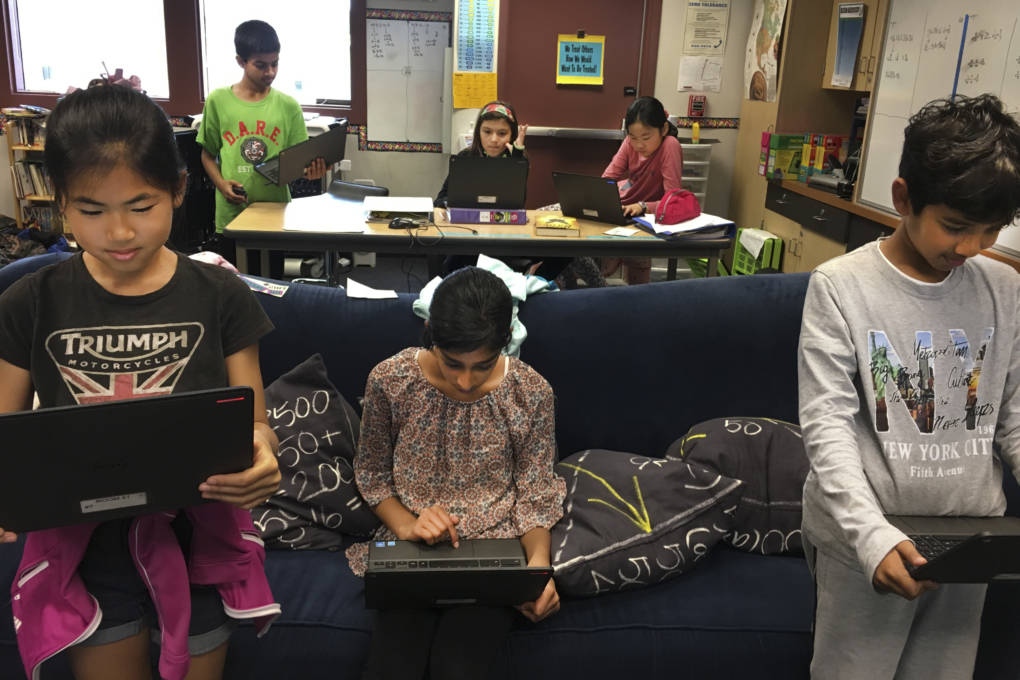
"caption": "Students in Scott Bedley's fifth-grade class at Plaza Vista School in Irvine, Calif., play a version of \"Simon Says\" with fake news.\n",
"description": null,
"title": "simonsays-toned_slide-e878f688c646d0d05880593a6152eba8caf77b4e",
"credit": "Courtesy of Scott Bedley",
"status": "inherit",
"isLoading": false,
"fetchFailed": false
},
"mindshift_47319": {
"type": "attachments",
"id": "mindshift_47319",
"meta": {
"index": "attachments_1716263798",
"site": "mindshift",
"id": "47319",
"found": true
},
"parent": 0,
"imgSizes": {
"small": {
"file": "https://ww2.kqed.org/app/uploads/sites/23/2017/01/m4yC-520x293.jpg",
"width": 520,
"mimeType": "image/jpeg",
"height": 293
},
"twentyfourteen-full-width": {
"file": "https://ww2.kqed.org/app/uploads/sites/23/2017/01/m4yC-1038x576.jpg",
"width": 1038,
"mimeType": "image/jpeg",
"height": 576
},
"thumbnail": {
"file": "https://ww2.kqed.org/app/uploads/sites/23/2017/01/m4yC-160x90.jpg",
"width": 160,
"mimeType": "image/jpeg",
"height": 90
},
"fd-sm": {
"file": "https://ww2.kqed.org/app/uploads/sites/23/2017/01/m4yC-960x540.jpg",
"width": 960,
"mimeType": "image/jpeg",
"height": 540
},
"post-thumbnail": {
"file": "https://ww2.kqed.org/app/uploads/sites/23/2017/01/m4yC-672x372.jpg",
"width": 672,
"mimeType": "image/jpeg",
"height": 372
},
"xsmall": {
"file": "https://ww2.kqed.org/app/uploads/sites/23/2017/01/m4yC-375x211.jpg",
"width": 375,
"mimeType": "image/jpeg",
"height": 211
},
"kqedFullSize": {
"file": "https://ww2.kqed.org/app/uploads/sites/23/2017/01/m4yC.jpg",
"width": 2000,
"height": 1125
},
"large": {
"file": "https://ww2.kqed.org/app/uploads/sites/23/2017/01/m4yC-1020x574.jpg",
"width": 1020,
"mimeType": "image/jpeg",
"height": 574
},
"xlarge": {
"file": "https://ww2.kqed.org/app/uploads/sites/23/2017/01/m4yC-1180x664.jpg",
"width": 1180,
"mimeType": "image/jpeg",
"height": 664
},
"guest-author-50": {
"file": "https://ww2.kqed.org/app/uploads/sites/23/2017/01/m4yC-50x50.jpg",
"width": 50,
"mimeType": "image/jpeg",
"height": 50
},
"guest-author-96": {
"file": "https://ww2.kqed.org/app/uploads/sites/23/2017/01/m4yC-96x96.jpg",
"width": 96,
"mimeType": "image/jpeg",
"height": 96
},
"medium": {
"file": "https://ww2.kqed.org/app/uploads/sites/23/2017/01/m4yC-800x450.jpg",
"width": 800,
"mimeType": "image/jpeg",
"height": 450
},
"guest-author-64": {
"file": "https://ww2.kqed.org/app/uploads/sites/23/2017/01/m4yC-64x64.jpg",
"width": 64,
"mimeType": "image/jpeg",
"height": 64
},
"guest-author-32": {
"file": "https://ww2.kqed.org/app/uploads/sites/23/2017/01/m4yC-32x32.jpg",
"width": 32,
"mimeType": "image/jpeg",
"height": 32
},
"fd-lrg": {
"file": "https://ww2.kqed.org/app/uploads/sites/23/2017/01/m4yC-1920x1080.jpg",
"width": 1920,
"mimeType": "image/jpeg",
"height": 1080
},
"fd-med": {
"file": "https://ww2.kqed.org/app/uploads/sites/23/2017/01/m4yC-1180x664.jpg",
"width": 1180,
"mimeType": "image/jpeg",
"height": 664
},
"full-width": {
"file": "https://ww2.kqed.org/app/uploads/sites/23/2017/01/m4yC-1920x1080.jpg",
"width": 1920,
"mimeType": "image/jpeg",
"height": 1080
},
"detail": {
"file": "https://ww2.kqed.org/app/uploads/sites/23/2017/01/m4yC-150x150.jpg",
"width": 150,
"mimeType": "image/jpeg",
"height": 150
},
"medium_large": {
"file": "https://ww2.kqed.org/app/uploads/sites/23/2017/01/m4yC-768x432.jpg",
"width": 768,
"mimeType": "image/jpeg",
"height": 432
},
"guest-author-128": {
"file": "https://ww2.kqed.org/app/uploads/sites/23/2017/01/m4yC-128x128.jpg",
"width": 128,
"mimeType": "image/jpeg",
"height": 128
},
"xxsmall": {
"file": "https://ww2.kqed.org/app/uploads/sites/23/2017/01/m4yC-240x135.jpg",
"width": 240,
"mimeType": "image/jpeg",
"height": 135
}
},
"publishDate": 1484178654,
"modified": 1485995567,
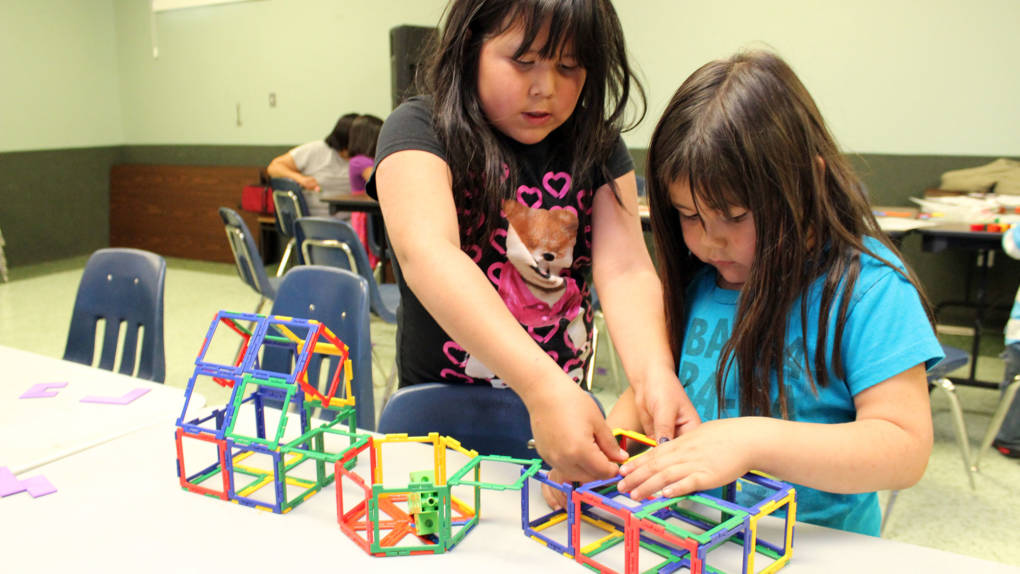
"caption": "Two students work on a geometry task.",
"description": null,
"title": "m4yc",
"credit": "Zach Pedersen/\u003ca href=\"https://wordpress.oise.utoronto.ca/robertson/\">Robertson Program For Inquiry-Based Teaching in Mathematics and Science\u003c/a>",
"status": "inherit",
"isLoading": false,
"fetchFailed": false
},
"mindshift_47330": {
"type": "attachments",
"id": "mindshift_47330",
"meta": {
"index": "attachments_1716263798",
"site": "mindshift",
"id": "47330",
"found": true
},
"parent": 47301,
"imgSizes": {
"small": {
"file": "https://ww2.kqed.org/app/uploads/sites/23/2017/01/cubes-520x293.jpg",
"width": 520,
"mimeType": "image/jpeg",
"height": 293
},
"twentyfourteen-full-width": {
"file": "https://ww2.kqed.org/app/uploads/sites/23/2017/01/cubes-1038x576.jpg",
"width": 1038,
"mimeType": "image/jpeg",
"height": 576
},
"thumbnail": {
"file": "https://ww2.kqed.org/app/uploads/sites/23/2017/01/cubes-160x90.jpg",
"width": 160,
"mimeType": "image/jpeg",
"height": 90
},
"fd-sm": {
"file": "https://ww2.kqed.org/app/uploads/sites/23/2017/01/cubes-960x540.jpg",
"width": 960,
"mimeType": "image/jpeg",
"height": 540
},
"post-thumbnail": {
"file": "https://ww2.kqed.org/app/uploads/sites/23/2017/01/cubes-672x372.jpg",
"width": 672,
"mimeType": "image/jpeg",
"height": 372
},
"xsmall": {
"file": "https://ww2.kqed.org/app/uploads/sites/23/2017/01/cubes-375x211.jpg",
"width": 375,
"mimeType": "image/jpeg",
"height": 211
},
"kqedFullSize": {
"file": "https://ww2.kqed.org/app/uploads/sites/23/2017/01/cubes.jpg",
"width": 2000,
"height": 1125
},
"large": {
"file": "https://ww2.kqed.org/app/uploads/sites/23/2017/01/cubes-1020x574.jpg",
"width": 1020,
"mimeType": "image/jpeg",
"height": 574
},
"xlarge": {
"file": "https://ww2.kqed.org/app/uploads/sites/23/2017/01/cubes-1180x664.jpg",
"width": 1180,
"mimeType": "image/jpeg",
"height": 664
},
"guest-author-50": {
"file": "https://ww2.kqed.org/app/uploads/sites/23/2017/01/cubes-50x50.jpg",
"width": 50,
"mimeType": "image/jpeg",
"height": 50
},
"guest-author-96": {
"file": "https://ww2.kqed.org/app/uploads/sites/23/2017/01/cubes-96x96.jpg",
"width": 96,
"mimeType": "image/jpeg",
"height": 96
},
"medium": {
"file": "https://ww2.kqed.org/app/uploads/sites/23/2017/01/cubes-800x450.jpg",
"width": 800,
"mimeType": "image/jpeg",
"height": 450
},
"guest-author-64": {
"file": "https://ww2.kqed.org/app/uploads/sites/23/2017/01/cubes-64x64.jpg",
"width": 64,
"mimeType": "image/jpeg",
"height": 64
},
"guest-author-32": {
"file": "https://ww2.kqed.org/app/uploads/sites/23/2017/01/cubes-32x32.jpg",
"width": 32,
"mimeType": "image/jpeg",
"height": 32
},
"fd-lrg": {
"file": "https://ww2.kqed.org/app/uploads/sites/23/2017/01/cubes-1920x1080.jpg",
"width": 1920,
"mimeType": "image/jpeg",
"height": 1080
},
"fd-med": {
"file": "https://ww2.kqed.org/app/uploads/sites/23/2017/01/cubes-1180x664.jpg",
"width": 1180,
"mimeType": "image/jpeg",
"height": 664
},
"full-width": {
"file": "https://ww2.kqed.org/app/uploads/sites/23/2017/01/cubes-1920x1080.jpg",
"width": 1920,
"mimeType": "image/jpeg",
"height": 1080
},
"detail": {
"file": "https://ww2.kqed.org/app/uploads/sites/23/2017/01/cubes-150x150.jpg",
"width": 150,
"mimeType": "image/jpeg",
"height": 150
},
"medium_large": {
"file": "https://ww2.kqed.org/app/uploads/sites/23/2017/01/cubes-768x432.jpg",
"width": 768,
"mimeType": "image/jpeg",
"height": 432
},
"guest-author-128": {
"file": "https://ww2.kqed.org/app/uploads/sites/23/2017/01/cubes-128x128.jpg",
"width": 128,
"mimeType": "image/jpeg",
"height": 128
},
"xxsmall": {
"file": "https://ww2.kqed.org/app/uploads/sites/23/2017/01/cubes-240x135.jpg",
"width": 240,
"mimeType": "image/jpeg",
"height": 135
}
},
"publishDate": 1484179999,
"modified": 1484944773,
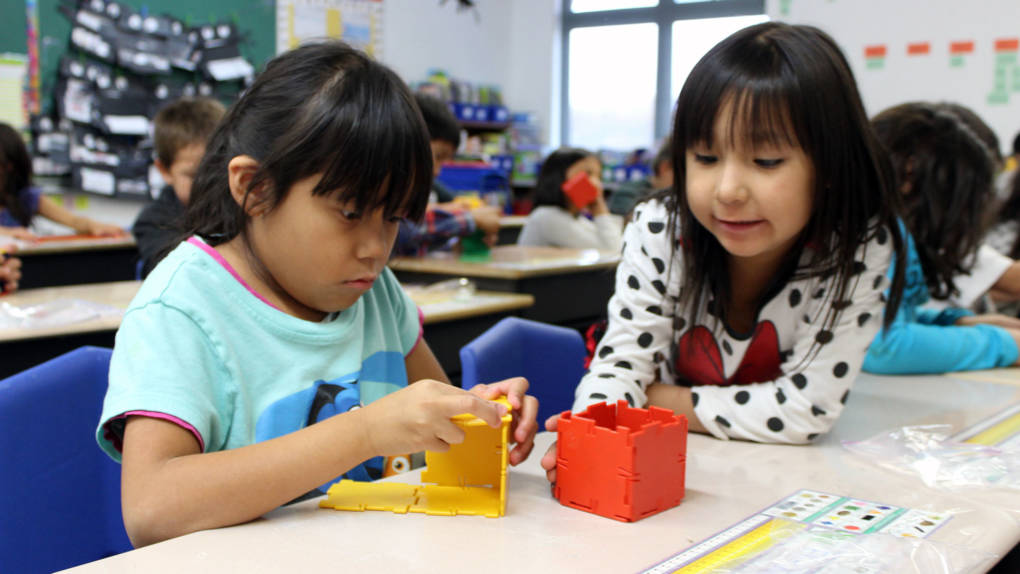
"caption": "Students experiment with three-dimensional cubes.",
"description": null,
"title": "cubes",
"credit": "Zach Pedersen/Robertson Program for Inquiry-Based Teaching in Mathematics and Science",
"status": "inherit",
"isLoading": false,
"fetchFailed": false
},
"mindshift_47348": {
"type": "attachments",
"id": "mindshift_47348",
"meta": {
"index": "attachments_1716263798",
"site": "mindshift",
"id": "47348",
"found": true
},
"parent": 47347,
"imgSizes": {
"small": {
"file": "https://ww2.kqed.org/app/uploads/sites/23/2017/01/renaissanceacademy.raw_.krauss.0565-2_slide-48eef6e1434d14417822aba59e7cd07ce8c7a593-520x347.jpg",
"width": 520,
"mimeType": "image/jpeg",
"height": 347
},
"twentyfourteen-full-width": {
"file": "https://ww2.kqed.org/app/uploads/sites/23/2017/01/renaissanceacademy.raw_.krauss.0565-2_slide-48eef6e1434d14417822aba59e7cd07ce8c7a593-1038x576.jpg",
"width": 1038,
"mimeType": "image/jpeg",
"height": 576
},
"thumbnail": {
"file": "https://ww2.kqed.org/app/uploads/sites/23/2017/01/renaissanceacademy.raw_.krauss.0565-2_slide-48eef6e1434d14417822aba59e7cd07ce8c7a593-160x107.jpg",
"width": 160,
"mimeType": "image/jpeg",
"height": 107
},
"fd-sm": {
"file": "https://ww2.kqed.org/app/uploads/sites/23/2017/01/renaissanceacademy.raw_.krauss.0565-2_slide-48eef6e1434d14417822aba59e7cd07ce8c7a593-960x640.jpg",
"width": 960,
"mimeType": "image/jpeg",
"height": 640
},
"post-thumbnail": {
"file": "https://ww2.kqed.org/app/uploads/sites/23/2017/01/renaissanceacademy.raw_.krauss.0565-2_slide-48eef6e1434d14417822aba59e7cd07ce8c7a593-672x372.jpg",
"width": 672,
"mimeType": "image/jpeg",
"height": 372
},
"xsmall": {
"file": "https://ww2.kqed.org/app/uploads/sites/23/2017/01/renaissanceacademy.raw_.krauss.0565-2_slide-48eef6e1434d14417822aba59e7cd07ce8c7a593-375x250.jpg",
"width": 375,
"mimeType": "image/jpeg",
"height": 250
},
"kqedFullSize": {
"file": "https://ww2.kqed.org/app/uploads/sites/23/2017/01/renaissanceacademy.raw_.krauss.0565-2_slide-48eef6e1434d14417822aba59e7cd07ce8c7a593-e1484684757703.jpg",
"width": 1920,
"height": 1280
},
"large": {
"file": "https://ww2.kqed.org/app/uploads/sites/23/2017/01/renaissanceacademy.raw_.krauss.0565-2_slide-48eef6e1434d14417822aba59e7cd07ce8c7a593-1020x680.jpg",
"width": 1020,
"mimeType": "image/jpeg",
"height": 680
},
"xlarge": {
"file": "https://ww2.kqed.org/app/uploads/sites/23/2017/01/renaissanceacademy.raw_.krauss.0565-2_slide-48eef6e1434d14417822aba59e7cd07ce8c7a593-1180x787.jpg",
"width": 1180,
"mimeType": "image/jpeg",
"height": 787
},
"guest-author-50": {
"file": "https://ww2.kqed.org/app/uploads/sites/23/2017/01/renaissanceacademy.raw_.krauss.0565-2_slide-48eef6e1434d14417822aba59e7cd07ce8c7a593-50x50.jpg",
"width": 50,
"mimeType": "image/jpeg",
"height": 50
},
"guest-author-96": {
"file": "https://ww2.kqed.org/app/uploads/sites/23/2017/01/renaissanceacademy.raw_.krauss.0565-2_slide-48eef6e1434d14417822aba59e7cd07ce8c7a593-96x96.jpg",
"width": 96,
"mimeType": "image/jpeg",
"height": 96
},
"medium": {
"file": "https://ww2.kqed.org/app/uploads/sites/23/2017/01/renaissanceacademy.raw_.krauss.0565-2_slide-48eef6e1434d14417822aba59e7cd07ce8c7a593-800x533.jpg",
"width": 800,
"mimeType": "image/jpeg",
"height": 533
},
"guest-author-64": {
"file": "https://ww2.kqed.org/app/uploads/sites/23/2017/01/renaissanceacademy.raw_.krauss.0565-2_slide-48eef6e1434d14417822aba59e7cd07ce8c7a593-64x64.jpg",
"width": 64,
"mimeType": "image/jpeg",
"height": 64
},
"guest-author-32": {
"file": "https://ww2.kqed.org/app/uploads/sites/23/2017/01/renaissanceacademy.raw_.krauss.0565-2_slide-48eef6e1434d14417822aba59e7cd07ce8c7a593-32x32.jpg",
"width": 32,
"mimeType": "image/jpeg",
"height": 32
},
"fd-lrg": {
"file": "https://ww2.kqed.org/app/uploads/sites/23/2017/01/renaissanceacademy.raw_.krauss.0565-2_slide-48eef6e1434d14417822aba59e7cd07ce8c7a593-1920x1280.jpg",
"width": 1920,
"mimeType": "image/jpeg",
"height": 1280
},
"fd-med": {
"file": "https://ww2.kqed.org/app/uploads/sites/23/2017/01/renaissanceacademy.raw_.krauss.0565-2_slide-48eef6e1434d14417822aba59e7cd07ce8c7a593-1180x787.jpg",
"width": 1180,
"mimeType": "image/jpeg",
"height": 787
},
"full-width": {
"file": "https://ww2.kqed.org/app/uploads/sites/23/2017/01/renaissanceacademy.raw_.krauss.0565-2_slide-48eef6e1434d14417822aba59e7cd07ce8c7a593-1920x1280.jpg",
"width": 1920,
"mimeType": "image/jpeg",
"height": 1280
},
"detail": {
"file": "https://ww2.kqed.org/app/uploads/sites/23/2017/01/renaissanceacademy.raw_.krauss.0565-2_slide-48eef6e1434d14417822aba59e7cd07ce8c7a593-150x150.jpg",
"width": 150,
"mimeType": "image/jpeg",
"height": 150
},
"medium_large": {
"file": "https://ww2.kqed.org/app/uploads/sites/23/2017/01/renaissanceacademy.raw_.krauss.0565-2_slide-48eef6e1434d14417822aba59e7cd07ce8c7a593-768x512.jpg",
"width": 768,
"mimeType": "image/jpeg",
"height": 512
},
"guest-author-128": {
"file": "https://ww2.kqed.org/app/uploads/sites/23/2017/01/renaissanceacademy.raw_.krauss.0565-2_slide-48eef6e1434d14417822aba59e7cd07ce8c7a593-128x128.jpg",
"width": 128,
"mimeType": "image/jpeg",
"height": 128
},
"xxsmall": {
"file": "https://ww2.kqed.org/app/uploads/sites/23/2017/01/renaissanceacademy.raw_.krauss.0565-2_slide-48eef6e1434d14417822aba59e7cd07ce8c7a593-240x160.jpg",
"width": 240,
"mimeType": "image/jpeg",
"height": 160
}
},
"publishDate": 1484683601,
"modified": 1484684779,
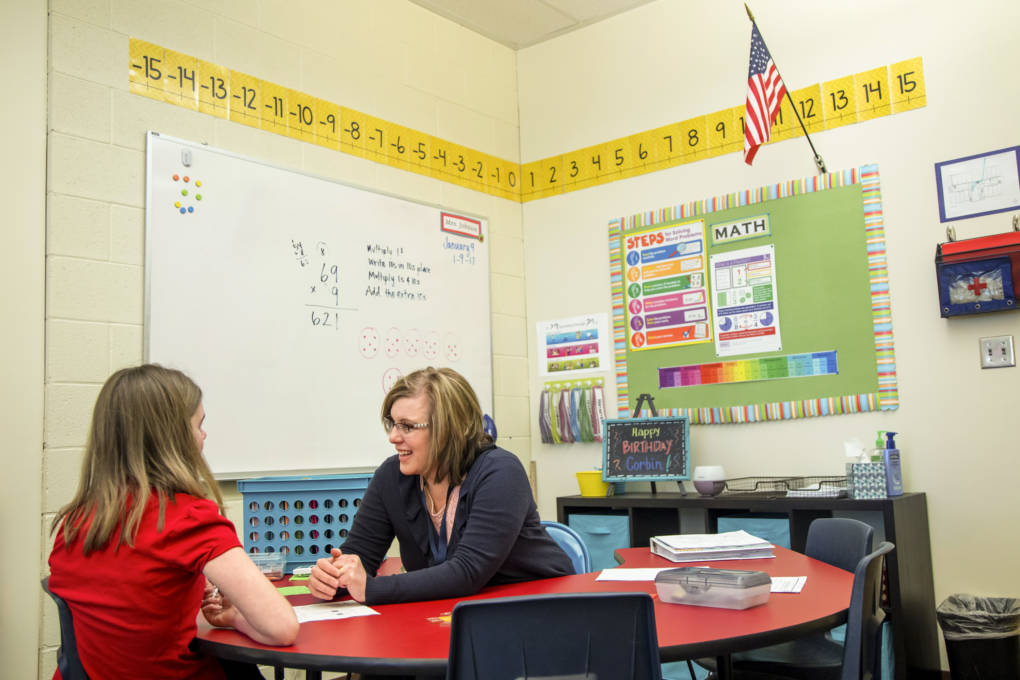
"caption": "Stephanie Johnson works with a student at the Renaissance Academy, a charter school in Lehi, Utah.\n",
"description": "Stephanie Johnson works with a student at the Renaissance Academy, a charter school in Lehi, Utah.",
"title": "Stephanie Johnson works with a student at the Renaissance Academy, a charter school in Lehi, Utah.",
"credit": "Dan Krauss for NPR",
"status": "inherit",
"isLoading": false,
"fetchFailed": false
},
"mindshift_47313": {
"type": "attachments",
"id": "mindshift_47313",
"meta": {
"index": "attachments_1716263798",
"site": "mindshift",
"id": "47313",
"found": true
},
"parent": 47199,
"imgSizes": {
"small": {
"file": "https://ww2.kqed.org/app/uploads/sites/23/2017/01/Peer-critique-520x287.png",
"width": 520,
"mimeType": "image/png",
"height": 287
},
"thumbnail": {
"file": "https://ww2.kqed.org/app/uploads/sites/23/2017/01/Peer-critique-160x88.png",
"width": 160,
"mimeType": "image/png",
"height": 88
},
"post-thumbnail": {
"file": "https://ww2.kqed.org/app/uploads/sites/23/2017/01/Peer-critique-672x372.png",
"width": 672,
"mimeType": "image/png",
"height": 372
},
"xsmall": {
"file": "https://ww2.kqed.org/app/uploads/sites/23/2017/01/Peer-critique-375x207.png",
"width": 375,
"mimeType": "image/png",
"height": 207
},
"kqedFullSize": {
"file": "https://ww2.kqed.org/app/uploads/sites/23/2017/01/Peer-critique.png",
"width": 782,
"height": 432
},
"guest-author-50": {
"file": "https://ww2.kqed.org/app/uploads/sites/23/2017/01/Peer-critique-50x50.png",
"width": 50,
"mimeType": "image/png",
"height": 50
},
"guest-author-96": {
"file": "https://ww2.kqed.org/app/uploads/sites/23/2017/01/Peer-critique-96x96.png",
"width": 96,
"mimeType": "image/png",
"height": 96
},
"guest-author-64": {
"file": "https://ww2.kqed.org/app/uploads/sites/23/2017/01/Peer-critique-64x64.png",
"width": 64,
"mimeType": "image/png",
"height": 64
},
"guest-author-32": {
"file": "https://ww2.kqed.org/app/uploads/sites/23/2017/01/Peer-critique-32x32.png",
"width": 32,
"mimeType": "image/png",
"height": 32
},
"detail": {
"file": "https://ww2.kqed.org/app/uploads/sites/23/2017/01/Peer-critique-150x150.png",
"width": 150,
"mimeType": "image/png",
"height": 150
},
"medium_large": {
"file": "https://ww2.kqed.org/app/uploads/sites/23/2017/01/Peer-critique-768x424.png",
"width": 768,
"mimeType": "image/png",
"height": 424
},
"guest-author-128": {
"file": "https://ww2.kqed.org/app/uploads/sites/23/2017/01/Peer-critique-128x128.png",
"width": 128,
"mimeType": "image/png",
"height": 128
},
"xxsmall": {
"file": "https://ww2.kqed.org/app/uploads/sites/23/2017/01/Peer-critique-240x133.png",
"width": 240,
"mimeType": "image/png",
"height": 133
}
},
"publishDate": 1484120798,
"modified": 1484120981,
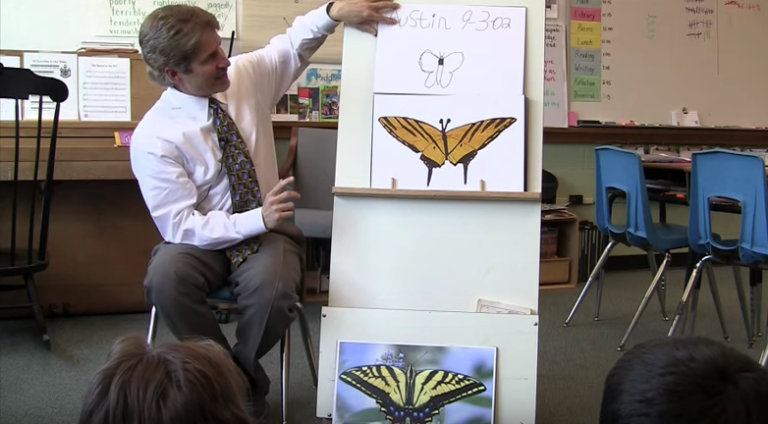
"caption": "Ron Berger shares an example of how a first grader's drawing improved with feedback from peers and multiple drafts.",
"description": null,
"title": "peer-critique",
"credit": "\u003ca href=\"http://eleducation.org/\">EL Education\u003c/a>",
"status": "inherit",
"isLoading": false,
"fetchFailed": false
},
"mindshift_47260": {
"type": "attachments",
"id": "mindshift_47260",
"meta": {
"index": "attachments_1716263798",
"site": "mindshift",
"id": "47260",
"found": true
},
"parent": 47258,
"imgSizes": {
"small": {
"file": "https://ww2.kqed.org/app/uploads/sites/23/2017/01/design-thinking-520x293.gif",
"width": 520,
"mimeType": "image/gif",
"height": 293
},
"twentyfourteen-full-width": {
"file": "https://ww2.kqed.org/app/uploads/sites/23/2017/01/design-thinking-1038x576.gif",
"width": 1038,
"mimeType": "image/gif",
"height": 576
},
"thumbnail": {
"file": "https://ww2.kqed.org/app/uploads/sites/23/2017/01/design-thinking-160x90.gif",
"width": 160,
"mimeType": "image/gif",
"height": 90
},
"fd-sm": {
"file": "https://ww2.kqed.org/app/uploads/sites/23/2017/01/design-thinking-960x540.gif",
"width": 960,
"mimeType": "image/gif",
"height": 540
},
"post-thumbnail": {
"file": "https://ww2.kqed.org/app/uploads/sites/23/2017/01/design-thinking-672x372.gif",
"width": 672,
"mimeType": "image/gif",
"height": 372
},
"xsmall": {
"file": "https://ww2.kqed.org/app/uploads/sites/23/2017/01/design-thinking-375x211.gif",
"width": 375,
"mimeType": "image/gif",
"height": 211
},
"kqedFullSize": {
"file": "https://ww2.kqed.org/app/uploads/sites/23/2017/01/design-thinking.gif",
"width": 2048,
"height": 1152
},
"large": {
"file": "https://ww2.kqed.org/app/uploads/sites/23/2017/01/design-thinking-1020x574.gif",
"width": 1020,
"mimeType": "image/gif",
"height": 574
},
"xlarge": {
"file": "https://ww2.kqed.org/app/uploads/sites/23/2017/01/design-thinking-1180x664.gif",
"width": 1180,
"mimeType": "image/gif",
"height": 664
},
"guest-author-50": {
"file": "https://ww2.kqed.org/app/uploads/sites/23/2017/01/design-thinking-50x50.gif",
"width": 50,
"mimeType": "image/gif",
"height": 50
},
"guest-author-96": {
"file": "https://ww2.kqed.org/app/uploads/sites/23/2017/01/design-thinking-96x96.gif",
"width": 96,
"mimeType": "image/gif",
"height": 96
},
"medium": {
"file": "https://ww2.kqed.org/app/uploads/sites/23/2017/01/design-thinking-800x450.gif",
"width": 800,
"mimeType": "image/gif",
"height": 450
},
"guest-author-64": {
"file": "https://ww2.kqed.org/app/uploads/sites/23/2017/01/design-thinking-64x64.gif",
"width": 64,
"mimeType": "image/gif",
"height": 64
},
"guest-author-32": {
"file": "https://ww2.kqed.org/app/uploads/sites/23/2017/01/design-thinking-32x32.gif",
"width": 32,
"mimeType": "image/gif",
"height": 32
},
"fd-lrg": {
"file": "https://ww2.kqed.org/app/uploads/sites/23/2017/01/design-thinking-1920x1080.gif",
"width": 1920,
"mimeType": "image/gif",
"height": 1080
},
"fd-med": {
"file": "https://ww2.kqed.org/app/uploads/sites/23/2017/01/design-thinking-1180x664.gif",
"width": 1180,
"mimeType": "image/gif",
"height": 664
},
"full-width": {
"file": "https://ww2.kqed.org/app/uploads/sites/23/2017/01/design-thinking-1920x1080.gif",
"width": 1920,
"mimeType": "image/gif",
"height": 1080
},
"detail": {
"file": "https://ww2.kqed.org/app/uploads/sites/23/2017/01/design-thinking-150x150.gif",
"width": 150,
"mimeType": "image/gif",
"height": 150
},
"medium_large": {
"file": "https://ww2.kqed.org/app/uploads/sites/23/2017/01/design-thinking-768x432.gif",
"width": 768,
"mimeType": "image/gif",
"height": 432
},
"guest-author-128": {
"file": "https://ww2.kqed.org/app/uploads/sites/23/2017/01/design-thinking-128x128.gif",
"width": 128,
"mimeType": "image/gif",
"height": 128
},
"xxsmall": {
"file": "https://ww2.kqed.org/app/uploads/sites/23/2017/01/design-thinking-240x135.gif",
"width": 240,
"mimeType": "image/gif",
"height": 135
}
},
"publishDate": 1483569735,
"modified": 1483569813,
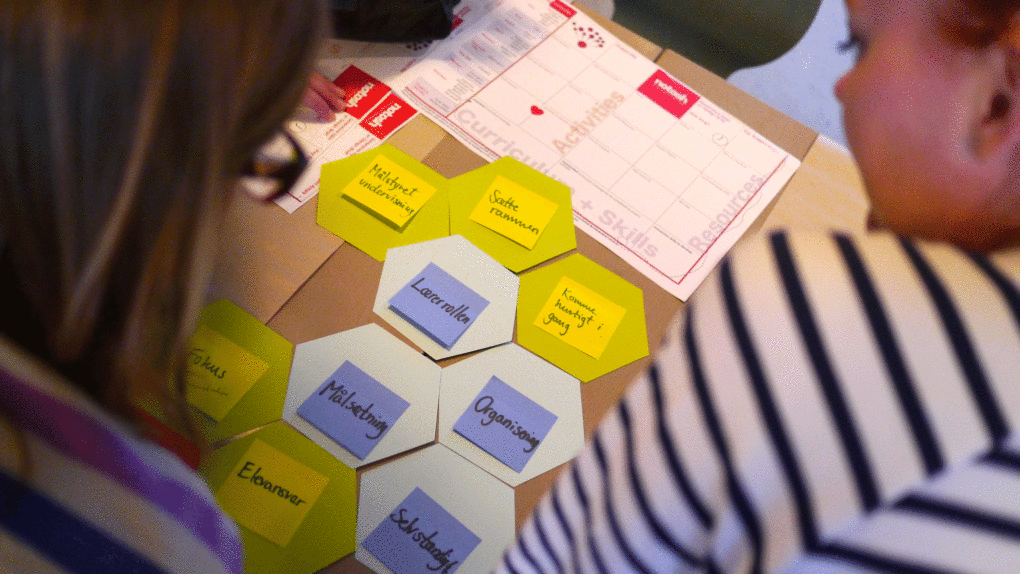
"caption": "A design thinking workshop in Denmark.",
"description": null,
"title": "design-thinking",
"credit": "Ewan McIntosh/\u003ca href=\"https://www.flickr.com/photos/edublogger/15424725203/\">Flickr\u003c/a>",
"status": "inherit",
"isLoading": false,
"fetchFailed": false
},
"mindshift_47152": {
"type": "attachments",
"id": "mindshift_47152",
"meta": {
"index": "attachments_1716263798",
"site": "mindshift",
"id": "47152",
"found": true
},
"parent": 47138,
"imgSizes": {
"small": {
"file": "https://ww2.kqed.org/app/uploads/sites/23/2016/12/christa-drawing-yellow-520x293.gif",
"width": 520,
"mimeType": "image/gif",
"height": 293
},
"twentyfourteen-full-width": {
"file": "https://ww2.kqed.org/app/uploads/sites/23/2016/12/christa-drawing-yellow-1038x576.gif",
"width": 1038,
"mimeType": "image/gif",
"height": 576
},
"thumbnail": {
"file": "https://ww2.kqed.org/app/uploads/sites/23/2016/12/christa-drawing-yellow-160x90.gif",
"width": 160,
"mimeType": "image/gif",
"height": 90
},
"fd-sm": {
"file": "https://ww2.kqed.org/app/uploads/sites/23/2016/12/christa-drawing-yellow-960x540.gif",
"width": 960,
"mimeType": "image/gif",
"height": 540
},
"post-thumbnail": {
"file": "https://ww2.kqed.org/app/uploads/sites/23/2016/12/christa-drawing-yellow-672x372.gif",
"width": 672,
"mimeType": "image/gif",
"height": 372
},
"xsmall": {
"file": "https://ww2.kqed.org/app/uploads/sites/23/2016/12/christa-drawing-yellow-375x211.gif",
"width": 375,
"mimeType": "image/gif",
"height": 211
},
"kqedFullSize": {
"file": "https://ww2.kqed.org/app/uploads/sites/23/2016/12/christa-drawing-yellow.gif",
"width": 5863,
"height": 3298
},
"large": {
"file": "https://ww2.kqed.org/app/uploads/sites/23/2016/12/christa-drawing-yellow-1020x574.gif",
"width": 1020,
"mimeType": "image/gif",
"height": 574
},
"xlarge": {
"file": "https://ww2.kqed.org/app/uploads/sites/23/2016/12/christa-drawing-yellow-1180x664.gif",
"width": 1180,
"mimeType": "image/gif",
"height": 664
},
"guest-author-50": {
"file": "https://ww2.kqed.org/app/uploads/sites/23/2016/12/christa-drawing-yellow-50x50.gif",
"width": 50,
"mimeType": "image/gif",
"height": 50
},
"guest-author-96": {
"file": "https://ww2.kqed.org/app/uploads/sites/23/2016/12/christa-drawing-yellow-96x96.gif",
"width": 96,
"mimeType": "image/gif",
"height": 96
},
"medium": {
"file": "https://ww2.kqed.org/app/uploads/sites/23/2016/12/christa-drawing-yellow-800x450.gif",
"width": 800,
"mimeType": "image/gif",
"height": 450
},
"guest-author-64": {
"file": "https://ww2.kqed.org/app/uploads/sites/23/2016/12/christa-drawing-yellow-64x64.gif",
"width": 64,
"mimeType": "image/gif",
"height": 64
},
"guest-author-32": {
"file": "https://ww2.kqed.org/app/uploads/sites/23/2016/12/christa-drawing-yellow-32x32.gif",
"width": 32,
"mimeType": "image/gif",
"height": 32
},
"fd-lrg": {
"file": "https://ww2.kqed.org/app/uploads/sites/23/2016/12/christa-drawing-yellow-1920x1080.gif",
"width": 1920,
"mimeType": "image/gif",
"height": 1080
},
"fd-med": {
"file": "https://ww2.kqed.org/app/uploads/sites/23/2016/12/christa-drawing-yellow-1180x664.gif",
"width": 1180,
"mimeType": "image/gif",
"height": 664
},
"full-width": {
"file": "https://ww2.kqed.org/app/uploads/sites/23/2016/12/christa-drawing-yellow-1920x1080.gif",
"width": 1920,
"mimeType": "image/gif",
"height": 1080
},
"detail": {
"file": "https://ww2.kqed.org/app/uploads/sites/23/2016/12/christa-drawing-yellow-150x150.gif",
"width": 150,
"mimeType": "image/gif",
"height": 150
},
"medium_large": {
"file": "https://ww2.kqed.org/app/uploads/sites/23/2016/12/christa-drawing-yellow-768x432.gif",
"width": 768,
"mimeType": "image/gif",
"height": 432
},
"guest-author-128": {
"file": "https://ww2.kqed.org/app/uploads/sites/23/2016/12/christa-drawing-yellow-128x128.gif",
"width": 128,
"mimeType": "image/gif",
"height": 128
},
"xxsmall": {
"file": "https://ww2.kqed.org/app/uploads/sites/23/2016/12/christa-drawing-yellow-240x135.gif",
"width": 240,
"mimeType": "image/gif",
"height": 135
}
},
"publishDate": 1481842525,
"modified": 1481842588,
"caption": null,
"description": null,
"title": "christa-drawing-yellow",
"credit": "Christa Flores/\u003ca href=\"https://www.amazon.com/dp/0997554304/ref=as_li_ss_tl?ie=UTF8&linkCode=sl1&tag=resourcesforprog&linkId=d7767953cefa09cbc45f28b06a5d215c\">Making Science\u003c/a>",
"status": "inherit",
"isLoading": false,
"fetchFailed": false
},
"mindshift_47157": {
"type": "attachments",
"id": "mindshift_47157",
"meta": {
"index": "attachments_1716263798",
"site": "mindshift",
"id": "47157",
"found": true
},
"parent": 47155,
"imgSizes": {
"small": {
"file": "https://ww2.kqed.org/app/uploads/sites/23/2016/12/manipulatives-520x292.gif",
"width": 520,
"mimeType": "image/gif",
"height": 292
},
"twentyfourteen-full-width": {
"file": "https://ww2.kqed.org/app/uploads/sites/23/2016/12/manipulatives-1038x576.gif",
"width": 1038,
"mimeType": "image/gif",
"height": 576
},
"thumbnail": {
"file": "https://ww2.kqed.org/app/uploads/sites/23/2016/12/manipulatives-160x90.gif",
"width": 160,
"mimeType": "image/gif",
"height": 90
},
"fd-sm": {
"file": "https://ww2.kqed.org/app/uploads/sites/23/2016/12/manipulatives-960x540.gif",
"width": 960,
"mimeType": "image/gif",
"height": 540
},
"post-thumbnail": {
"file": "https://ww2.kqed.org/app/uploads/sites/23/2016/12/manipulatives-672x372.gif",
"width": 672,
"mimeType": "image/gif",
"height": 372
},
"xsmall": {
"file": "https://ww2.kqed.org/app/uploads/sites/23/2016/12/manipulatives-375x211.gif",
"width": 375,
"mimeType": "image/gif",
"height": 211
},
"kqedFullSize": {
"file": "https://ww2.kqed.org/app/uploads/sites/23/2016/12/manipulatives-e1482343281414.gif",
"width": 1920,
"height": 1080
},
"large": {
"file": "https://ww2.kqed.org/app/uploads/sites/23/2016/12/manipulatives-1020x574.gif",
"width": 1020,
"mimeType": "image/gif",
"height": 574
},
"xlarge": {
"file": "https://ww2.kqed.org/app/uploads/sites/23/2016/12/manipulatives-1180x664.gif",
"width": 1180,
"mimeType": "image/gif",
"height": 664
},
"guest-author-50": {
"file": "https://ww2.kqed.org/app/uploads/sites/23/2016/12/manipulatives-50x50.gif",
"width": 50,
"mimeType": "image/gif",
"height": 50
},
"guest-author-96": {
"file": "https://ww2.kqed.org/app/uploads/sites/23/2016/12/manipulatives-96x96.gif",
"width": 96,
"mimeType": "image/gif",
"height": 96
},
"medium": {
"file": "https://ww2.kqed.org/app/uploads/sites/23/2016/12/manipulatives-800x450.gif",
"width": 800,
"mimeType": "image/gif",
"height": 450
},
"guest-author-64": {
"file": "https://ww2.kqed.org/app/uploads/sites/23/2016/12/manipulatives-64x64.gif",
"width": 64,
"mimeType": "image/gif",
"height": 64
},
"guest-author-32": {
"file": "https://ww2.kqed.org/app/uploads/sites/23/2016/12/manipulatives-32x32.gif",
"width": 32,
"mimeType": "image/gif",
"height": 32
},
"fd-lrg": {
"file": "https://ww2.kqed.org/app/uploads/sites/23/2016/12/manipulatives-1920x1080.gif",
"width": 1920,
"mimeType": "image/gif",
"height": 1080
},
"fd-med": {
"file": "https://ww2.kqed.org/app/uploads/sites/23/2016/12/manipulatives-1180x664.gif",
"width": 1180,
"mimeType": "image/gif",
"height": 664
},
"full-width": {
"file": "https://ww2.kqed.org/app/uploads/sites/23/2016/12/manipulatives-1920x1080.gif",
"width": 1920,
"mimeType": "image/gif",
"height": 1080
},
"detail": {
"file": "https://ww2.kqed.org/app/uploads/sites/23/2016/12/manipulatives-150x150.gif",
"width": 150,
"mimeType": "image/gif",
"height": 150
},
"medium_large": {
"file": "https://ww2.kqed.org/app/uploads/sites/23/2016/12/manipulatives-768x432.gif",
"width": 768,
"mimeType": "image/gif",
"height": 432
},
"guest-author-128": {
"file": "https://ww2.kqed.org/app/uploads/sites/23/2016/12/manipulatives-128x128.gif",
"width": 128,
"mimeType": "image/gif",
"height": 128
},
"xxsmall": {
"file": "https://ww2.kqed.org/app/uploads/sites/23/2016/12/manipulatives-240x135.gif",
"width": 240,
"mimeType": "image/gif",
"height": 135
}
},
"publishDate": 1481850919,
"modified": 1481850950,
"caption": null,
"description": null,
"title": "manipulatives",
"credit": "iStock",
"status": "inherit",
"isLoading": false,
"fetchFailed": false
},
"mindshift_47130": {
"type": "attachments",
"id": "mindshift_47130",
"meta": {
"index": "attachments_1716263798",
"site": "mindshift",
"id": "47130",
"found": true
},
"parent": 47129,
"imgSizes": {
"small": {
"file": "https://ww2.kqed.org/app/uploads/sites/23/2016/12/hand-intro-520x278.jpg",
"width": 520,
"mimeType": "image/jpeg",
"height": 278
},
"thumbnail": {
"file": "https://ww2.kqed.org/app/uploads/sites/23/2016/12/hand-intro-160x86.jpg",
"width": 160,
"mimeType": "image/jpeg",
"height": 86
},
"xsmall": {
"file": "https://ww2.kqed.org/app/uploads/sites/23/2016/12/hand-intro-375x201.jpg",
"width": 375,
"mimeType": "image/jpeg",
"height": 201
},
"kqedFullSize": {
"file": "https://ww2.kqed.org/app/uploads/sites/23/2016/12/hand-intro.jpg",
"width": 581,
"height": 311
},
"guest-author-50": {
"file": "https://ww2.kqed.org/app/uploads/sites/23/2016/12/hand-intro-50x50.jpg",
"width": 50,
"mimeType": "image/jpeg",
"height": 50
},
"guest-author-96": {
"file": "https://ww2.kqed.org/app/uploads/sites/23/2016/12/hand-intro-96x96.jpg",
"width": 96,
"mimeType": "image/jpeg",
"height": 96
},
"guest-author-64": {
"file": "https://ww2.kqed.org/app/uploads/sites/23/2016/12/hand-intro-64x64.jpg",
"width": 64,
"mimeType": "image/jpeg",
"height": 64
},
"detail": {
"file": "https://ww2.kqed.org/app/uploads/sites/23/2016/12/hand-intro-150x150.jpg",
"width": 150,
"mimeType": "image/jpeg",
"height": 150
},
"guest-author-32": {
"file": "https://ww2.kqed.org/app/uploads/sites/23/2016/12/hand-intro-32x32.jpg",
"width": 32,
"mimeType": "image/jpeg",
"height": 32
},
"guest-author-128": {
"file": "https://ww2.kqed.org/app/uploads/sites/23/2016/12/hand-intro-128x128.jpg",
"width": 128,
"mimeType": "image/jpeg",
"height": 128
},
"xxsmall": {
"file": "https://ww2.kqed.org/app/uploads/sites/23/2016/12/hand-intro-240x128.jpg",
"width": 240,
"mimeType": "image/jpeg",
"height": 128
}
},
"publishDate": 1481680572,
"modified": 1481680618,
"caption": null,
"description": null,
"title": "hand-intro",
"credit": "Seesaw Studios/\u003ca href=\"http://ed.ted.com/lessons/the-power-of-a-great-introduction-carolyn-mohr\">TED-ED\u003c/a>",
"status": "inherit",
"isLoading": false,
"fetchFailed": false
},
"mindshift_47134": {
"type": "attachments",
"id": "mindshift_47134",
"meta": {
"index": "attachments_1716263798",
"site": "mindshift",
"id": "47134",
"found": true
},
"parent": 46956,
"imgSizes": {
"small": {
"file": "https://ww2.kqed.org/app/uploads/sites/23/2016/12/Brain-520x286.jpg",
"width": 520,
"mimeType": "image/jpeg",
"height": 286
},
"twentyfourteen-full-width": {
"file": "https://ww2.kqed.org/app/uploads/sites/23/2016/12/Brain-1038x576.jpg",
"width": 1038,
"mimeType": "image/jpeg",
"height": 576
},
"thumbnail": {
"file": "https://ww2.kqed.org/app/uploads/sites/23/2016/12/Brain-160x88.jpg",
"width": 160,
"mimeType": "image/jpeg",
"height": 88
},
"fd-sm": {
"file": "https://ww2.kqed.org/app/uploads/sites/23/2016/12/Brain-960x528.jpg",
"width": 960,
"mimeType": "image/jpeg",
"height": 528
},
"post-thumbnail": {
"file": "https://ww2.kqed.org/app/uploads/sites/23/2016/12/Brain-672x372.jpg",
"width": 672,
"mimeType": "image/jpeg",
"height": 372
},
"xsmall": {
"file": "https://ww2.kqed.org/app/uploads/sites/23/2016/12/Brain-375x206.jpg",
"width": 375,
"mimeType": "image/jpeg",
"height": 206
},
"kqedFullSize": {
"file": "https://ww2.kqed.org/app/uploads/sites/23/2016/12/Brain-e1481700413761.jpg",
"width": 1920,
"height": 1057
},
"large": {
"file": "https://ww2.kqed.org/app/uploads/sites/23/2016/12/Brain-1020x561.jpg",
"width": 1020,
"mimeType": "image/jpeg",
"height": 561
},
"xlarge": {
"file": "https://ww2.kqed.org/app/uploads/sites/23/2016/12/Brain-1180x649.jpg",
"width": 1180,
"mimeType": "image/jpeg",
"height": 649
},
"guest-author-50": {
"file": "https://ww2.kqed.org/app/uploads/sites/23/2016/12/Brain-50x50.jpg",
"width": 50,
"mimeType": "image/jpeg",
"height": 50
},
"guest-author-96": {
"file": "https://ww2.kqed.org/app/uploads/sites/23/2016/12/Brain-96x96.jpg",
"width": 96,
"mimeType": "image/jpeg",
"height": 96
},
"medium": {
"file": "https://ww2.kqed.org/app/uploads/sites/23/2016/12/Brain-800x440.jpg",
"width": 800,
"mimeType": "image/jpeg",
"height": 440
},
"guest-author-64": {
"file": "https://ww2.kqed.org/app/uploads/sites/23/2016/12/Brain-64x64.jpg",
"width": 64,
"mimeType": "image/jpeg",
"height": 64
},
"guest-author-32": {
"file": "https://ww2.kqed.org/app/uploads/sites/23/2016/12/Brain-32x32.jpg",
"width": 32,
"mimeType": "image/jpeg",
"height": 32
},
"fd-lrg": {
"file": "https://ww2.kqed.org/app/uploads/sites/23/2016/12/Brain-1920x1057.jpg",
"width": 1920,
"mimeType": "image/jpeg",
"height": 1057
},
"fd-med": {
"file": "https://ww2.kqed.org/app/uploads/sites/23/2016/12/Brain-1180x649.jpg",
"width": 1180,
"mimeType": "image/jpeg",
"height": 649
},
"full-width": {
"file": "https://ww2.kqed.org/app/uploads/sites/23/2016/12/Brain-1920x1057.jpg",
"width": 1920,
"mimeType": "image/jpeg",
"height": 1057
},
"detail": {
"file": "https://ww2.kqed.org/app/uploads/sites/23/2016/12/Brain-150x150.jpg",
"width": 150,
"mimeType": "image/jpeg",
"height": 150
},
"medium_large": {
"file": "https://ww2.kqed.org/app/uploads/sites/23/2016/12/Brain-768x423.jpg",
"width": 768,
"mimeType": "image/jpeg",
"height": 423
},
"guest-author-128": {
"file": "https://ww2.kqed.org/app/uploads/sites/23/2016/12/Brain-128x128.jpg",
"width": 128,
"mimeType": "image/jpeg",
"height": 128
},
"xxsmall": {
"file": "https://ww2.kqed.org/app/uploads/sites/23/2016/12/Brain-240x132.jpg",
"width": 240,
"mimeType": "image/jpeg",
"height": 132
}
},
"publishDate": 1481700388,
"modified": 1481700408,
"caption": null,
"description": null,
"title": "brain",
"credit": "iStock/manopjk",
"status": "inherit",
"isLoading": false,
"fetchFailed": false
},
"mindshift_47111": {
"type": "attachments",
"id": "mindshift_47111",
"meta": {
"index": "attachments_1716263798",
"site": "mindshift",
"id": "47111",
"found": true
},
"parent": 47102,
"imgSizes": {
"small": {
"file": "https://ww2.kqed.org/app/uploads/sites/23/2016/12/Engaged-520x313.jpg",
"width": 520,
"mimeType": "image/jpeg",
"height": 313
},
"twentyfourteen-full-width": {
"file": "https://ww2.kqed.org/app/uploads/sites/23/2016/12/Engaged-1038x576.jpg",
"width": 1038,
"mimeType": "image/jpeg",
"height": 576
},
"thumbnail": {
"file": "https://ww2.kqed.org/app/uploads/sites/23/2016/12/Engaged-160x96.jpg",
"width": 160,
"mimeType": "image/jpeg",
"height": 96
},
"fd-sm": {
"file": "https://ww2.kqed.org/app/uploads/sites/23/2016/12/Engaged-960x578.jpg",
"width": 960,
"mimeType": "image/jpeg",
"height": 578
},
"post-thumbnail": {
"file": "https://ww2.kqed.org/app/uploads/sites/23/2016/12/Engaged-672x372.jpg",
"width": 672,
"mimeType": "image/jpeg",
"height": 372
},
"xsmall": {
"file": "https://ww2.kqed.org/app/uploads/sites/23/2016/12/Engaged-375x226.jpg",
"width": 375,
"mimeType": "image/jpeg",
"height": 226
},
"kqedFullSize": {
"file": "https://ww2.kqed.org/app/uploads/sites/23/2016/12/Engaged-e1481273091134.jpg",
"width": 1920,
"height": 1157
},
"large": {
"file": "https://ww2.kqed.org/app/uploads/sites/23/2016/12/Engaged-1020x615.jpg",
"width": 1020,
"mimeType": "image/jpeg",
"height": 615
},
"xlarge": {
"file": "https://ww2.kqed.org/app/uploads/sites/23/2016/12/Engaged-1180x711.jpg",
"width": 1180,
"mimeType": "image/jpeg",
"height": 711
},
"guest-author-50": {
"file": "https://ww2.kqed.org/app/uploads/sites/23/2016/12/Engaged-50x50.jpg",
"width": 50,
"mimeType": "image/jpeg",
"height": 50
},
"guest-author-96": {
"file": "https://ww2.kqed.org/app/uploads/sites/23/2016/12/Engaged-96x96.jpg",
"width": 96,
"mimeType": "image/jpeg",
"height": 96
},
"medium": {
"file": "https://ww2.kqed.org/app/uploads/sites/23/2016/12/Engaged-800x482.jpg",
"width": 800,
"mimeType": "image/jpeg",
"height": 482
},
"guest-author-64": {
"file": "https://ww2.kqed.org/app/uploads/sites/23/2016/12/Engaged-64x64.jpg",
"width": 64,
"mimeType": "image/jpeg",
"height": 64
},
"guest-author-32": {
"file": "https://ww2.kqed.org/app/uploads/sites/23/2016/12/Engaged-32x32.jpg",
"width": 32,
"mimeType": "image/jpeg",
"height": 32
},
"fd-lrg": {
"file": "https://ww2.kqed.org/app/uploads/sites/23/2016/12/Engaged-1920x1157.jpg",
"width": 1920,
"mimeType": "image/jpeg",
"height": 1157
},
"fd-med": {
"file": "https://ww2.kqed.org/app/uploads/sites/23/2016/12/Engaged-1180x711.jpg",
"width": 1180,
"mimeType": "image/jpeg",
"height": 711
},
"full-width": {
"file": "https://ww2.kqed.org/app/uploads/sites/23/2016/12/Engaged-1920x1157.jpg",
"width": 1920,
"mimeType": "image/jpeg",
"height": 1157
},
"detail": {
"file": "https://ww2.kqed.org/app/uploads/sites/23/2016/12/Engaged-150x150.jpg",
"width": 150,
"mimeType": "image/jpeg",
"height": 150
},
"medium_large": {
"file": "https://ww2.kqed.org/app/uploads/sites/23/2016/12/Engaged-768x463.jpg",
"width": 768,
"mimeType": "image/jpeg",
"height": 463
},
"guest-author-128": {
"file": "https://ww2.kqed.org/app/uploads/sites/23/2016/12/Engaged-128x128.jpg",
"width": 128,
"mimeType": "image/jpeg",
"height": 128
},
"xxsmall": {
"file": "https://ww2.kqed.org/app/uploads/sites/23/2016/12/Engaged-240x145.jpg",
"width": 240,
"mimeType": "image/jpeg",
"height": 145
}
},
"publishDate": 1481273076,
"modified": 1481273109,
"caption": null,
"description": null,
"title": "engaged",
"credit": "iStock",
"status": "inherit",
"isLoading": false,
"fetchFailed": false
},
"mindshift_47076": {
"type": "attachments",
"id": "mindshift_47076",
"meta": {
"index": "attachments_1716263798",
"site": "mindshift",
"id": "47076",
"found": true
},
"parent": 46905,
"imgSizes": {
"small": {
"file": "https://ww2.kqed.org/app/uploads/sites/23/2016/12/Numbers-520x390.jpg",
"width": 520,
"mimeType": "image/jpeg",
"height": 390
},
"twentyfourteen-full-width": {
"file": "https://ww2.kqed.org/app/uploads/sites/23/2016/12/Numbers-1024x576.jpg",
"width": 1024,
"mimeType": "image/jpeg",
"height": 576
},
"thumbnail": {
"file": "https://ww2.kqed.org/app/uploads/sites/23/2016/12/Numbers-160x120.jpg",
"width": 160,
"mimeType": "image/jpeg",
"height": 120
},
"fd-sm": {
"file": "https://ww2.kqed.org/app/uploads/sites/23/2016/12/Numbers-960x720.jpg",
"width": 960,
"mimeType": "image/jpeg",
"height": 720
},
"post-thumbnail": {
"file": "https://ww2.kqed.org/app/uploads/sites/23/2016/12/Numbers-672x372.jpg",
"width": 672,
"mimeType": "image/jpeg",
"height": 372
},
"xsmall": {
"file": "https://ww2.kqed.org/app/uploads/sites/23/2016/12/Numbers-375x281.jpg",
"width": 375,
"mimeType": "image/jpeg",
"height": 281
},
"kqedFullSize": {
"file": "https://ww2.kqed.org/app/uploads/sites/23/2016/12/Numbers.jpg",
"width": 1024,
"height": 768
},
"large": {
"file": "https://ww2.kqed.org/app/uploads/sites/23/2016/12/Numbers-1020x765.jpg",
"width": 1020,
"mimeType": "image/jpeg",
"height": 765
},
"guest-author-50": {
"file": "https://ww2.kqed.org/app/uploads/sites/23/2016/12/Numbers-50x50.jpg",
"width": 50,
"mimeType": "image/jpeg",
"height": 50
},
"guest-author-96": {
"file": "https://ww2.kqed.org/app/uploads/sites/23/2016/12/Numbers-96x96.jpg",
"width": 96,
"mimeType": "image/jpeg",
"height": 96
},
"medium": {
"file": "https://ww2.kqed.org/app/uploads/sites/23/2016/12/Numbers-800x600.jpg",
"width": 800,
"mimeType": "image/jpeg",
"height": 600
},
"guest-author-64": {
"file": "https://ww2.kqed.org/app/uploads/sites/23/2016/12/Numbers-64x64.jpg",
"width": 64,
"mimeType": "image/jpeg",
"height": 64
},
"guest-author-32": {
"file": "https://ww2.kqed.org/app/uploads/sites/23/2016/12/Numbers-32x32.jpg",
"width": 32,
"mimeType": "image/jpeg",
"height": 32
},
"detail": {
"file": "https://ww2.kqed.org/app/uploads/sites/23/2016/12/Numbers-150x150.jpg",
"width": 150,
"mimeType": "image/jpeg",
"height": 150
},
"medium_large": {
"file": "https://ww2.kqed.org/app/uploads/sites/23/2016/12/Numbers-768x576.jpg",
"width": 768,
"mimeType": "image/jpeg",
"height": 576
},
"guest-author-128": {
"file": "https://ww2.kqed.org/app/uploads/sites/23/2016/12/Numbers-128x128.jpg",
"width": 128,
"mimeType": "image/jpeg",
"height": 128
},
"xxsmall": {
"file": "https://ww2.kqed.org/app/uploads/sites/23/2016/12/Numbers-240x180.jpg",
"width": 240,
"mimeType": "image/jpeg",
"height": 180
}
},
"publishDate": 1480926006,
"modified": 1480926017,
"caption": null,
"description": null,
"title": "numbers",
"credit": "\u003ca href=\"https://www.flickr.com/photos/40351463@N00/533987722/in/photolist-PbPWS-hSwkzi-3atzb-c8d8eC-nCVfyz-5MSPdv-xZsyw-nCCpit-fwc7x-gtPwzV-6PM2A6-q16yHC-2VrWM-f8UpU-kzyri-7c65a8-5QpNev-8zv5vt-9Km3h5-b1Rys-go6CsU-fHyEjj-4mRhXr-fwcah-5a2W1Y-4bwEa8-H7tNE-eXQSwa-7wtTza-4HreAA-4Kf5yJ-5gVVZy-eXuGn-cKBf-nCUMZm-orDSvz-4QKDiw-nmqyqy-nmqTKV-2eNzo-j5m5-2ConUs-4vXWph-65i5Mt-8RAkg-bx4cej-3oN5Sy-8nEKWS-4YQNVt-6GdzPW\">Flickr/paula soler-moya\u003c/a>",
"status": "inherit",
"isLoading": false,
"fetchFailed": false
}
},
"audioPlayerReducer": {
"postId": "stream_live",
"isPaused": true,
"isPlaying": false,
"pfsActive": false,
"pledgeModalIsOpen": true,
"playerDrawerIsOpen": false,
"liveAudioPlayStartedAt": 0,
"liveAudioPlayContext": ""
},
"authorsReducer": {
"byline_mindshift_47580": {
"type": "authors",
"id": "byline_mindshift_47580",
"meta": {
"override": true
},
"slug": "byline_mindshift_47580",
"name": "Sophia Alvarez Boyd",
"isLoading": false
},
"byline_mindshift_47347": {
"type": "authors",
"id": "byline_mindshift_47347",
"meta": {
"override": true
},
"slug": "byline_mindshift_47347",
"name": "Lee Hale, KUER",
"isLoading": false
},
"katrinaschwartz": {
"type": "authors",
"id": "234",
"meta": {
"index": "authors_1716337520",
"id": "234",
"found": true
},
"name": "Katrina Schwartz",
"firstName": "Katrina",
"lastName": "Schwartz",
"slug": "katrinaschwartz",
"email": "kschwartz@kqed.org",
"display_author_email": false,
"staff_mastheads": [
"news"
],
"title": "Producer",
"bio": "Katrina Schwartz is a journalist based in San Francisco. She's worked at KPCC public radio in LA and has reported on air and online for KQED since 2010. She covered how teaching and learning is changing for MindShift between 2012 and 2020. She is the co-host of the MindShift podcast and now produces KQED's Bay Curious podcast.",
"avatar": "https://secure.gravatar.com/avatar/edb4ee79070447a018538c9aae6eeecf28786515b8a0c30e43b6b7dce5aa44c8?s=600&d=blank&r=g",
"twitter": "kschwart",
"bluesky": null,
"facebook": null,
"instagram": null,
"linkedin": null,
"sites": [
{
"site": "",
"roles": [
"editor"
]
},
{
"site": "news",
"roles": [
"editor"
]
},
{
"site": "mindshift",
"roles": [
"administrator"
]
},
{
"site": "stateofhealth",
"roles": [
"author"
]
},
{
"site": "science",
"roles": [
"editor"
]
}
],
"headData": {
"title": "Katrina Schwartz | KQED",
"description": "Producer",
"ogImgSrc": "https://secure.gravatar.com/avatar/edb4ee79070447a018538c9aae6eeecf28786515b8a0c30e43b6b7dce5aa44c8?s=600&d=blank&r=g",
"twImgSrc": "https://secure.gravatar.com/avatar/edb4ee79070447a018538c9aae6eeecf28786515b8a0c30e43b6b7dce5aa44c8?s=600&d=blank&r=g"
},
"isLoading": false,
"link": "/author/katrinaschwartz"
}
},
"pagesReducer": {
"mindshift_category_teaching-strategies": {
"type": "terms",
"id": "mindshift_193",
"meta": {
"index": "terms_1716263798",
"site": "mindshift",
"id": "193",
"score": 14.406956
},
"featImg": null,
"name": "Teaching Strategies",
"description": "Innovative ideas - projects, processes, curricula, and more - that are transforming how we teach and learn.",
"taxonomy": "category",
"headData": {
"twImgId": null,
"twTitle": null,
"ogTitle": null,
"ogImgId": null,
"twDescription": null,
"description": "Innovative ideas - projects, processes, curricula, and more - that are transforming how we teach and learn.",
"title": "Teaching Strategies Archives | KQED Mindshift",
"ogDescription": null
},
"ttid": 193,
"slug": "teaching-strategies",
"isLoading": false,
"title": "Teaching Strategies",
"pageMeta": {
"site": "mindshift",
"WpPageTemplate": "page-topic-editorial",
"currentPage": 30
},
"blocks": [
{
"blockName": "kqed/company-paragraph",
"content": "Innovative ideas - projects, processes, curricula, and more - that are transforming how we teach and learn."
},
{
"blockName": "kqed/post-list",
"attrs": {
"layout": "cardArticle2",
"query": "posts/mindshift?category=teaching-strategies",
"seeMore": false,
"paginated": true,
"page": 30
}
},
{
"blockName": "kqed/ad"
}
]
}
},
"pfsSessionReducer": {},
"postsReducer": {
"stream_live": {
"type": "live",
"id": "stream_live",
"audioUrl": "https://streams.kqed.org/kqedradio",
"title": "Live Stream",
"excerpt": "Live Stream information currently unavailable.",
"link": "/radio",
"featImg": "",
"label": {
"name": "KQED Live",
"link": "/"
}
},
"stream_kqedNewscast": {
"type": "posts",
"id": "stream_kqedNewscast",
"audioUrl": "https://www.kqed.org/.stream/anon/radio/RDnews/newscast.mp3?_=1",
"title": "KQED Newscast",
"featImg": "",
"label": {
"name": "88.5 FM",
"link": "/"
}
},
"mindshift_47580": {
"type": "posts",
"id": "mindshift_47580",
"meta": {
"index": "posts_1716263798",
"site": "mindshift",
"id": "47580",
"score": null,
"sort": [
1487255330000
]
},
"parent": 0,
"labelTerm": {
"site": "mindshift"
},
"blocks": [],
"publishDate": 1487255330,
"format": "standard",
"disqusTitle": "Media Literacy: Five Ways Teachers Are Fighting Fake News",
"title": "Media Literacy: Five Ways Teachers Are Fighting Fake News",
"headTitle": "MindShift | KQED News",
"content": "\u003cp>As the \u003ca href=\"http://www.npr.org/2016/11/19/502717970/mark-zuckerberg-addresses-fake-news-on-facebook\">national attention to fake news\u003c/a> and the debate over what to do about it continue, one place many are looking for solutions is in the classroom.\u003c/p>\n\u003cp>Since a recent \u003ca href=\"https://ed.stanford.edu/news/stanford-researchers-find-students-have-trouble-judging-credibility-information-online\">Stanford study\u003c/a> showed that students at practically all grade levels can't determine fake news from the real stuff, the push to teach media literacy has gained new momentum. The study showed that while students absorb media constantly, they often lack the critical thinking skills needed to tell fake news from the real stuff.\u003c/p>\n\u003cp>Teachers are taking up the challenge to change that. NPR Ed put out \u003ca href=\"https://twitter.com/npr_ed/status/829714901950152707\">a social media call\u003c/a> asking how educators are teaching fake news and media literacy, and we got a lot of responses. Here's a sampling from around the country:\u003c/p>\n\u003cp>\u003cstrong>Fake news \"Simon Says\"\u003c/strong>\u003c/p>\n\u003cp>In Scott Bedley's version of Simon Says, it's not those two magic words that keep you in the game, but deciding correctly whether a news story is real or not.\u003c/p>\n\u003cp>[ad fullwidth]\u003c/p>\n\u003cp>To start off the game, Bedley sends his fifth-graders at Plaza Vista School in Irvine, Calif., an article to read on their laptops. He gives them about three minutes to make their decision — they have to read the story carefully, examine its source and use their judgment. Those who think the article is false, stand up. The \"true\" believers stay in their seats.\u003c/p>\n\u003cp>Bedley says he's been trying to teach his students for a while to look carefully at what they're reading and where it comes from. He's got a seven-point checklist his students can follow:\u003c/p>\n\u003cp>1. Do you know who the source is, or was it created by a common or well-known source? Example National Geographic, Discovery, etc.\u003cbr>\n2. How does it compare to what you already know?\u003cbr>\n3. Does the information make sense? Do you understand the information?\u003cbr>\n4. Can you verify that the information agrees with three or more other sources that are also reliable?\u003cbr>\n5. Have experts in the field been connected to it or authored the information?\u003cbr>\n6. How current is the information?\u003cbr>\n7. Does it have a copyright?\u003c/p>\n\u003cp>\u003cstrong>Subtle changes\u003c/strong>\u003c/p>\n\u003cp>Bedley also teamed up recently with Todd Flory at Calamus Wheatland Elementary School in Calamus, Iowa, to do a fake news challenge via Skype. Flory's fourth-graders chose two real articles and wrote a fake article of their own. Then, they presented them to Bedley's class in California.\u003c/p>\n\u003cfigure id=\"attachment_47582\" class=\"wp-caption alignnone\" style=\"max-width: 1920px\">\u003cimg class=\"wp-image-47582\" src=\"https://ww2.kqed.org/mindshift/wp-content/uploads/sites/23/2017/02/skype-1-toned-bee6925b48ba4aea9b978e7800b40c706b17a7d4.jpg\" alt=\"Bedley's class Skypes with Todd Flory's fourth-graders at Calamus Wheatland Elementary School in Calamus, Iowa.\" width=\"1920\" height=\"1440\" srcset=\"https://ww2.kqed.org/app/uploads/sites/23/2017/02/skype-1-toned-bee6925b48ba4aea9b978e7800b40c706b17a7d4.jpg 3737w, https://ww2.kqed.org/app/uploads/sites/23/2017/02/skype-1-toned-bee6925b48ba4aea9b978e7800b40c706b17a7d4-160x120.jpg 160w, https://ww2.kqed.org/app/uploads/sites/23/2017/02/skype-1-toned-bee6925b48ba4aea9b978e7800b40c706b17a7d4-800x600.jpg 800w, https://ww2.kqed.org/app/uploads/sites/23/2017/02/skype-1-toned-bee6925b48ba4aea9b978e7800b40c706b17a7d4-768x576.jpg 768w, https://ww2.kqed.org/app/uploads/sites/23/2017/02/skype-1-toned-bee6925b48ba4aea9b978e7800b40c706b17a7d4-1020x765.jpg 1020w, https://ww2.kqed.org/app/uploads/sites/23/2017/02/skype-1-toned-bee6925b48ba4aea9b978e7800b40c706b17a7d4-1180x885.jpg 1180w, https://ww2.kqed.org/app/uploads/sites/23/2017/02/skype-1-toned-bee6925b48ba4aea9b978e7800b40c706b17a7d4-960x720.jpg 960w, https://ww2.kqed.org/app/uploads/sites/23/2017/02/skype-1-toned-bee6925b48ba4aea9b978e7800b40c706b17a7d4-240x180.jpg 240w, https://ww2.kqed.org/app/uploads/sites/23/2017/02/skype-1-toned-bee6925b48ba4aea9b978e7800b40c706b17a7d4-375x281.jpg 375w, https://ww2.kqed.org/app/uploads/sites/23/2017/02/skype-1-toned-bee6925b48ba4aea9b978e7800b40c706b17a7d4-520x390.jpg 520w\" sizes=\"(max-width: 1920px) 100vw, 1920px\">\u003cfigcaption class=\"wp-caption-text\">Bedley's class Skypes with Todd Flory's fourth-graders at Calamus Wheatland Elementary School in Calamus, Iowa. \u003ccite>(Courtesy of Scott Bedley)\u003c/cite>\u003c/figcaption>\u003c/figure>\n\u003cp>The fifth-graders had four minutes to do some extra research based on the presentations, and then they decided which article out of the three were fake. Most importantly, they had to explain why they thought it was fake. Otherwise, no points.\u003c/p>\n\u003cp>Flory says writing the fake news article was more difficult for his students than they expected because they had to make it \u003cem>believable\u003c/em>.\u003c/p>\n\u003cp>\"It really hammered home the idea to them that fake news doesn't have to be too sensational,\" he says. \"It can be a very subtle change, but that subtle change can have big consequences.\"\u003c/p>\n\u003cp>Every Friday, Flory's class participates in what he calls Genius Hour. His students propose a question to answer through online research. But before they took to the Internet, Flory had to walk his students through the steps: What are reliable and trusted websites? How do you effectively search on the Internet and verify information?\u003c/p>\n\u003cp>He uses Skype to connect his students with researchers and scientists from all over the world. He calls this \"authentic research.\"\u003c/p>\n\u003cp>\"It's so much more powerful for them to do some of this authentic research when they're able to hear from a scientist who's seeing firsthand the effects of climate change,\" Flory says. This year's class got to talk to a penguin scientist.\u003c/p>\n\u003cp>Flory says he's not only teaching his students effective media literacy skills; he is also helping them to be better citizens through global engagement and interaction.\u003c/p>\n\u003cp>\u003cstrong>Let them eat fake (news)\u003c/strong>\u003c/p>\n\u003cp>Remember Marie Antoinette and \"Let them eat cake\" — her \u003ca href=\"https://www.youtube.com/watch?v=G2EARJGkdTM\">famous line\u003c/a> about the poor that got her in all that trouble?\u003c/p>\n\u003cp>Thing is, it never happened. Fake news!\u003c/p>\n\u003cp>For Diane Morey and her ninth-graders at Danvers High School in Danvers, Mass., that's a teachable moment.\u003c/p>\n\u003cp>\"The media of the day didn't have Facebook, Twitter or partisan websites,\" Morey says. \"But they did have pamphlets.\"\u003c/p>\n\u003cp>She shows her class cartoons and pamphlets from the French Revolutionary period that criticized Antoinette, and then discusses the conclusions that were made from those sources. She also includes a primary source: a letter written by Antoinette.\u003c/p>\n\u003cp>Morey says history is rich with examples of fake news, and since \u003ca href=\"http://www.smithsonianmag.com/history/remedy-spread-fake-news-history-teachers-180961310/\">source analysis \u003c/a>is the core of her lesson plans, she doesn't need a textbook.\u003c/p>\n\u003cp>\"We don't study [history] to memorize Marie Antoinette and Louis XVI,\" she explains. \"We're studying this because we can see this happening in the current-day political climate.\"\u003c/p>\n\u003cp>Morey encourages students to bring in examples of articles from today's news that don't ring true.\u003c/p>\n\u003cp>\"Once you expose it to them,\" she says, \"it's like a game for them, seeing, 'Hey, I'm not sure I can trust this.' \"\u003c/p>\n\u003cp>\u003cstrong>Extra layers \u003c/strong>\u003c/p>\n\u003cp>For 13 years, Larry Ferlazzo has been teaching kids who are learning English how to read and write. Now, he's adding another layer: helping them figure out if what they're reading is true.\u003c/p>\n\u003cp>Ferlazzo teaches at Luther Burbank High School in Sacramento, Calif. He's also a \u003ca href=\"http://larryferlazzo.edublogs.org/about/\">blogger and journalist\u003c/a>.\u003c/p>\n\u003cp>Last month, he wrote a lesson plan on addressing fake news to English language learners (ELLs), which was published in \u003ca href=\"https://mobile.nytimes.com/2017/01/26/learning/lesson-plans/ideas-for-ells-finding-reliable-sources-in-a-world-of-fake-news.html?_r=0&referer=\">The New York Times\u003c/a>.\u003c/p>\n\u003cp>He says media literacy is especially important for ELLs for two reasons. First, they're not fluent in the language they're reading, adding an extra level of difficulty in deciding what to believe. On top of that, false or exaggerated news about immigration could have a major impact on their lives.\u003c/p>\n\u003cp>His lesson starts off with a few examples of reliable and fake news. Then, some basic journalism stuff: Students identify the different parts of the news, from the \"lede\" to quotations. They enter all that into a diagram on paper so they have a visual representation of what they're reading.\u003c/p>\n\u003cp>That diagram eventually becomes a guide for students to write their own fake news lede that they can share with other classmates or post on a class blog.\u003c/p>\n\u003cp>\u003cstrong>Media consumers and contributors\u003c/strong>\u003c/p>\n\u003cp>In 2015, Spencer Brayton and his colleague Natasha Casey revamped a media literacy course for students at Blackburn College in Carlinville, Ill. Brayton says the key is the critical approach.\u003c/p>\n\u003cp>\"Students come in expecting that we're going to lecture,\" Brayton explains. \"But we have them think about certain power structures in how information is produced and how it reaches them. If they're going to understand how they're going to take it in, then they have to know how the news is going to be produced.\"\u003c/p>\n\u003cp>To take the class, students need a Twitter account. From the very first week, they are asked to follow five to 10 accounts on Twitter that promote media and information literacy, like \u003ca href=\"https://twitter.com/MediaLitNow\">Media Literacy Now\u003c/a> or \u003ca href=\"https://twitter.com/reneehobbs\">Renee Hobbs\u003c/a>.\u003c/p>\n\u003cp>As they follow these posts and add additional ones, the goal is that they'll start to recognize fake news and other biases or viewpoints in media.\u003c/p>\n\u003cp>By the end of the course, Brayton says students begin to see themselves not only as creators of information, but as credible sources of information too.\u003c/p>\n\u003cp>The Twitter assignments encourage his students to engage with social media - retweeting, following and commenting — which Brayton says helps his students see how they play a role in spreading information to other media consumers. That means they have to take what they share more seriously.\u003c/p>\n\u003cp>[ad floatright]\u003c/p>\n\u003cp>\"In looking at this issue, people seem to want a quick solution to fake news, but I'm not sure there is a solution (at least an easy one),\" Brayton writes in an email. \"Students need to recognize that these skills and ideas need to stay with them through adulthood, but that's easier said than done — we all fall into this trap.\"\u003c/p>\n\u003cdiv class=\"fullattribution\">Copyright 2017 NPR. To see more, visit http://www.npr.org/.\u003cimg src=\"http://www.google-analytics.com/__utm.gif?utmac=UA-5828686-4&utmdt=5+Ways+Teachers+Are+Fighting+Fake+News+&utme=8(APIKey)9(MDAxOTAwOTE4MDEyMTkxMDAzNjczZDljZA004)\">\u003c/div>\n\n",
"disqusIdentifier": "47580 https://ww2.kqed.org/mindshift/?p=47580",
"disqusUrl": "https://ww2.kqed.org/mindshift/2017/02/16/media-literacy-five-ways-teachers-are-fighting-fake-news/",
"stats": {
"hasVideo": false,
"hasChartOrMap": false,
"hasAudio": false,
"hasPolis": false,
"wordCount": 1404,
"hasGoogleForm": false,
"hasGallery": false,
"hasHearkenModule": false,
"iframeSrcs": [],
"paragraphCount": 44
},
"modified": 1497649005,
"excerpt": "In an era of national attention to what's real and what isn't, we asked educators to share their strategies for helping students sort out fact from fiction.",
"headData": {
"twImgId": "",
"twTitle": "",
"ogTitle": "",
"ogImgId": "",
"twDescription": "",
"description": "In an era of national attention to what's real and what isn't, we asked educators to share their strategies for helping students sort out fact from fiction.",
"title": "Media Literacy: Five Ways Teachers Are Fighting Fake News | KQED",
"ogDescription": "",
"schema": {
"@context": "https://schema.org",
"@type": "Article",
"headline": "Media Literacy: Five Ways Teachers Are Fighting Fake News",
"datePublished": "2017-02-16T06:28:50-08:00",
"dateModified": "2017-06-16T14:36:45-07:00",
"image": "https://cdn.kqed.org/wp-content/uploads/2020/02/KQED-OG-Image@1x.png"
}
},
"guestAuthors": [],
"slug": "media-literacy-five-ways-teachers-are-fighting-fake-news",
"status": "publish",
"nprApiLink": "http://api.npr.org/query?id=514364210&apiKey=MDAxOTAwOTE4MDEyMTkxMDAzNjczZDljZA004",
"nprByline": "Sophia Alvarez Boyd",
"nprStoryDate": "Thu, 16 Feb 2017 06:00:00 -0500",
"nprLastModifiedDate": "Thu, 16 Feb 2017 09:02:18 -0500",
"nprHtmlLink": "http://www.npr.org/sections/ed/2017/02/16/514364210/5-ways-teachers-are-fighting-fake-news?ft=nprml&f=514364210",
"nprImageAgency": "Courtesy of Scott Bedley",
"nprStoryId": "514364210",
"nprRetrievedStory": "1",
"nprPubDate": "Thu, 16 Feb 2017 09:02:00 -0500",
"path": "/mindshift/47580/media-literacy-five-ways-teachers-are-fighting-fake-news",
"audioTrackLength": null,
"parsedContent": [
{
"type": "contentString",
"content": "\u003cdiv class=\"post-body\">\u003cp>\u003cp>As the \u003ca href=\"http://www.npr.org/2016/11/19/502717970/mark-zuckerberg-addresses-fake-news-on-facebook\">national attention to fake news\u003c/a> and the debate over what to do about it continue, one place many are looking for solutions is in the classroom.\u003c/p>\n\u003cp>Since a recent \u003ca href=\"https://ed.stanford.edu/news/stanford-researchers-find-students-have-trouble-judging-credibility-information-online\">Stanford study\u003c/a> showed that students at practically all grade levels can't determine fake news from the real stuff, the push to teach media literacy has gained new momentum. The study showed that while students absorb media constantly, they often lack the critical thinking skills needed to tell fake news from the real stuff.\u003c/p>\n\u003cp>Teachers are taking up the challenge to change that. NPR Ed put out \u003ca href=\"https://twitter.com/npr_ed/status/829714901950152707\">a social media call\u003c/a> asking how educators are teaching fake news and media literacy, and we got a lot of responses. Here's a sampling from around the country:\u003c/p>\n\u003cp>\u003cstrong>Fake news \"Simon Says\"\u003c/strong>\u003c/p>\n\u003cp>In Scott Bedley's version of Simon Says, it's not those two magic words that keep you in the game, but deciding correctly whether a news story is real or not.\u003c/p>\n\u003cp>\u003c/p>\u003c/div>",
"attributes": {
"named": {},
"numeric": []
}
},
{
"type": "component",
"content": "",
"name": "ad",
"attributes": {
"named": {
"label": "fullwidth"
},
"numeric": [
"fullwidth"
]
}
},
{
"type": "contentString",
"content": "\u003cdiv class=\"post-body\">\u003cp>\u003c/p>\n\u003cp>To start off the game, Bedley sends his fifth-graders at Plaza Vista School in Irvine, Calif., an article to read on their laptops. He gives them about three minutes to make their decision — they have to read the story carefully, examine its source and use their judgment. Those who think the article is false, stand up. The \"true\" believers stay in their seats.\u003c/p>\n\u003cp>Bedley says he's been trying to teach his students for a while to look carefully at what they're reading and where it comes from. He's got a seven-point checklist his students can follow:\u003c/p>\n\u003cp>1. Do you know who the source is, or was it created by a common or well-known source? Example National Geographic, Discovery, etc.\u003cbr>\n2. How does it compare to what you already know?\u003cbr>\n3. Does the information make sense? Do you understand the information?\u003cbr>\n4. Can you verify that the information agrees with three or more other sources that are also reliable?\u003cbr>\n5. Have experts in the field been connected to it or authored the information?\u003cbr>\n6. How current is the information?\u003cbr>\n7. Does it have a copyright?\u003c/p>\n\u003cp>\u003cstrong>Subtle changes\u003c/strong>\u003c/p>\n\u003cp>Bedley also teamed up recently with Todd Flory at Calamus Wheatland Elementary School in Calamus, Iowa, to do a fake news challenge via Skype. Flory's fourth-graders chose two real articles and wrote a fake article of their own. Then, they presented them to Bedley's class in California.\u003c/p>\n\u003cfigure id=\"attachment_47582\" class=\"wp-caption alignnone\" style=\"max-width: 1920px\">\u003cimg class=\"wp-image-47582\" src=\"https://ww2.kqed.org/mindshift/wp-content/uploads/sites/23/2017/02/skype-1-toned-bee6925b48ba4aea9b978e7800b40c706b17a7d4.jpg\" alt=\"Bedley's class Skypes with Todd Flory's fourth-graders at Calamus Wheatland Elementary School in Calamus, Iowa.\" width=\"1920\" height=\"1440\" srcset=\"https://ww2.kqed.org/app/uploads/sites/23/2017/02/skype-1-toned-bee6925b48ba4aea9b978e7800b40c706b17a7d4.jpg 3737w, https://ww2.kqed.org/app/uploads/sites/23/2017/02/skype-1-toned-bee6925b48ba4aea9b978e7800b40c706b17a7d4-160x120.jpg 160w, https://ww2.kqed.org/app/uploads/sites/23/2017/02/skype-1-toned-bee6925b48ba4aea9b978e7800b40c706b17a7d4-800x600.jpg 800w, https://ww2.kqed.org/app/uploads/sites/23/2017/02/skype-1-toned-bee6925b48ba4aea9b978e7800b40c706b17a7d4-768x576.jpg 768w, https://ww2.kqed.org/app/uploads/sites/23/2017/02/skype-1-toned-bee6925b48ba4aea9b978e7800b40c706b17a7d4-1020x765.jpg 1020w, https://ww2.kqed.org/app/uploads/sites/23/2017/02/skype-1-toned-bee6925b48ba4aea9b978e7800b40c706b17a7d4-1180x885.jpg 1180w, https://ww2.kqed.org/app/uploads/sites/23/2017/02/skype-1-toned-bee6925b48ba4aea9b978e7800b40c706b17a7d4-960x720.jpg 960w, https://ww2.kqed.org/app/uploads/sites/23/2017/02/skype-1-toned-bee6925b48ba4aea9b978e7800b40c706b17a7d4-240x180.jpg 240w, https://ww2.kqed.org/app/uploads/sites/23/2017/02/skype-1-toned-bee6925b48ba4aea9b978e7800b40c706b17a7d4-375x281.jpg 375w, https://ww2.kqed.org/app/uploads/sites/23/2017/02/skype-1-toned-bee6925b48ba4aea9b978e7800b40c706b17a7d4-520x390.jpg 520w\" sizes=\"(max-width: 1920px) 100vw, 1920px\">\u003cfigcaption class=\"wp-caption-text\">Bedley's class Skypes with Todd Flory's fourth-graders at Calamus Wheatland Elementary School in Calamus, Iowa. \u003ccite>(Courtesy of Scott Bedley)\u003c/cite>\u003c/figcaption>\u003c/figure>\n\u003cp>The fifth-graders had four minutes to do some extra research based on the presentations, and then they decided which article out of the three were fake. Most importantly, they had to explain why they thought it was fake. Otherwise, no points.\u003c/p>\n\u003cp>Flory says writing the fake news article was more difficult for his students than they expected because they had to make it \u003cem>believable\u003c/em>.\u003c/p>\n\u003cp>\"It really hammered home the idea to them that fake news doesn't have to be too sensational,\" he says. \"It can be a very subtle change, but that subtle change can have big consequences.\"\u003c/p>\n\u003cp>Every Friday, Flory's class participates in what he calls Genius Hour. His students propose a question to answer through online research. But before they took to the Internet, Flory had to walk his students through the steps: What are reliable and trusted websites? How do you effectively search on the Internet and verify information?\u003c/p>\n\u003cp>He uses Skype to connect his students with researchers and scientists from all over the world. He calls this \"authentic research.\"\u003c/p>\n\u003cp>\"It's so much more powerful for them to do some of this authentic research when they're able to hear from a scientist who's seeing firsthand the effects of climate change,\" Flory says. This year's class got to talk to a penguin scientist.\u003c/p>\n\u003cp>Flory says he's not only teaching his students effective media literacy skills; he is also helping them to be better citizens through global engagement and interaction.\u003c/p>\n\u003cp>\u003cstrong>Let them eat fake (news)\u003c/strong>\u003c/p>\n\u003cp>Remember Marie Antoinette and \"Let them eat cake\" — her \u003ca href=\"https://www.youtube.com/watch?v=G2EARJGkdTM\">famous line\u003c/a> about the poor that got her in all that trouble?\u003c/p>\n\u003cp>Thing is, it never happened. Fake news!\u003c/p>\n\u003cp>For Diane Morey and her ninth-graders at Danvers High School in Danvers, Mass., that's a teachable moment.\u003c/p>\n\u003cp>\"The media of the day didn't have Facebook, Twitter or partisan websites,\" Morey says. \"But they did have pamphlets.\"\u003c/p>\n\u003cp>She shows her class cartoons and pamphlets from the French Revolutionary period that criticized Antoinette, and then discusses the conclusions that were made from those sources. She also includes a primary source: a letter written by Antoinette.\u003c/p>\n\u003cp>Morey says history is rich with examples of fake news, and since \u003ca href=\"http://www.smithsonianmag.com/history/remedy-spread-fake-news-history-teachers-180961310/\">source analysis \u003c/a>is the core of her lesson plans, she doesn't need a textbook.\u003c/p>\n\u003cp>\"We don't study [history] to memorize Marie Antoinette and Louis XVI,\" she explains. \"We're studying this because we can see this happening in the current-day political climate.\"\u003c/p>\n\u003cp>Morey encourages students to bring in examples of articles from today's news that don't ring true.\u003c/p>\n\u003cp>\"Once you expose it to them,\" she says, \"it's like a game for them, seeing, 'Hey, I'm not sure I can trust this.' \"\u003c/p>\n\u003cp>\u003cstrong>Extra layers \u003c/strong>\u003c/p>\n\u003cp>For 13 years, Larry Ferlazzo has been teaching kids who are learning English how to read and write. Now, he's adding another layer: helping them figure out if what they're reading is true.\u003c/p>\n\u003cp>Ferlazzo teaches at Luther Burbank High School in Sacramento, Calif. He's also a \u003ca href=\"http://larryferlazzo.edublogs.org/about/\">blogger and journalist\u003c/a>.\u003c/p>\n\u003cp>Last month, he wrote a lesson plan on addressing fake news to English language learners (ELLs), which was published in \u003ca href=\"https://mobile.nytimes.com/2017/01/26/learning/lesson-plans/ideas-for-ells-finding-reliable-sources-in-a-world-of-fake-news.html?_r=0&referer=\">The New York Times\u003c/a>.\u003c/p>\n\u003cp>He says media literacy is especially important for ELLs for two reasons. First, they're not fluent in the language they're reading, adding an extra level of difficulty in deciding what to believe. On top of that, false or exaggerated news about immigration could have a major impact on their lives.\u003c/p>\n\u003cp>His lesson starts off with a few examples of reliable and fake news. Then, some basic journalism stuff: Students identify the different parts of the news, from the \"lede\" to quotations. They enter all that into a diagram on paper so they have a visual representation of what they're reading.\u003c/p>\n\u003cp>That diagram eventually becomes a guide for students to write their own fake news lede that they can share with other classmates or post on a class blog.\u003c/p>\n\u003cp>\u003cstrong>Media consumers and contributors\u003c/strong>\u003c/p>\n\u003cp>In 2015, Spencer Brayton and his colleague Natasha Casey revamped a media literacy course for students at Blackburn College in Carlinville, Ill. Brayton says the key is the critical approach.\u003c/p>\n\u003cp>\"Students come in expecting that we're going to lecture,\" Brayton explains. \"But we have them think about certain power structures in how information is produced and how it reaches them. If they're going to understand how they're going to take it in, then they have to know how the news is going to be produced.\"\u003c/p>\n\u003cp>To take the class, students need a Twitter account. From the very first week, they are asked to follow five to 10 accounts on Twitter that promote media and information literacy, like \u003ca href=\"https://twitter.com/MediaLitNow\">Media Literacy Now\u003c/a> or \u003ca href=\"https://twitter.com/reneehobbs\">Renee Hobbs\u003c/a>.\u003c/p>\n\u003cp>As they follow these posts and add additional ones, the goal is that they'll start to recognize fake news and other biases or viewpoints in media.\u003c/p>\n\u003cp>By the end of the course, Brayton says students begin to see themselves not only as creators of information, but as credible sources of information too.\u003c/p>\n\u003cp>The Twitter assignments encourage his students to engage with social media - retweeting, following and commenting — which Brayton says helps his students see how they play a role in spreading information to other media consumers. That means they have to take what they share more seriously.\u003c/p>\n\u003cp>\u003c/p>\u003c/div>",
"attributes": {
"named": {},
"numeric": []
}
},
{
"type": "component",
"content": "",
"name": "ad",
"attributes": {
"named": {
"label": "floatright"
},
"numeric": [
"floatright"
]
}
},
{
"type": "contentString",
"content": "\u003cdiv class=\"post-body\">\u003cp>\u003c/p>\n\u003cp>\"In looking at this issue, people seem to want a quick solution to fake news, but I'm not sure there is a solution (at least an easy one),\" Brayton writes in an email. \"Students need to recognize that these skills and ideas need to stay with them through adulthood, but that's easier said than done — we all fall into this trap.\"\u003c/p>\n\u003cdiv class=\"fullattribution\">Copyright 2017 NPR. To see more, visit http://www.npr.org/.\u003cimg src=\"http://www.google-analytics.com/__utm.gif?utmac=UA-5828686-4&utmdt=5+Ways+Teachers+Are+Fighting+Fake+News+&utme=8(APIKey)9(MDAxOTAwOTE4MDEyMTkxMDAzNjczZDljZA004)\">\u003c/div>\n\n\u003c/div>\u003c/p>",
"attributes": {
"named": {},
"numeric": []
}
}
],
"link": "/mindshift/47580/media-literacy-five-ways-teachers-are-fighting-fake-news",
"authors": [
"byline_mindshift_47580"
],
"categories": [
"mindshift_193"
],
"tags": [
"mindshift_20565",
"mindshift_21068",
"mindshift_20784",
"mindshift_1040",
"mindshift_21067"
],
"featImg": "mindshift_47581",
"label": "mindshift"
},
"mindshift_47269": {
"type": "posts",
"id": "mindshift_47269",
"meta": {
"index": "posts_1716263798",
"site": "mindshift",
"id": "47269",
"score": null,
"sort": [
1485761985000
]
},
"parent": 0,
"labelTerm": {
"site": "mindshift"
},
"blocks": [],
"publishDate": 1485761985,
"format": "standard",
"disqusTitle": "Why Spatial Reasoning Is Crucial For Early Math Education",
"title": "Why Spatial Reasoning Is Crucial For Early Math Education",
"headTitle": "MindShift | KQED News",
"content": "\u003cp>When Nicole Thomson first heard about the importance of teaching spatial reasoning and geometry in her kindergarten math curriculum she had already been teaching for several years. Her teacher training program hadn’t mentioned these skills, and yet at a professional development session for math teachers a group of researchers from the University of Toronto explained the \u003ca href=\"http://tmerc.ca/publications/#m4yc\">large body of research\u003c/a> that ties spatial reasoning skills to future success in math and reading. The National Council of Teachers of Mathematics (NCTM) \u003ca href=\"http://www.nctm.org/Publications/teaching-children-mathematics/2006/Vol13/Issue3/Curriculum-Focal-Points-for-Pre-K%E2%80%93Grade-8-Mathematics_-A-Quest-for-Coherence/\">recommends \u003c/a>that spatial reasoning should be a large focus of preK - 8th grade math education.\u003c/p>\n\u003cp>“At first we had no idea what it meant,” Thomson said, but as the \u003ca href=\"https://ww2.kqed.org/mindshift/2017/01/20/five-compelling-reasons-to-teach-spatial-reasoning-to-young-children/\">researchers explained cognitive science studies\u003c/a> showing the power of spatial reasoning in the early grades they were gradually convinced that it was worth trying. Early elementary teachers like Thomson in select Rainy River District schools began using \u003ca href=\"http://www.mathforyoungchildren.ca/\">Math For Young Children\u003c/a> lessons designed by the researchers.\u003c/p>\n\u003cfigure id=\"attachment_47320\" class=\"wp-caption alignleft\" style=\"max-width: 640px\">\u003cimg class=\"wp-image-47320 size-large\" src=\"http://ww2.kqed.org/mindshift/wp-content/uploads/sites/23/2017/01/symmetry-e1484178973775-1020x1360.jpg\" alt=\"Students in Cristol Bailey's early years class show off their symmetry.\" width=\"640\" height=\"853\" srcset=\"https://ww2.kqed.org/app/uploads/sites/23/2017/01/symmetry-e1484178973775-1020x1360.jpg 1020w, https://ww2.kqed.org/app/uploads/sites/23/2017/01/symmetry-e1484178973775-160x213.jpg 160w, https://ww2.kqed.org/app/uploads/sites/23/2017/01/symmetry-e1484178973775-800x1067.jpg 800w, https://ww2.kqed.org/app/uploads/sites/23/2017/01/symmetry-e1484178973775-768x1024.jpg 768w, https://ww2.kqed.org/app/uploads/sites/23/2017/01/symmetry-e1484178973775-1180x1573.jpg 1180w, https://ww2.kqed.org/app/uploads/sites/23/2017/01/symmetry-e1484178973775-960x1280.jpg 960w, https://ww2.kqed.org/app/uploads/sites/23/2017/01/symmetry-e1484178973775-240x320.jpg 240w, https://ww2.kqed.org/app/uploads/sites/23/2017/01/symmetry-e1484178973775-375x500.jpg 375w, https://ww2.kqed.org/app/uploads/sites/23/2017/01/symmetry-e1484178973775-520x693.jpg 520w\" sizes=\"(max-width: 640px) 100vw, 640px\">\u003cfigcaption class=\"wp-caption-text\">Students in Cristol Bailey's early years class show off their symmetry. \u003ccite>(Cristol Bailey)\u003c/cite>\u003c/figcaption>\u003c/figure>\n\u003cp>The lessons focus on specific spatial reasoning skills like mental rotation, visual spatial reasoning, and spatial vocabulary all done in a playful, exploratory style that is developmentally appropriate for students ages four to eight.\u003c/p>\n\u003cp>“On day one of our professional development, we would work with kids and directly show how these ideas play out in classrooms or with kids,” said Zachary Hawes, a doctoral candidate in the \u003ca href=\"http://www.numericalcognition.org/\">Numerical Cognition Laboratory\u003c/a> at the University of Western Ontario. He is one of the Math For Young Children researchers along with Joan Moss, \u003ca href=\"https://www.trentu.ca/education/faculty-and-research/dean\" target=\"_blank\">Cathy Bruce\u003c/a>, Bev Caswell, and Tara Flynn. Since 2011, these researchers led by Moss and Bruce have been conducting research at several sites around Ontario. They felt including students in the professional development trainings would help give teachers a chance to see the lessons in action and help them imagine how they could bring them back to their classrooms.*\u003c/p>\n\u003cp>“We would take those lessons and games and think about what else we could do with these. How could we extend it, what could we try?” Thomson said. She and her colleagues would take the lessons researchers developed in a lab and try them out in their classrooms, returning to the next professional learning session with feedback and examples of how they’d modified or extended activities.\u003c/p>\n\u003cp>[ad fullwidth]\u003c/p>\n\u003cp>“Everything is supposed to be exploratory and it comes from the kids,” Thomson said. She noted they particularly love pattern blocks, which are like puzzles to them and tend to calm them down. She doesn’t ever lecture her students on how to use the spatial reasoning tools, but rather sets kids a challenge and lets them figure out how to put the blocks together. Often she’ll lead them in one group activity and then leave the materials out around the room so kids can play with them during free time as well.\u003c/p>\n\u003cp>https://www.youtube.com/watch?v=vHbpq8rnrk8\u003c/p>\n\u003cp>A favorite lesson is the “magic key” activity where she puts on a witch hat and explains to her kindergarteners that a witch has hidden a treasure behind a door, casting a spell to lock it. She then gives them a set of \u003ca href=\"https://en.wikipedia.org/wiki/Pentomino\">pentominoes\u003c/a> which contains five squares, and tells students their job is to find as many ways to combine the squares with one full side touching as they can. The more combinations they find the better their chances are of locating the key.\u003c/p>\n\u003cp>“They discover within the half hour that there are 12 of these keys and we can’t make more,” Thomson said. As she and her colleagues experimented with spatial reasoning activities like this one, they were consistently amazed at how much more young students could do than they expected. And because the activities largely deal with manipulating shapes, practicing mental rotations and talking about positional language, kids who struggle with more traditional numeracy exercises were shining.\u003c/p>\n\u003cp>“We started making sure we labeled this as math,” Thomson said. Before, kids thought math was just numbers, but when she worked to broaden the definition to include spatial reasoning tasks and toys they suddenly started to really enjoy math time, often choosing to play with materials during choice time.\u003c/p>\n\u003cp>Thomson said she was so impressed with the results she was getting that she focused almost exclusively on spatial reasoning, neglecting other kindergarten concepts like patterning and numeracy. That made her a little nervous, so she was surprised and delighted when her students still performed well on those more traditional math concepts by the end of the year. That direct experience of success validated the research the Math For Young Children team presented.\u003c/p>\n\u003cp>https://www.youtube.com/watch?v=JnIR_GwoHtY\u003c/p>\n\u003cp>“It was good for me to see how important it was,” Thomson said. She’s now pulling the spatial reasoning tasks in more, connecting numeracy concepts like the number line to spatial and geometry concepts. She’s has students use blocks on number lines to help them understand the concept of magnitude, for example.\u003c/p>\n\u003cp>Cristol Bailey also began using spatial reasoning in her classes several years ago. At that time she taught at a rural school with a high First Nations population. Bailey taught special education, but many of the students were underachieving even without that categorization. She says she was skeptical of spatial reasoning, but it was a “seeing is believing situation” for her.\u003c/p>\n\u003cp>“The lower achieving kids had such a high degree of success with these activities and showed strengths that more standardized number sense lesson plans would never have brought out,” Bailey said. “For them to be successful in math -- and successful to the degree they were -- was mind boggling.”\u003c/p>\n\u003cp>She began to see her entire math program through a spatial and geometry lens. Even when students were doing number sense activities she would encourage them to gesture with their hands or visualize the number line. She found often kids didn’t have the language to describe spatial positioning, but as they used their hands to gesture they began to find the words.\u003c/p>\n\u003cfigure id=\"attachment_47323\" class=\"wp-caption aligncenter\" style=\"max-width: 640px\">\u003cimg class=\"size-large wp-image-47323\" src=\"http://ww2.kqed.org/mindshift/wp-content/uploads/sites/23/2017/01/3D-number-line-1020x680.jpg\" alt=\"Student plays with a three-dimensional number line.\" width=\"640\" height=\"427\" srcset=\"https://ww2.kqed.org/app/uploads/sites/23/2017/01/3D-number-line-1020x680.jpg 1020w, https://ww2.kqed.org/app/uploads/sites/23/2017/01/3D-number-line-160x107.jpg 160w, https://ww2.kqed.org/app/uploads/sites/23/2017/01/3D-number-line-800x533.jpg 800w, https://ww2.kqed.org/app/uploads/sites/23/2017/01/3D-number-line-768x512.jpg 768w, https://ww2.kqed.org/app/uploads/sites/23/2017/01/3D-number-line-1180x786.jpg 1180w, https://ww2.kqed.org/app/uploads/sites/23/2017/01/3D-number-line-960x640.jpg 960w, https://ww2.kqed.org/app/uploads/sites/23/2017/01/3D-number-line-240x160.jpg 240w, https://ww2.kqed.org/app/uploads/sites/23/2017/01/3D-number-line-375x250.jpg 375w, https://ww2.kqed.org/app/uploads/sites/23/2017/01/3D-number-line-520x347.jpg 520w\" sizes=\"(max-width: 640px) 100vw, 640px\">\u003cfigcaption class=\"wp-caption-text\">Student plays with a three-dimensional number line. \u003ccite>(Zach Pedersen/Robertson Program)\u003c/cite>\u003c/figcaption>\u003c/figure>\n\u003cp>“We went into it with a sort of learning trajectory in mind and most of the time they far surpassed what we thought they’d be capable of,” Bailey said. She now teaches Grade 2 students, most of whom have had spatial reasoning lessons since kindergarten. They’ve mastered many of the tasks, but she still finds more difficult ones to grow their skills. One favorite is the “hole punch symmetry challenge,” in which students imagine punching a hole in a folded up piece of paper. As the paper unfolds, where will the holes be?\u003c/p>\n\u003cp>“It is my struggling paper and pencil kids who nailed it right off the bat, which was really surprising and great because I was not expecting that,” she said.\u003c/p>\n\u003cp>In Ontario, students take an important standardized test in Grade 3 called the \u003ca href=\"http://www.eqao.com/en\">EQAO\u003c/a> that determines whether they are on grade level. That means that even in Grade 2 there’s pressure to cover a broad array of topics and anxiety that kids won’t be ready. Teachers go over diagnostic data at divisional meetings, creating lessons to target concepts and skills that students haven’t mastered. Bailey has noticed that students often struggle with tasks that involve spatial sense, a further indicator to her that spatial reasoning should be the norm in every early elementary classroom.\u003c/p>\n\u003cp>https://www.youtube.com/watch?v=jNCCW7pyMww\u003c/p>\n\u003cp>While she still uses spatial reasoning in her Grade 2 classroom, Bailey admits that without the support of colleagues working to adapt the materials to this grade level it’s more of a challenge. She thinks her experience with the Math For Young Children team and curriculum has changed her teaching forever, but wishes it was more of a priority even as kids get older. Perhaps just as important, the experience of working with math researchers and colleagues to refine lessons has her thinking about going back to school for another degree on how to better teach math.\u003c/p>\n\u003cp>\u003cstrong>MATH FOR YOUNG CHILDREN\u003c/strong>\u003c/p>\n\u003cp>There’s a well-known rift between those who believe the only type of developmentally appropriate early childhood education is a play-based one, and those concerned that relying solely on any learning that comes out of play could put students coming from impoverished backgrounds at a disadvantage. Research has shown that students from lower socioeconomic groups enter school with significantly less mathematical knowledge, and it is difficult to overcome that gap without intentional mathematics programming. But, at the same time, traditional teacher-led instruction often isn’t developmentally appropriate for five-year-olds.\u003c/p>\n\u003cp>“This project started as a way to show young children engaged in rigorous mathematics in ways that were play,” said Joan Moss, Associate Professor Emerita at the University of Toronto’s \u003ca href=\"http://www.oise.utoronto.ca/oise/Home/index.html\">Ontario Institute for Studies in Education\u003c/a>. She stresses that while math learning doesn’t only emerge from play, as some insist, the activities are still developmentally appropriate because they are presented playfully; students have lots of choice, there are many entry points, and while there are right answers, teachers build a culture in which getting a wrong answer isn’t bad.\u003c/p>\n\u003cfigure id=\"attachment_47324\" class=\"wp-caption alignright\" style=\"max-width: 640px\">\u003cimg class=\"wp-image-47324 size-large\" src=\"http://ww2.kqed.org/mindshift/wp-content/uploads/sites/23/2017/01/drawing-3d-shape-1020x1360.jpg\" alt=\"Student draws a 3D shape.\" width=\"640\" height=\"853\" srcset=\"https://ww2.kqed.org/app/uploads/sites/23/2017/01/drawing-3d-shape-1020x1360.jpg 1020w, https://ww2.kqed.org/app/uploads/sites/23/2017/01/drawing-3d-shape-160x213.jpg 160w, https://ww2.kqed.org/app/uploads/sites/23/2017/01/drawing-3d-shape-800x1067.jpg 800w, https://ww2.kqed.org/app/uploads/sites/23/2017/01/drawing-3d-shape-768x1024.jpg 768w, https://ww2.kqed.org/app/uploads/sites/23/2017/01/drawing-3d-shape-1180x1573.jpg 1180w, https://ww2.kqed.org/app/uploads/sites/23/2017/01/drawing-3d-shape-960x1280.jpg 960w, https://ww2.kqed.org/app/uploads/sites/23/2017/01/drawing-3d-shape-240x320.jpg 240w, https://ww2.kqed.org/app/uploads/sites/23/2017/01/drawing-3d-shape-375x500.jpg 375w, https://ww2.kqed.org/app/uploads/sites/23/2017/01/drawing-3d-shape-520x693.jpg 520w, https://ww2.kqed.org/app/uploads/sites/23/2017/01/drawing-3d-shape.jpg 1500w\" sizes=\"(max-width: 640px) 100vw, 640px\">\u003cfigcaption class=\"wp-caption-text\">Student draws a 3D shape. \u003ccite>(Bev Caswell/Robertson Program)\u003c/cite>\u003c/figcaption>\u003c/figure>\n\u003cp>For example, in the “quick image activity” the teacher flashes a complex pattern made out of pattern blocks. Students see it for a very brief time and then try to recreate it themselves. After working for a bit they get to see the original image again and make fixes to their original attempts. Hawes and Moss say a lot of learning happens in the fixing.\u003c/p>\n\u003cp>In addition to demonstrating that well-trained teachers can teach math concepts in developmentally appropriate and playful ways, the Math For Young Children project has been an experiment in a more collaborative type of professional development. The university researchers are working alongside classroom teachers to fine tune lessons and evaluate how well they work. The Rainy River School Board teachers who were the first participants kept logs of when they used spatial reasoning activities, how long they took, and the tweaks they made. They brought feedback from the classroom back to researchers, and used a lesson study approach to improving the lessons together.\u003c/p>\n\u003cp>Joan Moss says this collaborative model of professional development, featuring teachers working alongside researchers to build quality activities grounded in research and classroom practice has been thrilling and a huge part of the program’s success. Teachers agree: “To be able to get together with people with that much math knowledge, it was an amazing experience,” Cristol Bailey said.\u003c/p>\n\u003cp>“It changed my teaching in the fact that I think of myself as a teacher-researcher, as they call us,” Thomson added. She now approaches every classroom activity as a mini experiment, tweaking and adjusting along the way. “I’m a lot more reflective in what I’m doing and what I put out there. It’s a neat lens to look through.”\u003c/p>\n\u003cp>The University of Toronto team \u003ca href=\"http://link.springer.com/article/10.1007/s11858-014-0637-4\">evaluated\u003c/a> the Math For Young Children program as it was being implemented in the Rainy River schools. Since teachers of the experimental group were engaged in inquiry-based professional development with researchers around spatial reasoning, the control group’s teachers also had interaction with researchers on a different topic. This was meant to make the groups more similar in exposure, but with different focuses.\u003c/p>\n\u003cp>After the first year, students in the experimental group made \u003ca href=\"http://link.springer.com/article/10.1007/s11858-014-0637-4\">significant gains on assessments \u003c/a>of geometry, spatial reasoning and numerical skills compared to the control group. In the second year, researchers decided to test students on the KeyMath measures, which are used to assess school-based mathematical concepts and skills. Students in the experimental group showed significant gains on those more traditional measures as well (a paper with these findings will soon be published in \u003ca href=\"http://www.tandfonline.com/toc/hcgi20/current\">Cognition and Instruction\u003c/a>). The first class of students will take the EQAO this year, and researchers hope they will show increased learning over peers in the rest of the province.\u003c/p>\n\u003cp>[ad floatright]\u003c/p>\n\u003cp>The Ontario Ministry of Education is interested in spreading the spatial reasoning work that the researchers started. Hawes and Flynn wrote a document titled \u003ca href=\"http://www.edu.gov.on.ca/eng/literacynumeracy/LNSPayingAttention.pdf\">\"Paying Attention to Spatial Reasoning\"\u003c/a> that the ministry distributed to educators across the district.** Individual school boards are also showing interest in training and implementation.\u003cbr>\n\u003cem>\u003cbr>\n*The article has been updated to note that Cathy Bruce helped lead the Math For Young Children research, which is taking place in several locations around Ontario.\u003cbr>\n**The article has been updated to include Tara Flynn’s contribution to the document. We regret these errors.\u003c/em>\u003c/p>\n\n",
"disqusIdentifier": "47269 http://ww2.kqed.org/mindshift/?p=47269",
"disqusUrl": "https://ww2.kqed.org/mindshift/2017/01/29/why-spatial-reasoning-is-crucial-for-early-math-education/",
"stats": {
"hasVideo": true,
"hasChartOrMap": false,
"hasAudio": false,
"hasPolis": false,
"wordCount": 2168,
"hasGoogleForm": false,
"hasGallery": false,
"hasHearkenModule": false,
"iframeSrcs": [],
"paragraphCount": 30
},
"modified": 1518220796,
"excerpt": "Activities focused on spatial reasoning skills like mental rotation and visualization help create a foundation for future math and science learning, but are often neglected in classrooms.",
"headData": {
"twImgId": "",
"twTitle": "",
"ogTitle": "",
"ogImgId": "",
"twDescription": "",
"description": "Activities focused on spatial reasoning skills like mental rotation and visualization help create a foundation for future math and science learning, but are often neglected in classrooms.",
"title": "Why Spatial Reasoning Is Crucial For Early Math Education | KQED",
"ogDescription": "",
"schema": {
"@context": "https://schema.org",
"@type": "Article",
"headline": "Why Spatial Reasoning Is Crucial For Early Math Education",
"datePublished": "2017-01-29T23:39:45-08:00",
"dateModified": "2018-02-09T15:59:56-08:00",
"image": "https://cdn.kqed.org/wp-content/uploads/2020/02/KQED-OG-Image@1x.png"
}
},
"guestAuthors": [],
"slug": "why-spatial-reasoning-is-crucial-for-early-math-education",
"status": "publish",
"path": "/mindshift/47269/why-spatial-reasoning-is-crucial-for-early-math-education",
"audioTrackLength": null,
"parsedContent": [
{
"type": "contentString",
"content": "\u003cdiv class=\"post-body\">\u003cp>\u003cp>When Nicole Thomson first heard about the importance of teaching spatial reasoning and geometry in her kindergarten math curriculum she had already been teaching for several years. Her teacher training program hadn’t mentioned these skills, and yet at a professional development session for math teachers a group of researchers from the University of Toronto explained the \u003ca href=\"http://tmerc.ca/publications/#m4yc\">large body of research\u003c/a> that ties spatial reasoning skills to future success in math and reading. The National Council of Teachers of Mathematics (NCTM) \u003ca href=\"http://www.nctm.org/Publications/teaching-children-mathematics/2006/Vol13/Issue3/Curriculum-Focal-Points-for-Pre-K%E2%80%93Grade-8-Mathematics_-A-Quest-for-Coherence/\">recommends \u003c/a>that spatial reasoning should be a large focus of preK - 8th grade math education.\u003c/p>\n\u003cp>“At first we had no idea what it meant,” Thomson said, but as the \u003ca href=\"https://ww2.kqed.org/mindshift/2017/01/20/five-compelling-reasons-to-teach-spatial-reasoning-to-young-children/\">researchers explained cognitive science studies\u003c/a> showing the power of spatial reasoning in the early grades they were gradually convinced that it was worth trying. Early elementary teachers like Thomson in select Rainy River District schools began using \u003ca href=\"http://www.mathforyoungchildren.ca/\">Math For Young Children\u003c/a> lessons designed by the researchers.\u003c/p>\n\u003cfigure id=\"attachment_47320\" class=\"wp-caption alignleft\" style=\"max-width: 640px\">\u003cimg class=\"wp-image-47320 size-large\" src=\"http://ww2.kqed.org/mindshift/wp-content/uploads/sites/23/2017/01/symmetry-e1484178973775-1020x1360.jpg\" alt=\"Students in Cristol Bailey's early years class show off their symmetry.\" width=\"640\" height=\"853\" srcset=\"https://ww2.kqed.org/app/uploads/sites/23/2017/01/symmetry-e1484178973775-1020x1360.jpg 1020w, https://ww2.kqed.org/app/uploads/sites/23/2017/01/symmetry-e1484178973775-160x213.jpg 160w, https://ww2.kqed.org/app/uploads/sites/23/2017/01/symmetry-e1484178973775-800x1067.jpg 800w, https://ww2.kqed.org/app/uploads/sites/23/2017/01/symmetry-e1484178973775-768x1024.jpg 768w, https://ww2.kqed.org/app/uploads/sites/23/2017/01/symmetry-e1484178973775-1180x1573.jpg 1180w, https://ww2.kqed.org/app/uploads/sites/23/2017/01/symmetry-e1484178973775-960x1280.jpg 960w, https://ww2.kqed.org/app/uploads/sites/23/2017/01/symmetry-e1484178973775-240x320.jpg 240w, https://ww2.kqed.org/app/uploads/sites/23/2017/01/symmetry-e1484178973775-375x500.jpg 375w, https://ww2.kqed.org/app/uploads/sites/23/2017/01/symmetry-e1484178973775-520x693.jpg 520w\" sizes=\"(max-width: 640px) 100vw, 640px\">\u003cfigcaption class=\"wp-caption-text\">Students in Cristol Bailey's early years class show off their symmetry. \u003ccite>(Cristol Bailey)\u003c/cite>\u003c/figcaption>\u003c/figure>\n\u003cp>The lessons focus on specific spatial reasoning skills like mental rotation, visual spatial reasoning, and spatial vocabulary all done in a playful, exploratory style that is developmentally appropriate for students ages four to eight.\u003c/p>\n\u003cp>“On day one of our professional development, we would work with kids and directly show how these ideas play out in classrooms or with kids,” said Zachary Hawes, a doctoral candidate in the \u003ca href=\"http://www.numericalcognition.org/\">Numerical Cognition Laboratory\u003c/a> at the University of Western Ontario. He is one of the Math For Young Children researchers along with Joan Moss, \u003ca href=\"https://www.trentu.ca/education/faculty-and-research/dean\" target=\"_blank\">Cathy Bruce\u003c/a>, Bev Caswell, and Tara Flynn. Since 2011, these researchers led by Moss and Bruce have been conducting research at several sites around Ontario. They felt including students in the professional development trainings would help give teachers a chance to see the lessons in action and help them imagine how they could bring them back to their classrooms.*\u003c/p>\n\u003cp>“We would take those lessons and games and think about what else we could do with these. How could we extend it, what could we try?” Thomson said. She and her colleagues would take the lessons researchers developed in a lab and try them out in their classrooms, returning to the next professional learning session with feedback and examples of how they’d modified or extended activities.\u003c/p>\n\u003cp>\u003c/p>\u003c/div>",
"attributes": {
"named": {},
"numeric": []
}
},
{
"type": "component",
"content": "",
"name": "ad",
"attributes": {
"named": {
"label": "fullwidth"
},
"numeric": [
"fullwidth"
]
}
},
{
"type": "contentString",
"content": "\u003cdiv class=\"post-body\">\u003cp>\u003c/p>\n\u003cp>“Everything is supposed to be exploratory and it comes from the kids,” Thomson said. She noted they particularly love pattern blocks, which are like puzzles to them and tend to calm them down. She doesn’t ever lecture her students on how to use the spatial reasoning tools, but rather sets kids a challenge and lets them figure out how to put the blocks together. Often she’ll lead them in one group activity and then leave the materials out around the room so kids can play with them during free time as well.\u003c/p>\u003c/p>\u003cp>\u003cspan class='utils-parseShortcode-shortcodes-__youtubeShortcode__embedYoutube'>\n \u003cspan class='utils-parseShortcode-shortcodes-__youtubeShortcode__embedYoutubeInside'>\n \u003ciframe\n loading='lazy'\n class='utils-parseShortcode-shortcodes-__youtubeShortcode__youtubePlayer'\n type='text/html'\n src='//www.youtube.com/embed/vHbpq8rnrk8'\n title='//www.youtube.com/embed/vHbpq8rnrk8'\n allowfullscreen='true'\n style='border:0;'>\u003c/iframe>\n \u003c/span>\n \u003c/span>\u003c/p>\u003cp>\u003cp>A favorite lesson is the “magic key” activity where she puts on a witch hat and explains to her kindergarteners that a witch has hidden a treasure behind a door, casting a spell to lock it. She then gives them a set of \u003ca href=\"https://en.wikipedia.org/wiki/Pentomino\">pentominoes\u003c/a> which contains five squares, and tells students their job is to find as many ways to combine the squares with one full side touching as they can. The more combinations they find the better their chances are of locating the key.\u003c/p>\n\u003cp>“They discover within the half hour that there are 12 of these keys and we can’t make more,” Thomson said. As she and her colleagues experimented with spatial reasoning activities like this one, they were consistently amazed at how much more young students could do than they expected. And because the activities largely deal with manipulating shapes, practicing mental rotations and talking about positional language, kids who struggle with more traditional numeracy exercises were shining.\u003c/p>\n\u003cp>“We started making sure we labeled this as math,” Thomson said. Before, kids thought math was just numbers, but when she worked to broaden the definition to include spatial reasoning tasks and toys they suddenly started to really enjoy math time, often choosing to play with materials during choice time.\u003c/p>\n\u003cp>Thomson said she was so impressed with the results she was getting that she focused almost exclusively on spatial reasoning, neglecting other kindergarten concepts like patterning and numeracy. That made her a little nervous, so she was surprised and delighted when her students still performed well on those more traditional math concepts by the end of the year. That direct experience of success validated the research the Math For Young Children team presented.\u003c/p>\u003c/p>\u003cp>\u003cspan class='utils-parseShortcode-shortcodes-__youtubeShortcode__embedYoutube'>\n \u003cspan class='utils-parseShortcode-shortcodes-__youtubeShortcode__embedYoutubeInside'>\n \u003ciframe\n loading='lazy'\n class='utils-parseShortcode-shortcodes-__youtubeShortcode__youtubePlayer'\n type='text/html'\n src='//www.youtube.com/embed/JnIR_GwoHtY'\n title='//www.youtube.com/embed/JnIR_GwoHtY'\n allowfullscreen='true'\n style='border:0;'>\u003c/iframe>\n \u003c/span>\n \u003c/span>\u003c/p>\u003cp>\u003cp>“It was good for me to see how important it was,” Thomson said. She’s now pulling the spatial reasoning tasks in more, connecting numeracy concepts like the number line to spatial and geometry concepts. She’s has students use blocks on number lines to help them understand the concept of magnitude, for example.\u003c/p>\n\u003cp>Cristol Bailey also began using spatial reasoning in her classes several years ago. At that time she taught at a rural school with a high First Nations population. Bailey taught special education, but many of the students were underachieving even without that categorization. She says she was skeptical of spatial reasoning, but it was a “seeing is believing situation” for her.\u003c/p>\n\u003cp>“The lower achieving kids had such a high degree of success with these activities and showed strengths that more standardized number sense lesson plans would never have brought out,” Bailey said. “For them to be successful in math -- and successful to the degree they were -- was mind boggling.”\u003c/p>\n\u003cp>She began to see her entire math program through a spatial and geometry lens. Even when students were doing number sense activities she would encourage them to gesture with their hands or visualize the number line. She found often kids didn’t have the language to describe spatial positioning, but as they used their hands to gesture they began to find the words.\u003c/p>\n\u003cfigure id=\"attachment_47323\" class=\"wp-caption aligncenter\" style=\"max-width: 640px\">\u003cimg class=\"size-large wp-image-47323\" src=\"http://ww2.kqed.org/mindshift/wp-content/uploads/sites/23/2017/01/3D-number-line-1020x680.jpg\" alt=\"Student plays with a three-dimensional number line.\" width=\"640\" height=\"427\" srcset=\"https://ww2.kqed.org/app/uploads/sites/23/2017/01/3D-number-line-1020x680.jpg 1020w, https://ww2.kqed.org/app/uploads/sites/23/2017/01/3D-number-line-160x107.jpg 160w, https://ww2.kqed.org/app/uploads/sites/23/2017/01/3D-number-line-800x533.jpg 800w, https://ww2.kqed.org/app/uploads/sites/23/2017/01/3D-number-line-768x512.jpg 768w, https://ww2.kqed.org/app/uploads/sites/23/2017/01/3D-number-line-1180x786.jpg 1180w, https://ww2.kqed.org/app/uploads/sites/23/2017/01/3D-number-line-960x640.jpg 960w, https://ww2.kqed.org/app/uploads/sites/23/2017/01/3D-number-line-240x160.jpg 240w, https://ww2.kqed.org/app/uploads/sites/23/2017/01/3D-number-line-375x250.jpg 375w, https://ww2.kqed.org/app/uploads/sites/23/2017/01/3D-number-line-520x347.jpg 520w\" sizes=\"(max-width: 640px) 100vw, 640px\">\u003cfigcaption class=\"wp-caption-text\">Student plays with a three-dimensional number line. \u003ccite>(Zach Pedersen/Robertson Program)\u003c/cite>\u003c/figcaption>\u003c/figure>\n\u003cp>“We went into it with a sort of learning trajectory in mind and most of the time they far surpassed what we thought they’d be capable of,” Bailey said. She now teaches Grade 2 students, most of whom have had spatial reasoning lessons since kindergarten. They’ve mastered many of the tasks, but she still finds more difficult ones to grow their skills. One favorite is the “hole punch symmetry challenge,” in which students imagine punching a hole in a folded up piece of paper. As the paper unfolds, where will the holes be?\u003c/p>\n\u003cp>“It is my struggling paper and pencil kids who nailed it right off the bat, which was really surprising and great because I was not expecting that,” she said.\u003c/p>\n\u003cp>In Ontario, students take an important standardized test in Grade 3 called the \u003ca href=\"http://www.eqao.com/en\">EQAO\u003c/a> that determines whether they are on grade level. That means that even in Grade 2 there’s pressure to cover a broad array of topics and anxiety that kids won’t be ready. Teachers go over diagnostic data at divisional meetings, creating lessons to target concepts and skills that students haven’t mastered. Bailey has noticed that students often struggle with tasks that involve spatial sense, a further indicator to her that spatial reasoning should be the norm in every early elementary classroom.\u003c/p>\u003c/p>\u003cp>\u003cspan class='utils-parseShortcode-shortcodes-__youtubeShortcode__embedYoutube'>\n \u003cspan class='utils-parseShortcode-shortcodes-__youtubeShortcode__embedYoutubeInside'>\n \u003ciframe\n loading='lazy'\n class='utils-parseShortcode-shortcodes-__youtubeShortcode__youtubePlayer'\n type='text/html'\n src='//www.youtube.com/embed/jNCCW7pyMww'\n title='//www.youtube.com/embed/jNCCW7pyMww'\n allowfullscreen='true'\n style='border:0;'>\u003c/iframe>\n \u003c/span>\n \u003c/span>\u003c/p>\u003cp>\u003cp>While she still uses spatial reasoning in her Grade 2 classroom, Bailey admits that without the support of colleagues working to adapt the materials to this grade level it’s more of a challenge. She thinks her experience with the Math For Young Children team and curriculum has changed her teaching forever, but wishes it was more of a priority even as kids get older. Perhaps just as important, the experience of working with math researchers and colleagues to refine lessons has her thinking about going back to school for another degree on how to better teach math.\u003c/p>\n\u003cp>\u003cstrong>MATH FOR YOUNG CHILDREN\u003c/strong>\u003c/p>\n\u003cp>There’s a well-known rift between those who believe the only type of developmentally appropriate early childhood education is a play-based one, and those concerned that relying solely on any learning that comes out of play could put students coming from impoverished backgrounds at a disadvantage. Research has shown that students from lower socioeconomic groups enter school with significantly less mathematical knowledge, and it is difficult to overcome that gap without intentional mathematics programming. But, at the same time, traditional teacher-led instruction often isn’t developmentally appropriate for five-year-olds.\u003c/p>\n\u003cp>“This project started as a way to show young children engaged in rigorous mathematics in ways that were play,” said Joan Moss, Associate Professor Emerita at the University of Toronto’s \u003ca href=\"http://www.oise.utoronto.ca/oise/Home/index.html\">Ontario Institute for Studies in Education\u003c/a>. She stresses that while math learning doesn’t only emerge from play, as some insist, the activities are still developmentally appropriate because they are presented playfully; students have lots of choice, there are many entry points, and while there are right answers, teachers build a culture in which getting a wrong answer isn’t bad.\u003c/p>\n\u003cfigure id=\"attachment_47324\" class=\"wp-caption alignright\" style=\"max-width: 640px\">\u003cimg class=\"wp-image-47324 size-large\" src=\"http://ww2.kqed.org/mindshift/wp-content/uploads/sites/23/2017/01/drawing-3d-shape-1020x1360.jpg\" alt=\"Student draws a 3D shape.\" width=\"640\" height=\"853\" srcset=\"https://ww2.kqed.org/app/uploads/sites/23/2017/01/drawing-3d-shape-1020x1360.jpg 1020w, https://ww2.kqed.org/app/uploads/sites/23/2017/01/drawing-3d-shape-160x213.jpg 160w, https://ww2.kqed.org/app/uploads/sites/23/2017/01/drawing-3d-shape-800x1067.jpg 800w, https://ww2.kqed.org/app/uploads/sites/23/2017/01/drawing-3d-shape-768x1024.jpg 768w, https://ww2.kqed.org/app/uploads/sites/23/2017/01/drawing-3d-shape-1180x1573.jpg 1180w, https://ww2.kqed.org/app/uploads/sites/23/2017/01/drawing-3d-shape-960x1280.jpg 960w, https://ww2.kqed.org/app/uploads/sites/23/2017/01/drawing-3d-shape-240x320.jpg 240w, https://ww2.kqed.org/app/uploads/sites/23/2017/01/drawing-3d-shape-375x500.jpg 375w, https://ww2.kqed.org/app/uploads/sites/23/2017/01/drawing-3d-shape-520x693.jpg 520w, https://ww2.kqed.org/app/uploads/sites/23/2017/01/drawing-3d-shape.jpg 1500w\" sizes=\"(max-width: 640px) 100vw, 640px\">\u003cfigcaption class=\"wp-caption-text\">Student draws a 3D shape. \u003ccite>(Bev Caswell/Robertson Program)\u003c/cite>\u003c/figcaption>\u003c/figure>\n\u003cp>For example, in the “quick image activity” the teacher flashes a complex pattern made out of pattern blocks. Students see it for a very brief time and then try to recreate it themselves. After working for a bit they get to see the original image again and make fixes to their original attempts. Hawes and Moss say a lot of learning happens in the fixing.\u003c/p>\n\u003cp>In addition to demonstrating that well-trained teachers can teach math concepts in developmentally appropriate and playful ways, the Math For Young Children project has been an experiment in a more collaborative type of professional development. The university researchers are working alongside classroom teachers to fine tune lessons and evaluate how well they work. The Rainy River School Board teachers who were the first participants kept logs of when they used spatial reasoning activities, how long they took, and the tweaks they made. They brought feedback from the classroom back to researchers, and used a lesson study approach to improving the lessons together.\u003c/p>\n\u003cp>Joan Moss says this collaborative model of professional development, featuring teachers working alongside researchers to build quality activities grounded in research and classroom practice has been thrilling and a huge part of the program’s success. Teachers agree: “To be able to get together with people with that much math knowledge, it was an amazing experience,” Cristol Bailey said.\u003c/p>\n\u003cp>“It changed my teaching in the fact that I think of myself as a teacher-researcher, as they call us,” Thomson added. She now approaches every classroom activity as a mini experiment, tweaking and adjusting along the way. “I’m a lot more reflective in what I’m doing and what I put out there. It’s a neat lens to look through.”\u003c/p>\n\u003cp>The University of Toronto team \u003ca href=\"http://link.springer.com/article/10.1007/s11858-014-0637-4\">evaluated\u003c/a> the Math For Young Children program as it was being implemented in the Rainy River schools. Since teachers of the experimental group were engaged in inquiry-based professional development with researchers around spatial reasoning, the control group’s teachers also had interaction with researchers on a different topic. This was meant to make the groups more similar in exposure, but with different focuses.\u003c/p>\n\u003cp>After the first year, students in the experimental group made \u003ca href=\"http://link.springer.com/article/10.1007/s11858-014-0637-4\">significant gains on assessments \u003c/a>of geometry, spatial reasoning and numerical skills compared to the control group. In the second year, researchers decided to test students on the KeyMath measures, which are used to assess school-based mathematical concepts and skills. Students in the experimental group showed significant gains on those more traditional measures as well (a paper with these findings will soon be published in \u003ca href=\"http://www.tandfonline.com/toc/hcgi20/current\">Cognition and Instruction\u003c/a>). The first class of students will take the EQAO this year, and researchers hope they will show increased learning over peers in the rest of the province.\u003c/p>\n\u003cp>\u003c/p>\u003c/div>",
"attributes": {
"named": {},
"numeric": []
}
},
{
"type": "component",
"content": "",
"name": "ad",
"attributes": {
"named": {
"label": "floatright"
},
"numeric": [
"floatright"
]
}
},
{
"type": "contentString",
"content": "\u003cdiv class=\"post-body\">\u003cp>\u003c/p>\n\u003cp>The Ontario Ministry of Education is interested in spreading the spatial reasoning work that the researchers started. Hawes and Flynn wrote a document titled \u003ca href=\"http://www.edu.gov.on.ca/eng/literacynumeracy/LNSPayingAttention.pdf\">\"Paying Attention to Spatial Reasoning\"\u003c/a> that the ministry distributed to educators across the district.** Individual school boards are also showing interest in training and implementation.\u003cbr>\n\u003cem>\u003cbr>\n*The article has been updated to note that Cathy Bruce helped lead the Math For Young Children research, which is taking place in several locations around Ontario.\u003cbr>\n**The article has been updated to include Tara Flynn’s contribution to the document. We regret these errors.\u003c/em>\u003c/p>\n\n\u003c/div>\u003c/p>",
"attributes": {
"named": {},
"numeric": []
}
}
],
"link": "/mindshift/47269/why-spatial-reasoning-is-crucial-for-early-math-education",
"authors": [
"234"
],
"categories": [
"mindshift_193"
],
"tags": [
"mindshift_20784",
"mindshift_1040",
"mindshift_790",
"mindshift_392",
"mindshift_152",
"mindshift_20530"
],
"featImg": "mindshift_47319",
"label": "mindshift"
},
"mindshift_47301": {
"type": "posts",
"id": "mindshift_47301",
"meta": {
"index": "posts_1716263798",
"site": "mindshift",
"id": "47301",
"score": null,
"sort": [
1484903187000
]
},
"parent": 0,
"labelTerm": {
"site": "mindshift"
},
"blocks": [],
"publishDate": 1484903187,
"format": "standard",
"disqusTitle": "Five Compelling Reasons For Teaching Spatial Reasoning To Young Children",
"title": "Five Compelling Reasons For Teaching Spatial Reasoning To Young Children",
"headTitle": "MindShift | KQED News",
"content": "\u003cp>\u003cem>Excerpted from \"\u003ca href=\"http://www.pearsoncanadaschool.com/index.cfm?locator=PS2uLd\">Taking Shape: Activities to Develop Geometric and Spatial Thinking\u003c/a>\" by Joan Moss, Catherine D. Bruce, Bev Caswell, Tara Flynn, and Zachary Hawes. Published by Pearson Canada Inc., 2016, pp. 13–16. Reprinted with permission by Pearson Canada Inc.\u003c/em>\u003cbr>\n\u003cstrong>\u003cbr>\nBy Joan Moss, Catherine D. Bruce, Bev Caswell, Tara Flynn, and Zachary Hawes\u003c/strong>\u003c/p>\n\u003cp>Our journey began when we conducted an extensive literature review at the outset of the project (Bruce, Flynn, & Moss, 2012) and learned about the crucial importance of spatial reasoning. This theme was consistent across many research disciplines, including biology, cognitive sciences, psychology, developmental sciences, education, as well as educational neuroscience—an emerging transdisciplinary field which sits at the intersection of these other disciplines and aims for a collaborative approach in which educational theory and practice are informed by new findings in the cognitive sciences, and vice versa (Fisher, 2009). We also learned—and have experienced in our careers as mathematics educators and researchers—that spatial reasoning is a curiously unacknowledged and neglected area of the curriculum. During our involvement with the M4YC project, we have become more and more convinced of reasons why we should pay attention to spatial reasoning in early years mathematics. Below we offer our Top Five reasons why, as educators, we should care about spatial thinking when we plan, observe, and assess mathematics in our classrooms.\u003c/p>\n\u003cp>\u003cstrong>1. Spatial reasoning and mathematical thinking are intimately linked.\u003c/strong>\u003c/p>\n\u003cp>There are numerous research studies that demonstrate the relationship between spatial reasoning and what we typically think of as mathematical ability. For example, one research study found that the quality of block play at four years of age was a predictor of high school mathematics achievement (Wolfgang et al., 2001). Another study found a relationship between young children’s construction skills (such as playing with jigsaw puzzles and blocks) and strong number sense and success in solving mathematical word problems (Nath & Szücs, 2014). In fact, as Mix and Cheng (2012) report, “The relation between spatial ability and mathematics is so well established that it no longer makes sense to ask whether they are related” (p. 206). Researchers have underlined that the link between spatial reasoning and math is so strong that it is “almost as if they are one and the same thing” (Dehaene, 1997, p. 125). Reflecting on the strength of this relationship, others have noted that “spatial instruction will have a two-for-one effect” that yields benefits in mathematics as well as the spatial domain (Verdine, Golinkoff, Hirsh-Pasek, & Newcombe, 2013, p. 13). Of course, the practices of mathematicians also benefit from spatial reasoning; many mathematicians stress that their work relies strongly on visual and spatial representations and forms of understanding (Whiteley, Sinclair, & Davis, 2015).\u003c/p>\n\u003cp>\u003ca href=\"https://www.amazon.ca/Taking-Shape-Activities-Geometric-Thinking/dp/0134153499\">\u003cimg class=\"alignright wp-image-47302 size-full\" src=\"http://ww2.kqed.org/mindshift/wp-content/uploads/sites/23/2017/01/taking-shape-e1483996684549.jpg\" alt=\"taking-shape\" width=\"250\" height=\"328\">\u003c/a>We can see how the various strands of mathematics are inherently spatial. Think about what happens when we compare the area of two polygons, such as a rhombus and a rectangle. To be successful, we can draw on spatial strategies such as composition and decomposition of 2D shapes, mental rotation, and visualization. In fact, research shows that spatial reasoning is linked to performance within many strands of mathematics including: basic magnitude and counting skills (Thompson, Nuerk, Moeller, & Cohen Kadosh, 2013), mental arithmetic (Kyttälä & Lehto, 2008), word problems (Hegarty & Kozhevnikov, 1999), algebra (Tolar, Lederberg, & Fletcher, 2009), calculus (Sorby, Casey, Veurink, & Dulaney, 2013), and advanced mathematics (Wei, Yuan, Chen, & Zhou, 2012).\u003cbr>\nIn one of the first studies of its kind to show specific links between spatial and mathematical skills, Cheng and Mix (2013) assessed children in both spatial and math skills. Children were randomly assigned to one of two groups: one group engaged in spatial training involving mental rotations, and the other group spent the equivalent amount of time working on crossword puzzles. Both groups of children completed pre- and post-tests involving a range of math and spatial skills. Children in the spatial training group outperformed those in the crossword puzzle group, demonstrating significant improvements in their calculation skills.\u003c/p>\n\u003cp>[ad fullwidth]\u003c/p>\n\u003cp>In another study, Verdine, Irwin, Golinkoff, and Hirsh-Pasek (2014) found that a child’s spatial skill at age three was a reliable predictor of the child’s grasp of number concepts such as more, less, equal, and second, as well as overall number knowledge skills. Taken together, research suggests that spatial instruction offers a potentially powerful means of supporting children’s mathematical thinking and learning.\u003cbr>\n\u003cstrong>\u003cbr>\n2. Spatial reasoning can be improved. Education matters!\u003c/strong>\u003c/p>\n\u003cp>Spatial reasoning is malleable; that is, it can be improved. Spatial reasoning is not a biologically determined cognitive trait as was once thought to be the case. A recent meta-analysis of 217 studies, representing more than two decades of research on spatial training, found that a variety of activities improve spatial reasoning across all age groups (Uttal et al., 2013). Not only did the authors find that spatial training led to improvements on spatial tasks closely related to the training task, but improvements were also seen on other types of tasks that were not part of the training. More research is needed to discover how and why this is the case. In the meantime, the finding that spatial ability can be improved at any age has massive implications for educators, particularly given that spatial reasoning is proving to be an important domain with strong connections to mathematical achievement.\u003c/p>\n\u003cp>\u003cstrong>3. Spatial thinking is an important predictor of achievement in STEM careers.\u003c/strong>\u003c/p>\n\u003cp>Research shows that spatial thinking is an important predictor of achievement in the STEM disciplines—science, technology, engineering, and mathematics (Wai, Lubinski, & Benbow, 2009). Sometimes these are called “STEAM” to reflect the inclusion of the arts. In addition, recent research indicates that early attention to developing children’s spatial thinking increases achievement in math and science and can promote skill and interest in future careers in STEM disciplines (Newcombe, 2010). Currently, many countries are concerned by the low numbers of post-secondary students, particularly female students, entering these disciplines. For example, a 2013 report found that fewer than 50 percent of Canadian secondary school students were graduating with senior-level STEM credits, while 70 percent of the highest-paying jobs require expertise in these disciplines (Let’s Talk Science [with Amgen Canada Inc.], 2013).\u003c/p>\n\u003cp>Geometry spans mathematics and science and plays a central role in disciplines such as surveying, astronomy, chemistry and physics, biology, geography and geology, art and architecture (Wai, Lubinski, & Benbow, 2009).\u003cbr>\n\u003cstrong>\u003cbr>\n4. Spatial reasoning is currently an underserved area of mathematics instruction.\u003c/strong>\u003c/p>\n\u003cp>The National Council of Teachers of Mathematics recommends that at least 50 percent of mathematics instruction focus on spatial reasoning (National Council of Teachers of Mathematics [NCTM], 2006, 2010). Despite calls to bring geometry and spatial thinking to the forefront of early math curricula, local and international studies reveal that geometry and spatial sense receive the least amount of attention in early years math (Bruce, Flynn, & Moss, 2012; Sarama & Clements, 2009a), making it an underserved area of mathematics instruction. Spatial thinking is important in many areas of mathematics and beyond; most subjects in school—art, geography, science, language, and physical education to name a few—rely on at least some aspects of spatial thinking. Yet spatial reasoning itself is rarely, if ever, paid explicit attention. The National Research Council (2006) has highlighted this as a “major blind spot” in education and calls on educators and researchers to pay attention to spatial reasoning. Otherwise, the Council warns, spatial reasoning “will remain locked in a curious educational twilight zone: extensively relied on across the K–12 curriculum but not explicitly and systematically instructed in any part of the curriculum” (p. 7). Geometry and spatial reasoning in the early years typically focus on having children label and sort shapes (Clements, 2004), yet cognitive science and educational research, including the M4YC research, shows us that young children are capable of—and interested in—more dynamic and complex spatial thinking.\u003c/p>\n\u003cp>\u003cstrong>5. Spatial reasoning provides multiple entry points and equitable access to mathematics.\u003c/strong>\u003c/p>\n\u003cp>Many educators in our research classrooms have found that a focus on spatial reasoning provides multiple entry points for children to explore mathematics in an accessible and inclusive way. In fact, many educators have reported to us that, through using the activities that now appear in this book, they have been able to see their students in a new light. This, in turn, gives children the opportunity to participate in the mathematics and to contribute to mathematical discussions in the classroom, building their identities as mathematicians. For example, educators have found that some children who may be struggling in the area of number sense may excel in the area of spatial reasoning. For most children, a spatial approach enhances their developing sense of number. According to Baroody, Lai, and Mix (2006), “Most individual differences [in math ability] are probably due to the lack of opportunity” (p. 200). When we focus on spatial reasoning, we highlight and invite the diverse strengths that children bring to school (Flynn and Hawes, 2014).\u003c/p>\n\u003cp>\u003cem>Joan Moss is an Associate Professor in the Department of Applied Psychology and Human Development at the Dr. Eric Jackman Institute of Child Study at the Ontario Institute for Studies in Education of the University of Toronto.\u003c/em>\u003c/p>\n\u003cp>\u003cem>Catherine D. Bruce is a Professor and Dean of the School of Education and Professional Learning and Director of the Centre for Teaching and Learning at Trent University.\u003c/em>\u003c/p>\n\u003cp>\u003cem>Bev Caswell is the Director of the Robertson Program for Inquiry-Based Teaching in Mathematics and Science at the Dr. Eric Jackman Institute of Child Study and Assistant Professor, Teaching Stream at the Ontario Institute for Studies in Education of the University of Toronto.\u003c/em>\u003c/p>\n\u003cp>\u003cem>Tara Flynn is an educator, author, and editor, and Project Manager and Research Officer for Dr. Cathy Bruce at the Trent University School of Education and Professional Learning.\u003c/em>\u003c/p>\n\u003cp>[ad floatright]\u003c/p>\n\u003cp>\u003cem>Zachary Hawes is a Ph.D. candidate in the Numerical Cognition Laboratory at the University of Western Ontario. Prior to this, he completed his M.A. and teacher training at the University of Toronto’s Dr. Eric Jackman Institute of Child Study.\u003c/em>\u003c/p>\n\n",
"disqusIdentifier": "47301 http://ww2.kqed.org/mindshift/?p=47301",
"disqusUrl": "https://ww2.kqed.org/mindshift/2017/01/20/five-compelling-reasons-to-teach-spatial-reasoning-to-young-children/",
"stats": {
"hasVideo": false,
"hasChartOrMap": false,
"hasAudio": false,
"hasPolis": false,
"wordCount": 1734,
"hasGoogleForm": false,
"hasGallery": false,
"hasHearkenModule": false,
"iframeSrcs": [],
"paragraphCount": 20
},
"modified": 1484944778,
"excerpt": "Research spanning several cognitive science disciplines shows a strong connection between early spatial reasoning training and future academic success.",
"headData": {
"twImgId": "",
"twTitle": "",
"ogTitle": "",
"ogImgId": "",
"twDescription": "",
"description": "Research spanning several cognitive science disciplines shows a strong connection between early spatial reasoning training and future academic success.",
"title": "Five Compelling Reasons For Teaching Spatial Reasoning To Young Children | KQED",
"ogDescription": "",
"schema": {
"@context": "https://schema.org",
"@type": "Article",
"headline": "Five Compelling Reasons For Teaching Spatial Reasoning To Young Children",
"datePublished": "2017-01-20T01:06:27-08:00",
"dateModified": "2017-01-20T12:39:38-08:00",
"image": "https://cdn.kqed.org/wp-content/uploads/2020/02/KQED-OG-Image@1x.png"
}
},
"guestAuthors": [],
"slug": "five-compelling-reasons-to-teach-spatial-reasoning-to-young-children",
"status": "publish",
"path": "/mindshift/47301/five-compelling-reasons-to-teach-spatial-reasoning-to-young-children",
"audioTrackLength": null,
"parsedContent": [
{
"type": "contentString",
"content": "\u003cdiv class=\"post-body\">\u003cp>\u003cp>\u003cem>Excerpted from \"\u003ca href=\"http://www.pearsoncanadaschool.com/index.cfm?locator=PS2uLd\">Taking Shape: Activities to Develop Geometric and Spatial Thinking\u003c/a>\" by Joan Moss, Catherine D. Bruce, Bev Caswell, Tara Flynn, and Zachary Hawes. Published by Pearson Canada Inc., 2016, pp. 13–16. Reprinted with permission by Pearson Canada Inc.\u003c/em>\u003cbr>\n\u003cstrong>\u003cbr>\nBy Joan Moss, Catherine D. Bruce, Bev Caswell, Tara Flynn, and Zachary Hawes\u003c/strong>\u003c/p>\n\u003cp>Our journey began when we conducted an extensive literature review at the outset of the project (Bruce, Flynn, & Moss, 2012) and learned about the crucial importance of spatial reasoning. This theme was consistent across many research disciplines, including biology, cognitive sciences, psychology, developmental sciences, education, as well as educational neuroscience—an emerging transdisciplinary field which sits at the intersection of these other disciplines and aims for a collaborative approach in which educational theory and practice are informed by new findings in the cognitive sciences, and vice versa (Fisher, 2009). We also learned—and have experienced in our careers as mathematics educators and researchers—that spatial reasoning is a curiously unacknowledged and neglected area of the curriculum. During our involvement with the M4YC project, we have become more and more convinced of reasons why we should pay attention to spatial reasoning in early years mathematics. Below we offer our Top Five reasons why, as educators, we should care about spatial thinking when we plan, observe, and assess mathematics in our classrooms.\u003c/p>\n\u003cp>\u003cstrong>1. Spatial reasoning and mathematical thinking are intimately linked.\u003c/strong>\u003c/p>\n\u003cp>There are numerous research studies that demonstrate the relationship between spatial reasoning and what we typically think of as mathematical ability. For example, one research study found that the quality of block play at four years of age was a predictor of high school mathematics achievement (Wolfgang et al., 2001). Another study found a relationship between young children’s construction skills (such as playing with jigsaw puzzles and blocks) and strong number sense and success in solving mathematical word problems (Nath & Szücs, 2014). In fact, as Mix and Cheng (2012) report, “The relation between spatial ability and mathematics is so well established that it no longer makes sense to ask whether they are related” (p. 206). Researchers have underlined that the link between spatial reasoning and math is so strong that it is “almost as if they are one and the same thing” (Dehaene, 1997, p. 125). Reflecting on the strength of this relationship, others have noted that “spatial instruction will have a two-for-one effect” that yields benefits in mathematics as well as the spatial domain (Verdine, Golinkoff, Hirsh-Pasek, & Newcombe, 2013, p. 13). Of course, the practices of mathematicians also benefit from spatial reasoning; many mathematicians stress that their work relies strongly on visual and spatial representations and forms of understanding (Whiteley, Sinclair, & Davis, 2015).\u003c/p>\n\u003cp>\u003ca href=\"https://www.amazon.ca/Taking-Shape-Activities-Geometric-Thinking/dp/0134153499\">\u003cimg class=\"alignright wp-image-47302 size-full\" src=\"http://ww2.kqed.org/mindshift/wp-content/uploads/sites/23/2017/01/taking-shape-e1483996684549.jpg\" alt=\"taking-shape\" width=\"250\" height=\"328\">\u003c/a>We can see how the various strands of mathematics are inherently spatial. Think about what happens when we compare the area of two polygons, such as a rhombus and a rectangle. To be successful, we can draw on spatial strategies such as composition and decomposition of 2D shapes, mental rotation, and visualization. In fact, research shows that spatial reasoning is linked to performance within many strands of mathematics including: basic magnitude and counting skills (Thompson, Nuerk, Moeller, & Cohen Kadosh, 2013), mental arithmetic (Kyttälä & Lehto, 2008), word problems (Hegarty & Kozhevnikov, 1999), algebra (Tolar, Lederberg, & Fletcher, 2009), calculus (Sorby, Casey, Veurink, & Dulaney, 2013), and advanced mathematics (Wei, Yuan, Chen, & Zhou, 2012).\u003cbr>\nIn one of the first studies of its kind to show specific links between spatial and mathematical skills, Cheng and Mix (2013) assessed children in both spatial and math skills. Children were randomly assigned to one of two groups: one group engaged in spatial training involving mental rotations, and the other group spent the equivalent amount of time working on crossword puzzles. Both groups of children completed pre- and post-tests involving a range of math and spatial skills. Children in the spatial training group outperformed those in the crossword puzzle group, demonstrating significant improvements in their calculation skills.\u003c/p>\n\u003cp>\u003c/p>\u003c/div>",
"attributes": {
"named": {},
"numeric": []
}
},
{
"type": "component",
"content": "",
"name": "ad",
"attributes": {
"named": {
"label": "fullwidth"
},
"numeric": [
"fullwidth"
]
}
},
{
"type": "contentString",
"content": "\u003cdiv class=\"post-body\">\u003cp>\u003c/p>\n\u003cp>In another study, Verdine, Irwin, Golinkoff, and Hirsh-Pasek (2014) found that a child’s spatial skill at age three was a reliable predictor of the child’s grasp of number concepts such as more, less, equal, and second, as well as overall number knowledge skills. Taken together, research suggests that spatial instruction offers a potentially powerful means of supporting children’s mathematical thinking and learning.\u003cbr>\n\u003cstrong>\u003cbr>\n2. Spatial reasoning can be improved. Education matters!\u003c/strong>\u003c/p>\n\u003cp>Spatial reasoning is malleable; that is, it can be improved. Spatial reasoning is not a biologically determined cognitive trait as was once thought to be the case. A recent meta-analysis of 217 studies, representing more than two decades of research on spatial training, found that a variety of activities improve spatial reasoning across all age groups (Uttal et al., 2013). Not only did the authors find that spatial training led to improvements on spatial tasks closely related to the training task, but improvements were also seen on other types of tasks that were not part of the training. More research is needed to discover how and why this is the case. In the meantime, the finding that spatial ability can be improved at any age has massive implications for educators, particularly given that spatial reasoning is proving to be an important domain with strong connections to mathematical achievement.\u003c/p>\n\u003cp>\u003cstrong>3. Spatial thinking is an important predictor of achievement in STEM careers.\u003c/strong>\u003c/p>\n\u003cp>Research shows that spatial thinking is an important predictor of achievement in the STEM disciplines—science, technology, engineering, and mathematics (Wai, Lubinski, & Benbow, 2009). Sometimes these are called “STEAM” to reflect the inclusion of the arts. In addition, recent research indicates that early attention to developing children’s spatial thinking increases achievement in math and science and can promote skill and interest in future careers in STEM disciplines (Newcombe, 2010). Currently, many countries are concerned by the low numbers of post-secondary students, particularly female students, entering these disciplines. For example, a 2013 report found that fewer than 50 percent of Canadian secondary school students were graduating with senior-level STEM credits, while 70 percent of the highest-paying jobs require expertise in these disciplines (Let’s Talk Science [with Amgen Canada Inc.], 2013).\u003c/p>\n\u003cp>Geometry spans mathematics and science and plays a central role in disciplines such as surveying, astronomy, chemistry and physics, biology, geography and geology, art and architecture (Wai, Lubinski, & Benbow, 2009).\u003cbr>\n\u003cstrong>\u003cbr>\n4. Spatial reasoning is currently an underserved area of mathematics instruction.\u003c/strong>\u003c/p>\n\u003cp>The National Council of Teachers of Mathematics recommends that at least 50 percent of mathematics instruction focus on spatial reasoning (National Council of Teachers of Mathematics [NCTM], 2006, 2010). Despite calls to bring geometry and spatial thinking to the forefront of early math curricula, local and international studies reveal that geometry and spatial sense receive the least amount of attention in early years math (Bruce, Flynn, & Moss, 2012; Sarama & Clements, 2009a), making it an underserved area of mathematics instruction. Spatial thinking is important in many areas of mathematics and beyond; most subjects in school—art, geography, science, language, and physical education to name a few—rely on at least some aspects of spatial thinking. Yet spatial reasoning itself is rarely, if ever, paid explicit attention. The National Research Council (2006) has highlighted this as a “major blind spot” in education and calls on educators and researchers to pay attention to spatial reasoning. Otherwise, the Council warns, spatial reasoning “will remain locked in a curious educational twilight zone: extensively relied on across the K–12 curriculum but not explicitly and systematically instructed in any part of the curriculum” (p. 7). Geometry and spatial reasoning in the early years typically focus on having children label and sort shapes (Clements, 2004), yet cognitive science and educational research, including the M4YC research, shows us that young children are capable of—and interested in—more dynamic and complex spatial thinking.\u003c/p>\n\u003cp>\u003cstrong>5. Spatial reasoning provides multiple entry points and equitable access to mathematics.\u003c/strong>\u003c/p>\n\u003cp>Many educators in our research classrooms have found that a focus on spatial reasoning provides multiple entry points for children to explore mathematics in an accessible and inclusive way. In fact, many educators have reported to us that, through using the activities that now appear in this book, they have been able to see their students in a new light. This, in turn, gives children the opportunity to participate in the mathematics and to contribute to mathematical discussions in the classroom, building their identities as mathematicians. For example, educators have found that some children who may be struggling in the area of number sense may excel in the area of spatial reasoning. For most children, a spatial approach enhances their developing sense of number. According to Baroody, Lai, and Mix (2006), “Most individual differences [in math ability] are probably due to the lack of opportunity” (p. 200). When we focus on spatial reasoning, we highlight and invite the diverse strengths that children bring to school (Flynn and Hawes, 2014).\u003c/p>\n\u003cp>\u003cem>Joan Moss is an Associate Professor in the Department of Applied Psychology and Human Development at the Dr. Eric Jackman Institute of Child Study at the Ontario Institute for Studies in Education of the University of Toronto.\u003c/em>\u003c/p>\n\u003cp>\u003cem>Catherine D. Bruce is a Professor and Dean of the School of Education and Professional Learning and Director of the Centre for Teaching and Learning at Trent University.\u003c/em>\u003c/p>\n\u003cp>\u003cem>Bev Caswell is the Director of the Robertson Program for Inquiry-Based Teaching in Mathematics and Science at the Dr. Eric Jackman Institute of Child Study and Assistant Professor, Teaching Stream at the Ontario Institute for Studies in Education of the University of Toronto.\u003c/em>\u003c/p>\n\u003cp>\u003cem>Tara Flynn is an educator, author, and editor, and Project Manager and Research Officer for Dr. Cathy Bruce at the Trent University School of Education and Professional Learning.\u003c/em>\u003c/p>\n\u003cp>\u003c/p>\u003c/div>",
"attributes": {
"named": {},
"numeric": []
}
},
{
"type": "component",
"content": "",
"name": "ad",
"attributes": {
"named": {
"label": "floatright"
},
"numeric": [
"floatright"
]
}
},
{
"type": "contentString",
"content": "\u003cdiv class=\"post-body\">\u003cp>\u003c/p>\n\u003cp>\u003cem>Zachary Hawes is a Ph.D. candidate in the Numerical Cognition Laboratory at the University of Western Ontario. Prior to this, he completed his M.A. and teacher training at the University of Toronto’s Dr. Eric Jackman Institute of Child Study.\u003c/em>\u003c/p>\n\n\u003c/div>\u003c/p>",
"attributes": {
"named": {},
"numeric": []
}
}
],
"link": "/mindshift/47301/five-compelling-reasons-to-teach-spatial-reasoning-to-young-children",
"authors": [
"4354"
],
"categories": [
"mindshift_193"
],
"tags": [
"mindshift_20720",
"mindshift_20784",
"mindshift_1040",
"mindshift_392",
"mindshift_20530"
],
"featImg": "mindshift_47330",
"label": "mindshift"
},
"mindshift_47347": {
"type": "posts",
"id": "mindshift_47347",
"meta": {
"index": "posts_1716263798",
"site": "mindshift",
"id": "47347",
"score": null,
"sort": [
1484684899000
]
},
"parent": 0,
"labelTerm": {
"site": "mindshift"
},
"blocks": [],
"publishDate": 1484684899,
"format": "standard",
"disqusTitle": "Creative Ways To Manage Paperwork Load For Special Education Teachers",
"title": "Creative Ways To Manage Paperwork Load For Special Education Teachers",
"headTitle": "MindShift | KQED News",
"content": "\u003cp>This time last year, Stephanie Johnson was miserable.\u003c/p>\n\u003cp>She was in her third year teaching special education at a junior high school in Lindon, Utah, about 40 minutes south of Salt Lake City.\u003c/p>\n\u003cp>On the outside it looked like she was doing great. Her classes ran smoothly, students loved her, parents loved her, but like many special education teachers, inside she felt as though she was drowning.\u003c/p>\n\u003cp>She said she thought about leaving all the time: \"I don't know how to describe it, it's just so much work. I just feel like I cannot do it.\"\u003c/p>\n\u003cp>It's a very different Johnson I find this year at her new school, the Renaissance Academy, a charter school in the nearby city of Lehi.\u003c/p>\n\u003cp>[ad fullwidth]\u003c/p>\n\u003cp>On a Friday afternoon, her classroom, which she shares with one other special education teacher, is empty of kids.\u003c/p>\n\u003cp>Monday through Thursday, these two teachers instruct all of the school's special education students.\u003c/p>\n\u003cp>On Fridays, though, they have the classroom to themselves, meaning they'll actually have the time to do the thing so many special education teachers find \u003ca href=\"http://www.npr.org/sections/ed/2016/01/02/461590749/its-not-easy-teaching-special-ed\">so difficult\u003c/a> — the record keeping.\u003c/p>\n\u003cp>\"There's still a lot of work to do and I love that we have Fridays to get that done.\"\u003c/p>\n\u003cp>In fact, Johnson says she loves a lot about her new job. And there's one person behind the scenes making that possible.\u003c/p>\n\u003cp>In a cramped office down the hall, four filing cabinets loom over Kim Beck, the school's special education director. Inside the cabinets, Beck keeps tons of paperwork on all special education students, required by law, showing they are receiving the help they need.\u003c/p>\n\u003cp>\"I try to take most of that paperwork load off of the teachers, so it allows them to teach during the day,\" Beck says.\u003c/p>\n\u003cp>And she does much more. She tests students to see if they need special education services, or if they're ready to move on. It's also her job to schedule meetings with parents.\u003c/p>\n\u003cp>\"I don't think the paperwork in and of itself is too cumbersome,\" Beck says. \"Where it becomes cumbersome is the teacher that's teaching all day is now having to do that paperwork.\"\u003c/p>\n\u003cp>She says this division of labor might not work everywhere. \"You have to find a special ed person who likes paperwork and those are few are far between,\" she says, adding, \"I do love paperwork.\"\u003c/p>\n\u003cp>This approach, dividing and conquering, wasn't a directive from any school administrator. The teachers just made it happen, and it's unique.\u003c/p>\n\u003cp>Laurie VanderPloeg, president-elect of the \u003ca href=\"https://www.cec.sped.org/\">Council for Exceptional Children\u003c/a>, says she is not aware of this happening anywhere else in the country.\u003c/p>\n\u003cp>What she is aware of is this — special education teachers are spending the majority of their prep time on paperwork, \"in lieu of assessing and designing and delivering that specially designed instruction that they need to be providing to the students with disabilities.\"\u003c/p>\n\u003cp>From VanderPloeg's perspective, that is taking a toll on student results.\u003c/p>\n\u003cp>Johnson says the students benefit from the division of responsibilities — and so does she. She admits that she still stays late and comes in early, but the difference is that she gets to focus on teaching her students.\u003c/p>\n\u003cp>She says a friend approached her at a party recently, commenting, \"Stephanie, have you been losing weight? You look so good. I don't know, you just look so good.\"\u003c/p>\n\u003cp>\u003c/p>\n\u003cp>Johnson replied, \"Oh, that's my new job. That's what you're seeing on my face. It's my new job.\"\u003c/p>\n\u003cdiv class=\"fullattribution\">Copyright 2017 KUER-FM. To see more, visit \u003ca href=\"http://www.kuer.org\">KUER-FM\u003c/a>.\u003cimg src=\"http://www.google-analytics.com/__utm.gif?utmac=UA-5828686-4&utmdt=Maybe+Teaching+Special+Ed+Doesn%27t+Have+To+Be+So+Hard&utme=8(APIKey)9(MDAxOTAwOTE4MDEyMTkxMDAzNjczZDljZA004)\">\u003c/div>\n\n",
"disqusIdentifier": "47347 http://ww2.kqed.org/mindshift/?p=47347",
"disqusUrl": "https://ww2.kqed.org/mindshift/2017/01/17/creative-ways-to-manage-paperwork-load-for-special-education-teachers/",
"stats": {
"hasVideo": false,
"hasChartOrMap": false,
"hasAudio": false,
"hasPolis": false,
"wordCount": 609,
"hasGoogleForm": false,
"hasGallery": false,
"hasHearkenModule": false,
"iframeSrcs": [],
"paragraphCount": 24
},
"modified": 1484684899,
"excerpt": "Ask any special ed teacher and they will probably tell you that paperwork is the bane of their jobs. These three teachers at Renaissance Academy in Utah have figured out how to keep it under control.",
"headData": {
"twImgId": "",
"twTitle": "",
"ogTitle": "",
"ogImgId": "",
"twDescription": "",
"description": "Ask any special ed teacher and they will probably tell you that paperwork is the bane of their jobs. These three teachers at Renaissance Academy in Utah have figured out how to keep it under control.",
"title": "Creative Ways To Manage Paperwork Load For Special Education Teachers | KQED",
"ogDescription": "",
"schema": {
"@context": "https://schema.org",
"@type": "Article",
"headline": "Creative Ways To Manage Paperwork Load For Special Education Teachers",
"datePublished": "2017-01-17T12:28:19-08:00",
"dateModified": "2017-01-17T12:28:19-08:00",
"image": "https://cdn.kqed.org/wp-content/uploads/2020/02/KQED-OG-Image@1x.png"
}
},
"guestAuthors": [],
"slug": "creative-ways-to-manage-paperwork-load-for-special-education-teachers",
"status": "publish",
"nprApiLink": "http://api.npr.org/query?id=507425317&apiKey=MDAxOTAwOTE4MDEyMTkxMDAzNjczZDljZA004",
"nprByline": "Lee Hale, KUER",
"nprStoryDate": "Sun, 15 Jan 2017 06:31:00 -0500",
"nprLastModifiedDate": "Sun, 15 Jan 2017 20:39:14 -0500",
"nprHtmlLink": "http://www.npr.org/sections/ed/2017/01/15/507425317/maybe-teaching-special-ed-doesnt-have-to-be-so-hard?ft=nprml&f=507425317",
"nprAudio": "https://ondemand.npr.org/anon.npr-mp3/npr/wesun/2017/01/20170115_wesun_maybe_teaching_special_ed_doesnt_have_to_be_so_hard.mp3?orgId=213&topicId=1013&d=237&p=10&story=507425317&t=progseg&e=509936399&seg=7&ft=nprml&f=507425317",
"nprImageAgency": "Dan Krauss for NPR",
"nprAudioM3u": "http://api.npr.org/m3u/1509937084-8cfedb.m3u?orgId=213&topicId=1013&d=237&p=10&story=507425317&t=progseg&e=509936399&seg=7&ft=nprml&f=507425317",
"nprStoryId": "507425317",
"nprRetrievedStory": "1",
"nprPubDate": "Sun, 15 Jan 2017 11:47:00 -0500",
"path": "/mindshift/47347/creative-ways-to-manage-paperwork-load-for-special-education-teachers",
"audioUrl": "https://ondemand.npr.org/anon.npr-mp3/npr/wesun/2017/01/20170115_wesun_maybe_teaching_special_ed_doesnt_have_to_be_so_hard.mp3?orgId=213&topicId=1013&d=237&p=10&story=507425317&t=progseg&e=509936399&seg=7&ft=nprml&f=507425317",
"audioTrackLength": null,
"parsedContent": [
{
"type": "contentString",
"content": "\u003cdiv class=\"post-body\">\u003cp>\u003cp>This time last year, Stephanie Johnson was miserable.\u003c/p>\n\u003cp>She was in her third year teaching special education at a junior high school in Lindon, Utah, about 40 minutes south of Salt Lake City.\u003c/p>\n\u003cp>On the outside it looked like she was doing great. Her classes ran smoothly, students loved her, parents loved her, but like many special education teachers, inside she felt as though she was drowning.\u003c/p>\n\u003cp>She said she thought about leaving all the time: \"I don't know how to describe it, it's just so much work. I just feel like I cannot do it.\"\u003c/p>\n\u003cp>It's a very different Johnson I find this year at her new school, the Renaissance Academy, a charter school in the nearby city of Lehi.\u003c/p>\n\u003cp>\u003c/p>\u003c/div>",
"attributes": {
"named": {},
"numeric": []
}
},
{
"type": "component",
"content": "",
"name": "ad",
"attributes": {
"named": {
"label": "fullwidth"
},
"numeric": [
"fullwidth"
]
}
},
{
"type": "contentString",
"content": "\u003cdiv class=\"post-body\">\u003cp>\u003c/p>\n\u003cp>On a Friday afternoon, her classroom, which she shares with one other special education teacher, is empty of kids.\u003c/p>\n\u003cp>Monday through Thursday, these two teachers instruct all of the school's special education students.\u003c/p>\n\u003cp>On Fridays, though, they have the classroom to themselves, meaning they'll actually have the time to do the thing so many special education teachers find \u003ca href=\"http://www.npr.org/sections/ed/2016/01/02/461590749/its-not-easy-teaching-special-ed\">so difficult\u003c/a> — the record keeping.\u003c/p>\n\u003cp>\"There's still a lot of work to do and I love that we have Fridays to get that done.\"\u003c/p>\n\u003cp>In fact, Johnson says she loves a lot about her new job. And there's one person behind the scenes making that possible.\u003c/p>\n\u003cp>In a cramped office down the hall, four filing cabinets loom over Kim Beck, the school's special education director. Inside the cabinets, Beck keeps tons of paperwork on all special education students, required by law, showing they are receiving the help they need.\u003c/p>\n\u003cp>\"I try to take most of that paperwork load off of the teachers, so it allows them to teach during the day,\" Beck says.\u003c/p>\n\u003cp>And she does much more. She tests students to see if they need special education services, or if they're ready to move on. It's also her job to schedule meetings with parents.\u003c/p>\n\u003cp>\"I don't think the paperwork in and of itself is too cumbersome,\" Beck says. \"Where it becomes cumbersome is the teacher that's teaching all day is now having to do that paperwork.\"\u003c/p>\n\u003cp>She says this division of labor might not work everywhere. \"You have to find a special ed person who likes paperwork and those are few are far between,\" she says, adding, \"I do love paperwork.\"\u003c/p>\n\u003cp>This approach, dividing and conquering, wasn't a directive from any school administrator. The teachers just made it happen, and it's unique.\u003c/p>\n\u003cp>Laurie VanderPloeg, president-elect of the \u003ca href=\"https://www.cec.sped.org/\">Council for Exceptional Children\u003c/a>, says she is not aware of this happening anywhere else in the country.\u003c/p>\n\u003cp>What she is aware of is this — special education teachers are spending the majority of their prep time on paperwork, \"in lieu of assessing and designing and delivering that specially designed instruction that they need to be providing to the students with disabilities.\"\u003c/p>\n\u003cp>From VanderPloeg's perspective, that is taking a toll on student results.\u003c/p>\n\u003cp>Johnson says the students benefit from the division of responsibilities — and so does she. She admits that she still stays late and comes in early, but the difference is that she gets to focus on teaching her students.\u003c/p>\n\u003cp>She says a friend approached her at a party recently, commenting, \"Stephanie, have you been losing weight? You look so good. I don't know, you just look so good.\"\u003c/p>\n\u003cp>\u003c/p>\n\u003cp>Johnson replied, \"Oh, that's my new job. That's what you're seeing on my face. It's my new job.\"\u003c/p>\n\u003cdiv class=\"fullattribution\">Copyright 2017 KUER-FM. To see more, visit \u003ca href=\"http://www.kuer.org\">KUER-FM\u003c/a>.\u003cimg src=\"http://www.google-analytics.com/__utm.gif?utmac=UA-5828686-4&utmdt=Maybe+Teaching+Special+Ed+Doesn%27t+Have+To+Be+So+Hard&utme=8(APIKey)9(MDAxOTAwOTE4MDEyMTkxMDAzNjczZDljZA004)\">\u003c/div>\n\n\u003c/div>\u003c/p>",
"attributes": {
"named": {},
"numeric": []
}
}
],
"link": "/mindshift/47347/creative-ways-to-manage-paperwork-load-for-special-education-teachers",
"authors": [
"byline_mindshift_47347"
],
"categories": [
"mindshift_193"
],
"tags": [
"mindshift_1040",
"mindshift_20934",
"mindshift_20933"
],
"featImg": "mindshift_47348",
"label": "mindshift"
},
"mindshift_47199": {
"type": "posts",
"id": "mindshift_47199",
"meta": {
"index": "posts_1716263798",
"site": "mindshift",
"id": "47199",
"score": null,
"sort": [
1484121050000
]
},
"parent": 0,
"labelTerm": {
"site": "mindshift"
},
"blocks": [],
"publishDate": 1484121050,
"format": "standard",
"disqusTitle": "How Students Critiquing One Another's Work Raises The Quality Bar",
"title": "How Students Critiquing One Another's Work Raises The Quality Bar",
"headTitle": "MindShift | KQED News",
"content": "\u003cp>Too often, when students produce school work, they turn it into a teacher for a grade and move on. And after the teacher spends time evaluating the student's work, many students never look at the feedback, a cycle that frustrates both parties and isn't the most effective way to learn.\u003c/p>\n\u003cp>Several schools are trying a different model -- one that takes more time but also helps students feel more ownership over the quality of their work. Called peer critique, students follow clear protocols that remind them to \"be kind, be specific, and be helpful\" in the feedback they give to peers.\u003c/p>\n\u003cp>In the \u003ca href=\"https://www.youtube.com/watch?v=a2UgtgyEDss\">Edutopia video\u003c/a> shown below about Two Rivers Charter School in Washington, D.C., students explain how through a process of revisions, they can feel proud about gradually producing high quality work. And, since students start doing the peer critique protocol in preschool, the school has built up a \u003ca href=\"https://ww2.kqed.org/mindshift/2016/11/02/how-one-school-changed-its-math-culture-starting-with-teachers/\">culture infused with a growth mindset\u003c/a>. Students are constantly experiencing that they can learn from other people's work and that work can always be better.\u003c/p>\n\u003cp>\"You're basically changing the idea of what it means to 'be done,' \" said Jessica Wodatch, executive director of Two Rivers Charter School.\u003c/p>\n\u003cp>https://www.youtube.com/watch?v=M8FKJPpvreY\u003c/p>\n\u003cp>Teachers at the school engage in the same kind of critique with their colleagues that they expect students to do in the classroom. A group of teachers \u003ca href=\"https://www.edutopia.org/practice/analyze-student-work-inform-instruction\">focuses on student work\u003c/a> as a way to determine how well students are grasping the material and where instruction could go next.\u003c/p>\n\u003cp>The culture of the staff is one that values feedback and continual improvement, and the protocols that guide meetings help ensure that the time is used usefully and that the instructional feedback is not judgmental.\u003c/p>\n\u003cp>https://www.youtube.com/watch?v=a2UgtgyEDss\u003c/p>\n\u003cp>Often times teachers and parents underestimate the capacity young children have to absorb and use constructive critique. This helpful video from \u003ca href=\"http://eleducation.org/\">EL Education\u003c/a> shows how careful questioning, ground rules and a culture focused on improvement can help students to create beautiful work, often surpassing what adults may expect.\u003c/p>\n\u003cp>[vimeo 38247060 w=640 h=360]\u003c/p>\n\u003cp>\u003ca href=\"https://vimeo.com/38247060\">Austin's Butterfly: Building Excellence in Student Work\u003c/a> from \u003ca href=\"https://vimeo.com/elschools\">EL Education\u003c/a> on \u003ca href=\"https://vimeo.com\">Vimeo\u003c/a>.\u003c/p>\n\u003cp>[ad fullwidth]\u003c/p>\n\u003cp>\u003c/p>\n",
"disqusIdentifier": "47199 http://ww2.kqed.org/mindshift/?p=47199",
"disqusUrl": "https://ww2.kqed.org/mindshift/2017/01/10/how-students-critiquing-one-anothers-work-raises-the-quality-bar/",
"stats": {
"hasVideo": true,
"hasChartOrMap": false,
"hasAudio": false,
"hasPolis": false,
"wordCount": 373,
"hasGoogleForm": false,
"hasGallery": false,
"hasHearkenModule": false,
"iframeSrcs": [],
"paragraphCount": 11
},
"modified": 1544577898,
"excerpt": "When students practice giving kind, specific and helpful feedback on each other's work, they learn the value of revision and define for themselves what quality work looks like.",
"headData": {
"twImgId": "",
"twTitle": "",
"ogTitle": "",
"ogImgId": "",
"twDescription": "",
"description": "When students practice giving kind, specific and helpful feedback on each other's work, they learn the value of revision and define for themselves what quality work looks like.",
"title": "How Students Critiquing One Another's Work Raises The Quality Bar | KQED",
"ogDescription": "",
"schema": {
"@context": "https://schema.org",
"@type": "Article",
"headline": "How Students Critiquing One Another's Work Raises The Quality Bar",
"datePublished": "2017-01-10T23:50:50-08:00",
"dateModified": "2018-12-11T17:24:58-08:00",
"image": "https://cdn.kqed.org/wp-content/uploads/2020/02/KQED-OG-Image@1x.png"
}
},
"guestAuthors": [],
"slug": "how-students-critiquing-one-anothers-work-raises-the-quality-bar",
"status": "publish",
"path": "/mindshift/47199/how-students-critiquing-one-anothers-work-raises-the-quality-bar",
"audioTrackLength": null,
"parsedContent": [
{
"type": "contentString",
"content": "\u003cdiv class=\"post-body\">\u003cp>\u003cp>Too often, when students produce school work, they turn it into a teacher for a grade and move on. And after the teacher spends time evaluating the student's work, many students never look at the feedback, a cycle that frustrates both parties and isn't the most effective way to learn.\u003c/p>\n\u003cp>Several schools are trying a different model -- one that takes more time but also helps students feel more ownership over the quality of their work. Called peer critique, students follow clear protocols that remind them to \"be kind, be specific, and be helpful\" in the feedback they give to peers.\u003c/p>\n\u003cp>In the \u003ca href=\"https://www.youtube.com/watch?v=a2UgtgyEDss\">Edutopia video\u003c/a> shown below about Two Rivers Charter School in Washington, D.C., students explain how through a process of revisions, they can feel proud about gradually producing high quality work. And, since students start doing the peer critique protocol in preschool, the school has built up a \u003ca href=\"https://ww2.kqed.org/mindshift/2016/11/02/how-one-school-changed-its-math-culture-starting-with-teachers/\">culture infused with a growth mindset\u003c/a>. Students are constantly experiencing that they can learn from other people's work and that work can always be better.\u003c/p>\n\u003cp>\"You're basically changing the idea of what it means to 'be done,' \" said Jessica Wodatch, executive director of Two Rivers Charter School.\u003c/p>\u003c/p>\u003cp>\u003cspan class='utils-parseShortcode-shortcodes-__youtubeShortcode__embedYoutube'>\n \u003cspan class='utils-parseShortcode-shortcodes-__youtubeShortcode__embedYoutubeInside'>\n \u003ciframe\n loading='lazy'\n class='utils-parseShortcode-shortcodes-__youtubeShortcode__youtubePlayer'\n type='text/html'\n src='//www.youtube.com/embed/M8FKJPpvreY'\n title='//www.youtube.com/embed/M8FKJPpvreY'\n allowfullscreen='true'\n style='border:0;'>\u003c/iframe>\n \u003c/span>\n \u003c/span>\u003c/p>\u003cp>\u003cp>Teachers at the school engage in the same kind of critique with their colleagues that they expect students to do in the classroom. A group of teachers \u003ca href=\"https://www.edutopia.org/practice/analyze-student-work-inform-instruction\">focuses on student work\u003c/a> as a way to determine how well students are grasping the material and where instruction could go next.\u003c/p>\n\u003cp>The culture of the staff is one that values feedback and continual improvement, and the protocols that guide meetings help ensure that the time is used usefully and that the instructional feedback is not judgmental.\u003c/p>\u003c/p>\u003cp>\u003cspan class='utils-parseShortcode-shortcodes-__youtubeShortcode__embedYoutube'>\n \u003cspan class='utils-parseShortcode-shortcodes-__youtubeShortcode__embedYoutubeInside'>\n \u003ciframe\n loading='lazy'\n class='utils-parseShortcode-shortcodes-__youtubeShortcode__youtubePlayer'\n type='text/html'\n src='//www.youtube.com/embed/a2UgtgyEDss'\n title='//www.youtube.com/embed/a2UgtgyEDss'\n allowfullscreen='true'\n style='border:0;'>\u003c/iframe>\n \u003c/span>\n \u003c/span>\u003c/p>\u003cp>\u003cp>Often times teachers and parents underestimate the capacity young children have to absorb and use constructive critique. This helpful video from \u003ca href=\"http://eleducation.org/\">EL Education\u003c/a> shows how careful questioning, ground rules and a culture focused on improvement can help students to create beautiful work, often surpassing what adults may expect.\u003c/p>\n\u003cp>\u003c/p>\u003c/div>",
"attributes": {
"named": {},
"numeric": []
}
},
{
"type": "component",
"content": "",
"name": "vimeo",
"attributes": {
"named": {
"w": "640",
"h": "360",
"label": "38247060"
},
"numeric": [
"38247060"
]
}
},
{
"type": "contentString",
"content": "\u003cdiv class=\"post-body\">\u003cp>\u003c/p>\n\u003cp>\u003ca href=\"https://vimeo.com/38247060\">Austin's Butterfly: Building Excellence in Student Work\u003c/a> from \u003ca href=\"https://vimeo.com/elschools\">EL Education\u003c/a> on \u003ca href=\"https://vimeo.com\">Vimeo\u003c/a>.\u003c/p>\n\u003cp>\u003c/p>\u003c/div>",
"attributes": {
"named": {},
"numeric": []
}
},
{
"type": "component",
"content": "",
"name": "ad",
"attributes": {
"named": {
"label": "fullwidth"
},
"numeric": [
"fullwidth"
]
}
},
{
"type": "contentString",
"content": "\u003cdiv class=\"post-body\">\u003cp>\u003c/p>\n\u003cp>\u003c/p>\n\u003c/div>\u003c/p>",
"attributes": {
"named": {},
"numeric": []
}
}
],
"link": "/mindshift/47199/how-students-critiquing-one-anothers-work-raises-the-quality-bar",
"authors": [
"4354"
],
"categories": [
"mindshift_193"
],
"tags": [
"mindshift_20653",
"mindshift_20784",
"mindshift_1040",
"mindshift_20512",
"mindshift_486"
],
"featImg": "mindshift_47313",
"label": "mindshift"
},
"mindshift_47258": {
"type": "posts",
"id": "mindshift_47258",
"meta": {
"index": "posts_1716263798",
"site": "mindshift",
"id": "47258",
"score": null,
"sort": [
1483609064000
]
},
"parent": 0,
"labelTerm": {
"site": "mindshift"
},
"blocks": [],
"publishDate": 1483609064,
"format": "standard",
"disqusTitle": "Why Design Thinking In Schools Loses Power When It's Reduced To A Checklist",
"title": "Why Design Thinking In Schools Loses Power When It's Reduced To A Checklist",
"headTitle": "MindShift | KQED News",
"content": "\u003cp>Design thinking has been slowly gathering momentum among educators for the past few years as a way for \u003ca href=\"https://ww2.kqed.org/mindshift/2013/03/04/what-does-design-thinking-look-like-in-school/\">students to engage with real-world problems\u003c/a> and design solutions using interdisciplinary ideas. But, like many trends that catch on quickly, many educators still aren't totally sure \u003ca href=\"http://ww2.kqed.org/mindshift/2013/10/16/design-thinking-deconstructed/\">what design thinking is.\u003c/a>\u003c/p>\n\u003cp>In \u003ca href=\"https://www.theatlantic.com/education/archive/2017/01/how-design-thinking-became-a-buzzword-at-school/512150/\">an article \u003c/a>in \u003cem>The Atlantic\u003c/em>, Jessica Lahey describes attending a design thinking session at a teaching conference where teachers presented on an exciting urban design project students completed. But several teachers in the audience were still confused about design thinking. Lahey reports that it's because design thinking is a complicated interplay of mindsets and philosophies, not a clear-cut lesson plan or an easy-to-follow recipe. Lahey writes:\u003c/p>\n\u003cblockquote>\n\u003cp dir=\"ltr\">Mindsets, grit, and design thinking are all victims of their own massive popularity, and in the rush to incorporate these concepts into existing lesson plans, have sometimes been reduced to checklist items on teachers’ overcrowded to-do lists. When treated as a classroom culture, however, rather than an action, design thinking (as well as mindset and grit) may revolutionize the way teachers and students think about failure, creative problem-solving, and teamwork.\u003c/p>\n\u003cp dir=\"ltr\">Ultimately, design thinking is not a curriculum, advocates like Stevenson say, but a process for problem-solving, a strategy to elicit creativity rooted in empathy and comfort with failure. Teachers can use design thinking to \u003ca href=\"http://www.edutopia.org/blog/design-thinking-and-deskless-classroom-tracy-evans\">create\u003c/a> a classroom layout that conforms to the needs of their students, they say, or to \u003ca href=\"https://www.calacademy.org/educators/lesson-plans/our-hungry-planet-design-thinking-challenge\">plan lessons\u003c/a> that will work best for the students in a given school or classroom. Entire school districts are embracing design thinking to \u003ca href=\"http://www.architecturalrecord.com/articles/12114-riverdale-country-school-by-architecture-research-office\">create spaces\u003c/a> and curricula around the \u003ca href=\"http://ww2.kqed.org/mindshift/2015/08/28/can-design-thinking-help-schools-find-new-solutions-to-old-problems/\">intellectual and emotional needs\u003c/a> of their students. Teachers are also helping students use design thinking to apply what they’ve learned to real-world problems, such as the urban-design project described by those middle-school teachers in Virginia.\u003c/p>\n\u003c/blockquote>\n\u003cp dir=\"ltr\">Lahey describes the loose steps a design thinking process includes and what that might look like in a school setting.\u003c/p>\n\u003cp>https://www.theatlantic.com/education/archive/2017/01/how-design-thinking-became-a-buzzword-at-school/512150/\u003c/p>\n\u003cp>[ad fullwidth]\u003c/p>\u003cp>\u003c/p>\n",
"disqusIdentifier": "47258 http://ww2.kqed.org/mindshift/?p=47258",
"disqusUrl": "https://ww2.kqed.org/mindshift/2017/01/05/why-design-thinking-in-schools-loses-power-when-its-reduced-to-a-checklist/",
"stats": {
"hasVideo": false,
"hasChartOrMap": false,
"hasAudio": false,
"hasPolis": false,
"wordCount": 357,
"hasGoogleForm": false,
"hasGallery": false,
"hasHearkenModule": false,
"iframeSrcs": [],
"paragraphCount": 4
},
"modified": 1483609064,
"excerpt": "Design thinking, which is more of a process than a lesson plan, is in danger of the same misinterpretation and poor implementation as grit and growth mindset before it.",
"headData": {
"twImgId": "",
"twTitle": "",
"ogTitle": "",
"ogImgId": "",
"twDescription": "",
"description": "Design thinking, which is more of a process than a lesson plan, is in danger of the same misinterpretation and poor implementation as grit and growth mindset before it.",
"title": "Why Design Thinking In Schools Loses Power When It's Reduced To A Checklist | KQED",
"ogDescription": "",
"schema": {
"@context": "https://schema.org",
"@type": "Article",
"headline": "Why Design Thinking In Schools Loses Power When It's Reduced To A Checklist",
"datePublished": "2017-01-05T01:37:44-08:00",
"dateModified": "2017-01-05T01:37:44-08:00",
"image": "https://cdn.kqed.org/wp-content/uploads/2020/02/KQED-OG-Image@1x.png"
}
},
"guestAuthors": [],
"slug": "why-design-thinking-in-schools-loses-power-when-its-reduced-to-a-checklist",
"status": "publish",
"path": "/mindshift/47258/why-design-thinking-in-schools-loses-power-when-its-reduced-to-a-checklist",
"audioTrackLength": null,
"parsedContent": [
{
"type": "contentString",
"content": "\u003cdiv class=\"post-body\">\u003cp>\u003cp>Design thinking has been slowly gathering momentum among educators for the past few years as a way for \u003ca href=\"https://ww2.kqed.org/mindshift/2013/03/04/what-does-design-thinking-look-like-in-school/\">students to engage with real-world problems\u003c/a> and design solutions using interdisciplinary ideas. But, like many trends that catch on quickly, many educators still aren't totally sure \u003ca href=\"http://ww2.kqed.org/mindshift/2013/10/16/design-thinking-deconstructed/\">what design thinking is.\u003c/a>\u003c/p>\n\u003cp>In \u003ca href=\"https://www.theatlantic.com/education/archive/2017/01/how-design-thinking-became-a-buzzword-at-school/512150/\">an article \u003c/a>in \u003cem>The Atlantic\u003c/em>, Jessica Lahey describes attending a design thinking session at a teaching conference where teachers presented on an exciting urban design project students completed. But several teachers in the audience were still confused about design thinking. Lahey reports that it's because design thinking is a complicated interplay of mindsets and philosophies, not a clear-cut lesson plan or an easy-to-follow recipe. Lahey writes:\u003c/p>\n\u003cblockquote>\n\u003cp dir=\"ltr\">Mindsets, grit, and design thinking are all victims of their own massive popularity, and in the rush to incorporate these concepts into existing lesson plans, have sometimes been reduced to checklist items on teachers’ overcrowded to-do lists. When treated as a classroom culture, however, rather than an action, design thinking (as well as mindset and grit) may revolutionize the way teachers and students think about failure, creative problem-solving, and teamwork.\u003c/p>\n\u003cp dir=\"ltr\">Ultimately, design thinking is not a curriculum, advocates like Stevenson say, but a process for problem-solving, a strategy to elicit creativity rooted in empathy and comfort with failure. Teachers can use design thinking to \u003ca href=\"http://www.edutopia.org/blog/design-thinking-and-deskless-classroom-tracy-evans\">create\u003c/a> a classroom layout that conforms to the needs of their students, they say, or to \u003ca href=\"https://www.calacademy.org/educators/lesson-plans/our-hungry-planet-design-thinking-challenge\">plan lessons\u003c/a> that will work best for the students in a given school or classroom. Entire school districts are embracing design thinking to \u003ca href=\"http://www.architecturalrecord.com/articles/12114-riverdale-country-school-by-architecture-research-office\">create spaces\u003c/a> and curricula around the \u003ca href=\"http://ww2.kqed.org/mindshift/2015/08/28/can-design-thinking-help-schools-find-new-solutions-to-old-problems/\">intellectual and emotional needs\u003c/a> of their students. Teachers are also helping students use design thinking to apply what they’ve learned to real-world problems, such as the urban-design project described by those middle-school teachers in Virginia.\u003c/p>\n\u003c/blockquote>\n\u003cp dir=\"ltr\">Lahey describes the loose steps a design thinking process includes and what that might look like in a school setting.\u003c/p>\n\u003cp>https://www.theatlantic.com/education/archive/2017/01/how-design-thinking-became-a-buzzword-at-school/512150/\u003c/p>\n\u003cp>\u003c/p>\u003c/div>",
"attributes": {
"named": {},
"numeric": []
}
},
{
"type": "component",
"content": "",
"name": "ad",
"attributes": {
"named": {
"label": "fullwidth"
},
"numeric": [
"fullwidth"
]
}
},
{
"type": "contentString",
"content": "\u003cdiv class=\"post-body\">\u003cp>\u003c/p>\u003cp>\u003c/p>\n\u003c/div>\u003c/p>",
"attributes": {
"named": {},
"numeric": []
}
}
],
"link": "/mindshift/47258/why-design-thinking-in-schools-loses-power-when-its-reduced-to-a-checklist",
"authors": [
"4354"
],
"categories": [
"mindshift_20523",
"mindshift_193"
],
"tags": [
"mindshift_167",
"mindshift_20784",
"mindshift_1040"
],
"featImg": "mindshift_47260",
"label": "mindshift"
},
"mindshift_47138": {
"type": "posts",
"id": "mindshift_47138",
"meta": {
"index": "posts_1716263798",
"site": "mindshift",
"id": "47138",
"score": null,
"sort": [
1482393711000
]
},
"parent": 0,
"labelTerm": {
"site": "mindshift"
},
"blocks": [],
"publishDate": 1482393711,
"format": "standard",
"disqusTitle": "Five Ways Design and Making Can Help Science Education Come Alive",
"title": "Five Ways Design and Making Can Help Science Education Come Alive",
"headTitle": "MindShift | KQED News",
"content": "\u003cp>\u003cem>Excerpted from \u003ca href=\"http://www.makingsciencebook.com/\" target=\"_blank\">Making Science: Reimagining STEM Education in Middle School and Beyond\u003c/a> by Christa Flores, published in 2016 by \u003ca href=\"http://cmkpress.com/\" target=\"_blank\">Constructing Modern Knowledge Press\u003c/a>.\u003c/em>\u003c/p>\n\u003cp>\u003cstrong>By Christa Flores\u003c/strong>\u003c/p>\n\u003cblockquote>\u003cp>\u003cem>\"How do research and design relate to each other? (…) Both activities produce knowledge, but of different kinds. (…) So, on the one hand, design is not a science in its own right, but draws on technical and scientific insights as well as artistic skill and ability. On the other hand design, although not a science, can be the object of systematic research.\" — Christian Gänshirt, Tools for Ideas\u003c/em>\u003c/p>\u003c/blockquote>\n\u003cp>Design is an artistic endeavor that values the creative and human centered application of math, science and technology. Using design to help others learn science is not intuitive, however, once practiced you will see how humanistic and authentic it is to incorporate design in any subject. Below is a list of the most promising benefits that I have noticed in the past six years for using design as a framework and making as the engine to empower students as they gain and apply their scientific literacy.\u003c/p>\n\u003cp>\u003cstrong>Benefit No. 1: Students learn more, love science more, and are more engaged in science content and the scientific process when designing solutions to real problems. \u003c/strong>\u003c/p>\n\u003cp>The creation of the artificial, whether a sling shot, calorimeter or electrical circuit, becomes a solution-finding crusade armed with scientific knowledge. When students invent, they take ownership over an idea, then face real-world problems en route to making their idea come to life. They act, think and work as real scientists and inventors. Studies show that the best predictor of STEM career choice in adulthood is linked to whether kids self-report seeing themselves as scientists when they grow up by 8th grade (Maltese & Tai, 2011). We have to trust that allowing our students to tinker, question and invent, as early as elementary and middle school, will help them to develop positive identities that encourage a lifelong love of science, math and the creative process. Making learning “hard fun” (Papert, 2002) is a real-world balancing act that happens everyday when children are designing and inventing in the classroom.\u003ca href=\"http://cmkpress.com/making-science/\">\u003cimg class=\"alignright wp-image-47141\" src=\"http://ww2.kqed.org/mindshift/wp-content/uploads/sites/23/2016/12/making-science-cover-e1481832063244.png\" alt=\"making-science-cover\" width=\"250\" height=\"334\">\u003c/a>\u003c/p>\n\u003cp>[ad fullwidth]\u003c/p>\n\u003cp>\u003cstrong>Benefit No. 2: If creative confidence, collaboration, self-reliance, resilience and communication are key to being a scientist, then teaching design and engineering in science class is more effective than content-centered or teacher-directed methods.\u003c/strong>\u003c/p>\n\u003cp>Solving real problems provides students with opportunities to identify with problems that matter, diagnose, defend an argument with evidence, give and receive feedback, utilize and critique internet resources, compose professional emails to mentors and more. Well-designed open-ended challenges versus rigidly planned lessons allow children to do real work in a controlled environment with the help of a learning community. Ownership is given to the learner, while the teacher serves as facilitator. The design aspect turns agency over to students and they become active creators, rather than passive consumers who simply follow directions. Assessment is real time and authentic.\u003c/p>\n\u003cp>\u003cstrong>Benefit No. 3: In an age where school is becoming less relevant to students, invention and design are an engaging way to learn.\u003c/strong>\u003c/p>\n\u003cp>Today, science literacy has become available to more kinds of learners. Educational YouTubers, science storytelling shows like WNYC’s Radiolab, and television shows such as the Mythbusters illustrate the beauty and coolness of science where some traditional science classes fail. These informal educational outlets do a good job spreading science literacy to the general public in a joyful and engaging manner. Some even go so far as to reinforce what we teach in science class — that science is both fun and methodical. Adam Savage of Mythbusters is famous for saying that it’s just screwing around if you don’t write it down. Just like interacting with a well-designed museum exhibit, or setting stuff on fire in your backyard, school should be exploratory and joyful (but safe). Joy and laughter should be welcome in any classroom. Joy relieves stress and allows for healthy goal-setting in a classroom infused with potential dead ends and frustration (Bennett, et.al., 2003; Cornett 1986). Inventing is hands on, minds on, hearts on.\u003c/p>\n\u003cp>\u003cstrong>Benefit No. 4: Science is shareable, so is making an artifact.\u003c/strong>\u003c/p>\n\u003cp>\u003cimg class=\"alignright wp-image-47142\" src=\"http://ww2.kqed.org/mindshift/wp-content/uploads/sites/23/2016/12/Christa-flores-e1481832092824.jpg\" alt=\"christa-flores\" width=\"250\" height=\"288\">Allowing design and making in science classes results in students having conversations about their shared work and reinforces the importance of documenting the testing process because you don’t want to make the same mistake twice. Communication with peers and mentors is critical to getting over obstacles and improving designs. This mirrors real-world science, where communication is critical to getting support for your ideas. At the Alan Alda Center for Communicating Science at Stony Brook University this idea is part of their mission, “The ability to communicate directly and vividly can enhance scientists’ career prospects, helping them secure funding, collaborate across disciplines, compete for positions, and serve as effective teachers” (Stony Brook University, 2015). Once artifacts are created, most students are happy to share their work with others in public showcases where their process story becomes a point of pride. Unlike taking tests or writing a lab report, sharing work as a form of assessment allows students to gain a sense of identity around STEM topics, as students see their hard work mirrored back at them through the eyes and questions of an eager and engaged audience.\u003c/p>\n\u003cp>\u003cstrong>Benefit No. 5: Using design to address or engage real problems empowers students to think of themselves as having the capacity to make the world better. \u003c/strong>\u003c/p>\n\u003cp>Thanks to research on the impact and implication of making in education, such as that done by the aptly named Agency by Design (AbD), a project housed within Harvard’s Project Zero umbrella, research on the value of making in educational settings is now being published. Early findings from the AbD group show that a valuable sense of self is developed when children are allowed to make, invent and tinker. This sense of self, or “maker empowerment,” is a person’s ability to see the opportunity in their environment both for making things and for making change in the world. AbD defines maker empowerment as “a sensitivity to the designed dimension of objects and systems, along with the inclination and capacity to shape one’s world through building, tinkering, re/designing, or hacking” (Agency by Design, 2015a). Others would just call this creativity, mindfulness or resourcefulness. No matter what you call it, we want students to experience learning that requires them to look closely at the objects they interact with, explore the complexity of those objects, make deep connections, and to dream big while they develop agency to make change in the world around them.\u003c/p>\n\u003cp>In summary, the use of the design process in school is a creative exploration of hard, yet fun problems (rigor, risk and reward), positive identity formation (“I am creative,” “I am a scientist,” “I can solve problems”) and collaborative learning (“we are greater than me”). Add responsible resource management and exposure to social justice issues, and design becomes a tool for innovation, empowerment and stewardship. Using design and engineering in science trains brains to think flexibly, to see layers of complexity in the environment all around, to discover loopholes in assumed truths and to look for opportunity to make the world a better place.\u003c/p>\n\u003cp>[ad floatright]\u003c/p>\n\u003cp>\u003cem>\u003ca href=\"https://twitter.com/sciteach212\">Christa Flores\u003c/a> is an anthropologist turned science and making teacher. She develops classroom-tested lessons and resources for learning by making and design in the middle grades and beyond. \u003ca href=\"http://www.makingsciencebook.com/\">Making Science\u003c/a> offers project ideas, connections to the new Next Generation Science Standards, assessment strategies, examples of student work and practical tips for educators.\u003c/em>\u003c/p>\n\n",
"disqusIdentifier": "47138 http://ww2.kqed.org/mindshift/?p=47138",
"disqusUrl": "https://ww2.kqed.org/mindshift/2016/12/22/five-ways-design-and-making-can-help-science-education-come-alive/",
"stats": {
"hasVideo": false,
"hasChartOrMap": false,
"hasAudio": false,
"hasPolis": false,
"wordCount": 1297,
"hasGoogleForm": false,
"hasGallery": false,
"hasHearkenModule": false,
"iframeSrcs": [],
"paragraphCount": 18
},
"modified": 1482393711,
"excerpt": "A constructivist approach to learning science could be the key to igniting students natural curiosity and desire to solve real problems.",
"headData": {
"twImgId": "",
"twTitle": "",
"ogTitle": "",
"ogImgId": "",
"twDescription": "",
"description": "A constructivist approach to learning science could be the key to igniting students natural curiosity and desire to solve real problems.",
"title": "Five Ways Design and Making Can Help Science Education Come Alive | KQED",
"ogDescription": "",
"schema": {
"@context": "https://schema.org",
"@type": "Article",
"headline": "Five Ways Design and Making Can Help Science Education Come Alive",
"datePublished": "2016-12-22T00:01:51-08:00",
"dateModified": "2016-12-22T00:01:51-08:00",
"image": "https://cdn.kqed.org/wp-content/uploads/2020/02/KQED-OG-Image@1x.png"
}
},
"guestAuthors": [],
"slug": "five-ways-design-and-making-can-help-science-education-come-alive",
"status": "publish",
"path": "/mindshift/47138/five-ways-design-and-making-can-help-science-education-come-alive",
"audioTrackLength": null,
"parsedContent": [
{
"type": "contentString",
"content": "\u003cdiv class=\"post-body\">\u003cp>\u003cp>\u003cem>Excerpted from \u003ca href=\"http://www.makingsciencebook.com/\" target=\"_blank\">Making Science: Reimagining STEM Education in Middle School and Beyond\u003c/a> by Christa Flores, published in 2016 by \u003ca href=\"http://cmkpress.com/\" target=\"_blank\">Constructing Modern Knowledge Press\u003c/a>.\u003c/em>\u003c/p>\n\u003cp>\u003cstrong>By Christa Flores\u003c/strong>\u003c/p>\n\u003cblockquote>\u003cp>\u003cem>\"How do research and design relate to each other? (…) Both activities produce knowledge, but of different kinds. (…) So, on the one hand, design is not a science in its own right, but draws on technical and scientific insights as well as artistic skill and ability. On the other hand design, although not a science, can be the object of systematic research.\" — Christian Gänshirt, Tools for Ideas\u003c/em>\u003c/p>\u003c/blockquote>\n\u003cp>Design is an artistic endeavor that values the creative and human centered application of math, science and technology. Using design to help others learn science is not intuitive, however, once practiced you will see how humanistic and authentic it is to incorporate design in any subject. Below is a list of the most promising benefits that I have noticed in the past six years for using design as a framework and making as the engine to empower students as they gain and apply their scientific literacy.\u003c/p>\n\u003cp>\u003cstrong>Benefit No. 1: Students learn more, love science more, and are more engaged in science content and the scientific process when designing solutions to real problems. \u003c/strong>\u003c/p>\n\u003cp>The creation of the artificial, whether a sling shot, calorimeter or electrical circuit, becomes a solution-finding crusade armed with scientific knowledge. When students invent, they take ownership over an idea, then face real-world problems en route to making their idea come to life. They act, think and work as real scientists and inventors. Studies show that the best predictor of STEM career choice in adulthood is linked to whether kids self-report seeing themselves as scientists when they grow up by 8th grade (Maltese & Tai, 2011). We have to trust that allowing our students to tinker, question and invent, as early as elementary and middle school, will help them to develop positive identities that encourage a lifelong love of science, math and the creative process. Making learning “hard fun” (Papert, 2002) is a real-world balancing act that happens everyday when children are designing and inventing in the classroom.\u003ca href=\"http://cmkpress.com/making-science/\">\u003cimg class=\"alignright wp-image-47141\" src=\"http://ww2.kqed.org/mindshift/wp-content/uploads/sites/23/2016/12/making-science-cover-e1481832063244.png\" alt=\"making-science-cover\" width=\"250\" height=\"334\">\u003c/a>\u003c/p>\n\u003cp>\u003c/p>\u003c/div>",
"attributes": {
"named": {},
"numeric": []
}
},
{
"type": "component",
"content": "",
"name": "ad",
"attributes": {
"named": {
"label": "fullwidth"
},
"numeric": [
"fullwidth"
]
}
},
{
"type": "contentString",
"content": "\u003cdiv class=\"post-body\">\u003cp>\u003c/p>\n\u003cp>\u003cstrong>Benefit No. 2: If creative confidence, collaboration, self-reliance, resilience and communication are key to being a scientist, then teaching design and engineering in science class is more effective than content-centered or teacher-directed methods.\u003c/strong>\u003c/p>\n\u003cp>Solving real problems provides students with opportunities to identify with problems that matter, diagnose, defend an argument with evidence, give and receive feedback, utilize and critique internet resources, compose professional emails to mentors and more. Well-designed open-ended challenges versus rigidly planned lessons allow children to do real work in a controlled environment with the help of a learning community. Ownership is given to the learner, while the teacher serves as facilitator. The design aspect turns agency over to students and they become active creators, rather than passive consumers who simply follow directions. Assessment is real time and authentic.\u003c/p>\n\u003cp>\u003cstrong>Benefit No. 3: In an age where school is becoming less relevant to students, invention and design are an engaging way to learn.\u003c/strong>\u003c/p>\n\u003cp>Today, science literacy has become available to more kinds of learners. Educational YouTubers, science storytelling shows like WNYC’s Radiolab, and television shows such as the Mythbusters illustrate the beauty and coolness of science where some traditional science classes fail. These informal educational outlets do a good job spreading science literacy to the general public in a joyful and engaging manner. Some even go so far as to reinforce what we teach in science class — that science is both fun and methodical. Adam Savage of Mythbusters is famous for saying that it’s just screwing around if you don’t write it down. Just like interacting with a well-designed museum exhibit, or setting stuff on fire in your backyard, school should be exploratory and joyful (but safe). Joy and laughter should be welcome in any classroom. Joy relieves stress and allows for healthy goal-setting in a classroom infused with potential dead ends and frustration (Bennett, et.al., 2003; Cornett 1986). Inventing is hands on, minds on, hearts on.\u003c/p>\n\u003cp>\u003cstrong>Benefit No. 4: Science is shareable, so is making an artifact.\u003c/strong>\u003c/p>\n\u003cp>\u003cimg class=\"alignright wp-image-47142\" src=\"http://ww2.kqed.org/mindshift/wp-content/uploads/sites/23/2016/12/Christa-flores-e1481832092824.jpg\" alt=\"christa-flores\" width=\"250\" height=\"288\">Allowing design and making in science classes results in students having conversations about their shared work and reinforces the importance of documenting the testing process because you don’t want to make the same mistake twice. Communication with peers and mentors is critical to getting over obstacles and improving designs. This mirrors real-world science, where communication is critical to getting support for your ideas. At the Alan Alda Center for Communicating Science at Stony Brook University this idea is part of their mission, “The ability to communicate directly and vividly can enhance scientists’ career prospects, helping them secure funding, collaborate across disciplines, compete for positions, and serve as effective teachers” (Stony Brook University, 2015). Once artifacts are created, most students are happy to share their work with others in public showcases where their process story becomes a point of pride. Unlike taking tests or writing a lab report, sharing work as a form of assessment allows students to gain a sense of identity around STEM topics, as students see their hard work mirrored back at them through the eyes and questions of an eager and engaged audience.\u003c/p>\n\u003cp>\u003cstrong>Benefit No. 5: Using design to address or engage real problems empowers students to think of themselves as having the capacity to make the world better. \u003c/strong>\u003c/p>\n\u003cp>Thanks to research on the impact and implication of making in education, such as that done by the aptly named Agency by Design (AbD), a project housed within Harvard’s Project Zero umbrella, research on the value of making in educational settings is now being published. Early findings from the AbD group show that a valuable sense of self is developed when children are allowed to make, invent and tinker. This sense of self, or “maker empowerment,” is a person’s ability to see the opportunity in their environment both for making things and for making change in the world. AbD defines maker empowerment as “a sensitivity to the designed dimension of objects and systems, along with the inclination and capacity to shape one’s world through building, tinkering, re/designing, or hacking” (Agency by Design, 2015a). Others would just call this creativity, mindfulness or resourcefulness. No matter what you call it, we want students to experience learning that requires them to look closely at the objects they interact with, explore the complexity of those objects, make deep connections, and to dream big while they develop agency to make change in the world around them.\u003c/p>\n\u003cp>In summary, the use of the design process in school is a creative exploration of hard, yet fun problems (rigor, risk and reward), positive identity formation (“I am creative,” “I am a scientist,” “I can solve problems”) and collaborative learning (“we are greater than me”). Add responsible resource management and exposure to social justice issues, and design becomes a tool for innovation, empowerment and stewardship. Using design and engineering in science trains brains to think flexibly, to see layers of complexity in the environment all around, to discover loopholes in assumed truths and to look for opportunity to make the world a better place.\u003c/p>\n\u003cp>\u003c/p>\u003c/div>",
"attributes": {
"named": {},
"numeric": []
}
},
{
"type": "component",
"content": "",
"name": "ad",
"attributes": {
"named": {
"label": "floatright"
},
"numeric": [
"floatright"
]
}
},
{
"type": "contentString",
"content": "\u003cdiv class=\"post-body\">\u003cp>\u003c/p>\n\u003cp>\u003cem>\u003ca href=\"https://twitter.com/sciteach212\">Christa Flores\u003c/a> is an anthropologist turned science and making teacher. She develops classroom-tested lessons and resources for learning by making and design in the middle grades and beyond. \u003ca href=\"http://www.makingsciencebook.com/\">Making Science\u003c/a> offers project ideas, connections to the new Next Generation Science Standards, assessment strategies, examples of student work and practical tips for educators.\u003c/em>\u003c/p>\n\n\u003c/div>\u003c/p>",
"attributes": {
"named": {},
"numeric": []
}
}
],
"link": "/mindshift/47138/five-ways-design-and-making-can-help-science-education-come-alive",
"authors": [
"4354"
],
"categories": [
"mindshift_193"
],
"tags": [
"mindshift_20784",
"mindshift_21054",
"mindshift_20945",
"mindshift_980",
"mindshift_20946",
"mindshift_551",
"mindshift_975"
],
"featImg": "mindshift_47152",
"label": "mindshift"
},
"mindshift_47155": {
"type": "posts",
"id": "mindshift_47155",
"meta": {
"index": "posts_1716263798",
"site": "mindshift",
"id": "47155",
"score": null,
"sort": [
1482131024000
]
},
"parent": 0,
"labelTerm": {
"site": "mindshift"
},
"blocks": [],
"publishDate": 1482131024,
"format": "standard",
"disqusTitle": "What Can We Learn From Countries That Effectively Teach Math?",
"title": "What Can We Learn From Countries That Effectively Teach Math?",
"headTitle": "MindShift | KQED News",
"content": "\u003cp>How math is taught in the United States and how our students perform on international math tests continue to be areas of intense debate. The most recent \u003ca href=\"http://www.oecd.org/pisa/\" target=\"_blank\">Program for International Student Assessment (PISA)\u003c/a> results for 15-year-olds show a \u003ca href=\"https://www.washingtonpost.com/local/education/on-the-world-stage-us-students-fall-behind/2016/12/05/610e1e10-b740-11e6-a677-b608fbb3aaf6_story.html?utm_term=.057fc98521c7&wpisrc=nl_sb_smartbrief\" target=\"_blank\">significant drop in math performance \u003c/a>between 2012 and 2015 among U.S. students who now rank 40th out of the 73 countries tested. While an international comparison of this sort can never tell the whole story, PISA administrators have started including questions about how students study. The answers to these survey questions about how students approach learning math could help provide some insight into which strategies work and which do not.\u003c/p>\n\u003cp>In a \u003ca href=\"https://www.scientificamerican.com/article/why-math-education-in-the-u-s-doesn-t-add-up/\" target=\"_blank\">Scientific American article\u003c/a>, Stanford education professor Jo Boaler and Pablo Zoido, the Education Lead Specialist at the Inter-American Development Bank, explain that students reported three main strategies for learning math: memorizing algorithms, relating new topics to those already learned, and routinely evaluating learning and focusing on areas not yet learned. Boaler and Zoido draw this conclusion:\u003c/p>\n\u003cblockquote>\u003cp>In every country, the memorizers turned out to be the lowest achievers, and countries with high numbers of them—the U.S. was in the top third—also had the highest proportion of teens doing poorly on the PISA math assessment. Further analysis showed that memorizers were approximately half a year behind students who used relational and self-monitoring strategies. In no country were memorizers in the highest-achieving group, and in some high-achieving economies, the differences between memorizers and other students were substantial. In France and Japan, for example, pupils who combined self-monitoring and relational strategies outscored students using memorization by more than a year's worth of schooling.\u003c/p>\n\u003cp>The U.S. actually had more memorizers than South Korea, long thought to be the paradigm of rote learning. Why? Because American schools routinely present mathematics procedurally, as sets of steps to memorize and apply. Many teachers, faced with long lists of content to cover to satisfy state and federal requirements, worry that students do not have enough time to explore math topics in depth. Others simply teach as they were taught. And few have the opportunity to stay current with what research shows about how kids learn math best: as an open, conceptual, inquiry-based subject.\u003c/p>\u003c/blockquote>\n\u003cp>Boaler and Zoido go on to recommend that math teachers focus on presenting students with visual, engaging tasks that let students \u003ca href=\"https://ww2.kqed.org/mindshift/2015/11/30/not-a-math-person-how-to-remove-obstacles-to-learning-math/\" target=\"_blank\">grapple with the problem\u003c/a>, test out various strategies, and thus gain a deeper understanding of core concepts. They point to research showing that students who solve problems by memorizing algorithms use a completely different part of the brain than those who work out the problem with various strategies. They posit that if the U.S. wants to improve the math abilities of its young people, it must heed the research and switch approaches.\u003c/p>\n\u003cp>Countries like Canada, Estonia, Germany and Hong Kong emerged as \u003ca href=\"https://www.bloomberg.com/news/articles/2016-12-06/rich-poor-achievement-gap-is-narrowing-in-american-education\" target=\"_blank\">leaders in math education from the 2015 PISA\u003c/a> results. Not only do students in these countries score well, but the gaps between rich and poor students are much smaller.\u003c/p>\n\u003cp>https://www.scientificamerican.com/article/why-math-education-in-the-u-s-doesn-t-add-up/\u003c/p>\n\u003cp>[ad fullwidth]\u003c/p>\u003cp>\u003c/p>\n",
"disqusIdentifier": "47155 http://ww2.kqed.org/mindshift/?p=47155",
"disqusUrl": "https://ww2.kqed.org/mindshift/2016/12/18/what-can-we-learn-from-countries-that-effectively-teach-math/",
"stats": {
"hasVideo": false,
"hasChartOrMap": false,
"hasAudio": false,
"hasPolis": false,
"wordCount": 535,
"hasGoogleForm": false,
"hasGallery": false,
"hasHearkenModule": false,
"iframeSrcs": [],
"paragraphCount": 8
},
"modified": 1482131024,
"excerpt": "Math instruction that asks students to primarily memorize algorithms, and doesn't provide enough time to grapple with deeper concepts, emerges as the least effective way to teach.",
"headData": {
"twImgId": "",
"twTitle": "",
"ogTitle": "",
"ogImgId": "",
"twDescription": "",
"description": "Math instruction that asks students to primarily memorize algorithms, and doesn't provide enough time to grapple with deeper concepts, emerges as the least effective way to teach.",
"title": "What Can We Learn From Countries That Effectively Teach Math? | KQED",
"ogDescription": "",
"schema": {
"@context": "https://schema.org",
"@type": "Article",
"headline": "What Can We Learn From Countries That Effectively Teach Math?",
"datePublished": "2016-12-18T23:03:44-08:00",
"dateModified": "2016-12-18T23:03:44-08:00",
"image": "https://cdn.kqed.org/wp-content/uploads/2020/02/KQED-OG-Image@1x.png"
}
},
"guestAuthors": [],
"slug": "what-can-we-learn-from-countries-that-effectively-teach-math",
"status": "publish",
"path": "/mindshift/47155/what-can-we-learn-from-countries-that-effectively-teach-math",
"audioTrackLength": null,
"parsedContent": [
{
"type": "contentString",
"content": "\u003cdiv class=\"post-body\">\u003cp>\u003cp>How math is taught in the United States and how our students perform on international math tests continue to be areas of intense debate. The most recent \u003ca href=\"http://www.oecd.org/pisa/\" target=\"_blank\">Program for International Student Assessment (PISA)\u003c/a> results for 15-year-olds show a \u003ca href=\"https://www.washingtonpost.com/local/education/on-the-world-stage-us-students-fall-behind/2016/12/05/610e1e10-b740-11e6-a677-b608fbb3aaf6_story.html?utm_term=.057fc98521c7&wpisrc=nl_sb_smartbrief\" target=\"_blank\">significant drop in math performance \u003c/a>between 2012 and 2015 among U.S. students who now rank 40th out of the 73 countries tested. While an international comparison of this sort can never tell the whole story, PISA administrators have started including questions about how students study. The answers to these survey questions about how students approach learning math could help provide some insight into which strategies work and which do not.\u003c/p>\n\u003cp>In a \u003ca href=\"https://www.scientificamerican.com/article/why-math-education-in-the-u-s-doesn-t-add-up/\" target=\"_blank\">Scientific American article\u003c/a>, Stanford education professor Jo Boaler and Pablo Zoido, the Education Lead Specialist at the Inter-American Development Bank, explain that students reported three main strategies for learning math: memorizing algorithms, relating new topics to those already learned, and routinely evaluating learning and focusing on areas not yet learned. Boaler and Zoido draw this conclusion:\u003c/p>\n\u003cblockquote>\u003cp>In every country, the memorizers turned out to be the lowest achievers, and countries with high numbers of them—the U.S. was in the top third—also had the highest proportion of teens doing poorly on the PISA math assessment. Further analysis showed that memorizers were approximately half a year behind students who used relational and self-monitoring strategies. In no country were memorizers in the highest-achieving group, and in some high-achieving economies, the differences between memorizers and other students were substantial. In France and Japan, for example, pupils who combined self-monitoring and relational strategies outscored students using memorization by more than a year's worth of schooling.\u003c/p>\n\u003cp>The U.S. actually had more memorizers than South Korea, long thought to be the paradigm of rote learning. Why? Because American schools routinely present mathematics procedurally, as sets of steps to memorize and apply. Many teachers, faced with long lists of content to cover to satisfy state and federal requirements, worry that students do not have enough time to explore math topics in depth. Others simply teach as they were taught. And few have the opportunity to stay current with what research shows about how kids learn math best: as an open, conceptual, inquiry-based subject.\u003c/p>\u003c/blockquote>\n\u003cp>Boaler and Zoido go on to recommend that math teachers focus on presenting students with visual, engaging tasks that let students \u003ca href=\"https://ww2.kqed.org/mindshift/2015/11/30/not-a-math-person-how-to-remove-obstacles-to-learning-math/\" target=\"_blank\">grapple with the problem\u003c/a>, test out various strategies, and thus gain a deeper understanding of core concepts. They point to research showing that students who solve problems by memorizing algorithms use a completely different part of the brain than those who work out the problem with various strategies. They posit that if the U.S. wants to improve the math abilities of its young people, it must heed the research and switch approaches.\u003c/p>\n\u003cp>Countries like Canada, Estonia, Germany and Hong Kong emerged as \u003ca href=\"https://www.bloomberg.com/news/articles/2016-12-06/rich-poor-achievement-gap-is-narrowing-in-american-education\" target=\"_blank\">leaders in math education from the 2015 PISA\u003c/a> results. Not only do students in these countries score well, but the gaps between rich and poor students are much smaller.\u003c/p>\n\u003cp>https://www.scientificamerican.com/article/why-math-education-in-the-u-s-doesn-t-add-up/\u003c/p>\n\u003cp>\u003c/p>\u003c/div>",
"attributes": {
"named": {},
"numeric": []
}
},
{
"type": "component",
"content": "",
"name": "ad",
"attributes": {
"named": {
"label": "fullwidth"
},
"numeric": [
"fullwidth"
]
}
},
{
"type": "contentString",
"content": "\u003cdiv class=\"post-body\">\u003cp>\u003c/p>\u003cp>\u003c/p>\n\u003c/div>\u003c/p>",
"attributes": {
"named": {},
"numeric": []
}
}
],
"link": "/mindshift/47155/what-can-we-learn-from-countries-that-effectively-teach-math",
"authors": [
"4354"
],
"categories": [
"mindshift_193"
],
"tags": [
"mindshift_20784",
"mindshift_1040",
"mindshift_20512",
"mindshift_392",
"mindshift_205"
],
"featImg": "mindshift_47157",
"label": "mindshift"
},
"mindshift_47129": {
"type": "posts",
"id": "mindshift_47129",
"meta": {
"index": "posts_1716263798",
"site": "mindshift",
"id": "47129",
"score": null,
"sort": [
1481809022000
]
},
"parent": 0,
"labelTerm": {
"site": "mindshift"
},
"blocks": [],
"publishDate": 1481809022,
"format": "standard",
"disqusTitle": "How to Grab and Hold Readers' Attention In Academic Writing",
"title": "How to Grab and Hold Readers' Attention In Academic Writing",
"headTitle": "MindShift | KQED News",
"content": "\u003cp>Many students struggle with writing, and one of the most difficult parts of an analytical essay is the introduction. Some students may find it easier to wait to write the introduction until after honing in on a great thesis and backing up the argument with analysis. Only then will they have the clarity to craft an interesting, compelling introduction.\u003c/p>\n\u003cp>As every writing teacher knows, a good introduction hooks the reader and pulls them along so they want to keep reading. This \u003ca href=\"http://ed.ted.com/lessons/the-power-of-a-great-introduction-carolyn-mohr\">TED-ED\u003c/a> video explains why introductions are so important and gives concrete tips and examples for how to write them better. Once students know the rules, it's easier to break them in creative ways that still get the job done.\u003c/p>\n\u003cp>https://www.youtube.com/watch?v=j0_u-lourd0\u003c/p>\n\u003cp>[ad fullwidth]\u003c/p>\u003cp>\u003c/p>\n",
"disqusIdentifier": "47129 http://ww2.kqed.org/mindshift/?p=47129",
"disqusUrl": "https://ww2.kqed.org/mindshift/2016/12/15/how-to-grab-and-hold-a-readers-attention-in-academic-writing/",
"stats": {
"hasVideo": true,
"hasChartOrMap": false,
"hasAudio": false,
"hasPolis": false,
"wordCount": 134,
"hasGoogleForm": false,
"hasGallery": false,
"hasHearkenModule": false,
"iframeSrcs": [],
"paragraphCount": 4
},
"modified": 1481829914,
"excerpt": "The introduction to an analytical essay can be the hardest thing to write and the first place students get stuck. Try skipping it to start.",
"headData": {
"twImgId": "",
"twTitle": "",
"ogTitle": "",
"ogImgId": "",
"twDescription": "",
"description": "The introduction to an analytical essay can be the hardest thing to write and the first place students get stuck. Try skipping it to start.",
"title": "How to Grab and Hold Readers' Attention In Academic Writing | KQED",
"ogDescription": "",
"schema": {
"@context": "https://schema.org",
"@type": "Article",
"headline": "How to Grab and Hold Readers' Attention In Academic Writing",
"datePublished": "2016-12-15T05:37:02-08:00",
"dateModified": "2016-12-15T11:25:14-08:00",
"image": "https://cdn.kqed.org/wp-content/uploads/2020/02/KQED-OG-Image@1x.png"
}
},
"guestAuthors": [],
"slug": "how-to-grab-and-hold-a-readers-attention-in-academic-writing",
"status": "publish",
"path": "/mindshift/47129/how-to-grab-and-hold-a-readers-attention-in-academic-writing",
"audioTrackLength": null,
"parsedContent": [
{
"type": "contentString",
"content": "\u003cdiv class=\"post-body\">\u003cp>\u003cp>Many students struggle with writing, and one of the most difficult parts of an analytical essay is the introduction. Some students may find it easier to wait to write the introduction until after honing in on a great thesis and backing up the argument with analysis. Only then will they have the clarity to craft an interesting, compelling introduction.\u003c/p>\n\u003cp>As every writing teacher knows, a good introduction hooks the reader and pulls them along so they want to keep reading. This \u003ca href=\"http://ed.ted.com/lessons/the-power-of-a-great-introduction-carolyn-mohr\">TED-ED\u003c/a> video explains why introductions are so important and gives concrete tips and examples for how to write them better. Once students know the rules, it's easier to break them in creative ways that still get the job done.\u003c/p>\u003c/p>\u003cp>\u003cspan class='utils-parseShortcode-shortcodes-__youtubeShortcode__embedYoutube'>\n \u003cspan class='utils-parseShortcode-shortcodes-__youtubeShortcode__embedYoutubeInside'>\n \u003ciframe\n loading='lazy'\n class='utils-parseShortcode-shortcodes-__youtubeShortcode__youtubePlayer'\n type='text/html'\n src='//www.youtube.com/embed/j0_u-lourd0'\n title='//www.youtube.com/embed/j0_u-lourd0'\n allowfullscreen='true'\n style='border:0;'>\u003c/iframe>\n \u003c/span>\n \u003c/span>\u003c/p>\u003cp>\u003cp>\u003c/p>\u003c/div>",
"attributes": {
"named": {},
"numeric": []
}
},
{
"type": "component",
"content": "",
"name": "ad",
"attributes": {
"named": {
"label": "fullwidth"
},
"numeric": [
"fullwidth"
]
}
},
{
"type": "contentString",
"content": "\u003cdiv class=\"post-body\">\u003cp>\u003c/p>\u003cp>\u003c/p>\n\u003c/div>\u003c/p>",
"attributes": {
"named": {},
"numeric": []
}
}
],
"link": "/mindshift/47129/how-to-grab-and-hold-a-readers-attention-in-academic-writing",
"authors": [
"4354"
],
"categories": [
"mindshift_193"
],
"tags": [
"mindshift_20646",
"mindshift_20784",
"mindshift_1040",
"mindshift_851"
],
"featImg": "mindshift_47130",
"label": "mindshift"
},
"mindshift_46956": {
"type": "posts",
"id": "mindshift_46956",
"meta": {
"index": "posts_1716263798",
"site": "mindshift",
"id": "46956",
"score": null,
"sort": [
1481700881000
]
},
"parent": 0,
"labelTerm": {
"site": "mindshift"
},
"blocks": [],
"publishDate": 1481700881,
"format": "standard",
"disqusTitle": "Why Executive Function Is A Vital Stepping-Stone For Kids' Ability to Learn",
"title": "Why Executive Function Is A Vital Stepping-Stone For Kids' Ability to Learn",
"headTitle": "MindShift | KQED News",
"content": "\u003cp>Neuroscientists and educational psychologists are constantly learning more about how children learn and the various influences beyond IQ that affect cognition. Some research, like Carol Dweck’s on \u003ca href=\"https://ww2.kqed.org/mindshift/tag/growth-mindset/\" target=\"_blank\">growth mindset\u003c/a> or Angela Duckworth’s on \u003ca href=\"https://ww2.kqed.org/mindshift/2014/03/17/can-focus-on-grit-work-in-school-cultures-that-reward-grades/\" target=\"_blank\">grit\u003c/a>, quickly became catch phrases among educators. At the same time, \u003ca href=\"https://ww2.kqed.org/mindshift/2015/05/05/does-the-grit-narrative-blame-students-for-schools-shortcomings/\" target=\"_blank\">critics have pushed back\u003c/a> against the notion that students underperform only because of cognitive deficits, pointing to an equally pressing need for big changes to teaching practice. Many teachers are trying to combine the research about cognitive skills with more effective teaching practices. They are finding that whether students are working on self-directed projects or worksheets, executive functioning skills are important.\u003c/p>\n\u003cp>Bruce Wexler has been studying executive functioning -- a group of \u003ca href=\"http://www.c8sciences.com/about/8ccc/\" target=\"_blank\">cognitive abilities\u003c/a> crucial for managing oneself and information -- for the past 20 years. He first worked with adults, but he began to wonder if he could design interventions specifically for young children to get them started down a positive path before any of the negative secondary qualities associated with under-achievement -- like disengagement, low self-esteem and behavior problems -- began to manifest at school.\u003c/p>\n\u003cp>“The data just keeps coming in about the importance of focus, self-control and working memory for learning and life,” Wexler said in an \u003ca href=\"http://www.edweb.net/brain\" target=\"_blank\">edWeb\u003c/a> webinar. One meta-analysis of six studies found that a child’s executive functioning skills in kindergarten \u003ca href=\"http://eprints.ioe.ac.uk/5971/1/Duckworth2007SchoolReadiness1428.pdf\" target=\"_blank\">predicted reading and math achievement into middle school\u003c/a> and beyond. This research is particularly important because students who have poor executive functioning skills because of trauma, poverty, or diagnosed disorders are missing out on learning. Often these children haven’t had a chance to develop executive functioning skills required for school before arriving there.\u003c/p>\n\u003cp>\u003ca href=\"https://www.ncbi.nlm.nih.gov/pmc/articles/PMC4200392/\" target=\"_blank\">Many kinds of interventions can work\u003c/a> to improve executive functioning, another reason researchers feel confident that this cognitive ability is not innate, but rather taught. Martial arts, yoga and exercise, among others, help improve students’ ability to focus and control themselves. Wexler helped design his own intervention, called \u003ca href=\"http://www.c8sciences.com/\" target=\"_blank\">Activate\u003c/a>, which uses a mixture of online games and physical activities to target \u003ca href=\"http://www.c8sciences.com/about/8ccc/sustained-attention/\" target=\"_blank\">focus\u003c/a>, \u003ca href=\"http://www.c8sciences.com/about/8ccc/response-inhibition/\" target=\"_blank\">self-control\u003c/a> and \u003ca href=\"http://www.c8sciences.com/about/8ccc/working-memory/\" target=\"_blank\">working memory\u003c/a>, the skills most closely linked with academic achievement.\u003c/p>\n\u003cp>To test whether the program works Wexler’s company, C8Sciences, took \u003ca href=\"http://www.c8sciences.com/about/nih-toolbox-assessments/\" target=\"_blank\">executive function tests \u003c/a>designed by the National Institutes of Health and made them Web-based so teachers could use them in class. These tests helped Wexler’s team learn about the relative areas of cognitive weaknesses in students before using the Activate program.\u003c/p>\n\u003cp>[ad fullwidth]\u003c/p>\n\u003cp>“Soon it became evident that not only did we want that information, but that it was very valuable for teachers,” Wexler said. It’s often hard for a teacher to know when a student isn’t learning something because of a lack of executive functioning capacity, because it hasn’t been taught well enough, or because the student just needs more time with the content. The online diagnostic tests helped give them valuable insight to tailor their teaching.\u003c/p>\n\u003cp>After determining a baseline for students, Wexler’s team asked teachers to use the Activate program and then tested students after four months to see how it affected their cognitive abilities. Early tests showed the training \u003ca href=\"http://www.c8schools.com/bristol-kids-improve-test-scores/\" target=\"_blank\">improved working memory\u003c/a>, but Wexler was more interested in whether the training would carry over into \u003ca href=\"http://www.c8schools.com/academic-outcomes/\" target=\"_blank\">academic achievement\u003c/a>, so he tested third-graders from a low-income school on reading proficiency. In the test group that used Activate, 83 percent of students reached third-grade reading proficiency, compared to 58 percent districtwide. On a first-grade math proficiency test, 92 percent of students in the test group reached proficiency, compared to 63 percent districtwide. In another first-grade class at the same school that did not receive the training, only 53 percent of students reached proficiency.\u003c/p>\n\u003cp>“Training these executive functions leads to improvement in achievement schools,” Wexler concluded. And the effects seemed to last through the summer. Another test showed kindergartners who received the training showed better executive functioning skills when they started first grade than their peers.\u003c/p>\n\u003cp>When Wexler compared the effects he was seeing to other interventions -- like one-on-one tutoring, summer and after-school programming -- improving executive functioning skills had a much bigger effect. “Training a whole classroom in focus, self-control, and memory has a bigger effect on math achievement than providing one-on-one tutoring,” Wexler said. Tutoring had the next strongest effect.\u003c/p>\n\u003cp>Executive functioning training also seems to make a difference regardless of student IQ. “Its effect was four times as big as the differences in IQ,” Wexler said. “Of course IQ is important, but executive functioning is something we can do something about.”\u003c/p>\n\u003cp>\u003cstrong>SCHOOLS FOCUSING ON EXECUTIVE FUNCTIONING\u003c/strong>\u003c/p>\n\u003cp>\u003ca href=\"http://www.carlisleschools.org/\" target=\"_blank\">Carlisle Area School District\u003c/a> has taken the research on executive function and put it into practice, especially in K-5 schools where educators hope to improve these cognitive skills early so students don’t fall behind. District leaders started by educating teachers about different neural pathways and why problems with executive functioning could lead to problems with learning. In trainings they give teachers scenarios, and ask them to identify a student’s cognitive weakness based on behavior, and then design an intervention. They also ask teachers to reflect on their own cognitive weaknesses and where they might be able to identify with a disorganized student or one who has a hard time staying on task.\u003c/p>\n\u003cp>Carlisle teachers also have a long list of strategies they integrate into the day with the whole class that emphasize \u003ca href=\"https://ww2.kqed.org/mindshift/2016/03/03/20-strategies-for-motivating-reluctant-learners/\">brain breaks\u003c/a>, exercise and routines. Additionally, some children need more help developing executive functioning, and educators differentiate strategies for them as well. They often talk to students about how their brain works and emphasize that when their “amygdala is hijacked,” they need to stop and think about the next action rather than lashing out.\u003c/p>\n\u003cp>\u003cstrong>STRATEGIES\u003c/strong>\u003c/p>\n\u003cul>\n\u003cli>Breathing buddies: Students lie down on the floor with a favorite stuffed animal on their chests. They slowly breathe in and out, watching the animal rise and fall. This helps students calm down when they are upset and gives them a strategy to implement when they feel themselves getting worked up.\u003c/li>\n\u003cli>Teachers keep “meta boxes” in their classrooms full of fidget toys students can use to help them pay attention when they feel like they need to move.\u003c/li>\n\u003cli>When transitioning between subjects or recess, teachers often play calming music and let only five kids in at a time to limit the chaos.\u003c/li>\n\u003cli>Many elementary school teachers have had the experience of asking a question, seeing many hands in the air, but then calling on a student who says he forgot. That could be a working memory problem. Some Carlisle teachers are proactively addressing this by letting those kids record their thoughts on paper or a device so they can contribute when they’re called on.\u003c/li>\n\u003cli>Carlisle was an early adopter of Wexler’s Activate program, too. The iPad lessons focus on typical working memory games that require students to remember the order of things, progressively getting harder as the game develops. The physical games reinforce the online learning with social interactions that help embed the memories in movement. Mass ball is one game that requires students to throw a ball in a specific sequence. Students have to juggle paying attention to the order and catching the ball.\u003c/li>\n\u003cli>Carlisle teachers also have students do a lot of balancing games, which help with executive functioning. Teachers might ask students to walk on a line balancing bean bags on their heads or to do the same walk on tiptoe. Teachers also use relay races to get kids moving, since exercise alone helps with executive functioning.\u003c/li>\n\u003c/ul>\n\u003cp>Adults have an attention span of about 12 minutes with a fully developed executive functioning system, so it’s no wonder kids can’t focus without a break. “It cannot be overemphasized that all of us need to be thinking about taking information in smaller chunks,” said Malinda Mikesell, the reading supervisor for the Carlisle Area School District. She said kids need an opportunity to do something with the information on their own before having the chance to reset for the next chunk of information.\u003c/p>\n\u003cp>“We have mature executive function systems as adults, so we have to be careful that we’re not putting our perspective onto very immature executive functioning systems,” Mikesell said. She also emphasized that teachers in her district have successfully involved parents in their effort to improve executive functions, educating the adults about the brain and what cognitive weaknesses look like. Often parents have noticed the same lack of short-term memory, difficulty focusing, and disorganization affecting kids at school, and are happy to learn tips to help their child.\u003c/p>\n\u003cp>[ad floatright]\u003c/p>\n\u003cp>Mikesell said Carlisle is in the early stages of evaluating data on how well their approach is working. Early data showed that kids in the Activate program were outperforming peers not in the program on reading tests. Teachers are also reporting stories about disorganized students improving, who never had what they needed for the day or activity. Now those students are able to follow the classroom routines and are benefiting from checklists and visual organizers that teachers put together to help them with their working memory weaknesses.\u003c/p>\n\n",
"disqusIdentifier": "46956 http://ww2.kqed.org/mindshift/?p=46956",
"disqusUrl": "https://ww2.kqed.org/mindshift/2016/12/13/why-executive-function-is-a-vital-stepping-stone-for-kids-ability-to-learn/",
"stats": {
"hasVideo": false,
"hasChartOrMap": false,
"hasAudio": false,
"hasPolis": false,
"wordCount": 1563,
"hasGoogleForm": false,
"hasGallery": false,
"hasHearkenModule": false,
"iframeSrcs": [],
"paragraphCount": 19
},
"modified": 1481763422,
"excerpt": "Training teachers how identify executive functioning issues in kids is helping to create opportunities for teaching kids skills that lead to better lives. ",
"headData": {
"twImgId": "",
"twTitle": "",
"ogTitle": "",
"ogImgId": "",
"twDescription": "",
"description": "Training teachers how identify executive functioning issues in kids is helping to create opportunities for teaching kids skills that lead to better lives. ",
"title": "Why Executive Function Is A Vital Stepping-Stone For Kids' Ability to Learn | KQED",
"ogDescription": "",
"schema": {
"@context": "https://schema.org",
"@type": "Article",
"headline": "Why Executive Function Is A Vital Stepping-Stone For Kids' Ability to Learn",
"datePublished": "2016-12-13T23:34:41-08:00",
"dateModified": "2016-12-14T16:57:02-08:00",
"image": "https://cdn.kqed.org/wp-content/uploads/2020/02/KQED-OG-Image@1x.png"
}
},
"guestAuthors": [],
"slug": "why-executive-function-is-a-vital-stepping-stone-for-kids-ability-to-learn",
"status": "publish",
"path": "/mindshift/46956/why-executive-function-is-a-vital-stepping-stone-for-kids-ability-to-learn",
"audioTrackLength": null,
"parsedContent": [
{
"type": "contentString",
"content": "\u003cdiv class=\"post-body\">\u003cp>\u003cp>Neuroscientists and educational psychologists are constantly learning more about how children learn and the various influences beyond IQ that affect cognition. Some research, like Carol Dweck’s on \u003ca href=\"https://ww2.kqed.org/mindshift/tag/growth-mindset/\" target=\"_blank\">growth mindset\u003c/a> or Angela Duckworth’s on \u003ca href=\"https://ww2.kqed.org/mindshift/2014/03/17/can-focus-on-grit-work-in-school-cultures-that-reward-grades/\" target=\"_blank\">grit\u003c/a>, quickly became catch phrases among educators. At the same time, \u003ca href=\"https://ww2.kqed.org/mindshift/2015/05/05/does-the-grit-narrative-blame-students-for-schools-shortcomings/\" target=\"_blank\">critics have pushed back\u003c/a> against the notion that students underperform only because of cognitive deficits, pointing to an equally pressing need for big changes to teaching practice. Many teachers are trying to combine the research about cognitive skills with more effective teaching practices. They are finding that whether students are working on self-directed projects or worksheets, executive functioning skills are important.\u003c/p>\n\u003cp>Bruce Wexler has been studying executive functioning -- a group of \u003ca href=\"http://www.c8sciences.com/about/8ccc/\" target=\"_blank\">cognitive abilities\u003c/a> crucial for managing oneself and information -- for the past 20 years. He first worked with adults, but he began to wonder if he could design interventions specifically for young children to get them started down a positive path before any of the negative secondary qualities associated with under-achievement -- like disengagement, low self-esteem and behavior problems -- began to manifest at school.\u003c/p>\n\u003cp>“The data just keeps coming in about the importance of focus, self-control and working memory for learning and life,” Wexler said in an \u003ca href=\"http://www.edweb.net/brain\" target=\"_blank\">edWeb\u003c/a> webinar. One meta-analysis of six studies found that a child’s executive functioning skills in kindergarten \u003ca href=\"http://eprints.ioe.ac.uk/5971/1/Duckworth2007SchoolReadiness1428.pdf\" target=\"_blank\">predicted reading and math achievement into middle school\u003c/a> and beyond. This research is particularly important because students who have poor executive functioning skills because of trauma, poverty, or diagnosed disorders are missing out on learning. Often these children haven’t had a chance to develop executive functioning skills required for school before arriving there.\u003c/p>\n\u003cp>\u003ca href=\"https://www.ncbi.nlm.nih.gov/pmc/articles/PMC4200392/\" target=\"_blank\">Many kinds of interventions can work\u003c/a> to improve executive functioning, another reason researchers feel confident that this cognitive ability is not innate, but rather taught. Martial arts, yoga and exercise, among others, help improve students’ ability to focus and control themselves. Wexler helped design his own intervention, called \u003ca href=\"http://www.c8sciences.com/\" target=\"_blank\">Activate\u003c/a>, which uses a mixture of online games and physical activities to target \u003ca href=\"http://www.c8sciences.com/about/8ccc/sustained-attention/\" target=\"_blank\">focus\u003c/a>, \u003ca href=\"http://www.c8sciences.com/about/8ccc/response-inhibition/\" target=\"_blank\">self-control\u003c/a> and \u003ca href=\"http://www.c8sciences.com/about/8ccc/working-memory/\" target=\"_blank\">working memory\u003c/a>, the skills most closely linked with academic achievement.\u003c/p>\n\u003cp>To test whether the program works Wexler’s company, C8Sciences, took \u003ca href=\"http://www.c8sciences.com/about/nih-toolbox-assessments/\" target=\"_blank\">executive function tests \u003c/a>designed by the National Institutes of Health and made them Web-based so teachers could use them in class. These tests helped Wexler’s team learn about the relative areas of cognitive weaknesses in students before using the Activate program.\u003c/p>\n\u003cp>\u003c/p>\u003c/div>",
"attributes": {
"named": {},
"numeric": []
}
},
{
"type": "component",
"content": "",
"name": "ad",
"attributes": {
"named": {
"label": "fullwidth"
},
"numeric": [
"fullwidth"
]
}
},
{
"type": "contentString",
"content": "\u003cdiv class=\"post-body\">\u003cp>\u003c/p>\n\u003cp>“Soon it became evident that not only did we want that information, but that it was very valuable for teachers,” Wexler said. It’s often hard for a teacher to know when a student isn’t learning something because of a lack of executive functioning capacity, because it hasn’t been taught well enough, or because the student just needs more time with the content. The online diagnostic tests helped give them valuable insight to tailor their teaching.\u003c/p>\n\u003cp>After determining a baseline for students, Wexler’s team asked teachers to use the Activate program and then tested students after four months to see how it affected their cognitive abilities. Early tests showed the training \u003ca href=\"http://www.c8schools.com/bristol-kids-improve-test-scores/\" target=\"_blank\">improved working memory\u003c/a>, but Wexler was more interested in whether the training would carry over into \u003ca href=\"http://www.c8schools.com/academic-outcomes/\" target=\"_blank\">academic achievement\u003c/a>, so he tested third-graders from a low-income school on reading proficiency. In the test group that used Activate, 83 percent of students reached third-grade reading proficiency, compared to 58 percent districtwide. On a first-grade math proficiency test, 92 percent of students in the test group reached proficiency, compared to 63 percent districtwide. In another first-grade class at the same school that did not receive the training, only 53 percent of students reached proficiency.\u003c/p>\n\u003cp>“Training these executive functions leads to improvement in achievement schools,” Wexler concluded. And the effects seemed to last through the summer. Another test showed kindergartners who received the training showed better executive functioning skills when they started first grade than their peers.\u003c/p>\n\u003cp>When Wexler compared the effects he was seeing to other interventions -- like one-on-one tutoring, summer and after-school programming -- improving executive functioning skills had a much bigger effect. “Training a whole classroom in focus, self-control, and memory has a bigger effect on math achievement than providing one-on-one tutoring,” Wexler said. Tutoring had the next strongest effect.\u003c/p>\n\u003cp>Executive functioning training also seems to make a difference regardless of student IQ. “Its effect was four times as big as the differences in IQ,” Wexler said. “Of course IQ is important, but executive functioning is something we can do something about.”\u003c/p>\n\u003cp>\u003cstrong>SCHOOLS FOCUSING ON EXECUTIVE FUNCTIONING\u003c/strong>\u003c/p>\n\u003cp>\u003ca href=\"http://www.carlisleschools.org/\" target=\"_blank\">Carlisle Area School District\u003c/a> has taken the research on executive function and put it into practice, especially in K-5 schools where educators hope to improve these cognitive skills early so students don’t fall behind. District leaders started by educating teachers about different neural pathways and why problems with executive functioning could lead to problems with learning. In trainings they give teachers scenarios, and ask them to identify a student’s cognitive weakness based on behavior, and then design an intervention. They also ask teachers to reflect on their own cognitive weaknesses and where they might be able to identify with a disorganized student or one who has a hard time staying on task.\u003c/p>\n\u003cp>Carlisle teachers also have a long list of strategies they integrate into the day with the whole class that emphasize \u003ca href=\"https://ww2.kqed.org/mindshift/2016/03/03/20-strategies-for-motivating-reluctant-learners/\">brain breaks\u003c/a>, exercise and routines. Additionally, some children need more help developing executive functioning, and educators differentiate strategies for them as well. They often talk to students about how their brain works and emphasize that when their “amygdala is hijacked,” they need to stop and think about the next action rather than lashing out.\u003c/p>\n\u003cp>\u003cstrong>STRATEGIES\u003c/strong>\u003c/p>\n\u003cul>\n\u003cli>Breathing buddies: Students lie down on the floor with a favorite stuffed animal on their chests. They slowly breathe in and out, watching the animal rise and fall. This helps students calm down when they are upset and gives them a strategy to implement when they feel themselves getting worked up.\u003c/li>\n\u003cli>Teachers keep “meta boxes” in their classrooms full of fidget toys students can use to help them pay attention when they feel like they need to move.\u003c/li>\n\u003cli>When transitioning between subjects or recess, teachers often play calming music and let only five kids in at a time to limit the chaos.\u003c/li>\n\u003cli>Many elementary school teachers have had the experience of asking a question, seeing many hands in the air, but then calling on a student who says he forgot. That could be a working memory problem. Some Carlisle teachers are proactively addressing this by letting those kids record their thoughts on paper or a device so they can contribute when they’re called on.\u003c/li>\n\u003cli>Carlisle was an early adopter of Wexler’s Activate program, too. The iPad lessons focus on typical working memory games that require students to remember the order of things, progressively getting harder as the game develops. The physical games reinforce the online learning with social interactions that help embed the memories in movement. Mass ball is one game that requires students to throw a ball in a specific sequence. Students have to juggle paying attention to the order and catching the ball.\u003c/li>\n\u003cli>Carlisle teachers also have students do a lot of balancing games, which help with executive functioning. Teachers might ask students to walk on a line balancing bean bags on their heads or to do the same walk on tiptoe. Teachers also use relay races to get kids moving, since exercise alone helps with executive functioning.\u003c/li>\n\u003c/ul>\n\u003cp>Adults have an attention span of about 12 minutes with a fully developed executive functioning system, so it’s no wonder kids can’t focus without a break. “It cannot be overemphasized that all of us need to be thinking about taking information in smaller chunks,” said Malinda Mikesell, the reading supervisor for the Carlisle Area School District. She said kids need an opportunity to do something with the information on their own before having the chance to reset for the next chunk of information.\u003c/p>\n\u003cp>“We have mature executive function systems as adults, so we have to be careful that we’re not putting our perspective onto very immature executive functioning systems,” Mikesell said. She also emphasized that teachers in her district have successfully involved parents in their effort to improve executive functions, educating the adults about the brain and what cognitive weaknesses look like. Often parents have noticed the same lack of short-term memory, difficulty focusing, and disorganization affecting kids at school, and are happy to learn tips to help their child.\u003c/p>\n\u003cp>\u003c/p>\u003c/div>",
"attributes": {
"named": {},
"numeric": []
}
},
{
"type": "component",
"content": "",
"name": "ad",
"attributes": {
"named": {
"label": "floatright"
},
"numeric": [
"floatright"
]
}
},
{
"type": "contentString",
"content": "\u003cdiv class=\"post-body\">\u003cp>\u003c/p>\n\u003cp>Mikesell said Carlisle is in the early stages of evaluating data on how well their approach is working. Early data showed that kids in the Activate program were outperforming peers not in the program on reading tests. Teachers are also reporting stories about disorganized students improving, who never had what they needed for the day or activity. Now those students are able to follow the classroom routines and are benefiting from checklists and visual organizers that teachers put together to help them with their working memory weaknesses.\u003c/p>\n\n\u003c/div>\u003c/p>",
"attributes": {
"named": {},
"numeric": []
}
}
],
"link": "/mindshift/46956/why-executive-function-is-a-vital-stepping-stone-for-kids-ability-to-learn",
"authors": [
"234"
],
"categories": [
"mindshift_195",
"mindshift_193"
],
"tags": [
"mindshift_20955",
"mindshift_20784",
"mindshift_1040",
"mindshift_46",
"mindshift_20867"
],
"featImg": "mindshift_47134",
"label": "mindshift"
},
"mindshift_47102": {
"type": "posts",
"id": "mindshift_47102",
"meta": {
"index": "posts_1716263798",
"site": "mindshift",
"id": "47102",
"score": null,
"sort": [
1481273372000
]
},
"parent": 0,
"labelTerm": {
"site": "mindshift"
},
"blocks": [],
"publishDate": 1481273372,
"format": "standard",
"disqusTitle": "How To Ensure Students Are Actively Engaged and Not Just Compliant",
"title": "How To Ensure Students Are Actively Engaged and Not Just Compliant",
"headTitle": "MindShift | KQED News",
"content": "\u003cp>Engagement is a crucial part of learning, but ensuring students are actively engaged is more complex than whether a student is paying attention or not. As technology has made its way into the classroom many educators describe how attentive students are when on devices, but a \u003ca href=\"https://ww2.kqed.org/mindshift/2014/01/21/are-your-students-engaged-dont-be-so-sure/\">quiet, outwardly behaved student is not the same\u003c/a> thing as one that is truly engaged. The kind of engagement that leads to learning is three dimensional.\u003c/p>\n\u003cp>Too often educators look at engagement as a “yes or no” question: students are either engaged or they’re not. “That is absolutely not an appropriate way to view it,” said \u003ca href=\"https://www.jmu.edu/coe/people/all-people/almarode-john.shtml\" target=\"_blank\">John Almarode\u003c/a>, associate professor at James Madison University and co-director of the school's \u003ca href=\"http://www.jmu.edu/stem/outreach/\" target=\"_blank\">Center for STEM Education and Outreach\u003c/a>. “It is not a one-dimensional concept.”\u003c/p>\n\u003cp>When Almarode visits classrooms he looks for behavioral, emotional and cognitive engagement at play together. He points out that on-task behavior is not a strong measure of learning. More than that, a student might behave, but be miserable. “Everything we know about the neuroscience of learning is that emotion drives cognition,” he said. But even if a student is behaving and feels good about it, if he or she isn’t actively making meaning out of the information, then active engagement still hasn’t been reached.\u003c/p>\n\u003cp>When Almarode visits classrooms he looks for \u003ca href=\"https://akron.wikispaces.com/file/view/The+Learning+Cube.pdf\" target=\"_blank\">eight different qualities\u003c/a> that indicate students are engaged.\u003c/p>\n\u003col>\n\u003cli>Does the activity, strategy, task, or idea allow for the student to personalize his or her response? Can they bring their life experiences into the activity and make it their own?\u003c/li>\n\u003cli>Are there clear and modeled expectations?\u003c/li>\n\u003cli>Is there a sense of audience above and beyond the teacher and the test? Does the activity have value to someone else?\u003c/li>\n\u003cli>Is there social interaction? Do students have an opportunity to talk about the learning and interact?\u003c/li>\n\u003cli>Is there a culture of emotional safety? Are mistakes valued because they are an opportunity to learn?\u003c/li>\n\u003cli>Do students have opportunities to choose within the activity?\u003c/li>\n\u003cli>Is it an authentic activity? This doesn’t mean it always must connect directly to the student’s world, but it should connect to reality.\u003c/li>\n\u003cli>Is the task new and novel? If kids are bored, it’s hard to see engagement\u003c/li>\n\u003c/ol>\n\u003cp>It’s undoubtedly hard to get all eight measures of engagement into every classroom activity, but research by \u003ca href=\"http://www.ascd.org/Publications/Books/Overview/Seventeen-Thousand-Classroom-Visits-Cant-Be-Wrong.aspx\">John Antonetti\u003c/a> shows that at least three can make a big difference for how much kids learn. “In classrooms where you had at least three characteristics in each assignment students demonstrated sustained cognitive engagement between 84 and 86 percent of the time,” Almarode said. When only two characteristics were present students were only cognitively engaged about 16 percent of the time, and that number dropped to less than four percent when only one characteristic was present.\u003c/p>\n\u003cp>[ad fullwidth]\u003c/p>\n\u003cp>“As a teacher, as you design a task you need at least three of those characteristics in there,” Almarode said. More than that, the characteristics should be observable to anyone who walks into the room. For example, when Almarode walks into a room on a visit, he should be able to ask any student what the class is working on, what the teacher’s expectations are and how it will lead to learning. He might also look for whether students are talking about the topic and bringing in their own experiences. These observations show him students are on-task, as well as emotionally and cognitively engaged.\u003c/p>\n\u003cp>The other thing he watches out for is whether the activity meets the expressed expectations. For example, if a student says the activity is to describe the phases of the moon, but the actual task only requires him to match pictures to vocabulary, then the activity isn’t actually requiring students to describe. In that example, the cognitive engagement expected did not match the cognitive engagement Almarode saw in the work students were doing.\u003c/p>\n\u003cp>Effective feedback on work is another crucial aspect of three-dimensional engagement. Almarode knows how difficult it is for teachers to grade all the assigned work, but he’s also \u003ca href=\"http://perino.pbworks.com/f/Effective+Feedback.pdf\" target=\"_blank\">convinced by evidence\u003c/a> that shows immediate feedback is crucial to cognitive engagement and thus learning.\u003c/p>\n\u003cp>“If you give effective feedback to students you double the rate of learning,” Almarode said. “So here’s my argument: cut back on the volume of assignments and increase your feedback on those you grade and you will double the rate of learning.”\u003c/p>\n\u003cp>That feedback doesn’t necessarily mean returning fully graded papers the next day. Instead, after students turn in their papers, Almarode suggests handing out three papers that demonstrate what it looks like to have met expectations, to still be developing, or to be below expectations. Alternatively, the teacher could hand out a rubric and ask students to score a work sample. Both of these strategies give students a sense of how they performed, and the feedback comes while the process of writing is still fresh.\u003c/p>\n\u003cp>“Give them something to actively engage with immediately,” Almarode advises. This feedback strategy doesn’t mean teachers shouldn’t assign other work, but he suggests doing more peer feedback sessions or dialoguing about the assignment to free teachers up for high quality feedback on fewer assignments.\u003c/p>\n\u003cp>\u003c/p>\n\u003cp>Almarode realizes that his suggestions and strategies around engagement often feel to teachers like one more thing to do. He believes everyone within the profession needs to be better at filtering out demands on teacher time that aren’t the most important for classroom learning. He said it’s time to let go of old structures like math time in the morning or long staff meetings to go over procedures. When time is precious it should be spent collaborating, reflecting, improving and prepping. Administrators have a crucial job in protecting teachers time, not adding to long list of things they “should do.”\u003c/p>\n\n",
"disqusIdentifier": "47102 http://ww2.kqed.org/mindshift/?p=47102",
"disqusUrl": "https://ww2.kqed.org/mindshift/2016/12/09/how-to-ensure-students-are-actively-engaged-and-not-just-compliant/",
"stats": {
"hasVideo": false,
"hasChartOrMap": false,
"hasAudio": false,
"hasPolis": false,
"wordCount": 1009,
"hasGoogleForm": false,
"hasGallery": false,
"hasHearkenModule": false,
"iframeSrcs": [],
"paragraphCount": 14
},
"modified": 1483465944,
"excerpt": "When teachers employ three characteristics of engagement in lessons students are much more likely to retain their learning.",
"headData": {
"twImgId": "",
"twTitle": "",
"ogTitle": "",
"ogImgId": "",
"twDescription": "",
"description": "When teachers employ three characteristics of engagement in lessons students are much more likely to retain their learning.",
"title": "How To Ensure Students Are Actively Engaged and Not Just Compliant | KQED",
"ogDescription": "",
"schema": {
"@context": "https://schema.org",
"@type": "Article",
"headline": "How To Ensure Students Are Actively Engaged and Not Just Compliant",
"datePublished": "2016-12-09T00:49:32-08:00",
"dateModified": "2017-01-03T09:52:24-08:00",
"image": "https://cdn.kqed.org/wp-content/uploads/2020/02/KQED-OG-Image@1x.png"
}
},
"guestAuthors": [],
"slug": "how-to-ensure-students-are-actively-engaged-and-not-just-compliant",
"status": "publish",
"path": "/mindshift/47102/how-to-ensure-students-are-actively-engaged-and-not-just-compliant",
"audioTrackLength": null,
"parsedContent": [
{
"type": "contentString",
"content": "\u003cdiv class=\"post-body\">\u003cp>\u003cp>Engagement is a crucial part of learning, but ensuring students are actively engaged is more complex than whether a student is paying attention or not. As technology has made its way into the classroom many educators describe how attentive students are when on devices, but a \u003ca href=\"https://ww2.kqed.org/mindshift/2014/01/21/are-your-students-engaged-dont-be-so-sure/\">quiet, outwardly behaved student is not the same\u003c/a> thing as one that is truly engaged. The kind of engagement that leads to learning is three dimensional.\u003c/p>\n\u003cp>Too often educators look at engagement as a “yes or no” question: students are either engaged or they’re not. “That is absolutely not an appropriate way to view it,” said \u003ca href=\"https://www.jmu.edu/coe/people/all-people/almarode-john.shtml\" target=\"_blank\">John Almarode\u003c/a>, associate professor at James Madison University and co-director of the school's \u003ca href=\"http://www.jmu.edu/stem/outreach/\" target=\"_blank\">Center for STEM Education and Outreach\u003c/a>. “It is not a one-dimensional concept.”\u003c/p>\n\u003cp>When Almarode visits classrooms he looks for behavioral, emotional and cognitive engagement at play together. He points out that on-task behavior is not a strong measure of learning. More than that, a student might behave, but be miserable. “Everything we know about the neuroscience of learning is that emotion drives cognition,” he said. But even if a student is behaving and feels good about it, if he or she isn’t actively making meaning out of the information, then active engagement still hasn’t been reached.\u003c/p>\n\u003cp>When Almarode visits classrooms he looks for \u003ca href=\"https://akron.wikispaces.com/file/view/The+Learning+Cube.pdf\" target=\"_blank\">eight different qualities\u003c/a> that indicate students are engaged.\u003c/p>\n\u003col>\n\u003cli>Does the activity, strategy, task, or idea allow for the student to personalize his or her response? Can they bring their life experiences into the activity and make it their own?\u003c/li>\n\u003cli>Are there clear and modeled expectations?\u003c/li>\n\u003cli>Is there a sense of audience above and beyond the teacher and the test? Does the activity have value to someone else?\u003c/li>\n\u003cli>Is there social interaction? Do students have an opportunity to talk about the learning and interact?\u003c/li>\n\u003cli>Is there a culture of emotional safety? Are mistakes valued because they are an opportunity to learn?\u003c/li>\n\u003cli>Do students have opportunities to choose within the activity?\u003c/li>\n\u003cli>Is it an authentic activity? This doesn’t mean it always must connect directly to the student’s world, but it should connect to reality.\u003c/li>\n\u003cli>Is the task new and novel? If kids are bored, it’s hard to see engagement\u003c/li>\n\u003c/ol>\n\u003cp>It’s undoubtedly hard to get all eight measures of engagement into every classroom activity, but research by \u003ca href=\"http://www.ascd.org/Publications/Books/Overview/Seventeen-Thousand-Classroom-Visits-Cant-Be-Wrong.aspx\">John Antonetti\u003c/a> shows that at least three can make a big difference for how much kids learn. “In classrooms where you had at least three characteristics in each assignment students demonstrated sustained cognitive engagement between 84 and 86 percent of the time,” Almarode said. When only two characteristics were present students were only cognitively engaged about 16 percent of the time, and that number dropped to less than four percent when only one characteristic was present.\u003c/p>\n\u003cp>\u003c/p>\u003c/div>",
"attributes": {
"named": {},
"numeric": []
}
},
{
"type": "component",
"content": "",
"name": "ad",
"attributes": {
"named": {
"label": "fullwidth"
},
"numeric": [
"fullwidth"
]
}
},
{
"type": "contentString",
"content": "\u003cdiv class=\"post-body\">\u003cp>\u003c/p>\n\u003cp>“As a teacher, as you design a task you need at least three of those characteristics in there,” Almarode said. More than that, the characteristics should be observable to anyone who walks into the room. For example, when Almarode walks into a room on a visit, he should be able to ask any student what the class is working on, what the teacher’s expectations are and how it will lead to learning. He might also look for whether students are talking about the topic and bringing in their own experiences. These observations show him students are on-task, as well as emotionally and cognitively engaged.\u003c/p>\n\u003cp>The other thing he watches out for is whether the activity meets the expressed expectations. For example, if a student says the activity is to describe the phases of the moon, but the actual task only requires him to match pictures to vocabulary, then the activity isn’t actually requiring students to describe. In that example, the cognitive engagement expected did not match the cognitive engagement Almarode saw in the work students were doing.\u003c/p>\n\u003cp>Effective feedback on work is another crucial aspect of three-dimensional engagement. Almarode knows how difficult it is for teachers to grade all the assigned work, but he’s also \u003ca href=\"http://perino.pbworks.com/f/Effective+Feedback.pdf\" target=\"_blank\">convinced by evidence\u003c/a> that shows immediate feedback is crucial to cognitive engagement and thus learning.\u003c/p>\n\u003cp>“If you give effective feedback to students you double the rate of learning,” Almarode said. “So here’s my argument: cut back on the volume of assignments and increase your feedback on those you grade and you will double the rate of learning.”\u003c/p>\n\u003cp>That feedback doesn’t necessarily mean returning fully graded papers the next day. Instead, after students turn in their papers, Almarode suggests handing out three papers that demonstrate what it looks like to have met expectations, to still be developing, or to be below expectations. Alternatively, the teacher could hand out a rubric and ask students to score a work sample. Both of these strategies give students a sense of how they performed, and the feedback comes while the process of writing is still fresh.\u003c/p>\n\u003cp>“Give them something to actively engage with immediately,” Almarode advises. This feedback strategy doesn’t mean teachers shouldn’t assign other work, but he suggests doing more peer feedback sessions or dialoguing about the assignment to free teachers up for high quality feedback on fewer assignments.\u003c/p>\n\u003cp>\u003c/p>\n\u003cp>Almarode realizes that his suggestions and strategies around engagement often feel to teachers like one more thing to do. He believes everyone within the profession needs to be better at filtering out demands on teacher time that aren’t the most important for classroom learning. He said it’s time to let go of old structures like math time in the morning or long staff meetings to go over procedures. When time is precious it should be spent collaborating, reflecting, improving and prepping. Administrators have a crucial job in protecting teachers time, not adding to long list of things they “should do.”\u003c/p>\n\n\u003c/div>\u003c/p>",
"attributes": {
"named": {},
"numeric": []
}
}
],
"link": "/mindshift/47102/how-to-ensure-students-are-actively-engaged-and-not-just-compliant",
"authors": [
"234"
],
"categories": [
"mindshift_193"
],
"tags": [
"mindshift_20784",
"mindshift_1040",
"mindshift_20616"
],
"featImg": "mindshift_47111",
"label": "mindshift"
},
"mindshift_46905": {
"type": "posts",
"id": "mindshift_46905",
"meta": {
"index": "posts_1716263798",
"site": "mindshift",
"id": "46905",
"score": null,
"sort": [
1480926052000
]
},
"parent": 0,
"labelTerm": {
"site": "mindshift"
},
"blocks": [],
"publishDate": 1480926052,
"format": "standard",
"disqusTitle": "How to Integrate Growth Mindset Messages Into Every Part of Math Class",
"title": "How to Integrate Growth Mindset Messages Into Every Part of Math Class",
"headTitle": "MindShift | KQED News",
"content": "\u003cp>Catherine Good has experienced stereotype threat herself, although she didn’t know it at the time. She started her academic career in pure math, expecting to get a Ph.D. But somewhere along the way she started to feel like it just wasn’t for her, even though she was doing well in all her classes. Thinking that she’d just chosen the wrong application for her love of math, Good switched to math education, where she first encountered the idea of stereotype threat from a guest psychology speaker.\u003c/p>\n\u003cp>“As he talked about students feeling that they don’t really belong, I had an epiphany,” Good said. She realized the discomfort she’d felt studying mathematics had nothing to do with her ability or qualifications and everything to do with a vague sense that she didn’t belong in a field dominated by men. \u003ca href=\"http://users.nber.org/~sewp/events/2005.01.14/Bios+Links/Good-rec2-Steele_&_Aronson_95.pdf\" target=\"_blank\">Stereotype threat\u003c/a> is a term coined by psychologists Joshua Aronson and Claude Steele. They found that pervasive cultural stereotypes that marginalize groups, like “girls aren’t good at math,” create a threatening environment and affects academic achievement.\u003c/p>\n\u003cp>Good was so fascinated by how powerful psychological forces can be on learning, including her own, that she switched fields again to study social psychology, and she ended up working closely with Carol Dweck for several years when Dweck’s growth mindset work was in its early stages and not yet well-known among educators. Good now works at a psychology professor at \u003ca href=\"http://www.baruch.cuny.edu/wsas/academics/psychology/cgood.htm\" target=\"_blank\">Baruch College\u003c/a>.* Originally, Dweck and Good hypothesized that believing intelligence is flexible -- what we now call a growth mindset -- could \u003ca href=\"https://www.nsf.gov/awardsearch/showAward?AWD_ID=0813817\" target=\"_blank\">protect students from stereotype threat\u003c/a>, an inherently fixed idea.\u003c/p>\n\u003cp>“If students are first really encouraged and taught to believe in brain plasticity, our hypothesis was that they could be protected,” Good said. While that hypothesis was shown to be true, Dweck and Good also began to uncover forces that seemed to undermine individual mindsets.\u003c/p>\n\u003cp>“What we found was that students’ perception of what’s going on in their learning environments are often more important than their own beliefs,” Good said. In other words, if a classroom climate is one of fixed ability, it will override a student’s own beliefs about his brain plasticity. This effect was even more pronounced when stereotype threat was present. Students were less likely to feel belonging and were less likely to engage with content. That, in turn, led to lower achievement and lower grades.\u003c/p>\n\u003cp>[ad fullwidth]\u003c/p>\n\u003cp>“When you are looking at a long-term trajectory that’s when the culture really becomes much more important,” Good said -- especially in certain fields of study, like math and science, where stereotype threat exists and traditional classroom structures favor a laddered approach to learning that screens out the unworthy and is inherently sending fixed mindset messages.\u003c/p>\n\u003cp>\u003cstrong>APPLYING GROWTH MINDSET\u003cbr>\n\u003c/strong>\u003c/p>\n\u003cp>A recent \u003ca href=\"http://www.edweek.org/media/ewrc_mindsetintheclassroom_sept2016.pdf\" target=\"_blank\">Education Week Research Center survey\u003c/a> of 600 K-12 teachers nationwide found that over three-quarters of respondents felt “familiar” or “very familiar” with growth mindset as a concept, and nearly all reported feeling it had a positive potential for teaching and learning. A large portion of respondents also connected growth mindset with a range of positive outcomes and behaviors, but only 20 percent felt strongly that they themselves were good at cultivating a growth mindset in their students. Still fewer had confidence in their colleagues and administrators.\u003c/p>\n\u003cp>The gap between awareness of growth mindset as a good thing to incorporate into the classroom and the confidence to actually do so, especially in specific courses, may be why \u003ca href=\"http://www.edweek.org/ew/articles/2015/09/23/carol-dweck-revisits-the-growth-mindset.html\" target=\"_blank\">Carol Dweck and others are warning that growth mindset has been misinterpreted\u003c/a>, sometimes to ill effect.\u003c/p>\n\u003cp>“People are much more likely to fall back on negative stereotypes with a naive understanding [of growth mindset],” Good said. She described a study one of her graduate students recently completed that tested teachers' perspectives on student success. The graduate student gave one group of teachers an article to read that could be described as a “pop culture” understanding of growth mindset. The other group read a paper explaining that the most important way to increase student learning is for teachers to be reflective on their own pedagogical practices. Then that group reflected on new approaches they might try to help a struggling student.\u003c/p>\n\u003cp>Teachers who received only a broad brush understanding of growth mindset were less likely to reflect on their practice and more likely to shift blame back onto the struggling student for not having a growth mindset. Author, and critic of many traditional education practices like grades and standardized testing, \u003ca href=\"https://ww2.kqed.org/mindshift/2015/09/06/does-the-focus-on-student-mindsets-let-schools-off-the-hook/\" target=\"_blank\">Alfie Kohn, has also written\u003c/a> about this danger.\u003c/p>\n\u003cp>Often teachers take away two messages from growth mindset articles or trainings: Effort is important and mistakes should be celebrated. But when applied simplistically, both these takeaways can be damaging. For example, for a student who is trying hard, but not achieving success, being told to try harder could be demoralizing. And celebrating mistakes without taking time to reflect on new strategies to try again doesn’t lead to the same learning gains.\u003c/p>\n\u003cp>\u003ca href=\"https://ww2.kqed.org/mindshift/2015/11/16/growth-mindset-clearing-up-some-common-confusions/\" target=\"_blank\">Confusion about growth mindset\u003c/a> and traditional structure of many classrooms are particularly apparent in math class, and to some extent science as well. As a former mathematician turned social psychologist with a deep interest in helping marginalized groups succeed and feel welcome in science, technology, engineering and math fields, Good has some specific ideas about how growth mindset could be incorporated into the fabric of math class.\u003c/p>\n\u003cp>\u003cstrong>CULTURE\u003c/strong>\u003cbr>\nThe first big obstacle is embedded in American culture. Somehow it has become acceptable to brag about not being \u003ca href=\"https://ww2.kqed.org/mindshift/2015/11/30/not-a-math-person-how-to-remove-obstacles-to-learning-math/\" target=\"_blank\">“a math person.”\u003c/a> Good says that has to stop, especially when that type of \u003ca href=\"https://ww2.kqed.org/mindshift/2013/10/21/why-kids-take-on-adults-math-anxiety/\" target=\"_blank\">math anxiety\u003c/a> is coming from teachers and parents. “It’s almost like an infection model where the class fixates on that anxiety and is infected as well,” Good said.\u003c/p>\n\u003cp>\u003cstrong>PROBLEMS WITH ERRORS\u003c/strong>\u003cbr>\nOne concrete mathematical teaching strategy that inherently promotes a growth mindset is to present students with worked-out problems that have errors. Students follow the thinking in the problem, identify the mistakes and rework them. “Embedded in that worked example is a lovely opportunity to talk about growth mindset and mistakes and process,” Good said.\u003cbr>\n\u003cstrong>\u003cbr>\nTHINK LIKE A MATHEMATICIAN \u003c/strong>\u003cbr>\nSchool math has become almost entirely about demonstrating how to solve a problem, rather than actually engaging in \u003ca href=\"https://ww2.kqed.org/mindshift/2016/04/06/could-this-digital-math-tool-change-instruction-for-the-better/\" target=\"_blank\">the kind of problem-solving\u003c/a> that is at the heart of what professional mathematicians do. In other subject areas teachers encourage students to “think like historians” or to become writers. In those disciplines students create their own variations on expert texts and are encouraged to become practitioners. Not so in math. Good said the discussion around math should be about pushing through challenge, the same way real mathematicians do every day.\u003c/p>\n\u003cp>\u003cstrong>RETHINK ASSESSMENTS\u003c/strong>\u003cbr>\nOne of the biggest ways math teachers can embed a growth mindset into the structure and environment of class is to change the role of assessment. Rather than taking tests whose scores accumulate into a final grade, students should get credit for \u003ca href=\"https://ww2.kqed.org/mindshift/2014/12/15/how-deprogramming-kids-from-how-to-do-school-could-improve-learning/\" target=\"_blank\">returning to problems they didn’t get right\u003c/a>, recognizing their mistakes and reworking the problems. Growth over the course of the year should be rewarded. Students shouldn’t be penalized in their final grade for doing poorly at the beginning of the year if they worked hard to learn the material over time. Assessments send very clear mindset messages that are far more powerful than anything a teacher says about growth mindset.\u003c/p>\n\u003cp>“Yes, we have to give assessments,” Good said, “Yes, we have to give grades. But when teachers say this grade doesn’t mark you or indicate what you are capable of in the long term, it shifts the whole meaning of the assessment for students,” Good said.\u003c/p>\n\u003cp>She favors a \u003ca href=\"https://ww2.kqed.org/mindshift/2015/07/09/steps-to-help-schools-transform-to-competency-based-learning/\" target=\"_blank\">mastery approach\u003c/a> that allows students to go back, relearn concepts that they got wrong and earn points for that work, in part because it ensures students actually learn the material before moving on, but also because it is important for teaching a growth mindset. It shows the teacher has high expectations, but believes the students can succeed and will provide support as they work to understand.\u003c/p>\n\u003cp>“This is where assessment can drive learning, but only if you go back and look at what you did and learn from it,” Good said.\u003c/p>\n\u003cp>\u003cstrong>HELPFUL FEEDBACK\u003c/strong>\u003cbr>\nFeedback is one of the most effective ways to help a student grow, but teachers must be mindful that students will always receive critical feedback through the lens of their stereotype threat. Human brains are also wired to \u003ca href=\"https://ww2.kqed.org/mindshift/2016/04/14/how-to-get-past-negativity-bias-and-hardwire-positive-experiences/\" target=\"_blank\">pay more attention to negative inputs \u003c/a>than positive ones. When teachers couch feedback with assurances that they will continue to hold the student to high standards and that they know he can get there, it helps protect him from the stereotype.\u003c/p>\n\u003cp>On the flip side, teachers who have fixed mindsets themselves are more likely to give comforting feedback meant to make the student feel better. Comments like, “It’s OK, let’s look at where you do have strengths,” are meant well, but communicate a fixed mindset to the student. “Things we do for students to boost their self-esteem actually have these ironic effects of making students feel you don’t believe in them,” Good said.\u003cbr>\n\u003cstrong>\u003cbr>\nRETHINK ADVANCEMENT\u003c/strong>\u003cbr>\nGood sees the current practice of looking at math learning as a ladder with progressively more difficult rungs as a detrimental approach. It encourages teachers to \u003ca href=\"https://ww2.kqed.org/mindshift/2014/12/29/intro-college-science-classes-that-enable-instead-of-weed/\" target=\"_blank\">act as gatekeepers to higher- level classes\u003c/a>, funneling the “smart” kids into advanced courses and keeping out those who struggle. That in turn communicates low expectations and a fixed mindset about students’ abilities. Good said there should be multiple entry points, as opposed to a linear progression.\u003c/p>\n\u003cp>\u003cstrong>PREPARE EVERYONE\u003c/strong>\u003cbr>\nGrowth mindsets are often discussed in relationship to kids who struggle, but the concept is just as \u003ca href=\"https://ww2.kqed.org/mindshift/2014/03/17/can-focus-on-grit-work-in-school-cultures-that-reward-grades/\" target=\"_blank\">relevant to kids who breeze through the material\u003c/a>. Telling those kids they are smart is not setting them up for success later when they do struggle. For Good, that struggle didn’t come until graduate school, but she distinctly remembers feeling “not smart anymore” because she was struggling. Math teachers need to give high achievers opportunities to struggle and persevere early and often so the experience is not foreign to them.\u003c/p>\n\u003cp>Embedded in all of this growth mindset work is a general culture shift around how math is taught and who can excel at it. It’s no surprise that teachers are struggling to integrate growth mindset into their teaching practice because every child is different. When it comes to perceptions of intelligence, belonging and whether a teacher cares, many factors come into play. Most teachers were educated in math classrooms with fixed mindset messages, as were\u003ca href=\"https://ww2.kqed.org/mindshift/2016/05/08/talking-about-failure-what-parents-can-do-to-motivate-kids-in-school/\" target=\"_blank\"> most parents\u003c/a>, so \u003ca href=\"https://ww2.kqed.org/mindshift/2015/09/24/never-too-late-creating-a-climate-for-adults-to-learn-new-skills/\" target=\"_blank\">shifting the culture of classrooms and schools \u003c/a>is work that takes time and incremental changes. But when \u003ca href=\"https://ww2.kqed.org/mindshift/2016/11/02/how-one-school-changed-its-math-culture-starting-with-teachers/\" target=\"_blank\">teachers commit to that work\u003c/a>, the shift is possible.\u003c/p>\n\u003cp>[ad floatright]\u003c/p>\n\u003cp>* \u003cem>Catherine Good is currently on leave from Baruch College, serving as \u003ca href=\"http://www.turnaroundusa.org/team/catherine-good/\">Senior Research Scientist\u003c/a> at the organization Turnaround for Children.\u003c/em>\u003c/p>\n\n",
"disqusIdentifier": "46905 http://ww2.kqed.org/mindshift/?p=46905",
"disqusUrl": "https://ww2.kqed.org/mindshift/2016/12/05/how-to-integrate-growth-mindset-messages-into-every-part-of-math-class/",
"stats": {
"hasVideo": false,
"hasChartOrMap": false,
"hasAudio": false,
"hasPolis": false,
"wordCount": 1888,
"hasGoogleForm": false,
"hasGallery": false,
"hasHearkenModule": false,
"iframeSrcs": [],
"paragraphCount": 26
},
"modified": 1480984301,
"excerpt": "Concrete ideas for math teachers looking to incorporate growth mindset into their classrooms.",
"headData": {
"twImgId": "",
"twTitle": "",
"ogTitle": "",
"ogImgId": "",
"twDescription": "",
"description": "Concrete ideas for math teachers looking to incorporate growth mindset into their classrooms.",
"title": "How to Integrate Growth Mindset Messages Into Every Part of Math Class | KQED",
"ogDescription": "",
"schema": {
"@context": "https://schema.org",
"@type": "Article",
"headline": "How to Integrate Growth Mindset Messages Into Every Part of Math Class",
"datePublished": "2016-12-05T00:20:52-08:00",
"dateModified": "2016-12-05T16:31:41-08:00",
"image": "https://cdn.kqed.org/wp-content/uploads/2020/02/KQED-OG-Image@1x.png"
}
},
"guestAuthors": [],
"slug": "how-to-integrate-growth-mindset-messages-into-every-part-of-math-class",
"status": "publish",
"path": "/mindshift/46905/how-to-integrate-growth-mindset-messages-into-every-part-of-math-class",
"audioTrackLength": null,
"parsedContent": [
{
"type": "contentString",
"content": "\u003cdiv class=\"post-body\">\u003cp>\u003cp>Catherine Good has experienced stereotype threat herself, although she didn’t know it at the time. She started her academic career in pure math, expecting to get a Ph.D. But somewhere along the way she started to feel like it just wasn’t for her, even though she was doing well in all her classes. Thinking that she’d just chosen the wrong application for her love of math, Good switched to math education, where she first encountered the idea of stereotype threat from a guest psychology speaker.\u003c/p>\n\u003cp>“As he talked about students feeling that they don’t really belong, I had an epiphany,” Good said. She realized the discomfort she’d felt studying mathematics had nothing to do with her ability or qualifications and everything to do with a vague sense that she didn’t belong in a field dominated by men. \u003ca href=\"http://users.nber.org/~sewp/events/2005.01.14/Bios+Links/Good-rec2-Steele_&_Aronson_95.pdf\" target=\"_blank\">Stereotype threat\u003c/a> is a term coined by psychologists Joshua Aronson and Claude Steele. They found that pervasive cultural stereotypes that marginalize groups, like “girls aren’t good at math,” create a threatening environment and affects academic achievement.\u003c/p>\n\u003cp>Good was so fascinated by how powerful psychological forces can be on learning, including her own, that she switched fields again to study social psychology, and she ended up working closely with Carol Dweck for several years when Dweck’s growth mindset work was in its early stages and not yet well-known among educators. Good now works at a psychology professor at \u003ca href=\"http://www.baruch.cuny.edu/wsas/academics/psychology/cgood.htm\" target=\"_blank\">Baruch College\u003c/a>.* Originally, Dweck and Good hypothesized that believing intelligence is flexible -- what we now call a growth mindset -- could \u003ca href=\"https://www.nsf.gov/awardsearch/showAward?AWD_ID=0813817\" target=\"_blank\">protect students from stereotype threat\u003c/a>, an inherently fixed idea.\u003c/p>\n\u003cp>“If students are first really encouraged and taught to believe in brain plasticity, our hypothesis was that they could be protected,” Good said. While that hypothesis was shown to be true, Dweck and Good also began to uncover forces that seemed to undermine individual mindsets.\u003c/p>\n\u003cp>“What we found was that students’ perception of what’s going on in their learning environments are often more important than their own beliefs,” Good said. In other words, if a classroom climate is one of fixed ability, it will override a student’s own beliefs about his brain plasticity. This effect was even more pronounced when stereotype threat was present. Students were less likely to feel belonging and were less likely to engage with content. That, in turn, led to lower achievement and lower grades.\u003c/p>\n\u003cp>\u003c/p>\u003c/div>",
"attributes": {
"named": {},
"numeric": []
}
},
{
"type": "component",
"content": "",
"name": "ad",
"attributes": {
"named": {
"label": "fullwidth"
},
"numeric": [
"fullwidth"
]
}
},
{
"type": "contentString",
"content": "\u003cdiv class=\"post-body\">\u003cp>\u003c/p>\n\u003cp>“When you are looking at a long-term trajectory that’s when the culture really becomes much more important,” Good said -- especially in certain fields of study, like math and science, where stereotype threat exists and traditional classroom structures favor a laddered approach to learning that screens out the unworthy and is inherently sending fixed mindset messages.\u003c/p>\n\u003cp>\u003cstrong>APPLYING GROWTH MINDSET\u003cbr>\n\u003c/strong>\u003c/p>\n\u003cp>A recent \u003ca href=\"http://www.edweek.org/media/ewrc_mindsetintheclassroom_sept2016.pdf\" target=\"_blank\">Education Week Research Center survey\u003c/a> of 600 K-12 teachers nationwide found that over three-quarters of respondents felt “familiar” or “very familiar” with growth mindset as a concept, and nearly all reported feeling it had a positive potential for teaching and learning. A large portion of respondents also connected growth mindset with a range of positive outcomes and behaviors, but only 20 percent felt strongly that they themselves were good at cultivating a growth mindset in their students. Still fewer had confidence in their colleagues and administrators.\u003c/p>\n\u003cp>The gap between awareness of growth mindset as a good thing to incorporate into the classroom and the confidence to actually do so, especially in specific courses, may be why \u003ca href=\"http://www.edweek.org/ew/articles/2015/09/23/carol-dweck-revisits-the-growth-mindset.html\" target=\"_blank\">Carol Dweck and others are warning that growth mindset has been misinterpreted\u003c/a>, sometimes to ill effect.\u003c/p>\n\u003cp>“People are much more likely to fall back on negative stereotypes with a naive understanding [of growth mindset],” Good said. She described a study one of her graduate students recently completed that tested teachers' perspectives on student success. The graduate student gave one group of teachers an article to read that could be described as a “pop culture” understanding of growth mindset. The other group read a paper explaining that the most important way to increase student learning is for teachers to be reflective on their own pedagogical practices. Then that group reflected on new approaches they might try to help a struggling student.\u003c/p>\n\u003cp>Teachers who received only a broad brush understanding of growth mindset were less likely to reflect on their practice and more likely to shift blame back onto the struggling student for not having a growth mindset. Author, and critic of many traditional education practices like grades and standardized testing, \u003ca href=\"https://ww2.kqed.org/mindshift/2015/09/06/does-the-focus-on-student-mindsets-let-schools-off-the-hook/\" target=\"_blank\">Alfie Kohn, has also written\u003c/a> about this danger.\u003c/p>\n\u003cp>Often teachers take away two messages from growth mindset articles or trainings: Effort is important and mistakes should be celebrated. But when applied simplistically, both these takeaways can be damaging. For example, for a student who is trying hard, but not achieving success, being told to try harder could be demoralizing. And celebrating mistakes without taking time to reflect on new strategies to try again doesn’t lead to the same learning gains.\u003c/p>\n\u003cp>\u003ca href=\"https://ww2.kqed.org/mindshift/2015/11/16/growth-mindset-clearing-up-some-common-confusions/\" target=\"_blank\">Confusion about growth mindset\u003c/a> and traditional structure of many classrooms are particularly apparent in math class, and to some extent science as well. As a former mathematician turned social psychologist with a deep interest in helping marginalized groups succeed and feel welcome in science, technology, engineering and math fields, Good has some specific ideas about how growth mindset could be incorporated into the fabric of math class.\u003c/p>\n\u003cp>\u003cstrong>CULTURE\u003c/strong>\u003cbr>\nThe first big obstacle is embedded in American culture. Somehow it has become acceptable to brag about not being \u003ca href=\"https://ww2.kqed.org/mindshift/2015/11/30/not-a-math-person-how-to-remove-obstacles-to-learning-math/\" target=\"_blank\">“a math person.”\u003c/a> Good says that has to stop, especially when that type of \u003ca href=\"https://ww2.kqed.org/mindshift/2013/10/21/why-kids-take-on-adults-math-anxiety/\" target=\"_blank\">math anxiety\u003c/a> is coming from teachers and parents. “It’s almost like an infection model where the class fixates on that anxiety and is infected as well,” Good said.\u003c/p>\n\u003cp>\u003cstrong>PROBLEMS WITH ERRORS\u003c/strong>\u003cbr>\nOne concrete mathematical teaching strategy that inherently promotes a growth mindset is to present students with worked-out problems that have errors. Students follow the thinking in the problem, identify the mistakes and rework them. “Embedded in that worked example is a lovely opportunity to talk about growth mindset and mistakes and process,” Good said.\u003cbr>\n\u003cstrong>\u003cbr>\nTHINK LIKE A MATHEMATICIAN \u003c/strong>\u003cbr>\nSchool math has become almost entirely about demonstrating how to solve a problem, rather than actually engaging in \u003ca href=\"https://ww2.kqed.org/mindshift/2016/04/06/could-this-digital-math-tool-change-instruction-for-the-better/\" target=\"_blank\">the kind of problem-solving\u003c/a> that is at the heart of what professional mathematicians do. In other subject areas teachers encourage students to “think like historians” or to become writers. In those disciplines students create their own variations on expert texts and are encouraged to become practitioners. Not so in math. Good said the discussion around math should be about pushing through challenge, the same way real mathematicians do every day.\u003c/p>\n\u003cp>\u003cstrong>RETHINK ASSESSMENTS\u003c/strong>\u003cbr>\nOne of the biggest ways math teachers can embed a growth mindset into the structure and environment of class is to change the role of assessment. Rather than taking tests whose scores accumulate into a final grade, students should get credit for \u003ca href=\"https://ww2.kqed.org/mindshift/2014/12/15/how-deprogramming-kids-from-how-to-do-school-could-improve-learning/\" target=\"_blank\">returning to problems they didn’t get right\u003c/a>, recognizing their mistakes and reworking the problems. Growth over the course of the year should be rewarded. Students shouldn’t be penalized in their final grade for doing poorly at the beginning of the year if they worked hard to learn the material over time. Assessments send very clear mindset messages that are far more powerful than anything a teacher says about growth mindset.\u003c/p>\n\u003cp>“Yes, we have to give assessments,” Good said, “Yes, we have to give grades. But when teachers say this grade doesn’t mark you or indicate what you are capable of in the long term, it shifts the whole meaning of the assessment for students,” Good said.\u003c/p>\n\u003cp>She favors a \u003ca href=\"https://ww2.kqed.org/mindshift/2015/07/09/steps-to-help-schools-transform-to-competency-based-learning/\" target=\"_blank\">mastery approach\u003c/a> that allows students to go back, relearn concepts that they got wrong and earn points for that work, in part because it ensures students actually learn the material before moving on, but also because it is important for teaching a growth mindset. It shows the teacher has high expectations, but believes the students can succeed and will provide support as they work to understand.\u003c/p>\n\u003cp>“This is where assessment can drive learning, but only if you go back and look at what you did and learn from it,” Good said.\u003c/p>\n\u003cp>\u003cstrong>HELPFUL FEEDBACK\u003c/strong>\u003cbr>\nFeedback is one of the most effective ways to help a student grow, but teachers must be mindful that students will always receive critical feedback through the lens of their stereotype threat. Human brains are also wired to \u003ca href=\"https://ww2.kqed.org/mindshift/2016/04/14/how-to-get-past-negativity-bias-and-hardwire-positive-experiences/\" target=\"_blank\">pay more attention to negative inputs \u003c/a>than positive ones. When teachers couch feedback with assurances that they will continue to hold the student to high standards and that they know he can get there, it helps protect him from the stereotype.\u003c/p>\n\u003cp>On the flip side, teachers who have fixed mindsets themselves are more likely to give comforting feedback meant to make the student feel better. Comments like, “It’s OK, let’s look at where you do have strengths,” are meant well, but communicate a fixed mindset to the student. “Things we do for students to boost their self-esteem actually have these ironic effects of making students feel you don’t believe in them,” Good said.\u003cbr>\n\u003cstrong>\u003cbr>\nRETHINK ADVANCEMENT\u003c/strong>\u003cbr>\nGood sees the current practice of looking at math learning as a ladder with progressively more difficult rungs as a detrimental approach. It encourages teachers to \u003ca href=\"https://ww2.kqed.org/mindshift/2014/12/29/intro-college-science-classes-that-enable-instead-of-weed/\" target=\"_blank\">act as gatekeepers to higher- level classes\u003c/a>, funneling the “smart” kids into advanced courses and keeping out those who struggle. That in turn communicates low expectations and a fixed mindset about students’ abilities. Good said there should be multiple entry points, as opposed to a linear progression.\u003c/p>\n\u003cp>\u003cstrong>PREPARE EVERYONE\u003c/strong>\u003cbr>\nGrowth mindsets are often discussed in relationship to kids who struggle, but the concept is just as \u003ca href=\"https://ww2.kqed.org/mindshift/2014/03/17/can-focus-on-grit-work-in-school-cultures-that-reward-grades/\" target=\"_blank\">relevant to kids who breeze through the material\u003c/a>. Telling those kids they are smart is not setting them up for success later when they do struggle. For Good, that struggle didn’t come until graduate school, but she distinctly remembers feeling “not smart anymore” because she was struggling. Math teachers need to give high achievers opportunities to struggle and persevere early and often so the experience is not foreign to them.\u003c/p>\n\u003cp>Embedded in all of this growth mindset work is a general culture shift around how math is taught and who can excel at it. It’s no surprise that teachers are struggling to integrate growth mindset into their teaching practice because every child is different. When it comes to perceptions of intelligence, belonging and whether a teacher cares, many factors come into play. Most teachers were educated in math classrooms with fixed mindset messages, as were\u003ca href=\"https://ww2.kqed.org/mindshift/2016/05/08/talking-about-failure-what-parents-can-do-to-motivate-kids-in-school/\" target=\"_blank\"> most parents\u003c/a>, so \u003ca href=\"https://ww2.kqed.org/mindshift/2015/09/24/never-too-late-creating-a-climate-for-adults-to-learn-new-skills/\" target=\"_blank\">shifting the culture of classrooms and schools \u003c/a>is work that takes time and incremental changes. But when \u003ca href=\"https://ww2.kqed.org/mindshift/2016/11/02/how-one-school-changed-its-math-culture-starting-with-teachers/\" target=\"_blank\">teachers commit to that work\u003c/a>, the shift is possible.\u003c/p>\n\u003cp>\u003c/p>\u003c/div>",
"attributes": {
"named": {},
"numeric": []
}
},
{
"type": "component",
"content": "",
"name": "ad",
"attributes": {
"named": {
"label": "floatright"
},
"numeric": [
"floatright"
]
}
},
{
"type": "contentString",
"content": "\u003cdiv class=\"post-body\">\u003cp>\u003c/p>\n\u003cp>* \u003cem>Catherine Good is currently on leave from Baruch College, serving as \u003ca href=\"http://www.turnaroundusa.org/team/catherine-good/\">Senior Research Scientist\u003c/a> at the organization Turnaround for Children.\u003c/em>\u003c/p>\n\n\u003c/div>\u003c/p>",
"attributes": {
"named": {},
"numeric": []
}
}
],
"link": "/mindshift/46905/how-to-integrate-growth-mindset-messages-into-every-part-of-math-class",
"authors": [
"234"
],
"categories": [
"mindshift_194",
"mindshift_193"
],
"tags": [
"mindshift_108",
"mindshift_796",
"mindshift_20784",
"mindshift_1040",
"mindshift_20512",
"mindshift_392",
"mindshift_21053"
],
"featImg": "mindshift_47076",
"label": "mindshift"
}
},
"podcastsReducer": {
"isFetching": false,
"fetchFailed": false,
"hasFetched": false,
"podcasts": {}
},
"radioProgramsReducer": {
"isFetching": false,
"fetchFailed": false,
"hasFetched": false,
"radioPrograms": {}
},
"radioSearchSegmentsReducer": {},
"programsReducer": {
"all-things-considered": {
"id": "all-things-considered",
"title": "All Things Considered",
"info": "Every weekday, \u003cem>All Things Considered\u003c/em> hosts Robert Siegel, Audie Cornish, Ari Shapiro, and Kelly McEvers present the program's trademark mix of news, interviews, commentaries, reviews, and offbeat features. Michel Martin hosts on the weekends.",
"airtime": "MON-FRI 1pm-2pm, 4:30pm-6:30pm\u003cbr />SAT-SUN 5pm-6pm",
"imageSrc": "https://cdn.kqed.org/wp-content/uploads/2024/04/All-Things-Considered-Podcast-Tile-360x360-1.jpg",
"officialWebsiteLink": "https://www.npr.org/programs/all-things-considered/",
"meta": {
"site": "news",
"source": "npr"
},
"link": "/radio/program/all-things-considered"
},
"american-suburb-podcast": {
"id": "american-suburb-podcast",
"title": "American Suburb: The Podcast",
"tagline": "The flip side of gentrification, told through one town",
"info": "Gentrification is changing cities across America, forcing people from neighborhoods they have long called home. Call them the displaced. Now those priced out of the Bay Area are looking for a better life in an unlikely place. American Suburb follows this migration to one California town along the Delta, 45 miles from San Francisco. But is this once sleepy suburb ready for them?",
"imageSrc": "https://cdn.kqed.org/wp-content/uploads/2024/04/American-Suburb-Podcast-Tile-703x703-1.jpg",
"officialWebsiteLink": "/news/series/american-suburb-podcast",
"meta": {
"site": "news",
"source": "kqed",
"order": 19
},
"link": "/news/series/american-suburb-podcast/",
"subscribe": {
"npr": "https://rpb3r.app.goo.gl/RBrW",
"apple": "https://itunes.apple.com/WebObjects/MZStore.woa/wa/viewPodcast?mt=2&id=1287748328",
"tuneIn": "https://tunein.com/radio/American-Suburb-p1086805/",
"rss": "https://ww2.kqed.org/news/series/american-suburb-podcast/feed/podcast",
"google": "https://podcasts.google.com/feed/aHR0cHM6Ly9mZWVkcy5tZWdhcGhvbmUuZm0vS1FJTkMzMDExODgxNjA5"
}
},
"baycurious": {
"id": "baycurious",
"title": "Bay Curious",
"tagline": "Exploring the Bay Area, one question at a time",
"info": "KQED’s new podcast, Bay Curious, gets to the bottom of the mysteries — both profound and peculiar — that give the Bay Area its unique identity. And we’ll do it with your help! You ask the questions. You decide what Bay Curious investigates. And you join us on the journey to find the answers.",
"imageSrc": "https://cdn.kqed.org/wp-content/uploads/2024/04/Bay-Curious-Podcast-Tile-703x703-1.jpg",
"imageAlt": "KQED Bay Curious",
"officialWebsiteLink": "/news/series/baycurious",
"meta": {
"site": "news",
"source": "kqed",
"order": 3
},
"link": "/podcasts/baycurious",
"subscribe": {
"apple": "https://podcasts.apple.com/us/podcast/bay-curious/id1172473406",
"npr": "https://www.npr.org/podcasts/500557090/bay-curious",
"rss": "https://ww2.kqed.org/news/category/bay-curious-podcast/feed/podcast",
"amazon": "https://music.amazon.com/podcasts/9a90d476-aa04-455d-9a4c-0871ed6216d4/bay-curious",
"stitcher": "https://www.stitcher.com/podcast/kqed/bay-curious",
"spotify": "https://open.spotify.com/show/6O76IdmhixfijmhTZLIJ8k"
}
},
"bbc-world-service": {
"id": "bbc-world-service",
"title": "BBC World Service",
"info": "The day's top stories from BBC News compiled twice daily in the week, once at weekends.",
"airtime": "MON-FRI 9pm-10pm, TUE-FRI 1am-2am",
"imageSrc": "https://cdn.kqed.org/wp-content/uploads/2024/04/BBC-World-Service-Podcast-Tile-360x360-1.jpg",
"officialWebsiteLink": "https://www.bbc.co.uk/sounds/play/live:bbc_world_service",
"meta": {
"site": "news",
"source": "BBC World Service"
},
"link": "/radio/program/bbc-world-service",
"subscribe": {
"apple": "https://itunes.apple.com/us/podcast/global-news-podcast/id135067274?mt=2",
"tuneIn": "https://tunein.com/radio/BBC-World-Service-p455581/",
"rss": "https://podcasts.files.bbci.co.uk/p02nq0gn.rss"
}
},
"californiareport": {
"id": "californiareport",
"title": "The California Report",
"tagline": "California, day by day",
"info": "KQED’s statewide radio news program providing daily coverage of issues, trends and public policy decisions.",
"imageSrc": "https://cdn.kqed.org/wp-content/uploads/2024/04/The-California-Report-Podcast-Tile-703x703-1.jpg",
"imageAlt": "KQED The California Report",
"officialWebsiteLink": "/californiareport",
"meta": {
"site": "news",
"source": "kqed",
"order": 8
},
"link": "/californiareport",
"subscribe": {
"apple": "https://podcasts.apple.com/us/podcast/kqeds-the-california-report/id79681292",
"amazon": "https://music.amazon.com/podcasts/26099305-72af-4542-9dde-ac1807fe36d5/kqed-s-the-california-report",
"npr": "https://www.npr.org/podcasts/432285393/the-california-report",
"stitcher": "https://www.stitcher.com/podcast/kqedfm-kqeds-the-california-report-podcast-8838",
"rss": "https://ww2.kqed.org/news/tag/tcram/feed/podcast"
}
},
"californiareportmagazine": {
"id": "californiareportmagazine",
"title": "The California Report Magazine",
"tagline": "Your state, your stories",
"info": "Every week, The California Report Magazine takes you on a road trip for the ears: to visit the places and meet the people who make California unique. The in-depth storytelling podcast from the California Report.",
"airtime": "FRI 4:30pm-5pm, 6:30pm-7pm, 11pm-11:30pm",
"imageSrc": "https://cdn.kqed.org/wp-content/uploads/2024/04/The-California-Report-Magazine-Podcast-Tile-703x703-1.jpg",
"imageAlt": "KQED The California Report Magazine",
"officialWebsiteLink": "/californiareportmagazine",
"meta": {
"site": "news",
"source": "kqed",
"order": 10
},
"link": "/californiareportmagazine",
"subscribe": {
"apple": "https://podcasts.apple.com/us/podcast/the-california-report-magazine/id1314750545",
"google": "https://podcasts.google.com/feed/aHR0cHM6Ly9mZWVkcy5tZWdhcGhvbmUuZm0vS1FJTkM3NjkwNjk1OTAz",
"npr": "https://www.npr.org/podcasts/564733126/the-california-report-magazine",
"stitcher": "https://www.stitcher.com/podcast/kqed/the-california-report-magazine",
"rss": "https://ww2.kqed.org/news/tag/tcrmag/feed/podcast"
}
},
"city-arts": {
"id": "city-arts",
"title": "City Arts & Lectures",
"info": "A one-hour radio program to hear celebrated writers, artists and thinkers address contemporary ideas and values, often discussing the creative process. Please note: tapes or transcripts are not available",
"imageSrc": "https://ww2.kqed.org/radio/wp-content/uploads/sites/50/2018/05/cityartsandlecture-300x300.jpg",
"officialWebsiteLink": "https://www.cityarts.net/",
"airtime": "SUN 1pm-2pm, TUE 10pm, WED 1am",
"meta": {
"site": "news",
"source": "City Arts & Lectures"
},
"link": "https://www.cityarts.net",
"subscribe": {
"tuneIn": "https://tunein.com/radio/City-Arts-and-Lectures-p692/",
"rss": "https://www.cityarts.net/feed/"
}
},
"closealltabs": {
"id": "closealltabs",
"title": "Close All Tabs",
"tagline": "Your irreverent guide to the trends redefining our world",
"info": "Close All Tabs breaks down how digital culture shapes our world through thoughtful insights and irreverent humor.",
"imageSrc": "https://cdn.kqed.org/wp-content/uploads/2025/02/CAT_2_Tile-scaled.jpg",
"imageAlt": "KQED Close All Tabs",
"officialWebsiteLink": "/podcasts/closealltabs",
"meta": {
"site": "news",
"source": "kqed",
"order": 1
},
"link": "/podcasts/closealltabs",
"subscribe": {
"apple": "https://podcasts.apple.com/us/podcast/close-all-tabs/id214663465",
"rss": "https://feeds.megaphone.fm/KQINC6993880386",
"amazon": "https://music.amazon.com/podcasts/92d9d4ac-67a3-4eed-b10a-fb45d45b1ef2/close-all-tabs",
"spotify": "https://open.spotify.com/show/6LAJFHnGK1pYXYzv6SIol6?si=deb0cae19813417c"
}
},
"code-switch-life-kit": {
"id": "code-switch-life-kit",
"title": "Code Switch / Life Kit",
"info": "\u003cem>Code Switch\u003c/em>, which listeners will hear in the first part of the hour, has fearless and much-needed conversations about race. Hosted by journalists of color, the show tackles the subject of race head-on, exploring how it impacts every part of society — from politics and pop culture to history, sports and more.\u003cbr />\u003cbr />\u003cem>Life Kit\u003c/em>, which will be in the second part of the hour, guides you through spaces and feelings no one prepares you for — from finances to mental health, from workplace microaggressions to imposter syndrome, from relationships to parenting. The show features experts with real world experience and shares their knowledge. Because everyone needs a little help being human.\u003cbr />\u003cbr />\u003ca href=\"https://www.npr.org/podcasts/510312/codeswitch\">\u003cem>Code Switch\u003c/em> offical site and podcast\u003c/a>\u003cbr />\u003ca href=\"https://www.npr.org/lifekit\">\u003cem>Life Kit\u003c/em> offical site and podcast\u003c/a>\u003cbr />",
"airtime": "SUN 9pm-10pm",
"imageSrc": "https://cdn.kqed.org/wp-content/uploads/2024/04/Code-Switch-Life-Kit-Podcast-Tile-360x360-1.jpg",
"meta": {
"site": "radio",
"source": "npr"
},
"link": "/radio/program/code-switch-life-kit",
"subscribe": {
"apple": "https://podcasts.apple.com/podcast/1112190608?mt=2&at=11l79Y&ct=nprdirectory",
"google": "https://podcasts.google.com/feed/aHR0cHM6Ly93d3cubnByLm9yZy9yc3MvcG9kY2FzdC5waHA_aWQ9NTEwMzEy",
"spotify": "https://open.spotify.com/show/3bExJ9JQpkwNhoHvaIIuyV",
"rss": "https://feeds.npr.org/510312/podcast.xml"
}
},
"commonwealth-club": {
"id": "commonwealth-club",
"title": "Commonwealth Club of California Podcast",
"info": "The Commonwealth Club of California is the nation's oldest and largest public affairs forum. As a non-partisan forum, The Club brings to the public airwaves diverse viewpoints on important topics. The Club's weekly radio broadcast - the oldest in the U.S., dating back to 1924 - is carried across the nation on public radio stations and is now podcasting. Our website archive features audio of our recent programs, as well as selected speeches from our long and distinguished history. This podcast feed is usually updated twice a week and is always un-edited.",
"airtime": "THU 10pm, FRI 1am",
"imageSrc": "https://cdn.kqed.org/wp-content/uploads/2024/04/Commonwealth-Club-Podcast-Tile-360x360-1.jpg",
"officialWebsiteLink": "https://www.commonwealthclub.org/podcasts",
"meta": {
"site": "news",
"source": "Commonwealth Club of California"
},
"link": "/radio/program/commonwealth-club",
"subscribe": {
"apple": "https://itunes.apple.com/us/podcast/commonwealth-club-of-california-podcast/id976334034?mt=2",
"google": "https://podcasts.google.com/feed/aHR0cDovL3d3dy5jb21tb253ZWFsdGhjbHViLm9yZy9hdWRpby9wb2RjYXN0L3dlZWtseS54bWw",
"tuneIn": "https://tunein.com/radio/Commonwealth-Club-of-California-p1060/"
}
},
"forum": {
"id": "forum",
"title": "Forum",
"tagline": "The conversation starts here",
"info": "KQED’s live call-in program discussing local, state, national and international issues, as well as in-depth interviews.",
"airtime": "MON-FRI 9am-11am, 10pm-11pm",
"imageSrc": "https://cdn.kqed.org/wp-content/uploads/2024/04/Forum-Podcast-Tile-703x703-1.jpg",
"imageAlt": "KQED Forum with Mina Kim and Alexis Madrigal",
"officialWebsiteLink": "/forum",
"meta": {
"site": "news",
"source": "kqed",
"order": 9
},
"link": "/forum",
"subscribe": {
"apple": "https://podcasts.apple.com/us/podcast/kqeds-forum/id73329719",
"google": "https://podcasts.google.com/feed/aHR0cHM6Ly9mZWVkcy5tZWdhcGhvbmUuZm0vS1FJTkM5NTU3MzgxNjMz",
"npr": "https://www.npr.org/podcasts/432307980/forum",
"stitcher": "https://www.stitcher.com/podcast/kqedfm-kqeds-forum-podcast",
"rss": "https://feeds.megaphone.fm/KQINC9557381633"
}
},
"freakonomics-radio": {
"id": "freakonomics-radio",
"title": "Freakonomics Radio",
"info": "Freakonomics Radio is a one-hour award-winning podcast and public-radio project hosted by Stephen Dubner, with co-author Steve Levitt as a regular guest. It is produced in partnership with WNYC.",
"imageSrc": "https://ww2.kqed.org/news/wp-content/uploads/sites/10/2018/05/freakonomicsRadio.png",
"officialWebsiteLink": "http://freakonomics.com/",
"airtime": "SUN 1am-2am, SAT 3pm-4pm",
"meta": {
"site": "radio",
"source": "WNYC"
},
"link": "/radio/program/freakonomics-radio",
"subscribe": {
"npr": "https://rpb3r.app.goo.gl/4s8b",
"apple": "https://itunes.apple.com/us/podcast/freakonomics-radio/id354668519",
"tuneIn": "https://tunein.com/podcasts/WNYC-Podcasts/Freakonomics-Radio-p272293/",
"rss": "https://feeds.feedburner.com/freakonomicsradio"
}
},
"fresh-air": {
"id": "fresh-air",
"title": "Fresh Air",
"info": "Hosted by Terry Gross, \u003cem>Fresh Air from WHYY\u003c/em> is the Peabody Award-winning weekday magazine of contemporary arts and issues. One of public radio's most popular programs, Fresh Air features intimate conversations with today's biggest luminaries.",
"airtime": "MON-FRI 7pm-8pm",
"imageSrc": "https://cdn.kqed.org/wp-content/uploads/2024/04/Fresh-Air-Podcast-Tile-360x360-1.jpg",
"officialWebsiteLink": "https://www.npr.org/programs/fresh-air/",
"meta": {
"site": "radio",
"source": "npr"
},
"link": "/radio/program/fresh-air",
"subscribe": {
"npr": "https://rpb3r.app.goo.gl/4s8b",
"apple": "https://itunes.apple.com/WebObjects/MZStore.woa/wa/viewPodcast?s=143441&mt=2&id=214089682&at=11l79Y&ct=nprdirectory",
"tuneIn": "https://tunein.com/radio/Fresh-Air-p17/",
"rss": "https://feeds.npr.org/381444908/podcast.xml"
}
},
"here-and-now": {
"id": "here-and-now",
"title": "Here & Now",
"info": "A live production of NPR and WBUR Boston, in collaboration with stations across the country, Here & Now reflects the fluid world of news as it's happening in the middle of the day, with timely, in-depth news, interviews and conversation. Hosted by Robin Young, Jeremy Hobson and Tonya Mosley.",
"airtime": "MON-THU 11am-12pm",
"imageSrc": "https://cdn.kqed.org/wp-content/uploads/2024/04/Here-And-Now-Podcast-Tile-360x360-1.jpg",
"officialWebsiteLink": "http://www.wbur.org/hereandnow",
"meta": {
"site": "news",
"source": "npr"
},
"link": "/radio/program/here-and-now",
"subsdcribe": {
"apple": "https://itunes.apple.com/WebObjects/MZStore.woa/wa/viewPodcast?mt=2&id=426698661",
"tuneIn": "https://tunein.com/radio/Here--Now-p211/",
"rss": "https://feeds.npr.org/510051/podcast.xml"
}
},
"hidden-brain": {
"id": "hidden-brain",
"title": "Hidden Brain",
"info": "Shankar Vedantam uses science and storytelling to reveal the unconscious patterns that drive human behavior, shape our choices and direct our relationships.",
"imageSrc": "https://ww2.kqed.org/radio/wp-content/uploads/sites/50/2018/05/hiddenbrain.jpg",
"officialWebsiteLink": "https://www.npr.org/series/423302056/hidden-brain",
"airtime": "SUN 7pm-8pm",
"meta": {
"site": "news",
"source": "NPR"
},
"link": "/radio/program/hidden-brain",
"subscribe": {
"apple": "https://itunes.apple.com/us/podcast/hidden-brain/id1028908750?mt=2",
"tuneIn": "https://tunein.com/podcasts/Science-Podcasts/Hidden-Brain-p787503/",
"rss": "https://feeds.npr.org/510308/podcast.xml"
}
},
"how-i-built-this": {
"id": "how-i-built-this",
"title": "How I Built This with Guy Raz",
"info": "Guy Raz dives into the stories behind some of the world's best known companies. How I Built This weaves a narrative journey about innovators, entrepreneurs and idealists—and the movements they built.",
"imageSrc": "https://ww2.kqed.org/news/wp-content/uploads/sites/10/2018/05/howIBuiltThis.png",
"officialWebsiteLink": "https://www.npr.org/podcasts/510313/how-i-built-this",
"airtime": "SUN 7:30pm-8pm",
"meta": {
"site": "news",
"source": "npr"
},
"link": "/radio/program/how-i-built-this",
"subscribe": {
"npr": "https://rpb3r.app.goo.gl/3zxy",
"apple": "https://itunes.apple.com/us/podcast/how-i-built-this-with-guy-raz/id1150510297?mt=2",
"tuneIn": "https://tunein.com/podcasts/Arts--Culture-Podcasts/How-I-Built-This-p910896/",
"rss": "https://feeds.npr.org/510313/podcast.xml"
}
},
"hyphenacion": {
"id": "hyphenacion",
"title": "Hyphenación",
"tagline": "Where conversation and cultura meet",
"info": "What kind of no sabo word is Hyphenación? For us, it’s about living within a hyphenation. Like being a third-gen Mexican-American from the Texas border now living that Bay Area Chicano life. Like Xorje! Each week we bring together a couple of hyphenated Latinos to talk all about personal life choices: family, careers, relationships, belonging … everything is on the table. ",
"imageSrc": "https://cdn.kqed.org/wp-content/uploads/2025/03/Hyphenacion_FinalAssets_PodcastTile.png",
"imageAlt": "KQED Hyphenación",
"officialWebsiteLink": "/podcasts/hyphenacion",
"meta": {
"site": "news",
"source": "kqed",
"order": 15
},
"link": "/podcasts/hyphenacion",
"subscribe": {
"apple": "https://podcasts.apple.com/us/podcast/hyphenaci%C3%B3n/id1191591838",
"spotify": "https://open.spotify.com/show/2p3Fifq96nw9BPcmFdIq0o?si=39209f7b25774f38",
"youtube": "https://www.youtube.com/c/kqedarts",
"amazon": "https://music.amazon.com/podcasts/6c3dd23c-93fb-4aab-97ba-1725fa6315f1/hyphenaci%C3%B3n",
"rss": "https://feeds.megaphone.fm/KQINC2275451163"
}
},
"jerrybrown": {
"id": "jerrybrown",
"title": "The Political Mind of Jerry Brown",
"tagline": "Lessons from a lifetime in politics",
"info": "The Political Mind of Jerry Brown brings listeners the wisdom of the former Governor, Mayor, and presidential candidate. Scott Shafer interviewed Brown for more than 40 hours, covering the former governor's life and half-century in the political game – and Brown has some lessons he'd like to share. ",
"imageSrc": "https://cdn.kqed.org/wp-content/uploads/2024/04/The-Political-Mind-of-Jerry-Brown-Podcast-Tile-703x703-1.jpg",
"imageAlt": "KQED The Political Mind of Jerry Brown",
"officialWebsiteLink": "/podcasts/jerrybrown",
"meta": {
"site": "news",
"source": "kqed",
"order": 18
},
"link": "/podcasts/jerrybrown",
"subscribe": {
"npr": "https://www.npr.org/podcasts/790253322/the-political-mind-of-jerry-brown",
"apple": "https://itunes.apple.com/us/podcast/id1492194549",
"rss": "https://ww2.kqed.org/news/series/jerrybrown/feed/podcast/",
"tuneIn": "http://tun.in/pjGcK",
"stitcher": "https://www.stitcher.com/podcast/kqed/the-political-mind-of-jerry-brown",
"spotify": "https://open.spotify.com/show/54C1dmuyFyKMFttY6X2j6r?si=K8SgRCoISNK6ZbjpXrX5-w",
"amazon": "https://music.amazon.com/podcasts/44420f75-3b0e-4301-ab3b-16da6b09e543/the-political-mind-of-jerry-brown"
}
},
"latino-usa": {
"id": "latino-usa",
"title": "Latino USA",
"airtime": "MON 1am-2am, SUN 6pm-7pm",
"info": "Latino USA, the radio journal of news and culture, is the only national, English-language radio program produced from a Latino perspective.",
"imageSrc": "https://ww2.kqed.org/radio/wp-content/uploads/sites/50/2018/04/latinoUsa.jpg",
"officialWebsiteLink": "http://latinousa.org/",
"meta": {
"site": "news",
"source": "npr"
},
"link": "/radio/program/latino-usa",
"subscribe": {
"npr": "https://rpb3r.app.goo.gl/xtTd",
"apple": "https://itunes.apple.com/WebObjects/MZStore.woa/wa/viewPodcast?s=143441&mt=2&id=79681317&at=11l79Y&ct=nprdirectory",
"tuneIn": "https://tunein.com/radio/Latino-USA-p621/",
"rss": "https://feeds.npr.org/510016/podcast.xml"
}
},
"marketplace": {
"id": "marketplace",
"title": "Marketplace",
"info": "Our flagship program, helmed by Kai Ryssdal, examines what the day in money delivered, through stories, conversations, newsworthy numbers and more. Updated Monday through Friday at about 3:30 p.m. PT.",
"airtime": "MON-FRI 4pm-4:30pm, MON-WED 6:30pm-7pm",
"imageSrc": "https://cdn.kqed.org/wp-content/uploads/2024/04/Marketplace-Podcast-Tile-360x360-1.jpg",
"officialWebsiteLink": "https://www.marketplace.org/",
"meta": {
"site": "news",
"source": "American Public Media"
},
"link": "/radio/program/marketplace",
"subscribe": {
"apple": "https://itunes.apple.com/WebObjects/MZStore.woa/wa/viewPodcast?s=143441&mt=2&id=201853034&at=11l79Y&ct=nprdirectory",
"tuneIn": "https://tunein.com/radio/APM-Marketplace-p88/",
"rss": "https://feeds.publicradio.org/public_feeds/marketplace-pm/rss/rss"
}
},
"masters-of-scale": {
"id": "masters-of-scale",
"title": "Masters of Scale",
"info": "Masters of Scale is an original podcast in which LinkedIn co-founder and Greylock Partner Reid Hoffman sets out to describe and prove theories that explain how great entrepreneurs take their companies from zero to a gazillion in ingenious fashion.",
"airtime": "Every other Wednesday June 12 through October 16 at 8pm (repeats Thursdays at 2am)",
"imageSrc": "https://cdn.kqed.org/wp-content/uploads/2024/04/Masters-of-Scale-Podcast-Tile-360x360-1.jpg",
"officialWebsiteLink": "https://mastersofscale.com/",
"meta": {
"site": "radio",
"source": "WaitWhat"
},
"link": "/radio/program/masters-of-scale",
"subscribe": {
"apple": "http://mastersofscale.app.link/",
"rss": "https://rss.art19.com/masters-of-scale"
}
},
"mindshift": {
"id": "mindshift",
"title": "MindShift",
"tagline": "A podcast about the future of learning and how we raise our kids",
"info": "The MindShift podcast explores the innovations in education that are shaping how kids learn. Hosts Ki Sung and Katrina Schwartz introduce listeners to educators, researchers, parents and students who are developing effective ways to improve how kids learn. We cover topics like how fed-up administrators are developing surprising tactics to deal with classroom disruptions; how listening to podcasts are helping kids develop reading skills; the consequences of overparenting; and why interdisciplinary learning can engage students on all ends of the traditional achievement spectrum. This podcast is part of the MindShift education site, a division of KQED News. KQED is an NPR/PBS member station based in San Francisco. You can also visit the MindShift website for episodes and supplemental blog posts or tweet us \u003ca href=\"https://twitter.com/MindShiftKQED\">@MindShiftKQED\u003c/a> or visit us at \u003ca href=\"/mindshift\">MindShift.KQED.org\u003c/a>",
"imageSrc": "https://cdn.kqed.org/wp-content/uploads/2024/04/Mindshift-Podcast-Tile-703x703-1.jpg",
"imageAlt": "KQED MindShift: How We Will Learn",
"officialWebsiteLink": "/mindshift/",
"meta": {
"site": "news",
"source": "kqed",
"order": 12
},
"link": "/podcasts/mindshift",
"subscribe": {
"apple": "https://podcasts.apple.com/us/podcast/mindshift-podcast/id1078765985",
"google": "https://podcasts.google.com/feed/aHR0cHM6Ly9mZWVkcy5tZWdhcGhvbmUuZm0vS1FJTkM1NzY0NjAwNDI5",
"npr": "https://www.npr.org/podcasts/464615685/mind-shift-podcast",
"stitcher": "https://www.stitcher.com/podcast/kqed/stories-teachers-share",
"spotify": "https://open.spotify.com/show/0MxSpNYZKNprFLCl7eEtyx"
}
},
"morning-edition": {
"id": "morning-edition",
"title": "Morning Edition",
"info": "\u003cem>Morning Edition\u003c/em> takes listeners around the country and the world with multi-faceted stories and commentaries every weekday. Hosts Steve Inskeep, David Greene and Rachel Martin bring you the latest breaking news and features to prepare you for the day.",
"airtime": "MON-FRI 3am-9am",
"imageSrc": "https://cdn.kqed.org/wp-content/uploads/2024/04/Morning-Edition-Podcast-Tile-360x360-1.jpg",
"officialWebsiteLink": "https://www.npr.org/programs/morning-edition/",
"meta": {
"site": "news",
"source": "npr"
},
"link": "/radio/program/morning-edition"
},
"onourwatch": {
"id": "onourwatch",
"title": "On Our Watch",
"tagline": "Deeply-reported investigative journalism",
"info": "For decades, the process for how police police themselves has been inconsistent – if not opaque. In some states, like California, these proceedings were completely hidden. After a new police transparency law unsealed scores of internal affairs files, our reporters set out to examine these cases and the shadow world of police discipline. On Our Watch brings listeners into the rooms where officers are questioned and witnesses are interrogated to find out who this system is really protecting. Is it the officers, or the public they've sworn to serve?",
"imageSrc": "https://cdn.kqed.org/wp-content/uploads/2024/04/On-Our-Watch-Podcast-Tile-703x703-1.jpg",
"imageAlt": "On Our Watch from NPR and KQED",
"officialWebsiteLink": "/podcasts/onourwatch",
"meta": {
"site": "news",
"source": "kqed",
"order": 11
},
"link": "/podcasts/onourwatch",
"subscribe": {
"apple": "https://podcasts.apple.com/podcast/id1567098962",
"google": "https://podcasts.google.com/feed/aHR0cHM6Ly9mZWVkcy5ucHIub3JnLzUxMDM2MC9wb2RjYXN0LnhtbD9zYz1nb29nbGVwb2RjYXN0cw",
"npr": "https://rpb3r.app.goo.gl/onourwatch",
"spotify": "https://open.spotify.com/show/0OLWoyizopu6tY1XiuX70x",
"tuneIn": "https://tunein.com/radio/On-Our-Watch-p1436229/",
"stitcher": "https://www.stitcher.com/show/on-our-watch",
"rss": "https://feeds.npr.org/510360/podcast.xml"
}
},
"on-the-media": {
"id": "on-the-media",
"title": "On The Media",
"info": "Our weekly podcast explores how the media 'sausage' is made, casts an incisive eye on fluctuations in the marketplace of ideas, and examines threats to the freedom of information and expression in America and abroad. For one hour a week, the show tries to lift the veil from the process of \"making media,\" especially news media, because it's through that lens that we see the world and the world sees us",
"airtime": "SUN 2pm-3pm, MON 12am-1am",
"imageSrc": "https://ww2.kqed.org/radio/wp-content/uploads/sites/50/2018/04/onTheMedia.png",
"officialWebsiteLink": "https://www.wnycstudios.org/shows/otm",
"meta": {
"site": "news",
"source": "wnyc"
},
"link": "/radio/program/on-the-media",
"subscribe": {
"apple": "https://itunes.apple.com/us/podcast/on-the-media/id73330715?mt=2",
"tuneIn": "https://tunein.com/radio/On-the-Media-p69/",
"rss": "http://feeds.wnyc.org/onthemedia"
}
},
"pbs-newshour": {
"id": "pbs-newshour",
"title": "PBS NewsHour",
"info": "Analysis, background reports and updates from the PBS NewsHour putting today's news in context.",
"airtime": "MON-FRI 3pm-4pm",
"imageSrc": "https://cdn.kqed.org/wp-content/uploads/2024/04/PBS-News-Hour-Podcast-Tile-360x360-1.jpg",
"officialWebsiteLink": "https://www.pbs.org/newshour/",
"meta": {
"site": "news",
"source": "pbs"
},
"link": "/radio/program/pbs-newshour",
"subscribe": {
"apple": "https://itunes.apple.com/us/podcast/pbs-newshour-full-show/id394432287?mt=2",
"tuneIn": "https://tunein.com/radio/PBS-NewsHour---Full-Show-p425698/",
"rss": "https://www.pbs.org/newshour/feeds/rss/podcasts/show"
}
},
"perspectives": {
"id": "perspectives",
"title": "Perspectives",
"tagline": "KQED's series of daily listener commentaries since 1991",
"info": "KQED's series of daily listener commentaries since 1991.",
"imageSrc": "https://cdn.kqed.org/wp-content/uploads/2025/01/Perspectives_Tile_Final.jpg",
"imageAlt": "KQED Perspectives",
"officialWebsiteLink": "/perspectives/",
"meta": {
"site": "radio",
"source": "kqed",
"order": 14
},
"link": "/perspectives",
"subscribe": {
"apple": "https://podcasts.apple.com/us/podcast/id73801135",
"npr": "https://www.npr.org/podcasts/432309616/perspectives",
"rss": "https://ww2.kqed.org/perspectives/category/perspectives/feed/",
"google": "https://podcasts.google.com/feed/aHR0cHM6Ly93dzIua3FlZC5vcmcvcGVyc3BlY3RpdmVzL2NhdGVnb3J5L3BlcnNwZWN0aXZlcy9mZWVkLw"
}
},
"planet-money": {
"id": "planet-money",
"title": "Planet Money",
"info": "The economy explained. Imagine you could call up a friend and say, Meet me at the bar and tell me what's going on with the economy. Now imagine that's actually a fun evening.",
"airtime": "SUN 3pm-4pm",
"imageSrc": "https://ww2.kqed.org/radio/wp-content/uploads/sites/50/2018/04/planetmoney.jpg",
"officialWebsiteLink": "https://www.npr.org/sections/money/",
"meta": {
"site": "news",
"source": "npr"
},
"link": "/radio/program/planet-money",
"subscribe": {
"npr": "https://rpb3r.app.goo.gl/M4f5",
"apple": "https://itunes.apple.com/us/podcast/planet-money/id290783428?mt=2",
"tuneIn": "https://tunein.com/podcasts/Business--Economics-Podcasts/Planet-Money-p164680/",
"rss": "https://feeds.npr.org/510289/podcast.xml"
}
},
"politicalbreakdown": {
"id": "politicalbreakdown",
"title": "Political Breakdown",
"tagline": "Politics from a personal perspective",
"info": "Political Breakdown is a new series that explores the political intersection of California and the nation. Each week hosts Scott Shafer and Marisa Lagos are joined with a new special guest to unpack politics -- with personality — and offer an insider’s glimpse at how politics happens.",
"airtime": "THU 6:30pm-7pm",
"imageSrc": "https://cdn.kqed.org/wp-content/uploads/2024/04/Political-Breakdown-2024-Podcast-Tile-703x703-1.jpg",
"imageAlt": "KQED Political Breakdown",
"officialWebsiteLink": "/podcasts/politicalbreakdown",
"meta": {
"site": "radio",
"source": "kqed",
"order": 5
},
"link": "/podcasts/politicalbreakdown",
"subscribe": {
"apple": "https://podcasts.apple.com/us/podcast/political-breakdown/id1327641087",
"amazon": "https://music.amazon.com/podcasts/e0c2d153-ad36-4c8d-901d-f1da6a724824/political-breakdown",
"npr": "https://www.npr.org/podcasts/572155894/political-breakdown",
"stitcher": "https://www.stitcher.com/podcast/kqed/political-breakdown",
"spotify": "https://open.spotify.com/show/07RVyIjIdk2WDuVehvBMoN",
"rss": "https://ww2.kqed.org/news/tag/political-breakdown/feed/podcast"
}
},
"possible": {
"id": "possible",
"title": "Possible",
"info": "Possible is hosted by entrepreneur Reid Hoffman and writer Aria Finger. Together in Possible, Hoffman and Finger lead enlightening discussions about building a brighter collective future. The show features interviews with visionary guests like Trevor Noah, Sam Altman and Janette Sadik-Khan. Possible paints an optimistic portrait of the world we can create through science, policy, business, art and our shared humanity. It asks: What if everything goes right for once? How can we get there? Each episode also includes a short fiction story generated by advanced AI GPT-4, serving as a thought-provoking springboard to speculate how humanity could leverage technology for good.",
"airtime": "SUN 2pm",
"imageSrc": "https://cdn.kqed.org/wp-content/uploads/2024/04/Possible-Podcast-Tile-360x360-1.jpg",
"officialWebsiteLink": "https://www.possible.fm/",
"meta": {
"site": "news",
"source": "Possible"
},
"link": "/radio/program/possible",
"subscribe": {
"apple": "https://podcasts.apple.com/us/podcast/possible/id1677184070",
"spotify": "https://open.spotify.com/show/730YpdUSNlMyPQwNnyjp4k"
}
},
"pri-the-world": {
"id": "pri-the-world",
"title": "PRI's The World: Latest Edition",
"info": "Each weekday, host Marco Werman and his team of producers bring you the world's most interesting stories in an hour of radio that reminds us just how small our planet really is.",
"airtime": "MON-FRI 2pm-3pm",
"imageSrc": "https://cdn.kqed.org/wp-content/uploads/2024/04/The-World-Podcast-Tile-360x360-1.jpg",
"officialWebsiteLink": "https://www.pri.org/programs/the-world",
"meta": {
"site": "news",
"source": "PRI"
},
"link": "/radio/program/pri-the-world",
"subscribe": {
"apple": "https://itunes.apple.com/us/podcast/pris-the-world-latest-edition/id278196007?mt=2",
"tuneIn": "https://tunein.com/podcasts/News--Politics-Podcasts/PRIs-The-World-p24/",
"rss": "http://feeds.feedburner.com/pri/theworld"
}
},
"radiolab": {
"id": "radiolab",
"title": "Radiolab",
"info": "A two-time Peabody Award-winner, Radiolab is an investigation told through sounds and stories, and centered around one big idea. In the Radiolab world, information sounds like music and science and culture collide. Hosted by Jad Abumrad and Robert Krulwich, the show is designed for listeners who demand skepticism, but appreciate wonder. WNYC Studios is the producer of other leading podcasts including Freakonomics Radio, Death, Sex & Money, On the Media and many more.",
"airtime": "SUN 12am-1am, SAT 2pm-3pm",
"imageSrc": "https://ww2.kqed.org/radio/wp-content/uploads/sites/50/2018/04/radiolab1400.png",
"officialWebsiteLink": "https://www.wnycstudios.org/shows/radiolab/",
"meta": {
"site": "science",
"source": "WNYC"
},
"link": "/radio/program/radiolab",
"subscribe": {
"apple": "https://itunes.apple.com/us/podcast/radiolab/id152249110?mt=2",
"tuneIn": "https://tunein.com/radio/RadioLab-p68032/",
"rss": "https://feeds.wnyc.org/radiolab"
}
},
"reveal": {
"id": "reveal",
"title": "Reveal",
"info": "Created by The Center for Investigative Reporting and PRX, Reveal is public radios first one-hour weekly radio show and podcast dedicated to investigative reporting. Credible, fact based and without a partisan agenda, Reveal combines the power and artistry of driveway moment storytelling with data-rich reporting on critically important issues. The result is stories that inform and inspire, arming our listeners with information to right injustices, hold the powerful accountable and improve lives.Reveal is hosted by Al Letson and showcases the award-winning work of CIR and newsrooms large and small across the nation. In a radio and podcast market crowded with choices, Reveal focuses on important and often surprising stories that illuminate the world for our listeners.",
"airtime": "SAT 4pm-5pm",
"imageSrc": "https://ww2.kqed.org/radio/wp-content/uploads/sites/50/2018/04/reveal300px.png",
"officialWebsiteLink": "https://www.revealnews.org/episodes/",
"meta": {
"site": "news",
"source": "npr"
},
"link": "/radio/program/reveal",
"subscribe": {
"apple": "https://itunes.apple.com/us/podcast/reveal/id886009669",
"tuneIn": "https://tunein.com/radio/Reveal-p679597/",
"rss": "http://feeds.revealradio.org/revealpodcast"
}
},
"rightnowish": {
"id": "rightnowish",
"title": "Rightnowish",
"tagline": "Art is where you find it",
"info": "Rightnowish digs into life in the Bay Area right now… ish. Journalist Pendarvis Harshaw takes us to galleries painted on the sides of liquor stores in West Oakland. We'll dance in warehouses in the Bayview, make smoothies with kids in South Berkeley, and listen to classical music in a 1984 Cutlass Supreme in Richmond. Every week, Pen talks to movers and shakers about how the Bay Area shapes what they create, and how they shape the place we call home.",
"imageSrc": "https://cdn.kqed.org/wp-content/uploads/2024/04/Rightnowish-Podcast-Tile-500x500-1.jpg",
"imageAlt": "KQED Rightnowish with Pendarvis Harshaw",
"officialWebsiteLink": "/podcasts/rightnowish",
"meta": {
"site": "arts",
"source": "kqed",
"order": 16
},
"link": "/podcasts/rightnowish",
"subscribe": {
"npr": "https://www.npr.org/podcasts/721590300/rightnowish",
"rss": "https://ww2.kqed.org/arts/programs/rightnowish/feed/podcast",
"apple": "https://podcasts.apple.com/us/podcast/rightnowish/id1482187648",
"stitcher": "https://www.stitcher.com/podcast/kqed/rightnowish",
"google": "https://podcasts.google.com/feed/aHR0cHM6Ly9mZWVkcy5tZWdhcGhvbmUuZm0vS1FJTkMxMjU5MTY3NDc4",
"spotify": "https://open.spotify.com/show/7kEJuafTzTVan7B78ttz1I"
}
},
"science-friday": {
"id": "science-friday",
"title": "Science Friday",
"info": "Science Friday is a weekly science talk show, broadcast live over public radio stations nationwide. Each week, the show focuses on science topics that are in the news and tries to bring an educated, balanced discussion to bear on the scientific issues at hand. Panels of expert guests join host Ira Flatow, a veteran science journalist, to discuss science and to take questions from listeners during the call-in portion of the program.",
"airtime": "FRI 11am-1pm",
"imageSrc": "https://cdn.kqed.org/wp-content/uploads/2024/04/Science-Friday-Podcast-Tile-360x360-1.jpg",
"officialWebsiteLink": "https://www.wnycstudios.org/shows/science-friday",
"meta": {
"site": "news",
"source": "npr"
},
"link": "/radio/program/science-friday",
"subscribe": {
"apple": "https://itunes.apple.com/WebObjects/MZStore.woa/wa/viewPodcast?s=143441&mt=2&id=73329284&at=11l79Y&ct=nprdirectory",
"tuneIn": "https://tunein.com/radio/Science-Friday-p394/",
"rss": "http://feeds.wnyc.org/science-friday"
}
},
"snap-judgment": {
"id": "snap-judgment",
"title": "Snap Judgment",
"tagline": "Real stories with killer beats",
"info": "The Snap Judgment radio show and podcast mixes real stories with killer beats to produce cinematic, dramatic radio. Snap's musical brand of storytelling dares listeners to see the world through the eyes of another. This is storytelling... with a BEAT!! Snap first aired on public radio stations nationwide in July 2010. Today, Snap Judgment airs on over 450 public radio stations and is brought to the airwaves by KQED & PRX.",
"airtime": "SAT 1pm-2pm, 9pm-10pm",
"imageSrc": "https://cdn.kqed.org/wp-content/uploads/2024/05/Snap-Judgment-Podcast-Tile-703x703-1.jpg",
"imageAlt": "KQED Snap Judgment",
"officialWebsiteLink": "https://snapjudgment.org",
"meta": {
"site": "arts",
"source": "kqed",
"order": 4
},
"link": "https://snapjudgment.org",
"subscribe": {
"apple": "https://podcasts.apple.com/us/podcast/snap-judgment/id283657561",
"npr": "https://www.npr.org/podcasts/449018144/snap-judgment",
"stitcher": "https://www.pandora.com/podcast/snap-judgment/PC:241?source=stitcher-sunset",
"spotify": "https://open.spotify.com/show/3Cct7ZWmxHNAtLgBTqjC5v",
"rss": "https://snap.feed.snapjudgment.org/"
}
},
"soldout": {
"id": "soldout",
"title": "SOLD OUT: Rethinking Housing in America",
"tagline": "A new future for housing",
"info": "Sold Out: Rethinking Housing in America",
"imageSrc": "https://cdn.kqed.org/wp-content/uploads/2024/04/Sold-Out-Podcast-Tile-703x703-1.jpg",
"imageAlt": "KQED Sold Out: Rethinking Housing in America",
"officialWebsiteLink": "/podcasts/soldout",
"meta": {
"site": "news",
"source": "kqed",
"order": 13
},
"link": "/podcasts/soldout",
"subscribe": {
"npr": "https://www.npr.org/podcasts/911586047/s-o-l-d-o-u-t-a-new-future-for-housing",
"apple": "https://podcasts.apple.com/us/podcast/introducing-sold-out-rethinking-housing-in-america/id1531354937",
"rss": "https://feeds.megaphone.fm/soldout",
"spotify": "https://open.spotify.com/show/38dTBSk2ISFoPiyYNoKn1X",
"stitcher": "https://www.stitcher.com/podcast/kqed/sold-out-rethinking-housing-in-america",
"tunein": "https://tunein.com/radio/SOLD-OUT-Rethinking-Housing-in-America-p1365871/"
}
},
"spooked": {
"id": "spooked",
"title": "Spooked",
"tagline": "True-life supernatural stories",
"info": "",
"imageSrc": "https://cdn.kqed.org/wp-content/uploads/2024/10/Spooked-Podcast-Tile-703x703-1.jpg",
"imageAlt": "KQED Spooked",
"officialWebsiteLink": "https://spookedpodcast.org/",
"meta": {
"site": "news",
"source": "kqed",
"order": 7
},
"link": "https://spookedpodcast.org/",
"subscribe": {
"apple": "https://podcasts.apple.com/us/podcast/spooked/id1279361017",
"npr": "https://www.npr.org/podcasts/549547848/snap-judgment-presents-spooked",
"spotify": "https://open.spotify.com/show/76571Rfl3m7PLJQZKQIGCT",
"rss": "https://feeds.simplecast.com/TBotaapn"
}
},
"tech-nation": {
"id": "tech-nation",
"title": "Tech Nation Radio Podcast",
"info": "Tech Nation is a weekly public radio program, hosted by Dr. Moira Gunn. Founded in 1993, it has grown from a simple interview show to a multi-faceted production, featuring conversations with noted technology and science leaders, and a weekly science and technology-related commentary.",
"airtime": "FRI 10pm",
"imageSrc": "https://cdn.kqed.org/wp-content/uploads/2024/04/Tech-Nation-Radio-Podcast-Tile-360x360-1.jpg",
"officialWebsiteLink": "http://technation.podomatic.com/",
"meta": {
"site": "science",
"source": "Tech Nation Media"
},
"link": "/radio/program/tech-nation",
"subscribe": {
"rss": "https://technation.podomatic.com/rss2.xml"
}
},
"ted-radio-hour": {
"id": "ted-radio-hour",
"title": "TED Radio Hour",
"info": "The TED Radio Hour is a journey through fascinating ideas, astonishing inventions, fresh approaches to old problems, and new ways to think and create.",
"airtime": "SUN 3pm-4pm, SAT 10pm-11pm",
"imageSrc": "https://ww2.kqed.org/radio/wp-content/uploads/sites/50/2018/04/tedRadioHour.jpg",
"officialWebsiteLink": "https://www.npr.org/programs/ted-radio-hour/?showDate=2018-06-22",
"meta": {
"site": "news",
"source": "npr"
},
"link": "/radio/program/ted-radio-hour",
"subscribe": {
"npr": "https://rpb3r.app.goo.gl/8vsS",
"apple": "https://itunes.apple.com/WebObjects/MZStore.woa/wa/viewPodcast?s=143441&mt=2&id=523121474&at=11l79Y&ct=nprdirectory",
"tuneIn": "https://tunein.com/radio/TED-Radio-Hour-p418021/",
"rss": "https://feeds.npr.org/510298/podcast.xml"
}
},
"thebay": {
"id": "thebay",
"title": "The Bay",
"tagline": "Local news to keep you rooted",
"info": "Host Devin Katayama walks you through the biggest story of the day with reporters and newsmakers.",
"imageSrc": "https://cdn.kqed.org/wp-content/uploads/2024/04/The-Bay-Podcast-Tile-703x703-1.jpg",
"imageAlt": "KQED The Bay",
"officialWebsiteLink": "/podcasts/thebay",
"meta": {
"site": "radio",
"source": "kqed",
"order": 2
},
"link": "/podcasts/thebay",
"subscribe": {
"apple": "https://podcasts.apple.com/us/podcast/the-bay/id1350043452",
"amazon": "https://music.amazon.com/podcasts/d800ea4c-7a2c-42f2-b861-edaf78a5db0b/the-bay",
"npr": "https://www.npr.org/podcasts/586725995/the-bay",
"stitcher": "https://www.stitcher.com/podcast/kqed/the-bay",
"spotify": "https://open.spotify.com/show/4BIKBKIujizLHlIlBNaAqQ",
"rss": "https://feeds.megaphone.fm/KQINC8259786327"
}
},
"thelatest": {
"id": "thelatest",
"title": "The Latest",
"tagline": "Trusted local news in real time",
"info": "",
"imageSrc": "https://cdn.kqed.org/wp-content/uploads/2025/05/The-Latest-2025-Podcast-Tile-703x703-1.jpg",
"imageAlt": "KQED The Latest",
"officialWebsiteLink": "/thelatest",
"meta": {
"site": "news",
"source": "kqed",
"order": 6
},
"link": "/thelatest",
"subscribe": {
"apple": "https://podcasts.apple.com/us/podcast/the-latest-from-kqed/id1197721799",
"npr": "https://www.npr.org/podcasts/1257949365/the-latest-from-k-q-e-d",
"spotify": "https://open.spotify.com/show/5KIIXMgM9GTi5AepwOYvIZ?si=bd3053fec7244dba",
"rss": "https://feeds.megaphone.fm/KQINC9137121918"
}
},
"theleap": {
"id": "theleap",
"title": "The Leap",
"tagline": "What if you closed your eyes, and jumped?",
"info": "Stories about people making dramatic, risky changes, told by award-winning public radio reporter Judy Campbell.",
"imageSrc": "https://cdn.kqed.org/wp-content/uploads/2024/04/The-Leap-Podcast-Tile-703x703-1.jpg",
"imageAlt": "KQED The Leap",
"officialWebsiteLink": "/podcasts/theleap",
"meta": {
"site": "news",
"source": "kqed",
"order": 17
},
"link": "/podcasts/theleap",
"subscribe": {
"apple": "https://podcasts.apple.com/us/podcast/the-leap/id1046668171",
"npr": "https://www.npr.org/podcasts/447248267/the-leap",
"stitcher": "https://www.stitcher.com/podcast/kqed/the-leap",
"spotify": "https://open.spotify.com/show/3sSlVHHzU0ytLwuGs1SD1U",
"rss": "https://ww2.kqed.org/news/programs/the-leap/feed/podcast"
}
},
"the-moth-radio-hour": {
"id": "the-moth-radio-hour",
"title": "The Moth Radio Hour",
"info": "Since its launch in 1997, The Moth has presented thousands of true stories, told live and without notes, to standing-room-only crowds worldwide. Moth storytellers stand alone, under a spotlight, with only a microphone and a roomful of strangers. The storyteller and the audience embark on a high-wire act of shared experience which is both terrifying and exhilarating. Since 2008, The Moth podcast has featured many of our favorite stories told live on Moth stages around the country. For information on all of our programs and live events, visit themoth.org.",
"airtime": "SAT 8pm-9pm and SUN 11am-12pm",
"imageSrc": "https://ww2.kqed.org/radio/wp-content/uploads/sites/50/2018/04/theMoth.jpg",
"officialWebsiteLink": "https://themoth.org/",
"meta": {
"site": "arts",
"source": "prx"
},
"link": "/radio/program/the-moth-radio-hour",
"subscribe": {
"apple": "https://itunes.apple.com/us/podcast/the-moth-podcast/id275699983?mt=2",
"tuneIn": "https://tunein.com/radio/The-Moth-p273888/",
"rss": "http://feeds.themoth.org/themothpodcast"
}
},
"the-new-yorker-radio-hour": {
"id": "the-new-yorker-radio-hour",
"title": "The New Yorker Radio Hour",
"info": "The New Yorker Radio Hour is a weekly program presented by the magazine's editor, David Remnick, and produced by WNYC Studios and The New Yorker. Each episode features a diverse mix of interviews, profiles, storytelling, and an occasional burst of humor inspired by the magazine, and shaped by its writers, artists, and editors. This isn't a radio version of a magazine, but something all its own, reflecting the rich possibilities of audio storytelling and conversation. Theme music for the show was composed and performed by Merrill Garbus of tUnE-YArDs.",
"airtime": "SAT 10am-11am",
"imageSrc": "https://cdn.kqed.org/wp-content/uploads/2024/04/The-New-Yorker-Podcast-Tile-360x360-1.jpg",
"officialWebsiteLink": "https://www.wnycstudios.org/shows/tnyradiohour",
"meta": {
"site": "arts",
"source": "WNYC"
},
"link": "/radio/program/the-new-yorker-radio-hour",
"subscribe": {
"apple": "https://itunes.apple.com/us/podcast/id1050430296",
"tuneIn": "https://tunein.com/podcasts/WNYC-Podcasts/New-Yorker-Radio-Hour-p803804/",
"rss": "https://feeds.feedburner.com/newyorkerradiohour"
}
},
"the-sam-sanders-show": {
"id": "the-sam-sanders-show",
"title": "The Sam Sanders Show",
"info": "One of public radio's most dynamic voices, Sam Sanders helped launch The NPR Politics Podcast and hosted NPR's hit show It's Been A Minute. Now, the award-winning host returns with something brand new, The Sam Sanders Show. Every week, Sam Sanders and friends dig into the culture that shapes our lives: what's driving the biggest trends, how artists really think, and even the memes you can't stop scrolling past. Sam is beloved for his way of unpacking the world and bringing you up close to fresh currents and engaging conversations. The Sam Sanders Show is smart, funny and always a good time.",
"airtime": "FRI 12-1pm AND SAT 11am-12pm",
"imageSrc": "https://cdn.kqed.org/wp-content/uploads/2025/11/The-Sam-Sanders-Show-Podcast-Tile-400x400-1.jpg",
"officialWebsiteLink": "https://www.kcrw.com/shows/the-sam-sanders-show/latest",
"meta": {
"site": "arts",
"source": "KCRW"
},
"link": "https://www.kcrw.com/shows/the-sam-sanders-show/latest",
"subscribe": {
"rss": "https://feed.cdnstream1.com/zjb/feed/download/ac/28/59/ac28594c-e1d0-4231-8728-61865cdc80e8.xml"
}
},
"the-splendid-table": {
"id": "the-splendid-table",
"title": "The Splendid Table",
"info": "\u003cem>The Splendid Table\u003c/em> hosts our nation's conversations about cooking, sustainability and food culture.",
"imageSrc": "https://cdn.kqed.org/wp-content/uploads/2024/04/The-Splendid-Table-Podcast-Tile-360x360-1.jpg",
"officialWebsiteLink": "https://www.splendidtable.org/",
"airtime": "SUN 10-11 pm",
"meta": {
"site": "radio",
"source": "npr"
},
"link": "/radio/program/the-splendid-table"
},
"this-american-life": {
"id": "this-american-life",
"title": "This American Life",
"info": "This American Life is a weekly public radio show, heard by 2.2 million people on more than 500 stations. Another 2.5 million people download the weekly podcast. It is hosted by Ira Glass, produced in collaboration with Chicago Public Media, delivered to stations by PRX The Public Radio Exchange, and has won all of the major broadcasting awards.",
"airtime": "SAT 12pm-1pm, 7pm-8pm",
"imageSrc": "https://ww2.kqed.org/radio/wp-content/uploads/sites/50/2018/04/thisAmericanLife.png",
"officialWebsiteLink": "https://www.thisamericanlife.org/",
"meta": {
"site": "news",
"source": "wbez"
},
"link": "/radio/program/this-american-life",
"subscribe": {
"apple": "https://itunes.apple.com/WebObjects/MZStore.woa/wa/viewPodcast?s=143441&mt=2&id=201671138&at=11l79Y&ct=nprdirectory",
"rss": "https://www.thisamericanlife.org/podcast/rss.xml"
}
},
"tinydeskradio": {
"id": "tinydeskradio",
"title": "Tiny Desk Radio",
"info": "We're bringing the best of Tiny Desk to the airwaves, only on public radio.",
"airtime": "SUN 8pm and SAT 9pm",
"imageSrc": "https://cdn.kqed.org/wp-content/uploads/2025/04/300x300-For-Member-Station-Logo-Tiny-Desk-Radio-@2x.png",
"officialWebsiteLink": "https://www.npr.org/series/g-s1-52030/tiny-desk-radio",
"meta": {
"site": "news",
"source": "npr"
},
"link": "/radio/program/tinydeskradio",
"subscribe": {
"rss": "https://feeds.npr.org/g-s1-52030/rss.xml"
}
},
"wait-wait-dont-tell-me": {
"id": "wait-wait-dont-tell-me",
"title": "Wait Wait... Don't Tell Me!",
"info": "Peter Sagal and Bill Kurtis host the weekly NPR News quiz show alongside some of the best and brightest news and entertainment personalities.",
"airtime": "SUN 10am-11am, SAT 11am-12pm, SAT 6pm-7pm",
"imageSrc": "https://cdn.kqed.org/wp-content/uploads/2024/04/Wait-Wait-Podcast-Tile-300x300-1.jpg",
"officialWebsiteLink": "https://www.npr.org/programs/wait-wait-dont-tell-me/",
"meta": {
"site": "news",
"source": "npr"
},
"link": "/radio/program/wait-wait-dont-tell-me",
"subscribe": {
"npr": "https://rpb3r.app.goo.gl/Xogv",
"apple": "https://itunes.apple.com/WebObjects/MZStore.woa/wa/viewPodcast?s=143441&mt=2&id=121493804&at=11l79Y&ct=nprdirectory",
"tuneIn": "https://tunein.com/radio/Wait-Wait-Dont-Tell-Me-p46/",
"rss": "https://feeds.npr.org/344098539/podcast.xml"
}
},
"weekend-edition-saturday": {
"id": "weekend-edition-saturday",
"title": "Weekend Edition Saturday",
"info": "Weekend Edition Saturday wraps up the week's news and offers a mix of analysis and features on a wide range of topics, including arts, sports, entertainment, and human interest stories. The two-hour program is hosted by NPR's Peabody Award-winning Scott Simon.",
"airtime": "SAT 5am-10am",
"imageSrc": "https://cdn.kqed.org/wp-content/uploads/2024/04/Weekend-Edition-Podcast-Tile-360x360-1.jpg",
"officialWebsiteLink": "https://www.npr.org/programs/weekend-edition-saturday/",
"meta": {
"site": "news",
"source": "npr"
},
"link": "/radio/program/weekend-edition-saturday"
},
"weekend-edition-sunday": {
"id": "weekend-edition-sunday",
"title": "Weekend Edition Sunday",
"info": "Weekend Edition Sunday features interviews with newsmakers, artists, scientists, politicians, musicians, writers, theologians and historians. The program has covered news events from Nelson Mandela's 1990 release from a South African prison to the capture of Saddam Hussein.",
"airtime": "SUN 5am-10am",
"imageSrc": "https://cdn.kqed.org/wp-content/uploads/2024/04/Weekend-Edition-Podcast-Tile-360x360-1.jpg",
"officialWebsiteLink": "https://www.npr.org/programs/weekend-edition-sunday/",
"meta": {
"site": "news",
"source": "npr"
},
"link": "/radio/program/weekend-edition-sunday"
}
},
"racesReducer": {},
"racesGenElectionReducer": {},
"racesGenElection2026Reducer": {},
"racesGenElection2026PresidentialReducer": {},
"radioSchedulesReducer": {},
"listsReducer": {
"posts/mindshift?category=teaching-strategies": {
"isFetching": false,
"latestQuery": {
"from": 348,
"size": 12
},
"vitalsOnly": false,
"totalRequested": 12,
"isLoading": false,
"isLoadingMore": true,
"total": {
"value": 1188,
"relation": "eq"
},
"items": [
"mindshift_47580",
"mindshift_47269",
"mindshift_47301",
"mindshift_47347",
"mindshift_47199",
"mindshift_47258",
"mindshift_47138",
"mindshift_47155",
"mindshift_47129",
"mindshift_46956",
"mindshift_47102",
"mindshift_46905"
],
"complete": true
}
},
"recallGuideReducer": {
"intros": {},
"policy": {},
"candidates": {}
},
"savedArticleReducer": {
"articles": [],
"status": {}
},
"newslettersReducer": {
"isFetching": false,
"fetchFailed": false,
"hasFetched": false,
"newsletters": {},
"isSubscribing": false,
"isUnsubscribing": false,
"subscribedNewsletters": {}
},
"termsReducer": {
"about": {
"name": "About",
"type": "terms",
"id": "about",
"slug": "about",
"link": "/about",
"taxonomy": "site"
},
"arts": {
"name": "Arts & Culture",
"grouping": [
"arts",
"pop",
"trulyca"
],
"description": "KQED Arts provides daily in-depth coverage of the Bay Area's music, art, film, performing arts, literature and arts news, as well as cultural commentary and criticism.",
"type": "terms",
"id": "arts",
"slug": "arts",
"link": "/arts",
"taxonomy": "site"
},
"artschool": {
"name": "Art School",
"parent": "arts",
"type": "terms",
"id": "artschool",
"slug": "artschool",
"link": "/artschool",
"taxonomy": "site"
},
"bayareabites": {
"name": "KQED food",
"grouping": [
"food",
"bayareabites",
"checkplease"
],
"parent": "food",
"type": "terms",
"id": "bayareabites",
"slug": "bayareabites",
"link": "/food",
"taxonomy": "site"
},
"bayareahiphop": {
"name": "Bay Area Hiphop",
"type": "terms",
"id": "bayareahiphop",
"slug": "bayareahiphop",
"link": "/bayareahiphop",
"taxonomy": "site"
},
"campaign21": {
"name": "Campaign 21",
"type": "terms",
"id": "campaign21",
"slug": "campaign21",
"link": "/campaign21",
"taxonomy": "site"
},
"careers": {
"name": "Careers",
"type": "terms",
"id": "careers",
"slug": "careers",
"link": "/careers",
"taxonomy": "site"
},
"checkplease": {
"name": "KQED food",
"grouping": [
"food",
"bayareabites",
"checkplease"
],
"parent": "food",
"type": "terms",
"id": "checkplease",
"slug": "checkplease",
"link": "/food",
"taxonomy": "site"
},
"education": {
"name": "Education",
"grouping": [
"education"
],
"type": "terms",
"id": "education",
"slug": "education",
"link": "/education",
"taxonomy": "site"
},
"elections": {
"name": "Elections",
"type": "terms",
"id": "elections",
"slug": "elections",
"link": "/elections",
"taxonomy": "site"
},
"events": {
"name": "Events",
"type": "terms",
"id": "events",
"slug": "events",
"link": "/events",
"taxonomy": "site"
},
"event": {
"name": "Event",
"alias": "events",
"type": "terms",
"id": "event",
"slug": "event",
"link": "/event",
"taxonomy": "site"
},
"filmschoolshorts": {
"name": "Film School Shorts",
"type": "terms",
"id": "filmschoolshorts",
"slug": "filmschoolshorts",
"link": "/filmschoolshorts",
"taxonomy": "site"
},
"food": {
"name": "KQED food",
"grouping": [
"food",
"bayareabites",
"checkplease"
],
"type": "terms",
"id": "food",
"slug": "food",
"link": "/food",
"taxonomy": "site"
},
"forum": {
"name": "Forum",
"relatedContentQuery": "posts/forum?",
"parent": "news",
"type": "terms",
"id": "forum",
"slug": "forum",
"link": "/forum",
"taxonomy": "site"
},
"futureofyou": {
"name": "Future of You",
"grouping": [
"science",
"futureofyou"
],
"parent": "science",
"type": "terms",
"id": "futureofyou",
"slug": "futureofyou",
"link": "/futureofyou",
"taxonomy": "site"
},
"jpepinheart": {
"name": "KQED food",
"relatedContentQuery": "posts/food,bayareabites,checkplease",
"parent": "food",
"type": "terms",
"id": "jpepinheart",
"slug": "jpepinheart",
"link": "/food",
"taxonomy": "site"
},
"liveblog": {
"name": "Live Blog",
"type": "terms",
"id": "liveblog",
"slug": "liveblog",
"link": "/liveblog",
"taxonomy": "site"
},
"livetv": {
"name": "Live TV",
"parent": "tv",
"type": "terms",
"id": "livetv",
"slug": "livetv",
"link": "/livetv",
"taxonomy": "site"
},
"lowdown": {
"name": "The Lowdown",
"relatedContentQuery": "posts/lowdown?",
"parent": "news",
"type": "terms",
"id": "lowdown",
"slug": "lowdown",
"link": "/lowdown",
"taxonomy": "site"
},
"mindshift": {
"name": "Mindshift",
"parent": "news",
"description": "MindShift explores the future of education by highlighting the innovative – and sometimes counterintuitive – ways educators and parents are helping all children succeed.",
"type": "terms",
"id": "mindshift",
"slug": "mindshift",
"link": "/mindshift",
"taxonomy": "site"
},
"news": {
"name": "News",
"grouping": [
"news",
"forum"
],
"type": "terms",
"id": "news",
"slug": "news",
"link": "/news",
"taxonomy": "site"
},
"newsletters": {
"name": "newsletters",
"type": "terms",
"id": "newsletters",
"slug": "newsletters",
"link": "/newsletters",
"taxonomy": "site"
},
"perspectives": {
"name": "Perspectives",
"parent": "radio",
"type": "terms",
"id": "perspectives",
"slug": "perspectives",
"link": "/perspectives",
"taxonomy": "site"
},
"podcasts": {
"name": "Podcasts",
"type": "terms",
"id": "podcasts",
"slug": "podcasts",
"link": "/podcasts",
"taxonomy": "site"
},
"pop": {
"name": "Pop",
"parent": "arts",
"type": "terms",
"id": "pop",
"slug": "pop",
"link": "/pop",
"taxonomy": "site"
},
"pressroom": {
"name": "Pressroom",
"type": "terms",
"id": "pressroom",
"slug": "pressroom",
"link": "/pressroom",
"taxonomy": "site"
},
"quest": {
"name": "Quest",
"parent": "science",
"type": "terms",
"id": "quest",
"slug": "quest",
"link": "/quest",
"taxonomy": "site"
},
"radio": {
"name": "Radio",
"grouping": [
"forum",
"perspectives"
],
"description": "Listen to KQED Public Radio – home of Forum and The California Report – on 88.5 FM in San Francisco, 89.3 FM in Sacramento, 88.3 FM in Santa Rosa and 88.1 FM in Martinez.",
"type": "terms",
"id": "radio",
"slug": "radio",
"link": "/radio",
"taxonomy": "site"
},
"root": {
"name": "KQED",
"image": "https://ww2.kqed.org/app/uploads/2020/02/KQED-OG-Image@1x.png",
"imageWidth": 1200,
"imageHeight": 630,
"headData": {
"title": "KQED | News, Radio, Podcasts, TV | Public Media for Northern California",
"description": "KQED provides public radio, television, and independent reporting on issues that matter to the Bay Area. We’re the NPR and PBS member station for Northern California."
},
"type": "terms",
"id": "root",
"slug": "root",
"link": "/root",
"taxonomy": "site"
},
"science": {
"name": "Science",
"grouping": [
"science",
"futureofyou"
],
"description": "KQED Science brings you award-winning science and environment coverage from the Bay Area and beyond.",
"type": "terms",
"id": "science",
"slug": "science",
"link": "/science",
"taxonomy": "site"
},
"stateofhealth": {
"name": "State of Health",
"parent": "science",
"type": "terms",
"id": "stateofhealth",
"slug": "stateofhealth",
"link": "/stateofhealth",
"taxonomy": "site"
},
"support": {
"name": "Support",
"type": "terms",
"id": "support",
"slug": "support",
"link": "/support",
"taxonomy": "site"
},
"thedolist": {
"name": "The Do List",
"parent": "arts",
"type": "terms",
"id": "thedolist",
"slug": "thedolist",
"link": "/thedolist",
"taxonomy": "site"
},
"trulyca": {
"name": "Truly CA",
"grouping": [
"arts",
"pop",
"trulyca"
],
"parent": "arts",
"type": "terms",
"id": "trulyca",
"slug": "trulyca",
"link": "/trulyca",
"taxonomy": "site"
},
"tv": {
"name": "TV",
"type": "terms",
"id": "tv",
"slug": "tv",
"link": "/tv",
"taxonomy": "site"
},
"voterguide": {
"name": "Voter Guide",
"parent": "elections",
"alias": "elections",
"type": "terms",
"id": "voterguide",
"slug": "voterguide",
"link": "/voterguide",
"taxonomy": "site"
},
"guiaelectoral": {
"name": "Guia Electoral",
"parent": "elections",
"alias": "elections",
"type": "terms",
"id": "guiaelectoral",
"slug": "guiaelectoral",
"link": "/guiaelectoral",
"taxonomy": "site"
},
"mindshift_category_teaching-strategies": {
"isLoading": true
},
"mindshift_193": {
"type": "terms",
"id": "mindshift_193",
"meta": {
"index": "terms_1716263798",
"site": "mindshift",
"id": "193",
"found": true
},
"relationships": {},
"featImg": null,
"name": "Teaching Strategies",
"description": "Innovative ideas - projects, processes, curricula, and more - that are transforming how we teach and learn.",
"taxonomy": "category",
"headData": {
"twImgId": null,
"twTitle": null,
"ogTitle": null,
"ogImgId": null,
"twDescription": null,
"description": "Innovative ideas - projects, processes, curricula, and more - that are transforming how we teach and learn.",
"title": "Teaching Strategies Archives | KQED Mindshift",
"ogDescription": null
},
"ttid": 193,
"slug": "teaching-strategies",
"isLoading": false,
"link": "/mindshift/category/teaching-strategies"
},
"mindshift_20565": {
"type": "terms",
"id": "mindshift_20565",
"meta": {
"index": "terms_1716263798",
"site": "mindshift",
"id": "20565",
"found": true
},
"relationships": {},
"featImg": null,
"name": "children and media",
"description": null,
"taxonomy": "tag",
"headData": {
"twImgId": null,
"twTitle": null,
"ogTitle": null,
"ogImgId": null,
"twDescription": null,
"description": null,
"title": "children and media Archives | KQED Mindshift",
"ogDescription": null
},
"ttid": 19842,
"slug": "children-and-media",
"isLoading": false,
"link": "/mindshift/tag/children-and-media"
},
"mindshift_21068": {
"type": "terms",
"id": "mindshift_21068",
"meta": {
"index": "terms_1716263798",
"site": "mindshift",
"id": "21068",
"found": true
},
"relationships": {},
"featImg": null,
"name": "fake news",
"description": null,
"taxonomy": "tag",
"headData": {
"twImgId": null,
"twTitle": null,
"ogTitle": null,
"ogImgId": null,
"twDescription": null,
"description": null,
"title": "fake news Archives | KQED Mindshift",
"ogDescription": null
},
"ttid": 20340,
"slug": "fake-news",
"isLoading": false,
"link": "/mindshift/tag/fake-news"
},
"mindshift_20784": {
"type": "terms",
"id": "mindshift_20784",
"meta": {
"index": "terms_1716263798",
"site": "mindshift",
"id": "20784",
"found": true
},
"relationships": {},
"featImg": null,
"name": "featured",
"description": null,
"taxonomy": "tag",
"headData": {
"twImgId": null,
"twTitle": null,
"ogTitle": null,
"ogImgId": null,
"twDescription": null,
"description": null,
"title": "featured Archives | KQED Mindshift",
"ogDescription": null
},
"ttid": 20061,
"slug": "featured",
"isLoading": false,
"link": "/mindshift/tag/featured"
},
"mindshift_1040": {
"type": "terms",
"id": "mindshift_1040",
"meta": {
"index": "terms_1716263798",
"site": "mindshift",
"id": "1040",
"found": true
},
"relationships": {},
"featImg": null,
"name": "full-image",
"description": null,
"taxonomy": "tag",
"headData": {
"twImgId": null,
"twTitle": null,
"ogTitle": null,
"ogImgId": null,
"twDescription": null,
"description": null,
"title": "full-image Archives | KQED Mindshift",
"ogDescription": null
},
"ttid": 1045,
"slug": "full-image",
"isLoading": false,
"link": "/mindshift/tag/full-image"
},
"mindshift_21067": {
"type": "terms",
"id": "mindshift_21067",
"meta": {
"index": "terms_1716263798",
"site": "mindshift",
"id": "21067",
"found": true
},
"relationships": {},
"featImg": null,
"name": "media literacy",
"description": null,
"taxonomy": "tag",
"headData": {
"twImgId": null,
"twTitle": null,
"ogTitle": null,
"ogImgId": null,
"twDescription": null,
"description": null,
"title": "media literacy Archives | KQED Mindshift",
"ogDescription": null
},
"ttid": 20339,
"slug": "media-literacy",
"isLoading": false,
"link": "/mindshift/tag/media-literacy"
},
"mindshift_790": {
"type": "terms",
"id": "mindshift_790",
"meta": {
"index": "terms_1716263798",
"site": "mindshift",
"id": "790",
"found": true
},
"relationships": {},
"featImg": null,
"name": "Kindergarten",
"description": null,
"taxonomy": "tag",
"headData": {
"twImgId": null,
"twTitle": null,
"ogTitle": null,
"ogImgId": null,
"twDescription": null,
"description": null,
"title": "Kindergarten Archives | KQED Mindshift",
"ogDescription": null
},
"ttid": 793,
"slug": "kindergarten",
"isLoading": false,
"link": "/mindshift/tag/kindergarten"
},
"mindshift_392": {
"type": "terms",
"id": "mindshift_392",
"meta": {
"index": "terms_1716263798",
"site": "mindshift",
"id": "392",
"found": true
},
"relationships": {},
"featImg": null,
"name": "math",
"description": null,
"taxonomy": "tag",
"headData": {
"twImgId": null,
"twTitle": null,
"ogTitle": null,
"ogImgId": null,
"twDescription": null,
"description": null,
"title": "math Archives - KQED Mindshift",
"ogDescription": null
},
"ttid": 393,
"slug": "math",
"isLoading": false,
"link": "/mindshift/tag/math"
},
"mindshift_152": {
"type": "terms",
"id": "mindshift_152",
"meta": {
"index": "terms_1716263798",
"site": "mindshift",
"id": "152",
"found": true
},
"relationships": {},
"featImg": null,
"name": "preschool",
"description": null,
"taxonomy": "tag",
"headData": {
"twImgId": null,
"twTitle": null,
"ogTitle": null,
"ogImgId": null,
"twDescription": null,
"description": null,
"title": "preschool Archives | KQED Mindshift",
"ogDescription": null
},
"ttid": 152,
"slug": "preschool",
"isLoading": false,
"link": "/mindshift/tag/preschool"
},
"mindshift_20530": {
"type": "terms",
"id": "mindshift_20530",
"meta": {
"index": "terms_1716263798",
"site": "mindshift",
"id": "20530",
"found": true
},
"relationships": {},
"featImg": null,
"name": "spatial skills",
"description": null,
"taxonomy": "tag",
"headData": {
"twImgId": null,
"twTitle": null,
"ogTitle": null,
"ogImgId": null,
"twDescription": null,
"description": null,
"title": "spatial skills Archives | KQED Mindshift",
"ogDescription": null
},
"ttid": 19807,
"slug": "spatial-skills",
"isLoading": false,
"link": "/mindshift/tag/spatial-skills"
},
"mindshift_20720": {
"type": "terms",
"id": "mindshift_20720",
"meta": {
"index": "terms_1716263798",
"site": "mindshift",
"id": "20720",
"found": true
},
"relationships": {},
"featImg": null,
"name": "early childhood education",
"description": null,
"taxonomy": "tag",
"headData": {
"twImgId": null,
"twTitle": null,
"ogTitle": null,
"ogImgId": null,
"twDescription": null,
"description": null,
"title": "early childhood education Archives | KQED Mindshift",
"ogDescription": null
},
"ttid": 19997,
"slug": "early-childhood-education",
"isLoading": false,
"link": "/mindshift/tag/early-childhood-education"
},
"mindshift_20934": {
"type": "terms",
"id": "mindshift_20934",
"meta": {
"index": "terms_1716263798",
"site": "mindshift",
"id": "20934",
"found": true
},
"relationships": {},
"featImg": null,
"name": "special education",
"description": null,
"taxonomy": "tag",
"headData": {
"twImgId": null,
"twTitle": null,
"ogTitle": null,
"ogImgId": null,
"twDescription": null,
"description": null,
"title": "special education Archives | KQED Mindshift",
"ogDescription": null
},
"ttid": 20206,
"slug": "special-education",
"isLoading": false,
"link": "/mindshift/tag/special-education"
},
"mindshift_20933": {
"type": "terms",
"id": "mindshift_20933",
"meta": {
"index": "terms_1716263798",
"site": "mindshift",
"id": "20933",
"found": true
},
"relationships": {},
"featImg": null,
"name": "special needs",
"description": null,
"taxonomy": "tag",
"headData": {
"twImgId": null,
"twTitle": null,
"ogTitle": null,
"ogImgId": null,
"twDescription": null,
"description": null,
"title": "special needs Archives | KQED Mindshift",
"ogDescription": null
},
"ttid": 20205,
"slug": "special-needs",
"isLoading": false,
"link": "/mindshift/tag/special-needs"
},
"mindshift_20653": {
"type": "terms",
"id": "mindshift_20653",
"meta": {
"index": "terms_1716263798",
"site": "mindshift",
"id": "20653",
"found": true
},
"relationships": {},
"featImg": null,
"name": "Expeditionary Learning",
"description": null,
"taxonomy": "tag",
"headData": {
"twImgId": null,
"twTitle": null,
"ogTitle": null,
"ogImgId": null,
"twDescription": null,
"description": null,
"title": "Expeditionary Learning Archives | KQED Mindshift",
"ogDescription": null
},
"ttid": 19930,
"slug": "expeditionary-learning",
"isLoading": false,
"link": "/mindshift/tag/expeditionary-learning"
},
"mindshift_20512": {
"type": "terms",
"id": "mindshift_20512",
"meta": {
"index": "terms_1716263798",
"site": "mindshift",
"id": "20512",
"found": true
},
"relationships": {},
"featImg": null,
"name": "growth mindset",
"description": null,
"taxonomy": "tag",
"headData": {
"twImgId": null,
"twTitle": null,
"ogTitle": null,
"ogImgId": null,
"twDescription": null,
"description": null,
"title": "growth mindset Archives - KQED Mindshift",
"ogDescription": null
},
"ttid": 19789,
"slug": "growth-mindset",
"isLoading": false,
"link": "/mindshift/tag/growth-mindset"
},
"mindshift_486": {
"type": "terms",
"id": "mindshift_486",
"meta": {
"index": "terms_1716263798",
"site": "mindshift",
"id": "486",
"found": true
},
"relationships": {},
"featImg": null,
"name": "school culture",
"description": null,
"taxonomy": "tag",
"headData": {
"twImgId": null,
"twTitle": null,
"ogTitle": null,
"ogImgId": null,
"twDescription": null,
"description": null,
"title": "school culture Archives | KQED Mindshift",
"ogDescription": null
},
"ttid": 489,
"slug": "school-culture",
"isLoading": false,
"link": "/mindshift/tag/school-culture"
},
"mindshift_20523": {
"type": "terms",
"id": "mindshift_20523",
"meta": {
"index": "terms_1716263798",
"site": "mindshift",
"id": "20523",
"found": true
},
"relationships": {},
"featImg": null,
"name": "Design Thinking",
"description": null,
"taxonomy": "category",
"headData": {
"twImgId": null,
"twTitle": null,
"ogTitle": null,
"ogImgId": null,
"twDescription": null,
"description": null,
"title": "Design Thinking Archives | KQED Mindshift",
"ogDescription": null
},
"ttid": 19800,
"slug": "design-thinking-2",
"isLoading": false,
"link": "/mindshift/category/design-thinking-2"
},
"mindshift_167": {
"type": "terms",
"id": "mindshift_167",
"meta": {
"index": "terms_1716263798",
"site": "mindshift",
"id": "167",
"found": true
},
"relationships": {},
"featImg": null,
"name": "design thinking",
"description": null,
"taxonomy": "tag",
"headData": {
"twImgId": null,
"twTitle": null,
"ogTitle": null,
"ogImgId": null,
"twDescription": null,
"description": null,
"title": "design thinking Archives | KQED Mindshift",
"ogDescription": null
},
"ttid": 167,
"slug": "design-thinking",
"isLoading": false,
"link": "/mindshift/tag/design-thinking"
},
"mindshift_21054": {
"type": "terms",
"id": "mindshift_21054",
"meta": {
"index": "terms_1716263798",
"site": "mindshift",
"id": "21054",
"found": true
},
"relationships": {},
"featImg": null,
"name": "full-size",
"description": null,
"taxonomy": "tag",
"headData": {
"twImgId": null,
"twTitle": null,
"ogTitle": null,
"ogImgId": null,
"twDescription": null,
"description": null,
"title": "full-size Archives | KQED Mindshift",
"ogDescription": null
},
"ttid": 20326,
"slug": "full-size",
"isLoading": false,
"link": "/mindshift/tag/full-size"
},
"mindshift_20945": {
"type": "terms",
"id": "mindshift_20945",
"meta": {
"index": "terms_1716263798",
"site": "mindshift",
"id": "20945",
"found": true
},
"relationships": {},
"featImg": null,
"name": "maker education",
"description": null,
"taxonomy": "tag",
"headData": {
"twImgId": null,
"twTitle": null,
"ogTitle": null,
"ogImgId": null,
"twDescription": null,
"description": null,
"title": "maker education Archives | KQED Mindshift",
"ogDescription": null
},
"ttid": 20217,
"slug": "maker-education",
"isLoading": false,
"link": "/mindshift/tag/maker-education"
},
"mindshift_980": {
"type": "terms",
"id": "mindshift_980",
"meta": {
"index": "terms_1716263798",
"site": "mindshift",
"id": "980",
"found": true
},
"relationships": {},
"featImg": null,
"name": "maker movement",
"description": null,
"taxonomy": "tag",
"headData": {
"twImgId": null,
"twTitle": null,
"ogTitle": null,
"ogImgId": null,
"twDescription": null,
"description": null,
"title": "maker movement Archives | KQED Mindshift",
"ogDescription": null
},
"ttid": 985,
"slug": "maker-movement",
"isLoading": false,
"link": "/mindshift/tag/maker-movement"
},
"mindshift_20946": {
"type": "terms",
"id": "mindshift_20946",
"meta": {
"index": "terms_1716263798",
"site": "mindshift",
"id": "20946",
"found": true
},
"relationships": {},
"featImg": null,
"name": "Next Generation Science Standards",
"description": null,
"taxonomy": "tag",
"headData": {
"twImgId": null,
"twTitle": null,
"ogTitle": null,
"ogImgId": null,
"twDescription": null,
"description": null,
"title": "Next Generation Science Standards Archives | KQED Mindshift",
"ogDescription": null
},
"ttid": 20218,
"slug": "next-generation-science-standards",
"isLoading": false,
"link": "/mindshift/tag/next-generation-science-standards"
},
"mindshift_551": {
"type": "terms",
"id": "mindshift_551",
"meta": {
"index": "terms_1716263798",
"site": "mindshift",
"id": "551",
"found": true
},
"relationships": {},
"featImg": null,
"name": "science",
"description": null,
"taxonomy": "tag",
"headData": {
"twImgId": null,
"twTitle": null,
"ogTitle": null,
"ogImgId": null,
"twDescription": null,
"description": null,
"title": "science Archives | KQED Mindshift",
"ogDescription": null
},
"ttid": 554,
"slug": "science",
"isLoading": false,
"link": "/mindshift/tag/science"
},
"mindshift_975": {
"type": "terms",
"id": "mindshift_975",
"meta": {
"index": "terms_1716263798",
"site": "mindshift",
"id": "975",
"found": true
},
"relationships": {},
"featImg": null,
"name": "tinkering",
"description": null,
"taxonomy": "tag",
"headData": {
"twImgId": null,
"twTitle": null,
"ogTitle": null,
"ogImgId": null,
"twDescription": null,
"description": null,
"title": "tinkering Archives | KQED Mindshift",
"ogDescription": null
},
"ttid": 980,
"slug": "tinkering",
"isLoading": false,
"link": "/mindshift/tag/tinkering"
},
"mindshift_205": {
"type": "terms",
"id": "mindshift_205",
"meta": {
"index": "terms_1716263798",
"site": "mindshift",
"id": "205",
"found": true
},
"relationships": {},
"featImg": null,
"name": "PISA",
"description": null,
"taxonomy": "tag",
"headData": {
"twImgId": null,
"twTitle": null,
"ogTitle": null,
"ogImgId": null,
"twDescription": null,
"description": null,
"title": "PISA Archives | KQED Mindshift",
"ogDescription": null
},
"ttid": 205,
"slug": "pisa",
"isLoading": false,
"link": "/mindshift/tag/pisa"
},
"mindshift_20646": {
"type": "terms",
"id": "mindshift_20646",
"meta": {
"index": "terms_1716263798",
"site": "mindshift",
"id": "20646",
"found": true
},
"relationships": {},
"featImg": null,
"name": "English Language Arts",
"description": null,
"taxonomy": "tag",
"headData": {
"twImgId": null,
"twTitle": null,
"ogTitle": null,
"ogImgId": null,
"twDescription": null,
"description": null,
"title": "English Language Arts Archives | KQED Mindshift",
"ogDescription": null
},
"ttid": 19923,
"slug": "english-language-arts",
"isLoading": false,
"link": "/mindshift/tag/english-language-arts"
},
"mindshift_851": {
"type": "terms",
"id": "mindshift_851",
"meta": {
"index": "terms_1716263798",
"site": "mindshift",
"id": "851",
"found": true
},
"relationships": {},
"featImg": null,
"name": "writing",
"description": null,
"taxonomy": "tag",
"headData": {
"twImgId": null,
"twTitle": null,
"ogTitle": null,
"ogImgId": null,
"twDescription": null,
"description": null,
"title": "writing Archives | KQED Mindshift",
"ogDescription": null
},
"ttid": 854,
"slug": "writing",
"isLoading": false,
"link": "/mindshift/tag/writing"
},
"mindshift_195": {
"type": "terms",
"id": "mindshift_195",
"meta": {
"index": "terms_1716263798",
"site": "mindshift",
"id": "195",
"found": true
},
"relationships": {},
"featImg": null,
"name": "Digital Tools",
"description": "How devices, software, and the Internet are changing the classroom dynamic.",
"taxonomy": "category",
"headData": {
"twImgId": null,
"twTitle": null,
"ogTitle": null,
"ogImgId": null,
"twDescription": null,
"description": "How devices, software, and the Internet are changing the classroom dynamic.",
"title": "Digital Tools Archives | KQED Mindshift",
"ogDescription": null
},
"ttid": 195,
"slug": "digital-tools",
"isLoading": false,
"link": "/mindshift/category/digital-tools"
},
"mindshift_20955": {
"type": "terms",
"id": "mindshift_20955",
"meta": {
"index": "terms_1716263798",
"site": "mindshift",
"id": "20955",
"found": true
},
"relationships": {},
"featImg": null,
"name": "executive function",
"description": null,
"taxonomy": "tag",
"headData": {
"twImgId": null,
"twTitle": null,
"ogTitle": null,
"ogImgId": null,
"twDescription": null,
"description": null,
"title": "executive function Archives | KQED Mindshift",
"ogDescription": null
},
"ttid": 20227,
"slug": "executive-function",
"isLoading": false,
"link": "/mindshift/tag/executive-function"
},
"mindshift_46": {
"type": "terms",
"id": "mindshift_46",
"meta": {
"index": "terms_1716263798",
"site": "mindshift",
"id": "46",
"found": true
},
"relationships": {},
"featImg": null,
"name": "Neuroscience",
"description": null,
"taxonomy": "tag",
"headData": {
"twImgId": null,
"twTitle": null,
"ogTitle": null,
"ogImgId": null,
"twDescription": null,
"description": null,
"title": "Neuroscience Archives | KQED Mindshift",
"ogDescription": null
},
"ttid": 46,
"slug": "neuroscience",
"isLoading": false,
"link": "/mindshift/tag/neuroscience"
},
"mindshift_20867": {
"type": "terms",
"id": "mindshift_20867",
"meta": {
"index": "terms_1716263798",
"site": "mindshift",
"id": "20867",
"found": true
},
"relationships": {},
"featImg": null,
"name": "non-cognitive skills",
"description": null,
"taxonomy": "tag",
"headData": {
"twImgId": null,
"twTitle": null,
"ogTitle": null,
"ogImgId": null,
"twDescription": null,
"description": null,
"title": "non-cognitive skills Archives | KQED Mindshift",
"ogDescription": null
},
"ttid": 20145,
"slug": "non-cognitive-skills",
"isLoading": false,
"link": "/mindshift/tag/non-cognitive-skills"
},
"mindshift_20616": {
"type": "terms",
"id": "mindshift_20616",
"meta": {
"index": "terms_1716263798",
"site": "mindshift",
"id": "20616",
"found": true
},
"relationships": {},
"featImg": null,
"name": "student engagement",
"description": null,
"taxonomy": "tag",
"headData": {
"twImgId": null,
"twTitle": null,
"ogTitle": null,
"ogImgId": null,
"twDescription": null,
"description": null,
"title": "student engagement Archives | KQED Mindshift",
"ogDescription": null
},
"ttid": 19893,
"slug": "student-engagement",
"isLoading": false,
"link": "/mindshift/tag/student-engagement"
},
"mindshift_194": {
"type": "terms",
"id": "mindshift_194",
"meta": {
"index": "terms_1716263798",
"site": "mindshift",
"id": "194",
"found": true
},
"relationships": {},
"featImg": null,
"name": "Culture",
"description": "How trends in technology – social networks, Internet privacy, cyberbullying – influence education.",
"taxonomy": "category",
"headData": {
"twImgId": null,
"twTitle": null,
"ogTitle": null,
"ogImgId": null,
"twDescription": null,
"description": "How trends in technology – social networks, Internet privacy, cyberbullying – influence education.",
"title": "Culture Archives | KQED Mindshift",
"ogDescription": null
},
"ttid": 194,
"slug": "culture",
"isLoading": false,
"link": "/mindshift/category/culture"
},
"mindshift_108": {
"type": "terms",
"id": "mindshift_108",
"meta": {
"index": "terms_1716263798",
"site": "mindshift",
"id": "108",
"found": true
},
"relationships": {},
"featImg": null,
"name": "assessment",
"description": null,
"taxonomy": "tag",
"headData": {
"twImgId": null,
"twTitle": null,
"ogTitle": null,
"ogImgId": null,
"twDescription": null,
"description": null,
"title": "assessment Archives | KQED Mindshift",
"ogDescription": null
},
"ttid": 108,
"slug": "assessments",
"isLoading": false,
"link": "/mindshift/tag/assessments"
},
"mindshift_796": {
"type": "terms",
"id": "mindshift_796",
"meta": {
"index": "terms_1716263798",
"site": "mindshift",
"id": "796",
"found": true
},
"relationships": {},
"featImg": null,
"name": "Carol Dweck",
"description": null,
"taxonomy": "tag",
"headData": {
"twImgId": null,
"twTitle": null,
"ogTitle": null,
"ogImgId": null,
"twDescription": null,
"description": null,
"title": "Carol Dweck Archives | KQED Mindshift",
"ogDescription": null
},
"ttid": 799,
"slug": "carol-dweck",
"isLoading": false,
"link": "/mindshift/tag/carol-dweck"
},
"mindshift_21053": {
"type": "terms",
"id": "mindshift_21053",
"meta": {
"index": "terms_1716263798",
"site": "mindshift",
"id": "21053",
"found": true
},
"relationships": {},
"featImg": null,
"name": "stereotype threat",
"description": null,
"taxonomy": "tag",
"headData": {
"twImgId": null,
"twTitle": null,
"ogTitle": null,
"ogImgId": null,
"twDescription": null,
"description": null,
"title": "stereotype threat Archives | KQED Mindshift",
"ogDescription": null
},
"ttid": 20325,
"slug": "stereotype-threat",
"isLoading": false,
"link": "/mindshift/tag/stereotype-threat"
}
},
"userPermissionsReducer": {
"wpLoggedIn": false
},
"eventsReducer": {},
"fssReducer": {},
"tvDailyScheduleReducer": {},
"tvWeeklyScheduleReducer": {},
"tvPrimetimeScheduleReducer": {},
"tvMonthlyScheduleReducer": {},
"userAccountReducer": {
"user": {
"email": null,
"emailStatus": "EMAIL_UNVALIDATED",
"loggedStatus": "LOGGED_OUT",
"loggingChecked": false,
"articles": [],
"firstName": null,
"lastName": null,
"phoneNumber": null,
"fetchingMembership": false,
"membershipError": false,
"memberships": [
{
"id": null,
"startDate": null,
"firstName": null,
"lastName": null,
"familyNumber": null,
"memberNumber": null,
"memberSince": null,
"expirationDate": null,
"pfsEligible": false,
"isSustaining": false,
"membershipLevel": "Prospect",
"membershipStatus": "Non Member",
"lastGiftDate": null,
"renewalDate": null,
"lastDonationAmount": null
}
]
},
"authModal": {
"isOpen": false,
"view": "LANDING_VIEW"
},
"error": null
},
"youthMediaReducer": {},
"checkPleaseReducer": {
"filterData": {
"region": {
"key": "Restaurant Region",
"filters": [
"Any Region"
]
},
"cuisine": {
"key": "Restaurant Cuisine",
"filters": [
"Any Cuisine"
]
}
},
"restaurantDataById": {},
"restaurantIdsSorted": [],
"error": null
},
"userAgentReducer": {
"userAgent": "Mozilla/5.0 AppleWebKit/537.36 (KHTML, like Gecko; compatible; ClaudeBot/1.0; +claudebot@anthropic.com)",
"isBot": true
},
"requestOutcomesReducer": {
"notFound": []
}
}