window.__IS_SSR__=true
window.__INITIAL_STATE__={
"attachmentsReducer": {
"audio_0": {
"type": "attachments",
"id": "audio_0",
"imgSizes": {
"kqedFullSize": {
"file": "https://ww2.kqed.org/news/wp-content/themes/KQED-unified/img/audio_bgs/background0.jpg"
}
}
},
"audio_1": {
"type": "attachments",
"id": "audio_1",
"imgSizes": {
"kqedFullSize": {
"file": "https://ww2.kqed.org/news/wp-content/themes/KQED-unified/img/audio_bgs/background1.jpg"
}
}
},
"audio_2": {
"type": "attachments",
"id": "audio_2",
"imgSizes": {
"kqedFullSize": {
"file": "https://ww2.kqed.org/news/wp-content/themes/KQED-unified/img/audio_bgs/background2.jpg"
}
}
},
"audio_3": {
"type": "attachments",
"id": "audio_3",
"imgSizes": {
"kqedFullSize": {
"file": "https://ww2.kqed.org/news/wp-content/themes/KQED-unified/img/audio_bgs/background3.jpg"
}
}
},
"audio_4": {
"type": "attachments",
"id": "audio_4",
"imgSizes": {
"kqedFullSize": {
"file": "https://ww2.kqed.org/news/wp-content/themes/KQED-unified/img/audio_bgs/background4.jpg"
}
}
},
"placeholder": {
"type": "attachments",
"id": "placeholder",
"imgSizes": {
"thumbnail": {
"file": "https://cdn.kqed.org/wp-content/uploads/2024/12/KQED-Default-Image-816638274-2000x1333-1-160x107.jpg",
"width": 160,
"height": 107,
"mimeType": "image/jpeg"
},
"medium": {
"file": "https://cdn.kqed.org/wp-content/uploads/2024/12/KQED-Default-Image-816638274-2000x1333-1-800x533.jpg",
"width": 800,
"height": 533,
"mimeType": "image/jpeg"
},
"medium_large": {
"file": "https://cdn.kqed.org/wp-content/uploads/2024/12/KQED-Default-Image-816638274-2000x1333-1-768x512.jpg",
"width": 768,
"height": 512,
"mimeType": "image/jpeg"
},
"large": {
"file": "https://cdn.kqed.org/wp-content/uploads/2024/12/KQED-Default-Image-816638274-2000x1333-1-1020x680.jpg",
"width": 1020,
"height": 680,
"mimeType": "image/jpeg"
},
"1536x1536": {
"file": "https://cdn.kqed.org/wp-content/uploads/2024/12/KQED-Default-Image-816638274-2000x1333-1-1536x1024.jpg",
"width": 1536,
"height": 1024,
"mimeType": "image/jpeg"
},
"fd-lrg": {
"file": "https://cdn.kqed.org/wp-content/uploads/2024/12/KQED-Default-Image-816638274-2000x1333-1-1536x1024.jpg",
"width": 1536,
"height": 1024,
"mimeType": "image/jpeg"
},
"fd-med": {
"file": "https://cdn.kqed.org/wp-content/uploads/2024/12/KQED-Default-Image-816638274-2000x1333-1-1020x680.jpg",
"width": 1020,
"height": 680,
"mimeType": "image/jpeg"
},
"fd-sm": {
"file": "https://cdn.kqed.org/wp-content/uploads/2024/12/KQED-Default-Image-816638274-2000x1333-1-800x533.jpg",
"width": 800,
"height": 533,
"mimeType": "image/jpeg"
},
"post-thumbnail": {
"file": "https://cdn.kqed.org/wp-content/uploads/2024/12/KQED-Default-Image-816638274-2000x1333-1-672x372.jpg",
"width": 672,
"height": 372,
"mimeType": "image/jpeg"
},
"twentyfourteen-full-width": {
"file": "https://cdn.kqed.org/wp-content/uploads/2024/12/KQED-Default-Image-816638274-2000x1333-1-1038x576.jpg",
"width": 1038,
"height": 576,
"mimeType": "image/jpeg"
},
"xxsmall": {
"file": "https://cdn.kqed.org/wp-content/uploads/2024/12/KQED-Default-Image-816638274-2000x1333-1-160x107.jpg",
"width": 160,
"height": 107,
"mimeType": "image/jpeg"
},
"xsmall": {
"file": "https://cdn.kqed.org/wp-content/uploads/2024/12/KQED-Default-Image-816638274-2000x1333-1-672x372.jpg",
"width": 672,
"height": 372,
"mimeType": "image/jpeg"
},
"small": {
"file": "https://cdn.kqed.org/wp-content/uploads/2024/12/KQED-Default-Image-816638274-2000x1333-1-672x372.jpg",
"width": 672,
"height": 372,
"mimeType": "image/jpeg"
},
"xlarge": {
"file": "https://cdn.kqed.org/wp-content/uploads/2024/12/KQED-Default-Image-816638274-2000x1333-1-1020x680.jpg",
"width": 1020,
"height": 680,
"mimeType": "image/jpeg"
},
"full-width": {
"file": "https://cdn.kqed.org/wp-content/uploads/2024/12/KQED-Default-Image-816638274-2000x1333-1-1920x1280.jpg",
"width": 1920,
"height": 1280,
"mimeType": "image/jpeg"
},
"guest-author-32": {
"file": "https://cdn.kqed.org/wp-content/uploads/2025/01/KQED-Default-Image-816638274-1333x1333-1-160x160.jpg",
"width": 32,
"height": 32,
"mimeType": "image/jpeg"
},
"guest-author-50": {
"file": "https://cdn.kqed.org/wp-content/uploads/2025/01/KQED-Default-Image-816638274-1333x1333-1-160x160.jpg",
"width": 50,
"height": 50,
"mimeType": "image/jpeg"
},
"guest-author-64": {
"file": "https://cdn.kqed.org/wp-content/uploads/2025/01/KQED-Default-Image-816638274-1333x1333-1-160x160.jpg",
"width": 64,
"height": 64,
"mimeType": "image/jpeg"
},
"guest-author-96": {
"file": "https://cdn.kqed.org/wp-content/uploads/2025/01/KQED-Default-Image-816638274-1333x1333-1-160x160.jpg",
"width": 96,
"height": 96,
"mimeType": "image/jpeg"
},
"guest-author-128": {
"file": "https://cdn.kqed.org/wp-content/uploads/2025/01/KQED-Default-Image-816638274-1333x1333-1-160x160.jpg",
"width": 128,
"height": 128,
"mimeType": "image/jpeg"
},
"detail": {
"file": "https://cdn.kqed.org/wp-content/uploads/2025/01/KQED-Default-Image-816638274-1333x1333-1-160x160.jpg",
"width": 160,
"height": 160,
"mimeType": "image/jpeg"
},
"kqedFullSize": {
"file": "https://cdn.kqed.org/wp-content/uploads/2024/12/KQED-Default-Image-816638274-2000x1333-1.jpg",
"width": 2000,
"height": 1333
}
}
},
"mindshift_50924": {
"type": "attachments",
"id": "mindshift_50924",
"meta": {
"index": "attachments_1716263798",
"site": "mindshift",
"id": "50924",
"found": true
},
"parent": 50918,
"imgSizes": {
"small": {
"file": "https://ww2.kqed.org/app/uploads/sites/23/2018/04/iStock-636347770-520x368.jpg",
"width": 520,
"mimeType": "image/jpeg",
"height": 368
},
"twentyfourteen-full-width": {
"file": "https://ww2.kqed.org/app/uploads/sites/23/2018/04/iStock-636347770-1038x576.jpg",
"width": 1038,
"mimeType": "image/jpeg",
"height": 576
},
"thumbnail": {
"file": "https://ww2.kqed.org/app/uploads/sites/23/2018/04/iStock-636347770-160x113.jpg",
"width": 160,
"mimeType": "image/jpeg",
"height": 113
},
"fd-sm": {
"file": "https://ww2.kqed.org/app/uploads/sites/23/2018/04/iStock-636347770-960x679.jpg",
"width": 960,
"mimeType": "image/jpeg",
"height": 679
},
"post-thumbnail": {
"file": "https://ww2.kqed.org/app/uploads/sites/23/2018/04/iStock-636347770-672x372.jpg",
"width": 672,
"mimeType": "image/jpeg",
"height": 372
},
"xsmall": {
"file": "https://ww2.kqed.org/app/uploads/sites/23/2018/04/iStock-636347770-375x265.jpg",
"width": 375,
"mimeType": "image/jpeg",
"height": 265
},
"kqedFullSize": {
"file": "https://ww2.kqed.org/app/uploads/sites/23/2018/04/iStock-636347770-e1522863903254.jpg",
"width": 1920,
"height": 1358
},
"large": {
"file": "https://ww2.kqed.org/app/uploads/sites/23/2018/04/iStock-636347770-1020x721.jpg",
"width": 1020,
"mimeType": "image/jpeg",
"height": 721
},
"xlarge": {
"file": "https://ww2.kqed.org/app/uploads/sites/23/2018/04/iStock-636347770-1180x834.jpg",
"width": 1180,
"mimeType": "image/jpeg",
"height": 834
},
"guest-author-50": {
"file": "https://ww2.kqed.org/app/uploads/sites/23/2018/04/iStock-636347770-50x50.jpg",
"width": 50,
"mimeType": "image/jpeg",
"height": 50
},
"guest-author-96": {
"file": "https://ww2.kqed.org/app/uploads/sites/23/2018/04/iStock-636347770-96x96.jpg",
"width": 96,
"mimeType": "image/jpeg",
"height": 96
},
"medium": {
"file": "https://ww2.kqed.org/app/uploads/sites/23/2018/04/iStock-636347770-800x566.jpg",
"width": 800,
"mimeType": "image/jpeg",
"height": 566
},
"guest-author-64": {
"file": "https://ww2.kqed.org/app/uploads/sites/23/2018/04/iStock-636347770-64x64.jpg",
"width": 64,
"mimeType": "image/jpeg",
"height": 64
},
"guest-author-32": {
"file": "https://ww2.kqed.org/app/uploads/sites/23/2018/04/iStock-636347770-32x32.jpg",
"width": 32,
"mimeType": "image/jpeg",
"height": 32
},
"fd-lrg": {
"file": "https://ww2.kqed.org/app/uploads/sites/23/2018/04/iStock-636347770-1920x1358.jpg",
"width": 1920,
"mimeType": "image/jpeg",
"height": 1358
},
"fd-med": {
"file": "https://ww2.kqed.org/app/uploads/sites/23/2018/04/iStock-636347770-1180x834.jpg",
"width": 1180,
"mimeType": "image/jpeg",
"height": 834
},
"full-width": {
"file": "https://ww2.kqed.org/app/uploads/sites/23/2018/04/iStock-636347770-1920x1358.jpg",
"width": 1920,
"mimeType": "image/jpeg",
"height": 1358
},
"detail": {
"file": "https://ww2.kqed.org/app/uploads/sites/23/2018/04/iStock-636347770-150x150.jpg",
"width": 150,
"mimeType": "image/jpeg",
"height": 150
},
"medium_large": {
"file": "https://ww2.kqed.org/app/uploads/sites/23/2018/04/iStock-636347770-768x543.jpg",
"width": 768,
"mimeType": "image/jpeg",
"height": 543
},
"guest-author-128": {
"file": "https://ww2.kqed.org/app/uploads/sites/23/2018/04/iStock-636347770-128x128.jpg",
"width": 128,
"mimeType": "image/jpeg",
"height": 128
},
"xxsmall": {
"file": "https://ww2.kqed.org/app/uploads/sites/23/2018/04/iStock-636347770-240x170.jpg",
"width": 240,
"mimeType": "image/jpeg",
"height": 170
}
},
"publishDate": 1522863877,
"modified": 1522863895,
"caption": null,
"description": null,
"title": "iStock-636347770",
"credit": "iStock/SIphotography",
"status": "inherit",
"isLoading": false,
"fetchFailed": false
},
"mindshift_50988": {
"type": "attachments",
"id": "mindshift_50988",
"meta": {
"index": "attachments_1716263798",
"site": "mindshift",
"id": "50988",
"found": true
},
"parent": 50983,
"imgSizes": {
"small": {
"file": "https://ww2.kqed.org/app/uploads/sites/23/2018/04/whole-class-debate-520x260.png",
"width": 520,
"mimeType": "image/png",
"height": 260
},
"thumbnail": {
"file": "https://ww2.kqed.org/app/uploads/sites/23/2018/04/whole-class-debate-160x80.png",
"width": 160,
"mimeType": "image/png",
"height": 80
},
"post-thumbnail": {
"file": "https://ww2.kqed.org/app/uploads/sites/23/2018/04/whole-class-debate-672x372.png",
"width": 672,
"mimeType": "image/png",
"height": 372
},
"xsmall": {
"file": "https://ww2.kqed.org/app/uploads/sites/23/2018/04/whole-class-debate-375x188.png",
"width": 375,
"mimeType": "image/png",
"height": 188
},
"kqedFullSize": {
"file": "https://ww2.kqed.org/app/uploads/sites/23/2018/04/whole-class-debate.png",
"width": 895,
"height": 448
},
"guest-author-50": {
"file": "https://ww2.kqed.org/app/uploads/sites/23/2018/04/whole-class-debate-50x50.png",
"width": 50,
"mimeType": "image/png",
"height": 50
},
"guest-author-96": {
"file": "https://ww2.kqed.org/app/uploads/sites/23/2018/04/whole-class-debate-96x96.png",
"width": 96,
"mimeType": "image/png",
"height": 96
},
"medium": {
"file": "https://ww2.kqed.org/app/uploads/sites/23/2018/04/whole-class-debate-800x400.png",
"width": 800,
"mimeType": "image/png",
"height": 400
},
"guest-author-64": {
"file": "https://ww2.kqed.org/app/uploads/sites/23/2018/04/whole-class-debate-64x64.png",
"width": 64,
"mimeType": "image/png",
"height": 64
},
"guest-author-32": {
"file": "https://ww2.kqed.org/app/uploads/sites/23/2018/04/whole-class-debate-32x32.png",
"width": 32,
"mimeType": "image/png",
"height": 32
},
"detail": {
"file": "https://ww2.kqed.org/app/uploads/sites/23/2018/04/whole-class-debate-150x150.png",
"width": 150,
"mimeType": "image/png",
"height": 150
},
"medium_large": {
"file": "https://ww2.kqed.org/app/uploads/sites/23/2018/04/whole-class-debate-768x384.png",
"width": 768,
"mimeType": "image/png",
"height": 384
},
"guest-author-128": {
"file": "https://ww2.kqed.org/app/uploads/sites/23/2018/04/whole-class-debate-128x128.png",
"width": 128,
"mimeType": "image/png",
"height": 128
},
"xxsmall": {
"file": "https://ww2.kqed.org/app/uploads/sites/23/2018/04/whole-class-debate-240x120.png",
"width": 240,
"mimeType": "image/png",
"height": 120
}
},
"publishDate": 1522976623,
"modified": 1523921449,
"caption": "English learners at Lawrence High School practice academic discourse by debating current events.",
"description": "English Learners at Lawrence High School practice academic discourse by debating current events.",
"title": "whole class debate",
"credit": "\u003ca href=\"https://www.teachingchannel.org/videos/academic-language\">Teaching Channel\u003c/a>",
"status": "inherit",
"isLoading": false,
"fetchFailed": false
},
"mindshift_50981": {
"type": "attachments",
"id": "mindshift_50981",
"meta": {
"index": "attachments_1716263798",
"site": "mindshift",
"id": "50981",
"found": true
},
"parent": 50977,
"imgSizes": {
"small": {
"file": "https://ww2.kqed.org/app/uploads/sites/23/2018/04/UN-discussion-520x272.png",
"width": 520,
"mimeType": "image/png",
"height": 272
},
"thumbnail": {
"file": "https://ww2.kqed.org/app/uploads/sites/23/2018/04/UN-discussion-160x84.png",
"width": 160,
"mimeType": "image/png",
"height": 84
},
"post-thumbnail": {
"file": "https://ww2.kqed.org/app/uploads/sites/23/2018/04/UN-discussion-672x372.png",
"width": 672,
"mimeType": "image/png",
"height": 372
},
"xsmall": {
"file": "https://ww2.kqed.org/app/uploads/sites/23/2018/04/UN-discussion-375x196.png",
"width": 375,
"mimeType": "image/png",
"height": 196
},
"kqedFullSize": {
"file": "https://ww2.kqed.org/app/uploads/sites/23/2018/04/UN-discussion.png",
"width": 896,
"height": 468
},
"guest-author-50": {
"file": "https://ww2.kqed.org/app/uploads/sites/23/2018/04/UN-discussion-50x50.png",
"width": 50,
"mimeType": "image/png",
"height": 50
},
"guest-author-96": {
"file": "https://ww2.kqed.org/app/uploads/sites/23/2018/04/UN-discussion-96x96.png",
"width": 96,
"mimeType": "image/png",
"height": 96
},
"medium": {
"file": "https://ww2.kqed.org/app/uploads/sites/23/2018/04/UN-discussion-800x418.png",
"width": 800,
"mimeType": "image/png",
"height": 418
},
"guest-author-64": {
"file": "https://ww2.kqed.org/app/uploads/sites/23/2018/04/UN-discussion-64x64.png",
"width": 64,
"mimeType": "image/png",
"height": 64
},
"guest-author-32": {
"file": "https://ww2.kqed.org/app/uploads/sites/23/2018/04/UN-discussion-32x32.png",
"width": 32,
"mimeType": "image/png",
"height": 32
},
"detail": {
"file": "https://ww2.kqed.org/app/uploads/sites/23/2018/04/UN-discussion-150x150.png",
"width": 150,
"mimeType": "image/png",
"height": 150
},
"medium_large": {
"file": "https://ww2.kqed.org/app/uploads/sites/23/2018/04/UN-discussion-768x401.png",
"width": 768,
"mimeType": "image/png",
"height": 401
},
"guest-author-128": {
"file": "https://ww2.kqed.org/app/uploads/sites/23/2018/04/UN-discussion-128x128.png",
"width": 128,
"mimeType": "image/png",
"height": 128
},
"xxsmall": {
"file": "https://ww2.kqed.org/app/uploads/sites/23/2018/04/UN-discussion-240x125.png",
"width": 240,
"mimeType": "image/png",
"height": 125
}
},
"publishDate": 1522974678,
"modified": 1522974751,
"caption": "Students discuss the three biggest effects of global climate change by taking on the identities of different affected groups.",
"description": "Students discuss the three biggest effects of global climate change by taking on the identities of different affected groups.",
"title": "UN discussion",
"credit": "\u003ca href=\"https://www.teachingchannel.org/videos/ell-language-leadership\">Teaching Channel\u003c/a>",
"status": "inherit",
"isLoading": false,
"fetchFailed": false
},
"mindshift_50830": {
"type": "attachments",
"id": "mindshift_50830",
"meta": {
"index": "attachments_1716263798",
"site": "mindshift",
"id": "50830",
"found": true
},
"parent": 50829,
"imgSizes": {
"small": {
"file": "https://ww2.kqed.org/app/uploads/sites/23/2018/03/screen-shot-2018-03-21-at-12.28.43-pm_wide-c11a8597b45396526fbbec28d7de8bf5fb6db184-520x293.png",
"width": 520,
"mimeType": "image/png",
"height": 293
},
"twentyfourteen-full-width": {
"file": "https://ww2.kqed.org/app/uploads/sites/23/2018/03/screen-shot-2018-03-21-at-12.28.43-pm_wide-c11a8597b45396526fbbec28d7de8bf5fb6db184-1038x576.png",
"width": 1038,
"mimeType": "image/png",
"height": 576
},
"thumbnail": {
"file": "https://ww2.kqed.org/app/uploads/sites/23/2018/03/screen-shot-2018-03-21-at-12.28.43-pm_wide-c11a8597b45396526fbbec28d7de8bf5fb6db184-160x90.png",
"width": 160,
"mimeType": "image/png",
"height": 90
},
"fd-sm": {
"file": "https://ww2.kqed.org/app/uploads/sites/23/2018/03/screen-shot-2018-03-21-at-12.28.43-pm_wide-c11a8597b45396526fbbec28d7de8bf5fb6db184-960x540.png",
"width": 960,
"mimeType": "image/png",
"height": 540
},
"post-thumbnail": {
"file": "https://ww2.kqed.org/app/uploads/sites/23/2018/03/screen-shot-2018-03-21-at-12.28.43-pm_wide-c11a8597b45396526fbbec28d7de8bf5fb6db184-672x372.png",
"width": 672,
"mimeType": "image/png",
"height": 372
},
"xsmall": {
"file": "https://ww2.kqed.org/app/uploads/sites/23/2018/03/screen-shot-2018-03-21-at-12.28.43-pm_wide-c11a8597b45396526fbbec28d7de8bf5fb6db184-375x211.png",
"width": 375,
"mimeType": "image/png",
"height": 211
},
"kqedFullSize": {
"file": "https://ww2.kqed.org/app/uploads/sites/23/2018/03/screen-shot-2018-03-21-at-12.28.43-pm_wide-c11a8597b45396526fbbec28d7de8bf5fb6db184.png",
"width": 1280,
"height": 720
},
"large": {
"file": "https://ww2.kqed.org/app/uploads/sites/23/2018/03/screen-shot-2018-03-21-at-12.28.43-pm_wide-c11a8597b45396526fbbec28d7de8bf5fb6db184-1020x574.png",
"width": 1020,
"mimeType": "image/png",
"height": 574
},
"xlarge": {
"file": "https://ww2.kqed.org/app/uploads/sites/23/2018/03/screen-shot-2018-03-21-at-12.28.43-pm_wide-c11a8597b45396526fbbec28d7de8bf5fb6db184-1180x664.png",
"width": 1180,
"mimeType": "image/png",
"height": 664
},
"guest-author-50": {
"file": "https://ww2.kqed.org/app/uploads/sites/23/2018/03/screen-shot-2018-03-21-at-12.28.43-pm_wide-c11a8597b45396526fbbec28d7de8bf5fb6db184-50x50.png",
"width": 50,
"mimeType": "image/png",
"height": 50
},
"guest-author-96": {
"file": "https://ww2.kqed.org/app/uploads/sites/23/2018/03/screen-shot-2018-03-21-at-12.28.43-pm_wide-c11a8597b45396526fbbec28d7de8bf5fb6db184-96x96.png",
"width": 96,
"mimeType": "image/png",
"height": 96
},
"medium": {
"file": "https://ww2.kqed.org/app/uploads/sites/23/2018/03/screen-shot-2018-03-21-at-12.28.43-pm_wide-c11a8597b45396526fbbec28d7de8bf5fb6db184-800x450.png",
"width": 800,
"mimeType": "image/png",
"height": 450
},
"guest-author-64": {
"file": "https://ww2.kqed.org/app/uploads/sites/23/2018/03/screen-shot-2018-03-21-at-12.28.43-pm_wide-c11a8597b45396526fbbec28d7de8bf5fb6db184-64x64.png",
"width": 64,
"mimeType": "image/png",
"height": 64
},
"guest-author-32": {
"file": "https://ww2.kqed.org/app/uploads/sites/23/2018/03/screen-shot-2018-03-21-at-12.28.43-pm_wide-c11a8597b45396526fbbec28d7de8bf5fb6db184-32x32.png",
"width": 32,
"mimeType": "image/png",
"height": 32
},
"fd-med": {
"file": "https://ww2.kqed.org/app/uploads/sites/23/2018/03/screen-shot-2018-03-21-at-12.28.43-pm_wide-c11a8597b45396526fbbec28d7de8bf5fb6db184-1180x664.png",
"width": 1180,
"mimeType": "image/png",
"height": 664
},
"detail": {
"file": "https://ww2.kqed.org/app/uploads/sites/23/2018/03/screen-shot-2018-03-21-at-12.28.43-pm_wide-c11a8597b45396526fbbec28d7de8bf5fb6db184-150x150.png",
"width": 150,
"mimeType": "image/png",
"height": 150
},
"medium_large": {
"file": "https://ww2.kqed.org/app/uploads/sites/23/2018/03/screen-shot-2018-03-21-at-12.28.43-pm_wide-c11a8597b45396526fbbec28d7de8bf5fb6db184-768x432.png",
"width": 768,
"mimeType": "image/png",
"height": 432
},
"guest-author-128": {
"file": "https://ww2.kqed.org/app/uploads/sites/23/2018/03/screen-shot-2018-03-21-at-12.28.43-pm_wide-c11a8597b45396526fbbec28d7de8bf5fb6db184-128x128.png",
"width": 128,
"mimeType": "image/png",
"height": 128
},
"xxsmall": {
"file": "https://ww2.kqed.org/app/uploads/sites/23/2018/03/screen-shot-2018-03-21-at-12.28.43-pm_wide-c11a8597b45396526fbbec28d7de8bf5fb6db184-240x135.png",
"width": 240,
"mimeType": "image/png",
"height": 135
}
},
"publishDate": 1521788354,
"modified": 1521788484,
"caption": "Teachers are using OK Go videos — like This Too Shall Pass — to teach students about science and math concepts.",
"description": null,
"title": "Teachers are using OK Go videos — like This Too Shall Pass — to teach students about science and math concepts.",
"credit": "YouTube/OKGo",
"status": "inherit",
"isLoading": false,
"fetchFailed": false
},
"mindshift_50785": {
"type": "attachments",
"id": "mindshift_50785",
"meta": {
"index": "attachments_1716263798",
"site": "mindshift",
"id": "50785",
"found": true
},
"parent": 50640,
"imgSizes": {
"small": {
"file": "https://ww2.kqed.org/app/uploads/sites/23/2018/03/Curious-1-520x398.png",
"width": 520,
"mimeType": "image/png",
"height": 398
},
"twentyfourteen-full-width": {
"file": "https://ww2.kqed.org/app/uploads/sites/23/2018/03/Curious-1-1038x576.png",
"width": 1038,
"mimeType": "image/png",
"height": 576
},
"thumbnail": {
"file": "https://ww2.kqed.org/app/uploads/sites/23/2018/03/Curious-1-160x122.png",
"width": 160,
"mimeType": "image/png",
"height": 122
},
"fd-sm": {
"file": "https://ww2.kqed.org/app/uploads/sites/23/2018/03/Curious-1-960x734.png",
"width": 960,
"mimeType": "image/png",
"height": 734
},
"post-thumbnail": {
"file": "https://ww2.kqed.org/app/uploads/sites/23/2018/03/Curious-1-672x372.png",
"width": 672,
"mimeType": "image/png",
"height": 372
},
"xsmall": {
"file": "https://ww2.kqed.org/app/uploads/sites/23/2018/03/Curious-1-375x287.png",
"width": 375,
"mimeType": "image/png",
"height": 287
},
"kqedFullSize": {
"file": "https://ww2.kqed.org/app/uploads/sites/23/2018/03/Curious-1.png",
"width": 1920,
"height": 1468
},
"large": {
"file": "https://ww2.kqed.org/app/uploads/sites/23/2018/03/Curious-1-1020x780.png",
"width": 1020,
"mimeType": "image/png",
"height": 780
},
"xlarge": {
"file": "https://ww2.kqed.org/app/uploads/sites/23/2018/03/Curious-1-1180x902.png",
"width": 1180,
"mimeType": "image/png",
"height": 902
},
"guest-author-50": {
"file": "https://ww2.kqed.org/app/uploads/sites/23/2018/03/Curious-1-50x50.png",
"width": 50,
"mimeType": "image/png",
"height": 50
},
"guest-author-96": {
"file": "https://ww2.kqed.org/app/uploads/sites/23/2018/03/Curious-1-96x96.png",
"width": 96,
"mimeType": "image/png",
"height": 96
},
"medium": {
"file": "https://ww2.kqed.org/app/uploads/sites/23/2018/03/Curious-1-800x612.png",
"width": 800,
"mimeType": "image/png",
"height": 612
},
"guest-author-64": {
"file": "https://ww2.kqed.org/app/uploads/sites/23/2018/03/Curious-1-64x64.png",
"width": 64,
"mimeType": "image/png",
"height": 64
},
"guest-author-32": {
"file": "https://ww2.kqed.org/app/uploads/sites/23/2018/03/Curious-1-32x32.png",
"width": 32,
"mimeType": "image/png",
"height": 32
},
"fd-lrg": {
"file": "https://ww2.kqed.org/app/uploads/sites/23/2018/03/Curious-1-1920x1468.png",
"width": 1920,
"mimeType": "image/png",
"height": 1468
},
"fd-med": {
"file": "https://ww2.kqed.org/app/uploads/sites/23/2018/03/Curious-1-1180x902.png",
"width": 1180,
"mimeType": "image/png",
"height": 902
},
"full-width": {
"file": "https://ww2.kqed.org/app/uploads/sites/23/2018/03/Curious-1-1920x1468.png",
"width": 1920,
"mimeType": "image/png",
"height": 1468
},
"detail": {
"file": "https://ww2.kqed.org/app/uploads/sites/23/2018/03/Curious-1-150x150.png",
"width": 150,
"mimeType": "image/png",
"height": 150
},
"medium_large": {
"file": "https://ww2.kqed.org/app/uploads/sites/23/2018/03/Curious-1-768x587.png",
"width": 768,
"mimeType": "image/png",
"height": 587
},
"guest-author-128": {
"file": "https://ww2.kqed.org/app/uploads/sites/23/2018/03/Curious-1-128x128.png",
"width": 128,
"mimeType": "image/png",
"height": 128
},
"xxsmall": {
"file": "https://ww2.kqed.org/app/uploads/sites/23/2018/03/Curious-1-240x184.png",
"width": 240,
"mimeType": "image/png",
"height": 184
}
},
"publishDate": 1521059559,
"modified": 1521059622,
"caption": null,
"description": null,
"title": "Curious",
"credit": "Courtesy of Joel Bezaire",
"status": "inherit",
"isLoading": false,
"fetchFailed": false
},
"mindshift_50731": {
"type": "attachments",
"id": "mindshift_50731",
"meta": {
"index": "attachments_1716263798",
"site": "mindshift",
"id": "50731",
"found": true
},
"parent": 49558,
"imgSizes": {
"small": {
"file": "https://ww2.kqed.org/app/uploads/sites/23/2018/02/Essien-9-1-520x347.jpg",
"width": 520,
"mimeType": "image/jpeg",
"height": 347
},
"twentyfourteen-full-width": {
"file": "https://ww2.kqed.org/app/uploads/sites/23/2018/02/Essien-9-1-1038x576.jpg",
"width": 1038,
"mimeType": "image/jpeg",
"height": 576
},
"thumbnail": {
"file": "https://ww2.kqed.org/app/uploads/sites/23/2018/02/Essien-9-1-160x107.jpg",
"width": 160,
"mimeType": "image/jpeg",
"height": 107
},
"fd-sm": {
"file": "https://ww2.kqed.org/app/uploads/sites/23/2018/02/Essien-9-1-960x640.jpg",
"width": 960,
"mimeType": "image/jpeg",
"height": 640
},
"post-thumbnail": {
"file": "https://ww2.kqed.org/app/uploads/sites/23/2018/02/Essien-9-1-672x372.jpg",
"width": 672,
"mimeType": "image/jpeg",
"height": 372
},
"xsmall": {
"file": "https://ww2.kqed.org/app/uploads/sites/23/2018/02/Essien-9-1-375x250.jpg",
"width": 375,
"mimeType": "image/jpeg",
"height": 250
},
"kqedFullSize": {
"file": "https://ww2.kqed.org/app/uploads/sites/23/2018/02/Essien-9-1-e1520545659287.jpg",
"width": 1920,
"height": 1280
},
"large": {
"file": "https://ww2.kqed.org/app/uploads/sites/23/2018/02/Essien-9-1-1020x680.jpg",
"width": 1020,
"mimeType": "image/jpeg",
"height": 680
},
"xlarge": {
"file": "https://ww2.kqed.org/app/uploads/sites/23/2018/02/Essien-9-1-1180x787.jpg",
"width": 1180,
"mimeType": "image/jpeg",
"height": 787
},
"guest-author-50": {
"file": "https://ww2.kqed.org/app/uploads/sites/23/2018/02/Essien-9-1-50x50.jpg",
"width": 50,
"mimeType": "image/jpeg",
"height": 50
},
"guest-author-96": {
"file": "https://ww2.kqed.org/app/uploads/sites/23/2018/02/Essien-9-1-96x96.jpg",
"width": 96,
"mimeType": "image/jpeg",
"height": 96
},
"medium": {
"file": "https://ww2.kqed.org/app/uploads/sites/23/2018/02/Essien-9-1-800x533.jpg",
"width": 800,
"mimeType": "image/jpeg",
"height": 533
},
"guest-author-64": {
"file": "https://ww2.kqed.org/app/uploads/sites/23/2018/02/Essien-9-1-64x64.jpg",
"width": 64,
"mimeType": "image/jpeg",
"height": 64
},
"guest-author-32": {
"file": "https://ww2.kqed.org/app/uploads/sites/23/2018/02/Essien-9-1-32x32.jpg",
"width": 32,
"mimeType": "image/jpeg",
"height": 32
},
"fd-lrg": {
"file": "https://ww2.kqed.org/app/uploads/sites/23/2018/02/Essien-9-1-1920x1280.jpg",
"width": 1920,
"mimeType": "image/jpeg",
"height": 1280
},
"fd-med": {
"file": "https://ww2.kqed.org/app/uploads/sites/23/2018/02/Essien-9-1-1180x787.jpg",
"width": 1180,
"mimeType": "image/jpeg",
"height": 787
},
"full-width": {
"file": "https://ww2.kqed.org/app/uploads/sites/23/2018/02/Essien-9-1-1920x1280.jpg",
"width": 1920,
"mimeType": "image/jpeg",
"height": 1280
},
"detail": {
"file": "https://ww2.kqed.org/app/uploads/sites/23/2018/02/Essien-9-1-150x150.jpg",
"width": 150,
"mimeType": "image/jpeg",
"height": 150
},
"medium_large": {
"file": "https://ww2.kqed.org/app/uploads/sites/23/2018/02/Essien-9-1-768x512.jpg",
"width": 768,
"mimeType": "image/jpeg",
"height": 512
},
"guest-author-128": {
"file": "https://ww2.kqed.org/app/uploads/sites/23/2018/02/Essien-9-1-128x128.jpg",
"width": 128,
"mimeType": "image/jpeg",
"height": 128
},
"xxsmall": {
"file": "https://ww2.kqed.org/app/uploads/sites/23/2018/02/Essien-9-1-240x160.jpg",
"width": 240,
"mimeType": "image/jpeg",
"height": 160
}
},
"publishDate": 1520544013,
"modified": 1520544044,
"caption": "Principal Michael Essien helps ensure a smooth passing period at Martin Luther King Jr. Academic Middle School, which included temporarily confiscating a ball from a student. ",
"description": null,
"title": "Essien-9",
"credit": "Samantha Shanahan/KQED",
"status": "inherit",
"isLoading": false,
"fetchFailed": false
},
"mindshift_50747": {
"type": "attachments",
"id": "mindshift_50747",
"meta": {
"index": "attachments_1716263798",
"site": "mindshift",
"id": "50747",
"found": true
},
"parent": 50644,
"imgSizes": {
"small": {
"file": "https://ww2.kqed.org/app/uploads/sites/23/2018/03/iStock-845547734-520x347.jpg",
"width": 520,
"mimeType": "image/jpeg",
"height": 347
},
"twentyfourteen-full-width": {
"file": "https://ww2.kqed.org/app/uploads/sites/23/2018/03/iStock-845547734-1038x576.jpg",
"width": 1038,
"mimeType": "image/jpeg",
"height": 576
},
"thumbnail": {
"file": "https://ww2.kqed.org/app/uploads/sites/23/2018/03/iStock-845547734-160x107.jpg",
"width": 160,
"mimeType": "image/jpeg",
"height": 107
},
"fd-sm": {
"file": "https://ww2.kqed.org/app/uploads/sites/23/2018/03/iStock-845547734-960x640.jpg",
"width": 960,
"mimeType": "image/jpeg",
"height": 640
},
"post-thumbnail": {
"file": "https://ww2.kqed.org/app/uploads/sites/23/2018/03/iStock-845547734-672x372.jpg",
"width": 672,
"mimeType": "image/jpeg",
"height": 372
},
"xsmall": {
"file": "https://ww2.kqed.org/app/uploads/sites/23/2018/03/iStock-845547734-375x250.jpg",
"width": 375,
"mimeType": "image/jpeg",
"height": 250
},
"kqedFullSize": {
"file": "https://ww2.kqed.org/app/uploads/sites/23/2018/03/iStock-845547734-e1520551770211.jpg",
"width": 1920,
"height": 1280
},
"large": {
"file": "https://ww2.kqed.org/app/uploads/sites/23/2018/03/iStock-845547734-1020x680.jpg",
"width": 1020,
"mimeType": "image/jpeg",
"height": 680
},
"xlarge": {
"file": "https://ww2.kqed.org/app/uploads/sites/23/2018/03/iStock-845547734-1180x787.jpg",
"width": 1180,
"mimeType": "image/jpeg",
"height": 787
},
"guest-author-50": {
"file": "https://ww2.kqed.org/app/uploads/sites/23/2018/03/iStock-845547734-50x50.jpg",
"width": 50,
"mimeType": "image/jpeg",
"height": 50
},
"guest-author-96": {
"file": "https://ww2.kqed.org/app/uploads/sites/23/2018/03/iStock-845547734-96x96.jpg",
"width": 96,
"mimeType": "image/jpeg",
"height": 96
},
"medium": {
"file": "https://ww2.kqed.org/app/uploads/sites/23/2018/03/iStock-845547734-800x533.jpg",
"width": 800,
"mimeType": "image/jpeg",
"height": 533
},
"guest-author-64": {
"file": "https://ww2.kqed.org/app/uploads/sites/23/2018/03/iStock-845547734-64x64.jpg",
"width": 64,
"mimeType": "image/jpeg",
"height": 64
},
"guest-author-32": {
"file": "https://ww2.kqed.org/app/uploads/sites/23/2018/03/iStock-845547734-32x32.jpg",
"width": 32,
"mimeType": "image/jpeg",
"height": 32
},
"fd-lrg": {
"file": "https://ww2.kqed.org/app/uploads/sites/23/2018/03/iStock-845547734-1920x1280.jpg",
"width": 1920,
"mimeType": "image/jpeg",
"height": 1280
},
"fd-med": {
"file": "https://ww2.kqed.org/app/uploads/sites/23/2018/03/iStock-845547734-1180x787.jpg",
"width": 1180,
"mimeType": "image/jpeg",
"height": 787
},
"full-width": {
"file": "https://ww2.kqed.org/app/uploads/sites/23/2018/03/iStock-845547734-1920x1280.jpg",
"width": 1920,
"mimeType": "image/jpeg",
"height": 1280
},
"detail": {
"file": "https://ww2.kqed.org/app/uploads/sites/23/2018/03/iStock-845547734-150x150.jpg",
"width": 150,
"mimeType": "image/jpeg",
"height": 150
},
"medium_large": {
"file": "https://ww2.kqed.org/app/uploads/sites/23/2018/03/iStock-845547734-768x512.jpg",
"width": 768,
"mimeType": "image/jpeg",
"height": 512
},
"guest-author-128": {
"file": "https://ww2.kqed.org/app/uploads/sites/23/2018/03/iStock-845547734-128x128.jpg",
"width": 128,
"mimeType": "image/jpeg",
"height": 128
},
"xxsmall": {
"file": "https://ww2.kqed.org/app/uploads/sites/23/2018/03/iStock-845547734-240x160.jpg",
"width": 240,
"mimeType": "image/jpeg",
"height": 160
}
},
"publishDate": 1520551741,
"modified": 1520575677,
"caption": " iStock/patpitchaya",
"description": null,
"title": null,
"credit": "iStock/patpitchaya",
"status": "inherit",
"isLoading": false,
"fetchFailed": false
},
"mindshift_50622": {
"type": "attachments",
"id": "mindshift_50622",
"meta": {
"index": "attachments_1716263798",
"site": "mindshift",
"id": "50622",
"found": true
},
"parent": 50620,
"imgSizes": {
"small": {
"file": "https://ww2.kqed.org/app/uploads/sites/23/2018/02/1-Types-of-Student-Inquiry-520x390.png",
"width": 520,
"mimeType": "image/png",
"height": 390
},
"twentyfourteen-full-width": {
"file": "https://ww2.kqed.org/app/uploads/sites/23/2018/02/1-Types-of-Student-Inquiry-1038x576.png",
"width": 1038,
"mimeType": "image/png",
"height": 576
},
"thumbnail": {
"file": "https://ww2.kqed.org/app/uploads/sites/23/2018/02/1-Types-of-Student-Inquiry-160x120.png",
"width": 160,
"mimeType": "image/png",
"height": 120
},
"fd-sm": {
"file": "https://ww2.kqed.org/app/uploads/sites/23/2018/02/1-Types-of-Student-Inquiry-960x720.png",
"width": 960,
"mimeType": "image/png",
"height": 720
},
"post-thumbnail": {
"file": "https://ww2.kqed.org/app/uploads/sites/23/2018/02/1-Types-of-Student-Inquiry-672x372.png",
"width": 672,
"mimeType": "image/png",
"height": 372
},
"xsmall": {
"file": "https://ww2.kqed.org/app/uploads/sites/23/2018/02/1-Types-of-Student-Inquiry-375x281.png",
"width": 375,
"mimeType": "image/png",
"height": 281
},
"kqedFullSize": {
"file": "https://ww2.kqed.org/app/uploads/sites/23/2018/02/1-Types-of-Student-Inquiry.png",
"width": 2048,
"height": 1536
},
"large": {
"file": "https://ww2.kqed.org/app/uploads/sites/23/2018/02/1-Types-of-Student-Inquiry-1020x765.png",
"width": 1020,
"mimeType": "image/png",
"height": 765
},
"xlarge": {
"file": "https://ww2.kqed.org/app/uploads/sites/23/2018/02/1-Types-of-Student-Inquiry-1180x885.png",
"width": 1180,
"mimeType": "image/png",
"height": 885
},
"guest-author-50": {
"file": "https://ww2.kqed.org/app/uploads/sites/23/2018/02/1-Types-of-Student-Inquiry-50x50.png",
"width": 50,
"mimeType": "image/png",
"height": 50
},
"guest-author-96": {
"file": "https://ww2.kqed.org/app/uploads/sites/23/2018/02/1-Types-of-Student-Inquiry-96x96.png",
"width": 96,
"mimeType": "image/png",
"height": 96
},
"medium": {
"file": "https://ww2.kqed.org/app/uploads/sites/23/2018/02/1-Types-of-Student-Inquiry-800x600.png",
"width": 800,
"mimeType": "image/png",
"height": 600
},
"guest-author-64": {
"file": "https://ww2.kqed.org/app/uploads/sites/23/2018/02/1-Types-of-Student-Inquiry-64x64.png",
"width": 64,
"mimeType": "image/png",
"height": 64
},
"guest-author-32": {
"file": "https://ww2.kqed.org/app/uploads/sites/23/2018/02/1-Types-of-Student-Inquiry-32x32.png",
"width": 32,
"mimeType": "image/png",
"height": 32
},
"fd-lrg": {
"file": "https://ww2.kqed.org/app/uploads/sites/23/2018/02/1-Types-of-Student-Inquiry-1920x1440.png",
"width": 1920,
"mimeType": "image/png",
"height": 1440
},
"fd-med": {
"file": "https://ww2.kqed.org/app/uploads/sites/23/2018/02/1-Types-of-Student-Inquiry-1180x885.png",
"width": 1180,
"mimeType": "image/png",
"height": 885
},
"full-width": {
"file": "https://ww2.kqed.org/app/uploads/sites/23/2018/02/1-Types-of-Student-Inquiry-1920x1440.png",
"width": 1920,
"mimeType": "image/png",
"height": 1440
},
"detail": {
"file": "https://ww2.kqed.org/app/uploads/sites/23/2018/02/1-Types-of-Student-Inquiry-150x150.png",
"width": 150,
"mimeType": "image/png",
"height": 150
},
"medium_large": {
"file": "https://ww2.kqed.org/app/uploads/sites/23/2018/02/1-Types-of-Student-Inquiry-768x576.png",
"width": 768,
"mimeType": "image/png",
"height": 576
},
"guest-author-128": {
"file": "https://ww2.kqed.org/app/uploads/sites/23/2018/02/1-Types-of-Student-Inquiry-128x128.png",
"width": 128,
"mimeType": "image/png",
"height": 128
},
"xxsmall": {
"file": "https://ww2.kqed.org/app/uploads/sites/23/2018/02/1-Types-of-Student-Inquiry-240x180.png",
"width": 240,
"mimeType": "image/png",
"height": 180
}
},
"publishDate": 1519346006,
"modified": 1519346316,
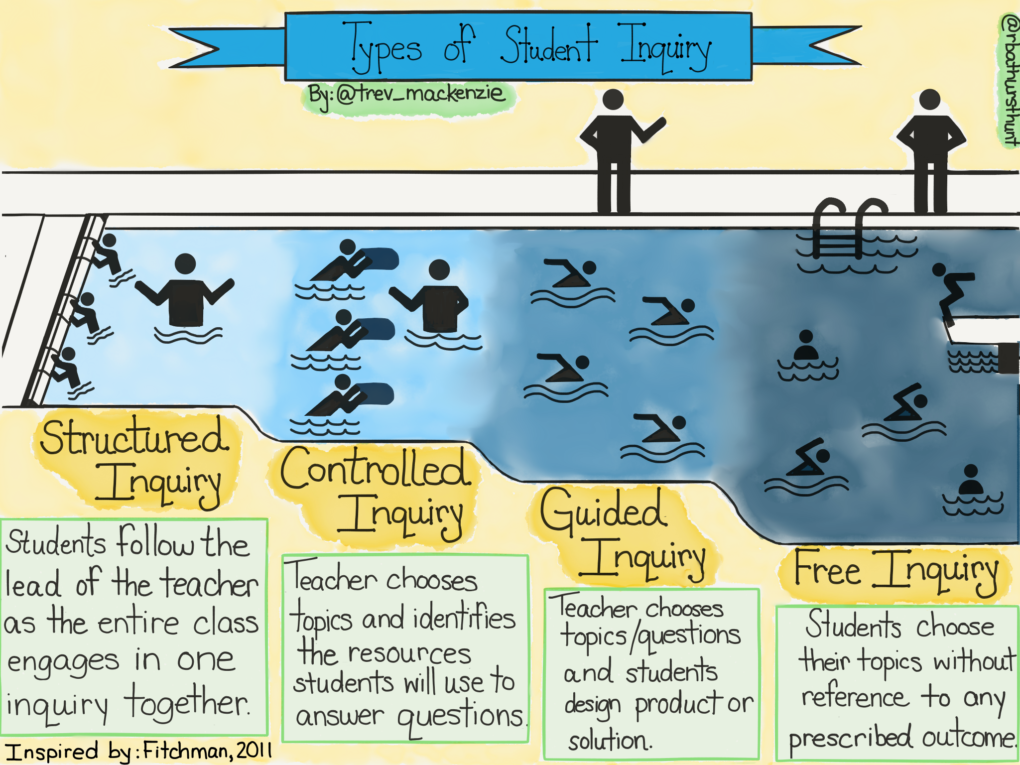
"caption": "This sketch representing how a teacher can gradually remove scaffolds to give learners more independence is featured in Inquiry Mindsets.",
"description": null,
"title": "1 Types of Student Inquiry",
"credit": "Courtesy Trevor MacKenzie and Rebecca Bathurst-Hunt",
"status": "inherit",
"isLoading": false,
"fetchFailed": false
},
"mindshift_50614": {
"type": "attachments",
"id": "mindshift_50614",
"meta": {
"index": "attachments_1716263798",
"site": "mindshift",
"id": "50614",
"found": true
},
"parent": 50593,
"imgSizes": {
"small": {
"file": "https://ww2.kqed.org/app/uploads/sites/23/2018/02/Mathical-books-520x354.png",
"width": 520,
"mimeType": "image/png",
"height": 354
},
"twentyfourteen-full-width": {
"file": "https://ww2.kqed.org/app/uploads/sites/23/2018/02/Mathical-books-1038x576.png",
"width": 1038,
"mimeType": "image/png",
"height": 576
},
"thumbnail": {
"file": "https://ww2.kqed.org/app/uploads/sites/23/2018/02/Mathical-books-160x109.png",
"width": 160,
"mimeType": "image/png",
"height": 109
},
"fd-sm": {
"file": "https://ww2.kqed.org/app/uploads/sites/23/2018/02/Mathical-books-960x654.png",
"width": 960,
"mimeType": "image/png",
"height": 654
},
"post-thumbnail": {
"file": "https://ww2.kqed.org/app/uploads/sites/23/2018/02/Mathical-books-672x372.png",
"width": 672,
"mimeType": "image/png",
"height": 372
},
"xsmall": {
"file": "https://ww2.kqed.org/app/uploads/sites/23/2018/02/Mathical-books-375x255.png",
"width": 375,
"mimeType": "image/png",
"height": 255
},
"kqedFullSize": {
"file": "https://ww2.kqed.org/app/uploads/sites/23/2018/02/Mathical-books-e1519331947424.png",
"width": 1920,
"height": 1308
},
"large": {
"file": "https://ww2.kqed.org/app/uploads/sites/23/2018/02/Mathical-books-1020x695.png",
"width": 1020,
"mimeType": "image/png",
"height": 695
},
"xlarge": {
"file": "https://ww2.kqed.org/app/uploads/sites/23/2018/02/Mathical-books-1180x804.png",
"width": 1180,
"mimeType": "image/png",
"height": 804
},
"guest-author-50": {
"file": "https://ww2.kqed.org/app/uploads/sites/23/2018/02/Mathical-books-50x50.png",
"width": 50,
"mimeType": "image/png",
"height": 50
},
"guest-author-96": {
"file": "https://ww2.kqed.org/app/uploads/sites/23/2018/02/Mathical-books-96x96.png",
"width": 96,
"mimeType": "image/png",
"height": 96
},
"medium": {
"file": "https://ww2.kqed.org/app/uploads/sites/23/2018/02/Mathical-books-800x545.png",
"width": 800,
"mimeType": "image/png",
"height": 545
},
"guest-author-64": {
"file": "https://ww2.kqed.org/app/uploads/sites/23/2018/02/Mathical-books-64x64.png",
"width": 64,
"mimeType": "image/png",
"height": 64
},
"guest-author-32": {
"file": "https://ww2.kqed.org/app/uploads/sites/23/2018/02/Mathical-books-32x32.png",
"width": 32,
"mimeType": "image/png",
"height": 32
},
"fd-lrg": {
"file": "https://ww2.kqed.org/app/uploads/sites/23/2018/02/Mathical-books-1920x1308.png",
"width": 1920,
"mimeType": "image/png",
"height": 1308
},
"fd-med": {
"file": "https://ww2.kqed.org/app/uploads/sites/23/2018/02/Mathical-books-1180x804.png",
"width": 1180,
"mimeType": "image/png",
"height": 804
},
"full-width": {
"file": "https://ww2.kqed.org/app/uploads/sites/23/2018/02/Mathical-books-1920x1308.png",
"width": 1920,
"mimeType": "image/png",
"height": 1308
},
"detail": {
"file": "https://ww2.kqed.org/app/uploads/sites/23/2018/02/Mathical-books-150x150.png",
"width": 150,
"mimeType": "image/png",
"height": 150
},
"medium_large": {
"file": "https://ww2.kqed.org/app/uploads/sites/23/2018/02/Mathical-books-768x523.png",
"width": 768,
"mimeType": "image/png",
"height": 523
},
"guest-author-128": {
"file": "https://ww2.kqed.org/app/uploads/sites/23/2018/02/Mathical-books-128x128.png",
"width": 128,
"mimeType": "image/png",
"height": 128
},
"xxsmall": {
"file": "https://ww2.kqed.org/app/uploads/sites/23/2018/02/Mathical-books-240x163.png",
"width": 240,
"mimeType": "image/png",
"height": 163
}
},
"publishDate": 1519331896,
"modified": 1519331896,
"caption": null,
"description": null,
"title": "Mathical-books",
"credit": null,
"status": "inherit",
"isLoading": false,
"fetchFailed": false
},
"mindshift_50544": {
"type": "attachments",
"id": "mindshift_50544",
"meta": {
"index": "attachments_1716263798",
"site": "mindshift",
"id": "50544",
"found": true
},
"parent": 50530,
"imgSizes": {
"small": {
"file": "https://ww2.kqed.org/app/uploads/sites/23/2018/02/windturbine-520x293.jpg",
"width": 520,
"mimeType": "image/jpeg",
"height": 293
},
"twentyfourteen-full-width": {
"file": "https://ww2.kqed.org/app/uploads/sites/23/2018/02/windturbine-1038x576.jpg",
"width": 1038,
"mimeType": "image/jpeg",
"height": 576
},
"thumbnail": {
"file": "https://ww2.kqed.org/app/uploads/sites/23/2018/02/windturbine-160x90.jpg",
"width": 160,
"mimeType": "image/jpeg",
"height": 90
},
"fd-sm": {
"file": "https://ww2.kqed.org/app/uploads/sites/23/2018/02/windturbine-960x540.jpg",
"width": 960,
"mimeType": "image/jpeg",
"height": 540
},
"post-thumbnail": {
"file": "https://ww2.kqed.org/app/uploads/sites/23/2018/02/windturbine-672x372.jpg",
"width": 672,
"mimeType": "image/jpeg",
"height": 372
},
"xsmall": {
"file": "https://ww2.kqed.org/app/uploads/sites/23/2018/02/windturbine-375x211.jpg",
"width": 375,
"mimeType": "image/jpeg",
"height": 211
},
"kqedFullSize": {
"file": "https://ww2.kqed.org/app/uploads/sites/23/2018/02/windturbine.jpg",
"width": 2048,
"height": 1152
},
"large": {
"file": "https://ww2.kqed.org/app/uploads/sites/23/2018/02/windturbine-1020x574.jpg",
"width": 1020,
"mimeType": "image/jpeg",
"height": 574
},
"xlarge": {
"file": "https://ww2.kqed.org/app/uploads/sites/23/2018/02/windturbine-1180x664.jpg",
"width": 1180,
"mimeType": "image/jpeg",
"height": 664
},
"guest-author-50": {
"file": "https://ww2.kqed.org/app/uploads/sites/23/2018/02/windturbine-50x50.jpg",
"width": 50,
"mimeType": "image/jpeg",
"height": 50
},
"guest-author-96": {
"file": "https://ww2.kqed.org/app/uploads/sites/23/2018/02/windturbine-96x96.jpg",
"width": 96,
"mimeType": "image/jpeg",
"height": 96
},
"medium": {
"file": "https://ww2.kqed.org/app/uploads/sites/23/2018/02/windturbine-800x450.jpg",
"width": 800,
"mimeType": "image/jpeg",
"height": 450
},
"guest-author-64": {
"file": "https://ww2.kqed.org/app/uploads/sites/23/2018/02/windturbine-64x64.jpg",
"width": 64,
"mimeType": "image/jpeg",
"height": 64
},
"guest-author-32": {
"file": "https://ww2.kqed.org/app/uploads/sites/23/2018/02/windturbine-32x32.jpg",
"width": 32,
"mimeType": "image/jpeg",
"height": 32
},
"fd-lrg": {
"file": "https://ww2.kqed.org/app/uploads/sites/23/2018/02/windturbine-1920x1080.jpg",
"width": 1920,
"mimeType": "image/jpeg",
"height": 1080
},
"fd-med": {
"file": "https://ww2.kqed.org/app/uploads/sites/23/2018/02/windturbine-1180x664.jpg",
"width": 1180,
"mimeType": "image/jpeg",
"height": 664
},
"full-width": {
"file": "https://ww2.kqed.org/app/uploads/sites/23/2018/02/windturbine-1920x1080.jpg",
"width": 1920,
"mimeType": "image/jpeg",
"height": 1080
},
"detail": {
"file": "https://ww2.kqed.org/app/uploads/sites/23/2018/02/windturbine-150x150.jpg",
"width": 150,
"mimeType": "image/jpeg",
"height": 150
},
"medium_large": {
"file": "https://ww2.kqed.org/app/uploads/sites/23/2018/02/windturbine-768x432.jpg",
"width": 768,
"mimeType": "image/jpeg",
"height": 432
},
"guest-author-128": {
"file": "https://ww2.kqed.org/app/uploads/sites/23/2018/02/windturbine-128x128.jpg",
"width": 128,
"mimeType": "image/jpeg",
"height": 128
},
"xxsmall": {
"file": "https://ww2.kqed.org/app/uploads/sites/23/2018/02/windturbine-240x135.jpg",
"width": 240,
"mimeType": "image/jpeg",
"height": 135
}
},
"publishDate": 1518136231,
"modified": 1519431364,
"caption": "Two high school students construct a wind turbine.",
"description": "Two high school students construct a wind turbine.",
"title": "windturbine",
"credit": "Courtesy of Allison Shelley/\u003ca href=\"https://www.flickr.com/photos/all4ed/36335119132/\">The Verbatim Agency for American Education: Images of Teachers and Students in Action\u003c/a>",
"status": "inherit",
"isLoading": false,
"fetchFailed": false
},
"mindshift_49424": {
"type": "attachments",
"id": "mindshift_49424",
"meta": {
"index": "attachments_1716263798",
"site": "mindshift",
"id": "49424",
"found": true
},
"parent": 49391,
"imgSizes": {
"small": {
"file": "https://ww2.kqed.org/app/uploads/sites/23/2017/10/8523054564_5864908067_k-520x388.jpg",
"width": 520,
"mimeType": "image/jpeg",
"height": 388
},
"twentyfourteen-full-width": {
"file": "https://ww2.kqed.org/app/uploads/sites/23/2017/10/8523054564_5864908067_k-1038x576.jpg",
"width": 1038,
"mimeType": "image/jpeg",
"height": 576
},
"thumbnail": {
"file": "https://ww2.kqed.org/app/uploads/sites/23/2017/10/8523054564_5864908067_k-160x120.jpg",
"width": 160,
"mimeType": "image/jpeg",
"height": 120
},
"fd-sm": {
"file": "https://ww2.kqed.org/app/uploads/sites/23/2017/10/8523054564_5864908067_k-960x717.jpg",
"width": 960,
"mimeType": "image/jpeg",
"height": 717
},
"post-thumbnail": {
"file": "https://ww2.kqed.org/app/uploads/sites/23/2017/10/8523054564_5864908067_k-672x372.jpg",
"width": 672,
"mimeType": "image/jpeg",
"height": 372
},
"xsmall": {
"file": "https://ww2.kqed.org/app/uploads/sites/23/2017/10/8523054564_5864908067_k-375x280.jpg",
"width": 375,
"mimeType": "image/jpeg",
"height": 280
},
"kqedFullSize": {
"file": "https://ww2.kqed.org/app/uploads/sites/23/2017/10/8523054564_5864908067_k.jpg",
"width": 2048,
"height": 1530
},
"large": {
"file": "https://ww2.kqed.org/app/uploads/sites/23/2017/10/8523054564_5864908067_k-1020x762.jpg",
"width": 1020,
"mimeType": "image/jpeg",
"height": 762
},
"xlarge": {
"file": "https://ww2.kqed.org/app/uploads/sites/23/2017/10/8523054564_5864908067_k-1180x882.jpg",
"width": 1180,
"mimeType": "image/jpeg",
"height": 882
},
"guest-author-50": {
"file": "https://ww2.kqed.org/app/uploads/sites/23/2017/10/8523054564_5864908067_k-50x50.jpg",
"width": 50,
"mimeType": "image/jpeg",
"height": 50
},
"guest-author-96": {
"file": "https://ww2.kqed.org/app/uploads/sites/23/2017/10/8523054564_5864908067_k-96x96.jpg",
"width": 96,
"mimeType": "image/jpeg",
"height": 96
},
"medium": {
"file": "https://ww2.kqed.org/app/uploads/sites/23/2017/10/8523054564_5864908067_k-800x598.jpg",
"width": 800,
"mimeType": "image/jpeg",
"height": 598
},
"guest-author-64": {
"file": "https://ww2.kqed.org/app/uploads/sites/23/2017/10/8523054564_5864908067_k-64x64.jpg",
"width": 64,
"mimeType": "image/jpeg",
"height": 64
},
"guest-author-32": {
"file": "https://ww2.kqed.org/app/uploads/sites/23/2017/10/8523054564_5864908067_k-32x32.jpg",
"width": 32,
"mimeType": "image/jpeg",
"height": 32
},
"fd-lrg": {
"file": "https://ww2.kqed.org/app/uploads/sites/23/2017/10/8523054564_5864908067_k-1920x1434.jpg",
"width": 1920,
"mimeType": "image/jpeg",
"height": 1434
},
"fd-med": {
"file": "https://ww2.kqed.org/app/uploads/sites/23/2017/10/8523054564_5864908067_k-1180x882.jpg",
"width": 1180,
"mimeType": "image/jpeg",
"height": 882
},
"full-width": {
"file": "https://ww2.kqed.org/app/uploads/sites/23/2017/10/8523054564_5864908067_k-1920x1434.jpg",
"width": 1920,
"mimeType": "image/jpeg",
"height": 1434
},
"detail": {
"file": "https://ww2.kqed.org/app/uploads/sites/23/2017/10/8523054564_5864908067_k-150x150.jpg",
"width": 150,
"mimeType": "image/jpeg",
"height": 150
},
"medium_large": {
"file": "https://ww2.kqed.org/app/uploads/sites/23/2017/10/8523054564_5864908067_k-768x574.jpg",
"width": 768,
"mimeType": "image/jpeg",
"height": 574
},
"guest-author-128": {
"file": "https://ww2.kqed.org/app/uploads/sites/23/2017/10/8523054564_5864908067_k-128x128.jpg",
"width": 128,
"mimeType": "image/jpeg",
"height": 128
},
"xxsmall": {
"file": "https://ww2.kqed.org/app/uploads/sites/23/2017/10/8523054564_5864908067_k-240x179.jpg",
"width": 240,
"mimeType": "image/jpeg",
"height": 179
}
},
"publishDate": 1507590475,
"modified": 1507590592,
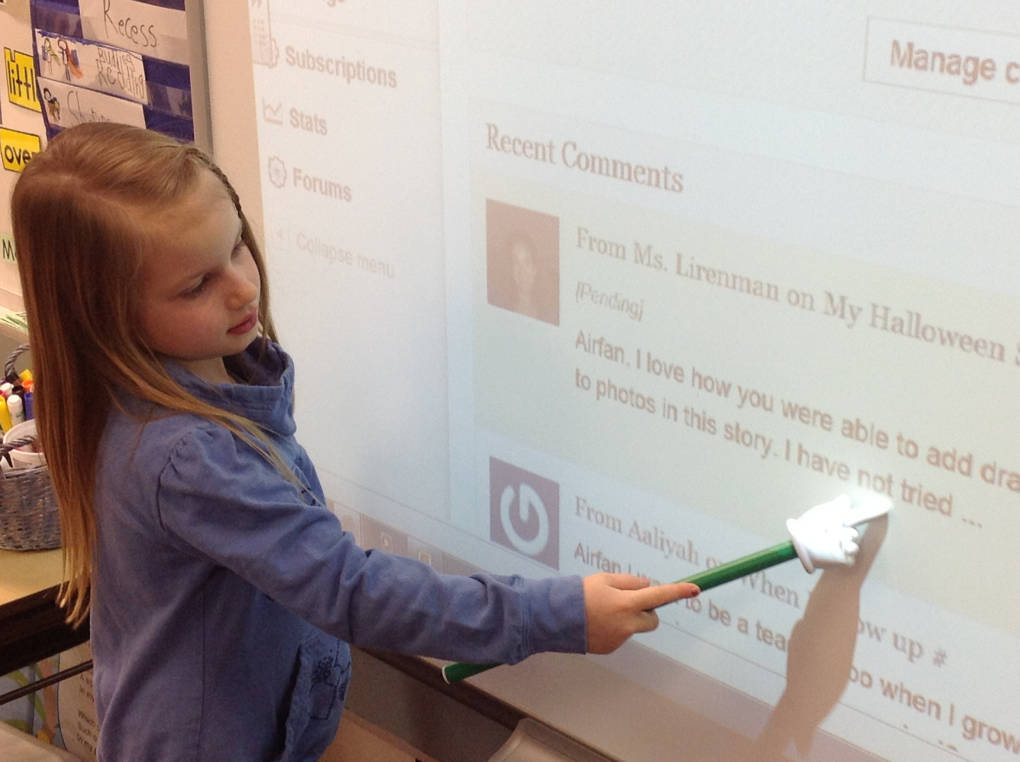
"caption": "One of Kathy Cassidy's students practices reading with the class Twitter page.",
"description": null,
"title": "8523054564_5864908067_k",
"credit": "Courtesy \u003ca href=\"https://www.flickr.com/photos/kathycassidy/\">Kathy Cassidy\u003c/a>",
"status": "inherit",
"isLoading": false,
"fetchFailed": false
},
"mindshift_50447": {
"type": "attachments",
"id": "mindshift_50447",
"meta": {
"index": "attachments_1716263798",
"site": "mindshift",
"id": "50447",
"found": true
},
"parent": 50443,
"imgSizes": {
"small": {
"file": "https://ww2.kqed.org/app/uploads/sites/23/2018/01/HTH1-520x293.jpg",
"width": 520,
"mimeType": "image/jpeg",
"height": 293
},
"twentyfourteen-full-width": {
"file": "https://ww2.kqed.org/app/uploads/sites/23/2018/01/HTH1-1038x576.jpg",
"width": 1038,
"mimeType": "image/jpeg",
"height": 576
},
"thumbnail": {
"file": "https://ww2.kqed.org/app/uploads/sites/23/2018/01/HTH1-160x90.jpg",
"width": 160,
"mimeType": "image/jpeg",
"height": 90
},
"fd-sm": {
"file": "https://ww2.kqed.org/app/uploads/sites/23/2018/01/HTH1-960x540.jpg",
"width": 960,
"mimeType": "image/jpeg",
"height": 540
},
"post-thumbnail": {
"file": "https://ww2.kqed.org/app/uploads/sites/23/2018/01/HTH1-672x372.jpg",
"width": 672,
"mimeType": "image/jpeg",
"height": 372
},
"xsmall": {
"file": "https://ww2.kqed.org/app/uploads/sites/23/2018/01/HTH1-375x211.jpg",
"width": 375,
"mimeType": "image/jpeg",
"height": 211
},
"kqedFullSize": {
"file": "https://ww2.kqed.org/app/uploads/sites/23/2018/01/HTH1.jpg",
"width": 4032,
"height": 2268
},
"large": {
"file": "https://ww2.kqed.org/app/uploads/sites/23/2018/01/HTH1-1020x574.jpg",
"width": 1020,
"mimeType": "image/jpeg",
"height": 574
},
"xlarge": {
"file": "https://ww2.kqed.org/app/uploads/sites/23/2018/01/HTH1-1180x664.jpg",
"width": 1180,
"mimeType": "image/jpeg",
"height": 664
},
"guest-author-50": {
"file": "https://ww2.kqed.org/app/uploads/sites/23/2018/01/HTH1-50x50.jpg",
"width": 50,
"mimeType": "image/jpeg",
"height": 50
},
"guest-author-96": {
"file": "https://ww2.kqed.org/app/uploads/sites/23/2018/01/HTH1-96x96.jpg",
"width": 96,
"mimeType": "image/jpeg",
"height": 96
},
"medium": {
"file": "https://ww2.kqed.org/app/uploads/sites/23/2018/01/HTH1-800x450.jpg",
"width": 800,
"mimeType": "image/jpeg",
"height": 450
},
"guest-author-64": {
"file": "https://ww2.kqed.org/app/uploads/sites/23/2018/01/HTH1-64x64.jpg",
"width": 64,
"mimeType": "image/jpeg",
"height": 64
},
"guest-author-32": {
"file": "https://ww2.kqed.org/app/uploads/sites/23/2018/01/HTH1-32x32.jpg",
"width": 32,
"mimeType": "image/jpeg",
"height": 32
},
"fd-lrg": {
"file": "https://ww2.kqed.org/app/uploads/sites/23/2018/01/HTH1-1920x1080.jpg",
"width": 1920,
"mimeType": "image/jpeg",
"height": 1080
},
"fd-med": {
"file": "https://ww2.kqed.org/app/uploads/sites/23/2018/01/HTH1-1180x664.jpg",
"width": 1180,
"mimeType": "image/jpeg",
"height": 664
},
"full-width": {
"file": "https://ww2.kqed.org/app/uploads/sites/23/2018/01/HTH1-1920x1080.jpg",
"width": 1920,
"mimeType": "image/jpeg",
"height": 1080
},
"detail": {
"file": "https://ww2.kqed.org/app/uploads/sites/23/2018/01/HTH1-150x150.jpg",
"width": 150,
"mimeType": "image/jpeg",
"height": 150
},
"medium_large": {
"file": "https://ww2.kqed.org/app/uploads/sites/23/2018/01/HTH1-768x432.jpg",
"width": 768,
"mimeType": "image/jpeg",
"height": 432
},
"guest-author-128": {
"file": "https://ww2.kqed.org/app/uploads/sites/23/2018/01/HTH1-128x128.jpg",
"width": 128,
"mimeType": "image/jpeg",
"height": 128
},
"xxsmall": {
"file": "https://ww2.kqed.org/app/uploads/sites/23/2018/01/HTH1-240x135.jpg",
"width": 240,
"mimeType": "image/jpeg",
"height": 135
}
},
"publishDate": 1517358550,
"modified": 1517358613,
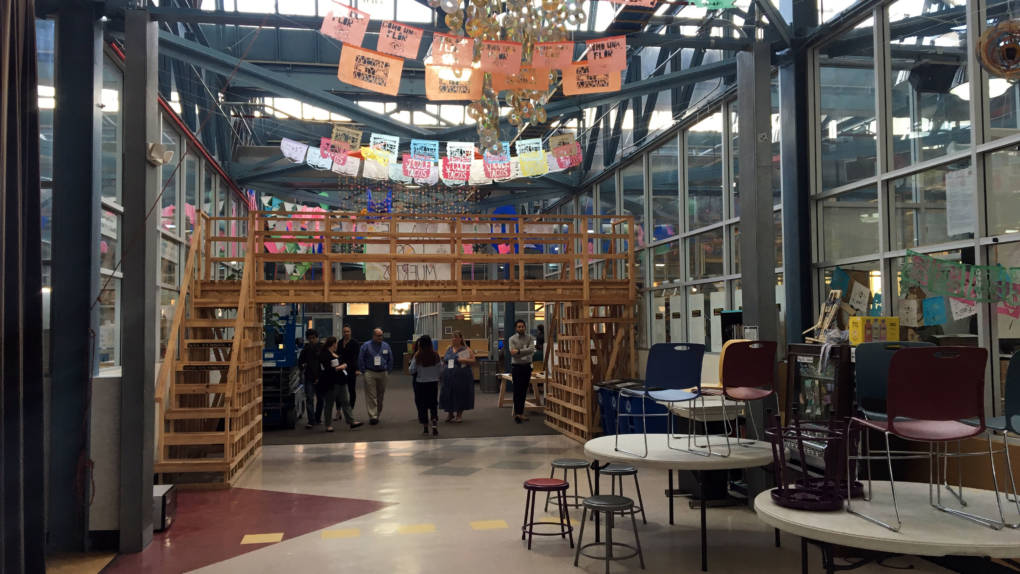
"caption": "A High Tech High hallway features part of an art project, \"Bridge to Nowhere,\" along with many other examples of student work.",
"description": "A High Tech High hallway features part of an art project, \"Bridge to Nowhere,\" along with many other examples of student work.",
"title": "HTH1",
"credit": "Katrina Schwartz/KQED",
"status": "inherit",
"isLoading": false,
"fetchFailed": false
}
},
"audioPlayerReducer": {
"postId": "stream_live",
"isPaused": true,
"isPlaying": false,
"pfsActive": false,
"pledgeModalIsOpen": true,
"playerDrawerIsOpen": false,
"liveAudioPlayStartedAt": 0,
"liveAudioPlayContext": ""
},
"authorsReducer": {
"byline_mindshift_50918": {
"type": "authors",
"id": "byline_mindshift_50918",
"meta": {
"override": true
},
"slug": "byline_mindshift_50918",
"name": "Larry Ferlazzo and Katie Hull Sypnieski",
"isLoading": false
},
"byline_mindshift_50829": {
"type": "authors",
"id": "byline_mindshift_50829",
"meta": {
"override": true
},
"slug": "byline_mindshift_50829",
"name": "Elissa Nadworny",
"isLoading": false
},
"byline_mindshift_50644": {
"type": "authors",
"id": "byline_mindshift_50644",
"meta": {
"override": true
},
"slug": "byline_mindshift_50644",
"name": "\u003ca href=\"https://www.estherlandhuis.com/\">Esther Landhuis\u003c/a>",
"isLoading": false
},
"katrinaschwartz": {
"type": "authors",
"id": "234",
"meta": {
"index": "authors_1716337520",
"id": "234",
"found": true
},
"name": "Katrina Schwartz",
"firstName": "Katrina",
"lastName": "Schwartz",
"slug": "katrinaschwartz",
"email": "kschwartz@kqed.org",
"display_author_email": false,
"staff_mastheads": [
"news"
],
"title": "Producer",
"bio": "Katrina Schwartz is a journalist based in San Francisco. She's worked at KPCC public radio in LA and has reported on air and online for KQED since 2010. She covered how teaching and learning is changing for MindShift between 2012 and 2020. She is the co-host of the MindShift podcast and now produces KQED's Bay Curious podcast.",
"avatar": "https://secure.gravatar.com/avatar/edb4ee79070447a018538c9aae6eeecf28786515b8a0c30e43b6b7dce5aa44c8?s=600&d=blank&r=g",
"twitter": "kschwart",
"bluesky": null,
"facebook": null,
"instagram": null,
"linkedin": null,
"sites": [
{
"site": "",
"roles": [
"editor"
]
},
{
"site": "news",
"roles": [
"editor"
]
},
{
"site": "mindshift",
"roles": [
"administrator"
]
},
{
"site": "stateofhealth",
"roles": [
"author"
]
},
{
"site": "science",
"roles": [
"editor"
]
}
],
"headData": {
"title": "Katrina Schwartz | KQED",
"description": "Producer",
"ogImgSrc": "https://secure.gravatar.com/avatar/edb4ee79070447a018538c9aae6eeecf28786515b8a0c30e43b6b7dce5aa44c8?s=600&d=blank&r=g",
"twImgSrc": "https://secure.gravatar.com/avatar/edb4ee79070447a018538c9aae6eeecf28786515b8a0c30e43b6b7dce5aa44c8?s=600&d=blank&r=g"
},
"isLoading": false,
"link": "/author/katrinaschwartz"
},
"kdnewhouse": {
"type": "authors",
"id": "11487",
"meta": {
"index": "authors_1716337520",
"id": "11487",
"found": true
},
"name": "Kara Newhouse",
"firstName": "Kara",
"lastName": "Newhouse",
"slug": "kdnewhouse",
"email": "knewhouse@kqed.org",
"display_author_email": false,
"staff_mastheads": [],
"title": "MindShift Editor",
"bio": null,
"avatar": "https://secure.gravatar.com/avatar/3dceed6fb271527113abfa9a8e9df34e?s=600&d=blank&r=g",
"twitter": null,
"facebook": null,
"instagram": null,
"linkedin": null,
"sites": [
{
"site": "",
"roles": [
"editor"
]
},
{
"site": "mindshift",
"roles": []
}
],
"headData": {
"title": "Kara Newhouse | KQED",
"description": "MindShift Editor",
"ogImgSrc": "https://secure.gravatar.com/avatar/3dceed6fb271527113abfa9a8e9df34e?s=600&d=blank&r=g",
"twImgSrc": "https://secure.gravatar.com/avatar/3dceed6fb271527113abfa9a8e9df34e?s=600&d=blank&r=g"
},
"isLoading": false,
"link": "/author/kdnewhouse"
}
},
"pagesReducer": {
"mindshift_category_teaching-strategies": {
"type": "terms",
"id": "mindshift_193",
"meta": {
"index": "terms_1716263798",
"site": "mindshift",
"id": "193",
"score": 14.406914
},
"featImg": null,
"name": "Teaching Strategies",
"description": "Innovative ideas - projects, processes, curricula, and more - that are transforming how we teach and learn.",
"taxonomy": "category",
"headData": {
"twImgId": null,
"twTitle": null,
"ogTitle": null,
"ogImgId": null,
"twDescription": null,
"description": "Innovative ideas - projects, processes, curricula, and more - that are transforming how we teach and learn.",
"title": "Teaching Strategies Archives | KQED Mindshift",
"ogDescription": null
},
"ttid": 193,
"slug": "teaching-strategies",
"isLoading": false,
"title": "Teaching Strategies",
"pageMeta": {
"site": "mindshift",
"WpPageTemplate": "page-topic-editorial",
"currentPage": 25
},
"blocks": [
{
"blockName": "kqed/company-paragraph",
"content": "Innovative ideas - projects, processes, curricula, and more - that are transforming how we teach and learn."
},
{
"blockName": "kqed/post-list",
"attrs": {
"layout": "cardArticle2",
"query": "posts/mindshift?category=teaching-strategies",
"seeMore": false,
"paginated": true,
"page": 25
}
},
{
"blockName": "kqed/ad"
}
]
}
},
"pfsSessionReducer": {},
"postsReducer": {
"stream_live": {
"type": "live",
"id": "stream_live",
"audioUrl": "https://streams.kqed.org/kqedradio",
"title": "Live Stream",
"excerpt": "Live Stream information currently unavailable.",
"link": "/radio",
"featImg": "",
"label": {
"name": "KQED Live",
"link": "/"
}
},
"stream_kqedNewscast": {
"type": "posts",
"id": "stream_kqedNewscast",
"audioUrl": "https://www.kqed.org/.stream/anon/radio/RDnews/newscast.mp3?_=1",
"title": "KQED Newscast",
"featImg": "",
"label": {
"name": "88.5 FM",
"link": "/"
}
},
"mindshift_50918": {
"type": "posts",
"id": "mindshift_50918",
"meta": {
"index": "posts_1716263798",
"site": "mindshift",
"id": "50918",
"score": null,
"sort": [
1524030814000
]
},
"parent": 0,
"labelTerm": {
"site": "mindshift"
},
"blocks": [],
"publishDate": 1524030814,
"format": "standard",
"disqusTitle": "How to Use Oral Presentations to Help English Language Learners Succeed",
"title": "How to Use Oral Presentations to Help English Language Learners Succeed",
"headTitle": "MindShift | KQED News",
"content": "\u003cp>\u003cem>Excerpted from “\u003ca href=\"https://www.wiley.com/en-us/The+ELL+Teacher%27s+Toolbox%3A+Hundreds+of+Practical+Ideas+to+Support+Your+Students-p-9781119364955\">The ELL Teacher’s Toolbox: Hundreds of Practical Ideas to Support Your Students\u003c/a>,” by Larry Ferlazzo and Katie Hull Sypnieski, with permission from the authors.\u003c/em>\u003c/p>\n\u003cp>Having the confidence to speak in front of others is challenging for most people. For English Language Learners, this anxiety can be heightened because they are also speaking in a new language. We’ve found several benefits to incorporating opportunities for students to present to their peers in a positive and safe classroom environment. It helps them focus on pronunciation and clarity and also boosts their confidence. This type of practice is useful since students will surely have to make presentations in other classes, in college, and/or in their future jobs. However, what may be even more valuable is giving students the chance to take these risks in a collaborative, supportive environment.\u003c/p>\n\u003cp>Presentations also offer students the opportunity to become the teacher—something we welcome and they enjoy! They can further provide valuable listening practice for the rest of the class, especially when students are given a task to focus their listening.\u003c/p>\n\u003cp>Research confirms that in order for ELLs to acquire English they must engage in oral language practice and be given the opportunity to use language in meaningful ways for social and academic purposes (Williams & Roberts, 2011). Teaching students to design effective oral presentations has also been found to support thinking development as “the quality of presentation actually improves the quality of thought, and vice versa” (Živković, 2014, p. 474). Additionally, \u003cstrong>t\u003c/strong>he Common Core Speaking and Listening Standards specifically focus on oral presentations. These standards call for students to make effective and well-organized presentations and to use technology to enhance understanding of them.\u003c/p>\n\u003cp>\u003cstrong>GUIDELINES AND APPLICATION \u003c/strong>\u003c/p>\n\u003cp>[ad fullwidth]\u003c/p>\n\u003cp>Oral presentations can take many different forms in the ELL classroom—ranging from students briefly presenting their learning in small groups to creating a multi-slide presentation for the whole class. In this section, we give some general guidelines for oral presentations with ELLs. We then share ideas for helping students develop their presentation skills and describe specific ways we scaffold both short and long oral presentations.\u003c/p>\n\u003cp>We keep the following guidelines in mind when incorporating oral presentations into ELL instruction:\u003c/p>\n\u003cp>\u003cem>\u003ca href=\"https://www.wiley.com/en-us/The+ELL+Teacher%27s+Toolbox%3A+Hundreds+of+Practical+Ideas+to+Support+Your+Students-p-x000995532\">\u003cimg class=\"alignright size-full wp-image-50958\" src=\"https://ww2.kqed.org/mindshift/wp-content/uploads/sites/23/2018/04/toolboxbook.jpg\" alt=\"\" width=\"188\" height=\"240\" srcset=\"https://ww2.kqed.org/app/uploads/sites/23/2018/04/toolboxbook.jpg 188w, https://ww2.kqed.org/app/uploads/sites/23/2018/04/toolboxbook-160x204.jpg 160w\" sizes=\"(max-width: 188px) 100vw, 188px\">\u003c/a>Topic\u003c/em>— It can be easier and more motivating for students speaking a new language to deliver presentations on topics they find meaningful and interesting. We try to give students opportunities to select their own topics as much as possible or to choose from a list of topics. It is also helpful for student presentations to be connected to a current unit of study. This enables them to apply new vocabulary, demonstrate their learning, and feel more confident in their knowledge.\u003c/p>\n\u003cp>\u003cem>Length\u003c/em>—We have students develop and deliver short presentations (usually 2-4 minutes) on a regular basis so they can practice their presentation skills with smaller, less overwhelming tasks. These presentations are often to another student or a small group. Once or twice a semester, students do a longer presentation (usually 5-8 minutes), many times with a partner or in a small group.\u003c/p>\n\u003cp>\u003cem>Novelty\u003c/em>—Mixing up how students present (in small groups, in pairs, individually) and what they use to present (a poster, a paper placed under the document camera, props, a slide presentation, etc.) can increase engagement for students and the teacher!\u003c/p>\n\u003cp>\u003cem>Whole Class Processing\u003c/em> -- We want to avoid students “tuning out” during oral presentations. Not only can it be frustrating for the speakers, but students also miss out on valuable listening practice. During oral presentations, and in any activity, we want to maximize the probability that all students are thinking and learning all the time. Jim Peterson and Ted Appel, administrators with whom we’ve worked closely, call this “whole class processing” (Ferlazzo, 2011, August 16) and it is also known as active participation. All students can be encouraged to actively participate in oral presentations by being given a listening task-- taking notes on a graphic organizer, providing written feedback to the speaker, using a checklist to evaluate presenters, etc.\u003c/p>\n\u003cp>\u003cem>Language Support\u003c/em>—It is critical to provide ELLs, especially at the lower levels of English proficiency, with language support for oral presentations. In other words, thinking about what vocabulary, language features and organizational structures they may need, and then providing students with scaffolding, like speaking frames and graphic organizers. Oral presentations can also provide an opportunity for students to practice their summarizing skills. When students are presenting information on a topic they have researched, we remind them to summarize using their own words and to give credit when using someone else’s words.\u003c/p>\n\u003cp>\u003cem>Technology Support\u003c/em>—It can’t be assumed that students have experience using technology tools in presentations. We find it most helpful using simple tools that are easy for students to learn (like Powerpoint without all the “bells and whistles” or Google Slides). We also emphasize to students that digital media should be used to help the audience understand what they are saying and not just to make a presentation flashy or pretty. We also share with our students what is known as “The Picture Superiority Effect”-- a body of research showing that people are better able to learn and recall information presented as pictures as opposed to just being presented with words (Kagan, 2013).\u003c/p>\n\u003cp>\u003cem>Groups\u003c/em>-- Giving ELLs the opportunity to work and present in small groups is helpful in several ways. Presenting as a group (as opposed to by yourself) can help students feel less anxious. It also offers language-building opportunities as students communicate to develop and practice their presentations. Creating new knowledge as a group promotes collaboration and language acquisition--an ideal equation for a successful ELL classroom!\u003c/p>\n\u003cp>\u003cem>Teacher feedback/student evaluation\u003c/em>--The focus of oral presentations with ELL students should be on the practice and skills they are gaining, not on the grade or “score” they are earning. Teachers can give out a simple rubric before students create their presentations. Then students can keep these expectations in mind as they develop and practice their presentations. The teacher, or classmates, can then use the rubric to offer feedback to the speaker. We also often ask students to reflect on their own presentation and complete the rubric as a form of self-assessment. \u003ca href=\"https://ww2.kqed.org/mindshift/wp-content/uploads/sites/23/2018/04/Figure-30.1-The-ELL-Teacher%E2%80%99s-Toolbox-Hundreds-of-Practical-Ideas-to-Support-Your-Students.png\">Figure 30.1 – “Presentation Peer Evaluation Rubric”\u003c/a>, developed by talented student teacher Kevin Inlay (who is now a teacher in his own classroom), is a simple rubric we used to improve group presentations in our ELL World History class.\u003c/p>\n\u003cp>\u003cimg class=\"alignnone wp-image-50920 size-full\" src=\"https://ww2.kqed.org/mindshift/wp-content/uploads/sites/23/2018/04/Figure-30.1-The-ELL-Teacher%E2%80%99s-Toolbox-Hundreds-of-Practical-Ideas-to-Support-Your-Students.png\" alt=\"\" width=\"774\" height=\"926\" srcset=\"https://ww2.kqed.org/app/uploads/sites/23/2018/04/Figure-30.1-The-ELL-Teacher’s-Toolbox-Hundreds-of-Practical-Ideas-to-Support-Your-Students.png 774w, https://ww2.kqed.org/app/uploads/sites/23/2018/04/Figure-30.1-The-ELL-Teacher’s-Toolbox-Hundreds-of-Practical-Ideas-to-Support-Your-Students-160x191.png 160w, https://ww2.kqed.org/app/uploads/sites/23/2018/04/Figure-30.1-The-ELL-Teacher’s-Toolbox-Hundreds-of-Practical-Ideas-to-Support-Your-Students-768x919.png 768w, https://ww2.kqed.org/app/uploads/sites/23/2018/04/Figure-30.1-The-ELL-Teacher’s-Toolbox-Hundreds-of-Practical-Ideas-to-Support-Your-Students-240x287.png 240w, https://ww2.kqed.org/app/uploads/sites/23/2018/04/Figure-30.1-The-ELL-Teacher’s-Toolbox-Hundreds-of-Practical-Ideas-to-Support-Your-Students-375x449.png 375w, https://ww2.kqed.org/app/uploads/sites/23/2018/04/Figure-30.1-The-ELL-Teacher’s-Toolbox-Hundreds-of-Practical-Ideas-to-Support-Your-Students-520x622.png 520w\" sizes=\"(max-width: 774px) 100vw, 774px\">\u003c/p>\n\u003cp>\u003cstrong>Teaching Presentation Skills\u003c/strong>\u003c/p>\n\u003cp>We use the following two lesson ideas to explicitly teach how to develop effective presentation skills:\u003c/p>\n\u003cp>\u003cstrong>LESSON ONE: Speaking and Listening Do’s and Don’ts \u003c/strong>\u003c/p>\n\u003cp>We help our students understand and practice general presentation skills through an activity we call Speaking and Listening “Do’s and Don’ts.” We usually spread this lesson out among two class periods.\u003c/p>\n\u003cp>We first ask students to create a simple T-chart by folding a piece of paper in half and labeling one side “Do” and the other side “Don’t.” We then post \u003ca href=\"https://ww2.kqed.org/mindshift/wp-content/uploads/sites/23/2018/04/Figure-30.2-30.3-The-ELL-Teacher%E2%80%99s-Toolbox-Hundreds-of-Practical-Ideas-to-Support-Your-Students.png\">Figure 30.2\u003c/a>\u003ca href=\"https://ww2.kqed.org/mindshift/wp-content/uploads/sites/23/2018/04/Figure-30.2-30.3-The-ELL-Teacher%E2%80%99s-Toolbox-Hundreds-of-Practical-Ideas-to-Support-Your-Students.png\"> “Speaking Do’s and Don’ts”\u003c/a> on the document camera and display the first statement (the rest we cover with a blank sheet of paper).\u003c/p>\n\u003cp>We read the first statement, “Make eye contact with the audience,” and ask students if this is something they want to \u003cstrong>\u003cem>do\u003c/em>\u003c/strong> when they are giving a presentation or if it is something they \u003cstrong>\u003cem>don’t\u003c/em>\u003c/strong> want to do. Students write the statement where they think it belongs--under the “Do” column or “Don’t” Column. Students then share their answer with a partner and discuss why they put it in that column. After calling on a few pairs to share with the class, we move down the list repeating the same process of categorizing each statement as a “Do” or a “Don’t.” Students write it on their chart and discuss why it should be placed there.\u003c/p>\n\u003cp>After categorizing the statements for speaking, we give students \u003ca href=\"https://ww2.kqed.org/mindshift/wp-content/uploads/sites/23/2018/04/Figure-30.2-30.3-The-ELL-Teacher%E2%80%99s-Toolbox-Hundreds-of-Practical-Ideas-to-Support-Your-Students.png\">Figure 30.3 “Listening Do’s and Don’ts\u003c/a>.” We tell students to work in pairs to categorize the statements as something they \u003cstrong>\u003cem>do\u003c/em>\u003c/strong> or something they \u003cstrong>\u003cem>don’t\u003c/em> \u003c/strong>want to do when listening to a student presentation. This time, we ask students to make a quick poster with the headings “Do’s” and “Don’ts” for Listening. Under each heading students must list the corresponding statements--the teacher can circulate to check for accuracy. Students are asked to talk about why each statement belongs in each category and should be prepared to share their reasoning with the class. Students must also choose one “do” statement and one “don’t” statement to illustrate on their poster. Students can present their posters in small groups or with the whole class. This serves as a great opportunity to apply the speaking and listening “do’s” they just reviewed and heightens their awareness of the “don’ts!”\u003c/p>\n\u003cp>\u003cimg class=\"alignnone wp-image-50921 size-full\" src=\"https://ww2.kqed.org/mindshift/wp-content/uploads/sites/23/2018/04/Figure-30.2-30.3-The-ELL-Teacher%E2%80%99s-Toolbox-Hundreds-of-Practical-Ideas-to-Support-Your-Students.png\" alt=\"\" width=\"785\" height=\"831\" srcset=\"https://ww2.kqed.org/app/uploads/sites/23/2018/04/Figure-30.2-30.3-The-ELL-Teacher’s-Toolbox-Hundreds-of-Practical-Ideas-to-Support-Your-Students.png 785w, https://ww2.kqed.org/app/uploads/sites/23/2018/04/Figure-30.2-30.3-The-ELL-Teacher’s-Toolbox-Hundreds-of-Practical-Ideas-to-Support-Your-Students-160x169.png 160w, https://ww2.kqed.org/app/uploads/sites/23/2018/04/Figure-30.2-30.3-The-ELL-Teacher’s-Toolbox-Hundreds-of-Practical-Ideas-to-Support-Your-Students-768x813.png 768w, https://ww2.kqed.org/app/uploads/sites/23/2018/04/Figure-30.2-30.3-The-ELL-Teacher’s-Toolbox-Hundreds-of-Practical-Ideas-to-Support-Your-Students-240x254.png 240w, https://ww2.kqed.org/app/uploads/sites/23/2018/04/Figure-30.2-30.3-The-ELL-Teacher’s-Toolbox-Hundreds-of-Practical-Ideas-to-Support-Your-Students-375x397.png 375w, https://ww2.kqed.org/app/uploads/sites/23/2018/04/Figure-30.2-30.3-The-ELL-Teacher’s-Toolbox-Hundreds-of-Practical-Ideas-to-Support-Your-Students-520x550.png 520w\" sizes=\"(max-width: 785px) 100vw, 785px\">\u003c/p>\n\u003cp>A fun twist, that also serves as a good review on a subsequent day, is to ask groups of students to pick two or three “do’s” and “don’ts” from both Speaking and Listening to act out in front of the class.\u003c/p>\n\u003cp>\u003cstrong>LESSON TWO Slide Presentations Concept Attainment\u003c/strong>\u003c/p>\n\u003cp>We periodically ask students to make slide presentations using PowerPoint or Google Slides to give them practice with developing visual aids (see the Home Culture activity later in this section). We show students how to make better slides, along with giving students the language support they may need in the form of an outline or sentence starters. An easy and effective way to do this is through Concept Attainment.\u003c/p>\n\u003cp>Concept Attainment involves the teacher identifying both \"good\" and \"bad\" examples of the intended learning objective. In this case, we use a PowerPoint containing three “good” slides and three “bad” ones (see them at \u003ca href=\"http://larryferlazzo.edublogs.org/2017/08/01/the-best-resources-for-teaching-students-the-differences-between-a-good-bad-slide/\">The Best Resources For Teaching Students The Difference Between A Good and a Bad Slide\u003c/a>).\u003c/p>\n\u003cp>We start by showing students the first example of a “good” or “yes” slide (containing very little text and two images) and saying, “This is a yes.” However, we don’t explain why it is a “yes.” Then we show a “bad” or “no” example of a slide (containing multiple images randomly placed with a very “busy background”), saying, “This is a no” without explaining why. Students are then asked to think about them, and share with a partner why they think one is a \"yes\" and one is a \"no.\"\u003c/p>\n\u003cp>At this point, we make a quick chart on a large sheet of paper (students can make individual charts on a piece of paper) and ask students to list the good and bad qualities they have observed so far. For example, under the “Good/Yes” column it might say “Has less words and the background is simple” and under the “Bad/No” column “Has too many pictures and the background is distracting.”\u003c/p>\n\u003cp>We then show the second “yes” example (containing one image with a short amount of text in a clear font) and the “no” example (containing way too much text and using a less clear font style). Students repeat the “think-pair-share” process and then the class again discusses what students are noticing about the “yes” and “no” examples. Then they add these observations to their chart.\u003c/p>\n\u003cp>Students repeat the whole process a final time with the third examples. The third “yes” example slide contains one image, minimal text and one bullet point. The third “no” example, on the other hand, contains multiple bullet points.\u003c/p>\n\u003cp>To reinforce this lesson at a later date, the teacher could show students more examples, or students could look for more “yes” and “no” examples online. They could continue to add more qualities of good and bad slides to their chart. See the Technology Connections section for links to good and bad PowerPoint examples, including the PowerPoint we use for this Concept Attainment lesson.\u003c/p>\n\u003cp>You can learn more about other presentations that support public speaking, such as home culture presentations, speed dating, talking points, top 5 and PechaKucha Book talks in our book, “\u003ca href=\"https://www.wiley.com/en-us/The+ELL+Teacher%27s+Toolbox%3A+Hundreds+of+Practical+Ideas+to+Support+Your+Students-p-9781119364955\">The ELL Teacher’s Toolbox: Hundreds of Practical Ideas to Support Your Students\u003c/a>.”\u003c/p>\n\u003cp class=\"p1\">\u003cspan class=\"s1\">\u003cimg class=\"alignleft wp-image-50966\" src=\"https://ww2.kqed.org/mindshift/wp-content/uploads/sites/23/2018/04/Larry-Ferlazzo-160x166.png\" alt=\"\" width=\"200\" height=\"207\" srcset=\"https://ww2.kqed.org/app/uploads/sites/23/2018/04/Larry-Ferlazzo-160x166.png 160w, https://ww2.kqed.org/app/uploads/sites/23/2018/04/Larry-Ferlazzo-800x828.png 800w, https://ww2.kqed.org/app/uploads/sites/23/2018/04/Larry-Ferlazzo-768x795.png 768w, https://ww2.kqed.org/app/uploads/sites/23/2018/04/Larry-Ferlazzo-1020x1056.png 1020w, https://ww2.kqed.org/app/uploads/sites/23/2018/04/Larry-Ferlazzo-1180x1222.png 1180w, https://ww2.kqed.org/app/uploads/sites/23/2018/04/Larry-Ferlazzo-960x994.png 960w, https://ww2.kqed.org/app/uploads/sites/23/2018/04/Larry-Ferlazzo-240x249.png 240w, https://ww2.kqed.org/app/uploads/sites/23/2018/04/Larry-Ferlazzo-375x388.png 375w, https://ww2.kqed.org/app/uploads/sites/23/2018/04/Larry-Ferlazzo-520x538.png 520w, https://ww2.kqed.org/app/uploads/sites/23/2018/04/Larry-Ferlazzo-32x32.png 32w, https://ww2.kqed.org/app/uploads/sites/23/2018/04/Larry-Ferlazzo.png 1182w\" sizes=\"(max-width: 200px) 100vw, 200px\">\u003c/span>\u003c/p>\n\u003cp class=\"p1\">\u003cspan class=\"s1\">\u003cem>\u003ca href=\"http://larryferlazzo.edublogs.org/\">Larry Ferlazzo\u003c/a> has taught English Language Learners, mainstream and International Baccalaureate students at Luther Burbank High School in Sacramento for 15 years. He has authored eight books on education, hosts a popular blog for educators, and writes a weekly teacher advice column for \u003ca href=\"http://blogs.edweek.org/teachers/classroom_qa_with_larry_ferlazzo/\">Education Week Teacher\u003c/a>. He was a community organizer for 19 years prior to becoming a high school teacher.\u003c/em>\u003c/span>\u003c/p>\n\u003cp class=\"p1\">\u003cspan class=\"s1\">\u003cimg class=\"alignleft wp-image-50957\" src=\"https://ww2.kqed.org/mindshift/wp-content/uploads/sites/23/2018/04/Katie-Hull-Sypnieski-160x151.jpeg\" alt=\"\" width=\"200\" height=\"188\" srcset=\"https://ww2.kqed.org/app/uploads/sites/23/2018/04/Katie-Hull-Sypnieski-160x151.jpeg 160w, https://ww2.kqed.org/app/uploads/sites/23/2018/04/Katie-Hull-Sypnieski-800x753.jpeg 800w, https://ww2.kqed.org/app/uploads/sites/23/2018/04/Katie-Hull-Sypnieski-768x723.jpeg 768w, https://ww2.kqed.org/app/uploads/sites/23/2018/04/Katie-Hull-Sypnieski-240x226.jpeg 240w, https://ww2.kqed.org/app/uploads/sites/23/2018/04/Katie-Hull-Sypnieski-375x353.jpeg 375w, https://ww2.kqed.org/app/uploads/sites/23/2018/04/Katie-Hull-Sypnieski-520x490.jpeg 520w, https://ww2.kqed.org/app/uploads/sites/23/2018/04/Katie-Hull-Sypnieski.jpeg 894w\" sizes=\"(max-width: 200px) 100vw, 200px\">\u003c/span>\u003c/p>\n\u003cp>[ad floatright]\u003c/p>\n\u003cp class=\"p1\">\u003cspan class=\"s1\">\u003cem>Katie Hull Sypnieski\u003cb> \u003c/b>has worked with English Language Learners at the secondary level for over 20 years. She currently teaches middle school ELA and ELD at Rosa Parks K-8 School in Sacramento, California. She is a teaching consultant with the Area 3 Writing Project at the University of California, Davis and has leads professional development for teachers of ELLs. She is co-author (with Larry Ferlazzo) of \u003ca href=\"https://www.amazon.com/Teachers-Survival-Guide-Ready-Use/dp/1118095677\">The ESL/ELL Teacher’s Survival Guide\u003c/a> and \u003ca href=\"https://www.amazon.com/Navigating-Common-English-Language-Learners/dp/1119023009\">Navigating the Common Core with English Language Learners\u003c/a>.\u003c/em>\u003c/span>\u003c/p>\n\n",
"disqusIdentifier": "50918 https://ww2.kqed.org/mindshift/?p=50918",
"disqusUrl": "https://ww2.kqed.org/mindshift/2018/04/17/how-to-use-oral-presentations-to-help-english-language-learners-succeed/",
"stats": {
"hasVideo": false,
"hasChartOrMap": false,
"hasAudio": false,
"hasPolis": false,
"wordCount": 2311,
"hasGoogleForm": false,
"hasGallery": false,
"hasHearkenModule": false,
"iframeSrcs": [],
"paragraphCount": 36
},
"modified": 1524030814,
"excerpt": "Speaking in front of an audience in a positive and safe classroom environment can help English Language Learners practice and learn. Veteran educators share helpful strategies from their book, \"The ELL Teacher's Toolbox.\"",
"headData": {
"twImgId": "",
"twTitle": "",
"ogTitle": "",
"ogImgId": "",
"twDescription": "",
"description": "Speaking in front of an audience in a positive and safe classroom environment can help English Language Learners practice and learn. Veteran educators share helpful strategies from their book, "The ELL Teacher's Toolbox."",
"title": "How to Use Oral Presentations to Help English Language Learners Succeed | KQED",
"ogDescription": "",
"schema": {
"@context": "https://schema.org",
"@type": "Article",
"headline": "How to Use Oral Presentations to Help English Language Learners Succeed",
"datePublished": "2018-04-17T22:53:34-07:00",
"dateModified": "2018-04-17T22:53:34-07:00",
"image": "https://cdn.kqed.org/wp-content/uploads/2020/02/KQED-OG-Image@1x.png"
}
},
"guestAuthors": [],
"slug": "how-to-use-oral-presentations-to-help-english-language-learners-succeed",
"status": "publish",
"nprByline": "Larry Ferlazzo and Katie Hull Sypnieski",
"path": "/mindshift/50918/how-to-use-oral-presentations-to-help-english-language-learners-succeed",
"audioTrackLength": null,
"parsedContent": [
{
"type": "contentString",
"content": "\u003cdiv class=\"post-body\">\u003cp>\u003cp>\u003cem>Excerpted from “\u003ca href=\"https://www.wiley.com/en-us/The+ELL+Teacher%27s+Toolbox%3A+Hundreds+of+Practical+Ideas+to+Support+Your+Students-p-9781119364955\">The ELL Teacher’s Toolbox: Hundreds of Practical Ideas to Support Your Students\u003c/a>,” by Larry Ferlazzo and Katie Hull Sypnieski, with permission from the authors.\u003c/em>\u003c/p>\n\u003cp>Having the confidence to speak in front of others is challenging for most people. For English Language Learners, this anxiety can be heightened because they are also speaking in a new language. We’ve found several benefits to incorporating opportunities for students to present to their peers in a positive and safe classroom environment. It helps them focus on pronunciation and clarity and also boosts their confidence. This type of practice is useful since students will surely have to make presentations in other classes, in college, and/or in their future jobs. However, what may be even more valuable is giving students the chance to take these risks in a collaborative, supportive environment.\u003c/p>\n\u003cp>Presentations also offer students the opportunity to become the teacher—something we welcome and they enjoy! They can further provide valuable listening practice for the rest of the class, especially when students are given a task to focus their listening.\u003c/p>\n\u003cp>Research confirms that in order for ELLs to acquire English they must engage in oral language practice and be given the opportunity to use language in meaningful ways for social and academic purposes (Williams & Roberts, 2011). Teaching students to design effective oral presentations has also been found to support thinking development as “the quality of presentation actually improves the quality of thought, and vice versa” (Živković, 2014, p. 474). Additionally, \u003cstrong>t\u003c/strong>he Common Core Speaking and Listening Standards specifically focus on oral presentations. These standards call for students to make effective and well-organized presentations and to use technology to enhance understanding of them.\u003c/p>\n\u003cp>\u003cstrong>GUIDELINES AND APPLICATION \u003c/strong>\u003c/p>\n\u003cp>\u003c/p>\u003c/div>",
"attributes": {
"named": {},
"numeric": []
}
},
{
"type": "component",
"content": "",
"name": "ad",
"attributes": {
"named": {
"label": "fullwidth"
},
"numeric": [
"fullwidth"
]
}
},
{
"type": "contentString",
"content": "\u003cdiv class=\"post-body\">\u003cp>\u003c/p>\n\u003cp>Oral presentations can take many different forms in the ELL classroom—ranging from students briefly presenting their learning in small groups to creating a multi-slide presentation for the whole class. In this section, we give some general guidelines for oral presentations with ELLs. We then share ideas for helping students develop their presentation skills and describe specific ways we scaffold both short and long oral presentations.\u003c/p>\n\u003cp>We keep the following guidelines in mind when incorporating oral presentations into ELL instruction:\u003c/p>\n\u003cp>\u003cem>\u003ca href=\"https://www.wiley.com/en-us/The+ELL+Teacher%27s+Toolbox%3A+Hundreds+of+Practical+Ideas+to+Support+Your+Students-p-x000995532\">\u003cimg class=\"alignright size-full wp-image-50958\" src=\"https://ww2.kqed.org/mindshift/wp-content/uploads/sites/23/2018/04/toolboxbook.jpg\" alt=\"\" width=\"188\" height=\"240\" srcset=\"https://ww2.kqed.org/app/uploads/sites/23/2018/04/toolboxbook.jpg 188w, https://ww2.kqed.org/app/uploads/sites/23/2018/04/toolboxbook-160x204.jpg 160w\" sizes=\"(max-width: 188px) 100vw, 188px\">\u003c/a>Topic\u003c/em>— It can be easier and more motivating for students speaking a new language to deliver presentations on topics they find meaningful and interesting. We try to give students opportunities to select their own topics as much as possible or to choose from a list of topics. It is also helpful for student presentations to be connected to a current unit of study. This enables them to apply new vocabulary, demonstrate their learning, and feel more confident in their knowledge.\u003c/p>\n\u003cp>\u003cem>Length\u003c/em>—We have students develop and deliver short presentations (usually 2-4 minutes) on a regular basis so they can practice their presentation skills with smaller, less overwhelming tasks. These presentations are often to another student or a small group. Once or twice a semester, students do a longer presentation (usually 5-8 minutes), many times with a partner or in a small group.\u003c/p>\n\u003cp>\u003cem>Novelty\u003c/em>—Mixing up how students present (in small groups, in pairs, individually) and what they use to present (a poster, a paper placed under the document camera, props, a slide presentation, etc.) can increase engagement for students and the teacher!\u003c/p>\n\u003cp>\u003cem>Whole Class Processing\u003c/em> -- We want to avoid students “tuning out” during oral presentations. Not only can it be frustrating for the speakers, but students also miss out on valuable listening practice. During oral presentations, and in any activity, we want to maximize the probability that all students are thinking and learning all the time. Jim Peterson and Ted Appel, administrators with whom we’ve worked closely, call this “whole class processing” (Ferlazzo, 2011, August 16) and it is also known as active participation. All students can be encouraged to actively participate in oral presentations by being given a listening task-- taking notes on a graphic organizer, providing written feedback to the speaker, using a checklist to evaluate presenters, etc.\u003c/p>\n\u003cp>\u003cem>Language Support\u003c/em>—It is critical to provide ELLs, especially at the lower levels of English proficiency, with language support for oral presentations. In other words, thinking about what vocabulary, language features and organizational structures they may need, and then providing students with scaffolding, like speaking frames and graphic organizers. Oral presentations can also provide an opportunity for students to practice their summarizing skills. When students are presenting information on a topic they have researched, we remind them to summarize using their own words and to give credit when using someone else’s words.\u003c/p>\n\u003cp>\u003cem>Technology Support\u003c/em>—It can’t be assumed that students have experience using technology tools in presentations. We find it most helpful using simple tools that are easy for students to learn (like Powerpoint without all the “bells and whistles” or Google Slides). We also emphasize to students that digital media should be used to help the audience understand what they are saying and not just to make a presentation flashy or pretty. We also share with our students what is known as “The Picture Superiority Effect”-- a body of research showing that people are better able to learn and recall information presented as pictures as opposed to just being presented with words (Kagan, 2013).\u003c/p>\n\u003cp>\u003cem>Groups\u003c/em>-- Giving ELLs the opportunity to work and present in small groups is helpful in several ways. Presenting as a group (as opposed to by yourself) can help students feel less anxious. It also offers language-building opportunities as students communicate to develop and practice their presentations. Creating new knowledge as a group promotes collaboration and language acquisition--an ideal equation for a successful ELL classroom!\u003c/p>\n\u003cp>\u003cem>Teacher feedback/student evaluation\u003c/em>--The focus of oral presentations with ELL students should be on the practice and skills they are gaining, not on the grade or “score” they are earning. Teachers can give out a simple rubric before students create their presentations. Then students can keep these expectations in mind as they develop and practice their presentations. The teacher, or classmates, can then use the rubric to offer feedback to the speaker. We also often ask students to reflect on their own presentation and complete the rubric as a form of self-assessment. \u003ca href=\"https://ww2.kqed.org/mindshift/wp-content/uploads/sites/23/2018/04/Figure-30.1-The-ELL-Teacher%E2%80%99s-Toolbox-Hundreds-of-Practical-Ideas-to-Support-Your-Students.png\">Figure 30.1 – “Presentation Peer Evaluation Rubric”\u003c/a>, developed by talented student teacher Kevin Inlay (who is now a teacher in his own classroom), is a simple rubric we used to improve group presentations in our ELL World History class.\u003c/p>\n\u003cp>\u003cimg class=\"alignnone wp-image-50920 size-full\" src=\"https://ww2.kqed.org/mindshift/wp-content/uploads/sites/23/2018/04/Figure-30.1-The-ELL-Teacher%E2%80%99s-Toolbox-Hundreds-of-Practical-Ideas-to-Support-Your-Students.png\" alt=\"\" width=\"774\" height=\"926\" srcset=\"https://ww2.kqed.org/app/uploads/sites/23/2018/04/Figure-30.1-The-ELL-Teacher’s-Toolbox-Hundreds-of-Practical-Ideas-to-Support-Your-Students.png 774w, https://ww2.kqed.org/app/uploads/sites/23/2018/04/Figure-30.1-The-ELL-Teacher’s-Toolbox-Hundreds-of-Practical-Ideas-to-Support-Your-Students-160x191.png 160w, https://ww2.kqed.org/app/uploads/sites/23/2018/04/Figure-30.1-The-ELL-Teacher’s-Toolbox-Hundreds-of-Practical-Ideas-to-Support-Your-Students-768x919.png 768w, https://ww2.kqed.org/app/uploads/sites/23/2018/04/Figure-30.1-The-ELL-Teacher’s-Toolbox-Hundreds-of-Practical-Ideas-to-Support-Your-Students-240x287.png 240w, https://ww2.kqed.org/app/uploads/sites/23/2018/04/Figure-30.1-The-ELL-Teacher’s-Toolbox-Hundreds-of-Practical-Ideas-to-Support-Your-Students-375x449.png 375w, https://ww2.kqed.org/app/uploads/sites/23/2018/04/Figure-30.1-The-ELL-Teacher’s-Toolbox-Hundreds-of-Practical-Ideas-to-Support-Your-Students-520x622.png 520w\" sizes=\"(max-width: 774px) 100vw, 774px\">\u003c/p>\n\u003cp>\u003cstrong>Teaching Presentation Skills\u003c/strong>\u003c/p>\n\u003cp>We use the following two lesson ideas to explicitly teach how to develop effective presentation skills:\u003c/p>\n\u003cp>\u003cstrong>LESSON ONE: Speaking and Listening Do’s and Don’ts \u003c/strong>\u003c/p>\n\u003cp>We help our students understand and practice general presentation skills through an activity we call Speaking and Listening “Do’s and Don’ts.” We usually spread this lesson out among two class periods.\u003c/p>\n\u003cp>We first ask students to create a simple T-chart by folding a piece of paper in half and labeling one side “Do” and the other side “Don’t.” We then post \u003ca href=\"https://ww2.kqed.org/mindshift/wp-content/uploads/sites/23/2018/04/Figure-30.2-30.3-The-ELL-Teacher%E2%80%99s-Toolbox-Hundreds-of-Practical-Ideas-to-Support-Your-Students.png\">Figure 30.2\u003c/a>\u003ca href=\"https://ww2.kqed.org/mindshift/wp-content/uploads/sites/23/2018/04/Figure-30.2-30.3-The-ELL-Teacher%E2%80%99s-Toolbox-Hundreds-of-Practical-Ideas-to-Support-Your-Students.png\"> “Speaking Do’s and Don’ts”\u003c/a> on the document camera and display the first statement (the rest we cover with a blank sheet of paper).\u003c/p>\n\u003cp>We read the first statement, “Make eye contact with the audience,” and ask students if this is something they want to \u003cstrong>\u003cem>do\u003c/em>\u003c/strong> when they are giving a presentation or if it is something they \u003cstrong>\u003cem>don’t\u003c/em>\u003c/strong> want to do. Students write the statement where they think it belongs--under the “Do” column or “Don’t” Column. Students then share their answer with a partner and discuss why they put it in that column. After calling on a few pairs to share with the class, we move down the list repeating the same process of categorizing each statement as a “Do” or a “Don’t.” Students write it on their chart and discuss why it should be placed there.\u003c/p>\n\u003cp>After categorizing the statements for speaking, we give students \u003ca href=\"https://ww2.kqed.org/mindshift/wp-content/uploads/sites/23/2018/04/Figure-30.2-30.3-The-ELL-Teacher%E2%80%99s-Toolbox-Hundreds-of-Practical-Ideas-to-Support-Your-Students.png\">Figure 30.3 “Listening Do’s and Don’ts\u003c/a>.” We tell students to work in pairs to categorize the statements as something they \u003cstrong>\u003cem>do\u003c/em>\u003c/strong> or something they \u003cstrong>\u003cem>don’t\u003c/em> \u003c/strong>want to do when listening to a student presentation. This time, we ask students to make a quick poster with the headings “Do’s” and “Don’ts” for Listening. Under each heading students must list the corresponding statements--the teacher can circulate to check for accuracy. Students are asked to talk about why each statement belongs in each category and should be prepared to share their reasoning with the class. Students must also choose one “do” statement and one “don’t” statement to illustrate on their poster. Students can present their posters in small groups or with the whole class. This serves as a great opportunity to apply the speaking and listening “do’s” they just reviewed and heightens their awareness of the “don’ts!”\u003c/p>\n\u003cp>\u003cimg class=\"alignnone wp-image-50921 size-full\" src=\"https://ww2.kqed.org/mindshift/wp-content/uploads/sites/23/2018/04/Figure-30.2-30.3-The-ELL-Teacher%E2%80%99s-Toolbox-Hundreds-of-Practical-Ideas-to-Support-Your-Students.png\" alt=\"\" width=\"785\" height=\"831\" srcset=\"https://ww2.kqed.org/app/uploads/sites/23/2018/04/Figure-30.2-30.3-The-ELL-Teacher’s-Toolbox-Hundreds-of-Practical-Ideas-to-Support-Your-Students.png 785w, https://ww2.kqed.org/app/uploads/sites/23/2018/04/Figure-30.2-30.3-The-ELL-Teacher’s-Toolbox-Hundreds-of-Practical-Ideas-to-Support-Your-Students-160x169.png 160w, https://ww2.kqed.org/app/uploads/sites/23/2018/04/Figure-30.2-30.3-The-ELL-Teacher’s-Toolbox-Hundreds-of-Practical-Ideas-to-Support-Your-Students-768x813.png 768w, https://ww2.kqed.org/app/uploads/sites/23/2018/04/Figure-30.2-30.3-The-ELL-Teacher’s-Toolbox-Hundreds-of-Practical-Ideas-to-Support-Your-Students-240x254.png 240w, https://ww2.kqed.org/app/uploads/sites/23/2018/04/Figure-30.2-30.3-The-ELL-Teacher’s-Toolbox-Hundreds-of-Practical-Ideas-to-Support-Your-Students-375x397.png 375w, https://ww2.kqed.org/app/uploads/sites/23/2018/04/Figure-30.2-30.3-The-ELL-Teacher’s-Toolbox-Hundreds-of-Practical-Ideas-to-Support-Your-Students-520x550.png 520w\" sizes=\"(max-width: 785px) 100vw, 785px\">\u003c/p>\n\u003cp>A fun twist, that also serves as a good review on a subsequent day, is to ask groups of students to pick two or three “do’s” and “don’ts” from both Speaking and Listening to act out in front of the class.\u003c/p>\n\u003cp>\u003cstrong>LESSON TWO Slide Presentations Concept Attainment\u003c/strong>\u003c/p>\n\u003cp>We periodically ask students to make slide presentations using PowerPoint or Google Slides to give them practice with developing visual aids (see the Home Culture activity later in this section). We show students how to make better slides, along with giving students the language support they may need in the form of an outline or sentence starters. An easy and effective way to do this is through Concept Attainment.\u003c/p>\n\u003cp>Concept Attainment involves the teacher identifying both \"good\" and \"bad\" examples of the intended learning objective. In this case, we use a PowerPoint containing three “good” slides and three “bad” ones (see them at \u003ca href=\"http://larryferlazzo.edublogs.org/2017/08/01/the-best-resources-for-teaching-students-the-differences-between-a-good-bad-slide/\">The Best Resources For Teaching Students The Difference Between A Good and a Bad Slide\u003c/a>).\u003c/p>\n\u003cp>We start by showing students the first example of a “good” or “yes” slide (containing very little text and two images) and saying, “This is a yes.” However, we don’t explain why it is a “yes.” Then we show a “bad” or “no” example of a slide (containing multiple images randomly placed with a very “busy background”), saying, “This is a no” without explaining why. Students are then asked to think about them, and share with a partner why they think one is a \"yes\" and one is a \"no.\"\u003c/p>\n\u003cp>At this point, we make a quick chart on a large sheet of paper (students can make individual charts on a piece of paper) and ask students to list the good and bad qualities they have observed so far. For example, under the “Good/Yes” column it might say “Has less words and the background is simple” and under the “Bad/No” column “Has too many pictures and the background is distracting.”\u003c/p>\n\u003cp>We then show the second “yes” example (containing one image with a short amount of text in a clear font) and the “no” example (containing way too much text and using a less clear font style). Students repeat the “think-pair-share” process and then the class again discusses what students are noticing about the “yes” and “no” examples. Then they add these observations to their chart.\u003c/p>\n\u003cp>Students repeat the whole process a final time with the third examples. The third “yes” example slide contains one image, minimal text and one bullet point. The third “no” example, on the other hand, contains multiple bullet points.\u003c/p>\n\u003cp>To reinforce this lesson at a later date, the teacher could show students more examples, or students could look for more “yes” and “no” examples online. They could continue to add more qualities of good and bad slides to their chart. See the Technology Connections section for links to good and bad PowerPoint examples, including the PowerPoint we use for this Concept Attainment lesson.\u003c/p>\n\u003cp>You can learn more about other presentations that support public speaking, such as home culture presentations, speed dating, talking points, top 5 and PechaKucha Book talks in our book, “\u003ca href=\"https://www.wiley.com/en-us/The+ELL+Teacher%27s+Toolbox%3A+Hundreds+of+Practical+Ideas+to+Support+Your+Students-p-9781119364955\">The ELL Teacher’s Toolbox: Hundreds of Practical Ideas to Support Your Students\u003c/a>.”\u003c/p>\n\u003cp class=\"p1\">\u003cspan class=\"s1\">\u003cimg class=\"alignleft wp-image-50966\" src=\"https://ww2.kqed.org/mindshift/wp-content/uploads/sites/23/2018/04/Larry-Ferlazzo-160x166.png\" alt=\"\" width=\"200\" height=\"207\" srcset=\"https://ww2.kqed.org/app/uploads/sites/23/2018/04/Larry-Ferlazzo-160x166.png 160w, https://ww2.kqed.org/app/uploads/sites/23/2018/04/Larry-Ferlazzo-800x828.png 800w, https://ww2.kqed.org/app/uploads/sites/23/2018/04/Larry-Ferlazzo-768x795.png 768w, https://ww2.kqed.org/app/uploads/sites/23/2018/04/Larry-Ferlazzo-1020x1056.png 1020w, https://ww2.kqed.org/app/uploads/sites/23/2018/04/Larry-Ferlazzo-1180x1222.png 1180w, https://ww2.kqed.org/app/uploads/sites/23/2018/04/Larry-Ferlazzo-960x994.png 960w, https://ww2.kqed.org/app/uploads/sites/23/2018/04/Larry-Ferlazzo-240x249.png 240w, https://ww2.kqed.org/app/uploads/sites/23/2018/04/Larry-Ferlazzo-375x388.png 375w, https://ww2.kqed.org/app/uploads/sites/23/2018/04/Larry-Ferlazzo-520x538.png 520w, https://ww2.kqed.org/app/uploads/sites/23/2018/04/Larry-Ferlazzo-32x32.png 32w, https://ww2.kqed.org/app/uploads/sites/23/2018/04/Larry-Ferlazzo.png 1182w\" sizes=\"(max-width: 200px) 100vw, 200px\">\u003c/span>\u003c/p>\n\u003cp class=\"p1\">\u003cspan class=\"s1\">\u003cem>\u003ca href=\"http://larryferlazzo.edublogs.org/\">Larry Ferlazzo\u003c/a> has taught English Language Learners, mainstream and International Baccalaureate students at Luther Burbank High School in Sacramento for 15 years. He has authored eight books on education, hosts a popular blog for educators, and writes a weekly teacher advice column for \u003ca href=\"http://blogs.edweek.org/teachers/classroom_qa_with_larry_ferlazzo/\">Education Week Teacher\u003c/a>. He was a community organizer for 19 years prior to becoming a high school teacher.\u003c/em>\u003c/span>\u003c/p>\n\u003cp class=\"p1\">\u003cspan class=\"s1\">\u003cimg class=\"alignleft wp-image-50957\" src=\"https://ww2.kqed.org/mindshift/wp-content/uploads/sites/23/2018/04/Katie-Hull-Sypnieski-160x151.jpeg\" alt=\"\" width=\"200\" height=\"188\" srcset=\"https://ww2.kqed.org/app/uploads/sites/23/2018/04/Katie-Hull-Sypnieski-160x151.jpeg 160w, https://ww2.kqed.org/app/uploads/sites/23/2018/04/Katie-Hull-Sypnieski-800x753.jpeg 800w, https://ww2.kqed.org/app/uploads/sites/23/2018/04/Katie-Hull-Sypnieski-768x723.jpeg 768w, https://ww2.kqed.org/app/uploads/sites/23/2018/04/Katie-Hull-Sypnieski-240x226.jpeg 240w, https://ww2.kqed.org/app/uploads/sites/23/2018/04/Katie-Hull-Sypnieski-375x353.jpeg 375w, https://ww2.kqed.org/app/uploads/sites/23/2018/04/Katie-Hull-Sypnieski-520x490.jpeg 520w, https://ww2.kqed.org/app/uploads/sites/23/2018/04/Katie-Hull-Sypnieski.jpeg 894w\" sizes=\"(max-width: 200px) 100vw, 200px\">\u003c/span>\u003c/p>\n\u003cp>\u003c/p>\u003c/div>",
"attributes": {
"named": {},
"numeric": []
}
},
{
"type": "component",
"content": "",
"name": "ad",
"attributes": {
"named": {
"label": "floatright"
},
"numeric": [
"floatright"
]
}
},
{
"type": "contentString",
"content": "\u003cdiv class=\"post-body\">\u003cp>\u003c/p>\n\u003cp class=\"p1\">\u003cspan class=\"s1\">\u003cem>Katie Hull Sypnieski\u003cb> \u003c/b>has worked with English Language Learners at the secondary level for over 20 years. She currently teaches middle school ELA and ELD at Rosa Parks K-8 School in Sacramento, California. She is a teaching consultant with the Area 3 Writing Project at the University of California, Davis and has leads professional development for teachers of ELLs. She is co-author (with Larry Ferlazzo) of \u003ca href=\"https://www.amazon.com/Teachers-Survival-Guide-Ready-Use/dp/1118095677\">The ESL/ELL Teacher’s Survival Guide\u003c/a> and \u003ca href=\"https://www.amazon.com/Navigating-Common-English-Language-Learners/dp/1119023009\">Navigating the Common Core with English Language Learners\u003c/a>.\u003c/em>\u003c/span>\u003c/p>\n\n\u003c/div>\u003c/p>",
"attributes": {
"named": {},
"numeric": []
}
}
],
"link": "/mindshift/50918/how-to-use-oral-presentations-to-help-english-language-learners-succeed",
"authors": [
"byline_mindshift_50918"
],
"categories": [
"mindshift_193"
],
"tags": [
"mindshift_20851",
"mindshift_397",
"mindshift_20784",
"mindshift_1040",
"mindshift_21019",
"mindshift_21120",
"mindshift_21121"
],
"featImg": "mindshift_50924",
"label": "mindshift"
},
"mindshift_50983": {
"type": "posts",
"id": "mindshift_50983",
"meta": {
"index": "posts_1716263798",
"site": "mindshift",
"id": "50983",
"score": null,
"sort": [
1523947361000
]
},
"parent": 0,
"labelTerm": {
"site": "mindshift"
},
"blocks": [],
"publishDate": 1523947361,
"format": "standard",
"disqusTitle": "How Debate Structures Allow English Learners' Brilliance to Shine",
"title": "How Debate Structures Allow English Learners' Brilliance to Shine",
"headTitle": "MindShift | KQED News",
"content": "\u003cp>Students are often attuned to current events and world affairs. Debating topics relevant to the news can be a high-interest way to engage English language learners in academic discourse that matters to them while building language skills. Structured debate also gives students opportunities to disagree politely without attacking individuals for their opinions -- a useful life skill.\u003c/p>\n\u003cp>\"Our theme for this whole year is leadership,\" said Matt Clements, a ninth-grade teacher in the ENLACE Academy at Lawrence High School in Massachusetts. \"So as students learn the listening, the reading, the writing and the speaking skills well enough, they transition into my leadership class where they can put all those skills together.\"\u003c/p>\n\u003cp>[vimeo 262137125 w=640 h=360]\u003c/p>\n\u003cp>In his ninth-grade leadership seminar, Matt Clements established norms early on with his class about debate and finds it's a great way to get students to use strong evidence to support their opinions, even when defending an unpopular opinion. In this \u003ca href=\"https://www.teachingchannel.org/videos/academic-language\" target=\"_blank\" rel=\"noopener\">Teaching Channel video,\u003c/a> his students are debating whether world leaders made good decisions during the Syrian civil war. Clements asked students to research the war and write arguments about what they found. But throughout the debate, he also pushes them to respond to one another spontaneously, a completely different language skill they also need to practice.\u003c/p>\n\u003cp>[vimeo 262134396 w=640 h=360]\u003c/p>\n\u003cp>To help build students' argumentative writing skills, Clements uses a color-coded \"claim, evidence, reason\" \u003ca href=\"https://www.teachingchannel.org/videos/scaffolding-text-structure\" target=\"_blank\" rel=\"noopener\">text structure\u003c/a>. He started using this structure when he noticed that students weren't elaborating on their ideas when writing. The colors help students to remember the elements of a paragraph and practice it over and over again.\u003c/p>\n\u003cp>[ad fullwidth]\u003c/p>\u003cp>\u003c/p>\n",
"disqusIdentifier": "50983 https://ww2.kqed.org/mindshift/?p=50983",
"disqusUrl": "https://ww2.kqed.org/mindshift/2018/04/16/how-debate-structures-allow-english-learners-brilliance-to-shine/",
"stats": {
"hasVideo": true,
"hasChartOrMap": false,
"hasAudio": false,
"hasPolis": false,
"wordCount": 278,
"hasGoogleForm": false,
"hasGallery": false,
"hasHearkenModule": false,
"iframeSrcs": [],
"paragraphCount": 8
},
"modified": 1523947361,
"excerpt": "Debating relevant topics in the news is a high-interest way to engage students in academic discourse bolstered by evidence.",
"headData": {
"twImgId": "",
"twTitle": "",
"ogTitle": "",
"ogImgId": "",
"twDescription": "",
"description": "Debating relevant topics in the news is a high-interest way to engage students in academic discourse bolstered by evidence.",
"title": "How Debate Structures Allow English Learners' Brilliance to Shine | KQED",
"ogDescription": "",
"schema": {
"@context": "https://schema.org",
"@type": "Article",
"headline": "How Debate Structures Allow English Learners' Brilliance to Shine",
"datePublished": "2018-04-16T23:42:41-07:00",
"dateModified": "2018-04-16T23:42:41-07:00",
"image": "https://cdn.kqed.org/wp-content/uploads/2020/02/KQED-OG-Image@1x.png"
}
},
"guestAuthors": [],
"slug": "how-debate-structures-allow-english-learners-brilliance-to-shine",
"status": "publish",
"path": "/mindshift/50983/how-debate-structures-allow-english-learners-brilliance-to-shine",
"audioTrackLength": null,
"parsedContent": [
{
"type": "contentString",
"content": "\u003cdiv class=\"post-body\">\u003cp>\u003cp>Students are often attuned to current events and world affairs. Debating topics relevant to the news can be a high-interest way to engage English language learners in academic discourse that matters to them while building language skills. Structured debate also gives students opportunities to disagree politely without attacking individuals for their opinions -- a useful life skill.\u003c/p>\n\u003cp>\"Our theme for this whole year is leadership,\" said Matt Clements, a ninth-grade teacher in the ENLACE Academy at Lawrence High School in Massachusetts. \"So as students learn the listening, the reading, the writing and the speaking skills well enough, they transition into my leadership class where they can put all those skills together.\"\u003c/p>\n\u003cp>\u003c/p>\u003c/div>",
"attributes": {
"named": {},
"numeric": []
}
},
{
"type": "component",
"content": "",
"name": "vimeo",
"attributes": {
"named": {
"w": "640",
"h": "360",
"label": "262137125"
},
"numeric": [
"262137125"
]
}
},
{
"type": "contentString",
"content": "\u003cdiv class=\"post-body\">\u003cp>\u003c/p>\n\u003cp>In his ninth-grade leadership seminar, Matt Clements established norms early on with his class about debate and finds it's a great way to get students to use strong evidence to support their opinions, even when defending an unpopular opinion. In this \u003ca href=\"https://www.teachingchannel.org/videos/academic-language\" target=\"_blank\" rel=\"noopener\">Teaching Channel video,\u003c/a> his students are debating whether world leaders made good decisions during the Syrian civil war. Clements asked students to research the war and write arguments about what they found. But throughout the debate, he also pushes them to respond to one another spontaneously, a completely different language skill they also need to practice.\u003c/p>\n\u003cp>\u003c/p>\u003c/div>",
"attributes": {
"named": {},
"numeric": []
}
},
{
"type": "component",
"content": "",
"name": "vimeo",
"attributes": {
"named": {
"w": "640",
"h": "360",
"label": "262134396"
},
"numeric": [
"262134396"
]
}
},
{
"type": "contentString",
"content": "\u003cdiv class=\"post-body\">\u003cp>\u003c/p>\n\u003cp>To help build students' argumentative writing skills, Clements uses a color-coded \"claim, evidence, reason\" \u003ca href=\"https://www.teachingchannel.org/videos/scaffolding-text-structure\" target=\"_blank\" rel=\"noopener\">text structure\u003c/a>. He started using this structure when he noticed that students weren't elaborating on their ideas when writing. The colors help students to remember the elements of a paragraph and practice it over and over again.\u003c/p>\n\u003cp>\u003c/p>\u003c/div>",
"attributes": {
"named": {},
"numeric": []
}
},
{
"type": "component",
"content": "",
"name": "ad",
"attributes": {
"named": {
"label": "fullwidth"
},
"numeric": [
"fullwidth"
]
}
},
{
"type": "contentString",
"content": "\u003cdiv class=\"post-body\">\u003cp>\u003c/p>\u003cp>\u003c/p>\n\u003c/div>\u003c/p>",
"attributes": {
"named": {},
"numeric": []
}
}
],
"link": "/mindshift/50983/how-debate-structures-allow-english-learners-brilliance-to-shine",
"authors": [
"234"
],
"categories": [
"mindshift_193"
],
"tags": [
"mindshift_398",
"mindshift_20851",
"mindshift_20784",
"mindshift_1040"
],
"featImg": "mindshift_50988",
"label": "mindshift"
},
"mindshift_50977": {
"type": "posts",
"id": "mindshift_50977",
"meta": {
"index": "posts_1716263798",
"site": "mindshift",
"id": "50977",
"score": null,
"sort": [
1523337628000
]
},
"parent": 0,
"labelTerm": {
"site": "mindshift"
},
"blocks": [],
"publishDate": 1523337628,
"format": "standard",
"disqusTitle": "Model United Nations Offers Structured Practice for English Language Learners",
"title": "Model United Nations Offers Structured Practice for English Language Learners",
"headTitle": "MindShift | KQED News",
"content": "\u003cp>One of the challenges of working with newcomer English language learners who have only basic English skills is keeping content on grade level. At the ENLACE Academy for newcomers at Lawrence High School in Massachusetts, teachers have found that the structures of Model United Nations offer a good way to get students discussing a grade-level topic with materials that support language acquisition.\u003c/p>\n\u003cp>\"We find it very important for our students to not just develop the reading and writing habits of English language learners, but also to really feel comfortable engaging in academic conversation,\" said Joe Burkett, a ninth-grade world studies teacher. \"And Model UN presents a really structured way to enter into that.\"\u003c/p>\n\u003cp>In this \u003ca href=\"https://www.teachingchannel.org/videos/ell-language-leadership\" target=\"_blank\" rel=\"noopener\">Teaching Channel video\u003c/a> Burkett explains how he prepares the materials that support students, including sentence frames, vocabulary support, language structures and listening guides. He also highlights how his students are practicing making arguments with evidence in order to persuade groups that may not agree.\u003c/p>\n\u003cp>[vimeo 262147811 w=640 h=360]\u003c/p>\n\u003cp>Academic vocabulary support is especially important for newcomers who are not only learning English for the first time, but who also may have gaps in their learning. Burkett uses a \u003ca href=\"https://www.teachingchannel.org/videos/vocabulary-for-ells\" target=\"_blank\" rel=\"noopener\">\"Seven Step Vocabulary model\"\u003c/a> for technical vocabulary words around climate change that his students may not know.\u003c/p>\n\u003cp>[ad fullwidth]\u003c/p>\n\u003cp>[vimeo 262131797 w=640 h=360]\u003c/p>\n\u003cp>\"A lot of times, through the vocabulary, you can really have the students engage with some of the content you want them to focus on,\" Burkett said.\u003c/p>\n\u003cp>\u003c/p>\n\u003cp> \u003c/p>\n\n",
"disqusIdentifier": "50977 https://ww2.kqed.org/mindshift/?p=50977",
"disqusUrl": "https://ww2.kqed.org/mindshift/2018/04/09/model-united-nations-offers-structured-practice-for-english-language-learners/",
"stats": {
"hasVideo": true,
"hasChartOrMap": false,
"hasAudio": false,
"hasPolis": false,
"wordCount": 250,
"hasGoogleForm": false,
"hasGallery": false,
"hasHearkenModule": false,
"iframeSrcs": [],
"paragraphCount": 9
},
"modified": 1523337628,
"excerpt": "The Model U.N. structure allows English learners to take on different identities and discuss from various perspectives.",
"headData": {
"twImgId": "",
"twTitle": "",
"ogTitle": "",
"ogImgId": "",
"twDescription": "",
"description": "The Model U.N. structure allows English learners to take on different identities and discuss from various perspectives.",
"title": "Model United Nations Offers Structured Practice for English Language Learners | KQED",
"ogDescription": "",
"schema": {
"@context": "https://schema.org",
"@type": "Article",
"headline": "Model United Nations Offers Structured Practice for English Language Learners",
"datePublished": "2018-04-09T22:20:28-07:00",
"dateModified": "2018-04-09T22:20:28-07:00",
"image": "https://cdn.kqed.org/wp-content/uploads/2020/02/KQED-OG-Image@1x.png"
}
},
"guestAuthors": [],
"slug": "model-united-nations-offers-structured-practice-for-english-language-learners",
"status": "publish",
"path": "/mindshift/50977/model-united-nations-offers-structured-practice-for-english-language-learners",
"audioTrackLength": null,
"parsedContent": [
{
"type": "contentString",
"content": "\u003cdiv class=\"post-body\">\u003cp>\u003cp>One of the challenges of working with newcomer English language learners who have only basic English skills is keeping content on grade level. At the ENLACE Academy for newcomers at Lawrence High School in Massachusetts, teachers have found that the structures of Model United Nations offer a good way to get students discussing a grade-level topic with materials that support language acquisition.\u003c/p>\n\u003cp>\"We find it very important for our students to not just develop the reading and writing habits of English language learners, but also to really feel comfortable engaging in academic conversation,\" said Joe Burkett, a ninth-grade world studies teacher. \"And Model UN presents a really structured way to enter into that.\"\u003c/p>\n\u003cp>In this \u003ca href=\"https://www.teachingchannel.org/videos/ell-language-leadership\" target=\"_blank\" rel=\"noopener\">Teaching Channel video\u003c/a> Burkett explains how he prepares the materials that support students, including sentence frames, vocabulary support, language structures and listening guides. He also highlights how his students are practicing making arguments with evidence in order to persuade groups that may not agree.\u003c/p>\n\u003cp>\u003c/p>\u003c/div>",
"attributes": {
"named": {},
"numeric": []
}
},
{
"type": "component",
"content": "",
"name": "vimeo",
"attributes": {
"named": {
"w": "640",
"h": "360",
"label": "262147811"
},
"numeric": [
"262147811"
]
}
},
{
"type": "contentString",
"content": "\u003cdiv class=\"post-body\">\u003cp>\u003c/p>\n\u003cp>Academic vocabulary support is especially important for newcomers who are not only learning English for the first time, but who also may have gaps in their learning. Burkett uses a \u003ca href=\"https://www.teachingchannel.org/videos/vocabulary-for-ells\" target=\"_blank\" rel=\"noopener\">\"Seven Step Vocabulary model\"\u003c/a> for technical vocabulary words around climate change that his students may not know.\u003c/p>\n\u003cp>\u003c/p>\u003c/div>",
"attributes": {
"named": {},
"numeric": []
}
},
{
"type": "component",
"content": "",
"name": "ad",
"attributes": {
"named": {
"label": "fullwidth"
},
"numeric": [
"fullwidth"
]
}
},
{
"type": "contentString",
"content": "\u003cdiv class=\"post-body\">\u003cp>\u003c/p>\n\u003cp>\u003c/p>\u003c/div>",
"attributes": {
"named": {},
"numeric": []
}
},
{
"type": "component",
"content": "",
"name": "vimeo",
"attributes": {
"named": {
"w": "640",
"h": "360",
"label": "262131797"
},
"numeric": [
"262131797"
]
}
},
{
"type": "contentString",
"content": "\u003cdiv class=\"post-body\">\u003cp>\u003c/p>\n\u003cp>\"A lot of times, through the vocabulary, you can really have the students engage with some of the content you want them to focus on,\" Burkett said.\u003c/p>\n\u003cp>\u003c/p>\n\u003cp> \u003c/p>\n\n\u003c/div>\u003c/p>",
"attributes": {
"named": {},
"numeric": []
}
}
],
"link": "/mindshift/50977/model-united-nations-offers-structured-practice-for-english-language-learners",
"authors": [
"234"
],
"categories": [
"mindshift_193"
],
"tags": [
"mindshift_398",
"mindshift_20851",
"mindshift_20784",
"mindshift_1040"
],
"featImg": "mindshift_50981",
"label": "mindshift"
},
"mindshift_50829": {
"type": "posts",
"id": "mindshift_50829",
"meta": {
"index": "posts_1716263798",
"site": "mindshift",
"id": "50829",
"score": null,
"sort": [
1521788122000
]
},
"parent": 0,
"labelTerm": {
"site": "mindshift"
},
"blocks": [],
"publishDate": 1521788122,
"format": "standard",
"disqusTitle": "Why Teachers Love Using Those Magical OK Go Videos in Class",
"title": "Why Teachers Love Using Those Magical OK Go Videos in Class",
"headTitle": "MindShift | KQED News",
"content": "\u003cp>If you've ever gone down the rabbit hole that is OK Go's \u003ca href=\"https://www.youtube.com/okgo\">YouTube channel\u003c/a>, then you know how insanely cool the band's music videos are.\u003c/p>\n\u003cp>Sure, OK Go is a rock band. Their songs get on the radio, they've played sold-out shows, but the group is far better known for their really complex and elaborate videos.\u003c/p>\n\u003cp>There's the one (viewed 41 million times) where they're all dancing on treadmills, jumping back and forth in time to the music. Another (12 million views) where the band is flying — and singing and dancing — in an anti-gravity plane; they open a box of balls and the little spheres just float through space, suspended in air.\u003c/p>\n\u003cp>All those millions of viewers? It turns out many of them are teachers and their students.\u003c/p>\n\u003cp>\"I subliminally brainwashed my kids into being OK Go fans,\" jokes Jennie Magiera, who taught in Chicago's public schools for 10 years. \"The music videos are viral, and you watch them and you're like, 'How did they do that?' \"\u003c/p>\n\u003cp>[ad fullwidth]\u003c/p>\n\u003cp>And, as any teacher knows, when kids are curious, it makes them eager to learn.\u003c/p>\n\u003cp>Magiera points to the video for \"\u003ca href=\"https://www.youtube.com/watch?v=dTAAsCNK7RA\">Here It Goes Again\u003c/a>\" — the one with the treadmills. It became a staple in her middle school math classes.\u003c/p>\n\u003cp>\"A treadmill is a great way to teach rate,\" she explains, \"because if you're at 3.8 speed, that's a rate. If you're at 6.2 speed, that's a rate.\" The video introduces questions and concepts, like: \"How many miles per hour is that? How fast are you going? How much harder is your heart beating?\"\u003c/p>\n\u003cp>The band — and its publicist — have been fielding requests for years from teachers who want use their videos in their classrooms.\u003c/p>\n\u003cp>\"I think every band is kind of surprised to find who their audience turns out to be,\" says Damian Kulash, OK Go's lead singer. \"Definitely not how you start out a rock band, going, 'Let's teach!' \"\u003c/p>\n\u003cp>And yet, backstage at concerts, he and the other band members are constantly meeting and hearing from these teacher fans, and their students. Kulash says he's met kindergarten teachers and college professors using the same videos, for very different ages.\u003c/p>\n\u003cp>Teachers I talked with say they weave the band's videos into lessons about science, math and art — introducing concepts like gravity, transfer of motion, perspective, quadratic equations, parabolas and the importance of failure and persistence.\u003c/p>\n\u003cp>And, says Janet Moore, it puts a cork in that perennial question math teachers get: When am I ever going to use this? Moore is a professor at the University of Illinois, and gets that question a lot. She teaches math for non-math majors.\u003c/p>\n\u003cp>She also leads professional development workshops for other teachers, outlining how they, too, can use OK Go in their classrooms.\u003c/p>\n\u003cp>The one that really gets them excited, she says, is the video set to the song \"\u003ca href=\"https://www.youtube.com/watch?v=qybUFnY7Y8w\">This Too Shall Pass\u003c/a>\u003cem>.\" \u003c/em>\u003c/p>\n\u003cp>https://www.youtube.com/watch?v=qybUFnY7Y8w\u003c/p>\n\u003cp>Any teacher watching this incredible 4-minute Rube Goldberg machine can find lessons in there. There are cascading dominos, rolling marbles building momentum, a tire flips electrical circuits, which turns on lamps, a guitar with spoons plays notes on water glasses, perfectly timed to the instrumental break. A piano smashes to the ground, a TV gets destroyed — and that destructive force eventually results in the band members getting splattered with paint.\u003c/p>\n\u003cp>\"It's a great introduction to energy concepts,\" says Moore. \"It sparks inquiry, it sparks curiosity.\"\u003c/p>\n\u003cp>As science standards shift away from \"downloading information to students brains,\" she adds, towards understanding concepts, these videos can have lasting resonance with students.\u003c/p>\n\u003cp>\"Anyone can understand math and science concepts,\" she says, \"and when you understand them, you can see the world around you differently.\"\u003c/p>\n\u003cp>The band, lead singer Kulash admits, are \"nerds themselves.\" And eventually, they saw a way to turn all this interest into an opportunity: \"Is there some way that we can make that journey easier for them?\"\u003c/p>\n\u003cp>That question led the band to partner with the \u003ca href=\"https://playfullearninglab.org/\">Playful Learning Lab\u003c/a> at the University of St. Thomas in Minnesota.\u003c/p>\n\u003cp>\"Sometimes folks who don't have experience in education have a great idea, but it doesn't really translate to what it's like to be in a room with 27 8-year-olds,\" explains AnnMarie Thomas, the lab's founder and director. It was her team's job to merge the band enthusiasm with pedagogical, research-based ideas.\u003c/p>\n\u003cp>\"You're not gonna send your second-grade class up in zero-gravity, or put them in a stunt car to drive around making a giant instrument,\" Thomas explains. So the question becomes, \"How can we take these messy, really expensive concepts and give an authentic engaging experience for kids?\"\u003c/p>\n\u003cp>She started by surveying more than 600 teachers. Educators told them they wanted three main things from such a collaboration: classroom materials, challenges and assignments, and access to the band.\u003c/p>\n\u003cp>What they came up with? It's called \u003ca href=\"https://okgosandbox.org/\">OK Go Sandbox\u003c/a>, a free website with educator guides that include material lists, assignments and suggested vocabulary words. There are videos that go behind the scenes with the band members to explain the concepts. One of them challenges students to use a compass on a smartphone to make music.\u003c/p>\n\u003cp>https://www.youtube.com/watch?v=_4IaQ5NGLXA\u003c/p>\n\u003cp>The new resources are mapped to science standards, like the \u003ca href=\"https://www.npr.org/2013/12/17/251675532/to-make-science-real-kids-want-more-fun-and-fewer-facts\">Next Generation Science Standards\u003c/a> — a multi-state initiative — so teachers have an easier sell when adding it to their existing curriculum.\u003c/p>\n\u003cp>\u003c/p>\n\u003cp>\"The universal thing we're trying to get at is just curiosity and wonder,\" says Damian Kulash. \"That excitement about the world, where you want to uncover something magical.\"\u003c/p>\n\u003cdiv class=\"fullattribution\">Copyright 2018 NPR. To see more, visit http://www.npr.org/.\u003cimg src=\"https://www.google-analytics.com/__utm.gif?utmac=UA-5828686-4&utmdt=Teachers+And+Those+Magical+OK+Go+Videos%3A+A+Match+Made+In+Science%3F+&utme=8(APIKey)9(MDAxOTAwOTE4MDEyMTkxMDAzNjczZDljZA004)\">\u003c/div>\n\n",
"disqusIdentifier": "50829 https://ww2.kqed.org/mindshift/?p=50829",
"disqusUrl": "https://ww2.kqed.org/mindshift/2018/03/22/why-teachers-love-using-those-magical-ok-go-videos-in-class/",
"stats": {
"hasVideo": true,
"hasChartOrMap": false,
"hasAudio": false,
"hasPolis": false,
"wordCount": 979,
"hasGoogleForm": false,
"hasGallery": false,
"hasHearkenModule": false,
"iframeSrcs": [],
"paragraphCount": 29
},
"modified": 1521788817,
"excerpt": "If you're a rock band, and thousands of teachers and students are using your hugely popular music videos in the classroom, why not help them out?",
"headData": {
"twImgId": "",
"twTitle": "",
"ogTitle": "",
"ogImgId": "",
"twDescription": "",
"description": "If you're a rock band, and thousands of teachers and students are using your hugely popular music videos in the classroom, why not help them out?",
"title": "Why Teachers Love Using Those Magical OK Go Videos in Class | KQED",
"ogDescription": "",
"schema": {
"@context": "https://schema.org",
"@type": "Article",
"headline": "Why Teachers Love Using Those Magical OK Go Videos in Class",
"datePublished": "2018-03-22T23:55:22-07:00",
"dateModified": "2018-03-23T00:06:57-07:00",
"image": "https://cdn.kqed.org/wp-content/uploads/2020/02/KQED-OG-Image@1x.png"
}
},
"guestAuthors": [],
"slug": "why-teachers-love-using-those-magical-ok-go-videos-in-class",
"status": "publish",
"nprApiLink": "http://api.npr.org/query?id=591691009&apiKey=MDAxOTAwOTE4MDEyMTkxMDAzNjczZDljZA004",
"nprByline": "Elissa Nadworny",
"nprStoryDate": "Wed, 21 Mar 2018 12:40:00 -0400",
"nprLastModifiedDate": "Thu, 22 Mar 2018 17:49:43 -0400",
"nprHtmlLink": "https://www.npr.org/sections/ed/2018/03/21/591691009/teachers-and-those-magical-ok-go-videos-a-match-made-in-science?ft=nprml&f=591691009",
"nprAudio": "https://ondemand.npr.org/anon.npr-mp3/npr/atc/2018/03/20180322_atc_teachers_and_those_magical_ok_go_videos_a_match_made_in_science_.mp3?orgId=1&topicId=1013&d=236&p=2&story=591691009&ft=nprml&f=591691009",
"nprImageAgency": "YouTube/OKGo",
"nprAudioM3u": "http://api.npr.org/m3u/1596180120-e4a223.m3u?orgId=1&topicId=1013&d=236&p=2&story=591691009&ft=nprml&f=591691009",
"nprStoryId": "591691009",
"nprRetrievedStory": "1",
"nprPubDate": "Thu, 22 Mar 2018 20:47:00 -0400",
"path": "/mindshift/50829/why-teachers-love-using-those-magical-ok-go-videos-in-class",
"audioUrl": "https://ondemand.npr.org/anon.npr-mp3/npr/atc/2018/03/20180322_atc_teachers_and_those_magical_ok_go_videos_a_match_made_in_science_.mp3?orgId=1&topicId=1013&d=236&p=2&story=591691009&ft=nprml&f=591691009",
"audioTrackLength": null,
"parsedContent": [
{
"type": "contentString",
"content": "\u003cdiv class=\"post-body\">\u003cp>\u003cp>If you've ever gone down the rabbit hole that is OK Go's \u003ca href=\"https://www.youtube.com/okgo\">YouTube channel\u003c/a>, then you know how insanely cool the band's music videos are.\u003c/p>\n\u003cp>Sure, OK Go is a rock band. Their songs get on the radio, they've played sold-out shows, but the group is far better known for their really complex and elaborate videos.\u003c/p>\n\u003cp>There's the one (viewed 41 million times) where they're all dancing on treadmills, jumping back and forth in time to the music. Another (12 million views) where the band is flying — and singing and dancing — in an anti-gravity plane; they open a box of balls and the little spheres just float through space, suspended in air.\u003c/p>\n\u003cp>All those millions of viewers? It turns out many of them are teachers and their students.\u003c/p>\n\u003cp>\"I subliminally brainwashed my kids into being OK Go fans,\" jokes Jennie Magiera, who taught in Chicago's public schools for 10 years. \"The music videos are viral, and you watch them and you're like, 'How did they do that?' \"\u003c/p>\n\u003cp>\u003c/p>\u003c/div>",
"attributes": {
"named": {},
"numeric": []
}
},
{
"type": "component",
"content": "",
"name": "ad",
"attributes": {
"named": {
"label": "fullwidth"
},
"numeric": [
"fullwidth"
]
}
},
{
"type": "contentString",
"content": "\u003cdiv class=\"post-body\">\u003cp>\u003c/p>\n\u003cp>And, as any teacher knows, when kids are curious, it makes them eager to learn.\u003c/p>\n\u003cp>Magiera points to the video for \"\u003ca href=\"https://www.youtube.com/watch?v=dTAAsCNK7RA\">Here It Goes Again\u003c/a>\" — the one with the treadmills. It became a staple in her middle school math classes.\u003c/p>\n\u003cp>\"A treadmill is a great way to teach rate,\" she explains, \"because if you're at 3.8 speed, that's a rate. If you're at 6.2 speed, that's a rate.\" The video introduces questions and concepts, like: \"How many miles per hour is that? How fast are you going? How much harder is your heart beating?\"\u003c/p>\n\u003cp>The band — and its publicist — have been fielding requests for years from teachers who want use their videos in their classrooms.\u003c/p>\n\u003cp>\"I think every band is kind of surprised to find who their audience turns out to be,\" says Damian Kulash, OK Go's lead singer. \"Definitely not how you start out a rock band, going, 'Let's teach!' \"\u003c/p>\n\u003cp>And yet, backstage at concerts, he and the other band members are constantly meeting and hearing from these teacher fans, and their students. Kulash says he's met kindergarten teachers and college professors using the same videos, for very different ages.\u003c/p>\n\u003cp>Teachers I talked with say they weave the band's videos into lessons about science, math and art — introducing concepts like gravity, transfer of motion, perspective, quadratic equations, parabolas and the importance of failure and persistence.\u003c/p>\n\u003cp>And, says Janet Moore, it puts a cork in that perennial question math teachers get: When am I ever going to use this? Moore is a professor at the University of Illinois, and gets that question a lot. She teaches math for non-math majors.\u003c/p>\n\u003cp>She also leads professional development workshops for other teachers, outlining how they, too, can use OK Go in their classrooms.\u003c/p>\n\u003cp>The one that really gets them excited, she says, is the video set to the song \"\u003ca href=\"https://www.youtube.com/watch?v=qybUFnY7Y8w\">This Too Shall Pass\u003c/a>\u003cem>.\" \u003c/em>\u003c/p>\u003c/p>\u003cp>\u003cspan class='utils-parseShortcode-shortcodes-__youtubeShortcode__embedYoutube'>\n \u003cspan class='utils-parseShortcode-shortcodes-__youtubeShortcode__embedYoutubeInside'>\n \u003ciframe\n loading='lazy'\n class='utils-parseShortcode-shortcodes-__youtubeShortcode__youtubePlayer'\n type='text/html'\n src='//www.youtube.com/embed/qybUFnY7Y8w'\n title='//www.youtube.com/embed/qybUFnY7Y8w'\n allowfullscreen='true'\n style='border:0;'>\u003c/iframe>\n \u003c/span>\n \u003c/span>\u003c/p>\u003cp>\u003cp>Any teacher watching this incredible 4-minute Rube Goldberg machine can find lessons in there. There are cascading dominos, rolling marbles building momentum, a tire flips electrical circuits, which turns on lamps, a guitar with spoons plays notes on water glasses, perfectly timed to the instrumental break. A piano smashes to the ground, a TV gets destroyed — and that destructive force eventually results in the band members getting splattered with paint.\u003c/p>\n\u003cp>\"It's a great introduction to energy concepts,\" says Moore. \"It sparks inquiry, it sparks curiosity.\"\u003c/p>\n\u003cp>As science standards shift away from \"downloading information to students brains,\" she adds, towards understanding concepts, these videos can have lasting resonance with students.\u003c/p>\n\u003cp>\"Anyone can understand math and science concepts,\" she says, \"and when you understand them, you can see the world around you differently.\"\u003c/p>\n\u003cp>The band, lead singer Kulash admits, are \"nerds themselves.\" And eventually, they saw a way to turn all this interest into an opportunity: \"Is there some way that we can make that journey easier for them?\"\u003c/p>\n\u003cp>That question led the band to partner with the \u003ca href=\"https://playfullearninglab.org/\">Playful Learning Lab\u003c/a> at the University of St. Thomas in Minnesota.\u003c/p>\n\u003cp>\"Sometimes folks who don't have experience in education have a great idea, but it doesn't really translate to what it's like to be in a room with 27 8-year-olds,\" explains AnnMarie Thomas, the lab's founder and director. It was her team's job to merge the band enthusiasm with pedagogical, research-based ideas.\u003c/p>\n\u003cp>\"You're not gonna send your second-grade class up in zero-gravity, or put them in a stunt car to drive around making a giant instrument,\" Thomas explains. So the question becomes, \"How can we take these messy, really expensive concepts and give an authentic engaging experience for kids?\"\u003c/p>\n\u003cp>She started by surveying more than 600 teachers. Educators told them they wanted three main things from such a collaboration: classroom materials, challenges and assignments, and access to the band.\u003c/p>\n\u003cp>What they came up with? It's called \u003ca href=\"https://okgosandbox.org/\">OK Go Sandbox\u003c/a>, a free website with educator guides that include material lists, assignments and suggested vocabulary words. There are videos that go behind the scenes with the band members to explain the concepts. One of them challenges students to use a compass on a smartphone to make music.\u003c/p>\u003c/p>\u003cp>\u003cspan class='utils-parseShortcode-shortcodes-__youtubeShortcode__embedYoutube'>\n \u003cspan class='utils-parseShortcode-shortcodes-__youtubeShortcode__embedYoutubeInside'>\n \u003ciframe\n loading='lazy'\n class='utils-parseShortcode-shortcodes-__youtubeShortcode__youtubePlayer'\n type='text/html'\n src='//www.youtube.com/embed/_4IaQ5NGLXA'\n title='//www.youtube.com/embed/_4IaQ5NGLXA'\n allowfullscreen='true'\n style='border:0;'>\u003c/iframe>\n \u003c/span>\n \u003c/span>\u003c/p>\u003cp>\u003cp>The new resources are mapped to science standards, like the \u003ca href=\"https://www.npr.org/2013/12/17/251675532/to-make-science-real-kids-want-more-fun-and-fewer-facts\">Next Generation Science Standards\u003c/a> — a multi-state initiative — so teachers have an easier sell when adding it to their existing curriculum.\u003c/p>\n\u003cp>\u003c/p>\n\u003cp>\"The universal thing we're trying to get at is just curiosity and wonder,\" says Damian Kulash. \"That excitement about the world, where you want to uncover something magical.\"\u003c/p>\n\u003cdiv class=\"fullattribution\">Copyright 2018 NPR. To see more, visit http://www.npr.org/.\u003cimg src=\"https://www.google-analytics.com/__utm.gif?utmac=UA-5828686-4&utmdt=Teachers+And+Those+Magical+OK+Go+Videos%3A+A+Match+Made+In+Science%3F+&utme=8(APIKey)9(MDAxOTAwOTE4MDEyMTkxMDAzNjczZDljZA004)\">\u003c/div>\n\n\u003c/div>\u003c/p>",
"attributes": {
"named": {},
"numeric": []
}
}
],
"link": "/mindshift/50829/why-teachers-love-using-those-magical-ok-go-videos-in-class",
"authors": [
"byline_mindshift_50829"
],
"categories": [
"mindshift_193"
],
"tags": [
"mindshift_20784",
"mindshift_1040",
"mindshift_20946",
"mindshift_20540",
"mindshift_498",
"mindshift_551",
"mindshift_391"
],
"featImg": "mindshift_50830",
"label": "mindshift"
},
"mindshift_50640": {
"type": "posts",
"id": "mindshift_50640",
"meta": {
"index": "posts_1716263798",
"site": "mindshift",
"id": "50640",
"score": null,
"sort": [
1521440920000
]
},
"parent": 0,
"labelTerm": {
"site": "mindshift"
},
"blocks": [],
"publishDate": 1521440920,
"format": "standard",
"disqusTitle": "How Reading Novels in Math Class Can Strengthen Student Engagement",
"title": "How Reading Novels in Math Class Can Strengthen Student Engagement",
"headTitle": "MindShift | KQED News",
"content": "\u003cp>\u003cspan style=\"font-weight: 400\">Every January, Nashville teacher \u003ca href=\"https://twitter.com/joelbezaire\">Joel\u003c/a>\u003c/span>\u003cspan style=\"font-weight: 400\"> \u003ca href=\"https://twitter.com/joelbezaire\">Bezaire\u003c/a>\u003c/span>\u003cspan style=\"font-weight: 400\"> reads \u003c/span>\u003ca href=\"https://ww2.kqed.org/mindshift/2016/09/09/books-teachers-share-jose-luis-vilson-and-the-curious-incident-of-the-dog-in-the-night-time/\">\u003ci>\u003cspan style=\"font-weight: 400\">The Curious Incident of the Dog in the Night-Time\u003c/span>\u003c/i>\u003c/a> \u003cspan style=\"font-weight: 400\">aloud to his students. Sounds pretty standard, right? It would be — for an English class. But Bezaire teaches math. The novel is part of a unit on number sense.\u003c/span>\u003c/p>\n\u003cp>\u003cspan style=\"font-weight: 400\">While it’s easy to envision using math picture books in elementary school classrooms, literature for older grades poses a bigger challenge. Can reading fit into the curriculum as the books get longer and the math gets more complex? \u003c/span>\u003c/p>\n\u003cp>\u003cspan style=\"font-weight: 400\">Bezaire thinks it can, and so does another teacher, \u003c/span>\u003ca href=\"http://samjshahresume.weebly.com/\">\u003cspan style=\"font-weight: 400\">Sam Shah\u003c/span>\u003c/a>\u003cspan style=\"font-weight: 400\">, of Brooklyn. The two occupy opposite ends of the secondary math spectrum — seventh-grade pre-algebra and 12th-grade calculus, respectively — and both have found ways to strengthen student engagement through reading.\u003c/span>\u003c/p>\n\u003cfigure id=\"attachment_50798\" class=\"wp-caption alignnone\" style=\"max-width: 656px\">\u003cimg class=\"size-full wp-image-50798\" src=\"https://ww2.kqed.org/mindshift/wp-content/uploads/sites/23/2018/03/Joel-Bezaire2.png\" alt=\"\" width=\"656\" height=\"662\" srcset=\"https://ww2.kqed.org/app/uploads/sites/23/2018/03/Joel-Bezaire2.png 656w, https://ww2.kqed.org/app/uploads/sites/23/2018/03/Joel-Bezaire2-160x161.png 160w, https://ww2.kqed.org/app/uploads/sites/23/2018/03/Joel-Bezaire2-240x242.png 240w, https://ww2.kqed.org/app/uploads/sites/23/2018/03/Joel-Bezaire2-375x378.png 375w, https://ww2.kqed.org/app/uploads/sites/23/2018/03/Joel-Bezaire2-520x525.png 520w, https://ww2.kqed.org/app/uploads/sites/23/2018/03/Joel-Bezaire2-32x32.png 32w, https://ww2.kqed.org/app/uploads/sites/23/2018/03/Joel-Bezaire2-50x50.png 50w, https://ww2.kqed.org/app/uploads/sites/23/2018/03/Joel-Bezaire2-64x64.png 64w, https://ww2.kqed.org/app/uploads/sites/23/2018/03/Joel-Bezaire2-96x96.png 96w, https://ww2.kqed.org/app/uploads/sites/23/2018/03/Joel-Bezaire2-128x128.png 128w, https://ww2.kqed.org/app/uploads/sites/23/2018/03/Joel-Bezaire2-150x150.png 150w\" sizes=\"(max-width: 656px) 100vw, 656px\">\u003cfigcaption class=\"wp-caption-text\">Joel Bezaire and class read The Curious Incident of the Dog in the Night-Time. \u003ccite>(Courtesy of Joel Bezaire)\u003c/cite>\u003c/figcaption>\u003c/figure>\n\u003cp>\u003cb>Novel study in pre-algebra\u003c/b>\u003c/p>\n\u003cp>\u003cspan style=\"font-weight: 400\">During Bezaire’s \u003c/span>\u003ci>\u003cspan style=\"font-weight: 400\">Curious Incident \u003c/span>\u003c/i>\u003cspan style=\"font-weight: 400\">unit, each period begins with a typical 20-minute math lesson, followed by a 15-minute discussion of the previous day’s reading. For the rest of the 55-minute period, he reads a new chapter aloud. As he reads, Bezaire often pauses to dig deeper into the story’s math. Sometimes, the concepts align directly with the day’s pre-algebra lesson. For example, on the day when they learn about prime numbers, the class also reads why the main character, Christopher, chose primes as his system for labeling chapters.\u003c/span>\u003c/p>\n\u003cp>[ad fullwidth]\u003c/p>\n\u003cp>\u003cspan style=\"font-weight: 400\">“The literary hook for this lesson is strong, and kids are really into learning more about primes thanks to the context of the story,” said Bezaire. “The lessons don't always line up this nicely, but so much of what Christopher writes about regarding mathematics is about flexibility with numbers that it's a really nice match.”\u003c/span>\u003c/p>\n\u003cp>\u003cspan style=\"font-weight: 400\">\u003cimg class=\"alignright size-full wp-image-50801\" src=\"https://ww2.kqed.org/mindshift/wp-content/uploads/sites/23/2018/03/Joel-Bezaire1.jpg\" alt=\"\" width=\"200\" height=\"200\" srcset=\"https://ww2.kqed.org/app/uploads/sites/23/2018/03/Joel-Bezaire1.jpg 200w, https://ww2.kqed.org/app/uploads/sites/23/2018/03/Joel-Bezaire1-160x160.jpg 160w, https://ww2.kqed.org/app/uploads/sites/23/2018/03/Joel-Bezaire1-32x32.jpg 32w, https://ww2.kqed.org/app/uploads/sites/23/2018/03/Joel-Bezaire1-50x50.jpg 50w, https://ww2.kqed.org/app/uploads/sites/23/2018/03/Joel-Bezaire1-64x64.jpg 64w, https://ww2.kqed.org/app/uploads/sites/23/2018/03/Joel-Bezaire1-96x96.jpg 96w, https://ww2.kqed.org/app/uploads/sites/23/2018/03/Joel-Bezaire1-128x128.jpg 128w, https://ww2.kqed.org/app/uploads/sites/23/2018/03/Joel-Bezaire1-150x150.jpg 150w\" sizes=\"(max-width: 200px) 100vw, 200px\">After class students complete written reflections about the book, with different types of questions serving multiple pedagogical goals.\u003c/span>\u003c/p>\n\u003cp>\u003cspan style=\"font-weight: 400\">Mathematical questions, which often relate to puzzling out the novel’s two mysteries, allow students to practice problem-solving strategies in a context with more buy-in than the usual practice worksheets. They also encourage deeper thinking about the reasoning behind a math strategy. For example, after students test Christopher’s method for mental math with large multiplication, they are asked how easy or hard it was and when it might be most useful.\u003c/span>\u003c/p>\n\u003cp>\u003cspan style=\"font-weight: 400\">Questions related to plot and language, Bezaire said, help his less confident math students. “Students who more easily self-identify as ‘English types’ immediately get a little more comfortable in math class if they experience those types of (literary) questions regularly.”\u003c/span>\u003c/p>\n\u003cp>\u003cspan style=\"font-weight: 400\">Others questions invite students to connect personally with the text. For instance, one question asks students to share the meaning of their name. Another asks them to consider how it might affect their interactions if they could not read facial expressions, like Christopher, who has autism. These questions allow Bezaire to learn about his students in ways that equations cannot. They also improve students’ patience and understanding with each other, he said.\u003c/span>\u003c/p>\n\u003cp>https://twitter.com/joelbezaire/status/950720362031042560\u003c/p>\n\u003cp>\u003cspan style=\"font-weight: 400\">“Context and prior knowledge are critical components in fostering comprehension, regardless of the topic,” according to Faith Wallace, co-author of \u003cem>\u003ca href=\"https://www.abc-clio.com/LibrariesUnlimited/product.aspx?pc=A2453P\">Teaching Math Through Reading\u003c/a>\u003c/em>. \u003c/span>\u003ca href=\"https://www.kqed.org/mindshift/50593/10-books-to-spark-a-love-of-math-in-kids-of-all-ages\">\u003cspan style=\"font-weight: 400\">Reading literature\u003c/span>\u003c/a>\u003cspan style=\"font-weight: 400\"> is one of several ways to build that context and background knowledge. “When math is integral to the story students can learn the concepts in a natural way, become inquisitive, engage in thoughtful conversation, and more,” said Wallace.\u003c/span>\u003c/p>\n\u003cp>\u003cspan style=\"font-weight: 400\">The combination of mathematical, literary and personal reflection, along with students’ genuine interest in the story, leads to higher student engagement, Bezaire said. Year after year, his students who previously kept quiet raised their hands during discussions of \u003c/span>\u003ci>\u003cspan style=\"font-weight: 400\">The Curious Incident\u003c/span>\u003c/i>\u003cspan style=\"font-weight: 400\">. “Very often, this continues into the rest of the year after our novel study is done,” he said. “Often when middle school students get momentum in a certain class, they are hardy enough to allow it to continue even when the unit of study changes.”\u003c/span>\u003c/p>\n\u003cp>\u003cb>Calculus Book Club\u003c/b>\u003c/p>\n\u003cp>\u003cspan style=\"font-weight: 400\">Two years ago, when a schedule change created extra periods in Sam Shah’s multivariable calculus course, he instituted a class book club. The students started with the satirical science fiction novel \u003c/span>\u003ca href=\"https://www.goodreads.com/book/show/433567.Flatland?from_search=true\">\u003ci>\u003cspan style=\"font-weight: 400\">Flatland\u003c/span>\u003c/i>\u003c/a> \u003cspan style=\"font-weight: 400\">by Edwin Abbott and later read several nonfiction texts about mathematicians and mathematical ideas. Book club meetings took place during a block of 30 to 40 minutes a few times per month, with a rotating pair of students leading each discussion.\u003c/span>\u003c/p>\n\u003cp>\u003cspan style=\"font-weight: 400\">In the first year, Shah said, his biggest challenge was deciding how much to chime into the discussions. It’s as important to create a relaxed atmosphere for the meetings as it is to keep students focused on the text, he said.\u003c/span>\u003c/p>\n\u003cp>\u003cspan style=\"font-weight: 400\">\u003cimg class=\"alignright wp-image-50799 size-full\" src=\"https://ww2.kqed.org/mindshift/wp-content/uploads/sites/23/2018/03/Sam-Shah3-e1521228844641.jpg\" alt=\"\" width=\"250\" height=\"377\">During the second year of book club, he made an effort to intervene less often. “When I reflected upon what my goal was ... it wasn't to teach kids how to do close readings and feel like drudgery. The readings were picked to inspire kids to think, to have strong feelings about, to be curious about something mathematical that showed up, to see and think about math differently.”\u003c/span>\u003c/p>\n\u003cp>\u003cspan style=\"font-weight: 400\">That’s what the readings did.\u003c/span>\u003c/p>\n\u003cp>\u003cspan style=\"font-weight: 400\">“What I appreciated most is how humanizing our conversations were of mathematics — in terms of who was doing it — and how much curiosity students brought to the mathematical ideas they were exposed to.”\u003c/span>\u003c/p>\n\u003cp>\u003cspan style=\"font-weight: 400\">One student, for example, used \u003c/span>\u003ca href=\"https://www.goodreads.com/book/show/6017518-the-calculus-of-friendship?ac=1&from_search=true\">\u003ci>\u003cspan style=\"font-weight: 400\">The Calculus of Friendship\u003c/span>\u003c/i>\u003c/a> \u003cspan style=\"font-weight: 400\">by Steven Strogatz as the model for \u003c/span>\u003cspan style=\"font-weight: 400\">her final course project\u003c/span>\u003cspan style=\"font-weight: 400\">, in which she explored her identity and mathematical experiences using calculus concepts.\u003c/span>\u003c/p>\n\u003cp>\u003cspan style=\"font-weight: 400\">Although another schedule change this year forced Shah to drop book club from calculus, he has continued the club outside class with interested students.\u003c/span>\u003c/p>\n\u003cp>\u003cspan style=\"font-weight: 400\">“If you have the time, it's a magical way to get kids to see mathematics through a number of different lenses,” he said.\u003c/span>\u003c/p>\n\u003cp>\u003cimg class=\"alignnone size-full wp-image-50800\" src=\"https://ww2.kqed.org/mindshift/wp-content/uploads/sites/23/2018/03/Discussion-Questions.png\" alt=\"\" width=\"772\" height=\"422\" srcset=\"https://ww2.kqed.org/app/uploads/sites/23/2018/03/Discussion-Questions.png 772w, https://ww2.kqed.org/app/uploads/sites/23/2018/03/Discussion-Questions-160x87.png 160w, https://ww2.kqed.org/app/uploads/sites/23/2018/03/Discussion-Questions-768x420.png 768w, https://ww2.kqed.org/app/uploads/sites/23/2018/03/Discussion-Questions-240x131.png 240w, https://ww2.kqed.org/app/uploads/sites/23/2018/03/Discussion-Questions-375x205.png 375w, https://ww2.kqed.org/app/uploads/sites/23/2018/03/Discussion-Questions-520x284.png 520w\" sizes=\"(max-width: 772px) 100vw, 772px\">\u003c/p>\n\u003cp>\u003cspan style=\"font-weight: 400\">Shah created a \u003c/span>\u003ca href=\"https://docs.google.com/document/d/11SBRGwo8bj1uPYKeezNia8FOST1MZbBRK8dtp3ONwFU/edit?usp=sharing\">\u003cspan style=\"font-weight: 400\">list of titles\u003c/span>\u003c/a>\u003cspan style=\"font-weight: 400\"> that would work well in a math book club, and \u003c/span>\u003cspan style=\"font-weight: 400\">Bezaire’s curriculum for \u003c/span>\u003ci>\u003cspan style=\"font-weight: 400\">The Curious Incident of the Dog in the Night-Time \u003c/span>\u003c/i>\u003cspan style=\"font-weight: 400\">is \u003c/span>\u003ca href=\"https://prealgebraone.wordpress.com/novel-studies/\">\u003cspan style=\"font-weight: 400\">available on his website\u003c/span>\u003c/a>\u003cspan style=\"font-weight: 400\">. MindShift asked the two teachers to share their advice for educators who want to try incorporating literature into their own math classrooms.\u003c/span>\u003c/p>\n\u003cp>\u003cb>Tips for \u003c/b>\u003cb>\u003ci>Curious Incident\u003c/i>\u003c/b>\u003c/p>\n\u003cul>\n\u003cli style=\"font-weight: 400\">\u003cspan style=\"font-weight: 400\">Lay the groundwork for the unit by communicating with parents, other teachers, administrators, students before diving in. There may be resistance: the book has been \u003c/span>\u003ca href=\"http://www.marshall.edu/library/bannedbooks/books/curiousincident.asp\">\u003cspan style=\"font-weight: 400\">removed from some schools\u003c/span>\u003c/a>\u003cspan style=\"font-weight: 400\"> because of profanity.\u003c/span>\u003c/li>\n\u003cli style=\"font-weight: 400\">\u003cspan style=\"font-weight: 400\">Stock up on throat lozenges or tea with honey. “I speak out loud in front of classes for a living, and it's still a stretch for me to read the book out loud four times per day,” Bezaire said.\u003c/span>\u003c/li>\n\u003cli style=\"font-weight: 400\">\u003cspan style=\"font-weight: 400\">Pre-read each day's reading passage to find teachable moments: clues, red herrings and math worth expanding on. Make notes in your copy of the novel to make things easier the second year.\u003c/span>\u003c/li>\n\u003c/ul>\n\u003cp>[ad floatright]\u003c/p>\n\u003cp>\u003cb>Tips for math book club\u003c/b>\u003c/p>\n\u003cul>\n\u003cli style=\"font-weight: 400\">\u003cspan style=\"font-weight: 400\">Bring snacks and drinks. Make the class feel like it is embarking upon something special and different.\u003c/span>\u003c/li>\n\u003cli style=\"font-weight: 400\">\u003cspan style=\"font-weight: 400\">Don't grade anything. Let it be fun and non-stressful.\u003c/span>\u003c/li>\n\u003cli style=\"font-weight: 400\">\u003cspan style=\"font-weight: 400\">Don't talk too much.\u003c/span>\u003c/li>\n\u003cli style=\"font-weight: 400\">\u003cspan style=\"font-weight: 400\">Have all kids come with two to four discussion points to share at the start of each book club. This allows everyone to know what others found interesting and see if there were any topics that the discussion leaders should definitely address.\u003c/span>\u003c/li>\n\u003cli style=\"font-weight: 400\">\u003cspan style=\"font-weight: 400\">Plan and lead the first book club to set an example of the structure and style.\u003c/span>\u003c/li>\n\u003c/ul>\n\n",
"disqusIdentifier": "50640 https://ww2.kqed.org/mindshift/?p=50640",
"disqusUrl": "https://ww2.kqed.org/mindshift/2018/03/18/how-reading-novels-in-math-class-can-strengthen-student-engagement/",
"stats": {
"hasVideo": false,
"hasChartOrMap": false,
"hasAudio": false,
"hasPolis": false,
"wordCount": 1285,
"hasGoogleForm": false,
"hasGallery": false,
"hasHearkenModule": false,
"iframeSrcs": [],
"paragraphCount": 27
},
"modified": 1521440920,
"excerpt": "Integrating stories with math class in middle and high school can help students see the relevance and excitement of problem-solving. ",
"headData": {
"twImgId": "",
"twTitle": "",
"ogTitle": "",
"ogImgId": "",
"twDescription": "",
"description": "Integrating stories with math class in middle and high school can help students see the relevance and excitement of problem-solving. ",
"title": "How Reading Novels in Math Class Can Strengthen Student Engagement | KQED",
"ogDescription": "",
"schema": {
"@context": "https://schema.org",
"@type": "Article",
"headline": "How Reading Novels in Math Class Can Strengthen Student Engagement",
"datePublished": "2018-03-18T23:28:40-07:00",
"dateModified": "2018-03-18T23:28:40-07:00",
"image": "https://cdn.kqed.org/wp-content/uploads/2020/02/KQED-OG-Image@1x.png"
}
},
"guestAuthors": [],
"slug": "how-reading-novels-in-math-class-can-strengthen-student-engagement",
"status": "publish",
"path": "/mindshift/50640/how-reading-novels-in-math-class-can-strengthen-student-engagement",
"audioTrackLength": null,
"parsedContent": [
{
"type": "contentString",
"content": "\u003cdiv class=\"post-body\">\u003cp>\u003cp>\u003cspan style=\"font-weight: 400\">Every January, Nashville teacher \u003ca href=\"https://twitter.com/joelbezaire\">Joel\u003c/a>\u003c/span>\u003cspan style=\"font-weight: 400\"> \u003ca href=\"https://twitter.com/joelbezaire\">Bezaire\u003c/a>\u003c/span>\u003cspan style=\"font-weight: 400\"> reads \u003c/span>\u003ca href=\"https://ww2.kqed.org/mindshift/2016/09/09/books-teachers-share-jose-luis-vilson-and-the-curious-incident-of-the-dog-in-the-night-time/\">\u003ci>\u003cspan style=\"font-weight: 400\">The Curious Incident of the Dog in the Night-Time\u003c/span>\u003c/i>\u003c/a> \u003cspan style=\"font-weight: 400\">aloud to his students. Sounds pretty standard, right? It would be — for an English class. But Bezaire teaches math. The novel is part of a unit on number sense.\u003c/span>\u003c/p>\n\u003cp>\u003cspan style=\"font-weight: 400\">While it’s easy to envision using math picture books in elementary school classrooms, literature for older grades poses a bigger challenge. Can reading fit into the curriculum as the books get longer and the math gets more complex? \u003c/span>\u003c/p>\n\u003cp>\u003cspan style=\"font-weight: 400\">Bezaire thinks it can, and so does another teacher, \u003c/span>\u003ca href=\"http://samjshahresume.weebly.com/\">\u003cspan style=\"font-weight: 400\">Sam Shah\u003c/span>\u003c/a>\u003cspan style=\"font-weight: 400\">, of Brooklyn. The two occupy opposite ends of the secondary math spectrum — seventh-grade pre-algebra and 12th-grade calculus, respectively — and both have found ways to strengthen student engagement through reading.\u003c/span>\u003c/p>\n\u003cfigure id=\"attachment_50798\" class=\"wp-caption alignnone\" style=\"max-width: 656px\">\u003cimg class=\"size-full wp-image-50798\" src=\"https://ww2.kqed.org/mindshift/wp-content/uploads/sites/23/2018/03/Joel-Bezaire2.png\" alt=\"\" width=\"656\" height=\"662\" srcset=\"https://ww2.kqed.org/app/uploads/sites/23/2018/03/Joel-Bezaire2.png 656w, https://ww2.kqed.org/app/uploads/sites/23/2018/03/Joel-Bezaire2-160x161.png 160w, https://ww2.kqed.org/app/uploads/sites/23/2018/03/Joel-Bezaire2-240x242.png 240w, https://ww2.kqed.org/app/uploads/sites/23/2018/03/Joel-Bezaire2-375x378.png 375w, https://ww2.kqed.org/app/uploads/sites/23/2018/03/Joel-Bezaire2-520x525.png 520w, https://ww2.kqed.org/app/uploads/sites/23/2018/03/Joel-Bezaire2-32x32.png 32w, https://ww2.kqed.org/app/uploads/sites/23/2018/03/Joel-Bezaire2-50x50.png 50w, https://ww2.kqed.org/app/uploads/sites/23/2018/03/Joel-Bezaire2-64x64.png 64w, https://ww2.kqed.org/app/uploads/sites/23/2018/03/Joel-Bezaire2-96x96.png 96w, https://ww2.kqed.org/app/uploads/sites/23/2018/03/Joel-Bezaire2-128x128.png 128w, https://ww2.kqed.org/app/uploads/sites/23/2018/03/Joel-Bezaire2-150x150.png 150w\" sizes=\"(max-width: 656px) 100vw, 656px\">\u003cfigcaption class=\"wp-caption-text\">Joel Bezaire and class read The Curious Incident of the Dog in the Night-Time. \u003ccite>(Courtesy of Joel Bezaire)\u003c/cite>\u003c/figcaption>\u003c/figure>\n\u003cp>\u003cb>Novel study in pre-algebra\u003c/b>\u003c/p>\n\u003cp>\u003cspan style=\"font-weight: 400\">During Bezaire’s \u003c/span>\u003ci>\u003cspan style=\"font-weight: 400\">Curious Incident \u003c/span>\u003c/i>\u003cspan style=\"font-weight: 400\">unit, each period begins with a typical 20-minute math lesson, followed by a 15-minute discussion of the previous day’s reading. For the rest of the 55-minute period, he reads a new chapter aloud. As he reads, Bezaire often pauses to dig deeper into the story’s math. Sometimes, the concepts align directly with the day’s pre-algebra lesson. For example, on the day when they learn about prime numbers, the class also reads why the main character, Christopher, chose primes as his system for labeling chapters.\u003c/span>\u003c/p>\n\u003cp>\u003c/p>\u003c/div>",
"attributes": {
"named": {},
"numeric": []
}
},
{
"type": "component",
"content": "",
"name": "ad",
"attributes": {
"named": {
"label": "fullwidth"
},
"numeric": [
"fullwidth"
]
}
},
{
"type": "contentString",
"content": "\u003cdiv class=\"post-body\">\u003cp>\u003c/p>\n\u003cp>\u003cspan style=\"font-weight: 400\">“The literary hook for this lesson is strong, and kids are really into learning more about primes thanks to the context of the story,” said Bezaire. “The lessons don't always line up this nicely, but so much of what Christopher writes about regarding mathematics is about flexibility with numbers that it's a really nice match.”\u003c/span>\u003c/p>\n\u003cp>\u003cspan style=\"font-weight: 400\">\u003cimg class=\"alignright size-full wp-image-50801\" src=\"https://ww2.kqed.org/mindshift/wp-content/uploads/sites/23/2018/03/Joel-Bezaire1.jpg\" alt=\"\" width=\"200\" height=\"200\" srcset=\"https://ww2.kqed.org/app/uploads/sites/23/2018/03/Joel-Bezaire1.jpg 200w, https://ww2.kqed.org/app/uploads/sites/23/2018/03/Joel-Bezaire1-160x160.jpg 160w, https://ww2.kqed.org/app/uploads/sites/23/2018/03/Joel-Bezaire1-32x32.jpg 32w, https://ww2.kqed.org/app/uploads/sites/23/2018/03/Joel-Bezaire1-50x50.jpg 50w, https://ww2.kqed.org/app/uploads/sites/23/2018/03/Joel-Bezaire1-64x64.jpg 64w, https://ww2.kqed.org/app/uploads/sites/23/2018/03/Joel-Bezaire1-96x96.jpg 96w, https://ww2.kqed.org/app/uploads/sites/23/2018/03/Joel-Bezaire1-128x128.jpg 128w, https://ww2.kqed.org/app/uploads/sites/23/2018/03/Joel-Bezaire1-150x150.jpg 150w\" sizes=\"(max-width: 200px) 100vw, 200px\">After class students complete written reflections about the book, with different types of questions serving multiple pedagogical goals.\u003c/span>\u003c/p>\n\u003cp>\u003cspan style=\"font-weight: 400\">Mathematical questions, which often relate to puzzling out the novel’s two mysteries, allow students to practice problem-solving strategies in a context with more buy-in than the usual practice worksheets. They also encourage deeper thinking about the reasoning behind a math strategy. For example, after students test Christopher’s method for mental math with large multiplication, they are asked how easy or hard it was and when it might be most useful.\u003c/span>\u003c/p>\n\u003cp>\u003cspan style=\"font-weight: 400\">Questions related to plot and language, Bezaire said, help his less confident math students. “Students who more easily self-identify as ‘English types’ immediately get a little more comfortable in math class if they experience those types of (literary) questions regularly.”\u003c/span>\u003c/p>\n\u003cp>\u003cspan style=\"font-weight: 400\">Others questions invite students to connect personally with the text. For instance, one question asks students to share the meaning of their name. Another asks them to consider how it might affect their interactions if they could not read facial expressions, like Christopher, who has autism. These questions allow Bezaire to learn about his students in ways that equations cannot. They also improve students’ patience and understanding with each other, he said.\u003c/span>\u003c/p>\u003c/p>\u003c/div>",
"attributes": {
"named": {},
"numeric": []
}
},
{
"type": "component",
"content": "",
"name": "singleTwitterStatus",
"attributes": {
"named": {
"id": "950720362031042560"
},
"numeric": []
}
},
{
"type": "contentString",
"content": "\u003cdiv class=\"post-body\">\u003cp>\n\u003cp>\u003cspan style=\"font-weight: 400\">“Context and prior knowledge are critical components in fostering comprehension, regardless of the topic,” according to Faith Wallace, co-author of \u003cem>\u003ca href=\"https://www.abc-clio.com/LibrariesUnlimited/product.aspx?pc=A2453P\">Teaching Math Through Reading\u003c/a>\u003c/em>. \u003c/span>\u003ca href=\"https://www.kqed.org/mindshift/50593/10-books-to-spark-a-love-of-math-in-kids-of-all-ages\">\u003cspan style=\"font-weight: 400\">Reading literature\u003c/span>\u003c/a>\u003cspan style=\"font-weight: 400\"> is one of several ways to build that context and background knowledge. “When math is integral to the story students can learn the concepts in a natural way, become inquisitive, engage in thoughtful conversation, and more,” said Wallace.\u003c/span>\u003c/p>\n\u003cp>\u003cspan style=\"font-weight: 400\">The combination of mathematical, literary and personal reflection, along with students’ genuine interest in the story, leads to higher student engagement, Bezaire said. Year after year, his students who previously kept quiet raised their hands during discussions of \u003c/span>\u003ci>\u003cspan style=\"font-weight: 400\">The Curious Incident\u003c/span>\u003c/i>\u003cspan style=\"font-weight: 400\">. “Very often, this continues into the rest of the year after our novel study is done,” he said. “Often when middle school students get momentum in a certain class, they are hardy enough to allow it to continue even when the unit of study changes.”\u003c/span>\u003c/p>\n\u003cp>\u003cb>Calculus Book Club\u003c/b>\u003c/p>\n\u003cp>\u003cspan style=\"font-weight: 400\">Two years ago, when a schedule change created extra periods in Sam Shah’s multivariable calculus course, he instituted a class book club. The students started with the satirical science fiction novel \u003c/span>\u003ca href=\"https://www.goodreads.com/book/show/433567.Flatland?from_search=true\">\u003ci>\u003cspan style=\"font-weight: 400\">Flatland\u003c/span>\u003c/i>\u003c/a> \u003cspan style=\"font-weight: 400\">by Edwin Abbott and later read several nonfiction texts about mathematicians and mathematical ideas. Book club meetings took place during a block of 30 to 40 minutes a few times per month, with a rotating pair of students leading each discussion.\u003c/span>\u003c/p>\n\u003cp>\u003cspan style=\"font-weight: 400\">In the first year, Shah said, his biggest challenge was deciding how much to chime into the discussions. It’s as important to create a relaxed atmosphere for the meetings as it is to keep students focused on the text, he said.\u003c/span>\u003c/p>\n\u003cp>\u003cspan style=\"font-weight: 400\">\u003cimg class=\"alignright wp-image-50799 size-full\" src=\"https://ww2.kqed.org/mindshift/wp-content/uploads/sites/23/2018/03/Sam-Shah3-e1521228844641.jpg\" alt=\"\" width=\"250\" height=\"377\">During the second year of book club, he made an effort to intervene less often. “When I reflected upon what my goal was ... it wasn't to teach kids how to do close readings and feel like drudgery. The readings were picked to inspire kids to think, to have strong feelings about, to be curious about something mathematical that showed up, to see and think about math differently.”\u003c/span>\u003c/p>\n\u003cp>\u003cspan style=\"font-weight: 400\">That’s what the readings did.\u003c/span>\u003c/p>\n\u003cp>\u003cspan style=\"font-weight: 400\">“What I appreciated most is how humanizing our conversations were of mathematics — in terms of who was doing it — and how much curiosity students brought to the mathematical ideas they were exposed to.”\u003c/span>\u003c/p>\n\u003cp>\u003cspan style=\"font-weight: 400\">One student, for example, used \u003c/span>\u003ca href=\"https://www.goodreads.com/book/show/6017518-the-calculus-of-friendship?ac=1&from_search=true\">\u003ci>\u003cspan style=\"font-weight: 400\">The Calculus of Friendship\u003c/span>\u003c/i>\u003c/a> \u003cspan style=\"font-weight: 400\">by Steven Strogatz as the model for \u003c/span>\u003cspan style=\"font-weight: 400\">her final course project\u003c/span>\u003cspan style=\"font-weight: 400\">, in which she explored her identity and mathematical experiences using calculus concepts.\u003c/span>\u003c/p>\n\u003cp>\u003cspan style=\"font-weight: 400\">Although another schedule change this year forced Shah to drop book club from calculus, he has continued the club outside class with interested students.\u003c/span>\u003c/p>\n\u003cp>\u003cspan style=\"font-weight: 400\">“If you have the time, it's a magical way to get kids to see mathematics through a number of different lenses,” he said.\u003c/span>\u003c/p>\n\u003cp>\u003cimg class=\"alignnone size-full wp-image-50800\" src=\"https://ww2.kqed.org/mindshift/wp-content/uploads/sites/23/2018/03/Discussion-Questions.png\" alt=\"\" width=\"772\" height=\"422\" srcset=\"https://ww2.kqed.org/app/uploads/sites/23/2018/03/Discussion-Questions.png 772w, https://ww2.kqed.org/app/uploads/sites/23/2018/03/Discussion-Questions-160x87.png 160w, https://ww2.kqed.org/app/uploads/sites/23/2018/03/Discussion-Questions-768x420.png 768w, https://ww2.kqed.org/app/uploads/sites/23/2018/03/Discussion-Questions-240x131.png 240w, https://ww2.kqed.org/app/uploads/sites/23/2018/03/Discussion-Questions-375x205.png 375w, https://ww2.kqed.org/app/uploads/sites/23/2018/03/Discussion-Questions-520x284.png 520w\" sizes=\"(max-width: 772px) 100vw, 772px\">\u003c/p>\n\u003cp>\u003cspan style=\"font-weight: 400\">Shah created a \u003c/span>\u003ca href=\"https://docs.google.com/document/d/11SBRGwo8bj1uPYKeezNia8FOST1MZbBRK8dtp3ONwFU/edit?usp=sharing\">\u003cspan style=\"font-weight: 400\">list of titles\u003c/span>\u003c/a>\u003cspan style=\"font-weight: 400\"> that would work well in a math book club, and \u003c/span>\u003cspan style=\"font-weight: 400\">Bezaire’s curriculum for \u003c/span>\u003ci>\u003cspan style=\"font-weight: 400\">The Curious Incident of the Dog in the Night-Time \u003c/span>\u003c/i>\u003cspan style=\"font-weight: 400\">is \u003c/span>\u003ca href=\"https://prealgebraone.wordpress.com/novel-studies/\">\u003cspan style=\"font-weight: 400\">available on his website\u003c/span>\u003c/a>\u003cspan style=\"font-weight: 400\">. MindShift asked the two teachers to share their advice for educators who want to try incorporating literature into their own math classrooms.\u003c/span>\u003c/p>\n\u003cp>\u003cb>Tips for \u003c/b>\u003cb>\u003ci>Curious Incident\u003c/i>\u003c/b>\u003c/p>\n\u003cul>\n\u003cli style=\"font-weight: 400\">\u003cspan style=\"font-weight: 400\">Lay the groundwork for the unit by communicating with parents, other teachers, administrators, students before diving in. There may be resistance: the book has been \u003c/span>\u003ca href=\"http://www.marshall.edu/library/bannedbooks/books/curiousincident.asp\">\u003cspan style=\"font-weight: 400\">removed from some schools\u003c/span>\u003c/a>\u003cspan style=\"font-weight: 400\"> because of profanity.\u003c/span>\u003c/li>\n\u003cli style=\"font-weight: 400\">\u003cspan style=\"font-weight: 400\">Stock up on throat lozenges or tea with honey. “I speak out loud in front of classes for a living, and it's still a stretch for me to read the book out loud four times per day,” Bezaire said.\u003c/span>\u003c/li>\n\u003cli style=\"font-weight: 400\">\u003cspan style=\"font-weight: 400\">Pre-read each day's reading passage to find teachable moments: clues, red herrings and math worth expanding on. Make notes in your copy of the novel to make things easier the second year.\u003c/span>\u003c/li>\n\u003c/ul>\n\u003cp>\u003c/p>\u003c/div>",
"attributes": {
"named": {},
"numeric": []
}
},
{
"type": "component",
"content": "",
"name": "ad",
"attributes": {
"named": {
"label": "floatright"
},
"numeric": [
"floatright"
]
}
},
{
"type": "contentString",
"content": "\u003cdiv class=\"post-body\">\u003cp>\u003c/p>\n\u003cp>\u003cb>Tips for math book club\u003c/b>\u003c/p>\n\u003cul>\n\u003cli style=\"font-weight: 400\">\u003cspan style=\"font-weight: 400\">Bring snacks and drinks. Make the class feel like it is embarking upon something special and different.\u003c/span>\u003c/li>\n\u003cli style=\"font-weight: 400\">\u003cspan style=\"font-weight: 400\">Don't grade anything. Let it be fun and non-stressful.\u003c/span>\u003c/li>\n\u003cli style=\"font-weight: 400\">\u003cspan style=\"font-weight: 400\">Don't talk too much.\u003c/span>\u003c/li>\n\u003cli style=\"font-weight: 400\">\u003cspan style=\"font-weight: 400\">Have all kids come with two to four discussion points to share at the start of each book club. This allows everyone to know what others found interesting and see if there were any topics that the discussion leaders should definitely address.\u003c/span>\u003c/li>\n\u003cli style=\"font-weight: 400\">\u003cspan style=\"font-weight: 400\">Plan and lead the first book club to set an example of the structure and style.\u003c/span>\u003c/li>\n\u003c/ul>\n\n\u003c/div>\u003c/p>",
"attributes": {
"named": {},
"numeric": []
}
}
],
"link": "/mindshift/50640/how-reading-novels-in-math-class-can-strengthen-student-engagement",
"authors": [
"11487"
],
"categories": [
"mindshift_193"
],
"tags": [
"mindshift_20784",
"mindshift_1040",
"mindshift_21088",
"mindshift_20564",
"mindshift_392"
],
"featImg": "mindshift_50785",
"label": "mindshift"
},
"mindshift_49558": {
"type": "posts",
"id": "mindshift_49558",
"meta": {
"index": "posts_1716263798",
"site": "mindshift",
"id": "49558",
"score": null,
"sort": [
1520839981000
]
},
"parent": 0,
"labelTerm": {
"site": "mindshift"
},
"blocks": [],
"publishDate": 1520839981,
"format": "standard",
"disqusTitle": "A Deeper Look at the Whole School Approach to Behavior",
"title": "A Deeper Look at the Whole School Approach to Behavior",
"headTitle": "MindShift | KQED News",
"content": "\u003cp>\u003cem>To hear a podcast version of this story, check out the \u003ca href=\"https://www.kqed.org/mindshift/category/mindshiftpodcast\">MindShift Podcast\u003c/a> on \u003ca href=\"https://itunes.apple.com/us/podcast/stories-teachers-share-mindshift/id1078765985\">Apple Podcasts\u003c/a>, \u003ca href=\"https://one.npr.org/?sharedMediaId=546984001:546984003\">NPR One\u003c/a>, \u003ca href=\"https://play.google.com/music/m/Drlb2qbaj3fmll7zlzpciyxf2ou?t=A_Whole_School_Approach_to_Behavior_Issues-MindShift_Podcast\">Google Play\u003c/a> or wherever you get your podcasts. \u003c/em>\u003c/p>\n\u003cp>Classroom management is an essential tool for an effective teacher, but it’s not always easy to do well. Without an orderly classroom it’s hard for teachers with upward of 25 kids in their classrooms to lead effective lessons, help students who are struggling, and perhaps most important, to trust students. That’s why getting behavior under control was Michael Essien’s number one goal when he started as the assistant principal at Dr. Martin Luther King Jr. Academic Middle School (MLK) in San Francisco.\u003c/p>\n\u003cp>Essien became an administrator after more than 20 years in Oakland classrooms, where he taught math and special education. He saw firsthand how students responded to project-based learning that was connected to the real world when he became an instructor with the \u003ca href=\"https://mesa.ucop.edu/\" target=\"_blank\" rel=\"noopener noreferrer\">University of California Mathematics, Engineering, Science Achievement (MESA) program\u003c/a>. The program supports students from low-performing or poorly resourced schools in STEM fields through hands-on competitions, summer learning and academic mentoring at school sites throughout the year.\u003c/p>\n\u003cp>“I saw that kids who are in public school, if they were exposed to certain pedagogy and had certain content, that they can learn regardless of situation,” Essien said. The program doesn’t use lectures. Instead, instructors try to hook kids by posing inquiry-based questions and empowering students to find answers for themselves.\u003c/p>\n\u003cp>“Kids had a great time, especially since in the project-based learning they had to produce something in the end,” Essien said. “So we had kids doing things like building prosthetic arms -- like literally building,” or figuring out how to measure the height of the Campanile on UC Berkeley’s campus. Essien was blown away by what kids could do. But even better, he saw those students return to school with more confidence, succeeding even when the pedagogy of their classrooms wasn’t as dynamic.\u003c/p>\n\u003cblockquote class=\"twitter-tweet\">\n\u003cp dir=\"ltr\" lang=\"en\">MLK and Vis Valley students at Oregon St. vs Cal Football game. Producing life long memories \u003ca href=\"https://twitter.com/SFUnified?ref_src=twsrc%5Etfw\">@SFUnified\u003c/a> \u003ca href=\"https://twitter.com/SFUSD_Supe?ref_src=twsrc%5Etfw\">@SFUSD_Supe\u003c/a> \u003ca href=\"https://twitter.com/pliucb?ref_src=twsrc%5Etfw\">@pliucb\u003c/a> \u003ca href=\"https://twitter.com/VVMSFalcons?ref_src=twsrc%5Etfw\">@VVMSFalcons\u003c/a> \u003ca href=\"https://t.co/uDFkbAez4Z\">pic.twitter.com/uDFkbAez4Z\u003c/a>\u003c/p>\n\u003cp>— MLK Middle (@mlk_ms) \u003ca href=\"https://twitter.com/mlk_ms/status/926985955872874496?ref_src=twsrc%5Etfw\">November 5, 2017\u003c/a>\u003c/p>\u003c/blockquote>\n\u003cp>“The students actually developed skills around agency that it didn't make a difference where they went and or who was teaching; kids began to excel in classes,” Essien said.\u003c/p>\n\u003cp>[ad fullwidth]\u003c/p>\n\u003cp>These experiences made him want to lead similar changes on a larger scale, which brought him to MLK Middle. But teachers there were drowning in behavior issues and burning out along the way. Essien knew he needed to help them manage that before he could convince them to take a plunge into new teaching techniques.\u003c/p>\n\u003cp>“We were surviving,” Essien said honestly of the tone at MLK when he started four years ago. “Students weren't learning because students were having challenges in the classroom with their own academic abilities and or behaviors. Teachers who were trying to teach were having a difficult time getting into lessons because they were dealing with behaviors. It was challenging to hold collaborative conversations among the teachers because all teachers could deal with in any setting was the overwhelming behavior.”\u003c/p>\n\u003cp>MLK serves many students who live in poverty, for whom English is not their first language, and who have been poorly served by the education system for a long time. So it’s no surprise that some students are academically behind and struggle to access grade-level content. When Essien started at MLK, teachers dealt with behavior disruptions by sending students out of class to a room where they waited for the deans in charge of discipline to write them up. While that may have calmed down the classroom, kids soon learned that if the day’s lesson was challenging they could make a disturbance and get sent to a room where many of their friends had also been sent.\u003c/p>\n\u003cfigure id=\"attachment_50733\" class=\"wp-caption alignnone\" style=\"max-width: 1920px\">\u003cimg class=\"size-full wp-image-50733\" src=\"https://ww2.kqed.org/mindshift/wp-content/uploads/sites/23/2018/02/Essien-8-e1520544205430.jpg\" alt=\"\" width=\"1920\" height=\"1280\">\u003cfigcaption class=\"wp-caption-text\">Michael Essien greets students warmly during a passing period. \u003ccite>(Samantha Shanahan/KQED)\u003c/cite>\u003c/figcaption>\u003c/figure>\n\u003cp>Eighth-grade English and history teacher Jennifer Founds’ classroom was right next door to this holding room. “You would just hear through the walls sort of like screams and loud music and cursing as the one person supervising this room of 10 kids who've been kicked out of class is trying to keep things under control,” Founds said. Worse, kids wanted to go there precisely because it was chaotic and out of control. “Especially if a kid has no idea how to do the work for the day, or has a bad relationship with the teacher, or doesn't think the teacher believes in them, then they're like, 'I'm out of here,' \" Founds said.\u003c/p>\n\u003cp>Everyone at the school knew something needed to change, but figuring out what would work better was an iterative process. First, Essien thought he could “cocoon” the chronically difficult kids during transition periods, but that didn’t help the classroom dynamic. Then he and the counseling staff tried talking with kids who were sent out of class about what was going on in their lives. They hoped they could leverage the strong relationships they had with kids to get at the underlying problems. They found out that often kids were hungry and \u003ca href=\"https://ww2.kqed.org/mindshift/2017/06/01/when-schools-meet-trauma-with-understanding-not-discipline/\" target=\"_blank\" rel=\"noopener noreferrer\">traumatized\u003c/a>, but that didn’t ultimately solve the classroom behavior issues either.\u003c/p>\n\u003cp>“At the end of the first year it struck me that we were saying we were holding \u003ca href=\"https://ww2.kqed.org/mindshift/2014/12/17/alternative-to-school-suspension-explored-with-restorative-justice/\" target=\"_blank\" rel=\"noopener noreferrer\">restorative conversations, \u003c/a>but they could not be restorative conversations because the kids didn't do anything to us,” Essien said. “What needed to be restored was actually in the classroom between the teacher and the classroom where the disruptive behavior occurred.”\u003c/p>\n\u003cblockquote class=\"twitter-tweet\">\n\u003cp dir=\"ltr\" lang=\"en\">A full day of school-wide behavior expectations for students, with passport accountability and fun BINGO. And still we rise!!!! \u003ca href=\"https://twitter.com/hashtag/MLKstrong?src=hash&ref_src=twsrc%5Etfw\">#MLKstrong\u003c/a> \u003ca href=\"https://t.co/V6QWKaI1ME\">pic.twitter.com/V6QWKaI1ME\u003c/a>\u003c/p>\n\u003cp>— MLK Middle (@mlk_ms) \u003ca href=\"https://twitter.com/mlk_ms/status/900835994609504258?ref_src=twsrc%5Etfw\">August 24, 2017\u003c/a>\u003c/p>\u003c/blockquote>\n\u003cp>So, Essien started trying to support teachers to have restorative conversations in the classroom, at the moment when a disruption occurred. This sounds like a good idea, but in an environment like MLK disruptive behavior was constant, and teachers didn’t always have strong relationships with their students, which are the foundation of effective restorative practices. Restorative practices are still central to the school's approach, but the burden isn't all on teachers now.\u003c/p>\n\u003cp>“We were asking teachers to do too many things,” Essien realized. “They need to be rigorous in their instruction; they need to be big brother/big sister; they need to be counselors; they need to be therapists. And how are teachers supposed to do all of that and still deliver a quality lesson? There was just too much.” He needed to figure out how to remove something from teachers’ plates, not add another big mandate that they felt unprepared to carry out.\u003c/p>\n\u003cp>That’s when Essien hit on the idea of sending support staff -- adults who don’t have teaching roles, like the social worker, deans, academic adviser -- into the classroom to help when a situation arose. He calls it “push-in” and his staff started implementing it at the start of Essien’s third year at MLK, but his first year as principal. They had no information about whether it would work or not because they hadn’t been able to run an accurate trial at the end of the previous year. All they knew was that something had to change.\u003c/p>\n\u003cfigure id=\"attachment_50738\" class=\"wp-caption alignnone\" style=\"max-width: 1920px\">\u003cimg class=\"size-full wp-image-50738\" src=\"https://ww2.kqed.org/mindshift/wp-content/uploads/sites/23/2018/02/Essien-7-e1520545531570.jpg\" alt=\"\" width=\"1920\" height=\"1280\">\u003cfigcaption class=\"wp-caption-text\">Counselor Clifton Szeto returns from helping a teacher and student with a push-in call. \u003ccite>(Samantha Shanahan/KQED)\u003c/cite>\u003c/figcaption>\u003c/figure>\n\u003cp>Here’s how it works: First, Essien got all his teachers trained in de-escalation tactics. They learned about how nonverbal communication, tone, volume, cadence, word choice and proximity work to either escalate or de-escalate a situation. Now, when a teacher sees that a student has become escalated, rather than engaging with her and potentially worsening the situation, teachers pick up the phone, call the office for a push-in, and go back to teaching. The support staff all carry walkie-talkies where they receive the call and they respond on a rotation.\u003c/p>\n\u003cp>“The idea of going to the room and the push-in is to help the teacher repair the damage, the harm that has been done, the disturbance, whatever you want to call it, in the class,” said Antoinette Marracq, who was head counselor at MLK during this transition. When support staff show up in class they can either take over supervising the lesson so the teacher can step out into the hallway and resolve the issue with the student, or intervene themselves. The hope is to help de-escalate the situation and get the student back into class and learning.\u003c/p>\n\u003cp>“Students ended up learning that, when a teacher calls for a push-in that they were never getting out of class, that somebody was coming,” Essien said. Once students got used to the new system, he said, their behavior started to change. Even the threat of a push-in is enough sometimes to convince a student to get back on task. And in some cases the relationships between teachers and students started to improve as teachers were freed up to talk things out with students.\u003c/p>\n\u003cp>“I think it communicates this idea that we're here to learn and our interest, all of our interests, are for students to be in the class and learning and engaged and to feel supported,” Founds said. She says she doesn’t often have to call for push-ins anymore. When the classroom is calmer overall most kids will stay on task and that has allowed her to feel more comfortable giving students more choice and freedom over their assignments.\u003c/p>\n\u003cblockquote class=\"twitter-tweet\">\n\u003cp dir=\"ltr\" lang=\"en\">HONORED for Team \u003ca href=\"https://twitter.com/sfusdCEC?ref_src=twsrc%5Etfw\">@sfusdCEC\u003c/a> to catch a photo with \u003ca href=\"https://twitter.com/SFUSD_Supe?ref_src=twsrc%5Etfw\">@SFUSD_Supe\u003c/a>, Principal \u003ca href=\"https://twitter.com/EssienPmessien?ref_src=twsrc%5Etfw\">@EssienPmessien\u003c/a>, & the amazing \u003ca href=\"https://twitter.com/mlk_ms?ref_src=twsrc%5Etfw\">@mlk_ms\u003c/a> Team! \u003ca href=\"https://twitter.com/hashtag/SFUSDEnrollmentFair17?src=hash&ref_src=twsrc%5Etfw\">#SFUSDEnrollmentFair17\u003c/a> \u003ca href=\"https://t.co/BzV9dqkhSO\">pic.twitter.com/BzV9dqkhSO\u003c/a>\u003c/p>\n\u003cp>— Victor Tam (@PrincipalTam) \u003ca href=\"https://twitter.com/PrincipalTam/status/919321605079044096?ref_src=twsrc%5Etfw\">October 14, 2017\u003c/a>\u003c/p>\u003c/blockquote>\n\u003cp>Eighth-grade students who have experienced these changes agreed that the school culture has improved at MLK. On the whole, they said they felt safer and more supported, although they acknowledged discipline felt stricter. Some students weren’t so sure that the push-in process had improved their relationships with teachers, though. They like teachers who demonstrate some understanding and give them chances to improve before getting upset. It was clear, however, that they like and respect the support staff, even saying they feel bad when a teacher calls for a push-in because it means a support person would have to come to the room.\u003c/p>\n\u003cp>There are still students who want to get out of class and run around the hallways, but they are the exception now. And, when a serious issue does come up, support staff are more available to streamline support systems, make a phone call home, or suspend a student if warranted.\u003c/p>\n\u003cp>The push-in system isn’t easy for the support staff, who all have other jobs like coordinating social services for students, conducting counseling sessions, communicating with parents and taking care of the paperwork that accompanies any kind of disciplinary action.\u003c/p>\n\u003cp>“Push-in is a priority because the student is escalated,” said Clifton Szeto, a dean who handles much of the discipline. “So sometimes we have to drop what we’re doing and go for a push-in, and it makes it hard to get your other things done.” All of the seven support staff have these feelings at times, but they also say the culture and climate of the school has improved dramatically because of the push-in system.\u003c/p>\n\u003cp>Overall, the disruptions feel worth it. Even better, by working more directly alongside teachers, support staff are sharing some of their knowledge about how to form deep relationships with students. Some teachers even ask for feedback on how they handled different situations, looking for guidance on how to improve.\u003c/p>\n\u003cp>\u003cstrong>SHIFTING TEACHING PRACTICES\u003c/strong>\u003c/p>\n\u003cp>As an instructional leader Essien has credibility because he spent so long in the classroom, but when he started at MLK teachers were wary of him. He knew he needed to show them he could teach, so they’d trust him as a thought partner on how teaching practices could change. He remembers leading a three-day inquiry with an algebra class that got students making predictions, talking to the adults in their lives about algebraic concepts, and \u003ca href=\"https://ww2.kqed.org/mindshift/2017/03/27/how-kids-benefit-from-learning-to-explain-math-thinking/\" target=\"_blank\" rel=\"noopener noreferrer\">debating mathematical ideas\u003c/a>. When the lesson was over, the teacher had a new appreciation for what might be possible in his classroom.\u003c/p>\n\u003cblockquote class=\"twitter-tweet\">\n\u003cp dir=\"ltr\" lang=\"en\">Students exploring actual data around diversity of children's books. I love my AMAZING staff \u003ca href=\"https://twitter.com/SFUSD_Supe?ref_src=twsrc%5Etfw\">@SFUSD_Supe\u003c/a> \u003ca href=\"https://twitter.com/SFUnified?ref_src=twsrc%5Etfw\">@SFUnified\u003c/a> \u003ca href=\"https://twitter.com/pliucb?ref_src=twsrc%5Etfw\">@pliucb\u003c/a> \u003ca href=\"https://twitter.com/hashtag/MLKstrong?src=hash&ref_src=twsrc%5Etfw\">#MLKstrong\u003c/a> \u003ca href=\"https://t.co/0XH7Ziw12r\">pic.twitter.com/0XH7Ziw12r\u003c/a>\u003c/p>\n\u003cp>— MLK Middle (@mlk_ms) \u003ca href=\"https://twitter.com/mlk_ms/status/920719246094565376?ref_src=twsrc%5Etfw\">October 18, 2017\u003c/a>\u003c/p>\u003c/blockquote>\n\u003cp>Essien calls this “cognitive disequilibrium,” an experience that displaces teachers from some of their previously held beliefs. With behavior issues causing less stress, teachers are experimenting with project-based learning. MLK held a STEAM night where students displayed their work to the community. Essien said it was a wonderful event, but he noticed that teachers did all the talking. He waited a week so he wouldn’t seem too critical, but then convened teachers to think about how the following year they could get students speaking more. And when the second annual STEAM event rolled around, he said teachers agreed it was even better.\u003c/p>\n\u003cp>“So what made it better? Teachers still did the same work in terms of working with kids and projects, but the students presented.” Now he’s thinking about how he can make sure every kid presents, and how the school could do themed nights in every subject.\u003c/p>\n\u003cfigure id=\"attachment_50740\" class=\"wp-caption alignnone\" style=\"max-width: 1920px\">\u003cimg class=\"size-full wp-image-50740\" src=\"https://ww2.kqed.org/mindshift/wp-content/uploads/sites/23/2018/03/Essien-11-e1520545799781.jpg\" alt=\"\" width=\"1920\" height=\"1280\">\u003cfigcaption class=\"wp-caption-text\">Principal Michael Essien in his office. \u003ccite>(Samantha Shanahan/KQED)\u003c/cite>\u003c/figcaption>\u003c/figure>\n\u003cp>“I’m the guy who is always thinking about how can we drill deeper. How can we make something better,” Essien said. “So although I feel good that we're making these changes, I'm thinking still: How can I support teachers in increasing their capacity.” This quality might also be why Essien has been successful at MLK, something he attributes to his special education training. He’s used to making a plan, evaluating if it’s working, and changing course if goals aren’t being met.\u003c/p>\n\u003cp>MLK still deals with some behavior issues; it hasn’t completely transformed. But there’s a feeling that all the adults in the building are working toward the same goal and they’ve got a leader who has articulated a clear vision -- make MLK Middle the best school in San Francisco. Essien knows his students deserve that.\u003c/p>\n\u003cp>[ad floatright]\u003c/p>\n\u003cp>\u003cem>To hear a podcast version of this story, check out the \u003ca href=\"https://www.kqed.org/mindshift/category/mindshiftpodcast\">MindShift Podcast\u003c/a> on \u003ca href=\"https://itunes.apple.com/us/podcast/stories-teachers-share-mindshift/id1078765985\">Apple Podcasts\u003c/a>, \u003ca href=\"https://one.npr.org/?sharedMediaId=546984001:546984003\">NPR One\u003c/a>, \u003ca href=\"https://play.google.com/music/m/Drlb2qbaj3fmll7zlzpciyxf2ou?t=A_Whole_School_Approach_to_Behavior_Issues-MindShift_Podcast\">Google Play\u003c/a> or wherever you get your podcasts. \u003c/em>\u003c/p>\n\n",
"disqusIdentifier": "49558 https://ww2.kqed.org/mindshift/?p=49558",
"disqusUrl": "https://ww2.kqed.org/mindshift/2018/03/12/a-deeper-look-at-the-whole-school-approach-to-behavior/",
"stats": {
"hasVideo": false,
"hasChartOrMap": false,
"hasAudio": false,
"hasPolis": false,
"wordCount": 2511,
"hasGoogleForm": false,
"hasGallery": false,
"hasHearkenModule": false,
"iframeSrcs": [],
"paragraphCount": 37
},
"modified": 1602948058,
"excerpt": "Before helping kids better engage with learning, teachers at one middle school needed a lot of help managing student behavior. Principal Michael Essien found a solution in the \"push-in\" method, which kept students in class while counselors worked through disruptive behaviors on the spot. ",
"headData": {
"twImgId": "",
"twTitle": "",
"ogTitle": "",
"ogImgId": "",
"twDescription": "",
"description": "Before helping kids better engage with learning, teachers at one middle school needed a lot of help managing student behavior. Principal Michael Essien found a solution in the "push-in" method, which kept students in class while counselors worked through disruptive behaviors on the spot. ",
"title": "A Deeper Look at the Whole School Approach to Behavior - MindShift",
"ogDescription": "",
"schema": {
"@context": "https://schema.org",
"@type": "Article",
"headline": "A Deeper Look at the Whole School Approach to Behavior",
"datePublished": "2018-03-12T00:33:01-07:00",
"dateModified": "2020-10-17T08:20:58-07:00",
"image": "https://cdn.kqed.org/wp-content/uploads/2020/02/KQED-OG-Image@1x.png"
}
},
"guestAuthors": [],
"slug": "a-deeper-look-at-the-whole-school-approach-to-behavior",
"status": "publish",
"path": "/mindshift/49558/a-deeper-look-at-the-whole-school-approach-to-behavior",
"audioTrackLength": null,
"parsedContent": [
{
"type": "contentString",
"content": "\u003cdiv class=\"post-body\">\u003cp>\u003cp>\u003cem>To hear a podcast version of this story, check out the \u003ca href=\"https://www.kqed.org/mindshift/category/mindshiftpodcast\">MindShift Podcast\u003c/a> on \u003ca href=\"https://itunes.apple.com/us/podcast/stories-teachers-share-mindshift/id1078765985\">Apple Podcasts\u003c/a>, \u003ca href=\"https://one.npr.org/?sharedMediaId=546984001:546984003\">NPR One\u003c/a>, \u003ca href=\"https://play.google.com/music/m/Drlb2qbaj3fmll7zlzpciyxf2ou?t=A_Whole_School_Approach_to_Behavior_Issues-MindShift_Podcast\">Google Play\u003c/a> or wherever you get your podcasts. \u003c/em>\u003c/p>\n\u003cp>Classroom management is an essential tool for an effective teacher, but it’s not always easy to do well. Without an orderly classroom it’s hard for teachers with upward of 25 kids in their classrooms to lead effective lessons, help students who are struggling, and perhaps most important, to trust students. That’s why getting behavior under control was Michael Essien’s number one goal when he started as the assistant principal at Dr. Martin Luther King Jr. Academic Middle School (MLK) in San Francisco.\u003c/p>\n\u003cp>Essien became an administrator after more than 20 years in Oakland classrooms, where he taught math and special education. He saw firsthand how students responded to project-based learning that was connected to the real world when he became an instructor with the \u003ca href=\"https://mesa.ucop.edu/\" target=\"_blank\" rel=\"noopener noreferrer\">University of California Mathematics, Engineering, Science Achievement (MESA) program\u003c/a>. The program supports students from low-performing or poorly resourced schools in STEM fields through hands-on competitions, summer learning and academic mentoring at school sites throughout the year.\u003c/p>\n\u003cp>“I saw that kids who are in public school, if they were exposed to certain pedagogy and had certain content, that they can learn regardless of situation,” Essien said. The program doesn’t use lectures. Instead, instructors try to hook kids by posing inquiry-based questions and empowering students to find answers for themselves.\u003c/p>\n\u003cp>“Kids had a great time, especially since in the project-based learning they had to produce something in the end,” Essien said. “So we had kids doing things like building prosthetic arms -- like literally building,” or figuring out how to measure the height of the Campanile on UC Berkeley’s campus. Essien was blown away by what kids could do. But even better, he saw those students return to school with more confidence, succeeding even when the pedagogy of their classrooms wasn’t as dynamic.\u003c/p>\n\u003cblockquote class=\"twitter-tweet\">\n\u003cp dir=\"ltr\" lang=\"en\">MLK and Vis Valley students at Oregon St. vs Cal Football game. Producing life long memories \u003ca href=\"https://twitter.com/SFUnified?ref_src=twsrc%5Etfw\">@SFUnified\u003c/a> \u003ca href=\"https://twitter.com/SFUSD_Supe?ref_src=twsrc%5Etfw\">@SFUSD_Supe\u003c/a> \u003ca href=\"https://twitter.com/pliucb?ref_src=twsrc%5Etfw\">@pliucb\u003c/a> \u003ca href=\"https://twitter.com/VVMSFalcons?ref_src=twsrc%5Etfw\">@VVMSFalcons\u003c/a> \u003ca href=\"https://t.co/uDFkbAez4Z\">pic.twitter.com/uDFkbAez4Z\u003c/a>\u003c/p>\n\u003cp>— MLK Middle (@mlk_ms) \u003ca href=\"https://twitter.com/mlk_ms/status/926985955872874496?ref_src=twsrc%5Etfw\">November 5, 2017\u003c/a>\u003c/p>\u003c/blockquote>\n\u003cp>“The students actually developed skills around agency that it didn't make a difference where they went and or who was teaching; kids began to excel in classes,” Essien said.\u003c/p>\n\u003cp>\u003c/p>\u003c/div>",
"attributes": {
"named": {},
"numeric": []
}
},
{
"type": "component",
"content": "",
"name": "ad",
"attributes": {
"named": {
"label": "fullwidth"
},
"numeric": [
"fullwidth"
]
}
},
{
"type": "contentString",
"content": "\u003cdiv class=\"post-body\">\u003cp>\u003c/p>\n\u003cp>These experiences made him want to lead similar changes on a larger scale, which brought him to MLK Middle. But teachers there were drowning in behavior issues and burning out along the way. Essien knew he needed to help them manage that before he could convince them to take a plunge into new teaching techniques.\u003c/p>\n\u003cp>“We were surviving,” Essien said honestly of the tone at MLK when he started four years ago. “Students weren't learning because students were having challenges in the classroom with their own academic abilities and or behaviors. Teachers who were trying to teach were having a difficult time getting into lessons because they were dealing with behaviors. It was challenging to hold collaborative conversations among the teachers because all teachers could deal with in any setting was the overwhelming behavior.”\u003c/p>\n\u003cp>MLK serves many students who live in poverty, for whom English is not their first language, and who have been poorly served by the education system for a long time. So it’s no surprise that some students are academically behind and struggle to access grade-level content. When Essien started at MLK, teachers dealt with behavior disruptions by sending students out of class to a room where they waited for the deans in charge of discipline to write them up. While that may have calmed down the classroom, kids soon learned that if the day’s lesson was challenging they could make a disturbance and get sent to a room where many of their friends had also been sent.\u003c/p>\n\u003cfigure id=\"attachment_50733\" class=\"wp-caption alignnone\" style=\"max-width: 1920px\">\u003cimg class=\"size-full wp-image-50733\" src=\"https://ww2.kqed.org/mindshift/wp-content/uploads/sites/23/2018/02/Essien-8-e1520544205430.jpg\" alt=\"\" width=\"1920\" height=\"1280\">\u003cfigcaption class=\"wp-caption-text\">Michael Essien greets students warmly during a passing period. \u003ccite>(Samantha Shanahan/KQED)\u003c/cite>\u003c/figcaption>\u003c/figure>\n\u003cp>Eighth-grade English and history teacher Jennifer Founds’ classroom was right next door to this holding room. “You would just hear through the walls sort of like screams and loud music and cursing as the one person supervising this room of 10 kids who've been kicked out of class is trying to keep things under control,” Founds said. Worse, kids wanted to go there precisely because it was chaotic and out of control. “Especially if a kid has no idea how to do the work for the day, or has a bad relationship with the teacher, or doesn't think the teacher believes in them, then they're like, 'I'm out of here,' \" Founds said.\u003c/p>\n\u003cp>Everyone at the school knew something needed to change, but figuring out what would work better was an iterative process. First, Essien thought he could “cocoon” the chronically difficult kids during transition periods, but that didn’t help the classroom dynamic. Then he and the counseling staff tried talking with kids who were sent out of class about what was going on in their lives. They hoped they could leverage the strong relationships they had with kids to get at the underlying problems. They found out that often kids were hungry and \u003ca href=\"https://ww2.kqed.org/mindshift/2017/06/01/when-schools-meet-trauma-with-understanding-not-discipline/\" target=\"_blank\" rel=\"noopener noreferrer\">traumatized\u003c/a>, but that didn’t ultimately solve the classroom behavior issues either.\u003c/p>\n\u003cp>“At the end of the first year it struck me that we were saying we were holding \u003ca href=\"https://ww2.kqed.org/mindshift/2014/12/17/alternative-to-school-suspension-explored-with-restorative-justice/\" target=\"_blank\" rel=\"noopener noreferrer\">restorative conversations, \u003c/a>but they could not be restorative conversations because the kids didn't do anything to us,” Essien said. “What needed to be restored was actually in the classroom between the teacher and the classroom where the disruptive behavior occurred.”\u003c/p>\n\u003cblockquote class=\"twitter-tweet\">\n\u003cp dir=\"ltr\" lang=\"en\">A full day of school-wide behavior expectations for students, with passport accountability and fun BINGO. And still we rise!!!! \u003ca href=\"https://twitter.com/hashtag/MLKstrong?src=hash&ref_src=twsrc%5Etfw\">#MLKstrong\u003c/a> \u003ca href=\"https://t.co/V6QWKaI1ME\">pic.twitter.com/V6QWKaI1ME\u003c/a>\u003c/p>\n\u003cp>— MLK Middle (@mlk_ms) \u003ca href=\"https://twitter.com/mlk_ms/status/900835994609504258?ref_src=twsrc%5Etfw\">August 24, 2017\u003c/a>\u003c/p>\u003c/blockquote>\n\u003cp>So, Essien started trying to support teachers to have restorative conversations in the classroom, at the moment when a disruption occurred. This sounds like a good idea, but in an environment like MLK disruptive behavior was constant, and teachers didn’t always have strong relationships with their students, which are the foundation of effective restorative practices. Restorative practices are still central to the school's approach, but the burden isn't all on teachers now.\u003c/p>\n\u003cp>“We were asking teachers to do too many things,” Essien realized. “They need to be rigorous in their instruction; they need to be big brother/big sister; they need to be counselors; they need to be therapists. And how are teachers supposed to do all of that and still deliver a quality lesson? There was just too much.” He needed to figure out how to remove something from teachers’ plates, not add another big mandate that they felt unprepared to carry out.\u003c/p>\n\u003cp>That’s when Essien hit on the idea of sending support staff -- adults who don’t have teaching roles, like the social worker, deans, academic adviser -- into the classroom to help when a situation arose. He calls it “push-in” and his staff started implementing it at the start of Essien’s third year at MLK, but his first year as principal. They had no information about whether it would work or not because they hadn’t been able to run an accurate trial at the end of the previous year. All they knew was that something had to change.\u003c/p>\n\u003cfigure id=\"attachment_50738\" class=\"wp-caption alignnone\" style=\"max-width: 1920px\">\u003cimg class=\"size-full wp-image-50738\" src=\"https://ww2.kqed.org/mindshift/wp-content/uploads/sites/23/2018/02/Essien-7-e1520545531570.jpg\" alt=\"\" width=\"1920\" height=\"1280\">\u003cfigcaption class=\"wp-caption-text\">Counselor Clifton Szeto returns from helping a teacher and student with a push-in call. \u003ccite>(Samantha Shanahan/KQED)\u003c/cite>\u003c/figcaption>\u003c/figure>\n\u003cp>Here’s how it works: First, Essien got all his teachers trained in de-escalation tactics. They learned about how nonverbal communication, tone, volume, cadence, word choice and proximity work to either escalate or de-escalate a situation. Now, when a teacher sees that a student has become escalated, rather than engaging with her and potentially worsening the situation, teachers pick up the phone, call the office for a push-in, and go back to teaching. The support staff all carry walkie-talkies where they receive the call and they respond on a rotation.\u003c/p>\n\u003cp>“The idea of going to the room and the push-in is to help the teacher repair the damage, the harm that has been done, the disturbance, whatever you want to call it, in the class,” said Antoinette Marracq, who was head counselor at MLK during this transition. When support staff show up in class they can either take over supervising the lesson so the teacher can step out into the hallway and resolve the issue with the student, or intervene themselves. The hope is to help de-escalate the situation and get the student back into class and learning.\u003c/p>\n\u003cp>“Students ended up learning that, when a teacher calls for a push-in that they were never getting out of class, that somebody was coming,” Essien said. Once students got used to the new system, he said, their behavior started to change. Even the threat of a push-in is enough sometimes to convince a student to get back on task. And in some cases the relationships between teachers and students started to improve as teachers were freed up to talk things out with students.\u003c/p>\n\u003cp>“I think it communicates this idea that we're here to learn and our interest, all of our interests, are for students to be in the class and learning and engaged and to feel supported,” Founds said. She says she doesn’t often have to call for push-ins anymore. When the classroom is calmer overall most kids will stay on task and that has allowed her to feel more comfortable giving students more choice and freedom over their assignments.\u003c/p>\n\u003cblockquote class=\"twitter-tweet\">\n\u003cp dir=\"ltr\" lang=\"en\">HONORED for Team \u003ca href=\"https://twitter.com/sfusdCEC?ref_src=twsrc%5Etfw\">@sfusdCEC\u003c/a> to catch a photo with \u003ca href=\"https://twitter.com/SFUSD_Supe?ref_src=twsrc%5Etfw\">@SFUSD_Supe\u003c/a>, Principal \u003ca href=\"https://twitter.com/EssienPmessien?ref_src=twsrc%5Etfw\">@EssienPmessien\u003c/a>, & the amazing \u003ca href=\"https://twitter.com/mlk_ms?ref_src=twsrc%5Etfw\">@mlk_ms\u003c/a> Team! \u003ca href=\"https://twitter.com/hashtag/SFUSDEnrollmentFair17?src=hash&ref_src=twsrc%5Etfw\">#SFUSDEnrollmentFair17\u003c/a> \u003ca href=\"https://t.co/BzV9dqkhSO\">pic.twitter.com/BzV9dqkhSO\u003c/a>\u003c/p>\n\u003cp>— Victor Tam (@PrincipalTam) \u003ca href=\"https://twitter.com/PrincipalTam/status/919321605079044096?ref_src=twsrc%5Etfw\">October 14, 2017\u003c/a>\u003c/p>\u003c/blockquote>\n\u003cp>Eighth-grade students who have experienced these changes agreed that the school culture has improved at MLK. On the whole, they said they felt safer and more supported, although they acknowledged discipline felt stricter. Some students weren’t so sure that the push-in process had improved their relationships with teachers, though. They like teachers who demonstrate some understanding and give them chances to improve before getting upset. It was clear, however, that they like and respect the support staff, even saying they feel bad when a teacher calls for a push-in because it means a support person would have to come to the room.\u003c/p>\n\u003cp>There are still students who want to get out of class and run around the hallways, but they are the exception now. And, when a serious issue does come up, support staff are more available to streamline support systems, make a phone call home, or suspend a student if warranted.\u003c/p>\n\u003cp>The push-in system isn’t easy for the support staff, who all have other jobs like coordinating social services for students, conducting counseling sessions, communicating with parents and taking care of the paperwork that accompanies any kind of disciplinary action.\u003c/p>\n\u003cp>“Push-in is a priority because the student is escalated,” said Clifton Szeto, a dean who handles much of the discipline. “So sometimes we have to drop what we’re doing and go for a push-in, and it makes it hard to get your other things done.” All of the seven support staff have these feelings at times, but they also say the culture and climate of the school has improved dramatically because of the push-in system.\u003c/p>\n\u003cp>Overall, the disruptions feel worth it. Even better, by working more directly alongside teachers, support staff are sharing some of their knowledge about how to form deep relationships with students. Some teachers even ask for feedback on how they handled different situations, looking for guidance on how to improve.\u003c/p>\n\u003cp>\u003cstrong>SHIFTING TEACHING PRACTICES\u003c/strong>\u003c/p>\n\u003cp>As an instructional leader Essien has credibility because he spent so long in the classroom, but when he started at MLK teachers were wary of him. He knew he needed to show them he could teach, so they’d trust him as a thought partner on how teaching practices could change. He remembers leading a three-day inquiry with an algebra class that got students making predictions, talking to the adults in their lives about algebraic concepts, and \u003ca href=\"https://ww2.kqed.org/mindshift/2017/03/27/how-kids-benefit-from-learning-to-explain-math-thinking/\" target=\"_blank\" rel=\"noopener noreferrer\">debating mathematical ideas\u003c/a>. When the lesson was over, the teacher had a new appreciation for what might be possible in his classroom.\u003c/p>\n\u003cblockquote class=\"twitter-tweet\">\n\u003cp dir=\"ltr\" lang=\"en\">Students exploring actual data around diversity of children's books. I love my AMAZING staff \u003ca href=\"https://twitter.com/SFUSD_Supe?ref_src=twsrc%5Etfw\">@SFUSD_Supe\u003c/a> \u003ca href=\"https://twitter.com/SFUnified?ref_src=twsrc%5Etfw\">@SFUnified\u003c/a> \u003ca href=\"https://twitter.com/pliucb?ref_src=twsrc%5Etfw\">@pliucb\u003c/a> \u003ca href=\"https://twitter.com/hashtag/MLKstrong?src=hash&ref_src=twsrc%5Etfw\">#MLKstrong\u003c/a> \u003ca href=\"https://t.co/0XH7Ziw12r\">pic.twitter.com/0XH7Ziw12r\u003c/a>\u003c/p>\n\u003cp>— MLK Middle (@mlk_ms) \u003ca href=\"https://twitter.com/mlk_ms/status/920719246094565376?ref_src=twsrc%5Etfw\">October 18, 2017\u003c/a>\u003c/p>\u003c/blockquote>\n\u003cp>Essien calls this “cognitive disequilibrium,” an experience that displaces teachers from some of their previously held beliefs. With behavior issues causing less stress, teachers are experimenting with project-based learning. MLK held a STEAM night where students displayed their work to the community. Essien said it was a wonderful event, but he noticed that teachers did all the talking. He waited a week so he wouldn’t seem too critical, but then convened teachers to think about how the following year they could get students speaking more. And when the second annual STEAM event rolled around, he said teachers agreed it was even better.\u003c/p>\n\u003cp>“So what made it better? Teachers still did the same work in terms of working with kids and projects, but the students presented.” Now he’s thinking about how he can make sure every kid presents, and how the school could do themed nights in every subject.\u003c/p>\n\u003cfigure id=\"attachment_50740\" class=\"wp-caption alignnone\" style=\"max-width: 1920px\">\u003cimg class=\"size-full wp-image-50740\" src=\"https://ww2.kqed.org/mindshift/wp-content/uploads/sites/23/2018/03/Essien-11-e1520545799781.jpg\" alt=\"\" width=\"1920\" height=\"1280\">\u003cfigcaption class=\"wp-caption-text\">Principal Michael Essien in his office. \u003ccite>(Samantha Shanahan/KQED)\u003c/cite>\u003c/figcaption>\u003c/figure>\n\u003cp>“I’m the guy who is always thinking about how can we drill deeper. How can we make something better,” Essien said. “So although I feel good that we're making these changes, I'm thinking still: How can I support teachers in increasing their capacity.” This quality might also be why Essien has been successful at MLK, something he attributes to his special education training. He’s used to making a plan, evaluating if it’s working, and changing course if goals aren’t being met.\u003c/p>\n\u003cp>MLK still deals with some behavior issues; it hasn’t completely transformed. But there’s a feeling that all the adults in the building are working toward the same goal and they’ve got a leader who has articulated a clear vision -- make MLK Middle the best school in San Francisco. Essien knows his students deserve that.\u003c/p>\n\u003cp>\u003c/p>\u003c/div>",
"attributes": {
"named": {},
"numeric": []
}
},
{
"type": "component",
"content": "",
"name": "ad",
"attributes": {
"named": {
"label": "floatright"
},
"numeric": [
"floatright"
]
}
},
{
"type": "contentString",
"content": "\u003cdiv class=\"post-body\">\u003cp>\u003c/p>\n\u003cp>\u003cem>To hear a podcast version of this story, check out the \u003ca href=\"https://www.kqed.org/mindshift/category/mindshiftpodcast\">MindShift Podcast\u003c/a> on \u003ca href=\"https://itunes.apple.com/us/podcast/stories-teachers-share-mindshift/id1078765985\">Apple Podcasts\u003c/a>, \u003ca href=\"https://one.npr.org/?sharedMediaId=546984001:546984003\">NPR One\u003c/a>, \u003ca href=\"https://play.google.com/music/m/Drlb2qbaj3fmll7zlzpciyxf2ou?t=A_Whole_School_Approach_to_Behavior_Issues-MindShift_Podcast\">Google Play\u003c/a> or wherever you get your podcasts. \u003c/em>\u003c/p>\n\n\u003c/div>\u003c/p>",
"attributes": {
"named": {},
"numeric": []
}
}
],
"link": "/mindshift/49558/a-deeper-look-at-the-whole-school-approach-to-behavior",
"authors": [
"234"
],
"categories": [
"mindshift_192",
"mindshift_193"
],
"tags": [
"mindshift_20794",
"mindshift_20784",
"mindshift_1040",
"mindshift_1041",
"mindshift_20952",
"mindshift_256",
"mindshift_20793",
"mindshift_20795"
],
"featImg": "mindshift_50731",
"label": "mindshift"
},
"mindshift_50644": {
"type": "posts",
"id": "mindshift_50644",
"meta": {
"index": "posts_1716263798",
"site": "mindshift",
"id": "50644",
"score": null,
"sort": [
1520576726000
]
},
"parent": 0,
"labelTerm": {
"site": "mindshift"
},
"blocks": [],
"publishDate": 1520576726,
"format": "standard",
"disqusTitle": "Using Expressive Writing To Keep Students Grounded and Engaged in Science Courses",
"title": "Using Expressive Writing To Keep Students Grounded and Engaged in Science Courses",
"headTitle": "MindShift | KQED News",
"content": "\u003cp>Before attacking a problem set or being introduced to a new concept, some students at San Francisco State University will pause during their science class to do something unusual: ponder life, write thoughts into a journal and share them with classmates. \u003cem>Why am I here? What am I contributing to this class? Who can I go to when times are tough?\u003c/em>\u003c/p>\n\u003cp>While it’s not unexpected for humanities classes to incorporate self-reflection, such activities rarely find a place in science, technology, engineering and mathematics (STEM) — information-rich disciplines with skills and concepts that build on one another.\u003c/p>\n\u003cp>The thought of bringing expressive writing into STEM at SFSU came to \u003ca href=\"https://www.linkedin.com/in/thehopedealer/\">Khanh Tran\u003c/a> when he had an aha! moment while taking an ethnic studies class two years ago. Whereas the ethnic studies class was “all about my personal experience,” science courses are “about someone else’s — someone’s theory, someone’s discovery, someone’s knowledge,” says Tran, a SFSU biology and Asian-American studies major who is \u003cspan style=\"font-weight: 400\">the youngest son of Vietnamese immigrants\u003c/span>. Ethnic studies classes emphasize “what \u003cem>you\u003c/em> know, what you can bring to the classroom.”\u003c/p>\n\u003cfigure id=\"attachment_50721\" class=\"wp-caption alignright\" style=\"max-width: 160px\">\u003cimg class=\"wp-image-50721 size-thumbnail\" src=\"https://ww2.kqed.org/mindshift/wp-content/uploads/sites/23/2018/03/khanh-tran-headshot-160x200.jpg\" alt=\"\" width=\"160\" height=\"200\" srcset=\"https://ww2.kqed.org/app/uploads/sites/23/2018/03/khanh-tran-headshot-160x200.jpg 160w, https://ww2.kqed.org/app/uploads/sites/23/2018/03/khanh-tran-headshot-800x1000.jpg 800w, https://ww2.kqed.org/app/uploads/sites/23/2018/03/khanh-tran-headshot-768x960.jpg 768w, https://ww2.kqed.org/app/uploads/sites/23/2018/03/khanh-tran-headshot-240x300.jpg 240w, https://ww2.kqed.org/app/uploads/sites/23/2018/03/khanh-tran-headshot-375x469.jpg 375w, https://ww2.kqed.org/app/uploads/sites/23/2018/03/khanh-tran-headshot-520x650.jpg 520w, https://ww2.kqed.org/app/uploads/sites/23/2018/03/khanh-tran-headshot.jpg 853w\" sizes=\"(max-width: 160px) 100vw, 160px\">\u003cfigcaption class=\"wp-caption-text\">Courtesy of Khanh Tran \u003ccite>(Courtesy of Khanh Tran)\u003c/cite>\u003c/figcaption>\u003c/figure>\n\u003cp>Every day, as Tran recalls, his ethnic studies professor \u003ca href=\"https://aas.sfsu.edu/content/arlene-daus-magbual-edd\">Arlene Daus-Magbual\u003c/a> began class by asking students a check-in question. \u003cem>On a scale of 1 to 10, how stressed do you feel? Name the animal you feel most aligned with\u003c/em>. One student said she liked the check-ins because they didn’t simply ask what you know “but also how you’re feeling in the heart,” Tran says. The concept of a “heart check” was born. Tran wondered if this sort of activity — a brief time to consider values and purpose — could help first-generation students persist and succeed in STEM majors.\u003c/p>\n\u003cp>Tran shared his thinking with Imani Davis, an African-American classmate studying biology and ethnic studies. The idea resonated. “I never had someone in the sciences reflect who I was as a person,” Davis says. She began to wonder what if students were asked \"Who is someone in the sciences you connect with or reflects the background you’re a part of?”\u003c/p>\n\u003cp>[ad fullwidth]\u003c/p>\n\u003cp>Davis and Tran brought the idea to chemistry professor \u003ca href=\"http://www.sciencemag.org/careers/2017/10/chicana-chemist-paying-it-forward-support-students-underrepresented-groups\">Alegra Eroy-Reveles\u003c/a>, who helped them craft journaling questions for a peer-led program, known as Supplemental Instruction (SI), aimed at supporting students in large-lecture STEM courses. SI classes are open to all but particularly helpful for first-generation college students whose parents didn’t attend college, and students from ethnic groups underrepresented in STEM. The group conducted trial runs of the journaling in SI biology, chemistry and physics classes last spring.\u003c/p>\n\u003cfigure id=\"attachment_50720\" class=\"wp-caption alignnone\" style=\"max-width: 640px\">\u003cimg class=\"size-full wp-image-50720\" src=\"https://ww2.kqed.org/mindshift/wp-content/uploads/sites/23/2018/03/Alegra-Isela-Imani-at-poster.png\" alt=\"\" width=\"640\" height=\"480\" srcset=\"https://ww2.kqed.org/app/uploads/sites/23/2018/03/Alegra-Isela-Imani-at-poster.png 640w, https://ww2.kqed.org/app/uploads/sites/23/2018/03/Alegra-Isela-Imani-at-poster-160x120.png 160w, https://ww2.kqed.org/app/uploads/sites/23/2018/03/Alegra-Isela-Imani-at-poster-240x180.png 240w, https://ww2.kqed.org/app/uploads/sites/23/2018/03/Alegra-Isela-Imani-at-poster-375x281.png 375w, https://ww2.kqed.org/app/uploads/sites/23/2018/03/Alegra-Isela-Imani-at-poster-520x390.png 520w\" sizes=\"(max-width: 640px) 100vw, 640px\">\u003cfigcaption class=\"wp-caption-text\">SFSU students Isela Hernandez and Imani Davis with chemistry professor Alegra Eroy-Reveles presenting their journaling project at a conference last fall. \u003ccite>(Courtesy of Alegra Eroy-Reveles)\u003c/cite>\u003c/figcaption>\u003c/figure>\n\u003cp>Each week as class started, students spent five minutes reflecting on a provided question. They jotted thoughts into a composition book, then had the option of sharing insights and experiences with the class before returning their journals to the instructor. At first a few students balked at the activity, eager to dive straight into course material. Others hesitated because of shame or worry.\u003c/p>\n\u003cp>“We’re taught to think a bit more linearly [in STEM]...to not bring personality or thought or rationale into our classes,” says Sergio Ramirez, an SFSU senior who several years ago took the SI program and now serves as a class facilitator.\u003c/p>\n\u003cp>“At first I didn’t want to open up to anybody,” says Mireya Arreguin, a biology major. “I come from a Mexican family whose parents didn’t go to college, who didn’t even finish middle school. And it was like, why am I here? Am I the only one who’s trying to put up a face?”\u003c/p>\n\u003cfigure id=\"attachment_50715\" class=\"wp-caption alignnone\" style=\"max-width: 1920px\">\u003cimg class=\"size-full wp-image-50715\" src=\"https://ww2.kqed.org/mindshift/wp-content/uploads/sites/23/2018/03/SI-Journal-entry-2-e1520503037310.png\" alt=\"\" width=\"1920\" height=\"1199\">\u003cfigcaption class=\"wp-caption-text\">Supplemental Instruction journal entry by SFSU student Mireya Arreguin. \u003ccite>(Courtesy of Mireya Arreguin)\u003c/cite>\u003c/figcaption>\u003c/figure>\n\u003cp>If students didn’t feel like sharing, the instructors jumped in. “We answered the questions as well,” says Davis. “We didn’t want there to be a divide, like I’m the teacher and you’re the student. We were all peers.”\u003c/p>\n\u003cp>Before long students got more comfortable being honest about their struggles. “We all started opening up and liking it more,” Arreguin says. “It was actually enjoyable and stress-relieving.”\u003c/p>\n\u003cp>In end-of-semester evaluations, students gave feedback on their experience with the in-class journaling. Did it help their learning? Did it help them understand why they’re going to college?\u003c/p>\n\u003cp>“Overwhelmingly yes,” says Eroy-Reveles. “They want to do more.”\u003c/p>\n\u003cp>Some students said they wished their instructors had read what they’d written and given feedback week to week, like an interactive diary.\u003c/p>\n\u003cp>Reading through student responses, Eroy-Reveles and the team assumed the benefits of journaling would fall largely in the realm of self-affirmation. But actually less than a fifth of participants mentioned feeling affirmed. More than 85 percent noted gains from cognitive processing — taking the time to think deeply about themselves, “to look at their life, think about stress levels,\" says Eroy-Reveles. \"That’s what led to greater meaning.”\u003c/p>\n\u003cfigure id=\"attachment_50714\" class=\"wp-caption alignnone\" style=\"max-width: 1920px\">\u003cimg class=\"size-full wp-image-50714\" src=\"https://ww2.kqed.org/mindshift/wp-content/uploads/sites/23/2018/03/SI-Journal-1.png\" alt=\"\" width=\"1920\" height=\"1663\" srcset=\"https://ww2.kqed.org/app/uploads/sites/23/2018/03/SI-Journal-1.png 1920w, https://ww2.kqed.org/app/uploads/sites/23/2018/03/SI-Journal-1-160x139.png 160w, https://ww2.kqed.org/app/uploads/sites/23/2018/03/SI-Journal-1-800x693.png 800w, https://ww2.kqed.org/app/uploads/sites/23/2018/03/SI-Journal-1-768x665.png 768w, https://ww2.kqed.org/app/uploads/sites/23/2018/03/SI-Journal-1-1020x883.png 1020w, https://ww2.kqed.org/app/uploads/sites/23/2018/03/SI-Journal-1-1180x1022.png 1180w, https://ww2.kqed.org/app/uploads/sites/23/2018/03/SI-Journal-1-960x832.png 960w, https://ww2.kqed.org/app/uploads/sites/23/2018/03/SI-Journal-1-240x208.png 240w, https://ww2.kqed.org/app/uploads/sites/23/2018/03/SI-Journal-1-375x325.png 375w, https://ww2.kqed.org/app/uploads/sites/23/2018/03/SI-Journal-1-520x450.png 520w\" sizes=\"(max-width: 1920px) 100vw, 1920px\">\u003cfigcaption class=\"wp-caption-text\">Supplemental Instruction journal entry by SFSU student Jesus Barragan. \u003ccite>(Courtesy of Jesus Barragan)\u003c/cite>\u003c/figcaption>\u003c/figure>\n\u003cp>This semester, about 320 students -- 16 of 23 SI classes (biology, chemistry, physics, math) -- are doing the in-class journaling. With this expanded participation, the team hopes to get a clearer picture of the activity’s impact. For example, does it help students earn better grades or stay in STEM or reduce stress levels? The project is called SEEP (Self-Empowering Expressive Purpose). It’s funded through \u003ca href=\"https://sfbuild.sfsu.edu/home\">SF BUILD\u003c/a> (Building Infrastructure Leading to Diversity), a program the university launched in 2014 as part of the National Institutes of Health’s effort to diversify the biomedical workforce.\u003c/p>\n\u003cp>The self-reflection and journaling component helps students realize their sense of purpose, but it’s the peer-to-peer dialogue that brings affirmation.\u003c/p>\n\u003cp>\u003c/p>\n\u003cp>“It provides hope and healing,” Tran says.\u003c/p>\n\n",
"disqusIdentifier": "50644 https://ww2.kqed.org/mindshift/?p=50644",
"disqusUrl": "https://ww2.kqed.org/mindshift/2018/03/08/using-expressive-writing-to-keep-students-grounded-and-engaged-in-science-courses/",
"stats": {
"hasVideo": false,
"hasChartOrMap": false,
"hasAudio": false,
"hasPolis": false,
"wordCount": 1060,
"hasGoogleForm": false,
"hasGallery": false,
"hasHearkenModule": false,
"iframeSrcs": [],
"paragraphCount": 20
},
"modified": 1520576726,
"excerpt": "First generation college students who are at risk of dropping out of STEM majors can benefit from writing in journals about their purpose in STEM and reflecting deeply on who they are. \r\n",
"headData": {
"twImgId": "",
"twTitle": "",
"ogTitle": "",
"ogImgId": "",
"twDescription": "",
"description": "First generation college students who are at risk of dropping out of STEM majors can benefit from writing in journals about their purpose in STEM and reflecting deeply on who they are. \r\n",
"title": "Using Expressive Writing To Keep Students Grounded and Engaged in Science Courses | KQED",
"ogDescription": "",
"schema": {
"@context": "https://schema.org",
"@type": "Article",
"headline": "Using Expressive Writing To Keep Students Grounded and Engaged in Science Courses",
"datePublished": "2018-03-08T22:25:26-08:00",
"dateModified": "2018-03-08T22:25:26-08:00",
"image": "https://cdn.kqed.org/wp-content/uploads/2020/02/KQED-OG-Image@1x.png"
}
},
"guestAuthors": [],
"slug": "using-expressive-writing-to-keep-students-grounded-and-engaged-in-science-courses",
"status": "publish",
"nprByline": "\u003ca href=\"https://www.estherlandhuis.com/\">Esther Landhuis\u003c/a>",
"path": "/mindshift/50644/using-expressive-writing-to-keep-students-grounded-and-engaged-in-science-courses",
"audioTrackLength": null,
"parsedContent": [
{
"type": "contentString",
"content": "\u003cdiv class=\"post-body\">\u003cp>\u003cp>Before attacking a problem set or being introduced to a new concept, some students at San Francisco State University will pause during their science class to do something unusual: ponder life, write thoughts into a journal and share them with classmates. \u003cem>Why am I here? What am I contributing to this class? Who can I go to when times are tough?\u003c/em>\u003c/p>\n\u003cp>While it’s not unexpected for humanities classes to incorporate self-reflection, such activities rarely find a place in science, technology, engineering and mathematics (STEM) — information-rich disciplines with skills and concepts that build on one another.\u003c/p>\n\u003cp>The thought of bringing expressive writing into STEM at SFSU came to \u003ca href=\"https://www.linkedin.com/in/thehopedealer/\">Khanh Tran\u003c/a> when he had an aha! moment while taking an ethnic studies class two years ago. Whereas the ethnic studies class was “all about my personal experience,” science courses are “about someone else’s — someone’s theory, someone’s discovery, someone’s knowledge,” says Tran, a SFSU biology and Asian-American studies major who is \u003cspan style=\"font-weight: 400\">the youngest son of Vietnamese immigrants\u003c/span>. Ethnic studies classes emphasize “what \u003cem>you\u003c/em> know, what you can bring to the classroom.”\u003c/p>\n\u003cfigure id=\"attachment_50721\" class=\"wp-caption alignright\" style=\"max-width: 160px\">\u003cimg class=\"wp-image-50721 size-thumbnail\" src=\"https://ww2.kqed.org/mindshift/wp-content/uploads/sites/23/2018/03/khanh-tran-headshot-160x200.jpg\" alt=\"\" width=\"160\" height=\"200\" srcset=\"https://ww2.kqed.org/app/uploads/sites/23/2018/03/khanh-tran-headshot-160x200.jpg 160w, https://ww2.kqed.org/app/uploads/sites/23/2018/03/khanh-tran-headshot-800x1000.jpg 800w, https://ww2.kqed.org/app/uploads/sites/23/2018/03/khanh-tran-headshot-768x960.jpg 768w, https://ww2.kqed.org/app/uploads/sites/23/2018/03/khanh-tran-headshot-240x300.jpg 240w, https://ww2.kqed.org/app/uploads/sites/23/2018/03/khanh-tran-headshot-375x469.jpg 375w, https://ww2.kqed.org/app/uploads/sites/23/2018/03/khanh-tran-headshot-520x650.jpg 520w, https://ww2.kqed.org/app/uploads/sites/23/2018/03/khanh-tran-headshot.jpg 853w\" sizes=\"(max-width: 160px) 100vw, 160px\">\u003cfigcaption class=\"wp-caption-text\">Courtesy of Khanh Tran \u003ccite>(Courtesy of Khanh Tran)\u003c/cite>\u003c/figcaption>\u003c/figure>\n\u003cp>Every day, as Tran recalls, his ethnic studies professor \u003ca href=\"https://aas.sfsu.edu/content/arlene-daus-magbual-edd\">Arlene Daus-Magbual\u003c/a> began class by asking students a check-in question. \u003cem>On a scale of 1 to 10, how stressed do you feel? Name the animal you feel most aligned with\u003c/em>. One student said she liked the check-ins because they didn’t simply ask what you know “but also how you’re feeling in the heart,” Tran says. The concept of a “heart check” was born. Tran wondered if this sort of activity — a brief time to consider values and purpose — could help first-generation students persist and succeed in STEM majors.\u003c/p>\n\u003cp>Tran shared his thinking with Imani Davis, an African-American classmate studying biology and ethnic studies. The idea resonated. “I never had someone in the sciences reflect who I was as a person,” Davis says. She began to wonder what if students were asked \"Who is someone in the sciences you connect with or reflects the background you’re a part of?”\u003c/p>\n\u003cp>\u003c/p>\u003c/div>",
"attributes": {
"named": {},
"numeric": []
}
},
{
"type": "component",
"content": "",
"name": "ad",
"attributes": {
"named": {
"label": "fullwidth"
},
"numeric": [
"fullwidth"
]
}
},
{
"type": "contentString",
"content": "\u003cdiv class=\"post-body\">\u003cp>\u003c/p>\n\u003cp>Davis and Tran brought the idea to chemistry professor \u003ca href=\"http://www.sciencemag.org/careers/2017/10/chicana-chemist-paying-it-forward-support-students-underrepresented-groups\">Alegra Eroy-Reveles\u003c/a>, who helped them craft journaling questions for a peer-led program, known as Supplemental Instruction (SI), aimed at supporting students in large-lecture STEM courses. SI classes are open to all but particularly helpful for first-generation college students whose parents didn’t attend college, and students from ethnic groups underrepresented in STEM. The group conducted trial runs of the journaling in SI biology, chemistry and physics classes last spring.\u003c/p>\n\u003cfigure id=\"attachment_50720\" class=\"wp-caption alignnone\" style=\"max-width: 640px\">\u003cimg class=\"size-full wp-image-50720\" src=\"https://ww2.kqed.org/mindshift/wp-content/uploads/sites/23/2018/03/Alegra-Isela-Imani-at-poster.png\" alt=\"\" width=\"640\" height=\"480\" srcset=\"https://ww2.kqed.org/app/uploads/sites/23/2018/03/Alegra-Isela-Imani-at-poster.png 640w, https://ww2.kqed.org/app/uploads/sites/23/2018/03/Alegra-Isela-Imani-at-poster-160x120.png 160w, https://ww2.kqed.org/app/uploads/sites/23/2018/03/Alegra-Isela-Imani-at-poster-240x180.png 240w, https://ww2.kqed.org/app/uploads/sites/23/2018/03/Alegra-Isela-Imani-at-poster-375x281.png 375w, https://ww2.kqed.org/app/uploads/sites/23/2018/03/Alegra-Isela-Imani-at-poster-520x390.png 520w\" sizes=\"(max-width: 640px) 100vw, 640px\">\u003cfigcaption class=\"wp-caption-text\">SFSU students Isela Hernandez and Imani Davis with chemistry professor Alegra Eroy-Reveles presenting their journaling project at a conference last fall. \u003ccite>(Courtesy of Alegra Eroy-Reveles)\u003c/cite>\u003c/figcaption>\u003c/figure>\n\u003cp>Each week as class started, students spent five minutes reflecting on a provided question. They jotted thoughts into a composition book, then had the option of sharing insights and experiences with the class before returning their journals to the instructor. At first a few students balked at the activity, eager to dive straight into course material. Others hesitated because of shame or worry.\u003c/p>\n\u003cp>“We’re taught to think a bit more linearly [in STEM]...to not bring personality or thought or rationale into our classes,” says Sergio Ramirez, an SFSU senior who several years ago took the SI program and now serves as a class facilitator.\u003c/p>\n\u003cp>“At first I didn’t want to open up to anybody,” says Mireya Arreguin, a biology major. “I come from a Mexican family whose parents didn’t go to college, who didn’t even finish middle school. And it was like, why am I here? Am I the only one who’s trying to put up a face?”\u003c/p>\n\u003cfigure id=\"attachment_50715\" class=\"wp-caption alignnone\" style=\"max-width: 1920px\">\u003cimg class=\"size-full wp-image-50715\" src=\"https://ww2.kqed.org/mindshift/wp-content/uploads/sites/23/2018/03/SI-Journal-entry-2-e1520503037310.png\" alt=\"\" width=\"1920\" height=\"1199\">\u003cfigcaption class=\"wp-caption-text\">Supplemental Instruction journal entry by SFSU student Mireya Arreguin. \u003ccite>(Courtesy of Mireya Arreguin)\u003c/cite>\u003c/figcaption>\u003c/figure>\n\u003cp>If students didn’t feel like sharing, the instructors jumped in. “We answered the questions as well,” says Davis. “We didn’t want there to be a divide, like I’m the teacher and you’re the student. We were all peers.”\u003c/p>\n\u003cp>Before long students got more comfortable being honest about their struggles. “We all started opening up and liking it more,” Arreguin says. “It was actually enjoyable and stress-relieving.”\u003c/p>\n\u003cp>In end-of-semester evaluations, students gave feedback on their experience with the in-class journaling. Did it help their learning? Did it help them understand why they’re going to college?\u003c/p>\n\u003cp>“Overwhelmingly yes,” says Eroy-Reveles. “They want to do more.”\u003c/p>\n\u003cp>Some students said they wished their instructors had read what they’d written and given feedback week to week, like an interactive diary.\u003c/p>\n\u003cp>Reading through student responses, Eroy-Reveles and the team assumed the benefits of journaling would fall largely in the realm of self-affirmation. But actually less than a fifth of participants mentioned feeling affirmed. More than 85 percent noted gains from cognitive processing — taking the time to think deeply about themselves, “to look at their life, think about stress levels,\" says Eroy-Reveles. \"That’s what led to greater meaning.”\u003c/p>\n\u003cfigure id=\"attachment_50714\" class=\"wp-caption alignnone\" style=\"max-width: 1920px\">\u003cimg class=\"size-full wp-image-50714\" src=\"https://ww2.kqed.org/mindshift/wp-content/uploads/sites/23/2018/03/SI-Journal-1.png\" alt=\"\" width=\"1920\" height=\"1663\" srcset=\"https://ww2.kqed.org/app/uploads/sites/23/2018/03/SI-Journal-1.png 1920w, https://ww2.kqed.org/app/uploads/sites/23/2018/03/SI-Journal-1-160x139.png 160w, https://ww2.kqed.org/app/uploads/sites/23/2018/03/SI-Journal-1-800x693.png 800w, https://ww2.kqed.org/app/uploads/sites/23/2018/03/SI-Journal-1-768x665.png 768w, https://ww2.kqed.org/app/uploads/sites/23/2018/03/SI-Journal-1-1020x883.png 1020w, https://ww2.kqed.org/app/uploads/sites/23/2018/03/SI-Journal-1-1180x1022.png 1180w, https://ww2.kqed.org/app/uploads/sites/23/2018/03/SI-Journal-1-960x832.png 960w, https://ww2.kqed.org/app/uploads/sites/23/2018/03/SI-Journal-1-240x208.png 240w, https://ww2.kqed.org/app/uploads/sites/23/2018/03/SI-Journal-1-375x325.png 375w, https://ww2.kqed.org/app/uploads/sites/23/2018/03/SI-Journal-1-520x450.png 520w\" sizes=\"(max-width: 1920px) 100vw, 1920px\">\u003cfigcaption class=\"wp-caption-text\">Supplemental Instruction journal entry by SFSU student Jesus Barragan. \u003ccite>(Courtesy of Jesus Barragan)\u003c/cite>\u003c/figcaption>\u003c/figure>\n\u003cp>This semester, about 320 students -- 16 of 23 SI classes (biology, chemistry, physics, math) -- are doing the in-class journaling. With this expanded participation, the team hopes to get a clearer picture of the activity’s impact. For example, does it help students earn better grades or stay in STEM or reduce stress levels? The project is called SEEP (Self-Empowering Expressive Purpose). It’s funded through \u003ca href=\"https://sfbuild.sfsu.edu/home\">SF BUILD\u003c/a> (Building Infrastructure Leading to Diversity), a program the university launched in 2014 as part of the National Institutes of Health’s effort to diversify the biomedical workforce.\u003c/p>\n\u003cp>The self-reflection and journaling component helps students realize their sense of purpose, but it’s the peer-to-peer dialogue that brings affirmation.\u003c/p>\n\u003cp>\u003c/p>\n\u003cp>“It provides hope and healing,” Tran says.\u003c/p>\n\n\u003c/div>\u003c/p>",
"attributes": {
"named": {},
"numeric": []
}
}
],
"link": "/mindshift/50644/using-expressive-writing-to-keep-students-grounded-and-engaged-in-science-courses",
"authors": [
"byline_mindshift_50644"
],
"categories": [
"mindshift_192",
"mindshift_193"
],
"tags": [
"mindshift_21109",
"mindshift_20784",
"mindshift_1040",
"mindshift_21181",
"mindshift_21092",
"mindshift_21180",
"mindshift_47",
"mindshift_21179",
"mindshift_851"
],
"featImg": "mindshift_50747",
"label": "mindshift"
},
"mindshift_50620": {
"type": "posts",
"id": "mindshift_50620",
"meta": {
"index": "posts_1716263798",
"site": "mindshift",
"id": "50620",
"score": null,
"sort": [
1519910645000
]
},
"parent": 0,
"labelTerm": {
"site": "mindshift"
},
"blocks": [],
"publishDate": 1519910645,
"format": "standard",
"disqusTitle": "How To Ease Students Into Independent Inquiry Projects",
"title": "How To Ease Students Into Independent Inquiry Projects",
"headTitle": "MindShift | KQED News",
"content": "\u003cp>\u003cem>The excerpt below is from the book \u003ca href=\"https://www.trevormackenzie.com/\" target=\"_blank\" rel=\"noopener\">“Inquiry Mindsets: Nurturing the Dreams, Wonders, and Curiosities of Our Youngest Learners,”\u003c/a> by Trevor MacKenzie with Rebecca Bathurst-Hunt, published by EdTechTeam Press.\u003c/em>\u003c/p>\n\u003cp>\u003cstrong>By Trevor MacKenzie and Rebecca Bathurst-Hunt\u003c/strong>\u003c/p>\n\u003cp>When I (Trevor) first adopted an inquiry approach in my classroom, I discovered that when students explore a topic they are truly passionate about, amazing things happen: engagement increases, attendance and work ethic improve, twenty-first-century skills are acquired, classroom energy and collaboration are fostered, and my assessment of student understanding becomes more clear and accurate.\u003c/p>\n\u003cp>One early experience with a student in inquiry convinced me I was on to something. His name was Chris.\u003c/p>\n\u003cp>Chris was a shy, introverted student in my senior-level English class. Throughout the course I saw Chris raise his hand during a class discussion only once, and it was to ask permission to use the washroom. He didn't like sharing, and he certainly didn’t come across as a confident student. But when it came time to explore a passion in the form of a free inquiry project, Chris showed me a side of him that I didn't know existed.\u003c/p>\n\u003cp>[ad fullwidth]\u003c/p>\n\u003cp>Chris was an avid reader of fantasy novels and a dedicated artist. For his free inquiry project, Chris researched the essential question how can symbolism deepen the reader’s understanding of theme in a fantasy novel series? Chris decided to demonstrate his understanding in the form of a collection of paintings he would create and present in a gallery walk with our class. His plan for this presentation was thorough. He would complete twelve paintings for the four novels he explored. He would write an artist statement introducing his audience to the aim and scope of his collection. Each painting would be accompanied by a short written description of how Chris discovered symbolism in his reading and how symbolism was represented in each particular painting. He would then lead his classmates through a question-and-answer period to conclude the gallery walk.\u003c/p>\n\u003cp>When Chris’s presentation day came, we were all amazed by his talents. First, Chris spoke confidently about his collection. He knew his stuff, and he clearly loved sharing his research. Chris spoke more during his presentation than he had during the entire rest of the course. Speaking about something he was genuinely interested in and passionate about made all the difference in Chris’s confidence. Second, his artwork was enchanting. To say he was a “good artist” would be an understatement. Each painting was unique in its portrayal of symbolism, yet together the collection possessed powerful synergies from piece to piece. The class was enthralled with his presentation.\u003c/p>\n\u003cfigure id=\"attachment_50627\" class=\"wp-caption aligncenter\" style=\"max-width: 640px\">\u003cimg class=\"wp-image-50627 size-large\" src=\"https://ww2.kqed.org/mindshift/wp-content/uploads/sites/23/2018/02/Chris-art-no-flash-1020x804.jpg\" alt=\"\" width=\"640\" height=\"504\" srcset=\"https://ww2.kqed.org/app/uploads/sites/23/2018/02/Chris-art-no-flash-1020x804.jpg 1020w, https://ww2.kqed.org/app/uploads/sites/23/2018/02/Chris-art-no-flash-160x126.jpg 160w, https://ww2.kqed.org/app/uploads/sites/23/2018/02/Chris-art-no-flash-800x631.jpg 800w, https://ww2.kqed.org/app/uploads/sites/23/2018/02/Chris-art-no-flash-768x606.jpg 768w, https://ww2.kqed.org/app/uploads/sites/23/2018/02/Chris-art-no-flash-1180x930.jpg 1180w, https://ww2.kqed.org/app/uploads/sites/23/2018/02/Chris-art-no-flash-960x757.jpg 960w, https://ww2.kqed.org/app/uploads/sites/23/2018/02/Chris-art-no-flash-240x189.jpg 240w, https://ww2.kqed.org/app/uploads/sites/23/2018/02/Chris-art-no-flash-375x296.jpg 375w, https://ww2.kqed.org/app/uploads/sites/23/2018/02/Chris-art-no-flash-520x410.jpg 520w\" sizes=\"(max-width: 640px) 100vw, 640px\">\u003cfigcaption class=\"wp-caption-text\">Acrylic on canvas portraying hope and dreams as symbols in a fantasy genre series. \u003ccite>(Courtesy of Chris)\u003c/cite>\u003c/figcaption>\u003c/figure>\n\u003cp>During the Q&A portion of the gallery walk, one student asked Chris how he had become such a strong artist. Chris’s answer blew us all away. He shared that throughout his primary years in school, he didn’t speak. From kindergarten through grades one and two, Chris didn’t say a single word in school. Instead, he drew in his notebooks. He scribbled and sketched for three straight years rather than print or talk. Early in grade three, Chris underwent some testing with a school counsellor, and it was discovered that he was dyslexic. Chris’s drawing was a coping mechanism in his world of uncertainty. Because he didn’t understand what was happening in class, he tried to make sense of it through drawing. Now, years later, it was these early and frustrating years in school that formed the talent we were witnessing in class. Chris’s honesty was an incredibly moving experience for us all.\u003c/p>\n\u003cp>It was stories like Chris' that convinced me that I needed to explore more opportunities to provide students with free inquiry projects in class. I was certain that this would yield similar powerful experiences for other learners. However, the very next year some of my students felt overwhelmed and underprepared for this personalized approach to learning. They were anxious in free inquiry, and on reflection, I felt I was to blame. I had forced them into the deep end of the inquiry pool without helping them acquire the necessary skills and understandings to be successful with this increased agency over learning. This is where the Types of Student Inquiry come into play.\u003c/p>\n\u003cp>\u003ca href=\"https://www.trevormackenzie.com/\">\u003cimg class=\"alignright wp-image-50682 size-full\" src=\"https://ww2.kqed.org/mindshift/wp-content/uploads/sites/23/2018/02/InquiryCover-e1519854508492.jpg\" alt=\"\" width=\"275\" height=\"366\">\u003c/a>The Types of Student Inquiry is a scaffolded approach to inquiry in the classroom, gradually increasing student agency over learning while providing learners with the necessary skills, knowledge, and\u003cbr>\nunderstanding to be successful in their inquiry.\u003c/p>\n\u003cp>Introducing the Types of Student Inquiry early in the year is important. In the coming months, we break down how these will shape our learning and subsequent time. Inquiry is most successful when strongly scaffolded; therefore, we create an inquiry scope and sequence for the entire year. Simply put, we begin in a Structured Inquiry model, transition to a Controlled Inquiry, continue to a Guided Inquiry and, if all goes well, conclude with a Free Inquiry. Since these types reflect four large units of study, all framed by an essential question with elements of inquiry evident throughout, we organize our school year into these quarters and spend equal time in each type of inquiry.\u003c/p>\n\u003cp>Scaffolding is critical to our inquiry journey. Too often teachers enter the inquiry pool in the deep end, heading straight to Free Inquiry, as I had done with Chris. We can’t blame them; the essential questions students ask and the demonstrations of learning students create are incredibly meaningful and resonate with their audience. But beginning your adoption of inquiry by diving right into Free Inquiry could result in overwhelmed and underprepared inquiry students. In our experience, without flipping control in the classroom, empowering student learning, and scaffolding with the Types of Student Inquiry, students will not feel as confident, supported, or empowered through our inquiry journey.\u003c/p>\n\u003cfigure id=\"attachment_50633\" class=\"wp-caption aligncenter\" style=\"max-width: 640px\">\u003cimg class=\"size-large wp-image-50633\" src=\"https://ww2.kqed.org/mindshift/wp-content/uploads/sites/23/2018/02/8-Provocations-1020x765.png\" alt=\"\" width=\"640\" height=\"480\" srcset=\"https://ww2.kqed.org/app/uploads/sites/23/2018/02/8-Provocations-1020x765.png 1020w, https://ww2.kqed.org/app/uploads/sites/23/2018/02/8-Provocations-160x120.png 160w, https://ww2.kqed.org/app/uploads/sites/23/2018/02/8-Provocations-800x600.png 800w, https://ww2.kqed.org/app/uploads/sites/23/2018/02/8-Provocations-768x576.png 768w, https://ww2.kqed.org/app/uploads/sites/23/2018/02/8-Provocations-1180x885.png 1180w, https://ww2.kqed.org/app/uploads/sites/23/2018/02/8-Provocations-960x720.png 960w, https://ww2.kqed.org/app/uploads/sites/23/2018/02/8-Provocations-240x180.png 240w, https://ww2.kqed.org/app/uploads/sites/23/2018/02/8-Provocations-375x281.png 375w, https://ww2.kqed.org/app/uploads/sites/23/2018/02/8-Provocations-520x390.png 520w\" sizes=\"(max-width: 640px) 100vw, 640px\">\u003cfigcaption class=\"wp-caption-text\">Provocations are images, videos, or artifacts that are used to engage learners in inquiry. \u003ccite>(Courtesy of Trevor MacKenzie and Rebecca Bathurst-Hunt)\u003c/cite>\u003c/figcaption>\u003c/figure>\n\u003cp>The Types of Student Inquiry help equip our students to feel confident in their inquiry journey. They ensure students are connected to their learning, certain of how to explore their passions, interests, and curiosities, and comfortable with their role. The Types of Student Inquiry continue the gradual release of control of our learning that we started at the beginning of the course.\u003c/p>\n\u003cp>\u003cstrong>THE FOUR TYPES OF STUDENT INQUIRY\u003c/strong>\u003c/p>\n\u003cp>\u003cstrong>Structured:\u003c/strong> Students follow the lead of the teacher as the entire class engages in one inquiry together. On the Structured end of the inquiry pool, the teacher has complete control of the essential question, the resources students will use to create understanding, specific learning evidence students will use to document their learning, and the performance task students will complete as a demonstration of their understanding.\u003c/p>\n\u003cp>\u003cstrong>Controlled:\u003c/strong> The teacher chooses topics and identifies the resources students will use to answer the questions. In the Controlled section of the inquiry pool, the teacher provides several essential questions for students to unpack. Students deepen their understanding through several resources the teacher has predetermined to provide valuable context and rich meaning to the essential questions. Students demonstrate their learning by a common performance task.\u003c/p>\n\u003cp>\u003cstrong>Guided:\u003c/strong> The teacher chooses topics and questions, and students design the product or solution. In the Guided section of the inquiry pool, the teacher further empowers student agency by providing a single (or selection of) essential questions for students to study, and the learner selects where to search for answers and how they will demonstrate understanding.\u003c/p>\n\u003cp>\u003cstrong>\u003cbr>\nFree:\u003c/strong> Students choose their topics without reference to any prescribed outcome. In the deep end—Free inquiry—with the support and facilitation of the teacher, students construct their own essential question, research a wide array of resources, customize their learning evidence, and design their own performance task.\u003c/p>\n\u003cp>A common misconception of inquiry is that elementary learners will not be successful in Free Inquiry. We understand our colleagues' hesitancy to tackle thirty students working on thirty different essential questions. In this scenario, students are potentially seeking information from different resources and planning to demonstrate their learning in a unique fashion. We’re often asked, \"How can they be successful with this much independence?\"\u003c/p>\n\u003cp>By the time we get to the Free Inquiry unit, we have spent considerable time unpacking inquiry, deepening our understanding of essential questions, and cultivating an inquiry mindset. We reflect on the design of each unit of learning and each Type of Student Inquiry. In doing so, we slowly add the powerful skills needed to be successful in Free Inquiry. Students have:\u003c/p>\n\u003cp>• experienced a wide range of resources in a variety of\u003cbr>\nformats\u003cbr>\n• used a variety of tools to capture their learning (what we\u003cbr>\ncall Learning Evidence)\u003cbr>\n• demonstrated their learning in a number of ways\u003c/p>\n\u003cp>By the time we enter the Free Inquiry end of the inquiry pool, learners are more accustomed to their role as inquirers. They can identify their learning needs and how to harness the potential of inquiry in the classroom. The inquiry mindset they acquire helps curb the perceived risks of Free Inquiry in the younger grades. Additionally, the design of the course, by way of the Types of Student Inquiry, is scaffolded to support this final unit of Free Inquiry.\u003c/p>\n\u003cp>We love the Types of Student Inquiry framework because it provides us with a number of advantages to best prepare our learners for success in the inquiry classroom while simultaneously fostering a learning community to deepen understanding and nurture student agency.\u003cbr>\n\u003cem>\u003cbr>\n\u003cimg class=\"alignleft size-thumbnail wp-image-50625\" src=\"https://ww2.kqed.org/mindshift/wp-content/uploads/sites/23/2018/02/Trevor-resized-160x151.jpg\" alt=\"\" width=\"160\" height=\"151\" srcset=\"https://ww2.kqed.org/app/uploads/sites/23/2018/02/Trevor-resized-160x151.jpg 160w, https://ww2.kqed.org/app/uploads/sites/23/2018/02/Trevor-resized-240x226.jpg 240w, https://ww2.kqed.org/app/uploads/sites/23/2018/02/Trevor-resized.jpg 360w\" sizes=\"(max-width: 160px) 100vw, 160px\">\u003ca href=\"https://twitter.com/trev_mackenzie\">Trevor MacKenzie\u003c/a> is an award winning English teacher at Oak Bay High School in Victoria, BC, Canada, who believes that it is a \u003ca href=\"http://Trevmackenzie.wordpress.com\" target=\"_blank\" rel=\"noopener\">magical time to be an educator\u003c/a>. Trevor is so the author of \u003ca href=\"https://www.amazon.com/Dive-Into-Inquiry-Trevor-MacKenzie/dp/1945167157/ref=tmm_pap_swatch_0?_encoding=UTF8&qid=1517784142&sr=8-7&dpID=41bWKOfZtNL&preST=_SY344_BO1,204,203,200_QL70_&dpSrc=detail\">Dive into Inquiry: Amplify Learning and Empower Student Voice\u003c/a>.\u003c/em>\u003c/p>\n\u003cp>\u003cem>\u003cimg class=\"alignleft size-thumbnail wp-image-50626\" src=\"https://ww2.kqed.org/mindshift/wp-content/uploads/sites/23/2018/02/Rebecca-resized-160x214.jpg\" alt=\"\" width=\"160\" height=\"214\" srcset=\"https://ww2.kqed.org/app/uploads/sites/23/2018/02/Rebecca-resized-160x214.jpg 160w, https://ww2.kqed.org/app/uploads/sites/23/2018/02/Rebecca-resized-240x320.jpg 240w, https://ww2.kqed.org/app/uploads/sites/23/2018/02/Rebecca-resized-375x501.jpg 375w, https://ww2.kqed.org/app/uploads/sites/23/2018/02/Rebecca-resized-520x694.jpg 520w, https://ww2.kqed.org/app/uploads/sites/23/2018/02/Rebecca-resized.jpg 600w\" sizes=\"(max-width: 160px) 100vw, 160px\">\u003ca href=\"https://twitter.com/rbathursthunt\" target=\"_blank\" rel=\"noopener\">Rebecca Bathurst-Hunt\u003c/a> is a French Immersion Kindergarten teacher in the Greater Victoria School District, BC, Canada. She is passionate about empowering learners to ask deep questions that are connected to their interests and passions. Rebecca is a graduate student at the Vancouver Island University, a thoughtful sketchnote artist and an \u003ca href=\"http://rebeccabathursthunt.com/\" target=\"_blank\" rel=\"noopener\">enthusiastic blogger\u003c/a> in the education community. \u003c/em>\u003c/p>\n\u003cp>[ad floatright]\u003c/p>\n\u003cp>\u003cem>Published with consent of EdTechTeam Press. Under copyright law this can not be transmitted or shared in any form other than this website.\u003c/em>\u003c/p>\n\n",
"disqusIdentifier": "50620 https://ww2.kqed.org/mindshift/?p=50620",
"disqusUrl": "https://ww2.kqed.org/mindshift/2018/03/01/how-to-ease-students-into-independent-inquiry-projects/",
"stats": {
"hasVideo": false,
"hasChartOrMap": false,
"hasAudio": false,
"hasPolis": false,
"wordCount": 1746,
"hasGoogleForm": false,
"hasGallery": false,
"hasHearkenModule": false,
"iframeSrcs": [],
"paragraphCount": 27
},
"modified": 1519910645,
"excerpt": "Teachers Trevor MacKenzie and Rebecca Bathurst-Hunt share how they guide students to become independent learners.",
"headData": {
"twImgId": "",
"twTitle": "",
"ogTitle": "",
"ogImgId": "",
"twDescription": "",
"description": "Teachers Trevor MacKenzie and Rebecca Bathurst-Hunt share how they guide students to become independent learners.",
"title": "How To Ease Students Into Independent Inquiry Projects | KQED",
"ogDescription": "",
"schema": {
"@context": "https://schema.org",
"@type": "Article",
"headline": "How To Ease Students Into Independent Inquiry Projects",
"datePublished": "2018-03-01T05:24:05-08:00",
"dateModified": "2018-03-01T05:24:05-08:00",
"image": "https://cdn.kqed.org/wp-content/uploads/2020/02/KQED-OG-Image@1x.png"
}
},
"guestAuthors": [],
"slug": "how-to-ease-students-into-independent-inquiry-projects",
"status": "publish",
"path": "/mindshift/50620/how-to-ease-students-into-independent-inquiry-projects",
"audioTrackLength": null,
"parsedContent": [
{
"type": "contentString",
"content": "\u003cdiv class=\"post-body\">\u003cp>\u003cp>\u003cem>The excerpt below is from the book \u003ca href=\"https://www.trevormackenzie.com/\" target=\"_blank\" rel=\"noopener\">“Inquiry Mindsets: Nurturing the Dreams, Wonders, and Curiosities of Our Youngest Learners,”\u003c/a> by Trevor MacKenzie with Rebecca Bathurst-Hunt, published by EdTechTeam Press.\u003c/em>\u003c/p>\n\u003cp>\u003cstrong>By Trevor MacKenzie and Rebecca Bathurst-Hunt\u003c/strong>\u003c/p>\n\u003cp>When I (Trevor) first adopted an inquiry approach in my classroom, I discovered that when students explore a topic they are truly passionate about, amazing things happen: engagement increases, attendance and work ethic improve, twenty-first-century skills are acquired, classroom energy and collaboration are fostered, and my assessment of student understanding becomes more clear and accurate.\u003c/p>\n\u003cp>One early experience with a student in inquiry convinced me I was on to something. His name was Chris.\u003c/p>\n\u003cp>Chris was a shy, introverted student in my senior-level English class. Throughout the course I saw Chris raise his hand during a class discussion only once, and it was to ask permission to use the washroom. He didn't like sharing, and he certainly didn’t come across as a confident student. But when it came time to explore a passion in the form of a free inquiry project, Chris showed me a side of him that I didn't know existed.\u003c/p>\n\u003cp>\u003c/p>\u003c/div>",
"attributes": {
"named": {},
"numeric": []
}
},
{
"type": "component",
"content": "",
"name": "ad",
"attributes": {
"named": {
"label": "fullwidth"
},
"numeric": [
"fullwidth"
]
}
},
{
"type": "contentString",
"content": "\u003cdiv class=\"post-body\">\u003cp>\u003c/p>\n\u003cp>Chris was an avid reader of fantasy novels and a dedicated artist. For his free inquiry project, Chris researched the essential question how can symbolism deepen the reader’s understanding of theme in a fantasy novel series? Chris decided to demonstrate his understanding in the form of a collection of paintings he would create and present in a gallery walk with our class. His plan for this presentation was thorough. He would complete twelve paintings for the four novels he explored. He would write an artist statement introducing his audience to the aim and scope of his collection. Each painting would be accompanied by a short written description of how Chris discovered symbolism in his reading and how symbolism was represented in each particular painting. He would then lead his classmates through a question-and-answer period to conclude the gallery walk.\u003c/p>\n\u003cp>When Chris’s presentation day came, we were all amazed by his talents. First, Chris spoke confidently about his collection. He knew his stuff, and he clearly loved sharing his research. Chris spoke more during his presentation than he had during the entire rest of the course. Speaking about something he was genuinely interested in and passionate about made all the difference in Chris’s confidence. Second, his artwork was enchanting. To say he was a “good artist” would be an understatement. Each painting was unique in its portrayal of symbolism, yet together the collection possessed powerful synergies from piece to piece. The class was enthralled with his presentation.\u003c/p>\n\u003cfigure id=\"attachment_50627\" class=\"wp-caption aligncenter\" style=\"max-width: 640px\">\u003cimg class=\"wp-image-50627 size-large\" src=\"https://ww2.kqed.org/mindshift/wp-content/uploads/sites/23/2018/02/Chris-art-no-flash-1020x804.jpg\" alt=\"\" width=\"640\" height=\"504\" srcset=\"https://ww2.kqed.org/app/uploads/sites/23/2018/02/Chris-art-no-flash-1020x804.jpg 1020w, https://ww2.kqed.org/app/uploads/sites/23/2018/02/Chris-art-no-flash-160x126.jpg 160w, https://ww2.kqed.org/app/uploads/sites/23/2018/02/Chris-art-no-flash-800x631.jpg 800w, https://ww2.kqed.org/app/uploads/sites/23/2018/02/Chris-art-no-flash-768x606.jpg 768w, https://ww2.kqed.org/app/uploads/sites/23/2018/02/Chris-art-no-flash-1180x930.jpg 1180w, https://ww2.kqed.org/app/uploads/sites/23/2018/02/Chris-art-no-flash-960x757.jpg 960w, https://ww2.kqed.org/app/uploads/sites/23/2018/02/Chris-art-no-flash-240x189.jpg 240w, https://ww2.kqed.org/app/uploads/sites/23/2018/02/Chris-art-no-flash-375x296.jpg 375w, https://ww2.kqed.org/app/uploads/sites/23/2018/02/Chris-art-no-flash-520x410.jpg 520w\" sizes=\"(max-width: 640px) 100vw, 640px\">\u003cfigcaption class=\"wp-caption-text\">Acrylic on canvas portraying hope and dreams as symbols in a fantasy genre series. \u003ccite>(Courtesy of Chris)\u003c/cite>\u003c/figcaption>\u003c/figure>\n\u003cp>During the Q&A portion of the gallery walk, one student asked Chris how he had become such a strong artist. Chris’s answer blew us all away. He shared that throughout his primary years in school, he didn’t speak. From kindergarten through grades one and two, Chris didn’t say a single word in school. Instead, he drew in his notebooks. He scribbled and sketched for three straight years rather than print or talk. Early in grade three, Chris underwent some testing with a school counsellor, and it was discovered that he was dyslexic. Chris’s drawing was a coping mechanism in his world of uncertainty. Because he didn’t understand what was happening in class, he tried to make sense of it through drawing. Now, years later, it was these early and frustrating years in school that formed the talent we were witnessing in class. Chris’s honesty was an incredibly moving experience for us all.\u003c/p>\n\u003cp>It was stories like Chris' that convinced me that I needed to explore more opportunities to provide students with free inquiry projects in class. I was certain that this would yield similar powerful experiences for other learners. However, the very next year some of my students felt overwhelmed and underprepared for this personalized approach to learning. They were anxious in free inquiry, and on reflection, I felt I was to blame. I had forced them into the deep end of the inquiry pool without helping them acquire the necessary skills and understandings to be successful with this increased agency over learning. This is where the Types of Student Inquiry come into play.\u003c/p>\n\u003cp>\u003ca href=\"https://www.trevormackenzie.com/\">\u003cimg class=\"alignright wp-image-50682 size-full\" src=\"https://ww2.kqed.org/mindshift/wp-content/uploads/sites/23/2018/02/InquiryCover-e1519854508492.jpg\" alt=\"\" width=\"275\" height=\"366\">\u003c/a>The Types of Student Inquiry is a scaffolded approach to inquiry in the classroom, gradually increasing student agency over learning while providing learners with the necessary skills, knowledge, and\u003cbr>\nunderstanding to be successful in their inquiry.\u003c/p>\n\u003cp>Introducing the Types of Student Inquiry early in the year is important. In the coming months, we break down how these will shape our learning and subsequent time. Inquiry is most successful when strongly scaffolded; therefore, we create an inquiry scope and sequence for the entire year. Simply put, we begin in a Structured Inquiry model, transition to a Controlled Inquiry, continue to a Guided Inquiry and, if all goes well, conclude with a Free Inquiry. Since these types reflect four large units of study, all framed by an essential question with elements of inquiry evident throughout, we organize our school year into these quarters and spend equal time in each type of inquiry.\u003c/p>\n\u003cp>Scaffolding is critical to our inquiry journey. Too often teachers enter the inquiry pool in the deep end, heading straight to Free Inquiry, as I had done with Chris. We can’t blame them; the essential questions students ask and the demonstrations of learning students create are incredibly meaningful and resonate with their audience. But beginning your adoption of inquiry by diving right into Free Inquiry could result in overwhelmed and underprepared inquiry students. In our experience, without flipping control in the classroom, empowering student learning, and scaffolding with the Types of Student Inquiry, students will not feel as confident, supported, or empowered through our inquiry journey.\u003c/p>\n\u003cfigure id=\"attachment_50633\" class=\"wp-caption aligncenter\" style=\"max-width: 640px\">\u003cimg class=\"size-large wp-image-50633\" src=\"https://ww2.kqed.org/mindshift/wp-content/uploads/sites/23/2018/02/8-Provocations-1020x765.png\" alt=\"\" width=\"640\" height=\"480\" srcset=\"https://ww2.kqed.org/app/uploads/sites/23/2018/02/8-Provocations-1020x765.png 1020w, https://ww2.kqed.org/app/uploads/sites/23/2018/02/8-Provocations-160x120.png 160w, https://ww2.kqed.org/app/uploads/sites/23/2018/02/8-Provocations-800x600.png 800w, https://ww2.kqed.org/app/uploads/sites/23/2018/02/8-Provocations-768x576.png 768w, https://ww2.kqed.org/app/uploads/sites/23/2018/02/8-Provocations-1180x885.png 1180w, https://ww2.kqed.org/app/uploads/sites/23/2018/02/8-Provocations-960x720.png 960w, https://ww2.kqed.org/app/uploads/sites/23/2018/02/8-Provocations-240x180.png 240w, https://ww2.kqed.org/app/uploads/sites/23/2018/02/8-Provocations-375x281.png 375w, https://ww2.kqed.org/app/uploads/sites/23/2018/02/8-Provocations-520x390.png 520w\" sizes=\"(max-width: 640px) 100vw, 640px\">\u003cfigcaption class=\"wp-caption-text\">Provocations are images, videos, or artifacts that are used to engage learners in inquiry. \u003ccite>(Courtesy of Trevor MacKenzie and Rebecca Bathurst-Hunt)\u003c/cite>\u003c/figcaption>\u003c/figure>\n\u003cp>The Types of Student Inquiry help equip our students to feel confident in their inquiry journey. They ensure students are connected to their learning, certain of how to explore their passions, interests, and curiosities, and comfortable with their role. The Types of Student Inquiry continue the gradual release of control of our learning that we started at the beginning of the course.\u003c/p>\n\u003cp>\u003cstrong>THE FOUR TYPES OF STUDENT INQUIRY\u003c/strong>\u003c/p>\n\u003cp>\u003cstrong>Structured:\u003c/strong> Students follow the lead of the teacher as the entire class engages in one inquiry together. On the Structured end of the inquiry pool, the teacher has complete control of the essential question, the resources students will use to create understanding, specific learning evidence students will use to document their learning, and the performance task students will complete as a demonstration of their understanding.\u003c/p>\n\u003cp>\u003cstrong>Controlled:\u003c/strong> The teacher chooses topics and identifies the resources students will use to answer the questions. In the Controlled section of the inquiry pool, the teacher provides several essential questions for students to unpack. Students deepen their understanding through several resources the teacher has predetermined to provide valuable context and rich meaning to the essential questions. Students demonstrate their learning by a common performance task.\u003c/p>\n\u003cp>\u003cstrong>Guided:\u003c/strong> The teacher chooses topics and questions, and students design the product or solution. In the Guided section of the inquiry pool, the teacher further empowers student agency by providing a single (or selection of) essential questions for students to study, and the learner selects where to search for answers and how they will demonstrate understanding.\u003c/p>\n\u003cp>\u003cstrong>\u003cbr>\nFree:\u003c/strong> Students choose their topics without reference to any prescribed outcome. In the deep end—Free inquiry—with the support and facilitation of the teacher, students construct their own essential question, research a wide array of resources, customize their learning evidence, and design their own performance task.\u003c/p>\n\u003cp>A common misconception of inquiry is that elementary learners will not be successful in Free Inquiry. We understand our colleagues' hesitancy to tackle thirty students working on thirty different essential questions. In this scenario, students are potentially seeking information from different resources and planning to demonstrate their learning in a unique fashion. We’re often asked, \"How can they be successful with this much independence?\"\u003c/p>\n\u003cp>By the time we get to the Free Inquiry unit, we have spent considerable time unpacking inquiry, deepening our understanding of essential questions, and cultivating an inquiry mindset. We reflect on the design of each unit of learning and each Type of Student Inquiry. In doing so, we slowly add the powerful skills needed to be successful in Free Inquiry. Students have:\u003c/p>\n\u003cp>• experienced a wide range of resources in a variety of\u003cbr>\nformats\u003cbr>\n• used a variety of tools to capture their learning (what we\u003cbr>\ncall Learning Evidence)\u003cbr>\n• demonstrated their learning in a number of ways\u003c/p>\n\u003cp>By the time we enter the Free Inquiry end of the inquiry pool, learners are more accustomed to their role as inquirers. They can identify their learning needs and how to harness the potential of inquiry in the classroom. The inquiry mindset they acquire helps curb the perceived risks of Free Inquiry in the younger grades. Additionally, the design of the course, by way of the Types of Student Inquiry, is scaffolded to support this final unit of Free Inquiry.\u003c/p>\n\u003cp>We love the Types of Student Inquiry framework because it provides us with a number of advantages to best prepare our learners for success in the inquiry classroom while simultaneously fostering a learning community to deepen understanding and nurture student agency.\u003cbr>\n\u003cem>\u003cbr>\n\u003cimg class=\"alignleft size-thumbnail wp-image-50625\" src=\"https://ww2.kqed.org/mindshift/wp-content/uploads/sites/23/2018/02/Trevor-resized-160x151.jpg\" alt=\"\" width=\"160\" height=\"151\" srcset=\"https://ww2.kqed.org/app/uploads/sites/23/2018/02/Trevor-resized-160x151.jpg 160w, https://ww2.kqed.org/app/uploads/sites/23/2018/02/Trevor-resized-240x226.jpg 240w, https://ww2.kqed.org/app/uploads/sites/23/2018/02/Trevor-resized.jpg 360w\" sizes=\"(max-width: 160px) 100vw, 160px\">\u003ca href=\"https://twitter.com/trev_mackenzie\">Trevor MacKenzie\u003c/a> is an award winning English teacher at Oak Bay High School in Victoria, BC, Canada, who believes that it is a \u003ca href=\"http://Trevmackenzie.wordpress.com\" target=\"_blank\" rel=\"noopener\">magical time to be an educator\u003c/a>. Trevor is so the author of \u003ca href=\"https://www.amazon.com/Dive-Into-Inquiry-Trevor-MacKenzie/dp/1945167157/ref=tmm_pap_swatch_0?_encoding=UTF8&qid=1517784142&sr=8-7&dpID=41bWKOfZtNL&preST=_SY344_BO1,204,203,200_QL70_&dpSrc=detail\">Dive into Inquiry: Amplify Learning and Empower Student Voice\u003c/a>.\u003c/em>\u003c/p>\n\u003cp>\u003cem>\u003cimg class=\"alignleft size-thumbnail wp-image-50626\" src=\"https://ww2.kqed.org/mindshift/wp-content/uploads/sites/23/2018/02/Rebecca-resized-160x214.jpg\" alt=\"\" width=\"160\" height=\"214\" srcset=\"https://ww2.kqed.org/app/uploads/sites/23/2018/02/Rebecca-resized-160x214.jpg 160w, https://ww2.kqed.org/app/uploads/sites/23/2018/02/Rebecca-resized-240x320.jpg 240w, https://ww2.kqed.org/app/uploads/sites/23/2018/02/Rebecca-resized-375x501.jpg 375w, https://ww2.kqed.org/app/uploads/sites/23/2018/02/Rebecca-resized-520x694.jpg 520w, https://ww2.kqed.org/app/uploads/sites/23/2018/02/Rebecca-resized.jpg 600w\" sizes=\"(max-width: 160px) 100vw, 160px\">\u003ca href=\"https://twitter.com/rbathursthunt\" target=\"_blank\" rel=\"noopener\">Rebecca Bathurst-Hunt\u003c/a> is a French Immersion Kindergarten teacher in the Greater Victoria School District, BC, Canada. She is passionate about empowering learners to ask deep questions that are connected to their interests and passions. Rebecca is a graduate student at the Vancouver Island University, a thoughtful sketchnote artist and an \u003ca href=\"http://rebeccabathursthunt.com/\" target=\"_blank\" rel=\"noopener\">enthusiastic blogger\u003c/a> in the education community. \u003c/em>\u003c/p>\n\u003cp>\u003c/p>\u003c/div>",
"attributes": {
"named": {},
"numeric": []
}
},
{
"type": "component",
"content": "",
"name": "ad",
"attributes": {
"named": {
"label": "floatright"
},
"numeric": [
"floatright"
]
}
},
{
"type": "contentString",
"content": "\u003cdiv class=\"post-body\">\u003cp>\u003c/p>\n\u003cp>\u003cem>Published with consent of EdTechTeam Press. Under copyright law this can not be transmitted or shared in any form other than this website.\u003c/em>\u003c/p>\n\n\u003c/div>\u003c/p>",
"attributes": {
"named": {},
"numeric": []
}
}
],
"link": "/mindshift/50620/how-to-ease-students-into-independent-inquiry-projects",
"authors": [
"4354"
],
"categories": [
"mindshift_193"
],
"tags": [
"mindshift_20784",
"mindshift_1040",
"mindshift_20861",
"mindshift_797",
"mindshift_623",
"mindshift_20601"
],
"featImg": "mindshift_50622",
"label": "mindshift"
},
"mindshift_50593": {
"type": "posts",
"id": "mindshift_50593",
"meta": {
"index": "posts_1716263798",
"site": "mindshift",
"id": "50593",
"score": null,
"sort": [
1519371733000
]
},
"parent": 0,
"labelTerm": {
"site": "mindshift"
},
"blocks": [],
"publishDate": 1519371733,
"format": "standard",
"disqusTitle": "10 Books to Spark a Love of Math in Kids of All Ages",
"title": "10 Books to Spark a Love of Math in Kids of All Ages",
"headTitle": "MindShift | KQED News",
"content": "\u003cp>\u003cspan style=\"font-weight: 400\">Math is at play in every sphere of our lives, from recipes to internet security to the electoral college. \u003c/span>\u003cspan style=\"font-weight: 400\">But \u003c/span>\u003cspan style=\"font-weight: 400\">that reality can be hard to convey through the drills, static numbers and strict rules that make up so much of K-12 math education. Educators have made strides to \u003ca href=\"https://ww2.kqed.org/mindshift/tag/math/\">engage students through math\u003c/a>. One way to bring the subject to life, according to a math research organization, is through literature.\u003c/span>\u003c/p>\n\u003cp>\u003cspan style=\"font-weight: 400\">“Mathematics is very creative and playful and joyful,\" says Kirsten Bohl, a spokeswoman for the \u003ca href=\"https://www.msri.org\">Mathematical Sciences Research Institute\u003c/a>. \"Books connect with that sense of wonder and imagination and creativity.” \u003c/span>\u003c/p>\n\u003cp>\u003cspan style=\"font-weight: 400\">To spotlight such books, MSRI created the \u003ca href=\"http://www.mathicalbooks.org/\">Mathical Book Prize\u003c/a> in 2015. Each year a panel of librarians, teachers, mathematicians and early childhood experts selects winners and honor books in five age categories. \u003ca href=\"http://www.mathicalbooks.org/\">This year’s picks\u003c/a> brings the full Mathical list to more than 50 titles that cross genres and formats, including picture books, graphic novels, biographies, and young adult novels. \u003c/span>\u003c/p>\n\u003cp>\u003cspan style=\"font-weight: 400\">What matters most, according to \u003ca href=\"http://www.math.wisc.edu/~ellenber/\">Jordan Ellenberg\u003c/a>, co-chair of the selection committee, is that the books succeed in communicating mathematical ideas or problems and also succeed as great books.\u003c/span>\u003c/p>\n\u003cp>\u003cspan style=\"font-weight: 400\">“Anybody can stick a lot of math in a book,” says Ellenberg, a University of Wisconsin professor of math who also holds a master’s degree in creative writing. “If it’s a bad book, it’s not going to interest kids.”\u003c/span>\u003c/p>\n\u003cp>[ad fullwidth]\u003c/p>\n\u003cp>\u003cspan style=\"font-weight: 400\">The committee also looks for books touching on a range of interests. “A lot of kids don’t think of themselves as math people, but the intention of the award is to help kids understand that math is for everybody,” says Bohl.\u003c/span>\u003c/p>\n\u003cp>\u003cspan style=\"font-weight: 400\">Below are 10 books on the Mathical list, including this year’s winners.\u003c/span>\u003c/p>\n\u003cp>\u003ci>\u003cspan style=\"font-weight: 400\">\u003ca href=\"https://www.goodreads.com/book/show/34002095-baby-goes-to-market\">\u003cimg class=\"alignleft wp-image-50600\" src=\"https://ww2.kqed.org/mindshift/wp-content/uploads/sites/23/2018/02/Baby-Goes-to-market.jpg\" alt=\"\" width=\"250\" height=\"281\" srcset=\"https://ww2.kqed.org/app/uploads/sites/23/2018/02/Baby-Goes-to-market.jpg 577w, https://ww2.kqed.org/app/uploads/sites/23/2018/02/Baby-Goes-to-market-160x180.jpg 160w, https://ww2.kqed.org/app/uploads/sites/23/2018/02/Baby-Goes-to-market-240x270.jpg 240w, https://ww2.kqed.org/app/uploads/sites/23/2018/02/Baby-Goes-to-market-375x421.jpg 375w, https://ww2.kqed.org/app/uploads/sites/23/2018/02/Baby-Goes-to-market-520x584.jpg 520w\" sizes=\"(max-width: 250px) 100vw, 250px\">\u003c/a>\u003c/span>\u003c/i>\u003cspan style=\"font-weight: 400\">\u003cstrong>\u003ca href=\"https://www.goodreads.com/book/show/34002095-baby-goes-to-market\">Baby Goes to Market\u003c/a>\u003c/strong>\u003c/span>\u003cspan style=\"font-weight: 400\">\u003cbr>\n\u003c/span>\u003cspan style=\"font-weight: 400\">Written by Atinuke, illustrated by Angela Brooksbank\u003cbr>\nPre-K\u003cbr>\n\u003c/span>2018 Mathical prize winner\u003c/p>\n\u003cp>\u003cspan style=\"font-weight: 400\">At a Nigerian outdoor market, Mama shops while Baby attracts edible gifts from the vendors. Baby eats one of each treat before adding the rest to the basket. When the basket gets heavy, Mama hurries home to feed “Poor Baby!” who’s “not had one single thing to eat.” According to Ellenberg, the math in a children’s book need not be announced in the title, but children should be able to recognize that it’s happening. For example, Fran Wilson, one of the other judges, shared that second-graders in her classroom pointed out the subtraction at play in \u003c/span>\u003ci>\u003cspan style=\"font-weight: 400\">Baby Goes to Market \u003c/span>\u003c/i>\u003cspan style=\"font-weight: 400\">without her prompting. “That's a sign of a real winning book,” says Wilson.\u003c/span>\u003c/p>\n\u003cp>\u003ci>\u003cspan style=\"font-weight: 400\">\u003ca href=\"https://www.goodreads.com/book/show/18209408-have-you-seen-my-dragon\">\u003cimg class=\"alignleft wp-image-50606\" src=\"https://ww2.kqed.org/mindshift/wp-content/uploads/sites/23/2018/02/Have-you-seen-my-dragon.jpg\" alt=\"\" width=\"250\" height=\"222\" srcset=\"https://ww2.kqed.org/app/uploads/sites/23/2018/02/Have-you-seen-my-dragon.jpg 318w, https://ww2.kqed.org/app/uploads/sites/23/2018/02/Have-you-seen-my-dragon-160x142.jpg 160w, https://ww2.kqed.org/app/uploads/sites/23/2018/02/Have-you-seen-my-dragon-240x214.jpg 240w\" sizes=\"(max-width: 250px) 100vw, 250px\">\u003c/a>\u003c/span>\u003c/i>\u003cspan style=\"font-weight: 400\">\u003cstrong>\u003ca href=\"https://www.goodreads.com/book/show/18209408-have-you-seen-my-dragon\">Have You Seen My Dragon?\u003c/a>\u003c/strong>\u003c/span>\u003cspan style=\"font-weight: 400\"> By Steve Light\u003cbr>\nPre-K\u003cbr>\n\u003c/span>2015 Mathical prize winner\u003c/p>\n\u003cp>\u003cspan style=\"font-weight: 400\">A child narrator searches high and low for his pet in this multilayered counting book. Children will enjoy spotting the roving dragon amid a richly detailed, pen-and-ink cityscape. They will also practice counting via a set of objects featured in spot color on each spread: two hot dogs, five water towers, 12 pigeons, and so on — up to the 20 lanterns in a final scene where the child and dragon are reunited.\u003c/span>\u003c/p>\n\u003cp>\u003ci>\u003cspan style=\"font-weight: 400\">\u003ca href=\"https://www.goodreads.com/book/show/34541734-sheep-won-t-sleep\">\u003cimg class=\"alignleft wp-image-50609\" src=\"https://ww2.kqed.org/mindshift/wp-content/uploads/sites/23/2018/02/Sheep-Wont-Sleep.jpg\" alt=\"\" width=\"250\" height=\"299\" srcset=\"https://ww2.kqed.org/app/uploads/sites/23/2018/02/Sheep-Wont-Sleep.jpg 204w, https://ww2.kqed.org/app/uploads/sites/23/2018/02/Sheep-Wont-Sleep-160x191.jpg 160w\" sizes=\"(max-width: 250px) 100vw, 250px\">\u003c/a>\u003c/span>\u003c/i>\u003cspan style=\"font-weight: 400\">\u003ca href=\"https://www.goodreads.com/book/show/34541734-sheep-won-t-sleep\">\u003cstrong>Sheep Won't Sleep: Counting by 2's, 5's, and 10's\u003c/strong>\u003c/a>\u003c/span>\u003cspan style=\"font-weight: 400\">\u003cbr>\nWritten by Judy Cox, illustrated by Nina Cuneo\u003cbr>\nGrades K-2\u003cbr>\n\u003c/span>2018 Mathical prize winner\u003c/p>\n\u003cp>\u003cspan style=\"font-weight: 400\">Clarissa tries all the usual tricks for falling asleep, including counting sheep. When that fails, the sheep suggest counting alpacas — this time in pairs. When that also fails, the alpacas recommend counting llamas — by fives. As the trend continues, Clarissa’s room fills up with woolly animals in bold colors and patterns. The comical storyline and bright illustrations will engage early elementary schoolers as they practice advanced counting skills.\u003c/span>\u003c/p>\n\u003cp>\u003ci>\u003cspan style=\"font-weight: 400\">\u003ca href=\"https://www.goodreads.com/book/show/25937878-absolutely-one-thing\">\u003cimg class=\"alignleft wp-image-50602\" src=\"https://ww2.kqed.org/mindshift/wp-content/uploads/sites/23/2018/02/Absolutely-One-Thing.jpg\" alt=\"\" width=\"250\" height=\"274\" srcset=\"https://ww2.kqed.org/app/uploads/sites/23/2018/02/Absolutely-One-Thing.jpg 456w, https://ww2.kqed.org/app/uploads/sites/23/2018/02/Absolutely-One-Thing-160x175.jpg 160w, https://ww2.kqed.org/app/uploads/sites/23/2018/02/Absolutely-One-Thing-240x263.jpg 240w, https://ww2.kqed.org/app/uploads/sites/23/2018/02/Absolutely-One-Thing-375x411.jpg 375w\" sizes=\"(max-width: 250px) 100vw, 250px\">\u003c/a>\u003c/span>\u003c/i>\u003cstrong>\u003ca href=\"https://www.goodreads.com/book/show/25937878-absolutely-one-thing\">Absolutely One Thing \u003c/a>\u003c/strong>\u003ci>\u003cspan style=\"font-weight: 400\">\u003cbr>\n\u003c/span>\u003c/i>\u003cspan style=\"font-weight: 400\">By Lauren Child\u003cbr>\nGrades K-2\u003cbr>\n\u003c/span>2017 Mathical prize winner\u003c/p>\n\u003cp>\u003cspan style=\"font-weight: 400\">Big brother Charlie guides little sister Lola through the rules of numbers as they trek to the store to pick out a toy. Younger readers will enjoy correcting Lola’s faulty number sense, while older readers can join Charlie in embedded calculations, such as: how many stickers does Lola have left after sticking five on the pavement, three on a tree, two on her shoes, one on her brother and one on the dog? (Answer: zero.) Although the pages are chock full of digits, a well-paced plot, sibling humor and funky illustrations make for a breezy read.\u003c/span>\u003c/p>\n\u003cp>\u003ca href=\"https://www.goodreads.com/book/show/33154778-a-hundred-billion-trillion-stars\">\u003cimg class=\"alignleft wp-image-50611\" src=\"https://ww2.kqed.org/mindshift/wp-content/uploads/sites/23/2018/02/A-Hundred-Billion-Trillion-Stars.png\" alt=\"\" width=\"250\" height=\"250\" srcset=\"https://ww2.kqed.org/app/uploads/sites/23/2018/02/A-Hundred-Billion-Trillion-Stars.png 751w, https://ww2.kqed.org/app/uploads/sites/23/2018/02/A-Hundred-Billion-Trillion-Stars-160x160.png 160w, https://ww2.kqed.org/app/uploads/sites/23/2018/02/A-Hundred-Billion-Trillion-Stars-240x240.png 240w, https://ww2.kqed.org/app/uploads/sites/23/2018/02/A-Hundred-Billion-Trillion-Stars-375x375.png 375w, https://ww2.kqed.org/app/uploads/sites/23/2018/02/A-Hundred-Billion-Trillion-Stars-520x519.png 520w, https://ww2.kqed.org/app/uploads/sites/23/2018/02/A-Hundred-Billion-Trillion-Stars-32x32.png 32w, https://ww2.kqed.org/app/uploads/sites/23/2018/02/A-Hundred-Billion-Trillion-Stars-50x50.png 50w, https://ww2.kqed.org/app/uploads/sites/23/2018/02/A-Hundred-Billion-Trillion-Stars-64x64.png 64w, https://ww2.kqed.org/app/uploads/sites/23/2018/02/A-Hundred-Billion-Trillion-Stars-96x96.png 96w, https://ww2.kqed.org/app/uploads/sites/23/2018/02/A-Hundred-Billion-Trillion-Stars-128x128.png 128w, https://ww2.kqed.org/app/uploads/sites/23/2018/02/A-Hundred-Billion-Trillion-Stars-150x150.png 150w\" sizes=\"(max-width: 250px) 100vw, 250px\">\u003c/a>\u003ca href=\"https://www.goodreads.com/book/show/33154778-a-hundred-billion-trillion-stars\">\u003cstrong>A Hundred Billion Trillion Stars\u003c/strong>\u003c/a>\u003ci>\u003cspan style=\"font-weight: 400\">\u003cbr>\n\u003c/span>\u003c/i>\u003cspan style=\"font-weight: 400\">Written by Seth Fishman, illustrated by Isabel Greenberg\u003cbr>\nGrades 3-5\u003cb>\u003cbr>\n\u003c/b>\u003c/span>2018 Mathical prize winner\u003c/p>\n\u003cp>\u003cspan style=\"font-weight: 400\">How do you convey the immensity of numbers like three hundred seventy billion billion? Writing 37 followed by 19 zeros likely won’t do the job. Instead, this book uses awe-inducing facts from the cosmos (a hundred billion trillion stars in the universe) and the ground beneath our feet (10 quadrillion ants on Earth) to explore scale and estimation. According to Ellenberg, literature can’t replace classroom instruction in the practice of math but books like this one can spark a “dizzy excitement” that’s also important to the learning process. “You can tell a kid there’s no largest number,\" he says. \"If they can feel it, that’s a different story.\"\u003c/span>\u003c/p>\n\u003cp>\u003ci>\u003cspan style=\"font-weight: 400\">\u003ca href=\"https://www.goodreads.com/book/show/23310720-secret-coders\">\u003cimg class=\"alignleft wp-image-50608\" src=\"https://ww2.kqed.org/mindshift/wp-content/uploads/sites/23/2018/02/Secret-Coders.jpg\" alt=\"\" width=\"250\" height=\"350\" srcset=\"https://ww2.kqed.org/app/uploads/sites/23/2018/02/Secret-Coders.jpg 356w, https://ww2.kqed.org/app/uploads/sites/23/2018/02/Secret-Coders-160x224.jpg 160w, https://ww2.kqed.org/app/uploads/sites/23/2018/02/Secret-Coders-240x336.jpg 240w\" sizes=\"(max-width: 250px) 100vw, 250px\">\u003c/a>\u003c/span>\u003c/i>\u003ca href=\"https://www.goodreads.com/book/show/23310720-secret-coders\">\u003cspan style=\"font-weight: 400\">\u003cstrong>Secret Coders #1: Get with the Program\u003c/strong>\u003c/span>\u003ci>\u003cspan style=\"font-weight: 400\">\u003cbr>\n\u003c/span>\u003c/i>\u003c/a>\u003cspan style=\"font-weight: 400\">Written by Gene Luen Yang, illustrated by Mike Holmes\u003cbr>\nGrades 3-5\u003cbr>\n\u003c/span>2016 Mathical prize winner\u003c/p>\n\u003cp>\u003cspan style=\"font-weight: 400\">Hopper knows there’s something strange about her new school. When she and basketball star Eni team up to find out what, things turn out weirder than she imagined. Readers are introduced to the principles of programming through logic puzzles, a robotic turtle and creepy birds in this adventure-filled graphic novel from the 2016 National Ambassador for Young People’s Literature. The book is the first in a series. Mathical also offers an \u003c/span>\u003ca href=\"http://mathicalbooks.org/wp-content/uploads/2017/04/Mathical-Tip-Sheet-Secret-Coders.pdf\">\u003cspan style=\"font-weight: 400\">educator tip sheet for \u003c/span>\u003ci>\u003cspan style=\"font-weight: 400\">Secret Coders.\u003c/span>\u003c/i>\u003c/a>\u003c/p>\n\u003cp>\u003ca href=\"https://www.goodreads.com/book/show/26309813-giant-pumpkin-suite\">\u003cimg class=\"alignleft wp-image-50604\" src=\"https://ww2.kqed.org/mindshift/wp-content/uploads/sites/23/2018/02/Giant-Pumpkin-Suite.jpg\" alt=\"\" width=\"250\" height=\"366\" srcset=\"https://ww2.kqed.org/app/uploads/sites/23/2018/02/Giant-Pumpkin-Suite.jpg 318w, https://ww2.kqed.org/app/uploads/sites/23/2018/02/Giant-Pumpkin-Suite-160x234.jpg 160w, https://ww2.kqed.org/app/uploads/sites/23/2018/02/Giant-Pumpkin-Suite-240x352.jpg 240w\" sizes=\"(max-width: 250px) 100vw, 250px\">\u003c/a>\u003c/p>\n\u003cp>\u003ca href=\"https://www.goodreads.com/book/show/26309813-giant-pumpkin-suite\">\u003cstrong>Giant Pumpkin Suite\u003cbr>\n\u003c/strong>\u003c/a>\u003cspan style=\"font-weight: 400\">By Melanie Heuiser Hill\u003cbr>\nGrades 6-8\u003cbr>\n\u003c/span>2018 Mathical honor book*\u003c/p>\n\u003cp>\u003cspan style=\"font-weight: 400\">In addition to presenting calculations, figures, and puzzles, another way for a book to be mathematical is by portraying characters who love and practice math. In \u003c/span>\u003ci>\u003cspan style=\"font-weight: 400\">Giant Pumpkin Suite\u003c/span>\u003c/i>\u003cspan style=\"font-weight: 400\">, math and cello enthusiast Rose deals with literal and figurative growing pains as she joins her shorter, nonmusical twin brother in a project to grow a record-breaking pumpkin for the state fair. “We want kids to see mathematics but we also want kids to see mathematicians, because math is in the end a human activity,” says Ellenberg.\u003c/span>\u003c/p>\n\u003cp>\u003ci>\u003cspan style=\"font-weight: 400\">\u003ca href=\"https://www.goodreads.com/book/show/22858940-really-big-numbers\">\u003cimg class=\"alignleft wp-image-50607\" src=\"https://ww2.kqed.org/mindshift/wp-content/uploads/sites/23/2018/02/Really-Big-Numbers.jpg\" alt=\"\" width=\"250\" height=\"250\" srcset=\"https://ww2.kqed.org/app/uploads/sites/23/2018/02/Really-Big-Numbers.jpg 300w, https://ww2.kqed.org/app/uploads/sites/23/2018/02/Really-Big-Numbers-160x160.jpg 160w, https://ww2.kqed.org/app/uploads/sites/23/2018/02/Really-Big-Numbers-240x240.jpg 240w, https://ww2.kqed.org/app/uploads/sites/23/2018/02/Really-Big-Numbers-32x32.jpg 32w, https://ww2.kqed.org/app/uploads/sites/23/2018/02/Really-Big-Numbers-50x50.jpg 50w, https://ww2.kqed.org/app/uploads/sites/23/2018/02/Really-Big-Numbers-64x64.jpg 64w, https://ww2.kqed.org/app/uploads/sites/23/2018/02/Really-Big-Numbers-96x96.jpg 96w, https://ww2.kqed.org/app/uploads/sites/23/2018/02/Really-Big-Numbers-128x128.jpg 128w, https://ww2.kqed.org/app/uploads/sites/23/2018/02/Really-Big-Numbers-150x150.jpg 150w\" sizes=\"(max-width: 250px) 100vw, 250px\">\u003c/a>\u003c/span>\u003c/i>\u003cspan style=\"font-weight: 400\">\u003cstrong>\u003ca href=\"https://www.goodreads.com/book/show/22858940-really-big-numbers\">Really Big Numbers\u003c/a>\u003c/strong>\u003c/span>\u003cspan style=\"font-weight: 400\">\u003cbr>\nBy Richard Evan Schwartz\u003cbr>\nGrades 6-8\u003cbr>\n\u003c/span>2015 Mathical prize winner\u003c/p>\n\u003cp>\u003cspan style=\"font-weight: 400\">With frank, funny narration Schwartz takes readers on a numerical journey that begins at one and proceeds through mind-bogglingly large figures — but still ends very far from infinity. Complex ideas are tackled through everyday objects and patterns in whimsical, geometric drawings. Unanswered questions on some spreads will encourage readers to keep pondering and calculating after putting the book down. Mathical also provides an educator \u003ca href=\"http://mathicalbooks.org/wp-content/uploads/2015/10/Really-Big-Numbers-grades-3-5.pdf\">tip sheet\u003c/a> for this book. \u003c/span>\u003c/p>\n\u003cp>\u003ca href=\"https://www.goodreads.com/book/show/30840370-hidden-figures\">\u003cimg class=\"alignleft wp-image-50605\" src=\"https://ww2.kqed.org/mindshift/wp-content/uploads/sites/23/2018/02/Hidden-Figures.png\" alt=\"\" width=\"250\" height=\"363\" srcset=\"https://ww2.kqed.org/app/uploads/sites/23/2018/02/Hidden-Figures.png 220w, https://ww2.kqed.org/app/uploads/sites/23/2018/02/Hidden-Figures-160x232.png 160w\" sizes=\"(max-width: 250px) 100vw, 250px\">\u003c/a>\u003c/p>\n\u003cp>\u003ca href=\"https://www.goodreads.com/book/show/30840370-hidden-figures\">\u003cstrong>Hidden Figures: The American Dream and the Untold Story of the Black Women Mathematicians Who Helped Win the Space Race\u003c/strong>\u003c/a>\u003cspan style=\"font-weight: 400\">\u003cbr>\nBy Margot Lee Shetterly\u003cbr>\nGrades 9-12\u003cbr>\n\u003c/span>\u003cspan style=\"font-weight: 400\">2018 Mathical honor book*\u003c/span>\u003c/p>\n\u003cp>\u003cspan style=\"font-weight: 400\">Better known as one 2017’s hit movies, Hidden Figures tells the inspiring story of African-African women “computers” whose brains and grit helped launch NASA astronauts into orbit. With more depth than the film, this book illuminates the interconnections between math, careers and social history. A \u003c/span>\u003ca href=\"https://www.commonsensemedia.org/book-reviews/hidden-figures-young-readers-edition\">\u003cspan style=\"font-weight: 400\">young readers’ edition\u003c/span>\u003c/a>\u003cspan style=\"font-weight: 400\"> and a \u003c/span>\u003ca href=\"https://www.amazon.com/Hidden-Figures-Story-Black-Women/dp/0062742469/ref=sr_1_4?ie=UTF8&qid=1518807007&sr=8-4&keywords=hidden+figures&dpID=610nZiMUWlL&preST=_SX218_BO1,204,203,200_QL40_&dpSrc=srch\">\u003cspan style=\"font-weight: 400\">picture book version\u003c/span>\u003c/a>\u003cspan style=\"font-weight: 400\"> also are available.\u003c/span>\u003c/p>\n\u003cp>\u003cstrong>\u003ca href=\"https://www.goodreads.com/book/show/25689033-genius\">\u003cimg class=\"alignleft wp-image-50612\" src=\"https://ww2.kqed.org/mindshift/wp-content/uploads/sites/23/2018/02/Genius-The-Game.jpg\" alt=\"\" width=\"250\" height=\"377\" srcset=\"https://ww2.kqed.org/app/uploads/sites/23/2018/02/Genius-The-Game.jpg 204w, https://ww2.kqed.org/app/uploads/sites/23/2018/02/Genius-The-Game-160x242.jpg 160w\" sizes=\"(max-width: 250px) 100vw, 250px\">\u003c/a>Genius: The Game\u003c/strong>\u003cspan style=\"font-weight: 400\">\u003cbr>\nBy Leopoldo Gout\u003cbr>\nGrades 9-12\u003cbr>\n\u003c/span>2017 Mathical prize winner\u003c/p>\n\u003cp>\u003cspan style=\"font-weight: 400\">Three online friends and tech prodigies from diverse parts of the world connect in real life during a high-stakes global tech challenge. Together they embark on a quest not only to win “the Game” but also to solve their individual problems: Rex is searching for his missing brother, Tunde is on the run from a military warlord, and Painted Wolf must conceal her identity after exposing corrupt Chinese officials. Told in realistic, rotating voices and filled with suspensful plot twists, this book will grip teenage readers regardless of their prior interest in coding or programming.\u003c/span>\u003c/p>\n\u003cp>[ad floatright]\u003c/p>\n\u003cp>\u003cem>\u003cspan style=\"font-weight: 400\">*The Mathical selection committee did not name winners for middle or high school grades this year. According to Bohl, that decision reflects the lack of frontlist titles that were submitted by publishers for the older age groups.\u003c/span>\u003c/em>\u003c/p>\n\n",
"disqusIdentifier": "50593 https://ww2.kqed.org/mindshift/?p=50593",
"disqusUrl": "https://ww2.kqed.org/mindshift/2018/02/22/10-books-to-spark-a-love-of-math-in-kids-of-all-ages/",
"stats": {
"hasVideo": false,
"hasChartOrMap": false,
"hasAudio": false,
"hasPolis": false,
"wordCount": 1432,
"hasGoogleForm": false,
"hasGallery": false,
"hasHearkenModule": false,
"iframeSrcs": [],
"paragraphCount": 32
},
"modified": 1598022902,
"excerpt": "A math research organization curates a list of \"Mathical\" books each year that have great stories featuring math for students of all ages. ",
"headData": {
"twImgId": "",
"twTitle": "",
"ogTitle": "",
"ogImgId": "",
"twDescription": "",
"description": "A math research organization curates a list of "Mathical" books each year that have great stories featuring math for students of all ages. ",
"title": "10 Books to Spark a Love of Math in Kids of All Ages - MindShift",
"ogDescription": "",
"schema": {
"@context": "https://schema.org",
"@type": "Article",
"headline": "10 Books to Spark a Love of Math in Kids of All Ages",
"datePublished": "2018-02-22T23:42:13-08:00",
"dateModified": "2020-08-21T08:15:02-07:00",
"image": "https://cdn.kqed.org/wp-content/uploads/2020/02/KQED-OG-Image@1x.png"
}
},
"guestAuthors": [],
"slug": "10-books-to-spark-a-love-of-math-in-kids-of-all-ages",
"status": "publish",
"path": "/mindshift/50593/10-books-to-spark-a-love-of-math-in-kids-of-all-ages",
"audioTrackLength": null,
"parsedContent": [
{
"type": "contentString",
"content": "\u003cdiv class=\"post-body\">\u003cp>\u003cp>\u003cspan style=\"font-weight: 400\">Math is at play in every sphere of our lives, from recipes to internet security to the electoral college. \u003c/span>\u003cspan style=\"font-weight: 400\">But \u003c/span>\u003cspan style=\"font-weight: 400\">that reality can be hard to convey through the drills, static numbers and strict rules that make up so much of K-12 math education. Educators have made strides to \u003ca href=\"https://ww2.kqed.org/mindshift/tag/math/\">engage students through math\u003c/a>. One way to bring the subject to life, according to a math research organization, is through literature.\u003c/span>\u003c/p>\n\u003cp>\u003cspan style=\"font-weight: 400\">“Mathematics is very creative and playful and joyful,\" says Kirsten Bohl, a spokeswoman for the \u003ca href=\"https://www.msri.org\">Mathematical Sciences Research Institute\u003c/a>. \"Books connect with that sense of wonder and imagination and creativity.” \u003c/span>\u003c/p>\n\u003cp>\u003cspan style=\"font-weight: 400\">To spotlight such books, MSRI created the \u003ca href=\"http://www.mathicalbooks.org/\">Mathical Book Prize\u003c/a> in 2015. Each year a panel of librarians, teachers, mathematicians and early childhood experts selects winners and honor books in five age categories. \u003ca href=\"http://www.mathicalbooks.org/\">This year’s picks\u003c/a> brings the full Mathical list to more than 50 titles that cross genres and formats, including picture books, graphic novels, biographies, and young adult novels. \u003c/span>\u003c/p>\n\u003cp>\u003cspan style=\"font-weight: 400\">What matters most, according to \u003ca href=\"http://www.math.wisc.edu/~ellenber/\">Jordan Ellenberg\u003c/a>, co-chair of the selection committee, is that the books succeed in communicating mathematical ideas or problems and also succeed as great books.\u003c/span>\u003c/p>\n\u003cp>\u003cspan style=\"font-weight: 400\">“Anybody can stick a lot of math in a book,” says Ellenberg, a University of Wisconsin professor of math who also holds a master’s degree in creative writing. “If it’s a bad book, it’s not going to interest kids.”\u003c/span>\u003c/p>\n\u003cp>\u003c/p>\u003c/div>",
"attributes": {
"named": {},
"numeric": []
}
},
{
"type": "component",
"content": "",
"name": "ad",
"attributes": {
"named": {
"label": "fullwidth"
},
"numeric": [
"fullwidth"
]
}
},
{
"type": "contentString",
"content": "\u003cdiv class=\"post-body\">\u003cp>\u003c/p>\n\u003cp>\u003cspan style=\"font-weight: 400\">The committee also looks for books touching on a range of interests. “A lot of kids don’t think of themselves as math people, but the intention of the award is to help kids understand that math is for everybody,” says Bohl.\u003c/span>\u003c/p>\n\u003cp>\u003cspan style=\"font-weight: 400\">Below are 10 books on the Mathical list, including this year’s winners.\u003c/span>\u003c/p>\n\u003cp>\u003ci>\u003cspan style=\"font-weight: 400\">\u003ca href=\"https://www.goodreads.com/book/show/34002095-baby-goes-to-market\">\u003cimg class=\"alignleft wp-image-50600\" src=\"https://ww2.kqed.org/mindshift/wp-content/uploads/sites/23/2018/02/Baby-Goes-to-market.jpg\" alt=\"\" width=\"250\" height=\"281\" srcset=\"https://ww2.kqed.org/app/uploads/sites/23/2018/02/Baby-Goes-to-market.jpg 577w, https://ww2.kqed.org/app/uploads/sites/23/2018/02/Baby-Goes-to-market-160x180.jpg 160w, https://ww2.kqed.org/app/uploads/sites/23/2018/02/Baby-Goes-to-market-240x270.jpg 240w, https://ww2.kqed.org/app/uploads/sites/23/2018/02/Baby-Goes-to-market-375x421.jpg 375w, https://ww2.kqed.org/app/uploads/sites/23/2018/02/Baby-Goes-to-market-520x584.jpg 520w\" sizes=\"(max-width: 250px) 100vw, 250px\">\u003c/a>\u003c/span>\u003c/i>\u003cspan style=\"font-weight: 400\">\u003cstrong>\u003ca href=\"https://www.goodreads.com/book/show/34002095-baby-goes-to-market\">Baby Goes to Market\u003c/a>\u003c/strong>\u003c/span>\u003cspan style=\"font-weight: 400\">\u003cbr>\n\u003c/span>\u003cspan style=\"font-weight: 400\">Written by Atinuke, illustrated by Angela Brooksbank\u003cbr>\nPre-K\u003cbr>\n\u003c/span>2018 Mathical prize winner\u003c/p>\n\u003cp>\u003cspan style=\"font-weight: 400\">At a Nigerian outdoor market, Mama shops while Baby attracts edible gifts from the vendors. Baby eats one of each treat before adding the rest to the basket. When the basket gets heavy, Mama hurries home to feed “Poor Baby!” who’s “not had one single thing to eat.” According to Ellenberg, the math in a children’s book need not be announced in the title, but children should be able to recognize that it’s happening. For example, Fran Wilson, one of the other judges, shared that second-graders in her classroom pointed out the subtraction at play in \u003c/span>\u003ci>\u003cspan style=\"font-weight: 400\">Baby Goes to Market \u003c/span>\u003c/i>\u003cspan style=\"font-weight: 400\">without her prompting. “That's a sign of a real winning book,” says Wilson.\u003c/span>\u003c/p>\n\u003cp>\u003ci>\u003cspan style=\"font-weight: 400\">\u003ca href=\"https://www.goodreads.com/book/show/18209408-have-you-seen-my-dragon\">\u003cimg class=\"alignleft wp-image-50606\" src=\"https://ww2.kqed.org/mindshift/wp-content/uploads/sites/23/2018/02/Have-you-seen-my-dragon.jpg\" alt=\"\" width=\"250\" height=\"222\" srcset=\"https://ww2.kqed.org/app/uploads/sites/23/2018/02/Have-you-seen-my-dragon.jpg 318w, https://ww2.kqed.org/app/uploads/sites/23/2018/02/Have-you-seen-my-dragon-160x142.jpg 160w, https://ww2.kqed.org/app/uploads/sites/23/2018/02/Have-you-seen-my-dragon-240x214.jpg 240w\" sizes=\"(max-width: 250px) 100vw, 250px\">\u003c/a>\u003c/span>\u003c/i>\u003cspan style=\"font-weight: 400\">\u003cstrong>\u003ca href=\"https://www.goodreads.com/book/show/18209408-have-you-seen-my-dragon\">Have You Seen My Dragon?\u003c/a>\u003c/strong>\u003c/span>\u003cspan style=\"font-weight: 400\"> By Steve Light\u003cbr>\nPre-K\u003cbr>\n\u003c/span>2015 Mathical prize winner\u003c/p>\n\u003cp>\u003cspan style=\"font-weight: 400\">A child narrator searches high and low for his pet in this multilayered counting book. Children will enjoy spotting the roving dragon amid a richly detailed, pen-and-ink cityscape. They will also practice counting via a set of objects featured in spot color on each spread: two hot dogs, five water towers, 12 pigeons, and so on — up to the 20 lanterns in a final scene where the child and dragon are reunited.\u003c/span>\u003c/p>\n\u003cp>\u003ci>\u003cspan style=\"font-weight: 400\">\u003ca href=\"https://www.goodreads.com/book/show/34541734-sheep-won-t-sleep\">\u003cimg class=\"alignleft wp-image-50609\" src=\"https://ww2.kqed.org/mindshift/wp-content/uploads/sites/23/2018/02/Sheep-Wont-Sleep.jpg\" alt=\"\" width=\"250\" height=\"299\" srcset=\"https://ww2.kqed.org/app/uploads/sites/23/2018/02/Sheep-Wont-Sleep.jpg 204w, https://ww2.kqed.org/app/uploads/sites/23/2018/02/Sheep-Wont-Sleep-160x191.jpg 160w\" sizes=\"(max-width: 250px) 100vw, 250px\">\u003c/a>\u003c/span>\u003c/i>\u003cspan style=\"font-weight: 400\">\u003ca href=\"https://www.goodreads.com/book/show/34541734-sheep-won-t-sleep\">\u003cstrong>Sheep Won't Sleep: Counting by 2's, 5's, and 10's\u003c/strong>\u003c/a>\u003c/span>\u003cspan style=\"font-weight: 400\">\u003cbr>\nWritten by Judy Cox, illustrated by Nina Cuneo\u003cbr>\nGrades K-2\u003cbr>\n\u003c/span>2018 Mathical prize winner\u003c/p>\n\u003cp>\u003cspan style=\"font-weight: 400\">Clarissa tries all the usual tricks for falling asleep, including counting sheep. When that fails, the sheep suggest counting alpacas — this time in pairs. When that also fails, the alpacas recommend counting llamas — by fives. As the trend continues, Clarissa’s room fills up with woolly animals in bold colors and patterns. The comical storyline and bright illustrations will engage early elementary schoolers as they practice advanced counting skills.\u003c/span>\u003c/p>\n\u003cp>\u003ci>\u003cspan style=\"font-weight: 400\">\u003ca href=\"https://www.goodreads.com/book/show/25937878-absolutely-one-thing\">\u003cimg class=\"alignleft wp-image-50602\" src=\"https://ww2.kqed.org/mindshift/wp-content/uploads/sites/23/2018/02/Absolutely-One-Thing.jpg\" alt=\"\" width=\"250\" height=\"274\" srcset=\"https://ww2.kqed.org/app/uploads/sites/23/2018/02/Absolutely-One-Thing.jpg 456w, https://ww2.kqed.org/app/uploads/sites/23/2018/02/Absolutely-One-Thing-160x175.jpg 160w, https://ww2.kqed.org/app/uploads/sites/23/2018/02/Absolutely-One-Thing-240x263.jpg 240w, https://ww2.kqed.org/app/uploads/sites/23/2018/02/Absolutely-One-Thing-375x411.jpg 375w\" sizes=\"(max-width: 250px) 100vw, 250px\">\u003c/a>\u003c/span>\u003c/i>\u003cstrong>\u003ca href=\"https://www.goodreads.com/book/show/25937878-absolutely-one-thing\">Absolutely One Thing \u003c/a>\u003c/strong>\u003ci>\u003cspan style=\"font-weight: 400\">\u003cbr>\n\u003c/span>\u003c/i>\u003cspan style=\"font-weight: 400\">By Lauren Child\u003cbr>\nGrades K-2\u003cbr>\n\u003c/span>2017 Mathical prize winner\u003c/p>\n\u003cp>\u003cspan style=\"font-weight: 400\">Big brother Charlie guides little sister Lola through the rules of numbers as they trek to the store to pick out a toy. Younger readers will enjoy correcting Lola’s faulty number sense, while older readers can join Charlie in embedded calculations, such as: how many stickers does Lola have left after sticking five on the pavement, three on a tree, two on her shoes, one on her brother and one on the dog? (Answer: zero.) Although the pages are chock full of digits, a well-paced plot, sibling humor and funky illustrations make for a breezy read.\u003c/span>\u003c/p>\n\u003cp>\u003ca href=\"https://www.goodreads.com/book/show/33154778-a-hundred-billion-trillion-stars\">\u003cimg class=\"alignleft wp-image-50611\" src=\"https://ww2.kqed.org/mindshift/wp-content/uploads/sites/23/2018/02/A-Hundred-Billion-Trillion-Stars.png\" alt=\"\" width=\"250\" height=\"250\" srcset=\"https://ww2.kqed.org/app/uploads/sites/23/2018/02/A-Hundred-Billion-Trillion-Stars.png 751w, https://ww2.kqed.org/app/uploads/sites/23/2018/02/A-Hundred-Billion-Trillion-Stars-160x160.png 160w, https://ww2.kqed.org/app/uploads/sites/23/2018/02/A-Hundred-Billion-Trillion-Stars-240x240.png 240w, https://ww2.kqed.org/app/uploads/sites/23/2018/02/A-Hundred-Billion-Trillion-Stars-375x375.png 375w, https://ww2.kqed.org/app/uploads/sites/23/2018/02/A-Hundred-Billion-Trillion-Stars-520x519.png 520w, https://ww2.kqed.org/app/uploads/sites/23/2018/02/A-Hundred-Billion-Trillion-Stars-32x32.png 32w, https://ww2.kqed.org/app/uploads/sites/23/2018/02/A-Hundred-Billion-Trillion-Stars-50x50.png 50w, https://ww2.kqed.org/app/uploads/sites/23/2018/02/A-Hundred-Billion-Trillion-Stars-64x64.png 64w, https://ww2.kqed.org/app/uploads/sites/23/2018/02/A-Hundred-Billion-Trillion-Stars-96x96.png 96w, https://ww2.kqed.org/app/uploads/sites/23/2018/02/A-Hundred-Billion-Trillion-Stars-128x128.png 128w, https://ww2.kqed.org/app/uploads/sites/23/2018/02/A-Hundred-Billion-Trillion-Stars-150x150.png 150w\" sizes=\"(max-width: 250px) 100vw, 250px\">\u003c/a>\u003ca href=\"https://www.goodreads.com/book/show/33154778-a-hundred-billion-trillion-stars\">\u003cstrong>A Hundred Billion Trillion Stars\u003c/strong>\u003c/a>\u003ci>\u003cspan style=\"font-weight: 400\">\u003cbr>\n\u003c/span>\u003c/i>\u003cspan style=\"font-weight: 400\">Written by Seth Fishman, illustrated by Isabel Greenberg\u003cbr>\nGrades 3-5\u003cb>\u003cbr>\n\u003c/b>\u003c/span>2018 Mathical prize winner\u003c/p>\n\u003cp>\u003cspan style=\"font-weight: 400\">How do you convey the immensity of numbers like three hundred seventy billion billion? Writing 37 followed by 19 zeros likely won’t do the job. Instead, this book uses awe-inducing facts from the cosmos (a hundred billion trillion stars in the universe) and the ground beneath our feet (10 quadrillion ants on Earth) to explore scale and estimation. According to Ellenberg, literature can’t replace classroom instruction in the practice of math but books like this one can spark a “dizzy excitement” that’s also important to the learning process. “You can tell a kid there’s no largest number,\" he says. \"If they can feel it, that’s a different story.\"\u003c/span>\u003c/p>\n\u003cp>\u003ci>\u003cspan style=\"font-weight: 400\">\u003ca href=\"https://www.goodreads.com/book/show/23310720-secret-coders\">\u003cimg class=\"alignleft wp-image-50608\" src=\"https://ww2.kqed.org/mindshift/wp-content/uploads/sites/23/2018/02/Secret-Coders.jpg\" alt=\"\" width=\"250\" height=\"350\" srcset=\"https://ww2.kqed.org/app/uploads/sites/23/2018/02/Secret-Coders.jpg 356w, https://ww2.kqed.org/app/uploads/sites/23/2018/02/Secret-Coders-160x224.jpg 160w, https://ww2.kqed.org/app/uploads/sites/23/2018/02/Secret-Coders-240x336.jpg 240w\" sizes=\"(max-width: 250px) 100vw, 250px\">\u003c/a>\u003c/span>\u003c/i>\u003ca href=\"https://www.goodreads.com/book/show/23310720-secret-coders\">\u003cspan style=\"font-weight: 400\">\u003cstrong>Secret Coders #1: Get with the Program\u003c/strong>\u003c/span>\u003ci>\u003cspan style=\"font-weight: 400\">\u003cbr>\n\u003c/span>\u003c/i>\u003c/a>\u003cspan style=\"font-weight: 400\">Written by Gene Luen Yang, illustrated by Mike Holmes\u003cbr>\nGrades 3-5\u003cbr>\n\u003c/span>2016 Mathical prize winner\u003c/p>\n\u003cp>\u003cspan style=\"font-weight: 400\">Hopper knows there’s something strange about her new school. When she and basketball star Eni team up to find out what, things turn out weirder than she imagined. Readers are introduced to the principles of programming through logic puzzles, a robotic turtle and creepy birds in this adventure-filled graphic novel from the 2016 National Ambassador for Young People’s Literature. The book is the first in a series. Mathical also offers an \u003c/span>\u003ca href=\"http://mathicalbooks.org/wp-content/uploads/2017/04/Mathical-Tip-Sheet-Secret-Coders.pdf\">\u003cspan style=\"font-weight: 400\">educator tip sheet for \u003c/span>\u003ci>\u003cspan style=\"font-weight: 400\">Secret Coders.\u003c/span>\u003c/i>\u003c/a>\u003c/p>\n\u003cp>\u003ca href=\"https://www.goodreads.com/book/show/26309813-giant-pumpkin-suite\">\u003cimg class=\"alignleft wp-image-50604\" src=\"https://ww2.kqed.org/mindshift/wp-content/uploads/sites/23/2018/02/Giant-Pumpkin-Suite.jpg\" alt=\"\" width=\"250\" height=\"366\" srcset=\"https://ww2.kqed.org/app/uploads/sites/23/2018/02/Giant-Pumpkin-Suite.jpg 318w, https://ww2.kqed.org/app/uploads/sites/23/2018/02/Giant-Pumpkin-Suite-160x234.jpg 160w, https://ww2.kqed.org/app/uploads/sites/23/2018/02/Giant-Pumpkin-Suite-240x352.jpg 240w\" sizes=\"(max-width: 250px) 100vw, 250px\">\u003c/a>\u003c/p>\n\u003cp>\u003ca href=\"https://www.goodreads.com/book/show/26309813-giant-pumpkin-suite\">\u003cstrong>Giant Pumpkin Suite\u003cbr>\n\u003c/strong>\u003c/a>\u003cspan style=\"font-weight: 400\">By Melanie Heuiser Hill\u003cbr>\nGrades 6-8\u003cbr>\n\u003c/span>2018 Mathical honor book*\u003c/p>\n\u003cp>\u003cspan style=\"font-weight: 400\">In addition to presenting calculations, figures, and puzzles, another way for a book to be mathematical is by portraying characters who love and practice math. In \u003c/span>\u003ci>\u003cspan style=\"font-weight: 400\">Giant Pumpkin Suite\u003c/span>\u003c/i>\u003cspan style=\"font-weight: 400\">, math and cello enthusiast Rose deals with literal and figurative growing pains as she joins her shorter, nonmusical twin brother in a project to grow a record-breaking pumpkin for the state fair. “We want kids to see mathematics but we also want kids to see mathematicians, because math is in the end a human activity,” says Ellenberg.\u003c/span>\u003c/p>\n\u003cp>\u003ci>\u003cspan style=\"font-weight: 400\">\u003ca href=\"https://www.goodreads.com/book/show/22858940-really-big-numbers\">\u003cimg class=\"alignleft wp-image-50607\" src=\"https://ww2.kqed.org/mindshift/wp-content/uploads/sites/23/2018/02/Really-Big-Numbers.jpg\" alt=\"\" width=\"250\" height=\"250\" srcset=\"https://ww2.kqed.org/app/uploads/sites/23/2018/02/Really-Big-Numbers.jpg 300w, https://ww2.kqed.org/app/uploads/sites/23/2018/02/Really-Big-Numbers-160x160.jpg 160w, https://ww2.kqed.org/app/uploads/sites/23/2018/02/Really-Big-Numbers-240x240.jpg 240w, https://ww2.kqed.org/app/uploads/sites/23/2018/02/Really-Big-Numbers-32x32.jpg 32w, https://ww2.kqed.org/app/uploads/sites/23/2018/02/Really-Big-Numbers-50x50.jpg 50w, https://ww2.kqed.org/app/uploads/sites/23/2018/02/Really-Big-Numbers-64x64.jpg 64w, https://ww2.kqed.org/app/uploads/sites/23/2018/02/Really-Big-Numbers-96x96.jpg 96w, https://ww2.kqed.org/app/uploads/sites/23/2018/02/Really-Big-Numbers-128x128.jpg 128w, https://ww2.kqed.org/app/uploads/sites/23/2018/02/Really-Big-Numbers-150x150.jpg 150w\" sizes=\"(max-width: 250px) 100vw, 250px\">\u003c/a>\u003c/span>\u003c/i>\u003cspan style=\"font-weight: 400\">\u003cstrong>\u003ca href=\"https://www.goodreads.com/book/show/22858940-really-big-numbers\">Really Big Numbers\u003c/a>\u003c/strong>\u003c/span>\u003cspan style=\"font-weight: 400\">\u003cbr>\nBy Richard Evan Schwartz\u003cbr>\nGrades 6-8\u003cbr>\n\u003c/span>2015 Mathical prize winner\u003c/p>\n\u003cp>\u003cspan style=\"font-weight: 400\">With frank, funny narration Schwartz takes readers on a numerical journey that begins at one and proceeds through mind-bogglingly large figures — but still ends very far from infinity. Complex ideas are tackled through everyday objects and patterns in whimsical, geometric drawings. Unanswered questions on some spreads will encourage readers to keep pondering and calculating after putting the book down. Mathical also provides an educator \u003ca href=\"http://mathicalbooks.org/wp-content/uploads/2015/10/Really-Big-Numbers-grades-3-5.pdf\">tip sheet\u003c/a> for this book. \u003c/span>\u003c/p>\n\u003cp>\u003ca href=\"https://www.goodreads.com/book/show/30840370-hidden-figures\">\u003cimg class=\"alignleft wp-image-50605\" src=\"https://ww2.kqed.org/mindshift/wp-content/uploads/sites/23/2018/02/Hidden-Figures.png\" alt=\"\" width=\"250\" height=\"363\" srcset=\"https://ww2.kqed.org/app/uploads/sites/23/2018/02/Hidden-Figures.png 220w, https://ww2.kqed.org/app/uploads/sites/23/2018/02/Hidden-Figures-160x232.png 160w\" sizes=\"(max-width: 250px) 100vw, 250px\">\u003c/a>\u003c/p>\n\u003cp>\u003ca href=\"https://www.goodreads.com/book/show/30840370-hidden-figures\">\u003cstrong>Hidden Figures: The American Dream and the Untold Story of the Black Women Mathematicians Who Helped Win the Space Race\u003c/strong>\u003c/a>\u003cspan style=\"font-weight: 400\">\u003cbr>\nBy Margot Lee Shetterly\u003cbr>\nGrades 9-12\u003cbr>\n\u003c/span>\u003cspan style=\"font-weight: 400\">2018 Mathical honor book*\u003c/span>\u003c/p>\n\u003cp>\u003cspan style=\"font-weight: 400\">Better known as one 2017’s hit movies, Hidden Figures tells the inspiring story of African-African women “computers” whose brains and grit helped launch NASA astronauts into orbit. With more depth than the film, this book illuminates the interconnections between math, careers and social history. A \u003c/span>\u003ca href=\"https://www.commonsensemedia.org/book-reviews/hidden-figures-young-readers-edition\">\u003cspan style=\"font-weight: 400\">young readers’ edition\u003c/span>\u003c/a>\u003cspan style=\"font-weight: 400\"> and a \u003c/span>\u003ca href=\"https://www.amazon.com/Hidden-Figures-Story-Black-Women/dp/0062742469/ref=sr_1_4?ie=UTF8&qid=1518807007&sr=8-4&keywords=hidden+figures&dpID=610nZiMUWlL&preST=_SX218_BO1,204,203,200_QL40_&dpSrc=srch\">\u003cspan style=\"font-weight: 400\">picture book version\u003c/span>\u003c/a>\u003cspan style=\"font-weight: 400\"> also are available.\u003c/span>\u003c/p>\n\u003cp>\u003cstrong>\u003ca href=\"https://www.goodreads.com/book/show/25689033-genius\">\u003cimg class=\"alignleft wp-image-50612\" src=\"https://ww2.kqed.org/mindshift/wp-content/uploads/sites/23/2018/02/Genius-The-Game.jpg\" alt=\"\" width=\"250\" height=\"377\" srcset=\"https://ww2.kqed.org/app/uploads/sites/23/2018/02/Genius-The-Game.jpg 204w, https://ww2.kqed.org/app/uploads/sites/23/2018/02/Genius-The-Game-160x242.jpg 160w\" sizes=\"(max-width: 250px) 100vw, 250px\">\u003c/a>Genius: The Game\u003c/strong>\u003cspan style=\"font-weight: 400\">\u003cbr>\nBy Leopoldo Gout\u003cbr>\nGrades 9-12\u003cbr>\n\u003c/span>2017 Mathical prize winner\u003c/p>\n\u003cp>\u003cspan style=\"font-weight: 400\">Three online friends and tech prodigies from diverse parts of the world connect in real life during a high-stakes global tech challenge. Together they embark on a quest not only to win “the Game” but also to solve their individual problems: Rex is searching for his missing brother, Tunde is on the run from a military warlord, and Painted Wolf must conceal her identity after exposing corrupt Chinese officials. Told in realistic, rotating voices and filled with suspensful plot twists, this book will grip teenage readers regardless of their prior interest in coding or programming.\u003c/span>\u003c/p>\n\u003cp>\u003c/p>\u003c/div>",
"attributes": {
"named": {},
"numeric": []
}
},
{
"type": "component",
"content": "",
"name": "ad",
"attributes": {
"named": {
"label": "floatright"
},
"numeric": [
"floatright"
]
}
},
{
"type": "contentString",
"content": "\u003cdiv class=\"post-body\">\u003cp>\u003c/p>\n\u003cp>\u003cem>\u003cspan style=\"font-weight: 400\">*The Mathical selection committee did not name winners for middle or high school grades this year. According to Bohl, that decision reflects the lack of frontlist titles that were submitted by publishers for the older age groups.\u003c/span>\u003c/em>\u003c/p>\n\n\u003c/div>\u003c/p>",
"attributes": {
"named": {},
"numeric": []
}
}
],
"link": "/mindshift/50593/10-books-to-spark-a-love-of-math-in-kids-of-all-ages",
"authors": [
"11487"
],
"categories": [
"mindshift_192",
"mindshift_193"
],
"tags": [
"mindshift_20784",
"mindshift_1040",
"mindshift_392",
"mindshift_21173",
"mindshift_21172"
],
"featImg": "mindshift_50614",
"label": "mindshift"
},
"mindshift_50530": {
"type": "posts",
"id": "mindshift_50530",
"meta": {
"index": "posts_1716263798",
"site": "mindshift",
"id": "50530",
"score": null,
"sort": [
1519289380000
]
},
"parent": 0,
"labelTerm": {
"site": "mindshift"
},
"blocks": [],
"publishDate": 1519289380,
"format": "standard",
"disqusTitle": "The Six Must-Have Elements Of High Quality Project-Based Learning",
"title": "The Six Must-Have Elements Of High Quality Project-Based Learning",
"headTitle": "MindShift | KQED News",
"content": "\u003cp>Elizabeth Vega teaches pre-kindergarten at Loma Verde Elementary in Novato, California. Her school and district leaders want to do more project-based learning and have invested in getting teachers like Vega some training. That means she took one workshop on project-based learning, got excited about the possibilities, and then was sent back to her classroom to try it out.\u003c/p>\n\u003cp>“It sounded all great when they talked us through it,” Vega said, but when she got back to her classroom, and only had her notes for pointers, the whole endeavor became overwhelming. That didn’t stop Vega from trying, but the first project she and her team teachers implemented didn’t go at all how they’d planned.\u003c/p>\n\u003caside class=\"pullquote alignright\">'One of the most common things that's missing from what people call projects is that it's not intellectually challenging.'\u003ccite>Bob Lenz, Executive Director of the Buck Institute\u003c/cite>\u003c/aside>\n\u003cp>The team noticed the school’s garden was dying and they thought it would be neat for students to design a new watering system. But the kids didn’t care about the project at all. They just said, “use the hose.” Vega wasn’t entirely sure they even fully understood the problem, but she could tell they weren’t engaged in solving it, so her team ended up dropping the project.\u003c/p>\n\u003cp>“I think it was eye-opening for us,” Vega said. It was a clear example of why students need a voice in the design process, something Vega remembers from her training, but that somehow got glossed over when the teachers sat down to plan. “We need to have that conversation with our students first and ask them what problems we’re having at Loma Verde. That way they have voice in that process,” Vega said.\u003c/p>\n\u003cp>This first hiccup hasn’t deterred Vega. When she’s had success she can clearly see students are engaged with projects. She does wish she had more support as a way to check the things she’s trying against best practices. She’d really like to have a project-based learning coach, but if she can’t have that, she’d like tools to help her reflect on how to improve.\u003c/p>\n\u003cp>[ad fullwidth]\u003c/p>\n\u003cp>“I think teachers crave resources,” Vega said. “Right now they feel like they don’t have the tools, and we don’t even know where to start.”\u003c/p>\n\u003cp>There are a lot of teachers in the same position as Vega. Interest in project-based learning has exploded, and the practice can now be found in some form or another all over the United States. But while interest in projects is high, a deep understanding of what makes project work meaningful and impactful to students is less ubiquitous.\u003c/p>\n\u003cp>“People are calling a lot of things project-based learning that aren’t necessarily high quality learning experiences for kids,” said \u003ca href=\"https://www.bie.org/people/person/bob_lenz/noarrow\" target=\"_blank\" rel=\"noopener\">Bob Lenz\u003c/a>, executive director of the Buck Institute for Education. That’s a concern for many educators, like Lenz, who have worked on project-based learning for decades and know there’s danger in an education trend that goes wild, but isn’t implemented well.\u003c/p>\n\u003cp>“It could be just another wave of PBL that came and went,” Lenz said. That’s why the Buck Institute convened a broad range of teachers, education leaders, policy groups, foundation representatives, international stakeholders and others to design \u003ca href=\"https://hqpbl.org/\" target=\"_blank\" rel=\"noopener\">“A Framework For High Quality Project Based Learning.”\u003c/a>\u003c/p>\n\u003cfigure id=\"attachment_50542\" class=\"wp-caption aligncenter\" style=\"max-width: 640px\">\u003cimg class=\"size-large wp-image-50542\" src=\"https://ww2.kqed.org/mindshift/wp-content/uploads/sites/23/2018/02/6-elements-1020x577.png\" alt=\"\" width=\"640\" height=\"362\" srcset=\"https://ww2.kqed.org/app/uploads/sites/23/2018/02/6-elements-1020x577.png 1020w, https://ww2.kqed.org/app/uploads/sites/23/2018/02/6-elements-160x91.png 160w, https://ww2.kqed.org/app/uploads/sites/23/2018/02/6-elements-800x453.png 800w, https://ww2.kqed.org/app/uploads/sites/23/2018/02/6-elements-768x434.png 768w, https://ww2.kqed.org/app/uploads/sites/23/2018/02/6-elements-1180x667.png 1180w, https://ww2.kqed.org/app/uploads/sites/23/2018/02/6-elements-960x543.png 960w, https://ww2.kqed.org/app/uploads/sites/23/2018/02/6-elements-240x136.png 240w, https://ww2.kqed.org/app/uploads/sites/23/2018/02/6-elements-375x212.png 375w, https://ww2.kqed.org/app/uploads/sites/23/2018/02/6-elements-520x294.png 520w, https://ww2.kqed.org/app/uploads/sites/23/2018/02/6-elements.png 1257w\" sizes=\"(max-width: 640px) 100vw, 640px\">\u003cfigcaption class=\"wp-caption-text\">The Buck Institute for Education convened a steering committee of project-based learning stakeholders to write a framework for high quality PBL. \u003ccite>(Courtesy/\u003ca href=\"https://hqpbl.org/\">HQPBL\u003c/a>)\u003c/cite>\u003c/figcaption>\u003c/figure>\n\u003cp>To write this document, a \u003ca href=\"https://hqpbl.org/about/\" target=\"_blank\" rel=\"noopener\">core group\u003c/a> of educators who have taught with projects for a long time wrote a draft and got feedback from the convened stakeholders. They made revisions and then put the new draft out for public comment. They got a few thousand comments within the U.S. and globally, which they used to revise once again. The third iteration went back to the steering committee for final sign-off and touch-ups.\u003c/p>\n\u003cp>“It wasn’t too hard to find consensus, but some of the challenge was, ‘are we describing what teachers are doing or are we describing what kids are doing?’” Lenz said. Ultimately, the steering group decided that there are plenty of existing materials focused on teachers, but few that describe what student learning looked like in a high quality project-based learning environment. Lenz hopes that by focusing on students, parents can also use the framework to hold schools accountable.\u003c/p>\n\u003cp>The framework is built around six basic elements that the framers believe must be present: intellectual challenge and accomplishment, authenticity, public product, collaboration, project management and reflection.\u003c/p>\n\u003cp>[contextly_sidebar id=\"AvO30V9rBGnCASTGE0hjpl6Gx1z2Hvq1\"]\u003c/p>\n\u003cp>“One of the most common things that's missing from what people call projects is that it’s not intellectually challenging,” Lenz said. He acknowledges that progressive educators often criticize the Buck Institute for coaching teachers that projects should be standards-based, but Lenz said that's one way to make sure the projects aren't disconnected from content.\u003c/p>\n\u003cp>The Mission Project -- which until recently was common for fourth graders in California schools -- is a good example of \"project\" that doesn't hold up under this framework. Usually students learn a lot of history about how the missions in California came to be, and then as an afterthought they build a model mission. The “project” part could be completed by a parent or bought off the shelf. It has very little connection to the learning. This is what some educators call a “dessert project” -- it comes after the learning. And according to the new framework, \u003ca href=\"https://ww2.kqed.org/mindshift/2013/01/02/what-project-based-learning-is-and-isnt/\" target=\"_blank\" rel=\"noopener\">it’s not really project-based learning\u003c/a>.\u003c/p>\n\u003cp>“The big ah-ha for a lot of teachers in our workshops is that projects can be about academic content,” Lenz said. “It’s often seen as something after kids have learned their academic content.” But there are other misconceptions as well.\u003c/p>\n\u003cp>“A lot of new models are oriented, and have as part of their espoused design, that they want to use personalized learning and skill-based work so kids can do project-based learning,” Lenz said. He’s describing a strain of the “personalized learning” movement that uses online playlists to move students through content, but also tries to blend projects in as demonstrations of learning.\u003c/p>\n\u003cp>“I don’t think they’re very clear on what makes high quality PBL,” Lenz said. That’s where the \u003ca href=\"https://ww2.kqed.org/mindshift/2016/09/06/how-failure-and-solving-real-problems-helps-this-school-thrive/\">authenticity\u003c/a> and public product standards come into play. If the project doesn’t mirror the ways people work in the real world then it isn’t authentic, according to Lenz.\u003c/p>\n\u003cp>“When PBL is done really well the context engages kids and then teachers can apply the same strategies they might have used out of context to kids who are a little more engaged,” Lenz said. He emphasized that teachers have to give students structure and support to get good outcomes, especially when students haven’t experienced projects before.\u003c/p>\n\u003cp>“The process is what it should be all about,” Lenz said. But in order to move beyond content, teachers have to be clear about teaching skills like setting goals and making action plans, and then teachers have to assess those skills as they would content. As with anything else in the classroom, project-based learning teachers can’t assume kids already have the skills.\u003c/p>\n\u003cp>\u003cstrong>DEEPENING PROJECTS\u003c/strong>\u003c/p>\n\u003cp>\u003ca href=\"https://twitter.com/thnorfar?ref_src=twsrc%5Etfw&ref_url=http%3A%2F%2Ftweetsrepeat.com%2Fthnorfar%2F\" target=\"_blank\" rel=\"noopener\">Telannia Norfar\u003c/a> teaches high school math at Northwest Classen High School in Oklahoma City -- where she was also a student. She’s had a few careers before teaching, but since she entered the classroom 11 years ago she’s been using project-based learning. Norfar is on the steering committee that worked to create the High Quality Project Based Learning Framework.\u003c/p>\n\u003cp>“With so many practitioners who have been in the project world -- and did it even when it wasn’t popular in education -- for all of them to come together and come up with common language will be really helpful,” Norfar said.\u003c/p>\n\u003cp>[contextly_sidebar id=\"FaX2lOMjAh5hWlhrj2leSJ3ikcWQclvF\"]\u003c/p>\n\u003cp>Norfar’s district isn’t big on project-based learning and for a long time she didn’t have any colleagues who were interested in collaborating with her. But she has continued to use projects to teach the most important math concepts, the ones she really wants students to nail, for one simple reason -- she says it works.\u003c/p>\n\u003cp>“When I think of what is the magic sauce for me, it’s the public audience or public product piece,” Norfar said. “It happens every time, no matter what the project is, as long as it’s outside our four walls, they do amazing stuff.”\u003c/p>\n\u003cp>Norfar doesn’t want to simplify the many important pieces of quality projects, but she also doesn’t want interested teachers to feel so overwhelmed they never start trying. She finds a lot of her math projects by talking to people outside of education. In social situations, on airplanes, at networking events for other professions, she asks professionals how they actually use math in their work. She builds projects from there.\u003c/p>\n\u003cp>“You can start with your friends, especially if you didn’t come from a family where everybody is a teacher,” Norfar said. Many math teachers, she said, haven’t used math in a profession; they were just good math students. To help students see relevance in math, and to empower them to make a difference with the knowledge they are gaining, Norfar wants them to use math in authentic ways.\u003c/p>\n\u003cp>Norfar has done financial planning projects, architectural design projects, aerospace engineering projects (inspired by a conversation about matrices with an engineer on a plane), and she’s currently exploring a chemistry related project with a professor friend.\u003c/p>\n\u003cp>Norfar says every year it’s the projects that change students’ minds about their future in mathematics. She remembers one student in a pre-AP class who was struggling. As a class they worked on a project to design a new house for a family that was outgrowing theirs. The student’s father worked in construction, and he helped her draw plans that were blueprint quality. “And it inspired her to become an architect,” Norfar said.\u003c/p>\n\u003cp>One misperception Norfar sees among many colleagues who are skeptical of project-based learning is the belief that everything has to fit into a project. Norfar says she only spends time on projects for the standards that are most important. To decide, she used the book “Power Standards” to get at the heart of her content standards. She breaks out the six most important units and spends a month on each of them.\u003c/p>\n\u003cp>“It looks like we’re covering a lot, but even inside of it we intentionally said we really need to introduce this to help them understand, but it’s not the diehard thing,” Norfar said. She’s finally got an algebra teaching team interested in collaborating and it is intentionally spiraling back to the idea of the line, what it is and what it isn’t, because it’s a foundational algebraic idea.\u003c/p>\n\u003cp>“I could either pretend that I'm really getting through it or I could really care about a few things. And less is always more,” Norfar said. A good example is vocabulary words like domain, range, independent, dependent, discrete and continuous. These words help students talk about the performance tasks Norfar gives them, but they aren’t the “diehard thing.”\u003c/p>\n\u003cp>Norfar admits that it has been a long journey to get to a place where she’s comfortable owning her content in this way; and she’s still improving. Right now, her focus is on improving how she works reflection into her classes. She says teaching with high quality projects means always believing you can improve.\u003c/p>\n\u003cp>“I would never say I’ve got this down. That’s not possible. There’s always room to grow,” Norfar said. She’s surprised sometimes about how resistant her colleagues are to change. “I'm like, ‘the world changes, you have to change too,’ “ she said.\u003c/p>\n\u003cp>That’s why as much as Norfar wants all projects to involve all six of the elements set out in the framework, on a practical level she just wants people to try something new. And she’s worried that unless the value of project-based learning is assessed with more than just tests many educators will abandon it.\u003c/p>\n\u003cp>“I’m so concerned that we will be the next fad for education,” Norfar said. “I'll be honest, I have some of the same test scores as the teacher next to me who does not do PBL.” But she doesn’t think the tests reveal the ways students are growing as people and thinkers when they’re engaged in projects. She wishes there were other metrics for the type of growth she sees.\u003c/p>\n\u003cp>[ad floatright]\u003c/p>\n\u003cp>“My students are so much more prepared once they leave high school than the teacher next door who got the test results, but his kids don't know how to work together,” she said.\u003c/p>\n\n",
"disqusIdentifier": "50530 https://ww2.kqed.org/mindshift/?p=50530",
"disqusUrl": "https://ww2.kqed.org/mindshift/2018/02/22/the-six-must-have-elements-of-high-quality-project-based-learning/",
"stats": {
"hasVideo": false,
"hasChartOrMap": false,
"hasAudio": false,
"hasPolis": false,
"wordCount": 2294,
"hasGoogleForm": false,
"hasGallery": false,
"hasHearkenModule": false,
"iframeSrcs": [],
"paragraphCount": 40
},
"modified": 1519431384,
"excerpt": "Project-based learning advocates are concerned that as the practice becomes more popular many people don't know what high quality learning experiences look like. They're trying to fix that.",
"headData": {
"twImgId": "",
"twTitle": "",
"ogTitle": "",
"ogImgId": "",
"twDescription": "",
"description": "Project-based learning advocates are concerned that as the practice becomes more popular many people don't know what high quality learning experiences look like. They're trying to fix that.",
"title": "The Six Must-Have Elements Of High Quality Project-Based Learning | KQED",
"ogDescription": "",
"schema": {
"@context": "https://schema.org",
"@type": "Article",
"headline": "The Six Must-Have Elements Of High Quality Project-Based Learning",
"datePublished": "2018-02-22T00:49:40-08:00",
"dateModified": "2018-02-23T16:16:24-08:00",
"image": "https://cdn.kqed.org/wp-content/uploads/2020/02/KQED-OG-Image@1x.png"
}
},
"guestAuthors": [],
"slug": "the-six-must-have-elements-of-high-quality-project-based-learning",
"status": "publish",
"path": "/mindshift/50530/the-six-must-have-elements-of-high-quality-project-based-learning",
"audioTrackLength": null,
"parsedContent": [
{
"type": "contentString",
"content": "\u003cdiv class=\"post-body\">\u003cp>\u003cp>Elizabeth Vega teaches pre-kindergarten at Loma Verde Elementary in Novato, California. Her school and district leaders want to do more project-based learning and have invested in getting teachers like Vega some training. That means she took one workshop on project-based learning, got excited about the possibilities, and then was sent back to her classroom to try it out.\u003c/p>\n\u003cp>“It sounded all great when they talked us through it,” Vega said, but when she got back to her classroom, and only had her notes for pointers, the whole endeavor became overwhelming. That didn’t stop Vega from trying, but the first project she and her team teachers implemented didn’t go at all how they’d planned.\u003c/p>\n\u003caside class=\"pullquote alignright\">'One of the most common things that's missing from what people call projects is that it's not intellectually challenging.'\u003ccite>Bob Lenz, Executive Director of the Buck Institute\u003c/cite>\u003c/aside>\n\u003cp>The team noticed the school’s garden was dying and they thought it would be neat for students to design a new watering system. But the kids didn’t care about the project at all. They just said, “use the hose.” Vega wasn’t entirely sure they even fully understood the problem, but she could tell they weren’t engaged in solving it, so her team ended up dropping the project.\u003c/p>\n\u003cp>“I think it was eye-opening for us,” Vega said. It was a clear example of why students need a voice in the design process, something Vega remembers from her training, but that somehow got glossed over when the teachers sat down to plan. “We need to have that conversation with our students first and ask them what problems we’re having at Loma Verde. That way they have voice in that process,” Vega said.\u003c/p>\n\u003cp>This first hiccup hasn’t deterred Vega. When she’s had success she can clearly see students are engaged with projects. She does wish she had more support as a way to check the things she’s trying against best practices. She’d really like to have a project-based learning coach, but if she can’t have that, she’d like tools to help her reflect on how to improve.\u003c/p>\n\u003cp>\u003c/p>\u003c/div>",
"attributes": {
"named": {},
"numeric": []
}
},
{
"type": "component",
"content": "",
"name": "ad",
"attributes": {
"named": {
"label": "fullwidth"
},
"numeric": [
"fullwidth"
]
}
},
{
"type": "contentString",
"content": "\u003cdiv class=\"post-body\">\u003cp>\u003c/p>\n\u003cp>“I think teachers crave resources,” Vega said. “Right now they feel like they don’t have the tools, and we don’t even know where to start.”\u003c/p>\n\u003cp>There are a lot of teachers in the same position as Vega. Interest in project-based learning has exploded, and the practice can now be found in some form or another all over the United States. But while interest in projects is high, a deep understanding of what makes project work meaningful and impactful to students is less ubiquitous.\u003c/p>\n\u003cp>“People are calling a lot of things project-based learning that aren’t necessarily high quality learning experiences for kids,” said \u003ca href=\"https://www.bie.org/people/person/bob_lenz/noarrow\" target=\"_blank\" rel=\"noopener\">Bob Lenz\u003c/a>, executive director of the Buck Institute for Education. That’s a concern for many educators, like Lenz, who have worked on project-based learning for decades and know there’s danger in an education trend that goes wild, but isn’t implemented well.\u003c/p>\n\u003cp>“It could be just another wave of PBL that came and went,” Lenz said. That’s why the Buck Institute convened a broad range of teachers, education leaders, policy groups, foundation representatives, international stakeholders and others to design \u003ca href=\"https://hqpbl.org/\" target=\"_blank\" rel=\"noopener\">“A Framework For High Quality Project Based Learning.”\u003c/a>\u003c/p>\n\u003cfigure id=\"attachment_50542\" class=\"wp-caption aligncenter\" style=\"max-width: 640px\">\u003cimg class=\"size-large wp-image-50542\" src=\"https://ww2.kqed.org/mindshift/wp-content/uploads/sites/23/2018/02/6-elements-1020x577.png\" alt=\"\" width=\"640\" height=\"362\" srcset=\"https://ww2.kqed.org/app/uploads/sites/23/2018/02/6-elements-1020x577.png 1020w, https://ww2.kqed.org/app/uploads/sites/23/2018/02/6-elements-160x91.png 160w, https://ww2.kqed.org/app/uploads/sites/23/2018/02/6-elements-800x453.png 800w, https://ww2.kqed.org/app/uploads/sites/23/2018/02/6-elements-768x434.png 768w, https://ww2.kqed.org/app/uploads/sites/23/2018/02/6-elements-1180x667.png 1180w, https://ww2.kqed.org/app/uploads/sites/23/2018/02/6-elements-960x543.png 960w, https://ww2.kqed.org/app/uploads/sites/23/2018/02/6-elements-240x136.png 240w, https://ww2.kqed.org/app/uploads/sites/23/2018/02/6-elements-375x212.png 375w, https://ww2.kqed.org/app/uploads/sites/23/2018/02/6-elements-520x294.png 520w, https://ww2.kqed.org/app/uploads/sites/23/2018/02/6-elements.png 1257w\" sizes=\"(max-width: 640px) 100vw, 640px\">\u003cfigcaption class=\"wp-caption-text\">The Buck Institute for Education convened a steering committee of project-based learning stakeholders to write a framework for high quality PBL. \u003ccite>(Courtesy/\u003ca href=\"https://hqpbl.org/\">HQPBL\u003c/a>)\u003c/cite>\u003c/figcaption>\u003c/figure>\n\u003cp>To write this document, a \u003ca href=\"https://hqpbl.org/about/\" target=\"_blank\" rel=\"noopener\">core group\u003c/a> of educators who have taught with projects for a long time wrote a draft and got feedback from the convened stakeholders. They made revisions and then put the new draft out for public comment. They got a few thousand comments within the U.S. and globally, which they used to revise once again. The third iteration went back to the steering committee for final sign-off and touch-ups.\u003c/p>\n\u003cp>“It wasn’t too hard to find consensus, but some of the challenge was, ‘are we describing what teachers are doing or are we describing what kids are doing?’” Lenz said. Ultimately, the steering group decided that there are plenty of existing materials focused on teachers, but few that describe what student learning looked like in a high quality project-based learning environment. Lenz hopes that by focusing on students, parents can also use the framework to hold schools accountable.\u003c/p>\n\u003cp>The framework is built around six basic elements that the framers believe must be present: intellectual challenge and accomplishment, authenticity, public product, collaboration, project management and reflection.\u003c/p>\n\u003cp>\u003c/p>\u003cp>\u003c/p>\u003cp>\u003c/p>\n\u003cp>“One of the most common things that's missing from what people call projects is that it’s not intellectually challenging,” Lenz said. He acknowledges that progressive educators often criticize the Buck Institute for coaching teachers that projects should be standards-based, but Lenz said that's one way to make sure the projects aren't disconnected from content.\u003c/p>\n\u003cp>The Mission Project -- which until recently was common for fourth graders in California schools -- is a good example of \"project\" that doesn't hold up under this framework. Usually students learn a lot of history about how the missions in California came to be, and then as an afterthought they build a model mission. The “project” part could be completed by a parent or bought off the shelf. It has very little connection to the learning. This is what some educators call a “dessert project” -- it comes after the learning. And according to the new framework, \u003ca href=\"https://ww2.kqed.org/mindshift/2013/01/02/what-project-based-learning-is-and-isnt/\" target=\"_blank\" rel=\"noopener\">it’s not really project-based learning\u003c/a>.\u003c/p>\n\u003cp>“The big ah-ha for a lot of teachers in our workshops is that projects can be about academic content,” Lenz said. “It’s often seen as something after kids have learned their academic content.” But there are other misconceptions as well.\u003c/p>\n\u003cp>“A lot of new models are oriented, and have as part of their espoused design, that they want to use personalized learning and skill-based work so kids can do project-based learning,” Lenz said. He’s describing a strain of the “personalized learning” movement that uses online playlists to move students through content, but also tries to blend projects in as demonstrations of learning.\u003c/p>\n\u003cp>“I don’t think they’re very clear on what makes high quality PBL,” Lenz said. That’s where the \u003ca href=\"https://ww2.kqed.org/mindshift/2016/09/06/how-failure-and-solving-real-problems-helps-this-school-thrive/\">authenticity\u003c/a> and public product standards come into play. If the project doesn’t mirror the ways people work in the real world then it isn’t authentic, according to Lenz.\u003c/p>\n\u003cp>“When PBL is done really well the context engages kids and then teachers can apply the same strategies they might have used out of context to kids who are a little more engaged,” Lenz said. He emphasized that teachers have to give students structure and support to get good outcomes, especially when students haven’t experienced projects before.\u003c/p>\n\u003cp>“The process is what it should be all about,” Lenz said. But in order to move beyond content, teachers have to be clear about teaching skills like setting goals and making action plans, and then teachers have to assess those skills as they would content. As with anything else in the classroom, project-based learning teachers can’t assume kids already have the skills.\u003c/p>\n\u003cp>\u003cstrong>DEEPENING PROJECTS\u003c/strong>\u003c/p>\n\u003cp>\u003ca href=\"https://twitter.com/thnorfar?ref_src=twsrc%5Etfw&ref_url=http%3A%2F%2Ftweetsrepeat.com%2Fthnorfar%2F\" target=\"_blank\" rel=\"noopener\">Telannia Norfar\u003c/a> teaches high school math at Northwest Classen High School in Oklahoma City -- where she was also a student. She’s had a few careers before teaching, but since she entered the classroom 11 years ago she’s been using project-based learning. Norfar is on the steering committee that worked to create the High Quality Project Based Learning Framework.\u003c/p>\n\u003cp>“With so many practitioners who have been in the project world -- and did it even when it wasn’t popular in education -- for all of them to come together and come up with common language will be really helpful,” Norfar said.\u003c/p>\n\u003cp>\u003c/p>\u003cp>\u003c/p>\u003cp>\u003c/p>\n\u003cp>Norfar’s district isn’t big on project-based learning and for a long time she didn’t have any colleagues who were interested in collaborating with her. But she has continued to use projects to teach the most important math concepts, the ones she really wants students to nail, for one simple reason -- she says it works.\u003c/p>\n\u003cp>“When I think of what is the magic sauce for me, it’s the public audience or public product piece,” Norfar said. “It happens every time, no matter what the project is, as long as it’s outside our four walls, they do amazing stuff.”\u003c/p>\n\u003cp>Norfar doesn’t want to simplify the many important pieces of quality projects, but she also doesn’t want interested teachers to feel so overwhelmed they never start trying. She finds a lot of her math projects by talking to people outside of education. In social situations, on airplanes, at networking events for other professions, she asks professionals how they actually use math in their work. She builds projects from there.\u003c/p>\n\u003cp>“You can start with your friends, especially if you didn’t come from a family where everybody is a teacher,” Norfar said. Many math teachers, she said, haven’t used math in a profession; they were just good math students. To help students see relevance in math, and to empower them to make a difference with the knowledge they are gaining, Norfar wants them to use math in authentic ways.\u003c/p>\n\u003cp>Norfar has done financial planning projects, architectural design projects, aerospace engineering projects (inspired by a conversation about matrices with an engineer on a plane), and she’s currently exploring a chemistry related project with a professor friend.\u003c/p>\n\u003cp>Norfar says every year it’s the projects that change students’ minds about their future in mathematics. She remembers one student in a pre-AP class who was struggling. As a class they worked on a project to design a new house for a family that was outgrowing theirs. The student’s father worked in construction, and he helped her draw plans that were blueprint quality. “And it inspired her to become an architect,” Norfar said.\u003c/p>\n\u003cp>One misperception Norfar sees among many colleagues who are skeptical of project-based learning is the belief that everything has to fit into a project. Norfar says she only spends time on projects for the standards that are most important. To decide, she used the book “Power Standards” to get at the heart of her content standards. She breaks out the six most important units and spends a month on each of them.\u003c/p>\n\u003cp>“It looks like we’re covering a lot, but even inside of it we intentionally said we really need to introduce this to help them understand, but it’s not the diehard thing,” Norfar said. She’s finally got an algebra teaching team interested in collaborating and it is intentionally spiraling back to the idea of the line, what it is and what it isn’t, because it’s a foundational algebraic idea.\u003c/p>\n\u003cp>“I could either pretend that I'm really getting through it or I could really care about a few things. And less is always more,” Norfar said. A good example is vocabulary words like domain, range, independent, dependent, discrete and continuous. These words help students talk about the performance tasks Norfar gives them, but they aren’t the “diehard thing.”\u003c/p>\n\u003cp>Norfar admits that it has been a long journey to get to a place where she’s comfortable owning her content in this way; and she’s still improving. Right now, her focus is on improving how she works reflection into her classes. She says teaching with high quality projects means always believing you can improve.\u003c/p>\n\u003cp>“I would never say I’ve got this down. That’s not possible. There’s always room to grow,” Norfar said. She’s surprised sometimes about how resistant her colleagues are to change. “I'm like, ‘the world changes, you have to change too,’ “ she said.\u003c/p>\n\u003cp>That’s why as much as Norfar wants all projects to involve all six of the elements set out in the framework, on a practical level she just wants people to try something new. And she’s worried that unless the value of project-based learning is assessed with more than just tests many educators will abandon it.\u003c/p>\n\u003cp>“I’m so concerned that we will be the next fad for education,” Norfar said. “I'll be honest, I have some of the same test scores as the teacher next to me who does not do PBL.” But she doesn’t think the tests reveal the ways students are growing as people and thinkers when they’re engaged in projects. She wishes there were other metrics for the type of growth she sees.\u003c/p>\n\u003cp>\u003c/p>\u003c/div>",
"attributes": {
"named": {},
"numeric": []
}
},
{
"type": "component",
"content": "",
"name": "ad",
"attributes": {
"named": {
"label": "floatright"
},
"numeric": [
"floatright"
]
}
},
{
"type": "contentString",
"content": "\u003cdiv class=\"post-body\">\u003cp>\u003c/p>\n\u003cp>“My students are so much more prepared once they leave high school than the teacher next door who got the test results, but his kids don't know how to work together,” she said.\u003c/p>\n\n\u003c/div>\u003c/p>",
"attributes": {
"named": {},
"numeric": []
}
}
],
"link": "/mindshift/50530/the-six-must-have-elements-of-high-quality-project-based-learning",
"authors": [
"234"
],
"categories": [
"mindshift_193"
],
"tags": [
"mindshift_21170",
"mindshift_20784",
"mindshift_1040",
"mindshift_256"
],
"featImg": "mindshift_50544",
"label": "mindshift"
},
"mindshift_49391": {
"type": "posts",
"id": "mindshift_49391",
"meta": {
"index": "posts_1716263798",
"site": "mindshift",
"id": "49391",
"score": null,
"sort": [
1518418482000
]
},
"parent": 0,
"labelTerm": {
"site": "mindshift"
},
"blocks": [],
"publishDate": 1518418482,
"format": "standard",
"disqusTitle": "Why Even Young Students Benefit From Connecting Globally",
"title": "Why Even Young Students Benefit From Connecting Globally",
"headTitle": "MindShift | KQED News",
"content": "\u003cp>\u003cem>The excerpt below is from the book \u003ca href=\"https://www.amazon.com/Connected-Start-Global-Learning-Primary-ebook/dp/B00V8T8Z1S\" target=\"_blank\" rel=\"noopener\">“Connected From the Start: Global Learning In the Primary Grades,”\u003c/a> by Kathy Cassidy, published by \u003ca href=\"http://plpnetwork.com/connected-from-the-start-book/\" target=\"_blank\" rel=\"noopener\">Powerful Learning Press\u003c/a>.\u003c/em>\u003c/p>\n\u003cp>\u003cstrong>By Kathy Cassidy\u003c/strong>\u003c/p>\n\u003cp>Some teachers I talk to say they do not have time to connect with other classrooms because they are too busy covering their curriculum. In fact, connecting with others is not an addition to our curriculum. It is not something we do after we have finished our reading and math for the day. It is the way we do our curriculum. From practicing counting by fives or comparing similarities and differences via Skype, to writing for a worldwide audience, to making and sharing videos of social studies concepts on our blogs, we connect and invite the world to learn with us and to help us learn. Although learning from others is a key reason why I continue to connect my classroom online, there are many other reasons as well.\u003c/p>\n\u003cp>\u003cstrong>1. Our Students Will Be Part Of a Hyper-Connected World\u003c/strong>\u003c/p>\n\u003cp>The world seems to shrink a bit more every day. This has been the pattern for many decades. As this trend continues, the world that my students will be part of in their adult lives will be incredibly connected. Twenty-five years ago, I spent some time living in Thailand. When my husband and I left Canada to move there, we knew that our only connection with our family and friends would be letters and an occasional (and expensive) telephone call. If we were to make that move now, there would be a multitude of ways we could connect with home, both synchronously and asynchronously, anytime we chose. Although having a computer or device with an internet connection in my students’ homes becomes a little more common every year, not every child in my class has this access. Sometimes these children and their parents are able to access the Internet from a relative’s home or from the public library. What is clear is that we are continually moving toward the point at which every family will be connected.\u003c/p>\n\u003cp>[ad fullwidth]\u003c/p>\n\u003cp>These connections are not restricted to our private lives. Business is also becoming more globally connected. It is possible and perhaps even probable that our students will spend much of their working lives in some kind of virtual conversation with colleagues from around the world. If that is even a possibility, we owe it to them to begin to prepare them for that option. We want to get them ready for the world they will be part of, not the world that we lived in as children, or even the world we live in now.\u003c/p>\n\u003cp>\u003cstrong>2. A Global Perspective Increases Empathy\u003c/strong>\u003c/p>\n\u003cp>The enthusiasm of my students at the discovery of the volcano near the Voyagers’ school was tempered by the fact that they knew volcanoes could be extremely dangerous. Because of our online connection and conversations, they felt about the students in New Zealand the same way as they did about the students in the classroom next door. They were concerned for their safety, and it was important to them to find out if their friends were in danger in the event of a volcanic eruption. It is easy to brush off dangers or catastrophic events when they do not personally affect your life. Knowing others who may be affected by that danger takes something abstract and makes it personal. You begin to care. My students were relieved to discover that the volcano in New Zealand did not spew lava—only ash—and that the ash had never endangered any of the students at the school in Palmerston North.\u003c/p>\n\u003cp>From children in places far from where we live, my students have learned that not everyone has the same alphabet, that people speak other languages, that some areas do not have snow in the winter, that children everywhere learn to read and write, that school rules can be different, and that, yes, there are trees in Wisconsin. Without our online connections, these global understandings might not have been gained for many years, if ever.\u003c/p>\n\u003cp>\u003cstrong>3. Kids Often Learn Best From Other Kids\u003c/strong>\u003c/p>\n\u003cp>Kids can often learn better from a classmate or another child than they can from their teacher. If you are a teacher, I’m sure you’ve seen this in your own classroom. I certainly have.\u003c/p>\n\u003cfigure id=\"attachment_49425\" class=\"wp-caption aligncenter\" style=\"max-width: 640px\">\u003ca href=\"https://www.flickr.com/photos/kathycassidy/\">\u003cimg class=\"wp-image-49425 size-large\" src=\"https://ww2.kqed.org/mindshift/wp-content/uploads/sites/23/2017/10/6910692050_bd5bd10c8d_k-1020x765.jpg\" alt=\"A student practices reading with his Skype partner.\" width=\"640\" height=\"480\" srcset=\"https://ww2.kqed.org/app/uploads/sites/23/2017/10/6910692050_bd5bd10c8d_k-1020x765.jpg 1020w, https://ww2.kqed.org/app/uploads/sites/23/2017/10/6910692050_bd5bd10c8d_k-160x120.jpg 160w, https://ww2.kqed.org/app/uploads/sites/23/2017/10/6910692050_bd5bd10c8d_k-800x600.jpg 800w, https://ww2.kqed.org/app/uploads/sites/23/2017/10/6910692050_bd5bd10c8d_k-768x576.jpg 768w, https://ww2.kqed.org/app/uploads/sites/23/2017/10/6910692050_bd5bd10c8d_k-1180x885.jpg 1180w, https://ww2.kqed.org/app/uploads/sites/23/2017/10/6910692050_bd5bd10c8d_k-960x720.jpg 960w, https://ww2.kqed.org/app/uploads/sites/23/2017/10/6910692050_bd5bd10c8d_k-240x180.jpg 240w, https://ww2.kqed.org/app/uploads/sites/23/2017/10/6910692050_bd5bd10c8d_k-375x281.jpg 375w, https://ww2.kqed.org/app/uploads/sites/23/2017/10/6910692050_bd5bd10c8d_k-520x390.jpg 520w\" sizes=\"(max-width: 640px) 100vw, 640px\">\u003c/a>\u003cfigcaption class=\"wp-caption-text\">A student practices reading with a teacher-in-training on Skype. \u003ccite>(Kathy Cassidy/\u003ca href=\"https://www.flickr.com/photos/kathycassidy/\">Flickr\u003c/a>)\u003c/cite>\u003c/figcaption>\u003c/figure>\n\u003cp>I remember one of the moments that this was hammered home to me. One of the objectives in my curriculum at the time was learning the difference between needs and wants. I planned and taught a couple of what I thought were fabulous lessons about what each of these concepts was and the difference between the two. Then, I asked the students to make a Common Craft type of video to show what they had learned. If you are not familiar with Common Craft, they have a series of simple but brilliant videos explaining concepts such as Twitter, social media, RSS and wikis. The camera points at a table and films the narrator’s hands. As he talks, the narrator pulls pieces of paper with simple drawings or words in and out of the camera’s view.\u003c/p>\n\u003cp>My students’ task was to create a similar video to show what they had learned about the difference between needs and wants. When the videos were completed, it was obvious that despite my brilliant teaching, three of the students still did not understand the difference between these two words. Instead of re-teaching, I took those three students aside and showed them videos created by students who obviously had a clear grasp of the concepts.\u003c/p>\n\u003cp>It was like the lights went on. After having seen what their peers had created, those three students all clearly understood the differences, and they were able to go on to create a new video showing this learning. You can probably think of similar things that have happened in your own classroom.\u003c/p>\n\u003cp>Now, imagine those “aha” moments happening through a connection with a child in another place your students have never been and will probably never have a chance to visit. I could have simply told my students that there are volcanoes in New Zealand, or read a book about children who wear uniforms to school, or shown a video about children who live near the ocean. Would my teaching have provoked the same learning? I don’t think so. As we talked with our Kiwi friends below the equator, the children could ask questions and get answers. They could observe the learning of the other children in response to the answers we gave. My students could be part of the lives of people who lived on the other side of the world. This vivid personal connection both inspired their learning and made it more meaningful to them.\u003c/p>\n\u003cp>\u003cstrong>4. We Learn about Online Etiquette and Safety\u003c/strong>\u003c/p>\n\u003cp>Some people worry that young children should not be online because they cannot be safe. Instead, I worry that young children who are isolated from social technologies will not learn HOW to be safe online. In our increasingly connected world, it is important for even five and six-year-olds to begin to learn what is appropriate when using technology to connect.\u003c/p>\n\u003cfigure id=\"attachment_49427\" class=\"wp-caption aligncenter\" style=\"max-width: 640px\">\u003ca href=\"https://www.flickr.com/photos/kathycassidy/8522478858/in/photolist-dZ6W3E-4u1Qzg-6p7Ay8\">\u003cimg class=\"wp-image-49427 size-large\" src=\"https://ww2.kqed.org/mindshift/wp-content/uploads/sites/23/2017/10/8522478858_21951c49c8_h-1020x966.jpg\" alt=\"Kathy Cassidy with her student.\" width=\"640\" height=\"606\" srcset=\"https://ww2.kqed.org/app/uploads/sites/23/2017/10/8522478858_21951c49c8_h-1020x966.jpg 1020w, https://ww2.kqed.org/app/uploads/sites/23/2017/10/8522478858_21951c49c8_h-160x152.jpg 160w, https://ww2.kqed.org/app/uploads/sites/23/2017/10/8522478858_21951c49c8_h-800x758.jpg 800w, https://ww2.kqed.org/app/uploads/sites/23/2017/10/8522478858_21951c49c8_h-768x728.jpg 768w, https://ww2.kqed.org/app/uploads/sites/23/2017/10/8522478858_21951c49c8_h-1180x1118.jpg 1180w, https://ww2.kqed.org/app/uploads/sites/23/2017/10/8522478858_21951c49c8_h-960x910.jpg 960w, https://ww2.kqed.org/app/uploads/sites/23/2017/10/8522478858_21951c49c8_h-240x227.jpg 240w, https://ww2.kqed.org/app/uploads/sites/23/2017/10/8522478858_21951c49c8_h-375x355.jpg 375w, https://ww2.kqed.org/app/uploads/sites/23/2017/10/8522478858_21951c49c8_h-520x493.jpg 520w, https://ww2.kqed.org/app/uploads/sites/23/2017/10/8522478858_21951c49c8_h.jpg 1600w\" sizes=\"(max-width: 640px) 100vw, 640px\">\u003c/a>\u003cfigcaption class=\"wp-caption-text\">Kathy Cassidy with her student. \u003ccite>(A student)\u003c/cite>\u003c/figcaption>\u003c/figure>\n\u003cp>While I agree we need to take steps to protect children, I think it is equally important that we begin to teach them how to handle themselves in virtual settings. Having them create digital content and interact in a safe manner is essential learning for a child growing up in the Internet age. Unfortunately, we are not having many conversations about this at the level where decisions are made about education policy and practice.\u003c/p>\n\u003cp>Almost everyone knows the story of an adult who, because of something that was posted online, was denied a chance at a job, or lost their employment, or was censured in some way. I know of a young man who was denied a chance to compete for a coveted job in tourism because the sponsoring organization found a video of him online using profanity at a professional football game. Incidents such as this are happening more and more often.\u003c/p>\n\u003cp>The issue of online bullying is also gaining worldwide media attention. Many children and adults do not realize that once something is online, it stays online. You may be able to delete it from your website or Facebook page, but you must assume there will always be a record of what you posted somewhere in cyberspace. As significant as this issue has become in our lives, it will become even more important in the future as our world continues to become more connected.\u003c/p>\n\u003cp>Even 10 years ago, we could never have predicted how important the Internet and the connections it allows would become. A positive digital footprint is on its way to becoming an essential part of all our lives. Even five and six year olds can begin to understand this concept.\u003c/p>\n\u003cp>My curriculum asks me to teach the students how to recognize potential safety risks in play areas. To my students, the Internet is a play area. Online safety is just one of the forms of safety that they need to learn to be healthy and secure as they grow.\u003c/p>\n\u003cp>When my own children were too young to cross the street on their own, I took their hand and crossed with them. As they grew, I let go of their hand and walked beside them. When they were ready, I watched as they crossed the street on their own. Finally, they were ready to do it entirely without me.\u003c/p>\n\u003cp>When my primary-aged students begin to interact online, I do not set them loose to explore on their own. I figuratively take their hand and we do things together. After much modeling, I let the students do it while I watch. When those habits are firmly established, I watch from afar while they do it without me. I do this to ensure that they interact online in a safe and appropriate way.\u003c/p>\n\u003cp>\u003cstrong>5. I Place a High Value on Serendipity\u003c/strong>\u003c/p>\n\u003cp>Time and again, our classroom interactions with students far away have resulted in unforeseen learning. When we began connecting with the classroom in New Zealand, I had no idea that they lived near the ocean or that they had a volcano nearby. Those unexpected realities led to serendipitous learning.\u003c/p>\n\u003cp>Over the years, we have “accidentally” discovered that some schools have no girls, that some people go swimming on Christmas Day and that some schools have no school buses. We’ve learned what it looks like to have a tornado drill in a classroom. Year after year, I have let the students “discover” for themselves that when we chat with students in Australia or New Zealand, it is already the next day there. The learning is much stickier when they suddenly perceive that the kids down under are having summer when we are having winter and that not everyone wears snow clothes for four months of the year.\u003c/p>\n\u003cp>One day my class received a package in the mail from New Zealand. It contained some wonderful treasures such as kina and paua shells and ash from a “real” volcano. This led to more wonderful questions about why the pumice was so light and how the paua shell got to be blue inside, and why anyone would think to eat the spiky kina shellfish! More serendipity.\u003c/p>\n\u003cp>These kinds of connections bring something to the classroom that nothing else can. Connecting globally has changed my classroom and my teaching practice in such a profound way that I feel almost claustrophobic thinking about old-style instruction. Maybe you already enjoy this same sense of freedom to connect. If not, let me introduce you to the tools I use to lower our classroom walls and welcome the world in.\u003c/p>\n\u003cp>[ad floatright]\u003c/p>\n\u003cp>\u003cem>\u003ca href=\"https://twitter.com/kathycassidy?lang=en\" target=\"_blank\" rel=\"noopener\">Kathy Cassidy\u003c/a> is a Grade One teacher for Prairie South Schools in Moose Jaw, SK, Canada, and an Apple Distinguished Educator. Since 2005, she has been integrating various technologies into her teaching practice to help “connect” her primary-grades students so they can become global learners. In addition to her widely followed \u003ca href=\"http://mscassidysclass.edublogs.org/\" target=\"_blank\" rel=\"noopener\">classroom blog\u003c/a>, she writes about her professional work at \u003ca href=\"http://kathycassidy.com/\" target=\"_blank\" rel=\"noopener\">Primary Preoccupation\u003c/a> and for the \u003ca href=\"http://plpnetwork.com/category/voices/\" target=\"_blank\" rel=\"noopener\">Voices from the Learning Revolution\u003c/a> group blog.\u003c/em>\u003c/p>\n\n",
"disqusIdentifier": "49391 https://ww2.kqed.org/mindshift/?p=49391",
"disqusUrl": "https://ww2.kqed.org/mindshift/2018/02/11/why-even-young-students-benefit-from-connecting-globally/",
"stats": {
"hasVideo": false,
"hasChartOrMap": false,
"hasAudio": false,
"hasPolis": false,
"wordCount": 2093,
"hasGoogleForm": false,
"hasGallery": false,
"hasHearkenModule": false,
"iframeSrcs": [],
"paragraphCount": 32
},
"modified": 1518418482,
"excerpt": "First grade teacher Kathy Cassidy shares why she believes it's important to connect her young students with learners around the world.",
"headData": {
"twImgId": "",
"twTitle": "",
"ogTitle": "",
"ogImgId": "",
"twDescription": "",
"description": "First grade teacher Kathy Cassidy shares why she believes it's important to connect her young students with learners around the world.",
"title": "Why Even Young Students Benefit From Connecting Globally | KQED",
"ogDescription": "",
"schema": {
"@context": "https://schema.org",
"@type": "Article",
"headline": "Why Even Young Students Benefit From Connecting Globally",
"datePublished": "2018-02-11T22:54:42-08:00",
"dateModified": "2018-02-11T22:54:42-08:00",
"image": "https://cdn.kqed.org/wp-content/uploads/2020/02/KQED-OG-Image@1x.png"
}
},
"guestAuthors": [],
"slug": "why-even-young-students-benefit-from-connecting-globally",
"status": "publish",
"path": "/mindshift/49391/why-even-young-students-benefit-from-connecting-globally",
"audioTrackLength": null,
"parsedContent": [
{
"type": "contentString",
"content": "\u003cdiv class=\"post-body\">\u003cp>\u003cp>\u003cem>The excerpt below is from the book \u003ca href=\"https://www.amazon.com/Connected-Start-Global-Learning-Primary-ebook/dp/B00V8T8Z1S\" target=\"_blank\" rel=\"noopener\">“Connected From the Start: Global Learning In the Primary Grades,”\u003c/a> by Kathy Cassidy, published by \u003ca href=\"http://plpnetwork.com/connected-from-the-start-book/\" target=\"_blank\" rel=\"noopener\">Powerful Learning Press\u003c/a>.\u003c/em>\u003c/p>\n\u003cp>\u003cstrong>By Kathy Cassidy\u003c/strong>\u003c/p>\n\u003cp>Some teachers I talk to say they do not have time to connect with other classrooms because they are too busy covering their curriculum. In fact, connecting with others is not an addition to our curriculum. It is not something we do after we have finished our reading and math for the day. It is the way we do our curriculum. From practicing counting by fives or comparing similarities and differences via Skype, to writing for a worldwide audience, to making and sharing videos of social studies concepts on our blogs, we connect and invite the world to learn with us and to help us learn. Although learning from others is a key reason why I continue to connect my classroom online, there are many other reasons as well.\u003c/p>\n\u003cp>\u003cstrong>1. Our Students Will Be Part Of a Hyper-Connected World\u003c/strong>\u003c/p>\n\u003cp>The world seems to shrink a bit more every day. This has been the pattern for many decades. As this trend continues, the world that my students will be part of in their adult lives will be incredibly connected. Twenty-five years ago, I spent some time living in Thailand. When my husband and I left Canada to move there, we knew that our only connection with our family and friends would be letters and an occasional (and expensive) telephone call. If we were to make that move now, there would be a multitude of ways we could connect with home, both synchronously and asynchronously, anytime we chose. Although having a computer or device with an internet connection in my students’ homes becomes a little more common every year, not every child in my class has this access. Sometimes these children and their parents are able to access the Internet from a relative’s home or from the public library. What is clear is that we are continually moving toward the point at which every family will be connected.\u003c/p>\n\u003cp>\u003c/p>\u003c/div>",
"attributes": {
"named": {},
"numeric": []
}
},
{
"type": "component",
"content": "",
"name": "ad",
"attributes": {
"named": {
"label": "fullwidth"
},
"numeric": [
"fullwidth"
]
}
},
{
"type": "contentString",
"content": "\u003cdiv class=\"post-body\">\u003cp>\u003c/p>\n\u003cp>These connections are not restricted to our private lives. Business is also becoming more globally connected. It is possible and perhaps even probable that our students will spend much of their working lives in some kind of virtual conversation with colleagues from around the world. If that is even a possibility, we owe it to them to begin to prepare them for that option. We want to get them ready for the world they will be part of, not the world that we lived in as children, or even the world we live in now.\u003c/p>\n\u003cp>\u003cstrong>2. A Global Perspective Increases Empathy\u003c/strong>\u003c/p>\n\u003cp>The enthusiasm of my students at the discovery of the volcano near the Voyagers’ school was tempered by the fact that they knew volcanoes could be extremely dangerous. Because of our online connection and conversations, they felt about the students in New Zealand the same way as they did about the students in the classroom next door. They were concerned for their safety, and it was important to them to find out if their friends were in danger in the event of a volcanic eruption. It is easy to brush off dangers or catastrophic events when they do not personally affect your life. Knowing others who may be affected by that danger takes something abstract and makes it personal. You begin to care. My students were relieved to discover that the volcano in New Zealand did not spew lava—only ash—and that the ash had never endangered any of the students at the school in Palmerston North.\u003c/p>\n\u003cp>From children in places far from where we live, my students have learned that not everyone has the same alphabet, that people speak other languages, that some areas do not have snow in the winter, that children everywhere learn to read and write, that school rules can be different, and that, yes, there are trees in Wisconsin. Without our online connections, these global understandings might not have been gained for many years, if ever.\u003c/p>\n\u003cp>\u003cstrong>3. Kids Often Learn Best From Other Kids\u003c/strong>\u003c/p>\n\u003cp>Kids can often learn better from a classmate or another child than they can from their teacher. If you are a teacher, I’m sure you’ve seen this in your own classroom. I certainly have.\u003c/p>\n\u003cfigure id=\"attachment_49425\" class=\"wp-caption aligncenter\" style=\"max-width: 640px\">\u003ca href=\"https://www.flickr.com/photos/kathycassidy/\">\u003cimg class=\"wp-image-49425 size-large\" src=\"https://ww2.kqed.org/mindshift/wp-content/uploads/sites/23/2017/10/6910692050_bd5bd10c8d_k-1020x765.jpg\" alt=\"A student practices reading with his Skype partner.\" width=\"640\" height=\"480\" srcset=\"https://ww2.kqed.org/app/uploads/sites/23/2017/10/6910692050_bd5bd10c8d_k-1020x765.jpg 1020w, https://ww2.kqed.org/app/uploads/sites/23/2017/10/6910692050_bd5bd10c8d_k-160x120.jpg 160w, https://ww2.kqed.org/app/uploads/sites/23/2017/10/6910692050_bd5bd10c8d_k-800x600.jpg 800w, https://ww2.kqed.org/app/uploads/sites/23/2017/10/6910692050_bd5bd10c8d_k-768x576.jpg 768w, https://ww2.kqed.org/app/uploads/sites/23/2017/10/6910692050_bd5bd10c8d_k-1180x885.jpg 1180w, https://ww2.kqed.org/app/uploads/sites/23/2017/10/6910692050_bd5bd10c8d_k-960x720.jpg 960w, https://ww2.kqed.org/app/uploads/sites/23/2017/10/6910692050_bd5bd10c8d_k-240x180.jpg 240w, https://ww2.kqed.org/app/uploads/sites/23/2017/10/6910692050_bd5bd10c8d_k-375x281.jpg 375w, https://ww2.kqed.org/app/uploads/sites/23/2017/10/6910692050_bd5bd10c8d_k-520x390.jpg 520w\" sizes=\"(max-width: 640px) 100vw, 640px\">\u003c/a>\u003cfigcaption class=\"wp-caption-text\">A student practices reading with a teacher-in-training on Skype. \u003ccite>(Kathy Cassidy/\u003ca href=\"https://www.flickr.com/photos/kathycassidy/\">Flickr\u003c/a>)\u003c/cite>\u003c/figcaption>\u003c/figure>\n\u003cp>I remember one of the moments that this was hammered home to me. One of the objectives in my curriculum at the time was learning the difference between needs and wants. I planned and taught a couple of what I thought were fabulous lessons about what each of these concepts was and the difference between the two. Then, I asked the students to make a Common Craft type of video to show what they had learned. If you are not familiar with Common Craft, they have a series of simple but brilliant videos explaining concepts such as Twitter, social media, RSS and wikis. The camera points at a table and films the narrator’s hands. As he talks, the narrator pulls pieces of paper with simple drawings or words in and out of the camera’s view.\u003c/p>\n\u003cp>My students’ task was to create a similar video to show what they had learned about the difference between needs and wants. When the videos were completed, it was obvious that despite my brilliant teaching, three of the students still did not understand the difference between these two words. Instead of re-teaching, I took those three students aside and showed them videos created by students who obviously had a clear grasp of the concepts.\u003c/p>\n\u003cp>It was like the lights went on. After having seen what their peers had created, those three students all clearly understood the differences, and they were able to go on to create a new video showing this learning. You can probably think of similar things that have happened in your own classroom.\u003c/p>\n\u003cp>Now, imagine those “aha” moments happening through a connection with a child in another place your students have never been and will probably never have a chance to visit. I could have simply told my students that there are volcanoes in New Zealand, or read a book about children who wear uniforms to school, or shown a video about children who live near the ocean. Would my teaching have provoked the same learning? I don’t think so. As we talked with our Kiwi friends below the equator, the children could ask questions and get answers. They could observe the learning of the other children in response to the answers we gave. My students could be part of the lives of people who lived on the other side of the world. This vivid personal connection both inspired their learning and made it more meaningful to them.\u003c/p>\n\u003cp>\u003cstrong>4. We Learn about Online Etiquette and Safety\u003c/strong>\u003c/p>\n\u003cp>Some people worry that young children should not be online because they cannot be safe. Instead, I worry that young children who are isolated from social technologies will not learn HOW to be safe online. In our increasingly connected world, it is important for even five and six-year-olds to begin to learn what is appropriate when using technology to connect.\u003c/p>\n\u003cfigure id=\"attachment_49427\" class=\"wp-caption aligncenter\" style=\"max-width: 640px\">\u003ca href=\"https://www.flickr.com/photos/kathycassidy/8522478858/in/photolist-dZ6W3E-4u1Qzg-6p7Ay8\">\u003cimg class=\"wp-image-49427 size-large\" src=\"https://ww2.kqed.org/mindshift/wp-content/uploads/sites/23/2017/10/8522478858_21951c49c8_h-1020x966.jpg\" alt=\"Kathy Cassidy with her student.\" width=\"640\" height=\"606\" srcset=\"https://ww2.kqed.org/app/uploads/sites/23/2017/10/8522478858_21951c49c8_h-1020x966.jpg 1020w, https://ww2.kqed.org/app/uploads/sites/23/2017/10/8522478858_21951c49c8_h-160x152.jpg 160w, https://ww2.kqed.org/app/uploads/sites/23/2017/10/8522478858_21951c49c8_h-800x758.jpg 800w, https://ww2.kqed.org/app/uploads/sites/23/2017/10/8522478858_21951c49c8_h-768x728.jpg 768w, https://ww2.kqed.org/app/uploads/sites/23/2017/10/8522478858_21951c49c8_h-1180x1118.jpg 1180w, https://ww2.kqed.org/app/uploads/sites/23/2017/10/8522478858_21951c49c8_h-960x910.jpg 960w, https://ww2.kqed.org/app/uploads/sites/23/2017/10/8522478858_21951c49c8_h-240x227.jpg 240w, https://ww2.kqed.org/app/uploads/sites/23/2017/10/8522478858_21951c49c8_h-375x355.jpg 375w, https://ww2.kqed.org/app/uploads/sites/23/2017/10/8522478858_21951c49c8_h-520x493.jpg 520w, https://ww2.kqed.org/app/uploads/sites/23/2017/10/8522478858_21951c49c8_h.jpg 1600w\" sizes=\"(max-width: 640px) 100vw, 640px\">\u003c/a>\u003cfigcaption class=\"wp-caption-text\">Kathy Cassidy with her student. \u003ccite>(A student)\u003c/cite>\u003c/figcaption>\u003c/figure>\n\u003cp>While I agree we need to take steps to protect children, I think it is equally important that we begin to teach them how to handle themselves in virtual settings. Having them create digital content and interact in a safe manner is essential learning for a child growing up in the Internet age. Unfortunately, we are not having many conversations about this at the level where decisions are made about education policy and practice.\u003c/p>\n\u003cp>Almost everyone knows the story of an adult who, because of something that was posted online, was denied a chance at a job, or lost their employment, or was censured in some way. I know of a young man who was denied a chance to compete for a coveted job in tourism because the sponsoring organization found a video of him online using profanity at a professional football game. Incidents such as this are happening more and more often.\u003c/p>\n\u003cp>The issue of online bullying is also gaining worldwide media attention. Many children and adults do not realize that once something is online, it stays online. You may be able to delete it from your website or Facebook page, but you must assume there will always be a record of what you posted somewhere in cyberspace. As significant as this issue has become in our lives, it will become even more important in the future as our world continues to become more connected.\u003c/p>\n\u003cp>Even 10 years ago, we could never have predicted how important the Internet and the connections it allows would become. A positive digital footprint is on its way to becoming an essential part of all our lives. Even five and six year olds can begin to understand this concept.\u003c/p>\n\u003cp>My curriculum asks me to teach the students how to recognize potential safety risks in play areas. To my students, the Internet is a play area. Online safety is just one of the forms of safety that they need to learn to be healthy and secure as they grow.\u003c/p>\n\u003cp>When my own children were too young to cross the street on their own, I took their hand and crossed with them. As they grew, I let go of their hand and walked beside them. When they were ready, I watched as they crossed the street on their own. Finally, they were ready to do it entirely without me.\u003c/p>\n\u003cp>When my primary-aged students begin to interact online, I do not set them loose to explore on their own. I figuratively take their hand and we do things together. After much modeling, I let the students do it while I watch. When those habits are firmly established, I watch from afar while they do it without me. I do this to ensure that they interact online in a safe and appropriate way.\u003c/p>\n\u003cp>\u003cstrong>5. I Place a High Value on Serendipity\u003c/strong>\u003c/p>\n\u003cp>Time and again, our classroom interactions with students far away have resulted in unforeseen learning. When we began connecting with the classroom in New Zealand, I had no idea that they lived near the ocean or that they had a volcano nearby. Those unexpected realities led to serendipitous learning.\u003c/p>\n\u003cp>Over the years, we have “accidentally” discovered that some schools have no girls, that some people go swimming on Christmas Day and that some schools have no school buses. We’ve learned what it looks like to have a tornado drill in a classroom. Year after year, I have let the students “discover” for themselves that when we chat with students in Australia or New Zealand, it is already the next day there. The learning is much stickier when they suddenly perceive that the kids down under are having summer when we are having winter and that not everyone wears snow clothes for four months of the year.\u003c/p>\n\u003cp>One day my class received a package in the mail from New Zealand. It contained some wonderful treasures such as kina and paua shells and ash from a “real” volcano. This led to more wonderful questions about why the pumice was so light and how the paua shell got to be blue inside, and why anyone would think to eat the spiky kina shellfish! More serendipity.\u003c/p>\n\u003cp>These kinds of connections bring something to the classroom that nothing else can. Connecting globally has changed my classroom and my teaching practice in such a profound way that I feel almost claustrophobic thinking about old-style instruction. Maybe you already enjoy this same sense of freedom to connect. If not, let me introduce you to the tools I use to lower our classroom walls and welcome the world in.\u003c/p>\n\u003cp>\u003c/p>\u003c/div>",
"attributes": {
"named": {},
"numeric": []
}
},
{
"type": "component",
"content": "",
"name": "ad",
"attributes": {
"named": {
"label": "floatright"
},
"numeric": [
"floatright"
]
}
},
{
"type": "contentString",
"content": "\u003cdiv class=\"post-body\">\u003cp>\u003c/p>\n\u003cp>\u003cem>\u003ca href=\"https://twitter.com/kathycassidy?lang=en\" target=\"_blank\" rel=\"noopener\">Kathy Cassidy\u003c/a> is a Grade One teacher for Prairie South Schools in Moose Jaw, SK, Canada, and an Apple Distinguished Educator. Since 2005, she has been integrating various technologies into her teaching practice to help “connect” her primary-grades students so they can become global learners. In addition to her widely followed \u003ca href=\"http://mscassidysclass.edublogs.org/\" target=\"_blank\" rel=\"noopener\">classroom blog\u003c/a>, she writes about her professional work at \u003ca href=\"http://kathycassidy.com/\" target=\"_blank\" rel=\"noopener\">Primary Preoccupation\u003c/a> and for the \u003ca href=\"http://plpnetwork.com/category/voices/\" target=\"_blank\" rel=\"noopener\">Voices from the Learning Revolution\u003c/a> group blog.\u003c/em>\u003c/p>\n\n\u003c/div>\u003c/p>",
"attributes": {
"named": {},
"numeric": []
}
}
],
"link": "/mindshift/49391/why-even-young-students-benefit-from-connecting-globally",
"authors": [
"4354"
],
"categories": [
"mindshift_20546",
"mindshift_195",
"mindshift_193"
],
"tags": [
"mindshift_1015",
"mindshift_20678",
"mindshift_21101",
"mindshift_20784",
"mindshift_1040",
"mindshift_85",
"mindshift_30"
],
"featImg": "mindshift_49424",
"label": "mindshift"
},
"mindshift_50443": {
"type": "posts",
"id": "mindshift_50443",
"meta": {
"index": "posts_1716263798",
"site": "mindshift",
"id": "50443",
"score": null,
"sort": [
1517905431000
]
},
"parent": 0,
"labelTerm": {
"site": "mindshift"
},
"blocks": [],
"publishDate": 1517905431,
"format": "standard",
"disqusTitle": "What's So Different About High Tech High Anyway?",
"title": "What's So Different About High Tech High Anyway?",
"headTitle": "MindShift | KQED News",
"content": "\u003cp>Walking onto a \u003ca href=\"https://www.hightechhigh.org/\" target=\"_blank\" rel=\"noopener\">High Tech High \u003c/a>campus is like entering a workshop. Our tour guide, sophomore Caroline Egler, pointed out classrooms that supposedly housed physics or humanities or biology, but most students weren’t in those rooms. They were in the hallways working on projects, huddled around computers together, or even working at desks elevated 8 feet above the ground so they towered over the floor. Students seem to be working with purpose, even if it’s not immediately obvious what they’re doing. The scene is chaotic, but not out of control.\u003c/p>\n\u003cp>It’s not always like this, Egler assured us, a group of education journalists visiting as part of the Education Writers Association’s \u003ca href=\"https://www.ewa.org/reporters-guide-rethinking-american-high-school\" target=\"_blank\" rel=\"noopener\">Rethinking the American High School seminar\u003c/a>. Students at this campus of the San Diego-based charter network seemed more frantic than usual because they were rushing to finish projects they’d been working on all semester, she said. They’d be exhibiting their work to real-world audiences at the end of the week.\u003c/p>\n\u003caside class=\"pullquote alignright\">'All of this is stuff students are researching and learning about, but it's all integrated into this project, rather than being this cold, removed, isolated content that we study for a while and then we move on to the next thing.'\u003ccite>Russell Walker, Humanities teacher at High Tech High\u003c/cite>\u003c/aside>\n\u003cp>Each student had to develop a physical product to represent their learning over the semester; they planned to exhibit their work at the Mexican border in coordination with Mexican students they had been working with over Skype since the class began.\u003c/p>\n\u003cp>Egler explained that she was making \u003ca href=\"https://www.youtube.com/watch?v=NKLFR_IT4nw&feature=youtu.be\" target=\"_blank\" rel=\"noopener\">a podcast\u003c/a> -- complete with original music composed by a classmate -- about differing views on President Trump’s proposed border wall with Mexico. Other students in her class were exploring topics like drug trafficking and sexual harassment; the only requirement was that the project relate to the border. It was a \u003ca href=\"https://griffinlisa.weebly.com/projects-at-hth.html\" target=\"_blank\" rel=\"noopener\">shared project between Spanish and humanities classes\u003c/a>.\u003c/p>\n\u003cp>These kinds of community-grounded events are part of what High Tech High calls real-world work. The learning and its products are displayed not just to teachers, students or even parents, but to a larger community of experts. That gives school assignments more relevance -- the work actually matters to the world.\u003c/p>\n\u003cp>[ad fullwidth]\u003c/p>\n\u003cp>The other thing visitors immediately notice about the school is the incredible work hanging from ceilings, lining the walls, and built into the hallways. Photographs, \u003ca href=\"https://www.hightechhigh.org/hth/project/staircase-to-nowhere/\" target=\"_blank\" rel=\"noopener\">a bridge to nowhere\u003c/a>, self-portraits, full-size boats, weather balloons, robots -- beautiful work is celebrated at the school and its constant presence reminds students of the high expectations their teachers set for them.\u003c/p>\n\u003cp>The High Tech High network mostly operates on the California per-pupil funding formula, but it chooses to allocate its money very differently from many other school systems. High Tech High School doesn’t have a football team, a library or textbooks, all pricey areas where the school saves some money. It also offers few class choices to students; for the most part, students take classes that satisfy the University of \u003ca href=\"http://www.ucop.edu/agguide/a-g-requirements/\" target=\"_blank\" rel=\"noopener\">California’s A-G requirements\u003c/a>. And many teachers have dual credentials, allowing them to teach multiple subjects or combine subjects.\u003c/p>\n\u003cfigure id=\"attachment_50448\" class=\"wp-caption aligncenter\" style=\"max-width: 640px\">\u003cimg class=\"size-large wp-image-50448\" src=\"https://ww2.kqed.org/mindshift/wp-content/uploads/sites/23/2018/01/HTH-boat-1020x574.png\" alt=\"Boat making is a favorite High Tech High project.\" width=\"640\" height=\"360\" srcset=\"https://ww2.kqed.org/app/uploads/sites/23/2018/01/HTH-boat-1020x574.png 1020w, https://ww2.kqed.org/app/uploads/sites/23/2018/01/HTH-boat-160x90.png 160w, https://ww2.kqed.org/app/uploads/sites/23/2018/01/HTH-boat-800x450.png 800w, https://ww2.kqed.org/app/uploads/sites/23/2018/01/HTH-boat-768x432.png 768w, https://ww2.kqed.org/app/uploads/sites/23/2018/01/HTH-boat-1180x664.png 1180w, https://ww2.kqed.org/app/uploads/sites/23/2018/01/HTH-boat-960x540.png 960w, https://ww2.kqed.org/app/uploads/sites/23/2018/01/HTH-boat-240x135.png 240w, https://ww2.kqed.org/app/uploads/sites/23/2018/01/HTH-boat-375x211.png 375w, https://ww2.kqed.org/app/uploads/sites/23/2018/01/HTH-boat-520x293.png 520w\" sizes=\"(max-width: 640px) 100vw, 640px\">\u003cfigcaption class=\"wp-caption-text\">Boat-making is a favorite High Tech High project. \u003ccite>(Katrina Schwartz)\u003c/cite>\u003c/figcaption>\u003c/figure>\n\u003cp>But what seems like a lack of choice in classes isn’t as limiting as one might think. The charter network’s schools are built around \u003ca href=\"https://www.hightechhigh.org/about-us/\" target=\"_blank\" rel=\"noopener\">four essential design principles\u003c/a>: equity, personalization, authentic work and collaborative design. While those guiding principles are at the heart of every class, there’s a lot of variety in every other way. And students are encouraged to pursue ideas they’re passionate about, which allows for some of the choice they might otherwise lack.\u003c/p>\n\u003cp>For example, Aaron Price is in the same humanities-Spanish class as Caroline Egler. He built a data logger that he attached to a weather balloon and used it to measure CO2 levels at the border. He was part of a team investigating shared environmental concerns in the U.S.-Mexico border region. Price’s physical work product was more technical, but he also wrote and published a research paper, as well as \u003ca href=\"https://aaronpriceblog.wordpress.com/proyecto-comunidad/\" target=\"_blank\" rel=\"noopener\">a website\u003c/a> with his findings. It’s almost like Egler with her political podcast and Price with his weather balloon are in two different classes. That’s what personalization looks like at High Tech High schools, and it’s why students don’t mind that the course catalog is limited.\u003c/p>\n\u003cp>The charter network accepts students through a lottery that randomly takes a certain number of students from every ZIP code in San Diego. Since the city, like many others, has many neighborhoods that are racially and ethnically isolated, this ensures the student body reflects San Diego’s population.\u003c/p>\n\u003cblockquote class=\"twitter-tweet\">\n\u003cp dir=\"ltr\" lang=\"en\">SS learn about blood types, heredity and codominance of traits by typing themselves- one of the most engaging labs of the year! \u003ca href=\"https://twitter.com/hightechhigh?ref_src=twsrc%5Etfw\">@hightechhigh\u003c/a> \u003ca href=\"https://twitter.com/hashtag/labscience?src=hash&ref_src=twsrc%5Etfw\">#labscience\u003c/a> \u003ca href=\"https://twitter.com/hashtag/shareyourlearning?src=hash&ref_src=twsrc%5Etfw\">#shareyourlearning\u003c/a> \u003ca href=\"https://twitter.com/hashtag/deeperlearning?src=hash&ref_src=twsrc%5Etfw\">#deeperlearning\u003c/a> \u003ca href=\"https://twitter.com/hashtag/biology?src=hash&ref_src=twsrc%5Etfw\">#biology\u003c/a> \u003ca href=\"https://t.co/bVGGuHCC2F\">pic.twitter.com/bVGGuHCC2F\u003c/a>\u003c/p>\n\u003cp>— KalleApplegatePalmer (@palmer_kalle) \u003ca href=\"https://twitter.com/palmer_kalle/status/956319727755800577?ref_src=twsrc%5Etfw\">January 25, 2018\u003c/a>\u003c/p>\u003c/blockquote>\n\u003cp>\u003ca href=\"https://ww2.kqed.org/mindshift/2015/02/02/what-do-we-really-mean-when-we-say-personalized-learning/\" target=\"_blank\" rel=\"noopener\">Personalization\u003c/a> is achieved in part by keeping class sizes small; teachers have the opportunity to get to know students and their passions well. They can adapt projects to students’ interests, and push individuals to do their best work.\u003c/p>\n\u003cp>“It is not students all sitting in front of computers doing a self-paced math program,” said \u003ca href=\"https://ww2.kqed.org/mindshift/2014/05/14/what-it-takes-for-public-schools-to-move-forward/\" target=\"_blank\" rel=\"noopener\">Larry Rosenstock\u003c/a>, founding principal and CEO of High Tech High. “It is not finding the right pace or right technique to get this inert content to each student.”\u003c/p>\n\u003cp>Instead, personalization at High Tech High is a partnership between the teacher and student to find an authentic project that genuinely motivates students to produce meaningful work. And, because teachers' schedules are arranged so they see fewer students at a time, they can push the young people they work with to reach individual goals.\u003c/p>\n\u003cp>“It means you and the student are going to work together to design something that’s going to be academically relevant to what you’re trying to teach them, but also personally meaningful to the student,” said \u003ca href=\"https://www.linkedin.com/in/russell-walker-40a3b795\" target=\"_blank\" rel=\"noopener\">Russell Walker\u003c/a>, an 11th-grade history teacher. He designs the broad strokes of the project, but students take it in many different directions.\u003c/p>\n\u003cp>“I would say it is criminal negligence if you’re not doing that in project-based learning,” Walker said. “Because if you’re saying, ‘Here’s this project and you’re all going to make the same thing,’ that’s not really very interesting. They’ll just copy what you did.”\u003c/p>\n\u003cblockquote class=\"twitter-tweet\">\n\u003cp dir=\"ltr\" lang=\"en\">Involving S voice into the development of a project provides expert insight, valuable information, and creative solutions! We invite Ss into our work to give them voice and standing...How do you engage Ss in the process of planning and learning? \u003ca href=\"https://t.co/WmnPaE5eg7\">pic.twitter.com/WmnPaE5eg7\u003c/a>\u003c/p>\n\u003cp>— Edrick Macalaguim (@EdrickMac) \u003ca href=\"https://twitter.com/EdrickMac/status/948351501012889600?ref_src=twsrc%5Etfw\">January 3, 2018\u003c/a>\u003c/p>\u003c/blockquote>\n\u003cp>During the fall semester, Walker collaborated with a biology teacher on a semester-long project about space colonization. Students were tasked with thinking through what they’d need to sustain life off earth, and along the way they learned about DNA, cell replication, physiological systems in the body, ecosystems and more.\u003c/p>\n\u003cp>“It’s all the stuff you would normally do in a biology class,\" Walker said, \"but it’s applied in a way that students are interested in learning and applying it.”\u003c/p>\n\u003cp>For the history side of things, students had to decide what kind of society they would build on their space colony. To do that, they read political theory and philosophers from the Enlightenment. Students discussed the mistakes of colonialism, and covered a broad swath of history as they worked to create something better on their new planet.\u003c/p>\n\u003cp>“All of this is stuff students are researching and learning about, but it's all integrated into this project, rather than being this cold, removed, isolated content that we study for a while and then we move on to the next thing,” Walker said.\u003c/p>\n\u003cp>Walker used to teach Advanced Placement environmental science at a high school in Los Angeles, where he taught 150 students each day and was expected to help as many as possible pass the AP test. He said the experience left him feeling uninspired as a professional and drained of his creativity because he spent hours handling the minutiae of lesson planning and grading.\u003c/p>\n\u003cp>Now, Walker says he works with 48 students (although some High Tech High teachers see between 50-100 students in core classes). His time as an educator is spent researching to prepare a great project, experimenting with the tasks for students, meeting one-on-one with students, providing critique and feedback on their work, and generally engaging with students around ideas.\u003c/p>\n\u003cblockquote class=\"twitter-tweet\">\n\u003cp dir=\"ltr\" lang=\"en\">\u003ca href=\"https://twitter.com/hightechhigh?ref_src=twsrc%5Etfw\">@hightechhigh\u003c/a> beautiful school, ethos and people! John, thanks again for the tour! \u003ca href=\"https://t.co/xLbGCwDIdd\">pic.twitter.com/xLbGCwDIdd\u003c/a>\u003c/p>\n\u003cp>— Nicholas Pattison (@CubedSTEM) \u003ca href=\"https://twitter.com/CubedSTEM/status/951957230781255680?ref_src=twsrc%5Etfw\">January 12, 2018\u003c/a>\u003c/p>\u003c/blockquote>\n\u003cp>“As a teacher, it's way more fun and interesting to work here,” Walker said. “And I think a lot of teachers who are burned out or losing hope on the way things are running could benefit from shifting to [project-based learning].”\u003c/p>\n\u003cp>Another High Tech High teacher, \u003ca href=\"https://songsandstories.org/\" target=\"_blank\" rel=\"noopener\">Mike Strong\u003c/a>, agreed that one of his favorite things about the school is the \u003ca href=\"https://ww2.kqed.org/mindshift/2016/03/16/7-qualities-that-promote-teacher-leadership-in-schools/\" target=\"_blank\" rel=\"noopener\">autonomy\u003c/a> it offers him. Teachers are treated as professionals and are allowed to be creative, he said. That’s a tall order, and can be exhausting, but it’s much more exciting. And when teachers are given autonomy, they tend to transfer it to students as well.\u003c/p>\n\u003cp>Egler said her teachers trust her -- something she’s come to expect.\u003c/p>\n\u003cp>“Teachers trust that if they put [students] outside of the class and let them go, that the students are going to be diligent and get to work,” she said.\u003c/p>\n\u003cp>If a particular student fails to live up to her end of the bargain, or is flagrantly disrespectful, the teacher can take away privileges. The school doesn’t give detentions and only \u003ca href=\"https://ww2.kqed.org/mindshift/2016/07/12/why-discipline-should-be-aligned-with-a-schools-learning-philosophy/\" target=\"_blank\" rel=\"noopener\">rarely suspends or expels students\u003c/a>, according to Egler. Instead, students will have a conversation with the teacher about their behavior and will be asked to think of a way to make amends.\u003c/p>\n\u003cp>\u003ca href=\"http://mraguirresdp.weebly.com/\" target=\"_blank\" rel=\"noopener\">Mark Aguirre\u003c/a>, a ninth-grade humanities teacher, sees a lot of students who don’t think they like school, but when they're 14, there’s still a chance to convince them that they’re wrong. He admits it doesn’t work for every kid, and some do leave, but he’s been teaching at High Tech High since 2001 and says he firmly believes it works for most students.\u003c/p>\n\u003cp>“You have to convince them that what we’re doing has value by coming up with something interesting for them to do,” he said.\u003c/p>\n\u003cp>Aside from the small class sizes, autonomy, project-based curriculum, freedom to design classes based on loose themes, and expectation that students will create work that experts will want to evaluate, High Tech High is different from the conventional high school in other ways. \u003ca href=\"https://ww2.kqed.org/mindshift/2015/04/06/what-students-gain-from-being-on-the-same-track-for-college/\" target=\"_blank\" rel=\"noopener\">Students aren’t tracked\u003c/a>, and there are no AP classes. All students can opt into honors-level work, which comes with a few different requirements but doesn’t separate them into a different section. Crucially, students decide whether they want to be on the honors track two to three weeks into the semester, which gives tentative students the opportunity to try out honors-level work before committing.\u003c/p>\n\u003cp>“My first instinct was that honors students should read more or different books than the non-honors students,” said \u003ca href=\"http://gse.hightechhigh.org/people/?Randy_Scherer\" target=\"_blank\" rel=\"noopener\">Randy Scherer\u003c/a>, who used to teach English at the school, but now directs the High Tech High Graduate School’s professional development program to support other project-based-learning teachers.\u003c/p>\n\u003cp>He soon realized that only kids who already loved reading were signing up for honors. That didn’t seem fair; he realized he was just padding the GPAs of kids who would read anyway. Instead he defined honors as “adding knowledge to the world that did not exist,” such as by building Wikipedia pages and writing books, for example.\u003c/p>\n\u003cp>“We’re trying to be creatively compliant,” Scherer said. “We have to do something so people will recognize it. But we really want everyone to be in honors.”\u003c/p>\n\u003cp>The charter network has skillfully pushed boundaries while making sure its students aren’t disadvantaged when they apply to college, according to Scherer. After nearly 20 years, they’ve got a good reputation, which gives them more wiggle room with the state.\u003c/p>\n\u003cp>“Some of the practices we push on students, like reflection, teachers do that as well,\" said teacher Mike Strong about working at a charter network like High Tech High. \"There’s constant critique and revision for even things like how we have meetings.”\u003c/p>\n\u003cp>[ad floatright]\u003c/p>\n\u003cp>That can become exhausting, but it’s also what keeps the school from regressing to the mean, one of Larry Rosenstock's biggest fears.\u003c/p>\n\n",
"disqusIdentifier": "50443 https://ww2.kqed.org/mindshift/?p=50443",
"disqusUrl": "https://ww2.kqed.org/mindshift/2018/02/06/whats-so-different-about-high-tech-high-anyway/",
"stats": {
"hasVideo": false,
"hasChartOrMap": false,
"hasAudio": false,
"hasPolis": false,
"wordCount": 2209,
"hasGoogleForm": false,
"hasGallery": false,
"hasHearkenModule": false,
"iframeSrcs": [],
"paragraphCount": 40
},
"modified": 1517905431,
"excerpt": "Students and teachers at High Tech High in San Diego explain what makes the charter network's schools so different.",
"headData": {
"twImgId": "",
"twTitle": "",
"ogTitle": "",
"ogImgId": "",
"twDescription": "",
"description": "Students and teachers at High Tech High in San Diego explain what makes the charter network's schools so different.",
"title": "What's So Different About High Tech High Anyway? | KQED",
"ogDescription": "",
"schema": {
"@context": "https://schema.org",
"@type": "Article",
"headline": "What's So Different About High Tech High Anyway?",
"datePublished": "2018-02-06T00:23:51-08:00",
"dateModified": "2018-02-06T00:23:51-08:00",
"image": "https://cdn.kqed.org/wp-content/uploads/2020/02/KQED-OG-Image@1x.png"
}
},
"guestAuthors": [],
"slug": "whats-so-different-about-high-tech-high-anyway",
"status": "publish",
"path": "/mindshift/50443/whats-so-different-about-high-tech-high-anyway",
"audioTrackLength": null,
"parsedContent": [
{
"type": "contentString",
"content": "\u003cdiv class=\"post-body\">\u003cp>\u003cp>Walking onto a \u003ca href=\"https://www.hightechhigh.org/\" target=\"_blank\" rel=\"noopener\">High Tech High \u003c/a>campus is like entering a workshop. Our tour guide, sophomore Caroline Egler, pointed out classrooms that supposedly housed physics or humanities or biology, but most students weren’t in those rooms. They were in the hallways working on projects, huddled around computers together, or even working at desks elevated 8 feet above the ground so they towered over the floor. Students seem to be working with purpose, even if it’s not immediately obvious what they’re doing. The scene is chaotic, but not out of control.\u003c/p>\n\u003cp>It’s not always like this, Egler assured us, a group of education journalists visiting as part of the Education Writers Association’s \u003ca href=\"https://www.ewa.org/reporters-guide-rethinking-american-high-school\" target=\"_blank\" rel=\"noopener\">Rethinking the American High School seminar\u003c/a>. Students at this campus of the San Diego-based charter network seemed more frantic than usual because they were rushing to finish projects they’d been working on all semester, she said. They’d be exhibiting their work to real-world audiences at the end of the week.\u003c/p>\n\u003caside class=\"pullquote alignright\">'All of this is stuff students are researching and learning about, but it's all integrated into this project, rather than being this cold, removed, isolated content that we study for a while and then we move on to the next thing.'\u003ccite>Russell Walker, Humanities teacher at High Tech High\u003c/cite>\u003c/aside>\n\u003cp>Each student had to develop a physical product to represent their learning over the semester; they planned to exhibit their work at the Mexican border in coordination with Mexican students they had been working with over Skype since the class began.\u003c/p>\n\u003cp>Egler explained that she was making \u003ca href=\"https://www.youtube.com/watch?v=NKLFR_IT4nw&feature=youtu.be\" target=\"_blank\" rel=\"noopener\">a podcast\u003c/a> -- complete with original music composed by a classmate -- about differing views on President Trump’s proposed border wall with Mexico. Other students in her class were exploring topics like drug trafficking and sexual harassment; the only requirement was that the project relate to the border. It was a \u003ca href=\"https://griffinlisa.weebly.com/projects-at-hth.html\" target=\"_blank\" rel=\"noopener\">shared project between Spanish and humanities classes\u003c/a>.\u003c/p>\n\u003cp>These kinds of community-grounded events are part of what High Tech High calls real-world work. The learning and its products are displayed not just to teachers, students or even parents, but to a larger community of experts. That gives school assignments more relevance -- the work actually matters to the world.\u003c/p>\n\u003cp>\u003c/p>\u003c/div>",
"attributes": {
"named": {},
"numeric": []
}
},
{
"type": "component",
"content": "",
"name": "ad",
"attributes": {
"named": {
"label": "fullwidth"
},
"numeric": [
"fullwidth"
]
}
},
{
"type": "contentString",
"content": "\u003cdiv class=\"post-body\">\u003cp>\u003c/p>\n\u003cp>The other thing visitors immediately notice about the school is the incredible work hanging from ceilings, lining the walls, and built into the hallways. Photographs, \u003ca href=\"https://www.hightechhigh.org/hth/project/staircase-to-nowhere/\" target=\"_blank\" rel=\"noopener\">a bridge to nowhere\u003c/a>, self-portraits, full-size boats, weather balloons, robots -- beautiful work is celebrated at the school and its constant presence reminds students of the high expectations their teachers set for them.\u003c/p>\n\u003cp>The High Tech High network mostly operates on the California per-pupil funding formula, but it chooses to allocate its money very differently from many other school systems. High Tech High School doesn’t have a football team, a library or textbooks, all pricey areas where the school saves some money. It also offers few class choices to students; for the most part, students take classes that satisfy the University of \u003ca href=\"http://www.ucop.edu/agguide/a-g-requirements/\" target=\"_blank\" rel=\"noopener\">California’s A-G requirements\u003c/a>. And many teachers have dual credentials, allowing them to teach multiple subjects or combine subjects.\u003c/p>\n\u003cfigure id=\"attachment_50448\" class=\"wp-caption aligncenter\" style=\"max-width: 640px\">\u003cimg class=\"size-large wp-image-50448\" src=\"https://ww2.kqed.org/mindshift/wp-content/uploads/sites/23/2018/01/HTH-boat-1020x574.png\" alt=\"Boat making is a favorite High Tech High project.\" width=\"640\" height=\"360\" srcset=\"https://ww2.kqed.org/app/uploads/sites/23/2018/01/HTH-boat-1020x574.png 1020w, https://ww2.kqed.org/app/uploads/sites/23/2018/01/HTH-boat-160x90.png 160w, https://ww2.kqed.org/app/uploads/sites/23/2018/01/HTH-boat-800x450.png 800w, https://ww2.kqed.org/app/uploads/sites/23/2018/01/HTH-boat-768x432.png 768w, https://ww2.kqed.org/app/uploads/sites/23/2018/01/HTH-boat-1180x664.png 1180w, https://ww2.kqed.org/app/uploads/sites/23/2018/01/HTH-boat-960x540.png 960w, https://ww2.kqed.org/app/uploads/sites/23/2018/01/HTH-boat-240x135.png 240w, https://ww2.kqed.org/app/uploads/sites/23/2018/01/HTH-boat-375x211.png 375w, https://ww2.kqed.org/app/uploads/sites/23/2018/01/HTH-boat-520x293.png 520w\" sizes=\"(max-width: 640px) 100vw, 640px\">\u003cfigcaption class=\"wp-caption-text\">Boat-making is a favorite High Tech High project. \u003ccite>(Katrina Schwartz)\u003c/cite>\u003c/figcaption>\u003c/figure>\n\u003cp>But what seems like a lack of choice in classes isn’t as limiting as one might think. The charter network’s schools are built around \u003ca href=\"https://www.hightechhigh.org/about-us/\" target=\"_blank\" rel=\"noopener\">four essential design principles\u003c/a>: equity, personalization, authentic work and collaborative design. While those guiding principles are at the heart of every class, there’s a lot of variety in every other way. And students are encouraged to pursue ideas they’re passionate about, which allows for some of the choice they might otherwise lack.\u003c/p>\n\u003cp>For example, Aaron Price is in the same humanities-Spanish class as Caroline Egler. He built a data logger that he attached to a weather balloon and used it to measure CO2 levels at the border. He was part of a team investigating shared environmental concerns in the U.S.-Mexico border region. Price’s physical work product was more technical, but he also wrote and published a research paper, as well as \u003ca href=\"https://aaronpriceblog.wordpress.com/proyecto-comunidad/\" target=\"_blank\" rel=\"noopener\">a website\u003c/a> with his findings. It’s almost like Egler with her political podcast and Price with his weather balloon are in two different classes. That’s what personalization looks like at High Tech High schools, and it’s why students don’t mind that the course catalog is limited.\u003c/p>\n\u003cp>The charter network accepts students through a lottery that randomly takes a certain number of students from every ZIP code in San Diego. Since the city, like many others, has many neighborhoods that are racially and ethnically isolated, this ensures the student body reflects San Diego’s population.\u003c/p>\n\u003cblockquote class=\"twitter-tweet\">\n\u003cp dir=\"ltr\" lang=\"en\">SS learn about blood types, heredity and codominance of traits by typing themselves- one of the most engaging labs of the year! \u003ca href=\"https://twitter.com/hightechhigh?ref_src=twsrc%5Etfw\">@hightechhigh\u003c/a> \u003ca href=\"https://twitter.com/hashtag/labscience?src=hash&ref_src=twsrc%5Etfw\">#labscience\u003c/a> \u003ca href=\"https://twitter.com/hashtag/shareyourlearning?src=hash&ref_src=twsrc%5Etfw\">#shareyourlearning\u003c/a> \u003ca href=\"https://twitter.com/hashtag/deeperlearning?src=hash&ref_src=twsrc%5Etfw\">#deeperlearning\u003c/a> \u003ca href=\"https://twitter.com/hashtag/biology?src=hash&ref_src=twsrc%5Etfw\">#biology\u003c/a> \u003ca href=\"https://t.co/bVGGuHCC2F\">pic.twitter.com/bVGGuHCC2F\u003c/a>\u003c/p>\n\u003cp>— KalleApplegatePalmer (@palmer_kalle) \u003ca href=\"https://twitter.com/palmer_kalle/status/956319727755800577?ref_src=twsrc%5Etfw\">January 25, 2018\u003c/a>\u003c/p>\u003c/blockquote>\n\u003cp>\u003ca href=\"https://ww2.kqed.org/mindshift/2015/02/02/what-do-we-really-mean-when-we-say-personalized-learning/\" target=\"_blank\" rel=\"noopener\">Personalization\u003c/a> is achieved in part by keeping class sizes small; teachers have the opportunity to get to know students and their passions well. They can adapt projects to students’ interests, and push individuals to do their best work.\u003c/p>\n\u003cp>“It is not students all sitting in front of computers doing a self-paced math program,” said \u003ca href=\"https://ww2.kqed.org/mindshift/2014/05/14/what-it-takes-for-public-schools-to-move-forward/\" target=\"_blank\" rel=\"noopener\">Larry Rosenstock\u003c/a>, founding principal and CEO of High Tech High. “It is not finding the right pace or right technique to get this inert content to each student.”\u003c/p>\n\u003cp>Instead, personalization at High Tech High is a partnership between the teacher and student to find an authentic project that genuinely motivates students to produce meaningful work. And, because teachers' schedules are arranged so they see fewer students at a time, they can push the young people they work with to reach individual goals.\u003c/p>\n\u003cp>“It means you and the student are going to work together to design something that’s going to be academically relevant to what you’re trying to teach them, but also personally meaningful to the student,” said \u003ca href=\"https://www.linkedin.com/in/russell-walker-40a3b795\" target=\"_blank\" rel=\"noopener\">Russell Walker\u003c/a>, an 11th-grade history teacher. He designs the broad strokes of the project, but students take it in many different directions.\u003c/p>\n\u003cp>“I would say it is criminal negligence if you’re not doing that in project-based learning,” Walker said. “Because if you’re saying, ‘Here’s this project and you’re all going to make the same thing,’ that’s not really very interesting. They’ll just copy what you did.”\u003c/p>\n\u003cblockquote class=\"twitter-tweet\">\n\u003cp dir=\"ltr\" lang=\"en\">Involving S voice into the development of a project provides expert insight, valuable information, and creative solutions! We invite Ss into our work to give them voice and standing...How do you engage Ss in the process of planning and learning? \u003ca href=\"https://t.co/WmnPaE5eg7\">pic.twitter.com/WmnPaE5eg7\u003c/a>\u003c/p>\n\u003cp>— Edrick Macalaguim (@EdrickMac) \u003ca href=\"https://twitter.com/EdrickMac/status/948351501012889600?ref_src=twsrc%5Etfw\">January 3, 2018\u003c/a>\u003c/p>\u003c/blockquote>\n\u003cp>During the fall semester, Walker collaborated with a biology teacher on a semester-long project about space colonization. Students were tasked with thinking through what they’d need to sustain life off earth, and along the way they learned about DNA, cell replication, physiological systems in the body, ecosystems and more.\u003c/p>\n\u003cp>“It’s all the stuff you would normally do in a biology class,\" Walker said, \"but it’s applied in a way that students are interested in learning and applying it.”\u003c/p>\n\u003cp>For the history side of things, students had to decide what kind of society they would build on their space colony. To do that, they read political theory and philosophers from the Enlightenment. Students discussed the mistakes of colonialism, and covered a broad swath of history as they worked to create something better on their new planet.\u003c/p>\n\u003cp>“All of this is stuff students are researching and learning about, but it's all integrated into this project, rather than being this cold, removed, isolated content that we study for a while and then we move on to the next thing,” Walker said.\u003c/p>\n\u003cp>Walker used to teach Advanced Placement environmental science at a high school in Los Angeles, where he taught 150 students each day and was expected to help as many as possible pass the AP test. He said the experience left him feeling uninspired as a professional and drained of his creativity because he spent hours handling the minutiae of lesson planning and grading.\u003c/p>\n\u003cp>Now, Walker says he works with 48 students (although some High Tech High teachers see between 50-100 students in core classes). His time as an educator is spent researching to prepare a great project, experimenting with the tasks for students, meeting one-on-one with students, providing critique and feedback on their work, and generally engaging with students around ideas.\u003c/p>\n\u003cblockquote class=\"twitter-tweet\">\n\u003cp dir=\"ltr\" lang=\"en\">\u003ca href=\"https://twitter.com/hightechhigh?ref_src=twsrc%5Etfw\">@hightechhigh\u003c/a> beautiful school, ethos and people! John, thanks again for the tour! \u003ca href=\"https://t.co/xLbGCwDIdd\">pic.twitter.com/xLbGCwDIdd\u003c/a>\u003c/p>\n\u003cp>— Nicholas Pattison (@CubedSTEM) \u003ca href=\"https://twitter.com/CubedSTEM/status/951957230781255680?ref_src=twsrc%5Etfw\">January 12, 2018\u003c/a>\u003c/p>\u003c/blockquote>\n\u003cp>“As a teacher, it's way more fun and interesting to work here,” Walker said. “And I think a lot of teachers who are burned out or losing hope on the way things are running could benefit from shifting to [project-based learning].”\u003c/p>\n\u003cp>Another High Tech High teacher, \u003ca href=\"https://songsandstories.org/\" target=\"_blank\" rel=\"noopener\">Mike Strong\u003c/a>, agreed that one of his favorite things about the school is the \u003ca href=\"https://ww2.kqed.org/mindshift/2016/03/16/7-qualities-that-promote-teacher-leadership-in-schools/\" target=\"_blank\" rel=\"noopener\">autonomy\u003c/a> it offers him. Teachers are treated as professionals and are allowed to be creative, he said. That’s a tall order, and can be exhausting, but it’s much more exciting. And when teachers are given autonomy, they tend to transfer it to students as well.\u003c/p>\n\u003cp>Egler said her teachers trust her -- something she’s come to expect.\u003c/p>\n\u003cp>“Teachers trust that if they put [students] outside of the class and let them go, that the students are going to be diligent and get to work,” she said.\u003c/p>\n\u003cp>If a particular student fails to live up to her end of the bargain, or is flagrantly disrespectful, the teacher can take away privileges. The school doesn’t give detentions and only \u003ca href=\"https://ww2.kqed.org/mindshift/2016/07/12/why-discipline-should-be-aligned-with-a-schools-learning-philosophy/\" target=\"_blank\" rel=\"noopener\">rarely suspends or expels students\u003c/a>, according to Egler. Instead, students will have a conversation with the teacher about their behavior and will be asked to think of a way to make amends.\u003c/p>\n\u003cp>\u003ca href=\"http://mraguirresdp.weebly.com/\" target=\"_blank\" rel=\"noopener\">Mark Aguirre\u003c/a>, a ninth-grade humanities teacher, sees a lot of students who don’t think they like school, but when they're 14, there’s still a chance to convince them that they’re wrong. He admits it doesn’t work for every kid, and some do leave, but he’s been teaching at High Tech High since 2001 and says he firmly believes it works for most students.\u003c/p>\n\u003cp>“You have to convince them that what we’re doing has value by coming up with something interesting for them to do,” he said.\u003c/p>\n\u003cp>Aside from the small class sizes, autonomy, project-based curriculum, freedom to design classes based on loose themes, and expectation that students will create work that experts will want to evaluate, High Tech High is different from the conventional high school in other ways. \u003ca href=\"https://ww2.kqed.org/mindshift/2015/04/06/what-students-gain-from-being-on-the-same-track-for-college/\" target=\"_blank\" rel=\"noopener\">Students aren’t tracked\u003c/a>, and there are no AP classes. All students can opt into honors-level work, which comes with a few different requirements but doesn’t separate them into a different section. Crucially, students decide whether they want to be on the honors track two to three weeks into the semester, which gives tentative students the opportunity to try out honors-level work before committing.\u003c/p>\n\u003cp>“My first instinct was that honors students should read more or different books than the non-honors students,” said \u003ca href=\"http://gse.hightechhigh.org/people/?Randy_Scherer\" target=\"_blank\" rel=\"noopener\">Randy Scherer\u003c/a>, who used to teach English at the school, but now directs the High Tech High Graduate School’s professional development program to support other project-based-learning teachers.\u003c/p>\n\u003cp>He soon realized that only kids who already loved reading were signing up for honors. That didn’t seem fair; he realized he was just padding the GPAs of kids who would read anyway. Instead he defined honors as “adding knowledge to the world that did not exist,” such as by building Wikipedia pages and writing books, for example.\u003c/p>\n\u003cp>“We’re trying to be creatively compliant,” Scherer said. “We have to do something so people will recognize it. But we really want everyone to be in honors.”\u003c/p>\n\u003cp>The charter network has skillfully pushed boundaries while making sure its students aren’t disadvantaged when they apply to college, according to Scherer. After nearly 20 years, they’ve got a good reputation, which gives them more wiggle room with the state.\u003c/p>\n\u003cp>“Some of the practices we push on students, like reflection, teachers do that as well,\" said teacher Mike Strong about working at a charter network like High Tech High. \"There’s constant critique and revision for even things like how we have meetings.”\u003c/p>\n\u003cp>\u003c/p>\u003c/div>",
"attributes": {
"named": {},
"numeric": []
}
},
{
"type": "component",
"content": "",
"name": "ad",
"attributes": {
"named": {
"label": "floatright"
},
"numeric": [
"floatright"
]
}
},
{
"type": "contentString",
"content": "\u003cdiv class=\"post-body\">\u003cp>\u003c/p>\n\u003cp>That can become exhausting, but it’s also what keeps the school from regressing to the mean, one of Larry Rosenstock's biggest fears.\u003c/p>\n\n\u003c/div>\u003c/p>",
"attributes": {
"named": {},
"numeric": []
}
}
],
"link": "/mindshift/50443/whats-so-different-about-high-tech-high-anyway",
"authors": [
"234"
],
"categories": [
"mindshift_193"
],
"tags": [
"mindshift_20892",
"mindshift_20784",
"mindshift_1040",
"mindshift_20641",
"mindshift_20772",
"mindshift_20681",
"mindshift_256"
],
"featImg": "mindshift_50447",
"label": "mindshift"
}
},
"podcastsReducer": {
"isFetching": false,
"fetchFailed": false,
"hasFetched": false,
"podcasts": {}
},
"radioProgramsReducer": {
"isFetching": false,
"fetchFailed": false,
"hasFetched": false,
"radioPrograms": {}
},
"radioSearchSegmentsReducer": {},
"programsReducer": {
"all-things-considered": {
"id": "all-things-considered",
"title": "All Things Considered",
"info": "Every weekday, \u003cem>All Things Considered\u003c/em> hosts Robert Siegel, Audie Cornish, Ari Shapiro, and Kelly McEvers present the program's trademark mix of news, interviews, commentaries, reviews, and offbeat features. Michel Martin hosts on the weekends.",
"airtime": "MON-FRI 1pm-2pm, 4:30pm-6:30pm\u003cbr />SAT-SUN 5pm-6pm",
"imageSrc": "https://cdn.kqed.org/wp-content/uploads/2024/04/All-Things-Considered-Podcast-Tile-360x360-1.jpg",
"officialWebsiteLink": "https://www.npr.org/programs/all-things-considered/",
"meta": {
"site": "news",
"source": "npr"
},
"link": "/radio/program/all-things-considered"
},
"american-suburb-podcast": {
"id": "american-suburb-podcast",
"title": "American Suburb: The Podcast",
"tagline": "The flip side of gentrification, told through one town",
"info": "Gentrification is changing cities across America, forcing people from neighborhoods they have long called home. Call them the displaced. Now those priced out of the Bay Area are looking for a better life in an unlikely place. American Suburb follows this migration to one California town along the Delta, 45 miles from San Francisco. But is this once sleepy suburb ready for them?",
"imageSrc": "https://cdn.kqed.org/wp-content/uploads/2024/04/American-Suburb-Podcast-Tile-703x703-1.jpg",
"officialWebsiteLink": "/news/series/american-suburb-podcast",
"meta": {
"site": "news",
"source": "kqed",
"order": 19
},
"link": "/news/series/american-suburb-podcast/",
"subscribe": {
"npr": "https://rpb3r.app.goo.gl/RBrW",
"apple": "https://itunes.apple.com/WebObjects/MZStore.woa/wa/viewPodcast?mt=2&id=1287748328",
"tuneIn": "https://tunein.com/radio/American-Suburb-p1086805/",
"rss": "https://ww2.kqed.org/news/series/american-suburb-podcast/feed/podcast",
"google": "https://podcasts.google.com/feed/aHR0cHM6Ly9mZWVkcy5tZWdhcGhvbmUuZm0vS1FJTkMzMDExODgxNjA5"
}
},
"baycurious": {
"id": "baycurious",
"title": "Bay Curious",
"tagline": "Exploring the Bay Area, one question at a time",
"info": "KQED’s new podcast, Bay Curious, gets to the bottom of the mysteries — both profound and peculiar — that give the Bay Area its unique identity. And we’ll do it with your help! You ask the questions. You decide what Bay Curious investigates. And you join us on the journey to find the answers.",
"imageSrc": "https://cdn.kqed.org/wp-content/uploads/2024/04/Bay-Curious-Podcast-Tile-703x703-1.jpg",
"imageAlt": "KQED Bay Curious",
"officialWebsiteLink": "/news/series/baycurious",
"meta": {
"site": "news",
"source": "kqed",
"order": 3
},
"link": "/podcasts/baycurious",
"subscribe": {
"apple": "https://podcasts.apple.com/us/podcast/bay-curious/id1172473406",
"npr": "https://www.npr.org/podcasts/500557090/bay-curious",
"rss": "https://ww2.kqed.org/news/category/bay-curious-podcast/feed/podcast",
"amazon": "https://music.amazon.com/podcasts/9a90d476-aa04-455d-9a4c-0871ed6216d4/bay-curious",
"stitcher": "https://www.stitcher.com/podcast/kqed/bay-curious",
"spotify": "https://open.spotify.com/show/6O76IdmhixfijmhTZLIJ8k"
}
},
"bbc-world-service": {
"id": "bbc-world-service",
"title": "BBC World Service",
"info": "The day's top stories from BBC News compiled twice daily in the week, once at weekends.",
"airtime": "MON-FRI 9pm-10pm, TUE-FRI 1am-2am",
"imageSrc": "https://cdn.kqed.org/wp-content/uploads/2024/04/BBC-World-Service-Podcast-Tile-360x360-1.jpg",
"officialWebsiteLink": "https://www.bbc.co.uk/sounds/play/live:bbc_world_service",
"meta": {
"site": "news",
"source": "BBC World Service"
},
"link": "/radio/program/bbc-world-service",
"subscribe": {
"apple": "https://itunes.apple.com/us/podcast/global-news-podcast/id135067274?mt=2",
"tuneIn": "https://tunein.com/radio/BBC-World-Service-p455581/",
"rss": "https://podcasts.files.bbci.co.uk/p02nq0gn.rss"
}
},
"californiareport": {
"id": "californiareport",
"title": "The California Report",
"tagline": "California, day by day",
"info": "KQED’s statewide radio news program providing daily coverage of issues, trends and public policy decisions.",
"imageSrc": "https://cdn.kqed.org/wp-content/uploads/2024/04/The-California-Report-Podcast-Tile-703x703-1.jpg",
"imageAlt": "KQED The California Report",
"officialWebsiteLink": "/californiareport",
"meta": {
"site": "news",
"source": "kqed",
"order": 8
},
"link": "/californiareport",
"subscribe": {
"apple": "https://podcasts.apple.com/us/podcast/kqeds-the-california-report/id79681292",
"amazon": "https://music.amazon.com/podcasts/26099305-72af-4542-9dde-ac1807fe36d5/kqed-s-the-california-report",
"npr": "https://www.npr.org/podcasts/432285393/the-california-report",
"stitcher": "https://www.stitcher.com/podcast/kqedfm-kqeds-the-california-report-podcast-8838",
"rss": "https://ww2.kqed.org/news/tag/tcram/feed/podcast"
}
},
"californiareportmagazine": {
"id": "californiareportmagazine",
"title": "The California Report Magazine",
"tagline": "Your state, your stories",
"info": "Every week, The California Report Magazine takes you on a road trip for the ears: to visit the places and meet the people who make California unique. The in-depth storytelling podcast from the California Report.",
"airtime": "FRI 4:30pm-5pm, 6:30pm-7pm, 11pm-11:30pm",
"imageSrc": "https://cdn.kqed.org/wp-content/uploads/2024/04/The-California-Report-Magazine-Podcast-Tile-703x703-1.jpg",
"imageAlt": "KQED The California Report Magazine",
"officialWebsiteLink": "/californiareportmagazine",
"meta": {
"site": "news",
"source": "kqed",
"order": 10
},
"link": "/californiareportmagazine",
"subscribe": {
"apple": "https://podcasts.apple.com/us/podcast/the-california-report-magazine/id1314750545",
"google": "https://podcasts.google.com/feed/aHR0cHM6Ly9mZWVkcy5tZWdhcGhvbmUuZm0vS1FJTkM3NjkwNjk1OTAz",
"npr": "https://www.npr.org/podcasts/564733126/the-california-report-magazine",
"stitcher": "https://www.stitcher.com/podcast/kqed/the-california-report-magazine",
"rss": "https://ww2.kqed.org/news/tag/tcrmag/feed/podcast"
}
},
"city-arts": {
"id": "city-arts",
"title": "City Arts & Lectures",
"info": "A one-hour radio program to hear celebrated writers, artists and thinkers address contemporary ideas and values, often discussing the creative process. Please note: tapes or transcripts are not available",
"imageSrc": "https://ww2.kqed.org/radio/wp-content/uploads/sites/50/2018/05/cityartsandlecture-300x300.jpg",
"officialWebsiteLink": "https://www.cityarts.net/",
"airtime": "SUN 1pm-2pm, TUE 10pm, WED 1am",
"meta": {
"site": "news",
"source": "City Arts & Lectures"
},
"link": "https://www.cityarts.net",
"subscribe": {
"tuneIn": "https://tunein.com/radio/City-Arts-and-Lectures-p692/",
"rss": "https://www.cityarts.net/feed/"
}
},
"closealltabs": {
"id": "closealltabs",
"title": "Close All Tabs",
"tagline": "Your irreverent guide to the trends redefining our world",
"info": "Close All Tabs breaks down how digital culture shapes our world through thoughtful insights and irreverent humor.",
"imageSrc": "https://cdn.kqed.org/wp-content/uploads/2025/02/CAT_2_Tile-scaled.jpg",
"imageAlt": "KQED Close All Tabs",
"officialWebsiteLink": "/podcasts/closealltabs",
"meta": {
"site": "news",
"source": "kqed",
"order": 1
},
"link": "/podcasts/closealltabs",
"subscribe": {
"apple": "https://podcasts.apple.com/us/podcast/close-all-tabs/id214663465",
"rss": "https://feeds.megaphone.fm/KQINC6993880386",
"amazon": "https://music.amazon.com/podcasts/92d9d4ac-67a3-4eed-b10a-fb45d45b1ef2/close-all-tabs",
"spotify": "https://open.spotify.com/show/6LAJFHnGK1pYXYzv6SIol6?si=deb0cae19813417c"
}
},
"code-switch-life-kit": {
"id": "code-switch-life-kit",
"title": "Code Switch / Life Kit",
"info": "\u003cem>Code Switch\u003c/em>, which listeners will hear in the first part of the hour, has fearless and much-needed conversations about race. Hosted by journalists of color, the show tackles the subject of race head-on, exploring how it impacts every part of society — from politics and pop culture to history, sports and more.\u003cbr />\u003cbr />\u003cem>Life Kit\u003c/em>, which will be in the second part of the hour, guides you through spaces and feelings no one prepares you for — from finances to mental health, from workplace microaggressions to imposter syndrome, from relationships to parenting. The show features experts with real world experience and shares their knowledge. Because everyone needs a little help being human.\u003cbr />\u003cbr />\u003ca href=\"https://www.npr.org/podcasts/510312/codeswitch\">\u003cem>Code Switch\u003c/em> offical site and podcast\u003c/a>\u003cbr />\u003ca href=\"https://www.npr.org/lifekit\">\u003cem>Life Kit\u003c/em> offical site and podcast\u003c/a>\u003cbr />",
"airtime": "SUN 9pm-10pm",
"imageSrc": "https://cdn.kqed.org/wp-content/uploads/2024/04/Code-Switch-Life-Kit-Podcast-Tile-360x360-1.jpg",
"meta": {
"site": "radio",
"source": "npr"
},
"link": "/radio/program/code-switch-life-kit",
"subscribe": {
"apple": "https://podcasts.apple.com/podcast/1112190608?mt=2&at=11l79Y&ct=nprdirectory",
"google": "https://podcasts.google.com/feed/aHR0cHM6Ly93d3cubnByLm9yZy9yc3MvcG9kY2FzdC5waHA_aWQ9NTEwMzEy",
"spotify": "https://open.spotify.com/show/3bExJ9JQpkwNhoHvaIIuyV",
"rss": "https://feeds.npr.org/510312/podcast.xml"
}
},
"commonwealth-club": {
"id": "commonwealth-club",
"title": "Commonwealth Club of California Podcast",
"info": "The Commonwealth Club of California is the nation's oldest and largest public affairs forum. As a non-partisan forum, The Club brings to the public airwaves diverse viewpoints on important topics. The Club's weekly radio broadcast - the oldest in the U.S., dating back to 1924 - is carried across the nation on public radio stations and is now podcasting. Our website archive features audio of our recent programs, as well as selected speeches from our long and distinguished history. This podcast feed is usually updated twice a week and is always un-edited.",
"airtime": "THU 10pm, FRI 1am",
"imageSrc": "https://cdn.kqed.org/wp-content/uploads/2024/04/Commonwealth-Club-Podcast-Tile-360x360-1.jpg",
"officialWebsiteLink": "https://www.commonwealthclub.org/podcasts",
"meta": {
"site": "news",
"source": "Commonwealth Club of California"
},
"link": "/radio/program/commonwealth-club",
"subscribe": {
"apple": "https://itunes.apple.com/us/podcast/commonwealth-club-of-california-podcast/id976334034?mt=2",
"google": "https://podcasts.google.com/feed/aHR0cDovL3d3dy5jb21tb253ZWFsdGhjbHViLm9yZy9hdWRpby9wb2RjYXN0L3dlZWtseS54bWw",
"tuneIn": "https://tunein.com/radio/Commonwealth-Club-of-California-p1060/"
}
},
"forum": {
"id": "forum",
"title": "Forum",
"tagline": "The conversation starts here",
"info": "KQED’s live call-in program discussing local, state, national and international issues, as well as in-depth interviews.",
"airtime": "MON-FRI 9am-11am, 10pm-11pm",
"imageSrc": "https://cdn.kqed.org/wp-content/uploads/2024/04/Forum-Podcast-Tile-703x703-1.jpg",
"imageAlt": "KQED Forum with Mina Kim and Alexis Madrigal",
"officialWebsiteLink": "/forum",
"meta": {
"site": "news",
"source": "kqed",
"order": 9
},
"link": "/forum",
"subscribe": {
"apple": "https://podcasts.apple.com/us/podcast/kqeds-forum/id73329719",
"google": "https://podcasts.google.com/feed/aHR0cHM6Ly9mZWVkcy5tZWdhcGhvbmUuZm0vS1FJTkM5NTU3MzgxNjMz",
"npr": "https://www.npr.org/podcasts/432307980/forum",
"stitcher": "https://www.stitcher.com/podcast/kqedfm-kqeds-forum-podcast",
"rss": "https://feeds.megaphone.fm/KQINC9557381633"
}
},
"freakonomics-radio": {
"id": "freakonomics-radio",
"title": "Freakonomics Radio",
"info": "Freakonomics Radio is a one-hour award-winning podcast and public-radio project hosted by Stephen Dubner, with co-author Steve Levitt as a regular guest. It is produced in partnership with WNYC.",
"imageSrc": "https://ww2.kqed.org/news/wp-content/uploads/sites/10/2018/05/freakonomicsRadio.png",
"officialWebsiteLink": "http://freakonomics.com/",
"airtime": "SUN 1am-2am, SAT 3pm-4pm",
"meta": {
"site": "radio",
"source": "WNYC"
},
"link": "/radio/program/freakonomics-radio",
"subscribe": {
"npr": "https://rpb3r.app.goo.gl/4s8b",
"apple": "https://itunes.apple.com/us/podcast/freakonomics-radio/id354668519",
"tuneIn": "https://tunein.com/podcasts/WNYC-Podcasts/Freakonomics-Radio-p272293/",
"rss": "https://feeds.feedburner.com/freakonomicsradio"
}
},
"fresh-air": {
"id": "fresh-air",
"title": "Fresh Air",
"info": "Hosted by Terry Gross, \u003cem>Fresh Air from WHYY\u003c/em> is the Peabody Award-winning weekday magazine of contemporary arts and issues. One of public radio's most popular programs, Fresh Air features intimate conversations with today's biggest luminaries.",
"airtime": "MON-FRI 7pm-8pm",
"imageSrc": "https://cdn.kqed.org/wp-content/uploads/2024/04/Fresh-Air-Podcast-Tile-360x360-1.jpg",
"officialWebsiteLink": "https://www.npr.org/programs/fresh-air/",
"meta": {
"site": "radio",
"source": "npr"
},
"link": "/radio/program/fresh-air",
"subscribe": {
"npr": "https://rpb3r.app.goo.gl/4s8b",
"apple": "https://itunes.apple.com/WebObjects/MZStore.woa/wa/viewPodcast?s=143441&mt=2&id=214089682&at=11l79Y&ct=nprdirectory",
"tuneIn": "https://tunein.com/radio/Fresh-Air-p17/",
"rss": "https://feeds.npr.org/381444908/podcast.xml"
}
},
"here-and-now": {
"id": "here-and-now",
"title": "Here & Now",
"info": "A live production of NPR and WBUR Boston, in collaboration with stations across the country, Here & Now reflects the fluid world of news as it's happening in the middle of the day, with timely, in-depth news, interviews and conversation. Hosted by Robin Young, Jeremy Hobson and Tonya Mosley.",
"airtime": "MON-THU 11am-12pm",
"imageSrc": "https://cdn.kqed.org/wp-content/uploads/2024/04/Here-And-Now-Podcast-Tile-360x360-1.jpg",
"officialWebsiteLink": "http://www.wbur.org/hereandnow",
"meta": {
"site": "news",
"source": "npr"
},
"link": "/radio/program/here-and-now",
"subsdcribe": {
"apple": "https://itunes.apple.com/WebObjects/MZStore.woa/wa/viewPodcast?mt=2&id=426698661",
"tuneIn": "https://tunein.com/radio/Here--Now-p211/",
"rss": "https://feeds.npr.org/510051/podcast.xml"
}
},
"hidden-brain": {
"id": "hidden-brain",
"title": "Hidden Brain",
"info": "Shankar Vedantam uses science and storytelling to reveal the unconscious patterns that drive human behavior, shape our choices and direct our relationships.",
"imageSrc": "https://ww2.kqed.org/radio/wp-content/uploads/sites/50/2018/05/hiddenbrain.jpg",
"officialWebsiteLink": "https://www.npr.org/series/423302056/hidden-brain",
"airtime": "SUN 7pm-8pm",
"meta": {
"site": "news",
"source": "NPR"
},
"link": "/radio/program/hidden-brain",
"subscribe": {
"apple": "https://itunes.apple.com/us/podcast/hidden-brain/id1028908750?mt=2",
"tuneIn": "https://tunein.com/podcasts/Science-Podcasts/Hidden-Brain-p787503/",
"rss": "https://feeds.npr.org/510308/podcast.xml"
}
},
"how-i-built-this": {
"id": "how-i-built-this",
"title": "How I Built This with Guy Raz",
"info": "Guy Raz dives into the stories behind some of the world's best known companies. How I Built This weaves a narrative journey about innovators, entrepreneurs and idealists—and the movements they built.",
"imageSrc": "https://ww2.kqed.org/news/wp-content/uploads/sites/10/2018/05/howIBuiltThis.png",
"officialWebsiteLink": "https://www.npr.org/podcasts/510313/how-i-built-this",
"airtime": "SUN 7:30pm-8pm",
"meta": {
"site": "news",
"source": "npr"
},
"link": "/radio/program/how-i-built-this",
"subscribe": {
"npr": "https://rpb3r.app.goo.gl/3zxy",
"apple": "https://itunes.apple.com/us/podcast/how-i-built-this-with-guy-raz/id1150510297?mt=2",
"tuneIn": "https://tunein.com/podcasts/Arts--Culture-Podcasts/How-I-Built-This-p910896/",
"rss": "https://feeds.npr.org/510313/podcast.xml"
}
},
"hyphenacion": {
"id": "hyphenacion",
"title": "Hyphenación",
"tagline": "Where conversation and cultura meet",
"info": "What kind of no sabo word is Hyphenación? For us, it’s about living within a hyphenation. Like being a third-gen Mexican-American from the Texas border now living that Bay Area Chicano life. Like Xorje! Each week we bring together a couple of hyphenated Latinos to talk all about personal life choices: family, careers, relationships, belonging … everything is on the table. ",
"imageSrc": "https://cdn.kqed.org/wp-content/uploads/2025/03/Hyphenacion_FinalAssets_PodcastTile.png",
"imageAlt": "KQED Hyphenación",
"officialWebsiteLink": "/podcasts/hyphenacion",
"meta": {
"site": "news",
"source": "kqed",
"order": 15
},
"link": "/podcasts/hyphenacion",
"subscribe": {
"apple": "https://podcasts.apple.com/us/podcast/hyphenaci%C3%B3n/id1191591838",
"spotify": "https://open.spotify.com/show/2p3Fifq96nw9BPcmFdIq0o?si=39209f7b25774f38",
"youtube": "https://www.youtube.com/c/kqedarts",
"amazon": "https://music.amazon.com/podcasts/6c3dd23c-93fb-4aab-97ba-1725fa6315f1/hyphenaci%C3%B3n",
"rss": "https://feeds.megaphone.fm/KQINC2275451163"
}
},
"jerrybrown": {
"id": "jerrybrown",
"title": "The Political Mind of Jerry Brown",
"tagline": "Lessons from a lifetime in politics",
"info": "The Political Mind of Jerry Brown brings listeners the wisdom of the former Governor, Mayor, and presidential candidate. Scott Shafer interviewed Brown for more than 40 hours, covering the former governor's life and half-century in the political game – and Brown has some lessons he'd like to share. ",
"imageSrc": "https://cdn.kqed.org/wp-content/uploads/2024/04/The-Political-Mind-of-Jerry-Brown-Podcast-Tile-703x703-1.jpg",
"imageAlt": "KQED The Political Mind of Jerry Brown",
"officialWebsiteLink": "/podcasts/jerrybrown",
"meta": {
"site": "news",
"source": "kqed",
"order": 18
},
"link": "/podcasts/jerrybrown",
"subscribe": {
"npr": "https://www.npr.org/podcasts/790253322/the-political-mind-of-jerry-brown",
"apple": "https://itunes.apple.com/us/podcast/id1492194549",
"rss": "https://ww2.kqed.org/news/series/jerrybrown/feed/podcast/",
"tuneIn": "http://tun.in/pjGcK",
"stitcher": "https://www.stitcher.com/podcast/kqed/the-political-mind-of-jerry-brown",
"spotify": "https://open.spotify.com/show/54C1dmuyFyKMFttY6X2j6r?si=K8SgRCoISNK6ZbjpXrX5-w",
"amazon": "https://music.amazon.com/podcasts/44420f75-3b0e-4301-ab3b-16da6b09e543/the-political-mind-of-jerry-brown"
}
},
"latino-usa": {
"id": "latino-usa",
"title": "Latino USA",
"airtime": "MON 1am-2am, SUN 6pm-7pm",
"info": "Latino USA, the radio journal of news and culture, is the only national, English-language radio program produced from a Latino perspective.",
"imageSrc": "https://ww2.kqed.org/radio/wp-content/uploads/sites/50/2018/04/latinoUsa.jpg",
"officialWebsiteLink": "http://latinousa.org/",
"meta": {
"site": "news",
"source": "npr"
},
"link": "/radio/program/latino-usa",
"subscribe": {
"npr": "https://rpb3r.app.goo.gl/xtTd",
"apple": "https://itunes.apple.com/WebObjects/MZStore.woa/wa/viewPodcast?s=143441&mt=2&id=79681317&at=11l79Y&ct=nprdirectory",
"tuneIn": "https://tunein.com/radio/Latino-USA-p621/",
"rss": "https://feeds.npr.org/510016/podcast.xml"
}
},
"marketplace": {
"id": "marketplace",
"title": "Marketplace",
"info": "Our flagship program, helmed by Kai Ryssdal, examines what the day in money delivered, through stories, conversations, newsworthy numbers and more. Updated Monday through Friday at about 3:30 p.m. PT.",
"airtime": "MON-FRI 4pm-4:30pm, MON-WED 6:30pm-7pm",
"imageSrc": "https://cdn.kqed.org/wp-content/uploads/2024/04/Marketplace-Podcast-Tile-360x360-1.jpg",
"officialWebsiteLink": "https://www.marketplace.org/",
"meta": {
"site": "news",
"source": "American Public Media"
},
"link": "/radio/program/marketplace",
"subscribe": {
"apple": "https://itunes.apple.com/WebObjects/MZStore.woa/wa/viewPodcast?s=143441&mt=2&id=201853034&at=11l79Y&ct=nprdirectory",
"tuneIn": "https://tunein.com/radio/APM-Marketplace-p88/",
"rss": "https://feeds.publicradio.org/public_feeds/marketplace-pm/rss/rss"
}
},
"masters-of-scale": {
"id": "masters-of-scale",
"title": "Masters of Scale",
"info": "Masters of Scale is an original podcast in which LinkedIn co-founder and Greylock Partner Reid Hoffman sets out to describe and prove theories that explain how great entrepreneurs take their companies from zero to a gazillion in ingenious fashion.",
"airtime": "Every other Wednesday June 12 through October 16 at 8pm (repeats Thursdays at 2am)",
"imageSrc": "https://cdn.kqed.org/wp-content/uploads/2024/04/Masters-of-Scale-Podcast-Tile-360x360-1.jpg",
"officialWebsiteLink": "https://mastersofscale.com/",
"meta": {
"site": "radio",
"source": "WaitWhat"
},
"link": "/radio/program/masters-of-scale",
"subscribe": {
"apple": "http://mastersofscale.app.link/",
"rss": "https://rss.art19.com/masters-of-scale"
}
},
"mindshift": {
"id": "mindshift",
"title": "MindShift",
"tagline": "A podcast about the future of learning and how we raise our kids",
"info": "The MindShift podcast explores the innovations in education that are shaping how kids learn. Hosts Ki Sung and Katrina Schwartz introduce listeners to educators, researchers, parents and students who are developing effective ways to improve how kids learn. We cover topics like how fed-up administrators are developing surprising tactics to deal with classroom disruptions; how listening to podcasts are helping kids develop reading skills; the consequences of overparenting; and why interdisciplinary learning can engage students on all ends of the traditional achievement spectrum. This podcast is part of the MindShift education site, a division of KQED News. KQED is an NPR/PBS member station based in San Francisco. You can also visit the MindShift website for episodes and supplemental blog posts or tweet us \u003ca href=\"https://twitter.com/MindShiftKQED\">@MindShiftKQED\u003c/a> or visit us at \u003ca href=\"/mindshift\">MindShift.KQED.org\u003c/a>",
"imageSrc": "https://cdn.kqed.org/wp-content/uploads/2024/04/Mindshift-Podcast-Tile-703x703-1.jpg",
"imageAlt": "KQED MindShift: How We Will Learn",
"officialWebsiteLink": "/mindshift/",
"meta": {
"site": "news",
"source": "kqed",
"order": 12
},
"link": "/podcasts/mindshift",
"subscribe": {
"apple": "https://podcasts.apple.com/us/podcast/mindshift-podcast/id1078765985",
"google": "https://podcasts.google.com/feed/aHR0cHM6Ly9mZWVkcy5tZWdhcGhvbmUuZm0vS1FJTkM1NzY0NjAwNDI5",
"npr": "https://www.npr.org/podcasts/464615685/mind-shift-podcast",
"stitcher": "https://www.stitcher.com/podcast/kqed/stories-teachers-share",
"spotify": "https://open.spotify.com/show/0MxSpNYZKNprFLCl7eEtyx"
}
},
"morning-edition": {
"id": "morning-edition",
"title": "Morning Edition",
"info": "\u003cem>Morning Edition\u003c/em> takes listeners around the country and the world with multi-faceted stories and commentaries every weekday. Hosts Steve Inskeep, David Greene and Rachel Martin bring you the latest breaking news and features to prepare you for the day.",
"airtime": "MON-FRI 3am-9am",
"imageSrc": "https://cdn.kqed.org/wp-content/uploads/2024/04/Morning-Edition-Podcast-Tile-360x360-1.jpg",
"officialWebsiteLink": "https://www.npr.org/programs/morning-edition/",
"meta": {
"site": "news",
"source": "npr"
},
"link": "/radio/program/morning-edition"
},
"onourwatch": {
"id": "onourwatch",
"title": "On Our Watch",
"tagline": "Deeply-reported investigative journalism",
"info": "For decades, the process for how police police themselves has been inconsistent – if not opaque. In some states, like California, these proceedings were completely hidden. After a new police transparency law unsealed scores of internal affairs files, our reporters set out to examine these cases and the shadow world of police discipline. On Our Watch brings listeners into the rooms where officers are questioned and witnesses are interrogated to find out who this system is really protecting. Is it the officers, or the public they've sworn to serve?",
"imageSrc": "https://cdn.kqed.org/wp-content/uploads/2024/04/On-Our-Watch-Podcast-Tile-703x703-1.jpg",
"imageAlt": "On Our Watch from NPR and KQED",
"officialWebsiteLink": "/podcasts/onourwatch",
"meta": {
"site": "news",
"source": "kqed",
"order": 11
},
"link": "/podcasts/onourwatch",
"subscribe": {
"apple": "https://podcasts.apple.com/podcast/id1567098962",
"google": "https://podcasts.google.com/feed/aHR0cHM6Ly9mZWVkcy5ucHIub3JnLzUxMDM2MC9wb2RjYXN0LnhtbD9zYz1nb29nbGVwb2RjYXN0cw",
"npr": "https://rpb3r.app.goo.gl/onourwatch",
"spotify": "https://open.spotify.com/show/0OLWoyizopu6tY1XiuX70x",
"tuneIn": "https://tunein.com/radio/On-Our-Watch-p1436229/",
"stitcher": "https://www.stitcher.com/show/on-our-watch",
"rss": "https://feeds.npr.org/510360/podcast.xml"
}
},
"on-the-media": {
"id": "on-the-media",
"title": "On The Media",
"info": "Our weekly podcast explores how the media 'sausage' is made, casts an incisive eye on fluctuations in the marketplace of ideas, and examines threats to the freedom of information and expression in America and abroad. For one hour a week, the show tries to lift the veil from the process of \"making media,\" especially news media, because it's through that lens that we see the world and the world sees us",
"airtime": "SUN 2pm-3pm, MON 12am-1am",
"imageSrc": "https://ww2.kqed.org/radio/wp-content/uploads/sites/50/2018/04/onTheMedia.png",
"officialWebsiteLink": "https://www.wnycstudios.org/shows/otm",
"meta": {
"site": "news",
"source": "wnyc"
},
"link": "/radio/program/on-the-media",
"subscribe": {
"apple": "https://itunes.apple.com/us/podcast/on-the-media/id73330715?mt=2",
"tuneIn": "https://tunein.com/radio/On-the-Media-p69/",
"rss": "http://feeds.wnyc.org/onthemedia"
}
},
"pbs-newshour": {
"id": "pbs-newshour",
"title": "PBS NewsHour",
"info": "Analysis, background reports and updates from the PBS NewsHour putting today's news in context.",
"airtime": "MON-FRI 3pm-4pm",
"imageSrc": "https://cdn.kqed.org/wp-content/uploads/2024/04/PBS-News-Hour-Podcast-Tile-360x360-1.jpg",
"officialWebsiteLink": "https://www.pbs.org/newshour/",
"meta": {
"site": "news",
"source": "pbs"
},
"link": "/radio/program/pbs-newshour",
"subscribe": {
"apple": "https://itunes.apple.com/us/podcast/pbs-newshour-full-show/id394432287?mt=2",
"tuneIn": "https://tunein.com/radio/PBS-NewsHour---Full-Show-p425698/",
"rss": "https://www.pbs.org/newshour/feeds/rss/podcasts/show"
}
},
"perspectives": {
"id": "perspectives",
"title": "Perspectives",
"tagline": "KQED's series of daily listener commentaries since 1991",
"info": "KQED's series of daily listener commentaries since 1991.",
"imageSrc": "https://cdn.kqed.org/wp-content/uploads/2025/01/Perspectives_Tile_Final.jpg",
"imageAlt": "KQED Perspectives",
"officialWebsiteLink": "/perspectives/",
"meta": {
"site": "radio",
"source": "kqed",
"order": 14
},
"link": "/perspectives",
"subscribe": {
"apple": "https://podcasts.apple.com/us/podcast/id73801135",
"npr": "https://www.npr.org/podcasts/432309616/perspectives",
"rss": "https://ww2.kqed.org/perspectives/category/perspectives/feed/",
"google": "https://podcasts.google.com/feed/aHR0cHM6Ly93dzIua3FlZC5vcmcvcGVyc3BlY3RpdmVzL2NhdGVnb3J5L3BlcnNwZWN0aXZlcy9mZWVkLw"
}
},
"planet-money": {
"id": "planet-money",
"title": "Planet Money",
"info": "The economy explained. Imagine you could call up a friend and say, Meet me at the bar and tell me what's going on with the economy. Now imagine that's actually a fun evening.",
"airtime": "SUN 3pm-4pm",
"imageSrc": "https://ww2.kqed.org/radio/wp-content/uploads/sites/50/2018/04/planetmoney.jpg",
"officialWebsiteLink": "https://www.npr.org/sections/money/",
"meta": {
"site": "news",
"source": "npr"
},
"link": "/radio/program/planet-money",
"subscribe": {
"npr": "https://rpb3r.app.goo.gl/M4f5",
"apple": "https://itunes.apple.com/us/podcast/planet-money/id290783428?mt=2",
"tuneIn": "https://tunein.com/podcasts/Business--Economics-Podcasts/Planet-Money-p164680/",
"rss": "https://feeds.npr.org/510289/podcast.xml"
}
},
"politicalbreakdown": {
"id": "politicalbreakdown",
"title": "Political Breakdown",
"tagline": "Politics from a personal perspective",
"info": "Political Breakdown is a new series that explores the political intersection of California and the nation. Each week hosts Scott Shafer and Marisa Lagos are joined with a new special guest to unpack politics -- with personality — and offer an insider’s glimpse at how politics happens.",
"airtime": "THU 6:30pm-7pm",
"imageSrc": "https://cdn.kqed.org/wp-content/uploads/2024/04/Political-Breakdown-2024-Podcast-Tile-703x703-1.jpg",
"imageAlt": "KQED Political Breakdown",
"officialWebsiteLink": "/podcasts/politicalbreakdown",
"meta": {
"site": "radio",
"source": "kqed",
"order": 5
},
"link": "/podcasts/politicalbreakdown",
"subscribe": {
"apple": "https://podcasts.apple.com/us/podcast/political-breakdown/id1327641087",
"amazon": "https://music.amazon.com/podcasts/e0c2d153-ad36-4c8d-901d-f1da6a724824/political-breakdown",
"npr": "https://www.npr.org/podcasts/572155894/political-breakdown",
"stitcher": "https://www.stitcher.com/podcast/kqed/political-breakdown",
"spotify": "https://open.spotify.com/show/07RVyIjIdk2WDuVehvBMoN",
"rss": "https://ww2.kqed.org/news/tag/political-breakdown/feed/podcast"
}
},
"possible": {
"id": "possible",
"title": "Possible",
"info": "Possible is hosted by entrepreneur Reid Hoffman and writer Aria Finger. Together in Possible, Hoffman and Finger lead enlightening discussions about building a brighter collective future. The show features interviews with visionary guests like Trevor Noah, Sam Altman and Janette Sadik-Khan. Possible paints an optimistic portrait of the world we can create through science, policy, business, art and our shared humanity. It asks: What if everything goes right for once? How can we get there? Each episode also includes a short fiction story generated by advanced AI GPT-4, serving as a thought-provoking springboard to speculate how humanity could leverage technology for good.",
"airtime": "SUN 2pm",
"imageSrc": "https://cdn.kqed.org/wp-content/uploads/2024/04/Possible-Podcast-Tile-360x360-1.jpg",
"officialWebsiteLink": "https://www.possible.fm/",
"meta": {
"site": "news",
"source": "Possible"
},
"link": "/radio/program/possible",
"subscribe": {
"apple": "https://podcasts.apple.com/us/podcast/possible/id1677184070",
"spotify": "https://open.spotify.com/show/730YpdUSNlMyPQwNnyjp4k"
}
},
"pri-the-world": {
"id": "pri-the-world",
"title": "PRI's The World: Latest Edition",
"info": "Each weekday, host Marco Werman and his team of producers bring you the world's most interesting stories in an hour of radio that reminds us just how small our planet really is.",
"airtime": "MON-FRI 2pm-3pm",
"imageSrc": "https://cdn.kqed.org/wp-content/uploads/2024/04/The-World-Podcast-Tile-360x360-1.jpg",
"officialWebsiteLink": "https://www.pri.org/programs/the-world",
"meta": {
"site": "news",
"source": "PRI"
},
"link": "/radio/program/pri-the-world",
"subscribe": {
"apple": "https://itunes.apple.com/us/podcast/pris-the-world-latest-edition/id278196007?mt=2",
"tuneIn": "https://tunein.com/podcasts/News--Politics-Podcasts/PRIs-The-World-p24/",
"rss": "http://feeds.feedburner.com/pri/theworld"
}
},
"radiolab": {
"id": "radiolab",
"title": "Radiolab",
"info": "A two-time Peabody Award-winner, Radiolab is an investigation told through sounds and stories, and centered around one big idea. In the Radiolab world, information sounds like music and science and culture collide. Hosted by Jad Abumrad and Robert Krulwich, the show is designed for listeners who demand skepticism, but appreciate wonder. WNYC Studios is the producer of other leading podcasts including Freakonomics Radio, Death, Sex & Money, On the Media and many more.",
"airtime": "SUN 12am-1am, SAT 2pm-3pm",
"imageSrc": "https://ww2.kqed.org/radio/wp-content/uploads/sites/50/2018/04/radiolab1400.png",
"officialWebsiteLink": "https://www.wnycstudios.org/shows/radiolab/",
"meta": {
"site": "science",
"source": "WNYC"
},
"link": "/radio/program/radiolab",
"subscribe": {
"apple": "https://itunes.apple.com/us/podcast/radiolab/id152249110?mt=2",
"tuneIn": "https://tunein.com/radio/RadioLab-p68032/",
"rss": "https://feeds.wnyc.org/radiolab"
}
},
"reveal": {
"id": "reveal",
"title": "Reveal",
"info": "Created by The Center for Investigative Reporting and PRX, Reveal is public radios first one-hour weekly radio show and podcast dedicated to investigative reporting. Credible, fact based and without a partisan agenda, Reveal combines the power and artistry of driveway moment storytelling with data-rich reporting on critically important issues. The result is stories that inform and inspire, arming our listeners with information to right injustices, hold the powerful accountable and improve lives.Reveal is hosted by Al Letson and showcases the award-winning work of CIR and newsrooms large and small across the nation. In a radio and podcast market crowded with choices, Reveal focuses on important and often surprising stories that illuminate the world for our listeners.",
"airtime": "SAT 4pm-5pm",
"imageSrc": "https://ww2.kqed.org/radio/wp-content/uploads/sites/50/2018/04/reveal300px.png",
"officialWebsiteLink": "https://www.revealnews.org/episodes/",
"meta": {
"site": "news",
"source": "npr"
},
"link": "/radio/program/reveal",
"subscribe": {
"apple": "https://itunes.apple.com/us/podcast/reveal/id886009669",
"tuneIn": "https://tunein.com/radio/Reveal-p679597/",
"rss": "http://feeds.revealradio.org/revealpodcast"
}
},
"rightnowish": {
"id": "rightnowish",
"title": "Rightnowish",
"tagline": "Art is where you find it",
"info": "Rightnowish digs into life in the Bay Area right now… ish. Journalist Pendarvis Harshaw takes us to galleries painted on the sides of liquor stores in West Oakland. We'll dance in warehouses in the Bayview, make smoothies with kids in South Berkeley, and listen to classical music in a 1984 Cutlass Supreme in Richmond. Every week, Pen talks to movers and shakers about how the Bay Area shapes what they create, and how they shape the place we call home.",
"imageSrc": "https://cdn.kqed.org/wp-content/uploads/2024/04/Rightnowish-Podcast-Tile-500x500-1.jpg",
"imageAlt": "KQED Rightnowish with Pendarvis Harshaw",
"officialWebsiteLink": "/podcasts/rightnowish",
"meta": {
"site": "arts",
"source": "kqed",
"order": 16
},
"link": "/podcasts/rightnowish",
"subscribe": {
"npr": "https://www.npr.org/podcasts/721590300/rightnowish",
"rss": "https://ww2.kqed.org/arts/programs/rightnowish/feed/podcast",
"apple": "https://podcasts.apple.com/us/podcast/rightnowish/id1482187648",
"stitcher": "https://www.stitcher.com/podcast/kqed/rightnowish",
"google": "https://podcasts.google.com/feed/aHR0cHM6Ly9mZWVkcy5tZWdhcGhvbmUuZm0vS1FJTkMxMjU5MTY3NDc4",
"spotify": "https://open.spotify.com/show/7kEJuafTzTVan7B78ttz1I"
}
},
"science-friday": {
"id": "science-friday",
"title": "Science Friday",
"info": "Science Friday is a weekly science talk show, broadcast live over public radio stations nationwide. Each week, the show focuses on science topics that are in the news and tries to bring an educated, balanced discussion to bear on the scientific issues at hand. Panels of expert guests join host Ira Flatow, a veteran science journalist, to discuss science and to take questions from listeners during the call-in portion of the program.",
"airtime": "FRI 11am-1pm",
"imageSrc": "https://cdn.kqed.org/wp-content/uploads/2024/04/Science-Friday-Podcast-Tile-360x360-1.jpg",
"officialWebsiteLink": "https://www.wnycstudios.org/shows/science-friday",
"meta": {
"site": "news",
"source": "npr"
},
"link": "/radio/program/science-friday",
"subscribe": {
"apple": "https://itunes.apple.com/WebObjects/MZStore.woa/wa/viewPodcast?s=143441&mt=2&id=73329284&at=11l79Y&ct=nprdirectory",
"tuneIn": "https://tunein.com/radio/Science-Friday-p394/",
"rss": "http://feeds.wnyc.org/science-friday"
}
},
"snap-judgment": {
"id": "snap-judgment",
"title": "Snap Judgment",
"tagline": "Real stories with killer beats",
"info": "The Snap Judgment radio show and podcast mixes real stories with killer beats to produce cinematic, dramatic radio. Snap's musical brand of storytelling dares listeners to see the world through the eyes of another. This is storytelling... with a BEAT!! Snap first aired on public radio stations nationwide in July 2010. Today, Snap Judgment airs on over 450 public radio stations and is brought to the airwaves by KQED & PRX.",
"airtime": "SAT 1pm-2pm, 9pm-10pm",
"imageSrc": "https://cdn.kqed.org/wp-content/uploads/2024/05/Snap-Judgment-Podcast-Tile-703x703-1.jpg",
"imageAlt": "KQED Snap Judgment",
"officialWebsiteLink": "https://snapjudgment.org",
"meta": {
"site": "arts",
"source": "kqed",
"order": 4
},
"link": "https://snapjudgment.org",
"subscribe": {
"apple": "https://podcasts.apple.com/us/podcast/snap-judgment/id283657561",
"npr": "https://www.npr.org/podcasts/449018144/snap-judgment",
"stitcher": "https://www.pandora.com/podcast/snap-judgment/PC:241?source=stitcher-sunset",
"spotify": "https://open.spotify.com/show/3Cct7ZWmxHNAtLgBTqjC5v",
"rss": "https://snap.feed.snapjudgment.org/"
}
},
"soldout": {
"id": "soldout",
"title": "SOLD OUT: Rethinking Housing in America",
"tagline": "A new future for housing",
"info": "Sold Out: Rethinking Housing in America",
"imageSrc": "https://cdn.kqed.org/wp-content/uploads/2024/04/Sold-Out-Podcast-Tile-703x703-1.jpg",
"imageAlt": "KQED Sold Out: Rethinking Housing in America",
"officialWebsiteLink": "/podcasts/soldout",
"meta": {
"site": "news",
"source": "kqed",
"order": 13
},
"link": "/podcasts/soldout",
"subscribe": {
"npr": "https://www.npr.org/podcasts/911586047/s-o-l-d-o-u-t-a-new-future-for-housing",
"apple": "https://podcasts.apple.com/us/podcast/introducing-sold-out-rethinking-housing-in-america/id1531354937",
"rss": "https://feeds.megaphone.fm/soldout",
"spotify": "https://open.spotify.com/show/38dTBSk2ISFoPiyYNoKn1X",
"stitcher": "https://www.stitcher.com/podcast/kqed/sold-out-rethinking-housing-in-america",
"tunein": "https://tunein.com/radio/SOLD-OUT-Rethinking-Housing-in-America-p1365871/"
}
},
"spooked": {
"id": "spooked",
"title": "Spooked",
"tagline": "True-life supernatural stories",
"info": "",
"imageSrc": "https://cdn.kqed.org/wp-content/uploads/2024/10/Spooked-Podcast-Tile-703x703-1.jpg",
"imageAlt": "KQED Spooked",
"officialWebsiteLink": "https://spookedpodcast.org/",
"meta": {
"site": "news",
"source": "kqed",
"order": 7
},
"link": "https://spookedpodcast.org/",
"subscribe": {
"apple": "https://podcasts.apple.com/us/podcast/spooked/id1279361017",
"npr": "https://www.npr.org/podcasts/549547848/snap-judgment-presents-spooked",
"spotify": "https://open.spotify.com/show/76571Rfl3m7PLJQZKQIGCT",
"rss": "https://feeds.simplecast.com/TBotaapn"
}
},
"tech-nation": {
"id": "tech-nation",
"title": "Tech Nation Radio Podcast",
"info": "Tech Nation is a weekly public radio program, hosted by Dr. Moira Gunn. Founded in 1993, it has grown from a simple interview show to a multi-faceted production, featuring conversations with noted technology and science leaders, and a weekly science and technology-related commentary.",
"airtime": "FRI 10pm",
"imageSrc": "https://cdn.kqed.org/wp-content/uploads/2024/04/Tech-Nation-Radio-Podcast-Tile-360x360-1.jpg",
"officialWebsiteLink": "http://technation.podomatic.com/",
"meta": {
"site": "science",
"source": "Tech Nation Media"
},
"link": "/radio/program/tech-nation",
"subscribe": {
"rss": "https://technation.podomatic.com/rss2.xml"
}
},
"ted-radio-hour": {
"id": "ted-radio-hour",
"title": "TED Radio Hour",
"info": "The TED Radio Hour is a journey through fascinating ideas, astonishing inventions, fresh approaches to old problems, and new ways to think and create.",
"airtime": "SUN 3pm-4pm, SAT 10pm-11pm",
"imageSrc": "https://ww2.kqed.org/radio/wp-content/uploads/sites/50/2018/04/tedRadioHour.jpg",
"officialWebsiteLink": "https://www.npr.org/programs/ted-radio-hour/?showDate=2018-06-22",
"meta": {
"site": "news",
"source": "npr"
},
"link": "/radio/program/ted-radio-hour",
"subscribe": {
"npr": "https://rpb3r.app.goo.gl/8vsS",
"apple": "https://itunes.apple.com/WebObjects/MZStore.woa/wa/viewPodcast?s=143441&mt=2&id=523121474&at=11l79Y&ct=nprdirectory",
"tuneIn": "https://tunein.com/radio/TED-Radio-Hour-p418021/",
"rss": "https://feeds.npr.org/510298/podcast.xml"
}
},
"thebay": {
"id": "thebay",
"title": "The Bay",
"tagline": "Local news to keep you rooted",
"info": "Host Devin Katayama walks you through the biggest story of the day with reporters and newsmakers.",
"imageSrc": "https://cdn.kqed.org/wp-content/uploads/2024/04/The-Bay-Podcast-Tile-703x703-1.jpg",
"imageAlt": "KQED The Bay",
"officialWebsiteLink": "/podcasts/thebay",
"meta": {
"site": "radio",
"source": "kqed",
"order": 2
},
"link": "/podcasts/thebay",
"subscribe": {
"apple": "https://podcasts.apple.com/us/podcast/the-bay/id1350043452",
"amazon": "https://music.amazon.com/podcasts/d800ea4c-7a2c-42f2-b861-edaf78a5db0b/the-bay",
"npr": "https://www.npr.org/podcasts/586725995/the-bay",
"stitcher": "https://www.stitcher.com/podcast/kqed/the-bay",
"spotify": "https://open.spotify.com/show/4BIKBKIujizLHlIlBNaAqQ",
"rss": "https://feeds.megaphone.fm/KQINC8259786327"
}
},
"thelatest": {
"id": "thelatest",
"title": "The Latest",
"tagline": "Trusted local news in real time",
"info": "",
"imageSrc": "https://cdn.kqed.org/wp-content/uploads/2025/05/The-Latest-2025-Podcast-Tile-703x703-1.jpg",
"imageAlt": "KQED The Latest",
"officialWebsiteLink": "/thelatest",
"meta": {
"site": "news",
"source": "kqed",
"order": 6
},
"link": "/thelatest",
"subscribe": {
"apple": "https://podcasts.apple.com/us/podcast/the-latest-from-kqed/id1197721799",
"npr": "https://www.npr.org/podcasts/1257949365/the-latest-from-k-q-e-d",
"spotify": "https://open.spotify.com/show/5KIIXMgM9GTi5AepwOYvIZ?si=bd3053fec7244dba",
"rss": "https://feeds.megaphone.fm/KQINC9137121918"
}
},
"theleap": {
"id": "theleap",
"title": "The Leap",
"tagline": "What if you closed your eyes, and jumped?",
"info": "Stories about people making dramatic, risky changes, told by award-winning public radio reporter Judy Campbell.",
"imageSrc": "https://cdn.kqed.org/wp-content/uploads/2024/04/The-Leap-Podcast-Tile-703x703-1.jpg",
"imageAlt": "KQED The Leap",
"officialWebsiteLink": "/podcasts/theleap",
"meta": {
"site": "news",
"source": "kqed",
"order": 17
},
"link": "/podcasts/theleap",
"subscribe": {
"apple": "https://podcasts.apple.com/us/podcast/the-leap/id1046668171",
"npr": "https://www.npr.org/podcasts/447248267/the-leap",
"stitcher": "https://www.stitcher.com/podcast/kqed/the-leap",
"spotify": "https://open.spotify.com/show/3sSlVHHzU0ytLwuGs1SD1U",
"rss": "https://ww2.kqed.org/news/programs/the-leap/feed/podcast"
}
},
"the-moth-radio-hour": {
"id": "the-moth-radio-hour",
"title": "The Moth Radio Hour",
"info": "Since its launch in 1997, The Moth has presented thousands of true stories, told live and without notes, to standing-room-only crowds worldwide. Moth storytellers stand alone, under a spotlight, with only a microphone and a roomful of strangers. The storyteller and the audience embark on a high-wire act of shared experience which is both terrifying and exhilarating. Since 2008, The Moth podcast has featured many of our favorite stories told live on Moth stages around the country. For information on all of our programs and live events, visit themoth.org.",
"airtime": "SAT 8pm-9pm and SUN 11am-12pm",
"imageSrc": "https://ww2.kqed.org/radio/wp-content/uploads/sites/50/2018/04/theMoth.jpg",
"officialWebsiteLink": "https://themoth.org/",
"meta": {
"site": "arts",
"source": "prx"
},
"link": "/radio/program/the-moth-radio-hour",
"subscribe": {
"apple": "https://itunes.apple.com/us/podcast/the-moth-podcast/id275699983?mt=2",
"tuneIn": "https://tunein.com/radio/The-Moth-p273888/",
"rss": "http://feeds.themoth.org/themothpodcast"
}
},
"the-new-yorker-radio-hour": {
"id": "the-new-yorker-radio-hour",
"title": "The New Yorker Radio Hour",
"info": "The New Yorker Radio Hour is a weekly program presented by the magazine's editor, David Remnick, and produced by WNYC Studios and The New Yorker. Each episode features a diverse mix of interviews, profiles, storytelling, and an occasional burst of humor inspired by the magazine, and shaped by its writers, artists, and editors. This isn't a radio version of a magazine, but something all its own, reflecting the rich possibilities of audio storytelling and conversation. Theme music for the show was composed and performed by Merrill Garbus of tUnE-YArDs.",
"airtime": "SAT 10am-11am",
"imageSrc": "https://cdn.kqed.org/wp-content/uploads/2024/04/The-New-Yorker-Podcast-Tile-360x360-1.jpg",
"officialWebsiteLink": "https://www.wnycstudios.org/shows/tnyradiohour",
"meta": {
"site": "arts",
"source": "WNYC"
},
"link": "/radio/program/the-new-yorker-radio-hour",
"subscribe": {
"apple": "https://itunes.apple.com/us/podcast/id1050430296",
"tuneIn": "https://tunein.com/podcasts/WNYC-Podcasts/New-Yorker-Radio-Hour-p803804/",
"rss": "https://feeds.feedburner.com/newyorkerradiohour"
}
},
"the-sam-sanders-show": {
"id": "the-sam-sanders-show",
"title": "The Sam Sanders Show",
"info": "One of public radio's most dynamic voices, Sam Sanders helped launch The NPR Politics Podcast and hosted NPR's hit show It's Been A Minute. Now, the award-winning host returns with something brand new, The Sam Sanders Show. Every week, Sam Sanders and friends dig into the culture that shapes our lives: what's driving the biggest trends, how artists really think, and even the memes you can't stop scrolling past. Sam is beloved for his way of unpacking the world and bringing you up close to fresh currents and engaging conversations. The Sam Sanders Show is smart, funny and always a good time.",
"airtime": "FRI 12-1pm AND SAT 11am-12pm",
"imageSrc": "https://cdn.kqed.org/wp-content/uploads/2025/11/The-Sam-Sanders-Show-Podcast-Tile-400x400-1.jpg",
"officialWebsiteLink": "https://www.kcrw.com/shows/the-sam-sanders-show/latest",
"meta": {
"site": "arts",
"source": "KCRW"
},
"link": "https://www.kcrw.com/shows/the-sam-sanders-show/latest",
"subscribe": {
"rss": "https://feed.cdnstream1.com/zjb/feed/download/ac/28/59/ac28594c-e1d0-4231-8728-61865cdc80e8.xml"
}
},
"the-splendid-table": {
"id": "the-splendid-table",
"title": "The Splendid Table",
"info": "\u003cem>The Splendid Table\u003c/em> hosts our nation's conversations about cooking, sustainability and food culture.",
"imageSrc": "https://cdn.kqed.org/wp-content/uploads/2024/04/The-Splendid-Table-Podcast-Tile-360x360-1.jpg",
"officialWebsiteLink": "https://www.splendidtable.org/",
"airtime": "SUN 10-11 pm",
"meta": {
"site": "radio",
"source": "npr"
},
"link": "/radio/program/the-splendid-table"
},
"this-american-life": {
"id": "this-american-life",
"title": "This American Life",
"info": "This American Life is a weekly public radio show, heard by 2.2 million people on more than 500 stations. Another 2.5 million people download the weekly podcast. It is hosted by Ira Glass, produced in collaboration with Chicago Public Media, delivered to stations by PRX The Public Radio Exchange, and has won all of the major broadcasting awards.",
"airtime": "SAT 12pm-1pm, 7pm-8pm",
"imageSrc": "https://ww2.kqed.org/radio/wp-content/uploads/sites/50/2018/04/thisAmericanLife.png",
"officialWebsiteLink": "https://www.thisamericanlife.org/",
"meta": {
"site": "news",
"source": "wbez"
},
"link": "/radio/program/this-american-life",
"subscribe": {
"apple": "https://itunes.apple.com/WebObjects/MZStore.woa/wa/viewPodcast?s=143441&mt=2&id=201671138&at=11l79Y&ct=nprdirectory",
"rss": "https://www.thisamericanlife.org/podcast/rss.xml"
}
},
"tinydeskradio": {
"id": "tinydeskradio",
"title": "Tiny Desk Radio",
"info": "We're bringing the best of Tiny Desk to the airwaves, only on public radio.",
"airtime": "SUN 8pm and SAT 9pm",
"imageSrc": "https://cdn.kqed.org/wp-content/uploads/2025/04/300x300-For-Member-Station-Logo-Tiny-Desk-Radio-@2x.png",
"officialWebsiteLink": "https://www.npr.org/series/g-s1-52030/tiny-desk-radio",
"meta": {
"site": "news",
"source": "npr"
},
"link": "/radio/program/tinydeskradio",
"subscribe": {
"rss": "https://feeds.npr.org/g-s1-52030/rss.xml"
}
},
"wait-wait-dont-tell-me": {
"id": "wait-wait-dont-tell-me",
"title": "Wait Wait... Don't Tell Me!",
"info": "Peter Sagal and Bill Kurtis host the weekly NPR News quiz show alongside some of the best and brightest news and entertainment personalities.",
"airtime": "SUN 10am-11am, SAT 11am-12pm, SAT 6pm-7pm",
"imageSrc": "https://cdn.kqed.org/wp-content/uploads/2024/04/Wait-Wait-Podcast-Tile-300x300-1.jpg",
"officialWebsiteLink": "https://www.npr.org/programs/wait-wait-dont-tell-me/",
"meta": {
"site": "news",
"source": "npr"
},
"link": "/radio/program/wait-wait-dont-tell-me",
"subscribe": {
"npr": "https://rpb3r.app.goo.gl/Xogv",
"apple": "https://itunes.apple.com/WebObjects/MZStore.woa/wa/viewPodcast?s=143441&mt=2&id=121493804&at=11l79Y&ct=nprdirectory",
"tuneIn": "https://tunein.com/radio/Wait-Wait-Dont-Tell-Me-p46/",
"rss": "https://feeds.npr.org/344098539/podcast.xml"
}
},
"weekend-edition-saturday": {
"id": "weekend-edition-saturday",
"title": "Weekend Edition Saturday",
"info": "Weekend Edition Saturday wraps up the week's news and offers a mix of analysis and features on a wide range of topics, including arts, sports, entertainment, and human interest stories. The two-hour program is hosted by NPR's Peabody Award-winning Scott Simon.",
"airtime": "SAT 5am-10am",
"imageSrc": "https://cdn.kqed.org/wp-content/uploads/2024/04/Weekend-Edition-Podcast-Tile-360x360-1.jpg",
"officialWebsiteLink": "https://www.npr.org/programs/weekend-edition-saturday/",
"meta": {
"site": "news",
"source": "npr"
},
"link": "/radio/program/weekend-edition-saturday"
},
"weekend-edition-sunday": {
"id": "weekend-edition-sunday",
"title": "Weekend Edition Sunday",
"info": "Weekend Edition Sunday features interviews with newsmakers, artists, scientists, politicians, musicians, writers, theologians and historians. The program has covered news events from Nelson Mandela's 1990 release from a South African prison to the capture of Saddam Hussein.",
"airtime": "SUN 5am-10am",
"imageSrc": "https://cdn.kqed.org/wp-content/uploads/2024/04/Weekend-Edition-Podcast-Tile-360x360-1.jpg",
"officialWebsiteLink": "https://www.npr.org/programs/weekend-edition-sunday/",
"meta": {
"site": "news",
"source": "npr"
},
"link": "/radio/program/weekend-edition-sunday"
}
},
"racesReducer": {},
"racesGenElectionReducer": {},
"racesGenElection2026Reducer": {},
"racesGenElection2026PresidentialReducer": {},
"radioSchedulesReducer": {},
"listsReducer": {
"posts/mindshift?category=teaching-strategies": {
"isFetching": false,
"latestQuery": {
"from": 288,
"size": 12
},
"vitalsOnly": false,
"totalRequested": 12,
"isLoading": false,
"isLoadingMore": true,
"total": {
"value": 1188,
"relation": "eq"
},
"items": [
"mindshift_50918",
"mindshift_50983",
"mindshift_50977",
"mindshift_50829",
"mindshift_50640",
"mindshift_49558",
"mindshift_50644",
"mindshift_50620",
"mindshift_50593",
"mindshift_50530",
"mindshift_49391",
"mindshift_50443"
],
"complete": true
}
},
"recallGuideReducer": {
"intros": {},
"policy": {},
"candidates": {}
},
"savedArticleReducer": {
"articles": [],
"status": {}
},
"newslettersReducer": {
"isFetching": false,
"fetchFailed": false,
"hasFetched": false,
"newsletters": {},
"isSubscribing": false,
"isUnsubscribing": false,
"subscribedNewsletters": {}
},
"termsReducer": {
"about": {
"name": "About",
"type": "terms",
"id": "about",
"slug": "about",
"link": "/about",
"taxonomy": "site"
},
"arts": {
"name": "Arts & Culture",
"grouping": [
"arts",
"pop",
"trulyca"
],
"description": "KQED Arts provides daily in-depth coverage of the Bay Area's music, art, film, performing arts, literature and arts news, as well as cultural commentary and criticism.",
"type": "terms",
"id": "arts",
"slug": "arts",
"link": "/arts",
"taxonomy": "site"
},
"artschool": {
"name": "Art School",
"parent": "arts",
"type": "terms",
"id": "artschool",
"slug": "artschool",
"link": "/artschool",
"taxonomy": "site"
},
"bayareabites": {
"name": "KQED food",
"grouping": [
"food",
"bayareabites",
"checkplease"
],
"parent": "food",
"type": "terms",
"id": "bayareabites",
"slug": "bayareabites",
"link": "/food",
"taxonomy": "site"
},
"bayareahiphop": {
"name": "Bay Area Hiphop",
"type": "terms",
"id": "bayareahiphop",
"slug": "bayareahiphop",
"link": "/bayareahiphop",
"taxonomy": "site"
},
"campaign21": {
"name": "Campaign 21",
"type": "terms",
"id": "campaign21",
"slug": "campaign21",
"link": "/campaign21",
"taxonomy": "site"
},
"careers": {
"name": "Careers",
"type": "terms",
"id": "careers",
"slug": "careers",
"link": "/careers",
"taxonomy": "site"
},
"checkplease": {
"name": "KQED food",
"grouping": [
"food",
"bayareabites",
"checkplease"
],
"parent": "food",
"type": "terms",
"id": "checkplease",
"slug": "checkplease",
"link": "/food",
"taxonomy": "site"
},
"education": {
"name": "Education",
"grouping": [
"education"
],
"type": "terms",
"id": "education",
"slug": "education",
"link": "/education",
"taxonomy": "site"
},
"elections": {
"name": "Elections",
"type": "terms",
"id": "elections",
"slug": "elections",
"link": "/elections",
"taxonomy": "site"
},
"events": {
"name": "Events",
"type": "terms",
"id": "events",
"slug": "events",
"link": "/events",
"taxonomy": "site"
},
"event": {
"name": "Event",
"alias": "events",
"type": "terms",
"id": "event",
"slug": "event",
"link": "/event",
"taxonomy": "site"
},
"filmschoolshorts": {
"name": "Film School Shorts",
"type": "terms",
"id": "filmschoolshorts",
"slug": "filmschoolshorts",
"link": "/filmschoolshorts",
"taxonomy": "site"
},
"food": {
"name": "KQED food",
"grouping": [
"food",
"bayareabites",
"checkplease"
],
"type": "terms",
"id": "food",
"slug": "food",
"link": "/food",
"taxonomy": "site"
},
"forum": {
"name": "Forum",
"relatedContentQuery": "posts/forum?",
"parent": "news",
"type": "terms",
"id": "forum",
"slug": "forum",
"link": "/forum",
"taxonomy": "site"
},
"futureofyou": {
"name": "Future of You",
"grouping": [
"science",
"futureofyou"
],
"parent": "science",
"type": "terms",
"id": "futureofyou",
"slug": "futureofyou",
"link": "/futureofyou",
"taxonomy": "site"
},
"jpepinheart": {
"name": "KQED food",
"relatedContentQuery": "posts/food,bayareabites,checkplease",
"parent": "food",
"type": "terms",
"id": "jpepinheart",
"slug": "jpepinheart",
"link": "/food",
"taxonomy": "site"
},
"liveblog": {
"name": "Live Blog",
"type": "terms",
"id": "liveblog",
"slug": "liveblog",
"link": "/liveblog",
"taxonomy": "site"
},
"livetv": {
"name": "Live TV",
"parent": "tv",
"type": "terms",
"id": "livetv",
"slug": "livetv",
"link": "/livetv",
"taxonomy": "site"
},
"lowdown": {
"name": "The Lowdown",
"relatedContentQuery": "posts/lowdown?",
"parent": "news",
"type": "terms",
"id": "lowdown",
"slug": "lowdown",
"link": "/lowdown",
"taxonomy": "site"
},
"mindshift": {
"name": "Mindshift",
"parent": "news",
"description": "MindShift explores the future of education by highlighting the innovative – and sometimes counterintuitive – ways educators and parents are helping all children succeed.",
"type": "terms",
"id": "mindshift",
"slug": "mindshift",
"link": "/mindshift",
"taxonomy": "site"
},
"news": {
"name": "News",
"grouping": [
"news",
"forum"
],
"type": "terms",
"id": "news",
"slug": "news",
"link": "/news",
"taxonomy": "site"
},
"newsletters": {
"name": "newsletters",
"type": "terms",
"id": "newsletters",
"slug": "newsletters",
"link": "/newsletters",
"taxonomy": "site"
},
"perspectives": {
"name": "Perspectives",
"parent": "radio",
"type": "terms",
"id": "perspectives",
"slug": "perspectives",
"link": "/perspectives",
"taxonomy": "site"
},
"podcasts": {
"name": "Podcasts",
"type": "terms",
"id": "podcasts",
"slug": "podcasts",
"link": "/podcasts",
"taxonomy": "site"
},
"pop": {
"name": "Pop",
"parent": "arts",
"type": "terms",
"id": "pop",
"slug": "pop",
"link": "/pop",
"taxonomy": "site"
},
"pressroom": {
"name": "Pressroom",
"type": "terms",
"id": "pressroom",
"slug": "pressroom",
"link": "/pressroom",
"taxonomy": "site"
},
"quest": {
"name": "Quest",
"parent": "science",
"type": "terms",
"id": "quest",
"slug": "quest",
"link": "/quest",
"taxonomy": "site"
},
"radio": {
"name": "Radio",
"grouping": [
"forum",
"perspectives"
],
"description": "Listen to KQED Public Radio – home of Forum and The California Report – on 88.5 FM in San Francisco, 89.3 FM in Sacramento, 88.3 FM in Santa Rosa and 88.1 FM in Martinez.",
"type": "terms",
"id": "radio",
"slug": "radio",
"link": "/radio",
"taxonomy": "site"
},
"root": {
"name": "KQED",
"image": "https://ww2.kqed.org/app/uploads/2020/02/KQED-OG-Image@1x.png",
"imageWidth": 1200,
"imageHeight": 630,
"headData": {
"title": "KQED | News, Radio, Podcasts, TV | Public Media for Northern California",
"description": "KQED provides public radio, television, and independent reporting on issues that matter to the Bay Area. We’re the NPR and PBS member station for Northern California."
},
"type": "terms",
"id": "root",
"slug": "root",
"link": "/root",
"taxonomy": "site"
},
"science": {
"name": "Science",
"grouping": [
"science",
"futureofyou"
],
"description": "KQED Science brings you award-winning science and environment coverage from the Bay Area and beyond.",
"type": "terms",
"id": "science",
"slug": "science",
"link": "/science",
"taxonomy": "site"
},
"stateofhealth": {
"name": "State of Health",
"parent": "science",
"type": "terms",
"id": "stateofhealth",
"slug": "stateofhealth",
"link": "/stateofhealth",
"taxonomy": "site"
},
"support": {
"name": "Support",
"type": "terms",
"id": "support",
"slug": "support",
"link": "/support",
"taxonomy": "site"
},
"thedolist": {
"name": "The Do List",
"parent": "arts",
"type": "terms",
"id": "thedolist",
"slug": "thedolist",
"link": "/thedolist",
"taxonomy": "site"
},
"trulyca": {
"name": "Truly CA",
"grouping": [
"arts",
"pop",
"trulyca"
],
"parent": "arts",
"type": "terms",
"id": "trulyca",
"slug": "trulyca",
"link": "/trulyca",
"taxonomy": "site"
},
"tv": {
"name": "TV",
"type": "terms",
"id": "tv",
"slug": "tv",
"link": "/tv",
"taxonomy": "site"
},
"voterguide": {
"name": "Voter Guide",
"parent": "elections",
"alias": "elections",
"type": "terms",
"id": "voterguide",
"slug": "voterguide",
"link": "/voterguide",
"taxonomy": "site"
},
"guiaelectoral": {
"name": "Guia Electoral",
"parent": "elections",
"alias": "elections",
"type": "terms",
"id": "guiaelectoral",
"slug": "guiaelectoral",
"link": "/guiaelectoral",
"taxonomy": "site"
},
"mindshift_category_teaching-strategies": {
"isLoading": true
},
"mindshift_193": {
"type": "terms",
"id": "mindshift_193",
"meta": {
"index": "terms_1716263798",
"site": "mindshift",
"id": "193",
"found": true
},
"relationships": {},
"featImg": null,
"name": "Teaching Strategies",
"description": "Innovative ideas - projects, processes, curricula, and more - that are transforming how we teach and learn.",
"taxonomy": "category",
"headData": {
"twImgId": null,
"twTitle": null,
"ogTitle": null,
"ogImgId": null,
"twDescription": null,
"description": "Innovative ideas - projects, processes, curricula, and more - that are transforming how we teach and learn.",
"title": "Teaching Strategies Archives | KQED Mindshift",
"ogDescription": null
},
"ttid": 193,
"slug": "teaching-strategies",
"isLoading": false,
"link": "/mindshift/category/teaching-strategies"
},
"mindshift_20851": {
"type": "terms",
"id": "mindshift_20851",
"meta": {
"index": "terms_1716263798",
"site": "mindshift",
"id": "20851",
"found": true
},
"relationships": {},
"featImg": null,
"name": "English Language Learners",
"description": null,
"taxonomy": "tag",
"headData": {
"twImgId": null,
"twTitle": null,
"ogTitle": null,
"ogImgId": null,
"twDescription": null,
"description": null,
"title": "English Language Learners Archives | KQED Mindshift",
"ogDescription": null
},
"ttid": 20129,
"slug": "english-language-learners",
"isLoading": false,
"link": "/mindshift/tag/english-language-learners"
},
"mindshift_397": {
"type": "terms",
"id": "mindshift_397",
"meta": {
"index": "terms_1716263798",
"site": "mindshift",
"id": "397",
"found": true
},
"relationships": {},
"featImg": null,
"name": "English language learning",
"description": null,
"taxonomy": "tag",
"headData": {
"twImgId": null,
"twTitle": null,
"ogTitle": null,
"ogImgId": null,
"twDescription": null,
"description": null,
"title": "English language learning Archives | KQED Mindshift",
"ogDescription": null
},
"ttid": 398,
"slug": "english-language-learning",
"isLoading": false,
"link": "/mindshift/tag/english-language-learning"
},
"mindshift_20784": {
"type": "terms",
"id": "mindshift_20784",
"meta": {
"index": "terms_1716263798",
"site": "mindshift",
"id": "20784",
"found": true
},
"relationships": {},
"featImg": null,
"name": "featured",
"description": null,
"taxonomy": "tag",
"headData": {
"twImgId": null,
"twTitle": null,
"ogTitle": null,
"ogImgId": null,
"twDescription": null,
"description": null,
"title": "featured Archives | KQED Mindshift",
"ogDescription": null
},
"ttid": 20061,
"slug": "featured",
"isLoading": false,
"link": "/mindshift/tag/featured"
},
"mindshift_1040": {
"type": "terms",
"id": "mindshift_1040",
"meta": {
"index": "terms_1716263798",
"site": "mindshift",
"id": "1040",
"found": true
},
"relationships": {},
"featImg": null,
"name": "full-image",
"description": null,
"taxonomy": "tag",
"headData": {
"twImgId": null,
"twTitle": null,
"ogTitle": null,
"ogImgId": null,
"twDescription": null,
"description": null,
"title": "full-image Archives | KQED Mindshift",
"ogDescription": null
},
"ttid": 1045,
"slug": "full-image",
"isLoading": false,
"link": "/mindshift/tag/full-image"
},
"mindshift_21019": {
"type": "terms",
"id": "mindshift_21019",
"meta": {
"index": "terms_1716263798",
"site": "mindshift",
"id": "21019",
"found": true
},
"relationships": {},
"featImg": null,
"name": "Larry Ferlazzo",
"description": null,
"taxonomy": "tag",
"headData": {
"twImgId": null,
"twTitle": null,
"ogTitle": null,
"ogImgId": null,
"twDescription": null,
"description": null,
"title": "Larry Ferlazzo Archives | KQED Mindshift",
"ogDescription": null
},
"ttid": 20291,
"slug": "larry-ferlazzo",
"isLoading": false,
"link": "/mindshift/tag/larry-ferlazzo"
},
"mindshift_21120": {
"type": "terms",
"id": "mindshift_21120",
"meta": {
"index": "terms_1716263798",
"site": "mindshift",
"id": "21120",
"found": true
},
"relationships": {},
"featImg": null,
"name": "oracy",
"description": null,
"taxonomy": "tag",
"headData": {
"twImgId": null,
"twTitle": null,
"ogTitle": null,
"ogImgId": null,
"twDescription": null,
"description": null,
"title": "oracy Archives | KQED Mindshift",
"ogDescription": null
},
"ttid": 20392,
"slug": "oracy",
"isLoading": false,
"link": "/mindshift/tag/oracy"
},
"mindshift_21121": {
"type": "terms",
"id": "mindshift_21121",
"meta": {
"index": "terms_1716263798",
"site": "mindshift",
"id": "21121",
"found": true
},
"relationships": {},
"featImg": null,
"name": "oral language development",
"description": null,
"taxonomy": "tag",
"headData": {
"twImgId": null,
"twTitle": null,
"ogTitle": null,
"ogImgId": null,
"twDescription": null,
"description": null,
"title": "oral language development Archives | KQED Mindshift",
"ogDescription": null
},
"ttid": 20393,
"slug": "oral-language-development",
"isLoading": false,
"link": "/mindshift/tag/oral-language-development"
},
"mindshift_398": {
"type": "terms",
"id": "mindshift_398",
"meta": {
"index": "terms_1716263798",
"site": "mindshift",
"id": "398",
"found": true
},
"relationships": {},
"featImg": null,
"name": "ELL",
"description": null,
"taxonomy": "tag",
"headData": {
"twImgId": null,
"twTitle": null,
"ogTitle": null,
"ogImgId": null,
"twDescription": null,
"description": null,
"title": "ELL Archives | KQED Mindshift",
"ogDescription": null
},
"ttid": 399,
"slug": "ell",
"isLoading": false,
"link": "/mindshift/tag/ell"
},
"mindshift_20946": {
"type": "terms",
"id": "mindshift_20946",
"meta": {
"index": "terms_1716263798",
"site": "mindshift",
"id": "20946",
"found": true
},
"relationships": {},
"featImg": null,
"name": "Next Generation Science Standards",
"description": null,
"taxonomy": "tag",
"headData": {
"twImgId": null,
"twTitle": null,
"ogTitle": null,
"ogImgId": null,
"twDescription": null,
"description": null,
"title": "Next Generation Science Standards Archives | KQED Mindshift",
"ogDescription": null
},
"ttid": 20218,
"slug": "next-generation-science-standards",
"isLoading": false,
"link": "/mindshift/tag/next-generation-science-standards"
},
"mindshift_20540": {
"type": "terms",
"id": "mindshift_20540",
"meta": {
"index": "terms_1716263798",
"site": "mindshift",
"id": "20540",
"found": true
},
"relationships": {},
"featImg": null,
"name": "physics",
"description": null,
"taxonomy": "tag",
"headData": {
"twImgId": null,
"twTitle": null,
"ogTitle": null,
"ogImgId": null,
"twDescription": null,
"description": null,
"title": "physics Archives | KQED Mindshift",
"ogDescription": null
},
"ttid": 19817,
"slug": "physics",
"isLoading": false,
"link": "/mindshift/tag/physics"
},
"mindshift_498": {
"type": "terms",
"id": "mindshift_498",
"meta": {
"index": "terms_1716263798",
"site": "mindshift",
"id": "498",
"found": true
},
"relationships": {},
"featImg": null,
"name": "play",
"description": null,
"taxonomy": "tag",
"headData": {
"twImgId": null,
"twTitle": null,
"ogTitle": null,
"ogImgId": null,
"twDescription": null,
"description": null,
"title": "play Archives | KQED Mindshift",
"ogDescription": null
},
"ttid": 501,
"slug": "play",
"isLoading": false,
"link": "/mindshift/tag/play"
},
"mindshift_551": {
"type": "terms",
"id": "mindshift_551",
"meta": {
"index": "terms_1716263798",
"site": "mindshift",
"id": "551",
"found": true
},
"relationships": {},
"featImg": null,
"name": "science",
"description": null,
"taxonomy": "tag",
"headData": {
"twImgId": null,
"twTitle": null,
"ogTitle": null,
"ogImgId": null,
"twDescription": null,
"description": null,
"title": "science Archives | KQED Mindshift",
"ogDescription": null
},
"ttid": 554,
"slug": "science",
"isLoading": false,
"link": "/mindshift/tag/science"
},
"mindshift_391": {
"type": "terms",
"id": "mindshift_391",
"meta": {
"index": "terms_1716263798",
"site": "mindshift",
"id": "391",
"found": true
},
"relationships": {},
"featImg": null,
"name": "STEM education",
"description": null,
"taxonomy": "tag",
"headData": {
"twImgId": null,
"twTitle": null,
"ogTitle": null,
"ogImgId": null,
"twDescription": null,
"description": null,
"title": "STEM education Archives | KQED Mindshift",
"ogDescription": null
},
"ttid": 392,
"slug": "stem-education",
"isLoading": false,
"link": "/mindshift/tag/stem-education"
},
"mindshift_21088": {
"type": "terms",
"id": "mindshift_21088",
"meta": {
"index": "terms_1716263798",
"site": "mindshift",
"id": "21088",
"found": true
},
"relationships": {},
"featImg": null,
"name": "interdisciplinary",
"description": null,
"taxonomy": "tag",
"headData": {
"twImgId": null,
"twTitle": null,
"ogTitle": null,
"ogImgId": null,
"twDescription": null,
"description": null,
"title": "interdisciplinary Archives | KQED Mindshift",
"ogDescription": null
},
"ttid": 20360,
"slug": "interdisciplinary",
"isLoading": false,
"link": "/mindshift/tag/interdisciplinary"
},
"mindshift_20564": {
"type": "terms",
"id": "mindshift_20564",
"meta": {
"index": "terms_1716263798",
"site": "mindshift",
"id": "20564",
"found": true
},
"relationships": {},
"featImg": null,
"name": "literature",
"description": null,
"taxonomy": "tag",
"headData": {
"twImgId": null,
"twTitle": null,
"ogTitle": null,
"ogImgId": null,
"twDescription": null,
"description": null,
"title": "literature Archives | KQED Mindshift",
"ogDescription": null
},
"ttid": 19841,
"slug": "literature",
"isLoading": false,
"link": "/mindshift/tag/literature"
},
"mindshift_392": {
"type": "terms",
"id": "mindshift_392",
"meta": {
"index": "terms_1716263798",
"site": "mindshift",
"id": "392",
"found": true
},
"relationships": {},
"featImg": null,
"name": "math",
"description": null,
"taxonomy": "tag",
"headData": {
"twImgId": null,
"twTitle": null,
"ogTitle": null,
"ogImgId": null,
"twDescription": null,
"description": null,
"title": "math Archives - KQED Mindshift",
"ogDescription": null
},
"ttid": 393,
"slug": "math",
"isLoading": false,
"link": "/mindshift/tag/math"
},
"mindshift_192": {
"type": "terms",
"id": "mindshift_192",
"meta": {
"index": "terms_1716263798",
"site": "mindshift",
"id": "192",
"found": true
},
"relationships": {},
"featImg": null,
"name": "Big Ideas",
"description": "The latest findings from experts in the field related to the future of learning.",
"taxonomy": "category",
"headData": {
"twImgId": null,
"twTitle": null,
"ogTitle": null,
"ogImgId": null,
"twDescription": null,
"description": "The latest findings from experts in the field related to the future of learning.",
"title": "Big Ideas Archives | KQED Mindshift",
"ogDescription": null
},
"ttid": 192,
"slug": "big-ideas",
"isLoading": false,
"link": "/mindshift/category/big-ideas"
},
"mindshift_20794": {
"type": "terms",
"id": "mindshift_20794",
"meta": {
"index": "terms_1716263798",
"site": "mindshift",
"id": "20794",
"found": true
},
"relationships": {},
"featImg": null,
"name": "discipline",
"description": null,
"taxonomy": "tag",
"headData": {
"twImgId": null,
"twTitle": null,
"ogTitle": null,
"ogImgId": null,
"twDescription": null,
"description": null,
"title": "discipline Archives | KQED Mindshift",
"ogDescription": null
},
"ttid": 20071,
"slug": "discipline",
"isLoading": false,
"link": "/mindshift/tag/discipline"
},
"mindshift_1041": {
"type": "terms",
"id": "mindshift_1041",
"meta": {
"index": "terms_1716263798",
"site": "mindshift",
"id": "1041",
"found": true
},
"relationships": {},
"featImg": null,
"name": "leadership",
"description": null,
"taxonomy": "tag",
"headData": {
"twImgId": null,
"twTitle": null,
"ogTitle": null,
"ogImgId": null,
"twDescription": null,
"description": null,
"title": "leadership Archives | KQED Mindshift",
"ogDescription": null
},
"ttid": 1046,
"slug": "leadership",
"isLoading": false,
"link": "/mindshift/tag/leadership"
},
"mindshift_20952": {
"type": "terms",
"id": "mindshift_20952",
"meta": {
"index": "terms_1716263798",
"site": "mindshift",
"id": "20952",
"found": true
},
"relationships": {},
"featImg": null,
"name": "mental health. behavior",
"description": null,
"taxonomy": "tag",
"headData": {
"twImgId": null,
"twTitle": null,
"ogTitle": null,
"ogImgId": null,
"twDescription": null,
"description": null,
"title": "mental health. behavior Archives | KQED Mindshift",
"ogDescription": null
},
"ttid": 20224,
"slug": "mental-health-behavior",
"isLoading": false,
"link": "/mindshift/tag/mental-health-behavior"
},
"mindshift_256": {
"type": "terms",
"id": "mindshift_256",
"meta": {
"index": "terms_1716263798",
"site": "mindshift",
"id": "256",
"found": true
},
"relationships": {},
"featImg": null,
"name": "Project Based Learning",
"description": "Educators use Project Based Learning to allow students to make projects as they learn certain subjects.",
"taxonomy": "tag",
"headData": {
"twImgId": null,
"twTitle": null,
"ogTitle": null,
"ogImgId": null,
"twDescription": null,
"description": "Educators use Project Based Learning to allow students to make projects as they learn certain subjects.",
"title": "Project Based Learning Archives - KQED Mindshift",
"ogDescription": null
},
"ttid": 256,
"slug": "project-based-learning",
"isLoading": false,
"link": "/mindshift/tag/project-based-learning"
},
"mindshift_20793": {
"type": "terms",
"id": "mindshift_20793",
"meta": {
"index": "terms_1716263798",
"site": "mindshift",
"id": "20793",
"found": true
},
"relationships": {},
"featImg": null,
"name": "restorative justice",
"description": null,
"taxonomy": "tag",
"headData": {
"twImgId": null,
"twTitle": null,
"ogTitle": null,
"ogImgId": null,
"twDescription": null,
"description": null,
"title": "restorative justice Archives | KQED Mindshift",
"ogDescription": null
},
"ttid": 20070,
"slug": "restorative-justice",
"isLoading": false,
"link": "/mindshift/tag/restorative-justice"
},
"mindshift_20795": {
"type": "terms",
"id": "mindshift_20795",
"meta": {
"index": "terms_1716263798",
"site": "mindshift",
"id": "20795",
"found": true
},
"relationships": {},
"featImg": null,
"name": "suspension",
"description": null,
"taxonomy": "tag",
"headData": {
"twImgId": null,
"twTitle": null,
"ogTitle": null,
"ogImgId": null,
"twDescription": null,
"description": null,
"title": "suspension Archives | KQED Mindshift",
"ogDescription": null
},
"ttid": 20072,
"slug": "suspension",
"isLoading": false,
"link": "/mindshift/tag/suspension"
},
"mindshift_21109": {
"type": "terms",
"id": "mindshift_21109",
"meta": {
"index": "terms_1716263798",
"site": "mindshift",
"id": "21109",
"found": true
},
"relationships": {},
"featImg": null,
"name": "college persistence",
"description": null,
"taxonomy": "tag",
"headData": {
"twImgId": null,
"twTitle": null,
"ogTitle": null,
"ogImgId": null,
"twDescription": null,
"description": null,
"title": "college persistence Archives | KQED Mindshift",
"ogDescription": null
},
"ttid": 20381,
"slug": "college-persistence",
"isLoading": false,
"link": "/mindshift/tag/college-persistence"
},
"mindshift_21181": {
"type": "terms",
"id": "mindshift_21181",
"meta": {
"index": "terms_1716263798",
"site": "mindshift",
"id": "21181",
"found": true
},
"relationships": {},
"featImg": null,
"name": "journaling",
"description": null,
"taxonomy": "tag",
"headData": {
"twImgId": null,
"twTitle": null,
"ogTitle": null,
"ogImgId": null,
"twDescription": null,
"description": null,
"title": "journaling Archives | KQED Mindshift",
"ogDescription": null
},
"ttid": 20453,
"slug": "journaling",
"isLoading": false,
"link": "/mindshift/tag/journaling"
},
"mindshift_21092": {
"type": "terms",
"id": "mindshift_21092",
"meta": {
"index": "terms_1716263798",
"site": "mindshift",
"id": "21092",
"found": true
},
"relationships": {},
"featImg": null,
"name": "purpose",
"description": null,
"taxonomy": "tag",
"headData": {
"twImgId": null,
"twTitle": null,
"ogTitle": null,
"ogImgId": null,
"twDescription": null,
"description": null,
"title": "purpose Archives | KQED Mindshift",
"ogDescription": null
},
"ttid": 20364,
"slug": "purpose",
"isLoading": false,
"link": "/mindshift/tag/purpose"
},
"mindshift_21180": {
"type": "terms",
"id": "mindshift_21180",
"meta": {
"index": "terms_1716263798",
"site": "mindshift",
"id": "21180",
"found": true
},
"relationships": {},
"featImg": null,
"name": "San Francisco State University",
"description": null,
"taxonomy": "tag",
"headData": {
"twImgId": null,
"twTitle": null,
"ogTitle": null,
"ogImgId": null,
"twDescription": null,
"description": null,
"title": "San Francisco State University Archives | KQED Mindshift",
"ogDescription": null
},
"ttid": 20452,
"slug": "san-francisco-state-university",
"isLoading": false,
"link": "/mindshift/tag/san-francisco-state-university"
},
"mindshift_47": {
"type": "terms",
"id": "mindshift_47",
"meta": {
"index": "terms_1716263798",
"site": "mindshift",
"id": "47",
"found": true
},
"relationships": {},
"featImg": null,
"name": "STEM",
"description": null,
"taxonomy": "tag",
"headData": {
"twImgId": null,
"twTitle": null,
"ogTitle": null,
"ogImgId": null,
"twDescription": null,
"description": null,
"title": "STEM Archives - KQED Mindshift",
"ogDescription": null
},
"ttid": 47,
"slug": "stem",
"isLoading": false,
"link": "/mindshift/tag/stem"
},
"mindshift_21179": {
"type": "terms",
"id": "mindshift_21179",
"meta": {
"index": "terms_1716263798",
"site": "mindshift",
"id": "21179",
"found": true
},
"relationships": {},
"featImg": null,
"name": "Supplemental Instruction",
"description": null,
"taxonomy": "tag",
"headData": {
"twImgId": null,
"twTitle": null,
"ogTitle": null,
"ogImgId": null,
"twDescription": null,
"description": null,
"title": "Supplemental Instruction Archives | KQED Mindshift",
"ogDescription": null
},
"ttid": 20451,
"slug": "supplemental-instruction",
"isLoading": false,
"link": "/mindshift/tag/supplemental-instruction"
},
"mindshift_851": {
"type": "terms",
"id": "mindshift_851",
"meta": {
"index": "terms_1716263798",
"site": "mindshift",
"id": "851",
"found": true
},
"relationships": {},
"featImg": null,
"name": "writing",
"description": null,
"taxonomy": "tag",
"headData": {
"twImgId": null,
"twTitle": null,
"ogTitle": null,
"ogImgId": null,
"twDescription": null,
"description": null,
"title": "writing Archives | KQED Mindshift",
"ogDescription": null
},
"ttid": 854,
"slug": "writing",
"isLoading": false,
"link": "/mindshift/tag/writing"
},
"mindshift_20861": {
"type": "terms",
"id": "mindshift_20861",
"meta": {
"index": "terms_1716263798",
"site": "mindshift",
"id": "20861",
"found": true
},
"relationships": {},
"featImg": null,
"name": "genius hour",
"description": null,
"taxonomy": "tag",
"headData": {
"twImgId": null,
"twTitle": null,
"ogTitle": null,
"ogImgId": null,
"twDescription": null,
"description": null,
"title": "genius hour Archives | KQED Mindshift",
"ogDescription": null
},
"ttid": 20139,
"slug": "genius-hour",
"isLoading": false,
"link": "/mindshift/tag/genius-hour"
},
"mindshift_797": {
"type": "terms",
"id": "mindshift_797",
"meta": {
"index": "terms_1716263798",
"site": "mindshift",
"id": "797",
"found": true
},
"relationships": {},
"featImg": null,
"name": "inquiry learning",
"description": null,
"taxonomy": "tag",
"headData": {
"twImgId": null,
"twTitle": null,
"ogTitle": null,
"ogImgId": null,
"twDescription": null,
"description": null,
"title": "inquiry learning Archives - KQED Mindshift",
"ogDescription": null
},
"ttid": 800,
"slug": "inquiry-learning",
"isLoading": false,
"link": "/mindshift/tag/inquiry-learning"
},
"mindshift_623": {
"type": "terms",
"id": "mindshift_623",
"meta": {
"index": "terms_1716263798",
"site": "mindshift",
"id": "623",
"found": true
},
"relationships": {},
"featImg": null,
"name": "passion-based learning",
"description": null,
"taxonomy": "tag",
"headData": {
"twImgId": null,
"twTitle": null,
"ogTitle": null,
"ogImgId": null,
"twDescription": null,
"description": null,
"title": "passion-based learning Archives | KQED Mindshift",
"ogDescription": null
},
"ttid": 626,
"slug": "passion-based-learning",
"isLoading": false,
"link": "/mindshift/tag/passion-based-learning"
},
"mindshift_20601": {
"type": "terms",
"id": "mindshift_20601",
"meta": {
"index": "terms_1716263798",
"site": "mindshift",
"id": "20601",
"found": true
},
"relationships": {},
"featImg": null,
"name": "questions",
"description": null,
"taxonomy": "tag",
"headData": {
"twImgId": null,
"twTitle": null,
"ogTitle": null,
"ogImgId": null,
"twDescription": null,
"description": null,
"title": "questions Archives | KQED Mindshift",
"ogDescription": null
},
"ttid": 19878,
"slug": "questions",
"isLoading": false,
"link": "/mindshift/tag/questions"
},
"mindshift_21173": {
"type": "terms",
"id": "mindshift_21173",
"meta": {
"index": "terms_1716263798",
"site": "mindshift",
"id": "21173",
"found": true
},
"relationships": {},
"featImg": null,
"name": "Mathematical Sciences Research Institute",
"description": null,
"taxonomy": "tag",
"headData": {
"twImgId": null,
"twTitle": null,
"ogTitle": null,
"ogImgId": null,
"twDescription": null,
"description": null,
"title": "Mathematical Sciences Research Institute Archives | KQED Mindshift",
"ogDescription": null
},
"ttid": 20445,
"slug": "mathematical-sciences-research-institute",
"isLoading": false,
"link": "/mindshift/tag/mathematical-sciences-research-institute"
},
"mindshift_21172": {
"type": "terms",
"id": "mindshift_21172",
"meta": {
"index": "terms_1716263798",
"site": "mindshift",
"id": "21172",
"found": true
},
"relationships": {},
"featImg": null,
"name": "MSRI",
"description": null,
"taxonomy": "tag",
"headData": {
"twImgId": null,
"twTitle": null,
"ogTitle": null,
"ogImgId": null,
"twDescription": null,
"description": null,
"title": "MSRI Archives | KQED Mindshift",
"ogDescription": null
},
"ttid": 20444,
"slug": "msri",
"isLoading": false,
"link": "/mindshift/tag/msri"
},
"mindshift_21170": {
"type": "terms",
"id": "mindshift_21170",
"meta": {
"index": "terms_1716263798",
"site": "mindshift",
"id": "21170",
"found": true
},
"relationships": {},
"featImg": null,
"name": "Buck Institute for Education",
"description": null,
"taxonomy": "tag",
"headData": {
"twImgId": null,
"twTitle": null,
"ogTitle": null,
"ogImgId": null,
"twDescription": null,
"description": null,
"title": "Buck Institute for Education Archives | KQED Mindshift",
"ogDescription": null
},
"ttid": 20442,
"slug": "buck-institute-for-education",
"isLoading": false,
"link": "/mindshift/tag/buck-institute-for-education"
},
"mindshift_20546": {
"type": "terms",
"id": "mindshift_20546",
"meta": {
"index": "terms_1716263798",
"site": "mindshift",
"id": "20546",
"found": true
},
"relationships": {},
"featImg": null,
"name": "Blended Learning",
"description": null,
"taxonomy": "category",
"headData": {
"twImgId": null,
"twTitle": null,
"ogTitle": null,
"ogImgId": null,
"twDescription": null,
"description": null,
"title": "Blended Learning Archives | KQED Mindshift",
"ogDescription": null
},
"ttid": 19823,
"slug": "blended-learning-2",
"isLoading": false,
"link": "/mindshift/category/blended-learning-2"
},
"mindshift_195": {
"type": "terms",
"id": "mindshift_195",
"meta": {
"index": "terms_1716263798",
"site": "mindshift",
"id": "195",
"found": true
},
"relationships": {},
"featImg": null,
"name": "Digital Tools",
"description": "How devices, software, and the Internet are changing the classroom dynamic.",
"taxonomy": "category",
"headData": {
"twImgId": null,
"twTitle": null,
"ogTitle": null,
"ogImgId": null,
"twDescription": null,
"description": "How devices, software, and the Internet are changing the classroom dynamic.",
"title": "Digital Tools Archives | KQED Mindshift",
"ogDescription": null
},
"ttid": 195,
"slug": "digital-tools",
"isLoading": false,
"link": "/mindshift/category/digital-tools"
},
"mindshift_1015": {
"type": "terms",
"id": "mindshift_1015",
"meta": {
"index": "terms_1716263798",
"site": "mindshift",
"id": "1015",
"found": true
},
"relationships": {},
"featImg": null,
"name": "connected learning",
"description": null,
"taxonomy": "tag",
"headData": {
"twImgId": null,
"twTitle": null,
"ogTitle": null,
"ogImgId": null,
"twDescription": null,
"description": null,
"title": "connected learning Archives | KQED Mindshift",
"ogDescription": null
},
"ttid": 1020,
"slug": "connected-learning",
"isLoading": false,
"link": "/mindshift/tag/connected-learning"
},
"mindshift_20678": {
"type": "terms",
"id": "mindshift_20678",
"meta": {
"index": "terms_1716263798",
"site": "mindshift",
"id": "20678",
"found": true
},
"relationships": {},
"featImg": null,
"name": "education technology",
"description": null,
"taxonomy": "tag",
"headData": {
"twImgId": null,
"twTitle": null,
"ogTitle": null,
"ogImgId": null,
"twDescription": null,
"description": null,
"title": "education technology Archives | KQED Mindshift",
"ogDescription": null
},
"ttid": 19955,
"slug": "education-technology",
"isLoading": false,
"link": "/mindshift/tag/education-technology"
},
"mindshift_21101": {
"type": "terms",
"id": "mindshift_21101",
"meta": {
"index": "terms_1716263798",
"site": "mindshift",
"id": "21101",
"found": true
},
"relationships": {},
"featImg": null,
"name": "elementary",
"description": null,
"taxonomy": "tag",
"headData": {
"twImgId": null,
"twTitle": null,
"ogTitle": null,
"ogImgId": null,
"twDescription": null,
"description": null,
"title": "elementary Archives | KQED Mindshift",
"ogDescription": null
},
"ttid": 20373,
"slug": "elementary",
"isLoading": false,
"link": "/mindshift/tag/elementary"
},
"mindshift_85": {
"type": "terms",
"id": "mindshift_85",
"meta": {
"index": "terms_1716263798",
"site": "mindshift",
"id": "85",
"found": true
},
"relationships": {},
"featImg": null,
"name": "global learning",
"description": null,
"taxonomy": "tag",
"headData": {
"twImgId": null,
"twTitle": null,
"ogTitle": null,
"ogImgId": null,
"twDescription": null,
"description": null,
"title": "global learning Archives | KQED Mindshift",
"ogDescription": null
},
"ttid": 85,
"slug": "global-learning",
"isLoading": false,
"link": "/mindshift/tag/global-learning"
},
"mindshift_30": {
"type": "terms",
"id": "mindshift_30",
"meta": {
"index": "terms_1716263798",
"site": "mindshift",
"id": "30",
"found": true
},
"relationships": {},
"featImg": null,
"name": "Social Media",
"description": null,
"taxonomy": "tag",
"headData": {
"twImgId": null,
"twTitle": null,
"ogTitle": null,
"ogImgId": null,
"twDescription": null,
"description": null,
"title": "Social Media Archives | KQED Mindshift",
"ogDescription": null
},
"ttid": 30,
"slug": "social-media",
"isLoading": false,
"link": "/mindshift/tag/social-media"
},
"mindshift_20892": {
"type": "terms",
"id": "mindshift_20892",
"meta": {
"index": "terms_1716263798",
"site": "mindshift",
"id": "20892",
"found": true
},
"relationships": {},
"featImg": null,
"name": "autonomy",
"description": null,
"taxonomy": "tag",
"headData": {
"twImgId": null,
"twTitle": null,
"ogTitle": null,
"ogImgId": null,
"twDescription": null,
"description": null,
"title": "autonomy Archives | KQED Mindshift",
"ogDescription": null
},
"ttid": 20170,
"slug": "autonomy",
"isLoading": false,
"link": "/mindshift/tag/autonomy"
},
"mindshift_20641": {
"type": "terms",
"id": "mindshift_20641",
"meta": {
"index": "terms_1716263798",
"site": "mindshift",
"id": "20641",
"found": true
},
"relationships": {},
"featImg": null,
"name": "High Tech High",
"description": null,
"taxonomy": "tag",
"headData": {
"twImgId": null,
"twTitle": null,
"ogTitle": null,
"ogImgId": null,
"twDescription": null,
"description": null,
"title": "High Tech High Archives | KQED Mindshift",
"ogDescription": null
},
"ttid": 19918,
"slug": "high-tech-high",
"isLoading": false,
"link": "/mindshift/tag/high-tech-high"
},
"mindshift_20772": {
"type": "terms",
"id": "mindshift_20772",
"meta": {
"index": "terms_1716263798",
"site": "mindshift",
"id": "20772",
"found": true
},
"relationships": {},
"featImg": null,
"name": "intrinsic motivation",
"description": null,
"taxonomy": "tag",
"headData": {
"twImgId": null,
"twTitle": null,
"ogTitle": null,
"ogImgId": null,
"twDescription": null,
"description": null,
"title": "intrinsic motivation Archives | KQED Mindshift",
"ogDescription": null
},
"ttid": 20049,
"slug": "intrinsic-motivation",
"isLoading": false,
"link": "/mindshift/tag/intrinsic-motivation"
},
"mindshift_20681": {
"type": "terms",
"id": "mindshift_20681",
"meta": {
"index": "terms_1716263798",
"site": "mindshift",
"id": "20681",
"found": true
},
"relationships": {},
"featImg": null,
"name": "Larry Rosenstock",
"description": null,
"taxonomy": "tag",
"headData": {
"twImgId": null,
"twTitle": null,
"ogTitle": null,
"ogImgId": null,
"twDescription": null,
"description": null,
"title": "Larry Rosenstock Archives | KQED Mindshift",
"ogDescription": null
},
"ttid": 19958,
"slug": "larry-rosenstock",
"isLoading": false,
"link": "/mindshift/tag/larry-rosenstock"
}
},
"userPermissionsReducer": {
"wpLoggedIn": false
},
"eventsReducer": {},
"fssReducer": {},
"tvDailyScheduleReducer": {},
"tvWeeklyScheduleReducer": {},
"tvPrimetimeScheduleReducer": {},
"tvMonthlyScheduleReducer": {},
"userAccountReducer": {
"user": {
"email": null,
"emailStatus": "EMAIL_UNVALIDATED",
"loggedStatus": "LOGGED_OUT",
"loggingChecked": false,
"articles": [],
"firstName": null,
"lastName": null,
"phoneNumber": null,
"fetchingMembership": false,
"membershipError": false,
"memberships": [
{
"id": null,
"startDate": null,
"firstName": null,
"lastName": null,
"familyNumber": null,
"memberNumber": null,
"memberSince": null,
"expirationDate": null,
"pfsEligible": false,
"isSustaining": false,
"membershipLevel": "Prospect",
"membershipStatus": "Non Member",
"lastGiftDate": null,
"renewalDate": null,
"lastDonationAmount": null
}
]
},
"authModal": {
"isOpen": false,
"view": "LANDING_VIEW"
},
"error": null
},
"youthMediaReducer": {},
"checkPleaseReducer": {
"filterData": {
"region": {
"key": "Restaurant Region",
"filters": [
"Any Region"
]
},
"cuisine": {
"key": "Restaurant Cuisine",
"filters": [
"Any Cuisine"
]
}
},
"restaurantDataById": {},
"restaurantIdsSorted": [],
"error": null
},
"userAgentReducer": {
"userAgent": "Mozilla/5.0 AppleWebKit/537.36 (KHTML, like Gecko; compatible; ClaudeBot/1.0; +claudebot@anthropic.com)",
"isBot": true
},
"requestOutcomesReducer": {
"notFound": []
}
}