window.__IS_SSR__=true
window.__INITIAL_STATE__={
"attachmentsReducer": {
"audio_0": {
"type": "attachments",
"id": "audio_0",
"imgSizes": {
"kqedFullSize": {
"file": "https://ww2.kqed.org/news/wp-content/themes/KQED-unified/img/audio_bgs/background0.jpg"
}
}
},
"audio_1": {
"type": "attachments",
"id": "audio_1",
"imgSizes": {
"kqedFullSize": {
"file": "https://ww2.kqed.org/news/wp-content/themes/KQED-unified/img/audio_bgs/background1.jpg"
}
}
},
"audio_2": {
"type": "attachments",
"id": "audio_2",
"imgSizes": {
"kqedFullSize": {
"file": "https://ww2.kqed.org/news/wp-content/themes/KQED-unified/img/audio_bgs/background2.jpg"
}
}
},
"audio_3": {
"type": "attachments",
"id": "audio_3",
"imgSizes": {
"kqedFullSize": {
"file": "https://ww2.kqed.org/news/wp-content/themes/KQED-unified/img/audio_bgs/background3.jpg"
}
}
},
"audio_4": {
"type": "attachments",
"id": "audio_4",
"imgSizes": {
"kqedFullSize": {
"file": "https://ww2.kqed.org/news/wp-content/themes/KQED-unified/img/audio_bgs/background4.jpg"
}
}
},
"placeholder": {
"type": "attachments",
"id": "placeholder",
"imgSizes": {
"thumbnail": {
"file": "https://cdn.kqed.org/wp-content/uploads/2024/12/KQED-Default-Image-816638274-2000x1333-1-160x107.jpg",
"width": 160,
"height": 107,
"mimeType": "image/jpeg"
},
"medium": {
"file": "https://cdn.kqed.org/wp-content/uploads/2024/12/KQED-Default-Image-816638274-2000x1333-1-800x533.jpg",
"width": 800,
"height": 533,
"mimeType": "image/jpeg"
},
"medium_large": {
"file": "https://cdn.kqed.org/wp-content/uploads/2024/12/KQED-Default-Image-816638274-2000x1333-1-768x512.jpg",
"width": 768,
"height": 512,
"mimeType": "image/jpeg"
},
"large": {
"file": "https://cdn.kqed.org/wp-content/uploads/2024/12/KQED-Default-Image-816638274-2000x1333-1-1020x680.jpg",
"width": 1020,
"height": 680,
"mimeType": "image/jpeg"
},
"1536x1536": {
"file": "https://cdn.kqed.org/wp-content/uploads/2024/12/KQED-Default-Image-816638274-2000x1333-1-1536x1024.jpg",
"width": 1536,
"height": 1024,
"mimeType": "image/jpeg"
},
"fd-lrg": {
"file": "https://cdn.kqed.org/wp-content/uploads/2024/12/KQED-Default-Image-816638274-2000x1333-1-1536x1024.jpg",
"width": 1536,
"height": 1024,
"mimeType": "image/jpeg"
},
"fd-med": {
"file": "https://cdn.kqed.org/wp-content/uploads/2024/12/KQED-Default-Image-816638274-2000x1333-1-1020x680.jpg",
"width": 1020,
"height": 680,
"mimeType": "image/jpeg"
},
"fd-sm": {
"file": "https://cdn.kqed.org/wp-content/uploads/2024/12/KQED-Default-Image-816638274-2000x1333-1-800x533.jpg",
"width": 800,
"height": 533,
"mimeType": "image/jpeg"
},
"post-thumbnail": {
"file": "https://cdn.kqed.org/wp-content/uploads/2024/12/KQED-Default-Image-816638274-2000x1333-1-672x372.jpg",
"width": 672,
"height": 372,
"mimeType": "image/jpeg"
},
"twentyfourteen-full-width": {
"file": "https://cdn.kqed.org/wp-content/uploads/2024/12/KQED-Default-Image-816638274-2000x1333-1-1038x576.jpg",
"width": 1038,
"height": 576,
"mimeType": "image/jpeg"
},
"xxsmall": {
"file": "https://cdn.kqed.org/wp-content/uploads/2024/12/KQED-Default-Image-816638274-2000x1333-1-160x107.jpg",
"width": 160,
"height": 107,
"mimeType": "image/jpeg"
},
"xsmall": {
"file": "https://cdn.kqed.org/wp-content/uploads/2024/12/KQED-Default-Image-816638274-2000x1333-1-672x372.jpg",
"width": 672,
"height": 372,
"mimeType": "image/jpeg"
},
"small": {
"file": "https://cdn.kqed.org/wp-content/uploads/2024/12/KQED-Default-Image-816638274-2000x1333-1-672x372.jpg",
"width": 672,
"height": 372,
"mimeType": "image/jpeg"
},
"xlarge": {
"file": "https://cdn.kqed.org/wp-content/uploads/2024/12/KQED-Default-Image-816638274-2000x1333-1-1020x680.jpg",
"width": 1020,
"height": 680,
"mimeType": "image/jpeg"
},
"full-width": {
"file": "https://cdn.kqed.org/wp-content/uploads/2024/12/KQED-Default-Image-816638274-2000x1333-1-1920x1280.jpg",
"width": 1920,
"height": 1280,
"mimeType": "image/jpeg"
},
"guest-author-32": {
"file": "https://cdn.kqed.org/wp-content/uploads/2025/01/KQED-Default-Image-816638274-1333x1333-1-160x160.jpg",
"width": 32,
"height": 32,
"mimeType": "image/jpeg"
},
"guest-author-50": {
"file": "https://cdn.kqed.org/wp-content/uploads/2025/01/KQED-Default-Image-816638274-1333x1333-1-160x160.jpg",
"width": 50,
"height": 50,
"mimeType": "image/jpeg"
},
"guest-author-64": {
"file": "https://cdn.kqed.org/wp-content/uploads/2025/01/KQED-Default-Image-816638274-1333x1333-1-160x160.jpg",
"width": 64,
"height": 64,
"mimeType": "image/jpeg"
},
"guest-author-96": {
"file": "https://cdn.kqed.org/wp-content/uploads/2025/01/KQED-Default-Image-816638274-1333x1333-1-160x160.jpg",
"width": 96,
"height": 96,
"mimeType": "image/jpeg"
},
"guest-author-128": {
"file": "https://cdn.kqed.org/wp-content/uploads/2025/01/KQED-Default-Image-816638274-1333x1333-1-160x160.jpg",
"width": 128,
"height": 128,
"mimeType": "image/jpeg"
},
"detail": {
"file": "https://cdn.kqed.org/wp-content/uploads/2025/01/KQED-Default-Image-816638274-1333x1333-1-160x160.jpg",
"width": 160,
"height": 160,
"mimeType": "image/jpeg"
},
"kqedFullSize": {
"file": "https://cdn.kqed.org/wp-content/uploads/2024/12/KQED-Default-Image-816638274-2000x1333-1.jpg",
"width": 2000,
"height": 1333
}
}
},
"mindshift_51855": {
"type": "attachments",
"id": "mindshift_51855",
"meta": {
"index": "attachments_1716263798",
"site": "mindshift",
"id": "51855",
"found": true
},
"parent": 51841,
"imgSizes": {
"small": {
"file": "https://ww2.kqed.org/app/uploads/sites/23/2018/08/RogersCrop-520x293.jpg",
"width": 520,
"mimeType": "image/jpeg",
"height": 293
},
"twentyfourteen-full-width": {
"file": "https://ww2.kqed.org/app/uploads/sites/23/2018/08/RogersCrop-1038x576.jpg",
"width": 1038,
"mimeType": "image/jpeg",
"height": 576
},
"thumbnail": {
"file": "https://ww2.kqed.org/app/uploads/sites/23/2018/08/RogersCrop-160x90.jpg",
"width": 160,
"mimeType": "image/jpeg",
"height": 90
},
"fd-sm": {
"file": "https://ww2.kqed.org/app/uploads/sites/23/2018/08/RogersCrop-960x540.jpg",
"width": 960,
"mimeType": "image/jpeg",
"height": 540
},
"post-thumbnail": {
"file": "https://ww2.kqed.org/app/uploads/sites/23/2018/08/RogersCrop-672x372.jpg",
"width": 672,
"mimeType": "image/jpeg",
"height": 372
},
"xsmall": {
"file": "https://ww2.kqed.org/app/uploads/sites/23/2018/08/RogersCrop-375x211.jpg",
"width": 375,
"mimeType": "image/jpeg",
"height": 211
},
"kqedFullSize": {
"file": "https://ww2.kqed.org/app/uploads/sites/23/2018/08/RogersCrop.jpg",
"width": 1400,
"height": 788
},
"large": {
"file": "https://ww2.kqed.org/app/uploads/sites/23/2018/08/RogersCrop-1020x574.jpg",
"width": 1020,
"mimeType": "image/jpeg",
"height": 574
},
"xlarge": {
"file": "https://ww2.kqed.org/app/uploads/sites/23/2018/08/RogersCrop-1180x664.jpg",
"width": 1180,
"mimeType": "image/jpeg",
"height": 664
},
"complete_open_graph": {
"file": "https://ww2.kqed.org/app/uploads/sites/23/2018/08/RogersCrop-1200x675.jpg",
"width": 1200,
"mimeType": "image/jpeg",
"height": 675
},
"guest-author-50": {
"file": "https://ww2.kqed.org/app/uploads/sites/23/2018/08/RogersCrop-50x50.jpg",
"width": 50,
"mimeType": "image/jpeg",
"height": 50
},
"guest-author-96": {
"file": "https://ww2.kqed.org/app/uploads/sites/23/2018/08/RogersCrop-96x96.jpg",
"width": 96,
"mimeType": "image/jpeg",
"height": 96
},
"medium": {
"file": "https://ww2.kqed.org/app/uploads/sites/23/2018/08/RogersCrop-800x450.jpg",
"width": 800,
"mimeType": "image/jpeg",
"height": 450
},
"guest-author-64": {
"file": "https://ww2.kqed.org/app/uploads/sites/23/2018/08/RogersCrop-64x64.jpg",
"width": 64,
"mimeType": "image/jpeg",
"height": 64
},
"guest-author-32": {
"file": "https://ww2.kqed.org/app/uploads/sites/23/2018/08/RogersCrop-32x32.jpg",
"width": 32,
"mimeType": "image/jpeg",
"height": 32
},
"fd-med": {
"file": "https://ww2.kqed.org/app/uploads/sites/23/2018/08/RogersCrop-1180x664.jpg",
"width": 1180,
"mimeType": "image/jpeg",
"height": 664
},
"detail": {
"file": "https://ww2.kqed.org/app/uploads/sites/23/2018/08/RogersCrop-150x150.jpg",
"width": 150,
"mimeType": "image/jpeg",
"height": 150
},
"medium_large": {
"file": "https://ww2.kqed.org/app/uploads/sites/23/2018/08/RogersCrop-768x432.jpg",
"width": 768,
"mimeType": "image/jpeg",
"height": 432
},
"guest-author-128": {
"file": "https://ww2.kqed.org/app/uploads/sites/23/2018/08/RogersCrop-128x128.jpg",
"width": 128,
"mimeType": "image/jpeg",
"height": 128
},
"xxsmall": {
"file": "https://ww2.kqed.org/app/uploads/sites/23/2018/08/RogersCrop-240x135.jpg",
"width": 240,
"mimeType": "image/jpeg",
"height": 135
}
},
"publishDate": 1533772133,
"modified": 1533772168,
"caption": "Fred Rogers of Mr. Rogers' Neighborhood in the 1980s. ",
"description": null,
"title": "RogersCrop",
"credit": "Getty Images",
"status": "inherit",
"isLoading": false,
"fetchFailed": false
},
"mindshift_51808": {
"type": "attachments",
"id": "mindshift_51808",
"meta": {
"index": "attachments_1716263798",
"site": "mindshift",
"id": "51808",
"found": true
},
"parent": 51765,
"imgSizes": {
"small": {
"file": "https://ww2.kqed.org/app/uploads/sites/23/2018/08/iStock-509626229-520x346.jpg",
"width": 520,
"mimeType": "image/jpeg",
"height": 346
},
"twentyfourteen-full-width": {
"file": "https://ww2.kqed.org/app/uploads/sites/23/2018/08/iStock-509626229-1038x576.jpg",
"width": 1038,
"mimeType": "image/jpeg",
"height": 576
},
"thumbnail": {
"file": "https://ww2.kqed.org/app/uploads/sites/23/2018/08/iStock-509626229-160x106.jpg",
"width": 160,
"mimeType": "image/jpeg",
"height": 106
},
"fd-sm": {
"file": "https://ww2.kqed.org/app/uploads/sites/23/2018/08/iStock-509626229-960x638.jpg",
"width": 960,
"mimeType": "image/jpeg",
"height": 638
},
"post-thumbnail": {
"file": "https://ww2.kqed.org/app/uploads/sites/23/2018/08/iStock-509626229-672x372.jpg",
"width": 672,
"mimeType": "image/jpeg",
"height": 372
},
"xsmall": {
"file": "https://ww2.kqed.org/app/uploads/sites/23/2018/08/iStock-509626229-375x249.jpg",
"width": 375,
"mimeType": "image/jpeg",
"height": 249
},
"kqedFullSize": {
"file": "https://ww2.kqed.org/app/uploads/sites/23/2018/08/iStock-509626229-e1533331066524.jpg",
"width": 1920,
"height": 1277
},
"large": {
"file": "https://ww2.kqed.org/app/uploads/sites/23/2018/08/iStock-509626229-1020x678.jpg",
"width": 1020,
"mimeType": "image/jpeg",
"height": 678
},
"xlarge": {
"file": "https://ww2.kqed.org/app/uploads/sites/23/2018/08/iStock-509626229-1180x785.jpg",
"width": 1180,
"mimeType": "image/jpeg",
"height": 785
},
"complete_open_graph": {
"file": "https://ww2.kqed.org/app/uploads/sites/23/2018/08/iStock-509626229-1200x798.jpg",
"width": 1200,
"mimeType": "image/jpeg",
"height": 798
},
"guest-author-50": {
"file": "https://ww2.kqed.org/app/uploads/sites/23/2018/08/iStock-509626229-50x50.jpg",
"width": 50,
"mimeType": "image/jpeg",
"height": 50
},
"guest-author-96": {
"file": "https://ww2.kqed.org/app/uploads/sites/23/2018/08/iStock-509626229-96x96.jpg",
"width": 96,
"mimeType": "image/jpeg",
"height": 96
},
"medium": {
"file": "https://ww2.kqed.org/app/uploads/sites/23/2018/08/iStock-509626229-800x532.jpg",
"width": 800,
"mimeType": "image/jpeg",
"height": 532
},
"guest-author-64": {
"file": "https://ww2.kqed.org/app/uploads/sites/23/2018/08/iStock-509626229-64x64.jpg",
"width": 64,
"mimeType": "image/jpeg",
"height": 64
},
"guest-author-32": {
"file": "https://ww2.kqed.org/app/uploads/sites/23/2018/08/iStock-509626229-32x32.jpg",
"width": 32,
"mimeType": "image/jpeg",
"height": 32
},
"fd-lrg": {
"file": "https://ww2.kqed.org/app/uploads/sites/23/2018/08/iStock-509626229-1920x1277.jpg",
"width": 1920,
"mimeType": "image/jpeg",
"height": 1277
},
"fd-med": {
"file": "https://ww2.kqed.org/app/uploads/sites/23/2018/08/iStock-509626229-1180x785.jpg",
"width": 1180,
"mimeType": "image/jpeg",
"height": 785
},
"full-width": {
"file": "https://ww2.kqed.org/app/uploads/sites/23/2018/08/iStock-509626229-1920x1277.jpg",
"width": 1920,
"mimeType": "image/jpeg",
"height": 1277
},
"detail": {
"file": "https://ww2.kqed.org/app/uploads/sites/23/2018/08/iStock-509626229-150x150.jpg",
"width": 150,
"mimeType": "image/jpeg",
"height": 150
},
"medium_large": {
"file": "https://ww2.kqed.org/app/uploads/sites/23/2018/08/iStock-509626229-768x511.jpg",
"width": 768,
"mimeType": "image/jpeg",
"height": 511
},
"guest-author-128": {
"file": "https://ww2.kqed.org/app/uploads/sites/23/2018/08/iStock-509626229-128x128.jpg",
"width": 128,
"mimeType": "image/jpeg",
"height": 128
},
"xxsmall": {
"file": "https://ww2.kqed.org/app/uploads/sites/23/2018/08/iStock-509626229-240x160.jpg",
"width": 240,
"mimeType": "image/jpeg",
"height": 160
}
},
"publishDate": 1533331049,
"modified": 1533331081,
"caption": "Pomodoro (tomato) technique is a study method that helps avoiding procrastination using a kitchen timer",
"description": null,
"title": "Pomodoro technique",
"credit": "iStock/AlessandroZocc",
"status": "inherit",
"isLoading": false,
"fetchFailed": false
},
"mindshift_51688": {
"type": "attachments",
"id": "mindshift_51688",
"meta": {
"index": "attachments_1716263798",
"site": "mindshift",
"id": "51688",
"found": true
},
"parent": 51686,
"imgSizes": {
"small": {
"file": "https://ww2.kqed.org/app/uploads/sites/23/2018/07/pittsfield-22-520x332.jpg",
"width": 520,
"mimeType": "image/jpeg",
"height": 332
},
"twentyfourteen-full-width": {
"file": "https://ww2.kqed.org/app/uploads/sites/23/2018/07/pittsfield-22-1038x576.jpg",
"width": 1038,
"mimeType": "image/jpeg",
"height": 576
},
"thumbnail": {
"file": "https://ww2.kqed.org/app/uploads/sites/23/2018/07/pittsfield-22-160x102.jpg",
"width": 160,
"mimeType": "image/jpeg",
"height": 102
},
"fd-sm": {
"file": "https://ww2.kqed.org/app/uploads/sites/23/2018/07/pittsfield-22-960x612.jpg",
"width": 960,
"mimeType": "image/jpeg",
"height": 612
},
"post-thumbnail": {
"file": "https://ww2.kqed.org/app/uploads/sites/23/2018/07/pittsfield-22-672x372.jpg",
"width": 672,
"mimeType": "image/jpeg",
"height": 372
},
"xsmall": {
"file": "https://ww2.kqed.org/app/uploads/sites/23/2018/07/pittsfield-22-375x239.jpg",
"width": 375,
"mimeType": "image/jpeg",
"height": 239
},
"kqedFullSize": {
"file": "https://ww2.kqed.org/app/uploads/sites/23/2018/07/pittsfield-22-e1531859838539.jpg",
"width": 1920,
"height": 1225
},
"large": {
"file": "https://ww2.kqed.org/app/uploads/sites/23/2018/07/pittsfield-22-1020x651.jpg",
"width": 1020,
"mimeType": "image/jpeg",
"height": 651
},
"xlarge": {
"file": "https://ww2.kqed.org/app/uploads/sites/23/2018/07/pittsfield-22-1180x753.jpg",
"width": 1180,
"mimeType": "image/jpeg",
"height": 753
},
"complete_open_graph": {
"file": "https://ww2.kqed.org/app/uploads/sites/23/2018/07/pittsfield-22-1200x765.jpg",
"width": 1200,
"mimeType": "image/jpeg",
"height": 765
},
"guest-author-50": {
"file": "https://ww2.kqed.org/app/uploads/sites/23/2018/07/pittsfield-22-50x50.jpg",
"width": 50,
"mimeType": "image/jpeg",
"height": 50
},
"guest-author-96": {
"file": "https://ww2.kqed.org/app/uploads/sites/23/2018/07/pittsfield-22-96x96.jpg",
"width": 96,
"mimeType": "image/jpeg",
"height": 96
},
"medium": {
"file": "https://ww2.kqed.org/app/uploads/sites/23/2018/07/pittsfield-22-800x510.jpg",
"width": 800,
"mimeType": "image/jpeg",
"height": 510
},
"guest-author-64": {
"file": "https://ww2.kqed.org/app/uploads/sites/23/2018/07/pittsfield-22-64x64.jpg",
"width": 64,
"mimeType": "image/jpeg",
"height": 64
},
"guest-author-32": {
"file": "https://ww2.kqed.org/app/uploads/sites/23/2018/07/pittsfield-22-32x32.jpg",
"width": 32,
"mimeType": "image/jpeg",
"height": 32
},
"fd-lrg": {
"file": "https://ww2.kqed.org/app/uploads/sites/23/2018/07/pittsfield-22-1920x1225.jpg",
"width": 1920,
"mimeType": "image/jpeg",
"height": 1225
},
"fd-med": {
"file": "https://ww2.kqed.org/app/uploads/sites/23/2018/07/pittsfield-22-1180x753.jpg",
"width": 1180,
"mimeType": "image/jpeg",
"height": 753
},
"full-width": {
"file": "https://ww2.kqed.org/app/uploads/sites/23/2018/07/pittsfield-22-1920x1225.jpg",
"width": 1920,
"mimeType": "image/jpeg",
"height": 1225
},
"detail": {
"file": "https://ww2.kqed.org/app/uploads/sites/23/2018/07/pittsfield-22-150x150.jpg",
"width": 150,
"mimeType": "image/jpeg",
"height": 150
},
"medium_large": {
"file": "https://ww2.kqed.org/app/uploads/sites/23/2018/07/pittsfield-22-768x490.jpg",
"width": 768,
"mimeType": "image/jpeg",
"height": 490
},
"guest-author-128": {
"file": "https://ww2.kqed.org/app/uploads/sites/23/2018/07/pittsfield-22-128x128.jpg",
"width": 128,
"mimeType": "image/jpeg",
"height": 128
},
"xxsmall": {
"file": "https://ww2.kqed.org/app/uploads/sites/23/2018/07/pittsfield-22-240x153.jpg",
"width": 240,
"mimeType": "image/jpeg",
"height": 153
}
},
"publishDate": 1531859793,
"modified": 1531859900,
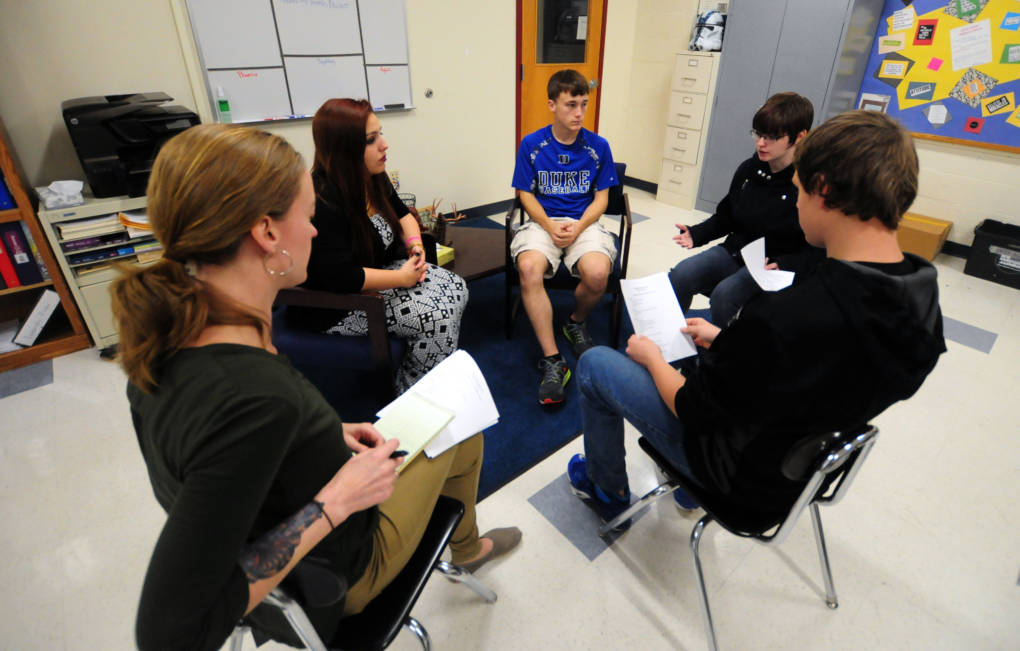
"caption": "Students participate in a restorative circle, a practice that’s part of a movement away from harsh discipline in schools.\n\n",
"description": null,
"title": "JIM VAIKNORAS/Staff photo Danvers Football vs Tewksbury",
"credit": "JIM VAIKNORAS ",
"status": "inherit",
"isLoading": false,
"fetchFailed": false
},
"mindshift_51340": {
"type": "attachments",
"id": "mindshift_51340",
"meta": {
"index": "attachments_1716263798",
"site": "mindshift",
"id": "51340",
"found": true
},
"parent": 51336,
"imgSizes": {
"small": {
"file": "https://ww2.kqed.org/app/uploads/sites/23/2018/06/Alison-Hewett-Genrefication-520x388.png",
"width": 520,
"mimeType": "image/png",
"height": 388
},
"twentyfourteen-full-width": {
"file": "https://ww2.kqed.org/app/uploads/sites/23/2018/06/Alison-Hewett-Genrefication-1038x576.png",
"width": 1038,
"mimeType": "image/png",
"height": 576
},
"thumbnail": {
"file": "https://ww2.kqed.org/app/uploads/sites/23/2018/06/Alison-Hewett-Genrefication-160x120.png",
"width": 160,
"mimeType": "image/png",
"height": 120
},
"fd-sm": {
"file": "https://ww2.kqed.org/app/uploads/sites/23/2018/06/Alison-Hewett-Genrefication-960x717.png",
"width": 960,
"mimeType": "image/png",
"height": 717
},
"post-thumbnail": {
"file": "https://ww2.kqed.org/app/uploads/sites/23/2018/06/Alison-Hewett-Genrefication-672x372.png",
"width": 672,
"mimeType": "image/png",
"height": 372
},
"xsmall": {
"file": "https://ww2.kqed.org/app/uploads/sites/23/2018/06/Alison-Hewett-Genrefication-375x280.png",
"width": 375,
"mimeType": "image/png",
"height": 280
},
"kqedFullSize": {
"file": "https://ww2.kqed.org/app/uploads/sites/23/2018/06/Alison-Hewett-Genrefication-e1532326288819.png",
"width": 1920,
"height": 1434
},
"large": {
"file": "https://ww2.kqed.org/app/uploads/sites/23/2018/06/Alison-Hewett-Genrefication-1020x762.png",
"width": 1020,
"mimeType": "image/png",
"height": 762
},
"xlarge": {
"file": "https://ww2.kqed.org/app/uploads/sites/23/2018/06/Alison-Hewett-Genrefication-1180x881.png",
"width": 1180,
"mimeType": "image/png",
"height": 881
},
"complete_open_graph": {
"file": "https://ww2.kqed.org/app/uploads/sites/23/2018/06/Alison-Hewett-Genrefication-1200x896.png",
"width": 1200,
"mimeType": "image/png",
"height": 896
},
"guest-author-50": {
"file": "https://ww2.kqed.org/app/uploads/sites/23/2018/06/Alison-Hewett-Genrefication-50x50.png",
"width": 50,
"mimeType": "image/png",
"height": 50
},
"guest-author-96": {
"file": "https://ww2.kqed.org/app/uploads/sites/23/2018/06/Alison-Hewett-Genrefication-96x96.png",
"width": 96,
"mimeType": "image/png",
"height": 96
},
"medium": {
"file": "https://ww2.kqed.org/app/uploads/sites/23/2018/06/Alison-Hewett-Genrefication-800x598.png",
"width": 800,
"mimeType": "image/png",
"height": 598
},
"guest-author-64": {
"file": "https://ww2.kqed.org/app/uploads/sites/23/2018/06/Alison-Hewett-Genrefication-64x64.png",
"width": 64,
"mimeType": "image/png",
"height": 64
},
"guest-author-32": {
"file": "https://ww2.kqed.org/app/uploads/sites/23/2018/06/Alison-Hewett-Genrefication-32x32.png",
"width": 32,
"mimeType": "image/png",
"height": 32
},
"fd-lrg": {
"file": "https://ww2.kqed.org/app/uploads/sites/23/2018/06/Alison-Hewett-Genrefication-1920x1434.png",
"width": 1920,
"mimeType": "image/png",
"height": 1434
},
"fd-med": {
"file": "https://ww2.kqed.org/app/uploads/sites/23/2018/06/Alison-Hewett-Genrefication-1180x881.png",
"width": 1180,
"mimeType": "image/png",
"height": 881
},
"full-width": {
"file": "https://ww2.kqed.org/app/uploads/sites/23/2018/06/Alison-Hewett-Genrefication-1920x1434.png",
"width": 1920,
"mimeType": "image/png",
"height": 1434
},
"detail": {
"file": "https://ww2.kqed.org/app/uploads/sites/23/2018/06/Alison-Hewett-Genrefication-150x150.png",
"width": 150,
"mimeType": "image/png",
"height": 150
},
"medium_large": {
"file": "https://ww2.kqed.org/app/uploads/sites/23/2018/06/Alison-Hewett-Genrefication-768x574.png",
"width": 768,
"mimeType": "image/png",
"height": 574
},
"guest-author-128": {
"file": "https://ww2.kqed.org/app/uploads/sites/23/2018/06/Alison-Hewett-Genrefication-128x128.png",
"width": 128,
"mimeType": "image/png",
"height": 128
},
"xxsmall": {
"file": "https://ww2.kqed.org/app/uploads/sites/23/2018/06/Alison-Hewett-Genrefication-240x179.png",
"width": 240,
"mimeType": "image/png",
"height": 179
}
},
"publishDate": 1528146722,
"modified": 1533334503,
"caption": "The Fantasy section was created after a genrefication process at the Kristin school library in New Zealand. This section features the \"Dragons\" subgenre of Fantasy. Courtesy of \u003ca href=\"//100greatbooksbeforelunch.wordpress.com/2015/01/28/collection-reinvigoration-genrefication-101/“\">Alison Hewett, 100 Great Books Before Lunch.\u003c/a>",
"description": null,
"title": "Alison-Hewett-Genrefication",
"credit": null,
"status": "inherit",
"isLoading": false,
"fetchFailed": false
},
"mindshift_51582": {
"type": "attachments",
"id": "mindshift_51582",
"meta": {
"index": "attachments_1716263798",
"site": "mindshift",
"id": "51582",
"found": true
},
"parent": 51580,
"imgSizes": {
"small": {
"file": "https://ww2.kqed.org/app/uploads/sites/23/2018/07/Tree-of-Inquiry-520x390.jpg",
"width": 520,
"mimeType": "image/jpeg",
"height": 390
},
"twentyfourteen-full-width": {
"file": "https://ww2.kqed.org/app/uploads/sites/23/2018/07/Tree-of-Inquiry-1038x576.jpg",
"width": 1038,
"mimeType": "image/jpeg",
"height": 576
},
"thumbnail": {
"file": "https://ww2.kqed.org/app/uploads/sites/23/2018/07/Tree-of-Inquiry-160x120.jpg",
"width": 160,
"mimeType": "image/jpeg",
"height": 120
},
"fd-sm": {
"file": "https://ww2.kqed.org/app/uploads/sites/23/2018/07/Tree-of-Inquiry-960x720.jpg",
"width": 960,
"mimeType": "image/jpeg",
"height": 720
},
"post-thumbnail": {
"file": "https://ww2.kqed.org/app/uploads/sites/23/2018/07/Tree-of-Inquiry-672x372.jpg",
"width": 672,
"mimeType": "image/jpeg",
"height": 372
},
"xsmall": {
"file": "https://ww2.kqed.org/app/uploads/sites/23/2018/07/Tree-of-Inquiry-375x281.jpg",
"width": 375,
"mimeType": "image/jpeg",
"height": 281
},
"kqedFullSize": {
"file": "https://ww2.kqed.org/app/uploads/sites/23/2018/07/Tree-of-Inquiry.jpg",
"width": 1500,
"height": 1125
},
"large": {
"file": "https://ww2.kqed.org/app/uploads/sites/23/2018/07/Tree-of-Inquiry-1020x765.jpg",
"width": 1020,
"mimeType": "image/jpeg",
"height": 765
},
"xlarge": {
"file": "https://ww2.kqed.org/app/uploads/sites/23/2018/07/Tree-of-Inquiry-1180x885.jpg",
"width": 1180,
"mimeType": "image/jpeg",
"height": 885
},
"complete_open_graph": {
"file": "https://ww2.kqed.org/app/uploads/sites/23/2018/07/Tree-of-Inquiry-1200x900.jpg",
"width": 1200,
"mimeType": "image/jpeg",
"height": 900
},
"guest-author-50": {
"file": "https://ww2.kqed.org/app/uploads/sites/23/2018/07/Tree-of-Inquiry-50x50.jpg",
"width": 50,
"mimeType": "image/jpeg",
"height": 50
},
"guest-author-96": {
"file": "https://ww2.kqed.org/app/uploads/sites/23/2018/07/Tree-of-Inquiry-96x96.jpg",
"width": 96,
"mimeType": "image/jpeg",
"height": 96
},
"medium": {
"file": "https://ww2.kqed.org/app/uploads/sites/23/2018/07/Tree-of-Inquiry-800x600.jpg",
"width": 800,
"mimeType": "image/jpeg",
"height": 600
},
"guest-author-64": {
"file": "https://ww2.kqed.org/app/uploads/sites/23/2018/07/Tree-of-Inquiry-64x64.jpg",
"width": 64,
"mimeType": "image/jpeg",
"height": 64
},
"guest-author-32": {
"file": "https://ww2.kqed.org/app/uploads/sites/23/2018/07/Tree-of-Inquiry-32x32.jpg",
"width": 32,
"mimeType": "image/jpeg",
"height": 32
},
"fd-med": {
"file": "https://ww2.kqed.org/app/uploads/sites/23/2018/07/Tree-of-Inquiry-1180x885.jpg",
"width": 1180,
"mimeType": "image/jpeg",
"height": 885
},
"detail": {
"file": "https://ww2.kqed.org/app/uploads/sites/23/2018/07/Tree-of-Inquiry-150x150.jpg",
"width": 150,
"mimeType": "image/jpeg",
"height": 150
},
"medium_large": {
"file": "https://ww2.kqed.org/app/uploads/sites/23/2018/07/Tree-of-Inquiry-768x576.jpg",
"width": 768,
"mimeType": "image/jpeg",
"height": 576
},
"guest-author-128": {
"file": "https://ww2.kqed.org/app/uploads/sites/23/2018/07/Tree-of-Inquiry-128x128.jpg",
"width": 128,
"mimeType": "image/jpeg",
"height": 128
},
"xxsmall": {
"file": "https://ww2.kqed.org/app/uploads/sites/23/2018/07/Tree-of-Inquiry-240x180.jpg",
"width": 240,
"mimeType": "image/jpeg",
"height": 180
}
},
"publishDate": 1530648231,
"modified": 1530648323,
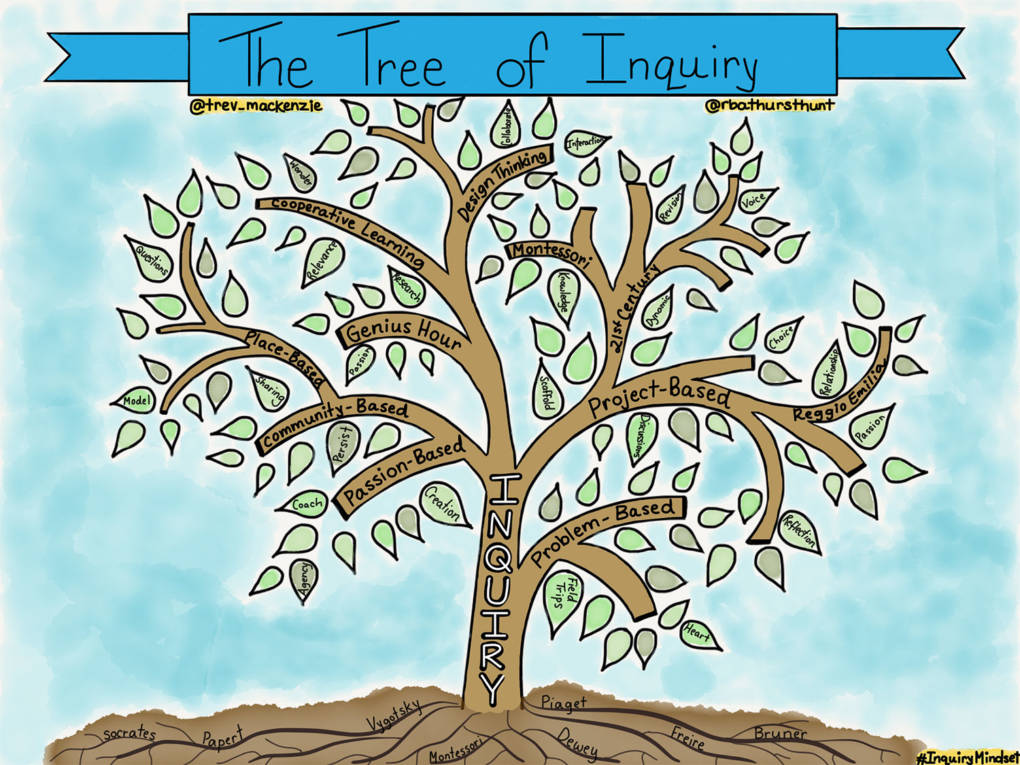
"caption": "The \"Tree of Inquiry\" can be a helpful visual to understand how various educational buzzwords connect to inquiry.",
"description": "The \"Tree of Inquiry\" can be a helpful visual to understand how various educational buzzwords connect to inquiry.",
"title": "Tree-of-Inquiry",
"credit": "Courtesy Trevor MacKenzie and Rebecca Bathurst-Hunt",
"status": "inherit",
"isLoading": false,
"fetchFailed": false
},
"mindshift_51649": {
"type": "attachments",
"id": "mindshift_51649",
"meta": {
"index": "attachments_1716263798",
"site": "mindshift",
"id": "51649",
"found": true
},
"parent": 51644,
"imgSizes": {
"small": {
"file": "https://ww2.kqed.org/app/uploads/sites/23/2018/07/Mongeau-K3science-photo4-520x390.jpg",
"width": 520,
"mimeType": "image/jpeg",
"height": 390
},
"twentyfourteen-full-width": {
"file": "https://ww2.kqed.org/app/uploads/sites/23/2018/07/Mongeau-K3science-photo4-1038x576.jpg",
"width": 1038,
"mimeType": "image/jpeg",
"height": 576
},
"thumbnail": {
"file": "https://ww2.kqed.org/app/uploads/sites/23/2018/07/Mongeau-K3science-photo4-160x120.jpg",
"width": 160,
"mimeType": "image/jpeg",
"height": 120
},
"fd-sm": {
"file": "https://ww2.kqed.org/app/uploads/sites/23/2018/07/Mongeau-K3science-photo4-960x720.jpg",
"width": 960,
"mimeType": "image/jpeg",
"height": 720
},
"post-thumbnail": {
"file": "https://ww2.kqed.org/app/uploads/sites/23/2018/07/Mongeau-K3science-photo4-672x372.jpg",
"width": 672,
"mimeType": "image/jpeg",
"height": 372
},
"xsmall": {
"file": "https://ww2.kqed.org/app/uploads/sites/23/2018/07/Mongeau-K3science-photo4-375x281.jpg",
"width": 375,
"mimeType": "image/jpeg",
"height": 281
},
"kqedFullSize": {
"file": "https://ww2.kqed.org/app/uploads/sites/23/2018/07/Mongeau-K3science-photo4.jpg",
"width": 1500,
"height": 1125
},
"large": {
"file": "https://ww2.kqed.org/app/uploads/sites/23/2018/07/Mongeau-K3science-photo4-1020x765.jpg",
"width": 1020,
"mimeType": "image/jpeg",
"height": 765
},
"xlarge": {
"file": "https://ww2.kqed.org/app/uploads/sites/23/2018/07/Mongeau-K3science-photo4-1180x885.jpg",
"width": 1180,
"mimeType": "image/jpeg",
"height": 885
},
"complete_open_graph": {
"file": "https://ww2.kqed.org/app/uploads/sites/23/2018/07/Mongeau-K3science-photo4-1200x900.jpg",
"width": 1200,
"mimeType": "image/jpeg",
"height": 900
},
"guest-author-50": {
"file": "https://ww2.kqed.org/app/uploads/sites/23/2018/07/Mongeau-K3science-photo4-50x50.jpg",
"width": 50,
"mimeType": "image/jpeg",
"height": 50
},
"guest-author-96": {
"file": "https://ww2.kqed.org/app/uploads/sites/23/2018/07/Mongeau-K3science-photo4-96x96.jpg",
"width": 96,
"mimeType": "image/jpeg",
"height": 96
},
"medium": {
"file": "https://ww2.kqed.org/app/uploads/sites/23/2018/07/Mongeau-K3science-photo4-800x600.jpg",
"width": 800,
"mimeType": "image/jpeg",
"height": 600
},
"guest-author-64": {
"file": "https://ww2.kqed.org/app/uploads/sites/23/2018/07/Mongeau-K3science-photo4-64x64.jpg",
"width": 64,
"mimeType": "image/jpeg",
"height": 64
},
"guest-author-32": {
"file": "https://ww2.kqed.org/app/uploads/sites/23/2018/07/Mongeau-K3science-photo4-32x32.jpg",
"width": 32,
"mimeType": "image/jpeg",
"height": 32
},
"fd-med": {
"file": "https://ww2.kqed.org/app/uploads/sites/23/2018/07/Mongeau-K3science-photo4-1180x885.jpg",
"width": 1180,
"mimeType": "image/jpeg",
"height": 885
},
"detail": {
"file": "https://ww2.kqed.org/app/uploads/sites/23/2018/07/Mongeau-K3science-photo4-150x150.jpg",
"width": 150,
"mimeType": "image/jpeg",
"height": 150
},
"medium_large": {
"file": "https://ww2.kqed.org/app/uploads/sites/23/2018/07/Mongeau-K3science-photo4-768x576.jpg",
"width": 768,
"mimeType": "image/jpeg",
"height": 576
},
"guest-author-128": {
"file": "https://ww2.kqed.org/app/uploads/sites/23/2018/07/Mongeau-K3science-photo4-128x128.jpg",
"width": 128,
"mimeType": "image/jpeg",
"height": 128
},
"xxsmall": {
"file": "https://ww2.kqed.org/app/uploads/sites/23/2018/07/Mongeau-K3science-photo4-240x180.jpg",
"width": 240,
"mimeType": "image/jpeg",
"height": 180
}
},
"publishDate": 1531257025,
"modified": 1531259055,
"caption": "Malachi Ballinger, 6, laughs at how far he has made his “pinball” travel during a science lesson in his kindergarten classroom in Redmond, Oregon. ",
"description": null,
"title": "Mongeau-K3science-photo4",
"credit": "Lillian Mongeau/The Hechinger Report",
"status": "inherit",
"isLoading": false,
"fetchFailed": false
},
"mindshift_51271": {
"type": "attachments",
"id": "mindshift_51271",
"meta": {
"index": "attachments_1716263798",
"site": "mindshift",
"id": "51271",
"found": true
},
"parent": 51268,
"imgSizes": {
"small": {
"file": "https://ww2.kqed.org/app/uploads/sites/23/2018/05/ELLs-need-content-520x293.jpg",
"width": 520,
"mimeType": "image/jpeg",
"height": 293
},
"twentyfourteen-full-width": {
"file": "https://ww2.kqed.org/app/uploads/sites/23/2018/05/ELLs-need-content-1038x576.jpg",
"width": 1038,
"mimeType": "image/jpeg",
"height": 576
},
"thumbnail": {
"file": "https://ww2.kqed.org/app/uploads/sites/23/2018/05/ELLs-need-content-160x90.jpg",
"width": 160,
"mimeType": "image/jpeg",
"height": 90
},
"fd-sm": {
"file": "https://ww2.kqed.org/app/uploads/sites/23/2018/05/ELLs-need-content-960x540.jpg",
"width": 960,
"mimeType": "image/jpeg",
"height": 540
},
"post-thumbnail": {
"file": "https://ww2.kqed.org/app/uploads/sites/23/2018/05/ELLs-need-content-672x372.jpg",
"width": 672,
"mimeType": "image/jpeg",
"height": 372
},
"xsmall": {
"file": "https://ww2.kqed.org/app/uploads/sites/23/2018/05/ELLs-need-content-375x211.jpg",
"width": 375,
"mimeType": "image/jpeg",
"height": 211
},
"kqedFullSize": {
"file": "https://ww2.kqed.org/app/uploads/sites/23/2018/05/ELLs-need-content.jpg",
"width": 1920,
"height": 1080
},
"large": {
"file": "https://ww2.kqed.org/app/uploads/sites/23/2018/05/ELLs-need-content-1020x574.jpg",
"width": 1020,
"mimeType": "image/jpeg",
"height": 574
},
"xlarge": {
"file": "https://ww2.kqed.org/app/uploads/sites/23/2018/05/ELLs-need-content-1180x664.jpg",
"width": 1180,
"mimeType": "image/jpeg",
"height": 664
},
"complete_open_graph": {
"file": "https://ww2.kqed.org/app/uploads/sites/23/2018/05/ELLs-need-content-1200x675.jpg",
"width": 1200,
"mimeType": "image/jpeg",
"height": 675
},
"guest-author-50": {
"file": "https://ww2.kqed.org/app/uploads/sites/23/2018/05/ELLs-need-content-50x50.jpg",
"width": 50,
"mimeType": "image/jpeg",
"height": 50
},
"guest-author-96": {
"file": "https://ww2.kqed.org/app/uploads/sites/23/2018/05/ELLs-need-content-96x96.jpg",
"width": 96,
"mimeType": "image/jpeg",
"height": 96
},
"medium": {
"file": "https://ww2.kqed.org/app/uploads/sites/23/2018/05/ELLs-need-content-800x450.jpg",
"width": 800,
"mimeType": "image/jpeg",
"height": 450
},
"guest-author-64": {
"file": "https://ww2.kqed.org/app/uploads/sites/23/2018/05/ELLs-need-content-64x64.jpg",
"width": 64,
"mimeType": "image/jpeg",
"height": 64
},
"guest-author-32": {
"file": "https://ww2.kqed.org/app/uploads/sites/23/2018/05/ELLs-need-content-32x32.jpg",
"width": 32,
"mimeType": "image/jpeg",
"height": 32
},
"fd-lrg": {
"file": "https://ww2.kqed.org/app/uploads/sites/23/2018/05/ELLs-need-content-1920x1080.jpg",
"width": 1920,
"mimeType": "image/jpeg",
"height": 1080
},
"fd-med": {
"file": "https://ww2.kqed.org/app/uploads/sites/23/2018/05/ELLs-need-content-1180x664.jpg",
"width": 1180,
"mimeType": "image/jpeg",
"height": 664
},
"full-width": {
"file": "https://ww2.kqed.org/app/uploads/sites/23/2018/05/ELLs-need-content-1920x1080.jpg",
"width": 1920,
"mimeType": "image/jpeg",
"height": 1080
},
"detail": {
"file": "https://ww2.kqed.org/app/uploads/sites/23/2018/05/ELLs-need-content-150x150.jpg",
"width": 150,
"mimeType": "image/jpeg",
"height": 150
},
"medium_large": {
"file": "https://ww2.kqed.org/app/uploads/sites/23/2018/05/ELLs-need-content-768x432.jpg",
"width": 768,
"mimeType": "image/jpeg",
"height": 432
},
"guest-author-128": {
"file": "https://ww2.kqed.org/app/uploads/sites/23/2018/05/ELLs-need-content-128x128.jpg",
"width": 128,
"mimeType": "image/jpeg",
"height": 128
},
"xxsmall": {
"file": "https://ww2.kqed.org/app/uploads/sites/23/2018/05/ELLs-need-content-240x135.jpg",
"width": 240,
"mimeType": "image/jpeg",
"height": 135
}
},
"publishDate": 1527110532,
"modified": 1527110684,
"caption": "Students work together.",
"description": "Students work together.",
"title": "ELLs-need-content",
"credit": "Courtesy of Allison Shelley/The Verbatim Agency for \u003ca href=\"www.deeperlearning4all.org/images\">American Education: Images of Teachers and Students in Action\u003c/a>",
"status": "inherit",
"isLoading": false,
"fetchFailed": false
},
"mindshift_51196": {
"type": "attachments",
"id": "mindshift_51196",
"meta": {
"index": "attachments_1716263798",
"site": "mindshift",
"id": "51196",
"found": true
},
"parent": 51186,
"imgSizes": {
"small": {
"file": "https://ww2.kqed.org/app/uploads/sites/23/2018/05/questions-lead-to-520x293.jpg",
"width": 520,
"mimeType": "image/jpeg",
"height": 293
},
"twentyfourteen-full-width": {
"file": "https://ww2.kqed.org/app/uploads/sites/23/2018/05/questions-lead-to-1038x576.jpg",
"width": 1038,
"mimeType": "image/jpeg",
"height": 576
},
"thumbnail": {
"file": "https://ww2.kqed.org/app/uploads/sites/23/2018/05/questions-lead-to-160x90.jpg",
"width": 160,
"mimeType": "image/jpeg",
"height": 90
},
"fd-sm": {
"file": "https://ww2.kqed.org/app/uploads/sites/23/2018/05/questions-lead-to-960x540.jpg",
"width": 960,
"mimeType": "image/jpeg",
"height": 540
},
"post-thumbnail": {
"file": "https://ww2.kqed.org/app/uploads/sites/23/2018/05/questions-lead-to-672x372.jpg",
"width": 672,
"mimeType": "image/jpeg",
"height": 372
},
"xsmall": {
"file": "https://ww2.kqed.org/app/uploads/sites/23/2018/05/questions-lead-to-375x211.jpg",
"width": 375,
"mimeType": "image/jpeg",
"height": 211
},
"kqedFullSize": {
"file": "https://ww2.kqed.org/app/uploads/sites/23/2018/05/questions-lead-to.jpg",
"width": 1920,
"height": 1080
},
"large": {
"file": "https://ww2.kqed.org/app/uploads/sites/23/2018/05/questions-lead-to-1020x574.jpg",
"width": 1020,
"mimeType": "image/jpeg",
"height": 574
},
"xlarge": {
"file": "https://ww2.kqed.org/app/uploads/sites/23/2018/05/questions-lead-to-1180x664.jpg",
"width": 1180,
"mimeType": "image/jpeg",
"height": 664
},
"complete_open_graph": {
"file": "https://ww2.kqed.org/app/uploads/sites/23/2018/05/questions-lead-to-1200x675.jpg",
"width": 1200,
"mimeType": "image/jpeg",
"height": 675
},
"guest-author-50": {
"file": "https://ww2.kqed.org/app/uploads/sites/23/2018/05/questions-lead-to-50x50.jpg",
"width": 50,
"mimeType": "image/jpeg",
"height": 50
},
"guest-author-96": {
"file": "https://ww2.kqed.org/app/uploads/sites/23/2018/05/questions-lead-to-96x96.jpg",
"width": 96,
"mimeType": "image/jpeg",
"height": 96
},
"medium": {
"file": "https://ww2.kqed.org/app/uploads/sites/23/2018/05/questions-lead-to-800x450.jpg",
"width": 800,
"mimeType": "image/jpeg",
"height": 450
},
"guest-author-64": {
"file": "https://ww2.kqed.org/app/uploads/sites/23/2018/05/questions-lead-to-64x64.jpg",
"width": 64,
"mimeType": "image/jpeg",
"height": 64
},
"guest-author-32": {
"file": "https://ww2.kqed.org/app/uploads/sites/23/2018/05/questions-lead-to-32x32.jpg",
"width": 32,
"mimeType": "image/jpeg",
"height": 32
},
"fd-lrg": {
"file": "https://ww2.kqed.org/app/uploads/sites/23/2018/05/questions-lead-to-1920x1080.jpg",
"width": 1920,
"mimeType": "image/jpeg",
"height": 1080
},
"fd-med": {
"file": "https://ww2.kqed.org/app/uploads/sites/23/2018/05/questions-lead-to-1180x664.jpg",
"width": 1180,
"mimeType": "image/jpeg",
"height": 664
},
"full-width": {
"file": "https://ww2.kqed.org/app/uploads/sites/23/2018/05/questions-lead-to-1920x1080.jpg",
"width": 1920,
"mimeType": "image/jpeg",
"height": 1080
},
"detail": {
"file": "https://ww2.kqed.org/app/uploads/sites/23/2018/05/questions-lead-to-150x150.jpg",
"width": 150,
"mimeType": "image/jpeg",
"height": 150
},
"medium_large": {
"file": "https://ww2.kqed.org/app/uploads/sites/23/2018/05/questions-lead-to-768x432.jpg",
"width": 768,
"mimeType": "image/jpeg",
"height": 432
},
"guest-author-128": {
"file": "https://ww2.kqed.org/app/uploads/sites/23/2018/05/questions-lead-to-128x128.jpg",
"width": 128,
"mimeType": "image/jpeg",
"height": 128
},
"xxsmall": {
"file": "https://ww2.kqed.org/app/uploads/sites/23/2018/05/questions-lead-to-240x135.jpg",
"width": 240,
"mimeType": "image/jpeg",
"height": 135
}
},
"publishDate": 1525896717,
"modified": 1525896756,
"caption": null,
"description": null,
"title": "questions-lead-to",
"credit": "iStock/pixelliebe",
"status": "inherit",
"isLoading": false,
"fetchFailed": false
},
"mindshift_51168": {
"type": "attachments",
"id": "mindshift_51168",
"meta": {
"index": "attachments_1716263798",
"site": "mindshift",
"id": "51168",
"found": true
},
"parent": 51115,
"imgSizes": {
"small": {
"file": "https://ww2.kqed.org/app/uploads/sites/23/2018/05/iStock-954271518-520x305.jpg",
"width": 520,
"mimeType": "image/jpeg",
"height": 305
},
"twentyfourteen-full-width": {
"file": "https://ww2.kqed.org/app/uploads/sites/23/2018/05/iStock-954271518-1038x576.jpg",
"width": 1038,
"mimeType": "image/jpeg",
"height": 576
},
"thumbnail": {
"file": "https://ww2.kqed.org/app/uploads/sites/23/2018/05/iStock-954271518-160x94.jpg",
"width": 160,
"mimeType": "image/jpeg",
"height": 94
},
"fd-sm": {
"file": "https://ww2.kqed.org/app/uploads/sites/23/2018/05/iStock-954271518-960x563.jpg",
"width": 960,
"mimeType": "image/jpeg",
"height": 563
},
"post-thumbnail": {
"file": "https://ww2.kqed.org/app/uploads/sites/23/2018/05/iStock-954271518-672x372.jpg",
"width": 672,
"mimeType": "image/jpeg",
"height": 372
},
"xsmall": {
"file": "https://ww2.kqed.org/app/uploads/sites/23/2018/05/iStock-954271518-375x220.jpg",
"width": 375,
"mimeType": "image/jpeg",
"height": 220
},
"kqedFullSize": {
"file": "https://ww2.kqed.org/app/uploads/sites/23/2018/05/iStock-954271518-e1525674399327.jpg",
"width": 1920,
"height": 1126
},
"large": {
"file": "https://ww2.kqed.org/app/uploads/sites/23/2018/05/iStock-954271518-1020x598.jpg",
"width": 1020,
"mimeType": "image/jpeg",
"height": 598
},
"xlarge": {
"file": "https://ww2.kqed.org/app/uploads/sites/23/2018/05/iStock-954271518-1180x692.jpg",
"width": 1180,
"mimeType": "image/jpeg",
"height": 692
},
"complete_open_graph": {
"file": "https://ww2.kqed.org/app/uploads/sites/23/2018/05/iStock-954271518-1200x704.jpg",
"width": 1200,
"mimeType": "image/jpeg",
"height": 704
},
"guest-author-50": {
"file": "https://ww2.kqed.org/app/uploads/sites/23/2018/05/iStock-954271518-50x50.jpg",
"width": 50,
"mimeType": "image/jpeg",
"height": 50
},
"guest-author-96": {
"file": "https://ww2.kqed.org/app/uploads/sites/23/2018/05/iStock-954271518-96x96.jpg",
"width": 96,
"mimeType": "image/jpeg",
"height": 96
},
"medium": {
"file": "https://ww2.kqed.org/app/uploads/sites/23/2018/05/iStock-954271518-800x469.jpg",
"width": 800,
"mimeType": "image/jpeg",
"height": 469
},
"guest-author-64": {
"file": "https://ww2.kqed.org/app/uploads/sites/23/2018/05/iStock-954271518-64x64.jpg",
"width": 64,
"mimeType": "image/jpeg",
"height": 64
},
"guest-author-32": {
"file": "https://ww2.kqed.org/app/uploads/sites/23/2018/05/iStock-954271518-32x32.jpg",
"width": 32,
"mimeType": "image/jpeg",
"height": 32
},
"fd-lrg": {
"file": "https://ww2.kqed.org/app/uploads/sites/23/2018/05/iStock-954271518-1920x1126.jpg",
"width": 1920,
"mimeType": "image/jpeg",
"height": 1126
},
"fd-med": {
"file": "https://ww2.kqed.org/app/uploads/sites/23/2018/05/iStock-954271518-1180x692.jpg",
"width": 1180,
"mimeType": "image/jpeg",
"height": 692
},
"full-width": {
"file": "https://ww2.kqed.org/app/uploads/sites/23/2018/05/iStock-954271518-1920x1126.jpg",
"width": 1920,
"mimeType": "image/jpeg",
"height": 1126
},
"detail": {
"file": "https://ww2.kqed.org/app/uploads/sites/23/2018/05/iStock-954271518-150x150.jpg",
"width": 150,
"mimeType": "image/jpeg",
"height": 150
},
"medium_large": {
"file": "https://ww2.kqed.org/app/uploads/sites/23/2018/05/iStock-954271518-768x450.jpg",
"width": 768,
"mimeType": "image/jpeg",
"height": 450
},
"guest-author-128": {
"file": "https://ww2.kqed.org/app/uploads/sites/23/2018/05/iStock-954271518-128x128.jpg",
"width": 128,
"mimeType": "image/jpeg",
"height": 128
},
"xxsmall": {
"file": "https://ww2.kqed.org/app/uploads/sites/23/2018/05/iStock-954271518-240x141.jpg",
"width": 240,
"mimeType": "image/jpeg",
"height": 141
}
},
"publishDate": 1525674372,
"modified": 1525674387,
"caption": null,
"description": null,
"title": "iStock-954271518",
"credit": "iStock/8vFanI",
"status": "inherit",
"isLoading": false,
"fetchFailed": false
},
"mindshift_51161": {
"type": "attachments",
"id": "mindshift_51161",
"meta": {
"index": "attachments_1716263798",
"site": "mindshift",
"id": "51161",
"found": true
},
"parent": 51160,
"imgSizes": {
"small": {
"file": "https://ww2.kqed.org/app/uploads/sites/23/2018/05/npr_fakenews_kiehart_010_slide-2850bb509a3aa3c3475900e8e63bcfac932b2a79-520x347.jpg",
"width": 520,
"mimeType": "image/jpeg",
"height": 347
},
"twentyfourteen-full-width": {
"file": "https://ww2.kqed.org/app/uploads/sites/23/2018/05/npr_fakenews_kiehart_010_slide-2850bb509a3aa3c3475900e8e63bcfac932b2a79-1038x576.jpg",
"width": 1038,
"mimeType": "image/jpeg",
"height": 576
},
"thumbnail": {
"file": "https://ww2.kqed.org/app/uploads/sites/23/2018/05/npr_fakenews_kiehart_010_slide-2850bb509a3aa3c3475900e8e63bcfac932b2a79-160x107.jpg",
"width": 160,
"mimeType": "image/jpeg",
"height": 107
},
"fd-sm": {
"file": "https://ww2.kqed.org/app/uploads/sites/23/2018/05/npr_fakenews_kiehart_010_slide-2850bb509a3aa3c3475900e8e63bcfac932b2a79-960x640.jpg",
"width": 960,
"mimeType": "image/jpeg",
"height": 640
},
"post-thumbnail": {
"file": "https://ww2.kqed.org/app/uploads/sites/23/2018/05/npr_fakenews_kiehart_010_slide-2850bb509a3aa3c3475900e8e63bcfac932b2a79-672x372.jpg",
"width": 672,
"mimeType": "image/jpeg",
"height": 372
},
"xsmall": {
"file": "https://ww2.kqed.org/app/uploads/sites/23/2018/05/npr_fakenews_kiehart_010_slide-2850bb509a3aa3c3475900e8e63bcfac932b2a79-375x250.jpg",
"width": 375,
"mimeType": "image/jpeg",
"height": 250
},
"kqedFullSize": {
"file": "https://ww2.kqed.org/app/uploads/sites/23/2018/05/npr_fakenews_kiehart_010_slide-2850bb509a3aa3c3475900e8e63bcfac932b2a79-e1525366929364.jpg",
"width": 1920,
"height": 1280
},
"large": {
"file": "https://ww2.kqed.org/app/uploads/sites/23/2018/05/npr_fakenews_kiehart_010_slide-2850bb509a3aa3c3475900e8e63bcfac932b2a79-1020x680.jpg",
"width": 1020,
"mimeType": "image/jpeg",
"height": 680
},
"xlarge": {
"file": "https://ww2.kqed.org/app/uploads/sites/23/2018/05/npr_fakenews_kiehart_010_slide-2850bb509a3aa3c3475900e8e63bcfac932b2a79-1180x786.jpg",
"width": 1180,
"mimeType": "image/jpeg",
"height": 786
},
"complete_open_graph": {
"file": "https://ww2.kqed.org/app/uploads/sites/23/2018/05/npr_fakenews_kiehart_010_slide-2850bb509a3aa3c3475900e8e63bcfac932b2a79-1200x800.jpg",
"width": 1200,
"mimeType": "image/jpeg",
"height": 800
},
"guest-author-50": {
"file": "https://ww2.kqed.org/app/uploads/sites/23/2018/05/npr_fakenews_kiehart_010_slide-2850bb509a3aa3c3475900e8e63bcfac932b2a79-50x50.jpg",
"width": 50,
"mimeType": "image/jpeg",
"height": 50
},
"guest-author-96": {
"file": "https://ww2.kqed.org/app/uploads/sites/23/2018/05/npr_fakenews_kiehart_010_slide-2850bb509a3aa3c3475900e8e63bcfac932b2a79-96x96.jpg",
"width": 96,
"mimeType": "image/jpeg",
"height": 96
},
"medium": {
"file": "https://ww2.kqed.org/app/uploads/sites/23/2018/05/npr_fakenews_kiehart_010_slide-2850bb509a3aa3c3475900e8e63bcfac932b2a79-800x533.jpg",
"width": 800,
"mimeType": "image/jpeg",
"height": 533
},
"guest-author-64": {
"file": "https://ww2.kqed.org/app/uploads/sites/23/2018/05/npr_fakenews_kiehart_010_slide-2850bb509a3aa3c3475900e8e63bcfac932b2a79-64x64.jpg",
"width": 64,
"mimeType": "image/jpeg",
"height": 64
},
"guest-author-32": {
"file": "https://ww2.kqed.org/app/uploads/sites/23/2018/05/npr_fakenews_kiehart_010_slide-2850bb509a3aa3c3475900e8e63bcfac932b2a79-32x32.jpg",
"width": 32,
"mimeType": "image/jpeg",
"height": 32
},
"fd-lrg": {
"file": "https://ww2.kqed.org/app/uploads/sites/23/2018/05/npr_fakenews_kiehart_010_slide-2850bb509a3aa3c3475900e8e63bcfac932b2a79-1920x1280.jpg",
"width": 1920,
"mimeType": "image/jpeg",
"height": 1280
},
"fd-med": {
"file": "https://ww2.kqed.org/app/uploads/sites/23/2018/05/npr_fakenews_kiehart_010_slide-2850bb509a3aa3c3475900e8e63bcfac932b2a79-1180x786.jpg",
"width": 1180,
"mimeType": "image/jpeg",
"height": 786
},
"full-width": {
"file": "https://ww2.kqed.org/app/uploads/sites/23/2018/05/npr_fakenews_kiehart_010_slide-2850bb509a3aa3c3475900e8e63bcfac932b2a79-1920x1280.jpg",
"width": 1920,
"mimeType": "image/jpeg",
"height": 1280
},
"detail": {
"file": "https://ww2.kqed.org/app/uploads/sites/23/2018/05/npr_fakenews_kiehart_010_slide-2850bb509a3aa3c3475900e8e63bcfac932b2a79-150x150.jpg",
"width": 150,
"mimeType": "image/jpeg",
"height": 150
},
"medium_large": {
"file": "https://ww2.kqed.org/app/uploads/sites/23/2018/05/npr_fakenews_kiehart_010_slide-2850bb509a3aa3c3475900e8e63bcfac932b2a79-768x512.jpg",
"width": 768,
"mimeType": "image/jpeg",
"height": 512
},
"guest-author-128": {
"file": "https://ww2.kqed.org/app/uploads/sites/23/2018/05/npr_fakenews_kiehart_010_slide-2850bb509a3aa3c3475900e8e63bcfac932b2a79-128x128.jpg",
"width": 128,
"mimeType": "image/jpeg",
"height": 128
},
"xxsmall": {
"file": "https://ww2.kqed.org/app/uploads/sites/23/2018/05/npr_fakenews_kiehart_010_slide-2850bb509a3aa3c3475900e8e63bcfac932b2a79-240x160.jpg",
"width": 240,
"mimeType": "image/jpeg",
"height": 160
}
},
"publishDate": 1525365974,
"modified": 1525366939,
"caption": "Huchon writes five questions that can be used to evaluate the veracity of a news story.",
"description": null,
"title": "Huchon writes five questions that can be used to evaluate the veracity of a news story.",
"credit": "Pete Kiehart for NPR",
"status": "inherit",
"isLoading": false,
"fetchFailed": false
},
"mindshift_50668": {
"type": "attachments",
"id": "mindshift_50668",
"meta": {
"index": "attachments_1716263798",
"site": "mindshift",
"id": "50668",
"found": true
},
"parent": 50661,
"imgSizes": {
"small": {
"file": "https://ww2.kqed.org/app/uploads/sites/23/2018/02/reDesign1-520x309.jpg",
"width": 520,
"mimeType": "image/jpeg",
"height": 309
},
"twentyfourteen-full-width": {
"file": "https://ww2.kqed.org/app/uploads/sites/23/2018/02/reDesign1-1038x576.jpg",
"width": 1038,
"mimeType": "image/jpeg",
"height": 576
},
"thumbnail": {
"file": "https://ww2.kqed.org/app/uploads/sites/23/2018/02/reDesign1-160x95.jpg",
"width": 160,
"mimeType": "image/jpeg",
"height": 95
},
"fd-sm": {
"file": "https://ww2.kqed.org/app/uploads/sites/23/2018/02/reDesign1-960x570.jpg",
"width": 960,
"mimeType": "image/jpeg",
"height": 570
},
"post-thumbnail": {
"file": "https://ww2.kqed.org/app/uploads/sites/23/2018/02/reDesign1-672x372.jpg",
"width": 672,
"mimeType": "image/jpeg",
"height": 372
},
"xsmall": {
"file": "https://ww2.kqed.org/app/uploads/sites/23/2018/02/reDesign1-375x223.jpg",
"width": 375,
"mimeType": "image/jpeg",
"height": 223
},
"kqedFullSize": {
"file": "https://ww2.kqed.org/app/uploads/sites/23/2018/02/reDesign1.jpg",
"width": 5760,
"height": 3420
},
"large": {
"file": "https://ww2.kqed.org/app/uploads/sites/23/2018/02/reDesign1-1020x606.jpg",
"width": 1020,
"mimeType": "image/jpeg",
"height": 606
},
"xlarge": {
"file": "https://ww2.kqed.org/app/uploads/sites/23/2018/02/reDesign1-1180x701.jpg",
"width": 1180,
"mimeType": "image/jpeg",
"height": 701
},
"guest-author-50": {
"file": "https://ww2.kqed.org/app/uploads/sites/23/2018/02/reDesign1-50x50.jpg",
"width": 50,
"mimeType": "image/jpeg",
"height": 50
},
"guest-author-96": {
"file": "https://ww2.kqed.org/app/uploads/sites/23/2018/02/reDesign1-96x96.jpg",
"width": 96,
"mimeType": "image/jpeg",
"height": 96
},
"medium": {
"file": "https://ww2.kqed.org/app/uploads/sites/23/2018/02/reDesign1-800x475.jpg",
"width": 800,
"mimeType": "image/jpeg",
"height": 475
},
"guest-author-64": {
"file": "https://ww2.kqed.org/app/uploads/sites/23/2018/02/reDesign1-64x64.jpg",
"width": 64,
"mimeType": "image/jpeg",
"height": 64
},
"guest-author-32": {
"file": "https://ww2.kqed.org/app/uploads/sites/23/2018/02/reDesign1-32x32.jpg",
"width": 32,
"mimeType": "image/jpeg",
"height": 32
},
"fd-lrg": {
"file": "https://ww2.kqed.org/app/uploads/sites/23/2018/02/reDesign1-1920x1140.jpg",
"width": 1920,
"mimeType": "image/jpeg",
"height": 1140
},
"fd-med": {
"file": "https://ww2.kqed.org/app/uploads/sites/23/2018/02/reDesign1-1180x701.jpg",
"width": 1180,
"mimeType": "image/jpeg",
"height": 701
},
"full-width": {
"file": "https://ww2.kqed.org/app/uploads/sites/23/2018/02/reDesign1-1920x1140.jpg",
"width": 1920,
"mimeType": "image/jpeg",
"height": 1140
},
"detail": {
"file": "https://ww2.kqed.org/app/uploads/sites/23/2018/02/reDesign1-150x150.jpg",
"width": 150,
"mimeType": "image/jpeg",
"height": 150
},
"medium_large": {
"file": "https://ww2.kqed.org/app/uploads/sites/23/2018/02/reDesign1-768x456.jpg",
"width": 768,
"mimeType": "image/jpeg",
"height": 456
},
"guest-author-128": {
"file": "https://ww2.kqed.org/app/uploads/sites/23/2018/02/reDesign1-128x128.jpg",
"width": 128,
"mimeType": "image/jpeg",
"height": 128
},
"xxsmall": {
"file": "https://ww2.kqed.org/app/uploads/sites/23/2018/02/reDesign1-240x143.jpg",
"width": 240,
"mimeType": "image/jpeg",
"height": 143
}
},
"publishDate": 1519759205,
"modified": 1519759346,
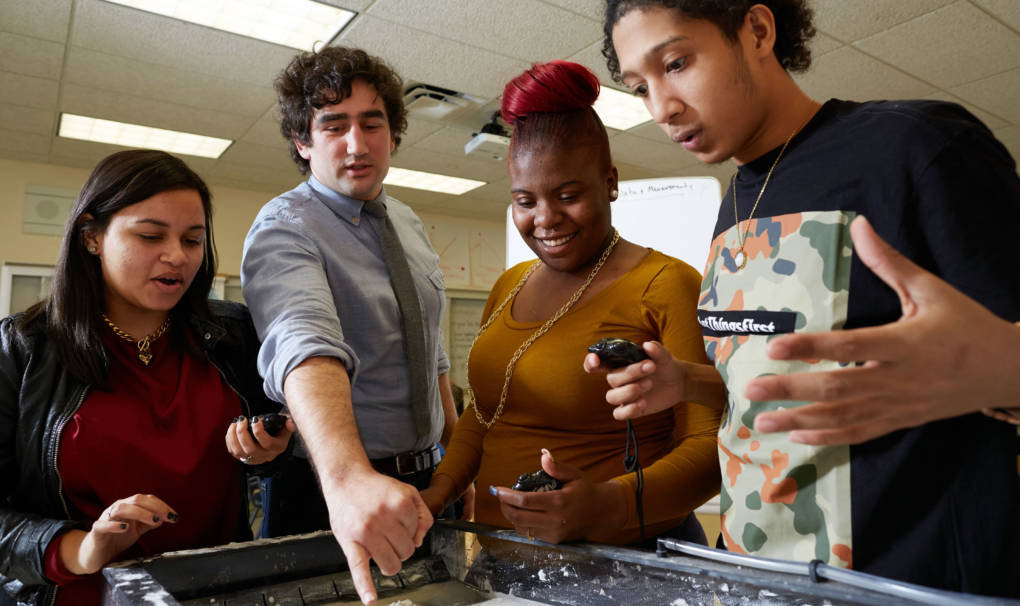
"caption": "Students at Bronx Arena High School explore erosion through a sand table simulation.",
"description": null,
"title": "reDesign1",
"credit": "\u003ca href=\"http://eleitz.com/\">Elizabeth Leitzell\u003c/a>/reDesign",
"status": "inherit",
"isLoading": false,
"fetchFailed": false
},
"mindshift_50997": {
"type": "attachments",
"id": "mindshift_50997",
"meta": {
"index": "attachments_1716263798",
"site": "mindshift",
"id": "50997",
"found": true
},
"parent": 50989,
"imgSizes": {
"small": {
"file": "https://ww2.kqed.org/app/uploads/sites/23/2018/04/math-discussions-520x267.png",
"width": 520,
"mimeType": "image/png",
"height": 267
},
"thumbnail": {
"file": "https://ww2.kqed.org/app/uploads/sites/23/2018/04/math-discussions-160x82.png",
"width": 160,
"mimeType": "image/png",
"height": 82
},
"post-thumbnail": {
"file": "https://ww2.kqed.org/app/uploads/sites/23/2018/04/math-discussions-672x372.png",
"width": 672,
"mimeType": "image/png",
"height": 372
},
"xsmall": {
"file": "https://ww2.kqed.org/app/uploads/sites/23/2018/04/math-discussions-375x193.png",
"width": 375,
"mimeType": "image/png",
"height": 193
},
"kqedFullSize": {
"file": "https://ww2.kqed.org/app/uploads/sites/23/2018/04/math-discussions.png",
"width": 895,
"height": 460
},
"guest-author-50": {
"file": "https://ww2.kqed.org/app/uploads/sites/23/2018/04/math-discussions-50x50.png",
"width": 50,
"mimeType": "image/png",
"height": 50
},
"guest-author-96": {
"file": "https://ww2.kqed.org/app/uploads/sites/23/2018/04/math-discussions-96x96.png",
"width": 96,
"mimeType": "image/png",
"height": 96
},
"medium": {
"file": "https://ww2.kqed.org/app/uploads/sites/23/2018/04/math-discussions-800x411.png",
"width": 800,
"mimeType": "image/png",
"height": 411
},
"guest-author-64": {
"file": "https://ww2.kqed.org/app/uploads/sites/23/2018/04/math-discussions-64x64.png",
"width": 64,
"mimeType": "image/png",
"height": 64
},
"guest-author-32": {
"file": "https://ww2.kqed.org/app/uploads/sites/23/2018/04/math-discussions-32x32.png",
"width": 32,
"mimeType": "image/png",
"height": 32
},
"detail": {
"file": "https://ww2.kqed.org/app/uploads/sites/23/2018/04/math-discussions-150x150.png",
"width": 150,
"mimeType": "image/png",
"height": 150
},
"medium_large": {
"file": "https://ww2.kqed.org/app/uploads/sites/23/2018/04/math-discussions-768x395.png",
"width": 768,
"mimeType": "image/png",
"height": 395
},
"guest-author-128": {
"file": "https://ww2.kqed.org/app/uploads/sites/23/2018/04/math-discussions-128x128.png",
"width": 128,
"mimeType": "image/png",
"height": 128
},
"xxsmall": {
"file": "https://ww2.kqed.org/app/uploads/sites/23/2018/04/math-discussions-240x123.png",
"width": 240,
"mimeType": "image/png",
"height": 123
}
},
"publishDate": 1523052919,
"modified": 1524180220,
"caption": "Students build English-language skills in math class by talking and writing about their understanding.",
"description": "Students build English language skills in math class by talking and writing about their understanding.",
"title": "math discussions",
"credit": "\u003ca href=\"https://www.teachingchannel.org/videos/writing-in-math-ells\">Teaching Channel\u003c/a>",
"status": "inherit",
"isLoading": false,
"fetchFailed": false
}
},
"audioPlayerReducer": {
"postId": "stream_live",
"isPaused": true,
"isPlaying": false,
"pfsActive": false,
"pledgeModalIsOpen": true,
"playerDrawerIsOpen": false,
"liveAudioPlayStartedAt": 0,
"liveAudioPlayContext": ""
},
"authorsReducer": {
"byline_mindshift_51841": {
"type": "authors",
"id": "byline_mindshift_51841",
"meta": {
"override": true
},
"slug": "byline_mindshift_51841",
"name": "Anya Kamenetz",
"isLoading": false
},
"byline_mindshift_51686": {
"type": "authors",
"id": "byline_mindshift_51686",
"meta": {
"override": true
},
"slug": "byline_mindshift_51686",
"name": "\u003ca href=\"http://hechingerreport.org/\">Daisy Yuhas, The Hechinger Report\u003c/a>",
"isLoading": false
},
"byline_mindshift_51336": {
"type": "authors",
"id": "byline_mindshift_51336",
"meta": {
"override": true
},
"slug": "byline_mindshift_51336",
"name": "\u003ca href=\"https://twitter.com/gailcornwall\">Gail Cornwall\u003c/a>",
"isLoading": false
},
"byline_mindshift_51644": {
"type": "authors",
"id": "byline_mindshift_51644",
"meta": {
"override": true
},
"slug": "byline_mindshift_51644",
"name": "\u003ca href=\"http://hechingerreport.org/\">Lillian Mongeau, The Hechinger Report\u003c/a>",
"isLoading": false
},
"byline_mindshift_51160": {
"type": "authors",
"id": "byline_mindshift_51160",
"meta": {
"override": true
},
"slug": "byline_mindshift_51160",
"name": "Eleanor Beardsley",
"isLoading": false
},
"katrinaschwartz": {
"type": "authors",
"id": "234",
"meta": {
"index": "authors_1716337520",
"id": "234",
"found": true
},
"name": "Katrina Schwartz",
"firstName": "Katrina",
"lastName": "Schwartz",
"slug": "katrinaschwartz",
"email": "kschwartz@kqed.org",
"display_author_email": false,
"staff_mastheads": [
"news"
],
"title": "Producer",
"bio": "Katrina Schwartz is a journalist based in San Francisco. She's worked at KPCC public radio in LA and has reported on air and online for KQED since 2010. She covered how teaching and learning is changing for MindShift between 2012 and 2020. She is the co-host of the MindShift podcast and now produces KQED's Bay Curious podcast.",
"avatar": "https://secure.gravatar.com/avatar/edb4ee79070447a018538c9aae6eeecf28786515b8a0c30e43b6b7dce5aa44c8?s=600&d=blank&r=g",
"twitter": "kschwart",
"bluesky": null,
"facebook": null,
"instagram": null,
"linkedin": null,
"sites": [
{
"site": "",
"roles": [
"editor"
]
},
{
"site": "news",
"roles": [
"editor"
]
},
{
"site": "mindshift",
"roles": [
"administrator"
]
},
{
"site": "stateofhealth",
"roles": [
"author"
]
},
{
"site": "science",
"roles": [
"editor"
]
}
],
"headData": {
"title": "Katrina Schwartz | KQED",
"description": "Producer",
"ogImgSrc": "https://secure.gravatar.com/avatar/edb4ee79070447a018538c9aae6eeecf28786515b8a0c30e43b6b7dce5aa44c8?s=600&d=blank&r=g",
"twImgSrc": "https://secure.gravatar.com/avatar/edb4ee79070447a018538c9aae6eeecf28786515b8a0c30e43b6b7dce5aa44c8?s=600&d=blank&r=g"
},
"isLoading": false,
"link": "/author/katrinaschwartz"
}
},
"pagesReducer": {
"mindshift_category_teaching-strategies": {
"type": "terms",
"id": "mindshift_193",
"meta": {
"index": "terms_1716263798",
"site": "mindshift",
"id": "193",
"score": 14.406914
},
"featImg": null,
"name": "Teaching Strategies",
"description": "Innovative ideas - projects, processes, curricula, and more - that are transforming how we teach and learn.",
"taxonomy": "category",
"headData": {
"twImgId": null,
"twTitle": null,
"ogTitle": null,
"ogImgId": null,
"twDescription": null,
"description": "Innovative ideas - projects, processes, curricula, and more - that are transforming how we teach and learn.",
"title": "Teaching Strategies Archives | KQED Mindshift",
"ogDescription": null
},
"ttid": 193,
"slug": "teaching-strategies",
"isLoading": false,
"title": "Teaching Strategies",
"pageMeta": {
"site": "mindshift",
"WpPageTemplate": "page-topic-editorial",
"currentPage": 24
},
"blocks": [
{
"blockName": "kqed/company-paragraph",
"content": "Innovative ideas - projects, processes, curricula, and more - that are transforming how we teach and learn."
},
{
"blockName": "kqed/post-list",
"attrs": {
"layout": "cardArticle2",
"query": "posts/mindshift?category=teaching-strategies",
"seeMore": false,
"paginated": true,
"page": 24
}
},
{
"blockName": "kqed/ad"
}
]
}
},
"pfsSessionReducer": {},
"postsReducer": {
"stream_live": {
"type": "live",
"id": "stream_live",
"audioUrl": "https://streams.kqed.org/kqedradio",
"title": "Live Stream",
"excerpt": "Live Stream information currently unavailable.",
"link": "/radio",
"featImg": "",
"label": {
"name": "KQED Live",
"link": "/"
}
},
"stream_kqedNewscast": {
"type": "posts",
"id": "stream_kqedNewscast",
"audioUrl": "https://www.kqed.org/.stream/anon/radio/RDnews/newscast.mp3?_=1",
"title": "KQED Newscast",
"featImg": "",
"label": {
"name": "88.5 FM",
"link": "/"
}
},
"mindshift_51841": {
"type": "posts",
"id": "mindshift_51841",
"meta": {
"index": "posts_1716263798",
"site": "mindshift",
"id": "51841",
"score": null,
"sort": [
1533736297000
]
},
"parent": 0,
"labelTerm": {
"site": "mindshift"
},
"blocks": [],
"publishDate": 1533736297,
"format": "standard",
"disqusTitle": "How Learning Science Is Catching Up To Mr. Rogers",
"title": "How Learning Science Is Catching Up To Mr. Rogers",
"headTitle": "MindShift | KQED News",
"content": "\u003cp>\u003cem>Editor's note on Aug. 8, 2018:\u003c/em> \u003cem>This piece has been substantially updated from a version \u003c/em>\u003ca href=\"https://www.npr.org/sections/ed/2014/05/24/314286509/why-mr-rogers-is-having-a-big-moment-in-education\">\u003cem>published \u003c/em>\u003c/a>\u003cem>in 2014. \u003c/em>\u003c/p>\n\u003cp>A solemn little boy with a bowl haircut is telling Mr. Rogers that his pet got hit by a car. More precisely, he's confiding this to Daniel Striped Tiger, the hand puppet that, Rogers' wife, Joanne, says, \"pretty much \u003cem>was\u003c/em> Fred.\"\u003c/p>\n\u003cp>\"That's scary,\" says Daniel/Fred. He asks for a hug. The boy hugs the tiger. Not a dry eye in the house.\u003c/p>\n\u003cp>That scene is from \u003cem>Won't You Be My Neighbor\u003c/em>, the hit documentary airing across the country with a 99 percent rating from \u003ca href=\"https://www.rottentomatoes.com/m/wont_you_be_my_neighbor/\">critics on Rotten Tomatoes\u003c/a>.\u003c/p>\n\u003cp>At first, such a film might seem superfluous. Why make a movie about a man who appeared as himself in hundreds of highly rated television episodes? Someone as familiar to millions of adults as a childhood friend?\u003c/p>\n\u003cp>[ad fullwidth]\u003c/p>\n\u003cp>Not because it reveals some shocking hidden side to the TV host, husband, father, Presbyterian minister, puppeteer, composer, organist, best-selling author and noted cardigan aficionado. He wasn't gay, says his good friend and co-star Francois Clemmons, who is. He \u003ca href=\"https://navyseals.com/ns-overview/notable-seals/mr-rogers-navy-seal/\">wasn't a Navy SEAL\u003c/a>, either — not sure how that rumor got started.\u003c/p>\n\u003cp>What makes Morgan Neville's biographical documentary so necessary, in fact, is that it shows Rogers was exactly what he appeared to be. Someone who devoted his life to taking seriously and responding to the emotions of children. In a word: to love.\u003c/p>\n\u003cp>Yes, \u003cem>Mr. Rogers' Neighborhood\u003c/em> was slow. It was repetitive. This was thoroughly, developmentally appropriate; Rogers was informed by his coursework at the University of Pittsburgh, by pediatricians like Dr. Benjamin Spock and \u003ca href=\"https://www.npr.org/2018/03/15/594062954/revolutionary-pediatrician-t-berry-brazelton-dies-at-99\">Dr. T. Berry Brazelton\u003c/a>, and his mentor, \u003ca href=\"https://www.pittmed.health.pitt.edu/story/when-fred-met-margaret\">child psychologist\u003c/a> Margaret B. McFarland.\u003c/p>\n\u003cp>The show was also deep, and not afraid to get dark. The topics and the format, it turns out, are as relevant to education and child development as they ever were:\u003c/p>\n\u003cp>\u003cstrong>Trauma\u003c/strong>\u003c/p>\n\u003cp>\"What does assassination mean?\"\u003c/p>\n\u003cp>\"It's when someone is killed, in a surprising way.\"\u003c/p>\n\u003cp>The date was June 7, 1968. Robert F. Kennedy Jr. had been assassinated just days before. Fred Rogers and his team addressed the incident directly in an episode aimed both at children and adults. It explored how to share your own feelings and answer children's questions and common concerns. It also showed how children process scary events through play.\u003c/p>\n\u003cp>It's hard to think of any children's media today, let alone a TV show in its first season, that so directly, and quickly, responds to the news.\u003c/p>\n\u003cp>Yet there is far from a shortage of traumatic events today, and parents and teachers need help talking about them. It's a topic \u003ca href=\"https://www.npr.org/sections/ed/2017/10/05/555373187/how-teachers-and-schools-can-help-when-bad-stuff-happens\">we've covered often\u003c/a> on NPR Ed.\u003c/p>\n\u003cp>NPR's Susan Stamberg appears in the documentary, saying she liked to invite Rogers on the radio to reassure parents and children. In 1979, for example, she had him on to talk about the Iran hostage crisis. He often brought a message that's become \u003ca href=\"https://www.snopes.com/fact-check/look-for-the-helpers/\">almost a meme \u003c/a>today: When the news is scary, \"look for the helpers.\"\u003c/p>\n\u003cp>\u003cstrong>Early childhood education\u003c/strong>\u003c/p>\n\u003cp>\u003cem>Mister Rogers' Neighborhood\u003c/em> focused on one audience: preschoolers. And for good reason. Today, \u003ca href=\"https://www.npr.org/sections/ed/2017/12/12/568378251/does-preschool-pay-off-tulsa-says-yes\">increasing evidence\u003c/a> points to the importance of early childhood education. Its impact can be felt decades down the road — in adults' \u003ca href=\"https://www.npr.org/sections/ed/2018/06/01/615188051/lets-stop-talking-about-the-30-million-word-gap\">education levels,\u003c/a> incomes, even health.\u003c/p>\n\u003cp>\u003cstrong>Social and emotional skills\u003c/strong>\u003c/p>\n\u003cp>Mr. Rogers was in it for the love. \"The whole idea,\" he told CNN in 2003, \"is to look at the television camera and \u003ca href=\"http://www.cnn.com/2003/SHOWBIZ/TV/02/27/rogers.appreciation/\">present as much love as you possibly could\u003c/a> to a person who might feel that he or she needs it.\"\u003c/p>\n\u003cp>But he wasn't all sweetness and light. The shows repeatedly took on emotions like anger and sadness, too. He wanted children to learn that \"feelings are mentionable and manageable.\" I may get mad and even feel violent, went one song, but \"I can stop when I want to.\"\u003c/p>\n\u003cp>His shows, books and songs were carefully designed to give kids the tools to deal with what he called \"the inner drama of childhood\" — from sibling rivalry to loneliness, anger and edgier topics like gender expression \u003ca href=\"http://pbskids.org/rogers/songLyricsEverybodysFancy.html\">(as in the song \"Everybody's Fancy\")\u003c/a>.\u003c/p>\n\u003cp>Today, the science has caught up. Research tells us \u003ca href=\"https://www.npr.org/sections/ed/2017/08/14/542070550/social-and-emotional-skills-everybody-loves-them-but-still-cant-define-them\">social and emotional \u003c/a>skills, including self-regulation, and being able to recognize emotions, \u003ca href=\"http://www.npr.org/blogs/ed/2014/03/17/290089998/does-teaching-kids-to-get-gritty-help-them-get-ahead\">are as important to success as academic achievement\u003c/a>.\u003c/p>\n\u003cp>\u003cstrong>Digital media and young minds\u003c/strong>\u003c/p>\n\u003cp>Fred Rogers' attitude toward electronic media perfectly mirrored the love/hate relationship many of us have with technology today. \"I got into television because I hated it so,\" he told \u003ca href=\"http://transcripts.cnn.com/TRANSCRIPTS/0108/31/lad.09.html\">CNN in 2001\u003c/a>. Over decades, he reached millions of households and won every award in the business. His position was simple: TV is here to stay, and its ubiquity and power must be harnessed to help our youngest and most vulnerable.\u003c/p>\n\u003cp>\"In a young child's mind, parents probably condone what's on the television, just like they choose what's in the refrigerator or on the stove,\" he once said in an interview. \"That's why we who make television for children must be especially careful.\"\u003c/p>\n\u003cp>Yet his position was ambiguous, for even as he condemned most television he became one of the century's most embraced TV personalities. The film portrays him as basically single-handedly saving public media with his heartfelt \u003ca href=\"http://www.fredrogers.org/frc/news/45-years-ago-mister-rogers-addressed-congress\"> testimony\u003c/a> to a Senate panel in 1969.\u003c/p>\n\u003cp>Today, the debate about both the quality and quantity of children's media use is hotter than ever. Four in 10 children under 8 have their own handheld device, and they spent nearly \u003ca href=\"https://www.npr.org/sections/ed/2017/10/19/558178851/young-children-are-spending-much-more-time-in-front-of-small-screens\">an hour a day with them\u003c/a>, according to one 2017 study.\u003c/p>\n\u003cp>Leaving aside the question of dosage, how much of that content could, or should, parents condone?\u003c/p>\n\u003cp>Public television still exists, and there are \u003ca href=\"https://www.npr.org/sections/ed/2018/07/11/627088345/parents-heres-how-to-pick-the-best-kids-apps-for-family-vacations\">highly rated apps and games\u003c/a> from commercial providers. But streaming video like YouTube has flooded the market for kids' media. It gives children instant access to millions of hours of content, a lot of which is probably ill-suited, and some of which doesn't even seem to be made \u003ca href=\"https://www.avclub.com/take-a-trip-to-the-automated-hellscape-of-youtube-video-1820196139\">by human hands\u003c/a>.\u003c/p>\n\u003cp>Which leads to the question: Could a show like \u003cem>Mr. Rogers' Neighborhood\u003c/em> succeed today? Would 2018's children sit still to watch a man take off his loafers and lace up his sneakers, and to watch a little trolley trundle off into the Neighborhood of Make-Believe?\u003c/p>\n\u003cp>There are some \u003ca href=\"https://www.commonsensemedia.org/blog/extra-gentle-tv-shows-for-preschoolers\">gently paced \u003c/a>shows for preschoolers, although nothing quite as slow as the original Neighborhood. Very few are live-action, except for good old Sesame Street.\u003c/p>\n\u003cp>In content? \"Fred Rogers pretty much invented [social and emotional learning] as a topic for a show,\" says Linda Simensky, the vice president of children's programming at PBS. In 2013, they debuted \u003ca href=\"http://www.fredrogers.org/media/daniel-tigers-neighborhood/\">\u003cem>Daniel Tiger's Neighborhood,\u003c/em>\u003c/a> an animated reboot of the Mister Rogers universe. The show is streamed millions of times a month, mostly on mobile devices.\u003c/p>\n\u003cp>Each episode uses a song to teach a strategy for dealing with an emotion, including fear, anger and frustration. \"The whole curriculum is based on Fred's research and teaching,\" Simensky says.\u003c/p>\n\u003cp>Daniel Tiger tackles potty training, allergies, and Mom going to work. But, now in its fourth season, it hasn't taken on politics or current events.\u003c/p>\n\u003cp>It's hard to imagine any TV show for a broad audience of the youngest children responding to, say, Black Lives Matter the way Mr. Rogers took on racial segregation. (There \u003ca href=\"https://skokielibrary.info/lists/520/black-lives-matter-a-reading-list-for-children-families/\">are always\u003c/a> \u003ca href=\"https://www.npr.org/sections/ed/2017/07/06/534443123/summer-reading-for-your-woke-kid\">more options in picture books\u003c/a>.) In 1969, when swimming pools had become \u003ca href=\"https://www.npr.org/sections/codeswitch/2015/06/09/412913702/who-gets-to-hang-out-at-the-pool\">racial battlegrounds\u003c/a>, Rogers filmed himself \u003ca href=\"http://www.neighborhoodarchive.com/mrn/episodes/1065/index.html\">soaking his feet\u003c/a> on a hot summer day with his friend Officer Clemmons.\u003c/p>\n\u003cp>The good news is that Mr. Rogers left us enough episodes that there is one to fit almost anything that might come up in the news today.\u003c/p>\n\u003cp>[ad floatright]\u003c/p>\n\u003cp>In one episode from the very first week of the show, the hand-puppet King Friday XIII opposes change. So he decides to build a wall around his kingdom. Some of the other puppets and people float balloons over the wall with messages like LOVE and PEACEFUL COEXISTENCE, warming the king's heart. The wall comes down.\u003c/p>\n\u003cdiv class=\"fullattribution\">Copyright 2018 NPR. To see more, visit http://www.npr.org/.\u003cimg src=\"https://www.google-analytics.com/__utm.gif?utmac=UA-5828686-4&utmdt=How+Learning+Science+Is+Catching+Up+To+Mr.+Rogers&utme=8(APIKey)9(MDAxOTAwOTE4MDEyMTkxMDAzNjczZDljZA004)\">\u003c/div>\n\n",
"disqusIdentifier": "51841 https://ww2.kqed.org/mindshift/?p=51841",
"disqusUrl": "https://ww2.kqed.org/mindshift/2018/08/08/how-learning-science-is-catching-up-to-mr-rogers/",
"stats": {
"hasVideo": false,
"hasChartOrMap": false,
"hasAudio": false,
"hasPolis": false,
"wordCount": 1368,
"hasGoogleForm": false,
"hasGallery": false,
"hasHearkenModule": false,
"iframeSrcs": [],
"paragraphCount": 40
},
"modified": 1533772192,
"excerpt": "The popular film this summer shows how the topics — and the format — Fred Rogers brought to TV are as relevant to education and child development as they ever were.",
"headData": {
"twImgId": "",
"twTitle": "",
"ogTitle": "",
"ogImgId": "",
"twDescription": "",
"description": "The popular film this summer shows how the topics — and the format — Fred Rogers brought to TV are as relevant to education and child development as they ever were.",
"title": "How Learning Science Is Catching Up To Mr. Rogers | KQED",
"ogDescription": "",
"schema": {
"@context": "https://schema.org",
"@type": "Article",
"headline": "How Learning Science Is Catching Up To Mr. Rogers",
"datePublished": "2018-08-08T06:51:37-07:00",
"dateModified": "2018-08-08T16:49:52-07:00",
"image": "https://cdn.kqed.org/wp-content/uploads/2020/02/KQED-OG-Image@1x.png"
}
},
"guestAuthors": [],
"slug": "how-learning-science-is-catching-up-to-mr-rogers",
"status": "publish",
"nprApiLink": "http://api.npr.org/query?id=635354413&apiKey=MDAxOTAwOTE4MDEyMTkxMDAzNjczZDljZA004",
"nprByline": "Anya Kamenetz",
"nprStoryDate": "Wed, 08 Aug 2018 06:20:00 -0400",
"nprLastModifiedDate": "Wed, 08 Aug 2018 09:11:17 -0400",
"nprHtmlLink": "https://www.npr.org/2018/08/08/635354413/how-learning-science-is-catching-up-to-mr-rogers?ft=nprml&f=635354413",
"nprImageAgency": "Getty Images",
"nprStoryId": "635354413",
"nprRetrievedStory": "1",
"nprPubDate": "Wed, 08 Aug 2018 09:11:00 -0400",
"path": "/mindshift/51841/how-learning-science-is-catching-up-to-mr-rogers",
"audioTrackLength": null,
"parsedContent": [
{
"type": "contentString",
"content": "\u003cdiv class=\"post-body\">\u003cp>\u003cp>\u003cem>Editor's note on Aug. 8, 2018:\u003c/em> \u003cem>This piece has been substantially updated from a version \u003c/em>\u003ca href=\"https://www.npr.org/sections/ed/2014/05/24/314286509/why-mr-rogers-is-having-a-big-moment-in-education\">\u003cem>published \u003c/em>\u003c/a>\u003cem>in 2014. \u003c/em>\u003c/p>\n\u003cp>A solemn little boy with a bowl haircut is telling Mr. Rogers that his pet got hit by a car. More precisely, he's confiding this to Daniel Striped Tiger, the hand puppet that, Rogers' wife, Joanne, says, \"pretty much \u003cem>was\u003c/em> Fred.\"\u003c/p>\n\u003cp>\"That's scary,\" says Daniel/Fred. He asks for a hug. The boy hugs the tiger. Not a dry eye in the house.\u003c/p>\n\u003cp>That scene is from \u003cem>Won't You Be My Neighbor\u003c/em>, the hit documentary airing across the country with a 99 percent rating from \u003ca href=\"https://www.rottentomatoes.com/m/wont_you_be_my_neighbor/\">critics on Rotten Tomatoes\u003c/a>.\u003c/p>\n\u003cp>At first, such a film might seem superfluous. Why make a movie about a man who appeared as himself in hundreds of highly rated television episodes? Someone as familiar to millions of adults as a childhood friend?\u003c/p>\n\u003cp>\u003c/p>\u003c/div>",
"attributes": {
"named": {},
"numeric": []
}
},
{
"type": "component",
"content": "",
"name": "ad",
"attributes": {
"named": {
"label": "fullwidth"
},
"numeric": [
"fullwidth"
]
}
},
{
"type": "contentString",
"content": "\u003cdiv class=\"post-body\">\u003cp>\u003c/p>\n\u003cp>Not because it reveals some shocking hidden side to the TV host, husband, father, Presbyterian minister, puppeteer, composer, organist, best-selling author and noted cardigan aficionado. He wasn't gay, says his good friend and co-star Francois Clemmons, who is. He \u003ca href=\"https://navyseals.com/ns-overview/notable-seals/mr-rogers-navy-seal/\">wasn't a Navy SEAL\u003c/a>, either — not sure how that rumor got started.\u003c/p>\n\u003cp>What makes Morgan Neville's biographical documentary so necessary, in fact, is that it shows Rogers was exactly what he appeared to be. Someone who devoted his life to taking seriously and responding to the emotions of children. In a word: to love.\u003c/p>\n\u003cp>Yes, \u003cem>Mr. Rogers' Neighborhood\u003c/em> was slow. It was repetitive. This was thoroughly, developmentally appropriate; Rogers was informed by his coursework at the University of Pittsburgh, by pediatricians like Dr. Benjamin Spock and \u003ca href=\"https://www.npr.org/2018/03/15/594062954/revolutionary-pediatrician-t-berry-brazelton-dies-at-99\">Dr. T. Berry Brazelton\u003c/a>, and his mentor, \u003ca href=\"https://www.pittmed.health.pitt.edu/story/when-fred-met-margaret\">child psychologist\u003c/a> Margaret B. McFarland.\u003c/p>\n\u003cp>The show was also deep, and not afraid to get dark. The topics and the format, it turns out, are as relevant to education and child development as they ever were:\u003c/p>\n\u003cp>\u003cstrong>Trauma\u003c/strong>\u003c/p>\n\u003cp>\"What does assassination mean?\"\u003c/p>\n\u003cp>\"It's when someone is killed, in a surprising way.\"\u003c/p>\n\u003cp>The date was June 7, 1968. Robert F. Kennedy Jr. had been assassinated just days before. Fred Rogers and his team addressed the incident directly in an episode aimed both at children and adults. It explored how to share your own feelings and answer children's questions and common concerns. It also showed how children process scary events through play.\u003c/p>\n\u003cp>It's hard to think of any children's media today, let alone a TV show in its first season, that so directly, and quickly, responds to the news.\u003c/p>\n\u003cp>Yet there is far from a shortage of traumatic events today, and parents and teachers need help talking about them. It's a topic \u003ca href=\"https://www.npr.org/sections/ed/2017/10/05/555373187/how-teachers-and-schools-can-help-when-bad-stuff-happens\">we've covered often\u003c/a> on NPR Ed.\u003c/p>\n\u003cp>NPR's Susan Stamberg appears in the documentary, saying she liked to invite Rogers on the radio to reassure parents and children. In 1979, for example, she had him on to talk about the Iran hostage crisis. He often brought a message that's become \u003ca href=\"https://www.snopes.com/fact-check/look-for-the-helpers/\">almost a meme \u003c/a>today: When the news is scary, \"look for the helpers.\"\u003c/p>\n\u003cp>\u003cstrong>Early childhood education\u003c/strong>\u003c/p>\n\u003cp>\u003cem>Mister Rogers' Neighborhood\u003c/em> focused on one audience: preschoolers. And for good reason. Today, \u003ca href=\"https://www.npr.org/sections/ed/2017/12/12/568378251/does-preschool-pay-off-tulsa-says-yes\">increasing evidence\u003c/a> points to the importance of early childhood education. Its impact can be felt decades down the road — in adults' \u003ca href=\"https://www.npr.org/sections/ed/2018/06/01/615188051/lets-stop-talking-about-the-30-million-word-gap\">education levels,\u003c/a> incomes, even health.\u003c/p>\n\u003cp>\u003cstrong>Social and emotional skills\u003c/strong>\u003c/p>\n\u003cp>Mr. Rogers was in it for the love. \"The whole idea,\" he told CNN in 2003, \"is to look at the television camera and \u003ca href=\"http://www.cnn.com/2003/SHOWBIZ/TV/02/27/rogers.appreciation/\">present as much love as you possibly could\u003c/a> to a person who might feel that he or she needs it.\"\u003c/p>\n\u003cp>But he wasn't all sweetness and light. The shows repeatedly took on emotions like anger and sadness, too. He wanted children to learn that \"feelings are mentionable and manageable.\" I may get mad and even feel violent, went one song, but \"I can stop when I want to.\"\u003c/p>\n\u003cp>His shows, books and songs were carefully designed to give kids the tools to deal with what he called \"the inner drama of childhood\" — from sibling rivalry to loneliness, anger and edgier topics like gender expression \u003ca href=\"http://pbskids.org/rogers/songLyricsEverybodysFancy.html\">(as in the song \"Everybody's Fancy\")\u003c/a>.\u003c/p>\n\u003cp>Today, the science has caught up. Research tells us \u003ca href=\"https://www.npr.org/sections/ed/2017/08/14/542070550/social-and-emotional-skills-everybody-loves-them-but-still-cant-define-them\">social and emotional \u003c/a>skills, including self-regulation, and being able to recognize emotions, \u003ca href=\"http://www.npr.org/blogs/ed/2014/03/17/290089998/does-teaching-kids-to-get-gritty-help-them-get-ahead\">are as important to success as academic achievement\u003c/a>.\u003c/p>\n\u003cp>\u003cstrong>Digital media and young minds\u003c/strong>\u003c/p>\n\u003cp>Fred Rogers' attitude toward electronic media perfectly mirrored the love/hate relationship many of us have with technology today. \"I got into television because I hated it so,\" he told \u003ca href=\"http://transcripts.cnn.com/TRANSCRIPTS/0108/31/lad.09.html\">CNN in 2001\u003c/a>. Over decades, he reached millions of households and won every award in the business. His position was simple: TV is here to stay, and its ubiquity and power must be harnessed to help our youngest and most vulnerable.\u003c/p>\n\u003cp>\"In a young child's mind, parents probably condone what's on the television, just like they choose what's in the refrigerator or on the stove,\" he once said in an interview. \"That's why we who make television for children must be especially careful.\"\u003c/p>\n\u003cp>Yet his position was ambiguous, for even as he condemned most television he became one of the century's most embraced TV personalities. The film portrays him as basically single-handedly saving public media with his heartfelt \u003ca href=\"http://www.fredrogers.org/frc/news/45-years-ago-mister-rogers-addressed-congress\"> testimony\u003c/a> to a Senate panel in 1969.\u003c/p>\n\u003cp>Today, the debate about both the quality and quantity of children's media use is hotter than ever. Four in 10 children under 8 have their own handheld device, and they spent nearly \u003ca href=\"https://www.npr.org/sections/ed/2017/10/19/558178851/young-children-are-spending-much-more-time-in-front-of-small-screens\">an hour a day with them\u003c/a>, according to one 2017 study.\u003c/p>\n\u003cp>Leaving aside the question of dosage, how much of that content could, or should, parents condone?\u003c/p>\n\u003cp>Public television still exists, and there are \u003ca href=\"https://www.npr.org/sections/ed/2018/07/11/627088345/parents-heres-how-to-pick-the-best-kids-apps-for-family-vacations\">highly rated apps and games\u003c/a> from commercial providers. But streaming video like YouTube has flooded the market for kids' media. It gives children instant access to millions of hours of content, a lot of which is probably ill-suited, and some of which doesn't even seem to be made \u003ca href=\"https://www.avclub.com/take-a-trip-to-the-automated-hellscape-of-youtube-video-1820196139\">by human hands\u003c/a>.\u003c/p>\n\u003cp>Which leads to the question: Could a show like \u003cem>Mr. Rogers' Neighborhood\u003c/em> succeed today? Would 2018's children sit still to watch a man take off his loafers and lace up his sneakers, and to watch a little trolley trundle off into the Neighborhood of Make-Believe?\u003c/p>\n\u003cp>There are some \u003ca href=\"https://www.commonsensemedia.org/blog/extra-gentle-tv-shows-for-preschoolers\">gently paced \u003c/a>shows for preschoolers, although nothing quite as slow as the original Neighborhood. Very few are live-action, except for good old Sesame Street.\u003c/p>\n\u003cp>In content? \"Fred Rogers pretty much invented [social and emotional learning] as a topic for a show,\" says Linda Simensky, the vice president of children's programming at PBS. In 2013, they debuted \u003ca href=\"http://www.fredrogers.org/media/daniel-tigers-neighborhood/\">\u003cem>Daniel Tiger's Neighborhood,\u003c/em>\u003c/a> an animated reboot of the Mister Rogers universe. The show is streamed millions of times a month, mostly on mobile devices.\u003c/p>\n\u003cp>Each episode uses a song to teach a strategy for dealing with an emotion, including fear, anger and frustration. \"The whole curriculum is based on Fred's research and teaching,\" Simensky says.\u003c/p>\n\u003cp>Daniel Tiger tackles potty training, allergies, and Mom going to work. But, now in its fourth season, it hasn't taken on politics or current events.\u003c/p>\n\u003cp>It's hard to imagine any TV show for a broad audience of the youngest children responding to, say, Black Lives Matter the way Mr. Rogers took on racial segregation. (There \u003ca href=\"https://skokielibrary.info/lists/520/black-lives-matter-a-reading-list-for-children-families/\">are always\u003c/a> \u003ca href=\"https://www.npr.org/sections/ed/2017/07/06/534443123/summer-reading-for-your-woke-kid\">more options in picture books\u003c/a>.) In 1969, when swimming pools had become \u003ca href=\"https://www.npr.org/sections/codeswitch/2015/06/09/412913702/who-gets-to-hang-out-at-the-pool\">racial battlegrounds\u003c/a>, Rogers filmed himself \u003ca href=\"http://www.neighborhoodarchive.com/mrn/episodes/1065/index.html\">soaking his feet\u003c/a> on a hot summer day with his friend Officer Clemmons.\u003c/p>\n\u003cp>The good news is that Mr. Rogers left us enough episodes that there is one to fit almost anything that might come up in the news today.\u003c/p>\n\u003cp>\u003c/p>\u003c/div>",
"attributes": {
"named": {},
"numeric": []
}
},
{
"type": "component",
"content": "",
"name": "ad",
"attributes": {
"named": {
"label": "floatright"
},
"numeric": [
"floatright"
]
}
},
{
"type": "contentString",
"content": "\u003cdiv class=\"post-body\">\u003cp>\u003c/p>\n\u003cp>In one episode from the very first week of the show, the hand-puppet King Friday XIII opposes change. So he decides to build a wall around his kingdom. Some of the other puppets and people float balloons over the wall with messages like LOVE and PEACEFUL COEXISTENCE, warming the king's heart. The wall comes down.\u003c/p>\n\u003cdiv class=\"fullattribution\">Copyright 2018 NPR. To see more, visit http://www.npr.org/.\u003cimg src=\"https://www.google-analytics.com/__utm.gif?utmac=UA-5828686-4&utmdt=How+Learning+Science+Is+Catching+Up+To+Mr.+Rogers&utme=8(APIKey)9(MDAxOTAwOTE4MDEyMTkxMDAzNjczZDljZA004)\">\u003c/div>\n\n\u003c/div>\u003c/p>",
"attributes": {
"named": {},
"numeric": []
}
}
],
"link": "/mindshift/51841/how-learning-science-is-catching-up-to-mr-rogers",
"authors": [
"byline_mindshift_51841"
],
"categories": [
"mindshift_192",
"mindshift_193"
],
"tags": [
"mindshift_20784",
"mindshift_1040",
"mindshift_740",
"mindshift_943",
"mindshift_21105"
],
"featImg": "mindshift_51855",
"label": "mindshift"
},
"mindshift_51765": {
"type": "posts",
"id": "mindshift_51765",
"meta": {
"index": "posts_1716263798",
"site": "mindshift",
"id": "51765",
"score": null,
"sort": [
1533540489000
]
},
"parent": 0,
"labelTerm": {
"site": "mindshift"
},
"blocks": [],
"publishDate": 1533540489,
"format": "standard",
"disqusTitle": "Procrastinating? Still? How a Tomato Timer Can Help You Stop Putting Things Off",
"title": "Procrastinating? Still? How a Tomato Timer Can Help You Stop Putting Things Off",
"headTitle": "MindShift | KQED News",
"content": "\u003cp>\u003cem>Excerpted from \"\u003ca href=\"https://www.penguinrandomhouse.com/books/563935/learning-how-to-learn-by-barbara-oakley-phd-and-terrence-sejnowski-phd-with-alistair-mcconville/\">LEARNING HOW TO LEARN: How to Succeed in School Without Spending All Your Time Studying\u003c/a>\" by Barbara Oakley, PhD, and Terrence Sejnowski, PhD, with Alistair McConville, published by TarcherPerigee, an imprint of Penguin Publishing Group, a division of Penguin Random House, LLC. Copyright (c) 2018 by Barbara Oakley and Terrence Sejnowski.\u003c/em>\u003c/p>\n\u003cp class=\"p1\">\u003cstrong>I’LL DO IT LATER, HONEST!\u003c/strong>\u003cbr>\n\u003cstrong>Using a Tomato to Beat Procrastination\u003c/strong>\u003c/p>\n\u003cp class=\"p2\">Back in the 1800s, murderers used to love a chemical called arsenic. (It’s pronounced “ARE-suh-nick,” and sounds like “parsnip.”) Arsenic poisoned and killed victims in a day. Painfully.\u003c/p>\n\u003cp class=\"p2\">In 1875 two men ate arsenic in front of an audience. People expected them to die. But to everyone’s surprise, they returned the next day, alive and well. How was that possible? How can something so harmful appear to do no damage?\u003c/p>\n\u003cp class=\"p2\">It was a mystery.\u003c/p>\n\u003cp>[ad fullwidth]\u003c/p>\n\u003cp class=\"p2\">We’ll tell you later how the story of the arsenic eaters ended, but . . . spoiler alert: It didn’t end well for them.\u003c/p>\n\u003cp class=\"p2\">Arsenic is bad for us, but tomatoes are good, right? They are full of healthy nutrients. I’m going to show you how even a plastic tomato can be good for you. It can help you learn better. Sound crazy? All will soon become clear. But don’t eat any plastic tomatoes. That’s not the trick . . .\u003c/p>\n\u003cp class=\"p4\">\u003cb>The Problem with Putting Things Off\u003c/b>\u003c/p>\n\u003cp class=\"p2\">I want to tell you about procrastination. (It’s pronounced “pro-KRAS-ti-NAY-shun.” The last part rhymes with “nation.”) \u003cb>Procrastination means putting things off until later.\u003c/b> It is a problem for many students (and adults!) and gets in the way of good learning. Procrastination can be a natural thing to do. Why would you do something you don’t feel like doing? Especially if you know it’s going to be hard? Why study on Monday when the test is not until Friday? Won’t you forget it by then any way?\u003c/p>\n\u003cp class=\"p2\">Here’s the problem. If you procrastinate, you often run out of time. As you will learn later, time and practice work together to help you cement new ideas into your brain. If you run out of time, you not only can’t build learning structures, you also spend energy worrying about it. That’s a lose-lose situation. Procrastination is the enemy of high-quality learning. But many students still do it. I want to show you how to beat it.\u003c/p>\n\u003cp class=\"p2\">Here’s the good news. Your inner zombies are going to help you learn. Now don’t freak out. I don’t mean you have real zombies inside your skull. That would be gross. But it’s nice to imagine an army of tiny zombies up there, working hard for you. You want to make friends with them.\u003c/p>\n\u003cp class=\"p2\">So, we need a pinball machine, a headful of friendly zombies, and a plastic tomato? Who knew? Stay with me . . . I’m a professor!\u003c/p>\n\u003cp class=\"p4\">\u003cb>Procrastination and Pain\u003c/b>\u003c/p>\n\u003cp class=\"p2\">Do you groan when your mom or dad tells you to clean, or practice an instrument, or start your homework? This is because when you think about opening that book, or cleaning up, it actually hurts— researchers can see an area of the brain that experiences pain, the insular cortex, begin to light up. To your brain, thinking about cleaning your room feels like the start of a stomachache. But here’s what’s interesting. Once you get started on the task you didn’t want to do, the pain goes away after about twenty minutes. The insular cortex calms down when you start the task you were avoiding. It’s happy that you’re finally getting on with the job.\u003c/p>\n\u003cp class=\"p2\">So this is my number one top tip to become a good learner. Just get going. Don’t put work off until later.\u003c/p>\n\u003cp class=\"p2\">Easy for the professor to say, you’re thinking. How can I change my habits? I’m so used to them.\u003c/p>\n\u003cp class=\"p2\">The answer is . . . a tomato!\u003c/p>\n\u003cp>https://www.youtube.com/watch?v=bDz7bUor51c\u003c/p>\n\u003cp class=\"p4\">\u003cb>The Pomodoro Technique\u003c/b>\u003c/p>\n\u003cp class=\"p2\">Has she gone crazy? you ask. How can a tomato make me a better learner?\u003c/p>\n\u003cp class=\"p2\">In the 1980s Francesco Cirillo came up with a way to help procrastinators. It’s called the Pomodoro Technique.\u003c/p>\n\u003cp class=\"p2\">\u003ci>Pomodoro\u003c/i> is Italian for “tomato.” Cirillo developed a tomato-shaped timer, like the one here. Cirillo’s technique is simple, and it works. (Terry and I know. It is one of the most popular techniques in our course \u003ca href=\"https://www.coursera.org/learn/learning-how-to-learn\">Learning How to Learn\u003c/a>.)\u003c/p>\n\u003cp class=\"p2\">First, you need a timer. The tomato-shaped timer is great, but any timer will do. I have a digital timer on my computer. Many people use Pomodoro apps on their smartphones or iPads.\u003c/p>\n\u003cp class=\"p2\">The technique works like this:\u003c/p>\n\u003cp class=\"p2\">1. \u003cb>Shut off all distractions\u003c/b>—your phone, the TV, your music, your brother. Anything that gets in the way of your ability to focus. Find a quiet place to work where you won’t be interrupted. If you can afford them, consider noise-canceling earphones or cheaper but just-as-effective earmuffs or earplugs.\u003c/p>\n\u003cp class=\"p2\">2. Set the timer for \u003cb>25 minutes. \u003c/b>(If you are ten to twelve years old, you may want to start with ten- or fifteen-minute Pomodoros.)\u003c/p>\n\u003cp class=\"p2\">3. Get going, and \u003cb>focus\u003c/b> on the task as well as you can. Twenty-five minutes is not long. You can do it!\u003c/p>\n\u003cp class=\"p2\">4. Now for the best part. After 25 minutes, \u003cb>reward\u003c/b> yourself.\u003c/p>\n\u003cp class=\"p2\">Watch a dance video or listen to your favorite song. (Maybe dance to it yourself!) Cuddle with your dog. Or chat with friends for five or ten minutes or so. The reward is the most important part of the whole Pomodoro process. When you’re looking forward to a reward, your brain helps you focus better.\u003c/p>\n\u003cp class=\"p2\">We’re going to call this whole process, including the reward, “doing a Pomodoro.”\u003c/p>\n\u003cp class=\"p2\">When you “do a Pomodoro” forget about \u003ci>finishing\u003c/i> the task. Don’t say, “I’m going to finish all my homework during this Pomodoro.” You might finish whatever you’re working on. But don’t worry about it if you don’t. Just work as hard as you can for 25 minutes. When the timer goes off, take a break. Dip into your diffuse mode with that reward.\u003c/p>\n\u003cp class=\"p2\">You may need to do another Pomodoro later, but that’s okay. You’re doing the right thing just by working hard on the task. Don’t worry about how much you do. You will finish. But leave yourself plenty of time. Don’t wait until the last minute.\u003c/p>\n\u003cp class=\"p2\">\u003ca href=\"https://www.penguinrandomhouse.com/books/563935/learning-how-to-learn-by-barbara-oakley-phd-and-terrence-sejnowski-phd-with-alistair-mcconville/\">\u003cimg class=\"alignright wp-image-51806\" src=\"https://ww2.kqed.org/mindshift/wp-content/uploads/sites/23/2018/08/Learning-How-to-Learn-cover-art-e1533330033558.jpg\" alt=\"\" width=\"250\" height=\"375\">\u003c/a>When I do a Pomodoro, my thoughts sometimes wander off. That’s perfectly normal. As soon as I catch my thoughts wandering, I just bring them back to the task. It’s only 25 minutes, after all. Anyone can do 25 minutes of studying. If I find my thoughts wandering to other tasks I want to do, or websites I want to check, I make a note on a piece of paper so I won’t forget, and then I continue with the Pomodoro.\u003c/p>\n\u003cp class=\"p2\">I’ll admit that if I want to keep working after the time is up, I go ahead. Getting into the flow, where I’m really into doing the task, is a good thing. But when I stop, I always reward myself. It’s diffuse mode time! If I’ve been writing (like this book), I listen to a favorite song. Or I get up and make a cup of tea and look out the window. I don’t write during my break. That way, the “writing” part of my brain gets a rest.\u003c/p>\n\u003cp class=\"p2\">It’s a good idea to do something during your break that’s very different from what you have been focusing on. You want to give a rest to the area of your brain that’s been doing the focusing. If you’ve been sitting while you study, breaks where you move your body around are often the best.\u003c/p>\n\u003cp class=\"p2\">Some people like Pomodoro timers that make a ticking sound. This reminds them that time is passing and they are getting closer to their break. The ticking keeps them focused.\u003c/p>\n\u003cp class=\"p2\">How many Pomodoros should you do in a day? That depends on you. If you’re pretty self-motivated and just need an occasional poke to get going, try doing just one or two Pomodoros a day, when you need them. Some people keep careful count of how many Pomodoros they do in a day—they often use Pomodoro apps that collect the day’s Pomodoros, kind of like badges. Look up Pomodoro apps and find one that you like—one of the most popular ones we know of is called “Forest.”\u003c/p>\n\u003cp class=\"p2\">By the way, don’t switch between tasks when you’re doing your Pomodoro. Pick a task and work at it until the bell rings. (Of course, if you finish a task during a Pomodoro, you can start another.) Some students think they can do several tasks at once, or switch back and forth between several tasks at once. This is called multitasking. But the idea of multitasking is a mistake. Your focus can only be on one thing at a time. When you switch your attention, you waste mental energy, and you will perform worse. It’s like a pinball machine where two balls have been released instead of one, and you have to crazily try to manage both the balls. You inevitably fail and both balls drop.\u003c/p>\n\u003cp class=\"p4\">\u003cstrong>Good Zombies and Bad Zombies\u003c/strong>\u003c/p>\n\u003cp class=\"p2\">This takes me back to zombies. Sometimes they have a bad reputation. People think of them as monsters—scary-looking creatures who are under the control of something or someone else.\u003c/p>\n\u003cp class=\"p2\">But zombies (at least in our book!) are just your habits. There are good, neutral, and bad zombie habits. (Okay, maybe the bad zombies really aren’t that bad—they’re just not helpful sometimes.)\u003c/p>\n\u003cp class=\"p2\">What do all zombies have in common? They work automatically toward their goal (which generally involves eating brains). Nothing distracts them. They never give up. It’s like they’re on autopilot.\u003c/p>\n\u003cp>\u003ca href=\"https://www.penguinrandomhouse.com/books/563935/learning-how-to-learn-by-barbara-oakley-phd-and-terrence-sejnowski-phd-with-alistair-mcconville/\">\u003cimg class=\"alignnone size-full wp-image-51807\" src=\"https://ww2.kqed.org/mindshift/wp-content/uploads/sites/23/2018/08/Zombies.png\" alt=\"\" width=\"1063\" height=\"648\" srcset=\"https://ww2.kqed.org/app/uploads/sites/23/2018/08/Zombies.png 1063w, https://ww2.kqed.org/app/uploads/sites/23/2018/08/Zombies-160x98.png 160w, https://ww2.kqed.org/app/uploads/sites/23/2018/08/Zombies-800x488.png 800w, https://ww2.kqed.org/app/uploads/sites/23/2018/08/Zombies-768x468.png 768w, https://ww2.kqed.org/app/uploads/sites/23/2018/08/Zombies-1020x622.png 1020w, https://ww2.kqed.org/app/uploads/sites/23/2018/08/Zombies-960x585.png 960w, https://ww2.kqed.org/app/uploads/sites/23/2018/08/Zombies-240x146.png 240w, https://ww2.kqed.org/app/uploads/sites/23/2018/08/Zombies-375x229.png 375w, https://ww2.kqed.org/app/uploads/sites/23/2018/08/Zombies-520x317.png 520w\" sizes=\"(max-width: 1063px) 100vw, 1063px\">\u003c/a>\u003c/p>\n\u003cp class=\"p2\">We all have a zombie mode—fortunately, it usually doesn’t involve eating weird substances, like with real zombies. We do things automatically because we’ve done them so many times before. What are your zombie mode habits? Throwing your shoes down as you come in from school? Falling into a favorite chair in front of the TV? Or reaching for your phone as soon as it vibrates? No thinking. No discussion. That’s you in zombie mode.\u003c/p>\n\u003cp class=\"p2\">Imagine being as focused as a helpful zombie on your studies during the time you’re supposed to be studying. Practicing the Pomodoro Technique will help you get there. But you need to defeat your bad zombie habits on the way.\u003c/p>\n\u003cp class=\"p2\">Studying and texting in the same time frame is a bad habit. It’s your bad “study while texting” zombie. To defeat it, you can instead train a helpful zombie—get used to turning your phone off, silencing it, or leaving it in another room. The new good zombie can allow you to overcome the bad one!\u003c/p>\n\u003cp class=\"p2\">If your brother interrupts you, train your helpful inner zombie to tell your brother you’re “doing a Pomodoro.” Ask your brother to stay away until you’ve finished. If you know you get hungry, have a snack before you do a Pomodoro. Instead of mindlessly jumping into a new chapter of your textbook, first do a picture walk, and then take notes on the paper that your good zombie mode has thoughtfully placed beside you. Replace your bad zombie habits with ones you know will make things better for you.\u003c/p>\n\u003cp class=\"p4\">\u003cstrong>Back to the Arsenic Eaters\u003c/strong>\u003c/p>\n\u003cp class=\"p2\">Remember the arsenic eaters? How did they eat arsenic and not die on the spot? And what does eating a deadly poison have to do with something as seemingly harmless as putting things off— procrastination?\u003c/p>\n\u003cp class=\"p2\">The arsenic eaters ate a little bit of poison each day. They trained their bodies to expect it. They were building up an immunity. They thought they were getting away with it because they didn’t feel ill.\u003c/p>\n\u003cp class=\"p2\">They didn’t realize it, but they were gradually poisoning themselves.\u003c/p>\n\u003cp class=\"p2\">A little bit of arsenic won’t kill you right away. But it’s very unhealthy. Over time it does serious damage—cancer and other damage to your internal organs. Don’t eat arsenic!\u003c/p>\n\u003cp class=\"p2\">How is this like procrastination?\u003c/p>\n\u003cp class=\"p2\">\u003cstrong>It doesn’t seem like it hurts if you put off your studies a little longer. Or spend another “few minutes” on social media. But if you get used to procrastinating, it will make learning harder, because you will have less time when you do buckle down to learn. You’ll get stressed, miss deadlines, and not learn things properly. You can get really behind. All this will make you a less effective student.\u003c/strong>\u003c/p>\n\u003cp class=\"p2\">Remember, you can build an army of helpful zombies up there, working hard for you if you make short periods of focused concentration into a habit. So learn to love that plastic tomato! Or the Pomodoro app on your phone.\u003c/p>\n\u003cp>\u003cem>\u003cb>Barbara Oakley\u003c/b> is a professor of engineering at Oakland University in Rochester, Michigan, and Ramón y Cajal Distinguished Scholar of Global Digital Learning at McMaster University. Dr. Oakley teaches two massive open online courses (MOOCs), “\u003ca href=\"https://www.coursera.org/learn/learning-how-to-learn\">Learning How to Learn\u003c/a>” (the world’s most popular course) and “Mindshift” alongside legendary neuroscientist \u003ca href=\"https://www.salk.edu/scientist/terrence-sejnowski/\">Terrence Sejnowski\u003c/a>. \u003c/em>\u003c/p>\n\u003cp>[ad floatright]\u003c/p>\n\u003cp> \u003c/p>\n\n",
"disqusIdentifier": "51765 https://ww2.kqed.org/mindshift/?p=51765",
"disqusUrl": "https://ww2.kqed.org/mindshift/2018/08/06/procrastinating-still-how-a-tomato-timer-can-help-you-stop-putting-things-off/",
"stats": {
"hasVideo": true,
"hasChartOrMap": false,
"hasAudio": false,
"hasPolis": false,
"wordCount": 2368,
"hasGoogleForm": false,
"hasGallery": false,
"hasHearkenModule": false,
"iframeSrcs": [],
"paragraphCount": 5
},
"modified": 1533540489,
"excerpt": "Procrastination is painful. But setting a timer for 25 minutes, focusing deeply and then rewarding yourself can help students accomplish their goals. According to educator Barbara Oakley, \"Anyone can do 25 minutes of studying.\"",
"headData": {
"twImgId": "",
"twTitle": "",
"ogTitle": "",
"ogImgId": "",
"twDescription": "",
"description": "Procrastination is painful. But setting a timer for 25 minutes, focusing deeply and then rewarding yourself can help students accomplish their goals. According to educator Barbara Oakley, "Anyone can do 25 minutes of studying."",
"title": "Procrastinating? Still? How a Tomato Timer Can Help You Stop Putting Things Off | KQED",
"ogDescription": "",
"schema": {
"@context": "https://schema.org",
"@type": "Article",
"headline": "Procrastinating? Still? How a Tomato Timer Can Help You Stop Putting Things Off",
"datePublished": "2018-08-06T00:28:09-07:00",
"dateModified": "2018-08-06T00:28:09-07:00",
"image": "https://cdn.kqed.org/wp-content/uploads/2020/02/KQED-OG-Image@1x.png"
}
},
"guestAuthors": [],
"slug": "procrastinating-still-how-a-tomato-timer-can-help-you-stop-putting-things-off",
"status": "publish",
"path": "/mindshift/51765/procrastinating-still-how-a-tomato-timer-can-help-you-stop-putting-things-off",
"audioTrackLength": null,
"parsedContent": [
{
"type": "contentString",
"content": "\u003cdiv class=\"post-body\">\u003cp>\u003cp>\u003cem>Excerpted from \"\u003ca href=\"https://www.penguinrandomhouse.com/books/563935/learning-how-to-learn-by-barbara-oakley-phd-and-terrence-sejnowski-phd-with-alistair-mcconville/\">LEARNING HOW TO LEARN: How to Succeed in School Without Spending All Your Time Studying\u003c/a>\" by Barbara Oakley, PhD, and Terrence Sejnowski, PhD, with Alistair McConville, published by TarcherPerigee, an imprint of Penguin Publishing Group, a division of Penguin Random House, LLC. Copyright (c) 2018 by Barbara Oakley and Terrence Sejnowski.\u003c/em>\u003c/p>\n\u003cp class=\"p1\">\u003cstrong>I’LL DO IT LATER, HONEST!\u003c/strong>\u003cbr>\n\u003cstrong>Using a Tomato to Beat Procrastination\u003c/strong>\u003c/p>\n\u003cp class=\"p2\">Back in the 1800s, murderers used to love a chemical called arsenic. (It’s pronounced “ARE-suh-nick,” and sounds like “parsnip.”) Arsenic poisoned and killed victims in a day. Painfully.\u003c/p>\n\u003cp class=\"p2\">In 1875 two men ate arsenic in front of an audience. People expected them to die. But to everyone’s surprise, they returned the next day, alive and well. How was that possible? How can something so harmful appear to do no damage?\u003c/p>\n\u003cp class=\"p2\">It was a mystery.\u003c/p>\n\u003cp>\u003c/p>\u003c/div>",
"attributes": {
"named": {},
"numeric": []
}
},
{
"type": "component",
"content": "",
"name": "ad",
"attributes": {
"named": {
"label": "fullwidth"
},
"numeric": [
"fullwidth"
]
}
},
{
"type": "contentString",
"content": "\u003cdiv class=\"post-body\">\u003cp>\u003c/p>\n\u003cp class=\"p2\">We’ll tell you later how the story of the arsenic eaters ended, but . . . spoiler alert: It didn’t end well for them.\u003c/p>\n\u003cp class=\"p2\">Arsenic is bad for us, but tomatoes are good, right? They are full of healthy nutrients. I’m going to show you how even a plastic tomato can be good for you. It can help you learn better. Sound crazy? All will soon become clear. But don’t eat any plastic tomatoes. That’s not the trick . . .\u003c/p>\n\u003cp class=\"p4\">\u003cb>The Problem with Putting Things Off\u003c/b>\u003c/p>\n\u003cp class=\"p2\">I want to tell you about procrastination. (It’s pronounced “pro-KRAS-ti-NAY-shun.” The last part rhymes with “nation.”) \u003cb>Procrastination means putting things off until later.\u003c/b> It is a problem for many students (and adults!) and gets in the way of good learning. Procrastination can be a natural thing to do. Why would you do something you don’t feel like doing? Especially if you know it’s going to be hard? Why study on Monday when the test is not until Friday? Won’t you forget it by then any way?\u003c/p>\n\u003cp class=\"p2\">Here’s the problem. If you procrastinate, you often run out of time. As you will learn later, time and practice work together to help you cement new ideas into your brain. If you run out of time, you not only can’t build learning structures, you also spend energy worrying about it. That’s a lose-lose situation. Procrastination is the enemy of high-quality learning. But many students still do it. I want to show you how to beat it.\u003c/p>\n\u003cp class=\"p2\">Here’s the good news. Your inner zombies are going to help you learn. Now don’t freak out. I don’t mean you have real zombies inside your skull. That would be gross. But it’s nice to imagine an army of tiny zombies up there, working hard for you. You want to make friends with them.\u003c/p>\n\u003cp class=\"p2\">So, we need a pinball machine, a headful of friendly zombies, and a plastic tomato? Who knew? Stay with me . . . I’m a professor!\u003c/p>\n\u003cp class=\"p4\">\u003cb>Procrastination and Pain\u003c/b>\u003c/p>\n\u003cp class=\"p2\">Do you groan when your mom or dad tells you to clean, or practice an instrument, or start your homework? This is because when you think about opening that book, or cleaning up, it actually hurts— researchers can see an area of the brain that experiences pain, the insular cortex, begin to light up. To your brain, thinking about cleaning your room feels like the start of a stomachache. But here’s what’s interesting. Once you get started on the task you didn’t want to do, the pain goes away after about twenty minutes. The insular cortex calms down when you start the task you were avoiding. It’s happy that you’re finally getting on with the job.\u003c/p>\n\u003cp class=\"p2\">So this is my number one top tip to become a good learner. Just get going. Don’t put work off until later.\u003c/p>\n\u003cp class=\"p2\">Easy for the professor to say, you’re thinking. How can I change my habits? I’m so used to them.\u003c/p>\n\u003cp class=\"p2\">The answer is . . . a tomato!\u003c/p>\u003c/p>\u003cp>\u003cspan class='utils-parseShortcode-shortcodes-__youtubeShortcode__embedYoutube'>\n \u003cspan class='utils-parseShortcode-shortcodes-__youtubeShortcode__embedYoutubeInside'>\n \u003ciframe\n loading='lazy'\n class='utils-parseShortcode-shortcodes-__youtubeShortcode__youtubePlayer'\n type='text/html'\n src='//www.youtube.com/embed/bDz7bUor51c'\n title='//www.youtube.com/embed/bDz7bUor51c'\n allowfullscreen='true'\n style='border:0;'>\u003c/iframe>\n \u003c/span>\n \u003c/span>\u003c/p>\u003cp>\u003cp class=\"p4\">\u003cb>The Pomodoro Technique\u003c/b>\u003c/p>\n\u003cp class=\"p2\">Has she gone crazy? you ask. How can a tomato make me a better learner?\u003c/p>\n\u003cp class=\"p2\">In the 1980s Francesco Cirillo came up with a way to help procrastinators. It’s called the Pomodoro Technique.\u003c/p>\n\u003cp class=\"p2\">\u003ci>Pomodoro\u003c/i> is Italian for “tomato.” Cirillo developed a tomato-shaped timer, like the one here. Cirillo’s technique is simple, and it works. (Terry and I know. It is one of the most popular techniques in our course \u003ca href=\"https://www.coursera.org/learn/learning-how-to-learn\">Learning How to Learn\u003c/a>.)\u003c/p>\n\u003cp class=\"p2\">First, you need a timer. The tomato-shaped timer is great, but any timer will do. I have a digital timer on my computer. Many people use Pomodoro apps on their smartphones or iPads.\u003c/p>\n\u003cp class=\"p2\">The technique works like this:\u003c/p>\n\u003cp class=\"p2\">1. \u003cb>Shut off all distractions\u003c/b>—your phone, the TV, your music, your brother. Anything that gets in the way of your ability to focus. Find a quiet place to work where you won’t be interrupted. If you can afford them, consider noise-canceling earphones or cheaper but just-as-effective earmuffs or earplugs.\u003c/p>\n\u003cp class=\"p2\">2. Set the timer for \u003cb>25 minutes. \u003c/b>(If you are ten to twelve years old, you may want to start with ten- or fifteen-minute Pomodoros.)\u003c/p>\n\u003cp class=\"p2\">3. Get going, and \u003cb>focus\u003c/b> on the task as well as you can. Twenty-five minutes is not long. You can do it!\u003c/p>\n\u003cp class=\"p2\">4. Now for the best part. After 25 minutes, \u003cb>reward\u003c/b> yourself.\u003c/p>\n\u003cp class=\"p2\">Watch a dance video or listen to your favorite song. (Maybe dance to it yourself!) Cuddle with your dog. Or chat with friends for five or ten minutes or so. The reward is the most important part of the whole Pomodoro process. When you’re looking forward to a reward, your brain helps you focus better.\u003c/p>\n\u003cp class=\"p2\">We’re going to call this whole process, including the reward, “doing a Pomodoro.”\u003c/p>\n\u003cp class=\"p2\">When you “do a Pomodoro” forget about \u003ci>finishing\u003c/i> the task. Don’t say, “I’m going to finish all my homework during this Pomodoro.” You might finish whatever you’re working on. But don’t worry about it if you don’t. Just work as hard as you can for 25 minutes. When the timer goes off, take a break. Dip into your diffuse mode with that reward.\u003c/p>\n\u003cp class=\"p2\">You may need to do another Pomodoro later, but that’s okay. You’re doing the right thing just by working hard on the task. Don’t worry about how much you do. You will finish. But leave yourself plenty of time. Don’t wait until the last minute.\u003c/p>\n\u003cp class=\"p2\">\u003ca href=\"https://www.penguinrandomhouse.com/books/563935/learning-how-to-learn-by-barbara-oakley-phd-and-terrence-sejnowski-phd-with-alistair-mcconville/\">\u003cimg class=\"alignright wp-image-51806\" src=\"https://ww2.kqed.org/mindshift/wp-content/uploads/sites/23/2018/08/Learning-How-to-Learn-cover-art-e1533330033558.jpg\" alt=\"\" width=\"250\" height=\"375\">\u003c/a>When I do a Pomodoro, my thoughts sometimes wander off. That’s perfectly normal. As soon as I catch my thoughts wandering, I just bring them back to the task. It’s only 25 minutes, after all. Anyone can do 25 minutes of studying. If I find my thoughts wandering to other tasks I want to do, or websites I want to check, I make a note on a piece of paper so I won’t forget, and then I continue with the Pomodoro.\u003c/p>\n\u003cp class=\"p2\">I’ll admit that if I want to keep working after the time is up, I go ahead. Getting into the flow, where I’m really into doing the task, is a good thing. But when I stop, I always reward myself. It’s diffuse mode time! If I’ve been writing (like this book), I listen to a favorite song. Or I get up and make a cup of tea and look out the window. I don’t write during my break. That way, the “writing” part of my brain gets a rest.\u003c/p>\n\u003cp class=\"p2\">It’s a good idea to do something during your break that’s very different from what you have been focusing on. You want to give a rest to the area of your brain that’s been doing the focusing. If you’ve been sitting while you study, breaks where you move your body around are often the best.\u003c/p>\n\u003cp class=\"p2\">Some people like Pomodoro timers that make a ticking sound. This reminds them that time is passing and they are getting closer to their break. The ticking keeps them focused.\u003c/p>\n\u003cp class=\"p2\">How many Pomodoros should you do in a day? That depends on you. If you’re pretty self-motivated and just need an occasional poke to get going, try doing just one or two Pomodoros a day, when you need them. Some people keep careful count of how many Pomodoros they do in a day—they often use Pomodoro apps that collect the day’s Pomodoros, kind of like badges. Look up Pomodoro apps and find one that you like—one of the most popular ones we know of is called “Forest.”\u003c/p>\n\u003cp class=\"p2\">By the way, don’t switch between tasks when you’re doing your Pomodoro. Pick a task and work at it until the bell rings. (Of course, if you finish a task during a Pomodoro, you can start another.) Some students think they can do several tasks at once, or switch back and forth between several tasks at once. This is called multitasking. But the idea of multitasking is a mistake. Your focus can only be on one thing at a time. When you switch your attention, you waste mental energy, and you will perform worse. It’s like a pinball machine where two balls have been released instead of one, and you have to crazily try to manage both the balls. You inevitably fail and both balls drop.\u003c/p>\n\u003cp class=\"p4\">\u003cstrong>Good Zombies and Bad Zombies\u003c/strong>\u003c/p>\n\u003cp class=\"p2\">This takes me back to zombies. Sometimes they have a bad reputation. People think of them as monsters—scary-looking creatures who are under the control of something or someone else.\u003c/p>\n\u003cp class=\"p2\">But zombies (at least in our book!) are just your habits. There are good, neutral, and bad zombie habits. (Okay, maybe the bad zombies really aren’t that bad—they’re just not helpful sometimes.)\u003c/p>\n\u003cp class=\"p2\">What do all zombies have in common? They work automatically toward their goal (which generally involves eating brains). Nothing distracts them. They never give up. It’s like they’re on autopilot.\u003c/p>\n\u003cp>\u003ca href=\"https://www.penguinrandomhouse.com/books/563935/learning-how-to-learn-by-barbara-oakley-phd-and-terrence-sejnowski-phd-with-alistair-mcconville/\">\u003cimg class=\"alignnone size-full wp-image-51807\" src=\"https://ww2.kqed.org/mindshift/wp-content/uploads/sites/23/2018/08/Zombies.png\" alt=\"\" width=\"1063\" height=\"648\" srcset=\"https://ww2.kqed.org/app/uploads/sites/23/2018/08/Zombies.png 1063w, https://ww2.kqed.org/app/uploads/sites/23/2018/08/Zombies-160x98.png 160w, https://ww2.kqed.org/app/uploads/sites/23/2018/08/Zombies-800x488.png 800w, https://ww2.kqed.org/app/uploads/sites/23/2018/08/Zombies-768x468.png 768w, https://ww2.kqed.org/app/uploads/sites/23/2018/08/Zombies-1020x622.png 1020w, https://ww2.kqed.org/app/uploads/sites/23/2018/08/Zombies-960x585.png 960w, https://ww2.kqed.org/app/uploads/sites/23/2018/08/Zombies-240x146.png 240w, https://ww2.kqed.org/app/uploads/sites/23/2018/08/Zombies-375x229.png 375w, https://ww2.kqed.org/app/uploads/sites/23/2018/08/Zombies-520x317.png 520w\" sizes=\"(max-width: 1063px) 100vw, 1063px\">\u003c/a>\u003c/p>\n\u003cp class=\"p2\">We all have a zombie mode—fortunately, it usually doesn’t involve eating weird substances, like with real zombies. We do things automatically because we’ve done them so many times before. What are your zombie mode habits? Throwing your shoes down as you come in from school? Falling into a favorite chair in front of the TV? Or reaching for your phone as soon as it vibrates? No thinking. No discussion. That’s you in zombie mode.\u003c/p>\n\u003cp class=\"p2\">Imagine being as focused as a helpful zombie on your studies during the time you’re supposed to be studying. Practicing the Pomodoro Technique will help you get there. But you need to defeat your bad zombie habits on the way.\u003c/p>\n\u003cp class=\"p2\">Studying and texting in the same time frame is a bad habit. It’s your bad “study while texting” zombie. To defeat it, you can instead train a helpful zombie—get used to turning your phone off, silencing it, or leaving it in another room. The new good zombie can allow you to overcome the bad one!\u003c/p>\n\u003cp class=\"p2\">If your brother interrupts you, train your helpful inner zombie to tell your brother you’re “doing a Pomodoro.” Ask your brother to stay away until you’ve finished. If you know you get hungry, have a snack before you do a Pomodoro. Instead of mindlessly jumping into a new chapter of your textbook, first do a picture walk, and then take notes on the paper that your good zombie mode has thoughtfully placed beside you. Replace your bad zombie habits with ones you know will make things better for you.\u003c/p>\n\u003cp class=\"p4\">\u003cstrong>Back to the Arsenic Eaters\u003c/strong>\u003c/p>\n\u003cp class=\"p2\">Remember the arsenic eaters? How did they eat arsenic and not die on the spot? And what does eating a deadly poison have to do with something as seemingly harmless as putting things off— procrastination?\u003c/p>\n\u003cp class=\"p2\">The arsenic eaters ate a little bit of poison each day. They trained their bodies to expect it. They were building up an immunity. They thought they were getting away with it because they didn’t feel ill.\u003c/p>\n\u003cp class=\"p2\">They didn’t realize it, but they were gradually poisoning themselves.\u003c/p>\n\u003cp class=\"p2\">A little bit of arsenic won’t kill you right away. But it’s very unhealthy. Over time it does serious damage—cancer and other damage to your internal organs. Don’t eat arsenic!\u003c/p>\n\u003cp class=\"p2\">How is this like procrastination?\u003c/p>\n\u003cp class=\"p2\">\u003cstrong>It doesn’t seem like it hurts if you put off your studies a little longer. Or spend another “few minutes” on social media. But if you get used to procrastinating, it will make learning harder, because you will have less time when you do buckle down to learn. You’ll get stressed, miss deadlines, and not learn things properly. You can get really behind. All this will make you a less effective student.\u003c/strong>\u003c/p>\n\u003cp class=\"p2\">Remember, you can build an army of helpful zombies up there, working hard for you if you make short periods of focused concentration into a habit. So learn to love that plastic tomato! Or the Pomodoro app on your phone.\u003c/p>\n\u003cp>\u003cem>\u003cb>Barbara Oakley\u003c/b> is a professor of engineering at Oakland University in Rochester, Michigan, and Ramón y Cajal Distinguished Scholar of Global Digital Learning at McMaster University. Dr. Oakley teaches two massive open online courses (MOOCs), “\u003ca href=\"https://www.coursera.org/learn/learning-how-to-learn\">Learning How to Learn\u003c/a>” (the world’s most popular course) and “Mindshift” alongside legendary neuroscientist \u003ca href=\"https://www.salk.edu/scientist/terrence-sejnowski/\">Terrence Sejnowski\u003c/a>. \u003c/em>\u003c/p>\n\u003cp>\u003c/p>\u003c/div>",
"attributes": {
"named": {},
"numeric": []
}
},
{
"type": "component",
"content": "",
"name": "ad",
"attributes": {
"named": {
"label": "floatright"
},
"numeric": [
"floatright"
]
}
},
{
"type": "contentString",
"content": "\u003cdiv class=\"post-body\">\u003cp>\u003c/p>\n\u003cp> \u003c/p>\n\n\u003c/div>\u003c/p>",
"attributes": {
"named": {},
"numeric": []
}
}
],
"link": "/mindshift/51765/procrastinating-still-how-a-tomato-timer-can-help-you-stop-putting-things-off",
"authors": [
"4354"
],
"categories": [
"mindshift_193"
],
"tags": [
"mindshift_20784",
"mindshift_1040",
"mindshift_20942",
"mindshift_21159",
"mindshift_21190"
],
"featImg": "mindshift_51808",
"label": "mindshift"
},
"mindshift_51686": {
"type": "posts",
"id": "mindshift_51686",
"meta": {
"index": "posts_1716263798",
"site": "mindshift",
"id": "51686",
"score": null,
"sort": [
1532547881000
]
},
"parent": 0,
"labelTerm": {
"site": "mindshift"
},
"blocks": [],
"publishDate": 1532547881,
"format": "standard",
"disqusTitle": "Why Restorative Justice Is About More Than Reducing Suspensions",
"title": "Why Restorative Justice Is About More Than Reducing Suspensions",
"headTitle": "MindShift | KQED News",
"content": "\u003cp>\u003cem>This story about \u003ca href=\"https://hechingerreport.org/restorative-justice-is-about-more-than-just-reducing-suspensions/\">restorative justice\u003c/a> was produced by \u003c/em>\u003ca href=\"https://hechingerreport.org/\">The Hechinger Report\u003c/a>\u003cem>, a nonprofit, independent news organization focused on inequality and innovation in education. Sign up for the \u003c/em>\u003ca href=\"http://hechingerreport.us2.list-manage1.com/subscribe?u=66c306eebb323868c3ce353c1&id=d3ee4c3e04\">Hechinger newsletter\u003c/a>\u003cem>.\u003c/em>\u003c/p>\n\u003cp>With just two words, a classroom can be thrown into chaos. Anne Gregory, an associate professor of psychology at Rutgers University, recalls just such a scenario when an angry high school student shouted an expletive (“F— off!”) at his teacher, bringing class to a halt.\u003c/p>\n\u003cp>Gregory, who studies school discipline, wasn’t present for the outburst itself but she saw its aftermath. At many schools, she explains, the response would be simple: send the student straight to an administrator to mete out punishment, probably a suspension.\u003c/p>\n\u003cp>Instead, the vice principal came to the classroom. He dismissed most students for their lunch break while inviting anyone who felt personally affected by the incident to remain in the room with the teacher and the outspoken student. Then that smaller group, under the vice principal’s guidance, discussed what had just happened.\u003c/p>\n\u003cp>Gregory was witnessing a restorative circle. It’s a practice derived from a movement in education known as restorative justice, an approach to discipline that replaces punishment with repairing harm. And it is \u003ca href=\"http://hechingerreport.org/happens-instead-suspensions-kids-talk-mistakes/\">sweeping across schools nationwide\u003c/a>.\u003c/p>\n\u003cp>[ad fullwidth]\u003c/p>\n\u003cp>In the classroom Gregory observed, all those gathered shared their perspective. The teacher expressed remorse for reacting to the student’s outburst with so much frustration. Another student reflected on her own struggles with anger management. And the young man whose words sparked the incident apologized and described how the stress of a difficult morning had boiled over in his behavior. He then agreed to help his teacher set up her Powerpoint and distribute textbooks at the beginning of each class as a way of compensating his classmates’ lost instructional time.\u003cstrong> \u003c/strong>\u003c/p>\n\u003cp>The incident neatly illustrates how the restorative process brings a community together at a moment when, traditionally, conflict might divide the classroom. But is it worth all of that effort? Evidence from the court system, school surveys and controlled experiments suggests restorative justice can indeed do a lot of good. Although more studies are needed to explore its full effects on schools, the research thus far hints that this approach to discipline helps people feel respected and that they, in turn, show greater respect for rules.\u003c/p>\n\u003cp>To understand restorative justice, it’s worth looking at its roots. \u003ca href=\"https://www.iirp.edu/defining-restorative/history\">About forty years ago\u003c/a>, criminal justice scholars and reformers \u003ca href=\"https://charterforcompassion.org/restorative-justice/restorative-justice-some-facts-and-history\">in North America and Europe\u003c/a> began exploring justice across cultures and studying the perspectives of perpetrators. “Eye for an eye” thinking, they found, may be a longstanding part of Western society, but that’s not true everywhere: some communities place reconciliation above retribution. Inspired by this realization, the restorative justice movement was born.\u003c/p>\n\u003cp>Restorative justice courts in countries including \u003ca href=\"https://www.justice.govt.nz/courts/criminal/charged-with-a-crime/how-restorative-justice-works/\">New Zealand\u003c/a>, \u003ca href=\"http://www.e-ir.info/2012/07/15/gacaca-courts-and-restorative-justice-in-rwanda/\">Rwanda\u003c/a> and \u003ca href=\"https://theconversation.com/why-south-africas-tentative-moves-toward-restorative-justice-need-support-51286\">South Africa\u003c/a>, for example, developed restorative practices based on the traditions of indigenous communities to address issues as diverse as genocide and petty theft. Much like the restorative circle Gregory witnessed, these courts bring victims and offenders together in dialogue to discuss each person’s perspective. Offenders have to take responsibility for their actions and commit to a plan to mitigate the damage they’ve caused.\u003c/p>\n\u003cp>Behavioral science hints at many advantages of this approach. First, although punishment has its uses — for instance, it warns everyone in a community that there are consequences to bad actions, which in turn make us \u003ca href=\"https://pdfs.semanticscholar.org/9e19/811ea59eb1bb8e1401eadf43863d596ba4c4.pdf\">more willing to cooperate\u003c/a> with one another — it is also an imperfect deterrent. In criminal justice, after all, experts broadly recognize that people convicted of crimes have a \u003ca href=\"https://www.nij.gov/topics/corrections/recidivism/Pages/welcome.aspx\">high likelihood of reoffending\u003c/a>.\u003c/p>\n\u003cp>Furthermore, research reveals that punishing offenders may not necessarily meet victims’ needs. Oriel FeldmanHall, an assistant professor of psychology at Brown University, has discovered — using simple scenarios where a person cheats another out of a payout — that most \u003ca href=\"https://www.nature.com/articles/ncomms6306\">“victims” would rather receive compensation\u003c/a> than see offenders punished. (In fact, it’s often third parties who were not personally harmed that are most eager for punishment on the victim’s behalf.)\u003c/p>\n\u003cp>Restorative justice, meanwhile, with its emphasis on community, empathy and perspective-taking, may make up for some of the shortcomings of traditional disciplinary action. In the U.S., for example, juvenile courts that practice restorative justice have significantly \u003ca href=\"http://journals.sagepub.com/doi/pdf/10.1177/1541204016647428\">reduced recidivism\u003c/a> compared with those using traditional approaches.\u003c/p>\n\u003cp>“It’s incredibly amazing what can happen in these courts,” FeldmanHall says. “They’ve been very good at keeping young teenagers from going back to jail.” The thinking goes that the highly participatory process that characterizes restorative justice requires offenders to engage with and understand how their actions have affected others; in turn, the community has to reckon with what drove a perpetrator’s behavior.\u003c/p>\n\u003cp>Encouraged by such successes, psychologists and educators have attempted to translate this work to school discipline. One such translator is Kathy Evans, an associate professor of education at Eastern Mennonite University, co-author of \u003ca href=\"https://zehr-institute.org/book/the-little-book-of-restorative-justice-in-education/\">\u003cem>The Little Book of Restorative Justice in Education\u003c/em>\u003c/a>. She sees three central priorities at the movement’s core: relationship-building, repairing harm and creating more equitable environments.\u003c/p>\n\u003cp>“Restorative justice can’t just be a set of things that we do,” Evans says. “It has to be a framework for how we view teaching and learning.” For example, whereas traditional school discipline emphasizes managing bad behaviors, restorative approaches start by encouraging students and teachers to embrace the idea that all members of the school community should be treated with dignity and fairness. The circle process, in which every voice is heard and multiple perspectives considered, is one example. As a result, proponents argue, students take the school’s rules more seriously because they feel more invested in that community and their school relationships.\u003c/p>\n\u003cp>And there’s evidence for that effect. In 2016, a study led by Jason Okonofua, a professor of psychology at the University of California Berkeley, found that a brief empathy training program for middle-school teachers not only changed their behavior but shifted student perspectives. Post-intervention, the team found, middle schoolers felt more respected \u003cem>and\u003c/em> \u003ca href=\"http://www.pnas.org/content/113/19/5221\">motivated to behave better\u003c/a>.\u003c/p>\n\u003cp>Another study from Anne Gregory and her colleagues \u003ca href=\"http://www.antoniocasella.eu/restorative/Gregory_RJ_2015.pdf\">surveyed 412 students across 29 classrooms\u003c/a> where teachers had received restorative justice training specifically. The researchers found that the more teachers immersed themselves in restorative practices, the better students rated their relationships with these teachers. And the strong relationships in turn linked to a greater sense of respect between teacher and student and fewer disciplinary referrals.\u003c/p>\n\u003cp>Given these findings, it’s perhaps unsurprising that restorative practices are popular with students. In fact, at least some teens and kids adopt the techniques for their own use. A 2016 study from researchers from the University of Maine at Farmington and University of Illinois at Urbana-Champaign discovered that many students liked restorative circles so much that they used \u003ca href=\"http://psycnet.apa.org/record/2016-21281-001\">circles as alternatives to fights\u003c/a> in out-of-class disputes.\u003c/p>\n\u003cp>However, further study is needed to explore all of the possible effects. For example, supporters of restorative justice sometimes tout its potential to reduce racial disparities in discipline. Recently, Gregory and several colleagues \u003ca href=\"http://naspjournals.org/doi/abs/10.17105/SPR-2017-0073.V47-2?code=naps-site\">studied suspension data from a Colorado school district\u003c/a> to explore that question. They found that schools employing restorative responses to disciplinary problems issued fewer out-of-school suspensions than those without such interventions. Yet restorative justice did not, in fact, alter the fact that black students receive disproportionately more suspensions. Additional research will be needed to suss out why.\u003c/p>\n\u003cp>One factor that co-author Yolanda Anyon, an assistant professor at the University of Denver School of Social Work, flags is that schools implement restorative justice in various ways. “What’s happening that’s unfortunate is that restorative justice is being seen as just an alternative to suspension,” she says.\u003c/p>\n\u003cp>Instead, because restorative justice is really, fundamentally, meant to entail a shift in mindsets, it’s a substantial investment of time and energy. “People at every level of the school community need to be on board and fully immersed in both the practice and philosophy of restorative justice,” Gregory says.\u003c/p>\n\u003cp>Or as Evans points out: “We define restorative justice as a shift in culture. We don’t change culture quickly.”\u003c/p>\n\u003cp>\u003cem>This story about \u003ca href=\"https://hechingerreport.org/restorative-justice-is-about-more-than-just-reducing-suspensions/\">restorative justice\u003c/a> was produced by \u003c/em>\u003ca href=\"https://hechingerreport.org/\">The Hechinger Report\u003c/a>\u003cem>, a nonprofit, independent news organization focused on inequality and innovation in education. Sign up for the \u003c/em>\u003ca href=\"http://hechingerreport.us2.list-manage1.com/subscribe?u=66c306eebb323868c3ce353c1&id=d3ee4c3e04\">Hechinger newsletter\u003c/a>\u003cem>.\u003c/em>\u003c/p>\n\u003cp>[ad floatright]\u003c/p>\n\u003cp> \u003c/p>\n\n",
"disqusIdentifier": "51686 https://ww2.kqed.org/mindshift/?p=51686",
"disqusUrl": "https://ww2.kqed.org/mindshift/2018/07/25/how-restorative-justice-is-about-more-than-just-reducing-suspensions/",
"stats": {
"hasVideo": false,
"hasChartOrMap": false,
"hasAudio": false,
"hasPolis": false,
"wordCount": 1441,
"hasGoogleForm": false,
"hasGallery": false,
"hasHearkenModule": false,
"iframeSrcs": [],
"paragraphCount": 25
},
"modified": 1532567584,
"excerpt": "Restorative justice can bring students and teachers together at a moment when, traditionally, conflict might divide them. But is it worth all of the effort? Although more studies are needed to explore its full effects on schools, the research thus far hints that this approach to discipline helps people feel respected and that they, in turn, show greater respect for rules.\r\n\r\n",
"headData": {
"twImgId": "",
"twTitle": "",
"ogTitle": "",
"ogImgId": "",
"twDescription": "",
"description": "Restorative justice can bring students and teachers together at a moment when, traditionally, conflict might divide them. But is it worth all of the effort? Although more studies are needed to explore its full effects on schools, the research thus far hints that this approach to discipline helps people feel respected and that they, in turn, show greater respect for rules.\r\n\r\n",
"title": "Why Restorative Justice Is About More Than Reducing Suspensions | KQED",
"ogDescription": "",
"schema": {
"@context": "https://schema.org",
"@type": "Article",
"headline": "Why Restorative Justice Is About More Than Reducing Suspensions",
"datePublished": "2018-07-25T12:44:41-07:00",
"dateModified": "2018-07-25T18:13:04-07:00",
"image": "https://cdn.kqed.org/wp-content/uploads/2020/02/KQED-OG-Image@1x.png"
}
},
"guestAuthors": [],
"slug": "how-restorative-justice-is-about-more-than-just-reducing-suspensions",
"status": "publish",
"nprByline": "\u003ca href=\"http://hechingerreport.org/\">Daisy Yuhas, The Hechinger Report\u003c/a>",
"path": "/mindshift/51686/how-restorative-justice-is-about-more-than-just-reducing-suspensions",
"audioTrackLength": null,
"parsedContent": [
{
"type": "contentString",
"content": "\u003cdiv class=\"post-body\">\u003cp>\u003cp>\u003cem>This story about \u003ca href=\"https://hechingerreport.org/restorative-justice-is-about-more-than-just-reducing-suspensions/\">restorative justice\u003c/a> was produced by \u003c/em>\u003ca href=\"https://hechingerreport.org/\">The Hechinger Report\u003c/a>\u003cem>, a nonprofit, independent news organization focused on inequality and innovation in education. Sign up for the \u003c/em>\u003ca href=\"http://hechingerreport.us2.list-manage1.com/subscribe?u=66c306eebb323868c3ce353c1&id=d3ee4c3e04\">Hechinger newsletter\u003c/a>\u003cem>.\u003c/em>\u003c/p>\n\u003cp>With just two words, a classroom can be thrown into chaos. Anne Gregory, an associate professor of psychology at Rutgers University, recalls just such a scenario when an angry high school student shouted an expletive (“F— off!”) at his teacher, bringing class to a halt.\u003c/p>\n\u003cp>Gregory, who studies school discipline, wasn’t present for the outburst itself but she saw its aftermath. At many schools, she explains, the response would be simple: send the student straight to an administrator to mete out punishment, probably a suspension.\u003c/p>\n\u003cp>Instead, the vice principal came to the classroom. He dismissed most students for their lunch break while inviting anyone who felt personally affected by the incident to remain in the room with the teacher and the outspoken student. Then that smaller group, under the vice principal’s guidance, discussed what had just happened.\u003c/p>\n\u003cp>Gregory was witnessing a restorative circle. It’s a practice derived from a movement in education known as restorative justice, an approach to discipline that replaces punishment with repairing harm. And it is \u003ca href=\"http://hechingerreport.org/happens-instead-suspensions-kids-talk-mistakes/\">sweeping across schools nationwide\u003c/a>.\u003c/p>\n\u003cp>\u003c/p>\u003c/div>",
"attributes": {
"named": {},
"numeric": []
}
},
{
"type": "component",
"content": "",
"name": "ad",
"attributes": {
"named": {
"label": "fullwidth"
},
"numeric": [
"fullwidth"
]
}
},
{
"type": "contentString",
"content": "\u003cdiv class=\"post-body\">\u003cp>\u003c/p>\n\u003cp>In the classroom Gregory observed, all those gathered shared their perspective. The teacher expressed remorse for reacting to the student’s outburst with so much frustration. Another student reflected on her own struggles with anger management. And the young man whose words sparked the incident apologized and described how the stress of a difficult morning had boiled over in his behavior. He then agreed to help his teacher set up her Powerpoint and distribute textbooks at the beginning of each class as a way of compensating his classmates’ lost instructional time.\u003cstrong> \u003c/strong>\u003c/p>\n\u003cp>The incident neatly illustrates how the restorative process brings a community together at a moment when, traditionally, conflict might divide the classroom. But is it worth all of that effort? Evidence from the court system, school surveys and controlled experiments suggests restorative justice can indeed do a lot of good. Although more studies are needed to explore its full effects on schools, the research thus far hints that this approach to discipline helps people feel respected and that they, in turn, show greater respect for rules.\u003c/p>\n\u003cp>To understand restorative justice, it’s worth looking at its roots. \u003ca href=\"https://www.iirp.edu/defining-restorative/history\">About forty years ago\u003c/a>, criminal justice scholars and reformers \u003ca href=\"https://charterforcompassion.org/restorative-justice/restorative-justice-some-facts-and-history\">in North America and Europe\u003c/a> began exploring justice across cultures and studying the perspectives of perpetrators. “Eye for an eye” thinking, they found, may be a longstanding part of Western society, but that’s not true everywhere: some communities place reconciliation above retribution. Inspired by this realization, the restorative justice movement was born.\u003c/p>\n\u003cp>Restorative justice courts in countries including \u003ca href=\"https://www.justice.govt.nz/courts/criminal/charged-with-a-crime/how-restorative-justice-works/\">New Zealand\u003c/a>, \u003ca href=\"http://www.e-ir.info/2012/07/15/gacaca-courts-and-restorative-justice-in-rwanda/\">Rwanda\u003c/a> and \u003ca href=\"https://theconversation.com/why-south-africas-tentative-moves-toward-restorative-justice-need-support-51286\">South Africa\u003c/a>, for example, developed restorative practices based on the traditions of indigenous communities to address issues as diverse as genocide and petty theft. Much like the restorative circle Gregory witnessed, these courts bring victims and offenders together in dialogue to discuss each person’s perspective. Offenders have to take responsibility for their actions and commit to a plan to mitigate the damage they’ve caused.\u003c/p>\n\u003cp>Behavioral science hints at many advantages of this approach. First, although punishment has its uses — for instance, it warns everyone in a community that there are consequences to bad actions, which in turn make us \u003ca href=\"https://pdfs.semanticscholar.org/9e19/811ea59eb1bb8e1401eadf43863d596ba4c4.pdf\">more willing to cooperate\u003c/a> with one another — it is also an imperfect deterrent. In criminal justice, after all, experts broadly recognize that people convicted of crimes have a \u003ca href=\"https://www.nij.gov/topics/corrections/recidivism/Pages/welcome.aspx\">high likelihood of reoffending\u003c/a>.\u003c/p>\n\u003cp>Furthermore, research reveals that punishing offenders may not necessarily meet victims’ needs. Oriel FeldmanHall, an assistant professor of psychology at Brown University, has discovered — using simple scenarios where a person cheats another out of a payout — that most \u003ca href=\"https://www.nature.com/articles/ncomms6306\">“victims” would rather receive compensation\u003c/a> than see offenders punished. (In fact, it’s often third parties who were not personally harmed that are most eager for punishment on the victim’s behalf.)\u003c/p>\n\u003cp>Restorative justice, meanwhile, with its emphasis on community, empathy and perspective-taking, may make up for some of the shortcomings of traditional disciplinary action. In the U.S., for example, juvenile courts that practice restorative justice have significantly \u003ca href=\"http://journals.sagepub.com/doi/pdf/10.1177/1541204016647428\">reduced recidivism\u003c/a> compared with those using traditional approaches.\u003c/p>\n\u003cp>“It’s incredibly amazing what can happen in these courts,” FeldmanHall says. “They’ve been very good at keeping young teenagers from going back to jail.” The thinking goes that the highly participatory process that characterizes restorative justice requires offenders to engage with and understand how their actions have affected others; in turn, the community has to reckon with what drove a perpetrator’s behavior.\u003c/p>\n\u003cp>Encouraged by such successes, psychologists and educators have attempted to translate this work to school discipline. One such translator is Kathy Evans, an associate professor of education at Eastern Mennonite University, co-author of \u003ca href=\"https://zehr-institute.org/book/the-little-book-of-restorative-justice-in-education/\">\u003cem>The Little Book of Restorative Justice in Education\u003c/em>\u003c/a>. She sees three central priorities at the movement’s core: relationship-building, repairing harm and creating more equitable environments.\u003c/p>\n\u003cp>“Restorative justice can’t just be a set of things that we do,” Evans says. “It has to be a framework for how we view teaching and learning.” For example, whereas traditional school discipline emphasizes managing bad behaviors, restorative approaches start by encouraging students and teachers to embrace the idea that all members of the school community should be treated with dignity and fairness. The circle process, in which every voice is heard and multiple perspectives considered, is one example. As a result, proponents argue, students take the school’s rules more seriously because they feel more invested in that community and their school relationships.\u003c/p>\n\u003cp>And there’s evidence for that effect. In 2016, a study led by Jason Okonofua, a professor of psychology at the University of California Berkeley, found that a brief empathy training program for middle-school teachers not only changed their behavior but shifted student perspectives. Post-intervention, the team found, middle schoolers felt more respected \u003cem>and\u003c/em> \u003ca href=\"http://www.pnas.org/content/113/19/5221\">motivated to behave better\u003c/a>.\u003c/p>\n\u003cp>Another study from Anne Gregory and her colleagues \u003ca href=\"http://www.antoniocasella.eu/restorative/Gregory_RJ_2015.pdf\">surveyed 412 students across 29 classrooms\u003c/a> where teachers had received restorative justice training specifically. The researchers found that the more teachers immersed themselves in restorative practices, the better students rated their relationships with these teachers. And the strong relationships in turn linked to a greater sense of respect between teacher and student and fewer disciplinary referrals.\u003c/p>\n\u003cp>Given these findings, it’s perhaps unsurprising that restorative practices are popular with students. In fact, at least some teens and kids adopt the techniques for their own use. A 2016 study from researchers from the University of Maine at Farmington and University of Illinois at Urbana-Champaign discovered that many students liked restorative circles so much that they used \u003ca href=\"http://psycnet.apa.org/record/2016-21281-001\">circles as alternatives to fights\u003c/a> in out-of-class disputes.\u003c/p>\n\u003cp>However, further study is needed to explore all of the possible effects. For example, supporters of restorative justice sometimes tout its potential to reduce racial disparities in discipline. Recently, Gregory and several colleagues \u003ca href=\"http://naspjournals.org/doi/abs/10.17105/SPR-2017-0073.V47-2?code=naps-site\">studied suspension data from a Colorado school district\u003c/a> to explore that question. They found that schools employing restorative responses to disciplinary problems issued fewer out-of-school suspensions than those without such interventions. Yet restorative justice did not, in fact, alter the fact that black students receive disproportionately more suspensions. Additional research will be needed to suss out why.\u003c/p>\n\u003cp>One factor that co-author Yolanda Anyon, an assistant professor at the University of Denver School of Social Work, flags is that schools implement restorative justice in various ways. “What’s happening that’s unfortunate is that restorative justice is being seen as just an alternative to suspension,” she says.\u003c/p>\n\u003cp>Instead, because restorative justice is really, fundamentally, meant to entail a shift in mindsets, it’s a substantial investment of time and energy. “People at every level of the school community need to be on board and fully immersed in both the practice and philosophy of restorative justice,” Gregory says.\u003c/p>\n\u003cp>Or as Evans points out: “We define restorative justice as a shift in culture. We don’t change culture quickly.”\u003c/p>\n\u003cp>\u003cem>This story about \u003ca href=\"https://hechingerreport.org/restorative-justice-is-about-more-than-just-reducing-suspensions/\">restorative justice\u003c/a> was produced by \u003c/em>\u003ca href=\"https://hechingerreport.org/\">The Hechinger Report\u003c/a>\u003cem>, a nonprofit, independent news organization focused on inequality and innovation in education. Sign up for the \u003c/em>\u003ca href=\"http://hechingerreport.us2.list-manage1.com/subscribe?u=66c306eebb323868c3ce353c1&id=d3ee4c3e04\">Hechinger newsletter\u003c/a>\u003cem>.\u003c/em>\u003c/p>\n\u003cp>\u003c/p>\u003c/div>",
"attributes": {
"named": {},
"numeric": []
}
},
{
"type": "component",
"content": "",
"name": "ad",
"attributes": {
"named": {
"label": "floatright"
},
"numeric": [
"floatright"
]
}
},
{
"type": "contentString",
"content": "\u003cdiv class=\"post-body\">\u003cp>\u003c/p>\n\u003cp> \u003c/p>\n\n\u003c/div>\u003c/p>",
"attributes": {
"named": {},
"numeric": []
}
}
],
"link": "/mindshift/51686/how-restorative-justice-is-about-more-than-just-reducing-suspensions",
"authors": [
"byline_mindshift_51686"
],
"categories": [
"mindshift_192",
"mindshift_193"
],
"tags": [
"mindshift_20794",
"mindshift_20784",
"mindshift_1040",
"mindshift_20793"
],
"featImg": "mindshift_51688",
"label": "mindshift"
},
"mindshift_51336": {
"type": "posts",
"id": "mindshift_51336",
"meta": {
"index": "posts_1716263798",
"site": "mindshift",
"id": "51336",
"score": null,
"sort": [
1532327452000
]
},
"parent": 0,
"labelTerm": {
"site": "mindshift"
},
"blocks": [],
"publishDate": 1532327452,
"format": "standard",
"disqusTitle": "How Genrefication Makes School Libraries More Like Bookstores",
"title": "How Genrefication Makes School Libraries More Like Bookstores",
"headTitle": "MindShift | KQED News",
"content": "\u003cp>For 12 years Jennifer Taylor watched kids come into the library at McCaffrey Middle School in Galt, California and struggle: “We’d have rows and rows of books, and they don’t know what to pick.” Students would just wander, she said, sliding out a random spine and, if they found the book’s cover appealing, reading the blurb on the back—usually to their disappointment. After a while, they’d ask her something like, “Where are the scary books?”\u003c/p>\n\u003cp>Taylor started pulling out her top titles in different categories, making a tabletop display of Mystery books here and Sports there. When she had to box everything up for a remodel anyway, she searched Pinterest and discovered “genrefication,” a movement to organize schools’ libraries by type, like bookstores. Little did Taylor know, she’d stumbled upon a hotbed of controversy in the world of library science.\u003c/p>\n\u003cp>Under the Dewey Decimal System that revolutionized and standardized book shelving starting in 1876, nonfiction essentially already gets the genrefication treatment with, for example, Music located in the 780s and Paleontology in the 560s. Yet most fiction is shelved in one big clump alphabetized by author’s last name. Under this rubric, a child who liked \"The Hunger Games\" could find its sequel nearby, but they’d need sophisticated search skills to identify \"Divergent\" as similar and then find it using a call number.\u003c/p>\n\u003cp>Many librarians say the “search hurdle” imposed by Dewey classification (a system originally designed for adults) significantly reduces the odds of a child finding something new they’re likely to enjoy. In a genrefied library, on the other hand, a young reader standing near a favorite book need only stick out a hand to find more like it. (It’s a bit like the analog version of Amazon’s recommendation feature: “Customers who bought this item also bought”)\u003c/p>\n\u003cp>Since genrefication enables one book to serve as a \u003ca href=\"https://www.nytimes.com/2017/07/29/opinion/sunday/want-teenage-boys-to-read-easy-give-them-books-about-sex.html\">gateway drug\u003c/a> to the next, its fans say it encourages literacy—especially for those least likely to effectively scan a book’s summary or master catalog search: struggling readers, students not yet fluent in English, and those with learning disabilities. Illustrated signs demarcating each section and color-coded spine labels provide these kids with visual cues that render them more self-sufficient. Meanwhile, the argument goes, others can still use the catalog to locate favorite authors across genre.\u003c/p>\n\u003cp>[ad fullwidth]\u003c/p>\n\u003cp>“It used to be when a class would come in,” Taylor said, “I’d have a line of 10 kids that needed to ask me, ‘Where’s this book?’ Or where’s this or that.” After genrefication, she said, “some periods came in, and there wasn’t one kid that needed to ask me anything, and they all found books in half the time.” A child who previously floundered “went right over to the Humor shelf, and it took about 30 seconds,” she added.\u003c/p>\n\u003cfigure id=\"attachment_51341\" class=\"wp-caption alignnone\" style=\"max-width: 1920px\">\u003cimg class=\"wp-image-51341\" src=\"https://ww2.kqed.org/mindshift/wp-content/uploads/sites/23/2018/06/IMG-0934-160x120.jpg\" alt=\"\" width=\"1920\" height=\"1440\" srcset=\"https://ww2.kqed.org/app/uploads/sites/23/2018/06/IMG-0934-160x120.jpg 160w, https://ww2.kqed.org/app/uploads/sites/23/2018/06/IMG-0934-800x600.jpg 800w, https://ww2.kqed.org/app/uploads/sites/23/2018/06/IMG-0934-768x576.jpg 768w, https://ww2.kqed.org/app/uploads/sites/23/2018/06/IMG-0934-1020x765.jpg 1020w, https://ww2.kqed.org/app/uploads/sites/23/2018/06/IMG-0934-1200x900.jpg 1200w, https://ww2.kqed.org/app/uploads/sites/23/2018/06/IMG-0934-1180x885.jpg 1180w, https://ww2.kqed.org/app/uploads/sites/23/2018/06/IMG-0934-960x720.jpg 960w, https://ww2.kqed.org/app/uploads/sites/23/2018/06/IMG-0934-240x180.jpg 240w, https://ww2.kqed.org/app/uploads/sites/23/2018/06/IMG-0934-375x281.jpg 375w, https://ww2.kqed.org/app/uploads/sites/23/2018/06/IMG-0934-520x390.jpg 520w\" sizes=\"(max-width: 1920px) 100vw, 1920px\">\u003cfigcaption class=\"wp-caption-text\">Kindergarten teacher Sandra Lampear sorts picture books by subject matter at Rooftop School in San Francisco. \u003ccite>(Gail Cornwall)\u003c/cite>\u003c/figcaption>\u003c/figure>\n\u003cp>Genrefication is also said to highlight usage patterns and gaps in inventory, allowing librarians to better tailor their offerings to students’ needs. Taylor was able to purge a third of her collection as she discovered just how many books fell into categories the students didn’t care about; she also realized McCaffrey had far too much Fantasy and not enough Adventure. Blogging on “\u003ca href=\"https://christyminton.wordpress.com/author/christyminton/\">Beyond the Shelves,\u003c/a>” Christy Minton tried to rally other librarians: “Instead of purchasing books that you think your patrons will like, why not start ordering books you know teens will love!” Data-informed curating doesn’t just serve kids better, Minton pointed out; it’s a savvy play in a school climate where budget-cuts rein: “A busy library is a funded library.”\u003c/p>\n\u003cp>Librarians wield circulation statistics to support their claims of genrefication success. Leigh Collazo, otherwise known as “Mrs. Reader Pants,” reports a 36% increase after she genrefied a middle school library in Fort Worth, Texas in 2011. The team of librarians at New York City’s Ethical Culture Fieldston School also reported “dramatic increases in circulation” in a School Library Journal article entitled “Are Dewey’s Days Numbered?”\u003c/p>\n\u003cp>Though data on how widespread the practice is aren’t readily available, Tamra Marshall, a certified teacher librarian at Rooftop School in San Francisco*, said the notion that genrefication may be better is “the current thinking in the school librarian world.” But Marshall hasn’t yet tackled the project because, as she put it, “We just do not have the man/woman-power to take on a switch, especially since most schools only get a part-time librarian.” In a popular 2013 article Jocelyn Sams elaborated, “I have a full schedule of classes on most days, and I don’t have an assistant. I can barely get my books shelved in a typical week, let alone redo thousands of labels and change the online catalog.”\u003c/p>\n\u003cp>Some take advantage of a transition, like Taylor who sorted her collection during a three-week winter break and then completed the project over the following month with help from another staff member and a few students (plus about $500 for new labels). Collazo said she worked on the reorganization alongside an aide and about 10 eighth-grade students a little each day for four months. Others report shortcuts like using books’ copyright pages or Goodreads listings to quickly select a genre. But there’s no question that time and effort stand as barriers to implementation.\u003c/p>\n\u003cfigure id=\"attachment_51342\" class=\"wp-caption alignright\" style=\"max-width: 250px\">\u003cimg class=\"wp-image-51342 size-full\" src=\"https://ww2.kqed.org/mindshift/wp-content/uploads/sites/23/2018/06/Genrefication1-e1528911118554.jpg\" alt=\"\" width=\"250\" height=\"333\">\u003cfigcaption class=\"wp-caption-text\">Genrefied shelves in the library at McCaffrey Middle School in Galt, California. \u003ccite>(Jennifer Taylor)\u003c/cite>\u003c/figcaption>\u003c/figure>\n\u003cp>The Dewey-loyal also oppose genrefication in principle for, interestingly enough, the same reason others support it: self-sufficiency. Sure, they argue, kids might be better able to find a book independently in their school library, but what happens when they go to the public one? When they get to high school? Each library shelving books according to its own system is exactly the problem Dewey set out to fix, and it’s one that’s particularly problematic for high-mobility kids who move from school to school, they say.\u003c/p>\n\u003cp>That’s why the American Association of School Librarians hasn’t taken an official position on the “white-hot” topic, said its current president Steven Yates, despite “spirited discussion” at the group’s biennial conference and in the “Dewey or Don’t We” issue of its print magazine. “It really comes down to meeting your community’s needs,” he said. In a school with a fixed schedule and generous amount of library time, for example, “there’s time for a lot of library-skills instruction,” and in that setting, he said, “Dewey can be something that can be a lot easier to adopt.”\u003c/p>\n\u003cp>Even then, the New York City librarians wrote: “Having moved away from an old system of organization that demanded that a significant portion of our teaching time was spent on simply finding books, we’re now able to concentrate on talking with our students about books, as well as teaching them critical thinking and assessment skills.” So the decision could come down to a pragmatic consideration of resource availability and student body composition, but it might also touch the soul of the field: What ought the core mission of a modern school librarian be?\u003c/p>\n\u003cp>The debate has led to compromise positions. Some leave books for older students in the Dewey arrangement while genrefying for younger ones. Other librarians rearrange middle readers and young adult books but leave picture books shelved by author since it can be unclear how to categorize a story about a duck driving a tractor. (Animals? Transportation? Fantasy? Librarians have gotten creative with multifaceted books such as \"Twilight\" which qualifies as both Romance and Paranormal. Some report letting students vote at the get-go; others assign a genre and then encourage kids to lobby for a switch.)\u003c/p>\n\u003cp>Collazo took things in the other direction. She de-Deweyed many of her nonfiction books as well, moving, for example, Parapsychology and Occult to sit alongside scary fiction books: “Students didn’t tend to find the 133 section before, but boy do they find them in the Horror section.” That’s a move others who genrefy say better aligns libraries with the Common Core curriculum.\u003c/p>\n\u003cp>Back in Galt, Taylor’s new classifications continually evolve. What she initially dubbed Drama morphed “basically into Chick Lit,” and she created a small shelf dedicated to the Holocaust, a focus of school assignments at McCaffrey. Each change is made with one goal in mind, she said: “So they don’t waste a week reading a book that they end up not liking and can’t finish.”\u003c/p>\n\u003cp>“I really try not to come down on any one side,” AASL’s Yates reiterated, but then added, “I just think that I’ve not seen people that’ve gone to genrefication then go back.”\u003c/p>\n\u003cp>[ad floatright]\u003c/p>\n\u003cp>\u003cem>Note: The author's children attend Rooftop Elementary and she is a member of the school's PTA and School Site Council.\u003c/em>\u003c/p>\n\n",
"disqusIdentifier": "51336 https://ww2.kqed.org/mindshift/?p=51336",
"disqusUrl": "https://ww2.kqed.org/mindshift/2018/07/22/how-genrefication-makes-school-libraries-more-like-bookstores/",
"stats": {
"hasVideo": false,
"hasChartOrMap": false,
"hasAudio": false,
"hasPolis": false,
"wordCount": 1609,
"hasGoogleForm": false,
"hasGallery": false,
"hasHearkenModule": false,
"iframeSrcs": [],
"paragraphCount": 20
},
"modified": 1533334522,
"excerpt": "Some librarians are ditching the Dewey Decimal System in order to help young readers better find fiction books within specific areas of interest. ",
"headData": {
"twImgId": "",
"twTitle": "",
"ogTitle": "",
"ogImgId": "",
"twDescription": "",
"description": "Some librarians are ditching the Dewey Decimal System in order to help young readers better find fiction books within specific areas of interest. ",
"title": "How Genrefication Makes School Libraries More Like Bookstores | KQED",
"ogDescription": "",
"schema": {
"@context": "https://schema.org",
"@type": "Article",
"headline": "How Genrefication Makes School Libraries More Like Bookstores",
"datePublished": "2018-07-22T23:30:52-07:00",
"dateModified": "2018-08-03T15:15:22-07:00",
"image": "https://cdn.kqed.org/wp-content/uploads/2020/02/KQED-OG-Image@1x.png"
}
},
"guestAuthors": [],
"slug": "how-genrefication-makes-school-libraries-more-like-bookstores",
"status": "publish",
"nprByline": "\u003ca href=\"https://twitter.com/gailcornwall\">Gail Cornwall\u003c/a>",
"path": "/mindshift/51336/how-genrefication-makes-school-libraries-more-like-bookstores",
"audioTrackLength": null,
"parsedContent": [
{
"type": "contentString",
"content": "\u003cdiv class=\"post-body\">\u003cp>\u003cp>For 12 years Jennifer Taylor watched kids come into the library at McCaffrey Middle School in Galt, California and struggle: “We’d have rows and rows of books, and they don’t know what to pick.” Students would just wander, she said, sliding out a random spine and, if they found the book’s cover appealing, reading the blurb on the back—usually to their disappointment. After a while, they’d ask her something like, “Where are the scary books?”\u003c/p>\n\u003cp>Taylor started pulling out her top titles in different categories, making a tabletop display of Mystery books here and Sports there. When she had to box everything up for a remodel anyway, she searched Pinterest and discovered “genrefication,” a movement to organize schools’ libraries by type, like bookstores. Little did Taylor know, she’d stumbled upon a hotbed of controversy in the world of library science.\u003c/p>\n\u003cp>Under the Dewey Decimal System that revolutionized and standardized book shelving starting in 1876, nonfiction essentially already gets the genrefication treatment with, for example, Music located in the 780s and Paleontology in the 560s. Yet most fiction is shelved in one big clump alphabetized by author’s last name. Under this rubric, a child who liked \"The Hunger Games\" could find its sequel nearby, but they’d need sophisticated search skills to identify \"Divergent\" as similar and then find it using a call number.\u003c/p>\n\u003cp>Many librarians say the “search hurdle” imposed by Dewey classification (a system originally designed for adults) significantly reduces the odds of a child finding something new they’re likely to enjoy. In a genrefied library, on the other hand, a young reader standing near a favorite book need only stick out a hand to find more like it. (It’s a bit like the analog version of Amazon’s recommendation feature: “Customers who bought this item also bought”)\u003c/p>\n\u003cp>Since genrefication enables one book to serve as a \u003ca href=\"https://www.nytimes.com/2017/07/29/opinion/sunday/want-teenage-boys-to-read-easy-give-them-books-about-sex.html\">gateway drug\u003c/a> to the next, its fans say it encourages literacy—especially for those least likely to effectively scan a book’s summary or master catalog search: struggling readers, students not yet fluent in English, and those with learning disabilities. Illustrated signs demarcating each section and color-coded spine labels provide these kids with visual cues that render them more self-sufficient. Meanwhile, the argument goes, others can still use the catalog to locate favorite authors across genre.\u003c/p>\n\u003cp>\u003c/p>\u003c/div>",
"attributes": {
"named": {},
"numeric": []
}
},
{
"type": "component",
"content": "",
"name": "ad",
"attributes": {
"named": {
"label": "fullwidth"
},
"numeric": [
"fullwidth"
]
}
},
{
"type": "contentString",
"content": "\u003cdiv class=\"post-body\">\u003cp>\u003c/p>\n\u003cp>“It used to be when a class would come in,” Taylor said, “I’d have a line of 10 kids that needed to ask me, ‘Where’s this book?’ Or where’s this or that.” After genrefication, she said, “some periods came in, and there wasn’t one kid that needed to ask me anything, and they all found books in half the time.” A child who previously floundered “went right over to the Humor shelf, and it took about 30 seconds,” she added.\u003c/p>\n\u003cfigure id=\"attachment_51341\" class=\"wp-caption alignnone\" style=\"max-width: 1920px\">\u003cimg class=\"wp-image-51341\" src=\"https://ww2.kqed.org/mindshift/wp-content/uploads/sites/23/2018/06/IMG-0934-160x120.jpg\" alt=\"\" width=\"1920\" height=\"1440\" srcset=\"https://ww2.kqed.org/app/uploads/sites/23/2018/06/IMG-0934-160x120.jpg 160w, https://ww2.kqed.org/app/uploads/sites/23/2018/06/IMG-0934-800x600.jpg 800w, https://ww2.kqed.org/app/uploads/sites/23/2018/06/IMG-0934-768x576.jpg 768w, https://ww2.kqed.org/app/uploads/sites/23/2018/06/IMG-0934-1020x765.jpg 1020w, https://ww2.kqed.org/app/uploads/sites/23/2018/06/IMG-0934-1200x900.jpg 1200w, https://ww2.kqed.org/app/uploads/sites/23/2018/06/IMG-0934-1180x885.jpg 1180w, https://ww2.kqed.org/app/uploads/sites/23/2018/06/IMG-0934-960x720.jpg 960w, https://ww2.kqed.org/app/uploads/sites/23/2018/06/IMG-0934-240x180.jpg 240w, https://ww2.kqed.org/app/uploads/sites/23/2018/06/IMG-0934-375x281.jpg 375w, https://ww2.kqed.org/app/uploads/sites/23/2018/06/IMG-0934-520x390.jpg 520w\" sizes=\"(max-width: 1920px) 100vw, 1920px\">\u003cfigcaption class=\"wp-caption-text\">Kindergarten teacher Sandra Lampear sorts picture books by subject matter at Rooftop School in San Francisco. \u003ccite>(Gail Cornwall)\u003c/cite>\u003c/figcaption>\u003c/figure>\n\u003cp>Genrefication is also said to highlight usage patterns and gaps in inventory, allowing librarians to better tailor their offerings to students’ needs. Taylor was able to purge a third of her collection as she discovered just how many books fell into categories the students didn’t care about; she also realized McCaffrey had far too much Fantasy and not enough Adventure. Blogging on “\u003ca href=\"https://christyminton.wordpress.com/author/christyminton/\">Beyond the Shelves,\u003c/a>” Christy Minton tried to rally other librarians: “Instead of purchasing books that you think your patrons will like, why not start ordering books you know teens will love!” Data-informed curating doesn’t just serve kids better, Minton pointed out; it’s a savvy play in a school climate where budget-cuts rein: “A busy library is a funded library.”\u003c/p>\n\u003cp>Librarians wield circulation statistics to support their claims of genrefication success. Leigh Collazo, otherwise known as “Mrs. Reader Pants,” reports a 36% increase after she genrefied a middle school library in Fort Worth, Texas in 2011. The team of librarians at New York City’s Ethical Culture Fieldston School also reported “dramatic increases in circulation” in a School Library Journal article entitled “Are Dewey’s Days Numbered?”\u003c/p>\n\u003cp>Though data on how widespread the practice is aren’t readily available, Tamra Marshall, a certified teacher librarian at Rooftop School in San Francisco*, said the notion that genrefication may be better is “the current thinking in the school librarian world.” But Marshall hasn’t yet tackled the project because, as she put it, “We just do not have the man/woman-power to take on a switch, especially since most schools only get a part-time librarian.” In a popular 2013 article Jocelyn Sams elaborated, “I have a full schedule of classes on most days, and I don’t have an assistant. I can barely get my books shelved in a typical week, let alone redo thousands of labels and change the online catalog.”\u003c/p>\n\u003cp>Some take advantage of a transition, like Taylor who sorted her collection during a three-week winter break and then completed the project over the following month with help from another staff member and a few students (plus about $500 for new labels). Collazo said she worked on the reorganization alongside an aide and about 10 eighth-grade students a little each day for four months. Others report shortcuts like using books’ copyright pages or Goodreads listings to quickly select a genre. But there’s no question that time and effort stand as barriers to implementation.\u003c/p>\n\u003cfigure id=\"attachment_51342\" class=\"wp-caption alignright\" style=\"max-width: 250px\">\u003cimg class=\"wp-image-51342 size-full\" src=\"https://ww2.kqed.org/mindshift/wp-content/uploads/sites/23/2018/06/Genrefication1-e1528911118554.jpg\" alt=\"\" width=\"250\" height=\"333\">\u003cfigcaption class=\"wp-caption-text\">Genrefied shelves in the library at McCaffrey Middle School in Galt, California. \u003ccite>(Jennifer Taylor)\u003c/cite>\u003c/figcaption>\u003c/figure>\n\u003cp>The Dewey-loyal also oppose genrefication in principle for, interestingly enough, the same reason others support it: self-sufficiency. Sure, they argue, kids might be better able to find a book independently in their school library, but what happens when they go to the public one? When they get to high school? Each library shelving books according to its own system is exactly the problem Dewey set out to fix, and it’s one that’s particularly problematic for high-mobility kids who move from school to school, they say.\u003c/p>\n\u003cp>That’s why the American Association of School Librarians hasn’t taken an official position on the “white-hot” topic, said its current president Steven Yates, despite “spirited discussion” at the group’s biennial conference and in the “Dewey or Don’t We” issue of its print magazine. “It really comes down to meeting your community’s needs,” he said. In a school with a fixed schedule and generous amount of library time, for example, “there’s time for a lot of library-skills instruction,” and in that setting, he said, “Dewey can be something that can be a lot easier to adopt.”\u003c/p>\n\u003cp>Even then, the New York City librarians wrote: “Having moved away from an old system of organization that demanded that a significant portion of our teaching time was spent on simply finding books, we’re now able to concentrate on talking with our students about books, as well as teaching them critical thinking and assessment skills.” So the decision could come down to a pragmatic consideration of resource availability and student body composition, but it might also touch the soul of the field: What ought the core mission of a modern school librarian be?\u003c/p>\n\u003cp>The debate has led to compromise positions. Some leave books for older students in the Dewey arrangement while genrefying for younger ones. Other librarians rearrange middle readers and young adult books but leave picture books shelved by author since it can be unclear how to categorize a story about a duck driving a tractor. (Animals? Transportation? Fantasy? Librarians have gotten creative with multifaceted books such as \"Twilight\" which qualifies as both Romance and Paranormal. Some report letting students vote at the get-go; others assign a genre and then encourage kids to lobby for a switch.)\u003c/p>\n\u003cp>Collazo took things in the other direction. She de-Deweyed many of her nonfiction books as well, moving, for example, Parapsychology and Occult to sit alongside scary fiction books: “Students didn’t tend to find the 133 section before, but boy do they find them in the Horror section.” That’s a move others who genrefy say better aligns libraries with the Common Core curriculum.\u003c/p>\n\u003cp>Back in Galt, Taylor’s new classifications continually evolve. What she initially dubbed Drama morphed “basically into Chick Lit,” and she created a small shelf dedicated to the Holocaust, a focus of school assignments at McCaffrey. Each change is made with one goal in mind, she said: “So they don’t waste a week reading a book that they end up not liking and can’t finish.”\u003c/p>\n\u003cp>“I really try not to come down on any one side,” AASL’s Yates reiterated, but then added, “I just think that I’ve not seen people that’ve gone to genrefication then go back.”\u003c/p>\n\u003cp>\u003c/p>\u003c/div>",
"attributes": {
"named": {},
"numeric": []
}
},
{
"type": "component",
"content": "",
"name": "ad",
"attributes": {
"named": {
"label": "floatright"
},
"numeric": [
"floatright"
]
}
},
{
"type": "contentString",
"content": "\u003cdiv class=\"post-body\">\u003cp>\u003c/p>\n\u003cp>\u003cem>Note: The author's children attend Rooftop Elementary and she is a member of the school's PTA and School Site Council.\u003c/em>\u003c/p>\n\n\u003c/div>\u003c/p>",
"attributes": {
"named": {},
"numeric": []
}
}
],
"link": "/mindshift/51336/how-genrefication-makes-school-libraries-more-like-bookstores",
"authors": [
"byline_mindshift_51336"
],
"categories": [
"mindshift_192",
"mindshift_193"
],
"tags": [
"mindshift_20997",
"mindshift_20784",
"mindshift_1040",
"mindshift_895"
],
"featImg": "mindshift_51340",
"label": "mindshift"
},
"mindshift_51580": {
"type": "posts",
"id": "mindshift_51580",
"meta": {
"index": "posts_1716263798",
"site": "mindshift",
"id": "51580",
"score": null,
"sort": [
1531724438000
]
},
"parent": 0,
"labelTerm": {
"site": "mindshift"
},
"blocks": [],
"publishDate": 1531724438,
"format": "standard",
"disqusTitle": "Four Inquiry Qualities At The Heart of Student-Centered Teaching",
"title": "Four Inquiry Qualities At The Heart of Student-Centered Teaching",
"headTitle": "MindShift | KQED News",
"content": "\u003cp>\u003cstrong>By Trevor MacKenzie\u003c/strong>\u003c/p>\n\u003cp>Whether it be \u003ca href=\"https://www.kqed.org/mindshift/tag/project-based-learning\" target=\"_blank\" rel=\"noopener\">project-based learning\u003c/a>, \u003ca href=\"https://www.kqed.org/mindshift/tag/design-thinking\" target=\"_blank\" rel=\"noopener\">design thinking\u003c/a> or \u003ca href=\"https://www.kqed.org/mindshift/tag/genius-hour\" target=\"_blank\" rel=\"noopener\">genius hour\u003c/a>, it's easy to get confused by the many education buzzwords floating about. But at their heart these pedagogies are all student-centered and there are commonalities across them that are the key to their success and far more critical than keeping the jargon straight.\u003c/p>\n\u003cp>Naturally, educators want to understand each of these frameworks in order to make an informed decision as to how to best meet the needs of their students. The \"Tree of Inquiry\" is a visual guide for educators who are interested in shifting their practice but are unsure where to begin. \u003ca href=\"https://www.kqed.org/mindshift/tag/inquiry-learning\" target=\"_blank\" rel=\"noopener\">Inquiry-based learning\u003c/a> is the foundation for all of these student-centered strategies -- students are asking their own questions, discovering answers and using their teachers as resources and guides. Schools and classrooms where deep inquiry is clearly at work invariably possess four specific characteristics no matter the specific type of inquiry utilized.\u003c/p>\n\u003cp>\u003cstrong>1. The learner is actively involved in the construction of understanding\u003c/strong>\u003c/p>\n\u003cp>In all of these frameworks, the role of the student is transformed from a passive consumer of facts and content into an active contributor to the learning experience and the exploration of problems, ideas and solutions. It is in this experience that understanding is constructed and rich learning occurs. Voice and choice are at the heart of these settings as the learner helps create the learning conditions and learning outcomes with the teacher.\u003c/p>\n\u003cp>[ad fullwidth]\u003c/p>\n\u003cp>One powerful example of students taking on a different role in the classroom happens when teachers use the \u003ca href=\"https://www.un.org/sustainabledevelopment/sustainable-development-goals/\" target=\"_blank\" rel=\"noopener\">United Nations Global Goals for Sustainable Development\u003c/a> as a framework for inquiry. Students explore their \u003ca href=\"https://www.kqed.org/mindshift/49341/how-making-an-impact-on-the-world-motivates-students\" target=\"_blank\" rel=\"noopener\">passions, interests, and curiosities\u003c/a> based on the 17 U.N. goals, identifying learning objectives connected to a particular goal where they’d like to focus. Teachers then co-design standards with learners, standards with language such as gaining a deeper understanding of \"x\" or inspiring an audience to “do y.”\u003c/p>\n\u003cp>Students achieve a more genuine ownership over their learning as they grapple with these authentic problems -- ones that have troubled global leaders for decades. In these spaces students take on more of the heavy lifting of learning as they are actively involved in the construction of understanding.\u003c/p>\n\u003cfigure id=\"attachment_51583\" class=\"wp-caption aligncenter\" style=\"max-width: 2048px\">\u003cimg class=\"wp-image-51583 size-full\" src=\"https://ww2.kqed.org/mindshift/wp-content/uploads/sites/23/2018/07/9-Inquiry-Student.png\" alt=\"\" width=\"2048\" height=\"1536\" srcset=\"https://ww2.kqed.org/app/uploads/sites/23/2018/07/9-Inquiry-Student.png 2048w, https://ww2.kqed.org/app/uploads/sites/23/2018/07/9-Inquiry-Student-160x120.png 160w, https://ww2.kqed.org/app/uploads/sites/23/2018/07/9-Inquiry-Student-800x600.png 800w, https://ww2.kqed.org/app/uploads/sites/23/2018/07/9-Inquiry-Student-768x576.png 768w, https://ww2.kqed.org/app/uploads/sites/23/2018/07/9-Inquiry-Student-1020x765.png 1020w, https://ww2.kqed.org/app/uploads/sites/23/2018/07/9-Inquiry-Student-1200x900.png 1200w, https://ww2.kqed.org/app/uploads/sites/23/2018/07/9-Inquiry-Student-1180x885.png 1180w, https://ww2.kqed.org/app/uploads/sites/23/2018/07/9-Inquiry-Student-960x720.png 960w, https://ww2.kqed.org/app/uploads/sites/23/2018/07/9-Inquiry-Student-240x180.png 240w, https://ww2.kqed.org/app/uploads/sites/23/2018/07/9-Inquiry-Student-375x281.png 375w, https://ww2.kqed.org/app/uploads/sites/23/2018/07/9-Inquiry-Student-520x390.png 520w\" sizes=\"(max-width: 2048px) 100vw, 2048px\">\u003cfigcaption class=\"wp-caption-text\">Courtesy Trevor MacKenzie and Rebecca Bathurst-Hunt \u003ccite>(Courtesy Trevor MacKenzie and Rebecca Bathurst-Hunt)\u003c/cite>\u003c/figcaption>\u003c/figure>\n\u003cp>\u003cstrong>2. The teacher as guide and mentor\u003c/strong>\u003c/p>\n\u003cp>Just as the role of the learner has shifted in these classrooms, so too has the \u003ca href=\"https://www.kqed.org/mindshift/34294/teaching-in-the-new-abundant-economy-of-information\" target=\"_blank\" rel=\"noopener\">role of the teacher\u003c/a>. Teachers in these spaces are constantly reflecting and making changes in order to foster a culture of learning. They are highly aware of what’s happening around them; they take the time to stop and listen; and they pick up on the slightest clues and use these to shape next steps. They constantly ask questions of themselves that guide their practice and inform their decisions. Cumulatively they use these reflections to revise their path and better meet the needs of their students.\u003c/p>\n\u003cp>In all of these classrooms, teachers use a variety of strategies to support their students. It’s a misperception that student-centered classrooms don’t include any lecturing. At times it’s essential the teacher share his or her expertise with the larger group. But teachers in these classrooms also make space for learner-centered discourse such as \u003ca href=\"https://ww2.kqed.org/education/2017/05/11/using-a-digital-backchannel-during-socratic-seminars/\" target=\"_blank\" rel=\"noopener\">Socratic Seminars\u003c/a>, in which students drive the discussion and the teacher guides and facilitates the collaboration. Or students might lead a lesson with the teacher observing and compiling formative feedback to support reflection, revision and growth.\u003c/p>\n\u003cp>In the \u003ca href=\"https://www.kqed.org/mindshift/50620/how-to-ease-students-into-independent-inquiry-projects\" target=\"_blank\" rel=\"noopener\">inquiry classroom\u003c/a>, students often interview experts in a specific field in order to gain a deeper understanding of their inquiry topic. Teachers support them with direct instruction that introduces the class to what a strong interview entails, and identifies the processes that should be adopted to ensure students will be successful in this task. During this time exemplars are shown and discussed, sample questions are collaboratively created and planning initial steps are accomplished.\u003c/p>\n\u003cp>Embarking in this learning together as a group, by way of a lecture, makes sense in that all students must gain this broader and more general understanding of interviewing. The teacher then facilitates smaller breakout groups where students can delve more deeply into their individual interviews and begin to personalize the task in a more meaningful and supportive manner. It is in this gradual release of control over learning that the inquiry classroom thrives.\u003c/p>\n\u003cp>\u003cstrong>3. The whole child is celebrated and nurtured\u003c/strong>\u003c/p>\n\u003cp>Whether it be \u003ca href=\"https://www.kqed.org/mindshift/tag/social-emotional-learning\" target=\"_blank\" rel=\"noopener\">social-emotional learning\u003c/a>, personal awareness and social responsibility, grit and \u003ca href=\"https://www.kqed.org/mindshift/tag/growth-mindset/\" target=\"_blank\" rel=\"noopener\">growth mindset\u003c/a>, or \u003ca href=\"https://www.kqed.org/mindshift/tag/empathy/\" target=\"_blank\" rel=\"noopener\">empathy\u003c/a>, the language around learning has shifted in these spaces to focus on \u003ca href=\"https://www.kqed.org/mindshift/tag/whole-child-approach\" target=\"_blank\" rel=\"noopener\">nurturing the whole student\u003c/a>. Dispositions are at the core of these classrooms where qualities such as creativity, collaboration and communication are explicitly discussed, reflected on and supported.\u003c/p>\n\u003cp>In all of these classrooms there’s a joint emphasis on the product or summative piece to learning as well as the process of learning. It is in this process that students demonstrate meaningful growth in the characteristics and dispositions of a lifelong learner.\u003c/p>\n\u003cp>This is evident in inquiry spaces that utilize the \u003ca href=\"https://www.kqed.org/mindshift/27348/what-does-design-thinking-look-like-in-school\" target=\"_blank\" rel=\"noopener\">design thinking method\u003c/a>. This process calls on students to identify a challenge, gather information, generate potential solutions, refine ideas, and test solutions. High school students in one Vancouver classroom designed a solution to bring clean drinking water to rural areas that did not have access to this essential resource in their communities.\u003c/p>\n\u003cp>Some students prototyped an affordable handheld water purification system, other students designed a community sewage treatment facility, and a third group created a water use plan for the community. It’s worth noting that many students didn’t ultimately achieve a tangible or working solution by the end of the unit. But that wasn’t the goal. More important was the empathy gained during the process. The design-thinking process provided rich opportunities for student reflection and allowed the teacher to see social and emotional skills at work.\u003c/p>\n\u003cp>\u003cstrong>4. Structures and frameworks exist but learning isn’t overly prescribed or standardized\u003c/strong>\u003c/p>\n\u003cp>In these classrooms, standards do not solely drive the learning and content is \u003ca href=\"https://www.kqed.org/mindshift/39142/what-do-we-really-mean-when-we-say-personalized-learning\" target=\"_blank\" rel=\"noopener\">not overly standardized\u003c/a>. Students are often learning about different things that they have all individually chosen, but each student is operating within a common unified structure. Learner agency is a core component of being student-centered. Teachers can use strategies and routines to help students organize, reflect and revise as they go.\u003c/p>\n\u003cp>This is evident in \u003ca href=\"https://www.kqed.org/mindshift/50530/the-six-must-have-elements-of-high-quality-project-based-learning\" target=\"_blank\" rel=\"noopener\">high-quality project-based learning\u003c/a> classrooms where projects are focused on student learning goals and include essential project design elements such as identifying key understandings, posing a challenging problem, partaking in sustained inquiry, reflection, revision and sharing learning with an authentic audience.\u003c/p>\n\u003cp>One example of this in action is a classroom where students were learning about positive impact on others. The provocation used by the teacher was an inspiring video titled \u003ca href=\"https://www.youtube.com/watch?v=SDYFMgrjeLg\" target=\"_blank\" rel=\"noopener\">Project Daniel\u003c/a>.\u003c/p>\n\u003cp>\u003c!-- iframe plugin v.4.3 wordpress.org/plugins/iframe/ -->\u003cbr>\n\u003ciframe width=\"640\" height=\"360\" src=\"https://www.youtube.com/embed/SDYFMgrjeLg\" frameborder=\"0\" allow=\"autoplay; encrypted-media\" scrolling=\"yes\" class=\"iframe-class\">\u003c/iframe>\u003c/p>\n\u003cp>After watching the video the teacher challenged students to “help one, help many” and identify a problem, plan a solution and put this plan into action in order to make a difference in someone else's life. One group of students 3D-printed fidget spinners for younger students dealing with anxiety. Another group designed a public service announcement campaign encouraging kindness and acceptance in their school community. And another group interviewed senior citizens at a local old-age home to document, archive and share their advice for youth in order to build empathy. Although each group was working on a uniquely personalized project, they all learned from one another throughout the process as they shared their work.\u003c/p>\n\u003cp>Inquiry is at the heart of many education buzzwords and can be a useful tool for framing ones approach to them. John Dewey, Lev Vygotsky, Paolo Freire and Jean Piaget planted the roots of inquiry long ago, but every educator can leverage their constructivist example to find a pedagogy that best fits their unique teaching style. Ultimately the goal should always be to empower students to continue wondering and seeking their own answers.\u003c/p>\n\u003cp>[ad floatright]\u003c/p>\n\u003cp>\u003cem>Trevor MacKenzie is an award-winning English teacher at Oak Bay High School in Victoria, BC, Canada, who believes that it is a \u003ca href=\"http://Trevmackenzie.wordpress.com\" target=\"_blank\" rel=\"noopener\">magical time to be an educator\u003c/a>. He is also the author of \u003ca href=\"https://www.amazon.com/Dive-Into-Inquiry-Trevor-MacKenzie/dp/1945167157/ref=tmm_pap_swatch_0?_encoding=UTF8&qid=1517784142&sr=8-7&dpID=41bWKOfZtNL&preST=_SY344_BO1,204,203,200_QL70_&dpSrc=detail\">Dive into Inquiry: Amplify Learning and Empower Student Voice\u003c/a>, and co-author of \u003ca href=\"https://www.trevormackenzie.com/\" target=\"_blank\" rel=\"noopener\">Inquiry Mindsets: Nurturing the Dreams, Wonders, and Curiosities of Our Youngest Learners, \u003c/a>along with \u003ca href=\"https://twitter.com/rbathursthunt\">Rebecca Bathurst-Hunt\u003c/a>.\u003c/em>\u003c/p>\n\n",
"disqusIdentifier": "51580 https://ww2.kqed.org/mindshift/?p=51580",
"disqusUrl": "https://ww2.kqed.org/mindshift/2018/07/16/four-inquiry-qualities-at-the-heart-of-student-centered-teaching/",
"stats": {
"hasVideo": true,
"hasChartOrMap": true,
"hasAudio": false,
"hasPolis": false,
"wordCount": 1428,
"hasGoogleForm": false,
"hasGallery": false,
"hasHearkenModule": false,
"iframeSrcs": [
"https://www.youtube.com/embed/SDYFMgrjeLg"
],
"paragraphCount": 27
},
"modified": 1532035171,
"excerpt": "Student-centered pedagogies have inquiry at their heart -- a commonality key to their success and far more critical than keeping the jargon straight.",
"headData": {
"twImgId": "",
"twTitle": "",
"ogTitle": "",
"ogImgId": "",
"twDescription": "",
"description": "Student-centered pedagogies have inquiry at their heart -- a commonality key to their success and far more critical than keeping the jargon straight.",
"title": "Four Inquiry Qualities At The Heart of Student-Centered Teaching | KQED",
"ogDescription": "",
"schema": {
"@context": "https://schema.org",
"@type": "Article",
"headline": "Four Inquiry Qualities At The Heart of Student-Centered Teaching",
"datePublished": "2018-07-16T00:00:38-07:00",
"dateModified": "2018-07-19T14:19:31-07:00",
"image": "https://cdn.kqed.org/wp-content/uploads/2020/02/KQED-OG-Image@1x.png"
}
},
"guestAuthors": [],
"slug": "four-inquiry-qualities-at-the-heart-of-student-centered-teaching",
"status": "publish",
"path": "/mindshift/51580/four-inquiry-qualities-at-the-heart-of-student-centered-teaching",
"audioTrackLength": null,
"parsedContent": [
{
"type": "contentString",
"content": "\u003cdiv class=\"post-body\">\u003cp>\u003cp>\u003cstrong>By Trevor MacKenzie\u003c/strong>\u003c/p>\n\u003cp>Whether it be \u003ca href=\"https://www.kqed.org/mindshift/tag/project-based-learning\" target=\"_blank\" rel=\"noopener\">project-based learning\u003c/a>, \u003ca href=\"https://www.kqed.org/mindshift/tag/design-thinking\" target=\"_blank\" rel=\"noopener\">design thinking\u003c/a> or \u003ca href=\"https://www.kqed.org/mindshift/tag/genius-hour\" target=\"_blank\" rel=\"noopener\">genius hour\u003c/a>, it's easy to get confused by the many education buzzwords floating about. But at their heart these pedagogies are all student-centered and there are commonalities across them that are the key to their success and far more critical than keeping the jargon straight.\u003c/p>\n\u003cp>Naturally, educators want to understand each of these frameworks in order to make an informed decision as to how to best meet the needs of their students. The \"Tree of Inquiry\" is a visual guide for educators who are interested in shifting their practice but are unsure where to begin. \u003ca href=\"https://www.kqed.org/mindshift/tag/inquiry-learning\" target=\"_blank\" rel=\"noopener\">Inquiry-based learning\u003c/a> is the foundation for all of these student-centered strategies -- students are asking their own questions, discovering answers and using their teachers as resources and guides. Schools and classrooms where deep inquiry is clearly at work invariably possess four specific characteristics no matter the specific type of inquiry utilized.\u003c/p>\n\u003cp>\u003cstrong>1. The learner is actively involved in the construction of understanding\u003c/strong>\u003c/p>\n\u003cp>In all of these frameworks, the role of the student is transformed from a passive consumer of facts and content into an active contributor to the learning experience and the exploration of problems, ideas and solutions. It is in this experience that understanding is constructed and rich learning occurs. Voice and choice are at the heart of these settings as the learner helps create the learning conditions and learning outcomes with the teacher.\u003c/p>\n\u003cp>\u003c/p>\u003c/div>",
"attributes": {
"named": {},
"numeric": []
}
},
{
"type": "component",
"content": "",
"name": "ad",
"attributes": {
"named": {
"label": "fullwidth"
},
"numeric": [
"fullwidth"
]
}
},
{
"type": "contentString",
"content": "\u003cdiv class=\"post-body\">\u003cp>\u003c/p>\n\u003cp>One powerful example of students taking on a different role in the classroom happens when teachers use the \u003ca href=\"https://www.un.org/sustainabledevelopment/sustainable-development-goals/\" target=\"_blank\" rel=\"noopener\">United Nations Global Goals for Sustainable Development\u003c/a> as a framework for inquiry. Students explore their \u003ca href=\"https://www.kqed.org/mindshift/49341/how-making-an-impact-on-the-world-motivates-students\" target=\"_blank\" rel=\"noopener\">passions, interests, and curiosities\u003c/a> based on the 17 U.N. goals, identifying learning objectives connected to a particular goal where they’d like to focus. Teachers then co-design standards with learners, standards with language such as gaining a deeper understanding of \"x\" or inspiring an audience to “do y.”\u003c/p>\n\u003cp>Students achieve a more genuine ownership over their learning as they grapple with these authentic problems -- ones that have troubled global leaders for decades. In these spaces students take on more of the heavy lifting of learning as they are actively involved in the construction of understanding.\u003c/p>\n\u003cfigure id=\"attachment_51583\" class=\"wp-caption aligncenter\" style=\"max-width: 2048px\">\u003cimg class=\"wp-image-51583 size-full\" src=\"https://ww2.kqed.org/mindshift/wp-content/uploads/sites/23/2018/07/9-Inquiry-Student.png\" alt=\"\" width=\"2048\" height=\"1536\" srcset=\"https://ww2.kqed.org/app/uploads/sites/23/2018/07/9-Inquiry-Student.png 2048w, https://ww2.kqed.org/app/uploads/sites/23/2018/07/9-Inquiry-Student-160x120.png 160w, https://ww2.kqed.org/app/uploads/sites/23/2018/07/9-Inquiry-Student-800x600.png 800w, https://ww2.kqed.org/app/uploads/sites/23/2018/07/9-Inquiry-Student-768x576.png 768w, https://ww2.kqed.org/app/uploads/sites/23/2018/07/9-Inquiry-Student-1020x765.png 1020w, https://ww2.kqed.org/app/uploads/sites/23/2018/07/9-Inquiry-Student-1200x900.png 1200w, https://ww2.kqed.org/app/uploads/sites/23/2018/07/9-Inquiry-Student-1180x885.png 1180w, https://ww2.kqed.org/app/uploads/sites/23/2018/07/9-Inquiry-Student-960x720.png 960w, https://ww2.kqed.org/app/uploads/sites/23/2018/07/9-Inquiry-Student-240x180.png 240w, https://ww2.kqed.org/app/uploads/sites/23/2018/07/9-Inquiry-Student-375x281.png 375w, https://ww2.kqed.org/app/uploads/sites/23/2018/07/9-Inquiry-Student-520x390.png 520w\" sizes=\"(max-width: 2048px) 100vw, 2048px\">\u003cfigcaption class=\"wp-caption-text\">Courtesy Trevor MacKenzie and Rebecca Bathurst-Hunt \u003ccite>(Courtesy Trevor MacKenzie and Rebecca Bathurst-Hunt)\u003c/cite>\u003c/figcaption>\u003c/figure>\n\u003cp>\u003cstrong>2. The teacher as guide and mentor\u003c/strong>\u003c/p>\n\u003cp>Just as the role of the learner has shifted in these classrooms, so too has the \u003ca href=\"https://www.kqed.org/mindshift/34294/teaching-in-the-new-abundant-economy-of-information\" target=\"_blank\" rel=\"noopener\">role of the teacher\u003c/a>. Teachers in these spaces are constantly reflecting and making changes in order to foster a culture of learning. They are highly aware of what’s happening around them; they take the time to stop and listen; and they pick up on the slightest clues and use these to shape next steps. They constantly ask questions of themselves that guide their practice and inform their decisions. Cumulatively they use these reflections to revise their path and better meet the needs of their students.\u003c/p>\n\u003cp>In all of these classrooms, teachers use a variety of strategies to support their students. It’s a misperception that student-centered classrooms don’t include any lecturing. At times it’s essential the teacher share his or her expertise with the larger group. But teachers in these classrooms also make space for learner-centered discourse such as \u003ca href=\"https://ww2.kqed.org/education/2017/05/11/using-a-digital-backchannel-during-socratic-seminars/\" target=\"_blank\" rel=\"noopener\">Socratic Seminars\u003c/a>, in which students drive the discussion and the teacher guides and facilitates the collaboration. Or students might lead a lesson with the teacher observing and compiling formative feedback to support reflection, revision and growth.\u003c/p>\n\u003cp>In the \u003ca href=\"https://www.kqed.org/mindshift/50620/how-to-ease-students-into-independent-inquiry-projects\" target=\"_blank\" rel=\"noopener\">inquiry classroom\u003c/a>, students often interview experts in a specific field in order to gain a deeper understanding of their inquiry topic. Teachers support them with direct instruction that introduces the class to what a strong interview entails, and identifies the processes that should be adopted to ensure students will be successful in this task. During this time exemplars are shown and discussed, sample questions are collaboratively created and planning initial steps are accomplished.\u003c/p>\n\u003cp>Embarking in this learning together as a group, by way of a lecture, makes sense in that all students must gain this broader and more general understanding of interviewing. The teacher then facilitates smaller breakout groups where students can delve more deeply into their individual interviews and begin to personalize the task in a more meaningful and supportive manner. It is in this gradual release of control over learning that the inquiry classroom thrives.\u003c/p>\n\u003cp>\u003cstrong>3. The whole child is celebrated and nurtured\u003c/strong>\u003c/p>\n\u003cp>Whether it be \u003ca href=\"https://www.kqed.org/mindshift/tag/social-emotional-learning\" target=\"_blank\" rel=\"noopener\">social-emotional learning\u003c/a>, personal awareness and social responsibility, grit and \u003ca href=\"https://www.kqed.org/mindshift/tag/growth-mindset/\" target=\"_blank\" rel=\"noopener\">growth mindset\u003c/a>, or \u003ca href=\"https://www.kqed.org/mindshift/tag/empathy/\" target=\"_blank\" rel=\"noopener\">empathy\u003c/a>, the language around learning has shifted in these spaces to focus on \u003ca href=\"https://www.kqed.org/mindshift/tag/whole-child-approach\" target=\"_blank\" rel=\"noopener\">nurturing the whole student\u003c/a>. Dispositions are at the core of these classrooms where qualities such as creativity, collaboration and communication are explicitly discussed, reflected on and supported.\u003c/p>\n\u003cp>In all of these classrooms there’s a joint emphasis on the product or summative piece to learning as well as the process of learning. It is in this process that students demonstrate meaningful growth in the characteristics and dispositions of a lifelong learner.\u003c/p>\n\u003cp>This is evident in inquiry spaces that utilize the \u003ca href=\"https://www.kqed.org/mindshift/27348/what-does-design-thinking-look-like-in-school\" target=\"_blank\" rel=\"noopener\">design thinking method\u003c/a>. This process calls on students to identify a challenge, gather information, generate potential solutions, refine ideas, and test solutions. High school students in one Vancouver classroom designed a solution to bring clean drinking water to rural areas that did not have access to this essential resource in their communities.\u003c/p>\n\u003cp>Some students prototyped an affordable handheld water purification system, other students designed a community sewage treatment facility, and a third group created a water use plan for the community. It’s worth noting that many students didn’t ultimately achieve a tangible or working solution by the end of the unit. But that wasn’t the goal. More important was the empathy gained during the process. The design-thinking process provided rich opportunities for student reflection and allowed the teacher to see social and emotional skills at work.\u003c/p>\n\u003cp>\u003cstrong>4. Structures and frameworks exist but learning isn’t overly prescribed or standardized\u003c/strong>\u003c/p>\n\u003cp>In these classrooms, standards do not solely drive the learning and content is \u003ca href=\"https://www.kqed.org/mindshift/39142/what-do-we-really-mean-when-we-say-personalized-learning\" target=\"_blank\" rel=\"noopener\">not overly standardized\u003c/a>. Students are often learning about different things that they have all individually chosen, but each student is operating within a common unified structure. Learner agency is a core component of being student-centered. Teachers can use strategies and routines to help students organize, reflect and revise as they go.\u003c/p>\n\u003cp>This is evident in \u003ca href=\"https://www.kqed.org/mindshift/50530/the-six-must-have-elements-of-high-quality-project-based-learning\" target=\"_blank\" rel=\"noopener\">high-quality project-based learning\u003c/a> classrooms where projects are focused on student learning goals and include essential project design elements such as identifying key understandings, posing a challenging problem, partaking in sustained inquiry, reflection, revision and sharing learning with an authentic audience.\u003c/p>\n\u003cp>One example of this in action is a classroom where students were learning about positive impact on others. The provocation used by the teacher was an inspiring video titled \u003ca href=\"https://www.youtube.com/watch?v=SDYFMgrjeLg\" target=\"_blank\" rel=\"noopener\">Project Daniel\u003c/a>.\u003c/p>\n\u003cp>\u003c!-- iframe plugin v.4.3 wordpress.org/plugins/iframe/ -->\u003cbr>\n\u003ciframe width=\"640\" height=\"360\" src=\"https://www.youtube.com/embed/SDYFMgrjeLg\" frameborder=\"0\" allow=\"autoplay; encrypted-media\" scrolling=\"yes\" class=\"iframe-class\">\u003c/iframe>\u003c/p>\n\u003cp>After watching the video the teacher challenged students to “help one, help many” and identify a problem, plan a solution and put this plan into action in order to make a difference in someone else's life. One group of students 3D-printed fidget spinners for younger students dealing with anxiety. Another group designed a public service announcement campaign encouraging kindness and acceptance in their school community. And another group interviewed senior citizens at a local old-age home to document, archive and share their advice for youth in order to build empathy. Although each group was working on a uniquely personalized project, they all learned from one another throughout the process as they shared their work.\u003c/p>\n\u003cp>Inquiry is at the heart of many education buzzwords and can be a useful tool for framing ones approach to them. John Dewey, Lev Vygotsky, Paolo Freire and Jean Piaget planted the roots of inquiry long ago, but every educator can leverage their constructivist example to find a pedagogy that best fits their unique teaching style. Ultimately the goal should always be to empower students to continue wondering and seeking their own answers.\u003c/p>\n\u003cp>\u003c/p>\u003c/div>",
"attributes": {
"named": {},
"numeric": []
}
},
{
"type": "component",
"content": "",
"name": "ad",
"attributes": {
"named": {
"label": "floatright"
},
"numeric": [
"floatright"
]
}
},
{
"type": "contentString",
"content": "\u003cdiv class=\"post-body\">\u003cp>\u003c/p>\n\u003cp>\u003cem>Trevor MacKenzie is an award-winning English teacher at Oak Bay High School in Victoria, BC, Canada, who believes that it is a \u003ca href=\"http://Trevmackenzie.wordpress.com\" target=\"_blank\" rel=\"noopener\">magical time to be an educator\u003c/a>. He is also the author of \u003ca href=\"https://www.amazon.com/Dive-Into-Inquiry-Trevor-MacKenzie/dp/1945167157/ref=tmm_pap_swatch_0?_encoding=UTF8&qid=1517784142&sr=8-7&dpID=41bWKOfZtNL&preST=_SY344_BO1,204,203,200_QL70_&dpSrc=detail\">Dive into Inquiry: Amplify Learning and Empower Student Voice\u003c/a>, and co-author of \u003ca href=\"https://www.trevormackenzie.com/\" target=\"_blank\" rel=\"noopener\">Inquiry Mindsets: Nurturing the Dreams, Wonders, and Curiosities of Our Youngest Learners, \u003c/a>along with \u003ca href=\"https://twitter.com/rbathursthunt\">Rebecca Bathurst-Hunt\u003c/a>.\u003c/em>\u003c/p>\n\n\u003c/div>\u003c/p>",
"attributes": {
"named": {},
"numeric": []
}
}
],
"link": "/mindshift/51580/four-inquiry-qualities-at-the-heart-of-student-centered-teaching",
"authors": [
"4354"
],
"categories": [
"mindshift_193"
],
"tags": [
"mindshift_167",
"mindshift_20784",
"mindshift_1040",
"mindshift_20861",
"mindshift_797",
"mindshift_256",
"mindshift_943"
],
"featImg": "mindshift_51582",
"label": "mindshift"
},
"mindshift_51644": {
"type": "posts",
"id": "mindshift_51644",
"meta": {
"index": "posts_1716263798",
"site": "mindshift",
"id": "51644",
"score": null,
"sort": [
1531289192000
]
},
"parent": 0,
"labelTerm": {
"site": "mindshift"
},
"blocks": [],
"publishDate": 1531289192,
"format": "standard",
"disqusTitle": "Will New Standards Improve Elementary Science Education?",
"title": "Will New Standards Improve Elementary Science Education?",
"headTitle": "MindShift | KQED News",
"content": "\u003cp>\u003cem>This story about \u003c/em>\u003ca href=\"http://hechingerreport.org/will-new-standards-improve-elementary-science-education/\">\u003cem>science instruction\u003c/em>\u003c/a>\u003cem> was produced by \u003c/em>\u003ca href=\"http://hechingerreport.org/\">The Hechinger Report\u003c/a>\u003cem>, a nonprofit, independent news organization focused on inequality and innovation in education. Sign up for the \u003c/em>\u003ca href=\"http://hechingerreport.us2.list-manage1.com/subscribe?u=66c306eebb323868c3ce353c1&id=d3ee4c3e04\">Hechinger newsletter\u003c/a>.\u003c/p>\n\u003cp>Science could be considered the perfect elementary school subject. It provides real life applications for reading and math and develops critical thinking skills that help students solve problems in other subjects. Plus, it’s interesting. It helps answer all those “why” questions — Why is the sun hot? Why do fish swim? Why are some people tall and other people short? — that 5- to 8-year-old children are so famous for asking.\u003c/p>\n\u003cp>Young children are “super curious,” said Matt Krehbiel, director of science for Achieve, a nonprofit organization dedicated to helping students graduate high school ready to start college or to pursue a career. “We want them to be able to harness that curiosity to help them make sense of the world around them.”\u003c/p>\n\u003cp>But science has long been given short shrift in the first few years of school. Most elementary school teachers have little scientific background and many say they feel unprepared to teach the subject well, according to a \u003ca href=\"http://www.horizon-research.com/2012nssme/wp-content/uploads/2013/02/2012-NSSME-Full-Report1.pdf\">national survey\u003c/a> of science and mathematics education conducted by a North Carolina research firm in 2012. Just 44 percent of K-2 teachers felt they were “well prepared” to teach science, according to the survey, compared to 86 percent who felt well prepared to teach reading.\u003c/p>\n\u003cp>Possibly as a result, the average first- through fourth-grade student spent just \u003ca href=\"https://nces.ed.gov/surveys/sass/tables/sass1112_20161012001_t1n.asp\">2.5 hours per week\u003c/a> on science during the 2011-12 school year, the last for which data is available, according to the National Center for Education Statistics. And that could be why just \u003ca href=\"https://www.nationsreportcard.gov/science_2015/#?grade=4\">38 percent fourth grade students performed at or above proficient\u003c/a> on the latest National Assessment of Education Progress for science, which was administered in 2015.\u003c/p>\n\u003cp>[ad fullwidth]\u003c/p>\n\u003cp>That’s a problem because careers in science, engineering and math are some of the fastest growing (and best paid) sectors of the American economy. Such jobs made up 6.2 percent of all U.S. employment in 2015, \u003ca href=\"https://www.bls.gov/spotlight/2017/science-technology-engineering-and-mathematics-stem-occupations-past-present-and-future/pdf/science-technology-engineering-and-mathematics-stem-occupations-past-present-and-future.pdf\">according to the U.S. Department of Commerce\u003c/a>, and that’s not counting healthcare jobs, which \u003ca href=\"https://www.kff.org/other/state-indicator/health-care-employment-as-total/?currentTimeframe=0&selectedRows=%7B%22wrapups%22:%7B%22united-states%22:%7B%7D%7D%7D&sortModel=%7B%22colId%22:%22Location%22,%22sort%22:%22asc%22%7D\">make up another 9.1 percent\u003c/a>. If today’s grade school children aren’t science literate, they’ll have a much bigger hurdle to overcome when they try to enter those fields in the early 2030s.\u003c/p>\n\u003cfigure id=\"attachment_51647\" class=\"wp-caption alignnone\" style=\"max-width: 1125px\">\u003cimg class=\"size-full wp-image-51647\" src=\"https://ww2.kqed.org/mindshift/wp-content/uploads/sites/23/2018/07/Mongeau-K3science-photo6.jpg\" alt=\"\" width=\"1125\" height=\"1500\" srcset=\"https://ww2.kqed.org/app/uploads/sites/23/2018/07/Mongeau-K3science-photo6.jpg 1125w, https://ww2.kqed.org/app/uploads/sites/23/2018/07/Mongeau-K3science-photo6-160x213.jpg 160w, https://ww2.kqed.org/app/uploads/sites/23/2018/07/Mongeau-K3science-photo6-800x1067.jpg 800w, https://ww2.kqed.org/app/uploads/sites/23/2018/07/Mongeau-K3science-photo6-768x1024.jpg 768w, https://ww2.kqed.org/app/uploads/sites/23/2018/07/Mongeau-K3science-photo6-1020x1360.jpg 1020w, https://ww2.kqed.org/app/uploads/sites/23/2018/07/Mongeau-K3science-photo6-900x1200.jpg 900w, https://ww2.kqed.org/app/uploads/sites/23/2018/07/Mongeau-K3science-photo6-960x1280.jpg 960w, https://ww2.kqed.org/app/uploads/sites/23/2018/07/Mongeau-K3science-photo6-240x320.jpg 240w, https://ww2.kqed.org/app/uploads/sites/23/2018/07/Mongeau-K3science-photo6-375x500.jpg 375w, https://ww2.kqed.org/app/uploads/sites/23/2018/07/Mongeau-K3science-photo6-520x693.jpg 520w\" sizes=\"(max-width: 1125px) 100vw, 1125px\">\u003cfigcaption class=\"wp-caption-text\">Experts say students will understand more about scientific concepts if they participate in hands-on experiments like the one outlined in this Redmond, Oregon classroom. \u003ccite>(Lillian Mongeau/The Hechinger Report)\u003c/cite>\u003c/figcaption>\u003c/figure>\n\u003cp>But the \u003ca href=\"https://www.nextgenscience.org/\">Next Generation Science Standards\u003c/a> (NGSS), first released in 2013, could be changing all that. The standards, adopted in full by 19 states and the District of Columbia (another 19 states adopted very similar new standards), are meant to help teachers focus on the importance of learning science by conducting experiments, collecting and recording information and evaluating evidence. Getting schools and teachers to begin effectively teaching to the new learning goals is a multi-year process.\u003c/p>\n\u003cp>“The reality of implementation is that it ends up being all over the map for a variety of reasons,” Krehbiel said. “Some [states] are moving forward great guns, others not so much.”\u003c/p>\n\u003cp>A new national science test and a new national survey, both due out in 2019, will show whether science achievement has improved and whether time spent on science has increased; in the meantime, the standards are definitely spurring some to action.\u003c/p>\n\u003cp>“When there are new standards, there is new attention put on what the standards are asking us to do,” said Cristina Trecha, director of the Oregon Science Project, an organization that provides science education training to rural and semi-rural teachers in Oregon, which adopted the standards in 2014. “NGSS is going to give us a reason to teach science.”\u003c/p>\n\u003cp>That’s been true for Redmond, Oregon kindergarten teacher Jennifer Callahan.\u003c/p>\n\u003cp>“We weren’t doing much at all,” Callahan said. “There was a curriculum, but in the time I’d been here, there was no training. It was whatever we came up with ourselves. It didn’t have as much weight as reading, writing and math.”\u003c/p>\n\u003cp>It does now.\u003c/p>\n\u003cfigure id=\"attachment_51652\" class=\"wp-caption alignnone\" style=\"max-width: 1500px\">\u003cimg class=\"size-full wp-image-51652\" src=\"https://ww2.kqed.org/mindshift/wp-content/uploads/sites/23/2018/07/Mongeau-K3science-photo1.jpg\" alt=\"\" width=\"1500\" height=\"1125\" srcset=\"https://ww2.kqed.org/app/uploads/sites/23/2018/07/Mongeau-K3science-photo1.jpg 1500w, https://ww2.kqed.org/app/uploads/sites/23/2018/07/Mongeau-K3science-photo1-160x120.jpg 160w, https://ww2.kqed.org/app/uploads/sites/23/2018/07/Mongeau-K3science-photo1-800x600.jpg 800w, https://ww2.kqed.org/app/uploads/sites/23/2018/07/Mongeau-K3science-photo1-768x576.jpg 768w, https://ww2.kqed.org/app/uploads/sites/23/2018/07/Mongeau-K3science-photo1-1020x765.jpg 1020w, https://ww2.kqed.org/app/uploads/sites/23/2018/07/Mongeau-K3science-photo1-1200x900.jpg 1200w, https://ww2.kqed.org/app/uploads/sites/23/2018/07/Mongeau-K3science-photo1-1180x885.jpg 1180w, https://ww2.kqed.org/app/uploads/sites/23/2018/07/Mongeau-K3science-photo1-960x720.jpg 960w, https://ww2.kqed.org/app/uploads/sites/23/2018/07/Mongeau-K3science-photo1-240x180.jpg 240w, https://ww2.kqed.org/app/uploads/sites/23/2018/07/Mongeau-K3science-photo1-375x281.jpg 375w, https://ww2.kqed.org/app/uploads/sites/23/2018/07/Mongeau-K3science-photo1-520x390.jpg 520w\" sizes=\"(max-width: 1500px) 100vw, 1500px\">\u003cfigcaption class=\"wp-caption-text\">Teacher Jennifer Callahan explains the concept of a gentle force moving an object a short distance to her 21 kindergartners at the Redmond Early Learning Center in Redmond, Oregon. \u003ccite>(Lillian Mongeau/The Hechinger Report)\u003c/cite>\u003c/figcaption>\u003c/figure>\n\u003cp>On a Wednesday in May, Callahan’s classroom at the Redmond Early Learning Center, which houses all of the semi-rural district’s 400 kindergartners, was alive with scientific discovery. Callahan’s students were arrayed in a big circle rolling a ball across the rug to various classmates. After each roll, Callahan asked if it had taken a strong force or a gentle force to move the ball. Kids answered with a hand signal — one hand petting the other for gentle, a flexed bicep for strong — then explained their answer to their partner before Callahan called on a student to say what he or she thought.\u003c/p>\n\u003cp>Next, students matched images of scenes — a toy car being pushed up a ramp or two people tossing a ball, for example — with the correct word identifying the type of force depicted: strong or gentle. After practicing as a class, kids broke into small groups to sort more images.\u003c/p>\n\u003cp>At one table, four students worked together to quickly place all their image cards under the correct header.\u003c/p>\n\u003cp>“He didn’t put that much force,” said Lorenzo Glasser, 6, as he placed an image of a boy juggling a soccer ball with his knees under the word “gentle.” How could Lorenzo tell the boy hadn’t used much force? “It made it [the ball] go not that far,” he explained.\u003c/p>\n\u003cp>Lorenzo’s classmate, Scout Simonsen, also 6, said they were old hands at understanding forces. They’d been working on it “a long time, a few weeks,” she said. She threw her hands up in the air, seeming exasperated. “It feels like 5,000 years!”\u003c/p>\n\u003cfigure id=\"attachment_51651\" class=\"wp-caption alignnone\" style=\"max-width: 1500px\">\u003cimg class=\"size-full wp-image-51651\" src=\"https://ww2.kqed.org/mindshift/wp-content/uploads/sites/23/2018/07/Mongeau-K3science-photo2.jpg\" alt=\"\" width=\"1500\" height=\"1125\" srcset=\"https://ww2.kqed.org/app/uploads/sites/23/2018/07/Mongeau-K3science-photo2.jpg 1500w, https://ww2.kqed.org/app/uploads/sites/23/2018/07/Mongeau-K3science-photo2-160x120.jpg 160w, https://ww2.kqed.org/app/uploads/sites/23/2018/07/Mongeau-K3science-photo2-800x600.jpg 800w, https://ww2.kqed.org/app/uploads/sites/23/2018/07/Mongeau-K3science-photo2-768x576.jpg 768w, https://ww2.kqed.org/app/uploads/sites/23/2018/07/Mongeau-K3science-photo2-1020x765.jpg 1020w, https://ww2.kqed.org/app/uploads/sites/23/2018/07/Mongeau-K3science-photo2-1200x900.jpg 1200w, https://ww2.kqed.org/app/uploads/sites/23/2018/07/Mongeau-K3science-photo2-1180x885.jpg 1180w, https://ww2.kqed.org/app/uploads/sites/23/2018/07/Mongeau-K3science-photo2-960x720.jpg 960w, https://ww2.kqed.org/app/uploads/sites/23/2018/07/Mongeau-K3science-photo2-240x180.jpg 240w, https://ww2.kqed.org/app/uploads/sites/23/2018/07/Mongeau-K3science-photo2-375x281.jpg 375w, https://ww2.kqed.org/app/uploads/sites/23/2018/07/Mongeau-K3science-photo2-520x390.jpg 520w\" sizes=\"(max-width: 1500px) 100vw, 1500px\">\u003cfigcaption class=\"wp-caption-text\">Kindergartner Lorenzo Glasser, 6, (Nike shirt) hands out illustrations to his Redmond, Oregon classmates for them to sort into according to whether a strong or gentle force is pictured. \u003ccite>(Lillian Mongeau/The Hechinger Report)\u003c/cite>\u003c/figcaption>\u003c/figure>\n\u003cp>Sorting done, the class gathered back on the rug to go through the cards as a group and tell each other how they got their answers. Then it was time to continue their ongoing experiment with forces by taking out their “pinball machines” — open cardboard boxes with elastic bands stretched across, which acted as launchers for tennis balls.\u003c/p>\n\u003cp>“If you pull the launcher back really far, the ball can go a long distance,” Heidi Variz, 6, reminded the class before they got started with the next step in the experiment. What would happen if they used a shoelace, instead of their finger, to activate the launcher?\u003c/p>\n\u003cp>Reese Homann, 6, wasn’t sure about this new development. She raised her hand. “I don’t understand why we have to use the shoelace to make it different,” she said. “That’s not what was on the video.”\u003c/p>\n\u003cp>“Good question,” Callahan said. The video the class had watched before they built their pinball machines “was just the beginning,” she told Reese. “But as we do new things, we learn more.”\u003c/p>\n\u003cp>Learning more by trying new things is what Callahan loves about the NGSS-inspired science lessons she’s running in her class this year. Today’s lesson on force comes from Amplify Science, a curriculum developed by educators at Amplify, a curriculum vendor, and researchers at the \u003ca href=\"https://www.lawrencehallofscience.org/about\">Lawrence Hall of Science\u003c/a>, a public science center at the University of California, Berkeley. It’s one of three elementary school science curriculums Callahan is helping to pilot now that her district decided to re-commit to elementary science education.\u003c/p>\n\u003cfigure id=\"attachment_51646\" class=\"wp-caption alignnone\" style=\"max-width: 1500px\">\u003cimg class=\"size-full wp-image-51646\" src=\"https://ww2.kqed.org/mindshift/wp-content/uploads/sites/23/2018/07/Mongeau-K3science-photo7.jpg\" alt=\"\" width=\"1500\" height=\"1125\" srcset=\"https://ww2.kqed.org/app/uploads/sites/23/2018/07/Mongeau-K3science-photo7.jpg 1500w, https://ww2.kqed.org/app/uploads/sites/23/2018/07/Mongeau-K3science-photo7-160x120.jpg 160w, https://ww2.kqed.org/app/uploads/sites/23/2018/07/Mongeau-K3science-photo7-800x600.jpg 800w, https://ww2.kqed.org/app/uploads/sites/23/2018/07/Mongeau-K3science-photo7-768x576.jpg 768w, https://ww2.kqed.org/app/uploads/sites/23/2018/07/Mongeau-K3science-photo7-1020x765.jpg 1020w, https://ww2.kqed.org/app/uploads/sites/23/2018/07/Mongeau-K3science-photo7-1200x900.jpg 1200w, https://ww2.kqed.org/app/uploads/sites/23/2018/07/Mongeau-K3science-photo7-1180x885.jpg 1180w, https://ww2.kqed.org/app/uploads/sites/23/2018/07/Mongeau-K3science-photo7-960x720.jpg 960w, https://ww2.kqed.org/app/uploads/sites/23/2018/07/Mongeau-K3science-photo7-240x180.jpg 240w, https://ww2.kqed.org/app/uploads/sites/23/2018/07/Mongeau-K3science-photo7-375x281.jpg 375w, https://ww2.kqed.org/app/uploads/sites/23/2018/07/Mongeau-K3science-photo7-520x390.jpg 520w\" sizes=\"(max-width: 1500px) 100vw, 1500px\">\u003cfigcaption class=\"wp-caption-text\">Kindergarten students in Redmond, Oregon are asked to draw diagrams of their experiments as part of a new focus on science learning in the early grades. \u003ccite>(Lillian Mongeau/The Hechinger Report)\u003c/cite>\u003c/figcaption>\u003c/figure>\n\u003cp>Callahan has become a particularly fervent believer in the power of science education in her classroom. In 2016, she was accepted as a trainer for the Oregon Science Project. Along with 200 other Oregon educators, more than half of whom were elementary school teachers, Callahan spent the 2016-17 school year learning best practices for teaching kindergarten science. In the summer of 2017, she passed that training on to 19 of her Redmond colleagues who wanted to learn more about teaching science in their elementary school classrooms.\u003c/p>\n\u003cp>“I’m thrilled with NGSS because of all the hands-on opportunities,” Callahan said. Her students also learn the value of taking risks, making mistakes and problem solving. “That higher level thinking … I don’t think we were really pushing that before.”\u003c/p>\n\u003cp>Getting students beyond activities like memorizing the stages of a butterfly’s lifecycle or learning the parts of a plant is just what NGSS is meant to inspire. The standards list scientific concepts and practices students should understand at the end of each grade level, as well as specific ideas they should know.\u003c/p>\n\u003cp>Compiled by state leaders, the National Research Council, the National Science Teacher Association and others, the standards were warmly received by many educators when they were first released. \u003ca href=\"http://blogs.edweek.org/edweek/curriculum/2013/04/new_science_standards_encounte.html?r=261484884\">Not everyone loved them though\u003c/a>. Critics complained the standards overemphasize skills while relegating factual scientific knowledge to secondary importance. And some conservatives decried the standards’ references to climate change and evolution as so much political maneuvering.\u003c/p>\n\u003cp>But Achieve’s Krehbiel, formerly a high school science teacher in Kansas, believes the standards can make a positive difference for students.\u003c/p>\n\u003cp>“It’s all about kids being able to explain the world around them and being thoughtful about scientific information,” Krehbiel said. “If you teach in this way, kids will show an increased likelihood to pursue a career in science, see science as relevant to their lives and show an increased interest in science.”\u003c/p>\n\u003cfigure id=\"attachment_51648\" class=\"wp-caption alignnone\" style=\"max-width: 1500px\">\u003cimg class=\"size-full wp-image-51648\" src=\"https://ww2.kqed.org/mindshift/wp-content/uploads/sites/23/2018/07/Mongeau-K3science-photo5.jpg\" alt=\"\" width=\"1500\" height=\"1125\" srcset=\"https://ww2.kqed.org/app/uploads/sites/23/2018/07/Mongeau-K3science-photo5.jpg 1500w, https://ww2.kqed.org/app/uploads/sites/23/2018/07/Mongeau-K3science-photo5-160x120.jpg 160w, https://ww2.kqed.org/app/uploads/sites/23/2018/07/Mongeau-K3science-photo5-800x600.jpg 800w, https://ww2.kqed.org/app/uploads/sites/23/2018/07/Mongeau-K3science-photo5-768x576.jpg 768w, https://ww2.kqed.org/app/uploads/sites/23/2018/07/Mongeau-K3science-photo5-1020x765.jpg 1020w, https://ww2.kqed.org/app/uploads/sites/23/2018/07/Mongeau-K3science-photo5-1200x900.jpg 1200w, https://ww2.kqed.org/app/uploads/sites/23/2018/07/Mongeau-K3science-photo5-1180x885.jpg 1180w, https://ww2.kqed.org/app/uploads/sites/23/2018/07/Mongeau-K3science-photo5-960x720.jpg 960w, https://ww2.kqed.org/app/uploads/sites/23/2018/07/Mongeau-K3science-photo5-240x180.jpg 240w, https://ww2.kqed.org/app/uploads/sites/23/2018/07/Mongeau-K3science-photo5-375x281.jpg 375w, https://ww2.kqed.org/app/uploads/sites/23/2018/07/Mongeau-K3science-photo5-520x390.jpg 520w\" sizes=\"(max-width: 1500px) 100vw, 1500px\">\u003cfigcaption class=\"wp-caption-text\">Pictured form left to right, Nathaniel Carpoff, 5, Aleigha Moss, 5, and Ladaysha Davis, 6, all kindergartners in Redmond, Oregon, tell each other what they learned from experimenting with their “pinball” machines. \u003ccite>(Lillian Mongeau/The Hechinger Report)\u003c/cite>\u003c/figcaption>\u003c/figure>\n\u003cp>Oregon educators are hoping that proves true here. The state, which \u003ca href=\"http://www.csss-science.org/downloads/NAEPElemScienceData.pdf\">ranked dead last for time spent on science in elementary school\u003c/a> in 2009, is aggressively trying to get better. The Oregon Science Project was initially funded by \u003ca href=\"https://www2.ed.gov/programs/mathsci/index.html?exp=0\">a grant from the federal government\u003c/a> and will continue with funding from the state and from professional development fees charged to districts. The state also published \u003ca href=\"http://www.oregon.gov/ode/about-us/stateboard/Documents/April%202016%20board%20documents/1.6_1--oregon-stem-strategic-plan-1.21.pdf\">a science and math education strategic plan\u003c/a> in 2016. Among other goals, the plan calls for increasing the time spent on science in elementary school to above the national average.\u003c/p>\n\u003cp>Trecha, of the Oregon Science Project, said the state’s focus is beginning to make a difference, though she acknowledges there’s still a long way to go. When speaking with teachers from all over the state, Trecha said she heard that some elementary schools don’t have science as part of their weekly schedule and many districts don’t have an up-to-date science curriculum, although having one is required by state law.\u003c/p>\n\u003cp>“We’ve asked [elementary students] to make things sink or float, but we haven’t asked them to make sense of it or explain it,” Trecha said. She said children should be asked to draw diagrams of floating objects, think about invisible forces like buoyancy, or wrestle with tricky concepts like density to deepen their understanding of why some objects sink and others float.\u003c/p>\n\u003cp>It’s also important to do a better job reaching all students, Trecha said. Black and Latino students and students from low-income homes tend to perform less well on the national fourth grade science assessment. \u003ca href=\"https://nces.ed.gov/nationsreportcard/subject/publications/stt2015/pdf/2016157OR4.pdf\">That pattern holds true in Oregon\u003c/a>. Just 14 percent of Latino students, 10 percent of American Indian/Alaska native students and 23 percent of students who qualify for free or reduced-price lunch, an indicator of low family income, scored at or above proficient in science in 2015. (Not enough black Oregonians took the test to accurately measure the group’s performance.) In contrast, 37 percent of Oregon’s entire fourth grade population scored at or above proficient. These disparate outcomes persist through middle and high school, where \u003ca href=\"https://www.nationsreportcard.gov/science_2015/#groups?grade=12\">girls also start to perform less well\u003c/a> than their male peers.\u003c/p>\n\u003cp>Against that backdrop, improving science instruction in \u003ca href=\"http://www.redmond.k12.or.us/files/2017/10/1617-ReportCard-1977-1.pdf\">districts like Redmond\u003c/a>, where 74 percent of K-3 students qualify for free or reduced-price lunch and 18 percent are Latino, is especially important, Trecha would argue.\u003c/p>\n\u003cp>Back in Callahan’s classroom, Malachi Ballinger, 6, and Alyssa Akre, 6, are tugging on shoelaces now attached to their rubber band launchers and observing how the tennis balls react to the forces they are now exerting on them.\u003c/p>\n\u003cp>“When we used our fingers [the ball] went off the edge,” Alyssa said. That’s not happening with the shoelace tied to the launcher, so, she concluded, the force is “kind of less now.”\u003c/p>\n\u003cp>Next, it was time to take notes on their experiment. The notes are important, Malachi said as he carefully drew a diagram of his pinball machine, “because that helps us know stuff — know how forces move.” Besides, he added, taking notes is what scientists do “so they can remember.”\u003c/p>\n\u003cp>“[Scientists] always say what happens,” Alyssa chimed in.\u003c/p>\n\u003cp>“They say ‘because’ a lot,” added Kyah Higgins, 5.\u003c/p>\n\u003cp>So, that’s what scientists do, but what do they look like?\u003c/p>\n\u003cp>Laughing, Alyssa said, as if it were the most obvious thing in the world: “They look like us!”\u003c/p>\n\u003cp>[ad floatright]\u003c/p>\n\u003cp>\u003cem>This story \u003c/em>\u003cem>was produced by \u003c/em>\u003ca href=\"http://hechingerreport.org/\">The Hechinger Report\u003c/a>\u003cem>, a nonprofit, independent news organization focused on inequality and innovation in education. Sign up for the \u003c/em>\u003ca href=\"http://hechingerreport.us2.list-manage1.com/subscribe?u=66c306eebb323868c3ce353c1&id=d3ee4c3e04\">Hechinger newsletter\u003c/a>.\u003c/p>\n\n",
"disqusIdentifier": "51644 https://ww2.kqed.org/mindshift/?p=51644",
"disqusUrl": "https://ww2.kqed.org/mindshift/2018/07/10/will-new-standards-improve-elementary-science-education/",
"stats": {
"hasVideo": false,
"hasChartOrMap": false,
"hasAudio": false,
"hasPolis": false,
"wordCount": 2414,
"hasGoogleForm": false,
"hasGallery": false,
"hasHearkenModule": false,
"iframeSrcs": [],
"paragraphCount": 44
},
"modified": 1531289192,
"excerpt": "Science education is rarely a priority in elementary schools. That may be changing under the Next Generation Science Standards, adopted in whole or in part by 38 states and the District of Columbia. ",
"headData": {
"twImgId": "",
"twTitle": "",
"ogTitle": "",
"ogImgId": "",
"twDescription": "",
"description": "Science education is rarely a priority in elementary schools. That may be changing under the Next Generation Science Standards, adopted in whole or in part by 38 states and the District of Columbia. ",
"title": "Will New Standards Improve Elementary Science Education? | KQED",
"ogDescription": "",
"schema": {
"@context": "https://schema.org",
"@type": "Article",
"headline": "Will New Standards Improve Elementary Science Education?",
"datePublished": "2018-07-10T23:06:32-07:00",
"dateModified": "2018-07-10T23:06:32-07:00",
"image": "https://cdn.kqed.org/wp-content/uploads/2020/02/KQED-OG-Image@1x.png"
}
},
"guestAuthors": [],
"slug": "will-new-standards-improve-elementary-science-education",
"status": "publish",
"nprByline": "\u003ca href=\"http://hechingerreport.org/\">Lillian Mongeau, The Hechinger Report\u003c/a>",
"path": "/mindshift/51644/will-new-standards-improve-elementary-science-education",
"audioTrackLength": null,
"parsedContent": [
{
"type": "contentString",
"content": "\u003cdiv class=\"post-body\">\u003cp>\u003cp>\u003cem>This story about \u003c/em>\u003ca href=\"http://hechingerreport.org/will-new-standards-improve-elementary-science-education/\">\u003cem>science instruction\u003c/em>\u003c/a>\u003cem> was produced by \u003c/em>\u003ca href=\"http://hechingerreport.org/\">The Hechinger Report\u003c/a>\u003cem>, a nonprofit, independent news organization focused on inequality and innovation in education. Sign up for the \u003c/em>\u003ca href=\"http://hechingerreport.us2.list-manage1.com/subscribe?u=66c306eebb323868c3ce353c1&id=d3ee4c3e04\">Hechinger newsletter\u003c/a>.\u003c/p>\n\u003cp>Science could be considered the perfect elementary school subject. It provides real life applications for reading and math and develops critical thinking skills that help students solve problems in other subjects. Plus, it’s interesting. It helps answer all those “why” questions — Why is the sun hot? Why do fish swim? Why are some people tall and other people short? — that 5- to 8-year-old children are so famous for asking.\u003c/p>\n\u003cp>Young children are “super curious,” said Matt Krehbiel, director of science for Achieve, a nonprofit organization dedicated to helping students graduate high school ready to start college or to pursue a career. “We want them to be able to harness that curiosity to help them make sense of the world around them.”\u003c/p>\n\u003cp>But science has long been given short shrift in the first few years of school. Most elementary school teachers have little scientific background and many say they feel unprepared to teach the subject well, according to a \u003ca href=\"http://www.horizon-research.com/2012nssme/wp-content/uploads/2013/02/2012-NSSME-Full-Report1.pdf\">national survey\u003c/a> of science and mathematics education conducted by a North Carolina research firm in 2012. Just 44 percent of K-2 teachers felt they were “well prepared” to teach science, according to the survey, compared to 86 percent who felt well prepared to teach reading.\u003c/p>\n\u003cp>Possibly as a result, the average first- through fourth-grade student spent just \u003ca href=\"https://nces.ed.gov/surveys/sass/tables/sass1112_20161012001_t1n.asp\">2.5 hours per week\u003c/a> on science during the 2011-12 school year, the last for which data is available, according to the National Center for Education Statistics. And that could be why just \u003ca href=\"https://www.nationsreportcard.gov/science_2015/#?grade=4\">38 percent fourth grade students performed at or above proficient\u003c/a> on the latest National Assessment of Education Progress for science, which was administered in 2015.\u003c/p>\n\u003cp>\u003c/p>\u003c/div>",
"attributes": {
"named": {},
"numeric": []
}
},
{
"type": "component",
"content": "",
"name": "ad",
"attributes": {
"named": {
"label": "fullwidth"
},
"numeric": [
"fullwidth"
]
}
},
{
"type": "contentString",
"content": "\u003cdiv class=\"post-body\">\u003cp>\u003c/p>\n\u003cp>That’s a problem because careers in science, engineering and math are some of the fastest growing (and best paid) sectors of the American economy. Such jobs made up 6.2 percent of all U.S. employment in 2015, \u003ca href=\"https://www.bls.gov/spotlight/2017/science-technology-engineering-and-mathematics-stem-occupations-past-present-and-future/pdf/science-technology-engineering-and-mathematics-stem-occupations-past-present-and-future.pdf\">according to the U.S. Department of Commerce\u003c/a>, and that’s not counting healthcare jobs, which \u003ca href=\"https://www.kff.org/other/state-indicator/health-care-employment-as-total/?currentTimeframe=0&selectedRows=%7B%22wrapups%22:%7B%22united-states%22:%7B%7D%7D%7D&sortModel=%7B%22colId%22:%22Location%22,%22sort%22:%22asc%22%7D\">make up another 9.1 percent\u003c/a>. If today’s grade school children aren’t science literate, they’ll have a much bigger hurdle to overcome when they try to enter those fields in the early 2030s.\u003c/p>\n\u003cfigure id=\"attachment_51647\" class=\"wp-caption alignnone\" style=\"max-width: 1125px\">\u003cimg class=\"size-full wp-image-51647\" src=\"https://ww2.kqed.org/mindshift/wp-content/uploads/sites/23/2018/07/Mongeau-K3science-photo6.jpg\" alt=\"\" width=\"1125\" height=\"1500\" srcset=\"https://ww2.kqed.org/app/uploads/sites/23/2018/07/Mongeau-K3science-photo6.jpg 1125w, https://ww2.kqed.org/app/uploads/sites/23/2018/07/Mongeau-K3science-photo6-160x213.jpg 160w, https://ww2.kqed.org/app/uploads/sites/23/2018/07/Mongeau-K3science-photo6-800x1067.jpg 800w, https://ww2.kqed.org/app/uploads/sites/23/2018/07/Mongeau-K3science-photo6-768x1024.jpg 768w, https://ww2.kqed.org/app/uploads/sites/23/2018/07/Mongeau-K3science-photo6-1020x1360.jpg 1020w, https://ww2.kqed.org/app/uploads/sites/23/2018/07/Mongeau-K3science-photo6-900x1200.jpg 900w, https://ww2.kqed.org/app/uploads/sites/23/2018/07/Mongeau-K3science-photo6-960x1280.jpg 960w, https://ww2.kqed.org/app/uploads/sites/23/2018/07/Mongeau-K3science-photo6-240x320.jpg 240w, https://ww2.kqed.org/app/uploads/sites/23/2018/07/Mongeau-K3science-photo6-375x500.jpg 375w, https://ww2.kqed.org/app/uploads/sites/23/2018/07/Mongeau-K3science-photo6-520x693.jpg 520w\" sizes=\"(max-width: 1125px) 100vw, 1125px\">\u003cfigcaption class=\"wp-caption-text\">Experts say students will understand more about scientific concepts if they participate in hands-on experiments like the one outlined in this Redmond, Oregon classroom. \u003ccite>(Lillian Mongeau/The Hechinger Report)\u003c/cite>\u003c/figcaption>\u003c/figure>\n\u003cp>But the \u003ca href=\"https://www.nextgenscience.org/\">Next Generation Science Standards\u003c/a> (NGSS), first released in 2013, could be changing all that. The standards, adopted in full by 19 states and the District of Columbia (another 19 states adopted very similar new standards), are meant to help teachers focus on the importance of learning science by conducting experiments, collecting and recording information and evaluating evidence. Getting schools and teachers to begin effectively teaching to the new learning goals is a multi-year process.\u003c/p>\n\u003cp>“The reality of implementation is that it ends up being all over the map for a variety of reasons,” Krehbiel said. “Some [states] are moving forward great guns, others not so much.”\u003c/p>\n\u003cp>A new national science test and a new national survey, both due out in 2019, will show whether science achievement has improved and whether time spent on science has increased; in the meantime, the standards are definitely spurring some to action.\u003c/p>\n\u003cp>“When there are new standards, there is new attention put on what the standards are asking us to do,” said Cristina Trecha, director of the Oregon Science Project, an organization that provides science education training to rural and semi-rural teachers in Oregon, which adopted the standards in 2014. “NGSS is going to give us a reason to teach science.”\u003c/p>\n\u003cp>That’s been true for Redmond, Oregon kindergarten teacher Jennifer Callahan.\u003c/p>\n\u003cp>“We weren’t doing much at all,” Callahan said. “There was a curriculum, but in the time I’d been here, there was no training. It was whatever we came up with ourselves. It didn’t have as much weight as reading, writing and math.”\u003c/p>\n\u003cp>It does now.\u003c/p>\n\u003cfigure id=\"attachment_51652\" class=\"wp-caption alignnone\" style=\"max-width: 1500px\">\u003cimg class=\"size-full wp-image-51652\" src=\"https://ww2.kqed.org/mindshift/wp-content/uploads/sites/23/2018/07/Mongeau-K3science-photo1.jpg\" alt=\"\" width=\"1500\" height=\"1125\" srcset=\"https://ww2.kqed.org/app/uploads/sites/23/2018/07/Mongeau-K3science-photo1.jpg 1500w, https://ww2.kqed.org/app/uploads/sites/23/2018/07/Mongeau-K3science-photo1-160x120.jpg 160w, https://ww2.kqed.org/app/uploads/sites/23/2018/07/Mongeau-K3science-photo1-800x600.jpg 800w, https://ww2.kqed.org/app/uploads/sites/23/2018/07/Mongeau-K3science-photo1-768x576.jpg 768w, https://ww2.kqed.org/app/uploads/sites/23/2018/07/Mongeau-K3science-photo1-1020x765.jpg 1020w, https://ww2.kqed.org/app/uploads/sites/23/2018/07/Mongeau-K3science-photo1-1200x900.jpg 1200w, https://ww2.kqed.org/app/uploads/sites/23/2018/07/Mongeau-K3science-photo1-1180x885.jpg 1180w, https://ww2.kqed.org/app/uploads/sites/23/2018/07/Mongeau-K3science-photo1-960x720.jpg 960w, https://ww2.kqed.org/app/uploads/sites/23/2018/07/Mongeau-K3science-photo1-240x180.jpg 240w, https://ww2.kqed.org/app/uploads/sites/23/2018/07/Mongeau-K3science-photo1-375x281.jpg 375w, https://ww2.kqed.org/app/uploads/sites/23/2018/07/Mongeau-K3science-photo1-520x390.jpg 520w\" sizes=\"(max-width: 1500px) 100vw, 1500px\">\u003cfigcaption class=\"wp-caption-text\">Teacher Jennifer Callahan explains the concept of a gentle force moving an object a short distance to her 21 kindergartners at the Redmond Early Learning Center in Redmond, Oregon. \u003ccite>(Lillian Mongeau/The Hechinger Report)\u003c/cite>\u003c/figcaption>\u003c/figure>\n\u003cp>On a Wednesday in May, Callahan’s classroom at the Redmond Early Learning Center, which houses all of the semi-rural district’s 400 kindergartners, was alive with scientific discovery. Callahan’s students were arrayed in a big circle rolling a ball across the rug to various classmates. After each roll, Callahan asked if it had taken a strong force or a gentle force to move the ball. Kids answered with a hand signal — one hand petting the other for gentle, a flexed bicep for strong — then explained their answer to their partner before Callahan called on a student to say what he or she thought.\u003c/p>\n\u003cp>Next, students matched images of scenes — a toy car being pushed up a ramp or two people tossing a ball, for example — with the correct word identifying the type of force depicted: strong or gentle. After practicing as a class, kids broke into small groups to sort more images.\u003c/p>\n\u003cp>At one table, four students worked together to quickly place all their image cards under the correct header.\u003c/p>\n\u003cp>“He didn’t put that much force,” said Lorenzo Glasser, 6, as he placed an image of a boy juggling a soccer ball with his knees under the word “gentle.” How could Lorenzo tell the boy hadn’t used much force? “It made it [the ball] go not that far,” he explained.\u003c/p>\n\u003cp>Lorenzo’s classmate, Scout Simonsen, also 6, said they were old hands at understanding forces. They’d been working on it “a long time, a few weeks,” she said. She threw her hands up in the air, seeming exasperated. “It feels like 5,000 years!”\u003c/p>\n\u003cfigure id=\"attachment_51651\" class=\"wp-caption alignnone\" style=\"max-width: 1500px\">\u003cimg class=\"size-full wp-image-51651\" src=\"https://ww2.kqed.org/mindshift/wp-content/uploads/sites/23/2018/07/Mongeau-K3science-photo2.jpg\" alt=\"\" width=\"1500\" height=\"1125\" srcset=\"https://ww2.kqed.org/app/uploads/sites/23/2018/07/Mongeau-K3science-photo2.jpg 1500w, https://ww2.kqed.org/app/uploads/sites/23/2018/07/Mongeau-K3science-photo2-160x120.jpg 160w, https://ww2.kqed.org/app/uploads/sites/23/2018/07/Mongeau-K3science-photo2-800x600.jpg 800w, https://ww2.kqed.org/app/uploads/sites/23/2018/07/Mongeau-K3science-photo2-768x576.jpg 768w, https://ww2.kqed.org/app/uploads/sites/23/2018/07/Mongeau-K3science-photo2-1020x765.jpg 1020w, https://ww2.kqed.org/app/uploads/sites/23/2018/07/Mongeau-K3science-photo2-1200x900.jpg 1200w, https://ww2.kqed.org/app/uploads/sites/23/2018/07/Mongeau-K3science-photo2-1180x885.jpg 1180w, https://ww2.kqed.org/app/uploads/sites/23/2018/07/Mongeau-K3science-photo2-960x720.jpg 960w, https://ww2.kqed.org/app/uploads/sites/23/2018/07/Mongeau-K3science-photo2-240x180.jpg 240w, https://ww2.kqed.org/app/uploads/sites/23/2018/07/Mongeau-K3science-photo2-375x281.jpg 375w, https://ww2.kqed.org/app/uploads/sites/23/2018/07/Mongeau-K3science-photo2-520x390.jpg 520w\" sizes=\"(max-width: 1500px) 100vw, 1500px\">\u003cfigcaption class=\"wp-caption-text\">Kindergartner Lorenzo Glasser, 6, (Nike shirt) hands out illustrations to his Redmond, Oregon classmates for them to sort into according to whether a strong or gentle force is pictured. \u003ccite>(Lillian Mongeau/The Hechinger Report)\u003c/cite>\u003c/figcaption>\u003c/figure>\n\u003cp>Sorting done, the class gathered back on the rug to go through the cards as a group and tell each other how they got their answers. Then it was time to continue their ongoing experiment with forces by taking out their “pinball machines” — open cardboard boxes with elastic bands stretched across, which acted as launchers for tennis balls.\u003c/p>\n\u003cp>“If you pull the launcher back really far, the ball can go a long distance,” Heidi Variz, 6, reminded the class before they got started with the next step in the experiment. What would happen if they used a shoelace, instead of their finger, to activate the launcher?\u003c/p>\n\u003cp>Reese Homann, 6, wasn’t sure about this new development. She raised her hand. “I don’t understand why we have to use the shoelace to make it different,” she said. “That’s not what was on the video.”\u003c/p>\n\u003cp>“Good question,” Callahan said. The video the class had watched before they built their pinball machines “was just the beginning,” she told Reese. “But as we do new things, we learn more.”\u003c/p>\n\u003cp>Learning more by trying new things is what Callahan loves about the NGSS-inspired science lessons she’s running in her class this year. Today’s lesson on force comes from Amplify Science, a curriculum developed by educators at Amplify, a curriculum vendor, and researchers at the \u003ca href=\"https://www.lawrencehallofscience.org/about\">Lawrence Hall of Science\u003c/a>, a public science center at the University of California, Berkeley. It’s one of three elementary school science curriculums Callahan is helping to pilot now that her district decided to re-commit to elementary science education.\u003c/p>\n\u003cfigure id=\"attachment_51646\" class=\"wp-caption alignnone\" style=\"max-width: 1500px\">\u003cimg class=\"size-full wp-image-51646\" src=\"https://ww2.kqed.org/mindshift/wp-content/uploads/sites/23/2018/07/Mongeau-K3science-photo7.jpg\" alt=\"\" width=\"1500\" height=\"1125\" srcset=\"https://ww2.kqed.org/app/uploads/sites/23/2018/07/Mongeau-K3science-photo7.jpg 1500w, https://ww2.kqed.org/app/uploads/sites/23/2018/07/Mongeau-K3science-photo7-160x120.jpg 160w, https://ww2.kqed.org/app/uploads/sites/23/2018/07/Mongeau-K3science-photo7-800x600.jpg 800w, https://ww2.kqed.org/app/uploads/sites/23/2018/07/Mongeau-K3science-photo7-768x576.jpg 768w, https://ww2.kqed.org/app/uploads/sites/23/2018/07/Mongeau-K3science-photo7-1020x765.jpg 1020w, https://ww2.kqed.org/app/uploads/sites/23/2018/07/Mongeau-K3science-photo7-1200x900.jpg 1200w, https://ww2.kqed.org/app/uploads/sites/23/2018/07/Mongeau-K3science-photo7-1180x885.jpg 1180w, https://ww2.kqed.org/app/uploads/sites/23/2018/07/Mongeau-K3science-photo7-960x720.jpg 960w, https://ww2.kqed.org/app/uploads/sites/23/2018/07/Mongeau-K3science-photo7-240x180.jpg 240w, https://ww2.kqed.org/app/uploads/sites/23/2018/07/Mongeau-K3science-photo7-375x281.jpg 375w, https://ww2.kqed.org/app/uploads/sites/23/2018/07/Mongeau-K3science-photo7-520x390.jpg 520w\" sizes=\"(max-width: 1500px) 100vw, 1500px\">\u003cfigcaption class=\"wp-caption-text\">Kindergarten students in Redmond, Oregon are asked to draw diagrams of their experiments as part of a new focus on science learning in the early grades. \u003ccite>(Lillian Mongeau/The Hechinger Report)\u003c/cite>\u003c/figcaption>\u003c/figure>\n\u003cp>Callahan has become a particularly fervent believer in the power of science education in her classroom. In 2016, she was accepted as a trainer for the Oregon Science Project. Along with 200 other Oregon educators, more than half of whom were elementary school teachers, Callahan spent the 2016-17 school year learning best practices for teaching kindergarten science. In the summer of 2017, she passed that training on to 19 of her Redmond colleagues who wanted to learn more about teaching science in their elementary school classrooms.\u003c/p>\n\u003cp>“I’m thrilled with NGSS because of all the hands-on opportunities,” Callahan said. Her students also learn the value of taking risks, making mistakes and problem solving. “That higher level thinking … I don’t think we were really pushing that before.”\u003c/p>\n\u003cp>Getting students beyond activities like memorizing the stages of a butterfly’s lifecycle or learning the parts of a plant is just what NGSS is meant to inspire. The standards list scientific concepts and practices students should understand at the end of each grade level, as well as specific ideas they should know.\u003c/p>\n\u003cp>Compiled by state leaders, the National Research Council, the National Science Teacher Association and others, the standards were warmly received by many educators when they were first released. \u003ca href=\"http://blogs.edweek.org/edweek/curriculum/2013/04/new_science_standards_encounte.html?r=261484884\">Not everyone loved them though\u003c/a>. Critics complained the standards overemphasize skills while relegating factual scientific knowledge to secondary importance. And some conservatives decried the standards’ references to climate change and evolution as so much political maneuvering.\u003c/p>\n\u003cp>But Achieve’s Krehbiel, formerly a high school science teacher in Kansas, believes the standards can make a positive difference for students.\u003c/p>\n\u003cp>“It’s all about kids being able to explain the world around them and being thoughtful about scientific information,” Krehbiel said. “If you teach in this way, kids will show an increased likelihood to pursue a career in science, see science as relevant to their lives and show an increased interest in science.”\u003c/p>\n\u003cfigure id=\"attachment_51648\" class=\"wp-caption alignnone\" style=\"max-width: 1500px\">\u003cimg class=\"size-full wp-image-51648\" src=\"https://ww2.kqed.org/mindshift/wp-content/uploads/sites/23/2018/07/Mongeau-K3science-photo5.jpg\" alt=\"\" width=\"1500\" height=\"1125\" srcset=\"https://ww2.kqed.org/app/uploads/sites/23/2018/07/Mongeau-K3science-photo5.jpg 1500w, https://ww2.kqed.org/app/uploads/sites/23/2018/07/Mongeau-K3science-photo5-160x120.jpg 160w, https://ww2.kqed.org/app/uploads/sites/23/2018/07/Mongeau-K3science-photo5-800x600.jpg 800w, https://ww2.kqed.org/app/uploads/sites/23/2018/07/Mongeau-K3science-photo5-768x576.jpg 768w, https://ww2.kqed.org/app/uploads/sites/23/2018/07/Mongeau-K3science-photo5-1020x765.jpg 1020w, https://ww2.kqed.org/app/uploads/sites/23/2018/07/Mongeau-K3science-photo5-1200x900.jpg 1200w, https://ww2.kqed.org/app/uploads/sites/23/2018/07/Mongeau-K3science-photo5-1180x885.jpg 1180w, https://ww2.kqed.org/app/uploads/sites/23/2018/07/Mongeau-K3science-photo5-960x720.jpg 960w, https://ww2.kqed.org/app/uploads/sites/23/2018/07/Mongeau-K3science-photo5-240x180.jpg 240w, https://ww2.kqed.org/app/uploads/sites/23/2018/07/Mongeau-K3science-photo5-375x281.jpg 375w, https://ww2.kqed.org/app/uploads/sites/23/2018/07/Mongeau-K3science-photo5-520x390.jpg 520w\" sizes=\"(max-width: 1500px) 100vw, 1500px\">\u003cfigcaption class=\"wp-caption-text\">Pictured form left to right, Nathaniel Carpoff, 5, Aleigha Moss, 5, and Ladaysha Davis, 6, all kindergartners in Redmond, Oregon, tell each other what they learned from experimenting with their “pinball” machines. \u003ccite>(Lillian Mongeau/The Hechinger Report)\u003c/cite>\u003c/figcaption>\u003c/figure>\n\u003cp>Oregon educators are hoping that proves true here. The state, which \u003ca href=\"http://www.csss-science.org/downloads/NAEPElemScienceData.pdf\">ranked dead last for time spent on science in elementary school\u003c/a> in 2009, is aggressively trying to get better. The Oregon Science Project was initially funded by \u003ca href=\"https://www2.ed.gov/programs/mathsci/index.html?exp=0\">a grant from the federal government\u003c/a> and will continue with funding from the state and from professional development fees charged to districts. The state also published \u003ca href=\"http://www.oregon.gov/ode/about-us/stateboard/Documents/April%202016%20board%20documents/1.6_1--oregon-stem-strategic-plan-1.21.pdf\">a science and math education strategic plan\u003c/a> in 2016. Among other goals, the plan calls for increasing the time spent on science in elementary school to above the national average.\u003c/p>\n\u003cp>Trecha, of the Oregon Science Project, said the state’s focus is beginning to make a difference, though she acknowledges there’s still a long way to go. When speaking with teachers from all over the state, Trecha said she heard that some elementary schools don’t have science as part of their weekly schedule and many districts don’t have an up-to-date science curriculum, although having one is required by state law.\u003c/p>\n\u003cp>“We’ve asked [elementary students] to make things sink or float, but we haven’t asked them to make sense of it or explain it,” Trecha said. She said children should be asked to draw diagrams of floating objects, think about invisible forces like buoyancy, or wrestle with tricky concepts like density to deepen their understanding of why some objects sink and others float.\u003c/p>\n\u003cp>It’s also important to do a better job reaching all students, Trecha said. Black and Latino students and students from low-income homes tend to perform less well on the national fourth grade science assessment. \u003ca href=\"https://nces.ed.gov/nationsreportcard/subject/publications/stt2015/pdf/2016157OR4.pdf\">That pattern holds true in Oregon\u003c/a>. Just 14 percent of Latino students, 10 percent of American Indian/Alaska native students and 23 percent of students who qualify for free or reduced-price lunch, an indicator of low family income, scored at or above proficient in science in 2015. (Not enough black Oregonians took the test to accurately measure the group’s performance.) In contrast, 37 percent of Oregon’s entire fourth grade population scored at or above proficient. These disparate outcomes persist through middle and high school, where \u003ca href=\"https://www.nationsreportcard.gov/science_2015/#groups?grade=12\">girls also start to perform less well\u003c/a> than their male peers.\u003c/p>\n\u003cp>Against that backdrop, improving science instruction in \u003ca href=\"http://www.redmond.k12.or.us/files/2017/10/1617-ReportCard-1977-1.pdf\">districts like Redmond\u003c/a>, where 74 percent of K-3 students qualify for free or reduced-price lunch and 18 percent are Latino, is especially important, Trecha would argue.\u003c/p>\n\u003cp>Back in Callahan’s classroom, Malachi Ballinger, 6, and Alyssa Akre, 6, are tugging on shoelaces now attached to their rubber band launchers and observing how the tennis balls react to the forces they are now exerting on them.\u003c/p>\n\u003cp>“When we used our fingers [the ball] went off the edge,” Alyssa said. That’s not happening with the shoelace tied to the launcher, so, she concluded, the force is “kind of less now.”\u003c/p>\n\u003cp>Next, it was time to take notes on their experiment. The notes are important, Malachi said as he carefully drew a diagram of his pinball machine, “because that helps us know stuff — know how forces move.” Besides, he added, taking notes is what scientists do “so they can remember.”\u003c/p>\n\u003cp>“[Scientists] always say what happens,” Alyssa chimed in.\u003c/p>\n\u003cp>“They say ‘because’ a lot,” added Kyah Higgins, 5.\u003c/p>\n\u003cp>So, that’s what scientists do, but what do they look like?\u003c/p>\n\u003cp>Laughing, Alyssa said, as if it were the most obvious thing in the world: “They look like us!”\u003c/p>\n\u003cp>\u003c/p>\u003c/div>",
"attributes": {
"named": {},
"numeric": []
}
},
{
"type": "component",
"content": "",
"name": "ad",
"attributes": {
"named": {
"label": "floatright"
},
"numeric": [
"floatright"
]
}
},
{
"type": "contentString",
"content": "\u003cdiv class=\"post-body\">\u003cp>\u003c/p>\n\u003cp>\u003cem>This story \u003c/em>\u003cem>was produced by \u003c/em>\u003ca href=\"http://hechingerreport.org/\">The Hechinger Report\u003c/a>\u003cem>, a nonprofit, independent news organization focused on inequality and innovation in education. Sign up for the \u003c/em>\u003ca href=\"http://hechingerreport.us2.list-manage1.com/subscribe?u=66c306eebb323868c3ce353c1&id=d3ee4c3e04\">Hechinger newsletter\u003c/a>.\u003c/p>\n\n\u003c/div>\u003c/p>",
"attributes": {
"named": {},
"numeric": []
}
}
],
"link": "/mindshift/51644/will-new-standards-improve-elementary-science-education",
"authors": [
"byline_mindshift_51644"
],
"categories": [
"mindshift_193"
],
"tags": [
"mindshift_21101",
"mindshift_20784",
"mindshift_1040",
"mindshift_20946",
"mindshift_1022",
"mindshift_391"
],
"featImg": "mindshift_51649",
"label": "mindshift"
},
"mindshift_51268": {
"type": "posts",
"id": "mindshift_51268",
"meta": {
"index": "posts_1716263798",
"site": "mindshift",
"id": "51268",
"score": null,
"sort": [
1527573526000
]
},
"parent": 0,
"labelTerm": {
"site": "mindshift"
},
"blocks": [],
"publishDate": 1527573526,
"format": "standard",
"disqusTitle": "Why Teaching English Through Content Is Critical for ELL Students",
"title": "Why Teaching English Through Content Is Critical for ELL Students",
"headTitle": "MindShift | KQED News",
"content": "\u003cp>Teaching grade-level content to students who have just arrived in the United States and whose English skills are limited is a difficult task. High school-level content specialists especially have little training on how to \u003ca href=\"https://www.kqed.org/mindshift/49269/how-to-embed-foundational-english-skills-in-meaningful-work\" target=\"_blank\" rel=\"noopener\">integrate language acquisition into their content\u003c/a>. Often teachers deal with that by either dumbing down the curriculum to make it linguistically simpler or alternating between lessons focused on language and those about content.\u003c/p>\n\u003cp>Teachers in San Francisco were looking for better ways to teach their newcomer students the English skills they need, without losing a focus on the complex content all students should be learning. To do that, they looked to adopt some of the strategies of the \u003ca href=\"https://sites.google.com/site/witprofessionaldev/\" target=\"_blank\" rel=\"noopener\">Writing Is Thinking Through Inquiry\u003c/a> (WITsi) work being done in New York City with the general education population.\u003c/p>\n\u003cp>Based on \u003ca href=\"https://www.thewritingrevolution.org/method/hochman-method/\" target=\"_blank\" rel=\"noopener\">Judith Hochman's work\u003c/a>, at its core these strategies focus on building up students' ability to put together sentences piece by piece*. Through an inquiry process, \u003ca href=\"https://www.kqed.org/mindshift/47069/is-it-time-to-go-back-to-basics-with-writing-instruction\" target=\"_blank\" rel=\"noopener\">New York teachers discovered that their students’ writing was breaking down at the level of the sentence\u003c/a>, making it difficult for them to express more nuanced and complex arguments.\u003c/p>\n\u003cp>Nell Scharff Panero developed the WITsi strategies and has been working with New York Renewal schools to implement them. As she watched teachers having some success, she realized the same strategies could be powerful for English learners. She has been working with language specialists to adapt the strategies for that population.\u003c/p>\n\u003cp>“Teachers are so responsive to this work,” said Amy Gottesfeld, a supervisor in San Francisco’s \u003ca href=\"http://www.sfusdmultilingualpathways.org/\" target=\"_blank\" rel=\"noopener\">Multilingual Pathways Department\u003c/a>. “They’re finding it hugely helpful and successful in terms of giving them concrete ways to integrate language into their content.”\u003c/p>\n\u003cp>[ad fullwidth]\u003c/p>\n\u003cp>San Francisco Unified School District is starting small, bringing together sheltered pathway teacher cohorts from seven high schools around the district. Together they look closely at student writing, share lesson ideas, and try to deepen their own understanding of the English Language and how to teach it through content.\u003c/p>\n\u003cp>“Given these strategies that support language, that support writing, without having to sacrifice the focus on content has felt liberating to people,” Gottesfeld said.\u003c/p>\n\u003cp>The program is intentionally set up around cohorts at each school so that teachers can collaboratively build the WITsi strategies into every class, regardless of content area. One activity asks students to write sentences using “but, because and so” correctly. These small conjunctions are powerful language markers that students often use incorrectly.\u003c/p>\n\u003cp>But when the science teacher is using “but, because, so” sentence routines to help students understand relationships in an ecosystem, while in the next room the history teacher is using the same structures to help students identify the effects of colonialism, it reinforces writing and thinking for students. And, it means students are getting explicit language development help throughout the school day, not only during their legally required English Language Development time.\u003c/p>\n\u003cp>“I was like, oh, this is what I’ve been missing,” said Anne Ryan, a history teacher in the sheltered language pathway for newcomers at Thurgood Marshall High School in San Francisco. She first learned about some of the strategies through an exchange with the \u003ca href=\"http://internationalsnps.org/\" target=\"_blank\" rel=\"noopener\">Internationals Network for Public Schools\u003c/a> in New York, whose teachers have become standouts in developing language alongside content. She was trying to use some tips she picked up at a conference on her own when SFUSD announced the current pilot. She jumped at the chance for more formal training on the strategies.\u003c/p>\n\u003cfigure id=\"attachment_51270\" class=\"wp-caption aligncenter\" style=\"max-width: 640px\">\u003cimg class=\"size-large wp-image-51270\" src=\"https://ww2.kqed.org/mindshift/wp-content/uploads/sites/23/2018/05/WITsi-ELL-Marshall-1020x574.jpg\" alt=\"Teachers in Thurgood Marshall High School's sheltered language pathway collaborate during a professional development training about how to teach thinking through writing.\" width=\"640\" height=\"360\" srcset=\"https://ww2.kqed.org/app/uploads/sites/23/2018/05/WITsi-ELL-Marshall-1020x574.jpg 1020w, https://ww2.kqed.org/app/uploads/sites/23/2018/05/WITsi-ELL-Marshall-160x90.jpg 160w, https://ww2.kqed.org/app/uploads/sites/23/2018/05/WITsi-ELL-Marshall-800x450.jpg 800w, https://ww2.kqed.org/app/uploads/sites/23/2018/05/WITsi-ELL-Marshall-768x432.jpg 768w, https://ww2.kqed.org/app/uploads/sites/23/2018/05/WITsi-ELL-Marshall-1200x675.jpg 1200w, https://ww2.kqed.org/app/uploads/sites/23/2018/05/WITsi-ELL-Marshall-1180x664.jpg 1180w, https://ww2.kqed.org/app/uploads/sites/23/2018/05/WITsi-ELL-Marshall-960x540.jpg 960w, https://ww2.kqed.org/app/uploads/sites/23/2018/05/WITsi-ELL-Marshall-240x135.jpg 240w, https://ww2.kqed.org/app/uploads/sites/23/2018/05/WITsi-ELL-Marshall-375x211.jpg 375w, https://ww2.kqed.org/app/uploads/sites/23/2018/05/WITsi-ELL-Marshall-520x293.jpg 520w\" sizes=\"(max-width: 640px) 100vw, 640px\">\u003cfigcaption class=\"wp-caption-text\">Teachers in Thurgood Marshall High School's sheltered language pathway collaborate during a professional development training about how to teach thinking through writing. \u003ccite>(Courtesy Amy Gottesfeld/SFUSD)\u003c/cite>\u003c/figcaption>\u003c/figure>\n\u003cp>“I think that non-English Language Development and English teachers, a lot of us still have nervousness around how to really develop English and writing skills in our classroom,” Ryan said. “But it really is our responsibility as well. I think doing the WITsi has made that responsibility feel lighter and feel effective.”\u003c/p>\n\u003cp>Bringing instruction down to the level of the sentence forces the teacher to carefully identify the most important information she wants her students to learn that day, and build sentence-level activities around the main content goal. This practice often leads to more effective instruction, in addition to helping students build their language skills.\u003c/p>\n\u003cp>WITsi work in New York City Renewal schools with the general education population has uncovered similar sentence-level misunderstandings in high school student writing. In those cases, it’s often hard for high school teachers to accept that they have to go back and teach the basic building blocks of good sentence writing, then paragraphs, and finally essays. They feel that their students should already have those skills.\u003c/p>\n\u003cp>But with newcomer students, teachers are hungry for anything that will help them make their curriculum more accessible to students who don’t have language skills yet, but desperately need them. All of these strategies should be used in conjunction with the most important content of the day. The idea is to \u003ca href=\"https://www.kqed.org/mindshift/47641/why-group-work-could-be-the-key-to-english-learner-success\" target=\"_blank\" rel=\"noopener\">marry the linguistics with subject matter\u003c/a> content at every step to make the language relevant, while helping students learn the content.\u003c/p>\n\u003cp>\u003cstrong>SEVEN BASIC WRITING STRATEGIES\u003c/strong>\u003c/p>\n\u003cp>\u003cstrong>1. Sentence boundaries: These activities are designed to help students understand what a sentence is and what it is not. \u003c/strong>\u003c/p>\n\u003cp>In the process, teachers can identify the parts of a sentence: noun, verb, object, but more than the grammar, these activities use content to discuss what makes a sentence. How can one tell if something is a fragment, or a run-on? Activities include matching different parts of a sentence to either make a complete sentence or repair a fragment. Or, teachers might ask students to sort sentences into fragments, complete sentences and run-ons.\u003c/p>\n\u003cp>“But again all the sorting that you’re doing is around the content that you’re studying,” Gottesfeld said. So, if the lesson focus is Alexander Hamilton, all the sorting and matching is related to his historical contributions. The dual approach is the most important part of all these strategies.\u003c/p>\n\u003cp>\u003cstrong>2. Recognizing different sentence types like statements, questions, exclamations or commands.\u003c/strong>\u003c/p>\n\u003cp>This includes helping students look for clues -- does the sentence start with a question word, for example? While it may seem simple to a native speaker, expressing the content using various types of sentences can dramatically change meaning, an important concept for students to understand. Also, focusing explicitly on questioning helps empower English learners as question askers throughout the curriculum and in other learning settings.\u003c/p>\n\u003cp>\u003cstrong>3. Working with the coordinating conjunctions “but, because and so” to help students elaborate on their sentences. \u003c/strong>\u003c/p>\n\u003cp>Many students, even ones who speak English, don’t have a firm grip on the differences these words signal. “But, because, so” activities might start off with matching sentence stems to sentence ends based on the conjunction, and gradually become more difficult, ending with giving a student the three bases and having them complete the sentence.\u003c/p>\n\u003cp>This is often a favorite with teachers and students because it begins to open the door to more analytical thinking. Knowing how to use these conjunctions is not only a language rule, it indicates the student’s ability to think comparatively, to explain, to make connections.\u003c/p>\n\u003cp>\u003cstrong>4. Subordinating conjunctions \u003c/strong>\u003c/p>\n\u003cp>Subordinating conjunctions are an important way English speakers vary sentences structure and express complicated relationships between things. They’re also tricky for non-native English speakers, and deserve explicit introduction. Words that signal time and position are powerful expressions of analytical thinking. When teachers introduce subordinating conjunctions within a content lesson, it gives students more ways to express complex ideas and improves sentence fluency.\u003c/p>\n\u003cp>\u003cstrong>5. Sentence combining\u003c/strong>\u003c/p>\n\u003cp>Activities in this sequence include giving students two sentences and asking them to use a variety of techniques to combine them into one. Scaffolds might include giving students a word bank or conjunctions to choose from, while the most complex version might ask students to write a sentence with an independent and dependent clause on Alexander Hamilton that uses a conjunction. A core goal of these activities is to use relevant content to help students reduce redundancy in their writing by combining sentences. It’s also an opportunity to work on syntax within the context of content objectives. Students are motivated by the desire to be understood.\u003c/p>\n\u003cp>\u003cstrong>6. Appositives\u003c/strong>\u003c/p>\n\u003cp>Appositives are a language structure that allows the writer to rename a noun. This is another explicit language structure that makes student writing more interesting, specific and nuanced. But rather than making it a disconnected grammar lesson, teachers can use activities about their content that incorporate appositive practice.\u003c/p>\n\u003cp>Many English learners also struggle to follow the chain of references in texts with unknown words, so explicitly teaching about appositives can help with reading comprehension as well.\u003c/p>\n\u003cp>\u003cstrong>7. Sentence expansion with descriptors\u003c/strong>\u003c/p>\n\u003cp>In these activities students ask students to expand on a simple, unelaborated sentence by asking them to answer a series of questions aimed at teasing out details. A typical simple sentence might be, “Alexander Hamilton helped establish it.” The teacher then writes questions to identify the information that would elaborate this sentence: What did he establish? Why did he establish it? How did he do it? Who helped him? Once students have identified all these details, they rewrite or “expand” the unelaborated sentence into a much improved one that includes those details. This guided process helps model the way English sentences are constructed and is a precursor to revision.\u003c/p>\n\u003cp>“The ‘Writing as thinking’ presents somewhat of a sequence to introducing these strategies and approaches,” Gottesfeld said. “That feels new and clearly makes sense” to many teachers in the sheltered language pathways.\u003c/p>\n\u003cp>And when students have these clear sentence-level building blocks, practice them regularly, and understand the way they function to express ideas, teachers can use them in the most complex process of all: parallel revision.\u003c/p>\n\u003cp>“We know that revision is critical for the writing process to support students in developing good writing,” Gottesfeld said. Parallel revision is a more structured way to help students revise their writing. Teachers might write “elaborate” next to a thought in a student’s paragraph and suggest the student think about the “but, because, so” strategy to carry out that elaboration. This practice can also make peer revision more useful, grounding the discussion in specific strategies the kids know well through prior practice.\u003c/p>\n\u003cp>“It puts the kid in a position where they have to think about language that they know and try to apply it,” said Joanna Yip, a former teacher in the Internationals Network who helped design the materials and activities SFUSD teachers are using. “It is an absolutely necessary component for kids who are learning the language.” Through parallel revision students begin to truly appropriate the language and transfer the piecemeal sentence-level work into paragraphs and even essays.\u003c/p>\n\u003cp>Yip said this systematic approach to language construction that WITsi offers is fairly new to many English language teachers, especially ones who see themselves foremost as content specialists and secondarily as teachers of English. Rather than chunking out the steps of writing a paragraph and asking students to follow instructions, parallel revision requires students themselves to do the thinking about which strategy responds to the teacher’s feedback.\u003c/p>\n\u003cp>Yip said a lot of English language teachers are well versed in using language frames, sentence starters, vocabulary work and scaffolding larger pieces of writing. They regularly use the cycle \u003ca href=\"https://www.arts.unsw.edu.au/about-us/people/pauline-gibbons/\" target=\"_blank\" rel=\"noopener\">Pauline Gibbons \u003c/a>champions, in which teachers \u003ca href=\"https://www.amazon.com/Scaffolding-Language-Learning-Second-Mainstream/dp/0325056641\" target=\"_blank\" rel=\"noopener\">build up background knowledge \u003c/a>jointly as a class before asking students to do it on their own. “That’s all good and necessary,” Yip said, “but the one missing piece to those approaches tends to be there isn’t explicit instruction on how to build sentences.”\u003c/p>\n\u003cp>And keeping these strategies tightly tied to the \u003ca href=\"https://www.kqed.org/mindshift/34566/strategies-to-reach-every-student-regardless-of-language-barrier\" target=\"_blank\" rel=\"noopener\">content makes the language lessons useful to students\u003c/a>. Too often when teachers try to focus on the nuts and bolts of language, they end up delivering a disconnected lesson on grammar that students don’t transfer to the writing they do in each content area.\u003c/p>\n\u003cp>“If they have opportunities to do this kind of work that is appropriate for their phase of language development, then over time they will gain that momentum as students,” Yip said. “When they feel supported in doing it, it’s a rigorous task, but a task they can manage.” She said it’s unreasonable to ask a student who has been in the country for three months to write an essay. And without carefully scaffolding writing strategies, that student may never get to the essay writing level.\u003c/p>\n\u003cp>\u003cstrong>A TEAM EFFORT\u003c/strong>\u003c/p>\n\u003cp>Evelyn Sulem is just finishing up her second year of teaching high school history. She said teaching in the sheltered language pathway isn’t a highly coveted position, so it often falls to newer teachers. But she enjoys watching the incredible progress her students make and plans to continue teaching newcomer students, especially now that she feels she has a few more tools and a supportive group of colleagues.\u003c/p>\n\u003cp>“I have definitely seen a massive progress in the level of English and in the level of content knowledge,” Sulem said about using the WITsi strategies. She meets with colleagues from other content specialties who also teach newcomers once a week. They share strategies and try to sync up their curriculum to reinforce vocabulary, concepts and language structures.\u003c/p>\n\u003cp>“We try to bring forth the vocabulary in all the disciplines,” Sulem said. Through this intensive WITsi work, she has also become more aware of the different English levels in her classroom. She is now carefully building more scaffolds into her lessons, using WITsi strategy variants to support her students to understand the history content. For example, students might complete the activities in their home language, or discuss the content with a partner in their home language before trying to use their English to write down thoughts..\u003c/p>\n\u003cp>“We teach history in a workshop style,” Sulem said. The social studies department at Lincoln wants to build students into critical thinkers who can analyze history. They try not to lecture from the front of the room, and have de=emphasized memorization. That’s even more important when students don’t understand the lecture anyway. “We don’t give any lectures, but we engage students with simple text which has history content,” Sulem said.\u003c/p>\n\u003cp>Sulem is grateful the WITsi work has given her more tools to reach her newcomer English learners, but she admits the work is very difficult. Many of her students arrived in the U.S. with interrupted educations, and their writing skills in a home language aren’t strong either.\u003c/p>\n\u003cp>“It makes me think about my own teaching practice in a different way,” Sulem said. “Students need visuals and need to be informed about the same theme in three different ways: speaking, writing and visually.”\u003c/p>\n\u003cp>And because she teaches a few sections of general education students, Sulem is applying tactics that work with her newcomers to all her classes. She thinks teaching English learners has made her a more creative teacher, helping her to guide kids to an analytical understanding of history using multimodal forms of learning. And when she can see a student is struggling to express a complex idea in their writing, she’s got more linguistic supports to help them get there.\u003c/p>\n\u003cp>[ad floatright]\u003c/p>\n\u003cp>\u003cem>*This piece has been edited to reflect that the WITsi strategies build on ideas originally developed by Judith Hochman. \u003c/em>\u003c/p>\n\n",
"disqusIdentifier": "51268 https://ww2.kqed.org/mindshift/?p=51268",
"disqusUrl": "https://ww2.kqed.org/mindshift/2018/05/28/why-teaching-english-through-content-is-critical-for-ell-students/",
"stats": {
"hasVideo": false,
"hasChartOrMap": false,
"hasAudio": false,
"hasPolis": false,
"wordCount": 2645,
"hasGoogleForm": false,
"hasGallery": false,
"hasHearkenModule": false,
"iframeSrcs": [],
"paragraphCount": 51
},
"modified": 1527702692,
"excerpt": "Teachers of newcomer students need help integrating language lessons into their content. Strategies based on Writing Is Thinking Through Inquiry could help.",
"headData": {
"twImgId": "",
"twTitle": "",
"ogTitle": "",
"ogImgId": "",
"twDescription": "",
"description": "Teachers of newcomer students need help integrating language lessons into their content. Strategies based on Writing Is Thinking Through Inquiry could help.",
"title": "Why Teaching English Through Content Is Critical for ELL Students | KQED",
"ogDescription": "",
"schema": {
"@context": "https://schema.org",
"@type": "Article",
"headline": "Why Teaching English Through Content Is Critical for ELL Students",
"datePublished": "2018-05-28T22:58:46-07:00",
"dateModified": "2018-05-30T10:51:32-07:00",
"image": "https://cdn.kqed.org/wp-content/uploads/2020/02/KQED-OG-Image@1x.png"
}
},
"guestAuthors": [],
"slug": "why-teaching-english-through-content-is-critical-for-ell-students",
"status": "publish",
"path": "/mindshift/51268/why-teaching-english-through-content-is-critical-for-ell-students",
"audioTrackLength": null,
"parsedContent": [
{
"type": "contentString",
"content": "\u003cdiv class=\"post-body\">\u003cp>\u003cp>Teaching grade-level content to students who have just arrived in the United States and whose English skills are limited is a difficult task. High school-level content specialists especially have little training on how to \u003ca href=\"https://www.kqed.org/mindshift/49269/how-to-embed-foundational-english-skills-in-meaningful-work\" target=\"_blank\" rel=\"noopener\">integrate language acquisition into their content\u003c/a>. Often teachers deal with that by either dumbing down the curriculum to make it linguistically simpler or alternating between lessons focused on language and those about content.\u003c/p>\n\u003cp>Teachers in San Francisco were looking for better ways to teach their newcomer students the English skills they need, without losing a focus on the complex content all students should be learning. To do that, they looked to adopt some of the strategies of the \u003ca href=\"https://sites.google.com/site/witprofessionaldev/\" target=\"_blank\" rel=\"noopener\">Writing Is Thinking Through Inquiry\u003c/a> (WITsi) work being done in New York City with the general education population.\u003c/p>\n\u003cp>Based on \u003ca href=\"https://www.thewritingrevolution.org/method/hochman-method/\" target=\"_blank\" rel=\"noopener\">Judith Hochman's work\u003c/a>, at its core these strategies focus on building up students' ability to put together sentences piece by piece*. Through an inquiry process, \u003ca href=\"https://www.kqed.org/mindshift/47069/is-it-time-to-go-back-to-basics-with-writing-instruction\" target=\"_blank\" rel=\"noopener\">New York teachers discovered that their students’ writing was breaking down at the level of the sentence\u003c/a>, making it difficult for them to express more nuanced and complex arguments.\u003c/p>\n\u003cp>Nell Scharff Panero developed the WITsi strategies and has been working with New York Renewal schools to implement them. As she watched teachers having some success, she realized the same strategies could be powerful for English learners. She has been working with language specialists to adapt the strategies for that population.\u003c/p>\n\u003cp>“Teachers are so responsive to this work,” said Amy Gottesfeld, a supervisor in San Francisco’s \u003ca href=\"http://www.sfusdmultilingualpathways.org/\" target=\"_blank\" rel=\"noopener\">Multilingual Pathways Department\u003c/a>. “They’re finding it hugely helpful and successful in terms of giving them concrete ways to integrate language into their content.”\u003c/p>\n\u003cp>\u003c/p>\u003c/div>",
"attributes": {
"named": {},
"numeric": []
}
},
{
"type": "component",
"content": "",
"name": "ad",
"attributes": {
"named": {
"label": "fullwidth"
},
"numeric": [
"fullwidth"
]
}
},
{
"type": "contentString",
"content": "\u003cdiv class=\"post-body\">\u003cp>\u003c/p>\n\u003cp>San Francisco Unified School District is starting small, bringing together sheltered pathway teacher cohorts from seven high schools around the district. Together they look closely at student writing, share lesson ideas, and try to deepen their own understanding of the English Language and how to teach it through content.\u003c/p>\n\u003cp>“Given these strategies that support language, that support writing, without having to sacrifice the focus on content has felt liberating to people,” Gottesfeld said.\u003c/p>\n\u003cp>The program is intentionally set up around cohorts at each school so that teachers can collaboratively build the WITsi strategies into every class, regardless of content area. One activity asks students to write sentences using “but, because and so” correctly. These small conjunctions are powerful language markers that students often use incorrectly.\u003c/p>\n\u003cp>But when the science teacher is using “but, because, so” sentence routines to help students understand relationships in an ecosystem, while in the next room the history teacher is using the same structures to help students identify the effects of colonialism, it reinforces writing and thinking for students. And, it means students are getting explicit language development help throughout the school day, not only during their legally required English Language Development time.\u003c/p>\n\u003cp>“I was like, oh, this is what I’ve been missing,” said Anne Ryan, a history teacher in the sheltered language pathway for newcomers at Thurgood Marshall High School in San Francisco. She first learned about some of the strategies through an exchange with the \u003ca href=\"http://internationalsnps.org/\" target=\"_blank\" rel=\"noopener\">Internationals Network for Public Schools\u003c/a> in New York, whose teachers have become standouts in developing language alongside content. She was trying to use some tips she picked up at a conference on her own when SFUSD announced the current pilot. She jumped at the chance for more formal training on the strategies.\u003c/p>\n\u003cfigure id=\"attachment_51270\" class=\"wp-caption aligncenter\" style=\"max-width: 640px\">\u003cimg class=\"size-large wp-image-51270\" src=\"https://ww2.kqed.org/mindshift/wp-content/uploads/sites/23/2018/05/WITsi-ELL-Marshall-1020x574.jpg\" alt=\"Teachers in Thurgood Marshall High School's sheltered language pathway collaborate during a professional development training about how to teach thinking through writing.\" width=\"640\" height=\"360\" srcset=\"https://ww2.kqed.org/app/uploads/sites/23/2018/05/WITsi-ELL-Marshall-1020x574.jpg 1020w, https://ww2.kqed.org/app/uploads/sites/23/2018/05/WITsi-ELL-Marshall-160x90.jpg 160w, https://ww2.kqed.org/app/uploads/sites/23/2018/05/WITsi-ELL-Marshall-800x450.jpg 800w, https://ww2.kqed.org/app/uploads/sites/23/2018/05/WITsi-ELL-Marshall-768x432.jpg 768w, https://ww2.kqed.org/app/uploads/sites/23/2018/05/WITsi-ELL-Marshall-1200x675.jpg 1200w, https://ww2.kqed.org/app/uploads/sites/23/2018/05/WITsi-ELL-Marshall-1180x664.jpg 1180w, https://ww2.kqed.org/app/uploads/sites/23/2018/05/WITsi-ELL-Marshall-960x540.jpg 960w, https://ww2.kqed.org/app/uploads/sites/23/2018/05/WITsi-ELL-Marshall-240x135.jpg 240w, https://ww2.kqed.org/app/uploads/sites/23/2018/05/WITsi-ELL-Marshall-375x211.jpg 375w, https://ww2.kqed.org/app/uploads/sites/23/2018/05/WITsi-ELL-Marshall-520x293.jpg 520w\" sizes=\"(max-width: 640px) 100vw, 640px\">\u003cfigcaption class=\"wp-caption-text\">Teachers in Thurgood Marshall High School's sheltered language pathway collaborate during a professional development training about how to teach thinking through writing. \u003ccite>(Courtesy Amy Gottesfeld/SFUSD)\u003c/cite>\u003c/figcaption>\u003c/figure>\n\u003cp>“I think that non-English Language Development and English teachers, a lot of us still have nervousness around how to really develop English and writing skills in our classroom,” Ryan said. “But it really is our responsibility as well. I think doing the WITsi has made that responsibility feel lighter and feel effective.”\u003c/p>\n\u003cp>Bringing instruction down to the level of the sentence forces the teacher to carefully identify the most important information she wants her students to learn that day, and build sentence-level activities around the main content goal. This practice often leads to more effective instruction, in addition to helping students build their language skills.\u003c/p>\n\u003cp>WITsi work in New York City Renewal schools with the general education population has uncovered similar sentence-level misunderstandings in high school student writing. In those cases, it’s often hard for high school teachers to accept that they have to go back and teach the basic building blocks of good sentence writing, then paragraphs, and finally essays. They feel that their students should already have those skills.\u003c/p>\n\u003cp>But with newcomer students, teachers are hungry for anything that will help them make their curriculum more accessible to students who don’t have language skills yet, but desperately need them. All of these strategies should be used in conjunction with the most important content of the day. The idea is to \u003ca href=\"https://www.kqed.org/mindshift/47641/why-group-work-could-be-the-key-to-english-learner-success\" target=\"_blank\" rel=\"noopener\">marry the linguistics with subject matter\u003c/a> content at every step to make the language relevant, while helping students learn the content.\u003c/p>\n\u003cp>\u003cstrong>SEVEN BASIC WRITING STRATEGIES\u003c/strong>\u003c/p>\n\u003cp>\u003cstrong>1. Sentence boundaries: These activities are designed to help students understand what a sentence is and what it is not. \u003c/strong>\u003c/p>\n\u003cp>In the process, teachers can identify the parts of a sentence: noun, verb, object, but more than the grammar, these activities use content to discuss what makes a sentence. How can one tell if something is a fragment, or a run-on? Activities include matching different parts of a sentence to either make a complete sentence or repair a fragment. Or, teachers might ask students to sort sentences into fragments, complete sentences and run-ons.\u003c/p>\n\u003cp>“But again all the sorting that you’re doing is around the content that you’re studying,” Gottesfeld said. So, if the lesson focus is Alexander Hamilton, all the sorting and matching is related to his historical contributions. The dual approach is the most important part of all these strategies.\u003c/p>\n\u003cp>\u003cstrong>2. Recognizing different sentence types like statements, questions, exclamations or commands.\u003c/strong>\u003c/p>\n\u003cp>This includes helping students look for clues -- does the sentence start with a question word, for example? While it may seem simple to a native speaker, expressing the content using various types of sentences can dramatically change meaning, an important concept for students to understand. Also, focusing explicitly on questioning helps empower English learners as question askers throughout the curriculum and in other learning settings.\u003c/p>\n\u003cp>\u003cstrong>3. Working with the coordinating conjunctions “but, because and so” to help students elaborate on their sentences. \u003c/strong>\u003c/p>\n\u003cp>Many students, even ones who speak English, don’t have a firm grip on the differences these words signal. “But, because, so” activities might start off with matching sentence stems to sentence ends based on the conjunction, and gradually become more difficult, ending with giving a student the three bases and having them complete the sentence.\u003c/p>\n\u003cp>This is often a favorite with teachers and students because it begins to open the door to more analytical thinking. Knowing how to use these conjunctions is not only a language rule, it indicates the student’s ability to think comparatively, to explain, to make connections.\u003c/p>\n\u003cp>\u003cstrong>4. Subordinating conjunctions \u003c/strong>\u003c/p>\n\u003cp>Subordinating conjunctions are an important way English speakers vary sentences structure and express complicated relationships between things. They’re also tricky for non-native English speakers, and deserve explicit introduction. Words that signal time and position are powerful expressions of analytical thinking. When teachers introduce subordinating conjunctions within a content lesson, it gives students more ways to express complex ideas and improves sentence fluency.\u003c/p>\n\u003cp>\u003cstrong>5. Sentence combining\u003c/strong>\u003c/p>\n\u003cp>Activities in this sequence include giving students two sentences and asking them to use a variety of techniques to combine them into one. Scaffolds might include giving students a word bank or conjunctions to choose from, while the most complex version might ask students to write a sentence with an independent and dependent clause on Alexander Hamilton that uses a conjunction. A core goal of these activities is to use relevant content to help students reduce redundancy in their writing by combining sentences. It’s also an opportunity to work on syntax within the context of content objectives. Students are motivated by the desire to be understood.\u003c/p>\n\u003cp>\u003cstrong>6. Appositives\u003c/strong>\u003c/p>\n\u003cp>Appositives are a language structure that allows the writer to rename a noun. This is another explicit language structure that makes student writing more interesting, specific and nuanced. But rather than making it a disconnected grammar lesson, teachers can use activities about their content that incorporate appositive practice.\u003c/p>\n\u003cp>Many English learners also struggle to follow the chain of references in texts with unknown words, so explicitly teaching about appositives can help with reading comprehension as well.\u003c/p>\n\u003cp>\u003cstrong>7. Sentence expansion with descriptors\u003c/strong>\u003c/p>\n\u003cp>In these activities students ask students to expand on a simple, unelaborated sentence by asking them to answer a series of questions aimed at teasing out details. A typical simple sentence might be, “Alexander Hamilton helped establish it.” The teacher then writes questions to identify the information that would elaborate this sentence: What did he establish? Why did he establish it? How did he do it? Who helped him? Once students have identified all these details, they rewrite or “expand” the unelaborated sentence into a much improved one that includes those details. This guided process helps model the way English sentences are constructed and is a precursor to revision.\u003c/p>\n\u003cp>“The ‘Writing as thinking’ presents somewhat of a sequence to introducing these strategies and approaches,” Gottesfeld said. “That feels new and clearly makes sense” to many teachers in the sheltered language pathways.\u003c/p>\n\u003cp>And when students have these clear sentence-level building blocks, practice them regularly, and understand the way they function to express ideas, teachers can use them in the most complex process of all: parallel revision.\u003c/p>\n\u003cp>“We know that revision is critical for the writing process to support students in developing good writing,” Gottesfeld said. Parallel revision is a more structured way to help students revise their writing. Teachers might write “elaborate” next to a thought in a student’s paragraph and suggest the student think about the “but, because, so” strategy to carry out that elaboration. This practice can also make peer revision more useful, grounding the discussion in specific strategies the kids know well through prior practice.\u003c/p>\n\u003cp>“It puts the kid in a position where they have to think about language that they know and try to apply it,” said Joanna Yip, a former teacher in the Internationals Network who helped design the materials and activities SFUSD teachers are using. “It is an absolutely necessary component for kids who are learning the language.” Through parallel revision students begin to truly appropriate the language and transfer the piecemeal sentence-level work into paragraphs and even essays.\u003c/p>\n\u003cp>Yip said this systematic approach to language construction that WITsi offers is fairly new to many English language teachers, especially ones who see themselves foremost as content specialists and secondarily as teachers of English. Rather than chunking out the steps of writing a paragraph and asking students to follow instructions, parallel revision requires students themselves to do the thinking about which strategy responds to the teacher’s feedback.\u003c/p>\n\u003cp>Yip said a lot of English language teachers are well versed in using language frames, sentence starters, vocabulary work and scaffolding larger pieces of writing. They regularly use the cycle \u003ca href=\"https://www.arts.unsw.edu.au/about-us/people/pauline-gibbons/\" target=\"_blank\" rel=\"noopener\">Pauline Gibbons \u003c/a>champions, in which teachers \u003ca href=\"https://www.amazon.com/Scaffolding-Language-Learning-Second-Mainstream/dp/0325056641\" target=\"_blank\" rel=\"noopener\">build up background knowledge \u003c/a>jointly as a class before asking students to do it on their own. “That’s all good and necessary,” Yip said, “but the one missing piece to those approaches tends to be there isn’t explicit instruction on how to build sentences.”\u003c/p>\n\u003cp>And keeping these strategies tightly tied to the \u003ca href=\"https://www.kqed.org/mindshift/34566/strategies-to-reach-every-student-regardless-of-language-barrier\" target=\"_blank\" rel=\"noopener\">content makes the language lessons useful to students\u003c/a>. Too often when teachers try to focus on the nuts and bolts of language, they end up delivering a disconnected lesson on grammar that students don’t transfer to the writing they do in each content area.\u003c/p>\n\u003cp>“If they have opportunities to do this kind of work that is appropriate for their phase of language development, then over time they will gain that momentum as students,” Yip said. “When they feel supported in doing it, it’s a rigorous task, but a task they can manage.” She said it’s unreasonable to ask a student who has been in the country for three months to write an essay. And without carefully scaffolding writing strategies, that student may never get to the essay writing level.\u003c/p>\n\u003cp>\u003cstrong>A TEAM EFFORT\u003c/strong>\u003c/p>\n\u003cp>Evelyn Sulem is just finishing up her second year of teaching high school history. She said teaching in the sheltered language pathway isn’t a highly coveted position, so it often falls to newer teachers. But she enjoys watching the incredible progress her students make and plans to continue teaching newcomer students, especially now that she feels she has a few more tools and a supportive group of colleagues.\u003c/p>\n\u003cp>“I have definitely seen a massive progress in the level of English and in the level of content knowledge,” Sulem said about using the WITsi strategies. She meets with colleagues from other content specialties who also teach newcomers once a week. They share strategies and try to sync up their curriculum to reinforce vocabulary, concepts and language structures.\u003c/p>\n\u003cp>“We try to bring forth the vocabulary in all the disciplines,” Sulem said. Through this intensive WITsi work, she has also become more aware of the different English levels in her classroom. She is now carefully building more scaffolds into her lessons, using WITsi strategy variants to support her students to understand the history content. For example, students might complete the activities in their home language, or discuss the content with a partner in their home language before trying to use their English to write down thoughts..\u003c/p>\n\u003cp>“We teach history in a workshop style,” Sulem said. The social studies department at Lincoln wants to build students into critical thinkers who can analyze history. They try not to lecture from the front of the room, and have de=emphasized memorization. That’s even more important when students don’t understand the lecture anyway. “We don’t give any lectures, but we engage students with simple text which has history content,” Sulem said.\u003c/p>\n\u003cp>Sulem is grateful the WITsi work has given her more tools to reach her newcomer English learners, but she admits the work is very difficult. Many of her students arrived in the U.S. with interrupted educations, and their writing skills in a home language aren’t strong either.\u003c/p>\n\u003cp>“It makes me think about my own teaching practice in a different way,” Sulem said. “Students need visuals and need to be informed about the same theme in three different ways: speaking, writing and visually.”\u003c/p>\n\u003cp>And because she teaches a few sections of general education students, Sulem is applying tactics that work with her newcomers to all her classes. She thinks teaching English learners has made her a more creative teacher, helping her to guide kids to an analytical understanding of history using multimodal forms of learning. And when she can see a student is struggling to express a complex idea in their writing, she’s got more linguistic supports to help them get there.\u003c/p>\n\u003cp>\u003c/p>\u003c/div>",
"attributes": {
"named": {},
"numeric": []
}
},
{
"type": "component",
"content": "",
"name": "ad",
"attributes": {
"named": {
"label": "floatright"
},
"numeric": [
"floatright"
]
}
},
{
"type": "contentString",
"content": "\u003cdiv class=\"post-body\">\u003cp>\u003c/p>\n\u003cp>\u003cem>*This piece has been edited to reflect that the WITsi strategies build on ideas originally developed by Judith Hochman. \u003c/em>\u003c/p>\n\n\u003c/div>\u003c/p>",
"attributes": {
"named": {},
"numeric": []
}
}
],
"link": "/mindshift/51268/why-teaching-english-through-content-is-critical-for-ell-students",
"authors": [
"234"
],
"categories": [
"mindshift_193"
],
"tags": [
"mindshift_20851",
"mindshift_20784",
"mindshift_1040",
"mindshift_146",
"mindshift_797",
"mindshift_96",
"mindshift_21197"
],
"featImg": "mindshift_51271",
"label": "mindshift"
},
"mindshift_51186": {
"type": "posts",
"id": "mindshift_51186",
"meta": {
"index": "posts_1716263798",
"site": "mindshift",
"id": "51186",
"score": null,
"sort": [
1526886174000
]
},
"parent": 0,
"labelTerm": {
"site": "mindshift"
},
"blocks": [],
"publishDate": 1526886174,
"format": "standard",
"disqusTitle": "How Helping Students to Ask Better Questions Can Transform Classrooms",
"title": "How Helping Students to Ask Better Questions Can Transform Classrooms",
"headTitle": "MindShift | KQED News",
"content": "\u003cp>Educators and parents have long known that curiosity is at the center of powerful learning. But too often, in the push to meet standards and pressure to stay on pace, that essential truth about learning that sticks gets lost. Worse, many older students have \u003ca href=\"https://www.kqed.org/mindshift/34496/why-its-imperative-to-teach-students-how-to-question-as-the-ultimate-survival-skill\" target=\"_blank\" rel=\"noopener\">forgotten how to ask their own questions\u003c/a> about the world, afraid that if they wonder they will be wrong. It’s far less risky to sit back and wait for the teacher to ask the questions. And yet, \u003ca href=\"https://www.kqed.org/mindshift/24472/for-students-why-the-question-is-more-important-than-the-answer\" target=\"_blank\" rel=\"noopener\">good questioning\u003c/a> may be the most basic tenet of lifelong learning and independent thinking that school offers students. Taking the time to activate curiosity doesn’t have to mean abandoning learning standards, nor is it necessarily a waste of time.\u003c/p>\n\u003cp>The \u003ca href=\"http://rightquestion.org/educators/resources/\" target=\"_blank\" rel=\"noopener\">Question Formulation Technique\u003c/a> started out as a parent engagement tool and has slowly been making its way into many classrooms. In the 1990s \u003ca href=\"http://rightquestion.org/about/leadership/\" target=\"_blank\" rel=\"noopener\">Dan Rothstein and Luz Santana\u003c/a> were trying to encourage low-income parents to engage more with their children’s schools. When they sat down with parents and asked them why they didn’t participate, many said they felt intimidated at school events because they didn’t know what to ask.\u003c/p>\n\u003cp>One easy solution to this problem is to give parents a list of questions to ask when interacting with teachers or school administrators around their child’s learning, but Rothstein and Santana quickly realized that supporting parents to develop their own questions was a much \u003ca href=\"http://rightquestion.org/about/history/\" target=\"_blank\" rel=\"noopener\">more empowering and long-lasting way\u003c/a> to approach the problem. And so the Question Formulation Technique (QFT) was born.\u003c/p>\n\u003cp>\u003cstrong>WHAT IS THE QUESTION FORMULATION TECHNIQUE?\u003c/strong>\u003c/p>\n\u003cp>At its essence, the QFT is a structured way to help people generate questions, categorize them and reflect on how different types of questions elicit different types of information. When teachers use the QFT in classrooms students often push back, pointing out that it’s the teacher’s job to ask the questions. But maybe the association with teacher as question-asker is the root of the problem. Asking one’s own questions, and then answering them, is a \u003ca href=\"https://www.kqed.org/mindshift/43596/how-to-bring-more-beautiful-questions-back-to-school\" target=\"_blank\" rel=\"noopener\">powerful and motivating\u003c/a> way to learn that many students haven't experienced in school.\u003c/p>\n\u003cp>[ad fullwidth]\u003c/p>\n\u003cp>To get started with the QFT, first give students time to develop as many questions as they can, with the instruction not to worry if it’s a “good or bad” question. The only requirement is that they be questions, not statements. After the initial fast brainstorm, talk about the difference between closed and open questions, discussing the advantages and disadvantages of both. Then ask students to categorize their questions as “open” or “closed.” The next step is to ask students to change some of their questions from open to closed and vice versa.\u003c/p>\n\u003cp>“It’s in the working with the questions that something happens,” said Rothstein, co-director of \u003ca href=\"http://rightquestion.org/\" target=\"_blank\" rel=\"noopener\">The Right Question Institute\u003c/a>, during a session at the \u003ca href=\"https://novemberlearning.com/education-conference/\" target=\"_blank\" rel=\"noopener\">Building Learning Communities\u003c/a> conference. “And because it’s working with your own questions that there’s a different type of engagement.”\u003c/p>\n\u003cp>After working with questions they developed in this way, ask students to pick their best three questions. Often questions that were changed from closed to open make this list. And the experience of working with the questions might inspire new ones. Following this structured protocol inspires both divergent and convergent thinking at different points, and because it’s a process it often frees students from their inhibitions about being wrong. Asking students to work in groups can deepen the experience as well.\u003c/p>\n\u003cp>After producing, improving and strategizing about their questions, the last step is to reflect upon the experience of asking and modifying questions. How did the process make students feel? What did they learn about the aim of their questions and how to achieve it along the way?\u003c/p>\n\u003cp>“It’s a simple process that can be adapted to many different purposes,” Rothstein said. He has seen kindergarten teachers use the QFT to prompt incredibly deep discussions, and high school teachers use it to spark big research papers. It can be used to kick off a unit or to assess knowledge at the end.\u003c/p>\n\u003cp>“When we talk about the most powerful learning technology to humans, the most powerful learning technology is the ability to ask questions,” Rothstein said. “This sets the learning agenda in a profoundly different way.”\u003c/p>\n\u003cp>\u003cstrong>CAN IT REALLY WORK IN SCHOOLS?\u003c/strong>\u003c/p>\n\u003cp>When Regina Donour learned about the Question Formulation Technique (QFT) from a professional development training she thought it sounded nice, but didn’t think it was something her high school science students could do. She’d already noticed they were afraid to ask questions for fear of being wrong, and didn’t think the technique would be able to overcome their social reticence. She was nervous to try it, but finally decided to give it a go.\u003c/p>\n\u003cp>The \u003ca href=\"https://www.nextgenscience.org/\" target=\"_blank\" rel=\"noopener\">Next Generation Science Standards\u003c/a> include practices focused around asking questions, so Donour decided to test the QFT as part of the introduction to a lab on the flame test. The goal of the lab is to help students learn that when ionic compounds burn, they emit different colors of light. From those emissions one can tell various characteristics about the compounds.\u003c/p>\n\u003cp>Normally Donour would have given students the goals of the lab and a step-by-step process to follow -- like a cookbook recipe -- because she wasn’t sure they had the ability to ask their own questions. This time, she showed students an image of firecrackers and guided them through the QFT to help them develop their own questions about what was going on in the image.\u003c/p>\n\u003cp>“They were asking the same questions that I would have asked in developing the lab,” Donour said. “And that was a real shock for me.” Students wanted to know “why the light was different colors and what the electron structure had to do with it?”\u003c/p>\n\u003cp>Students worked independently to develop a list of questions first and then contributed their top three questions to a small group where those were winnowed down further. Donour included the individual think time intentionally to lower the stakes for reticent students. By the end of the class, the entire group voted on the three most important questions, which ended up being the exact ones their teacher would have asked them.\u003c/p>\n\u003cp>“They were more driven by their interest in terms of trying to find it out,” Donour said. And later she found students remembered more from the flame test lab than usual because of their genuine interest going into the experimentation phase.\u003c/p>\n\u003cp>Since this initial success, Donour has started using the Question Formulation Technique whenever she thinks it will improve a lesson. She has used it to introduce gas laws by putting an unfamiliar law on the board and directing students to use the QFT to ask all the questions they’d need answered in order to solve the problem.\u003c/p>\n\u003cp>“One of the things I can say to them when we get to the end is they’ve basically discovered the law themselves,” she said. Donour admits she had trouble believing student questions would lead where she needed them to go, and that she was afraid to give up some of the control in her classroom. But now that she has used the technique with some success, she says the hardest part is not reacting to student questions. She often wants to say, “that’s a great question,” but has to swallow her words. A crucial part of the brainstorming process is not judging the questions as they come out.\u003c/p>\n\u003cp>“It takes more time to get it, but the worth of that time to get to the question makes the rest of the instruction for that particular idea or unit so much easier,” Donour said. She’s even started using the QFT as a way to make science more applicable to real life. She’ll often show students a phenomenon they experience and tell them to ask questions about it. “You’re making it applicable to something they may have some interest in,” she said.\u003c/p>\n\u003cp>\u003cstrong>QFT ACROSS EASTERN KENTUCKY\u003c/strong>\u003c/p>\n\u003cp>Many teachers in eastern Kentucky are using the Question Formulation Technique in large part thanks to the enthusiasm of veteran teacher-turned-trainer Kim Sergent. As a member of the \u003ca href=\"https://kvecsstln.weebly.com/\" target=\"_blank\" rel=\"noopener\">Kentucky Social Studies Leadership Network\u003c/a>, Sergent experienced the QFT in a teacher training and immediately saw its potential for her classroom. She rushed home and within 45 minutes had her “question focus” prepared for the unit on slavery she planned to teach the next day.\u003c/p>\n\u003cp>As a U.S. history teacher, Sergent knows there are some topics that kids are drawn to and others they don’t engage with. She wanted them to understand how multifaceted and complex the system of slavery was in the United States and thought the QFT could help her move students to a deeper level of inquiry. She started off class by showing students a series of images depicting aspects of slavery and asked students to write their own questions. They started individually, then contributed their questions to the group, gradually winnowing it down to just three questions the class would address over the next six class periods.\u003c/p>\n\u003cp>“They wrote the questions. They chose the questions. They negotiated about the questions,” Sergent said. So when those questions were on the board each successive class period, kids were really curious to find out the answers. They had been surprised she trusted them to pick the questions they’d be learning about, but Sergent says they came up with the exact topics she wanted to get at.\u003c/p>\n\u003cp>“It’s immediate student engagement, and secondly it’s immediate student ownership,” Sergent said. “The relevance is actually driven by the ownership. When you engage student voice, that to me is the key to the relevance.”\u003c/p>\n\u003cp>Sergent’s quick success with a practice she had just learned changed how she taught: “It’s led me on an inquiry-based approach to teaching,” she said. And she suddenly felt reinvigorated about teaching, fired up to spread the practice. She now works for the \u003ca href=\"https://www.kentuckyvalley.org/\" target=\"_blank\" rel=\"noopener\">Kentucky Valley Educational Cooperative (KVEC)\u003c/a> training teachers in 22 eastern Kentucky school districts on \u003ca href=\"https://kvecsstln.weebly.com/qft-resources.html\" target=\"_blank\" rel=\"noopener\">how to use the QFT\u003c/a>. Many teachers are resistant at first, but she has seen even kindergarten teachers use the technique effectively.\u003c/p>\n\u003cp>Sergent says one of the most difficult, but important, aspects of planning to use the QFT in the classroom is finding a good question focus to jump-start student questioning. She coaches teachers to carefully select a quote, image or statement that they know will lead to questions about the content they are trying to cover. The process goes more smoothly if the question focus is provocative, but not too general. And she finds that sometimes in their effort to retain control teachers make the focus too narrow, trying to dictate the questions, which also backfires.\u003c/p>\n\u003cp>“You’ll know what they don’t know by the questions they ask,” Sergent said. “And you’ll know who got it by the questions they ask.”\u003c/p>\n\u003cp>[ad floatright]\u003c/p>\n\u003cp>When teachers are resistant to the QFT, Sergent’s strategy is to get them to try it just once. Usually the kids’ reactions, and their amazing questions, are enough to convince even the most resistant teachers. And while Sergent appreciates the QFT for the way it invites student inquiry and curiosity into the classroom, she understands that it’s just one more tool a teacher can use. Veteran teachers like Regina Donour are using it when appropriate, and relying on other strategies when it’s not.\u003c/p>\n\n",
"disqusIdentifier": "51186 https://ww2.kqed.org/mindshift/?p=51186",
"disqusUrl": "https://ww2.kqed.org/mindshift/2018/05/21/how-helping-students-to-ask-better-questions-can-transform-classrooms/",
"stats": {
"hasVideo": false,
"hasChartOrMap": false,
"hasAudio": false,
"hasPolis": false,
"wordCount": 2007,
"hasGoogleForm": false,
"hasGallery": false,
"hasHearkenModule": false,
"iframeSrcs": [],
"paragraphCount": 32
},
"modified": 1546456814,
"excerpt": "A simple questioning protocol can help teachers provoke thoughtful student questions and deepen classroom engagement.",
"headData": {
"twImgId": "",
"twTitle": "",
"ogTitle": "",
"ogImgId": "",
"twDescription": "",
"description": "A simple questioning protocol can help teachers provoke thoughtful student questions and deepen classroom engagement.",
"title": "How Helping Students to Ask Better Questions Can Transform Classrooms | KQED",
"ogDescription": "",
"schema": {
"@context": "https://schema.org",
"@type": "Article",
"headline": "How Helping Students to Ask Better Questions Can Transform Classrooms",
"datePublished": "2018-05-21T00:02:54-07:00",
"dateModified": "2019-01-02T11:20:14-08:00",
"image": "https://cdn.kqed.org/wp-content/uploads/2020/02/KQED-OG-Image@1x.png"
}
},
"guestAuthors": [],
"slug": "how-helping-students-to-ask-better-questions-can-transform-classrooms",
"status": "publish",
"path": "/mindshift/51186/how-helping-students-to-ask-better-questions-can-transform-classrooms",
"audioTrackLength": null,
"parsedContent": [
{
"type": "contentString",
"content": "\u003cdiv class=\"post-body\">\u003cp>\u003cp>Educators and parents have long known that curiosity is at the center of powerful learning. But too often, in the push to meet standards and pressure to stay on pace, that essential truth about learning that sticks gets lost. Worse, many older students have \u003ca href=\"https://www.kqed.org/mindshift/34496/why-its-imperative-to-teach-students-how-to-question-as-the-ultimate-survival-skill\" target=\"_blank\" rel=\"noopener\">forgotten how to ask their own questions\u003c/a> about the world, afraid that if they wonder they will be wrong. It’s far less risky to sit back and wait for the teacher to ask the questions. And yet, \u003ca href=\"https://www.kqed.org/mindshift/24472/for-students-why-the-question-is-more-important-than-the-answer\" target=\"_blank\" rel=\"noopener\">good questioning\u003c/a> may be the most basic tenet of lifelong learning and independent thinking that school offers students. Taking the time to activate curiosity doesn’t have to mean abandoning learning standards, nor is it necessarily a waste of time.\u003c/p>\n\u003cp>The \u003ca href=\"http://rightquestion.org/educators/resources/\" target=\"_blank\" rel=\"noopener\">Question Formulation Technique\u003c/a> started out as a parent engagement tool and has slowly been making its way into many classrooms. In the 1990s \u003ca href=\"http://rightquestion.org/about/leadership/\" target=\"_blank\" rel=\"noopener\">Dan Rothstein and Luz Santana\u003c/a> were trying to encourage low-income parents to engage more with their children’s schools. When they sat down with parents and asked them why they didn’t participate, many said they felt intimidated at school events because they didn’t know what to ask.\u003c/p>\n\u003cp>One easy solution to this problem is to give parents a list of questions to ask when interacting with teachers or school administrators around their child’s learning, but Rothstein and Santana quickly realized that supporting parents to develop their own questions was a much \u003ca href=\"http://rightquestion.org/about/history/\" target=\"_blank\" rel=\"noopener\">more empowering and long-lasting way\u003c/a> to approach the problem. And so the Question Formulation Technique (QFT) was born.\u003c/p>\n\u003cp>\u003cstrong>WHAT IS THE QUESTION FORMULATION TECHNIQUE?\u003c/strong>\u003c/p>\n\u003cp>At its essence, the QFT is a structured way to help people generate questions, categorize them and reflect on how different types of questions elicit different types of information. When teachers use the QFT in classrooms students often push back, pointing out that it’s the teacher’s job to ask the questions. But maybe the association with teacher as question-asker is the root of the problem. Asking one’s own questions, and then answering them, is a \u003ca href=\"https://www.kqed.org/mindshift/43596/how-to-bring-more-beautiful-questions-back-to-school\" target=\"_blank\" rel=\"noopener\">powerful and motivating\u003c/a> way to learn that many students haven't experienced in school.\u003c/p>\n\u003cp>\u003c/p>\u003c/div>",
"attributes": {
"named": {},
"numeric": []
}
},
{
"type": "component",
"content": "",
"name": "ad",
"attributes": {
"named": {
"label": "fullwidth"
},
"numeric": [
"fullwidth"
]
}
},
{
"type": "contentString",
"content": "\u003cdiv class=\"post-body\">\u003cp>\u003c/p>\n\u003cp>To get started with the QFT, first give students time to develop as many questions as they can, with the instruction not to worry if it’s a “good or bad” question. The only requirement is that they be questions, not statements. After the initial fast brainstorm, talk about the difference between closed and open questions, discussing the advantages and disadvantages of both. Then ask students to categorize their questions as “open” or “closed.” The next step is to ask students to change some of their questions from open to closed and vice versa.\u003c/p>\n\u003cp>“It’s in the working with the questions that something happens,” said Rothstein, co-director of \u003ca href=\"http://rightquestion.org/\" target=\"_blank\" rel=\"noopener\">The Right Question Institute\u003c/a>, during a session at the \u003ca href=\"https://novemberlearning.com/education-conference/\" target=\"_blank\" rel=\"noopener\">Building Learning Communities\u003c/a> conference. “And because it’s working with your own questions that there’s a different type of engagement.”\u003c/p>\n\u003cp>After working with questions they developed in this way, ask students to pick their best three questions. Often questions that were changed from closed to open make this list. And the experience of working with the questions might inspire new ones. Following this structured protocol inspires both divergent and convergent thinking at different points, and because it’s a process it often frees students from their inhibitions about being wrong. Asking students to work in groups can deepen the experience as well.\u003c/p>\n\u003cp>After producing, improving and strategizing about their questions, the last step is to reflect upon the experience of asking and modifying questions. How did the process make students feel? What did they learn about the aim of their questions and how to achieve it along the way?\u003c/p>\n\u003cp>“It’s a simple process that can be adapted to many different purposes,” Rothstein said. He has seen kindergarten teachers use the QFT to prompt incredibly deep discussions, and high school teachers use it to spark big research papers. It can be used to kick off a unit or to assess knowledge at the end.\u003c/p>\n\u003cp>“When we talk about the most powerful learning technology to humans, the most powerful learning technology is the ability to ask questions,” Rothstein said. “This sets the learning agenda in a profoundly different way.”\u003c/p>\n\u003cp>\u003cstrong>CAN IT REALLY WORK IN SCHOOLS?\u003c/strong>\u003c/p>\n\u003cp>When Regina Donour learned about the Question Formulation Technique (QFT) from a professional development training she thought it sounded nice, but didn’t think it was something her high school science students could do. She’d already noticed they were afraid to ask questions for fear of being wrong, and didn’t think the technique would be able to overcome their social reticence. She was nervous to try it, but finally decided to give it a go.\u003c/p>\n\u003cp>The \u003ca href=\"https://www.nextgenscience.org/\" target=\"_blank\" rel=\"noopener\">Next Generation Science Standards\u003c/a> include practices focused around asking questions, so Donour decided to test the QFT as part of the introduction to a lab on the flame test. The goal of the lab is to help students learn that when ionic compounds burn, they emit different colors of light. From those emissions one can tell various characteristics about the compounds.\u003c/p>\n\u003cp>Normally Donour would have given students the goals of the lab and a step-by-step process to follow -- like a cookbook recipe -- because she wasn’t sure they had the ability to ask their own questions. This time, she showed students an image of firecrackers and guided them through the QFT to help them develop their own questions about what was going on in the image.\u003c/p>\n\u003cp>“They were asking the same questions that I would have asked in developing the lab,” Donour said. “And that was a real shock for me.” Students wanted to know “why the light was different colors and what the electron structure had to do with it?”\u003c/p>\n\u003cp>Students worked independently to develop a list of questions first and then contributed their top three questions to a small group where those were winnowed down further. Donour included the individual think time intentionally to lower the stakes for reticent students. By the end of the class, the entire group voted on the three most important questions, which ended up being the exact ones their teacher would have asked them.\u003c/p>\n\u003cp>“They were more driven by their interest in terms of trying to find it out,” Donour said. And later she found students remembered more from the flame test lab than usual because of their genuine interest going into the experimentation phase.\u003c/p>\n\u003cp>Since this initial success, Donour has started using the Question Formulation Technique whenever she thinks it will improve a lesson. She has used it to introduce gas laws by putting an unfamiliar law on the board and directing students to use the QFT to ask all the questions they’d need answered in order to solve the problem.\u003c/p>\n\u003cp>“One of the things I can say to them when we get to the end is they’ve basically discovered the law themselves,” she said. Donour admits she had trouble believing student questions would lead where she needed them to go, and that she was afraid to give up some of the control in her classroom. But now that she has used the technique with some success, she says the hardest part is not reacting to student questions. She often wants to say, “that’s a great question,” but has to swallow her words. A crucial part of the brainstorming process is not judging the questions as they come out.\u003c/p>\n\u003cp>“It takes more time to get it, but the worth of that time to get to the question makes the rest of the instruction for that particular idea or unit so much easier,” Donour said. She’s even started using the QFT as a way to make science more applicable to real life. She’ll often show students a phenomenon they experience and tell them to ask questions about it. “You’re making it applicable to something they may have some interest in,” she said.\u003c/p>\n\u003cp>\u003cstrong>QFT ACROSS EASTERN KENTUCKY\u003c/strong>\u003c/p>\n\u003cp>Many teachers in eastern Kentucky are using the Question Formulation Technique in large part thanks to the enthusiasm of veteran teacher-turned-trainer Kim Sergent. As a member of the \u003ca href=\"https://kvecsstln.weebly.com/\" target=\"_blank\" rel=\"noopener\">Kentucky Social Studies Leadership Network\u003c/a>, Sergent experienced the QFT in a teacher training and immediately saw its potential for her classroom. She rushed home and within 45 minutes had her “question focus” prepared for the unit on slavery she planned to teach the next day.\u003c/p>\n\u003cp>As a U.S. history teacher, Sergent knows there are some topics that kids are drawn to and others they don’t engage with. She wanted them to understand how multifaceted and complex the system of slavery was in the United States and thought the QFT could help her move students to a deeper level of inquiry. She started off class by showing students a series of images depicting aspects of slavery and asked students to write their own questions. They started individually, then contributed their questions to the group, gradually winnowing it down to just three questions the class would address over the next six class periods.\u003c/p>\n\u003cp>“They wrote the questions. They chose the questions. They negotiated about the questions,” Sergent said. So when those questions were on the board each successive class period, kids were really curious to find out the answers. They had been surprised she trusted them to pick the questions they’d be learning about, but Sergent says they came up with the exact topics she wanted to get at.\u003c/p>\n\u003cp>“It’s immediate student engagement, and secondly it’s immediate student ownership,” Sergent said. “The relevance is actually driven by the ownership. When you engage student voice, that to me is the key to the relevance.”\u003c/p>\n\u003cp>Sergent’s quick success with a practice she had just learned changed how she taught: “It’s led me on an inquiry-based approach to teaching,” she said. And she suddenly felt reinvigorated about teaching, fired up to spread the practice. She now works for the \u003ca href=\"https://www.kentuckyvalley.org/\" target=\"_blank\" rel=\"noopener\">Kentucky Valley Educational Cooperative (KVEC)\u003c/a> training teachers in 22 eastern Kentucky school districts on \u003ca href=\"https://kvecsstln.weebly.com/qft-resources.html\" target=\"_blank\" rel=\"noopener\">how to use the QFT\u003c/a>. Many teachers are resistant at first, but she has seen even kindergarten teachers use the technique effectively.\u003c/p>\n\u003cp>Sergent says one of the most difficult, but important, aspects of planning to use the QFT in the classroom is finding a good question focus to jump-start student questioning. She coaches teachers to carefully select a quote, image or statement that they know will lead to questions about the content they are trying to cover. The process goes more smoothly if the question focus is provocative, but not too general. And she finds that sometimes in their effort to retain control teachers make the focus too narrow, trying to dictate the questions, which also backfires.\u003c/p>\n\u003cp>“You’ll know what they don’t know by the questions they ask,” Sergent said. “And you’ll know who got it by the questions they ask.”\u003c/p>\n\u003cp>\u003c/p>\u003c/div>",
"attributes": {
"named": {},
"numeric": []
}
},
{
"type": "component",
"content": "",
"name": "ad",
"attributes": {
"named": {
"label": "floatright"
},
"numeric": [
"floatright"
]
}
},
{
"type": "contentString",
"content": "\u003cdiv class=\"post-body\">\u003cp>\u003c/p>\n\u003cp>When teachers are resistant to the QFT, Sergent’s strategy is to get them to try it just once. Usually the kids’ reactions, and their amazing questions, are enough to convince even the most resistant teachers. And while Sergent appreciates the QFT for the way it invites student inquiry and curiosity into the classroom, she understands that it’s just one more tool a teacher can use. Veteran teachers like Regina Donour are using it when appropriate, and relying on other strategies when it’s not.\u003c/p>\n\n\u003c/div>\u003c/p>",
"attributes": {
"named": {},
"numeric": []
}
}
],
"link": "/mindshift/51186/how-helping-students-to-ask-better-questions-can-transform-classrooms",
"authors": [
"234"
],
"categories": [
"mindshift_193"
],
"tags": [
"mindshift_20784",
"mindshift_1040",
"mindshift_797",
"mindshift_20601",
"mindshift_21191",
"mindshift_20616",
"mindshift_20779"
],
"featImg": "mindshift_51196",
"label": "mindshift"
},
"mindshift_51115": {
"type": "posts",
"id": "mindshift_51115",
"meta": {
"index": "posts_1716263798",
"site": "mindshift",
"id": "51115",
"score": null,
"sort": [
1525675915000
]
},
"parent": 0,
"labelTerm": {
"site": "mindshift"
},
"blocks": [],
"publishDate": 1525675915,
"format": "standard",
"disqusTitle": "How to Plan and Implement Continuous Improvement In Schools",
"title": "How to Plan and Implement Continuous Improvement In Schools",
"headTitle": "MindShift | KQED News",
"content": "\u003cp>In the classroom, good teachers constantly test small changes to class activities, routines, and workflow. They observe how students interact with the material, identify where they trip up and adjust as they go. This on-the-fly problem solving is so common in classrooms many teachers don’t realize they’re even doing it, and the expertise they are gathering is rarely taken into account when schools or districts try to solve larger, systematic problems.\u003c/p>\n\u003cp>In education research, researchers come up with ideas they think will improve teaching and then set up laboratory experiments or classroom trials to test that idea. If the trial goes well enough that idea gets put on \u003ca href=\"https://ies.ed.gov/ncee/wwc/\" target=\"_blank\" rel=\"noopener\">a list\u003c/a> of research-approved practices. While research-informed practices are important, this process can often mean that the interventions are unrealistic or disconnected from the hectic reality of many classrooms, and are rarely used. But what if \u003ca href=\"https://www.kqed.org/mindshift/43762/tapping-teachers-intrinsic-motivation-to-develop-school-improvements\" target=\"_blank\" rel=\"noopener\">teachers themselves were the research engine --\u003c/a> the spark of continued improvement?\u003c/p>\n\u003caside class=\"pullquote alignright\">'You have to have a lot of humility to come to the realization that you don't have the answers, and that you're going to learn your way into this.'\u003ccite>Dr. Manuelito Biag, Carnegie Foundation\u003c/cite>\u003c/aside>\n\u003cp>The Carnegie Foundation is trying to bridge that gap in identifying techniques that work and \"create a much more democratic process in which teachers are involved in identifying and solving problems of practice that matter to them,” said \u003ca href=\"https://www.carnegiefoundation.org/who-we-are/staff-directory/manuelito-biag/\" target=\"_blank\" rel=\"noopener\">Dr. Manuelito Biag\u003c/a>, an associate in network improvement science at the foundation. Biag previously worked on developing research-practitioner partnerships for Stanford’s Graduate School of Education.\u003c/p>\n\u003cp>For the past several years, under the leadership of \u003ca href=\"https://www.carnegiefoundation.org/who-we-are/staff-directory/anthony-s-bryk/\" target=\"_blank\" rel=\"noopener\">Dr. Tony Bryk\u003c/a>, Carnegie is trying to apply a structured inquiry process to problems in education, building the capacity of teachers, principals and district administrators to continuously improve. This type of improvement science started in manufacturing and has been used to successfully change human-based systems like healthcare.\u003c/p>\n\u003cp>The \u003ca href=\"https://www.edx.org/course/improvement-science-education-michiganx-leaded503x\" target=\"_blank\" rel=\"noopener\">basic tenets of the process\u003c/a> involve understanding the problem, defining a manageable goal, identifying the drivers that could help reach that goal, and then testing small ideas to change those drivers. When done in a network, this cycle of improvement is expedited as various participants test different change ideas and share their findings with the group. Through a constant interplay of these elements a few change ideas will rise to the top and can be scaled across a system.\u003c/p>\n\u003cp>[ad fullwidth]\u003c/p>\n\u003cp>\u003cstrong>UNDERSTANDING THE PROBLEM\u003c/strong>\u003c/p>\n\u003cp>Many of the biggest problems of practice have been around a long time and aren’t easy to solve. Too often when trying to improve something leaders jump to solutions before properly examining the problem. Understanding the problem requires valuing many types of knowledge. It means doing empathy interviews with participants in the system including teachers, staff, parents, and students. It involves bringing the best research literature to bear on the problem. And sometimes representing the processes involved in the problem can illuminate areas that are breaking down.\u003c/p>\n\u003cp>Biag said this stage is crucial and shouldn’t be rushed. He’s seen improvement projects that require up to a year of study to fully understand the problem, its root causes and the levers of change available to leaders. Often an improvement network will know it’s time to move on when participants feel saturated -- they aren’t turning up any new perspectives or information.\u003c/p>\n\u003cp>“Sometimes it’s good to stop doing the research and try something,” Biag said. Implementing some change ideas often helps inform the problem and may even necessitate that the team revisit and revise the problem statement.\u003c/p>\n\u003cfigure id=\"attachment_51151\" class=\"wp-caption alignnone\" style=\"max-width: 1920px\">\u003cimg class=\"size-full wp-image-51151\" src=\"https://ww2.kqed.org/mindshift/wp-content/uploads/sites/23/2018/05/Carnegie-Improvement-Journey.png\" alt=\"\" width=\"1920\" height=\"1306\" srcset=\"https://ww2.kqed.org/app/uploads/sites/23/2018/05/Carnegie-Improvement-Journey.png 1920w, https://ww2.kqed.org/app/uploads/sites/23/2018/05/Carnegie-Improvement-Journey-160x109.png 160w, https://ww2.kqed.org/app/uploads/sites/23/2018/05/Carnegie-Improvement-Journey-800x544.png 800w, https://ww2.kqed.org/app/uploads/sites/23/2018/05/Carnegie-Improvement-Journey-768x522.png 768w, https://ww2.kqed.org/app/uploads/sites/23/2018/05/Carnegie-Improvement-Journey-1020x694.png 1020w, https://ww2.kqed.org/app/uploads/sites/23/2018/05/Carnegie-Improvement-Journey-1200x816.png 1200w, https://ww2.kqed.org/app/uploads/sites/23/2018/05/Carnegie-Improvement-Journey-1180x803.png 1180w, https://ww2.kqed.org/app/uploads/sites/23/2018/05/Carnegie-Improvement-Journey-960x653.png 960w, https://ww2.kqed.org/app/uploads/sites/23/2018/05/Carnegie-Improvement-Journey-240x163.png 240w, https://ww2.kqed.org/app/uploads/sites/23/2018/05/Carnegie-Improvement-Journey-375x255.png 375w, https://ww2.kqed.org/app/uploads/sites/23/2018/05/Carnegie-Improvement-Journey-520x354.png 520w\" sizes=\"(max-width: 1920px) 100vw, 1920px\">\u003cfigcaption class=\"wp-caption-text\">Courtesy of Carnegie Foundation\u003c/figcaption>\u003c/figure>\n\u003cp>\u003cstrong> DEFINE THE GOALS AND FOCUS COLLECTIVE EFFORT\u003c/strong>\u003c/p>\n\u003cp>Once the group has a “good enough” understanding of the problem it’s crucial that they write a clear, succinct aim statement. It should be specific, measurable and focus on a challenging problem, but it should be doable.\u003c/p>\n\u003cp>The crucial question, Biag said, is “What’s within your span of control and what’s not? So when you act on this problem you aren’t wasting your time on the things that aren’t in your control.”\u003c/p>\n\u003cp>He often sees people define the problem too broadly. If the problem is an achievement gap between student populations, a group might say the root problem is inequality or poverty. Those things may contribute to the problem, but they aren’t within the control of teachers or principals or even districts to solve. A more manageable aim statement might be: “By June 2020 we’re going to increase from 45% to 90% the number of male students enrolling in credit bearing math courses at community colleges.”\u003c/p>\n\u003cp>“It has to be motivating enough for people to continue working on it for several months,” Biag said about the reach goal. But it must be specific and concrete enough that the group can see if change ideas are helping progress towards the goal.\u003c/p>\n\u003cp>“While an aim statement can look deceptively simple, you need to build trust and get on the same page with everyone in your network to even agree on where to focus your efforts,” Biag said. The network itself is important because it accelerates the pace of learning about potential solutions.\u003c/p>\n\u003cp>Once the aim is clear, the group brainstorms three to five primary drivers of the problem. These are the things the group believes provide the most leverage to meet the goal, and that are within the span of control. It’s crucial to only have a few of these, not twenty, because the network must work on all of them in tandem. Staying focused allows for more progress.\u003c/p>\n\u003cp>After identifying the most important drivers, network participants brainstorm change ideas that might affect those drivers. “The word change is very specific to improvement science,” Biag said. “It means an actual change in how you do work.” In other words, the focus is on the process and results in action. Change ideas are not things like “more money” or “more staff.” “It’s an actual change of a process or the introduction of a new process,” Biag said.\u003c/p>\n\u003cp>\u003cstrong>TEST AND BUILD EVIDENCE\u003c/strong>\u003c/p>\n\u003cp>Once the group has a good understanding of the problem, its root causes, what drives it and some ideas that will directly affect those drivers, it’s time to start testing them. Carnegie uses a \u003ca href=\"https://carnegienetworks.zendesk.com/hc/en-us/articles/230497548-Start-and-Run-a-PDSA-Plan-Do-Study-Act-\" target=\"_blank\" rel=\"noopener\">“Plan, Do, Study, Act” (PDSA) cycle\u003c/a> for testing ideas. The changes should be fairly small and the tester collects data along the way. It doesn’t have to be complicated data, just something to help analyze and track whether the change is moving the needle.\u003c/p>\n\u003cfigure id=\"attachment_51153\" class=\"wp-caption alignnone\" style=\"max-width: 1920px\">\u003cimg class=\"size-full wp-image-51153\" src=\"https://ww2.kqed.org/mindshift/wp-content/uploads/sites/23/2018/05/Carnegie-PDSA.png\" alt=\"\" width=\"1920\" height=\"947\" srcset=\"https://ww2.kqed.org/app/uploads/sites/23/2018/05/Carnegie-PDSA.png 1920w, https://ww2.kqed.org/app/uploads/sites/23/2018/05/Carnegie-PDSA-160x79.png 160w, https://ww2.kqed.org/app/uploads/sites/23/2018/05/Carnegie-PDSA-800x395.png 800w, https://ww2.kqed.org/app/uploads/sites/23/2018/05/Carnegie-PDSA-768x379.png 768w, https://ww2.kqed.org/app/uploads/sites/23/2018/05/Carnegie-PDSA-1020x503.png 1020w, https://ww2.kqed.org/app/uploads/sites/23/2018/05/Carnegie-PDSA-1200x592.png 1200w, https://ww2.kqed.org/app/uploads/sites/23/2018/05/Carnegie-PDSA-1180x582.png 1180w, https://ww2.kqed.org/app/uploads/sites/23/2018/05/Carnegie-PDSA-960x474.png 960w, https://ww2.kqed.org/app/uploads/sites/23/2018/05/Carnegie-PDSA-240x118.png 240w, https://ww2.kqed.org/app/uploads/sites/23/2018/05/Carnegie-PDSA-375x185.png 375w, https://ww2.kqed.org/app/uploads/sites/23/2018/05/Carnegie-PDSA-520x256.png 520w\" sizes=\"(max-width: 1920px) 100vw, 1920px\">\u003cfigcaption class=\"wp-caption-text\">Courtesy of Carnegie Foundation\u003c/figcaption>\u003c/figure>\n\u003cp>“Most schools and districts plan plan plan, then do, and then they never study,” Biag said. He advocates that planning include a prediction because participants are more likely to compare a new strategy with the expected effect. If the change idea didn’t function as expected there’s a lot to learn there.\u003c/p>\n\u003cp>Many of the best change ideas come from looking at what Carnegie calls “positive deviants” -- the bright spots in a network. For example, if a network sets the aim of improving college readiness for English language learner students, when leaders are assembling their knowledge base they should talk to teachers who seem to be achieving better than average results with that population. Those teachers are “positive deviants” and networks should try to learn from the ways their practices differ from colleagues.\u003c/p>\n\u003cp>For example, High Tech High Charter Network leaders identified that they wanted to \u003ca href=\"https://www.carnegiefoundation.org/blog/how-high-tech-high-is-using-improvement-science/\" target=\"_blank\" rel=\"noopener\">increase the number of African American and Latino males applying to four-year colleges\u003c/a>. When they looked at drivers, they realized school attendance was lower for this group and hypothesized that the way teachers communicated with parents might be part of the issue. To try to eliminate variation in parent-teacher communication they tested a change theory that involved using a set of protocols for interacting with families.\u003c/p>\n\u003cp>They went through several iterations of the protocols, but when they hit on one that seemed to work they spread it throughout their network of schools. Now, when teachers meet with parents around achievement or discipline they all try to make it positive, share data about the student, and co-construct an action plan with the parent, among other things.\u003c/p>\n\u003cp>The key thing about working in a network is that different people can be trying different change ideas and sharing their data. “The idea is that you’re not all working on all the same things at the same time,” Biag said. “So you leverage the network, and the power of the network, to increase change ideas.”\u003c/p>\n\u003cp>Some ideas won’t work and will be abandoned. Others might seem promising, but more data is needed, so others in the network might try them too. Over time the change ideas that seem to really impact the drivers rise to the top.\u003c/p>\n\u003cp>“As you’re testing and building evidence you’re going to find ideas that work and then you can talk about spreading those ideas,” Biag said.\u003c/p>\n\u003cfigure id=\"attachment_51152\" class=\"wp-caption alignnone\" style=\"max-width: 1920px\">\u003cimg class=\"size-full wp-image-51152\" src=\"https://ww2.kqed.org/mindshift/wp-content/uploads/sites/23/2018/05/Carnegie-Change-Ideas.png\" alt=\"\" width=\"1920\" height=\"1005\" srcset=\"https://ww2.kqed.org/app/uploads/sites/23/2018/05/Carnegie-Change-Ideas.png 1920w, https://ww2.kqed.org/app/uploads/sites/23/2018/05/Carnegie-Change-Ideas-160x84.png 160w, https://ww2.kqed.org/app/uploads/sites/23/2018/05/Carnegie-Change-Ideas-800x419.png 800w, https://ww2.kqed.org/app/uploads/sites/23/2018/05/Carnegie-Change-Ideas-768x402.png 768w, https://ww2.kqed.org/app/uploads/sites/23/2018/05/Carnegie-Change-Ideas-1020x534.png 1020w, https://ww2.kqed.org/app/uploads/sites/23/2018/05/Carnegie-Change-Ideas-1200x628.png 1200w, https://ww2.kqed.org/app/uploads/sites/23/2018/05/Carnegie-Change-Ideas-1180x618.png 1180w, https://ww2.kqed.org/app/uploads/sites/23/2018/05/Carnegie-Change-Ideas-960x503.png 960w, https://ww2.kqed.org/app/uploads/sites/23/2018/05/Carnegie-Change-Ideas-240x126.png 240w, https://ww2.kqed.org/app/uploads/sites/23/2018/05/Carnegie-Change-Ideas-375x196.png 375w, https://ww2.kqed.org/app/uploads/sites/23/2018/05/Carnegie-Change-Ideas-520x272.png 520w\" sizes=\"(max-width: 1920px) 100vw, 1920px\">\u003cfigcaption class=\"wp-caption-text\">Courtesy of Carnegie Foundation\u003c/figcaption>\u003c/figure>\n\u003cp>\u003cstrong>SPREAD AND SCALE\u003c/strong>\u003c/p>\n\u003cp>Even with the best ideas implementation can be hard. Biag said leaders need to weigh several factors when thinking about how to spread an idea that seems to work. How costly will it be to implement? What are the consequences of failure? How reluctant are the people involved? How confident is the leader in the change idea?\u003c/p>\n\u003cp>For example, if the change is a parent meeting protocol and the leader doesn’t think it’s a great idea and that the cost of failure will be high, perhaps she only tests it on her sister first. But, if teachers are ready for the change and there’s nothing to lose, then maybe the idea can scale up more quickly. This is where knowing one’s own system and culture becomes important.\u003c/p>\n\u003cp>It’s also worth thinking about who within the system needs to be on board for the plan to go well. Those folks can be powerful advocates if convinced that the change idea is a good one. “The best people are those who were pretty skeptical in the beginning and you were able to change them,” Biag said.\u003c/p>\n\u003cp>Another strategy is to roll out the idea with those eager to try it and then demonstrate success to those who are more fearful. It’s also necessary to be humble and willing to go back and test new ideas if the ones that seemed to work in the smaller group don’t work when scaled. Perhaps the aim statement needs to change, or maybe the drivers aren’t actually the most impactful.\u003c/p>\n\u003cp>“Our theory is possibly wrong and definitely incomplete; that’s kind of a Carnegie saying,” Biag said. He doesn’t want anyone to think this process is linear, rather it’s a cycle. And when people get comfortable with the cycle they build it into everything they do naturally. The biggest strength of continuous improvement is that it offers a path for systemic change, a way to build the capacity within the system, rather than building whole new systems.\u003c/p>\n\u003cp>“What we’re trying to do is implement these tools and ways of thinking to empower people to engage in this work,” Biag said. And that means having a bias towards action.\u003c/p>\n\u003cp>“You have to start before you feel ready. Your understanding of the problem will change over time and when you act on that problem the problem will change and so your understanding of that problem will change,” Biag said.\u003c/p>\n\u003cp>People learn how to think about continuous improvement through the process of doing it. They get better at narrowing in on motivating, but achievable aim statements. They learn to include more voices in the information gathering stage. The “Plan, Do, Study, Act” cycles become second nature, and analyzing data gets less scary.\u003c/p>\n\u003cp>Perhaps one of the best parts of continuous improvement is that it helps \u003ca href=\"https://www.kqed.org/mindshift/43762/tapping-teachers-intrinsic-motivation-to-develop-school-improvements\" target=\"_blank\" rel=\"noopener\">empower those within a system to see themselves as the drivers of change\u003c/a>. The ideas come from practice as does the data. And while data is often associated with accountability requirements, this improvement process offers practitioners the opportunity to think about and evaluate data that are important to their practice.\u003c/p>\n\u003cp>In this process, the data is only worthwhile if it shines light on whether the change is working. And when data is used this way, it’s easier for educators to be transparent about what they’re seeing. Improvement is not about judgement, it’s a constant, normal aspect of professional life.\u003c/p>\n\u003cp>“You have to have a lot of humility to come to the realization that you don’t have the answers, and that you’re going to learn your way into this,” Biag said. “You’ve got to think about this as a learning journey. If you really had the answers to this problem we wouldn’t be talking about it.”\u003c/p>\n\u003cp>[ad floatright]\u003c/p>\n\u003cp>To see measurable progress on some of the most intransigent problems in education requires a systematic focus on improving in every aspect of the system. It’s not enough for one teacher to be amazing, or one school to outshine the others around it. All kids deserve an incredible education; and that can only happen by building on the strengths already found in the system.\u003c/p>\n\n",
"disqusIdentifier": "51115 https://ww2.kqed.org/mindshift/?p=51115",
"disqusUrl": "https://ww2.kqed.org/mindshift/2018/05/06/how-to-plan-and-implement-continuous-improvement-in-schools/",
"stats": {
"hasVideo": false,
"hasChartOrMap": false,
"hasAudio": false,
"hasPolis": false,
"wordCount": 2311,
"hasGoogleForm": false,
"hasGallery": false,
"hasHearkenModule": false,
"iframeSrcs": [],
"paragraphCount": 41
},
"modified": 1525798090,
"excerpt": "The Carnegie Foundation is trying to build capacity within schools and districts for practitioner-led change using tools of improvement science.",
"headData": {
"twImgId": "",
"twTitle": "",
"ogTitle": "",
"ogImgId": "",
"twDescription": "",
"description": "The Carnegie Foundation is trying to build capacity within schools and districts for practitioner-led change using tools of improvement science.",
"title": "How to Plan and Implement Continuous Improvement In Schools | KQED",
"ogDescription": "",
"schema": {
"@context": "https://schema.org",
"@type": "Article",
"headline": "How to Plan and Implement Continuous Improvement In Schools",
"datePublished": "2018-05-06T23:51:55-07:00",
"dateModified": "2018-05-08T09:48:10-07:00",
"image": "https://cdn.kqed.org/wp-content/uploads/2020/02/KQED-OG-Image@1x.png"
}
},
"guestAuthors": [],
"slug": "how-to-plan-and-implement-continuous-improvement-in-schools",
"status": "publish",
"path": "/mindshift/51115/how-to-plan-and-implement-continuous-improvement-in-schools",
"audioTrackLength": null,
"parsedContent": [
{
"type": "contentString",
"content": "\u003cdiv class=\"post-body\">\u003cp>\u003cp>In the classroom, good teachers constantly test small changes to class activities, routines, and workflow. They observe how students interact with the material, identify where they trip up and adjust as they go. This on-the-fly problem solving is so common in classrooms many teachers don’t realize they’re even doing it, and the expertise they are gathering is rarely taken into account when schools or districts try to solve larger, systematic problems.\u003c/p>\n\u003cp>In education research, researchers come up with ideas they think will improve teaching and then set up laboratory experiments or classroom trials to test that idea. If the trial goes well enough that idea gets put on \u003ca href=\"https://ies.ed.gov/ncee/wwc/\" target=\"_blank\" rel=\"noopener\">a list\u003c/a> of research-approved practices. While research-informed practices are important, this process can often mean that the interventions are unrealistic or disconnected from the hectic reality of many classrooms, and are rarely used. But what if \u003ca href=\"https://www.kqed.org/mindshift/43762/tapping-teachers-intrinsic-motivation-to-develop-school-improvements\" target=\"_blank\" rel=\"noopener\">teachers themselves were the research engine --\u003c/a> the spark of continued improvement?\u003c/p>\n\u003caside class=\"pullquote alignright\">'You have to have a lot of humility to come to the realization that you don't have the answers, and that you're going to learn your way into this.'\u003ccite>Dr. Manuelito Biag, Carnegie Foundation\u003c/cite>\u003c/aside>\n\u003cp>The Carnegie Foundation is trying to bridge that gap in identifying techniques that work and \"create a much more democratic process in which teachers are involved in identifying and solving problems of practice that matter to them,” said \u003ca href=\"https://www.carnegiefoundation.org/who-we-are/staff-directory/manuelito-biag/\" target=\"_blank\" rel=\"noopener\">Dr. Manuelito Biag\u003c/a>, an associate in network improvement science at the foundation. Biag previously worked on developing research-practitioner partnerships for Stanford’s Graduate School of Education.\u003c/p>\n\u003cp>For the past several years, under the leadership of \u003ca href=\"https://www.carnegiefoundation.org/who-we-are/staff-directory/anthony-s-bryk/\" target=\"_blank\" rel=\"noopener\">Dr. Tony Bryk\u003c/a>, Carnegie is trying to apply a structured inquiry process to problems in education, building the capacity of teachers, principals and district administrators to continuously improve. This type of improvement science started in manufacturing and has been used to successfully change human-based systems like healthcare.\u003c/p>\n\u003cp>The \u003ca href=\"https://www.edx.org/course/improvement-science-education-michiganx-leaded503x\" target=\"_blank\" rel=\"noopener\">basic tenets of the process\u003c/a> involve understanding the problem, defining a manageable goal, identifying the drivers that could help reach that goal, and then testing small ideas to change those drivers. When done in a network, this cycle of improvement is expedited as various participants test different change ideas and share their findings with the group. Through a constant interplay of these elements a few change ideas will rise to the top and can be scaled across a system.\u003c/p>\n\u003cp>\u003c/p>\u003c/div>",
"attributes": {
"named": {},
"numeric": []
}
},
{
"type": "component",
"content": "",
"name": "ad",
"attributes": {
"named": {
"label": "fullwidth"
},
"numeric": [
"fullwidth"
]
}
},
{
"type": "contentString",
"content": "\u003cdiv class=\"post-body\">\u003cp>\u003c/p>\n\u003cp>\u003cstrong>UNDERSTANDING THE PROBLEM\u003c/strong>\u003c/p>\n\u003cp>Many of the biggest problems of practice have been around a long time and aren’t easy to solve. Too often when trying to improve something leaders jump to solutions before properly examining the problem. Understanding the problem requires valuing many types of knowledge. It means doing empathy interviews with participants in the system including teachers, staff, parents, and students. It involves bringing the best research literature to bear on the problem. And sometimes representing the processes involved in the problem can illuminate areas that are breaking down.\u003c/p>\n\u003cp>Biag said this stage is crucial and shouldn’t be rushed. He’s seen improvement projects that require up to a year of study to fully understand the problem, its root causes and the levers of change available to leaders. Often an improvement network will know it’s time to move on when participants feel saturated -- they aren’t turning up any new perspectives or information.\u003c/p>\n\u003cp>“Sometimes it’s good to stop doing the research and try something,” Biag said. Implementing some change ideas often helps inform the problem and may even necessitate that the team revisit and revise the problem statement.\u003c/p>\n\u003cfigure id=\"attachment_51151\" class=\"wp-caption alignnone\" style=\"max-width: 1920px\">\u003cimg class=\"size-full wp-image-51151\" src=\"https://ww2.kqed.org/mindshift/wp-content/uploads/sites/23/2018/05/Carnegie-Improvement-Journey.png\" alt=\"\" width=\"1920\" height=\"1306\" srcset=\"https://ww2.kqed.org/app/uploads/sites/23/2018/05/Carnegie-Improvement-Journey.png 1920w, https://ww2.kqed.org/app/uploads/sites/23/2018/05/Carnegie-Improvement-Journey-160x109.png 160w, https://ww2.kqed.org/app/uploads/sites/23/2018/05/Carnegie-Improvement-Journey-800x544.png 800w, https://ww2.kqed.org/app/uploads/sites/23/2018/05/Carnegie-Improvement-Journey-768x522.png 768w, https://ww2.kqed.org/app/uploads/sites/23/2018/05/Carnegie-Improvement-Journey-1020x694.png 1020w, https://ww2.kqed.org/app/uploads/sites/23/2018/05/Carnegie-Improvement-Journey-1200x816.png 1200w, https://ww2.kqed.org/app/uploads/sites/23/2018/05/Carnegie-Improvement-Journey-1180x803.png 1180w, https://ww2.kqed.org/app/uploads/sites/23/2018/05/Carnegie-Improvement-Journey-960x653.png 960w, https://ww2.kqed.org/app/uploads/sites/23/2018/05/Carnegie-Improvement-Journey-240x163.png 240w, https://ww2.kqed.org/app/uploads/sites/23/2018/05/Carnegie-Improvement-Journey-375x255.png 375w, https://ww2.kqed.org/app/uploads/sites/23/2018/05/Carnegie-Improvement-Journey-520x354.png 520w\" sizes=\"(max-width: 1920px) 100vw, 1920px\">\u003cfigcaption class=\"wp-caption-text\">Courtesy of Carnegie Foundation\u003c/figcaption>\u003c/figure>\n\u003cp>\u003cstrong> DEFINE THE GOALS AND FOCUS COLLECTIVE EFFORT\u003c/strong>\u003c/p>\n\u003cp>Once the group has a “good enough” understanding of the problem it’s crucial that they write a clear, succinct aim statement. It should be specific, measurable and focus on a challenging problem, but it should be doable.\u003c/p>\n\u003cp>The crucial question, Biag said, is “What’s within your span of control and what’s not? So when you act on this problem you aren’t wasting your time on the things that aren’t in your control.”\u003c/p>\n\u003cp>He often sees people define the problem too broadly. If the problem is an achievement gap between student populations, a group might say the root problem is inequality or poverty. Those things may contribute to the problem, but they aren’t within the control of teachers or principals or even districts to solve. A more manageable aim statement might be: “By June 2020 we’re going to increase from 45% to 90% the number of male students enrolling in credit bearing math courses at community colleges.”\u003c/p>\n\u003cp>“It has to be motivating enough for people to continue working on it for several months,” Biag said about the reach goal. But it must be specific and concrete enough that the group can see if change ideas are helping progress towards the goal.\u003c/p>\n\u003cp>“While an aim statement can look deceptively simple, you need to build trust and get on the same page with everyone in your network to even agree on where to focus your efforts,” Biag said. The network itself is important because it accelerates the pace of learning about potential solutions.\u003c/p>\n\u003cp>Once the aim is clear, the group brainstorms three to five primary drivers of the problem. These are the things the group believes provide the most leverage to meet the goal, and that are within the span of control. It’s crucial to only have a few of these, not twenty, because the network must work on all of them in tandem. Staying focused allows for more progress.\u003c/p>\n\u003cp>After identifying the most important drivers, network participants brainstorm change ideas that might affect those drivers. “The word change is very specific to improvement science,” Biag said. “It means an actual change in how you do work.” In other words, the focus is on the process and results in action. Change ideas are not things like “more money” or “more staff.” “It’s an actual change of a process or the introduction of a new process,” Biag said.\u003c/p>\n\u003cp>\u003cstrong>TEST AND BUILD EVIDENCE\u003c/strong>\u003c/p>\n\u003cp>Once the group has a good understanding of the problem, its root causes, what drives it and some ideas that will directly affect those drivers, it’s time to start testing them. Carnegie uses a \u003ca href=\"https://carnegienetworks.zendesk.com/hc/en-us/articles/230497548-Start-and-Run-a-PDSA-Plan-Do-Study-Act-\" target=\"_blank\" rel=\"noopener\">“Plan, Do, Study, Act” (PDSA) cycle\u003c/a> for testing ideas. The changes should be fairly small and the tester collects data along the way. It doesn’t have to be complicated data, just something to help analyze and track whether the change is moving the needle.\u003c/p>\n\u003cfigure id=\"attachment_51153\" class=\"wp-caption alignnone\" style=\"max-width: 1920px\">\u003cimg class=\"size-full wp-image-51153\" src=\"https://ww2.kqed.org/mindshift/wp-content/uploads/sites/23/2018/05/Carnegie-PDSA.png\" alt=\"\" width=\"1920\" height=\"947\" srcset=\"https://ww2.kqed.org/app/uploads/sites/23/2018/05/Carnegie-PDSA.png 1920w, https://ww2.kqed.org/app/uploads/sites/23/2018/05/Carnegie-PDSA-160x79.png 160w, https://ww2.kqed.org/app/uploads/sites/23/2018/05/Carnegie-PDSA-800x395.png 800w, https://ww2.kqed.org/app/uploads/sites/23/2018/05/Carnegie-PDSA-768x379.png 768w, https://ww2.kqed.org/app/uploads/sites/23/2018/05/Carnegie-PDSA-1020x503.png 1020w, https://ww2.kqed.org/app/uploads/sites/23/2018/05/Carnegie-PDSA-1200x592.png 1200w, https://ww2.kqed.org/app/uploads/sites/23/2018/05/Carnegie-PDSA-1180x582.png 1180w, https://ww2.kqed.org/app/uploads/sites/23/2018/05/Carnegie-PDSA-960x474.png 960w, https://ww2.kqed.org/app/uploads/sites/23/2018/05/Carnegie-PDSA-240x118.png 240w, https://ww2.kqed.org/app/uploads/sites/23/2018/05/Carnegie-PDSA-375x185.png 375w, https://ww2.kqed.org/app/uploads/sites/23/2018/05/Carnegie-PDSA-520x256.png 520w\" sizes=\"(max-width: 1920px) 100vw, 1920px\">\u003cfigcaption class=\"wp-caption-text\">Courtesy of Carnegie Foundation\u003c/figcaption>\u003c/figure>\n\u003cp>“Most schools and districts plan plan plan, then do, and then they never study,” Biag said. He advocates that planning include a prediction because participants are more likely to compare a new strategy with the expected effect. If the change idea didn’t function as expected there’s a lot to learn there.\u003c/p>\n\u003cp>Many of the best change ideas come from looking at what Carnegie calls “positive deviants” -- the bright spots in a network. For example, if a network sets the aim of improving college readiness for English language learner students, when leaders are assembling their knowledge base they should talk to teachers who seem to be achieving better than average results with that population. Those teachers are “positive deviants” and networks should try to learn from the ways their practices differ from colleagues.\u003c/p>\n\u003cp>For example, High Tech High Charter Network leaders identified that they wanted to \u003ca href=\"https://www.carnegiefoundation.org/blog/how-high-tech-high-is-using-improvement-science/\" target=\"_blank\" rel=\"noopener\">increase the number of African American and Latino males applying to four-year colleges\u003c/a>. When they looked at drivers, they realized school attendance was lower for this group and hypothesized that the way teachers communicated with parents might be part of the issue. To try to eliminate variation in parent-teacher communication they tested a change theory that involved using a set of protocols for interacting with families.\u003c/p>\n\u003cp>They went through several iterations of the protocols, but when they hit on one that seemed to work they spread it throughout their network of schools. Now, when teachers meet with parents around achievement or discipline they all try to make it positive, share data about the student, and co-construct an action plan with the parent, among other things.\u003c/p>\n\u003cp>The key thing about working in a network is that different people can be trying different change ideas and sharing their data. “The idea is that you’re not all working on all the same things at the same time,” Biag said. “So you leverage the network, and the power of the network, to increase change ideas.”\u003c/p>\n\u003cp>Some ideas won’t work and will be abandoned. Others might seem promising, but more data is needed, so others in the network might try them too. Over time the change ideas that seem to really impact the drivers rise to the top.\u003c/p>\n\u003cp>“As you’re testing and building evidence you’re going to find ideas that work and then you can talk about spreading those ideas,” Biag said.\u003c/p>\n\u003cfigure id=\"attachment_51152\" class=\"wp-caption alignnone\" style=\"max-width: 1920px\">\u003cimg class=\"size-full wp-image-51152\" src=\"https://ww2.kqed.org/mindshift/wp-content/uploads/sites/23/2018/05/Carnegie-Change-Ideas.png\" alt=\"\" width=\"1920\" height=\"1005\" srcset=\"https://ww2.kqed.org/app/uploads/sites/23/2018/05/Carnegie-Change-Ideas.png 1920w, https://ww2.kqed.org/app/uploads/sites/23/2018/05/Carnegie-Change-Ideas-160x84.png 160w, https://ww2.kqed.org/app/uploads/sites/23/2018/05/Carnegie-Change-Ideas-800x419.png 800w, https://ww2.kqed.org/app/uploads/sites/23/2018/05/Carnegie-Change-Ideas-768x402.png 768w, https://ww2.kqed.org/app/uploads/sites/23/2018/05/Carnegie-Change-Ideas-1020x534.png 1020w, https://ww2.kqed.org/app/uploads/sites/23/2018/05/Carnegie-Change-Ideas-1200x628.png 1200w, https://ww2.kqed.org/app/uploads/sites/23/2018/05/Carnegie-Change-Ideas-1180x618.png 1180w, https://ww2.kqed.org/app/uploads/sites/23/2018/05/Carnegie-Change-Ideas-960x503.png 960w, https://ww2.kqed.org/app/uploads/sites/23/2018/05/Carnegie-Change-Ideas-240x126.png 240w, https://ww2.kqed.org/app/uploads/sites/23/2018/05/Carnegie-Change-Ideas-375x196.png 375w, https://ww2.kqed.org/app/uploads/sites/23/2018/05/Carnegie-Change-Ideas-520x272.png 520w\" sizes=\"(max-width: 1920px) 100vw, 1920px\">\u003cfigcaption class=\"wp-caption-text\">Courtesy of Carnegie Foundation\u003c/figcaption>\u003c/figure>\n\u003cp>\u003cstrong>SPREAD AND SCALE\u003c/strong>\u003c/p>\n\u003cp>Even with the best ideas implementation can be hard. Biag said leaders need to weigh several factors when thinking about how to spread an idea that seems to work. How costly will it be to implement? What are the consequences of failure? How reluctant are the people involved? How confident is the leader in the change idea?\u003c/p>\n\u003cp>For example, if the change is a parent meeting protocol and the leader doesn’t think it’s a great idea and that the cost of failure will be high, perhaps she only tests it on her sister first. But, if teachers are ready for the change and there’s nothing to lose, then maybe the idea can scale up more quickly. This is where knowing one’s own system and culture becomes important.\u003c/p>\n\u003cp>It’s also worth thinking about who within the system needs to be on board for the plan to go well. Those folks can be powerful advocates if convinced that the change idea is a good one. “The best people are those who were pretty skeptical in the beginning and you were able to change them,” Biag said.\u003c/p>\n\u003cp>Another strategy is to roll out the idea with those eager to try it and then demonstrate success to those who are more fearful. It’s also necessary to be humble and willing to go back and test new ideas if the ones that seemed to work in the smaller group don’t work when scaled. Perhaps the aim statement needs to change, or maybe the drivers aren’t actually the most impactful.\u003c/p>\n\u003cp>“Our theory is possibly wrong and definitely incomplete; that’s kind of a Carnegie saying,” Biag said. He doesn’t want anyone to think this process is linear, rather it’s a cycle. And when people get comfortable with the cycle they build it into everything they do naturally. The biggest strength of continuous improvement is that it offers a path for systemic change, a way to build the capacity within the system, rather than building whole new systems.\u003c/p>\n\u003cp>“What we’re trying to do is implement these tools and ways of thinking to empower people to engage in this work,” Biag said. And that means having a bias towards action.\u003c/p>\n\u003cp>“You have to start before you feel ready. Your understanding of the problem will change over time and when you act on that problem the problem will change and so your understanding of that problem will change,” Biag said.\u003c/p>\n\u003cp>People learn how to think about continuous improvement through the process of doing it. They get better at narrowing in on motivating, but achievable aim statements. They learn to include more voices in the information gathering stage. The “Plan, Do, Study, Act” cycles become second nature, and analyzing data gets less scary.\u003c/p>\n\u003cp>Perhaps one of the best parts of continuous improvement is that it helps \u003ca href=\"https://www.kqed.org/mindshift/43762/tapping-teachers-intrinsic-motivation-to-develop-school-improvements\" target=\"_blank\" rel=\"noopener\">empower those within a system to see themselves as the drivers of change\u003c/a>. The ideas come from practice as does the data. And while data is often associated with accountability requirements, this improvement process offers practitioners the opportunity to think about and evaluate data that are important to their practice.\u003c/p>\n\u003cp>In this process, the data is only worthwhile if it shines light on whether the change is working. And when data is used this way, it’s easier for educators to be transparent about what they’re seeing. Improvement is not about judgement, it’s a constant, normal aspect of professional life.\u003c/p>\n\u003cp>“You have to have a lot of humility to come to the realization that you don’t have the answers, and that you’re going to learn your way into this,” Biag said. “You’ve got to think about this as a learning journey. If you really had the answers to this problem we wouldn’t be talking about it.”\u003c/p>\n\u003cp>\u003c/p>\u003c/div>",
"attributes": {
"named": {},
"numeric": []
}
},
{
"type": "component",
"content": "",
"name": "ad",
"attributes": {
"named": {
"label": "floatright"
},
"numeric": [
"floatright"
]
}
},
{
"type": "contentString",
"content": "\u003cdiv class=\"post-body\">\u003cp>\u003c/p>\n\u003cp>To see measurable progress on some of the most intransigent problems in education requires a systematic focus on improving in every aspect of the system. It’s not enough for one teacher to be amazing, or one school to outshine the others around it. All kids deserve an incredible education; and that can only happen by building on the strengths already found in the system.\u003c/p>\n\n\u003c/div>\u003c/p>",
"attributes": {
"named": {},
"numeric": []
}
}
],
"link": "/mindshift/51115/how-to-plan-and-implement-continuous-improvement-in-schools",
"authors": [
"234"
],
"categories": [
"mindshift_192",
"mindshift_193"
],
"tags": [
"mindshift_21185",
"mindshift_21178",
"mindshift_21187",
"mindshift_20784",
"mindshift_1040",
"mindshift_21186",
"mindshift_1041"
],
"featImg": "mindshift_51168",
"label": "mindshift"
},
"mindshift_51160": {
"type": "posts",
"id": "mindshift_51160",
"meta": {
"index": "posts_1716263798",
"site": "mindshift",
"id": "51160",
"score": null,
"sort": [
1525367239000
]
},
"parent": 0,
"labelTerm": {
"site": "mindshift"
},
"blocks": [],
"publishDate": 1525367239,
"format": "standard",
"disqusTitle": "A Conspiracy Video Teaches Kids A Lesson About Fake News",
"title": "A Conspiracy Video Teaches Kids A Lesson About Fake News",
"headTitle": "MindShift | KQED News",
"content": "\u003cp>\u003cem>Our Take A Number series is exploring problems around the world through the lens of a single number. Today's number is 81, which is how many French schools a journalist visited to teach kids about disinformation on the Internet.\u003c/em>\u003c/p>\n\u003cp>As the bell rings, students file into class at Maxence Van der Meersch middle school. This morning the kids have a visitor — investigative journalist Thomas Huchon.\u003c/p>\n\u003cp>Without telling them the topic of his visit, Huchon says he's going to show them a mini-documentary.\u003c/p>\n\u003cp>The video claims that the CIA spread the AIDS virus in Cuba, and says that was the real reason behind the decades-long U.S. embargo. It was only lifted, the narrator says, so American and French pharmaceutical companies could cash in on an AIDS vaccine developed by Cuban doctors.\u003c/p>\n\u003cp>The students don't yet know it, but Huchon and his colleagues at video news network Spicee created the video themselves, as part of an experiment after the \u003ca href=\"https://www.npr.org/sections/thetwo-way/2015/11/15/456094470/the-paris-attacks-what-we-know-right-now\">French terrorist attacks\u003c/a> in 2015. They noticed how conspiracy theories against the official version of the attacks were spreading on the Internet, and they wanted to do their own experiment.\u003c/p>\n\u003cfigure id=\"attachment_51163\" class=\"wp-caption alignnone\" style=\"max-width: 1920px\">\u003cimg class=\"wp-image-51163\" src=\"https://ww2.kqed.org/mindshift/wp-content/uploads/sites/23/2018/05/npr_fakenews_kiehart_007_slide-2067feddc1bcb46988e3b4fbf85bdf21dc4815f8.jpg\" alt=\"\" width=\"1920\" height=\"1280\" srcset=\"https://ww2.kqed.org/app/uploads/sites/23/2018/05/npr_fakenews_kiehart_007_slide-2067feddc1bcb46988e3b4fbf85bdf21dc4815f8.jpg 4000w, https://ww2.kqed.org/app/uploads/sites/23/2018/05/npr_fakenews_kiehart_007_slide-2067feddc1bcb46988e3b4fbf85bdf21dc4815f8-160x107.jpg 160w, https://ww2.kqed.org/app/uploads/sites/23/2018/05/npr_fakenews_kiehart_007_slide-2067feddc1bcb46988e3b4fbf85bdf21dc4815f8-800x533.jpg 800w, https://ww2.kqed.org/app/uploads/sites/23/2018/05/npr_fakenews_kiehart_007_slide-2067feddc1bcb46988e3b4fbf85bdf21dc4815f8-768x512.jpg 768w, https://ww2.kqed.org/app/uploads/sites/23/2018/05/npr_fakenews_kiehart_007_slide-2067feddc1bcb46988e3b4fbf85bdf21dc4815f8-1020x680.jpg 1020w, https://ww2.kqed.org/app/uploads/sites/23/2018/05/npr_fakenews_kiehart_007_slide-2067feddc1bcb46988e3b4fbf85bdf21dc4815f8-1200x800.jpg 1200w, https://ww2.kqed.org/app/uploads/sites/23/2018/05/npr_fakenews_kiehart_007_slide-2067feddc1bcb46988e3b4fbf85bdf21dc4815f8-1180x786.jpg 1180w, https://ww2.kqed.org/app/uploads/sites/23/2018/05/npr_fakenews_kiehart_007_slide-2067feddc1bcb46988e3b4fbf85bdf21dc4815f8-960x640.jpg 960w, https://ww2.kqed.org/app/uploads/sites/23/2018/05/npr_fakenews_kiehart_007_slide-2067feddc1bcb46988e3b4fbf85bdf21dc4815f8-240x160.jpg 240w, https://ww2.kqed.org/app/uploads/sites/23/2018/05/npr_fakenews_kiehart_007_slide-2067feddc1bcb46988e3b4fbf85bdf21dc4815f8-375x250.jpg 375w, https://ww2.kqed.org/app/uploads/sites/23/2018/05/npr_fakenews_kiehart_007_slide-2067feddc1bcb46988e3b4fbf85bdf21dc4815f8-520x347.jpg 520w\" sizes=\"(max-width: 1920px) 100vw, 1920px\">\u003cfigcaption class=\"wp-caption-text\">Students watch a conspiracy video created by Huchon at Lycee Baggio High School in Lille, France. The video is part of Huchon's group Conspi Hunter's curriculum on identifying fake news. \u003ccite>(Pete Kiehart for NPR)\u003c/cite>\u003c/figcaption>\u003c/figure>\n\u003cp>\"So we created a fake story,\" says Huchon. \"We put it on the Web, and what we expected to happen happened: Lots of conspiracy theorist websites picked up on this information and spread it without any kind of verification.\"\u003c/p>\n\u003cp>[ad fullwidth]\u003c/p>\n\u003cp>Huchon says that before they removed it, their video had 10,000 hits on YouTube and thousands of shares on Facebook.\u003c/p>\n\u003cp>Widespread concerns about the inability of many people in France to tell a real news story from a fake one have led this French journalist to visit 81 schools since 2016, on a mission to teach kids about fake news and disinformation.\u003c/p>\n\u003cp>In this classroom, in the seaside town of Le Touquet in northern France, Huchon asks the kids to raise their hands if they believed the documentary.\u003c/p>\n\u003cp>One girl with her arm in the air says it's absolutely unconscionable what the United States did. Usually, about a third of the students believe the hoax, Huchon says, because they have no reason to be skeptical of him.\u003c/p>\n\u003cp>\"And we play with this,\" he says. \"We use this as a trap to make them realize that even when they are in confidence they should not believe \u003cem>de facto. \u003c/em>They should have a few reflexes to try and fact-check a little bit more.\"\u003c/p>\n\u003cp>Huchon puts on a second video that tells the class that the first one was a total lie. It also explains how conspiracy theories are made to look credible: menacing music; trigger themes like the CIA and AIDS; highlighted text the viewer doesn't have time to read; and always some historical facts and truths sprinkled between the many lies.\u003c/p>\n\u003cp>The kids are shocked. Many feel tricked. So Huchon shows them how they can keep from being fooled again.\u003c/p>\n\u003cfigure id=\"attachment_51164\" class=\"wp-caption alignnone\" style=\"max-width: 1920px\">\u003cimg class=\"size-full wp-image-51164\" src=\"https://ww2.kqed.org/mindshift/wp-content/uploads/sites/23/2018/05/npr_fakenews_kiehart_004_slide-6be43d0799a0f6e2a6b337fa58e980a614929211-e1525366885680.jpg\" alt=\"\" width=\"1920\" height=\"1280\">\u003cfigcaption class=\"wp-caption-text\">French and history/geography teacher Corinne O'Miel laughs with her students while helping them to create a conspiracy theory involving Kim Kardashian, bus drivers and Wi-Fi. \u003ccite>(Pete Kiehart for NPR)\u003c/cite>\u003c/figcaption>\u003c/figure>\n\u003cp>First off, he says, they have to check the authenticity of articles, pictures and videos. To do that they must first make sure that the author has put his name and the date on the work. That will help them cross-check the information on other sites. They should also try to go upstream to look for some of the original sources.\u003c/p>\n\u003cp>Another important element is to verify that the information is not taken out of context. That a picture, for example, does not claim to be taken somewhere it's not.\u003c/p>\n\u003cp>They talk about a picture making the rounds of anti-Muslim websites. It shows Muslim women wearing the burqa standing in line for welfare benefits. The face-covering veil is illegal in France. The picture was actually taken in London.\u003c/p>\n\u003cp>The class also has a long discussion about being careful with pictures and personal information on the Internet. Huchon explains to the kids how their personal information — even such minor things as \"likes\" on Facebook — is used by advertisers to target them. American voters were targeted in this way, he tells them, and it may have altered the 2016 presidential election.\u003c/p>\n\u003cp>After the two-hour session, 13-year-old Sharon Victor Caron says Huchon has changed the way she sees the Web.\u003c/p>\n\u003cfigure id=\"attachment_51165\" class=\"wp-caption alignnone\" style=\"max-width: 4000px\">\u003cimg class=\"size-full wp-image-51165\" src=\"https://ww2.kqed.org/mindshift/wp-content/uploads/sites/23/2018/05/npr_fakenews_kiehart_006_slide-d838a704a20cefd399ca0ddbd57c3ded6c62c5ef.jpg\" alt=\"\" width=\"4000\" height=\"2666\" srcset=\"https://ww2.kqed.org/app/uploads/sites/23/2018/05/npr_fakenews_kiehart_006_slide-d838a704a20cefd399ca0ddbd57c3ded6c62c5ef.jpg 4000w, https://ww2.kqed.org/app/uploads/sites/23/2018/05/npr_fakenews_kiehart_006_slide-d838a704a20cefd399ca0ddbd57c3ded6c62c5ef-160x107.jpg 160w, https://ww2.kqed.org/app/uploads/sites/23/2018/05/npr_fakenews_kiehart_006_slide-d838a704a20cefd399ca0ddbd57c3ded6c62c5ef-800x533.jpg 800w, https://ww2.kqed.org/app/uploads/sites/23/2018/05/npr_fakenews_kiehart_006_slide-d838a704a20cefd399ca0ddbd57c3ded6c62c5ef-768x512.jpg 768w, https://ww2.kqed.org/app/uploads/sites/23/2018/05/npr_fakenews_kiehart_006_slide-d838a704a20cefd399ca0ddbd57c3ded6c62c5ef-1020x680.jpg 1020w, https://ww2.kqed.org/app/uploads/sites/23/2018/05/npr_fakenews_kiehart_006_slide-d838a704a20cefd399ca0ddbd57c3ded6c62c5ef-1200x800.jpg 1200w, https://ww2.kqed.org/app/uploads/sites/23/2018/05/npr_fakenews_kiehart_006_slide-d838a704a20cefd399ca0ddbd57c3ded6c62c5ef-1180x786.jpg 1180w, https://ww2.kqed.org/app/uploads/sites/23/2018/05/npr_fakenews_kiehart_006_slide-d838a704a20cefd399ca0ddbd57c3ded6c62c5ef-960x640.jpg 960w, https://ww2.kqed.org/app/uploads/sites/23/2018/05/npr_fakenews_kiehart_006_slide-d838a704a20cefd399ca0ddbd57c3ded6c62c5ef-240x160.jpg 240w, https://ww2.kqed.org/app/uploads/sites/23/2018/05/npr_fakenews_kiehart_006_slide-d838a704a20cefd399ca0ddbd57c3ded6c62c5ef-375x250.jpg 375w, https://ww2.kqed.org/app/uploads/sites/23/2018/05/npr_fakenews_kiehart_006_slide-d838a704a20cefd399ca0ddbd57c3ded6c62c5ef-520x347.jpg 520w\" sizes=\"(max-width: 4000px) 100vw, 4000px\">\u003cfigcaption class=\"wp-caption-text\">Student Britley Kego, 17, (center) laughs as the class debates the merits of one of their made-up conspiracy theories. \u003ccite>(Pete Kiehart for NPR)\u003c/cite>\u003c/figcaption>\u003c/figure>\n\u003cp>\"I'm going to be so much more careful now and not be fooled like so many people are,\" she says. \"And I definitely will think before sharing something that could be false.\"\u003c/p>\n\u003cp>Huchon says a steady stream of teachers contacts him to come into their classes. He says it's not easy for the teachers because they are dealing with a generation that operates with new codes and has new ways of getting information. He says presenting alternate facts is not the way to combat conspiracy theories.\u003c/p>\n\u003cp>\"When, for example, a pupil is going to put forward a conspiracy story about World War II and say that, for example, the gas chambers didn't exist, the teacher will be completely taken aback,\" says Huchon, and the teacher will often try to counter this discourse with facts.\u003c/p>\n\u003cp>Huchon says facts against facts is a fight you can never win. And conspiracy theories strip a teacher's authority.\u003c/p>\n\u003cp>\"The best way to fight this kind of fake news discourse is not to give counterarguments,\" he says, \"but to try to check the validity of the other person's argument.\"\u003c/p>\n\u003cp>\u003c/p>\n\u003cp>President Emmanuel Macron has proposed enacting a law to fight fake news during French elections. Huchon says that won't work. He says the only way to win is to teach young people how to think critically.\u003c/p>\n\u003cdiv class=\"fullattribution\">Copyright 2018 NPR. To see more, visit http://www.npr.org/.\u003cimg src=\"https://www.google-analytics.com/__utm.gif?utmac=UA-5828686-4&utmdt=A+Conspiracy+Video+Teaches+Kids+A+Lesson+About+Fake+News&utme=8(APIKey)9(MDAxOTAwOTE4MDEyMTkxMDAzNjczZDljZA004)\">\u003c/div>\n\n",
"disqusIdentifier": "51160 https://ww2.kqed.org/mindshift/?p=51160",
"disqusUrl": "https://ww2.kqed.org/mindshift/2018/05/03/a-conspiracy-video-teaches-kids-a-lesson-about-fake-news/",
"stats": {
"hasVideo": false,
"hasChartOrMap": false,
"hasAudio": false,
"hasPolis": false,
"wordCount": 1032,
"hasGoogleForm": false,
"hasGallery": false,
"hasHearkenModule": false,
"iframeSrcs": [],
"paragraphCount": 26
},
"modified": 1525367239,
"excerpt": "Since 2016, an investigative journalist in France has been on a mission to show students how they're duped, teaching them how to tell true from false online.",
"headData": {
"twImgId": "",
"twTitle": "",
"ogTitle": "",
"ogImgId": "",
"twDescription": "",
"description": "Since 2016, an investigative journalist in France has been on a mission to show students how they're duped, teaching them how to tell true from false online.",
"title": "A Conspiracy Video Teaches Kids A Lesson About Fake News | KQED",
"ogDescription": "",
"schema": {
"@context": "https://schema.org",
"@type": "Article",
"headline": "A Conspiracy Video Teaches Kids A Lesson About Fake News",
"datePublished": "2018-05-03T10:07:19-07:00",
"dateModified": "2018-05-03T10:07:19-07:00",
"image": "https://cdn.kqed.org/wp-content/uploads/2020/02/KQED-OG-Image@1x.png"
}
},
"guestAuthors": [],
"slug": "a-conspiracy-video-teaches-kids-a-lesson-about-fake-news",
"status": "publish",
"nprApiLink": "http://api.npr.org/query?id=601839776&apiKey=MDAxOTAwOTE4MDEyMTkxMDAzNjczZDljZA004",
"nprByline": "Eleanor Beardsley",
"nprStoryDate": "Thu, 03 May 2018 06:00:24 -0400",
"nprLastModifiedDate": "Thu, 03 May 2018 11:43:10 -0400",
"nprHtmlLink": "https://www.npr.org/sections/ed/2018/05/03/601839776/a-conspiracy-video-teaches-kids-a-lesson-about-fake-news?ft=nprml&f=601839776",
"nprAudio": "https://ondemand.npr.org/anon.npr-mp3/npr/atc/2018/04/20180403_atc_how_a_teacher_in_france_is_trying_to_help_her_students_spot_fake_news.mp3?orgId=1&topicId=1013&aggIds=572289240&d=264&story=601839776&ft=nprml&f=601839776",
"nprImageAgency": "Pete Kiehart for NPR",
"nprAudioM3u": "http://api.npr.org/m3u/1601844119-ef340a.m3u?orgId=1&topicId=1013&aggIds=572289240&d=264&story=601839776&ft=nprml&f=601839776",
"nprStoryId": "601839776",
"nprRetrievedStory": "1",
"nprPubDate": "Thu, 03 May 2018 11:43:00 -0400",
"path": "/mindshift/51160/a-conspiracy-video-teaches-kids-a-lesson-about-fake-news",
"audioUrl": "https://ondemand.npr.org/anon.npr-mp3/npr/atc/2018/04/20180403_atc_how_a_teacher_in_france_is_trying_to_help_her_students_spot_fake_news.mp3?orgId=1&topicId=1013&aggIds=572289240&d=264&story=601839776&ft=nprml&f=601839776",
"audioTrackLength": null,
"parsedContent": [
{
"type": "contentString",
"content": "\u003cdiv class=\"post-body\">\u003cp>\u003cp>\u003cem>Our Take A Number series is exploring problems around the world through the lens of a single number. Today's number is 81, which is how many French schools a journalist visited to teach kids about disinformation on the Internet.\u003c/em>\u003c/p>\n\u003cp>As the bell rings, students file into class at Maxence Van der Meersch middle school. This morning the kids have a visitor — investigative journalist Thomas Huchon.\u003c/p>\n\u003cp>Without telling them the topic of his visit, Huchon says he's going to show them a mini-documentary.\u003c/p>\n\u003cp>The video claims that the CIA spread the AIDS virus in Cuba, and says that was the real reason behind the decades-long U.S. embargo. It was only lifted, the narrator says, so American and French pharmaceutical companies could cash in on an AIDS vaccine developed by Cuban doctors.\u003c/p>\n\u003cp>The students don't yet know it, but Huchon and his colleagues at video news network Spicee created the video themselves, as part of an experiment after the \u003ca href=\"https://www.npr.org/sections/thetwo-way/2015/11/15/456094470/the-paris-attacks-what-we-know-right-now\">French terrorist attacks\u003c/a> in 2015. They noticed how conspiracy theories against the official version of the attacks were spreading on the Internet, and they wanted to do their own experiment.\u003c/p>\n\u003cfigure id=\"attachment_51163\" class=\"wp-caption alignnone\" style=\"max-width: 1920px\">\u003cimg class=\"wp-image-51163\" src=\"https://ww2.kqed.org/mindshift/wp-content/uploads/sites/23/2018/05/npr_fakenews_kiehart_007_slide-2067feddc1bcb46988e3b4fbf85bdf21dc4815f8.jpg\" alt=\"\" width=\"1920\" height=\"1280\" srcset=\"https://ww2.kqed.org/app/uploads/sites/23/2018/05/npr_fakenews_kiehart_007_slide-2067feddc1bcb46988e3b4fbf85bdf21dc4815f8.jpg 4000w, https://ww2.kqed.org/app/uploads/sites/23/2018/05/npr_fakenews_kiehart_007_slide-2067feddc1bcb46988e3b4fbf85bdf21dc4815f8-160x107.jpg 160w, https://ww2.kqed.org/app/uploads/sites/23/2018/05/npr_fakenews_kiehart_007_slide-2067feddc1bcb46988e3b4fbf85bdf21dc4815f8-800x533.jpg 800w, https://ww2.kqed.org/app/uploads/sites/23/2018/05/npr_fakenews_kiehart_007_slide-2067feddc1bcb46988e3b4fbf85bdf21dc4815f8-768x512.jpg 768w, https://ww2.kqed.org/app/uploads/sites/23/2018/05/npr_fakenews_kiehart_007_slide-2067feddc1bcb46988e3b4fbf85bdf21dc4815f8-1020x680.jpg 1020w, https://ww2.kqed.org/app/uploads/sites/23/2018/05/npr_fakenews_kiehart_007_slide-2067feddc1bcb46988e3b4fbf85bdf21dc4815f8-1200x800.jpg 1200w, https://ww2.kqed.org/app/uploads/sites/23/2018/05/npr_fakenews_kiehart_007_slide-2067feddc1bcb46988e3b4fbf85bdf21dc4815f8-1180x786.jpg 1180w, https://ww2.kqed.org/app/uploads/sites/23/2018/05/npr_fakenews_kiehart_007_slide-2067feddc1bcb46988e3b4fbf85bdf21dc4815f8-960x640.jpg 960w, https://ww2.kqed.org/app/uploads/sites/23/2018/05/npr_fakenews_kiehart_007_slide-2067feddc1bcb46988e3b4fbf85bdf21dc4815f8-240x160.jpg 240w, https://ww2.kqed.org/app/uploads/sites/23/2018/05/npr_fakenews_kiehart_007_slide-2067feddc1bcb46988e3b4fbf85bdf21dc4815f8-375x250.jpg 375w, https://ww2.kqed.org/app/uploads/sites/23/2018/05/npr_fakenews_kiehart_007_slide-2067feddc1bcb46988e3b4fbf85bdf21dc4815f8-520x347.jpg 520w\" sizes=\"(max-width: 1920px) 100vw, 1920px\">\u003cfigcaption class=\"wp-caption-text\">Students watch a conspiracy video created by Huchon at Lycee Baggio High School in Lille, France. The video is part of Huchon's group Conspi Hunter's curriculum on identifying fake news. \u003ccite>(Pete Kiehart for NPR)\u003c/cite>\u003c/figcaption>\u003c/figure>\n\u003cp>\"So we created a fake story,\" says Huchon. \"We put it on the Web, and what we expected to happen happened: Lots of conspiracy theorist websites picked up on this information and spread it without any kind of verification.\"\u003c/p>\n\u003cp>\u003c/p>\u003c/div>",
"attributes": {
"named": {},
"numeric": []
}
},
{
"type": "component",
"content": "",
"name": "ad",
"attributes": {
"named": {
"label": "fullwidth"
},
"numeric": [
"fullwidth"
]
}
},
{
"type": "contentString",
"content": "\u003cdiv class=\"post-body\">\u003cp>\u003c/p>\n\u003cp>Huchon says that before they removed it, their video had 10,000 hits on YouTube and thousands of shares on Facebook.\u003c/p>\n\u003cp>Widespread concerns about the inability of many people in France to tell a real news story from a fake one have led this French journalist to visit 81 schools since 2016, on a mission to teach kids about fake news and disinformation.\u003c/p>\n\u003cp>In this classroom, in the seaside town of Le Touquet in northern France, Huchon asks the kids to raise their hands if they believed the documentary.\u003c/p>\n\u003cp>One girl with her arm in the air says it's absolutely unconscionable what the United States did. Usually, about a third of the students believe the hoax, Huchon says, because they have no reason to be skeptical of him.\u003c/p>\n\u003cp>\"And we play with this,\" he says. \"We use this as a trap to make them realize that even when they are in confidence they should not believe \u003cem>de facto. \u003c/em>They should have a few reflexes to try and fact-check a little bit more.\"\u003c/p>\n\u003cp>Huchon puts on a second video that tells the class that the first one was a total lie. It also explains how conspiracy theories are made to look credible: menacing music; trigger themes like the CIA and AIDS; highlighted text the viewer doesn't have time to read; and always some historical facts and truths sprinkled between the many lies.\u003c/p>\n\u003cp>The kids are shocked. Many feel tricked. So Huchon shows them how they can keep from being fooled again.\u003c/p>\n\u003cfigure id=\"attachment_51164\" class=\"wp-caption alignnone\" style=\"max-width: 1920px\">\u003cimg class=\"size-full wp-image-51164\" src=\"https://ww2.kqed.org/mindshift/wp-content/uploads/sites/23/2018/05/npr_fakenews_kiehart_004_slide-6be43d0799a0f6e2a6b337fa58e980a614929211-e1525366885680.jpg\" alt=\"\" width=\"1920\" height=\"1280\">\u003cfigcaption class=\"wp-caption-text\">French and history/geography teacher Corinne O'Miel laughs with her students while helping them to create a conspiracy theory involving Kim Kardashian, bus drivers and Wi-Fi. \u003ccite>(Pete Kiehart for NPR)\u003c/cite>\u003c/figcaption>\u003c/figure>\n\u003cp>First off, he says, they have to check the authenticity of articles, pictures and videos. To do that they must first make sure that the author has put his name and the date on the work. That will help them cross-check the information on other sites. They should also try to go upstream to look for some of the original sources.\u003c/p>\n\u003cp>Another important element is to verify that the information is not taken out of context. That a picture, for example, does not claim to be taken somewhere it's not.\u003c/p>\n\u003cp>They talk about a picture making the rounds of anti-Muslim websites. It shows Muslim women wearing the burqa standing in line for welfare benefits. The face-covering veil is illegal in France. The picture was actually taken in London.\u003c/p>\n\u003cp>The class also has a long discussion about being careful with pictures and personal information on the Internet. Huchon explains to the kids how their personal information — even such minor things as \"likes\" on Facebook — is used by advertisers to target them. American voters were targeted in this way, he tells them, and it may have altered the 2016 presidential election.\u003c/p>\n\u003cp>After the two-hour session, 13-year-old Sharon Victor Caron says Huchon has changed the way she sees the Web.\u003c/p>\n\u003cfigure id=\"attachment_51165\" class=\"wp-caption alignnone\" style=\"max-width: 4000px\">\u003cimg class=\"size-full wp-image-51165\" src=\"https://ww2.kqed.org/mindshift/wp-content/uploads/sites/23/2018/05/npr_fakenews_kiehart_006_slide-d838a704a20cefd399ca0ddbd57c3ded6c62c5ef.jpg\" alt=\"\" width=\"4000\" height=\"2666\" srcset=\"https://ww2.kqed.org/app/uploads/sites/23/2018/05/npr_fakenews_kiehart_006_slide-d838a704a20cefd399ca0ddbd57c3ded6c62c5ef.jpg 4000w, https://ww2.kqed.org/app/uploads/sites/23/2018/05/npr_fakenews_kiehart_006_slide-d838a704a20cefd399ca0ddbd57c3ded6c62c5ef-160x107.jpg 160w, https://ww2.kqed.org/app/uploads/sites/23/2018/05/npr_fakenews_kiehart_006_slide-d838a704a20cefd399ca0ddbd57c3ded6c62c5ef-800x533.jpg 800w, https://ww2.kqed.org/app/uploads/sites/23/2018/05/npr_fakenews_kiehart_006_slide-d838a704a20cefd399ca0ddbd57c3ded6c62c5ef-768x512.jpg 768w, https://ww2.kqed.org/app/uploads/sites/23/2018/05/npr_fakenews_kiehart_006_slide-d838a704a20cefd399ca0ddbd57c3ded6c62c5ef-1020x680.jpg 1020w, https://ww2.kqed.org/app/uploads/sites/23/2018/05/npr_fakenews_kiehart_006_slide-d838a704a20cefd399ca0ddbd57c3ded6c62c5ef-1200x800.jpg 1200w, https://ww2.kqed.org/app/uploads/sites/23/2018/05/npr_fakenews_kiehart_006_slide-d838a704a20cefd399ca0ddbd57c3ded6c62c5ef-1180x786.jpg 1180w, https://ww2.kqed.org/app/uploads/sites/23/2018/05/npr_fakenews_kiehart_006_slide-d838a704a20cefd399ca0ddbd57c3ded6c62c5ef-960x640.jpg 960w, https://ww2.kqed.org/app/uploads/sites/23/2018/05/npr_fakenews_kiehart_006_slide-d838a704a20cefd399ca0ddbd57c3ded6c62c5ef-240x160.jpg 240w, https://ww2.kqed.org/app/uploads/sites/23/2018/05/npr_fakenews_kiehart_006_slide-d838a704a20cefd399ca0ddbd57c3ded6c62c5ef-375x250.jpg 375w, https://ww2.kqed.org/app/uploads/sites/23/2018/05/npr_fakenews_kiehart_006_slide-d838a704a20cefd399ca0ddbd57c3ded6c62c5ef-520x347.jpg 520w\" sizes=\"(max-width: 4000px) 100vw, 4000px\">\u003cfigcaption class=\"wp-caption-text\">Student Britley Kego, 17, (center) laughs as the class debates the merits of one of their made-up conspiracy theories. \u003ccite>(Pete Kiehart for NPR)\u003c/cite>\u003c/figcaption>\u003c/figure>\n\u003cp>\"I'm going to be so much more careful now and not be fooled like so many people are,\" she says. \"And I definitely will think before sharing something that could be false.\"\u003c/p>\n\u003cp>Huchon says a steady stream of teachers contacts him to come into their classes. He says it's not easy for the teachers because they are dealing with a generation that operates with new codes and has new ways of getting information. He says presenting alternate facts is not the way to combat conspiracy theories.\u003c/p>\n\u003cp>\"When, for example, a pupil is going to put forward a conspiracy story about World War II and say that, for example, the gas chambers didn't exist, the teacher will be completely taken aback,\" says Huchon, and the teacher will often try to counter this discourse with facts.\u003c/p>\n\u003cp>Huchon says facts against facts is a fight you can never win. And conspiracy theories strip a teacher's authority.\u003c/p>\n\u003cp>\"The best way to fight this kind of fake news discourse is not to give counterarguments,\" he says, \"but to try to check the validity of the other person's argument.\"\u003c/p>\n\u003cp>\u003c/p>\n\u003cp>President Emmanuel Macron has proposed enacting a law to fight fake news during French elections. Huchon says that won't work. He says the only way to win is to teach young people how to think critically.\u003c/p>\n\u003cdiv class=\"fullattribution\">Copyright 2018 NPR. To see more, visit http://www.npr.org/.\u003cimg src=\"https://www.google-analytics.com/__utm.gif?utmac=UA-5828686-4&utmdt=A+Conspiracy+Video+Teaches+Kids+A+Lesson+About+Fake+News&utme=8(APIKey)9(MDAxOTAwOTE4MDEyMTkxMDAzNjczZDljZA004)\">\u003c/div>\n\n\u003c/div>\u003c/p>",
"attributes": {
"named": {},
"numeric": []
}
}
],
"link": "/mindshift/51160/a-conspiracy-video-teaches-kids-a-lesson-about-fake-news",
"authors": [
"byline_mindshift_51160"
],
"categories": [
"mindshift_193"
],
"tags": [
"mindshift_968",
"mindshift_20784",
"mindshift_1040",
"mindshift_21067"
],
"featImg": "mindshift_51161",
"label": "mindshift"
},
"mindshift_50661": {
"type": "posts",
"id": "mindshift_50661",
"meta": {
"index": "posts_1716263798",
"site": "mindshift",
"id": "50661",
"score": null,
"sort": [
1525069613000
]
},
"parent": 0,
"labelTerm": {
"site": "mindshift"
},
"blocks": [],
"publishDate": 1525069613,
"format": "standard",
"disqusTitle": "Building Thinking Skills to Help Students Access Their Best Work",
"title": "Building Thinking Skills to Help Students Access Their Best Work",
"headTitle": "MindShift | KQED News",
"content": "\u003cp>\u003cspan style=\"font-weight: 400\">Urban Maker Assembly Academy serves students from all over New York City, many of whom come in behind grade level. The school uses a\u003c/span>\u003ca href=\"https://www.uamaker.nyc/mastery-grading-1/\"> \u003cspan style=\"font-weight: 400\">mastery-based approach\u003c/span>\u003c/a>\u003cspan style=\"font-weight: 400\">, focusing on helping each student become proficient in the necessary skills no matter how long it takes. They’re also committed to doing interesting, hands-on projects and letting students have autonomy over their learning. Despite the greater freedom that comes from this kind of learning, a couple of years ago, principal \u003c/span>\u003ca href=\"https://www.uamaker.nyc/principal\">\u003cspan style=\"font-weight: 400\">Luke Bauer\u003c/span>\u003c/a>\u003cspan style=\"font-weight: 400\"> realized his students needed more direction. \u003c/span>\u003c/p>\n\u003cp>\u003cspan style=\"font-weight: 400\">“A lot of schools that start with project-based learning think that you can throw this ambiguous project out and kids will naturally know how to solve it,” said\u003c/span> \u003cspan style=\"font-weight: 400\">Bauer. “The thing we’ve found is that kids need some more structure than that.”\u003c/span>\u003c/p>\n\u003cp>\u003cspan style=\"font-weight: 400\">Bauer brought in reDesign, an education consulting firm, to help him and his teachers intentionally build skills they hadn't previously realized were required for the projects they had planned.\u003c/span>\u003c/p>\n\u003cp>\u003cspan style=\"font-weight: 400\">The premise of reDesign’s approach is that there are many\u003c/span>\u003ca href=\"http://www.redesignu.org/design-lab/skills\"> \u003cspan style=\"font-weight: 400\">“portable skills”\u003c/span>\u003c/a> \u003cspan style=\"font-weight: 400\">required in any academic project, no matter the subject. These are things like determining importance, asking questions, thinking about purpose and audience, and even clarifying confusion. Students need these skills in everything they learn, but often aren’t aware of them as interstitial thinking steps necessary for a deeper analysis or more meaningful product. And often teachers don’t realize students are missing those thinking skills either.\u003c/span>\u003c/p>\n\u003cp> \u003c/p>\n\u003cfigure id=\"attachment_50669\" class=\"wp-caption aligncenter\" style=\"max-width: 640px\">\u003cimg class=\"size-large wp-image-50669\" src=\"https://ww2.kqed.org/mindshift/wp-content/uploads/sites/23/2018/02/reDesign3.jpg-1020x511.png\" alt=\"\" width=\"640\" height=\"321\" srcset=\"https://ww2.kqed.org/app/uploads/sites/23/2018/02/reDesign3.jpg-1020x511.png 1020w, https://ww2.kqed.org/app/uploads/sites/23/2018/02/reDesign3.jpg-160x80.png 160w, https://ww2.kqed.org/app/uploads/sites/23/2018/02/reDesign3.jpg-800x401.png 800w, https://ww2.kqed.org/app/uploads/sites/23/2018/02/reDesign3.jpg-768x385.png 768w, https://ww2.kqed.org/app/uploads/sites/23/2018/02/reDesign3.jpg-1180x591.png 1180w, https://ww2.kqed.org/app/uploads/sites/23/2018/02/reDesign3.jpg-960x481.png 960w, https://ww2.kqed.org/app/uploads/sites/23/2018/02/reDesign3.jpg-240x120.png 240w, https://ww2.kqed.org/app/uploads/sites/23/2018/02/reDesign3.jpg-375x188.png 375w, https://ww2.kqed.org/app/uploads/sites/23/2018/02/reDesign3.jpg-520x261.png 520w\" sizes=\"(max-width: 640px) 100vw, 640px\">\u003cfigcaption class=\"wp-caption-text\">An informal study of college syllabi found remarkably similar requirements of college freshman. \u003ccite>(Courtesy reDesign)\u003c/cite>\u003c/figcaption>\u003c/figure>\n\u003cp>\u003cspan style=\"font-weight: 400\">reDesign works with many schools that serve over-aged and under-credited students, so their goal is to find the fastest way to raise student skill level without succumbing to rote learning. Co-founder Antonia Rudenstine said their approach is rooted in a fundamental belief: “You get to deeper learning by taking students through a deep thinking process.”\u003c/span>\u003c/p>\n\u003cp>[ad fullwidth]\u003c/p>\n\u003cp>\u003cspan style=\"font-weight: 400\">So whether the project will ultimately result in a website, a speech, a three-dimensional model or an academic paper, there are certain thinking skills like identifying evidence or choosing a focus that can be embedded across subjects. When teachers explicitly name these skills, and identify them as something that can be learned, students become more aware of them. With practice they build up a comfort level with a thinking process that will be required again and again in any learning situation. And crucially, because these skills are found in almost everything, they can be\u003c/span>\u003ca href=\"http://www.redesignu.org/design-lab/learning-activities\"> \u003cspan style=\"font-weight: 400\">baked into\u003c/span>\u003c/a>\u003cspan style=\"font-weight: 400\"> more traditional lessons, as well as project-based curriculum.\u003c/span>\u003c/p>\n\u003cp>\u003cspan style=\"font-weight: 400\">“Projects are breaking down at the level of the thinking,” Rudenstine said. “There’s just way too many intellectual jumps that are expected of students who have had no exposure.”\u003c/span>\u003c/p>\n\u003cp>\u003cspan style=\"font-weight: 400\">She says teachers have to be very clear about the skills they are teaching through the content and communicate those learning goals to students. So, for example, rather than asking students to name the five causes of the Civil War -- essentially a memorization task -- a teacher could explain that the goal is to understand cause and effect. She could then ask students to read an article and pull out causes and their effects.\u003c/span>\u003c/p>\n\u003cp>\u003cspan style=\"font-weight: 400\">“That’s really different from breaking content down into bite-sized pieces,” Rudenstine said. “You’re breaking thinking into bite-sized nuggets.”\u003c/span>\u003c/p>\n\u003cp>[contextly_sidebar id=\"Ovl7ZbVwTCz1beVAPSP8Cg8UEK9HNW68\"]\u003c/p>\n\u003cp>\u003cspan style=\"font-weight: 400\">The advantage of this modular approach to skill building is that it can be mapped across a school to ensure students are getting enough practice. Especially when students are coming to high school without key skills, they’ll need more practice analyzing and synthesizing than they can possibly get if those skills are only taught in Humanities classes. Instead, analysis and synthesis have to become part of every performance task in every class. Rudenstine calls this\u003c/span>\u003ca href=\"https://docs.google.com/spreadsheets/d/1fK5PoxPgLdjAeY3kgWJQC37uKb_XaeJwU0QsLID8rf0/edit#gid=1956944941\"> \u003cspan style=\"font-weight: 400\">“opportunity mapping”\u003c/span>\u003c/a>\u003cspan style=\"font-weight: 400\"> and says it’s a crucial step to make sure students are prepared for the kind of learning expected in most colleges.\u003c/span>\u003c/p>\n\u003cp>\u003cb>IN PRACTICE AT A PROJECT-BASED SCHOOL\u003c/b>\u003c/p>\n\u003cp>\u003cspan style=\"font-weight: 400\">Earth science and AP Human Geography teacher\u003c/span>\u003ca href=\"https://www.uamaker.nyc/earthscience\"> \u003cspan style=\"font-weight: 400\">Ben Hoser\u003c/span>\u003c/a>\u003cspan style=\"font-weight: 400\"> has also found the reDesign modules to be a helpful tool to evaluate and rethink his projects. He’s in his second year of teaching at Urban Assembly Maker Academy and has struggled to find the right balance between content and skills-based work.\u003c/span>\u003c/p>\n\u003cp>\u003cspan style=\"font-weight: 400\">“One of my main takeaways from last year was kids’ engagement rates were really high, submission rates were really high, but then their scores on their Regents exams were really low,” Hoser said. That made him wonder if he wasn’t teaching the content explicitly enough.\u003c/span>\u003c/p>\n\u003cfigure id=\"attachment_50670\" class=\"wp-caption aligncenter\" style=\"max-width: 640px\">\u003cimg class=\"size-large wp-image-50670\" src=\"https://ww2.kqed.org/mindshift/wp-content/uploads/sites/23/2018/02/reDesign2-1020x606.jpg\" alt=\"\" width=\"640\" height=\"380\" srcset=\"https://ww2.kqed.org/app/uploads/sites/23/2018/02/reDesign2-1020x606.jpg 1020w, https://ww2.kqed.org/app/uploads/sites/23/2018/02/reDesign2-160x95.jpg 160w, https://ww2.kqed.org/app/uploads/sites/23/2018/02/reDesign2-800x475.jpg 800w, https://ww2.kqed.org/app/uploads/sites/23/2018/02/reDesign2-768x456.jpg 768w, https://ww2.kqed.org/app/uploads/sites/23/2018/02/reDesign2-1180x701.jpg 1180w, https://ww2.kqed.org/app/uploads/sites/23/2018/02/reDesign2-960x570.jpg 960w, https://ww2.kqed.org/app/uploads/sites/23/2018/02/reDesign2-240x142.jpg 240w, https://ww2.kqed.org/app/uploads/sites/23/2018/02/reDesign2-375x223.jpg 375w, https://ww2.kqed.org/app/uploads/sites/23/2018/02/reDesign2-520x309.jpg 520w\" sizes=\"(max-width: 640px) 100vw, 640px\">\u003cfigcaption class=\"wp-caption-text\">A student at Phoenix Charter Academy in Massachusetts explores the concept of density by measuring mass. \u003ccite>(Courtesy reDesign)\u003c/cite>\u003c/figcaption>\u003c/figure>\n\u003cp>\u003cspan style=\"font-weight: 400\">In his first year, he’d started out with a natural disaster project that didn’t have much core earth science content in it, but did bring up some key skills like asking the right questions, researching, and entering into an\u003c/span>\u003ca href=\"https://ww2.kqed.org/mindshift/2015/09/21/10-tips-for-launching-an-inquiry-based-classroom/\"> \u003cspan style=\"font-weight: 400\">inquiry\u003c/span>\u003c/a>\u003cspan style=\"font-weight: 400\">. At the time he thought the project was a success because it showed him that if he could help students establish a base ability to cite sources, read accurately, and find patterns he was setting up a framework for them to digest any content. Over the year, he was increasingly able to give students work without scaffolds, until they were leading socratic seminars.\u003c/span>\u003c/p>\n\u003cp>\u003cspan style=\"font-weight: 400\">Now, Hoser is taking the good elements of that first year to the next level, making sure the content is the explicit vehicle for skill building. To do that, he’s been clear that all his assessments will focus on skills, but the tasks themselves are rooted in content.\u003c/span>\u003c/p>\n\u003cp>\u003cspan style=\"font-weight: 400\">“I’m actually finding that I’m more able now to step away from the reDesign resources because I’ve used the reDesign stuff to identify what skills they need and that’s helped me reinvent the standards for our department and then my projects are more content driven,” Hoser said.\u003c/span>\u003c/p>\n\u003cp>\u003cspan style=\"font-weight: 400\">For example, Hoser has to teach a unit on landscapes, which is split between map reading and more traditional landscape topics like erosion and rivers. Previously he had struggled to bring those two ideas together in one project. Now, he has students creating maps of their neighborhoods to identify how they would fare in another storm like Hurricane Sandy.\u003c/span>\u003c/p>\n\u003cp>\u003cspan style=\"color: #767676;font-size: 19px;font-style: italic\">Diving into designing competency-based professional development series. Thank you \u003c/span>\u003ca style=\"font-size: 19px;font-style: italic\" href=\"https://twitter.com/reDesignLLC?ref_src=twsrc%5Etfw\">@reDesignLLC\u003c/a>\u003cspan style=\"color: #767676;font-size: 19px;font-style: italic\"> for inspiring the work. \u003c/span>\u003ca style=\"font-size: 19px;font-style: italic\" href=\"https://t.co/DHdAa3K538\">pic.twitter.com/DHdAa3K538\u003c/a>\u003c/p>\n\u003cblockquote class=\"twitter-tweet\">\u003cp>— Gillian Riley (@GillianRiley00) \u003ca href=\"https://twitter.com/GillianRiley00/status/933185883217346565?ref_src=twsrc%5Etfw\">November 22, 2017\u003c/a>\u003c/p>\u003c/blockquote>\n\u003cp>\u003cspan style=\"font-weight: 400\">Hoser asks students to survey their neighborhoods on foot, logging waypoints in a data table. Then they map the data and draw contour lines. “That’s testing are they understanding what a contour line is and can they construct a continental map from these spot heights,” Hoser said. He thinks it’s more rigorous to have students create their own maps than to read existing ones, which is what the Regents exam requires.\u003c/span>\u003c/p>\n\u003cp>\u003cspan style=\"font-weight: 400\">Hoser\u003c/span>\u003ca href=\"http://www.instructables.com/id/Augmented-Reality-Sandbox/\"> \u003cspan style=\"font-weight: 400\">built an augmented sandbox\u003c/span>\u003c/a>\u003cspan style=\"font-weight: 400\"> in his classroom last year with students. Step three of this project asks students to input their data into the sandbox and project what they’ve recorded in three-dimensional contour lines. That essentially creates a 3D topographical map of the student’s neighborhood, which they can then flood to see what happens. Lastly they have to write to their congressperson addressing the issues they found.\u003c/span>\u003c/p>\n\u003cp>\u003cspan style=\"font-weight: 400\">“The final tasks is a writing task, not a scientific one, so they have to really understand it and use evidence to make their argument,” Hoser said. It’s also a good example of how those “portable skills” show up in science class and reinforce what’s happening elsewhere in the school. \u003c/span>\u003c/p>\n\u003cp>\u003cspan style=\"font-weight: 400\">Hoser thinks the augmented sandbox element added a lot to the project because students didn’t expect some of the ways the water moved across the landscape. They didn’t all know, for example, that downhill isn’t always south, but they figured it out as the water flooded areas they know well in real life.\u003c/span>\u003c/p>\n\u003cfigure id=\"attachment_50690\" class=\"wp-caption alignnone\" style=\"max-width: 640px\">\u003cimg class=\"size-large wp-image-50690\" src=\"https://ww2.kqed.org/mindshift/wp-content/uploads/sites/23/2018/03/augmented-sandbox-1020x765.jpg\" alt=\"\" width=\"640\" height=\"480\">\u003cfigcaption class=\"wp-caption-text\">The augmented sandbox helps students visualize the data they collect. \u003ccite>(Courtesy Ben Hoser/Urban Assembly Maker Academy)\u003c/cite>\u003c/figcaption>\u003c/figure>\n\u003cp>\u003cspan style=\"font-weight: 400\">“It’s so heavily grounded in and driven by the content, but each stage of it requires them to use skills that I think they need,” Hoser said. He thinks he’s found a model for what a really good project looks like. And now he’s not shy to run smaller skill-based lessons for things that might come up in a project. For example, he taught students how to read a map for their landscape project, but it was a quick mini-lesson within a project that students otherwise largely drove themselves.\u003c/span>\u003c/p>\n\u003cp>\u003cspan style=\"font-weight: 400\">“What I’m trying to do is set kids up with those skills so they can feel that feeling of discovery,” Hoser said. He likes the reDesign tools because he can check his projects against them to make sure he isn’t missing key skills; they've become a back stop as he iterates on his projects. The tools have helped guide his thinking, but haven’t limited\u003c/span>\u003ca href=\"https://ww2.kqed.org/mindshift/2015/04/22/sir-ken-robinson-creativity-is-in-everything-especially-teaching/\"> \u003cspan style=\"font-weight: 400\">his creativity\u003c/span>\u003c/a>\u003cspan style=\"font-weight: 400\"> or autonomy as a teacher. \u003c/span>\u003c/p>\n\u003cp>\u003ca href=\"https://www.uamaker.nyc/english\">\u003cspan style=\"font-weight: 400\">Margarita Lopez\u003c/span>\u003c/a>\u003cspan style=\"font-weight: 400\"> teaches sophomores and seniors English. She’s only been teaching for a few years and has found the reDesign modules helpful as she evaluates what worked and what didn’t in various projects. For example, she wanted to understand why students weren’t turning in the level of work she expected in a multimedia storytelling project she does with sophomores every year.\u003c/span>\u003c/p>\n\u003cp>\u003cspan style=\"font-weight: 400\">“What I realized using the reDesign materials when I reassessed that entire project was that it needed more of the little pieces that make the connection to the overall bigger project,” Lopez said.\u003c/span>\u003c/p>\n\u003cp>[contextly_sidebar id=\"akfxeY6JF0Sv3QGmQ1IupviYKwbv9Iy2\"]\u003c/p>\n\u003cp>\u003cspan style=\"font-weight: 400\">The project requires students to interview an immigrant in their community and represent their life story in a video. While Lopez thought the aim was clear, she hadn’t realized that her students weren’t independently doing things like researching the history of their interviewee or scripting out their questions. They were diving in without planning, which resulted in shallow products.\u003c/span>\u003c/p>\n\u003cp>\u003cspan style=\"font-weight: 400\">Now, Lopez scaffolds these steps more explicitly. She discusses different types of\u003c/span>\u003ca href=\"https://ww2.kqed.org/mindshift/2012/10/26/for-students-why-the-question-is-more-important-than-the-answer/\">\u003cspan style=\"font-weight: 400\"> questioning strategies\u003c/span>\u003c/a>\u003cspan style=\"font-weight: 400\"> with students so they have tools to use when doing their interviews. Lopez hadn’t realized that students didn’t know how to get started on such a big project, but once she made the switch students turned their work in at higher rates and were ultimately able to approach the next project more independently.\u003c/span>\u003c/p>\n\u003cp>\u003cspan style=\"font-weight: 400\">These successes are exactly what Rudenstine is hoping to support. She has experience teaching in both traditional settings and more progressive ones, but worried that neither truly served students. She’s firm that there are fundamental skills students need if they want to be successful in college and that educators can’t expects students to pick those up through osmosis while doing a project. But with expert guidance from a skilled teacher, students can do the exciting hands-on project work that many constructivist educators love without sacrificing skill development.\u003c/span>\u003c/p>\n\u003cp>\u003cb>HOW IT LOOKS IN A TRADITIONAL SCHOOL\u003c/b>\u003c/p>\n\u003cp>\u003cspan style=\"font-weight: 400\">Even in more traditional schools where drilling academic skills is the focus, many teachers still skill over fundamental skills required for deep thinking, working with other people, and figuring things out on one’s own. That’s where Rudenstine says the reDesign materials might help.\u003c/span>\u003c/p>\n\u003cp>\u003cspan style=\"font-weight: 400\">Karen McCallion, a biology teacher at Epping High School in New Hampshire, teaches at a fairly traditional high school -- they still have rows of desks and bells. McCallion, like so many teachers, feels pressure to get through the content, but as she’s looked at the skills laid out by reDesign she’s given herself permission to slow down and make sure students have what they need to succeed.\u003c/span>\u003c/p>\n\u003cp>[contextly_sidebar id=\"yXxgnx6uDRya71qZ8hZMQqreU2m98u03\"]\u003c/p>\n\u003cp>\u003cspan style=\"font-weight: 400\">“It does feel like I’m going away from the content -- or it did at the beginning -- but then I realized I’m teaching them how to learn,” she said. She’s begun to realize that to succeed in science her students need to be good readers, and they need to be able to determine what’s important. She’s started helping them do that work with non-science texts first, then later asking them to apply those skills to science texts that can feel daunting to students.\u003c/span>\u003c/p>\n\u003cp>\u003cspan style=\"font-weight: 400\">“If you can give them some ownership and some skills then whatever content you put in front of them, even if it frustrates them, then they’re going to be able to engage with it,” McCallion said. She’s never going to give up lab reports, but she does see ways she can open up assignments she’s done in the past to build student skills beyond memorization.\u003c/span>\u003c/p>\n\u003cp>\u003cspan style=\"font-weight: 400\">For example, McCallion used to do a “design a cell project,” where each student was assigned an organelle and had to research and present on its function in the cell. “That’s not really what I want. It’s very surface. So I changed it,” she said. Now, she’s trying to emphasize collaboration and connections.\u003c/span>\u003c/p>\n\u003cp>\u003cspan style=\"font-weight: 400\">She modified the project so that students work in groups to come up with an analogy for what the organelle does, along with a representation of the analogy. At first, McCallion thought she had made a big mistake. Students didn’t know how to work together, they struggled to come up with a plan to collaborate and when they ran into problems they wanted her to solve them.\u003c/span>\u003c/p>\n\u003cp>\u003cspan style=\"font-weight: 400\">“Instead of telling them how to solve it we conference,” she said. “We sit and discuss and I have them speak up. I enjoy so much watching those light bulbs go off, and I don’t see them go off as much when I make them regurgitate facts,” she said.\u003c/span>\u003c/p>\n\u003cp>\u003cspan style=\"font-weight: 400\">As we talk, McCallion looks at her white board and tells me almost every assignment written in the top corner comes out of reDesign. She’s got the learning goal, the competency being covered, and the product she expects students to produce. Perhaps more importantly, she’s thought through some bigger questions about her lessons: Why is she doing it? What will the product look like? How will she support them? What strategies will she explicitly teach along the way?\u003c/span>\u003c/p>\n\u003cp>[ad floatright]\u003c/p>\n\u003cp>\u003cspan style=\"font-weight: 400\">McCallion says she’s even starting to think this way about her tests. She always writes in a few questions that require synthesis -- that’s where kids either fall down or wow her. And it’s a good indicator of where she might need to offer a little more support.\u003c/span>\u003c/p>\n\n",
"disqusIdentifier": "50661 https://ww2.kqed.org/mindshift/?p=50661",
"disqusUrl": "https://ww2.kqed.org/mindshift/2018/04/29/how-to-make-deep-thinking-bite-sized-for-students-with-skill-gaps/",
"stats": {
"hasVideo": false,
"hasChartOrMap": false,
"hasAudio": false,
"hasPolis": false,
"wordCount": 2521,
"hasGoogleForm": false,
"hasGallery": false,
"hasHearkenModule": false,
"iframeSrcs": [],
"paragraphCount": 45
},
"modified": 1525069684,
"excerpt": "To get to deeper levels of learning, many kids need explicit help breaking down the thinking steps in any academic project.",
"headData": {
"twImgId": "",
"twTitle": "",
"ogTitle": "",
"ogImgId": "",
"twDescription": "",
"description": "To get to deeper levels of learning, many kids need explicit help breaking down the thinking steps in any academic project.",
"title": "Building Thinking Skills to Help Students Access Their Best Work | KQED",
"ogDescription": "",
"schema": {
"@context": "https://schema.org",
"@type": "Article",
"headline": "Building Thinking Skills to Help Students Access Their Best Work",
"datePublished": "2018-04-29T23:26:53-07:00",
"dateModified": "2018-04-29T23:28:04-07:00",
"image": "https://cdn.kqed.org/wp-content/uploads/2020/02/KQED-OG-Image@1x.png"
}
},
"guestAuthors": [],
"slug": "how-to-make-deep-thinking-bite-sized-for-students-with-skill-gaps",
"status": "publish",
"path": "/mindshift/50661/how-to-make-deep-thinking-bite-sized-for-students-with-skill-gaps",
"audioTrackLength": null,
"parsedContent": [
{
"type": "contentString",
"content": "\u003cdiv class=\"post-body\">\u003cp>\u003cp>\u003cspan style=\"font-weight: 400\">Urban Maker Assembly Academy serves students from all over New York City, many of whom come in behind grade level. The school uses a\u003c/span>\u003ca href=\"https://www.uamaker.nyc/mastery-grading-1/\"> \u003cspan style=\"font-weight: 400\">mastery-based approach\u003c/span>\u003c/a>\u003cspan style=\"font-weight: 400\">, focusing on helping each student become proficient in the necessary skills no matter how long it takes. They’re also committed to doing interesting, hands-on projects and letting students have autonomy over their learning. Despite the greater freedom that comes from this kind of learning, a couple of years ago, principal \u003c/span>\u003ca href=\"https://www.uamaker.nyc/principal\">\u003cspan style=\"font-weight: 400\">Luke Bauer\u003c/span>\u003c/a>\u003cspan style=\"font-weight: 400\"> realized his students needed more direction. \u003c/span>\u003c/p>\n\u003cp>\u003cspan style=\"font-weight: 400\">“A lot of schools that start with project-based learning think that you can throw this ambiguous project out and kids will naturally know how to solve it,” said\u003c/span> \u003cspan style=\"font-weight: 400\">Bauer. “The thing we’ve found is that kids need some more structure than that.”\u003c/span>\u003c/p>\n\u003cp>\u003cspan style=\"font-weight: 400\">Bauer brought in reDesign, an education consulting firm, to help him and his teachers intentionally build skills they hadn't previously realized were required for the projects they had planned.\u003c/span>\u003c/p>\n\u003cp>\u003cspan style=\"font-weight: 400\">The premise of reDesign’s approach is that there are many\u003c/span>\u003ca href=\"http://www.redesignu.org/design-lab/skills\"> \u003cspan style=\"font-weight: 400\">“portable skills”\u003c/span>\u003c/a> \u003cspan style=\"font-weight: 400\">required in any academic project, no matter the subject. These are things like determining importance, asking questions, thinking about purpose and audience, and even clarifying confusion. Students need these skills in everything they learn, but often aren’t aware of them as interstitial thinking steps necessary for a deeper analysis or more meaningful product. And often teachers don’t realize students are missing those thinking skills either.\u003c/span>\u003c/p>\n\u003cp> \u003c/p>\n\u003cfigure id=\"attachment_50669\" class=\"wp-caption aligncenter\" style=\"max-width: 640px\">\u003cimg class=\"size-large wp-image-50669\" src=\"https://ww2.kqed.org/mindshift/wp-content/uploads/sites/23/2018/02/reDesign3.jpg-1020x511.png\" alt=\"\" width=\"640\" height=\"321\" srcset=\"https://ww2.kqed.org/app/uploads/sites/23/2018/02/reDesign3.jpg-1020x511.png 1020w, https://ww2.kqed.org/app/uploads/sites/23/2018/02/reDesign3.jpg-160x80.png 160w, https://ww2.kqed.org/app/uploads/sites/23/2018/02/reDesign3.jpg-800x401.png 800w, https://ww2.kqed.org/app/uploads/sites/23/2018/02/reDesign3.jpg-768x385.png 768w, https://ww2.kqed.org/app/uploads/sites/23/2018/02/reDesign3.jpg-1180x591.png 1180w, https://ww2.kqed.org/app/uploads/sites/23/2018/02/reDesign3.jpg-960x481.png 960w, https://ww2.kqed.org/app/uploads/sites/23/2018/02/reDesign3.jpg-240x120.png 240w, https://ww2.kqed.org/app/uploads/sites/23/2018/02/reDesign3.jpg-375x188.png 375w, https://ww2.kqed.org/app/uploads/sites/23/2018/02/reDesign3.jpg-520x261.png 520w\" sizes=\"(max-width: 640px) 100vw, 640px\">\u003cfigcaption class=\"wp-caption-text\">An informal study of college syllabi found remarkably similar requirements of college freshman. \u003ccite>(Courtesy reDesign)\u003c/cite>\u003c/figcaption>\u003c/figure>\n\u003cp>\u003cspan style=\"font-weight: 400\">reDesign works with many schools that serve over-aged and under-credited students, so their goal is to find the fastest way to raise student skill level without succumbing to rote learning. Co-founder Antonia Rudenstine said their approach is rooted in a fundamental belief: “You get to deeper learning by taking students through a deep thinking process.”\u003c/span>\u003c/p>\n\u003cp>\u003c/p>\u003c/div>",
"attributes": {
"named": {},
"numeric": []
}
},
{
"type": "component",
"content": "",
"name": "ad",
"attributes": {
"named": {
"label": "fullwidth"
},
"numeric": [
"fullwidth"
]
}
},
{
"type": "contentString",
"content": "\u003cdiv class=\"post-body\">\u003cp>\u003c/p>\n\u003cp>\u003cspan style=\"font-weight: 400\">So whether the project will ultimately result in a website, a speech, a three-dimensional model or an academic paper, there are certain thinking skills like identifying evidence or choosing a focus that can be embedded across subjects. When teachers explicitly name these skills, and identify them as something that can be learned, students become more aware of them. With practice they build up a comfort level with a thinking process that will be required again and again in any learning situation. And crucially, because these skills are found in almost everything, they can be\u003c/span>\u003ca href=\"http://www.redesignu.org/design-lab/learning-activities\"> \u003cspan style=\"font-weight: 400\">baked into\u003c/span>\u003c/a>\u003cspan style=\"font-weight: 400\"> more traditional lessons, as well as project-based curriculum.\u003c/span>\u003c/p>\n\u003cp>\u003cspan style=\"font-weight: 400\">“Projects are breaking down at the level of the thinking,” Rudenstine said. “There’s just way too many intellectual jumps that are expected of students who have had no exposure.”\u003c/span>\u003c/p>\n\u003cp>\u003cspan style=\"font-weight: 400\">She says teachers have to be very clear about the skills they are teaching through the content and communicate those learning goals to students. So, for example, rather than asking students to name the five causes of the Civil War -- essentially a memorization task -- a teacher could explain that the goal is to understand cause and effect. She could then ask students to read an article and pull out causes and their effects.\u003c/span>\u003c/p>\n\u003cp>\u003cspan style=\"font-weight: 400\">“That’s really different from breaking content down into bite-sized pieces,” Rudenstine said. “You’re breaking thinking into bite-sized nuggets.”\u003c/span>\u003c/p>\n\u003cp>\u003c/p>\u003cp>\u003c/p>\u003cp>\u003c/p>\n\u003cp>\u003cspan style=\"font-weight: 400\">The advantage of this modular approach to skill building is that it can be mapped across a school to ensure students are getting enough practice. Especially when students are coming to high school without key skills, they’ll need more practice analyzing and synthesizing than they can possibly get if those skills are only taught in Humanities classes. Instead, analysis and synthesis have to become part of every performance task in every class. Rudenstine calls this\u003c/span>\u003ca href=\"https://docs.google.com/spreadsheets/d/1fK5PoxPgLdjAeY3kgWJQC37uKb_XaeJwU0QsLID8rf0/edit#gid=1956944941\"> \u003cspan style=\"font-weight: 400\">“opportunity mapping”\u003c/span>\u003c/a>\u003cspan style=\"font-weight: 400\"> and says it’s a crucial step to make sure students are prepared for the kind of learning expected in most colleges.\u003c/span>\u003c/p>\n\u003cp>\u003cb>IN PRACTICE AT A PROJECT-BASED SCHOOL\u003c/b>\u003c/p>\n\u003cp>\u003cspan style=\"font-weight: 400\">Earth science and AP Human Geography teacher\u003c/span>\u003ca href=\"https://www.uamaker.nyc/earthscience\"> \u003cspan style=\"font-weight: 400\">Ben Hoser\u003c/span>\u003c/a>\u003cspan style=\"font-weight: 400\"> has also found the reDesign modules to be a helpful tool to evaluate and rethink his projects. He’s in his second year of teaching at Urban Assembly Maker Academy and has struggled to find the right balance between content and skills-based work.\u003c/span>\u003c/p>\n\u003cp>\u003cspan style=\"font-weight: 400\">“One of my main takeaways from last year was kids’ engagement rates were really high, submission rates were really high, but then their scores on their Regents exams were really low,” Hoser said. That made him wonder if he wasn’t teaching the content explicitly enough.\u003c/span>\u003c/p>\n\u003cfigure id=\"attachment_50670\" class=\"wp-caption aligncenter\" style=\"max-width: 640px\">\u003cimg class=\"size-large wp-image-50670\" src=\"https://ww2.kqed.org/mindshift/wp-content/uploads/sites/23/2018/02/reDesign2-1020x606.jpg\" alt=\"\" width=\"640\" height=\"380\" srcset=\"https://ww2.kqed.org/app/uploads/sites/23/2018/02/reDesign2-1020x606.jpg 1020w, https://ww2.kqed.org/app/uploads/sites/23/2018/02/reDesign2-160x95.jpg 160w, https://ww2.kqed.org/app/uploads/sites/23/2018/02/reDesign2-800x475.jpg 800w, https://ww2.kqed.org/app/uploads/sites/23/2018/02/reDesign2-768x456.jpg 768w, https://ww2.kqed.org/app/uploads/sites/23/2018/02/reDesign2-1180x701.jpg 1180w, https://ww2.kqed.org/app/uploads/sites/23/2018/02/reDesign2-960x570.jpg 960w, https://ww2.kqed.org/app/uploads/sites/23/2018/02/reDesign2-240x142.jpg 240w, https://ww2.kqed.org/app/uploads/sites/23/2018/02/reDesign2-375x223.jpg 375w, https://ww2.kqed.org/app/uploads/sites/23/2018/02/reDesign2-520x309.jpg 520w\" sizes=\"(max-width: 640px) 100vw, 640px\">\u003cfigcaption class=\"wp-caption-text\">A student at Phoenix Charter Academy in Massachusetts explores the concept of density by measuring mass. \u003ccite>(Courtesy reDesign)\u003c/cite>\u003c/figcaption>\u003c/figure>\n\u003cp>\u003cspan style=\"font-weight: 400\">In his first year, he’d started out with a natural disaster project that didn’t have much core earth science content in it, but did bring up some key skills like asking the right questions, researching, and entering into an\u003c/span>\u003ca href=\"https://ww2.kqed.org/mindshift/2015/09/21/10-tips-for-launching-an-inquiry-based-classroom/\"> \u003cspan style=\"font-weight: 400\">inquiry\u003c/span>\u003c/a>\u003cspan style=\"font-weight: 400\">. At the time he thought the project was a success because it showed him that if he could help students establish a base ability to cite sources, read accurately, and find patterns he was setting up a framework for them to digest any content. Over the year, he was increasingly able to give students work without scaffolds, until they were leading socratic seminars.\u003c/span>\u003c/p>\n\u003cp>\u003cspan style=\"font-weight: 400\">Now, Hoser is taking the good elements of that first year to the next level, making sure the content is the explicit vehicle for skill building. To do that, he’s been clear that all his assessments will focus on skills, but the tasks themselves are rooted in content.\u003c/span>\u003c/p>\n\u003cp>\u003cspan style=\"font-weight: 400\">“I’m actually finding that I’m more able now to step away from the reDesign resources because I’ve used the reDesign stuff to identify what skills they need and that’s helped me reinvent the standards for our department and then my projects are more content driven,” Hoser said.\u003c/span>\u003c/p>\n\u003cp>\u003cspan style=\"font-weight: 400\">For example, Hoser has to teach a unit on landscapes, which is split between map reading and more traditional landscape topics like erosion and rivers. Previously he had struggled to bring those two ideas together in one project. Now, he has students creating maps of their neighborhoods to identify how they would fare in another storm like Hurricane Sandy.\u003c/span>\u003c/p>\n\u003cp>\u003cspan style=\"color: #767676;font-size: 19px;font-style: italic\">Diving into designing competency-based professional development series. Thank you \u003c/span>\u003ca style=\"font-size: 19px;font-style: italic\" href=\"https://twitter.com/reDesignLLC?ref_src=twsrc%5Etfw\">@reDesignLLC\u003c/a>\u003cspan style=\"color: #767676;font-size: 19px;font-style: italic\"> for inspiring the work. \u003c/span>\u003ca style=\"font-size: 19px;font-style: italic\" href=\"https://t.co/DHdAa3K538\">pic.twitter.com/DHdAa3K538\u003c/a>\u003c/p>\n\u003cblockquote class=\"twitter-tweet\">\u003cp>— Gillian Riley (@GillianRiley00) \u003ca href=\"https://twitter.com/GillianRiley00/status/933185883217346565?ref_src=twsrc%5Etfw\">November 22, 2017\u003c/a>\u003c/p>\u003c/blockquote>\n\u003cp>\u003cspan style=\"font-weight: 400\">Hoser asks students to survey their neighborhoods on foot, logging waypoints in a data table. Then they map the data and draw contour lines. “That’s testing are they understanding what a contour line is and can they construct a continental map from these spot heights,” Hoser said. He thinks it’s more rigorous to have students create their own maps than to read existing ones, which is what the Regents exam requires.\u003c/span>\u003c/p>\n\u003cp>\u003cspan style=\"font-weight: 400\">Hoser\u003c/span>\u003ca href=\"http://www.instructables.com/id/Augmented-Reality-Sandbox/\"> \u003cspan style=\"font-weight: 400\">built an augmented sandbox\u003c/span>\u003c/a>\u003cspan style=\"font-weight: 400\"> in his classroom last year with students. Step three of this project asks students to input their data into the sandbox and project what they’ve recorded in three-dimensional contour lines. That essentially creates a 3D topographical map of the student’s neighborhood, which they can then flood to see what happens. Lastly they have to write to their congressperson addressing the issues they found.\u003c/span>\u003c/p>\n\u003cp>\u003cspan style=\"font-weight: 400\">“The final tasks is a writing task, not a scientific one, so they have to really understand it and use evidence to make their argument,” Hoser said. It’s also a good example of how those “portable skills” show up in science class and reinforce what’s happening elsewhere in the school. \u003c/span>\u003c/p>\n\u003cp>\u003cspan style=\"font-weight: 400\">Hoser thinks the augmented sandbox element added a lot to the project because students didn’t expect some of the ways the water moved across the landscape. They didn’t all know, for example, that downhill isn’t always south, but they figured it out as the water flooded areas they know well in real life.\u003c/span>\u003c/p>\n\u003cfigure id=\"attachment_50690\" class=\"wp-caption alignnone\" style=\"max-width: 640px\">\u003cimg class=\"size-large wp-image-50690\" src=\"https://ww2.kqed.org/mindshift/wp-content/uploads/sites/23/2018/03/augmented-sandbox-1020x765.jpg\" alt=\"\" width=\"640\" height=\"480\">\u003cfigcaption class=\"wp-caption-text\">The augmented sandbox helps students visualize the data they collect. \u003ccite>(Courtesy Ben Hoser/Urban Assembly Maker Academy)\u003c/cite>\u003c/figcaption>\u003c/figure>\n\u003cp>\u003cspan style=\"font-weight: 400\">“It’s so heavily grounded in and driven by the content, but each stage of it requires them to use skills that I think they need,” Hoser said. He thinks he’s found a model for what a really good project looks like. And now he’s not shy to run smaller skill-based lessons for things that might come up in a project. For example, he taught students how to read a map for their landscape project, but it was a quick mini-lesson within a project that students otherwise largely drove themselves.\u003c/span>\u003c/p>\n\u003cp>\u003cspan style=\"font-weight: 400\">“What I’m trying to do is set kids up with those skills so they can feel that feeling of discovery,” Hoser said. He likes the reDesign tools because he can check his projects against them to make sure he isn’t missing key skills; they've become a back stop as he iterates on his projects. The tools have helped guide his thinking, but haven’t limited\u003c/span>\u003ca href=\"https://ww2.kqed.org/mindshift/2015/04/22/sir-ken-robinson-creativity-is-in-everything-especially-teaching/\"> \u003cspan style=\"font-weight: 400\">his creativity\u003c/span>\u003c/a>\u003cspan style=\"font-weight: 400\"> or autonomy as a teacher. \u003c/span>\u003c/p>\n\u003cp>\u003ca href=\"https://www.uamaker.nyc/english\">\u003cspan style=\"font-weight: 400\">Margarita Lopez\u003c/span>\u003c/a>\u003cspan style=\"font-weight: 400\"> teaches sophomores and seniors English. She’s only been teaching for a few years and has found the reDesign modules helpful as she evaluates what worked and what didn’t in various projects. For example, she wanted to understand why students weren’t turning in the level of work she expected in a multimedia storytelling project she does with sophomores every year.\u003c/span>\u003c/p>\n\u003cp>\u003cspan style=\"font-weight: 400\">“What I realized using the reDesign materials when I reassessed that entire project was that it needed more of the little pieces that make the connection to the overall bigger project,” Lopez said.\u003c/span>\u003c/p>\n\u003cp>\u003c/p>\u003cp>\u003c/p>\u003cp>\u003c/p>\n\u003cp>\u003cspan style=\"font-weight: 400\">The project requires students to interview an immigrant in their community and represent their life story in a video. While Lopez thought the aim was clear, she hadn’t realized that her students weren’t independently doing things like researching the history of their interviewee or scripting out their questions. They were diving in without planning, which resulted in shallow products.\u003c/span>\u003c/p>\n\u003cp>\u003cspan style=\"font-weight: 400\">Now, Lopez scaffolds these steps more explicitly. She discusses different types of\u003c/span>\u003ca href=\"https://ww2.kqed.org/mindshift/2012/10/26/for-students-why-the-question-is-more-important-than-the-answer/\">\u003cspan style=\"font-weight: 400\"> questioning strategies\u003c/span>\u003c/a>\u003cspan style=\"font-weight: 400\"> with students so they have tools to use when doing their interviews. Lopez hadn’t realized that students didn’t know how to get started on such a big project, but once she made the switch students turned their work in at higher rates and were ultimately able to approach the next project more independently.\u003c/span>\u003c/p>\n\u003cp>\u003cspan style=\"font-weight: 400\">These successes are exactly what Rudenstine is hoping to support. She has experience teaching in both traditional settings and more progressive ones, but worried that neither truly served students. She’s firm that there are fundamental skills students need if they want to be successful in college and that educators can’t expects students to pick those up through osmosis while doing a project. But with expert guidance from a skilled teacher, students can do the exciting hands-on project work that many constructivist educators love without sacrificing skill development.\u003c/span>\u003c/p>\n\u003cp>\u003cb>HOW IT LOOKS IN A TRADITIONAL SCHOOL\u003c/b>\u003c/p>\n\u003cp>\u003cspan style=\"font-weight: 400\">Even in more traditional schools where drilling academic skills is the focus, many teachers still skill over fundamental skills required for deep thinking, working with other people, and figuring things out on one’s own. That’s where Rudenstine says the reDesign materials might help.\u003c/span>\u003c/p>\n\u003cp>\u003cspan style=\"font-weight: 400\">Karen McCallion, a biology teacher at Epping High School in New Hampshire, teaches at a fairly traditional high school -- they still have rows of desks and bells. McCallion, like so many teachers, feels pressure to get through the content, but as she’s looked at the skills laid out by reDesign she’s given herself permission to slow down and make sure students have what they need to succeed.\u003c/span>\u003c/p>\n\u003cp>\u003c/p>\u003cp>\u003c/p>\u003cp>\u003c/p>\n\u003cp>\u003cspan style=\"font-weight: 400\">“It does feel like I’m going away from the content -- or it did at the beginning -- but then I realized I’m teaching them how to learn,” she said. She’s begun to realize that to succeed in science her students need to be good readers, and they need to be able to determine what’s important. She’s started helping them do that work with non-science texts first, then later asking them to apply those skills to science texts that can feel daunting to students.\u003c/span>\u003c/p>\n\u003cp>\u003cspan style=\"font-weight: 400\">“If you can give them some ownership and some skills then whatever content you put in front of them, even if it frustrates them, then they’re going to be able to engage with it,” McCallion said. She’s never going to give up lab reports, but she does see ways she can open up assignments she’s done in the past to build student skills beyond memorization.\u003c/span>\u003c/p>\n\u003cp>\u003cspan style=\"font-weight: 400\">For example, McCallion used to do a “design a cell project,” where each student was assigned an organelle and had to research and present on its function in the cell. “That’s not really what I want. It’s very surface. So I changed it,” she said. Now, she’s trying to emphasize collaboration and connections.\u003c/span>\u003c/p>\n\u003cp>\u003cspan style=\"font-weight: 400\">She modified the project so that students work in groups to come up with an analogy for what the organelle does, along with a representation of the analogy. At first, McCallion thought she had made a big mistake. Students didn’t know how to work together, they struggled to come up with a plan to collaborate and when they ran into problems they wanted her to solve them.\u003c/span>\u003c/p>\n\u003cp>\u003cspan style=\"font-weight: 400\">“Instead of telling them how to solve it we conference,” she said. “We sit and discuss and I have them speak up. I enjoy so much watching those light bulbs go off, and I don’t see them go off as much when I make them regurgitate facts,” she said.\u003c/span>\u003c/p>\n\u003cp>\u003cspan style=\"font-weight: 400\">As we talk, McCallion looks at her white board and tells me almost every assignment written in the top corner comes out of reDesign. She’s got the learning goal, the competency being covered, and the product she expects students to produce. Perhaps more importantly, she’s thought through some bigger questions about her lessons: Why is she doing it? What will the product look like? How will she support them? What strategies will she explicitly teach along the way?\u003c/span>\u003c/p>\n\u003cp>\u003c/p>\u003c/div>",
"attributes": {
"named": {},
"numeric": []
}
},
{
"type": "component",
"content": "",
"name": "ad",
"attributes": {
"named": {
"label": "floatright"
},
"numeric": [
"floatright"
]
}
},
{
"type": "contentString",
"content": "\u003cdiv class=\"post-body\">\u003cp>\u003c/p>\n\u003cp>\u003cspan style=\"font-weight: 400\">McCallion says she’s even starting to think this way about her tests. She always writes in a few questions that require synthesis -- that’s where kids either fall down or wow her. And it’s a good indicator of where she might need to offer a little more support.\u003c/span>\u003c/p>\n\n\u003c/div>\u003c/p>",
"attributes": {
"named": {},
"numeric": []
}
}
],
"link": "/mindshift/50661/how-to-make-deep-thinking-bite-sized-for-students-with-skill-gaps",
"authors": [
"234"
],
"categories": [
"mindshift_193"
],
"tags": [
"mindshift_21177",
"mindshift_939",
"mindshift_20784",
"mindshift_1040",
"mindshift_146",
"mindshift_20945",
"mindshift_21176",
"mindshift_256"
],
"featImg": "mindshift_50668",
"label": "mindshift"
},
"mindshift_50989": {
"type": "posts",
"id": "mindshift_50989",
"meta": {
"index": "posts_1716263798",
"site": "mindshift",
"id": "50989",
"score": null,
"sort": [
1524201357000
]
},
"parent": 0,
"labelTerm": {
"site": "mindshift"
},
"blocks": [],
"publishDate": 1524201357,
"format": "standard",
"disqusTitle": "How A Culture of Improvement Goes Hand in Hand With Coaching Teachers",
"title": "How A Culture of Improvement Goes Hand in Hand With Coaching Teachers",
"headTitle": "MindShift | KQED News",
"content": "\u003cp>Helping high school students with only basic English improve their speaking, writing and listening skills requires that language be a focus of every content area. The ENLACE Academy at Lawrence High School in Massachusetts serves students who have been in the country only a few years and are just beginning to learn the language. English and content are the twin goals of every lesson.\u003c/p>\n\u003cp>\"Coaching is a big part of what we do here because our mission and our model is really about building language through content,\" said Allison Balter, principal of ENLACE Academy. \"But what we find is that not a lot of teachers come with both of those skill sets.\"\u003c/p>\n\u003cp>To continually improve their instruction, content area teachers meet once a week to get feedback from one another on upcoming lessons. Then Balter observes the lesson, video-records it, and meets with the teacher afterward to highlight strengths and ideas for improvement. Balter said learning together is part of the teaching culture within the academy, which is especially important since this style of teaching is new to many teachers.\u003c/p>\n\u003cp>\"I get better; my students get better; and this program is just getting stronger,\" said Keila, a second-year teacher shown receiving coaching in this \u003ca href=\"https://www.teachingchannel.org/videos/coaching-cycle-teachers-example\" target=\"_blank\" rel=\"noopener\">Teaching Channel video\u003c/a>. \"I am not the teacher I was last year, and if it wasn't for the support I don't think I'd be where I'm at today.\"\u003c/p>\n\u003cp>[vimeo 262056315 w=640 h=360]\u003c/p>\n\u003cp>During the lesson, Keila asks students to talk to one another several times before she has them \u003ca href=\"https://www.teachingchannel.org/videos/writing-in-math-ells\" target=\"_blank\" rel=\"noopener\">write about their math understanding\u003c/a> at the end. She also gives them sentence starters and a word bank of math vocabulary to help them express their thinking. These supports help students get comfortable enough with the academic language of mathematics that they don't feel intimidated when asked to express their understanding through writing.\u003c/p>\n\u003cp>[ad fullwidth]\u003c/p>\n\u003cp>\u003c/p>\n\u003cp>[vimeo 262125301 w=640 h=360]\u003c/p>\n\n",
"disqusIdentifier": "50989 https://ww2.kqed.org/mindshift/?p=50989",
"disqusUrl": "https://ww2.kqed.org/mindshift/2018/04/19/how-a-culture-of-improvement-goes-hand-in-hand-with-coaching-teachers/",
"stats": {
"hasVideo": true,
"hasChartOrMap": false,
"hasAudio": false,
"hasPolis": false,
"wordCount": 323,
"hasGoogleForm": false,
"hasGallery": false,
"hasHearkenModule": false,
"iframeSrcs": [],
"paragraphCount": 9
},
"modified": 1524201357,
"excerpt": "At ENLACE Academy students learn English through grade-level content work. But learning to teach this way is new to many teachers, so coaching is critical.",
"headData": {
"twImgId": "",
"twTitle": "",
"ogTitle": "",
"ogImgId": "",
"twDescription": "",
"description": "At ENLACE Academy students learn English through grade-level content work. But learning to teach this way is new to many teachers, so coaching is critical.",
"title": "How A Culture of Improvement Goes Hand in Hand With Coaching Teachers | KQED",
"ogDescription": "",
"schema": {
"@context": "https://schema.org",
"@type": "Article",
"headline": "How A Culture of Improvement Goes Hand in Hand With Coaching Teachers",
"datePublished": "2018-04-19T22:15:57-07:00",
"dateModified": "2018-04-19T22:15:57-07:00",
"image": "https://cdn.kqed.org/wp-content/uploads/2020/02/KQED-OG-Image@1x.png"
}
},
"guestAuthors": [],
"slug": "how-a-culture-of-improvement-goes-hand-in-hand-with-coaching-teachers",
"status": "publish",
"path": "/mindshift/50989/how-a-culture-of-improvement-goes-hand-in-hand-with-coaching-teachers",
"audioTrackLength": null,
"parsedContent": [
{
"type": "contentString",
"content": "\u003cdiv class=\"post-body\">\u003cp>\u003cp>Helping high school students with only basic English improve their speaking, writing and listening skills requires that language be a focus of every content area. The ENLACE Academy at Lawrence High School in Massachusetts serves students who have been in the country only a few years and are just beginning to learn the language. English and content are the twin goals of every lesson.\u003c/p>\n\u003cp>\"Coaching is a big part of what we do here because our mission and our model is really about building language through content,\" said Allison Balter, principal of ENLACE Academy. \"But what we find is that not a lot of teachers come with both of those skill sets.\"\u003c/p>\n\u003cp>To continually improve their instruction, content area teachers meet once a week to get feedback from one another on upcoming lessons. Then Balter observes the lesson, video-records it, and meets with the teacher afterward to highlight strengths and ideas for improvement. Balter said learning together is part of the teaching culture within the academy, which is especially important since this style of teaching is new to many teachers.\u003c/p>\n\u003cp>\"I get better; my students get better; and this program is just getting stronger,\" said Keila, a second-year teacher shown receiving coaching in this \u003ca href=\"https://www.teachingchannel.org/videos/coaching-cycle-teachers-example\" target=\"_blank\" rel=\"noopener\">Teaching Channel video\u003c/a>. \"I am not the teacher I was last year, and if it wasn't for the support I don't think I'd be where I'm at today.\"\u003c/p>\n\u003cp>\u003c/p>\u003c/div>",
"attributes": {
"named": {},
"numeric": []
}
},
{
"type": "component",
"content": "",
"name": "vimeo",
"attributes": {
"named": {
"w": "640",
"h": "360",
"label": "262056315"
},
"numeric": [
"262056315"
]
}
},
{
"type": "contentString",
"content": "\u003cdiv class=\"post-body\">\u003cp>\u003c/p>\n\u003cp>During the lesson, Keila asks students to talk to one another several times before she has them \u003ca href=\"https://www.teachingchannel.org/videos/writing-in-math-ells\" target=\"_blank\" rel=\"noopener\">write about their math understanding\u003c/a> at the end. She also gives them sentence starters and a word bank of math vocabulary to help them express their thinking. These supports help students get comfortable enough with the academic language of mathematics that they don't feel intimidated when asked to express their understanding through writing.\u003c/p>\n\u003cp>\u003c/p>\u003c/div>",
"attributes": {
"named": {},
"numeric": []
}
},
{
"type": "component",
"content": "",
"name": "ad",
"attributes": {
"named": {
"label": "fullwidth"
},
"numeric": [
"fullwidth"
]
}
},
{
"type": "contentString",
"content": "\u003cdiv class=\"post-body\">\u003cp>\u003c/p>\n\u003cp>\u003c/p>\n\u003cp>\u003c/p>\u003c/div>",
"attributes": {
"named": {},
"numeric": []
}
},
{
"type": "component",
"content": "",
"name": "vimeo",
"attributes": {
"named": {
"w": "640",
"h": "360",
"label": "262125301"
},
"numeric": [
"262125301"
]
}
},
{
"type": "contentString",
"content": "\u003cdiv class=\"post-body\">\u003cp>\u003c/p>\n\n\u003c/div>\u003c/p>",
"attributes": {
"named": {},
"numeric": []
}
}
],
"link": "/mindshift/50989/how-a-culture-of-improvement-goes-hand-in-hand-with-coaching-teachers",
"authors": [
"234"
],
"categories": [
"mindshift_193"
],
"tags": [
"mindshift_20882",
"mindshift_398",
"mindshift_20851",
"mindshift_20784",
"mindshift_1040",
"mindshift_96"
],
"featImg": "mindshift_50997",
"label": "mindshift"
}
},
"podcastsReducer": {
"isFetching": false,
"fetchFailed": false,
"hasFetched": false,
"podcasts": {}
},
"radioProgramsReducer": {
"isFetching": false,
"fetchFailed": false,
"hasFetched": false,
"radioPrograms": {}
},
"radioSearchSegmentsReducer": {},
"programsReducer": {
"all-things-considered": {
"id": "all-things-considered",
"title": "All Things Considered",
"info": "Every weekday, \u003cem>All Things Considered\u003c/em> hosts Robert Siegel, Audie Cornish, Ari Shapiro, and Kelly McEvers present the program's trademark mix of news, interviews, commentaries, reviews, and offbeat features. Michel Martin hosts on the weekends.",
"airtime": "MON-FRI 1pm-2pm, 4:30pm-6:30pm\u003cbr />SAT-SUN 5pm-6pm",
"imageSrc": "https://cdn.kqed.org/wp-content/uploads/2024/04/All-Things-Considered-Podcast-Tile-360x360-1.jpg",
"officialWebsiteLink": "https://www.npr.org/programs/all-things-considered/",
"meta": {
"site": "news",
"source": "npr"
},
"link": "/radio/program/all-things-considered"
},
"american-suburb-podcast": {
"id": "american-suburb-podcast",
"title": "American Suburb: The Podcast",
"tagline": "The flip side of gentrification, told through one town",
"info": "Gentrification is changing cities across America, forcing people from neighborhoods they have long called home. Call them the displaced. Now those priced out of the Bay Area are looking for a better life in an unlikely place. American Suburb follows this migration to one California town along the Delta, 45 miles from San Francisco. But is this once sleepy suburb ready for them?",
"imageSrc": "https://cdn.kqed.org/wp-content/uploads/2024/04/American-Suburb-Podcast-Tile-703x703-1.jpg",
"officialWebsiteLink": "/news/series/american-suburb-podcast",
"meta": {
"site": "news",
"source": "kqed",
"order": 19
},
"link": "/news/series/american-suburb-podcast/",
"subscribe": {
"npr": "https://rpb3r.app.goo.gl/RBrW",
"apple": "https://itunes.apple.com/WebObjects/MZStore.woa/wa/viewPodcast?mt=2&id=1287748328",
"tuneIn": "https://tunein.com/radio/American-Suburb-p1086805/",
"rss": "https://ww2.kqed.org/news/series/american-suburb-podcast/feed/podcast",
"google": "https://podcasts.google.com/feed/aHR0cHM6Ly9mZWVkcy5tZWdhcGhvbmUuZm0vS1FJTkMzMDExODgxNjA5"
}
},
"baycurious": {
"id": "baycurious",
"title": "Bay Curious",
"tagline": "Exploring the Bay Area, one question at a time",
"info": "KQED’s new podcast, Bay Curious, gets to the bottom of the mysteries — both profound and peculiar — that give the Bay Area its unique identity. And we’ll do it with your help! You ask the questions. You decide what Bay Curious investigates. And you join us on the journey to find the answers.",
"imageSrc": "https://cdn.kqed.org/wp-content/uploads/2024/04/Bay-Curious-Podcast-Tile-703x703-1.jpg",
"imageAlt": "KQED Bay Curious",
"officialWebsiteLink": "/news/series/baycurious",
"meta": {
"site": "news",
"source": "kqed",
"order": 3
},
"link": "/podcasts/baycurious",
"subscribe": {
"apple": "https://podcasts.apple.com/us/podcast/bay-curious/id1172473406",
"npr": "https://www.npr.org/podcasts/500557090/bay-curious",
"rss": "https://ww2.kqed.org/news/category/bay-curious-podcast/feed/podcast",
"amazon": "https://music.amazon.com/podcasts/9a90d476-aa04-455d-9a4c-0871ed6216d4/bay-curious",
"stitcher": "https://www.stitcher.com/podcast/kqed/bay-curious",
"spotify": "https://open.spotify.com/show/6O76IdmhixfijmhTZLIJ8k"
}
},
"bbc-world-service": {
"id": "bbc-world-service",
"title": "BBC World Service",
"info": "The day's top stories from BBC News compiled twice daily in the week, once at weekends.",
"airtime": "MON-FRI 9pm-10pm, TUE-FRI 1am-2am",
"imageSrc": "https://cdn.kqed.org/wp-content/uploads/2024/04/BBC-World-Service-Podcast-Tile-360x360-1.jpg",
"officialWebsiteLink": "https://www.bbc.co.uk/sounds/play/live:bbc_world_service",
"meta": {
"site": "news",
"source": "BBC World Service"
},
"link": "/radio/program/bbc-world-service",
"subscribe": {
"apple": "https://itunes.apple.com/us/podcast/global-news-podcast/id135067274?mt=2",
"tuneIn": "https://tunein.com/radio/BBC-World-Service-p455581/",
"rss": "https://podcasts.files.bbci.co.uk/p02nq0gn.rss"
}
},
"californiareport": {
"id": "californiareport",
"title": "The California Report",
"tagline": "California, day by day",
"info": "KQED’s statewide radio news program providing daily coverage of issues, trends and public policy decisions.",
"imageSrc": "https://cdn.kqed.org/wp-content/uploads/2024/04/The-California-Report-Podcast-Tile-703x703-1.jpg",
"imageAlt": "KQED The California Report",
"officialWebsiteLink": "/californiareport",
"meta": {
"site": "news",
"source": "kqed",
"order": 8
},
"link": "/californiareport",
"subscribe": {
"apple": "https://podcasts.apple.com/us/podcast/kqeds-the-california-report/id79681292",
"amazon": "https://music.amazon.com/podcasts/26099305-72af-4542-9dde-ac1807fe36d5/kqed-s-the-california-report",
"npr": "https://www.npr.org/podcasts/432285393/the-california-report",
"stitcher": "https://www.stitcher.com/podcast/kqedfm-kqeds-the-california-report-podcast-8838",
"rss": "https://ww2.kqed.org/news/tag/tcram/feed/podcast"
}
},
"californiareportmagazine": {
"id": "californiareportmagazine",
"title": "The California Report Magazine",
"tagline": "Your state, your stories",
"info": "Every week, The California Report Magazine takes you on a road trip for the ears: to visit the places and meet the people who make California unique. The in-depth storytelling podcast from the California Report.",
"airtime": "FRI 4:30pm-5pm, 6:30pm-7pm, 11pm-11:30pm",
"imageSrc": "https://cdn.kqed.org/wp-content/uploads/2024/04/The-California-Report-Magazine-Podcast-Tile-703x703-1.jpg",
"imageAlt": "KQED The California Report Magazine",
"officialWebsiteLink": "/californiareportmagazine",
"meta": {
"site": "news",
"source": "kqed",
"order": 10
},
"link": "/californiareportmagazine",
"subscribe": {
"apple": "https://podcasts.apple.com/us/podcast/the-california-report-magazine/id1314750545",
"google": "https://podcasts.google.com/feed/aHR0cHM6Ly9mZWVkcy5tZWdhcGhvbmUuZm0vS1FJTkM3NjkwNjk1OTAz",
"npr": "https://www.npr.org/podcasts/564733126/the-california-report-magazine",
"stitcher": "https://www.stitcher.com/podcast/kqed/the-california-report-magazine",
"rss": "https://ww2.kqed.org/news/tag/tcrmag/feed/podcast"
}
},
"city-arts": {
"id": "city-arts",
"title": "City Arts & Lectures",
"info": "A one-hour radio program to hear celebrated writers, artists and thinkers address contemporary ideas and values, often discussing the creative process. Please note: tapes or transcripts are not available",
"imageSrc": "https://ww2.kqed.org/radio/wp-content/uploads/sites/50/2018/05/cityartsandlecture-300x300.jpg",
"officialWebsiteLink": "https://www.cityarts.net/",
"airtime": "SUN 1pm-2pm, TUE 10pm, WED 1am",
"meta": {
"site": "news",
"source": "City Arts & Lectures"
},
"link": "https://www.cityarts.net",
"subscribe": {
"tuneIn": "https://tunein.com/radio/City-Arts-and-Lectures-p692/",
"rss": "https://www.cityarts.net/feed/"
}
},
"closealltabs": {
"id": "closealltabs",
"title": "Close All Tabs",
"tagline": "Your irreverent guide to the trends redefining our world",
"info": "Close All Tabs breaks down how digital culture shapes our world through thoughtful insights and irreverent humor.",
"imageSrc": "https://cdn.kqed.org/wp-content/uploads/2025/02/CAT_2_Tile-scaled.jpg",
"imageAlt": "KQED Close All Tabs",
"officialWebsiteLink": "/podcasts/closealltabs",
"meta": {
"site": "news",
"source": "kqed",
"order": 1
},
"link": "/podcasts/closealltabs",
"subscribe": {
"apple": "https://podcasts.apple.com/us/podcast/close-all-tabs/id214663465",
"rss": "https://feeds.megaphone.fm/KQINC6993880386",
"amazon": "https://music.amazon.com/podcasts/92d9d4ac-67a3-4eed-b10a-fb45d45b1ef2/close-all-tabs",
"spotify": "https://open.spotify.com/show/6LAJFHnGK1pYXYzv6SIol6?si=deb0cae19813417c"
}
},
"code-switch-life-kit": {
"id": "code-switch-life-kit",
"title": "Code Switch / Life Kit",
"info": "\u003cem>Code Switch\u003c/em>, which listeners will hear in the first part of the hour, has fearless and much-needed conversations about race. Hosted by journalists of color, the show tackles the subject of race head-on, exploring how it impacts every part of society — from politics and pop culture to history, sports and more.\u003cbr />\u003cbr />\u003cem>Life Kit\u003c/em>, which will be in the second part of the hour, guides you through spaces and feelings no one prepares you for — from finances to mental health, from workplace microaggressions to imposter syndrome, from relationships to parenting. The show features experts with real world experience and shares their knowledge. Because everyone needs a little help being human.\u003cbr />\u003cbr />\u003ca href=\"https://www.npr.org/podcasts/510312/codeswitch\">\u003cem>Code Switch\u003c/em> offical site and podcast\u003c/a>\u003cbr />\u003ca href=\"https://www.npr.org/lifekit\">\u003cem>Life Kit\u003c/em> offical site and podcast\u003c/a>\u003cbr />",
"airtime": "SUN 9pm-10pm",
"imageSrc": "https://cdn.kqed.org/wp-content/uploads/2024/04/Code-Switch-Life-Kit-Podcast-Tile-360x360-1.jpg",
"meta": {
"site": "radio",
"source": "npr"
},
"link": "/radio/program/code-switch-life-kit",
"subscribe": {
"apple": "https://podcasts.apple.com/podcast/1112190608?mt=2&at=11l79Y&ct=nprdirectory",
"google": "https://podcasts.google.com/feed/aHR0cHM6Ly93d3cubnByLm9yZy9yc3MvcG9kY2FzdC5waHA_aWQ9NTEwMzEy",
"spotify": "https://open.spotify.com/show/3bExJ9JQpkwNhoHvaIIuyV",
"rss": "https://feeds.npr.org/510312/podcast.xml"
}
},
"commonwealth-club": {
"id": "commonwealth-club",
"title": "Commonwealth Club of California Podcast",
"info": "The Commonwealth Club of California is the nation's oldest and largest public affairs forum. As a non-partisan forum, The Club brings to the public airwaves diverse viewpoints on important topics. The Club's weekly radio broadcast - the oldest in the U.S., dating back to 1924 - is carried across the nation on public radio stations and is now podcasting. Our website archive features audio of our recent programs, as well as selected speeches from our long and distinguished history. This podcast feed is usually updated twice a week and is always un-edited.",
"airtime": "THU 10pm, FRI 1am",
"imageSrc": "https://cdn.kqed.org/wp-content/uploads/2024/04/Commonwealth-Club-Podcast-Tile-360x360-1.jpg",
"officialWebsiteLink": "https://www.commonwealthclub.org/podcasts",
"meta": {
"site": "news",
"source": "Commonwealth Club of California"
},
"link": "/radio/program/commonwealth-club",
"subscribe": {
"apple": "https://itunes.apple.com/us/podcast/commonwealth-club-of-california-podcast/id976334034?mt=2",
"google": "https://podcasts.google.com/feed/aHR0cDovL3d3dy5jb21tb253ZWFsdGhjbHViLm9yZy9hdWRpby9wb2RjYXN0L3dlZWtseS54bWw",
"tuneIn": "https://tunein.com/radio/Commonwealth-Club-of-California-p1060/"
}
},
"forum": {
"id": "forum",
"title": "Forum",
"tagline": "The conversation starts here",
"info": "KQED’s live call-in program discussing local, state, national and international issues, as well as in-depth interviews.",
"airtime": "MON-FRI 9am-11am, 10pm-11pm",
"imageSrc": "https://cdn.kqed.org/wp-content/uploads/2024/04/Forum-Podcast-Tile-703x703-1.jpg",
"imageAlt": "KQED Forum with Mina Kim and Alexis Madrigal",
"officialWebsiteLink": "/forum",
"meta": {
"site": "news",
"source": "kqed",
"order": 9
},
"link": "/forum",
"subscribe": {
"apple": "https://podcasts.apple.com/us/podcast/kqeds-forum/id73329719",
"google": "https://podcasts.google.com/feed/aHR0cHM6Ly9mZWVkcy5tZWdhcGhvbmUuZm0vS1FJTkM5NTU3MzgxNjMz",
"npr": "https://www.npr.org/podcasts/432307980/forum",
"stitcher": "https://www.stitcher.com/podcast/kqedfm-kqeds-forum-podcast",
"rss": "https://feeds.megaphone.fm/KQINC9557381633"
}
},
"freakonomics-radio": {
"id": "freakonomics-radio",
"title": "Freakonomics Radio",
"info": "Freakonomics Radio is a one-hour award-winning podcast and public-radio project hosted by Stephen Dubner, with co-author Steve Levitt as a regular guest. It is produced in partnership with WNYC.",
"imageSrc": "https://ww2.kqed.org/news/wp-content/uploads/sites/10/2018/05/freakonomicsRadio.png",
"officialWebsiteLink": "http://freakonomics.com/",
"airtime": "SUN 1am-2am, SAT 3pm-4pm",
"meta": {
"site": "radio",
"source": "WNYC"
},
"link": "/radio/program/freakonomics-radio",
"subscribe": {
"npr": "https://rpb3r.app.goo.gl/4s8b",
"apple": "https://itunes.apple.com/us/podcast/freakonomics-radio/id354668519",
"tuneIn": "https://tunein.com/podcasts/WNYC-Podcasts/Freakonomics-Radio-p272293/",
"rss": "https://feeds.feedburner.com/freakonomicsradio"
}
},
"fresh-air": {
"id": "fresh-air",
"title": "Fresh Air",
"info": "Hosted by Terry Gross, \u003cem>Fresh Air from WHYY\u003c/em> is the Peabody Award-winning weekday magazine of contemporary arts and issues. One of public radio's most popular programs, Fresh Air features intimate conversations with today's biggest luminaries.",
"airtime": "MON-FRI 7pm-8pm",
"imageSrc": "https://cdn.kqed.org/wp-content/uploads/2024/04/Fresh-Air-Podcast-Tile-360x360-1.jpg",
"officialWebsiteLink": "https://www.npr.org/programs/fresh-air/",
"meta": {
"site": "radio",
"source": "npr"
},
"link": "/radio/program/fresh-air",
"subscribe": {
"npr": "https://rpb3r.app.goo.gl/4s8b",
"apple": "https://itunes.apple.com/WebObjects/MZStore.woa/wa/viewPodcast?s=143441&mt=2&id=214089682&at=11l79Y&ct=nprdirectory",
"tuneIn": "https://tunein.com/radio/Fresh-Air-p17/",
"rss": "https://feeds.npr.org/381444908/podcast.xml"
}
},
"here-and-now": {
"id": "here-and-now",
"title": "Here & Now",
"info": "A live production of NPR and WBUR Boston, in collaboration with stations across the country, Here & Now reflects the fluid world of news as it's happening in the middle of the day, with timely, in-depth news, interviews and conversation. Hosted by Robin Young, Jeremy Hobson and Tonya Mosley.",
"airtime": "MON-THU 11am-12pm",
"imageSrc": "https://cdn.kqed.org/wp-content/uploads/2024/04/Here-And-Now-Podcast-Tile-360x360-1.jpg",
"officialWebsiteLink": "http://www.wbur.org/hereandnow",
"meta": {
"site": "news",
"source": "npr"
},
"link": "/radio/program/here-and-now",
"subsdcribe": {
"apple": "https://itunes.apple.com/WebObjects/MZStore.woa/wa/viewPodcast?mt=2&id=426698661",
"tuneIn": "https://tunein.com/radio/Here--Now-p211/",
"rss": "https://feeds.npr.org/510051/podcast.xml"
}
},
"hidden-brain": {
"id": "hidden-brain",
"title": "Hidden Brain",
"info": "Shankar Vedantam uses science and storytelling to reveal the unconscious patterns that drive human behavior, shape our choices and direct our relationships.",
"imageSrc": "https://ww2.kqed.org/radio/wp-content/uploads/sites/50/2018/05/hiddenbrain.jpg",
"officialWebsiteLink": "https://www.npr.org/series/423302056/hidden-brain",
"airtime": "SUN 7pm-8pm",
"meta": {
"site": "news",
"source": "NPR"
},
"link": "/radio/program/hidden-brain",
"subscribe": {
"apple": "https://itunes.apple.com/us/podcast/hidden-brain/id1028908750?mt=2",
"tuneIn": "https://tunein.com/podcasts/Science-Podcasts/Hidden-Brain-p787503/",
"rss": "https://feeds.npr.org/510308/podcast.xml"
}
},
"how-i-built-this": {
"id": "how-i-built-this",
"title": "How I Built This with Guy Raz",
"info": "Guy Raz dives into the stories behind some of the world's best known companies. How I Built This weaves a narrative journey about innovators, entrepreneurs and idealists—and the movements they built.",
"imageSrc": "https://ww2.kqed.org/news/wp-content/uploads/sites/10/2018/05/howIBuiltThis.png",
"officialWebsiteLink": "https://www.npr.org/podcasts/510313/how-i-built-this",
"airtime": "SUN 7:30pm-8pm",
"meta": {
"site": "news",
"source": "npr"
},
"link": "/radio/program/how-i-built-this",
"subscribe": {
"npr": "https://rpb3r.app.goo.gl/3zxy",
"apple": "https://itunes.apple.com/us/podcast/how-i-built-this-with-guy-raz/id1150510297?mt=2",
"tuneIn": "https://tunein.com/podcasts/Arts--Culture-Podcasts/How-I-Built-This-p910896/",
"rss": "https://feeds.npr.org/510313/podcast.xml"
}
},
"hyphenacion": {
"id": "hyphenacion",
"title": "Hyphenación",
"tagline": "Where conversation and cultura meet",
"info": "What kind of no sabo word is Hyphenación? For us, it’s about living within a hyphenation. Like being a third-gen Mexican-American from the Texas border now living that Bay Area Chicano life. Like Xorje! Each week we bring together a couple of hyphenated Latinos to talk all about personal life choices: family, careers, relationships, belonging … everything is on the table. ",
"imageSrc": "https://cdn.kqed.org/wp-content/uploads/2025/03/Hyphenacion_FinalAssets_PodcastTile.png",
"imageAlt": "KQED Hyphenación",
"officialWebsiteLink": "/podcasts/hyphenacion",
"meta": {
"site": "news",
"source": "kqed",
"order": 15
},
"link": "/podcasts/hyphenacion",
"subscribe": {
"apple": "https://podcasts.apple.com/us/podcast/hyphenaci%C3%B3n/id1191591838",
"spotify": "https://open.spotify.com/show/2p3Fifq96nw9BPcmFdIq0o?si=39209f7b25774f38",
"youtube": "https://www.youtube.com/c/kqedarts",
"amazon": "https://music.amazon.com/podcasts/6c3dd23c-93fb-4aab-97ba-1725fa6315f1/hyphenaci%C3%B3n",
"rss": "https://feeds.megaphone.fm/KQINC2275451163"
}
},
"jerrybrown": {
"id": "jerrybrown",
"title": "The Political Mind of Jerry Brown",
"tagline": "Lessons from a lifetime in politics",
"info": "The Political Mind of Jerry Brown brings listeners the wisdom of the former Governor, Mayor, and presidential candidate. Scott Shafer interviewed Brown for more than 40 hours, covering the former governor's life and half-century in the political game – and Brown has some lessons he'd like to share. ",
"imageSrc": "https://cdn.kqed.org/wp-content/uploads/2024/04/The-Political-Mind-of-Jerry-Brown-Podcast-Tile-703x703-1.jpg",
"imageAlt": "KQED The Political Mind of Jerry Brown",
"officialWebsiteLink": "/podcasts/jerrybrown",
"meta": {
"site": "news",
"source": "kqed",
"order": 18
},
"link": "/podcasts/jerrybrown",
"subscribe": {
"npr": "https://www.npr.org/podcasts/790253322/the-political-mind-of-jerry-brown",
"apple": "https://itunes.apple.com/us/podcast/id1492194549",
"rss": "https://ww2.kqed.org/news/series/jerrybrown/feed/podcast/",
"tuneIn": "http://tun.in/pjGcK",
"stitcher": "https://www.stitcher.com/podcast/kqed/the-political-mind-of-jerry-brown",
"spotify": "https://open.spotify.com/show/54C1dmuyFyKMFttY6X2j6r?si=K8SgRCoISNK6ZbjpXrX5-w",
"amazon": "https://music.amazon.com/podcasts/44420f75-3b0e-4301-ab3b-16da6b09e543/the-political-mind-of-jerry-brown"
}
},
"latino-usa": {
"id": "latino-usa",
"title": "Latino USA",
"airtime": "MON 1am-2am, SUN 6pm-7pm",
"info": "Latino USA, the radio journal of news and culture, is the only national, English-language radio program produced from a Latino perspective.",
"imageSrc": "https://ww2.kqed.org/radio/wp-content/uploads/sites/50/2018/04/latinoUsa.jpg",
"officialWebsiteLink": "http://latinousa.org/",
"meta": {
"site": "news",
"source": "npr"
},
"link": "/radio/program/latino-usa",
"subscribe": {
"npr": "https://rpb3r.app.goo.gl/xtTd",
"apple": "https://itunes.apple.com/WebObjects/MZStore.woa/wa/viewPodcast?s=143441&mt=2&id=79681317&at=11l79Y&ct=nprdirectory",
"tuneIn": "https://tunein.com/radio/Latino-USA-p621/",
"rss": "https://feeds.npr.org/510016/podcast.xml"
}
},
"marketplace": {
"id": "marketplace",
"title": "Marketplace",
"info": "Our flagship program, helmed by Kai Ryssdal, examines what the day in money delivered, through stories, conversations, newsworthy numbers and more. Updated Monday through Friday at about 3:30 p.m. PT.",
"airtime": "MON-FRI 4pm-4:30pm, MON-WED 6:30pm-7pm",
"imageSrc": "https://cdn.kqed.org/wp-content/uploads/2024/04/Marketplace-Podcast-Tile-360x360-1.jpg",
"officialWebsiteLink": "https://www.marketplace.org/",
"meta": {
"site": "news",
"source": "American Public Media"
},
"link": "/radio/program/marketplace",
"subscribe": {
"apple": "https://itunes.apple.com/WebObjects/MZStore.woa/wa/viewPodcast?s=143441&mt=2&id=201853034&at=11l79Y&ct=nprdirectory",
"tuneIn": "https://tunein.com/radio/APM-Marketplace-p88/",
"rss": "https://feeds.publicradio.org/public_feeds/marketplace-pm/rss/rss"
}
},
"masters-of-scale": {
"id": "masters-of-scale",
"title": "Masters of Scale",
"info": "Masters of Scale is an original podcast in which LinkedIn co-founder and Greylock Partner Reid Hoffman sets out to describe and prove theories that explain how great entrepreneurs take their companies from zero to a gazillion in ingenious fashion.",
"airtime": "Every other Wednesday June 12 through October 16 at 8pm (repeats Thursdays at 2am)",
"imageSrc": "https://cdn.kqed.org/wp-content/uploads/2024/04/Masters-of-Scale-Podcast-Tile-360x360-1.jpg",
"officialWebsiteLink": "https://mastersofscale.com/",
"meta": {
"site": "radio",
"source": "WaitWhat"
},
"link": "/radio/program/masters-of-scale",
"subscribe": {
"apple": "http://mastersofscale.app.link/",
"rss": "https://rss.art19.com/masters-of-scale"
}
},
"mindshift": {
"id": "mindshift",
"title": "MindShift",
"tagline": "A podcast about the future of learning and how we raise our kids",
"info": "The MindShift podcast explores the innovations in education that are shaping how kids learn. Hosts Ki Sung and Katrina Schwartz introduce listeners to educators, researchers, parents and students who are developing effective ways to improve how kids learn. We cover topics like how fed-up administrators are developing surprising tactics to deal with classroom disruptions; how listening to podcasts are helping kids develop reading skills; the consequences of overparenting; and why interdisciplinary learning can engage students on all ends of the traditional achievement spectrum. This podcast is part of the MindShift education site, a division of KQED News. KQED is an NPR/PBS member station based in San Francisco. You can also visit the MindShift website for episodes and supplemental blog posts or tweet us \u003ca href=\"https://twitter.com/MindShiftKQED\">@MindShiftKQED\u003c/a> or visit us at \u003ca href=\"/mindshift\">MindShift.KQED.org\u003c/a>",
"imageSrc": "https://cdn.kqed.org/wp-content/uploads/2024/04/Mindshift-Podcast-Tile-703x703-1.jpg",
"imageAlt": "KQED MindShift: How We Will Learn",
"officialWebsiteLink": "/mindshift/",
"meta": {
"site": "news",
"source": "kqed",
"order": 12
},
"link": "/podcasts/mindshift",
"subscribe": {
"apple": "https://podcasts.apple.com/us/podcast/mindshift-podcast/id1078765985",
"google": "https://podcasts.google.com/feed/aHR0cHM6Ly9mZWVkcy5tZWdhcGhvbmUuZm0vS1FJTkM1NzY0NjAwNDI5",
"npr": "https://www.npr.org/podcasts/464615685/mind-shift-podcast",
"stitcher": "https://www.stitcher.com/podcast/kqed/stories-teachers-share",
"spotify": "https://open.spotify.com/show/0MxSpNYZKNprFLCl7eEtyx"
}
},
"morning-edition": {
"id": "morning-edition",
"title": "Morning Edition",
"info": "\u003cem>Morning Edition\u003c/em> takes listeners around the country and the world with multi-faceted stories and commentaries every weekday. Hosts Steve Inskeep, David Greene and Rachel Martin bring you the latest breaking news and features to prepare you for the day.",
"airtime": "MON-FRI 3am-9am",
"imageSrc": "https://cdn.kqed.org/wp-content/uploads/2024/04/Morning-Edition-Podcast-Tile-360x360-1.jpg",
"officialWebsiteLink": "https://www.npr.org/programs/morning-edition/",
"meta": {
"site": "news",
"source": "npr"
},
"link": "/radio/program/morning-edition"
},
"onourwatch": {
"id": "onourwatch",
"title": "On Our Watch",
"tagline": "Deeply-reported investigative journalism",
"info": "For decades, the process for how police police themselves has been inconsistent – if not opaque. In some states, like California, these proceedings were completely hidden. After a new police transparency law unsealed scores of internal affairs files, our reporters set out to examine these cases and the shadow world of police discipline. On Our Watch brings listeners into the rooms where officers are questioned and witnesses are interrogated to find out who this system is really protecting. Is it the officers, or the public they've sworn to serve?",
"imageSrc": "https://cdn.kqed.org/wp-content/uploads/2024/04/On-Our-Watch-Podcast-Tile-703x703-1.jpg",
"imageAlt": "On Our Watch from NPR and KQED",
"officialWebsiteLink": "/podcasts/onourwatch",
"meta": {
"site": "news",
"source": "kqed",
"order": 11
},
"link": "/podcasts/onourwatch",
"subscribe": {
"apple": "https://podcasts.apple.com/podcast/id1567098962",
"google": "https://podcasts.google.com/feed/aHR0cHM6Ly9mZWVkcy5ucHIub3JnLzUxMDM2MC9wb2RjYXN0LnhtbD9zYz1nb29nbGVwb2RjYXN0cw",
"npr": "https://rpb3r.app.goo.gl/onourwatch",
"spotify": "https://open.spotify.com/show/0OLWoyizopu6tY1XiuX70x",
"tuneIn": "https://tunein.com/radio/On-Our-Watch-p1436229/",
"stitcher": "https://www.stitcher.com/show/on-our-watch",
"rss": "https://feeds.npr.org/510360/podcast.xml"
}
},
"on-the-media": {
"id": "on-the-media",
"title": "On The Media",
"info": "Our weekly podcast explores how the media 'sausage' is made, casts an incisive eye on fluctuations in the marketplace of ideas, and examines threats to the freedom of information and expression in America and abroad. For one hour a week, the show tries to lift the veil from the process of \"making media,\" especially news media, because it's through that lens that we see the world and the world sees us",
"airtime": "SUN 2pm-3pm, MON 12am-1am",
"imageSrc": "https://ww2.kqed.org/radio/wp-content/uploads/sites/50/2018/04/onTheMedia.png",
"officialWebsiteLink": "https://www.wnycstudios.org/shows/otm",
"meta": {
"site": "news",
"source": "wnyc"
},
"link": "/radio/program/on-the-media",
"subscribe": {
"apple": "https://itunes.apple.com/us/podcast/on-the-media/id73330715?mt=2",
"tuneIn": "https://tunein.com/radio/On-the-Media-p69/",
"rss": "http://feeds.wnyc.org/onthemedia"
}
},
"pbs-newshour": {
"id": "pbs-newshour",
"title": "PBS NewsHour",
"info": "Analysis, background reports and updates from the PBS NewsHour putting today's news in context.",
"airtime": "MON-FRI 3pm-4pm",
"imageSrc": "https://cdn.kqed.org/wp-content/uploads/2024/04/PBS-News-Hour-Podcast-Tile-360x360-1.jpg",
"officialWebsiteLink": "https://www.pbs.org/newshour/",
"meta": {
"site": "news",
"source": "pbs"
},
"link": "/radio/program/pbs-newshour",
"subscribe": {
"apple": "https://itunes.apple.com/us/podcast/pbs-newshour-full-show/id394432287?mt=2",
"tuneIn": "https://tunein.com/radio/PBS-NewsHour---Full-Show-p425698/",
"rss": "https://www.pbs.org/newshour/feeds/rss/podcasts/show"
}
},
"perspectives": {
"id": "perspectives",
"title": "Perspectives",
"tagline": "KQED's series of daily listener commentaries since 1991",
"info": "KQED's series of daily listener commentaries since 1991.",
"imageSrc": "https://cdn.kqed.org/wp-content/uploads/2025/01/Perspectives_Tile_Final.jpg",
"imageAlt": "KQED Perspectives",
"officialWebsiteLink": "/perspectives/",
"meta": {
"site": "radio",
"source": "kqed",
"order": 14
},
"link": "/perspectives",
"subscribe": {
"apple": "https://podcasts.apple.com/us/podcast/id73801135",
"npr": "https://www.npr.org/podcasts/432309616/perspectives",
"rss": "https://ww2.kqed.org/perspectives/category/perspectives/feed/",
"google": "https://podcasts.google.com/feed/aHR0cHM6Ly93dzIua3FlZC5vcmcvcGVyc3BlY3RpdmVzL2NhdGVnb3J5L3BlcnNwZWN0aXZlcy9mZWVkLw"
}
},
"planet-money": {
"id": "planet-money",
"title": "Planet Money",
"info": "The economy explained. Imagine you could call up a friend and say, Meet me at the bar and tell me what's going on with the economy. Now imagine that's actually a fun evening.",
"airtime": "SUN 3pm-4pm",
"imageSrc": "https://ww2.kqed.org/radio/wp-content/uploads/sites/50/2018/04/planetmoney.jpg",
"officialWebsiteLink": "https://www.npr.org/sections/money/",
"meta": {
"site": "news",
"source": "npr"
},
"link": "/radio/program/planet-money",
"subscribe": {
"npr": "https://rpb3r.app.goo.gl/M4f5",
"apple": "https://itunes.apple.com/us/podcast/planet-money/id290783428?mt=2",
"tuneIn": "https://tunein.com/podcasts/Business--Economics-Podcasts/Planet-Money-p164680/",
"rss": "https://feeds.npr.org/510289/podcast.xml"
}
},
"politicalbreakdown": {
"id": "politicalbreakdown",
"title": "Political Breakdown",
"tagline": "Politics from a personal perspective",
"info": "Political Breakdown is a new series that explores the political intersection of California and the nation. Each week hosts Scott Shafer and Marisa Lagos are joined with a new special guest to unpack politics -- with personality — and offer an insider’s glimpse at how politics happens.",
"airtime": "THU 6:30pm-7pm",
"imageSrc": "https://cdn.kqed.org/wp-content/uploads/2024/04/Political-Breakdown-2024-Podcast-Tile-703x703-1.jpg",
"imageAlt": "KQED Political Breakdown",
"officialWebsiteLink": "/podcasts/politicalbreakdown",
"meta": {
"site": "radio",
"source": "kqed",
"order": 5
},
"link": "/podcasts/politicalbreakdown",
"subscribe": {
"apple": "https://podcasts.apple.com/us/podcast/political-breakdown/id1327641087",
"amazon": "https://music.amazon.com/podcasts/e0c2d153-ad36-4c8d-901d-f1da6a724824/political-breakdown",
"npr": "https://www.npr.org/podcasts/572155894/political-breakdown",
"stitcher": "https://www.stitcher.com/podcast/kqed/political-breakdown",
"spotify": "https://open.spotify.com/show/07RVyIjIdk2WDuVehvBMoN",
"rss": "https://ww2.kqed.org/news/tag/political-breakdown/feed/podcast"
}
},
"possible": {
"id": "possible",
"title": "Possible",
"info": "Possible is hosted by entrepreneur Reid Hoffman and writer Aria Finger. Together in Possible, Hoffman and Finger lead enlightening discussions about building a brighter collective future. The show features interviews with visionary guests like Trevor Noah, Sam Altman and Janette Sadik-Khan. Possible paints an optimistic portrait of the world we can create through science, policy, business, art and our shared humanity. It asks: What if everything goes right for once? How can we get there? Each episode also includes a short fiction story generated by advanced AI GPT-4, serving as a thought-provoking springboard to speculate how humanity could leverage technology for good.",
"airtime": "SUN 2pm",
"imageSrc": "https://cdn.kqed.org/wp-content/uploads/2024/04/Possible-Podcast-Tile-360x360-1.jpg",
"officialWebsiteLink": "https://www.possible.fm/",
"meta": {
"site": "news",
"source": "Possible"
},
"link": "/radio/program/possible",
"subscribe": {
"apple": "https://podcasts.apple.com/us/podcast/possible/id1677184070",
"spotify": "https://open.spotify.com/show/730YpdUSNlMyPQwNnyjp4k"
}
},
"pri-the-world": {
"id": "pri-the-world",
"title": "PRI's The World: Latest Edition",
"info": "Each weekday, host Marco Werman and his team of producers bring you the world's most interesting stories in an hour of radio that reminds us just how small our planet really is.",
"airtime": "MON-FRI 2pm-3pm",
"imageSrc": "https://cdn.kqed.org/wp-content/uploads/2024/04/The-World-Podcast-Tile-360x360-1.jpg",
"officialWebsiteLink": "https://www.pri.org/programs/the-world",
"meta": {
"site": "news",
"source": "PRI"
},
"link": "/radio/program/pri-the-world",
"subscribe": {
"apple": "https://itunes.apple.com/us/podcast/pris-the-world-latest-edition/id278196007?mt=2",
"tuneIn": "https://tunein.com/podcasts/News--Politics-Podcasts/PRIs-The-World-p24/",
"rss": "http://feeds.feedburner.com/pri/theworld"
}
},
"radiolab": {
"id": "radiolab",
"title": "Radiolab",
"info": "A two-time Peabody Award-winner, Radiolab is an investigation told through sounds and stories, and centered around one big idea. In the Radiolab world, information sounds like music and science and culture collide. Hosted by Jad Abumrad and Robert Krulwich, the show is designed for listeners who demand skepticism, but appreciate wonder. WNYC Studios is the producer of other leading podcasts including Freakonomics Radio, Death, Sex & Money, On the Media and many more.",
"airtime": "SUN 12am-1am, SAT 2pm-3pm",
"imageSrc": "https://ww2.kqed.org/radio/wp-content/uploads/sites/50/2018/04/radiolab1400.png",
"officialWebsiteLink": "https://www.wnycstudios.org/shows/radiolab/",
"meta": {
"site": "science",
"source": "WNYC"
},
"link": "/radio/program/radiolab",
"subscribe": {
"apple": "https://itunes.apple.com/us/podcast/radiolab/id152249110?mt=2",
"tuneIn": "https://tunein.com/radio/RadioLab-p68032/",
"rss": "https://feeds.wnyc.org/radiolab"
}
},
"reveal": {
"id": "reveal",
"title": "Reveal",
"info": "Created by The Center for Investigative Reporting and PRX, Reveal is public radios first one-hour weekly radio show and podcast dedicated to investigative reporting. Credible, fact based and without a partisan agenda, Reveal combines the power and artistry of driveway moment storytelling with data-rich reporting on critically important issues. The result is stories that inform and inspire, arming our listeners with information to right injustices, hold the powerful accountable and improve lives.Reveal is hosted by Al Letson and showcases the award-winning work of CIR and newsrooms large and small across the nation. In a radio and podcast market crowded with choices, Reveal focuses on important and often surprising stories that illuminate the world for our listeners.",
"airtime": "SAT 4pm-5pm",
"imageSrc": "https://ww2.kqed.org/radio/wp-content/uploads/sites/50/2018/04/reveal300px.png",
"officialWebsiteLink": "https://www.revealnews.org/episodes/",
"meta": {
"site": "news",
"source": "npr"
},
"link": "/radio/program/reveal",
"subscribe": {
"apple": "https://itunes.apple.com/us/podcast/reveal/id886009669",
"tuneIn": "https://tunein.com/radio/Reveal-p679597/",
"rss": "http://feeds.revealradio.org/revealpodcast"
}
},
"rightnowish": {
"id": "rightnowish",
"title": "Rightnowish",
"tagline": "Art is where you find it",
"info": "Rightnowish digs into life in the Bay Area right now… ish. Journalist Pendarvis Harshaw takes us to galleries painted on the sides of liquor stores in West Oakland. We'll dance in warehouses in the Bayview, make smoothies with kids in South Berkeley, and listen to classical music in a 1984 Cutlass Supreme in Richmond. Every week, Pen talks to movers and shakers about how the Bay Area shapes what they create, and how they shape the place we call home.",
"imageSrc": "https://cdn.kqed.org/wp-content/uploads/2024/04/Rightnowish-Podcast-Tile-500x500-1.jpg",
"imageAlt": "KQED Rightnowish with Pendarvis Harshaw",
"officialWebsiteLink": "/podcasts/rightnowish",
"meta": {
"site": "arts",
"source": "kqed",
"order": 16
},
"link": "/podcasts/rightnowish",
"subscribe": {
"npr": "https://www.npr.org/podcasts/721590300/rightnowish",
"rss": "https://ww2.kqed.org/arts/programs/rightnowish/feed/podcast",
"apple": "https://podcasts.apple.com/us/podcast/rightnowish/id1482187648",
"stitcher": "https://www.stitcher.com/podcast/kqed/rightnowish",
"google": "https://podcasts.google.com/feed/aHR0cHM6Ly9mZWVkcy5tZWdhcGhvbmUuZm0vS1FJTkMxMjU5MTY3NDc4",
"spotify": "https://open.spotify.com/show/7kEJuafTzTVan7B78ttz1I"
}
},
"science-friday": {
"id": "science-friday",
"title": "Science Friday",
"info": "Science Friday is a weekly science talk show, broadcast live over public radio stations nationwide. Each week, the show focuses on science topics that are in the news and tries to bring an educated, balanced discussion to bear on the scientific issues at hand. Panels of expert guests join host Ira Flatow, a veteran science journalist, to discuss science and to take questions from listeners during the call-in portion of the program.",
"airtime": "FRI 11am-1pm",
"imageSrc": "https://cdn.kqed.org/wp-content/uploads/2024/04/Science-Friday-Podcast-Tile-360x360-1.jpg",
"officialWebsiteLink": "https://www.wnycstudios.org/shows/science-friday",
"meta": {
"site": "news",
"source": "npr"
},
"link": "/radio/program/science-friday",
"subscribe": {
"apple": "https://itunes.apple.com/WebObjects/MZStore.woa/wa/viewPodcast?s=143441&mt=2&id=73329284&at=11l79Y&ct=nprdirectory",
"tuneIn": "https://tunein.com/radio/Science-Friday-p394/",
"rss": "http://feeds.wnyc.org/science-friday"
}
},
"snap-judgment": {
"id": "snap-judgment",
"title": "Snap Judgment",
"tagline": "Real stories with killer beats",
"info": "The Snap Judgment radio show and podcast mixes real stories with killer beats to produce cinematic, dramatic radio. Snap's musical brand of storytelling dares listeners to see the world through the eyes of another. This is storytelling... with a BEAT!! Snap first aired on public radio stations nationwide in July 2010. Today, Snap Judgment airs on over 450 public radio stations and is brought to the airwaves by KQED & PRX.",
"airtime": "SAT 1pm-2pm, 9pm-10pm",
"imageSrc": "https://cdn.kqed.org/wp-content/uploads/2024/05/Snap-Judgment-Podcast-Tile-703x703-1.jpg",
"imageAlt": "KQED Snap Judgment",
"officialWebsiteLink": "https://snapjudgment.org",
"meta": {
"site": "arts",
"source": "kqed",
"order": 4
},
"link": "https://snapjudgment.org",
"subscribe": {
"apple": "https://podcasts.apple.com/us/podcast/snap-judgment/id283657561",
"npr": "https://www.npr.org/podcasts/449018144/snap-judgment",
"stitcher": "https://www.pandora.com/podcast/snap-judgment/PC:241?source=stitcher-sunset",
"spotify": "https://open.spotify.com/show/3Cct7ZWmxHNAtLgBTqjC5v",
"rss": "https://snap.feed.snapjudgment.org/"
}
},
"soldout": {
"id": "soldout",
"title": "SOLD OUT: Rethinking Housing in America",
"tagline": "A new future for housing",
"info": "Sold Out: Rethinking Housing in America",
"imageSrc": "https://cdn.kqed.org/wp-content/uploads/2024/04/Sold-Out-Podcast-Tile-703x703-1.jpg",
"imageAlt": "KQED Sold Out: Rethinking Housing in America",
"officialWebsiteLink": "/podcasts/soldout",
"meta": {
"site": "news",
"source": "kqed",
"order": 13
},
"link": "/podcasts/soldout",
"subscribe": {
"npr": "https://www.npr.org/podcasts/911586047/s-o-l-d-o-u-t-a-new-future-for-housing",
"apple": "https://podcasts.apple.com/us/podcast/introducing-sold-out-rethinking-housing-in-america/id1531354937",
"rss": "https://feeds.megaphone.fm/soldout",
"spotify": "https://open.spotify.com/show/38dTBSk2ISFoPiyYNoKn1X",
"stitcher": "https://www.stitcher.com/podcast/kqed/sold-out-rethinking-housing-in-america",
"tunein": "https://tunein.com/radio/SOLD-OUT-Rethinking-Housing-in-America-p1365871/"
}
},
"spooked": {
"id": "spooked",
"title": "Spooked",
"tagline": "True-life supernatural stories",
"info": "",
"imageSrc": "https://cdn.kqed.org/wp-content/uploads/2024/10/Spooked-Podcast-Tile-703x703-1.jpg",
"imageAlt": "KQED Spooked",
"officialWebsiteLink": "https://spookedpodcast.org/",
"meta": {
"site": "news",
"source": "kqed",
"order": 7
},
"link": "https://spookedpodcast.org/",
"subscribe": {
"apple": "https://podcasts.apple.com/us/podcast/spooked/id1279361017",
"npr": "https://www.npr.org/podcasts/549547848/snap-judgment-presents-spooked",
"spotify": "https://open.spotify.com/show/76571Rfl3m7PLJQZKQIGCT",
"rss": "https://feeds.simplecast.com/TBotaapn"
}
},
"tech-nation": {
"id": "tech-nation",
"title": "Tech Nation Radio Podcast",
"info": "Tech Nation is a weekly public radio program, hosted by Dr. Moira Gunn. Founded in 1993, it has grown from a simple interview show to a multi-faceted production, featuring conversations with noted technology and science leaders, and a weekly science and technology-related commentary.",
"airtime": "FRI 10pm",
"imageSrc": "https://cdn.kqed.org/wp-content/uploads/2024/04/Tech-Nation-Radio-Podcast-Tile-360x360-1.jpg",
"officialWebsiteLink": "http://technation.podomatic.com/",
"meta": {
"site": "science",
"source": "Tech Nation Media"
},
"link": "/radio/program/tech-nation",
"subscribe": {
"rss": "https://technation.podomatic.com/rss2.xml"
}
},
"ted-radio-hour": {
"id": "ted-radio-hour",
"title": "TED Radio Hour",
"info": "The TED Radio Hour is a journey through fascinating ideas, astonishing inventions, fresh approaches to old problems, and new ways to think and create.",
"airtime": "SUN 3pm-4pm, SAT 10pm-11pm",
"imageSrc": "https://ww2.kqed.org/radio/wp-content/uploads/sites/50/2018/04/tedRadioHour.jpg",
"officialWebsiteLink": "https://www.npr.org/programs/ted-radio-hour/?showDate=2018-06-22",
"meta": {
"site": "news",
"source": "npr"
},
"link": "/radio/program/ted-radio-hour",
"subscribe": {
"npr": "https://rpb3r.app.goo.gl/8vsS",
"apple": "https://itunes.apple.com/WebObjects/MZStore.woa/wa/viewPodcast?s=143441&mt=2&id=523121474&at=11l79Y&ct=nprdirectory",
"tuneIn": "https://tunein.com/radio/TED-Radio-Hour-p418021/",
"rss": "https://feeds.npr.org/510298/podcast.xml"
}
},
"thebay": {
"id": "thebay",
"title": "The Bay",
"tagline": "Local news to keep you rooted",
"info": "Host Devin Katayama walks you through the biggest story of the day with reporters and newsmakers.",
"imageSrc": "https://cdn.kqed.org/wp-content/uploads/2024/04/The-Bay-Podcast-Tile-703x703-1.jpg",
"imageAlt": "KQED The Bay",
"officialWebsiteLink": "/podcasts/thebay",
"meta": {
"site": "radio",
"source": "kqed",
"order": 2
},
"link": "/podcasts/thebay",
"subscribe": {
"apple": "https://podcasts.apple.com/us/podcast/the-bay/id1350043452",
"amazon": "https://music.amazon.com/podcasts/d800ea4c-7a2c-42f2-b861-edaf78a5db0b/the-bay",
"npr": "https://www.npr.org/podcasts/586725995/the-bay",
"stitcher": "https://www.stitcher.com/podcast/kqed/the-bay",
"spotify": "https://open.spotify.com/show/4BIKBKIujizLHlIlBNaAqQ",
"rss": "https://feeds.megaphone.fm/KQINC8259786327"
}
},
"thelatest": {
"id": "thelatest",
"title": "The Latest",
"tagline": "Trusted local news in real time",
"info": "",
"imageSrc": "https://cdn.kqed.org/wp-content/uploads/2025/05/The-Latest-2025-Podcast-Tile-703x703-1.jpg",
"imageAlt": "KQED The Latest",
"officialWebsiteLink": "/thelatest",
"meta": {
"site": "news",
"source": "kqed",
"order": 6
},
"link": "/thelatest",
"subscribe": {
"apple": "https://podcasts.apple.com/us/podcast/the-latest-from-kqed/id1197721799",
"npr": "https://www.npr.org/podcasts/1257949365/the-latest-from-k-q-e-d",
"spotify": "https://open.spotify.com/show/5KIIXMgM9GTi5AepwOYvIZ?si=bd3053fec7244dba",
"rss": "https://feeds.megaphone.fm/KQINC9137121918"
}
},
"theleap": {
"id": "theleap",
"title": "The Leap",
"tagline": "What if you closed your eyes, and jumped?",
"info": "Stories about people making dramatic, risky changes, told by award-winning public radio reporter Judy Campbell.",
"imageSrc": "https://cdn.kqed.org/wp-content/uploads/2024/04/The-Leap-Podcast-Tile-703x703-1.jpg",
"imageAlt": "KQED The Leap",
"officialWebsiteLink": "/podcasts/theleap",
"meta": {
"site": "news",
"source": "kqed",
"order": 17
},
"link": "/podcasts/theleap",
"subscribe": {
"apple": "https://podcasts.apple.com/us/podcast/the-leap/id1046668171",
"npr": "https://www.npr.org/podcasts/447248267/the-leap",
"stitcher": "https://www.stitcher.com/podcast/kqed/the-leap",
"spotify": "https://open.spotify.com/show/3sSlVHHzU0ytLwuGs1SD1U",
"rss": "https://ww2.kqed.org/news/programs/the-leap/feed/podcast"
}
},
"the-moth-radio-hour": {
"id": "the-moth-radio-hour",
"title": "The Moth Radio Hour",
"info": "Since its launch in 1997, The Moth has presented thousands of true stories, told live and without notes, to standing-room-only crowds worldwide. Moth storytellers stand alone, under a spotlight, with only a microphone and a roomful of strangers. The storyteller and the audience embark on a high-wire act of shared experience which is both terrifying and exhilarating. Since 2008, The Moth podcast has featured many of our favorite stories told live on Moth stages around the country. For information on all of our programs and live events, visit themoth.org.",
"airtime": "SAT 8pm-9pm and SUN 11am-12pm",
"imageSrc": "https://ww2.kqed.org/radio/wp-content/uploads/sites/50/2018/04/theMoth.jpg",
"officialWebsiteLink": "https://themoth.org/",
"meta": {
"site": "arts",
"source": "prx"
},
"link": "/radio/program/the-moth-radio-hour",
"subscribe": {
"apple": "https://itunes.apple.com/us/podcast/the-moth-podcast/id275699983?mt=2",
"tuneIn": "https://tunein.com/radio/The-Moth-p273888/",
"rss": "http://feeds.themoth.org/themothpodcast"
}
},
"the-new-yorker-radio-hour": {
"id": "the-new-yorker-radio-hour",
"title": "The New Yorker Radio Hour",
"info": "The New Yorker Radio Hour is a weekly program presented by the magazine's editor, David Remnick, and produced by WNYC Studios and The New Yorker. Each episode features a diverse mix of interviews, profiles, storytelling, and an occasional burst of humor inspired by the magazine, and shaped by its writers, artists, and editors. This isn't a radio version of a magazine, but something all its own, reflecting the rich possibilities of audio storytelling and conversation. Theme music for the show was composed and performed by Merrill Garbus of tUnE-YArDs.",
"airtime": "SAT 10am-11am",
"imageSrc": "https://cdn.kqed.org/wp-content/uploads/2024/04/The-New-Yorker-Podcast-Tile-360x360-1.jpg",
"officialWebsiteLink": "https://www.wnycstudios.org/shows/tnyradiohour",
"meta": {
"site": "arts",
"source": "WNYC"
},
"link": "/radio/program/the-new-yorker-radio-hour",
"subscribe": {
"apple": "https://itunes.apple.com/us/podcast/id1050430296",
"tuneIn": "https://tunein.com/podcasts/WNYC-Podcasts/New-Yorker-Radio-Hour-p803804/",
"rss": "https://feeds.feedburner.com/newyorkerradiohour"
}
},
"the-sam-sanders-show": {
"id": "the-sam-sanders-show",
"title": "The Sam Sanders Show",
"info": "One of public radio's most dynamic voices, Sam Sanders helped launch The NPR Politics Podcast and hosted NPR's hit show It's Been A Minute. Now, the award-winning host returns with something brand new, The Sam Sanders Show. Every week, Sam Sanders and friends dig into the culture that shapes our lives: what's driving the biggest trends, how artists really think, and even the memes you can't stop scrolling past. Sam is beloved for his way of unpacking the world and bringing you up close to fresh currents and engaging conversations. The Sam Sanders Show is smart, funny and always a good time.",
"airtime": "FRI 12-1pm AND SAT 11am-12pm",
"imageSrc": "https://cdn.kqed.org/wp-content/uploads/2025/11/The-Sam-Sanders-Show-Podcast-Tile-400x400-1.jpg",
"officialWebsiteLink": "https://www.kcrw.com/shows/the-sam-sanders-show/latest",
"meta": {
"site": "arts",
"source": "KCRW"
},
"link": "https://www.kcrw.com/shows/the-sam-sanders-show/latest",
"subscribe": {
"rss": "https://feed.cdnstream1.com/zjb/feed/download/ac/28/59/ac28594c-e1d0-4231-8728-61865cdc80e8.xml"
}
},
"the-splendid-table": {
"id": "the-splendid-table",
"title": "The Splendid Table",
"info": "\u003cem>The Splendid Table\u003c/em> hosts our nation's conversations about cooking, sustainability and food culture.",
"imageSrc": "https://cdn.kqed.org/wp-content/uploads/2024/04/The-Splendid-Table-Podcast-Tile-360x360-1.jpg",
"officialWebsiteLink": "https://www.splendidtable.org/",
"airtime": "SUN 10-11 pm",
"meta": {
"site": "radio",
"source": "npr"
},
"link": "/radio/program/the-splendid-table"
},
"this-american-life": {
"id": "this-american-life",
"title": "This American Life",
"info": "This American Life is a weekly public radio show, heard by 2.2 million people on more than 500 stations. Another 2.5 million people download the weekly podcast. It is hosted by Ira Glass, produced in collaboration with Chicago Public Media, delivered to stations by PRX The Public Radio Exchange, and has won all of the major broadcasting awards.",
"airtime": "SAT 12pm-1pm, 7pm-8pm",
"imageSrc": "https://ww2.kqed.org/radio/wp-content/uploads/sites/50/2018/04/thisAmericanLife.png",
"officialWebsiteLink": "https://www.thisamericanlife.org/",
"meta": {
"site": "news",
"source": "wbez"
},
"link": "/radio/program/this-american-life",
"subscribe": {
"apple": "https://itunes.apple.com/WebObjects/MZStore.woa/wa/viewPodcast?s=143441&mt=2&id=201671138&at=11l79Y&ct=nprdirectory",
"rss": "https://www.thisamericanlife.org/podcast/rss.xml"
}
},
"tinydeskradio": {
"id": "tinydeskradio",
"title": "Tiny Desk Radio",
"info": "We're bringing the best of Tiny Desk to the airwaves, only on public radio.",
"airtime": "SUN 8pm and SAT 9pm",
"imageSrc": "https://cdn.kqed.org/wp-content/uploads/2025/04/300x300-For-Member-Station-Logo-Tiny-Desk-Radio-@2x.png",
"officialWebsiteLink": "https://www.npr.org/series/g-s1-52030/tiny-desk-radio",
"meta": {
"site": "news",
"source": "npr"
},
"link": "/radio/program/tinydeskradio",
"subscribe": {
"rss": "https://feeds.npr.org/g-s1-52030/rss.xml"
}
},
"wait-wait-dont-tell-me": {
"id": "wait-wait-dont-tell-me",
"title": "Wait Wait... Don't Tell Me!",
"info": "Peter Sagal and Bill Kurtis host the weekly NPR News quiz show alongside some of the best and brightest news and entertainment personalities.",
"airtime": "SUN 10am-11am, SAT 11am-12pm, SAT 6pm-7pm",
"imageSrc": "https://cdn.kqed.org/wp-content/uploads/2024/04/Wait-Wait-Podcast-Tile-300x300-1.jpg",
"officialWebsiteLink": "https://www.npr.org/programs/wait-wait-dont-tell-me/",
"meta": {
"site": "news",
"source": "npr"
},
"link": "/radio/program/wait-wait-dont-tell-me",
"subscribe": {
"npr": "https://rpb3r.app.goo.gl/Xogv",
"apple": "https://itunes.apple.com/WebObjects/MZStore.woa/wa/viewPodcast?s=143441&mt=2&id=121493804&at=11l79Y&ct=nprdirectory",
"tuneIn": "https://tunein.com/radio/Wait-Wait-Dont-Tell-Me-p46/",
"rss": "https://feeds.npr.org/344098539/podcast.xml"
}
},
"weekend-edition-saturday": {
"id": "weekend-edition-saturday",
"title": "Weekend Edition Saturday",
"info": "Weekend Edition Saturday wraps up the week's news and offers a mix of analysis and features on a wide range of topics, including arts, sports, entertainment, and human interest stories. The two-hour program is hosted by NPR's Peabody Award-winning Scott Simon.",
"airtime": "SAT 5am-10am",
"imageSrc": "https://cdn.kqed.org/wp-content/uploads/2024/04/Weekend-Edition-Podcast-Tile-360x360-1.jpg",
"officialWebsiteLink": "https://www.npr.org/programs/weekend-edition-saturday/",
"meta": {
"site": "news",
"source": "npr"
},
"link": "/radio/program/weekend-edition-saturday"
},
"weekend-edition-sunday": {
"id": "weekend-edition-sunday",
"title": "Weekend Edition Sunday",
"info": "Weekend Edition Sunday features interviews with newsmakers, artists, scientists, politicians, musicians, writers, theologians and historians. The program has covered news events from Nelson Mandela's 1990 release from a South African prison to the capture of Saddam Hussein.",
"airtime": "SUN 5am-10am",
"imageSrc": "https://cdn.kqed.org/wp-content/uploads/2024/04/Weekend-Edition-Podcast-Tile-360x360-1.jpg",
"officialWebsiteLink": "https://www.npr.org/programs/weekend-edition-sunday/",
"meta": {
"site": "news",
"source": "npr"
},
"link": "/radio/program/weekend-edition-sunday"
}
},
"racesReducer": {},
"racesGenElectionReducer": {},
"racesGenElection2026Reducer": {},
"racesGenElection2026PresidentialReducer": {},
"radioSchedulesReducer": {},
"listsReducer": {
"posts/mindshift?category=teaching-strategies": {
"isFetching": false,
"latestQuery": {
"from": 276,
"size": 12
},
"vitalsOnly": false,
"totalRequested": 12,
"isLoading": false,
"isLoadingMore": true,
"total": {
"value": 1188,
"relation": "eq"
},
"items": [
"mindshift_51841",
"mindshift_51765",
"mindshift_51686",
"mindshift_51336",
"mindshift_51580",
"mindshift_51644",
"mindshift_51268",
"mindshift_51186",
"mindshift_51115",
"mindshift_51160",
"mindshift_50661",
"mindshift_50989"
],
"complete": true
}
},
"recallGuideReducer": {
"intros": {},
"policy": {},
"candidates": {}
},
"savedArticleReducer": {
"articles": [],
"status": {}
},
"newslettersReducer": {
"isFetching": false,
"fetchFailed": false,
"hasFetched": false,
"newsletters": {},
"isSubscribing": false,
"isUnsubscribing": false,
"subscribedNewsletters": {}
},
"termsReducer": {
"about": {
"name": "About",
"type": "terms",
"id": "about",
"slug": "about",
"link": "/about",
"taxonomy": "site"
},
"arts": {
"name": "Arts & Culture",
"grouping": [
"arts",
"pop",
"trulyca"
],
"description": "KQED Arts provides daily in-depth coverage of the Bay Area's music, art, film, performing arts, literature and arts news, as well as cultural commentary and criticism.",
"type": "terms",
"id": "arts",
"slug": "arts",
"link": "/arts",
"taxonomy": "site"
},
"artschool": {
"name": "Art School",
"parent": "arts",
"type": "terms",
"id": "artschool",
"slug": "artschool",
"link": "/artschool",
"taxonomy": "site"
},
"bayareabites": {
"name": "KQED food",
"grouping": [
"food",
"bayareabites",
"checkplease"
],
"parent": "food",
"type": "terms",
"id": "bayareabites",
"slug": "bayareabites",
"link": "/food",
"taxonomy": "site"
},
"bayareahiphop": {
"name": "Bay Area Hiphop",
"type": "terms",
"id": "bayareahiphop",
"slug": "bayareahiphop",
"link": "/bayareahiphop",
"taxonomy": "site"
},
"campaign21": {
"name": "Campaign 21",
"type": "terms",
"id": "campaign21",
"slug": "campaign21",
"link": "/campaign21",
"taxonomy": "site"
},
"careers": {
"name": "Careers",
"type": "terms",
"id": "careers",
"slug": "careers",
"link": "/careers",
"taxonomy": "site"
},
"checkplease": {
"name": "KQED food",
"grouping": [
"food",
"bayareabites",
"checkplease"
],
"parent": "food",
"type": "terms",
"id": "checkplease",
"slug": "checkplease",
"link": "/food",
"taxonomy": "site"
},
"education": {
"name": "Education",
"grouping": [
"education"
],
"type": "terms",
"id": "education",
"slug": "education",
"link": "/education",
"taxonomy": "site"
},
"elections": {
"name": "Elections",
"type": "terms",
"id": "elections",
"slug": "elections",
"link": "/elections",
"taxonomy": "site"
},
"events": {
"name": "Events",
"type": "terms",
"id": "events",
"slug": "events",
"link": "/events",
"taxonomy": "site"
},
"event": {
"name": "Event",
"alias": "events",
"type": "terms",
"id": "event",
"slug": "event",
"link": "/event",
"taxonomy": "site"
},
"filmschoolshorts": {
"name": "Film School Shorts",
"type": "terms",
"id": "filmschoolshorts",
"slug": "filmschoolshorts",
"link": "/filmschoolshorts",
"taxonomy": "site"
},
"food": {
"name": "KQED food",
"grouping": [
"food",
"bayareabites",
"checkplease"
],
"type": "terms",
"id": "food",
"slug": "food",
"link": "/food",
"taxonomy": "site"
},
"forum": {
"name": "Forum",
"relatedContentQuery": "posts/forum?",
"parent": "news",
"type": "terms",
"id": "forum",
"slug": "forum",
"link": "/forum",
"taxonomy": "site"
},
"futureofyou": {
"name": "Future of You",
"grouping": [
"science",
"futureofyou"
],
"parent": "science",
"type": "terms",
"id": "futureofyou",
"slug": "futureofyou",
"link": "/futureofyou",
"taxonomy": "site"
},
"jpepinheart": {
"name": "KQED food",
"relatedContentQuery": "posts/food,bayareabites,checkplease",
"parent": "food",
"type": "terms",
"id": "jpepinheart",
"slug": "jpepinheart",
"link": "/food",
"taxonomy": "site"
},
"liveblog": {
"name": "Live Blog",
"type": "terms",
"id": "liveblog",
"slug": "liveblog",
"link": "/liveblog",
"taxonomy": "site"
},
"livetv": {
"name": "Live TV",
"parent": "tv",
"type": "terms",
"id": "livetv",
"slug": "livetv",
"link": "/livetv",
"taxonomy": "site"
},
"lowdown": {
"name": "The Lowdown",
"relatedContentQuery": "posts/lowdown?",
"parent": "news",
"type": "terms",
"id": "lowdown",
"slug": "lowdown",
"link": "/lowdown",
"taxonomy": "site"
},
"mindshift": {
"name": "Mindshift",
"parent": "news",
"description": "MindShift explores the future of education by highlighting the innovative – and sometimes counterintuitive – ways educators and parents are helping all children succeed.",
"type": "terms",
"id": "mindshift",
"slug": "mindshift",
"link": "/mindshift",
"taxonomy": "site"
},
"news": {
"name": "News",
"grouping": [
"news",
"forum"
],
"type": "terms",
"id": "news",
"slug": "news",
"link": "/news",
"taxonomy": "site"
},
"newsletters": {
"name": "newsletters",
"type": "terms",
"id": "newsletters",
"slug": "newsletters",
"link": "/newsletters",
"taxonomy": "site"
},
"perspectives": {
"name": "Perspectives",
"parent": "radio",
"type": "terms",
"id": "perspectives",
"slug": "perspectives",
"link": "/perspectives",
"taxonomy": "site"
},
"podcasts": {
"name": "Podcasts",
"type": "terms",
"id": "podcasts",
"slug": "podcasts",
"link": "/podcasts",
"taxonomy": "site"
},
"pop": {
"name": "Pop",
"parent": "arts",
"type": "terms",
"id": "pop",
"slug": "pop",
"link": "/pop",
"taxonomy": "site"
},
"pressroom": {
"name": "Pressroom",
"type": "terms",
"id": "pressroom",
"slug": "pressroom",
"link": "/pressroom",
"taxonomy": "site"
},
"quest": {
"name": "Quest",
"parent": "science",
"type": "terms",
"id": "quest",
"slug": "quest",
"link": "/quest",
"taxonomy": "site"
},
"radio": {
"name": "Radio",
"grouping": [
"forum",
"perspectives"
],
"description": "Listen to KQED Public Radio – home of Forum and The California Report – on 88.5 FM in San Francisco, 89.3 FM in Sacramento, 88.3 FM in Santa Rosa and 88.1 FM in Martinez.",
"type": "terms",
"id": "radio",
"slug": "radio",
"link": "/radio",
"taxonomy": "site"
},
"root": {
"name": "KQED",
"image": "https://ww2.kqed.org/app/uploads/2020/02/KQED-OG-Image@1x.png",
"imageWidth": 1200,
"imageHeight": 630,
"headData": {
"title": "KQED | News, Radio, Podcasts, TV | Public Media for Northern California",
"description": "KQED provides public radio, television, and independent reporting on issues that matter to the Bay Area. We’re the NPR and PBS member station for Northern California."
},
"type": "terms",
"id": "root",
"slug": "root",
"link": "/root",
"taxonomy": "site"
},
"science": {
"name": "Science",
"grouping": [
"science",
"futureofyou"
],
"description": "KQED Science brings you award-winning science and environment coverage from the Bay Area and beyond.",
"type": "terms",
"id": "science",
"slug": "science",
"link": "/science",
"taxonomy": "site"
},
"stateofhealth": {
"name": "State of Health",
"parent": "science",
"type": "terms",
"id": "stateofhealth",
"slug": "stateofhealth",
"link": "/stateofhealth",
"taxonomy": "site"
},
"support": {
"name": "Support",
"type": "terms",
"id": "support",
"slug": "support",
"link": "/support",
"taxonomy": "site"
},
"thedolist": {
"name": "The Do List",
"parent": "arts",
"type": "terms",
"id": "thedolist",
"slug": "thedolist",
"link": "/thedolist",
"taxonomy": "site"
},
"trulyca": {
"name": "Truly CA",
"grouping": [
"arts",
"pop",
"trulyca"
],
"parent": "arts",
"type": "terms",
"id": "trulyca",
"slug": "trulyca",
"link": "/trulyca",
"taxonomy": "site"
},
"tv": {
"name": "TV",
"type": "terms",
"id": "tv",
"slug": "tv",
"link": "/tv",
"taxonomy": "site"
},
"voterguide": {
"name": "Voter Guide",
"parent": "elections",
"alias": "elections",
"type": "terms",
"id": "voterguide",
"slug": "voterguide",
"link": "/voterguide",
"taxonomy": "site"
},
"guiaelectoral": {
"name": "Guia Electoral",
"parent": "elections",
"alias": "elections",
"type": "terms",
"id": "guiaelectoral",
"slug": "guiaelectoral",
"link": "/guiaelectoral",
"taxonomy": "site"
},
"mindshift_category_teaching-strategies": {
"isLoading": true
},
"mindshift_193": {
"type": "terms",
"id": "mindshift_193",
"meta": {
"index": "terms_1716263798",
"site": "mindshift",
"id": "193",
"found": true
},
"relationships": {},
"featImg": null,
"name": "Teaching Strategies",
"description": "Innovative ideas - projects, processes, curricula, and more - that are transforming how we teach and learn.",
"taxonomy": "category",
"headData": {
"twImgId": null,
"twTitle": null,
"ogTitle": null,
"ogImgId": null,
"twDescription": null,
"description": "Innovative ideas - projects, processes, curricula, and more - that are transforming how we teach and learn.",
"title": "Teaching Strategies Archives | KQED Mindshift",
"ogDescription": null
},
"ttid": 193,
"slug": "teaching-strategies",
"isLoading": false,
"link": "/mindshift/category/teaching-strategies"
},
"mindshift_192": {
"type": "terms",
"id": "mindshift_192",
"meta": {
"index": "terms_1716263798",
"site": "mindshift",
"id": "192",
"found": true
},
"relationships": {},
"featImg": null,
"name": "Big Ideas",
"description": "The latest findings from experts in the field related to the future of learning.",
"taxonomy": "category",
"headData": {
"twImgId": null,
"twTitle": null,
"ogTitle": null,
"ogImgId": null,
"twDescription": null,
"description": "The latest findings from experts in the field related to the future of learning.",
"title": "Big Ideas Archives | KQED Mindshift",
"ogDescription": null
},
"ttid": 192,
"slug": "big-ideas",
"isLoading": false,
"link": "/mindshift/category/big-ideas"
},
"mindshift_20784": {
"type": "terms",
"id": "mindshift_20784",
"meta": {
"index": "terms_1716263798",
"site": "mindshift",
"id": "20784",
"found": true
},
"relationships": {},
"featImg": null,
"name": "featured",
"description": null,
"taxonomy": "tag",
"headData": {
"twImgId": null,
"twTitle": null,
"ogTitle": null,
"ogImgId": null,
"twDescription": null,
"description": null,
"title": "featured Archives | KQED Mindshift",
"ogDescription": null
},
"ttid": 20061,
"slug": "featured",
"isLoading": false,
"link": "/mindshift/tag/featured"
},
"mindshift_1040": {
"type": "terms",
"id": "mindshift_1040",
"meta": {
"index": "terms_1716263798",
"site": "mindshift",
"id": "1040",
"found": true
},
"relationships": {},
"featImg": null,
"name": "full-image",
"description": null,
"taxonomy": "tag",
"headData": {
"twImgId": null,
"twTitle": null,
"ogTitle": null,
"ogImgId": null,
"twDescription": null,
"description": null,
"title": "full-image Archives | KQED Mindshift",
"ogDescription": null
},
"ttid": 1045,
"slug": "full-image",
"isLoading": false,
"link": "/mindshift/tag/full-image"
},
"mindshift_740": {
"type": "terms",
"id": "mindshift_740",
"meta": {
"index": "terms_1716263798",
"site": "mindshift",
"id": "740",
"found": true
},
"relationships": {},
"featImg": null,
"name": "PBS Kids",
"description": null,
"taxonomy": "tag",
"headData": {
"twImgId": null,
"twTitle": null,
"ogTitle": null,
"ogImgId": null,
"twDescription": null,
"description": null,
"title": "PBS Kids Archives | KQED Mindshift",
"ogDescription": null
},
"ttid": 743,
"slug": "pbs-kids",
"isLoading": false,
"link": "/mindshift/tag/pbs-kids"
},
"mindshift_943": {
"type": "terms",
"id": "mindshift_943",
"meta": {
"index": "terms_1716263798",
"site": "mindshift",
"id": "943",
"found": true
},
"relationships": {},
"featImg": null,
"name": "social emotional learning",
"description": null,
"taxonomy": "tag",
"headData": {
"twImgId": null,
"twTitle": null,
"ogTitle": null,
"ogImgId": null,
"twDescription": null,
"description": null,
"title": "social emotional learning Archives - KQED Mindshift",
"ogDescription": null
},
"ttid": 948,
"slug": "social-emotional-learning",
"isLoading": false,
"link": "/mindshift/tag/social-emotional-learning"
},
"mindshift_21105": {
"type": "terms",
"id": "mindshift_21105",
"meta": {
"index": "terms_1716263798",
"site": "mindshift",
"id": "21105",
"found": true
},
"relationships": {},
"featImg": null,
"name": "trauma",
"description": null,
"taxonomy": "tag",
"headData": {
"twImgId": null,
"twTitle": null,
"ogTitle": null,
"ogImgId": null,
"twDescription": null,
"description": null,
"title": "trauma Archives | KQED Mindshift",
"ogDescription": null
},
"ttid": 20377,
"slug": "trauma",
"isLoading": false,
"link": "/mindshift/tag/trauma"
},
"mindshift_20942": {
"type": "terms",
"id": "mindshift_20942",
"meta": {
"index": "terms_1716263798",
"site": "mindshift",
"id": "20942",
"found": true
},
"relationships": {},
"featImg": null,
"name": "procrastination",
"description": null,
"taxonomy": "tag",
"headData": {
"twImgId": null,
"twTitle": null,
"ogTitle": null,
"ogImgId": null,
"twDescription": null,
"description": null,
"title": "procrastination Archives | KQED Mindshift",
"ogDescription": null
},
"ttid": 20214,
"slug": "procrastination",
"isLoading": false,
"link": "/mindshift/tag/procrastination"
},
"mindshift_21159": {
"type": "terms",
"id": "mindshift_21159",
"meta": {
"index": "terms_1716263798",
"site": "mindshift",
"id": "21159",
"found": true
},
"relationships": {},
"featImg": null,
"name": "teenage brain",
"description": null,
"taxonomy": "tag",
"headData": {
"twImgId": null,
"twTitle": null,
"ogTitle": null,
"ogImgId": null,
"twDescription": null,
"description": null,
"title": "teenage brain Archives | KQED Mindshift",
"ogDescription": null
},
"ttid": 20431,
"slug": "teenage-brain",
"isLoading": false,
"link": "/mindshift/tag/teenage-brain"
},
"mindshift_21190": {
"type": "terms",
"id": "mindshift_21190",
"meta": {
"index": "terms_1716263798",
"site": "mindshift",
"id": "21190",
"found": true
},
"relationships": {},
"featImg": null,
"name": "time management",
"description": null,
"taxonomy": "tag",
"headData": {
"twImgId": null,
"twTitle": null,
"ogTitle": null,
"ogImgId": null,
"twDescription": null,
"description": null,
"title": "time management Archives | KQED Mindshift",
"ogDescription": null
},
"ttid": 20462,
"slug": "time-management",
"isLoading": false,
"link": "/mindshift/tag/time-management"
},
"mindshift_20794": {
"type": "terms",
"id": "mindshift_20794",
"meta": {
"index": "terms_1716263798",
"site": "mindshift",
"id": "20794",
"found": true
},
"relationships": {},
"featImg": null,
"name": "discipline",
"description": null,
"taxonomy": "tag",
"headData": {
"twImgId": null,
"twTitle": null,
"ogTitle": null,
"ogImgId": null,
"twDescription": null,
"description": null,
"title": "discipline Archives | KQED Mindshift",
"ogDescription": null
},
"ttid": 20071,
"slug": "discipline",
"isLoading": false,
"link": "/mindshift/tag/discipline"
},
"mindshift_20793": {
"type": "terms",
"id": "mindshift_20793",
"meta": {
"index": "terms_1716263798",
"site": "mindshift",
"id": "20793",
"found": true
},
"relationships": {},
"featImg": null,
"name": "restorative justice",
"description": null,
"taxonomy": "tag",
"headData": {
"twImgId": null,
"twTitle": null,
"ogTitle": null,
"ogImgId": null,
"twDescription": null,
"description": null,
"title": "restorative justice Archives | KQED Mindshift",
"ogDescription": null
},
"ttid": 20070,
"slug": "restorative-justice",
"isLoading": false,
"link": "/mindshift/tag/restorative-justice"
},
"mindshift_20997": {
"type": "terms",
"id": "mindshift_20997",
"meta": {
"index": "terms_1716263798",
"site": "mindshift",
"id": "20997",
"found": true
},
"relationships": {},
"featImg": null,
"name": "children's books",
"description": null,
"taxonomy": "tag",
"headData": {
"twImgId": null,
"twTitle": null,
"ogTitle": null,
"ogImgId": null,
"twDescription": null,
"description": null,
"title": "children's books Archives | KQED Mindshift",
"ogDescription": null
},
"ttid": 20269,
"slug": "childrens-books",
"isLoading": false,
"link": "/mindshift/tag/childrens-books"
},
"mindshift_895": {
"type": "terms",
"id": "mindshift_895",
"meta": {
"index": "terms_1716263798",
"site": "mindshift",
"id": "895",
"found": true
},
"relationships": {},
"featImg": null,
"name": "libraries",
"description": null,
"taxonomy": "tag",
"headData": {
"twImgId": null,
"twTitle": null,
"ogTitle": null,
"ogImgId": null,
"twDescription": null,
"description": null,
"title": "libraries Archives | KQED Mindshift",
"ogDescription": null
},
"ttid": 899,
"slug": "libraries",
"isLoading": false,
"link": "/mindshift/tag/libraries"
},
"mindshift_167": {
"type": "terms",
"id": "mindshift_167",
"meta": {
"index": "terms_1716263798",
"site": "mindshift",
"id": "167",
"found": true
},
"relationships": {},
"featImg": null,
"name": "design thinking",
"description": null,
"taxonomy": "tag",
"headData": {
"twImgId": null,
"twTitle": null,
"ogTitle": null,
"ogImgId": null,
"twDescription": null,
"description": null,
"title": "design thinking Archives | KQED Mindshift",
"ogDescription": null
},
"ttid": 167,
"slug": "design-thinking",
"isLoading": false,
"link": "/mindshift/tag/design-thinking"
},
"mindshift_20861": {
"type": "terms",
"id": "mindshift_20861",
"meta": {
"index": "terms_1716263798",
"site": "mindshift",
"id": "20861",
"found": true
},
"relationships": {},
"featImg": null,
"name": "genius hour",
"description": null,
"taxonomy": "tag",
"headData": {
"twImgId": null,
"twTitle": null,
"ogTitle": null,
"ogImgId": null,
"twDescription": null,
"description": null,
"title": "genius hour Archives | KQED Mindshift",
"ogDescription": null
},
"ttid": 20139,
"slug": "genius-hour",
"isLoading": false,
"link": "/mindshift/tag/genius-hour"
},
"mindshift_797": {
"type": "terms",
"id": "mindshift_797",
"meta": {
"index": "terms_1716263798",
"site": "mindshift",
"id": "797",
"found": true
},
"relationships": {},
"featImg": null,
"name": "inquiry learning",
"description": null,
"taxonomy": "tag",
"headData": {
"twImgId": null,
"twTitle": null,
"ogTitle": null,
"ogImgId": null,
"twDescription": null,
"description": null,
"title": "inquiry learning Archives - KQED Mindshift",
"ogDescription": null
},
"ttid": 800,
"slug": "inquiry-learning",
"isLoading": false,
"link": "/mindshift/tag/inquiry-learning"
},
"mindshift_256": {
"type": "terms",
"id": "mindshift_256",
"meta": {
"index": "terms_1716263798",
"site": "mindshift",
"id": "256",
"found": true
},
"relationships": {},
"featImg": null,
"name": "Project Based Learning",
"description": "Educators use Project Based Learning to allow students to make projects as they learn certain subjects.",
"taxonomy": "tag",
"headData": {
"twImgId": null,
"twTitle": null,
"ogTitle": null,
"ogImgId": null,
"twDescription": null,
"description": "Educators use Project Based Learning to allow students to make projects as they learn certain subjects.",
"title": "Project Based Learning Archives - KQED Mindshift",
"ogDescription": null
},
"ttid": 256,
"slug": "project-based-learning",
"isLoading": false,
"link": "/mindshift/tag/project-based-learning"
},
"mindshift_21101": {
"type": "terms",
"id": "mindshift_21101",
"meta": {
"index": "terms_1716263798",
"site": "mindshift",
"id": "21101",
"found": true
},
"relationships": {},
"featImg": null,
"name": "elementary",
"description": null,
"taxonomy": "tag",
"headData": {
"twImgId": null,
"twTitle": null,
"ogTitle": null,
"ogImgId": null,
"twDescription": null,
"description": null,
"title": "elementary Archives | KQED Mindshift",
"ogDescription": null
},
"ttid": 20373,
"slug": "elementary",
"isLoading": false,
"link": "/mindshift/tag/elementary"
},
"mindshift_20946": {
"type": "terms",
"id": "mindshift_20946",
"meta": {
"index": "terms_1716263798",
"site": "mindshift",
"id": "20946",
"found": true
},
"relationships": {},
"featImg": null,
"name": "Next Generation Science Standards",
"description": null,
"taxonomy": "tag",
"headData": {
"twImgId": null,
"twTitle": null,
"ogTitle": null,
"ogImgId": null,
"twDescription": null,
"description": null,
"title": "Next Generation Science Standards Archives | KQED Mindshift",
"ogDescription": null
},
"ttid": 20218,
"slug": "next-generation-science-standards",
"isLoading": false,
"link": "/mindshift/tag/next-generation-science-standards"
},
"mindshift_1022": {
"type": "terms",
"id": "mindshift_1022",
"meta": {
"index": "terms_1716263798",
"site": "mindshift",
"id": "1022",
"found": true
},
"relationships": {},
"featImg": null,
"name": "science standards",
"description": null,
"taxonomy": "tag",
"headData": {
"twImgId": null,
"twTitle": null,
"ogTitle": null,
"ogImgId": null,
"twDescription": null,
"description": null,
"title": "science standards Archives | KQED Mindshift",
"ogDescription": null
},
"ttid": 1027,
"slug": "science-standards",
"isLoading": false,
"link": "/mindshift/tag/science-standards"
},
"mindshift_391": {
"type": "terms",
"id": "mindshift_391",
"meta": {
"index": "terms_1716263798",
"site": "mindshift",
"id": "391",
"found": true
},
"relationships": {},
"featImg": null,
"name": "STEM education",
"description": null,
"taxonomy": "tag",
"headData": {
"twImgId": null,
"twTitle": null,
"ogTitle": null,
"ogImgId": null,
"twDescription": null,
"description": null,
"title": "STEM education Archives | KQED Mindshift",
"ogDescription": null
},
"ttid": 392,
"slug": "stem-education",
"isLoading": false,
"link": "/mindshift/tag/stem-education"
},
"mindshift_20851": {
"type": "terms",
"id": "mindshift_20851",
"meta": {
"index": "terms_1716263798",
"site": "mindshift",
"id": "20851",
"found": true
},
"relationships": {},
"featImg": null,
"name": "English Language Learners",
"description": null,
"taxonomy": "tag",
"headData": {
"twImgId": null,
"twTitle": null,
"ogTitle": null,
"ogImgId": null,
"twDescription": null,
"description": null,
"title": "English Language Learners Archives | KQED Mindshift",
"ogDescription": null
},
"ttid": 20129,
"slug": "english-language-learners",
"isLoading": false,
"link": "/mindshift/tag/english-language-learners"
},
"mindshift_146": {
"type": "terms",
"id": "mindshift_146",
"meta": {
"index": "terms_1716263798",
"site": "mindshift",
"id": "146",
"found": true
},
"relationships": {},
"featImg": null,
"name": "High School",
"description": null,
"taxonomy": "tag",
"headData": {
"twImgId": null,
"twTitle": null,
"ogTitle": null,
"ogImgId": null,
"twDescription": null,
"description": null,
"title": "High School Archives | KQED Mindshift",
"ogDescription": null
},
"ttid": 146,
"slug": "high-school",
"isLoading": false,
"link": "/mindshift/tag/high-school"
},
"mindshift_96": {
"type": "terms",
"id": "mindshift_96",
"meta": {
"index": "terms_1716263798",
"site": "mindshift",
"id": "96",
"found": true
},
"relationships": {},
"featImg": null,
"name": "professional development",
"description": null,
"taxonomy": "tag",
"headData": {
"twImgId": null,
"twTitle": null,
"ogTitle": null,
"ogImgId": null,
"twDescription": null,
"description": null,
"title": "professional development Archives | KQED Mindshift",
"ogDescription": null
},
"ttid": 96,
"slug": "professional-development",
"isLoading": false,
"link": "/mindshift/tag/professional-development"
},
"mindshift_21197": {
"type": "terms",
"id": "mindshift_21197",
"meta": {
"index": "terms_1716263798",
"site": "mindshift",
"id": "21197",
"found": true
},
"relationships": {},
"featImg": null,
"name": "Writing is Thinking Through Inquiry",
"description": null,
"taxonomy": "tag",
"headData": {
"twImgId": null,
"twTitle": null,
"ogTitle": null,
"ogImgId": null,
"twDescription": null,
"description": null,
"title": "Writing is Thinking Through Inquiry Archives | KQED Mindshift",
"ogDescription": null
},
"ttid": 20469,
"slug": "writing-is-thinking-through-inquiry",
"isLoading": false,
"link": "/mindshift/tag/writing-is-thinking-through-inquiry"
},
"mindshift_20601": {
"type": "terms",
"id": "mindshift_20601",
"meta": {
"index": "terms_1716263798",
"site": "mindshift",
"id": "20601",
"found": true
},
"relationships": {},
"featImg": null,
"name": "questions",
"description": null,
"taxonomy": "tag",
"headData": {
"twImgId": null,
"twTitle": null,
"ogTitle": null,
"ogImgId": null,
"twDescription": null,
"description": null,
"title": "questions Archives | KQED Mindshift",
"ogDescription": null
},
"ttid": 19878,
"slug": "questions",
"isLoading": false,
"link": "/mindshift/tag/questions"
},
"mindshift_21191": {
"type": "terms",
"id": "mindshift_21191",
"meta": {
"index": "terms_1716263798",
"site": "mindshift",
"id": "21191",
"found": true
},
"relationships": {},
"featImg": null,
"name": "Right Question Institute",
"description": null,
"taxonomy": "tag",
"headData": {
"twImgId": null,
"twTitle": null,
"ogTitle": null,
"ogImgId": null,
"twDescription": null,
"description": null,
"title": "Right Question Institute Archives | KQED Mindshift",
"ogDescription": null
},
"ttid": 20463,
"slug": "right-question-institute",
"isLoading": false,
"link": "/mindshift/tag/right-question-institute"
},
"mindshift_20616": {
"type": "terms",
"id": "mindshift_20616",
"meta": {
"index": "terms_1716263798",
"site": "mindshift",
"id": "20616",
"found": true
},
"relationships": {},
"featImg": null,
"name": "student engagement",
"description": null,
"taxonomy": "tag",
"headData": {
"twImgId": null,
"twTitle": null,
"ogTitle": null,
"ogImgId": null,
"twDescription": null,
"description": null,
"title": "student engagement Archives | KQED Mindshift",
"ogDescription": null
},
"ttid": 19893,
"slug": "student-engagement",
"isLoading": false,
"link": "/mindshift/tag/student-engagement"
},
"mindshift_20779": {
"type": "terms",
"id": "mindshift_20779",
"meta": {
"index": "terms_1716263798",
"site": "mindshift",
"id": "20779",
"found": true
},
"relationships": {},
"featImg": null,
"name": "student voice",
"description": null,
"taxonomy": "tag",
"headData": {
"twImgId": null,
"twTitle": null,
"ogTitle": null,
"ogImgId": null,
"twDescription": null,
"description": null,
"title": "student voice Archives - KQED Mindshift",
"ogDescription": null
},
"ttid": 20056,
"slug": "student-voice",
"isLoading": false,
"link": "/mindshift/tag/student-voice"
},
"mindshift_21185": {
"type": "terms",
"id": "mindshift_21185",
"meta": {
"index": "terms_1716263798",
"site": "mindshift",
"id": "21185",
"found": true
},
"relationships": {},
"featImg": null,
"name": "Carnegie Foundation",
"description": null,
"taxonomy": "tag",
"headData": {
"twImgId": null,
"twTitle": null,
"ogTitle": null,
"ogImgId": null,
"twDescription": null,
"description": null,
"title": "Carnegie Foundation Archives | KQED Mindshift",
"ogDescription": null
},
"ttid": 20457,
"slug": "carnegie-foundation",
"isLoading": false,
"link": "/mindshift/tag/carnegie-foundation"
},
"mindshift_21178": {
"type": "terms",
"id": "mindshift_21178",
"meta": {
"index": "terms_1716263798",
"site": "mindshift",
"id": "21178",
"found": true
},
"relationships": {},
"featImg": null,
"name": "change",
"description": null,
"taxonomy": "tag",
"headData": {
"twImgId": null,
"twTitle": null,
"ogTitle": null,
"ogImgId": null,
"twDescription": null,
"description": null,
"title": "change Archives | KQED Mindshift",
"ogDescription": null
},
"ttid": 20450,
"slug": "change",
"isLoading": false,
"link": "/mindshift/tag/change"
},
"mindshift_21187": {
"type": "terms",
"id": "mindshift_21187",
"meta": {
"index": "terms_1716263798",
"site": "mindshift",
"id": "21187",
"found": true
},
"relationships": {},
"featImg": null,
"name": "continuous improvement",
"description": null,
"taxonomy": "tag",
"headData": {
"twImgId": null,
"twTitle": null,
"ogTitle": null,
"ogImgId": null,
"twDescription": null,
"description": null,
"title": "continuous improvement Archives | KQED Mindshift",
"ogDescription": null
},
"ttid": 20459,
"slug": "continuous-improvement",
"isLoading": false,
"link": "/mindshift/tag/continuous-improvement"
},
"mindshift_21186": {
"type": "terms",
"id": "mindshift_21186",
"meta": {
"index": "terms_1716263798",
"site": "mindshift",
"id": "21186",
"found": true
},
"relationships": {},
"featImg": null,
"name": "improvement science",
"description": null,
"taxonomy": "tag",
"headData": {
"twImgId": null,
"twTitle": null,
"ogTitle": null,
"ogImgId": null,
"twDescription": null,
"description": null,
"title": "improvement science Archives | KQED Mindshift",
"ogDescription": null
},
"ttid": 20458,
"slug": "improvement-science",
"isLoading": false,
"link": "/mindshift/tag/improvement-science"
},
"mindshift_1041": {
"type": "terms",
"id": "mindshift_1041",
"meta": {
"index": "terms_1716263798",
"site": "mindshift",
"id": "1041",
"found": true
},
"relationships": {},
"featImg": null,
"name": "leadership",
"description": null,
"taxonomy": "tag",
"headData": {
"twImgId": null,
"twTitle": null,
"ogTitle": null,
"ogImgId": null,
"twDescription": null,
"description": null,
"title": "leadership Archives | KQED Mindshift",
"ogDescription": null
},
"ttid": 1046,
"slug": "leadership",
"isLoading": false,
"link": "/mindshift/tag/leadership"
},
"mindshift_968": {
"type": "terms",
"id": "mindshift_968",
"meta": {
"index": "terms_1716263798",
"site": "mindshift",
"id": "968",
"found": true
},
"relationships": {},
"featImg": null,
"name": "digital literacy",
"description": null,
"taxonomy": "tag",
"headData": {
"twImgId": null,
"twTitle": null,
"ogTitle": null,
"ogImgId": null,
"twDescription": null,
"description": null,
"title": "digital literacy Archives | KQED Mindshift",
"ogDescription": null
},
"ttid": 973,
"slug": "digital-literacy",
"isLoading": false,
"link": "/mindshift/tag/digital-literacy"
},
"mindshift_21067": {
"type": "terms",
"id": "mindshift_21067",
"meta": {
"index": "terms_1716263798",
"site": "mindshift",
"id": "21067",
"found": true
},
"relationships": {},
"featImg": null,
"name": "media literacy",
"description": null,
"taxonomy": "tag",
"headData": {
"twImgId": null,
"twTitle": null,
"ogTitle": null,
"ogImgId": null,
"twDescription": null,
"description": null,
"title": "media literacy Archives | KQED Mindshift",
"ogDescription": null
},
"ttid": 20339,
"slug": "media-literacy",
"isLoading": false,
"link": "/mindshift/tag/media-literacy"
},
"mindshift_21177": {
"type": "terms",
"id": "mindshift_21177",
"meta": {
"index": "terms_1716263798",
"site": "mindshift",
"id": "21177",
"found": true
},
"relationships": {},
"featImg": null,
"name": "college-ready",
"description": null,
"taxonomy": "tag",
"headData": {
"twImgId": null,
"twTitle": null,
"ogTitle": null,
"ogImgId": null,
"twDescription": null,
"description": null,
"title": "college-ready Archives | KQED Mindshift",
"ogDescription": null
},
"ttid": 20449,
"slug": "college-ready",
"isLoading": false,
"link": "/mindshift/tag/college-ready"
},
"mindshift_939": {
"type": "terms",
"id": "mindshift_939",
"meta": {
"index": "terms_1716263798",
"site": "mindshift",
"id": "939",
"found": true
},
"relationships": {},
"featImg": null,
"name": "deeper learning",
"description": null,
"taxonomy": "tag",
"headData": {
"twImgId": null,
"twTitle": null,
"ogTitle": null,
"ogImgId": null,
"twDescription": null,
"description": null,
"title": "deeper learning Archives | KQED Mindshift",
"ogDescription": null
},
"ttid": 944,
"slug": "deeper-learning",
"isLoading": false,
"link": "/mindshift/tag/deeper-learning"
},
"mindshift_20945": {
"type": "terms",
"id": "mindshift_20945",
"meta": {
"index": "terms_1716263798",
"site": "mindshift",
"id": "20945",
"found": true
},
"relationships": {},
"featImg": null,
"name": "maker education",
"description": null,
"taxonomy": "tag",
"headData": {
"twImgId": null,
"twTitle": null,
"ogTitle": null,
"ogImgId": null,
"twDescription": null,
"description": null,
"title": "maker education Archives | KQED Mindshift",
"ogDescription": null
},
"ttid": 20217,
"slug": "maker-education",
"isLoading": false,
"link": "/mindshift/tag/maker-education"
},
"mindshift_21176": {
"type": "terms",
"id": "mindshift_21176",
"meta": {
"index": "terms_1716263798",
"site": "mindshift",
"id": "21176",
"found": true
},
"relationships": {},
"featImg": null,
"name": "mastery-based",
"description": null,
"taxonomy": "tag",
"headData": {
"twImgId": null,
"twTitle": null,
"ogTitle": null,
"ogImgId": null,
"twDescription": null,
"description": null,
"title": "mastery-based Archives | KQED Mindshift",
"ogDescription": null
},
"ttid": 20448,
"slug": "mastery-based",
"isLoading": false,
"link": "/mindshift/tag/mastery-based"
},
"mindshift_20882": {
"type": "terms",
"id": "mindshift_20882",
"meta": {
"index": "terms_1716263798",
"site": "mindshift",
"id": "20882",
"found": true
},
"relationships": {},
"featImg": null,
"name": "coaching",
"description": null,
"taxonomy": "tag",
"headData": {
"twImgId": null,
"twTitle": null,
"ogTitle": null,
"ogImgId": null,
"twDescription": null,
"description": null,
"title": "coaching Archives | KQED Mindshift",
"ogDescription": null
},
"ttid": 20160,
"slug": "coaching",
"isLoading": false,
"link": "/mindshift/tag/coaching"
},
"mindshift_398": {
"type": "terms",
"id": "mindshift_398",
"meta": {
"index": "terms_1716263798",
"site": "mindshift",
"id": "398",
"found": true
},
"relationships": {},
"featImg": null,
"name": "ELL",
"description": null,
"taxonomy": "tag",
"headData": {
"twImgId": null,
"twTitle": null,
"ogTitle": null,
"ogImgId": null,
"twDescription": null,
"description": null,
"title": "ELL Archives | KQED Mindshift",
"ogDescription": null
},
"ttid": 399,
"slug": "ell",
"isLoading": false,
"link": "/mindshift/tag/ell"
}
},
"userPermissionsReducer": {
"wpLoggedIn": false
},
"eventsReducer": {},
"fssReducer": {},
"tvDailyScheduleReducer": {},
"tvWeeklyScheduleReducer": {},
"tvPrimetimeScheduleReducer": {},
"tvMonthlyScheduleReducer": {},
"userAccountReducer": {
"user": {
"email": null,
"emailStatus": "EMAIL_UNVALIDATED",
"loggedStatus": "LOGGED_OUT",
"loggingChecked": false,
"articles": [],
"firstName": null,
"lastName": null,
"phoneNumber": null,
"fetchingMembership": false,
"membershipError": false,
"memberships": [
{
"id": null,
"startDate": null,
"firstName": null,
"lastName": null,
"familyNumber": null,
"memberNumber": null,
"memberSince": null,
"expirationDate": null,
"pfsEligible": false,
"isSustaining": false,
"membershipLevel": "Prospect",
"membershipStatus": "Non Member",
"lastGiftDate": null,
"renewalDate": null,
"lastDonationAmount": null
}
]
},
"authModal": {
"isOpen": false,
"view": "LANDING_VIEW"
},
"error": null
},
"youthMediaReducer": {},
"checkPleaseReducer": {
"filterData": {
"region": {
"key": "Restaurant Region",
"filters": [
"Any Region"
]
},
"cuisine": {
"key": "Restaurant Cuisine",
"filters": [
"Any Cuisine"
]
}
},
"restaurantDataById": {},
"restaurantIdsSorted": [],
"error": null
},
"userAgentReducer": {
"userAgent": "Mozilla/5.0 AppleWebKit/537.36 (KHTML, like Gecko; compatible; ClaudeBot/1.0; +claudebot@anthropic.com)",
"isBot": true
},
"requestOutcomesReducer": {
"notFound": []
}
}