window.__IS_SSR__=true
window.__INITIAL_STATE__={
"attachmentsReducer": {
"audio_0": {
"type": "attachments",
"id": "audio_0",
"imgSizes": {
"kqedFullSize": {
"file": "https://ww2.kqed.org/news/wp-content/themes/KQED-unified/img/audio_bgs/background0.jpg"
}
}
},
"audio_1": {
"type": "attachments",
"id": "audio_1",
"imgSizes": {
"kqedFullSize": {
"file": "https://ww2.kqed.org/news/wp-content/themes/KQED-unified/img/audio_bgs/background1.jpg"
}
}
},
"audio_2": {
"type": "attachments",
"id": "audio_2",
"imgSizes": {
"kqedFullSize": {
"file": "https://ww2.kqed.org/news/wp-content/themes/KQED-unified/img/audio_bgs/background2.jpg"
}
}
},
"audio_3": {
"type": "attachments",
"id": "audio_3",
"imgSizes": {
"kqedFullSize": {
"file": "https://ww2.kqed.org/news/wp-content/themes/KQED-unified/img/audio_bgs/background3.jpg"
}
}
},
"audio_4": {
"type": "attachments",
"id": "audio_4",
"imgSizes": {
"kqedFullSize": {
"file": "https://ww2.kqed.org/news/wp-content/themes/KQED-unified/img/audio_bgs/background4.jpg"
}
}
},
"placeholder": {
"type": "attachments",
"id": "placeholder",
"imgSizes": {
"thumbnail": {
"file": "https://cdn.kqed.org/wp-content/uploads/2024/12/KQED-Default-Image-816638274-2000x1333-1-160x107.jpg",
"width": 160,
"height": 107,
"mimeType": "image/jpeg"
},
"medium": {
"file": "https://cdn.kqed.org/wp-content/uploads/2024/12/KQED-Default-Image-816638274-2000x1333-1-800x533.jpg",
"width": 800,
"height": 533,
"mimeType": "image/jpeg"
},
"medium_large": {
"file": "https://cdn.kqed.org/wp-content/uploads/2024/12/KQED-Default-Image-816638274-2000x1333-1-768x512.jpg",
"width": 768,
"height": 512,
"mimeType": "image/jpeg"
},
"large": {
"file": "https://cdn.kqed.org/wp-content/uploads/2024/12/KQED-Default-Image-816638274-2000x1333-1-1020x680.jpg",
"width": 1020,
"height": 680,
"mimeType": "image/jpeg"
},
"1536x1536": {
"file": "https://cdn.kqed.org/wp-content/uploads/2024/12/KQED-Default-Image-816638274-2000x1333-1-1536x1024.jpg",
"width": 1536,
"height": 1024,
"mimeType": "image/jpeg"
},
"fd-lrg": {
"file": "https://cdn.kqed.org/wp-content/uploads/2024/12/KQED-Default-Image-816638274-2000x1333-1-1536x1024.jpg",
"width": 1536,
"height": 1024,
"mimeType": "image/jpeg"
},
"fd-med": {
"file": "https://cdn.kqed.org/wp-content/uploads/2024/12/KQED-Default-Image-816638274-2000x1333-1-1020x680.jpg",
"width": 1020,
"height": 680,
"mimeType": "image/jpeg"
},
"fd-sm": {
"file": "https://cdn.kqed.org/wp-content/uploads/2024/12/KQED-Default-Image-816638274-2000x1333-1-800x533.jpg",
"width": 800,
"height": 533,
"mimeType": "image/jpeg"
},
"post-thumbnail": {
"file": "https://cdn.kqed.org/wp-content/uploads/2024/12/KQED-Default-Image-816638274-2000x1333-1-672x372.jpg",
"width": 672,
"height": 372,
"mimeType": "image/jpeg"
},
"twentyfourteen-full-width": {
"file": "https://cdn.kqed.org/wp-content/uploads/2024/12/KQED-Default-Image-816638274-2000x1333-1-1038x576.jpg",
"width": 1038,
"height": 576,
"mimeType": "image/jpeg"
},
"xxsmall": {
"file": "https://cdn.kqed.org/wp-content/uploads/2024/12/KQED-Default-Image-816638274-2000x1333-1-160x107.jpg",
"width": 160,
"height": 107,
"mimeType": "image/jpeg"
},
"xsmall": {
"file": "https://cdn.kqed.org/wp-content/uploads/2024/12/KQED-Default-Image-816638274-2000x1333-1-672x372.jpg",
"width": 672,
"height": 372,
"mimeType": "image/jpeg"
},
"small": {
"file": "https://cdn.kqed.org/wp-content/uploads/2024/12/KQED-Default-Image-816638274-2000x1333-1-672x372.jpg",
"width": 672,
"height": 372,
"mimeType": "image/jpeg"
},
"xlarge": {
"file": "https://cdn.kqed.org/wp-content/uploads/2024/12/KQED-Default-Image-816638274-2000x1333-1-1020x680.jpg",
"width": 1020,
"height": 680,
"mimeType": "image/jpeg"
},
"full-width": {
"file": "https://cdn.kqed.org/wp-content/uploads/2024/12/KQED-Default-Image-816638274-2000x1333-1-1920x1280.jpg",
"width": 1920,
"height": 1280,
"mimeType": "image/jpeg"
},
"guest-author-32": {
"file": "https://cdn.kqed.org/wp-content/uploads/2025/01/KQED-Default-Image-816638274-1333x1333-1-160x160.jpg",
"width": 32,
"height": 32,
"mimeType": "image/jpeg"
},
"guest-author-50": {
"file": "https://cdn.kqed.org/wp-content/uploads/2025/01/KQED-Default-Image-816638274-1333x1333-1-160x160.jpg",
"width": 50,
"height": 50,
"mimeType": "image/jpeg"
},
"guest-author-64": {
"file": "https://cdn.kqed.org/wp-content/uploads/2025/01/KQED-Default-Image-816638274-1333x1333-1-160x160.jpg",
"width": 64,
"height": 64,
"mimeType": "image/jpeg"
},
"guest-author-96": {
"file": "https://cdn.kqed.org/wp-content/uploads/2025/01/KQED-Default-Image-816638274-1333x1333-1-160x160.jpg",
"width": 96,
"height": 96,
"mimeType": "image/jpeg"
},
"guest-author-128": {
"file": "https://cdn.kqed.org/wp-content/uploads/2025/01/KQED-Default-Image-816638274-1333x1333-1-160x160.jpg",
"width": 128,
"height": 128,
"mimeType": "image/jpeg"
},
"detail": {
"file": "https://cdn.kqed.org/wp-content/uploads/2025/01/KQED-Default-Image-816638274-1333x1333-1-160x160.jpg",
"width": 160,
"height": 160,
"mimeType": "image/jpeg"
},
"kqedFullSize": {
"file": "https://cdn.kqed.org/wp-content/uploads/2024/12/KQED-Default-Image-816638274-2000x1333-1.jpg",
"width": 2000,
"height": 1333
}
}
},
"mindshift_52885": {
"type": "attachments",
"id": "mindshift_52885",
"meta": {
"index": "attachments_1716263798",
"site": "mindshift",
"id": "52885",
"found": true
},
"parent": 52881,
"imgSizes": {
"small": {
"file": "https://ww2.kqed.org/app/uploads/sites/23/2019/01/girl-thru-glass-520x293.jpg",
"width": 520,
"mimeType": "image/jpeg",
"height": 293
},
"twentyfourteen-full-width": {
"file": "https://ww2.kqed.org/app/uploads/sites/23/2019/01/girl-thru-glass-1038x576.jpg",
"width": 1038,
"mimeType": "image/jpeg",
"height": 576
},
"thumbnail": {
"file": "https://ww2.kqed.org/app/uploads/sites/23/2019/01/girl-thru-glass-160x90.jpg",
"width": 160,
"mimeType": "image/jpeg",
"height": 90
},
"fd-sm": {
"file": "https://ww2.kqed.org/app/uploads/sites/23/2019/01/girl-thru-glass-960x540.jpg",
"width": 960,
"mimeType": "image/jpeg",
"height": 540
},
"post-thumbnail": {
"file": "https://ww2.kqed.org/app/uploads/sites/23/2019/01/girl-thru-glass-672x372.jpg",
"width": 672,
"mimeType": "image/jpeg",
"height": 372
},
"xsmall": {
"file": "https://ww2.kqed.org/app/uploads/sites/23/2019/01/girl-thru-glass-375x211.jpg",
"width": 375,
"mimeType": "image/jpeg",
"height": 211
},
"kqedFullSize": {
"file": "https://ww2.kqed.org/app/uploads/sites/23/2019/01/girl-thru-glass.jpg",
"width": 2119,
"height": 1192
},
"large": {
"file": "https://ww2.kqed.org/app/uploads/sites/23/2019/01/girl-thru-glass-1020x574.jpg",
"width": 1020,
"mimeType": "image/jpeg",
"height": 574
},
"xlarge": {
"file": "https://ww2.kqed.org/app/uploads/sites/23/2019/01/girl-thru-glass-1180x664.jpg",
"width": 1180,
"mimeType": "image/jpeg",
"height": 664
},
"complete_open_graph": {
"file": "https://ww2.kqed.org/app/uploads/sites/23/2019/01/girl-thru-glass-1200x675.jpg",
"width": 1200,
"mimeType": "image/jpeg",
"height": 675
},
"guest-author-50": {
"file": "https://ww2.kqed.org/app/uploads/sites/23/2019/01/girl-thru-glass-50x50.jpg",
"width": 50,
"mimeType": "image/jpeg",
"height": 50
},
"guest-author-96": {
"file": "https://ww2.kqed.org/app/uploads/sites/23/2019/01/girl-thru-glass-96x96.jpg",
"width": 96,
"mimeType": "image/jpeg",
"height": 96
},
"medium": {
"file": "https://ww2.kqed.org/app/uploads/sites/23/2019/01/girl-thru-glass-800x450.jpg",
"width": 800,
"mimeType": "image/jpeg",
"height": 450
},
"guest-author-64": {
"file": "https://ww2.kqed.org/app/uploads/sites/23/2019/01/girl-thru-glass-64x64.jpg",
"width": 64,
"mimeType": "image/jpeg",
"height": 64
},
"guest-author-32": {
"file": "https://ww2.kqed.org/app/uploads/sites/23/2019/01/girl-thru-glass-32x32.jpg",
"width": 32,
"mimeType": "image/jpeg",
"height": 32
},
"fd-lrg": {
"file": "https://ww2.kqed.org/app/uploads/sites/23/2019/01/girl-thru-glass-1920x1080.jpg",
"width": 1920,
"mimeType": "image/jpeg",
"height": 1080
},
"fd-med": {
"file": "https://ww2.kqed.org/app/uploads/sites/23/2019/01/girl-thru-glass-1180x664.jpg",
"width": 1180,
"mimeType": "image/jpeg",
"height": 664
},
"full-width": {
"file": "https://ww2.kqed.org/app/uploads/sites/23/2019/01/girl-thru-glass-1920x1080.jpg",
"width": 1920,
"mimeType": "image/jpeg",
"height": 1080
},
"detail": {
"file": "https://ww2.kqed.org/app/uploads/sites/23/2019/01/girl-thru-glass-150x150.jpg",
"width": 150,
"mimeType": "image/jpeg",
"height": 150
},
"medium_large": {
"file": "https://ww2.kqed.org/app/uploads/sites/23/2019/01/girl-thru-glass-768x432.jpg",
"width": 768,
"mimeType": "image/jpeg",
"height": 432
},
"guest-author-128": {
"file": "https://ww2.kqed.org/app/uploads/sites/23/2019/01/girl-thru-glass-128x128.jpg",
"width": 128,
"mimeType": "image/jpeg",
"height": 128
},
"xxsmall": {
"file": "https://ww2.kqed.org/app/uploads/sites/23/2019/01/girl-thru-glass-240x135.jpg",
"width": 240,
"mimeType": "image/jpeg",
"height": 135
}
},
"publishDate": 1547511118,
"modified": 1547511150,
"caption": null,
"description": null,
"title": "girl-thru-glass",
"credit": "iStock/stevanovicigor",
"status": "inherit",
"isLoading": false,
"fetchFailed": false
},
"mindshift_52748": {
"type": "attachments",
"id": "mindshift_52748",
"meta": {
"index": "attachments_1716263798",
"site": "mindshift",
"id": "52748",
"found": true
},
"parent": 52723,
"imgSizes": {
"small": {
"file": "https://ww2.kqed.org/app/uploads/sites/23/2018/12/breakout-featured-520x293.jpg",
"width": 520,
"mimeType": "image/jpeg",
"height": 293
},
"twentyfourteen-full-width": {
"file": "https://ww2.kqed.org/app/uploads/sites/23/2018/12/breakout-featured-1038x576.jpg",
"width": 1038,
"mimeType": "image/jpeg",
"height": 576
},
"thumbnail": {
"file": "https://ww2.kqed.org/app/uploads/sites/23/2018/12/breakout-featured-160x90.jpg",
"width": 160,
"mimeType": "image/jpeg",
"height": 90
},
"fd-sm": {
"file": "https://ww2.kqed.org/app/uploads/sites/23/2018/12/breakout-featured-960x540.jpg",
"width": 960,
"mimeType": "image/jpeg",
"height": 540
},
"post-thumbnail": {
"file": "https://ww2.kqed.org/app/uploads/sites/23/2018/12/breakout-featured-672x372.jpg",
"width": 672,
"mimeType": "image/jpeg",
"height": 372
},
"xsmall": {
"file": "https://ww2.kqed.org/app/uploads/sites/23/2018/12/breakout-featured-375x211.jpg",
"width": 375,
"mimeType": "image/jpeg",
"height": 211
},
"kqedFullSize": {
"file": "https://ww2.kqed.org/app/uploads/sites/23/2018/12/breakout-featured.jpg",
"width": 4032,
"height": 2268
},
"large": {
"file": "https://ww2.kqed.org/app/uploads/sites/23/2018/12/breakout-featured-1020x574.jpg",
"width": 1020,
"mimeType": "image/jpeg",
"height": 574
},
"xlarge": {
"file": "https://ww2.kqed.org/app/uploads/sites/23/2018/12/breakout-featured-1180x664.jpg",
"width": 1180,
"mimeType": "image/jpeg",
"height": 664
},
"complete_open_graph": {
"file": "https://ww2.kqed.org/app/uploads/sites/23/2018/12/breakout-featured-1200x675.jpg",
"width": 1200,
"mimeType": "image/jpeg",
"height": 675
},
"guest-author-50": {
"file": "https://ww2.kqed.org/app/uploads/sites/23/2018/12/breakout-featured-50x50.jpg",
"width": 50,
"mimeType": "image/jpeg",
"height": 50
},
"guest-author-96": {
"file": "https://ww2.kqed.org/app/uploads/sites/23/2018/12/breakout-featured-96x96.jpg",
"width": 96,
"mimeType": "image/jpeg",
"height": 96
},
"medium": {
"file": "https://ww2.kqed.org/app/uploads/sites/23/2018/12/breakout-featured-800x450.jpg",
"width": 800,
"mimeType": "image/jpeg",
"height": 450
},
"guest-author-64": {
"file": "https://ww2.kqed.org/app/uploads/sites/23/2018/12/breakout-featured-64x64.jpg",
"width": 64,
"mimeType": "image/jpeg",
"height": 64
},
"guest-author-32": {
"file": "https://ww2.kqed.org/app/uploads/sites/23/2018/12/breakout-featured-32x32.jpg",
"width": 32,
"mimeType": "image/jpeg",
"height": 32
},
"fd-lrg": {
"file": "https://ww2.kqed.org/app/uploads/sites/23/2018/12/breakout-featured-1920x1080.jpg",
"width": 1920,
"mimeType": "image/jpeg",
"height": 1080
},
"fd-med": {
"file": "https://ww2.kqed.org/app/uploads/sites/23/2018/12/breakout-featured-1180x664.jpg",
"width": 1180,
"mimeType": "image/jpeg",
"height": 664
},
"full-width": {
"file": "https://ww2.kqed.org/app/uploads/sites/23/2018/12/breakout-featured-1920x1080.jpg",
"width": 1920,
"mimeType": "image/jpeg",
"height": 1080
},
"detail": {
"file": "https://ww2.kqed.org/app/uploads/sites/23/2018/12/breakout-featured-150x150.jpg",
"width": 150,
"mimeType": "image/jpeg",
"height": 150
},
"medium_large": {
"file": "https://ww2.kqed.org/app/uploads/sites/23/2018/12/breakout-featured-768x432.jpg",
"width": 768,
"mimeType": "image/jpeg",
"height": 432
},
"guest-author-128": {
"file": "https://ww2.kqed.org/app/uploads/sites/23/2018/12/breakout-featured-128x128.jpg",
"width": 128,
"mimeType": "image/jpeg",
"height": 128
},
"xxsmall": {
"file": "https://ww2.kqed.org/app/uploads/sites/23/2018/12/breakout-featured-240x135.jpg",
"width": 240,
"mimeType": "image/jpeg",
"height": 135
}
},
"publishDate": 1545087870,
"modified": 1545087964,
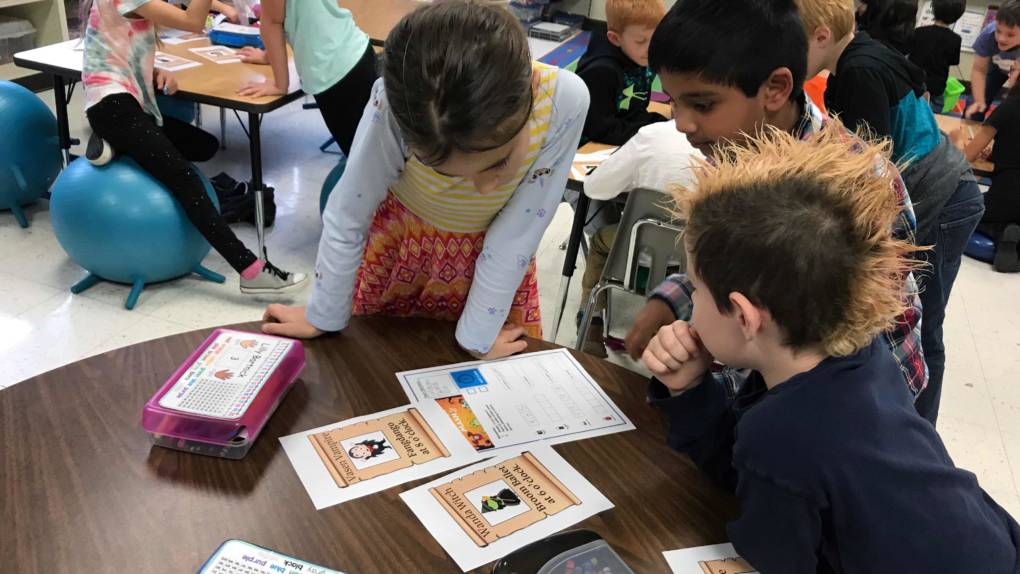
"caption": "Students work on a Breakout station.",
"description": "Students work on a Breakout station.",
"title": "breakout-featured",
"credit": "Courtesy Kristen Stern/Batavia Public Schools",
"status": "inherit",
"isLoading": false,
"fetchFailed": false
},
"mindshift_52820": {
"type": "attachments",
"id": "mindshift_52820",
"meta": {
"index": "attachments_1716263798",
"site": "mindshift",
"id": "52820",
"found": true
},
"parent": 52648,
"imgSizes": {
"small": {
"file": "https://ww2.kqed.org/app/uploads/sites/23/2018/12/iStock-164556946-520x347.jpg",
"width": 520,
"mimeType": "image/jpeg",
"height": 347
},
"twentyfourteen-full-width": {
"file": "https://ww2.kqed.org/app/uploads/sites/23/2018/12/iStock-164556946-1038x576.jpg",
"width": 1038,
"mimeType": "image/jpeg",
"height": 576
},
"thumbnail": {
"file": "https://ww2.kqed.org/app/uploads/sites/23/2018/12/iStock-164556946-160x107.jpg",
"width": 160,
"mimeType": "image/jpeg",
"height": 107
},
"fd-sm": {
"file": "https://ww2.kqed.org/app/uploads/sites/23/2018/12/iStock-164556946-960x640.jpg",
"width": 960,
"mimeType": "image/jpeg",
"height": 640
},
"post-thumbnail": {
"file": "https://ww2.kqed.org/app/uploads/sites/23/2018/12/iStock-164556946-672x372.jpg",
"width": 672,
"mimeType": "image/jpeg",
"height": 372
},
"xsmall": {
"file": "https://ww2.kqed.org/app/uploads/sites/23/2018/12/iStock-164556946-375x250.jpg",
"width": 375,
"mimeType": "image/jpeg",
"height": 250
},
"kqedFullSize": {
"file": "https://ww2.kqed.org/app/uploads/sites/23/2018/12/iStock-164556946-e1546842986586.jpg",
"width": 1920,
"height": 1280
},
"large": {
"file": "https://ww2.kqed.org/app/uploads/sites/23/2018/12/iStock-164556946-1020x680.jpg",
"width": 1020,
"mimeType": "image/jpeg",
"height": 680
},
"xlarge": {
"file": "https://ww2.kqed.org/app/uploads/sites/23/2018/12/iStock-164556946-1180x787.jpg",
"width": 1180,
"mimeType": "image/jpeg",
"height": 787
},
"complete_open_graph": {
"file": "https://ww2.kqed.org/app/uploads/sites/23/2018/12/iStock-164556946-1200x800.jpg",
"width": 1200,
"mimeType": "image/jpeg",
"height": 800
},
"guest-author-50": {
"file": "https://ww2.kqed.org/app/uploads/sites/23/2018/12/iStock-164556946-50x50.jpg",
"width": 50,
"mimeType": "image/jpeg",
"height": 50
},
"guest-author-96": {
"file": "https://ww2.kqed.org/app/uploads/sites/23/2018/12/iStock-164556946-96x96.jpg",
"width": 96,
"mimeType": "image/jpeg",
"height": 96
},
"medium": {
"file": "https://ww2.kqed.org/app/uploads/sites/23/2018/12/iStock-164556946-800x533.jpg",
"width": 800,
"mimeType": "image/jpeg",
"height": 533
},
"guest-author-64": {
"file": "https://ww2.kqed.org/app/uploads/sites/23/2018/12/iStock-164556946-64x64.jpg",
"width": 64,
"mimeType": "image/jpeg",
"height": 64
},
"guest-author-32": {
"file": "https://ww2.kqed.org/app/uploads/sites/23/2018/12/iStock-164556946-32x32.jpg",
"width": 32,
"mimeType": "image/jpeg",
"height": 32
},
"fd-lrg": {
"file": "https://ww2.kqed.org/app/uploads/sites/23/2018/12/iStock-164556946-1920x1280.jpg",
"width": 1920,
"mimeType": "image/jpeg",
"height": 1280
},
"fd-med": {
"file": "https://ww2.kqed.org/app/uploads/sites/23/2018/12/iStock-164556946-1180x787.jpg",
"width": 1180,
"mimeType": "image/jpeg",
"height": 787
},
"full-width": {
"file": "https://ww2.kqed.org/app/uploads/sites/23/2018/12/iStock-164556946-1920x1280.jpg",
"width": 1920,
"mimeType": "image/jpeg",
"height": 1280
},
"detail": {
"file": "https://ww2.kqed.org/app/uploads/sites/23/2018/12/iStock-164556946-150x150.jpg",
"width": 150,
"mimeType": "image/jpeg",
"height": 150
},
"medium_large": {
"file": "https://ww2.kqed.org/app/uploads/sites/23/2018/12/iStock-164556946-768x512.jpg",
"width": 768,
"mimeType": "image/jpeg",
"height": 512
},
"guest-author-128": {
"file": "https://ww2.kqed.org/app/uploads/sites/23/2018/12/iStock-164556946-128x128.jpg",
"width": 128,
"mimeType": "image/jpeg",
"height": 128
},
"xxsmall": {
"file": "https://ww2.kqed.org/app/uploads/sites/23/2018/12/iStock-164556946-240x160.jpg",
"width": 240,
"mimeType": "image/jpeg",
"height": 160
}
},
"publishDate": 1546842958,
"modified": 1546842979,
"caption": null,
"description": null,
"title": "iStock-164556946",
"credit": "iStock/michaeljung",
"status": "inherit",
"isLoading": false,
"fetchFailed": false
},
"mindshift_52798": {
"type": "attachments",
"id": "mindshift_52798",
"meta": {
"index": "attachments_1716263798",
"site": "mindshift",
"id": "52798",
"found": true
},
"parent": 52796,
"imgSizes": {
"small": {
"file": "https://ww2.kqed.org/app/uploads/sites/23/2019/01/tough-texts_slide-e89b3a6ace4acd4500190b416cb1f372890bcdb1-520x347.jpg",
"width": 520,
"mimeType": "image/jpeg",
"height": 347
},
"twentyfourteen-full-width": {
"file": "https://ww2.kqed.org/app/uploads/sites/23/2019/01/tough-texts_slide-e89b3a6ace4acd4500190b416cb1f372890bcdb1-1038x576.jpg",
"width": 1038,
"mimeType": "image/jpeg",
"height": 576
},
"thumbnail": {
"file": "https://ww2.kqed.org/app/uploads/sites/23/2019/01/tough-texts_slide-e89b3a6ace4acd4500190b416cb1f372890bcdb1-160x107.jpg",
"width": 160,
"mimeType": "image/jpeg",
"height": 107
},
"fd-sm": {
"file": "https://ww2.kqed.org/app/uploads/sites/23/2019/01/tough-texts_slide-e89b3a6ace4acd4500190b416cb1f372890bcdb1-960x640.jpg",
"width": 960,
"mimeType": "image/jpeg",
"height": 640
},
"post-thumbnail": {
"file": "https://ww2.kqed.org/app/uploads/sites/23/2019/01/tough-texts_slide-e89b3a6ace4acd4500190b416cb1f372890bcdb1-672x372.jpg",
"width": 672,
"mimeType": "image/jpeg",
"height": 372
},
"xsmall": {
"file": "https://ww2.kqed.org/app/uploads/sites/23/2019/01/tough-texts_slide-e89b3a6ace4acd4500190b416cb1f372890bcdb1-375x250.jpg",
"width": 375,
"mimeType": "image/jpeg",
"height": 250
},
"kqedFullSize": {
"file": "https://ww2.kqed.org/app/uploads/sites/23/2019/01/tough-texts_slide-e89b3a6ace4acd4500190b416cb1f372890bcdb1-e1546588009195.jpg",
"width": 1920,
"height": 1280
},
"large": {
"file": "https://ww2.kqed.org/app/uploads/sites/23/2019/01/tough-texts_slide-e89b3a6ace4acd4500190b416cb1f372890bcdb1-1020x680.jpg",
"width": 1020,
"mimeType": "image/jpeg",
"height": 680
},
"xlarge": {
"file": "https://ww2.kqed.org/app/uploads/sites/23/2019/01/tough-texts_slide-e89b3a6ace4acd4500190b416cb1f372890bcdb1-1180x787.jpg",
"width": 1180,
"mimeType": "image/jpeg",
"height": 787
},
"complete_open_graph": {
"file": "https://ww2.kqed.org/app/uploads/sites/23/2019/01/tough-texts_slide-e89b3a6ace4acd4500190b416cb1f372890bcdb1-1200x800.jpg",
"width": 1200,
"mimeType": "image/jpeg",
"height": 800
},
"guest-author-50": {
"file": "https://ww2.kqed.org/app/uploads/sites/23/2019/01/tough-texts_slide-e89b3a6ace4acd4500190b416cb1f372890bcdb1-50x50.jpg",
"width": 50,
"mimeType": "image/jpeg",
"height": 50
},
"guest-author-96": {
"file": "https://ww2.kqed.org/app/uploads/sites/23/2019/01/tough-texts_slide-e89b3a6ace4acd4500190b416cb1f372890bcdb1-96x96.jpg",
"width": 96,
"mimeType": "image/jpeg",
"height": 96
},
"medium": {
"file": "https://ww2.kqed.org/app/uploads/sites/23/2019/01/tough-texts_slide-e89b3a6ace4acd4500190b416cb1f372890bcdb1-800x533.jpg",
"width": 800,
"mimeType": "image/jpeg",
"height": 533
},
"guest-author-64": {
"file": "https://ww2.kqed.org/app/uploads/sites/23/2019/01/tough-texts_slide-e89b3a6ace4acd4500190b416cb1f372890bcdb1-64x64.jpg",
"width": 64,
"mimeType": "image/jpeg",
"height": 64
},
"guest-author-32": {
"file": "https://ww2.kqed.org/app/uploads/sites/23/2019/01/tough-texts_slide-e89b3a6ace4acd4500190b416cb1f372890bcdb1-32x32.jpg",
"width": 32,
"mimeType": "image/jpeg",
"height": 32
},
"fd-lrg": {
"file": "https://ww2.kqed.org/app/uploads/sites/23/2019/01/tough-texts_slide-e89b3a6ace4acd4500190b416cb1f372890bcdb1-1920x1280.jpg",
"width": 1920,
"mimeType": "image/jpeg",
"height": 1280
},
"fd-med": {
"file": "https://ww2.kqed.org/app/uploads/sites/23/2019/01/tough-texts_slide-e89b3a6ace4acd4500190b416cb1f372890bcdb1-1180x787.jpg",
"width": 1180,
"mimeType": "image/jpeg",
"height": 787
},
"full-width": {
"file": "https://ww2.kqed.org/app/uploads/sites/23/2019/01/tough-texts_slide-e89b3a6ace4acd4500190b416cb1f372890bcdb1-1920x1280.jpg",
"width": 1920,
"mimeType": "image/jpeg",
"height": 1280
},
"detail": {
"file": "https://ww2.kqed.org/app/uploads/sites/23/2019/01/tough-texts_slide-e89b3a6ace4acd4500190b416cb1f372890bcdb1-150x150.jpg",
"width": 150,
"mimeType": "image/jpeg",
"height": 150
},
"medium_large": {
"file": "https://ww2.kqed.org/app/uploads/sites/23/2019/01/tough-texts_slide-e89b3a6ace4acd4500190b416cb1f372890bcdb1-768x512.jpg",
"width": 768,
"mimeType": "image/jpeg",
"height": 512
},
"guest-author-128": {
"file": "https://ww2.kqed.org/app/uploads/sites/23/2019/01/tough-texts_slide-e89b3a6ace4acd4500190b416cb1f372890bcdb1-128x128.jpg",
"width": 128,
"mimeType": "image/jpeg",
"height": 128
},
"xxsmall": {
"file": "https://ww2.kqed.org/app/uploads/sites/23/2019/01/tough-texts_slide-e89b3a6ace4acd4500190b416cb1f372890bcdb1-240x160.jpg",
"width": 240,
"mimeType": "image/jpeg",
"height": 160
}
},
"publishDate": 1546506507,
"modified": 1546588027,
"caption": null,
"description": "read me!",
"title": "read me!",
"credit": "NPR/LA Johnson",
"status": "inherit",
"isLoading": false,
"fetchFailed": false
},
"mindshift_52672": {
"type": "attachments",
"id": "mindshift_52672",
"meta": {
"index": "attachments_1716263798",
"site": "mindshift",
"id": "52672",
"found": true
},
"parent": 52669,
"imgSizes": {
"small": {
"file": "https://ww2.kqed.org/app/uploads/sites/23/2018/12/2018-year-end-520x390.jpg",
"width": 520,
"mimeType": "image/jpeg",
"height": 390
},
"twentyfourteen-full-width": {
"file": "https://ww2.kqed.org/app/uploads/sites/23/2018/12/2018-year-end-1038x576.jpg",
"width": 1038,
"mimeType": "image/jpeg",
"height": 576
},
"thumbnail": {
"file": "https://ww2.kqed.org/app/uploads/sites/23/2018/12/2018-year-end-160x120.jpg",
"width": 160,
"mimeType": "image/jpeg",
"height": 120
},
"fd-sm": {
"file": "https://ww2.kqed.org/app/uploads/sites/23/2018/12/2018-year-end-960x721.jpg",
"width": 960,
"mimeType": "image/jpeg",
"height": 721
},
"post-thumbnail": {
"file": "https://ww2.kqed.org/app/uploads/sites/23/2018/12/2018-year-end-672x372.jpg",
"width": 672,
"mimeType": "image/jpeg",
"height": 372
},
"xsmall": {
"file": "https://ww2.kqed.org/app/uploads/sites/23/2018/12/2018-year-end-375x282.jpg",
"width": 375,
"mimeType": "image/jpeg",
"height": 282
},
"kqedFullSize": {
"file": "https://ww2.kqed.org/app/uploads/sites/23/2018/12/2018-year-end.jpg",
"width": 1080,
"height": 811
},
"large": {
"file": "https://ww2.kqed.org/app/uploads/sites/23/2018/12/2018-year-end-1020x766.jpg",
"width": 1020,
"mimeType": "image/jpeg",
"height": 766
},
"guest-author-50": {
"file": "https://ww2.kqed.org/app/uploads/sites/23/2018/12/2018-year-end-50x50.jpg",
"width": 50,
"mimeType": "image/jpeg",
"height": 50
},
"guest-author-96": {
"file": "https://ww2.kqed.org/app/uploads/sites/23/2018/12/2018-year-end-96x96.jpg",
"width": 96,
"mimeType": "image/jpeg",
"height": 96
},
"medium": {
"file": "https://ww2.kqed.org/app/uploads/sites/23/2018/12/2018-year-end-800x601.jpg",
"width": 800,
"mimeType": "image/jpeg",
"height": 601
},
"guest-author-64": {
"file": "https://ww2.kqed.org/app/uploads/sites/23/2018/12/2018-year-end-64x64.jpg",
"width": 64,
"mimeType": "image/jpeg",
"height": 64
},
"guest-author-32": {
"file": "https://ww2.kqed.org/app/uploads/sites/23/2018/12/2018-year-end-32x32.jpg",
"width": 32,
"mimeType": "image/jpeg",
"height": 32
},
"detail": {
"file": "https://ww2.kqed.org/app/uploads/sites/23/2018/12/2018-year-end-150x150.jpg",
"width": 150,
"mimeType": "image/jpeg",
"height": 150
},
"medium_large": {
"file": "https://ww2.kqed.org/app/uploads/sites/23/2018/12/2018-year-end-768x577.jpg",
"width": 768,
"mimeType": "image/jpeg",
"height": 577
},
"guest-author-128": {
"file": "https://ww2.kqed.org/app/uploads/sites/23/2018/12/2018-year-end-128x128.jpg",
"width": 128,
"mimeType": "image/jpeg",
"height": 128
},
"xxsmall": {
"file": "https://ww2.kqed.org/app/uploads/sites/23/2018/12/2018-year-end-240x180.jpg",
"width": 240,
"mimeType": "image/jpeg",
"height": 180
}
},
"publishDate": 1544139941,
"modified": 1544139969,
"caption": null,
"description": null,
"title": "2018-year-end",
"credit": "Benjavisa/iStock",
"status": "inherit",
"isLoading": false,
"fetchFailed": false
},
"mindshift_52642": {
"type": "attachments",
"id": "mindshift_52642",
"meta": {
"index": "attachments_1716263798",
"site": "mindshift",
"id": "52642",
"found": true
},
"parent": 52566,
"imgSizes": {
"small": {
"file": "https://ww2.kqed.org/app/uploads/sites/23/2018/12/iStock-1011642904-520x347.jpg",
"width": 520,
"mimeType": "image/jpeg",
"height": 347
},
"twentyfourteen-full-width": {
"file": "https://ww2.kqed.org/app/uploads/sites/23/2018/12/iStock-1011642904-1038x576.jpg",
"width": 1038,
"mimeType": "image/jpeg",
"height": 576
},
"thumbnail": {
"file": "https://ww2.kqed.org/app/uploads/sites/23/2018/12/iStock-1011642904-160x107.jpg",
"width": 160,
"mimeType": "image/jpeg",
"height": 107
},
"fd-sm": {
"file": "https://ww2.kqed.org/app/uploads/sites/23/2018/12/iStock-1011642904-960x640.jpg",
"width": 960,
"mimeType": "image/jpeg",
"height": 640
},
"post-thumbnail": {
"file": "https://ww2.kqed.org/app/uploads/sites/23/2018/12/iStock-1011642904-672x372.jpg",
"width": 672,
"mimeType": "image/jpeg",
"height": 372
},
"xsmall": {
"file": "https://ww2.kqed.org/app/uploads/sites/23/2018/12/iStock-1011642904-375x250.jpg",
"width": 375,
"mimeType": "image/jpeg",
"height": 250
},
"kqedFullSize": {
"file": "https://ww2.kqed.org/app/uploads/sites/23/2018/12/iStock-1011642904-e1543818628733.jpg",
"width": 1920,
"height": 1280
},
"large": {
"file": "https://ww2.kqed.org/app/uploads/sites/23/2018/12/iStock-1011642904-1020x680.jpg",
"width": 1020,
"mimeType": "image/jpeg",
"height": 680
},
"xlarge": {
"file": "https://ww2.kqed.org/app/uploads/sites/23/2018/12/iStock-1011642904-1180x787.jpg",
"width": 1180,
"mimeType": "image/jpeg",
"height": 787
},
"complete_open_graph": {
"file": "https://ww2.kqed.org/app/uploads/sites/23/2018/12/iStock-1011642904-1200x800.jpg",
"width": 1200,
"mimeType": "image/jpeg",
"height": 800
},
"guest-author-50": {
"file": "https://ww2.kqed.org/app/uploads/sites/23/2018/12/iStock-1011642904-50x50.jpg",
"width": 50,
"mimeType": "image/jpeg",
"height": 50
},
"guest-author-96": {
"file": "https://ww2.kqed.org/app/uploads/sites/23/2018/12/iStock-1011642904-96x96.jpg",
"width": 96,
"mimeType": "image/jpeg",
"height": 96
},
"medium": {
"file": "https://ww2.kqed.org/app/uploads/sites/23/2018/12/iStock-1011642904-800x533.jpg",
"width": 800,
"mimeType": "image/jpeg",
"height": 533
},
"guest-author-64": {
"file": "https://ww2.kqed.org/app/uploads/sites/23/2018/12/iStock-1011642904-64x64.jpg",
"width": 64,
"mimeType": "image/jpeg",
"height": 64
},
"guest-author-32": {
"file": "https://ww2.kqed.org/app/uploads/sites/23/2018/12/iStock-1011642904-32x32.jpg",
"width": 32,
"mimeType": "image/jpeg",
"height": 32
},
"fd-lrg": {
"file": "https://ww2.kqed.org/app/uploads/sites/23/2018/12/iStock-1011642904-1920x1280.jpg",
"width": 1920,
"mimeType": "image/jpeg",
"height": 1280
},
"fd-med": {
"file": "https://ww2.kqed.org/app/uploads/sites/23/2018/12/iStock-1011642904-1180x787.jpg",
"width": 1180,
"mimeType": "image/jpeg",
"height": 787
},
"full-width": {
"file": "https://ww2.kqed.org/app/uploads/sites/23/2018/12/iStock-1011642904-1920x1280.jpg",
"width": 1920,
"mimeType": "image/jpeg",
"height": 1280
},
"detail": {
"file": "https://ww2.kqed.org/app/uploads/sites/23/2018/12/iStock-1011642904-150x150.jpg",
"width": 150,
"mimeType": "image/jpeg",
"height": 150
},
"medium_large": {
"file": "https://ww2.kqed.org/app/uploads/sites/23/2018/12/iStock-1011642904-768x512.jpg",
"width": 768,
"mimeType": "image/jpeg",
"height": 512
},
"guest-author-128": {
"file": "https://ww2.kqed.org/app/uploads/sites/23/2018/12/iStock-1011642904-128x128.jpg",
"width": 128,
"mimeType": "image/jpeg",
"height": 128
},
"xxsmall": {
"file": "https://ww2.kqed.org/app/uploads/sites/23/2018/12/iStock-1011642904-240x160.jpg",
"width": 240,
"mimeType": "image/jpeg",
"height": 160
}
},
"publishDate": 1543818605,
"modified": 1543818622,
"caption": null,
"description": null,
"title": "iStock-1011642904",
"credit": "iStock/Sasiistock",
"status": "inherit",
"isLoading": false,
"fetchFailed": false
},
"mindshift_52573": {
"type": "attachments",
"id": "mindshift_52573",
"meta": {
"index": "attachments_1716263798",
"site": "mindshift",
"id": "52573",
"found": true
},
"parent": 52393,
"imgSizes": {
"small": {
"file": "https://ww2.kqed.org/app/uploads/sites/23/2018/11/reluctant-hmwk-520x347.jpg",
"width": 520,
"mimeType": "image/jpeg",
"height": 347
},
"twentyfourteen-full-width": {
"file": "https://ww2.kqed.org/app/uploads/sites/23/2018/11/reluctant-hmwk-1038x576.jpg",
"width": 1038,
"mimeType": "image/jpeg",
"height": 576
},
"thumbnail": {
"file": "https://ww2.kqed.org/app/uploads/sites/23/2018/11/reluctant-hmwk-160x107.jpg",
"width": 160,
"mimeType": "image/jpeg",
"height": 107
},
"fd-sm": {
"file": "https://ww2.kqed.org/app/uploads/sites/23/2018/11/reluctant-hmwk-960x640.jpg",
"width": 960,
"mimeType": "image/jpeg",
"height": 640
},
"post-thumbnail": {
"file": "https://ww2.kqed.org/app/uploads/sites/23/2018/11/reluctant-hmwk-672x372.jpg",
"width": 672,
"mimeType": "image/jpeg",
"height": 372
},
"xsmall": {
"file": "https://ww2.kqed.org/app/uploads/sites/23/2018/11/reluctant-hmwk-375x250.jpg",
"width": 375,
"mimeType": "image/jpeg",
"height": 250
},
"kqedFullSize": {
"file": "https://ww2.kqed.org/app/uploads/sites/23/2018/11/reluctant-hmwk.jpg",
"width": 2121,
"height": 1414
},
"large": {
"file": "https://ww2.kqed.org/app/uploads/sites/23/2018/11/reluctant-hmwk-1020x680.jpg",
"width": 1020,
"mimeType": "image/jpeg",
"height": 680
},
"xlarge": {
"file": "https://ww2.kqed.org/app/uploads/sites/23/2018/11/reluctant-hmwk-1180x787.jpg",
"width": 1180,
"mimeType": "image/jpeg",
"height": 787
},
"complete_open_graph": {
"file": "https://ww2.kqed.org/app/uploads/sites/23/2018/11/reluctant-hmwk-1200x800.jpg",
"width": 1200,
"mimeType": "image/jpeg",
"height": 800
},
"guest-author-50": {
"file": "https://ww2.kqed.org/app/uploads/sites/23/2018/11/reluctant-hmwk-50x50.jpg",
"width": 50,
"mimeType": "image/jpeg",
"height": 50
},
"guest-author-96": {
"file": "https://ww2.kqed.org/app/uploads/sites/23/2018/11/reluctant-hmwk-96x96.jpg",
"width": 96,
"mimeType": "image/jpeg",
"height": 96
},
"medium": {
"file": "https://ww2.kqed.org/app/uploads/sites/23/2018/11/reluctant-hmwk-800x533.jpg",
"width": 800,
"mimeType": "image/jpeg",
"height": 533
},
"guest-author-64": {
"file": "https://ww2.kqed.org/app/uploads/sites/23/2018/11/reluctant-hmwk-64x64.jpg",
"width": 64,
"mimeType": "image/jpeg",
"height": 64
},
"guest-author-32": {
"file": "https://ww2.kqed.org/app/uploads/sites/23/2018/11/reluctant-hmwk-32x32.jpg",
"width": 32,
"mimeType": "image/jpeg",
"height": 32
},
"fd-lrg": {
"file": "https://ww2.kqed.org/app/uploads/sites/23/2018/11/reluctant-hmwk-1920x1280.jpg",
"width": 1920,
"mimeType": "image/jpeg",
"height": 1280
},
"fd-med": {
"file": "https://ww2.kqed.org/app/uploads/sites/23/2018/11/reluctant-hmwk-1180x787.jpg",
"width": 1180,
"mimeType": "image/jpeg",
"height": 787
},
"full-width": {
"file": "https://ww2.kqed.org/app/uploads/sites/23/2018/11/reluctant-hmwk-1920x1280.jpg",
"width": 1920,
"mimeType": "image/jpeg",
"height": 1280
},
"detail": {
"file": "https://ww2.kqed.org/app/uploads/sites/23/2018/11/reluctant-hmwk-150x150.jpg",
"width": 150,
"mimeType": "image/jpeg",
"height": 150
},
"medium_large": {
"file": "https://ww2.kqed.org/app/uploads/sites/23/2018/11/reluctant-hmwk-768x512.jpg",
"width": 768,
"mimeType": "image/jpeg",
"height": 512
},
"guest-author-128": {
"file": "https://ww2.kqed.org/app/uploads/sites/23/2018/11/reluctant-hmwk-128x128.jpg",
"width": 128,
"mimeType": "image/jpeg",
"height": 128
},
"xxsmall": {
"file": "https://ww2.kqed.org/app/uploads/sites/23/2018/11/reluctant-hmwk-240x160.jpg",
"width": 240,
"mimeType": "image/jpeg",
"height": 160
}
},
"publishDate": 1543215287,
"modified": 1543215586,
"caption": null,
"description": null,
"title": "Mother and daughter drawing",
"credit": "PIKSEL/iStock",
"status": "inherit",
"isLoading": false,
"fetchFailed": false
},
"mindshift_52561": {
"type": "attachments",
"id": "mindshift_52561",
"meta": {
"index": "attachments_1716263798",
"site": "mindshift",
"id": "52561",
"found": true
},
"parent": 52421,
"imgSizes": {
"small": {
"file": "https://ww2.kqed.org/app/uploads/sites/23/2018/11/video-assignment-520x347.jpg",
"width": 520,
"mimeType": "image/jpeg",
"height": 347
},
"twentyfourteen-full-width": {
"file": "https://ww2.kqed.org/app/uploads/sites/23/2018/11/video-assignment-1038x576.jpg",
"width": 1038,
"mimeType": "image/jpeg",
"height": 576
},
"thumbnail": {
"file": "https://ww2.kqed.org/app/uploads/sites/23/2018/11/video-assignment-160x107.jpg",
"width": 160,
"mimeType": "image/jpeg",
"height": 107
},
"fd-sm": {
"file": "https://ww2.kqed.org/app/uploads/sites/23/2018/11/video-assignment-960x640.jpg",
"width": 960,
"mimeType": "image/jpeg",
"height": 640
},
"post-thumbnail": {
"file": "https://ww2.kqed.org/app/uploads/sites/23/2018/11/video-assignment-672x372.jpg",
"width": 672,
"mimeType": "image/jpeg",
"height": 372
},
"xsmall": {
"file": "https://ww2.kqed.org/app/uploads/sites/23/2018/11/video-assignment-375x250.jpg",
"width": 375,
"mimeType": "image/jpeg",
"height": 250
},
"kqedFullSize": {
"file": "https://ww2.kqed.org/app/uploads/sites/23/2018/11/video-assignment.jpg",
"width": 1981,
"height": 1321
},
"large": {
"file": "https://ww2.kqed.org/app/uploads/sites/23/2018/11/video-assignment-1020x680.jpg",
"width": 1020,
"mimeType": "image/jpeg",
"height": 680
},
"xlarge": {
"file": "https://ww2.kqed.org/app/uploads/sites/23/2018/11/video-assignment-1180x787.jpg",
"width": 1180,
"mimeType": "image/jpeg",
"height": 787
},
"complete_open_graph": {
"file": "https://ww2.kqed.org/app/uploads/sites/23/2018/11/video-assignment-1200x800.jpg",
"width": 1200,
"mimeType": "image/jpeg",
"height": 800
},
"guest-author-50": {
"file": "https://ww2.kqed.org/app/uploads/sites/23/2018/11/video-assignment-50x50.jpg",
"width": 50,
"mimeType": "image/jpeg",
"height": 50
},
"guest-author-96": {
"file": "https://ww2.kqed.org/app/uploads/sites/23/2018/11/video-assignment-96x96.jpg",
"width": 96,
"mimeType": "image/jpeg",
"height": 96
},
"medium": {
"file": "https://ww2.kqed.org/app/uploads/sites/23/2018/11/video-assignment-800x533.jpg",
"width": 800,
"mimeType": "image/jpeg",
"height": 533
},
"guest-author-64": {
"file": "https://ww2.kqed.org/app/uploads/sites/23/2018/11/video-assignment-64x64.jpg",
"width": 64,
"mimeType": "image/jpeg",
"height": 64
},
"guest-author-32": {
"file": "https://ww2.kqed.org/app/uploads/sites/23/2018/11/video-assignment-32x32.jpg",
"width": 32,
"mimeType": "image/jpeg",
"height": 32
},
"fd-lrg": {
"file": "https://ww2.kqed.org/app/uploads/sites/23/2018/11/video-assignment-1920x1280.jpg",
"width": 1920,
"mimeType": "image/jpeg",
"height": 1280
},
"fd-med": {
"file": "https://ww2.kqed.org/app/uploads/sites/23/2018/11/video-assignment-1180x787.jpg",
"width": 1180,
"mimeType": "image/jpeg",
"height": 787
},
"full-width": {
"file": "https://ww2.kqed.org/app/uploads/sites/23/2018/11/video-assignment-1920x1280.jpg",
"width": 1920,
"mimeType": "image/jpeg",
"height": 1280
},
"detail": {
"file": "https://ww2.kqed.org/app/uploads/sites/23/2018/11/video-assignment-150x150.jpg",
"width": 150,
"mimeType": "image/jpeg",
"height": 150
},
"medium_large": {
"file": "https://ww2.kqed.org/app/uploads/sites/23/2018/11/video-assignment-768x512.jpg",
"width": 768,
"mimeType": "image/jpeg",
"height": 512
},
"guest-author-128": {
"file": "https://ww2.kqed.org/app/uploads/sites/23/2018/11/video-assignment-128x128.jpg",
"width": 128,
"mimeType": "image/jpeg",
"height": 128
},
"xxsmall": {
"file": "https://ww2.kqed.org/app/uploads/sites/23/2018/11/video-assignment-240x160.jpg",
"width": 240,
"mimeType": "image/jpeg",
"height": 160
}
},
"publishDate": 1542754617,
"modified": 1542754699,
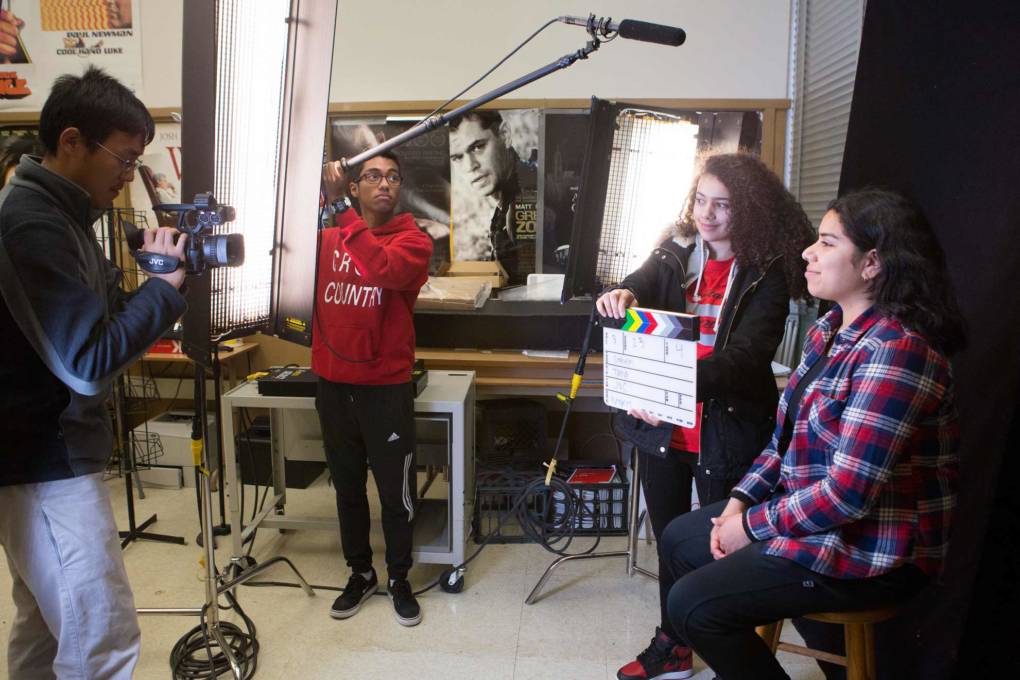
"caption": "Students at Skyline High School record a video segment in the school's studio.",
"description": null,
"title": "video-assignment",
"credit": "Courtesy of Allison Shelley/\u003ca href=\"https://www.flickr.com/photos/all4ed/35694702763/in/album-72157684949805513/\">The Verbatim Agency for American Education: Images of Teachers and Students in Action\u003c/a>",
"status": "inherit",
"isLoading": false,
"fetchFailed": false
},
"mindshift_52550": {
"type": "attachments",
"id": "mindshift_52550",
"meta": {
"index": "attachments_1716263798",
"site": "mindshift",
"id": "52550",
"found": true
},
"parent": 52424,
"imgSizes": {
"small": {
"file": "https://ww2.kqed.org/app/uploads/sites/23/2018/11/35668371114_b189b336cb_k-520x347.jpg",
"width": 520,
"mimeType": "image/jpeg",
"height": 347
},
"twentyfourteen-full-width": {
"file": "https://ww2.kqed.org/app/uploads/sites/23/2018/11/35668371114_b189b336cb_k-1038x576.jpg",
"width": 1038,
"mimeType": "image/jpeg",
"height": 576
},
"thumbnail": {
"file": "https://ww2.kqed.org/app/uploads/sites/23/2018/11/35668371114_b189b336cb_k-160x107.jpg",
"width": 160,
"mimeType": "image/jpeg",
"height": 107
},
"fd-sm": {
"file": "https://ww2.kqed.org/app/uploads/sites/23/2018/11/35668371114_b189b336cb_k-960x640.jpg",
"width": 960,
"mimeType": "image/jpeg",
"height": 640
},
"post-thumbnail": {
"file": "https://ww2.kqed.org/app/uploads/sites/23/2018/11/35668371114_b189b336cb_k-672x372.jpg",
"width": 672,
"mimeType": "image/jpeg",
"height": 372
},
"xsmall": {
"file": "https://ww2.kqed.org/app/uploads/sites/23/2018/11/35668371114_b189b336cb_k-375x250.jpg",
"width": 375,
"mimeType": "image/jpeg",
"height": 250
},
"kqedFullSize": {
"file": "https://ww2.kqed.org/app/uploads/sites/23/2018/11/35668371114_b189b336cb_k.jpg",
"width": 2048,
"height": 1365
},
"large": {
"file": "https://ww2.kqed.org/app/uploads/sites/23/2018/11/35668371114_b189b336cb_k-1020x680.jpg",
"width": 1020,
"mimeType": "image/jpeg",
"height": 680
},
"xlarge": {
"file": "https://ww2.kqed.org/app/uploads/sites/23/2018/11/35668371114_b189b336cb_k-1180x786.jpg",
"width": 1180,
"mimeType": "image/jpeg",
"height": 786
},
"complete_open_graph": {
"file": "https://ww2.kqed.org/app/uploads/sites/23/2018/11/35668371114_b189b336cb_k-1200x800.jpg",
"width": 1200,
"mimeType": "image/jpeg",
"height": 800
},
"guest-author-50": {
"file": "https://ww2.kqed.org/app/uploads/sites/23/2018/11/35668371114_b189b336cb_k-50x50.jpg",
"width": 50,
"mimeType": "image/jpeg",
"height": 50
},
"guest-author-96": {
"file": "https://ww2.kqed.org/app/uploads/sites/23/2018/11/35668371114_b189b336cb_k-96x96.jpg",
"width": 96,
"mimeType": "image/jpeg",
"height": 96
},
"medium": {
"file": "https://ww2.kqed.org/app/uploads/sites/23/2018/11/35668371114_b189b336cb_k-800x533.jpg",
"width": 800,
"mimeType": "image/jpeg",
"height": 533
},
"guest-author-64": {
"file": "https://ww2.kqed.org/app/uploads/sites/23/2018/11/35668371114_b189b336cb_k-64x64.jpg",
"width": 64,
"mimeType": "image/jpeg",
"height": 64
},
"guest-author-32": {
"file": "https://ww2.kqed.org/app/uploads/sites/23/2018/11/35668371114_b189b336cb_k-32x32.jpg",
"width": 32,
"mimeType": "image/jpeg",
"height": 32
},
"fd-lrg": {
"file": "https://ww2.kqed.org/app/uploads/sites/23/2018/11/35668371114_b189b336cb_k-1920x1280.jpg",
"width": 1920,
"mimeType": "image/jpeg",
"height": 1280
},
"fd-med": {
"file": "https://ww2.kqed.org/app/uploads/sites/23/2018/11/35668371114_b189b336cb_k-1180x786.jpg",
"width": 1180,
"mimeType": "image/jpeg",
"height": 786
},
"full-width": {
"file": "https://ww2.kqed.org/app/uploads/sites/23/2018/11/35668371114_b189b336cb_k-1920x1280.jpg",
"width": 1920,
"mimeType": "image/jpeg",
"height": 1280
},
"detail": {
"file": "https://ww2.kqed.org/app/uploads/sites/23/2018/11/35668371114_b189b336cb_k-150x150.jpg",
"width": 150,
"mimeType": "image/jpeg",
"height": 150
},
"medium_large": {
"file": "https://ww2.kqed.org/app/uploads/sites/23/2018/11/35668371114_b189b336cb_k-768x512.jpg",
"width": 768,
"mimeType": "image/jpeg",
"height": 512
},
"guest-author-128": {
"file": "https://ww2.kqed.org/app/uploads/sites/23/2018/11/35668371114_b189b336cb_k-128x128.jpg",
"width": 128,
"mimeType": "image/jpeg",
"height": 128
},
"xxsmall": {
"file": "https://ww2.kqed.org/app/uploads/sites/23/2018/11/35668371114_b189b336cb_k-240x160.jpg",
"width": 240,
"mimeType": "image/jpeg",
"height": 160
}
},
"publishDate": 1542600323,
"modified": 1542600412,
"caption": "A student journals her response to a writing prompt in a tenth-grade English class.",
"description": null,
"title": "35668371114_b189b336cb_k",
"credit": "Courtesy of Allison Shelley/\u003ca href=\"https://www.flickr.com/photos/all4ed/35668371114/\">The Verbatim Agency for American Education: Images of Teachers and Students in Action\u003c/a>",
"status": "inherit",
"isLoading": false,
"fetchFailed": false
},
"mindshift_52537": {
"type": "attachments",
"id": "mindshift_52537",
"meta": {
"index": "attachments_1716263798",
"site": "mindshift",
"id": "52537",
"found": true
},
"parent": 52536,
"imgSizes": {
"small": {
"file": "https://ww2.kqed.org/app/uploads/sites/23/2018/11/personallearning_lead_custom-d2271441a5c41409406ba5d93df7b9093d854d9f-520x325.jpg",
"width": 520,
"mimeType": "image/jpeg",
"height": 325
},
"twentyfourteen-full-width": {
"file": "https://ww2.kqed.org/app/uploads/sites/23/2018/11/personallearning_lead_custom-d2271441a5c41409406ba5d93df7b9093d854d9f-1038x576.jpg",
"width": 1038,
"mimeType": "image/jpeg",
"height": 576
},
"thumbnail": {
"file": "https://ww2.kqed.org/app/uploads/sites/23/2018/11/personallearning_lead_custom-d2271441a5c41409406ba5d93df7b9093d854d9f-160x100.jpg",
"width": 160,
"mimeType": "image/jpeg",
"height": 100
},
"fd-sm": {
"file": "https://ww2.kqed.org/app/uploads/sites/23/2018/11/personallearning_lead_custom-d2271441a5c41409406ba5d93df7b9093d854d9f-960x599.jpg",
"width": 960,
"mimeType": "image/jpeg",
"height": 599
},
"post-thumbnail": {
"file": "https://ww2.kqed.org/app/uploads/sites/23/2018/11/personallearning_lead_custom-d2271441a5c41409406ba5d93df7b9093d854d9f-672x372.jpg",
"width": 672,
"mimeType": "image/jpeg",
"height": 372
},
"xsmall": {
"file": "https://ww2.kqed.org/app/uploads/sites/23/2018/11/personallearning_lead_custom-d2271441a5c41409406ba5d93df7b9093d854d9f-375x234.jpg",
"width": 375,
"mimeType": "image/jpeg",
"height": 234
},
"kqedFullSize": {
"file": "https://ww2.kqed.org/app/uploads/sites/23/2018/11/personallearning_lead_custom-d2271441a5c41409406ba5d93df7b9093d854d9f.jpg",
"width": 3200,
"height": 1997
},
"large": {
"file": "https://ww2.kqed.org/app/uploads/sites/23/2018/11/personallearning_lead_custom-d2271441a5c41409406ba5d93df7b9093d854d9f-1020x637.jpg",
"width": 1020,
"mimeType": "image/jpeg",
"height": 637
},
"xlarge": {
"file": "https://ww2.kqed.org/app/uploads/sites/23/2018/11/personallearning_lead_custom-d2271441a5c41409406ba5d93df7b9093d854d9f-1180x736.jpg",
"width": 1180,
"mimeType": "image/jpeg",
"height": 736
},
"complete_open_graph": {
"file": "https://ww2.kqed.org/app/uploads/sites/23/2018/11/personallearning_lead_custom-d2271441a5c41409406ba5d93df7b9093d854d9f-1200x749.jpg",
"width": 1200,
"mimeType": "image/jpeg",
"height": 749
},
"guest-author-50": {
"file": "https://ww2.kqed.org/app/uploads/sites/23/2018/11/personallearning_lead_custom-d2271441a5c41409406ba5d93df7b9093d854d9f-50x50.jpg",
"width": 50,
"mimeType": "image/jpeg",
"height": 50
},
"guest-author-96": {
"file": "https://ww2.kqed.org/app/uploads/sites/23/2018/11/personallearning_lead_custom-d2271441a5c41409406ba5d93df7b9093d854d9f-96x96.jpg",
"width": 96,
"mimeType": "image/jpeg",
"height": 96
},
"medium": {
"file": "https://ww2.kqed.org/app/uploads/sites/23/2018/11/personallearning_lead_custom-d2271441a5c41409406ba5d93df7b9093d854d9f-800x499.jpg",
"width": 800,
"mimeType": "image/jpeg",
"height": 499
},
"guest-author-64": {
"file": "https://ww2.kqed.org/app/uploads/sites/23/2018/11/personallearning_lead_custom-d2271441a5c41409406ba5d93df7b9093d854d9f-64x64.jpg",
"width": 64,
"mimeType": "image/jpeg",
"height": 64
},
"guest-author-32": {
"file": "https://ww2.kqed.org/app/uploads/sites/23/2018/11/personallearning_lead_custom-d2271441a5c41409406ba5d93df7b9093d854d9f-32x32.jpg",
"width": 32,
"mimeType": "image/jpeg",
"height": 32
},
"fd-lrg": {
"file": "https://ww2.kqed.org/app/uploads/sites/23/2018/11/personallearning_lead_custom-d2271441a5c41409406ba5d93df7b9093d854d9f-1920x1198.jpg",
"width": 1920,
"mimeType": "image/jpeg",
"height": 1198
},
"fd-med": {
"file": "https://ww2.kqed.org/app/uploads/sites/23/2018/11/personallearning_lead_custom-d2271441a5c41409406ba5d93df7b9093d854d9f-1180x736.jpg",
"width": 1180,
"mimeType": "image/jpeg",
"height": 736
},
"full-width": {
"file": "https://ww2.kqed.org/app/uploads/sites/23/2018/11/personallearning_lead_custom-d2271441a5c41409406ba5d93df7b9093d854d9f-1920x1198.jpg",
"width": 1920,
"mimeType": "image/jpeg",
"height": 1198
},
"detail": {
"file": "https://ww2.kqed.org/app/uploads/sites/23/2018/11/personallearning_lead_custom-d2271441a5c41409406ba5d93df7b9093d854d9f-150x150.jpg",
"width": 150,
"mimeType": "image/jpeg",
"height": 150
},
"medium_large": {
"file": "https://ww2.kqed.org/app/uploads/sites/23/2018/11/personallearning_lead_custom-d2271441a5c41409406ba5d93df7b9093d854d9f-768x479.jpg",
"width": 768,
"mimeType": "image/jpeg",
"height": 479
},
"guest-author-128": {
"file": "https://ww2.kqed.org/app/uploads/sites/23/2018/11/personallearning_lead_custom-d2271441a5c41409406ba5d93df7b9093d854d9f-128x128.jpg",
"width": 128,
"mimeType": "image/jpeg",
"height": 128
},
"xxsmall": {
"file": "https://ww2.kqed.org/app/uploads/sites/23/2018/11/personallearning_lead_custom-d2271441a5c41409406ba5d93df7b9093d854d9f-240x150.jpg",
"width": 240,
"mimeType": "image/jpeg",
"height": 150
}
},
"publishDate": 1542389244,
"modified": 1542389444,
"caption": null,
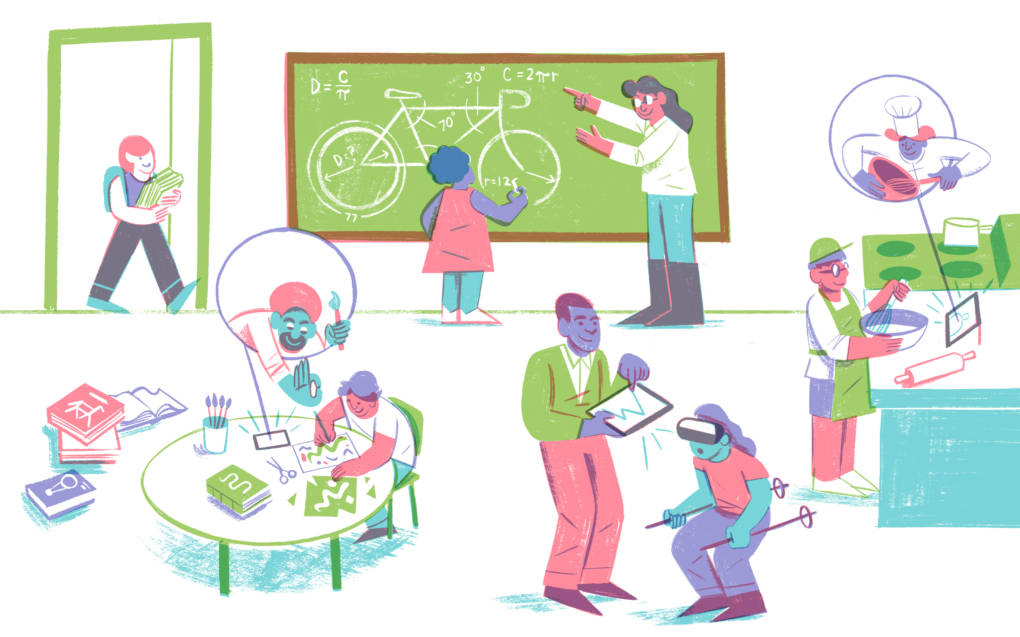
"description": "Personalized learning in the classroom.",
"title": "Personalized learning in the classroom.",
"credit": "Drew Lytle for NPR ",
"status": "inherit",
"isLoading": false,
"fetchFailed": false
},
"mindshift_52464": {
"type": "attachments",
"id": "mindshift_52464",
"meta": {
"index": "attachments_1716263798",
"site": "mindshift",
"id": "52464",
"found": true
},
"parent": 52456,
"imgSizes": {
"small": {
"file": "https://ww2.kqed.org/app/uploads/sites/23/2018/11/working-on-mistakes-520x253.png",
"width": 520,
"mimeType": "image/png",
"height": 253
},
"thumbnail": {
"file": "https://ww2.kqed.org/app/uploads/sites/23/2018/11/working-on-mistakes-160x78.png",
"width": 160,
"mimeType": "image/png",
"height": 78
},
"post-thumbnail": {
"file": "https://ww2.kqed.org/app/uploads/sites/23/2018/11/working-on-mistakes-672x372.png",
"width": 672,
"mimeType": "image/png",
"height": 372
},
"xsmall": {
"file": "https://ww2.kqed.org/app/uploads/sites/23/2018/11/working-on-mistakes-375x183.png",
"width": 375,
"mimeType": "image/png",
"height": 183
},
"kqedFullSize": {
"file": "https://ww2.kqed.org/app/uploads/sites/23/2018/11/working-on-mistakes.png",
"width": 828,
"height": 403
},
"guest-author-50": {
"file": "https://ww2.kqed.org/app/uploads/sites/23/2018/11/working-on-mistakes-50x50.png",
"width": 50,
"mimeType": "image/png",
"height": 50
},
"guest-author-96": {
"file": "https://ww2.kqed.org/app/uploads/sites/23/2018/11/working-on-mistakes-96x96.png",
"width": 96,
"mimeType": "image/png",
"height": 96
},
"medium": {
"file": "https://ww2.kqed.org/app/uploads/sites/23/2018/11/working-on-mistakes-800x389.png",
"width": 800,
"mimeType": "image/png",
"height": 389
},
"guest-author-64": {
"file": "https://ww2.kqed.org/app/uploads/sites/23/2018/11/working-on-mistakes-64x64.png",
"width": 64,
"mimeType": "image/png",
"height": 64
},
"guest-author-32": {
"file": "https://ww2.kqed.org/app/uploads/sites/23/2018/11/working-on-mistakes-32x32.png",
"width": 32,
"mimeType": "image/png",
"height": 32
},
"detail": {
"file": "https://ww2.kqed.org/app/uploads/sites/23/2018/11/working-on-mistakes-150x150.png",
"width": 150,
"mimeType": "image/png",
"height": 150
},
"medium_large": {
"file": "https://ww2.kqed.org/app/uploads/sites/23/2018/11/working-on-mistakes-768x374.png",
"width": 768,
"mimeType": "image/png",
"height": 374
},
"guest-author-128": {
"file": "https://ww2.kqed.org/app/uploads/sites/23/2018/11/working-on-mistakes-128x128.png",
"width": 128,
"mimeType": "image/png",
"height": 128
},
"xxsmall": {
"file": "https://ww2.kqed.org/app/uploads/sites/23/2018/11/working-on-mistakes-240x117.png",
"width": 240,
"mimeType": "image/png",
"height": 117
}
},
"publishDate": 1541639345,
"modified": 1542327192,
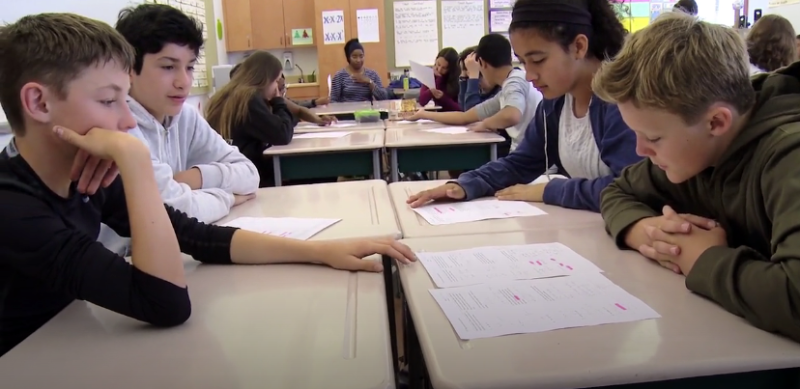
"caption": "Students in Leah Alcala's class work together to figure out what they did wrong on their math tests.",
"description": "Students in Alcala's class work together to figure out what they did wrong on their math tests.",
"title": "working on mistakes",
"credit": "\u003ca href=\"https://www.teachingchannel.org/video/math-test-grading-tips\">Teaching Channel\u003c/a>",
"status": "inherit",
"isLoading": false,
"fetchFailed": false
},
"mindshift_52512": {
"type": "attachments",
"id": "mindshift_52512",
"meta": {
"index": "attachments_1716263798",
"site": "mindshift",
"id": "52512",
"found": true
},
"parent": 52468,
"imgSizes": {
"small": {
"file": "https://ww2.kqed.org/app/uploads/sites/23/2018/11/why-pencil-520x292.png",
"width": 520,
"mimeType": "image/png",
"height": 292
},
"twentyfourteen-full-width": {
"file": "https://ww2.kqed.org/app/uploads/sites/23/2018/11/why-pencil-1038x576.png",
"width": 1038,
"mimeType": "image/png",
"height": 576
},
"thumbnail": {
"file": "https://ww2.kqed.org/app/uploads/sites/23/2018/11/why-pencil-160x90.png",
"width": 160,
"mimeType": "image/png",
"height": 90
},
"fd-sm": {
"file": "https://ww2.kqed.org/app/uploads/sites/23/2018/11/why-pencil-960x540.png",
"width": 960,
"mimeType": "image/png",
"height": 540
},
"post-thumbnail": {
"file": "https://ww2.kqed.org/app/uploads/sites/23/2018/11/why-pencil-672x372.png",
"width": 672,
"mimeType": "image/png",
"height": 372
},
"xsmall": {
"file": "https://ww2.kqed.org/app/uploads/sites/23/2018/11/why-pencil-375x211.png",
"width": 375,
"mimeType": "image/png",
"height": 211
},
"kqedFullSize": {
"file": "https://ww2.kqed.org/app/uploads/sites/23/2018/11/why-pencil.png",
"width": 3500,
"height": 1968
},
"large": {
"file": "https://ww2.kqed.org/app/uploads/sites/23/2018/11/why-pencil-1020x574.png",
"width": 1020,
"mimeType": "image/png",
"height": 574
},
"xlarge": {
"file": "https://ww2.kqed.org/app/uploads/sites/23/2018/11/why-pencil-1180x663.png",
"width": 1180,
"mimeType": "image/png",
"height": 663
},
"complete_open_graph": {
"file": "https://ww2.kqed.org/app/uploads/sites/23/2018/11/why-pencil-1200x675.png",
"width": 1200,
"mimeType": "image/png",
"height": 675
},
"guest-author-50": {
"file": "https://ww2.kqed.org/app/uploads/sites/23/2018/11/why-pencil-50x50.png",
"width": 50,
"mimeType": "image/png",
"height": 50
},
"guest-author-96": {
"file": "https://ww2.kqed.org/app/uploads/sites/23/2018/11/why-pencil-96x96.png",
"width": 96,
"mimeType": "image/png",
"height": 96
},
"medium": {
"file": "https://ww2.kqed.org/app/uploads/sites/23/2018/11/why-pencil-800x450.png",
"width": 800,
"mimeType": "image/png",
"height": 450
},
"guest-author-64": {
"file": "https://ww2.kqed.org/app/uploads/sites/23/2018/11/why-pencil-64x64.png",
"width": 64,
"mimeType": "image/png",
"height": 64
},
"guest-author-32": {
"file": "https://ww2.kqed.org/app/uploads/sites/23/2018/11/why-pencil-32x32.png",
"width": 32,
"mimeType": "image/png",
"height": 32
},
"fd-lrg": {
"file": "https://ww2.kqed.org/app/uploads/sites/23/2018/11/why-pencil-1920x1080.png",
"width": 1920,
"mimeType": "image/png",
"height": 1080
},
"fd-med": {
"file": "https://ww2.kqed.org/app/uploads/sites/23/2018/11/why-pencil-1180x663.png",
"width": 1180,
"mimeType": "image/png",
"height": 663
},
"full-width": {
"file": "https://ww2.kqed.org/app/uploads/sites/23/2018/11/why-pencil-1920x1080.png",
"width": 1920,
"mimeType": "image/png",
"height": 1080
},
"detail": {
"file": "https://ww2.kqed.org/app/uploads/sites/23/2018/11/why-pencil-150x150.png",
"width": 150,
"mimeType": "image/png",
"height": 150
},
"medium_large": {
"file": "https://ww2.kqed.org/app/uploads/sites/23/2018/11/why-pencil-768x432.png",
"width": 768,
"mimeType": "image/png",
"height": 432
},
"guest-author-128": {
"file": "https://ww2.kqed.org/app/uploads/sites/23/2018/11/why-pencil-128x128.png",
"width": 128,
"mimeType": "image/png",
"height": 128
},
"xxsmall": {
"file": "https://ww2.kqed.org/app/uploads/sites/23/2018/11/why-pencil-240x135.png",
"width": 240,
"mimeType": "image/png",
"height": 135
}
},
"publishDate": 1542234514,
"modified": 1542234629,
"caption": "For many parents, learning a technique to generate and categorize questions about their child's education is empowering.",
"description": null,
"title": "why pencil",
"credit": "emagic/\u003ca href=\"https://www.flickr.com/photos/emagic/56206868/\">Flickr\u003c/a>",
"status": "inherit",
"isLoading": false,
"fetchFailed": false
}
},
"audioPlayerReducer": {
"postId": "stream_live",
"isPaused": true,
"isPlaying": false,
"pfsActive": false,
"pledgeModalIsOpen": true,
"playerDrawerIsOpen": false,
"liveAudioPlayStartedAt": 0,
"liveAudioPlayContext": ""
},
"authorsReducer": {
"byline_mindshift_52796": {
"type": "authors",
"id": "byline_mindshift_52796",
"meta": {
"override": true
},
"slug": "byline_mindshift_52796",
"name": "\u003ca href=\"https://www.apmreports.org/story/2018/09/10/hard-words-why-american-kids-arent-being-taught-to-read\">Emily Hanford, APM Reports\u003c/a>",
"isLoading": false
},
"byline_mindshift_52421": {
"type": "authors",
"id": "byline_mindshift_52421",
"meta": {
"override": true
},
"slug": "byline_mindshift_52421",
"name": "\u003ca href=\"https://twitter.com/tweenteacher\">Heather Wolpert-Gawron\u003c/a>",
"isLoading": false
},
"byline_mindshift_52424": {
"type": "authors",
"id": "byline_mindshift_52424",
"meta": {
"override": true
},
"slug": "byline_mindshift_52424",
"name": "\u003ca href=\"https://twitter.com/tweenteacher\">Heather Wolpert-Gawron\u003c/a>",
"isLoading": false
},
"byline_mindshift_52536": {
"type": "authors",
"id": "byline_mindshift_52536",
"meta": {
"override": true
},
"slug": "byline_mindshift_52536",
"name": "Anya Kamenetz, Robbie Feinberg, Kyla Calvert Mason",
"isLoading": false
},
"katrinaschwartz": {
"type": "authors",
"id": "234",
"meta": {
"index": "authors_1716337520",
"id": "234",
"found": true
},
"name": "Katrina Schwartz",
"firstName": "Katrina",
"lastName": "Schwartz",
"slug": "katrinaschwartz",
"email": "kschwartz@kqed.org",
"display_author_email": false,
"staff_mastheads": [
"news"
],
"title": "Producer",
"bio": "Katrina Schwartz is a journalist based in San Francisco. She's worked at KPCC public radio in LA and has reported on air and online for KQED since 2010. She covered how teaching and learning is changing for MindShift between 2012 and 2020. She is the co-host of the MindShift podcast and now produces KQED's Bay Curious podcast.",
"avatar": "https://secure.gravatar.com/avatar/edb4ee79070447a018538c9aae6eeecf28786515b8a0c30e43b6b7dce5aa44c8?s=600&d=blank&r=g",
"twitter": "kschwart",
"bluesky": null,
"facebook": null,
"instagram": null,
"linkedin": null,
"sites": [
{
"site": "",
"roles": [
"editor"
]
},
{
"site": "news",
"roles": [
"editor"
]
},
{
"site": "mindshift",
"roles": [
"administrator"
]
},
{
"site": "stateofhealth",
"roles": [
"author"
]
},
{
"site": "science",
"roles": [
"editor"
]
}
],
"headData": {
"title": "Katrina Schwartz | KQED",
"description": "Producer",
"ogImgSrc": "https://secure.gravatar.com/avatar/edb4ee79070447a018538c9aae6eeecf28786515b8a0c30e43b6b7dce5aa44c8?s=600&d=blank&r=g",
"twImgSrc": "https://secure.gravatar.com/avatar/edb4ee79070447a018538c9aae6eeecf28786515b8a0c30e43b6b7dce5aa44c8?s=600&d=blank&r=g"
},
"isLoading": false,
"link": "/author/katrinaschwartz"
},
"dfkris": {
"type": "authors",
"id": "11087",
"meta": {
"index": "authors_1716337520",
"id": "11087",
"found": true
},
"name": "Deborah Farmer Kris",
"firstName": "Deborah Farmer",
"lastName": "Kris",
"slug": "dfkris",
"email": "dfkris@gmail.com",
"display_author_email": false,
"staff_mastheads": [],
"title": null,
"bio": "\u003cem>\u003ca href=\"https://twitter.com/@dfkris\">Deborah Farmer Kris\u003c/a> has taught elementary, middle and high school and served as a charter school administrator. She spent a decade as an associate at Boston University’s \u003c/em>\u003cem>\u003ca href=\"http://www.bu.edu/ccsr/about-us/\">Center for Character and Social Responsibility\u003c/a>, \u003c/em>\u003cem>researching, writing, and consulting with schools. She is the mother of two young children. You can follower her on Twitter \u003ca href=\"https://twitter.com/@dfkris\">@dfkris\u003c/a>.\u003c/em>",
"avatar": "https://secure.gravatar.com/avatar/48efe6f17031ed31222b74af9605fe5a?s=600&d=blank&r=g",
"twitter": "dfkris",
"facebook": null,
"instagram": null,
"linkedin": null,
"sites": [
{
"site": "mindshift",
"roles": [
"author"
]
}
],
"headData": {
"title": "Deborah Farmer Kris | KQED",
"description": null,
"ogImgSrc": "https://secure.gravatar.com/avatar/48efe6f17031ed31222b74af9605fe5a?s=600&d=blank&r=g",
"twImgSrc": "https://secure.gravatar.com/avatar/48efe6f17031ed31222b74af9605fe5a?s=600&d=blank&r=g"
},
"isLoading": false,
"link": "/author/dfkris"
}
},
"pagesReducer": {
"mindshift_category_teaching-strategies": {
"type": "terms",
"id": "mindshift_193",
"meta": {
"index": "terms_1716263798",
"site": "mindshift",
"id": "193",
"score": 14.406914
},
"featImg": null,
"name": "Teaching Strategies",
"description": "Innovative ideas - projects, processes, curricula, and more - that are transforming how we teach and learn.",
"taxonomy": "category",
"headData": {
"twImgId": null,
"twTitle": null,
"ogTitle": null,
"ogImgId": null,
"twDescription": null,
"description": "Innovative ideas - projects, processes, curricula, and more - that are transforming how we teach and learn.",
"title": "Teaching Strategies Archives | KQED Mindshift",
"ogDescription": null
},
"ttid": 193,
"slug": "teaching-strategies",
"isLoading": false,
"title": "Teaching Strategies",
"pageMeta": {
"site": "mindshift",
"WpPageTemplate": "page-topic-editorial",
"currentPage": 22
},
"blocks": [
{
"blockName": "kqed/company-paragraph",
"content": "Innovative ideas - projects, processes, curricula, and more - that are transforming how we teach and learn."
},
{
"blockName": "kqed/post-list",
"attrs": {
"layout": "cardArticle2",
"query": "posts/mindshift?category=teaching-strategies",
"seeMore": false,
"paginated": true,
"page": 22
}
},
{
"blockName": "kqed/ad"
}
]
}
},
"pfsSessionReducer": {},
"postsReducer": {
"stream_live": {
"type": "live",
"id": "stream_live",
"audioUrl": "https://streams.kqed.org/kqedradio",
"title": "Live Stream",
"excerpt": "Live Stream information currently unavailable.",
"link": "/radio",
"featImg": "",
"label": {
"name": "KQED Live",
"link": "/"
}
},
"stream_kqedNewscast": {
"type": "posts",
"id": "stream_kqedNewscast",
"audioUrl": "https://www.kqed.org/.stream/anon/radio/RDnews/newscast.mp3?_=1",
"title": "KQED Newscast",
"featImg": "",
"label": {
"name": "88.5 FM",
"link": "/"
}
},
"mindshift_52881": {
"type": "posts",
"id": "mindshift_52881",
"meta": {
"index": "posts_1716263798",
"site": "mindshift",
"id": "52881",
"score": null,
"sort": [
1548661731000
]
},
"parent": 0,
"labelTerm": {
"site": "mindshift"
},
"blocks": [],
"publishDate": 1548661731,
"format": "standard",
"disqusTitle": "Why Mindfulness And Trauma-Informed Teaching Don't Always Go Together",
"title": "Why Mindfulness And Trauma-Informed Teaching Don't Always Go Together",
"headTitle": "MindShift | KQED News",
"content": "\u003cp>Mindfulness is a fast growing trend both in the world generally and in schools. Teachers are turning to the practice as a simple way to restore \u003ca href=\"https://www.kqed.org/mindshift/44405/what-changes-when-a-school-embraces-mindfulness\" target=\"_blank\" rel=\"noopener\">calm to the classroom\u003c/a>, help students find some quiet space, and build self-regulation skills. Some teachers say \u003ca href=\"https://www.kqed.org/mindshift/46150/why-teachers-say-practicing-mindfulness-is-transforming-the-work\" target=\"_blank\" rel=\"noopener\">their personal mindfulness practice\u003c/a> has helped them respond more calmly to students and helps them keep perspective. But it’s also important to realize that some of the ways mindfulness is practiced -- sitting still, eyes closed, in silence -- can also be triggers for students who have experienced trauma.\u003c/p>\n\u003cp>“This isn’t about calming down,” said\u003ca href=\"https://samhimelstein.com/\" target=\"_blank\" rel=\"noopener\"> Sam Himelstein\u003c/a>, a clinical psychologist, trainer and author who has spent most of his career working with incarcerated youth. “Calming down is great and it is a skill that youth can get better at. But if we’re talking about mindfulness, at its core, we are just talking about being present with whatever it is.”\u003c/p>\n\u003cp>Himelstein has worked with teachers who get upset when students don’t want to engage in mindfulness a certain way -- perhaps they don’t want to close their eyes or won’t sit the recommended way. But none of those things are truly about mindfulness, Himelstein said. Forcing students to engage with the practice in prescribed ways may do more harm than good, especially if the student has experienced trauma.\u003c/p>\n\u003cp>“You never want to force people to close their eyes,” he said. That alone can cause trauma for some kids. “The goal is not to turn people into meditation monks. It’s just about learning to turn inwards and practice self-awareness.”\u003c/p>\n\u003cp>Himelstein has a lot of empathy for the young people he works with because he was an angry kid. He got into trouble in his early teenage years for drugs, and was sent to juvenile hall seven times. He also spent a lot of time in group homes once released, and it was there that a skilled mentor put him in a leadership position and sparked a desire in Himelstein to do counseling.\u003c/p>\n\u003cp>[ad fullwidth]\u003c/p>\n\u003cp>Himelstein was lucky that he got into trouble during middle school and was able to get back on track for high school. He was also lucky to be born into an affluent, white, two-parent home in Berkeley, California. His time in juvenile hall showed him what other kids his age were up against.\u003c/p>\n\u003cp>“A lot of the kids I work with it’s a real uphill battle when they come into the system at [ages] 15 to 16 because they just have so many high school credits to catch up on that it becomes overwhelming,” Himelstein said. “It’s so easy for them to get in the mindset that 'school isn’t for me' and turn that into a core belief.”\u003c/p>\n\u003cp>When Himelstein explains mindfulness to young people he likes to use a metaphor coined by Larry Rosenberg the \u003ca href=\"https://centerforadolescentstudies.com/cultivating-the-lion-mind-a-mindfulness-metaphor-that-sticks/\" target=\"_blank\" rel=\"noopener\">dog-mind versus the lion-mind\u003c/a>. If a human waves a bone in front of a dog, the dog will track that bone and chase it when it’s thrown. But wave a bone in front of a lion’s face and that lion might eat the human behind the bone.\u003c/p>\n\u003cp>“The dog can’t see beyond the bone. If I control the bone, I control the dog’s reality,” Himelstein said. But the lion sees a broader picture. He sees the human behind the bone. “That ability to see the larger picture gives the lion more autonomy, more choices.”\u003c/p>\n\u003cp>Himelstein then directs students to think of the bone as anger or anxiety. Reacting with the mind of a lion allows a person to say, “I’m angry right now,” and that little bit of metacognitive space between the person and the thought allows them to choose how to respond.\u003c/p>\n\u003cp>“It’s much easier said than done, but that’s what mindfulness is,” Himelstein said. “It’s noticing what’s happening in the present moment with a non-reactive mind.” When he’s presenting to youths, he asks them: Who’s the king of the jungle? The lion. And who doesn’t want to be the king of their inner jungle?\u003c/p>\n\u003cp>Himelstein has found that teens gravitate to this metaphor because it makes the concept less abstract. They can see how mindfulness will be useful to them and how it could give them an edge. Additionally, the metaphor becomes a language thread Himelstein can return to over and over again. “Lion-mind” is a shorthand for that ability to choose a reaction.\u003c/p>\n\u003cp>\u003cstrong>TRAUMA SENSITIVE MINDFULNESS\u003c/strong>\u003c/p>\n\u003cp>“A trauma-informed lens is, ‘this behavior may be a result of some sort of trauma.’ Or even better, ‘this may be a way for them to protect themselves,’ ” Himelstein said. There are some common issues he sees when trauma interacts with mindfulness.\u003c/p>\n\u003cul>\n\u003cli>Students don’t take the activity seriously\u003c/li>\n\u003cli>Students are triggered by silence because it feels like a storm is brewing, so they don’t want to be quiet\u003c/li>\n\u003cli>Students feel too many requests are made of them without the requisite trust being built up\u003c/li>\n\u003cli>Students exhibit avoidance behavior\u003c/li>\n\u003c/ul>\n\u003cp>Himelstein says building an authentic relationship is key to accessing the trust required to make mindfulness effective. For some kids, chaos is part of trauma so when adults are unpredictable they can’t be trusted. That’s why being a “predictable adult” is a good way to be authentic with kids.\u003c/p>\n\u003cp>Himelstein also offers these guidelines for teachers using mindfulness:\u003c/p>\n\u003cul>\n\u003cli>Don’t force it\u003c/li>\n\u003cli>Don’t focus on the logistics like sitting with eyes closed\u003c/li>\n\u003cli>Somatic awareness, like counting breaths, could be a good place to start. “There’s different types of awareness. Sometimes we’re really aware of what’s going on in the mind and sometimes we’re more aware of what’s going on in the body,” Himelstein said.\u003c/li>\n\u003cli>Think about the child’s window of tolerance and whether he is already triggered or not. “It’s good to strike when the iron is cold in a lot of these cases,” Himelstein said.\u003c/li>\n\u003cli>Build relationships\u003c/li>\n\u003c/ul>\n\u003cp>When Himelstein works with teachers, he’s conscientious of how different the classroom setting is from a therapeutic one. While teachers aren’t trained therapists, students gravitate towards a trusted teacher and want to share with them. On top of that, teachers are keenly aware of their duty to cover required content.\u003c/p>\n\u003cp>“They do have the hardest job out of all the direct service folks because they have all this stuff the’ve got to get through,” Himelstein said.\u003c/p>\n\u003cp>He likes to affirm with teachers right off-the-bat that the public school setting with 30-40 kids in a classroom is already not trauma-informed. It’s a very difficult context in which to build relationships, and the architecture, policies and procedures that can make schools feel institutional only make it harder. That’s why often Himelstein sees mindfulness first-and-foremost as a self-care technique for teachers. If teachers can successfully use their mindfulness practice to create metacognitive distance, they can take their ego out of interactions with kids.\u003c/p>\n\u003cp>“Classroom management skills that are based in trauma informed principles, which means learning how to redirect, learning how to confront people with a non-aggressive pose, not taking it personally, all of that overlaps to help form a relationship,” Himelstein said.\u003c/p>\n\u003cp>If teachers can see the trauma-informed approach as a way to better build relationships, he thinks it may feel less daunting. Once those relationships are formed and students trust their teachers, it’s more likely that mindfulness will be an effective tool for them.\u003c/p>\n\u003cp>Many teachers already see relationship building as a core part of their effectiveness, but one practice Himelstein recommends may be less intuitive in the rush to deliver information to students: \u003ca href=\"https://hbr.org/2016/07/what-great-listeners-actually-do\" target=\"_blank\" rel=\"noopener\">active listening\u003c/a>. “That’s a super simple concept, but it goes a long way, especially in an educational setting because kids are used to not just being presented to, but talked down to,” Himelstein said.\u003c/p>\n\u003cp>\u003cstrong>SELF CARE\u003c/strong>\u003c/p>\n\u003cp>Cultivating a trauma-informed classroom is much harder when \u003ca href=\"https://www.kqed.org/mindshift/52281/secondary-traumatic-stress-for-educators-understanding-and-mitigating-the-effects\" target=\"_blank\" rel=\"noopener\">educators themselves are burnt out\u003c/a>. Building relationships, not reacting defensively to student behavior and taking time to listen to students can feel nearly impossible if the adult is barely making it through the day. Classrooms can be stressful places for teachers and even someone who has been practicing mindfulness for a long time may have difficulty calling upon that knowledge when triggered -- just like kids.\u003c/p>\n\u003cp>That’s why a core part of a trauma-informed classroom is a healthy teacher. There are several categories of self-care, according to Himelstein:\u003c/p>\n\u003col>\n\u003cli>Regular cultivation of relaxation response (3Rs): things like watching TV, going into nature, getting a massage.\u003c/li>\n\u003cli>Effortful training: These are things like more sustained meditation or exercise where the payoff comes over a longer time period.\u003c/li>\n\u003cli>Creativity: something that gives purpose and adds vibrancy to life. Writing, reading, painting or other passions are examples.\u003c/li>\n\u003cli>Advocacy: everything from learning to say “No” (set boundaries), to working at a higher level to impact policy or structural change.\u003c/li>\n\u003c/ol>\n\u003cp>Ultimately, Himelstein wants teachers to be aware of how students who have experienced trauma might be experiencing mindfulness in the classroom so they can respond in more empathetic ways. And, recognizing that sometimes teaching is traumatic and the practice may be more for the adults than the kids.\u003c/p>\n\u003cp>[ad floatright]\u003c/p>\n\u003cp>“You’re casting a wide net,” Himelstein said. “This is how it should be anyway. This is called trauma informed care because it’s often not done this way and when it’s not done it triggers people more. This should just be what engaged teaching is called.”\u003c/p>\n\n",
"disqusIdentifier": "52881 https://ww2.kqed.org/mindshift/?p=52881",
"disqusUrl": "https://ww2.kqed.org/mindshift/2019/01/27/why-mindfulness-and-trauma-informed-teaching-dont-always-go-together/",
"stats": {
"hasVideo": false,
"hasChartOrMap": false,
"hasAudio": false,
"hasPolis": false,
"wordCount": 1696,
"hasGoogleForm": false,
"hasGallery": false,
"hasHearkenModule": false,
"iframeSrcs": [],
"paragraphCount": 29
},
"modified": 1551901581,
"excerpt": "Teachers need to be aware that some of the trappings of mindfulness -- sitting with eyes closed -- could be triggers for students who have experienced trauma.",
"headData": {
"twImgId": "",
"twTitle": "",
"ogTitle": "",
"ogImgId": "",
"twDescription": "",
"description": "Teachers need to be aware that some of the trappings of mindfulness -- sitting with eyes closed -- could be triggers for students who have experienced trauma.",
"title": "Why Mindfulness And Trauma-Informed Teaching Don't Always Go Together | KQED",
"ogDescription": "",
"schema": {
"@context": "https://schema.org",
"@type": "Article",
"headline": "Why Mindfulness And Trauma-Informed Teaching Don't Always Go Together",
"datePublished": "2019-01-27T23:48:51-08:00",
"dateModified": "2019-03-06T11:46:21-08:00",
"image": "https://cdn.kqed.org/wp-content/uploads/2020/02/KQED-OG-Image@1x.png"
}
},
"guestAuthors": [],
"slug": "why-mindfulness-and-trauma-informed-teaching-dont-always-go-together",
"status": "publish",
"path": "/mindshift/52881/why-mindfulness-and-trauma-informed-teaching-dont-always-go-together",
"audioTrackLength": null,
"parsedContent": [
{
"type": "contentString",
"content": "\u003cdiv class=\"post-body\">\u003cp>\u003cp>Mindfulness is a fast growing trend both in the world generally and in schools. Teachers are turning to the practice as a simple way to restore \u003ca href=\"https://www.kqed.org/mindshift/44405/what-changes-when-a-school-embraces-mindfulness\" target=\"_blank\" rel=\"noopener\">calm to the classroom\u003c/a>, help students find some quiet space, and build self-regulation skills. Some teachers say \u003ca href=\"https://www.kqed.org/mindshift/46150/why-teachers-say-practicing-mindfulness-is-transforming-the-work\" target=\"_blank\" rel=\"noopener\">their personal mindfulness practice\u003c/a> has helped them respond more calmly to students and helps them keep perspective. But it’s also important to realize that some of the ways mindfulness is practiced -- sitting still, eyes closed, in silence -- can also be triggers for students who have experienced trauma.\u003c/p>\n\u003cp>“This isn’t about calming down,” said\u003ca href=\"https://samhimelstein.com/\" target=\"_blank\" rel=\"noopener\"> Sam Himelstein\u003c/a>, a clinical psychologist, trainer and author who has spent most of his career working with incarcerated youth. “Calming down is great and it is a skill that youth can get better at. But if we’re talking about mindfulness, at its core, we are just talking about being present with whatever it is.”\u003c/p>\n\u003cp>Himelstein has worked with teachers who get upset when students don’t want to engage in mindfulness a certain way -- perhaps they don’t want to close their eyes or won’t sit the recommended way. But none of those things are truly about mindfulness, Himelstein said. Forcing students to engage with the practice in prescribed ways may do more harm than good, especially if the student has experienced trauma.\u003c/p>\n\u003cp>“You never want to force people to close their eyes,” he said. That alone can cause trauma for some kids. “The goal is not to turn people into meditation monks. It’s just about learning to turn inwards and practice self-awareness.”\u003c/p>\n\u003cp>Himelstein has a lot of empathy for the young people he works with because he was an angry kid. He got into trouble in his early teenage years for drugs, and was sent to juvenile hall seven times. He also spent a lot of time in group homes once released, and it was there that a skilled mentor put him in a leadership position and sparked a desire in Himelstein to do counseling.\u003c/p>\n\u003cp>\u003c/p>\u003c/div>",
"attributes": {
"named": {},
"numeric": []
}
},
{
"type": "component",
"content": "",
"name": "ad",
"attributes": {
"named": {
"label": "fullwidth"
},
"numeric": [
"fullwidth"
]
}
},
{
"type": "contentString",
"content": "\u003cdiv class=\"post-body\">\u003cp>\u003c/p>\n\u003cp>Himelstein was lucky that he got into trouble during middle school and was able to get back on track for high school. He was also lucky to be born into an affluent, white, two-parent home in Berkeley, California. His time in juvenile hall showed him what other kids his age were up against.\u003c/p>\n\u003cp>“A lot of the kids I work with it’s a real uphill battle when they come into the system at [ages] 15 to 16 because they just have so many high school credits to catch up on that it becomes overwhelming,” Himelstein said. “It’s so easy for them to get in the mindset that 'school isn’t for me' and turn that into a core belief.”\u003c/p>\n\u003cp>When Himelstein explains mindfulness to young people he likes to use a metaphor coined by Larry Rosenberg the \u003ca href=\"https://centerforadolescentstudies.com/cultivating-the-lion-mind-a-mindfulness-metaphor-that-sticks/\" target=\"_blank\" rel=\"noopener\">dog-mind versus the lion-mind\u003c/a>. If a human waves a bone in front of a dog, the dog will track that bone and chase it when it’s thrown. But wave a bone in front of a lion’s face and that lion might eat the human behind the bone.\u003c/p>\n\u003cp>“The dog can’t see beyond the bone. If I control the bone, I control the dog’s reality,” Himelstein said. But the lion sees a broader picture. He sees the human behind the bone. “That ability to see the larger picture gives the lion more autonomy, more choices.”\u003c/p>\n\u003cp>Himelstein then directs students to think of the bone as anger or anxiety. Reacting with the mind of a lion allows a person to say, “I’m angry right now,” and that little bit of metacognitive space between the person and the thought allows them to choose how to respond.\u003c/p>\n\u003cp>“It’s much easier said than done, but that’s what mindfulness is,” Himelstein said. “It’s noticing what’s happening in the present moment with a non-reactive mind.” When he’s presenting to youths, he asks them: Who’s the king of the jungle? The lion. And who doesn’t want to be the king of their inner jungle?\u003c/p>\n\u003cp>Himelstein has found that teens gravitate to this metaphor because it makes the concept less abstract. They can see how mindfulness will be useful to them and how it could give them an edge. Additionally, the metaphor becomes a language thread Himelstein can return to over and over again. “Lion-mind” is a shorthand for that ability to choose a reaction.\u003c/p>\n\u003cp>\u003cstrong>TRAUMA SENSITIVE MINDFULNESS\u003c/strong>\u003c/p>\n\u003cp>“A trauma-informed lens is, ‘this behavior may be a result of some sort of trauma.’ Or even better, ‘this may be a way for them to protect themselves,’ ” Himelstein said. There are some common issues he sees when trauma interacts with mindfulness.\u003c/p>\n\u003cul>\n\u003cli>Students don’t take the activity seriously\u003c/li>\n\u003cli>Students are triggered by silence because it feels like a storm is brewing, so they don’t want to be quiet\u003c/li>\n\u003cli>Students feel too many requests are made of them without the requisite trust being built up\u003c/li>\n\u003cli>Students exhibit avoidance behavior\u003c/li>\n\u003c/ul>\n\u003cp>Himelstein says building an authentic relationship is key to accessing the trust required to make mindfulness effective. For some kids, chaos is part of trauma so when adults are unpredictable they can’t be trusted. That’s why being a “predictable adult” is a good way to be authentic with kids.\u003c/p>\n\u003cp>Himelstein also offers these guidelines for teachers using mindfulness:\u003c/p>\n\u003cul>\n\u003cli>Don’t force it\u003c/li>\n\u003cli>Don’t focus on the logistics like sitting with eyes closed\u003c/li>\n\u003cli>Somatic awareness, like counting breaths, could be a good place to start. “There’s different types of awareness. Sometimes we’re really aware of what’s going on in the mind and sometimes we’re more aware of what’s going on in the body,” Himelstein said.\u003c/li>\n\u003cli>Think about the child’s window of tolerance and whether he is already triggered or not. “It’s good to strike when the iron is cold in a lot of these cases,” Himelstein said.\u003c/li>\n\u003cli>Build relationships\u003c/li>\n\u003c/ul>\n\u003cp>When Himelstein works with teachers, he’s conscientious of how different the classroom setting is from a therapeutic one. While teachers aren’t trained therapists, students gravitate towards a trusted teacher and want to share with them. On top of that, teachers are keenly aware of their duty to cover required content.\u003c/p>\n\u003cp>“They do have the hardest job out of all the direct service folks because they have all this stuff the’ve got to get through,” Himelstein said.\u003c/p>\n\u003cp>He likes to affirm with teachers right off-the-bat that the public school setting with 30-40 kids in a classroom is already not trauma-informed. It’s a very difficult context in which to build relationships, and the architecture, policies and procedures that can make schools feel institutional only make it harder. That’s why often Himelstein sees mindfulness first-and-foremost as a self-care technique for teachers. If teachers can successfully use their mindfulness practice to create metacognitive distance, they can take their ego out of interactions with kids.\u003c/p>\n\u003cp>“Classroom management skills that are based in trauma informed principles, which means learning how to redirect, learning how to confront people with a non-aggressive pose, not taking it personally, all of that overlaps to help form a relationship,” Himelstein said.\u003c/p>\n\u003cp>If teachers can see the trauma-informed approach as a way to better build relationships, he thinks it may feel less daunting. Once those relationships are formed and students trust their teachers, it’s more likely that mindfulness will be an effective tool for them.\u003c/p>\n\u003cp>Many teachers already see relationship building as a core part of their effectiveness, but one practice Himelstein recommends may be less intuitive in the rush to deliver information to students: \u003ca href=\"https://hbr.org/2016/07/what-great-listeners-actually-do\" target=\"_blank\" rel=\"noopener\">active listening\u003c/a>. “That’s a super simple concept, but it goes a long way, especially in an educational setting because kids are used to not just being presented to, but talked down to,” Himelstein said.\u003c/p>\n\u003cp>\u003cstrong>SELF CARE\u003c/strong>\u003c/p>\n\u003cp>Cultivating a trauma-informed classroom is much harder when \u003ca href=\"https://www.kqed.org/mindshift/52281/secondary-traumatic-stress-for-educators-understanding-and-mitigating-the-effects\" target=\"_blank\" rel=\"noopener\">educators themselves are burnt out\u003c/a>. Building relationships, not reacting defensively to student behavior and taking time to listen to students can feel nearly impossible if the adult is barely making it through the day. Classrooms can be stressful places for teachers and even someone who has been practicing mindfulness for a long time may have difficulty calling upon that knowledge when triggered -- just like kids.\u003c/p>\n\u003cp>That’s why a core part of a trauma-informed classroom is a healthy teacher. There are several categories of self-care, according to Himelstein:\u003c/p>\n\u003col>\n\u003cli>Regular cultivation of relaxation response (3Rs): things like watching TV, going into nature, getting a massage.\u003c/li>\n\u003cli>Effortful training: These are things like more sustained meditation or exercise where the payoff comes over a longer time period.\u003c/li>\n\u003cli>Creativity: something that gives purpose and adds vibrancy to life. Writing, reading, painting or other passions are examples.\u003c/li>\n\u003cli>Advocacy: everything from learning to say “No” (set boundaries), to working at a higher level to impact policy or structural change.\u003c/li>\n\u003c/ol>\n\u003cp>Ultimately, Himelstein wants teachers to be aware of how students who have experienced trauma might be experiencing mindfulness in the classroom so they can respond in more empathetic ways. And, recognizing that sometimes teaching is traumatic and the practice may be more for the adults than the kids.\u003c/p>\n\u003cp>\u003c/p>\u003c/div>",
"attributes": {
"named": {},
"numeric": []
}
},
{
"type": "component",
"content": "",
"name": "ad",
"attributes": {
"named": {
"label": "floatright"
},
"numeric": [
"floatright"
]
}
},
{
"type": "contentString",
"content": "\u003cdiv class=\"post-body\">\u003cp>\u003c/p>\n\u003cp>“You’re casting a wide net,” Himelstein said. “This is how it should be anyway. This is called trauma informed care because it’s often not done this way and when it’s not done it triggers people more. This should just be what engaged teaching is called.”\u003c/p>\n\n\u003c/div>\u003c/p>",
"attributes": {
"named": {},
"numeric": []
}
}
],
"link": "/mindshift/52881/why-mindfulness-and-trauma-informed-teaching-dont-always-go-together",
"authors": [
"234"
],
"categories": [
"mindshift_193"
],
"tags": [
"mindshift_20784",
"mindshift_1040",
"mindshift_841",
"mindshift_20999"
],
"featImg": "mindshift_52885",
"label": "mindshift"
},
"mindshift_52723": {
"type": "posts",
"id": "mindshift_52723",
"meta": {
"index": "posts_1716263798",
"site": "mindshift",
"id": "52723",
"score": null,
"sort": [
1548401767000
]
},
"parent": 0,
"labelTerm": {
"site": "mindshift"
},
"blocks": [],
"publishDate": 1548401767,
"format": "standard",
"disqusTitle": "Building Teamwork and Perseverance in Early Elementary Students with Breakouts",
"title": "Building Teamwork and Perseverance in Early Elementary Students with Breakouts",
"headTitle": "MindShift | KQED News",
"content": "\u003cp>The first Breakout Angie Sutherland designed was in response to a teacher’s request for an activity to help her students improve their teamwork skills. The teacher was concerned that her students didn’t communicate well when they collaborated on projects and that they gave up too easily when an academic task became challenging. Sutherland immediately thought of Breakouts, \u003ca href=\"https://www.breakoutedu.com/\" target=\"_blank\" rel=\"noopener noreferrer\">activities based on the popular escape room experience\u003c/a> where groups of people working together under time pressure solve a series of puzzles. As a technology integrationist for Batavia Public Schools, a district outside Chicago, Sutherland was excited to give the strategy a try.\u003c/p>\n\u003cp>“The growth for students when doing something like that goes beyond the curriculum,” Sutherland said. “I think it’s so important for us to encourage kids to have that productive struggle and how to handle that once you've encountered it. And this particular activity has so much value in helping kids overcome some fears for taking risks and failure.”\u003c/p>\n\u003cfigure id=\"attachment_52726\" class=\"wp-caption alignnone\" style=\"max-width: 676px\">\u003cimg class=\"size-full wp-image-52726\" src=\"https://ww2.kqed.org/mindshift/wp-content/uploads/sites/23/2018/12/Breakout4.jpg\" alt=\"Students work together on a puzzle.\" width=\"676\" height=\"774\" srcset=\"https://ww2.kqed.org/app/uploads/sites/23/2018/12/Breakout4.jpg 676w, https://ww2.kqed.org/app/uploads/sites/23/2018/12/Breakout4-160x183.jpg 160w, https://ww2.kqed.org/app/uploads/sites/23/2018/12/Breakout4-240x275.jpg 240w, https://ww2.kqed.org/app/uploads/sites/23/2018/12/Breakout4-375x429.jpg 375w, https://ww2.kqed.org/app/uploads/sites/23/2018/12/Breakout4-520x595.jpg 520w\" sizes=\"(max-width: 676px) 100vw, 676px\">\u003cfigcaption class=\"wp-caption-text\">Students work together on a puzzle. \u003ccite>(Courtesy Batavia Public Schools)\u003c/cite>\u003c/figcaption>\u003c/figure>\n\u003cp>After the success of the first Breakout, more teachers starting asking Sutherland for help designing the experience around their content goals. At this point, she’s done them in almost every grade -- kindergarten through seniors in high school. This might feel like a \u003ca href=\"https://www.middleweb.com/37552/heres-how-to-stage-a-breakout-game-in-class/\" target=\"_blank\" rel=\"noopener noreferrer\">natural fit for older kids\u003c/a>, but not all teachers think their youngest learners can handle this much self direction. Sutherland says they can with thoughtful planning.\u003c/p>\n\u003cp>“Not surprisingly we need to scaffold some things a little bit for the younger children,” Sutherland said.\u003c/p>\n\u003cp>In early grade classrooms many children aren’t reading yet or still struggle with reading, so clues need to be visual or involve audio. While teachers of older students have designed digital Breakouts that can be reused, designing for younger kids requires more physical activities. When there’s a digital element, like a recording students listen to or a video to watch, Sutherland has found it works well to have that already pulled up and ready to go.\u003c/p>\n\u003cp>[ad fullwidth]\u003c/p>\n\u003cp>“With little kids, maybe the biggest barrier is mindset in that they can’t do it. Or the feeling that they wouldn’t be able to be in charge of themselves,” she said.\u003c/p>\n\u003cp>The goal of a Breakout is for groups of students to work together to solve a series of puzzles. Each correct puzzle yields a part of the final code, which opens a locked box. If groups can complete all the puzzles and get the correct code in one hour, they successfully “breakout.”\u003c/p>\n\u003cfigure id=\"attachment_52728\" class=\"wp-caption alignnone\" style=\"max-width: 640px\">\u003cimg class=\"size-large wp-image-52728\" src=\"https://ww2.kqed.org/mindshift/wp-content/uploads/sites/23/2018/12/Breakout3-1020x632.jpg\" alt=\"Batavia schools don't give prizes for breaking out, instead students take a victory picture.\" width=\"640\" height=\"397\" srcset=\"https://ww2.kqed.org/app/uploads/sites/23/2018/12/Breakout3-1020x632.jpg 1020w, https://ww2.kqed.org/app/uploads/sites/23/2018/12/Breakout3-160x99.jpg 160w, https://ww2.kqed.org/app/uploads/sites/23/2018/12/Breakout3-800x495.jpg 800w, https://ww2.kqed.org/app/uploads/sites/23/2018/12/Breakout3-768x476.jpg 768w, https://ww2.kqed.org/app/uploads/sites/23/2018/12/Breakout3-1200x743.jpg 1200w, https://ww2.kqed.org/app/uploads/sites/23/2018/12/Breakout3-1180x731.jpg 1180w, https://ww2.kqed.org/app/uploads/sites/23/2018/12/Breakout3-960x595.jpg 960w, https://ww2.kqed.org/app/uploads/sites/23/2018/12/Breakout3-240x149.jpg 240w, https://ww2.kqed.org/app/uploads/sites/23/2018/12/Breakout3-375x232.jpg 375w, https://ww2.kqed.org/app/uploads/sites/23/2018/12/Breakout3-520x322.jpg 520w\" sizes=\"(max-width: 640px) 100vw, 640px\">\u003cfigcaption class=\"wp-caption-text\">Batavia schools don't give prizes for breaking out, instead students snap a victory picture. \u003ccite>(Courtesy Batavia Public Schools)\u003c/cite>\u003c/figcaption>\u003c/figure>\n\u003cp>In Batavia, the tech integrationists have found that even kindergarteners like this self-directed learning experience -- and can be successful at it -- with the right preparation. They recommend having a conversation with kids before beginning so they both know what to expect from the Breakout experience and have talked through some strategies they can use if they get frustrated. What can they say when they don’t feel heard by the group? What strategies can they use to calm down if they get frustrated?\u003c/p>\n\u003cp>“In elementary classrooms where they can wander around and touch anything and anything could be a clue, this is not a model to use, unless you want someone to cry,” said Kristin Stern, another technology integrationist in the district during a session on Breakouts with younger children at the \u003ca href=\"https://www.iste.org/\" target=\"_blank\" rel=\"noopener noreferrer\">International Society for Technology in Education (ISTE)\u003c/a> conference.\u003c/p>\n\u003cp>Instead, they’ve found a station-rotation model to be the most effective. If there are five groups, make sure there are six stations so no group is waiting around with no puzzle to solve. Make the boundaries of the activity clear and straightforward. And let kids struggle through the activity -- that’s a big part of its value.\u003c/p>\n\u003cp>“It’s very hard to not prompt the students and support them through,” said Jennifer Duffy, another technology integrationist for the district. This is one of the hardest parts for teachers and other adults who may be helping in the room. She’ll often tell each group that they get two hints, but they have to agree on when to use them.\u003c/p>\n\u003cp>“The discussion among students figuring out if they want to use a hint or not, I feel like I could write a PhD on the thinking that goes into that,” Duffy said.\u003c/p>\n\u003cp>\u003cstrong>IDEAS FOR BUILDING BREAKOUTS FOR LITTLES\u003c/strong>\u003c/p>\n\u003cp>Jigsaw puzzles: \u003ca href=\"https://www.jigsawplanet.com/\" target=\"_blank\" rel=\"noopener noreferrer\">Jigsaw planet\u003c/a> allows users to upload an image and choose how many puzzle pieces to make. It works on any device or can be cut out and put together physically. In one Breakout, the puzzle was a math problem. Once they put the puzzle together, students had to solve the math problem and the answer was part of the code.\u003c/p>\n\u003cfigure id=\"attachment_52734\" class=\"wp-caption alignnone\" style=\"max-width: 640px\">\u003cimg class=\"size-large wp-image-52734\" src=\"https://ww2.kqed.org/mindshift/wp-content/uploads/sites/23/2018/12/Breakout6-1020x788.jpg\" alt=\"Teachers build Breakouts around their content standards.\" width=\"640\" height=\"494\" srcset=\"https://ww2.kqed.org/app/uploads/sites/23/2018/12/Breakout6-1020x788.jpg 1020w, https://ww2.kqed.org/app/uploads/sites/23/2018/12/Breakout6-160x124.jpg 160w, https://ww2.kqed.org/app/uploads/sites/23/2018/12/Breakout6-800x618.jpg 800w, https://ww2.kqed.org/app/uploads/sites/23/2018/12/Breakout6-768x593.jpg 768w, https://ww2.kqed.org/app/uploads/sites/23/2018/12/Breakout6-960x742.jpg 960w, https://ww2.kqed.org/app/uploads/sites/23/2018/12/Breakout6-240x185.jpg 240w, https://ww2.kqed.org/app/uploads/sites/23/2018/12/Breakout6-375x290.jpg 375w, https://ww2.kqed.org/app/uploads/sites/23/2018/12/Breakout6-520x402.jpg 520w, https://ww2.kqed.org/app/uploads/sites/23/2018/12/Breakout6.jpg 1108w\" sizes=\"(max-width: 640px) 100vw, 640px\">\u003cfigcaption class=\"wp-caption-text\">Teachers build Breakouts around their content standards. \u003ccite>(Courtesy Batavia Public Schools)\u003c/cite>\u003c/figcaption>\u003c/figure>\n\u003cp>\u003ca href=\"https://twistedwave.com/\" target=\"_blank\" rel=\"noopener noreferrer\">Twisted Wave\u003c/a> is an app that allows users to combine sounds together. In one puzzle, the teacher matched picture cards to different sounds. Students listened to the sequence and had to put the picture cards in order. At the bottom of each card was a number and when the cards were lined up it gave a four digit code.\u003c/p>\n\u003cp>Teachers have used Google Forms set to auto-correct. Students can only move onto the next question if they got the previous one correct. At the end of a series of questions was a lock code.\u003c/p>\n\u003cp>The iPhone app \u003ca href=\"http://www.duckduckmoose.com/educational-iphone-itouch-apps-for-kids/chatterpix/\" target=\"_blank\" rel=\"noopener noreferrer\">Chatterpix\u003c/a> lets teachers turn any image into a talking clue. This or other video clues are useful for younger students. Often the puzzles are a combination of physical activities and clues with a small digital component that’s easy to access.\u003c/p>\n\u003cp>One important element of a successful Breakout is not to give too many directions. Part of the fun, and the challenge, of Breakouts are figuring out the goal of each activity and where the clue or code is hidden.\u003c/p>\n\u003cp>\u003cstrong>HOW TO SET UP THE ROOM\u003c/strong>\u003c/p>\n\u003cp>There are two ways to set up a classroom Breakout activity:\u003c/p>\n\u003col>\n\u003cli>Put one box at the center of the room with a series of locks on it that represent the different activities spread around the room. Put a timer near this lockbox so students can come up and try out their answers for a set amount of time, but can’t camp out randomly trying combinations. “I don’t believe that design model works best for the younger kids,” Sutherland said. “It works better for older kids who have a bit more self control.”\u003c/li>\n\u003cli>The station-rotation model is the other way. Each station is a self-contained lockbox with all the materials to figure out the clue. Students keep track of their codes on a lock tracking sheet and may have a final box to open at the end.\u003c/li>\n\u003c/ol>\n\u003cfigure id=\"attachment_52727\" class=\"wp-caption alignnone\" style=\"max-width: 640px\">\u003cimg class=\"size-large wp-image-52727\" src=\"https://ww2.kqed.org/mindshift/wp-content/uploads/sites/23/2018/12/Breakout5-e1544658612496-1020x1360.jpg\" alt=\"Teachers often help students decide who is going to open each lock ahead of time to prevent tears with younger students.\" width=\"640\" height=\"853\" srcset=\"https://ww2.kqed.org/app/uploads/sites/23/2018/12/Breakout5-e1544658612496-1020x1360.jpg 1020w, https://ww2.kqed.org/app/uploads/sites/23/2018/12/Breakout5-e1544658612496-160x213.jpg 160w, https://ww2.kqed.org/app/uploads/sites/23/2018/12/Breakout5-e1544658612496-800x1067.jpg 800w, https://ww2.kqed.org/app/uploads/sites/23/2018/12/Breakout5-e1544658612496-768x1024.jpg 768w, https://ww2.kqed.org/app/uploads/sites/23/2018/12/Breakout5-e1544658612496-900x1200.jpg 900w, https://ww2.kqed.org/app/uploads/sites/23/2018/12/Breakout5-e1544658612496-1180x1573.jpg 1180w, https://ww2.kqed.org/app/uploads/sites/23/2018/12/Breakout5-e1544658612496-960x1280.jpg 960w, https://ww2.kqed.org/app/uploads/sites/23/2018/12/Breakout5-e1544658612496-240x320.jpg 240w, https://ww2.kqed.org/app/uploads/sites/23/2018/12/Breakout5-e1544658612496-375x500.jpg 375w, https://ww2.kqed.org/app/uploads/sites/23/2018/12/Breakout5-e1544658612496-520x693.jpg 520w\" sizes=\"(max-width: 640px) 100vw, 640px\">\u003cfigcaption class=\"wp-caption-text\">Teachers often help students decide who is going to open each lock ahead of time to prevent tears with younger students. \u003ccite>(Courtesy Batavia Public Schools)\u003c/cite>\u003c/figcaption>\u003c/figure>\n\u003cp>\u003cstrong>ACCESSIBILITY ISSUES\u003c/strong>\u003c/p>\n\u003cp>Duffy used to be a special education teacher and is particularly attuned to making sure all students in a classroom have access to the puzzles. She often meets with the social worker to talk about strategies for kids who have behavioral Individual Education Programs (IEPs). They might decide to let that student try a puzzle beforehand, for example, so he knows what to expect during the activity. They also never force students to participate, but even reluctant students will often jump in when they see that other students are having fun.\u003c/p>\n\u003cp>At one elementary school she supports, Duffy collaborated with the speech pathologist to design a Breakout that required general education students to use the communication tools that their non-verbal peers use daily. The two educators have been working to make the whole community more aware of the assistive technology being used in the school and this was a chance for students to engage with what can be complicated software in a purposeful way.\u003c/p>\n\u003cp>“It really opened their eyes to how much effort this requires for students who aren’t verbal,” Duffy said. “It was a great way to work on empathy.”\u003c/p>\n\u003cp>She also likes doing Breakouts with the sheltered classes because the experience helps students recognize the skills they already have, lifting their confidence. She remembers one girl who was still working on her English skills and whose family moved so often she rarely got to set down roots in a school. She didn’t participate in the first Breakout, but on the second one, themed around Dr. Seuss, she became the hero. One of the questions asked when Dr. Seuss was born; it was information that could be found on a poster she made earlier in the unit and that hung on the wall.\u003c/p>\n\u003cp>In the debrief after the activity, students reflected that they wouldn’t have been able to Breakout without the student’s poster. This reflection process is a crucial element of making sure the social and emotional learning from this activity transfers into other aspects of classwork. Students can reflect through a group conversation or make videos responding to prompts, but it’s important for them to think about what went well and what they would do differently next time.\u003c/p>\n\u003cp>“With a Breakout it doesn’t matter if you’re good at school or not good at school,” Duffy said. “It’s kind of a level playing field. If a student is a creative thinker but doesn’t know their sight words yet they can still do a good job.”\u003c/p>\n\u003cp>In Batavia schools, the technology integrationists are coaches. They often work with teachers to integrate a strategy the first time, then act as consultants, and finally just observe and give tips. After several years of doing Breakouts with all ages, many teachers are designing their own Breakouts, sharing templates and digital versions, and even asking students to create the Breakout experience.\u003c/p>\n\u003cp>And Breakouts aren’t just for fun here, they fit into an overall strategy in the district to help students become self-directed learners. Throughout everything they do, teachers reinforce what they call the RESET model, a set of strategies students can turn to when they’re unsure of what to do next. RESET stands for:\u003c/p>\n\u003cp>\u003cstrong>R - Review \u003c/strong>(What do you already know? Did you look at the directions?)\u003cbr>\n\u003cstrong>E - Evaluating the resources\u003c/strong> (What haven't you considered yet?)\u003cbr>\n\u003cstrong>S - Seek a peer\u003c/strong> (Who else besides the teacher might know the answer to my question?)\u003cbr>\n\u003cstrong>E - Enact the plan\u003c/strong> (How do I begin my task? What's my plan to move forward? Am I missing anything?)\u003cbr>\n\u003cstrong>T - Try again\u003c/strong> ( The process of iteration. If it didn’t work first time, try something different)\u003c/p>\n\u003cp>“Activities like [Breakouts] in combination with being aware of what those steps are really makes the most impact,” Sutherland said.\u003c/p>\n\u003cp>[ad floatright]\u003c/p>\n\u003cp>She always reminds teachers that using technology in the classroom is about the learning goal first, the tool or strategy second. No activity is perfect for every learning goal, so balance is important. That goes for work on content, as well as social learning.\u003c/p>\n\n",
"disqusIdentifier": "52723 https://ww2.kqed.org/mindshift/?p=52723",
"disqusUrl": "https://ww2.kqed.org/mindshift/2019/01/24/building-teamwork-and-perseverance-in-early-elementary-students-with-breakouts/",
"stats": {
"hasVideo": false,
"hasChartOrMap": false,
"hasAudio": false,
"hasPolis": false,
"wordCount": 1910,
"hasGoogleForm": false,
"hasGallery": false,
"hasHearkenModule": false,
"iframeSrcs": [],
"paragraphCount": 34
},
"modified": 1589995806,
"excerpt": "Teachers of even the youngest learners in kindergarten through second grade are finding that their students can collaborate, problem-solve, and push through struggle when doing a Breakout activity.",
"headData": {
"twImgId": "",
"twTitle": "",
"ogTitle": "",
"ogImgId": "",
"twDescription": "",
"description": "Teachers of even the youngest learners in kindergarten through second grade are finding that their students can collaborate, problem-solve, and push through struggle when doing a Breakout activity.",
"title": "Building Teamwork and Perseverance in Early Elementary Students with Breakouts | KQED",
"ogDescription": "",
"schema": {
"@context": "https://schema.org",
"@type": "Article",
"headline": "Building Teamwork and Perseverance in Early Elementary Students with Breakouts",
"datePublished": "2019-01-24T23:36:07-08:00",
"dateModified": "2020-05-20T10:30:06-07:00",
"image": "https://cdn.kqed.org/wp-content/uploads/2020/02/KQED-OG-Image@1x.png"
}
},
"guestAuthors": [],
"slug": "building-teamwork-and-perseverance-in-early-elementary-students-with-breakouts",
"status": "publish",
"templateType": "standard",
"featuredImageType": "standard",
"path": "/mindshift/52723/building-teamwork-and-perseverance-in-early-elementary-students-with-breakouts",
"audioTrackLength": null,
"parsedContent": [
{
"type": "contentString",
"content": "\u003cdiv class=\"post-body\">\u003cp>\u003cp>The first Breakout Angie Sutherland designed was in response to a teacher’s request for an activity to help her students improve their teamwork skills. The teacher was concerned that her students didn’t communicate well when they collaborated on projects and that they gave up too easily when an academic task became challenging. Sutherland immediately thought of Breakouts, \u003ca href=\"https://www.breakoutedu.com/\" target=\"_blank\" rel=\"noopener noreferrer\">activities based on the popular escape room experience\u003c/a> where groups of people working together under time pressure solve a series of puzzles. As a technology integrationist for Batavia Public Schools, a district outside Chicago, Sutherland was excited to give the strategy a try.\u003c/p>\n\u003cp>“The growth for students when doing something like that goes beyond the curriculum,” Sutherland said. “I think it’s so important for us to encourage kids to have that productive struggle and how to handle that once you've encountered it. And this particular activity has so much value in helping kids overcome some fears for taking risks and failure.”\u003c/p>\n\u003cfigure id=\"attachment_52726\" class=\"wp-caption alignnone\" style=\"max-width: 676px\">\u003cimg class=\"size-full wp-image-52726\" src=\"https://ww2.kqed.org/mindshift/wp-content/uploads/sites/23/2018/12/Breakout4.jpg\" alt=\"Students work together on a puzzle.\" width=\"676\" height=\"774\" srcset=\"https://ww2.kqed.org/app/uploads/sites/23/2018/12/Breakout4.jpg 676w, https://ww2.kqed.org/app/uploads/sites/23/2018/12/Breakout4-160x183.jpg 160w, https://ww2.kqed.org/app/uploads/sites/23/2018/12/Breakout4-240x275.jpg 240w, https://ww2.kqed.org/app/uploads/sites/23/2018/12/Breakout4-375x429.jpg 375w, https://ww2.kqed.org/app/uploads/sites/23/2018/12/Breakout4-520x595.jpg 520w\" sizes=\"(max-width: 676px) 100vw, 676px\">\u003cfigcaption class=\"wp-caption-text\">Students work together on a puzzle. \u003ccite>(Courtesy Batavia Public Schools)\u003c/cite>\u003c/figcaption>\u003c/figure>\n\u003cp>After the success of the first Breakout, more teachers starting asking Sutherland for help designing the experience around their content goals. At this point, she’s done them in almost every grade -- kindergarten through seniors in high school. This might feel like a \u003ca href=\"https://www.middleweb.com/37552/heres-how-to-stage-a-breakout-game-in-class/\" target=\"_blank\" rel=\"noopener noreferrer\">natural fit for older kids\u003c/a>, but not all teachers think their youngest learners can handle this much self direction. Sutherland says they can with thoughtful planning.\u003c/p>\n\u003cp>“Not surprisingly we need to scaffold some things a little bit for the younger children,” Sutherland said.\u003c/p>\n\u003cp>In early grade classrooms many children aren’t reading yet or still struggle with reading, so clues need to be visual or involve audio. While teachers of older students have designed digital Breakouts that can be reused, designing for younger kids requires more physical activities. When there’s a digital element, like a recording students listen to or a video to watch, Sutherland has found it works well to have that already pulled up and ready to go.\u003c/p>\n\u003cp>\u003c/p>\u003c/div>",
"attributes": {
"named": {},
"numeric": []
}
},
{
"type": "component",
"content": "",
"name": "ad",
"attributes": {
"named": {
"label": "fullwidth"
},
"numeric": [
"fullwidth"
]
}
},
{
"type": "contentString",
"content": "\u003cdiv class=\"post-body\">\u003cp>\u003c/p>\n\u003cp>“With little kids, maybe the biggest barrier is mindset in that they can’t do it. Or the feeling that they wouldn’t be able to be in charge of themselves,” she said.\u003c/p>\n\u003cp>The goal of a Breakout is for groups of students to work together to solve a series of puzzles. Each correct puzzle yields a part of the final code, which opens a locked box. If groups can complete all the puzzles and get the correct code in one hour, they successfully “breakout.”\u003c/p>\n\u003cfigure id=\"attachment_52728\" class=\"wp-caption alignnone\" style=\"max-width: 640px\">\u003cimg class=\"size-large wp-image-52728\" src=\"https://ww2.kqed.org/mindshift/wp-content/uploads/sites/23/2018/12/Breakout3-1020x632.jpg\" alt=\"Batavia schools don't give prizes for breaking out, instead students take a victory picture.\" width=\"640\" height=\"397\" srcset=\"https://ww2.kqed.org/app/uploads/sites/23/2018/12/Breakout3-1020x632.jpg 1020w, https://ww2.kqed.org/app/uploads/sites/23/2018/12/Breakout3-160x99.jpg 160w, https://ww2.kqed.org/app/uploads/sites/23/2018/12/Breakout3-800x495.jpg 800w, https://ww2.kqed.org/app/uploads/sites/23/2018/12/Breakout3-768x476.jpg 768w, https://ww2.kqed.org/app/uploads/sites/23/2018/12/Breakout3-1200x743.jpg 1200w, https://ww2.kqed.org/app/uploads/sites/23/2018/12/Breakout3-1180x731.jpg 1180w, https://ww2.kqed.org/app/uploads/sites/23/2018/12/Breakout3-960x595.jpg 960w, https://ww2.kqed.org/app/uploads/sites/23/2018/12/Breakout3-240x149.jpg 240w, https://ww2.kqed.org/app/uploads/sites/23/2018/12/Breakout3-375x232.jpg 375w, https://ww2.kqed.org/app/uploads/sites/23/2018/12/Breakout3-520x322.jpg 520w\" sizes=\"(max-width: 640px) 100vw, 640px\">\u003cfigcaption class=\"wp-caption-text\">Batavia schools don't give prizes for breaking out, instead students snap a victory picture. \u003ccite>(Courtesy Batavia Public Schools)\u003c/cite>\u003c/figcaption>\u003c/figure>\n\u003cp>In Batavia, the tech integrationists have found that even kindergarteners like this self-directed learning experience -- and can be successful at it -- with the right preparation. They recommend having a conversation with kids before beginning so they both know what to expect from the Breakout experience and have talked through some strategies they can use if they get frustrated. What can they say when they don’t feel heard by the group? What strategies can they use to calm down if they get frustrated?\u003c/p>\n\u003cp>“In elementary classrooms where they can wander around and touch anything and anything could be a clue, this is not a model to use, unless you want someone to cry,” said Kristin Stern, another technology integrationist in the district during a session on Breakouts with younger children at the \u003ca href=\"https://www.iste.org/\" target=\"_blank\" rel=\"noopener noreferrer\">International Society for Technology in Education (ISTE)\u003c/a> conference.\u003c/p>\n\u003cp>Instead, they’ve found a station-rotation model to be the most effective. If there are five groups, make sure there are six stations so no group is waiting around with no puzzle to solve. Make the boundaries of the activity clear and straightforward. And let kids struggle through the activity -- that’s a big part of its value.\u003c/p>\n\u003cp>“It’s very hard to not prompt the students and support them through,” said Jennifer Duffy, another technology integrationist for the district. This is one of the hardest parts for teachers and other adults who may be helping in the room. She’ll often tell each group that they get two hints, but they have to agree on when to use them.\u003c/p>\n\u003cp>“The discussion among students figuring out if they want to use a hint or not, I feel like I could write a PhD on the thinking that goes into that,” Duffy said.\u003c/p>\n\u003cp>\u003cstrong>IDEAS FOR BUILDING BREAKOUTS FOR LITTLES\u003c/strong>\u003c/p>\n\u003cp>Jigsaw puzzles: \u003ca href=\"https://www.jigsawplanet.com/\" target=\"_blank\" rel=\"noopener noreferrer\">Jigsaw planet\u003c/a> allows users to upload an image and choose how many puzzle pieces to make. It works on any device or can be cut out and put together physically. In one Breakout, the puzzle was a math problem. Once they put the puzzle together, students had to solve the math problem and the answer was part of the code.\u003c/p>\n\u003cfigure id=\"attachment_52734\" class=\"wp-caption alignnone\" style=\"max-width: 640px\">\u003cimg class=\"size-large wp-image-52734\" src=\"https://ww2.kqed.org/mindshift/wp-content/uploads/sites/23/2018/12/Breakout6-1020x788.jpg\" alt=\"Teachers build Breakouts around their content standards.\" width=\"640\" height=\"494\" srcset=\"https://ww2.kqed.org/app/uploads/sites/23/2018/12/Breakout6-1020x788.jpg 1020w, https://ww2.kqed.org/app/uploads/sites/23/2018/12/Breakout6-160x124.jpg 160w, https://ww2.kqed.org/app/uploads/sites/23/2018/12/Breakout6-800x618.jpg 800w, https://ww2.kqed.org/app/uploads/sites/23/2018/12/Breakout6-768x593.jpg 768w, https://ww2.kqed.org/app/uploads/sites/23/2018/12/Breakout6-960x742.jpg 960w, https://ww2.kqed.org/app/uploads/sites/23/2018/12/Breakout6-240x185.jpg 240w, https://ww2.kqed.org/app/uploads/sites/23/2018/12/Breakout6-375x290.jpg 375w, https://ww2.kqed.org/app/uploads/sites/23/2018/12/Breakout6-520x402.jpg 520w, https://ww2.kqed.org/app/uploads/sites/23/2018/12/Breakout6.jpg 1108w\" sizes=\"(max-width: 640px) 100vw, 640px\">\u003cfigcaption class=\"wp-caption-text\">Teachers build Breakouts around their content standards. \u003ccite>(Courtesy Batavia Public Schools)\u003c/cite>\u003c/figcaption>\u003c/figure>\n\u003cp>\u003ca href=\"https://twistedwave.com/\" target=\"_blank\" rel=\"noopener noreferrer\">Twisted Wave\u003c/a> is an app that allows users to combine sounds together. In one puzzle, the teacher matched picture cards to different sounds. Students listened to the sequence and had to put the picture cards in order. At the bottom of each card was a number and when the cards were lined up it gave a four digit code.\u003c/p>\n\u003cp>Teachers have used Google Forms set to auto-correct. Students can only move onto the next question if they got the previous one correct. At the end of a series of questions was a lock code.\u003c/p>\n\u003cp>The iPhone app \u003ca href=\"http://www.duckduckmoose.com/educational-iphone-itouch-apps-for-kids/chatterpix/\" target=\"_blank\" rel=\"noopener noreferrer\">Chatterpix\u003c/a> lets teachers turn any image into a talking clue. This or other video clues are useful for younger students. Often the puzzles are a combination of physical activities and clues with a small digital component that’s easy to access.\u003c/p>\n\u003cp>One important element of a successful Breakout is not to give too many directions. Part of the fun, and the challenge, of Breakouts are figuring out the goal of each activity and where the clue or code is hidden.\u003c/p>\n\u003cp>\u003cstrong>HOW TO SET UP THE ROOM\u003c/strong>\u003c/p>\n\u003cp>There are two ways to set up a classroom Breakout activity:\u003c/p>\n\u003col>\n\u003cli>Put one box at the center of the room with a series of locks on it that represent the different activities spread around the room. Put a timer near this lockbox so students can come up and try out their answers for a set amount of time, but can’t camp out randomly trying combinations. “I don’t believe that design model works best for the younger kids,” Sutherland said. “It works better for older kids who have a bit more self control.”\u003c/li>\n\u003cli>The station-rotation model is the other way. Each station is a self-contained lockbox with all the materials to figure out the clue. Students keep track of their codes on a lock tracking sheet and may have a final box to open at the end.\u003c/li>\n\u003c/ol>\n\u003cfigure id=\"attachment_52727\" class=\"wp-caption alignnone\" style=\"max-width: 640px\">\u003cimg class=\"size-large wp-image-52727\" src=\"https://ww2.kqed.org/mindshift/wp-content/uploads/sites/23/2018/12/Breakout5-e1544658612496-1020x1360.jpg\" alt=\"Teachers often help students decide who is going to open each lock ahead of time to prevent tears with younger students.\" width=\"640\" height=\"853\" srcset=\"https://ww2.kqed.org/app/uploads/sites/23/2018/12/Breakout5-e1544658612496-1020x1360.jpg 1020w, https://ww2.kqed.org/app/uploads/sites/23/2018/12/Breakout5-e1544658612496-160x213.jpg 160w, https://ww2.kqed.org/app/uploads/sites/23/2018/12/Breakout5-e1544658612496-800x1067.jpg 800w, https://ww2.kqed.org/app/uploads/sites/23/2018/12/Breakout5-e1544658612496-768x1024.jpg 768w, https://ww2.kqed.org/app/uploads/sites/23/2018/12/Breakout5-e1544658612496-900x1200.jpg 900w, https://ww2.kqed.org/app/uploads/sites/23/2018/12/Breakout5-e1544658612496-1180x1573.jpg 1180w, https://ww2.kqed.org/app/uploads/sites/23/2018/12/Breakout5-e1544658612496-960x1280.jpg 960w, https://ww2.kqed.org/app/uploads/sites/23/2018/12/Breakout5-e1544658612496-240x320.jpg 240w, https://ww2.kqed.org/app/uploads/sites/23/2018/12/Breakout5-e1544658612496-375x500.jpg 375w, https://ww2.kqed.org/app/uploads/sites/23/2018/12/Breakout5-e1544658612496-520x693.jpg 520w\" sizes=\"(max-width: 640px) 100vw, 640px\">\u003cfigcaption class=\"wp-caption-text\">Teachers often help students decide who is going to open each lock ahead of time to prevent tears with younger students. \u003ccite>(Courtesy Batavia Public Schools)\u003c/cite>\u003c/figcaption>\u003c/figure>\n\u003cp>\u003cstrong>ACCESSIBILITY ISSUES\u003c/strong>\u003c/p>\n\u003cp>Duffy used to be a special education teacher and is particularly attuned to making sure all students in a classroom have access to the puzzles. She often meets with the social worker to talk about strategies for kids who have behavioral Individual Education Programs (IEPs). They might decide to let that student try a puzzle beforehand, for example, so he knows what to expect during the activity. They also never force students to participate, but even reluctant students will often jump in when they see that other students are having fun.\u003c/p>\n\u003cp>At one elementary school she supports, Duffy collaborated with the speech pathologist to design a Breakout that required general education students to use the communication tools that their non-verbal peers use daily. The two educators have been working to make the whole community more aware of the assistive technology being used in the school and this was a chance for students to engage with what can be complicated software in a purposeful way.\u003c/p>\n\u003cp>“It really opened their eyes to how much effort this requires for students who aren’t verbal,” Duffy said. “It was a great way to work on empathy.”\u003c/p>\n\u003cp>She also likes doing Breakouts with the sheltered classes because the experience helps students recognize the skills they already have, lifting their confidence. She remembers one girl who was still working on her English skills and whose family moved so often she rarely got to set down roots in a school. She didn’t participate in the first Breakout, but on the second one, themed around Dr. Seuss, she became the hero. One of the questions asked when Dr. Seuss was born; it was information that could be found on a poster she made earlier in the unit and that hung on the wall.\u003c/p>\n\u003cp>In the debrief after the activity, students reflected that they wouldn’t have been able to Breakout without the student’s poster. This reflection process is a crucial element of making sure the social and emotional learning from this activity transfers into other aspects of classwork. Students can reflect through a group conversation or make videos responding to prompts, but it’s important for them to think about what went well and what they would do differently next time.\u003c/p>\n\u003cp>“With a Breakout it doesn’t matter if you’re good at school or not good at school,” Duffy said. “It’s kind of a level playing field. If a student is a creative thinker but doesn’t know their sight words yet they can still do a good job.”\u003c/p>\n\u003cp>In Batavia schools, the technology integrationists are coaches. They often work with teachers to integrate a strategy the first time, then act as consultants, and finally just observe and give tips. After several years of doing Breakouts with all ages, many teachers are designing their own Breakouts, sharing templates and digital versions, and even asking students to create the Breakout experience.\u003c/p>\n\u003cp>And Breakouts aren’t just for fun here, they fit into an overall strategy in the district to help students become self-directed learners. Throughout everything they do, teachers reinforce what they call the RESET model, a set of strategies students can turn to when they’re unsure of what to do next. RESET stands for:\u003c/p>\n\u003cp>\u003cstrong>R - Review \u003c/strong>(What do you already know? Did you look at the directions?)\u003cbr>\n\u003cstrong>E - Evaluating the resources\u003c/strong> (What haven't you considered yet?)\u003cbr>\n\u003cstrong>S - Seek a peer\u003c/strong> (Who else besides the teacher might know the answer to my question?)\u003cbr>\n\u003cstrong>E - Enact the plan\u003c/strong> (How do I begin my task? What's my plan to move forward? Am I missing anything?)\u003cbr>\n\u003cstrong>T - Try again\u003c/strong> ( The process of iteration. If it didn’t work first time, try something different)\u003c/p>\n\u003cp>“Activities like [Breakouts] in combination with being aware of what those steps are really makes the most impact,” Sutherland said.\u003c/p>\n\u003cp>\u003c/p>\u003c/div>",
"attributes": {
"named": {},
"numeric": []
}
},
{
"type": "component",
"content": "",
"name": "ad",
"attributes": {
"named": {
"label": "floatright"
},
"numeric": [
"floatright"
]
}
},
{
"type": "contentString",
"content": "\u003cdiv class=\"post-body\">\u003cp>\u003c/p>\n\u003cp>She always reminds teachers that using technology in the classroom is about the learning goal first, the tool or strategy second. No activity is perfect for every learning goal, so balance is important. That goes for work on content, as well as social learning.\u003c/p>\n\n\u003c/div>\u003c/p>",
"attributes": {
"named": {},
"numeric": []
}
}
],
"link": "/mindshift/52723/building-teamwork-and-perseverance-in-early-elementary-students-with-breakouts",
"authors": [
"234"
],
"categories": [
"mindshift_195",
"mindshift_193"
],
"tags": [
"mindshift_21237",
"mindshift_20678",
"mindshift_21101",
"mindshift_20784",
"mindshift_1040"
],
"featImg": "mindshift_52748",
"label": "mindshift"
},
"mindshift_52648": {
"type": "posts",
"id": "mindshift_52648",
"meta": {
"index": "posts_1716263798",
"site": "mindshift",
"id": "52648",
"score": null,
"sort": [
1546844718000
]
},
"parent": 0,
"labelTerm": {
"site": "mindshift"
},
"blocks": [],
"publishDate": 1546844718,
"format": "standard",
"disqusTitle": "Coaching Teachers To Become Powerful Users of Classroom Tech",
"title": "Coaching Teachers To Become Powerful Users of Classroom Tech",
"headTitle": "MindShift | KQED News",
"content": "\u003cp>Classrooms across the U.S. have increased access to technology for learning, but that doesn’t mean devices and apps are always being used well. Teachers regularly ask for \u003ca href=\"https://marketbrief.edweek.org/marketplace-k-12/teachers-use-ed-tech-tools-rises-across-board-time-pressures-persist/\" target=\"_blank\" rel=\"noopener\">more professional development\u003c/a> on how to use the tools districts are buying, but \u003ca href=\"https://learningforward.org/docs/default-source/pdf/nsdcstudytechnicalreport2009.pdf\" target=\"_blank\" rel=\"noopener\">large skill-based workshops\u003c/a> aren’t the most effective way to get teachers integrating technology into their practice in ways that actually shift learning. Even when teachers are excited about something they’ve learned in professional development or at a conference it can be hard for them to put it into practice when confronted with the \u003ca href=\"https://www.kqed.org/mindshift/47476/can-micro-credentials-create-meaningful-professional-development-for-teachers\" target=\"_blank\" rel=\"noopener\">daily challenges\u003c/a> of the classroom.\u003c/p>\n\u003caside class=\"pullquote alignleft\">'It shouldn’t be evaluative and people shouldn't feel they need to change what they're doing when you walk in the room.'\u003ccite>Kelli Coons, technology coach\u003c/cite>\u003c/aside>\n\u003cp>A new program called the \u003ca href=\"https://digitalpromise.org/initiative/dynamic-learning-project/\" target=\"_blank\" rel=\"noopener\">Dynamic Learning Project (DLP)\u003c/a> is working to make the case that classroom-based coaching is a better way to help teachers integrate new tools. In its first year, the partnership between \u003ca href=\"https://edu.google.com/giving/dynamic-learning-project/?modal_active=none\" target=\"_blank\" rel=\"noopener\">Google\u003c/a>, \u003ca href=\"https://digitalpromise.org/\" target=\"_blank\" rel=\"noopener\">Digital Promise\u003c/a> and \u003ca href=\"https://www.edtechteam.com/\" target=\"_blank\" rel=\"noopener\">EdTechTeam\u003c/a> worked with coaches in 50 schools across the U.S. as they individually coached teachers in their buildings. Now in their second year, the program has expanded to 101 schools. The program is device-agnostic; schools using any devices or tools are welcome.\u003c/p>\n\u003cp>“The approach we really stand by is setting up individualized development plans for each teacher,” said \u003ca href=\"https://twitter.com/toolegitteach?lang=en\" target=\"_blank\" rel=\"noopener\">Kelli Coons\u003c/a>, a technology coach at Inman Intermediate in South Carolina. Coons works with 10 teachers at a time in an eight-week coaching cycle. Each teacher chooses a problem of practice she’d like to work on and Coons helps develop solutions, think through problems, recommend potential tools, and troubleshoot setbacks. Taking time to reflect on what went well and what could change is a big part of the process.\u003c/p>\n\u003cp>The DLP works with participating principals to make it very clear that coaches are not part of the administration and they should not be asked to report on teachers. A trusting relationship between teacher and coach is imperative for teachers to feel comfortable enough to try new things and fail along the way.\u003c/p>\n\u003cp>“In any coaching position, and any teaching position really, it’s building those relationships so they’re welcoming to have you in their classroom on a daily basis,” Coons said. For her, that means taking time to get to know things about the teacher’s life outside of school, bringing snacks to meetings, and delivering on promised support. It also helps to show teachers data on how much time they’ve saved or how much better students learned a topic to make the case for why new approaches are worth the effort.\u003c/p>\n\u003cfigure id=\"attachment_52655\" class=\"wp-caption aligncenter\" style=\"max-width: 800px\">\u003cimg class=\"size-medium wp-image-52655\" src=\"https://ww2.kqed.org/mindshift/wp-content/uploads/sites/23/2018/12/DLP-progress-800x431.png\" alt=\"\" width=\"800\" height=\"431\" srcset=\"https://ww2.kqed.org/app/uploads/sites/23/2018/12/DLP-progress-800x431.png 800w, https://ww2.kqed.org/app/uploads/sites/23/2018/12/DLP-progress-160x86.png 160w, https://ww2.kqed.org/app/uploads/sites/23/2018/12/DLP-progress-768x413.png 768w, https://ww2.kqed.org/app/uploads/sites/23/2018/12/DLP-progress-960x517.png 960w, https://ww2.kqed.org/app/uploads/sites/23/2018/12/DLP-progress-240x129.png 240w, https://ww2.kqed.org/app/uploads/sites/23/2018/12/DLP-progress-375x202.png 375w, https://ww2.kqed.org/app/uploads/sites/23/2018/12/DLP-progress-520x280.png 520w, https://ww2.kqed.org/app/uploads/sites/23/2018/12/DLP-progress.png 983w\" sizes=\"(max-width: 800px) 100vw, 800px\">\u003cfigcaption class=\"wp-caption-text\">Results from pilot year surveys of teachers at DLP schools. \u003ccite>(Courtesy Digital Promise/\u003ca href=\"http://digitalpromise.org/wp-content/uploads/2018/08/DLP_Coaching_infographic_v1r9.pdf\">DLP Coaching Infographic\u003c/a>)\u003c/cite>\u003c/figcaption>\u003c/figure>\n\u003cp>Coons said she has teachers working on very different focus areas in their classrooms. Some are just dipping their toe into using technology to \u003ca href=\"https://www.kqed.org/mindshift/52424/why-choice-matters-to-student-learning\" target=\"_blank\" rel=\"noopener\">give students a choice\u003c/a> in how they express their learning, while others know far more about technology than Coons. In fact, she found working with those “high flyer” teachers one of the most challenging parts of coaching because she didn’t feel she had much to offer. Feeling insecure, she turned to her DLP mentor, \u003ca href=\"https://twitter.com/heza?lang=en\" target=\"_blank\" rel=\"noopener\">Heather Dowd\u003c/a>, for advice.\u003c/p>\n\u003cp>[ad fullwidth]\u003c/p>\n\u003cp>“Heather explained that in our position, we’re not always the experts on everything, sometimes we’re a sounding board or just someone to have a conversation with to feel better,” Coons said. She has learned coaching is much more than being ready with a resource or tool; really good coaches actively listen, ask probing questions, and help teachers arrive at ideas independently so they have ownership over their growth. In that way it’s a lot like great classroom teaching.\u003c/p>\n\u003cp>\u003cstrong>WHAT MAKES A GOOD COACH?\u003c/strong>\u003c/p>\n\u003cp>Digital Promise and EdTechTeam partnered to design the DLP program based on research about coaching and the experiences of veteran coaches who’ve learned how to be effective by doing it. There’s a gap in the research about coaching for technology integration that Digital Promise is hoping to fill.\u003c/p>\n\u003cp>“We need to get much more explicit and clear about how we talk about the power of technology in learning,” said Karen Cator, president and CEO of Digital Promise. She’s frustrated that studies that look at aggregated test scores are used as proof of whether teachers and students should be using technology to learn. In her mind, it’s an incontrovertible fact that access to knowledge on the internet and to powerful tech-tools have changed everything about what school can and should be. Now, leaders need to do more to make sure teachers can use those assets effectively.\u003c/p>\n\u003cp>Digital Promise researchers regularly surveyed principals, teachers, coaches, mentors, and students involved in the first year of the project. From their responses they identified five qualities of effective coaches.\u003c/p>\n\u003cul>\n\u003cli>A coach is good at building relationships. “For a teacher to welcome a coach into their classroom there has to be trust,” Cator said.\u003c/li>\n\u003cli>Great coaches are often insiders. This is related to building relationships because someone who comes from inside the school knows its culture, their colleagues, and the students more intimately than someone coming from the outside. They can gain trust faster and make an impact on teaching and learning more quickly.\u003c/li>\n\u003cli>Coaches must be strong communicators. “This is all about communication, so you have to have someone who can give feedback to the teachers in helpful ways,” Cator said. But communication doesn’t stop there. The coach also needs to be able to communicate effectively with the principal, parents, and district folks. The coach is a connector between these stakeholders.\u003c/li>\n\u003cli>A coach believes in the power of technology. “The person didn’t have to be technically awesome, but they needed to believe in the power of technology for transforming teaching and learning,” Cator said.\u003c/li>\n\u003cli>A coach is an experienced teacher. When the coach has enough classroom experience to give advice and personal experience about a variety of classroom situations, they are much more effective. Someone who is in their first few years of teaching doesn’t yet have the credibility with other colleagues to be the most effective coach, no matter how eager they are about technology and learning.\u003c/li>\n\u003c/ul>\n\u003cp>The surveys Digital Promise has conducted of participants at all levels (principals, teachers and coaches) show that this\u003ca href=\"http://digitalpromise.org/wp-content/uploads/2018/08/DLP_Coaching_infographic_v1r9.pdf\" target=\"_blank\" rel=\"noopener\"> model has potential\u003c/a> to help school continuously improve. A report on the project’s first year, \u003ca href=\"https://digitalpromise.org/wp-content/uploads/2018/08/DLP_CoachingReport_2018.pdf\" target=\"_blank\" rel=\"noopener\">“Fostering Powerful Uses of Technology through Instructional Coaching,”\u003c/a> notes:\u003c/p>\n\u003cblockquote>\u003cp>“Our data shows that after one year of working with their DLP coach, teachers are using technology more frequently and in more powerful ways. DLP teachers report significant increases in using technology for both teaching content and pedagogy—in other words, teachers are using technology to support what they are teaching, as well as how they are teaching it. At the end of the year, more than 80 percent of DLP teachers agreed that they have the ability to use technology in powerful ways when it comes to student collaboration, creativity, communication, critical thinking, agency, and that students are better at selecting appropriate technology tools.”\u003c/p>\u003c/blockquote>\n\u003cp>\u003cstrong>ROLE OF MENTORS\u003c/strong>\u003c/p>\n\u003cp>A unique aspect of DLP is the support in-school technology coaches receive from mentors. Mentors are former teachers and coaches themselves, who often fumbled their way towards coaching over many years.\u003c/p>\n\u003cp>“When I first went one-to-one in 2010 with iPads, I was the only teacher in my building who had devices, I had no coach, and I spent the first three months crying,” said \u003ca href=\"https://www.kqed.org/mindshift/48664/why-its-imperative-educators-resist-the-lure-of-the-single-story\" target=\"_blank\" rel=\"noopener\">Jennie Magiera\u003c/a> on a panel about DLP at the \u003ca href=\"https://www.iste.org/\" target=\"_blank\" rel=\"noopener\">International Society for Technology in Education (ISTE)\u003c/a> conference. “And my instruction became worse for a little while because I was struggling so much.”\u003c/p>\n\u003cp>That’s what DLP is trying to avoid for the next generation of coaches and teachers. Schools have already invested in the technology, now they need to invest in coaching for teachers to make this fairly profound shift in practice. But coaching can be a lonely job -- that person often has no one else in their building doing similar work. That’s where the mentor comes in. Mentors are a resource for coaches, so they continue their own professional growth too.\u003c/p>\n\u003cp>“I think the coaches we are working with are coaching at a higher level faster than coaches who don’t have the support,” said Heather Dowd, a DLP mentor working with coaches in South Carolina and Texas.\u003c/p>\n\u003cp>Dowd describes coaching as a continuum between being what she calls a “consultant” and being a true coach. At the consultant end of the spectrum, the coach is often providing resources, giving tool suggestions, helping teachers implement a lesson using the tool, and reflecting with them on how it went. Many people feel more comfortable in the consultant role, Dowd says, because they feel useful. “The challenge comes in if you never transition to becoming a coach and helping them do some of it for themselves,” Dowd said.\u003c/p>\n\u003cp>\u003ca href=\"https://www.kqed.org/mindshift/49491/when-coaching-teachers-has-curiosity-as-its-primary-goal\" target=\"_blank\" rel=\"noopener\">True coaching\u003c/a>, like great teaching, is about helping the adult learner see the solution on their own. Dowd says she’s always pushing the coaches she mentors to “pause, paraphrase, and ask questions.” When a teacher brings up a challenge, rather than jumping in with a potential solution or tool, listening and asking probing questions can help the teacher come to a solution on their own.\u003c/p>\n\u003cp>And since mentors are working with coaches at upwards of thirty schools across a region, they can play a connector role, sharing ideas between coaches in very different contexts. The DLP coaches meet regularly with their mentor online, but also participate in Google Hangouts with other coaches. It’s a community of support and idea sharing that makes the job less lonely and helps everyone improve. Some coaches in a region have even started visiting one another’s schools and meeting up in person.\u003c/p>\n\u003cp>Reflection is another key piece of this program. Coaches ask teachers to reflect on what worked and what didn’t, tracking progress on coaching dashboard developed specifically for DLP. But coaches also submit weekly reflections to their mentors, who give them feedback and comments.\u003c/p>\n\u003cp>“They are making bigger changes in their schools, bigger changes in terms of the meaningful use of technology -- not just using it -- faster than what I saw happen my first couple years as a coach,” Dowd said.\u003c/p>\n\u003cfigure id=\"attachment_52657\" class=\"wp-caption aligncenter\" style=\"max-width: 800px\">\u003cimg class=\"size-medium wp-image-52657\" src=\"https://ww2.kqed.org/mindshift/wp-content/uploads/sites/23/2018/12/characteristsics-of-successful-coaching-800x687.png\" alt=\"\" width=\"800\" height=\"687\" srcset=\"https://ww2.kqed.org/app/uploads/sites/23/2018/12/characteristsics-of-successful-coaching-800x687.png 800w, https://ww2.kqed.org/app/uploads/sites/23/2018/12/characteristsics-of-successful-coaching-160x137.png 160w, https://ww2.kqed.org/app/uploads/sites/23/2018/12/characteristsics-of-successful-coaching-768x660.png 768w, https://ww2.kqed.org/app/uploads/sites/23/2018/12/characteristsics-of-successful-coaching-960x825.png 960w, https://ww2.kqed.org/app/uploads/sites/23/2018/12/characteristsics-of-successful-coaching-240x206.png 240w, https://ww2.kqed.org/app/uploads/sites/23/2018/12/characteristsics-of-successful-coaching-375x322.png 375w, https://ww2.kqed.org/app/uploads/sites/23/2018/12/characteristsics-of-successful-coaching-520x447.png 520w, https://ww2.kqed.org/app/uploads/sites/23/2018/12/characteristsics-of-successful-coaching.png 986w\" sizes=\"(max-width: 800px) 100vw, 800px\">\u003cfigcaption class=\"wp-caption-text\">Digital Promise found six characteristics of a successful coaching program. \u003ccite>(Courtesy Digital Promise/\u003ca href=\"http://digitalpromise.org/wp-content/uploads/2018/08/DLP_Coaching_infographic_v1r9.pdf\">DLP Coaching Infographic\u003c/a>)\u003c/cite>\u003c/figcaption>\u003c/figure>\n\u003cp>\u003cstrong>WHAT’S NEXT FOR THE DYNAMIC LEARNING PROJECT?\u003c/strong>\u003c/p>\n\u003cp>“So we have made the case for how and why coaching can be a powerful means for continuous improvement,” Cator said. “Now we want to figure out how to systematize the most important parts of it and scale it up.”\u003c/p>\n\u003cp>In its second year, DLP is working with 101 schools, up from the initial 50 in the first year. Participating schools have to pay the salaries of their coaches, but DLP pays for the mentor’s time and a summer institute for all coaches -- basically a deep dive into coaching technology integration.\u003c/p>\n\u003cp>While that’s still a relatively small footprint considering the size of the public education system, Digital Promise is packaging materials that could help other coaches and synthesizing the\u003ca href=\"https://digitalpromise.org/wp-content/uploads/2017/07/Dynamic-Learning-Project-Paper-Final.pdf\" target=\"_blank\" rel=\"noopener\"> important elements of a strong coaching program\u003c/a> so other schools can simulate the model. And, while a coach may only work with 10 teachers at a time in one cycle, they go through four cycles a year. Meanwhile, teachers are sharing their winds in staff meetings and with their departments, creating a culture of experimentation and building momentum for those who are more wary.\u003c/p>\n\u003cp>“One of the themes that came out from all of the coaches was that some of the teachers from last year who were more on that resistant side came back this year and are doing really fantastic things,” Dowd said. “Our speculation is that it was one year of hearing about it and celebrating about it.”\u003c/p>\n\u003cp>[ad floatright]\u003c/p>\n\u003cp>Coaches say that one of their biggest challenges is finding time to meet with the teachers they coach, but also having enough time to be a full time coach. Often because they aren’t in the classroom, principals will add extra duties to their plate, making it difficult for them to coach well. Mentors often try to advocate for their coaches with principals, showing them how coaches use their time and that there aren’t a lot of extra minutes.\u003c/p>\n\n",
"disqusIdentifier": "52648 https://ww2.kqed.org/mindshift/?p=52648",
"disqusUrl": "https://ww2.kqed.org/mindshift/2019/01/06/coaching-teachers-to-become-powerful-users-of-classroom-tech/",
"stats": {
"hasVideo": false,
"hasChartOrMap": false,
"hasAudio": false,
"hasPolis": false,
"wordCount": 2155,
"hasGoogleForm": false,
"hasGallery": false,
"hasHearkenModule": false,
"iframeSrcs": [],
"paragraphCount": 31
},
"modified": 1547229569,
"excerpt": "Many schools now have access to technology, but teachers are still unsure how to integrate it into their teaching in powerful ways. A technology coach could be a powerful way to help them make the transition.",
"headData": {
"twImgId": "",
"twTitle": "",
"ogTitle": "",
"ogImgId": "",
"twDescription": "",
"description": "Many schools now have access to technology, but teachers are still unsure how to integrate it into their teaching in powerful ways. A technology coach could be a powerful way to help them make the transition.",
"title": "Coaching Teachers To Become Powerful Users of Classroom Tech | KQED",
"ogDescription": "",
"schema": {
"@context": "https://schema.org",
"@type": "Article",
"headline": "Coaching Teachers To Become Powerful Users of Classroom Tech",
"datePublished": "2019-01-06T23:05:18-08:00",
"dateModified": "2019-01-11T09:59:29-08:00",
"image": "https://cdn.kqed.org/wp-content/uploads/2020/02/KQED-OG-Image@1x.png"
}
},
"guestAuthors": [],
"slug": "coaching-teachers-to-become-powerful-users-of-classroom-tech",
"status": "publish",
"path": "/mindshift/52648/coaching-teachers-to-become-powerful-users-of-classroom-tech",
"audioTrackLength": null,
"parsedContent": [
{
"type": "contentString",
"content": "\u003cdiv class=\"post-body\">\u003cp>\u003cp>Classrooms across the U.S. have increased access to technology for learning, but that doesn’t mean devices and apps are always being used well. Teachers regularly ask for \u003ca href=\"https://marketbrief.edweek.org/marketplace-k-12/teachers-use-ed-tech-tools-rises-across-board-time-pressures-persist/\" target=\"_blank\" rel=\"noopener\">more professional development\u003c/a> on how to use the tools districts are buying, but \u003ca href=\"https://learningforward.org/docs/default-source/pdf/nsdcstudytechnicalreport2009.pdf\" target=\"_blank\" rel=\"noopener\">large skill-based workshops\u003c/a> aren’t the most effective way to get teachers integrating technology into their practice in ways that actually shift learning. Even when teachers are excited about something they’ve learned in professional development or at a conference it can be hard for them to put it into practice when confronted with the \u003ca href=\"https://www.kqed.org/mindshift/47476/can-micro-credentials-create-meaningful-professional-development-for-teachers\" target=\"_blank\" rel=\"noopener\">daily challenges\u003c/a> of the classroom.\u003c/p>\n\u003caside class=\"pullquote alignleft\">'It shouldn’t be evaluative and people shouldn't feel they need to change what they're doing when you walk in the room.'\u003ccite>Kelli Coons, technology coach\u003c/cite>\u003c/aside>\n\u003cp>A new program called the \u003ca href=\"https://digitalpromise.org/initiative/dynamic-learning-project/\" target=\"_blank\" rel=\"noopener\">Dynamic Learning Project (DLP)\u003c/a> is working to make the case that classroom-based coaching is a better way to help teachers integrate new tools. In its first year, the partnership between \u003ca href=\"https://edu.google.com/giving/dynamic-learning-project/?modal_active=none\" target=\"_blank\" rel=\"noopener\">Google\u003c/a>, \u003ca href=\"https://digitalpromise.org/\" target=\"_blank\" rel=\"noopener\">Digital Promise\u003c/a> and \u003ca href=\"https://www.edtechteam.com/\" target=\"_blank\" rel=\"noopener\">EdTechTeam\u003c/a> worked with coaches in 50 schools across the U.S. as they individually coached teachers in their buildings. Now in their second year, the program has expanded to 101 schools. The program is device-agnostic; schools using any devices or tools are welcome.\u003c/p>\n\u003cp>“The approach we really stand by is setting up individualized development plans for each teacher,” said \u003ca href=\"https://twitter.com/toolegitteach?lang=en\" target=\"_blank\" rel=\"noopener\">Kelli Coons\u003c/a>, a technology coach at Inman Intermediate in South Carolina. Coons works with 10 teachers at a time in an eight-week coaching cycle. Each teacher chooses a problem of practice she’d like to work on and Coons helps develop solutions, think through problems, recommend potential tools, and troubleshoot setbacks. Taking time to reflect on what went well and what could change is a big part of the process.\u003c/p>\n\u003cp>The DLP works with participating principals to make it very clear that coaches are not part of the administration and they should not be asked to report on teachers. A trusting relationship between teacher and coach is imperative for teachers to feel comfortable enough to try new things and fail along the way.\u003c/p>\n\u003cp>“In any coaching position, and any teaching position really, it’s building those relationships so they’re welcoming to have you in their classroom on a daily basis,” Coons said. For her, that means taking time to get to know things about the teacher’s life outside of school, bringing snacks to meetings, and delivering on promised support. It also helps to show teachers data on how much time they’ve saved or how much better students learned a topic to make the case for why new approaches are worth the effort.\u003c/p>\n\u003cfigure id=\"attachment_52655\" class=\"wp-caption aligncenter\" style=\"max-width: 800px\">\u003cimg class=\"size-medium wp-image-52655\" src=\"https://ww2.kqed.org/mindshift/wp-content/uploads/sites/23/2018/12/DLP-progress-800x431.png\" alt=\"\" width=\"800\" height=\"431\" srcset=\"https://ww2.kqed.org/app/uploads/sites/23/2018/12/DLP-progress-800x431.png 800w, https://ww2.kqed.org/app/uploads/sites/23/2018/12/DLP-progress-160x86.png 160w, https://ww2.kqed.org/app/uploads/sites/23/2018/12/DLP-progress-768x413.png 768w, https://ww2.kqed.org/app/uploads/sites/23/2018/12/DLP-progress-960x517.png 960w, https://ww2.kqed.org/app/uploads/sites/23/2018/12/DLP-progress-240x129.png 240w, https://ww2.kqed.org/app/uploads/sites/23/2018/12/DLP-progress-375x202.png 375w, https://ww2.kqed.org/app/uploads/sites/23/2018/12/DLP-progress-520x280.png 520w, https://ww2.kqed.org/app/uploads/sites/23/2018/12/DLP-progress.png 983w\" sizes=\"(max-width: 800px) 100vw, 800px\">\u003cfigcaption class=\"wp-caption-text\">Results from pilot year surveys of teachers at DLP schools. \u003ccite>(Courtesy Digital Promise/\u003ca href=\"http://digitalpromise.org/wp-content/uploads/2018/08/DLP_Coaching_infographic_v1r9.pdf\">DLP Coaching Infographic\u003c/a>)\u003c/cite>\u003c/figcaption>\u003c/figure>\n\u003cp>Coons said she has teachers working on very different focus areas in their classrooms. Some are just dipping their toe into using technology to \u003ca href=\"https://www.kqed.org/mindshift/52424/why-choice-matters-to-student-learning\" target=\"_blank\" rel=\"noopener\">give students a choice\u003c/a> in how they express their learning, while others know far more about technology than Coons. In fact, she found working with those “high flyer” teachers one of the most challenging parts of coaching because she didn’t feel she had much to offer. Feeling insecure, she turned to her DLP mentor, \u003ca href=\"https://twitter.com/heza?lang=en\" target=\"_blank\" rel=\"noopener\">Heather Dowd\u003c/a>, for advice.\u003c/p>\n\u003cp>\u003c/p>\u003c/div>",
"attributes": {
"named": {},
"numeric": []
}
},
{
"type": "component",
"content": "",
"name": "ad",
"attributes": {
"named": {
"label": "fullwidth"
},
"numeric": [
"fullwidth"
]
}
},
{
"type": "contentString",
"content": "\u003cdiv class=\"post-body\">\u003cp>\u003c/p>\n\u003cp>“Heather explained that in our position, we’re not always the experts on everything, sometimes we’re a sounding board or just someone to have a conversation with to feel better,” Coons said. She has learned coaching is much more than being ready with a resource or tool; really good coaches actively listen, ask probing questions, and help teachers arrive at ideas independently so they have ownership over their growth. In that way it’s a lot like great classroom teaching.\u003c/p>\n\u003cp>\u003cstrong>WHAT MAKES A GOOD COACH?\u003c/strong>\u003c/p>\n\u003cp>Digital Promise and EdTechTeam partnered to design the DLP program based on research about coaching and the experiences of veteran coaches who’ve learned how to be effective by doing it. There’s a gap in the research about coaching for technology integration that Digital Promise is hoping to fill.\u003c/p>\n\u003cp>“We need to get much more explicit and clear about how we talk about the power of technology in learning,” said Karen Cator, president and CEO of Digital Promise. She’s frustrated that studies that look at aggregated test scores are used as proof of whether teachers and students should be using technology to learn. In her mind, it’s an incontrovertible fact that access to knowledge on the internet and to powerful tech-tools have changed everything about what school can and should be. Now, leaders need to do more to make sure teachers can use those assets effectively.\u003c/p>\n\u003cp>Digital Promise researchers regularly surveyed principals, teachers, coaches, mentors, and students involved in the first year of the project. From their responses they identified five qualities of effective coaches.\u003c/p>\n\u003cul>\n\u003cli>A coach is good at building relationships. “For a teacher to welcome a coach into their classroom there has to be trust,” Cator said.\u003c/li>\n\u003cli>Great coaches are often insiders. This is related to building relationships because someone who comes from inside the school knows its culture, their colleagues, and the students more intimately than someone coming from the outside. They can gain trust faster and make an impact on teaching and learning more quickly.\u003c/li>\n\u003cli>Coaches must be strong communicators. “This is all about communication, so you have to have someone who can give feedback to the teachers in helpful ways,” Cator said. But communication doesn’t stop there. The coach also needs to be able to communicate effectively with the principal, parents, and district folks. The coach is a connector between these stakeholders.\u003c/li>\n\u003cli>A coach believes in the power of technology. “The person didn’t have to be technically awesome, but they needed to believe in the power of technology for transforming teaching and learning,” Cator said.\u003c/li>\n\u003cli>A coach is an experienced teacher. When the coach has enough classroom experience to give advice and personal experience about a variety of classroom situations, they are much more effective. Someone who is in their first few years of teaching doesn’t yet have the credibility with other colleagues to be the most effective coach, no matter how eager they are about technology and learning.\u003c/li>\n\u003c/ul>\n\u003cp>The surveys Digital Promise has conducted of participants at all levels (principals, teachers and coaches) show that this\u003ca href=\"http://digitalpromise.org/wp-content/uploads/2018/08/DLP_Coaching_infographic_v1r9.pdf\" target=\"_blank\" rel=\"noopener\"> model has potential\u003c/a> to help school continuously improve. A report on the project’s first year, \u003ca href=\"https://digitalpromise.org/wp-content/uploads/2018/08/DLP_CoachingReport_2018.pdf\" target=\"_blank\" rel=\"noopener\">“Fostering Powerful Uses of Technology through Instructional Coaching,”\u003c/a> notes:\u003c/p>\n\u003cblockquote>\u003cp>“Our data shows that after one year of working with their DLP coach, teachers are using technology more frequently and in more powerful ways. DLP teachers report significant increases in using technology for both teaching content and pedagogy—in other words, teachers are using technology to support what they are teaching, as well as how they are teaching it. At the end of the year, more than 80 percent of DLP teachers agreed that they have the ability to use technology in powerful ways when it comes to student collaboration, creativity, communication, critical thinking, agency, and that students are better at selecting appropriate technology tools.”\u003c/p>\u003c/blockquote>\n\u003cp>\u003cstrong>ROLE OF MENTORS\u003c/strong>\u003c/p>\n\u003cp>A unique aspect of DLP is the support in-school technology coaches receive from mentors. Mentors are former teachers and coaches themselves, who often fumbled their way towards coaching over many years.\u003c/p>\n\u003cp>“When I first went one-to-one in 2010 with iPads, I was the only teacher in my building who had devices, I had no coach, and I spent the first three months crying,” said \u003ca href=\"https://www.kqed.org/mindshift/48664/why-its-imperative-educators-resist-the-lure-of-the-single-story\" target=\"_blank\" rel=\"noopener\">Jennie Magiera\u003c/a> on a panel about DLP at the \u003ca href=\"https://www.iste.org/\" target=\"_blank\" rel=\"noopener\">International Society for Technology in Education (ISTE)\u003c/a> conference. “And my instruction became worse for a little while because I was struggling so much.”\u003c/p>\n\u003cp>That’s what DLP is trying to avoid for the next generation of coaches and teachers. Schools have already invested in the technology, now they need to invest in coaching for teachers to make this fairly profound shift in practice. But coaching can be a lonely job -- that person often has no one else in their building doing similar work. That’s where the mentor comes in. Mentors are a resource for coaches, so they continue their own professional growth too.\u003c/p>\n\u003cp>“I think the coaches we are working with are coaching at a higher level faster than coaches who don’t have the support,” said Heather Dowd, a DLP mentor working with coaches in South Carolina and Texas.\u003c/p>\n\u003cp>Dowd describes coaching as a continuum between being what she calls a “consultant” and being a true coach. At the consultant end of the spectrum, the coach is often providing resources, giving tool suggestions, helping teachers implement a lesson using the tool, and reflecting with them on how it went. Many people feel more comfortable in the consultant role, Dowd says, because they feel useful. “The challenge comes in if you never transition to becoming a coach and helping them do some of it for themselves,” Dowd said.\u003c/p>\n\u003cp>\u003ca href=\"https://www.kqed.org/mindshift/49491/when-coaching-teachers-has-curiosity-as-its-primary-goal\" target=\"_blank\" rel=\"noopener\">True coaching\u003c/a>, like great teaching, is about helping the adult learner see the solution on their own. Dowd says she’s always pushing the coaches she mentors to “pause, paraphrase, and ask questions.” When a teacher brings up a challenge, rather than jumping in with a potential solution or tool, listening and asking probing questions can help the teacher come to a solution on their own.\u003c/p>\n\u003cp>And since mentors are working with coaches at upwards of thirty schools across a region, they can play a connector role, sharing ideas between coaches in very different contexts. The DLP coaches meet regularly with their mentor online, but also participate in Google Hangouts with other coaches. It’s a community of support and idea sharing that makes the job less lonely and helps everyone improve. Some coaches in a region have even started visiting one another’s schools and meeting up in person.\u003c/p>\n\u003cp>Reflection is another key piece of this program. Coaches ask teachers to reflect on what worked and what didn’t, tracking progress on coaching dashboard developed specifically for DLP. But coaches also submit weekly reflections to their mentors, who give them feedback and comments.\u003c/p>\n\u003cp>“They are making bigger changes in their schools, bigger changes in terms of the meaningful use of technology -- not just using it -- faster than what I saw happen my first couple years as a coach,” Dowd said.\u003c/p>\n\u003cfigure id=\"attachment_52657\" class=\"wp-caption aligncenter\" style=\"max-width: 800px\">\u003cimg class=\"size-medium wp-image-52657\" src=\"https://ww2.kqed.org/mindshift/wp-content/uploads/sites/23/2018/12/characteristsics-of-successful-coaching-800x687.png\" alt=\"\" width=\"800\" height=\"687\" srcset=\"https://ww2.kqed.org/app/uploads/sites/23/2018/12/characteristsics-of-successful-coaching-800x687.png 800w, https://ww2.kqed.org/app/uploads/sites/23/2018/12/characteristsics-of-successful-coaching-160x137.png 160w, https://ww2.kqed.org/app/uploads/sites/23/2018/12/characteristsics-of-successful-coaching-768x660.png 768w, https://ww2.kqed.org/app/uploads/sites/23/2018/12/characteristsics-of-successful-coaching-960x825.png 960w, https://ww2.kqed.org/app/uploads/sites/23/2018/12/characteristsics-of-successful-coaching-240x206.png 240w, https://ww2.kqed.org/app/uploads/sites/23/2018/12/characteristsics-of-successful-coaching-375x322.png 375w, https://ww2.kqed.org/app/uploads/sites/23/2018/12/characteristsics-of-successful-coaching-520x447.png 520w, https://ww2.kqed.org/app/uploads/sites/23/2018/12/characteristsics-of-successful-coaching.png 986w\" sizes=\"(max-width: 800px) 100vw, 800px\">\u003cfigcaption class=\"wp-caption-text\">Digital Promise found six characteristics of a successful coaching program. \u003ccite>(Courtesy Digital Promise/\u003ca href=\"http://digitalpromise.org/wp-content/uploads/2018/08/DLP_Coaching_infographic_v1r9.pdf\">DLP Coaching Infographic\u003c/a>)\u003c/cite>\u003c/figcaption>\u003c/figure>\n\u003cp>\u003cstrong>WHAT’S NEXT FOR THE DYNAMIC LEARNING PROJECT?\u003c/strong>\u003c/p>\n\u003cp>“So we have made the case for how and why coaching can be a powerful means for continuous improvement,” Cator said. “Now we want to figure out how to systematize the most important parts of it and scale it up.”\u003c/p>\n\u003cp>In its second year, DLP is working with 101 schools, up from the initial 50 in the first year. Participating schools have to pay the salaries of their coaches, but DLP pays for the mentor’s time and a summer institute for all coaches -- basically a deep dive into coaching technology integration.\u003c/p>\n\u003cp>While that’s still a relatively small footprint considering the size of the public education system, Digital Promise is packaging materials that could help other coaches and synthesizing the\u003ca href=\"https://digitalpromise.org/wp-content/uploads/2017/07/Dynamic-Learning-Project-Paper-Final.pdf\" target=\"_blank\" rel=\"noopener\"> important elements of a strong coaching program\u003c/a> so other schools can simulate the model. And, while a coach may only work with 10 teachers at a time in one cycle, they go through four cycles a year. Meanwhile, teachers are sharing their winds in staff meetings and with their departments, creating a culture of experimentation and building momentum for those who are more wary.\u003c/p>\n\u003cp>“One of the themes that came out from all of the coaches was that some of the teachers from last year who were more on that resistant side came back this year and are doing really fantastic things,” Dowd said. “Our speculation is that it was one year of hearing about it and celebrating about it.”\u003c/p>\n\u003cp>\u003c/p>\u003c/div>",
"attributes": {
"named": {},
"numeric": []
}
},
{
"type": "component",
"content": "",
"name": "ad",
"attributes": {
"named": {
"label": "floatright"
},
"numeric": [
"floatright"
]
}
},
{
"type": "contentString",
"content": "\u003cdiv class=\"post-body\">\u003cp>\u003c/p>\n\u003cp>Coaches say that one of their biggest challenges is finding time to meet with the teachers they coach, but also having enough time to be a full time coach. Often because they aren’t in the classroom, principals will add extra duties to their plate, making it difficult for them to coach well. Mentors often try to advocate for their coaches with principals, showing them how coaches use their time and that there aren’t a lot of extra minutes.\u003c/p>\n\n\u003c/div>\u003c/p>",
"attributes": {
"named": {},
"numeric": []
}
}
],
"link": "/mindshift/52648/coaching-teachers-to-become-powerful-users-of-classroom-tech",
"authors": [
"234"
],
"categories": [
"mindshift_195",
"mindshift_193"
],
"tags": [
"mindshift_20882",
"mindshift_721",
"mindshift_962",
"mindshift_20678",
"mindshift_20784",
"mindshift_1040",
"mindshift_96",
"mindshift_125"
],
"featImg": "mindshift_52820",
"label": "mindshift"
},
"mindshift_52796": {
"type": "posts",
"id": "mindshift_52796",
"meta": {
"index": "posts_1716263798",
"site": "mindshift",
"id": "52796",
"score": null,
"sort": [
1546501849000
]
},
"parent": 0,
"labelTerm": {
"site": "mindshift"
},
"blocks": [],
"publishDate": 1546501849,
"format": "standard",
"disqusTitle": "How Better Teacher Training Can Help Kids Who Can't Read",
"title": "How Better Teacher Training Can Help Kids Who Can't Read",
"headTitle": "MindShift | KQED News",
"content": "\u003cp>Jack Silva didn't know anything about how children learn to read. What he did know is that a lot of students in his district were struggling.\u003c/p>\n\u003cp>Silva is the chief academic officer for Bethlehem, Pa., public schools. In 2015, only 56 percent of third-graders were scoring proficient on the state reading test. That year, he set out to do something about that.\u003c/p>\n\u003cp>\"It was really looking yourself in the mirror and saying, 'Which 4 in 10 students don't deserve to learn to read?' \" he recalls.\u003c/p>\n\u003cp>Bethlehem is not an outlier. Across the country, millions of kids are struggling. According to the National Assessment of Educational Progress, \u003ca href=\"https://www.nationsreportcard.gov/reading_2017/nation/achievement?grade=4\">32 percent\u003c/a> of fourth-graders and \u003ca href=\"https://www.nationsreportcard.gov/reading_2017/nation/achievement?grade=8\">24 percent\u003c/a> of eighth-graders aren't reading at a basic level. Fewer than 40 percent are proficient or advanced.\u003c/p>\n\u003cp>One excuse that educators have long offered to explain poor reading performance is poverty. In Bethlehem, a small city in Eastern Pennsylvania that was once a booming steel town, there are plenty of poor families. But there are fancy homes in Bethlehem, too, and when Silva examined the reading scores he saw that many students at the wealthier schools weren't reading very well either.\u003c/p>\n\u003cp>[ad fullwidth]\u003c/p>\n\u003cp>Silva didn't know what to do. To begin with, he didn't know how students in his district were being taught to read. So, he assigned his new director of literacy, Kim Harper, to find out.\u003c/p>\n\u003cp>\u003cstrong>The theory is wrong\u003c/strong>\u003c/p>\n\u003cp>Harper attended a professional-development day at one of the district's lowest-performing elementary schools. The teachers were talking about how students should attack words in a story. When a child came to a word she didn't know, the teacher would tell her to look at the picture and guess.\u003c/p>\n\u003cp>The most important thing was for the child to understand the meaning of the story, not the exact words on the page. So, if a kid came to the word \"horse\" and said \"house,\" the teacher would say, that's wrong. But, Harper recalls, \"if the kid said 'pony,' it'd be right because pony and horse mean the same thing.\"\u003c/p>\n\u003cp>Harper was shocked. First of all, pony and horse don't mean the same thing. And what does a kid do when there aren't any pictures?\u003c/p>\n\u003cp>This advice to a beginning reader is based on an influential theory about reading that basically says people use things like context and visual clues to read words. The theory assumes learning to read is a natural process and that with enough exposure to text, kids will figure out how words work.\u003c/p>\n\u003cp>Yet scientists from around the world have done \u003ca href=\"https://journals.sagepub.com/eprint/VxwbDqUtcnb9bBjxtuGZ/full\">thousands of studies\u003c/a> on\u003ca href=\"https://www.nichd.nih.gov/sites/default/files/publications/pubs/nrp/Documents/report.pdf\"> how people learn to read\u003c/a> and have concluded that theory is wrong.\u003c/p>\n\u003cp>One big takeaway from all that research is that\u003ca href=\"http://www.reidlyon.com/edpolicy/4-WHY-READING-IS-NOT-A-NATURAL-PROCESS.pdf\"> reading is not natural\u003c/a>; we are not wired to read from birth. People become skilled readers by learning that written text is a code for speech sounds. The primary task for a beginning reader is to crack the code. Even skilled readers \u003ca href=\"https://seidenbergreading.net/\">rely on decoding\u003c/a>.\u003c/p>\n\u003cp>So when a child comes to a word she doesn't know, her teacher should tell her to look at all the letters in the word and decode it, based on what that child has been taught about how letters and combinations of letters represent speech sounds. There should be no guessing, no \"getting the gist of it.\"\u003c/p>\n\u003cp>And yet, \"this ill-conceived contextual guessing approach to word recognition is enshrined in materials and handbooks used by teachers,\" \u003ca href=\"https://mydigitalpublication.com/publication/?i=425075&article_id=2836403&view=articleBrowser&ver=html5#%7B%22issue_id%22:425075,%22view%22:%22articleBrowser%22,%22article_id%22:%222836403%22%7D\">wrote Louisa Moats\u003c/a>, a prominent reading expert, in a 2017 article.\u003c/p>\n\u003cp>The contextual guessing approach is what a lot of teachers in Bethlehem had learned in their teacher preparation programs. What they hadn't learned is the science that shows how kids \u003cem>actually\u003c/em> learn to read.\u003c/p>\n\u003cp>\"We never looked at brain research,\" said Jodi Frankelli, Bethlehem's supervisor of early learning. \"We had never, ever looked at it. Never.\"\u003c/p>\n\u003cp>The educators needed education.\u003c/p>\n\u003cfigure id=\"attachment_52810\" class=\"wp-caption alignnone\" style=\"max-width: 800px\">\u003cimg class=\"wp-image-52810 size-full\" src=\"https://ww2.kqed.org/mindshift/wp-content/uploads/sites/23/2019/01/beth-6_custom-2d0f8bf266e94c4e083a3a1b32caeec13a1ebe91-s800-c85.jpg\" alt=\"\" width=\"800\" height=\"549\" srcset=\"https://ww2.kqed.org/app/uploads/sites/23/2019/01/beth-6_custom-2d0f8bf266e94c4e083a3a1b32caeec13a1ebe91-s800-c85.jpg 800w, https://ww2.kqed.org/app/uploads/sites/23/2019/01/beth-6_custom-2d0f8bf266e94c4e083a3a1b32caeec13a1ebe91-s800-c85-160x110.jpg 160w, https://ww2.kqed.org/app/uploads/sites/23/2019/01/beth-6_custom-2d0f8bf266e94c4e083a3a1b32caeec13a1ebe91-s800-c85-768x527.jpg 768w, https://ww2.kqed.org/app/uploads/sites/23/2019/01/beth-6_custom-2d0f8bf266e94c4e083a3a1b32caeec13a1ebe91-s800-c85-240x165.jpg 240w, https://ww2.kqed.org/app/uploads/sites/23/2019/01/beth-6_custom-2d0f8bf266e94c4e083a3a1b32caeec13a1ebe91-s800-c85-375x257.jpg 375w, https://ww2.kqed.org/app/uploads/sites/23/2019/01/beth-6_custom-2d0f8bf266e94c4e083a3a1b32caeec13a1ebe91-s800-c85-520x357.jpg 520w\" sizes=\"(max-width: 800px) 100vw, 800px\">\u003cfigcaption class=\"wp-caption-text\">Traci Millheim tries out a new lesson with her kindergarten class at Lincoln Elementary in Bethlehem, Pa. \u003ccite>(APM Reports/Emily Hanford)\u003c/cite>\u003c/figcaption>\u003c/figure>\n\u003cp>\u003cstrong>Learning the science of reading\u003c/strong>\u003c/p>\n\u003cp>On a wintry day in early March 2018, a group of mostly first- and second-grade teachers was sitting in rows in a conference room at the Bethlehem school district headquarters. Mary Doe Donecker, an educational consultant from an organization called Step-by-Step Learning, stood at the front of the room, calling out words:\u003c/p>\n\u003cp>\"Tell me the first sound you hear in 'Eunice'?\"\u003c/p>\n\u003cp>\"Youuu ... \" the teachers responded.\u003c/p>\n\u003cp>Nope. \"/Y/, /y/, before you get to the /oo/,\" Donecker explained. \"How about \"Charlotte?\"\u003c/p>\n\u003cp>This was a class on the science of reading. The Bethlehem district has invested approximately $3 million since 2015 on training, materials and support to help its early elementary teachers and principals learn the science of how reading works and how children should be taught.\u003c/p>\n\u003cp>In the class, teachers spent a lot of time going over the sound structure of the English language.\u003c/p>\n\u003cp>Since the starting point for reading is sound, it's critical for teachers to have a deep understanding of this. But research shows \u003ca href=\"https://www.researchgate.net/publication/26307089_Why_Elementary_Teachers_Might_Be_Inadequately_Prepared_to_Teach_Reading\">they don't\u003c/a>. Michelle Bosak, who teaches English as a second language in Bethlehem, said that when she was in college learning to be a teacher, she was taught almost nothing about how kids learn to read.\u003c/p>\n\u003cp>\"It was very broad classes, vague classes and like a children's literature class,\" she said. \"I did not feel prepared to teach children how to read.\"\u003c/p>\n\u003cp>Bosak was among the first group of teachers in Bethlehem to attend the new, science-based classes, which were presented as a series over the course of a year. For many teachers, the classes were as much about unlearning old ideas about reading — like that contextual-guessing idea — as they were about learning new things.\u003c/p>\n\u003cp>First-grade teacher Candy Maldonado thought she was teaching her students what they needed to know about letters and sounds.\u003c/p>\n\u003cp>\"We did a letter a week,\" she remembers. \"So, if the letter was 'A,' we read books about 'A,' we ate things with 'A,' we found things with 'A.' \"\u003c/p>\n\u003cp>But that was pretty much it. She didn't think getting into the details of how words are made up of sounds, and how letters represent those sounds, mattered that much.\u003c/p>\n\u003cp>The main goal was to expose kids to lots of text and get them excited about reading. She had no idea how kids learn to read. It was just that — somehow — they do: \"Almost like it's automatic.\"\u003c/p>\n\u003cp>Maldonado had been a teacher for more than a decade. Her first reaction after learning about the reading science was shock: Why wasn't I taught this? Then guilt: What about all the kids I've been teaching all these years?\u003c/p>\n\u003cp>Bethlehem school leaders adopted a motto to help with those feelings: \"When we know better, we do better.\"\u003c/p>\n\u003cfigure id=\"attachment_52797\" class=\"wp-caption alignnone\" style=\"max-width: 1920px\">\u003cimg class=\"wp-image-52797 size-full\" src=\"https://ww2.kqed.org/mindshift/wp-content/uploads/sites/23/2019/01/beth-5_custom-dddd32b77ab3fff840c58d98152298591bbb97fb-e1546588137593.jpg\" alt=\"\" width=\"1920\" height=\"1319\">\u003cfigcaption class=\"wp-caption-text\">Cristina Scholl, first-grade teacher at Lincoln Elementary, uses a curriculum that mixes teacher-directed whole-class phonics lessons with small-group activities. \u003ccite>(APM Reports/Emily Hanford)\u003c/cite>\u003c/figcaption>\u003c/figure>\n\u003cp>\u003cstrong> \"My kids are successful, and happy, and believe in themselves\"\u003c/strong>\u003c/p>\n\u003cp>In a kindergarten class at Bethlehem's Calypso Elementary School in March 2018, veteran teacher Lyn Venable gathered a group of six students at a small, U-shaped table.\u003c/p>\n\u003cp>\"We're going to start doing something today that we have not done before,\" she told the children. \"This is brand spanking new.\"\u003c/p>\n\u003cp>The children were writing a report about a pet they wanted. They had to write down three things that pet could do.\u003c/p>\n\u003cp>A little boy named Quinn spelled the word \"bark\" incorrectly. He wrote \"boc.\" Spelling errors are like a window into what's going on in a child's brain when he is learning to read. Venable prompted him to sound out the entire word.\u003c/p>\n\u003cp>\"What's the first sound?\" Venable asked him.\u003c/p>\n\u003cp>\"Buh,\" said Quinn.\u003c/p>\n\u003cp>\"We got that one. That's 'b.' Now what's the next sound?\"\u003c/p>\n\u003cp>Quinn knew the meaning of \"bark.\" What he needed to figure out was how each sound in the word is represented by letters.\u003c/p>\n\u003cp>Venable, who has been teaching elementary school for more than two decades, says she used to think reading would just kind of \"fall together\" for kids if they were exposed to enough print. Now, because of the science of reading training, she knows better.\u003c/p>\n\u003cp>\"My kids are successful, and happy, and believe in themselves,\" she said. \"I don't have a single child in my room that has that look on their face like, 'I can't do this.' \"\u003c/p>\n\u003cp>At the end of each school year, the Bethlehem school district gives kindergartners a test to assess early reading skills.\u003c/p>\n\u003cp>In 2015, before the new training began, more than half of the kindergartners in the district tested below the benchmark score, meaning most of them were heading into first grade at risk of reading failure. At the end of the 2018 school year, after the science-based training, 84 percent of kindergartners met or exceeded the benchmark score. At three schools, it was 100 percent.\u003c/p>\n\u003cp>Silva says he is thrilled with the results, but cautious. He is eager to see how the kindergartners do when they get to the state reading test in third grade.\u003c/p>\n\u003cp>\"We may have hit a home run in the first inning. But there's a lot of game left here,\" he says.\u003c/p>\n\u003chr>\n\u003cp>[ad floatright]\u003c/p>\n\u003cp>\u003cem>Emily Hanford is a senior correspondent for APM Reports, the documentary and investigative reporting group at American Public Media. She is the producer of the \u003c/em>\u003ca href=\"https://www.apmreports.org/story/2018/09/10/hard-words-why-american-kids-arent-being-taught-to-read\">audio documentary \u003c/a>Hard Words, \u003cem>from which this story is adapted.\u003c/em>\u003c/p>\n\u003cdiv class=\"fullattribution\">Copyright 2019 American Public Media. To see more, visit \u003ca href=\"http://americanpublicmedia.publicradio.org\">American Public Media\u003c/a>.\u003cimg src=\"https://www.google-analytics.com/__utm.gif?utmac=UA-5828686-4&utmdt=Why+Millions+Of+Kids+Can%27t+Read%2C+And+What+Better+Teaching+Can+Do+About+It&utme=8(APIKey)9(MDAxOTAwOTE4MDEyMTkxMDAzNjczZDljZA004)\">\u003c/div>\n\n",
"disqusIdentifier": "52796 https://ww2.kqed.org/mindshift/?p=52796",
"disqusUrl": "https://ww2.kqed.org/mindshift/2019/01/02/how-better-teacher-training-can-help-kids-who-cant-read/",
"stats": {
"hasVideo": false,
"hasChartOrMap": false,
"hasAudio": false,
"hasPolis": false,
"wordCount": 1625,
"hasGoogleForm": false,
"hasGallery": false,
"hasHearkenModule": false,
"iframeSrcs": [],
"paragraphCount": 52
},
"modified": 1581652759,
"excerpt": "The instruction many students get is not based on the overwhelming scientific evidence about how kids turn spoken sounds into letters and words on a page.",
"headData": {
"twImgId": "",
"twTitle": "",
"ogTitle": "",
"ogImgId": "",
"twDescription": "",
"description": "The instruction many students get is not based on the overwhelming scientific evidence about how kids turn spoken sounds into letters and words on a page.",
"title": "How Better Teacher Training Can Help Kids Who Can't Read | KQED",
"ogDescription": "",
"schema": {
"@context": "https://schema.org",
"@type": "Article",
"headline": "How Better Teacher Training Can Help Kids Who Can't Read",
"datePublished": "2019-01-02T23:50:49-08:00",
"dateModified": "2020-02-13T19:59:19-08:00",
"image": "https://cdn.kqed.org/wp-content/uploads/2020/02/KQED-OG-Image@1x.png"
}
},
"guestAuthors": [],
"slug": "how-better-teacher-training-can-help-kids-who-cant-read",
"status": "publish",
"nprApiLink": "http://api.npr.org/query?id=677722959&apiKey=MDAxOTAwOTE4MDEyMTkxMDAzNjczZDljZA004",
"nprByline": "\u003ca href=\"https://www.apmreports.org/story/2018/09/10/hard-words-why-american-kids-arent-being-taught-to-read\">Emily Hanford, APM Reports\u003c/a>",
"nprStoryDate": "Wed, 02 Jan 2019 06:00:21 -0500",
"nprLastModifiedDate": "Wed, 02 Jan 2019 13:52:23 -0500",
"nprHtmlLink": "https://www.npr.org/2019/01/02/677722959/why-millions-of-kids-cant-read-and-what-better-teaching-can-do-about-it?ft=nprml&f=677722959",
"nprImageAgency": "APM Reports",
"nprImageCredit": "Emily Hanford",
"WpOldSlug": "how-better-teaching-can-help-kids-who-cant-read",
"nprStoryId": "677722959",
"nprRetrievedStory": "1",
"nprPubDate": "Wed, 02 Jan 2019 13:52:00 -0500",
"path": "/mindshift/52796/how-better-teacher-training-can-help-kids-who-cant-read",
"audioTrackLength": null,
"parsedContent": [
{
"type": "contentString",
"content": "\u003cdiv class=\"post-body\">\u003cp>\u003cp>Jack Silva didn't know anything about how children learn to read. What he did know is that a lot of students in his district were struggling.\u003c/p>\n\u003cp>Silva is the chief academic officer for Bethlehem, Pa., public schools. In 2015, only 56 percent of third-graders were scoring proficient on the state reading test. That year, he set out to do something about that.\u003c/p>\n\u003cp>\"It was really looking yourself in the mirror and saying, 'Which 4 in 10 students don't deserve to learn to read?' \" he recalls.\u003c/p>\n\u003cp>Bethlehem is not an outlier. Across the country, millions of kids are struggling. According to the National Assessment of Educational Progress, \u003ca href=\"https://www.nationsreportcard.gov/reading_2017/nation/achievement?grade=4\">32 percent\u003c/a> of fourth-graders and \u003ca href=\"https://www.nationsreportcard.gov/reading_2017/nation/achievement?grade=8\">24 percent\u003c/a> of eighth-graders aren't reading at a basic level. Fewer than 40 percent are proficient or advanced.\u003c/p>\n\u003cp>One excuse that educators have long offered to explain poor reading performance is poverty. In Bethlehem, a small city in Eastern Pennsylvania that was once a booming steel town, there are plenty of poor families. But there are fancy homes in Bethlehem, too, and when Silva examined the reading scores he saw that many students at the wealthier schools weren't reading very well either.\u003c/p>\n\u003cp>\u003c/p>\u003c/div>",
"attributes": {
"named": {},
"numeric": []
}
},
{
"type": "component",
"content": "",
"name": "ad",
"attributes": {
"named": {
"label": "fullwidth"
},
"numeric": [
"fullwidth"
]
}
},
{
"type": "contentString",
"content": "\u003cdiv class=\"post-body\">\u003cp>\u003c/p>\n\u003cp>Silva didn't know what to do. To begin with, he didn't know how students in his district were being taught to read. So, he assigned his new director of literacy, Kim Harper, to find out.\u003c/p>\n\u003cp>\u003cstrong>The theory is wrong\u003c/strong>\u003c/p>\n\u003cp>Harper attended a professional-development day at one of the district's lowest-performing elementary schools. The teachers were talking about how students should attack words in a story. When a child came to a word she didn't know, the teacher would tell her to look at the picture and guess.\u003c/p>\n\u003cp>The most important thing was for the child to understand the meaning of the story, not the exact words on the page. So, if a kid came to the word \"horse\" and said \"house,\" the teacher would say, that's wrong. But, Harper recalls, \"if the kid said 'pony,' it'd be right because pony and horse mean the same thing.\"\u003c/p>\n\u003cp>Harper was shocked. First of all, pony and horse don't mean the same thing. And what does a kid do when there aren't any pictures?\u003c/p>\n\u003cp>This advice to a beginning reader is based on an influential theory about reading that basically says people use things like context and visual clues to read words. The theory assumes learning to read is a natural process and that with enough exposure to text, kids will figure out how words work.\u003c/p>\n\u003cp>Yet scientists from around the world have done \u003ca href=\"https://journals.sagepub.com/eprint/VxwbDqUtcnb9bBjxtuGZ/full\">thousands of studies\u003c/a> on\u003ca href=\"https://www.nichd.nih.gov/sites/default/files/publications/pubs/nrp/Documents/report.pdf\"> how people learn to read\u003c/a> and have concluded that theory is wrong.\u003c/p>\n\u003cp>One big takeaway from all that research is that\u003ca href=\"http://www.reidlyon.com/edpolicy/4-WHY-READING-IS-NOT-A-NATURAL-PROCESS.pdf\"> reading is not natural\u003c/a>; we are not wired to read from birth. People become skilled readers by learning that written text is a code for speech sounds. The primary task for a beginning reader is to crack the code. Even skilled readers \u003ca href=\"https://seidenbergreading.net/\">rely on decoding\u003c/a>.\u003c/p>\n\u003cp>So when a child comes to a word she doesn't know, her teacher should tell her to look at all the letters in the word and decode it, based on what that child has been taught about how letters and combinations of letters represent speech sounds. There should be no guessing, no \"getting the gist of it.\"\u003c/p>\n\u003cp>And yet, \"this ill-conceived contextual guessing approach to word recognition is enshrined in materials and handbooks used by teachers,\" \u003ca href=\"https://mydigitalpublication.com/publication/?i=425075&article_id=2836403&view=articleBrowser&ver=html5#%7B%22issue_id%22:425075,%22view%22:%22articleBrowser%22,%22article_id%22:%222836403%22%7D\">wrote Louisa Moats\u003c/a>, a prominent reading expert, in a 2017 article.\u003c/p>\n\u003cp>The contextual guessing approach is what a lot of teachers in Bethlehem had learned in their teacher preparation programs. What they hadn't learned is the science that shows how kids \u003cem>actually\u003c/em> learn to read.\u003c/p>\n\u003cp>\"We never looked at brain research,\" said Jodi Frankelli, Bethlehem's supervisor of early learning. \"We had never, ever looked at it. Never.\"\u003c/p>\n\u003cp>The educators needed education.\u003c/p>\n\u003cfigure id=\"attachment_52810\" class=\"wp-caption alignnone\" style=\"max-width: 800px\">\u003cimg class=\"wp-image-52810 size-full\" src=\"https://ww2.kqed.org/mindshift/wp-content/uploads/sites/23/2019/01/beth-6_custom-2d0f8bf266e94c4e083a3a1b32caeec13a1ebe91-s800-c85.jpg\" alt=\"\" width=\"800\" height=\"549\" srcset=\"https://ww2.kqed.org/app/uploads/sites/23/2019/01/beth-6_custom-2d0f8bf266e94c4e083a3a1b32caeec13a1ebe91-s800-c85.jpg 800w, https://ww2.kqed.org/app/uploads/sites/23/2019/01/beth-6_custom-2d0f8bf266e94c4e083a3a1b32caeec13a1ebe91-s800-c85-160x110.jpg 160w, https://ww2.kqed.org/app/uploads/sites/23/2019/01/beth-6_custom-2d0f8bf266e94c4e083a3a1b32caeec13a1ebe91-s800-c85-768x527.jpg 768w, https://ww2.kqed.org/app/uploads/sites/23/2019/01/beth-6_custom-2d0f8bf266e94c4e083a3a1b32caeec13a1ebe91-s800-c85-240x165.jpg 240w, https://ww2.kqed.org/app/uploads/sites/23/2019/01/beth-6_custom-2d0f8bf266e94c4e083a3a1b32caeec13a1ebe91-s800-c85-375x257.jpg 375w, https://ww2.kqed.org/app/uploads/sites/23/2019/01/beth-6_custom-2d0f8bf266e94c4e083a3a1b32caeec13a1ebe91-s800-c85-520x357.jpg 520w\" sizes=\"(max-width: 800px) 100vw, 800px\">\u003cfigcaption class=\"wp-caption-text\">Traci Millheim tries out a new lesson with her kindergarten class at Lincoln Elementary in Bethlehem, Pa. \u003ccite>(APM Reports/Emily Hanford)\u003c/cite>\u003c/figcaption>\u003c/figure>\n\u003cp>\u003cstrong>Learning the science of reading\u003c/strong>\u003c/p>\n\u003cp>On a wintry day in early March 2018, a group of mostly first- and second-grade teachers was sitting in rows in a conference room at the Bethlehem school district headquarters. Mary Doe Donecker, an educational consultant from an organization called Step-by-Step Learning, stood at the front of the room, calling out words:\u003c/p>\n\u003cp>\"Tell me the first sound you hear in 'Eunice'?\"\u003c/p>\n\u003cp>\"Youuu ... \" the teachers responded.\u003c/p>\n\u003cp>Nope. \"/Y/, /y/, before you get to the /oo/,\" Donecker explained. \"How about \"Charlotte?\"\u003c/p>\n\u003cp>This was a class on the science of reading. The Bethlehem district has invested approximately $3 million since 2015 on training, materials and support to help its early elementary teachers and principals learn the science of how reading works and how children should be taught.\u003c/p>\n\u003cp>In the class, teachers spent a lot of time going over the sound structure of the English language.\u003c/p>\n\u003cp>Since the starting point for reading is sound, it's critical for teachers to have a deep understanding of this. But research shows \u003ca href=\"https://www.researchgate.net/publication/26307089_Why_Elementary_Teachers_Might_Be_Inadequately_Prepared_to_Teach_Reading\">they don't\u003c/a>. Michelle Bosak, who teaches English as a second language in Bethlehem, said that when she was in college learning to be a teacher, she was taught almost nothing about how kids learn to read.\u003c/p>\n\u003cp>\"It was very broad classes, vague classes and like a children's literature class,\" she said. \"I did not feel prepared to teach children how to read.\"\u003c/p>\n\u003cp>Bosak was among the first group of teachers in Bethlehem to attend the new, science-based classes, which were presented as a series over the course of a year. For many teachers, the classes were as much about unlearning old ideas about reading — like that contextual-guessing idea — as they were about learning new things.\u003c/p>\n\u003cp>First-grade teacher Candy Maldonado thought she was teaching her students what they needed to know about letters and sounds.\u003c/p>\n\u003cp>\"We did a letter a week,\" she remembers. \"So, if the letter was 'A,' we read books about 'A,' we ate things with 'A,' we found things with 'A.' \"\u003c/p>\n\u003cp>But that was pretty much it. She didn't think getting into the details of how words are made up of sounds, and how letters represent those sounds, mattered that much.\u003c/p>\n\u003cp>The main goal was to expose kids to lots of text and get them excited about reading. She had no idea how kids learn to read. It was just that — somehow — they do: \"Almost like it's automatic.\"\u003c/p>\n\u003cp>Maldonado had been a teacher for more than a decade. Her first reaction after learning about the reading science was shock: Why wasn't I taught this? Then guilt: What about all the kids I've been teaching all these years?\u003c/p>\n\u003cp>Bethlehem school leaders adopted a motto to help with those feelings: \"When we know better, we do better.\"\u003c/p>\n\u003cfigure id=\"attachment_52797\" class=\"wp-caption alignnone\" style=\"max-width: 1920px\">\u003cimg class=\"wp-image-52797 size-full\" src=\"https://ww2.kqed.org/mindshift/wp-content/uploads/sites/23/2019/01/beth-5_custom-dddd32b77ab3fff840c58d98152298591bbb97fb-e1546588137593.jpg\" alt=\"\" width=\"1920\" height=\"1319\">\u003cfigcaption class=\"wp-caption-text\">Cristina Scholl, first-grade teacher at Lincoln Elementary, uses a curriculum that mixes teacher-directed whole-class phonics lessons with small-group activities. \u003ccite>(APM Reports/Emily Hanford)\u003c/cite>\u003c/figcaption>\u003c/figure>\n\u003cp>\u003cstrong> \"My kids are successful, and happy, and believe in themselves\"\u003c/strong>\u003c/p>\n\u003cp>In a kindergarten class at Bethlehem's Calypso Elementary School in March 2018, veteran teacher Lyn Venable gathered a group of six students at a small, U-shaped table.\u003c/p>\n\u003cp>\"We're going to start doing something today that we have not done before,\" she told the children. \"This is brand spanking new.\"\u003c/p>\n\u003cp>The children were writing a report about a pet they wanted. They had to write down three things that pet could do.\u003c/p>\n\u003cp>A little boy named Quinn spelled the word \"bark\" incorrectly. He wrote \"boc.\" Spelling errors are like a window into what's going on in a child's brain when he is learning to read. Venable prompted him to sound out the entire word.\u003c/p>\n\u003cp>\"What's the first sound?\" Venable asked him.\u003c/p>\n\u003cp>\"Buh,\" said Quinn.\u003c/p>\n\u003cp>\"We got that one. That's 'b.' Now what's the next sound?\"\u003c/p>\n\u003cp>Quinn knew the meaning of \"bark.\" What he needed to figure out was how each sound in the word is represented by letters.\u003c/p>\n\u003cp>Venable, who has been teaching elementary school for more than two decades, says she used to think reading would just kind of \"fall together\" for kids if they were exposed to enough print. Now, because of the science of reading training, she knows better.\u003c/p>\n\u003cp>\"My kids are successful, and happy, and believe in themselves,\" she said. \"I don't have a single child in my room that has that look on their face like, 'I can't do this.' \"\u003c/p>\n\u003cp>At the end of each school year, the Bethlehem school district gives kindergartners a test to assess early reading skills.\u003c/p>\n\u003cp>In 2015, before the new training began, more than half of the kindergartners in the district tested below the benchmark score, meaning most of them were heading into first grade at risk of reading failure. At the end of the 2018 school year, after the science-based training, 84 percent of kindergartners met or exceeded the benchmark score. At three schools, it was 100 percent.\u003c/p>\n\u003cp>Silva says he is thrilled with the results, but cautious. He is eager to see how the kindergartners do when they get to the state reading test in third grade.\u003c/p>\n\u003cp>\"We may have hit a home run in the first inning. But there's a lot of game left here,\" he says.\u003c/p>\n\u003chr>\n\u003cp>\u003c/p>\u003c/div>",
"attributes": {
"named": {},
"numeric": []
}
},
{
"type": "component",
"content": "",
"name": "ad",
"attributes": {
"named": {
"label": "floatright"
},
"numeric": [
"floatright"
]
}
},
{
"type": "contentString",
"content": "\u003cdiv class=\"post-body\">\u003cp>\u003c/p>\n\u003cp>\u003cem>Emily Hanford is a senior correspondent for APM Reports, the documentary and investigative reporting group at American Public Media. She is the producer of the \u003c/em>\u003ca href=\"https://www.apmreports.org/story/2018/09/10/hard-words-why-american-kids-arent-being-taught-to-read\">audio documentary \u003c/a>Hard Words, \u003cem>from which this story is adapted.\u003c/em>\u003c/p>\n\u003cdiv class=\"fullattribution\">Copyright 2019 American Public Media. To see more, visit \u003ca href=\"http://americanpublicmedia.publicradio.org\">American Public Media\u003c/a>.\u003cimg src=\"https://www.google-analytics.com/__utm.gif?utmac=UA-5828686-4&utmdt=Why+Millions+Of+Kids+Can%27t+Read%2C+And+What+Better+Teaching+Can+Do+About+It&utme=8(APIKey)9(MDAxOTAwOTE4MDEyMTkxMDAzNjczZDljZA004)\">\u003c/div>\n\n\u003c/div>\u003c/p>",
"attributes": {
"named": {},
"numeric": []
}
}
],
"link": "/mindshift/52796/how-better-teacher-training-can-help-kids-who-cant-read",
"authors": [
"byline_mindshift_52796"
],
"categories": [
"mindshift_193"
],
"tags": [
"mindshift_21024",
"mindshift_20784",
"mindshift_1040",
"mindshift_21241",
"mindshift_550"
],
"featImg": "mindshift_52798",
"label": "mindshift"
},
"mindshift_52669": {
"type": "posts",
"id": "mindshift_52669",
"meta": {
"index": "posts_1716263798",
"site": "mindshift",
"id": "52669",
"score": null,
"sort": [
1545030477000
]
},
"parent": 0,
"labelTerm": {
"site": "mindshift"
},
"blocks": [],
"publishDate": 1545030477,
"format": "standard",
"disqusTitle": "Themes This Year: School Culture, Student Behavior And Inspirational Teaching",
"title": "Themes This Year: School Culture, Student Behavior And Inspirational Teaching",
"headTitle": "MindShift | KQED News",
"content": "\u003cp>Looking back at the most popular articles published on MindShift offers an interesting glimpse into the concerns, aspirations and focus areas for educators. Every year is different; sometimes readers favor outlier ideas or something \u003ca href=\"https://www.kqed.org/mindshift/38938/unexpected-tools-that-are-influencing-the-future-of-education\" target=\"_blank\" rel=\"noopener\">inspiring\u003c/a> that caught the collective fancy. Other years, the most popular articles \u003ca href=\"https://www.kqed.org/mindshift/47195/ten-issues-capturing-the-minds-of-educators-and-parents-this-year\" target=\"_blank\" rel=\"noopener\">cluster around themes\u003c/a>. This is one of those years: trauma in the classroom, building school culture, strategies to handle difficult student behaviors, teacher self-care and ideas to reach every learner all resonated with MindShift readers.\u003c/p>\n\u003cp>\u003cstrong>SCHOOL CULTURE\u003c/strong>\u003c/p>\n\u003cp>Building a\u003ca href=\"https://www.kqed.org/mindshift/51746/what-makes-a-good-school-culture\" target=\"_blank\" rel=\"noopener\"> strong school culture\u003c/a> is at the foundation of many innovative teaching and leadership strategies, so it’s no surprise that educators want to know how school leaders do it. A strong school culture helps students and teachers feel that they belong to a \u003ca href=\"https://www.kqed.org/mindshift/52413/how-teachers-designed-a-school-centered-on-caring-relationships\" target=\"_blank\" rel=\"noopener\">positive community with an identity\u003c/a>. It helps retain good teachers and makes students feel safe enough to be vulnerable with teachers and \u003ca href=\"https://www.kqed.org/mindshift/52150/why-ninth-grade-can-be-a-big-shock-for-high-school-students\" target=\"_blank\" rel=\"noopener\">take risks in the classroom in front of peers\u003c/a>. Schools with a strong culture enable students to feel known, heard and cared for by the community and by their teachers.\u003c/p>\n\u003cp>Creating that kind of positive school culture at a school that hasn’t traditionally had it is hard work. It often requires a visionary leader who is willing to set aside the supposed “truths” of education and think differently about the situation. And sometimes the most surprising tactics work. That’s probably why \u003ca href=\"https://www.kqed.org/mindshift/50874/what-happens-to-student-behavior-when-schools-prioritize-art\" target=\"_blank\" rel=\"noopener\">readers were so drawn to an excerpt\u003c/a> from Sir Ken Robinson’s new book, \"\u003cem>\u003ca href=\"https://www.penguinrandomhouse.com/books/315396/you-your-child-and-school-by-sir-ken-robinson-phd-and-lou-aronica/9780670016723/\" target=\"_blank\" rel=\"noopener\">You, Your Child, and School: Navigating Your Way to the Best Education\u003c/a>.\"\u003c/em>\u003c/p>\n\u003cp>Robinson highlights a principal at a high-poverty school in a rough neighborhood who came up with a surprising strategy to turn his school around. Instead of spending $250,000 a year on security guards for his elementary school, this principal spent those funds on arts programs. That was the first step in a multi-year effort that focused on arts-integration, data-informed school improvement efforts and individual supports for students. Now the school is doing much better. Robinson uses this to make the case that visionary creative thinking can change education. He writes:\u003c/p>\n\u003cblockquote>\u003cp>“The problem is not usually the students; it is the system. Change the system in the right ways and many of the problems of poor behavior, low motivation, and disengagement tend to disappear. It can be the system itself that creates the problems.”\u003c/p>\u003c/blockquote>\n\u003cp>\u003ca href=\"https://www.kqed.org/mindshift/50960/how-being-part-of-a-house-within-a-school-helps-students-gain-a-sense-of-belonging\" target=\"_blank\" rel=\"noopener\">Some schools are turning to a “house-system,”\u003c/a> a bit like Hogwarts, to create smaller communities within schools. Members of a house support one another to create an instant family at school. Houses are multi-age and provide opportunities for older students to mentor younger ones. They often also allow teachers to get to know a smaller group of students, making it easier to collaborate on interventions and supports as a team.\u003c/p>\n\u003cp>[ad fullwidth]\u003c/p>\n\u003cp>“The houses are not just a thing that you do,” said Jennifer Kloczko, principal of Stoneridge Elementary School in Roseville, California. “It’s really your whole school culture.”\u003c/p>\n\u003cfigure id=\"attachment_50650\" class=\"wp-caption alignnone\" style=\"max-width: 1920px\">\u003ca href=\"https://www.kqed.org/mindshift/50580/making-comfort-dogs-an-everyday-part-of-school\">\u003cimg class=\"wp-image-50650 size-full\" src=\"https://ww2.kqed.org/mindshift/wp-content/uploads/sites/23/2018/02/Nina-on-Railsplitters-avenue-e1519629175521.png\" alt=\"\" width=\"1920\" height=\"1081\">\u003c/a>\u003cfigcaption class=\"wp-caption-text\">Nina, a boxer/beagle comfort dog, spends most days socializing, sitting with students during counseling sessions and lightening the mood at Abraham Lincoln High School in Brooklyn. \u003ccite>(Courtesy of David Robinson)\u003c/cite>\u003c/figcaption>\u003c/figure>\n\u003cp>Other \u003ca href=\"https://www.kqed.org/mindshift/50580/making-comfort-dogs-an-everyday-part-of-school\" target=\"_blank\" rel=\"noopener\">schools are experimenting with using comfort dogs\u003c/a> to make students feel more at home with challenging academic and emotional tasks. Some counselors have found students more willing to open up about their lives when a dog is present. And teachers are seeing students who hate reading \u003ca href=\"https://www.kqed.org/mindshift/47522/how-reading-aloud-to-therapy-dogs-can-help-struggling-kids\" target=\"_blank\" rel=\"noopener\">happily sounding out words to a doe-eyed dog\u003c/a> who isn’t judgmental and doesn’t get frustrated at their pace.\u003c/p>\n\u003cp>“They don’t care if you’re good at basketball, or a great reader, or popular,” said Jeff Sindler, head of school at Burgundy Farm Country Day School. “They just want to be loved—equal opportunity.”\u003c/p>\n\u003cp>Of course, bringing dogs to school raises questions about allergies and ensuring those who have a fear of dogs also feel comfortable. Educators are dealing with that by choosing hypoallergenic breeds, restricting dogs to certain predetermined spaces, and making sure pups are always on a short leash and accompanied by an owner.\u003c/p>\n\u003cp>\u003cstrong>STUDENT BEHAVIOR\u003c/strong>\u003c/p>\n\u003cp>Although there are many factors that influence how students behave in the classroom, often behavior is tied to school culture. Each student is an individual with a personal history and story unique from his or her peers, making the challenge of responding to disruptive student behavior one of the hardest parts of teaching. And as educators begin to realize how many of their students have experienced significant trauma, they’re quickly realizing the job can no longer be solely about imparting content.\u003c/p>\n\u003cp>The medical community has begun to document significant and often chronic negative effects of trauma on a person’s health. Dr. Nadine Burke Harris, a San Francisco pediatrician, has been a leader in this area -- using her clinical experiences to \u003ca href=\"https://www.kqed.org/mindshift/49894/how-trauma-abuse-and-neglect-in-childhood-connects-to-serious-diseases-in-adults\" target=\"_blank\" rel=\"noopener\">connect the health and educational challenges she sees in patients to the adversity they have faced in their young lives\u003c/a>.\u003c/p>\n\u003cp>Her book, \u003cem>\u003ca href=\"https://www.amazon.com/Deepest-Well-Long-Term-Childhood-Adversity/dp/0544828704/ref=tmm_hrd_swatch_0?_encoding=UTF8&qid=&sr=\" target=\"_blank\" rel=\"noopener\">The Deepest Well: Healing the Long-Term Effects of Childhood Adversity\u003c/a>\u003c/em>, Burke Harris chronicles the history of trauma studies, highlighting that the initial study correlating trauma with negative health outcomes took place in a mostly white, mostly middle-class community. She has helped educators realize that a trauma-informed approaches to teaching are needed everywhere, not only in schools serving high-poverty populations. To reach all children, this is where teaching needs to go.\u003c/p>\n\u003cfigure id=\"attachment_50731\" class=\"wp-caption alignnone\" style=\"max-width: 1920px\">\u003ca href=\"https://www.kqed.org/mindshift/49558/a-deeper-look-at-the-whole-school-approach-to-behavior\">\u003cimg class=\"wp-image-50731 size-full\" src=\"https://ww2.kqed.org/mindshift/wp-content/uploads/sites/23/2018/02/Essien-9-1-e1520545659287.jpg\" alt=\"\" width=\"1920\" height=\"1280\">\u003c/a>\u003cfigcaption class=\"wp-caption-text\">Principal Michael Essien helps ensure a smooth passing period at Martin Luther King Jr. Academic Middle School, which included temporarily confiscating a ball from a student. \u003ccite>(Samantha Shanahan/KQED)\u003c/cite>\u003c/figcaption>\u003c/figure>\n\u003cp>At Martin Luther King, Jr. Middle School in San Francisco, Principal Michael Essien has taken a hard look at how trauma has touched the lives of his students. He and his staff have \u003ca href=\"https://www.kqed.org/mindshift/49558/a-deeper-look-at-the-whole-school-approach-to-behavior\" target=\"_blank\" rel=\"noopener\">reimagined their support services\u003c/a> in recognition that teachers needed more help in the classroom to deal with disruptive behaviors that made it hard to teach. Rather than sending disruptive students out of class, \u003ca href=\"https://www.kqed.org/mindshift/49123/a-whole-school-approach-to-behavior-issues\" target=\"_blank\" rel=\"noopener\">counselors “push-in” to the classroom\u003c/a>, either helping to run class while the teacher talks with the student, or working to deescalate the situation and get the student back on task.\u003c/p>\n\u003cp>“We were asking teachers to do too many things,” Essien said. “They need to be rigorous in their instruction; they need to be big brother/big sister; they need to be counselors; they need to be therapists. And how are teachers supposed to do all of that and still deliver a quality lesson? There was just too much.”\u003c/p>\n\u003cp>The push-in system has helped teachers feel supported and less burned out, but has also brought counselors and teachers closer; they’re learning from one another. Students have learned that acting out in class won’t get them out of a tough lesson anymore and behavior issues have gone down. Even better, it has helped make the whole school staff feel like they are on the same team when it comes to helping students handle their emotions and keeping them in class learning.\u003c/p>\n\u003cp>While educators are eager for strategies like the one used at MLK Middle School because it could be replicated elsewhere, they also recognize the crucial role parents play when it comes to student behavior. Adults often complain that children’s behavior has changed over the years, pointing to changes in society and parenting as potential culprits.\u003c/p>\n\u003cp>Katherine Reynolds Lewis wrote a book about what she calls a “crisis of self-regulation” that she’s seeing in her own children and in schools around the country. She blames a decrease in play, an explosion of technology and social media use, and says children need to feel like contributing members of a larger community.\u003c/p>\n\u003cp>\"They're not asked to do anything to contribute to a neighborhood or family or community,\" Lewis said. \"And that really erodes their sense of self-worth — just as it would with an adult being unemployed.\"\u003c/p>\n\u003cp>\u003ca href=\"https://www.kqed.org/mindshift/51329/why-children-arent-behaving-and-what-you-can-do-about-it\" target=\"_blank\" rel=\"noopener\">Lewis contends there are simple things parents can do\u003c/a> to help children build self-regulation and have more of a sense of control over their own lives. Giving them time to play with friends in an unprogrammed way, making sure they have chores that contribute to the work of the family, giving them a little \u003ca href=\"https://www.kqed.org/mindshift/51693/why-stepping-back-can-empower-kids-in-an-anxious-world\" target=\"_blank\" rel=\"noopener\">more power over their lives\u003c/a>, and \u003ca href=\"https://www.kqed.org/mindshift/48578/how-ending-behavior-rewards-helped-one-school-focus-on-student-motivation-and-character\" target=\"_blank\" rel=\"noopener\">resisting the lure of rewards\u003c/a> for behaving well are just a few strategies she recommends.\u003c/p>\n\u003cp>\u003ca href=\"https://www.kqed.org/mindshift/52281/secondary-traumatic-stress-for-educators-understanding-and-mitigating-the-effects\">\u003cimg class=\"alignnone size-full wp-image-52292\" src=\"https://ww2.kqed.org/mindshift/wp-content/uploads/sites/23/2018/10/iStock-869452690-e1538974227788.jpg\" alt=\"\" width=\"1920\" height=\"1401\">\u003c/a>\u003c/p>\n\u003cp>\u003cstrong>SELF CARE\u003c/strong>\u003c/p>\n\u003cp>Creating community at the school and classroom level, teaching content in effective and engaging ways, and recognizing student behaviors as symptoms of other issues are all emotionally draining tasks. And, for some teachers, these types of caregiving aren’t what they thought teaching would be about, so taking on those roles requires an identity shift. It all takes a toll on teachers, who care deeply about their students.\u003c/p>\n\u003cp>Many teachers are experiencing the kind of secondary post-traumatic stress disorder documented in other caregiving professions like nursing, firefighting and social work. Symptoms include withdrawing from friends and family; feeling unexplainably irritable or angry or numb; inability to focus; blaming others; feeling hopeless or isolated or guilty about not doing enough; struggling to concentrate; being unable to sleep; overeating or not eating enough; and continually and persistently worrying about students, when they’re at home and even in their sleep.\u003c/p>\n\u003cp>When educators read that list in \u003ca href=\"https://www.kqed.org/mindshift/52281/secondary-traumatic-stress-for-educators-understanding-and-mitigating-the-effects\" target=\"_blank\" rel=\"noopener\">Jessica Lander’s article about secondary post-traumatic stress in schools \u003c/a>there was a \u003ca href=\"https://www.facebook.com/MindShift.KQED/posts/1846379128731331?__xts__%5B0%5D=68.ARDo-4-At3sdpHQJDzka9G2GaRo3XIxMuhRQdkORuXAdJ6XeH3LBujagKtjy4xUxRxVNdqhMFa8OF_ZoYJMYXOH20YyH4gYXnHm1isrIOm1KdvgciM-7p5FMOg61xkTTG3fhi9b3kpc7gRHy5gsHQX4_g7BF5Y6U4rwmjisueiwHnOZ6oslu4uANgdMWyk3pm6-tWjNTgt36pcRb9UiM0ILTSsgKd6nXmidImlzw2jKLGoPZgv-tTiBeel8MrUGhnodpFclaV960BZ5aYDN5FbNRHTWLKMaWXyaKrX4BefgKxeCQK1aSIRuSwGyRVG0tcCqlnWV9iOwhLx8hj8uVfGSdLQ&__tn__=-R\">collective “ah-ha” on social media\u003c/a>. Many people wrote they finally had a name for what they’d been feeling and expressed a sense of relief that these are common reactions to working with children who have experienced trauma over a long period of time.\u003c/p>\n\u003cp>Recognizing the problem is the first step, followed by strategies to create supportive communities and mitigate the effects. Educators must take care of themselves in order to continue being a positive force in the lives of students.\u003c/p>\n\u003cp>\u003cstrong>INNOVATIVE TEACHING STRATEGIES\u003c/strong>\u003c/p>\n\u003cp>MindShift readers are always looking for new ideas to push their practice and up their game. That showed in many of the most popular posts from this year highlighting specific strategies to make students feel welcome in the classroom and to take on new challenges -- \u003ca href=\"https://www.kqed.org/mindshift/52183/teachers-strategies-for-pronouncing-and-remembering-students-names-correctly\" target=\"_blank\" rel=\"noopener\">starting with learning the correct way to pronounce their names\u003c/a>.\u003c/p>\n\u003cp>Teachers have to learn names quickly at the start of the year, and some have over a hundred students. Taking the extra time to correctly pronounce all student names can go a long way to validate their cultures and identities. In school, many children will not see their culture reflected in the history and reading materials; they won’t see teachers and administrators who look like them; and they may not hear their first language spoken. All of these are not-so-subtle signs to kids that the space doesn’t belong to them. When teachers can’t be bothered to learn how to pronounce their names correctly, that can exacerbate that feeling of isolation.\u003c/p>\n\u003cp>“How would you like me to say your child’s name?” is the specific wording Dr. Rita Kohli recommends for parents, and the following for students:\u003c/p>\n\u003cp>“I don’t know how to say your name yet, can you explain it to me? I’m working on learning it, and it’s important to me to say it the way it’s meant to be said, the way your parents say it.”\u003c/p>\n\u003cp>Then try the name. Ask if you’re right. Try again, “no matter how long it takes.” Once you’ve got the proper pronunciation, repeat it aloud. Eighth-grade science teacher Carry Hansen, who also coaches cross-country and track as well as coordinating the advisory program for Trinity Valley School in Fort Worth, Texas, recommends using kids’ names as much as possible, almost as obnoxiously as a telemarketer would, until they sink in.\u003c/p>\n\u003cp>But student identities aren’t only defined by their culture. Personalities also differ, with the introvert-extrovert divide topping the list of ways that students interact differently in the classroom. School is a social place, heaven to an extrovert, but full of potential minefields for an introvert. There are \u003ca href=\"https://www.kqed.org/mindshift/51811/six-strategies-to-help-introverts-thrive-at-school-and-feel-understood\" target=\"_blank\" rel=\"noopener\">many strategies teachers can use to ensure introverted students feel safe\u003c/a>, comfortable and able to participate in the life of the classroom.\u003c/p>\n\u003cp>But even as educators seek to make students feel that the classroom belongs to them, that they are welcome and that they belong, it’s also important for teachers to push students to try new things. In many schools, educators are recognizing that their students have lacked the opportunity to direct their own learning and have become accustomed to following directions. That makes for a quiet and orderly classroom, but it isn’t necessarily the best way to prepare students for a world in which the problems are complex and the jobs require self-starters to identify problems and work collaboratively to develop solutions.\u003c/p>\n\u003cp>Many teachers are building in opportunities for students to ask questions they’re interested in, investigate the answers, and create demonstrations of what they’ve learned that excites them. But the move from a teacher-led classroom to a more student-directed one isn’t always easy. That’s why Trevor MacKenzie and Rebecca Bathurst-Hunt \u003ca href=\"https://www.kqed.org/mindshift/50620/how-to-ease-students-into-independent-inquiry-projects\" target=\"_blank\" rel=\"noopener\">recommend a gradual release of responsibility so students gain the skills\u003c/a> they need to “dive into inquiry” without getting so frustrated along the way that they give up.\u003c/p>\n\u003cp>[ad floatright]\u003c/p>\n\u003cp>If this year has taught us nothing else, it has reaffirmed the complexity and difficulty of great teaching. The array of issues educators must think about to meet the needs of students is staggering, and the fact so many show up in the classroom every day with grace, humor, and compassion is an inspiration to all of us at MindShift.\u003c/p>\n\n",
"disqusIdentifier": "52669 https://ww2.kqed.org/mindshift/?p=52669",
"disqusUrl": "https://ww2.kqed.org/mindshift/2018/12/16/themes-this-year-school-culture-student-behavior-and-inspirational-teaching/",
"stats": {
"hasVideo": false,
"hasChartOrMap": false,
"hasAudio": false,
"hasPolis": false,
"wordCount": 2362,
"hasGoogleForm": false,
"hasGallery": false,
"hasHearkenModule": false,
"iframeSrcs": [],
"paragraphCount": 40
},
"modified": 1545030477,
"excerpt": "Building strong school culture that supports students to be intrinsically motivated and self-driven, while taking care of teachers' mental health, are themes that caught the imaginations of educators this year.",
"headData": {
"twImgId": "",
"twTitle": "",
"ogTitle": "",
"ogImgId": "",
"twDescription": "",
"description": "Building strong school culture that supports students to be intrinsically motivated and self-driven, while taking care of teachers' mental health, are themes that caught the imaginations of educators this year.",
"title": "Themes This Year: School Culture, Student Behavior And Inspirational Teaching | KQED",
"ogDescription": "",
"schema": {
"@context": "https://schema.org",
"@type": "Article",
"headline": "Themes This Year: School Culture, Student Behavior And Inspirational Teaching",
"datePublished": "2018-12-16T23:07:57-08:00",
"dateModified": "2018-12-16T23:07:57-08:00",
"image": "https://cdn.kqed.org/wp-content/uploads/2020/02/KQED-OG-Image@1x.png"
}
},
"guestAuthors": [],
"slug": "themes-this-year-school-culture-student-behavior-and-inspirational-teaching",
"status": "publish",
"path": "/mindshift/52669/themes-this-year-school-culture-student-behavior-and-inspirational-teaching",
"audioTrackLength": null,
"parsedContent": [
{
"type": "contentString",
"content": "\u003cdiv class=\"post-body\">\u003cp>\u003cp>Looking back at the most popular articles published on MindShift offers an interesting glimpse into the concerns, aspirations and focus areas for educators. Every year is different; sometimes readers favor outlier ideas or something \u003ca href=\"https://www.kqed.org/mindshift/38938/unexpected-tools-that-are-influencing-the-future-of-education\" target=\"_blank\" rel=\"noopener\">inspiring\u003c/a> that caught the collective fancy. Other years, the most popular articles \u003ca href=\"https://www.kqed.org/mindshift/47195/ten-issues-capturing-the-minds-of-educators-and-parents-this-year\" target=\"_blank\" rel=\"noopener\">cluster around themes\u003c/a>. This is one of those years: trauma in the classroom, building school culture, strategies to handle difficult student behaviors, teacher self-care and ideas to reach every learner all resonated with MindShift readers.\u003c/p>\n\u003cp>\u003cstrong>SCHOOL CULTURE\u003c/strong>\u003c/p>\n\u003cp>Building a\u003ca href=\"https://www.kqed.org/mindshift/51746/what-makes-a-good-school-culture\" target=\"_blank\" rel=\"noopener\"> strong school culture\u003c/a> is at the foundation of many innovative teaching and leadership strategies, so it’s no surprise that educators want to know how school leaders do it. A strong school culture helps students and teachers feel that they belong to a \u003ca href=\"https://www.kqed.org/mindshift/52413/how-teachers-designed-a-school-centered-on-caring-relationships\" target=\"_blank\" rel=\"noopener\">positive community with an identity\u003c/a>. It helps retain good teachers and makes students feel safe enough to be vulnerable with teachers and \u003ca href=\"https://www.kqed.org/mindshift/52150/why-ninth-grade-can-be-a-big-shock-for-high-school-students\" target=\"_blank\" rel=\"noopener\">take risks in the classroom in front of peers\u003c/a>. Schools with a strong culture enable students to feel known, heard and cared for by the community and by their teachers.\u003c/p>\n\u003cp>Creating that kind of positive school culture at a school that hasn’t traditionally had it is hard work. It often requires a visionary leader who is willing to set aside the supposed “truths” of education and think differently about the situation. And sometimes the most surprising tactics work. That’s probably why \u003ca href=\"https://www.kqed.org/mindshift/50874/what-happens-to-student-behavior-when-schools-prioritize-art\" target=\"_blank\" rel=\"noopener\">readers were so drawn to an excerpt\u003c/a> from Sir Ken Robinson’s new book, \"\u003cem>\u003ca href=\"https://www.penguinrandomhouse.com/books/315396/you-your-child-and-school-by-sir-ken-robinson-phd-and-lou-aronica/9780670016723/\" target=\"_blank\" rel=\"noopener\">You, Your Child, and School: Navigating Your Way to the Best Education\u003c/a>.\"\u003c/em>\u003c/p>\n\u003cp>Robinson highlights a principal at a high-poverty school in a rough neighborhood who came up with a surprising strategy to turn his school around. Instead of spending $250,000 a year on security guards for his elementary school, this principal spent those funds on arts programs. That was the first step in a multi-year effort that focused on arts-integration, data-informed school improvement efforts and individual supports for students. Now the school is doing much better. Robinson uses this to make the case that visionary creative thinking can change education. He writes:\u003c/p>\n\u003cblockquote>\u003cp>“The problem is not usually the students; it is the system. Change the system in the right ways and many of the problems of poor behavior, low motivation, and disengagement tend to disappear. It can be the system itself that creates the problems.”\u003c/p>\u003c/blockquote>\n\u003cp>\u003ca href=\"https://www.kqed.org/mindshift/50960/how-being-part-of-a-house-within-a-school-helps-students-gain-a-sense-of-belonging\" target=\"_blank\" rel=\"noopener\">Some schools are turning to a “house-system,”\u003c/a> a bit like Hogwarts, to create smaller communities within schools. Members of a house support one another to create an instant family at school. Houses are multi-age and provide opportunities for older students to mentor younger ones. They often also allow teachers to get to know a smaller group of students, making it easier to collaborate on interventions and supports as a team.\u003c/p>\n\u003cp>\u003c/p>\u003c/div>",
"attributes": {
"named": {},
"numeric": []
}
},
{
"type": "component",
"content": "",
"name": "ad",
"attributes": {
"named": {
"label": "fullwidth"
},
"numeric": [
"fullwidth"
]
}
},
{
"type": "contentString",
"content": "\u003cdiv class=\"post-body\">\u003cp>\u003c/p>\n\u003cp>“The houses are not just a thing that you do,” said Jennifer Kloczko, principal of Stoneridge Elementary School in Roseville, California. “It’s really your whole school culture.”\u003c/p>\n\u003cfigure id=\"attachment_50650\" class=\"wp-caption alignnone\" style=\"max-width: 1920px\">\u003ca href=\"https://www.kqed.org/mindshift/50580/making-comfort-dogs-an-everyday-part-of-school\">\u003cimg class=\"wp-image-50650 size-full\" src=\"https://ww2.kqed.org/mindshift/wp-content/uploads/sites/23/2018/02/Nina-on-Railsplitters-avenue-e1519629175521.png\" alt=\"\" width=\"1920\" height=\"1081\">\u003c/a>\u003cfigcaption class=\"wp-caption-text\">Nina, a boxer/beagle comfort dog, spends most days socializing, sitting with students during counseling sessions and lightening the mood at Abraham Lincoln High School in Brooklyn. \u003ccite>(Courtesy of David Robinson)\u003c/cite>\u003c/figcaption>\u003c/figure>\n\u003cp>Other \u003ca href=\"https://www.kqed.org/mindshift/50580/making-comfort-dogs-an-everyday-part-of-school\" target=\"_blank\" rel=\"noopener\">schools are experimenting with using comfort dogs\u003c/a> to make students feel more at home with challenging academic and emotional tasks. Some counselors have found students more willing to open up about their lives when a dog is present. And teachers are seeing students who hate reading \u003ca href=\"https://www.kqed.org/mindshift/47522/how-reading-aloud-to-therapy-dogs-can-help-struggling-kids\" target=\"_blank\" rel=\"noopener\">happily sounding out words to a doe-eyed dog\u003c/a> who isn’t judgmental and doesn’t get frustrated at their pace.\u003c/p>\n\u003cp>“They don’t care if you’re good at basketball, or a great reader, or popular,” said Jeff Sindler, head of school at Burgundy Farm Country Day School. “They just want to be loved—equal opportunity.”\u003c/p>\n\u003cp>Of course, bringing dogs to school raises questions about allergies and ensuring those who have a fear of dogs also feel comfortable. Educators are dealing with that by choosing hypoallergenic breeds, restricting dogs to certain predetermined spaces, and making sure pups are always on a short leash and accompanied by an owner.\u003c/p>\n\u003cp>\u003cstrong>STUDENT BEHAVIOR\u003c/strong>\u003c/p>\n\u003cp>Although there are many factors that influence how students behave in the classroom, often behavior is tied to school culture. Each student is an individual with a personal history and story unique from his or her peers, making the challenge of responding to disruptive student behavior one of the hardest parts of teaching. And as educators begin to realize how many of their students have experienced significant trauma, they’re quickly realizing the job can no longer be solely about imparting content.\u003c/p>\n\u003cp>The medical community has begun to document significant and often chronic negative effects of trauma on a person’s health. Dr. Nadine Burke Harris, a San Francisco pediatrician, has been a leader in this area -- using her clinical experiences to \u003ca href=\"https://www.kqed.org/mindshift/49894/how-trauma-abuse-and-neglect-in-childhood-connects-to-serious-diseases-in-adults\" target=\"_blank\" rel=\"noopener\">connect the health and educational challenges she sees in patients to the adversity they have faced in their young lives\u003c/a>.\u003c/p>\n\u003cp>Her book, \u003cem>\u003ca href=\"https://www.amazon.com/Deepest-Well-Long-Term-Childhood-Adversity/dp/0544828704/ref=tmm_hrd_swatch_0?_encoding=UTF8&qid=&sr=\" target=\"_blank\" rel=\"noopener\">The Deepest Well: Healing the Long-Term Effects of Childhood Adversity\u003c/a>\u003c/em>, Burke Harris chronicles the history of trauma studies, highlighting that the initial study correlating trauma with negative health outcomes took place in a mostly white, mostly middle-class community. She has helped educators realize that a trauma-informed approaches to teaching are needed everywhere, not only in schools serving high-poverty populations. To reach all children, this is where teaching needs to go.\u003c/p>\n\u003cfigure id=\"attachment_50731\" class=\"wp-caption alignnone\" style=\"max-width: 1920px\">\u003ca href=\"https://www.kqed.org/mindshift/49558/a-deeper-look-at-the-whole-school-approach-to-behavior\">\u003cimg class=\"wp-image-50731 size-full\" src=\"https://ww2.kqed.org/mindshift/wp-content/uploads/sites/23/2018/02/Essien-9-1-e1520545659287.jpg\" alt=\"\" width=\"1920\" height=\"1280\">\u003c/a>\u003cfigcaption class=\"wp-caption-text\">Principal Michael Essien helps ensure a smooth passing period at Martin Luther King Jr. Academic Middle School, which included temporarily confiscating a ball from a student. \u003ccite>(Samantha Shanahan/KQED)\u003c/cite>\u003c/figcaption>\u003c/figure>\n\u003cp>At Martin Luther King, Jr. Middle School in San Francisco, Principal Michael Essien has taken a hard look at how trauma has touched the lives of his students. He and his staff have \u003ca href=\"https://www.kqed.org/mindshift/49558/a-deeper-look-at-the-whole-school-approach-to-behavior\" target=\"_blank\" rel=\"noopener\">reimagined their support services\u003c/a> in recognition that teachers needed more help in the classroom to deal with disruptive behaviors that made it hard to teach. Rather than sending disruptive students out of class, \u003ca href=\"https://www.kqed.org/mindshift/49123/a-whole-school-approach-to-behavior-issues\" target=\"_blank\" rel=\"noopener\">counselors “push-in” to the classroom\u003c/a>, either helping to run class while the teacher talks with the student, or working to deescalate the situation and get the student back on task.\u003c/p>\n\u003cp>“We were asking teachers to do too many things,” Essien said. “They need to be rigorous in their instruction; they need to be big brother/big sister; they need to be counselors; they need to be therapists. And how are teachers supposed to do all of that and still deliver a quality lesson? There was just too much.”\u003c/p>\n\u003cp>The push-in system has helped teachers feel supported and less burned out, but has also brought counselors and teachers closer; they’re learning from one another. Students have learned that acting out in class won’t get them out of a tough lesson anymore and behavior issues have gone down. Even better, it has helped make the whole school staff feel like they are on the same team when it comes to helping students handle their emotions and keeping them in class learning.\u003c/p>\n\u003cp>While educators are eager for strategies like the one used at MLK Middle School because it could be replicated elsewhere, they also recognize the crucial role parents play when it comes to student behavior. Adults often complain that children’s behavior has changed over the years, pointing to changes in society and parenting as potential culprits.\u003c/p>\n\u003cp>Katherine Reynolds Lewis wrote a book about what she calls a “crisis of self-regulation” that she’s seeing in her own children and in schools around the country. She blames a decrease in play, an explosion of technology and social media use, and says children need to feel like contributing members of a larger community.\u003c/p>\n\u003cp>\"They're not asked to do anything to contribute to a neighborhood or family or community,\" Lewis said. \"And that really erodes their sense of self-worth — just as it would with an adult being unemployed.\"\u003c/p>\n\u003cp>\u003ca href=\"https://www.kqed.org/mindshift/51329/why-children-arent-behaving-and-what-you-can-do-about-it\" target=\"_blank\" rel=\"noopener\">Lewis contends there are simple things parents can do\u003c/a> to help children build self-regulation and have more of a sense of control over their own lives. Giving them time to play with friends in an unprogrammed way, making sure they have chores that contribute to the work of the family, giving them a little \u003ca href=\"https://www.kqed.org/mindshift/51693/why-stepping-back-can-empower-kids-in-an-anxious-world\" target=\"_blank\" rel=\"noopener\">more power over their lives\u003c/a>, and \u003ca href=\"https://www.kqed.org/mindshift/48578/how-ending-behavior-rewards-helped-one-school-focus-on-student-motivation-and-character\" target=\"_blank\" rel=\"noopener\">resisting the lure of rewards\u003c/a> for behaving well are just a few strategies she recommends.\u003c/p>\n\u003cp>\u003ca href=\"https://www.kqed.org/mindshift/52281/secondary-traumatic-stress-for-educators-understanding-and-mitigating-the-effects\">\u003cimg class=\"alignnone size-full wp-image-52292\" src=\"https://ww2.kqed.org/mindshift/wp-content/uploads/sites/23/2018/10/iStock-869452690-e1538974227788.jpg\" alt=\"\" width=\"1920\" height=\"1401\">\u003c/a>\u003c/p>\n\u003cp>\u003cstrong>SELF CARE\u003c/strong>\u003c/p>\n\u003cp>Creating community at the school and classroom level, teaching content in effective and engaging ways, and recognizing student behaviors as symptoms of other issues are all emotionally draining tasks. And, for some teachers, these types of caregiving aren’t what they thought teaching would be about, so taking on those roles requires an identity shift. It all takes a toll on teachers, who care deeply about their students.\u003c/p>\n\u003cp>Many teachers are experiencing the kind of secondary post-traumatic stress disorder documented in other caregiving professions like nursing, firefighting and social work. Symptoms include withdrawing from friends and family; feeling unexplainably irritable or angry or numb; inability to focus; blaming others; feeling hopeless or isolated or guilty about not doing enough; struggling to concentrate; being unable to sleep; overeating or not eating enough; and continually and persistently worrying about students, when they’re at home and even in their sleep.\u003c/p>\n\u003cp>When educators read that list in \u003ca href=\"https://www.kqed.org/mindshift/52281/secondary-traumatic-stress-for-educators-understanding-and-mitigating-the-effects\" target=\"_blank\" rel=\"noopener\">Jessica Lander’s article about secondary post-traumatic stress in schools \u003c/a>there was a \u003ca href=\"https://www.facebook.com/MindShift.KQED/posts/1846379128731331?__xts__%5B0%5D=68.ARDo-4-At3sdpHQJDzka9G2GaRo3XIxMuhRQdkORuXAdJ6XeH3LBujagKtjy4xUxRxVNdqhMFa8OF_ZoYJMYXOH20YyH4gYXnHm1isrIOm1KdvgciM-7p5FMOg61xkTTG3fhi9b3kpc7gRHy5gsHQX4_g7BF5Y6U4rwmjisueiwHnOZ6oslu4uANgdMWyk3pm6-tWjNTgt36pcRb9UiM0ILTSsgKd6nXmidImlzw2jKLGoPZgv-tTiBeel8MrUGhnodpFclaV960BZ5aYDN5FbNRHTWLKMaWXyaKrX4BefgKxeCQK1aSIRuSwGyRVG0tcCqlnWV9iOwhLx8hj8uVfGSdLQ&__tn__=-R\">collective “ah-ha” on social media\u003c/a>. Many people wrote they finally had a name for what they’d been feeling and expressed a sense of relief that these are common reactions to working with children who have experienced trauma over a long period of time.\u003c/p>\n\u003cp>Recognizing the problem is the first step, followed by strategies to create supportive communities and mitigate the effects. Educators must take care of themselves in order to continue being a positive force in the lives of students.\u003c/p>\n\u003cp>\u003cstrong>INNOVATIVE TEACHING STRATEGIES\u003c/strong>\u003c/p>\n\u003cp>MindShift readers are always looking for new ideas to push their practice and up their game. That showed in many of the most popular posts from this year highlighting specific strategies to make students feel welcome in the classroom and to take on new challenges -- \u003ca href=\"https://www.kqed.org/mindshift/52183/teachers-strategies-for-pronouncing-and-remembering-students-names-correctly\" target=\"_blank\" rel=\"noopener\">starting with learning the correct way to pronounce their names\u003c/a>.\u003c/p>\n\u003cp>Teachers have to learn names quickly at the start of the year, and some have over a hundred students. Taking the extra time to correctly pronounce all student names can go a long way to validate their cultures and identities. In school, many children will not see their culture reflected in the history and reading materials; they won’t see teachers and administrators who look like them; and they may not hear their first language spoken. All of these are not-so-subtle signs to kids that the space doesn’t belong to them. When teachers can’t be bothered to learn how to pronounce their names correctly, that can exacerbate that feeling of isolation.\u003c/p>\n\u003cp>“How would you like me to say your child’s name?” is the specific wording Dr. Rita Kohli recommends for parents, and the following for students:\u003c/p>\n\u003cp>“I don’t know how to say your name yet, can you explain it to me? I’m working on learning it, and it’s important to me to say it the way it’s meant to be said, the way your parents say it.”\u003c/p>\n\u003cp>Then try the name. Ask if you’re right. Try again, “no matter how long it takes.” Once you’ve got the proper pronunciation, repeat it aloud. Eighth-grade science teacher Carry Hansen, who also coaches cross-country and track as well as coordinating the advisory program for Trinity Valley School in Fort Worth, Texas, recommends using kids’ names as much as possible, almost as obnoxiously as a telemarketer would, until they sink in.\u003c/p>\n\u003cp>But student identities aren’t only defined by their culture. Personalities also differ, with the introvert-extrovert divide topping the list of ways that students interact differently in the classroom. School is a social place, heaven to an extrovert, but full of potential minefields for an introvert. There are \u003ca href=\"https://www.kqed.org/mindshift/51811/six-strategies-to-help-introverts-thrive-at-school-and-feel-understood\" target=\"_blank\" rel=\"noopener\">many strategies teachers can use to ensure introverted students feel safe\u003c/a>, comfortable and able to participate in the life of the classroom.\u003c/p>\n\u003cp>But even as educators seek to make students feel that the classroom belongs to them, that they are welcome and that they belong, it’s also important for teachers to push students to try new things. In many schools, educators are recognizing that their students have lacked the opportunity to direct their own learning and have become accustomed to following directions. That makes for a quiet and orderly classroom, but it isn’t necessarily the best way to prepare students for a world in which the problems are complex and the jobs require self-starters to identify problems and work collaboratively to develop solutions.\u003c/p>\n\u003cp>Many teachers are building in opportunities for students to ask questions they’re interested in, investigate the answers, and create demonstrations of what they’ve learned that excites them. But the move from a teacher-led classroom to a more student-directed one isn’t always easy. That’s why Trevor MacKenzie and Rebecca Bathurst-Hunt \u003ca href=\"https://www.kqed.org/mindshift/50620/how-to-ease-students-into-independent-inquiry-projects\" target=\"_blank\" rel=\"noopener\">recommend a gradual release of responsibility so students gain the skills\u003c/a> they need to “dive into inquiry” without getting so frustrated along the way that they give up.\u003c/p>\n\u003cp>\u003c/p>\u003c/div>",
"attributes": {
"named": {},
"numeric": []
}
},
{
"type": "component",
"content": "",
"name": "ad",
"attributes": {
"named": {
"label": "floatright"
},
"numeric": [
"floatright"
]
}
},
{
"type": "contentString",
"content": "\u003cdiv class=\"post-body\">\u003cp>\u003c/p>\n\u003cp>If this year has taught us nothing else, it has reaffirmed the complexity and difficulty of great teaching. The array of issues educators must think about to meet the needs of students is staggering, and the fact so many show up in the classroom every day with grace, humor, and compassion is an inspiration to all of us at MindShift.\u003c/p>\n\n\u003c/div>\u003c/p>",
"attributes": {
"named": {},
"numeric": []
}
}
],
"link": "/mindshift/52669/themes-this-year-school-culture-student-behavior-and-inspirational-teaching",
"authors": [
"234"
],
"categories": [
"mindshift_192",
"mindshift_193"
],
"tags": [
"mindshift_21198",
"mindshift_21027",
"mindshift_20784",
"mindshift_1040",
"mindshift_797",
"mindshift_20970",
"mindshift_486",
"mindshift_20999"
],
"featImg": "mindshift_52672",
"label": "mindshift"
},
"mindshift_52566": {
"type": "posts",
"id": "mindshift_52566",
"meta": {
"index": "posts_1716263798",
"site": "mindshift",
"id": "52566",
"score": null,
"sort": [
1543818729000
]
},
"parent": 0,
"labelTerm": {
"site": "mindshift"
},
"blocks": [],
"publishDate": 1543818729,
"format": "standard",
"disqusTitle": "How to Build a Trauma-Sensitive Classroom Where All Learners Feel Safe",
"title": "How to Build a Trauma-Sensitive Classroom Where All Learners Feel Safe",
"headTitle": "MindShift | KQED News",
"content": "\u003cp>In the United States, \u003ca href=\"https://www.rwjf.org/en/library/articles-and-news/2017/10/traumatic-experiences-widespread-among-u-s--youth--new-data-show.html\" target=\"_blank\" rel=\"noopener\">34 million children\u003c/a> have had at least one \u003ca href=\"https://www.cdc.gov/violenceprevention/acestudy/index.html\" target=\"_blank\" rel=\"noopener\">adverse childhood experience (ACE)\u003c/a> -- ranging from abuse or neglect to parental incarceration or addiction. Children \u003ca href=\"http://www.ncmedicaljournal.com/content/79/2/124.full\" target=\"_blank\" rel=\"noopener\">living in poverty\u003c/a> are more likely to have multiple ACEs, compounding the effects of economic insecurity. In addition, the current \u003ca href=\"https://www.hhs.gov/opioids/about-the-epidemic/index.html\" target=\"_blank\" rel=\"noopener\">opioid epidemic\u003c/a> is \u003ca href=\"https://www.apa.org/monitor/2018/01/opioid-crisis.aspx\" target=\"_blank\" rel=\"noopener\">devastating families\u003c/a> and overwhelming the foster care system, and many school populations include \u003ca href=\"https://www.nasponline.org/resources-and-publications/resources/school-safety-and-crisis/war-and-terrorism/supporting-refugee-students\" target=\"_blank\" rel=\"noopener\">refugee children\u003c/a> who have fled dangerous conditions. Many classrooms in America are touched by trauma.\u003c/p>\n\u003cp>Patricia Jennings, associate professor at the University of Virginia and author of the new book \u003cem>\u003ca href=\"http://books.wwnorton.com/books/The-Trauma-Sensitive-Classroom/\" target=\"_blank\" rel=\"noopener\">The Trauma-Sensitive Classroom\u003c/a>\u003c/em>, says that childhood trauma can have severe immediate and long-term consequences for students’ cognitive, social and emotional development.\u003c/p>\n\u003cp>Trauma and chronic stress change the way our bodies and brains react to the world. Part of that is protective, said Jennings. “Humans tend to adapt to chronic stress in order to be able to survive and thrive in challenging contexts. But these adaptive behaviors can impede success in the classroom context.” In school, children with trauma are more likely to have trouble regulating their emotions, focusing, and interacting with peers and adults in a positive way.\u003cbr>\n\u003cstrong>\u003cbr>\nThe Power of a Trauma-Sensitive Teacher\u003c/strong>\u003c/p>\n\u003cp>There is some hopeful news in the \u003ca href=\"https://www.kqed.org/mindshift/49894/how-trauma-abuse-and-neglect-in-childhood-connects-to-serious-diseases-in-adults\" target=\"_blank\" rel=\"noopener\">sobering research\u003c/a> about kids and trauma. “We know enough about the science to know that teachers can make a huge difference,” said Jennings. “The school environment is one of the places where students who are exposed to real challenges at home can find safety and stability.”\u003c/p>\n\u003cp>When infants and very young children experience chronic stress, it affects their sense of security, and this has a ripple effect on future relationships. As Jennings explained, “When we are infants, we are attached to our caregivers – our survival depends on them. Whatever attachment patterns we have with our caregivers, we project onto others. It’s our template.” If the parent-child relationship is inconsistent, unhealthy or interrupted, “it’s hard for kids to know if they can trust other adults.” A caring teacher can create a new template about adults, said Jennings, one that says, “Teachers are caring, kind people who want to help me.”\u003c/p>\n\u003cp>[ad fullwidth]\u003c/p>\n\u003cp>In this way, teachers are uniquely positioned to ameliorate some of the effects of early trauma. “The adults in the school environment may be the most stable and mentally well people [some children] have contact with,” said Jennings. “Their teachers can become role models for them for what a healthy adult is like. School can become a sanctuary for kids like this.”\u003c/p>\n\u003cp>Preschool and kindergarten teachers play an especially important role because children's early classroom experiences\u003ca href=\"https://www.kqed.org/mindshift/49205/why-preschool-is-the-most-important-year-in-a-childs-development\" target=\"_blank\" rel=\"noopener\"> influence their perception of school for years to come\u003c/a>. Jennings said that a caring kindergarten teacher can help these children “learn that adults, generally, are people who can provide support to them, even if their parent cannot.” That’s one reason the preschool suspension and expulsion rates are troubling. They disrupt yet another adult-child relationship and reinforce feelings of instability. As early childhood expert \u003ca href=\"https://www.nytimes.com/2017/10/24/opinion/collaborative-problem-solving-children.html\" target=\"_blank\" rel=\"noopener\">Suzanne Bouffard noted\u003c/a>, “Young children who are suspended are often the ones who need the most social and academic support — and they end up missing opportunities to get it.”\u003c/p>\n\u003cp>\u003cstrong>Building a Trauma-Sensitive Classroom Environment\u003c/strong>\u003c/p>\n\u003cp>\u003cstrong>Let Go of Zero Tolerance:\u003c/strong> Zero tolerance policies and harsh classroom discipline models can “trigger reactions that amplify feelings of trauma,” said Jennings. Punitive measures can retraumatize children and “reinforce in their mind that the world is a dangerous place, that people don’t like them, and that they are no good.”\u003c/p>\n\u003cp>Teachers need the flexibility to de-escalate a situation rather than administer a prescriptive consequence. Ultimately, these students need to learn how to de-escalate situations themselves and regulate their emotions, said Jennings, “and the only way they can learn that is in a place that feels safe.”\u003cbr>\n\u003cstrong>\u003cbr>\nReframe Student Behavior:\u003c/strong> It’s easy for teachers to take students’ behavior personally or to misinterpret a child’s actions as willful defiance. Jennings said that teachers should “remember that behaviors that are disruptive or unhelpful in the classroom might be self-protective responses to chronic stress.” This perspective can help teachers make a small but powerful mental shift: instead of asking “what’s wrong with him?” ask “what happened to him, and how did he learn to adapt to it?”\u003c/p>\n\u003cp>For example, “Hypervigilance can really help when you are in a dangerous situation. A child who is hypervigilant may be adept at noticing small changes and reacting quickly.” But this same hypervigilance will “make it really hard to focus and dive deeply into the reading material.”\u003c/p>\n\u003cp>Children who experience food scarcity may have a tendency “to quickly grab or hoard things.” These kids might fail the \u003ca href=\"https://www.theatlantic.com/family/archive/2018/06/marshmallow-test/561779/\" target=\"_blank\" rel=\"noopener\">famous marshmallow experiment \u003c/a>simply because “they don’t trust that the second marshmallow is really coming,” said Jennings. “In the context of their lives, this is an adaptive response that makes sense.”\u003c/p>\n\u003cp>Cultivating this kind of empathy takes practice, says Jennings. It means developing “the ability to stop yourself from reacting with your habitual tendencies, take a breath and reflect” on the child in front of you. When teachers take the perspective of a student, “things really shift.”\u003c/p>\n\u003cp>\u003cstrong>Generate and Savor Positive Emotions:\u003c/strong> Because teachers don’t always know which students are coming to school with traumatic backgrounds – and because they have an obligation to teach all learners – educators “have to consider universal approaches that help everybody and embrace those kids who need it most.” Developing a strong classroom community is foundational to this work.\u003c/p>\n\u003cp>When children suffer from trauma exposure, they are on high alert for potential threats. Teachers can intentionally help students “recognize and savor” small, \u003ca href=\"https://www.kqed.org/mindshift/52402/changing-how-educators-see-negative-experiences-in-the-classroom\" target=\"_blank\" rel=\"noopener\">special moments in the classroom\u003c/a>, said Jennings. “Help the class pay attention to what it feels like to feel good. Enjoy positive emotions together as a community. Not only do you get to help kids who don’t get to feel those positive emotions as much, but you also create bonds between students in your classroom – and that is exactly what they need.”\u003c/p>\n\u003cp>This can be as simple as celebrating acts of kindness, pausing after a good moment to soak up the feeling in the room, and using tools such as morning meetings to foster a respectful classroom culture. “When teachers cultivate community, students who have experienced trauma come to believe, ‘I am part of this community. They accept me, they care about me, and they want to help me. I belong here.’ That’s something all kids can benefit from,” said Jennings.\u003c/p>\n\u003cp>\u003cstrong>Draw on the Power of Story:\u003c/strong> Children with trauma backgrounds need plenty of opportunities to learn about, experience and practice compassion and resilience. Literature is a powerful vehicle to support this endeavor, said Jennings. Stories and books can broaden students’ perspectives, giving them a window into how other people feel, bounce back from challenges and develop healthy relationships.\u003c/p>\n\u003cp>“As you read a story to a group of children, ask ‘How do you think this person is feeling in this story? Can you imagine if you were a person in this story? How would that feel to you?’” said Jennings. Reading aloud isn’t just for elementary school classrooms. According to one study, even teenagers benefit from hearing about how scientists approached failure and setbacks. (For two curated lists of books related to kindness and compassion, click \u003ca href=\"https://www.kqed.org/mindshift/45121/20-books-featuring-diverse-characters-to-inspire-connection-and-empathy\" target=\"_blank\" rel=\"noopener\">here\u003c/a> and \u003ca href=\"http://www.pbs.org/parents/expert-tips-advice/2017/10/place-everyone-picture-books-encourage-kindness/\" target=\"_blank\" rel=\"noopener\">here\u003c/a>.)\u003cbr>\n\u003cstrong>\u003cbr>\nPut On Your Oxygen Mask First:\u003c/strong> In Jennings’ work, she focuses first on helping teachers develop resilience, self-awareness, and self-regulation -- and then on how they can teach these tools to children.\u003c/p>\n\u003cp>She said that teachers need to learn how to manage \u003ca href=\"https://www.kqed.org/mindshift/52281/secondary-traumatic-stress-for-educators-understanding-and-mitigating-the-effects\" target=\"_blank\" rel=\"noopener\">their own stress\u003c/a> that comes with navigating students’ trauma-related behavior. Jennings devotes a chunk of her book to teacher self-care and includes \u003ca href=\"https://apps.carleton.edu/studenthealth/assets/Resilience_Self_Reflection.pdf\" target=\"_blank\" rel=\"noopener\">this resilience self-reflection survey\u003c/a> that helps teachers think about their own ability to “navigate and recover from adversity.”\u003c/p>\n\u003cp>How do we best teach children about compassion and resilience? First and foremost, adults must remember that “kids learn these skills through imitating us,” said Jennings. “If we don’t embody them, our instruction won’t work. It will come off as phony. If we are not behaving the way we want them to behave, we are being hypocritical -- and they know it.”\u003c/p>\n\u003cp>[ad floatright]\u003c/p>\n\u003cp>When teachers consistently model compassion in the classroom, the effect can be transformative. Ultimately, one of the most important, brain-altering messages that trauma survivors can glean from school is simply this, said Jennings: “I know there are people in the world who care about me.\"\u003c/p>\n\n",
"disqusIdentifier": "52566 https://ww2.kqed.org/mindshift/?p=52566",
"disqusUrl": "https://ww2.kqed.org/mindshift/2018/12/02/how-to-build-a-trauma-sensitive-classroom-where-all-learners-feel-safe/",
"stats": {
"hasVideo": false,
"hasChartOrMap": false,
"hasAudio": false,
"hasPolis": false,
"wordCount": 1513,
"hasGoogleForm": false,
"hasGallery": false,
"hasHearkenModule": false,
"iframeSrcs": [],
"paragraphCount": 23
},
"modified": 1543867871,
"excerpt": "A caring teacher can create a new template about adults, says Patricia A. Jennings, one that says, \"Teachers are caring, kind people who want to help me.\"",
"headData": {
"twImgId": "",
"twTitle": "",
"ogTitle": "",
"ogImgId": "",
"twDescription": "",
"description": "A caring teacher can create a new template about adults, says Patricia A. Jennings, one that says, "Teachers are caring, kind people who want to help me."",
"title": "How to Build a Trauma-Sensitive Classroom Where All Learners Feel Safe | KQED",
"ogDescription": "",
"schema": {
"@context": "https://schema.org",
"@type": "Article",
"headline": "How to Build a Trauma-Sensitive Classroom Where All Learners Feel Safe",
"datePublished": "2018-12-02T22:32:09-08:00",
"dateModified": "2018-12-03T12:11:11-08:00",
"image": "https://cdn.kqed.org/wp-content/uploads/2020/02/KQED-OG-Image@1x.png"
}
},
"guestAuthors": [],
"slug": "how-to-build-a-trauma-sensitive-classroom-where-all-learners-feel-safe",
"status": "publish",
"path": "/mindshift/52566/how-to-build-a-trauma-sensitive-classroom-where-all-learners-feel-safe",
"audioTrackLength": null,
"parsedContent": [
{
"type": "contentString",
"content": "\u003cdiv class=\"post-body\">\u003cp>\u003cp>In the United States, \u003ca href=\"https://www.rwjf.org/en/library/articles-and-news/2017/10/traumatic-experiences-widespread-among-u-s--youth--new-data-show.html\" target=\"_blank\" rel=\"noopener\">34 million children\u003c/a> have had at least one \u003ca href=\"https://www.cdc.gov/violenceprevention/acestudy/index.html\" target=\"_blank\" rel=\"noopener\">adverse childhood experience (ACE)\u003c/a> -- ranging from abuse or neglect to parental incarceration or addiction. Children \u003ca href=\"http://www.ncmedicaljournal.com/content/79/2/124.full\" target=\"_blank\" rel=\"noopener\">living in poverty\u003c/a> are more likely to have multiple ACEs, compounding the effects of economic insecurity. In addition, the current \u003ca href=\"https://www.hhs.gov/opioids/about-the-epidemic/index.html\" target=\"_blank\" rel=\"noopener\">opioid epidemic\u003c/a> is \u003ca href=\"https://www.apa.org/monitor/2018/01/opioid-crisis.aspx\" target=\"_blank\" rel=\"noopener\">devastating families\u003c/a> and overwhelming the foster care system, and many school populations include \u003ca href=\"https://www.nasponline.org/resources-and-publications/resources/school-safety-and-crisis/war-and-terrorism/supporting-refugee-students\" target=\"_blank\" rel=\"noopener\">refugee children\u003c/a> who have fled dangerous conditions. Many classrooms in America are touched by trauma.\u003c/p>\n\u003cp>Patricia Jennings, associate professor at the University of Virginia and author of the new book \u003cem>\u003ca href=\"http://books.wwnorton.com/books/The-Trauma-Sensitive-Classroom/\" target=\"_blank\" rel=\"noopener\">The Trauma-Sensitive Classroom\u003c/a>\u003c/em>, says that childhood trauma can have severe immediate and long-term consequences for students’ cognitive, social and emotional development.\u003c/p>\n\u003cp>Trauma and chronic stress change the way our bodies and brains react to the world. Part of that is protective, said Jennings. “Humans tend to adapt to chronic stress in order to be able to survive and thrive in challenging contexts. But these adaptive behaviors can impede success in the classroom context.” In school, children with trauma are more likely to have trouble regulating their emotions, focusing, and interacting with peers and adults in a positive way.\u003cbr>\n\u003cstrong>\u003cbr>\nThe Power of a Trauma-Sensitive Teacher\u003c/strong>\u003c/p>\n\u003cp>There is some hopeful news in the \u003ca href=\"https://www.kqed.org/mindshift/49894/how-trauma-abuse-and-neglect-in-childhood-connects-to-serious-diseases-in-adults\" target=\"_blank\" rel=\"noopener\">sobering research\u003c/a> about kids and trauma. “We know enough about the science to know that teachers can make a huge difference,” said Jennings. “The school environment is one of the places where students who are exposed to real challenges at home can find safety and stability.”\u003c/p>\n\u003cp>When infants and very young children experience chronic stress, it affects their sense of security, and this has a ripple effect on future relationships. As Jennings explained, “When we are infants, we are attached to our caregivers – our survival depends on them. Whatever attachment patterns we have with our caregivers, we project onto others. It’s our template.” If the parent-child relationship is inconsistent, unhealthy or interrupted, “it’s hard for kids to know if they can trust other adults.” A caring teacher can create a new template about adults, said Jennings, one that says, “Teachers are caring, kind people who want to help me.”\u003c/p>\n\u003cp>\u003c/p>\u003c/div>",
"attributes": {
"named": {},
"numeric": []
}
},
{
"type": "component",
"content": "",
"name": "ad",
"attributes": {
"named": {
"label": "fullwidth"
},
"numeric": [
"fullwidth"
]
}
},
{
"type": "contentString",
"content": "\u003cdiv class=\"post-body\">\u003cp>\u003c/p>\n\u003cp>In this way, teachers are uniquely positioned to ameliorate some of the effects of early trauma. “The adults in the school environment may be the most stable and mentally well people [some children] have contact with,” said Jennings. “Their teachers can become role models for them for what a healthy adult is like. School can become a sanctuary for kids like this.”\u003c/p>\n\u003cp>Preschool and kindergarten teachers play an especially important role because children's early classroom experiences\u003ca href=\"https://www.kqed.org/mindshift/49205/why-preschool-is-the-most-important-year-in-a-childs-development\" target=\"_blank\" rel=\"noopener\"> influence their perception of school for years to come\u003c/a>. Jennings said that a caring kindergarten teacher can help these children “learn that adults, generally, are people who can provide support to them, even if their parent cannot.” That’s one reason the preschool suspension and expulsion rates are troubling. They disrupt yet another adult-child relationship and reinforce feelings of instability. As early childhood expert \u003ca href=\"https://www.nytimes.com/2017/10/24/opinion/collaborative-problem-solving-children.html\" target=\"_blank\" rel=\"noopener\">Suzanne Bouffard noted\u003c/a>, “Young children who are suspended are often the ones who need the most social and academic support — and they end up missing opportunities to get it.”\u003c/p>\n\u003cp>\u003cstrong>Building a Trauma-Sensitive Classroom Environment\u003c/strong>\u003c/p>\n\u003cp>\u003cstrong>Let Go of Zero Tolerance:\u003c/strong> Zero tolerance policies and harsh classroom discipline models can “trigger reactions that amplify feelings of trauma,” said Jennings. Punitive measures can retraumatize children and “reinforce in their mind that the world is a dangerous place, that people don’t like them, and that they are no good.”\u003c/p>\n\u003cp>Teachers need the flexibility to de-escalate a situation rather than administer a prescriptive consequence. Ultimately, these students need to learn how to de-escalate situations themselves and regulate their emotions, said Jennings, “and the only way they can learn that is in a place that feels safe.”\u003cbr>\n\u003cstrong>\u003cbr>\nReframe Student Behavior:\u003c/strong> It’s easy for teachers to take students’ behavior personally or to misinterpret a child’s actions as willful defiance. Jennings said that teachers should “remember that behaviors that are disruptive or unhelpful in the classroom might be self-protective responses to chronic stress.” This perspective can help teachers make a small but powerful mental shift: instead of asking “what’s wrong with him?” ask “what happened to him, and how did he learn to adapt to it?”\u003c/p>\n\u003cp>For example, “Hypervigilance can really help when you are in a dangerous situation. A child who is hypervigilant may be adept at noticing small changes and reacting quickly.” But this same hypervigilance will “make it really hard to focus and dive deeply into the reading material.”\u003c/p>\n\u003cp>Children who experience food scarcity may have a tendency “to quickly grab or hoard things.” These kids might fail the \u003ca href=\"https://www.theatlantic.com/family/archive/2018/06/marshmallow-test/561779/\" target=\"_blank\" rel=\"noopener\">famous marshmallow experiment \u003c/a>simply because “they don’t trust that the second marshmallow is really coming,” said Jennings. “In the context of their lives, this is an adaptive response that makes sense.”\u003c/p>\n\u003cp>Cultivating this kind of empathy takes practice, says Jennings. It means developing “the ability to stop yourself from reacting with your habitual tendencies, take a breath and reflect” on the child in front of you. When teachers take the perspective of a student, “things really shift.”\u003c/p>\n\u003cp>\u003cstrong>Generate and Savor Positive Emotions:\u003c/strong> Because teachers don’t always know which students are coming to school with traumatic backgrounds – and because they have an obligation to teach all learners – educators “have to consider universal approaches that help everybody and embrace those kids who need it most.” Developing a strong classroom community is foundational to this work.\u003c/p>\n\u003cp>When children suffer from trauma exposure, they are on high alert for potential threats. Teachers can intentionally help students “recognize and savor” small, \u003ca href=\"https://www.kqed.org/mindshift/52402/changing-how-educators-see-negative-experiences-in-the-classroom\" target=\"_blank\" rel=\"noopener\">special moments in the classroom\u003c/a>, said Jennings. “Help the class pay attention to what it feels like to feel good. Enjoy positive emotions together as a community. Not only do you get to help kids who don’t get to feel those positive emotions as much, but you also create bonds between students in your classroom – and that is exactly what they need.”\u003c/p>\n\u003cp>This can be as simple as celebrating acts of kindness, pausing after a good moment to soak up the feeling in the room, and using tools such as morning meetings to foster a respectful classroom culture. “When teachers cultivate community, students who have experienced trauma come to believe, ‘I am part of this community. They accept me, they care about me, and they want to help me. I belong here.’ That’s something all kids can benefit from,” said Jennings.\u003c/p>\n\u003cp>\u003cstrong>Draw on the Power of Story:\u003c/strong> Children with trauma backgrounds need plenty of opportunities to learn about, experience and practice compassion and resilience. Literature is a powerful vehicle to support this endeavor, said Jennings. Stories and books can broaden students’ perspectives, giving them a window into how other people feel, bounce back from challenges and develop healthy relationships.\u003c/p>\n\u003cp>“As you read a story to a group of children, ask ‘How do you think this person is feeling in this story? Can you imagine if you were a person in this story? How would that feel to you?’” said Jennings. Reading aloud isn’t just for elementary school classrooms. According to one study, even teenagers benefit from hearing about how scientists approached failure and setbacks. (For two curated lists of books related to kindness and compassion, click \u003ca href=\"https://www.kqed.org/mindshift/45121/20-books-featuring-diverse-characters-to-inspire-connection-and-empathy\" target=\"_blank\" rel=\"noopener\">here\u003c/a> and \u003ca href=\"http://www.pbs.org/parents/expert-tips-advice/2017/10/place-everyone-picture-books-encourage-kindness/\" target=\"_blank\" rel=\"noopener\">here\u003c/a>.)\u003cbr>\n\u003cstrong>\u003cbr>\nPut On Your Oxygen Mask First:\u003c/strong> In Jennings’ work, she focuses first on helping teachers develop resilience, self-awareness, and self-regulation -- and then on how they can teach these tools to children.\u003c/p>\n\u003cp>She said that teachers need to learn how to manage \u003ca href=\"https://www.kqed.org/mindshift/52281/secondary-traumatic-stress-for-educators-understanding-and-mitigating-the-effects\" target=\"_blank\" rel=\"noopener\">their own stress\u003c/a> that comes with navigating students’ trauma-related behavior. Jennings devotes a chunk of her book to teacher self-care and includes \u003ca href=\"https://apps.carleton.edu/studenthealth/assets/Resilience_Self_Reflection.pdf\" target=\"_blank\" rel=\"noopener\">this resilience self-reflection survey\u003c/a> that helps teachers think about their own ability to “navigate and recover from adversity.”\u003c/p>\n\u003cp>How do we best teach children about compassion and resilience? First and foremost, adults must remember that “kids learn these skills through imitating us,” said Jennings. “If we don’t embody them, our instruction won’t work. It will come off as phony. If we are not behaving the way we want them to behave, we are being hypocritical -- and they know it.”\u003c/p>\n\u003cp>\u003c/p>\u003c/div>",
"attributes": {
"named": {},
"numeric": []
}
},
{
"type": "component",
"content": "",
"name": "ad",
"attributes": {
"named": {
"label": "floatright"
},
"numeric": [
"floatright"
]
}
},
{
"type": "contentString",
"content": "\u003cdiv class=\"post-body\">\u003cp>\u003c/p>\n\u003cp>When teachers consistently model compassion in the classroom, the effect can be transformative. Ultimately, one of the most important, brain-altering messages that trauma survivors can glean from school is simply this, said Jennings: “I know there are people in the world who care about me.\"\u003c/p>\n\n\u003c/div>\u003c/p>",
"attributes": {
"named": {},
"numeric": []
}
}
],
"link": "/mindshift/52566/how-to-build-a-trauma-sensitive-classroom-where-all-learners-feel-safe",
"authors": [
"11087"
],
"categories": [
"mindshift_193"
],
"tags": [
"mindshift_20784",
"mindshift_1040",
"mindshift_20999"
],
"featImg": "mindshift_52642",
"label": "mindshift"
},
"mindshift_52393": {
"type": "posts",
"id": "mindshift_52393",
"meta": {
"index": "posts_1716263798",
"site": "mindshift",
"id": "52393",
"score": null,
"sort": [
1543215644000
]
},
"parent": 0,
"labelTerm": {
"site": "mindshift"
},
"blocks": [],
"publishDate": 1543215644,
"format": "standard",
"disqusTitle": "How Parents Can Create a Nightly Homework Ritual for Reluctant Children",
"title": "How Parents Can Create a Nightly Homework Ritual for Reluctant Children",
"headTitle": "MindShift | KQED News",
"content": "\u003cp>\u003cstrong>By \u003ca href=\"https://www.gse.harvard.edu/news/ed/18/08/prime-time-parenting\">Heather Miller\u003c/a>\u003c/strong>\u003c/p>\n\u003cp>It’s hard to fault the child who resists doing homework. After all, she has already put in a long day at school, probably been involved in afterschool activities, and, as the late afternoon spills into evening, now faces a pile of assignments. Parents feel it, too — it’s no one’s favorite time of day.\u003c/p>\n\u003cp>But despite its bad rap, homework plays an important role in ensuring that students can execute tasks independently. When it’s thoughtfully assigned, homework provides deeper engagement with material introduced in class. And even when it’s \"just\" worksheets, homework can build the automatic habits and the basic skills required to tackle more interesting endeavors. Finally, homework is a nightly test of grit. Adult life brings its share of tasks that are both compulsory and unenjoyable. Developing the discipline to fulfill our responsibilities, regardless of whether they thrill us, begins in middle childhood.\u003c/p>\n\u003cp>So how to help the avoidant child embrace the challenge, rather than resist it?\u003c/p>\n\u003cp>The first step, especially with kids 13 and under, is to have them do their homework at a communal space, like a dining room or kitchen table. If other children are in the home, they can all do their homework at the same table, and the parent can sit nearby to support the work effort. This alleviates some of the loneliness a reluctant child might associate with assignments. The alternative — doing homework at a bedroom desk — can result in the child guiltily avoiding the work for as long as possible. Like all forms of procrastination, this has the effect of making the entire process take much longer than it needs to.\u003c/p>\n\u003cp>[ad fullwidth]\u003c/p>\n\u003cp>Many parents are under the impression that they shouldn’t have anything to do with their children's homework. This comes from schools emphasizing that homework is a child's responsibility, not the parents'. While it is absolutely true that parents should not do their children's homework, there \u003cem>is\u003c/em> a role for parents — one that's perhaps best described as “homework project manager.” Parents can be monitoring, organizing, motivating, and praising the homework effort as it gets done. And yes, that means sitting with your child to help them stay focused and on task. Your presence sends the message that homework is important business, not to be taken lightly.\u003c/p>\n\u003cp>Once you’re sitting down with your child, ask him to unload his school bag and talk you through his various assignments. Maybe he has a school planner with all his homework listed, or a printout from school, or perhaps his work is listed on the classroom website. Many children attend an afterschool program where, in theory, they are doing homework. They’ll often claim that they’ve done all their homework, even though they’ve only done some. Together, make a quick and easy “Done/To Do” list. Writing down what she has finished will give her a sense of satisfaction. Identifying what she still needs to do will help her to focus on the remaining assignments. Over time, this practice will help your child build an understanding that large tasks are completed incrementally.\u003c/p>\n\u003cp>Next, ask your child to put the assignments in the order he’d like to do them. Encourage him to explain his thinking. Doing this helps a child feel in control of the evening’s tasks and prompts him to reflect on his work style. Discuss the first task of the night together. Ask your child to think about the supplies he is likely to need, and ensure they’re at the ready. This “pre-work” work helps a child think through a task, understand it, and prepare to execute it with gusto.\u003c/p>\n\u003cp>Last but not least, introduce a timer to the evening’s proceedings. Challenge your child to estimate how long the first assignment will take. Then ask, “Do you want me to set the timer for the full amount of time you think you’ll need, or a smaller amount?” Then, set the timer with the understanding that the child must work without interruption until the timer goes off. Even questions are verboten while the timer runs. The goal here is to enable the child to solve problems independently, through concentration. This not only builds concentration powers, it builds creativity, critical thinking, resilience, and resourcefulness. In my experience, the theatricality of being timed helps relax children who would otherwise feel daunted by a mountain of homework.\u003c/p>\n\u003cp>As each piece of work gets done, parents can add meaningful positive reinforcement. Exclaiming, “Another assignment done! And done well!” helps your child feel like what they are doing matters.\u003c/p>\n\u003cp>\u003c/p>\n\u003cp>By turning the homework ritual into a series of conversations about what needs to be done, how, and for how long, children feel less “alone” with their nightly work, they relish the company and support of their parent, and they complete the work much more efficiently and at a higher standard than they might otherwise.\u003c/p>\n\u003cdiv class=\"uk-media-detail__about-author__teaser\">\u003cem>\u003ca href=\"https://www.gse.harvard.edu/news/ed/18/08/prime-time-parenting\">Heather Miller\u003c/a> is the director of LePage-Miller, an education firm based in New York City. She is the author of Prime Time Parenting, a guide to parenting in the digital age, with a focus on developing evening routines that work for kids and parents. This post originally appeared in\u003c/em>\u003cem> \u003ca href=\"https://www.gse.harvard.edu/uk\">Usable Knowledge\u003c/a>, which translates education research and well-tested practices so they're accessible to practitioners, policymakers, and parents. \u003ca href=\"https://www.gse.harvard.edu/uk\">Usable Knowledge \u003c/a>is based at the Harvard Graduate School of Education. \u003c/em>\u003c/div>\n\n",
"disqusIdentifier": "52393 https://ww2.kqed.org/mindshift/?p=52393",
"disqusUrl": "https://ww2.kqed.org/mindshift/2018/11/25/how-parents-can-create-a-nightly-homework-ritual-for-reluctant-children/",
"stats": {
"hasVideo": false,
"hasChartOrMap": false,
"hasAudio": false,
"hasPolis": false,
"wordCount": 945,
"hasGoogleForm": false,
"hasGallery": false,
"hasHearkenModule": false,
"iframeSrcs": [],
"paragraphCount": 13
},
"modified": 1543215644,
"excerpt": "A mountain of homework at the end of a long day can feel like insurmountable. Here are some tips to help kids feel less alone and more empowered to tackle their work. ",
"headData": {
"twImgId": "",
"twTitle": "",
"ogTitle": "",
"ogImgId": "",
"twDescription": "",
"description": "A mountain of homework at the end of a long day can feel like insurmountable. Here are some tips to help kids feel less alone and more empowered to tackle their work. ",
"title": "How Parents Can Create a Nightly Homework Ritual for Reluctant Children | KQED",
"ogDescription": "",
"schema": {
"@context": "https://schema.org",
"@type": "Article",
"headline": "How Parents Can Create a Nightly Homework Ritual for Reluctant Children",
"datePublished": "2018-11-25T23:00:44-08:00",
"dateModified": "2018-11-25T23:00:44-08:00",
"image": "https://cdn.kqed.org/wp-content/uploads/2020/02/KQED-OG-Image@1x.png"
}
},
"guestAuthors": [],
"slug": "how-parents-can-create-a-nightly-homework-ritual-for-reluctant-children",
"status": "publish",
"path": "/mindshift/52393/how-parents-can-create-a-nightly-homework-ritual-for-reluctant-children",
"audioTrackLength": null,
"parsedContent": [
{
"type": "contentString",
"content": "\u003cdiv class=\"post-body\">\u003cp>\u003cp>\u003cstrong>By \u003ca href=\"https://www.gse.harvard.edu/news/ed/18/08/prime-time-parenting\">Heather Miller\u003c/a>\u003c/strong>\u003c/p>\n\u003cp>It’s hard to fault the child who resists doing homework. After all, she has already put in a long day at school, probably been involved in afterschool activities, and, as the late afternoon spills into evening, now faces a pile of assignments. Parents feel it, too — it’s no one’s favorite time of day.\u003c/p>\n\u003cp>But despite its bad rap, homework plays an important role in ensuring that students can execute tasks independently. When it’s thoughtfully assigned, homework provides deeper engagement with material introduced in class. And even when it’s \"just\" worksheets, homework can build the automatic habits and the basic skills required to tackle more interesting endeavors. Finally, homework is a nightly test of grit. Adult life brings its share of tasks that are both compulsory and unenjoyable. Developing the discipline to fulfill our responsibilities, regardless of whether they thrill us, begins in middle childhood.\u003c/p>\n\u003cp>So how to help the avoidant child embrace the challenge, rather than resist it?\u003c/p>\n\u003cp>The first step, especially with kids 13 and under, is to have them do their homework at a communal space, like a dining room or kitchen table. If other children are in the home, they can all do their homework at the same table, and the parent can sit nearby to support the work effort. This alleviates some of the loneliness a reluctant child might associate with assignments. The alternative — doing homework at a bedroom desk — can result in the child guiltily avoiding the work for as long as possible. Like all forms of procrastination, this has the effect of making the entire process take much longer than it needs to.\u003c/p>\n\u003cp>\u003c/p>\u003c/div>",
"attributes": {
"named": {},
"numeric": []
}
},
{
"type": "component",
"content": "",
"name": "ad",
"attributes": {
"named": {
"label": "fullwidth"
},
"numeric": [
"fullwidth"
]
}
},
{
"type": "contentString",
"content": "\u003cdiv class=\"post-body\">\u003cp>\u003c/p>\n\u003cp>Many parents are under the impression that they shouldn’t have anything to do with their children's homework. This comes from schools emphasizing that homework is a child's responsibility, not the parents'. While it is absolutely true that parents should not do their children's homework, there \u003cem>is\u003c/em> a role for parents — one that's perhaps best described as “homework project manager.” Parents can be monitoring, organizing, motivating, and praising the homework effort as it gets done. And yes, that means sitting with your child to help them stay focused and on task. Your presence sends the message that homework is important business, not to be taken lightly.\u003c/p>\n\u003cp>Once you’re sitting down with your child, ask him to unload his school bag and talk you through his various assignments. Maybe he has a school planner with all his homework listed, or a printout from school, or perhaps his work is listed on the classroom website. Many children attend an afterschool program where, in theory, they are doing homework. They’ll often claim that they’ve done all their homework, even though they’ve only done some. Together, make a quick and easy “Done/To Do” list. Writing down what she has finished will give her a sense of satisfaction. Identifying what she still needs to do will help her to focus on the remaining assignments. Over time, this practice will help your child build an understanding that large tasks are completed incrementally.\u003c/p>\n\u003cp>Next, ask your child to put the assignments in the order he’d like to do them. Encourage him to explain his thinking. Doing this helps a child feel in control of the evening’s tasks and prompts him to reflect on his work style. Discuss the first task of the night together. Ask your child to think about the supplies he is likely to need, and ensure they’re at the ready. This “pre-work” work helps a child think through a task, understand it, and prepare to execute it with gusto.\u003c/p>\n\u003cp>Last but not least, introduce a timer to the evening’s proceedings. Challenge your child to estimate how long the first assignment will take. Then ask, “Do you want me to set the timer for the full amount of time you think you’ll need, or a smaller amount?” Then, set the timer with the understanding that the child must work without interruption until the timer goes off. Even questions are verboten while the timer runs. The goal here is to enable the child to solve problems independently, through concentration. This not only builds concentration powers, it builds creativity, critical thinking, resilience, and resourcefulness. In my experience, the theatricality of being timed helps relax children who would otherwise feel daunted by a mountain of homework.\u003c/p>\n\u003cp>As each piece of work gets done, parents can add meaningful positive reinforcement. Exclaiming, “Another assignment done! And done well!” helps your child feel like what they are doing matters.\u003c/p>\n\u003cp>\u003c/p>\n\u003cp>By turning the homework ritual into a series of conversations about what needs to be done, how, and for how long, children feel less “alone” with their nightly work, they relish the company and support of their parent, and they complete the work much more efficiently and at a higher standard than they might otherwise.\u003c/p>\n\u003cdiv class=\"uk-media-detail__about-author__teaser\">\u003cem>\u003ca href=\"https://www.gse.harvard.edu/news/ed/18/08/prime-time-parenting\">Heather Miller\u003c/a> is the director of LePage-Miller, an education firm based in New York City. She is the author of Prime Time Parenting, a guide to parenting in the digital age, with a focus on developing evening routines that work for kids and parents. This post originally appeared in\u003c/em>\u003cem> \u003ca href=\"https://www.gse.harvard.edu/uk\">Usable Knowledge\u003c/a>, which translates education research and well-tested practices so they're accessible to practitioners, policymakers, and parents. \u003ca href=\"https://www.gse.harvard.edu/uk\">Usable Knowledge \u003c/a>is based at the Harvard Graduate School of Education. \u003c/em>\u003c/div>\n\n\u003c/div>\u003c/p>",
"attributes": {
"named": {},
"numeric": []
}
}
],
"link": "/mindshift/52393/how-parents-can-create-a-nightly-homework-ritual-for-reluctant-children",
"authors": [
"4354"
],
"categories": [
"mindshift_192",
"mindshift_193"
],
"tags": [
"mindshift_20955",
"mindshift_20784",
"mindshift_1040",
"mindshift_563",
"mindshift_20568"
],
"featImg": "mindshift_52573",
"label": "mindshift"
},
"mindshift_52421": {
"type": "posts",
"id": "mindshift_52421",
"meta": {
"index": "posts_1716263798",
"site": "mindshift",
"id": "52421",
"score": null,
"sort": [
1542780119000
]
},
"parent": 0,
"labelTerm": {
"site": "mindshift"
},
"blocks": [],
"publishDate": 1542780119,
"format": "standard",
"disqusTitle": "What Giving Students Choice Looks Like in the Classroom",
"title": "What Giving Students Choice Looks Like in the Classroom",
"headTitle": "MindShift | KQED News",
"content": "\u003cp>\u003cem>Excerpted from \"\u003ca href=\"https://us.corwin.com/en-us/nam/just-ask-us/book254517\" target=\"_blank\" rel=\"noopener\">Just Ask Us: Kids Speak Out on Student Engagement\u003c/a>\" by Heather Wolpert-Gawron.\u003c/em>\u003c/p>\n\u003cp>\u003cem>Read the companion piece, \u003ca href=\"https://www.kqed.org/mindshift/52424/why-choice-matters-to-student-learning\" target=\"_blank\" rel=\"noopener\">\"Why Choice Matters to Student Learning,\"\u003c/a> for more about the research on student engagement and choice.\u003c/em>\u003c/p>\n\u003cp>\u003cstrong>By Heather Wolpert-Gawron\u003c/strong>\u003c/p>\n\u003cp class=\"p2\">Keeping in mind the prior research that proves there is such a thing as too much choice, it’s important to just look at all the possible options that teachers have who are looking to incorporate more choice in their classrooms.\u003c/p>\n\u003cp class=\"p3\">Options to offer choice:\u003c/p>\n\u003cp>[ad fullwidth]\u003c/p>\n\u003cp class=\"p4\">\u003cstrong>1.\u003c/strong> \u003cb>People to Work With. \u003c/b>Give students the chance to choose whether to work independently or with another student(s). As a teacher, you can still maintain some control by giving students input. Poll them to see the four students they would most want to work with and then give them the guarantee that at least one of those students will be working with them. Let’s face it, life would be great if nobody got left out of the picking process or if every student felt welcomed in every group, but teachers might want to maintain some input here as well, if only to help students who socially need the push. Nevertheless, give students the ability to have some say in their coworkers. Don’t you wish you could have some say in yours?\u003c/p>\n\u003cfigure id=\"attachment_52435\" class=\"wp-caption alignleft\" style=\"max-width: 536px\">\u003cimg class=\"size-full wp-image-52435\" src=\"https://ww2.kqed.org/mindshift/wp-content/uploads/sites/23/2018/11/Joseph.png\" alt=\"\" width=\"536\" height=\"360\" srcset=\"https://ww2.kqed.org/app/uploads/sites/23/2018/11/Joseph.png 536w, https://ww2.kqed.org/app/uploads/sites/23/2018/11/Joseph-160x107.png 160w, https://ww2.kqed.org/app/uploads/sites/23/2018/11/Joseph-240x161.png 240w, https://ww2.kqed.org/app/uploads/sites/23/2018/11/Joseph-375x252.png 375w, https://ww2.kqed.org/app/uploads/sites/23/2018/11/Joseph-520x349.png 520w\" sizes=\"(max-width: 536px) 100vw, 536px\">\u003cfigcaption class=\"wp-caption-text\">From \"Just Ask Us: Kids Speak Out on Student Engagement\" by Heather Wolpert-Gawron\u003c/figcaption>\u003c/figure>\n\u003cp class=\"p5\">\u003cstrong>2.\u003c/strong> \u003cb>Resources to Use. \u003c/b>Guide students in how to research, but don’t point them to every possible resource. Help foster independent learning by giving them the choice in what they are learning from.\u003c/p>\n\u003cp class=\"p5\">\u003cstrong>3.\u003c/strong> \u003cb>Driving Questions. \u003c/b>In inquiry-based learning, students tend to develop their own questions that require research in order to form a solution. Being able to develop these questions, the questions that drive the learning, is not a small task, and can be used as their own informal assessment as well. By allowing students to set the train on the track, you will have them buying into the learning throughout the journey.\u003c/p>\n\u003cp class=\"p6\">\u003cstrong>4.\u003c/strong> \u003cb>Ways to Show Their Knowledge. \u003c/b>As Marzano said above, there are many ways in which a student can show what they know about the content area. From essays to dramatic interpretations, from digital slideshows to sculptures, from websites to podcasts, students can prove their knowledge and give evidence of their learning in an infinite number of ways.\u003c/p>\n\u003cp class=\"p6\">\u003cstrong>5.\u003c/strong> \u003cb>Which Rubric to Be Scored On. \u003c/b>Some teachers have taken to developing different rubrics that reflect different levels of understanding. In other words, if students feel they are ready, they can attach the advanced rubric to their essay or if they feel they aren’t quite ready for that challenge, they can be assessed using a more standard or grade-level rubric. Rubrics can also be used to assess different elements of an assignment. Just imagine a student setting their own goals and then selecting the rubric to match that goal.\u003c/p>\n\u003cp class=\"p6\">\u003cstrong>6.\u003c/strong> \u003cb>What They Need to Work on to Improve/Learning Goals\u003c/b>. And speaking of setting goals, allow students to set their own goals and objectives. When I have my students begin the revision stage of essay writing, for instance, I always have them first state what they choose to have me look for in order to give more targeted feedback. In so doing, they not only show me that they are reflective and aware of the skill they need to work on, but they also pay closer attention to the feedback overall.\u003c/p>\n\u003cp class=\"p7\">For instance, one student used the commenting tool in Google Drive to indicate what she wanted me to look for as I was reading her initial essay. She asked me the following:\u003c/p>\n\u003cp class=\"p8\">\u003ci>Katie: \u003c/i>How should I change my title to make it seem like a strong representation of the theme?\u003c/p>\n\u003cp class=\"p7\">Student choice, therefore, helps me to help them.\u003c/p>\n\u003cfigure id=\"attachment_52436\" class=\"wp-caption alignleft\" style=\"max-width: 459px\">\u003cimg class=\"size-full wp-image-52436\" src=\"https://ww2.kqed.org/mindshift/wp-content/uploads/sites/23/2018/11/Gabriel.png\" alt=\"\" width=\"459\" height=\"406\" srcset=\"https://ww2.kqed.org/app/uploads/sites/23/2018/11/Gabriel.png 459w, https://ww2.kqed.org/app/uploads/sites/23/2018/11/Gabriel-160x142.png 160w, https://ww2.kqed.org/app/uploads/sites/23/2018/11/Gabriel-240x212.png 240w, https://ww2.kqed.org/app/uploads/sites/23/2018/11/Gabriel-375x332.png 375w\" sizes=\"(max-width: 459px) 100vw, 459px\">\u003cfigcaption class=\"wp-caption-text\">From \"Just Ask Us: Kids Speak Out on Student Engagement\" by Heather Wolpert-Gawron\u003c/figcaption>\u003c/figure>\n\u003cp class=\"p9\">\u003cstrong>7. \u003c/strong>\u003cb>Ways to View and Record Assignments for Time Management. \u003c/b>Tweens and teens continue to need advice in how to manage their time, but they don’t all connect with the same methods. Therefore, I give my students three different choices as ways to record their assignments or track their assignments. This is yet another way that choice feeds into our mission to differentiate.\u003c/p>\n\u003cp class=\"p9\">Weekly: I post our classroom and homework online each week. On Mondays, students see what the upcoming week holds. This allows students to plan their workload and know when things are due in manageable pieces.\u003c/p>\n\u003cp class=\"p11\">Daily: I break down each day on the board and let students know what we are doing throughout the period. Some students really can only take in bite-sized information at a time.\u003c/p>\n\u003cp class=\"p12\">Quarter/Semester: I give students a rough timeline of what the quarter or semester looks like including key dates when larger assignments are due. Some students find this overwhelming, while others really like the overarching knowledge of what’s to come.\u003c/p>\n\u003cp class=\"p9\">\u003cstrong>8.\u003c/strong> \u003cb>Scaffolds. \u003c/b>By the time students get to middle school, it’s really vital that they have a choice in how they take notes or in what scaffolds to use. I’m not a fan of dictating what Thinking Map to use or if a student needs to use one at all. However, if they learned one earlier that they continue to rely on, why not allow them to use it? There might also be a different kind of graphic organizer that does help them. Perhaps a student likes using Cornell Notes, while others might prefer index cards or a digital program like Evernote. We can dictate that a brainstorming element needs to be included in the learning process, but we shouldn’t be dictating for students the scaffold that works best for them.\u003c/p>\n\u003cp class=\"p9\">\u003ca href=\"https://us.corwin.com/en-us/nam/just-ask-us/book254517\">\u003cimg class=\"alignright wp-image-52430\" src=\"https://ww2.kqed.org/mindshift/wp-content/uploads/sites/23/2018/11/Just-Ask-Us.jpg\" alt=\"\" width=\"250\" height=\"357\" srcset=\"https://ww2.kqed.org/app/uploads/sites/23/2018/11/Just-Ask-Us.jpg 630w, https://ww2.kqed.org/app/uploads/sites/23/2018/11/Just-Ask-Us-160x229.jpg 160w, https://ww2.kqed.org/app/uploads/sites/23/2018/11/Just-Ask-Us-240x343.jpg 240w, https://ww2.kqed.org/app/uploads/sites/23/2018/11/Just-Ask-Us-375x536.jpg 375w, https://ww2.kqed.org/app/uploads/sites/23/2018/11/Just-Ask-Us-520x743.jpg 520w\" sizes=\"(max-width: 250px) 100vw, 250px\">\u003c/a>\u003cstrong>9.\u003c/strong> \u003cb>Text Structures\u003c/b>. Give students choice in the structure of their essays. We know that the traditional five-paragraph essay doesn’t exist in the world outside of school, and in fact, in many of the formal tests administered to students, that standardized structure never even appears, so teach students to take risks with their written structure. Teach students how to organize their thoughts using subheadings, bullets, and numbering. Teach them how to use transitions that not only work between paragraphs, but also work between sections of text. Teach them about captions and integrating quotes. Allow students to embed images and videos into their essays as well as data or textual evidence. Give them choice in the structure of their essay, and you might just find that they can communicate their knowledge more clearly than trying to fit what’s in the brain into a structure that doesn’t connect with them.\u003c/p>\n\u003cp class=\"p14\">\u003cstrong>10.\u003c/strong> \u003cb>Choice of opinion/prompts, etc. \u003c/b>Give students options of prompts to respond to and/or create open-ended questions that can only be answered by each individual student. By giving them leeway to decide on their own opinions or choose from a list of content-related prompts, you will find that their excitement for responding increases. And if their engagement increases, you will get the highest level of response they can muster.\u003c/p>\n\u003cp class=\"p14\">\u003cstrong>11.\u003c/strong> \u003cb>Seating. \u003c/b>Choice of seating was actually mentioned a number of times in our student engagement survey. In my classroom, for instance, I have beanbag chairs, standing desks with bar stools, video game chairs, small group tables, and plenty of carpet. Different kids like to work in different positions. Some like to work under tables or facing walls. I call them “cave dwellers.” Others like to stand at the taller tables, dismissing chairs altogether. Others like to sit, back-to-back, on the floor. I also find that they tend to make wise choices. More hyper kids, for instance, will work quantitatively more while rocking in a video game chair than seated static at a desk. The only drawback is that it took me longer to memorize the names because they also liked to try different views of the classroom and different seating options, particularly at the beginning of the year. But (shrug) that was my problem. When we’re talking about engagement, it’s a no-brainer.\u003c/p>\n\u003cp class=\"p9\">\u003cstrong>12.\u003c/strong> \u003cb>Deadlines. \u003c/b>You know how you get slammed when all those essays or projects come in all at once? Why not avoid that dilemma and allow students to select the deadlines themselves? Once I have introduced a long-term assignment, I generally open up a window of dates for students to choose from. I send out a Google Form that allows students to select from a drop-down menu of choices. Their selection then seeds a spreadsheet automatically that I can sort by date. The date they select is their firm deadline. So I’m still honoring the assessment of responsibility, but I am also honoring the process of bringing students into the decision-making process.\u003c/p>\n\u003cp>\u003cimg class=\"alignleft size-thumbnail wp-image-52482\" src=\"https://ww2.kqed.org/mindshift/wp-content/uploads/sites/23/2018/11/Gawron_wolpert_cmyk_06-17-160x194.png\" alt=\"\" width=\"160\" height=\"194\" srcset=\"https://ww2.kqed.org/app/uploads/sites/23/2018/11/Gawron_wolpert_cmyk_06-17-160x194.png 160w, https://ww2.kqed.org/app/uploads/sites/23/2018/11/Gawron_wolpert_cmyk_06-17-800x971.png 800w, https://ww2.kqed.org/app/uploads/sites/23/2018/11/Gawron_wolpert_cmyk_06-17-768x933.png 768w, https://ww2.kqed.org/app/uploads/sites/23/2018/11/Gawron_wolpert_cmyk_06-17-240x291.png 240w, https://ww2.kqed.org/app/uploads/sites/23/2018/11/Gawron_wolpert_cmyk_06-17-375x455.png 375w, https://ww2.kqed.org/app/uploads/sites/23/2018/11/Gawron_wolpert_cmyk_06-17-520x631.png 520w, https://ww2.kqed.org/app/uploads/sites/23/2018/11/Gawron_wolpert_cmyk_06-17.png 807w\" sizes=\"(max-width: 160px) 100vw, 160px\">\u003c/p>\n\u003cp>[ad floatright]\u003c/p>\n\u003cp>\u003cem>\u003cstrong>Heather Wolpert-Gawron \u003c/strong>is an award-winning middle school teacher and author of Just Ask Us (Corwin, 2018). She has authored several other books including: DIY for Project Based Learning for ELA and History, DIY for Project Based Learning for Math and Science, Writing Behind Every Door: Teaching Common Core Writing in the Content Areas and Tween Crayons and Curfews: Tips for Middle School Teachers. Heather is a staff blogger for Edutopia.org and shares all things middle school at tweenteacher.com. Follow Heather on Twitter: \u003ca href=\"https://twitter.com/tweenteacher\">@tweenteacher\u003c/a>.\u003c/em>\u003c/p>\n\n",
"disqusIdentifier": "52421 https://ww2.kqed.org/mindshift/?p=52421",
"disqusUrl": "https://ww2.kqed.org/mindshift/2018/11/20/what-giving-students-choice-looks-like-in-the-classroom/",
"stats": {
"hasVideo": false,
"hasChartOrMap": false,
"hasAudio": false,
"hasPolis": false,
"wordCount": 1578,
"hasGoogleForm": false,
"hasGallery": false,
"hasHearkenModule": false,
"iframeSrcs": [],
"paragraphCount": 7
},
"modified": 1542780119,
"excerpt": "It can be hard to imagine incorporating student choice into an already hectic classroom. Here are 12 ideas that don't have to mean big dramatic changes.",
"headData": {
"twImgId": "",
"twTitle": "",
"ogTitle": "",
"ogImgId": "",
"twDescription": "",
"description": "It can be hard to imagine incorporating student choice into an already hectic classroom. Here are 12 ideas that don't have to mean big dramatic changes.",
"title": "What Giving Students Choice Looks Like in the Classroom | KQED",
"ogDescription": "",
"schema": {
"@context": "https://schema.org",
"@type": "Article",
"headline": "What Giving Students Choice Looks Like in the Classroom",
"datePublished": "2018-11-20T22:01:59-08:00",
"dateModified": "2018-11-20T22:01:59-08:00",
"image": "https://cdn.kqed.org/wp-content/uploads/2020/02/KQED-OG-Image@1x.png"
}
},
"guestAuthors": [],
"slug": "what-giving-students-choice-looks-like-in-the-classroom",
"status": "publish",
"nprByline": "\u003ca href=\"https://twitter.com/tweenteacher\">Heather Wolpert-Gawron\u003c/a>",
"path": "/mindshift/52421/what-giving-students-choice-looks-like-in-the-classroom",
"audioTrackLength": null,
"parsedContent": [
{
"type": "contentString",
"content": "\u003cdiv class=\"post-body\">\u003cp>\u003cp>\u003cem>Excerpted from \"\u003ca href=\"https://us.corwin.com/en-us/nam/just-ask-us/book254517\" target=\"_blank\" rel=\"noopener\">Just Ask Us: Kids Speak Out on Student Engagement\u003c/a>\" by Heather Wolpert-Gawron.\u003c/em>\u003c/p>\n\u003cp>\u003cem>Read the companion piece, \u003ca href=\"https://www.kqed.org/mindshift/52424/why-choice-matters-to-student-learning\" target=\"_blank\" rel=\"noopener\">\"Why Choice Matters to Student Learning,\"\u003c/a> for more about the research on student engagement and choice.\u003c/em>\u003c/p>\n\u003cp>\u003cstrong>By Heather Wolpert-Gawron\u003c/strong>\u003c/p>\n\u003cp class=\"p2\">Keeping in mind the prior research that proves there is such a thing as too much choice, it’s important to just look at all the possible options that teachers have who are looking to incorporate more choice in their classrooms.\u003c/p>\n\u003cp class=\"p3\">Options to offer choice:\u003c/p>\n\u003cp>\u003c/p>\u003c/div>",
"attributes": {
"named": {},
"numeric": []
}
},
{
"type": "component",
"content": "",
"name": "ad",
"attributes": {
"named": {
"label": "fullwidth"
},
"numeric": [
"fullwidth"
]
}
},
{
"type": "contentString",
"content": "\u003cdiv class=\"post-body\">\u003cp>\u003c/p>\n\u003cp class=\"p4\">\u003cstrong>1.\u003c/strong> \u003cb>People to Work With. \u003c/b>Give students the chance to choose whether to work independently or with another student(s). As a teacher, you can still maintain some control by giving students input. Poll them to see the four students they would most want to work with and then give them the guarantee that at least one of those students will be working with them. Let’s face it, life would be great if nobody got left out of the picking process or if every student felt welcomed in every group, but teachers might want to maintain some input here as well, if only to help students who socially need the push. Nevertheless, give students the ability to have some say in their coworkers. Don’t you wish you could have some say in yours?\u003c/p>\n\u003cfigure id=\"attachment_52435\" class=\"wp-caption alignleft\" style=\"max-width: 536px\">\u003cimg class=\"size-full wp-image-52435\" src=\"https://ww2.kqed.org/mindshift/wp-content/uploads/sites/23/2018/11/Joseph.png\" alt=\"\" width=\"536\" height=\"360\" srcset=\"https://ww2.kqed.org/app/uploads/sites/23/2018/11/Joseph.png 536w, https://ww2.kqed.org/app/uploads/sites/23/2018/11/Joseph-160x107.png 160w, https://ww2.kqed.org/app/uploads/sites/23/2018/11/Joseph-240x161.png 240w, https://ww2.kqed.org/app/uploads/sites/23/2018/11/Joseph-375x252.png 375w, https://ww2.kqed.org/app/uploads/sites/23/2018/11/Joseph-520x349.png 520w\" sizes=\"(max-width: 536px) 100vw, 536px\">\u003cfigcaption class=\"wp-caption-text\">From \"Just Ask Us: Kids Speak Out on Student Engagement\" by Heather Wolpert-Gawron\u003c/figcaption>\u003c/figure>\n\u003cp class=\"p5\">\u003cstrong>2.\u003c/strong> \u003cb>Resources to Use. \u003c/b>Guide students in how to research, but don’t point them to every possible resource. Help foster independent learning by giving them the choice in what they are learning from.\u003c/p>\n\u003cp class=\"p5\">\u003cstrong>3.\u003c/strong> \u003cb>Driving Questions. \u003c/b>In inquiry-based learning, students tend to develop their own questions that require research in order to form a solution. Being able to develop these questions, the questions that drive the learning, is not a small task, and can be used as their own informal assessment as well. By allowing students to set the train on the track, you will have them buying into the learning throughout the journey.\u003c/p>\n\u003cp class=\"p6\">\u003cstrong>4.\u003c/strong> \u003cb>Ways to Show Their Knowledge. \u003c/b>As Marzano said above, there are many ways in which a student can show what they know about the content area. From essays to dramatic interpretations, from digital slideshows to sculptures, from websites to podcasts, students can prove their knowledge and give evidence of their learning in an infinite number of ways.\u003c/p>\n\u003cp class=\"p6\">\u003cstrong>5.\u003c/strong> \u003cb>Which Rubric to Be Scored On. \u003c/b>Some teachers have taken to developing different rubrics that reflect different levels of understanding. In other words, if students feel they are ready, they can attach the advanced rubric to their essay or if they feel they aren’t quite ready for that challenge, they can be assessed using a more standard or grade-level rubric. Rubrics can also be used to assess different elements of an assignment. Just imagine a student setting their own goals and then selecting the rubric to match that goal.\u003c/p>\n\u003cp class=\"p6\">\u003cstrong>6.\u003c/strong> \u003cb>What They Need to Work on to Improve/Learning Goals\u003c/b>. And speaking of setting goals, allow students to set their own goals and objectives. When I have my students begin the revision stage of essay writing, for instance, I always have them first state what they choose to have me look for in order to give more targeted feedback. In so doing, they not only show me that they are reflective and aware of the skill they need to work on, but they also pay closer attention to the feedback overall.\u003c/p>\n\u003cp class=\"p7\">For instance, one student used the commenting tool in Google Drive to indicate what she wanted me to look for as I was reading her initial essay. She asked me the following:\u003c/p>\n\u003cp class=\"p8\">\u003ci>Katie: \u003c/i>How should I change my title to make it seem like a strong representation of the theme?\u003c/p>\n\u003cp class=\"p7\">Student choice, therefore, helps me to help them.\u003c/p>\n\u003cfigure id=\"attachment_52436\" class=\"wp-caption alignleft\" style=\"max-width: 459px\">\u003cimg class=\"size-full wp-image-52436\" src=\"https://ww2.kqed.org/mindshift/wp-content/uploads/sites/23/2018/11/Gabriel.png\" alt=\"\" width=\"459\" height=\"406\" srcset=\"https://ww2.kqed.org/app/uploads/sites/23/2018/11/Gabriel.png 459w, https://ww2.kqed.org/app/uploads/sites/23/2018/11/Gabriel-160x142.png 160w, https://ww2.kqed.org/app/uploads/sites/23/2018/11/Gabriel-240x212.png 240w, https://ww2.kqed.org/app/uploads/sites/23/2018/11/Gabriel-375x332.png 375w\" sizes=\"(max-width: 459px) 100vw, 459px\">\u003cfigcaption class=\"wp-caption-text\">From \"Just Ask Us: Kids Speak Out on Student Engagement\" by Heather Wolpert-Gawron\u003c/figcaption>\u003c/figure>\n\u003cp class=\"p9\">\u003cstrong>7. \u003c/strong>\u003cb>Ways to View and Record Assignments for Time Management. \u003c/b>Tweens and teens continue to need advice in how to manage their time, but they don’t all connect with the same methods. Therefore, I give my students three different choices as ways to record their assignments or track their assignments. This is yet another way that choice feeds into our mission to differentiate.\u003c/p>\n\u003cp class=\"p9\">Weekly: I post our classroom and homework online each week. On Mondays, students see what the upcoming week holds. This allows students to plan their workload and know when things are due in manageable pieces.\u003c/p>\n\u003cp class=\"p11\">Daily: I break down each day on the board and let students know what we are doing throughout the period. Some students really can only take in bite-sized information at a time.\u003c/p>\n\u003cp class=\"p12\">Quarter/Semester: I give students a rough timeline of what the quarter or semester looks like including key dates when larger assignments are due. Some students find this overwhelming, while others really like the overarching knowledge of what’s to come.\u003c/p>\n\u003cp class=\"p9\">\u003cstrong>8.\u003c/strong> \u003cb>Scaffolds. \u003c/b>By the time students get to middle school, it’s really vital that they have a choice in how they take notes or in what scaffolds to use. I’m not a fan of dictating what Thinking Map to use or if a student needs to use one at all. However, if they learned one earlier that they continue to rely on, why not allow them to use it? There might also be a different kind of graphic organizer that does help them. Perhaps a student likes using Cornell Notes, while others might prefer index cards or a digital program like Evernote. We can dictate that a brainstorming element needs to be included in the learning process, but we shouldn’t be dictating for students the scaffold that works best for them.\u003c/p>\n\u003cp class=\"p9\">\u003ca href=\"https://us.corwin.com/en-us/nam/just-ask-us/book254517\">\u003cimg class=\"alignright wp-image-52430\" src=\"https://ww2.kqed.org/mindshift/wp-content/uploads/sites/23/2018/11/Just-Ask-Us.jpg\" alt=\"\" width=\"250\" height=\"357\" srcset=\"https://ww2.kqed.org/app/uploads/sites/23/2018/11/Just-Ask-Us.jpg 630w, https://ww2.kqed.org/app/uploads/sites/23/2018/11/Just-Ask-Us-160x229.jpg 160w, https://ww2.kqed.org/app/uploads/sites/23/2018/11/Just-Ask-Us-240x343.jpg 240w, https://ww2.kqed.org/app/uploads/sites/23/2018/11/Just-Ask-Us-375x536.jpg 375w, https://ww2.kqed.org/app/uploads/sites/23/2018/11/Just-Ask-Us-520x743.jpg 520w\" sizes=\"(max-width: 250px) 100vw, 250px\">\u003c/a>\u003cstrong>9.\u003c/strong> \u003cb>Text Structures\u003c/b>. Give students choice in the structure of their essays. We know that the traditional five-paragraph essay doesn’t exist in the world outside of school, and in fact, in many of the formal tests administered to students, that standardized structure never even appears, so teach students to take risks with their written structure. Teach students how to organize their thoughts using subheadings, bullets, and numbering. Teach them how to use transitions that not only work between paragraphs, but also work between sections of text. Teach them about captions and integrating quotes. Allow students to embed images and videos into their essays as well as data or textual evidence. Give them choice in the structure of their essay, and you might just find that they can communicate their knowledge more clearly than trying to fit what’s in the brain into a structure that doesn’t connect with them.\u003c/p>\n\u003cp class=\"p14\">\u003cstrong>10.\u003c/strong> \u003cb>Choice of opinion/prompts, etc. \u003c/b>Give students options of prompts to respond to and/or create open-ended questions that can only be answered by each individual student. By giving them leeway to decide on their own opinions or choose from a list of content-related prompts, you will find that their excitement for responding increases. And if their engagement increases, you will get the highest level of response they can muster.\u003c/p>\n\u003cp class=\"p14\">\u003cstrong>11.\u003c/strong> \u003cb>Seating. \u003c/b>Choice of seating was actually mentioned a number of times in our student engagement survey. In my classroom, for instance, I have beanbag chairs, standing desks with bar stools, video game chairs, small group tables, and plenty of carpet. Different kids like to work in different positions. Some like to work under tables or facing walls. I call them “cave dwellers.” Others like to stand at the taller tables, dismissing chairs altogether. Others like to sit, back-to-back, on the floor. I also find that they tend to make wise choices. More hyper kids, for instance, will work quantitatively more while rocking in a video game chair than seated static at a desk. The only drawback is that it took me longer to memorize the names because they also liked to try different views of the classroom and different seating options, particularly at the beginning of the year. But (shrug) that was my problem. When we’re talking about engagement, it’s a no-brainer.\u003c/p>\n\u003cp class=\"p9\">\u003cstrong>12.\u003c/strong> \u003cb>Deadlines. \u003c/b>You know how you get slammed when all those essays or projects come in all at once? Why not avoid that dilemma and allow students to select the deadlines themselves? Once I have introduced a long-term assignment, I generally open up a window of dates for students to choose from. I send out a Google Form that allows students to select from a drop-down menu of choices. Their selection then seeds a spreadsheet automatically that I can sort by date. The date they select is their firm deadline. So I’m still honoring the assessment of responsibility, but I am also honoring the process of bringing students into the decision-making process.\u003c/p>\n\u003cp>\u003cimg class=\"alignleft size-thumbnail wp-image-52482\" src=\"https://ww2.kqed.org/mindshift/wp-content/uploads/sites/23/2018/11/Gawron_wolpert_cmyk_06-17-160x194.png\" alt=\"\" width=\"160\" height=\"194\" srcset=\"https://ww2.kqed.org/app/uploads/sites/23/2018/11/Gawron_wolpert_cmyk_06-17-160x194.png 160w, https://ww2.kqed.org/app/uploads/sites/23/2018/11/Gawron_wolpert_cmyk_06-17-800x971.png 800w, https://ww2.kqed.org/app/uploads/sites/23/2018/11/Gawron_wolpert_cmyk_06-17-768x933.png 768w, https://ww2.kqed.org/app/uploads/sites/23/2018/11/Gawron_wolpert_cmyk_06-17-240x291.png 240w, https://ww2.kqed.org/app/uploads/sites/23/2018/11/Gawron_wolpert_cmyk_06-17-375x455.png 375w, https://ww2.kqed.org/app/uploads/sites/23/2018/11/Gawron_wolpert_cmyk_06-17-520x631.png 520w, https://ww2.kqed.org/app/uploads/sites/23/2018/11/Gawron_wolpert_cmyk_06-17.png 807w\" sizes=\"(max-width: 160px) 100vw, 160px\">\u003c/p>\n\u003cp>\u003c/p>\u003c/div>",
"attributes": {
"named": {},
"numeric": []
}
},
{
"type": "component",
"content": "",
"name": "ad",
"attributes": {
"named": {
"label": "floatright"
},
"numeric": [
"floatright"
]
}
},
{
"type": "contentString",
"content": "\u003cdiv class=\"post-body\">\u003cp>\u003c/p>\n\u003cp>\u003cem>\u003cstrong>Heather Wolpert-Gawron \u003c/strong>is an award-winning middle school teacher and author of Just Ask Us (Corwin, 2018). She has authored several other books including: DIY for Project Based Learning for ELA and History, DIY for Project Based Learning for Math and Science, Writing Behind Every Door: Teaching Common Core Writing in the Content Areas and Tween Crayons and Curfews: Tips for Middle School Teachers. Heather is a staff blogger for Edutopia.org and shares all things middle school at tweenteacher.com. Follow Heather on Twitter: \u003ca href=\"https://twitter.com/tweenteacher\">@tweenteacher\u003c/a>.\u003c/em>\u003c/p>\n\n\u003c/div>\u003c/p>",
"attributes": {
"named": {},
"numeric": []
}
}
],
"link": "/mindshift/52421/what-giving-students-choice-looks-like-in-the-classroom",
"authors": [
"byline_mindshift_52421"
],
"categories": [
"mindshift_192",
"mindshift_193"
],
"tags": [
"mindshift_20784",
"mindshift_1040",
"mindshift_20772",
"mindshift_20557",
"mindshift_20779"
],
"featImg": "mindshift_52561",
"label": "mindshift"
},
"mindshift_52424": {
"type": "posts",
"id": "mindshift_52424",
"meta": {
"index": "posts_1716263798",
"site": "mindshift",
"id": "52424",
"score": null,
"sort": [
1542601724000
]
},
"parent": 0,
"labelTerm": {
"site": "mindshift"
},
"blocks": [],
"publishDate": 1542601724,
"format": "standard",
"disqusTitle": "Why Choice Matters to Student Learning",
"title": "Why Choice Matters to Student Learning",
"headTitle": "MindShift | KQED News",
"content": "\u003cp>\u003cem>Excerpted from \"\u003ca href=\"https://us.corwin.com/en-us/nam/just-ask-us/book254517\" target=\"_blank\" rel=\"noopener\">Just Ask Us: Kids Speak Out on Student Engagement\u003c/a>\" by Heather Wolpert-Gawron. The following is from the chapter \"Give Us Choices.\" \u003c/em>\u003c/p>\n\u003cp>\u003cstrong>By Heather Wolpert-Gawron\u003c/strong>\u003c/p>\n\u003cp class=\"p6\">In 1971, Starbucks opened in Pike Place Market in Seattle, Washington. Since then, according to recent math, Starbucks now offers up to 87,000 options for your sipping pleasure (“Starbucks Stay Mum on Drink Math,” 2008).\u003c/p>\n\u003cp class=\"p7\">OK, perhaps I’m creating a correlation here, but hear me out. It is a suspicious coincidence that during the first decade of Starbucks’ life, there was also the birth of a large study in humanistic education by David N. Aspy and Flora N. Roebuck. This study spanned the 1970s and focused on student-centered learning, an element of which is student choice.\u003c/p>\n\u003cp class=\"p7\">Now, I’m not equating the import of weighing your options in caffeinated beverage with one’s choice in how to display knowledge of your content area, but it seems to me that at some point, there was a shift in expectation in our culture outside of school that soon became reflected within school as well.\u003c/p>\n\u003cfigure id=\"attachment_52431\" class=\"wp-caption alignright\" style=\"max-width: 250px\">\u003cimg class=\"wp-image-52431\" src=\"https://ww2.kqed.org/mindshift/wp-content/uploads/sites/23/2018/11/Thomas.jpg\" alt=\"\" width=\"250\" height=\"290\" srcset=\"https://ww2.kqed.org/app/uploads/sites/23/2018/11/Thomas.jpg 544w, https://ww2.kqed.org/app/uploads/sites/23/2018/11/Thomas-160x185.jpg 160w, https://ww2.kqed.org/app/uploads/sites/23/2018/11/Thomas-240x278.jpg 240w, https://ww2.kqed.org/app/uploads/sites/23/2018/11/Thomas-375x434.jpg 375w, https://ww2.kqed.org/app/uploads/sites/23/2018/11/Thomas-520x602.jpg 520w\" sizes=\"(max-width: 250px) 100vw, 250px\">\u003cfigcaption class=\"wp-caption-text\">From \"Just Ask Us: Kids Speak Out on Student Engagement\" by Heather Wolpert-Gawron\u003c/figcaption>\u003c/figure>\n\u003cp class=\"p7\">According to the student engagement survey, student choice is listed as one of the most engaging strategies a teacher can allow in the classroom. Want to know how to engage students, enthuse them, and bring out their best effort? Want ways to differentiate organically? Give them a voice in their decisions. In a society that barely listens to each other, listen to our students. In a system that can be a flood of top down, let your classroom be one that allows voices to trickle up. We have, in our very classrooms, the brains that will solve the problems of tomorrow, but to give them training means we have to give their neurons a chance to solve the problems of today.\u003c/p>\n\u003cp>[ad fullwidth]\u003c/p>\n\u003cp class=\"p7\">Student choice builds ownership in the learning.\u003c/p>\n\u003cp class=\"p7\">Student choice allows students to display their learning in the way that they feel best represents their knowledge.\u003c/p>\n\u003cp class=\"p7\">Student choice enforces true differentiation.\u003c/p>\n\u003cp class=\"p10\">\u003cb>The A\u003c/b>\u003cspan class=\"s1\">c\u003c/span>\u003cb>ademi\u003c/b>\u003cstrong>\u003cspan class=\"s1\">c \u003c/span>\u003c/strong>\u003cb>Benefits of \u003c/b>\u003cspan class=\"s1\">St\u003c/span>\u003cb>udent Choice\u003c/b>\u003c/p>\n\u003cp class=\"p6\">Jim Bentley (2016) of the Buck Institute of Education (BIE) is an expert in student choice since it is a deeply rooted element in project-based learning, the strategy at the heart of the Buck Institute. He believes that student choice also redefines the position of teacher from knowledge authority to learning guide. He says that\u003c/p>\n\u003cblockquote>\n\u003cp class=\"p11\">[e]ngagement is a fire that can quickly die out when things get challenging. That’s where it’s important to build in student voice and choice as well as the concepts of sustained inquiry and critique and revision. With student voice and choice, teachers are managing the work of students not controlling it. If a student or team wants to take a certain angle on a task they can—given it aligns with the purpose of the project. . . . Students generally respond well, liking the freedom.\u003c/p>\n\u003c/blockquote>\n\u003cp class=\"p12\">In fact, student choice is so important to BIE that it has included it in the rubric it uses to assess units of study to ensure that student choice is encouraged and utilized. The rubric itself promotes the belief that\u003c/p>\n\u003cp class=\"p13\" style=\"text-align: center\">Choice + Agency = Learning\u003c/p>\n\u003cp class=\"p12\">It asks teachers to evaluate whether “Students have opportunities to express voice and choice on important matters (questions asked, texts and resources used, people to work with, products to be created, use of time, organization of tasks)” (Davis, 2016).\u003c/p>\n\u003cfigure id=\"attachment_52427\" class=\"wp-caption alignright\" style=\"max-width: 250px\">\u003cimg class=\"wp-image-52427\" src=\"https://ww2.kqed.org/mindshift/wp-content/uploads/sites/23/2018/11/Amanda.png\" alt=\"\" width=\"250\" height=\"253\" srcset=\"https://ww2.kqed.org/app/uploads/sites/23/2018/11/Amanda.png 518w, https://ww2.kqed.org/app/uploads/sites/23/2018/11/Amanda-160x162.png 160w, https://ww2.kqed.org/app/uploads/sites/23/2018/11/Amanda-240x243.png 240w, https://ww2.kqed.org/app/uploads/sites/23/2018/11/Amanda-375x380.png 375w, https://ww2.kqed.org/app/uploads/sites/23/2018/11/Amanda-32x32.png 32w, https://ww2.kqed.org/app/uploads/sites/23/2018/11/Amanda-50x50.png 50w, https://ww2.kqed.org/app/uploads/sites/23/2018/11/Amanda-64x64.png 64w, https://ww2.kqed.org/app/uploads/sites/23/2018/11/Amanda-96x96.png 96w\" sizes=\"(max-width: 250px) 100vw, 250px\">\u003cfigcaption class=\"wp-caption-text\">From \"Just Ask Us: Kids Speak Out on Student Engagement\" by Heather Wolpert-Gawron\u003c/figcaption>\u003c/figure>\n\u003cp class=\"p7\">This ambiguity of student choice can intimidate any teacher, but is a surmountable fear and a fear that must be challenged. In terms of creating evidence of knowledge, the intense structure of “do this, like this” is not as effective as “what way would best work for you?”\u003c/p>\n\u003cp class=\"p7\">And research backs up what the students have long known. Results from a 2010 study show that when\u003c/p>\n\u003cblockquote>\n\u003cp class=\"p11\">students received a choice of homework they reported higher intrinsic motivation to do homework, felt more competent regarding the homework, and performed better on the unit test compared with when they did not have a choice. In addition, a trend suggested that having choices enhanced homework completion rates compared with when no choices were given. (Patall, Cooper, & Wynn, 2010)\u003c/p>\n\u003c/blockquote>\n\u003cp class=\"p14\">The theory of consuming information in a single, teacher-prescribed way, also may not play into the strengths of each and every student. The good news is that there is guidance out there to help teachers select the most appropriate elements of their teaching in which to offer choice.\u003c/p>\n\u003cp class=\"p15\">\u003ca href=\"https://us.corwin.com/en-us/nam/just-ask-us/book254517\">\u003cimg class=\"alignright wp-image-52430\" src=\"https://ww2.kqed.org/mindshift/wp-content/uploads/sites/23/2018/11/Just-Ask-Us.jpg\" alt=\"\" width=\"250\" height=\"357\" srcset=\"https://ww2.kqed.org/app/uploads/sites/23/2018/11/Just-Ask-Us.jpg 630w, https://ww2.kqed.org/app/uploads/sites/23/2018/11/Just-Ask-Us-160x229.jpg 160w, https://ww2.kqed.org/app/uploads/sites/23/2018/11/Just-Ask-Us-240x343.jpg 240w, https://ww2.kqed.org/app/uploads/sites/23/2018/11/Just-Ask-Us-375x536.jpg 375w, https://ww2.kqed.org/app/uploads/sites/23/2018/11/Just-Ask-Us-520x743.jpg 520w\" sizes=\"(max-width: 250px) 100vw, 250px\">\u003c/a>In fact, research proves that student choice increases both engagement and motivation for tween, teens, and in fact, all age levels. According to Robert Marzano, “When given choice by teachers, students perceive classroom activities as more important. Choice in the classroom has also been linked to increases in student effort, task performance, and subsequent learning” (Marzano Research, n.d.). Marzano goes on to report that granting students choice directly aligns with student engagement. He encourages teachers to give choice in the following:\u003c/p>\n\u003cp class=\"p16\">1. Tasks to perform\u003cbr>\n2. Ways to report\u003cbr>\n3. Establishing their own learning goals\u003c/p>\n\u003cp class=\"p18\">This seems to promote more ownership in their learning and outcomes. Marzano further recommends the following:\u003c/p>\n\u003cblockquote>\n\u003cp class=\"p19\">To provide a choice of task to students, a teacher can provide multiple task options on an assessment and ask students to respond to the one that interests them most. Similarly, a teacher can provide students with the option to choose their own reporting format. The two most common reporting formats are written and oral reports. . . . However, students may also choose to present information through debates, video reports, demonstrations, or dramatic presentations. To give students a particularly powerful choice, a teacher can ask students to create their own learning goals. When giving students the option to design their own learning goals, a teacher should hold students accountable for both their self-identified learning goal as well as teacher-identified learning goals for that unit.\u003c/p>\n\u003c/blockquote>\n\u003cp class=\"p12\">Allowing students some choice in their learning is clearly proving successful. In 2008, a meta-analysis was conducted by Patall, Cooper, and Robinson (n.d.) that examined 41 studies on the topic. “Results indicated that providing choice enhanced intrinsic motivation, effort, task performance, and perceived competence, among other outcomes,” according to its authors.\u003c/p>\n\u003cp class=\"p7\">But our goals for our students are not all academic. We need students to learn how to make decisions, how to weigh options, and how to advocate for their opinions. Therefore, if we are to help develop students into citizens, we need to include choice as a vital strategy toward that goal.\u003c/p>\n\u003cp class=\"p7\">Alfie Kohn (2010) believes that\u003c/p>\n\u003cblockquote>\n\u003cp class=\"p11\">[t]he psychological benefits of control are, if anything, even more pronounced. All else being equal, emotional adjustment is better over time for people who experience a sense of self-determination; by contrast, few things lead more reliably to depression and other forms of psychological distress than a feeling of helplessness. . . . The truth is that, if we want children to take responsibility for their own behavior, we must first \u003ci>give \u003c/i>them responsibility, and plenty of it. \u003ci>The way a child learns how to make decisions is by making decisions, not by following directions.\u003c/i>\u003c/p>\n\u003c/blockquote>\n\u003cp class=\"p14\">School is a place to help train students to handle the choices that life throws at them; if anything, we should be encouraging as many opportunities as possible for students to work that muscle in the gym that is school.\u003c/p>\n\u003cp>\u003cem>To find ideas for how to offer choice in your classroom, check out Heather's companion article, \"\u003ca href=\"https://www.kqed.org/mindshift/52421/what-giving-students-choice-looks-like-in-the-classroom\">What Giving Students Choice Looks Like in the Classroom\u003c/a>.\"\u003c/em>\u003c/p>\n\u003cp>[ad floatright]\u003c/p>\n\u003cp>\u003cstrong>\u003cem>\u003cimg class=\"alignleft size-thumbnail wp-image-52482\" src=\"https://ww2.kqed.org/mindshift/wp-content/uploads/sites/23/2018/11/Gawron_wolpert_cmyk_06-17-160x194.png\" alt=\"\" width=\"160\" height=\"194\" srcset=\"https://ww2.kqed.org/app/uploads/sites/23/2018/11/Gawron_wolpert_cmyk_06-17-160x194.png 160w, https://ww2.kqed.org/app/uploads/sites/23/2018/11/Gawron_wolpert_cmyk_06-17-800x971.png 800w, https://ww2.kqed.org/app/uploads/sites/23/2018/11/Gawron_wolpert_cmyk_06-17-768x933.png 768w, https://ww2.kqed.org/app/uploads/sites/23/2018/11/Gawron_wolpert_cmyk_06-17-240x291.png 240w, https://ww2.kqed.org/app/uploads/sites/23/2018/11/Gawron_wolpert_cmyk_06-17-375x455.png 375w, https://ww2.kqed.org/app/uploads/sites/23/2018/11/Gawron_wolpert_cmyk_06-17-520x631.png 520w, https://ww2.kqed.org/app/uploads/sites/23/2018/11/Gawron_wolpert_cmyk_06-17.png 807w\" sizes=\"(max-width: 160px) 100vw, 160px\">Heather Wolpert-Gawron \u003c/em>\u003c/strong>\u003cem>is an award-winning middle school teacher and author of Just Ask Us (Corwin, 2018). She has authored several other books including: DIY for Project Based Learning for ELA and History, DIY for Project Based Learning for Math and Science, Writing Behind Every Door: Teaching Common Core Writing in the Content Areas and Tween Crayons and Curfews: Tips for Middle School Teachers. Heather is a staff blogger for Edutopia.org and shares all things middle school at tweenteacher.com. Follow Heather on Twitter: \u003ca href=\"https://twitter.com/tweenteacher\">@tweenteacher\u003c/a>.\u003c/em>\u003c/p>\n\n",
"disqusIdentifier": "52424 https://ww2.kqed.org/mindshift/?p=52424",
"disqusUrl": "https://ww2.kqed.org/mindshift/2018/11/18/why-choice-matters-to-student-learning/",
"stats": {
"hasVideo": false,
"hasChartOrMap": false,
"hasAudio": false,
"hasPolis": false,
"wordCount": 1383,
"hasGoogleForm": false,
"hasGallery": false,
"hasHearkenModule": false,
"iframeSrcs": [],
"paragraphCount": 6
},
"modified": 1542839647,
"excerpt": "Giving students choice in how they learn and show their knowledge gives them greater ownership over the process. ",
"headData": {
"twImgId": "",
"twTitle": "",
"ogTitle": "",
"ogImgId": "",
"twDescription": "",
"description": "Giving students choice in how they learn and show their knowledge gives them greater ownership over the process. ",
"title": "Why Choice Matters to Student Learning | KQED",
"ogDescription": "",
"schema": {
"@context": "https://schema.org",
"@type": "Article",
"headline": "Why Choice Matters to Student Learning",
"datePublished": "2018-11-18T20:28:44-08:00",
"dateModified": "2018-11-21T14:34:07-08:00",
"image": "https://cdn.kqed.org/wp-content/uploads/2020/02/KQED-OG-Image@1x.png"
}
},
"guestAuthors": [],
"slug": "why-choice-matters-to-student-learning",
"status": "publish",
"nprByline": "\u003ca href=\"https://twitter.com/tweenteacher\">Heather Wolpert-Gawron\u003c/a>",
"path": "/mindshift/52424/why-choice-matters-to-student-learning",
"audioTrackLength": null,
"parsedContent": [
{
"type": "contentString",
"content": "\u003cdiv class=\"post-body\">\u003cp>\u003cp>\u003cem>Excerpted from \"\u003ca href=\"https://us.corwin.com/en-us/nam/just-ask-us/book254517\" target=\"_blank\" rel=\"noopener\">Just Ask Us: Kids Speak Out on Student Engagement\u003c/a>\" by Heather Wolpert-Gawron. The following is from the chapter \"Give Us Choices.\" \u003c/em>\u003c/p>\n\u003cp>\u003cstrong>By Heather Wolpert-Gawron\u003c/strong>\u003c/p>\n\u003cp class=\"p6\">In 1971, Starbucks opened in Pike Place Market in Seattle, Washington. Since then, according to recent math, Starbucks now offers up to 87,000 options for your sipping pleasure (“Starbucks Stay Mum on Drink Math,” 2008).\u003c/p>\n\u003cp class=\"p7\">OK, perhaps I’m creating a correlation here, but hear me out. It is a suspicious coincidence that during the first decade of Starbucks’ life, there was also the birth of a large study in humanistic education by David N. Aspy and Flora N. Roebuck. This study spanned the 1970s and focused on student-centered learning, an element of which is student choice.\u003c/p>\n\u003cp class=\"p7\">Now, I’m not equating the import of weighing your options in caffeinated beverage with one’s choice in how to display knowledge of your content area, but it seems to me that at some point, there was a shift in expectation in our culture outside of school that soon became reflected within school as well.\u003c/p>\n\u003cfigure id=\"attachment_52431\" class=\"wp-caption alignright\" style=\"max-width: 250px\">\u003cimg class=\"wp-image-52431\" src=\"https://ww2.kqed.org/mindshift/wp-content/uploads/sites/23/2018/11/Thomas.jpg\" alt=\"\" width=\"250\" height=\"290\" srcset=\"https://ww2.kqed.org/app/uploads/sites/23/2018/11/Thomas.jpg 544w, https://ww2.kqed.org/app/uploads/sites/23/2018/11/Thomas-160x185.jpg 160w, https://ww2.kqed.org/app/uploads/sites/23/2018/11/Thomas-240x278.jpg 240w, https://ww2.kqed.org/app/uploads/sites/23/2018/11/Thomas-375x434.jpg 375w, https://ww2.kqed.org/app/uploads/sites/23/2018/11/Thomas-520x602.jpg 520w\" sizes=\"(max-width: 250px) 100vw, 250px\">\u003cfigcaption class=\"wp-caption-text\">From \"Just Ask Us: Kids Speak Out on Student Engagement\" by Heather Wolpert-Gawron\u003c/figcaption>\u003c/figure>\n\u003cp class=\"p7\">According to the student engagement survey, student choice is listed as one of the most engaging strategies a teacher can allow in the classroom. Want to know how to engage students, enthuse them, and bring out their best effort? Want ways to differentiate organically? Give them a voice in their decisions. In a society that barely listens to each other, listen to our students. In a system that can be a flood of top down, let your classroom be one that allows voices to trickle up. We have, in our very classrooms, the brains that will solve the problems of tomorrow, but to give them training means we have to give their neurons a chance to solve the problems of today.\u003c/p>\n\u003cp>\u003c/p>\u003c/div>",
"attributes": {
"named": {},
"numeric": []
}
},
{
"type": "component",
"content": "",
"name": "ad",
"attributes": {
"named": {
"label": "fullwidth"
},
"numeric": [
"fullwidth"
]
}
},
{
"type": "contentString",
"content": "\u003cdiv class=\"post-body\">\u003cp>\u003c/p>\n\u003cp class=\"p7\">Student choice builds ownership in the learning.\u003c/p>\n\u003cp class=\"p7\">Student choice allows students to display their learning in the way that they feel best represents their knowledge.\u003c/p>\n\u003cp class=\"p7\">Student choice enforces true differentiation.\u003c/p>\n\u003cp class=\"p10\">\u003cb>The A\u003c/b>\u003cspan class=\"s1\">c\u003c/span>\u003cb>ademi\u003c/b>\u003cstrong>\u003cspan class=\"s1\">c \u003c/span>\u003c/strong>\u003cb>Benefits of \u003c/b>\u003cspan class=\"s1\">St\u003c/span>\u003cb>udent Choice\u003c/b>\u003c/p>\n\u003cp class=\"p6\">Jim Bentley (2016) of the Buck Institute of Education (BIE) is an expert in student choice since it is a deeply rooted element in project-based learning, the strategy at the heart of the Buck Institute. He believes that student choice also redefines the position of teacher from knowledge authority to learning guide. He says that\u003c/p>\n\u003cblockquote>\n\u003cp class=\"p11\">[e]ngagement is a fire that can quickly die out when things get challenging. That’s where it’s important to build in student voice and choice as well as the concepts of sustained inquiry and critique and revision. With student voice and choice, teachers are managing the work of students not controlling it. If a student or team wants to take a certain angle on a task they can—given it aligns with the purpose of the project. . . . Students generally respond well, liking the freedom.\u003c/p>\n\u003c/blockquote>\n\u003cp class=\"p12\">In fact, student choice is so important to BIE that it has included it in the rubric it uses to assess units of study to ensure that student choice is encouraged and utilized. The rubric itself promotes the belief that\u003c/p>\n\u003cp class=\"p13\" style=\"text-align: center\">Choice + Agency = Learning\u003c/p>\n\u003cp class=\"p12\">It asks teachers to evaluate whether “Students have opportunities to express voice and choice on important matters (questions asked, texts and resources used, people to work with, products to be created, use of time, organization of tasks)” (Davis, 2016).\u003c/p>\n\u003cfigure id=\"attachment_52427\" class=\"wp-caption alignright\" style=\"max-width: 250px\">\u003cimg class=\"wp-image-52427\" src=\"https://ww2.kqed.org/mindshift/wp-content/uploads/sites/23/2018/11/Amanda.png\" alt=\"\" width=\"250\" height=\"253\" srcset=\"https://ww2.kqed.org/app/uploads/sites/23/2018/11/Amanda.png 518w, https://ww2.kqed.org/app/uploads/sites/23/2018/11/Amanda-160x162.png 160w, https://ww2.kqed.org/app/uploads/sites/23/2018/11/Amanda-240x243.png 240w, https://ww2.kqed.org/app/uploads/sites/23/2018/11/Amanda-375x380.png 375w, https://ww2.kqed.org/app/uploads/sites/23/2018/11/Amanda-32x32.png 32w, https://ww2.kqed.org/app/uploads/sites/23/2018/11/Amanda-50x50.png 50w, https://ww2.kqed.org/app/uploads/sites/23/2018/11/Amanda-64x64.png 64w, https://ww2.kqed.org/app/uploads/sites/23/2018/11/Amanda-96x96.png 96w\" sizes=\"(max-width: 250px) 100vw, 250px\">\u003cfigcaption class=\"wp-caption-text\">From \"Just Ask Us: Kids Speak Out on Student Engagement\" by Heather Wolpert-Gawron\u003c/figcaption>\u003c/figure>\n\u003cp class=\"p7\">This ambiguity of student choice can intimidate any teacher, but is a surmountable fear and a fear that must be challenged. In terms of creating evidence of knowledge, the intense structure of “do this, like this” is not as effective as “what way would best work for you?”\u003c/p>\n\u003cp class=\"p7\">And research backs up what the students have long known. Results from a 2010 study show that when\u003c/p>\n\u003cblockquote>\n\u003cp class=\"p11\">students received a choice of homework they reported higher intrinsic motivation to do homework, felt more competent regarding the homework, and performed better on the unit test compared with when they did not have a choice. In addition, a trend suggested that having choices enhanced homework completion rates compared with when no choices were given. (Patall, Cooper, & Wynn, 2010)\u003c/p>\n\u003c/blockquote>\n\u003cp class=\"p14\">The theory of consuming information in a single, teacher-prescribed way, also may not play into the strengths of each and every student. The good news is that there is guidance out there to help teachers select the most appropriate elements of their teaching in which to offer choice.\u003c/p>\n\u003cp class=\"p15\">\u003ca href=\"https://us.corwin.com/en-us/nam/just-ask-us/book254517\">\u003cimg class=\"alignright wp-image-52430\" src=\"https://ww2.kqed.org/mindshift/wp-content/uploads/sites/23/2018/11/Just-Ask-Us.jpg\" alt=\"\" width=\"250\" height=\"357\" srcset=\"https://ww2.kqed.org/app/uploads/sites/23/2018/11/Just-Ask-Us.jpg 630w, https://ww2.kqed.org/app/uploads/sites/23/2018/11/Just-Ask-Us-160x229.jpg 160w, https://ww2.kqed.org/app/uploads/sites/23/2018/11/Just-Ask-Us-240x343.jpg 240w, https://ww2.kqed.org/app/uploads/sites/23/2018/11/Just-Ask-Us-375x536.jpg 375w, https://ww2.kqed.org/app/uploads/sites/23/2018/11/Just-Ask-Us-520x743.jpg 520w\" sizes=\"(max-width: 250px) 100vw, 250px\">\u003c/a>In fact, research proves that student choice increases both engagement and motivation for tween, teens, and in fact, all age levels. According to Robert Marzano, “When given choice by teachers, students perceive classroom activities as more important. Choice in the classroom has also been linked to increases in student effort, task performance, and subsequent learning” (Marzano Research, n.d.). Marzano goes on to report that granting students choice directly aligns with student engagement. He encourages teachers to give choice in the following:\u003c/p>\n\u003cp class=\"p16\">1. Tasks to perform\u003cbr>\n2. Ways to report\u003cbr>\n3. Establishing their own learning goals\u003c/p>\n\u003cp class=\"p18\">This seems to promote more ownership in their learning and outcomes. Marzano further recommends the following:\u003c/p>\n\u003cblockquote>\n\u003cp class=\"p19\">To provide a choice of task to students, a teacher can provide multiple task options on an assessment and ask students to respond to the one that interests them most. Similarly, a teacher can provide students with the option to choose their own reporting format. The two most common reporting formats are written and oral reports. . . . However, students may also choose to present information through debates, video reports, demonstrations, or dramatic presentations. To give students a particularly powerful choice, a teacher can ask students to create their own learning goals. When giving students the option to design their own learning goals, a teacher should hold students accountable for both their self-identified learning goal as well as teacher-identified learning goals for that unit.\u003c/p>\n\u003c/blockquote>\n\u003cp class=\"p12\">Allowing students some choice in their learning is clearly proving successful. In 2008, a meta-analysis was conducted by Patall, Cooper, and Robinson (n.d.) that examined 41 studies on the topic. “Results indicated that providing choice enhanced intrinsic motivation, effort, task performance, and perceived competence, among other outcomes,” according to its authors.\u003c/p>\n\u003cp class=\"p7\">But our goals for our students are not all academic. We need students to learn how to make decisions, how to weigh options, and how to advocate for their opinions. Therefore, if we are to help develop students into citizens, we need to include choice as a vital strategy toward that goal.\u003c/p>\n\u003cp class=\"p7\">Alfie Kohn (2010) believes that\u003c/p>\n\u003cblockquote>\n\u003cp class=\"p11\">[t]he psychological benefits of control are, if anything, even more pronounced. All else being equal, emotional adjustment is better over time for people who experience a sense of self-determination; by contrast, few things lead more reliably to depression and other forms of psychological distress than a feeling of helplessness. . . . The truth is that, if we want children to take responsibility for their own behavior, we must first \u003ci>give \u003c/i>them responsibility, and plenty of it. \u003ci>The way a child learns how to make decisions is by making decisions, not by following directions.\u003c/i>\u003c/p>\n\u003c/blockquote>\n\u003cp class=\"p14\">School is a place to help train students to handle the choices that life throws at them; if anything, we should be encouraging as many opportunities as possible for students to work that muscle in the gym that is school.\u003c/p>\n\u003cp>\u003cem>To find ideas for how to offer choice in your classroom, check out Heather's companion article, \"\u003ca href=\"https://www.kqed.org/mindshift/52421/what-giving-students-choice-looks-like-in-the-classroom\">What Giving Students Choice Looks Like in the Classroom\u003c/a>.\"\u003c/em>\u003c/p>\n\u003cp>\u003c/p>\u003c/div>",
"attributes": {
"named": {},
"numeric": []
}
},
{
"type": "component",
"content": "",
"name": "ad",
"attributes": {
"named": {
"label": "floatright"
},
"numeric": [
"floatright"
]
}
},
{
"type": "contentString",
"content": "\u003cdiv class=\"post-body\">\u003cp>\u003c/p>\n\u003cp>\u003cstrong>\u003cem>\u003cimg class=\"alignleft size-thumbnail wp-image-52482\" src=\"https://ww2.kqed.org/mindshift/wp-content/uploads/sites/23/2018/11/Gawron_wolpert_cmyk_06-17-160x194.png\" alt=\"\" width=\"160\" height=\"194\" srcset=\"https://ww2.kqed.org/app/uploads/sites/23/2018/11/Gawron_wolpert_cmyk_06-17-160x194.png 160w, https://ww2.kqed.org/app/uploads/sites/23/2018/11/Gawron_wolpert_cmyk_06-17-800x971.png 800w, https://ww2.kqed.org/app/uploads/sites/23/2018/11/Gawron_wolpert_cmyk_06-17-768x933.png 768w, https://ww2.kqed.org/app/uploads/sites/23/2018/11/Gawron_wolpert_cmyk_06-17-240x291.png 240w, https://ww2.kqed.org/app/uploads/sites/23/2018/11/Gawron_wolpert_cmyk_06-17-375x455.png 375w, https://ww2.kqed.org/app/uploads/sites/23/2018/11/Gawron_wolpert_cmyk_06-17-520x631.png 520w, https://ww2.kqed.org/app/uploads/sites/23/2018/11/Gawron_wolpert_cmyk_06-17.png 807w\" sizes=\"(max-width: 160px) 100vw, 160px\">Heather Wolpert-Gawron \u003c/em>\u003c/strong>\u003cem>is an award-winning middle school teacher and author of Just Ask Us (Corwin, 2018). She has authored several other books including: DIY for Project Based Learning for ELA and History, DIY for Project Based Learning for Math and Science, Writing Behind Every Door: Teaching Common Core Writing in the Content Areas and Tween Crayons and Curfews: Tips for Middle School Teachers. Heather is a staff blogger for Edutopia.org and shares all things middle school at tweenteacher.com. Follow Heather on Twitter: \u003ca href=\"https://twitter.com/tweenteacher\">@tweenteacher\u003c/a>.\u003c/em>\u003c/p>\n\n\u003c/div>\u003c/p>",
"attributes": {
"named": {},
"numeric": []
}
}
],
"link": "/mindshift/52424/why-choice-matters-to-student-learning",
"authors": [
"byline_mindshift_52424"
],
"categories": [
"mindshift_192",
"mindshift_193"
],
"tags": [
"mindshift_20784",
"mindshift_1040",
"mindshift_20772",
"mindshift_20557"
],
"featImg": "mindshift_52550",
"label": "mindshift"
},
"mindshift_52536": {
"type": "posts",
"id": "mindshift_52536",
"meta": {
"index": "posts_1716263798",
"site": "mindshift",
"id": "52536",
"score": null,
"sort": [
1542400805000
]
},
"parent": 0,
"labelTerm": {
"site": "mindshift"
},
"blocks": [],
"publishDate": 1542400805,
"format": "standard",
"disqusTitle": "Different Definitions of Personalized Learning Conflict, Cause Confusion",
"title": "Different Definitions of Personalized Learning Conflict, Cause Confusion",
"headTitle": "MindShift | KQED News",
"content": "\u003cp>If you do a Google image search for \"classroom,\" you'll mostly see one familiar scene: rows or \u003ca href=\"https://www.google.com/search?biw=1340&bih=687&tbm=isch&sa=1&ei=wcCzW9fEGsO0_Aa7waqgCw&q=classroom&oq=classroom&gs_l=img.3..35i39j0i67l2j0j0i67j0j0i67l2j0l2.2586.3508..3726...0.0..0.58.472.9......1....1..gws-wiz-img.N2J3HsobZNs\">groups of desks\u003c/a>, with a spot at the front of the room for the teacher.\u003c/p>\n\u003cp>One teacher, many students: It's basically the definition of school as we know it, going back to the earliest days of the Republic. \"We couldn't afford to have an individual teacher for every student, so we developed a way of teaching large groups,\" as John Pane, an education researcher at the RAND Corporation, puts it.\u003c/p>\n\u003cp>Pane is among a wave of education watchers getting excited by the idea that technology may finally offer a solution to the historic constraints of one-to-many teaching.\u003c/p>\n\u003cp>It's called personalized learning: What if each student had something like a private tutor, and more power over what and how they learned?\u003c/p>\n\u003cp>Pane is the lead author of one of the \u003ca href=\"https://www.rand.org/pubs/research_reports/RR2042.html\">few empirical studies \u003c/a>to date of this idea, published late last year. It found that schools using some form of personalized learning were, on average, performing better ( there were some wrinkles we'll talk about later on).\u003c/p>\n\u003cp>[ad fullwidth]\u003c/p>\n\u003cp>\"In a personalized system,\" he says, \"students are receiving instruction exactly at the point where they need it.\"\u003c/p>\n\u003cp>It's a concept grounded in the psychology of motivation, learning science and growing technologies like artificial intelligence (AI). And the hype around it is blowing up. Personalized learning is the No. 1 educational technology priority around the country, according to a recent survey by the Center for Digital Education, a news service that promotes ed-tech. More than nine out of 10 districts polled said they were directing devices, software and professional development resources toward personalized learning.\u003c/p>\n\u003cp>Personalized learning is also a major priority of the Bill & Melinda Gates Foundation (which is a supporter of NPR's education coverage) and the Chan Zuckerberg Initiative. The \u003ca href=\"http://www.attoreassociates.com/news/chan-zuckerberg-push-ambitious-new-vision-personalized-learning/\">commitment \u003c/a>by the Facebook founder's philanthropy is expected to run into the hundreds of millions of dollars per year.\u003c/p>\n\u003cfigure id=\"attachment_52538\" class=\"wp-caption alignright\" style=\"max-width: 200px\">\u003cimg class=\"size-full wp-image-52538\" src=\"https://ww2.kqed.org/mindshift/wp-content/uploads/sites/23/2018/11/competencybased_custom-c47994889baab2af2d34521336b54bf61812a348.jpg\" alt=\"\" width=\"200\" height=\"200\" srcset=\"https://ww2.kqed.org/app/uploads/sites/23/2018/11/competencybased_custom-c47994889baab2af2d34521336b54bf61812a348.jpg 200w, https://ww2.kqed.org/app/uploads/sites/23/2018/11/competencybased_custom-c47994889baab2af2d34521336b54bf61812a348-160x160.jpg 160w, https://ww2.kqed.org/app/uploads/sites/23/2018/11/competencybased_custom-c47994889baab2af2d34521336b54bf61812a348-32x32.jpg 32w, https://ww2.kqed.org/app/uploads/sites/23/2018/11/competencybased_custom-c47994889baab2af2d34521336b54bf61812a348-50x50.jpg 50w, https://ww2.kqed.org/app/uploads/sites/23/2018/11/competencybased_custom-c47994889baab2af2d34521336b54bf61812a348-64x64.jpg 64w, https://ww2.kqed.org/app/uploads/sites/23/2018/11/competencybased_custom-c47994889baab2af2d34521336b54bf61812a348-96x96.jpg 96w, https://ww2.kqed.org/app/uploads/sites/23/2018/11/competencybased_custom-c47994889baab2af2d34521336b54bf61812a348-128x128.jpg 128w, https://ww2.kqed.org/app/uploads/sites/23/2018/11/competencybased_custom-c47994889baab2af2d34521336b54bf61812a348-150x150.jpg 150w\" sizes=\"(max-width: 200px) 100vw, 200px\">\u003cfigcaption class=\"wp-caption-text\">Competency-based education. \u003ccite>(Drew Lytle for NPR )\u003c/cite>\u003c/figcaption>\u003c/figure>\n\u003cp>But there's already a backlash to the idea: it's drawn teacher, parent and student protests--even walkouts--in several states.\u003c/p>\n\u003cp>So what is personalized learning, exactly? The term has buzz, for sure. But it's also a bit — or more than a bit — baggy.\u003c/p>\n\u003cp>In fact, in speaking about it with more than a dozen educators, technologists, innovation experts and researchers, I've developed a theory: \"Personalized learning\" has become a \u003ca href=\"https://macaulay.cuny.edu/eportfolios/purves17/2017/09/03/janus-faced-trickster/\">Janus-faced \u003c/a>word, with at least two meanings in tension:\u003c/p>\n\u003col>\n\u003cli>The use of software to allow each student to proceed through a pre-determined body of knowledge, most often math, at his or her own pace.\u003c/li>\n\u003cli>A whole new way of doing school, not necessarily focused on technology, where students set their own goals. They work both independently and together on projects that match their interests, while adults facilitate and invest in getting to know each student one-on-one, both their strengths and their challenges.\u003c/li>\n\u003c/ol>\n\u003cp>Which vision of personalization will prevail? Pace alone, or \"Personalize it all\"? And what proportion of the hype will be realized?\u003c/p>\n\u003cp>\u003cstrong>At your own pace \u003c/strong>\u003c/p>\n\u003cp>The first version of personalization is less radical and, by that token, already more common. It's the selling point of software programs, primarily in math, that are already found in millions of classrooms around the country. Two examples are McGraw Hill's ALEKS and Khan Academy.\u003c/p>\n\u003cp>In a traditional 3rd grade classroom, the teacher may give a test one Friday on adding and subtracting numbers up to a thousand.\u003c/p>\n\u003cp>Let's say you don't quite get it, and you bomb that test. On the following Monday, the teacher will introduce multiplication. What are the chances that you're going to grasp the new concept? And what about the student sitting next to you? She already learned her multiplication tables over the summer. She's doodling in her notebook and passing notes during the lesson.\u003c/p>\n\u003cp>Sal Khan, the founder of Khan Academy, defines personalization by pace. He tells me: \"It's about every student getting to remediate if necessary, or accelerate if they can.\"\u003c/p>\n\u003cp>Khan Academy is a giant online library, viewed by tens of millions of people worldwide, of multiple-choice practice exercises and short instructional videos, with the strongest offerings in STEM disciplines.\u003c/p>\n\u003cp>In theory, it's possible to follow Khan's roadmap \u003ca href=\"https://www.khanacademy.org/exercisedashboard\">step-by-step\u003c/a>, node by node, from simple counting all the way through AP calculus. Students, parents or teachers can keep track of progress using a dashboard.\u003c/p>\n\u003cp>When it comes to the transformation of education, \"I strongly believe the biggest lever is moving from fixed-pace to mastery-based education,\" Khan says.\u003c/p>\n\u003cp>What he means by \"mastery-based,\" is that students move on to the next topic only when they are ready. It's simple in concept, yet it's not the way school usually works.\u003c/p>\n\u003cp>In our example of a third grader using Khan or another software system, you'd get the chance to keep doing practice problems and watching videos on addition and subtraction. You wouldn't move on until you'd answered a certain number of problems correctly. Your teacher would be put on notice that you haven't quite grasped the concept \u003cem>before \u003c/em>you bombed a test, so she could give you extra help. Meanwhile, your friend could move from multiplication on to division and beyond.\u003c/p>\n\u003cfigure id=\"attachment_52544\" class=\"wp-caption aligncenter\" style=\"max-width: 800px\">\u003cimg class=\"size-full wp-image-52544\" src=\"https://ww2.kqed.org/mindshift/wp-content/uploads/sites/23/2018/11/proficiency_vs_mastery_custom-a57fb7ea362d0b72b9edc22ac02f6f93eba08e9d-s800-c85.jpg\" alt=\"Proficiency vs. mastery\" width=\"800\" height=\"398\" srcset=\"https://ww2.kqed.org/app/uploads/sites/23/2018/11/proficiency_vs_mastery_custom-a57fb7ea362d0b72b9edc22ac02f6f93eba08e9d-s800-c85.jpg 800w, https://ww2.kqed.org/app/uploads/sites/23/2018/11/proficiency_vs_mastery_custom-a57fb7ea362d0b72b9edc22ac02f6f93eba08e9d-s800-c85-160x80.jpg 160w, https://ww2.kqed.org/app/uploads/sites/23/2018/11/proficiency_vs_mastery_custom-a57fb7ea362d0b72b9edc22ac02f6f93eba08e9d-s800-c85-768x382.jpg 768w, https://ww2.kqed.org/app/uploads/sites/23/2018/11/proficiency_vs_mastery_custom-a57fb7ea362d0b72b9edc22ac02f6f93eba08e9d-s800-c85-240x119.jpg 240w, https://ww2.kqed.org/app/uploads/sites/23/2018/11/proficiency_vs_mastery_custom-a57fb7ea362d0b72b9edc22ac02f6f93eba08e9d-s800-c85-375x187.jpg 375w, https://ww2.kqed.org/app/uploads/sites/23/2018/11/proficiency_vs_mastery_custom-a57fb7ea362d0b72b9edc22ac02f6f93eba08e9d-s800-c85-520x259.jpg 520w\" sizes=\"(max-width: 800px) 100vw, 800px\">\u003cfigcaption class=\"wp-caption-text\">Proficiency vs. mastery \u003ccite>(Drew Lytle for NPR )\u003c/cite>\u003c/figcaption>\u003c/figure>\n\u003cp>With Khan Academy, you can show \"mastery\" by getting a certain number of questions right in a row. Khan Academy has recently introduced more assessments, so that more of the exercises in their free library can be used in this way.\u003c/p>\n\u003cp>So there you have it. Personalized learning: a cost-effective, efficient way to improve direct instruction through pacing, while giving young people a little more autonomy. What's not to love?\u003c/p>\n\u003cp>Jade Davis has thoughts about that. She's an expert in emerging technologies in education, and the director of digital project management at Columbia University Libraries. When she thinks of personalized learning, \"I think of kids with machines that have algorithms attached to them that move them through learning at the pace where the student is.\"\u003c/p>\n\u003cp>Does that excite her?\u003c/p>\n\u003cp>\"No, it doesn't,\" she answers. \"Because learning is a collaborative process. When you take away the ability for people to make things together, I think you lose something.\"\u003c/p>\n\u003cp>And, she adds, there's another issue. Many recent critics have pointed out how biases, such as racial biases, can be baked into all kinds of algorithms, from search engines to credit ratings. Davis argues that educational software is no exception. \"It's going to sort students. It's going to stereotype, put up roadblocks and make assumptions about how students should be thinking.\" In other words, what's sold as \"personalization\" can actually become dehumanizing.\u003c/p>\n\u003cp>Teachers, I point out, can and do show biases as well. Point taken, she says. But, \"teachers can attempt to remedy their bias ... teachers are learners in the space, too, but software is not.\"\u003c/p>\n\u003cp>Equating personalized learning simply with pacing is \"a fairly large problem,\" according to Susan Patrick, the president and CEO of the International Association for K-12 Online Learning. She says part of the issue is that personalization has become a flimsy marketing term, with\u003c/p>\n\u003cp>\u003cstrong>\"\u003c/strong>software vendors putting a sticker on a product because there's variation in pacing.\" That, she says, \"does not equal a truly personalized approach.\"\u003c/p>\n\u003cp>I also talked to Ted Dintersmith. He's a technology venture capitalist who has visited schools in all 50 states. He presents himself as an expert, not in education, but in innovation, and is the author of \u003cem>What School Could Be, \u003c/em>which features teachers talking about the promise of education.\u003c/p>\n\u003cp>For Dintersmith, the at-your-own-pace model falls well short of what personalization could be.\u003c/p>\n\u003cp>\"If it's plopping down some obsolete or irrelevant curriculum on a laptop and letting every kid go at their own pace, It's hard to get excited about that,\" he says. \"If it's giving students more voice, helping them find their own talents in distinct ways, that's better.\"\u003c/p>\n\u003cp>When it comes to software like Khan Academy, \"I think it's a fair criticism to say most of what's on Khan has kids listening to lectures and practicing and taking multiple-choice tests to get good at some low-level procedure\" — such as multiplication, say — \"that the device they're working on does perfectly, instantly.\"\u003c/p>\n\u003cfigure id=\"attachment_52540\" class=\"wp-caption alignright\" style=\"max-width: 200px\">\u003cimg class=\"size-full wp-image-52540\" src=\"https://ww2.kqed.org/mindshift/wp-content/uploads/sites/23/2018/11/interestdriven_custom-f6950a13ceafc41f6971ed8f5fb96f860ba48d0e.jpg\" alt=\"\" width=\"200\" height=\"200\" srcset=\"https://ww2.kqed.org/app/uploads/sites/23/2018/11/interestdriven_custom-f6950a13ceafc41f6971ed8f5fb96f860ba48d0e.jpg 200w, https://ww2.kqed.org/app/uploads/sites/23/2018/11/interestdriven_custom-f6950a13ceafc41f6971ed8f5fb96f860ba48d0e-160x160.jpg 160w, https://ww2.kqed.org/app/uploads/sites/23/2018/11/interestdriven_custom-f6950a13ceafc41f6971ed8f5fb96f860ba48d0e-32x32.jpg 32w, https://ww2.kqed.org/app/uploads/sites/23/2018/11/interestdriven_custom-f6950a13ceafc41f6971ed8f5fb96f860ba48d0e-50x50.jpg 50w, https://ww2.kqed.org/app/uploads/sites/23/2018/11/interestdriven_custom-f6950a13ceafc41f6971ed8f5fb96f860ba48d0e-64x64.jpg 64w, https://ww2.kqed.org/app/uploads/sites/23/2018/11/interestdriven_custom-f6950a13ceafc41f6971ed8f5fb96f860ba48d0e-96x96.jpg 96w, https://ww2.kqed.org/app/uploads/sites/23/2018/11/interestdriven_custom-f6950a13ceafc41f6971ed8f5fb96f860ba48d0e-128x128.jpg 128w, https://ww2.kqed.org/app/uploads/sites/23/2018/11/interestdriven_custom-f6950a13ceafc41f6971ed8f5fb96f860ba48d0e-150x150.jpg 150w\" sizes=\"(max-width: 200px) 100vw, 200px\">\u003cfigcaption class=\"wp-caption-text\">Interest-driven education. \u003ccite>(Drew Lytle for NPR )\u003c/cite>\u003c/figcaption>\u003c/figure>\n\u003cp>That's not good enough for the demands of the 21st century, Dintersmith adds. \"Being pretty good — even very good — at the same thing that everyone else is pretty good to very good at doesn't get you anywhere. You really want bold, audacious, curious, creative problem-solving kids that embrace ambiguity.\"\u003c/p>\n\u003cp>He believes letting students choose more about what, and how, they learn is the way to awaken those qualities: letting them go off-roading, not merely letting them move at their own pace through a \"closed course\" of facts and skills that's already been set up for them.\u003c/p>\n\u003cp>\u003cstrong>Learn what you want\u003c/strong>\u003c/p>\n\u003cp>When you leave behind the narrow path of personalization simply as a matter of pacing, you enter a world that is broader. To some people that's more exciting, but it's also more difficult to sum up.\u003c/p>\n\u003cp>\"At the beginning of a fad there's a naming problem,\"Rich Halverson says. He's an education professor at the University of Wisconsin-Madison who has spent the last few years traveling around the country to see personalized learning in action at public schools.\u003c/p>\n\u003cp>He's found that, \"what schools call personalized varies considerably,\" and also that \"a lot of schools are doing personalized learning, but don't call it that.\"\u003c/p>\n\u003cp>Still, he's managed to identify some key common elements:\u003c/p>\n\u003cp>At the schools he's studied, students meet regularly, one on one, with teachers. They set individual learning goals, follow up and discuss progress. All of this may be recorded using some simple software, like a shared Google Doc. It's kind of like a schoolwide version of special education, with an IEP — an individualized education program — for every student.\u003c/p>\n\u003cp>This sounds simple, but face-to-face interaction is \"expensive,\" says Halverson. Think 28 meetings of 15 minutes each — that's a full day of a teacher's time, somewhere between once a week and once a month. In fact, the entire school day, week, year may need to be reconfigured to allow for it.\u003c/p>\n\u003cp>Some schools Halverson has studied, especially charter schools with more freedom, have remade the curriculum to emphasize group projects and presentations, where students can prove the necessary knowledge and skills while pursuing topics that interest them. Students are grouped by ability and interest, not age, and may change groups from subject to subject or day to day. Scheduling and staffing is necessarily fluid; even the building may need to be reconfigured for maximum flexibility.\u003c/p>\n\u003cp>\u003cstrong>\"I love school!\"\u003c/strong>\u003c/p>\n\u003cp>James Murray is the principal of Waukesha STEM Academy, a K-8 charter school in Wisconsin that is one of Halverson's exemplars. It has elements of at-your-own-pace, software-enabled learning: In middle school, students have the ability to take whatever math they need, from 4th grade through calculus.\u003c/p>\n\u003cp>There's also flexible scheduling, with Tuesday and Thursday \"flex time\" blocks for whatever students want to do, Murray said. On any give day, a student can say, \" 'If I need to work on a science lab, I go do that. When I'm done, I go to another class.'\"\u003c/p>\n\u003cp>Murray says a lot of parents will ask, \" 'Well what if my kid just takes gym class every day?' \" The answer is, with guidance and feedback, \"They really start to advocate for themselves and they start to understand what they need to do and why.\"\u003c/p>\n\u003cp>By middle school, his students propose their own long-term \"capstone\" projects, which range from raising money for a women's shelter to sharing their love of go-kart racing.\u003c/p>\n\u003cfigure id=\"attachment_52541\" class=\"wp-caption alignright\" style=\"max-width: 200px\">\u003cimg class=\"size-full wp-image-52541\" src=\"https://ww2.kqed.org/mindshift/wp-content/uploads/sites/23/2018/11/selfefficacy_custom-dbacb1074105b63db49e91a4ed3a1a567bd9519f.jpg\" alt=\"\" width=\"200\" height=\"200\" srcset=\"https://ww2.kqed.org/app/uploads/sites/23/2018/11/selfefficacy_custom-dbacb1074105b63db49e91a4ed3a1a567bd9519f.jpg 200w, https://ww2.kqed.org/app/uploads/sites/23/2018/11/selfefficacy_custom-dbacb1074105b63db49e91a4ed3a1a567bd9519f-160x160.jpg 160w, https://ww2.kqed.org/app/uploads/sites/23/2018/11/selfefficacy_custom-dbacb1074105b63db49e91a4ed3a1a567bd9519f-32x32.jpg 32w, https://ww2.kqed.org/app/uploads/sites/23/2018/11/selfefficacy_custom-dbacb1074105b63db49e91a4ed3a1a567bd9519f-50x50.jpg 50w, https://ww2.kqed.org/app/uploads/sites/23/2018/11/selfefficacy_custom-dbacb1074105b63db49e91a4ed3a1a567bd9519f-64x64.jpg 64w, https://ww2.kqed.org/app/uploads/sites/23/2018/11/selfefficacy_custom-dbacb1074105b63db49e91a4ed3a1a567bd9519f-96x96.jpg 96w, https://ww2.kqed.org/app/uploads/sites/23/2018/11/selfefficacy_custom-dbacb1074105b63db49e91a4ed3a1a567bd9519f-128x128.jpg 128w, https://ww2.kqed.org/app/uploads/sites/23/2018/11/selfefficacy_custom-dbacb1074105b63db49e91a4ed3a1a567bd9519f-150x150.jpg 150w\" sizes=\"(max-width: 200px) 100vw, 200px\">\u003cfigcaption class=\"wp-caption-text\">Self-efficacy \u003ccite>(Drew Lytle for NPR )\u003c/cite>\u003c/figcaption>\u003c/figure>\n\u003cp>Sounds like fun. And indeed, a common element to personalized learning schools, Halverson has found, is that \"when it's done well, there's a lot of parent and teacher enthusiasm.\"\u003c/p>\n\u003cp>Amy Bigelow is one of those enthusiastic parents. Her daughter started this fall at Murray's school, Waukesha STEM Academy. She's says she's seeing her daughter \"thrive\" and grow in self-confidence.\u003c/p>\n\u003cp>\"She can think outside the box, and be creative and work with her hands,\" Bigelow says. \"She has classes with seventh-graders, eighth-graders. It allows her to be with people on the same level, not based off age or grade, and that's been a refreshing outlook, too.\"\u003c/p>\n\u003cp>Last year, when her daughter was in fifth grade, Bigelow said, \"she would come home from school just in a funk at the end of the day.\" But now? \"She came home the first week and she said, 'Mom — I'm learning, but it doesn't feel like I'm learning.' \"\u003c/p>\n\u003cp>John Pane, the researcher at Rand, says this enthusiasm comes from two places. The first is that students care more about their learning when they have an element of choice and agency.\u003c/p>\n\u003cp>Amy Bigelow agrees: \"There are so many opportunities ... for her to be able to be empowered and take her schooling into her own hands.\"\u003c/p>\n\u003cp>The second point, Pane says, is that students care more about learning when they feel that teachers know them personally. And that happens through those regular one-on-one meetings, and through kids having the chance to share their passions.\u003c/p>\n\u003cp>It's what Halverson calls, \"an effort to build the instruction on a personal relationship: 'What do you need to know and how can I guide you to get there?' \"\u003c/p>\n\u003cp>\u003cstrong>\"It's hard to implement.\"\u003c/strong>\u003c/p>\n\u003cp>So there you have it. Personalized learning: a transformative, labor-intensive approach giving students ownership over their learning. What's not to love?\u003c/p>\n\u003cp>Well, Sal Khan, for one, is a bit dismissive of what he calls this 'flavor' of interest-driven personalization. \"We're all learning about factoring polynomials,\" he says, \"but you're doing it in a context of something that interests you, say soccer, and I'm doing it in the context of something that interests me, say architecture. Or maybe there's instruction in different modalities. That's not the type that we focus on. There's not evidence it's effective, and it's hard to implement.\"\u003c/p>\n\u003cp>The research by Pane and his colleagues bears this view out, to a point. Their study of charter networks that were early adopters of personalized learning found large average effects on student achievement.\u003c/p>\n\u003cp>But a second study by Pane, with a more diverse set of schools, found a smaller average positive effect, which included negative impacts on learning at \"a substantial number\" of schools.\u003c/p>\n\u003cp>\"So that, to me, is a warning sign that personalized learning appears not to be working every place that people are trying it,\" says Pane. \"While conceptually they are good ideas, when you come down to analyzing it there are potential pitfalls.\"\u003c/p>\n\u003cp>One emerging issue is that, as the \"fad\" spreads, teachers may not always be getting the supports they need.\u003c/p>\n\u003cfigure id=\"attachment_52545\" class=\"wp-caption aligncenter\" style=\"max-width: 600px\">\u003cimg class=\"size-full wp-image-52545\" src=\"https://ww2.kqed.org/mindshift/wp-content/uploads/sites/23/2018/11/differentiation_custom-184e6b57fb1296c174f9bdcbe10a87e6e12c6bd4-s800-c85.jpg\" alt=\"Differentiation\" width=\"600\" height=\"360\" srcset=\"https://ww2.kqed.org/app/uploads/sites/23/2018/11/differentiation_custom-184e6b57fb1296c174f9bdcbe10a87e6e12c6bd4-s800-c85.jpg 600w, https://ww2.kqed.org/app/uploads/sites/23/2018/11/differentiation_custom-184e6b57fb1296c174f9bdcbe10a87e6e12c6bd4-s800-c85-160x96.jpg 160w, https://ww2.kqed.org/app/uploads/sites/23/2018/11/differentiation_custom-184e6b57fb1296c174f9bdcbe10a87e6e12c6bd4-s800-c85-240x144.jpg 240w, https://ww2.kqed.org/app/uploads/sites/23/2018/11/differentiation_custom-184e6b57fb1296c174f9bdcbe10a87e6e12c6bd4-s800-c85-375x225.jpg 375w, https://ww2.kqed.org/app/uploads/sites/23/2018/11/differentiation_custom-184e6b57fb1296c174f9bdcbe10a87e6e12c6bd4-s800-c85-520x312.jpg 520w\" sizes=\"(max-width: 600px) 100vw, 600px\">\u003cfigcaption class=\"wp-caption-text\">Differentiation \u003ccite>(Drew Lytle for NPR )\u003c/cite>\u003c/figcaption>\u003c/figure>\n\u003cp>For a \u003ca href=\"https://www.crpe.org/publications/personalized-learning-crossroads\">report published in 2018\u003c/a> by the Center on Reinventing Public Education, researchers interviewed and surveyed hundreds of teachers at schools that had received funding from the Gates Foundation to design and implement personalized learning. They found that, while many teachers were wildly enthusiastic, they were often left on their own.\u003c/p>\n\u003cp>They had little guidance to set meaningful learning outcomes for students outside the state frameworks of standardized tests. And, they had little support at the school- or district-level to change key elements of school, like age-based grouping or all-at-once scheduling. So personalization efforts often didn't spread beyond pilot classrooms.\u003c/p>\n\u003cp>The case of Summit Learning is another example of personalized learning's growing pains. It's a personalized learning platform that originated at a California-based charter school network called Summit Public Schools. After investments from the Chan Zuckerberg Initiative and some work from Facebook engineers, the platform and curriculum, plus training, was offered up for free, and has been adopted by almost 400 schools around the country.\u003c/p>\n\u003cp>Summit Learning is different from single-subject systems like ALEKS. It's been advertised more like a whole-school personalized learning transformation in a box: from mentoring sessions with teachers to \"playlists\" of lessons in every subject. The company says that participating schools are reporting academic gains for students who start out behind, as well as \"greater student engagement, increased attendance, better behavior.\"\u003c/p>\n\u003cp>But not everyone loves the program. It's drawn teacher, parent and student protests in \u003ca href=\"https://www.edsurge.com/news/2017-12-20-connecticut-school-district-suspends-use-of-summit-learning-platform\">Cheshire, CT\u003c/a>; \u003ca href=\"https://www.cincinnati.com/story/news/2017/03/06/facebook-program-school-causes-controversy/97711414/\">Boone County, KY\u003c/a>; \u003ca href=\"https://www.ipetitions.com/petition/remove-the-summit-personalized-learning-program\">Fairview Park City\u003c/a> in Ohio; \u003ca href=\"https://www.indianagazette.com/news/directors-vote-to-scale-back-summit-learning-program/article_b3bc086a-e4d1-11e7-8c95-57ffb928e16e.html\">Indiana Area School District\u003c/a> in Indiana, PA; \u003ca href=\"http://www.clearwatertribune.com/news/top_stories/summit-learning-under-fire-gains-attention-and-lots-of-criticism/article_da14721a-74b2-11e8-8a35-33a44ea23f1d.html\">Clearwater County, ID\u003c/a>, and recently in \u003ca href=\"https://nypost.com/2018/11/10/brooklyn-students-hold-walkout-in-protest-of-facebook-designed-online-program/amp/?fbclid=IwAR2ATi_LGGl4QS1Y9OS1VaPMbbttTdwO9hCJRh6rkDekZbswldqfdzHtBn0&__twitter_impression=true\">New York City\u003c/a>.\u003c/p>\n\u003cp>Some have privacy concerns about students' personal data reportedly being shared with Microsoft, Amazon and other companies. Some object to the quality of the curriculum and supplementary materials. Some say students are getting distracted by working on the laptop or merely Googling for answers to quizzes. Some just don't want to learn on their own at their own pace.\u003c/p>\n\u003cp>\"It's annoying to just sit there staring at one screen for so long,\" Mitchel Storman, a ninth grader at the Secondary School for Journalism in Brooklyn, told the\u003ca href=\"%20the%20Secondary%20School%20for%20Journalism%20in%20Park%20Slope\">\u003cem> New York Post\u003c/em> \u003c/a>at a student walkout earlier this month. \"You have to teach yourself.\"\u003c/p>\n\u003cp>Summit shared with NPR a letter from Andrew Goldin, the Chief Program Officer of Summit Learning, to the principal of the Secondary School for Journalism, Livingston Hilaire. Goldin stated that the school lacked enough laptops, Internet bandwidth, and teacher training to successfully implement the program, and recommended that they suspend it immediately for 11th and 12th graders.\u003c/p>\n\u003cp>\u003cstrong>Backlash to the backlash\u003c/strong>\u003c/p>\n\u003cp>Is personalized learning, aided by computers, destined to be just another ed reform flash-in-the-pan? Will it have a narrow impact in just a few subjects? Or will it be transformative, and is that a good thing?\u003c/p>\n\u003cp>As the Gates Foundation experience suggests, the future of personalized learning may hinge on what kinds of supports are offered teachers. The experience of the state of Maine is instructive here too.\u003c/p>\n\u003cp>In 2012, Maine became the first state to adopt what's called a \"proficiency-based diploma.\" The idea behind it was that instead of needing to pass a certain set of classes to graduate, students in Maine now had to show they were \"proficient\" in certain skills and subjects.\u003c/p>\n\u003cp>To comply with the new law, many districts adopted \"proficiency-based learning.\" The new system shared elements of personalized learning, like students being allowed to re-do assignments and work at their own pace. Yet schools received little funding or guidance on how to implement these changes, leaving some teachers lost and overwhelmed.\u003c/p>\n\u003cp>Heather Finn, a veteran math teacher at a high school in central Maine, told NPRit was \"impossible ... so, so frustrating.\"\u003c/p>\n\u003cp>\"It works really well, like, the first month,\" Finn says. Then, students started to progress at different speeds.\u003c/p>\n\u003cp>\"So I have the kids who are on pace, and I have the kids who are perpetually, always behind. And it got to the point where I had 20 kids in 20 spots.\"\u003c/p>\n\u003cp>This past April, Maine lawmakers heard complaints from parents and teachers, as well as the statewide teachers union. Three months later, Gov. Paul LePage \u003ca href=\"https://www.pressherald.com/2018/07/20/bill-to-roll-back-proficiency-based-diplomas-becomes-law/\">signed a bill \u003c/a>to make \"proficiency-based diplomas\" optional. Some districts have already declared that they're leaving the new system behind and will return to a more traditional education style.\u003c/p>\n\u003cp>[ad floatright]\u003c/p>\n\u003cp>Some districts, though, like Kennebec Intra-District Schools in Maine, aren't going back. Kaylee Bodge, a fourth-grader at Marcia Buker Elementary School, says the appeal is simple. \"We get to make choices instead of the teacher choosing. If you like something and you want to do that first, you get to do that first.\"\u003c/p>\n\u003cdiv class=\"fullattribution\">Copyright 2018 NPR. To see more, visit http://www.npr.org/.\u003cimg src=\"https://www.google-analytics.com/__utm.gif?utmac=UA-5828686-4&utmdt=The+Future+Of+Learning%3F+Well%2C+It%27s+Personal&utme=8(APIKey)9(MDAxOTAwOTE4MDEyMTkxMDAzNjczZDljZA004)\">\u003c/div>\n\n",
"disqusIdentifier": "52536 https://ww2.kqed.org/mindshift/?p=52536",
"disqusUrl": "https://ww2.kqed.org/mindshift/2018/11/16/different-definitions-of-personalized-learning-conflict-cause-confusion/",
"stats": {
"hasVideo": false,
"hasChartOrMap": false,
"hasAudio": false,
"hasPolis": false,
"wordCount": 3388,
"hasGoogleForm": false,
"hasGallery": false,
"hasHearkenModule": false,
"iframeSrcs": [],
"paragraphCount": 85
},
"modified": 1542400805,
"excerpt": "Personalization is a huge ed-tech buzzword, but not everyone agrees on what that means or if it's a good thing.",
"headData": {
"twImgId": "",
"twTitle": "",
"ogTitle": "",
"ogImgId": "",
"twDescription": "",
"description": "Personalization is a huge ed-tech buzzword, but not everyone agrees on what that means or if it's a good thing.",
"title": "Different Definitions of Personalized Learning Conflict, Cause Confusion | KQED",
"ogDescription": "",
"schema": {
"@context": "https://schema.org",
"@type": "Article",
"headline": "Different Definitions of Personalized Learning Conflict, Cause Confusion",
"datePublished": "2018-11-16T12:40:05-08:00",
"dateModified": "2018-11-16T12:40:05-08:00",
"image": "https://cdn.kqed.org/wp-content/uploads/2020/02/KQED-OG-Image@1x.png"
}
},
"guestAuthors": [],
"slug": "different-definitions-of-personalized-learning-conflict-cause-confusion",
"status": "publish",
"nprApiLink": "http://api.npr.org/query?id=657895964&apiKey=MDAxOTAwOTE4MDEyMTkxMDAzNjczZDljZA004",
"nprByline": "Anya Kamenetz, Robbie Feinberg, Kyla Calvert Mason",
"nprStoryDate": "Fri, 16 Nov 2018 05:00:51 -0500",
"nprLastModifiedDate": "Fri, 16 Nov 2018 10:33:44 -0500",
"nprHtmlLink": "https://www.npr.org/2018/11/16/657895964/the-future-of-learning-well-it-s-personal?ft=nprml&f=657895964",
"nprImageAgency": "Drew Lytle for NPR",
"nprStoryId": "657895964",
"nprRetrievedStory": "1",
"nprPubDate": "Fri, 16 Nov 2018 10:33:00 -0500",
"path": "/mindshift/52536/different-definitions-of-personalized-learning-conflict-cause-confusion",
"audioTrackLength": null,
"parsedContent": [
{
"type": "contentString",
"content": "\u003cdiv class=\"post-body\">\u003cp>\u003cp>If you do a Google image search for \"classroom,\" you'll mostly see one familiar scene: rows or \u003ca href=\"https://www.google.com/search?biw=1340&bih=687&tbm=isch&sa=1&ei=wcCzW9fEGsO0_Aa7waqgCw&q=classroom&oq=classroom&gs_l=img.3..35i39j0i67l2j0j0i67j0j0i67l2j0l2.2586.3508..3726...0.0..0.58.472.9......1....1..gws-wiz-img.N2J3HsobZNs\">groups of desks\u003c/a>, with a spot at the front of the room for the teacher.\u003c/p>\n\u003cp>One teacher, many students: It's basically the definition of school as we know it, going back to the earliest days of the Republic. \"We couldn't afford to have an individual teacher for every student, so we developed a way of teaching large groups,\" as John Pane, an education researcher at the RAND Corporation, puts it.\u003c/p>\n\u003cp>Pane is among a wave of education watchers getting excited by the idea that technology may finally offer a solution to the historic constraints of one-to-many teaching.\u003c/p>\n\u003cp>It's called personalized learning: What if each student had something like a private tutor, and more power over what and how they learned?\u003c/p>\n\u003cp>Pane is the lead author of one of the \u003ca href=\"https://www.rand.org/pubs/research_reports/RR2042.html\">few empirical studies \u003c/a>to date of this idea, published late last year. It found that schools using some form of personalized learning were, on average, performing better ( there were some wrinkles we'll talk about later on).\u003c/p>\n\u003cp>\u003c/p>\u003c/div>",
"attributes": {
"named": {},
"numeric": []
}
},
{
"type": "component",
"content": "",
"name": "ad",
"attributes": {
"named": {
"label": "fullwidth"
},
"numeric": [
"fullwidth"
]
}
},
{
"type": "contentString",
"content": "\u003cdiv class=\"post-body\">\u003cp>\u003c/p>\n\u003cp>\"In a personalized system,\" he says, \"students are receiving instruction exactly at the point where they need it.\"\u003c/p>\n\u003cp>It's a concept grounded in the psychology of motivation, learning science and growing technologies like artificial intelligence (AI). And the hype around it is blowing up. Personalized learning is the No. 1 educational technology priority around the country, according to a recent survey by the Center for Digital Education, a news service that promotes ed-tech. More than nine out of 10 districts polled said they were directing devices, software and professional development resources toward personalized learning.\u003c/p>\n\u003cp>Personalized learning is also a major priority of the Bill & Melinda Gates Foundation (which is a supporter of NPR's education coverage) and the Chan Zuckerberg Initiative. The \u003ca href=\"http://www.attoreassociates.com/news/chan-zuckerberg-push-ambitious-new-vision-personalized-learning/\">commitment \u003c/a>by the Facebook founder's philanthropy is expected to run into the hundreds of millions of dollars per year.\u003c/p>\n\u003cfigure id=\"attachment_52538\" class=\"wp-caption alignright\" style=\"max-width: 200px\">\u003cimg class=\"size-full wp-image-52538\" src=\"https://ww2.kqed.org/mindshift/wp-content/uploads/sites/23/2018/11/competencybased_custom-c47994889baab2af2d34521336b54bf61812a348.jpg\" alt=\"\" width=\"200\" height=\"200\" srcset=\"https://ww2.kqed.org/app/uploads/sites/23/2018/11/competencybased_custom-c47994889baab2af2d34521336b54bf61812a348.jpg 200w, https://ww2.kqed.org/app/uploads/sites/23/2018/11/competencybased_custom-c47994889baab2af2d34521336b54bf61812a348-160x160.jpg 160w, https://ww2.kqed.org/app/uploads/sites/23/2018/11/competencybased_custom-c47994889baab2af2d34521336b54bf61812a348-32x32.jpg 32w, https://ww2.kqed.org/app/uploads/sites/23/2018/11/competencybased_custom-c47994889baab2af2d34521336b54bf61812a348-50x50.jpg 50w, https://ww2.kqed.org/app/uploads/sites/23/2018/11/competencybased_custom-c47994889baab2af2d34521336b54bf61812a348-64x64.jpg 64w, https://ww2.kqed.org/app/uploads/sites/23/2018/11/competencybased_custom-c47994889baab2af2d34521336b54bf61812a348-96x96.jpg 96w, https://ww2.kqed.org/app/uploads/sites/23/2018/11/competencybased_custom-c47994889baab2af2d34521336b54bf61812a348-128x128.jpg 128w, https://ww2.kqed.org/app/uploads/sites/23/2018/11/competencybased_custom-c47994889baab2af2d34521336b54bf61812a348-150x150.jpg 150w\" sizes=\"(max-width: 200px) 100vw, 200px\">\u003cfigcaption class=\"wp-caption-text\">Competency-based education. \u003ccite>(Drew Lytle for NPR )\u003c/cite>\u003c/figcaption>\u003c/figure>\n\u003cp>But there's already a backlash to the idea: it's drawn teacher, parent and student protests--even walkouts--in several states.\u003c/p>\n\u003cp>So what is personalized learning, exactly? The term has buzz, for sure. But it's also a bit — or more than a bit — baggy.\u003c/p>\n\u003cp>In fact, in speaking about it with more than a dozen educators, technologists, innovation experts and researchers, I've developed a theory: \"Personalized learning\" has become a \u003ca href=\"https://macaulay.cuny.edu/eportfolios/purves17/2017/09/03/janus-faced-trickster/\">Janus-faced \u003c/a>word, with at least two meanings in tension:\u003c/p>\n\u003col>\n\u003cli>The use of software to allow each student to proceed through a pre-determined body of knowledge, most often math, at his or her own pace.\u003c/li>\n\u003cli>A whole new way of doing school, not necessarily focused on technology, where students set their own goals. They work both independently and together on projects that match their interests, while adults facilitate and invest in getting to know each student one-on-one, both their strengths and their challenges.\u003c/li>\n\u003c/ol>\n\u003cp>Which vision of personalization will prevail? Pace alone, or \"Personalize it all\"? And what proportion of the hype will be realized?\u003c/p>\n\u003cp>\u003cstrong>At your own pace \u003c/strong>\u003c/p>\n\u003cp>The first version of personalization is less radical and, by that token, already more common. It's the selling point of software programs, primarily in math, that are already found in millions of classrooms around the country. Two examples are McGraw Hill's ALEKS and Khan Academy.\u003c/p>\n\u003cp>In a traditional 3rd grade classroom, the teacher may give a test one Friday on adding and subtracting numbers up to a thousand.\u003c/p>\n\u003cp>Let's say you don't quite get it, and you bomb that test. On the following Monday, the teacher will introduce multiplication. What are the chances that you're going to grasp the new concept? And what about the student sitting next to you? She already learned her multiplication tables over the summer. She's doodling in her notebook and passing notes during the lesson.\u003c/p>\n\u003cp>Sal Khan, the founder of Khan Academy, defines personalization by pace. He tells me: \"It's about every student getting to remediate if necessary, or accelerate if they can.\"\u003c/p>\n\u003cp>Khan Academy is a giant online library, viewed by tens of millions of people worldwide, of multiple-choice practice exercises and short instructional videos, with the strongest offerings in STEM disciplines.\u003c/p>\n\u003cp>In theory, it's possible to follow Khan's roadmap \u003ca href=\"https://www.khanacademy.org/exercisedashboard\">step-by-step\u003c/a>, node by node, from simple counting all the way through AP calculus. Students, parents or teachers can keep track of progress using a dashboard.\u003c/p>\n\u003cp>When it comes to the transformation of education, \"I strongly believe the biggest lever is moving from fixed-pace to mastery-based education,\" Khan says.\u003c/p>\n\u003cp>What he means by \"mastery-based,\" is that students move on to the next topic only when they are ready. It's simple in concept, yet it's not the way school usually works.\u003c/p>\n\u003cp>In our example of a third grader using Khan or another software system, you'd get the chance to keep doing practice problems and watching videos on addition and subtraction. You wouldn't move on until you'd answered a certain number of problems correctly. Your teacher would be put on notice that you haven't quite grasped the concept \u003cem>before \u003c/em>you bombed a test, so she could give you extra help. Meanwhile, your friend could move from multiplication on to division and beyond.\u003c/p>\n\u003cfigure id=\"attachment_52544\" class=\"wp-caption aligncenter\" style=\"max-width: 800px\">\u003cimg class=\"size-full wp-image-52544\" src=\"https://ww2.kqed.org/mindshift/wp-content/uploads/sites/23/2018/11/proficiency_vs_mastery_custom-a57fb7ea362d0b72b9edc22ac02f6f93eba08e9d-s800-c85.jpg\" alt=\"Proficiency vs. mastery\" width=\"800\" height=\"398\" srcset=\"https://ww2.kqed.org/app/uploads/sites/23/2018/11/proficiency_vs_mastery_custom-a57fb7ea362d0b72b9edc22ac02f6f93eba08e9d-s800-c85.jpg 800w, https://ww2.kqed.org/app/uploads/sites/23/2018/11/proficiency_vs_mastery_custom-a57fb7ea362d0b72b9edc22ac02f6f93eba08e9d-s800-c85-160x80.jpg 160w, https://ww2.kqed.org/app/uploads/sites/23/2018/11/proficiency_vs_mastery_custom-a57fb7ea362d0b72b9edc22ac02f6f93eba08e9d-s800-c85-768x382.jpg 768w, https://ww2.kqed.org/app/uploads/sites/23/2018/11/proficiency_vs_mastery_custom-a57fb7ea362d0b72b9edc22ac02f6f93eba08e9d-s800-c85-240x119.jpg 240w, https://ww2.kqed.org/app/uploads/sites/23/2018/11/proficiency_vs_mastery_custom-a57fb7ea362d0b72b9edc22ac02f6f93eba08e9d-s800-c85-375x187.jpg 375w, https://ww2.kqed.org/app/uploads/sites/23/2018/11/proficiency_vs_mastery_custom-a57fb7ea362d0b72b9edc22ac02f6f93eba08e9d-s800-c85-520x259.jpg 520w\" sizes=\"(max-width: 800px) 100vw, 800px\">\u003cfigcaption class=\"wp-caption-text\">Proficiency vs. mastery \u003ccite>(Drew Lytle for NPR )\u003c/cite>\u003c/figcaption>\u003c/figure>\n\u003cp>With Khan Academy, you can show \"mastery\" by getting a certain number of questions right in a row. Khan Academy has recently introduced more assessments, so that more of the exercises in their free library can be used in this way.\u003c/p>\n\u003cp>So there you have it. Personalized learning: a cost-effective, efficient way to improve direct instruction through pacing, while giving young people a little more autonomy. What's not to love?\u003c/p>\n\u003cp>Jade Davis has thoughts about that. She's an expert in emerging technologies in education, and the director of digital project management at Columbia University Libraries. When she thinks of personalized learning, \"I think of kids with machines that have algorithms attached to them that move them through learning at the pace where the student is.\"\u003c/p>\n\u003cp>Does that excite her?\u003c/p>\n\u003cp>\"No, it doesn't,\" she answers. \"Because learning is a collaborative process. When you take away the ability for people to make things together, I think you lose something.\"\u003c/p>\n\u003cp>And, she adds, there's another issue. Many recent critics have pointed out how biases, such as racial biases, can be baked into all kinds of algorithms, from search engines to credit ratings. Davis argues that educational software is no exception. \"It's going to sort students. It's going to stereotype, put up roadblocks and make assumptions about how students should be thinking.\" In other words, what's sold as \"personalization\" can actually become dehumanizing.\u003c/p>\n\u003cp>Teachers, I point out, can and do show biases as well. Point taken, she says. But, \"teachers can attempt to remedy their bias ... teachers are learners in the space, too, but software is not.\"\u003c/p>\n\u003cp>Equating personalized learning simply with pacing is \"a fairly large problem,\" according to Susan Patrick, the president and CEO of the International Association for K-12 Online Learning. She says part of the issue is that personalization has become a flimsy marketing term, with\u003c/p>\n\u003cp>\u003cstrong>\"\u003c/strong>software vendors putting a sticker on a product because there's variation in pacing.\" That, she says, \"does not equal a truly personalized approach.\"\u003c/p>\n\u003cp>I also talked to Ted Dintersmith. He's a technology venture capitalist who has visited schools in all 50 states. He presents himself as an expert, not in education, but in innovation, and is the author of \u003cem>What School Could Be, \u003c/em>which features teachers talking about the promise of education.\u003c/p>\n\u003cp>For Dintersmith, the at-your-own-pace model falls well short of what personalization could be.\u003c/p>\n\u003cp>\"If it's plopping down some obsolete or irrelevant curriculum on a laptop and letting every kid go at their own pace, It's hard to get excited about that,\" he says. \"If it's giving students more voice, helping them find their own talents in distinct ways, that's better.\"\u003c/p>\n\u003cp>When it comes to software like Khan Academy, \"I think it's a fair criticism to say most of what's on Khan has kids listening to lectures and practicing and taking multiple-choice tests to get good at some low-level procedure\" — such as multiplication, say — \"that the device they're working on does perfectly, instantly.\"\u003c/p>\n\u003cfigure id=\"attachment_52540\" class=\"wp-caption alignright\" style=\"max-width: 200px\">\u003cimg class=\"size-full wp-image-52540\" src=\"https://ww2.kqed.org/mindshift/wp-content/uploads/sites/23/2018/11/interestdriven_custom-f6950a13ceafc41f6971ed8f5fb96f860ba48d0e.jpg\" alt=\"\" width=\"200\" height=\"200\" srcset=\"https://ww2.kqed.org/app/uploads/sites/23/2018/11/interestdriven_custom-f6950a13ceafc41f6971ed8f5fb96f860ba48d0e.jpg 200w, https://ww2.kqed.org/app/uploads/sites/23/2018/11/interestdriven_custom-f6950a13ceafc41f6971ed8f5fb96f860ba48d0e-160x160.jpg 160w, https://ww2.kqed.org/app/uploads/sites/23/2018/11/interestdriven_custom-f6950a13ceafc41f6971ed8f5fb96f860ba48d0e-32x32.jpg 32w, https://ww2.kqed.org/app/uploads/sites/23/2018/11/interestdriven_custom-f6950a13ceafc41f6971ed8f5fb96f860ba48d0e-50x50.jpg 50w, https://ww2.kqed.org/app/uploads/sites/23/2018/11/interestdriven_custom-f6950a13ceafc41f6971ed8f5fb96f860ba48d0e-64x64.jpg 64w, https://ww2.kqed.org/app/uploads/sites/23/2018/11/interestdriven_custom-f6950a13ceafc41f6971ed8f5fb96f860ba48d0e-96x96.jpg 96w, https://ww2.kqed.org/app/uploads/sites/23/2018/11/interestdriven_custom-f6950a13ceafc41f6971ed8f5fb96f860ba48d0e-128x128.jpg 128w, https://ww2.kqed.org/app/uploads/sites/23/2018/11/interestdriven_custom-f6950a13ceafc41f6971ed8f5fb96f860ba48d0e-150x150.jpg 150w\" sizes=\"(max-width: 200px) 100vw, 200px\">\u003cfigcaption class=\"wp-caption-text\">Interest-driven education. \u003ccite>(Drew Lytle for NPR )\u003c/cite>\u003c/figcaption>\u003c/figure>\n\u003cp>That's not good enough for the demands of the 21st century, Dintersmith adds. \"Being pretty good — even very good — at the same thing that everyone else is pretty good to very good at doesn't get you anywhere. You really want bold, audacious, curious, creative problem-solving kids that embrace ambiguity.\"\u003c/p>\n\u003cp>He believes letting students choose more about what, and how, they learn is the way to awaken those qualities: letting them go off-roading, not merely letting them move at their own pace through a \"closed course\" of facts and skills that's already been set up for them.\u003c/p>\n\u003cp>\u003cstrong>Learn what you want\u003c/strong>\u003c/p>\n\u003cp>When you leave behind the narrow path of personalization simply as a matter of pacing, you enter a world that is broader. To some people that's more exciting, but it's also more difficult to sum up.\u003c/p>\n\u003cp>\"At the beginning of a fad there's a naming problem,\"Rich Halverson says. He's an education professor at the University of Wisconsin-Madison who has spent the last few years traveling around the country to see personalized learning in action at public schools.\u003c/p>\n\u003cp>He's found that, \"what schools call personalized varies considerably,\" and also that \"a lot of schools are doing personalized learning, but don't call it that.\"\u003c/p>\n\u003cp>Still, he's managed to identify some key common elements:\u003c/p>\n\u003cp>At the schools he's studied, students meet regularly, one on one, with teachers. They set individual learning goals, follow up and discuss progress. All of this may be recorded using some simple software, like a shared Google Doc. It's kind of like a schoolwide version of special education, with an IEP — an individualized education program — for every student.\u003c/p>\n\u003cp>This sounds simple, but face-to-face interaction is \"expensive,\" says Halverson. Think 28 meetings of 15 minutes each — that's a full day of a teacher's time, somewhere between once a week and once a month. In fact, the entire school day, week, year may need to be reconfigured to allow for it.\u003c/p>\n\u003cp>Some schools Halverson has studied, especially charter schools with more freedom, have remade the curriculum to emphasize group projects and presentations, where students can prove the necessary knowledge and skills while pursuing topics that interest them. Students are grouped by ability and interest, not age, and may change groups from subject to subject or day to day. Scheduling and staffing is necessarily fluid; even the building may need to be reconfigured for maximum flexibility.\u003c/p>\n\u003cp>\u003cstrong>\"I love school!\"\u003c/strong>\u003c/p>\n\u003cp>James Murray is the principal of Waukesha STEM Academy, a K-8 charter school in Wisconsin that is one of Halverson's exemplars. It has elements of at-your-own-pace, software-enabled learning: In middle school, students have the ability to take whatever math they need, from 4th grade through calculus.\u003c/p>\n\u003cp>There's also flexible scheduling, with Tuesday and Thursday \"flex time\" blocks for whatever students want to do, Murray said. On any give day, a student can say, \" 'If I need to work on a science lab, I go do that. When I'm done, I go to another class.'\"\u003c/p>\n\u003cp>Murray says a lot of parents will ask, \" 'Well what if my kid just takes gym class every day?' \" The answer is, with guidance and feedback, \"They really start to advocate for themselves and they start to understand what they need to do and why.\"\u003c/p>\n\u003cp>By middle school, his students propose their own long-term \"capstone\" projects, which range from raising money for a women's shelter to sharing their love of go-kart racing.\u003c/p>\n\u003cfigure id=\"attachment_52541\" class=\"wp-caption alignright\" style=\"max-width: 200px\">\u003cimg class=\"size-full wp-image-52541\" src=\"https://ww2.kqed.org/mindshift/wp-content/uploads/sites/23/2018/11/selfefficacy_custom-dbacb1074105b63db49e91a4ed3a1a567bd9519f.jpg\" alt=\"\" width=\"200\" height=\"200\" srcset=\"https://ww2.kqed.org/app/uploads/sites/23/2018/11/selfefficacy_custom-dbacb1074105b63db49e91a4ed3a1a567bd9519f.jpg 200w, https://ww2.kqed.org/app/uploads/sites/23/2018/11/selfefficacy_custom-dbacb1074105b63db49e91a4ed3a1a567bd9519f-160x160.jpg 160w, https://ww2.kqed.org/app/uploads/sites/23/2018/11/selfefficacy_custom-dbacb1074105b63db49e91a4ed3a1a567bd9519f-32x32.jpg 32w, https://ww2.kqed.org/app/uploads/sites/23/2018/11/selfefficacy_custom-dbacb1074105b63db49e91a4ed3a1a567bd9519f-50x50.jpg 50w, https://ww2.kqed.org/app/uploads/sites/23/2018/11/selfefficacy_custom-dbacb1074105b63db49e91a4ed3a1a567bd9519f-64x64.jpg 64w, https://ww2.kqed.org/app/uploads/sites/23/2018/11/selfefficacy_custom-dbacb1074105b63db49e91a4ed3a1a567bd9519f-96x96.jpg 96w, https://ww2.kqed.org/app/uploads/sites/23/2018/11/selfefficacy_custom-dbacb1074105b63db49e91a4ed3a1a567bd9519f-128x128.jpg 128w, https://ww2.kqed.org/app/uploads/sites/23/2018/11/selfefficacy_custom-dbacb1074105b63db49e91a4ed3a1a567bd9519f-150x150.jpg 150w\" sizes=\"(max-width: 200px) 100vw, 200px\">\u003cfigcaption class=\"wp-caption-text\">Self-efficacy \u003ccite>(Drew Lytle for NPR )\u003c/cite>\u003c/figcaption>\u003c/figure>\n\u003cp>Sounds like fun. And indeed, a common element to personalized learning schools, Halverson has found, is that \"when it's done well, there's a lot of parent and teacher enthusiasm.\"\u003c/p>\n\u003cp>Amy Bigelow is one of those enthusiastic parents. Her daughter started this fall at Murray's school, Waukesha STEM Academy. She's says she's seeing her daughter \"thrive\" and grow in self-confidence.\u003c/p>\n\u003cp>\"She can think outside the box, and be creative and work with her hands,\" Bigelow says. \"She has classes with seventh-graders, eighth-graders. It allows her to be with people on the same level, not based off age or grade, and that's been a refreshing outlook, too.\"\u003c/p>\n\u003cp>Last year, when her daughter was in fifth grade, Bigelow said, \"she would come home from school just in a funk at the end of the day.\" But now? \"She came home the first week and she said, 'Mom — I'm learning, but it doesn't feel like I'm learning.' \"\u003c/p>\n\u003cp>John Pane, the researcher at Rand, says this enthusiasm comes from two places. The first is that students care more about their learning when they have an element of choice and agency.\u003c/p>\n\u003cp>Amy Bigelow agrees: \"There are so many opportunities ... for her to be able to be empowered and take her schooling into her own hands.\"\u003c/p>\n\u003cp>The second point, Pane says, is that students care more about learning when they feel that teachers know them personally. And that happens through those regular one-on-one meetings, and through kids having the chance to share their passions.\u003c/p>\n\u003cp>It's what Halverson calls, \"an effort to build the instruction on a personal relationship: 'What do you need to know and how can I guide you to get there?' \"\u003c/p>\n\u003cp>\u003cstrong>\"It's hard to implement.\"\u003c/strong>\u003c/p>\n\u003cp>So there you have it. Personalized learning: a transformative, labor-intensive approach giving students ownership over their learning. What's not to love?\u003c/p>\n\u003cp>Well, Sal Khan, for one, is a bit dismissive of what he calls this 'flavor' of interest-driven personalization. \"We're all learning about factoring polynomials,\" he says, \"but you're doing it in a context of something that interests you, say soccer, and I'm doing it in the context of something that interests me, say architecture. Or maybe there's instruction in different modalities. That's not the type that we focus on. There's not evidence it's effective, and it's hard to implement.\"\u003c/p>\n\u003cp>The research by Pane and his colleagues bears this view out, to a point. Their study of charter networks that were early adopters of personalized learning found large average effects on student achievement.\u003c/p>\n\u003cp>But a second study by Pane, with a more diverse set of schools, found a smaller average positive effect, which included negative impacts on learning at \"a substantial number\" of schools.\u003c/p>\n\u003cp>\"So that, to me, is a warning sign that personalized learning appears not to be working every place that people are trying it,\" says Pane. \"While conceptually they are good ideas, when you come down to analyzing it there are potential pitfalls.\"\u003c/p>\n\u003cp>One emerging issue is that, as the \"fad\" spreads, teachers may not always be getting the supports they need.\u003c/p>\n\u003cfigure id=\"attachment_52545\" class=\"wp-caption aligncenter\" style=\"max-width: 600px\">\u003cimg class=\"size-full wp-image-52545\" src=\"https://ww2.kqed.org/mindshift/wp-content/uploads/sites/23/2018/11/differentiation_custom-184e6b57fb1296c174f9bdcbe10a87e6e12c6bd4-s800-c85.jpg\" alt=\"Differentiation\" width=\"600\" height=\"360\" srcset=\"https://ww2.kqed.org/app/uploads/sites/23/2018/11/differentiation_custom-184e6b57fb1296c174f9bdcbe10a87e6e12c6bd4-s800-c85.jpg 600w, https://ww2.kqed.org/app/uploads/sites/23/2018/11/differentiation_custom-184e6b57fb1296c174f9bdcbe10a87e6e12c6bd4-s800-c85-160x96.jpg 160w, https://ww2.kqed.org/app/uploads/sites/23/2018/11/differentiation_custom-184e6b57fb1296c174f9bdcbe10a87e6e12c6bd4-s800-c85-240x144.jpg 240w, https://ww2.kqed.org/app/uploads/sites/23/2018/11/differentiation_custom-184e6b57fb1296c174f9bdcbe10a87e6e12c6bd4-s800-c85-375x225.jpg 375w, https://ww2.kqed.org/app/uploads/sites/23/2018/11/differentiation_custom-184e6b57fb1296c174f9bdcbe10a87e6e12c6bd4-s800-c85-520x312.jpg 520w\" sizes=\"(max-width: 600px) 100vw, 600px\">\u003cfigcaption class=\"wp-caption-text\">Differentiation \u003ccite>(Drew Lytle for NPR )\u003c/cite>\u003c/figcaption>\u003c/figure>\n\u003cp>For a \u003ca href=\"https://www.crpe.org/publications/personalized-learning-crossroads\">report published in 2018\u003c/a> by the Center on Reinventing Public Education, researchers interviewed and surveyed hundreds of teachers at schools that had received funding from the Gates Foundation to design and implement personalized learning. They found that, while many teachers were wildly enthusiastic, they were often left on their own.\u003c/p>\n\u003cp>They had little guidance to set meaningful learning outcomes for students outside the state frameworks of standardized tests. And, they had little support at the school- or district-level to change key elements of school, like age-based grouping or all-at-once scheduling. So personalization efforts often didn't spread beyond pilot classrooms.\u003c/p>\n\u003cp>The case of Summit Learning is another example of personalized learning's growing pains. It's a personalized learning platform that originated at a California-based charter school network called Summit Public Schools. After investments from the Chan Zuckerberg Initiative and some work from Facebook engineers, the platform and curriculum, plus training, was offered up for free, and has been adopted by almost 400 schools around the country.\u003c/p>\n\u003cp>Summit Learning is different from single-subject systems like ALEKS. It's been advertised more like a whole-school personalized learning transformation in a box: from mentoring sessions with teachers to \"playlists\" of lessons in every subject. The company says that participating schools are reporting academic gains for students who start out behind, as well as \"greater student engagement, increased attendance, better behavior.\"\u003c/p>\n\u003cp>But not everyone loves the program. It's drawn teacher, parent and student protests in \u003ca href=\"https://www.edsurge.com/news/2017-12-20-connecticut-school-district-suspends-use-of-summit-learning-platform\">Cheshire, CT\u003c/a>; \u003ca href=\"https://www.cincinnati.com/story/news/2017/03/06/facebook-program-school-causes-controversy/97711414/\">Boone County, KY\u003c/a>; \u003ca href=\"https://www.ipetitions.com/petition/remove-the-summit-personalized-learning-program\">Fairview Park City\u003c/a> in Ohio; \u003ca href=\"https://www.indianagazette.com/news/directors-vote-to-scale-back-summit-learning-program/article_b3bc086a-e4d1-11e7-8c95-57ffb928e16e.html\">Indiana Area School District\u003c/a> in Indiana, PA; \u003ca href=\"http://www.clearwatertribune.com/news/top_stories/summit-learning-under-fire-gains-attention-and-lots-of-criticism/article_da14721a-74b2-11e8-8a35-33a44ea23f1d.html\">Clearwater County, ID\u003c/a>, and recently in \u003ca href=\"https://nypost.com/2018/11/10/brooklyn-students-hold-walkout-in-protest-of-facebook-designed-online-program/amp/?fbclid=IwAR2ATi_LGGl4QS1Y9OS1VaPMbbttTdwO9hCJRh6rkDekZbswldqfdzHtBn0&__twitter_impression=true\">New York City\u003c/a>.\u003c/p>\n\u003cp>Some have privacy concerns about students' personal data reportedly being shared with Microsoft, Amazon and other companies. Some object to the quality of the curriculum and supplementary materials. Some say students are getting distracted by working on the laptop or merely Googling for answers to quizzes. Some just don't want to learn on their own at their own pace.\u003c/p>\n\u003cp>\"It's annoying to just sit there staring at one screen for so long,\" Mitchel Storman, a ninth grader at the Secondary School for Journalism in Brooklyn, told the\u003ca href=\"%20the%20Secondary%20School%20for%20Journalism%20in%20Park%20Slope\">\u003cem> New York Post\u003c/em> \u003c/a>at a student walkout earlier this month. \"You have to teach yourself.\"\u003c/p>\n\u003cp>Summit shared with NPR a letter from Andrew Goldin, the Chief Program Officer of Summit Learning, to the principal of the Secondary School for Journalism, Livingston Hilaire. Goldin stated that the school lacked enough laptops, Internet bandwidth, and teacher training to successfully implement the program, and recommended that they suspend it immediately for 11th and 12th graders.\u003c/p>\n\u003cp>\u003cstrong>Backlash to the backlash\u003c/strong>\u003c/p>\n\u003cp>Is personalized learning, aided by computers, destined to be just another ed reform flash-in-the-pan? Will it have a narrow impact in just a few subjects? Or will it be transformative, and is that a good thing?\u003c/p>\n\u003cp>As the Gates Foundation experience suggests, the future of personalized learning may hinge on what kinds of supports are offered teachers. The experience of the state of Maine is instructive here too.\u003c/p>\n\u003cp>In 2012, Maine became the first state to adopt what's called a \"proficiency-based diploma.\" The idea behind it was that instead of needing to pass a certain set of classes to graduate, students in Maine now had to show they were \"proficient\" in certain skills and subjects.\u003c/p>\n\u003cp>To comply with the new law, many districts adopted \"proficiency-based learning.\" The new system shared elements of personalized learning, like students being allowed to re-do assignments and work at their own pace. Yet schools received little funding or guidance on how to implement these changes, leaving some teachers lost and overwhelmed.\u003c/p>\n\u003cp>Heather Finn, a veteran math teacher at a high school in central Maine, told NPRit was \"impossible ... so, so frustrating.\"\u003c/p>\n\u003cp>\"It works really well, like, the first month,\" Finn says. Then, students started to progress at different speeds.\u003c/p>\n\u003cp>\"So I have the kids who are on pace, and I have the kids who are perpetually, always behind. And it got to the point where I had 20 kids in 20 spots.\"\u003c/p>\n\u003cp>This past April, Maine lawmakers heard complaints from parents and teachers, as well as the statewide teachers union. Three months later, Gov. Paul LePage \u003ca href=\"https://www.pressherald.com/2018/07/20/bill-to-roll-back-proficiency-based-diplomas-becomes-law/\">signed a bill \u003c/a>to make \"proficiency-based diplomas\" optional. Some districts have already declared that they're leaving the new system behind and will return to a more traditional education style.\u003c/p>\n\u003cp>\u003c/p>\u003c/div>",
"attributes": {
"named": {},
"numeric": []
}
},
{
"type": "component",
"content": "",
"name": "ad",
"attributes": {
"named": {
"label": "floatright"
},
"numeric": [
"floatright"
]
}
},
{
"type": "contentString",
"content": "\u003cdiv class=\"post-body\">\u003cp>\u003c/p>\n\u003cp>Some districts, though, like Kennebec Intra-District Schools in Maine, aren't going back. Kaylee Bodge, a fourth-grader at Marcia Buker Elementary School, says the appeal is simple. \"We get to make choices instead of the teacher choosing. If you like something and you want to do that first, you get to do that first.\"\u003c/p>\n\u003cdiv class=\"fullattribution\">Copyright 2018 NPR. To see more, visit http://www.npr.org/.\u003cimg src=\"https://www.google-analytics.com/__utm.gif?utmac=UA-5828686-4&utmdt=The+Future+Of+Learning%3F+Well%2C+It%27s+Personal&utme=8(APIKey)9(MDAxOTAwOTE4MDEyMTkxMDAzNjczZDljZA004)\">\u003c/div>\n\n\u003c/div>\u003c/p>",
"attributes": {
"named": {},
"numeric": []
}
}
],
"link": "/mindshift/52536/different-definitions-of-personalized-learning-conflict-cause-confusion",
"authors": [
"byline_mindshift_52536"
],
"categories": [
"mindshift_193"
],
"tags": [
"mindshift_1021",
"mindshift_22",
"mindshift_1040",
"mindshift_20585",
"mindshift_21176",
"mindshift_421"
],
"featImg": "mindshift_52537",
"label": "mindshift"
},
"mindshift_52456": {
"type": "posts",
"id": "mindshift_52456",
"meta": {
"index": "posts_1716263798",
"site": "mindshift",
"id": "52456",
"score": null,
"sort": [
1542352209000
]
},
"parent": 0,
"labelTerm": {
"site": "mindshift"
},
"blocks": [],
"publishDate": 1542352209,
"format": "standard",
"disqusTitle": "A Grading Strategy That Puts the Focus on Learning From Mistakes",
"title": "A Grading Strategy That Puts the Focus on Learning From Mistakes",
"headTitle": "MindShift | KQED News",
"content": "\u003cp>Teachers know that students learn a tremendous amount from \u003ca href=\"https://www.kqed.org/mindshift/42874/why-understanding-these-four-types-of-mistakes-can-help-us-learn\" target=\"_blank\" rel=\"noopener noreferrer\">scrutinizing their mistakes\u003c/a>, but getting them to take the time to stop and reflect is a challenge. Some teachers have \u003ca href=\"https://www.kqed.org/mindshift/48493/when-schools-forgo-grades-an-experiment-in-internal-motivation\" target=\"_blank\" rel=\"noopener noreferrer\">stopped giving grades altogether \u003c/a>to try to refocus class on learning instead of on grades. For others, that's too extreme. Leah Alcala, a seventh- and eighth-grade math teacher at King Middle School in Berkeley, California, developed a grading strategy that falls somewhere in the middle.\u003c/p>\n\u003cp>\"What I was finding when I was handing back tests the old way, where I put a grade on it, was kids would look at their grade, decide whether they were good at math or not, and put the test away and never look at it again,\" Alcala says in a \u003ca href=\"https://www.teachingchannel.org/video/math-test-grading-tips\" target=\"_blank\" rel=\"noopener noreferrer\">Teaching Channel video\u003c/a> featuring her strategy.\u003c/p>\n\u003cp>Now when she returns tests, Alcala highlights mistakes and hands the tests back to students without a grade. She doesn't tell them what they did wrong; they have to figure that out.\u003c/p>\n\u003cp>\"By not putting a grade on the test, I feel like what I'm allowing them to do is wrestle with the math they produced for me first and think of the grade second,\" Alcala said.\u003c/p>\n\u003cp>At first she got a lot of questions about how much things were worth and what grade they'd received. She had to continually remind them that in seventh grade it's more important that they learn the math than that they get a certain grade.\u003c/p>\n\u003cp>[ad fullwidth]\u003c/p>\n\u003cp>\"I see that now when I give tests back, they're continuing to learn,\" Alcala said.\u003c/p>\n\u003cp>The students get their grade a day later on PowerSchool, and they're given opportunities to retake the test after they've digested their mistakes.\u003c/p>\n\u003cp>Alcala also projects \"favorite mistakes\" on the board that they talk about as a class. And students get time to look at their own mistakes and figure out where they went wrong. The other advantage of highlighting is that she can call attention to things that she won't necessarily take points off for, but that she wants students to notice. For example, she might highlight that they didn't put the correct units in a word problem. They got the math correct, so Alcala is not worried they won't be able to move forward, but she wants to remind them that units are important.\u003c/p>\n\u003cdiv style=\"width: 640px;\" class=\"wp-video\">\u003cvideo class=\"wp-video-shortcode\" id=\"video-52456-5\" width=\"640\" height=\"360\" preload=\"metadata\" controls=\"controls\">\u003csource type=\"video/mp4\" src=\"https://content.jwplatform.com/videos/Xed18Wq0-Zgd7o4Xp.mp4?_=5\">\u003c/source>\u003ca href=\"https://content.jwplatform.com/videos/Xed18Wq0-Zgd7o4Xp.mp4\">https://content.jwplatform.com/videos/Xed18Wq0-Zgd7o4Xp.mp4\u003c/a>\u003c/video>\u003c/div>\n\u003cp>She grades in two go-rounds. First she reads the test from top to bottom, looking for the moment when the mistake gets made in each problem. Sometimes she sees what she calls \"flow through mistakes,\" where the student made a mistake early on, thus got the wrong answer, but all the operations after that were done correctly. Other times a mistake was made early on, but more mistakes were made after that. Those two students would receive different grades on that problem, even though they technically both got it wrong.\u003c/p>\n\u003cp>After the first pass of the test, Alcala looks at the test as a whole for themes in the kinds of mistakes the child is making. Is she making the same mistake over and over? Or are there lots of different types of mistakes?\u003c/p>\n\u003cp>\"It doesn't take longer to grade tests this way,\" Alcala said. \"I think that was a big fear. It is a similar amount of time and it's far more enjoyable.\"\u003c/p>\n\u003cp>\u003c/p>\n\u003cp>She's hoping her students will \u003ca href=\"https://www.kqed.org/mindshift/48770/how-making-mistakes-primes-kids-to-learn-better\" target=\"_blank\" rel=\"noopener noreferrer\">learn how powerful it can be to study their mistakes\u003c/a> when the stakes are lower, in middle school, and continue the practice throughout their learning when they leave her classroom.\u003c/p>\n\n",
"disqusIdentifier": "52456 https://ww2.kqed.org/mindshift/?p=52456",
"disqusUrl": "https://ww2.kqed.org/mindshift/2018/11/15/a-grading-strategy-that-puts-the-focus-on-learning-from-mistakes/",
"stats": {
"hasVideo": false,
"hasChartOrMap": false,
"hasAudio": false,
"hasPolis": false,
"wordCount": 608,
"hasGoogleForm": false,
"hasGallery": false,
"hasHearkenModule": false,
"iframeSrcs": [],
"paragraphCount": 14
},
"modified": 1607117607,
"excerpt": "A math grading strategy that focuses on learning from mistakes before a grade ever comes into play.",
"headData": {
"twImgId": "",
"twTitle": "",
"ogTitle": "",
"ogImgId": "",
"twDescription": "",
"description": "A math grading strategy that focuses on learning from mistakes before a grade ever comes into play.",
"title": "A Grading Strategy That Puts the Focus on Learning From Mistakes - MindShift",
"ogDescription": "",
"schema": {
"@context": "https://schema.org",
"@type": "Article",
"headline": "A Grading Strategy That Puts the Focus on Learning From Mistakes",
"datePublished": "2018-11-15T23:10:09-08:00",
"dateModified": "2020-12-04T13:33:27-08:00",
"image": "https://cdn.kqed.org/wp-content/uploads/2020/02/KQED-OG-Image@1x.png"
}
},
"guestAuthors": [],
"slug": "a-grading-strategy-that-puts-the-focus-on-learning-from-mistakes",
"status": "publish",
"path": "/mindshift/52456/a-grading-strategy-that-puts-the-focus-on-learning-from-mistakes",
"audioTrackLength": null,
"parsedContent": [
{
"type": "contentString",
"content": "\u003cdiv class=\"post-body\">\u003cp>\u003cp>Teachers know that students learn a tremendous amount from \u003ca href=\"https://www.kqed.org/mindshift/42874/why-understanding-these-four-types-of-mistakes-can-help-us-learn\" target=\"_blank\" rel=\"noopener noreferrer\">scrutinizing their mistakes\u003c/a>, but getting them to take the time to stop and reflect is a challenge. Some teachers have \u003ca href=\"https://www.kqed.org/mindshift/48493/when-schools-forgo-grades-an-experiment-in-internal-motivation\" target=\"_blank\" rel=\"noopener noreferrer\">stopped giving grades altogether \u003c/a>to try to refocus class on learning instead of on grades. For others, that's too extreme. Leah Alcala, a seventh- and eighth-grade math teacher at King Middle School in Berkeley, California, developed a grading strategy that falls somewhere in the middle.\u003c/p>\n\u003cp>\"What I was finding when I was handing back tests the old way, where I put a grade on it, was kids would look at their grade, decide whether they were good at math or not, and put the test away and never look at it again,\" Alcala says in a \u003ca href=\"https://www.teachingchannel.org/video/math-test-grading-tips\" target=\"_blank\" rel=\"noopener noreferrer\">Teaching Channel video\u003c/a> featuring her strategy.\u003c/p>\n\u003cp>Now when she returns tests, Alcala highlights mistakes and hands the tests back to students without a grade. She doesn't tell them what they did wrong; they have to figure that out.\u003c/p>\n\u003cp>\"By not putting a grade on the test, I feel like what I'm allowing them to do is wrestle with the math they produced for me first and think of the grade second,\" Alcala said.\u003c/p>\n\u003cp>At first she got a lot of questions about how much things were worth and what grade they'd received. She had to continually remind them that in seventh grade it's more important that they learn the math than that they get a certain grade.\u003c/p>\n\u003cp>\u003c/p>\u003c/div>",
"attributes": {
"named": {},
"numeric": []
}
},
{
"type": "component",
"content": "",
"name": "ad",
"attributes": {
"named": {
"label": "fullwidth"
},
"numeric": [
"fullwidth"
]
}
},
{
"type": "contentString",
"content": "\u003cdiv class=\"post-body\">\u003cp>\u003c/p>\n\u003cp>\"I see that now when I give tests back, they're continuing to learn,\" Alcala said.\u003c/p>\n\u003cp>The students get their grade a day later on PowerSchool, and they're given opportunities to retake the test after they've digested their mistakes.\u003c/p>\n\u003cp>Alcala also projects \"favorite mistakes\" on the board that they talk about as a class. And students get time to look at their own mistakes and figure out where they went wrong. The other advantage of highlighting is that she can call attention to things that she won't necessarily take points off for, but that she wants students to notice. For example, she might highlight that they didn't put the correct units in a word problem. They got the math correct, so Alcala is not worried they won't be able to move forward, but she wants to remind them that units are important.\u003c/p>\n\u003cdiv style=\"width: 640px;\" class=\"wp-video\">\u003cvideo class=\"wp-video-shortcode\" id=\"video-52456-5\" width=\"640\" height=\"360\" preload=\"metadata\" controls=\"controls\">\u003csource type=\"video/mp4\" src=\"https://content.jwplatform.com/videos/Xed18Wq0-Zgd7o4Xp.mp4?_=5\">\u003c/source>\u003ca href=\"https://content.jwplatform.com/videos/Xed18Wq0-Zgd7o4Xp.mp4\">https://content.jwplatform.com/videos/Xed18Wq0-Zgd7o4Xp.mp4\u003c/a>\u003c/video>\u003c/div>\n\u003cp>She grades in two go-rounds. First she reads the test from top to bottom, looking for the moment when the mistake gets made in each problem. Sometimes she sees what she calls \"flow through mistakes,\" where the student made a mistake early on, thus got the wrong answer, but all the operations after that were done correctly. Other times a mistake was made early on, but more mistakes were made after that. Those two students would receive different grades on that problem, even though they technically both got it wrong.\u003c/p>\n\u003cp>After the first pass of the test, Alcala looks at the test as a whole for themes in the kinds of mistakes the child is making. Is she making the same mistake over and over? Or are there lots of different types of mistakes?\u003c/p>\n\u003cp>\"It doesn't take longer to grade tests this way,\" Alcala said. \"I think that was a big fear. It is a similar amount of time and it's far more enjoyable.\"\u003c/p>\n\u003cp>\u003c/p>\n\u003cp>She's hoping her students will \u003ca href=\"https://www.kqed.org/mindshift/48770/how-making-mistakes-primes-kids-to-learn-better\" target=\"_blank\" rel=\"noopener noreferrer\">learn how powerful it can be to study their mistakes\u003c/a> when the stakes are lower, in middle school, and continue the practice throughout their learning when they leave her classroom.\u003c/p>\n\n\u003c/div>\u003c/p>",
"attributes": {
"named": {},
"numeric": []
}
}
],
"link": "/mindshift/52456/a-grading-strategy-that-puts-the-focus-on-learning-from-mistakes",
"authors": [
"234"
],
"categories": [
"mindshift_193"
],
"tags": [
"mindshift_20784",
"mindshift_1040",
"mindshift_21107",
"mindshift_20512",
"mindshift_392",
"mindshift_145",
"mindshift_20987"
],
"featImg": "mindshift_52464",
"label": "mindshift"
},
"mindshift_52468": {
"type": "posts",
"id": "mindshift_52468",
"meta": {
"index": "posts_1716263798",
"site": "mindshift",
"id": "52468",
"score": null,
"sort": [
1542264191000
]
},
"parent": 0,
"labelTerm": {
"site": "mindshift"
},
"blocks": [],
"publishDate": 1542264191,
"format": "standard",
"disqusTitle": "Helping Families Ask Questions Could Be Your Most Powerful Engagement Tool",
"title": "Helping Families Ask Questions Could Be Your Most Powerful Engagement Tool",
"headTitle": "MindShift | KQED News",
"content": "\u003cp>Fifth-grade teacher Deirdre Brotherson has been teaching long enough that she knows how parent-teacher conferences will likely go. Parents will come in feeling uncomfortable and a little ill at ease; she’ll have a general conversation with them for 15-20 minutes; and they’ll leave. Neither party will get much useful information about the student out of the conference, although it’s a good relationship builder either way. She knew this precious face-to-face time with parents could be so much more.\u003c/p>\n\u003cp>“Parents might be concerned about some test scores, but it was never a time when either one of us could gather any information on the student -- who they were, and how they worked at home,” Brotherson said.\u003c/p>\n\u003cp>She has been using the \u003ca href=\"http://rightquestion.org/education/\" target=\"_blank\" rel=\"noopener\">Question Formulation Technique (QFT)\u003c/a> with her students and thought it might be useful for parents, too. The QFT is an exercise to practice asking, categorizing and reflecting on questions. Many educators have found that students are out of practice when it comes to \u003ca href=\"https://www.kqed.org/mindshift/24472/for-students-why-the-question-is-more-important-than-the-answer\" target=\"_blank\" rel=\"noopener\">asking their own questions\u003c/a>, but when they do, \u003ca href=\"https://www.kqed.org/mindshift/51186/how-helping-students-to-ask-better-questions-can-transform-classrooms\" target=\"_blank\" rel=\"noopener\">they’re often more engaged with class content\u003c/a>.\u003c/p>\n\u003cp>Brotherson thought the process could help parents get more out of their interactions with the school, too.\u003c/p>\n\u003cp>Since she doesn’t have a lot of time with parents at each individual parent-teacher conference in November, Brotherson lays the groundwork in the first few months of school. She teaches her students the QFT and uses it in class a few times. Then she asks them to take a question focus home and teach their caregiver the technique while coming up with questions about their family heritage. Right before parent-teacher conferences, she sends a note home reminding parents of the technique and asking them to use it to generate questions for their meeting.\u003c/p>\n\u003cp>[ad fullwidth]\u003c/p>\n\u003cp>“It’s kind of a nice way to have them take control of the parent-teacher conference,” Brotherson said. “And I’ve actually had parents say, you know, this has been so nice.”\u003c/p>\n\u003cp>It’s also been helpful for Brotherson because it takes time to get to know each new group of students -- and parents can provide valuable insights into who they are, what challenges they face and their learning history. For example, Brotherson had one student who she’d noticed was having issues with reading. After sitting down with her a few times, Brotherson had identified comprehension as a big issue.\u003c/p>\n\u003cp>When the girl’s parents came in for their conference, all their questions were about reading. But they also had other concerns about things they were noticing around their daughter’s memory and comprehension, things Brotherson hadn’t noticed because she doesn’t spend as much time with the student one-on-one.\u003c/p>\n\u003cp>“It drove us to refer her for testing, which then identified some really unusual and rare issues that had been missed,” Brotherson said.\u003c/p>\n\u003cp>She’s also found that if she has already had contact with families because of behavior issues earlier in the year, using QFT-generated questions at the conference gives parents the chance to ask about how different strategies are working or voice concerns over her communication style. It opens space for a different type of interaction.\u003c/p>\n\u003cp>“I've found that it helps me understand the student a lot more,” Brotherson said. And, although she’s had good relationships with parents for the most part, she thinks this question-based conference style has deepened those relationships.\u003c/p>\n\u003cp>\u003c!-- iframe plugin v.4.3 wordpress.org/plugins/iframe/ -->\u003cbr>\n\u003ciframe width=\"640\" height=\"360\" src=\"https://www.youtube.com/embed/QWYorntgVvo\" frameborder=\"0\" allow=\"accelerometer; autoplay; encrypted-media; gyroscope; picture-in-picture\" scrolling=\"yes\" class=\"iframe-class\">\u003c/iframe>\u003c/p>\n\u003cp>\u003cstrong>HISTORY OF THE QFT\u003c/strong>\u003c/p>\n\u003cp>Although the Question Formulation Technique has become more common in classrooms as a way to \u003ca href=\"https://www.kqed.org/mindshift/43596/how-to-bring-more-beautiful-questions-back-to-school\" target=\"_blank\" rel=\"noopener\">stimulate student curiosity and deepen their questions\u003c/a>, the technique actually started as a way to help parents advocate for their children. In the 1990s, Dan Rothstein and Luz Santana were working to get low-income parents involved in their children’s education. They heard over and over that parents were intimidated in front of teachers and administrators because they didn’t know what to ask. That jump-started years of research into simple ways to empower people to ask their own questions, culminating in the Question Formulation Technique.\u003c/p>\n\u003cp>“They named a fundamental problem in parents participating and a fundamental problem in education,” said Dan Rothstein.\u003c/p>\n\u003cp>Now, the \u003ca href=\"http://rightquestion.org/\" target=\"_blank\" rel=\"noopener\">Right Question Institute\u003c/a> is going back to its roots, leading workshops with parents and districts around using the QFT to learn about three important parts of parenting in the American education system: supporting, monitoring and advocating for one's child in school. Additionally, they’re helping parents to look beyond simple answers in order to question how decisions get made at the school and district level.\u003c/p>\n\u003cp>Many schools struggle to engage parents with school. It’s a tricky problem with a complex web of reasons ranging from busy parents to fear and distrust. Some schools even have active parent communities willing to raise money and volunteer, but who don’t know how to support their students’ academic work in the classroom.\u003c/p>\n\u003cp>“I was very resistive to the school and what they would tell me I needed to do,” said April Ybarra, a mother of two daughters in Sacramento, California. “They represented this institution that failed me, so to me, they didn’t know what they were talking about.\"\u003c/p>\n\u003cp>Before she started making better connections with teachers at her daughters' school, Ybarra thought her job was to parent and the teacher’s job was to teach. She didn’t trust teachers or administrators because she’d had negative experiences in school herself. \u003ca href=\"https://www.kqed.org/mindshift/51967/can-inviting-teachers-over-to-your-home-improve-how-kids-learn\" target=\"_blank\" rel=\"noopener\">Forming relationships with teachers\u003c/a> helped her let down her guard and actually listen to what school staff were saying.\u003c/p>\n\u003cp>\"I learned that we have to be co-educators,” said Ybarra, who didn't come to this realization through QFT, but participates in programs that advance improved parent-teacher relationships.\u003c/p>\n\u003cp>“We have to work together. My child is with me more than she’s with her teacher. That helped me understand that if I don’t support what the teacher’s doing in the classroom, my child’s not going to get ahead. I wouldn’t have known that before because of the barrier that was up.\"\u003c/p>\n\u003cp>Ybarra also said it’s human nature to talk about what’s happening at the school, the good and the bad. When parents spread a positive message about their interactions with staff or the progress their child has made, it’s the most effective outreach a school can have.\u003c/p>\n\u003cp>“The first thing that you’ll hear from schools is that ‘we try to reach the parents, we try to get them here, we reach out to them. But basically it’s not working,’ ” Rothstein said.\u003c/p>\n\u003cp>Rather than trying to get all parents to engage with school, he and Santana recommend deepening engagement with parents who are already willing to visit the school using the QFT. If those interactions become fruitful and positive, word will spread.\u003c/p>\n\u003cp>“Teachers and administrators are able to have more productive conversations with the parents,” said Luz Santana. “The parents feel more comfortable about communicating, interacting and participating.”\u003c/p>\n\u003cp>Those parents are also the ones that start seeing results. As they become more confident in their roles as supportive figures who monitor what their kids are doing in school and who advocate on their behalf, they start to ask different kinds of questions. There is often a move from questions about the reasons for a problem or decision, to process-oriented questions, and finally questions about the role a parent can play in solving the issue. That move is a powerful one and often signals that a parent has become comfortable as an advocate.\u003c/p>\n\u003cp>“There’s a lot at play here and our focus is very sharply focused on parents feeling more confident,” said Rothstein.\u003c/p>\n\u003cp>\u003c!-- iframe plugin v.4.3 wordpress.org/plugins/iframe/ -->\u003cbr>\n\u003ciframe width=\"640\" height=\"360\" src=\"https://www.youtube.com/embed/aaUMHshUTbk\" frameborder=\"0\" allow=\"accelerometer; autoplay; encrypted-media; gyroscope; picture-in-picture\" scrolling=\"yes\" class=\"iframe-class\">\u003c/iframe>\u003c/p>\n\u003cp>\u003cstrong>HOMEWORK EXAMPLE\u003c/strong>\u003c/p>\n\u003cp>Rothstein and Santana described one example they detail in their new book, \u003cem>\u003ca href=\"http://rightquestion.org/partnering-with-parents/\" target=\"_blank\" rel=\"noopener\">Partnering with Parents to Ask the Right Questions\u003c/a>\u003c/em>, about a teacher who noticed that a student suddenly stopped turning in homework. She wanted to engage the boy’s mother on the issue, but was aware that if she called a meeting and laid out the problem it was likely the mother would feel defensive, as though the teacher was accusing her of doing something wrong.\u003c/p>\n\u003cp>“One simple shift changes that dynamic from one of obvious defensiveness to one of actually working collaboratively,” Rothstein said.\u003c/p>\n\u003cp>The teacher called the meeting and quickly taught the parent the QFT. The teacher guided the parent through the process of asking her own questions, categorizing them and choosing the ones that were most important to her. Initially the mother focused on behavior issues, but then started asking questions like: When did this start? What will this mean for him? And, crucially, what should I do to make sure he does his homework?\u003c/p>\n\u003cp>That last question was likely the one the teacher hoped they would get to, but when the mother came up with it herself after all her other questions, it became a real “need to know” for her.\u003c/p>\n\u003cp>“Because she was the one who named that, it’s more likely that she will follow through,” Santana said.\u003c/p>\n\u003cp>There are many opportunities for schools to work with parents on the QFT. It could be worked into every parent workshop, back-to-school night, or other event at the school. It doesn’t have to take a lot of time, and once parents get used to the process they start doing it automatically in all aspects of life.\u003c/p>\n\u003cp>\u003cstrong>FRAMEWORK FOR ACCOUNTABLE DECISION-MAKING\u003c/strong>\u003c/p>\n\u003cp>As Rothstein and Santana worked with parents to bolster their question-asking skills, they began to see patterns in the ways they engaged.\u003c/p>\n\u003cp>“We would notice they had lots of questions about the reasons,” Rothstein said. “They had fewer questions about the process and they had very few about the role they could play. That speaks to, or reveals, so much of the issue. They don’t even see themselves as having a role in these decisions.”\u003c/p>\n\u003cp>To try to change that dynamic, the Right Question Institute started leading workshops about how to ask questions about the ways decisions get made in schools, at the district level, and even at the state level. They’ve found that when parents understand that what’s happening to their child is a decision -- not the only way it could have been -- and that they can ask questions about how that decision was made, they become more effective participants in the school system.\u003c/p>\n\u003cp>In their book, Santana, Rothstein and Agnes Bain share an example of a group of English Language Learner parents who were concerned for their children’s safety after a school shooting. The parents turned to a trusted community-based organization, which in turn taught them the QFT.\u003c/p>\n\u003cp>The parent group called a meeting with the principal and superintendent to get some answers. Staff at the community-based organization were worried that the district would brush aside the parents’ important questions, so they also taught them the Framework for Accountable Decision-Making. That allowed parents to ask their leaders followup questions about who made decisions around school safety and how to fund alternative options. With more confidence in their questions, their right to know and their ability to push for more information, the parents became much more effective advocates.\u003c/p>\n\u003cp>\u003c!-- iframe plugin v.4.3 wordpress.org/plugins/iframe/ -->\u003cbr>\n\u003ciframe width=\"640\" height=\"360\" src=\"https://www.youtube.com/embed/xODEoIDJa70\" frameborder=\"0\" allow=\"accelerometer; autoplay; encrypted-media; gyroscope; picture-in-picture\" scrolling=\"yes\" class=\"iframe-class\">\u003c/iframe>\u003c/p>\n\u003cp>Teaching parents to question might sound like the last thing a principal or teacher wants if they are accustomed to angry parents in their office demanding answers. But if it’s a true collaboration, parents will also learn the challenges that educators are up against. While they may start out asking questions about decisions made around their child, it could open up a better understanding of the testing environment, class sizes and limitations that schools face. And when parents are informed about those things, they can push for change at even higher levels.\u003c/p>\n\u003cp>[ad floatright]\u003c/p>\n\u003cp>And for districts interested in taking on \u003ca href=\"https://www.kqed.org/mindshift/41061/steps-to-help-schools-transform-to-competency-based-learning\" target=\"_blank\" rel=\"noopener\">big cultural shifts that require the buy-in of the community\u003c/a>, the QFT could be a powerful way to surface questions and concerns that could derail the project down the line. Several states in New England have moved toward competency-based grading, but they’ve \u003ca href=\"https://in.chalkbeat.org/posts/us/2018/10/18/maine-went-all-in-on-proficiency-based-learning-then-rolled-it-back-what-does-that-mean-for-the-rest-of-the-country/\" target=\"_blank\" rel=\"noopener\">encountered challenges\u003c/a> making deeper shifts because parents are confused and pushing back. Without transparency, clear communication and a commitment to understanding parent concerns, big changes often lose momentum.\u003c/p>\n\n",
"disqusIdentifier": "52468 https://ww2.kqed.org/mindshift/?p=52468",
"disqusUrl": "https://ww2.kqed.org/mindshift/2018/11/14/helping-families-ask-questions-could-be-your-most-powerful-engagement-tool/",
"stats": {
"hasVideo": true,
"hasChartOrMap": true,
"hasAudio": false,
"hasPolis": false,
"wordCount": 2131,
"hasGoogleForm": false,
"hasGallery": false,
"hasHearkenModule": false,
"iframeSrcs": [
"https://www.youtube.com/embed/QWYorntgVvo",
"https://www.youtube.com/embed/aaUMHshUTbk",
"https://www.youtube.com/embed/xODEoIDJa70"
],
"paragraphCount": 46
},
"modified": 1542264191,
"excerpt": "Parents often feel intimidated in face-to-face encounters with educators because they don't know what to ask. Working with parents to surface their questions could be a powerful way to engage them with their child's education.",
"headData": {
"twImgId": "",
"twTitle": "",
"ogTitle": "",
"ogImgId": "",
"twDescription": "",
"description": "Parents often feel intimidated in face-to-face encounters with educators because they don't know what to ask. Working with parents to surface their questions could be a powerful way to engage them with their child's education.",
"title": "Helping Families Ask Questions Could Be Your Most Powerful Engagement Tool | KQED",
"ogDescription": "",
"schema": {
"@context": "https://schema.org",
"@type": "Article",
"headline": "Helping Families Ask Questions Could Be Your Most Powerful Engagement Tool",
"datePublished": "2018-11-14T22:43:11-08:00",
"dateModified": "2018-11-14T22:43:11-08:00",
"image": "https://cdn.kqed.org/wp-content/uploads/2020/02/KQED-OG-Image@1x.png"
}
},
"guestAuthors": [],
"slug": "helping-families-ask-questions-could-be-your-most-powerful-engagement-tool",
"status": "publish",
"path": "/mindshift/52468/helping-families-ask-questions-could-be-your-most-powerful-engagement-tool",
"audioTrackLength": null,
"parsedContent": [
{
"type": "contentString",
"content": "\u003cdiv class=\"post-body\">\u003cp>\u003cp>Fifth-grade teacher Deirdre Brotherson has been teaching long enough that she knows how parent-teacher conferences will likely go. Parents will come in feeling uncomfortable and a little ill at ease; she’ll have a general conversation with them for 15-20 minutes; and they’ll leave. Neither party will get much useful information about the student out of the conference, although it’s a good relationship builder either way. She knew this precious face-to-face time with parents could be so much more.\u003c/p>\n\u003cp>“Parents might be concerned about some test scores, but it was never a time when either one of us could gather any information on the student -- who they were, and how they worked at home,” Brotherson said.\u003c/p>\n\u003cp>She has been using the \u003ca href=\"http://rightquestion.org/education/\" target=\"_blank\" rel=\"noopener\">Question Formulation Technique (QFT)\u003c/a> with her students and thought it might be useful for parents, too. The QFT is an exercise to practice asking, categorizing and reflecting on questions. Many educators have found that students are out of practice when it comes to \u003ca href=\"https://www.kqed.org/mindshift/24472/for-students-why-the-question-is-more-important-than-the-answer\" target=\"_blank\" rel=\"noopener\">asking their own questions\u003c/a>, but when they do, \u003ca href=\"https://www.kqed.org/mindshift/51186/how-helping-students-to-ask-better-questions-can-transform-classrooms\" target=\"_blank\" rel=\"noopener\">they’re often more engaged with class content\u003c/a>.\u003c/p>\n\u003cp>Brotherson thought the process could help parents get more out of their interactions with the school, too.\u003c/p>\n\u003cp>Since she doesn’t have a lot of time with parents at each individual parent-teacher conference in November, Brotherson lays the groundwork in the first few months of school. She teaches her students the QFT and uses it in class a few times. Then she asks them to take a question focus home and teach their caregiver the technique while coming up with questions about their family heritage. Right before parent-teacher conferences, she sends a note home reminding parents of the technique and asking them to use it to generate questions for their meeting.\u003c/p>\n\u003cp>\u003c/p>\u003c/div>",
"attributes": {
"named": {},
"numeric": []
}
},
{
"type": "component",
"content": "",
"name": "ad",
"attributes": {
"named": {
"label": "fullwidth"
},
"numeric": [
"fullwidth"
]
}
},
{
"type": "contentString",
"content": "\u003cdiv class=\"post-body\">\u003cp>\u003c/p>\n\u003cp>“It’s kind of a nice way to have them take control of the parent-teacher conference,” Brotherson said. “And I’ve actually had parents say, you know, this has been so nice.”\u003c/p>\n\u003cp>It’s also been helpful for Brotherson because it takes time to get to know each new group of students -- and parents can provide valuable insights into who they are, what challenges they face and their learning history. For example, Brotherson had one student who she’d noticed was having issues with reading. After sitting down with her a few times, Brotherson had identified comprehension as a big issue.\u003c/p>\n\u003cp>When the girl’s parents came in for their conference, all their questions were about reading. But they also had other concerns about things they were noticing around their daughter’s memory and comprehension, things Brotherson hadn’t noticed because she doesn’t spend as much time with the student one-on-one.\u003c/p>\n\u003cp>“It drove us to refer her for testing, which then identified some really unusual and rare issues that had been missed,” Brotherson said.\u003c/p>\n\u003cp>She’s also found that if she has already had contact with families because of behavior issues earlier in the year, using QFT-generated questions at the conference gives parents the chance to ask about how different strategies are working or voice concerns over her communication style. It opens space for a different type of interaction.\u003c/p>\n\u003cp>“I've found that it helps me understand the student a lot more,” Brotherson said. And, although she’s had good relationships with parents for the most part, she thinks this question-based conference style has deepened those relationships.\u003c/p>\n\u003cp>\u003c!-- iframe plugin v.4.3 wordpress.org/plugins/iframe/ -->\u003cbr>\n\u003ciframe width=\"640\" height=\"360\" src=\"https://www.youtube.com/embed/QWYorntgVvo\" frameborder=\"0\" allow=\"accelerometer; autoplay; encrypted-media; gyroscope; picture-in-picture\" scrolling=\"yes\" class=\"iframe-class\">\u003c/iframe>\u003c/p>\n\u003cp>\u003cstrong>HISTORY OF THE QFT\u003c/strong>\u003c/p>\n\u003cp>Although the Question Formulation Technique has become more common in classrooms as a way to \u003ca href=\"https://www.kqed.org/mindshift/43596/how-to-bring-more-beautiful-questions-back-to-school\" target=\"_blank\" rel=\"noopener\">stimulate student curiosity and deepen their questions\u003c/a>, the technique actually started as a way to help parents advocate for their children. In the 1990s, Dan Rothstein and Luz Santana were working to get low-income parents involved in their children’s education. They heard over and over that parents were intimidated in front of teachers and administrators because they didn’t know what to ask. That jump-started years of research into simple ways to empower people to ask their own questions, culminating in the Question Formulation Technique.\u003c/p>\n\u003cp>“They named a fundamental problem in parents participating and a fundamental problem in education,” said Dan Rothstein.\u003c/p>\n\u003cp>Now, the \u003ca href=\"http://rightquestion.org/\" target=\"_blank\" rel=\"noopener\">Right Question Institute\u003c/a> is going back to its roots, leading workshops with parents and districts around using the QFT to learn about three important parts of parenting in the American education system: supporting, monitoring and advocating for one's child in school. Additionally, they’re helping parents to look beyond simple answers in order to question how decisions get made at the school and district level.\u003c/p>\n\u003cp>Many schools struggle to engage parents with school. It’s a tricky problem with a complex web of reasons ranging from busy parents to fear and distrust. Some schools even have active parent communities willing to raise money and volunteer, but who don’t know how to support their students’ academic work in the classroom.\u003c/p>\n\u003cp>“I was very resistive to the school and what they would tell me I needed to do,” said April Ybarra, a mother of two daughters in Sacramento, California. “They represented this institution that failed me, so to me, they didn’t know what they were talking about.\"\u003c/p>\n\u003cp>Before she started making better connections with teachers at her daughters' school, Ybarra thought her job was to parent and the teacher’s job was to teach. She didn’t trust teachers or administrators because she’d had negative experiences in school herself. \u003ca href=\"https://www.kqed.org/mindshift/51967/can-inviting-teachers-over-to-your-home-improve-how-kids-learn\" target=\"_blank\" rel=\"noopener\">Forming relationships with teachers\u003c/a> helped her let down her guard and actually listen to what school staff were saying.\u003c/p>\n\u003cp>\"I learned that we have to be co-educators,” said Ybarra, who didn't come to this realization through QFT, but participates in programs that advance improved parent-teacher relationships.\u003c/p>\n\u003cp>“We have to work together. My child is with me more than she’s with her teacher. That helped me understand that if I don’t support what the teacher’s doing in the classroom, my child’s not going to get ahead. I wouldn’t have known that before because of the barrier that was up.\"\u003c/p>\n\u003cp>Ybarra also said it’s human nature to talk about what’s happening at the school, the good and the bad. When parents spread a positive message about their interactions with staff or the progress their child has made, it’s the most effective outreach a school can have.\u003c/p>\n\u003cp>“The first thing that you’ll hear from schools is that ‘we try to reach the parents, we try to get them here, we reach out to them. But basically it’s not working,’ ” Rothstein said.\u003c/p>\n\u003cp>Rather than trying to get all parents to engage with school, he and Santana recommend deepening engagement with parents who are already willing to visit the school using the QFT. If those interactions become fruitful and positive, word will spread.\u003c/p>\n\u003cp>“Teachers and administrators are able to have more productive conversations with the parents,” said Luz Santana. “The parents feel more comfortable about communicating, interacting and participating.”\u003c/p>\n\u003cp>Those parents are also the ones that start seeing results. As they become more confident in their roles as supportive figures who monitor what their kids are doing in school and who advocate on their behalf, they start to ask different kinds of questions. There is often a move from questions about the reasons for a problem or decision, to process-oriented questions, and finally questions about the role a parent can play in solving the issue. That move is a powerful one and often signals that a parent has become comfortable as an advocate.\u003c/p>\n\u003cp>“There’s a lot at play here and our focus is very sharply focused on parents feeling more confident,” said Rothstein.\u003c/p>\n\u003cp>\u003c!-- iframe plugin v.4.3 wordpress.org/plugins/iframe/ -->\u003cbr>\n\u003ciframe width=\"640\" height=\"360\" src=\"https://www.youtube.com/embed/aaUMHshUTbk\" frameborder=\"0\" allow=\"accelerometer; autoplay; encrypted-media; gyroscope; picture-in-picture\" scrolling=\"yes\" class=\"iframe-class\">\u003c/iframe>\u003c/p>\n\u003cp>\u003cstrong>HOMEWORK EXAMPLE\u003c/strong>\u003c/p>\n\u003cp>Rothstein and Santana described one example they detail in their new book, \u003cem>\u003ca href=\"http://rightquestion.org/partnering-with-parents/\" target=\"_blank\" rel=\"noopener\">Partnering with Parents to Ask the Right Questions\u003c/a>\u003c/em>, about a teacher who noticed that a student suddenly stopped turning in homework. She wanted to engage the boy’s mother on the issue, but was aware that if she called a meeting and laid out the problem it was likely the mother would feel defensive, as though the teacher was accusing her of doing something wrong.\u003c/p>\n\u003cp>“One simple shift changes that dynamic from one of obvious defensiveness to one of actually working collaboratively,” Rothstein said.\u003c/p>\n\u003cp>The teacher called the meeting and quickly taught the parent the QFT. The teacher guided the parent through the process of asking her own questions, categorizing them and choosing the ones that were most important to her. Initially the mother focused on behavior issues, but then started asking questions like: When did this start? What will this mean for him? And, crucially, what should I do to make sure he does his homework?\u003c/p>\n\u003cp>That last question was likely the one the teacher hoped they would get to, but when the mother came up with it herself after all her other questions, it became a real “need to know” for her.\u003c/p>\n\u003cp>“Because she was the one who named that, it’s more likely that she will follow through,” Santana said.\u003c/p>\n\u003cp>There are many opportunities for schools to work with parents on the QFT. It could be worked into every parent workshop, back-to-school night, or other event at the school. It doesn’t have to take a lot of time, and once parents get used to the process they start doing it automatically in all aspects of life.\u003c/p>\n\u003cp>\u003cstrong>FRAMEWORK FOR ACCOUNTABLE DECISION-MAKING\u003c/strong>\u003c/p>\n\u003cp>As Rothstein and Santana worked with parents to bolster their question-asking skills, they began to see patterns in the ways they engaged.\u003c/p>\n\u003cp>“We would notice they had lots of questions about the reasons,” Rothstein said. “They had fewer questions about the process and they had very few about the role they could play. That speaks to, or reveals, so much of the issue. They don’t even see themselves as having a role in these decisions.”\u003c/p>\n\u003cp>To try to change that dynamic, the Right Question Institute started leading workshops about how to ask questions about the ways decisions get made in schools, at the district level, and even at the state level. They’ve found that when parents understand that what’s happening to their child is a decision -- not the only way it could have been -- and that they can ask questions about how that decision was made, they become more effective participants in the school system.\u003c/p>\n\u003cp>In their book, Santana, Rothstein and Agnes Bain share an example of a group of English Language Learner parents who were concerned for their children’s safety after a school shooting. The parents turned to a trusted community-based organization, which in turn taught them the QFT.\u003c/p>\n\u003cp>The parent group called a meeting with the principal and superintendent to get some answers. Staff at the community-based organization were worried that the district would brush aside the parents’ important questions, so they also taught them the Framework for Accountable Decision-Making. That allowed parents to ask their leaders followup questions about who made decisions around school safety and how to fund alternative options. With more confidence in their questions, their right to know and their ability to push for more information, the parents became much more effective advocates.\u003c/p>\n\u003cp>\u003c!-- iframe plugin v.4.3 wordpress.org/plugins/iframe/ -->\u003cbr>\n\u003ciframe width=\"640\" height=\"360\" src=\"https://www.youtube.com/embed/xODEoIDJa70\" frameborder=\"0\" allow=\"accelerometer; autoplay; encrypted-media; gyroscope; picture-in-picture\" scrolling=\"yes\" class=\"iframe-class\">\u003c/iframe>\u003c/p>\n\u003cp>Teaching parents to question might sound like the last thing a principal or teacher wants if they are accustomed to angry parents in their office demanding answers. But if it’s a true collaboration, parents will also learn the challenges that educators are up against. While they may start out asking questions about decisions made around their child, it could open up a better understanding of the testing environment, class sizes and limitations that schools face. And when parents are informed about those things, they can push for change at even higher levels.\u003c/p>\n\u003cp>\u003c/p>\u003c/div>",
"attributes": {
"named": {},
"numeric": []
}
},
{
"type": "component",
"content": "",
"name": "ad",
"attributes": {
"named": {
"label": "floatright"
},
"numeric": [
"floatright"
]
}
},
{
"type": "contentString",
"content": "\u003cdiv class=\"post-body\">\u003cp>\u003c/p>\n\u003cp>And for districts interested in taking on \u003ca href=\"https://www.kqed.org/mindshift/41061/steps-to-help-schools-transform-to-competency-based-learning\" target=\"_blank\" rel=\"noopener\">big cultural shifts that require the buy-in of the community\u003c/a>, the QFT could be a powerful way to surface questions and concerns that could derail the project down the line. Several states in New England have moved toward competency-based grading, but they’ve \u003ca href=\"https://in.chalkbeat.org/posts/us/2018/10/18/maine-went-all-in-on-proficiency-based-learning-then-rolled-it-back-what-does-that-mean-for-the-rest-of-the-country/\" target=\"_blank\" rel=\"noopener\">encountered challenges\u003c/a> making deeper shifts because parents are confused and pushing back. Without transparency, clear communication and a commitment to understanding parent concerns, big changes often lose momentum.\u003c/p>\n\n\u003c/div>\u003c/p>",
"attributes": {
"named": {},
"numeric": []
}
}
],
"link": "/mindshift/52468/helping-families-ask-questions-could-be-your-most-powerful-engagement-tool",
"authors": [
"234"
],
"categories": [
"mindshift_193"
],
"tags": [
"mindshift_21230",
"mindshift_20784",
"mindshift_1040",
"mindshift_231",
"mindshift_20737",
"mindshift_20568",
"mindshift_21191"
],
"featImg": "mindshift_52512",
"label": "mindshift"
}
},
"podcastsReducer": {
"isFetching": false,
"fetchFailed": false,
"hasFetched": false,
"podcasts": {}
},
"radioProgramsReducer": {
"isFetching": false,
"fetchFailed": false,
"hasFetched": false,
"radioPrograms": {}
},
"radioSearchSegmentsReducer": {},
"programsReducer": {
"all-things-considered": {
"id": "all-things-considered",
"title": "All Things Considered",
"info": "Every weekday, \u003cem>All Things Considered\u003c/em> hosts Robert Siegel, Audie Cornish, Ari Shapiro, and Kelly McEvers present the program's trademark mix of news, interviews, commentaries, reviews, and offbeat features. Michel Martin hosts on the weekends.",
"airtime": "MON-FRI 1pm-2pm, 4:30pm-6:30pm\u003cbr />SAT-SUN 5pm-6pm",
"imageSrc": "https://cdn.kqed.org/wp-content/uploads/2024/04/All-Things-Considered-Podcast-Tile-360x360-1.jpg",
"officialWebsiteLink": "https://www.npr.org/programs/all-things-considered/",
"meta": {
"site": "news",
"source": "npr"
},
"link": "/radio/program/all-things-considered"
},
"american-suburb-podcast": {
"id": "american-suburb-podcast",
"title": "American Suburb: The Podcast",
"tagline": "The flip side of gentrification, told through one town",
"info": "Gentrification is changing cities across America, forcing people from neighborhoods they have long called home. Call them the displaced. Now those priced out of the Bay Area are looking for a better life in an unlikely place. American Suburb follows this migration to one California town along the Delta, 45 miles from San Francisco. But is this once sleepy suburb ready for them?",
"imageSrc": "https://cdn.kqed.org/wp-content/uploads/2024/04/American-Suburb-Podcast-Tile-703x703-1.jpg",
"officialWebsiteLink": "/news/series/american-suburb-podcast",
"meta": {
"site": "news",
"source": "kqed",
"order": 19
},
"link": "/news/series/american-suburb-podcast/",
"subscribe": {
"npr": "https://rpb3r.app.goo.gl/RBrW",
"apple": "https://itunes.apple.com/WebObjects/MZStore.woa/wa/viewPodcast?mt=2&id=1287748328",
"tuneIn": "https://tunein.com/radio/American-Suburb-p1086805/",
"rss": "https://ww2.kqed.org/news/series/american-suburb-podcast/feed/podcast",
"google": "https://podcasts.google.com/feed/aHR0cHM6Ly9mZWVkcy5tZWdhcGhvbmUuZm0vS1FJTkMzMDExODgxNjA5"
}
},
"baycurious": {
"id": "baycurious",
"title": "Bay Curious",
"tagline": "Exploring the Bay Area, one question at a time",
"info": "KQED’s new podcast, Bay Curious, gets to the bottom of the mysteries — both profound and peculiar — that give the Bay Area its unique identity. And we’ll do it with your help! You ask the questions. You decide what Bay Curious investigates. And you join us on the journey to find the answers.",
"imageSrc": "https://cdn.kqed.org/wp-content/uploads/2024/04/Bay-Curious-Podcast-Tile-703x703-1.jpg",
"imageAlt": "KQED Bay Curious",
"officialWebsiteLink": "/news/series/baycurious",
"meta": {
"site": "news",
"source": "kqed",
"order": 3
},
"link": "/podcasts/baycurious",
"subscribe": {
"apple": "https://podcasts.apple.com/us/podcast/bay-curious/id1172473406",
"npr": "https://www.npr.org/podcasts/500557090/bay-curious",
"rss": "https://ww2.kqed.org/news/category/bay-curious-podcast/feed/podcast",
"amazon": "https://music.amazon.com/podcasts/9a90d476-aa04-455d-9a4c-0871ed6216d4/bay-curious",
"stitcher": "https://www.stitcher.com/podcast/kqed/bay-curious",
"spotify": "https://open.spotify.com/show/6O76IdmhixfijmhTZLIJ8k"
}
},
"bbc-world-service": {
"id": "bbc-world-service",
"title": "BBC World Service",
"info": "The day's top stories from BBC News compiled twice daily in the week, once at weekends.",
"airtime": "MON-FRI 9pm-10pm, TUE-FRI 1am-2am",
"imageSrc": "https://cdn.kqed.org/wp-content/uploads/2024/04/BBC-World-Service-Podcast-Tile-360x360-1.jpg",
"officialWebsiteLink": "https://www.bbc.co.uk/sounds/play/live:bbc_world_service",
"meta": {
"site": "news",
"source": "BBC World Service"
},
"link": "/radio/program/bbc-world-service",
"subscribe": {
"apple": "https://itunes.apple.com/us/podcast/global-news-podcast/id135067274?mt=2",
"tuneIn": "https://tunein.com/radio/BBC-World-Service-p455581/",
"rss": "https://podcasts.files.bbci.co.uk/p02nq0gn.rss"
}
},
"californiareport": {
"id": "californiareport",
"title": "The California Report",
"tagline": "California, day by day",
"info": "KQED’s statewide radio news program providing daily coverage of issues, trends and public policy decisions.",
"imageSrc": "https://cdn.kqed.org/wp-content/uploads/2024/04/The-California-Report-Podcast-Tile-703x703-1.jpg",
"imageAlt": "KQED The California Report",
"officialWebsiteLink": "/californiareport",
"meta": {
"site": "news",
"source": "kqed",
"order": 8
},
"link": "/californiareport",
"subscribe": {
"apple": "https://podcasts.apple.com/us/podcast/kqeds-the-california-report/id79681292",
"amazon": "https://music.amazon.com/podcasts/26099305-72af-4542-9dde-ac1807fe36d5/kqed-s-the-california-report",
"npr": "https://www.npr.org/podcasts/432285393/the-california-report",
"stitcher": "https://www.stitcher.com/podcast/kqedfm-kqeds-the-california-report-podcast-8838",
"rss": "https://ww2.kqed.org/news/tag/tcram/feed/podcast"
}
},
"californiareportmagazine": {
"id": "californiareportmagazine",
"title": "The California Report Magazine",
"tagline": "Your state, your stories",
"info": "Every week, The California Report Magazine takes you on a road trip for the ears: to visit the places and meet the people who make California unique. The in-depth storytelling podcast from the California Report.",
"airtime": "FRI 4:30pm-5pm, 6:30pm-7pm, 11pm-11:30pm",
"imageSrc": "https://cdn.kqed.org/wp-content/uploads/2024/04/The-California-Report-Magazine-Podcast-Tile-703x703-1.jpg",
"imageAlt": "KQED The California Report Magazine",
"officialWebsiteLink": "/californiareportmagazine",
"meta": {
"site": "news",
"source": "kqed",
"order": 10
},
"link": "/californiareportmagazine",
"subscribe": {
"apple": "https://podcasts.apple.com/us/podcast/the-california-report-magazine/id1314750545",
"google": "https://podcasts.google.com/feed/aHR0cHM6Ly9mZWVkcy5tZWdhcGhvbmUuZm0vS1FJTkM3NjkwNjk1OTAz",
"npr": "https://www.npr.org/podcasts/564733126/the-california-report-magazine",
"stitcher": "https://www.stitcher.com/podcast/kqed/the-california-report-magazine",
"rss": "https://ww2.kqed.org/news/tag/tcrmag/feed/podcast"
}
},
"city-arts": {
"id": "city-arts",
"title": "City Arts & Lectures",
"info": "A one-hour radio program to hear celebrated writers, artists and thinkers address contemporary ideas and values, often discussing the creative process. Please note: tapes or transcripts are not available",
"imageSrc": "https://ww2.kqed.org/radio/wp-content/uploads/sites/50/2018/05/cityartsandlecture-300x300.jpg",
"officialWebsiteLink": "https://www.cityarts.net/",
"airtime": "SUN 1pm-2pm, TUE 10pm, WED 1am",
"meta": {
"site": "news",
"source": "City Arts & Lectures"
},
"link": "https://www.cityarts.net",
"subscribe": {
"tuneIn": "https://tunein.com/radio/City-Arts-and-Lectures-p692/",
"rss": "https://www.cityarts.net/feed/"
}
},
"closealltabs": {
"id": "closealltabs",
"title": "Close All Tabs",
"tagline": "Your irreverent guide to the trends redefining our world",
"info": "Close All Tabs breaks down how digital culture shapes our world through thoughtful insights and irreverent humor.",
"imageSrc": "https://cdn.kqed.org/wp-content/uploads/2025/02/CAT_2_Tile-scaled.jpg",
"imageAlt": "KQED Close All Tabs",
"officialWebsiteLink": "/podcasts/closealltabs",
"meta": {
"site": "news",
"source": "kqed",
"order": 1
},
"link": "/podcasts/closealltabs",
"subscribe": {
"apple": "https://podcasts.apple.com/us/podcast/close-all-tabs/id214663465",
"rss": "https://feeds.megaphone.fm/KQINC6993880386",
"amazon": "https://music.amazon.com/podcasts/92d9d4ac-67a3-4eed-b10a-fb45d45b1ef2/close-all-tabs",
"spotify": "https://open.spotify.com/show/6LAJFHnGK1pYXYzv6SIol6?si=deb0cae19813417c"
}
},
"code-switch-life-kit": {
"id": "code-switch-life-kit",
"title": "Code Switch / Life Kit",
"info": "\u003cem>Code Switch\u003c/em>, which listeners will hear in the first part of the hour, has fearless and much-needed conversations about race. Hosted by journalists of color, the show tackles the subject of race head-on, exploring how it impacts every part of society — from politics and pop culture to history, sports and more.\u003cbr />\u003cbr />\u003cem>Life Kit\u003c/em>, which will be in the second part of the hour, guides you through spaces and feelings no one prepares you for — from finances to mental health, from workplace microaggressions to imposter syndrome, from relationships to parenting. The show features experts with real world experience and shares their knowledge. Because everyone needs a little help being human.\u003cbr />\u003cbr />\u003ca href=\"https://www.npr.org/podcasts/510312/codeswitch\">\u003cem>Code Switch\u003c/em> offical site and podcast\u003c/a>\u003cbr />\u003ca href=\"https://www.npr.org/lifekit\">\u003cem>Life Kit\u003c/em> offical site and podcast\u003c/a>\u003cbr />",
"airtime": "SUN 9pm-10pm",
"imageSrc": "https://cdn.kqed.org/wp-content/uploads/2024/04/Code-Switch-Life-Kit-Podcast-Tile-360x360-1.jpg",
"meta": {
"site": "radio",
"source": "npr"
},
"link": "/radio/program/code-switch-life-kit",
"subscribe": {
"apple": "https://podcasts.apple.com/podcast/1112190608?mt=2&at=11l79Y&ct=nprdirectory",
"google": "https://podcasts.google.com/feed/aHR0cHM6Ly93d3cubnByLm9yZy9yc3MvcG9kY2FzdC5waHA_aWQ9NTEwMzEy",
"spotify": "https://open.spotify.com/show/3bExJ9JQpkwNhoHvaIIuyV",
"rss": "https://feeds.npr.org/510312/podcast.xml"
}
},
"commonwealth-club": {
"id": "commonwealth-club",
"title": "Commonwealth Club of California Podcast",
"info": "The Commonwealth Club of California is the nation's oldest and largest public affairs forum. As a non-partisan forum, The Club brings to the public airwaves diverse viewpoints on important topics. The Club's weekly radio broadcast - the oldest in the U.S., dating back to 1924 - is carried across the nation on public radio stations and is now podcasting. Our website archive features audio of our recent programs, as well as selected speeches from our long and distinguished history. This podcast feed is usually updated twice a week and is always un-edited.",
"airtime": "THU 10pm, FRI 1am",
"imageSrc": "https://cdn.kqed.org/wp-content/uploads/2024/04/Commonwealth-Club-Podcast-Tile-360x360-1.jpg",
"officialWebsiteLink": "https://www.commonwealthclub.org/podcasts",
"meta": {
"site": "news",
"source": "Commonwealth Club of California"
},
"link": "/radio/program/commonwealth-club",
"subscribe": {
"apple": "https://itunes.apple.com/us/podcast/commonwealth-club-of-california-podcast/id976334034?mt=2",
"google": "https://podcasts.google.com/feed/aHR0cDovL3d3dy5jb21tb253ZWFsdGhjbHViLm9yZy9hdWRpby9wb2RjYXN0L3dlZWtseS54bWw",
"tuneIn": "https://tunein.com/radio/Commonwealth-Club-of-California-p1060/"
}
},
"forum": {
"id": "forum",
"title": "Forum",
"tagline": "The conversation starts here",
"info": "KQED’s live call-in program discussing local, state, national and international issues, as well as in-depth interviews.",
"airtime": "MON-FRI 9am-11am, 10pm-11pm",
"imageSrc": "https://cdn.kqed.org/wp-content/uploads/2024/04/Forum-Podcast-Tile-703x703-1.jpg",
"imageAlt": "KQED Forum with Mina Kim and Alexis Madrigal",
"officialWebsiteLink": "/forum",
"meta": {
"site": "news",
"source": "kqed",
"order": 9
},
"link": "/forum",
"subscribe": {
"apple": "https://podcasts.apple.com/us/podcast/kqeds-forum/id73329719",
"google": "https://podcasts.google.com/feed/aHR0cHM6Ly9mZWVkcy5tZWdhcGhvbmUuZm0vS1FJTkM5NTU3MzgxNjMz",
"npr": "https://www.npr.org/podcasts/432307980/forum",
"stitcher": "https://www.stitcher.com/podcast/kqedfm-kqeds-forum-podcast",
"rss": "https://feeds.megaphone.fm/KQINC9557381633"
}
},
"freakonomics-radio": {
"id": "freakonomics-radio",
"title": "Freakonomics Radio",
"info": "Freakonomics Radio is a one-hour award-winning podcast and public-radio project hosted by Stephen Dubner, with co-author Steve Levitt as a regular guest. It is produced in partnership with WNYC.",
"imageSrc": "https://ww2.kqed.org/news/wp-content/uploads/sites/10/2018/05/freakonomicsRadio.png",
"officialWebsiteLink": "http://freakonomics.com/",
"airtime": "SUN 1am-2am, SAT 3pm-4pm",
"meta": {
"site": "radio",
"source": "WNYC"
},
"link": "/radio/program/freakonomics-radio",
"subscribe": {
"npr": "https://rpb3r.app.goo.gl/4s8b",
"apple": "https://itunes.apple.com/us/podcast/freakonomics-radio/id354668519",
"tuneIn": "https://tunein.com/podcasts/WNYC-Podcasts/Freakonomics-Radio-p272293/",
"rss": "https://feeds.feedburner.com/freakonomicsradio"
}
},
"fresh-air": {
"id": "fresh-air",
"title": "Fresh Air",
"info": "Hosted by Terry Gross, \u003cem>Fresh Air from WHYY\u003c/em> is the Peabody Award-winning weekday magazine of contemporary arts and issues. One of public radio's most popular programs, Fresh Air features intimate conversations with today's biggest luminaries.",
"airtime": "MON-FRI 7pm-8pm",
"imageSrc": "https://cdn.kqed.org/wp-content/uploads/2024/04/Fresh-Air-Podcast-Tile-360x360-1.jpg",
"officialWebsiteLink": "https://www.npr.org/programs/fresh-air/",
"meta": {
"site": "radio",
"source": "npr"
},
"link": "/radio/program/fresh-air",
"subscribe": {
"npr": "https://rpb3r.app.goo.gl/4s8b",
"apple": "https://itunes.apple.com/WebObjects/MZStore.woa/wa/viewPodcast?s=143441&mt=2&id=214089682&at=11l79Y&ct=nprdirectory",
"tuneIn": "https://tunein.com/radio/Fresh-Air-p17/",
"rss": "https://feeds.npr.org/381444908/podcast.xml"
}
},
"here-and-now": {
"id": "here-and-now",
"title": "Here & Now",
"info": "A live production of NPR and WBUR Boston, in collaboration with stations across the country, Here & Now reflects the fluid world of news as it's happening in the middle of the day, with timely, in-depth news, interviews and conversation. Hosted by Robin Young, Jeremy Hobson and Tonya Mosley.",
"airtime": "MON-THU 11am-12pm",
"imageSrc": "https://cdn.kqed.org/wp-content/uploads/2024/04/Here-And-Now-Podcast-Tile-360x360-1.jpg",
"officialWebsiteLink": "http://www.wbur.org/hereandnow",
"meta": {
"site": "news",
"source": "npr"
},
"link": "/radio/program/here-and-now",
"subsdcribe": {
"apple": "https://itunes.apple.com/WebObjects/MZStore.woa/wa/viewPodcast?mt=2&id=426698661",
"tuneIn": "https://tunein.com/radio/Here--Now-p211/",
"rss": "https://feeds.npr.org/510051/podcast.xml"
}
},
"hidden-brain": {
"id": "hidden-brain",
"title": "Hidden Brain",
"info": "Shankar Vedantam uses science and storytelling to reveal the unconscious patterns that drive human behavior, shape our choices and direct our relationships.",
"imageSrc": "https://ww2.kqed.org/radio/wp-content/uploads/sites/50/2018/05/hiddenbrain.jpg",
"officialWebsiteLink": "https://www.npr.org/series/423302056/hidden-brain",
"airtime": "SUN 7pm-8pm",
"meta": {
"site": "news",
"source": "NPR"
},
"link": "/radio/program/hidden-brain",
"subscribe": {
"apple": "https://itunes.apple.com/us/podcast/hidden-brain/id1028908750?mt=2",
"tuneIn": "https://tunein.com/podcasts/Science-Podcasts/Hidden-Brain-p787503/",
"rss": "https://feeds.npr.org/510308/podcast.xml"
}
},
"how-i-built-this": {
"id": "how-i-built-this",
"title": "How I Built This with Guy Raz",
"info": "Guy Raz dives into the stories behind some of the world's best known companies. How I Built This weaves a narrative journey about innovators, entrepreneurs and idealists—and the movements they built.",
"imageSrc": "https://ww2.kqed.org/news/wp-content/uploads/sites/10/2018/05/howIBuiltThis.png",
"officialWebsiteLink": "https://www.npr.org/podcasts/510313/how-i-built-this",
"airtime": "SUN 7:30pm-8pm",
"meta": {
"site": "news",
"source": "npr"
},
"link": "/radio/program/how-i-built-this",
"subscribe": {
"npr": "https://rpb3r.app.goo.gl/3zxy",
"apple": "https://itunes.apple.com/us/podcast/how-i-built-this-with-guy-raz/id1150510297?mt=2",
"tuneIn": "https://tunein.com/podcasts/Arts--Culture-Podcasts/How-I-Built-This-p910896/",
"rss": "https://feeds.npr.org/510313/podcast.xml"
}
},
"hyphenacion": {
"id": "hyphenacion",
"title": "Hyphenación",
"tagline": "Where conversation and cultura meet",
"info": "What kind of no sabo word is Hyphenación? For us, it’s about living within a hyphenation. Like being a third-gen Mexican-American from the Texas border now living that Bay Area Chicano life. Like Xorje! Each week we bring together a couple of hyphenated Latinos to talk all about personal life choices: family, careers, relationships, belonging … everything is on the table. ",
"imageSrc": "https://cdn.kqed.org/wp-content/uploads/2025/03/Hyphenacion_FinalAssets_PodcastTile.png",
"imageAlt": "KQED Hyphenación",
"officialWebsiteLink": "/podcasts/hyphenacion",
"meta": {
"site": "news",
"source": "kqed",
"order": 15
},
"link": "/podcasts/hyphenacion",
"subscribe": {
"apple": "https://podcasts.apple.com/us/podcast/hyphenaci%C3%B3n/id1191591838",
"spotify": "https://open.spotify.com/show/2p3Fifq96nw9BPcmFdIq0o?si=39209f7b25774f38",
"youtube": "https://www.youtube.com/c/kqedarts",
"amazon": "https://music.amazon.com/podcasts/6c3dd23c-93fb-4aab-97ba-1725fa6315f1/hyphenaci%C3%B3n",
"rss": "https://feeds.megaphone.fm/KQINC2275451163"
}
},
"jerrybrown": {
"id": "jerrybrown",
"title": "The Political Mind of Jerry Brown",
"tagline": "Lessons from a lifetime in politics",
"info": "The Political Mind of Jerry Brown brings listeners the wisdom of the former Governor, Mayor, and presidential candidate. Scott Shafer interviewed Brown for more than 40 hours, covering the former governor's life and half-century in the political game – and Brown has some lessons he'd like to share. ",
"imageSrc": "https://cdn.kqed.org/wp-content/uploads/2024/04/The-Political-Mind-of-Jerry-Brown-Podcast-Tile-703x703-1.jpg",
"imageAlt": "KQED The Political Mind of Jerry Brown",
"officialWebsiteLink": "/podcasts/jerrybrown",
"meta": {
"site": "news",
"source": "kqed",
"order": 18
},
"link": "/podcasts/jerrybrown",
"subscribe": {
"npr": "https://www.npr.org/podcasts/790253322/the-political-mind-of-jerry-brown",
"apple": "https://itunes.apple.com/us/podcast/id1492194549",
"rss": "https://ww2.kqed.org/news/series/jerrybrown/feed/podcast/",
"tuneIn": "http://tun.in/pjGcK",
"stitcher": "https://www.stitcher.com/podcast/kqed/the-political-mind-of-jerry-brown",
"spotify": "https://open.spotify.com/show/54C1dmuyFyKMFttY6X2j6r?si=K8SgRCoISNK6ZbjpXrX5-w",
"amazon": "https://music.amazon.com/podcasts/44420f75-3b0e-4301-ab3b-16da6b09e543/the-political-mind-of-jerry-brown"
}
},
"latino-usa": {
"id": "latino-usa",
"title": "Latino USA",
"airtime": "MON 1am-2am, SUN 6pm-7pm",
"info": "Latino USA, the radio journal of news and culture, is the only national, English-language radio program produced from a Latino perspective.",
"imageSrc": "https://ww2.kqed.org/radio/wp-content/uploads/sites/50/2018/04/latinoUsa.jpg",
"officialWebsiteLink": "http://latinousa.org/",
"meta": {
"site": "news",
"source": "npr"
},
"link": "/radio/program/latino-usa",
"subscribe": {
"npr": "https://rpb3r.app.goo.gl/xtTd",
"apple": "https://itunes.apple.com/WebObjects/MZStore.woa/wa/viewPodcast?s=143441&mt=2&id=79681317&at=11l79Y&ct=nprdirectory",
"tuneIn": "https://tunein.com/radio/Latino-USA-p621/",
"rss": "https://feeds.npr.org/510016/podcast.xml"
}
},
"marketplace": {
"id": "marketplace",
"title": "Marketplace",
"info": "Our flagship program, helmed by Kai Ryssdal, examines what the day in money delivered, through stories, conversations, newsworthy numbers and more. Updated Monday through Friday at about 3:30 p.m. PT.",
"airtime": "MON-FRI 4pm-4:30pm, MON-WED 6:30pm-7pm",
"imageSrc": "https://cdn.kqed.org/wp-content/uploads/2024/04/Marketplace-Podcast-Tile-360x360-1.jpg",
"officialWebsiteLink": "https://www.marketplace.org/",
"meta": {
"site": "news",
"source": "American Public Media"
},
"link": "/radio/program/marketplace",
"subscribe": {
"apple": "https://itunes.apple.com/WebObjects/MZStore.woa/wa/viewPodcast?s=143441&mt=2&id=201853034&at=11l79Y&ct=nprdirectory",
"tuneIn": "https://tunein.com/radio/APM-Marketplace-p88/",
"rss": "https://feeds.publicradio.org/public_feeds/marketplace-pm/rss/rss"
}
},
"masters-of-scale": {
"id": "masters-of-scale",
"title": "Masters of Scale",
"info": "Masters of Scale is an original podcast in which LinkedIn co-founder and Greylock Partner Reid Hoffman sets out to describe and prove theories that explain how great entrepreneurs take their companies from zero to a gazillion in ingenious fashion.",
"airtime": "Every other Wednesday June 12 through October 16 at 8pm (repeats Thursdays at 2am)",
"imageSrc": "https://cdn.kqed.org/wp-content/uploads/2024/04/Masters-of-Scale-Podcast-Tile-360x360-1.jpg",
"officialWebsiteLink": "https://mastersofscale.com/",
"meta": {
"site": "radio",
"source": "WaitWhat"
},
"link": "/radio/program/masters-of-scale",
"subscribe": {
"apple": "http://mastersofscale.app.link/",
"rss": "https://rss.art19.com/masters-of-scale"
}
},
"mindshift": {
"id": "mindshift",
"title": "MindShift",
"tagline": "A podcast about the future of learning and how we raise our kids",
"info": "The MindShift podcast explores the innovations in education that are shaping how kids learn. Hosts Ki Sung and Katrina Schwartz introduce listeners to educators, researchers, parents and students who are developing effective ways to improve how kids learn. We cover topics like how fed-up administrators are developing surprising tactics to deal with classroom disruptions; how listening to podcasts are helping kids develop reading skills; the consequences of overparenting; and why interdisciplinary learning can engage students on all ends of the traditional achievement spectrum. This podcast is part of the MindShift education site, a division of KQED News. KQED is an NPR/PBS member station based in San Francisco. You can also visit the MindShift website for episodes and supplemental blog posts or tweet us \u003ca href=\"https://twitter.com/MindShiftKQED\">@MindShiftKQED\u003c/a> or visit us at \u003ca href=\"/mindshift\">MindShift.KQED.org\u003c/a>",
"imageSrc": "https://cdn.kqed.org/wp-content/uploads/2024/04/Mindshift-Podcast-Tile-703x703-1.jpg",
"imageAlt": "KQED MindShift: How We Will Learn",
"officialWebsiteLink": "/mindshift/",
"meta": {
"site": "news",
"source": "kqed",
"order": 12
},
"link": "/podcasts/mindshift",
"subscribe": {
"apple": "https://podcasts.apple.com/us/podcast/mindshift-podcast/id1078765985",
"google": "https://podcasts.google.com/feed/aHR0cHM6Ly9mZWVkcy5tZWdhcGhvbmUuZm0vS1FJTkM1NzY0NjAwNDI5",
"npr": "https://www.npr.org/podcasts/464615685/mind-shift-podcast",
"stitcher": "https://www.stitcher.com/podcast/kqed/stories-teachers-share",
"spotify": "https://open.spotify.com/show/0MxSpNYZKNprFLCl7eEtyx"
}
},
"morning-edition": {
"id": "morning-edition",
"title": "Morning Edition",
"info": "\u003cem>Morning Edition\u003c/em> takes listeners around the country and the world with multi-faceted stories and commentaries every weekday. Hosts Steve Inskeep, David Greene and Rachel Martin bring you the latest breaking news and features to prepare you for the day.",
"airtime": "MON-FRI 3am-9am",
"imageSrc": "https://cdn.kqed.org/wp-content/uploads/2024/04/Morning-Edition-Podcast-Tile-360x360-1.jpg",
"officialWebsiteLink": "https://www.npr.org/programs/morning-edition/",
"meta": {
"site": "news",
"source": "npr"
},
"link": "/radio/program/morning-edition"
},
"onourwatch": {
"id": "onourwatch",
"title": "On Our Watch",
"tagline": "Deeply-reported investigative journalism",
"info": "For decades, the process for how police police themselves has been inconsistent – if not opaque. In some states, like California, these proceedings were completely hidden. After a new police transparency law unsealed scores of internal affairs files, our reporters set out to examine these cases and the shadow world of police discipline. On Our Watch brings listeners into the rooms where officers are questioned and witnesses are interrogated to find out who this system is really protecting. Is it the officers, or the public they've sworn to serve?",
"imageSrc": "https://cdn.kqed.org/wp-content/uploads/2024/04/On-Our-Watch-Podcast-Tile-703x703-1.jpg",
"imageAlt": "On Our Watch from NPR and KQED",
"officialWebsiteLink": "/podcasts/onourwatch",
"meta": {
"site": "news",
"source": "kqed",
"order": 11
},
"link": "/podcasts/onourwatch",
"subscribe": {
"apple": "https://podcasts.apple.com/podcast/id1567098962",
"google": "https://podcasts.google.com/feed/aHR0cHM6Ly9mZWVkcy5ucHIub3JnLzUxMDM2MC9wb2RjYXN0LnhtbD9zYz1nb29nbGVwb2RjYXN0cw",
"npr": "https://rpb3r.app.goo.gl/onourwatch",
"spotify": "https://open.spotify.com/show/0OLWoyizopu6tY1XiuX70x",
"tuneIn": "https://tunein.com/radio/On-Our-Watch-p1436229/",
"stitcher": "https://www.stitcher.com/show/on-our-watch",
"rss": "https://feeds.npr.org/510360/podcast.xml"
}
},
"on-the-media": {
"id": "on-the-media",
"title": "On The Media",
"info": "Our weekly podcast explores how the media 'sausage' is made, casts an incisive eye on fluctuations in the marketplace of ideas, and examines threats to the freedom of information and expression in America and abroad. For one hour a week, the show tries to lift the veil from the process of \"making media,\" especially news media, because it's through that lens that we see the world and the world sees us",
"airtime": "SUN 2pm-3pm, MON 12am-1am",
"imageSrc": "https://ww2.kqed.org/radio/wp-content/uploads/sites/50/2018/04/onTheMedia.png",
"officialWebsiteLink": "https://www.wnycstudios.org/shows/otm",
"meta": {
"site": "news",
"source": "wnyc"
},
"link": "/radio/program/on-the-media",
"subscribe": {
"apple": "https://itunes.apple.com/us/podcast/on-the-media/id73330715?mt=2",
"tuneIn": "https://tunein.com/radio/On-the-Media-p69/",
"rss": "http://feeds.wnyc.org/onthemedia"
}
},
"pbs-newshour": {
"id": "pbs-newshour",
"title": "PBS NewsHour",
"info": "Analysis, background reports and updates from the PBS NewsHour putting today's news in context.",
"airtime": "MON-FRI 3pm-4pm",
"imageSrc": "https://cdn.kqed.org/wp-content/uploads/2024/04/PBS-News-Hour-Podcast-Tile-360x360-1.jpg",
"officialWebsiteLink": "https://www.pbs.org/newshour/",
"meta": {
"site": "news",
"source": "pbs"
},
"link": "/radio/program/pbs-newshour",
"subscribe": {
"apple": "https://itunes.apple.com/us/podcast/pbs-newshour-full-show/id394432287?mt=2",
"tuneIn": "https://tunein.com/radio/PBS-NewsHour---Full-Show-p425698/",
"rss": "https://www.pbs.org/newshour/feeds/rss/podcasts/show"
}
},
"perspectives": {
"id": "perspectives",
"title": "Perspectives",
"tagline": "KQED's series of daily listener commentaries since 1991",
"info": "KQED's series of daily listener commentaries since 1991.",
"imageSrc": "https://cdn.kqed.org/wp-content/uploads/2025/01/Perspectives_Tile_Final.jpg",
"imageAlt": "KQED Perspectives",
"officialWebsiteLink": "/perspectives/",
"meta": {
"site": "radio",
"source": "kqed",
"order": 14
},
"link": "/perspectives",
"subscribe": {
"apple": "https://podcasts.apple.com/us/podcast/id73801135",
"npr": "https://www.npr.org/podcasts/432309616/perspectives",
"rss": "https://ww2.kqed.org/perspectives/category/perspectives/feed/",
"google": "https://podcasts.google.com/feed/aHR0cHM6Ly93dzIua3FlZC5vcmcvcGVyc3BlY3RpdmVzL2NhdGVnb3J5L3BlcnNwZWN0aXZlcy9mZWVkLw"
}
},
"planet-money": {
"id": "planet-money",
"title": "Planet Money",
"info": "The economy explained. Imagine you could call up a friend and say, Meet me at the bar and tell me what's going on with the economy. Now imagine that's actually a fun evening.",
"airtime": "SUN 3pm-4pm",
"imageSrc": "https://ww2.kqed.org/radio/wp-content/uploads/sites/50/2018/04/planetmoney.jpg",
"officialWebsiteLink": "https://www.npr.org/sections/money/",
"meta": {
"site": "news",
"source": "npr"
},
"link": "/radio/program/planet-money",
"subscribe": {
"npr": "https://rpb3r.app.goo.gl/M4f5",
"apple": "https://itunes.apple.com/us/podcast/planet-money/id290783428?mt=2",
"tuneIn": "https://tunein.com/podcasts/Business--Economics-Podcasts/Planet-Money-p164680/",
"rss": "https://feeds.npr.org/510289/podcast.xml"
}
},
"politicalbreakdown": {
"id": "politicalbreakdown",
"title": "Political Breakdown",
"tagline": "Politics from a personal perspective",
"info": "Political Breakdown is a new series that explores the political intersection of California and the nation. Each week hosts Scott Shafer and Marisa Lagos are joined with a new special guest to unpack politics -- with personality — and offer an insider’s glimpse at how politics happens.",
"airtime": "THU 6:30pm-7pm",
"imageSrc": "https://cdn.kqed.org/wp-content/uploads/2024/04/Political-Breakdown-2024-Podcast-Tile-703x703-1.jpg",
"imageAlt": "KQED Political Breakdown",
"officialWebsiteLink": "/podcasts/politicalbreakdown",
"meta": {
"site": "radio",
"source": "kqed",
"order": 5
},
"link": "/podcasts/politicalbreakdown",
"subscribe": {
"apple": "https://podcasts.apple.com/us/podcast/political-breakdown/id1327641087",
"amazon": "https://music.amazon.com/podcasts/e0c2d153-ad36-4c8d-901d-f1da6a724824/political-breakdown",
"npr": "https://www.npr.org/podcasts/572155894/political-breakdown",
"stitcher": "https://www.stitcher.com/podcast/kqed/political-breakdown",
"spotify": "https://open.spotify.com/show/07RVyIjIdk2WDuVehvBMoN",
"rss": "https://ww2.kqed.org/news/tag/political-breakdown/feed/podcast"
}
},
"possible": {
"id": "possible",
"title": "Possible",
"info": "Possible is hosted by entrepreneur Reid Hoffman and writer Aria Finger. Together in Possible, Hoffman and Finger lead enlightening discussions about building a brighter collective future. The show features interviews with visionary guests like Trevor Noah, Sam Altman and Janette Sadik-Khan. Possible paints an optimistic portrait of the world we can create through science, policy, business, art and our shared humanity. It asks: What if everything goes right for once? How can we get there? Each episode also includes a short fiction story generated by advanced AI GPT-4, serving as a thought-provoking springboard to speculate how humanity could leverage technology for good.",
"airtime": "SUN 2pm",
"imageSrc": "https://cdn.kqed.org/wp-content/uploads/2024/04/Possible-Podcast-Tile-360x360-1.jpg",
"officialWebsiteLink": "https://www.possible.fm/",
"meta": {
"site": "news",
"source": "Possible"
},
"link": "/radio/program/possible",
"subscribe": {
"apple": "https://podcasts.apple.com/us/podcast/possible/id1677184070",
"spotify": "https://open.spotify.com/show/730YpdUSNlMyPQwNnyjp4k"
}
},
"pri-the-world": {
"id": "pri-the-world",
"title": "PRI's The World: Latest Edition",
"info": "Each weekday, host Marco Werman and his team of producers bring you the world's most interesting stories in an hour of radio that reminds us just how small our planet really is.",
"airtime": "MON-FRI 2pm-3pm",
"imageSrc": "https://cdn.kqed.org/wp-content/uploads/2024/04/The-World-Podcast-Tile-360x360-1.jpg",
"officialWebsiteLink": "https://www.pri.org/programs/the-world",
"meta": {
"site": "news",
"source": "PRI"
},
"link": "/radio/program/pri-the-world",
"subscribe": {
"apple": "https://itunes.apple.com/us/podcast/pris-the-world-latest-edition/id278196007?mt=2",
"tuneIn": "https://tunein.com/podcasts/News--Politics-Podcasts/PRIs-The-World-p24/",
"rss": "http://feeds.feedburner.com/pri/theworld"
}
},
"radiolab": {
"id": "radiolab",
"title": "Radiolab",
"info": "A two-time Peabody Award-winner, Radiolab is an investigation told through sounds and stories, and centered around one big idea. In the Radiolab world, information sounds like music and science and culture collide. Hosted by Jad Abumrad and Robert Krulwich, the show is designed for listeners who demand skepticism, but appreciate wonder. WNYC Studios is the producer of other leading podcasts including Freakonomics Radio, Death, Sex & Money, On the Media and many more.",
"airtime": "SUN 12am-1am, SAT 2pm-3pm",
"imageSrc": "https://ww2.kqed.org/radio/wp-content/uploads/sites/50/2018/04/radiolab1400.png",
"officialWebsiteLink": "https://www.wnycstudios.org/shows/radiolab/",
"meta": {
"site": "science",
"source": "WNYC"
},
"link": "/radio/program/radiolab",
"subscribe": {
"apple": "https://itunes.apple.com/us/podcast/radiolab/id152249110?mt=2",
"tuneIn": "https://tunein.com/radio/RadioLab-p68032/",
"rss": "https://feeds.wnyc.org/radiolab"
}
},
"reveal": {
"id": "reveal",
"title": "Reveal",
"info": "Created by The Center for Investigative Reporting and PRX, Reveal is public radios first one-hour weekly radio show and podcast dedicated to investigative reporting. Credible, fact based and without a partisan agenda, Reveal combines the power and artistry of driveway moment storytelling with data-rich reporting on critically important issues. The result is stories that inform and inspire, arming our listeners with information to right injustices, hold the powerful accountable and improve lives.Reveal is hosted by Al Letson and showcases the award-winning work of CIR and newsrooms large and small across the nation. In a radio and podcast market crowded with choices, Reveal focuses on important and often surprising stories that illuminate the world for our listeners.",
"airtime": "SAT 4pm-5pm",
"imageSrc": "https://ww2.kqed.org/radio/wp-content/uploads/sites/50/2018/04/reveal300px.png",
"officialWebsiteLink": "https://www.revealnews.org/episodes/",
"meta": {
"site": "news",
"source": "npr"
},
"link": "/radio/program/reveal",
"subscribe": {
"apple": "https://itunes.apple.com/us/podcast/reveal/id886009669",
"tuneIn": "https://tunein.com/radio/Reveal-p679597/",
"rss": "http://feeds.revealradio.org/revealpodcast"
}
},
"rightnowish": {
"id": "rightnowish",
"title": "Rightnowish",
"tagline": "Art is where you find it",
"info": "Rightnowish digs into life in the Bay Area right now… ish. Journalist Pendarvis Harshaw takes us to galleries painted on the sides of liquor stores in West Oakland. We'll dance in warehouses in the Bayview, make smoothies with kids in South Berkeley, and listen to classical music in a 1984 Cutlass Supreme in Richmond. Every week, Pen talks to movers and shakers about how the Bay Area shapes what they create, and how they shape the place we call home.",
"imageSrc": "https://cdn.kqed.org/wp-content/uploads/2024/04/Rightnowish-Podcast-Tile-500x500-1.jpg",
"imageAlt": "KQED Rightnowish with Pendarvis Harshaw",
"officialWebsiteLink": "/podcasts/rightnowish",
"meta": {
"site": "arts",
"source": "kqed",
"order": 16
},
"link": "/podcasts/rightnowish",
"subscribe": {
"npr": "https://www.npr.org/podcasts/721590300/rightnowish",
"rss": "https://ww2.kqed.org/arts/programs/rightnowish/feed/podcast",
"apple": "https://podcasts.apple.com/us/podcast/rightnowish/id1482187648",
"stitcher": "https://www.stitcher.com/podcast/kqed/rightnowish",
"google": "https://podcasts.google.com/feed/aHR0cHM6Ly9mZWVkcy5tZWdhcGhvbmUuZm0vS1FJTkMxMjU5MTY3NDc4",
"spotify": "https://open.spotify.com/show/7kEJuafTzTVan7B78ttz1I"
}
},
"science-friday": {
"id": "science-friday",
"title": "Science Friday",
"info": "Science Friday is a weekly science talk show, broadcast live over public radio stations nationwide. Each week, the show focuses on science topics that are in the news and tries to bring an educated, balanced discussion to bear on the scientific issues at hand. Panels of expert guests join host Ira Flatow, a veteran science journalist, to discuss science and to take questions from listeners during the call-in portion of the program.",
"airtime": "FRI 11am-1pm",
"imageSrc": "https://cdn.kqed.org/wp-content/uploads/2024/04/Science-Friday-Podcast-Tile-360x360-1.jpg",
"officialWebsiteLink": "https://www.wnycstudios.org/shows/science-friday",
"meta": {
"site": "news",
"source": "npr"
},
"link": "/radio/program/science-friday",
"subscribe": {
"apple": "https://itunes.apple.com/WebObjects/MZStore.woa/wa/viewPodcast?s=143441&mt=2&id=73329284&at=11l79Y&ct=nprdirectory",
"tuneIn": "https://tunein.com/radio/Science-Friday-p394/",
"rss": "http://feeds.wnyc.org/science-friday"
}
},
"snap-judgment": {
"id": "snap-judgment",
"title": "Snap Judgment",
"tagline": "Real stories with killer beats",
"info": "The Snap Judgment radio show and podcast mixes real stories with killer beats to produce cinematic, dramatic radio. Snap's musical brand of storytelling dares listeners to see the world through the eyes of another. This is storytelling... with a BEAT!! Snap first aired on public radio stations nationwide in July 2010. Today, Snap Judgment airs on over 450 public radio stations and is brought to the airwaves by KQED & PRX.",
"airtime": "SAT 1pm-2pm, 9pm-10pm",
"imageSrc": "https://cdn.kqed.org/wp-content/uploads/2024/05/Snap-Judgment-Podcast-Tile-703x703-1.jpg",
"imageAlt": "KQED Snap Judgment",
"officialWebsiteLink": "https://snapjudgment.org",
"meta": {
"site": "arts",
"source": "kqed",
"order": 4
},
"link": "https://snapjudgment.org",
"subscribe": {
"apple": "https://podcasts.apple.com/us/podcast/snap-judgment/id283657561",
"npr": "https://www.npr.org/podcasts/449018144/snap-judgment",
"stitcher": "https://www.pandora.com/podcast/snap-judgment/PC:241?source=stitcher-sunset",
"spotify": "https://open.spotify.com/show/3Cct7ZWmxHNAtLgBTqjC5v",
"rss": "https://snap.feed.snapjudgment.org/"
}
},
"soldout": {
"id": "soldout",
"title": "SOLD OUT: Rethinking Housing in America",
"tagline": "A new future for housing",
"info": "Sold Out: Rethinking Housing in America",
"imageSrc": "https://cdn.kqed.org/wp-content/uploads/2024/04/Sold-Out-Podcast-Tile-703x703-1.jpg",
"imageAlt": "KQED Sold Out: Rethinking Housing in America",
"officialWebsiteLink": "/podcasts/soldout",
"meta": {
"site": "news",
"source": "kqed",
"order": 13
},
"link": "/podcasts/soldout",
"subscribe": {
"npr": "https://www.npr.org/podcasts/911586047/s-o-l-d-o-u-t-a-new-future-for-housing",
"apple": "https://podcasts.apple.com/us/podcast/introducing-sold-out-rethinking-housing-in-america/id1531354937",
"rss": "https://feeds.megaphone.fm/soldout",
"spotify": "https://open.spotify.com/show/38dTBSk2ISFoPiyYNoKn1X",
"stitcher": "https://www.stitcher.com/podcast/kqed/sold-out-rethinking-housing-in-america",
"tunein": "https://tunein.com/radio/SOLD-OUT-Rethinking-Housing-in-America-p1365871/"
}
},
"spooked": {
"id": "spooked",
"title": "Spooked",
"tagline": "True-life supernatural stories",
"info": "",
"imageSrc": "https://cdn.kqed.org/wp-content/uploads/2024/10/Spooked-Podcast-Tile-703x703-1.jpg",
"imageAlt": "KQED Spooked",
"officialWebsiteLink": "https://spookedpodcast.org/",
"meta": {
"site": "news",
"source": "kqed",
"order": 7
},
"link": "https://spookedpodcast.org/",
"subscribe": {
"apple": "https://podcasts.apple.com/us/podcast/spooked/id1279361017",
"npr": "https://www.npr.org/podcasts/549547848/snap-judgment-presents-spooked",
"spotify": "https://open.spotify.com/show/76571Rfl3m7PLJQZKQIGCT",
"rss": "https://feeds.simplecast.com/TBotaapn"
}
},
"tech-nation": {
"id": "tech-nation",
"title": "Tech Nation Radio Podcast",
"info": "Tech Nation is a weekly public radio program, hosted by Dr. Moira Gunn. Founded in 1993, it has grown from a simple interview show to a multi-faceted production, featuring conversations with noted technology and science leaders, and a weekly science and technology-related commentary.",
"airtime": "FRI 10pm",
"imageSrc": "https://cdn.kqed.org/wp-content/uploads/2024/04/Tech-Nation-Radio-Podcast-Tile-360x360-1.jpg",
"officialWebsiteLink": "http://technation.podomatic.com/",
"meta": {
"site": "science",
"source": "Tech Nation Media"
},
"link": "/radio/program/tech-nation",
"subscribe": {
"rss": "https://technation.podomatic.com/rss2.xml"
}
},
"ted-radio-hour": {
"id": "ted-radio-hour",
"title": "TED Radio Hour",
"info": "The TED Radio Hour is a journey through fascinating ideas, astonishing inventions, fresh approaches to old problems, and new ways to think and create.",
"airtime": "SUN 3pm-4pm, SAT 10pm-11pm",
"imageSrc": "https://ww2.kqed.org/radio/wp-content/uploads/sites/50/2018/04/tedRadioHour.jpg",
"officialWebsiteLink": "https://www.npr.org/programs/ted-radio-hour/?showDate=2018-06-22",
"meta": {
"site": "news",
"source": "npr"
},
"link": "/radio/program/ted-radio-hour",
"subscribe": {
"npr": "https://rpb3r.app.goo.gl/8vsS",
"apple": "https://itunes.apple.com/WebObjects/MZStore.woa/wa/viewPodcast?s=143441&mt=2&id=523121474&at=11l79Y&ct=nprdirectory",
"tuneIn": "https://tunein.com/radio/TED-Radio-Hour-p418021/",
"rss": "https://feeds.npr.org/510298/podcast.xml"
}
},
"thebay": {
"id": "thebay",
"title": "The Bay",
"tagline": "Local news to keep you rooted",
"info": "Host Devin Katayama walks you through the biggest story of the day with reporters and newsmakers.",
"imageSrc": "https://cdn.kqed.org/wp-content/uploads/2024/04/The-Bay-Podcast-Tile-703x703-1.jpg",
"imageAlt": "KQED The Bay",
"officialWebsiteLink": "/podcasts/thebay",
"meta": {
"site": "radio",
"source": "kqed",
"order": 2
},
"link": "/podcasts/thebay",
"subscribe": {
"apple": "https://podcasts.apple.com/us/podcast/the-bay/id1350043452",
"amazon": "https://music.amazon.com/podcasts/d800ea4c-7a2c-42f2-b861-edaf78a5db0b/the-bay",
"npr": "https://www.npr.org/podcasts/586725995/the-bay",
"stitcher": "https://www.stitcher.com/podcast/kqed/the-bay",
"spotify": "https://open.spotify.com/show/4BIKBKIujizLHlIlBNaAqQ",
"rss": "https://feeds.megaphone.fm/KQINC8259786327"
}
},
"thelatest": {
"id": "thelatest",
"title": "The Latest",
"tagline": "Trusted local news in real time",
"info": "",
"imageSrc": "https://cdn.kqed.org/wp-content/uploads/2025/05/The-Latest-2025-Podcast-Tile-703x703-1.jpg",
"imageAlt": "KQED The Latest",
"officialWebsiteLink": "/thelatest",
"meta": {
"site": "news",
"source": "kqed",
"order": 6
},
"link": "/thelatest",
"subscribe": {
"apple": "https://podcasts.apple.com/us/podcast/the-latest-from-kqed/id1197721799",
"npr": "https://www.npr.org/podcasts/1257949365/the-latest-from-k-q-e-d",
"spotify": "https://open.spotify.com/show/5KIIXMgM9GTi5AepwOYvIZ?si=bd3053fec7244dba",
"rss": "https://feeds.megaphone.fm/KQINC9137121918"
}
},
"theleap": {
"id": "theleap",
"title": "The Leap",
"tagline": "What if you closed your eyes, and jumped?",
"info": "Stories about people making dramatic, risky changes, told by award-winning public radio reporter Judy Campbell.",
"imageSrc": "https://cdn.kqed.org/wp-content/uploads/2024/04/The-Leap-Podcast-Tile-703x703-1.jpg",
"imageAlt": "KQED The Leap",
"officialWebsiteLink": "/podcasts/theleap",
"meta": {
"site": "news",
"source": "kqed",
"order": 17
},
"link": "/podcasts/theleap",
"subscribe": {
"apple": "https://podcasts.apple.com/us/podcast/the-leap/id1046668171",
"npr": "https://www.npr.org/podcasts/447248267/the-leap",
"stitcher": "https://www.stitcher.com/podcast/kqed/the-leap",
"spotify": "https://open.spotify.com/show/3sSlVHHzU0ytLwuGs1SD1U",
"rss": "https://ww2.kqed.org/news/programs/the-leap/feed/podcast"
}
},
"the-moth-radio-hour": {
"id": "the-moth-radio-hour",
"title": "The Moth Radio Hour",
"info": "Since its launch in 1997, The Moth has presented thousands of true stories, told live and without notes, to standing-room-only crowds worldwide. Moth storytellers stand alone, under a spotlight, with only a microphone and a roomful of strangers. The storyteller and the audience embark on a high-wire act of shared experience which is both terrifying and exhilarating. Since 2008, The Moth podcast has featured many of our favorite stories told live on Moth stages around the country. For information on all of our programs and live events, visit themoth.org.",
"airtime": "SAT 8pm-9pm and SUN 11am-12pm",
"imageSrc": "https://ww2.kqed.org/radio/wp-content/uploads/sites/50/2018/04/theMoth.jpg",
"officialWebsiteLink": "https://themoth.org/",
"meta": {
"site": "arts",
"source": "prx"
},
"link": "/radio/program/the-moth-radio-hour",
"subscribe": {
"apple": "https://itunes.apple.com/us/podcast/the-moth-podcast/id275699983?mt=2",
"tuneIn": "https://tunein.com/radio/The-Moth-p273888/",
"rss": "http://feeds.themoth.org/themothpodcast"
}
},
"the-new-yorker-radio-hour": {
"id": "the-new-yorker-radio-hour",
"title": "The New Yorker Radio Hour",
"info": "The New Yorker Radio Hour is a weekly program presented by the magazine's editor, David Remnick, and produced by WNYC Studios and The New Yorker. Each episode features a diverse mix of interviews, profiles, storytelling, and an occasional burst of humor inspired by the magazine, and shaped by its writers, artists, and editors. This isn't a radio version of a magazine, but something all its own, reflecting the rich possibilities of audio storytelling and conversation. Theme music for the show was composed and performed by Merrill Garbus of tUnE-YArDs.",
"airtime": "SAT 10am-11am",
"imageSrc": "https://cdn.kqed.org/wp-content/uploads/2024/04/The-New-Yorker-Podcast-Tile-360x360-1.jpg",
"officialWebsiteLink": "https://www.wnycstudios.org/shows/tnyradiohour",
"meta": {
"site": "arts",
"source": "WNYC"
},
"link": "/radio/program/the-new-yorker-radio-hour",
"subscribe": {
"apple": "https://itunes.apple.com/us/podcast/id1050430296",
"tuneIn": "https://tunein.com/podcasts/WNYC-Podcasts/New-Yorker-Radio-Hour-p803804/",
"rss": "https://feeds.feedburner.com/newyorkerradiohour"
}
},
"the-sam-sanders-show": {
"id": "the-sam-sanders-show",
"title": "The Sam Sanders Show",
"info": "One of public radio's most dynamic voices, Sam Sanders helped launch The NPR Politics Podcast and hosted NPR's hit show It's Been A Minute. Now, the award-winning host returns with something brand new, The Sam Sanders Show. Every week, Sam Sanders and friends dig into the culture that shapes our lives: what's driving the biggest trends, how artists really think, and even the memes you can't stop scrolling past. Sam is beloved for his way of unpacking the world and bringing you up close to fresh currents and engaging conversations. The Sam Sanders Show is smart, funny and always a good time.",
"airtime": "FRI 12-1pm AND SAT 11am-12pm",
"imageSrc": "https://cdn.kqed.org/wp-content/uploads/2025/11/The-Sam-Sanders-Show-Podcast-Tile-400x400-1.jpg",
"officialWebsiteLink": "https://www.kcrw.com/shows/the-sam-sanders-show/latest",
"meta": {
"site": "arts",
"source": "KCRW"
},
"link": "https://www.kcrw.com/shows/the-sam-sanders-show/latest",
"subscribe": {
"rss": "https://feed.cdnstream1.com/zjb/feed/download/ac/28/59/ac28594c-e1d0-4231-8728-61865cdc80e8.xml"
}
},
"the-splendid-table": {
"id": "the-splendid-table",
"title": "The Splendid Table",
"info": "\u003cem>The Splendid Table\u003c/em> hosts our nation's conversations about cooking, sustainability and food culture.",
"imageSrc": "https://cdn.kqed.org/wp-content/uploads/2024/04/The-Splendid-Table-Podcast-Tile-360x360-1.jpg",
"officialWebsiteLink": "https://www.splendidtable.org/",
"airtime": "SUN 10-11 pm",
"meta": {
"site": "radio",
"source": "npr"
},
"link": "/radio/program/the-splendid-table"
},
"this-american-life": {
"id": "this-american-life",
"title": "This American Life",
"info": "This American Life is a weekly public radio show, heard by 2.2 million people on more than 500 stations. Another 2.5 million people download the weekly podcast. It is hosted by Ira Glass, produced in collaboration with Chicago Public Media, delivered to stations by PRX The Public Radio Exchange, and has won all of the major broadcasting awards.",
"airtime": "SAT 12pm-1pm, 7pm-8pm",
"imageSrc": "https://ww2.kqed.org/radio/wp-content/uploads/sites/50/2018/04/thisAmericanLife.png",
"officialWebsiteLink": "https://www.thisamericanlife.org/",
"meta": {
"site": "news",
"source": "wbez"
},
"link": "/radio/program/this-american-life",
"subscribe": {
"apple": "https://itunes.apple.com/WebObjects/MZStore.woa/wa/viewPodcast?s=143441&mt=2&id=201671138&at=11l79Y&ct=nprdirectory",
"rss": "https://www.thisamericanlife.org/podcast/rss.xml"
}
},
"tinydeskradio": {
"id": "tinydeskradio",
"title": "Tiny Desk Radio",
"info": "We're bringing the best of Tiny Desk to the airwaves, only on public radio.",
"airtime": "SUN 8pm and SAT 9pm",
"imageSrc": "https://cdn.kqed.org/wp-content/uploads/2025/04/300x300-For-Member-Station-Logo-Tiny-Desk-Radio-@2x.png",
"officialWebsiteLink": "https://www.npr.org/series/g-s1-52030/tiny-desk-radio",
"meta": {
"site": "news",
"source": "npr"
},
"link": "/radio/program/tinydeskradio",
"subscribe": {
"rss": "https://feeds.npr.org/g-s1-52030/rss.xml"
}
},
"wait-wait-dont-tell-me": {
"id": "wait-wait-dont-tell-me",
"title": "Wait Wait... Don't Tell Me!",
"info": "Peter Sagal and Bill Kurtis host the weekly NPR News quiz show alongside some of the best and brightest news and entertainment personalities.",
"airtime": "SUN 10am-11am, SAT 11am-12pm, SAT 6pm-7pm",
"imageSrc": "https://cdn.kqed.org/wp-content/uploads/2024/04/Wait-Wait-Podcast-Tile-300x300-1.jpg",
"officialWebsiteLink": "https://www.npr.org/programs/wait-wait-dont-tell-me/",
"meta": {
"site": "news",
"source": "npr"
},
"link": "/radio/program/wait-wait-dont-tell-me",
"subscribe": {
"npr": "https://rpb3r.app.goo.gl/Xogv",
"apple": "https://itunes.apple.com/WebObjects/MZStore.woa/wa/viewPodcast?s=143441&mt=2&id=121493804&at=11l79Y&ct=nprdirectory",
"tuneIn": "https://tunein.com/radio/Wait-Wait-Dont-Tell-Me-p46/",
"rss": "https://feeds.npr.org/344098539/podcast.xml"
}
},
"weekend-edition-saturday": {
"id": "weekend-edition-saturday",
"title": "Weekend Edition Saturday",
"info": "Weekend Edition Saturday wraps up the week's news and offers a mix of analysis and features on a wide range of topics, including arts, sports, entertainment, and human interest stories. The two-hour program is hosted by NPR's Peabody Award-winning Scott Simon.",
"airtime": "SAT 5am-10am",
"imageSrc": "https://cdn.kqed.org/wp-content/uploads/2024/04/Weekend-Edition-Podcast-Tile-360x360-1.jpg",
"officialWebsiteLink": "https://www.npr.org/programs/weekend-edition-saturday/",
"meta": {
"site": "news",
"source": "npr"
},
"link": "/radio/program/weekend-edition-saturday"
},
"weekend-edition-sunday": {
"id": "weekend-edition-sunday",
"title": "Weekend Edition Sunday",
"info": "Weekend Edition Sunday features interviews with newsmakers, artists, scientists, politicians, musicians, writers, theologians and historians. The program has covered news events from Nelson Mandela's 1990 release from a South African prison to the capture of Saddam Hussein.",
"airtime": "SUN 5am-10am",
"imageSrc": "https://cdn.kqed.org/wp-content/uploads/2024/04/Weekend-Edition-Podcast-Tile-360x360-1.jpg",
"officialWebsiteLink": "https://www.npr.org/programs/weekend-edition-sunday/",
"meta": {
"site": "news",
"source": "npr"
},
"link": "/radio/program/weekend-edition-sunday"
}
},
"racesReducer": {},
"racesGenElectionReducer": {},
"racesGenElection2026Reducer": {},
"racesGenElection2026PresidentialReducer": {},
"radioSchedulesReducer": {},
"listsReducer": {
"posts/mindshift?category=teaching-strategies": {
"isFetching": false,
"latestQuery": {
"from": 252,
"size": 12
},
"vitalsOnly": false,
"totalRequested": 12,
"isLoading": false,
"isLoadingMore": true,
"total": {
"value": 1188,
"relation": "eq"
},
"items": [
"mindshift_52881",
"mindshift_52723",
"mindshift_52648",
"mindshift_52796",
"mindshift_52669",
"mindshift_52566",
"mindshift_52393",
"mindshift_52421",
"mindshift_52424",
"mindshift_52536",
"mindshift_52456",
"mindshift_52468"
],
"complete": true
}
},
"recallGuideReducer": {
"intros": {},
"policy": {},
"candidates": {}
},
"savedArticleReducer": {
"articles": [],
"status": {}
},
"newslettersReducer": {
"isFetching": false,
"fetchFailed": false,
"hasFetched": false,
"newsletters": {},
"isSubscribing": false,
"isUnsubscribing": false,
"subscribedNewsletters": {}
},
"termsReducer": {
"about": {
"name": "About",
"type": "terms",
"id": "about",
"slug": "about",
"link": "/about",
"taxonomy": "site"
},
"arts": {
"name": "Arts & Culture",
"grouping": [
"arts",
"pop",
"trulyca"
],
"description": "KQED Arts provides daily in-depth coverage of the Bay Area's music, art, film, performing arts, literature and arts news, as well as cultural commentary and criticism.",
"type": "terms",
"id": "arts",
"slug": "arts",
"link": "/arts",
"taxonomy": "site"
},
"artschool": {
"name": "Art School",
"parent": "arts",
"type": "terms",
"id": "artschool",
"slug": "artschool",
"link": "/artschool",
"taxonomy": "site"
},
"bayareabites": {
"name": "KQED food",
"grouping": [
"food",
"bayareabites",
"checkplease"
],
"parent": "food",
"type": "terms",
"id": "bayareabites",
"slug": "bayareabites",
"link": "/food",
"taxonomy": "site"
},
"bayareahiphop": {
"name": "Bay Area Hiphop",
"type": "terms",
"id": "bayareahiphop",
"slug": "bayareahiphop",
"link": "/bayareahiphop",
"taxonomy": "site"
},
"campaign21": {
"name": "Campaign 21",
"type": "terms",
"id": "campaign21",
"slug": "campaign21",
"link": "/campaign21",
"taxonomy": "site"
},
"careers": {
"name": "Careers",
"type": "terms",
"id": "careers",
"slug": "careers",
"link": "/careers",
"taxonomy": "site"
},
"checkplease": {
"name": "KQED food",
"grouping": [
"food",
"bayareabites",
"checkplease"
],
"parent": "food",
"type": "terms",
"id": "checkplease",
"slug": "checkplease",
"link": "/food",
"taxonomy": "site"
},
"education": {
"name": "Education",
"grouping": [
"education"
],
"type": "terms",
"id": "education",
"slug": "education",
"link": "/education",
"taxonomy": "site"
},
"elections": {
"name": "Elections",
"type": "terms",
"id": "elections",
"slug": "elections",
"link": "/elections",
"taxonomy": "site"
},
"events": {
"name": "Events",
"type": "terms",
"id": "events",
"slug": "events",
"link": "/events",
"taxonomy": "site"
},
"event": {
"name": "Event",
"alias": "events",
"type": "terms",
"id": "event",
"slug": "event",
"link": "/event",
"taxonomy": "site"
},
"filmschoolshorts": {
"name": "Film School Shorts",
"type": "terms",
"id": "filmschoolshorts",
"slug": "filmschoolshorts",
"link": "/filmschoolshorts",
"taxonomy": "site"
},
"food": {
"name": "KQED food",
"grouping": [
"food",
"bayareabites",
"checkplease"
],
"type": "terms",
"id": "food",
"slug": "food",
"link": "/food",
"taxonomy": "site"
},
"forum": {
"name": "Forum",
"relatedContentQuery": "posts/forum?",
"parent": "news",
"type": "terms",
"id": "forum",
"slug": "forum",
"link": "/forum",
"taxonomy": "site"
},
"futureofyou": {
"name": "Future of You",
"grouping": [
"science",
"futureofyou"
],
"parent": "science",
"type": "terms",
"id": "futureofyou",
"slug": "futureofyou",
"link": "/futureofyou",
"taxonomy": "site"
},
"jpepinheart": {
"name": "KQED food",
"relatedContentQuery": "posts/food,bayareabites,checkplease",
"parent": "food",
"type": "terms",
"id": "jpepinheart",
"slug": "jpepinheart",
"link": "/food",
"taxonomy": "site"
},
"liveblog": {
"name": "Live Blog",
"type": "terms",
"id": "liveblog",
"slug": "liveblog",
"link": "/liveblog",
"taxonomy": "site"
},
"livetv": {
"name": "Live TV",
"parent": "tv",
"type": "terms",
"id": "livetv",
"slug": "livetv",
"link": "/livetv",
"taxonomy": "site"
},
"lowdown": {
"name": "The Lowdown",
"relatedContentQuery": "posts/lowdown?",
"parent": "news",
"type": "terms",
"id": "lowdown",
"slug": "lowdown",
"link": "/lowdown",
"taxonomy": "site"
},
"mindshift": {
"name": "Mindshift",
"parent": "news",
"description": "MindShift explores the future of education by highlighting the innovative – and sometimes counterintuitive – ways educators and parents are helping all children succeed.",
"type": "terms",
"id": "mindshift",
"slug": "mindshift",
"link": "/mindshift",
"taxonomy": "site"
},
"news": {
"name": "News",
"grouping": [
"news",
"forum"
],
"type": "terms",
"id": "news",
"slug": "news",
"link": "/news",
"taxonomy": "site"
},
"newsletters": {
"name": "newsletters",
"type": "terms",
"id": "newsletters",
"slug": "newsletters",
"link": "/newsletters",
"taxonomy": "site"
},
"perspectives": {
"name": "Perspectives",
"parent": "radio",
"type": "terms",
"id": "perspectives",
"slug": "perspectives",
"link": "/perspectives",
"taxonomy": "site"
},
"podcasts": {
"name": "Podcasts",
"type": "terms",
"id": "podcasts",
"slug": "podcasts",
"link": "/podcasts",
"taxonomy": "site"
},
"pop": {
"name": "Pop",
"parent": "arts",
"type": "terms",
"id": "pop",
"slug": "pop",
"link": "/pop",
"taxonomy": "site"
},
"pressroom": {
"name": "Pressroom",
"type": "terms",
"id": "pressroom",
"slug": "pressroom",
"link": "/pressroom",
"taxonomy": "site"
},
"quest": {
"name": "Quest",
"parent": "science",
"type": "terms",
"id": "quest",
"slug": "quest",
"link": "/quest",
"taxonomy": "site"
},
"radio": {
"name": "Radio",
"grouping": [
"forum",
"perspectives"
],
"description": "Listen to KQED Public Radio – home of Forum and The California Report – on 88.5 FM in San Francisco, 89.3 FM in Sacramento, 88.3 FM in Santa Rosa and 88.1 FM in Martinez.",
"type": "terms",
"id": "radio",
"slug": "radio",
"link": "/radio",
"taxonomy": "site"
},
"root": {
"name": "KQED",
"image": "https://ww2.kqed.org/app/uploads/2020/02/KQED-OG-Image@1x.png",
"imageWidth": 1200,
"imageHeight": 630,
"headData": {
"title": "KQED | News, Radio, Podcasts, TV | Public Media for Northern California",
"description": "KQED provides public radio, television, and independent reporting on issues that matter to the Bay Area. We’re the NPR and PBS member station for Northern California."
},
"type": "terms",
"id": "root",
"slug": "root",
"link": "/root",
"taxonomy": "site"
},
"science": {
"name": "Science",
"grouping": [
"science",
"futureofyou"
],
"description": "KQED Science brings you award-winning science and environment coverage from the Bay Area and beyond.",
"type": "terms",
"id": "science",
"slug": "science",
"link": "/science",
"taxonomy": "site"
},
"stateofhealth": {
"name": "State of Health",
"parent": "science",
"type": "terms",
"id": "stateofhealth",
"slug": "stateofhealth",
"link": "/stateofhealth",
"taxonomy": "site"
},
"support": {
"name": "Support",
"type": "terms",
"id": "support",
"slug": "support",
"link": "/support",
"taxonomy": "site"
},
"thedolist": {
"name": "The Do List",
"parent": "arts",
"type": "terms",
"id": "thedolist",
"slug": "thedolist",
"link": "/thedolist",
"taxonomy": "site"
},
"trulyca": {
"name": "Truly CA",
"grouping": [
"arts",
"pop",
"trulyca"
],
"parent": "arts",
"type": "terms",
"id": "trulyca",
"slug": "trulyca",
"link": "/trulyca",
"taxonomy": "site"
},
"tv": {
"name": "TV",
"type": "terms",
"id": "tv",
"slug": "tv",
"link": "/tv",
"taxonomy": "site"
},
"voterguide": {
"name": "Voter Guide",
"parent": "elections",
"alias": "elections",
"type": "terms",
"id": "voterguide",
"slug": "voterguide",
"link": "/voterguide",
"taxonomy": "site"
},
"guiaelectoral": {
"name": "Guia Electoral",
"parent": "elections",
"alias": "elections",
"type": "terms",
"id": "guiaelectoral",
"slug": "guiaelectoral",
"link": "/guiaelectoral",
"taxonomy": "site"
},
"mindshift_category_teaching-strategies": {
"isLoading": true
},
"mindshift_193": {
"type": "terms",
"id": "mindshift_193",
"meta": {
"index": "terms_1716263798",
"site": "mindshift",
"id": "193",
"found": true
},
"relationships": {},
"featImg": null,
"name": "Teaching Strategies",
"description": "Innovative ideas - projects, processes, curricula, and more - that are transforming how we teach and learn.",
"taxonomy": "category",
"headData": {
"twImgId": null,
"twTitle": null,
"ogTitle": null,
"ogImgId": null,
"twDescription": null,
"description": "Innovative ideas - projects, processes, curricula, and more - that are transforming how we teach and learn.",
"title": "Teaching Strategies Archives | KQED Mindshift",
"ogDescription": null
},
"ttid": 193,
"slug": "teaching-strategies",
"isLoading": false,
"link": "/mindshift/category/teaching-strategies"
},
"mindshift_20784": {
"type": "terms",
"id": "mindshift_20784",
"meta": {
"index": "terms_1716263798",
"site": "mindshift",
"id": "20784",
"found": true
},
"relationships": {},
"featImg": null,
"name": "featured",
"description": null,
"taxonomy": "tag",
"headData": {
"twImgId": null,
"twTitle": null,
"ogTitle": null,
"ogImgId": null,
"twDescription": null,
"description": null,
"title": "featured Archives | KQED Mindshift",
"ogDescription": null
},
"ttid": 20061,
"slug": "featured",
"isLoading": false,
"link": "/mindshift/tag/featured"
},
"mindshift_1040": {
"type": "terms",
"id": "mindshift_1040",
"meta": {
"index": "terms_1716263798",
"site": "mindshift",
"id": "1040",
"found": true
},
"relationships": {},
"featImg": null,
"name": "full-image",
"description": null,
"taxonomy": "tag",
"headData": {
"twImgId": null,
"twTitle": null,
"ogTitle": null,
"ogImgId": null,
"twDescription": null,
"description": null,
"title": "full-image Archives | KQED Mindshift",
"ogDescription": null
},
"ttid": 1045,
"slug": "full-image",
"isLoading": false,
"link": "/mindshift/tag/full-image"
},
"mindshift_841": {
"type": "terms",
"id": "mindshift_841",
"meta": {
"index": "terms_1716263798",
"site": "mindshift",
"id": "841",
"found": true
},
"relationships": {},
"featImg": null,
"name": "mindfulness",
"description": null,
"taxonomy": "tag",
"headData": {
"twImgId": null,
"twTitle": null,
"ogTitle": null,
"ogImgId": null,
"twDescription": null,
"description": null,
"title": "mindfulness Archives - KQED Mindshift",
"ogDescription": null
},
"ttid": 844,
"slug": "mindfulness",
"isLoading": false,
"link": "/mindshift/tag/mindfulness"
},
"mindshift_20999": {
"type": "terms",
"id": "mindshift_20999",
"meta": {
"index": "terms_1716263798",
"site": "mindshift",
"id": "20999",
"found": true
},
"relationships": {},
"featImg": null,
"name": "trauma-informed teaching",
"description": null,
"taxonomy": "tag",
"headData": {
"twImgId": null,
"twTitle": null,
"ogTitle": null,
"ogImgId": null,
"twDescription": null,
"description": null,
"title": "trauma-informed teaching Archives | KQED Mindshift",
"ogDescription": null
},
"ttid": 20271,
"slug": "trauma-informed-teaching",
"isLoading": false,
"link": "/mindshift/tag/trauma-informed-teaching"
},
"mindshift_195": {
"type": "terms",
"id": "mindshift_195",
"meta": {
"index": "terms_1716263798",
"site": "mindshift",
"id": "195",
"found": true
},
"relationships": {},
"featImg": null,
"name": "Digital Tools",
"description": "How devices, software, and the Internet are changing the classroom dynamic.",
"taxonomy": "category",
"headData": {
"twImgId": null,
"twTitle": null,
"ogTitle": null,
"ogImgId": null,
"twDescription": null,
"description": "How devices, software, and the Internet are changing the classroom dynamic.",
"title": "Digital Tools Archives | KQED Mindshift",
"ogDescription": null
},
"ttid": 195,
"slug": "digital-tools",
"isLoading": false,
"link": "/mindshift/category/digital-tools"
},
"mindshift_21237": {
"type": "terms",
"id": "mindshift_21237",
"meta": {
"index": "terms_1716263798",
"site": "mindshift",
"id": "21237",
"found": true
},
"relationships": {},
"featImg": null,
"name": "breakout",
"description": null,
"taxonomy": "tag",
"headData": {
"twImgId": null,
"twTitle": null,
"ogTitle": null,
"ogImgId": null,
"twDescription": null,
"description": null,
"title": "breakout Archives | KQED Mindshift",
"ogDescription": null
},
"ttid": 20509,
"slug": "breakout",
"isLoading": false,
"link": "/mindshift/tag/breakout"
},
"mindshift_20678": {
"type": "terms",
"id": "mindshift_20678",
"meta": {
"index": "terms_1716263798",
"site": "mindshift",
"id": "20678",
"found": true
},
"relationships": {},
"featImg": null,
"name": "education technology",
"description": null,
"taxonomy": "tag",
"headData": {
"twImgId": null,
"twTitle": null,
"ogTitle": null,
"ogImgId": null,
"twDescription": null,
"description": null,
"title": "education technology Archives | KQED Mindshift",
"ogDescription": null
},
"ttid": 19955,
"slug": "education-technology",
"isLoading": false,
"link": "/mindshift/tag/education-technology"
},
"mindshift_21101": {
"type": "terms",
"id": "mindshift_21101",
"meta": {
"index": "terms_1716263798",
"site": "mindshift",
"id": "21101",
"found": true
},
"relationships": {},
"featImg": null,
"name": "elementary",
"description": null,
"taxonomy": "tag",
"headData": {
"twImgId": null,
"twTitle": null,
"ogTitle": null,
"ogImgId": null,
"twDescription": null,
"description": null,
"title": "elementary Archives | KQED Mindshift",
"ogDescription": null
},
"ttid": 20373,
"slug": "elementary",
"isLoading": false,
"link": "/mindshift/tag/elementary"
},
"mindshift_20882": {
"type": "terms",
"id": "mindshift_20882",
"meta": {
"index": "terms_1716263798",
"site": "mindshift",
"id": "20882",
"found": true
},
"relationships": {},
"featImg": null,
"name": "coaching",
"description": null,
"taxonomy": "tag",
"headData": {
"twImgId": null,
"twTitle": null,
"ogTitle": null,
"ogImgId": null,
"twDescription": null,
"description": null,
"title": "coaching Archives | KQED Mindshift",
"ogDescription": null
},
"ttid": 20160,
"slug": "coaching",
"isLoading": false,
"link": "/mindshift/tag/coaching"
},
"mindshift_721": {
"type": "terms",
"id": "mindshift_721",
"meta": {
"index": "terms_1716263798",
"site": "mindshift",
"id": "721",
"found": true
},
"relationships": {},
"featImg": null,
"name": "Digital Promise",
"description": null,
"taxonomy": "tag",
"headData": {
"twImgId": null,
"twTitle": null,
"ogTitle": null,
"ogImgId": null,
"twDescription": null,
"description": null,
"title": "Digital Promise Archives | KQED Mindshift",
"ogDescription": null
},
"ttid": 724,
"slug": "digital-promise",
"isLoading": false,
"link": "/mindshift/tag/digital-promise"
},
"mindshift_962": {
"type": "terms",
"id": "mindshift_962",
"meta": {
"index": "terms_1716263798",
"site": "mindshift",
"id": "962",
"found": true
},
"relationships": {},
"featImg": null,
"name": "ed tech",
"description": null,
"taxonomy": "tag",
"headData": {
"twImgId": null,
"twTitle": null,
"ogTitle": null,
"ogImgId": null,
"twDescription": null,
"description": null,
"title": "ed tech Archives | KQED Mindshift",
"ogDescription": null
},
"ttid": 967,
"slug": "ed-tech",
"isLoading": false,
"link": "/mindshift/tag/ed-tech"
},
"mindshift_96": {
"type": "terms",
"id": "mindshift_96",
"meta": {
"index": "terms_1716263798",
"site": "mindshift",
"id": "96",
"found": true
},
"relationships": {},
"featImg": null,
"name": "professional development",
"description": null,
"taxonomy": "tag",
"headData": {
"twImgId": null,
"twTitle": null,
"ogTitle": null,
"ogImgId": null,
"twDescription": null,
"description": null,
"title": "professional development Archives | KQED Mindshift",
"ogDescription": null
},
"ttid": 96,
"slug": "professional-development",
"isLoading": false,
"link": "/mindshift/tag/professional-development"
},
"mindshift_125": {
"type": "terms",
"id": "mindshift_125",
"meta": {
"index": "terms_1716263798",
"site": "mindshift",
"id": "125",
"found": true
},
"relationships": {},
"featImg": null,
"name": "tech tools",
"description": null,
"taxonomy": "tag",
"headData": {
"twImgId": null,
"twTitle": null,
"ogTitle": null,
"ogImgId": null,
"twDescription": null,
"description": null,
"title": "tech tools Archives | KQED Mindshift",
"ogDescription": null
},
"ttid": 125,
"slug": "tech-tools",
"isLoading": false,
"link": "/mindshift/tag/tech-tools"
},
"mindshift_21024": {
"type": "terms",
"id": "mindshift_21024",
"meta": {
"index": "terms_1716263798",
"site": "mindshift",
"id": "21024",
"found": true
},
"relationships": {},
"featImg": null,
"name": "decoding",
"description": null,
"taxonomy": "tag",
"headData": {
"twImgId": null,
"twTitle": null,
"ogTitle": null,
"ogImgId": null,
"twDescription": null,
"description": null,
"title": "decoding Archives | KQED Mindshift",
"ogDescription": null
},
"ttid": 20296,
"slug": "decoding",
"isLoading": false,
"link": "/mindshift/tag/decoding"
},
"mindshift_21241": {
"type": "terms",
"id": "mindshift_21241",
"meta": {
"index": "terms_1716263798",
"site": "mindshift",
"id": "21241",
"found": true
},
"relationships": {},
"featImg": null,
"name": "phonics",
"description": null,
"taxonomy": "tag",
"headData": {
"twImgId": null,
"twTitle": null,
"ogTitle": null,
"ogImgId": null,
"twDescription": null,
"description": null,
"title": "phonics Archives | KQED Mindshift",
"ogDescription": null
},
"ttid": 20513,
"slug": "phonics",
"isLoading": false,
"link": "/mindshift/tag/phonics"
},
"mindshift_550": {
"type": "terms",
"id": "mindshift_550",
"meta": {
"index": "terms_1716263798",
"site": "mindshift",
"id": "550",
"found": true
},
"relationships": {},
"featImg": null,
"name": "Reading",
"description": null,
"taxonomy": "tag",
"headData": {
"twImgId": null,
"twTitle": null,
"ogTitle": null,
"ogImgId": null,
"twDescription": null,
"description": null,
"title": "Reading Archives | KQED Mindshift",
"ogDescription": null
},
"ttid": 553,
"slug": "reading",
"isLoading": false,
"link": "/mindshift/tag/reading"
},
"mindshift_192": {
"type": "terms",
"id": "mindshift_192",
"meta": {
"index": "terms_1716263798",
"site": "mindshift",
"id": "192",
"found": true
},
"relationships": {},
"featImg": null,
"name": "Big Ideas",
"description": "The latest findings from experts in the field related to the future of learning.",
"taxonomy": "category",
"headData": {
"twImgId": null,
"twTitle": null,
"ogTitle": null,
"ogImgId": null,
"twDescription": null,
"description": "The latest findings from experts in the field related to the future of learning.",
"title": "Big Ideas Archives | KQED Mindshift",
"ogDescription": null
},
"ttid": 192,
"slug": "big-ideas",
"isLoading": false,
"link": "/mindshift/category/big-ideas"
},
"mindshift_21198": {
"type": "terms",
"id": "mindshift_21198",
"meta": {
"index": "terms_1716263798",
"site": "mindshift",
"id": "21198",
"found": true
},
"relationships": {},
"featImg": null,
"name": "behavior",
"description": null,
"taxonomy": "tag",
"headData": {
"twImgId": null,
"twTitle": null,
"ogTitle": null,
"ogImgId": null,
"twDescription": null,
"description": null,
"title": "behavior Archives | KQED Mindshift",
"ogDescription": null
},
"ttid": 20470,
"slug": "behavior",
"isLoading": false,
"link": "/mindshift/tag/behavior"
},
"mindshift_21027": {
"type": "terms",
"id": "mindshift_21027",
"meta": {
"index": "terms_1716263798",
"site": "mindshift",
"id": "21027",
"found": true
},
"relationships": {},
"featImg": null,
"name": "burnout",
"description": null,
"taxonomy": "tag",
"headData": {
"twImgId": null,
"twTitle": null,
"ogTitle": null,
"ogImgId": null,
"twDescription": null,
"description": null,
"title": "burnout Archives | KQED Mindshift",
"ogDescription": null
},
"ttid": 20299,
"slug": "burnout",
"isLoading": false,
"link": "/mindshift/tag/burnout"
},
"mindshift_797": {
"type": "terms",
"id": "mindshift_797",
"meta": {
"index": "terms_1716263798",
"site": "mindshift",
"id": "797",
"found": true
},
"relationships": {},
"featImg": null,
"name": "inquiry learning",
"description": null,
"taxonomy": "tag",
"headData": {
"twImgId": null,
"twTitle": null,
"ogTitle": null,
"ogImgId": null,
"twDescription": null,
"description": null,
"title": "inquiry learning Archives - KQED Mindshift",
"ogDescription": null
},
"ttid": 800,
"slug": "inquiry-learning",
"isLoading": false,
"link": "/mindshift/tag/inquiry-learning"
},
"mindshift_20970": {
"type": "terms",
"id": "mindshift_20970",
"meta": {
"index": "terms_1716263798",
"site": "mindshift",
"id": "20970",
"found": true
},
"relationships": {},
"featImg": null,
"name": "introvert",
"description": null,
"taxonomy": "tag",
"headData": {
"twImgId": null,
"twTitle": null,
"ogTitle": null,
"ogImgId": null,
"twDescription": null,
"description": null,
"title": "introvert Archives | KQED Mindshift",
"ogDescription": null
},
"ttid": 20242,
"slug": "introvert",
"isLoading": false,
"link": "/mindshift/tag/introvert"
},
"mindshift_486": {
"type": "terms",
"id": "mindshift_486",
"meta": {
"index": "terms_1716263798",
"site": "mindshift",
"id": "486",
"found": true
},
"relationships": {},
"featImg": null,
"name": "school culture",
"description": null,
"taxonomy": "tag",
"headData": {
"twImgId": null,
"twTitle": null,
"ogTitle": null,
"ogImgId": null,
"twDescription": null,
"description": null,
"title": "school culture Archives | KQED Mindshift",
"ogDescription": null
},
"ttid": 489,
"slug": "school-culture",
"isLoading": false,
"link": "/mindshift/tag/school-culture"
},
"mindshift_20955": {
"type": "terms",
"id": "mindshift_20955",
"meta": {
"index": "terms_1716263798",
"site": "mindshift",
"id": "20955",
"found": true
},
"relationships": {},
"featImg": null,
"name": "executive function",
"description": null,
"taxonomy": "tag",
"headData": {
"twImgId": null,
"twTitle": null,
"ogTitle": null,
"ogImgId": null,
"twDescription": null,
"description": null,
"title": "executive function Archives | KQED Mindshift",
"ogDescription": null
},
"ttid": 20227,
"slug": "executive-function",
"isLoading": false,
"link": "/mindshift/tag/executive-function"
},
"mindshift_563": {
"type": "terms",
"id": "mindshift_563",
"meta": {
"index": "terms_1716263798",
"site": "mindshift",
"id": "563",
"found": true
},
"relationships": {},
"featImg": null,
"name": "homework",
"description": null,
"taxonomy": "tag",
"headData": {
"twImgId": null,
"twTitle": null,
"ogTitle": null,
"ogImgId": null,
"twDescription": null,
"description": null,
"title": "homework Archives | KQED Mindshift",
"ogDescription": null
},
"ttid": 566,
"slug": "homework",
"isLoading": false,
"link": "/mindshift/tag/homework"
},
"mindshift_20568": {
"type": "terms",
"id": "mindshift_20568",
"meta": {
"index": "terms_1716263798",
"site": "mindshift",
"id": "20568",
"found": true
},
"relationships": {},
"featImg": null,
"name": "parenting",
"description": null,
"taxonomy": "tag",
"headData": {
"twImgId": null,
"twTitle": null,
"ogTitle": null,
"ogImgId": null,
"twDescription": null,
"description": null,
"title": "parenting Archives - KQED Mindshift",
"ogDescription": null
},
"ttid": 19845,
"slug": "parenting",
"isLoading": false,
"link": "/mindshift/tag/parenting"
},
"mindshift_20772": {
"type": "terms",
"id": "mindshift_20772",
"meta": {
"index": "terms_1716263798",
"site": "mindshift",
"id": "20772",
"found": true
},
"relationships": {},
"featImg": null,
"name": "intrinsic motivation",
"description": null,
"taxonomy": "tag",
"headData": {
"twImgId": null,
"twTitle": null,
"ogTitle": null,
"ogImgId": null,
"twDescription": null,
"description": null,
"title": "intrinsic motivation Archives | KQED Mindshift",
"ogDescription": null
},
"ttid": 20049,
"slug": "intrinsic-motivation",
"isLoading": false,
"link": "/mindshift/tag/intrinsic-motivation"
},
"mindshift_20557": {
"type": "terms",
"id": "mindshift_20557",
"meta": {
"index": "terms_1716263798",
"site": "mindshift",
"id": "20557",
"found": true
},
"relationships": {},
"featImg": null,
"name": "student motivation",
"description": null,
"taxonomy": "tag",
"headData": {
"twImgId": null,
"twTitle": null,
"ogTitle": null,
"ogImgId": null,
"twDescription": null,
"description": null,
"title": "student motivation Archives | KQED Mindshift",
"ogDescription": null
},
"ttid": 19834,
"slug": "student-motivation",
"isLoading": false,
"link": "/mindshift/tag/student-motivation"
},
"mindshift_20779": {
"type": "terms",
"id": "mindshift_20779",
"meta": {
"index": "terms_1716263798",
"site": "mindshift",
"id": "20779",
"found": true
},
"relationships": {},
"featImg": null,
"name": "student voice",
"description": null,
"taxonomy": "tag",
"headData": {
"twImgId": null,
"twTitle": null,
"ogTitle": null,
"ogImgId": null,
"twDescription": null,
"description": null,
"title": "student voice Archives - KQED Mindshift",
"ogDescription": null
},
"ttid": 20056,
"slug": "student-voice",
"isLoading": false,
"link": "/mindshift/tag/student-voice"
},
"mindshift_1021": {
"type": "terms",
"id": "mindshift_1021",
"meta": {
"index": "terms_1716263798",
"site": "mindshift",
"id": "1021",
"found": true
},
"relationships": {},
"featImg": null,
"name": "competency-based education",
"description": null,
"taxonomy": "tag",
"headData": {
"twImgId": null,
"twTitle": null,
"ogTitle": null,
"ogImgId": null,
"twDescription": null,
"description": null,
"title": "competency-based education Archives | KQED Mindshift",
"ogDescription": null
},
"ttid": 1026,
"slug": "competency-based-education",
"isLoading": false,
"link": "/mindshift/tag/competency-based-education"
},
"mindshift_22": {
"type": "terms",
"id": "mindshift_22",
"meta": {
"index": "terms_1716263798",
"site": "mindshift",
"id": "22",
"found": true
},
"relationships": {},
"featImg": null,
"name": "differentiated learning",
"description": null,
"taxonomy": "tag",
"headData": {
"twImgId": null,
"twTitle": null,
"ogTitle": null,
"ogImgId": null,
"twDescription": null,
"description": null,
"title": "differentiated learning Archives | KQED Mindshift",
"ogDescription": null
},
"ttid": 22,
"slug": "differentiated-learning",
"isLoading": false,
"link": "/mindshift/tag/differentiated-learning"
},
"mindshift_20585": {
"type": "terms",
"id": "mindshift_20585",
"meta": {
"index": "terms_1716263798",
"site": "mindshift",
"id": "20585",
"found": true
},
"relationships": {},
"featImg": null,
"name": "interest-based learning",
"description": null,
"taxonomy": "tag",
"headData": {
"twImgId": null,
"twTitle": null,
"ogTitle": null,
"ogImgId": null,
"twDescription": null,
"description": null,
"title": "interest-based learning Archives | KQED Mindshift",
"ogDescription": null
},
"ttid": 19862,
"slug": "interest-based-learning",
"isLoading": false,
"link": "/mindshift/tag/interest-based-learning"
},
"mindshift_21176": {
"type": "terms",
"id": "mindshift_21176",
"meta": {
"index": "terms_1716263798",
"site": "mindshift",
"id": "21176",
"found": true
},
"relationships": {},
"featImg": null,
"name": "mastery-based",
"description": null,
"taxonomy": "tag",
"headData": {
"twImgId": null,
"twTitle": null,
"ogTitle": null,
"ogImgId": null,
"twDescription": null,
"description": null,
"title": "mastery-based Archives | KQED Mindshift",
"ogDescription": null
},
"ttid": 20448,
"slug": "mastery-based",
"isLoading": false,
"link": "/mindshift/tag/mastery-based"
},
"mindshift_421": {
"type": "terms",
"id": "mindshift_421",
"meta": {
"index": "terms_1716263798",
"site": "mindshift",
"id": "421",
"found": true
},
"relationships": {},
"featImg": null,
"name": "personalized learning",
"description": null,
"taxonomy": "tag",
"headData": {
"twImgId": null,
"twTitle": null,
"ogTitle": null,
"ogImgId": null,
"twDescription": null,
"description": null,
"title": "personalized learning Archives | KQED Mindshift",
"ogDescription": null
},
"ttid": 422,
"slug": "personalized-learning",
"isLoading": false,
"link": "/mindshift/tag/personalized-learning"
},
"mindshift_21107": {
"type": "terms",
"id": "mindshift_21107",
"meta": {
"index": "terms_1716263798",
"site": "mindshift",
"id": "21107",
"found": true
},
"relationships": {},
"featImg": null,
"name": "grading",
"description": null,
"taxonomy": "tag",
"headData": {
"twImgId": null,
"twTitle": null,
"ogTitle": null,
"ogImgId": null,
"twDescription": null,
"description": null,
"title": "grading Archives | KQED Mindshift",
"ogDescription": null
},
"ttid": 20379,
"slug": "grading",
"isLoading": false,
"link": "/mindshift/tag/grading"
},
"mindshift_20512": {
"type": "terms",
"id": "mindshift_20512",
"meta": {
"index": "terms_1716263798",
"site": "mindshift",
"id": "20512",
"found": true
},
"relationships": {},
"featImg": null,
"name": "growth mindset",
"description": null,
"taxonomy": "tag",
"headData": {
"twImgId": null,
"twTitle": null,
"ogTitle": null,
"ogImgId": null,
"twDescription": null,
"description": null,
"title": "growth mindset Archives - KQED Mindshift",
"ogDescription": null
},
"ttid": 19789,
"slug": "growth-mindset",
"isLoading": false,
"link": "/mindshift/tag/growth-mindset"
},
"mindshift_392": {
"type": "terms",
"id": "mindshift_392",
"meta": {
"index": "terms_1716263798",
"site": "mindshift",
"id": "392",
"found": true
},
"relationships": {},
"featImg": null,
"name": "math",
"description": null,
"taxonomy": "tag",
"headData": {
"twImgId": null,
"twTitle": null,
"ogTitle": null,
"ogImgId": null,
"twDescription": null,
"description": null,
"title": "math Archives - KQED Mindshift",
"ogDescription": null
},
"ttid": 393,
"slug": "math",
"isLoading": false,
"link": "/mindshift/tag/math"
},
"mindshift_145": {
"type": "terms",
"id": "mindshift_145",
"meta": {
"index": "terms_1716263798",
"site": "mindshift",
"id": "145",
"found": true
},
"relationships": {},
"featImg": null,
"name": "Middle School",
"description": null,
"taxonomy": "tag",
"headData": {
"twImgId": null,
"twTitle": null,
"ogTitle": null,
"ogImgId": null,
"twDescription": null,
"description": null,
"title": "Middle School Archives | KQED Mindshift",
"ogDescription": null
},
"ttid": 145,
"slug": "middle-school",
"isLoading": false,
"link": "/mindshift/tag/middle-school"
},
"mindshift_20987": {
"type": "terms",
"id": "mindshift_20987",
"meta": {
"index": "terms_1716263798",
"site": "mindshift",
"id": "20987",
"found": true
},
"relationships": {},
"featImg": null,
"name": "productive failure",
"description": null,
"taxonomy": "tag",
"headData": {
"twImgId": null,
"twTitle": null,
"ogTitle": null,
"ogImgId": null,
"twDescription": null,
"description": null,
"title": "productive failure Archives | KQED Mindshift",
"ogDescription": null
},
"ttid": 20259,
"slug": "productive-failure",
"isLoading": false,
"link": "/mindshift/tag/productive-failure"
},
"mindshift_21230": {
"type": "terms",
"id": "mindshift_21230",
"meta": {
"index": "terms_1716263798",
"site": "mindshift",
"id": "21230",
"found": true
},
"relationships": {},
"featImg": null,
"name": "family engagement",
"description": null,
"taxonomy": "tag",
"headData": {
"twImgId": null,
"twTitle": null,
"ogTitle": null,
"ogImgId": null,
"twDescription": null,
"description": null,
"title": "family engagement Archives | KQED Mindshift",
"ogDescription": null
},
"ttid": 20502,
"slug": "family-engagement",
"isLoading": false,
"link": "/mindshift/tag/family-engagement"
},
"mindshift_231": {
"type": "terms",
"id": "mindshift_231",
"meta": {
"index": "terms_1716263798",
"site": "mindshift",
"id": "231",
"found": true
},
"relationships": {},
"featImg": null,
"name": "parent communication",
"description": null,
"taxonomy": "tag",
"headData": {
"twImgId": null,
"twTitle": null,
"ogTitle": null,
"ogImgId": null,
"twDescription": null,
"description": null,
"title": "parent communication Archives | KQED Mindshift",
"ogDescription": null
},
"ttid": 231,
"slug": "parent-communication",
"isLoading": false,
"link": "/mindshift/tag/parent-communication"
},
"mindshift_20737": {
"type": "terms",
"id": "mindshift_20737",
"meta": {
"index": "terms_1716263798",
"site": "mindshift",
"id": "20737",
"found": true
},
"relationships": {},
"featImg": null,
"name": "parent-teacher conference",
"description": null,
"taxonomy": "tag",
"headData": {
"twImgId": null,
"twTitle": null,
"ogTitle": null,
"ogImgId": null,
"twDescription": null,
"description": null,
"title": "parent-teacher conference Archives | KQED Mindshift",
"ogDescription": null
},
"ttid": 20014,
"slug": "parent-teacher-conference",
"isLoading": false,
"link": "/mindshift/tag/parent-teacher-conference"
},
"mindshift_21191": {
"type": "terms",
"id": "mindshift_21191",
"meta": {
"index": "terms_1716263798",
"site": "mindshift",
"id": "21191",
"found": true
},
"relationships": {},
"featImg": null,
"name": "Right Question Institute",
"description": null,
"taxonomy": "tag",
"headData": {
"twImgId": null,
"twTitle": null,
"ogTitle": null,
"ogImgId": null,
"twDescription": null,
"description": null,
"title": "Right Question Institute Archives | KQED Mindshift",
"ogDescription": null
},
"ttid": 20463,
"slug": "right-question-institute",
"isLoading": false,
"link": "/mindshift/tag/right-question-institute"
}
},
"userPermissionsReducer": {
"wpLoggedIn": false
},
"eventsReducer": {},
"fssReducer": {},
"tvDailyScheduleReducer": {},
"tvWeeklyScheduleReducer": {},
"tvPrimetimeScheduleReducer": {},
"tvMonthlyScheduleReducer": {},
"userAccountReducer": {
"user": {
"email": null,
"emailStatus": "EMAIL_UNVALIDATED",
"loggedStatus": "LOGGED_OUT",
"loggingChecked": false,
"articles": [],
"firstName": null,
"lastName": null,
"phoneNumber": null,
"fetchingMembership": false,
"membershipError": false,
"memberships": [
{
"id": null,
"startDate": null,
"firstName": null,
"lastName": null,
"familyNumber": null,
"memberNumber": null,
"memberSince": null,
"expirationDate": null,
"pfsEligible": false,
"isSustaining": false,
"membershipLevel": "Prospect",
"membershipStatus": "Non Member",
"lastGiftDate": null,
"renewalDate": null,
"lastDonationAmount": null
}
]
},
"authModal": {
"isOpen": false,
"view": "LANDING_VIEW"
},
"error": null
},
"youthMediaReducer": {},
"checkPleaseReducer": {
"filterData": {
"region": {
"key": "Restaurant Region",
"filters": [
"Any Region"
]
},
"cuisine": {
"key": "Restaurant Cuisine",
"filters": [
"Any Cuisine"
]
}
},
"restaurantDataById": {},
"restaurantIdsSorted": [],
"error": null
},
"userAgentReducer": {
"userAgent": "Mozilla/5.0 AppleWebKit/537.36 (KHTML, like Gecko; compatible; ClaudeBot/1.0; +claudebot@anthropic.com)",
"isBot": true
},
"requestOutcomesReducer": {
"notFound": []
}
}